window.__IS_SSR__=true
window.__INITIAL_STATE__={
"attachmentsReducer": {
"audio_0": {
"type": "attachments",
"id": "audio_0",
"imgSizes": {
"kqedFullSize": {
"file": "https://ww2.kqed.org/news/wp-content/themes/KQED-unified/img/audio_bgs/background0.jpg"
}
}
},
"audio_1": {
"type": "attachments",
"id": "audio_1",
"imgSizes": {
"kqedFullSize": {
"file": "https://ww2.kqed.org/news/wp-content/themes/KQED-unified/img/audio_bgs/background1.jpg"
}
}
},
"audio_2": {
"type": "attachments",
"id": "audio_2",
"imgSizes": {
"kqedFullSize": {
"file": "https://ww2.kqed.org/news/wp-content/themes/KQED-unified/img/audio_bgs/background2.jpg"
}
}
},
"audio_3": {
"type": "attachments",
"id": "audio_3",
"imgSizes": {
"kqedFullSize": {
"file": "https://ww2.kqed.org/news/wp-content/themes/KQED-unified/img/audio_bgs/background3.jpg"
}
}
},
"audio_4": {
"type": "attachments",
"id": "audio_4",
"imgSizes": {
"kqedFullSize": {
"file": "https://ww2.kqed.org/news/wp-content/themes/KQED-unified/img/audio_bgs/background4.jpg"
}
}
},
"placeholder": {
"type": "attachments",
"id": "placeholder",
"imgSizes": {
"thumbnail": {
"file": "https://cdn.kqed.org/wp-content/uploads/2024/12/KQED-Default-Image-816638274-2000x1333-1-160x107.jpg",
"width": 160,
"height": 107,
"mimeType": "image/jpeg"
},
"medium": {
"file": "https://cdn.kqed.org/wp-content/uploads/2024/12/KQED-Default-Image-816638274-2000x1333-1-800x533.jpg",
"width": 800,
"height": 533,
"mimeType": "image/jpeg"
},
"medium_large": {
"file": "https://cdn.kqed.org/wp-content/uploads/2024/12/KQED-Default-Image-816638274-2000x1333-1-768x512.jpg",
"width": 768,
"height": 512,
"mimeType": "image/jpeg"
},
"large": {
"file": "https://cdn.kqed.org/wp-content/uploads/2024/12/KQED-Default-Image-816638274-2000x1333-1-1020x680.jpg",
"width": 1020,
"height": 680,
"mimeType": "image/jpeg"
},
"1536x1536": {
"file": "https://cdn.kqed.org/wp-content/uploads/2024/12/KQED-Default-Image-816638274-2000x1333-1-1536x1024.jpg",
"width": 1536,
"height": 1024,
"mimeType": "image/jpeg"
},
"fd-lrg": {
"file": "https://cdn.kqed.org/wp-content/uploads/2024/12/KQED-Default-Image-816638274-2000x1333-1-1536x1024.jpg",
"width": 1536,
"height": 1024,
"mimeType": "image/jpeg"
},
"fd-med": {
"file": "https://cdn.kqed.org/wp-content/uploads/2024/12/KQED-Default-Image-816638274-2000x1333-1-1020x680.jpg",
"width": 1020,
"height": 680,
"mimeType": "image/jpeg"
},
"fd-sm": {
"file": "https://cdn.kqed.org/wp-content/uploads/2024/12/KQED-Default-Image-816638274-2000x1333-1-800x533.jpg",
"width": 800,
"height": 533,
"mimeType": "image/jpeg"
},
"post-thumbnail": {
"file": "https://cdn.kqed.org/wp-content/uploads/2024/12/KQED-Default-Image-816638274-2000x1333-1-672x372.jpg",
"width": 672,
"height": 372,
"mimeType": "image/jpeg"
},
"twentyfourteen-full-width": {
"file": "https://cdn.kqed.org/wp-content/uploads/2024/12/KQED-Default-Image-816638274-2000x1333-1-1038x576.jpg",
"width": 1038,
"height": 576,
"mimeType": "image/jpeg"
},
"xxsmall": {
"file": "https://cdn.kqed.org/wp-content/uploads/2024/12/KQED-Default-Image-816638274-2000x1333-1-160x107.jpg",
"width": 160,
"height": 107,
"mimeType": "image/jpeg"
},
"xsmall": {
"file": "https://cdn.kqed.org/wp-content/uploads/2024/12/KQED-Default-Image-816638274-2000x1333-1-672x372.jpg",
"width": 672,
"height": 372,
"mimeType": "image/jpeg"
},
"small": {
"file": "https://cdn.kqed.org/wp-content/uploads/2024/12/KQED-Default-Image-816638274-2000x1333-1-672x372.jpg",
"width": 672,
"height": 372,
"mimeType": "image/jpeg"
},
"xlarge": {
"file": "https://cdn.kqed.org/wp-content/uploads/2024/12/KQED-Default-Image-816638274-2000x1333-1-1020x680.jpg",
"width": 1020,
"height": 680,
"mimeType": "image/jpeg"
},
"full-width": {
"file": "https://cdn.kqed.org/wp-content/uploads/2024/12/KQED-Default-Image-816638274-2000x1333-1-1920x1280.jpg",
"width": 1920,
"height": 1280,
"mimeType": "image/jpeg"
},
"guest-author-32": {
"file": "https://cdn.kqed.org/wp-content/uploads/2025/01/KQED-Default-Image-816638274-1333x1333-1-160x160.jpg",
"width": 32,
"height": 32,
"mimeType": "image/jpeg"
},
"guest-author-50": {
"file": "https://cdn.kqed.org/wp-content/uploads/2025/01/KQED-Default-Image-816638274-1333x1333-1-160x160.jpg",
"width": 50,
"height": 50,
"mimeType": "image/jpeg"
},
"guest-author-64": {
"file": "https://cdn.kqed.org/wp-content/uploads/2025/01/KQED-Default-Image-816638274-1333x1333-1-160x160.jpg",
"width": 64,
"height": 64,
"mimeType": "image/jpeg"
},
"guest-author-96": {
"file": "https://cdn.kqed.org/wp-content/uploads/2025/01/KQED-Default-Image-816638274-1333x1333-1-160x160.jpg",
"width": 96,
"height": 96,
"mimeType": "image/jpeg"
},
"guest-author-128": {
"file": "https://cdn.kqed.org/wp-content/uploads/2025/01/KQED-Default-Image-816638274-1333x1333-1-160x160.jpg",
"width": 128,
"height": 128,
"mimeType": "image/jpeg"
},
"detail": {
"file": "https://cdn.kqed.org/wp-content/uploads/2025/01/KQED-Default-Image-816638274-1333x1333-1-160x160.jpg",
"width": 160,
"height": 160,
"mimeType": "image/jpeg"
},
"kqedFullSize": {
"file": "https://cdn.kqed.org/wp-content/uploads/2024/12/KQED-Default-Image-816638274-2000x1333-1.jpg",
"width": 2000,
"height": 1333
}
}
},
"news_12077504": {
"type": "attachments",
"id": "news_12077504",
"meta": {
"index": "attachments_1716263798",
"site": "news",
"id": "12077504",
"found": true
},
"title": "Trump Sends ICE Agents To Airports As DHS Remains Unfunded",
"publishDate": 1774462696,
"status": "inherit",
"parent": 12077353,
"modified": 1779816919,
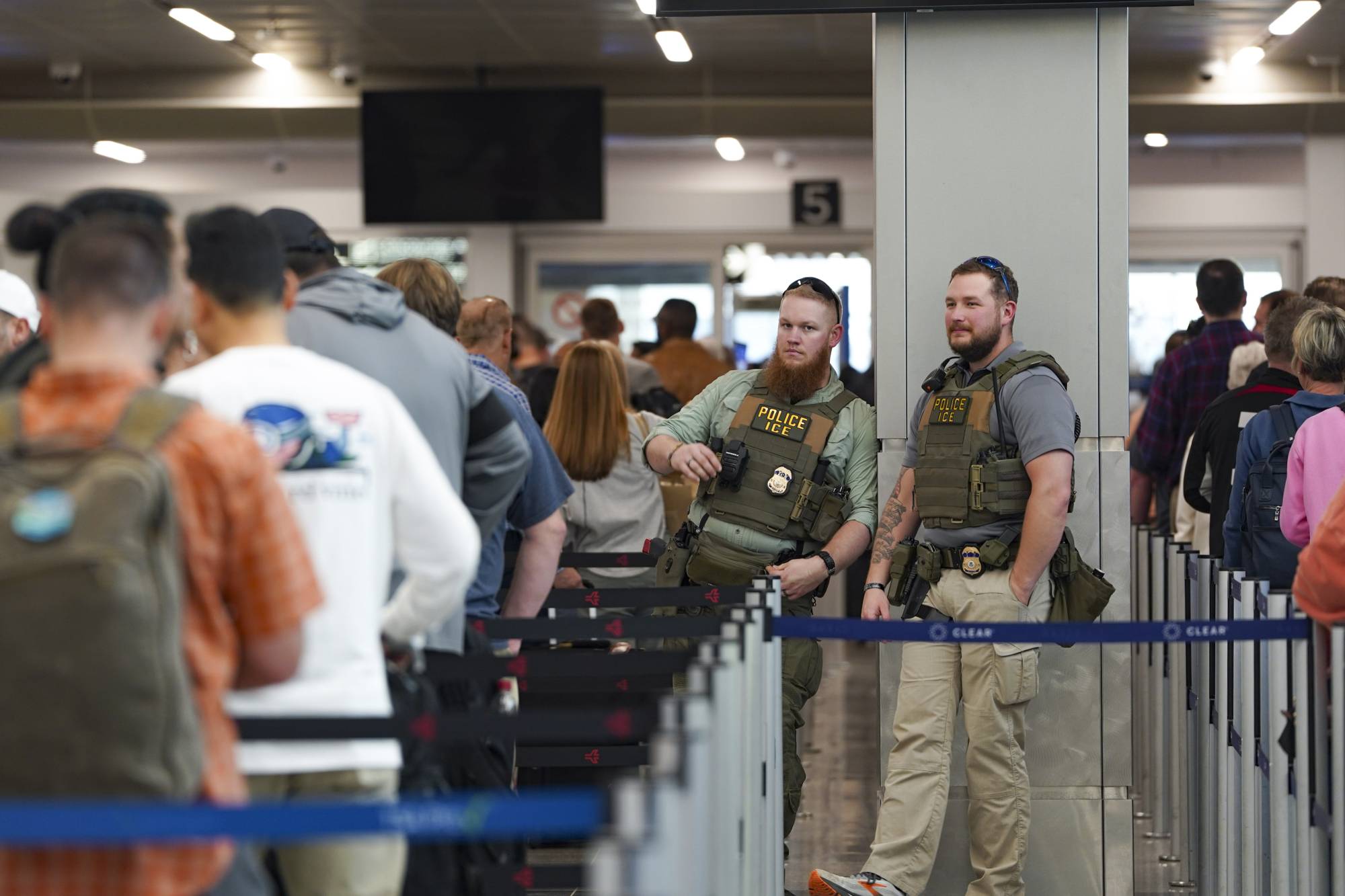
"caption": "CE agents stand next to the security line at Atlanta Hartsfield-Jackson International Airport on March 23, 2026 in Atlanta, Georgia. ",
"credit": "Megan Varner/Getty Images",
"altTag": null,
"description": null,
"imgSizes": {
"medium": {
"file": "https://cdn.kqed.org/wp-content/uploads/sites/10/2026/03/GettyImages-2267571375-2000x1333.jpg",
"width": 2000,
"height": 1333,
"mimeType": "image/jpeg"
},
"large": {
"file": "https://cdn.kqed.org/wp-content/uploads/sites/10/2026/03/GettyImages-2267571375-2000x1333.jpg",
"width": 2000,
"height": 1333,
"mimeType": "image/jpeg"
},
"thumbnail": {
"file": "https://cdn.kqed.org/wp-content/uploads/sites/10/2026/03/GettyImages-2267571375-160x107.jpg",
"width": 160,
"height": 107,
"mimeType": "image/jpeg"
},
"1536x1536": {
"file": "https://cdn.kqed.org/wp-content/uploads/sites/10/2026/03/GettyImages-2267571375-1536x1024.jpg",
"width": 1536,
"height": 1024,
"mimeType": "image/jpeg"
},
"2048x2048": {
"file": "https://cdn.kqed.org/wp-content/uploads/sites/10/2026/03/GettyImages-2267571375-2048x1365.jpg",
"width": 2048,
"height": 1365,
"mimeType": "image/jpeg"
},
"post-thumbnail": {
"file": "https://cdn.kqed.org/wp-content/uploads/sites/10/2026/03/GettyImages-2267571375-672x372.jpg",
"width": 672,
"height": 372,
"mimeType": "image/jpeg"
},
"twentyfourteen-full-width": {
"file": "https://cdn.kqed.org/wp-content/uploads/sites/10/2026/03/GettyImages-2267571375-1038x576.jpg",
"width": 1038,
"height": 576,
"mimeType": "image/jpeg"
},
"full-width": {
"file": "https://cdn.kqed.org/wp-content/uploads/sites/10/2026/03/GettyImages-2267571375-2000x1333.jpg",
"width": 2000,
"height": 1333,
"mimeType": "image/jpeg"
},
"npr-cds-wide": {
"file": "https://cdn.kqed.org/wp-content/uploads/sites/10/2026/03/GettyImages-2267571375-1200x675.jpg",
"width": 1200,
"height": 675,
"mimeType": "image/jpeg"
},
"npr-cds-square": {
"file": "https://cdn.kqed.org/wp-content/uploads/sites/10/2026/03/GettyImages-2267571375-600x600.jpg",
"width": 600,
"height": 600,
"mimeType": "image/jpeg"
},
"kqedFullSize": {
"file": "https://cdn.kqed.org/wp-content/uploads/sites/10/2026/03/GettyImages-2267571375-scaled-e1774462803299.jpg",
"width": 2000,
"height": 1334
}
},
"isLoading": false,
"fetchFailed": false
},
"news_12067210": {
"type": "attachments",
"id": "news_12067210",
"meta": {
"index": "attachments_1716263798",
"site": "news",
"id": "12067210",
"found": true
},
"title": "251210-SFOEating-86-BL_qed",
"publishDate": 1765830498,
"status": "inherit",
"parent": 12067167,
"modified": 1774287738,
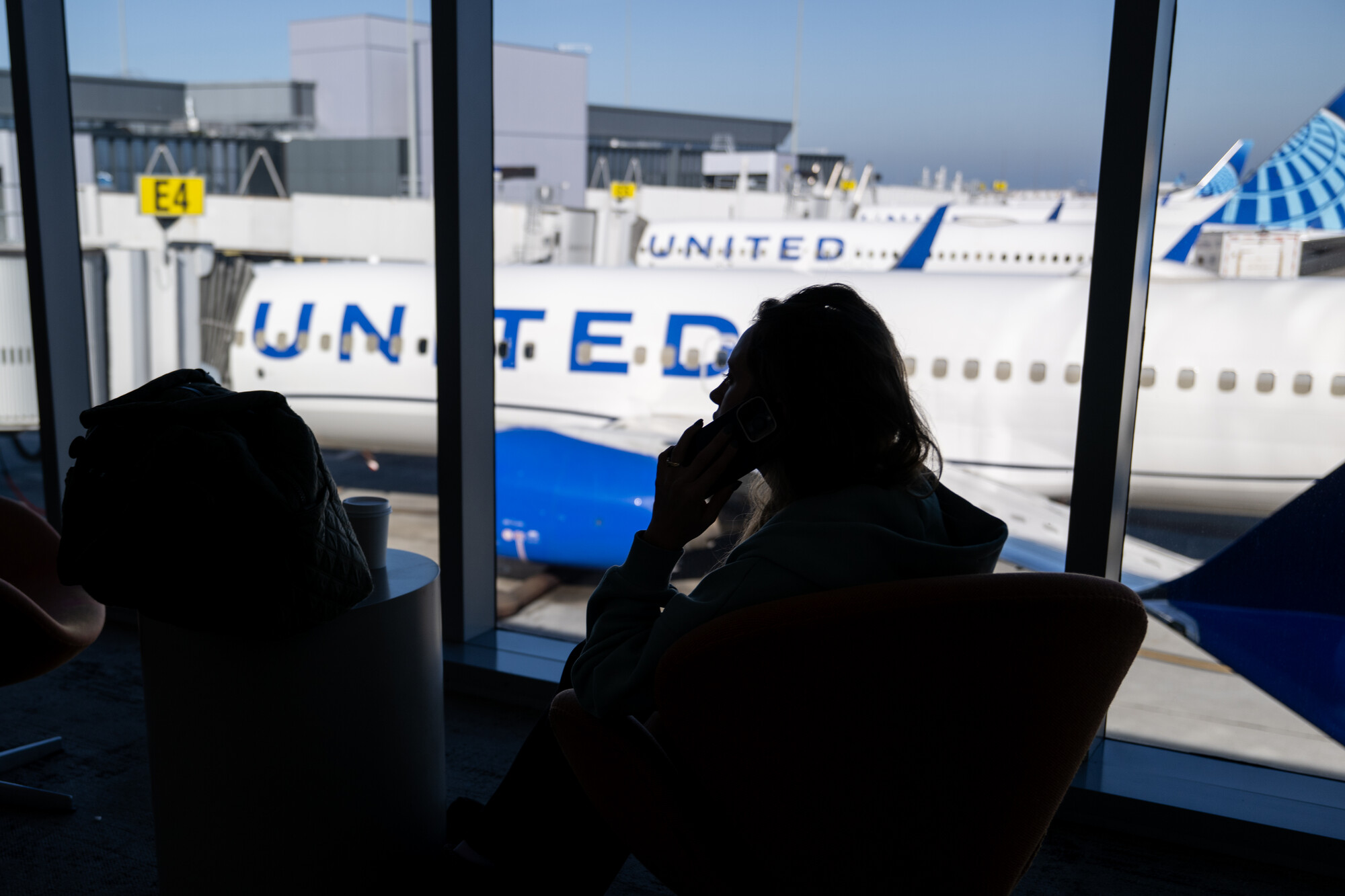
"caption": "Passengers wait for their flight at San Francisco International Airport on Dec. 10, 2025.",
"credit": "Beth LaBerge/KQED",
"altTag": null,
"description": null,
"imgSizes": {
"thumbnail": {
"file": "https://cdn.kqed.org/wp-content/uploads/sites/10/2025/12/251210-SFOEating-86-BL_qed-160x107.jpg",
"width": 160,
"height": 107,
"mimeType": "image/jpeg"
},
"1536x1536": {
"file": "https://cdn.kqed.org/wp-content/uploads/sites/10/2025/12/251210-SFOEating-86-BL_qed-1536x1024.jpg",
"width": 1536,
"height": 1024,
"mimeType": "image/jpeg"
},
"post-thumbnail": {
"file": "https://cdn.kqed.org/wp-content/uploads/sites/10/2025/12/251210-SFOEating-86-BL_qed-672x372.jpg",
"width": 672,
"height": 372,
"mimeType": "image/jpeg"
},
"twentyfourteen-full-width": {
"file": "https://cdn.kqed.org/wp-content/uploads/sites/10/2025/12/251210-SFOEating-86-BL_qed-1038x576.jpg",
"width": 1038,
"height": 576,
"mimeType": "image/jpeg"
},
"npr-cds-wide": {
"file": "https://cdn.kqed.org/wp-content/uploads/sites/10/2025/12/251210-SFOEating-86-BL_qed-1200x675.jpg",
"width": 1200,
"height": 675,
"mimeType": "image/jpeg"
},
"kqedFullSize": {
"file": "https://cdn.kqed.org/wp-content/uploads/sites/10/2025/12/251210-SFOEating-86-BL_qed.jpg",
"width": 2000,
"height": 1333
}
},
"isLoading": false,
"fetchFailed": false
},
"news_12077215": {
"type": "attachments",
"id": "news_12077215",
"meta": {
"index": "attachments_1716263798",
"site": "news",
"id": "12077215",
"found": true
},
"title": "Hearing For Mary Fong Lau At San Francisco Hall Of Justice",
"publishDate": 1774041547,
"status": "inherit",
"parent": 12077174,
"modified": 1774041603,
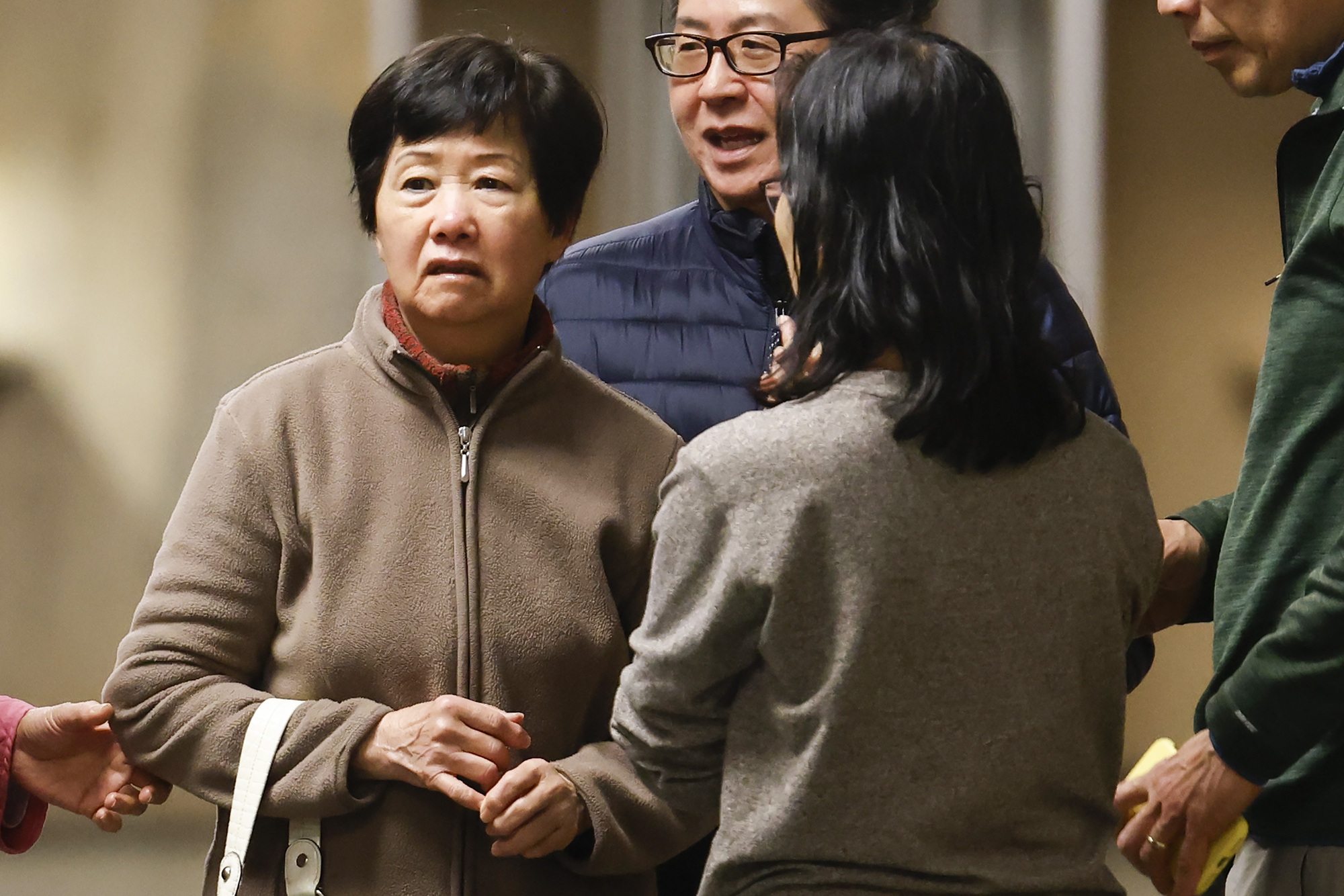
"caption": "Mary Fong Lau, left, stands with friends in the hallway ahead of a hearing at the Hall of Justice in San Francisco, California, on Feb. 13, 2026. Lau is a San Francisco resident facing felony vehicular manslaughter charges in an accident that killed a family of four in March 2024. ",
"credit": "Jessica Christian/San Francisco Chronicle via Getty Images",
"altTag": null,
"description": null,
"imgSizes": {
"thumbnail": {
"file": "https://cdn.kqed.org/wp-content/uploads/sites/10/2026/03/MaryFongLauGetty-160x107.jpg",
"width": 160,
"height": 107,
"mimeType": "image/jpeg"
},
"1536x1536": {
"file": "https://cdn.kqed.org/wp-content/uploads/sites/10/2026/03/MaryFongLauGetty-1536x1025.jpg",
"width": 1536,
"height": 1025,
"mimeType": "image/jpeg"
},
"post-thumbnail": {
"file": "https://cdn.kqed.org/wp-content/uploads/sites/10/2026/03/MaryFongLauGetty-672x372.jpg",
"width": 672,
"height": 372,
"mimeType": "image/jpeg"
},
"twentyfourteen-full-width": {
"file": "https://cdn.kqed.org/wp-content/uploads/sites/10/2026/03/MaryFongLauGetty-1038x576.jpg",
"width": 1038,
"height": 576,
"mimeType": "image/jpeg"
},
"npr-cds-wide": {
"file": "https://cdn.kqed.org/wp-content/uploads/sites/10/2026/03/MaryFongLauGetty-1200x675.jpg",
"width": 1200,
"height": 675,
"mimeType": "image/jpeg"
},
"kqedFullSize": {
"file": "https://cdn.kqed.org/wp-content/uploads/sites/10/2026/03/MaryFongLauGetty.jpg",
"width": 2000,
"height": 1334
}
},
"isLoading": false,
"fetchFailed": false
},
"news_12065779": {
"type": "attachments",
"id": "news_12065779",
"meta": {
"index": "attachments_1716263798",
"site": "news",
"id": "12065779",
"found": true
},
"title": "251202-OAKSPEEDCAMERAS-19-BL-KQED",
"publishDate": 1764714288,
"status": "inherit",
"parent": 12065712,
"modified": 1773358090,
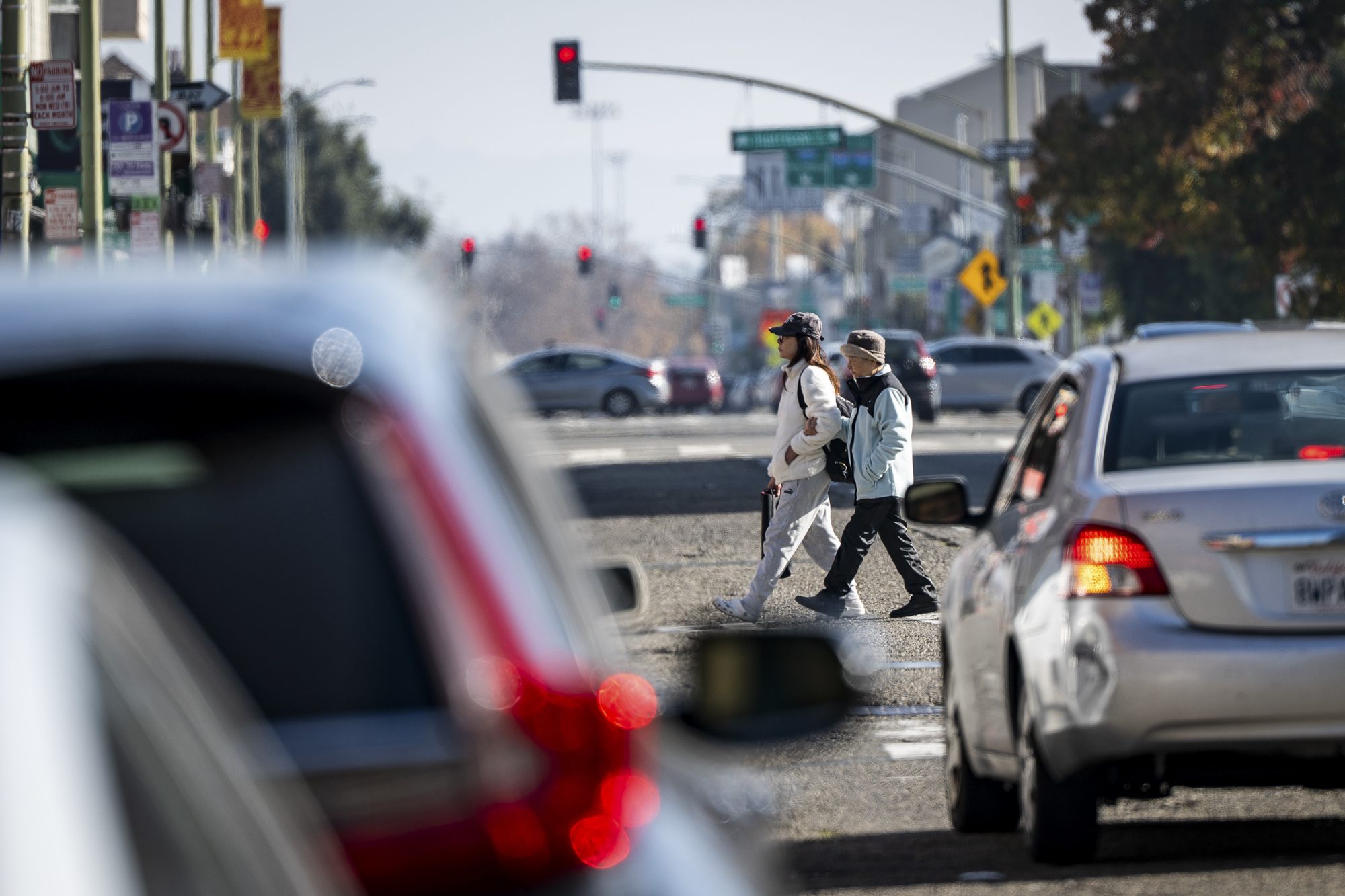
"caption": "Pedestrians cross at the intersection of Franklin and Seventh Streets in Oakland on Dec. 2, 2025, near where a speed-camera pilot program will install a camera on Seventh Street between Broadway and Franklin.",
"credit": "Beth LaBerge/KQED",
"altTag": null,
"description": null,
"imgSizes": {
"thumbnail": {
"file": "https://cdn.kqed.org/wp-content/uploads/sites/10/2025/12/251202-OAKSPEEDCAMERAS-19-BL-KQED-160x107.jpg",
"width": 160,
"height": 107,
"mimeType": "image/jpeg"
},
"1536x1536": {
"file": "https://cdn.kqed.org/wp-content/uploads/sites/10/2025/12/251202-OAKSPEEDCAMERAS-19-BL-KQED-1536x1024.jpg",
"width": 1536,
"height": 1024,
"mimeType": "image/jpeg"
},
"post-thumbnail": {
"file": "https://cdn.kqed.org/wp-content/uploads/sites/10/2025/12/251202-OAKSPEEDCAMERAS-19-BL-KQED-672x372.jpg",
"width": 672,
"height": 372,
"mimeType": "image/jpeg"
},
"twentyfourteen-full-width": {
"file": "https://cdn.kqed.org/wp-content/uploads/sites/10/2025/12/251202-OAKSPEEDCAMERAS-19-BL-KQED-1038x576.jpg",
"width": 1038,
"height": 576,
"mimeType": "image/jpeg"
},
"npr-cds-wide": {
"file": "https://cdn.kqed.org/wp-content/uploads/sites/10/2025/12/251202-OAKSPEEDCAMERAS-19-BL-KQED-1200x675.jpg",
"width": 1200,
"height": 675,
"mimeType": "image/jpeg"
},
"kqedFullSize": {
"file": "https://cdn.kqed.org/wp-content/uploads/sites/10/2025/12/251202-OAKSPEEDCAMERAS-19-BL-KQED.jpg",
"width": 2000,
"height": 1333
}
},
"isLoading": false,
"fetchFailed": false
},
"news_12075354": {
"type": "attachments",
"id": "news_12075354",
"meta": {
"index": "attachments_1716263798",
"site": "news",
"id": "12075354",
"found": true
},
"title": "260303-MUNIFILE00116_TV-KQED",
"publishDate": 1772646815,
"status": "inherit",
"parent": 0,
"modified": 1772646835,
"caption": "A Muni train departs from the West Portal Station in San Francisco on March 3, 2026.",
"credit": "Tâm Vũ/KQED",
"altTag": null,
"description": null,
"imgSizes": {
"thumbnail": {
"file": "https://cdn.kqed.org/wp-content/uploads/sites/10/2026/03/260303-MUNIFILE00116_TV-KQED-160x107.jpg",
"width": 160,
"height": 107,
"mimeType": "image/jpeg"
},
"1536x1536": {
"file": "https://cdn.kqed.org/wp-content/uploads/sites/10/2026/03/260303-MUNIFILE00116_TV-KQED-1536x1025.jpg",
"width": 1536,
"height": 1025,
"mimeType": "image/jpeg"
},
"post-thumbnail": {
"file": "https://cdn.kqed.org/wp-content/uploads/sites/10/2026/03/260303-MUNIFILE00116_TV-KQED-672x372.jpg",
"width": 672,
"height": 372,
"mimeType": "image/jpeg"
},
"twentyfourteen-full-width": {
"file": "https://cdn.kqed.org/wp-content/uploads/sites/10/2026/03/260303-MUNIFILE00116_TV-KQED-1038x576.jpg",
"width": 1038,
"height": 576,
"mimeType": "image/jpeg"
},
"npr-cds-wide": {
"file": "https://cdn.kqed.org/wp-content/uploads/sites/10/2026/03/260303-MUNIFILE00116_TV-KQED-1200x675.jpg",
"width": 1200,
"height": 675,
"mimeType": "image/jpeg"
},
"kqedFullSize": {
"file": "https://cdn.kqed.org/wp-content/uploads/sites/10/2026/03/260303-MUNIFILE00116_TV-KQED.jpg",
"width": 2000,
"height": 1334
}
},
"isLoading": false,
"fetchFailed": false
},
"news_12054821": {
"type": "attachments",
"id": "news_12054821",
"meta": {
"index": "attachments_1716263798",
"site": "news",
"id": "12054821",
"found": true
},
"title": "250905-BARTOutage-03-BL_qed",
"publishDate": 1757096088,
"status": "inherit",
"parent": 12054754,
"modified": 1757096099,
"caption": "Tape blocks the entrance at the 24th Street BART station in San Francisco on Sept. 5, 2025, during an outage.",
"credit": "Beth LaBerge/KQED",
"altTag": null,
"description": null,
"imgSizes": {
"thumbnail": {
"file": "https://cdn.kqed.org/wp-content/uploads/sites/10/2025/09/250905-BARTOutage-03-BL_qed-160x107.jpg",
"width": 160,
"height": 107,
"mimeType": "image/jpeg"
},
"1536x1536": {
"file": "https://cdn.kqed.org/wp-content/uploads/sites/10/2025/09/250905-BARTOutage-03-BL_qed-1536x1024.jpg",
"width": 1536,
"height": 1024,
"mimeType": "image/jpeg"
},
"post-thumbnail": {
"file": "https://cdn.kqed.org/wp-content/uploads/sites/10/2025/09/250905-BARTOutage-03-BL_qed-672x372.jpg",
"width": 672,
"height": 372,
"mimeType": "image/jpeg"
},
"twentyfourteen-full-width": {
"file": "https://cdn.kqed.org/wp-content/uploads/sites/10/2025/09/250905-BARTOutage-03-BL_qed-1038x576.jpg",
"width": 1038,
"height": 576,
"mimeType": "image/jpeg"
},
"kqedFullSize": {
"file": "https://cdn.kqed.org/wp-content/uploads/sites/10/2025/09/250905-BARTOutage-03-BL_qed.jpg",
"width": 2000,
"height": 1333
}
},
"isLoading": false,
"fetchFailed": false
},
"news_12075949": {
"type": "attachments",
"id": "news_12075949",
"meta": {
"index": "attachments_1716263798",
"site": "news",
"id": "12075949",
"found": true
},
"title": "260310-EVCHARGING-02-BL-KQED",
"publishDate": 1773170406,
"status": "inherit",
"parent": 0,
"modified": 1773170447,
"caption": "An electric vehicle charges at a curbside EV charging station in San Francisco on March 10, 2026.",
"credit": "Beth LaBerge/KQED",
"altTag": null,
"description": null,
"imgSizes": {
"thumbnail": {
"file": "https://cdn.kqed.org/wp-content/uploads/sites/10/2026/03/260310-EVCHARGING-02-BL-KQED-160x107.jpg",
"width": 160,
"height": 107,
"mimeType": "image/jpeg"
},
"1536x1536": {
"file": "https://cdn.kqed.org/wp-content/uploads/sites/10/2026/03/260310-EVCHARGING-02-BL-KQED-1536x1024.jpg",
"width": 1536,
"height": 1024,
"mimeType": "image/jpeg"
},
"post-thumbnail": {
"file": "https://cdn.kqed.org/wp-content/uploads/sites/10/2026/03/260310-EVCHARGING-02-BL-KQED-672x372.jpg",
"width": 672,
"height": 372,
"mimeType": "image/jpeg"
},
"twentyfourteen-full-width": {
"file": "https://cdn.kqed.org/wp-content/uploads/sites/10/2026/03/260310-EVCHARGING-02-BL-KQED-1038x576.jpg",
"width": 1038,
"height": 576,
"mimeType": "image/jpeg"
},
"npr-cds-wide": {
"file": "https://cdn.kqed.org/wp-content/uploads/sites/10/2026/03/260310-EVCHARGING-02-BL-KQED-1200x675.jpg",
"width": 1200,
"height": 675,
"mimeType": "image/jpeg"
},
"kqedFullSize": {
"file": "https://cdn.kqed.org/wp-content/uploads/sites/10/2026/03/260310-EVCHARGING-02-BL-KQED.jpg",
"width": 2000,
"height": 1333
}
},
"isLoading": false,
"fetchFailed": false
},
"news_12075699": {
"type": "attachments",
"id": "news_12075699",
"meta": {
"index": "attachments_1716263798",
"site": "news",
"id": "12075699",
"found": true
},
"title": "Screenshot 2026-03-06 at 4.13.06 PM",
"publishDate": 1772842426,
"status": "inherit",
"parent": 12075669,
"modified": 1772842504,
"caption": "West Oakland's 18th Street is slated for repairs and improvements in the Spring and Summer of 2026.",
"credit": "Oakland Department of Transportation",
"altTag": null,
"description": null,
"imgSizes": {
"thumbnail": {
"file": "https://cdn.kqed.org/wp-content/uploads/sites/10/2026/03/Screenshot-2026-03-06-at-4.13.06 PM-160x105.png",
"width": 160,
"height": 105,
"mimeType": "image/png"
},
"post-thumbnail": {
"file": "https://cdn.kqed.org/wp-content/uploads/sites/10/2026/03/Screenshot-2026-03-06-at-4.13.06 PM-672x372.png",
"width": 672,
"height": 372,
"mimeType": "image/png"
},
"kqedFullSize": {
"file": "https://cdn.kqed.org/wp-content/uploads/sites/10/2026/03/Screenshot-2026-03-06-at-4.13.06 PM.png",
"width": 778,
"height": 512
}
},
"isLoading": false,
"fetchFailed": false
},
"news_12073740": {
"type": "attachments",
"id": "news_12073740",
"meta": {
"index": "attachments_1716263798",
"site": "news",
"id": "12073740",
"found": true
},
"title": "021826_LATEBUSES _GH_011-KQED",
"publishDate": 1771448611,
"status": "inherit",
"parent": 12073883,
"modified": 1772154823,
"caption": "Muni driver Hannibal is reflected in a rearview mirror as he operates the 67 Bernal Heights bus in San Francisco on Feb. 18, 2026. The route is among those with the most persistent delays, according to Muni performance data.",
"credit": "Gustavo Hernandez/KQED",
"altTag": null,
"description": null,
"imgSizes": {
"thumbnail": {
"file": "https://cdn.kqed.org/wp-content/uploads/sites/10/2026/02/021826_LATEBUSES-_GH_011-KQED-160x107.jpg",
"width": 160,
"height": 107,
"mimeType": "image/jpeg"
},
"1536x1536": {
"file": "https://cdn.kqed.org/wp-content/uploads/sites/10/2026/02/021826_LATEBUSES-_GH_011-KQED-1536x1024.jpg",
"width": 1536,
"height": 1024,
"mimeType": "image/jpeg"
},
"post-thumbnail": {
"file": "https://cdn.kqed.org/wp-content/uploads/sites/10/2026/02/021826_LATEBUSES-_GH_011-KQED-672x372.jpg",
"width": 672,
"height": 372,
"mimeType": "image/jpeg"
},
"twentyfourteen-full-width": {
"file": "https://cdn.kqed.org/wp-content/uploads/sites/10/2026/02/021826_LATEBUSES-_GH_011-KQED-1038x576.jpg",
"width": 1038,
"height": 576,
"mimeType": "image/jpeg"
},
"npr-cds-wide": {
"file": "https://cdn.kqed.org/wp-content/uploads/sites/10/2026/02/021826_LATEBUSES-_GH_011-KQED-1200x675.jpg",
"width": 1200,
"height": 675,
"mimeType": "image/jpeg"
},
"kqedFullSize": {
"file": "https://cdn.kqed.org/wp-content/uploads/sites/10/2026/02/021826_LATEBUSES-_GH_011-KQED.jpg",
"width": 2000,
"height": 1333
}
},
"isLoading": false,
"fetchFailed": false
},
"news_12075339": {
"type": "attachments",
"id": "news_12075339",
"meta": {
"index": "attachments_1716263798",
"site": "news",
"id": "12075339",
"found": true
},
"title": "Amtrak's Zephyr Train, Offering Spectacular Views Of American West, Under T",
"publishDate": 1772644712,
"status": "inherit",
"parent": 12075338,
"modified": 1772651389,
"caption": "Amtrak's California Zephyr passes through the snow-covered countryside near Donner Lake on March 25, 2017, in Truckee, United States.",
"credit": "Joe Raedle/Getty Images",
"altTag": null,
"description": null,
"imgSizes": {
"thumbnail": {
"file": "https://cdn.kqed.org/wp-content/uploads/sites/10/2026/03/GettyImages-658406988-160x107.jpg",
"width": 160,
"height": 107,
"mimeType": "image/jpeg"
},
"1536x1536": {
"file": "https://cdn.kqed.org/wp-content/uploads/sites/10/2026/03/GettyImages-658406988-1536x1024.jpg",
"width": 1536,
"height": 1024,
"mimeType": "image/jpeg"
},
"post-thumbnail": {
"file": "https://cdn.kqed.org/wp-content/uploads/sites/10/2026/03/GettyImages-658406988-672x372.jpg",
"width": 672,
"height": 372,
"mimeType": "image/jpeg"
},
"twentyfourteen-full-width": {
"file": "https://cdn.kqed.org/wp-content/uploads/sites/10/2026/03/GettyImages-658406988-1038x576.jpg",
"width": 1038,
"height": 576,
"mimeType": "image/jpeg"
},
"npr-cds-wide": {
"file": "https://cdn.kqed.org/wp-content/uploads/sites/10/2026/03/GettyImages-658406988-1200x675.jpg",
"width": 1200,
"height": 675,
"mimeType": "image/jpeg"
},
"kqedFullSize": {
"file": "https://cdn.kqed.org/wp-content/uploads/sites/10/2026/03/GettyImages-658406988.jpg",
"width": 2000,
"height": 1333
}
},
"isLoading": false,
"fetchFailed": false
},
"news_12075256": {
"type": "attachments",
"id": "news_12075256",
"meta": {
"index": "attachments_1716263798",
"site": "news",
"id": "12075256",
"found": true
},
"title": "260303-MUNIFUNDINGKICKOFF-14-BL-KQED",
"publishDate": 1772581161,
"status": "inherit",
"parent": 0,
"modified": 1772583240,
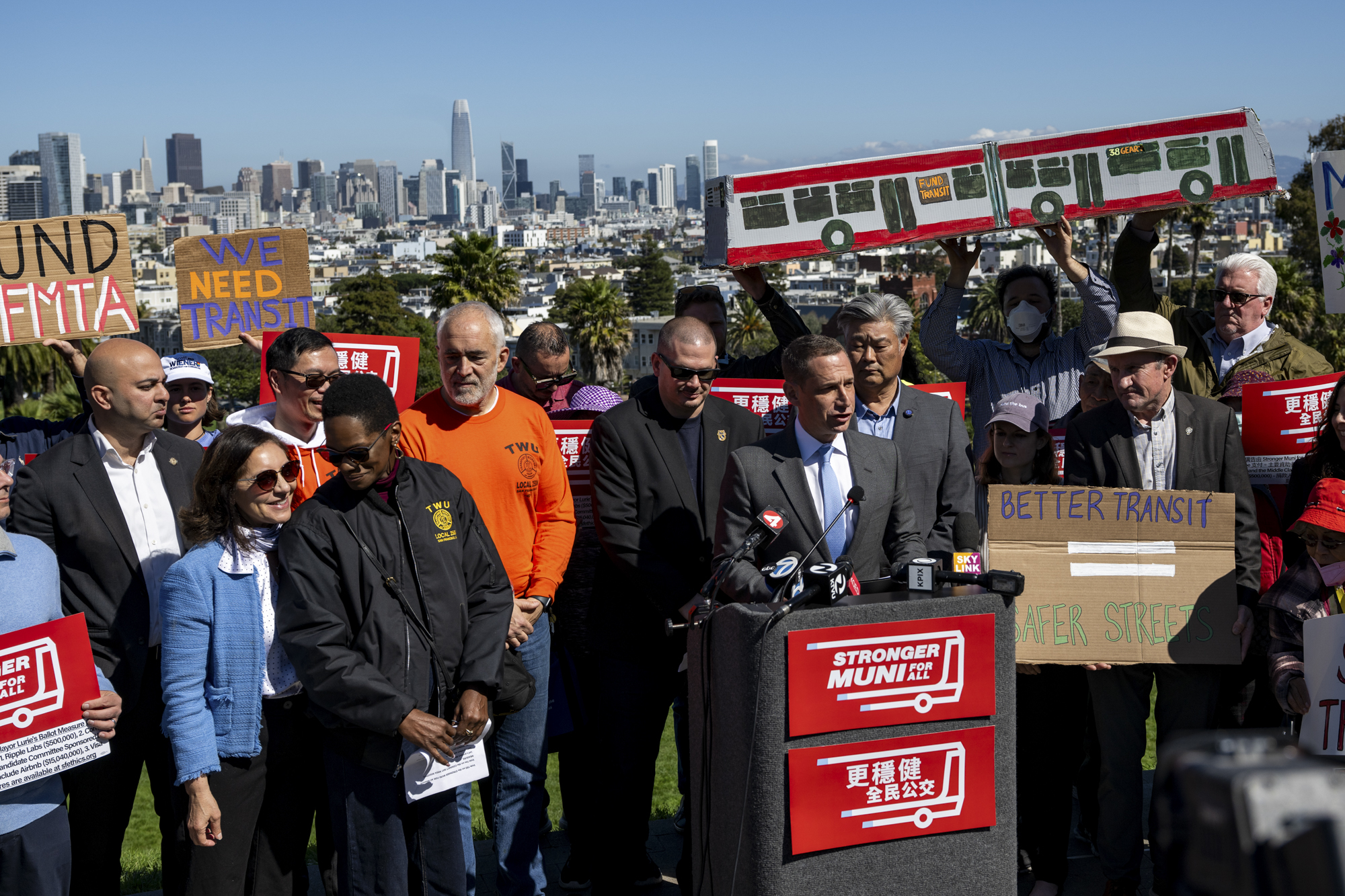
"caption": "Mayor Daniel Lurie speaks during a kickoff event for the \"Stronger Muni for All\" measure at Dolores Park in San Francisco on March 3, 2026. Supporters say the proposal would prevent major Muni service cuts as the transit system faces a budget shortfall.",
"credit": "Beth LaBerge/KQED",
"altTag": null,
"description": null,
"imgSizes": {
"thumbnail": {
"file": "https://cdn.kqed.org/wp-content/uploads/sites/10/2026/03/260303-MUNIFUNDINGKICKOFF-14-BL-KQED-160x107.jpg",
"width": 160,
"height": 107,
"mimeType": "image/jpeg"
},
"1536x1536": {
"file": "https://cdn.kqed.org/wp-content/uploads/sites/10/2026/03/260303-MUNIFUNDINGKICKOFF-14-BL-KQED-1536x1024.jpg",
"width": 1536,
"height": 1024,
"mimeType": "image/jpeg"
},
"post-thumbnail": {
"file": "https://cdn.kqed.org/wp-content/uploads/sites/10/2026/03/260303-MUNIFUNDINGKICKOFF-14-BL-KQED-672x372.jpg",
"width": 672,
"height": 372,
"mimeType": "image/jpeg"
},
"twentyfourteen-full-width": {
"file": "https://cdn.kqed.org/wp-content/uploads/sites/10/2026/03/260303-MUNIFUNDINGKICKOFF-14-BL-KQED-1038x576.jpg",
"width": 1038,
"height": 576,
"mimeType": "image/jpeg"
},
"npr-cds-wide": {
"file": "https://cdn.kqed.org/wp-content/uploads/sites/10/2026/03/260303-MUNIFUNDINGKICKOFF-14-BL-KQED-1200x675.jpg",
"width": 1200,
"height": 675,
"mimeType": "image/jpeg"
},
"kqedFullSize": {
"file": "https://cdn.kqed.org/wp-content/uploads/sites/10/2026/03/260303-MUNIFUNDINGKICKOFF-14-BL-KQED.jpg",
"width": 2000,
"height": 1333
}
},
"isLoading": false,
"fetchFailed": false
},
"news_12073741": {
"type": "attachments",
"id": "news_12073741",
"meta": {
"index": "attachments_1716263798",
"site": "news",
"id": "12073741",
"found": true
},
"title": "021826_LATEBUSES _GH_014-KQED",
"publishDate": 1771448615,
"status": "inherit",
"parent": 0,
"modified": 1772158015,
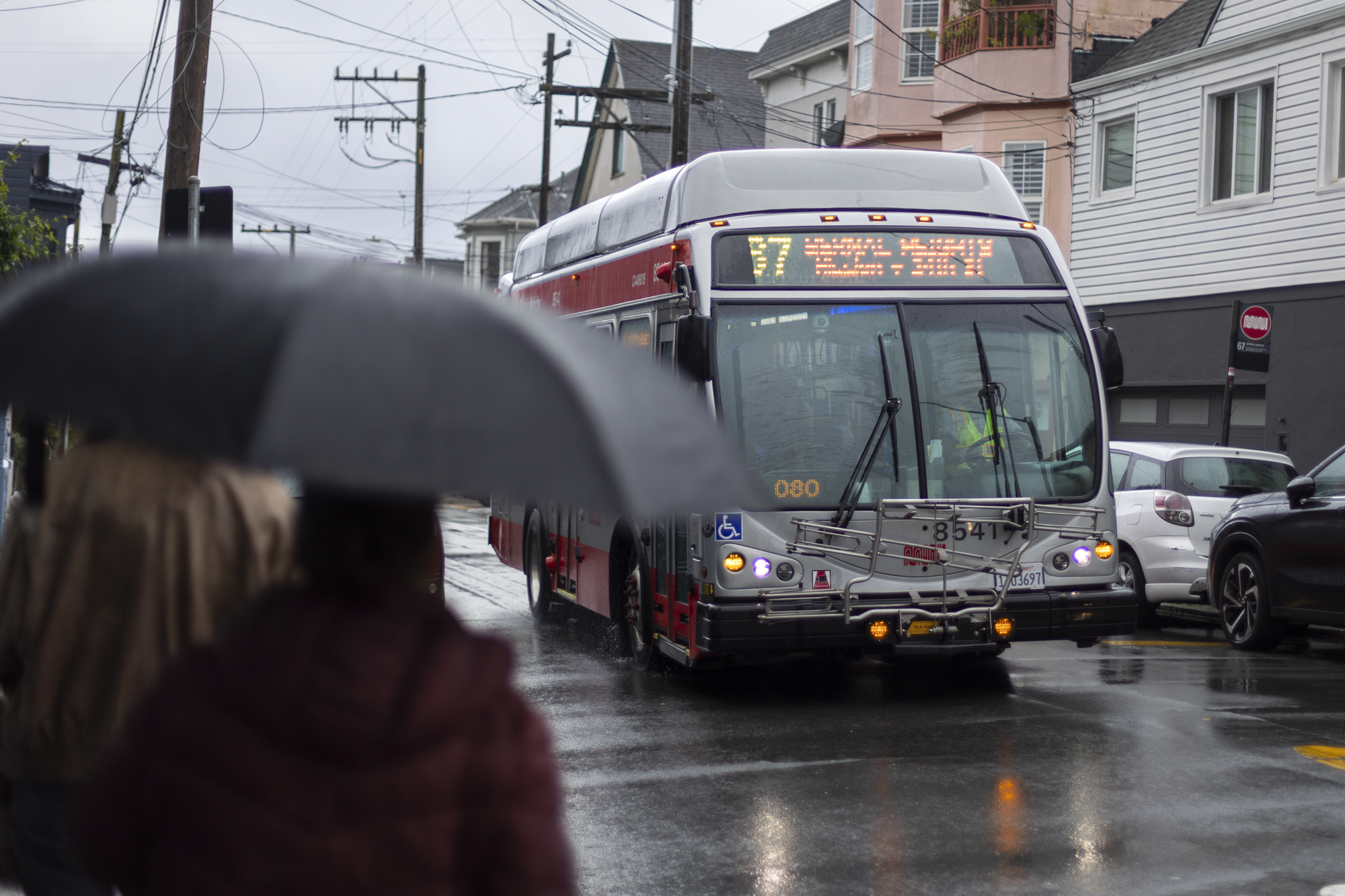
"caption": "Maria Castillo walks toward an approaching 67 Bernal Heights bus at Folsom and Cortland streets in San Francisco on Feb. 18, 2026.",
"credit": "Gustavo Hernandez/KQED",
"altTag": null,
"description": null,
"imgSizes": {
"thumbnail": {
"file": "https://cdn.kqed.org/wp-content/uploads/sites/10/2026/02/021826_LATEBUSES-_GH_014-KQED-160x107.jpg",
"width": 160,
"height": 107,
"mimeType": "image/jpeg"
},
"1536x1536": {
"file": "https://cdn.kqed.org/wp-content/uploads/sites/10/2026/02/021826_LATEBUSES-_GH_014-KQED-1536x1024.jpg",
"width": 1536,
"height": 1024,
"mimeType": "image/jpeg"
},
"post-thumbnail": {
"file": "https://cdn.kqed.org/wp-content/uploads/sites/10/2026/02/021826_LATEBUSES-_GH_014-KQED-672x372.jpg",
"width": 672,
"height": 372,
"mimeType": "image/jpeg"
},
"twentyfourteen-full-width": {
"file": "https://cdn.kqed.org/wp-content/uploads/sites/10/2026/02/021826_LATEBUSES-_GH_014-KQED-1038x576.jpg",
"width": 1038,
"height": 576,
"mimeType": "image/jpeg"
},
"npr-cds-wide": {
"file": "https://cdn.kqed.org/wp-content/uploads/sites/10/2026/02/021826_LATEBUSES-_GH_014-KQED-1200x675.jpg",
"width": 1200,
"height": 675,
"mimeType": "image/jpeg"
},
"kqedFullSize": {
"file": "https://cdn.kqed.org/wp-content/uploads/sites/10/2026/02/021826_LATEBUSES-_GH_014-KQED.jpg",
"width": 2000,
"height": 1333
}
},
"isLoading": false,
"fetchFailed": false
}
},
"audioPlayerReducer": {
"postId": "stream_live",
"isPaused": true,
"isPlaying": false,
"pfsActive": false,
"pledgeModalIsOpen": true,
"playerDrawerIsOpen": false,
"liveAudioPlayStartedAt": 0,
"liveAudioPlayContext": ""
},
"authorsReducer": {
"ecruzguevarra": {
"type": "authors",
"id": "8654",
"meta": {
"index": "authors_1716337520",
"id": "8654",
"found": true
},
"name": "Ericka Cruz Guevarra",
"firstName": "Ericka",
"lastName": "Cruz Guevarra",
"slug": "ecruzguevarra",
"email": "ecruzguevarra@kqed.org",
"display_author_email": true,
"staff_mastheads": [
"news"
],
"title": "Producer, The Bay Podcast",
"bio": "Ericka Cruz Guevarra is host of \u003ca href=\"https://www.kqed.org/podcasts/thebay\">\u003cem>The Bay\u003c/em>\u003c/a> podcast at KQED. Before host, she was the show’s producer. Her work in that capacity includes a three-part reported series on policing in Vallejo, which won a 2020 excellence in journalism award from the Society of Professional Journalists. Ericka has worked as a breaking news reporter at Oregon Public Broadcasting, helped produce the Code Switch podcast, and was KQED’s inaugural Raul Ramirez Diversity Fund intern. She’s also an alumna of NPR’s Next Generation Radio program. Send her an email if you have strong feelings about whether Fairfield and Suisun City are the Bay. Ericka is represented by SAG-AFTRA.",
"avatar": "https://secure.gravatar.com/avatar/accefc1de4bafc7e234b69bcb9b6f6536c130fd84709bc3069ef11a78787e1bb?s=600&d=blank&r=g",
"twitter": "NotoriousECG",
"bluesky": null,
"facebook": null,
"instagram": null,
"linkedin": null,
"sites": [
{
"site": "arts",
"roles": [
"subscriber"
]
},
{
"site": "news",
"roles": [
"editor",
"manage_categories"
]
},
{
"site": "futureofyou",
"roles": [
"subscriber"
]
},
{
"site": "stateofhealth",
"roles": [
"subscriber"
]
},
{
"site": "science",
"roles": [
"editor"
]
},
{
"site": "forum",
"roles": [
"subscriber"
]
}
],
"headData": {
"title": "Ericka Cruz Guevarra | KQED",
"description": "Producer, The Bay Podcast",
"ogImgSrc": "https://secure.gravatar.com/avatar/accefc1de4bafc7e234b69bcb9b6f6536c130fd84709bc3069ef11a78787e1bb?s=600&d=blank&r=g",
"twImgSrc": "https://secure.gravatar.com/avatar/accefc1de4bafc7e234b69bcb9b6f6536c130fd84709bc3069ef11a78787e1bb?s=600&d=blank&r=g"
},
"isLoading": false,
"link": "/author/ecruzguevarra"
},
"amontecillo": {
"type": "authors",
"id": "11649",
"meta": {
"index": "authors_1716337520",
"id": "11649",
"found": true
},
"name": "Alan Montecillo",
"firstName": "Alan",
"lastName": "Montecillo",
"slug": "amontecillo",
"email": "amontecillo@kqed.org",
"display_author_email": false,
"staff_mastheads": [
"news"
],
"title": "KQED Contributor",
"bio": "Alan Montecillo is the senior editor of \u003cem>\u003ca href=\"http://kqed.org/thebay\">The Bay\u003c/a>, \u003c/em> KQED's local news podcast. Before moving to the Bay Area, he worked as a senior talk show producer for WILL in Champaign-Urbana, Illinois and at Oregon Public Broadcasting in Portland, Oregon. He has won journalism awards from the Society of Professional Journalists Northern California, the Public Media Journalists Association, The Signal Awards, and has also received a regional Edward R. Murrow award. Alan is a Filipino American from Hong Kong and a graduate of Reed College.",
"avatar": "https://secure.gravatar.com/avatar/268f53a2066899ea9efdd8a5900218b17c822d9862cbc9326cccec53ef41d349?s=600&d=blank&r=g",
"twitter": "alanmontecillo",
"bluesky": null,
"facebook": null,
"instagram": null,
"linkedin": null,
"sites": [
{
"site": "",
"roles": [
"editor"
]
},
{
"site": "news",
"roles": [
"editor",
"manage_categories"
]
}
],
"headData": {
"title": "Alan Montecillo | KQED",
"description": "KQED Contributor",
"ogImgSrc": "https://secure.gravatar.com/avatar/268f53a2066899ea9efdd8a5900218b17c822d9862cbc9326cccec53ef41d349?s=600&d=blank&r=g",
"twImgSrc": "https://secure.gravatar.com/avatar/268f53a2066899ea9efdd8a5900218b17c822d9862cbc9326cccec53ef41d349?s=600&d=blank&r=g"
},
"isLoading": false,
"link": "/author/amontecillo"
},
"ccabreralomeli": {
"type": "authors",
"id": "11708",
"meta": {
"index": "authors_1716337520",
"id": "11708",
"found": true
},
"name": "Carlos Cabrera-Lomelí",
"firstName": "Carlos",
"lastName": "Cabrera-Lomelí",
"slug": "ccabreralomeli",
"email": "ccabreralomeli@KQED.org",
"display_author_email": true,
"staff_mastheads": [
"news"
],
"title": "Community Reporter",
"bio": "Carlos Cabrera-Lomelí is a community reporter with KQED's digital engagement team. He also reports and co-produces for KQED's bilingual news hub KQED en Español. He grew up in San Francisco's Mission District and has previously worked with Univision, 48 Hills and REFORMA in Mexico City.",
"avatar": "https://secure.gravatar.com/avatar/c309be9665e484f887b818c89e273ecc673004f426f36b24d00a4d813a2e0518?s=600&d=blank&r=g",
"twitter": "@LomeliCabrera",
"bluesky": null,
"facebook": null,
"instagram": null,
"linkedin": null,
"sites": [
{
"site": "arts",
"roles": [
"editor"
]
},
{
"site": "news",
"roles": [
"editor"
]
},
{
"site": "about",
"roles": [
"editor"
]
},
{
"site": "science",
"roles": [
"editor"
]
},
{
"site": "perspectives",
"roles": [
"editor"
]
},
{
"site": "elections",
"roles": [
"editor"
]
},
{
"site": "liveblog",
"roles": [
"contributor"
]
}
],
"headData": {
"title": "Carlos Cabrera-Lomelí | KQED",
"description": "Community Reporter",
"ogImgSrc": "https://secure.gravatar.com/avatar/c309be9665e484f887b818c89e273ecc673004f426f36b24d00a4d813a2e0518?s=600&d=blank&r=g",
"twImgSrc": "https://secure.gravatar.com/avatar/c309be9665e484f887b818c89e273ecc673004f426f36b24d00a4d813a2e0518?s=600&d=blank&r=g"
},
"isLoading": false,
"link": "/author/ccabreralomeli"
},
"jlara": {
"type": "authors",
"id": "11761",
"meta": {
"index": "authors_1716337520",
"id": "11761",
"found": true
},
"name": "Juan Carlos Lara",
"firstName": "Juan Carlos",
"lastName": "Lara",
"slug": "jlara",
"email": "jlara@kqed.org",
"display_author_email": false,
"staff_mastheads": [],
"title": "KQED Contributor",
"bio": null,
"avatar": "https://secure.gravatar.com/avatar/19e2052b9b05657c5ff2af2121846e9c?s=600&d=blank&r=g",
"twitter": null,
"facebook": null,
"instagram": null,
"linkedin": null,
"sites": [
{
"site": "arts",
"roles": [
"editor"
]
},
{
"site": "news",
"roles": [
"editor"
]
},
{
"site": "forum",
"roles": [
"editor"
]
},
{
"site": "liveblog",
"roles": [
"contributor"
]
}
],
"headData": {
"title": "Juan Carlos Lara | KQED",
"description": "KQED Contributor",
"ogImgSrc": "https://secure.gravatar.com/avatar/19e2052b9b05657c5ff2af2121846e9c?s=600&d=blank&r=g",
"twImgSrc": "https://secure.gravatar.com/avatar/19e2052b9b05657c5ff2af2121846e9c?s=600&d=blank&r=g"
},
"isLoading": false,
"link": "/author/jlara"
},
"adahlstromeckman": {
"type": "authors",
"id": "11785",
"meta": {
"index": "authors_1716337520",
"id": "11785",
"found": true
},
"name": "Azul Dahlstrom-Eckman",
"firstName": "Azul",
"lastName": "Dahlstrom-Eckman",
"slug": "adahlstromeckman",
"email": "adahlstrom-eckman@kqed.org",
"display_author_email": true,
"staff_mastheads": [],
"title": "Reporter",
"bio": "Azul is a reporter for KQED focusing on transportation and features. He joined KQED in 2021 as an alumna of KALW's Audio Academy radio journalism training program.",
"avatar": "https://secure.gravatar.com/avatar/9cb750298435add7815a777f55bf1f46845c1386bb8452555c60a7b820b5aba3?s=600&d=blank&r=g",
"twitter": "@zuliemann",
"bluesky": "@azul415.bsky.social",
"facebook": null,
"instagram": null,
"linkedin": null,
"sites": [
{
"site": "arts",
"roles": [
"editor"
]
},
{
"site": "news",
"roles": [
"editor"
]
},
{
"site": "science",
"roles": [
"editor"
]
},
{
"site": "liveblog",
"roles": [
"author"
]
}
],
"headData": {
"title": "Azul Dahlstrom-Eckman | KQED",
"description": "Reporter",
"ogImgSrc": "https://secure.gravatar.com/avatar/9cb750298435add7815a777f55bf1f46845c1386bb8452555c60a7b820b5aba3?s=600&d=blank&r=g",
"twImgSrc": "https://secure.gravatar.com/avatar/9cb750298435add7815a777f55bf1f46845c1386bb8452555c60a7b820b5aba3?s=600&d=blank&r=g"
},
"isLoading": false,
"link": "/author/adahlstromeckman"
},
"jessicakariisa": {
"type": "authors",
"id": "11831",
"meta": {
"index": "authors_1716337520",
"id": "11831",
"found": true
},
"name": "Jessica Kariisa",
"firstName": "Jessica",
"lastName": "Kariisa",
"slug": "jessicakariisa",
"email": "jkariisa@kqed.org",
"display_author_email": false,
"staff_mastheads": [],
"title": "Producer, The Bay",
"bio": "Jessica Kariisa is the producer of The Bay. She first joined KQED as an intern for The California Report Magazine, after which she became an on-call producer. She reported a Bay Curious episode on the use of rap lyrics in criminal trials which won a Society of Professional Journalists award in 2023 for Excellence in Features Journalism and the 2023 Signal Award for Best Conversation Starter. She’s worked on podcasts for Snap Judgment and American Public Media. Before embarking on her audio career, she was a music journalist.\r\n\r\nJessica Kariisa is represented by SAG-AFTRA.",
"avatar": "https://secure.gravatar.com/avatar/522e97b28ac0b3d411621c0fde8f3419c7b71ea2c5c262c57c4bb600963f328c?s=600&d=blank&r=g",
"twitter": null,
"bluesky": null,
"facebook": null,
"instagram": null,
"linkedin": null,
"sites": [
{
"site": "arts",
"roles": [
"author"
]
},
{
"site": "news",
"roles": [
"editor",
"manage_categories"
]
}
],
"headData": {
"title": "Jessica Kariisa | KQED",
"description": "Producer, The Bay",
"ogImgSrc": "https://secure.gravatar.com/avatar/522e97b28ac0b3d411621c0fde8f3419c7b71ea2c5c262c57c4bb600963f328c?s=600&d=blank&r=g",
"twImgSrc": "https://secure.gravatar.com/avatar/522e97b28ac0b3d411621c0fde8f3419c7b71ea2c5c262c57c4bb600963f328c?s=600&d=blank&r=g"
},
"isLoading": false,
"link": "/author/jessicakariisa"
},
"nkhan": {
"type": "authors",
"id": "11867",
"meta": {
"index": "authors_1716337520",
"id": "11867",
"found": true
},
"name": "Nisa Khan",
"firstName": "Nisa",
"lastName": "Khan",
"slug": "nkhan",
"email": "nkhan@kqed.org",
"display_author_email": false,
"staff_mastheads": [],
"title": "KQED Contributor",
"bio": "Nisa Khan is a reporter for KQED's Audience News Desk. She was formerly a data reporter at Michigan Radio. She earned a Bachelor of Science in Information from the University of Michigan and a Master of Arts in Communication from Stanford University.",
"avatar": "https://secure.gravatar.com/avatar/8720459eef081ff64582b3506b124d58523e80e120704a0cbd9892533c914991?s=600&d=blank&r=g",
"twitter": "mnisakhan",
"bluesky": null,
"facebook": null,
"instagram": null,
"linkedin": null,
"sites": [
{
"site": "arts",
"roles": [
"editor"
]
},
{
"site": "news",
"roles": [
"editor"
]
},
{
"site": "science",
"roles": [
"editor",
"author"
]
},
{
"site": "forum",
"roles": [
"editor"
]
},
{
"site": "liveblog",
"roles": [
"contributor"
]
}
],
"headData": {
"title": "Nisa Khan | KQED",
"description": "KQED Contributor",
"ogImgSrc": "https://secure.gravatar.com/avatar/8720459eef081ff64582b3506b124d58523e80e120704a0cbd9892533c914991?s=600&d=blank&r=g",
"twImgSrc": "https://secure.gravatar.com/avatar/8720459eef081ff64582b3506b124d58523e80e120704a0cbd9892533c914991?s=600&d=blank&r=g"
},
"isLoading": false,
"link": "/author/nkhan"
},
"kdebenedetti": {
"type": "authors",
"id": "11913",
"meta": {
"index": "authors_1716337520",
"id": "11913",
"found": true
},
"name": "Katie DeBenedetti",
"firstName": "Katie",
"lastName": "DeBenedetti",
"slug": "kdebenedetti",
"email": "kdebenedetti@kqed.org",
"display_author_email": false,
"staff_mastheads": [
"news",
"science"
],
"title": "KQED Contributor",
"bio": "Katie DeBenedetti is a digital reporter covering daily news for the Express Desk. Prior to joining KQED as a culture reporting intern in January 2024, she covered education and city government for the Napa Valley Register.",
"avatar": "https://secure.gravatar.com/avatar/6e31073cb8f7e4214ab03f42771d0f45?s=600&d=blank&r=g",
"twitter": null,
"facebook": null,
"instagram": null,
"linkedin": null,
"sites": [
{
"site": "news",
"roles": [
"author"
]
},
{
"site": "science",
"roles": [
"author"
]
},
{
"site": "liveblog",
"roles": [
"author"
]
}
],
"headData": {
"title": "Katie DeBenedetti | KQED",
"description": "KQED Contributor",
"ogImgSrc": "https://secure.gravatar.com/avatar/6e31073cb8f7e4214ab03f42771d0f45?s=600&d=blank&r=g",
"twImgSrc": "https://secure.gravatar.com/avatar/6e31073cb8f7e4214ab03f42771d0f45?s=600&d=blank&r=g"
},
"isLoading": false,
"link": "/author/kdebenedetti"
},
"emanoukian": {
"type": "authors",
"id": "11925",
"meta": {
"index": "authors_1716337520",
"id": "11925",
"found": true
},
"name": "Elize Manoukian",
"firstName": "Elize",
"lastName": "Manoukian",
"slug": "emanoukian",
"email": "emanoukian@KQED.org",
"display_author_email": false,
"staff_mastheads": [
"news"
],
"title": "Digital News Editor",
"bio": "Elize Manoukian is an award-winning audio producer and Senior Editor on the Express Desk, KQED's digital news platform. Her work has appeared on KPFA, Interlochen Public Radio, Oregon Public Broadcast, the New York Daily News, LA Times and the San Diego Union-Tribune.",
"avatar": "https://secure.gravatar.com/avatar/4525f1a8e46ccb30933b32653d9772064cfefe3fa655eb45b3b3a80341f6bdad?s=600&d=blank&r=g",
"twitter": null,
"bluesky": null,
"facebook": null,
"instagram": null,
"linkedin": null,
"sites": [
{
"site": "arts",
"roles": [
"editor"
]
},
{
"site": "news",
"roles": [
"editor"
]
},
{
"site": "science",
"roles": [
"editor"
]
}
],
"headData": {
"title": "Elize Manoukian | KQED",
"description": "Digital News Editor",
"ogImgSrc": "https://secure.gravatar.com/avatar/4525f1a8e46ccb30933b32653d9772064cfefe3fa655eb45b3b3a80341f6bdad?s=600&d=blank&r=g",
"twImgSrc": "https://secure.gravatar.com/avatar/4525f1a8e46ccb30933b32653d9772064cfefe3fa655eb45b3b3a80341f6bdad?s=600&d=blank&r=g"
},
"isLoading": false,
"link": "/author/emanoukian"
},
"sarahwright": {
"type": "authors",
"id": "11956",
"meta": {
"index": "authors_1716337520",
"id": "11956",
"found": true
},
"name": "Sarah Wright",
"firstName": "Sarah",
"lastName": "Wright",
"slug": "sarahwright",
"email": "swright@kqed.org",
"display_author_email": true,
"staff_mastheads": [],
"title": "Outdoors Engagement Reporter",
"bio": "Sarah Wright is KQED's Outdoors Engagement Reporter. Originally from Lake Tahoe, she completed a thru-hike of the Pacific Crest Trail in 2019 and was a U.S. Fulbright Program grantee to Argentina in 2023. Her journalism has appeared in The Guardian, The San Francisco Standard, The Palo Alto Weekly and the Half Moon Bay Review.",
"avatar": "https://secure.gravatar.com/avatar/c161a3d6441865cba25e6db4fa561099ad665799e9432e34da2b84d7e371524c?s=600&d=blank&r=g",
"twitter": null,
"bluesky": null,
"facebook": null,
"instagram": null,
"linkedin": null,
"sites": [
{
"site": "arts",
"roles": [
"editor"
]
},
{
"site": "news",
"roles": [
"editor"
]
},
{
"site": "science",
"roles": [
"contributor",
"author"
]
},
{
"site": "forum",
"roles": [
"editor"
]
}
],
"headData": {
"title": "Sarah Wright | KQED",
"description": "Outdoors Engagement Reporter",
"ogImgSrc": "https://secure.gravatar.com/avatar/c161a3d6441865cba25e6db4fa561099ad665799e9432e34da2b84d7e371524c?s=600&d=blank&r=g",
"twImgSrc": "https://secure.gravatar.com/avatar/c161a3d6441865cba25e6db4fa561099ad665799e9432e34da2b84d7e371524c?s=600&d=blank&r=g"
},
"isLoading": false,
"link": "/author/sarahwright"
}
},
"pagesReducer": {
"news_category_transportation": {
"type": "terms",
"id": "news_1397",
"meta": {
"index": "terms_1716263798",
"site": "news",
"id": "1397",
"score": 12.93969
},
"featImg": null,
"name": "Transportation",
"description": null,
"taxonomy": "category",
"headData": {
"twImgId": null,
"twTitle": null,
"ogTitle": null,
"ogImgId": null,
"twDescription": null,
"description": null,
"title": "Transportation Archives | KQED News",
"ogDescription": null
},
"ttid": 1409,
"slug": "transportation",
"isLoading": false,
"title": "Transportation",
"pageMeta": {
"site": "news",
"WpPageTemplate": "page-topic-editorial",
"currentPage": 8
},
"blocks": [
{
"blockName": "kqed/post-list",
"attrs": {
"layout": "cardArticle2",
"query": "posts/news?category=transportation",
"seeMore": false,
"paginated": true,
"page": 8
}
},
{
"blockName": "kqed/ad"
}
]
}
},
"pfsSessionReducer": {},
"postsReducer": {
"stream_live": {
"type": "live",
"id": "stream_live",
"audioUrl": "https://streams.kqed.org/kqedradio",
"title": "Live Stream",
"excerpt": "Live Stream information currently unavailable.",
"link": "/radio",
"featImg": "",
"label": {
"name": "KQED Live",
"link": "/"
}
},
"stream_kqedNewscast": {
"type": "posts",
"id": "stream_kqedNewscast",
"audioUrl": "https://www.kqed.org/.stream/anon/radio/RDnews/newscast.mp3?_=1",
"title": "KQED Newscast",
"featImg": "",
"label": {
"name": "88.5 FM",
"link": "/"
}
},
"news_12077353": {
"type": "posts",
"id": "news_12077353",
"meta": {
"index": "posts_1716263798",
"site": "news",
"id": "12077353",
"score": null,
"sort": [
1774466913000
]
},
"guestAuthors": [],
"slug": "ice-airports-tsa-trump-deployed-shutdown-sfo-incident-your-rights-what-to-know",
"title": "ICE in Airports: What Are Your Rights?",
"publishDate": 1774466913,
"format": "standard",
"headTitle": "ICE in Airports: What Are Your Rights? | KQED",
"labelTerm": {
"site": "news"
},
"content": "\u003cp>\u003cem>Update: On July 28, immigrant rights advocates released guidance that said people without U.S. citizenship should try to \u003c/em>\u003ca href=\"https://www.kqed.org/news/12092697/bay-area-immigrant-advocates-warn-noncitizens-to-avoid-air-travel-after-ice-arrests\">\u003cem>avoid air travel\u003c/em>\u003c/a>\u003cem>, including domestic flights, after a series of airport detainments in the Bay Area. \u003c/em>\u003c/p>\n\u003cp>\u003cem>An \u003c/em>\u003ca href=\"https://www.instagram.com/arocupdates/\">\u003cem>Arab Resource and Organizing Center post\u003c/em>\u003c/a>\u003cem> reads, “If you do not have permanent status in the United States, or have been recently charged with a crime, we advise that you do not travel until you are able to consult with an attorney.”\u003c/em>\u003c/p>\n\u003cp>Since \u003ca href=\"https://www.npr.org/2026/03/13/nx-s1-5744648/as-partial-shutdown-drags-on-morning-edition-checks-out-tsa-lines-at-3-airports\">Feb. 14\u003c/a>, \u003ca href=\"https://www.kqed.org/news/tag/air-travel\">Transportation Security Administration\u003c/a> staff have worked without pay due to the ongoing partial government shutdown — and with many calling out of work, passengers across the United States have experienced \u003ca href=\"https://www.npr.org/2026/03/21/nx-s1-5755796/airport-security-tsa-lines-travel-tips\">hourslong security screening lines\u003c/a>.\u003c/p>\n\u003cp>[ad fullwidth]\u003c/p>\n\u003cp>This weekend, President Donald Trump announced that as of Monday, Immigration and Customs Enforcement agents would be deployed to airports to support TSA operations.\u003c/p>\n\u003cp>The Trump administration said that ICE officers would be on duty to \u003ca href=\"https://www.kqed.org/news/12077292/is-ice-at-sfo-heres-what-we-know-about-videos-of-woman-being-forcefully-detained\">assist with airport security staffing\u003c/a>. But the presence of ICE officers has \u003ca href=\"https://www.youtube.com/watch?v=KeBTNUdzvN8\">sparked fear and\u003c/a> \u003ca href=\"https://www.azcentral.com/story/news/politics/immigration/2026/03/23/ice-officers-at-airports-could-sow-fear-latino-group-warns/89294194007/?gnt-cfr=1&gca-cat=p&gca-uir=true&gca-epti=z116320p119050l004550c119050e1123xxv116320d--45--b--45--&gca-ft=168&gca-ds=sophi\">uncertainty \u003c/a>among travelers.\u003c/p>\n\u003cp>San Francisco International Airport, the Bay Area’s biggest airport, has been spared long wait lines by the fact that its security screening is \u003ca href=\"https://www.instagram.com/flysfo/p/DWHseVzDnnc/\">contracted by a private company\u003c/a> rather than TSA.\u003c/p>\n\u003cp>But on Sunday night, in an incident\u003ca href=\"https://www.reddit.com/r/sanfrancisco/comments/1s1a3lq/ice_already_causing_havoc_at_sfo/\"> captured on video\u003c/a>, plainclothes immigration officers were seen at SFO \u003ca href=\"https://www.kqed.org/news/12077292/is-ice-at-sfo-heres-what-we-know-about-videos-of-woman-being-forcefully-detained\">forcefully handling a woman in front of her young child\u003c/a>. SFO was not on the list of 14 airports \u003ca href=\"https://www.cnn.com/us/live-news/tsa-wait-times-ice-airports-03-23-26?post-id=cmn37qf65000q3b6rfo32wpep\">obtained by CNN\u003c/a> where ICE would be appearing.\u003c/p>\n\u003cp>\u003cstrong>Jump straight to: \u003c/strong>\u003c/p>\n\u003cul>\n\u003cli>\u003cstrong>\u003ca href=\"#SFO\">Why was ICE at SFO on Sunday?\u003c/a>\u003c/strong>\u003c/li>\n\u003cli>\u003cstrong>\u003ca href=\"#Questions\">Do I have to answer ICE’s questions in an airport?\u003c/a>\u003c/strong>\u003c/li>\n\u003cli>\u003cstrong>\u003ca href=\"#Film\">Is it legal to film ICE in an airport?\u003c/a>\u003c/strong>\u003c/li>\n\u003c/ul>\n\u003cfigure id=\"attachment_12067064\" class=\"wp-caption aligncenter\" style=\"max-width: 2000px\">\u003ca href=\"https://cdn.kqed.org/wp-content/uploads/sites/10/2025/12/251210-SFOEATING-91-BL-KQED.jpg\">\u003cimg loading=\"lazy\" decoding=\"async\" class=\"size-full wp-image-12067064\" src=\"https://cdn.kqed.org/wp-content/uploads/sites/10/2025/12/251210-SFOEATING-91-BL-KQED.jpg\" alt=\"\" width=\"2000\" height=\"1333\" srcset=\"https://cdn.kqed.org/wp-content/uploads/sites/10/2025/12/251210-SFOEATING-91-BL-KQED.jpg 2000w, https://cdn.kqed.org/wp-content/uploads/sites/10/2025/12/251210-SFOEATING-91-BL-KQED-160x107.jpg 160w, https://cdn.kqed.org/wp-content/uploads/sites/10/2025/12/251210-SFOEATING-91-BL-KQED-1536x1024.jpg 1536w\" sizes=\"auto, (max-width: 2000px) 100vw, 2000px\">\u003c/a>\u003cfigcaption class=\"wp-caption-text\">The International Terminal at San Francisco International Airport on Dec. 10, 2025. \u003ccite>(Beth LaBerge/KQED)\u003c/cite>\u003c/figcaption>\u003c/figure>\n\u003cp>So what should you know about ICE in U.S. airports right now? Keep reading for what we know about immigration officers, air travel and your rights around ICE officers.\u003c/p>\n\u003cp>Bear in mind that the following information doesn’t constitute legal advice, and you should direct any specific questions about your individual situation to a lawyer.\u003c/p>\n\u003ch2>Which U.S. airports have ICE been deployed to?\u003c/h2>\n\u003cp>According to \u003ca href=\"https://www.nytimes.com/2026/03/22/us/politics/ice-airports-homan-trump.html?smid=url-share\">reporting by\u003cem> The New York Times\u003c/em>\u003c/a>, 14 airports around the country will host ICE agents.\u003c/p>\n\u003cp>\u003ca href=\"https://www.cnn.com/us/live-news/tsa-wait-times-ice-airports-03-23-26?post-id=cmn37qf65000q3b6rfo32wpep\">CNN reported\u003c/a> that these locations include Chicago-O’Hare International Airport, Hartsfield-Jackson Atlanta International Airport, John F. Kennedy International and LaGuardia airports in New York and Louis Armstrong New Orleans International Airport.\u003c/p>\n\u003cp>No California airports appear on CNN’s current list.\u003c/p>\n\u003cp>On Tuesday, a TSA spokesperson confirmed to KQED that ICE would be deployed to “airports being adversely impacted” by TSA callouts and resignations — and that none of these were in the Bay Area.\u003c/p>\n\u003ch2>\u003ca id=\"SFO\">\u003c/a>Why was ICE at SFO on Sunday?\u003c/h2>\n\u003cp>In footage from around 10 p.m. Sunday that was posted to social media, men wearing dark clothing were filmed at SFO pulling a crying woman from an airport terminal bench and then pushing her into a wheelchair — as a girl of around 10 is heard crying nearby. San Francisco police officers were seen standing by as the arrest occurred.[aside postID=news_12047506 hero='https://cdn.kqed.org/wp-content/uploads/sites/10/2025/07/250609-SEIUProtests-07-BL_qed.jpg']\u003c/p>\n\u003cp>The men are not wearing visible badges or agency markings, but the Department of Homeland Security \u003ca href=\"https://x.com/dhsgov/status/2036158826341077203?s=46&t=PMxn5DJx4Cr-fWgaQBUvVA\">said\u003c/a> on the social media platform X Monday that they were, in fact, ICE officers.\u003c/p>\n\u003cp>According to a DHS spokesperson, the woman and her daughter were arrested at the airport and were being “escorted to the international terminal for processing” when the woman tried to flee. \u003ca href=\"https://www.kqed.org/news/12077292/is-ice-at-sfo-heres-what-we-know-about-videos-of-woman-being-forcefully-detained\">Read more about Sunday night’s incident at SFO.\u003c/a> As reported by \u003cem>The New York Times\u003c/em> on Tuesday evening, \u003ca href=\"https://www.nytimes.com/2026/03/24/us/tsa-data-ice-deportation-san-francisco-airport.html\">ICE had originally been alerted\u003c/a> to the pair’s presence at SFO by TSA.\u003c/p>\n\u003cp>According to \u003ca href=\"https://www.instagram.com/flysfo/p/DWPA-h5D_QG/\">a statement released by SFO\u003c/a>, the airport was “not involved in or notified in advance of this incident.”\u003c/p>\n\u003cp>“We understand federal officers were transporting two individuals on an outbound flight when this incident occurred,” the statement reads. “We believe this is an isolated incident and have no reason to suspect broader enforcement action at SFO.”\u003c/p>\n\u003cp>\u003ca href=\"https://www.instagram.com/p/DWPGTBvmGX9/\">San Francisco Mayor Daniel Lurie echoed the airport’s statement on Monday in a social media post\u003c/a>. Lurie said in his statement that local law enforcement “does not participate in federal civil immigration enforcement,” although \u003ca href=\"https://missionlocal.org/2026/03/attorneys-say-sfpd-may-have-violated-the-law-during-ice-arrest-at-sfo/\">some immigration attorneys have nonetheless questioned SFPD’s presence\u003c/a> during the arrest.\u003c/p>\n\u003cp>As of Monday afternoon, local immigration advocates said they were \u003ca href=\"https://www.instagram.com/sfrrn_/p/DWPQRS4lMjl/\">still assessing the situation\u003c/a> and working to “confirm all the facts related to this incident.”\u003c/p>\n\u003cp>“After killing people in our streets and detaining U.S. citizens, ICE has lost all credibility and trust with the public,” Bay Area Rep. Kevin Mullin and Speaker Emerita Nancy Pelosi said in a joint statement. “We demand immediate answers as to the mother’s and her child’s condition and the grounds for their detainment.”\u003c/p>\n\u003ch2>\u003cstrong>Can ICE arrest people at the airport?\u003c/strong>\u003c/h2>\n\u003cp>Yes, there have been documented instances of \u003ca href=\"https://www.nilc.org/resources/community-alert-immigration-arrests-at-airports/\">ICE arresting people at airports\u003c/a>.\u003c/p>\n\u003cp>Jonathan Blazer, director of border strategies and senior advisor at the American Civil Liberties Union, said that there is “nothing that categorically prohibits ICE from going into an airport as an immigration enforcement agent.”\u003c/p>\n\u003cp>For example, Blazer said, ICE agents have used commercial flights in the past to transport individuals on deportation flights — or to transfer arrested people to immigration detention centers.\u003c/p>\n\u003cfigure id=\"attachment_12067210\" class=\"wp-caption aligncenter\" style=\"max-width: 2000px\">\u003ca href=\"https://cdn.kqed.org/wp-content/uploads/sites/10/2025/12/251210-SFOEating-86-BL_qed.jpg\">\u003cimg loading=\"lazy\" decoding=\"async\" class=\"size-full wp-image-12067210\" src=\"https://cdn.kqed.org/wp-content/uploads/sites/10/2025/12/251210-SFOEating-86-BL_qed.jpg\" alt=\"\" width=\"2000\" height=\"1333\" srcset=\"https://cdn.kqed.org/wp-content/uploads/sites/10/2025/12/251210-SFOEating-86-BL_qed.jpg 2000w, https://cdn.kqed.org/wp-content/uploads/sites/10/2025/12/251210-SFOEating-86-BL_qed-160x107.jpg 160w, https://cdn.kqed.org/wp-content/uploads/sites/10/2025/12/251210-SFOEating-86-BL_qed-1536x1024.jpg 1536w\" sizes=\"auto, (max-width: 2000px) 100vw, 2000px\">\u003c/a>\u003cfigcaption class=\"wp-caption-text\">Passengers wait for their flight at San Francisco International Airport on Dec. 10, 2025. \u003ccite>(Beth LaBerge/KQED)\u003c/cite>\u003c/figcaption>\u003c/figure>\n\u003cp>Additionally, as first reported by \u003ca href=\"https://www.nytimes.com/2025/12/12/us/politics/immigration-tsa-passenger-data.html?unlocked_article_code=1.9U8.1lIj.Qa1WfLVCwcJB&smid=url-share\">\u003cem>The New York Times\u003c/em>\u003c/a> in December 2025, TSA has shared information about air travelers who are believed to be under deportation orders with ICE, enabling immigration agents to make arrests at the airport.\u003c/p>\n\u003cp>But Blazer said that this week’s deployment of ICE to airports — the “mere presence for this purpose, in an untargeted fashion, in large numbers” — was “unprecedented.”\u003c/p>\n\u003cp>According to \u003ca href=\"https://www.cnn.com/us/live-news/ice-tsa-wait-times-shutdown-03-24-26?post-id=cmn48kb0y00823b6p6u9q5bxl\">CNN on Tuesday morning\u003c/a>, Trump said that agents will continue arresting undocumented people, but said of ICE agents in airports: “That’s not why they’re there; they’re really there to help.” (Most TSA officers are \u003ca href=\"https://www.aclu.org/know-your-rights/what-do-when-encountering-law-enforcement-airports-and-other-ports-entry-us#what-types-of-law-enforcement-officers-and-other-government-officials-could-i-encounter-during-the-security-screening-process-at-the-airport\">not commissioned law enforcement officers\u003c/a>.)\u003c/p>\n\u003cp>“Part of what’s so challenging here is that the Trump administration hasn’t really made clear what authorities they are vesting with ICE as part of this mission,” Blazer said.\u003c/p>\n\u003cp>In its roundup of \u003ca href=\"https://www.nilc.org/resources/community-alert-immigration-arrests-at-airports/\">risks of air travel,\u003c/a> the National Immigration Law Center said that for people who are undocumented, have temporary immigration status or who are under a deportation order, there is “a significant risk of arrest at a U.S. airport.”\u003c/p>\n\u003cp>However, NILC also said that “all non-citizens face some risk” while traveling through U.S. airports, including those with green cards, if they have certain criminal convictions or who have Deferred Action for Childhood Arrivals status.\u003c/p>\n\u003cp>Advocates encourage \u003ca href=\"https://www.instagram.com/p/DWMjSDSgeoZ/?igsh=NTc4MTIwNjQ2YQ%3D%3D\">passengers who aren’t U.S. citizens to talk to a lawyer\u003c/a> about their specific situation before traveling.\u003c/p>\n\u003ch2>\u003cstrong>Customs and Border Protection already regularly works in airports. What’s the difference between their powers and ICE’s?\u003c/strong>\u003c/h2>\n\u003cp>ICE and CBP are both immigration enforcement agencies within DHS.\u003c/p>\n\u003cp>While \u003ca href=\"https://crsreports.congress.gov/product/pdf/LSB/LSB10362\">ICE conducts enforcement within the U.S.\u003c/a> and manages detention and deportation operations, CBP conducts inspections at all U.S. “ports of entry” — at land borders, seaports and airports.[aside postID=news_12025647 hero='https://cdn.kqed.org/wp-content/uploads/sites/10/2025/01/GettyImages-1243312873-1020x680.jpg'] ACLU’s Blazer said that while CBP has a lot of “power when they’re screening people coming in on an international flight,” that doesn’t apply to \u003ca href=\"https://www.aclu.org/news/national-security/cbp-cant-detain-domestic-flight-passengers-refusing-suspicionless-id-checks#:~:text=CBP%20is%20bound%20by%20those,actions%20that%20participation%20is%20voluntary.\">domestic flights\u003c/a>. For example, CBP — and ICE — should not be able to check your electronic devices without a warrant for a domestic flight.\u003c/p>\n\u003cp>Nicole Hallett, director of the Immigrants’ Rights Clinic and a clinical professor of law at the University of Chicago, told the \u003ca href=\"https://www.washingtonpost.com/travel/tips/ice-agents-tsa-airports/\">\u003cem>Washington Post\u003c/em>\u003c/a> that ICE cannot search a passenger’s personal belongings without a warrant — and can only do this if they are working on behalf of an agency that \u003cem>can\u003c/em>, like CBP.\u003c/p>\n\u003cp>“If they’re acting as a TSA agent, they have to follow TSA rules. If they’re acting as a CBP agent and doing Border Patrol work, then they have the authority that Border Patrol has,” Hallett said.\u003c/p>\n\u003cp>“And if they are just merely standing in the airport as ICE officers, then they have the same legal authority that any ICE officer standing in a public location has,” she said. (Regardless, she said that ICE can \u003ca href=\"https://archive.ph/YWJ1z#selection-853.62-853.119\">approach passengers anywhere\u003c/a> in the airport, including after security.)\u003c/p>\n\u003ch2>\u003cstrong>What should I do if ICE approaches me in the airport?\u003c/strong>\u003c/h2>\n\u003cp>At border checkpoints — including airports — officers can ask questions, carry out personal searches and detain people with wide latitude, Ahilan Arulanantham, co-director of the UCLA School of Law’s Center for Immigration Law & Policy, \u003ca href=\"https://www.npr.org/2025/09/05/nx-s1-5517998/ice-arrest-rules-explained\">told NPR\u003c/a>.\u003c/p>\n\u003cp>But Blazer said that in order for ICE to arrest someone for an immigration violation \u003cem>without\u003c/em> a warrant, they would \u003ca href=\"https://immigrantjustice.org/sites/default/files/content-type/page/documents/2025-01/Castanon-Nava_training_slides_2025-01-16-english.pdf\">need to establish probable cause\u003c/a> that the person is in the U.S. in violation of U.S. immigration laws — and that the person is likely to escape before a warrant can be obtained for the arrest. There has been \u003ca href=\"https://www.aclu.org/press-releases/five-individuals-launch-class-action-lawsuit-over-warrantless-immigration-arrests-in-north-carolina\">recent litigation across the country\u003c/a> challenging some of ICE’s warrantless arrests, he said.\u003c/p>\n\u003cfigure id=\"attachment_12067757\" class=\"wp-caption aligncenter\" style=\"max-width: 1999px\">\u003ca href=\"https://cdn.kqed.org/wp-content/uploads/sites/10/2025/11/251210-SFOEating-24-BL_qed.jpg\">\u003cimg loading=\"lazy\" decoding=\"async\" class=\"size-full wp-image-12067757\" src=\"https://cdn.kqed.org/wp-content/uploads/sites/10/2025/11/251210-SFOEating-24-BL_qed.jpg\" alt=\"\" width=\"1999\" height=\"1333\" srcset=\"https://cdn.kqed.org/wp-content/uploads/sites/10/2025/11/251210-SFOEating-24-BL_qed.jpg 1999w, https://cdn.kqed.org/wp-content/uploads/sites/10/2025/11/251210-SFOEating-24-BL_qed-160x107.jpg 160w, https://cdn.kqed.org/wp-content/uploads/sites/10/2025/11/251210-SFOEating-24-BL_qed-1536x1024.jpg 1536w\" sizes=\"auto, (max-width: 1999px) 100vw, 1999px\">\u003c/a>\u003cfigcaption class=\"wp-caption-text\">Passengers walk past a flight board in Harvey Milk Terminal 1 at San Francisco International Airport on Dec. 10, 2025. \u003ccite>(Beth LaBerge/KQED)\u003c/cite>\u003c/figcaption>\u003c/figure>\n\u003cp>ICE officers \u003cstrong>“\u003c/strong>have no additional authority in an airport,” Blazer said. But in reality, he said, the constitutional protections and rights people have can be “a lot trickier to make the choice to exercise them” in an airport setting for most people — who are dealing not only with the added pressures of catching expensive flights but also the impatience of other passengers in the security line.\u003c/p>\n\u003cp>For example, people — whether \u003ca href=\"https://www.ilrc.org/community-resources/know-your-rights-faq#item-5131\">citizens or immigrants\u003c/a> — have the right to ask an immigration officer, “Am I free to go?” If they don’t have a specific, individualized, reasonable suspicion that you’ve committed a crime, they can’t question you further and you can go, Blazer said.\u003c/p>\n\u003cp>“But let’s think about how that works in the airport context,” he said. “‘Am I free to go?’ and leaving means that I’m probably leaving the airport to get myself out of a situation, and I may miss my flight at that point.”\u003c/p>\n\u003ch2>\u003ca id=\"Questions\">\u003c/a>Do I have to answer ICE’s questions at the airport?\u003c/h2>\n\u003cp>If an ICE agent asks you questions in the airport, you “have the same right to remain silent as you do on the street,” Blazer said. “Nothing changes just because you’re in an airport.”\u003c/p>\n\u003cp>But this is another example of how the pressures of the airport setting can affect your situation, Blazer said. If you choose to exercise your right to remain silent, the officer may pull you out of the security line and try to ask more questions.\u003c/p>\n\u003cp>“We have the same rights, but in that environment, there are additional costs associated with exercising those rights,” Blazer said. “Many people in that situation, out of their own self-interest … ‘go along to get along’ as much as possible.”\u003c/p>\n\u003ch2>\u003cstrong>What if ICE asks me for ID?\u003c/strong>\u003c/h2>\n\u003cp>According to \u003ca href=\"https://www.usatoday.com/story/travel/news/2026/03/23/ice-agents-airports-tsa-my-rights/89278550007/\">reporting from USA Today\u003c/a>, travelers do need to provide identification and comply with TSA screening to board a flight. But generally, \u003ca href=\"https://www.ilrc.org/community-resources/know-your-rights-faq#item-5131\">citizens and immigrants \u003c/a>have the right to remain silent when talking to law enforcement, including ICE.\u003c/p>\n\u003cp>The Asian Law Caucus said that if you believe you are being taken into ICE custody, \u003ca href=\"https://www.asianlawcaucus.org/news-resources/guides-reports/know-your-rights-at-airports\">you should practice your right to remain silent and should not answer any questions\u003c/a>. You should also not sign any documents without a lawyer reviewing them, the organization said.[aside postID=news_12038914 hero='https://cdn.kqed.org/wp-content/uploads/sites/10/2025/02/ICE-three-agents.jpg']\u003c/p>\n\u003cp>Blazer said that \u003ca href=\"https://www.kqed.org/news/12065885/ice-immigration-us-citizens-detained-carry-passports-documentation-green-card\">federal law \u003c/a>said people with lawful permanent residency or other visas that grant them lawful status must carry proof of their status with them — like their green card. “And it may be in their interest, in terms of avoiding further improper questioning or improper unlawful arrests, to answer those questions and to show that proof of status,” Blazer said.\u003c/p>\n\u003cp>“So even though you have a right \u003cem>not \u003c/em>to, I want to make clear that people are going to need to make an individualized decision as to whether it’s in their interest to exercise that right,” he said. “Especially if they are an adult green cardholder or somebody else who is subject to a federal law requiring them to carry proof of their status at all times.”\u003c/p>\n\u003ch2>\u003ca id=\"Film\">\u003c/a>Is it legal to film ICE?\u003c/h2>\n\u003cp>“Taking photographs and video of things that are plainly visible in public spaces is \u003ca href=\"https://www.aclu.org/issues/free-speech/photographers-rights/filming-and-photographing-police\">a constitutional right\u003c/a> — and that includes police and other government officials carrying out their duties,” the ACLU’s guidance reads.\u003c/p>\n\u003cp>And while there’s no Supreme Court ruling on an unambiguous First Amendment right to film law enforcement officers, “all of the seven U.S. Federal Circuit Courts that have considered the issue have pretty much said there is\u003ca href=\"https://www.kqed.org/news/12069590/are-you-allowed-to-record-ice\"> a First Amendment right to record the police \u003c/a>and observe the police,” criminal justice reporter C.J. Ciaramella at Reason told KQED’s Close All Tabs podcast earlier this year.\u003c/p>\n\u003cfigure id=\"attachment_12068316\" class=\"wp-caption aligncenter\" style=\"max-width: 2000px\">\u003ca href=\"https://cdn.kqed.org/wp-content/uploads/sites/10/2025/12/BorderPatrolAgentsGetty.jpeg\">\u003cimg loading=\"lazy\" decoding=\"async\" class=\"size-full wp-image-12068316\" src=\"https://cdn.kqed.org/wp-content/uploads/sites/10/2025/12/BorderPatrolAgentsGetty.jpeg\" alt=\"\" width=\"2000\" height=\"1334\" srcset=\"https://cdn.kqed.org/wp-content/uploads/sites/10/2025/12/BorderPatrolAgentsGetty.jpeg 2000w, https://cdn.kqed.org/wp-content/uploads/sites/10/2025/12/BorderPatrolAgentsGetty-160x107.jpeg 160w, https://cdn.kqed.org/wp-content/uploads/sites/10/2025/12/BorderPatrolAgentsGetty-1536x1025.jpeg 1536w\" sizes=\"auto, (max-width: 2000px) 100vw, 2000px\">\u003c/a>\u003cfigcaption class=\"wp-caption-text\">Gregory Bovino, former Border Patrol commander at large (center), marches with federal agents to the Edward R. Roybal Federal Building after U.S. Border Patrol agents produced a show of force outside the Japanese American National Museum, where Gov. Newsom was holding a redistricting press conference on Thursday, Aug. 14, 2025, in Los Angeles. \u003ccite>(Carlin Stiehl / Los Angeles Times via Getty Images)\u003c/cite>\u003c/figcaption>\u003c/figure>\n\u003cp>But airports \u003cem>could\u003c/em> be a potentially harder environment to film, Blazer said.\u003c/p>\n\u003cp>“It’s not as though the First Amendment doesn’t exist at airports, but airports are not traditional public domain in a way that parks [are],” Blazer said. For example, some TSA security lines have a sign nearby that says “no photos.”\u003c/p>\n\u003cp>“They rarely enforce that, but it just shows you that it’s already a more regulated environment in which they can impose certain restrictions,” Blazer said.\u003c/p>\n\u003cp>It \u003cem>is\u003c/em> lawful to film law enforcement in “any open, visible place when they’re performing their duties,” Blazer said, echoing the guidance laid out in \u003ca href=\"https://www.aclu.org/issues/free-speech/photographers-rights/filming-and-photographing-police\">this thorough guide by the ACLU\u003c/a>.\u003c/p>\n\u003cp>“But at the same time, it can be permissible for airport operators to impose certain reasonable rules, and those rules might include restricting photographing in particular areas of the airport,” Blazer said.[aside postID=news_12026817 hero='https://cdn.kqed.org/wp-content/uploads/sites/10/2025/02/GettyImages-2197914000-1020x680.jpg'] Practically, it could be hard to argue against an airport official who is telling you not to take photos in an area, Blazer said. And there may be a legal fight after the fact, “if a person doesn’t comply with that order and is arrested or is taken out of the line,” he said.\u003c/p>\n\u003cp>“But, I think, the practical reality is that” in an airport “environment, it gets harder to exercise that right,” he said.\u003c/p>\n\u003cp>\u003ca href=\"https://www.kqed.org/news/11871364/recording-the-police-what-to-know-and-how-to-stay-safe-doing-it\">Bystander videos also provide important counternarratives\u003c/a> to official law enforcement accounts. After the fatal shooting of Alex Pretti by ICE officers in Minnesota earlier this year, Trump administration officials immediately claimed Pretti was a “domestic terrorist” intending to “massacre” officers — \u003ca href=\"https://www.npr.org/2026/01/25/nx-s1-5687875/minneapolis-shooting-minnesota-ice-alex-pretti-dhs-investigation\">claims contradicted\u003c/a> by the multiple eyewitness videos taken of the killing.\u003c/p>\n\u003cp>Officials with the Trump administration have, however, \u003ca href=\"https://abc3340.com/news/nation-world/secretary-kristi-noem-addresses-surge-in-attacks-on-ice-agents-in-tampa-dhs-us-immigration-and-customs-enforcement-agents-florida-department-of-homeland-security-july-13-2025\">characterized filming ICE as “violence” and “doxing,”\u003c/a> and \u003ca href=\"https://www.kqed.org/news/12069590/are-you-allowed-to-record-ice\">Americans have faced detention\u003c/a> by ICE \u003ca href=\"https://www.fox9.com/news/ice-detains-woodbury-man-filming-agents\">after filming agents.\u003c/a>\u003c/p>\n\u003cp>So all in all, while recording ICE might be your constitutional right, it also brings increasing risks. \u003ca href=\"https://www.kqed.org/news/11871364/recording-the-police-what-to-know-and-how-to-stay-safe-doing-it\">Read more about the logistics — and risks — of recording law enforcement officers like ICE agents.\u003c/a>\u003c/p>\n\u003ch2>\u003cstrong>What do immigrant advocates say about traveling during this time? \u003c/strong>\u003c/h2>\n\u003cp>San Francisco advocacy group \u003ca href=\"https://www.instagram.com/sfrrn_/p/DWPQRS4lMjl/?img_index=2\">Mission Action\u003c/a> warns that noncitizens who do not currently have legal status “should carefully consider the risks of air travel, including domestic flights within the U.S.”\u003c/p>\n\u003cp>“Recent reporting suggests increased risks, including that TSA may be sharing traveler information with ICE, which could expose individuals to enforcement,” \u003ca href=\"https://www.instagram.com/sfrrn_/p/DWPQRS4lMjl/?img_index=2\">their social media post\u003c/a> reads.\u003c/p>\n\u003cfigure id=\"attachment_12077525\" class=\"wp-caption aligncenter\" style=\"max-width: 2000px\">\u003ca href=\"https://cdn.kqed.org/wp-content/uploads/sites/10/2026/03/GettyImages-2267556279-scaled-e1774466569963.jpg\">\u003cimg loading=\"lazy\" decoding=\"async\" class=\"size-full wp-image-12077525\" src=\"https://cdn.kqed.org/wp-content/uploads/sites/10/2026/03/GettyImages-2267556279-scaled-e1774466569963.jpg\" alt=\"\" width=\"2000\" height=\"1334\">\u003c/a>\u003cfigcaption class=\"wp-caption-text\">Atlanta Police Department officers look on as travelers stand in long lines at Atlanta Hartsfield-Jackson International Airport on March 23, 2026, in Atlanta, Georgia. \u003ccite>(Photo by Megan Varner/Getty Images)\u003c/cite>\u003c/figcaption>\u003c/figure>\n\u003cp>The Alameda County Immigration Legal Education Partnership said people should \u003ca href=\"https://www.instagram.com/p/DWMjSDSgeoZ/?igsh=NTc4MTIwNjQ2YQ%3D%3D\">“talk to an attorney before flying to understand your risk.”\u003c/a> The \u003ca href=\"https://www.instagram.com/p/DWMjSDSgeoZ/?igsh=NTc4MTIwNjQ2YQ%3D%3D\">guidance\u003c/a> suggested people plan extra time before traveling and keep key documents — like \u003ca href=\"https://www.nilc.org/resources/community-alert-immigration-arrests-at-airports/\">proof of lawful status, pending applications or certified copies of criminal cases if the case was closed\u003c/a> — on hand. The organization emphasized that people should not “sign anything” they’re given by immigration agents that they “don’t understand.”\u003c/p>\n\u003cp>The ACLU Northern California has \u003ca href=\"https://www.aclunorcal.org/know-your-rights/know-your-rights-us-airports-and-ports-entry/\">a page that breaks down your rights at the airport \u003c/a>and whether or not border officers can ask about your immigration status.\u003c/p>\n\u003cp>According to ACLU NorCal, U.S. citizens only have to \u003ca href=\"https://www.aclunorcal.org/know-your-rights/know-your-rights-us-airports-and-ports-entry/\">“answer questions establishing your identity and citizenship\u003c/a> (in addition to customs-related questions).”\u003c/p>\n\u003cp>However, the organization cautions that \u003ca href=\"https://www.aclu.org/know-your-rights/what-do-when-encountering-law-enforcement-airports-and-other-ports-entry-us\">“refusing to answer routine questions \u003c/a>about the nature and purpose of your travel could result in delay and/or further inspection.”\u003c/p>\n\u003cp>Noncitizen visa holders and visitors who refuse to answer questions could face a delay or be denied entry. Lawful permanent residents, like green card holders, only have to answer questions about their identity and permanent residency, \u003ca href=\"https://www.aclunorcal.org/know-your-rights/know-your-rights-us-airports-and-ports-entry/\">according to ACLU NorCal.\u003c/a>\u003c/p>\n\u003cp>“Refusal to answer other questions will likely cause delay, but officials may not deny you entry into the U.S. for failure to answer other questions,” \u003ca href=\"https://www.aclunorcal.org/know-your-rights/know-your-rights-us-airports-and-ports-entry/\">ACLU NorCal\u003c/a> advised legal permanent residents — noting that green card status “may be revoked only by an immigration judge,” and warning, “Do not give up your green card voluntarily!”\u003c/p>\n\u003cp>The Asian Law Caucus also has \u003ca href=\"https://www.asianlawcaucus.org/news-resources/guides-reports/know-your-rights-at-airports\">a helpful chart\u003c/a> on what people of differing statuses can expect in airports when it comes to their baggage, device searches and length of potential detainment.\u003c/p>\n\u003ch2>\u003cstrong>What should I do if I think I see ICE in an airport?\u003c/strong>\u003c/h2>\n\u003cp>Instead of posting possible ICE sightings to social media, immigration advocates \u003ca href=\"https://www.kqed.org/news/12025647/what-to-do-if-you-encounter-ice\">highly encourage\u003c/a> people to call them first instead. With these hotlines, advocates can \u003ca href=\"https://www.kqed.org/news/12024332/ice-raids-in-california-how-to-sort-fact-from-rumor-online\">fact-check these sightings\u003c/a>, with the goal of preventing the spread of misinformation online.\u003c/p>\n\u003cp>You can find the complete and updated list of rapid response numbers on \u003ca href=\"https://www.ccijustice.org/carrn\">the California Collaborative for Immigrant Justice’s website\u003c/a>.\u003c/p>\n\u003cp>You can also follow these organizations on \u003ca href=\"https://www.instagram.com/acilep_rapidresponse/\">their social media accounts\u003c/a> to see if these are confirmed sightings or just rumors.\u003c/p>\n\u003ch2>\u003cstrong>Immigration agents detained someone I know. How do I find them?\u003c/strong>\u003c/h2>\n\u003cp>Typically, a person of any status can be \u003ca href=\"https://www.asianlawcaucus.org/news-resources/guides-reports/know-your-rights-at-airports\">detained up to 72 hours at a port of entry\u003c/a>, according to the Asian Law Caucus. They can also be transferred to criminal or ICE custody.\u003c/p>\n\u003cp>KQED has\u003ca href=\"https://www.kqed.org/news/12047506/searching-for-a-loved-one-in-ice-custody-heres-what-you-need-to-know\"> a guide that walks you through\u003c/a> how to potentially locate someone through different detention centers.\u003c/p>\n\u003cp>The primary way to find someone is through \u003ca href=\"https://locator.ice.gov/odls/#/search\">ICE’s Online Detainee Locator System\u003c/a>. You can also call ICE at \u003ca href=\"https://www.help.cbp.gov/s/article/Article-1706?language=en_US\">866-347-2423\u003c/a>.\u003c/p>\n\u003cp>According to the \u003ca href=\"https://help.asylumadvocacy.org/faqs-other-topics/#detained-loved-one\">Asylum Seeker Advocacy Project\u003c/a>, it may take a few days for a person to appear in the ICE database. If the name you’re searching for isn’t showing up in the ICE system — or if you’re concerned about their safety and possible deportation — you can seek out assistance from advocacy organizations such as \u003ca href=\"https://www.freedomforimmigrants.org/hotline\">Freedom for Immigrants\u003c/a>.\u003c/p>\n\u003cp>\u003ca href=\"https://www.kqed.org/news/12013522/free-legal-aid-in-the-bay-area-how-it-works-where-to-find-it\">Read more on how to find free or low-cost legal aid in the Bay Area.\u003c/a>\u003c/p>\n\u003cp>\u003cem>This story contains reporting from KQED’s Katie DeBenedetti, Carlos Cabrera-Lomelí, Tyche Hendricks and Carly Severn.\u003c/em>\u003c/p>\n\u003cp>[ad floatright]\u003c/p>\n",
"blocks": [],
"excerpt": "As the Trump administration deploys ICE agents amid TSA delays, here’s what experts and advocates say about encounters with immigration enforcement officers in airports.",
"status": "publish",
"parent": 0,
"modified": 1785347020,
"stats": {
"hasAudio": false,
"hasVideo": false,
"hasChartOrMap": false,
"iframeSrcs": [],
"hasGoogleForm": false,
"hasGallery": false,
"hasHearkenModule": false,
"hasPolis": false,
"paragraphCount": 80,
"wordCount": 3463
},
"headData": {
"title": "ICE in Airports: What Are Your Rights? | KQED",
"description": "As the Trump administration deploys ICE agents amid TSA delays, here’s what experts and advocates say about encounters with immigration enforcement officers in airports.",
"ogTitle": "",
"ogDescription": "",
"ogImgId": "",
"twTitle": "",
"twDescription": "",
"twImgId": "",
"schema": {
"@context": "https://schema.org",
"@type": "NewsArticle",
"headline": "ICE in Airports: What Are Your Rights?",
"datePublished": "2026-03-25T12:28:33-07:00",
"dateModified": "2026-07-29T10:43:40-07:00",
"image": "https://cdn.kqed.org/wp-content/uploads/2020/02/KQED-OG-Image@1x.png",
"isAccessibleForFree": "True",
"publisher": {
"@type": "NewsMediaOrganization",
"@id": "https://www.kqed.org/#organization",
"name": "KQED",
"logo": "https://cdn.kqed.org/wp-content/uploads/2020/02/KQED-OG-Image@1x.png",
"url": "https://www.kqed.org",
"sameAs": [
"https://www.facebook.com/KQED",
"https://twitter.com/KQED",
"https://www.instagram.com/kqed/",
"https://www.tiktok.com/@kqedofficial",
"https://www.linkedin.com/company/kqed",
"https://www.youtube.com/channel/UCeC0IOo7i1P_61zVUWbJ4nw"
]
}
}
},
"primaryCategory": {
"termId": 34168,
"slug": "guides-and-explainers",
"name": "Guides and Explainers"
},
"audioUrl": "https://traffic.omny.fm/d/clips/0af137ef-751e-4b19-a055-aaef00d2d578/87fdd794-f90e-4280-920f-ab89016e8062/279f4ed0-896f-4714-b9cc-b41d01719785/audio.mp3",
"sticky": false,
"nprStoryId": "kqed-12077353",
"templateType": "standard",
"featuredImageType": "standard",
"excludeFromSiteSearch": "Include",
"articleAge": "0",
"path": "/news/12077353/ice-airports-tsa-trump-deployed-shutdown-sfo-incident-your-rights-what-to-know",
"audioTrackLength": null,
"parsedContent": [
{
"type": "contentString",
"content": "\u003cdiv class=\"post-body\">\u003cp>\u003cp>\u003cem>Update: On July 28, immigrant rights advocates released guidance that said people without U.S. citizenship should try to \u003c/em>\u003ca href=\"https://www.kqed.org/news/12092697/bay-area-immigrant-advocates-warn-noncitizens-to-avoid-air-travel-after-ice-arrests\">\u003cem>avoid air travel\u003c/em>\u003c/a>\u003cem>, including domestic flights, after a series of airport detainments in the Bay Area. \u003c/em>\u003c/p>\n\u003cp>\u003cem>An \u003c/em>\u003ca href=\"https://www.instagram.com/arocupdates/\">\u003cem>Arab Resource and Organizing Center post\u003c/em>\u003c/a>\u003cem> reads, “If you do not have permanent status in the United States, or have been recently charged with a crime, we advise that you do not travel until you are able to consult with an attorney.”\u003c/em>\u003c/p>\n\u003cp>Since \u003ca href=\"https://www.npr.org/2026/03/13/nx-s1-5744648/as-partial-shutdown-drags-on-morning-edition-checks-out-tsa-lines-at-3-airports\">Feb. 14\u003c/a>, \u003ca href=\"https://www.kqed.org/news/tag/air-travel\">Transportation Security Administration\u003c/a> staff have worked without pay due to the ongoing partial government shutdown — and with many calling out of work, passengers across the United States have experienced \u003ca href=\"https://www.npr.org/2026/03/21/nx-s1-5755796/airport-security-tsa-lines-travel-tips\">hourslong security screening lines\u003c/a>.\u003c/p>\n\u003cp>\u003c/p>\u003c/div>",
"attributes": {
"named": {},
"numeric": []
}
},
{
"type": "component",
"content": "",
"name": "ad",
"attributes": {
"named": {
"label": "fullwidth"
},
"numeric": [
"fullwidth"
]
}
},
{
"type": "contentString",
"content": "\u003cdiv class=\"post-body\">\u003cp>\u003c/p>\n\u003cp>This weekend, President Donald Trump announced that as of Monday, Immigration and Customs Enforcement agents would be deployed to airports to support TSA operations.\u003c/p>\n\u003cp>The Trump administration said that ICE officers would be on duty to \u003ca href=\"https://www.kqed.org/news/12077292/is-ice-at-sfo-heres-what-we-know-about-videos-of-woman-being-forcefully-detained\">assist with airport security staffing\u003c/a>. But the presence of ICE officers has \u003ca href=\"https://www.youtube.com/watch?v=KeBTNUdzvN8\">sparked fear and\u003c/a> \u003ca href=\"https://www.azcentral.com/story/news/politics/immigration/2026/03/23/ice-officers-at-airports-could-sow-fear-latino-group-warns/89294194007/?gnt-cfr=1&gca-cat=p&gca-uir=true&gca-epti=z116320p119050l004550c119050e1123xxv116320d--45--b--45--&gca-ft=168&gca-ds=sophi\">uncertainty \u003c/a>among travelers.\u003c/p>\n\u003cp>San Francisco International Airport, the Bay Area’s biggest airport, has been spared long wait lines by the fact that its security screening is \u003ca href=\"https://www.instagram.com/flysfo/p/DWHseVzDnnc/\">contracted by a private company\u003c/a> rather than TSA.\u003c/p>\n\u003cp>But on Sunday night, in an incident\u003ca href=\"https://www.reddit.com/r/sanfrancisco/comments/1s1a3lq/ice_already_causing_havoc_at_sfo/\"> captured on video\u003c/a>, plainclothes immigration officers were seen at SFO \u003ca href=\"https://www.kqed.org/news/12077292/is-ice-at-sfo-heres-what-we-know-about-videos-of-woman-being-forcefully-detained\">forcefully handling a woman in front of her young child\u003c/a>. SFO was not on the list of 14 airports \u003ca href=\"https://www.cnn.com/us/live-news/tsa-wait-times-ice-airports-03-23-26?post-id=cmn37qf65000q3b6rfo32wpep\">obtained by CNN\u003c/a> where ICE would be appearing.\u003c/p>\n\u003cp>\u003cstrong>Jump straight to: \u003c/strong>\u003c/p>\n\u003cul>\n\u003cli>\u003cstrong>\u003ca href=\"#SFO\">Why was ICE at SFO on Sunday?\u003c/a>\u003c/strong>\u003c/li>\n\u003cli>\u003cstrong>\u003ca href=\"#Questions\">Do I have to answer ICE’s questions in an airport?\u003c/a>\u003c/strong>\u003c/li>\n\u003cli>\u003cstrong>\u003ca href=\"#Film\">Is it legal to film ICE in an airport?\u003c/a>\u003c/strong>\u003c/li>\n\u003c/ul>\n\u003cfigure id=\"attachment_12067064\" class=\"wp-caption aligncenter\" style=\"max-width: 2000px\">\u003ca href=\"https://cdn.kqed.org/wp-content/uploads/sites/10/2025/12/251210-SFOEATING-91-BL-KQED.jpg\">\u003cimg loading=\"lazy\" decoding=\"async\" class=\"size-full wp-image-12067064\" src=\"https://cdn.kqed.org/wp-content/uploads/sites/10/2025/12/251210-SFOEATING-91-BL-KQED.jpg\" alt=\"\" width=\"2000\" height=\"1333\" srcset=\"https://cdn.kqed.org/wp-content/uploads/sites/10/2025/12/251210-SFOEATING-91-BL-KQED.jpg 2000w, https://cdn.kqed.org/wp-content/uploads/sites/10/2025/12/251210-SFOEATING-91-BL-KQED-160x107.jpg 160w, https://cdn.kqed.org/wp-content/uploads/sites/10/2025/12/251210-SFOEATING-91-BL-KQED-1536x1024.jpg 1536w\" sizes=\"auto, (max-width: 2000px) 100vw, 2000px\">\u003c/a>\u003cfigcaption class=\"wp-caption-text\">The International Terminal at San Francisco International Airport on Dec. 10, 2025. \u003ccite>(Beth LaBerge/KQED)\u003c/cite>\u003c/figcaption>\u003c/figure>\n\u003cp>So what should you know about ICE in U.S. airports right now? Keep reading for what we know about immigration officers, air travel and your rights around ICE officers.\u003c/p>\n\u003cp>Bear in mind that the following information doesn’t constitute legal advice, and you should direct any specific questions about your individual situation to a lawyer.\u003c/p>\n\u003ch2>Which U.S. airports have ICE been deployed to?\u003c/h2>\n\u003cp>According to \u003ca href=\"https://www.nytimes.com/2026/03/22/us/politics/ice-airports-homan-trump.html?smid=url-share\">reporting by\u003cem> The New York Times\u003c/em>\u003c/a>, 14 airports around the country will host ICE agents.\u003c/p>\n\u003cp>\u003ca href=\"https://www.cnn.com/us/live-news/tsa-wait-times-ice-airports-03-23-26?post-id=cmn37qf65000q3b6rfo32wpep\">CNN reported\u003c/a> that these locations include Chicago-O’Hare International Airport, Hartsfield-Jackson Atlanta International Airport, John F. Kennedy International and LaGuardia airports in New York and Louis Armstrong New Orleans International Airport.\u003c/p>\n\u003cp>No California airports appear on CNN’s current list.\u003c/p>\n\u003cp>On Tuesday, a TSA spokesperson confirmed to KQED that ICE would be deployed to “airports being adversely impacted” by TSA callouts and resignations — and that none of these were in the Bay Area.\u003c/p>\n\u003ch2>\u003ca id=\"SFO\">\u003c/a>Why was ICE at SFO on Sunday?\u003c/h2>\n\u003cp>In footage from around 10 p.m. Sunday that was posted to social media, men wearing dark clothing were filmed at SFO pulling a crying woman from an airport terminal bench and then pushing her into a wheelchair — as a girl of around 10 is heard crying nearby. San Francisco police officers were seen standing by as the arrest occurred.\u003c/p>\u003c/div>",
"attributes": {
"named": {},
"numeric": []
}
},
{
"type": "component",
"content": "",
"name": "aside",
"attributes": {
"named": {
"postid": "news_12047506",
"hero": "https://cdn.kqed.org/wp-content/uploads/sites/10/2025/07/250609-SEIUProtests-07-BL_qed.jpg",
"label": ""
},
"numeric": []
}
},
{
"type": "contentString",
"content": "\u003cdiv class=\"post-body\">\u003cp>\u003c/p>\n\u003cp>The men are not wearing visible badges or agency markings, but the Department of Homeland Security \u003ca href=\"https://x.com/dhsgov/status/2036158826341077203?s=46&t=PMxn5DJx4Cr-fWgaQBUvVA\">said\u003c/a> on the social media platform X Monday that they were, in fact, ICE officers.\u003c/p>\n\u003cp>According to a DHS spokesperson, the woman and her daughter were arrested at the airport and were being “escorted to the international terminal for processing” when the woman tried to flee. \u003ca href=\"https://www.kqed.org/news/12077292/is-ice-at-sfo-heres-what-we-know-about-videos-of-woman-being-forcefully-detained\">Read more about Sunday night’s incident at SFO.\u003c/a> As reported by \u003cem>The New York Times\u003c/em> on Tuesday evening, \u003ca href=\"https://www.nytimes.com/2026/03/24/us/tsa-data-ice-deportation-san-francisco-airport.html\">ICE had originally been alerted\u003c/a> to the pair’s presence at SFO by TSA.\u003c/p>\n\u003cp>According to \u003ca href=\"https://www.instagram.com/flysfo/p/DWPA-h5D_QG/\">a statement released by SFO\u003c/a>, the airport was “not involved in or notified in advance of this incident.”\u003c/p>\n\u003cp>“We understand federal officers were transporting two individuals on an outbound flight when this incident occurred,” the statement reads. “We believe this is an isolated incident and have no reason to suspect broader enforcement action at SFO.”\u003c/p>\n\u003cp>\u003ca href=\"https://www.instagram.com/p/DWPGTBvmGX9/\">San Francisco Mayor Daniel Lurie echoed the airport’s statement on Monday in a social media post\u003c/a>. Lurie said in his statement that local law enforcement “does not participate in federal civil immigration enforcement,” although \u003ca href=\"https://missionlocal.org/2026/03/attorneys-say-sfpd-may-have-violated-the-law-during-ice-arrest-at-sfo/\">some immigration attorneys have nonetheless questioned SFPD’s presence\u003c/a> during the arrest.\u003c/p>\n\u003cp>As of Monday afternoon, local immigration advocates said they were \u003ca href=\"https://www.instagram.com/sfrrn_/p/DWPQRS4lMjl/\">still assessing the situation\u003c/a> and working to “confirm all the facts related to this incident.”\u003c/p>\n\u003cp>“After killing people in our streets and detaining U.S. citizens, ICE has lost all credibility and trust with the public,” Bay Area Rep. Kevin Mullin and Speaker Emerita Nancy Pelosi said in a joint statement. “We demand immediate answers as to the mother’s and her child’s condition and the grounds for their detainment.”\u003c/p>\n\u003ch2>\u003cstrong>Can ICE arrest people at the airport?\u003c/strong>\u003c/h2>\n\u003cp>Yes, there have been documented instances of \u003ca href=\"https://www.nilc.org/resources/community-alert-immigration-arrests-at-airports/\">ICE arresting people at airports\u003c/a>.\u003c/p>\n\u003cp>Jonathan Blazer, director of border strategies and senior advisor at the American Civil Liberties Union, said that there is “nothing that categorically prohibits ICE from going into an airport as an immigration enforcement agent.”\u003c/p>\n\u003cp>For example, Blazer said, ICE agents have used commercial flights in the past to transport individuals on deportation flights — or to transfer arrested people to immigration detention centers.\u003c/p>\n\u003cfigure id=\"attachment_12067210\" class=\"wp-caption aligncenter\" style=\"max-width: 2000px\">\u003ca href=\"https://cdn.kqed.org/wp-content/uploads/sites/10/2025/12/251210-SFOEating-86-BL_qed.jpg\">\u003cimg loading=\"lazy\" decoding=\"async\" class=\"size-full wp-image-12067210\" src=\"https://cdn.kqed.org/wp-content/uploads/sites/10/2025/12/251210-SFOEating-86-BL_qed.jpg\" alt=\"\" width=\"2000\" height=\"1333\" srcset=\"https://cdn.kqed.org/wp-content/uploads/sites/10/2025/12/251210-SFOEating-86-BL_qed.jpg 2000w, https://cdn.kqed.org/wp-content/uploads/sites/10/2025/12/251210-SFOEating-86-BL_qed-160x107.jpg 160w, https://cdn.kqed.org/wp-content/uploads/sites/10/2025/12/251210-SFOEating-86-BL_qed-1536x1024.jpg 1536w\" sizes=\"auto, (max-width: 2000px) 100vw, 2000px\">\u003c/a>\u003cfigcaption class=\"wp-caption-text\">Passengers wait for their flight at San Francisco International Airport on Dec. 10, 2025. \u003ccite>(Beth LaBerge/KQED)\u003c/cite>\u003c/figcaption>\u003c/figure>\n\u003cp>Additionally, as first reported by \u003ca href=\"https://www.nytimes.com/2025/12/12/us/politics/immigration-tsa-passenger-data.html?unlocked_article_code=1.9U8.1lIj.Qa1WfLVCwcJB&smid=url-share\">\u003cem>The New York Times\u003c/em>\u003c/a> in December 2025, TSA has shared information about air travelers who are believed to be under deportation orders with ICE, enabling immigration agents to make arrests at the airport.\u003c/p>\n\u003cp>But Blazer said that this week’s deployment of ICE to airports — the “mere presence for this purpose, in an untargeted fashion, in large numbers” — was “unprecedented.”\u003c/p>\n\u003cp>According to \u003ca href=\"https://www.cnn.com/us/live-news/ice-tsa-wait-times-shutdown-03-24-26?post-id=cmn48kb0y00823b6p6u9q5bxl\">CNN on Tuesday morning\u003c/a>, Trump said that agents will continue arresting undocumented people, but said of ICE agents in airports: “That’s not why they’re there; they’re really there to help.” (Most TSA officers are \u003ca href=\"https://www.aclu.org/know-your-rights/what-do-when-encountering-law-enforcement-airports-and-other-ports-entry-us#what-types-of-law-enforcement-officers-and-other-government-officials-could-i-encounter-during-the-security-screening-process-at-the-airport\">not commissioned law enforcement officers\u003c/a>.)\u003c/p>\n\u003cp>“Part of what’s so challenging here is that the Trump administration hasn’t really made clear what authorities they are vesting with ICE as part of this mission,” Blazer said.\u003c/p>\n\u003cp>In its roundup of \u003ca href=\"https://www.nilc.org/resources/community-alert-immigration-arrests-at-airports/\">risks of air travel,\u003c/a> the National Immigration Law Center said that for people who are undocumented, have temporary immigration status or who are under a deportation order, there is “a significant risk of arrest at a U.S. airport.”\u003c/p>\n\u003cp>However, NILC also said that “all non-citizens face some risk” while traveling through U.S. airports, including those with green cards, if they have certain criminal convictions or who have Deferred Action for Childhood Arrivals status.\u003c/p>\n\u003cp>Advocates encourage \u003ca href=\"https://www.instagram.com/p/DWMjSDSgeoZ/?igsh=NTc4MTIwNjQ2YQ%3D%3D\">passengers who aren’t U.S. citizens to talk to a lawyer\u003c/a> about their specific situation before traveling.\u003c/p>\n\u003ch2>\u003cstrong>Customs and Border Protection already regularly works in airports. What’s the difference between their powers and ICE’s?\u003c/strong>\u003c/h2>\n\u003cp>ICE and CBP are both immigration enforcement agencies within DHS.\u003c/p>\n\u003cp>While \u003ca href=\"https://crsreports.congress.gov/product/pdf/LSB/LSB10362\">ICE conducts enforcement within the U.S.\u003c/a> and manages detention and deportation operations, CBP conducts inspections at all U.S. “ports of entry” — at land borders, seaports and airports.\u003c/p>\u003c/div>",
"attributes": {
"named": {},
"numeric": []
}
},
{
"type": "component",
"content": "",
"name": "aside",
"attributes": {
"named": {
"postid": "news_12025647",
"hero": "https://cdn.kqed.org/wp-content/uploads/sites/10/2025/01/GettyImages-1243312873-1020x680.jpg",
"label": ""
},
"numeric": []
}
},
{
"type": "contentString",
"content": "\u003cdiv class=\"post-body\">\u003cp> ACLU’s Blazer said that while CBP has a lot of “power when they’re screening people coming in on an international flight,” that doesn’t apply to \u003ca href=\"https://www.aclu.org/news/national-security/cbp-cant-detain-domestic-flight-passengers-refusing-suspicionless-id-checks#:~:text=CBP%20is%20bound%20by%20those,actions%20that%20participation%20is%20voluntary.\">domestic flights\u003c/a>. For example, CBP — and ICE — should not be able to check your electronic devices without a warrant for a domestic flight.\u003c/p>\n\u003cp>Nicole Hallett, director of the Immigrants’ Rights Clinic and a clinical professor of law at the University of Chicago, told the \u003ca href=\"https://www.washingtonpost.com/travel/tips/ice-agents-tsa-airports/\">\u003cem>Washington Post\u003c/em>\u003c/a> that ICE cannot search a passenger’s personal belongings without a warrant — and can only do this if they are working on behalf of an agency that \u003cem>can\u003c/em>, like CBP.\u003c/p>\n\u003cp>“If they’re acting as a TSA agent, they have to follow TSA rules. If they’re acting as a CBP agent and doing Border Patrol work, then they have the authority that Border Patrol has,” Hallett said.\u003c/p>\n\u003cp>“And if they are just merely standing in the airport as ICE officers, then they have the same legal authority that any ICE officer standing in a public location has,” she said. (Regardless, she said that ICE can \u003ca href=\"https://archive.ph/YWJ1z#selection-853.62-853.119\">approach passengers anywhere\u003c/a> in the airport, including after security.)\u003c/p>\n\u003ch2>\u003cstrong>What should I do if ICE approaches me in the airport?\u003c/strong>\u003c/h2>\n\u003cp>At border checkpoints — including airports — officers can ask questions, carry out personal searches and detain people with wide latitude, Ahilan Arulanantham, co-director of the UCLA School of Law’s Center for Immigration Law & Policy, \u003ca href=\"https://www.npr.org/2025/09/05/nx-s1-5517998/ice-arrest-rules-explained\">told NPR\u003c/a>.\u003c/p>\n\u003cp>But Blazer said that in order for ICE to arrest someone for an immigration violation \u003cem>without\u003c/em> a warrant, they would \u003ca href=\"https://immigrantjustice.org/sites/default/files/content-type/page/documents/2025-01/Castanon-Nava_training_slides_2025-01-16-english.pdf\">need to establish probable cause\u003c/a> that the person is in the U.S. in violation of U.S. immigration laws — and that the person is likely to escape before a warrant can be obtained for the arrest. There has been \u003ca href=\"https://www.aclu.org/press-releases/five-individuals-launch-class-action-lawsuit-over-warrantless-immigration-arrests-in-north-carolina\">recent litigation across the country\u003c/a> challenging some of ICE’s warrantless arrests, he said.\u003c/p>\n\u003cfigure id=\"attachment_12067757\" class=\"wp-caption aligncenter\" style=\"max-width: 1999px\">\u003ca href=\"https://cdn.kqed.org/wp-content/uploads/sites/10/2025/11/251210-SFOEating-24-BL_qed.jpg\">\u003cimg loading=\"lazy\" decoding=\"async\" class=\"size-full wp-image-12067757\" src=\"https://cdn.kqed.org/wp-content/uploads/sites/10/2025/11/251210-SFOEating-24-BL_qed.jpg\" alt=\"\" width=\"1999\" height=\"1333\" srcset=\"https://cdn.kqed.org/wp-content/uploads/sites/10/2025/11/251210-SFOEating-24-BL_qed.jpg 1999w, https://cdn.kqed.org/wp-content/uploads/sites/10/2025/11/251210-SFOEating-24-BL_qed-160x107.jpg 160w, https://cdn.kqed.org/wp-content/uploads/sites/10/2025/11/251210-SFOEating-24-BL_qed-1536x1024.jpg 1536w\" sizes=\"auto, (max-width: 1999px) 100vw, 1999px\">\u003c/a>\u003cfigcaption class=\"wp-caption-text\">Passengers walk past a flight board in Harvey Milk Terminal 1 at San Francisco International Airport on Dec. 10, 2025. \u003ccite>(Beth LaBerge/KQED)\u003c/cite>\u003c/figcaption>\u003c/figure>\n\u003cp>ICE officers \u003cstrong>“\u003c/strong>have no additional authority in an airport,” Blazer said. But in reality, he said, the constitutional protections and rights people have can be “a lot trickier to make the choice to exercise them” in an airport setting for most people — who are dealing not only with the added pressures of catching expensive flights but also the impatience of other passengers in the security line.\u003c/p>\n\u003cp>For example, people — whether \u003ca href=\"https://www.ilrc.org/community-resources/know-your-rights-faq#item-5131\">citizens or immigrants\u003c/a> — have the right to ask an immigration officer, “Am I free to go?” If they don’t have a specific, individualized, reasonable suspicion that you’ve committed a crime, they can’t question you further and you can go, Blazer said.\u003c/p>\n\u003cp>“But let’s think about how that works in the airport context,” he said. “‘Am I free to go?’ and leaving means that I’m probably leaving the airport to get myself out of a situation, and I may miss my flight at that point.”\u003c/p>\n\u003ch2>\u003ca id=\"Questions\">\u003c/a>Do I have to answer ICE’s questions at the airport?\u003c/h2>\n\u003cp>If an ICE agent asks you questions in the airport, you “have the same right to remain silent as you do on the street,” Blazer said. “Nothing changes just because you’re in an airport.”\u003c/p>\n\u003cp>But this is another example of how the pressures of the airport setting can affect your situation, Blazer said. If you choose to exercise your right to remain silent, the officer may pull you out of the security line and try to ask more questions.\u003c/p>\n\u003cp>“We have the same rights, but in that environment, there are additional costs associated with exercising those rights,” Blazer said. “Many people in that situation, out of their own self-interest … ‘go along to get along’ as much as possible.”\u003c/p>\n\u003ch2>\u003cstrong>What if ICE asks me for ID?\u003c/strong>\u003c/h2>\n\u003cp>According to \u003ca href=\"https://www.usatoday.com/story/travel/news/2026/03/23/ice-agents-airports-tsa-my-rights/89278550007/\">reporting from USA Today\u003c/a>, travelers do need to provide identification and comply with TSA screening to board a flight. But generally, \u003ca href=\"https://www.ilrc.org/community-resources/know-your-rights-faq#item-5131\">citizens and immigrants \u003c/a>have the right to remain silent when talking to law enforcement, including ICE.\u003c/p>\n\u003cp>The Asian Law Caucus said that if you believe you are being taken into ICE custody, \u003ca href=\"https://www.asianlawcaucus.org/news-resources/guides-reports/know-your-rights-at-airports\">you should practice your right to remain silent and should not answer any questions\u003c/a>. You should also not sign any documents without a lawyer reviewing them, the organization said.\u003c/p>\u003c/div>",
"attributes": {
"named": {},
"numeric": []
}
},
{
"type": "component",
"content": "",
"name": "aside",
"attributes": {
"named": {
"postid": "news_12038914",
"hero": "https://cdn.kqed.org/wp-content/uploads/sites/10/2025/02/ICE-three-agents.jpg",
"label": ""
},
"numeric": []
}
},
{
"type": "contentString",
"content": "\u003cdiv class=\"post-body\">\u003cp>\u003c/p>\n\u003cp>Blazer said that \u003ca href=\"https://www.kqed.org/news/12065885/ice-immigration-us-citizens-detained-carry-passports-documentation-green-card\">federal law \u003c/a>said people with lawful permanent residency or other visas that grant them lawful status must carry proof of their status with them — like their green card. “And it may be in their interest, in terms of avoiding further improper questioning or improper unlawful arrests, to answer those questions and to show that proof of status,” Blazer said.\u003c/p>\n\u003cp>“So even though you have a right \u003cem>not \u003c/em>to, I want to make clear that people are going to need to make an individualized decision as to whether it’s in their interest to exercise that right,” he said. “Especially if they are an adult green cardholder or somebody else who is subject to a federal law requiring them to carry proof of their status at all times.”\u003c/p>\n\u003ch2>\u003ca id=\"Film\">\u003c/a>Is it legal to film ICE?\u003c/h2>\n\u003cp>“Taking photographs and video of things that are plainly visible in public spaces is \u003ca href=\"https://www.aclu.org/issues/free-speech/photographers-rights/filming-and-photographing-police\">a constitutional right\u003c/a> — and that includes police and other government officials carrying out their duties,” the ACLU’s guidance reads.\u003c/p>\n\u003cp>And while there’s no Supreme Court ruling on an unambiguous First Amendment right to film law enforcement officers, “all of the seven U.S. Federal Circuit Courts that have considered the issue have pretty much said there is\u003ca href=\"https://www.kqed.org/news/12069590/are-you-allowed-to-record-ice\"> a First Amendment right to record the police \u003c/a>and observe the police,” criminal justice reporter C.J. Ciaramella at Reason told KQED’s Close All Tabs podcast earlier this year.\u003c/p>\n\u003cfigure id=\"attachment_12068316\" class=\"wp-caption aligncenter\" style=\"max-width: 2000px\">\u003ca href=\"https://cdn.kqed.org/wp-content/uploads/sites/10/2025/12/BorderPatrolAgentsGetty.jpeg\">\u003cimg loading=\"lazy\" decoding=\"async\" class=\"size-full wp-image-12068316\" src=\"https://cdn.kqed.org/wp-content/uploads/sites/10/2025/12/BorderPatrolAgentsGetty.jpeg\" alt=\"\" width=\"2000\" height=\"1334\" srcset=\"https://cdn.kqed.org/wp-content/uploads/sites/10/2025/12/BorderPatrolAgentsGetty.jpeg 2000w, https://cdn.kqed.org/wp-content/uploads/sites/10/2025/12/BorderPatrolAgentsGetty-160x107.jpeg 160w, https://cdn.kqed.org/wp-content/uploads/sites/10/2025/12/BorderPatrolAgentsGetty-1536x1025.jpeg 1536w\" sizes=\"auto, (max-width: 2000px) 100vw, 2000px\">\u003c/a>\u003cfigcaption class=\"wp-caption-text\">Gregory Bovino, former Border Patrol commander at large (center), marches with federal agents to the Edward R. Roybal Federal Building after U.S. Border Patrol agents produced a show of force outside the Japanese American National Museum, where Gov. Newsom was holding a redistricting press conference on Thursday, Aug. 14, 2025, in Los Angeles. \u003ccite>(Carlin Stiehl / Los Angeles Times via Getty Images)\u003c/cite>\u003c/figcaption>\u003c/figure>\n\u003cp>But airports \u003cem>could\u003c/em> be a potentially harder environment to film, Blazer said.\u003c/p>\n\u003cp>“It’s not as though the First Amendment doesn’t exist at airports, but airports are not traditional public domain in a way that parks [are],” Blazer said. For example, some TSA security lines have a sign nearby that says “no photos.”\u003c/p>\n\u003cp>“They rarely enforce that, but it just shows you that it’s already a more regulated environment in which they can impose certain restrictions,” Blazer said.\u003c/p>\n\u003cp>It \u003cem>is\u003c/em> lawful to film law enforcement in “any open, visible place when they’re performing their duties,” Blazer said, echoing the guidance laid out in \u003ca href=\"https://www.aclu.org/issues/free-speech/photographers-rights/filming-and-photographing-police\">this thorough guide by the ACLU\u003c/a>.\u003c/p>\n\u003cp>“But at the same time, it can be permissible for airport operators to impose certain reasonable rules, and those rules might include restricting photographing in particular areas of the airport,” Blazer said.\u003c/p>\u003c/div>",
"attributes": {
"named": {},
"numeric": []
}
},
{
"type": "component",
"content": "",
"name": "aside",
"attributes": {
"named": {
"postid": "news_12026817",
"hero": "https://cdn.kqed.org/wp-content/uploads/sites/10/2025/02/GettyImages-2197914000-1020x680.jpg",
"label": ""
},
"numeric": []
}
},
{
"type": "contentString",
"content": "\u003cdiv class=\"post-body\">\u003cp> Practically, it could be hard to argue against an airport official who is telling you not to take photos in an area, Blazer said. And there may be a legal fight after the fact, “if a person doesn’t comply with that order and is arrested or is taken out of the line,” he said.\u003c/p>\n\u003cp>“But, I think, the practical reality is that” in an airport “environment, it gets harder to exercise that right,” he said.\u003c/p>\n\u003cp>\u003ca href=\"https://www.kqed.org/news/11871364/recording-the-police-what-to-know-and-how-to-stay-safe-doing-it\">Bystander videos also provide important counternarratives\u003c/a> to official law enforcement accounts. After the fatal shooting of Alex Pretti by ICE officers in Minnesota earlier this year, Trump administration officials immediately claimed Pretti was a “domestic terrorist” intending to “massacre” officers — \u003ca href=\"https://www.npr.org/2026/01/25/nx-s1-5687875/minneapolis-shooting-minnesota-ice-alex-pretti-dhs-investigation\">claims contradicted\u003c/a> by the multiple eyewitness videos taken of the killing.\u003c/p>\n\u003cp>Officials with the Trump administration have, however, \u003ca href=\"https://abc3340.com/news/nation-world/secretary-kristi-noem-addresses-surge-in-attacks-on-ice-agents-in-tampa-dhs-us-immigration-and-customs-enforcement-agents-florida-department-of-homeland-security-july-13-2025\">characterized filming ICE as “violence” and “doxing,”\u003c/a> and \u003ca href=\"https://www.kqed.org/news/12069590/are-you-allowed-to-record-ice\">Americans have faced detention\u003c/a> by ICE \u003ca href=\"https://www.fox9.com/news/ice-detains-woodbury-man-filming-agents\">after filming agents.\u003c/a>\u003c/p>\n\u003cp>So all in all, while recording ICE might be your constitutional right, it also brings increasing risks. \u003ca href=\"https://www.kqed.org/news/11871364/recording-the-police-what-to-know-and-how-to-stay-safe-doing-it\">Read more about the logistics — and risks — of recording law enforcement officers like ICE agents.\u003c/a>\u003c/p>\n\u003ch2>\u003cstrong>What do immigrant advocates say about traveling during this time? \u003c/strong>\u003c/h2>\n\u003cp>San Francisco advocacy group \u003ca href=\"https://www.instagram.com/sfrrn_/p/DWPQRS4lMjl/?img_index=2\">Mission Action\u003c/a> warns that noncitizens who do not currently have legal status “should carefully consider the risks of air travel, including domestic flights within the U.S.”\u003c/p>\n\u003cp>“Recent reporting suggests increased risks, including that TSA may be sharing traveler information with ICE, which could expose individuals to enforcement,” \u003ca href=\"https://www.instagram.com/sfrrn_/p/DWPQRS4lMjl/?img_index=2\">their social media post\u003c/a> reads.\u003c/p>\n\u003cfigure id=\"attachment_12077525\" class=\"wp-caption aligncenter\" style=\"max-width: 2000px\">\u003ca href=\"https://cdn.kqed.org/wp-content/uploads/sites/10/2026/03/GettyImages-2267556279-scaled-e1774466569963.jpg\">\u003cimg loading=\"lazy\" decoding=\"async\" class=\"size-full wp-image-12077525\" src=\"https://cdn.kqed.org/wp-content/uploads/sites/10/2026/03/GettyImages-2267556279-scaled-e1774466569963.jpg\" alt=\"\" width=\"2000\" height=\"1334\">\u003c/a>\u003cfigcaption class=\"wp-caption-text\">Atlanta Police Department officers look on as travelers stand in long lines at Atlanta Hartsfield-Jackson International Airport on March 23, 2026, in Atlanta, Georgia. \u003ccite>(Photo by Megan Varner/Getty Images)\u003c/cite>\u003c/figcaption>\u003c/figure>\n\u003cp>The Alameda County Immigration Legal Education Partnership said people should \u003ca href=\"https://www.instagram.com/p/DWMjSDSgeoZ/?igsh=NTc4MTIwNjQ2YQ%3D%3D\">“talk to an attorney before flying to understand your risk.”\u003c/a> The \u003ca href=\"https://www.instagram.com/p/DWMjSDSgeoZ/?igsh=NTc4MTIwNjQ2YQ%3D%3D\">guidance\u003c/a> suggested people plan extra time before traveling and keep key documents — like \u003ca href=\"https://www.nilc.org/resources/community-alert-immigration-arrests-at-airports/\">proof of lawful status, pending applications or certified copies of criminal cases if the case was closed\u003c/a> — on hand. The organization emphasized that people should not “sign anything” they’re given by immigration agents that they “don’t understand.”\u003c/p>\n\u003cp>The ACLU Northern California has \u003ca href=\"https://www.aclunorcal.org/know-your-rights/know-your-rights-us-airports-and-ports-entry/\">a page that breaks down your rights at the airport \u003c/a>and whether or not border officers can ask about your immigration status.\u003c/p>\n\u003cp>According to ACLU NorCal, U.S. citizens only have to \u003ca href=\"https://www.aclunorcal.org/know-your-rights/know-your-rights-us-airports-and-ports-entry/\">“answer questions establishing your identity and citizenship\u003c/a> (in addition to customs-related questions).”\u003c/p>\n\u003cp>However, the organization cautions that \u003ca href=\"https://www.aclu.org/know-your-rights/what-do-when-encountering-law-enforcement-airports-and-other-ports-entry-us\">“refusing to answer routine questions \u003c/a>about the nature and purpose of your travel could result in delay and/or further inspection.”\u003c/p>\n\u003cp>Noncitizen visa holders and visitors who refuse to answer questions could face a delay or be denied entry. Lawful permanent residents, like green card holders, only have to answer questions about their identity and permanent residency, \u003ca href=\"https://www.aclunorcal.org/know-your-rights/know-your-rights-us-airports-and-ports-entry/\">according to ACLU NorCal.\u003c/a>\u003c/p>\n\u003cp>“Refusal to answer other questions will likely cause delay, but officials may not deny you entry into the U.S. for failure to answer other questions,” \u003ca href=\"https://www.aclunorcal.org/know-your-rights/know-your-rights-us-airports-and-ports-entry/\">ACLU NorCal\u003c/a> advised legal permanent residents — noting that green card status “may be revoked only by an immigration judge,” and warning, “Do not give up your green card voluntarily!”\u003c/p>\n\u003cp>The Asian Law Caucus also has \u003ca href=\"https://www.asianlawcaucus.org/news-resources/guides-reports/know-your-rights-at-airports\">a helpful chart\u003c/a> on what people of differing statuses can expect in airports when it comes to their baggage, device searches and length of potential detainment.\u003c/p>\n\u003ch2>\u003cstrong>What should I do if I think I see ICE in an airport?\u003c/strong>\u003c/h2>\n\u003cp>Instead of posting possible ICE sightings to social media, immigration advocates \u003ca href=\"https://www.kqed.org/news/12025647/what-to-do-if-you-encounter-ice\">highly encourage\u003c/a> people to call them first instead. With these hotlines, advocates can \u003ca href=\"https://www.kqed.org/news/12024332/ice-raids-in-california-how-to-sort-fact-from-rumor-online\">fact-check these sightings\u003c/a>, with the goal of preventing the spread of misinformation online.\u003c/p>\n\u003cp>You can find the complete and updated list of rapid response numbers on \u003ca href=\"https://www.ccijustice.org/carrn\">the California Collaborative for Immigrant Justice’s website\u003c/a>.\u003c/p>\n\u003cp>You can also follow these organizations on \u003ca href=\"https://www.instagram.com/acilep_rapidresponse/\">their social media accounts\u003c/a> to see if these are confirmed sightings or just rumors.\u003c/p>\n\u003ch2>\u003cstrong>Immigration agents detained someone I know. How do I find them?\u003c/strong>\u003c/h2>\n\u003cp>Typically, a person of any status can be \u003ca href=\"https://www.asianlawcaucus.org/news-resources/guides-reports/know-your-rights-at-airports\">detained up to 72 hours at a port of entry\u003c/a>, according to the Asian Law Caucus. They can also be transferred to criminal or ICE custody.\u003c/p>\n\u003cp>KQED has\u003ca href=\"https://www.kqed.org/news/12047506/searching-for-a-loved-one-in-ice-custody-heres-what-you-need-to-know\"> a guide that walks you through\u003c/a> how to potentially locate someone through different detention centers.\u003c/p>\n\u003cp>The primary way to find someone is through \u003ca href=\"https://locator.ice.gov/odls/#/search\">ICE’s Online Detainee Locator System\u003c/a>. You can also call ICE at \u003ca href=\"https://www.help.cbp.gov/s/article/Article-1706?language=en_US\">866-347-2423\u003c/a>.\u003c/p>\n\u003cp>According to the \u003ca href=\"https://help.asylumadvocacy.org/faqs-other-topics/#detained-loved-one\">Asylum Seeker Advocacy Project\u003c/a>, it may take a few days for a person to appear in the ICE database. If the name you’re searching for isn’t showing up in the ICE system — or if you’re concerned about their safety and possible deportation — you can seek out assistance from advocacy organizations such as \u003ca href=\"https://www.freedomforimmigrants.org/hotline\">Freedom for Immigrants\u003c/a>.\u003c/p>\n\u003cp>\u003ca href=\"https://www.kqed.org/news/12013522/free-legal-aid-in-the-bay-area-how-it-works-where-to-find-it\">Read more on how to find free or low-cost legal aid in the Bay Area.\u003c/a>\u003c/p>\n\u003cp>\u003cem>This story contains reporting from KQED’s Katie DeBenedetti, Carlos Cabrera-Lomelí, Tyche Hendricks and Carly Severn.\u003c/em>\u003c/p>\n\u003cp>\u003c/p>\u003c/div>",
"attributes": {
"named": {},
"numeric": []
}
},
{
"type": "component",
"content": "",
"name": "ad",
"attributes": {
"named": {
"label": "floatright"
},
"numeric": [
"floatright"
]
}
},
{
"type": "contentString",
"content": "\u003cdiv class=\"post-body\">\u003cp>\u003c/p>\n\u003c/div>\u003c/p>",
"attributes": {
"named": {},
"numeric": []
}
}
],
"link": "/news/12077353/ice-airports-tsa-trump-deployed-shutdown-sfo-incident-your-rights-what-to-know",
"authors": [
"11867"
],
"categories": [
"news_34168",
"news_1169",
"news_8",
"news_1397"
],
"tags": [
"news_36369",
"news_32707",
"news_1386",
"news_18538",
"news_35888",
"news_20579",
"news_20202",
"news_22456",
"news_20517",
"news_20529"
],
"featImg": "news_12077504",
"label": "news"
},
"news_12077292": {
"type": "posts",
"id": "news_12077292",
"meta": {
"index": "posts_1716263798",
"site": "news",
"id": "12077292",
"score": null,
"sort": [
1774301561000
]
},
"guestAuthors": [],
"slug": "is-ice-at-sfo-heres-what-we-know-about-videos-of-woman-being-forcefully-detained",
"title": "Is ICE at SFO? Here’s What We Know About Videos of Woman Being Forcefully Detained",
"publishDate": 1774301561,
"format": "standard",
"headTitle": "Is ICE at SFO? Here’s What We Know About Videos of Woman Being Forcefully Detained | KQED",
"labelTerm": {
"site": "news"
},
"content": "\u003cp>While Bay Area officials criticized the actions of plainclothes immigration officers seen forcefully handling a woman at \u003ca href=\"https://www.kqed.org/news/tag/san-francisco-international-airport\">San Francisco International Airport\u003c/a> on Sunday night, they said there does not seem to be a wider federal operation at SFO.\u003c/p>\n\u003cp>In footage that spread quickly \u003ca href=\"https://www.reddit.com/r/sanfrancisco/comments/1s1a3lq/ice_already_causing_havoc_at_sfo/\">on social media\u003c/a>, men wearing dark clothing without visible badges or agency markings are seen pulling a visibly distraught woman from a bench in an airport terminal around 10 p.m. Sunday.\u003c/p>\n\u003cp>One of the men pries her fingers from the bench while the other pushes her into a wheelchair. Eyewitnesses can be heard asking the agents to show their badges and provide badge numbers. Nearby, a girl who appears to be about 10 years old is heard crying.\u003c/p>\n\u003cp>One person in the background of the video said, “This is illegal.”\u003c/p>\n\u003cp>[ad fullwidth]\u003c/p>\n\u003cp>“For ICE agents to be at SFO, deporting someone with a child and engaging in pretty violent behavior towards that person, it is so disgusting and unacceptable. We want ICE to get the hell out,” state Sen. Scott Wiener said Monday, speaking to reporters outside of SFO’s international terminal.\u003c/p>\n\u003cp>According to a Department of Homeland Security spokesperson, the woman and her daughter were arrested at the airport and were being “escorted to the international terminal for processing” when the woman tried to flee. The family had a final order of removal from an immigration judge in 2019, according to the DHS spokesperson.\u003c/p>\n\u003cp>SFO spokesperson Doug Yakel said in a statement that the agents were “transporting two individuals on an outbound flight when this incident occurred,” though DHS did not clarify if the woman had been arrested prior to arriving at the airport.\u003c/p>\n\u003cfigure id=\"attachment_12067757\" class=\"wp-caption aligncenter\" style=\"max-width: 1999px\">\u003cimg loading=\"lazy\" decoding=\"async\" class=\"size-full wp-image-12067757\" src=\"https://cdn.kqed.org/wp-content/uploads/sites/10/2025/11/251210-SFOEating-24-BL_qed.jpg\" alt=\"\" width=\"1999\" height=\"1333\" srcset=\"https://cdn.kqed.org/wp-content/uploads/sites/10/2025/11/251210-SFOEating-24-BL_qed.jpg 1999w, https://cdn.kqed.org/wp-content/uploads/sites/10/2025/11/251210-SFOEating-24-BL_qed-160x107.jpg 160w, https://cdn.kqed.org/wp-content/uploads/sites/10/2025/11/251210-SFOEating-24-BL_qed-1536x1024.jpg 1536w\" sizes=\"auto, (max-width: 1999px) 100vw, 1999px\">\u003cfigcaption class=\"wp-caption-text\">Passengers walk past a flight board in Harvey Milk Terminal 1 at San Francisco International Airport on Dec. 10, 2025. \u003ccite>(Beth LaBerge/KQED)\u003c/cite>\u003c/figcaption>\u003c/figure>\n\u003cp>Mayor Daniel Lurie said in a statement on social media that he found the incident upsetting but believes it was an isolated event.\u003c/p>\n\u003cp>“We have no reason to believe there is broader federal immigration enforcement at SFO,” he wrote.\u003c/p>\n\u003cp>The detention comes as Immigration and Customs Enforcement agents are \u003ca href=\"https://www.cnn.com/us/live-news/tsa-wait-times-ice-airports-03-23-26\">deployed to more than a dozen U.S. airports\u003c/a>, a move that the Trump administration said is meant to supplement security staffing during a partial government shutdown that has led to long waits for air travelers across the country.\u003c/p>\n\u003cp>Transportation Security Administration employees have been working without pay since DHS funding lapsed in February, and now many are calling out sick or resigning, according to the agency. SFO has privately contracted security screeners, who are not affected by the lapse in federal funding.[aside postID=news_12076626 hero='https://cdn.kqed.org/wp-content/uploads/sites/10/2026/03/GettyImages-2231342596.jpg']Videos of the SFO incident show a line of San Francisco police officers standing between a crowd of onlookers and the federal authorities detaining the woman. The San Francisco Police Department said its officers responded to the scene around 10 p.m. after receiving a 911 call related to the incident, but that they were not involved in the woman’s detention.\u003c/p>\n\u003cp>SFPD spokesperson Robert Rueca said in a statement that the officers determined that the incident involved federal law enforcement agents and “remained at the scene to maintain public safety.”\u003c/p>\n\u003cp>The San Francisco Rapid Response Network, which verifies community alerts about possible ICE sightings, was still trying to determine details midday Monday.\u003c/p>\n\u003cp>Milli Atkinson, who directs the Immigrant Legal Defense Program at the Bar Association of San Francisco, said travelers who are concerned about ICE should refer to the American Civil Liberties Union’s \u003ca href=\"https://www.aclunorcal.org/know-your-rights/know-your-rights-us-airports-and-ports-entry/\">“Know Your Rights in Airports”\u003c/a> guidelines.\u003c/p>\n\u003cp>“The video of a mother being aggressively detained by ICE agents in front of her daughter at the San Francisco International Airport is yet another heartbreaking example of how Trump’s inhumane immigration enforcement is terrorizing communities across America,” Bay Area Rep. Kevin Mullin and Speaker Emerita Nancy Pelosi said in a joint statement. “After killing people in our streets and detaining U.S. citizens, ICE has lost all credibility and trust with the public. We demand immediate answers as to the mother’s and her child’s condition and the grounds for their detainment.”\u003c/p>\n\u003cp>\u003cem>KQED’s \u003c/em>\u003ca href=\"https://www.kqed.org/author/tychehendricks\">\u003cem>Tyche Hendricks\u003c/em>\u003c/a>\u003cem> and \u003c/em>\u003ca href=\"https://www.kqed.org/author/jgeha\">\u003cem>Joseph Geha\u003c/em>\u003c/a>\u003cem> contributed to this report.\u003c/em>\u003c/p>\n\u003cp>\u003c/p>\n",
"blocks": [],
"excerpt": "Bay Area officials criticized the actions of plainclothes immigration officers at San Francisco International Airport, but they said there does not seem to be a wider federal operation.\r\n",
"status": "publish",
"parent": 0,
"modified": 1774303323,
"stats": {
"hasAudio": false,
"hasVideo": false,
"hasChartOrMap": false,
"iframeSrcs": [],
"hasGoogleForm": false,
"hasGallery": false,
"hasHearkenModule": false,
"hasPolis": false,
"paragraphCount": 18,
"wordCount": 734
},
"headData": {
"title": "Is ICE at SFO? Here’s What We Know About Videos of Woman Being Forcefully Detained | KQED",
"description": "Bay Area officials criticized the actions of plainclothes immigration officers at San Francisco International Airport, but they said there does not seem to be a wider federal operation.\r\n",
"ogTitle": "",
"ogDescription": "",
"ogImgId": "",
"twTitle": "",
"twDescription": "",
"twImgId": "",
"schema": {
"@context": "https://schema.org",
"@type": "NewsArticle",
"headline": "Is ICE at SFO? Here’s What We Know About Videos of Woman Being Forcefully Detained",
"datePublished": "2026-03-23T14:32:41-07:00",
"dateModified": "2026-03-23T15:02:03-07:00",
"image": "https://cdn.kqed.org/wp-content/uploads/2020/02/KQED-OG-Image@1x.png",
"isAccessibleForFree": "True",
"publisher": {
"@type": "NewsMediaOrganization",
"@id": "https://www.kqed.org/#organization",
"name": "KQED",
"logo": "https://cdn.kqed.org/wp-content/uploads/2020/02/KQED-OG-Image@1x.png",
"url": "https://www.kqed.org",
"sameAs": [
"https://www.facebook.com/KQED",
"https://twitter.com/KQED",
"https://www.instagram.com/kqed/",
"https://www.tiktok.com/@kqedofficial",
"https://www.linkedin.com/company/kqed",
"https://www.youtube.com/channel/UCeC0IOo7i1P_61zVUWbJ4nw"
]
}
}
},
"primaryCategory": {
"termId": 1397,
"slug": "transportation",
"name": "Transportation"
},
"sticky": false,
"nprStoryId": "kqed-12077292",
"templateType": "standard",
"featuredImageType": "standard",
"excludeFromSiteSearch": "Include",
"articleAge": "0",
"path": "/news/12077292/is-ice-at-sfo-heres-what-we-know-about-videos-of-woman-being-forcefully-detained",
"audioTrackLength": null,
"parsedContent": [
{
"type": "contentString",
"content": "\u003cdiv class=\"post-body\">\u003cp>\u003cp>While Bay Area officials criticized the actions of plainclothes immigration officers seen forcefully handling a woman at \u003ca href=\"https://www.kqed.org/news/tag/san-francisco-international-airport\">San Francisco International Airport\u003c/a> on Sunday night, they said there does not seem to be a wider federal operation at SFO.\u003c/p>\n\u003cp>In footage that spread quickly \u003ca href=\"https://www.reddit.com/r/sanfrancisco/comments/1s1a3lq/ice_already_causing_havoc_at_sfo/\">on social media\u003c/a>, men wearing dark clothing without visible badges or agency markings are seen pulling a visibly distraught woman from a bench in an airport terminal around 10 p.m. Sunday.\u003c/p>\n\u003cp>One of the men pries her fingers from the bench while the other pushes her into a wheelchair. Eyewitnesses can be heard asking the agents to show their badges and provide badge numbers. Nearby, a girl who appears to be about 10 years old is heard crying.\u003c/p>\n\u003cp>One person in the background of the video said, “This is illegal.”\u003c/p>\n\u003cp>\u003c/p>\u003c/div>",
"attributes": {
"named": {},
"numeric": []
}
},
{
"type": "component",
"content": "",
"name": "ad",
"attributes": {
"named": {
"label": "fullwidth"
},
"numeric": [
"fullwidth"
]
}
},
{
"type": "contentString",
"content": "\u003cdiv class=\"post-body\">\u003cp>\u003c/p>\n\u003cp>“For ICE agents to be at SFO, deporting someone with a child and engaging in pretty violent behavior towards that person, it is so disgusting and unacceptable. We want ICE to get the hell out,” state Sen. Scott Wiener said Monday, speaking to reporters outside of SFO’s international terminal.\u003c/p>\n\u003cp>According to a Department of Homeland Security spokesperson, the woman and her daughter were arrested at the airport and were being “escorted to the international terminal for processing” when the woman tried to flee. The family had a final order of removal from an immigration judge in 2019, according to the DHS spokesperson.\u003c/p>\n\u003cp>SFO spokesperson Doug Yakel said in a statement that the agents were “transporting two individuals on an outbound flight when this incident occurred,” though DHS did not clarify if the woman had been arrested prior to arriving at the airport.\u003c/p>\n\u003cfigure id=\"attachment_12067757\" class=\"wp-caption aligncenter\" style=\"max-width: 1999px\">\u003cimg loading=\"lazy\" decoding=\"async\" class=\"size-full wp-image-12067757\" src=\"https://cdn.kqed.org/wp-content/uploads/sites/10/2025/11/251210-SFOEating-24-BL_qed.jpg\" alt=\"\" width=\"1999\" height=\"1333\" srcset=\"https://cdn.kqed.org/wp-content/uploads/sites/10/2025/11/251210-SFOEating-24-BL_qed.jpg 1999w, https://cdn.kqed.org/wp-content/uploads/sites/10/2025/11/251210-SFOEating-24-BL_qed-160x107.jpg 160w, https://cdn.kqed.org/wp-content/uploads/sites/10/2025/11/251210-SFOEating-24-BL_qed-1536x1024.jpg 1536w\" sizes=\"auto, (max-width: 1999px) 100vw, 1999px\">\u003cfigcaption class=\"wp-caption-text\">Passengers walk past a flight board in Harvey Milk Terminal 1 at San Francisco International Airport on Dec. 10, 2025. \u003ccite>(Beth LaBerge/KQED)\u003c/cite>\u003c/figcaption>\u003c/figure>\n\u003cp>Mayor Daniel Lurie said in a statement on social media that he found the incident upsetting but believes it was an isolated event.\u003c/p>\n\u003cp>“We have no reason to believe there is broader federal immigration enforcement at SFO,” he wrote.\u003c/p>\n\u003cp>The detention comes as Immigration and Customs Enforcement agents are \u003ca href=\"https://www.cnn.com/us/live-news/tsa-wait-times-ice-airports-03-23-26\">deployed to more than a dozen U.S. airports\u003c/a>, a move that the Trump administration said is meant to supplement security staffing during a partial government shutdown that has led to long waits for air travelers across the country.\u003c/p>\n\u003cp>Transportation Security Administration employees have been working without pay since DHS funding lapsed in February, and now many are calling out sick or resigning, according to the agency. SFO has privately contracted security screeners, who are not affected by the lapse in federal funding.\u003c/p>\u003c/div>",
"attributes": {
"named": {},
"numeric": []
}
},
{
"type": "component",
"content": "",
"name": "aside",
"attributes": {
"named": {
"postid": "news_12076626",
"hero": "https://cdn.kqed.org/wp-content/uploads/sites/10/2026/03/GettyImages-2231342596.jpg",
"label": ""
},
"numeric": []
}
},
{
"type": "contentString",
"content": "\u003cdiv class=\"post-body\">\u003cp>Videos of the SFO incident show a line of San Francisco police officers standing between a crowd of onlookers and the federal authorities detaining the woman. The San Francisco Police Department said its officers responded to the scene around 10 p.m. after receiving a 911 call related to the incident, but that they were not involved in the woman’s detention.\u003c/p>\n\u003cp>SFPD spokesperson Robert Rueca said in a statement that the officers determined that the incident involved federal law enforcement agents and “remained at the scene to maintain public safety.”\u003c/p>\n\u003cp>The San Francisco Rapid Response Network, which verifies community alerts about possible ICE sightings, was still trying to determine details midday Monday.\u003c/p>\n\u003cp>Milli Atkinson, who directs the Immigrant Legal Defense Program at the Bar Association of San Francisco, said travelers who are concerned about ICE should refer to the American Civil Liberties Union’s \u003ca href=\"https://www.aclunorcal.org/know-your-rights/know-your-rights-us-airports-and-ports-entry/\">“Know Your Rights in Airports”\u003c/a> guidelines.\u003c/p>\n\u003cp>“The video of a mother being aggressively detained by ICE agents in front of her daughter at the San Francisco International Airport is yet another heartbreaking example of how Trump’s inhumane immigration enforcement is terrorizing communities across America,” Bay Area Rep. Kevin Mullin and Speaker Emerita Nancy Pelosi said in a joint statement. “After killing people in our streets and detaining U.S. citizens, ICE has lost all credibility and trust with the public. We demand immediate answers as to the mother’s and her child’s condition and the grounds for their detainment.”\u003c/p>\n\u003cp>\u003cem>KQED’s \u003c/em>\u003ca href=\"https://www.kqed.org/author/tychehendricks\">\u003cem>Tyche Hendricks\u003c/em>\u003c/a>\u003cem> and \u003c/em>\u003ca href=\"https://www.kqed.org/author/jgeha\">\u003cem>Joseph Geha\u003c/em>\u003c/a>\u003cem> contributed to this report.\u003c/em>\u003c/p>\n\u003cp>\u003c/p>\n\u003c/div>\u003c/p>",
"attributes": {
"named": {},
"numeric": []
}
}
],
"link": "/news/12077292/is-ice-at-sfo-heres-what-we-know-about-videos-of-woman-being-forcefully-detained",
"authors": [
"11913"
],
"categories": [
"news_1169",
"news_28250",
"news_8",
"news_1397"
],
"tags": [
"news_36369",
"news_1323",
"news_27626",
"news_20579",
"news_17708",
"news_20202",
"news_38",
"news_2767",
"news_451",
"news_20517",
"news_20529"
],
"featImg": "news_12067210",
"label": "news"
},
"news_12077174": {
"type": "posts",
"id": "news_12077174",
"meta": {
"index": "posts_1716263798",
"site": "news",
"id": "12077174",
"score": null,
"sort": [
1774054902000
]
},
"guestAuthors": [],
"slug": "judge-sentences-driver-in-deadly-west-portal-crash-to-2-years-probation-no-prison-time",
"title": "Judge Sentences Driver in Deadly West Portal Crash to 2 Years Probation, No Prison Time",
"publishDate": 1774054902,
"format": "standard",
"headTitle": "Judge Sentences Driver in Deadly West Portal Crash to 2 Years Probation, No Prison Time | KQED",
"labelTerm": {
"site": "news"
},
"content": "\u003cp>A San Francisco woman who prosecutors said \u003ca href=\"https://www.kqed.org/news/11992918/san-francisco-driver-78-arrested-months-after-crash-that-killed-family-of-4\">drove into a bus stop\u003c/a> at high speed, killing a family of four, has been sentenced to two years of probation.\u003c/p>\n\u003cp>Along with the two years of probation, Superior Court Judge Bruce Chan revoked Mary Fong Lau’s driver’s license for at least three years, and she’ll have to complete 200 hours of community service.\u003c/p>\n\u003cp>The ruling comes almost exactly two years after the crash in San Francisco’s \u003ca href=\"https://www.kqed.org/news/12060004/san-francisco-completes-redesign-of-west-portal-station-after-tragic-2024-crash\">West Portal neighborhood,\u003c/a> which took the lives of Matilde Ramos Pinto, 38, Diego Cardoso de Oliveira, 40, and their young sons, both under 2 years old. Lau, 80, was believed to have been driving approximately 70 mph at the time of the crash.\u003c/p>\n\u003cp>[ad fullwidth]\u003c/p>\n\u003cp>During Friday’s sentencing hearing, Chan said Lau’s remorse influenced the sentence, her lack of a criminal record and her age.\u003c/p>\n\u003cp>Family and friends of both Lau and the victims filled the courtroom to hear Chan pass the sentence.\u003c/p>\n\u003cp>A final restitution payment will be decided at a later date and will fall somewhere between $67,000 and nearly $300,000.\u003c/p>\n\u003cfigure id=\"attachment_12077245\" class=\"wp-caption aligncenter\" style=\"max-width: 2000px\">\u003ca href=\"https://cdn.kqed.org/wp-content/uploads/sites/10/2026/03/West-Portal-Two-Year-Anniversary-Vigil-March-20-2026-Fiona-Yim-2-scaled-e1774054793536.jpeg\">\u003cimg loading=\"lazy\" decoding=\"async\" class=\"size-full wp-image-12077245\" src=\"https://cdn.kqed.org/wp-content/uploads/sites/10/2026/03/West-Portal-Two-Year-Anniversary-Vigil-March-20-2026-Fiona-Yim-2-scaled-e1774054793536.jpeg\" alt=\"\" width=\"2000\" height=\"1334\">\u003c/a>\u003cfigcaption class=\"wp-caption-text\">Photographs of the family killed in a 2024 crash in San Francisco’s West Portal neighborhood hang at a vigil near the crash site on March 19, 2026. \u003ccite>(Courtesy of Fiona Yim/Walk SF)\u003c/cite>\u003c/figcaption>\u003c/figure>\n\u003cp>Family members addressed the court, describing the days after the accident as the youngest, 3-month-old Cauê, lay in the hospital in an induced coma. With both parents dead, their extended family was left with the painful decision to take him off life support so that his organs could go to other babies.\u003c/p>\n\u003cp>Lau, who sat listening through an interpreter for most of the hearing, stood to face the family of the victims.\u003c/p>\n\u003cp>“I want to say sorry for your family. Sorry. Sorry,” Lau said, bowing with each apology.\u003c/p>\n\u003cp>Supporters of the victims expressed their frustration with the judge’s ruling and said Lau should have faced greater punishment for taking four lives.\u003c/p>\n\u003cp>On Monday, the victims’ families released a joint statement criticizing the judge’s decision.\u003c/p>\n\u003cp>“We are outraged that the Court imposed a sentence that not only falls short of justice, but disregards the recommendation of the Adult Probation Department, which called for greater accountability, including 400 hours of community service and one year of home detention. Even those modest recommendations were ignored by Judge Chan,” the statement read.\u003c/p>\n\u003cp>The families said they plan to continue with a civil wrongful death case against Lau.\u003c/p>\n\u003cp>\u003c/p>\n",
"blocks": [],
"excerpt": "The ruling comes almost exactly two years after Mary Fong Lau, 80, crashed into a bus stop at high speed, killing a family of four.",
"status": "publish",
"parent": 0,
"modified": 1774292733,
"stats": {
"hasAudio": false,
"hasVideo": false,
"hasChartOrMap": false,
"iframeSrcs": [],
"hasGoogleForm": false,
"hasGallery": false,
"hasHearkenModule": false,
"hasPolis": false,
"paragraphCount": 15,
"wordCount": 431
},
"headData": {
"title": "Judge Sentences Driver in Deadly West Portal Crash to 2 Years Probation, No Prison Time | KQED",
"description": "The ruling comes almost exactly two years after Mary Fong Lau, 80, crashed into a bus stop at high speed, killing a family of four.",
"ogTitle": "",
"ogDescription": "",
"ogImgId": "",
"twTitle": "",
"twDescription": "",
"twImgId": "",
"schema": {
"@context": "https://schema.org",
"@type": "NewsArticle",
"headline": "Judge Sentences Driver in Deadly West Portal Crash to 2 Years Probation, No Prison Time",
"datePublished": "2026-03-20T18:01:42-07:00",
"dateModified": "2026-03-23T12:05:33-07:00",
"image": "https://cdn.kqed.org/wp-content/uploads/2020/02/KQED-OG-Image@1x.png",
"isAccessibleForFree": "True",
"publisher": {
"@type": "NewsMediaOrganization",
"@id": "https://www.kqed.org/#organization",
"name": "KQED",
"logo": "https://cdn.kqed.org/wp-content/uploads/2020/02/KQED-OG-Image@1x.png",
"url": "https://www.kqed.org",
"sameAs": [
"https://www.facebook.com/KQED",
"https://twitter.com/KQED",
"https://www.instagram.com/kqed/",
"https://www.tiktok.com/@kqedofficial",
"https://www.linkedin.com/company/kqed",
"https://www.youtube.com/channel/UCeC0IOo7i1P_61zVUWbJ4nw"
]
}
}
},
"primaryCategory": {
"termId": 28250,
"slug": "local",
"name": "Local"
},
"sticky": false,
"nprStoryId": "kqed-12077174",
"templateType": "standard",
"featuredImageType": "standard",
"excludeFromSiteSearch": "Include",
"articleAge": "0",
"path": "/news/12077174/judge-sentences-driver-in-deadly-west-portal-crash-to-2-years-probation-no-prison-time",
"audioTrackLength": null,
"parsedContent": [
{
"type": "contentString",
"content": "\u003cdiv class=\"post-body\">\u003cp>\u003cp>A San Francisco woman who prosecutors said \u003ca href=\"https://www.kqed.org/news/11992918/san-francisco-driver-78-arrested-months-after-crash-that-killed-family-of-4\">drove into a bus stop\u003c/a> at high speed, killing a family of four, has been sentenced to two years of probation.\u003c/p>\n\u003cp>Along with the two years of probation, Superior Court Judge Bruce Chan revoked Mary Fong Lau’s driver’s license for at least three years, and she’ll have to complete 200 hours of community service.\u003c/p>\n\u003cp>The ruling comes almost exactly two years after the crash in San Francisco’s \u003ca href=\"https://www.kqed.org/news/12060004/san-francisco-completes-redesign-of-west-portal-station-after-tragic-2024-crash\">West Portal neighborhood,\u003c/a> which took the lives of Matilde Ramos Pinto, 38, Diego Cardoso de Oliveira, 40, and their young sons, both under 2 years old. Lau, 80, was believed to have been driving approximately 70 mph at the time of the crash.\u003c/p>\n\u003cp>\u003c/p>\u003c/div>",
"attributes": {
"named": {},
"numeric": []
}
},
{
"type": "component",
"content": "",
"name": "ad",
"attributes": {
"named": {
"label": "fullwidth"
},
"numeric": [
"fullwidth"
]
}
},
{
"type": "contentString",
"content": "\u003cdiv class=\"post-body\">\u003cp>\u003c/p>\n\u003cp>During Friday’s sentencing hearing, Chan said Lau’s remorse influenced the sentence, her lack of a criminal record and her age.\u003c/p>\n\u003cp>Family and friends of both Lau and the victims filled the courtroom to hear Chan pass the sentence.\u003c/p>\n\u003cp>A final restitution payment will be decided at a later date and will fall somewhere between $67,000 and nearly $300,000.\u003c/p>\n\u003cfigure id=\"attachment_12077245\" class=\"wp-caption aligncenter\" style=\"max-width: 2000px\">\u003ca href=\"https://cdn.kqed.org/wp-content/uploads/sites/10/2026/03/West-Portal-Two-Year-Anniversary-Vigil-March-20-2026-Fiona-Yim-2-scaled-e1774054793536.jpeg\">\u003cimg loading=\"lazy\" decoding=\"async\" class=\"size-full wp-image-12077245\" src=\"https://cdn.kqed.org/wp-content/uploads/sites/10/2026/03/West-Portal-Two-Year-Anniversary-Vigil-March-20-2026-Fiona-Yim-2-scaled-e1774054793536.jpeg\" alt=\"\" width=\"2000\" height=\"1334\">\u003c/a>\u003cfigcaption class=\"wp-caption-text\">Photographs of the family killed in a 2024 crash in San Francisco’s West Portal neighborhood hang at a vigil near the crash site on March 19, 2026. \u003ccite>(Courtesy of Fiona Yim/Walk SF)\u003c/cite>\u003c/figcaption>\u003c/figure>\n\u003cp>Family members addressed the court, describing the days after the accident as the youngest, 3-month-old Cauê, lay in the hospital in an induced coma. With both parents dead, their extended family was left with the painful decision to take him off life support so that his organs could go to other babies.\u003c/p>\n\u003cp>Lau, who sat listening through an interpreter for most of the hearing, stood to face the family of the victims.\u003c/p>\n\u003cp>“I want to say sorry for your family. Sorry. Sorry,” Lau said, bowing with each apology.\u003c/p>\n\u003cp>Supporters of the victims expressed their frustration with the judge’s ruling and said Lau should have faced greater punishment for taking four lives.\u003c/p>\n\u003cp>On Monday, the victims’ families released a joint statement criticizing the judge’s decision.\u003c/p>\n\u003cp>“We are outraged that the Court imposed a sentence that not only falls short of justice, but disregards the recommendation of the Adult Probation Department, which called for greater accountability, including 400 hours of community service and one year of home detention. Even those modest recommendations were ignored by Judge Chan,” the statement read.\u003c/p>\n\u003cp>The families said they plan to continue with a civil wrongful death case against Lau.\u003c/p>\n\u003cp>\u003c/p>\n\u003c/div>\u003c/p>",
"attributes": {
"named": {},
"numeric": []
}
}
],
"link": "/news/12077174/judge-sentences-driver-in-deadly-west-portal-crash-to-2-years-probation-no-prison-time",
"authors": [
"11761"
],
"categories": [
"news_34167",
"news_28250",
"news_8",
"news_1397"
],
"tags": [
"news_35350",
"news_17725",
"news_22434",
"news_320",
"news_5535",
"news_22456",
"news_1764",
"news_1533",
"news_38",
"news_4096",
"news_1334",
"news_20517"
],
"featImg": "news_12077215",
"label": "news"
},
"news_12075751": {
"type": "posts",
"id": "news_12075751",
"meta": {
"index": "posts_1716263798",
"site": "news",
"id": "12075751",
"score": null,
"sort": [
1773406898000
]
},
"guestAuthors": [],
"slug": "oaklands-speed-cameras-start-ticketing-sunday-here-are-the-hot-spots",
"title": "Oakland’s Speed Cameras Start Ticketing Sunday. Here Are the Hot Spots",
"publishDate": 1773406898,
"format": "standard",
"headTitle": "Oakland’s Speed Cameras Start Ticketing Sunday. Here Are the Hot Spots | KQED",
"labelTerm": {
"site": "news"
},
"content": "\u003cp>Since switching on five weeks ago, \u003ca href=\"https://www.kqed.org/news/tag/oakland\">Oakland\u003c/a>’s 35 automated speed cameras have caught drivers speeding 140,445 times, according to a report released Friday by the Oakland Department of Transportation. That’s an average of 3,601 speeders per day.\u003c/p>\n\u003cp>If those numbers are any indicator, Oaklanders are about to receive a flood of citations when the cameras begin issuing fines this Sunday.\u003c/p>\n\u003cp>Oakland’s speed cameras, placed at 18 spots across town, have been issuing $0 warnings throughout the city since Jan. 14. But when the 60-day warning period ends this weekend, drivers traveling 11 mph or more over the speed limit at those locations will be mailed tickets starting at $50.\u003c/p>\n\u003cp>[ad fullwidth]\u003c/p>\n\u003cp>The citations will make Oakland the second Bay Area city, after San Francisco, to use automated speed cameras to fine speeding drivers, as part of a statewide effort to discourage dangerous driving and improve street safety.\u003c/p>\n\u003cp>The cameras will be in place for up to five years, per \u003ca href=\"https://leginfo.legislature.ca.gov/faces/billNavClient.xhtml?bill_id=202320240AB645\">AB 645\u003c/a>, a 2023 law which authorized six California cities — including San José, Los Angeles, Glendale and Long Beach — to pilot the camera systems.\u003c/p>\n\u003cp>\u003c!-- iframe plugin v.4.3 wordpress.org/plugins/iframe/ -->\u003cbr>\n\u003ciframe loading=\"lazy\" width=\"700\" height=\"700\" allow=\"local-network-access; geolocation\" title=\"Oakland Speed Cameras\" src=\"https://www.arcgis.com/apps/mapviewer/index.html?configurableview=true&webmap=a981ea6d40354679961649eb75ce78ad&theme=light&heading=true&legend=true&scroll=false¢er=-122.22883709299894,37.787819162784366&scale=72223.819286\" scrolling=\"yes\" class=\"iframe-class\" frameborder=\"0\">\u003c/iframe>\u003c/p>\n\u003cp>“We’re on a quest for safer streets,” said Josh Rowan, the director of Oakland’s Department of Transportation. “ This is just one more tool for trying to get speeds down.”\u003c/p>\n\u003cp>The city has said speeding is one of the most common causes of severe and fatal crashes in Oakland. Oakland recorded 23 traffic fatalities last year, down from recent highs of 36 deaths in 2022 and 2020. Out of all transportation modes, pedestrians are consistently among the highest number of Oakland’s traffic victims.\u003c/p>\n\u003cp>At all but one location, drivers issued warnings by the cameras were traveling about 11 to 15 mph over the speed limit, the report showed. The exception was Foothill Boulevard, between 19th and 20th Avenue, where the speeding drivers traveled an average of 19 miles per hour over the speed limit.\u003c/p>\n\u003cp>\u003c!-- iframe plugin v.4.3 wordpress.org/plugins/iframe/ -->\u003cbr>\n\u003ciframe loading=\"lazy\" title=\"Speed Camera Locations with Most Warnings Issued\" aria-label=\"Grouped Bars\" id=\"datawrapper-chart-yB2Lj\" src=\"https://datawrapper.dwcdn.net/yB2Lj/4/\" scrolling=\"no\" frameborder=\"0\" style=\"border: none;\" width=\"600\" height=\"568\" data-external=\"1\" class=\"iframe-class\">\u003c/iframe>\u003c/p>\n\u003cp>The southbound-facing camera at 73rd Avenue between Krause Avenue and Fresno Street recorded the most speeders out of all the cameras, an average of 320 per day.\u003c/p>\n\u003cp>There are some bright spots in the data. Across all camera locations, just 1.5% of all drivers were issued warnings for speeding, according to the report.\u003c/p>\n\u003cp>“ We’re spending a lot of money dealing with crashes, infrastructure damage and safety issues that’s being caused by a very small subset of drivers,” Rowan said.\u003c/p>\n\u003cp>\u003c!-- iframe plugin v.4.3 wordpress.org/plugins/iframe/ -->\u003cbr>\n\u003ciframe loading=\"lazy\" title=\"Speed Camera Locations with Highest MPH Over Limit\" aria-label=\"Table\" id=\"datawrapper-chart-cwcNs\" src=\"https://datawrapper.dwcdn.net/cwcNs/4/\" scrolling=\"no\" frameborder=\"0\" style=\"border: none;\" width=\"600\" height=\"725\" data-external=\"1\" class=\"iframe-class\">\u003c/iframe>\u003c/p>\n\u003cp>He said he expects the city to use the data from the speed camera program to inform where to make capital investments to city streets.\u003c/p>\n\u003cp>“ I think this will enable us to say, ‘this is an area that really needs attention,’ and if we can address it here, we can keep bending the crash curve downward,” Rowan said.\u003c/p>\n\u003cp>Across the water, San Francisco has reported that the cameras have been effective at reducing speeding at camera locations. In a sample study of 15 camera locations, the San Francisco Municipal Transportation Agency reported a\u003ca href=\"https://www.sfmta.com/blog/our-speed-cameras-are-working-initial-evaluation-shows-drivers-are-slowing-down\"> 72% reduction\u003c/a> in speeding since the first cameras were activated last March.[aside postID=news_12065712 hero='https://cdn.kqed.org/wp-content/uploads/sites/10/2025/12/251202-OAKSPEEDCAMERAS-02-BL-KQED.jpg']San Francisco reported 140,956 warnings to speeding drivers in the first 38 days all their cameras were operational, just over 500 more than Oakland, according to a KQED analysis of city data.\u003c/p>\n\u003cp>The SFMTA said the number of warnings was likely an \u003ca href=\"https://www.sfmta.com/blog/our-speed-cameras-are-working-initial-evaluation-shows-drivers-are-slowing-down#:~:text=Note%20about%20the%20warning%20and,the%20launch%20of%20this%20program.\">undercount \u003c/a>due to issues with data gathering. San Francisco has two fewer cameras than Oakland.\u003c/p>\n\u003cp>As in San Francisco, Oakland contracted the Arizona-based technology company Verra Mobility to administer the program. When one of the cameras detects a speeding driver, the camera captures the license plate and a citation is mailed to the owner, according to the city. Citation amounts are on a sliding scale, from $50 to as much as $500 for drivers traveling more than 100 mph.\u003c/p>\n\u003cp>Rowan said the city will monitor if overall citations are decreasing over time, and what percentage of speeders get more than one citation, to assess if the program is effective in changing driver behavior.\u003c/p>\n\u003cp>“ I really would like to see reduced speeds over time and reduced citations over time. We really want to drive this as close to zero as we can,” Rowan said.\u003c/p>\n\u003cp>The city plans to release additional data on the program this summer.\u003c/p>\n\u003cp>\u003c/p>\n",
"blocks": [],
"excerpt": "The cameras issued warnings to around 3,600 speeding drivers per day over a five-week period. The city expects to use the data to make streets safer.",
"status": "publish",
"parent": 0,
"modified": 1773425221,
"stats": {
"hasAudio": false,
"hasVideo": false,
"hasChartOrMap": true,
"iframeSrcs": [
"https://www.arcgis.com/apps/mapviewer/index.html",
"https://datawrapper.dwcdn.net/yB2Lj/4/",
"https://datawrapper.dwcdn.net/cwcNs/4/"
],
"hasGoogleForm": false,
"hasGallery": false,
"hasHearkenModule": false,
"hasPolis": false,
"paragraphCount": 24,
"wordCount": 759
},
"headData": {
"title": "Oakland’s Speed Cameras Start Ticketing Sunday. Here Are the Hot Spots | KQED",
"description": "The cameras issued warnings to around 3,600 speeding drivers per day over a five-week period. The city expects to use the data to make streets safer.",
"ogTitle": "",
"ogDescription": "",
"ogImgId": "",
"twTitle": "",
"twDescription": "",
"twImgId": "",
"schema": {
"@context": "https://schema.org",
"@type": "NewsArticle",
"headline": "Oakland’s Speed Cameras Start Ticketing Sunday. Here Are the Hot Spots",
"datePublished": "2026-03-13T06:01:38-07:00",
"dateModified": "2026-03-13T11:07:01-07:00",
"image": "https://cdn.kqed.org/wp-content/uploads/2020/02/KQED-OG-Image@1x.png",
"isAccessibleForFree": "True",
"publisher": {
"@type": "NewsMediaOrganization",
"@id": "https://www.kqed.org/#organization",
"name": "KQED",
"logo": "https://cdn.kqed.org/wp-content/uploads/2020/02/KQED-OG-Image@1x.png",
"url": "https://www.kqed.org",
"sameAs": [
"https://www.facebook.com/KQED",
"https://twitter.com/KQED",
"https://www.instagram.com/kqed/",
"https://www.tiktok.com/@kqedofficial",
"https://www.linkedin.com/company/kqed",
"https://www.youtube.com/channel/UCeC0IOo7i1P_61zVUWbJ4nw"
]
}
}
},
"primaryCategory": {
"termId": 1397,
"slug": "transportation",
"name": "Transportation"
},
"sticky": false,
"nprStoryId": "kqed-12075751",
"templateType": "standard",
"featuredImageType": "standard",
"excludeFromSiteSearch": "Include",
"articleAge": "0",
"path": "/news/12075751/oaklands-speed-cameras-start-ticketing-sunday-here-are-the-hot-spots",
"audioTrackLength": null,
"parsedContent": [
{
"type": "contentString",
"content": "\u003cdiv class=\"post-body\">\u003cp>\u003cp>Since switching on five weeks ago, \u003ca href=\"https://www.kqed.org/news/tag/oakland\">Oakland\u003c/a>’s 35 automated speed cameras have caught drivers speeding 140,445 times, according to a report released Friday by the Oakland Department of Transportation. That’s an average of 3,601 speeders per day.\u003c/p>\n\u003cp>If those numbers are any indicator, Oaklanders are about to receive a flood of citations when the cameras begin issuing fines this Sunday.\u003c/p>\n\u003cp>Oakland’s speed cameras, placed at 18 spots across town, have been issuing $0 warnings throughout the city since Jan. 14. But when the 60-day warning period ends this weekend, drivers traveling 11 mph or more over the speed limit at those locations will be mailed tickets starting at $50.\u003c/p>\n\u003cp>\u003c/p>\u003c/div>",
"attributes": {
"named": {},
"numeric": []
}
},
{
"type": "component",
"content": "",
"name": "ad",
"attributes": {
"named": {
"label": "fullwidth"
},
"numeric": [
"fullwidth"
]
}
},
{
"type": "contentString",
"content": "\u003cdiv class=\"post-body\">\u003cp>\u003c/p>\n\u003cp>The citations will make Oakland the second Bay Area city, after San Francisco, to use automated speed cameras to fine speeding drivers, as part of a statewide effort to discourage dangerous driving and improve street safety.\u003c/p>\n\u003cp>The cameras will be in place for up to five years, per \u003ca href=\"https://leginfo.legislature.ca.gov/faces/billNavClient.xhtml?bill_id=202320240AB645\">AB 645\u003c/a>, a 2023 law which authorized six California cities — including San José, Los Angeles, Glendale and Long Beach — to pilot the camera systems.\u003c/p>\n\u003cp>\u003c!-- iframe plugin v.4.3 wordpress.org/plugins/iframe/ -->\u003cbr>\n\u003ciframe loading=\"lazy\" width=\"700\" height=\"700\" allow=\"local-network-access; geolocation\" title=\"Oakland Speed Cameras\" src=\"https://www.arcgis.com/apps/mapviewer/index.html?configurableview=true&webmap=a981ea6d40354679961649eb75ce78ad&theme=light&heading=true&legend=true&scroll=false¢er=-122.22883709299894,37.787819162784366&scale=72223.819286\" scrolling=\"yes\" class=\"iframe-class\" frameborder=\"0\">\u003c/iframe>\u003c/p>\n\u003cp>“We’re on a quest for safer streets,” said Josh Rowan, the director of Oakland’s Department of Transportation. “ This is just one more tool for trying to get speeds down.”\u003c/p>\n\u003cp>The city has said speeding is one of the most common causes of severe and fatal crashes in Oakland. Oakland recorded 23 traffic fatalities last year, down from recent highs of 36 deaths in 2022 and 2020. Out of all transportation modes, pedestrians are consistently among the highest number of Oakland’s traffic victims.\u003c/p>\n\u003cp>At all but one location, drivers issued warnings by the cameras were traveling about 11 to 15 mph over the speed limit, the report showed. The exception was Foothill Boulevard, between 19th and 20th Avenue, where the speeding drivers traveled an average of 19 miles per hour over the speed limit.\u003c/p>\n\u003cp>\u003c!-- iframe plugin v.4.3 wordpress.org/plugins/iframe/ -->\u003cbr>\n\u003ciframe loading=\"lazy\" title=\"Speed Camera Locations with Most Warnings Issued\" aria-label=\"Grouped Bars\" id=\"datawrapper-chart-yB2Lj\" src=\"https://datawrapper.dwcdn.net/yB2Lj/4/\" scrolling=\"no\" frameborder=\"0\" style=\"border: none;\" width=\"600\" height=\"568\" data-external=\"1\" class=\"iframe-class\">\u003c/iframe>\u003c/p>\n\u003cp>The southbound-facing camera at 73rd Avenue between Krause Avenue and Fresno Street recorded the most speeders out of all the cameras, an average of 320 per day.\u003c/p>\n\u003cp>There are some bright spots in the data. Across all camera locations, just 1.5% of all drivers were issued warnings for speeding, according to the report.\u003c/p>\n\u003cp>“ We’re spending a lot of money dealing with crashes, infrastructure damage and safety issues that’s being caused by a very small subset of drivers,” Rowan said.\u003c/p>\n\u003cp>\u003c!-- iframe plugin v.4.3 wordpress.org/plugins/iframe/ -->\u003cbr>\n\u003ciframe loading=\"lazy\" title=\"Speed Camera Locations with Highest MPH Over Limit\" aria-label=\"Table\" id=\"datawrapper-chart-cwcNs\" src=\"https://datawrapper.dwcdn.net/cwcNs/4/\" scrolling=\"no\" frameborder=\"0\" style=\"border: none;\" width=\"600\" height=\"725\" data-external=\"1\" class=\"iframe-class\">\u003c/iframe>\u003c/p>\n\u003cp>He said he expects the city to use the data from the speed camera program to inform where to make capital investments to city streets.\u003c/p>\n\u003cp>“ I think this will enable us to say, ‘this is an area that really needs attention,’ and if we can address it here, we can keep bending the crash curve downward,” Rowan said.\u003c/p>\n\u003cp>Across the water, San Francisco has reported that the cameras have been effective at reducing speeding at camera locations. In a sample study of 15 camera locations, the San Francisco Municipal Transportation Agency reported a\u003ca href=\"https://www.sfmta.com/blog/our-speed-cameras-are-working-initial-evaluation-shows-drivers-are-slowing-down\"> 72% reduction\u003c/a> in speeding since the first cameras were activated last March.\u003c/p>\u003c/div>",
"attributes": {
"named": {},
"numeric": []
}
},
{
"type": "component",
"content": "",
"name": "aside",
"attributes": {
"named": {
"postid": "news_12065712",
"hero": "https://cdn.kqed.org/wp-content/uploads/sites/10/2025/12/251202-OAKSPEEDCAMERAS-02-BL-KQED.jpg",
"label": ""
},
"numeric": []
}
},
{
"type": "contentString",
"content": "\u003cdiv class=\"post-body\">\u003cp>San Francisco reported 140,956 warnings to speeding drivers in the first 38 days all their cameras were operational, just over 500 more than Oakland, according to a KQED analysis of city data.\u003c/p>\n\u003cp>The SFMTA said the number of warnings was likely an \u003ca href=\"https://www.sfmta.com/blog/our-speed-cameras-are-working-initial-evaluation-shows-drivers-are-slowing-down#:~:text=Note%20about%20the%20warning%20and,the%20launch%20of%20this%20program.\">undercount \u003c/a>due to issues with data gathering. San Francisco has two fewer cameras than Oakland.\u003c/p>\n\u003cp>As in San Francisco, Oakland contracted the Arizona-based technology company Verra Mobility to administer the program. When one of the cameras detects a speeding driver, the camera captures the license plate and a citation is mailed to the owner, according to the city. Citation amounts are on a sliding scale, from $50 to as much as $500 for drivers traveling more than 100 mph.\u003c/p>\n\u003cp>Rowan said the city will monitor if overall citations are decreasing over time, and what percentage of speeders get more than one citation, to assess if the program is effective in changing driver behavior.\u003c/p>\n\u003cp>“ I really would like to see reduced speeds over time and reduced citations over time. We really want to drive this as close to zero as we can,” Rowan said.\u003c/p>\n\u003cp>The city plans to release additional data on the program this summer.\u003c/p>\n\u003cp>\u003c/p>\n\u003c/div>\u003c/p>",
"attributes": {
"named": {},
"numeric": []
}
}
],
"link": "/news/12075751/oaklands-speed-cameras-start-ticketing-sunday-here-are-the-hot-spots",
"authors": [
"11785"
],
"categories": [
"news_28250",
"news_8",
"news_1397"
],
"tags": [
"news_260",
"news_32939",
"news_18352",
"news_36201",
"news_34054",
"news_412",
"news_416",
"news_22456",
"news_20517"
],
"featImg": "news_12065779",
"label": "news"
},
"news_12076175": {
"type": "posts",
"id": "news_12076175",
"meta": {
"index": "posts_1716263798",
"site": "news",
"id": "12076175",
"score": null,
"sort": [
1773273410000
]
},
"guestAuthors": [],
"slug": "campaign-to-save-muni-pauses-temporarily-after-petition-issue",
"title": "Campaign to Save Muni Pauses Temporarily After Petition Issue",
"publishDate": 1773273410,
"format": "standard",
"headTitle": "Campaign to Save Muni Pauses Temporarily After Petition Issue | KQED",
"labelTerm": {
"site": "news"
},
"content": "\u003cp>A \u003ca href=\"https://www.kqed.org/news/12074874/amid-bid-to-save-bay-area-transit-muni-gets-a-campaign-of-its-own\">campaign to avert drastic service cuts at San Francisco’s Muni \u003c/a>this week temporarily paused signature gathering after the campaign’s legal team identified a potential issue with its filings.\u003c/p>\n\u003cp>“ As soon as our legal team flagged a technical, non-policy related oversight in the filing, we moved to refile,” said Max Szabo, a spokesperson for the Stronger Muni For All campaign — which launched signature gathering last week.\u003c/p>\n\u003cp>The initiative is pushing for a parcel tax measure on San Francisco’s November ballot, in order to \u003ca href=\"https://www.kqed.org/news/12021178/sf-muni-reducing-bus-light-rail-service-amid-fiscal-crisis-more-cuts-loom\">avoid deep service cuts\u003c/a> at Muni, the city’s public transit provider.\u003c/p>\n\u003cp>[ad fullwidth]\u003c/p>\n\u003cp>The campaign said it amended its filing with the city’s Department of Elections “out of an abundance of caution,” to include the full text of two sections of existing law that would be changed if the measure passes — information that was not included in the original filing.\u003c/p>\n\u003cp>“[San Francisco Mayor Daniel Lurie] and the measure’s proponents believe there is no acceptable risk when it comes to saving Muni,” Szabo said.\u003c/p>\n\u003cp>The Department of Elections confirmed that campaign proponents refiled documents on Wednesday morning.\u003c/p>\n\u003cp>Campaign staff told signature gatherers on Monday morning to pause their work until they could redistribute updated petitions, and told the canvassers to return already signed petitions to the campaign.[aside postID=news_12075999 hero='https://cdn.kqed.org/wp-content/uploads/sites/10/2024/04/SAN-JOSE-LICENSE-PLATE-READERS-11-KQED-1020x680.jpg']The refiling will not impact the campaign, staff said, and signature gathering will restart “imminently.”\u003c/p>\n\u003cp>“ We’re all set to qualify and win this thing in November,” Szabo said.\u003c/p>\n\u003cp>The San Francisco Municipal Transportation Agency, which runs Muni, is forecasting budget deficits of more than $300 million beginning next fiscal year. Without additional funding, it could be forced to eliminate 20 bus routes, end cable car service or terminate regular operations at 9 p.m. The agency continues to struggle to recover from pandemic-related drops in revenue.\u003c/p>\n\u003cp>About $150 million of the revenue generated from the parcel tax would be used to reduce Muni’s deficit, and about $10 million would pay for “marginal service quality improvements,” according to the SFMTA. The measure would expire in 15 years, and the tax amount would be annually adjusted for inflation.\u003c/p>\n\u003cp>A separate transit funding campaign, The Connect Bay Area Act, is currently gathering signatures to place a \u003ca href=\"https://www.kqed.org/news/12070685/campaign-to-avert-bay-area-public-transit-death-spiral-gets-underway\">regional sales tax measure\u003c/a> on the November ballot in five Bay Area counties, which would also bring more than $100million to Muni’s coffers annually, as well as other struggling transit agencies.\u003c/p>\n\u003cp>The Stronger Muni For All campaign encouraged signature gatherers to redirect their energy to the Connect Bay Area campaign while it worked to fix the issue. Paid and volunteer signature gatherers must collect just over 10,600 valid signatures by July 6 to get the parcel tax measure on the November ballot.\u003c/p>\n\u003cp>\u003c/p>\n",
"blocks": [],
"excerpt": "The campaign to fund San Francisco transit stalled briefly after lawyers identified an “oversight” with campaign filings.",
"status": "publish",
"parent": 0,
"modified": 1773275319,
"stats": {
"hasAudio": false,
"hasVideo": false,
"hasChartOrMap": false,
"iframeSrcs": [],
"hasGoogleForm": false,
"hasGallery": false,
"hasHearkenModule": false,
"hasPolis": false,
"paragraphCount": 14,
"wordCount": 505
},
"headData": {
"title": "Campaign to Save Muni Pauses Temporarily After Petition Issue | KQED",
"description": "The campaign to fund San Francisco transit stalled briefly after lawyers identified an “oversight” with campaign filings.",
"ogTitle": "",
"ogDescription": "",
"ogImgId": "",
"twTitle": "",
"twDescription": "",
"twImgId": "",
"schema": {
"@context": "https://schema.org",
"@type": "NewsArticle",
"headline": "Campaign to Save Muni Pauses Temporarily After Petition Issue",
"datePublished": "2026-03-11T16:56:50-07:00",
"dateModified": "2026-03-11T17:28:39-07:00",
"image": "https://cdn.kqed.org/wp-content/uploads/2020/02/KQED-OG-Image@1x.png",
"isAccessibleForFree": "True",
"publisher": {
"@type": "NewsMediaOrganization",
"@id": "https://www.kqed.org/#organization",
"name": "KQED",
"logo": "https://cdn.kqed.org/wp-content/uploads/2020/02/KQED-OG-Image@1x.png",
"url": "https://www.kqed.org",
"sameAs": [
"https://www.facebook.com/KQED",
"https://twitter.com/KQED",
"https://www.instagram.com/kqed/",
"https://www.tiktok.com/@kqedofficial",
"https://www.linkedin.com/company/kqed",
"https://www.youtube.com/channel/UCeC0IOo7i1P_61zVUWbJ4nw"
]
}
}
},
"primaryCategory": {
"termId": 1397,
"slug": "transportation",
"name": "Transportation"
},
"sticky": false,
"nprStoryId": "kqed-12076175",
"templateType": "standard",
"featuredImageType": "standard",
"excludeFromSiteSearch": "Include",
"articleAge": "0",
"path": "/news/12076175/campaign-to-save-muni-pauses-temporarily-after-petition-issue",
"audioTrackLength": null,
"parsedContent": [
{
"type": "contentString",
"content": "\u003cdiv class=\"post-body\">\u003cp>\u003cp>A \u003ca href=\"https://www.kqed.org/news/12074874/amid-bid-to-save-bay-area-transit-muni-gets-a-campaign-of-its-own\">campaign to avert drastic service cuts at San Francisco’s Muni \u003c/a>this week temporarily paused signature gathering after the campaign’s legal team identified a potential issue with its filings.\u003c/p>\n\u003cp>“ As soon as our legal team flagged a technical, non-policy related oversight in the filing, we moved to refile,” said Max Szabo, a spokesperson for the Stronger Muni For All campaign — which launched signature gathering last week.\u003c/p>\n\u003cp>The initiative is pushing for a parcel tax measure on San Francisco’s November ballot, in order to \u003ca href=\"https://www.kqed.org/news/12021178/sf-muni-reducing-bus-light-rail-service-amid-fiscal-crisis-more-cuts-loom\">avoid deep service cuts\u003c/a> at Muni, the city’s public transit provider.\u003c/p>\n\u003cp>\u003c/p>\u003c/div>",
"attributes": {
"named": {},
"numeric": []
}
},
{
"type": "component",
"content": "",
"name": "ad",
"attributes": {
"named": {
"label": "fullwidth"
},
"numeric": [
"fullwidth"
]
}
},
{
"type": "contentString",
"content": "\u003cdiv class=\"post-body\">\u003cp>\u003c/p>\n\u003cp>The campaign said it amended its filing with the city’s Department of Elections “out of an abundance of caution,” to include the full text of two sections of existing law that would be changed if the measure passes — information that was not included in the original filing.\u003c/p>\n\u003cp>“[San Francisco Mayor Daniel Lurie] and the measure’s proponents believe there is no acceptable risk when it comes to saving Muni,” Szabo said.\u003c/p>\n\u003cp>The Department of Elections confirmed that campaign proponents refiled documents on Wednesday morning.\u003c/p>\n\u003cp>Campaign staff told signature gatherers on Monday morning to pause their work until they could redistribute updated petitions, and told the canvassers to return already signed petitions to the campaign.\u003c/p>\u003c/div>",
"attributes": {
"named": {},
"numeric": []
}
},
{
"type": "component",
"content": "",
"name": "aside",
"attributes": {
"named": {
"postid": "news_12075999",
"hero": "https://cdn.kqed.org/wp-content/uploads/sites/10/2024/04/SAN-JOSE-LICENSE-PLATE-READERS-11-KQED-1020x680.jpg",
"label": ""
},
"numeric": []
}
},
{
"type": "contentString",
"content": "\u003cdiv class=\"post-body\">\u003cp>The refiling will not impact the campaign, staff said, and signature gathering will restart “imminently.”\u003c/p>\n\u003cp>“ We’re all set to qualify and win this thing in November,” Szabo said.\u003c/p>\n\u003cp>The San Francisco Municipal Transportation Agency, which runs Muni, is forecasting budget deficits of more than $300 million beginning next fiscal year. Without additional funding, it could be forced to eliminate 20 bus routes, end cable car service or terminate regular operations at 9 p.m. The agency continues to struggle to recover from pandemic-related drops in revenue.\u003c/p>\n\u003cp>About $150 million of the revenue generated from the parcel tax would be used to reduce Muni’s deficit, and about $10 million would pay for “marginal service quality improvements,” according to the SFMTA. The measure would expire in 15 years, and the tax amount would be annually adjusted for inflation.\u003c/p>\n\u003cp>A separate transit funding campaign, The Connect Bay Area Act, is currently gathering signatures to place a \u003ca href=\"https://www.kqed.org/news/12070685/campaign-to-avert-bay-area-public-transit-death-spiral-gets-underway\">regional sales tax measure\u003c/a> on the November ballot in five Bay Area counties, which would also bring more than $100million to Muni’s coffers annually, as well as other struggling transit agencies.\u003c/p>\n\u003cp>The Stronger Muni For All campaign encouraged signature gatherers to redirect their energy to the Connect Bay Area campaign while it worked to fix the issue. Paid and volunteer signature gatherers must collect just over 10,600 valid signatures by July 6 to get the parcel tax measure on the November ballot.\u003c/p>\n\u003cp>\u003c/p>\n\u003c/div>\u003c/p>",
"attributes": {
"named": {},
"numeric": []
}
}
],
"link": "/news/12076175/campaign-to-save-muni-pauses-temporarily-after-petition-issue",
"authors": [
"11785"
],
"categories": [
"news_31795",
"news_8",
"news_1397"
],
"tags": [
"news_34218",
"news_23394",
"news_27626",
"news_320",
"news_2679",
"news_20517"
],
"featImg": "news_12075354",
"label": "news"
},
"news_12075737": {
"type": "posts",
"id": "news_12075737",
"meta": {
"index": "posts_1716263798",
"site": "news",
"id": "12075737",
"score": null,
"sort": [
1773226832000
]
},
"guestAuthors": [],
"slug": "bart-schedule-delays-closure-transbay-service-alternative-how-to-cross-bay-when-bart-stops-ac-transit-ferry-caltrain",
"title": "How Can I Cross the Bay When BART Is Down?",
"publishDate": 1773226832,
"format": "standard",
"headTitle": "How Can I Cross the Bay When BART Is Down? | KQED",
"labelTerm": {
"site": "news"
},
"content": "\u003cp>\u003cspan style=\"font-weight: 400\">Dealing with a \u003c/span>\u003ca href=\"https://www.kqed.org/news/tag/bart\">\u003cspan style=\"font-weight: 400\">BART\u003c/span>\u003c/a>\u003cspan style=\"font-weight: 400\"> shutdown anywhere is not a good way to start the day. Or end it. Or really spend any portion of it. \u003c/span>\u003c/p>\n\u003cp>\u003cspan style=\"font-weight: 400\">According to the transit agency’s \u003c/span>\u003ca href=\"https://www.bart.gov/about/reports/ridership\">\u003cspan style=\"font-weight: 400\">own data\u003c/span>\u003c/a>\u003cspan style=\"font-weight: 400\">, hundreds of thousands of commuters depend on BART to get from one side of the bay to the other.\u003c/span>\u003c/p>\n\u003cp>[ad fullwidth]\u003c/p>\n\u003cp>\u003cspan style=\"font-weight: 400\">So when the Transbay Tube shuts down — meaning that no trains can cross the bay from San Francisco to the East Bay, or vice versa — the impact on how folks move around the region is massive.\u003c/span>\u003c/p>\n\u003cp>\u003cspan style=\"font-weight: 400\">And it’s not a super-rare issue. BART riders have already seen two \u003c/span>\u003ca href=\"https://www.kqed.org/news/12074729/network-fail-disrupts-transbay-bart-service-delaying-morning-commuters\">\u003cspan style=\"font-weight: 400\">TransBay tunnel closures\u003c/span>\u003c/a>\u003cspan style=\"font-weight: 400\"> this year, leaving would-be passengers \u003c/span>\u003ca href=\"https://www.kqed.org/news/12074259/west-oakland-rv-fire-cause-of-hours-long-bart-transbay-tube-shutdown\">\u003cspan style=\"font-weight: 400\">waiting for hours\u003c/span>\u003c/a>\u003cspan style=\"font-weight: 400\"> for service to resume. \u003c/span>\u003c/p>\n\u003cp>https://twitter.com/SFBART/status/2025727091463852415\u003c/p>\n\u003cp>\u003cspan style=\"font-weight: 400\">When this happens, calling a taxi or using a rideshare like Uber or Lyft to cross the Bay Bridge isn’t an option available to everyone. \u003c/span>\u003c/p>\n\u003cp>\u003cspan style=\"font-weight: 400\">But there’s some good news: When Transbay BART service shuts down, the Bay Area’s public transit network offers a few alternatives to waiting for a crowded shuttle, including the region’s ferry and bus routes — even if they might not necessarily be the quickest way back across the bay, and require a longer walk from your BART station. \u003c/span>\u003c/p>\n\u003cfigure id=\"attachment_12034008\" class=\"wp-caption aligncenter\" style=\"max-width: 1989px\">\u003cimg loading=\"lazy\" decoding=\"async\" class=\"size-full wp-image-12034008\" src=\"https://cdn.kqed.org/wp-content/uploads/sites/10/2025/04/bartnostrike20130804_qed.jpg\" alt=\"\" width=\"1989\" height=\"1333\" srcset=\"https://cdn.kqed.org/wp-content/uploads/sites/10/2025/04/bartnostrike20130804_qed.jpg 1989w, https://cdn.kqed.org/wp-content/uploads/sites/10/2025/04/bartnostrike20130804_qed-800x536.jpg 800w, https://cdn.kqed.org/wp-content/uploads/sites/10/2025/04/bartnostrike20130804_qed-1020x684.jpg 1020w, https://cdn.kqed.org/wp-content/uploads/sites/10/2025/04/bartnostrike20130804_qed-160x107.jpg 160w, https://cdn.kqed.org/wp-content/uploads/sites/10/2025/04/bartnostrike20130804_qed-1536x1029.jpg 1536w, https://cdn.kqed.org/wp-content/uploads/sites/10/2025/04/bartnostrike20130804_qed-1920x1287.jpg 1920w\" sizes=\"auto, (max-width: 1989px) 100vw, 1989px\">\u003cfigcaption class=\"wp-caption-text\">Bay Area Rapid Transit commuters stand on the platform as a train pulls into the Powell Street station in San Francisco. \u003ccite>(Justin Sullivan/Getty Images)\u003c/cite>\u003c/figcaption>\u003c/figure>\n\u003cp>\u003cspan style=\"font-weight: 400\">We’ve rounded up the following list of your alternatives based on which BART station they’re closest to, for you to bookmark and use the next time Transbay service is down. \u003c/span>\u003c/p>\n\u003cp>\u003cspan style=\"font-weight: 400\">Click or tap on the Bay Area region where you’re \u003c/span>\u003ci>\u003cspan style=\"font-weight: 400\">starting \u003c/span>\u003c/i>\u003cspan style=\"font-weight: 400\">your journey to find recommendations nearby.\u003c/span>\u003c/p>\n\u003cp>\u003cstrong>\u003ca href=\"#SanFranciscothePeninsulaBARTstationsincluding\">San Francisco & the Peninsula BART stations, including:\u003c/a>\u003c/strong>\u003c/p>\n\u003cul>\n\u003cli style=\"font-weight: 400\">\u003cspan style=\"font-weight: 400\">Embarcadero\u003c/span>\u003c/li>\n\u003cli style=\"font-weight: 400\">\u003cspan style=\"font-weight: 400\">Powell Street\u003c/span>\u003c/li>\n\u003cli style=\"font-weight: 400\">\u003cspan style=\"font-weight: 400\">24th Street Mission\u003c/span>\u003c/li>\n\u003cli style=\"font-weight: 400\">\u003cspan style=\"font-weight: 400\">Daly City\u003c/span>\u003c/li>\n\u003c/ul>\n\u003cp>\u003cstrong>\u003ca href=\"#OaklandBARTstationsincluding\">Oakland BART stations, including:\u003c/a>\u003c/strong>\u003c/p>\n\u003cul>\n\u003cli style=\"font-weight: 400\">\u003cspan style=\"font-weight: 400\">MacArthur\u003c/span>\u003c/li>\n\u003cli style=\"font-weight: 400\">\u003cspan style=\"font-weight: 400\">Rockridge\u003c/span>\u003c/li>\n\u003cli style=\"font-weight: 400\">\u003cspan style=\"font-weight: 400\">19th Street and 12th Street stations\u003c/span>\u003c/li>\n\u003cli style=\"font-weight: 400\">\u003cspan style=\"font-weight: 400\">Lake Merritt\u003c/span>\u003c/li>\n\u003cli style=\"font-weight: 400\">\u003cspan style=\"font-weight: 400\">West Oakland\u003c/span>\u003c/li>\n\u003c/ul>\n\u003cp>\u003cstrong>\u003ca href=\"#OtherEastBayBARTstationsincluding\">Other East Bay BART stations, including:\u003cbr>\n\u003c/a>\u003c/strong>\u003c/p>\n\u003cul>\n\u003cli style=\"font-weight: 400\">\u003cspan style=\"font-weight: 400\">Richmond\u003c/span>\u003c/li>\n\u003cli style=\"font-weight: 400\">\u003cspan style=\"font-weight: 400\">El Cerrito stations \u003c/span>\u003c/li>\n\u003cli style=\"font-weight: 400\">\u003cspan style=\"font-weight: 400\">Downtown Berkeley\u003c/span>\u003c/li>\n\u003cli style=\"font-weight: 400\">\u003cspan style=\"font-weight: 400\">San Leandro\u003c/span>\u003c/li>\n\u003cli style=\"font-weight: 400\">\u003cspan style=\"font-weight: 400\">Hayward\u003c/span>\u003c/li>\n\u003cli style=\"font-weight: 400\">\u003cspan style=\"font-weight: 400\">Fremont\u003c/span>\u003c/li>\n\u003c/ul>\n\u003ch2>\u003ca id=\"SanFranciscothePeninsulaBARTstationsincluding\">\u003c/a>I want to cross the Bay from San Francisco or the Peninsula\u003c/h2>\n\u003cp>\u003cspan style=\"font-weight: 400\">Assuming that BART trains are still running through San Francisco, you can take any train to Montgomery Street station to access the city’s \u003c/span>\u003ca href=\"https://www.sfmta.com/projects/salesforce-transit-center\">\u003cspan style=\"font-weight: 400\">Salesforce Transit Center\u003c/span>\u003c/a>\u003cspan style=\"font-weight: 400\"> nearby. \u003c/span>\u003c/p>\n\u003cp>\u003cspan style=\"font-weight: 400\">If you’re planning to catch a ferry, you can get off at Embarcadero station. \u003c/span>\u003c/p>\n\u003cfigure id=\"attachment_12063708\" class=\"wp-caption aligncenter\" style=\"max-width: 1999px\">\u003cimg loading=\"lazy\" decoding=\"async\" class=\"size-full wp-image-12063708\" src=\"https://cdn.kqed.org/wp-content/uploads/sites/10/2025/11/240111-TransitFile-06-BL_qed.jpg\" alt=\"\" width=\"1999\" height=\"1333\" srcset=\"https://cdn.kqed.org/wp-content/uploads/sites/10/2025/11/240111-TransitFile-06-BL_qed.jpg 1999w, https://cdn.kqed.org/wp-content/uploads/sites/10/2025/11/240111-TransitFile-06-BL_qed-160x107.jpg 160w, https://cdn.kqed.org/wp-content/uploads/sites/10/2025/11/240111-TransitFile-06-BL_qed-1536x1024.jpg 1536w\" sizes=\"auto, (max-width: 1999px) 100vw, 1999px\">\u003cfigcaption class=\"wp-caption-text\">A MUNI train stops at the Embarcadero station in San Francisco on Jan. 11, 2024. \u003ccite>(Beth LaBerge/KQED)\u003c/cite>\u003c/figcaption>\u003c/figure>\n\u003cp>\u003cspan style=\"font-weight: 400\">If trains are \u003c/span>\u003ci>\u003cspan style=\"font-weight: 400\">not \u003c/span>\u003c/i>\u003cspan style=\"font-weight: 400\">running through the city, you can hop on a 14, 14R or 49 bus that connects most BART stations in San Francisco (to make roughly the same journey within the city that you would have done using BART, to get you to one of the connecting transit agencies below).\u003c/span>\u003c/p>\n\u003cp>\u003cstrong>Taking AC Transit across the Bay Bridge \u003c/strong>\u003c/p>\n\u003cp>\u003cspan style=\"font-weight: 400\">While San Francisco-bound AC Transit buses will have different starting points, all East Bay-bound routes will start at Salesforce Transit Center. The Transbay \u003c/span>\u003ca href=\"https://www.actransit.org/bus-lines-schedules/NL\">\u003cspan style=\"font-weight: 400\">NL\u003c/span>\u003c/a>\u003cspan style=\"font-weight: 400\">, \u003c/span>\u003ca href=\"https://www.actransit.org/bus-lines-schedules/O\">\u003cspan style=\"font-weight: 400\">O\u003c/span>\u003c/a>\u003cspan style=\"font-weight: 400\">, \u003c/span>\u003ca href=\"https://www.actransit.org/bus-lines-schedules/F\">\u003cspan style=\"font-weight: 400\">F\u003c/span>\u003c/a>\u003cspan style=\"font-weight: 400\">, \u003c/span>\u003ca href=\"https://www.actransit.org/bus-lines-schedules/J\">\u003cspan style=\"font-weight: 400\">J\u003c/span>\u003c/a>\u003cspan style=\"font-weight: 400\">, \u003c/span>\u003ca href=\"https://www.actransit.org/bus-lines-schedules/L\">\u003cspan style=\"font-weight: 400\">L\u003c/span>\u003c/a>\u003cspan style=\"font-weight: 400\"> and \u003c/span>\u003ca href=\"https://www.actransit.org/bus-lines-schedules/W\">\u003cspan style=\"font-weight: 400\">W\u003c/span>\u003c/a>\u003cspan style=\"font-weight: 400\"> lines will make stops at or near BART stations, while others — like the \u003c/span>\u003ca href=\"https://www.actransit.org/bus-lines-schedules/P\">\u003cspan style=\"font-weight: 400\">P\u003c/span>\u003c/a>\u003cspan style=\"font-weight: 400\"> — also cross the bay but will pass through areas not served by BART.\u003c/span>\u003c/p>\n\u003cp>\u003cstrong>Taking the San Francisco Bay Ferry across the bay\u003c/strong>\u003c/p>\n\u003cp>\u003cspan style=\"font-weight: 400\">All East Bay-bound ferries set sail from the San Francisco Ferry Building, near the Embarcadero BART/Muni station.\u003c/span>\u003c/p>\n\u003cfigure id=\"attachment_12039604\" class=\"wp-caption aligncenter\" style=\"max-width: 2000px\">\u003cimg loading=\"lazy\" decoding=\"async\" class=\"size-full wp-image-12039604\" src=\"https://cdn.kqed.org/wp-content/uploads/sites/10/2025/05/241213-PortFlood-59_qed.jpg\" alt=\"\" width=\"2000\" height=\"1333\" srcset=\"https://cdn.kqed.org/wp-content/uploads/sites/10/2025/05/241213-PortFlood-59_qed.jpg 2000w, https://cdn.kqed.org/wp-content/uploads/sites/10/2025/05/241213-PortFlood-59_qed-800x533.jpg 800w, https://cdn.kqed.org/wp-content/uploads/sites/10/2025/05/241213-PortFlood-59_qed-1020x680.jpg 1020w, https://cdn.kqed.org/wp-content/uploads/sites/10/2025/05/241213-PortFlood-59_qed-160x107.jpg 160w, https://cdn.kqed.org/wp-content/uploads/sites/10/2025/05/241213-PortFlood-59_qed-1536x1024.jpg 1536w, https://cdn.kqed.org/wp-content/uploads/sites/10/2025/05/241213-PortFlood-59_qed-1920x1280.jpg 1920w\" sizes=\"auto, (max-width: 2000px) 100vw, 2000px\">\u003cfigcaption class=\"wp-caption-text\">A San Francisco Bay Ferry pulls into the Golden Gate Ferry Terminal in San Francisco on Dec. 13, 2024. \u003ccite>(Beth LaBerge/KQED)\u003c/cite>\u003c/figcaption>\u003c/figure>\n\u003cp>\u003cspan style=\"font-weight: 400\">On all days of the week, there are ferries that can take you to the Oakland Ferry Terminal in Jack London Square, a 20-minute walk from 12th Street station and roughly a 25-minute walk from 19th Street station. Other destinations are Richmond, Vallejo and Alameda Island.\u003c/span>\u003c/p>\n\u003cp>\u003cspan style=\"font-weight: 400\">You can buy an actual ferry ticket in the Ferry Building, pay with your Clipper card or \u003c/span>\u003ca href=\"https://www.kqed.org/news/12065714/clipper-card-new-bart-caltrain-login-next-generation-discounts\">\u003cspan style=\"font-weight: 400\">tap on and off using a credit or debit card\u003c/span>\u003c/a>\u003cspan style=\"font-weight: 400\">.\u003c/span>\u003c/p>\n\u003cp>\u003cstrong>Taking Caltrain south to go \u003ci>around \u003c/i>the bay\u003c/strong>\u003c/p>\n\u003cp>\u003cspan style=\"font-weight: 400\">A significantly longer option that will require taking the southbound Caltrain to the end of the line at San José Diridon station. From there, you can hop on the 500 Rapid VTA bus line that goes straight to Berryessa BART, usually a 20-minute ride.\u003c/span>\u003c/p>\n\u003cfigure id=\"attachment_12076190\" class=\"wp-caption aligncenter\" style=\"max-width: 2000px\">\u003cimg loading=\"lazy\" decoding=\"async\" class=\"size-full wp-image-12076190\" src=\"https://cdn.kqed.org/wp-content/uploads/sites/10/2026/03/3W0A6625-2.jpg\" alt=\"\" width=\"2000\" height=\"1333\" srcset=\"https://cdn.kqed.org/wp-content/uploads/sites/10/2026/03/3W0A6625-2.jpg 2000w, https://cdn.kqed.org/wp-content/uploads/sites/10/2026/03/3W0A6625-2-160x107.jpg 160w, https://cdn.kqed.org/wp-content/uploads/sites/10/2026/03/3W0A6625-2-1536x1024.jpg 1536w\" sizes=\"auto, (max-width: 2000px) 100vw, 2000px\">\u003cfigcaption class=\"wp-caption-text\">One of Caltrain’s electric trains, which may offer BART users a way to go around the Bay in the event of a Transbay Tube shutdown. \u003ccite>(Courtesy of Caltrain)\u003c/cite>\u003c/figcaption>\u003c/figure>\n\u003cp>\u003cspan style=\"font-weight: 400\">This option also assumes \u003c/span>\u003ca href=\"https://www.bart.gov/system-map\">\u003cspan style=\"font-weight: 400\">BART’s orange line\u003c/span>\u003c/a>\u003cspan style=\"font-weight: 400\"> — which connects San José with Richmond and offers stops at or further connections to all East Bay stations — is still running.\u003c/span>\u003c/p>\n\u003cp>\u003cstrong>A bonus option for folks starting their commute from South San Francisco\u003c/strong>\u003c/p>\n\u003cp>\u003cspan style=\"font-weight: 400\">The South San Francisco ferry connects the South San Francisco Ferry Terminal to Oakland’s Jack London Square, which is near 12th Street and 19th Street BART stations.\u003c/span>\u003c/p>\n\u003cfigure id=\"attachment_12063162\" class=\"wp-caption aligncenter\" style=\"max-width: 2000px\">\u003cimg loading=\"lazy\" decoding=\"async\" class=\"size-full wp-image-12063162\" src=\"https://cdn.kqed.org/wp-content/uploads/sites/10/2025/11/20251103_SB304_Folo_GH-6_qed.jpg\" alt=\"\" width=\"2000\" height=\"1333\" srcset=\"https://cdn.kqed.org/wp-content/uploads/sites/10/2025/11/20251103_SB304_Folo_GH-6_qed.jpg 2000w, https://cdn.kqed.org/wp-content/uploads/sites/10/2025/11/20251103_SB304_Folo_GH-6_qed-160x107.jpg 160w, https://cdn.kqed.org/wp-content/uploads/sites/10/2025/11/20251103_SB304_Folo_GH-6_qed-1536x1024.jpg 1536w\" sizes=\"auto, (max-width: 2000px) 100vw, 2000px\">\u003cfigcaption class=\"wp-caption-text\">The city-owned parking structure at 255 Second St. on Nov. 3, 2025, in Oakland. The garage serves ferry commuters and visitors to Jack London Square. \u003ccite>(Gustavo Hernandez/KQED)\u003c/cite>\u003c/figcaption>\u003c/figure>\n\u003cp>\u003cspan style=\"font-weight: 400\">South San Francisco ferry service is only available on weekdays, with three ferries scheduled for the morning and one in the afternoon. You can ride the 130 SamTrans bus from South San Francisco BART to the Ferry Terminal.\u003c/span>\u003c/p>\n\u003ch2>\u003ca id=\"OaklandBARTstationsincluding\">\u003c/a>I want to cross the bay from Oakland\u003c/h2>\n\u003cp>\u003cstrong>Taking AC Transit across the Bay Bridge\u003c/strong>\u003c/p>\n\u003cul>\n\u003cli style=\"font-weight: 400\">\u003ca href=\"https://www.actransit.org/bus-lines-schedules/NL\">\u003cspan style=\"font-weight: 400\">NL line\u003c/span>\u003c/a>\u003cspan style=\"font-weight: 400\">: An option for commuters waiting at 12th Street and 19th Street stations. Runs from early mornings till past midnight, seven days a week.\u003c/span>\u003c/li>\n\u003cli style=\"font-weight: 400\">\u003ca href=\"https://www.actransit.org/bus-lines-schedules/O\">\u003cspan style=\"font-weight: 400\">O line\u003c/span>\u003c/a>\u003cspan style=\"font-weight: 400\">: An option for commuters waiting at Fruitvale and Lake Merritt stations. Runs from early mornings till past midnight, seven days a week.\u003c/span>\u003c/li>\n\u003cli style=\"font-weight: 400\">\u003ca href=\"https://www.actransit.org/bus-lines-schedules/W\">\u003cspan style=\"font-weight: 400\">W line\u003c/span>\u003c/a>\u003cspan style=\"font-weight: 400\">: An option for commuters waiting at Lake Merritt and 12th Street stations. Note: Only runs on weekdays during morning and evening commute times.\u003c/span>\u003c/li>\n\u003cli style=\"font-weight: 400\">\u003ca href=\"https://www.actransit.org/bus-lines-schedules/800\">\u003cspan style=\"font-weight: 400\">800 All Nighter line\u003c/span>\u003c/a>\u003cspan style=\"font-weight: 400\">: an option for late-night commuters waiting at Richmond, El Cerrito del Norte, El Cerrito Plaza, Downtown Berkeley, Ashby, MacArthur, 19th Street, 12th Street and West Oakland stations. This route actually starts at Richmond station around the same time that the last BART train leaves and moves through multiple East Bay cities while BART stops running overnight. Runs until early mornings, seven days a week.\u003c/span>\u003c/li>\n\u003c/ul>\n\u003cp>\u003cb>Taking the San Francisco Bay Ferry across the bay\u003c/b>\u003c/p>\n\u003cp>\u003ca href=\"http://sanfranciscobayferry.com/routes-schedules/oakland-alameda/\">\u003cspan style=\"font-weight: 400\">Oakland & Alameda ferry\u003c/span>\u003c/a>\u003cspan style=\"font-weight: 400\">: An option for commuters waiting at 12th Street and 19th Street Oakland stations. Ferries depart every 30 minutes from the Oakland Ferry Terminal in Jack London Square, which is a 20-minute walk from the 12th Street BART station and roughly a 25-minute walk from the 19th Street BART station. You can also ride the 72, 72L or 72M AC Transit bus from either BART station to Jack London Square for a faster journey. This ferry is available seven days a week.\u003c/span>\u003c/p>\n\u003cp>\u003ca href=\"https://sanfranciscobayferry.com/routes-schedules/alameda-seaplane/#map-scroll\">\u003cspan style=\"font-weight: 400\">Alameda Seaplane ferry\u003c/span>\u003c/a>\u003cspan style=\"font-weight: 400\">: A weekdays-only option for commuters waiting at 12th Street and Lake Merritt stations.[aside postID=news_12073883 hero='https://cdn.kqed.org/wp-content/uploads/sites/10/2026/02/021826_LATEBUSES-_GH_014-KQED.jpg']Ferries leave the Seaplane Lagoon Ferry Terminal in Alameda from 6:30 a.m. to 8:25 p.m. The 96 AC Transit bus stops at both 12th Street and Lake Merritt stations before heading to the ferry terminal.\u003c/span>\u003c/p>\n\u003cp>\u003ca href=\"https://sanfranciscobayferry.com/routes-schedules/harbor-bay/\">\u003cspan style=\"font-weight: 400\">Harbor Bay ferry\u003c/span>\u003c/a>\u003cspan style=\"font-weight: 400\">: A weekdays-only option for commuters waiting at Fruitvale station. You can ride the 31 AC Transit Bus from Fruitvale to Harbor Bay Ferry Terminal on Alameda island, which should take between 25-30 minutes. Ferries then leave the Harbor Bay Ferry Terminal to San Francisco’s Ferry Building between 6:30 a.m. and 7:55 p.m.\u003c/span>\u003c/p>\n\u003cp>\u003ca href=\"https://sanfranciscobayferry.com/routes-schedules/south-san-francisco/\">\u003cspan style=\"font-weight: 400\">South San Francisco ferry\u003c/span>\u003c/a>\u003cspan style=\"font-weight: 400\">: an option for commuters waiting at 12th Street and 19th Street stations trying to reach South San Francisco, and vice versa. Service in both directions is much more limited, with three ferries scheduled for the morning and only one in the afternoon. You can walk from the downtown Oakland stations or ride the 72, 72L or 72M bus for a quicker journey. This ferry is available only on weekdays.\u003c/span>\u003c/p>\n\u003ch2>\u003ca id=\"OtherEastBayBARTstationsincluding\">\u003c/a>I want to cross the bay from other East Bay BART stations\u003c/h2>\n\u003cp>\u003cb>Taking AC Transit across the Bay Bridge\u003c/b>\u003c/p>\n\u003cul>\n\u003cli style=\"font-weight: 400\">\u003cspan style=\"font-weight: 400\">F line: An option for commuters waiting at Downtown Berkeley and Ashby stations. Runs from early mornings till past midnight, seven days a week.\u003c/span>\u003c/li>\n\u003cli style=\"font-weight: 400\">\u003cspan style=\"font-weight: 400\">J line: Another option for commuters waiting at Downtown Berkeley and Ashby stations. Only runs on weekdays during morning and evening commute times.\u003c/span>\u003c/li>\n\u003cli style=\"font-weight: 400\">\u003cspan style=\"font-weight: 400\">L line: An option for those at El Cerrito del Norte and El Cerrito Plaza stations (and a \u003c/span>\u003ci>\u003cspan style=\"font-weight: 400\">potential\u003c/span>\u003c/i>\u003cspan style=\"font-weight: 400\"> option for commuters waiting at Richmond, as this bus route is a 10-minute drive or 45-minute walk from that station). Note: Only runs on weekdays during morning and evening commute times.\u003c/span>\u003c/li>\n\u003cli style=\"font-weight: 400\">\u003cspan style=\"font-weight: 400\">800 line: An option for late-night commuters at Richmond, El Cerrito del Norte, El Cerrito Plaza, Downtown Berkeley, Ashby, MacArthur, 19th Street, 12th Street and West Oakland stations. This route actually starts at Richmond station around the same time that the last BART train leaves and moves through multiple East Bay cities while BART stops running overnight. Runs until early mornings, seven days a week.\u003c/span>\u003c/li>\n\u003c/ul>\n\u003cp>\u003cb>San Francisco Bay Ferry\u003c/b>\u003c/p>\n\u003cp>\u003cspan style=\"font-weight: 400\">While not located super close to the Richmond BART station, the \u003c/span>\u003ca href=\"https://sanfranciscobayferry.com/routes-schedules/richmond/\">\u003cspan style=\"font-weight: 400\">Richmond Ferry Terminal\u003c/span>\u003c/a>\u003cspan style=\"font-weight: 400\"> is where San Francisco-bound ferries are available 6:30 a.m.–8:40 p.m on weekdays only. You can reach the Richmond Ferry from BART by riding the 74 AC Transit, which should take between 10 and 15 minutes. \u003c/span>\u003c/p>\n\u003cp>\u003cb>Golden Gate Transit from El Cerrito del Norte BART\u003c/b>\u003c/p>\n\u003cp>\u003cspan style=\"font-weight: 400\">A suggestion from KQED’s Dan Brekke for those who are more adventurous. At El Cerrito del Norte station, there’s also a stop for the Golden Gate Transit 580 bus, which moves through Richmond before crossing the Richmond-San Rafael Bridge. After a roughly 40-minute ride, the bus will reach the San Rafael Transit Center, where you can transfer to the San Francisco-bound Golden Gate Transit 101 bus.\u003c/span>\u003c/p>\n\u003cfigure id=\"attachment_11971763\" class=\"wp-caption aligncenter\" style=\"max-width: 2000px\">\u003cimg loading=\"lazy\" decoding=\"async\" class=\"size-full wp-image-11971763\" src=\"https://cdn.kqed.org/wp-content/uploads/sites/10/2024/01/240103-RSR-BIKE-LANE-MD-03-KQED.jpg\" alt=\"A bike lane on a large bridge on which cars are also driving.\" width=\"2000\" height=\"1333\" srcset=\"https://cdn.kqed.org/wp-content/uploads/sites/10/2024/01/240103-RSR-BIKE-LANE-MD-03-KQED.jpg 2000w, https://cdn.kqed.org/wp-content/uploads/sites/10/2024/01/240103-RSR-BIKE-LANE-MD-03-KQED-800x533.jpg 800w, https://cdn.kqed.org/wp-content/uploads/sites/10/2024/01/240103-RSR-BIKE-LANE-MD-03-KQED-1020x680.jpg 1020w, https://cdn.kqed.org/wp-content/uploads/sites/10/2024/01/240103-RSR-BIKE-LANE-MD-03-KQED-160x107.jpg 160w, https://cdn.kqed.org/wp-content/uploads/sites/10/2024/01/240103-RSR-BIKE-LANE-MD-03-KQED-1536x1024.jpg 1536w, https://cdn.kqed.org/wp-content/uploads/sites/10/2024/01/240103-RSR-BIKE-LANE-MD-03-KQED-1920x1280.jpg 1920w\" sizes=\"auto, (max-width: 2000px) 100vw, 2000px\">\u003cfigcaption class=\"wp-caption-text\">The upper deck of the Richmond-San Rafael Bridge on Jan. 3, 2024. \u003ccite>(Martin do Nascimento/KQED)\u003c/cite>\u003c/figcaption>\u003c/figure>\n\u003cp>\u003cspan style=\"font-weight: 400\">Once in San Francisco, the 101 makes frequent stops along the city’s Lombard, Van Ness and Mission streets as it approaches the Salesforce Transit Center, its final destination.\u003c/span>\u003c/p>\n\u003cp>\u003cb>Taking BART south to Caltrain to get around the bay\u003c/b>\u003c/p>\n\u003cp>\u003cspan style=\"font-weight: 400\">Confirm with BART staff that the Berryessa-bound \u003c/span>\u003ca href=\"https://www.bart.gov/system-map\">\u003cspan style=\"font-weight: 400\">orange line\u003c/span>\u003c/a>\u003cspan style=\"font-weight: 400\"> is currently running. If so, ride the southbound train to Berryessa BART. From there, you can hop on the 500 Rapid VTA bus line that goes straight to San José Diridon station, usually a 20-minute ride. You can then take Caltrain all the way up to most cities in the peninsula and San Francisco.\u003c/span>\u003c/p>\n\u003cp>\u003ci>\u003cspan style=\"font-weight: 400\">KQED’s \u003c/span>\u003c/i>\u003ca href=\"https://www.kqed.org/author/danbrekke\">\u003ci>\u003cspan style=\"font-weight: 400\">Dan Brekke\u003c/span>\u003c/i>\u003c/a>\u003ci>\u003cspan style=\"font-weight: 400\"> contributed to this report.\u003c/span>\u003c/i>\u003c/p>\n\u003cp>[ad floatright]\u003c/p>\n",
"blocks": [],
"excerpt": "If you’re in the East Bay and trying to get to San Francisco — or vice versa — there’s a whole network of buses, ferries and trains that can help you get where you need to go when Transbay Tube BART service fails.",
"status": "publish",
"parent": 0,
"modified": 1773272622,
"stats": {
"hasAudio": false,
"hasVideo": false,
"hasChartOrMap": false,
"iframeSrcs": [],
"hasGoogleForm": false,
"hasGallery": false,
"hasHearkenModule": false,
"hasPolis": false,
"paragraphCount": 43,
"wordCount": 1827
},
"headData": {
"title": "How Can I Cross the Bay When BART Is Down? | KQED",
"description": "If you’re in the East Bay and trying to get to San Francisco — or vice versa — there’s a whole network of buses, ferries and trains that can help you get where you need to go when Transbay Tube BART service fails.",
"ogTitle": "",
"ogDescription": "",
"ogImgId": "",
"twTitle": "",
"twDescription": "",
"twImgId": "",
"schema": {
"@context": "https://schema.org",
"@type": "NewsArticle",
"headline": "How Can I Cross the Bay When BART Is Down?",
"datePublished": "2026-03-11T04:00:32-07:00",
"dateModified": "2026-03-11T16:43:42-07:00",
"image": "https://cdn.kqed.org/wp-content/uploads/2020/02/KQED-OG-Image@1x.png",
"isAccessibleForFree": "True",
"publisher": {
"@type": "NewsMediaOrganization",
"@id": "https://www.kqed.org/#organization",
"name": "KQED",
"logo": "https://cdn.kqed.org/wp-content/uploads/2020/02/KQED-OG-Image@1x.png",
"url": "https://www.kqed.org",
"sameAs": [
"https://www.facebook.com/KQED",
"https://twitter.com/KQED",
"https://www.instagram.com/kqed/",
"https://www.tiktok.com/@kqedofficial",
"https://www.linkedin.com/company/kqed",
"https://www.youtube.com/channel/UCeC0IOo7i1P_61zVUWbJ4nw"
]
}
}
},
"primaryCategory": {
"termId": 1397,
"slug": "transportation",
"name": "Transportation"
},
"sticky": false,
"nprStoryId": "kqed-12075737",
"templateType": "standard",
"featuredImageType": "standard",
"excludeFromSiteSearch": "Include",
"articleAge": "0",
"path": "/news/12075737/bart-schedule-delays-closure-transbay-service-alternative-how-to-cross-bay-when-bart-stops-ac-transit-ferry-caltrain",
"audioTrackLength": null,
"parsedContent": [
{
"type": "contentString",
"content": "\u003cdiv class=\"post-body\">\u003cp>\u003cp>\u003cspan style=\"font-weight: 400\">Dealing with a \u003c/span>\u003ca href=\"https://www.kqed.org/news/tag/bart\">\u003cspan style=\"font-weight: 400\">BART\u003c/span>\u003c/a>\u003cspan style=\"font-weight: 400\"> shutdown anywhere is not a good way to start the day. Or end it. Or really spend any portion of it. \u003c/span>\u003c/p>\n\u003cp>\u003cspan style=\"font-weight: 400\">According to the transit agency’s \u003c/span>\u003ca href=\"https://www.bart.gov/about/reports/ridership\">\u003cspan style=\"font-weight: 400\">own data\u003c/span>\u003c/a>\u003cspan style=\"font-weight: 400\">, hundreds of thousands of commuters depend on BART to get from one side of the bay to the other.\u003c/span>\u003c/p>\n\u003cp>\u003c/p>\u003c/div>",
"attributes": {
"named": {},
"numeric": []
}
},
{
"type": "component",
"content": "",
"name": "ad",
"attributes": {
"named": {
"label": "fullwidth"
},
"numeric": [
"fullwidth"
]
}
},
{
"type": "contentString",
"content": "\u003cdiv class=\"post-body\">\u003cp>\u003c/p>\n\u003cp>\u003cspan style=\"font-weight: 400\">So when the Transbay Tube shuts down — meaning that no trains can cross the bay from San Francisco to the East Bay, or vice versa — the impact on how folks move around the region is massive.\u003c/span>\u003c/p>\n\u003cp>\u003cspan style=\"font-weight: 400\">And it’s not a super-rare issue. BART riders have already seen two \u003c/span>\u003ca href=\"https://www.kqed.org/news/12074729/network-fail-disrupts-transbay-bart-service-delaying-morning-commuters\">\u003cspan style=\"font-weight: 400\">TransBay tunnel closures\u003c/span>\u003c/a>\u003cspan style=\"font-weight: 400\"> this year, leaving would-be passengers \u003c/span>\u003ca href=\"https://www.kqed.org/news/12074259/west-oakland-rv-fire-cause-of-hours-long-bart-transbay-tube-shutdown\">\u003cspan style=\"font-weight: 400\">waiting for hours\u003c/span>\u003c/a>\u003cspan style=\"font-weight: 400\"> for service to resume. \u003c/span>\u003c/p>\u003c/p>\u003c/div>",
"attributes": {
"named": {},
"numeric": []
}
},
{
"type": "component",
"content": "",
"name": "singleTwitterStatus",
"attributes": {
"named": {
"id": "2025727091463852415"
},
"numeric": []
}
},
{
"type": "contentString",
"content": "\u003cdiv class=\"post-body\">\u003cp>\n\u003cp>\u003cspan style=\"font-weight: 400\">When this happens, calling a taxi or using a rideshare like Uber or Lyft to cross the Bay Bridge isn’t an option available to everyone. \u003c/span>\u003c/p>\n\u003cp>\u003cspan style=\"font-weight: 400\">But there’s some good news: When Transbay BART service shuts down, the Bay Area’s public transit network offers a few alternatives to waiting for a crowded shuttle, including the region’s ferry and bus routes — even if they might not necessarily be the quickest way back across the bay, and require a longer walk from your BART station. \u003c/span>\u003c/p>\n\u003cfigure id=\"attachment_12034008\" class=\"wp-caption aligncenter\" style=\"max-width: 1989px\">\u003cimg loading=\"lazy\" decoding=\"async\" class=\"size-full wp-image-12034008\" src=\"https://cdn.kqed.org/wp-content/uploads/sites/10/2025/04/bartnostrike20130804_qed.jpg\" alt=\"\" width=\"1989\" height=\"1333\" srcset=\"https://cdn.kqed.org/wp-content/uploads/sites/10/2025/04/bartnostrike20130804_qed.jpg 1989w, https://cdn.kqed.org/wp-content/uploads/sites/10/2025/04/bartnostrike20130804_qed-800x536.jpg 800w, https://cdn.kqed.org/wp-content/uploads/sites/10/2025/04/bartnostrike20130804_qed-1020x684.jpg 1020w, https://cdn.kqed.org/wp-content/uploads/sites/10/2025/04/bartnostrike20130804_qed-160x107.jpg 160w, https://cdn.kqed.org/wp-content/uploads/sites/10/2025/04/bartnostrike20130804_qed-1536x1029.jpg 1536w, https://cdn.kqed.org/wp-content/uploads/sites/10/2025/04/bartnostrike20130804_qed-1920x1287.jpg 1920w\" sizes=\"auto, (max-width: 1989px) 100vw, 1989px\">\u003cfigcaption class=\"wp-caption-text\">Bay Area Rapid Transit commuters stand on the platform as a train pulls into the Powell Street station in San Francisco. \u003ccite>(Justin Sullivan/Getty Images)\u003c/cite>\u003c/figcaption>\u003c/figure>\n\u003cp>\u003cspan style=\"font-weight: 400\">We’ve rounded up the following list of your alternatives based on which BART station they’re closest to, for you to bookmark and use the next time Transbay service is down. \u003c/span>\u003c/p>\n\u003cp>\u003cspan style=\"font-weight: 400\">Click or tap on the Bay Area region where you’re \u003c/span>\u003ci>\u003cspan style=\"font-weight: 400\">starting \u003c/span>\u003c/i>\u003cspan style=\"font-weight: 400\">your journey to find recommendations nearby.\u003c/span>\u003c/p>\n\u003cp>\u003cstrong>\u003ca href=\"#SanFranciscothePeninsulaBARTstationsincluding\">San Francisco & the Peninsula BART stations, including:\u003c/a>\u003c/strong>\u003c/p>\n\u003cul>\n\u003cli style=\"font-weight: 400\">\u003cspan style=\"font-weight: 400\">Embarcadero\u003c/span>\u003c/li>\n\u003cli style=\"font-weight: 400\">\u003cspan style=\"font-weight: 400\">Powell Street\u003c/span>\u003c/li>\n\u003cli style=\"font-weight: 400\">\u003cspan style=\"font-weight: 400\">24th Street Mission\u003c/span>\u003c/li>\n\u003cli style=\"font-weight: 400\">\u003cspan style=\"font-weight: 400\">Daly City\u003c/span>\u003c/li>\n\u003c/ul>\n\u003cp>\u003cstrong>\u003ca href=\"#OaklandBARTstationsincluding\">Oakland BART stations, including:\u003c/a>\u003c/strong>\u003c/p>\n\u003cul>\n\u003cli style=\"font-weight: 400\">\u003cspan style=\"font-weight: 400\">MacArthur\u003c/span>\u003c/li>\n\u003cli style=\"font-weight: 400\">\u003cspan style=\"font-weight: 400\">Rockridge\u003c/span>\u003c/li>\n\u003cli style=\"font-weight: 400\">\u003cspan style=\"font-weight: 400\">19th Street and 12th Street stations\u003c/span>\u003c/li>\n\u003cli style=\"font-weight: 400\">\u003cspan style=\"font-weight: 400\">Lake Merritt\u003c/span>\u003c/li>\n\u003cli style=\"font-weight: 400\">\u003cspan style=\"font-weight: 400\">West Oakland\u003c/span>\u003c/li>\n\u003c/ul>\n\u003cp>\u003cstrong>\u003ca href=\"#OtherEastBayBARTstationsincluding\">Other East Bay BART stations, including:\u003cbr>\n\u003c/a>\u003c/strong>\u003c/p>\n\u003cul>\n\u003cli style=\"font-weight: 400\">\u003cspan style=\"font-weight: 400\">Richmond\u003c/span>\u003c/li>\n\u003cli style=\"font-weight: 400\">\u003cspan style=\"font-weight: 400\">El Cerrito stations \u003c/span>\u003c/li>\n\u003cli style=\"font-weight: 400\">\u003cspan style=\"font-weight: 400\">Downtown Berkeley\u003c/span>\u003c/li>\n\u003cli style=\"font-weight: 400\">\u003cspan style=\"font-weight: 400\">San Leandro\u003c/span>\u003c/li>\n\u003cli style=\"font-weight: 400\">\u003cspan style=\"font-weight: 400\">Hayward\u003c/span>\u003c/li>\n\u003cli style=\"font-weight: 400\">\u003cspan style=\"font-weight: 400\">Fremont\u003c/span>\u003c/li>\n\u003c/ul>\n\u003ch2>\u003ca id=\"SanFranciscothePeninsulaBARTstationsincluding\">\u003c/a>I want to cross the Bay from San Francisco or the Peninsula\u003c/h2>\n\u003cp>\u003cspan style=\"font-weight: 400\">Assuming that BART trains are still running through San Francisco, you can take any train to Montgomery Street station to access the city’s \u003c/span>\u003ca href=\"https://www.sfmta.com/projects/salesforce-transit-center\">\u003cspan style=\"font-weight: 400\">Salesforce Transit Center\u003c/span>\u003c/a>\u003cspan style=\"font-weight: 400\"> nearby. \u003c/span>\u003c/p>\n\u003cp>\u003cspan style=\"font-weight: 400\">If you’re planning to catch a ferry, you can get off at Embarcadero station. \u003c/span>\u003c/p>\n\u003cfigure id=\"attachment_12063708\" class=\"wp-caption aligncenter\" style=\"max-width: 1999px\">\u003cimg loading=\"lazy\" decoding=\"async\" class=\"size-full wp-image-12063708\" src=\"https://cdn.kqed.org/wp-content/uploads/sites/10/2025/11/240111-TransitFile-06-BL_qed.jpg\" alt=\"\" width=\"1999\" height=\"1333\" srcset=\"https://cdn.kqed.org/wp-content/uploads/sites/10/2025/11/240111-TransitFile-06-BL_qed.jpg 1999w, https://cdn.kqed.org/wp-content/uploads/sites/10/2025/11/240111-TransitFile-06-BL_qed-160x107.jpg 160w, https://cdn.kqed.org/wp-content/uploads/sites/10/2025/11/240111-TransitFile-06-BL_qed-1536x1024.jpg 1536w\" sizes=\"auto, (max-width: 1999px) 100vw, 1999px\">\u003cfigcaption class=\"wp-caption-text\">A MUNI train stops at the Embarcadero station in San Francisco on Jan. 11, 2024. \u003ccite>(Beth LaBerge/KQED)\u003c/cite>\u003c/figcaption>\u003c/figure>\n\u003cp>\u003cspan style=\"font-weight: 400\">If trains are \u003c/span>\u003ci>\u003cspan style=\"font-weight: 400\">not \u003c/span>\u003c/i>\u003cspan style=\"font-weight: 400\">running through the city, you can hop on a 14, 14R or 49 bus that connects most BART stations in San Francisco (to make roughly the same journey within the city that you would have done using BART, to get you to one of the connecting transit agencies below).\u003c/span>\u003c/p>\n\u003cp>\u003cstrong>Taking AC Transit across the Bay Bridge \u003c/strong>\u003c/p>\n\u003cp>\u003cspan style=\"font-weight: 400\">While San Francisco-bound AC Transit buses will have different starting points, all East Bay-bound routes will start at Salesforce Transit Center. The Transbay \u003c/span>\u003ca href=\"https://www.actransit.org/bus-lines-schedules/NL\">\u003cspan style=\"font-weight: 400\">NL\u003c/span>\u003c/a>\u003cspan style=\"font-weight: 400\">, \u003c/span>\u003ca href=\"https://www.actransit.org/bus-lines-schedules/O\">\u003cspan style=\"font-weight: 400\">O\u003c/span>\u003c/a>\u003cspan style=\"font-weight: 400\">, \u003c/span>\u003ca href=\"https://www.actransit.org/bus-lines-schedules/F\">\u003cspan style=\"font-weight: 400\">F\u003c/span>\u003c/a>\u003cspan style=\"font-weight: 400\">, \u003c/span>\u003ca href=\"https://www.actransit.org/bus-lines-schedules/J\">\u003cspan style=\"font-weight: 400\">J\u003c/span>\u003c/a>\u003cspan style=\"font-weight: 400\">, \u003c/span>\u003ca href=\"https://www.actransit.org/bus-lines-schedules/L\">\u003cspan style=\"font-weight: 400\">L\u003c/span>\u003c/a>\u003cspan style=\"font-weight: 400\"> and \u003c/span>\u003ca href=\"https://www.actransit.org/bus-lines-schedules/W\">\u003cspan style=\"font-weight: 400\">W\u003c/span>\u003c/a>\u003cspan style=\"font-weight: 400\"> lines will make stops at or near BART stations, while others — like the \u003c/span>\u003ca href=\"https://www.actransit.org/bus-lines-schedules/P\">\u003cspan style=\"font-weight: 400\">P\u003c/span>\u003c/a>\u003cspan style=\"font-weight: 400\"> — also cross the bay but will pass through areas not served by BART.\u003c/span>\u003c/p>\n\u003cp>\u003cstrong>Taking the San Francisco Bay Ferry across the bay\u003c/strong>\u003c/p>\n\u003cp>\u003cspan style=\"font-weight: 400\">All East Bay-bound ferries set sail from the San Francisco Ferry Building, near the Embarcadero BART/Muni station.\u003c/span>\u003c/p>\n\u003cfigure id=\"attachment_12039604\" class=\"wp-caption aligncenter\" style=\"max-width: 2000px\">\u003cimg loading=\"lazy\" decoding=\"async\" class=\"size-full wp-image-12039604\" src=\"https://cdn.kqed.org/wp-content/uploads/sites/10/2025/05/241213-PortFlood-59_qed.jpg\" alt=\"\" width=\"2000\" height=\"1333\" srcset=\"https://cdn.kqed.org/wp-content/uploads/sites/10/2025/05/241213-PortFlood-59_qed.jpg 2000w, https://cdn.kqed.org/wp-content/uploads/sites/10/2025/05/241213-PortFlood-59_qed-800x533.jpg 800w, https://cdn.kqed.org/wp-content/uploads/sites/10/2025/05/241213-PortFlood-59_qed-1020x680.jpg 1020w, https://cdn.kqed.org/wp-content/uploads/sites/10/2025/05/241213-PortFlood-59_qed-160x107.jpg 160w, https://cdn.kqed.org/wp-content/uploads/sites/10/2025/05/241213-PortFlood-59_qed-1536x1024.jpg 1536w, https://cdn.kqed.org/wp-content/uploads/sites/10/2025/05/241213-PortFlood-59_qed-1920x1280.jpg 1920w\" sizes=\"auto, (max-width: 2000px) 100vw, 2000px\">\u003cfigcaption class=\"wp-caption-text\">A San Francisco Bay Ferry pulls into the Golden Gate Ferry Terminal in San Francisco on Dec. 13, 2024. \u003ccite>(Beth LaBerge/KQED)\u003c/cite>\u003c/figcaption>\u003c/figure>\n\u003cp>\u003cspan style=\"font-weight: 400\">On all days of the week, there are ferries that can take you to the Oakland Ferry Terminal in Jack London Square, a 20-minute walk from 12th Street station and roughly a 25-minute walk from 19th Street station. Other destinations are Richmond, Vallejo and Alameda Island.\u003c/span>\u003c/p>\n\u003cp>\u003cspan style=\"font-weight: 400\">You can buy an actual ferry ticket in the Ferry Building, pay with your Clipper card or \u003c/span>\u003ca href=\"https://www.kqed.org/news/12065714/clipper-card-new-bart-caltrain-login-next-generation-discounts\">\u003cspan style=\"font-weight: 400\">tap on and off using a credit or debit card\u003c/span>\u003c/a>\u003cspan style=\"font-weight: 400\">.\u003c/span>\u003c/p>\n\u003cp>\u003cstrong>Taking Caltrain south to go \u003ci>around \u003c/i>the bay\u003c/strong>\u003c/p>\n\u003cp>\u003cspan style=\"font-weight: 400\">A significantly longer option that will require taking the southbound Caltrain to the end of the line at San José Diridon station. From there, you can hop on the 500 Rapid VTA bus line that goes straight to Berryessa BART, usually a 20-minute ride.\u003c/span>\u003c/p>\n\u003cfigure id=\"attachment_12076190\" class=\"wp-caption aligncenter\" style=\"max-width: 2000px\">\u003cimg loading=\"lazy\" decoding=\"async\" class=\"size-full wp-image-12076190\" src=\"https://cdn.kqed.org/wp-content/uploads/sites/10/2026/03/3W0A6625-2.jpg\" alt=\"\" width=\"2000\" height=\"1333\" srcset=\"https://cdn.kqed.org/wp-content/uploads/sites/10/2026/03/3W0A6625-2.jpg 2000w, https://cdn.kqed.org/wp-content/uploads/sites/10/2026/03/3W0A6625-2-160x107.jpg 160w, https://cdn.kqed.org/wp-content/uploads/sites/10/2026/03/3W0A6625-2-1536x1024.jpg 1536w\" sizes=\"auto, (max-width: 2000px) 100vw, 2000px\">\u003cfigcaption class=\"wp-caption-text\">One of Caltrain’s electric trains, which may offer BART users a way to go around the Bay in the event of a Transbay Tube shutdown. \u003ccite>(Courtesy of Caltrain)\u003c/cite>\u003c/figcaption>\u003c/figure>\n\u003cp>\u003cspan style=\"font-weight: 400\">This option also assumes \u003c/span>\u003ca href=\"https://www.bart.gov/system-map\">\u003cspan style=\"font-weight: 400\">BART’s orange line\u003c/span>\u003c/a>\u003cspan style=\"font-weight: 400\"> — which connects San José with Richmond and offers stops at or further connections to all East Bay stations — is still running.\u003c/span>\u003c/p>\n\u003cp>\u003cstrong>A bonus option for folks starting their commute from South San Francisco\u003c/strong>\u003c/p>\n\u003cp>\u003cspan style=\"font-weight: 400\">The South San Francisco ferry connects the South San Francisco Ferry Terminal to Oakland’s Jack London Square, which is near 12th Street and 19th Street BART stations.\u003c/span>\u003c/p>\n\u003cfigure id=\"attachment_12063162\" class=\"wp-caption aligncenter\" style=\"max-width: 2000px\">\u003cimg loading=\"lazy\" decoding=\"async\" class=\"size-full wp-image-12063162\" src=\"https://cdn.kqed.org/wp-content/uploads/sites/10/2025/11/20251103_SB304_Folo_GH-6_qed.jpg\" alt=\"\" width=\"2000\" height=\"1333\" srcset=\"https://cdn.kqed.org/wp-content/uploads/sites/10/2025/11/20251103_SB304_Folo_GH-6_qed.jpg 2000w, https://cdn.kqed.org/wp-content/uploads/sites/10/2025/11/20251103_SB304_Folo_GH-6_qed-160x107.jpg 160w, https://cdn.kqed.org/wp-content/uploads/sites/10/2025/11/20251103_SB304_Folo_GH-6_qed-1536x1024.jpg 1536w\" sizes=\"auto, (max-width: 2000px) 100vw, 2000px\">\u003cfigcaption class=\"wp-caption-text\">The city-owned parking structure at 255 Second St. on Nov. 3, 2025, in Oakland. The garage serves ferry commuters and visitors to Jack London Square. \u003ccite>(Gustavo Hernandez/KQED)\u003c/cite>\u003c/figcaption>\u003c/figure>\n\u003cp>\u003cspan style=\"font-weight: 400\">South San Francisco ferry service is only available on weekdays, with three ferries scheduled for the morning and one in the afternoon. You can ride the 130 SamTrans bus from South San Francisco BART to the Ferry Terminal.\u003c/span>\u003c/p>\n\u003ch2>\u003ca id=\"OaklandBARTstationsincluding\">\u003c/a>I want to cross the bay from Oakland\u003c/h2>\n\u003cp>\u003cstrong>Taking AC Transit across the Bay Bridge\u003c/strong>\u003c/p>\n\u003cul>\n\u003cli style=\"font-weight: 400\">\u003ca href=\"https://www.actransit.org/bus-lines-schedules/NL\">\u003cspan style=\"font-weight: 400\">NL line\u003c/span>\u003c/a>\u003cspan style=\"font-weight: 400\">: An option for commuters waiting at 12th Street and 19th Street stations. Runs from early mornings till past midnight, seven days a week.\u003c/span>\u003c/li>\n\u003cli style=\"font-weight: 400\">\u003ca href=\"https://www.actransit.org/bus-lines-schedules/O\">\u003cspan style=\"font-weight: 400\">O line\u003c/span>\u003c/a>\u003cspan style=\"font-weight: 400\">: An option for commuters waiting at Fruitvale and Lake Merritt stations. Runs from early mornings till past midnight, seven days a week.\u003c/span>\u003c/li>\n\u003cli style=\"font-weight: 400\">\u003ca href=\"https://www.actransit.org/bus-lines-schedules/W\">\u003cspan style=\"font-weight: 400\">W line\u003c/span>\u003c/a>\u003cspan style=\"font-weight: 400\">: An option for commuters waiting at Lake Merritt and 12th Street stations. Note: Only runs on weekdays during morning and evening commute times.\u003c/span>\u003c/li>\n\u003cli style=\"font-weight: 400\">\u003ca href=\"https://www.actransit.org/bus-lines-schedules/800\">\u003cspan style=\"font-weight: 400\">800 All Nighter line\u003c/span>\u003c/a>\u003cspan style=\"font-weight: 400\">: an option for late-night commuters waiting at Richmond, El Cerrito del Norte, El Cerrito Plaza, Downtown Berkeley, Ashby, MacArthur, 19th Street, 12th Street and West Oakland stations. This route actually starts at Richmond station around the same time that the last BART train leaves and moves through multiple East Bay cities while BART stops running overnight. Runs until early mornings, seven days a week.\u003c/span>\u003c/li>\n\u003c/ul>\n\u003cp>\u003cb>Taking the San Francisco Bay Ferry across the bay\u003c/b>\u003c/p>\n\u003cp>\u003ca href=\"http://sanfranciscobayferry.com/routes-schedules/oakland-alameda/\">\u003cspan style=\"font-weight: 400\">Oakland & Alameda ferry\u003c/span>\u003c/a>\u003cspan style=\"font-weight: 400\">: An option for commuters waiting at 12th Street and 19th Street Oakland stations. Ferries depart every 30 minutes from the Oakland Ferry Terminal in Jack London Square, which is a 20-minute walk from the 12th Street BART station and roughly a 25-minute walk from the 19th Street BART station. You can also ride the 72, 72L or 72M AC Transit bus from either BART station to Jack London Square for a faster journey. This ferry is available seven days a week.\u003c/span>\u003c/p>\n\u003cp>\u003ca href=\"https://sanfranciscobayferry.com/routes-schedules/alameda-seaplane/#map-scroll\">\u003cspan style=\"font-weight: 400\">Alameda Seaplane ferry\u003c/span>\u003c/a>\u003cspan style=\"font-weight: 400\">: A weekdays-only option for commuters waiting at 12th Street and Lake Merritt stations.\u003c/p>\u003c/div>",
"attributes": {
"named": {},
"numeric": []
}
},
{
"type": "component",
"content": "",
"name": "aside",
"attributes": {
"named": {
"postid": "news_12073883",
"hero": "https://cdn.kqed.org/wp-content/uploads/sites/10/2026/02/021826_LATEBUSES-_GH_014-KQED.jpg",
"label": ""
},
"numeric": []
}
},
{
"type": "contentString",
"content": "\u003cdiv class=\"post-body\">\u003cp>Ferries leave the Seaplane Lagoon Ferry Terminal in Alameda from 6:30 a.m. to 8:25 p.m. The 96 AC Transit bus stops at both 12th Street and Lake Merritt stations before heading to the ferry terminal.\u003c/span>\u003c/p>\n\u003cp>\u003ca href=\"https://sanfranciscobayferry.com/routes-schedules/harbor-bay/\">\u003cspan style=\"font-weight: 400\">Harbor Bay ferry\u003c/span>\u003c/a>\u003cspan style=\"font-weight: 400\">: A weekdays-only option for commuters waiting at Fruitvale station. You can ride the 31 AC Transit Bus from Fruitvale to Harbor Bay Ferry Terminal on Alameda island, which should take between 25-30 minutes. Ferries then leave the Harbor Bay Ferry Terminal to San Francisco’s Ferry Building between 6:30 a.m. and 7:55 p.m.\u003c/span>\u003c/p>\n\u003cp>\u003ca href=\"https://sanfranciscobayferry.com/routes-schedules/south-san-francisco/\">\u003cspan style=\"font-weight: 400\">South San Francisco ferry\u003c/span>\u003c/a>\u003cspan style=\"font-weight: 400\">: an option for commuters waiting at 12th Street and 19th Street stations trying to reach South San Francisco, and vice versa. Service in both directions is much more limited, with three ferries scheduled for the morning and only one in the afternoon. You can walk from the downtown Oakland stations or ride the 72, 72L or 72M bus for a quicker journey. This ferry is available only on weekdays.\u003c/span>\u003c/p>\n\u003ch2>\u003ca id=\"OtherEastBayBARTstationsincluding\">\u003c/a>I want to cross the bay from other East Bay BART stations\u003c/h2>\n\u003cp>\u003cb>Taking AC Transit across the Bay Bridge\u003c/b>\u003c/p>\n\u003cul>\n\u003cli style=\"font-weight: 400\">\u003cspan style=\"font-weight: 400\">F line: An option for commuters waiting at Downtown Berkeley and Ashby stations. Runs from early mornings till past midnight, seven days a week.\u003c/span>\u003c/li>\n\u003cli style=\"font-weight: 400\">\u003cspan style=\"font-weight: 400\">J line: Another option for commuters waiting at Downtown Berkeley and Ashby stations. Only runs on weekdays during morning and evening commute times.\u003c/span>\u003c/li>\n\u003cli style=\"font-weight: 400\">\u003cspan style=\"font-weight: 400\">L line: An option for those at El Cerrito del Norte and El Cerrito Plaza stations (and a \u003c/span>\u003ci>\u003cspan style=\"font-weight: 400\">potential\u003c/span>\u003c/i>\u003cspan style=\"font-weight: 400\"> option for commuters waiting at Richmond, as this bus route is a 10-minute drive or 45-minute walk from that station). Note: Only runs on weekdays during morning and evening commute times.\u003c/span>\u003c/li>\n\u003cli style=\"font-weight: 400\">\u003cspan style=\"font-weight: 400\">800 line: An option for late-night commuters at Richmond, El Cerrito del Norte, El Cerrito Plaza, Downtown Berkeley, Ashby, MacArthur, 19th Street, 12th Street and West Oakland stations. This route actually starts at Richmond station around the same time that the last BART train leaves and moves through multiple East Bay cities while BART stops running overnight. Runs until early mornings, seven days a week.\u003c/span>\u003c/li>\n\u003c/ul>\n\u003cp>\u003cb>San Francisco Bay Ferry\u003c/b>\u003c/p>\n\u003cp>\u003cspan style=\"font-weight: 400\">While not located super close to the Richmond BART station, the \u003c/span>\u003ca href=\"https://sanfranciscobayferry.com/routes-schedules/richmond/\">\u003cspan style=\"font-weight: 400\">Richmond Ferry Terminal\u003c/span>\u003c/a>\u003cspan style=\"font-weight: 400\"> is where San Francisco-bound ferries are available 6:30 a.m.–8:40 p.m on weekdays only. You can reach the Richmond Ferry from BART by riding the 74 AC Transit, which should take between 10 and 15 minutes. \u003c/span>\u003c/p>\n\u003cp>\u003cb>Golden Gate Transit from El Cerrito del Norte BART\u003c/b>\u003c/p>\n\u003cp>\u003cspan style=\"font-weight: 400\">A suggestion from KQED’s Dan Brekke for those who are more adventurous. At El Cerrito del Norte station, there’s also a stop for the Golden Gate Transit 580 bus, which moves through Richmond before crossing the Richmond-San Rafael Bridge. After a roughly 40-minute ride, the bus will reach the San Rafael Transit Center, where you can transfer to the San Francisco-bound Golden Gate Transit 101 bus.\u003c/span>\u003c/p>\n\u003cfigure id=\"attachment_11971763\" class=\"wp-caption aligncenter\" style=\"max-width: 2000px\">\u003cimg loading=\"lazy\" decoding=\"async\" class=\"size-full wp-image-11971763\" src=\"https://cdn.kqed.org/wp-content/uploads/sites/10/2024/01/240103-RSR-BIKE-LANE-MD-03-KQED.jpg\" alt=\"A bike lane on a large bridge on which cars are also driving.\" width=\"2000\" height=\"1333\" srcset=\"https://cdn.kqed.org/wp-content/uploads/sites/10/2024/01/240103-RSR-BIKE-LANE-MD-03-KQED.jpg 2000w, https://cdn.kqed.org/wp-content/uploads/sites/10/2024/01/240103-RSR-BIKE-LANE-MD-03-KQED-800x533.jpg 800w, https://cdn.kqed.org/wp-content/uploads/sites/10/2024/01/240103-RSR-BIKE-LANE-MD-03-KQED-1020x680.jpg 1020w, https://cdn.kqed.org/wp-content/uploads/sites/10/2024/01/240103-RSR-BIKE-LANE-MD-03-KQED-160x107.jpg 160w, https://cdn.kqed.org/wp-content/uploads/sites/10/2024/01/240103-RSR-BIKE-LANE-MD-03-KQED-1536x1024.jpg 1536w, https://cdn.kqed.org/wp-content/uploads/sites/10/2024/01/240103-RSR-BIKE-LANE-MD-03-KQED-1920x1280.jpg 1920w\" sizes=\"auto, (max-width: 2000px) 100vw, 2000px\">\u003cfigcaption class=\"wp-caption-text\">The upper deck of the Richmond-San Rafael Bridge on Jan. 3, 2024. \u003ccite>(Martin do Nascimento/KQED)\u003c/cite>\u003c/figcaption>\u003c/figure>\n\u003cp>\u003cspan style=\"font-weight: 400\">Once in San Francisco, the 101 makes frequent stops along the city’s Lombard, Van Ness and Mission streets as it approaches the Salesforce Transit Center, its final destination.\u003c/span>\u003c/p>\n\u003cp>\u003cb>Taking BART south to Caltrain to get around the bay\u003c/b>\u003c/p>\n\u003cp>\u003cspan style=\"font-weight: 400\">Confirm with BART staff that the Berryessa-bound \u003c/span>\u003ca href=\"https://www.bart.gov/system-map\">\u003cspan style=\"font-weight: 400\">orange line\u003c/span>\u003c/a>\u003cspan style=\"font-weight: 400\"> is currently running. If so, ride the southbound train to Berryessa BART. From there, you can hop on the 500 Rapid VTA bus line that goes straight to San José Diridon station, usually a 20-minute ride. You can then take Caltrain all the way up to most cities in the peninsula and San Francisco.\u003c/span>\u003c/p>\n\u003cp>\u003ci>\u003cspan style=\"font-weight: 400\">KQED’s \u003c/span>\u003c/i>\u003ca href=\"https://www.kqed.org/author/danbrekke\">\u003ci>\u003cspan style=\"font-weight: 400\">Dan Brekke\u003c/span>\u003c/i>\u003c/a>\u003ci>\u003cspan style=\"font-weight: 400\"> contributed to this report.\u003c/span>\u003c/i>\u003c/p>\n\u003cp>\u003c/p>\u003c/div>",
"attributes": {
"named": {},
"numeric": []
}
},
{
"type": "component",
"content": "",
"name": "ad",
"attributes": {
"named": {
"label": "floatright"
},
"numeric": [
"floatright"
]
}
},
{
"type": "contentString",
"content": "\u003cdiv class=\"post-body\">\u003cp>\u003c/p>\n\u003c/div>\u003c/p>",
"attributes": {
"named": {},
"numeric": []
}
}
],
"link": "/news/12075737/bart-schedule-delays-closure-transbay-service-alternative-how-to-cross-bay-when-bart-stops-ac-transit-ferry-caltrain",
"authors": [
"11708"
],
"categories": [
"news_31795",
"news_28250",
"news_1397"
],
"tags": [
"news_32707",
"news_269",
"news_1386",
"news_35888",
"news_27626",
"news_2493",
"news_20517"
],
"featImg": "news_12054821",
"label": "news"
},
"news_12075892": {
"type": "posts",
"id": "news_12075892",
"meta": {
"index": "posts_1716263798",
"site": "news",
"id": "12075892",
"score": null,
"sort": [
1773186990000
]
},
"guestAuthors": [],
"slug": "san-francisco-moves-to-expand-curbside-electric-vehicle-charging",
"title": "San Francisco Moves to Expand Curbside Electric Vehicle Charging",
"publishDate": 1773186990,
"format": "standard",
"headTitle": "San Francisco Moves to Expand Curbside Electric Vehicle Charging | KQED",
"labelTerm": {
"site": "news"
},
"content": "\u003cp>In a \u003ca href=\"https://www.kqed.org/housing\">majority-renter city \u003c/a>like San Francisco, the prospect of electric vehicle ownership presents a conundrum: Without access to private parking spots, where are people supposed to charge their vehicles?\u003c/p>\n\u003cp>Aiming to address that issue, San Francisco Mayor Daniel Lurie on Tuesday introduced legislation that would create a permitting pathway to expand the city’s curbside electric vehicle charging program.\u003c/p>\n\u003cp>“ For the first time, San Francisco will have a clear process to allow curbside EV chargers to be built across neighborhoods,” Lurie said at a press conference on Tuesday.\u003c/p>\n\u003cp>[ad fullwidth]\u003c/p>\n\u003cp>He added that his proposal would expand reliable charging access, “especially for renters and people who live in apartment buildings.”\u003c/p>\n\u003cp>Lurie and other top city officials announced the legislation next to two Duboce Triangle neighborhood curbside chargers, which have been in use since last April as part of a curbside EV charger \u003ca href=\"https://www.kqed.org/news/12020242/san-francisco-1st-curbside-ev-charging-stations-debut-these-2-neighborhoods\">pilot program\u003c/a>.\u003c/p>\n\u003cp>He said the city’s goal is to install 100 curbside chargers by 2030.\u003c/p>\n\u003cfigure id=\"attachment_12073557\" class=\"wp-caption aligncenter\" style=\"max-width: 2000px\">\u003cimg loading=\"lazy\" decoding=\"async\" class=\"wp-image-12073557 size-full\" src=\"https://cdn.kqed.org/wp-content/uploads/sites/10/2026/02/DanielLurieSFUSDStrike.jpg\" alt=\"\" width=\"2000\" height=\"1500\" srcset=\"https://cdn.kqed.org/wp-content/uploads/sites/10/2026/02/DanielLurieSFUSDStrike.jpg 2000w, https://cdn.kqed.org/wp-content/uploads/sites/10/2026/02/DanielLurieSFUSDStrike-160x120.jpg 160w, https://cdn.kqed.org/wp-content/uploads/sites/10/2026/02/DanielLurieSFUSDStrike-1536x1152.jpg 1536w\" sizes=\"auto, (max-width: 2000px) 100vw, 2000px\">\u003cfigcaption class=\"wp-caption-text\">Mayor Daniel Lurie speaks at a press conference on Friday, Feb. 13, 2026, in San Francisco. \u003ccite>(Sydney Johnson/KQED)\u003c/cite>\u003c/figcaption>\u003c/figure>\n\u003cp>If passed, the San Francisco Municipal Transportation Agency would be the lead permitting agency for the program, and is set to begin accepting applications from curbside charging providers this summer.\u003c/p>\n\u003cp>SFMTA Director of Transportation Julie Kirschbaum said the chargers would be privately funded.\u003c/p>\n\u003cp>“ The permit will enable us to solicit proposals from EV charging companies,” Kirschbaum said. “Based on the pilot, we believe there is a lot of interest in this area and that this is a viable investment for companies to make.”\u003c/p>\n\u003cp>The SFMTA would set expectations on performance and proposed locations of future chargers, Kirschbaum said.\u003c/p>\n\u003cp>Supporters of the mayor’s proposal said the legislation would help San Francisco achieve its goal of net-zero emissions by 2040, laid out in the city’s \u003ca href=\"https://media.api.sf.gov/documents/2025_DRAFT_Climate_Action_Plan_Strategies_and_Actions91.pdf\">Climate Action Plan\u003c/a>, and increase equity in electric vehicle ownership. The city is also \u003ca href=\"https://www.kqed.org/news/12049202/san-francisco-approves-plan-to-add-hundreds-of-ev-chargers-at-city-facilities\">working to transition\u003c/a> its own fleet of vehicles to electric.[aside postID=news_12023483 hero='https://cdn.kqed.org/wp-content/uploads/sites/10/2025/01/ElectricVehicleChargingStatonSFGetty-1020x680.jpg']“ I was actually close to selling my EV when I discovered the curbside pilot program run by the city,” said Ashkan Javaherian, a Duboce Triangle resident. Javaherian said the neighborhood’s curbside chargers, which he regularly uses, changed his mind.\u003c/p>\n\u003cp>“In practice, owning an EV in San Francisco is only realistic for people who own their home and have a garage,” Javaherian said. “In a city where so many residents are renters, that’s just not an equitable solution.”\u003c/p>\n\u003cp>At the curbside EV chargers in his neighborhood, a full charge on his EV costs $14, whereas a faster charger at a private parking lot or a grocery store might cost \u003ca href=\"https://driveclean.ca.gov/electric-car-charging#:~:text=Charging%20costs%20for%20electric%20cars%20in%20California,about%2018%20cents%20per%20kilowatt%20hour%20(kWh).\">about 25% more\u003c/a>, plus possible parking fees.\u003c/p>\n\u003cp>Susan Green, a volunteer on the steering committee of the San Francisco Climate Emergency Coalition, said that private-public partnerships will be key for the city to realize its net-zero climate goals.\u003c/p>\n\u003cp>“The city doesn’t actually have to fund the installation of these chargers,” Green said, adding that the city’s broader net-zero emissions goal will cost “billions of dollars.”\u003c/p>\n\u003cp>Green’s coalition has been advocating “for years” for the city to expand EV charging infrastructure, she said, adding that San Francisco is lagging behind others like Los Angeles and New York City.\u003c/p>\n\u003cp>According to Ben Jones, a product engineer with the curbside EV charging company It’s Electric, the two Duboce Triangle chargers are actively charging electric vehicles more than 70% of the time.\u003c/p>\n\u003cfigure id=\"attachment_12075950\" class=\"wp-caption aligncenter\" style=\"max-width: 2000px\">\u003cimg loading=\"lazy\" decoding=\"async\" class=\"size-full wp-image-12075950\" src=\"https://cdn.kqed.org/wp-content/uploads/sites/10/2026/03/260310-EVCHARGING-05-BL-KQED.jpg\" alt=\"\" width=\"2000\" height=\"1333\" srcset=\"https://cdn.kqed.org/wp-content/uploads/sites/10/2026/03/260310-EVCHARGING-05-BL-KQED.jpg 2000w, https://cdn.kqed.org/wp-content/uploads/sites/10/2026/03/260310-EVCHARGING-05-BL-KQED-160x107.jpg 160w, https://cdn.kqed.org/wp-content/uploads/sites/10/2026/03/260310-EVCHARGING-05-BL-KQED-1536x1024.jpg 1536w\" sizes=\"auto, (max-width: 2000px) 100vw, 2000px\">\u003cfigcaption class=\"wp-caption-text\">An electric vehicle charges at a curbside EV charging station in San Francisco on March 10, 2026. \u003ccite>(Beth LaBerge/KQED)\u003c/cite>\u003c/figcaption>\u003c/figure>\n\u003cp>Although it’s been established that drivers can receive tickets if they park non-electric vehicles in the charging spots, how long electric vehicle owners are allowed to keep their vehicles in a charging spot once their battery is full remains a gray area.\u003c/p>\n\u003cp>“ We don’t expect somebody to come out in the middle of the night and move their car,” Kirschbaum said. “We’re going to try as much as possible to just apply some common sense rules to keep it fair for everyone.”\u003c/p>\n\u003cp>Javaherian said he hasn’t yet encountered this kind of problem with the shared charging spot.\u003c/p>\n\u003cp>When it’s in use, he parks somewhere else. “Then, I come back and check on it, and then I get it,” Javaherian said.\u003c/p>\n\u003cp>But, he added, as more people in the city get EVs, “We’re gonna need more of these, which is why it’s so important for the city to expand EV charging.”\u003c/p>\n\u003cp>https://docs.google.com/forms/d/e/1FAIpQLSeeeKhyuk-_odJH80iw5eAlpLBF-YWJnOi_Yqs4BEN9fY1YJA/viewform?usp=publish-editor\u003c/p>\n\u003cp>\u003c/p>\n",
"blocks": [],
"excerpt": "San Francisco Mayor Daniel Lurie introduced a new law to expand charging access for eco-friendly vehicles across the city by 2030.",
"status": "publish",
"parent": 0,
"modified": 1773254348,
"stats": {
"hasAudio": false,
"hasVideo": false,
"hasChartOrMap": false,
"iframeSrcs": [],
"hasGoogleForm": true,
"hasGallery": false,
"hasHearkenModule": false,
"hasPolis": false,
"paragraphCount": 24,
"wordCount": 833
},
"headData": {
"title": "San Francisco Moves to Expand Curbside Electric Vehicle Charging | KQED",
"description": "San Francisco Mayor Daniel Lurie introduced a new law to expand charging access for eco-friendly vehicles across the city by 2030.",
"ogTitle": "",
"ogDescription": "",
"ogImgId": "",
"twTitle": "",
"twDescription": "",
"twImgId": "",
"schema": {
"@context": "https://schema.org",
"@type": "NewsArticle",
"headline": "San Francisco Moves to Expand Curbside Electric Vehicle Charging",
"datePublished": "2026-03-10T16:56:30-07:00",
"dateModified": "2026-03-11T11:39:08-07:00",
"image": "https://cdn.kqed.org/wp-content/uploads/2020/02/KQED-OG-Image@1x.png",
"isAccessibleForFree": "True",
"publisher": {
"@type": "NewsMediaOrganization",
"@id": "https://www.kqed.org/#organization",
"name": "KQED",
"logo": "https://cdn.kqed.org/wp-content/uploads/2020/02/KQED-OG-Image@1x.png",
"url": "https://www.kqed.org",
"sameAs": [
"https://www.facebook.com/KQED",
"https://twitter.com/KQED",
"https://www.instagram.com/kqed/",
"https://www.tiktok.com/@kqedofficial",
"https://www.linkedin.com/company/kqed",
"https://www.youtube.com/channel/UCeC0IOo7i1P_61zVUWbJ4nw"
]
}
}
},
"primaryCategory": {
"termId": 1397,
"slug": "transportation",
"name": "Transportation"
},
"sticky": false,
"nprStoryId": "kqed-12075892",
"templateType": "standard",
"featuredImageType": "standard",
"excludeFromSiteSearch": "Include",
"articleAge": "0",
"path": "/news/12075892/san-francisco-moves-to-expand-curbside-electric-vehicle-charging",
"audioTrackLength": null,
"parsedContent": [
{
"type": "contentString",
"content": "\u003cdiv class=\"post-body\">\u003cp>\u003cp>In a \u003ca href=\"https://www.kqed.org/housing\">majority-renter city \u003c/a>like San Francisco, the prospect of electric vehicle ownership presents a conundrum: Without access to private parking spots, where are people supposed to charge their vehicles?\u003c/p>\n\u003cp>Aiming to address that issue, San Francisco Mayor Daniel Lurie on Tuesday introduced legislation that would create a permitting pathway to expand the city’s curbside electric vehicle charging program.\u003c/p>\n\u003cp>“ For the first time, San Francisco will have a clear process to allow curbside EV chargers to be built across neighborhoods,” Lurie said at a press conference on Tuesday.\u003c/p>\n\u003cp>\u003c/p>\u003c/div>",
"attributes": {
"named": {},
"numeric": []
}
},
{
"type": "component",
"content": "",
"name": "ad",
"attributes": {
"named": {
"label": "fullwidth"
},
"numeric": [
"fullwidth"
]
}
},
{
"type": "contentString",
"content": "\u003cdiv class=\"post-body\">\u003cp>\u003c/p>\n\u003cp>He added that his proposal would expand reliable charging access, “especially for renters and people who live in apartment buildings.”\u003c/p>\n\u003cp>Lurie and other top city officials announced the legislation next to two Duboce Triangle neighborhood curbside chargers, which have been in use since last April as part of a curbside EV charger \u003ca href=\"https://www.kqed.org/news/12020242/san-francisco-1st-curbside-ev-charging-stations-debut-these-2-neighborhoods\">pilot program\u003c/a>.\u003c/p>\n\u003cp>He said the city’s goal is to install 100 curbside chargers by 2030.\u003c/p>\n\u003cfigure id=\"attachment_12073557\" class=\"wp-caption aligncenter\" style=\"max-width: 2000px\">\u003cimg loading=\"lazy\" decoding=\"async\" class=\"wp-image-12073557 size-full\" src=\"https://cdn.kqed.org/wp-content/uploads/sites/10/2026/02/DanielLurieSFUSDStrike.jpg\" alt=\"\" width=\"2000\" height=\"1500\" srcset=\"https://cdn.kqed.org/wp-content/uploads/sites/10/2026/02/DanielLurieSFUSDStrike.jpg 2000w, https://cdn.kqed.org/wp-content/uploads/sites/10/2026/02/DanielLurieSFUSDStrike-160x120.jpg 160w, https://cdn.kqed.org/wp-content/uploads/sites/10/2026/02/DanielLurieSFUSDStrike-1536x1152.jpg 1536w\" sizes=\"auto, (max-width: 2000px) 100vw, 2000px\">\u003cfigcaption class=\"wp-caption-text\">Mayor Daniel Lurie speaks at a press conference on Friday, Feb. 13, 2026, in San Francisco. \u003ccite>(Sydney Johnson/KQED)\u003c/cite>\u003c/figcaption>\u003c/figure>\n\u003cp>If passed, the San Francisco Municipal Transportation Agency would be the lead permitting agency for the program, and is set to begin accepting applications from curbside charging providers this summer.\u003c/p>\n\u003cp>SFMTA Director of Transportation Julie Kirschbaum said the chargers would be privately funded.\u003c/p>\n\u003cp>“ The permit will enable us to solicit proposals from EV charging companies,” Kirschbaum said. “Based on the pilot, we believe there is a lot of interest in this area and that this is a viable investment for companies to make.”\u003c/p>\n\u003cp>The SFMTA would set expectations on performance and proposed locations of future chargers, Kirschbaum said.\u003c/p>\n\u003cp>Supporters of the mayor’s proposal said the legislation would help San Francisco achieve its goal of net-zero emissions by 2040, laid out in the city’s \u003ca href=\"https://media.api.sf.gov/documents/2025_DRAFT_Climate_Action_Plan_Strategies_and_Actions91.pdf\">Climate Action Plan\u003c/a>, and increase equity in electric vehicle ownership. The city is also \u003ca href=\"https://www.kqed.org/news/12049202/san-francisco-approves-plan-to-add-hundreds-of-ev-chargers-at-city-facilities\">working to transition\u003c/a> its own fleet of vehicles to electric.\u003c/p>\u003c/div>",
"attributes": {
"named": {},
"numeric": []
}
},
{
"type": "component",
"content": "",
"name": "aside",
"attributes": {
"named": {
"postid": "news_12023483",
"hero": "https://cdn.kqed.org/wp-content/uploads/sites/10/2025/01/ElectricVehicleChargingStatonSFGetty-1020x680.jpg",
"label": ""
},
"numeric": []
}
},
{
"type": "contentString",
"content": "\u003cdiv class=\"post-body\">\u003cp>“ I was actually close to selling my EV when I discovered the curbside pilot program run by the city,” said Ashkan Javaherian, a Duboce Triangle resident. Javaherian said the neighborhood’s curbside chargers, which he regularly uses, changed his mind.\u003c/p>\n\u003cp>“In practice, owning an EV in San Francisco is only realistic for people who own their home and have a garage,” Javaherian said. “In a city where so many residents are renters, that’s just not an equitable solution.”\u003c/p>\n\u003cp>At the curbside EV chargers in his neighborhood, a full charge on his EV costs $14, whereas a faster charger at a private parking lot or a grocery store might cost \u003ca href=\"https://driveclean.ca.gov/electric-car-charging#:~:text=Charging%20costs%20for%20electric%20cars%20in%20California,about%2018%20cents%20per%20kilowatt%20hour%20(kWh).\">about 25% more\u003c/a>, plus possible parking fees.\u003c/p>\n\u003cp>Susan Green, a volunteer on the steering committee of the San Francisco Climate Emergency Coalition, said that private-public partnerships will be key for the city to realize its net-zero climate goals.\u003c/p>\n\u003cp>“The city doesn’t actually have to fund the installation of these chargers,” Green said, adding that the city’s broader net-zero emissions goal will cost “billions of dollars.”\u003c/p>\n\u003cp>Green’s coalition has been advocating “for years” for the city to expand EV charging infrastructure, she said, adding that San Francisco is lagging behind others like Los Angeles and New York City.\u003c/p>\n\u003cp>According to Ben Jones, a product engineer with the curbside EV charging company It’s Electric, the two Duboce Triangle chargers are actively charging electric vehicles more than 70% of the time.\u003c/p>\n\u003cfigure id=\"attachment_12075950\" class=\"wp-caption aligncenter\" style=\"max-width: 2000px\">\u003cimg loading=\"lazy\" decoding=\"async\" class=\"size-full wp-image-12075950\" src=\"https://cdn.kqed.org/wp-content/uploads/sites/10/2026/03/260310-EVCHARGING-05-BL-KQED.jpg\" alt=\"\" width=\"2000\" height=\"1333\" srcset=\"https://cdn.kqed.org/wp-content/uploads/sites/10/2026/03/260310-EVCHARGING-05-BL-KQED.jpg 2000w, https://cdn.kqed.org/wp-content/uploads/sites/10/2026/03/260310-EVCHARGING-05-BL-KQED-160x107.jpg 160w, https://cdn.kqed.org/wp-content/uploads/sites/10/2026/03/260310-EVCHARGING-05-BL-KQED-1536x1024.jpg 1536w\" sizes=\"auto, (max-width: 2000px) 100vw, 2000px\">\u003cfigcaption class=\"wp-caption-text\">An electric vehicle charges at a curbside EV charging station in San Francisco on March 10, 2026. \u003ccite>(Beth LaBerge/KQED)\u003c/cite>\u003c/figcaption>\u003c/figure>\n\u003cp>Although it’s been established that drivers can receive tickets if they park non-electric vehicles in the charging spots, how long electric vehicle owners are allowed to keep their vehicles in a charging spot once their battery is full remains a gray area.\u003c/p>\n\u003cp>“ We don’t expect somebody to come out in the middle of the night and move their car,” Kirschbaum said. “We’re going to try as much as possible to just apply some common sense rules to keep it fair for everyone.”\u003c/p>\n\u003cp>Javaherian said he hasn’t yet encountered this kind of problem with the shared charging spot.\u003c/p>\n\u003cp>When it’s in use, he parks somewhere else. “Then, I come back and check on it, and then I get it,” Javaherian said.\u003c/p>\n\u003cp>But, he added, as more people in the city get EVs, “We’re gonna need more of these, which is why it’s so important for the city to expand EV charging.”\u003c/p>\u003c/p>\u003cp>\u003cdiv class='utils-parseShortcode-shortcodes-__shortcodes__shortcodeWrapper'>\n \u003ciframe\n src='https://docs.google.com/forms/d/e/1FAIpQLSeeeKhyuk-_odJH80iw5eAlpLBF-YWJnOi_Yqs4BEN9fY1YJA/viewform?usp=publish-editor?embedded=true'\n title='https://docs.google.com/forms/d/e/1FAIpQLSeeeKhyuk-_odJH80iw5eAlpLBF-YWJnOi_Yqs4BEN9fY1YJA/viewform?usp=publish-editor'\n width='760' height='500'\n frameborder='0'\n marginheight='0' marginwidth='0'>\u003c/iframe>\u003c/div>\u003c/p>\u003cp>\u003cp>\u003c/p>\n\u003c/div>\u003c/p>",
"attributes": {
"named": {},
"numeric": []
}
}
],
"link": "/news/12075892/san-francisco-moves-to-expand-curbside-electric-vehicle-charging",
"authors": [
"11785"
],
"categories": [
"news_28250",
"news_8",
"news_1397"
],
"tags": [
"news_1386",
"news_34055",
"news_35477",
"news_21348",
"news_27626",
"news_38",
"news_20517"
],
"featImg": "news_12075949",
"label": "news"
},
"news_12075669": {
"type": "posts",
"id": "news_12075669",
"meta": {
"index": "posts_1716263798",
"site": "news",
"id": "12075669",
"score": null,
"sort": [
1773050444000
]
},
"guestAuthors": [],
"slug": "how-oakland-is-fixing-one-of-its-most-dangerous-roads",
"title": "How Oakland Is Fixing One of Its Most Dangerous Roads",
"publishDate": 1773050444,
"format": "audio",
"headTitle": "How Oakland Is Fixing One of Its Most Dangerous Roads | KQED",
"labelTerm": {},
"content": "\u003cp>West Oakland’s 18th Street is one of the city’s most dangerous for pedestrians, cyclists, and drivers, with wide lanes, hidden stop signs, and virtually nonexistent crosswalks in a residential area. It’s one of many Oakland roads that has not been fixed for decades.\u003c/p>\n\u003cp>Now, improvements are finally coming to 18th Street. \u003cem>The Oaklandside\u003c/em>’s Jose Fermoso joins us to talk about what changes are on the horizon, and how upgrading roads can pave the way for broader changes in the city.\u003c/p>\n\u003cp>\u003cstrong>Links\u003c/strong>:\u003c/p>\n\u003cul>\n\u003cli>\u003ca href=\"https://oaklandside.org/2026/02/13/18th-street-west-oakland-paving-construction-safe-streets-mandela-project/\">18th St. is one of Oakland’s most dangerous. Here’s how the city is fixing it\u003c/a> (\u003cem>The Oaklandside\u003c/em>)\u003c/li>\n\u003c/ul>\n\u003cp>\u003c!-- iframe plugin v.4.3 wordpress.org/plugins/iframe/ -->\u003cbr>\n\u003ciframe loading=\"lazy\" frameborder=\"0\" height=\"200\" scrolling=\"no\" src=\"https://playlist.megaphone.fm?e=KQINC9733342565&light=true\" width=\"100%\" class=\"iframe-class\">\u003c/iframe>\u003c/p>\n\u003cp>\u003ci>Some members of the KQED podcast team are represented by The Screen Actors Guild, American Federation of Television and Radio Artists, San Francisco-Northern California Local.\u003c/i>\u003c/p>\n\u003cp>[ad fullwidth]\u003c/p>\n\u003cp>\u003cspan class=\"\" title=\"\">\u003ci>This is a computer-generated transcript. While our team has reviewed it, there may be errors.\u003c/i>\u003c/span>\u003c/p>\n\u003cp>\u003cstrong>Ericka Cruz Guevarra \u003c/strong>[00:01:36] How would you describe what it’s like to drive or walk or even bike on 18th Street?\u003c/p>\n\u003cp>\u003cstrong>Jose Fermoso \u003c/strong>[00:01:56] This is an old arterial road in West Oakland that actually led up to the old Cypress Highway, which obviously, if people remember, before the 1989 earthquake, used to lead from Oakland into San Francisco, and then it fell during the 1989 Earthquake. It’s dangerous less because of the potholes and more because of width of the street. There’s a lot of academic research that says that the wider. A local road is, the more likely it is that people will speed on it just because of psychological and visual reasons. The other thing is that there’s not a ton of traffic slowing infrastructure on it. There’s not modern street lights. You don’t really have bulb outs, which are the little, you know, little corner sections of a sidewalk at an intersection that jut out into the section in the little Sections of it that do have a stop sign. They’re like way on the side. You can’t really see it. People just don’t treat it like a normal street From 2019 to 2023, there were 16 collisions on 18th Street, including three that involved cyclists. I double-checked some of this data, and I didn’t see that any of those collisions were deaths. A few of them were serious injuries. But 18th street, still just because it didn’t lead to any people dying last year, doesn’t mean that it’s not dangerous. Sometimes this means that the community understands how dangerous it is and actually does not try to use it or cross it.\u003c/p>\n\u003cp>\u003cstrong>Ericka Cruz Guevarra \u003c/strong>[00:03:44] Yeah, that’s actually, I’d say something I heard as well from colleagues who live in Oakland is that even if it might be faster for them to take 18th Street to get home, they’re going the longer way, just to avoid walking on that street or driving on it. And if they have to bike on it, they’re biking on the sidewalk. They’re not biking on that actual street itself.\u003c/p>\n\u003cp>\u003cstrong>Jose Fermoso \u003c/strong>[00:04:08] I saw that too yesterday, yeah, I saw a couple of people use the sidewalk as a mini bicycle highway.\u003c/p>\n\u003cp>\u003cstrong>Ericka Cruz Guevarra \u003c/strong>[00:04:17] What kind of changes exactly are they going to make to 18th Street to make it safer?\u003c/p>\n\u003cp>\u003cstrong>Jose Fermoso \u003c/strong>[00:04:24] So on 18th Street, we’re going to have new protected intersections, pedestrian safety islands. There’s also going to be a road diet, which means that the road itself is going to narrow. In the map and plans that I’ve seen, I’ve seen all-way stops, which means that they won’t just put a stop red signal on the side of the road, but they will actually put a pole at the top where you see it right as you’re driving. And so it’s right in front of your face. So one of the worst things that they’re trying to figure out all across the city is to figure out how to get people to pay more attention when they’re turning right into the street. A lot of people everywhere will get to a stop sign and even if it’s not their green go, they’ll see a red and then they’ll turn right often while you’re looking to your left. It’s the quick turn, right? Well, what my grandfather used to say, the California turn. You’re not actually stopping, which means that if somebody’s coming from your right side, a lot of are getting hit by that. And so this project has protected intersections where you have this like little V, little concrete portion that is jutting out into the street where you’re literally, it’s physically impossible to do that.\u003c/p>\n\u003cp>\u003cstrong>Ericka Cruz Guevarra \u003c/strong>[00:05:54] They have a lot of those on Telegraph Avenue, right?\u003c/p>\n\u003cp>\u003cstrong>Jose Fermoso \u003c/strong>[00:05:57] You’ve had some of them on Telegraph Avenue, yep. I think High Street also has a bunch of them now.\u003c/p>\n\u003cp>\u003cstrong>Ericka Cruz Guevarra \u003c/strong>[00:06:03] I mean, it just sounds to me like they’re adding things on to 18th Street that maybe most of us aren’t even thinking about as we’re driving, but they’re just things that psychologically help us to slow down, drive more safely on a street like…\u003c/p>\n\u003cp>\u003cstrong>Jose Fermoso \u003c/strong>[00:06:23] And what I would also say is that it’s like science in terms of the encouragement of it, right? So if you have a terrible street, like 18th street, yes, I had the responsibility to look out for these signals, responsibility to drive responsibly. But when the street is not giving me any signals about what to do, then it is also encouraging me to not do the right thing.\u003c/p>\n\u003cp>\u003cstrong>Ericka Cruz Guevarra \u003c/strong>[00:06:57] Coming up, how road fixes could unlock broader improvements to the city of Oakland. Stay with us.\u003c/p>\n\u003cp>\u003cstrong>Ericka Cruz Guevarra \u003c/strong>[00:07:20] Can you talk about why I guess this is happening? It seems like this has been a long time coming. Where is the money coming from to even do this?\u003c/p>\n\u003cp>\u003cstrong>Jose Fermoso \u003c/strong>[00:07:24] I believe that this is coming from a affordable housing and sustainable communities grant, which is connected to housing complex development at Mandela station, which is right next to the West Oakland BART station. This is actually happening a lot now, where the Oak Dot transportation department is working with other projects and other departments in the city in order to kind of, you know, I would almost call it like mooch off or like add to their little pile of money of what they’re doing so that the construction and the design of it all becomes cheaper.\u003c/p>\n\u003cp>\u003cstrong>Ericka Cruz Guevarra \u003c/strong>[00:08:02] And it happens all in one go, right? If you’re gonna build a large building and block it all off, you might as well fix this street too.\u003c/p>\n\u003cp>\u003cstrong>Jose Fermoso \u003c/strong>[00:08:11] That’s right. And what I heard about this project was that they’ve been ready. The planning and design of 18th Street has been ready to go, but they’ve been waiting for this housing part of it to really start going. And that’s going to happen this spring, finally. I think that there’s a lot of positives that are going to come out of this, including I think you probably saw this, that once you have a better 18th street, people will be able to bike from downtown Oakland all the way to Peralta and Campbell and Wood Street in West Oakland, which is now the Oakland Ballers’ stadium. So people are very excited that they’ll be able to take a straight shot from downtown Oakland and just bike to the games.\u003c/p>\n\u003cp>\u003cstrong>Ericka Cruz Guevarra \u003c/strong>[00:08:57] I mean, how much safer do you think this is going to make 18th Street? Is it is it pretty significant? Are people really hopeful?\u003c/p>\n\u003cp>\u003cstrong>Jose Fermoso \u003c/strong>[00:09:04] I think anytime you add new infrastructure to a road that has been basically untouched for decades, it will definitely make a difference. How much of a difference? We don’t actually know, but sometimes it is surprising. I mentioned High Street earlier. That was always a really difficult road. I used to take it as a kid with my grandfather to go to the A’s games and that was always a nightmare and just in the last few years when they added infrastructure there, including speed bumps with the little spaces. If you take that street now, which is in East Oakland, you can see that it literally does feel safer. I never wanted to cross the street on high street and now I feel there’s a couple of really nice restaurants over there, including a Jamaican restaurant that I like. And I’ve actually thought a couple times where I’m like, oh, I want to go to that restaurant and I don’t have this abject fear of having to park across or on the other side of the street to go there. So this might lead to a couple other developments that are unexpected, you know, maybe more people. Might be willing to have small businesses or another grocery store or a restaurant on 18th Street.\u003c/p>\n\u003cp>\u003cstrong>Ericka Cruz Guevarra \u003c/strong>[00:10:24] That’s really interesting to think about how improving the road paves the way, if I may use that term, for maybe helping us to think about the potential opportunities in the community. Having more people walking around, I imagine, might encourage other kinds of development, maybe, in this area that didn’t maybe feel possible before.\u003c/p>\n\u003cp>\u003cstrong>Jose Fermoso \u003c/strong>[00:10:51] Absolutely. And again, this goes back to the Mandela station development. And this is why they kind of need to change this road. Because if you think about a 240 unit, affordable housing complex, then you’re going to have, you know, a thousand more people hanging out in that area. And you can’t have another thousand people at least walking up and down an absolutely dangerous road.\u003c/p>\n\u003cp>\u003cstrong>Ericka Cruz Guevarra \u003c/strong>[00:11:15] In terms of the timeline, Jose, of this 18th Street project, you mentioned the spring, but I’m wondering about, I guess, the money that it takes to do this kind of stuff and also the political will. How much of a priority would you say this is for the city?\u003c/p>\n\u003cp>\u003cstrong>Jose Fermoso \u003c/strong>[00:11:35] Over the last, especially over the last five, six years, the changing of the roads has been a gigantic and important thing that the city has really focused on changing because it got to such a point that it was affecting your daily life. Politicians that pay attention and wanna serve their community and serve their residents in a way that really matters, pay attention to what people say. And so… I think they looked at it and they also were seeing some of the data. Only a couple of Did I actually start to see city council members list out specifically changes in road conditions as one of their top line first page goals of their administration? All this stuff that seems very, very basic, it became such a part of our environment in Oakland to expect nothing. I think at some point people were just like fed up.\u003c/p>\n\u003cp>\u003cstrong>Ericka Cruz Guevarra \u003c/strong>[00:12:41] My last question for you, Jose, I mean, we’ve been talking about just this one street in Oakland, but I wonder what this story about 18th Street says about hopes for improving streets and road safety citywide and even across the whole Bay Area.\u003c/p>\n\u003cp>\u003cstrong>Jose Fermoso \u003c/strong>[00:13:00] What I mentioned earlier about the politicians knowing how important this issue is, is something that is replicated across cities, counties, and increasingly across states. People are seeing how much these changes can make to a city. When people come here and they want to see what’s happening, you might hear about and see a lot of these other positive changes. But if your streets are absolutely crap, you’re gonna be like, well, is it really, is Oakland really on the come up? Is it really doing well? But if the streets are doing well, if they’re well-developed and it feels like it’s safe to be there, to walk around in, that just becomes part of the story and it’s feels. A much better positive environment to be in, potentially bring in a new family, you know, with kids and everything.\u003c/p>\n\u003cp>\u003cstrong>Ericka Cruz Guevarra \u003c/strong>[00:13:55] I guess if you see kids on 18th Street, that’s a good sign.\u003c/p>\n\u003cp>\u003cstrong>Jose Fermoso \u003c/strong>[00:13:58] If you see kids anywhere, that’s a good sign. Yeah, it shows that the infrastructure is better, that there’s good schools and that parents feel comfortable enough.\u003c/p>\n\u003cp>[ad floatright]\u003c/p>\n",
"blocks": [],
"excerpt": "The Oaklandside’s Jose Fermoso joins us to talk about much-needed changes to 18th Street in West Oakland.",
"status": "publish",
"parent": 0,
"modified": 1773167150,
"stats": {
"hasAudio": true,
"hasVideo": false,
"hasChartOrMap": false,
"iframeSrcs": [],
"hasGoogleForm": false,
"hasGallery": false,
"hasHearkenModule": false,
"hasPolis": false,
"paragraphCount": 33,
"wordCount": 2282
},
"headData": {
"title": "How Oakland Is Fixing One of Its Most Dangerous Roads | KQED",
"description": "The Oaklandside’s Jose Fermoso joins us to talk about much-needed changes to 18th Street in West Oakland.",
"ogTitle": "",
"ogDescription": "",
"ogImgId": "",
"twTitle": "",
"twDescription": "",
"twImgId": "",
"schema": {
"@context": "https://schema.org",
"@type": "NewsArticle",
"headline": "How Oakland Is Fixing One of Its Most Dangerous Roads",
"datePublished": "2026-03-09T03:00:44-07:00",
"dateModified": "2026-03-10T11:25:50-07:00",
"image": "https://cdn.kqed.org/wp-content/uploads/2020/02/KQED-OG-Image@1x.png",
"isAccessibleForFree": "True",
"publisher": {
"@type": "NewsMediaOrganization",
"@id": "https://www.kqed.org/#organization",
"name": "KQED",
"logo": "https://cdn.kqed.org/wp-content/uploads/2020/02/KQED-OG-Image@1x.png",
"url": "https://www.kqed.org",
"sameAs": [
"https://www.facebook.com/KQED",
"https://twitter.com/KQED",
"https://www.instagram.com/kqed/",
"https://www.tiktok.com/@kqedofficial",
"https://www.linkedin.com/company/kqed",
"https://www.youtube.com/channel/UCeC0IOo7i1P_61zVUWbJ4nw"
]
}
}
},
"primaryCategory": {
"termId": 1397,
"slug": "transportation",
"name": "Transportation"
},
"source": "The Bay",
"sourceUrl": "https://www.kqed.org/podcasts/thebay",
"audioUrl": "https://www.podtrac.com/pts/redirect.mp3/traffic.megaphone.fm/KQINC9733342565.mp3",
"sticky": false,
"nprStoryId": "kqed-12075669",
"templateType": "standard",
"featuredImageType": "standard",
"excludeFromSiteSearch": "Include",
"articleAge": "0",
"path": "/news/12075669/how-oakland-is-fixing-one-of-its-most-dangerous-roads",
"audioTrackLength": null,
"parsedContent": [
{
"type": "contentString",
"content": "\u003cdiv class=\"post-body\">\u003cp>\u003cp>West Oakland’s 18th Street is one of the city’s most dangerous for pedestrians, cyclists, and drivers, with wide lanes, hidden stop signs, and virtually nonexistent crosswalks in a residential area. It’s one of many Oakland roads that has not been fixed for decades.\u003c/p>\n\u003cp>Now, improvements are finally coming to 18th Street. \u003cem>The Oaklandside\u003c/em>’s Jose Fermoso joins us to talk about what changes are on the horizon, and how upgrading roads can pave the way for broader changes in the city.\u003c/p>\n\u003cp>\u003cstrong>Links\u003c/strong>:\u003c/p>\n\u003cul>\n\u003cli>\u003ca href=\"https://oaklandside.org/2026/02/13/18th-street-west-oakland-paving-construction-safe-streets-mandela-project/\">18th St. is one of Oakland’s most dangerous. Here’s how the city is fixing it\u003c/a> (\u003cem>The Oaklandside\u003c/em>)\u003c/li>\n\u003c/ul>\n\u003cp>\u003c!-- iframe plugin v.4.3 wordpress.org/plugins/iframe/ -->\u003cbr>\n\u003ciframe loading=\"lazy\" frameborder=\"0\" height=\"200\" scrolling=\"no\" src=\"https://playlist.megaphone.fm?e=KQINC9733342565&light=true\" width=\"100%\" class=\"iframe-class\">\u003c/iframe>\u003c/p>\n\u003cp>\u003ci>Some members of the KQED podcast team are represented by The Screen Actors Guild, American Federation of Television and Radio Artists, San Francisco-Northern California Local.\u003c/i>\u003c/p>\n\u003cp>\u003c/p>\u003c/div>",
"attributes": {
"named": {},
"numeric": []
}
},
{
"type": "component",
"content": "",
"name": "ad",
"attributes": {
"named": {
"label": "fullwidth"
},
"numeric": [
"fullwidth"
]
}
},
{
"type": "contentString",
"content": "\u003cdiv class=\"post-body\">\u003cp>\u003c/p>\n\u003cp>\u003cspan class=\"\" title=\"\">\u003ci>This is a computer-generated transcript. While our team has reviewed it, there may be errors.\u003c/i>\u003c/span>\u003c/p>\n\u003cp>\u003cstrong>Ericka Cruz Guevarra \u003c/strong>[00:01:36] How would you describe what it’s like to drive or walk or even bike on 18th Street?\u003c/p>\n\u003cp>\u003cstrong>Jose Fermoso \u003c/strong>[00:01:56] This is an old arterial road in West Oakland that actually led up to the old Cypress Highway, which obviously, if people remember, before the 1989 earthquake, used to lead from Oakland into San Francisco, and then it fell during the 1989 Earthquake. It’s dangerous less because of the potholes and more because of width of the street. There’s a lot of academic research that says that the wider. A local road is, the more likely it is that people will speed on it just because of psychological and visual reasons. The other thing is that there’s not a ton of traffic slowing infrastructure on it. There’s not modern street lights. You don’t really have bulb outs, which are the little, you know, little corner sections of a sidewalk at an intersection that jut out into the section in the little Sections of it that do have a stop sign. They’re like way on the side. You can’t really see it. People just don’t treat it like a normal street From 2019 to 2023, there were 16 collisions on 18th Street, including three that involved cyclists. I double-checked some of this data, and I didn’t see that any of those collisions were deaths. A few of them were serious injuries. But 18th street, still just because it didn’t lead to any people dying last year, doesn’t mean that it’s not dangerous. Sometimes this means that the community understands how dangerous it is and actually does not try to use it or cross it.\u003c/p>\n\u003cp>\u003cstrong>Ericka Cruz Guevarra \u003c/strong>[00:03:44] Yeah, that’s actually, I’d say something I heard as well from colleagues who live in Oakland is that even if it might be faster for them to take 18th Street to get home, they’re going the longer way, just to avoid walking on that street or driving on it. And if they have to bike on it, they’re biking on the sidewalk. They’re not biking on that actual street itself.\u003c/p>\n\u003cp>\u003cstrong>Jose Fermoso \u003c/strong>[00:04:08] I saw that too yesterday, yeah, I saw a couple of people use the sidewalk as a mini bicycle highway.\u003c/p>\n\u003cp>\u003cstrong>Ericka Cruz Guevarra \u003c/strong>[00:04:17] What kind of changes exactly are they going to make to 18th Street to make it safer?\u003c/p>\n\u003cp>\u003cstrong>Jose Fermoso \u003c/strong>[00:04:24] So on 18th Street, we’re going to have new protected intersections, pedestrian safety islands. There’s also going to be a road diet, which means that the road itself is going to narrow. In the map and plans that I’ve seen, I’ve seen all-way stops, which means that they won’t just put a stop red signal on the side of the road, but they will actually put a pole at the top where you see it right as you’re driving. And so it’s right in front of your face. So one of the worst things that they’re trying to figure out all across the city is to figure out how to get people to pay more attention when they’re turning right into the street. A lot of people everywhere will get to a stop sign and even if it’s not their green go, they’ll see a red and then they’ll turn right often while you’re looking to your left. It’s the quick turn, right? Well, what my grandfather used to say, the California turn. You’re not actually stopping, which means that if somebody’s coming from your right side, a lot of are getting hit by that. And so this project has protected intersections where you have this like little V, little concrete portion that is jutting out into the street where you’re literally, it’s physically impossible to do that.\u003c/p>\n\u003cp>\u003cstrong>Ericka Cruz Guevarra \u003c/strong>[00:05:54] They have a lot of those on Telegraph Avenue, right?\u003c/p>\n\u003cp>\u003cstrong>Jose Fermoso \u003c/strong>[00:05:57] You’ve had some of them on Telegraph Avenue, yep. I think High Street also has a bunch of them now.\u003c/p>\n\u003cp>\u003cstrong>Ericka Cruz Guevarra \u003c/strong>[00:06:03] I mean, it just sounds to me like they’re adding things on to 18th Street that maybe most of us aren’t even thinking about as we’re driving, but they’re just things that psychologically help us to slow down, drive more safely on a street like…\u003c/p>\n\u003cp>\u003cstrong>Jose Fermoso \u003c/strong>[00:06:23] And what I would also say is that it’s like science in terms of the encouragement of it, right? So if you have a terrible street, like 18th street, yes, I had the responsibility to look out for these signals, responsibility to drive responsibly. But when the street is not giving me any signals about what to do, then it is also encouraging me to not do the right thing.\u003c/p>\n\u003cp>\u003cstrong>Ericka Cruz Guevarra \u003c/strong>[00:06:57] Coming up, how road fixes could unlock broader improvements to the city of Oakland. Stay with us.\u003c/p>\n\u003cp>\u003cstrong>Ericka Cruz Guevarra \u003c/strong>[00:07:20] Can you talk about why I guess this is happening? It seems like this has been a long time coming. Where is the money coming from to even do this?\u003c/p>\n\u003cp>\u003cstrong>Jose Fermoso \u003c/strong>[00:07:24] I believe that this is coming from a affordable housing and sustainable communities grant, which is connected to housing complex development at Mandela station, which is right next to the West Oakland BART station. This is actually happening a lot now, where the Oak Dot transportation department is working with other projects and other departments in the city in order to kind of, you know, I would almost call it like mooch off or like add to their little pile of money of what they’re doing so that the construction and the design of it all becomes cheaper.\u003c/p>\n\u003cp>\u003cstrong>Ericka Cruz Guevarra \u003c/strong>[00:08:02] And it happens all in one go, right? If you’re gonna build a large building and block it all off, you might as well fix this street too.\u003c/p>\n\u003cp>\u003cstrong>Jose Fermoso \u003c/strong>[00:08:11] That’s right. And what I heard about this project was that they’ve been ready. The planning and design of 18th Street has been ready to go, but they’ve been waiting for this housing part of it to really start going. And that’s going to happen this spring, finally. I think that there’s a lot of positives that are going to come out of this, including I think you probably saw this, that once you have a better 18th street, people will be able to bike from downtown Oakland all the way to Peralta and Campbell and Wood Street in West Oakland, which is now the Oakland Ballers’ stadium. So people are very excited that they’ll be able to take a straight shot from downtown Oakland and just bike to the games.\u003c/p>\n\u003cp>\u003cstrong>Ericka Cruz Guevarra \u003c/strong>[00:08:57] I mean, how much safer do you think this is going to make 18th Street? Is it is it pretty significant? Are people really hopeful?\u003c/p>\n\u003cp>\u003cstrong>Jose Fermoso \u003c/strong>[00:09:04] I think anytime you add new infrastructure to a road that has been basically untouched for decades, it will definitely make a difference. How much of a difference? We don’t actually know, but sometimes it is surprising. I mentioned High Street earlier. That was always a really difficult road. I used to take it as a kid with my grandfather to go to the A’s games and that was always a nightmare and just in the last few years when they added infrastructure there, including speed bumps with the little spaces. If you take that street now, which is in East Oakland, you can see that it literally does feel safer. I never wanted to cross the street on high street and now I feel there’s a couple of really nice restaurants over there, including a Jamaican restaurant that I like. And I’ve actually thought a couple times where I’m like, oh, I want to go to that restaurant and I don’t have this abject fear of having to park across or on the other side of the street to go there. So this might lead to a couple other developments that are unexpected, you know, maybe more people. Might be willing to have small businesses or another grocery store or a restaurant on 18th Street.\u003c/p>\n\u003cp>\u003cstrong>Ericka Cruz Guevarra \u003c/strong>[00:10:24] That’s really interesting to think about how improving the road paves the way, if I may use that term, for maybe helping us to think about the potential opportunities in the community. Having more people walking around, I imagine, might encourage other kinds of development, maybe, in this area that didn’t maybe feel possible before.\u003c/p>\n\u003cp>\u003cstrong>Jose Fermoso \u003c/strong>[00:10:51] Absolutely. And again, this goes back to the Mandela station development. And this is why they kind of need to change this road. Because if you think about a 240 unit, affordable housing complex, then you’re going to have, you know, a thousand more people hanging out in that area. And you can’t have another thousand people at least walking up and down an absolutely dangerous road.\u003c/p>\n\u003cp>\u003cstrong>Ericka Cruz Guevarra \u003c/strong>[00:11:15] In terms of the timeline, Jose, of this 18th Street project, you mentioned the spring, but I’m wondering about, I guess, the money that it takes to do this kind of stuff and also the political will. How much of a priority would you say this is for the city?\u003c/p>\n\u003cp>\u003cstrong>Jose Fermoso \u003c/strong>[00:11:35] Over the last, especially over the last five, six years, the changing of the roads has been a gigantic and important thing that the city has really focused on changing because it got to such a point that it was affecting your daily life. Politicians that pay attention and wanna serve their community and serve their residents in a way that really matters, pay attention to what people say. And so… I think they looked at it and they also were seeing some of the data. Only a couple of Did I actually start to see city council members list out specifically changes in road conditions as one of their top line first page goals of their administration? All this stuff that seems very, very basic, it became such a part of our environment in Oakland to expect nothing. I think at some point people were just like fed up.\u003c/p>\n\u003cp>\u003cstrong>Ericka Cruz Guevarra \u003c/strong>[00:12:41] My last question for you, Jose, I mean, we’ve been talking about just this one street in Oakland, but I wonder what this story about 18th Street says about hopes for improving streets and road safety citywide and even across the whole Bay Area.\u003c/p>\n\u003cp>\u003cstrong>Jose Fermoso \u003c/strong>[00:13:00] What I mentioned earlier about the politicians knowing how important this issue is, is something that is replicated across cities, counties, and increasingly across states. People are seeing how much these changes can make to a city. When people come here and they want to see what’s happening, you might hear about and see a lot of these other positive changes. But if your streets are absolutely crap, you’re gonna be like, well, is it really, is Oakland really on the come up? Is it really doing well? But if the streets are doing well, if they’re well-developed and it feels like it’s safe to be there, to walk around in, that just becomes part of the story and it’s feels. A much better positive environment to be in, potentially bring in a new family, you know, with kids and everything.\u003c/p>\n\u003cp>\u003cstrong>Ericka Cruz Guevarra \u003c/strong>[00:13:55] I guess if you see kids on 18th Street, that’s a good sign.\u003c/p>\n\u003cp>\u003cstrong>Jose Fermoso \u003c/strong>[00:13:58] If you see kids anywhere, that’s a good sign. Yeah, it shows that the infrastructure is better, that there’s good schools and that parents feel comfortable enough.\u003c/p>\n\u003cp>\u003c/p>\u003c/div>",
"attributes": {
"named": {},
"numeric": []
}
},
{
"type": "component",
"content": "",
"name": "ad",
"attributes": {
"named": {
"label": "floatright"
},
"numeric": [
"floatright"
]
}
},
{
"type": "contentString",
"content": "\u003cdiv class=\"post-body\">\u003cp>\u003c/p>\n\u003c/div>\u003c/p>",
"attributes": {
"named": {},
"numeric": []
}
}
],
"link": "/news/12075669/how-oakland-is-fixing-one-of-its-most-dangerous-roads",
"authors": [
"8654",
"11649",
"11831"
],
"categories": [
"news_8",
"news_1397"
],
"tags": [
"news_2851",
"news_36371",
"news_33812",
"news_34054",
"news_1533",
"news_34535",
"news_22598"
],
"featImg": "news_12075699",
"label": "source_news_12075669"
},
"news_12075510": {
"type": "posts",
"id": "news_12075510",
"meta": {
"index": "posts_1716263798",
"site": "news",
"id": "12075510",
"score": null,
"sort": [
1772794825000
]
},
"guestAuthors": [],
"slug": "all-aboard-the-67-san-franciscos-most-delayed-bus",
"title": "All Aboard the 67, San Francisco’s Most Delayed Bus",
"publishDate": 1772794825,
"format": "audio",
"headTitle": "All Aboard the 67, San Francisco’s Most Delayed Bus | KQED",
"labelTerm": {},
"content": "\u003cp>\u003cspan style=\"font-weight: 400\">The 67 is Muni’s most delayed bus line, snaking through the hills along Alemany Boulevard and Bernal Heights, ending at the 24th and Mission BART station. However unreliable it can be, it still serves an estimated 800 daily riders. \u003c/span>\u003c/p>\n\u003cp>\u003cspan style=\"font-weight: 400\">But as SFMTA faces a budget deficit of more than $300 million in July, the 67 and other bus lines are at risk of disappearing if voters don’t approve \u003c/span>\u003ca href=\"https://www.kqed.org/news/12074874/amid-bid-to-save-bay-area-transit-muni-gets-a-campaign-of-its-own\">\u003cspan style=\"font-weight: 400\">ballot measures to fund transit this November.\u003c/span>\u003c/a>\u003c/p>\n\u003cp>\u003cstrong>Links:\u003c/strong>\u003c/p>\n\u003cul>\n\u003cli style=\"font-weight: 400\">\u003ca href=\"https://www.kqed.org/news/12073883/its-san-franciscos-most-delayed-bus-for-riders-a-frustrating-problem-may-get-worse\">\u003cspan style=\"font-weight: 400\">It’s San Francisco’s Most Delayed Bus. For Riders, a Frustrating Problem May Get Worse\u003c/span>\u003c/a>\u003c/li>\n\u003cli style=\"font-weight: 400\">\u003ca href=\"https://www.kqed.org/news/12074874/amid-bid-to-save-bay-area-transit-muni-gets-a-campaign-of-its-own\">\u003cspan style=\"font-weight: 400\">Amid Bid to Save Bay Area Transit, Muni Gets a Campaign of Its Own\u003c/span>\u003c/a>\u003c/li>\n\u003c/ul>\n\u003cp>\u003ci>\u003cspan style=\"font-weight: 400\">Some members of the KQED podcast team are represented by The Screen Actors Guild, American Federation of Television and Radio Artists, San Francisco-Northern California Local.\u003c/span>\u003c/i>\u003c/p>\n\u003cp>\u003c!-- iframe plugin v.4.3 wordpress.org/plugins/iframe/ -->\u003cbr>\n\u003ciframe loading=\"lazy\" frameborder=\"0\" height=\"200\" scrolling=\"no\" src=\"https://playlist.megaphone.fm?e=KQINC3063602055&light=true\" width=\"100%\" class=\"iframe-class\">\u003c/iframe>\u003c/p>\n\u003cp>[ad fullwidth]\u003c/p>\n\u003cp>\u003ci>This is a computer-generated transcript. While our team has reviewed it, there may be errors.\u003c/i>\u003c/p>\n\u003cp>\u003cstrong>Ericka Cruz Guevarra \u003c/strong>[00:00:00] I’m Ericka Cruz-Gavara and welcome to The Bay, local news to keep you rooted. Bay Area transit agencies have drawn up nightmare scenarios if they can’t get enough money to help them close their budget deficits. Those nightmare scenarios include the elimination of the red and green BART lines, no BART or Muni after 9 p.m., and, if you can even imagine it, a San Francisco without cable cars.\u003c/p>\n\u003cp>\u003cstrong>Elize Manoukian \u003c/strong>[00:00:35] If that money isn’t raised, then we could see some really big changes to service in San Francisco.\u003c/p>\n\u003cp>\u003cstrong>Ericka Cruz Guevarra \u003c/strong>[00:00:43] SFMTA, which is the agency that runs Muni, says it could cut entire bus lines if voters don’t approve ballot measures to fund transit this November. And even though some of those lines aren’t used by a ton of people, cutting them will impact entire neighborhoods. Today, we take you aboard one such bus line in San Francisco, Muni’s most delayed bus to meet the riders who rely on it every day.\u003c/p>\n\u003cp>\u003cstrong>Elize Manoukian \u003c/strong>[00:01:24] People actually call the 67 a rollercoaster because it goes over so many hills.\u003c/p>\n\u003cp>\u003cstrong>Ericka Cruz Guevarra \u003c/strong>[00:01:32] Elize Manoukian is a reporter for KQED.\u003c/p>\n\u003cp>\u003cstrong>Elize Manoukian \u003c/strong>[00:01:36] It starts at Alemany and then just climbs up to the top of Bernal Heights Park. Beautiful park, has a view of the whole bay and a great view of downtown San Francisco. And then it sort of snakes its way down to 24th Street Mission and then back again. You can ride the whole loop in 25 minutes. It’s also visually kind of funny, it’s only 30 feet long, like about half of a normal bus. It’s diesel powered, because they really have to be chugging up those hills. One of the passengers I talked to for this story, he told me that he puts his backpack on top of his knees so that in case he slides into the seat in front of him, he has a little cushion.\u003c/p>\n\u003cp>\u003cstrong>Ericka Cruz Guevarra \u003c/strong>[00:02:26] And who is riding this bus?\u003c/p>\n\u003cp>\u003cstrong>Elize Manoukian \u003c/strong>[00:02:28] It serves a pretty diverse swath of neighborhood residents, everyone from the people who live at the Alemany Apartments, which is a affordable housing complex. It also climbs up through the Bernal Heights hilly neighborhood, which has a lot of single-family homes, a lot of wealthier tech residents in the city. I see a lot of kids take it to school. It serves Paul Revere Elementary and a couple other schools in the mission in Bernal Heights. And then of course it serves the people who live in the Mission right by 24th Street.\u003c/p>\n\u003cp>\u003cstrong>Ericka Cruz Guevarra \u003c/strong>[00:03:06] And is it often like a crowded bus? Are people like standing on this roller coaster?\u003c/p>\n\u003cp>\u003cstrong>Elize Manoukian \u003c/strong>[00:03:11] Not really. It’s quite, it can get a little busy during the morning commute, but it only gets about 800 riders per day, which is down from half before the pandemic. That’s a pretty low volume route. You know, some of the busses, like the 38, will serve up to 25,000 people a day. It’s a smaller neighborhood route that connects people from neighborhood to neighborhood, as opposed to taking them straight to downtown.\u003c/p>\n\u003cp>\u003cstrong>Ericka Cruz Guevarra \u003c/strong>[00:03:40] And you are someone who frequently uses this bus, is that right?\u003c/p>\n\u003cp>\u003cstrong>Elize Manoukian \u003c/strong>[00:03:43] Yeah, I’m right off of Courtland Street, and so I take it to get to 24th Street BART all the time.\u003c/p>\n\u003cp>\u003cstrong>Ericka Cruz Guevarra \u003c/strong>[00:03:51] Just besides the fact that you ride it, what is so special about the 67? Why did you want to focus on this particular bus line in your reporting?\u003c/p>\n\u003cp>\u003cstrong>Elize Manoukian \u003c/strong>[00:04:00] Well, I agree. I think it is a very magical line, but yeah, it also is the most delayed bus in San Francisco, which I learned one day when I was trying to take it to BART so I could go see my friend in Oakland on Valentine’s Day. And it never came. And it made me wonder, like, is this a common experience? And I found out that one in 67’s will depart very late.\u003c/p>\n\u003cp>\u003cstrong>Gil Diaz \u003c/strong>[00:04:27] So if I miss one bus, I could be waiting 20, 30 minutes for the next one, maybe longer.\u003c/p>\n\u003cp>\u003cstrong>Elize Manoukian \u003c/strong>[00:04:33] I also talked to a guy named Gil Diaz. He also rides the 67 and he gets on at the same stop as me and he takes it to 24th Street and then goes to work from there.\u003c/p>\n\u003cp>\u003cstrong>Gil Diaz \u003c/strong>[00:04:44] I just noticed that there’s a gap between pickups. Yeah, I get that anxiety. Like, oh, every minute’s counting because it’s going to affect the next bus.\u003c/p>\n\u003cp>\u003cstrong>Elize Manoukian \u003c/strong>[00:04:54] You know, the bus runs every 20 minutes, so if one doesn’t come or one is very delayed, then you can be waiting like almost an hour for it to show up.\u003c/p>\n\u003cp>\u003cstrong>Ericka Cruz Guevarra \u003c/strong>[00:05:04] That’s the worst feeling.\u003c/p>\n\u003cp>\u003cstrong>Elize Manoukian \u003c/strong>[00:05:05] I know, especially on a cold San Francisco chilly day, you know?\u003c/p>\n\u003cp>\u003cstrong>Ericka Cruz Guevarra \u003c/strong>[00:05:08] Totally. And then what do you do if you miss the bus? Like what are your options?\u003c/p>\n\u003cp>\u003cstrong>Elize Manoukian \u003c/strong>[00:05:17] You know, there’s always another bus, luckily Muni is really well connected, but you can end up taking a completely different route, having to travel to different corners of the city to get to where you need to be.\u003c/p>\n\u003cp>\u003cstrong>Ericka Cruz Guevarra \u003c/strong>[00:05:28] Going up and down those hills on foot.\u003c/p>\n\u003cp>\u003cstrong>Elize Manoukian \u003c/strong>[00:05:30] That’s true, you can always take the “chevro-legs” and just climb up the hill, climb up to the top of Bernal Heights and climb down, which is really a workout.\u003c/p>\n\u003cp>\u003cstrong>Ericka Cruz Guevarra \u003c/strong>[00:05:41] I mean, why is this particular line the most delayed bus in San Francisco?\u003c/p>\n\u003cp>\u003cstrong>Elize Manoukian \u003c/strong>[00:05:48] So I asked SFMTA the same question, and it really does have to do with the steep grades of the route, the very sharp turns that it has to make as it snakes around the Bernal Heights Hill and around these very narrow streets and neighborhoods. I asked if it had to do with a Muni operator shortage or a vehicle shortage, and they told me that there wasn’t one at this time.\u003c/p>\n\u003cp>\u003cstrong>Ericka Cruz Guevarra \u003c/strong>[00:06:17] A lot of people still rely on the 67, it sounds like, but it could actually also go away, right? Can you explain the sort of looming threats to SFMTA and also lines like the 67?\u003c/p>\n\u003cp>\u003cstrong>Elize Manoukian \u003c/strong>[00:06:31] So like other transit agencies in the Bay, the SFMTA is in trouble. It’s facing a more than $300 million deficit starting in July. And that number is only projected to grow over the next couple of years because of things like rising costs and lower fare revenue since the pandemic. So the SFMTA, they’re looking at a lot of different scenarios to help them work through this. One of them is a parcel tax on the ballot in November. There’s also a second regional tax that people across the Bay Area can vote on. Part of the revenue raised by that sales tax will go to fund Muni.\u003c/p>\n\u003cp>\u003cstrong>Ericka Cruz Guevarra \u003c/strong>[00:07:16] As well as BART.\u003c/p>\n\u003cp>\u003cstrong>Elize Manoukian \u003c/strong>[00:07:19] Exactly. AC Transit, among others. But, you know, that’s all hypothetical at this point. If that money isn’t raised, then we could see some really big changes to service in San Francisco. And one of the proposed changes would be cutting the 67, which, yeah, like I said, serves a really hilly community and there is no parallel line and 11 other lines like it which also serve hilly neighborhoods, could also be impacted.\u003c/p>\n\u003cp>\u003cstrong>Ericka Cruz Guevarra \u003c/strong>[00:07:51] Is SFMTA doing to try and prove that it is still worth funding? I mean, with these ballot measures going before voters, I imagine they want to make a good case that they’re worth keeping around.\u003c/p>\n\u003cp>\u003cstrong>Elize Manoukian \u003c/strong>[00:08:07] Definitely. And I will say, the SFMTA actually just released its ridership survey for the year, and it got really, really high reviews from San Francisco residents. I think it was something like 78% said that they had good or excellent experiences with Muni. So I think that people are happy with the service that they’re getting for the most part. But they’re also trying some kind of interesting things, too, to improve their service, especially since the pandemic, when a lot of lines were cut pretty much overnight, but some people still needed to get around the city. So one thing that they did was switch their busier lines, like the 38, the 22, and the 1, they switched those busier lines over to a system that’s called headway. So instead of operating on traditional bus schedules, they switched to intervals. They really focused on making sure that busses were spaced out evenly instead of adhering to a strict schedule. So instead if your bus coming right at 3 p.m., your bus would come every 10 minutes or every five minutes for some of these busier lines. And they said that they were getting really positive feedback from that.\u003c/p>\n\u003cp>\u003cstrong>Brent Jones \u003c/strong>[00:09:26] The whole idea is to stay flexible and nimble and be able to adjust our service with the actual customer needs.\u003c/p>\n\u003cp>\u003cstrong>Elize Manoukian \u003c/strong>[00:09:34] Brent Jones is the director of transit for SFMTA. He’s been with the agency for nearly three decades. And he was there when they decided to make this switch over from a schedule-based system for the busier lines over to this thing that’s called headway.\u003c/p>\n\u003cp>\u003cstrong>Brent Jones \u003c/strong>[00:09:51] So what we found was that we had less issues with people being upset about their vehicle being late as opposed to, hey, but even if I see it pulling off, I know another one will be there within 10 minutes.\u003c/p>\n\u003cp>\u003cstrong>Ericka Cruz Guevarra \u003c/strong>[00:10:05] Yeah, I feel like that is something that would help me as someone who’s not really always interested in checking which bus I should take. It’s good to just show up to a bus stop and know that if there’s not one there, there will at least be one in 10 minutes or less, essentially.\u003c/p>\n\u003cp>\u003cstrong>Elize Manoukian \u003c/strong>[00:10:22] Yeah, you know that it’s going to come and that you’re not going to see like three busses bunched up and then one doesn’t come for half an hour. It’s going be more regular.\u003c/p>\n\u003cp>\u003cstrong>Ericka Cruz Guevarra \u003c/strong>[00:10:31] And so is this happening with the 67 as well?\u003c/p>\n\u003cp>\u003cstrong>Elize Manoukian \u003c/strong>[00:10:36] No, it’s not. Because the 67 is a smaller line and it comes every 20 minutes, it doesn’t make sense for the agency to make this change for all of its busses in circulation. So about half of them are still on schedules and then half of the have switched over to this kind of experimental system. Out of all of these lower volume routes, which are still on schedules, only 56% of them depart on time, which is still not great. But at least they’re trying the headway and it’s getting them some better results for the busier lines.\u003c/p>\n\u003cp>\u003cstrong>Ericka Cruz Guevarra \u003c/strong>[00:11:12] There are these efforts like this parcel tax in San Francisco, this region-wide ballot measure to try and prevent these worst-case scenarios where lines like the 67 go away completely. Do we know how helpful some of these efforts might actually be?\u003c/p>\n\u003cp>\u003cstrong>Elize Manoukian \u003c/strong>[00:11:30] I think they would be a game changer. I think collectively they would raise enough to be able to allow it to keep operating. And they would for sure stop it from having to make major reductions, not just to service, but also to staff and to some of their other projects, like improving bus stops across the city.\u003c/p>\n\u003cp>\u003cstrong>Ericka Cruz Guevarra \u003c/strong>[00:11:51] And saving the 67.\u003c/p>\n\u003cp>\u003cstrong>Elize Manoukian \u003c/strong>[00:11:52] And saving the 67.\u003c/p>\n\u003cp>\u003cstrong>Ericka Cruz Guevarra \u003c/strong>[00:11:55] I mean, if it went away, like, what would that mean for you and all the other folks who rely on it?\u003c/p>\n\u003cp>\u003cstrong>Elize Manoukian \u003c/strong>[00:12:03] For people who are trying to connect from these hilly neighborhoods to BART, their commutes are gonna be a lot more challenging. For the kids who are trying to get from the Alemany Apartments to their middle school across the street, it’s gonna be, a lot, it’s going to be a really long, difficult walk every morning. So, yeah, it would definitely throw a wrench in people’s mornings. I love the 67 community and I love the bus drivers on it. Shouts out to Hannibal Thompson, who’s one of my favorite drivers. And I hope that they stay, they stick around.\u003c/p>\n\u003cp>\u003cstrong>Ericka Cruz Guevarra \u003c/strong>[00:12:39] Hope it sticks around for you and all those kids. Thank you so much for joining me, Elize. I appreciate it.\u003c/p>\n\u003cp>[ad floatright]\u003c/p>\n\u003cp>\u003cstrong>Elize Manoukian \u003c/strong>[00:12:45] Thanks for letting me talk about my bus.\u003c/p>\n\n",
"blocks": [],
"excerpt": "However unreliable it can be, the 67 still serves an estimated 800 daily riders. But as SFMTA faces a budget deficit, the 67 is at risk of disappearing.",
"status": "publish",
"parent": 0,
"modified": 1772830246,
"stats": {
"hasAudio": true,
"hasVideo": false,
"hasChartOrMap": false,
"iframeSrcs": [],
"hasGoogleForm": false,
"hasGallery": false,
"hasHearkenModule": false,
"hasPolis": false,
"paragraphCount": 55,
"wordCount": 2501
},
"headData": {
"title": "All Aboard the 67, San Francisco’s Most Delayed Bus | KQED",
"description": "However unreliable it can be, the 67 still serves an estimated 800 daily riders. But as SFMTA faces a budget deficit, the 67 is at risk of disappearing.",
"ogTitle": "",
"ogDescription": "",
"ogImgId": "",
"twTitle": "",
"twDescription": "",
"twImgId": "",
"schema": {
"@context": "https://schema.org",
"@type": "NewsArticle",
"headline": "All Aboard the 67, San Francisco’s Most Delayed Bus",
"datePublished": "2026-03-06T03:00:25-08:00",
"dateModified": "2026-03-06T12:50:46-08:00",
"image": "https://cdn.kqed.org/wp-content/uploads/2020/02/KQED-OG-Image@1x.png",
"isAccessibleForFree": "True",
"publisher": {
"@type": "NewsMediaOrganization",
"@id": "https://www.kqed.org/#organization",
"name": "KQED",
"logo": "https://cdn.kqed.org/wp-content/uploads/2020/02/KQED-OG-Image@1x.png",
"url": "https://www.kqed.org",
"sameAs": [
"https://www.facebook.com/KQED",
"https://twitter.com/KQED",
"https://www.instagram.com/kqed/",
"https://www.tiktok.com/@kqedofficial",
"https://www.linkedin.com/company/kqed",
"https://www.youtube.com/channel/UCeC0IOo7i1P_61zVUWbJ4nw"
]
}
}
},
"primaryCategory": {
"termId": 1397,
"slug": "transportation",
"name": "Transportation"
},
"source": "The Bay",
"sourceUrl": "https://www.kqed.org/podcasts/thebay",
"audioUrl": "https://www.podtrac.com/pts/redirect.mp3/traffic.megaphone.fm/KQINC3063602055.mp3",
"sticky": false,
"nprStoryId": "kqed-12075510",
"templateType": "standard",
"featuredImageType": "standard",
"excludeFromSiteSearch": "Include",
"articleAge": "0",
"path": "/news/12075510/all-aboard-the-67-san-franciscos-most-delayed-bus",
"audioTrackLength": null,
"parsedContent": [
{
"type": "contentString",
"content": "\u003cdiv class=\"post-body\">\u003cp>\u003cp>\u003cspan style=\"font-weight: 400\">The 67 is Muni’s most delayed bus line, snaking through the hills along Alemany Boulevard and Bernal Heights, ending at the 24th and Mission BART station. However unreliable it can be, it still serves an estimated 800 daily riders. \u003c/span>\u003c/p>\n\u003cp>\u003cspan style=\"font-weight: 400\">But as SFMTA faces a budget deficit of more than $300 million in July, the 67 and other bus lines are at risk of disappearing if voters don’t approve \u003c/span>\u003ca href=\"https://www.kqed.org/news/12074874/amid-bid-to-save-bay-area-transit-muni-gets-a-campaign-of-its-own\">\u003cspan style=\"font-weight: 400\">ballot measures to fund transit this November.\u003c/span>\u003c/a>\u003c/p>\n\u003cp>\u003cstrong>Links:\u003c/strong>\u003c/p>\n\u003cul>\n\u003cli style=\"font-weight: 400\">\u003ca href=\"https://www.kqed.org/news/12073883/its-san-franciscos-most-delayed-bus-for-riders-a-frustrating-problem-may-get-worse\">\u003cspan style=\"font-weight: 400\">It’s San Francisco’s Most Delayed Bus. For Riders, a Frustrating Problem May Get Worse\u003c/span>\u003c/a>\u003c/li>\n\u003cli style=\"font-weight: 400\">\u003ca href=\"https://www.kqed.org/news/12074874/amid-bid-to-save-bay-area-transit-muni-gets-a-campaign-of-its-own\">\u003cspan style=\"font-weight: 400\">Amid Bid to Save Bay Area Transit, Muni Gets a Campaign of Its Own\u003c/span>\u003c/a>\u003c/li>\n\u003c/ul>\n\u003cp>\u003ci>\u003cspan style=\"font-weight: 400\">Some members of the KQED podcast team are represented by The Screen Actors Guild, American Federation of Television and Radio Artists, San Francisco-Northern California Local.\u003c/span>\u003c/i>\u003c/p>\n\u003cp>\u003c!-- iframe plugin v.4.3 wordpress.org/plugins/iframe/ -->\u003cbr>\n\u003ciframe loading=\"lazy\" frameborder=\"0\" height=\"200\" scrolling=\"no\" src=\"https://playlist.megaphone.fm?e=KQINC3063602055&light=true\" width=\"100%\" class=\"iframe-class\">\u003c/iframe>\u003c/p>\n\u003cp>\u003c/p>\u003c/div>",
"attributes": {
"named": {},
"numeric": []
}
},
{
"type": "component",
"content": "",
"name": "ad",
"attributes": {
"named": {
"label": "fullwidth"
},
"numeric": [
"fullwidth"
]
}
},
{
"type": "contentString",
"content": "\u003cdiv class=\"post-body\">\u003cp>\u003c/p>\n\u003cp>\u003ci>This is a computer-generated transcript. While our team has reviewed it, there may be errors.\u003c/i>\u003c/p>\n\u003cp>\u003cstrong>Ericka Cruz Guevarra \u003c/strong>[00:00:00] I’m Ericka Cruz-Gavara and welcome to The Bay, local news to keep you rooted. Bay Area transit agencies have drawn up nightmare scenarios if they can’t get enough money to help them close their budget deficits. Those nightmare scenarios include the elimination of the red and green BART lines, no BART or Muni after 9 p.m., and, if you can even imagine it, a San Francisco without cable cars.\u003c/p>\n\u003cp>\u003cstrong>Elize Manoukian \u003c/strong>[00:00:35] If that money isn’t raised, then we could see some really big changes to service in San Francisco.\u003c/p>\n\u003cp>\u003cstrong>Ericka Cruz Guevarra \u003c/strong>[00:00:43] SFMTA, which is the agency that runs Muni, says it could cut entire bus lines if voters don’t approve ballot measures to fund transit this November. And even though some of those lines aren’t used by a ton of people, cutting them will impact entire neighborhoods. Today, we take you aboard one such bus line in San Francisco, Muni’s most delayed bus to meet the riders who rely on it every day.\u003c/p>\n\u003cp>\u003cstrong>Elize Manoukian \u003c/strong>[00:01:24] People actually call the 67 a rollercoaster because it goes over so many hills.\u003c/p>\n\u003cp>\u003cstrong>Ericka Cruz Guevarra \u003c/strong>[00:01:32] Elize Manoukian is a reporter for KQED.\u003c/p>\n\u003cp>\u003cstrong>Elize Manoukian \u003c/strong>[00:01:36] It starts at Alemany and then just climbs up to the top of Bernal Heights Park. Beautiful park, has a view of the whole bay and a great view of downtown San Francisco. And then it sort of snakes its way down to 24th Street Mission and then back again. You can ride the whole loop in 25 minutes. It’s also visually kind of funny, it’s only 30 feet long, like about half of a normal bus. It’s diesel powered, because they really have to be chugging up those hills. One of the passengers I talked to for this story, he told me that he puts his backpack on top of his knees so that in case he slides into the seat in front of him, he has a little cushion.\u003c/p>\n\u003cp>\u003cstrong>Ericka Cruz Guevarra \u003c/strong>[00:02:26] And who is riding this bus?\u003c/p>\n\u003cp>\u003cstrong>Elize Manoukian \u003c/strong>[00:02:28] It serves a pretty diverse swath of neighborhood residents, everyone from the people who live at the Alemany Apartments, which is a affordable housing complex. It also climbs up through the Bernal Heights hilly neighborhood, which has a lot of single-family homes, a lot of wealthier tech residents in the city. I see a lot of kids take it to school. It serves Paul Revere Elementary and a couple other schools in the mission in Bernal Heights. And then of course it serves the people who live in the Mission right by 24th Street.\u003c/p>\n\u003cp>\u003cstrong>Ericka Cruz Guevarra \u003c/strong>[00:03:06] And is it often like a crowded bus? Are people like standing on this roller coaster?\u003c/p>\n\u003cp>\u003cstrong>Elize Manoukian \u003c/strong>[00:03:11] Not really. It’s quite, it can get a little busy during the morning commute, but it only gets about 800 riders per day, which is down from half before the pandemic. That’s a pretty low volume route. You know, some of the busses, like the 38, will serve up to 25,000 people a day. It’s a smaller neighborhood route that connects people from neighborhood to neighborhood, as opposed to taking them straight to downtown.\u003c/p>\n\u003cp>\u003cstrong>Ericka Cruz Guevarra \u003c/strong>[00:03:40] And you are someone who frequently uses this bus, is that right?\u003c/p>\n\u003cp>\u003cstrong>Elize Manoukian \u003c/strong>[00:03:43] Yeah, I’m right off of Courtland Street, and so I take it to get to 24th Street BART all the time.\u003c/p>\n\u003cp>\u003cstrong>Ericka Cruz Guevarra \u003c/strong>[00:03:51] Just besides the fact that you ride it, what is so special about the 67? Why did you want to focus on this particular bus line in your reporting?\u003c/p>\n\u003cp>\u003cstrong>Elize Manoukian \u003c/strong>[00:04:00] Well, I agree. I think it is a very magical line, but yeah, it also is the most delayed bus in San Francisco, which I learned one day when I was trying to take it to BART so I could go see my friend in Oakland on Valentine’s Day. And it never came. And it made me wonder, like, is this a common experience? And I found out that one in 67’s will depart very late.\u003c/p>\n\u003cp>\u003cstrong>Gil Diaz \u003c/strong>[00:04:27] So if I miss one bus, I could be waiting 20, 30 minutes for the next one, maybe longer.\u003c/p>\n\u003cp>\u003cstrong>Elize Manoukian \u003c/strong>[00:04:33] I also talked to a guy named Gil Diaz. He also rides the 67 and he gets on at the same stop as me and he takes it to 24th Street and then goes to work from there.\u003c/p>\n\u003cp>\u003cstrong>Gil Diaz \u003c/strong>[00:04:44] I just noticed that there’s a gap between pickups. Yeah, I get that anxiety. Like, oh, every minute’s counting because it’s going to affect the next bus.\u003c/p>\n\u003cp>\u003cstrong>Elize Manoukian \u003c/strong>[00:04:54] You know, the bus runs every 20 minutes, so if one doesn’t come or one is very delayed, then you can be waiting like almost an hour for it to show up.\u003c/p>\n\u003cp>\u003cstrong>Ericka Cruz Guevarra \u003c/strong>[00:05:04] That’s the worst feeling.\u003c/p>\n\u003cp>\u003cstrong>Elize Manoukian \u003c/strong>[00:05:05] I know, especially on a cold San Francisco chilly day, you know?\u003c/p>\n\u003cp>\u003cstrong>Ericka Cruz Guevarra \u003c/strong>[00:05:08] Totally. And then what do you do if you miss the bus? Like what are your options?\u003c/p>\n\u003cp>\u003cstrong>Elize Manoukian \u003c/strong>[00:05:17] You know, there’s always another bus, luckily Muni is really well connected, but you can end up taking a completely different route, having to travel to different corners of the city to get to where you need to be.\u003c/p>\n\u003cp>\u003cstrong>Ericka Cruz Guevarra \u003c/strong>[00:05:28] Going up and down those hills on foot.\u003c/p>\n\u003cp>\u003cstrong>Elize Manoukian \u003c/strong>[00:05:30] That’s true, you can always take the “chevro-legs” and just climb up the hill, climb up to the top of Bernal Heights and climb down, which is really a workout.\u003c/p>\n\u003cp>\u003cstrong>Ericka Cruz Guevarra \u003c/strong>[00:05:41] I mean, why is this particular line the most delayed bus in San Francisco?\u003c/p>\n\u003cp>\u003cstrong>Elize Manoukian \u003c/strong>[00:05:48] So I asked SFMTA the same question, and it really does have to do with the steep grades of the route, the very sharp turns that it has to make as it snakes around the Bernal Heights Hill and around these very narrow streets and neighborhoods. I asked if it had to do with a Muni operator shortage or a vehicle shortage, and they told me that there wasn’t one at this time.\u003c/p>\n\u003cp>\u003cstrong>Ericka Cruz Guevarra \u003c/strong>[00:06:17] A lot of people still rely on the 67, it sounds like, but it could actually also go away, right? Can you explain the sort of looming threats to SFMTA and also lines like the 67?\u003c/p>\n\u003cp>\u003cstrong>Elize Manoukian \u003c/strong>[00:06:31] So like other transit agencies in the Bay, the SFMTA is in trouble. It’s facing a more than $300 million deficit starting in July. And that number is only projected to grow over the next couple of years because of things like rising costs and lower fare revenue since the pandemic. So the SFMTA, they’re looking at a lot of different scenarios to help them work through this. One of them is a parcel tax on the ballot in November. There’s also a second regional tax that people across the Bay Area can vote on. Part of the revenue raised by that sales tax will go to fund Muni.\u003c/p>\n\u003cp>\u003cstrong>Ericka Cruz Guevarra \u003c/strong>[00:07:16] As well as BART.\u003c/p>\n\u003cp>\u003cstrong>Elize Manoukian \u003c/strong>[00:07:19] Exactly. AC Transit, among others. But, you know, that’s all hypothetical at this point. If that money isn’t raised, then we could see some really big changes to service in San Francisco. And one of the proposed changes would be cutting the 67, which, yeah, like I said, serves a really hilly community and there is no parallel line and 11 other lines like it which also serve hilly neighborhoods, could also be impacted.\u003c/p>\n\u003cp>\u003cstrong>Ericka Cruz Guevarra \u003c/strong>[00:07:51] Is SFMTA doing to try and prove that it is still worth funding? I mean, with these ballot measures going before voters, I imagine they want to make a good case that they’re worth keeping around.\u003c/p>\n\u003cp>\u003cstrong>Elize Manoukian \u003c/strong>[00:08:07] Definitely. And I will say, the SFMTA actually just released its ridership survey for the year, and it got really, really high reviews from San Francisco residents. I think it was something like 78% said that they had good or excellent experiences with Muni. So I think that people are happy with the service that they’re getting for the most part. But they’re also trying some kind of interesting things, too, to improve their service, especially since the pandemic, when a lot of lines were cut pretty much overnight, but some people still needed to get around the city. So one thing that they did was switch their busier lines, like the 38, the 22, and the 1, they switched those busier lines over to a system that’s called headway. So instead of operating on traditional bus schedules, they switched to intervals. They really focused on making sure that busses were spaced out evenly instead of adhering to a strict schedule. So instead if your bus coming right at 3 p.m., your bus would come every 10 minutes or every five minutes for some of these busier lines. And they said that they were getting really positive feedback from that.\u003c/p>\n\u003cp>\u003cstrong>Brent Jones \u003c/strong>[00:09:26] The whole idea is to stay flexible and nimble and be able to adjust our service with the actual customer needs.\u003c/p>\n\u003cp>\u003cstrong>Elize Manoukian \u003c/strong>[00:09:34] Brent Jones is the director of transit for SFMTA. He’s been with the agency for nearly three decades. And he was there when they decided to make this switch over from a schedule-based system for the busier lines over to this thing that’s called headway.\u003c/p>\n\u003cp>\u003cstrong>Brent Jones \u003c/strong>[00:09:51] So what we found was that we had less issues with people being upset about their vehicle being late as opposed to, hey, but even if I see it pulling off, I know another one will be there within 10 minutes.\u003c/p>\n\u003cp>\u003cstrong>Ericka Cruz Guevarra \u003c/strong>[00:10:05] Yeah, I feel like that is something that would help me as someone who’s not really always interested in checking which bus I should take. It’s good to just show up to a bus stop and know that if there’s not one there, there will at least be one in 10 minutes or less, essentially.\u003c/p>\n\u003cp>\u003cstrong>Elize Manoukian \u003c/strong>[00:10:22] Yeah, you know that it’s going to come and that you’re not going to see like three busses bunched up and then one doesn’t come for half an hour. It’s going be more regular.\u003c/p>\n\u003cp>\u003cstrong>Ericka Cruz Guevarra \u003c/strong>[00:10:31] And so is this happening with the 67 as well?\u003c/p>\n\u003cp>\u003cstrong>Elize Manoukian \u003c/strong>[00:10:36] No, it’s not. Because the 67 is a smaller line and it comes every 20 minutes, it doesn’t make sense for the agency to make this change for all of its busses in circulation. So about half of them are still on schedules and then half of the have switched over to this kind of experimental system. Out of all of these lower volume routes, which are still on schedules, only 56% of them depart on time, which is still not great. But at least they’re trying the headway and it’s getting them some better results for the busier lines.\u003c/p>\n\u003cp>\u003cstrong>Ericka Cruz Guevarra \u003c/strong>[00:11:12] There are these efforts like this parcel tax in San Francisco, this region-wide ballot measure to try and prevent these worst-case scenarios where lines like the 67 go away completely. Do we know how helpful some of these efforts might actually be?\u003c/p>\n\u003cp>\u003cstrong>Elize Manoukian \u003c/strong>[00:11:30] I think they would be a game changer. I think collectively they would raise enough to be able to allow it to keep operating. And they would for sure stop it from having to make major reductions, not just to service, but also to staff and to some of their other projects, like improving bus stops across the city.\u003c/p>\n\u003cp>\u003cstrong>Ericka Cruz Guevarra \u003c/strong>[00:11:51] And saving the 67.\u003c/p>\n\u003cp>\u003cstrong>Elize Manoukian \u003c/strong>[00:11:52] And saving the 67.\u003c/p>\n\u003cp>\u003cstrong>Ericka Cruz Guevarra \u003c/strong>[00:11:55] I mean, if it went away, like, what would that mean for you and all the other folks who rely on it?\u003c/p>\n\u003cp>\u003cstrong>Elize Manoukian \u003c/strong>[00:12:03] For people who are trying to connect from these hilly neighborhoods to BART, their commutes are gonna be a lot more challenging. For the kids who are trying to get from the Alemany Apartments to their middle school across the street, it’s gonna be, a lot, it’s going to be a really long, difficult walk every morning. So, yeah, it would definitely throw a wrench in people’s mornings. I love the 67 community and I love the bus drivers on it. Shouts out to Hannibal Thompson, who’s one of my favorite drivers. And I hope that they stay, they stick around.\u003c/p>\n\u003cp>\u003cstrong>Ericka Cruz Guevarra \u003c/strong>[00:12:39] Hope it sticks around for you and all those kids. Thank you so much for joining me, Elize. I appreciate it.\u003c/p>\n\u003cp>\u003c/p>\u003c/div>",
"attributes": {
"named": {},
"numeric": []
}
},
{
"type": "component",
"content": "",
"name": "ad",
"attributes": {
"named": {
"label": "floatright"
},
"numeric": [
"floatright"
]
}
},
{
"type": "contentString",
"content": "\u003cdiv class=\"post-body\">\u003cp>\u003c/p>\n\u003cp>\u003cstrong>Elize Manoukian \u003c/strong>[00:12:45] Thanks for letting me talk about my bus.\u003c/p>\n\n\u003c/div>\u003c/p>",
"attributes": {
"named": {},
"numeric": []
}
}
],
"link": "/news/12075510/all-aboard-the-67-san-franciscos-most-delayed-bus",
"authors": [
"8654",
"11925",
"11649",
"11831"
],
"categories": [
"news_8",
"news_1397"
],
"tags": [
"news_36599",
"news_33812",
"news_320",
"news_38",
"news_1334",
"news_22598",
"news_2684",
"news_20517"
],
"featImg": "news_12073740",
"label": "source_news_12075510"
},
"news_12075338": {
"type": "posts",
"id": "news_12075338",
"meta": {
"index": "posts_1716263798",
"site": "news",
"id": "12075338",
"score": null,
"sort": [
1772712016000
]
},
"guestAuthors": [],
"slug": "lake-tahoe-by-train-california-zephyr-ski-bus-sports-basement-amtrak-capitol-corridor-weather-traffic-delays",
"title": "Tahoe by Public Transit? How to Get There by Train or Bus — and How to Get Around When You’re There",
"publishDate": 1772712016,
"format": "standard",
"headTitle": "Tahoe by Public Transit? How to Get There by Train or Bus — and How to Get Around When You’re There | KQED",
"labelTerm": {
"site": "news"
},
"content": "\u003cp>\u003cspan style=\"font-weight: 400;\">For many people, one of the best parts about living in the\u003ca href=\"https://www.kqed.org/news/tag/bay-area\"> Bay Area\u003c/a> is its proximity to Lake Tahoe — for endless skiing, hiking and beach-laying opportunities, just a few hours away.\u003c/span>\u003c/p>\n\u003cp>\u003cspan style=\"font-weight: 400;\">But anyone who’s a Tahoe regular knows that \u003c/span>\u003ca href=\"https://renonr.com/2025/05/29/the-trouble-with-tahoe-traffic-experts-and-jurisdictions-are-floating-solutions-to-a-complex-problem/\">\u003cspan style=\"font-weight: 400;\">fighting traffic \u003c/span>\u003c/a>\u003cspan style=\"font-weight: 400;\">— both en route to the region and while you’re there — is often the worst part of the visit.\u003c/span>\u003c/p>\n\u003cp>\u003cspan style=\"font-weight: 400;\">And with many Tahoe-area ski resorts also now requiring hard-to-get parking reservations on weekends and holidays, you might be extra tempted to investigate taking public transit to the region instead.\u003c/span>\u003c/p>\n\u003cp>[ad fullwidth]\u003c/p>\n\u003cp>\u003cspan style=\"font-weight: 400;\">So if you’re looking for a car-free alternative to visiting Tahoe, keep reading for what to know about getting to — and then getting around — Tahoe without a car.\u003c/span>\u003cb>\u003c/b>\u003c/p>\n\u003cul>\n\u003cli>\n\u003ch2>\u003cb>\u003ca href=\"#OnceImtherehowcanIgetaroundTahoewithoutacar\">Jump straight to: Once I’m there, how can I get around Tahoe without a car?\u003c/a>\u003c/b>\u003c/h2>\n\u003c/li>\n\u003c/ul>\n\u003ch2>\u003cb>Method #1: Taking the train to Tahoe\u003c/b>\u003c/h2>\n\u003cp>\u003cspan style=\"font-weight: 400;\">For a smooth ride that offers beautiful views, you can take the \u003c/span>\u003ca href=\"https://www.amtrak.com/california-zephyr-train\">\u003cspan style=\"font-weight: 400;\">California Zephyr\u003c/span>\u003c/a>\u003cspan style=\"font-weight: 400;\">, an Amtrak train, from Emeryville or Richmond and get off at Truckee. \u003c/span>\u003c/p>\n\u003cp>\u003cspan style=\"font-weight: 400;\">The ride takes at least 5 hours, so bring a book or podcast and just enjoy the scenery as you glide up to the Sierra. \u003c/span>\u003c/p>\n\u003cfigure id=\"attachment_12075342\" class=\"wp-caption aligncenter\" style=\"max-width: 2000px\">\u003cimg loading=\"lazy\" decoding=\"async\" class=\"size-full wp-image-12075342\" src=\"https://cdn.kqed.org/wp-content/uploads/sites/10/2026/03/IMG_4706.jpg\" alt=\"\" width=\"2000\" height=\"1500\" srcset=\"https://cdn.kqed.org/wp-content/uploads/sites/10/2026/03/IMG_4706.jpg 2000w, https://cdn.kqed.org/wp-content/uploads/sites/10/2026/03/IMG_4706-160x120.jpg 160w, https://cdn.kqed.org/wp-content/uploads/sites/10/2026/03/IMG_4706-1536x1152.jpg 1536w\" sizes=\"auto, (max-width: 2000px) 100vw, 2000px\">\u003cfigcaption class=\"wp-caption-text\">Passengers enjoy the mountain views on the way to Truckee in the observation car of the California Zephyr on Feb. 6, 2023. \u003ccite>(Sarah Wright/KQED)\u003c/cite>\u003c/figcaption>\u003c/figure>\n\u003cp>\u003cspan style=\"font-weight: 400;\">One-way train tickets range from around $30 to $50 each, depending on demand, putting your total trip cost to around $100.\u003c/span>\u003c/p>\n\u003cp>\u003cspan style=\"font-weight: 400;\">What else to know about taking the train to Tahoe:\u003c/span>\u003c/p>\n\u003cp>\u003cb>This train runs just once per day\u003c/b>\u003c/p>\n\u003cp>\u003cspan style=\"font-weight: 400;\">The Zephyr leaves the Bay Area or Truckee in the morning with no additional services — so make sure this kind of inflexibility fits your schedule before booking. \u003c/span>\u003c/p>\n\u003cp>\u003cspan style=\"font-weight: 400;\">The eastbound route leaves Richmond at 8:35 a.m., and the westbound Zephyr departs Truckee at 10:33 a.m. each day.\u003c/span>\u003c/p>\n\u003cp>\u003cb>Once you get in the mountains, hang out in the observation car \u003c/b>\u003c/p>\n\u003cp>\u003cspan style=\"font-weight: 400;\">The California Zephyr’s observation car is one of the most beautiful, wholesome places I have ever been. \u003c/span>\u003c/p>\n\u003cp>\u003cspan style=\"font-weight: 400;\">So if you’re on the fence about taking the train to Tahoe — maybe you’re concerned that some of the hassle isn’t worth it — let those views be the one reason that convinces you to switch things up.\u003c/span>\u003c/p>\n\u003cfigure id=\"attachment_12075351\" class=\"wp-caption aligncenter\" style=\"max-width: 1980px\">\u003cimg loading=\"lazy\" decoding=\"async\" class=\"size-full wp-image-12075351\" src=\"https://cdn.kqed.org/wp-content/uploads/sites/10/2026/03/GettyImages-916055530.jpg\" alt=\"\" width=\"1980\" height=\"1329\" srcset=\"https://cdn.kqed.org/wp-content/uploads/sites/10/2026/03/GettyImages-916055530.jpg 1980w, https://cdn.kqed.org/wp-content/uploads/sites/10/2026/03/GettyImages-916055530-160x107.jpg 160w, https://cdn.kqed.org/wp-content/uploads/sites/10/2026/03/GettyImages-916055530-1536x1031.jpg 1536w\" sizes=\"auto, (max-width: 1980px) 100vw, 1980px\">\u003cfigcaption class=\"wp-caption-text\">California Zephyr Train with Snow-Capped Mountains in Utah, USA, 1964. \u003ccite>(GHI/Universal History Archive via Getty Images)\u003c/cite>\u003c/figcaption>\u003c/figure>\n\u003cp>\u003cspan style=\"font-weight: 400;\">To make sure you get a prime seat in time for the scenic mountain views, consider ditching your seat a bit early, around the Roseville stop on the way up, to find a seat in the observation car: a special car with large windows and swiveling seats, where you can make the most of the mountain views. \u003c/span>\u003c/p>\n\u003cp>\u003cspan style=\"font-weight: 400;\">Don’t expect to work or get too much done in the observation car. This space tends to have somewhat of a calm, sacred air about it, with passengers actually tuned into their surroundings and even chatting casually with strangers. \u003c/span>\u003cspan style=\"font-weight: 400;\">You might see lots of kids and retirees filling the seats and commingling over the sweeping views. \u003c/span>\u003c/p>\n\u003cp>\u003cb>All trains have outlets, but there is no WiFi onboard\u003c/b>\u003c/p>\n\u003cp>\u003cspan style=\"font-weight: 400;\">… and cell service can be spotty along the route. (Another reason you probably won’t get much work done.)\u003c/span>\u003c/p>\n\u003cp>\u003cb>If connecting from BART, use Richmond \u003c/b>\u003c/p>\n\u003cp>\u003cspan style=\"font-weight: 400;\">Taking BART to Amtrak? I recommend booking your ticket from Richmond to Truckee rather than Emeryville, as the BART station is conveniently connected to the Amtrak platform, making getting on board pretty seamless.\u003c/span>\u003c/p>\n\u003cfigure id=\"attachment_12075343\" class=\"wp-caption aligncenter\" style=\"max-width: 2000px\">\u003cimg loading=\"lazy\" decoding=\"async\" class=\"size-full wp-image-12075343\" src=\"https://cdn.kqed.org/wp-content/uploads/sites/10/2026/03/IMG_4665.jpg\" alt=\"\" width=\"2000\" height=\"1500\" srcset=\"https://cdn.kqed.org/wp-content/uploads/sites/10/2026/03/IMG_4665.jpg 2000w, https://cdn.kqed.org/wp-content/uploads/sites/10/2026/03/IMG_4665-160x120.jpg 160w, https://cdn.kqed.org/wp-content/uploads/sites/10/2026/03/IMG_4665-1536x1152.jpg 1536w\" sizes=\"auto, (max-width: 2000px) 100vw, 2000px\">\u003cfigcaption class=\"wp-caption-text\">Passengers enjoy the mountain views on the way to Truckee in the observation car of the California Zephyr on Feb. 6, 2023. \u003ccite>(Sarah Wright/KQED)\u003c/cite>\u003c/figcaption>\u003c/figure>\n\u003cp>\u003cspan style=\"font-weight: 400;\">(But if you’re coming from San Francisco, you’d rather save a few dollars on BART fare, there’s an \u003c/span>\u003ca href=\"https://www.amtrak.com/stations/sfc\">\u003cspan style=\"font-weight: 400;\">Amtrak shuttle bus\u003c/span>\u003c/a>\u003cspan style=\"font-weight: 400;\"> from the Emeryville station to downtown San Francisco, which is included in your ticket.)\u003c/span>\u003c/p>\n\u003cp>\u003cstrong>Method #2: Taking the ‘ski bus’ to Tahoe\u003c/strong>\u003c/p>\n\u003cp>\u003cspan style=\"font-weight: 400;\">If you want the faster, more reliable option for skiing, take the ski bus. \u003c/span>\u003ca href=\"https://shop.sportsbasement.com/collections/sports-basement-outdoors-ski-bus?srsltid=AfmBOorx83gfaX5q3awev73ZvScJ4wrWSo6AoxHyMdNGvNzYnnCTHhcn\">\u003cspan style=\"font-weight: 400;\">Sports Basement\u003c/span>\u003c/a>\u003cspan style=\"font-weight: 400;\"> runs its Tahoe ski bus directly from its retail locations across the Bay Area to Palisades Tahoe, Kirkwood, Sierra-at-Tahoe, Northstar, Bear Valley and Sugar Bowl resorts.\u003c/span>\u003c/p>\n\u003cfigure id=\"attachment_12064965\" class=\"wp-caption aligncenter\" style=\"max-width: 1920px\">\u003cimg loading=\"lazy\" decoding=\"async\" class=\"size-full wp-image-12064965\" src=\"https://cdn.kqed.org/wp-content/uploads/sites/10/2025/11/Bear-Valley-2.png\" alt=\"\" width=\"1920\" height=\"1279\" srcset=\"https://cdn.kqed.org/wp-content/uploads/sites/10/2025/11/Bear-Valley-2.png 1920w, https://cdn.kqed.org/wp-content/uploads/sites/10/2025/11/Bear-Valley-2-160x107.png 160w, https://cdn.kqed.org/wp-content/uploads/sites/10/2025/11/Bear-Valley-2-1536x1023.png 1536w\" sizes=\"auto, (max-width: 1920px) 100vw, 1920px\">\u003cfigcaption class=\"wp-caption-text\">Bear Valley Mountain Resort is one of the smaller Central Sierra resorts offered on the Cali Pass. \u003ccite>(Courtesy of Bear Valley Mountain Resort)\u003c/cite>\u003c/figcaption>\u003c/figure>\n\u003cp>\u003cspan style=\"font-weight: 400;\">Onboard, you can expect outlets, bathrooms and some beverages. Ski buses run rain or shine, but they are affected by traffic and road closures. Round-trip tickets on the ski bus are around $100.\u003c/span>\u003c/p>\n\u003cp>\u003cspan style=\"font-weight: 400;\">What else to know about taking the ski bus:\u003c/span>\u003c/p>\n\u003cp>\u003cb>It’s a weekend-only option — and for the day only\u003c/b>\u003c/p>\n\u003cp>\u003cspan style=\"font-weight: 400;\">Buses depart at 5 a.m. from the Bay Area and leave the resort at around 4 p.m. after lifts close. But these buses don’t run on weekdays, and while you can theoretically take the bus one way, you’ll have to pay the price of a round-trip ticket regardless.\u003c/span>\u003c/p>\n\u003cfigure id=\"attachment_11980519\" class=\"wp-caption aligncenter\" style=\"max-width: 1920px\">\u003cimg loading=\"lazy\" decoding=\"async\" class=\"size-full wp-image-11980519\" src=\"https://cdn.kqed.org/wp-content/uploads/sites/10/2024/02/GettyImages-1244621245_qut.jpg\" alt=\"\" width=\"1920\" height=\"1280\" srcset=\"https://cdn.kqed.org/wp-content/uploads/sites/10/2024/02/GettyImages-1244621245_qut.jpg 1920w, https://cdn.kqed.org/wp-content/uploads/sites/10/2024/02/GettyImages-1244621245_qut-800x533.jpg 800w, https://cdn.kqed.org/wp-content/uploads/sites/10/2024/02/GettyImages-1244621245_qut-1020x680.jpg 1020w, https://cdn.kqed.org/wp-content/uploads/sites/10/2024/02/GettyImages-1244621245_qut-160x107.jpg 160w, https://cdn.kqed.org/wp-content/uploads/sites/10/2024/02/GettyImages-1244621245_qut-1536x1024.jpg 1536w\" sizes=\"auto, (max-width: 1920px) 100vw, 1920px\">\u003cfigcaption class=\"wp-caption-text\">Snow blanketed South Lake Tahoe in California on Nov. 8, 2022. \u003ccite>(Tayfun Coskun/Anadolu Agency via Getty Images)\u003c/cite>\u003c/figcaption>\u003c/figure>\n\u003cp>\u003cspan style=\"font-weight: 400;\">And your ticket is only valid for the same day, so if you wanted to stay overnight and get the next day’s afternoon ski bus, you’d need to pay for \u003c/span>\u003ci>\u003cspan style=\"font-weight: 400;\">two \u003c/span>\u003c/i>\u003cspan style=\"font-weight: 400;\">round-trip tickets.\u003c/span>\u003c/p>\n\u003cp>\u003cb>Your ticket could get you cheaper skiing\u003c/b>\u003c/p>\n\u003cp>\u003cspan style=\"font-weight: 400;\">Bus tickets come with discounted lift tickets from some participating ski resorts.\u003c/span>\u003c/p>\n\u003cp>\u003cspan style=\"font-weight: 400;\">Sports Basement also offers discounted 4-pack ski bus tickets if you plan on using this travel method multiple times in the season. \u003c/span>\u003c/p>\n\u003cp>\u003cb>Method #3: Taking the train + bus combo\u003c/b>\u003c/p>\n\u003cp>\u003cspan style=\"font-weight: 400;\">If you want more flexible timing and don’t mind a transfer, take the \u003c/span>\u003ca href=\"https://www.capitolcorridor.org/\">\u003cspan style=\"font-weight: 400;\">Capitol Corridor\u003c/span>\u003c/a>\u003cspan style=\"font-weight: 400;\"> train to Sacramento — and then the \u003c/span>\u003ca href=\"https://www.capitolcorridor.org/busschedule/Bus_Schedules.pdf?v=26012026v2\">\u003cspan style=\"font-weight: 400;\">Amtrak bus\u003c/span>\u003c/a>\u003cspan style=\"font-weight: 400;\"> to Truckee or South Lake Tahoe. \u003c/span>\u003c/p>\n\u003cp>\u003cspan style=\"font-weight: 400;\">This way, you’ll get a speedy (and scenic) ride to Sacramento, then hop on the bus for the remainder of your trip.\u003c/span>\u003c/p>\n\u003cfigure id=\"attachment_11977893\" class=\"wp-caption aligncenter\" style=\"max-width: 1024px\">\u003cimg loading=\"lazy\" decoding=\"async\" class=\"size-full wp-image-11977893\" src=\"https://cdn.kqed.org/wp-content/uploads/sites/10/2024/03/GettyImages-2053478681.jpg\" alt=\"\" width=\"1024\" height=\"688\" srcset=\"https://cdn.kqed.org/wp-content/uploads/sites/10/2024/03/GettyImages-2053478681.jpg 1024w, https://cdn.kqed.org/wp-content/uploads/sites/10/2024/03/GettyImages-2053478681-800x538.jpg 800w, https://cdn.kqed.org/wp-content/uploads/sites/10/2024/03/GettyImages-2053478681-1020x685.jpg 1020w, https://cdn.kqed.org/wp-content/uploads/sites/10/2024/03/GettyImages-2053478681-160x108.jpg 160w\" sizes=\"auto, (max-width: 1024px) 100vw, 1024px\">\u003cfigcaption class=\"wp-caption-text\">People walk along Donner Pass Road as snow continues to fall in downtown Truckee on Saturday, March 2, 2024. \u003ccite>(Jane Tyska/Digital First Media/East Bay Times via Getty Images)\u003c/cite>\u003c/figcaption>\u003c/figure>\n\u003cp>\u003cspan style=\"font-weight: 400;\">And because the Capital Corridor runs more frequently than the California Zephyr, and has both morning and afternoon trains that’ll get you into Truckee at around 2 p.m. or 6 p.m., depending on your preference, you can tailor your journey more closely to your needs. \u003c/span>\u003cspan style=\"font-weight: 400;\">This is the most flexible option, with Capital Corridor trains in the morning and afternoon.\u003c/span>\u003c/p>\n\u003cp>\u003cspan style=\"font-weight: 400;\">What else to know about taking the Capitol Corridor and the Amtrak bus:\u003c/span>\u003c/p>\n\u003cp>\u003cb>There’s onboard WiFi on the train\u003c/b>\u003c/p>\n\u003cp>\u003cspan style=\"font-weight: 400;\">….unlike on the Zephyr. \u003c/span>\u003c/p>\n\u003cp>\u003cb>You could save money\u003c/b>\u003c/p>\n\u003cp>\u003cspan style=\"font-weight: 400;\">Not only is the train portion reliably fast, and the schedule more flexible than the Zephyr, but tickets tend to be cheap. One-way mixed service tickets are around $50 each way, for a total trip cost of $100. \u003c/span>\u003c/p>\n\u003cp>\u003cb>Yes, the transfer can be a hassle\u003c/b>\u003c/p>\n\u003cp>\u003cspan style=\"font-weight: 400;\">Especially if you’ve brought a lot of gear for your trip, having to unload your stuff off the train and onto the Amtrak bus is the biggest downside of this travel method.\u003c/span>\u003c/p>\n\u003ch2>\u003cb>What else to know about taking public transit to Tahoe \u003c/b>\u003c/h2>\n\u003cp>\u003cb>Expect delays and stay flexible\u003c/b>\u003c/p>\n\u003cp>\u003cspan style=\"font-weight: 400;\">No matter which option you choose, be aware that weather conditions \u003c/span>\u003ci>\u003cspan style=\"font-weight: 400;\">will \u003c/span>\u003c/i>\u003cspan style=\"font-weight: 400;\">affect your journey. \u003c/span>\u003c/p>\n\u003cp>\u003cspan style=\"font-weight: 400;\">Because it’s a cross-country train that comes all the way from Chicago, the California Zephyr can be especially prone to severe delays on its westbound route back to the Bay Area.\u003c/span>\u003c/p>\n\u003cfigure id=\"attachment_12075345\" class=\"wp-caption aligncenter\" style=\"max-width: 2000px\">\u003cimg loading=\"lazy\" decoding=\"async\" class=\"size-full wp-image-12075345\" src=\"https://cdn.kqed.org/wp-content/uploads/sites/10/2026/03/IMG_4654.jpg\" alt=\"\" width=\"2000\" height=\"1500\" srcset=\"https://cdn.kqed.org/wp-content/uploads/sites/10/2026/03/IMG_4654.jpg 2000w, https://cdn.kqed.org/wp-content/uploads/sites/10/2026/03/IMG_4654-160x120.jpg 160w, https://cdn.kqed.org/wp-content/uploads/sites/10/2026/03/IMG_4654-1536x1152.jpg 1536w\" sizes=\"auto, (max-width: 2000px) 100vw, 2000px\">\u003cfigcaption class=\"wp-caption-text\">The mountain views on the way to Truckee in the observation car of the California Zephyr on Feb. 6, 2023. \u003ccite>(Sarah Wright/KQED)\u003c/cite>\u003c/figcaption>\u003c/figure>\n\u003cp>\u003cspan style=\"font-weight: 400;\">Meaning that while you should be on time going east to Tahoe, your return trip from Truckee may be many hours behind due to weather elsewhere in the country, even if the Sierra is clear.\u003c/span>\u003c/p>\n\u003cp>\u003cspan style=\"font-weight: 400;\">The ski bus isn’t immune to delays either — and, unlike the Zephyr, can get caught in busy traffic on Highway 80 during busy weekends.\u003c/span>\u003c/p>\n\u003cp>\u003cb>Don’t plan a flying visit\u003c/b>\u003c/p>\n\u003cp>\u003cspan style=\"font-weight: 400;\">Unless you’re the Sports Basement bus for the day, you’ll probably have to take off on Friday and Monday to get the most out of a weekend trip. If you’re able to swing remote work, lots of people on the train are working and power outlets are plentiful (but double check beforehand whether your transit method of choice has WiFi – the California Zephyr does not.)\u003c/span>\u003c/p>\n\u003cp>\u003cb>Bring your own food — or expect to pay onboard\u003c/b>\u003c/p>\n\u003cp>\u003cspan style=\"font-weight: 400;\">No matter which route you go, consider packing your own food for the journey.[aside postID=news_12073376 hero='https://cdn.kqed.org/wp-content/uploads/sites/10/2026/02/B-Peter-Grubb-Hut_resized.jpg']\u003c/span>\u003cspan style=\"font-weight: 400;\">It will save you time and stress, and you can think of it like a picnic to enjoy while you watch the scenery slip by.\u003c/span>\u003c/p>\n\u003cp>\u003cspan style=\"font-weight: 400;\">That said, both the Capitol Corridor and the California Zephyr have \u003c/span>\u003ca href=\"https://www.amtrak.com/cafe-car\">\u003cspan style=\"font-weight: 400;\">cafe cars\u003c/span>\u003c/a>\u003cspan style=\"font-weight: 400;\"> where you can buy basic meals and beverages. But be warned: the meals, in my experience, tend to be somewhat overpriced for what you get. \u003c/span>\u003c/p>\n\u003cp>\u003cb>Yes, you can still bring lots of luggage\u003c/b>\u003c/p>\n\u003cp>\u003cspan style=\"font-weight: 400;\">Don’t worry if you’re bringing your entire family and ski setup — all of the transit options at your disposal have \u003c/span>\u003ca href=\"https://www.amtrak.com/bring-skis-and-snowboards-on-train\">\u003cspan style=\"font-weight: 400;\">plenty of room\u003c/span>\u003c/a>\u003cspan style=\"font-weight: 400;\"> for luggage, and are in fact expecting it. \u003c/span>\u003c/p>\n\u003cp>\u003cspan style=\"font-weight: 400;\">Most trains and buses also allow you to bring a bike if you’re planning to ride while you’re up at the lake. Just be sure to \u003c/span>\u003ca href=\"https://www.amtrak.com/bring-your-bicycle-onboard\">\u003cspan style=\"font-weight: 400;\">make a reservation\u003c/span>\u003c/a>\u003cspan style=\"font-weight: 400;\"> that includes a bike.\u003c/span>\u003c/p>\n\u003cp>\u003cspan style=\"font-weight: 400;\">And be aware that if you’re choosing the “Capitol Corridor + Amtrak bus” route, you’ll have to transfer yourself and all your stuff onto your next mode of transportation.\u003c/span>\u003c/p>\n\u003ch2>\u003ca id=\"OnceImtherehowcanIgetaroundTahoewithoutacar\">\u003c/a>Once I’m there, how can I travel around Tahoe on public transit?\u003c/h2>\n\u003cp>\u003cspan style=\"font-weight: 400;\">What happens once you arrive in Truckee or South Lake Tahoe and you don’t have a car? \u003c/span>\u003c/p>\n\u003cp>\u003cspan style=\"font-weight: 400;\">Uber, Lyft and taxis do operate in Tahoe, but wait times can be extremely long, and rides are expensive, so I wouldn’t recommend relying on this option alone. But don’t stress: There are ample transportation options around the lake. \u003c/span>\u003c/p>\n\u003cp>\u003cb>Bus systems around Tahoe\u003c/b>\u003c/p>\n\u003cp>\u003cspan style=\"font-weight: 400;\">If you’re around the north shore of Lake Tahoe, near spots like Truckee or Tahoe City, the main bus system you’ll be using is called TART: the \u003c/span>\u003ca href=\"https://tahoetruckeetransit.com/\">\u003cspan style=\"font-weight: 400;\">Tahoe Area Regional Transportation\u003c/span>\u003c/a>\u003cspan style=\"font-weight: 400;\"> system.\u003c/span>\u003c/p>\n\u003cp>\u003cspan style=\"font-weight: 400;\">These routes serve ski resorts like Northstar, Palisades Tahoe and there’s even a shuttle to Sugar Bowl Resort.\u003c/span>\u003c/p>\n\u003cp>\u003cspan style=\"font-weight: 400;\">On the South Shore, the \u003c/span>\u003ca href=\"https://www.tahoetransportation.org/transit/\">\u003cspan style=\"font-weight: 400;\">Tahoe Transportation District\u003c/span>\u003c/a>\u003cspan style=\"font-weight: 400;\"> also operates a few buses that service South Lake Tahoe and Heavenly Valley Resort.\u003c/span>\u003c/p>\n\u003cfigure id=\"attachment_12075347\" class=\"wp-caption aligncenter\" style=\"max-width: 2000px\">\u003cimg loading=\"lazy\" decoding=\"async\" class=\"size-full wp-image-12075347\" src=\"https://cdn.kqed.org/wp-content/uploads/sites/10/2026/03/251209-SNOWY-TAHOE-CS-KQED.jpg\" alt=\"\" width=\"2000\" height=\"1500\" srcset=\"https://cdn.kqed.org/wp-content/uploads/sites/10/2026/03/251209-SNOWY-TAHOE-CS-KQED.jpg 2000w, https://cdn.kqed.org/wp-content/uploads/sites/10/2026/03/251209-SNOWY-TAHOE-CS-KQED-160x120.jpg 160w, https://cdn.kqed.org/wp-content/uploads/sites/10/2026/03/251209-SNOWY-TAHOE-CS-KQED-1536x1152.jpg 1536w\" sizes=\"auto, (max-width: 2000px) 100vw, 2000px\">\u003cfigcaption class=\"wp-caption-text\">Kings Beach on the north shore of Lake Tahoe in 2022. \u003ccite>(Carly Severn/KQED)\u003c/cite>\u003c/figcaption>\u003c/figure>\n\u003cp>\u003cspan style=\"font-weight: 400;\">Just make sure to check schedules well in advance, as many of the routes on both the south and north shores run infrequently — typically once per hour or every half hour at peak times, so don’t miss your ride.\u003c/span>\u003c/p>\n\u003cp>\u003cspan style=\"font-weight: 400;\">However, your patience and flexibility will be rewarded: Both transit systems are entirely free to ride. \u003c/span>\u003c/p>\n\u003cp>\u003cspan style=\"font-weight: 400;\">If your accommodations are flexible, consider staying near a TART or TTD stop so you can hop directly on the bus from your hotel or rental home.\u003c/span>\u003c/p>\n\u003cp>\u003cb>‘Microtransit’ routes and shuttles\u003c/b>\u003c/p>\n\u003cp>\u003cspan style=\"font-weight: 400;\">If you’re far away from a main bus stop, or just want more flexible options, there are now also several so-called microtransit options around the lake. \u003c/span>\u003c/p>\n\u003cp>\u003cspan style=\"font-weight: 400;\">One is the \u003c/span>\u003ca href=\"https://tahoetruckeetransit.com/parkandride/\">\u003cspan style=\"font-weight: 400;\">TART Park and Ride program,\u003c/span>\u003c/a>\u003cspan style=\"font-weight: 400;\"> said Sara Van Siclen, executive director of the Truckee North Tahoe Transportation Management Association.\u003c/span>\u003c/p>\n\u003cfigure id=\"attachment_11904374\" class=\"wp-caption aligncenter\" style=\"max-width: 1920px\">\u003cimg loading=\"lazy\" decoding=\"async\" class=\"size-full wp-image-11904374\" src=\"https://cdn.kqed.org/wp-content/uploads/sites/10/2022/02/RS53524_olympic-sign-qut.jpg\" alt=\"\" width=\"1920\" height=\"1440\" srcset=\"https://cdn.kqed.org/wp-content/uploads/sites/10/2022/02/RS53524_olympic-sign-qut.jpg 1920w, https://cdn.kqed.org/wp-content/uploads/sites/10/2022/02/RS53524_olympic-sign-qut-800x600.jpg 800w, https://cdn.kqed.org/wp-content/uploads/sites/10/2022/02/RS53524_olympic-sign-qut-1020x765.jpg 1020w, https://cdn.kqed.org/wp-content/uploads/sites/10/2022/02/RS53524_olympic-sign-qut-160x120.jpg 160w, https://cdn.kqed.org/wp-content/uploads/sites/10/2022/02/RS53524_olympic-sign-qut-1536x1152.jpg 1536w\" sizes=\"auto, (max-width: 1920px) 100vw, 1920px\">\u003cfigcaption class=\"wp-caption-text\">An Olympic symbol at Palisades Tahoe reminds visitors today of the ski resort’s history as host of the 1960 Winter Games. \u003ccite>(Chloe Veltman/KQED)\u003c/cite>\u003c/figcaption>\u003c/figure>\n\u003cp>\u003cspan style=\"font-weight: 400;\">These shuttles get skiers from the transit centers in places like Tahoe City and Truckee to ski resorts like Palisades Tahoe and Northstar on weekends and Sugar Bowl Resort every day all winter long, with added shuttles on holiday weekends. \u003c/span>\u003cspan style=\"font-weight: 400;\">There are no reservations required, and the shuttles are completely free.\u003c/span>\u003c/p>\n\u003cp>\u003cspan style=\"font-weight: 400;\">“With the implementation of parking reservations at the resorts, this has just helped get people who already know that they don’t have a place to go to have another option to get to the resort,” Van Siclen said. \u003c/span>\u003cspan style=\"font-weight: 400;\">“And it’s helped reduce some of the traffic that we see, especially on that [Highway] 89 corridor.”\u003c/span>\u003c/p>\n\u003cp>\u003cspan style=\"font-weight: 400;\">In South Lake Tahoe, free on-demand service \u003c/span>\u003ca href=\"https://ss-tma.org/lake-link/\">\u003cspan style=\"font-weight: 400;\">Lake Link\u003c/span>\u003c/a>\u003cspan style=\"font-weight: 400;\"> takes passengers from downtown as far as Zephyr Cove. \u003c/span>\u003c/p>\n\u003cp>\u003cspan style=\"font-weight: 400;\">Just download the app and request a ride — but make sure you do so with some time buffer, to avoid waiting too long.\u003c/span>\u003c/p>\n\u003cp>\u003cspan style=\"font-weight: 400;\">In the North Shore, \u003c/span>\u003ca href=\"https://tahoetruckeetransit.com/tart-connect/\">\u003cspan style=\"font-weight: 400;\">TART Connect\u003c/span>\u003c/a>\u003cspan style=\"font-weight: 400;\"> can take you around Truckee, Tahoe City and Kings Beach. This microtransit option is zone-based, so you won’t be able to get between the cities themselves using microtransit. \u003c/span>\u003c/p>\n\u003cp>\u003cspan style=\"font-weight: 400;\">(One thing to know: TART Connect is \u003c/span>\u003ca href=\"https://www.moonshineink.com/tahoe-news/why-nevadas-tart-connect-disappeared/\">\u003cspan style=\"font-weight: 400;\">no longer available\u003c/span>\u003c/a>\u003cspan style=\"font-weight: 400;\"> in Incline Village because of a lapse in funding, so if you’re staying in Incline, you’ll have to rely on the main TART bus routes only.)\u003c/span>\u003c/p>\n\u003cfigure id=\"attachment_12018143\" class=\"wp-caption aligncenter\" style=\"max-width: 2000px\">\u003cimg loading=\"lazy\" decoding=\"async\" class=\"size-full wp-image-12018143\" src=\"https://cdn.kqed.org/wp-content/uploads/sites/10/2024/12/SouthLakeTahoeHeavenlySkiGetty.jpg\" alt=\"\" width=\"2000\" height=\"1333\" srcset=\"https://cdn.kqed.org/wp-content/uploads/sites/10/2024/12/SouthLakeTahoeHeavenlySkiGetty.jpg 2000w, https://cdn.kqed.org/wp-content/uploads/sites/10/2024/12/SouthLakeTahoeHeavenlySkiGetty-800x533.jpg 800w, https://cdn.kqed.org/wp-content/uploads/sites/10/2024/12/SouthLakeTahoeHeavenlySkiGetty-1020x680.jpg 1020w, https://cdn.kqed.org/wp-content/uploads/sites/10/2024/12/SouthLakeTahoeHeavenlySkiGetty-160x107.jpg 160w, https://cdn.kqed.org/wp-content/uploads/sites/10/2024/12/SouthLakeTahoeHeavenlySkiGetty-1536x1024.jpg 1536w, https://cdn.kqed.org/wp-content/uploads/sites/10/2024/12/SouthLakeTahoeHeavenlySkiGetty-1920x1280.jpg 1920w\" sizes=\"auto, (max-width: 2000px) 100vw, 2000px\">\u003cfigcaption class=\"wp-caption-text\">A view of Heavenly gondola of Heavenly ski resort in South Lake Tahoe, California, on Jan. 14, 2024. \u003ccite>(Tayfun Coskun/Anadolu via Getty Images)\u003c/cite>\u003c/figcaption>\u003c/figure>\n\u003cp>\u003cspan style=\"font-weight: 400;\">And if you’re staying in Olympic Valley or Alpine Meadows to access Palisades Tahoe, you can call a free \u003c/span>\u003ca href=\"https://www.mountaineertransit.org/\">\u003cspan style=\"font-weight: 400;\">Mountaineer\u003c/span>\u003c/a>\u003cspan style=\"font-weight: 400;\"> shuttle to get you to the resort and, in the evenings, between its two base areas. (To get out to Truckee or Tahoe City, you’ll have to use TART Connect.)\u003c/span>\u003c/p>\n\u003cp>\u003cspan style=\"font-weight: 400;\">All of these microtransit options, Van Siclen said, are meant to be “curb to curb” services connecting transit riders to bus stops that can then get them anywhere they’d like to go. \u003c/span>\u003c/p>\n\u003cp>\u003cspan style=\"font-weight: 400;\">Or, if you’re just trying to make a short trip — for example, to a dinner reservation — she said, microtransit can get you there.\u003c/span>\u003c/p>\n\u003cp>\u003cspan style=\"font-weight: 400;\">And if you’ve decided to fly in and out of the Reno-Tahoe International Airport, the \u003c/span>\u003ca href=\"https://northlaketahoeexpress.com/\">\u003cspan style=\"font-weight: 400;\">North Lake Tahoe Express\u003c/span>\u003c/a>\u003cspan style=\"font-weight: 400;\"> can take you from the airport to the north shore. One-way shuttles cost $99 per person, and make sure you have a reservation.\u003c/span>\u003c/p>\n\u003cp>[ad floatright]\u003c/p>\n",
"blocks": [],
"excerpt": "Traveling to Tahoe on public transit can be worth it, especially for the views — but you’ll need to be a flexible traveler.",
"status": "publish",
"parent": 0,
"modified": 1772731495,
"stats": {
"hasAudio": false,
"hasVideo": false,
"hasChartOrMap": false,
"iframeSrcs": [],
"hasGoogleForm": false,
"hasGallery": false,
"hasHearkenModule": false,
"hasPolis": false,
"paragraphCount": 80,
"wordCount": 2455
},
"headData": {
"title": "Tahoe by Public Transit? How to Get There by Train or Bus — and How to Get Around When You’re There | KQED",
"description": "Traveling to Tahoe on public transit can be worth it, especially for the views — but you’ll need to be a flexible traveler.",
"ogTitle": "",
"ogDescription": "",
"ogImgId": "",
"twTitle": "",
"twDescription": "",
"twImgId": "",
"schema": {
"@context": "https://schema.org",
"@type": "NewsArticle",
"headline": "Tahoe by Public Transit? How to Get There by Train or Bus — and How to Get Around When You’re There",
"datePublished": "2026-03-05T04:00:16-08:00",
"dateModified": "2026-03-05T09:24:55-08:00",
"image": "https://cdn.kqed.org/wp-content/uploads/2020/02/KQED-OG-Image@1x.png",
"isAccessibleForFree": "True",
"publisher": {
"@type": "NewsMediaOrganization",
"@id": "https://www.kqed.org/#organization",
"name": "KQED",
"logo": "https://cdn.kqed.org/wp-content/uploads/2020/02/KQED-OG-Image@1x.png",
"url": "https://www.kqed.org",
"sameAs": [
"https://www.facebook.com/KQED",
"https://twitter.com/KQED",
"https://www.instagram.com/kqed/",
"https://www.tiktok.com/@kqedofficial",
"https://www.linkedin.com/company/kqed",
"https://www.youtube.com/channel/UCeC0IOo7i1P_61zVUWbJ4nw"
]
}
}
},
"primaryCategory": {
"termId": 34168,
"slug": "guides-and-explainers",
"name": "Guides and Explainers"
},
"sticky": false,
"nprStoryId": "kqed-12075338",
"templateType": "standard",
"featuredImageType": "standard",
"excludeFromSiteSearch": "Include",
"articleAge": "0",
"path": "/news/12075338/lake-tahoe-by-train-california-zephyr-ski-bus-sports-basement-amtrak-capitol-corridor-weather-traffic-delays",
"audioTrackLength": null,
"parsedContent": [
{
"type": "contentString",
"content": "\u003cdiv class=\"post-body\">\u003cp>\u003cp>\u003cspan style=\"font-weight: 400;\">For many people, one of the best parts about living in the\u003ca href=\"https://www.kqed.org/news/tag/bay-area\"> Bay Area\u003c/a> is its proximity to Lake Tahoe — for endless skiing, hiking and beach-laying opportunities, just a few hours away.\u003c/span>\u003c/p>\n\u003cp>\u003cspan style=\"font-weight: 400;\">But anyone who’s a Tahoe regular knows that \u003c/span>\u003ca href=\"https://renonr.com/2025/05/29/the-trouble-with-tahoe-traffic-experts-and-jurisdictions-are-floating-solutions-to-a-complex-problem/\">\u003cspan style=\"font-weight: 400;\">fighting traffic \u003c/span>\u003c/a>\u003cspan style=\"font-weight: 400;\">— both en route to the region and while you’re there — is often the worst part of the visit.\u003c/span>\u003c/p>\n\u003cp>\u003cspan style=\"font-weight: 400;\">And with many Tahoe-area ski resorts also now requiring hard-to-get parking reservations on weekends and holidays, you might be extra tempted to investigate taking public transit to the region instead.\u003c/span>\u003c/p>\n\u003cp>\u003c/p>\u003c/div>",
"attributes": {
"named": {},
"numeric": []
}
},
{
"type": "component",
"content": "",
"name": "ad",
"attributes": {
"named": {
"label": "fullwidth"
},
"numeric": [
"fullwidth"
]
}
},
{
"type": "contentString",
"content": "\u003cdiv class=\"post-body\">\u003cp>\u003c/p>\n\u003cp>\u003cspan style=\"font-weight: 400;\">So if you’re looking for a car-free alternative to visiting Tahoe, keep reading for what to know about getting to — and then getting around — Tahoe without a car.\u003c/span>\u003cb>\u003c/b>\u003c/p>\n\u003cul>\n\u003cli>\n\u003ch2>\u003cb>\u003ca href=\"#OnceImtherehowcanIgetaroundTahoewithoutacar\">Jump straight to: Once I’m there, how can I get around Tahoe without a car?\u003c/a>\u003c/b>\u003c/h2>\n\u003c/li>\n\u003c/ul>\n\u003ch2>\u003cb>Method #1: Taking the train to Tahoe\u003c/b>\u003c/h2>\n\u003cp>\u003cspan style=\"font-weight: 400;\">For a smooth ride that offers beautiful views, you can take the \u003c/span>\u003ca href=\"https://www.amtrak.com/california-zephyr-train\">\u003cspan style=\"font-weight: 400;\">California Zephyr\u003c/span>\u003c/a>\u003cspan style=\"font-weight: 400;\">, an Amtrak train, from Emeryville or Richmond and get off at Truckee. \u003c/span>\u003c/p>\n\u003cp>\u003cspan style=\"font-weight: 400;\">The ride takes at least 5 hours, so bring a book or podcast and just enjoy the scenery as you glide up to the Sierra. \u003c/span>\u003c/p>\n\u003cfigure id=\"attachment_12075342\" class=\"wp-caption aligncenter\" style=\"max-width: 2000px\">\u003cimg loading=\"lazy\" decoding=\"async\" class=\"size-full wp-image-12075342\" src=\"https://cdn.kqed.org/wp-content/uploads/sites/10/2026/03/IMG_4706.jpg\" alt=\"\" width=\"2000\" height=\"1500\" srcset=\"https://cdn.kqed.org/wp-content/uploads/sites/10/2026/03/IMG_4706.jpg 2000w, https://cdn.kqed.org/wp-content/uploads/sites/10/2026/03/IMG_4706-160x120.jpg 160w, https://cdn.kqed.org/wp-content/uploads/sites/10/2026/03/IMG_4706-1536x1152.jpg 1536w\" sizes=\"auto, (max-width: 2000px) 100vw, 2000px\">\u003cfigcaption class=\"wp-caption-text\">Passengers enjoy the mountain views on the way to Truckee in the observation car of the California Zephyr on Feb. 6, 2023. \u003ccite>(Sarah Wright/KQED)\u003c/cite>\u003c/figcaption>\u003c/figure>\n\u003cp>\u003cspan style=\"font-weight: 400;\">One-way train tickets range from around $30 to $50 each, depending on demand, putting your total trip cost to around $100.\u003c/span>\u003c/p>\n\u003cp>\u003cspan style=\"font-weight: 400;\">What else to know about taking the train to Tahoe:\u003c/span>\u003c/p>\n\u003cp>\u003cb>This train runs just once per day\u003c/b>\u003c/p>\n\u003cp>\u003cspan style=\"font-weight: 400;\">The Zephyr leaves the Bay Area or Truckee in the morning with no additional services — so make sure this kind of inflexibility fits your schedule before booking. \u003c/span>\u003c/p>\n\u003cp>\u003cspan style=\"font-weight: 400;\">The eastbound route leaves Richmond at 8:35 a.m., and the westbound Zephyr departs Truckee at 10:33 a.m. each day.\u003c/span>\u003c/p>\n\u003cp>\u003cb>Once you get in the mountains, hang out in the observation car \u003c/b>\u003c/p>\n\u003cp>\u003cspan style=\"font-weight: 400;\">The California Zephyr’s observation car is one of the most beautiful, wholesome places I have ever been. \u003c/span>\u003c/p>\n\u003cp>\u003cspan style=\"font-weight: 400;\">So if you’re on the fence about taking the train to Tahoe — maybe you’re concerned that some of the hassle isn’t worth it — let those views be the one reason that convinces you to switch things up.\u003c/span>\u003c/p>\n\u003cfigure id=\"attachment_12075351\" class=\"wp-caption aligncenter\" style=\"max-width: 1980px\">\u003cimg loading=\"lazy\" decoding=\"async\" class=\"size-full wp-image-12075351\" src=\"https://cdn.kqed.org/wp-content/uploads/sites/10/2026/03/GettyImages-916055530.jpg\" alt=\"\" width=\"1980\" height=\"1329\" srcset=\"https://cdn.kqed.org/wp-content/uploads/sites/10/2026/03/GettyImages-916055530.jpg 1980w, https://cdn.kqed.org/wp-content/uploads/sites/10/2026/03/GettyImages-916055530-160x107.jpg 160w, https://cdn.kqed.org/wp-content/uploads/sites/10/2026/03/GettyImages-916055530-1536x1031.jpg 1536w\" sizes=\"auto, (max-width: 1980px) 100vw, 1980px\">\u003cfigcaption class=\"wp-caption-text\">California Zephyr Train with Snow-Capped Mountains in Utah, USA, 1964. \u003ccite>(GHI/Universal History Archive via Getty Images)\u003c/cite>\u003c/figcaption>\u003c/figure>\n\u003cp>\u003cspan style=\"font-weight: 400;\">To make sure you get a prime seat in time for the scenic mountain views, consider ditching your seat a bit early, around the Roseville stop on the way up, to find a seat in the observation car: a special car with large windows and swiveling seats, where you can make the most of the mountain views. \u003c/span>\u003c/p>\n\u003cp>\u003cspan style=\"font-weight: 400;\">Don’t expect to work or get too much done in the observation car. This space tends to have somewhat of a calm, sacred air about it, with passengers actually tuned into their surroundings and even chatting casually with strangers. \u003c/span>\u003cspan style=\"font-weight: 400;\">You might see lots of kids and retirees filling the seats and commingling over the sweeping views. \u003c/span>\u003c/p>\n\u003cp>\u003cb>All trains have outlets, but there is no WiFi onboard\u003c/b>\u003c/p>\n\u003cp>\u003cspan style=\"font-weight: 400;\">… and cell service can be spotty along the route. (Another reason you probably won’t get much work done.)\u003c/span>\u003c/p>\n\u003cp>\u003cb>If connecting from BART, use Richmond \u003c/b>\u003c/p>\n\u003cp>\u003cspan style=\"font-weight: 400;\">Taking BART to Amtrak? I recommend booking your ticket from Richmond to Truckee rather than Emeryville, as the BART station is conveniently connected to the Amtrak platform, making getting on board pretty seamless.\u003c/span>\u003c/p>\n\u003cfigure id=\"attachment_12075343\" class=\"wp-caption aligncenter\" style=\"max-width: 2000px\">\u003cimg loading=\"lazy\" decoding=\"async\" class=\"size-full wp-image-12075343\" src=\"https://cdn.kqed.org/wp-content/uploads/sites/10/2026/03/IMG_4665.jpg\" alt=\"\" width=\"2000\" height=\"1500\" srcset=\"https://cdn.kqed.org/wp-content/uploads/sites/10/2026/03/IMG_4665.jpg 2000w, https://cdn.kqed.org/wp-content/uploads/sites/10/2026/03/IMG_4665-160x120.jpg 160w, https://cdn.kqed.org/wp-content/uploads/sites/10/2026/03/IMG_4665-1536x1152.jpg 1536w\" sizes=\"auto, (max-width: 2000px) 100vw, 2000px\">\u003cfigcaption class=\"wp-caption-text\">Passengers enjoy the mountain views on the way to Truckee in the observation car of the California Zephyr on Feb. 6, 2023. \u003ccite>(Sarah Wright/KQED)\u003c/cite>\u003c/figcaption>\u003c/figure>\n\u003cp>\u003cspan style=\"font-weight: 400;\">(But if you’re coming from San Francisco, you’d rather save a few dollars on BART fare, there’s an \u003c/span>\u003ca href=\"https://www.amtrak.com/stations/sfc\">\u003cspan style=\"font-weight: 400;\">Amtrak shuttle bus\u003c/span>\u003c/a>\u003cspan style=\"font-weight: 400;\"> from the Emeryville station to downtown San Francisco, which is included in your ticket.)\u003c/span>\u003c/p>\n\u003cp>\u003cstrong>Method #2: Taking the ‘ski bus’ to Tahoe\u003c/strong>\u003c/p>\n\u003cp>\u003cspan style=\"font-weight: 400;\">If you want the faster, more reliable option for skiing, take the ski bus. \u003c/span>\u003ca href=\"https://shop.sportsbasement.com/collections/sports-basement-outdoors-ski-bus?srsltid=AfmBOorx83gfaX5q3awev73ZvScJ4wrWSo6AoxHyMdNGvNzYnnCTHhcn\">\u003cspan style=\"font-weight: 400;\">Sports Basement\u003c/span>\u003c/a>\u003cspan style=\"font-weight: 400;\"> runs its Tahoe ski bus directly from its retail locations across the Bay Area to Palisades Tahoe, Kirkwood, Sierra-at-Tahoe, Northstar, Bear Valley and Sugar Bowl resorts.\u003c/span>\u003c/p>\n\u003cfigure id=\"attachment_12064965\" class=\"wp-caption aligncenter\" style=\"max-width: 1920px\">\u003cimg loading=\"lazy\" decoding=\"async\" class=\"size-full wp-image-12064965\" src=\"https://cdn.kqed.org/wp-content/uploads/sites/10/2025/11/Bear-Valley-2.png\" alt=\"\" width=\"1920\" height=\"1279\" srcset=\"https://cdn.kqed.org/wp-content/uploads/sites/10/2025/11/Bear-Valley-2.png 1920w, https://cdn.kqed.org/wp-content/uploads/sites/10/2025/11/Bear-Valley-2-160x107.png 160w, https://cdn.kqed.org/wp-content/uploads/sites/10/2025/11/Bear-Valley-2-1536x1023.png 1536w\" sizes=\"auto, (max-width: 1920px) 100vw, 1920px\">\u003cfigcaption class=\"wp-caption-text\">Bear Valley Mountain Resort is one of the smaller Central Sierra resorts offered on the Cali Pass. \u003ccite>(Courtesy of Bear Valley Mountain Resort)\u003c/cite>\u003c/figcaption>\u003c/figure>\n\u003cp>\u003cspan style=\"font-weight: 400;\">Onboard, you can expect outlets, bathrooms and some beverages. Ski buses run rain or shine, but they are affected by traffic and road closures. Round-trip tickets on the ski bus are around $100.\u003c/span>\u003c/p>\n\u003cp>\u003cspan style=\"font-weight: 400;\">What else to know about taking the ski bus:\u003c/span>\u003c/p>\n\u003cp>\u003cb>It’s a weekend-only option — and for the day only\u003c/b>\u003c/p>\n\u003cp>\u003cspan style=\"font-weight: 400;\">Buses depart at 5 a.m. from the Bay Area and leave the resort at around 4 p.m. after lifts close. But these buses don’t run on weekdays, and while you can theoretically take the bus one way, you’ll have to pay the price of a round-trip ticket regardless.\u003c/span>\u003c/p>\n\u003cfigure id=\"attachment_11980519\" class=\"wp-caption aligncenter\" style=\"max-width: 1920px\">\u003cimg loading=\"lazy\" decoding=\"async\" class=\"size-full wp-image-11980519\" src=\"https://cdn.kqed.org/wp-content/uploads/sites/10/2024/02/GettyImages-1244621245_qut.jpg\" alt=\"\" width=\"1920\" height=\"1280\" srcset=\"https://cdn.kqed.org/wp-content/uploads/sites/10/2024/02/GettyImages-1244621245_qut.jpg 1920w, https://cdn.kqed.org/wp-content/uploads/sites/10/2024/02/GettyImages-1244621245_qut-800x533.jpg 800w, https://cdn.kqed.org/wp-content/uploads/sites/10/2024/02/GettyImages-1244621245_qut-1020x680.jpg 1020w, https://cdn.kqed.org/wp-content/uploads/sites/10/2024/02/GettyImages-1244621245_qut-160x107.jpg 160w, https://cdn.kqed.org/wp-content/uploads/sites/10/2024/02/GettyImages-1244621245_qut-1536x1024.jpg 1536w\" sizes=\"auto, (max-width: 1920px) 100vw, 1920px\">\u003cfigcaption class=\"wp-caption-text\">Snow blanketed South Lake Tahoe in California on Nov. 8, 2022. \u003ccite>(Tayfun Coskun/Anadolu Agency via Getty Images)\u003c/cite>\u003c/figcaption>\u003c/figure>\n\u003cp>\u003cspan style=\"font-weight: 400;\">And your ticket is only valid for the same day, so if you wanted to stay overnight and get the next day’s afternoon ski bus, you’d need to pay for \u003c/span>\u003ci>\u003cspan style=\"font-weight: 400;\">two \u003c/span>\u003c/i>\u003cspan style=\"font-weight: 400;\">round-trip tickets.\u003c/span>\u003c/p>\n\u003cp>\u003cb>Your ticket could get you cheaper skiing\u003c/b>\u003c/p>\n\u003cp>\u003cspan style=\"font-weight: 400;\">Bus tickets come with discounted lift tickets from some participating ski resorts.\u003c/span>\u003c/p>\n\u003cp>\u003cspan style=\"font-weight: 400;\">Sports Basement also offers discounted 4-pack ski bus tickets if you plan on using this travel method multiple times in the season. \u003c/span>\u003c/p>\n\u003cp>\u003cb>Method #3: Taking the train + bus combo\u003c/b>\u003c/p>\n\u003cp>\u003cspan style=\"font-weight: 400;\">If you want more flexible timing and don’t mind a transfer, take the \u003c/span>\u003ca href=\"https://www.capitolcorridor.org/\">\u003cspan style=\"font-weight: 400;\">Capitol Corridor\u003c/span>\u003c/a>\u003cspan style=\"font-weight: 400;\"> train to Sacramento — and then the \u003c/span>\u003ca href=\"https://www.capitolcorridor.org/busschedule/Bus_Schedules.pdf?v=26012026v2\">\u003cspan style=\"font-weight: 400;\">Amtrak bus\u003c/span>\u003c/a>\u003cspan style=\"font-weight: 400;\"> to Truckee or South Lake Tahoe. \u003c/span>\u003c/p>\n\u003cp>\u003cspan style=\"font-weight: 400;\">This way, you’ll get a speedy (and scenic) ride to Sacramento, then hop on the bus for the remainder of your trip.\u003c/span>\u003c/p>\n\u003cfigure id=\"attachment_11977893\" class=\"wp-caption aligncenter\" style=\"max-width: 1024px\">\u003cimg loading=\"lazy\" decoding=\"async\" class=\"size-full wp-image-11977893\" src=\"https://cdn.kqed.org/wp-content/uploads/sites/10/2024/03/GettyImages-2053478681.jpg\" alt=\"\" width=\"1024\" height=\"688\" srcset=\"https://cdn.kqed.org/wp-content/uploads/sites/10/2024/03/GettyImages-2053478681.jpg 1024w, https://cdn.kqed.org/wp-content/uploads/sites/10/2024/03/GettyImages-2053478681-800x538.jpg 800w, https://cdn.kqed.org/wp-content/uploads/sites/10/2024/03/GettyImages-2053478681-1020x685.jpg 1020w, https://cdn.kqed.org/wp-content/uploads/sites/10/2024/03/GettyImages-2053478681-160x108.jpg 160w\" sizes=\"auto, (max-width: 1024px) 100vw, 1024px\">\u003cfigcaption class=\"wp-caption-text\">People walk along Donner Pass Road as snow continues to fall in downtown Truckee on Saturday, March 2, 2024. \u003ccite>(Jane Tyska/Digital First Media/East Bay Times via Getty Images)\u003c/cite>\u003c/figcaption>\u003c/figure>\n\u003cp>\u003cspan style=\"font-weight: 400;\">And because the Capital Corridor runs more frequently than the California Zephyr, and has both morning and afternoon trains that’ll get you into Truckee at around 2 p.m. or 6 p.m., depending on your preference, you can tailor your journey more closely to your needs. \u003c/span>\u003cspan style=\"font-weight: 400;\">This is the most flexible option, with Capital Corridor trains in the morning and afternoon.\u003c/span>\u003c/p>\n\u003cp>\u003cspan style=\"font-weight: 400;\">What else to know about taking the Capitol Corridor and the Amtrak bus:\u003c/span>\u003c/p>\n\u003cp>\u003cb>There’s onboard WiFi on the train\u003c/b>\u003c/p>\n\u003cp>\u003cspan style=\"font-weight: 400;\">….unlike on the Zephyr. \u003c/span>\u003c/p>\n\u003cp>\u003cb>You could save money\u003c/b>\u003c/p>\n\u003cp>\u003cspan style=\"font-weight: 400;\">Not only is the train portion reliably fast, and the schedule more flexible than the Zephyr, but tickets tend to be cheap. One-way mixed service tickets are around $50 each way, for a total trip cost of $100. \u003c/span>\u003c/p>\n\u003cp>\u003cb>Yes, the transfer can be a hassle\u003c/b>\u003c/p>\n\u003cp>\u003cspan style=\"font-weight: 400;\">Especially if you’ve brought a lot of gear for your trip, having to unload your stuff off the train and onto the Amtrak bus is the biggest downside of this travel method.\u003c/span>\u003c/p>\n\u003ch2>\u003cb>What else to know about taking public transit to Tahoe \u003c/b>\u003c/h2>\n\u003cp>\u003cb>Expect delays and stay flexible\u003c/b>\u003c/p>\n\u003cp>\u003cspan style=\"font-weight: 400;\">No matter which option you choose, be aware that weather conditions \u003c/span>\u003ci>\u003cspan style=\"font-weight: 400;\">will \u003c/span>\u003c/i>\u003cspan style=\"font-weight: 400;\">affect your journey. \u003c/span>\u003c/p>\n\u003cp>\u003cspan style=\"font-weight: 400;\">Because it’s a cross-country train that comes all the way from Chicago, the California Zephyr can be especially prone to severe delays on its westbound route back to the Bay Area.\u003c/span>\u003c/p>\n\u003cfigure id=\"attachment_12075345\" class=\"wp-caption aligncenter\" style=\"max-width: 2000px\">\u003cimg loading=\"lazy\" decoding=\"async\" class=\"size-full wp-image-12075345\" src=\"https://cdn.kqed.org/wp-content/uploads/sites/10/2026/03/IMG_4654.jpg\" alt=\"\" width=\"2000\" height=\"1500\" srcset=\"https://cdn.kqed.org/wp-content/uploads/sites/10/2026/03/IMG_4654.jpg 2000w, https://cdn.kqed.org/wp-content/uploads/sites/10/2026/03/IMG_4654-160x120.jpg 160w, https://cdn.kqed.org/wp-content/uploads/sites/10/2026/03/IMG_4654-1536x1152.jpg 1536w\" sizes=\"auto, (max-width: 2000px) 100vw, 2000px\">\u003cfigcaption class=\"wp-caption-text\">The mountain views on the way to Truckee in the observation car of the California Zephyr on Feb. 6, 2023. \u003ccite>(Sarah Wright/KQED)\u003c/cite>\u003c/figcaption>\u003c/figure>\n\u003cp>\u003cspan style=\"font-weight: 400;\">Meaning that while you should be on time going east to Tahoe, your return trip from Truckee may be many hours behind due to weather elsewhere in the country, even if the Sierra is clear.\u003c/span>\u003c/p>\n\u003cp>\u003cspan style=\"font-weight: 400;\">The ski bus isn’t immune to delays either — and, unlike the Zephyr, can get caught in busy traffic on Highway 80 during busy weekends.\u003c/span>\u003c/p>\n\u003cp>\u003cb>Don’t plan a flying visit\u003c/b>\u003c/p>\n\u003cp>\u003cspan style=\"font-weight: 400;\">Unless you’re the Sports Basement bus for the day, you’ll probably have to take off on Friday and Monday to get the most out of a weekend trip. If you’re able to swing remote work, lots of people on the train are working and power outlets are plentiful (but double check beforehand whether your transit method of choice has WiFi – the California Zephyr does not.)\u003c/span>\u003c/p>\n\u003cp>\u003cb>Bring your own food — or expect to pay onboard\u003c/b>\u003c/p>\n\u003cp>\u003cspan style=\"font-weight: 400;\">No matter which route you go, consider packing your own food for the journey.\u003c/p>\u003c/div>",
"attributes": {
"named": {},
"numeric": []
}
},
{
"type": "component",
"content": "",
"name": "aside",
"attributes": {
"named": {
"postid": "news_12073376",
"hero": "https://cdn.kqed.org/wp-content/uploads/sites/10/2026/02/B-Peter-Grubb-Hut_resized.jpg",
"label": ""
},
"numeric": []
}
},
{
"type": "contentString",
"content": "\u003cdiv class=\"post-body\">\u003cp>\u003c/span>\u003cspan style=\"font-weight: 400;\">It will save you time and stress, and you can think of it like a picnic to enjoy while you watch the scenery slip by.\u003c/span>\u003c/p>\n\u003cp>\u003cspan style=\"font-weight: 400;\">That said, both the Capitol Corridor and the California Zephyr have \u003c/span>\u003ca href=\"https://www.amtrak.com/cafe-car\">\u003cspan style=\"font-weight: 400;\">cafe cars\u003c/span>\u003c/a>\u003cspan style=\"font-weight: 400;\"> where you can buy basic meals and beverages. But be warned: the meals, in my experience, tend to be somewhat overpriced for what you get. \u003c/span>\u003c/p>\n\u003cp>\u003cb>Yes, you can still bring lots of luggage\u003c/b>\u003c/p>\n\u003cp>\u003cspan style=\"font-weight: 400;\">Don’t worry if you’re bringing your entire family and ski setup — all of the transit options at your disposal have \u003c/span>\u003ca href=\"https://www.amtrak.com/bring-skis-and-snowboards-on-train\">\u003cspan style=\"font-weight: 400;\">plenty of room\u003c/span>\u003c/a>\u003cspan style=\"font-weight: 400;\"> for luggage, and are in fact expecting it. \u003c/span>\u003c/p>\n\u003cp>\u003cspan style=\"font-weight: 400;\">Most trains and buses also allow you to bring a bike if you’re planning to ride while you’re up at the lake. Just be sure to \u003c/span>\u003ca href=\"https://www.amtrak.com/bring-your-bicycle-onboard\">\u003cspan style=\"font-weight: 400;\">make a reservation\u003c/span>\u003c/a>\u003cspan style=\"font-weight: 400;\"> that includes a bike.\u003c/span>\u003c/p>\n\u003cp>\u003cspan style=\"font-weight: 400;\">And be aware that if you’re choosing the “Capitol Corridor + Amtrak bus” route, you’ll have to transfer yourself and all your stuff onto your next mode of transportation.\u003c/span>\u003c/p>\n\u003ch2>\u003ca id=\"OnceImtherehowcanIgetaroundTahoewithoutacar\">\u003c/a>Once I’m there, how can I travel around Tahoe on public transit?\u003c/h2>\n\u003cp>\u003cspan style=\"font-weight: 400;\">What happens once you arrive in Truckee or South Lake Tahoe and you don’t have a car? \u003c/span>\u003c/p>\n\u003cp>\u003cspan style=\"font-weight: 400;\">Uber, Lyft and taxis do operate in Tahoe, but wait times can be extremely long, and rides are expensive, so I wouldn’t recommend relying on this option alone. But don’t stress: There are ample transportation options around the lake. \u003c/span>\u003c/p>\n\u003cp>\u003cb>Bus systems around Tahoe\u003c/b>\u003c/p>\n\u003cp>\u003cspan style=\"font-weight: 400;\">If you’re around the north shore of Lake Tahoe, near spots like Truckee or Tahoe City, the main bus system you’ll be using is called TART: the \u003c/span>\u003ca href=\"https://tahoetruckeetransit.com/\">\u003cspan style=\"font-weight: 400;\">Tahoe Area Regional Transportation\u003c/span>\u003c/a>\u003cspan style=\"font-weight: 400;\"> system.\u003c/span>\u003c/p>\n\u003cp>\u003cspan style=\"font-weight: 400;\">These routes serve ski resorts like Northstar, Palisades Tahoe and there’s even a shuttle to Sugar Bowl Resort.\u003c/span>\u003c/p>\n\u003cp>\u003cspan style=\"font-weight: 400;\">On the South Shore, the \u003c/span>\u003ca href=\"https://www.tahoetransportation.org/transit/\">\u003cspan style=\"font-weight: 400;\">Tahoe Transportation District\u003c/span>\u003c/a>\u003cspan style=\"font-weight: 400;\"> also operates a few buses that service South Lake Tahoe and Heavenly Valley Resort.\u003c/span>\u003c/p>\n\u003cfigure id=\"attachment_12075347\" class=\"wp-caption aligncenter\" style=\"max-width: 2000px\">\u003cimg loading=\"lazy\" decoding=\"async\" class=\"size-full wp-image-12075347\" src=\"https://cdn.kqed.org/wp-content/uploads/sites/10/2026/03/251209-SNOWY-TAHOE-CS-KQED.jpg\" alt=\"\" width=\"2000\" height=\"1500\" srcset=\"https://cdn.kqed.org/wp-content/uploads/sites/10/2026/03/251209-SNOWY-TAHOE-CS-KQED.jpg 2000w, https://cdn.kqed.org/wp-content/uploads/sites/10/2026/03/251209-SNOWY-TAHOE-CS-KQED-160x120.jpg 160w, https://cdn.kqed.org/wp-content/uploads/sites/10/2026/03/251209-SNOWY-TAHOE-CS-KQED-1536x1152.jpg 1536w\" sizes=\"auto, (max-width: 2000px) 100vw, 2000px\">\u003cfigcaption class=\"wp-caption-text\">Kings Beach on the north shore of Lake Tahoe in 2022. \u003ccite>(Carly Severn/KQED)\u003c/cite>\u003c/figcaption>\u003c/figure>\n\u003cp>\u003cspan style=\"font-weight: 400;\">Just make sure to check schedules well in advance, as many of the routes on both the south and north shores run infrequently — typically once per hour or every half hour at peak times, so don’t miss your ride.\u003c/span>\u003c/p>\n\u003cp>\u003cspan style=\"font-weight: 400;\">However, your patience and flexibility will be rewarded: Both transit systems are entirely free to ride. \u003c/span>\u003c/p>\n\u003cp>\u003cspan style=\"font-weight: 400;\">If your accommodations are flexible, consider staying near a TART or TTD stop so you can hop directly on the bus from your hotel or rental home.\u003c/span>\u003c/p>\n\u003cp>\u003cb>‘Microtransit’ routes and shuttles\u003c/b>\u003c/p>\n\u003cp>\u003cspan style=\"font-weight: 400;\">If you’re far away from a main bus stop, or just want more flexible options, there are now also several so-called microtransit options around the lake. \u003c/span>\u003c/p>\n\u003cp>\u003cspan style=\"font-weight: 400;\">One is the \u003c/span>\u003ca href=\"https://tahoetruckeetransit.com/parkandride/\">\u003cspan style=\"font-weight: 400;\">TART Park and Ride program,\u003c/span>\u003c/a>\u003cspan style=\"font-weight: 400;\"> said Sara Van Siclen, executive director of the Truckee North Tahoe Transportation Management Association.\u003c/span>\u003c/p>\n\u003cfigure id=\"attachment_11904374\" class=\"wp-caption aligncenter\" style=\"max-width: 1920px\">\u003cimg loading=\"lazy\" decoding=\"async\" class=\"size-full wp-image-11904374\" src=\"https://cdn.kqed.org/wp-content/uploads/sites/10/2022/02/RS53524_olympic-sign-qut.jpg\" alt=\"\" width=\"1920\" height=\"1440\" srcset=\"https://cdn.kqed.org/wp-content/uploads/sites/10/2022/02/RS53524_olympic-sign-qut.jpg 1920w, https://cdn.kqed.org/wp-content/uploads/sites/10/2022/02/RS53524_olympic-sign-qut-800x600.jpg 800w, https://cdn.kqed.org/wp-content/uploads/sites/10/2022/02/RS53524_olympic-sign-qut-1020x765.jpg 1020w, https://cdn.kqed.org/wp-content/uploads/sites/10/2022/02/RS53524_olympic-sign-qut-160x120.jpg 160w, https://cdn.kqed.org/wp-content/uploads/sites/10/2022/02/RS53524_olympic-sign-qut-1536x1152.jpg 1536w\" sizes=\"auto, (max-width: 1920px) 100vw, 1920px\">\u003cfigcaption class=\"wp-caption-text\">An Olympic symbol at Palisades Tahoe reminds visitors today of the ski resort’s history as host of the 1960 Winter Games. \u003ccite>(Chloe Veltman/KQED)\u003c/cite>\u003c/figcaption>\u003c/figure>\n\u003cp>\u003cspan style=\"font-weight: 400;\">These shuttles get skiers from the transit centers in places like Tahoe City and Truckee to ski resorts like Palisades Tahoe and Northstar on weekends and Sugar Bowl Resort every day all winter long, with added shuttles on holiday weekends. \u003c/span>\u003cspan style=\"font-weight: 400;\">There are no reservations required, and the shuttles are completely free.\u003c/span>\u003c/p>\n\u003cp>\u003cspan style=\"font-weight: 400;\">“With the implementation of parking reservations at the resorts, this has just helped get people who already know that they don’t have a place to go to have another option to get to the resort,” Van Siclen said. \u003c/span>\u003cspan style=\"font-weight: 400;\">“And it’s helped reduce some of the traffic that we see, especially on that [Highway] 89 corridor.”\u003c/span>\u003c/p>\n\u003cp>\u003cspan style=\"font-weight: 400;\">In South Lake Tahoe, free on-demand service \u003c/span>\u003ca href=\"https://ss-tma.org/lake-link/\">\u003cspan style=\"font-weight: 400;\">Lake Link\u003c/span>\u003c/a>\u003cspan style=\"font-weight: 400;\"> takes passengers from downtown as far as Zephyr Cove. \u003c/span>\u003c/p>\n\u003cp>\u003cspan style=\"font-weight: 400;\">Just download the app and request a ride — but make sure you do so with some time buffer, to avoid waiting too long.\u003c/span>\u003c/p>\n\u003cp>\u003cspan style=\"font-weight: 400;\">In the North Shore, \u003c/span>\u003ca href=\"https://tahoetruckeetransit.com/tart-connect/\">\u003cspan style=\"font-weight: 400;\">TART Connect\u003c/span>\u003c/a>\u003cspan style=\"font-weight: 400;\"> can take you around Truckee, Tahoe City and Kings Beach. This microtransit option is zone-based, so you won’t be able to get between the cities themselves using microtransit. \u003c/span>\u003c/p>\n\u003cp>\u003cspan style=\"font-weight: 400;\">(One thing to know: TART Connect is \u003c/span>\u003ca href=\"https://www.moonshineink.com/tahoe-news/why-nevadas-tart-connect-disappeared/\">\u003cspan style=\"font-weight: 400;\">no longer available\u003c/span>\u003c/a>\u003cspan style=\"font-weight: 400;\"> in Incline Village because of a lapse in funding, so if you’re staying in Incline, you’ll have to rely on the main TART bus routes only.)\u003c/span>\u003c/p>\n\u003cfigure id=\"attachment_12018143\" class=\"wp-caption aligncenter\" style=\"max-width: 2000px\">\u003cimg loading=\"lazy\" decoding=\"async\" class=\"size-full wp-image-12018143\" src=\"https://cdn.kqed.org/wp-content/uploads/sites/10/2024/12/SouthLakeTahoeHeavenlySkiGetty.jpg\" alt=\"\" width=\"2000\" height=\"1333\" srcset=\"https://cdn.kqed.org/wp-content/uploads/sites/10/2024/12/SouthLakeTahoeHeavenlySkiGetty.jpg 2000w, https://cdn.kqed.org/wp-content/uploads/sites/10/2024/12/SouthLakeTahoeHeavenlySkiGetty-800x533.jpg 800w, https://cdn.kqed.org/wp-content/uploads/sites/10/2024/12/SouthLakeTahoeHeavenlySkiGetty-1020x680.jpg 1020w, https://cdn.kqed.org/wp-content/uploads/sites/10/2024/12/SouthLakeTahoeHeavenlySkiGetty-160x107.jpg 160w, https://cdn.kqed.org/wp-content/uploads/sites/10/2024/12/SouthLakeTahoeHeavenlySkiGetty-1536x1024.jpg 1536w, https://cdn.kqed.org/wp-content/uploads/sites/10/2024/12/SouthLakeTahoeHeavenlySkiGetty-1920x1280.jpg 1920w\" sizes=\"auto, (max-width: 2000px) 100vw, 2000px\">\u003cfigcaption class=\"wp-caption-text\">A view of Heavenly gondola of Heavenly ski resort in South Lake Tahoe, California, on Jan. 14, 2024. \u003ccite>(Tayfun Coskun/Anadolu via Getty Images)\u003c/cite>\u003c/figcaption>\u003c/figure>\n\u003cp>\u003cspan style=\"font-weight: 400;\">And if you’re staying in Olympic Valley or Alpine Meadows to access Palisades Tahoe, you can call a free \u003c/span>\u003ca href=\"https://www.mountaineertransit.org/\">\u003cspan style=\"font-weight: 400;\">Mountaineer\u003c/span>\u003c/a>\u003cspan style=\"font-weight: 400;\"> shuttle to get you to the resort and, in the evenings, between its two base areas. (To get out to Truckee or Tahoe City, you’ll have to use TART Connect.)\u003c/span>\u003c/p>\n\u003cp>\u003cspan style=\"font-weight: 400;\">All of these microtransit options, Van Siclen said, are meant to be “curb to curb” services connecting transit riders to bus stops that can then get them anywhere they’d like to go. \u003c/span>\u003c/p>\n\u003cp>\u003cspan style=\"font-weight: 400;\">Or, if you’re just trying to make a short trip — for example, to a dinner reservation — she said, microtransit can get you there.\u003c/span>\u003c/p>\n\u003cp>\u003cspan style=\"font-weight: 400;\">And if you’ve decided to fly in and out of the Reno-Tahoe International Airport, the \u003c/span>\u003ca href=\"https://northlaketahoeexpress.com/\">\u003cspan style=\"font-weight: 400;\">North Lake Tahoe Express\u003c/span>\u003c/a>\u003cspan style=\"font-weight: 400;\"> can take you from the airport to the north shore. One-way shuttles cost $99 per person, and make sure you have a reservation.\u003c/span>\u003c/p>\n\u003cp>\u003c/p>\u003c/div>",
"attributes": {
"named": {},
"numeric": []
}
},
{
"type": "component",
"content": "",
"name": "ad",
"attributes": {
"named": {
"label": "floatright"
},
"numeric": [
"floatright"
]
}
},
{
"type": "contentString",
"content": "\u003cdiv class=\"post-body\">\u003cp>\u003c/p>\n\u003c/div>\u003c/p>",
"attributes": {
"named": {},
"numeric": []
}
}
],
"link": "/news/12075338/lake-tahoe-by-train-california-zephyr-ski-bus-sports-basement-amtrak-capitol-corridor-weather-traffic-delays",
"authors": [
"11956"
],
"categories": [
"news_31795",
"news_34168",
"news_1397"
],
"tags": [
"news_1970",
"news_32707",
"news_269",
"news_35888",
"news_27626",
"news_17996",
"news_36379",
"news_29871",
"news_6050"
],
"featImg": "news_12075339",
"label": "news"
},
"news_12074874": {
"type": "posts",
"id": "news_12074874",
"meta": {
"index": "posts_1716263798",
"site": "news",
"id": "12074874",
"score": null,
"sort": [
1772583938000
]
},
"guestAuthors": [],
"slug": "amid-bid-to-save-bay-area-transit-muni-gets-a-campaign-of-its-own",
"title": "Amid Bid to Save Bay Area Transit, Muni Gets a Campaign of Its Own",
"publishDate": 1772583938,
"format": "standard",
"headTitle": "Amid Bid to Save Bay Area Transit, Muni Gets a Campaign of Its Own | KQED",
"labelTerm": {
"site": "news"
},
"content": "\u003cp>No more cable cars. Double the wait times. No more regular service after 9 p.m. and the elimination of 20 \u003ca href=\"https://www.kqed.org/news/tag/muni\">Muni\u003c/a> bus routes.\u003c/p>\n\u003cp>These are the dire scenarios elected officials and public transit advocates in San Francisco are working to prevent as they kicked off the Stronger Muni For All campaign at the city’s Dolores Park on Tuesday.\u003c/p>\n\u003cp>“The success of San Francisco’s economic recovery is dependent on safe, reliable, and affordable public transit. Without it, older adults can’t get to their appointments. Kids can’t get to school, and workers can’t get to their jobs,” San Francisco Mayor Daniel Lurie said.\u003c/p>\n\u003cp>The campaign aims to put a parcel tax measure on the November ballot that, if approved by voters, would generate around $160 million for Muni annually in order to help stave off those cuts. It’s one of two campaigns now underway to generate revenue for Bay Area transit agencies. The campaign for the \u003ca href=\"https://www.kqed.org/news/12070685/campaign-to-avert-bay-area-public-transit-death-spiral-gets-underway\">Connect Bay Area Act\u003c/a>, a regional sales tax measure that would generate around $1 billion annually for Muni, AC Transit, BART and Caltrain, among others, began gathering signatures in late January.\u003c/p>\n\u003cp>[ad fullwidth]\u003c/p>\n\u003cp>The measures come at a precarious time for public transit across the region, and Muni in particular, as the agencies stare down immense budget deficits that could force extreme reductions of their networks. Proponents of the measure include representatives from the San Francisco Chamber of Commerce, organized labor and community advocacy groups.\u003c/p>\n\u003cp>“ What’s the point of living in a city if you have to drive everywhere?” asked Mario Guerrieri, who plans to volunteer as a signature gatherer for the campaign. “I love San Francisco, and Muni is one of the things that makes it great.”\u003c/p>\n\u003cp>The San Francisco Municipal Transportation Agency, which runs Muni, the city’s public train, cable car and bus provider, is still reeling from the pandemic. The economic downturn and shelter-in-place order that accompanied COVID-19 negatively impacted all of SFMTA’s funding sources, including tax revenue, parking fees, grants and Muni fares, all of which have not rebounded to pre-pandemic levels.\u003c/p>\n\u003cfigure id=\"attachment_12075255\" class=\"wp-caption aligncenter\" style=\"max-width: 2000px\">\u003cimg loading=\"lazy\" decoding=\"async\" class=\"size-full wp-image-12075255\" src=\"https://cdn.kqed.org/wp-content/uploads/sites/10/2026/03/260303-MUNIFUNDINGKICKOFF-01-BL-KQED.jpg\" alt=\"\" width=\"2000\" height=\"1333\" srcset=\"https://cdn.kqed.org/wp-content/uploads/sites/10/2026/03/260303-MUNIFUNDINGKICKOFF-01-BL-KQED.jpg 2000w, https://cdn.kqed.org/wp-content/uploads/sites/10/2026/03/260303-MUNIFUNDINGKICKOFF-01-BL-KQED-160x107.jpg 160w, https://cdn.kqed.org/wp-content/uploads/sites/10/2026/03/260303-MUNIFUNDINGKICKOFF-01-BL-KQED-1536x1024.jpg 1536w\" sizes=\"auto, (max-width: 2000px) 100vw, 2000px\">\u003cfigcaption class=\"wp-caption-text\">The J Church Muni line at Church and Market streets in San Francisco on March 3, 2026. \u003ccite>(Beth LaBerge/KQED)\u003c/cite>\u003c/figcaption>\u003c/figure>\n\u003cp>Since that time, the SFMTA has relied on federal, state and regional pandemic relief funding to stay in the black, but that money is set to run out this summer.\u003c/p>\n\u003cp>If the measure makes it to the November ballot and passes, property owners would be billed annually based on the type of property and square footage. Owners of single-family properties would need to pay $129 annually, multifamily property owners would owe $249 and owners of non-residential parcels would have to shell out $799, with additional tax levied if the properties exceed a certain square footage limit.\u003c/p>\n\u003cp>About $150 million of the revenue generated annually from this tax would be used to reduce Muni’s deficit, and about $10 million would pay for “marginal service quality improvements,” according to the SFMTA. The measure would expire in 15 years, and the tax amount would be annually adjusted for inflation.\u003c/p>\n\u003cp>Certain property owners would be exempted. Parcels or units owned by seniors who occupy that space as their primary residence wouldn’t pay, nor would occupants or owners of Single Room Occupancy (SRO) buildings. Non-profits, hospitals, museums and government-owned land would also be exempt under existing rules for property taxes.[aside postID=news_12073883 hero='https://cdn.kqed.org/wp-content/uploads/sites/10/2026/02/021826_LATEBUSES-_GH_014-KQED.jpg']At a recent meeting of the San Francisco County Transportation Authority, District 2 Supervisor Stephen Sherrill said he was “broadly very supportive of this, despite concerns about some of the details.”\u003c/p>\n\u003cp>“Seniors being exempted generally makes sense, but was there any thought given to seniors who can definitely afford this, say in the 5,000-square-foot mansion properties?” Sherrill asked SFMTA staff.\u003c/p>\n\u003cp>SFMTA staff confirmed that all senior property owners, regardless of the extravagance of their property, would be exempt from the tax.\u003c/p>\n\u003cp>The language of the measure also allows a “pass-through,” where owners of single-family properties may pass up to 50% of the tax onto renters of rent-controlled units.\u003c/p>\n\u003cp>Sherrill noted that while senior property owners are exempt from the tax, senior renters could still be charged the pass-through.\u003c/p>\n\u003cp>SFMTA staff said they modeled this parcel tax off previous ones used by the San Francisco Unified School District.\u003c/p>\n\u003cp>“Throughout this process, what we were balancing was the need to avoid complexity,” SFMTA Director of Transportation Julie Kirschbaum said. “This is already going to be a very complex task to administer and deliver, as well as trying to make sure that we were focusing on the people who needed [the exemptions] the most.”\u003c/p>\n\u003cp>Kat Siegal, one of the measure’s proponents, said the parcel tax is one of the best stable funding mechanisms for public transit.\u003c/p>\n\u003cfigure id=\"attachment_12075260\" class=\"wp-caption aligncenter\" style=\"max-width: 2000px\">\u003cimg loading=\"lazy\" decoding=\"async\" class=\"size-full wp-image-12075260\" src=\"https://cdn.kqed.org/wp-content/uploads/sites/10/2026/03/260303-MUNIFUNDINGKICKOFF-26-BL-KQED.jpg\" alt=\"\" width=\"2000\" height=\"1333\" srcset=\"https://cdn.kqed.org/wp-content/uploads/sites/10/2026/03/260303-MUNIFUNDINGKICKOFF-26-BL-KQED.jpg 2000w, https://cdn.kqed.org/wp-content/uploads/sites/10/2026/03/260303-MUNIFUNDINGKICKOFF-26-BL-KQED-160x107.jpg 160w, https://cdn.kqed.org/wp-content/uploads/sites/10/2026/03/260303-MUNIFUNDINGKICKOFF-26-BL-KQED-1536x1024.jpg 1536w\" sizes=\"auto, (max-width: 2000px) 100vw, 2000px\">\u003cfigcaption class=\"wp-caption-text\">A kickoff event for the “Stronger Muni for All” measure at Dolores Park in San Francisco on March 3, 2026. Supporters say the proposal would prevent major Muni service cuts as the transit system faces a budget shortfall. \u003ccite>(Beth LaBerge/KQED)\u003c/cite>\u003c/figcaption>\u003c/figure>\n\u003cp>“It doesn’t fluctuate with the economic situation the same way that a sales tax or a gross receipts tax might,” Siegal said.\u003c/p>\n\u003cp>Siegal acknowledged it is hard to ask voters to tax themselves twice in the November election to fund transit, but she said the costs would be far higher to everyone in the city if Muni reduced service.\u003c/p>\n\u003cp>”It’s a flat rate, $129 a year tax. So that’s pretty reasonable compared to the price of buying a car because your bus line isn’t there anymore,” Siegal said.\u003c/p>\n\u003cp>If voters approve just one of the two proposed taxes, Muni officials say it won’t be enough to prevent service cuts. The agency’s budget deficit is projected to be $344 million in fiscal year 2027, growing to $435 million in fiscal year 2030.[aside postID=news_12070685 hero='https://cdn.kqed.org/wp-content/uploads/sites/10/2026/01/260123-SIGNATUREKICKOFF00248_TV-KQED.jpg']\u003ca href=\"https://www.kqed.org/news/12070685/campaign-to-avert-bay-area-public-transit-death-spiral-gets-underway\">The Connect Bay Area Act\u003c/a> would levy a 1-cent sales tax in San Francisco, and a half-cent sales tax in four other Bay Area counties, providing $155 million per year for the agency, but even with that additional funding, it wouldn’t close the full funding gap.\u003c/p>\n\u003cp>To make up the difference, the SFMTA also plans to reduce costs by further cutting vacant positions, optimizing maintenance shifts to reduce premium pay and scaling back the work it requests from other city departments, among other policy shifts. The agency also plans to generate more revenue by increasing meter rates and citation late penalties, along with eliminating the Clipper card fare discount, to name a few. Combined, these efforts are expected to contribute up to $42.5 million.\u003c/p>\n\u003cp>Dylan Fabris, the community and policy manager with the non-profit advocacy group San Francisco Transit Riders, said he would have preferred that the two ballot measures be merged into one, but the depth of Muni’s deficit, in particular, combined with that of other transit agencies, meant Muni also needs to “self-help.”\u003c/p>\n\u003cp>“It’s not one or the other. At the end of the day, we need both of these measures to pass to prevent catastrophic cuts,” Fabris said.\u003c/p>\n\u003cp>The Stronger Muni For All campaign has until July 6 to collect and submit just over 10,600 valid signatures to get the measure on the November ballot.\u003c/p>\n\u003cp>“ Structurally, we just need new funding, and it’s not coming from the federal government or the state government,” Siegal said. “We need to do it ourselves.”\u003c/p>\n\u003cp>[ad floatright]\u003c/p>\n",
"blocks": [],
"excerpt": "Advocates kicked off a signature-gathering campaign on Tuesday for a parcel tax to fund Muni. It’s one of two ballot measures that will need to pass in November to avoid service cuts.",
"status": "publish",
"parent": 0,
"modified": 1772654264,
"stats": {
"hasAudio": false,
"hasVideo": false,
"hasChartOrMap": false,
"iframeSrcs": [],
"hasGoogleForm": false,
"hasGallery": false,
"hasHearkenModule": false,
"hasPolis": false,
"paragraphCount": 29,
"wordCount": 1344
},
"headData": {
"title": "Amid Bid to Save Bay Area Transit, Muni Gets a Campaign of Its Own | KQED",
"description": "Advocates kicked off a signature-gathering campaign on Tuesday for a parcel tax to fund Muni. It’s one of two ballot measures that will need to pass in November to avoid service cuts.",
"ogTitle": "",
"ogDescription": "",
"ogImgId": "",
"twTitle": "",
"twDescription": "",
"twImgId": "",
"schema": {
"@context": "https://schema.org",
"@type": "NewsArticle",
"headline": "Amid Bid to Save Bay Area Transit, Muni Gets a Campaign of Its Own",
"datePublished": "2026-03-03T16:25:38-08:00",
"dateModified": "2026-03-04T11:57:44-08:00",
"image": "https://cdn.kqed.org/wp-content/uploads/2020/02/KQED-OG-Image@1x.png",
"isAccessibleForFree": "True",
"publisher": {
"@type": "NewsMediaOrganization",
"@id": "https://www.kqed.org/#organization",
"name": "KQED",
"logo": "https://cdn.kqed.org/wp-content/uploads/2020/02/KQED-OG-Image@1x.png",
"url": "https://www.kqed.org",
"sameAs": [
"https://www.facebook.com/KQED",
"https://twitter.com/KQED",
"https://www.instagram.com/kqed/",
"https://www.tiktok.com/@kqedofficial",
"https://www.linkedin.com/company/kqed",
"https://www.youtube.com/channel/UCeC0IOo7i1P_61zVUWbJ4nw"
]
}
}
},
"primaryCategory": {
"termId": 1397,
"slug": "transportation",
"name": "Transportation"
},
"audioUrl": "https://traffic.omny.fm/d/clips/0af137ef-751e-4b19-a055-aaef00d2d578/ffca7e9f-6831-41c5-bcaf-aaef00f5a073/e7299cff-4ba8-4eae-88bb-b403011c73b8/audio.mp3",
"sticky": false,
"nprStoryId": "kqed-12074874",
"templateType": "standard",
"featuredImageType": "standard",
"excludeFromSiteSearch": "Include",
"articleAge": "0",
"path": "/news/12074874/amid-bid-to-save-bay-area-transit-muni-gets-a-campaign-of-its-own",
"audioTrackLength": null,
"parsedContent": [
{
"type": "contentString",
"content": "\u003cdiv class=\"post-body\">\u003cp>\u003cp>No more cable cars. Double the wait times. No more regular service after 9 p.m. and the elimination of 20 \u003ca href=\"https://www.kqed.org/news/tag/muni\">Muni\u003c/a> bus routes.\u003c/p>\n\u003cp>These are the dire scenarios elected officials and public transit advocates in San Francisco are working to prevent as they kicked off the Stronger Muni For All campaign at the city’s Dolores Park on Tuesday.\u003c/p>\n\u003cp>“The success of San Francisco’s economic recovery is dependent on safe, reliable, and affordable public transit. Without it, older adults can’t get to their appointments. Kids can’t get to school, and workers can’t get to their jobs,” San Francisco Mayor Daniel Lurie said.\u003c/p>\n\u003cp>The campaign aims to put a parcel tax measure on the November ballot that, if approved by voters, would generate around $160 million for Muni annually in order to help stave off those cuts. It’s one of two campaigns now underway to generate revenue for Bay Area transit agencies. The campaign for the \u003ca href=\"https://www.kqed.org/news/12070685/campaign-to-avert-bay-area-public-transit-death-spiral-gets-underway\">Connect Bay Area Act\u003c/a>, a regional sales tax measure that would generate around $1 billion annually for Muni, AC Transit, BART and Caltrain, among others, began gathering signatures in late January.\u003c/p>\n\u003cp>\u003c/p>\u003c/div>",
"attributes": {
"named": {},
"numeric": []
}
},
{
"type": "component",
"content": "",
"name": "ad",
"attributes": {
"named": {
"label": "fullwidth"
},
"numeric": [
"fullwidth"
]
}
},
{
"type": "contentString",
"content": "\u003cdiv class=\"post-body\">\u003cp>\u003c/p>\n\u003cp>The measures come at a precarious time for public transit across the region, and Muni in particular, as the agencies stare down immense budget deficits that could force extreme reductions of their networks. Proponents of the measure include representatives from the San Francisco Chamber of Commerce, organized labor and community advocacy groups.\u003c/p>\n\u003cp>“ What’s the point of living in a city if you have to drive everywhere?” asked Mario Guerrieri, who plans to volunteer as a signature gatherer for the campaign. “I love San Francisco, and Muni is one of the things that makes it great.”\u003c/p>\n\u003cp>The San Francisco Municipal Transportation Agency, which runs Muni, the city’s public train, cable car and bus provider, is still reeling from the pandemic. The economic downturn and shelter-in-place order that accompanied COVID-19 negatively impacted all of SFMTA’s funding sources, including tax revenue, parking fees, grants and Muni fares, all of which have not rebounded to pre-pandemic levels.\u003c/p>\n\u003cfigure id=\"attachment_12075255\" class=\"wp-caption aligncenter\" style=\"max-width: 2000px\">\u003cimg loading=\"lazy\" decoding=\"async\" class=\"size-full wp-image-12075255\" src=\"https://cdn.kqed.org/wp-content/uploads/sites/10/2026/03/260303-MUNIFUNDINGKICKOFF-01-BL-KQED.jpg\" alt=\"\" width=\"2000\" height=\"1333\" srcset=\"https://cdn.kqed.org/wp-content/uploads/sites/10/2026/03/260303-MUNIFUNDINGKICKOFF-01-BL-KQED.jpg 2000w, https://cdn.kqed.org/wp-content/uploads/sites/10/2026/03/260303-MUNIFUNDINGKICKOFF-01-BL-KQED-160x107.jpg 160w, https://cdn.kqed.org/wp-content/uploads/sites/10/2026/03/260303-MUNIFUNDINGKICKOFF-01-BL-KQED-1536x1024.jpg 1536w\" sizes=\"auto, (max-width: 2000px) 100vw, 2000px\">\u003cfigcaption class=\"wp-caption-text\">The J Church Muni line at Church and Market streets in San Francisco on March 3, 2026. \u003ccite>(Beth LaBerge/KQED)\u003c/cite>\u003c/figcaption>\u003c/figure>\n\u003cp>Since that time, the SFMTA has relied on federal, state and regional pandemic relief funding to stay in the black, but that money is set to run out this summer.\u003c/p>\n\u003cp>If the measure makes it to the November ballot and passes, property owners would be billed annually based on the type of property and square footage. Owners of single-family properties would need to pay $129 annually, multifamily property owners would owe $249 and owners of non-residential parcels would have to shell out $799, with additional tax levied if the properties exceed a certain square footage limit.\u003c/p>\n\u003cp>About $150 million of the revenue generated annually from this tax would be used to reduce Muni’s deficit, and about $10 million would pay for “marginal service quality improvements,” according to the SFMTA. The measure would expire in 15 years, and the tax amount would be annually adjusted for inflation.\u003c/p>\n\u003cp>Certain property owners would be exempted. Parcels or units owned by seniors who occupy that space as their primary residence wouldn’t pay, nor would occupants or owners of Single Room Occupancy (SRO) buildings. Non-profits, hospitals, museums and government-owned land would also be exempt under existing rules for property taxes.\u003c/p>\u003c/div>",
"attributes": {
"named": {},
"numeric": []
}
},
{
"type": "component",
"content": "",
"name": "aside",
"attributes": {
"named": {
"postid": "news_12073883",
"hero": "https://cdn.kqed.org/wp-content/uploads/sites/10/2026/02/021826_LATEBUSES-_GH_014-KQED.jpg",
"label": ""
},
"numeric": []
}
},
{
"type": "contentString",
"content": "\u003cdiv class=\"post-body\">\u003cp>At a recent meeting of the San Francisco County Transportation Authority, District 2 Supervisor Stephen Sherrill said he was “broadly very supportive of this, despite concerns about some of the details.”\u003c/p>\n\u003cp>“Seniors being exempted generally makes sense, but was there any thought given to seniors who can definitely afford this, say in the 5,000-square-foot mansion properties?” Sherrill asked SFMTA staff.\u003c/p>\n\u003cp>SFMTA staff confirmed that all senior property owners, regardless of the extravagance of their property, would be exempt from the tax.\u003c/p>\n\u003cp>The language of the measure also allows a “pass-through,” where owners of single-family properties may pass up to 50% of the tax onto renters of rent-controlled units.\u003c/p>\n\u003cp>Sherrill noted that while senior property owners are exempt from the tax, senior renters could still be charged the pass-through.\u003c/p>\n\u003cp>SFMTA staff said they modeled this parcel tax off previous ones used by the San Francisco Unified School District.\u003c/p>\n\u003cp>“Throughout this process, what we were balancing was the need to avoid complexity,” SFMTA Director of Transportation Julie Kirschbaum said. “This is already going to be a very complex task to administer and deliver, as well as trying to make sure that we were focusing on the people who needed [the exemptions] the most.”\u003c/p>\n\u003cp>Kat Siegal, one of the measure’s proponents, said the parcel tax is one of the best stable funding mechanisms for public transit.\u003c/p>\n\u003cfigure id=\"attachment_12075260\" class=\"wp-caption aligncenter\" style=\"max-width: 2000px\">\u003cimg loading=\"lazy\" decoding=\"async\" class=\"size-full wp-image-12075260\" src=\"https://cdn.kqed.org/wp-content/uploads/sites/10/2026/03/260303-MUNIFUNDINGKICKOFF-26-BL-KQED.jpg\" alt=\"\" width=\"2000\" height=\"1333\" srcset=\"https://cdn.kqed.org/wp-content/uploads/sites/10/2026/03/260303-MUNIFUNDINGKICKOFF-26-BL-KQED.jpg 2000w, https://cdn.kqed.org/wp-content/uploads/sites/10/2026/03/260303-MUNIFUNDINGKICKOFF-26-BL-KQED-160x107.jpg 160w, https://cdn.kqed.org/wp-content/uploads/sites/10/2026/03/260303-MUNIFUNDINGKICKOFF-26-BL-KQED-1536x1024.jpg 1536w\" sizes=\"auto, (max-width: 2000px) 100vw, 2000px\">\u003cfigcaption class=\"wp-caption-text\">A kickoff event for the “Stronger Muni for All” measure at Dolores Park in San Francisco on March 3, 2026. Supporters say the proposal would prevent major Muni service cuts as the transit system faces a budget shortfall. \u003ccite>(Beth LaBerge/KQED)\u003c/cite>\u003c/figcaption>\u003c/figure>\n\u003cp>“It doesn’t fluctuate with the economic situation the same way that a sales tax or a gross receipts tax might,” Siegal said.\u003c/p>\n\u003cp>Siegal acknowledged it is hard to ask voters to tax themselves twice in the November election to fund transit, but she said the costs would be far higher to everyone in the city if Muni reduced service.\u003c/p>\n\u003cp>”It’s a flat rate, $129 a year tax. So that’s pretty reasonable compared to the price of buying a car because your bus line isn’t there anymore,” Siegal said.\u003c/p>\n\u003cp>If voters approve just one of the two proposed taxes, Muni officials say it won’t be enough to prevent service cuts. The agency’s budget deficit is projected to be $344 million in fiscal year 2027, growing to $435 million in fiscal year 2030.\u003c/p>\u003c/div>",
"attributes": {
"named": {},
"numeric": []
}
},
{
"type": "component",
"content": "",
"name": "aside",
"attributes": {
"named": {
"postid": "news_12070685",
"hero": "https://cdn.kqed.org/wp-content/uploads/sites/10/2026/01/260123-SIGNATUREKICKOFF00248_TV-KQED.jpg",
"label": ""
},
"numeric": []
}
},
{
"type": "contentString",
"content": "\u003cdiv class=\"post-body\">\u003cp>\u003ca href=\"https://www.kqed.org/news/12070685/campaign-to-avert-bay-area-public-transit-death-spiral-gets-underway\">The Connect Bay Area Act\u003c/a> would levy a 1-cent sales tax in San Francisco, and a half-cent sales tax in four other Bay Area counties, providing $155 million per year for the agency, but even with that additional funding, it wouldn’t close the full funding gap.\u003c/p>\n\u003cp>To make up the difference, the SFMTA also plans to reduce costs by further cutting vacant positions, optimizing maintenance shifts to reduce premium pay and scaling back the work it requests from other city departments, among other policy shifts. The agency also plans to generate more revenue by increasing meter rates and citation late penalties, along with eliminating the Clipper card fare discount, to name a few. Combined, these efforts are expected to contribute up to $42.5 million.\u003c/p>\n\u003cp>Dylan Fabris, the community and policy manager with the non-profit advocacy group San Francisco Transit Riders, said he would have preferred that the two ballot measures be merged into one, but the depth of Muni’s deficit, in particular, combined with that of other transit agencies, meant Muni also needs to “self-help.”\u003c/p>\n\u003cp>“It’s not one or the other. At the end of the day, we need both of these measures to pass to prevent catastrophic cuts,” Fabris said.\u003c/p>\n\u003cp>The Stronger Muni For All campaign has until July 6 to collect and submit just over 10,600 valid signatures to get the measure on the November ballot.\u003c/p>\n\u003cp>“ Structurally, we just need new funding, and it’s not coming from the federal government or the state government,” Siegal said. “We need to do it ourselves.”\u003c/p>\n\u003cp>\u003c/p>\u003c/div>",
"attributes": {
"named": {},
"numeric": []
}
},
{
"type": "component",
"content": "",
"name": "ad",
"attributes": {
"named": {
"label": "floatright"
},
"numeric": [
"floatright"
]
}
},
{
"type": "contentString",
"content": "\u003cdiv class=\"post-body\">\u003cp>\u003c/p>\n\u003c/div>\u003c/p>",
"attributes": {
"named": {},
"numeric": []
}
}
],
"link": "/news/12074874/amid-bid-to-save-bay-area-transit-muni-gets-a-campaign-of-its-own",
"authors": [
"11785"
],
"categories": [
"news_28250",
"news_1397"
],
"tags": [
"news_34342",
"news_27626",
"news_320",
"news_1764",
"news_1533",
"news_38",
"news_1334",
"news_2679",
"news_20517"
],
"featImg": "news_12075256",
"label": "news"
},
"news_12073883": {
"type": "posts",
"id": "news_12073883",
"meta": {
"index": "posts_1716263798",
"site": "news",
"id": "12073883",
"score": null,
"sort": [
1772583104000
]
},
"guestAuthors": [],
"slug": "its-san-franciscos-most-delayed-bus-for-riders-a-frustrating-problem-may-get-worse",
"title": "It’s San Francisco’s Most Delayed Bus. For Riders, a Frustrating Problem May Get Worse",
"publishDate": 1772583104,
"format": "standard",
"headTitle": "It’s San Francisco’s Most Delayed Bus. For Riders, a Frustrating Problem May Get Worse | KQED",
"labelTerm": {
"site": "news"
},
"content": "\u003cp>Maria Castillo huddled under her umbrella on \u003ca href=\"https://www.kqed.org/news/tag/san-francisco\">San Francisco\u003c/a>’s Cortland Street as she waited for her bus in the frigid rain.\u003c/p>\n\u003cp>“It’s so cold right now,” the 56-year-old told KQED in Spanish earlier this month, drawing her two-wheeled cart full of cleaning supplies close. “I’m dealing with a lot of cold.”\u003c/p>\n\u003cp>Castillo, who lives in the Bayview neighborhood, relies on \u003ca href=\"https://www.kqed.org/news/tag/san-francisco-muni\">Muni\u003c/a>’s 67-Bernal Heights route to reach her house cleaning job by Precita Park. She often sees familiar faces on the squat, 30-foot bus, which snakes up and around Bernal Heights Park and down to the 24th Street Mission BART station.\u003c/p>\n\u003cp>[ad fullwidth]\u003c/p>\n\u003cp>The friendliness of the passengers and drivers usually makes for a calm morning commute. But on days like these, she’s frustrated when the bus keeps her waiting.\u003c/p>\n\u003cp>“The only problem is the delay,” Castillo said. “Sometimes half an hour passes.”\u003c/p>\n\u003cp>Castillo’s experience on the 67 bus — a hilly loop that takes just 25 minutes to complete and serves public housing on Ellsworth Street as well as the Alemany Farmer’s Market — is not out of the ordinary. The route is the most likely to be delayed, with 1 in 5 buses departing “very late,” according to the San Francisco Municipal Transportation Agency’s on-time performance dashboard.\u003c/p>\n\u003cfigure id=\"attachment_12073742\" class=\"wp-caption aligncenter\" style=\"max-width: 2000px\">\u003cimg loading=\"lazy\" decoding=\"async\" class=\"size-full wp-image-12073742\" src=\"https://cdn.kqed.org/wp-content/uploads/sites/10/2026/02/021826_LATEBUSES-_GH_015-KQED.jpg\" alt=\"\" width=\"2000\" height=\"1333\" srcset=\"https://cdn.kqed.org/wp-content/uploads/sites/10/2026/02/021826_LATEBUSES-_GH_015-KQED.jpg 2000w, https://cdn.kqed.org/wp-content/uploads/sites/10/2026/02/021826_LATEBUSES-_GH_015-KQED-160x107.jpg 160w, https://cdn.kqed.org/wp-content/uploads/sites/10/2026/02/021826_LATEBUSES-_GH_015-KQED-1536x1024.jpg 1536w\" sizes=\"auto, (max-width: 2000px) 100vw, 2000px\">\u003cfigcaption class=\"wp-caption-text\">Maria Castillo rides aboard the 67 Bernal Heights bus in San Francisco on Feb. 18, 2026. \u003ccite>(Gustavo Hernandez/KQED)\u003c/cite>\u003c/figcaption>\u003c/figure>\n\u003cp>In fact, only 40% of the route’s buses were on time between October 2024 and October 2025, according to the dashboard. That’s a far cry from the 85% goal set by a voter mandate in 1999 with \u003ca href=\"https://www.spur.org/publications/voter-guide/2007-11-01/proposition-muni-reform\">Proposition E\u003c/a>, which created SFMTA.\u003c/p>\n\u003cp>“I noticed there’s a gap between pickups,” said Gil Diaz, 42, who catches the bus from the same corner as Castillo to connect to 24th Street BART as part of his morning commute. “If I miss one bus, I could be waiting 20–30 minutes for the next one, maybe longer. I get that anxiety like, oh, every minute is counting, because it’s going to affect the next bus.”\u003c/p>\n\u003cp>The SFMTA attributed the delays to the sharp turns and treacherously tight streets that the 67 navigates as it inches along Bernal Heights Boulevard. More slowdowns come from traffic around 24th Street. The agency denied that operator shortages or vehicle availability were responsible for service issues.\u003c/p>\n\u003cp>“We’re always trying to improve,” said Brent Jones, SFMTA’s director of transit. “People should know that we are always working to expand our service, to make it efficient. Even at times where we have budgetary constraints, we are already thinking about what building back better looks like.”[aside postID=news_12071026 hero='https://cdn.kqed.org/wp-content/uploads/sites/10/2025/08/20241204-BART-JY-023_qed.jpg']Those looming budget cuts threaten to make waits for the 67 \u003ca href=\"https://www.sfmta.com/project-updates/approaches-possible-muni-service-cuts\">longer\u003c/a> or eliminate the route entirely. Because of exhausted state and federal funding, rising costs, and lower fare and parking revenue, the agency faces a $322 million budget deficit beginning in July, one that will continue to grow over the next five years.\u003c/p>\n\u003cp>In addition to a wide range of street safety, maintenance and staff reductions, SFMTA said it will be forced to reduce Muni service if that budget gap isn’t plugged.\u003c/p>\n\u003cp>The agency’s worst-case scenario includes suspending up to \u003ca href=\"https://media.api.sf.gov/documents/Muni_Funding_Working_Group_November_13_Meeting_Slides_-_Service_Cuts_Options.pdf\">12 low-ridership routes\u003c/a> without parallel service in hilly neighborhoods of the city, including the 67. While the route serves a modest \u003ca href=\"https://www.sfmta.com/reports/average-daily-muni-boardings-route-and-month-pre-pandemic-present\">800 \u003c/a>daily riders, they represent a diverse swath of residents — many of whom live on the steep streets above Alemany Boulevard or near Bernal Heights Park, and who rely on the bus to navigate the area’s sharp grades.\u003c/p>\n\u003cp>“That’s the trade-off,” said Jaime Viloria, outreach manager for advocacy group SF Transit Riders. “Do you just put all the resources on your core services with the most usage, or do you spread it around a little bit more? You make those choices about which communities get their transit and which ones don’t. That’s the difficult part of what the SFMTA has to do.”\u003c/p>\n\u003cp>As SFMTA looks to strike that balance, Jones said that for the most part, the agency has moved away from using schedules to measure the reliability of its service, especially for its busier trains and buses.\u003c/p>\n\u003cp>Since the pandemic, about half of all city transit switched from tracking specific departure times to what transit agencies call “headway management” — a frequency-based system that prioritizes even space between buses, instead of keeping them on a schedule.\u003c/p>\n\u003cfigure id=\"attachment_12073740\" class=\"wp-caption aligncenter\" style=\"max-width: 2000px\">\u003cimg loading=\"lazy\" decoding=\"async\" class=\"size-full wp-image-12073740\" src=\"https://cdn.kqed.org/wp-content/uploads/sites/10/2026/02/021826_LATEBUSES-_GH_011-KQED.jpg\" alt=\"\" width=\"2000\" height=\"1333\" srcset=\"https://cdn.kqed.org/wp-content/uploads/sites/10/2026/02/021826_LATEBUSES-_GH_011-KQED.jpg 2000w, https://cdn.kqed.org/wp-content/uploads/sites/10/2026/02/021826_LATEBUSES-_GH_011-KQED-160x107.jpg 160w, https://cdn.kqed.org/wp-content/uploads/sites/10/2026/02/021826_LATEBUSES-_GH_011-KQED-1536x1024.jpg 1536w\" sizes=\"auto, (max-width: 2000px) 100vw, 2000px\">\u003cfigcaption class=\"wp-caption-text\">Muni driver Hannibal Thompson is reflected in a rearview mirror as he operates the 67 Bernal Heights bus in San Francisco on Feb. 18, 2026. The route is among those with the most persistent delays, according to Muni performance data. \u003ccite>(Gustavo Hernandez/KQED)\u003c/cite>\u003c/figcaption>\u003c/figure>\n\u003cp>The idea is to create fewer gaps in service between buses and to avoid having buses bunch up at a stop at the same time, leaving future riders stranded. Passengers on high-volume lines should expect buses and trains to come at regular intervals, instead of at fixed times.\u003c/p>\n\u003cp>According to the SFMTA, the agency averages an 85% to 87% headway adherence rate. Data for January 2026, the most recent made available to KQED, shows that the 38R-Geary, the 28R-19th Avenue and the 14R-Mission — all Rapid routes that served a combined 54,100 riders daily in December 2025 — averaged higher than 90% adherence to their headway targets.\u003c/p>\n\u003cp>\u003c!-- iframe plugin v.4.3 wordpress.org/plugins/iframe/ -->\u003cbr>\n\u003ciframe loading=\"lazy\" title=\"Headway Adherence by Route, January 2026\" aria-label=\"Table\" id=\"datawrapper-chart-a91bS\" src=\"https://datawrapper.dwcdn.net/a91bS/4/\" scrolling=\"no\" frameborder=\"0\" style=\"border: none;\" width=\"600\" height=\"483\" data-external=\"1\" class=\"iframe-class\">\u003c/iframe>\u003c/p>\n\u003cp>By comparison, SFMTA’s lower-volume Muni buses, such as the 67, still run on the old schedule system. Collectively, only 56% of those buses departed on time between October 2024 and October 2025.\u003c/p>\n\u003cp>The agency acknowledged that headway data is not included on the city’s public transit performance dashboard and that Muni’s “percentage of trips with service gaps” \u003ca href=\"https://www.sfgov.org/scorecards/transportation/service-gaps\">data\u003c/a>, which formerly tracked headway arrivals, has not been published \u003ca href=\"https://www.sfmta.com/reports/percentage-muni-trips-service-gaps-archived-metric\">publicly\u003c/a> since 2021.\u003c/p>\n\u003cp>Agency spokesperson Michael Roccaforte noted that SFMTA has other ways of sharing its results — including reporting to the Board of Directors and other public meetings.\u003c/p>\n\u003cp>While SFMTA and city leaders are committed to avoiding service cuts, officials face a funding quagmire that’s growing each year. Although \u003ca href=\"https://www.kqed.org/news/12073891/newsom-signs-590-million-loan-to-avert-drastic-bay-area-transit-cuts\">Gov. Gavin Newsom authorized a $590 million bridge loan\u003c/a> to Bay Area transit agencies in early February, that money will be split between the region’s operators — and is only a stopgap before the coming fiscal cliff.\u003c/p>\n\u003cfigure id=\"attachment_12073739\" class=\"wp-caption aligncenter\" style=\"max-width: 2000px\">\u003cimg loading=\"lazy\" decoding=\"async\" class=\"size-full wp-image-12073739\" src=\"https://cdn.kqed.org/wp-content/uploads/sites/10/2026/02/021826_LATEBUSES-_GH_010-KQED.jpg\" alt=\"\" width=\"2000\" height=\"1333\" srcset=\"https://cdn.kqed.org/wp-content/uploads/sites/10/2026/02/021826_LATEBUSES-_GH_010-KQED.jpg 2000w, https://cdn.kqed.org/wp-content/uploads/sites/10/2026/02/021826_LATEBUSES-_GH_010-KQED-160x107.jpg 160w, https://cdn.kqed.org/wp-content/uploads/sites/10/2026/02/021826_LATEBUSES-_GH_010-KQED-1536x1024.jpg 1536w\" sizes=\"auto, (max-width: 2000px) 100vw, 2000px\">\u003cfigcaption class=\"wp-caption-text\">Mano Ram, a Belmont resident, stands beneath a 67 Bernal Heights bus shelter near the Alemany Apartments in Bernal Heights, San Francisco, on Feb. 18, 2026. Ram commutes by transit from Belmont to his job as a security guard at the Alemany Apartments. \u003ccite>(Gustavo Hernandez/KQED)\u003c/cite>\u003c/figcaption>\u003c/figure>\n\u003cp>State officials have pushed for a \u003ca href=\"https://www.kqed.org/news/12032607/first-look-at-2026-tax-proposal-to-keep-bay-area-transit-running\">regional transit tax\u003c/a> to fund the Bay Area’s largest transit agencies — BART, Caltrain, Muni and AC Transit. The measure proposes a 1% sales tax increase in San Francisco and a 0.5% increase in Alameda, San Mateo, Contra Costa and Santa Clara counties. SFMTA is expected to see about $155 million in revenue from that tax each year.\u003c/p>\n\u003cp>And in November, San Francisco residents will vote on a parcel tax to shore up SFMTA funding, which is expected to generate more than \u003ca href=\"https://www.sfmta.com/tl/media/44175/download?inline\">$180 million\u003c/a> yearly to address the deficit.\u003c/p>\n\u003cp>If passed, the stabilizing effects of these measures would ripple across the Bay Area for some transit riders.\u003c/p>\n\u003cp>Mano Ram is the area director for security at the Alemany Apartments public housing complex. To reach his home in Belmont, he rides the 67 to 24th Street BART, which connects him to Caltrain through Millbrae. Sometimes, delays leave him stranded for 45 minutes to over an hour, resulting in a two-hour commute to travel 20 miles.\u003c/p>\n\u003cp>Still, he said, without the bus, “I would be stuck. I would have to rent a car.”\u003c/p>\n\u003cp>[ad floatright]\u003c/p>\n",
"blocks": [],
"excerpt": "Looming transit cuts threaten to make long wait times for Muni lines like the 67-Bernal Heights bus even longer.",
"status": "publish",
"parent": 0,
"modified": 1772644275,
"stats": {
"hasAudio": false,
"hasVideo": false,
"hasChartOrMap": true,
"iframeSrcs": [
"https://datawrapper.dwcdn.net/a91bS/4/"
],
"hasGoogleForm": false,
"hasGallery": false,
"hasHearkenModule": false,
"hasPolis": false,
"paragraphCount": 29,
"wordCount": 1378
},
"headData": {
"title": "It’s San Francisco’s Most Delayed Bus. For Riders, a Frustrating Problem May Get Worse | KQED",
"description": "Looming transit cuts threaten to make long wait times for Muni lines like the 67-Bernal Heights bus even longer.",
"ogTitle": "",
"ogDescription": "",
"ogImgId": "",
"twTitle": "",
"twDescription": "",
"twImgId": "",
"schema": {
"@context": "https://schema.org",
"@type": "NewsArticle",
"headline": "It’s San Francisco’s Most Delayed Bus. For Riders, a Frustrating Problem May Get Worse",
"datePublished": "2026-03-03T16:11:44-08:00",
"dateModified": "2026-03-04T09:11:15-08:00",
"image": "https://cdn.kqed.org/wp-content/uploads/2020/02/KQED-OG-Image@1x.png",
"isAccessibleForFree": "True",
"publisher": {
"@type": "NewsMediaOrganization",
"@id": "https://www.kqed.org/#organization",
"name": "KQED",
"logo": "https://cdn.kqed.org/wp-content/uploads/2020/02/KQED-OG-Image@1x.png",
"url": "https://www.kqed.org",
"sameAs": [
"https://www.facebook.com/KQED",
"https://twitter.com/KQED",
"https://www.instagram.com/kqed/",
"https://www.tiktok.com/@kqedofficial",
"https://www.linkedin.com/company/kqed",
"https://www.youtube.com/channel/UCeC0IOo7i1P_61zVUWbJ4nw"
]
}
}
},
"primaryCategory": {
"termId": 1397,
"slug": "transportation",
"name": "Transportation"
},
"audioUrl": "https://traffic.omny.fm/d/clips/0af137ef-751e-4b19-a055-aaef00d2d578/ffca7e9f-6831-4[…]f-aaef00f5a073/171e1ed2-4f78-4670-b34a-b3fe01443f58/audio.mp3",
"sticky": false,
"nprStoryId": "kqed-12073883",
"templateType": "standard",
"featuredImageType": "standard",
"excludeFromSiteSearch": "Include",
"articleAge": "0",
"path": "/news/12073883/its-san-franciscos-most-delayed-bus-for-riders-a-frustrating-problem-may-get-worse",
"audioTrackLength": null,
"parsedContent": [
{
"type": "contentString",
"content": "\u003cdiv class=\"post-body\">\u003cp>\u003cp>Maria Castillo huddled under her umbrella on \u003ca href=\"https://www.kqed.org/news/tag/san-francisco\">San Francisco\u003c/a>’s Cortland Street as she waited for her bus in the frigid rain.\u003c/p>\n\u003cp>“It’s so cold right now,” the 56-year-old told KQED in Spanish earlier this month, drawing her two-wheeled cart full of cleaning supplies close. “I’m dealing with a lot of cold.”\u003c/p>\n\u003cp>Castillo, who lives in the Bayview neighborhood, relies on \u003ca href=\"https://www.kqed.org/news/tag/san-francisco-muni\">Muni\u003c/a>’s 67-Bernal Heights route to reach her house cleaning job by Precita Park. She often sees familiar faces on the squat, 30-foot bus, which snakes up and around Bernal Heights Park and down to the 24th Street Mission BART station.\u003c/p>\n\u003cp>\u003c/p>\u003c/div>",
"attributes": {
"named": {},
"numeric": []
}
},
{
"type": "component",
"content": "",
"name": "ad",
"attributes": {
"named": {
"label": "fullwidth"
},
"numeric": [
"fullwidth"
]
}
},
{
"type": "contentString",
"content": "\u003cdiv class=\"post-body\">\u003cp>\u003c/p>\n\u003cp>The friendliness of the passengers and drivers usually makes for a calm morning commute. But on days like these, she’s frustrated when the bus keeps her waiting.\u003c/p>\n\u003cp>“The only problem is the delay,” Castillo said. “Sometimes half an hour passes.”\u003c/p>\n\u003cp>Castillo’s experience on the 67 bus — a hilly loop that takes just 25 minutes to complete and serves public housing on Ellsworth Street as well as the Alemany Farmer’s Market — is not out of the ordinary. The route is the most likely to be delayed, with 1 in 5 buses departing “very late,” according to the San Francisco Municipal Transportation Agency’s on-time performance dashboard.\u003c/p>\n\u003cfigure id=\"attachment_12073742\" class=\"wp-caption aligncenter\" style=\"max-width: 2000px\">\u003cimg loading=\"lazy\" decoding=\"async\" class=\"size-full wp-image-12073742\" src=\"https://cdn.kqed.org/wp-content/uploads/sites/10/2026/02/021826_LATEBUSES-_GH_015-KQED.jpg\" alt=\"\" width=\"2000\" height=\"1333\" srcset=\"https://cdn.kqed.org/wp-content/uploads/sites/10/2026/02/021826_LATEBUSES-_GH_015-KQED.jpg 2000w, https://cdn.kqed.org/wp-content/uploads/sites/10/2026/02/021826_LATEBUSES-_GH_015-KQED-160x107.jpg 160w, https://cdn.kqed.org/wp-content/uploads/sites/10/2026/02/021826_LATEBUSES-_GH_015-KQED-1536x1024.jpg 1536w\" sizes=\"auto, (max-width: 2000px) 100vw, 2000px\">\u003cfigcaption class=\"wp-caption-text\">Maria Castillo rides aboard the 67 Bernal Heights bus in San Francisco on Feb. 18, 2026. \u003ccite>(Gustavo Hernandez/KQED)\u003c/cite>\u003c/figcaption>\u003c/figure>\n\u003cp>In fact, only 40% of the route’s buses were on time between October 2024 and October 2025, according to the dashboard. That’s a far cry from the 85% goal set by a voter mandate in 1999 with \u003ca href=\"https://www.spur.org/publications/voter-guide/2007-11-01/proposition-muni-reform\">Proposition E\u003c/a>, which created SFMTA.\u003c/p>\n\u003cp>“I noticed there’s a gap between pickups,” said Gil Diaz, 42, who catches the bus from the same corner as Castillo to connect to 24th Street BART as part of his morning commute. “If I miss one bus, I could be waiting 20–30 minutes for the next one, maybe longer. I get that anxiety like, oh, every minute is counting, because it’s going to affect the next bus.”\u003c/p>\n\u003cp>The SFMTA attributed the delays to the sharp turns and treacherously tight streets that the 67 navigates as it inches along Bernal Heights Boulevard. More slowdowns come from traffic around 24th Street. The agency denied that operator shortages or vehicle availability were responsible for service issues.\u003c/p>\n\u003cp>“We’re always trying to improve,” said Brent Jones, SFMTA’s director of transit. “People should know that we are always working to expand our service, to make it efficient. Even at times where we have budgetary constraints, we are already thinking about what building back better looks like.”\u003c/p>\u003c/div>",
"attributes": {
"named": {},
"numeric": []
}
},
{
"type": "component",
"content": "",
"name": "aside",
"attributes": {
"named": {
"postid": "news_12071026",
"hero": "https://cdn.kqed.org/wp-content/uploads/sites/10/2025/08/20241204-BART-JY-023_qed.jpg",
"label": ""
},
"numeric": []
}
},
{
"type": "contentString",
"content": "\u003cdiv class=\"post-body\">\u003cp>Those looming budget cuts threaten to make waits for the 67 \u003ca href=\"https://www.sfmta.com/project-updates/approaches-possible-muni-service-cuts\">longer\u003c/a> or eliminate the route entirely. Because of exhausted state and federal funding, rising costs, and lower fare and parking revenue, the agency faces a $322 million budget deficit beginning in July, one that will continue to grow over the next five years.\u003c/p>\n\u003cp>In addition to a wide range of street safety, maintenance and staff reductions, SFMTA said it will be forced to reduce Muni service if that budget gap isn’t plugged.\u003c/p>\n\u003cp>The agency’s worst-case scenario includes suspending up to \u003ca href=\"https://media.api.sf.gov/documents/Muni_Funding_Working_Group_November_13_Meeting_Slides_-_Service_Cuts_Options.pdf\">12 low-ridership routes\u003c/a> without parallel service in hilly neighborhoods of the city, including the 67. While the route serves a modest \u003ca href=\"https://www.sfmta.com/reports/average-daily-muni-boardings-route-and-month-pre-pandemic-present\">800 \u003c/a>daily riders, they represent a diverse swath of residents — many of whom live on the steep streets above Alemany Boulevard or near Bernal Heights Park, and who rely on the bus to navigate the area’s sharp grades.\u003c/p>\n\u003cp>“That’s the trade-off,” said Jaime Viloria, outreach manager for advocacy group SF Transit Riders. “Do you just put all the resources on your core services with the most usage, or do you spread it around a little bit more? You make those choices about which communities get their transit and which ones don’t. That’s the difficult part of what the SFMTA has to do.”\u003c/p>\n\u003cp>As SFMTA looks to strike that balance, Jones said that for the most part, the agency has moved away from using schedules to measure the reliability of its service, especially for its busier trains and buses.\u003c/p>\n\u003cp>Since the pandemic, about half of all city transit switched from tracking specific departure times to what transit agencies call “headway management” — a frequency-based system that prioritizes even space between buses, instead of keeping them on a schedule.\u003c/p>\n\u003cfigure id=\"attachment_12073740\" class=\"wp-caption aligncenter\" style=\"max-width: 2000px\">\u003cimg loading=\"lazy\" decoding=\"async\" class=\"size-full wp-image-12073740\" src=\"https://cdn.kqed.org/wp-content/uploads/sites/10/2026/02/021826_LATEBUSES-_GH_011-KQED.jpg\" alt=\"\" width=\"2000\" height=\"1333\" srcset=\"https://cdn.kqed.org/wp-content/uploads/sites/10/2026/02/021826_LATEBUSES-_GH_011-KQED.jpg 2000w, https://cdn.kqed.org/wp-content/uploads/sites/10/2026/02/021826_LATEBUSES-_GH_011-KQED-160x107.jpg 160w, https://cdn.kqed.org/wp-content/uploads/sites/10/2026/02/021826_LATEBUSES-_GH_011-KQED-1536x1024.jpg 1536w\" sizes=\"auto, (max-width: 2000px) 100vw, 2000px\">\u003cfigcaption class=\"wp-caption-text\">Muni driver Hannibal Thompson is reflected in a rearview mirror as he operates the 67 Bernal Heights bus in San Francisco on Feb. 18, 2026. The route is among those with the most persistent delays, according to Muni performance data. \u003ccite>(Gustavo Hernandez/KQED)\u003c/cite>\u003c/figcaption>\u003c/figure>\n\u003cp>The idea is to create fewer gaps in service between buses and to avoid having buses bunch up at a stop at the same time, leaving future riders stranded. Passengers on high-volume lines should expect buses and trains to come at regular intervals, instead of at fixed times.\u003c/p>\n\u003cp>According to the SFMTA, the agency averages an 85% to 87% headway adherence rate. Data for January 2026, the most recent made available to KQED, shows that the 38R-Geary, the 28R-19th Avenue and the 14R-Mission — all Rapid routes that served a combined 54,100 riders daily in December 2025 — averaged higher than 90% adherence to their headway targets.\u003c/p>\n\u003cp>\u003c!-- iframe plugin v.4.3 wordpress.org/plugins/iframe/ -->\u003cbr>\n\u003ciframe loading=\"lazy\" title=\"Headway Adherence by Route, January 2026\" aria-label=\"Table\" id=\"datawrapper-chart-a91bS\" src=\"https://datawrapper.dwcdn.net/a91bS/4/\" scrolling=\"no\" frameborder=\"0\" style=\"border: none;\" width=\"600\" height=\"483\" data-external=\"1\" class=\"iframe-class\">\u003c/iframe>\u003c/p>\n\u003cp>By comparison, SFMTA’s lower-volume Muni buses, such as the 67, still run on the old schedule system. Collectively, only 56% of those buses departed on time between October 2024 and October 2025.\u003c/p>\n\u003cp>The agency acknowledged that headway data is not included on the city’s public transit performance dashboard and that Muni’s “percentage of trips with service gaps” \u003ca href=\"https://www.sfgov.org/scorecards/transportation/service-gaps\">data\u003c/a>, which formerly tracked headway arrivals, has not been published \u003ca href=\"https://www.sfmta.com/reports/percentage-muni-trips-service-gaps-archived-metric\">publicly\u003c/a> since 2021.\u003c/p>\n\u003cp>Agency spokesperson Michael Roccaforte noted that SFMTA has other ways of sharing its results — including reporting to the Board of Directors and other public meetings.\u003c/p>\n\u003cp>While SFMTA and city leaders are committed to avoiding service cuts, officials face a funding quagmire that’s growing each year. Although \u003ca href=\"https://www.kqed.org/news/12073891/newsom-signs-590-million-loan-to-avert-drastic-bay-area-transit-cuts\">Gov. Gavin Newsom authorized a $590 million bridge loan\u003c/a> to Bay Area transit agencies in early February, that money will be split between the region’s operators — and is only a stopgap before the coming fiscal cliff.\u003c/p>\n\u003cfigure id=\"attachment_12073739\" class=\"wp-caption aligncenter\" style=\"max-width: 2000px\">\u003cimg loading=\"lazy\" decoding=\"async\" class=\"size-full wp-image-12073739\" src=\"https://cdn.kqed.org/wp-content/uploads/sites/10/2026/02/021826_LATEBUSES-_GH_010-KQED.jpg\" alt=\"\" width=\"2000\" height=\"1333\" srcset=\"https://cdn.kqed.org/wp-content/uploads/sites/10/2026/02/021826_LATEBUSES-_GH_010-KQED.jpg 2000w, https://cdn.kqed.org/wp-content/uploads/sites/10/2026/02/021826_LATEBUSES-_GH_010-KQED-160x107.jpg 160w, https://cdn.kqed.org/wp-content/uploads/sites/10/2026/02/021826_LATEBUSES-_GH_010-KQED-1536x1024.jpg 1536w\" sizes=\"auto, (max-width: 2000px) 100vw, 2000px\">\u003cfigcaption class=\"wp-caption-text\">Mano Ram, a Belmont resident, stands beneath a 67 Bernal Heights bus shelter near the Alemany Apartments in Bernal Heights, San Francisco, on Feb. 18, 2026. Ram commutes by transit from Belmont to his job as a security guard at the Alemany Apartments. \u003ccite>(Gustavo Hernandez/KQED)\u003c/cite>\u003c/figcaption>\u003c/figure>\n\u003cp>State officials have pushed for a \u003ca href=\"https://www.kqed.org/news/12032607/first-look-at-2026-tax-proposal-to-keep-bay-area-transit-running\">regional transit tax\u003c/a> to fund the Bay Area’s largest transit agencies — BART, Caltrain, Muni and AC Transit. The measure proposes a 1% sales tax increase in San Francisco and a 0.5% increase in Alameda, San Mateo, Contra Costa and Santa Clara counties. SFMTA is expected to see about $155 million in revenue from that tax each year.\u003c/p>\n\u003cp>And in November, San Francisco residents will vote on a parcel tax to shore up SFMTA funding, which is expected to generate more than \u003ca href=\"https://www.sfmta.com/tl/media/44175/download?inline\">$180 million\u003c/a> yearly to address the deficit.\u003c/p>\n\u003cp>If passed, the stabilizing effects of these measures would ripple across the Bay Area for some transit riders.\u003c/p>\n\u003cp>Mano Ram is the area director for security at the Alemany Apartments public housing complex. To reach his home in Belmont, he rides the 67 to 24th Street BART, which connects him to Caltrain through Millbrae. Sometimes, delays leave him stranded for 45 minutes to over an hour, resulting in a two-hour commute to travel 20 miles.\u003c/p>\n\u003cp>Still, he said, without the bus, “I would be stuck. I would have to rent a car.”\u003c/p>\n\u003cp>\u003c/p>\u003c/div>",
"attributes": {
"named": {},
"numeric": []
}
},
{
"type": "component",
"content": "",
"name": "ad",
"attributes": {
"named": {
"label": "floatright"
},
"numeric": [
"floatright"
]
}
},
{
"type": "contentString",
"content": "\u003cdiv class=\"post-body\">\u003cp>\u003c/p>\n\u003c/div>\u003c/p>",
"attributes": {
"named": {},
"numeric": []
}
}
],
"link": "/news/12073883/its-san-franciscos-most-delayed-bus-for-riders-a-frustrating-problem-may-get-worse",
"authors": [
"11925"
],
"categories": [
"news_28250",
"news_1397"
],
"tags": [
"news_34342",
"news_17768",
"news_320",
"news_1533",
"news_38",
"news_4096",
"news_1334",
"news_20517"
],
"featImg": "news_12073741",
"label": "news"
}
},
"podcastsReducer": {
"isFetching": false,
"fetchFailed": false,
"hasFetched": false,
"podcasts": {}
},
"radioProgramsReducer": {
"isFetching": false,
"fetchFailed": false,
"hasFetched": false,
"radioPrograms": {}
},
"radioSearchSegmentsReducer": {},
"programsReducer": {
"all-things-considered": {
"id": "all-things-considered",
"title": "All Things Considered",
"info": "Every weekday, \u003cem>All Things Considered\u003c/em> hosts Robert Siegel, Audie Cornish, Ari Shapiro, and Kelly McEvers present the program's trademark mix of news, interviews, commentaries, reviews, and offbeat features. Michel Martin hosts on the weekends.",
"airtime": "MON-FRI 1pm-2pm, 4:30pm-6:30pm\u003cbr />SAT-SUN 5pm-6pm",
"imageSrc": "https://cdn.kqed.org/wp-content/uploads/2024/04/All-Things-Considered-Podcast-Tile-360x360-1.jpg",
"officialWebsiteLink": "https://www.npr.org/programs/all-things-considered/",
"meta": {
"site": "news",
"source": "npr"
},
"link": "/radio/program/all-things-considered"
},
"american-suburb-podcast": {
"id": "american-suburb-podcast",
"title": "American Suburb: The Podcast",
"tagline": "The flip side of gentrification, told through one town",
"info": "Gentrification is changing cities across America, forcing people from neighborhoods they have long called home. Call them the displaced. Now those priced out of the Bay Area are looking for a better life in an unlikely place. American Suburb follows this migration to one California town along the Delta, 45 miles from San Francisco. But is this once sleepy suburb ready for them?",
"imageSrc": "https://cdn.kqed.org/wp-content/uploads/2024/04/American-Suburb-Podcast-Tile-703x703-1.jpg",
"officialWebsiteLink": "/news/series/american-suburb-podcast",
"meta": {
"site": "news",
"source": "kqed",
"order": 19
},
"link": "/news/series/american-suburb-podcast/",
"subscribe": {
"npr": "https://rpb3r.app.goo.gl/RBrW",
"apple": "https://itunes.apple.com/WebObjects/MZStore.woa/wa/viewPodcast?mt=2&id=1287748328",
"tuneIn": "https://tunein.com/radio/American-Suburb-p1086805/",
"rss": "https://ww2.kqed.org/news/series/american-suburb-podcast/feed/podcast",
"google": "https://podcasts.google.com/feed/aHR0cHM6Ly9mZWVkcy5tZWdhcGhvbmUuZm0vS1FJTkMzMDExODgxNjA5"
}
},
"baycurious": {
"id": "baycurious",
"title": "Bay Curious",
"tagline": "Exploring the Bay Area, one question at a time",
"info": "KQED’s new podcast, Bay Curious, gets to the bottom of the mysteries — both profound and peculiar — that give the Bay Area its unique identity. And we’ll do it with your help! You ask the questions. You decide what Bay Curious investigates. And you join us on the journey to find the answers.",
"imageSrc": "https://cdn.kqed.org/wp-content/uploads/2024/04/Bay-Curious-Podcast-Tile-703x703-1.jpg",
"imageAlt": "KQED Bay Curious",
"officialWebsiteLink": "/news/series/baycurious",
"meta": {
"site": "news",
"source": "kqed",
"order": 3
},
"link": "/podcasts/baycurious",
"subscribe": {
"apple": "https://podcasts.apple.com/us/podcast/bay-curious/id1172473406",
"npr": "https://www.npr.org/podcasts/500557090/bay-curious",
"rss": "https://ww2.kqed.org/news/category/bay-curious-podcast/feed/podcast",
"amazon": "https://music.amazon.com/podcasts/9a90d476-aa04-455d-9a4c-0871ed6216d4/bay-curious",
"stitcher": "https://www.stitcher.com/podcast/kqed/bay-curious",
"spotify": "https://open.spotify.com/show/6O76IdmhixfijmhTZLIJ8k"
}
},
"bbc-world-service": {
"id": "bbc-world-service",
"title": "BBC World Service",
"info": "The day's top stories from BBC News compiled twice daily in the week, once at weekends.",
"airtime": "MON-FRI 9pm-10pm, TUE-FRI 1am-2am",
"imageSrc": "https://cdn.kqed.org/wp-content/uploads/2024/04/BBC-World-Service-Podcast-Tile-360x360-1.jpg",
"officialWebsiteLink": "https://www.bbc.co.uk/sounds/play/live:bbc_world_service",
"meta": {
"site": "news",
"source": "BBC World Service"
},
"link": "/radio/program/bbc-world-service",
"subscribe": {
"apple": "https://itunes.apple.com/us/podcast/global-news-podcast/id135067274?mt=2",
"tuneIn": "https://tunein.com/radio/BBC-World-Service-p455581/",
"rss": "https://podcasts.files.bbci.co.uk/p02nq0gn.rss"
}
},
"californiareport": {
"id": "californiareport",
"title": "The California Report",
"tagline": "California, day by day",
"info": "KQED’s statewide radio news program providing daily coverage of issues, trends and public policy decisions.",
"imageSrc": "https://cdn.kqed.org/wp-content/uploads/2024/04/The-California-Report-Podcast-Tile-703x703-1.jpg",
"imageAlt": "KQED The California Report",
"officialWebsiteLink": "/californiareport",
"meta": {
"site": "news",
"source": "kqed",
"order": 8
},
"link": "/californiareport",
"subscribe": {
"apple": "https://podcasts.apple.com/us/podcast/kqeds-the-california-report/id79681292",
"amazon": "https://music.amazon.com/podcasts/26099305-72af-4542-9dde-ac1807fe36d5/kqed-s-the-california-report",
"npr": "https://www.npr.org/podcasts/432285393/the-california-report",
"stitcher": "https://www.stitcher.com/podcast/kqedfm-kqeds-the-california-report-podcast-8838",
"rss": "https://ww2.kqed.org/news/tag/tcram/feed/podcast"
}
},
"californiareportmagazine": {
"id": "californiareportmagazine",
"title": "The California Report Magazine",
"tagline": "Your state, your stories",
"info": "Every week, The California Report Magazine takes you on a road trip for the ears: to visit the places and meet the people who make California unique. The in-depth storytelling podcast from the California Report.",
"airtime": "FRI 4:30pm-5pm, 6:30pm-7pm, 11pm-11:30pm",
"imageSrc": "https://cdn.kqed.org/wp-content/uploads/2024/04/The-California-Report-Magazine-Podcast-Tile-703x703-1.jpg",
"imageAlt": "KQED The California Report Magazine",
"officialWebsiteLink": "/californiareportmagazine",
"meta": {
"site": "news",
"source": "kqed",
"order": 10
},
"link": "/californiareportmagazine",
"subscribe": {
"apple": "https://podcasts.apple.com/us/podcast/the-california-report-magazine/id1314750545",
"google": "https://podcasts.google.com/feed/aHR0cHM6Ly9mZWVkcy5tZWdhcGhvbmUuZm0vS1FJTkM3NjkwNjk1OTAz",
"npr": "https://www.npr.org/podcasts/564733126/the-california-report-magazine",
"stitcher": "https://www.stitcher.com/podcast/kqed/the-california-report-magazine",
"rss": "https://ww2.kqed.org/news/tag/tcrmag/feed/podcast"
}
},
"city-arts": {
"id": "city-arts",
"title": "City Arts & Lectures",
"info": "A one-hour radio program to hear celebrated writers, artists and thinkers address contemporary ideas and values, often discussing the creative process. Please note: tapes or transcripts are not available",
"imageSrc": "https://ww2.kqed.org/radio/wp-content/uploads/sites/50/2018/05/cityartsandlecture-300x300.jpg",
"officialWebsiteLink": "https://www.cityarts.net/",
"airtime": "SUN 1pm-2pm, TUE 10pm, WED 1am",
"meta": {
"site": "news",
"source": "City Arts & Lectures"
},
"link": "https://www.cityarts.net",
"subscribe": {
"tuneIn": "https://tunein.com/radio/City-Arts-and-Lectures-p692/",
"rss": "https://www.cityarts.net/feed/"
}
},
"closealltabs": {
"id": "closealltabs",
"title": "Close All Tabs",
"tagline": "Your irreverent guide to the trends redefining our world",
"info": "Close All Tabs breaks down how digital culture shapes our world through thoughtful insights and irreverent humor.",
"imageSrc": "https://cdn.kqed.org/wp-content/uploads/2025/02/CAT_2_Tile-scaled.jpg",
"imageAlt": "KQED Close All Tabs",
"officialWebsiteLink": "/podcasts/closealltabs",
"meta": {
"site": "news",
"source": "kqed",
"order": 1
},
"link": "/podcasts/closealltabs",
"subscribe": {
"apple": "https://podcasts.apple.com/us/podcast/close-all-tabs/id214663465",
"rss": "https://feeds.megaphone.fm/KQINC6993880386",
"amazon": "https://music.amazon.com/podcasts/92d9d4ac-67a3-4eed-b10a-fb45d45b1ef2/close-all-tabs",
"spotify": "https://open.spotify.com/show/6LAJFHnGK1pYXYzv6SIol6?si=deb0cae19813417c"
}
},
"code-switch-life-kit": {
"id": "code-switch-life-kit",
"title": "Code Switch / Life Kit",
"info": "\u003cem>Code Switch\u003c/em>, which listeners will hear in the first part of the hour, has fearless and much-needed conversations about race. Hosted by journalists of color, the show tackles the subject of race head-on, exploring how it impacts every part of society — from politics and pop culture to history, sports and more.\u003cbr />\u003cbr />\u003cem>Life Kit\u003c/em>, which will be in the second part of the hour, guides you through spaces and feelings no one prepares you for — from finances to mental health, from workplace microaggressions to imposter syndrome, from relationships to parenting. The show features experts with real world experience and shares their knowledge. Because everyone needs a little help being human.\u003cbr />\u003cbr />\u003ca href=\"https://www.npr.org/podcasts/510312/codeswitch\">\u003cem>Code Switch\u003c/em> offical site and podcast\u003c/a>\u003cbr />\u003ca href=\"https://www.npr.org/lifekit\">\u003cem>Life Kit\u003c/em> offical site and podcast\u003c/a>\u003cbr />",
"airtime": "SUN 9pm-10pm",
"imageSrc": "https://cdn.kqed.org/wp-content/uploads/2024/04/Code-Switch-Life-Kit-Podcast-Tile-360x360-1.jpg",
"meta": {
"site": "radio",
"source": "npr"
},
"link": "/radio/program/code-switch-life-kit",
"subscribe": {
"apple": "https://podcasts.apple.com/podcast/1112190608?mt=2&at=11l79Y&ct=nprdirectory",
"google": "https://podcasts.google.com/feed/aHR0cHM6Ly93d3cubnByLm9yZy9yc3MvcG9kY2FzdC5waHA_aWQ9NTEwMzEy",
"spotify": "https://open.spotify.com/show/3bExJ9JQpkwNhoHvaIIuyV",
"rss": "https://feeds.npr.org/510312/podcast.xml"
}
},
"commonwealth-club": {
"id": "commonwealth-club",
"title": "Commonwealth Club of California Podcast",
"info": "The Commonwealth Club of California is the nation's oldest and largest public affairs forum. As a non-partisan forum, The Club brings to the public airwaves diverse viewpoints on important topics. The Club's weekly radio broadcast - the oldest in the U.S., dating back to 1924 - is carried across the nation on public radio stations and is now podcasting. Our website archive features audio of our recent programs, as well as selected speeches from our long and distinguished history. This podcast feed is usually updated twice a week and is always un-edited.",
"airtime": "THU 10pm, FRI 1am",
"imageSrc": "https://cdn.kqed.org/wp-content/uploads/2024/04/Commonwealth-Club-Podcast-Tile-360x360-1.jpg",
"officialWebsiteLink": "https://www.commonwealthclub.org/podcasts",
"meta": {
"site": "news",
"source": "Commonwealth Club of California"
},
"link": "/radio/program/commonwealth-club",
"subscribe": {
"apple": "https://itunes.apple.com/us/podcast/commonwealth-club-of-california-podcast/id976334034?mt=2",
"google": "https://podcasts.google.com/feed/aHR0cDovL3d3dy5jb21tb253ZWFsdGhjbHViLm9yZy9hdWRpby9wb2RjYXN0L3dlZWtseS54bWw",
"tuneIn": "https://tunein.com/radio/Commonwealth-Club-of-California-p1060/"
}
},
"forum": {
"id": "forum",
"title": "Forum",
"tagline": "The conversation starts here",
"info": "KQED’s live call-in program discussing local, state, national and international issues, as well as in-depth interviews.",
"airtime": "MON-FRI 9am-11am, 10pm-11pm",
"imageSrc": "https://cdn.kqed.org/wp-content/uploads/2024/04/Forum-Podcast-Tile-703x703-1.jpg",
"imageAlt": "KQED Forum with Mina Kim and Alexis Madrigal",
"officialWebsiteLink": "/forum",
"meta": {
"site": "news",
"source": "kqed",
"order": 9
},
"link": "/forum",
"subscribe": {
"apple": "https://podcasts.apple.com/us/podcast/kqeds-forum/id73329719",
"google": "https://podcasts.google.com/feed/aHR0cHM6Ly9mZWVkcy5tZWdhcGhvbmUuZm0vS1FJTkM5NTU3MzgxNjMz",
"npr": "https://www.npr.org/podcasts/432307980/forum",
"stitcher": "https://www.stitcher.com/podcast/kqedfm-kqeds-forum-podcast",
"rss": "https://feeds.megaphone.fm/KQINC9557381633"
}
},
"freakonomics-radio": {
"id": "freakonomics-radio",
"title": "Freakonomics Radio",
"info": "Freakonomics Radio is a one-hour award-winning podcast and public-radio project hosted by Stephen Dubner, with co-author Steve Levitt as a regular guest. It is produced in partnership with WNYC.",
"imageSrc": "https://ww2.kqed.org/news/wp-content/uploads/sites/10/2018/05/freakonomicsRadio.png",
"officialWebsiteLink": "http://freakonomics.com/",
"airtime": "SUN 1am-2am, SAT 3pm-4pm",
"meta": {
"site": "radio",
"source": "WNYC"
},
"link": "/radio/program/freakonomics-radio",
"subscribe": {
"npr": "https://rpb3r.app.goo.gl/4s8b",
"apple": "https://itunes.apple.com/us/podcast/freakonomics-radio/id354668519",
"tuneIn": "https://tunein.com/podcasts/WNYC-Podcasts/Freakonomics-Radio-p272293/",
"rss": "https://feeds.feedburner.com/freakonomicsradio"
}
},
"fresh-air": {
"id": "fresh-air",
"title": "Fresh Air",
"info": "Hosted by Terry Gross, \u003cem>Fresh Air from WHYY\u003c/em> is the Peabody Award-winning weekday magazine of contemporary arts and issues. One of public radio's most popular programs, Fresh Air features intimate conversations with today's biggest luminaries.",
"airtime": "MON-FRI 7pm-8pm",
"imageSrc": "https://cdn.kqed.org/wp-content/uploads/2024/04/Fresh-Air-Podcast-Tile-360x360-1.jpg",
"officialWebsiteLink": "https://www.npr.org/programs/fresh-air/",
"meta": {
"site": "radio",
"source": "npr"
},
"link": "/radio/program/fresh-air",
"subscribe": {
"npr": "https://rpb3r.app.goo.gl/4s8b",
"apple": "https://itunes.apple.com/WebObjects/MZStore.woa/wa/viewPodcast?s=143441&mt=2&id=214089682&at=11l79Y&ct=nprdirectory",
"tuneIn": "https://tunein.com/radio/Fresh-Air-p17/",
"rss": "https://feeds.npr.org/381444908/podcast.xml"
}
},
"here-and-now": {
"id": "here-and-now",
"title": "Here & Now",
"info": "A live production of NPR and WBUR Boston, in collaboration with stations across the country, Here & Now reflects the fluid world of news as it's happening in the middle of the day, with timely, in-depth news, interviews and conversation. Hosted by Robin Young, Jeremy Hobson and Tonya Mosley.",
"airtime": "MON-THU 11am-12pm",
"imageSrc": "https://cdn.kqed.org/wp-content/uploads/2024/04/Here-And-Now-Podcast-Tile-360x360-1.jpg",
"officialWebsiteLink": "http://www.wbur.org/hereandnow",
"meta": {
"site": "news",
"source": "npr"
},
"link": "/radio/program/here-and-now",
"subsdcribe": {
"apple": "https://itunes.apple.com/WebObjects/MZStore.woa/wa/viewPodcast?mt=2&id=426698661",
"tuneIn": "https://tunein.com/radio/Here--Now-p211/",
"rss": "https://feeds.npr.org/510051/podcast.xml"
}
},
"hidden-brain": {
"id": "hidden-brain",
"title": "Hidden Brain",
"info": "Shankar Vedantam uses science and storytelling to reveal the unconscious patterns that drive human behavior, shape our choices and direct our relationships.",
"imageSrc": "https://ww2.kqed.org/radio/wp-content/uploads/sites/50/2018/05/hiddenbrain.jpg",
"officialWebsiteLink": "https://www.npr.org/series/423302056/hidden-brain",
"airtime": "SUN 7pm-8pm",
"meta": {
"site": "news",
"source": "NPR"
},
"link": "/radio/program/hidden-brain",
"subscribe": {
"apple": "https://itunes.apple.com/us/podcast/hidden-brain/id1028908750?mt=2",
"tuneIn": "https://tunein.com/podcasts/Science-Podcasts/Hidden-Brain-p787503/",
"rss": "https://feeds.npr.org/510308/podcast.xml"
}
},
"how-i-built-this": {
"id": "how-i-built-this",
"title": "How I Built This with Guy Raz",
"info": "Guy Raz dives into the stories behind some of the world's best known companies. How I Built This weaves a narrative journey about innovators, entrepreneurs and idealists—and the movements they built.",
"imageSrc": "https://ww2.kqed.org/news/wp-content/uploads/sites/10/2018/05/howIBuiltThis.png",
"officialWebsiteLink": "https://www.npr.org/podcasts/510313/how-i-built-this",
"airtime": "SUN 7:30pm-8pm",
"meta": {
"site": "news",
"source": "npr"
},
"link": "/radio/program/how-i-built-this",
"subscribe": {
"npr": "https://rpb3r.app.goo.gl/3zxy",
"apple": "https://itunes.apple.com/us/podcast/how-i-built-this-with-guy-raz/id1150510297?mt=2",
"tuneIn": "https://tunein.com/podcasts/Arts--Culture-Podcasts/How-I-Built-This-p910896/",
"rss": "https://feeds.npr.org/510313/podcast.xml"
}
},
"hyphenacion": {
"id": "hyphenacion",
"title": "Hyphenación",
"tagline": "Where conversation and cultura meet",
"info": "What kind of no sabo word is Hyphenación? For us, it’s about living within a hyphenation. Like being a third-gen Mexican-American from the Texas border now living that Bay Area Chicano life. Like Xorje! Each week we bring together a couple of hyphenated Latinos to talk all about personal life choices: family, careers, relationships, belonging … everything is on the table. ",
"imageSrc": "https://cdn.kqed.org/wp-content/uploads/2025/03/Hyphenacion_FinalAssets_PodcastTile.png",
"imageAlt": "KQED Hyphenación",
"officialWebsiteLink": "/podcasts/hyphenacion",
"meta": {
"site": "news",
"source": "kqed",
"order": 15
},
"link": "/podcasts/hyphenacion",
"subscribe": {
"apple": "https://podcasts.apple.com/us/podcast/hyphenaci%C3%B3n/id1191591838",
"spotify": "https://open.spotify.com/show/2p3Fifq96nw9BPcmFdIq0o?si=39209f7b25774f38",
"youtube": "https://www.youtube.com/c/kqedarts",
"amazon": "https://music.amazon.com/podcasts/6c3dd23c-93fb-4aab-97ba-1725fa6315f1/hyphenaci%C3%B3n",
"rss": "https://feeds.megaphone.fm/KQINC2275451163"
}
},
"jerrybrown": {
"id": "jerrybrown",
"title": "The Political Mind of Jerry Brown",
"tagline": "Lessons from a lifetime in politics",
"info": "The Political Mind of Jerry Brown brings listeners the wisdom of the former Governor, Mayor, and presidential candidate. Scott Shafer interviewed Brown for more than 40 hours, covering the former governor's life and half-century in the political game – and Brown has some lessons he'd like to share. ",
"imageSrc": "https://cdn.kqed.org/wp-content/uploads/2024/04/The-Political-Mind-of-Jerry-Brown-Podcast-Tile-703x703-1.jpg",
"imageAlt": "KQED The Political Mind of Jerry Brown",
"officialWebsiteLink": "/podcasts/jerrybrown",
"meta": {
"site": "news",
"source": "kqed",
"order": 18
},
"link": "/podcasts/jerrybrown",
"subscribe": {
"npr": "https://www.npr.org/podcasts/790253322/the-political-mind-of-jerry-brown",
"apple": "https://itunes.apple.com/us/podcast/id1492194549",
"rss": "https://ww2.kqed.org/news/series/jerrybrown/feed/podcast/",
"tuneIn": "http://tun.in/pjGcK",
"stitcher": "https://www.stitcher.com/podcast/kqed/the-political-mind-of-jerry-brown",
"spotify": "https://open.spotify.com/show/54C1dmuyFyKMFttY6X2j6r?si=K8SgRCoISNK6ZbjpXrX5-w",
"amazon": "https://music.amazon.com/podcasts/44420f75-3b0e-4301-ab3b-16da6b09e543/the-political-mind-of-jerry-brown"
}
},
"latino-usa": {
"id": "latino-usa",
"title": "Latino USA",
"airtime": "MON 1am-2am, SUN 6pm-7pm",
"info": "Latino USA, the radio journal of news and culture, is the only national, English-language radio program produced from a Latino perspective.",
"imageSrc": "https://ww2.kqed.org/radio/wp-content/uploads/sites/50/2018/04/latinoUsa.jpg",
"officialWebsiteLink": "http://latinousa.org/",
"meta": {
"site": "news",
"source": "npr"
},
"link": "/radio/program/latino-usa",
"subscribe": {
"npr": "https://rpb3r.app.goo.gl/xtTd",
"apple": "https://itunes.apple.com/WebObjects/MZStore.woa/wa/viewPodcast?s=143441&mt=2&id=79681317&at=11l79Y&ct=nprdirectory",
"tuneIn": "https://tunein.com/radio/Latino-USA-p621/",
"rss": "https://feeds.npr.org/510016/podcast.xml"
}
},
"marketplace": {
"id": "marketplace",
"title": "Marketplace",
"info": "Our flagship program, helmed by Kai Ryssdal, examines what the day in money delivered, through stories, conversations, newsworthy numbers and more. Updated Monday through Friday at about 3:30 p.m. PT.",
"airtime": "MON-FRI 4pm-4:30pm, MON-WED 6:30pm-7pm",
"imageSrc": "https://cdn.kqed.org/wp-content/uploads/2024/04/Marketplace-Podcast-Tile-360x360-1.jpg",
"officialWebsiteLink": "https://www.marketplace.org/",
"meta": {
"site": "news",
"source": "American Public Media"
},
"link": "/radio/program/marketplace",
"subscribe": {
"apple": "https://itunes.apple.com/WebObjects/MZStore.woa/wa/viewPodcast?s=143441&mt=2&id=201853034&at=11l79Y&ct=nprdirectory",
"tuneIn": "https://tunein.com/radio/APM-Marketplace-p88/",
"rss": "https://feeds.publicradio.org/public_feeds/marketplace-pm/rss/rss"
}
},
"masters-of-scale": {
"id": "masters-of-scale",
"title": "Masters of Scale",
"info": "Masters of Scale is an original podcast in which LinkedIn co-founder and Greylock Partner Reid Hoffman sets out to describe and prove theories that explain how great entrepreneurs take their companies from zero to a gazillion in ingenious fashion.",
"airtime": "Every other Wednesday June 12 through October 16 at 8pm (repeats Thursdays at 2am)",
"imageSrc": "https://cdn.kqed.org/wp-content/uploads/2024/04/Masters-of-Scale-Podcast-Tile-360x360-1.jpg",
"officialWebsiteLink": "https://mastersofscale.com/",
"meta": {
"site": "radio",
"source": "WaitWhat"
},
"link": "/radio/program/masters-of-scale",
"subscribe": {
"apple": "http://mastersofscale.app.link/",
"rss": "https://rss.art19.com/masters-of-scale"
}
},
"mindshift": {
"id": "mindshift",
"title": "MindShift",
"tagline": "A podcast about the future of learning and how we raise our kids",
"info": "The MindShift podcast explores the innovations in education that are shaping how kids learn. Hosts Ki Sung and Katrina Schwartz introduce listeners to educators, researchers, parents and students who are developing effective ways to improve how kids learn. We cover topics like how fed-up administrators are developing surprising tactics to deal with classroom disruptions; how listening to podcasts are helping kids develop reading skills; the consequences of overparenting; and why interdisciplinary learning can engage students on all ends of the traditional achievement spectrum. This podcast is part of the MindShift education site, a division of KQED News. KQED is an NPR/PBS member station based in San Francisco. You can also visit the MindShift website for episodes and supplemental blog posts or tweet us \u003ca href=\"https://twitter.com/MindShiftKQED\">@MindShiftKQED\u003c/a> or visit us at \u003ca href=\"/mindshift\">MindShift.KQED.org\u003c/a>",
"imageSrc": "https://cdn.kqed.org/wp-content/uploads/2024/04/Mindshift-Podcast-Tile-703x703-1.jpg",
"imageAlt": "KQED MindShift: How We Will Learn",
"officialWebsiteLink": "/mindshift/",
"meta": {
"site": "news",
"source": "kqed",
"order": 12
},
"link": "/podcasts/mindshift",
"subscribe": {
"apple": "https://podcasts.apple.com/us/podcast/mindshift-podcast/id1078765985",
"google": "https://podcasts.google.com/feed/aHR0cHM6Ly9mZWVkcy5tZWdhcGhvbmUuZm0vS1FJTkM1NzY0NjAwNDI5",
"npr": "https://www.npr.org/podcasts/464615685/mind-shift-podcast",
"stitcher": "https://www.stitcher.com/podcast/kqed/stories-teachers-share",
"spotify": "https://open.spotify.com/show/0MxSpNYZKNprFLCl7eEtyx"
}
},
"morning-edition": {
"id": "morning-edition",
"title": "Morning Edition",
"info": "\u003cem>Morning Edition\u003c/em> takes listeners around the country and the world with multi-faceted stories and commentaries every weekday. Hosts Steve Inskeep, David Greene and Rachel Martin bring you the latest breaking news and features to prepare you for the day.",
"airtime": "MON-FRI 3am-9am",
"imageSrc": "https://cdn.kqed.org/wp-content/uploads/2024/04/Morning-Edition-Podcast-Tile-360x360-1.jpg",
"officialWebsiteLink": "https://www.npr.org/programs/morning-edition/",
"meta": {
"site": "news",
"source": "npr"
},
"link": "/radio/program/morning-edition"
},
"onourwatch": {
"id": "onourwatch",
"title": "On Our Watch",
"tagline": "Deeply-reported investigative journalism",
"info": "For decades, the process for how police police themselves has been inconsistent – if not opaque. In some states, like California, these proceedings were completely hidden. After a new police transparency law unsealed scores of internal affairs files, our reporters set out to examine these cases and the shadow world of police discipline. On Our Watch brings listeners into the rooms where officers are questioned and witnesses are interrogated to find out who this system is really protecting. Is it the officers, or the public they've sworn to serve?",
"imageSrc": "https://cdn.kqed.org/wp-content/uploads/2024/04/On-Our-Watch-Podcast-Tile-703x703-1.jpg",
"imageAlt": "On Our Watch from NPR and KQED",
"officialWebsiteLink": "/podcasts/onourwatch",
"meta": {
"site": "news",
"source": "kqed",
"order": 11
},
"link": "/podcasts/onourwatch",
"subscribe": {
"apple": "https://podcasts.apple.com/podcast/id1567098962",
"google": "https://podcasts.google.com/feed/aHR0cHM6Ly9mZWVkcy5ucHIub3JnLzUxMDM2MC9wb2RjYXN0LnhtbD9zYz1nb29nbGVwb2RjYXN0cw",
"npr": "https://rpb3r.app.goo.gl/onourwatch",
"spotify": "https://open.spotify.com/show/0OLWoyizopu6tY1XiuX70x",
"tuneIn": "https://tunein.com/radio/On-Our-Watch-p1436229/",
"stitcher": "https://www.stitcher.com/show/on-our-watch",
"rss": "https://feeds.npr.org/510360/podcast.xml"
}
},
"on-the-media": {
"id": "on-the-media",
"title": "On The Media",
"info": "Our weekly podcast explores how the media 'sausage' is made, casts an incisive eye on fluctuations in the marketplace of ideas, and examines threats to the freedom of information and expression in America and abroad. For one hour a week, the show tries to lift the veil from the process of \"making media,\" especially news media, because it's through that lens that we see the world and the world sees us",
"airtime": "SUN 2pm-3pm, MON 12am-1am",
"imageSrc": "https://ww2.kqed.org/radio/wp-content/uploads/sites/50/2018/04/onTheMedia.png",
"officialWebsiteLink": "https://www.wnycstudios.org/shows/otm",
"meta": {
"site": "news",
"source": "wnyc"
},
"link": "/radio/program/on-the-media",
"subscribe": {
"apple": "https://itunes.apple.com/us/podcast/on-the-media/id73330715?mt=2",
"tuneIn": "https://tunein.com/radio/On-the-Media-p69/",
"rss": "http://feeds.wnyc.org/onthemedia"
}
},
"pbs-newshour": {
"id": "pbs-newshour",
"title": "PBS NewsHour",
"info": "Analysis, background reports and updates from the PBS NewsHour putting today's news in context.",
"airtime": "MON-FRI 3pm-4pm",
"imageSrc": "https://cdn.kqed.org/wp-content/uploads/2024/04/PBS-News-Hour-Podcast-Tile-360x360-1.jpg",
"officialWebsiteLink": "https://www.pbs.org/newshour/",
"meta": {
"site": "news",
"source": "pbs"
},
"link": "/radio/program/pbs-newshour",
"subscribe": {
"apple": "https://itunes.apple.com/us/podcast/pbs-newshour-full-show/id394432287?mt=2",
"tuneIn": "https://tunein.com/radio/PBS-NewsHour---Full-Show-p425698/",
"rss": "https://www.pbs.org/newshour/feeds/rss/podcasts/show"
}
},
"perspectives": {
"id": "perspectives",
"title": "Perspectives",
"tagline": "KQED's series of daily listener commentaries since 1991",
"info": "KQED's series of daily listener commentaries since 1991.",
"imageSrc": "https://cdn.kqed.org/wp-content/uploads/2025/01/Perspectives_Tile_Final.jpg",
"imageAlt": "KQED Perspectives",
"officialWebsiteLink": "/perspectives/",
"meta": {
"site": "radio",
"source": "kqed",
"order": 14
},
"link": "/perspectives",
"subscribe": {
"apple": "https://podcasts.apple.com/us/podcast/id73801135",
"npr": "https://www.npr.org/podcasts/432309616/perspectives",
"rss": "https://ww2.kqed.org/perspectives/category/perspectives/feed/",
"google": "https://podcasts.google.com/feed/aHR0cHM6Ly93dzIua3FlZC5vcmcvcGVyc3BlY3RpdmVzL2NhdGVnb3J5L3BlcnNwZWN0aXZlcy9mZWVkLw"
}
},
"planet-money": {
"id": "planet-money",
"title": "Planet Money",
"info": "The economy explained. Imagine you could call up a friend and say, Meet me at the bar and tell me what's going on with the economy. Now imagine that's actually a fun evening.",
"airtime": "SUN 3pm-4pm",
"imageSrc": "https://ww2.kqed.org/radio/wp-content/uploads/sites/50/2018/04/planetmoney.jpg",
"officialWebsiteLink": "https://www.npr.org/sections/money/",
"meta": {
"site": "news",
"source": "npr"
},
"link": "/radio/program/planet-money",
"subscribe": {
"npr": "https://rpb3r.app.goo.gl/M4f5",
"apple": "https://itunes.apple.com/us/podcast/planet-money/id290783428?mt=2",
"tuneIn": "https://tunein.com/podcasts/Business--Economics-Podcasts/Planet-Money-p164680/",
"rss": "https://feeds.npr.org/510289/podcast.xml"
}
},
"politicalbreakdown": {
"id": "politicalbreakdown",
"title": "Political Breakdown",
"tagline": "Politics from a personal perspective",
"info": "Political Breakdown is a new series that explores the political intersection of California and the nation. Each week hosts Scott Shafer and Marisa Lagos are joined with a new special guest to unpack politics -- with personality — and offer an insider’s glimpse at how politics happens.",
"airtime": "THU 6:30pm-7pm",
"imageSrc": "https://cdn.kqed.org/wp-content/uploads/2024/04/Political-Breakdown-2024-Podcast-Tile-703x703-1.jpg",
"imageAlt": "KQED Political Breakdown",
"officialWebsiteLink": "/podcasts/politicalbreakdown",
"meta": {
"site": "radio",
"source": "kqed",
"order": 5
},
"link": "/podcasts/politicalbreakdown",
"subscribe": {
"apple": "https://podcasts.apple.com/us/podcast/political-breakdown/id1327641087",
"amazon": "https://music.amazon.com/podcasts/e0c2d153-ad36-4c8d-901d-f1da6a724824/political-breakdown",
"npr": "https://www.npr.org/podcasts/572155894/political-breakdown",
"stitcher": "https://www.stitcher.com/podcast/kqed/political-breakdown",
"spotify": "https://open.spotify.com/show/07RVyIjIdk2WDuVehvBMoN",
"rss": "https://ww2.kqed.org/news/tag/political-breakdown/feed/podcast"
}
},
"possible": {
"id": "possible",
"title": "Possible",
"info": "Possible is hosted by entrepreneur Reid Hoffman and writer Aria Finger. Together in Possible, Hoffman and Finger lead enlightening discussions about building a brighter collective future. The show features interviews with visionary guests like Trevor Noah, Sam Altman and Janette Sadik-Khan. Possible paints an optimistic portrait of the world we can create through science, policy, business, art and our shared humanity. It asks: What if everything goes right for once? How can we get there? Each episode also includes a short fiction story generated by advanced AI GPT-4, serving as a thought-provoking springboard to speculate how humanity could leverage technology for good.",
"airtime": "SUN 2pm",
"imageSrc": "https://cdn.kqed.org/wp-content/uploads/2024/04/Possible-Podcast-Tile-360x360-1.jpg",
"officialWebsiteLink": "https://www.possible.fm/",
"meta": {
"site": "news",
"source": "Possible"
},
"link": "/radio/program/possible",
"subscribe": {
"apple": "https://podcasts.apple.com/us/podcast/possible/id1677184070",
"spotify": "https://open.spotify.com/show/730YpdUSNlMyPQwNnyjp4k"
}
},
"pri-the-world": {
"id": "pri-the-world",
"title": "PRI's The World: Latest Edition",
"info": "Each weekday, host Marco Werman and his team of producers bring you the world's most interesting stories in an hour of radio that reminds us just how small our planet really is.",
"airtime": "MON-FRI 2pm-3pm",
"imageSrc": "https://cdn.kqed.org/wp-content/uploads/2024/04/The-World-Podcast-Tile-360x360-1.jpg",
"officialWebsiteLink": "https://www.pri.org/programs/the-world",
"meta": {
"site": "news",
"source": "PRI"
},
"link": "/radio/program/pri-the-world",
"subscribe": {
"apple": "https://itunes.apple.com/us/podcast/pris-the-world-latest-edition/id278196007?mt=2",
"tuneIn": "https://tunein.com/podcasts/News--Politics-Podcasts/PRIs-The-World-p24/",
"rss": "http://feeds.feedburner.com/pri/theworld"
}
},
"radiolab": {
"id": "radiolab",
"title": "Radiolab",
"info": "A two-time Peabody Award-winner, Radiolab is an investigation told through sounds and stories, and centered around one big idea. In the Radiolab world, information sounds like music and science and culture collide. Hosted by Jad Abumrad and Robert Krulwich, the show is designed for listeners who demand skepticism, but appreciate wonder. WNYC Studios is the producer of other leading podcasts including Freakonomics Radio, Death, Sex & Money, On the Media and many more.",
"airtime": "SUN 12am-1am, SAT 2pm-3pm",
"imageSrc": "https://ww2.kqed.org/radio/wp-content/uploads/sites/50/2018/04/radiolab1400.png",
"officialWebsiteLink": "https://www.wnycstudios.org/shows/radiolab/",
"meta": {
"site": "science",
"source": "WNYC"
},
"link": "/radio/program/radiolab",
"subscribe": {
"apple": "https://itunes.apple.com/us/podcast/radiolab/id152249110?mt=2",
"tuneIn": "https://tunein.com/radio/RadioLab-p68032/",
"rss": "https://feeds.wnyc.org/radiolab"
}
},
"reveal": {
"id": "reveal",
"title": "Reveal",
"info": "Created by The Center for Investigative Reporting and PRX, Reveal is public radios first one-hour weekly radio show and podcast dedicated to investigative reporting. Credible, fact based and without a partisan agenda, Reveal combines the power and artistry of driveway moment storytelling with data-rich reporting on critically important issues. The result is stories that inform and inspire, arming our listeners with information to right injustices, hold the powerful accountable and improve lives.Reveal is hosted by Al Letson and showcases the award-winning work of CIR and newsrooms large and small across the nation. In a radio and podcast market crowded with choices, Reveal focuses on important and often surprising stories that illuminate the world for our listeners.",
"airtime": "SAT 4pm-5pm",
"imageSrc": "https://ww2.kqed.org/radio/wp-content/uploads/sites/50/2018/04/reveal300px.png",
"officialWebsiteLink": "https://www.revealnews.org/episodes/",
"meta": {
"site": "news",
"source": "npr"
},
"link": "/radio/program/reveal",
"subscribe": {
"apple": "https://itunes.apple.com/us/podcast/reveal/id886009669",
"tuneIn": "https://tunein.com/radio/Reveal-p679597/",
"rss": "http://feeds.revealradio.org/revealpodcast"
}
},
"rightnowish": {
"id": "rightnowish",
"title": "Rightnowish",
"tagline": "Art is where you find it",
"info": "Rightnowish digs into life in the Bay Area right now… ish. Journalist Pendarvis Harshaw takes us to galleries painted on the sides of liquor stores in West Oakland. We'll dance in warehouses in the Bayview, make smoothies with kids in South Berkeley, and listen to classical music in a 1984 Cutlass Supreme in Richmond. Every week, Pen talks to movers and shakers about how the Bay Area shapes what they create, and how they shape the place we call home.",
"imageSrc": "https://cdn.kqed.org/wp-content/uploads/2024/04/Rightnowish-Podcast-Tile-500x500-1.jpg",
"imageAlt": "KQED Rightnowish with Pendarvis Harshaw",
"officialWebsiteLink": "/podcasts/rightnowish",
"meta": {
"site": "arts",
"source": "kqed",
"order": 16
},
"link": "/podcasts/rightnowish",
"subscribe": {
"npr": "https://www.npr.org/podcasts/721590300/rightnowish",
"rss": "https://ww2.kqed.org/arts/programs/rightnowish/feed/podcast",
"apple": "https://podcasts.apple.com/us/podcast/rightnowish/id1482187648",
"stitcher": "https://www.stitcher.com/podcast/kqed/rightnowish",
"google": "https://podcasts.google.com/feed/aHR0cHM6Ly9mZWVkcy5tZWdhcGhvbmUuZm0vS1FJTkMxMjU5MTY3NDc4",
"spotify": "https://open.spotify.com/show/7kEJuafTzTVan7B78ttz1I"
}
},
"science-friday": {
"id": "science-friday",
"title": "Science Friday",
"info": "Science Friday is a weekly science talk show, broadcast live over public radio stations nationwide. Each week, the show focuses on science topics that are in the news and tries to bring an educated, balanced discussion to bear on the scientific issues at hand. Panels of expert guests join host Ira Flatow, a veteran science journalist, to discuss science and to take questions from listeners during the call-in portion of the program.",
"airtime": "FRI 11am-1pm",
"imageSrc": "https://cdn.kqed.org/wp-content/uploads/2024/04/Science-Friday-Podcast-Tile-360x360-1.jpg",
"officialWebsiteLink": "https://www.wnycstudios.org/shows/science-friday",
"meta": {
"site": "news",
"source": "npr"
},
"link": "/radio/program/science-friday",
"subscribe": {
"apple": "https://itunes.apple.com/WebObjects/MZStore.woa/wa/viewPodcast?s=143441&mt=2&id=73329284&at=11l79Y&ct=nprdirectory",
"tuneIn": "https://tunein.com/radio/Science-Friday-p394/",
"rss": "http://feeds.wnyc.org/science-friday"
}
},
"snap-judgment": {
"id": "snap-judgment",
"title": "Snap Judgment",
"tagline": "Real stories with killer beats",
"info": "The Snap Judgment radio show and podcast mixes real stories with killer beats to produce cinematic, dramatic radio. Snap's musical brand of storytelling dares listeners to see the world through the eyes of another. This is storytelling... with a BEAT!! Snap first aired on public radio stations nationwide in July 2010. Today, Snap Judgment airs on over 450 public radio stations and is brought to the airwaves by KQED & PRX.",
"airtime": "SAT 1pm-2pm, 9pm-10pm",
"imageSrc": "https://cdn.kqed.org/wp-content/uploads/2024/05/Snap-Judgment-Podcast-Tile-703x703-1.jpg",
"imageAlt": "KQED Snap Judgment",
"officialWebsiteLink": "https://snapjudgment.org",
"meta": {
"site": "arts",
"source": "kqed",
"order": 4
},
"link": "https://snapjudgment.org",
"subscribe": {
"apple": "https://podcasts.apple.com/us/podcast/snap-judgment/id283657561",
"npr": "https://www.npr.org/podcasts/449018144/snap-judgment",
"stitcher": "https://www.pandora.com/podcast/snap-judgment/PC:241?source=stitcher-sunset",
"spotify": "https://open.spotify.com/show/3Cct7ZWmxHNAtLgBTqjC5v",
"rss": "https://snap.feed.snapjudgment.org/"
}
},
"soldout": {
"id": "soldout",
"title": "SOLD OUT: Rethinking Housing in America",
"tagline": "A new future for housing",
"info": "Sold Out: Rethinking Housing in America",
"imageSrc": "https://cdn.kqed.org/wp-content/uploads/2024/04/Sold-Out-Podcast-Tile-703x703-1.jpg",
"imageAlt": "KQED Sold Out: Rethinking Housing in America",
"officialWebsiteLink": "/podcasts/soldout",
"meta": {
"site": "news",
"source": "kqed",
"order": 13
},
"link": "/podcasts/soldout",
"subscribe": {
"npr": "https://www.npr.org/podcasts/911586047/s-o-l-d-o-u-t-a-new-future-for-housing",
"apple": "https://podcasts.apple.com/us/podcast/introducing-sold-out-rethinking-housing-in-america/id1531354937",
"rss": "https://feeds.megaphone.fm/soldout",
"spotify": "https://open.spotify.com/show/38dTBSk2ISFoPiyYNoKn1X",
"stitcher": "https://www.stitcher.com/podcast/kqed/sold-out-rethinking-housing-in-america",
"tunein": "https://tunein.com/radio/SOLD-OUT-Rethinking-Housing-in-America-p1365871/"
}
},
"spooked": {
"id": "spooked",
"title": "Spooked",
"tagline": "True-life supernatural stories",
"info": "",
"imageSrc": "https://cdn.kqed.org/wp-content/uploads/2024/10/Spooked-Podcast-Tile-703x703-1.jpg",
"imageAlt": "KQED Spooked",
"officialWebsiteLink": "https://spookedpodcast.org/",
"meta": {
"site": "news",
"source": "kqed",
"order": 7
},
"link": "https://spookedpodcast.org/",
"subscribe": {
"apple": "https://podcasts.apple.com/us/podcast/spooked/id1279361017",
"npr": "https://www.npr.org/podcasts/549547848/snap-judgment-presents-spooked",
"spotify": "https://open.spotify.com/show/76571Rfl3m7PLJQZKQIGCT",
"rss": "https://feeds.simplecast.com/TBotaapn"
}
},
"tech-nation": {
"id": "tech-nation",
"title": "Tech Nation Radio Podcast",
"info": "Tech Nation is a weekly public radio program, hosted by Dr. Moira Gunn. Founded in 1993, it has grown from a simple interview show to a multi-faceted production, featuring conversations with noted technology and science leaders, and a weekly science and technology-related commentary.",
"airtime": "FRI 10pm",
"imageSrc": "https://cdn.kqed.org/wp-content/uploads/2024/04/Tech-Nation-Radio-Podcast-Tile-360x360-1.jpg",
"officialWebsiteLink": "http://technation.podomatic.com/",
"meta": {
"site": "science",
"source": "Tech Nation Media"
},
"link": "/radio/program/tech-nation",
"subscribe": {
"rss": "https://technation.podomatic.com/rss2.xml"
}
},
"ted-radio-hour": {
"id": "ted-radio-hour",
"title": "TED Radio Hour",
"info": "The TED Radio Hour is a journey through fascinating ideas, astonishing inventions, fresh approaches to old problems, and new ways to think and create.",
"airtime": "SUN 3pm-4pm, SAT 10pm-11pm",
"imageSrc": "https://ww2.kqed.org/radio/wp-content/uploads/sites/50/2018/04/tedRadioHour.jpg",
"officialWebsiteLink": "https://www.npr.org/programs/ted-radio-hour/?showDate=2018-06-22",
"meta": {
"site": "news",
"source": "npr"
},
"link": "/radio/program/ted-radio-hour",
"subscribe": {
"npr": "https://rpb3r.app.goo.gl/8vsS",
"apple": "https://itunes.apple.com/WebObjects/MZStore.woa/wa/viewPodcast?s=143441&mt=2&id=523121474&at=11l79Y&ct=nprdirectory",
"tuneIn": "https://tunein.com/radio/TED-Radio-Hour-p418021/",
"rss": "https://feeds.npr.org/510298/podcast.xml"
}
},
"thebay": {
"id": "thebay",
"title": "The Bay",
"tagline": "Local news to keep you rooted",
"info": "Host Devin Katayama walks you through the biggest story of the day with reporters and newsmakers.",
"imageSrc": "https://cdn.kqed.org/wp-content/uploads/2024/04/The-Bay-Podcast-Tile-703x703-1.jpg",
"imageAlt": "KQED The Bay",
"officialWebsiteLink": "/podcasts/thebay",
"meta": {
"site": "radio",
"source": "kqed",
"order": 2
},
"link": "/podcasts/thebay",
"subscribe": {
"apple": "https://podcasts.apple.com/us/podcast/the-bay/id1350043452",
"amazon": "https://music.amazon.com/podcasts/d800ea4c-7a2c-42f2-b861-edaf78a5db0b/the-bay",
"npr": "https://www.npr.org/podcasts/586725995/the-bay",
"stitcher": "https://www.stitcher.com/podcast/kqed/the-bay",
"spotify": "https://open.spotify.com/show/4BIKBKIujizLHlIlBNaAqQ",
"rss": "https://feeds.megaphone.fm/KQINC8259786327"
}
},
"thelatest": {
"id": "thelatest",
"title": "The Latest",
"tagline": "Trusted local news in real time",
"info": "",
"imageSrc": "https://cdn.kqed.org/wp-content/uploads/2025/05/The-Latest-2025-Podcast-Tile-703x703-1.jpg",
"imageAlt": "KQED The Latest",
"officialWebsiteLink": "/thelatest",
"meta": {
"site": "news",
"source": "kqed",
"order": 6
},
"link": "/thelatest",
"subscribe": {
"apple": "https://podcasts.apple.com/us/podcast/the-latest-from-kqed/id1197721799",
"npr": "https://www.npr.org/podcasts/1257949365/the-latest-from-k-q-e-d",
"spotify": "https://open.spotify.com/show/5KIIXMgM9GTi5AepwOYvIZ?si=bd3053fec7244dba",
"rss": "https://feeds.megaphone.fm/KQINC9137121918"
}
},
"theleap": {
"id": "theleap",
"title": "The Leap",
"tagline": "What if you closed your eyes, and jumped?",
"info": "Stories about people making dramatic, risky changes, told by award-winning public radio reporter Judy Campbell.",
"imageSrc": "https://cdn.kqed.org/wp-content/uploads/2024/04/The-Leap-Podcast-Tile-703x703-1.jpg",
"imageAlt": "KQED The Leap",
"officialWebsiteLink": "/podcasts/theleap",
"meta": {
"site": "news",
"source": "kqed",
"order": 17
},
"link": "/podcasts/theleap",
"subscribe": {
"apple": "https://podcasts.apple.com/us/podcast/the-leap/id1046668171",
"npr": "https://www.npr.org/podcasts/447248267/the-leap",
"stitcher": "https://www.stitcher.com/podcast/kqed/the-leap",
"spotify": "https://open.spotify.com/show/3sSlVHHzU0ytLwuGs1SD1U",
"rss": "https://ww2.kqed.org/news/programs/the-leap/feed/podcast"
}
},
"the-moth-radio-hour": {
"id": "the-moth-radio-hour",
"title": "The Moth Radio Hour",
"info": "Since its launch in 1997, The Moth has presented thousands of true stories, told live and without notes, to standing-room-only crowds worldwide. Moth storytellers stand alone, under a spotlight, with only a microphone and a roomful of strangers. The storyteller and the audience embark on a high-wire act of shared experience which is both terrifying and exhilarating. Since 2008, The Moth podcast has featured many of our favorite stories told live on Moth stages around the country. For information on all of our programs and live events, visit themoth.org.",
"airtime": "SAT 8pm-9pm and SUN 11am-12pm",
"imageSrc": "https://ww2.kqed.org/radio/wp-content/uploads/sites/50/2018/04/theMoth.jpg",
"officialWebsiteLink": "https://themoth.org/",
"meta": {
"site": "arts",
"source": "prx"
},
"link": "/radio/program/the-moth-radio-hour",
"subscribe": {
"apple": "https://itunes.apple.com/us/podcast/the-moth-podcast/id275699983?mt=2",
"tuneIn": "https://tunein.com/radio/The-Moth-p273888/",
"rss": "http://feeds.themoth.org/themothpodcast"
}
},
"the-new-yorker-radio-hour": {
"id": "the-new-yorker-radio-hour",
"title": "The New Yorker Radio Hour",
"info": "The New Yorker Radio Hour is a weekly program presented by the magazine's editor, David Remnick, and produced by WNYC Studios and The New Yorker. Each episode features a diverse mix of interviews, profiles, storytelling, and an occasional burst of humor inspired by the magazine, and shaped by its writers, artists, and editors. This isn't a radio version of a magazine, but something all its own, reflecting the rich possibilities of audio storytelling and conversation. Theme music for the show was composed and performed by Merrill Garbus of tUnE-YArDs.",
"airtime": "SAT 10am-11am",
"imageSrc": "https://cdn.kqed.org/wp-content/uploads/2024/04/The-New-Yorker-Podcast-Tile-360x360-1.jpg",
"officialWebsiteLink": "https://www.wnycstudios.org/shows/tnyradiohour",
"meta": {
"site": "arts",
"source": "WNYC"
},
"link": "/radio/program/the-new-yorker-radio-hour",
"subscribe": {
"apple": "https://itunes.apple.com/us/podcast/id1050430296",
"tuneIn": "https://tunein.com/podcasts/WNYC-Podcasts/New-Yorker-Radio-Hour-p803804/",
"rss": "https://feeds.feedburner.com/newyorkerradiohour"
}
},
"the-sam-sanders-show": {
"id": "the-sam-sanders-show",
"title": "The Sam Sanders Show",
"info": "One of public radio's most dynamic voices, Sam Sanders helped launch The NPR Politics Podcast and hosted NPR's hit show It's Been A Minute. Now, the award-winning host returns with something brand new, The Sam Sanders Show. Every week, Sam Sanders and friends dig into the culture that shapes our lives: what's driving the biggest trends, how artists really think, and even the memes you can't stop scrolling past. Sam is beloved for his way of unpacking the world and bringing you up close to fresh currents and engaging conversations. The Sam Sanders Show is smart, funny and always a good time.",
"airtime": "FRI 12-1pm AND SAT 11am-12pm",
"imageSrc": "https://cdn.kqed.org/wp-content/uploads/2025/11/The-Sam-Sanders-Show-Podcast-Tile-400x400-1.jpg",
"officialWebsiteLink": "https://www.kcrw.com/shows/the-sam-sanders-show/latest",
"meta": {
"site": "arts",
"source": "KCRW"
},
"link": "https://www.kcrw.com/shows/the-sam-sanders-show/latest",
"subscribe": {
"rss": "https://feed.cdnstream1.com/zjb/feed/download/ac/28/59/ac28594c-e1d0-4231-8728-61865cdc80e8.xml"
}
},
"the-splendid-table": {
"id": "the-splendid-table",
"title": "The Splendid Table",
"info": "\u003cem>The Splendid Table\u003c/em> hosts our nation's conversations about cooking, sustainability and food culture.",
"imageSrc": "https://cdn.kqed.org/wp-content/uploads/2024/04/The-Splendid-Table-Podcast-Tile-360x360-1.jpg",
"officialWebsiteLink": "https://www.splendidtable.org/",
"airtime": "SUN 10-11 pm",
"meta": {
"site": "radio",
"source": "npr"
},
"link": "/radio/program/the-splendid-table"
},
"this-american-life": {
"id": "this-american-life",
"title": "This American Life",
"info": "This American Life is a weekly public radio show, heard by 2.2 million people on more than 500 stations. Another 2.5 million people download the weekly podcast. It is hosted by Ira Glass, produced in collaboration with Chicago Public Media, delivered to stations by PRX The Public Radio Exchange, and has won all of the major broadcasting awards.",
"airtime": "SAT 12pm-1pm, 7pm-8pm",
"imageSrc": "https://ww2.kqed.org/radio/wp-content/uploads/sites/50/2018/04/thisAmericanLife.png",
"officialWebsiteLink": "https://www.thisamericanlife.org/",
"meta": {
"site": "news",
"source": "wbez"
},
"link": "/radio/program/this-american-life",
"subscribe": {
"apple": "https://itunes.apple.com/WebObjects/MZStore.woa/wa/viewPodcast?s=143441&mt=2&id=201671138&at=11l79Y&ct=nprdirectory",
"rss": "https://www.thisamericanlife.org/podcast/rss.xml"
}
},
"tinydeskradio": {
"id": "tinydeskradio",
"title": "Tiny Desk Radio",
"info": "We're bringing the best of Tiny Desk to the airwaves, only on public radio.",
"airtime": "SUN 8pm and SAT 9pm",
"imageSrc": "https://cdn.kqed.org/wp-content/uploads/2025/04/300x300-For-Member-Station-Logo-Tiny-Desk-Radio-@2x.png",
"officialWebsiteLink": "https://www.npr.org/series/g-s1-52030/tiny-desk-radio",
"meta": {
"site": "news",
"source": "npr"
},
"link": "/radio/program/tinydeskradio",
"subscribe": {
"rss": "https://feeds.npr.org/g-s1-52030/rss.xml"
}
},
"wait-wait-dont-tell-me": {
"id": "wait-wait-dont-tell-me",
"title": "Wait Wait... Don't Tell Me!",
"info": "Peter Sagal and Bill Kurtis host the weekly NPR News quiz show alongside some of the best and brightest news and entertainment personalities.",
"airtime": "SUN 10am-11am, SAT 11am-12pm, SAT 6pm-7pm",
"imageSrc": "https://cdn.kqed.org/wp-content/uploads/2024/04/Wait-Wait-Podcast-Tile-300x300-1.jpg",
"officialWebsiteLink": "https://www.npr.org/programs/wait-wait-dont-tell-me/",
"meta": {
"site": "news",
"source": "npr"
},
"link": "/radio/program/wait-wait-dont-tell-me",
"subscribe": {
"npr": "https://rpb3r.app.goo.gl/Xogv",
"apple": "https://itunes.apple.com/WebObjects/MZStore.woa/wa/viewPodcast?s=143441&mt=2&id=121493804&at=11l79Y&ct=nprdirectory",
"tuneIn": "https://tunein.com/radio/Wait-Wait-Dont-Tell-Me-p46/",
"rss": "https://feeds.npr.org/344098539/podcast.xml"
}
},
"weekend-edition-saturday": {
"id": "weekend-edition-saturday",
"title": "Weekend Edition Saturday",
"info": "Weekend Edition Saturday wraps up the week's news and offers a mix of analysis and features on a wide range of topics, including arts, sports, entertainment, and human interest stories. The two-hour program is hosted by NPR's Peabody Award-winning Scott Simon.",
"airtime": "SAT 5am-10am",
"imageSrc": "https://cdn.kqed.org/wp-content/uploads/2024/04/Weekend-Edition-Podcast-Tile-360x360-1.jpg",
"officialWebsiteLink": "https://www.npr.org/programs/weekend-edition-saturday/",
"meta": {
"site": "news",
"source": "npr"
},
"link": "/radio/program/weekend-edition-saturday"
},
"weekend-edition-sunday": {
"id": "weekend-edition-sunday",
"title": "Weekend Edition Sunday",
"info": "Weekend Edition Sunday features interviews with newsmakers, artists, scientists, politicians, musicians, writers, theologians and historians. The program has covered news events from Nelson Mandela's 1990 release from a South African prison to the capture of Saddam Hussein.",
"airtime": "SUN 5am-10am",
"imageSrc": "https://cdn.kqed.org/wp-content/uploads/2024/04/Weekend-Edition-Podcast-Tile-360x360-1.jpg",
"officialWebsiteLink": "https://www.npr.org/programs/weekend-edition-sunday/",
"meta": {
"site": "news",
"source": "npr"
},
"link": "/radio/program/weekend-edition-sunday"
}
},
"racesReducer": {},
"racesGenElectionReducer": {},
"racesGenElection2026Reducer": {},
"radioSchedulesReducer": {},
"listsReducer": {
"posts/news?category=transportation": {
"isFetching": false,
"latestQuery": {
"from": 84,
"size": 12
},
"vitalsOnly": false,
"totalRequested": 12,
"isLoading": false,
"isLoadingMore": true,
"total": {
"value": 1950,
"relation": "eq"
},
"items": [
"news_12077353",
"news_12077292",
"news_12077174",
"news_12075751",
"news_12076175",
"news_12075737",
"news_12075892",
"news_12075669",
"news_12075510",
"news_12075338",
"news_12074874",
"news_12073883"
],
"complete": true
}
},
"recallGuideReducer": {
"intros": {},
"policy": {},
"candidates": {}
},
"savedArticleReducer": {
"articles": [],
"status": {}
},
"newslettersReducer": {
"isFetching": false,
"fetchFailed": false,
"hasFetched": false,
"newsletters": {},
"isSubscribing": false,
"isUnsubscribing": false,
"subscribedNewsletters": {}
},
"termsReducer": {
"about": {
"name": "About",
"type": "terms",
"id": "about",
"slug": "about",
"link": "/about",
"taxonomy": "site"
},
"arts": {
"name": "Arts & Culture",
"grouping": [
"arts",
"pop",
"trulyca"
],
"description": "KQED Arts provides daily in-depth coverage of the Bay Area's music, art, film, performing arts, literature and arts news, as well as cultural commentary and criticism.",
"type": "terms",
"id": "arts",
"slug": "arts",
"link": "/arts",
"taxonomy": "site"
},
"artschool": {
"name": "Art School",
"parent": "arts",
"type": "terms",
"id": "artschool",
"slug": "artschool",
"link": "/artschool",
"taxonomy": "site"
},
"bayareabites": {
"name": "KQED food",
"grouping": [
"food",
"bayareabites",
"checkplease"
],
"parent": "food",
"type": "terms",
"id": "bayareabites",
"slug": "bayareabites",
"link": "/food",
"taxonomy": "site"
},
"bayareahiphop": {
"name": "Bay Area Hiphop",
"type": "terms",
"id": "bayareahiphop",
"slug": "bayareahiphop",
"link": "/bayareahiphop",
"taxonomy": "site"
},
"campaign21": {
"name": "Campaign 21",
"type": "terms",
"id": "campaign21",
"slug": "campaign21",
"link": "/campaign21",
"taxonomy": "site"
},
"careers": {
"name": "Careers",
"type": "terms",
"id": "careers",
"slug": "careers",
"link": "/careers",
"taxonomy": "site"
},
"checkplease": {
"name": "KQED food",
"grouping": [
"food",
"bayareabites",
"checkplease"
],
"parent": "food",
"type": "terms",
"id": "checkplease",
"slug": "checkplease",
"link": "/food",
"taxonomy": "site"
},
"education": {
"name": "Education",
"grouping": [
"education"
],
"type": "terms",
"id": "education",
"slug": "education",
"link": "/education",
"taxonomy": "site"
},
"elections": {
"name": "Elections",
"type": "terms",
"id": "elections",
"slug": "elections",
"link": "/elections",
"taxonomy": "site"
},
"events": {
"name": "Events",
"type": "terms",
"id": "events",
"slug": "events",
"link": "/events",
"taxonomy": "site"
},
"event": {
"name": "Event",
"alias": "events",
"type": "terms",
"id": "event",
"slug": "event",
"link": "/event",
"taxonomy": "site"
},
"filmschoolshorts": {
"name": "Film School Shorts",
"type": "terms",
"id": "filmschoolshorts",
"slug": "filmschoolshorts",
"link": "/filmschoolshorts",
"taxonomy": "site"
},
"food": {
"name": "KQED food",
"grouping": [
"food",
"bayareabites",
"checkplease"
],
"type": "terms",
"id": "food",
"slug": "food",
"link": "/food",
"taxonomy": "site"
},
"forum": {
"name": "Forum",
"relatedContentQuery": "posts/forum?",
"parent": "news",
"type": "terms",
"id": "forum",
"slug": "forum",
"link": "/forum",
"taxonomy": "site"
},
"futureofyou": {
"name": "Future of You",
"grouping": [
"science",
"futureofyou"
],
"parent": "science",
"type": "terms",
"id": "futureofyou",
"slug": "futureofyou",
"link": "/futureofyou",
"taxonomy": "site"
},
"jpepinheart": {
"name": "KQED food",
"relatedContentQuery": "posts/food,bayareabites,checkplease",
"parent": "food",
"type": "terms",
"id": "jpepinheart",
"slug": "jpepinheart",
"link": "/food",
"taxonomy": "site"
},
"liveblog": {
"name": "Live Blog",
"type": "terms",
"id": "liveblog",
"slug": "liveblog",
"link": "/liveblog",
"taxonomy": "site"
},
"livetv": {
"name": "Live TV",
"parent": "tv",
"type": "terms",
"id": "livetv",
"slug": "livetv",
"link": "/livetv",
"taxonomy": "site"
},
"lowdown": {
"name": "The Lowdown",
"relatedContentQuery": "posts/lowdown?",
"parent": "news",
"type": "terms",
"id": "lowdown",
"slug": "lowdown",
"link": "/lowdown",
"taxonomy": "site"
},
"mindshift": {
"name": "Mindshift",
"parent": "news",
"description": "MindShift explores the future of education by highlighting the innovative – and sometimes counterintuitive – ways educators and parents are helping all children succeed.",
"type": "terms",
"id": "mindshift",
"slug": "mindshift",
"link": "/mindshift",
"taxonomy": "site"
},
"news": {
"name": "News",
"grouping": [
"news",
"forum"
],
"type": "terms",
"id": "news",
"slug": "news",
"link": "/news",
"taxonomy": "site"
},
"newsletters": {
"name": "newsletters",
"type": "terms",
"id": "newsletters",
"slug": "newsletters",
"link": "/newsletters",
"taxonomy": "site"
},
"perspectives": {
"name": "Perspectives",
"parent": "radio",
"type": "terms",
"id": "perspectives",
"slug": "perspectives",
"link": "/perspectives",
"taxonomy": "site"
},
"podcasts": {
"name": "Podcasts",
"type": "terms",
"id": "podcasts",
"slug": "podcasts",
"link": "/podcasts",
"taxonomy": "site"
},
"pop": {
"name": "Pop",
"parent": "arts",
"type": "terms",
"id": "pop",
"slug": "pop",
"link": "/pop",
"taxonomy": "site"
},
"pressroom": {
"name": "Pressroom",
"type": "terms",
"id": "pressroom",
"slug": "pressroom",
"link": "/pressroom",
"taxonomy": "site"
},
"quest": {
"name": "Quest",
"parent": "science",
"type": "terms",
"id": "quest",
"slug": "quest",
"link": "/quest",
"taxonomy": "site"
},
"radio": {
"name": "Radio",
"grouping": [
"forum",
"perspectives"
],
"description": "Listen to KQED Public Radio – home of Forum and The California Report – on 88.5 FM in San Francisco, 89.3 FM in Sacramento, 88.3 FM in Santa Rosa and 88.1 FM in Martinez.",
"type": "terms",
"id": "radio",
"slug": "radio",
"link": "/radio",
"taxonomy": "site"
},
"root": {
"name": "KQED",
"image": "https://ww2.kqed.org/app/uploads/2020/02/KQED-OG-Image@1x.png",
"imageWidth": 1200,
"imageHeight": 630,
"headData": {
"title": "KQED | News, Radio, Podcasts, TV | Public Media for Northern California",
"description": "KQED provides public radio, television, and independent reporting on issues that matter to the Bay Area. We’re the NPR and PBS member station for Northern California."
},
"type": "terms",
"id": "root",
"slug": "root",
"link": "/root",
"taxonomy": "site"
},
"science": {
"name": "Science",
"grouping": [
"science",
"futureofyou"
],
"description": "KQED Science brings you award-winning science and environment coverage from the Bay Area and beyond.",
"type": "terms",
"id": "science",
"slug": "science",
"link": "/science",
"taxonomy": "site"
},
"stateofhealth": {
"name": "State of Health",
"parent": "science",
"type": "terms",
"id": "stateofhealth",
"slug": "stateofhealth",
"link": "/stateofhealth",
"taxonomy": "site"
},
"support": {
"name": "Support",
"type": "terms",
"id": "support",
"slug": "support",
"link": "/support",
"taxonomy": "site"
},
"thedolist": {
"name": "The Do List",
"parent": "arts",
"type": "terms",
"id": "thedolist",
"slug": "thedolist",
"link": "/thedolist",
"taxonomy": "site"
},
"trulyca": {
"name": "Truly CA",
"grouping": [
"arts",
"pop",
"trulyca"
],
"parent": "arts",
"type": "terms",
"id": "trulyca",
"slug": "trulyca",
"link": "/trulyca",
"taxonomy": "site"
},
"tv": {
"name": "TV",
"type": "terms",
"id": "tv",
"slug": "tv",
"link": "/tv",
"taxonomy": "site"
},
"voterguide": {
"name": "Voter Guide",
"parent": "elections",
"alias": "elections",
"type": "terms",
"id": "voterguide",
"slug": "voterguide",
"link": "/voterguide",
"taxonomy": "site"
},
"guiaelectoral": {
"name": "Guia Electoral",
"parent": "elections",
"alias": "elections",
"type": "terms",
"id": "guiaelectoral",
"slug": "guiaelectoral",
"link": "/guiaelectoral",
"taxonomy": "site"
},
"news_category_transportation": {
"isLoading": true
},
"news_1397": {
"type": "terms",
"id": "news_1397",
"meta": {
"index": "terms_1716263798",
"site": "news",
"id": "1397",
"found": true
},
"relationships": {},
"featImg": null,
"name": "Transportation",
"description": null,
"taxonomy": "category",
"headData": {
"twImgId": null,
"twTitle": null,
"ogTitle": null,
"ogImgId": null,
"twDescription": null,
"description": null,
"title": "Transportation Archives | KQED News",
"ogDescription": null
},
"ttid": 1409,
"slug": "transportation",
"isLoading": false,
"link": "/news/category/transportation"
},
"source_news_12075669": {
"type": "terms",
"id": "source_news_12075669",
"meta": {
"override": true
},
"name": "The Bay",
"link": "https://www.kqed.org/podcasts/thebay",
"isLoading": false
},
"source_news_12075510": {
"type": "terms",
"id": "source_news_12075510",
"meta": {
"override": true
},
"name": "The Bay",
"link": "https://www.kqed.org/podcasts/thebay",
"isLoading": false
},
"news_34168": {
"type": "terms",
"id": "news_34168",
"meta": {
"index": "terms_1716263798",
"site": "news",
"id": "34168",
"found": true
},
"relationships": {},
"name": "Guides and Explainers",
"slug": "guides-and-explainers",
"taxonomy": "category",
"description": null,
"featImg": null,
"headData": {
"title": "Guides and Explainers Archives | KQED News",
"description": null,
"ogTitle": null,
"ogDescription": null,
"ogImgId": null,
"twTitle": null,
"twDescription": null,
"twImgId": null
},
"ttid": 34185,
"isLoading": false,
"link": "/news/category/guides-and-explainers"
},
"news_1169": {
"type": "terms",
"id": "news_1169",
"meta": {
"index": "terms_1716263798",
"site": "news",
"id": "1169",
"found": true
},
"relationships": {},
"featImg": null,
"name": "Immigration",
"description": null,
"taxonomy": "category",
"headData": {
"twImgId": null,
"twTitle": null,
"ogTitle": null,
"ogImgId": null,
"twDescription": null,
"description": null,
"title": "Immigration Archives | KQED News",
"ogDescription": null
},
"ttid": 1180,
"slug": "immigration",
"isLoading": false,
"link": "/news/category/immigration"
},
"news_8": {
"type": "terms",
"id": "news_8",
"meta": {
"index": "terms_1716263798",
"site": "news",
"id": "8",
"found": true
},
"relationships": {},
"featImg": null,
"name": "News",
"description": null,
"taxonomy": "category",
"headData": {
"twImgId": null,
"twTitle": null,
"ogTitle": null,
"ogImgId": null,
"twDescription": null,
"description": null,
"title": "News Archives | KQED News",
"ogDescription": null
},
"ttid": 8,
"slug": "news",
"isLoading": false,
"link": "/news/category/news"
},
"news_36369": {
"type": "terms",
"id": "news_36369",
"meta": {
"index": "terms_1716263798",
"site": "news",
"id": "36369",
"found": true
},
"relationships": {},
"name": "airports",
"slug": "airports",
"taxonomy": "tag",
"description": null,
"featImg": null,
"headData": {
"title": "airports | KQED News",
"description": null,
"ogTitle": null,
"ogDescription": null,
"ogImgId": null,
"twTitle": null,
"twDescription": null,
"twImgId": null
},
"ttid": 36386,
"isLoading": false,
"link": "/news/tag/airports"
},
"news_32707": {
"type": "terms",
"id": "news_32707",
"meta": {
"index": "terms_1716263798",
"site": "news",
"id": "32707",
"found": true
},
"relationships": {},
"featImg": null,
"name": "audience-news",
"description": null,
"taxonomy": "tag",
"headData": {
"twImgId": null,
"twTitle": null,
"ogTitle": null,
"ogImgId": null,
"twDescription": null,
"description": null,
"title": "audience-news Archives | KQED News",
"ogDescription": null
},
"ttid": 32724,
"slug": "audience-news",
"isLoading": false,
"link": "/news/tag/audience-news"
},
"news_1386": {
"type": "terms",
"id": "news_1386",
"meta": {
"index": "terms_1716263798",
"site": "news",
"id": "1386",
"found": true
},
"relationships": {},
"featImg": null,
"name": "Bay Area",
"description": null,
"taxonomy": "tag",
"headData": {
"twImgId": null,
"twTitle": null,
"ogTitle": null,
"ogImgId": null,
"twDescription": null,
"description": null,
"title": "Bay Area Archives | KQED News",
"ogDescription": null
},
"ttid": 1398,
"slug": "bay-area",
"isLoading": false,
"link": "/news/tag/bay-area"
},
"news_18538": {
"type": "terms",
"id": "news_18538",
"meta": {
"index": "terms_1716263798",
"site": "news",
"id": "18538",
"found": true
},
"relationships": {},
"featImg": null,
"name": "California",
"description": null,
"taxonomy": "tag",
"headData": {
"twImgId": null,
"twTitle": null,
"ogTitle": null,
"ogImgId": null,
"twDescription": null,
"description": null,
"title": "California Archives | KQED News",
"ogDescription": null
},
"ttid": 31,
"slug": "california",
"isLoading": false,
"link": "/news/tag/california"
},
"news_35888": {
"type": "terms",
"id": "news_35888",
"meta": {
"index": "terms_1716263798",
"site": "news",
"id": "35888",
"found": true
},
"relationships": {},
"name": "featured-audience-news",
"slug": "featured-audience-news",
"taxonomy": "tag",
"description": null,
"featImg": null,
"headData": {
"title": "featured-audience-news | KQED News",
"description": null,
"ogTitle": null,
"ogDescription": null,
"ogImgId": null,
"twTitle": null,
"twDescription": null,
"twImgId": null
},
"ttid": 35905,
"isLoading": false,
"link": "/news/tag/featured-audience-news"
},
"news_20579": {
"type": "terms",
"id": "news_20579",
"meta": {
"index": "terms_1716263798",
"site": "news",
"id": "20579",
"found": true
},
"relationships": {},
"featImg": null,
"name": "immigrant rights",
"description": null,
"taxonomy": "tag",
"headData": {
"twImgId": null,
"twTitle": null,
"ogTitle": null,
"ogImgId": null,
"twDescription": null,
"description": null,
"title": "immigrant rights Archives | KQED News",
"ogDescription": null
},
"ttid": 20596,
"slug": "immigrant-rights",
"isLoading": false,
"link": "/news/tag/immigrant-rights"
},
"news_20202": {
"type": "terms",
"id": "news_20202",
"meta": {
"index": "terms_1716263798",
"site": "news",
"id": "20202",
"found": true
},
"relationships": {},
"featImg": null,
"name": "immigration",
"description": null,
"taxonomy": "tag",
"headData": {
"twImgId": null,
"twTitle": null,
"ogTitle": null,
"ogImgId": null,
"twDescription": null,
"description": null,
"title": "immigration Archives | KQED News",
"ogDescription": null
},
"ttid": 20219,
"slug": "immigration",
"isLoading": false,
"link": "/news/tag/immigration"
},
"news_22456": {
"type": "terms",
"id": "news_22456",
"meta": {
"index": "terms_1716263798",
"site": "news",
"id": "22456",
"found": true
},
"relationships": {},
"featImg": null,
"name": "public safety",
"description": null,
"taxonomy": "tag",
"headData": {
"twImgId": null,
"twTitle": null,
"ogTitle": null,
"ogImgId": null,
"twDescription": null,
"description": null,
"title": "public safety Archives | KQED News",
"ogDescription": null
},
"ttid": 22473,
"slug": "public-safety",
"isLoading": false,
"link": "/news/tag/public-safety"
},
"news_20517": {
"type": "terms",
"id": "news_20517",
"meta": {
"index": "terms_1716263798",
"site": "news",
"id": "20517",
"found": true
},
"relationships": {},
"featImg": null,
"name": "transportation",
"description": null,
"taxonomy": "tag",
"headData": {
"twImgId": null,
"twTitle": null,
"ogTitle": null,
"ogImgId": null,
"twDescription": null,
"description": null,
"title": "transportation Archives | KQED News",
"ogDescription": null
},
"ttid": 20534,
"slug": "transportation",
"isLoading": false,
"link": "/news/tag/transportation"
},
"news_20529": {
"type": "terms",
"id": "news_20529",
"meta": {
"index": "terms_1716263798",
"site": "news",
"id": "20529",
"found": true
},
"relationships": {},
"featImg": null,
"name": "U.S. Immigration and Customs Enforcement",
"description": null,
"taxonomy": "tag",
"headData": {
"twImgId": null,
"twTitle": null,
"ogTitle": null,
"ogImgId": null,
"twDescription": null,
"description": null,
"title": "U.S. Immigration and Customs Enforcement Archives | KQED News",
"ogDescription": null
},
"ttid": 20546,
"slug": "u-s-immigration-and-customs-enforcement",
"isLoading": false,
"link": "/news/tag/u-s-immigration-and-customs-enforcement"
},
"news_33738": {
"type": "terms",
"id": "news_33738",
"meta": {
"index": "terms_1716263798",
"site": "news",
"id": "33738",
"found": true
},
"relationships": {},
"featImg": null,
"name": "California",
"description": null,
"taxonomy": "interest",
"headData": {
"twImgId": null,
"twTitle": null,
"ogTitle": null,
"ogImgId": null,
"twDescription": null,
"description": null,
"title": "California Archives | KQED News",
"ogDescription": null
},
"ttid": 33755,
"slug": "california",
"isLoading": false,
"link": "/news/interest/california"
},
"news_33748": {
"type": "terms",
"id": "news_33748",
"meta": {
"index": "terms_1716263798",
"site": "news",
"id": "33748",
"found": true
},
"relationships": {},
"featImg": null,
"name": "Immigration",
"description": null,
"taxonomy": "interest",
"headData": {
"twImgId": null,
"twTitle": null,
"ogTitle": null,
"ogImgId": null,
"twDescription": null,
"description": null,
"title": "Immigration Archives | KQED News",
"ogDescription": null
},
"ttid": 33765,
"slug": "immigration",
"isLoading": false,
"link": "/news/interest/immigration"
},
"news_33733": {
"type": "terms",
"id": "news_33733",
"meta": {
"index": "terms_1716263798",
"site": "news",
"id": "33733",
"found": true
},
"relationships": {},
"featImg": null,
"name": "News",
"description": null,
"taxonomy": "interest",
"headData": {
"twImgId": null,
"twTitle": null,
"ogTitle": null,
"ogImgId": null,
"twDescription": null,
"description": null,
"title": "News Archives | KQED News",
"ogDescription": null
},
"ttid": 33750,
"slug": "news",
"isLoading": false,
"link": "/news/interest/news"
},
"news_28250": {
"type": "terms",
"id": "news_28250",
"meta": {
"index": "terms_1716263798",
"site": "news",
"id": "28250",
"found": true
},
"relationships": {},
"featImg": null,
"name": "Local",
"description": null,
"taxonomy": "category",
"headData": {
"twImgId": null,
"twTitle": null,
"ogTitle": null,
"ogImgId": null,
"twDescription": null,
"description": null,
"title": "Local Archives | KQED News",
"ogDescription": null
},
"ttid": 28267,
"slug": "local",
"isLoading": false,
"link": "/news/category/local"
},
"news_1323": {
"type": "terms",
"id": "news_1323",
"meta": {
"index": "terms_1716263798",
"site": "news",
"id": "1323",
"found": true
},
"relationships": {},
"featImg": null,
"name": "Donald Trump",
"description": null,
"taxonomy": "tag",
"headData": {
"twImgId": null,
"twTitle": null,
"ogTitle": null,
"ogImgId": null,
"twDescription": null,
"description": null,
"title": "Donald Trump Archives | KQED News",
"ogDescription": null
},
"ttid": 1335,
"slug": "donald-trump",
"isLoading": false,
"link": "/news/tag/donald-trump"
},
"news_27626": {
"type": "terms",
"id": "news_27626",
"meta": {
"index": "terms_1716263798",
"site": "news",
"id": "27626",
"found": true
},
"relationships": {},
"featImg": null,
"name": "featured-news",
"description": null,
"taxonomy": "tag",
"headData": {
"twImgId": null,
"twTitle": null,
"ogTitle": null,
"ogImgId": null,
"twDescription": null,
"description": null,
"title": "featured-news Archives | KQED News",
"ogDescription": null
},
"ttid": 27643,
"slug": "featured-news",
"isLoading": false,
"link": "/news/tag/featured-news"
},
"news_17708": {
"type": "terms",
"id": "news_17708",
"meta": {
"index": "terms_1716263798",
"site": "news",
"id": "17708",
"found": true
},
"relationships": {},
"featImg": null,
"name": "immigrants",
"description": null,
"taxonomy": "tag",
"headData": {
"twImgId": null,
"twTitle": null,
"ogTitle": null,
"ogImgId": null,
"twDescription": null,
"description": null,
"title": "immigrants Archives | KQED News",
"ogDescription": null
},
"ttid": 17742,
"slug": "immigrants",
"isLoading": false,
"link": "/news/tag/immigrants"
},
"news_38": {
"type": "terms",
"id": "news_38",
"meta": {
"index": "terms_1716263798",
"site": "news",
"id": "38",
"found": true
},
"relationships": {},
"featImg": null,
"name": "San Francisco",
"description": null,
"taxonomy": "tag",
"headData": {
"twImgId": null,
"twTitle": null,
"ogTitle": null,
"ogImgId": null,
"twDescription": null,
"description": null,
"title": "San Francisco Archives | KQED News",
"ogDescription": null
},
"ttid": 58,
"slug": "san-francisco",
"isLoading": false,
"link": "/news/tag/san-francisco"
},
"news_2767": {
"type": "terms",
"id": "news_2767",
"meta": {
"index": "terms_1716263798",
"site": "news",
"id": "2767",
"found": true
},
"relationships": {},
"featImg": null,
"name": "San Francisco international Airport",
"description": null,
"taxonomy": "tag",
"headData": {
"twImgId": null,
"twTitle": null,
"ogTitle": null,
"ogImgId": null,
"twDescription": null,
"description": null,
"title": "San Francisco international Airport Archives | KQED News",
"ogDescription": null
},
"ttid": 2785,
"slug": "san-francisco-international-airport",
"isLoading": false,
"link": "/news/tag/san-francisco-international-airport"
},
"news_451": {
"type": "terms",
"id": "news_451",
"meta": {
"index": "terms_1716263798",
"site": "news",
"id": "451",
"found": true
},
"relationships": {},
"featImg": null,
"name": "SFO",
"description": null,
"taxonomy": "tag",
"headData": {
"twImgId": null,
"twTitle": null,
"ogTitle": null,
"ogImgId": null,
"twDescription": null,
"description": null,
"title": "SFO Archives | KQED News",
"ogDescription": null
},
"ttid": 460,
"slug": "sfo",
"isLoading": false,
"link": "/news/tag/sfo"
},
"news_33729": {
"type": "terms",
"id": "news_33729",
"meta": {
"index": "terms_1716263798",
"site": "news",
"id": "33729",
"found": true
},
"relationships": {},
"featImg": null,
"name": "San Francisco",
"description": null,
"taxonomy": "interest",
"headData": {
"twImgId": null,
"twTitle": null,
"ogTitle": null,
"ogImgId": null,
"twDescription": null,
"description": null,
"title": "San Francisco Archives | KQED News",
"ogDescription": null
},
"ttid": 33746,
"slug": "san-francisco",
"isLoading": false,
"link": "/news/interest/san-francisco"
},
"news_34167": {
"type": "terms",
"id": "news_34167",
"meta": {
"index": "terms_1716263798",
"site": "news",
"id": "34167",
"found": true
},
"relationships": {},
"name": "Criminal Justice",
"slug": "criminal-justice",
"taxonomy": "category",
"description": null,
"featImg": null,
"headData": {
"title": "Criminal Justice Archives | KQED News",
"description": null,
"ogTitle": null,
"ogDescription": null,
"ogImgId": null,
"twTitle": null,
"twDescription": null,
"twImgId": null
},
"ttid": 34184,
"isLoading": false,
"link": "/news/category/criminal-justice"
},
"news_35350": {
"type": "terms",
"id": "news_35350",
"meta": {
"index": "terms_1716263798",
"site": "news",
"id": "35350",
"found": true
},
"relationships": {},
"name": "car crashes",
"slug": "car-crashes",
"taxonomy": "tag",
"description": null,
"featImg": null,
"headData": {
"title": "car crashes | KQED News",
"description": null,
"ogTitle": null,
"ogDescription": null,
"ogImgId": null,
"twTitle": null,
"twDescription": null,
"twImgId": null
},
"ttid": 35367,
"isLoading": false,
"link": "/news/tag/car-crashes"
},
"news_17725": {
"type": "terms",
"id": "news_17725",
"meta": {
"index": "terms_1716263798",
"site": "news",
"id": "17725",
"found": true
},
"relationships": {},
"featImg": null,
"name": "criminal justice",
"description": null,
"taxonomy": "tag",
"headData": {
"twImgId": null,
"twTitle": null,
"ogTitle": null,
"ogImgId": null,
"twDescription": null,
"description": null,
"title": "criminal justice Archives | KQED News",
"ogDescription": null
},
"ttid": 17759,
"slug": "criminal-justice",
"isLoading": false,
"link": "/news/tag/criminal-justice"
},
"news_22434": {
"type": "terms",
"id": "news_22434",
"meta": {
"index": "terms_1716263798",
"site": "news",
"id": "22434",
"found": true
},
"relationships": {},
"featImg": null,
"name": "death",
"description": null,
"taxonomy": "tag",
"headData": {
"twImgId": null,
"twTitle": null,
"ogTitle": null,
"ogImgId": null,
"twDescription": null,
"description": null,
"title": "death Archives | KQED News",
"ogDescription": null
},
"ttid": 22451,
"slug": "death",
"isLoading": false,
"link": "/news/tag/death"
},
"news_320": {
"type": "terms",
"id": "news_320",
"meta": {
"index": "terms_1716263798",
"site": "news",
"id": "320",
"found": true
},
"relationships": {},
"featImg": null,
"name": "Muni",
"description": null,
"taxonomy": "tag",
"headData": {
"twImgId": null,
"twTitle": null,
"ogTitle": null,
"ogImgId": null,
"twDescription": null,
"description": null,
"title": "Muni Archives | KQED News",
"ogDescription": null
},
"ttid": 328,
"slug": "muni",
"isLoading": false,
"link": "/news/tag/muni"
},
"news_5535": {
"type": "terms",
"id": "news_5535",
"meta": {
"index": "terms_1716263798",
"site": "news",
"id": "5535",
"found": true
},
"relationships": {},
"featImg": null,
"name": "pedestrian safety",
"description": null,
"taxonomy": "tag",
"headData": {
"twImgId": null,
"twTitle": null,
"ogTitle": null,
"ogImgId": null,
"twDescription": null,
"description": null,
"title": "pedestrian safety Archives | KQED News",
"ogDescription": null
},
"ttid": 5558,
"slug": "pedestrian-safety",
"isLoading": false,
"link": "/news/tag/pedestrian-safety"
},
"news_1764": {
"type": "terms",
"id": "news_1764",
"meta": {
"index": "terms_1716263798",
"site": "news",
"id": "1764",
"found": true
},
"relationships": {},
"featImg": null,
"name": "public transit",
"description": null,
"taxonomy": "tag",
"headData": {
"twImgId": null,
"twTitle": null,
"ogTitle": null,
"ogImgId": null,
"twDescription": null,
"description": null,
"title": "public transit Archives | KQED News",
"ogDescription": null
},
"ttid": 1777,
"slug": "public-transit",
"isLoading": false,
"link": "/news/tag/public-transit"
},
"news_1533": {
"type": "terms",
"id": "news_1533",
"meta": {
"index": "terms_1716263798",
"site": "news",
"id": "1533",
"found": true
},
"relationships": {},
"featImg": null,
"name": "public transportation",
"description": null,
"taxonomy": "tag",
"headData": {
"twImgId": null,
"twTitle": null,
"ogTitle": null,
"ogImgId": null,
"twDescription": null,
"description": null,
"title": "public transportation Archives | KQED News",
"ogDescription": null
},
"ttid": 1545,
"slug": "public-transportation",
"isLoading": false,
"link": "/news/tag/public-transportation"
},
"news_4096": {
"type": "terms",
"id": "news_4096",
"meta": {
"index": "terms_1716263798",
"site": "news",
"id": "4096",
"found": true
},
"relationships": {},
"featImg": null,
"name": "San Francisco Municipal Transportation Agency",
"description": null,
"taxonomy": "tag",
"headData": {
"twImgId": null,
"twTitle": null,
"ogTitle": null,
"ogImgId": null,
"twDescription": null,
"description": null,
"title": "San Francisco Municipal Transportation Agency Archives | KQED News",
"ogDescription": null
},
"ttid": 4115,
"slug": "san-francisco-municipal-transportation-agency",
"isLoading": false,
"link": "/news/tag/san-francisco-municipal-transportation-agency"
},
"news_1334": {
"type": "terms",
"id": "news_1334",
"meta": {
"index": "terms_1716263798",
"site": "news",
"id": "1334",
"found": true
},
"relationships": {},
"featImg": null,
"name": "SFMTA",
"description": null,
"taxonomy": "tag",
"headData": {
"twImgId": null,
"twTitle": null,
"ogTitle": null,
"ogImgId": null,
"twDescription": null,
"description": null,
"title": "SFMTA Archives | KQED News",
"ogDescription": null
},
"ttid": 1346,
"slug": "sfmta",
"isLoading": false,
"link": "/news/tag/sfmta"
},
"news_33745": {
"type": "terms",
"id": "news_33745",
"meta": {
"index": "terms_1716263798",
"site": "news",
"id": "33745",
"found": true
},
"relationships": {},
"featImg": null,
"name": "Criminal Justice",
"description": null,
"taxonomy": "interest",
"headData": {
"twImgId": null,
"twTitle": null,
"ogTitle": null,
"ogImgId": null,
"twDescription": null,
"description": null,
"title": "Criminal Justice Archives | KQED News",
"ogDescription": null
},
"ttid": 33762,
"slug": "criminal-justice",
"isLoading": false,
"link": "/news/interest/criminal-justice"
},
"news_260": {
"type": "terms",
"id": "news_260",
"meta": {
"index": "terms_1716263798",
"site": "news",
"id": "260",
"found": true
},
"relationships": {},
"featImg": null,
"name": "Alameda County",
"description": null,
"taxonomy": "tag",
"headData": {
"twImgId": null,
"twTitle": null,
"ogTitle": null,
"ogImgId": null,
"twDescription": null,
"description": null,
"title": "Alameda County Archives | KQED News",
"ogDescription": null
},
"ttid": 268,
"slug": "alameda-county",
"isLoading": false,
"link": "/news/tag/alameda-county"
},
"news_32939": {
"type": "terms",
"id": "news_32939",
"meta": {
"index": "terms_1716263798",
"site": "news",
"id": "32939",
"found": true
},
"relationships": {},
"featImg": null,
"name": "automated speeding tickets",
"description": null,
"taxonomy": "tag",
"headData": {
"twImgId": null,
"twTitle": null,
"ogTitle": null,
"ogImgId": null,
"twDescription": null,
"description": null,
"title": "automated speeding tickets Archives | KQED News",
"ogDescription": null
},
"ttid": 32956,
"slug": "automated-speeding-tickets",
"isLoading": false,
"link": "/news/tag/automated-speeding-tickets"
},
"news_18352": {
"type": "terms",
"id": "news_18352",
"meta": {
"index": "terms_1716263798",
"site": "news",
"id": "18352",
"found": true
},
"relationships": {},
"featImg": null,
"name": "East Bay",
"description": null,
"taxonomy": "tag",
"headData": {
"twImgId": null,
"twTitle": null,
"ogTitle": null,
"ogImgId": null,
"twDescription": null,
"description": null,
"title": "East Bay Archives | KQED News",
"ogDescription": null
},
"ttid": 18386,
"slug": "east-bay",
"isLoading": false,
"link": "/news/tag/east-bay"
},
"news_36201": {
"type": "terms",
"id": "news_36201",
"meta": {
"index": "terms_1716263798",
"site": "news",
"id": "36201",
"found": true
},
"relationships": {},
"name": "Flock Safety",
"slug": "flock-safety",
"taxonomy": "tag",
"description": null,
"featImg": null,
"headData": {
"title": "Flock Safety | KQED News",
"description": null,
"ogTitle": null,
"ogDescription": null,
"ogImgId": null,
"twTitle": null,
"twDescription": null,
"twImgId": null
},
"ttid": 36218,
"isLoading": false,
"link": "/news/tag/flock-safety"
},
"news_34054": {
"type": "terms",
"id": "news_34054",
"meta": {
"index": "terms_1716263798",
"site": "news",
"id": "34054",
"found": true
},
"relationships": {},
"featImg": null,
"name": "oakland",
"description": null,
"taxonomy": "tag",
"headData": {
"twImgId": null,
"twTitle": null,
"ogTitle": null,
"ogImgId": null,
"twDescription": null,
"description": null,
"title": "oakland Archives | KQED News",
"ogDescription": null
},
"ttid": 34071,
"slug": "oakland",
"isLoading": false,
"link": "/news/tag/oakland"
},
"news_412": {
"type": "terms",
"id": "news_412",
"meta": {
"index": "terms_1716263798",
"site": "news",
"id": "412",
"found": true
},
"relationships": {},
"featImg": null,
"name": "Oakland police",
"description": null,
"taxonomy": "tag",
"headData": {
"twImgId": null,
"twTitle": null,
"ogTitle": null,
"ogImgId": null,
"twDescription": null,
"description": null,
"title": "Oakland police Archives | KQED News",
"ogDescription": null
},
"ttid": 421,
"slug": "oakland-police",
"isLoading": false,
"link": "/news/tag/oakland-police"
},
"news_416": {
"type": "terms",
"id": "news_416",
"meta": {
"index": "terms_1716263798",
"site": "news",
"id": "416",
"found": true
},
"relationships": {},
"featImg": null,
"name": "Oakland Police Department",
"description": null,
"taxonomy": "tag",
"headData": {
"twImgId": null,
"twTitle": null,
"ogTitle": null,
"ogImgId": null,
"twDescription": null,
"description": null,
"title": "Oakland Police Department Archives | KQED News",
"ogDescription": null
},
"ttid": 425,
"slug": "oakland-police-department",
"isLoading": false,
"link": "/news/tag/oakland-police-department"
},
"news_33741": {
"type": "terms",
"id": "news_33741",
"meta": {
"index": "terms_1716263798",
"site": "news",
"id": "33741",
"found": true
},
"relationships": {},
"featImg": null,
"name": "East Bay",
"description": null,
"taxonomy": "interest",
"headData": {
"twImgId": null,
"twTitle": null,
"ogTitle": null,
"ogImgId": null,
"twDescription": null,
"description": null,
"title": "East Bay Archives | KQED News",
"ogDescription": null
},
"ttid": 33758,
"slug": "east-bay",
"isLoading": false,
"link": "/news/interest/east-bay"
},
"news_33730": {
"type": "terms",
"id": "news_33730",
"meta": {
"index": "terms_1716263798",
"site": "news",
"id": "33730",
"found": true
},
"relationships": {},
"featImg": null,
"name": "Oakland",
"description": null,
"taxonomy": "interest",
"headData": {
"twImgId": null,
"twTitle": null,
"ogTitle": null,
"ogImgId": null,
"twDescription": null,
"description": null,
"title": "Oakland Archives | KQED News",
"ogDescription": null
},
"ttid": 33747,
"slug": "oakland",
"isLoading": false,
"link": "/news/interest/oakland"
},
"news_31795": {
"type": "terms",
"id": "news_31795",
"meta": {
"index": "terms_1716263798",
"site": "news",
"id": "31795",
"found": true
},
"relationships": {},
"featImg": null,
"name": "California",
"description": null,
"taxonomy": "category",
"headData": {
"twImgId": null,
"twTitle": null,
"ogTitle": null,
"ogImgId": null,
"twDescription": null,
"description": null,
"title": "California Archives | KQED News",
"ogDescription": null
},
"ttid": 31812,
"slug": "california",
"isLoading": false,
"link": "/news/category/california"
},
"news_34218": {
"type": "terms",
"id": "news_34218",
"meta": {
"index": "terms_1716263798",
"site": "news",
"id": "34218",
"found": true
},
"relationships": {},
"name": "ballot",
"slug": "ballot",
"taxonomy": "tag",
"description": null,
"featImg": null,
"headData": {
"title": "ballot | KQED News",
"description": null,
"ogTitle": null,
"ogDescription": null,
"ogImgId": null,
"twTitle": null,
"twDescription": null,
"twImgId": null,
"metaRobotsNoIndex": "noindex"
},
"ttid": 34235,
"isLoading": false,
"link": "/news/tag/ballot"
},
"news_23394": {
"type": "terms",
"id": "news_23394",
"meta": {
"index": "terms_1716263798",
"site": "news",
"id": "23394",
"found": true
},
"relationships": {},
"featImg": null,
"name": "elections",
"description": null,
"taxonomy": "tag",
"headData": {
"twImgId": null,
"twTitle": null,
"ogTitle": null,
"ogImgId": null,
"twDescription": null,
"description": null,
"title": "elections Archives | KQED News",
"ogDescription": null
},
"ttid": 23411,
"slug": "elections",
"isLoading": false,
"link": "/news/tag/elections"
},
"news_2679": {
"type": "terms",
"id": "news_2679",
"meta": {
"index": "terms_1716263798",
"site": "news",
"id": "2679",
"found": true
},
"relationships": {},
"featImg": null,
"name": "tax",
"description": null,
"taxonomy": "tag",
"headData": {
"twImgId": null,
"twTitle": null,
"ogTitle": null,
"ogImgId": null,
"twDescription": null,
"description": null,
"title": "tax Archives | KQED News",
"ogDescription": null
},
"ttid": 2696,
"slug": "tax",
"isLoading": false,
"link": "/news/tag/tax"
},
"news_33734": {
"type": "terms",
"id": "news_33734",
"meta": {
"index": "terms_1716263798",
"site": "news",
"id": "33734",
"found": true
},
"relationships": {},
"featImg": null,
"name": "Local Politics",
"description": null,
"taxonomy": "interest",
"headData": {
"twImgId": null,
"twTitle": null,
"ogTitle": null,
"ogImgId": null,
"twDescription": null,
"description": null,
"title": "Local Politics Archives | KQED News",
"ogDescription": null
},
"ttid": 33751,
"slug": "local-politics",
"isLoading": false,
"link": "/news/interest/local-politics"
},
"news_269": {
"type": "terms",
"id": "news_269",
"meta": {
"index": "terms_1716263798",
"site": "news",
"id": "269",
"found": true
},
"relationships": {},
"featImg": null,
"name": "BART",
"description": null,
"taxonomy": "tag",
"headData": {
"twImgId": null,
"twTitle": null,
"ogTitle": null,
"ogImgId": null,
"twDescription": null,
"description": null,
"title": "BART Archives | KQED News",
"ogDescription": null
},
"ttid": 277,
"slug": "bart",
"isLoading": false,
"link": "/news/tag/bart"
},
"news_2493": {
"type": "terms",
"id": "news_2493",
"meta": {
"index": "terms_1716263798",
"site": "news",
"id": "2493",
"found": true
},
"relationships": {},
"name": "Golden Gate Ferry",
"slug": "golden-gate-ferry",
"taxonomy": "tag",
"description": null,
"featImg": null,
"headData": {
"title": "Golden Gate Ferry | KQED News",
"description": null,
"ogTitle": null,
"ogDescription": null,
"ogImgId": null,
"twTitle": null,
"twDescription": null,
"twImgId": null,
"metaRobotsNoIndex": "noindex"
},
"ttid": 2508,
"isLoading": false,
"link": "/news/tag/golden-gate-ferry"
},
"news_34055": {
"type": "terms",
"id": "news_34055",
"meta": {
"index": "terms_1716263798",
"site": "news",
"id": "34055",
"found": true
},
"relationships": {},
"name": "Daniel Lurie",
"slug": "daniel-lurie",
"taxonomy": "tag",
"description": null,
"featImg": null,
"headData": {
"title": "Daniel Lurie | KQED News",
"description": null,
"ogTitle": null,
"ogDescription": null,
"ogImgId": null,
"twTitle": null,
"twDescription": null,
"twImgId": null
},
"ttid": 34072,
"isLoading": false,
"link": "/news/tag/daniel-lurie"
},
"news_35477": {
"type": "terms",
"id": "news_35477",
"meta": {
"index": "terms_1716263798",
"site": "news",
"id": "35477",
"found": true
},
"relationships": {},
"name": "electric vehicle",
"slug": "electric-vehicle",
"taxonomy": "tag",
"description": null,
"featImg": null,
"headData": {
"title": "electric vehicle | KQED News",
"description": null,
"ogTitle": null,
"ogDescription": null,
"ogImgId": null,
"twTitle": null,
"twDescription": null,
"twImgId": null
},
"ttid": 35494,
"isLoading": false,
"link": "/news/tag/electric-vehicle"
},
"news_21348": {
"type": "terms",
"id": "news_21348",
"meta": {
"index": "terms_1716263798",
"site": "news",
"id": "21348",
"found": true
},
"relationships": {},
"featImg": null,
"name": "electric vehicles;",
"description": null,
"taxonomy": "tag",
"headData": {
"twImgId": null,
"twTitle": null,
"ogTitle": null,
"ogImgId": null,
"twDescription": null,
"description": null,
"title": "electric vehicles; Archives | KQED News",
"ogDescription": null
},
"ttid": 21365,
"slug": "electric-vehicles",
"isLoading": false,
"link": "/news/tag/electric-vehicles"
},
"news_2851": {
"type": "terms",
"id": "news_2851",
"meta": {
"index": "terms_1716263798",
"site": "news",
"id": "2851",
"found": true
},
"relationships": {},
"featImg": null,
"name": "bicycling",
"description": null,
"taxonomy": "tag",
"headData": {
"twImgId": null,
"twTitle": null,
"ogTitle": null,
"ogImgId": null,
"twDescription": null,
"description": null,
"title": "bicycling Archives | KQED News",
"ogDescription": null
},
"ttid": 2869,
"slug": "bicycling",
"isLoading": false,
"link": "/news/tag/bicycling"
},
"news_36371": {
"type": "terms",
"id": "news_36371",
"meta": {
"index": "terms_1716263798",
"site": "news",
"id": "36371",
"found": true
},
"relationships": {},
"name": "drivers",
"slug": "drivers",
"taxonomy": "tag",
"description": null,
"featImg": null,
"headData": {
"title": "drivers | KQED News",
"description": null,
"ogTitle": null,
"ogDescription": null,
"ogImgId": null,
"twTitle": null,
"twDescription": null,
"twImgId": null
},
"ttid": 36388,
"isLoading": false,
"link": "/news/tag/drivers"
},
"news_33812": {
"type": "terms",
"id": "news_33812",
"meta": {
"index": "terms_1716263798",
"site": "news",
"id": "33812",
"found": true
},
"relationships": {},
"featImg": null,
"name": "Interests",
"description": null,
"taxonomy": "tag",
"headData": {
"twImgId": null,
"twTitle": null,
"ogTitle": null,
"ogImgId": null,
"twDescription": null,
"description": null,
"title": "Interests Archives | KQED News",
"ogDescription": null
},
"ttid": 33829,
"slug": "interests",
"isLoading": false,
"link": "/news/tag/interests"
},
"news_34535": {
"type": "terms",
"id": "news_34535",
"meta": {
"index": "terms_1716263798",
"site": "news",
"id": "34535",
"found": true
},
"relationships": {},
"name": "road safety",
"slug": "road-safety",
"taxonomy": "tag",
"description": null,
"featImg": null,
"headData": {
"title": "road safety | KQED News",
"description": null,
"ogTitle": null,
"ogDescription": null,
"ogImgId": null,
"twTitle": null,
"twDescription": null,
"twImgId": null,
"metaRobotsNoIndex": "noindex"
},
"ttid": 34552,
"isLoading": false,
"link": "/news/tag/road-safety"
},
"news_22598": {
"type": "terms",
"id": "news_22598",
"meta": {
"index": "terms_1716263798",
"site": "news",
"id": "22598",
"found": true
},
"relationships": {},
"featImg": null,
"name": "The Bay",
"description": "\u003cimg class=\"alignnone size-medium wp-image-11638190\" src=\"https://ww2.kqed.org/news/wp-content/uploads/sites/10/2018/02/TheBay_1200x6301.png\" alt=\"\" />\r\n\u003cbr/>\r\n\r\nEvery good story starts local. So that’s where we start. \u003ci>The Bay\u003c/i> is storytelling for daily news. KQED host Devin Katayama talks with reporters to help us make sense of what’s happening in the Bay Area. One story. One conversation. One idea.\r\n\r\n\u003cstrong>Subscribe to The Bay:\u003c/strong>\r\n\r\n\u003ca href=\"https://itunes.apple.com/us/podcast/the-bay/id1350043452?mt=2\">\u003cimg src=\"https://ww2.kqed.org/news/wp-content/uploads/sites/10/2018/01/Listen_on_Apple_Podcasts_sRGB_US-e1515635079510.png\" />\u003c/a>",
"taxonomy": "tag",
"headData": {
"twImgId": null,
"twTitle": null,
"ogTitle": null,
"ogImgId": null,
"twDescription": null,
"description": "Every good story starts local. So that’s where we start. The Bay is storytelling for daily news. KQED host Devin Katayama talks with reporters to help us make sense of what’s happening in the Bay Area. One story. One conversation. One idea. Subscribe to The Bay:",
"title": "The Bay Archives | KQED News",
"ogDescription": null
},
"ttid": 22615,
"slug": "the-bay",
"isLoading": false,
"link": "/news/tag/the-bay"
},
"news_36599": {
"type": "terms",
"id": "news_36599",
"meta": {
"index": "terms_1716263798",
"site": "news",
"id": "36599",
"found": true
},
"relationships": {},
"name": "bus",
"slug": "bus",
"taxonomy": "tag",
"description": null,
"featImg": null,
"headData": {
"title": "bus | KQED News",
"description": null,
"ogTitle": null,
"ogDescription": null,
"ogImgId": null,
"twTitle": null,
"twDescription": null,
"twImgId": null
},
"ttid": 36616,
"isLoading": false,
"link": "/news/tag/bus"
},
"news_2684": {
"type": "terms",
"id": "news_2684",
"meta": {
"index": "terms_1716263798",
"site": "news",
"id": "2684",
"found": true
},
"relationships": {},
"featImg": null,
"name": "transit",
"description": null,
"taxonomy": "tag",
"headData": {
"twImgId": null,
"twTitle": null,
"ogTitle": null,
"ogImgId": null,
"twDescription": null,
"description": null,
"title": "transit Archives | KQED News",
"ogDescription": null
},
"ttid": 2701,
"slug": "transit",
"isLoading": false,
"link": "/news/tag/transit"
},
"news_1970": {
"type": "terms",
"id": "news_1970",
"meta": {
"index": "terms_1716263798",
"site": "news",
"id": "1970",
"found": true
},
"relationships": {},
"name": "Amtrak",
"slug": "amtrak",
"taxonomy": "tag",
"description": null,
"featImg": null,
"headData": {
"title": "Amtrak | KQED News",
"description": null,
"ogTitle": null,
"ogDescription": null,
"ogImgId": null,
"twTitle": null,
"twDescription": null,
"twImgId": null,
"metaRobotsNoIndex": "noindex"
},
"ttid": 1985,
"isLoading": false,
"link": "/news/tag/amtrak"
},
"news_17996": {
"type": "terms",
"id": "news_17996",
"meta": {
"index": "terms_1716263798",
"site": "news",
"id": "17996",
"found": true
},
"relationships": {},
"featImg": null,
"name": "News",
"description": null,
"taxonomy": "tag",
"headData": {
"twImgId": null,
"twTitle": null,
"ogTitle": null,
"ogImgId": null,
"twDescription": null,
"description": null,
"title": "News Archives | KQED News",
"ogDescription": null
},
"ttid": 18030,
"slug": "news",
"isLoading": false,
"link": "/news/tag/news"
},
"news_36379": {
"type": "terms",
"id": "news_36379",
"meta": {
"index": "terms_1716263798",
"site": "news",
"id": "36379",
"found": true
},
"relationships": {},
"name": "outdoors",
"slug": "outdoors",
"taxonomy": "tag",
"description": null,
"featImg": null,
"headData": {
"title": "outdoors | KQED News",
"description": null,
"ogTitle": null,
"ogDescription": null,
"ogImgId": null,
"twTitle": null,
"twDescription": null,
"twImgId": null
},
"ttid": 36396,
"isLoading": false,
"link": "/news/tag/outdoors"
},
"news_29871": {
"type": "terms",
"id": "news_29871",
"meta": {
"index": "terms_1716263798",
"site": "news",
"id": "29871",
"found": true
},
"relationships": {},
"featImg": null,
"name": "tahoe",
"description": null,
"taxonomy": "tag",
"headData": {
"twImgId": null,
"twTitle": null,
"ogTitle": null,
"ogImgId": null,
"twDescription": null,
"description": null,
"title": "tahoe Archives | KQED News",
"ogDescription": null
},
"ttid": 29888,
"slug": "tahoe",
"isLoading": false,
"link": "/news/tag/tahoe"
},
"news_6050": {
"type": "terms",
"id": "news_6050",
"meta": {
"index": "terms_1716263798",
"site": "news",
"id": "6050",
"found": true
},
"relationships": {},
"featImg": null,
"name": "Zephyr",
"description": null,
"taxonomy": "tag",
"headData": {
"twImgId": null,
"twTitle": null,
"ogTitle": null,
"ogImgId": null,
"twDescription": null,
"description": null,
"title": "Zephyr Archives | KQED News",
"ogDescription": null
},
"ttid": 6074,
"slug": "zephyr",
"isLoading": false,
"link": "/news/tag/zephyr"
},
"news_33750": {
"type": "terms",
"id": "news_33750",
"meta": {
"index": "terms_1716263798",
"site": "news",
"id": "33750",
"found": true
},
"relationships": {},
"featImg": null,
"name": "Climate",
"description": null,
"taxonomy": "interest",
"headData": {
"twImgId": null,
"twTitle": null,
"ogTitle": null,
"ogImgId": null,
"twDescription": null,
"description": null,
"title": "Climate Archives | KQED News",
"ogDescription": null
},
"ttid": 33767,
"slug": "climate",
"isLoading": false,
"link": "/news/interest/climate"
},
"news_34342": {
"type": "terms",
"id": "news_34342",
"meta": {
"index": "terms_1716263798",
"site": "news",
"id": "34342",
"found": true
},
"relationships": {},
"name": "bus stops",
"slug": "bus-stops",
"taxonomy": "tag",
"description": null,
"featImg": null,
"headData": {
"title": "bus stops Archives | KQED News",
"description": null,
"ogTitle": null,
"ogDescription": null,
"ogImgId": null,
"twTitle": null,
"twDescription": null,
"twImgId": null
},
"ttid": 34359,
"isLoading": false,
"link": "/news/tag/bus-stops"
},
"news_17768": {
"type": "terms",
"id": "news_17768",
"meta": {
"index": "terms_1716263798",
"site": "news",
"id": "17768",
"found": true
},
"relationships": {},
"featImg": null,
"name": "commuting",
"description": null,
"taxonomy": "tag",
"headData": {
"twImgId": null,
"twTitle": null,
"ogTitle": null,
"ogImgId": null,
"twDescription": null,
"description": null,
"title": "commuting Archives | KQED News",
"ogDescription": null
},
"ttid": 17802,
"slug": "commuting",
"isLoading": false,
"link": "/news/tag/commuting"
}
},
"userPermissionsReducer": {
"wpLoggedIn": false
},
"eventsReducer": {},
"fssReducer": {},
"tvDailyScheduleReducer": {},
"tvWeeklyScheduleReducer": {},
"tvPrimetimeScheduleReducer": {},
"tvMonthlyScheduleReducer": {},
"userAccountReducer": {
"user": {
"email": null,
"emailStatus": "EMAIL_UNVALIDATED",
"loggedStatus": "LOGGED_OUT",
"loggingChecked": false,
"articles": [],
"firstName": null,
"lastName": null,
"phoneNumber": null,
"fetchingMembership": false,
"membershipError": false,
"memberships": [
{
"id": null,
"startDate": null,
"firstName": null,
"lastName": null,
"familyNumber": null,
"memberNumber": null,
"memberSince": null,
"expirationDate": null,
"pfsEligible": false,
"isSustaining": false,
"membershipLevel": "Prospect",
"membershipStatus": "Non Member",
"lastGiftDate": null,
"renewalDate": null,
"lastDonationAmount": null
}
]
},
"authModal": {
"isOpen": false,
"view": "LANDING_VIEW"
},
"error": null
},
"youthMediaReducer": {},
"checkPleaseReducer": {
"filterData": {
"region": {
"key": "Restaurant Region",
"filters": [
"Any Region"
]
},
"cuisine": {
"key": "Restaurant Cuisine",
"filters": [
"Any Cuisine"
]
}
},
"restaurantDataById": {},
"restaurantIdsSorted": [],
"error": null
},
"userAgentReducer": {
"userAgent": "Mozilla/5.0 AppleWebKit/537.36 (KHTML, like Gecko; compatible; ClaudeBot/1.0; +claudebot@anthropic.com)",
"isBot": true
},
"requestOutcomesReducer": {
"notFound": []
}
}