window.__IS_SSR__=true
window.__INITIAL_STATE__={
"attachmentsReducer": {
"audio_0": {
"type": "attachments",
"id": "audio_0",
"imgSizes": {
"kqedFullSize": {
"file": "https://ww2.kqed.org/news/wp-content/themes/KQED-unified/img/audio_bgs/background0.jpg"
}
}
},
"audio_1": {
"type": "attachments",
"id": "audio_1",
"imgSizes": {
"kqedFullSize": {
"file": "https://ww2.kqed.org/news/wp-content/themes/KQED-unified/img/audio_bgs/background1.jpg"
}
}
},
"audio_2": {
"type": "attachments",
"id": "audio_2",
"imgSizes": {
"kqedFullSize": {
"file": "https://ww2.kqed.org/news/wp-content/themes/KQED-unified/img/audio_bgs/background2.jpg"
}
}
},
"audio_3": {
"type": "attachments",
"id": "audio_3",
"imgSizes": {
"kqedFullSize": {
"file": "https://ww2.kqed.org/news/wp-content/themes/KQED-unified/img/audio_bgs/background3.jpg"
}
}
},
"audio_4": {
"type": "attachments",
"id": "audio_4",
"imgSizes": {
"kqedFullSize": {
"file": "https://ww2.kqed.org/news/wp-content/themes/KQED-unified/img/audio_bgs/background4.jpg"
}
}
},
"placeholder": {
"type": "attachments",
"id": "placeholder",
"imgSizes": {
"thumbnail": {
"file": "https://cdn.kqed.org/wp-content/uploads/2024/12/KQED-Default-Image-816638274-2000x1333-1-160x107.jpg",
"width": 160,
"height": 107,
"mimeType": "image/jpeg"
},
"medium": {
"file": "https://cdn.kqed.org/wp-content/uploads/2024/12/KQED-Default-Image-816638274-2000x1333-1-800x533.jpg",
"width": 800,
"height": 533,
"mimeType": "image/jpeg"
},
"medium_large": {
"file": "https://cdn.kqed.org/wp-content/uploads/2024/12/KQED-Default-Image-816638274-2000x1333-1-768x512.jpg",
"width": 768,
"height": 512,
"mimeType": "image/jpeg"
},
"large": {
"file": "https://cdn.kqed.org/wp-content/uploads/2024/12/KQED-Default-Image-816638274-2000x1333-1-1020x680.jpg",
"width": 1020,
"height": 680,
"mimeType": "image/jpeg"
},
"1536x1536": {
"file": "https://cdn.kqed.org/wp-content/uploads/2024/12/KQED-Default-Image-816638274-2000x1333-1-1536x1024.jpg",
"width": 1536,
"height": 1024,
"mimeType": "image/jpeg"
},
"fd-lrg": {
"file": "https://cdn.kqed.org/wp-content/uploads/2024/12/KQED-Default-Image-816638274-2000x1333-1-1536x1024.jpg",
"width": 1536,
"height": 1024,
"mimeType": "image/jpeg"
},
"fd-med": {
"file": "https://cdn.kqed.org/wp-content/uploads/2024/12/KQED-Default-Image-816638274-2000x1333-1-1020x680.jpg",
"width": 1020,
"height": 680,
"mimeType": "image/jpeg"
},
"fd-sm": {
"file": "https://cdn.kqed.org/wp-content/uploads/2024/12/KQED-Default-Image-816638274-2000x1333-1-800x533.jpg",
"width": 800,
"height": 533,
"mimeType": "image/jpeg"
},
"post-thumbnail": {
"file": "https://cdn.kqed.org/wp-content/uploads/2024/12/KQED-Default-Image-816638274-2000x1333-1-672x372.jpg",
"width": 672,
"height": 372,
"mimeType": "image/jpeg"
},
"twentyfourteen-full-width": {
"file": "https://cdn.kqed.org/wp-content/uploads/2024/12/KQED-Default-Image-816638274-2000x1333-1-1038x576.jpg",
"width": 1038,
"height": 576,
"mimeType": "image/jpeg"
},
"xxsmall": {
"file": "https://cdn.kqed.org/wp-content/uploads/2024/12/KQED-Default-Image-816638274-2000x1333-1-160x107.jpg",
"width": 160,
"height": 107,
"mimeType": "image/jpeg"
},
"xsmall": {
"file": "https://cdn.kqed.org/wp-content/uploads/2024/12/KQED-Default-Image-816638274-2000x1333-1-672x372.jpg",
"width": 672,
"height": 372,
"mimeType": "image/jpeg"
},
"small": {
"file": "https://cdn.kqed.org/wp-content/uploads/2024/12/KQED-Default-Image-816638274-2000x1333-1-672x372.jpg",
"width": 672,
"height": 372,
"mimeType": "image/jpeg"
},
"xlarge": {
"file": "https://cdn.kqed.org/wp-content/uploads/2024/12/KQED-Default-Image-816638274-2000x1333-1-1020x680.jpg",
"width": 1020,
"height": 680,
"mimeType": "image/jpeg"
},
"full-width": {
"file": "https://cdn.kqed.org/wp-content/uploads/2024/12/KQED-Default-Image-816638274-2000x1333-1-1920x1280.jpg",
"width": 1920,
"height": 1280,
"mimeType": "image/jpeg"
},
"guest-author-32": {
"file": "https://cdn.kqed.org/wp-content/uploads/2025/01/KQED-Default-Image-816638274-1333x1333-1-160x160.jpg",
"width": 32,
"height": 32,
"mimeType": "image/jpeg"
},
"guest-author-50": {
"file": "https://cdn.kqed.org/wp-content/uploads/2025/01/KQED-Default-Image-816638274-1333x1333-1-160x160.jpg",
"width": 50,
"height": 50,
"mimeType": "image/jpeg"
},
"guest-author-64": {
"file": "https://cdn.kqed.org/wp-content/uploads/2025/01/KQED-Default-Image-816638274-1333x1333-1-160x160.jpg",
"width": 64,
"height": 64,
"mimeType": "image/jpeg"
},
"guest-author-96": {
"file": "https://cdn.kqed.org/wp-content/uploads/2025/01/KQED-Default-Image-816638274-1333x1333-1-160x160.jpg",
"width": 96,
"height": 96,
"mimeType": "image/jpeg"
},
"guest-author-128": {
"file": "https://cdn.kqed.org/wp-content/uploads/2025/01/KQED-Default-Image-816638274-1333x1333-1-160x160.jpg",
"width": 128,
"height": 128,
"mimeType": "image/jpeg"
},
"detail": {
"file": "https://cdn.kqed.org/wp-content/uploads/2025/01/KQED-Default-Image-816638274-1333x1333-1-160x160.jpg",
"width": 160,
"height": 160,
"mimeType": "image/jpeg"
},
"kqedFullSize": {
"file": "https://cdn.kqed.org/wp-content/uploads/2024/12/KQED-Default-Image-816638274-2000x1333-1.jpg",
"width": 2000,
"height": 1333
}
}
},
"news_11150087": {
"type": "attachments",
"id": "news_11150087",
"meta": {
"index": "attachments_1716263798",
"site": "news",
"id": "11150087",
"found": true
},
"parent": 11150080,
"imgSizes": {
"small": {
"file": "https://ww2.kqed.org/app/uploads/sites/10/2016/10/30342320776_df492f7b59_o-520x347.jpg",
"width": 520,
"mimeType": "image/jpeg",
"height": 347
},
"twentyfourteen-full-width": {
"file": "https://ww2.kqed.org/app/uploads/sites/10/2016/10/30342320776_df492f7b59_o-1038x576.jpg",
"width": 1038,
"mimeType": "image/jpeg",
"height": 576
},
"thumbnail": {
"file": "https://ww2.kqed.org/app/uploads/sites/10/2016/10/30342320776_df492f7b59_o-160x107.jpg",
"width": 160,
"mimeType": "image/jpeg",
"height": 107
},
"fd-sm": {
"file": "https://ww2.kqed.org/app/uploads/sites/10/2016/10/30342320776_df492f7b59_o-960x640.jpg",
"width": 960,
"mimeType": "image/jpeg",
"height": 640
},
"post-thumbnail": {
"file": "https://ww2.kqed.org/app/uploads/sites/10/2016/10/30342320776_df492f7b59_o-672x372.jpg",
"width": 672,
"mimeType": "image/jpeg",
"height": 372
},
"xsmall": {
"file": "https://ww2.kqed.org/app/uploads/sites/10/2016/10/30342320776_df492f7b59_o-375x250.jpg",
"width": 375,
"mimeType": "image/jpeg",
"height": 250
},
"kqedFullSize": {
"file": "https://ww2.kqed.org/app/uploads/sites/10/2016/10/30342320776_df492f7b59_o-e1477699740801.jpg",
"width": 1920,
"height": 1280
},
"large": {
"file": "https://ww2.kqed.org/app/uploads/sites/10/2016/10/30342320776_df492f7b59_o-1020x680.jpg",
"width": 1020,
"mimeType": "image/jpeg",
"height": 680
},
"xlarge": {
"file": "https://ww2.kqed.org/app/uploads/sites/10/2016/10/30342320776_df492f7b59_o-1180x787.jpg",
"width": 1180,
"mimeType": "image/jpeg",
"height": 787
},
"guest-author-50": {
"file": "https://ww2.kqed.org/app/uploads/sites/10/2016/10/30342320776_df492f7b59_o-50x50.jpg",
"width": 50,
"mimeType": "image/jpeg",
"height": 50
},
"guest-author-96": {
"file": "https://ww2.kqed.org/app/uploads/sites/10/2016/10/30342320776_df492f7b59_o-96x96.jpg",
"width": 96,
"mimeType": "image/jpeg",
"height": 96
},
"medium": {
"file": "https://ww2.kqed.org/app/uploads/sites/10/2016/10/30342320776_df492f7b59_o-800x533.jpg",
"width": 800,
"mimeType": "image/jpeg",
"height": 533
},
"guest-author-64": {
"file": "https://ww2.kqed.org/app/uploads/sites/10/2016/10/30342320776_df492f7b59_o-64x64.jpg",
"width": 64,
"mimeType": "image/jpeg",
"height": 64
},
"guest-author-32": {
"file": "https://ww2.kqed.org/app/uploads/sites/10/2016/10/30342320776_df492f7b59_o-32x32.jpg",
"width": 32,
"mimeType": "image/jpeg",
"height": 32
},
"jmtc-small-thumb": {
"file": "https://ww2.kqed.org/app/uploads/sites/10/2016/10/30342320776_df492f7b59_o-280x150.jpg",
"width": 280,
"mimeType": "image/jpeg",
"height": 150
},
"fd-lrg": {
"file": "https://ww2.kqed.org/app/uploads/sites/10/2016/10/30342320776_df492f7b59_o-1920x1280.jpg",
"width": 1920,
"mimeType": "image/jpeg",
"height": 1280
},
"fd-med": {
"file": "https://ww2.kqed.org/app/uploads/sites/10/2016/10/30342320776_df492f7b59_o-1180x787.jpg",
"width": 1180,
"mimeType": "image/jpeg",
"height": 787
},
"full-width": {
"file": "https://ww2.kqed.org/app/uploads/sites/10/2016/10/30342320776_df492f7b59_o-1920x1280.jpg",
"width": 1920,
"mimeType": "image/jpeg",
"height": 1280
},
"detail": {
"file": "https://ww2.kqed.org/app/uploads/sites/10/2016/10/30342320776_df492f7b59_o-150x150.jpg",
"width": 150,
"mimeType": "image/jpeg",
"height": 150
},
"guest-author-128": {
"file": "https://ww2.kqed.org/app/uploads/sites/10/2016/10/30342320776_df492f7b59_o-128x128.jpg",
"width": 128,
"mimeType": "image/jpeg",
"height": 128
},
"xxsmall": {
"file": "https://ww2.kqed.org/app/uploads/sites/10/2016/10/30342320776_df492f7b59_o-240x160.jpg",
"width": 240,
"mimeType": "image/jpeg",
"height": 160
}
},
"publishDate": 1477699616,
"modified": 1500420524,
"caption": "BART's new 'Fleet of the Future' cars were on display last Oct. 15 at the Pleasant Hill Station.",
"description": null,
"title": "BART-Fleet of the Future",
"credit": "Dan Brekke/KQED",
"status": "inherit",
"isLoading": false,
"fetchFailed": false
},
"news_11573404": {
"type": "attachments",
"id": "news_11573404",
"meta": {
"index": "attachments_1716263798",
"site": "news",
"id": "11573404",
"found": true
},
"parent": 11572911,
"imgSizes": {
"small": {
"file": "https://ww2.kqed.org/app/uploads/sites/10/2017/07/bikeshare-520x392.jpg",
"width": 520,
"mimeType": "image/jpeg",
"height": 392
},
"twentyfourteen-full-width": {
"file": "https://ww2.kqed.org/app/uploads/sites/10/2017/07/bikeshare-1038x576.jpg",
"width": 1038,
"mimeType": "image/jpeg",
"height": 576
},
"thumbnail": {
"file": "https://ww2.kqed.org/app/uploads/sites/10/2017/07/bikeshare-160x121.jpg",
"width": 160,
"mimeType": "image/jpeg",
"height": 121
},
"fd-sm": {
"file": "https://ww2.kqed.org/app/uploads/sites/10/2017/07/bikeshare-960x723.jpg",
"width": 960,
"mimeType": "image/jpeg",
"height": 723
},
"post-thumbnail": {
"file": "https://ww2.kqed.org/app/uploads/sites/10/2017/07/bikeshare-672x372.jpg",
"width": 672,
"mimeType": "image/jpeg",
"height": 372
},
"xsmall": {
"file": "https://ww2.kqed.org/app/uploads/sites/10/2017/07/bikeshare-375x282.jpg",
"width": 375,
"mimeType": "image/jpeg",
"height": 282
},
"kqedFullSize": {
"file": "https://ww2.kqed.org/app/uploads/sites/10/2017/07/bikeshare.jpg",
"width": 1920,
"height": 1446
},
"large": {
"file": "https://ww2.kqed.org/app/uploads/sites/10/2017/07/bikeshare-1020x768.jpg",
"width": 1020,
"mimeType": "image/jpeg",
"height": 768
},
"xlarge": {
"file": "https://ww2.kqed.org/app/uploads/sites/10/2017/07/bikeshare-1180x889.jpg",
"width": 1180,
"mimeType": "image/jpeg",
"height": 889
},
"guest-author-50": {
"file": "https://ww2.kqed.org/app/uploads/sites/10/2017/07/bikeshare-50x50.jpg",
"width": 50,
"mimeType": "image/jpeg",
"height": 50
},
"guest-author-96": {
"file": "https://ww2.kqed.org/app/uploads/sites/10/2017/07/bikeshare-96x96.jpg",
"width": 96,
"mimeType": "image/jpeg",
"height": 96
},
"medium": {
"file": "https://ww2.kqed.org/app/uploads/sites/10/2017/07/bikeshare-800x603.jpg",
"width": 800,
"mimeType": "image/jpeg",
"height": 603
},
"guest-author-64": {
"file": "https://ww2.kqed.org/app/uploads/sites/10/2017/07/bikeshare-64x64.jpg",
"width": 64,
"mimeType": "image/jpeg",
"height": 64
},
"guest-author-32": {
"file": "https://ww2.kqed.org/app/uploads/sites/10/2017/07/bikeshare-32x32.jpg",
"width": 32,
"mimeType": "image/jpeg",
"height": 32
},
"fd-lrg": {
"file": "https://ww2.kqed.org/app/uploads/sites/10/2017/07/bikeshare-1920x1446.jpg",
"width": 1920,
"mimeType": "image/jpeg",
"height": 1446
},
"fd-med": {
"file": "https://ww2.kqed.org/app/uploads/sites/10/2017/07/bikeshare-1180x889.jpg",
"width": 1180,
"mimeType": "image/jpeg",
"height": 889
},
"full-width": {
"file": "https://ww2.kqed.org/app/uploads/sites/10/2017/07/bikeshare-1920x1446.jpg",
"width": 1920,
"mimeType": "image/jpeg",
"height": 1446
},
"detail": {
"file": "https://ww2.kqed.org/app/uploads/sites/10/2017/07/bikeshare-150x150.jpg",
"width": 150,
"mimeType": "image/jpeg",
"height": 150
},
"guest-author-128": {
"file": "https://ww2.kqed.org/app/uploads/sites/10/2017/07/bikeshare-128x128.jpg",
"width": 128,
"mimeType": "image/jpeg",
"height": 128
},
"xxsmall": {
"file": "https://ww2.kqed.org/app/uploads/sites/10/2017/07/bikeshare-240x181.jpg",
"width": 240,
"mimeType": "image/jpeg",
"height": 181
}
},
"publishDate": 1500343189,
"modified": 1500343247,
"caption": "Ford GoBike launch celebration in Oakland on July 11, 2017.",
"description": null,
"title": "Ford GoBike-Oakland",
"credit": "Dan Brekke/KQED",
"status": "inherit",
"isLoading": false,
"fetchFailed": false
},
"news_11572987": {
"type": "attachments",
"id": "news_11572987",
"meta": {
"index": "attachments_1716263798",
"site": "news",
"id": "11572987",
"found": true
},
"parent": 11572913,
"imgSizes": {
"small": {
"file": "https://ww2.kqed.org/app/uploads/sites/10/2017/07/GettyImages-466114444-520x347.jpg",
"width": 520,
"mimeType": "image/jpeg",
"height": 347
},
"twentyfourteen-full-width": {
"file": "https://ww2.kqed.org/app/uploads/sites/10/2017/07/GettyImages-466114444-1038x576.jpg",
"width": 1038,
"mimeType": "image/jpeg",
"height": 576
},
"thumbnail": {
"file": "https://ww2.kqed.org/app/uploads/sites/10/2017/07/GettyImages-466114444-160x107.jpg",
"width": 160,
"mimeType": "image/jpeg",
"height": 107
},
"fd-sm": {
"file": "https://ww2.kqed.org/app/uploads/sites/10/2017/07/GettyImages-466114444-960x640.jpg",
"width": 960,
"mimeType": "image/jpeg",
"height": 640
},
"post-thumbnail": {
"file": "https://ww2.kqed.org/app/uploads/sites/10/2017/07/GettyImages-466114444-672x372.jpg",
"width": 672,
"mimeType": "image/jpeg",
"height": 372
},
"xsmall": {
"file": "https://ww2.kqed.org/app/uploads/sites/10/2017/07/GettyImages-466114444-375x250.jpg",
"width": 375,
"mimeType": "image/jpeg",
"height": 250
},
"kqedFullSize": {
"file": "https://ww2.kqed.org/app/uploads/sites/10/2017/07/GettyImages-466114444-e1500325777766.jpg",
"width": 1920,
"height": 1281
},
"large": {
"file": "https://ww2.kqed.org/app/uploads/sites/10/2017/07/GettyImages-466114444-1020x680.jpg",
"width": 1020,
"mimeType": "image/jpeg",
"height": 680
},
"xlarge": {
"file": "https://ww2.kqed.org/app/uploads/sites/10/2017/07/GettyImages-466114444-1180x787.jpg",
"width": 1180,
"mimeType": "image/jpeg",
"height": 787
},
"guest-author-50": {
"file": "https://ww2.kqed.org/app/uploads/sites/10/2017/07/GettyImages-466114444-50x50.jpg",
"width": 50,
"mimeType": "image/jpeg",
"height": 50
},
"guest-author-96": {
"file": "https://ww2.kqed.org/app/uploads/sites/10/2017/07/GettyImages-466114444-96x96.jpg",
"width": 96,
"mimeType": "image/jpeg",
"height": 96
},
"medium": {
"file": "https://ww2.kqed.org/app/uploads/sites/10/2017/07/GettyImages-466114444-800x534.jpg",
"width": 800,
"mimeType": "image/jpeg",
"height": 534
},
"guest-author-64": {
"file": "https://ww2.kqed.org/app/uploads/sites/10/2017/07/GettyImages-466114444-64x64.jpg",
"width": 64,
"mimeType": "image/jpeg",
"height": 64
},
"guest-author-32": {
"file": "https://ww2.kqed.org/app/uploads/sites/10/2017/07/GettyImages-466114444-32x32.jpg",
"width": 32,
"mimeType": "image/jpeg",
"height": 32
},
"fd-lrg": {
"file": "https://ww2.kqed.org/app/uploads/sites/10/2017/07/GettyImages-466114444-1920x1281.jpg",
"width": 1920,
"mimeType": "image/jpeg",
"height": 1281
},
"fd-med": {
"file": "https://ww2.kqed.org/app/uploads/sites/10/2017/07/GettyImages-466114444-1180x787.jpg",
"width": 1180,
"mimeType": "image/jpeg",
"height": 787
},
"full-width": {
"file": "https://ww2.kqed.org/app/uploads/sites/10/2017/07/GettyImages-466114444-1920x1281.jpg",
"width": 1920,
"mimeType": "image/jpeg",
"height": 1281
},
"detail": {
"file": "https://ww2.kqed.org/app/uploads/sites/10/2017/07/GettyImages-466114444-150x150.jpg",
"width": 150,
"mimeType": "image/jpeg",
"height": 150
},
"guest-author-128": {
"file": "https://ww2.kqed.org/app/uploads/sites/10/2017/07/GettyImages-466114444-128x128.jpg",
"width": 128,
"mimeType": "image/jpeg",
"height": 128
},
"xxsmall": {
"file": "https://ww2.kqed.org/app/uploads/sites/10/2017/07/GettyImages-466114444-240x160.jpg",
"width": 240,
"mimeType": "image/jpeg",
"height": 160
}
},
"publishDate": 1500325716,
"modified": 1560214338,
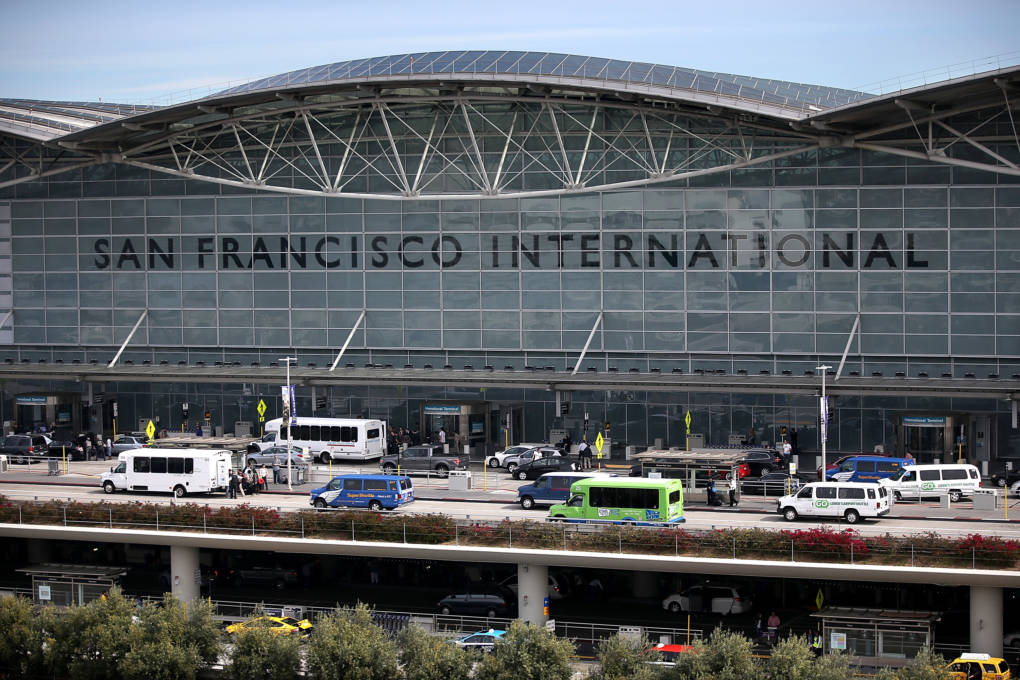
"caption": "A view of the International Terminal at San Francisco International Airport.",
"description": null,
"title": "San Francisco International Airport Named Best In Customer Service",
"credit": "Justin Sullivan/Getty Images",
"status": "inherit",
"isLoading": false,
"fetchFailed": false
},
"news_11413938": {
"type": "attachments",
"id": "news_11413938",
"meta": {
"index": "attachments_1716263798",
"site": "news",
"id": "11413938",
"found": true
},
"parent": 11413623,
"imgSizes": {
"small": {
"file": "https://ww2.kqed.org/app/uploads/sites/10/2017/04/GettyImages-53198031-520x372.jpg",
"width": 520,
"mimeType": "image/jpeg",
"height": 372
},
"twentyfourteen-full-width": {
"file": "https://ww2.kqed.org/app/uploads/sites/10/2017/04/GettyImages-53198031-1038x576.jpg",
"width": 1038,
"mimeType": "image/jpeg",
"height": 576
},
"thumbnail": {
"file": "https://ww2.kqed.org/app/uploads/sites/10/2017/04/GettyImages-53198031-160x114.jpg",
"width": 160,
"mimeType": "image/jpeg",
"height": 114
},
"fd-sm": {
"file": "https://ww2.kqed.org/app/uploads/sites/10/2017/04/GettyImages-53198031-960x686.jpg",
"width": 960,
"mimeType": "image/jpeg",
"height": 686
},
"post-thumbnail": {
"file": "https://ww2.kqed.org/app/uploads/sites/10/2017/04/GettyImages-53198031-672x372.jpg",
"width": 672,
"mimeType": "image/jpeg",
"height": 372
},
"xsmall": {
"file": "https://ww2.kqed.org/app/uploads/sites/10/2017/04/GettyImages-53198031-375x268.jpg",
"width": 375,
"mimeType": "image/jpeg",
"height": 268
},
"kqedFullSize": {
"file": "https://ww2.kqed.org/app/uploads/sites/10/2017/04/GettyImages-53198031-e1492481120333.jpg",
"width": 1920,
"height": 1373
},
"large": {
"file": "https://ww2.kqed.org/app/uploads/sites/10/2017/04/GettyImages-53198031-1020x729.jpg",
"width": 1020,
"mimeType": "image/jpeg",
"height": 729
},
"xlarge": {
"file": "https://ww2.kqed.org/app/uploads/sites/10/2017/04/GettyImages-53198031-1180x844.jpg",
"width": 1180,
"mimeType": "image/jpeg",
"height": 844
},
"guest-author-50": {
"file": "https://ww2.kqed.org/app/uploads/sites/10/2017/04/GettyImages-53198031-50x50.jpg",
"width": 50,
"mimeType": "image/jpeg",
"height": 50
},
"guest-author-96": {
"file": "https://ww2.kqed.org/app/uploads/sites/10/2017/04/GettyImages-53198031-96x96.jpg",
"width": 96,
"mimeType": "image/jpeg",
"height": 96
},
"medium": {
"file": "https://ww2.kqed.org/app/uploads/sites/10/2017/04/GettyImages-53198031-800x572.jpg",
"width": 800,
"mimeType": "image/jpeg",
"height": 572
},
"guest-author-64": {
"file": "https://ww2.kqed.org/app/uploads/sites/10/2017/04/GettyImages-53198031-64x64.jpg",
"width": 64,
"mimeType": "image/jpeg",
"height": 64
},
"guest-author-32": {
"file": "https://ww2.kqed.org/app/uploads/sites/10/2017/04/GettyImages-53198031-32x32.jpg",
"width": 32,
"mimeType": "image/jpeg",
"height": 32
},
"fd-lrg": {
"file": "https://ww2.kqed.org/app/uploads/sites/10/2017/04/GettyImages-53198031-1920x1373.jpg",
"width": 1920,
"mimeType": "image/jpeg",
"height": 1373
},
"fd-med": {
"file": "https://ww2.kqed.org/app/uploads/sites/10/2017/04/GettyImages-53198031-1180x844.jpg",
"width": 1180,
"mimeType": "image/jpeg",
"height": 844
},
"full-width": {
"file": "https://ww2.kqed.org/app/uploads/sites/10/2017/04/GettyImages-53198031-1920x1373.jpg",
"width": 1920,
"mimeType": "image/jpeg",
"height": 1373
},
"detail": {
"file": "https://ww2.kqed.org/app/uploads/sites/10/2017/04/GettyImages-53198031-150x150.jpg",
"width": 150,
"mimeType": "image/jpeg",
"height": 150
},
"guest-author-128": {
"file": "https://ww2.kqed.org/app/uploads/sites/10/2017/04/GettyImages-53198031-128x128.jpg",
"width": 128,
"mimeType": "image/jpeg",
"height": 128
},
"xxsmall": {
"file": "https://ww2.kqed.org/app/uploads/sites/10/2017/04/GettyImages-53198031-240x172.jpg",
"width": 240,
"mimeType": "image/jpeg",
"height": 172
}
},
"publishDate": 1492480907,
"modified": 1500074911,
"caption": "Passengers ready to board a train arriving at BART's Balboa Park Station.",
"description": null,
"title": "BART-Balboa Park",
"credit": "Justin Sullivan/Getty Images",
"status": "inherit",
"isLoading": false,
"fetchFailed": false
},
"news_10343877": {
"type": "attachments",
"id": "news_10343877",
"meta": {
"index": "attachments_1716263798",
"site": "news",
"id": "10343877",
"found": true
},
"parent": 10343864,
"imgSizes": {
"twentyfourteen-full-width": {
"file": "https://ww2.kqed.org/app/uploads/sites/10/2014/10/sfo-1038x576.jpg",
"width": 1038,
"mimeType": "image/jpeg",
"height": 576
},
"thumbnail": {
"file": "https://ww2.kqed.org/app/uploads/sites/10/2014/10/sfo-400x300.jpg",
"width": 400,
"mimeType": "image/jpeg",
"height": 300
},
"post-thumbnail": {
"file": "https://ww2.kqed.org/app/uploads/sites/10/2014/10/sfo-672x372.jpg",
"width": 672,
"mimeType": "image/jpeg",
"height": 372
},
"kqedFullSize": {
"file": "https://ww2.kqed.org/app/uploads/sites/10/2014/10/sfo.jpg",
"width": 1440,
"height": 1080
},
"guest-author-96": {
"file": "https://ww2.kqed.org/app/uploads/sites/10/2014/10/sfo-96x96.jpg",
"width": 96,
"mimeType": "image/jpeg",
"height": 96
},
"medium": {
"file": "https://ww2.kqed.org/app/uploads/sites/10/2014/10/sfo-800x600.jpg",
"width": 800,
"mimeType": "image/jpeg",
"height": 600
},
"guest-author-64": {
"file": "https://ww2.kqed.org/app/uploads/sites/10/2014/10/sfo-64x64.jpg",
"width": 64,
"mimeType": "image/jpeg",
"height": 64
},
"detail": {
"file": "https://ww2.kqed.org/app/uploads/sites/10/2014/10/sfo-75x75.jpg",
"width": 75,
"mimeType": "image/jpeg",
"height": 75
},
"guest-author-32": {
"file": "https://ww2.kqed.org/app/uploads/sites/10/2014/10/sfo-32x32.jpg",
"width": 32,
"mimeType": "image/jpeg",
"height": 32
},
"guest-author-128": {
"file": "https://ww2.kqed.org/app/uploads/sites/10/2014/10/sfo-128x128.jpg",
"width": 128,
"mimeType": "image/jpeg",
"height": 128
}
},
"publishDate": 1413388387,
"modified": 1480533797,
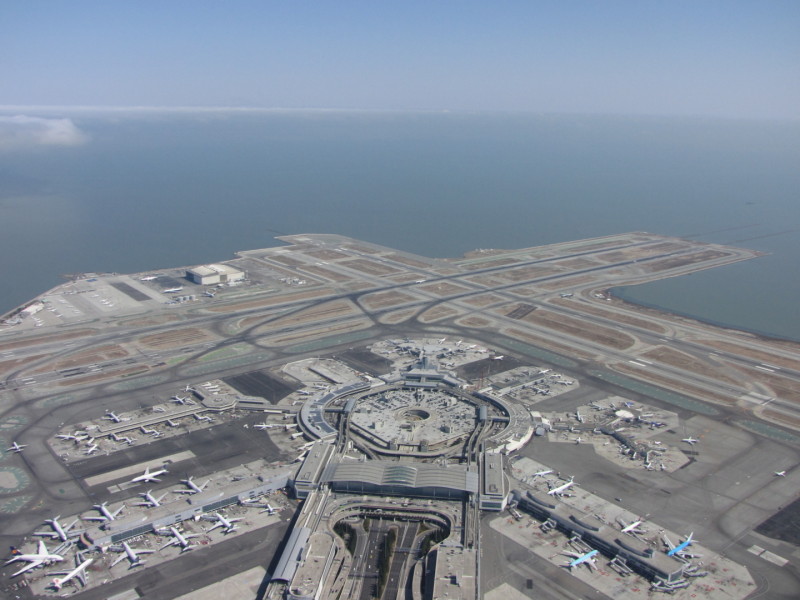
"caption": "San Francisco International Airport. ",
"description": "San Francisco International Airport.",
"title": "sfo",
"credit": "Molly Samuel/KQED, with aerial support from LightHawk",
"status": "inherit",
"isLoading": false,
"fetchFailed": false
},
"news_11505839": {
"type": "attachments",
"id": "news_11505839",
"meta": {
"index": "attachments_1716263798",
"site": "news",
"id": "11505839",
"found": true
},
"parent": 11500307,
"imgSizes": {
"small": {
"file": "https://ww2.kqed.org/app/uploads/sites/10/2017/06/valero170505a-520x368.jpg",
"width": 520,
"mimeType": "image/jpeg",
"height": 368
},
"twentyfourteen-full-width": {
"file": "https://ww2.kqed.org/app/uploads/sites/10/2017/06/valero170505a-1038x576.jpg",
"width": 1038,
"mimeType": "image/jpeg",
"height": 576
},
"thumbnail": {
"file": "https://ww2.kqed.org/app/uploads/sites/10/2017/06/valero170505a-160x113.jpg",
"width": 160,
"mimeType": "image/jpeg",
"height": 113
},
"fd-sm": {
"file": "https://ww2.kqed.org/app/uploads/sites/10/2017/06/valero170505a-960x680.jpg",
"width": 960,
"mimeType": "image/jpeg",
"height": 680
},
"post-thumbnail": {
"file": "https://ww2.kqed.org/app/uploads/sites/10/2017/06/valero170505a-672x372.jpg",
"width": 672,
"mimeType": "image/jpeg",
"height": 372
},
"xsmall": {
"file": "https://ww2.kqed.org/app/uploads/sites/10/2017/06/valero170505a-375x266.jpg",
"width": 375,
"mimeType": "image/jpeg",
"height": 266
},
"kqedFullSize": {
"file": "https://ww2.kqed.org/app/uploads/sites/10/2017/06/valero170505a-e1497278425550.jpg",
"width": 1920,
"height": 1360
},
"large": {
"file": "https://ww2.kqed.org/app/uploads/sites/10/2017/06/valero170505a-1020x722.jpg",
"width": 1020,
"mimeType": "image/jpeg",
"height": 722
},
"xlarge": {
"file": "https://ww2.kqed.org/app/uploads/sites/10/2017/06/valero170505a-1180x836.jpg",
"width": 1180,
"mimeType": "image/jpeg",
"height": 836
},
"guest-author-50": {
"file": "https://ww2.kqed.org/app/uploads/sites/10/2017/06/valero170505a-50x50.jpg",
"width": 50,
"mimeType": "image/jpeg",
"height": 50
},
"guest-author-96": {
"file": "https://ww2.kqed.org/app/uploads/sites/10/2017/06/valero170505a-96x96.jpg",
"width": 96,
"mimeType": "image/jpeg",
"height": 96
},
"medium": {
"file": "https://ww2.kqed.org/app/uploads/sites/10/2017/06/valero170505a-800x566.jpg",
"width": 800,
"mimeType": "image/jpeg",
"height": 566
},
"guest-author-64": {
"file": "https://ww2.kqed.org/app/uploads/sites/10/2017/06/valero170505a-64x64.jpg",
"width": 64,
"mimeType": "image/jpeg",
"height": 64
},
"guest-author-32": {
"file": "https://ww2.kqed.org/app/uploads/sites/10/2017/06/valero170505a-32x32.jpg",
"width": 32,
"mimeType": "image/jpeg",
"height": 32
},
"fd-lrg": {
"file": "https://ww2.kqed.org/app/uploads/sites/10/2017/06/valero170505a-1920x1360.jpg",
"width": 1920,
"mimeType": "image/jpeg",
"height": 1360
},
"fd-med": {
"file": "https://ww2.kqed.org/app/uploads/sites/10/2017/06/valero170505a-1180x836.jpg",
"width": 1180,
"mimeType": "image/jpeg",
"height": 836
},
"full-width": {
"file": "https://ww2.kqed.org/app/uploads/sites/10/2017/06/valero170505a-1920x1360.jpg",
"width": 1920,
"mimeType": "image/jpeg",
"height": 1360
},
"detail": {
"file": "https://ww2.kqed.org/app/uploads/sites/10/2017/06/valero170505a-150x150.jpg",
"width": 150,
"mimeType": "image/jpeg",
"height": 150
},
"guest-author-128": {
"file": "https://ww2.kqed.org/app/uploads/sites/10/2017/06/valero170505a-128x128.jpg",
"width": 128,
"mimeType": "image/jpeg",
"height": 128
},
"xxsmall": {
"file": "https://ww2.kqed.org/app/uploads/sites/10/2017/06/valero170505a-240x170.jpg",
"width": 240,
"mimeType": "image/jpeg",
"height": 170
}
},
"publishDate": 1497278385,
"modified": 1529356075,
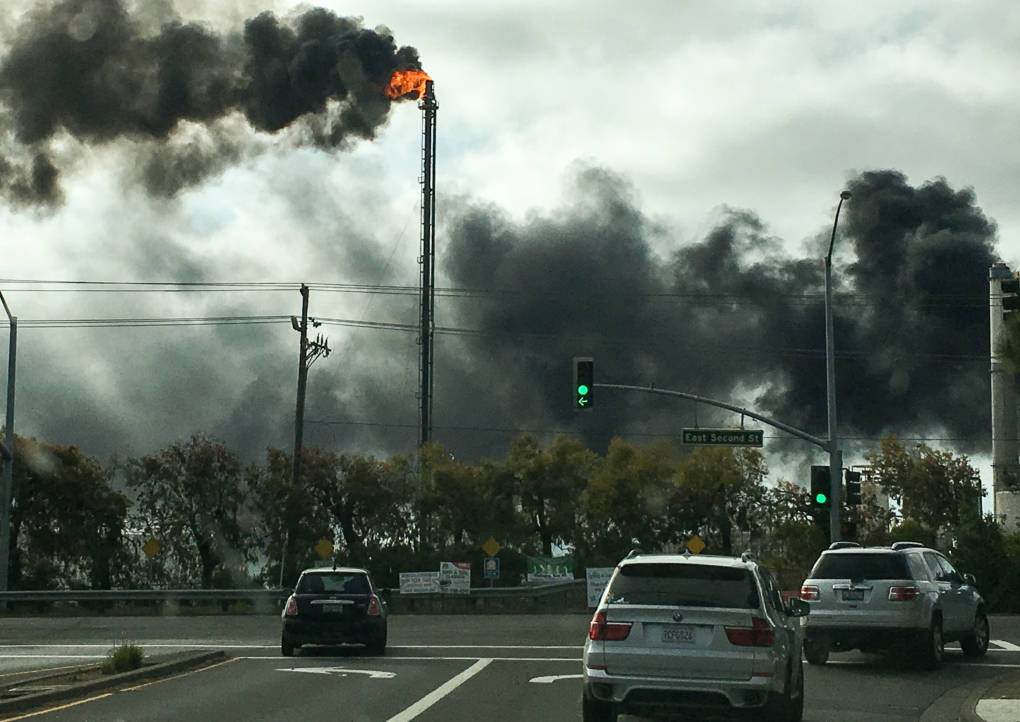
"caption": "An 18-minute power outage on May 5, 2017, at the Valero refinery in Benicia led to a prolonged episode of flaring during which 74,000 pounds of sulfur dioxide was released into the air.",
"description": "An 18-minute power outage on May 5, 2017, at the Valero refinery in Benicia led to a prolonged episode of flaring during which 74,000 pounds of sulfur dioxide was released into the air.",
"title": "Valero Benicia Refinery",
"credit": "California EPA",
"status": "inherit",
"isLoading": false,
"fetchFailed": false
},
"news_11540138": {
"type": "attachments",
"id": "news_11540138",
"meta": {
"index": "attachments_1716263798",
"site": "news",
"id": "11540138",
"found": true
},
"parent": 11539532,
"imgSizes": {
"small": {
"file": "https://ww2.kqed.org/app/uploads/sites/10/2017/06/SMARTTrain.MAIN_-520x357.jpg",
"width": 520,
"mimeType": "image/jpeg",
"height": 357
},
"twentyfourteen-full-width": {
"file": "https://ww2.kqed.org/app/uploads/sites/10/2017/06/SMARTTrain.MAIN_-1038x576.jpg",
"width": 1038,
"mimeType": "image/jpeg",
"height": 576
},
"thumbnail": {
"file": "https://ww2.kqed.org/app/uploads/sites/10/2017/06/SMARTTrain.MAIN_-160x110.jpg",
"width": 160,
"mimeType": "image/jpeg",
"height": 110
},
"fd-sm": {
"file": "https://ww2.kqed.org/app/uploads/sites/10/2017/06/SMARTTrain.MAIN_-960x659.jpg",
"width": 960,
"mimeType": "image/jpeg",
"height": 659
},
"post-thumbnail": {
"file": "https://ww2.kqed.org/app/uploads/sites/10/2017/06/SMARTTrain.MAIN_-672x372.jpg",
"width": 672,
"mimeType": "image/jpeg",
"height": 372
},
"xsmall": {
"file": "https://ww2.kqed.org/app/uploads/sites/10/2017/06/SMARTTrain.MAIN_-375x257.jpg",
"width": 375,
"mimeType": "image/jpeg",
"height": 257
},
"kqedFullSize": {
"file": "https://ww2.kqed.org/app/uploads/sites/10/2017/06/SMARTTrain.MAIN_.jpg",
"width": 1920,
"height": 1317
},
"large": {
"file": "https://ww2.kqed.org/app/uploads/sites/10/2017/06/SMARTTrain.MAIN_-1020x700.jpg",
"width": 1020,
"mimeType": "image/jpeg",
"height": 700
},
"xlarge": {
"file": "https://ww2.kqed.org/app/uploads/sites/10/2017/06/SMARTTrain.MAIN_-1180x809.jpg",
"width": 1180,
"mimeType": "image/jpeg",
"height": 809
},
"guest-author-50": {
"file": "https://ww2.kqed.org/app/uploads/sites/10/2017/06/SMARTTrain.MAIN_-50x50.jpg",
"width": 50,
"mimeType": "image/jpeg",
"height": 50
},
"guest-author-96": {
"file": "https://ww2.kqed.org/app/uploads/sites/10/2017/06/SMARTTrain.MAIN_-96x96.jpg",
"width": 96,
"mimeType": "image/jpeg",
"height": 96
},
"medium": {
"file": "https://ww2.kqed.org/app/uploads/sites/10/2017/06/SMARTTrain.MAIN_-800x549.jpg",
"width": 800,
"mimeType": "image/jpeg",
"height": 549
},
"guest-author-64": {
"file": "https://ww2.kqed.org/app/uploads/sites/10/2017/06/SMARTTrain.MAIN_-64x64.jpg",
"width": 64,
"mimeType": "image/jpeg",
"height": 64
},
"guest-author-32": {
"file": "https://ww2.kqed.org/app/uploads/sites/10/2017/06/SMARTTrain.MAIN_-32x32.jpg",
"width": 32,
"mimeType": "image/jpeg",
"height": 32
},
"fd-lrg": {
"file": "https://ww2.kqed.org/app/uploads/sites/10/2017/06/SMARTTrain.MAIN_-1920x1317.jpg",
"width": 1920,
"mimeType": "image/jpeg",
"height": 1317
},
"fd-med": {
"file": "https://ww2.kqed.org/app/uploads/sites/10/2017/06/SMARTTrain.MAIN_-1180x809.jpg",
"width": 1180,
"mimeType": "image/jpeg",
"height": 809
},
"full-width": {
"file": "https://ww2.kqed.org/app/uploads/sites/10/2017/06/SMARTTrain.MAIN_-1920x1317.jpg",
"width": 1920,
"mimeType": "image/jpeg",
"height": 1317
},
"detail": {
"file": "https://ww2.kqed.org/app/uploads/sites/10/2017/06/SMARTTrain.MAIN_-150x150.jpg",
"width": 150,
"mimeType": "image/jpeg",
"height": 150
},
"guest-author-128": {
"file": "https://ww2.kqed.org/app/uploads/sites/10/2017/06/SMARTTrain.MAIN_-128x128.jpg",
"width": 128,
"mimeType": "image/jpeg",
"height": 128
},
"xxsmall": {
"file": "https://ww2.kqed.org/app/uploads/sites/10/2017/06/SMARTTrain.MAIN_-240x165.jpg",
"width": 240,
"mimeType": "image/jpeg",
"height": 165
}
},
"publishDate": 1498809607,
"modified": 1498860382,
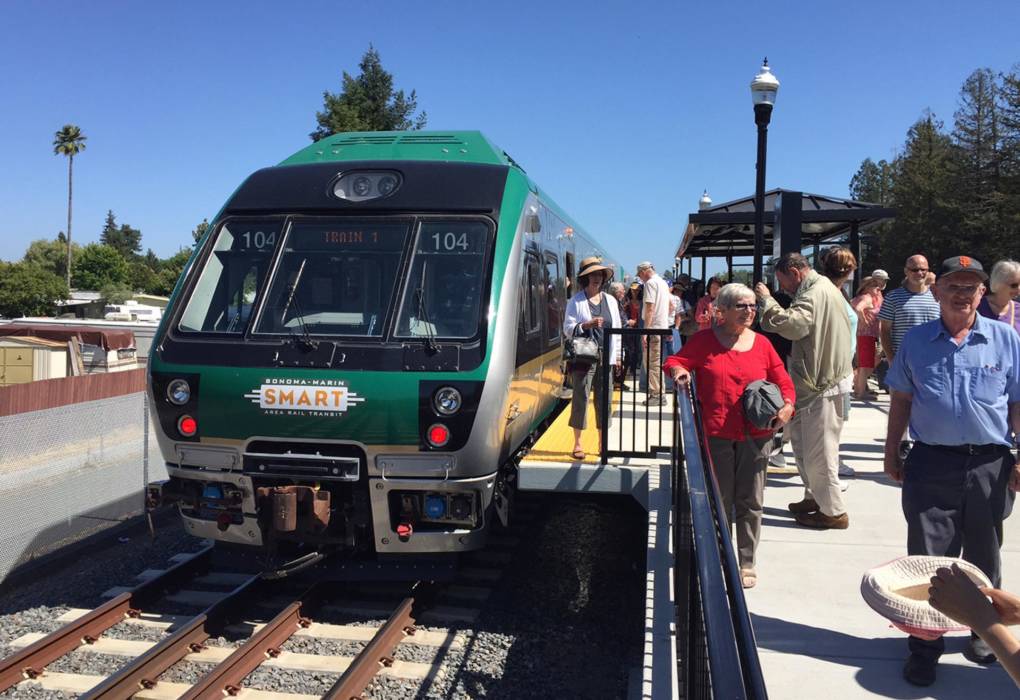
"caption": "A SMART train awaits departure at the Rohnert Park station for a preview ride on June 29, 2017.",
"description": "A SMART train awaits departure at the Rohnert Park station for a preview ride, June 29, 2017.",
"title": "SMARTTrain.MAIN",
"credit": "Gabe Meline/KQED",
"status": "inherit",
"isLoading": false,
"fetchFailed": false
},
"news_11537257": {
"type": "attachments",
"id": "news_11537257",
"meta": {
"index": "attachments_1716263798",
"site": "news",
"id": "11537257",
"found": true
},
"parent": 11526958,
"imgSizes": {
"small": {
"file": "https://ww2.kqed.org/app/uploads/sites/10/2017/06/NOMO-Design-Code-Map-Black-520x347.jpeg",
"width": 520,
"mimeType": "image/jpeg",
"height": 347
},
"twentyfourteen-full-width": {
"file": "https://ww2.kqed.org/app/uploads/sites/10/2017/06/NOMO-Design-Code-Map-Black-1038x576.jpeg",
"width": 1038,
"mimeType": "image/jpeg",
"height": 576
},
"thumbnail": {
"file": "https://ww2.kqed.org/app/uploads/sites/10/2017/06/NOMO-Design-Code-Map-Black-160x107.jpeg",
"width": 160,
"mimeType": "image/jpeg",
"height": 107
},
"fd-sm": {
"file": "https://ww2.kqed.org/app/uploads/sites/10/2017/06/NOMO-Design-Code-Map-Black-960x640.jpeg",
"width": 960,
"mimeType": "image/jpeg",
"height": 640
},
"post-thumbnail": {
"file": "https://ww2.kqed.org/app/uploads/sites/10/2017/06/NOMO-Design-Code-Map-Black-672x372.jpeg",
"width": 672,
"mimeType": "image/jpeg",
"height": 372
},
"xsmall": {
"file": "https://ww2.kqed.org/app/uploads/sites/10/2017/06/NOMO-Design-Code-Map-Black-375x250.jpeg",
"width": 375,
"mimeType": "image/jpeg",
"height": 250
},
"kqedFullSize": {
"file": "https://ww2.kqed.org/app/uploads/sites/10/2017/06/NOMO-Design-Code-Map-Black.jpeg",
"width": 2592,
"height": 1728
},
"large": {
"file": "https://ww2.kqed.org/app/uploads/sites/10/2017/06/NOMO-Design-Code-Map-Black-1020x680.jpeg",
"width": 1020,
"mimeType": "image/jpeg",
"height": 680
},
"xlarge": {
"file": "https://ww2.kqed.org/app/uploads/sites/10/2017/06/NOMO-Design-Code-Map-Black-1180x787.jpeg",
"width": 1180,
"mimeType": "image/jpeg",
"height": 787
},
"guest-author-50": {
"file": "https://ww2.kqed.org/app/uploads/sites/10/2017/06/NOMO-Design-Code-Map-Black-50x50.jpeg",
"width": 50,
"mimeType": "image/jpeg",
"height": 50
},
"guest-author-96": {
"file": "https://ww2.kqed.org/app/uploads/sites/10/2017/06/NOMO-Design-Code-Map-Black-96x96.jpeg",
"width": 96,
"mimeType": "image/jpeg",
"height": 96
},
"medium": {
"file": "https://ww2.kqed.org/app/uploads/sites/10/2017/06/NOMO-Design-Code-Map-Black-800x533.jpeg",
"width": 800,
"mimeType": "image/jpeg",
"height": 533
},
"guest-author-64": {
"file": "https://ww2.kqed.org/app/uploads/sites/10/2017/06/NOMO-Design-Code-Map-Black-64x64.jpeg",
"width": 64,
"mimeType": "image/jpeg",
"height": 64
},
"guest-author-32": {
"file": "https://ww2.kqed.org/app/uploads/sites/10/2017/06/NOMO-Design-Code-Map-Black-32x32.jpeg",
"width": 32,
"mimeType": "image/jpeg",
"height": 32
},
"fd-lrg": {
"file": "https://ww2.kqed.org/app/uploads/sites/10/2017/06/NOMO-Design-Code-Map-Black-1920x1280.jpeg",
"width": 1920,
"mimeType": "image/jpeg",
"height": 1280
},
"fd-med": {
"file": "https://ww2.kqed.org/app/uploads/sites/10/2017/06/NOMO-Design-Code-Map-Black-1180x787.jpeg",
"width": 1180,
"mimeType": "image/jpeg",
"height": 787
},
"full-width": {
"file": "https://ww2.kqed.org/app/uploads/sites/10/2017/06/NOMO-Design-Code-Map-Black-1920x1280.jpeg",
"width": 1920,
"mimeType": "image/jpeg",
"height": 1280
},
"detail": {
"file": "https://ww2.kqed.org/app/uploads/sites/10/2017/06/NOMO-Design-Code-Map-Black-150x150.jpeg",
"width": 150,
"mimeType": "image/jpeg",
"height": 150
},
"guest-author-128": {
"file": "https://ww2.kqed.org/app/uploads/sites/10/2017/06/NOMO-Design-Code-Map-Black-128x128.jpeg",
"width": 128,
"mimeType": "image/jpeg",
"height": 128
},
"xxsmall": {
"file": "https://ww2.kqed.org/app/uploads/sites/10/2017/06/NOMO-Design-Code-Map-Black-240x160.jpeg",
"width": 240,
"mimeType": "image/jpeg",
"height": 160
}
},
"publishDate": 1498675414,
"modified": 1498689312,
"caption": "Nearly 400 airport codes from around the United States. Text size is based on their number of enplanements. ",
"description": "Nearly 400 airport codes from around the United States. Text sized is based on their number of enplanements. ",
"title": "NOMO Design Code Map Black",
"credit": "Designed by \u003ca href=\"https://shop.nomodesign.com/collections/airport-runway-series/products/us-primary-airport-code-map-screen-print\" target=\"_blank\">NOMO\u003c/a>",
"status": "inherit",
"isLoading": false,
"fetchFailed": false
},
"news_11538967": {
"type": "attachments",
"id": "news_11538967",
"meta": {
"index": "attachments_1716263798",
"site": "news",
"id": "11538967",
"found": true
},
"parent": 11537333,
"imgSizes": {
"small": {
"file": "https://ww2.kqed.org/app/uploads/sites/10/2017/06/Image-uploaded-from-iOS-1-1-520x390.jpg",
"width": 520,
"mimeType": "image/jpeg",
"height": 390
},
"twentyfourteen-full-width": {
"file": "https://ww2.kqed.org/app/uploads/sites/10/2017/06/Image-uploaded-from-iOS-1-1-1038x576.jpg",
"width": 1038,
"mimeType": "image/jpeg",
"height": 576
},
"thumbnail": {
"file": "https://ww2.kqed.org/app/uploads/sites/10/2017/06/Image-uploaded-from-iOS-1-1-160x120.jpg",
"width": 160,
"mimeType": "image/jpeg",
"height": 120
},
"fd-sm": {
"file": "https://ww2.kqed.org/app/uploads/sites/10/2017/06/Image-uploaded-from-iOS-1-1-960x720.jpg",
"width": 960,
"mimeType": "image/jpeg",
"height": 720
},
"post-thumbnail": {
"file": "https://ww2.kqed.org/app/uploads/sites/10/2017/06/Image-uploaded-from-iOS-1-1-672x372.jpg",
"width": 672,
"mimeType": "image/jpeg",
"height": 372
},
"xsmall": {
"file": "https://ww2.kqed.org/app/uploads/sites/10/2017/06/Image-uploaded-from-iOS-1-1-375x281.jpg",
"width": 375,
"mimeType": "image/jpeg",
"height": 281
},
"kqedFullSize": {
"file": "https://ww2.kqed.org/app/uploads/sites/10/2017/06/Image-uploaded-from-iOS-1-1-e1498765209210.jpg",
"width": 1920,
"height": 1440
},
"large": {
"file": "https://ww2.kqed.org/app/uploads/sites/10/2017/06/Image-uploaded-from-iOS-1-1-1020x765.jpg",
"width": 1020,
"mimeType": "image/jpeg",
"height": 765
},
"xlarge": {
"file": "https://ww2.kqed.org/app/uploads/sites/10/2017/06/Image-uploaded-from-iOS-1-1-1180x885.jpg",
"width": 1180,
"mimeType": "image/jpeg",
"height": 885
},
"guest-author-50": {
"file": "https://ww2.kqed.org/app/uploads/sites/10/2017/06/Image-uploaded-from-iOS-1-1-50x50.jpg",
"width": 50,
"mimeType": "image/jpeg",
"height": 50
},
"guest-author-96": {
"file": "https://ww2.kqed.org/app/uploads/sites/10/2017/06/Image-uploaded-from-iOS-1-1-96x96.jpg",
"width": 96,
"mimeType": "image/jpeg",
"height": 96
},
"medium": {
"file": "https://ww2.kqed.org/app/uploads/sites/10/2017/06/Image-uploaded-from-iOS-1-1-800x600.jpg",
"width": 800,
"mimeType": "image/jpeg",
"height": 600
},
"guest-author-64": {
"file": "https://ww2.kqed.org/app/uploads/sites/10/2017/06/Image-uploaded-from-iOS-1-1-64x64.jpg",
"width": 64,
"mimeType": "image/jpeg",
"height": 64
},
"guest-author-32": {
"file": "https://ww2.kqed.org/app/uploads/sites/10/2017/06/Image-uploaded-from-iOS-1-1-32x32.jpg",
"width": 32,
"mimeType": "image/jpeg",
"height": 32
},
"fd-lrg": {
"file": "https://ww2.kqed.org/app/uploads/sites/10/2017/06/Image-uploaded-from-iOS-1-1-1920x1440.jpg",
"width": 1920,
"mimeType": "image/jpeg",
"height": 1440
},
"fd-med": {
"file": "https://ww2.kqed.org/app/uploads/sites/10/2017/06/Image-uploaded-from-iOS-1-1-1180x885.jpg",
"width": 1180,
"mimeType": "image/jpeg",
"height": 885
},
"full-width": {
"file": "https://ww2.kqed.org/app/uploads/sites/10/2017/06/Image-uploaded-from-iOS-1-1-1920x1440.jpg",
"width": 1920,
"mimeType": "image/jpeg",
"height": 1440
},
"detail": {
"file": "https://ww2.kqed.org/app/uploads/sites/10/2017/06/Image-uploaded-from-iOS-1-1-150x150.jpg",
"width": 150,
"mimeType": "image/jpeg",
"height": 150
},
"guest-author-128": {
"file": "https://ww2.kqed.org/app/uploads/sites/10/2017/06/Image-uploaded-from-iOS-1-1-128x128.jpg",
"width": 128,
"mimeType": "image/jpeg",
"height": 128
},
"xxsmall": {
"file": "https://ww2.kqed.org/app/uploads/sites/10/2017/06/Image-uploaded-from-iOS-1-1-240x180.jpg",
"width": 240,
"mimeType": "image/jpeg",
"height": 180
}
},
"publishDate": 1498765076,
"modified": 1498774117,
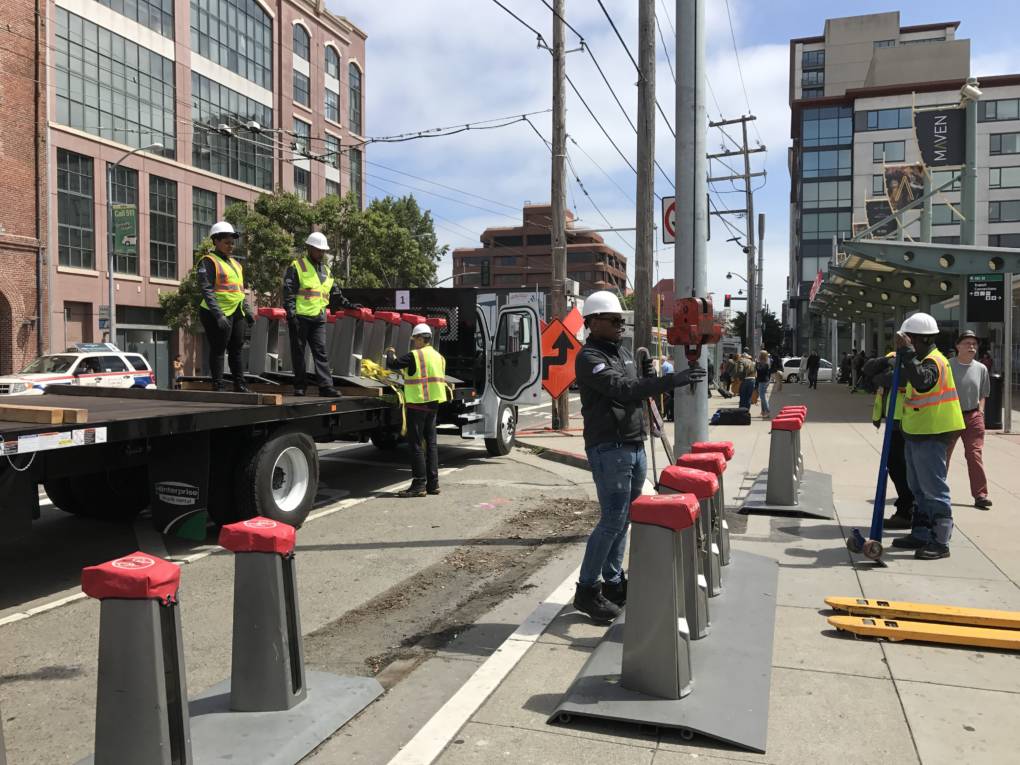
"caption": "A Ford GoBike crew installs a new docking station on Townsend Street at Fourth Street, outside San Francisco's Caltrain Depot. ",
"description": null,
"title": "Ford GoBike-Caltrain",
"credit": "Miranda Leitsinger/KQED",
"status": "inherit",
"isLoading": false,
"fetchFailed": false
},
"news_11512308": {
"type": "attachments",
"id": "news_11512308",
"meta": {
"index": "attachments_1716263798",
"site": "news",
"id": "11512308",
"found": true
},
"parent": 11512222,
"imgSizes": {
"small": {
"file": "https://ww2.kqed.org/app/uploads/sites/10/2017/06/Tioga-520x314.jpg",
"width": 520,
"mimeType": "image/jpeg",
"height": 314
},
"twentyfourteen-full-width": {
"file": "https://ww2.kqed.org/app/uploads/sites/10/2017/06/Tioga-1038x576.jpg",
"width": 1038,
"mimeType": "image/jpeg",
"height": 576
},
"thumbnail": {
"file": "https://ww2.kqed.org/app/uploads/sites/10/2017/06/Tioga-160x97.jpg",
"width": 160,
"mimeType": "image/jpeg",
"height": 97
},
"fd-sm": {
"file": "https://ww2.kqed.org/app/uploads/sites/10/2017/06/Tioga-960x580.jpg",
"width": 960,
"mimeType": "image/jpeg",
"height": 580
},
"post-thumbnail": {
"file": "https://ww2.kqed.org/app/uploads/sites/10/2017/06/Tioga-672x372.jpg",
"width": 672,
"mimeType": "image/jpeg",
"height": 372
},
"xsmall": {
"file": "https://ww2.kqed.org/app/uploads/sites/10/2017/06/Tioga-375x226.jpg",
"width": 375,
"mimeType": "image/jpeg",
"height": 226
},
"kqedFullSize": {
"file": "https://ww2.kqed.org/app/uploads/sites/10/2017/06/Tioga.jpg",
"width": 1920,
"height": 1159
},
"large": {
"file": "https://ww2.kqed.org/app/uploads/sites/10/2017/06/Tioga-1020x616.jpg",
"width": 1020,
"mimeType": "image/jpeg",
"height": 616
},
"xlarge": {
"file": "https://ww2.kqed.org/app/uploads/sites/10/2017/06/Tioga-1180x712.jpg",
"width": 1180,
"mimeType": "image/jpeg",
"height": 712
},
"guest-author-50": {
"file": "https://ww2.kqed.org/app/uploads/sites/10/2017/06/Tioga-50x50.jpg",
"width": 50,
"mimeType": "image/jpeg",
"height": 50
},
"guest-author-96": {
"file": "https://ww2.kqed.org/app/uploads/sites/10/2017/06/Tioga-96x96.jpg",
"width": 96,
"mimeType": "image/jpeg",
"height": 96
},
"medium": {
"file": "https://ww2.kqed.org/app/uploads/sites/10/2017/06/Tioga-800x483.jpg",
"width": 800,
"mimeType": "image/jpeg",
"height": 483
},
"guest-author-64": {
"file": "https://ww2.kqed.org/app/uploads/sites/10/2017/06/Tioga-64x64.jpg",
"width": 64,
"mimeType": "image/jpeg",
"height": 64
},
"guest-author-32": {
"file": "https://ww2.kqed.org/app/uploads/sites/10/2017/06/Tioga-32x32.jpg",
"width": 32,
"mimeType": "image/jpeg",
"height": 32
},
"fd-lrg": {
"file": "https://ww2.kqed.org/app/uploads/sites/10/2017/06/Tioga-1920x1159.jpg",
"width": 1920,
"mimeType": "image/jpeg",
"height": 1159
},
"fd-med": {
"file": "https://ww2.kqed.org/app/uploads/sites/10/2017/06/Tioga-1180x712.jpg",
"width": 1180,
"mimeType": "image/jpeg",
"height": 712
},
"full-width": {
"file": "https://ww2.kqed.org/app/uploads/sites/10/2017/06/Tioga-1920x1159.jpg",
"width": 1920,
"mimeType": "image/jpeg",
"height": 1159
},
"detail": {
"file": "https://ww2.kqed.org/app/uploads/sites/10/2017/06/Tioga-150x150.jpg",
"width": 150,
"mimeType": "image/jpeg",
"height": 150
},
"guest-author-128": {
"file": "https://ww2.kqed.org/app/uploads/sites/10/2017/06/Tioga-128x128.jpg",
"width": 128,
"mimeType": "image/jpeg",
"height": 128
},
"xxsmall": {
"file": "https://ww2.kqed.org/app/uploads/sites/10/2017/06/Tioga-240x145.jpg",
"width": 240,
"mimeType": "image/jpeg",
"height": 145
}
},
"publishDate": 1497548246,
"modified": 1497548279,
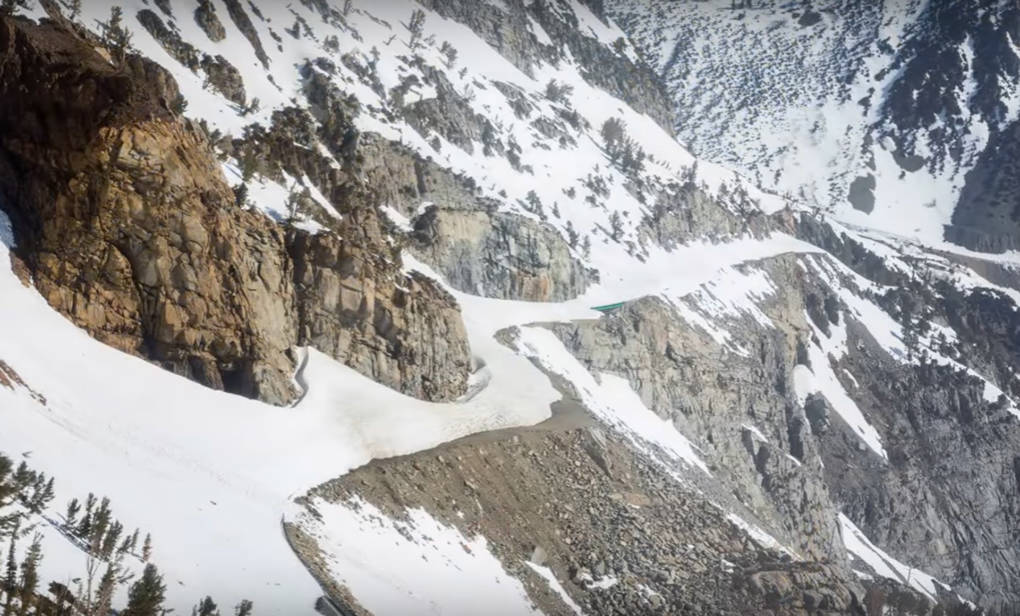
"caption": "Highway 120 -- yes, it's down there under the snow -- near Tioga Pass.",
"description": "Highway 120 -- yes, it's down there under the snow -- near Tioga Pass.",
"title": "Tioga",
"credit": "Caltrans District 9",
"status": "inherit",
"isLoading": false,
"fetchFailed": false
},
"news_11514482": {
"type": "attachments",
"id": "news_11514482",
"meta": {
"index": "attachments_1716263798",
"site": "news",
"id": "11514482",
"found": true
},
"parent": 11512431,
"imgSizes": {
"small": {
"file": "https://ww2.kqed.org/app/uploads/sites/10/2017/06/RS2629_goldengatebridge20121009-520x348.jpg",
"width": 520,
"mimeType": "image/jpeg",
"height": 348
},
"twentyfourteen-full-width": {
"file": "https://ww2.kqed.org/app/uploads/sites/10/2017/06/RS2629_goldengatebridge20121009-1038x576.jpg",
"width": 1038,
"mimeType": "image/jpeg",
"height": 576
},
"thumbnail": {
"file": "https://ww2.kqed.org/app/uploads/sites/10/2017/06/RS2629_goldengatebridge20121009-160x107.jpg",
"width": 160,
"mimeType": "image/jpeg",
"height": 107
},
"fd-sm": {
"file": "https://ww2.kqed.org/app/uploads/sites/10/2017/06/RS2629_goldengatebridge20121009-960x642.jpg",
"width": 960,
"mimeType": "image/jpeg",
"height": 642
},
"post-thumbnail": {
"file": "https://ww2.kqed.org/app/uploads/sites/10/2017/06/RS2629_goldengatebridge20121009-672x372.jpg",
"width": 672,
"mimeType": "image/jpeg",
"height": 372
},
"xsmall": {
"file": "https://ww2.kqed.org/app/uploads/sites/10/2017/06/RS2629_goldengatebridge20121009-375x251.jpg",
"width": 375,
"mimeType": "image/jpeg",
"height": 251
},
"kqedFullSize": {
"file": "https://ww2.kqed.org/app/uploads/sites/10/2017/06/RS2629_goldengatebridge20121009-e1497636772434.jpg",
"width": 1920,
"height": 1283
},
"large": {
"file": "https://ww2.kqed.org/app/uploads/sites/10/2017/06/RS2629_goldengatebridge20121009-1020x682.jpg",
"width": 1020,
"mimeType": "image/jpeg",
"height": 682
},
"xlarge": {
"file": "https://ww2.kqed.org/app/uploads/sites/10/2017/06/RS2629_goldengatebridge20121009-1180x789.jpg",
"width": 1180,
"mimeType": "image/jpeg",
"height": 789
},
"guest-author-50": {
"file": "https://ww2.kqed.org/app/uploads/sites/10/2017/06/RS2629_goldengatebridge20121009-50x50.jpg",
"width": 50,
"mimeType": "image/jpeg",
"height": 50
},
"guest-author-96": {
"file": "https://ww2.kqed.org/app/uploads/sites/10/2017/06/RS2629_goldengatebridge20121009-96x96.jpg",
"width": 96,
"mimeType": "image/jpeg",
"height": 96
},
"medium": {
"file": "https://ww2.kqed.org/app/uploads/sites/10/2017/06/RS2629_goldengatebridge20121009-800x535.jpg",
"width": 800,
"mimeType": "image/jpeg",
"height": 535
},
"guest-author-64": {
"file": "https://ww2.kqed.org/app/uploads/sites/10/2017/06/RS2629_goldengatebridge20121009-64x64.jpg",
"width": 64,
"mimeType": "image/jpeg",
"height": 64
},
"guest-author-32": {
"file": "https://ww2.kqed.org/app/uploads/sites/10/2017/06/RS2629_goldengatebridge20121009-32x32.jpg",
"width": 32,
"mimeType": "image/jpeg",
"height": 32
},
"fd-lrg": {
"file": "https://ww2.kqed.org/app/uploads/sites/10/2017/06/RS2629_goldengatebridge20121009-1920x1283.jpg",
"width": 1920,
"mimeType": "image/jpeg",
"height": 1283
},
"fd-med": {
"file": "https://ww2.kqed.org/app/uploads/sites/10/2017/06/RS2629_goldengatebridge20121009-1180x789.jpg",
"width": 1180,
"mimeType": "image/jpeg",
"height": 789
},
"full-width": {
"file": "https://ww2.kqed.org/app/uploads/sites/10/2017/06/RS2629_goldengatebridge20121009-1920x1283.jpg",
"width": 1920,
"mimeType": "image/jpeg",
"height": 1283
},
"detail": {
"file": "https://ww2.kqed.org/app/uploads/sites/10/2017/06/RS2629_goldengatebridge20121009-150x150.jpg",
"width": 150,
"mimeType": "image/jpeg",
"height": 150
},
"guest-author-128": {
"file": "https://ww2.kqed.org/app/uploads/sites/10/2017/06/RS2629_goldengatebridge20121009-128x128.jpg",
"width": 128,
"mimeType": "image/jpeg",
"height": 128
},
"xxsmall": {
"file": "https://ww2.kqed.org/app/uploads/sites/10/2017/06/RS2629_goldengatebridge20121009-240x160.jpg",
"width": 240,
"mimeType": "image/jpeg",
"height": 160
}
},
"publishDate": 1497636694,
"modified": 1498089492,
"caption": "Waves crash against a rock at Baker Beach near the Golden Gate Bridge Aug. 23, 2007 in San Francisco. ",
"description": null,
"title": null,
"credit": "Justin Sullivan/Getty Images",
"status": "inherit",
"isLoading": false,
"fetchFailed": false
},
"news_11524446": {
"type": "attachments",
"id": "news_11524446",
"meta": {
"index": "attachments_1716263798",
"site": "news",
"id": "11524446",
"found": true
},
"parent": 11524205,
"imgSizes": {
"small": {
"file": "https://ww2.kqed.org/app/uploads/sites/10/2017/06/TravisKalanick-520x350.jpg",
"width": 520,
"mimeType": "image/jpeg",
"height": 350
},
"twentyfourteen-full-width": {
"file": "https://ww2.kqed.org/app/uploads/sites/10/2017/06/TravisKalanick-1038x576.jpg",
"width": 1038,
"mimeType": "image/jpeg",
"height": 576
},
"thumbnail": {
"file": "https://ww2.kqed.org/app/uploads/sites/10/2017/06/TravisKalanick-160x108.jpg",
"width": 160,
"mimeType": "image/jpeg",
"height": 108
},
"fd-sm": {
"file": "https://ww2.kqed.org/app/uploads/sites/10/2017/06/TravisKalanick-960x647.jpg",
"width": 960,
"mimeType": "image/jpeg",
"height": 647
},
"post-thumbnail": {
"file": "https://ww2.kqed.org/app/uploads/sites/10/2017/06/TravisKalanick-672x372.jpg",
"width": 672,
"mimeType": "image/jpeg",
"height": 372
},
"xsmall": {
"file": "https://ww2.kqed.org/app/uploads/sites/10/2017/06/TravisKalanick-375x253.jpg",
"width": 375,
"mimeType": "image/jpeg",
"height": 253
},
"kqedFullSize": {
"file": "https://ww2.kqed.org/app/uploads/sites/10/2017/06/TravisKalanick.jpg",
"width": 1920,
"height": 1294
},
"large": {
"file": "https://ww2.kqed.org/app/uploads/sites/10/2017/06/TravisKalanick-1020x687.jpg",
"width": 1020,
"mimeType": "image/jpeg",
"height": 687
},
"xlarge": {
"file": "https://ww2.kqed.org/app/uploads/sites/10/2017/06/TravisKalanick-1180x795.jpg",
"width": 1180,
"mimeType": "image/jpeg",
"height": 795
},
"guest-author-50": {
"file": "https://ww2.kqed.org/app/uploads/sites/10/2017/06/TravisKalanick-50x50.jpg",
"width": 50,
"mimeType": "image/jpeg",
"height": 50
},
"guest-author-96": {
"file": "https://ww2.kqed.org/app/uploads/sites/10/2017/06/TravisKalanick-96x96.jpg",
"width": 96,
"mimeType": "image/jpeg",
"height": 96
},
"medium": {
"file": "https://ww2.kqed.org/app/uploads/sites/10/2017/06/TravisKalanick-800x539.jpg",
"width": 800,
"mimeType": "image/jpeg",
"height": 539
},
"guest-author-64": {
"file": "https://ww2.kqed.org/app/uploads/sites/10/2017/06/TravisKalanick-64x64.jpg",
"width": 64,
"mimeType": "image/jpeg",
"height": 64
},
"guest-author-32": {
"file": "https://ww2.kqed.org/app/uploads/sites/10/2017/06/TravisKalanick-32x32.jpg",
"width": 32,
"mimeType": "image/jpeg",
"height": 32
},
"fd-lrg": {
"file": "https://ww2.kqed.org/app/uploads/sites/10/2017/06/TravisKalanick-1920x1294.jpg",
"width": 1920,
"mimeType": "image/jpeg",
"height": 1294
},
"fd-med": {
"file": "https://ww2.kqed.org/app/uploads/sites/10/2017/06/TravisKalanick-1180x795.jpg",
"width": 1180,
"mimeType": "image/jpeg",
"height": 795
},
"full-width": {
"file": "https://ww2.kqed.org/app/uploads/sites/10/2017/06/TravisKalanick-1920x1294.jpg",
"width": 1920,
"mimeType": "image/jpeg",
"height": 1294
},
"detail": {
"file": "https://ww2.kqed.org/app/uploads/sites/10/2017/06/TravisKalanick-150x150.jpg",
"width": 150,
"mimeType": "image/jpeg",
"height": 150
},
"guest-author-128": {
"file": "https://ww2.kqed.org/app/uploads/sites/10/2017/06/TravisKalanick-128x128.jpg",
"width": 128,
"mimeType": "image/jpeg",
"height": 128
},
"xxsmall": {
"file": "https://ww2.kqed.org/app/uploads/sites/10/2017/06/TravisKalanick-240x162.jpg",
"width": 240,
"mimeType": "image/jpeg",
"height": 162
}
},
"publishDate": 1498073319,
"modified": 1498073356,
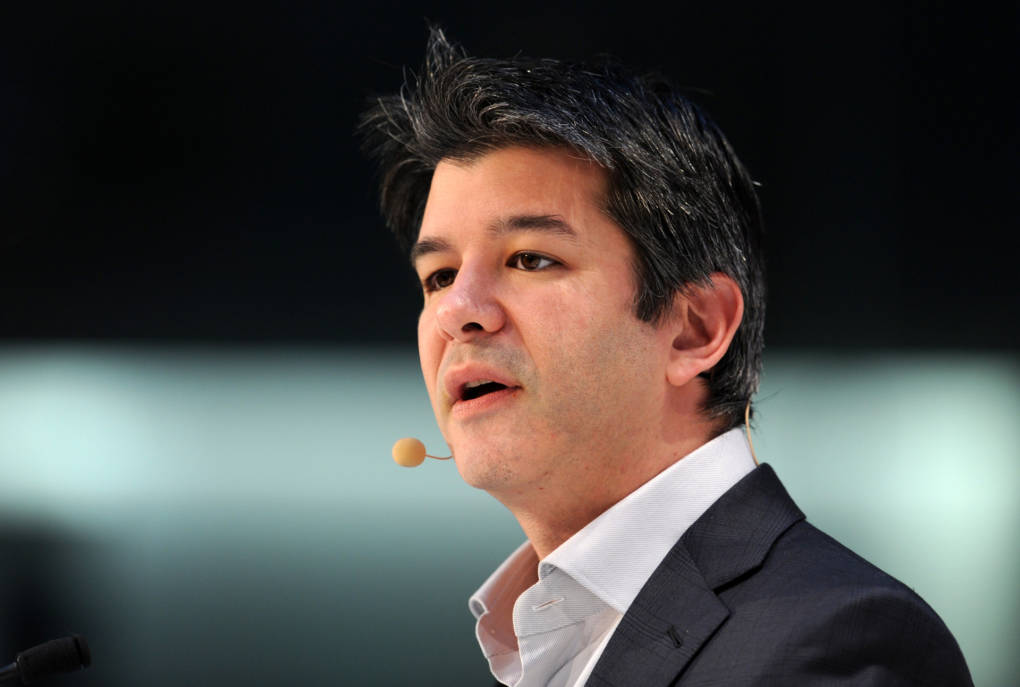
"caption": "Former Uber CEO Travis Kalanick in 2015.",
"description": "Former Uber CEO Travis Kalanick in 2015.",
"title": "TravisKalanick",
"credit": "TOBIAS HASE/AFP/Getty Images",
"status": "inherit",
"isLoading": false,
"fetchFailed": false
}
},
"audioPlayerReducer": {
"postId": "stream_live",
"isPaused": true,
"isPlaying": false,
"pfsActive": false,
"pledgeModalIsOpen": true,
"playerDrawerIsOpen": false,
"liveAudioPlayStartedAt": 0,
"liveAudioPlayContext": ""
},
"authorsReducer": {
"byline_news_11572913": {
"type": "authors",
"id": "byline_news_11572913",
"meta": {
"override": true
},
"slug": "byline_news_11572913",
"name": "Associated Press",
"isLoading": false
},
"byline_news_11562028": {
"type": "authors",
"id": "byline_news_11562028",
"meta": {
"override": true
},
"slug": "byline_news_11562028",
"name": "\u003cstrong>Justin Pritchard\u003c/strong> and \u003cstrong>Kristin J. Bender\u003c/strong>\u003cbr />\u003cstrong>Associated Press\u003c/strong>",
"isLoading": false
},
"byline_news_11512431": {
"type": "authors",
"id": "byline_news_11512431",
"meta": {
"override": true
},
"slug": "byline_news_11512431",
"name": "\u003cstrong>Hota GangaRao\u003c/strong> and \u003cstrong>Maria Martinez de Lahidalga de Lorenzo\u003cbr>Associated Press\u003c/strong>",
"isLoading": false
},
"gmeline": {
"type": "authors",
"id": "185",
"meta": {
"index": "authors_1716337520",
"id": "185",
"found": true
},
"name": "Gabe Meline",
"firstName": "Gabe",
"lastName": "Meline",
"slug": "gmeline",
"email": "gmeline@kqed.org",
"display_author_email": true,
"staff_mastheads": [
"arts"
],
"title": "Senior Editor, KQED Arts & Culture",
"bio": "Gabe Meline entered journalism at age 15 making photocopied zines, and has since earned awards from the Edward R. Murrow Awards, the Society for Professional Journalists, the Online Journalism Awards, the Association of Alternative Newsweeklies and the California Newspaper Publishers Association. Prior to KQED, he was the editor of the \u003cem>North Bay Bohemian\u003c/em> and a touring musician. He lives with his wife and daughter in his hometown of Santa Rosa, CA.",
"avatar": "https://secure.gravatar.com/avatar/5bebe57be0d8bc2dd318934feb47299e2d2d10cba28d09d8d7afb389a2ce2bdd?s=600&d=blank&r=g",
"twitter": null,
"bluesky": null,
"facebook": null,
"instagram": null,
"linkedin": null,
"sites": [
{
"site": "",
"roles": [
"editor"
]
},
{
"site": "arts",
"roles": [
"administrator"
]
},
{
"site": "artschool",
"roles": [
"editor"
]
},
{
"site": "news",
"roles": [
"author"
]
},
{
"site": "pop",
"roles": [
"editor"
]
},
{
"site": "bayareabites",
"roles": [
"editor"
]
},
{
"site": "food",
"roles": [
"editor"
]
},
{
"site": "forum",
"roles": [
"administrator"
]
},
{
"site": "liveblog",
"roles": [
"editor"
]
},
{
"site": "hiphop",
"roles": [
"editor"
]
}
],
"headData": {
"title": "Gabe Meline | KQED",
"description": "Senior Editor, KQED Arts & Culture",
"ogImgSrc": "https://secure.gravatar.com/avatar/5bebe57be0d8bc2dd318934feb47299e2d2d10cba28d09d8d7afb389a2ce2bdd?s=600&d=blank&r=g",
"twImgSrc": "https://secure.gravatar.com/avatar/5bebe57be0d8bc2dd318934feb47299e2d2d10cba28d09d8d7afb389a2ce2bdd?s=600&d=blank&r=g"
},
"isLoading": false,
"link": "/author/gmeline"
},
"danbrekke": {
"type": "authors",
"id": "222",
"meta": {
"index": "authors_1716337520",
"id": "222",
"found": true
},
"name": "Dan Brekke",
"firstName": "Dan",
"lastName": "Brekke",
"slug": "danbrekke",
"email": "dbrekke@kqed.org",
"display_author_email": true,
"staff_mastheads": [
"news",
"science"
],
"title": "KQED Editor and Reporter",
"bio": "Dan Brekke is a reporter and editor for KQED News, responsible for coverage of topics ranging from California water issues to the Bay Area's transportation challenges. In a newsroom career that began in Chicago in 1972, Dan has worked for \u003cem>The San Francisco Examiner,\u003c/em> Wired and TechTV and has been published in The New York Times, The New York Times Magazine, Business 2.0, Salon and elsewhere.\r\n\r\nSince joining KQED in 2007, Dan has reported, edited and produced both radio and online features and breaking news pieces. He has shared as both editor and reporter in four Society of Professional Journalists Norcal Excellence in Journalism awards and one Edward R. Murrow regional award. He was chosen for a spring 2017 residency at the Mesa Refuge to advance his research on California salmon.\r\n\r\nEmail Dan at: \u003ca href=\"mailto:dbrekke@kqed.org\">dbrekke@kqed.org\u003c/a>\r\n\r\n\u003cstrong>Twitter:\u003c/strong> \u003ca href=\"https://twitter.com/danbrekke\" rel=\"noopener noreferrer\">twitter.com/danbrekke\u003c/a>\r\n\u003cstrong>Facebook:\u003c/strong> \u003ca href=\"https://www.facebook.com/danbrekke\" rel=\"noopener noreferrer\">www.facebook.com/danbrekke\u003c/a>\r\n\u003cstrong>LinkedIn:\u003c/strong> \u003ca href=\"https://www.linkedin.com/in/danbrekke\" rel=\"noopener noreferrer\">www.linkedin.com/in/danbrekke\u003c/a>",
"avatar": "https://secure.gravatar.com/avatar/8f1f0d2a978fb3b23426c922c7e2af558fa36905b49c4ce76a97dc3c72d27226?s=600&d=mm&r=g",
"twitter": "danbrekke",
"bluesky": null,
"facebook": null,
"instagram": "https://www.instagram.com/dan.brekke/",
"linkedin": "https://www.linkedin.com/in/danbrekke/",
"sites": [
{
"site": "news",
"roles": [
"administrator",
"create_posts"
]
},
{
"site": "stateofhealth",
"roles": [
"editor"
]
},
{
"site": "science",
"roles": [
"editor"
]
},
{
"site": "quest",
"roles": [
"contributor"
]
},
{
"site": "food",
"roles": [
"contributor"
]
},
{
"site": "forum",
"roles": [
"contributor"
]
},
{
"site": "elections",
"roles": [
"editor"
]
},
{
"site": "liveblog",
"roles": [
"editor"
]
}
],
"headData": {
"title": "Dan Brekke | KQED",
"description": "KQED Editor and Reporter",
"ogImgSrc": "https://secure.gravatar.com/avatar/8f1f0d2a978fb3b23426c922c7e2af558fa36905b49c4ce76a97dc3c72d27226?s=600&d=mm&r=g",
"twImgSrc": "https://secure.gravatar.com/avatar/8f1f0d2a978fb3b23426c922c7e2af558fa36905b49c4ce76a97dc3c72d27226?s=600&d=mm&r=g"
},
"isLoading": false,
"link": "/author/danbrekke"
},
"tgoldberg": {
"type": "authors",
"id": "258",
"meta": {
"index": "authors_1716337520",
"id": "258",
"found": true
},
"name": "Ted Goldberg",
"firstName": "Ted",
"lastName": "Goldberg",
"slug": "tgoldberg",
"email": "tgoldberg@kqed.org",
"display_author_email": true,
"staff_mastheads": [
"news"
],
"title": "KQED Managing Editor, News and Newscasts",
"bio": "Ted Goldberg is Managing Editor of News and Newscasts at KQED. His main reporting beat is the Bay Area's oil refining industry.\r\n\r\nPrior to joining KQED in 2014, Ted worked at CBS News and WCBS AM in New York and Bay City News and KCBS Radio in San Francisco. He graduated from Oberlin College in Ohio in 1998.",
"avatar": "https://secure.gravatar.com/avatar/30ce2e4fe89135e104f89be2394d16225b9d36c121b5b3cb7651ce642978b96f?s=600&d=blank&r=g",
"twitter": "TedrickG",
"bluesky": null,
"facebook": null,
"instagram": null,
"linkedin": null,
"sites": [
{
"site": "news",
"roles": [
"editor"
]
},
{
"site": "science",
"roles": [
"editor"
]
}
],
"headData": {
"title": "Ted Goldberg | KQED",
"description": "KQED Managing Editor, News and Newscasts",
"ogImgSrc": "https://secure.gravatar.com/avatar/30ce2e4fe89135e104f89be2394d16225b9d36c121b5b3cb7651ce642978b96f?s=600&d=blank&r=g",
"twImgSrc": "https://secure.gravatar.com/avatar/30ce2e4fe89135e104f89be2394d16225b9d36c121b5b3cb7651ce642978b96f?s=600&d=blank&r=g"
},
"isLoading": false,
"link": "/author/tgoldberg"
},
"jplaczek": {
"type": "authors",
"id": "8606",
"meta": {
"index": "authors_1716337520",
"id": "8606",
"found": true
},
"name": "Jessica Placzek",
"firstName": "Jessica",
"lastName": "Placzek",
"slug": "jplaczek",
"email": "jessicalplaczek@gmail.com",
"display_author_email": false,
"staff_mastheads": [
"news"
],
"title": "KQED Contributor",
"bio": "Jessica Placzek is a former senior editor of podcasts at KQED where she served as the editorial lead of the podcast department. She worked with shows like MindShift, Rightnowish, Consider This, SOLD OUT, Bay Curious and The Bay. She’s also been a reporter and audio producer at KQED, KPFA, and KALW. She taught audio production to men incarcerated at California State Prison Solano and edited pieces they produced for the Uncuffed podcast through KALW. In 2018 she co-hosted and produced the third season of Raw Material for SFMOMA. In New Orleans she wrote for the Nola Defender. Her work has also appeared on Marketplace, All Things Considered, The California Report, and Vice. You can find more at jessicaplaczek.com",
"avatar": "https://secure.gravatar.com/avatar/5ead103b5880f672eceb84ce75eecd1b4b6f74a47edc457684a73ad5b8b158e9?s=600&d=blank&r=g",
"twitter": null,
"bluesky": null,
"facebook": null,
"instagram": null,
"linkedin": null,
"sites": [
{
"site": "arts",
"roles": [
"subscriber"
]
},
{
"site": "news",
"roles": [
"subscriber"
]
},
{
"site": "stateofhealth",
"roles": [
"editor"
]
},
{
"site": "forum",
"roles": [
"editor"
]
}
],
"headData": {
"title": "Jessica Placzek | KQED",
"description": "KQED Contributor",
"ogImgSrc": "https://secure.gravatar.com/avatar/5ead103b5880f672eceb84ce75eecd1b4b6f74a47edc457684a73ad5b8b158e9?s=600&d=blank&r=g",
"twImgSrc": "https://secure.gravatar.com/avatar/5ead103b5880f672eceb84ce75eecd1b4b6f74a47edc457684a73ad5b8b158e9?s=600&d=blank&r=g"
},
"isLoading": false,
"link": "/author/jplaczek"
},
"elindsey": {
"type": "authors",
"id": "11271",
"meta": {
"index": "authors_1716337520",
"id": "11271",
"found": true
},
"name": "Ethan Toven-Lindsey",
"firstName": "Ethan",
"lastName": "Toven-Lindsey",
"slug": "elindsey",
"email": "elindsey@KQED.org",
"display_author_email": true,
"staff_mastheads": [
"news"
],
"title": "VP, News",
"bio": "Ethan Toven-Lindsey is the VP of news for KQED. Before he came to KQED, he worked at WBUR and NPR on the midday newsmagazine Here & Now, in Boston, where he was the show’s senior managing editor.\r\n\r\nIn 2009, Ethan won a Peabody Award for his work as a correspondent for Oregon Public Broadcasting, on a year-long project called Hard Times, documenting how people were responding to the financial crisis. Ethan received his bachelor’s degree from UC Berkeley in 2000, with a major in English literature.",
"avatar": "https://secure.gravatar.com/avatar/adb858b1283eb07d3722bbc65618aaf3de8aeab63d642230145b1ee17e17615b?s=600&d=blank&r=g",
"twitter": "ethan_lindsey",
"bluesky": null,
"facebook": null,
"instagram": null,
"linkedin": null,
"sites": [
{
"site": "",
"roles": [
"administrator"
]
},
{
"site": "news",
"roles": [
"administrator"
]
},
{
"site": "about",
"roles": [
"editor"
]
},
{
"site": "stateofhealth",
"roles": [
"administrator"
]
},
{
"site": "forum",
"roles": [
"editor"
]
}
],
"headData": {
"title": "Ethan Toven-Lindsey | KQED",
"description": "VP, News",
"ogImgSrc": "https://secure.gravatar.com/avatar/adb858b1283eb07d3722bbc65618aaf3de8aeab63d642230145b1ee17e17615b?s=600&d=blank&r=g",
"twImgSrc": "https://secure.gravatar.com/avatar/adb858b1283eb07d3722bbc65618aaf3de8aeab63d642230145b1ee17e17615b?s=600&d=blank&r=g"
},
"isLoading": false,
"link": "/author/elindsey"
}
},
"pagesReducer": {
"news_category_transportation": {
"type": "terms",
"id": "news_1397",
"meta": {
"index": "terms_1716263798",
"site": "news",
"id": "1397",
"score": 12.940618
},
"featImg": null,
"name": "Transportation",
"description": null,
"taxonomy": "category",
"headData": {
"twImgId": null,
"twTitle": null,
"ogTitle": null,
"ogImgId": null,
"twDescription": null,
"description": null,
"title": "Transportation Archives | KQED News",
"ogDescription": null
},
"ttid": 1409,
"slug": "transportation",
"isLoading": false,
"title": "Transportation",
"pageMeta": {
"site": "news",
"WpPageTemplate": "page-topic-editorial",
"currentPage": 75
},
"blocks": [
{
"blockName": "kqed/post-list",
"attrs": {
"layout": "cardArticle2",
"query": "posts/news?category=transportation",
"seeMore": false,
"paginated": true,
"page": 75
}
},
{
"blockName": "kqed/ad"
}
]
}
},
"pfsSessionReducer": {},
"postsReducer": {
"stream_live": {
"type": "live",
"id": "stream_live",
"audioUrl": "https://streams.kqed.org/kqedradio",
"title": "Live Stream",
"excerpt": "Live Stream information currently unavailable.",
"link": "/radio",
"featImg": "",
"label": {
"name": "KQED Live",
"link": "/"
}
},
"stream_kqedNewscast": {
"type": "posts",
"id": "stream_kqedNewscast",
"audioUrl": "https://www.kqed.org/.stream/anon/radio/RDnews/newscast.mp3?_=1",
"title": "KQED Newscast",
"featImg": "",
"label": {
"name": "88.5 FM",
"link": "/"
}
},
"news_11574663": {
"type": "posts",
"id": "news_11574663",
"meta": {
"index": "posts_1716263798",
"site": "news",
"id": "11574663",
"score": null,
"sort": [
1500418430000
]
},
"guestAuthors": [],
"slug": "bart-fleet-of-the-future-cars-sighted-warm-springs",
"title": "Not a Mirage: New BART Cars Appear During Evening Commute",
"publishDate": 1500418430,
"format": "aside",
"headTitle": "Not a Mirage: New BART Cars Appear During Evening Commute | KQED",
"labelTerm": {
"term": 6944,
"site": "news"
},
"content": "\u003cfigure id=\"attachment_11574675\" class=\"wp-caption aligncenter\" style=\"max-width: 800px\">\u003ca href=\"https://ww2.kqed.org/news/wp-content/uploads/sites/10/2017/07/bart-warmsprings.jpg\">\u003cimg loading=\"lazy\" decoding=\"async\" class=\"size-medium wp-image-11574675\" src=\"https://ww2.kqed.org/news/wp-content/uploads/sites/10/2017/07/bart-warmsprings-800x600.jpg\" alt=\"\" width=\"800\" height=\"600\" srcset=\"https://cdn.kqed.org/wp-content/uploads/sites/10/2017/07/bart-warmsprings-800x600.jpg 800w, https://cdn.kqed.org/wp-content/uploads/sites/10/2017/07/bart-warmsprings-160x120.jpg 160w, https://cdn.kqed.org/wp-content/uploads/sites/10/2017/07/bart-warmsprings-1020x765.jpg 1020w, https://cdn.kqed.org/wp-content/uploads/sites/10/2017/07/bart-warmsprings-1920x1440.jpg 1920w, https://cdn.kqed.org/wp-content/uploads/sites/10/2017/07/bart-warmsprings-1180x885.jpg 1180w, https://cdn.kqed.org/wp-content/uploads/sites/10/2017/07/bart-warmsprings-960x720.jpg 960w, https://cdn.kqed.org/wp-content/uploads/sites/10/2017/07/bart-warmsprings-240x180.jpg 240w, https://cdn.kqed.org/wp-content/uploads/sites/10/2017/07/bart-warmsprings-375x281.jpg 375w, https://cdn.kqed.org/wp-content/uploads/sites/10/2017/07/bart-warmsprings-520x390.jpg 520w\" sizes=\"(max-width: 800px) 100vw, 800px\">\u003c/a>\u003cfigcaption class=\"wp-caption-text\">A BART “Fleet of the Future” car at the Warm Springs Station after a commute-hour test run on Monday, July 17. \u003ccite>(Courtesy of Marie Teixeira)\u003c/cite>\u003c/figcaption>\u003c/figure>\n\u003cp>Here’s proof that not every BART story needs to focus on \u003ca href=\"http://www.sfgate.com/bayarea/article/BART-directors-day-at-the-troubled-Powell-11287607.php\" target=\"_blank\" rel=\"noopener noreferrer\">squalor in the stations\u003c/a> or questions about \u003ca href=\"https://ww2.kqed.org/news/2017/07/14/bart-crime-how-much-should-the-agency-be-telling-us-about-it/\" target=\"_blank\" rel=\"noopener noreferrer\">crime on the system\u003c/a>.\u003c/p>\n\u003cp>Monday evening, near the tail end of the evening commute, a neighbor who rides to and from BART’s Warm Springs Station texted a couple of pictures of something that all BART patrons are waiting for: the agency’s new “Fleet of the Future” train cars.\u003cbr>\n\u003cstrong>\u003cbr>\nSpoiler alert:\u003c/strong> You can’t ride on the cars yet. But read on.\u003c/p>\n\u003cp>Our neighbor/informant said the train came down the line from Fremont, meaning it had been traveling BART’s main line during regular business hours — an apparent first.\u003c/p>\n\u003cp>BART spokeswoman Alicia Trost confirmed Tuesday that the train’s appearance at Warm Springs was not a mirage.\u003c/p>\n\u003cp>“We have expanded the (testing) hours and we are testing on the main line during regular hours,” Trost said in an email.\u003c/p>\n\u003cp>[ad fullwidth]\u003c/p>\n\u003cp>For now, she added, six of the 10 cars from manufacturer Bombardier have been approved to roll on the main line, and all 10 should be available for use during regular hours by the end of July.\u003c/p>\n\u003cp>When will you, the paying BART public, get to ride on the new cars?\u003c/p>\n\u003cp>“We are still in testing,” Trost said. “Once all testing is complete we can provide an update on when we can carry passengers.”\u003c/p>\n\u003cp>Translation: There’s no firm date yet. (From BART: \u003ca href=\"https://www.bart.gov/news/articles/2017/news20170718-0\" target=\"_blank\" rel=\"noopener noreferrer\">More details on the testing process\u003c/a>.)\u003c/p>\n\u003cfigure id=\"attachment_11574674\" class=\"wp-caption aligncenter\" style=\"max-width: 800px\">\u003ca href=\"https://ww2.kqed.org/news/wp-content/uploads/sites/10/2017/07/newbartcar2.jpg\">\u003cimg loading=\"lazy\" decoding=\"async\" class=\"size-medium wp-image-11574674\" src=\"https://ww2.kqed.org/news/wp-content/uploads/sites/10/2017/07/newbartcar2-800x600.jpg\" alt=\"\" width=\"800\" height=\"600\" srcset=\"https://cdn.kqed.org/wp-content/uploads/sites/10/2017/07/newbartcar2-800x600.jpg 800w, https://cdn.kqed.org/wp-content/uploads/sites/10/2017/07/newbartcar2-160x120.jpg 160w, https://cdn.kqed.org/wp-content/uploads/sites/10/2017/07/newbartcar2-1020x765.jpg 1020w, https://cdn.kqed.org/wp-content/uploads/sites/10/2017/07/newbartcar2-1920x1440.jpg 1920w, https://cdn.kqed.org/wp-content/uploads/sites/10/2017/07/newbartcar2-1180x885.jpg 1180w, https://cdn.kqed.org/wp-content/uploads/sites/10/2017/07/newbartcar2-960x720.jpg 960w, https://cdn.kqed.org/wp-content/uploads/sites/10/2017/07/newbartcar2-240x180.jpg 240w, https://cdn.kqed.org/wp-content/uploads/sites/10/2017/07/newbartcar2-375x281.jpg 375w, https://cdn.kqed.org/wp-content/uploads/sites/10/2017/07/newbartcar2-520x390.jpg 520w\" sizes=\"(max-width: 800px) 100vw, 800px\">\u003c/a>\u003cfigcaption class=\"wp-caption-text\">A BART “Fleet of the Future” car at the Warm Springs Station after a commute hour test run on Monday, July 17. \u003ccite>(Courtesy of Marie Teixeira)\u003c/cite>\u003c/figcaption>\u003c/figure>\n\u003cp>Quebec-based Bombardier is under contract to build 775 cars at a factory in Plattsburgh, New York, on Lake Champlain. And yes, the Twitterverse reports, more cars are already on their way.\u003c/p>\n\u003cp>Here’s a car spotted on the highway near Albany — the New York one, not the East Bay one:\u003c/p>\n\u003cp>\u003c/p>\n\u003cp>https://twitter.com/akaiser/status/883400592235745281\u003c/p>\n\n",
"blocks": [],
"excerpt": "Passengers at Fremont's Warm Springs Station surprised by arrival of train from BART's future. ",
"status": "publish",
"parent": 0,
"modified": 1721110887,
"stats": {
"hasAudio": false,
"hasVideo": false,
"hasChartOrMap": false,
"iframeSrcs": [],
"hasGoogleForm": false,
"hasGallery": false,
"hasHearkenModule": false,
"hasPolis": false,
"paragraphCount": 13,
"wordCount": 372
},
"headData": {
"title": "Not a Mirage: New BART Cars Appear During Evening Commute | KQED",
"description": "Passengers at Fremont's Warm Springs Station surprised by arrival of train from BART's future. ",
"ogTitle": "",
"ogDescription": "",
"ogImgId": "",
"twTitle": "",
"twDescription": "",
"twImgId": "",
"schema": {
"@context": "https://schema.org",
"@type": "NewsArticle",
"headline": "Not a Mirage: New BART Cars Appear During Evening Commute",
"datePublished": "2017-07-18T15:53:50-07:00",
"dateModified": "2024-07-15T23:21:27-07:00",
"image": "https://cdn.kqed.org/wp-content/uploads/2020/02/KQED-OG-Image@1x.png",
"isAccessibleForFree": "True",
"publisher": {
"@type": "NewsMediaOrganization",
"@id": "https://www.kqed.org/#organization",
"name": "KQED",
"logo": "https://cdn.kqed.org/wp-content/uploads/2020/02/KQED-OG-Image@1x.png",
"url": "https://www.kqed.org",
"sameAs": [
"https://www.facebook.com/KQED",
"https://twitter.com/KQED",
"https://www.instagram.com/kqed/",
"https://www.tiktok.com/@kqedofficial",
"https://www.linkedin.com/company/kqed",
"https://www.youtube.com/channel/UCeC0IOo7i1P_61zVUWbJ4nw"
]
}
}
},
"sticky": false,
"path": "/news/11574663/bart-fleet-of-the-future-cars-sighted-warm-springs",
"audioTrackLength": null,
"parsedContent": [
{
"type": "contentString",
"content": "\u003cdiv class=\"post-body\">\u003cp>\u003cfigure id=\"attachment_11574675\" class=\"wp-caption aligncenter\" style=\"max-width: 800px\">\u003ca href=\"https://ww2.kqed.org/news/wp-content/uploads/sites/10/2017/07/bart-warmsprings.jpg\">\u003cimg loading=\"lazy\" decoding=\"async\" class=\"size-medium wp-image-11574675\" src=\"https://ww2.kqed.org/news/wp-content/uploads/sites/10/2017/07/bart-warmsprings-800x600.jpg\" alt=\"\" width=\"800\" height=\"600\" srcset=\"https://cdn.kqed.org/wp-content/uploads/sites/10/2017/07/bart-warmsprings-800x600.jpg 800w, https://cdn.kqed.org/wp-content/uploads/sites/10/2017/07/bart-warmsprings-160x120.jpg 160w, https://cdn.kqed.org/wp-content/uploads/sites/10/2017/07/bart-warmsprings-1020x765.jpg 1020w, https://cdn.kqed.org/wp-content/uploads/sites/10/2017/07/bart-warmsprings-1920x1440.jpg 1920w, https://cdn.kqed.org/wp-content/uploads/sites/10/2017/07/bart-warmsprings-1180x885.jpg 1180w, https://cdn.kqed.org/wp-content/uploads/sites/10/2017/07/bart-warmsprings-960x720.jpg 960w, https://cdn.kqed.org/wp-content/uploads/sites/10/2017/07/bart-warmsprings-240x180.jpg 240w, https://cdn.kqed.org/wp-content/uploads/sites/10/2017/07/bart-warmsprings-375x281.jpg 375w, https://cdn.kqed.org/wp-content/uploads/sites/10/2017/07/bart-warmsprings-520x390.jpg 520w\" sizes=\"(max-width: 800px) 100vw, 800px\">\u003c/a>\u003cfigcaption class=\"wp-caption-text\">A BART “Fleet of the Future” car at the Warm Springs Station after a commute-hour test run on Monday, July 17. \u003ccite>(Courtesy of Marie Teixeira)\u003c/cite>\u003c/figcaption>\u003c/figure>\n\u003cp>Here’s proof that not every BART story needs to focus on \u003ca href=\"http://www.sfgate.com/bayarea/article/BART-directors-day-at-the-troubled-Powell-11287607.php\" target=\"_blank\" rel=\"noopener noreferrer\">squalor in the stations\u003c/a> or questions about \u003ca href=\"https://ww2.kqed.org/news/2017/07/14/bart-crime-how-much-should-the-agency-be-telling-us-about-it/\" target=\"_blank\" rel=\"noopener noreferrer\">crime on the system\u003c/a>.\u003c/p>\n\u003cp>Monday evening, near the tail end of the evening commute, a neighbor who rides to and from BART’s Warm Springs Station texted a couple of pictures of something that all BART patrons are waiting for: the agency’s new “Fleet of the Future” train cars.\u003cbr>\n\u003cstrong>\u003cbr>\nSpoiler alert:\u003c/strong> You can’t ride on the cars yet. But read on.\u003c/p>\n\u003cp>Our neighbor/informant said the train came down the line from Fremont, meaning it had been traveling BART’s main line during regular business hours — an apparent first.\u003c/p>\n\u003cp>BART spokeswoman Alicia Trost confirmed Tuesday that the train’s appearance at Warm Springs was not a mirage.\u003c/p>\n\u003cp>“We have expanded the (testing) hours and we are testing on the main line during regular hours,” Trost said in an email.\u003c/p>\n\u003cp>\u003c/p>\u003c/div>",
"attributes": {
"named": {},
"numeric": []
}
},
{
"type": "component",
"content": "",
"name": "ad",
"attributes": {
"named": {
"label": "fullwidth"
},
"numeric": [
"fullwidth"
]
}
},
{
"type": "contentString",
"content": "\u003cdiv class=\"post-body\">\u003cp>\u003c/p>\n\u003cp>For now, she added, six of the 10 cars from manufacturer Bombardier have been approved to roll on the main line, and all 10 should be available for use during regular hours by the end of July.\u003c/p>\n\u003cp>When will you, the paying BART public, get to ride on the new cars?\u003c/p>\n\u003cp>“We are still in testing,” Trost said. “Once all testing is complete we can provide an update on when we can carry passengers.”\u003c/p>\n\u003cp>Translation: There’s no firm date yet. (From BART: \u003ca href=\"https://www.bart.gov/news/articles/2017/news20170718-0\" target=\"_blank\" rel=\"noopener noreferrer\">More details on the testing process\u003c/a>.)\u003c/p>\n\u003cfigure id=\"attachment_11574674\" class=\"wp-caption aligncenter\" style=\"max-width: 800px\">\u003ca href=\"https://ww2.kqed.org/news/wp-content/uploads/sites/10/2017/07/newbartcar2.jpg\">\u003cimg loading=\"lazy\" decoding=\"async\" class=\"size-medium wp-image-11574674\" src=\"https://ww2.kqed.org/news/wp-content/uploads/sites/10/2017/07/newbartcar2-800x600.jpg\" alt=\"\" width=\"800\" height=\"600\" srcset=\"https://cdn.kqed.org/wp-content/uploads/sites/10/2017/07/newbartcar2-800x600.jpg 800w, https://cdn.kqed.org/wp-content/uploads/sites/10/2017/07/newbartcar2-160x120.jpg 160w, https://cdn.kqed.org/wp-content/uploads/sites/10/2017/07/newbartcar2-1020x765.jpg 1020w, https://cdn.kqed.org/wp-content/uploads/sites/10/2017/07/newbartcar2-1920x1440.jpg 1920w, https://cdn.kqed.org/wp-content/uploads/sites/10/2017/07/newbartcar2-1180x885.jpg 1180w, https://cdn.kqed.org/wp-content/uploads/sites/10/2017/07/newbartcar2-960x720.jpg 960w, https://cdn.kqed.org/wp-content/uploads/sites/10/2017/07/newbartcar2-240x180.jpg 240w, https://cdn.kqed.org/wp-content/uploads/sites/10/2017/07/newbartcar2-375x281.jpg 375w, https://cdn.kqed.org/wp-content/uploads/sites/10/2017/07/newbartcar2-520x390.jpg 520w\" sizes=\"(max-width: 800px) 100vw, 800px\">\u003c/a>\u003cfigcaption class=\"wp-caption-text\">A BART “Fleet of the Future” car at the Warm Springs Station after a commute hour test run on Monday, July 17. \u003ccite>(Courtesy of Marie Teixeira)\u003c/cite>\u003c/figcaption>\u003c/figure>\n\u003cp>Quebec-based Bombardier is under contract to build 775 cars at a factory in Plattsburgh, New York, on Lake Champlain. And yes, the Twitterverse reports, more cars are already on their way.\u003c/p>\n\u003cp>Here’s a car spotted on the highway near Albany — the New York one, not the East Bay one:\u003c/p>\n\u003cp>\u003c/p>\u003c/p>\u003c/div>",
"attributes": {
"named": {},
"numeric": []
}
},
{
"type": "component",
"content": "",
"name": "singleTwitterStatus",
"attributes": {
"named": {
"id": "883400592235745281"
},
"numeric": []
}
},
{
"type": "contentString",
"content": "\u003cdiv class=\"post-body\">\u003cp>\n\n\u003c/div>\u003c/p>",
"attributes": {
"named": {},
"numeric": []
}
}
],
"link": "/news/11574663/bart-fleet-of-the-future-cars-sighted-warm-springs",
"authors": [
"222"
],
"programs": [
"news_6944"
],
"categories": [
"news_8",
"news_1397"
],
"tags": [
"news_269"
],
"featImg": "news_11150087",
"label": "news_6944"
},
"news_11572911": {
"type": "posts",
"id": "news_11572911",
"meta": {
"index": "posts_1716263798",
"site": "news",
"id": "11572911",
"score": null,
"sort": [
1500343365000
]
},
"guestAuthors": [],
"slug": "ford-gobike-bike-share-east-oakland",
"title": "Bike Share for All? Activists Want to See Expansion of Network in Oakland",
"publishDate": 1500343365,
"format": "standard",
"headTitle": "Bike Share for All? Activists Want to See Expansion of Network in Oakland | KQED",
"labelTerm": {
"term": 6944,
"site": "news"
},
"content": "\u003cp>“There will be more butts on bikes — and that’s a good thing.”\u003c/p>\n\u003cp>That’s probably the most memorable line from the speaker’s podium during last week’s Ford GoBike launch in downtown Oakland, marking the first-ever arrival of bike sharing in the East Bay.\u003c/p>\n\u003cp>But some supporters of the system say they’re thinking not just about how many butts, but \u003cem>whose\u003c/em> butts, will be on the 1,500 or so shared bicycles expected to be rolling in Oakland, Berkeley and Emeryville by Labor Day.\u003c/p>\n\u003cp>\u003c!-- iframe plugin v.4.3 wordpress.org/plugins/iframe/ -->\u003cbr>\n\u003ciframe loading=\"lazy\" width=\"100%\" height=\"166\" scrolling=\"no\" frameborder=\"no\" src=\"https://w.soundcloud.com/player/?url=https%3A//api.soundcloud.com/tracks/333618243&color=ff5500&auto_play=false&hide_related=false&show_comments=true&show_user=true&show_reposts=false\" class=\"iframe-class\">\u003c/iframe>\u003c/p>\n\u003cp>“Bike share has traditionally been white, male and college-educated dominated,” said Stuart Cohen, executive director of the transit advocacy group \u003ca href=\"http://www.transformca.org/\" target=\"_blank\" rel=\"noopener noreferrer\">TransForm\u003c/a>, at the launch event. “And with the inequality gap we have here in the Bay Area, that would just widen it and would be the wrong way to go.”\u003c/p>\n\u003cp>[ad fullwidth]\u003c/p>\n\u003cp>To try to shift bike-share demographics, Ford GoBike is adopting a tactic pioneered \u003ca href=\"http://www.lisc-chicago.org/news/2679\" target=\"_blank\" rel=\"noopener noreferrer\">two years ago in Chicago\u003c/a>: Riders who qualify for low-income programs — like the state’s CalFresh food program, PG&E’s Reach utility subsidies or Muni’s Lifeline transit passes — can sign up for \u003ca href=\"https://www.fordgobike.com/pricing/bikeshareforall\" target=\"_blank\" rel=\"noopener noreferrer\">a $5, one-year membership\u003c/a>.\u003c/p>\n\u003cp>And to make bike sharing available to those who don’t have a bank account or credit card, that five bucks can be paid in cash at Oakland’s main library, the Fruitvale BART Station and, for now, a handful of other locations \u003ca href=\"https://www.fordgobike.com/pricing/bikeshareforall\" target=\"_blank\" rel=\"noopener noreferrer\">listed here\u003c/a>.\u003c/p>\n\u003cp>“We have been recognized as the most equitable bike share this country has ever seen,” said Oakland Mayor Libby Schaaf after the launch celebration. Beyond the low-income membership, Schaaf said, “We required that these bike-share stations be in every part of our city, every community, every income level.”\u003c/p>\n\u003cp>But some activists are pointing out that Ford GoBike’s planned footprint in Oakland leaves out parts of the city where much of the city’s low-income population is concentrated and where such a service might be most badly needed. Those areas include parts of West Oakland and most of East Oakland.\u003c/p>\n\u003cp>Brytanee Brown, a community planner who wrote \u003ca href=\"http://www.transformca.org/sites/default/files/OakMob_FINAL.pdf\" target=\"_blank\" rel=\"noopener noreferrer\">a recent TransForm report\u003c/a> on bike sharing’s role in improving mobility for Oakland flatlands neighborhoods, said the system’s footprint says a lot about who it’s designed to serve.\u003c/p>\n\u003cp>She points out that though neighborhood density is one of the major criteria for locating the system’s bike stations, areas in North Oakland, such as the affluent Rockridge district, will get bike stations early on while equally dense sections of the city along the outer reaches of International Boulevard will not.\u003c/p>\n\u003cp>“You can see from the very beginning it’s not meant for certain communities,” Brown said.\u003c/p>\n\u003cp>Among other recommendations in her report, Brown suggests that the city partner with a pair of existing organizations in the city — \u003ca href=\"http://www.cyclesofchange.org/\" target=\"_blank\" rel=\"noopener noreferrer\">Cycles of Change\u003c/a> and the \u003ca href=\"https://www.facebook.com/ScraperBikeTeam/\" target=\"_blank\" rel=\"noopener noreferrer\">Original Scraper Bike Team\u003c/a> — to extend bike share throughout East Oakland.\u003c/p>\n\u003cp>The Scraper Bike Team, a bike-art, bike-activist group, and Cycles of Change, which focuses on bike education for kids, are partnering with other groups to spread the word about Ford GoBike.\u003c/p>\n\u003cp>Scraper Bike Team founder Tyrone Stevenson Jr., aka Baybe Champ, said the community can help prove there’s a need for bike sharing.\u003c/p>\n\u003cp>“You know, to show there is an urgent need for this bike-share program and that it can help kids get to doctor’s appointment or felons get to probation officers — you know, things of that nature, real-life situations that people need to commute,” Stevenson said.\u003c/p>\n\u003cp>TransForm’s Stuart Cohen said that community effort, and the use of bike sharing in some of the flatland neighborhoods that will have bike stations later this year, will play a big part in the system’s future.\u003c/p>\n\u003cp>“What we want to see in this first year is tremendous ridership in those communities, in Fruitvale, in West Oakland,” Cohen said. “And if we can show that kind of ridership, it will prove that we can continue to expand the system.”\u003c/p>\n\u003cp>\u003c/p>\n\u003cp>\u003c!-- iframe plugin v.4.3 wordpress.org/plugins/iframe/ -->\u003cbr>\n\u003ciframe loading=\"lazy\" id=\"datawrapper-chart-UlTcg\" src=\"//datawrapper.dwcdn.net/UlTcg/2/\" scrolling=\"no\" frameborder=\"0\" allowtransparency=\"true\" allowfullscreen=\"allowfullscreen\" webkitallowfullscreen=\"webkitallowfullscreen\" mozallowfullscreen=\"mozallowfullscreen\" oallowfullscreen=\"oallowfullscreen\" msallowfullscreen=\"msallowfullscreen\" width=\"100%\" height=\"450\" class=\"iframe-class\">\u003c/iframe>\u003c/p>\n\n",
"blocks": [],
"excerpt": "Transportation equity advocates say the new system leaves many of the city's low-income residents with no access to new amenity. ",
"status": "publish",
"parent": 0,
"modified": 1721110723,
"stats": {
"hasAudio": true,
"hasVideo": false,
"hasChartOrMap": true,
"iframeSrcs": [
"//datawrapper.dwcdn.net/UlTcg/2/"
],
"hasGoogleForm": false,
"hasGallery": false,
"hasHearkenModule": false,
"hasPolis": false,
"paragraphCount": 21,
"wordCount": 715
},
"headData": {
"title": "Bike Share for All? Activists Want to See Expansion of Network in Oakland | KQED",
"description": "Transportation equity advocates say the new system leaves many of the city's low-income residents with no access to new amenity. ",
"ogTitle": "",
"ogDescription": "",
"ogImgId": "",
"twTitle": "",
"twDescription": "",
"twImgId": "",
"schema": {
"@context": "https://schema.org",
"@type": "NewsArticle",
"headline": "Bike Share for All? Activists Want to See Expansion of Network in Oakland",
"datePublished": "2017-07-17T19:02:45-07:00",
"dateModified": "2024-07-15T23:18:43-07:00",
"image": "https://cdn.kqed.org/wp-content/uploads/2020/02/KQED-OG-Image@1x.png",
"isAccessibleForFree": "True",
"publisher": {
"@type": "NewsMediaOrganization",
"@id": "https://www.kqed.org/#organization",
"name": "KQED",
"logo": "https://cdn.kqed.org/wp-content/uploads/2020/02/KQED-OG-Image@1x.png",
"url": "https://www.kqed.org",
"sameAs": [
"https://www.facebook.com/KQED",
"https://twitter.com/KQED",
"https://www.instagram.com/kqed/",
"https://www.tiktok.com/@kqedofficial",
"https://www.linkedin.com/company/kqed",
"https://www.youtube.com/channel/UCeC0IOo7i1P_61zVUWbJ4nw"
]
}
}
},
"sticky": false,
"path": "/news/11572911/ford-gobike-bike-share-east-oakland",
"audioTrackLength": null,
"parsedContent": [
{
"type": "contentString",
"content": "\u003cdiv class=\"post-body\">\u003cp>\u003cp>“There will be more butts on bikes — and that’s a good thing.”\u003c/p>\n\u003cp>That’s probably the most memorable line from the speaker’s podium during last week’s Ford GoBike launch in downtown Oakland, marking the first-ever arrival of bike sharing in the East Bay.\u003c/p>\n\u003cp>But some supporters of the system say they’re thinking not just about how many butts, but \u003cem>whose\u003c/em> butts, will be on the 1,500 or so shared bicycles expected to be rolling in Oakland, Berkeley and Emeryville by Labor Day.\u003c/p>\n\u003cp>\u003c!-- iframe plugin v.4.3 wordpress.org/plugins/iframe/ -->\u003cbr>\n\u003ciframe loading=\"lazy\" width=\"100%\" height=\"166\" scrolling=\"no\" frameborder=\"no\" src=\"https://w.soundcloud.com/player/?url=https%3A//api.soundcloud.com/tracks/333618243&color=ff5500&auto_play=false&hide_related=false&show_comments=true&show_user=true&show_reposts=false\" class=\"iframe-class\">\u003c/iframe>\u003c/p>\n\u003cp>“Bike share has traditionally been white, male and college-educated dominated,” said Stuart Cohen, executive director of the transit advocacy group \u003ca href=\"http://www.transformca.org/\" target=\"_blank\" rel=\"noopener noreferrer\">TransForm\u003c/a>, at the launch event. “And with the inequality gap we have here in the Bay Area, that would just widen it and would be the wrong way to go.”\u003c/p>\n\u003cp>\u003c/p>\u003c/div>",
"attributes": {
"named": {},
"numeric": []
}
},
{
"type": "component",
"content": "",
"name": "ad",
"attributes": {
"named": {
"label": "fullwidth"
},
"numeric": [
"fullwidth"
]
}
},
{
"type": "contentString",
"content": "\u003cdiv class=\"post-body\">\u003cp>\u003c/p>\n\u003cp>To try to shift bike-share demographics, Ford GoBike is adopting a tactic pioneered \u003ca href=\"http://www.lisc-chicago.org/news/2679\" target=\"_blank\" rel=\"noopener noreferrer\">two years ago in Chicago\u003c/a>: Riders who qualify for low-income programs — like the state’s CalFresh food program, PG&E’s Reach utility subsidies or Muni’s Lifeline transit passes — can sign up for \u003ca href=\"https://www.fordgobike.com/pricing/bikeshareforall\" target=\"_blank\" rel=\"noopener noreferrer\">a $5, one-year membership\u003c/a>.\u003c/p>\n\u003cp>And to make bike sharing available to those who don’t have a bank account or credit card, that five bucks can be paid in cash at Oakland’s main library, the Fruitvale BART Station and, for now, a handful of other locations \u003ca href=\"https://www.fordgobike.com/pricing/bikeshareforall\" target=\"_blank\" rel=\"noopener noreferrer\">listed here\u003c/a>.\u003c/p>\n\u003cp>“We have been recognized as the most equitable bike share this country has ever seen,” said Oakland Mayor Libby Schaaf after the launch celebration. Beyond the low-income membership, Schaaf said, “We required that these bike-share stations be in every part of our city, every community, every income level.”\u003c/p>\n\u003cp>But some activists are pointing out that Ford GoBike’s planned footprint in Oakland leaves out parts of the city where much of the city’s low-income population is concentrated and where such a service might be most badly needed. Those areas include parts of West Oakland and most of East Oakland.\u003c/p>\n\u003cp>Brytanee Brown, a community planner who wrote \u003ca href=\"http://www.transformca.org/sites/default/files/OakMob_FINAL.pdf\" target=\"_blank\" rel=\"noopener noreferrer\">a recent TransForm report\u003c/a> on bike sharing’s role in improving mobility for Oakland flatlands neighborhoods, said the system’s footprint says a lot about who it’s designed to serve.\u003c/p>\n\u003cp>She points out that though neighborhood density is one of the major criteria for locating the system’s bike stations, areas in North Oakland, such as the affluent Rockridge district, will get bike stations early on while equally dense sections of the city along the outer reaches of International Boulevard will not.\u003c/p>\n\u003cp>“You can see from the very beginning it’s not meant for certain communities,” Brown said.\u003c/p>\n\u003cp>Among other recommendations in her report, Brown suggests that the city partner with a pair of existing organizations in the city — \u003ca href=\"http://www.cyclesofchange.org/\" target=\"_blank\" rel=\"noopener noreferrer\">Cycles of Change\u003c/a> and the \u003ca href=\"https://www.facebook.com/ScraperBikeTeam/\" target=\"_blank\" rel=\"noopener noreferrer\">Original Scraper Bike Team\u003c/a> — to extend bike share throughout East Oakland.\u003c/p>\n\u003cp>The Scraper Bike Team, a bike-art, bike-activist group, and Cycles of Change, which focuses on bike education for kids, are partnering with other groups to spread the word about Ford GoBike.\u003c/p>\n\u003cp>Scraper Bike Team founder Tyrone Stevenson Jr., aka Baybe Champ, said the community can help prove there’s a need for bike sharing.\u003c/p>\n\u003cp>“You know, to show there is an urgent need for this bike-share program and that it can help kids get to doctor’s appointment or felons get to probation officers — you know, things of that nature, real-life situations that people need to commute,” Stevenson said.\u003c/p>\n\u003cp>TransForm’s Stuart Cohen said that community effort, and the use of bike sharing in some of the flatland neighborhoods that will have bike stations later this year, will play a big part in the system’s future.\u003c/p>\n\u003cp>“What we want to see in this first year is tremendous ridership in those communities, in Fruitvale, in West Oakland,” Cohen said. “And if we can show that kind of ridership, it will prove that we can continue to expand the system.”\u003c/p>\n\u003cp>\u003c/p>\n\u003cp>\u003c!-- iframe plugin v.4.3 wordpress.org/plugins/iframe/ -->\u003cbr>\n\u003ciframe loading=\"lazy\" id=\"datawrapper-chart-UlTcg\" src=\"//datawrapper.dwcdn.net/UlTcg/2/\" scrolling=\"no\" frameborder=\"0\" allowtransparency=\"true\" allowfullscreen=\"allowfullscreen\" webkitallowfullscreen=\"webkitallowfullscreen\" mozallowfullscreen=\"mozallowfullscreen\" oallowfullscreen=\"oallowfullscreen\" msallowfullscreen=\"msallowfullscreen\" width=\"100%\" height=\"450\" class=\"iframe-class\">\u003c/iframe>\u003c/p>\n\n\u003c/div>\u003c/p>",
"attributes": {
"named": {},
"numeric": []
}
}
],
"link": "/news/11572911/ford-gobike-bike-share-east-oakland",
"authors": [
"222"
],
"programs": [
"news_6944"
],
"categories": [
"news_8",
"news_1397"
],
"tags": [
"news_20013",
"news_20517"
],
"featImg": "news_11573404",
"label": "news_6944"
},
"news_11572913": {
"type": "posts",
"id": "news_11572913",
"meta": {
"index": "posts_1716263798",
"site": "news",
"id": "11572913",
"score": null,
"sort": [
1500326738000
]
},
"guestAuthors": [],
"slug": "investigators-talk-to-planes-captain-in-sfo-taxiway-close-call",
"title": "Investigators Talk to Plane's Captain in SFO Taxiway Close Call",
"publishDate": 1500326738,
"format": "standard",
"headTitle": "Investigators Talk to Plane’s Captain in SFO Taxiway Close Call | KQED",
"labelTerm": {},
"content": "\u003cp>Federal investigators confirmed Monday that an Air Canada jet was descending toward a taxiway holding four other planes rather than the assigned runway and narrowly avoided disaster at San Francisco International Airport on the evening of July 7.\u003c/p>\n\u003cp>The National Transportation Safety Board said it interviewed the captain of the Air Canada plane, and will talk to the co-pilot Tuesday and finish talking to air traffic controllers by Wednesday.\u003c/p>\n\u003cp>The NTSB said the Air Canada Airbus A320 was cleared to land on runway 28R but instead lined up its approach for a parallel taxiway, which four other airliners were using to get in position to take off.\u003c/p>\n\u003cp>[contextly_sidebar id=”BRi3QmC1oD6w8FgWuGdJ6OcbgfLbNuEV”]\u003c/p>\n\u003cp>The NTSB said the Air Canada jet descended to less than 100 feet above the ground and flew over another plane before aborting the landing.\u003c/p>\n\u003cp>[ad fullwidth]\u003c/p>\n\u003cp>Air Canada declined to comment, citing the investigation.\u003c/p>\n\u003cp>The Air Canada jet, with 140 people on board, was arriving from Toronto. The NTSB statement adds details to the first official description of the close call, a summary released last week by Canadian safety authorities.\u003c/p>\n\u003cp>Also Monday, California Insurance Commissioner Dave Jones, who was a passenger aboard the flight, released a letter to Air Canada in which he requested that the airline keep passengers informed of the results of any investigation. He said passengers were not told what was happening, and instead, the pilot “made a nonchalant announcement that he had to go around due to traffic at the airport.”\u003c/p>\n\u003cp>Canada’s Transportation Safety Board has given the flight data recorder, one of the so-called black boxes from the Air Canada plane, to the NTSB, which is leading the investigation.\u003c/p>\n\u003cp>\u003c/p>\n\u003cp>The NTSB said it has security-camera video of the late-night incident and will release it in the coming months.\u003c/p>\n\n",
"blocks": [],
"excerpt": "The NTSB said the Air Canada jet descended to less than 100 feet above the ground and flew over another plane before aborting the landing on July 7.",
"status": "publish",
"parent": 0,
"modified": 1721111347,
"stats": {
"hasAudio": false,
"hasVideo": false,
"hasChartOrMap": false,
"iframeSrcs": [],
"hasGoogleForm": false,
"hasGallery": false,
"hasHearkenModule": false,
"hasPolis": false,
"paragraphCount": 12,
"wordCount": 304
},
"headData": {
"title": "Investigators Talk to Plane's Captain in SFO Taxiway Close Call | KQED",
"description": "The NTSB said the Air Canada jet descended to less than 100 feet above the ground and flew over another plane before aborting the landing on July 7.",
"ogTitle": "",
"ogDescription": "",
"ogImgId": "",
"twTitle": "",
"twDescription": "",
"twImgId": "",
"schema": {
"@context": "https://schema.org",
"@type": "NewsArticle",
"headline": "Investigators Talk to Plane's Captain in SFO Taxiway Close Call",
"datePublished": "2017-07-17T14:25:38-07:00",
"dateModified": "2024-07-15T23:29:07-07:00",
"image": "https://cdn.kqed.org/wp-content/uploads/2020/02/KQED-OG-Image@1x.png",
"isAccessibleForFree": "True",
"publisher": {
"@type": "NewsMediaOrganization",
"@id": "https://www.kqed.org/#organization",
"name": "KQED",
"logo": "https://cdn.kqed.org/wp-content/uploads/2020/02/KQED-OG-Image@1x.png",
"url": "https://www.kqed.org",
"sameAs": [
"https://www.facebook.com/KQED",
"https://twitter.com/KQED",
"https://www.instagram.com/kqed/",
"https://www.tiktok.com/@kqedofficial",
"https://www.linkedin.com/company/kqed",
"https://www.youtube.com/channel/UCeC0IOo7i1P_61zVUWbJ4nw"
]
}
}
},
"source": "Associated Press",
"sticky": false,
"nprByline": "Associated Press",
"path": "/news/11572913/investigators-talk-to-planes-captain-in-sfo-taxiway-close-call",
"audioTrackLength": null,
"parsedContent": [
{
"type": "contentString",
"content": "\u003cdiv class=\"post-body\">\u003cp>\u003cp>Federal investigators confirmed Monday that an Air Canada jet was descending toward a taxiway holding four other planes rather than the assigned runway and narrowly avoided disaster at San Francisco International Airport on the evening of July 7.\u003c/p>\n\u003cp>The National Transportation Safety Board said it interviewed the captain of the Air Canada plane, and will talk to the co-pilot Tuesday and finish talking to air traffic controllers by Wednesday.\u003c/p>\n\u003cp>The NTSB said the Air Canada Airbus A320 was cleared to land on runway 28R but instead lined up its approach for a parallel taxiway, which four other airliners were using to get in position to take off.\u003c/p>\n\u003cp>\u003c/p>\u003cp>\u003c/p>\u003cp>\u003c/p>\n\u003cp>The NTSB said the Air Canada jet descended to less than 100 feet above the ground and flew over another plane before aborting the landing.\u003c/p>\n\u003cp>\u003c/p>\u003c/div>",
"attributes": {
"named": {},
"numeric": []
}
},
{
"type": "component",
"content": "",
"name": "ad",
"attributes": {
"named": {
"label": "fullwidth"
},
"numeric": [
"fullwidth"
]
}
},
{
"type": "contentString",
"content": "\u003cdiv class=\"post-body\">\u003cp>\u003c/p>\n\u003cp>Air Canada declined to comment, citing the investigation.\u003c/p>\n\u003cp>The Air Canada jet, with 140 people on board, was arriving from Toronto. The NTSB statement adds details to the first official description of the close call, a summary released last week by Canadian safety authorities.\u003c/p>\n\u003cp>Also Monday, California Insurance Commissioner Dave Jones, who was a passenger aboard the flight, released a letter to Air Canada in which he requested that the airline keep passengers informed of the results of any investigation. He said passengers were not told what was happening, and instead, the pilot “made a nonchalant announcement that he had to go around due to traffic at the airport.”\u003c/p>\n\u003cp>Canada’s Transportation Safety Board has given the flight data recorder, one of the so-called black boxes from the Air Canada plane, to the NTSB, which is leading the investigation.\u003c/p>\n\u003cp>\u003c/p>\n\u003cp>The NTSB said it has security-camera video of the late-night incident and will release it in the coming months.\u003c/p>\n\n\u003c/div>\u003c/p>",
"attributes": {
"named": {},
"numeric": []
}
}
],
"link": "/news/11572913/investigators-talk-to-planes-captain-in-sfo-taxiway-close-call",
"authors": [
"byline_news_11572913"
],
"programs": [
"news_6944",
"news_72"
],
"categories": [
"news_8",
"news_1397"
],
"tags": [
"news_21043",
"news_2767",
"news_451"
],
"featImg": "news_11572987",
"label": "source_news_11572913"
},
"news_11565389": {
"type": "posts",
"id": "news_11565389",
"meta": {
"index": "posts_1716263798",
"site": "news",
"id": "11565389",
"score": null,
"sort": [
1500075199000
]
},
"parent": 0,
"labelTerm": {
"site": "news",
"term": 6944
},
"blocks": [],
"publishDate": 1500075199,
"format": "standard",
"disqusTitle": "BART Crime: How Much Should the Agency Be Telling Us?",
"title": "BART Crime: How Much Should the Agency Be Telling Us?",
"headTitle": "News Fix | KQED News",
"content": "\u003cp>[dropcap]I[/dropcap]f you take BART every day, you know the system has issues.\u003c/p>\n\u003cp>Rush-hour trains are very crowded. Equipment breakdowns, medical emergencies and \"police actions\" can bring the entire jam-packed system to a halt. Many stations are dirty -- really dirty -- and have become refuges for people living on the streets. And maybe it's just me, but I hardly ever make a trip on the system these days without seeing someone duck out through a side gate to avoid paying for their ride.\u003c/p>\n\u003cp>Now, crime on BART -- both how much crime occurs and how much the agency does and should tell the public about it -- has become the transit district's storm of the moment.\u003c/p>\n\u003cp>It's not that there's a bloody reign of terror on BART. Although crime \u003ca href=\"http://www.sfgate.com/crime/article/Crime-stats-show-where-surge-in-BART-robberies-is-11108092.php\" target=\"_blank\" rel=\"noopener noreferrer\">is up\u003c/a> on the system, the transit agency's crime rate pales in comparison to that of some of the communities it serves.\u003c/p>\n\u003cp>What's drawing attention to crime on the system's trains right now is a series of high-profile crimes and a pair of recent BART decisions regarding what it discloses about offenses that occur on BART property.\u003c/p>\n\u003cp>[ad fullwidth]\u003c/p>\n\u003cp>One of those decisions involves whether to release video of recent mass robberies on BART.\u003c/p>\n\u003cp>The other centers on a decision by the agency's new police chief, Carlos Rojas, to halt the distribution of detailed narratives of crimes on BART and instead give brief generic reports of offenses through \u003ca href=\"https://www.crimemapping.com/map/agency/454\" target=\"_blank\" rel=\"noopener noreferrer\">CrimeMapping.com\u003c/a>, a commercial online incident reporting system.\u003c/p>\n\u003cp>[dropcap]T[/dropcap]he fact BART police produced a detailed daily crime log may come as news to most people. The log had only a few hundred email subscribers. But it served as a tip sheet for the news media and an alert to concerned members of the public. And in comparison to CrimeMapping.com, it gave detailed descriptions of crimes and suspects.\u003c/p>\n\u003cp>Below is one example of the difference. First, by way of \u003ca href=\"http://www.mercurynews.com/2017/07/11/bart-police-chief-crime-reports-released-to-public-on-case-by-case-basis/\" target=\"_blank\" rel=\"noopener noreferrer\">the East Bay Times\u003c/a>, a copy of BART's daily crime log from June 3:\u003c/p>\n\u003cp>\u003ca href=\"https://ww2.kqed.org/news/wp-content/uploads/sites/10/2017/07/bartlogs.jpg\">\u003cimg class=\"aligncenter size-full wp-image-11567666\" src=\"https://ww2.kqed.org/news/wp-content/uploads/sites/10/2017/07/bartlogs.jpg\" alt=\"\" width=\"620\" height=\"693\" srcset=\"https://ww2.kqed.org/app/uploads/sites/10/2017/07/bartlogs.jpg 620w, https://ww2.kqed.org/app/uploads/sites/10/2017/07/bartlogs-160x179.jpg 160w, https://ww2.kqed.org/app/uploads/sites/10/2017/07/bartlogs-240x268.jpg 240w, https://ww2.kqed.org/app/uploads/sites/10/2017/07/bartlogs-375x419.jpg 375w, https://ww2.kqed.org/app/uploads/sites/10/2017/07/bartlogs-520x581.jpg 520w\" sizes=\"(max-width: 620px) 100vw, 620px\">\u003c/a>\u003c/p>\n\u003cp>Take a look at the first item in that report:\u003c/p>\n\u003cblockquote>\u003cp>\u003cstrong>Sexual battery -- Lake Merritt Station\u003c/strong>\u003c/p>\n\u003cp>6/3/2017 2232 hours An officer responded to the station agent's booth to meet with a female victim who reported a male subject who had off-boarded from a train had reached under her skirt to grab her buttocks. The female described the person as being a Black male adult, 6', medium build, with a short buzz cut, wearing a light blue t-shirt and dark jeans. The male suspect fled out of the station via the 8th Street stairwell. An area check was conducted and the suspect was not located. L15 1706-171.\u003c/p>\u003c/blockquote>\n\u003cp>Now, after I've drilled down to the week in question and filtered out all the Oakland Police Department crime reports for the area, here's how CrimeMapping.com displays the incident:\u003c/p>\n\u003cfigure id=\"attachment_11567674\" class=\"wp-caption aligncenter\" style=\"max-width: 800px\">\u003ca href=\"https://ww2.kqed.org/news/wp-content/uploads/sites/10/2017/07/Screenshot-2017-07-14-10.50.15.png\">\u003cimg class=\"size-medium wp-image-11567674\" src=\"https://ww2.kqed.org/news/wp-content/uploads/sites/10/2017/07/Screenshot-2017-07-14-10.50.15-800x382.png\" alt=\"\" width=\"800\" height=\"382\" srcset=\"https://ww2.kqed.org/app/uploads/sites/10/2017/07/Screenshot-2017-07-14-10.50.15-800x382.png 800w, https://ww2.kqed.org/app/uploads/sites/10/2017/07/Screenshot-2017-07-14-10.50.15-160x76.png 160w, https://ww2.kqed.org/app/uploads/sites/10/2017/07/Screenshot-2017-07-14-10.50.15-1020x487.png 1020w, https://ww2.kqed.org/app/uploads/sites/10/2017/07/Screenshot-2017-07-14-10.50.15-1180x564.png 1180w, https://ww2.kqed.org/app/uploads/sites/10/2017/07/Screenshot-2017-07-14-10.50.15-960x459.png 960w, https://ww2.kqed.org/app/uploads/sites/10/2017/07/Screenshot-2017-07-14-10.50.15-240x115.png 240w, https://ww2.kqed.org/app/uploads/sites/10/2017/07/Screenshot-2017-07-14-10.50.15-375x179.png 375w, https://ww2.kqed.org/app/uploads/sites/10/2017/07/Screenshot-2017-07-14-10.50.15-520x248.png 520w, https://ww2.kqed.org/app/uploads/sites/10/2017/07/Screenshot-2017-07-14-10.50.15.png 1229w\" sizes=\"(max-width: 800px) 100vw, 800px\">\u003c/a>\u003cfigcaption class=\"wp-caption-text\">A screen shot of the CrimeMapping.com entry for a sexual battery complaint logged by BART police on June 3, 2017.\u003c/figcaption>\u003c/figure>\n\u003cp>You can click on that image for a larger version of the screen shot and a better idea of what's on that page. But the description of the crime is now \"Sexual Battery,\" period. The address is given as the 800 block of Madison Street in Oakland, not Lake Merritt BART. And the circumstances -- information it would be helpful for other riders to know -- have vanished.\u003c/p>\n\u003cp>That's not the only problem. The two other incidents reported at Oakland BART stations on the June 3 crime log -- one at MacArthur, one at West Oakland -- don't show up at all on CrimeMapping.\u003c/p>\n\u003cp>Chief Rojas has defended the adoption of CrimeMapping as a move to a \"modern\" crime-reporting tool that other agencies use. He has also said the site could be a challenge, \"especially if you're not technology-savvy.\"\u003c/p>\n\u003cp>Speaking to reporters Thursday at BART's Powell Street Station, he offered another justification for the change: Compiling the daily log took up too much time in a police agency that is seriously understaffed.\u003c/p>\n\u003cp>\"One of our problems is that we don't have enough officers out in the field, out on the system,\" Rojas said. \"And that log -- I'm not aware of any agency that creates a log in that detail and sends it out to folks -- it would take two to three hours a shift and usually four to six hours in a 24-hour period for a lieutenant to put that together.\"\u003c/p>\n\u003cp>Still, Rojas conceded that CrimeMapping \"falls short\" when it comes to its crime narratives, and he repeated assurances he's given BART board members that the department will work to improve that.\u003c/p>\n\u003cp>[dropcap]T[/dropcap]hen there's BART's video controversy. To understand that, it helps to go back 18 months to an embarrassing -- some would say scandalous -- moment for the transit agency.\u003c/p>\n\u003cp>In January 2016, a man aboard a San Francisco-bound train shot and killed a fellow passenger at BART's West Oakland Station. The incident \u003ca href=\"https://ww2.kqed.org/news/2016/01/21/bart-says-it-will-install-surveillance-cameras-on-every-car/\" target=\"_blank\" rel=\"noopener noreferrer\">exposed the fact\u003c/a> that virtually all of what looked like security cameras on the system's trains were merely boxes with flashing lights that looked like they were recording something.\u003c/p>\n\u003cp>The disclosure prompted BART to launch a crash program of installing cameras, and was well on its way to finishing that project when the first of a pair of headline-grabbing incidents occurred at BART's Coliseum Station in East Oakland.\u003c/p>\n\u003cp>In \u003ca href=\"https://ww2.kqed.org/news/2017/05/12/bart-cops-investigating-weekend-train-robbery-in-oakland/\" target=\"_blank\" rel=\"noopener noreferrer\">late April\u003c/a>, a crowd of teenagers jumped fare gates at the station and rushed aboard a train that was stopped at the platform. They robbed several passengers and beat up one of them before fleeing.\u003c/p>\n\u003cp>\u003ca href=\"http://www.sfchronicle.com/bayarea/article/BART-robbery-mob-was-waiting-and-train-doors-11133988.php\" target=\"_blank\" rel=\"noopener noreferrer\">Subsequent reporting\u003c/a> on the incident disclosed that only five of the nine cars on the train -- not including the car where the attack occurred -- had working surveillance cameras. However, video was captured on the station's platform and fare gates.\u003c/p>\n\u003cp>On June 30, \u003ca href=\"http://www.eastbaytimes.com/2017/07/06/another-teen-robbery-aboard-bart-train-at-coliseum-station-but-victim-ok/\" target=\"_blank\" rel=\"noopener noreferrer\">a similar incident occurred\u003c/a> aboard a train at the station, with police reporting about a dozen teenagers robbing a passenger of a mobile phone, then fighting with a passenger who pursued them and managed to retrieve it.\u003c/p>\n\u003cp>A couple salient points about the April 22 and June 30 incidents: The earlier attack was described in a BART police crime log, which alerted reporters and led to widespread media coverage within 48 hours.\u003c/p>\n\u003cp>But since the district had replaced its daily log with CrimeMapping.com weeks before the June 30 episode, its only public description of the crime was \"Robbery: first degree-strong arm, hands, fists, feet etc. Incident #1706-1626.\" The story, featuring an off-duty security guard who confronted a group of teenagers and retrieved a stolen phone, didn't become public until the San Francisco Chronicle \u003ca href=\"http://www.sfgate.com/bayarea/article/Another-violent-teen-robbery-on-BART-in-Oakland-11268585.php\" target=\"_blank\" rel=\"noopener noreferrer\">broke it\u003c/a> five days later.\u003c/p>\n\u003cp>That left BART with some explaining to do, both internally and externally. What was up with CrimeMapping? Why hadn't the agency issued a press release about the second Coliseum robbery?\u003c/p>\n\u003cp>Kerry Hamill, BART's assistant general manager for external affairs, set out to answer those questions in \u003ca href=\"http://sanfrancisco.cbslocal.com/2017/07/09/bart-withholding-surveillance-videos-of-crime-to-avoid-stereotypes/\" target=\"_blank\" rel=\"noopener noreferrer\">a July 7 memo\u003c/a> to the agency's elected board of directors.\u003c/p>\n\u003cp>CrimeMapping, she wrote, \"has increased the efficiency, accuracy and transparency of our crime reporting.\" If members of the media were dissatisfied with it, Hamill said, it was because many reporters were unfamiliar with the CrimeMapping interface.\u003c/p>\n\u003cp>Addressing why there was no press release on the June 30 incident, Hamill said it wasn't a serious enough matter to warrant an alert to the media:\u003c/p>\n\u003cblockquote>\u003cp>The Media Department has criteria for whether to issue a press release, and this incident did not meet them. The robbery was thwarted by the victim’s fellow riders, then the assailants were all detained and identified thanks to a bolstered police presence at Coliseum station. No property was taken, and no injuries required medical attention.\u003c/p>\n\u003cp>There is no benefit to riders, criminal procedure, BART police investigations, or the District generally to elevate such an incident with a press release. To do so would be grossly out of step with other transit jurisdictions and municipal governments, and would paint an inaccurate picture of the BART system as crime-ridden when incidents of crime on transit, including BART, are fewer than in the surrounding communities. The new mapping tool presents crime in a context of what is occurring outside our stations—in the days following the recent attempted robbery, there were over 118 assaults and 33 robberies in the immediate area. All of these incidents were ignored by local media.\u003c/p>\u003c/blockquote>\n\u003cp>From there, Hamill headed for deeper water.\u003c/p>\n\u003cp>\"Disproportionate elevation of crimes on transit interfaces with local media in such a way to unfairly affect and characterize riders of color,\" she wrote, \"leading to sweeping generalizations in media reports and a high level of racially insensitive commentary directed toward the District through our social media channels, email, and call centers.\"\u003c/p>\n\u003cp>One of the BART directors, Contra Costa County board member Debora Allen, wrote back asking for a clarification. \"I don’t understand what role the color of one's skin plays in this issue,\" Allen wrote. \"Can you explain?\"\u003c/p>\n\u003cp>Perhaps thinking she was writing for an audience of one, Hamill did.\u003c/p>\n\u003cp>\"The social media reaction to the original Coliseum incident in April was startling in the level of racial profiling that it prompted,\" Hamill told Allen. \"The General Manager got a call about the incident on her voicemail that used racist and incendiary language that made my mouth drop. Many posts used patently offensive language that often involved racial slurs (no news articles ever referenced the race of the offenders yet some members of the public leapt to their own conclusions). Some telephone calls and posts even involved vague threats. The media has proven its tendency to highlight material in the most inflammatory way possible.\"\u003c/p>\n\u003cp>Neither she nor Allen had mentioned surveillance video to this point in their exchange. Then Hamill offered this observation:\u003c/p>\n\u003cblockquote>\u003cp>If we were to regularly feed the news media video of crimes on our system that involve minority suspects, particularly when they are minors, we would certainly face questions as to why we were sensationalizing relatively minor crimes and perpetuating false stereotypes in the process.\u003c/p>\u003c/blockquote>\n\u003cp>[dropcap]H[/dropcap]amill is talking about stuff that actually happens in the world. It's undeniable that we in the media do gravitate toward crime stories, the more sensational and fear-inducing the better. Racial stereotyping is real and was rampant after the April 22 \"mob\" robbery at Coliseum BART.\u003c/p>\n\u003cp>But Hamill's statements managed to plow into a crowd of politically and culturally explosive topics: race, people's sense of personal safety when they're out in public, crime and punishment, the public's right to know what their institutions are doing. \u003c/p>\n\u003cp>Allen, the BART director who called attention to Hamill's comments, said in an interview earlier this week that though she hasn't seen the available videos of the BART Coliseum robberies, she wants BART to make them public. She says it's a matter of transparency, of making the public aware of how such incidents can occur on the transit system.\u003c/p>\n\u003cp>\"I'm not asking for video of every phone snatching to be shown on the nightly news,\" she said. \"I'm asking for the video of the larger attacks to be shown.\"\u003c/p>\n\u003cp>Asked whether there was a way of alerting the public to crime dangers on BART through some other means -- written reports like this one, for instance -- she said she didn't think so.\u003c/p>\n\u003cp>\"I don't think people pay as close attention to a written report,\" Allen said. \"I think it (video) has a different value.\"\u003c/p>\n\u003cp>BART Board President Rebecca Saltzman, who represents a district that includes parts of Berkeley and Oakland, said she recognizes that there's public dissatisfaction with the amount of crime information the district is releasing.\u003c/p>\n\u003cp>A regular BART rider herself, she said she feels safe when riding the trains.\u003c/p>\n\u003cp>\"I'm often riding BART late at night or alone,\" Saltzman said. \"But I feel more secure on BART than on many city streets.\"\u003c/p>\n\u003cp>But staying alert is key, she added.\u003c/p>\n\u003cp>[ad floatright]\u003c/p>\n\u003cp>\"You have to be aware, just like you should be aware when you're walking on a city street,\" Saltzman said. \"It's important not to get lost in your cellphone or your tablet, especially if you're sitting by a (train) door. ... You should behave the same way you would in any public place and know unfortunately there is a potential for crime, even though overall it's quite safe.\"\u003c/p>\n\n",
"disqusIdentifier": "11565389 https://ww2.kqed.org/news/?p=11565389",
"disqusUrl": "https://ww2.kqed.org/news/2017/07/14/bart-crime-how-much-should-the-agency-be-telling-us-about-it/",
"stats": {
"hasVideo": false,
"hasChartOrMap": false,
"hasAudio": false,
"hasPolis": false,
"wordCount": 2107,
"hasGoogleForm": false,
"hasGallery": false,
"hasHearkenModule": false,
"iframeSrcs": [],
"paragraphCount": 54
},
"modified": 1500085874,
"excerpt": "Agency officials caught in controversy about what they're willing to make public -- and about their reasoning for wanting to withhold some information. ",
"headData": {
"twImgId": "",
"twTitle": "",
"ogTitle": "",
"ogImgId": "",
"twDescription": "",
"description": "Agency officials caught in controversy about what they're willing to make public -- and about their reasoning for wanting to withhold some information. ",
"title": "BART Crime: How Much Should the Agency Be Telling Us? | KQED",
"ogDescription": "",
"schema": {
"@context": "https://schema.org",
"@type": "NewsArticle",
"headline": "BART Crime: How Much Should the Agency Be Telling Us?",
"datePublished": "2017-07-14T16:33:19-07:00",
"dateModified": "2017-07-14T19:31:14-07:00",
"image": "https://cdn.kqed.org/wp-content/uploads/2020/02/KQED-OG-Image@1x.png",
"isAccessibleForFree": "True",
"publisher": {
"@type": "NewsMediaOrganization",
"@id": "https://www.kqed.org/#organization",
"name": "KQED",
"logo": "https://cdn.kqed.org/wp-content/uploads/2020/02/KQED-OG-Image@1x.png",
"url": "https://www.kqed.org",
"sameAs": [
"https://www.facebook.com/KQED",
"https://twitter.com/KQED",
"https://www.instagram.com/kqed/",
"https://www.tiktok.com/@kqedofficial",
"https://www.linkedin.com/company/kqed",
"https://www.youtube.com/channel/UCeC0IOo7i1P_61zVUWbJ4nw"
]
}
}
},
"guestAuthors": [],
"slug": "bart-crime-how-much-should-the-agency-be-telling-us-about-it",
"status": "publish",
"path": "/news/11565389/bart-crime-how-much-should-the-agency-be-telling-us-about-it",
"audioTrackLength": null,
"parsedContent": [
{
"type": "contentString",
"content": "\u003cdiv class=\"post-body\">\u003cp>\u003cp>\u003c/p>\u003cp>\u003cspan class=\"utils-parseShortcode-shortcodes-__dropcapShortcode__dropcap\">I\u003c/span>\u003c/p>\u003cp>f you take BART every day, you know the system has issues.\u003c/p>\n\u003cp>Rush-hour trains are very crowded. Equipment breakdowns, medical emergencies and \"police actions\" can bring the entire jam-packed system to a halt. Many stations are dirty -- really dirty -- and have become refuges for people living on the streets. And maybe it's just me, but I hardly ever make a trip on the system these days without seeing someone duck out through a side gate to avoid paying for their ride.\u003c/p>\n\u003cp>Now, crime on BART -- both how much crime occurs and how much the agency does and should tell the public about it -- has become the transit district's storm of the moment.\u003c/p>\n\u003cp>It's not that there's a bloody reign of terror on BART. Although crime \u003ca href=\"http://www.sfgate.com/crime/article/Crime-stats-show-where-surge-in-BART-robberies-is-11108092.php\" target=\"_blank\" rel=\"noopener noreferrer\">is up\u003c/a> on the system, the transit agency's crime rate pales in comparison to that of some of the communities it serves.\u003c/p>\n\u003cp>What's drawing attention to crime on the system's trains right now is a series of high-profile crimes and a pair of recent BART decisions regarding what it discloses about offenses that occur on BART property.\u003c/p>\n\u003cp>\u003c/p>\u003c/div>",
"attributes": {
"named": {},
"numeric": []
}
},
{
"type": "component",
"content": "",
"name": "ad",
"attributes": {
"named": {
"label": "fullwidth"
},
"numeric": [
"fullwidth"
]
}
},
{
"type": "contentString",
"content": "\u003cdiv class=\"post-body\">\u003cp>\u003c/p>\n\u003cp>One of those decisions involves whether to release video of recent mass robberies on BART.\u003c/p>\n\u003cp>The other centers on a decision by the agency's new police chief, Carlos Rojas, to halt the distribution of detailed narratives of crimes on BART and instead give brief generic reports of offenses through \u003ca href=\"https://www.crimemapping.com/map/agency/454\" target=\"_blank\" rel=\"noopener noreferrer\">CrimeMapping.com\u003c/a>, a commercial online incident reporting system.\u003c/p>\n\u003cp>\u003c/p>\u003cp>\u003cspan class=\"utils-parseShortcode-shortcodes-__dropcapShortcode__dropcap\">T\u003c/span>\u003c/p>\u003cp>he fact BART police produced a detailed daily crime log may come as news to most people. The log had only a few hundred email subscribers. But it served as a tip sheet for the news media and an alert to concerned members of the public. And in comparison to CrimeMapping.com, it gave detailed descriptions of crimes and suspects.\u003c/p>\n\u003cp>Below is one example of the difference. First, by way of \u003ca href=\"http://www.mercurynews.com/2017/07/11/bart-police-chief-crime-reports-released-to-public-on-case-by-case-basis/\" target=\"_blank\" rel=\"noopener noreferrer\">the East Bay Times\u003c/a>, a copy of BART's daily crime log from June 3:\u003c/p>\n\u003cp>\u003ca href=\"https://ww2.kqed.org/news/wp-content/uploads/sites/10/2017/07/bartlogs.jpg\">\u003cimg class=\"aligncenter size-full wp-image-11567666\" src=\"https://ww2.kqed.org/news/wp-content/uploads/sites/10/2017/07/bartlogs.jpg\" alt=\"\" width=\"620\" height=\"693\" srcset=\"https://ww2.kqed.org/app/uploads/sites/10/2017/07/bartlogs.jpg 620w, https://ww2.kqed.org/app/uploads/sites/10/2017/07/bartlogs-160x179.jpg 160w, https://ww2.kqed.org/app/uploads/sites/10/2017/07/bartlogs-240x268.jpg 240w, https://ww2.kqed.org/app/uploads/sites/10/2017/07/bartlogs-375x419.jpg 375w, https://ww2.kqed.org/app/uploads/sites/10/2017/07/bartlogs-520x581.jpg 520w\" sizes=\"(max-width: 620px) 100vw, 620px\">\u003c/a>\u003c/p>\n\u003cp>Take a look at the first item in that report:\u003c/p>\n\u003cblockquote>\u003cp>\u003cstrong>Sexual battery -- Lake Merritt Station\u003c/strong>\u003c/p>\n\u003cp>6/3/2017 2232 hours An officer responded to the station agent's booth to meet with a female victim who reported a male subject who had off-boarded from a train had reached under her skirt to grab her buttocks. The female described the person as being a Black male adult, 6', medium build, with a short buzz cut, wearing a light blue t-shirt and dark jeans. The male suspect fled out of the station via the 8th Street stairwell. An area check was conducted and the suspect was not located. L15 1706-171.\u003c/p>\u003c/blockquote>\n\u003cp>Now, after I've drilled down to the week in question and filtered out all the Oakland Police Department crime reports for the area, here's how CrimeMapping.com displays the incident:\u003c/p>\n\u003cfigure id=\"attachment_11567674\" class=\"wp-caption aligncenter\" style=\"max-width: 800px\">\u003ca href=\"https://ww2.kqed.org/news/wp-content/uploads/sites/10/2017/07/Screenshot-2017-07-14-10.50.15.png\">\u003cimg class=\"size-medium wp-image-11567674\" src=\"https://ww2.kqed.org/news/wp-content/uploads/sites/10/2017/07/Screenshot-2017-07-14-10.50.15-800x382.png\" alt=\"\" width=\"800\" height=\"382\" srcset=\"https://ww2.kqed.org/app/uploads/sites/10/2017/07/Screenshot-2017-07-14-10.50.15-800x382.png 800w, https://ww2.kqed.org/app/uploads/sites/10/2017/07/Screenshot-2017-07-14-10.50.15-160x76.png 160w, https://ww2.kqed.org/app/uploads/sites/10/2017/07/Screenshot-2017-07-14-10.50.15-1020x487.png 1020w, https://ww2.kqed.org/app/uploads/sites/10/2017/07/Screenshot-2017-07-14-10.50.15-1180x564.png 1180w, https://ww2.kqed.org/app/uploads/sites/10/2017/07/Screenshot-2017-07-14-10.50.15-960x459.png 960w, https://ww2.kqed.org/app/uploads/sites/10/2017/07/Screenshot-2017-07-14-10.50.15-240x115.png 240w, https://ww2.kqed.org/app/uploads/sites/10/2017/07/Screenshot-2017-07-14-10.50.15-375x179.png 375w, https://ww2.kqed.org/app/uploads/sites/10/2017/07/Screenshot-2017-07-14-10.50.15-520x248.png 520w, https://ww2.kqed.org/app/uploads/sites/10/2017/07/Screenshot-2017-07-14-10.50.15.png 1229w\" sizes=\"(max-width: 800px) 100vw, 800px\">\u003c/a>\u003cfigcaption class=\"wp-caption-text\">A screen shot of the CrimeMapping.com entry for a sexual battery complaint logged by BART police on June 3, 2017.\u003c/figcaption>\u003c/figure>\n\u003cp>You can click on that image for a larger version of the screen shot and a better idea of what's on that page. But the description of the crime is now \"Sexual Battery,\" period. The address is given as the 800 block of Madison Street in Oakland, not Lake Merritt BART. And the circumstances -- information it would be helpful for other riders to know -- have vanished.\u003c/p>\n\u003cp>That's not the only problem. The two other incidents reported at Oakland BART stations on the June 3 crime log -- one at MacArthur, one at West Oakland -- don't show up at all on CrimeMapping.\u003c/p>\n\u003cp>Chief Rojas has defended the adoption of CrimeMapping as a move to a \"modern\" crime-reporting tool that other agencies use. He has also said the site could be a challenge, \"especially if you're not technology-savvy.\"\u003c/p>\n\u003cp>Speaking to reporters Thursday at BART's Powell Street Station, he offered another justification for the change: Compiling the daily log took up too much time in a police agency that is seriously understaffed.\u003c/p>\n\u003cp>\"One of our problems is that we don't have enough officers out in the field, out on the system,\" Rojas said. \"And that log -- I'm not aware of any agency that creates a log in that detail and sends it out to folks -- it would take two to three hours a shift and usually four to six hours in a 24-hour period for a lieutenant to put that together.\"\u003c/p>\n\u003cp>Still, Rojas conceded that CrimeMapping \"falls short\" when it comes to its crime narratives, and he repeated assurances he's given BART board members that the department will work to improve that.\u003c/p>\n\u003cp>\u003c/p>\u003cp>\u003cspan class=\"utils-parseShortcode-shortcodes-__dropcapShortcode__dropcap\">T\u003c/span>\u003c/p>\u003cp>hen there's BART's video controversy. To understand that, it helps to go back 18 months to an embarrassing -- some would say scandalous -- moment for the transit agency.\u003c/p>\n\u003cp>In January 2016, a man aboard a San Francisco-bound train shot and killed a fellow passenger at BART's West Oakland Station. The incident \u003ca href=\"https://ww2.kqed.org/news/2016/01/21/bart-says-it-will-install-surveillance-cameras-on-every-car/\" target=\"_blank\" rel=\"noopener noreferrer\">exposed the fact\u003c/a> that virtually all of what looked like security cameras on the system's trains were merely boxes with flashing lights that looked like they were recording something.\u003c/p>\n\u003cp>The disclosure prompted BART to launch a crash program of installing cameras, and was well on its way to finishing that project when the first of a pair of headline-grabbing incidents occurred at BART's Coliseum Station in East Oakland.\u003c/p>\n\u003cp>In \u003ca href=\"https://ww2.kqed.org/news/2017/05/12/bart-cops-investigating-weekend-train-robbery-in-oakland/\" target=\"_blank\" rel=\"noopener noreferrer\">late April\u003c/a>, a crowd of teenagers jumped fare gates at the station and rushed aboard a train that was stopped at the platform. They robbed several passengers and beat up one of them before fleeing.\u003c/p>\n\u003cp>\u003ca href=\"http://www.sfchronicle.com/bayarea/article/BART-robbery-mob-was-waiting-and-train-doors-11133988.php\" target=\"_blank\" rel=\"noopener noreferrer\">Subsequent reporting\u003c/a> on the incident disclosed that only five of the nine cars on the train -- not including the car where the attack occurred -- had working surveillance cameras. However, video was captured on the station's platform and fare gates.\u003c/p>\n\u003cp>On June 30, \u003ca href=\"http://www.eastbaytimes.com/2017/07/06/another-teen-robbery-aboard-bart-train-at-coliseum-station-but-victim-ok/\" target=\"_blank\" rel=\"noopener noreferrer\">a similar incident occurred\u003c/a> aboard a train at the station, with police reporting about a dozen teenagers robbing a passenger of a mobile phone, then fighting with a passenger who pursued them and managed to retrieve it.\u003c/p>\n\u003cp>A couple salient points about the April 22 and June 30 incidents: The earlier attack was described in a BART police crime log, which alerted reporters and led to widespread media coverage within 48 hours.\u003c/p>\n\u003cp>But since the district had replaced its daily log with CrimeMapping.com weeks before the June 30 episode, its only public description of the crime was \"Robbery: first degree-strong arm, hands, fists, feet etc. Incident #1706-1626.\" The story, featuring an off-duty security guard who confronted a group of teenagers and retrieved a stolen phone, didn't become public until the San Francisco Chronicle \u003ca href=\"http://www.sfgate.com/bayarea/article/Another-violent-teen-robbery-on-BART-in-Oakland-11268585.php\" target=\"_blank\" rel=\"noopener noreferrer\">broke it\u003c/a> five days later.\u003c/p>\n\u003cp>That left BART with some explaining to do, both internally and externally. What was up with CrimeMapping? Why hadn't the agency issued a press release about the second Coliseum robbery?\u003c/p>\n\u003cp>Kerry Hamill, BART's assistant general manager for external affairs, set out to answer those questions in \u003ca href=\"http://sanfrancisco.cbslocal.com/2017/07/09/bart-withholding-surveillance-videos-of-crime-to-avoid-stereotypes/\" target=\"_blank\" rel=\"noopener noreferrer\">a July 7 memo\u003c/a> to the agency's elected board of directors.\u003c/p>\n\u003cp>CrimeMapping, she wrote, \"has increased the efficiency, accuracy and transparency of our crime reporting.\" If members of the media were dissatisfied with it, Hamill said, it was because many reporters were unfamiliar with the CrimeMapping interface.\u003c/p>\n\u003cp>Addressing why there was no press release on the June 30 incident, Hamill said it wasn't a serious enough matter to warrant an alert to the media:\u003c/p>\n\u003cblockquote>\u003cp>The Media Department has criteria for whether to issue a press release, and this incident did not meet them. The robbery was thwarted by the victim’s fellow riders, then the assailants were all detained and identified thanks to a bolstered police presence at Coliseum station. No property was taken, and no injuries required medical attention.\u003c/p>\n\u003cp>There is no benefit to riders, criminal procedure, BART police investigations, or the District generally to elevate such an incident with a press release. To do so would be grossly out of step with other transit jurisdictions and municipal governments, and would paint an inaccurate picture of the BART system as crime-ridden when incidents of crime on transit, including BART, are fewer than in the surrounding communities. The new mapping tool presents crime in a context of what is occurring outside our stations—in the days following the recent attempted robbery, there were over 118 assaults and 33 robberies in the immediate area. All of these incidents were ignored by local media.\u003c/p>\u003c/blockquote>\n\u003cp>From there, Hamill headed for deeper water.\u003c/p>\n\u003cp>\"Disproportionate elevation of crimes on transit interfaces with local media in such a way to unfairly affect and characterize riders of color,\" she wrote, \"leading to sweeping generalizations in media reports and a high level of racially insensitive commentary directed toward the District through our social media channels, email, and call centers.\"\u003c/p>\n\u003cp>One of the BART directors, Contra Costa County board member Debora Allen, wrote back asking for a clarification. \"I don’t understand what role the color of one's skin plays in this issue,\" Allen wrote. \"Can you explain?\"\u003c/p>\n\u003cp>Perhaps thinking she was writing for an audience of one, Hamill did.\u003c/p>\n\u003cp>\"The social media reaction to the original Coliseum incident in April was startling in the level of racial profiling that it prompted,\" Hamill told Allen. \"The General Manager got a call about the incident on her voicemail that used racist and incendiary language that made my mouth drop. Many posts used patently offensive language that often involved racial slurs (no news articles ever referenced the race of the offenders yet some members of the public leapt to their own conclusions). Some telephone calls and posts even involved vague threats. The media has proven its tendency to highlight material in the most inflammatory way possible.\"\u003c/p>\n\u003cp>Neither she nor Allen had mentioned surveillance video to this point in their exchange. Then Hamill offered this observation:\u003c/p>\n\u003cblockquote>\u003cp>If we were to regularly feed the news media video of crimes on our system that involve minority suspects, particularly when they are minors, we would certainly face questions as to why we were sensationalizing relatively minor crimes and perpetuating false stereotypes in the process.\u003c/p>\u003c/blockquote>\n\u003cp>\u003c/p>\u003cp>\u003cspan class=\"utils-parseShortcode-shortcodes-__dropcapShortcode__dropcap\">H\u003c/span>\u003c/p>\u003cp>amill is talking about stuff that actually happens in the world. It's undeniable that we in the media do gravitate toward crime stories, the more sensational and fear-inducing the better. Racial stereotyping is real and was rampant after the April 22 \"mob\" robbery at Coliseum BART.\u003c/p>\n\u003cp>But Hamill's statements managed to plow into a crowd of politically and culturally explosive topics: race, people's sense of personal safety when they're out in public, crime and punishment, the public's right to know what their institutions are doing. \u003c/p>\n\u003cp>Allen, the BART director who called attention to Hamill's comments, said in an interview earlier this week that though she hasn't seen the available videos of the BART Coliseum robberies, she wants BART to make them public. She says it's a matter of transparency, of making the public aware of how such incidents can occur on the transit system.\u003c/p>\n\u003cp>\"I'm not asking for video of every phone snatching to be shown on the nightly news,\" she said. \"I'm asking for the video of the larger attacks to be shown.\"\u003c/p>\n\u003cp>Asked whether there was a way of alerting the public to crime dangers on BART through some other means -- written reports like this one, for instance -- she said she didn't think so.\u003c/p>\n\u003cp>\"I don't think people pay as close attention to a written report,\" Allen said. \"I think it (video) has a different value.\"\u003c/p>\n\u003cp>BART Board President Rebecca Saltzman, who represents a district that includes parts of Berkeley and Oakland, said she recognizes that there's public dissatisfaction with the amount of crime information the district is releasing.\u003c/p>\n\u003cp>A regular BART rider herself, she said she feels safe when riding the trains.\u003c/p>\n\u003cp>\"I'm often riding BART late at night or alone,\" Saltzman said. \"But I feel more secure on BART than on many city streets.\"\u003c/p>\n\u003cp>But staying alert is key, she added.\u003c/p>\n\u003cp>\u003c/p>\u003c/div>",
"attributes": {
"named": {},
"numeric": []
}
},
{
"type": "component",
"content": "",
"name": "ad",
"attributes": {
"named": {
"label": "floatright"
},
"numeric": [
"floatright"
]
}
},
{
"type": "contentString",
"content": "\u003cdiv class=\"post-body\">\u003cp>\u003c/p>\n\u003cp>\"You have to be aware, just like you should be aware when you're walking on a city street,\" Saltzman said. \"It's important not to get lost in your cellphone or your tablet, especially if you're sitting by a (train) door. ... You should behave the same way you would in any public place and know unfortunately there is a potential for crime, even though overall it's quite safe.\"\u003c/p>\n\n\u003c/div>\u003c/p>",
"attributes": {
"named": {},
"numeric": []
}
}
],
"link": "/news/11565389/bart-crime-how-much-should-the-agency-be-telling-us-about-it",
"authors": [
"222"
],
"programs": [
"news_6944"
],
"categories": [
"news_6188",
"news_8",
"news_1397"
],
"tags": [
"news_269",
"news_17626",
"news_19542"
],
"featImg": "news_11413938",
"label": "news_6944"
},
"news_11562028": {
"type": "posts",
"id": "news_11562028",
"meta": {
"index": "posts_1716263798",
"site": "news",
"id": "11562028",
"score": null,
"sort": [
1499805007000
]
},
"guestAuthors": [],
"slug": "faa-investigates-why-jet-nearly-landed-on-other-planes-at-sfo",
"title": "FAA Investigates Why Jet Nearly Landed on Other Planes at SFO",
"publishDate": 1499805007,
"format": "standard",
"headTitle": "FAA Investigates Why Jet Nearly Landed on Other Planes at SFO | KQED",
"labelTerm": {},
"content": "\u003cp>The pilot of an Air Canada plane carrying 140 passengers made a last-minute maneuver Friday night to avoid landing on a San Francisco International Airport taxiway where four passenger jets were lined up to take off.\u003cbr>\n[audio src=\"http://www.kqed.org/.stream/anon/radio/RDnews/2017/07/SFOAirCanada.mp3\" title=\"FAA Investigates Why Jet Nearly Landed on Other Planes at SFO\" program=\"KQED News\" image=\"https://ww2.kqed.org/news/wp-content/uploads/sites/10/2014/10/sfo.jpg\"]\u003c/p>\n\u003cp>The Federal Aviation Administration said Tuesday it is investigating why the pilot mistakenly lined up to land on the taxiway instead of the runway just to the left. An air traffic controller ordered the Airbus 320 to abort and circle for another landing, which it did without incident.\u003c/p>\n\u003cp>Aviation-safety consultant Todd Curtis called the incident “definitely a serious event since a landing on an active taxiway could lead to a catastrophic accident.”\u003c/p>\n\u003cp>In audio posted on liveatc.net, which records flight communications, the pilot on the plane from Toronto and the air traffic controller sounded calm as the incident unfolded.\u003c/p>\n\u003cp>\u003cem>Listen to audio between air traffic control and pilots below.\u003c/em>\u003c/p>\n\u003cp>[ad fullwidth]\u003c/p>\n\u003cp>[audio src=\"http://www.kqed.org/.stream/anon/radio/RDnews/2017/07/ac759sfo070717goaround.mp3\" title=\"SFO Air Traffic Control\" program=\"KQED News\" image=\"https://u.s.kqed.net/2017/07/12/SFOControlTower.jpg\"]\u003c/p>\n\u003cp>At first, the pilot said he sees “some lights on the runway,” apparently alluding to planes on the taxiway, the aviation equivalent of feeder roads that planes use to roll between runways and terminals.\u003c/p>\n\u003cp>The controller assures the pilot there is no one on the runway. Seconds later, another voice — apparently one of the pilots on the taxiway — interjects “Where’s this guy going? He’s on the taxiway.”\u003c/p>\n\u003cp>The controller orders the Air Canada jet to “go around,” and the pilot acknowledges the command.\u003c/p>\n\u003cp>Roughly 30 seconds later, a United Airlines pilot on the taxiway says the jet “flew directly over us.”\u003c/p>\n\u003cp>FAA spokesman Ian Gregor wouldn’t comment on how close Air Canada Flight 759 from Toronto came to disaster, citing the ongoing investigation.\u003c/p>\n\u003cp>The incident, which Air Canada says it is investigating, was \u003ca href=\"http://www.mercurynews.com/2017/07/10/exclusive-sfo-near-miss-might-have-triggered-greatest-aviation-disaster-in-history/\" target=\"_blank\" rel=\"noopener noreferrer\">first reported\u003c/a> Monday by the Bay Area News Group.\u003c/p>\n\u003cp>It is rare for pilots to mistake a taxiway for a runway and when it happens it usually involves small planes at smaller airports. Taxiways do not have the same distinctive markings and lighting that appear on runways.\u003c/p>\n\u003cp>Earlier this year, actor Harrison Ford flew over an airliner and landed his small plane on a taxiway at John Wayne Airport in Southern California. The FAA did not sanction Ford.\u003c/p>\n\u003cp>Collisions on the ground are particularly dangerous because planes waiting to take off are loaded with fuel. The worst crash in aviation history occurred in 1977 when a KLM Boeing 747 taking off in the Canary Islands plowed into a Pan Am 747 that was waiting to take off; 583 people died in the crash and fires.\u003c/p>\n\u003cp>In December 2015, an Alaska Airlines Boeing 737 landed on a central taxiway at Seattle-Tacoma International Airport. No one was injured.\u003c/p>\n\u003cp>Several aviation safety experts noted that while safety systems did work in the end, the incident was serious and could have produced a devastating accident.\u003c/p>\n\u003cp>Investigators will focus on “how did this series of errors occur, and why didn’t safeguards kick in earlier than they did?” said John Cox, a safety consultant and retired airline pilot.\u003c/p>\n\u003cp>Cox said it was likely that even if the air traffic controllers didn’t order the Air Canada plane to pull up and make another approach, the crew would have seen planes on the taxiway in time to avoid landing on them.\u003c/p>\n\u003cp>He said pilots practice low-altitude go-arounds and can perform them even 20 or 30 feet above the ground.\u003c/p>\n\u003cp>Investigators will be able to determine the Air Canada plane’s altitude and exact location using the flight-data recorder.\u003c/p>\n\u003cp>Chris Manno, an American Airlines pilot for 32 years who regularly lands in San Francisco, agreed that a crash was unlikely even without a command to go around.\u003c/p>\n\u003cp>The pilot “is not just blindly going to say I’m going to land on these aircraft,” he said.\u003c/p>\n\u003cp>Curtis said it was impossible to know how often commercial pilots line up their landing for a taxiway instead of a runway because government databases only capture that if there is an accident or serious incident.\u003c/p>\n\u003cp>A spokesman for San Francisco’s airport declined to comment.\u003c/p>\n\u003cp>\u003cem>Pritchard reported from Los Angeles. Associated Press Airlines Writer David Koenig contributed from Dallas.\u003c/em>\u003c/p>\n\u003cp>\u003c/p>\n\u003cp>\u003cem>Contact Justin Pritchard at \u003ca href=\"https://twitter.com/lalanewsman\" target=\"_blank\" rel=\"noopener noreferrer\">https://twitter.com/lalanewsman\u003c/a>.\u003c/em>\u003c/p>\n\n",
"blocks": [],
"excerpt": "Pilot of Airbus A320 with 140 aboard had lined up to land on taxiway that runs parallel to a runway, when air traffic controller ordered jet to pull up and circle for another approach.",
"status": "publish",
"parent": 0,
"modified": 1721111351,
"stats": {
"hasAudio": true,
"hasVideo": false,
"hasChartOrMap": false,
"iframeSrcs": [],
"hasGoogleForm": false,
"hasGallery": false,
"hasHearkenModule": false,
"hasPolis": false,
"paragraphCount": 28,
"wordCount": 798
},
"headData": {
"title": "FAA Investigates Why Jet Nearly Landed on Other Planes at SFO | KQED",
"description": "Pilot of Airbus A320 with 140 aboard had lined up to land on taxiway that runs parallel to a runway, when air traffic controller ordered jet to pull up and circle for another approach.",
"ogTitle": "",
"ogDescription": "",
"ogImgId": "",
"twTitle": "",
"twDescription": "",
"twImgId": "",
"schema": {
"@context": "https://schema.org",
"@type": "NewsArticle",
"headline": "FAA Investigates Why Jet Nearly Landed on Other Planes at SFO",
"datePublished": "2017-07-11T13:30:07-07:00",
"dateModified": "2024-07-15T23:29:11-07:00",
"image": "https://cdn.kqed.org/wp-content/uploads/2020/02/KQED-OG-Image@1x.png",
"isAccessibleForFree": "True",
"publisher": {
"@type": "NewsMediaOrganization",
"@id": "https://www.kqed.org/#organization",
"name": "KQED",
"logo": "https://cdn.kqed.org/wp-content/uploads/2020/02/KQED-OG-Image@1x.png",
"url": "https://www.kqed.org",
"sameAs": [
"https://www.facebook.com/KQED",
"https://twitter.com/KQED",
"https://www.instagram.com/kqed/",
"https://www.tiktok.com/@kqedofficial",
"https://www.linkedin.com/company/kqed",
"https://www.youtube.com/channel/UCeC0IOo7i1P_61zVUWbJ4nw"
]
}
}
},
"source": "Associated Press",
"sticky": false,
"nprByline": "\u003cstrong>Justin Pritchard\u003c/strong> and \u003cstrong>Kristin J. Bender\u003c/strong>\u003cbr />\u003cstrong>Associated Press\u003c/strong>",
"path": "/news/11562028/faa-investigates-why-jet-nearly-landed-on-other-planes-at-sfo",
"audioTrackLength": null,
"parsedContent": [
{
"type": "contentString",
"content": "\u003cdiv class=\"post-body\">\u003cp>\u003cp>The pilot of an Air Canada plane carrying 140 passengers made a last-minute maneuver Friday night to avoid landing on a San Francisco International Airport taxiway where four passenger jets were lined up to take off.\u003cbr>\n\u003c/p>\u003c/div>",
"attributes": {
"named": {},
"numeric": []
}
},
{
"type": "component",
"content": "",
"name": "audio",
"attributes": {
"named": {
"src": "http://www.kqed.org/.stream/anon/radio/RDnews/2017/07/SFOAirCanada.mp3",
"title": "FAA Investigates Why Jet Nearly Landed on Other Planes at SFO",
"program": "KQED News",
"image": "https://ww2.kqed.org/news/wp-content/uploads/sites/10/2014/10/sfo.jpg",
"label": ""
},
"numeric": []
}
},
{
"type": "contentString",
"content": "\u003cdiv class=\"post-body\">\u003cp>\u003c/p>\n\u003cp>The Federal Aviation Administration said Tuesday it is investigating why the pilot mistakenly lined up to land on the taxiway instead of the runway just to the left. An air traffic controller ordered the Airbus 320 to abort and circle for another landing, which it did without incident.\u003c/p>\n\u003cp>Aviation-safety consultant Todd Curtis called the incident “definitely a serious event since a landing on an active taxiway could lead to a catastrophic accident.”\u003c/p>\n\u003cp>In audio posted on liveatc.net, which records flight communications, the pilot on the plane from Toronto and the air traffic controller sounded calm as the incident unfolded.\u003c/p>\n\u003cp>\u003cem>Listen to audio between air traffic control and pilots below.\u003c/em>\u003c/p>\n\u003cp>\u003c/p>\u003c/div>",
"attributes": {
"named": {},
"numeric": []
}
},
{
"type": "component",
"content": "",
"name": "ad",
"attributes": {
"named": {
"label": "fullwidth"
},
"numeric": [
"fullwidth"
]
}
},
{
"type": "contentString",
"content": "\u003cdiv class=\"post-body\">\u003cp>\u003c/p>\n\u003cp>\u003c/p>\u003c/div>",
"attributes": {
"named": {},
"numeric": []
}
},
{
"type": "component",
"content": "",
"name": "audio",
"attributes": {
"named": {
"src": "http://www.kqed.org/.stream/anon/radio/RDnews/2017/07/ac759sfo070717goaround.mp3",
"title": "SFO Air Traffic Control",
"program": "KQED News",
"image": "https://u.s.kqed.net/2017/07/12/SFOControlTower.jpg",
"label": ""
},
"numeric": []
}
},
{
"type": "contentString",
"content": "\u003cdiv class=\"post-body\">\u003cp>\u003c/p>\n\u003cp>At first, the pilot said he sees “some lights on the runway,” apparently alluding to planes on the taxiway, the aviation equivalent of feeder roads that planes use to roll between runways and terminals.\u003c/p>\n\u003cp>The controller assures the pilot there is no one on the runway. Seconds later, another voice — apparently one of the pilots on the taxiway — interjects “Where’s this guy going? He’s on the taxiway.”\u003c/p>\n\u003cp>The controller orders the Air Canada jet to “go around,” and the pilot acknowledges the command.\u003c/p>\n\u003cp>Roughly 30 seconds later, a United Airlines pilot on the taxiway says the jet “flew directly over us.”\u003c/p>\n\u003cp>FAA spokesman Ian Gregor wouldn’t comment on how close Air Canada Flight 759 from Toronto came to disaster, citing the ongoing investigation.\u003c/p>\n\u003cp>The incident, which Air Canada says it is investigating, was \u003ca href=\"http://www.mercurynews.com/2017/07/10/exclusive-sfo-near-miss-might-have-triggered-greatest-aviation-disaster-in-history/\" target=\"_blank\" rel=\"noopener noreferrer\">first reported\u003c/a> Monday by the Bay Area News Group.\u003c/p>\n\u003cp>It is rare for pilots to mistake a taxiway for a runway and when it happens it usually involves small planes at smaller airports. Taxiways do not have the same distinctive markings and lighting that appear on runways.\u003c/p>\n\u003cp>Earlier this year, actor Harrison Ford flew over an airliner and landed his small plane on a taxiway at John Wayne Airport in Southern California. The FAA did not sanction Ford.\u003c/p>\n\u003cp>Collisions on the ground are particularly dangerous because planes waiting to take off are loaded with fuel. The worst crash in aviation history occurred in 1977 when a KLM Boeing 747 taking off in the Canary Islands plowed into a Pan Am 747 that was waiting to take off; 583 people died in the crash and fires.\u003c/p>\n\u003cp>In December 2015, an Alaska Airlines Boeing 737 landed on a central taxiway at Seattle-Tacoma International Airport. No one was injured.\u003c/p>\n\u003cp>Several aviation safety experts noted that while safety systems did work in the end, the incident was serious and could have produced a devastating accident.\u003c/p>\n\u003cp>Investigators will focus on “how did this series of errors occur, and why didn’t safeguards kick in earlier than they did?” said John Cox, a safety consultant and retired airline pilot.\u003c/p>\n\u003cp>Cox said it was likely that even if the air traffic controllers didn’t order the Air Canada plane to pull up and make another approach, the crew would have seen planes on the taxiway in time to avoid landing on them.\u003c/p>\n\u003cp>He said pilots practice low-altitude go-arounds and can perform them even 20 or 30 feet above the ground.\u003c/p>\n\u003cp>Investigators will be able to determine the Air Canada plane’s altitude and exact location using the flight-data recorder.\u003c/p>\n\u003cp>Chris Manno, an American Airlines pilot for 32 years who regularly lands in San Francisco, agreed that a crash was unlikely even without a command to go around.\u003c/p>\n\u003cp>The pilot “is not just blindly going to say I’m going to land on these aircraft,” he said.\u003c/p>\n\u003cp>Curtis said it was impossible to know how often commercial pilots line up their landing for a taxiway instead of a runway because government databases only capture that if there is an accident or serious incident.\u003c/p>\n\u003cp>A spokesman for San Francisco’s airport declined to comment.\u003c/p>\n\u003cp>\u003cem>Pritchard reported from Los Angeles. Associated Press Airlines Writer David Koenig contributed from Dallas.\u003c/em>\u003c/p>\n\u003cp>\u003c/p>\n\u003cp>\u003cem>Contact Justin Pritchard at \u003ca href=\"https://twitter.com/lalanewsman\" target=\"_blank\" rel=\"noopener noreferrer\">https://twitter.com/lalanewsman\u003c/a>.\u003c/em>\u003c/p>\n\n\u003c/div>\u003c/p>",
"attributes": {
"named": {},
"numeric": []
}
}
],
"link": "/news/11562028/faa-investigates-why-jet-nearly-landed-on-other-planes-at-sfo",
"authors": [
"byline_news_11562028"
],
"programs": [
"news_6944",
"news_72"
],
"categories": [
"news_8",
"news_1397"
],
"tags": [
"news_21043",
"news_451"
],
"featImg": "news_10343877",
"label": "source_news_11562028"
},
"news_11541168": {
"type": "posts",
"id": "news_11541168",
"meta": {
"index": "posts_1716263798",
"site": "news",
"id": "11541168",
"score": null,
"sort": [
1498865969000
]
},
"parent": 0,
"labelTerm": {
"site": "news",
"term": 72
},
"blocks": [],
"publishDate": 1498865969,
"format": "standard",
"disqusTitle": "Valero Sues PG&E for 'Reckless' Outage at Benicia Refinery",
"title": "Valero Sues PG&E for 'Reckless' Outage at Benicia Refinery",
"headTitle": "The California Report | KQED News",
"content": "\u003cp>Valero filed a federal lawsuit against PG&E on Friday, blaming the San Francisco-based utility for a power outage that shut down the oil company's Benicia refinery in May and led to a major release of pollution.\u003c/p>\n\u003cp>Valero is seeking in excess of $75 million for damage to refinery equipment and lost revenue the company says resulted from the shutdown that took place after PG&E \"shut off all electricity\" to the Benicia facility on May 5.\u003c/p>\n\u003cp>\"Given PG&E's track record of poor reliability and safety problems in California, it is crucial that PG&E be held accountable for its actions,\" Valero said in a statement.\u003c/p>\n\u003cp>\"PG&E must take responsibility for the damages it caused to ensure reckless power outages with potentially significant consequences never happen again,\" the company's statement said.\u003c/p>\n\u003cp>Responding to the suit, PG&E said in a statement that \"the safety of our customers, employees and the general public is always our top priority. We have engaged an outside, third-party engineering firm to conduct a review of the 18-minute power outage on May 5. We continue to partner with Valero and the city of Benicia to prevent similar power disruptions.\"\u003c/p>\n\u003cp>[ad fullwidth]\u003c/p>\n\u003cp>In the past the utility has said that the power failure was triggered by an \"inadvertent operation\" to protect electrical circuits. The company has hired Exponent, an engineering firm, to review the cause.\u003c/p>\n\u003cp>Valero's lawsuit, filed in the U.S. District Court in Sacramento, alleges that PG&E breached its contract with the company when it caused a primary and backup power supply to go down \"simultaneously without any prior notice\".\u003c/p>\n\u003cp>The refinery released more than 74,000 pounds of sulfur dioxide during 14 days of flaring after the outage, according to a \u003ca href=\"https://ww2.kqed.org/news/2017/06/12/valero-outage-sent-37-tons-of-toxic-gas-into-air-over-two-weeks/\" target=\"_blank\" rel=\"noopener noreferrer\">report \u003c/a>the company filed in early June with state officials.\u003c/p>\n\u003cp>The massive release of pollution will be one focus of an investigation conducted by the Bay Area Air Quality Management District. Valero's lawsuit says the air agency issued 11 notices of violation against the company for excess visible emissions and public nuisance violations.\u003c/p>\n\u003cp>California's Division of Occupational Safety and Health (Cal/OSHA) and Solano County officials are also investigating the incident, which led to an increase in the state's gasoline prices and prompted Benicia city leaders to consider increasing their oversight of the refinery and improve how they communicate with residents about emergencies.\u003c/p>\n\u003cp>The lawsuit is also the first time Valero has acknowledged that the shutdown hurt its bottom line.\u003c/p>\n\u003cp>\"As a result of having to take most of the refinery units offline to evaluate the damage and complete repairs, Valero lost a substantial amount of profits,\" the lawsuit says.\u003c/p>\n\u003cp>\u003c/p>\n\u003cp>[documentcloud url=\"https://www.documentcloud.org/documents/3883356-Complain-Valero-Refining-Company-v-Pacific-Gas\" notes=\"true\" text=\"true\" search=\"true\" sidebar=\"true\" pdf=\"true\" responsive=\"true\" page=\"1\"]\u003c/p>\n\n",
"disqusIdentifier": "11541168 https://ww2.kqed.org/news/?p=11541168",
"disqusUrl": "https://ww2.kqed.org/news/2017/06/30/valero-sues-pge-for-reckless-outage-at-benicia-refinery/",
"stats": {
"hasVideo": false,
"hasChartOrMap": false,
"hasAudio": false,
"hasPolis": false,
"wordCount": 487,
"hasGoogleForm": false,
"hasGallery": false,
"hasHearkenModule": false,
"iframeSrcs": [],
"paragraphCount": 15
},
"modified": 1618878670,
"excerpt": "Refinery owner blasts utility for loss of power that it says led to extensive damage to equipment and its bottom line. ",
"headData": {
"twImgId": "",
"twTitle": "",
"ogTitle": "",
"ogImgId": "",
"twDescription": "",
"description": "Refinery owner blasts utility for loss of power that it says led to extensive damage to equipment and its bottom line. ",
"title": "Valero Sues PG&E for 'Reckless' Outage at Benicia Refinery | KQED",
"ogDescription": "",
"schema": {
"@context": "https://schema.org",
"@type": "NewsArticle",
"headline": "Valero Sues PG&E for 'Reckless' Outage at Benicia Refinery",
"datePublished": "2017-06-30T16:39:29-07:00",
"dateModified": "2021-04-19T17:31:10-07:00",
"image": "https://cdn.kqed.org/wp-content/uploads/2020/02/KQED-OG-Image@1x.png",
"isAccessibleForFree": "True",
"publisher": {
"@type": "NewsMediaOrganization",
"@id": "https://www.kqed.org/#organization",
"name": "KQED",
"logo": "https://cdn.kqed.org/wp-content/uploads/2020/02/KQED-OG-Image@1x.png",
"url": "https://www.kqed.org",
"sameAs": [
"https://www.facebook.com/KQED",
"https://twitter.com/KQED",
"https://www.instagram.com/kqed/",
"https://www.tiktok.com/@kqedofficial",
"https://www.linkedin.com/company/kqed",
"https://www.youtube.com/channel/UCeC0IOo7i1P_61zVUWbJ4nw"
]
}
}
},
"guestAuthors": [],
"slug": "valero-sues-pge-for-reckless-outage-at-benicia-refinery",
"status": "publish",
"templateType": "standard",
"featuredImageType": "standard",
"path": "/news/11541168/valero-sues-pge-for-reckless-outage-at-benicia-refinery",
"audioTrackLength": null,
"parsedContent": [
{
"type": "contentString",
"content": "\u003cdiv class=\"post-body\">\u003cp>\u003cp>Valero filed a federal lawsuit against PG&E on Friday, blaming the San Francisco-based utility for a power outage that shut down the oil company's Benicia refinery in May and led to a major release of pollution.\u003c/p>\n\u003cp>Valero is seeking in excess of $75 million for damage to refinery equipment and lost revenue the company says resulted from the shutdown that took place after PG&E \"shut off all electricity\" to the Benicia facility on May 5.\u003c/p>\n\u003cp>\"Given PG&E's track record of poor reliability and safety problems in California, it is crucial that PG&E be held accountable for its actions,\" Valero said in a statement.\u003c/p>\n\u003cp>\"PG&E must take responsibility for the damages it caused to ensure reckless power outages with potentially significant consequences never happen again,\" the company's statement said.\u003c/p>\n\u003cp>Responding to the suit, PG&E said in a statement that \"the safety of our customers, employees and the general public is always our top priority. We have engaged an outside, third-party engineering firm to conduct a review of the 18-minute power outage on May 5. We continue to partner with Valero and the city of Benicia to prevent similar power disruptions.\"\u003c/p>\n\u003cp>\u003c/p>\u003c/div>",
"attributes": {
"named": {},
"numeric": []
}
},
{
"type": "component",
"content": "",
"name": "ad",
"attributes": {
"named": {
"label": "fullwidth"
},
"numeric": [
"fullwidth"
]
}
},
{
"type": "contentString",
"content": "\u003cdiv class=\"post-body\">\u003cp>\u003c/p>\n\u003cp>In the past the utility has said that the power failure was triggered by an \"inadvertent operation\" to protect electrical circuits. The company has hired Exponent, an engineering firm, to review the cause.\u003c/p>\n\u003cp>Valero's lawsuit, filed in the U.S. District Court in Sacramento, alleges that PG&E breached its contract with the company when it caused a primary and backup power supply to go down \"simultaneously without any prior notice\".\u003c/p>\n\u003cp>The refinery released more than 74,000 pounds of sulfur dioxide during 14 days of flaring after the outage, according to a \u003ca href=\"https://ww2.kqed.org/news/2017/06/12/valero-outage-sent-37-tons-of-toxic-gas-into-air-over-two-weeks/\" target=\"_blank\" rel=\"noopener noreferrer\">report \u003c/a>the company filed in early June with state officials.\u003c/p>\n\u003cp>The massive release of pollution will be one focus of an investigation conducted by the Bay Area Air Quality Management District. Valero's lawsuit says the air agency issued 11 notices of violation against the company for excess visible emissions and public nuisance violations.\u003c/p>\n\u003cp>California's Division of Occupational Safety and Health (Cal/OSHA) and Solano County officials are also investigating the incident, which led to an increase in the state's gasoline prices and prompted Benicia city leaders to consider increasing their oversight of the refinery and improve how they communicate with residents about emergencies.\u003c/p>\n\u003cp>The lawsuit is also the first time Valero has acknowledged that the shutdown hurt its bottom line.\u003c/p>\n\u003cp>\"As a result of having to take most of the refinery units offline to evaluate the damage and complete repairs, Valero lost a substantial amount of profits,\" the lawsuit says.\u003c/p>\n\u003cp>\u003c/p>\n\u003cp>\u003c/p>\u003c/div>",
"attributes": {
"named": {},
"numeric": []
}
},
{
"type": "component",
"content": "",
"name": "documentcloud",
"attributes": {
"named": {
"url": "https://www.documentcloud.org/documents/3883356-Complain-Valero-Refining-Company-v-Pacific-Gas",
"notes": "true",
"text": "true",
"search": "true",
"sidebar": "true",
"pdf": "true",
"responsive": "true",
"page": "1",
"label": ""
},
"numeric": []
}
},
{
"type": "contentString",
"content": "\u003cdiv class=\"post-body\">\u003cp>\u003c/p>\n\n\u003c/div>\u003c/p>",
"attributes": {
"named": {},
"numeric": []
}
}
],
"link": "/news/11541168/valero-sues-pge-for-reckless-outage-at-benicia-refinery",
"authors": [
"258"
],
"programs": [
"news_6944",
"news_72"
],
"categories": [
"news_19906",
"news_457",
"news_356",
"news_1397"
],
"tags": [
"news_20902",
"news_140",
"news_20022"
],
"featImg": "news_11505839",
"label": "news_72"
},
"news_11539532": {
"type": "posts",
"id": "news_11539532",
"meta": {
"index": "posts_1716263798",
"site": "news",
"id": "11539532",
"score": null,
"sort": [
1498842808000
]
},
"guestAuthors": [],
"slug": "a-ride-on-the-smart-train-finally",
"title": "A Ride on the SMART Train -- Finally",
"publishDate": 1498842808,
"format": "image",
"headTitle": "A Ride on the SMART Train — Finally | KQED",
"labelTerm": {
"term": 6944,
"site": "news"
},
"content": "\u003cp>As soon as the \u003ca href=\"http://sonomamarintrain.org/\" target=\"_blank\" rel=\"noopener noreferrer\">Sonoma-Marin Area Rail Transit (SMART)\u003c/a> train doors slid shut and it edged away from the station during preview rides on Thursday, a giant cheer rose up from the crowd packed in the train car’s seats and aisles.\u003c/p>\n\u003cp>“This is historic,” said Tony Brown from Sausalito, as the car moved down the tracks, blowing its train whistle.\u003c/p>\n\u003cp>Thursday’s soft opening of SMART marked the first public opportunity to ride the long-awaited train connecting Sonoma and Marin counties. In 2008, voters approved a quarter-cent sales tax to fund the train. And after many delays, people are understandably curious to see what they’ve finally gotten. Hundreds of train enthusiasts, prospective commuters and residents came out for the free round-trip rides between Rohnert Park and San Rafael. \u003ca href=\"http://www.sonomamarintrain.org/smart-preview\" target=\"_blank\" rel=\"noopener noreferrer\">The free preview rides\u003c/a> continue on Saturday, July 1, and Tuesday, July 4.\u003c/p>\n\u003cp>Officials had previously aimed for “late spring 2017” as a launch date for the train, after \u003ca href=\"http://sanfrancisco.cbslocal.com/2016/10/15/delay-launch-smart-train/\" target=\"_blank\" rel=\"noopener noreferrer\">a design flaw delayed the 2016 launch\u003c/a> and a downturn in the economy left the agency with insufficient funds to hit the original 2014 launch date.\u003c/p>\n\u003cp>Now it’s finally here — though only in preview mode.\u003c/p>\n\u003cfigure id=\"attachment_11540141\" class=\"wp-caption aligncenter\" style=\"max-width: 1100px\">\u003cimg loading=\"lazy\" decoding=\"async\" class=\"size-full wp-image-11540141\" src=\"https://ww2.kqed.org/news/wp-content/uploads/sites/10/2017/06/SMARTTrain.Inside.jpg\" alt=\"Passengers board a SMART Train car for a preview ride during a stop in Petaluma on June 29, 2017.\" width=\"1100\" height=\"805\" srcset=\"https://cdn.kqed.org/wp-content/uploads/sites/10/2017/06/SMARTTrain.Inside.jpg 1100w, https://cdn.kqed.org/wp-content/uploads/sites/10/2017/06/SMARTTrain.Inside-160x117.jpg 160w, https://cdn.kqed.org/wp-content/uploads/sites/10/2017/06/SMARTTrain.Inside-800x585.jpg 800w, https://cdn.kqed.org/wp-content/uploads/sites/10/2017/06/SMARTTrain.Inside-1020x746.jpg 1020w, https://cdn.kqed.org/wp-content/uploads/sites/10/2017/06/SMARTTrain.Inside-960x703.jpg 960w, https://cdn.kqed.org/wp-content/uploads/sites/10/2017/06/SMARTTrain.Inside-240x176.jpg 240w, https://cdn.kqed.org/wp-content/uploads/sites/10/2017/06/SMARTTrain.Inside-375x274.jpg 375w, https://cdn.kqed.org/wp-content/uploads/sites/10/2017/06/SMARTTrain.Inside-520x381.jpg 520w\" sizes=\"(max-width: 1100px) 100vw, 1100px\">\u003cfigcaption class=\"wp-caption-text\">Passengers board a SMART train car for a preview ride during a stop in Petaluma. \u003ccite>(Gabe Meline/KQED)\u003c/cite>\u003c/figcaption>\u003c/figure>\n\u003cp>Some passengers wore conductor hats or train-themed shirts; many of them are hobbyists or historians. “I’m a train buff,” said Brown. “I love trains, and to have one coming to Marin County? I had to be here.”\u003c/p>\n\u003cp>[ad fullwidth]\u003c/p>\n\u003cp>Indeed, the round-trip ride between Rohnert Park and San Rafael was marked with old-fashioned hallmarks of train travel. Scenic vistas scrolled past, offering views of wooden barns in Penngrove, old boats in Petaluma and wide-open marshland near San Rafael. Strangers struck up conversations: Two Deadheads discussed Olompali State Park as we passed it. Sports fans debated the NFL draft.\u003c/p>\n\u003cp>[contextly_sidebar id=”5lQruhlihAbRiRtNzm5uEFtltoV8l4nR”]\u003c/p>\n\u003cp>The ride was smooth, if a little hot. One nun taking the trip in full wardrobe took pictures with her phone. Children sat cross-legged on the floor and played games.\u003c/p>\n\u003cp>It was his children, said Micah Carlin-Goldberg of Petaluma, that brought him out for Thursday’s ride.\u003c/p>\n\u003cp>“They’re train-crazy,” said the schoolteacher. “All three of them. Their favorite thing to do on the way home from school is to go by the train tracks to see the train.”\u003c/p>\n\u003cp>A conductor estimated the ridership was at its maximum capacity of 300. While those riders seemed to anticipate full service soon along the 43 miles between the Sonoma County Airport and downtown San Rafael, an official opening date has still not been announced.\u003c/p>\n\u003cfigure id=\"attachment_11540139\" class=\"wp-caption aligncenter\" style=\"max-width: 1100px\">\u003cimg loading=\"lazy\" decoding=\"async\" class=\"size-full wp-image-11540139\" src=\"https://ww2.kqed.org/news/wp-content/uploads/sites/10/2017/06/SMART.CurtisTony.jpg\" alt=\"Curtis Finley and Tony Brown (L–R) ride the SMART Train on a preview ride, June 29, 2017.\" width=\"1100\" height=\"727\" srcset=\"https://cdn.kqed.org/wp-content/uploads/sites/10/2017/06/SMART.CurtisTony.jpg 1100w, https://cdn.kqed.org/wp-content/uploads/sites/10/2017/06/SMART.CurtisTony-160x106.jpg 160w, https://cdn.kqed.org/wp-content/uploads/sites/10/2017/06/SMART.CurtisTony-800x529.jpg 800w, https://cdn.kqed.org/wp-content/uploads/sites/10/2017/06/SMART.CurtisTony-1020x674.jpg 1020w, https://cdn.kqed.org/wp-content/uploads/sites/10/2017/06/SMART.CurtisTony-960x634.jpg 960w, https://cdn.kqed.org/wp-content/uploads/sites/10/2017/06/SMART.CurtisTony-240x159.jpg 240w, https://cdn.kqed.org/wp-content/uploads/sites/10/2017/06/SMART.CurtisTony-375x248.jpg 375w, https://cdn.kqed.org/wp-content/uploads/sites/10/2017/06/SMART.CurtisTony-520x344.jpg 520w\" sizes=\"(max-width: 1100px) 100vw, 1100px\">\u003cfigcaption class=\"wp-caption-text\">Curtis Finley and Tony Brown (L–R) ride the SMART train on a preview ride. \u003ccite>(Liz Seward)\u003c/cite>\u003c/figcaption>\u003c/figure>\n\u003cp>“We hope it helps relieve the traffic,” said Curtis Finley, from Marin City. “And this is great for recreation. I would love to bring bikes and explore Sonoma County.”\u003c/p>\n\u003cp>Finley echoed a common sentiment among some in the North Bay: that it was “a fatal error” to reject BART service to Marin County in the 1970s. The SMART train, he hoped, will begin to make up for the oversight.\u003c/p>\n\u003cp>When the train does ultimately launch regular service, it will stop at 10 stations between Santa Rosa and San Rafael during this first phase. One-way fares will cost between $3.50 and $11.50, with senior and youth discounts. Subsequent phases are scheduled to include service next to Larkspur, where riders will be able to connect to ferry service, and eventually north to Cloverdale.\u003c/p>\n\u003cfigure id=\"attachment_11540140\" class=\"wp-caption aligncenter\" style=\"max-width: 1100px\">\u003cimg loading=\"lazy\" decoding=\"async\" class=\"size-full wp-image-11540140\" src=\"https://ww2.kqed.org/news/wp-content/uploads/sites/10/2017/06/SMART.RohnertPark.jpg\" alt=\"Passengers depart at the Rohnert Park station during a preview ride for the SMART Train, June 29, 2017.\" width=\"1100\" height=\"825\" srcset=\"https://cdn.kqed.org/wp-content/uploads/sites/10/2017/06/SMART.RohnertPark.jpg 1100w, https://cdn.kqed.org/wp-content/uploads/sites/10/2017/06/SMART.RohnertPark-160x120.jpg 160w, https://cdn.kqed.org/wp-content/uploads/sites/10/2017/06/SMART.RohnertPark-800x600.jpg 800w, https://cdn.kqed.org/wp-content/uploads/sites/10/2017/06/SMART.RohnertPark-1020x765.jpg 1020w, https://cdn.kqed.org/wp-content/uploads/sites/10/2017/06/SMART.RohnertPark-960x720.jpg 960w, https://cdn.kqed.org/wp-content/uploads/sites/10/2017/06/SMART.RohnertPark-240x180.jpg 240w, https://cdn.kqed.org/wp-content/uploads/sites/10/2017/06/SMART.RohnertPark-375x281.jpg 375w, https://cdn.kqed.org/wp-content/uploads/sites/10/2017/06/SMART.RohnertPark-520x390.jpg 520w\" sizes=\"(max-width: 1100px) 100vw, 1100px\">\u003cfigcaption class=\"wp-caption-text\">Passengers depart at the Rohnert Park station during a preview ride for the SMART train. \u003ccite>(Gabe Meline/KQED)\u003c/cite>\u003c/figcaption>\u003c/figure>\n\u003cp>Aubri Lane and Caroline Rausch of Santa Rosa had been “looking forward to this for years,” said Rausch, and had already made plans for recreational outings on the train.\u003c/p>\n\u003cp>“And not to take the car!” added Rausch. “Did you see all those cars on the freeway? Oh my God, just sitting there!”\u003c/p>\n\u003cp>\u003c/p>\n\u003cp>Standing on the Rohnert Park platform after the ride, Lane singled out the scenery as a highlight. “Between Petaluma and Novato, you can see all the wetlands. It’s gorgeous. Herons, egrets, starlings, jackrabbits, ducks. Everyone should try it.”\u003c/p>\n\n",
"blocks": [],
"excerpt": "Hundreds of passengers turned out Thursday for the first chance to ride the long-awaited SMART train.",
"status": "publish",
"parent": 0,
"modified": 1721110530,
"stats": {
"hasAudio": false,
"hasVideo": false,
"hasChartOrMap": false,
"iframeSrcs": [],
"hasGoogleForm": false,
"hasGallery": false,
"hasHearkenModule": false,
"hasPolis": false,
"paragraphCount": 20,
"wordCount": 761
},
"headData": {
"title": "A Ride on the SMART Train -- Finally | KQED",
"description": "Hundreds of passengers turned out Thursday for the first chance to ride the long-awaited SMART train.",
"ogTitle": "",
"ogDescription": "",
"ogImgId": "",
"twTitle": "",
"twDescription": "",
"twImgId": "",
"schema": {
"@context": "https://schema.org",
"@type": "NewsArticle",
"headline": "A Ride on the SMART Train -- Finally",
"datePublished": "2017-06-30T10:13:28-07:00",
"dateModified": "2024-07-15T23:15:30-07:00",
"image": "https://cdn.kqed.org/wp-content/uploads/2020/02/KQED-OG-Image@1x.png",
"isAccessibleForFree": "True",
"publisher": {
"@type": "NewsMediaOrganization",
"@id": "https://www.kqed.org/#organization",
"name": "KQED",
"logo": "https://cdn.kqed.org/wp-content/uploads/2020/02/KQED-OG-Image@1x.png",
"url": "https://www.kqed.org",
"sameAs": [
"https://www.facebook.com/KQED",
"https://twitter.com/KQED",
"https://www.instagram.com/kqed/",
"https://www.tiktok.com/@kqedofficial",
"https://www.linkedin.com/company/kqed",
"https://www.youtube.com/channel/UCeC0IOo7i1P_61zVUWbJ4nw"
]
}
}
},
"sticky": false,
"path": "/news/11539532/a-ride-on-the-smart-train-finally",
"audioTrackLength": null,
"parsedContent": [
{
"type": "contentString",
"content": "\u003cdiv class=\"post-body\">\u003cp>\u003cp>As soon as the \u003ca href=\"http://sonomamarintrain.org/\" target=\"_blank\" rel=\"noopener noreferrer\">Sonoma-Marin Area Rail Transit (SMART)\u003c/a> train doors slid shut and it edged away from the station during preview rides on Thursday, a giant cheer rose up from the crowd packed in the train car’s seats and aisles.\u003c/p>\n\u003cp>“This is historic,” said Tony Brown from Sausalito, as the car moved down the tracks, blowing its train whistle.\u003c/p>\n\u003cp>Thursday’s soft opening of SMART marked the first public opportunity to ride the long-awaited train connecting Sonoma and Marin counties. In 2008, voters approved a quarter-cent sales tax to fund the train. And after many delays, people are understandably curious to see what they’ve finally gotten. Hundreds of train enthusiasts, prospective commuters and residents came out for the free round-trip rides between Rohnert Park and San Rafael. \u003ca href=\"http://www.sonomamarintrain.org/smart-preview\" target=\"_blank\" rel=\"noopener noreferrer\">The free preview rides\u003c/a> continue on Saturday, July 1, and Tuesday, July 4.\u003c/p>\n\u003cp>Officials had previously aimed for “late spring 2017” as a launch date for the train, after \u003ca href=\"http://sanfrancisco.cbslocal.com/2016/10/15/delay-launch-smart-train/\" target=\"_blank\" rel=\"noopener noreferrer\">a design flaw delayed the 2016 launch\u003c/a> and a downturn in the economy left the agency with insufficient funds to hit the original 2014 launch date.\u003c/p>\n\u003cp>Now it’s finally here — though only in preview mode.\u003c/p>\n\u003cfigure id=\"attachment_11540141\" class=\"wp-caption aligncenter\" style=\"max-width: 1100px\">\u003cimg loading=\"lazy\" decoding=\"async\" class=\"size-full wp-image-11540141\" src=\"https://ww2.kqed.org/news/wp-content/uploads/sites/10/2017/06/SMARTTrain.Inside.jpg\" alt=\"Passengers board a SMART Train car for a preview ride during a stop in Petaluma on June 29, 2017.\" width=\"1100\" height=\"805\" srcset=\"https://cdn.kqed.org/wp-content/uploads/sites/10/2017/06/SMARTTrain.Inside.jpg 1100w, https://cdn.kqed.org/wp-content/uploads/sites/10/2017/06/SMARTTrain.Inside-160x117.jpg 160w, https://cdn.kqed.org/wp-content/uploads/sites/10/2017/06/SMARTTrain.Inside-800x585.jpg 800w, https://cdn.kqed.org/wp-content/uploads/sites/10/2017/06/SMARTTrain.Inside-1020x746.jpg 1020w, https://cdn.kqed.org/wp-content/uploads/sites/10/2017/06/SMARTTrain.Inside-960x703.jpg 960w, https://cdn.kqed.org/wp-content/uploads/sites/10/2017/06/SMARTTrain.Inside-240x176.jpg 240w, https://cdn.kqed.org/wp-content/uploads/sites/10/2017/06/SMARTTrain.Inside-375x274.jpg 375w, https://cdn.kqed.org/wp-content/uploads/sites/10/2017/06/SMARTTrain.Inside-520x381.jpg 520w\" sizes=\"(max-width: 1100px) 100vw, 1100px\">\u003cfigcaption class=\"wp-caption-text\">Passengers board a SMART train car for a preview ride during a stop in Petaluma. \u003ccite>(Gabe Meline/KQED)\u003c/cite>\u003c/figcaption>\u003c/figure>\n\u003cp>Some passengers wore conductor hats or train-themed shirts; many of them are hobbyists or historians. “I’m a train buff,” said Brown. “I love trains, and to have one coming to Marin County? I had to be here.”\u003c/p>\n\u003cp>\u003c/p>\u003c/div>",
"attributes": {
"named": {},
"numeric": []
}
},
{
"type": "component",
"content": "",
"name": "ad",
"attributes": {
"named": {
"label": "fullwidth"
},
"numeric": [
"fullwidth"
]
}
},
{
"type": "contentString",
"content": "\u003cdiv class=\"post-body\">\u003cp>\u003c/p>\n\u003cp>Indeed, the round-trip ride between Rohnert Park and San Rafael was marked with old-fashioned hallmarks of train travel. Scenic vistas scrolled past, offering views of wooden barns in Penngrove, old boats in Petaluma and wide-open marshland near San Rafael. Strangers struck up conversations: Two Deadheads discussed Olompali State Park as we passed it. Sports fans debated the NFL draft.\u003c/p>\n\u003cp>\u003c/p>\u003cp>\u003c/p>\u003cp>\u003c/p>\n\u003cp>The ride was smooth, if a little hot. One nun taking the trip in full wardrobe took pictures with her phone. Children sat cross-legged on the floor and played games.\u003c/p>\n\u003cp>It was his children, said Micah Carlin-Goldberg of Petaluma, that brought him out for Thursday’s ride.\u003c/p>\n\u003cp>“They’re train-crazy,” said the schoolteacher. “All three of them. Their favorite thing to do on the way home from school is to go by the train tracks to see the train.”\u003c/p>\n\u003cp>A conductor estimated the ridership was at its maximum capacity of 300. While those riders seemed to anticipate full service soon along the 43 miles between the Sonoma County Airport and downtown San Rafael, an official opening date has still not been announced.\u003c/p>\n\u003cfigure id=\"attachment_11540139\" class=\"wp-caption aligncenter\" style=\"max-width: 1100px\">\u003cimg loading=\"lazy\" decoding=\"async\" class=\"size-full wp-image-11540139\" src=\"https://ww2.kqed.org/news/wp-content/uploads/sites/10/2017/06/SMART.CurtisTony.jpg\" alt=\"Curtis Finley and Tony Brown (L–R) ride the SMART Train on a preview ride, June 29, 2017.\" width=\"1100\" height=\"727\" srcset=\"https://cdn.kqed.org/wp-content/uploads/sites/10/2017/06/SMART.CurtisTony.jpg 1100w, https://cdn.kqed.org/wp-content/uploads/sites/10/2017/06/SMART.CurtisTony-160x106.jpg 160w, https://cdn.kqed.org/wp-content/uploads/sites/10/2017/06/SMART.CurtisTony-800x529.jpg 800w, https://cdn.kqed.org/wp-content/uploads/sites/10/2017/06/SMART.CurtisTony-1020x674.jpg 1020w, https://cdn.kqed.org/wp-content/uploads/sites/10/2017/06/SMART.CurtisTony-960x634.jpg 960w, https://cdn.kqed.org/wp-content/uploads/sites/10/2017/06/SMART.CurtisTony-240x159.jpg 240w, https://cdn.kqed.org/wp-content/uploads/sites/10/2017/06/SMART.CurtisTony-375x248.jpg 375w, https://cdn.kqed.org/wp-content/uploads/sites/10/2017/06/SMART.CurtisTony-520x344.jpg 520w\" sizes=\"(max-width: 1100px) 100vw, 1100px\">\u003cfigcaption class=\"wp-caption-text\">Curtis Finley and Tony Brown (L–R) ride the SMART train on a preview ride. \u003ccite>(Liz Seward)\u003c/cite>\u003c/figcaption>\u003c/figure>\n\u003cp>“We hope it helps relieve the traffic,” said Curtis Finley, from Marin City. “And this is great for recreation. I would love to bring bikes and explore Sonoma County.”\u003c/p>\n\u003cp>Finley echoed a common sentiment among some in the North Bay: that it was “a fatal error” to reject BART service to Marin County in the 1970s. The SMART train, he hoped, will begin to make up for the oversight.\u003c/p>\n\u003cp>When the train does ultimately launch regular service, it will stop at 10 stations between Santa Rosa and San Rafael during this first phase. One-way fares will cost between $3.50 and $11.50, with senior and youth discounts. Subsequent phases are scheduled to include service next to Larkspur, where riders will be able to connect to ferry service, and eventually north to Cloverdale.\u003c/p>\n\u003cfigure id=\"attachment_11540140\" class=\"wp-caption aligncenter\" style=\"max-width: 1100px\">\u003cimg loading=\"lazy\" decoding=\"async\" class=\"size-full wp-image-11540140\" src=\"https://ww2.kqed.org/news/wp-content/uploads/sites/10/2017/06/SMART.RohnertPark.jpg\" alt=\"Passengers depart at the Rohnert Park station during a preview ride for the SMART Train, June 29, 2017.\" width=\"1100\" height=\"825\" srcset=\"https://cdn.kqed.org/wp-content/uploads/sites/10/2017/06/SMART.RohnertPark.jpg 1100w, https://cdn.kqed.org/wp-content/uploads/sites/10/2017/06/SMART.RohnertPark-160x120.jpg 160w, https://cdn.kqed.org/wp-content/uploads/sites/10/2017/06/SMART.RohnertPark-800x600.jpg 800w, https://cdn.kqed.org/wp-content/uploads/sites/10/2017/06/SMART.RohnertPark-1020x765.jpg 1020w, https://cdn.kqed.org/wp-content/uploads/sites/10/2017/06/SMART.RohnertPark-960x720.jpg 960w, https://cdn.kqed.org/wp-content/uploads/sites/10/2017/06/SMART.RohnertPark-240x180.jpg 240w, https://cdn.kqed.org/wp-content/uploads/sites/10/2017/06/SMART.RohnertPark-375x281.jpg 375w, https://cdn.kqed.org/wp-content/uploads/sites/10/2017/06/SMART.RohnertPark-520x390.jpg 520w\" sizes=\"(max-width: 1100px) 100vw, 1100px\">\u003cfigcaption class=\"wp-caption-text\">Passengers depart at the Rohnert Park station during a preview ride for the SMART train. \u003ccite>(Gabe Meline/KQED)\u003c/cite>\u003c/figcaption>\u003c/figure>\n\u003cp>Aubri Lane and Caroline Rausch of Santa Rosa had been “looking forward to this for years,” said Rausch, and had already made plans for recreational outings on the train.\u003c/p>\n\u003cp>“And not to take the car!” added Rausch. “Did you see all those cars on the freeway? Oh my God, just sitting there!”\u003c/p>\n\u003cp>\u003c/p>\n\u003cp>Standing on the Rohnert Park platform after the ride, Lane singled out the scenery as a highlight. “Between Petaluma and Novato, you can see all the wetlands. It’s gorgeous. Herons, egrets, starlings, jackrabbits, ducks. Everyone should try it.”\u003c/p>\n\n\u003c/div>\u003c/p>",
"attributes": {
"named": {},
"numeric": []
}
}
],
"link": "/news/11539532/a-ride-on-the-smart-train-finally",
"authors": [
"185"
],
"programs": [
"news_6944"
],
"categories": [
"news_8",
"news_1397"
],
"tags": [
"news_3729",
"news_4981",
"news_20517"
],
"featImg": "news_11540138",
"label": "news_6944"
},
"news_11526958": {
"type": "posts",
"id": "news_11526958",
"meta": {
"index": "posts_1716263798",
"site": "news",
"id": "11526958",
"score": null,
"sort": [
1498719665000
]
},
"parent": 0,
"labelTerm": {
"site": "news",
"term": 33523
},
"blocks": [],
"publishDate": 1498719665,
"format": "image",
"title": "Why the 'O' in San Francisco's Airport Code, SFO?",
"headTitle": "Why the ‘O’ in San Francisco’s Airport Code, SFO? | KQED",
"content": "\u003cp style=\"text-align: center\">\u003ca href=\"http://addisairport.com/\">ADD\u003c/a> \u003ca href=\"https://www.flyfresno.com/\">FAT\u003c/a> \u003ca href=\"http://www.prokerala.com/travel/airports/guinea/fria-airport.html\">FIG\u003c/a>.\u003c/p>\n\u003cp style=\"text-align: center\">\u003ca href=\"https://www.danangairportonline.com/\">DAD\u003c/a>, \u003ca href=\"http://opennav.com/airport/MOM/what-is-the-iata-code-for-letfotar-airport%3F\">MOM\u003c/a>, \u003ca href=\"http://www.prokerala.com/travel/airports/brazil/altamira-airport.html\">ATM\u003c/a>.\u003c/p>\n\u003cp style=\"text-align: center\">\u003ca href=\"http://www.flightstats.com/go/Airport/airportDetails.do?airportCode=WOW\">WOW\u003c/a>.\u003c/p>\n\u003cp style=\"text-align: center\">\u003ca href=\"http://www.prokerala.com/travel/airports/canada/estevan-point-airport.html\">YEP\u003c/a>.\u003c/p>\n\u003cp style=\"text-align: center\">\u003ca href=\"http://www.prokerala.com/travel/airports/germany/sembach-airport.html\">SEX\u003c/a> \u003ca href=\"http://airportcod.es/#airport/sux\">SUX\u003c/a>.\u003c/p>\n\u003cp>[ad fullwidth]\u003cbr>\nThat short “poem” is not just a string of random words. They’re all airport codes. But how do airports get these codes? To some, certain codes don’t seem to have any rhyme or reason. Which brings us to a question from listener Ruth Suter, who flies in and out of the Bay Area a lot.\u003c/p>\n\u003cp>\u003cstrong>“Why is the San Francisco airport called SFO?”\u003c/strong>\u003c/p>\n\u003cp>The SF seems obvious, but where did the O come from? Does it have to do with Oakland? We talked to John Hill at the SFO Museum.\u003c/p>\n\u003cp>[audio src=\"https://dts.podtrac.com/redirect.mp3/www.kqed.org/.stream/anon/radio/bay-curious/2017/06/SFO.mp3\" Image=\"https://ww2.kqed.org/news/wp-content/uploads/sites/10/2017/06/4731173713_4fff3dbce9_o.jpg\" Title=\"Why the 'O' in San Francisco’s airport code, SFO?\" program=\"Bay Curious\"]\u003c/p>\n\u003cp>“It’s an interesting story, and it came from the three-letter code distinctions that were established by the International Air Transport Association. Also called IATA. That group was formed in 1945,” Hill says.\u003c/p>\n\u003cp>Before IATA, most airports were identified by the two letters used by the National Weather Service codes. It usually made sense. Los Angeles was LA, Phoenix was PH, San Francisco was SF.\u003c/p>\n\u003cp>[baycuriouspodcastinfo]\u003c/p>\n\u003cp>“But as aviation quickly advanced, and more airports were established, two-letter codes sort of ran out of steam,” Hill says.\u003c/p>\n\u003cp>To have more options, IATA required airports to have three letters instead of two, increasing the possible combinations from 650 to 15,600.\u003c/p>\n\u003cp>“The only real requirement was that no two codes were the same. So as long as everybody had a distinct three-letter code, the system would work,” Hill says.\u003c/p>\n\u003cp>There was no universal naming convention, though there are some patterns.\u003c/p>\n\u003cp>A few airports just added an X to the end of their two-letter codes. Like Portland (PDX) and Los Angeles (LAX).\u003c/p>\n\u003cp>[contextly_sidebar id=”X4ry0yV8JL4GU1ojPCiKmUbQDrYS5Upl”]\u003c/p>\n\u003cp>Other airports decided to use the first three letters of the city’s name, like OAK in Oakland.\u003c/p>\n\u003cp>Then there were airports that took the acronyms of their namesakes, like JFK for New York’s John F. Kennedy International Airport.\u003c/p>\n\u003cp>Other codes are inspired by places that are no longer there, or names that are no longer used. Chicago’s O’Hare airport (ORD) was once known as Orchard Field Airport, named after a small town that was once nearby, Orchard Place. In New Orleans, MSY got its name from the Moisant Stock Yards.\u003c/p>\n\u003cp>[baycuriousbug]\u003c/p>\n\u003cp>Then there are the codes that seemingly make no sense at all, like EWR for Newark Liberty International Airport. It’s like that because in the United States, codes starting with N can only be used by the Navy.\u003c/p>\n\u003cp>But what about Ruth’s airport? SFO? Turns out it has nothing to do with Oakland.\u003c/p>\n\u003cp>“You know, Oakland’s Airport started virtually the same time that San Francisco’s did. So it would have been confusing to put those together, and I think Oakland tried to get its own three-letter code from the same time frame as SFO,” Hill says.\u003c/p>\n\u003cp>“With S.F. they simply took an O, which we can assume was convenient to the fact that San Francisco has an O at the end of it,” says Hill.\u003c/p>\n\u003cp>[baycuriousquestion]\u003c/p>\n\u003cp>\u003c/p>\n",
"stats": {
"hasVideo": false,
"hasChartOrMap": false,
"hasAudio": true,
"hasPolis": false,
"wordCount": 586,
"hasGoogleForm": false,
"hasGallery": false,
"hasHearkenModule": true,
"iframeSrcs": [],
"paragraphCount": 22
},
"modified": 1700597566,
"excerpt": "Why the \"O\" in SFO? And why is one of Chicago's airports coded ORD? And IAD for Dulles?",
"headData": {
"twImgId": "",
"twTitle": "",
"ogTitle": "",
"ogImgId": "",
"twDescription": "",
"description": "Why the "O" in SFO? And why is one of Chicago's airports coded ORD? And IAD for Dulles?",
"title": "Why the 'O' in San Francisco's Airport Code, SFO? | KQED",
"ogDescription": "",
"schema": {
"@context": "https://schema.org",
"@type": "NewsArticle",
"headline": "Why the 'O' in San Francisco's Airport Code, SFO?",
"datePublished": "2017-06-29T00:01:05-07:00",
"dateModified": "2023-11-21T12:12:46-08:00",
"image": "https://cdn.kqed.org/wp-content/uploads/2020/02/KQED-OG-Image@1x.png",
"isAccessibleForFree": "True",
"publisher": {
"@type": "NewsMediaOrganization",
"@id": "https://www.kqed.org/#organization",
"name": "KQED",
"logo": "https://cdn.kqed.org/wp-content/uploads/2020/02/KQED-OG-Image@1x.png",
"url": "https://www.kqed.org",
"sameAs": [
"https://www.facebook.com/KQED",
"https://twitter.com/KQED",
"https://www.instagram.com/kqed/",
"https://www.tiktok.com/@kqedofficial",
"https://www.linkedin.com/company/kqed",
"https://www.youtube.com/channel/UCeC0IOo7i1P_61zVUWbJ4nw"
]
}
}
},
"guestAuthors": [],
"slug": "where-do-airport-codes-come-from",
"status": "publish",
"audioUrl": "https://www.kqed.org/.stream/anon/radio/bay-curious/2017/06/SFO.mp3",
"audioTrackLength": 235,
"guestFields": "0",
"path": "/news/11526958/where-do-airport-codes-come-from",
"audioDuration": 250000,
"parsedContent": [
{
"type": "contentString",
"content": "\u003cdiv class=\"post-body\">\u003cp>\u003cp style=\"text-align: center\">\u003ca href=\"http://addisairport.com/\">ADD\u003c/a> \u003ca href=\"https://www.flyfresno.com/\">FAT\u003c/a> \u003ca href=\"http://www.prokerala.com/travel/airports/guinea/fria-airport.html\">FIG\u003c/a>.\u003c/p>\n\u003cp style=\"text-align: center\">\u003ca href=\"https://www.danangairportonline.com/\">DAD\u003c/a>, \u003ca href=\"http://opennav.com/airport/MOM/what-is-the-iata-code-for-letfotar-airport%3F\">MOM\u003c/a>, \u003ca href=\"http://www.prokerala.com/travel/airports/brazil/altamira-airport.html\">ATM\u003c/a>.\u003c/p>\n\u003cp style=\"text-align: center\">\u003ca href=\"http://www.flightstats.com/go/Airport/airportDetails.do?airportCode=WOW\">WOW\u003c/a>.\u003c/p>\n\u003cp style=\"text-align: center\">\u003ca href=\"http://www.prokerala.com/travel/airports/canada/estevan-point-airport.html\">YEP\u003c/a>.\u003c/p>\n\u003cp style=\"text-align: center\">\u003ca href=\"http://www.prokerala.com/travel/airports/germany/sembach-airport.html\">SEX\u003c/a> \u003ca href=\"http://airportcod.es/#airport/sux\">SUX\u003c/a>.\u003c/p>\n\u003cp>\u003c/p>\u003c/div>",
"attributes": {
"named": {},
"numeric": []
}
},
{
"type": "component",
"content": "",
"name": "ad",
"attributes": {
"named": {
"label": "fullwidth"
},
"numeric": [
"fullwidth"
]
}
},
{
"type": "contentString",
"content": "\u003cdiv class=\"post-body\">\u003cp>\u003cbr>\nThat short “poem” is not just a string of random words. They’re all airport codes. But how do airports get these codes? To some, certain codes don’t seem to have any rhyme or reason. Which brings us to a question from listener Ruth Suter, who flies in and out of the Bay Area a lot.\u003c/p>\n\u003cp>\u003cstrong>“Why is the San Francisco airport called SFO?”\u003c/strong>\u003c/p>\n\u003cp>The SF seems obvious, but where did the O come from? Does it have to do with Oakland? We talked to John Hill at the SFO Museum.\u003c/p>\n\u003cp>\u003c/p>\u003c/div>",
"attributes": {
"named": {},
"numeric": []
}
},
{
"type": "component",
"content": "",
"name": "audio",
"attributes": {
"named": {
"src": "https://dts.podtrac.com/redirect.mp3/www.kqed.org/.stream/anon/radio/bay-curious/2017/06/SFO.mp3",
"image": "https://ww2.kqed.org/news/wp-content/uploads/sites/10/2017/06/4731173713_4fff3dbce9_o.jpg",
"title": "Why the 'O' in San Francisco’s airport code, SFO?",
"program": "Bay Curious",
"label": ""
},
"numeric": []
}
},
{
"type": "contentString",
"content": "\u003cdiv class=\"post-body\">\u003cp>\u003c/p>\n\u003cp>“It’s an interesting story, and it came from the three-letter code distinctions that were established by the International Air Transport Association. Also called IATA. That group was formed in 1945,” Hill says.\u003c/p>\n\u003cp>Before IATA, most airports were identified by the two letters used by the National Weather Service codes. It usually made sense. Los Angeles was LA, Phoenix was PH, San Francisco was SF.\u003c/p>\n\u003cp>\u003c/p>\u003cp>\u003caside class=\"alignleft utils-parseShortcode-shortcodes-__bayCuriousPodcastShortcode__bayCurious\">\u003cimg src=https://cdn.kqed.org/wp-content/uploads/2023/02/bayCuriousLogo.png alt=\"Bay Curious Podcast\" loading=\"lazy\" />\n \u003ca href=\"/news/series/baycurious\">Bay Curious\u003c/a> is a podcast that answers your questions about the Bay Area.\n Subscribe on \u003ca href=\"https://itunes.apple.com/us/podcast/bay-curious/id1172473406\" target=\"_blank\" rel=\"noopener noreferrer\">Apple Podcasts\u003c/a>,\n \u003ca href=\"http://www.npr.org/podcasts/500557090/bay-curious\" target=\"_blank\" rel=\"noopener noreferrer\">NPR One\u003c/a> or your favorite podcast platform.\u003c/aside>\u003c/p>\u003cp>\u003c/p>\n\u003cp>“But as aviation quickly advanced, and more airports were established, two-letter codes sort of ran out of steam,” Hill says.\u003c/p>\n\u003cp>To have more options, IATA required airports to have three letters instead of two, increasing the possible combinations from 650 to 15,600.\u003c/p>\n\u003cp>“The only real requirement was that no two codes were the same. So as long as everybody had a distinct three-letter code, the system would work,” Hill says.\u003c/p>\n\u003cp>There was no universal naming convention, though there are some patterns.\u003c/p>\n\u003cp>A few airports just added an X to the end of their two-letter codes. Like Portland (PDX) and Los Angeles (LAX).\u003c/p>\n\u003cp>\u003c/p>\u003cp>\u003c/p>\u003cp>\u003c/p>\n\u003cp>Other airports decided to use the first three letters of the city’s name, like OAK in Oakland.\u003c/p>\n\u003cp>Then there were airports that took the acronyms of their namesakes, like JFK for New York’s John F. Kennedy International Airport.\u003c/p>\n\u003cp>Other codes are inspired by places that are no longer there, or names that are no longer used. Chicago’s O’Hare airport (ORD) was once known as Orchard Field Airport, named after a small town that was once nearby, Orchard Place. In New Orleans, MSY got its name from the Moisant Stock Yards.\u003c/p>\n\u003cp>\u003c/p>\u003cp>\u003caside class=\"alignleft utils-parseShortcode-shortcodes-__bayCuriousPodcastShortcode__bayCurious\">\u003cimg src=https://cdn.kqed.org/wp-content/uploads/2023/02/bayCuriousLogo.png alt=\"Bay Curious Podcast\" loading=\"lazy\" />\n What do you wonder about the Bay Area, its culture or people that you want KQED to investigate?\n \u003ca href=\"/news/series/baycurious\">Ask Bay Curious.\u003c/a>\u003c/aside>\u003c/p>\u003cp>\u003c/p>\n\u003cp>Then there are the codes that seemingly make no sense at all, like EWR for Newark Liberty International Airport. It’s like that because in the United States, codes starting with N can only be used by the Navy.\u003c/p>\n\u003cp>But what about Ruth’s airport? SFO? Turns out it has nothing to do with Oakland.\u003c/p>\n\u003cp>“You know, Oakland’s Airport started virtually the same time that San Francisco’s did. So it would have been confusing to put those together, and I think Oakland tried to get its own three-letter code from the same time frame as SFO,” Hill says.\u003c/p>\n\u003cp>“With S.F. they simply took an O, which we can assume was convenient to the fact that San Francisco has an O at the end of it,” says Hill.\u003c/p>\n\u003cp>\u003c/p>\u003c/div>",
"attributes": {
"named": {},
"numeric": []
}
},
{
"type": "component",
"content": "",
"name": "baycuriousquestion",
"attributes": {
"named": {
"label": ""
},
"numeric": []
}
},
{
"type": "contentString",
"content": "\u003cdiv class=\"post-body\">\u003cp>\u003c/p>\n\u003cp>\u003c/p>\n\u003c/div>\u003c/p>",
"attributes": {
"named": {},
"numeric": []
}
}
],
"link": "/news/11526958/where-do-airport-codes-come-from",
"authors": [
"8606"
],
"programs": [
"news_6944",
"news_33523"
],
"series": [
"news_17986"
],
"categories": [
"news_8",
"news_33520",
"news_1397"
],
"tags": [
"news_18426",
"news_451",
"news_20517"
],
"featImg": "news_11537257",
"label": "news_33523"
},
"news_11537333": {
"type": "posts",
"id": "news_11537333",
"meta": {
"index": "posts_1716263798",
"site": "news",
"id": "11537333",
"score": null,
"sort": [
1498700406000
]
},
"guestAuthors": [],
"slug": "ford-gobike-hits-s-f-streets-political-potholes-and-all",
"title": "Ford GoBike Hits S.F. Streets, Political Potholes and All",
"publishDate": 1498700406,
"format": "standard",
"headTitle": "Ford GoBike Hits S.F. Streets, Political Potholes and All | KQED",
"labelTerm": {
"term": 6944,
"site": "news"
},
"content": "\u003cp>Ford GoBike is off and rolling — the Bay Area’s revamped regional bike-share system launched Wednesday with a ceremony in San Francisco — but not without running into a potentially nasty political pothole.\u003c/p>\n\u003cp>But first things first.\u003c/p>\n\u003cp>\u003cstrong>The launch:\u003c/strong> The newly dedicated system, sponsored by and with a $49 million investment from Ford Motor Co., hit the streets with about 450 of its blue bicycles available at 37 docking stations.\u003c/p>\n\u003cp>The new bike stations, the first of more than 300 eventually planned across the city, are located in the Financial District, South of Market and Civic Center neighborhoods.\u003c/p>\n\u003cp>Ford GoBike has scheduled its East Bay rollout — details to be announced — for July 11. The system’s share bikes will be launched in San Jose sometime the week of July 10.\u003c/p>\n\u003cp>[ad fullwidth]\u003c/p>\n\u003cp>Ford GoBike, operated by New York City-based Motivate, plans to have 7,000 bikes on the street by the end of 2018: 4,500 in San Francisco, 1,000 in San Jose, and a total of 1,500 in Oakland, Emeryville and Berkeley.\u003c/p>\n\u003cp>And now we come to the bit of rough pavement the shiny new bike system just encountered.\u003c/p>\n\u003cp>\u003cstrong>Enter the pothole:\u003c/strong> If you’ve been following the Ford GoBike story, it’s been kind of all good news, all the time, starting with last year’s announcement that Ford would foot most of the bill for the system and continuing with the plan to offer very user-friendly rates to low-income riders.\u003c/p>\n\u003cp>But that happy narrative changed a bit on Tuesday, when the San Francisco County Transportation Authority board voted to hold up $255,000 in clean-air funding that would support part of Ford GoBike’s future expansion.\u003c/p>\n\u003cp>The agency’s board is made up of the full San Francisco Board of Supervisors. It withheld the money after Supervisor Aaron Peskin, who acts as chair of the transportation authority body, expressed concern about the effect Ford GoBike might have on the city’s long-established bike-rental firms.\u003c/p>\n\u003cp>The issue, in brief: The expanded bike-share system was offering a $15 “Go Pass” that would provide unlimited rides up to three hours in length over a 24-hour period. Rental companies complained to Mayor Ed Lee, whose office has tried to negotiate an agreement.\u003c/p>\n\u003cp>Motivate, the Ford GoBike operator, killed the “Go Pass” in favor of a day pass similar to those offered in Chicago and New York. For $10, riders get unlimited 30-minute rides in a 24-hour period — and pay extra if any of those rides go over half an hour.\u003c/p>\n\u003cp>“The existing mom-and-pop bike-rental companies … have been there forever and ever,” and are local employers that are important to the city’s tourist industry, Peskin told the transportation board Tuesday.\u003c/p>\n\u003cp>Peskin said he’d been involved in “productive” talks with Motivate and the mayor’s office, but that the rental companies’ issues had not been fully resolved.\u003c/p>\n\u003cp>“I want to continue to hold that $255,000, pending what I think will be — I hate to use the cliche term — a win-win resolution of this in the next couple of weeks,” Peskin said.\u003c/p>\n\u003cp>The board gave unanimous approval to delaying the funding, which could be considered again as early as the agency’s July 11 meeting.\u003c/p>\n\u003cp>Motivate spokeswoman Dani Simons told KQED’s Jeremy Siegel on Wednesday the company doesn’t want to replace the rental firms and is trying to respond to those worries.\u003c/p>\n\u003cp>“We have had regular meetings and working group sessions with the bike rental companies, and we’re fully committed to continuing those conversations,” Simons said.\u003c/p>\n\u003cp>\u003c/p>\n\u003cp>Withholding the $255,000 wouldn’t appear to have any immediate effect on Ford GoBike’s expansion plans. The money would go to help the city’s planning and permits for the final phase of the buildout in the city late next year. That would involve the installation of 96 bike stations and 1,350 bikes in the western half of the city — north and south of Golden Gate Park and near San Francisco State.\u003c/p>\n\n",
"blocks": [],
"excerpt": "The new system aims to roll out 7,000 bikes in Bay Area cities. But in its launch city, it needs to calm fears of long-established rental firms.",
"status": "publish",
"parent": 0,
"modified": 1721110728,
"stats": {
"hasAudio": false,
"hasVideo": false,
"hasChartOrMap": false,
"iframeSrcs": [],
"hasGoogleForm": false,
"hasGallery": false,
"hasHearkenModule": false,
"hasPolis": false,
"paragraphCount": 21,
"wordCount": 719
},
"headData": {
"title": "Ford GoBike Hits S.F. Streets, Political Potholes and All | KQED",
"description": "The new system aims to roll out 7,000 bikes in Bay Area cities. But in its launch city, it needs to calm fears of long-established rental firms.",
"ogTitle": "",
"ogDescription": "",
"ogImgId": "",
"twTitle": "",
"twDescription": "",
"twImgId": "",
"schema": {
"@context": "https://schema.org",
"@type": "NewsArticle",
"headline": "Ford GoBike Hits S.F. Streets, Political Potholes and All",
"datePublished": "2017-06-28T18:40:06-07:00",
"dateModified": "2024-07-15T23:18:48-07:00",
"image": "https://cdn.kqed.org/wp-content/uploads/2020/02/KQED-OG-Image@1x.png",
"isAccessibleForFree": "True",
"publisher": {
"@type": "NewsMediaOrganization",
"@id": "https://www.kqed.org/#organization",
"name": "KQED",
"logo": "https://cdn.kqed.org/wp-content/uploads/2020/02/KQED-OG-Image@1x.png",
"url": "https://www.kqed.org",
"sameAs": [
"https://www.facebook.com/KQED",
"https://twitter.com/KQED",
"https://www.instagram.com/kqed/",
"https://www.tiktok.com/@kqedofficial",
"https://www.linkedin.com/company/kqed",
"https://www.youtube.com/channel/UCeC0IOo7i1P_61zVUWbJ4nw"
]
}
}
},
"sticky": false,
"path": "/news/11537333/ford-gobike-hits-s-f-streets-political-potholes-and-all",
"audioTrackLength": null,
"parsedContent": [
{
"type": "contentString",
"content": "\u003cdiv class=\"post-body\">\u003cp>\u003cp>Ford GoBike is off and rolling — the Bay Area’s revamped regional bike-share system launched Wednesday with a ceremony in San Francisco — but not without running into a potentially nasty political pothole.\u003c/p>\n\u003cp>But first things first.\u003c/p>\n\u003cp>\u003cstrong>The launch:\u003c/strong> The newly dedicated system, sponsored by and with a $49 million investment from Ford Motor Co., hit the streets with about 450 of its blue bicycles available at 37 docking stations.\u003c/p>\n\u003cp>The new bike stations, the first of more than 300 eventually planned across the city, are located in the Financial District, South of Market and Civic Center neighborhoods.\u003c/p>\n\u003cp>Ford GoBike has scheduled its East Bay rollout — details to be announced — for July 11. The system’s share bikes will be launched in San Jose sometime the week of July 10.\u003c/p>\n\u003cp>\u003c/p>\u003c/div>",
"attributes": {
"named": {},
"numeric": []
}
},
{
"type": "component",
"content": "",
"name": "ad",
"attributes": {
"named": {
"label": "fullwidth"
},
"numeric": [
"fullwidth"
]
}
},
{
"type": "contentString",
"content": "\u003cdiv class=\"post-body\">\u003cp>\u003c/p>\n\u003cp>Ford GoBike, operated by New York City-based Motivate, plans to have 7,000 bikes on the street by the end of 2018: 4,500 in San Francisco, 1,000 in San Jose, and a total of 1,500 in Oakland, Emeryville and Berkeley.\u003c/p>\n\u003cp>And now we come to the bit of rough pavement the shiny new bike system just encountered.\u003c/p>\n\u003cp>\u003cstrong>Enter the pothole:\u003c/strong> If you’ve been following the Ford GoBike story, it’s been kind of all good news, all the time, starting with last year’s announcement that Ford would foot most of the bill for the system and continuing with the plan to offer very user-friendly rates to low-income riders.\u003c/p>\n\u003cp>But that happy narrative changed a bit on Tuesday, when the San Francisco County Transportation Authority board voted to hold up $255,000 in clean-air funding that would support part of Ford GoBike’s future expansion.\u003c/p>\n\u003cp>The agency’s board is made up of the full San Francisco Board of Supervisors. It withheld the money after Supervisor Aaron Peskin, who acts as chair of the transportation authority body, expressed concern about the effect Ford GoBike might have on the city’s long-established bike-rental firms.\u003c/p>\n\u003cp>The issue, in brief: The expanded bike-share system was offering a $15 “Go Pass” that would provide unlimited rides up to three hours in length over a 24-hour period. Rental companies complained to Mayor Ed Lee, whose office has tried to negotiate an agreement.\u003c/p>\n\u003cp>Motivate, the Ford GoBike operator, killed the “Go Pass” in favor of a day pass similar to those offered in Chicago and New York. For $10, riders get unlimited 30-minute rides in a 24-hour period — and pay extra if any of those rides go over half an hour.\u003c/p>\n\u003cp>“The existing mom-and-pop bike-rental companies … have been there forever and ever,” and are local employers that are important to the city’s tourist industry, Peskin told the transportation board Tuesday.\u003c/p>\n\u003cp>Peskin said he’d been involved in “productive” talks with Motivate and the mayor’s office, but that the rental companies’ issues had not been fully resolved.\u003c/p>\n\u003cp>“I want to continue to hold that $255,000, pending what I think will be — I hate to use the cliche term — a win-win resolution of this in the next couple of weeks,” Peskin said.\u003c/p>\n\u003cp>The board gave unanimous approval to delaying the funding, which could be considered again as early as the agency’s July 11 meeting.\u003c/p>\n\u003cp>Motivate spokeswoman Dani Simons told KQED’s Jeremy Siegel on Wednesday the company doesn’t want to replace the rental firms and is trying to respond to those worries.\u003c/p>\n\u003cp>“We have had regular meetings and working group sessions with the bike rental companies, and we’re fully committed to continuing those conversations,” Simons said.\u003c/p>\n\u003cp>\u003c/p>\n\u003cp>Withholding the $255,000 wouldn’t appear to have any immediate effect on Ford GoBike’s expansion plans. The money would go to help the city’s planning and permits for the final phase of the buildout in the city late next year. That would involve the installation of 96 bike stations and 1,350 bikes in the western half of the city — north and south of Golden Gate Park and near San Francisco State.\u003c/p>\n\n\u003c/div>\u003c/p>",
"attributes": {
"named": {},
"numeric": []
}
}
],
"link": "/news/11537333/ford-gobike-hits-s-f-streets-political-potholes-and-all",
"authors": [
"222"
],
"programs": [
"news_6944"
],
"categories": [
"news_13",
"news_1397"
],
"tags": [
"news_18555",
"news_38",
"news_20517"
],
"featImg": "news_11538967",
"label": "news_6944"
},
"news_11512222": {
"type": "posts",
"id": "news_11512222",
"meta": {
"index": "posts_1716263798",
"site": "news",
"id": "11512222",
"score": null,
"sort": [
1498677321000
]
},
"parent": 0,
"labelTerm": {
"site": "news",
"term": 72
},
"blocks": [],
"publishDate": 1498677321,
"format": "image",
"disqusTitle": "Yosemite's Tioga Pass (Finally) Reopening After Epic Snows",
"title": "Yosemite's Tioga Pass (Finally) Reopening After Epic Snows",
"headTitle": "The California Report | KQED News",
"content": "\u003cp>\u003cstrong>Update, 12:15 p.m. Wednesday, June 28:\u003c/strong> One of Yosemite National Park's iconic byways -- the Tioga Road, aka Highway 120 across Tioga Pass -- will reopen Thursday after crews cleared it of monumental volumes of snow and ice left over from one of the snowiest California winters in decades.\u003c/p>\n\u003cp>\u003ca href=\"https://www.nps.gov/yose/learn/news/tioga-road-open-to-all-vehicular-traffic-june-29-2017.htm\" target=\"_blank\" rel=\"noopener noreferrer\">Yosemite officials say\u003c/a> the high-country road will be open to pedestrians and all vehicular traffic, including bicycles, at 8 a.m. Thursday.\u003c/p>\n\u003cp>But the opening comes with a long series of caveats. In addition to being alert to water, mud, debris and maintenance vehicles along the road, park administrators said in a press release, visitors should be aware \"there will be minimal services available along the Tioga Road for several weeks.\"\u003c/p>\n\u003cp>To wit:\u003c/p>\n\u003cul>\n\u003cli>There will be no drinking water.\u003c/li>\n\u003cli>There will be no lodging or food service.\u003c/li>\n\u003cli>There will be no mobile phone service, and 911 emergency calls \"will not be operational.\"\u003c/li>\n\u003cli>There's no gasoline available along the road. The nearest fuel will be to the east in Lee Vining, on U.S. 395, and to the west at Crane Flat.\u003c/li>\n\u003cli>Sanitation facilities are limited, and visitors are urged to use the vault and portable toilets located along the roadway to help protect water quality in the Tuolumne River watershed.\u003c/li>\n\u003cli>Tamarack Flat Campground is the only campground that is currently open along Tioga Road. This campground is first come, first served and fills early in the day.\u003c/li>\n\u003c/ul>\n\u003cp>Yosemite is also advising those planning to travel in the park's back country from the Tioga Road that they'll experience conditions that are anything but summerlike:\u003c/p>\n\u003cblockquote>\u003cp>\"Anyone planning to hike or backpack near Tuolumne Meadows and in all high elevation areas of Yosemite should be prepared for winter hiking and camping conditions. Trails are still impacted by snow and ice. River crossings are high and swift moving. There are several high water areas currently impacting the Pacific Crest Trail (PCT) and the John Muir Trail (JMT) in Yosemite National Park. Trail conditions may vary at any time.\"\u003c/p>\u003c/blockquote>\n\u003cp>This year's opening is the latest \u003ca href=\"https://www.nps.gov/yose/planyourvisit/tiogaopen.htm\" target=\"_blank\" rel=\"noopener noreferrer\">since 1998\u003c/a>, when travelers were barred until July 1. The \u003ca href=\"http://www.monolake.org/today/tiogapass\" target=\"_blank\" rel=\"noopener noreferrer\">latest opening ever\u003c/a>? July 8, 1933 -- before the road was paved.\u003c/p>\n\u003cp>[ad fullwidth]\u003c/p>\n\u003cp>At 9,943 feet above sea level, Tioga is the highest of the half-dozen or so principal highway routes across the Sierra (from north to south, they include Donner, on Interstate 80; Echo Summit, on U.S. 50; Carson, on Highway 88; Monitor, on Highway 89; Ebbetts, on Highway 4; and Sonora, on Highway 108).\u003c/p>\n\u003cp>\u003cstrong>Original post, June 15: \u003c/strong>\u003c/p>\n\u003cp>\u003cstrong>Rich Pedroncelli\u003c/strong> and \u003cstrong>Brian Melley\u003c/strong>\u003cbr>\n\u003cstrong>Associated Press\u003c/strong>\u003c/p>\n\u003cp>YOSEMITE NATIONAL PARK — There may be no more potent reminder of this year's humongous snowfall than the plows still clearing roads that snake across California's highest mountains as summer approaches.\u003c/p>\n\u003cp>Crews have been digging, plowing and blasting for months — and the work is not finished, though an approaching heat wave could speed up the process.\u003c/p>\n\u003cp>\"We're almost at the middle of June and we still have lots of passes that aren't open,\" said Florene Trainor, a spokeswoman for Caltrans.\u003c/p>\n\u003cp>Few roads traverse the Sierra Nevada, and mountain passes are typically open by Memorial Day.\u003c/p>\n\u003cp>The road that crosses the Sierra through Yosemite, Highway 120, remained closed this week as crews dig out from snows that topped 20 feet and drifted well over 50 feet.\u003c/p>\n\u003cp>On a recent day, the park's entrance station at 9,945-foot-high Tioga Pass was buried in snow.\u003c/p>\n\u003cp>But the serenity of the Sierra Nevada, with birds chirping beneath snow-crested peaks that tower above 13,000 feet, was shaken by the roar and beep of plows, excavators and massive machines carving through 15-foot snowbanks and moving giant blocks of snow. Big snow blowers sent plumes arcing through the air and off the side of the road.\u003c/p>\n\u003cp>The air is clean and views are stunning, but working here is not for the faint of heart as drivers maneuver large machines along narrow ribbons that appear to be suspended above an abyss. Helicopter footage shot this spring for Caltrans showed the small margin for error in places where the road clings to cliffs and then vanishes under a white blanket where the path is obscured.\u003c/p>\n\u003cp>\u003c!-- iframe plugin v.4.3 wordpress.org/plugins/iframe/ -->\u003cbr>\n\u003ciframe width=\"800\" height=\"450\" src=\"https://www.youtube.com/embed/crECtMJQ3OA\" frameborder=\"0\" scrolling=\"yes\" class=\"iframe-class\">\u003c/iframe>\u003c/p>\n\u003cp>\"It's spooky, it's nerve-wracking ... especially when you can't see the road. You're on a big sled,\" said Clint Weier, a maintenance superintendent with Caltrans. \"Some of our operators up here have had some wow factors.\"\u003c/p>\n\u003cp>Avalanches stampede down granite walls, taking trees and rocks with them. In one section of the highway, tree trunks and branches protrude from the snow, evidence of a previous snowslide. Once workers have set off explosive charges to deal with the avalanche danger, rockslides remain a threat.\u003c/p>\n\u003cp>On the steep section of Highway 120 east of the park entrance, slides and the sheer weight of the snowpack have crushed guardrails that are the only barrier between motorists and a canyon that drops hundreds of feet off the edge of the road.\u003c/p>\n\u003cp>A Yosemite plow driver was killed by an avalanche in 1995, and now maintenance workers in the park complete avalanche safety courses to work on the road, park spokesman Scott Gediman said.\u003c/p>\n\u003cp>The park's \u003ca href=\"https://www.nps.gov/yose/planyourvisit/tiogaopen.htm\" target=\"_blank\" rel=\"noopener noreferrer\">official advisory on Tioga Pass\u003c/a> notes that the road is typically closed through May, but it usually opens later after a snowy winter. With no date set for the road to be completely cleared, this year's opening is likely to be the latest since at least 1998, when the pass opened July 1.\u003c/p>\n\u003cp>Just to the north of the park, Highway 108 across Sonora Pass opened Tuesday. Highway 4, the narrow ribbon of pavement that mounts Ebbetts Pass south of Markleeville, remains closed for post-winter repairs. And much farther north, in Lassen Volcanic National Park, deep snow still buries Highway 89.\u003c/p>\n\u003cp>The snowpack presented an additional challenge this year because it was heavily saturated with water. The dense and frozen snow was harder to cut through, heavier to move and broke equipment, said Paul Jensen, a Caltrans plow driver.\u003c/p>\n\u003cp>Jensen has been working overtime all spring to get the road into Yosemite open and hasn't minded working weekends. He considers it a labor of love.\u003c/p>\n\u003cp>[ad floatright]\u003c/p>\n\u003cp>\"Twenty years and I'm still not tired of it,\" Jensen said. \"It's my favorite time of the year.\"\u003c/p>\n\n",
"disqusIdentifier": "11512222 https://ww2.kqed.org/news/?p=11512222",
"disqusUrl": "https://ww2.kqed.org/news/2017/06/28/crews-blast-and-burrow-through-snow-to-open-yosemites-tioga-pass/",
"stats": {
"hasVideo": true,
"hasChartOrMap": false,
"hasAudio": false,
"hasPolis": false,
"wordCount": 1068,
"hasGoogleForm": false,
"hasGallery": false,
"hasHearkenModule": false,
"iframeSrcs": [],
"paragraphCount": 30
},
"modified": 1561691138,
"excerpt": "Road reopens after 10 weeks of digging, plowing and blasting by road crews. ",
"headData": {
"twImgId": "",
"twTitle": "",
"ogTitle": "",
"ogImgId": "",
"twDescription": "",
"description": "Road reopens after 10 weeks of digging, plowing and blasting by road crews. ",
"title": "Yosemite's Tioga Pass (Finally) Reopening After Epic Snows | KQED",
"ogDescription": "",
"schema": {
"@context": "https://schema.org",
"@type": "NewsArticle",
"headline": "Yosemite's Tioga Pass (Finally) Reopening After Epic Snows",
"datePublished": "2017-06-28T12:15:21-07:00",
"dateModified": "2019-06-27T20:05:38-07:00",
"image": "https://cdn.kqed.org/wp-content/uploads/2020/02/KQED-OG-Image@1x.png",
"isAccessibleForFree": "True",
"publisher": {
"@type": "NewsMediaOrganization",
"@id": "https://www.kqed.org/#organization",
"name": "KQED",
"logo": "https://cdn.kqed.org/wp-content/uploads/2020/02/KQED-OG-Image@1x.png",
"url": "https://www.kqed.org",
"sameAs": [
"https://www.facebook.com/KQED",
"https://twitter.com/KQED",
"https://www.instagram.com/kqed/",
"https://www.tiktok.com/@kqedofficial",
"https://www.linkedin.com/company/kqed",
"https://www.youtube.com/channel/UCeC0IOo7i1P_61zVUWbJ4nw"
]
}
}
},
"guestAuthors": [],
"slug": "crews-blast-and-burrow-through-snow-to-open-yosemites-tioga-pass",
"status": "publish",
"customPermalink": "2017/06/15/yosemite-national-park-tioga-pass-highway-120-season-opening/",
"path": "/news/11512222/crews-blast-and-burrow-through-snow-to-open-yosemites-tioga-pass",
"audioTrackLength": null,
"parsedContent": [
{
"type": "contentString",
"content": "\u003cdiv class=\"post-body\">\u003cp>\u003cp>\u003cstrong>Update, 12:15 p.m. Wednesday, June 28:\u003c/strong> One of Yosemite National Park's iconic byways -- the Tioga Road, aka Highway 120 across Tioga Pass -- will reopen Thursday after crews cleared it of monumental volumes of snow and ice left over from one of the snowiest California winters in decades.\u003c/p>\n\u003cp>\u003ca href=\"https://www.nps.gov/yose/learn/news/tioga-road-open-to-all-vehicular-traffic-june-29-2017.htm\" target=\"_blank\" rel=\"noopener noreferrer\">Yosemite officials say\u003c/a> the high-country road will be open to pedestrians and all vehicular traffic, including bicycles, at 8 a.m. Thursday.\u003c/p>\n\u003cp>But the opening comes with a long series of caveats. In addition to being alert to water, mud, debris and maintenance vehicles along the road, park administrators said in a press release, visitors should be aware \"there will be minimal services available along the Tioga Road for several weeks.\"\u003c/p>\n\u003cp>To wit:\u003c/p>\n\u003cul>\n\u003cli>There will be no drinking water.\u003c/li>\n\u003cli>There will be no lodging or food service.\u003c/li>\n\u003cli>There will be no mobile phone service, and 911 emergency calls \"will not be operational.\"\u003c/li>\n\u003cli>There's no gasoline available along the road. The nearest fuel will be to the east in Lee Vining, on U.S. 395, and to the west at Crane Flat.\u003c/li>\n\u003cli>Sanitation facilities are limited, and visitors are urged to use the vault and portable toilets located along the roadway to help protect water quality in the Tuolumne River watershed.\u003c/li>\n\u003cli>Tamarack Flat Campground is the only campground that is currently open along Tioga Road. This campground is first come, first served and fills early in the day.\u003c/li>\n\u003c/ul>\n\u003cp>Yosemite is also advising those planning to travel in the park's back country from the Tioga Road that they'll experience conditions that are anything but summerlike:\u003c/p>\n\u003cblockquote>\u003cp>\"Anyone planning to hike or backpack near Tuolumne Meadows and in all high elevation areas of Yosemite should be prepared for winter hiking and camping conditions. Trails are still impacted by snow and ice. River crossings are high and swift moving. There are several high water areas currently impacting the Pacific Crest Trail (PCT) and the John Muir Trail (JMT) in Yosemite National Park. Trail conditions may vary at any time.\"\u003c/p>\u003c/blockquote>\n\u003cp>This year's opening is the latest \u003ca href=\"https://www.nps.gov/yose/planyourvisit/tiogaopen.htm\" target=\"_blank\" rel=\"noopener noreferrer\">since 1998\u003c/a>, when travelers were barred until July 1. The \u003ca href=\"http://www.monolake.org/today/tiogapass\" target=\"_blank\" rel=\"noopener noreferrer\">latest opening ever\u003c/a>? July 8, 1933 -- before the road was paved.\u003c/p>\n\u003cp>\u003c/p>\u003c/div>",
"attributes": {
"named": {},
"numeric": []
}
},
{
"type": "component",
"content": "",
"name": "ad",
"attributes": {
"named": {
"label": "fullwidth"
},
"numeric": [
"fullwidth"
]
}
},
{
"type": "contentString",
"content": "\u003cdiv class=\"post-body\">\u003cp>\u003c/p>\n\u003cp>At 9,943 feet above sea level, Tioga is the highest of the half-dozen or so principal highway routes across the Sierra (from north to south, they include Donner, on Interstate 80; Echo Summit, on U.S. 50; Carson, on Highway 88; Monitor, on Highway 89; Ebbetts, on Highway 4; and Sonora, on Highway 108).\u003c/p>\n\u003cp>\u003cstrong>Original post, June 15: \u003c/strong>\u003c/p>\n\u003cp>\u003cstrong>Rich Pedroncelli\u003c/strong> and \u003cstrong>Brian Melley\u003c/strong>\u003cbr>\n\u003cstrong>Associated Press\u003c/strong>\u003c/p>\n\u003cp>YOSEMITE NATIONAL PARK — There may be no more potent reminder of this year's humongous snowfall than the plows still clearing roads that snake across California's highest mountains as summer approaches.\u003c/p>\n\u003cp>Crews have been digging, plowing and blasting for months — and the work is not finished, though an approaching heat wave could speed up the process.\u003c/p>\n\u003cp>\"We're almost at the middle of June and we still have lots of passes that aren't open,\" said Florene Trainor, a spokeswoman for Caltrans.\u003c/p>\n\u003cp>Few roads traverse the Sierra Nevada, and mountain passes are typically open by Memorial Day.\u003c/p>\n\u003cp>The road that crosses the Sierra through Yosemite, Highway 120, remained closed this week as crews dig out from snows that topped 20 feet and drifted well over 50 feet.\u003c/p>\n\u003cp>On a recent day, the park's entrance station at 9,945-foot-high Tioga Pass was buried in snow.\u003c/p>\n\u003cp>But the serenity of the Sierra Nevada, with birds chirping beneath snow-crested peaks that tower above 13,000 feet, was shaken by the roar and beep of plows, excavators and massive machines carving through 15-foot snowbanks and moving giant blocks of snow. Big snow blowers sent plumes arcing through the air and off the side of the road.\u003c/p>\n\u003cp>The air is clean and views are stunning, but working here is not for the faint of heart as drivers maneuver large machines along narrow ribbons that appear to be suspended above an abyss. Helicopter footage shot this spring for Caltrans showed the small margin for error in places where the road clings to cliffs and then vanishes under a white blanket where the path is obscured.\u003c/p>\n\u003cp>\u003c!-- iframe plugin v.4.3 wordpress.org/plugins/iframe/ -->\u003cbr>\n\u003ciframe width=\"800\" height=\"450\" src=\"https://www.youtube.com/embed/crECtMJQ3OA\" frameborder=\"0\" scrolling=\"yes\" class=\"iframe-class\">\u003c/iframe>\u003c/p>\n\u003cp>\"It's spooky, it's nerve-wracking ... especially when you can't see the road. You're on a big sled,\" said Clint Weier, a maintenance superintendent with Caltrans. \"Some of our operators up here have had some wow factors.\"\u003c/p>\n\u003cp>Avalanches stampede down granite walls, taking trees and rocks with them. In one section of the highway, tree trunks and branches protrude from the snow, evidence of a previous snowslide. Once workers have set off explosive charges to deal with the avalanche danger, rockslides remain a threat.\u003c/p>\n\u003cp>On the steep section of Highway 120 east of the park entrance, slides and the sheer weight of the snowpack have crushed guardrails that are the only barrier between motorists and a canyon that drops hundreds of feet off the edge of the road.\u003c/p>\n\u003cp>A Yosemite plow driver was killed by an avalanche in 1995, and now maintenance workers in the park complete avalanche safety courses to work on the road, park spokesman Scott Gediman said.\u003c/p>\n\u003cp>The park's \u003ca href=\"https://www.nps.gov/yose/planyourvisit/tiogaopen.htm\" target=\"_blank\" rel=\"noopener noreferrer\">official advisory on Tioga Pass\u003c/a> notes that the road is typically closed through May, but it usually opens later after a snowy winter. With no date set for the road to be completely cleared, this year's opening is likely to be the latest since at least 1998, when the pass opened July 1.\u003c/p>\n\u003cp>Just to the north of the park, Highway 108 across Sonora Pass opened Tuesday. Highway 4, the narrow ribbon of pavement that mounts Ebbetts Pass south of Markleeville, remains closed for post-winter repairs. And much farther north, in Lassen Volcanic National Park, deep snow still buries Highway 89.\u003c/p>\n\u003cp>The snowpack presented an additional challenge this year because it was heavily saturated with water. The dense and frozen snow was harder to cut through, heavier to move and broke equipment, said Paul Jensen, a Caltrans plow driver.\u003c/p>\n\u003cp>Jensen has been working overtime all spring to get the road into Yosemite open and hasn't minded working weekends. He considers it a labor of love.\u003c/p>\n\u003cp>\u003c/p>\u003c/div>",
"attributes": {
"named": {},
"numeric": []
}
},
{
"type": "component",
"content": "",
"name": "ad",
"attributes": {
"named": {
"label": "floatright"
},
"numeric": [
"floatright"
]
}
},
{
"type": "contentString",
"content": "\u003cdiv class=\"post-body\">\u003cp>\u003c/p>\n\u003cp>\"Twenty years and I'm still not tired of it,\" Jensen said. \"It's my favorite time of the year.\"\u003c/p>\n\n\u003c/div>\u003c/p>",
"attributes": {
"named": {},
"numeric": []
}
}
],
"link": "/news/11512222/crews-blast-and-burrow-through-snow-to-open-yosemites-tioga-pass",
"authors": [
"222"
],
"programs": [
"news_6944",
"news_72"
],
"categories": [
"news_356",
"news_1397"
],
"tags": [
"news_943",
"news_17286",
"news_6218",
"news_4746"
],
"featImg": "news_11512308",
"label": "news_72"
},
"news_11512431": {
"type": "posts",
"id": "news_11512431",
"meta": {
"index": "posts_1716263798",
"site": "news",
"id": "11512431",
"score": null,
"sort": [
1498084710000
]
},
"parent": 0,
"labelTerm": {
"site": "news",
"term": 72
},
"blocks": [],
"publishDate": 1498084710,
"format": "standard",
"disqusTitle": "How Would Engineers Build the Golden Gate Bridge Today?",
"title": "How Would Engineers Build the Golden Gate Bridge Today?",
"headTitle": "The California Report | KQED News",
"content": "\u003cp>Ever since the Golden Gate Bridge opened to traffic on May 27, 1937, it’s been an iconic symbol on the American landscape.\u003c/p>\n\u003cp>By 1870, people had realized the necessity of building a bridge spanning the Golden Gate Strait to connect the city of San Francisco with Marin County. However, it was another half-century before structural engineer Joseph Strauss submitted his bridge proposal. The plans evolved, and the final project was approved as a suspension bridge that ended up taking \u003ca href=\"http://www.history.com/this-day-in-history/golden-gate-bridge-is-born\">over four years to build\u003c/a>.\u003c/p>\n\u003cp>When the Golden Gate Bridge went up, it was the longest suspended bridge span in the world -- cables hold up the roadway between two towers, with no intermediate supports. And the setting had a number of inherent challenges. It cost about \u003ca href=\"http://goldengatebridge.org/research/ConstructionPrimeContr.php\">$37 million\u003c/a> at the time; building the same structure today would cost about a billion dollars. So how has the design held up over the past 80 years –- and would we do things differently if we were starting from scratch today?\u003c/p>\n\u003ch4>Longest Suspension Bridge in the World\u003c/h4>\n\u003cp>The Golden Gate Bridge is a suspension bridge, meaning it relies on cables and suspenders under tension along with towers under compression to cross a long distance without any intermediate supports. The roadway deck hangs from vertical suspenders that connect to the two main cables that run between the towers and the anchors on the end. The suspenders transfer vehicular forces and self-weight to the supporting cables that are anchored to towers and onto solid ground.\u003c/p>\n\u003cp>The first bridges of this type probably connected two cliffs with flexible ropes to cross a valley or a river. Hundreds of years ago, these ropes were made of plant fiber; iron chains came later. The Brooklyn Bridge in New York City, opened in 1883, was the first to use steel cables, which then became standard.\u003c/p>\n\u003cp>[ad fullwidth]\u003c/p>\n\u003cp>The towers likely started as a simple rock on each side of a valley; eventually engineers used massive stone or steel piers. The Golden Gate Bridge, for instance, is supported by one abutment on each end and the two towers, which are placed over foundations embedded in the seafloor.\u003c/p>\n\u003cp>The Golden Gate Bridge’s two supporting cables are about the only thing that has not been changed since the bridge was opened to traffic in 1937. Each main cable is formed by 27,572 steel wires with the approximate thickness of a pencil. Construction crews hung nearly \u003ca href=\"http://goldengatebridge.org/research/factsGGBDesign.php\">80,000 miles of wire cables\u003c/a> from one side of the bridge to the other.\u003c/p>\n\u003caside class=\"pullquote alignright\">Since people first started pondering a bridge in the bay of San Francisco, there was huge concern about the structure’s ability to withstand the location’s strong winds, turbulent waters and possible earthquake forces.\u003c/aside>\n\u003cp>It’s nearly impossible to manufacture a long, thick cable in one piece with no flaws to do this job. And crucially, if a single big cable was holding the bridge up and something happened to it, there would be a catastrophic failure. Relying on smaller wires means any failure would be slower, leaving time to divert disaster.\u003c/p>\n\u003cp>Since people first started pondering a bridge in the bay of San Francisco, there was huge concern about the structure’s ability to withstand the location’s strong winds, turbulent waters and possible earthquake forces. San Francisco is located at the intersection of two \u003ca href=\"http://www.sfnps.org/geology\">active tectonic plates\u003c/a> -- obviously no one wanted to see an earthquake bring down the bridge, which currently carries around \u003ca href=\"http://goldengatebridge.org/tolls_traffic/\">112,000 vehicles per day\u003c/a>.\u003c/p>\n\u003cp>To avoid this problem, the builders also located shock absorbers at each end of the bridge to absorb the energy coming from wind or seismic forces. These specially designed vibration dampers are meter-diameter cylinders made of a lead core covered by rubber. Placed at strategic locations, they absorb energy that could otherwise cause the bridge to collapse.\u003c/p>\n\u003ch4>Keeping It in Good Shape\u003c/h4>\n\u003cp>Conventional wisdom would suggest an infrastructure project is done soon after its inauguration. But keeping the Golden Gate Bridge in tiptop form requires ongoing stringent maintenance. For 80 years, \u003ca href=\"http://goldengatebridge.org/research/caretakers.php\">dedicated maintenance crews\u003c/a> have serviced the bridge, repainting and substituting the corroded or broken components where necessary.\u003c/p>\n\u003cp>This work must be done to exacting standards. For example, when any of the thousands of bolts that connect all the various pieces of the bridge need replacement, no more than two are taken out simultaneously, to keep the bridge safe against strong winds or earthquakes forces.\u003c/p>\n\u003cp>There are structural maintenance issues, too. Due to the passage of time and ongoing temperature variability, the cables and suspenders elongate or contract and need periodical checking and retensioning. This type of adjustment is referred to as “tuning” and is similar to how a musician keeps a stringed instrument sounding its best.\u003c/p>\n\u003cfigure id=\"attachment_11514487\" class=\"wp-caption aligncenter\" style=\"max-width: 640px\">\u003cimg class=\"size-full wp-image-11514487\" src=\"https://ww2.kqed.org/news/wp-content/uploads/sites/10/2017/06/GGB-1937-sailboat-roadway-hanging-best.jpeg\" alt=\"\" width=\"640\" height=\"511\" srcset=\"https://ww2.kqed.org/app/uploads/sites/10/2017/06/GGB-1937-sailboat-roadway-hanging-best.jpeg 640w, https://ww2.kqed.org/app/uploads/sites/10/2017/06/GGB-1937-sailboat-roadway-hanging-best-160x128.jpeg 160w, https://ww2.kqed.org/app/uploads/sites/10/2017/06/GGB-1937-sailboat-roadway-hanging-best-240x192.jpeg 240w, https://ww2.kqed.org/app/uploads/sites/10/2017/06/GGB-1937-sailboat-roadway-hanging-best-375x299.jpeg 375w, https://ww2.kqed.org/app/uploads/sites/10/2017/06/GGB-1937-sailboat-roadway-hanging-best-520x415.jpeg 520w\" sizes=\"(max-width: 640px) 100vw, 640px\">\u003cfigcaption class=\"wp-caption-text\">It was on November 18, 1936, that the two sections of the main span were joined in the middle. From the holdings of the Golden Gate Bridge, Highway and Transportation District, used with Permission, www.goldengate.org.\u003c/figcaption>\u003c/figure>\n\u003ch4>What Would Change if We Built It Today?\u003c/h4>\n\u003cp>Due to huge \u003ca href=\"https://www.johndcook.com/blog/2010/03/31/maintenance-costs/\">upkeep costs\u003c/a>, some people have suggested reconstructing the Golden Gate Bridge in a way that would limit ongoing maintenance and operation bills. Setting aside the political feasibility, how would engineers design the bridge if they were going to build it from scratch today?\u003c/p>\n\u003cp>Over time, researchers have developed lighter materials. Using Fiber Reinforced Polymers (FRPs) rather than steel or concrete is a way to reduce the weight of a structure of this magnitude. This self-weight is typically responsible for using up 70 to 80 percent of its resistance – that’s the maximum load it can bear before it fails. By reducing it, the bridge’s structure would need less strength, allowing for cheaper and easier options.\u003c/p>\n\u003cp>Probably a designer’s first target for change in a substitute Golden Gate Bridge would be the composition of the cables. The steel currently in use is corrosive, heavier by four times than newer materials and can fail in harsh moisture and temperature environments – just like those it encounters in this location. Carbon cables are more inert and already in use around the world.\u003c/p>\n\u003cp>These lighter-than-steel materials could also be utilized in other elements of the bridge, such as the traffic roadway. Using plastic composite decking could bring the Golden Gate Bridge’s deck self-weight down by a factor of five. That would enable engineers to design and construct a cable-stayed bridge rather than a suspension bridge. The advantage there would be the ability to do away with the suspenders; in a cable-stayed bridge forces are transmitted directly from the deck to the towers by the cables. The first highway cable-stayed bridge with CFRP cables is Switzerland’s Stork Bridge, opened in 1996.\u003c/p>\n\u003cfigure id=\"attachment_11524701\" class=\"wp-caption aligncenter\" style=\"max-width: 640px\">\u003cimg class=\"size-full wp-image-11524701\" src=\"https://ww2.kqed.org/news/wp-content/uploads/sites/10/2017/06/GGB-1936-Workers-feature-image.jpeg\" alt=\"\" width=\"640\" height=\"360\" srcset=\"https://ww2.kqed.org/app/uploads/sites/10/2017/06/GGB-1936-Workers-feature-image.jpeg 640w, https://ww2.kqed.org/app/uploads/sites/10/2017/06/GGB-1936-Workers-feature-image-160x90.jpeg 160w, https://ww2.kqed.org/app/uploads/sites/10/2017/06/GGB-1936-Workers-feature-image-240x135.jpeg 240w, https://ww2.kqed.org/app/uploads/sites/10/2017/06/GGB-1936-Workers-feature-image-375x211.jpeg 375w, https://ww2.kqed.org/app/uploads/sites/10/2017/06/GGB-1936-Workers-feature-image-520x293.jpeg 520w\" sizes=\"(max-width: 640px) 100vw, 640px\">\u003cfigcaption class=\"wp-caption-text\">Cable formers kept the 61 main cable bundles in vertical rows. From the holdings of the Golden Gate Bridge, Highway and Transportation District. Used with Permission, www.goldengate.org.\u003c/figcaption>\u003c/figure>\n\u003cp>A cable-stayed bridge can have a longer span than a suspension bridge, so its structure between the supports and the shore could be simpler. Also building the towers nearer to the shore, where the waterbed is more shallow, would help alleviate one of the main problems when the Golden Gate Bridge was constructed the first time around: It’s very difficult and expensive to work on the tower foundations in deep water with strong currents.\u003c/p>\n\u003cp>The damping system could also be addressed with a new design. The lead core-based dampers that were used in the construction of the Golden Gate could be replaced by newer technologies that are better able to resist wind, traffic and seismic forces. This improvement would ensure that a failure such as the one on the Tacoma Narrows Bridge -- when wind blew the bridge sideways, it twisted and collapsed -- would be prevented.\u003c/p>\n\u003cp>With all that said, the Golden Gate Bridge is still doing fine. Even with other feasible and cheaper options, no one is realistically working to replace the Art Deco icon and its world famous “international orange” paint job. The Golden Gate Bridge is closely monitored to make sure it does not exceed its stress limits due to traffic, wind and seismic loads. We can look forward to at least another 80 years of this engineering masterpiece.\u003c/p>\n\u003cp>[ad floatright]\u003c/p>\n\u003cp>\u003cem>This article was originally published on The Conversation. Read the original article \u003ca href=\"http://theconversation.com/how-would-engineers-build-the-golden-gate-bridge-today-77846\">here\u003c/a>.\u003c/em>\u003c/p>\n\n",
"disqusIdentifier": "11512431 https://ww2.kqed.org/news/?p=11512431",
"disqusUrl": "https://ww2.kqed.org/news/2017/06/21/how-would-engineers-build-the-golden-gate-bridge-today/",
"stats": {
"hasVideo": false,
"hasChartOrMap": false,
"hasAudio": false,
"hasPolis": false,
"wordCount": 1413,
"hasGoogleForm": false,
"hasGallery": false,
"hasHearkenModule": false,
"iframeSrcs": [],
"paragraphCount": 23
},
"modified": 1498091815,
"excerpt": "It's been 80 years since this landmark opened to San Francisco traffic. In the interim, technology has advanced -- is there a better way to span this strait?",
"headData": {
"twImgId": "",
"twTitle": "",
"ogTitle": "",
"ogImgId": "",
"twDescription": "",
"description": "It's been 80 years since this landmark opened to San Francisco traffic. In the interim, technology has advanced -- is there a better way to span this strait?",
"title": "How Would Engineers Build the Golden Gate Bridge Today? | KQED",
"ogDescription": "",
"schema": {
"@context": "https://schema.org",
"@type": "NewsArticle",
"headline": "How Would Engineers Build the Golden Gate Bridge Today?",
"datePublished": "2017-06-21T15:38:30-07:00",
"dateModified": "2017-06-21T17:36:55-07:00",
"image": "https://cdn.kqed.org/wp-content/uploads/2020/02/KQED-OG-Image@1x.png",
"isAccessibleForFree": "True",
"publisher": {
"@type": "NewsMediaOrganization",
"@id": "https://www.kqed.org/#organization",
"name": "KQED",
"logo": "https://cdn.kqed.org/wp-content/uploads/2020/02/KQED-OG-Image@1x.png",
"url": "https://www.kqed.org",
"sameAs": [
"https://www.facebook.com/KQED",
"https://twitter.com/KQED",
"https://www.instagram.com/kqed/",
"https://www.tiktok.com/@kqedofficial",
"https://www.linkedin.com/company/kqed",
"https://www.youtube.com/channel/UCeC0IOo7i1P_61zVUWbJ4nw"
]
}
}
},
"guestAuthors": [],
"slug": "how-would-engineers-build-the-golden-gate-bridge-today",
"status": "publish",
"nprByline": "\u003cstrong>Hota GangaRao\u003c/strong> and \u003cstrong>Maria Martinez de Lahidalga de Lorenzo\u003cbr>Associated Press\u003c/strong>",
"path": "/news/11512431/how-would-engineers-build-the-golden-gate-bridge-today",
"audioTrackLength": null,
"parsedContent": [
{
"type": "contentString",
"content": "\u003cdiv class=\"post-body\">\u003cp>\u003cp>Ever since the Golden Gate Bridge opened to traffic on May 27, 1937, it’s been an iconic symbol on the American landscape.\u003c/p>\n\u003cp>By 1870, people had realized the necessity of building a bridge spanning the Golden Gate Strait to connect the city of San Francisco with Marin County. However, it was another half-century before structural engineer Joseph Strauss submitted his bridge proposal. The plans evolved, and the final project was approved as a suspension bridge that ended up taking \u003ca href=\"http://www.history.com/this-day-in-history/golden-gate-bridge-is-born\">over four years to build\u003c/a>.\u003c/p>\n\u003cp>When the Golden Gate Bridge went up, it was the longest suspended bridge span in the world -- cables hold up the roadway between two towers, with no intermediate supports. And the setting had a number of inherent challenges. It cost about \u003ca href=\"http://goldengatebridge.org/research/ConstructionPrimeContr.php\">$37 million\u003c/a> at the time; building the same structure today would cost about a billion dollars. So how has the design held up over the past 80 years –- and would we do things differently if we were starting from scratch today?\u003c/p>\n\u003ch4>Longest Suspension Bridge in the World\u003c/h4>\n\u003cp>The Golden Gate Bridge is a suspension bridge, meaning it relies on cables and suspenders under tension along with towers under compression to cross a long distance without any intermediate supports. The roadway deck hangs from vertical suspenders that connect to the two main cables that run between the towers and the anchors on the end. The suspenders transfer vehicular forces and self-weight to the supporting cables that are anchored to towers and onto solid ground.\u003c/p>\n\u003cp>The first bridges of this type probably connected two cliffs with flexible ropes to cross a valley or a river. Hundreds of years ago, these ropes were made of plant fiber; iron chains came later. The Brooklyn Bridge in New York City, opened in 1883, was the first to use steel cables, which then became standard.\u003c/p>\n\u003cp>\u003c/p>\u003c/div>",
"attributes": {
"named": {},
"numeric": []
}
},
{
"type": "component",
"content": "",
"name": "ad",
"attributes": {
"named": {
"label": "fullwidth"
},
"numeric": [
"fullwidth"
]
}
},
{
"type": "contentString",
"content": "\u003cdiv class=\"post-body\">\u003cp>\u003c/p>\n\u003cp>The towers likely started as a simple rock on each side of a valley; eventually engineers used massive stone or steel piers. The Golden Gate Bridge, for instance, is supported by one abutment on each end and the two towers, which are placed over foundations embedded in the seafloor.\u003c/p>\n\u003cp>The Golden Gate Bridge’s two supporting cables are about the only thing that has not been changed since the bridge was opened to traffic in 1937. Each main cable is formed by 27,572 steel wires with the approximate thickness of a pencil. Construction crews hung nearly \u003ca href=\"http://goldengatebridge.org/research/factsGGBDesign.php\">80,000 miles of wire cables\u003c/a> from one side of the bridge to the other.\u003c/p>\n\u003caside class=\"pullquote alignright\">Since people first started pondering a bridge in the bay of San Francisco, there was huge concern about the structure’s ability to withstand the location’s strong winds, turbulent waters and possible earthquake forces.\u003c/aside>\n\u003cp>It’s nearly impossible to manufacture a long, thick cable in one piece with no flaws to do this job. And crucially, if a single big cable was holding the bridge up and something happened to it, there would be a catastrophic failure. Relying on smaller wires means any failure would be slower, leaving time to divert disaster.\u003c/p>\n\u003cp>Since people first started pondering a bridge in the bay of San Francisco, there was huge concern about the structure’s ability to withstand the location’s strong winds, turbulent waters and possible earthquake forces. San Francisco is located at the intersection of two \u003ca href=\"http://www.sfnps.org/geology\">active tectonic plates\u003c/a> -- obviously no one wanted to see an earthquake bring down the bridge, which currently carries around \u003ca href=\"http://goldengatebridge.org/tolls_traffic/\">112,000 vehicles per day\u003c/a>.\u003c/p>\n\u003cp>To avoid this problem, the builders also located shock absorbers at each end of the bridge to absorb the energy coming from wind or seismic forces. These specially designed vibration dampers are meter-diameter cylinders made of a lead core covered by rubber. Placed at strategic locations, they absorb energy that could otherwise cause the bridge to collapse.\u003c/p>\n\u003ch4>Keeping It in Good Shape\u003c/h4>\n\u003cp>Conventional wisdom would suggest an infrastructure project is done soon after its inauguration. But keeping the Golden Gate Bridge in tiptop form requires ongoing stringent maintenance. For 80 years, \u003ca href=\"http://goldengatebridge.org/research/caretakers.php\">dedicated maintenance crews\u003c/a> have serviced the bridge, repainting and substituting the corroded or broken components where necessary.\u003c/p>\n\u003cp>This work must be done to exacting standards. For example, when any of the thousands of bolts that connect all the various pieces of the bridge need replacement, no more than two are taken out simultaneously, to keep the bridge safe against strong winds or earthquakes forces.\u003c/p>\n\u003cp>There are structural maintenance issues, too. Due to the passage of time and ongoing temperature variability, the cables and suspenders elongate or contract and need periodical checking and retensioning. This type of adjustment is referred to as “tuning” and is similar to how a musician keeps a stringed instrument sounding its best.\u003c/p>\n\u003cfigure id=\"attachment_11514487\" class=\"wp-caption aligncenter\" style=\"max-width: 640px\">\u003cimg class=\"size-full wp-image-11514487\" src=\"https://ww2.kqed.org/news/wp-content/uploads/sites/10/2017/06/GGB-1937-sailboat-roadway-hanging-best.jpeg\" alt=\"\" width=\"640\" height=\"511\" srcset=\"https://ww2.kqed.org/app/uploads/sites/10/2017/06/GGB-1937-sailboat-roadway-hanging-best.jpeg 640w, https://ww2.kqed.org/app/uploads/sites/10/2017/06/GGB-1937-sailboat-roadway-hanging-best-160x128.jpeg 160w, https://ww2.kqed.org/app/uploads/sites/10/2017/06/GGB-1937-sailboat-roadway-hanging-best-240x192.jpeg 240w, https://ww2.kqed.org/app/uploads/sites/10/2017/06/GGB-1937-sailboat-roadway-hanging-best-375x299.jpeg 375w, https://ww2.kqed.org/app/uploads/sites/10/2017/06/GGB-1937-sailboat-roadway-hanging-best-520x415.jpeg 520w\" sizes=\"(max-width: 640px) 100vw, 640px\">\u003cfigcaption class=\"wp-caption-text\">It was on November 18, 1936, that the two sections of the main span were joined in the middle. From the holdings of the Golden Gate Bridge, Highway and Transportation District, used with Permission, www.goldengate.org.\u003c/figcaption>\u003c/figure>\n\u003ch4>What Would Change if We Built It Today?\u003c/h4>\n\u003cp>Due to huge \u003ca href=\"https://www.johndcook.com/blog/2010/03/31/maintenance-costs/\">upkeep costs\u003c/a>, some people have suggested reconstructing the Golden Gate Bridge in a way that would limit ongoing maintenance and operation bills. Setting aside the political feasibility, how would engineers design the bridge if they were going to build it from scratch today?\u003c/p>\n\u003cp>Over time, researchers have developed lighter materials. Using Fiber Reinforced Polymers (FRPs) rather than steel or concrete is a way to reduce the weight of a structure of this magnitude. This self-weight is typically responsible for using up 70 to 80 percent of its resistance – that’s the maximum load it can bear before it fails. By reducing it, the bridge’s structure would need less strength, allowing for cheaper and easier options.\u003c/p>\n\u003cp>Probably a designer’s first target for change in a substitute Golden Gate Bridge would be the composition of the cables. The steel currently in use is corrosive, heavier by four times than newer materials and can fail in harsh moisture and temperature environments – just like those it encounters in this location. Carbon cables are more inert and already in use around the world.\u003c/p>\n\u003cp>These lighter-than-steel materials could also be utilized in other elements of the bridge, such as the traffic roadway. Using plastic composite decking could bring the Golden Gate Bridge’s deck self-weight down by a factor of five. That would enable engineers to design and construct a cable-stayed bridge rather than a suspension bridge. The advantage there would be the ability to do away with the suspenders; in a cable-stayed bridge forces are transmitted directly from the deck to the towers by the cables. The first highway cable-stayed bridge with CFRP cables is Switzerland’s Stork Bridge, opened in 1996.\u003c/p>\n\u003cfigure id=\"attachment_11524701\" class=\"wp-caption aligncenter\" style=\"max-width: 640px\">\u003cimg class=\"size-full wp-image-11524701\" src=\"https://ww2.kqed.org/news/wp-content/uploads/sites/10/2017/06/GGB-1936-Workers-feature-image.jpeg\" alt=\"\" width=\"640\" height=\"360\" srcset=\"https://ww2.kqed.org/app/uploads/sites/10/2017/06/GGB-1936-Workers-feature-image.jpeg 640w, https://ww2.kqed.org/app/uploads/sites/10/2017/06/GGB-1936-Workers-feature-image-160x90.jpeg 160w, https://ww2.kqed.org/app/uploads/sites/10/2017/06/GGB-1936-Workers-feature-image-240x135.jpeg 240w, https://ww2.kqed.org/app/uploads/sites/10/2017/06/GGB-1936-Workers-feature-image-375x211.jpeg 375w, https://ww2.kqed.org/app/uploads/sites/10/2017/06/GGB-1936-Workers-feature-image-520x293.jpeg 520w\" sizes=\"(max-width: 640px) 100vw, 640px\">\u003cfigcaption class=\"wp-caption-text\">Cable formers kept the 61 main cable bundles in vertical rows. From the holdings of the Golden Gate Bridge, Highway and Transportation District. Used with Permission, www.goldengate.org.\u003c/figcaption>\u003c/figure>\n\u003cp>A cable-stayed bridge can have a longer span than a suspension bridge, so its structure between the supports and the shore could be simpler. Also building the towers nearer to the shore, where the waterbed is more shallow, would help alleviate one of the main problems when the Golden Gate Bridge was constructed the first time around: It’s very difficult and expensive to work on the tower foundations in deep water with strong currents.\u003c/p>\n\u003cp>The damping system could also be addressed with a new design. The lead core-based dampers that were used in the construction of the Golden Gate could be replaced by newer technologies that are better able to resist wind, traffic and seismic forces. This improvement would ensure that a failure such as the one on the Tacoma Narrows Bridge -- when wind blew the bridge sideways, it twisted and collapsed -- would be prevented.\u003c/p>\n\u003cp>With all that said, the Golden Gate Bridge is still doing fine. Even with other feasible and cheaper options, no one is realistically working to replace the Art Deco icon and its world famous “international orange” paint job. The Golden Gate Bridge is closely monitored to make sure it does not exceed its stress limits due to traffic, wind and seismic loads. We can look forward to at least another 80 years of this engineering masterpiece.\u003c/p>\n\u003cp>\u003c/p>\u003c/div>",
"attributes": {
"named": {},
"numeric": []
}
},
{
"type": "component",
"content": "",
"name": "ad",
"attributes": {
"named": {
"label": "floatright"
},
"numeric": [
"floatright"
]
}
},
{
"type": "contentString",
"content": "\u003cdiv class=\"post-body\">\u003cp>\u003c/p>\n\u003cp>\u003cem>This article was originally published on The Conversation. Read the original article \u003ca href=\"http://theconversation.com/how-would-engineers-build-the-golden-gate-bridge-today-77846\">here\u003c/a>.\u003c/em>\u003c/p>\n\n\u003c/div>\u003c/p>",
"attributes": {
"named": {},
"numeric": []
}
}
],
"link": "/news/11512431/how-would-engineers-build-the-golden-gate-bridge-today",
"authors": [
"byline_news_11512431"
],
"programs": [
"news_6944",
"news_72"
],
"categories": [
"news_8",
"news_1397"
],
"tags": [
"news_17657",
"news_1276"
],
"featImg": "news_11514482",
"label": "news_72"
},
"news_11524205": {
"type": "posts",
"id": "news_11524205",
"meta": {
"index": "posts_1716263798",
"site": "news",
"id": "11524205",
"score": null,
"sort": [
1498074158000
]
},
"parent": 0,
"labelTerm": {
"site": "news",
"term": 72
},
"blocks": [],
"publishDate": 1498074158,
"format": "standard",
"disqusTitle": "Will Travis Kalanick's Departure Help Change Bay Area's 'Bro Culture'?",
"title": "Will Travis Kalanick's Departure Help Change Bay Area's 'Bro Culture'?",
"headTitle": "The California Report | KQED News",
"content": "\u003cp>In the note announcing his \u003ca href=\"https://ww2.kqed.org/news/2017/06/21/uber-investors-force-ceo-travis-kalanick-to-quit-post/\" target=\"_blank\" rel=\"noopener noreferrer\">resignation as the CEO of Uber\u003c/a>, Travis Kalanick wrote that he was stepping aside, \"so that Uber can go back to building rather than be distracted with another fight.\"\u003c/p>\n\u003cp>In one sense, Kalanick was acknowledging concerns over the corporate culture he helped create at Uber.\u003c/p>\n\u003cp>Over the past few years, Uber became the poster child for critics of Silicon Valley when talking about a \"bro culture\" in tech that led to rampant sexual harassment, discrimination and worse. Some of Uber's most vocal critics are \u003ca href=\"https://ww2.kqed.org/forum/2017/06/21/uber-ceo-travis-kalanick-resigned/\" target=\"_blank\" rel=\"noopener noreferrer\">now indicating a cautious optimism\u003c/a> that Kalanick's departure could start a larger cultural change across the tech sector.\u003c/p>\n\u003cp>[contextly_sidebar id=\"cSOOrg9oUY2BMMV99hGmyhlt58csorWl\"]\u003c/p>\n\u003cp>According to Fortune Executive Editor Adam Lashinsky, who wrote a book on Uber titled \"\u003ca href=\"https://www.amazon.com/Wild-Ride-Inside-Ubers-Domination/dp/0735211396\" target=\"_blank\">Wild Ride\u003c/a>\", the move could provide a lesson on corporate culture to other tech companies.\u003c/p>\n\u003cp>[ad fullwidth]\u003c/p>\n\u003cp>\"Kalanick's spectacular flameout is one for the ages. His stubborn persistence and vision made Uber what it is. Flying in the face of convention was an asset, but ultimately a horrible liability,\" \u003ca href=\"http://fortune.com/2017/06/21/uber-ceo-travis-kalanick-flameout/\" target=\"_blank\">Lashinsky wrote on Wednesday\u003c/a>.\u003c/p>\n\u003cp>Some analysts see Kalanick's ouster as a bookend to a particular era of Silicon Valley history: In years past, investors would try to bring in seasoned pros to help young visionaries with the business end of things. Think Eric Schmidt at Google.\u003c/p>\n\u003cp>But this latest boom has bucked that trend and valued keeping founders in place at their own companies -- in spite of visible flaws in their styles of leadership.\u003c/p>\n\u003cp>\"Silicon Valley has always recognized that founders are not the individuals to grow the firm,\" Kirk Hanson, with the Markkula Center for Applied Ethics at Santa Clara University, \u003ca href=\"https://ww2.kqed.org/news/2017/06/14/another-one-bites-the-dust-uber-board-member-resigns-after-making-sexist-comment/\" target=\"_blank\">told KQED's Queena Kim last week\u003c/a>. \"I expect that Uber will be a classic case study in five years in which we look at how a startup can go wrong if the CEO visionary is not controlled and given adult supervision.\"\u003c/p>\n\u003cp>Founders are visionaries who see a business model nobody else can, added Hanson, but transforming a startup into a multinational corporation takes different skills. In his column for the New York Times \u003ca href=\"https://www.nytimes.com/2017/06/21/technology/ubers-start-up-lessons.html\" target=\"_blank\">looking at the impact of Kalanick's exit\u003c/a>, Farhad Manjoo wrote that Uber might have benefited from going public earlier:\u003c/p>\n\u003cblockquote>\u003cp>Staying private created a hothouse that reinforced its worst side, and allowed it to delay building a sustainable culture with a focus on long-term interests. How might Uber have created such a culture? First, by admitting that founders are not infallible, and recognizing that the most successful ones do best when their impulses are hemmed in by trusted lieutenants, mentors and firm boards of directors.\u003c/p>\u003c/blockquote>\n\u003cp>And for Uber itself, the criticisms were so intense that a planned move to downtown Oakland \u003ca href=\"https://ww2.kqed.org/news/2015/09/23/uber-comes-to-oakland-in-a-big-way/\" target=\"_blank\" rel=\"noopener noreferrer\">announced two years ago\u003c/a> has been met with pushback and skepticism by many in the community, including the Greenlining Institute, which helped form a \"No Uber Oakland\" coalition.\u003c/p>\n\u003cp>But the change in leadership could provide an opportunity for Uber in Oakland, as well.\u003c/p>\n\u003cp>\u003c/p>\n\u003cp>\"Investors, the new leadership, must recognize that Uber has an image that is really tarnishing the company right now so the only way to work on image is by being a great neighbor,\" said Orson Aguilar, the president of the Greenlining Institute, and a critic of Uber, Kalanick and its planned office expansion into Oakland.\u003c/p>\n\n",
"disqusIdentifier": "11524205 https://ww2.kqed.org/news/?p=11524205",
"disqusUrl": "https://ww2.kqed.org/news/2017/06/21/will-travis-kalanicks-departure-help-change-bay-areas-bro-culture/",
"stats": {
"hasVideo": false,
"hasChartOrMap": false,
"hasAudio": false,
"hasPolis": false,
"wordCount": 566,
"hasGoogleForm": false,
"hasGallery": false,
"hasHearkenModule": false,
"iframeSrcs": [],
"paragraphCount": 16
},
"modified": 1498084552,
"excerpt": "Some critics say Kalanick's exit could convince other companies to rethink ways Silicon Valley encourages harassment, discrimination.",
"headData": {
"twImgId": "",
"twTitle": "",
"ogTitle": "",
"ogImgId": "",
"twDescription": "",
"description": "Some critics say Kalanick's exit could convince other companies to rethink ways Silicon Valley encourages harassment, discrimination.",
"title": "Will Travis Kalanick's Departure Help Change Bay Area's 'Bro Culture'? | KQED",
"ogDescription": "",
"schema": {
"@context": "https://schema.org",
"@type": "NewsArticle",
"headline": "Will Travis Kalanick's Departure Help Change Bay Area's 'Bro Culture'?",
"datePublished": "2017-06-21T12:42:38-07:00",
"dateModified": "2017-06-21T15:35:52-07:00",
"image": "https://cdn.kqed.org/wp-content/uploads/2020/02/KQED-OG-Image@1x.png",
"isAccessibleForFree": "True",
"publisher": {
"@type": "NewsMediaOrganization",
"@id": "https://www.kqed.org/#organization",
"name": "KQED",
"logo": "https://cdn.kqed.org/wp-content/uploads/2020/02/KQED-OG-Image@1x.png",
"url": "https://www.kqed.org",
"sameAs": [
"https://www.facebook.com/KQED",
"https://twitter.com/KQED",
"https://www.instagram.com/kqed/",
"https://www.tiktok.com/@kqedofficial",
"https://www.linkedin.com/company/kqed",
"https://www.youtube.com/channel/UCeC0IOo7i1P_61zVUWbJ4nw"
]
}
}
},
"guestAuthors": [],
"slug": "will-travis-kalanicks-departure-help-change-bay-areas-bro-culture",
"status": "publish",
"path": "/news/11524205/will-travis-kalanicks-departure-help-change-bay-areas-bro-culture",
"audioTrackLength": null,
"parsedContent": [
{
"type": "contentString",
"content": "\u003cdiv class=\"post-body\">\u003cp>\u003cp>In the note announcing his \u003ca href=\"https://ww2.kqed.org/news/2017/06/21/uber-investors-force-ceo-travis-kalanick-to-quit-post/\" target=\"_blank\" rel=\"noopener noreferrer\">resignation as the CEO of Uber\u003c/a>, Travis Kalanick wrote that he was stepping aside, \"so that Uber can go back to building rather than be distracted with another fight.\"\u003c/p>\n\u003cp>In one sense, Kalanick was acknowledging concerns over the corporate culture he helped create at Uber.\u003c/p>\n\u003cp>Over the past few years, Uber became the poster child for critics of Silicon Valley when talking about a \"bro culture\" in tech that led to rampant sexual harassment, discrimination and worse. Some of Uber's most vocal critics are \u003ca href=\"https://ww2.kqed.org/forum/2017/06/21/uber-ceo-travis-kalanick-resigned/\" target=\"_blank\" rel=\"noopener noreferrer\">now indicating a cautious optimism\u003c/a> that Kalanick's departure could start a larger cultural change across the tech sector.\u003c/p>\n\u003cp>\u003c/p>\u003cp>\u003c/p>\u003cp>\u003c/p>\n\u003cp>According to Fortune Executive Editor Adam Lashinsky, who wrote a book on Uber titled \"\u003ca href=\"https://www.amazon.com/Wild-Ride-Inside-Ubers-Domination/dp/0735211396\" target=\"_blank\">Wild Ride\u003c/a>\", the move could provide a lesson on corporate culture to other tech companies.\u003c/p>\n\u003cp>\u003c/p>\u003c/div>",
"attributes": {
"named": {},
"numeric": []
}
},
{
"type": "component",
"content": "",
"name": "ad",
"attributes": {
"named": {
"label": "fullwidth"
},
"numeric": [
"fullwidth"
]
}
},
{
"type": "contentString",
"content": "\u003cdiv class=\"post-body\">\u003cp>\u003c/p>\n\u003cp>\"Kalanick's spectacular flameout is one for the ages. His stubborn persistence and vision made Uber what it is. Flying in the face of convention was an asset, but ultimately a horrible liability,\" \u003ca href=\"http://fortune.com/2017/06/21/uber-ceo-travis-kalanick-flameout/\" target=\"_blank\">Lashinsky wrote on Wednesday\u003c/a>.\u003c/p>\n\u003cp>Some analysts see Kalanick's ouster as a bookend to a particular era of Silicon Valley history: In years past, investors would try to bring in seasoned pros to help young visionaries with the business end of things. Think Eric Schmidt at Google.\u003c/p>\n\u003cp>But this latest boom has bucked that trend and valued keeping founders in place at their own companies -- in spite of visible flaws in their styles of leadership.\u003c/p>\n\u003cp>\"Silicon Valley has always recognized that founders are not the individuals to grow the firm,\" Kirk Hanson, with the Markkula Center for Applied Ethics at Santa Clara University, \u003ca href=\"https://ww2.kqed.org/news/2017/06/14/another-one-bites-the-dust-uber-board-member-resigns-after-making-sexist-comment/\" target=\"_blank\">told KQED's Queena Kim last week\u003c/a>. \"I expect that Uber will be a classic case study in five years in which we look at how a startup can go wrong if the CEO visionary is not controlled and given adult supervision.\"\u003c/p>\n\u003cp>Founders are visionaries who see a business model nobody else can, added Hanson, but transforming a startup into a multinational corporation takes different skills. In his column for the New York Times \u003ca href=\"https://www.nytimes.com/2017/06/21/technology/ubers-start-up-lessons.html\" target=\"_blank\">looking at the impact of Kalanick's exit\u003c/a>, Farhad Manjoo wrote that Uber might have benefited from going public earlier:\u003c/p>\n\u003cblockquote>\u003cp>Staying private created a hothouse that reinforced its worst side, and allowed it to delay building a sustainable culture with a focus on long-term interests. How might Uber have created such a culture? First, by admitting that founders are not infallible, and recognizing that the most successful ones do best when their impulses are hemmed in by trusted lieutenants, mentors and firm boards of directors.\u003c/p>\u003c/blockquote>\n\u003cp>And for Uber itself, the criticisms were so intense that a planned move to downtown Oakland \u003ca href=\"https://ww2.kqed.org/news/2015/09/23/uber-comes-to-oakland-in-a-big-way/\" target=\"_blank\" rel=\"noopener noreferrer\">announced two years ago\u003c/a> has been met with pushback and skepticism by many in the community, including the Greenlining Institute, which helped form a \"No Uber Oakland\" coalition.\u003c/p>\n\u003cp>But the change in leadership could provide an opportunity for Uber in Oakland, as well.\u003c/p>\n\u003cp>\u003c/p>\n\u003cp>\"Investors, the new leadership, must recognize that Uber has an image that is really tarnishing the company right now so the only way to work on image is by being a great neighbor,\" said Orson Aguilar, the president of the Greenlining Institute, and a critic of Uber, Kalanick and its planned office expansion into Oakland.\u003c/p>\n\n\u003c/div>\u003c/p>",
"attributes": {
"named": {},
"numeric": []
}
}
],
"link": "/news/11524205/will-travis-kalanicks-departure-help-change-bay-areas-bro-culture",
"authors": [
"11271"
],
"programs": [
"news_6944",
"news_72"
],
"categories": [
"news_8",
"news_248",
"news_1397"
],
"tags": [
"news_21114",
"news_20602",
"news_4523"
],
"featImg": "news_11524446",
"label": "news_72"
}
},
"podcastsReducer": {
"isFetching": false,
"fetchFailed": false,
"hasFetched": false,
"podcasts": {}
},
"radioProgramsReducer": {
"isFetching": false,
"fetchFailed": false,
"hasFetched": false,
"radioPrograms": {}
},
"radioSearchSegmentsReducer": {},
"programsReducer": {
"all-things-considered": {
"id": "all-things-considered",
"title": "All Things Considered",
"info": "Every weekday, \u003cem>All Things Considered\u003c/em> hosts Robert Siegel, Audie Cornish, Ari Shapiro, and Kelly McEvers present the program's trademark mix of news, interviews, commentaries, reviews, and offbeat features. Michel Martin hosts on the weekends.",
"airtime": "MON-FRI 1pm-2pm, 4:30pm-6:30pm\u003cbr />SAT-SUN 5pm-6pm",
"imageSrc": "https://cdn.kqed.org/wp-content/uploads/2024/04/All-Things-Considered-Podcast-Tile-360x360-1.jpg",
"officialWebsiteLink": "https://www.npr.org/programs/all-things-considered/",
"meta": {
"site": "news",
"source": "npr"
},
"link": "/radio/program/all-things-considered"
},
"american-suburb-podcast": {
"id": "american-suburb-podcast",
"title": "American Suburb: The Podcast",
"tagline": "The flip side of gentrification, told through one town",
"info": "Gentrification is changing cities across America, forcing people from neighborhoods they have long called home. Call them the displaced. Now those priced out of the Bay Area are looking for a better life in an unlikely place. American Suburb follows this migration to one California town along the Delta, 45 miles from San Francisco. But is this once sleepy suburb ready for them?",
"imageSrc": "https://cdn.kqed.org/wp-content/uploads/2024/04/American-Suburb-Podcast-Tile-703x703-1.jpg",
"officialWebsiteLink": "/news/series/american-suburb-podcast",
"meta": {
"site": "news",
"source": "kqed",
"order": 19
},
"link": "/news/series/american-suburb-podcast/",
"subscribe": {
"npr": "https://rpb3r.app.goo.gl/RBrW",
"apple": "https://itunes.apple.com/WebObjects/MZStore.woa/wa/viewPodcast?mt=2&id=1287748328",
"tuneIn": "https://tunein.com/radio/American-Suburb-p1086805/",
"rss": "https://ww2.kqed.org/news/series/american-suburb-podcast/feed/podcast",
"google": "https://podcasts.google.com/feed/aHR0cHM6Ly9mZWVkcy5tZWdhcGhvbmUuZm0vS1FJTkMzMDExODgxNjA5"
}
},
"baycurious": {
"id": "baycurious",
"title": "Bay Curious",
"tagline": "Exploring the Bay Area, one question at a time",
"info": "KQED’s new podcast, Bay Curious, gets to the bottom of the mysteries — both profound and peculiar — that give the Bay Area its unique identity. And we’ll do it with your help! You ask the questions. You decide what Bay Curious investigates. And you join us on the journey to find the answers.",
"imageSrc": "https://cdn.kqed.org/wp-content/uploads/2024/04/Bay-Curious-Podcast-Tile-703x703-1.jpg",
"imageAlt": "KQED Bay Curious",
"officialWebsiteLink": "/news/series/baycurious",
"meta": {
"site": "news",
"source": "kqed",
"order": 3
},
"link": "/podcasts/baycurious",
"subscribe": {
"apple": "https://podcasts.apple.com/us/podcast/bay-curious/id1172473406",
"npr": "https://www.npr.org/podcasts/500557090/bay-curious",
"rss": "https://ww2.kqed.org/news/category/bay-curious-podcast/feed/podcast",
"amazon": "https://music.amazon.com/podcasts/9a90d476-aa04-455d-9a4c-0871ed6216d4/bay-curious",
"stitcher": "https://www.stitcher.com/podcast/kqed/bay-curious",
"spotify": "https://open.spotify.com/show/6O76IdmhixfijmhTZLIJ8k"
}
},
"bbc-world-service": {
"id": "bbc-world-service",
"title": "BBC World Service",
"info": "The day's top stories from BBC News compiled twice daily in the week, once at weekends.",
"airtime": "MON-FRI 9pm-10pm, TUE-FRI 1am-2am",
"imageSrc": "https://cdn.kqed.org/wp-content/uploads/2024/04/BBC-World-Service-Podcast-Tile-360x360-1.jpg",
"officialWebsiteLink": "https://www.bbc.co.uk/sounds/play/live:bbc_world_service",
"meta": {
"site": "news",
"source": "BBC World Service"
},
"link": "/radio/program/bbc-world-service",
"subscribe": {
"apple": "https://itunes.apple.com/us/podcast/global-news-podcast/id135067274?mt=2",
"tuneIn": "https://tunein.com/radio/BBC-World-Service-p455581/",
"rss": "https://podcasts.files.bbci.co.uk/p02nq0gn.rss"
}
},
"californiareport": {
"id": "californiareport",
"title": "The California Report",
"tagline": "California, day by day",
"info": "KQED’s statewide radio news program providing daily coverage of issues, trends and public policy decisions.",
"imageSrc": "https://cdn.kqed.org/wp-content/uploads/2024/04/The-California-Report-Podcast-Tile-703x703-1.jpg",
"imageAlt": "KQED The California Report",
"officialWebsiteLink": "/californiareport",
"meta": {
"site": "news",
"source": "kqed",
"order": 8
},
"link": "/californiareport",
"subscribe": {
"apple": "https://podcasts.apple.com/us/podcast/kqeds-the-california-report/id79681292",
"amazon": "https://music.amazon.com/podcasts/26099305-72af-4542-9dde-ac1807fe36d5/kqed-s-the-california-report",
"npr": "https://www.npr.org/podcasts/432285393/the-california-report",
"stitcher": "https://www.stitcher.com/podcast/kqedfm-kqeds-the-california-report-podcast-8838",
"rss": "https://ww2.kqed.org/news/tag/tcram/feed/podcast"
}
},
"californiareportmagazine": {
"id": "californiareportmagazine",
"title": "The California Report Magazine",
"tagline": "Your state, your stories",
"info": "Every week, The California Report Magazine takes you on a road trip for the ears: to visit the places and meet the people who make California unique. The in-depth storytelling podcast from the California Report.",
"airtime": "FRI 4:30pm-5pm, 6:30pm-7pm, 11pm-11:30pm",
"imageSrc": "https://cdn.kqed.org/wp-content/uploads/2024/04/The-California-Report-Magazine-Podcast-Tile-703x703-1.jpg",
"imageAlt": "KQED The California Report Magazine",
"officialWebsiteLink": "/californiareportmagazine",
"meta": {
"site": "news",
"source": "kqed",
"order": 10
},
"link": "/californiareportmagazine",
"subscribe": {
"apple": "https://podcasts.apple.com/us/podcast/the-california-report-magazine/id1314750545",
"google": "https://podcasts.google.com/feed/aHR0cHM6Ly9mZWVkcy5tZWdhcGhvbmUuZm0vS1FJTkM3NjkwNjk1OTAz",
"npr": "https://www.npr.org/podcasts/564733126/the-california-report-magazine",
"stitcher": "https://www.stitcher.com/podcast/kqed/the-california-report-magazine",
"rss": "https://ww2.kqed.org/news/tag/tcrmag/feed/podcast"
}
},
"city-arts": {
"id": "city-arts",
"title": "City Arts & Lectures",
"info": "A one-hour radio program to hear celebrated writers, artists and thinkers address contemporary ideas and values, often discussing the creative process. Please note: tapes or transcripts are not available",
"imageSrc": "https://ww2.kqed.org/radio/wp-content/uploads/sites/50/2018/05/cityartsandlecture-300x300.jpg",
"officialWebsiteLink": "https://www.cityarts.net/",
"airtime": "SUN 1pm-2pm, TUE 10pm, WED 1am",
"meta": {
"site": "news",
"source": "City Arts & Lectures"
},
"link": "https://www.cityarts.net",
"subscribe": {
"tuneIn": "https://tunein.com/radio/City-Arts-and-Lectures-p692/",
"rss": "https://www.cityarts.net/feed/"
}
},
"closealltabs": {
"id": "closealltabs",
"title": "Close All Tabs",
"tagline": "Your irreverent guide to the trends redefining our world",
"info": "Close All Tabs breaks down how digital culture shapes our world through thoughtful insights and irreverent humor.",
"imageSrc": "https://cdn.kqed.org/wp-content/uploads/2025/02/CAT_2_Tile-scaled.jpg",
"imageAlt": "KQED Close All Tabs",
"officialWebsiteLink": "/podcasts/closealltabs",
"meta": {
"site": "news",
"source": "kqed",
"order": 1
},
"link": "/podcasts/closealltabs",
"subscribe": {
"apple": "https://podcasts.apple.com/us/podcast/close-all-tabs/id214663465",
"rss": "https://feeds.megaphone.fm/KQINC6993880386",
"amazon": "https://music.amazon.com/podcasts/92d9d4ac-67a3-4eed-b10a-fb45d45b1ef2/close-all-tabs",
"spotify": "https://open.spotify.com/show/6LAJFHnGK1pYXYzv6SIol6?si=deb0cae19813417c"
}
},
"code-switch-life-kit": {
"id": "code-switch-life-kit",
"title": "Code Switch / Life Kit",
"info": "\u003cem>Code Switch\u003c/em>, which listeners will hear in the first part of the hour, has fearless and much-needed conversations about race. Hosted by journalists of color, the show tackles the subject of race head-on, exploring how it impacts every part of society — from politics and pop culture to history, sports and more.\u003cbr />\u003cbr />\u003cem>Life Kit\u003c/em>, which will be in the second part of the hour, guides you through spaces and feelings no one prepares you for — from finances to mental health, from workplace microaggressions to imposter syndrome, from relationships to parenting. The show features experts with real world experience and shares their knowledge. Because everyone needs a little help being human.\u003cbr />\u003cbr />\u003ca href=\"https://www.npr.org/podcasts/510312/codeswitch\">\u003cem>Code Switch\u003c/em> offical site and podcast\u003c/a>\u003cbr />\u003ca href=\"https://www.npr.org/lifekit\">\u003cem>Life Kit\u003c/em> offical site and podcast\u003c/a>\u003cbr />",
"airtime": "SUN 9pm-10pm",
"imageSrc": "https://cdn.kqed.org/wp-content/uploads/2024/04/Code-Switch-Life-Kit-Podcast-Tile-360x360-1.jpg",
"meta": {
"site": "radio",
"source": "npr"
},
"link": "/radio/program/code-switch-life-kit",
"subscribe": {
"apple": "https://podcasts.apple.com/podcast/1112190608?mt=2&at=11l79Y&ct=nprdirectory",
"google": "https://podcasts.google.com/feed/aHR0cHM6Ly93d3cubnByLm9yZy9yc3MvcG9kY2FzdC5waHA_aWQ9NTEwMzEy",
"spotify": "https://open.spotify.com/show/3bExJ9JQpkwNhoHvaIIuyV",
"rss": "https://feeds.npr.org/510312/podcast.xml"
}
},
"commonwealth-club": {
"id": "commonwealth-club",
"title": "Commonwealth Club of California Podcast",
"info": "The Commonwealth Club of California is the nation's oldest and largest public affairs forum. As a non-partisan forum, The Club brings to the public airwaves diverse viewpoints on important topics. The Club's weekly radio broadcast - the oldest in the U.S., dating back to 1924 - is carried across the nation on public radio stations and is now podcasting. Our website archive features audio of our recent programs, as well as selected speeches from our long and distinguished history. This podcast feed is usually updated twice a week and is always un-edited.",
"airtime": "THU 10pm, FRI 1am",
"imageSrc": "https://cdn.kqed.org/wp-content/uploads/2024/04/Commonwealth-Club-Podcast-Tile-360x360-1.jpg",
"officialWebsiteLink": "https://www.commonwealthclub.org/podcasts",
"meta": {
"site": "news",
"source": "Commonwealth Club of California"
},
"link": "/radio/program/commonwealth-club",
"subscribe": {
"apple": "https://itunes.apple.com/us/podcast/commonwealth-club-of-california-podcast/id976334034?mt=2",
"google": "https://podcasts.google.com/feed/aHR0cDovL3d3dy5jb21tb253ZWFsdGhjbHViLm9yZy9hdWRpby9wb2RjYXN0L3dlZWtseS54bWw",
"tuneIn": "https://tunein.com/radio/Commonwealth-Club-of-California-p1060/"
}
},
"forum": {
"id": "forum",
"title": "Forum",
"tagline": "The conversation starts here",
"info": "KQED’s live call-in program discussing local, state, national and international issues, as well as in-depth interviews.",
"airtime": "MON-FRI 9am-11am, 10pm-11pm",
"imageSrc": "https://cdn.kqed.org/wp-content/uploads/2024/04/Forum-Podcast-Tile-703x703-1.jpg",
"imageAlt": "KQED Forum with Mina Kim and Alexis Madrigal",
"officialWebsiteLink": "/forum",
"meta": {
"site": "news",
"source": "kqed",
"order": 9
},
"link": "/forum",
"subscribe": {
"apple": "https://podcasts.apple.com/us/podcast/kqeds-forum/id73329719",
"google": "https://podcasts.google.com/feed/aHR0cHM6Ly9mZWVkcy5tZWdhcGhvbmUuZm0vS1FJTkM5NTU3MzgxNjMz",
"npr": "https://www.npr.org/podcasts/432307980/forum",
"stitcher": "https://www.stitcher.com/podcast/kqedfm-kqeds-forum-podcast",
"rss": "https://feeds.megaphone.fm/KQINC9557381633"
}
},
"freakonomics-radio": {
"id": "freakonomics-radio",
"title": "Freakonomics Radio",
"info": "Freakonomics Radio is a one-hour award-winning podcast and public-radio project hosted by Stephen Dubner, with co-author Steve Levitt as a regular guest. It is produced in partnership with WNYC.",
"imageSrc": "https://ww2.kqed.org/news/wp-content/uploads/sites/10/2018/05/freakonomicsRadio.png",
"officialWebsiteLink": "http://freakonomics.com/",
"airtime": "SUN 1am-2am, SAT 3pm-4pm",
"meta": {
"site": "radio",
"source": "WNYC"
},
"link": "/radio/program/freakonomics-radio",
"subscribe": {
"npr": "https://rpb3r.app.goo.gl/4s8b",
"apple": "https://itunes.apple.com/us/podcast/freakonomics-radio/id354668519",
"tuneIn": "https://tunein.com/podcasts/WNYC-Podcasts/Freakonomics-Radio-p272293/",
"rss": "https://feeds.feedburner.com/freakonomicsradio"
}
},
"fresh-air": {
"id": "fresh-air",
"title": "Fresh Air",
"info": "Hosted by Terry Gross, \u003cem>Fresh Air from WHYY\u003c/em> is the Peabody Award-winning weekday magazine of contemporary arts and issues. One of public radio's most popular programs, Fresh Air features intimate conversations with today's biggest luminaries.",
"airtime": "MON-FRI 7pm-8pm",
"imageSrc": "https://cdn.kqed.org/wp-content/uploads/2024/04/Fresh-Air-Podcast-Tile-360x360-1.jpg",
"officialWebsiteLink": "https://www.npr.org/programs/fresh-air/",
"meta": {
"site": "radio",
"source": "npr"
},
"link": "/radio/program/fresh-air",
"subscribe": {
"npr": "https://rpb3r.app.goo.gl/4s8b",
"apple": "https://itunes.apple.com/WebObjects/MZStore.woa/wa/viewPodcast?s=143441&mt=2&id=214089682&at=11l79Y&ct=nprdirectory",
"tuneIn": "https://tunein.com/radio/Fresh-Air-p17/",
"rss": "https://feeds.npr.org/381444908/podcast.xml"
}
},
"here-and-now": {
"id": "here-and-now",
"title": "Here & Now",
"info": "A live production of NPR and WBUR Boston, in collaboration with stations across the country, Here & Now reflects the fluid world of news as it's happening in the middle of the day, with timely, in-depth news, interviews and conversation. Hosted by Robin Young, Jeremy Hobson and Tonya Mosley.",
"airtime": "MON-THU 11am-12pm",
"imageSrc": "https://cdn.kqed.org/wp-content/uploads/2024/04/Here-And-Now-Podcast-Tile-360x360-1.jpg",
"officialWebsiteLink": "http://www.wbur.org/hereandnow",
"meta": {
"site": "news",
"source": "npr"
},
"link": "/radio/program/here-and-now",
"subsdcribe": {
"apple": "https://itunes.apple.com/WebObjects/MZStore.woa/wa/viewPodcast?mt=2&id=426698661",
"tuneIn": "https://tunein.com/radio/Here--Now-p211/",
"rss": "https://feeds.npr.org/510051/podcast.xml"
}
},
"hidden-brain": {
"id": "hidden-brain",
"title": "Hidden Brain",
"info": "Shankar Vedantam uses science and storytelling to reveal the unconscious patterns that drive human behavior, shape our choices and direct our relationships.",
"imageSrc": "https://ww2.kqed.org/radio/wp-content/uploads/sites/50/2018/05/hiddenbrain.jpg",
"officialWebsiteLink": "https://www.npr.org/series/423302056/hidden-brain",
"airtime": "SUN 7pm-8pm",
"meta": {
"site": "news",
"source": "NPR"
},
"link": "/radio/program/hidden-brain",
"subscribe": {
"apple": "https://itunes.apple.com/us/podcast/hidden-brain/id1028908750?mt=2",
"tuneIn": "https://tunein.com/podcasts/Science-Podcasts/Hidden-Brain-p787503/",
"rss": "https://feeds.npr.org/510308/podcast.xml"
}
},
"how-i-built-this": {
"id": "how-i-built-this",
"title": "How I Built This with Guy Raz",
"info": "Guy Raz dives into the stories behind some of the world's best known companies. How I Built This weaves a narrative journey about innovators, entrepreneurs and idealists—and the movements they built.",
"imageSrc": "https://ww2.kqed.org/news/wp-content/uploads/sites/10/2018/05/howIBuiltThis.png",
"officialWebsiteLink": "https://www.npr.org/podcasts/510313/how-i-built-this",
"airtime": "SUN 7:30pm-8pm",
"meta": {
"site": "news",
"source": "npr"
},
"link": "/radio/program/how-i-built-this",
"subscribe": {
"npr": "https://rpb3r.app.goo.gl/3zxy",
"apple": "https://itunes.apple.com/us/podcast/how-i-built-this-with-guy-raz/id1150510297?mt=2",
"tuneIn": "https://tunein.com/podcasts/Arts--Culture-Podcasts/How-I-Built-This-p910896/",
"rss": "https://feeds.npr.org/510313/podcast.xml"
}
},
"hyphenacion": {
"id": "hyphenacion",
"title": "Hyphenación",
"tagline": "Where conversation and cultura meet",
"info": "What kind of no sabo word is Hyphenación? For us, it’s about living within a hyphenation. Like being a third-gen Mexican-American from the Texas border now living that Bay Area Chicano life. Like Xorje! Each week we bring together a couple of hyphenated Latinos to talk all about personal life choices: family, careers, relationships, belonging … everything is on the table. ",
"imageSrc": "https://cdn.kqed.org/wp-content/uploads/2025/03/Hyphenacion_FinalAssets_PodcastTile.png",
"imageAlt": "KQED Hyphenación",
"officialWebsiteLink": "/podcasts/hyphenacion",
"meta": {
"site": "news",
"source": "kqed",
"order": 15
},
"link": "/podcasts/hyphenacion",
"subscribe": {
"apple": "https://podcasts.apple.com/us/podcast/hyphenaci%C3%B3n/id1191591838",
"spotify": "https://open.spotify.com/show/2p3Fifq96nw9BPcmFdIq0o?si=39209f7b25774f38",
"youtube": "https://www.youtube.com/c/kqedarts",
"amazon": "https://music.amazon.com/podcasts/6c3dd23c-93fb-4aab-97ba-1725fa6315f1/hyphenaci%C3%B3n",
"rss": "https://feeds.megaphone.fm/KQINC2275451163"
}
},
"jerrybrown": {
"id": "jerrybrown",
"title": "The Political Mind of Jerry Brown",
"tagline": "Lessons from a lifetime in politics",
"info": "The Political Mind of Jerry Brown brings listeners the wisdom of the former Governor, Mayor, and presidential candidate. Scott Shafer interviewed Brown for more than 40 hours, covering the former governor's life and half-century in the political game – and Brown has some lessons he'd like to share. ",
"imageSrc": "https://cdn.kqed.org/wp-content/uploads/2024/04/The-Political-Mind-of-Jerry-Brown-Podcast-Tile-703x703-1.jpg",
"imageAlt": "KQED The Political Mind of Jerry Brown",
"officialWebsiteLink": "/podcasts/jerrybrown",
"meta": {
"site": "news",
"source": "kqed",
"order": 18
},
"link": "/podcasts/jerrybrown",
"subscribe": {
"npr": "https://www.npr.org/podcasts/790253322/the-political-mind-of-jerry-brown",
"apple": "https://itunes.apple.com/us/podcast/id1492194549",
"rss": "https://ww2.kqed.org/news/series/jerrybrown/feed/podcast/",
"tuneIn": "http://tun.in/pjGcK",
"stitcher": "https://www.stitcher.com/podcast/kqed/the-political-mind-of-jerry-brown",
"spotify": "https://open.spotify.com/show/54C1dmuyFyKMFttY6X2j6r?si=K8SgRCoISNK6ZbjpXrX5-w",
"amazon": "https://music.amazon.com/podcasts/44420f75-3b0e-4301-ab3b-16da6b09e543/the-political-mind-of-jerry-brown"
}
},
"latino-usa": {
"id": "latino-usa",
"title": "Latino USA",
"airtime": "MON 1am-2am, SUN 6pm-7pm",
"info": "Latino USA, the radio journal of news and culture, is the only national, English-language radio program produced from a Latino perspective.",
"imageSrc": "https://ww2.kqed.org/radio/wp-content/uploads/sites/50/2018/04/latinoUsa.jpg",
"officialWebsiteLink": "http://latinousa.org/",
"meta": {
"site": "news",
"source": "npr"
},
"link": "/radio/program/latino-usa",
"subscribe": {
"npr": "https://rpb3r.app.goo.gl/xtTd",
"apple": "https://itunes.apple.com/WebObjects/MZStore.woa/wa/viewPodcast?s=143441&mt=2&id=79681317&at=11l79Y&ct=nprdirectory",
"tuneIn": "https://tunein.com/radio/Latino-USA-p621/",
"rss": "https://feeds.npr.org/510016/podcast.xml"
}
},
"marketplace": {
"id": "marketplace",
"title": "Marketplace",
"info": "Our flagship program, helmed by Kai Ryssdal, examines what the day in money delivered, through stories, conversations, newsworthy numbers and more. Updated Monday through Friday at about 3:30 p.m. PT.",
"airtime": "MON-FRI 4pm-4:30pm, MON-WED 6:30pm-7pm",
"imageSrc": "https://cdn.kqed.org/wp-content/uploads/2024/04/Marketplace-Podcast-Tile-360x360-1.jpg",
"officialWebsiteLink": "https://www.marketplace.org/",
"meta": {
"site": "news",
"source": "American Public Media"
},
"link": "/radio/program/marketplace",
"subscribe": {
"apple": "https://itunes.apple.com/WebObjects/MZStore.woa/wa/viewPodcast?s=143441&mt=2&id=201853034&at=11l79Y&ct=nprdirectory",
"tuneIn": "https://tunein.com/radio/APM-Marketplace-p88/",
"rss": "https://feeds.publicradio.org/public_feeds/marketplace-pm/rss/rss"
}
},
"masters-of-scale": {
"id": "masters-of-scale",
"title": "Masters of Scale",
"info": "Masters of Scale is an original podcast in which LinkedIn co-founder and Greylock Partner Reid Hoffman sets out to describe and prove theories that explain how great entrepreneurs take their companies from zero to a gazillion in ingenious fashion.",
"airtime": "Every other Wednesday June 12 through October 16 at 8pm (repeats Thursdays at 2am)",
"imageSrc": "https://cdn.kqed.org/wp-content/uploads/2024/04/Masters-of-Scale-Podcast-Tile-360x360-1.jpg",
"officialWebsiteLink": "https://mastersofscale.com/",
"meta": {
"site": "radio",
"source": "WaitWhat"
},
"link": "/radio/program/masters-of-scale",
"subscribe": {
"apple": "http://mastersofscale.app.link/",
"rss": "https://rss.art19.com/masters-of-scale"
}
},
"mindshift": {
"id": "mindshift",
"title": "MindShift",
"tagline": "A podcast about the future of learning and how we raise our kids",
"info": "The MindShift podcast explores the innovations in education that are shaping how kids learn. Hosts Ki Sung and Katrina Schwartz introduce listeners to educators, researchers, parents and students who are developing effective ways to improve how kids learn. We cover topics like how fed-up administrators are developing surprising tactics to deal with classroom disruptions; how listening to podcasts are helping kids develop reading skills; the consequences of overparenting; and why interdisciplinary learning can engage students on all ends of the traditional achievement spectrum. This podcast is part of the MindShift education site, a division of KQED News. KQED is an NPR/PBS member station based in San Francisco. You can also visit the MindShift website for episodes and supplemental blog posts or tweet us \u003ca href=\"https://twitter.com/MindShiftKQED\">@MindShiftKQED\u003c/a> or visit us at \u003ca href=\"/mindshift\">MindShift.KQED.org\u003c/a>",
"imageSrc": "https://cdn.kqed.org/wp-content/uploads/2024/04/Mindshift-Podcast-Tile-703x703-1.jpg",
"imageAlt": "KQED MindShift: How We Will Learn",
"officialWebsiteLink": "/mindshift/",
"meta": {
"site": "news",
"source": "kqed",
"order": 12
},
"link": "/podcasts/mindshift",
"subscribe": {
"apple": "https://podcasts.apple.com/us/podcast/mindshift-podcast/id1078765985",
"google": "https://podcasts.google.com/feed/aHR0cHM6Ly9mZWVkcy5tZWdhcGhvbmUuZm0vS1FJTkM1NzY0NjAwNDI5",
"npr": "https://www.npr.org/podcasts/464615685/mind-shift-podcast",
"stitcher": "https://www.stitcher.com/podcast/kqed/stories-teachers-share",
"spotify": "https://open.spotify.com/show/0MxSpNYZKNprFLCl7eEtyx"
}
},
"morning-edition": {
"id": "morning-edition",
"title": "Morning Edition",
"info": "\u003cem>Morning Edition\u003c/em> takes listeners around the country and the world with multi-faceted stories and commentaries every weekday. Hosts Steve Inskeep, David Greene and Rachel Martin bring you the latest breaking news and features to prepare you for the day.",
"airtime": "MON-FRI 3am-9am",
"imageSrc": "https://cdn.kqed.org/wp-content/uploads/2024/04/Morning-Edition-Podcast-Tile-360x360-1.jpg",
"officialWebsiteLink": "https://www.npr.org/programs/morning-edition/",
"meta": {
"site": "news",
"source": "npr"
},
"link": "/radio/program/morning-edition"
},
"onourwatch": {
"id": "onourwatch",
"title": "On Our Watch",
"tagline": "Deeply-reported investigative journalism",
"info": "For decades, the process for how police police themselves has been inconsistent – if not opaque. In some states, like California, these proceedings were completely hidden. After a new police transparency law unsealed scores of internal affairs files, our reporters set out to examine these cases and the shadow world of police discipline. On Our Watch brings listeners into the rooms where officers are questioned and witnesses are interrogated to find out who this system is really protecting. Is it the officers, or the public they've sworn to serve?",
"imageSrc": "https://cdn.kqed.org/wp-content/uploads/2024/04/On-Our-Watch-Podcast-Tile-703x703-1.jpg",
"imageAlt": "On Our Watch from NPR and KQED",
"officialWebsiteLink": "/podcasts/onourwatch",
"meta": {
"site": "news",
"source": "kqed",
"order": 11
},
"link": "/podcasts/onourwatch",
"subscribe": {
"apple": "https://podcasts.apple.com/podcast/id1567098962",
"google": "https://podcasts.google.com/feed/aHR0cHM6Ly9mZWVkcy5ucHIub3JnLzUxMDM2MC9wb2RjYXN0LnhtbD9zYz1nb29nbGVwb2RjYXN0cw",
"npr": "https://rpb3r.app.goo.gl/onourwatch",
"spotify": "https://open.spotify.com/show/0OLWoyizopu6tY1XiuX70x",
"tuneIn": "https://tunein.com/radio/On-Our-Watch-p1436229/",
"stitcher": "https://www.stitcher.com/show/on-our-watch",
"rss": "https://feeds.npr.org/510360/podcast.xml"
}
},
"on-the-media": {
"id": "on-the-media",
"title": "On The Media",
"info": "Our weekly podcast explores how the media 'sausage' is made, casts an incisive eye on fluctuations in the marketplace of ideas, and examines threats to the freedom of information and expression in America and abroad. For one hour a week, the show tries to lift the veil from the process of \"making media,\" especially news media, because it's through that lens that we see the world and the world sees us",
"airtime": "SUN 2pm-3pm, MON 12am-1am",
"imageSrc": "https://ww2.kqed.org/radio/wp-content/uploads/sites/50/2018/04/onTheMedia.png",
"officialWebsiteLink": "https://www.wnycstudios.org/shows/otm",
"meta": {
"site": "news",
"source": "wnyc"
},
"link": "/radio/program/on-the-media",
"subscribe": {
"apple": "https://itunes.apple.com/us/podcast/on-the-media/id73330715?mt=2",
"tuneIn": "https://tunein.com/radio/On-the-Media-p69/",
"rss": "http://feeds.wnyc.org/onthemedia"
}
},
"pbs-newshour": {
"id": "pbs-newshour",
"title": "PBS NewsHour",
"info": "Analysis, background reports and updates from the PBS NewsHour putting today's news in context.",
"airtime": "MON-FRI 3pm-4pm",
"imageSrc": "https://cdn.kqed.org/wp-content/uploads/2024/04/PBS-News-Hour-Podcast-Tile-360x360-1.jpg",
"officialWebsiteLink": "https://www.pbs.org/newshour/",
"meta": {
"site": "news",
"source": "pbs"
},
"link": "/radio/program/pbs-newshour",
"subscribe": {
"apple": "https://itunes.apple.com/us/podcast/pbs-newshour-full-show/id394432287?mt=2",
"tuneIn": "https://tunein.com/radio/PBS-NewsHour---Full-Show-p425698/",
"rss": "https://www.pbs.org/newshour/feeds/rss/podcasts/show"
}
},
"perspectives": {
"id": "perspectives",
"title": "Perspectives",
"tagline": "KQED's series of daily listener commentaries since 1991",
"info": "KQED's series of daily listener commentaries since 1991.",
"imageSrc": "https://cdn.kqed.org/wp-content/uploads/2025/01/Perspectives_Tile_Final.jpg",
"imageAlt": "KQED Perspectives",
"officialWebsiteLink": "/perspectives/",
"meta": {
"site": "radio",
"source": "kqed",
"order": 14
},
"link": "/perspectives",
"subscribe": {
"apple": "https://podcasts.apple.com/us/podcast/id73801135",
"npr": "https://www.npr.org/podcasts/432309616/perspectives",
"rss": "https://ww2.kqed.org/perspectives/category/perspectives/feed/",
"google": "https://podcasts.google.com/feed/aHR0cHM6Ly93dzIua3FlZC5vcmcvcGVyc3BlY3RpdmVzL2NhdGVnb3J5L3BlcnNwZWN0aXZlcy9mZWVkLw"
}
},
"planet-money": {
"id": "planet-money",
"title": "Planet Money",
"info": "The economy explained. Imagine you could call up a friend and say, Meet me at the bar and tell me what's going on with the economy. Now imagine that's actually a fun evening.",
"airtime": "SUN 3pm-4pm",
"imageSrc": "https://ww2.kqed.org/radio/wp-content/uploads/sites/50/2018/04/planetmoney.jpg",
"officialWebsiteLink": "https://www.npr.org/sections/money/",
"meta": {
"site": "news",
"source": "npr"
},
"link": "/radio/program/planet-money",
"subscribe": {
"npr": "https://rpb3r.app.goo.gl/M4f5",
"apple": "https://itunes.apple.com/us/podcast/planet-money/id290783428?mt=2",
"tuneIn": "https://tunein.com/podcasts/Business--Economics-Podcasts/Planet-Money-p164680/",
"rss": "https://feeds.npr.org/510289/podcast.xml"
}
},
"politicalbreakdown": {
"id": "politicalbreakdown",
"title": "Political Breakdown",
"tagline": "Politics from a personal perspective",
"info": "Political Breakdown is a new series that explores the political intersection of California and the nation. Each week hosts Scott Shafer and Marisa Lagos are joined with a new special guest to unpack politics -- with personality — and offer an insider’s glimpse at how politics happens.",
"airtime": "THU 6:30pm-7pm",
"imageSrc": "https://cdn.kqed.org/wp-content/uploads/2024/04/Political-Breakdown-2024-Podcast-Tile-703x703-1.jpg",
"imageAlt": "KQED Political Breakdown",
"officialWebsiteLink": "/podcasts/politicalbreakdown",
"meta": {
"site": "radio",
"source": "kqed",
"order": 5
},
"link": "/podcasts/politicalbreakdown",
"subscribe": {
"apple": "https://podcasts.apple.com/us/podcast/political-breakdown/id1327641087",
"amazon": "https://music.amazon.com/podcasts/e0c2d153-ad36-4c8d-901d-f1da6a724824/political-breakdown",
"npr": "https://www.npr.org/podcasts/572155894/political-breakdown",
"stitcher": "https://www.stitcher.com/podcast/kqed/political-breakdown",
"spotify": "https://open.spotify.com/show/07RVyIjIdk2WDuVehvBMoN",
"rss": "https://ww2.kqed.org/news/tag/political-breakdown/feed/podcast"
}
},
"possible": {
"id": "possible",
"title": "Possible",
"info": "Possible is hosted by entrepreneur Reid Hoffman and writer Aria Finger. Together in Possible, Hoffman and Finger lead enlightening discussions about building a brighter collective future. The show features interviews with visionary guests like Trevor Noah, Sam Altman and Janette Sadik-Khan. Possible paints an optimistic portrait of the world we can create through science, policy, business, art and our shared humanity. It asks: What if everything goes right for once? How can we get there? Each episode also includes a short fiction story generated by advanced AI GPT-4, serving as a thought-provoking springboard to speculate how humanity could leverage technology for good.",
"airtime": "SUN 2pm",
"imageSrc": "https://cdn.kqed.org/wp-content/uploads/2024/04/Possible-Podcast-Tile-360x360-1.jpg",
"officialWebsiteLink": "https://www.possible.fm/",
"meta": {
"site": "news",
"source": "Possible"
},
"link": "/radio/program/possible",
"subscribe": {
"apple": "https://podcasts.apple.com/us/podcast/possible/id1677184070",
"spotify": "https://open.spotify.com/show/730YpdUSNlMyPQwNnyjp4k"
}
},
"pri-the-world": {
"id": "pri-the-world",
"title": "PRI's The World: Latest Edition",
"info": "Each weekday, host Marco Werman and his team of producers bring you the world's most interesting stories in an hour of radio that reminds us just how small our planet really is.",
"airtime": "MON-FRI 2pm-3pm",
"imageSrc": "https://cdn.kqed.org/wp-content/uploads/2024/04/The-World-Podcast-Tile-360x360-1.jpg",
"officialWebsiteLink": "https://www.pri.org/programs/the-world",
"meta": {
"site": "news",
"source": "PRI"
},
"link": "/radio/program/pri-the-world",
"subscribe": {
"apple": "https://itunes.apple.com/us/podcast/pris-the-world-latest-edition/id278196007?mt=2",
"tuneIn": "https://tunein.com/podcasts/News--Politics-Podcasts/PRIs-The-World-p24/",
"rss": "http://feeds.feedburner.com/pri/theworld"
}
},
"radiolab": {
"id": "radiolab",
"title": "Radiolab",
"info": "A two-time Peabody Award-winner, Radiolab is an investigation told through sounds and stories, and centered around one big idea. In the Radiolab world, information sounds like music and science and culture collide. Hosted by Jad Abumrad and Robert Krulwich, the show is designed for listeners who demand skepticism, but appreciate wonder. WNYC Studios is the producer of other leading podcasts including Freakonomics Radio, Death, Sex & Money, On the Media and many more.",
"airtime": "SUN 12am-1am, SAT 2pm-3pm",
"imageSrc": "https://ww2.kqed.org/radio/wp-content/uploads/sites/50/2018/04/radiolab1400.png",
"officialWebsiteLink": "https://www.wnycstudios.org/shows/radiolab/",
"meta": {
"site": "science",
"source": "WNYC"
},
"link": "/radio/program/radiolab",
"subscribe": {
"apple": "https://itunes.apple.com/us/podcast/radiolab/id152249110?mt=2",
"tuneIn": "https://tunein.com/radio/RadioLab-p68032/",
"rss": "https://feeds.wnyc.org/radiolab"
}
},
"reveal": {
"id": "reveal",
"title": "Reveal",
"info": "Created by The Center for Investigative Reporting and PRX, Reveal is public radios first one-hour weekly radio show and podcast dedicated to investigative reporting. Credible, fact based and without a partisan agenda, Reveal combines the power and artistry of driveway moment storytelling with data-rich reporting on critically important issues. The result is stories that inform and inspire, arming our listeners with information to right injustices, hold the powerful accountable and improve lives.Reveal is hosted by Al Letson and showcases the award-winning work of CIR and newsrooms large and small across the nation. In a radio and podcast market crowded with choices, Reveal focuses on important and often surprising stories that illuminate the world for our listeners.",
"airtime": "SAT 4pm-5pm",
"imageSrc": "https://ww2.kqed.org/radio/wp-content/uploads/sites/50/2018/04/reveal300px.png",
"officialWebsiteLink": "https://www.revealnews.org/episodes/",
"meta": {
"site": "news",
"source": "npr"
},
"link": "/radio/program/reveal",
"subscribe": {
"apple": "https://itunes.apple.com/us/podcast/reveal/id886009669",
"tuneIn": "https://tunein.com/radio/Reveal-p679597/",
"rss": "http://feeds.revealradio.org/revealpodcast"
}
},
"rightnowish": {
"id": "rightnowish",
"title": "Rightnowish",
"tagline": "Art is where you find it",
"info": "Rightnowish digs into life in the Bay Area right now… ish. Journalist Pendarvis Harshaw takes us to galleries painted on the sides of liquor stores in West Oakland. We'll dance in warehouses in the Bayview, make smoothies with kids in South Berkeley, and listen to classical music in a 1984 Cutlass Supreme in Richmond. Every week, Pen talks to movers and shakers about how the Bay Area shapes what they create, and how they shape the place we call home.",
"imageSrc": "https://cdn.kqed.org/wp-content/uploads/2024/04/Rightnowish-Podcast-Tile-500x500-1.jpg",
"imageAlt": "KQED Rightnowish with Pendarvis Harshaw",
"officialWebsiteLink": "/podcasts/rightnowish",
"meta": {
"site": "arts",
"source": "kqed",
"order": 16
},
"link": "/podcasts/rightnowish",
"subscribe": {
"npr": "https://www.npr.org/podcasts/721590300/rightnowish",
"rss": "https://ww2.kqed.org/arts/programs/rightnowish/feed/podcast",
"apple": "https://podcasts.apple.com/us/podcast/rightnowish/id1482187648",
"stitcher": "https://www.stitcher.com/podcast/kqed/rightnowish",
"google": "https://podcasts.google.com/feed/aHR0cHM6Ly9mZWVkcy5tZWdhcGhvbmUuZm0vS1FJTkMxMjU5MTY3NDc4",
"spotify": "https://open.spotify.com/show/7kEJuafTzTVan7B78ttz1I"
}
},
"science-friday": {
"id": "science-friday",
"title": "Science Friday",
"info": "Science Friday is a weekly science talk show, broadcast live over public radio stations nationwide. Each week, the show focuses on science topics that are in the news and tries to bring an educated, balanced discussion to bear on the scientific issues at hand. Panels of expert guests join host Ira Flatow, a veteran science journalist, to discuss science and to take questions from listeners during the call-in portion of the program.",
"airtime": "FRI 11am-1pm",
"imageSrc": "https://cdn.kqed.org/wp-content/uploads/2024/04/Science-Friday-Podcast-Tile-360x360-1.jpg",
"officialWebsiteLink": "https://www.wnycstudios.org/shows/science-friday",
"meta": {
"site": "news",
"source": "npr"
},
"link": "/radio/program/science-friday",
"subscribe": {
"apple": "https://itunes.apple.com/WebObjects/MZStore.woa/wa/viewPodcast?s=143441&mt=2&id=73329284&at=11l79Y&ct=nprdirectory",
"tuneIn": "https://tunein.com/radio/Science-Friday-p394/",
"rss": "http://feeds.wnyc.org/science-friday"
}
},
"snap-judgment": {
"id": "snap-judgment",
"title": "Snap Judgment",
"tagline": "Real stories with killer beats",
"info": "The Snap Judgment radio show and podcast mixes real stories with killer beats to produce cinematic, dramatic radio. Snap's musical brand of storytelling dares listeners to see the world through the eyes of another. This is storytelling... with a BEAT!! Snap first aired on public radio stations nationwide in July 2010. Today, Snap Judgment airs on over 450 public radio stations and is brought to the airwaves by KQED & PRX.",
"airtime": "SAT 1pm-2pm, 9pm-10pm",
"imageSrc": "https://cdn.kqed.org/wp-content/uploads/2024/05/Snap-Judgment-Podcast-Tile-703x703-1.jpg",
"imageAlt": "KQED Snap Judgment",
"officialWebsiteLink": "https://snapjudgment.org",
"meta": {
"site": "arts",
"source": "kqed",
"order": 4
},
"link": "https://snapjudgment.org",
"subscribe": {
"apple": "https://podcasts.apple.com/us/podcast/snap-judgment/id283657561",
"npr": "https://www.npr.org/podcasts/449018144/snap-judgment",
"stitcher": "https://www.pandora.com/podcast/snap-judgment/PC:241?source=stitcher-sunset",
"spotify": "https://open.spotify.com/show/3Cct7ZWmxHNAtLgBTqjC5v",
"rss": "https://snap.feed.snapjudgment.org/"
}
},
"soldout": {
"id": "soldout",
"title": "SOLD OUT: Rethinking Housing in America",
"tagline": "A new future for housing",
"info": "Sold Out: Rethinking Housing in America",
"imageSrc": "https://cdn.kqed.org/wp-content/uploads/2024/04/Sold-Out-Podcast-Tile-703x703-1.jpg",
"imageAlt": "KQED Sold Out: Rethinking Housing in America",
"officialWebsiteLink": "/podcasts/soldout",
"meta": {
"site": "news",
"source": "kqed",
"order": 13
},
"link": "/podcasts/soldout",
"subscribe": {
"npr": "https://www.npr.org/podcasts/911586047/s-o-l-d-o-u-t-a-new-future-for-housing",
"apple": "https://podcasts.apple.com/us/podcast/introducing-sold-out-rethinking-housing-in-america/id1531354937",
"rss": "https://feeds.megaphone.fm/soldout",
"spotify": "https://open.spotify.com/show/38dTBSk2ISFoPiyYNoKn1X",
"stitcher": "https://www.stitcher.com/podcast/kqed/sold-out-rethinking-housing-in-america",
"tunein": "https://tunein.com/radio/SOLD-OUT-Rethinking-Housing-in-America-p1365871/"
}
},
"spooked": {
"id": "spooked",
"title": "Spooked",
"tagline": "True-life supernatural stories",
"info": "",
"imageSrc": "https://cdn.kqed.org/wp-content/uploads/2024/10/Spooked-Podcast-Tile-703x703-1.jpg",
"imageAlt": "KQED Spooked",
"officialWebsiteLink": "https://spookedpodcast.org/",
"meta": {
"site": "news",
"source": "kqed",
"order": 7
},
"link": "https://spookedpodcast.org/",
"subscribe": {
"apple": "https://podcasts.apple.com/us/podcast/spooked/id1279361017",
"npr": "https://www.npr.org/podcasts/549547848/snap-judgment-presents-spooked",
"spotify": "https://open.spotify.com/show/76571Rfl3m7PLJQZKQIGCT",
"rss": "https://feeds.simplecast.com/TBotaapn"
}
},
"tech-nation": {
"id": "tech-nation",
"title": "Tech Nation Radio Podcast",
"info": "Tech Nation is a weekly public radio program, hosted by Dr. Moira Gunn. Founded in 1993, it has grown from a simple interview show to a multi-faceted production, featuring conversations with noted technology and science leaders, and a weekly science and technology-related commentary.",
"airtime": "FRI 10pm",
"imageSrc": "https://cdn.kqed.org/wp-content/uploads/2024/04/Tech-Nation-Radio-Podcast-Tile-360x360-1.jpg",
"officialWebsiteLink": "http://technation.podomatic.com/",
"meta": {
"site": "science",
"source": "Tech Nation Media"
},
"link": "/radio/program/tech-nation",
"subscribe": {
"rss": "https://technation.podomatic.com/rss2.xml"
}
},
"ted-radio-hour": {
"id": "ted-radio-hour",
"title": "TED Radio Hour",
"info": "The TED Radio Hour is a journey through fascinating ideas, astonishing inventions, fresh approaches to old problems, and new ways to think and create.",
"airtime": "SUN 3pm-4pm, SAT 10pm-11pm",
"imageSrc": "https://ww2.kqed.org/radio/wp-content/uploads/sites/50/2018/04/tedRadioHour.jpg",
"officialWebsiteLink": "https://www.npr.org/programs/ted-radio-hour/?showDate=2018-06-22",
"meta": {
"site": "news",
"source": "npr"
},
"link": "/radio/program/ted-radio-hour",
"subscribe": {
"npr": "https://rpb3r.app.goo.gl/8vsS",
"apple": "https://itunes.apple.com/WebObjects/MZStore.woa/wa/viewPodcast?s=143441&mt=2&id=523121474&at=11l79Y&ct=nprdirectory",
"tuneIn": "https://tunein.com/radio/TED-Radio-Hour-p418021/",
"rss": "https://feeds.npr.org/510298/podcast.xml"
}
},
"thebay": {
"id": "thebay",
"title": "The Bay",
"tagline": "Local news to keep you rooted",
"info": "Host Devin Katayama walks you through the biggest story of the day with reporters and newsmakers.",
"imageSrc": "https://cdn.kqed.org/wp-content/uploads/2024/04/The-Bay-Podcast-Tile-703x703-1.jpg",
"imageAlt": "KQED The Bay",
"officialWebsiteLink": "/podcasts/thebay",
"meta": {
"site": "radio",
"source": "kqed",
"order": 2
},
"link": "/podcasts/thebay",
"subscribe": {
"apple": "https://podcasts.apple.com/us/podcast/the-bay/id1350043452",
"amazon": "https://music.amazon.com/podcasts/d800ea4c-7a2c-42f2-b861-edaf78a5db0b/the-bay",
"npr": "https://www.npr.org/podcasts/586725995/the-bay",
"stitcher": "https://www.stitcher.com/podcast/kqed/the-bay",
"spotify": "https://open.spotify.com/show/4BIKBKIujizLHlIlBNaAqQ",
"rss": "https://feeds.megaphone.fm/KQINC8259786327"
}
},
"thelatest": {
"id": "thelatest",
"title": "The Latest",
"tagline": "Trusted local news in real time",
"info": "",
"imageSrc": "https://cdn.kqed.org/wp-content/uploads/2025/05/The-Latest-2025-Podcast-Tile-703x703-1.jpg",
"imageAlt": "KQED The Latest",
"officialWebsiteLink": "/thelatest",
"meta": {
"site": "news",
"source": "kqed",
"order": 6
},
"link": "/thelatest",
"subscribe": {
"apple": "https://podcasts.apple.com/us/podcast/the-latest-from-kqed/id1197721799",
"npr": "https://www.npr.org/podcasts/1257949365/the-latest-from-k-q-e-d",
"spotify": "https://open.spotify.com/show/5KIIXMgM9GTi5AepwOYvIZ?si=bd3053fec7244dba",
"rss": "https://feeds.megaphone.fm/KQINC9137121918"
}
},
"theleap": {
"id": "theleap",
"title": "The Leap",
"tagline": "What if you closed your eyes, and jumped?",
"info": "Stories about people making dramatic, risky changes, told by award-winning public radio reporter Judy Campbell.",
"imageSrc": "https://cdn.kqed.org/wp-content/uploads/2024/04/The-Leap-Podcast-Tile-703x703-1.jpg",
"imageAlt": "KQED The Leap",
"officialWebsiteLink": "/podcasts/theleap",
"meta": {
"site": "news",
"source": "kqed",
"order": 17
},
"link": "/podcasts/theleap",
"subscribe": {
"apple": "https://podcasts.apple.com/us/podcast/the-leap/id1046668171",
"npr": "https://www.npr.org/podcasts/447248267/the-leap",
"stitcher": "https://www.stitcher.com/podcast/kqed/the-leap",
"spotify": "https://open.spotify.com/show/3sSlVHHzU0ytLwuGs1SD1U",
"rss": "https://ww2.kqed.org/news/programs/the-leap/feed/podcast"
}
},
"the-moth-radio-hour": {
"id": "the-moth-radio-hour",
"title": "The Moth Radio Hour",
"info": "Since its launch in 1997, The Moth has presented thousands of true stories, told live and without notes, to standing-room-only crowds worldwide. Moth storytellers stand alone, under a spotlight, with only a microphone and a roomful of strangers. The storyteller and the audience embark on a high-wire act of shared experience which is both terrifying and exhilarating. Since 2008, The Moth podcast has featured many of our favorite stories told live on Moth stages around the country. For information on all of our programs and live events, visit themoth.org.",
"airtime": "SAT 8pm-9pm and SUN 11am-12pm",
"imageSrc": "https://ww2.kqed.org/radio/wp-content/uploads/sites/50/2018/04/theMoth.jpg",
"officialWebsiteLink": "https://themoth.org/",
"meta": {
"site": "arts",
"source": "prx"
},
"link": "/radio/program/the-moth-radio-hour",
"subscribe": {
"apple": "https://itunes.apple.com/us/podcast/the-moth-podcast/id275699983?mt=2",
"tuneIn": "https://tunein.com/radio/The-Moth-p273888/",
"rss": "http://feeds.themoth.org/themothpodcast"
}
},
"the-new-yorker-radio-hour": {
"id": "the-new-yorker-radio-hour",
"title": "The New Yorker Radio Hour",
"info": "The New Yorker Radio Hour is a weekly program presented by the magazine's editor, David Remnick, and produced by WNYC Studios and The New Yorker. Each episode features a diverse mix of interviews, profiles, storytelling, and an occasional burst of humor inspired by the magazine, and shaped by its writers, artists, and editors. This isn't a radio version of a magazine, but something all its own, reflecting the rich possibilities of audio storytelling and conversation. Theme music for the show was composed and performed by Merrill Garbus of tUnE-YArDs.",
"airtime": "SAT 10am-11am",
"imageSrc": "https://cdn.kqed.org/wp-content/uploads/2024/04/The-New-Yorker-Podcast-Tile-360x360-1.jpg",
"officialWebsiteLink": "https://www.wnycstudios.org/shows/tnyradiohour",
"meta": {
"site": "arts",
"source": "WNYC"
},
"link": "/radio/program/the-new-yorker-radio-hour",
"subscribe": {
"apple": "https://itunes.apple.com/us/podcast/id1050430296",
"tuneIn": "https://tunein.com/podcasts/WNYC-Podcasts/New-Yorker-Radio-Hour-p803804/",
"rss": "https://feeds.feedburner.com/newyorkerradiohour"
}
},
"the-sam-sanders-show": {
"id": "the-sam-sanders-show",
"title": "The Sam Sanders Show",
"info": "One of public radio's most dynamic voices, Sam Sanders helped launch The NPR Politics Podcast and hosted NPR's hit show It's Been A Minute. Now, the award-winning host returns with something brand new, The Sam Sanders Show. Every week, Sam Sanders and friends dig into the culture that shapes our lives: what's driving the biggest trends, how artists really think, and even the memes you can't stop scrolling past. Sam is beloved for his way of unpacking the world and bringing you up close to fresh currents and engaging conversations. The Sam Sanders Show is smart, funny and always a good time.",
"airtime": "FRI 12-1pm AND SAT 11am-12pm",
"imageSrc": "https://cdn.kqed.org/wp-content/uploads/2025/11/The-Sam-Sanders-Show-Podcast-Tile-400x400-1.jpg",
"officialWebsiteLink": "https://www.kcrw.com/shows/the-sam-sanders-show/latest",
"meta": {
"site": "arts",
"source": "KCRW"
},
"link": "https://www.kcrw.com/shows/the-sam-sanders-show/latest",
"subscribe": {
"rss": "https://feed.cdnstream1.com/zjb/feed/download/ac/28/59/ac28594c-e1d0-4231-8728-61865cdc80e8.xml"
}
},
"the-splendid-table": {
"id": "the-splendid-table",
"title": "The Splendid Table",
"info": "\u003cem>The Splendid Table\u003c/em> hosts our nation's conversations about cooking, sustainability and food culture.",
"imageSrc": "https://cdn.kqed.org/wp-content/uploads/2024/04/The-Splendid-Table-Podcast-Tile-360x360-1.jpg",
"officialWebsiteLink": "https://www.splendidtable.org/",
"airtime": "SUN 10-11 pm",
"meta": {
"site": "radio",
"source": "npr"
},
"link": "/radio/program/the-splendid-table"
},
"this-american-life": {
"id": "this-american-life",
"title": "This American Life",
"info": "This American Life is a weekly public radio show, heard by 2.2 million people on more than 500 stations. Another 2.5 million people download the weekly podcast. It is hosted by Ira Glass, produced in collaboration with Chicago Public Media, delivered to stations by PRX The Public Radio Exchange, and has won all of the major broadcasting awards.",
"airtime": "SAT 12pm-1pm, 7pm-8pm",
"imageSrc": "https://ww2.kqed.org/radio/wp-content/uploads/sites/50/2018/04/thisAmericanLife.png",
"officialWebsiteLink": "https://www.thisamericanlife.org/",
"meta": {
"site": "news",
"source": "wbez"
},
"link": "/radio/program/this-american-life",
"subscribe": {
"apple": "https://itunes.apple.com/WebObjects/MZStore.woa/wa/viewPodcast?s=143441&mt=2&id=201671138&at=11l79Y&ct=nprdirectory",
"rss": "https://www.thisamericanlife.org/podcast/rss.xml"
}
},
"tinydeskradio": {
"id": "tinydeskradio",
"title": "Tiny Desk Radio",
"info": "We're bringing the best of Tiny Desk to the airwaves, only on public radio.",
"airtime": "SUN 8pm and SAT 9pm",
"imageSrc": "https://cdn.kqed.org/wp-content/uploads/2025/04/300x300-For-Member-Station-Logo-Tiny-Desk-Radio-@2x.png",
"officialWebsiteLink": "https://www.npr.org/series/g-s1-52030/tiny-desk-radio",
"meta": {
"site": "news",
"source": "npr"
},
"link": "/radio/program/tinydeskradio",
"subscribe": {
"rss": "https://feeds.npr.org/g-s1-52030/rss.xml"
}
},
"wait-wait-dont-tell-me": {
"id": "wait-wait-dont-tell-me",
"title": "Wait Wait... Don't Tell Me!",
"info": "Peter Sagal and Bill Kurtis host the weekly NPR News quiz show alongside some of the best and brightest news and entertainment personalities.",
"airtime": "SUN 10am-11am, SAT 11am-12pm, SAT 6pm-7pm",
"imageSrc": "https://cdn.kqed.org/wp-content/uploads/2024/04/Wait-Wait-Podcast-Tile-300x300-1.jpg",
"officialWebsiteLink": "https://www.npr.org/programs/wait-wait-dont-tell-me/",
"meta": {
"site": "news",
"source": "npr"
},
"link": "/radio/program/wait-wait-dont-tell-me",
"subscribe": {
"npr": "https://rpb3r.app.goo.gl/Xogv",
"apple": "https://itunes.apple.com/WebObjects/MZStore.woa/wa/viewPodcast?s=143441&mt=2&id=121493804&at=11l79Y&ct=nprdirectory",
"tuneIn": "https://tunein.com/radio/Wait-Wait-Dont-Tell-Me-p46/",
"rss": "https://feeds.npr.org/344098539/podcast.xml"
}
},
"weekend-edition-saturday": {
"id": "weekend-edition-saturday",
"title": "Weekend Edition Saturday",
"info": "Weekend Edition Saturday wraps up the week's news and offers a mix of analysis and features on a wide range of topics, including arts, sports, entertainment, and human interest stories. The two-hour program is hosted by NPR's Peabody Award-winning Scott Simon.",
"airtime": "SAT 5am-10am",
"imageSrc": "https://cdn.kqed.org/wp-content/uploads/2024/04/Weekend-Edition-Podcast-Tile-360x360-1.jpg",
"officialWebsiteLink": "https://www.npr.org/programs/weekend-edition-saturday/",
"meta": {
"site": "news",
"source": "npr"
},
"link": "/radio/program/weekend-edition-saturday"
},
"weekend-edition-sunday": {
"id": "weekend-edition-sunday",
"title": "Weekend Edition Sunday",
"info": "Weekend Edition Sunday features interviews with newsmakers, artists, scientists, politicians, musicians, writers, theologians and historians. The program has covered news events from Nelson Mandela's 1990 release from a South African prison to the capture of Saddam Hussein.",
"airtime": "SUN 5am-10am",
"imageSrc": "https://cdn.kqed.org/wp-content/uploads/2024/04/Weekend-Edition-Podcast-Tile-360x360-1.jpg",
"officialWebsiteLink": "https://www.npr.org/programs/weekend-edition-sunday/",
"meta": {
"site": "news",
"source": "npr"
},
"link": "/radio/program/weekend-edition-sunday"
}
},
"racesReducer": {},
"racesGenElectionReducer": {},
"racesGenElection2026Reducer": {},
"racesGenElection2026PresidentialReducer": {},
"radioSchedulesReducer": {},
"listsReducer": {
"posts/news?category=transportation": {
"isFetching": false,
"latestQuery": {
"from": 888,
"size": 12
},
"vitalsOnly": false,
"totalRequested": 12,
"isLoading": false,
"isLoadingMore": true,
"total": {
"value": 1951,
"relation": "eq"
},
"items": [
"news_11574663",
"news_11572911",
"news_11572913",
"news_11565389",
"news_11562028",
"news_11541168",
"news_11539532",
"news_11526958",
"news_11537333",
"news_11512222",
"news_11512431",
"news_11524205"
],
"complete": true
}
},
"recallGuideReducer": {
"intros": {},
"policy": {},
"candidates": {}
},
"savedArticleReducer": {
"articles": [],
"status": {}
},
"newslettersReducer": {
"isFetching": false,
"fetchFailed": false,
"hasFetched": false,
"newsletters": {},
"isSubscribing": false,
"isUnsubscribing": false,
"subscribedNewsletters": {}
},
"termsReducer": {
"about": {
"name": "About",
"type": "terms",
"id": "about",
"slug": "about",
"link": "/about",
"taxonomy": "site"
},
"arts": {
"name": "Arts & Culture",
"grouping": [
"arts",
"pop",
"trulyca"
],
"description": "KQED Arts provides daily in-depth coverage of the Bay Area's music, art, film, performing arts, literature and arts news, as well as cultural commentary and criticism.",
"type": "terms",
"id": "arts",
"slug": "arts",
"link": "/arts",
"taxonomy": "site"
},
"artschool": {
"name": "Art School",
"parent": "arts",
"type": "terms",
"id": "artschool",
"slug": "artschool",
"link": "/artschool",
"taxonomy": "site"
},
"bayareabites": {
"name": "KQED food",
"grouping": [
"food",
"bayareabites",
"checkplease"
],
"parent": "food",
"type": "terms",
"id": "bayareabites",
"slug": "bayareabites",
"link": "/food",
"taxonomy": "site"
},
"bayareahiphop": {
"name": "Bay Area Hiphop",
"type": "terms",
"id": "bayareahiphop",
"slug": "bayareahiphop",
"link": "/bayareahiphop",
"taxonomy": "site"
},
"campaign21": {
"name": "Campaign 21",
"type": "terms",
"id": "campaign21",
"slug": "campaign21",
"link": "/campaign21",
"taxonomy": "site"
},
"careers": {
"name": "Careers",
"type": "terms",
"id": "careers",
"slug": "careers",
"link": "/careers",
"taxonomy": "site"
},
"checkplease": {
"name": "KQED food",
"grouping": [
"food",
"bayareabites",
"checkplease"
],
"parent": "food",
"type": "terms",
"id": "checkplease",
"slug": "checkplease",
"link": "/food",
"taxonomy": "site"
},
"education": {
"name": "Education",
"grouping": [
"education"
],
"type": "terms",
"id": "education",
"slug": "education",
"link": "/education",
"taxonomy": "site"
},
"elections": {
"name": "Elections",
"type": "terms",
"id": "elections",
"slug": "elections",
"link": "/elections",
"taxonomy": "site"
},
"events": {
"name": "Events",
"type": "terms",
"id": "events",
"slug": "events",
"link": "/events",
"taxonomy": "site"
},
"event": {
"name": "Event",
"alias": "events",
"type": "terms",
"id": "event",
"slug": "event",
"link": "/event",
"taxonomy": "site"
},
"filmschoolshorts": {
"name": "Film School Shorts",
"type": "terms",
"id": "filmschoolshorts",
"slug": "filmschoolshorts",
"link": "/filmschoolshorts",
"taxonomy": "site"
},
"food": {
"name": "KQED food",
"grouping": [
"food",
"bayareabites",
"checkplease"
],
"type": "terms",
"id": "food",
"slug": "food",
"link": "/food",
"taxonomy": "site"
},
"forum": {
"name": "Forum",
"relatedContentQuery": "posts/forum?",
"parent": "news",
"type": "terms",
"id": "forum",
"slug": "forum",
"link": "/forum",
"taxonomy": "site"
},
"futureofyou": {
"name": "Future of You",
"grouping": [
"science",
"futureofyou"
],
"parent": "science",
"type": "terms",
"id": "futureofyou",
"slug": "futureofyou",
"link": "/futureofyou",
"taxonomy": "site"
},
"jpepinheart": {
"name": "KQED food",
"relatedContentQuery": "posts/food,bayareabites,checkplease",
"parent": "food",
"type": "terms",
"id": "jpepinheart",
"slug": "jpepinheart",
"link": "/food",
"taxonomy": "site"
},
"liveblog": {
"name": "Live Blog",
"type": "terms",
"id": "liveblog",
"slug": "liveblog",
"link": "/liveblog",
"taxonomy": "site"
},
"livetv": {
"name": "Live TV",
"parent": "tv",
"type": "terms",
"id": "livetv",
"slug": "livetv",
"link": "/livetv",
"taxonomy": "site"
},
"lowdown": {
"name": "The Lowdown",
"relatedContentQuery": "posts/lowdown?",
"parent": "news",
"type": "terms",
"id": "lowdown",
"slug": "lowdown",
"link": "/lowdown",
"taxonomy": "site"
},
"mindshift": {
"name": "Mindshift",
"parent": "news",
"description": "MindShift explores the future of education by highlighting the innovative – and sometimes counterintuitive – ways educators and parents are helping all children succeed.",
"type": "terms",
"id": "mindshift",
"slug": "mindshift",
"link": "/mindshift",
"taxonomy": "site"
},
"news": {
"name": "News",
"grouping": [
"news",
"forum"
],
"type": "terms",
"id": "news",
"slug": "news",
"link": "/news",
"taxonomy": "site"
},
"newsletters": {
"name": "newsletters",
"type": "terms",
"id": "newsletters",
"slug": "newsletters",
"link": "/newsletters",
"taxonomy": "site"
},
"perspectives": {
"name": "Perspectives",
"parent": "radio",
"type": "terms",
"id": "perspectives",
"slug": "perspectives",
"link": "/perspectives",
"taxonomy": "site"
},
"podcasts": {
"name": "Podcasts",
"type": "terms",
"id": "podcasts",
"slug": "podcasts",
"link": "/podcasts",
"taxonomy": "site"
},
"pop": {
"name": "Pop",
"parent": "arts",
"type": "terms",
"id": "pop",
"slug": "pop",
"link": "/pop",
"taxonomy": "site"
},
"pressroom": {
"name": "Pressroom",
"type": "terms",
"id": "pressroom",
"slug": "pressroom",
"link": "/pressroom",
"taxonomy": "site"
},
"quest": {
"name": "Quest",
"parent": "science",
"type": "terms",
"id": "quest",
"slug": "quest",
"link": "/quest",
"taxonomy": "site"
},
"radio": {
"name": "Radio",
"grouping": [
"forum",
"perspectives"
],
"description": "Listen to KQED Public Radio – home of Forum and The California Report – on 88.5 FM in San Francisco, 89.3 FM in Sacramento, 88.3 FM in Santa Rosa and 88.1 FM in Martinez.",
"type": "terms",
"id": "radio",
"slug": "radio",
"link": "/radio",
"taxonomy": "site"
},
"root": {
"name": "KQED",
"image": "https://ww2.kqed.org/app/uploads/2020/02/KQED-OG-Image@1x.png",
"imageWidth": 1200,
"imageHeight": 630,
"headData": {
"title": "KQED | News, Radio, Podcasts, TV | Public Media for Northern California",
"description": "KQED provides public radio, television, and independent reporting on issues that matter to the Bay Area. We’re the NPR and PBS member station for Northern California."
},
"type": "terms",
"id": "root",
"slug": "root",
"link": "/root",
"taxonomy": "site"
},
"science": {
"name": "Science",
"grouping": [
"science",
"futureofyou"
],
"description": "KQED Science brings you award-winning science and environment coverage from the Bay Area and beyond.",
"type": "terms",
"id": "science",
"slug": "science",
"link": "/science",
"taxonomy": "site"
},
"stateofhealth": {
"name": "State of Health",
"parent": "science",
"type": "terms",
"id": "stateofhealth",
"slug": "stateofhealth",
"link": "/stateofhealth",
"taxonomy": "site"
},
"support": {
"name": "Support",
"type": "terms",
"id": "support",
"slug": "support",
"link": "/support",
"taxonomy": "site"
},
"thedolist": {
"name": "The Do List",
"parent": "arts",
"type": "terms",
"id": "thedolist",
"slug": "thedolist",
"link": "/thedolist",
"taxonomy": "site"
},
"trulyca": {
"name": "Truly CA",
"grouping": [
"arts",
"pop",
"trulyca"
],
"parent": "arts",
"type": "terms",
"id": "trulyca",
"slug": "trulyca",
"link": "/trulyca",
"taxonomy": "site"
},
"tv": {
"name": "TV",
"type": "terms",
"id": "tv",
"slug": "tv",
"link": "/tv",
"taxonomy": "site"
},
"voterguide": {
"name": "Voter Guide",
"parent": "elections",
"alias": "elections",
"type": "terms",
"id": "voterguide",
"slug": "voterguide",
"link": "/voterguide",
"taxonomy": "site"
},
"guiaelectoral": {
"name": "Guia Electoral",
"parent": "elections",
"alias": "elections",
"type": "terms",
"id": "guiaelectoral",
"slug": "guiaelectoral",
"link": "/guiaelectoral",
"taxonomy": "site"
},
"news_category_transportation": {
"isLoading": true
},
"news_1397": {
"type": "terms",
"id": "news_1397",
"meta": {
"index": "terms_1716263798",
"site": "news",
"id": "1397",
"found": true
},
"relationships": {},
"featImg": null,
"name": "Transportation",
"description": null,
"taxonomy": "category",
"headData": {
"twImgId": null,
"twTitle": null,
"ogTitle": null,
"ogImgId": null,
"twDescription": null,
"description": null,
"title": "Transportation Archives | KQED News",
"ogDescription": null
},
"ttid": 1409,
"slug": "transportation",
"isLoading": false,
"link": "/news/category/transportation"
},
"source_news_11572913": {
"type": "terms",
"id": "source_news_11572913",
"meta": {
"override": true
},
"name": "Associated Press",
"isLoading": false
},
"source_news_11562028": {
"type": "terms",
"id": "source_news_11562028",
"meta": {
"override": true
},
"name": "Associated Press",
"isLoading": false
},
"news_6944": {
"type": "terms",
"id": "news_6944",
"meta": {
"index": "terms_1716263798",
"site": "news",
"id": "6944",
"found": true
},
"relationships": {},
"featImg": "https://ww2.kqed.org/app/uploads/sites/10/2014/10/News-Fix-Logo-Web-Banners-04.png",
"name": "News Fix",
"description": null,
"taxonomy": "program",
"headData": {
"twImgId": null,
"twTitle": null,
"ogTitle": null,
"ogImgId": null,
"twDescription": null,
"description": "The News Fix is a daily news podcast from KQED that breaks down the latest headlines and provides in-depth analysis of the stories that matter to the Bay Area.",
"title": "News Fix - Daily Dose of Bay Area News | KQED",
"ogDescription": null
},
"ttid": 6968,
"slug": "news-fix",
"isLoading": false,
"link": "/news/program/news-fix"
},
"news_8": {
"type": "terms",
"id": "news_8",
"meta": {
"index": "terms_1716263798",
"site": "news",
"id": "8",
"found": true
},
"relationships": {},
"featImg": null,
"name": "News",
"description": null,
"taxonomy": "category",
"headData": {
"twImgId": null,
"twTitle": null,
"ogTitle": null,
"ogImgId": null,
"twDescription": null,
"description": null,
"title": "News Archives | KQED News",
"ogDescription": null
},
"ttid": 8,
"slug": "news",
"isLoading": false,
"link": "/news/category/news"
},
"news_269": {
"type": "terms",
"id": "news_269",
"meta": {
"index": "terms_1716263798",
"site": "news",
"id": "269",
"found": true
},
"relationships": {},
"featImg": null,
"name": "BART",
"description": null,
"taxonomy": "tag",
"headData": {
"twImgId": null,
"twTitle": null,
"ogTitle": null,
"ogImgId": null,
"twDescription": null,
"description": null,
"title": "BART Archives | KQED News",
"ogDescription": null
},
"ttid": 277,
"slug": "bart",
"isLoading": false,
"link": "/news/tag/bart"
},
"news_20013": {
"type": "terms",
"id": "news_20013",
"meta": {
"index": "terms_1716263798",
"site": "news",
"id": "20013",
"found": true
},
"relationships": {},
"featImg": null,
"name": "education",
"description": null,
"taxonomy": "tag",
"headData": {
"twImgId": null,
"twTitle": null,
"ogTitle": null,
"ogImgId": null,
"twDescription": null,
"description": null,
"title": "education Archives | KQED News",
"ogDescription": null
},
"ttid": 20030,
"slug": "education",
"isLoading": false,
"link": "/news/tag/education"
},
"news_20517": {
"type": "terms",
"id": "news_20517",
"meta": {
"index": "terms_1716263798",
"site": "news",
"id": "20517",
"found": true
},
"relationships": {},
"featImg": null,
"name": "transportation",
"description": null,
"taxonomy": "tag",
"headData": {
"twImgId": null,
"twTitle": null,
"ogTitle": null,
"ogImgId": null,
"twDescription": null,
"description": null,
"title": "transportation Archives | KQED News",
"ogDescription": null
},
"ttid": 20534,
"slug": "transportation",
"isLoading": false,
"link": "/news/tag/transportation"
},
"news_72": {
"type": "terms",
"id": "news_72",
"meta": {
"index": "terms_1716263798",
"site": "news",
"id": "72",
"found": true
},
"relationships": {},
"featImg": "https://ww2.kqed.org/app/uploads/sites/10/2014/10/TCR-2-Logo-Web-Banners-03.png",
"name": "The California Report",
"description": null,
"taxonomy": "program",
"headData": {
"twImgId": null,
"twTitle": null,
"ogTitle": null,
"ogImgId": null,
"twDescription": null,
"description": null,
"title": "The California Report Archives | KQED News",
"ogDescription": null
},
"ttid": 6969,
"slug": "the-california-report",
"isLoading": false,
"link": "/news/program/the-california-report"
},
"news_21043": {
"type": "terms",
"id": "news_21043",
"meta": {
"index": "terms_1716263798",
"site": "news",
"id": "21043",
"found": true
},
"relationships": {},
"featImg": null,
"name": "aviation",
"description": null,
"taxonomy": "tag",
"headData": {
"twImgId": null,
"twTitle": null,
"ogTitle": null,
"ogImgId": null,
"twDescription": null,
"description": null,
"title": "aviation Archives | KQED News",
"ogDescription": null
},
"ttid": 21060,
"slug": "aviation",
"isLoading": false,
"link": "/news/tag/aviation"
},
"news_2767": {
"type": "terms",
"id": "news_2767",
"meta": {
"index": "terms_1716263798",
"site": "news",
"id": "2767",
"found": true
},
"relationships": {},
"featImg": null,
"name": "San Francisco international Airport",
"description": null,
"taxonomy": "tag",
"headData": {
"twImgId": null,
"twTitle": null,
"ogTitle": null,
"ogImgId": null,
"twDescription": null,
"description": null,
"title": "San Francisco international Airport Archives | KQED News",
"ogDescription": null
},
"ttid": 2785,
"slug": "san-francisco-international-airport",
"isLoading": false,
"link": "/news/tag/san-francisco-international-airport"
},
"news_451": {
"type": "terms",
"id": "news_451",
"meta": {
"index": "terms_1716263798",
"site": "news",
"id": "451",
"found": true
},
"relationships": {},
"featImg": null,
"name": "SFO",
"description": null,
"taxonomy": "tag",
"headData": {
"twImgId": null,
"twTitle": null,
"ogTitle": null,
"ogImgId": null,
"twDescription": null,
"description": null,
"title": "SFO Archives | KQED News",
"ogDescription": null
},
"ttid": 460,
"slug": "sfo",
"isLoading": false,
"link": "/news/tag/sfo"
},
"news_6188": {
"type": "terms",
"id": "news_6188",
"meta": {
"index": "terms_1716263798",
"site": "news",
"id": "6188",
"found": true
},
"relationships": {},
"featImg": null,
"name": "Law and Justice",
"description": null,
"taxonomy": "category",
"headData": {
"twImgId": null,
"twTitle": null,
"ogTitle": null,
"ogImgId": null,
"twDescription": null,
"description": null,
"title": "Law and Justice Archives | KQED News",
"ogDescription": null
},
"ttid": 6212,
"slug": "law-and-justice",
"isLoading": false,
"link": "/news/category/law-and-justice"
},
"news_17626": {
"type": "terms",
"id": "news_17626",
"meta": {
"index": "terms_1716263798",
"site": "news",
"id": "17626",
"found": true
},
"relationships": {},
"featImg": null,
"name": "crime",
"description": null,
"taxonomy": "tag",
"headData": {
"twImgId": null,
"twTitle": null,
"ogTitle": null,
"ogImgId": null,
"twDescription": null,
"description": null,
"title": "crime Archives | KQED News",
"ogDescription": null
},
"ttid": 17660,
"slug": "crime",
"isLoading": false,
"link": "/news/tag/crime"
},
"news_19542": {
"type": "terms",
"id": "news_19542",
"meta": {
"index": "terms_1716263798",
"site": "news",
"id": "19542",
"found": true
},
"relationships": {},
"featImg": null,
"name": "featured",
"description": null,
"taxonomy": "tag",
"headData": {
"twImgId": null,
"twTitle": null,
"ogTitle": null,
"ogImgId": null,
"twDescription": null,
"description": null,
"title": "featured Archives | KQED News",
"ogDescription": null
},
"ttid": 19559,
"slug": "featured",
"isLoading": false,
"link": "/news/tag/featured"
},
"news_19906": {
"type": "terms",
"id": "news_19906",
"meta": {
"index": "terms_1716263798",
"site": "news",
"id": "19906",
"found": true
},
"relationships": {},
"featImg": null,
"name": "Environment",
"description": null,
"taxonomy": "category",
"headData": {
"twImgId": null,
"twTitle": null,
"ogTitle": null,
"ogImgId": null,
"twDescription": null,
"description": null,
"title": "Environment Archives | KQED News",
"ogDescription": null
},
"ttid": 19923,
"slug": "environment",
"isLoading": false,
"link": "/news/category/environment"
},
"news_457": {
"type": "terms",
"id": "news_457",
"meta": {
"index": "terms_1716263798",
"site": "news",
"id": "457",
"found": true
},
"relationships": {},
"featImg": null,
"name": "Health",
"description": null,
"taxonomy": "category",
"headData": {
"twImgId": null,
"twTitle": null,
"ogTitle": null,
"ogImgId": null,
"twDescription": null,
"description": null,
"title": "Health Archives | KQED News",
"ogDescription": null
},
"ttid": 16998,
"slug": "health",
"isLoading": false,
"link": "/news/category/health"
},
"news_356": {
"type": "terms",
"id": "news_356",
"meta": {
"index": "terms_1716263798",
"site": "news",
"id": "356",
"found": true
},
"relationships": {},
"featImg": null,
"name": "Science",
"description": null,
"taxonomy": "category",
"headData": {
"twImgId": null,
"twTitle": null,
"ogTitle": null,
"ogImgId": null,
"twDescription": null,
"description": null,
"title": "Science Archives | KQED News",
"ogDescription": null
},
"ttid": 364,
"slug": "science",
"isLoading": false,
"link": "/news/category/science"
},
"news_20902": {
"type": "terms",
"id": "news_20902",
"meta": {
"index": "terms_1716263798",
"site": "news",
"id": "20902",
"found": true
},
"relationships": {},
"featImg": null,
"name": "Benicia",
"description": null,
"taxonomy": "tag",
"headData": {
"twImgId": null,
"twTitle": null,
"ogTitle": null,
"ogImgId": null,
"twDescription": null,
"description": null,
"title": "Benicia Archives | KQED News",
"ogDescription": null
},
"ttid": 20919,
"slug": "benicia",
"isLoading": false,
"link": "/news/tag/benicia"
},
"news_140": {
"type": "terms",
"id": "news_140",
"meta": {
"index": "terms_1716263798",
"site": "news",
"id": "140",
"found": true
},
"relationships": {},
"featImg": null,
"name": "PG&E",
"description": null,
"taxonomy": "tag",
"headData": {
"twImgId": null,
"twTitle": null,
"ogTitle": null,
"ogImgId": null,
"twDescription": null,
"description": null,
"title": "PG&E Archives | KQED News",
"ogDescription": null
},
"ttid": 144,
"slug": "pge",
"isLoading": false,
"link": "/news/tag/pge"
},
"news_20022": {
"type": "terms",
"id": "news_20022",
"meta": {
"index": "terms_1716263798",
"site": "news",
"id": "20022",
"found": true
},
"relationships": {},
"featImg": null,
"name": "Valero",
"description": null,
"taxonomy": "tag",
"headData": {
"twImgId": null,
"twTitle": null,
"ogTitle": null,
"ogImgId": null,
"twDescription": null,
"description": null,
"title": "Valero Archives | KQED News",
"ogDescription": null
},
"ttid": 20039,
"slug": "valero",
"isLoading": false,
"link": "/news/tag/valero"
},
"news_3729": {
"type": "terms",
"id": "news_3729",
"meta": {
"index": "terms_1716263798",
"site": "news",
"id": "3729",
"found": true
},
"relationships": {},
"featImg": null,
"name": "Marin County",
"description": null,
"taxonomy": "tag",
"headData": {
"twImgId": null,
"twTitle": null,
"ogTitle": null,
"ogImgId": null,
"twDescription": null,
"description": null,
"title": "Marin County Archives | KQED News",
"ogDescription": null
},
"ttid": 3747,
"slug": "marin-county",
"isLoading": false,
"link": "/news/tag/marin-county"
},
"news_4981": {
"type": "terms",
"id": "news_4981",
"meta": {
"index": "terms_1716263798",
"site": "news",
"id": "4981",
"found": true
},
"relationships": {},
"featImg": null,
"name": "Sonoma County",
"description": null,
"taxonomy": "tag",
"headData": {
"twImgId": null,
"twTitle": null,
"ogTitle": null,
"ogImgId": null,
"twDescription": null,
"description": null,
"title": "Sonoma County Archives | KQED News",
"ogDescription": null
},
"ttid": 5000,
"slug": "sonoma-county",
"isLoading": false,
"link": "/news/tag/sonoma-county"
},
"news_33523": {
"type": "terms",
"id": "news_33523",
"meta": {
"index": "terms_1716263798",
"site": "news",
"id": "33523",
"found": true
},
"relationships": {},
"featImg": null,
"name": "Bay Curious",
"description": null,
"taxonomy": "program",
"headData": {
"twImgId": null,
"twTitle": null,
"ogTitle": null,
"ogImgId": null,
"twDescription": null,
"description": null,
"title": "Bay Curious Archives | KQED News",
"ogDescription": null
},
"ttid": 33540,
"slug": "bay-curious",
"isLoading": false,
"link": "/news/program/bay-curious"
},
"news_17986": {
"type": "terms",
"id": "news_17986",
"meta": {
"index": "terms_1716263798",
"site": "news",
"id": "17986",
"found": true
},
"relationships": {},
"featImg": "https://ww2.kqed.org/app/uploads/sites/10/2016/11/BayCuriousLogoFinal01-e1493662037229.png",
"name": "Bay Curious",
"description": "\u003ch2>A podcast exploring the Bay Area one question at a time\u003c/h2>\r\n\r\n\u003caside>\r\n\u003cdiv style=\"width: 100%; padding-right: 20px;\">\r\n\r\nKQED’s \u003cstrong>Bay Curious\u003c/strong> gets to the bottom of the mysteries — both profound and peculiar — that give the Bay Area its unique identity. And we’ll do it with your help! You ask the questions. You decide what Bay Curious investigates. And you join us on the journey to find the answers.\r\n\u003cbr />\r\n\u003cspan class=\"alignleft\">\u003ca href=\"https://itunes.apple.com/us/podcast/id1172473406\">\u003cimg width=\"75px\" src=\"https://ww2.kqed.org/news/wp-content/uploads/sites/10/2016/11/DownloadOniTunes_100x100.png\">\u003c/a> \u003ca href=\"https://goo.gl/app/playmusic?ibi=com.google.PlayMusic&isi=691797987&ius=googleplaymusic&link=https://play.google.com/music/m/Ipi2mc5aqfen4nr2daayiziiyuy?t%3DBay_Curious\">\u003cimg width=\"75px\" src=\"https://ww2.kqed.org/news/wp-content/uploads/sites/10/2016/11/Google_Play_100x100.png\">\u003c/a>\u003c/span>\u003c/div>\r\n\u003c/aside> \r\n\u003ch2>What's your question?\u003c/h2>\r\n\u003cdiv id=\"huxq6\" class=\"curiosity-module\" data-pym-src=\"//modules.wearehearken.com/kqed/curiosity_modules/133\">\u003c/div>\r\n\u003cscript src=\"//assets.wearehearken.com/production/thirdparty/p.m.js\">\u003c/script>\r\n\u003ch2>Bay Curious monthly newsletter\u003c/h2>\r\nWe're launching it soon! \u003ca href=\"https://docs.google.com/forms/d/e/1FAIpQLSdEtzbyNbSQkRHCCAkKhoGiAl3Bd0zWxhk0ZseJ1KH_o_ZDjQ/viewform\" target=\"_blank\">Sign up\u003c/a> so you don't miss it when it drops.\r\n",
"taxonomy": "series",
"headData": {
"twImgId": null,
"twTitle": null,
"ogTitle": null,
"ogImgId": null,
"twDescription": null,
"description": "A podcast exploring the Bay Area one question at a time KQED’s Bay Curious gets to the bottom of the mysteries — both profound and peculiar — that give the Bay Area its unique identity. And we’ll do it with your help! You ask the questions. You decide what Bay Curious investigates. And you join us on the journey to find the answers. What's your question? Bay Curious monthly newsletter We're launching it soon! Sign up so you don't miss it when it drops.",
"title": "Bay Curious Archives | KQED News",
"ogDescription": null
},
"ttid": 18020,
"slug": "baycurious",
"isLoading": false,
"link": "/news/series/baycurious"
},
"news_33520": {
"type": "terms",
"id": "news_33520",
"meta": {
"index": "terms_1716263798",
"site": "news",
"id": "33520",
"found": true
},
"relationships": {},
"featImg": null,
"name": "Podcast",
"description": null,
"taxonomy": "category",
"headData": {
"twImgId": null,
"twTitle": null,
"ogTitle": null,
"ogImgId": null,
"twDescription": null,
"description": null,
"title": "Podcast Archives | KQED News",
"ogDescription": null
},
"ttid": 33537,
"slug": "podcast",
"isLoading": false,
"link": "/news/category/podcast"
},
"news_18426": {
"type": "terms",
"id": "news_18426",
"meta": {
"index": "terms_1716263798",
"site": "news",
"id": "18426",
"found": true
},
"relationships": {},
"featImg": null,
"name": "Bay Curious",
"description": null,
"taxonomy": "tag",
"headData": {
"twImgId": null,
"twTitle": null,
"ogTitle": null,
"ogImgId": null,
"twDescription": null,
"description": null,
"title": "Bay Curious Archives | KQED News",
"ogDescription": null
},
"ttid": 18460,
"slug": "bay-curious",
"isLoading": false,
"link": "/news/tag/bay-curious"
},
"news_13": {
"type": "terms",
"id": "news_13",
"meta": {
"index": "terms_1716263798",
"site": "news",
"id": "13",
"found": true
},
"relationships": {},
"name": "Politics",
"slug": "politics",
"taxonomy": "category",
"description": null,
"featImg": null,
"headData": {
"title": "Politics | KQED News",
"description": null,
"ogTitle": null,
"ogDescription": null,
"ogImgId": null,
"twTitle": null,
"twDescription": null,
"twImgId": null
},
"ttid": 13,
"isLoading": false,
"link": "/news/category/politics"
},
"news_18555": {
"type": "terms",
"id": "news_18555",
"meta": {
"index": "terms_1716263798",
"site": "news",
"id": "18555",
"found": true
},
"relationships": {},
"featImg": null,
"name": "cycling",
"description": null,
"taxonomy": "tag",
"headData": {
"twImgId": null,
"twTitle": null,
"ogTitle": null,
"ogImgId": null,
"twDescription": null,
"description": null,
"title": "cycling Archives | KQED News",
"ogDescription": null
},
"ttid": 18572,
"slug": "cycling",
"isLoading": false,
"link": "/news/tag/cycling"
},
"news_38": {
"type": "terms",
"id": "news_38",
"meta": {
"index": "terms_1716263798",
"site": "news",
"id": "38",
"found": true
},
"relationships": {},
"featImg": null,
"name": "San Francisco",
"description": null,
"taxonomy": "tag",
"headData": {
"twImgId": null,
"twTitle": null,
"ogTitle": null,
"ogImgId": null,
"twDescription": null,
"description": null,
"title": "San Francisco Archives | KQED News",
"ogDescription": null
},
"ttid": 58,
"slug": "san-francisco",
"isLoading": false,
"link": "/news/tag/san-francisco"
},
"news_943": {
"type": "terms",
"id": "news_943",
"meta": {
"index": "terms_1716263798",
"site": "news",
"id": "943",
"found": true
},
"relationships": {},
"featImg": null,
"name": "Caltrans",
"description": null,
"taxonomy": "tag",
"headData": {
"twImgId": null,
"twTitle": null,
"ogTitle": null,
"ogImgId": null,
"twDescription": null,
"description": null,
"title": "Caltrans Archives | KQED News",
"ogDescription": null
},
"ttid": 953,
"slug": "caltrans",
"isLoading": false,
"link": "/news/tag/caltrans"
},
"news_17286": {
"type": "terms",
"id": "news_17286",
"meta": {
"index": "terms_1716263798",
"site": "news",
"id": "17286",
"found": true
},
"relationships": {},
"featImg": null,
"name": "tcr",
"description": null,
"taxonomy": "tag",
"headData": {
"twImgId": null,
"twTitle": null,
"ogTitle": null,
"ogImgId": null,
"twDescription": null,
"description": null,
"title": "tcr Archives | KQED News",
"ogDescription": null
},
"ttid": 17318,
"slug": "tcr",
"isLoading": false,
"link": "/news/tag/tcr"
},
"news_6218": {
"type": "terms",
"id": "news_6218",
"meta": {
"index": "terms_1716263798",
"site": "news",
"id": "6218",
"found": true
},
"relationships": {},
"name": "Tioga Pass",
"slug": "tioga-pass",
"taxonomy": "tag",
"description": null,
"featImg": null,
"headData": {
"title": "Tioga Pass | KQED News",
"description": null,
"ogTitle": null,
"ogDescription": null,
"ogImgId": null,
"twTitle": null,
"twDescription": null,
"twImgId": null,
"metaRobotsNoIndex": "noindex"
},
"ttid": 6242,
"isLoading": false,
"link": "/news/tag/tioga-pass"
},
"news_4746": {
"type": "terms",
"id": "news_4746",
"meta": {
"index": "terms_1716263798",
"site": "news",
"id": "4746",
"found": true
},
"relationships": {},
"featImg": null,
"name": "Yosemite National Park",
"description": null,
"taxonomy": "tag",
"headData": {
"twImgId": null,
"twTitle": null,
"ogTitle": null,
"ogImgId": null,
"twDescription": null,
"description": null,
"title": "Yosemite National Park Archives | KQED News",
"ogDescription": null
},
"ttid": 4765,
"slug": "yosemite-national-park",
"isLoading": false,
"link": "/news/tag/yosemite-national-park"
},
"news_17657": {
"type": "terms",
"id": "news_17657",
"meta": {
"index": "terms_1716263798",
"site": "news",
"id": "17657",
"found": true
},
"relationships": {},
"featImg": null,
"name": "architecture",
"description": null,
"taxonomy": "tag",
"headData": {
"twImgId": null,
"twTitle": null,
"ogTitle": null,
"ogImgId": null,
"twDescription": null,
"description": null,
"title": "architecture Archives | KQED News",
"ogDescription": null
},
"ttid": 17691,
"slug": "architecture",
"isLoading": false,
"link": "/news/tag/architecture"
},
"news_1276": {
"type": "terms",
"id": "news_1276",
"meta": {
"index": "terms_1716263798",
"site": "news",
"id": "1276",
"found": true
},
"relationships": {},
"featImg": null,
"name": "Golden Gate Bridge",
"description": null,
"taxonomy": "tag",
"headData": {
"twImgId": null,
"twTitle": null,
"ogTitle": null,
"ogImgId": null,
"twDescription": null,
"description": null,
"title": "Golden Gate Bridge Archives | KQED News",
"ogDescription": null
},
"ttid": 1288,
"slug": "golden-gate-bridge",
"isLoading": false,
"link": "/news/tag/golden-gate-bridge"
},
"news_248": {
"type": "terms",
"id": "news_248",
"meta": {
"index": "terms_1716263798",
"site": "news",
"id": "248",
"found": true
},
"relationships": {},
"featImg": null,
"name": "Technology",
"description": null,
"taxonomy": "category",
"headData": {
"twImgId": null,
"twTitle": null,
"ogTitle": null,
"ogImgId": null,
"twDescription": null,
"description": null,
"title": "Technology Archives | KQED News",
"ogDescription": null
},
"ttid": 256,
"slug": "technology",
"isLoading": false,
"link": "/news/category/technology"
},
"news_21114": {
"type": "terms",
"id": "news_21114",
"meta": {
"index": "terms_1716263798",
"site": "news",
"id": "21114",
"found": true
},
"relationships": {},
"featImg": null,
"name": "Changing Workplace",
"description": null,
"taxonomy": "tag",
"headData": {
"twImgId": null,
"twTitle": null,
"ogTitle": null,
"ogImgId": null,
"twDescription": null,
"description": null,
"title": "Changing Workplace Archives | KQED News",
"ogDescription": null
},
"ttid": 21131,
"slug": "changing-workplace",
"isLoading": false,
"link": "/news/tag/changing-workplace"
},
"news_20602": {
"type": "terms",
"id": "news_20602",
"meta": {
"index": "terms_1716263798",
"site": "news",
"id": "20602",
"found": true
},
"relationships": {},
"featImg": null,
"name": "Travis Kalanick",
"description": null,
"taxonomy": "tag",
"headData": {
"twImgId": null,
"twTitle": null,
"ogTitle": null,
"ogImgId": null,
"twDescription": null,
"description": null,
"title": "Travis Kalanick Archives | KQED News",
"ogDescription": null
},
"ttid": 20619,
"slug": "travis-kalanick",
"isLoading": false,
"link": "/news/tag/travis-kalanick"
},
"news_4523": {
"type": "terms",
"id": "news_4523",
"meta": {
"index": "terms_1716263798",
"site": "news",
"id": "4523",
"found": true
},
"relationships": {},
"featImg": null,
"name": "Uber",
"description": null,
"taxonomy": "tag",
"headData": {
"twImgId": null,
"twTitle": null,
"ogTitle": null,
"ogImgId": null,
"twDescription": null,
"description": null,
"title": "Uber Archives | KQED News",
"ogDescription": null
},
"ttid": 4542,
"slug": "uber",
"isLoading": false,
"link": "/news/tag/uber"
}
},
"userPermissionsReducer": {
"wpLoggedIn": false
},
"eventsReducer": {},
"fssReducer": {},
"tvDailyScheduleReducer": {},
"tvWeeklyScheduleReducer": {},
"tvPrimetimeScheduleReducer": {},
"tvMonthlyScheduleReducer": {},
"userAccountReducer": {
"user": {
"email": null,
"emailStatus": "EMAIL_UNVALIDATED",
"loggedStatus": "LOGGED_OUT",
"loggingChecked": false,
"articles": [],
"firstName": null,
"lastName": null,
"phoneNumber": null,
"fetchingMembership": false,
"membershipError": false,
"memberships": [
{
"id": null,
"startDate": null,
"firstName": null,
"lastName": null,
"familyNumber": null,
"memberNumber": null,
"memberSince": null,
"expirationDate": null,
"pfsEligible": false,
"isSustaining": false,
"membershipLevel": "Prospect",
"membershipStatus": "Non Member",
"lastGiftDate": null,
"renewalDate": null,
"lastDonationAmount": null
}
]
},
"authModal": {
"isOpen": false,
"view": "LANDING_VIEW"
},
"error": null
},
"youthMediaReducer": {},
"checkPleaseReducer": {
"filterData": {
"region": {
"key": "Restaurant Region",
"filters": [
"Any Region"
]
},
"cuisine": {
"key": "Restaurant Cuisine",
"filters": [
"Any Cuisine"
]
}
},
"restaurantDataById": {},
"restaurantIdsSorted": [],
"error": null
},
"userAgentReducer": {
"userAgent": "Mozilla/5.0 AppleWebKit/537.36 (KHTML, like Gecko; compatible; ClaudeBot/1.0; +claudebot@anthropic.com)",
"isBot": true
},
"requestOutcomesReducer": {
"notFound": []
}
}