window.__IS_SSR__=true
window.__INITIAL_STATE__={
"attachmentsReducer": {
"audio_0": {
"type": "attachments",
"id": "audio_0",
"imgSizes": {
"kqedFullSize": {
"file": "https://ww2.kqed.org/news/wp-content/themes/KQED-unified/img/audio_bgs/background0.jpg"
}
}
},
"audio_1": {
"type": "attachments",
"id": "audio_1",
"imgSizes": {
"kqedFullSize": {
"file": "https://ww2.kqed.org/news/wp-content/themes/KQED-unified/img/audio_bgs/background1.jpg"
}
}
},
"audio_2": {
"type": "attachments",
"id": "audio_2",
"imgSizes": {
"kqedFullSize": {
"file": "https://ww2.kqed.org/news/wp-content/themes/KQED-unified/img/audio_bgs/background2.jpg"
}
}
},
"audio_3": {
"type": "attachments",
"id": "audio_3",
"imgSizes": {
"kqedFullSize": {
"file": "https://ww2.kqed.org/news/wp-content/themes/KQED-unified/img/audio_bgs/background3.jpg"
}
}
},
"audio_4": {
"type": "attachments",
"id": "audio_4",
"imgSizes": {
"kqedFullSize": {
"file": "https://ww2.kqed.org/news/wp-content/themes/KQED-unified/img/audio_bgs/background4.jpg"
}
}
},
"placeholder": {
"type": "attachments",
"id": "placeholder",
"imgSizes": {
"thumbnail": {
"file": "https://cdn.kqed.org/wp-content/uploads/2024/12/KQED-Default-Image-816638274-2000x1333-1-160x107.jpg",
"width": 160,
"height": 107,
"mimeType": "image/jpeg"
},
"medium": {
"file": "https://cdn.kqed.org/wp-content/uploads/2024/12/KQED-Default-Image-816638274-2000x1333-1-800x533.jpg",
"width": 800,
"height": 533,
"mimeType": "image/jpeg"
},
"medium_large": {
"file": "https://cdn.kqed.org/wp-content/uploads/2024/12/KQED-Default-Image-816638274-2000x1333-1-768x512.jpg",
"width": 768,
"height": 512,
"mimeType": "image/jpeg"
},
"large": {
"file": "https://cdn.kqed.org/wp-content/uploads/2024/12/KQED-Default-Image-816638274-2000x1333-1-1020x680.jpg",
"width": 1020,
"height": 680,
"mimeType": "image/jpeg"
},
"1536x1536": {
"file": "https://cdn.kqed.org/wp-content/uploads/2024/12/KQED-Default-Image-816638274-2000x1333-1-1536x1024.jpg",
"width": 1536,
"height": 1024,
"mimeType": "image/jpeg"
},
"fd-lrg": {
"file": "https://cdn.kqed.org/wp-content/uploads/2024/12/KQED-Default-Image-816638274-2000x1333-1-1536x1024.jpg",
"width": 1536,
"height": 1024,
"mimeType": "image/jpeg"
},
"fd-med": {
"file": "https://cdn.kqed.org/wp-content/uploads/2024/12/KQED-Default-Image-816638274-2000x1333-1-1020x680.jpg",
"width": 1020,
"height": 680,
"mimeType": "image/jpeg"
},
"fd-sm": {
"file": "https://cdn.kqed.org/wp-content/uploads/2024/12/KQED-Default-Image-816638274-2000x1333-1-800x533.jpg",
"width": 800,
"height": 533,
"mimeType": "image/jpeg"
},
"post-thumbnail": {
"file": "https://cdn.kqed.org/wp-content/uploads/2024/12/KQED-Default-Image-816638274-2000x1333-1-672x372.jpg",
"width": 672,
"height": 372,
"mimeType": "image/jpeg"
},
"twentyfourteen-full-width": {
"file": "https://cdn.kqed.org/wp-content/uploads/2024/12/KQED-Default-Image-816638274-2000x1333-1-1038x576.jpg",
"width": 1038,
"height": 576,
"mimeType": "image/jpeg"
},
"xxsmall": {
"file": "https://cdn.kqed.org/wp-content/uploads/2024/12/KQED-Default-Image-816638274-2000x1333-1-160x107.jpg",
"width": 160,
"height": 107,
"mimeType": "image/jpeg"
},
"xsmall": {
"file": "https://cdn.kqed.org/wp-content/uploads/2024/12/KQED-Default-Image-816638274-2000x1333-1-672x372.jpg",
"width": 672,
"height": 372,
"mimeType": "image/jpeg"
},
"small": {
"file": "https://cdn.kqed.org/wp-content/uploads/2024/12/KQED-Default-Image-816638274-2000x1333-1-672x372.jpg",
"width": 672,
"height": 372,
"mimeType": "image/jpeg"
},
"xlarge": {
"file": "https://cdn.kqed.org/wp-content/uploads/2024/12/KQED-Default-Image-816638274-2000x1333-1-1020x680.jpg",
"width": 1020,
"height": 680,
"mimeType": "image/jpeg"
},
"full-width": {
"file": "https://cdn.kqed.org/wp-content/uploads/2024/12/KQED-Default-Image-816638274-2000x1333-1-1920x1280.jpg",
"width": 1920,
"height": 1280,
"mimeType": "image/jpeg"
},
"guest-author-32": {
"file": "https://cdn.kqed.org/wp-content/uploads/2025/01/KQED-Default-Image-816638274-1333x1333-1-160x160.jpg",
"width": 32,
"height": 32,
"mimeType": "image/jpeg"
},
"guest-author-50": {
"file": "https://cdn.kqed.org/wp-content/uploads/2025/01/KQED-Default-Image-816638274-1333x1333-1-160x160.jpg",
"width": 50,
"height": 50,
"mimeType": "image/jpeg"
},
"guest-author-64": {
"file": "https://cdn.kqed.org/wp-content/uploads/2025/01/KQED-Default-Image-816638274-1333x1333-1-160x160.jpg",
"width": 64,
"height": 64,
"mimeType": "image/jpeg"
},
"guest-author-96": {
"file": "https://cdn.kqed.org/wp-content/uploads/2025/01/KQED-Default-Image-816638274-1333x1333-1-160x160.jpg",
"width": 96,
"height": 96,
"mimeType": "image/jpeg"
},
"guest-author-128": {
"file": "https://cdn.kqed.org/wp-content/uploads/2025/01/KQED-Default-Image-816638274-1333x1333-1-160x160.jpg",
"width": 128,
"height": 128,
"mimeType": "image/jpeg"
},
"detail": {
"file": "https://cdn.kqed.org/wp-content/uploads/2025/01/KQED-Default-Image-816638274-1333x1333-1-160x160.jpg",
"width": 160,
"height": 160,
"mimeType": "image/jpeg"
},
"kqedFullSize": {
"file": "https://cdn.kqed.org/wp-content/uploads/2024/12/KQED-Default-Image-816638274-2000x1333-1.jpg",
"width": 2000,
"height": 1333
}
}
},
"news_10454885": {
"type": "attachments",
"id": "news_10454885",
"meta": {
"index": "attachments_1716263798",
"site": "news",
"id": "10454885",
"found": true
},
"parent": 10454836,
"imgSizes": {
"twentyfourteen-full-width": {
"file": "https://ww2.kqed.org/app/uploads/sites/10/2015/03/bartbike-1038x576.jpg",
"width": 1038,
"mimeType": "image/jpeg",
"height": 576
},
"thumbnail": {
"file": "https://ww2.kqed.org/app/uploads/sites/10/2015/03/bartbike-400x316.jpg",
"width": 400,
"mimeType": "image/jpeg",
"height": 316
},
"fd-sm": {
"file": "https://ww2.kqed.org/app/uploads/sites/10/2015/03/bartbike-320x253.jpg",
"width": 320,
"mimeType": "image/jpeg",
"height": 253
},
"post-thumbnail": {
"file": "https://ww2.kqed.org/app/uploads/sites/10/2015/03/bartbike-672x372.jpg",
"width": 672,
"mimeType": "image/jpeg",
"height": 372
},
"kqedFullSize": {
"file": "https://ww2.kqed.org/app/uploads/sites/10/2015/03/bartbike-e1426286765701.jpg",
"width": 1920,
"height": 1515
},
"large": {
"file": "https://ww2.kqed.org/app/uploads/sites/10/2015/03/bartbike-1440x1137.jpg",
"width": 1440,
"mimeType": "image/jpeg",
"height": 1137
},
"guest-author-96": {
"file": "https://ww2.kqed.org/app/uploads/sites/10/2015/03/bartbike-96x96.jpg",
"width": 96,
"mimeType": "image/jpeg",
"height": 96
},
"medium": {
"file": "https://ww2.kqed.org/app/uploads/sites/10/2015/03/bartbike-800x631.jpg",
"width": 800,
"mimeType": "image/jpeg",
"height": 631
},
"guest-author-64": {
"file": "https://ww2.kqed.org/app/uploads/sites/10/2015/03/bartbike-64x64.jpg",
"width": 64,
"mimeType": "image/jpeg",
"height": 64
},
"guest-author-32": {
"file": "https://ww2.kqed.org/app/uploads/sites/10/2015/03/bartbike-32x32.jpg",
"width": 32,
"mimeType": "image/jpeg",
"height": 32
},
"fd-lrg": {
"file": "https://ww2.kqed.org/app/uploads/sites/10/2015/03/bartbike-1180x931.jpg",
"width": 1180,
"mimeType": "image/jpeg",
"height": 931
},
"fd-med": {
"file": "https://ww2.kqed.org/app/uploads/sites/10/2015/03/bartbike-768x606.jpg",
"width": 768,
"mimeType": "image/jpeg",
"height": 606
},
"detail": {
"file": "https://ww2.kqed.org/app/uploads/sites/10/2015/03/bartbike-75x75.jpg",
"width": 75,
"mimeType": "image/jpeg",
"height": 75
},
"guest-author-128": {
"file": "https://ww2.kqed.org/app/uploads/sites/10/2015/03/bartbike-128x128.jpg",
"width": 128,
"mimeType": "image/jpeg",
"height": 128
}
},
"publishDate": 1426286553,
"modified": 1426293136,
"caption": "Cyclist rides escalator -- against the rules -- at BART's 16th Street-Mission Station in San Francisco. Some non-biking BART passengers cite cyclists' use of escalators as a concern. ",
"description": null,
"title": "BART-Bicycles",
"credit": "Dan Brekke/KQED",
"status": "inherit",
"isLoading": false,
"fetchFailed": false
},
"news_10452117": {
"type": "attachments",
"id": "news_10452117",
"meta": {
"index": "attachments_1716263798",
"site": "news",
"id": "10452117",
"found": true
},
"parent": 10452082,
"imgSizes": {
"twentyfourteen-full-width": {
"file": "https://ww2.kqed.org/app/uploads/sites/10/2015/03/RS1966_caltrain.JPG-alt_231-1-1038x576.jpg",
"width": 1038,
"mimeType": "image/jpeg",
"height": 576
},
"thumbnail": {
"file": "https://ww2.kqed.org/app/uploads/sites/10/2015/03/RS1966_caltrain.JPG-alt_231-1-400x225.jpg",
"width": 400,
"mimeType": "image/jpeg",
"height": 225
},
"fd-sm": {
"file": "https://ww2.kqed.org/app/uploads/sites/10/2015/03/RS1966_caltrain.JPG-alt_231-1-320x180.jpg",
"width": 320,
"mimeType": "image/jpeg",
"height": 180
},
"post-thumbnail": {
"file": "https://ww2.kqed.org/app/uploads/sites/10/2015/03/RS1966_caltrain.JPG-alt_231-1-672x372.jpg",
"width": 672,
"mimeType": "image/jpeg",
"height": 372
},
"kqedFullSize": {
"file": "https://ww2.kqed.org/app/uploads/sites/10/2015/03/RS1966_caltrain.JPG-alt_231-1.jpg",
"width": 1920,
"height": 1079
},
"large": {
"file": "https://ww2.kqed.org/app/uploads/sites/10/2015/03/RS1966_caltrain.JPG-alt_231-1-1440x809.jpg",
"width": 1440,
"mimeType": "image/jpeg",
"height": 809
},
"guest-author-96": {
"file": "https://ww2.kqed.org/app/uploads/sites/10/2015/03/RS1966_caltrain.JPG-alt_231-1-96x96.jpg",
"width": 96,
"mimeType": "image/jpeg",
"height": 96
},
"medium": {
"file": "https://ww2.kqed.org/app/uploads/sites/10/2015/03/RS1966_caltrain.JPG-alt_231-1-800x450.jpg",
"width": 800,
"mimeType": "image/jpeg",
"height": 450
},
"guest-author-64": {
"file": "https://ww2.kqed.org/app/uploads/sites/10/2015/03/RS1966_caltrain.JPG-alt_231-1-64x64.jpg",
"width": 64,
"mimeType": "image/jpeg",
"height": 64
},
"guest-author-32": {
"file": "https://ww2.kqed.org/app/uploads/sites/10/2015/03/RS1966_caltrain.JPG-alt_231-1-32x32.jpg",
"width": 32,
"mimeType": "image/jpeg",
"height": 32
},
"fd-lrg": {
"file": "https://ww2.kqed.org/app/uploads/sites/10/2015/03/RS1966_caltrain.JPG-alt_231-1-1180x663.jpg",
"width": 1180,
"mimeType": "image/jpeg",
"height": 663
},
"fd-med": {
"file": "https://ww2.kqed.org/app/uploads/sites/10/2015/03/RS1966_caltrain.JPG-alt_231-1-768x432.jpg",
"width": 768,
"mimeType": "image/jpeg",
"height": 432
},
"detail": {
"file": "https://ww2.kqed.org/app/uploads/sites/10/2015/03/RS1966_caltrain.JPG-alt_231-1-75x75.jpg",
"width": 75,
"mimeType": "image/jpeg",
"height": 75
},
"guest-author-128": {
"file": "https://ww2.kqed.org/app/uploads/sites/10/2015/03/RS1966_caltrain.JPG-alt_231-1-128x128.jpg",
"width": 128,
"mimeType": "image/jpeg",
"height": 128
}
},
"publishDate": 1426015814,
"modified": 1466725402,
"caption": "An afternoon commute run on Caltrain departs station at Fourth and Townsend streets. ",
"description": "Caltrain has been working to reduce death by suicide on the system's trackway, but the first few months of 2015 saw nearly as many suspected intentional deaths as all of 2014.",
"title": "Caltrain",
"credit": "Craig Miller/KQED",
"status": "inherit",
"isLoading": false,
"fetchFailed": false
},
"news_10449505": {
"type": "attachments",
"id": "news_10449505",
"meta": {
"index": "attachments_1716263798",
"site": "news",
"id": "10449505",
"found": true
},
"parent": 10449480,
"imgSizes": {
"twentyfourteen-full-width": {
"file": "https://ww2.kqed.org/app/uploads/sites/10/2015/03/7075712475_45a180ed60_o-1-1038x576.jpg",
"width": 1038,
"mimeType": "image/jpeg",
"height": 576
},
"thumbnail": {
"file": "https://ww2.kqed.org/app/uploads/sites/10/2015/03/7075712475_45a180ed60_o-1-400x258.jpg",
"width": 400,
"mimeType": "image/jpeg",
"height": 258
},
"fd-sm": {
"file": "https://ww2.kqed.org/app/uploads/sites/10/2015/03/7075712475_45a180ed60_o-1-320x207.jpg",
"width": 320,
"mimeType": "image/jpeg",
"height": 207
},
"post-thumbnail": {
"file": "https://ww2.kqed.org/app/uploads/sites/10/2015/03/7075712475_45a180ed60_o-1-672x372.jpg",
"width": 672,
"mimeType": "image/jpeg",
"height": 372
},
"kqedFullSize": {
"file": "https://ww2.kqed.org/app/uploads/sites/10/2015/03/7075712475_45a180ed60_o-1-e1425619610618.jpg",
"width": 1920,
"height": 1239
},
"large": {
"file": "https://ww2.kqed.org/app/uploads/sites/10/2015/03/7075712475_45a180ed60_o-1-1440x929.jpg",
"width": 1440,
"mimeType": "image/jpeg",
"height": 929
},
"guest-author-96": {
"file": "https://ww2.kqed.org/app/uploads/sites/10/2015/03/7075712475_45a180ed60_o-1-96x96.jpg",
"width": 96,
"mimeType": "image/jpeg",
"height": 96
},
"medium": {
"file": "https://ww2.kqed.org/app/uploads/sites/10/2015/03/7075712475_45a180ed60_o-1-800x516.jpg",
"width": 800,
"mimeType": "image/jpeg",
"height": 516
},
"guest-author-64": {
"file": "https://ww2.kqed.org/app/uploads/sites/10/2015/03/7075712475_45a180ed60_o-1-64x64.jpg",
"width": 64,
"mimeType": "image/jpeg",
"height": 64
},
"guest-author-32": {
"file": "https://ww2.kqed.org/app/uploads/sites/10/2015/03/7075712475_45a180ed60_o-1-32x32.jpg",
"width": 32,
"mimeType": "image/jpeg",
"height": 32
},
"fd-lrg": {
"file": "https://ww2.kqed.org/app/uploads/sites/10/2015/03/7075712475_45a180ed60_o-1-1180x762.jpg",
"width": 1180,
"mimeType": "image/jpeg",
"height": 762
},
"fd-med": {
"file": "https://ww2.kqed.org/app/uploads/sites/10/2015/03/7075712475_45a180ed60_o-1-768x496.jpg",
"width": 768,
"mimeType": "image/jpeg",
"height": 496
},
"detail": {
"file": "https://ww2.kqed.org/app/uploads/sites/10/2015/03/7075712475_45a180ed60_o-1-75x75.jpg",
"width": 75,
"mimeType": "image/jpeg",
"height": 75
},
"guest-author-128": {
"file": "https://ww2.kqed.org/app/uploads/sites/10/2015/03/7075712475_45a180ed60_o-1-128x128.jpg",
"width": 128,
"mimeType": "image/jpeg",
"height": 128
}
},
"publishDate": 1425619477,
"modified": 1440450654,
"caption": "The ferry Peralta eases into the Clay Street terminal at Oakland's Jack London Square. ",
"description": null,
"title": "Ferry-Oakland-Jack London Square",
"credit": "Dan Brekke/KQED",
"status": "inherit",
"isLoading": false,
"fetchFailed": false
},
"news_10435644": {
"type": "attachments",
"id": "news_10435644",
"meta": {
"index": "attachments_1716263798",
"site": "news",
"id": "10435644",
"found": true
},
"parent": 10435609,
"imgSizes": {
"twentyfourteen-full-width": {
"file": "https://ww2.kqed.org/app/uploads/sites/10/2015/02/ECR_BRT-Dedicated-PIc-1-1038x576.jpg",
"width": 1038,
"mimeType": "image/jpeg",
"height": 576
},
"thumbnail": {
"file": "https://ww2.kqed.org/app/uploads/sites/10/2015/02/ECR_BRT-Dedicated-PIc-1-400x177.jpg",
"width": 400,
"mimeType": "image/jpeg",
"height": 177
},
"post-thumbnail": {
"file": "https://ww2.kqed.org/app/uploads/sites/10/2015/02/ECR_BRT-Dedicated-PIc-1-672x372.jpg",
"width": 672,
"mimeType": "image/jpeg",
"height": 372
},
"kqedFullSize": {
"file": "https://ww2.kqed.org/app/uploads/sites/10/2015/02/ECR_BRT-Dedicated-PIc-1.jpg",
"width": 1581,
"height": 700
},
"large": {
"file": "https://ww2.kqed.org/app/uploads/sites/10/2015/02/ECR_BRT-Dedicated-PIc-1-1440x638.jpg",
"width": 1440,
"mimeType": "image/jpeg",
"height": 638
},
"guest-author-96": {
"file": "https://ww2.kqed.org/app/uploads/sites/10/2015/02/ECR_BRT-Dedicated-PIc-1-96x96.jpg",
"width": 96,
"mimeType": "image/jpeg",
"height": 96
},
"medium": {
"file": "https://ww2.kqed.org/app/uploads/sites/10/2015/02/ECR_BRT-Dedicated-PIc-1-800x354.jpg",
"width": 800,
"mimeType": "image/jpeg",
"height": 354
},
"guest-author-64": {
"file": "https://ww2.kqed.org/app/uploads/sites/10/2015/02/ECR_BRT-Dedicated-PIc-1-64x64.jpg",
"width": 64,
"mimeType": "image/jpeg",
"height": 64
},
"detail": {
"file": "https://ww2.kqed.org/app/uploads/sites/10/2015/02/ECR_BRT-Dedicated-PIc-1-75x75.jpg",
"width": 75,
"mimeType": "image/jpeg",
"height": 75
},
"guest-author-32": {
"file": "https://ww2.kqed.org/app/uploads/sites/10/2015/02/ECR_BRT-Dedicated-PIc-1-32x32.jpg",
"width": 32,
"mimeType": "image/jpeg",
"height": 32
},
"guest-author-128": {
"file": "https://ww2.kqed.org/app/uploads/sites/10/2015/02/ECR_BRT-Dedicated-PIc-1-128x128.jpg",
"width": 128,
"mimeType": "image/jpeg",
"height": 128
}
},
"publishDate": 1424211929,
"modified": 1424211985,
"caption": "The Valley Transportation Authority's bus rapid transit plan would speed buses along El Camino Real, from San Jose to Palo Alto. ",
"description": null,
"title": "Bus rapid transit",
"credit": "Courtesy of the Valley Transportation Authority. ",
"status": "inherit",
"isLoading": false,
"fetchFailed": false
},
"news_10442046": {
"type": "attachments",
"id": "news_10442046",
"meta": {
"index": "attachments_1716263798",
"site": "news",
"id": "10442046",
"found": true
},
"parent": 10442045,
"imgSizes": {
"thumbnail": {
"file": "https://ww2.kqed.org/app/uploads/sites/10/2015/02/metrolinkderail-400x203.jpg",
"width": 400,
"mimeType": "image/jpeg",
"height": 203
},
"post-thumbnail": {
"file": "https://ww2.kqed.org/app/uploads/sites/10/2015/02/metrolinkderail-672x372.jpg",
"width": 672,
"mimeType": "image/jpeg",
"height": 372
},
"kqedFullSize": {
"file": "https://ww2.kqed.org/app/uploads/sites/10/2015/02/metrolinkderail.jpg",
"width": 1024,
"height": 519
},
"guest-author-96": {
"file": "https://ww2.kqed.org/app/uploads/sites/10/2015/02/metrolinkderail-96x96.jpg",
"width": 96,
"mimeType": "image/jpeg",
"height": 96
},
"medium": {
"file": "https://ww2.kqed.org/app/uploads/sites/10/2015/02/metrolinkderail-800x405.jpg",
"width": 800,
"mimeType": "image/jpeg",
"height": 405
},
"guest-author-64": {
"file": "https://ww2.kqed.org/app/uploads/sites/10/2015/02/metrolinkderail-64x64.jpg",
"width": 64,
"mimeType": "image/jpeg",
"height": 64
},
"detail": {
"file": "https://ww2.kqed.org/app/uploads/sites/10/2015/02/metrolinkderail-75x75.jpg",
"width": 75,
"mimeType": "image/jpeg",
"height": 75
},
"guest-author-32": {
"file": "https://ww2.kqed.org/app/uploads/sites/10/2015/02/metrolinkderail-32x32.jpg",
"width": 32,
"mimeType": "image/jpeg",
"height": 32
},
"guest-author-128": {
"file": "https://ww2.kqed.org/app/uploads/sites/10/2015/02/metrolinkderail-128x128.jpg",
"width": 128,
"mimeType": "image/jpeg",
"height": 128
}
},
"publishDate": 1424792412,
"modified": 1424792496,
"caption": "A helicopter view of Tuesday's commuter train derailment in Oxnard. ",
"description": null,
"title": "Metrolink Derailment",
"credit": "PressTV via Twitter",
"status": "inherit",
"isLoading": false,
"fetchFailed": false
},
"news_10442088": {
"type": "attachments",
"id": "news_10442088",
"meta": {
"index": "attachments_1716263798",
"site": "news",
"id": "10442088",
"found": true
},
"parent": 10442054,
"imgSizes": {
"twentyfourteen-full-width": {
"file": "https://ww2.kqed.org/app/uploads/sites/10/2015/02/interstate5-1038x576.jpg",
"width": 1038,
"mimeType": "image/jpeg",
"height": 576
},
"thumbnail": {
"file": "https://ww2.kqed.org/app/uploads/sites/10/2015/02/interstate5-400x261.jpg",
"width": 400,
"mimeType": "image/jpeg",
"height": 261
},
"post-thumbnail": {
"file": "https://ww2.kqed.org/app/uploads/sites/10/2015/02/interstate5-672x372.jpg",
"width": 672,
"mimeType": "image/jpeg",
"height": 372
},
"kqedFullSize": {
"file": "https://ww2.kqed.org/app/uploads/sites/10/2015/02/interstate5.jpg",
"width": 4758,
"height": 3101
},
"large": {
"file": "https://ww2.kqed.org/app/uploads/sites/10/2015/02/interstate5-1440x939.jpg",
"width": 1440,
"mimeType": "image/jpeg",
"height": 939
},
"guest-author-96": {
"file": "https://ww2.kqed.org/app/uploads/sites/10/2015/02/interstate5-96x96.jpg",
"width": 96,
"mimeType": "image/jpeg",
"height": 96
},
"medium": {
"file": "https://ww2.kqed.org/app/uploads/sites/10/2015/02/interstate5-800x521.jpg",
"width": 800,
"mimeType": "image/jpeg",
"height": 521
},
"guest-author-64": {
"file": "https://ww2.kqed.org/app/uploads/sites/10/2015/02/interstate5-64x64.jpg",
"width": 64,
"mimeType": "image/jpeg",
"height": 64
},
"detail": {
"file": "https://ww2.kqed.org/app/uploads/sites/10/2015/02/interstate5-75x75.jpg",
"width": 75,
"mimeType": "image/jpeg",
"height": 75
},
"guest-author-32": {
"file": "https://ww2.kqed.org/app/uploads/sites/10/2015/02/interstate5-32x32.jpg",
"width": 32,
"mimeType": "image/jpeg",
"height": 32
},
"guest-author-128": {
"file": "https://ww2.kqed.org/app/uploads/sites/10/2015/02/interstate5-128x128.jpg",
"width": 128,
"mimeType": "image/jpeg",
"height": 128
}
},
"publishDate": 1424795859,
"modified": 1424795925,
"caption": "Interstate 5 in Merced County. ",
"description": null,
"title": "Interstate 5-San Joaquin Valley",
"credit": "Dan Brekke/KQED",
"status": "inherit",
"isLoading": false,
"fetchFailed": false
},
"news_134009": {
"type": "attachments",
"id": "news_134009",
"meta": {
"index": "attachments_1716263798",
"site": "news",
"id": "134009",
"found": true
},
"parent": 133897,
"imgSizes": {
"kqedFullSize": {
"file": "https://ww2.kqed.org/app/uploads/sites/10/2014/04/RS10156_MUNI-with-GBUS-scr.jpg",
"width": 850,
"height": 581
}
},
"publishDate": 1398460383,
"modified": 1424730573,
"caption": "Safety was a top concern among 2,800 people surveyed about late-night transportation. One recommendation calls for redesigning bus shelters to improve safety.",
"description": "Safety was a top concern among 2,800 people surveyed about late-night transportation. One recommendation calls for redesigning bus shelters to improve safety.",
"title": "Muni-Night",
"credit": "Mark Wilson/Getty Images",
"status": "inherit",
"isLoading": false,
"fetchFailed": false
},
"news_10437630": {
"type": "attachments",
"id": "news_10437630",
"meta": {
"index": "attachments_1716263798",
"site": "news",
"id": "10437630",
"found": true
},
"parent": 10437628,
"imgSizes": {
"twentyfourteen-full-width": {
"file": "https://ww2.kqed.org/app/uploads/sites/10/2015/02/muni-changes-994x576.jpg",
"width": 994,
"mimeType": "image/jpeg",
"height": 576
},
"thumbnail": {
"file": "https://ww2.kqed.org/app/uploads/sites/10/2015/02/muni-changes-400x253.jpg",
"width": 400,
"mimeType": "image/jpeg",
"height": 253
},
"post-thumbnail": {
"file": "https://ww2.kqed.org/app/uploads/sites/10/2015/02/muni-changes-672x372.jpg",
"width": 672,
"mimeType": "image/jpeg",
"height": 372
},
"kqedFullSize": {
"file": "https://ww2.kqed.org/app/uploads/sites/10/2015/02/muni-changes.jpg",
"width": 994,
"height": 628
},
"guest-author-96": {
"file": "https://ww2.kqed.org/app/uploads/sites/10/2015/02/muni-changes-96x96.jpg",
"width": 96,
"mimeType": "image/jpeg",
"height": 96
},
"medium": {
"file": "https://ww2.kqed.org/app/uploads/sites/10/2015/02/muni-changes-800x505.jpg",
"width": 800,
"mimeType": "image/jpeg",
"height": 505
},
"guest-author-64": {
"file": "https://ww2.kqed.org/app/uploads/sites/10/2015/02/muni-changes-64x64.jpg",
"width": 64,
"mimeType": "image/jpeg",
"height": 64
},
"detail": {
"file": "https://ww2.kqed.org/app/uploads/sites/10/2015/02/muni-changes-75x75.jpg",
"width": 75,
"mimeType": "image/jpeg",
"height": 75
},
"guest-author-32": {
"file": "https://ww2.kqed.org/app/uploads/sites/10/2015/02/muni-changes-32x32.jpg",
"width": 32,
"mimeType": "image/jpeg",
"height": 32
},
"guest-author-128": {
"file": "https://ww2.kqed.org/app/uploads/sites/10/2015/02/muni-changes-128x128.jpg",
"width": 128,
"mimeType": "image/jpeg",
"height": 128
}
},
"publishDate": 1424376532,
"modified": 1424376895,
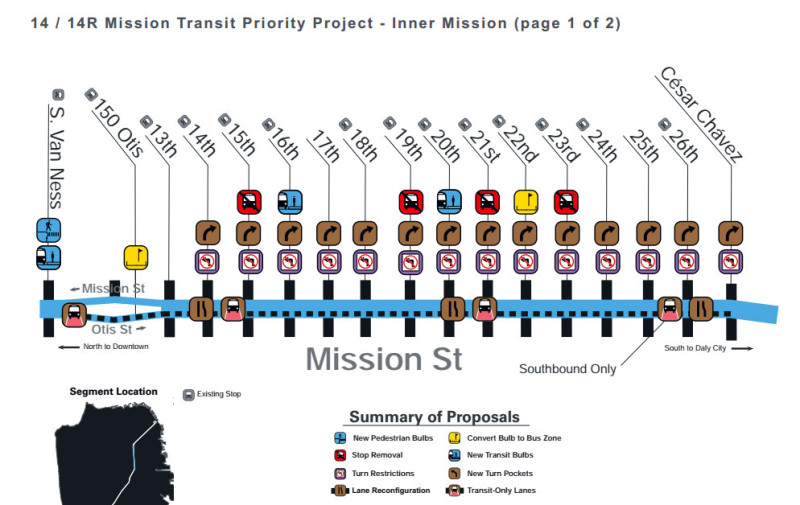
"caption": "One of two \u003ca href=\"http://www.sfmta.com/sites/default/files/projects/2015/14_MF_Mtg_ONEPAGER_11x17_v6_web.pdf\">proposed plans\u003c/a> to improve the flow of traffic and public transportation on Mission Street.",
"description": "One of two \u003ca href=\"http://www.sfmta.com/sites/default/files/projects/2015/14_MF_Mtg_ONEPAGER_11x17_v6_web.pdf\">proposed plans\u003c/a> to improve the flow of traffic and public transportation on Mission Street.",
"title": "muni-changes",
"credit": "SFMTA Muni Forward",
"status": "inherit",
"isLoading": false,
"fetchFailed": false
},
"news_10435605": {
"type": "attachments",
"id": "news_10435605",
"meta": {
"index": "attachments_1716263798",
"site": "news",
"id": "10435605",
"found": true
},
"parent": 10435604,
"imgSizes": {
"twentyfourteen-full-width": {
"file": "https://ww2.kqed.org/app/uploads/sites/10/2015/02/pedestrian-map-1038x576.jpg",
"width": 1038,
"mimeType": "image/jpeg",
"height": 576
},
"thumbnail": {
"file": "https://ww2.kqed.org/app/uploads/sites/10/2015/02/pedestrian-map-400x253.jpg",
"width": 400,
"mimeType": "image/jpeg",
"height": 253
},
"post-thumbnail": {
"file": "https://ww2.kqed.org/app/uploads/sites/10/2015/02/pedestrian-map-672x372.jpg",
"width": 672,
"mimeType": "image/jpeg",
"height": 372
},
"kqedFullSize": {
"file": "https://ww2.kqed.org/app/uploads/sites/10/2015/02/pedestrian-map.jpg",
"width": 1440,
"height": 910
},
"large": {
"file": "https://ww2.kqed.org/app/uploads/sites/10/2015/02/pedestrian-map-1440x910.jpg",
"width": 1440,
"mimeType": "image/jpeg",
"height": 910
},
"guest-author-96": {
"file": "https://ww2.kqed.org/app/uploads/sites/10/2015/02/pedestrian-map-96x96.jpg",
"width": 96,
"mimeType": "image/jpeg",
"height": 96
},
"medium": {
"file": "https://ww2.kqed.org/app/uploads/sites/10/2015/02/pedestrian-map-800x506.jpg",
"width": 800,
"mimeType": "image/jpeg",
"height": 506
},
"guest-author-64": {
"file": "https://ww2.kqed.org/app/uploads/sites/10/2015/02/pedestrian-map-64x64.jpg",
"width": 64,
"mimeType": "image/jpeg",
"height": 64
},
"detail": {
"file": "https://ww2.kqed.org/app/uploads/sites/10/2015/02/pedestrian-map-75x75.jpg",
"width": 75,
"mimeType": "image/jpeg",
"height": 75
},
"guest-author-32": {
"file": "https://ww2.kqed.org/app/uploads/sites/10/2015/02/pedestrian-map-32x32.jpg",
"width": 32,
"mimeType": "image/jpeg",
"height": 32
},
"guest-author-128": {
"file": "https://ww2.kqed.org/app/uploads/sites/10/2015/02/pedestrian-map-128x128.jpg",
"width": 128,
"mimeType": "image/jpeg",
"height": 128
}
},
"publishDate": 1424210726,
"modified": 1424218378,
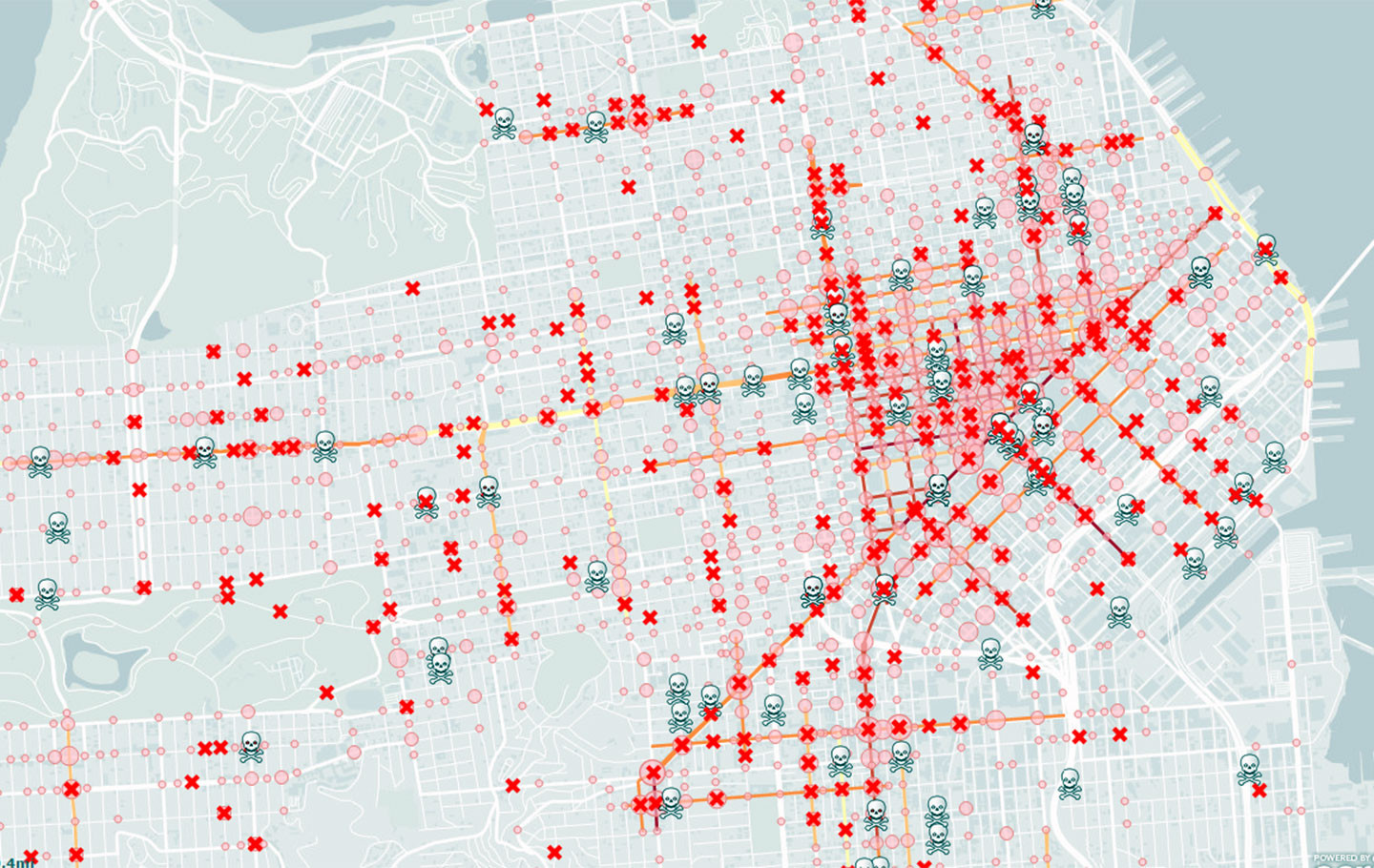
"caption": "These mapped points account for 5,325 pedestrian injuries and 127 deaths. \u003ca href=\"http://sfgov.maps.arcgis.com/apps/OnePane/basicviewer/index.html?appid=7382117f2b5f440e8e183f30cf2c6d57\" target=\"_blank\">Click here for interactive version of map\u003c/a>.",
"description": "These mapped points account for 5,325 \u003ca href=\"http://sfgov.maps.arcgis.com/apps/OnePane/basicviewer/index.html?appid=7382117f2b5f440e8e183f30cf2c6d57\">pedestrian injuries and 127 deaths\u003c/a>. Collisions clustered downtown in the Tenderloin, Union Square, Jackson Square and Chinatown neighborhoods. The Mission District was also quite dangerous, as were major thoroughfares like 19th Avenue and Geary Boulevard. (Data from 2005—2011)",
"title": "San Francisco-Pedestrian Accidents Map",
"credit": "Vision Zero San Francisco",
"status": "inherit",
"isLoading": false,
"fetchFailed": false
},
"news_10410685": {
"type": "attachments",
"id": "news_10410685",
"meta": {
"index": "attachments_1716263798",
"site": "news",
"id": "10410685",
"found": true
},
"parent": 123914,
"imgSizes": {
"twentyfourteen-full-width": {
"file": "https://ww2.kqed.org/app/uploads/sites/10/2014/01/parking-1038x576.jpg",
"width": 1038,
"mimeType": "image/jpeg",
"height": 576
},
"thumbnail": {
"file": "https://ww2.kqed.org/app/uploads/sites/10/2014/01/parking-400x266.jpg",
"width": 400,
"mimeType": "image/jpeg",
"height": 266
},
"post-thumbnail": {
"file": "https://ww2.kqed.org/app/uploads/sites/10/2014/01/parking-672x372.jpg",
"width": 672,
"mimeType": "image/jpeg",
"height": 372
},
"kqedFullSize": {
"file": "https://ww2.kqed.org/app/uploads/sites/10/2014/01/parking-e1421692177386.jpg",
"width": 1440,
"height": 960
},
"large": {
"file": "https://ww2.kqed.org/app/uploads/sites/10/2014/01/parking-1440x959.jpg",
"width": 1440,
"mimeType": "image/jpeg",
"height": 959
},
"guest-author-96": {
"file": "https://ww2.kqed.org/app/uploads/sites/10/2014/01/parking-96x96.jpg",
"width": 96,
"mimeType": "image/jpeg",
"height": 96
},
"medium": {
"file": "https://ww2.kqed.org/app/uploads/sites/10/2014/01/parking-800x533.jpg",
"width": 800,
"mimeType": "image/jpeg",
"height": 533
},
"guest-author-64": {
"file": "https://ww2.kqed.org/app/uploads/sites/10/2014/01/parking-64x64.jpg",
"width": 64,
"mimeType": "image/jpeg",
"height": 64
},
"detail": {
"file": "https://ww2.kqed.org/app/uploads/sites/10/2014/01/parking-75x75.jpg",
"width": 75,
"mimeType": "image/jpeg",
"height": 75
},
"guest-author-32": {
"file": "https://ww2.kqed.org/app/uploads/sites/10/2014/01/parking-32x32.jpg",
"width": 32,
"mimeType": "image/jpeg",
"height": 32
},
"guest-author-128": {
"file": "https://ww2.kqed.org/app/uploads/sites/10/2014/01/parking-128x128.jpg",
"width": 128,
"mimeType": "image/jpeg",
"height": 128
}
},
"publishDate": 1421692145,
"modified": 1424104118,
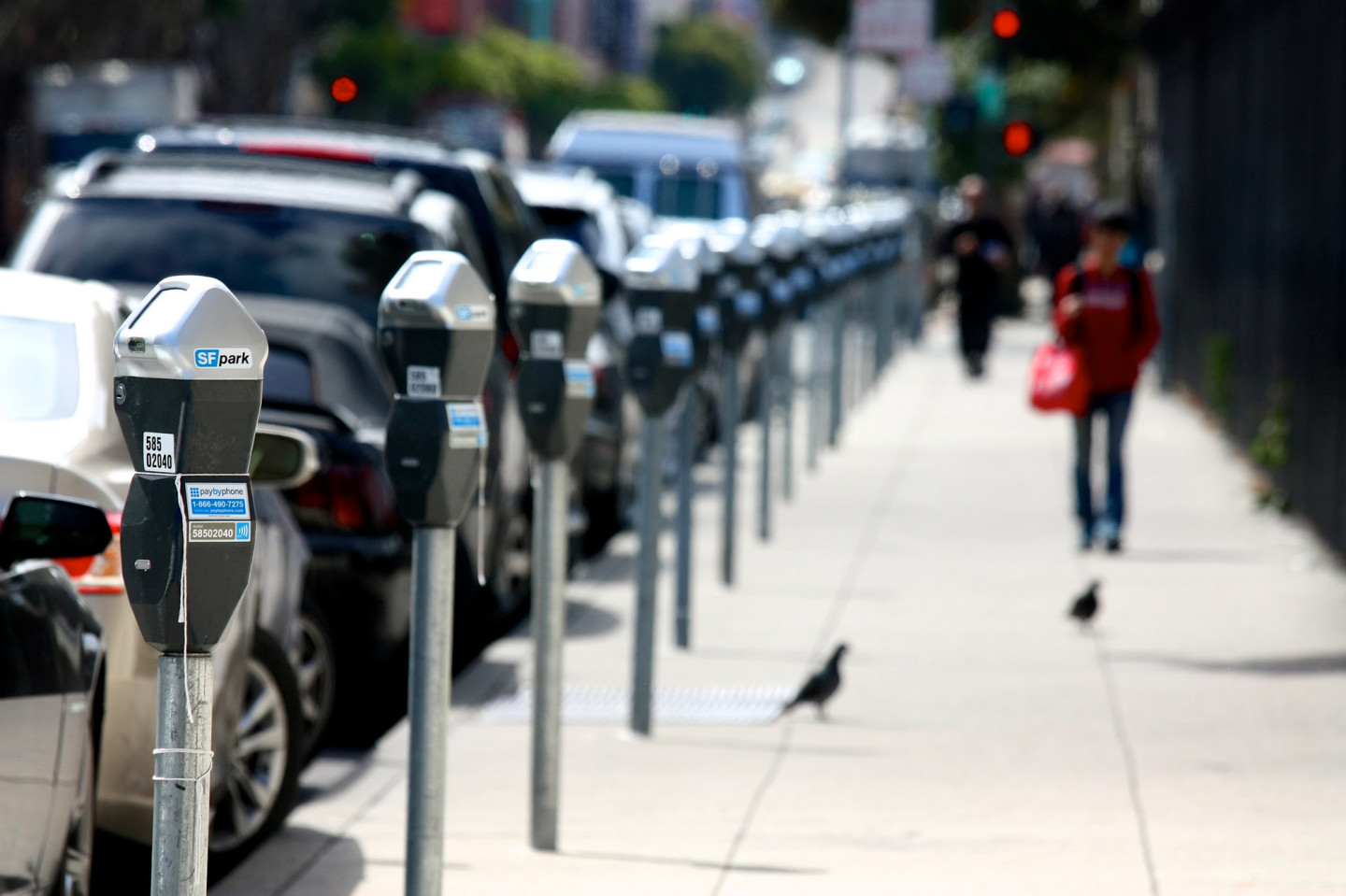
"caption": "FILE PHOTO: Parking meters in San Francisco.",
"description": "Parking meters in San Francisco.",
"title": "parking",
"credit": "Panchenks/Flickr",
"status": "inherit",
"isLoading": false,
"fetchFailed": false
},
"news_10431338": {
"type": "attachments",
"id": "news_10431338",
"meta": {
"index": "attachments_1716263798",
"site": "news",
"id": "10431338",
"found": true
},
"parent": 10430659,
"imgSizes": {
"twentyfourteen-full-width": {
"file": "https://ww2.kqed.org/app/uploads/sites/10/2015/02/14031573887_46c4b0e76c_k-1038x576.jpg",
"width": 1038,
"mimeType": "image/jpeg",
"height": 576
},
"thumbnail": {
"file": "https://ww2.kqed.org/app/uploads/sites/10/2015/02/14031573887_46c4b0e76c_k-400x210.jpg",
"width": 400,
"mimeType": "image/jpeg",
"height": 210
},
"post-thumbnail": {
"file": "https://ww2.kqed.org/app/uploads/sites/10/2015/02/14031573887_46c4b0e76c_k-672x372.jpg",
"width": 672,
"mimeType": "image/jpeg",
"height": 372
},
"kqedFullSize": {
"file": "https://ww2.kqed.org/app/uploads/sites/10/2015/02/14031573887_46c4b0e76c_k.jpg",
"width": 2048,
"height": 1075
},
"large": {
"file": "https://ww2.kqed.org/app/uploads/sites/10/2015/02/14031573887_46c4b0e76c_k-1440x756.jpg",
"width": 1440,
"mimeType": "image/jpeg",
"height": 756
},
"guest-author-96": {
"file": "https://ww2.kqed.org/app/uploads/sites/10/2015/02/14031573887_46c4b0e76c_k-96x96.jpg",
"width": 96,
"mimeType": "image/jpeg",
"height": 96
},
"medium": {
"file": "https://ww2.kqed.org/app/uploads/sites/10/2015/02/14031573887_46c4b0e76c_k-800x420.jpg",
"width": 800,
"mimeType": "image/jpeg",
"height": 420
},
"guest-author-64": {
"file": "https://ww2.kqed.org/app/uploads/sites/10/2015/02/14031573887_46c4b0e76c_k-64x64.jpg",
"width": 64,
"mimeType": "image/jpeg",
"height": 64
},
"detail": {
"file": "https://ww2.kqed.org/app/uploads/sites/10/2015/02/14031573887_46c4b0e76c_k-75x75.jpg",
"width": 75,
"mimeType": "image/jpeg",
"height": 75
},
"guest-author-32": {
"file": "https://ww2.kqed.org/app/uploads/sites/10/2015/02/14031573887_46c4b0e76c_k-32x32.jpg",
"width": 32,
"mimeType": "image/jpeg",
"height": 32
},
"guest-author-128": {
"file": "https://ww2.kqed.org/app/uploads/sites/10/2015/02/14031573887_46c4b0e76c_k-128x128.jpg",
"width": 128,
"mimeType": "image/jpeg",
"height": 128
}
},
"publishDate": 1423767151,
"modified": 1423767238,
"caption": "A bicycle and pedestrian path will be built on the upper deck of the Richmond-San Rafael Bridge.",
"description": null,
"title": "14031573887_46c4b0e76c_k",
"credit": "Don McCollough/Flickr ",
"status": "inherit",
"isLoading": false,
"fetchFailed": false
},
"news_10426093": {
"type": "attachments",
"id": "news_10426093",
"meta": {
"index": "attachments_1716263798",
"site": "news",
"id": "10426093",
"found": true
},
"parent": 10424716,
"imgSizes": {
"twentyfourteen-full-width": {
"file": "https://ww2.kqed.org/app/uploads/sites/10/2016/02/rideshare1-1038x576.jpg",
"width": 1038,
"mimeType": "image/jpeg",
"height": 576
},
"thumbnail": {
"file": "https://ww2.kqed.org/app/uploads/sites/10/2016/02/rideshare1-400x225.jpg",
"width": 400,
"mimeType": "image/jpeg",
"height": 225
},
"post-thumbnail": {
"file": "https://ww2.kqed.org/app/uploads/sites/10/2016/02/rideshare1-672x372.jpg",
"width": 672,
"mimeType": "image/jpeg",
"height": 372
},
"kqedFullSize": {
"file": "https://ww2.kqed.org/app/uploads/sites/10/2016/02/rideshare1.jpg",
"width": 1440,
"height": 810
},
"large": {
"file": "https://ww2.kqed.org/app/uploads/sites/10/2016/02/rideshare1-1440x810.jpg",
"width": 1440,
"mimeType": "image/jpeg",
"height": 810
},
"guest-author-96": {
"file": "https://ww2.kqed.org/app/uploads/sites/10/2016/02/rideshare1-96x96.jpg",
"width": 96,
"mimeType": "image/jpeg",
"height": 96
},
"medium": {
"file": "https://ww2.kqed.org/app/uploads/sites/10/2016/02/rideshare1-800x450.jpg",
"width": 800,
"mimeType": "image/jpeg",
"height": 450
},
"guest-author-64": {
"file": "https://ww2.kqed.org/app/uploads/sites/10/2016/02/rideshare1-64x64.jpg",
"width": 64,
"mimeType": "image/jpeg",
"height": 64
},
"detail": {
"file": "https://ww2.kqed.org/app/uploads/sites/10/2016/02/rideshare1-75x75.jpg",
"width": 75,
"mimeType": "image/jpeg",
"height": 75
},
"guest-author-32": {
"file": "https://ww2.kqed.org/app/uploads/sites/10/2016/02/rideshare1-32x32.jpg",
"width": 32,
"mimeType": "image/jpeg",
"height": 32
},
"guest-author-128": {
"file": "https://ww2.kqed.org/app/uploads/sites/10/2016/02/rideshare1-128x128.jpg",
"width": 128,
"mimeType": "image/jpeg",
"height": 128
}
},
"publishDate": 1423254419,
"modified": 1423254517,
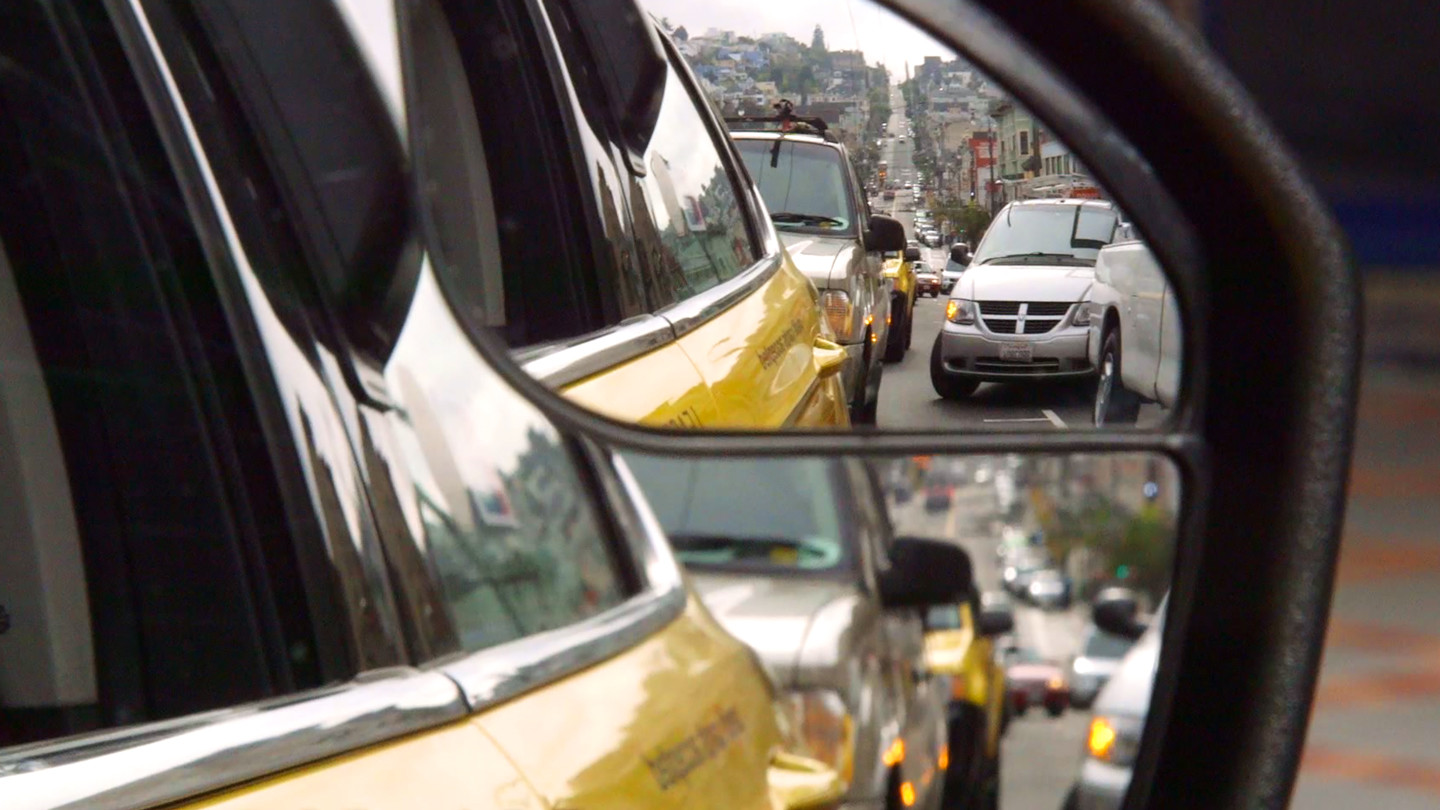
"caption": "Looking back through one of the sideview mirrors on John Han's taxicab. (Adam Grossberg/KQED)",
"description": null,
"title": "rideshare1",
"credit": null,
"status": "inherit",
"isLoading": false,
"fetchFailed": false
}
},
"audioPlayerReducer": {
"postId": "stream_live",
"isPaused": true,
"isPlaying": false,
"pfsActive": false,
"pledgeModalIsOpen": true,
"playerDrawerIsOpen": false,
"liveAudioPlayStartedAt": 0,
"liveAudioPlayContext": ""
},
"authorsReducer": {
"byline_news_10454836": {
"type": "authors",
"id": "byline_news_10454836",
"meta": {
"override": true
},
"slug": "byline_news_10454836",
"name": "\u003cstrong>Tiffany Camhi\u003cbr />KQED News\u003c/strong>",
"isLoading": false
},
"byline_news_10449480": {
"type": "authors",
"id": "byline_news_10449480",
"meta": {
"override": true
},
"slug": "byline_news_10449480",
"name": "\u003cstrong>\u003ca href=\"https://twitter.com/willhuntsberry\" target=\"_blank\">Will Huntsberry\u003c/a>\u003c/strong>",
"isLoading": false
},
"byline_news_10442054": {
"type": "authors",
"id": "byline_news_10442054",
"meta": {
"override": true
},
"slug": "byline_news_10442054",
"name": "\u003cstrong>\u003ca href=\"https://twitter.com/FenitN\" target=\"_blank\">Fenit Nirappil\u003c/a>\u003cbr />Associated Press\u003c/strong>",
"isLoading": false
},
"byline_news_10437628": {
"type": "authors",
"id": "byline_news_10437628",
"meta": {
"override": true
},
"slug": "byline_news_10437628",
"name": "\u003ca href=\"http://missionlocal.org/author/lchavez/\">Lydia Chavez\u003c/a>\u003cbr>Mission Local",
"isLoading": false
},
"byline_news_10435604": {
"type": "authors",
"id": "byline_news_10435604",
"meta": {
"override": true
},
"slug": "byline_news_10435604",
"name": "\u003ca href=\"http://sfpublicpress.org/members/noah-arroyo\">Noah Arroyo\u003c/a>\u003cbr>San Francisco Public Press",
"isLoading": false
},
"jbrooks": {
"type": "authors",
"id": "80",
"meta": {
"index": "authors_1716337520",
"id": "80",
"found": true
},
"name": "Jon Brooks",
"firstName": "Jon",
"lastName": "Brooks",
"slug": "jbrooks",
"email": "jbrooks@kqed.org",
"display_author_email": true,
"staff_mastheads": [
"science"
],
"title": "Digital Editor",
"bio": "Jon Brooks is a former Digital Editor for KQED Science. He is the former editor of KQED’s daily news blog, News Fix. In 2014, he won a California Journalism Award for his coverage of ride services like Uber and Lyft and the taxi industry. A veteran blogger, he previously worked for Yahoo! in various news writing and editing roles. Jon is also a playwright whose work has been produced in San Francisco, New York, Italy, and around the U.S. He has written about film for his own blog and studied film at Boston University.",
"avatar": "https://secure.gravatar.com/avatar/98887f7ed1c876ed414d4c915e969584?s=600&d=blank&r=g",
"twitter": "jbrooksfoy",
"facebook": null,
"instagram": null,
"linkedin": null,
"sites": [
{
"site": "arts",
"roles": [
"Contributor",
"editor"
]
},
{
"site": "news",
"roles": [
"author"
]
},
{
"site": "futureofyou",
"roles": [
"administrator"
]
},
{
"site": "mindshift",
"roles": [
"editor"
]
},
{
"site": "stateofhealth",
"roles": [
"editor"
]
},
{
"site": "science",
"roles": [
"administrator"
]
},
{
"site": "quest",
"roles": [
"editor"
]
}
],
"headData": {
"title": "Jon Brooks | KQED",
"description": "Digital Editor",
"ogImgSrc": "https://secure.gravatar.com/avatar/98887f7ed1c876ed414d4c915e969584?s=600&d=blank&r=g",
"twImgSrc": "https://secure.gravatar.com/avatar/98887f7ed1c876ed414d4c915e969584?s=600&d=blank&r=g"
},
"isLoading": false,
"link": "/author/jbrooks"
},
"agrossberg": {
"type": "authors",
"id": "188",
"meta": {
"index": "authors_1716337520",
"id": "188",
"found": true
},
"name": "Adam Grossberg",
"firstName": "Adam",
"lastName": "Grossberg",
"slug": "agrossberg",
"email": "agrossberg@KQED.org",
"display_author_email": false,
"staff_mastheads": [],
"title": "KQED Contributor",
"bio": "Adam Grossberg is a former video producer at KQED News. Prior to coming to KQED, he produced videos for PBS, The New York Times, Current TV and The Center for Investigative Reporting. His work has received an Excellence in Journalism award from the Society of Professional Journalists, a regional Murrow award and two Northern California Emmy awards. He is a graduate of the UC Berkeley Graduate School of Journalism.",
"avatar": "https://secure.gravatar.com/avatar/8e96dbdaaf98f5959a2c778289e0f9b5?s=600&d=blank&r=g",
"twitter": null,
"facebook": null,
"instagram": null,
"linkedin": null,
"sites": [
{
"site": "arts",
"roles": [
"contributor"
]
},
{
"site": "news",
"roles": [
"subscriber"
]
},
{
"site": "stateofhealth",
"roles": [
"editor"
]
},
{
"site": "science",
"roles": [
"editor"
]
}
],
"headData": {
"title": "Adam Grossberg | KQED",
"description": "KQED Contributor",
"ogImgSrc": "https://secure.gravatar.com/avatar/8e96dbdaaf98f5959a2c778289e0f9b5?s=600&d=blank&r=g",
"twImgSrc": "https://secure.gravatar.com/avatar/8e96dbdaaf98f5959a2c778289e0f9b5?s=600&d=blank&r=g"
},
"isLoading": false,
"link": "/author/agrossberg"
},
"bgoebel": {
"type": "authors",
"id": "214",
"meta": {
"index": "authors_1716337520",
"id": "214",
"found": true
},
"name": "Bryan Goebel",
"firstName": "Bryan",
"lastName": "Goebel",
"slug": "bgoebel",
"email": "bgoebel@kqed.org",
"display_author_email": false,
"staff_mastheads": [],
"title": null,
"bio": "Bryan Goebel is a reporter focused on transportation and housing issues. He was previously the editor of Streetsblog San Francisco, and an anchor/editor at KCBS Radio. He's a lifelong Californian and has also worked at radio stations in Barstow, Redding and Sacramento.",
"avatar": "https://secure.gravatar.com/avatar/7fdd6b065bfe9a23a71bcfa80848df88?s=600&d=blank&r=g",
"twitter": "velobry",
"facebook": null,
"instagram": null,
"linkedin": null,
"sites": [
{
"site": "news",
"roles": [
"subscriber"
]
},
{
"site": "stateofhealth",
"roles": [
"subscriber"
]
}
],
"headData": {
"title": "Bryan Goebel | KQED",
"description": null,
"ogImgSrc": "https://secure.gravatar.com/avatar/7fdd6b065bfe9a23a71bcfa80848df88?s=600&d=blank&r=g",
"twImgSrc": "https://secure.gravatar.com/avatar/7fdd6b065bfe9a23a71bcfa80848df88?s=600&d=blank&r=g"
},
"isLoading": false,
"link": "/author/bgoebel"
},
"danbrekke": {
"type": "authors",
"id": "222",
"meta": {
"index": "authors_1716337520",
"id": "222",
"found": true
},
"name": "Dan Brekke",
"firstName": "Dan",
"lastName": "Brekke",
"slug": "danbrekke",
"email": "dbrekke@kqed.org",
"display_author_email": true,
"staff_mastheads": [
"news",
"science"
],
"title": "KQED Editor and Reporter",
"bio": "Dan Brekke is a reporter and editor for KQED News, responsible for coverage of topics ranging from California water issues to the Bay Area's transportation challenges. In a newsroom career that began in Chicago in 1972, Dan has worked for \u003cem>The San Francisco Examiner,\u003c/em> Wired and TechTV and has been published in The New York Times, The New York Times Magazine, Business 2.0, Salon and elsewhere.\r\n\r\nSince joining KQED in 2007, Dan has reported, edited and produced both radio and online features and breaking news pieces. He has shared as both editor and reporter in four Society of Professional Journalists Norcal Excellence in Journalism awards and one Edward R. Murrow regional award. He was chosen for a spring 2017 residency at the Mesa Refuge to advance his research on California salmon.\r\n\r\nEmail Dan at: \u003ca href=\"mailto:dbrekke@kqed.org\">dbrekke@kqed.org\u003c/a>\r\n\r\n\u003cstrong>Twitter:\u003c/strong> \u003ca href=\"https://twitter.com/danbrekke\" rel=\"noopener noreferrer\">twitter.com/danbrekke\u003c/a>\r\n\u003cstrong>Facebook:\u003c/strong> \u003ca href=\"https://www.facebook.com/danbrekke\" rel=\"noopener noreferrer\">www.facebook.com/danbrekke\u003c/a>\r\n\u003cstrong>LinkedIn:\u003c/strong> \u003ca href=\"https://www.linkedin.com/in/danbrekke\" rel=\"noopener noreferrer\">www.linkedin.com/in/danbrekke\u003c/a>",
"avatar": "https://secure.gravatar.com/avatar/8f1f0d2a978fb3b23426c922c7e2af558fa36905b49c4ce76a97dc3c72d27226?s=600&d=mm&r=g",
"twitter": "danbrekke",
"bluesky": null,
"facebook": null,
"instagram": "https://www.instagram.com/dan.brekke/",
"linkedin": "https://www.linkedin.com/in/danbrekke/",
"sites": [
{
"site": "news",
"roles": [
"administrator",
"create_posts"
]
},
{
"site": "stateofhealth",
"roles": [
"editor"
]
},
{
"site": "science",
"roles": [
"editor"
]
},
{
"site": "quest",
"roles": [
"contributor"
]
},
{
"site": "food",
"roles": [
"contributor"
]
},
{
"site": "forum",
"roles": [
"contributor"
]
},
{
"site": "elections",
"roles": [
"editor"
]
},
{
"site": "liveblog",
"roles": [
"editor"
]
}
],
"headData": {
"title": "Dan Brekke | KQED",
"description": "KQED Editor and Reporter",
"ogImgSrc": "https://secure.gravatar.com/avatar/8f1f0d2a978fb3b23426c922c7e2af558fa36905b49c4ce76a97dc3c72d27226?s=600&d=mm&r=g",
"twImgSrc": "https://secure.gravatar.com/avatar/8f1f0d2a978fb3b23426c922c7e2af558fa36905b49c4ce76a97dc3c72d27226?s=600&d=mm&r=g"
},
"isLoading": false,
"link": "/author/danbrekke"
},
"aemslie": {
"type": "authors",
"id": "3206",
"meta": {
"index": "authors_1716337520",
"id": "3206",
"found": true
},
"name": "Alex Emslie",
"firstName": "Alex",
"lastName": "Emslie",
"slug": "aemslie",
"email": "aemslie@kqed.org",
"display_author_email": true,
"staff_mastheads": [
"news"
],
"title": "KQED Senior Editor",
"bio": "Alex Emslie is senior editor of talent and development at KQED, where he manages dozens of early career journalists and oversees news department internships.\r\n\r\nHe is a former carpenter and proud graduate of City College of San Francisco and San Francisco State University, where he studied journalism and criminal justice before joining KQED in 2013.\r\n\r\nAlex produced investigative journalism focused on \u003ca href=\"https://www.kqed.org/news/11667594/the-trials-of-marvin-mutch-video\">criminal justice\u003c/a> and policing for most of a decade. He has broken major stories about \u003ca href=\"https://www.kqed.org/news/135682/amid-a-series-of-vallejo-police-shootings-one-officers-name-stands-out\">police use of deadly force\u003c/a>, \u003ca href=\"https://www.kqed.org/news/10454955/racist-texts-prompt-sfpd-internal-investigation\">officer misconduct\u003c/a> and \u003ca href=\"https://www.kqed.org/news/11712239/terrorist-or-troll-judge-to-weigh-whether-oakland-man-really-intended-to-attack-bay-area\">other\u003c/a> \u003ca href=\"https://www.kqed.org/news/11221414/hayward-paid-159000-to-husband-of-retired-police-chief-documents-show\">high\u003c/a>-\u003ca href=\"https://www.kqed.org/news/10622762/the-forgotten-tracking-two-homicides-in-san-francisco-public-housing\">profile\u003c/a> \u003ca href=\"https://www.kqed.org/news/11624516/federal-agency-promoted-ranger-just-months-after-his-gun-was-stolen-and-used-in-steinle-killing\">cases\u003c/a>. He co-founded the \u003ca href=\"https://projects.scpr.org/california-reporting-project/\">California Reporting Project\u003c/a> in 2019 to obtain and report on previously confidential police internal investigations. The effort produced well over 100 original stories and changed the course of multiple criminal cases.\r\n\r\nHis work has been recognized with numerous journalism awards, including a national Edward R. Murrow award for several years of \u003ca href=\"https://www.kqed.org/news/11688481/sfpd-officers-in-mario-woods-case-recount-shooting-in-newly-filed-depositions\">reporting\u003c/a> on the San Francisco Police shooting of Mario Woods. His \u003ca href=\"https://www.kqed.org/news/147854/half-of-those-killed-by-san-francisco-police-are-mentally-ill\">reporting\u003c/a> on police killings of people in psychiatric crisis was cited in amicus briefs before the U.S. Supreme Court.\r\n\r\nAlex now enjoys mentoring the next generation of journalists at KQED.",
"avatar": "https://secure.gravatar.com/avatar/e691e65209f20e9da202bd730ead5663?s=600&d=blank&r=g",
"twitter": "SFNewsReporter",
"facebook": null,
"instagram": null,
"linkedin": null,
"sites": [
{
"site": "arts",
"roles": [
"editor"
]
},
{
"site": "news",
"roles": [
"editor"
]
},
{
"site": "mindshift",
"roles": [
"editor"
]
},
{
"site": "stateofhealth",
"roles": [
"editor"
]
},
{
"site": "science",
"roles": [
"administrator"
]
}
],
"headData": {
"title": "Alex Emslie | KQED",
"description": "KQED Senior Editor",
"ogImgSrc": "https://secure.gravatar.com/avatar/e691e65209f20e9da202bd730ead5663?s=600&d=blank&r=g",
"twImgSrc": "https://secure.gravatar.com/avatar/e691e65209f20e9da202bd730ead5663?s=600&d=blank&r=g"
},
"isLoading": false,
"link": "/author/aemslie"
}
},
"pagesReducer": {
"news_category_transportation": {
"type": "terms",
"id": "news_1397",
"meta": {
"index": "terms_1716263798",
"site": "news",
"id": "1397",
"score": 12.940407
},
"featImg": null,
"name": "Transportation",
"description": null,
"taxonomy": "category",
"headData": {
"twImgId": null,
"twTitle": null,
"ogTitle": null,
"ogImgId": null,
"twDescription": null,
"description": null,
"title": "Transportation Archives | KQED News",
"ogDescription": null
},
"ttid": 1409,
"slug": "transportation",
"isLoading": false,
"title": "Transportation",
"pageMeta": {
"site": "news",
"WpPageTemplate": "page-topic-editorial",
"currentPage": 107
},
"blocks": [
{
"blockName": "kqed/post-list",
"attrs": {
"layout": "cardArticle2",
"query": "posts/news?category=transportation",
"seeMore": false,
"paginated": true,
"page": 107
}
},
{
"blockName": "kqed/ad"
}
]
}
},
"pfsSessionReducer": {},
"postsReducer": {
"stream_live": {
"type": "live",
"id": "stream_live",
"audioUrl": "https://streams.kqed.org/kqedradio",
"title": "Live Stream",
"excerpt": "Live Stream information currently unavailable.",
"link": "/radio",
"featImg": "",
"label": {
"name": "KQED Live",
"link": "/"
}
},
"stream_kqedNewscast": {
"type": "posts",
"id": "stream_kqedNewscast",
"audioUrl": "https://www.kqed.org/.stream/anon/radio/RDnews/newscast.mp3?_=1",
"title": "KQED Newscast",
"featImg": "",
"label": {
"name": "88.5 FM",
"link": "/"
}
},
"news_10454836": {
"type": "posts",
"id": "news_10454836",
"meta": {
"index": "posts_1716263798",
"site": "news",
"id": "10454836",
"score": null,
"sort": [
1426291124000
]
},
"parent": 0,
"labelTerm": {
"site": "news",
"term": 6944
},
"blocks": [],
"publishDate": 1426291124,
"format": "standard",
"disqusTitle": "BART Passengers Riding in Harmony With BART Bicyclists, Mostly",
"title": "BART Passengers Riding in Harmony With BART Bicyclists, Mostly",
"headTitle": "News Fix | KQED News",
"content": "\u003cp>A new BART survey shows that cyclists and non-biking passengers are coexisting peacefully for the most part, despite increased crowding on the system.\u003c/p>\n\u003cp>Results of a survey presented Thursday to BART's Board of Directors (and \u003ca href=\"#bikesonbart\">embedded below\u003c/a>) finds that non-cycling passengers' feelings about sharing trains is virtually unchanged since the agency granted all-station, all-hours access to bikes in 2013.\u003c/p>\n\u003cp>The report also shows a 20 percent increase in the number of train trips cyclists made from 2012 through 2014. \u003c/p>\n\u003cp>The survey found that 78 percent of passengers say the new bike access has had no effect on whether or not they use BART; in 2013, that number was 81 percent. Asked how all-day, all-train access affected their trip on BART, 67 percent of respondents said \"no effect,\" compared with 68 percent in 2013; 11 percent said it made trips better (2013: 8 percent) and 21 percent said it made trips worse (2013: 24 percent).\u003c/p>\n\u003cp>Even though crowding on BART has become a frequent topic of complaints from patrons, with weekday ridership rising about 15 percent since February 2012, survey respondents didn't report seeing bikes as a problem: 29 percent said there was enough room for bikes on rush-hour trains (2013: 22 percent); 23 percent said rush-hour was too crowded to add bikes to the mix -- 2 percent less than 2013.\u003c/p>\n\u003cp>[ad fullwidth]\u003c/p>\n\u003cp>The survey results reflect 2,349 responses from a group composed of riders from all of the system's lines and weighted to avoid over-representing cyclists. The margin of error is plus or minus 2 percent.\u003c/p>\n\u003cp>The study found 72 percent of passengers said they had not personally experienced a problem with bikes on BART; 28 percent said they had.\u003c/p>\n\u003cp>Non-biking passengers said they didn't like bikes on escalators (against the system's rules), longer boarding times because of bikes, grease from bikes, rude cyclists and bikes blocking seats.\u003c/p>\n\u003cp>As for cyclists, they weren't pleased with passengers blocking designated bike spaces, passengers failing to move to the middle of cars to make room for bikes, rude comments and missing trains due to rush-hour crowding.\u003c/p>\n\u003cp>Those sentiments were echoed by BART commuters at San Francisco’s Montgomery Station on Friday. Some are OK with bikes on crowded trains; others, not so much.\u003c/p>\n\u003cp>“I think in general they’re pretty respectful of people,” BART commuter Scott Fuller says about the cyclists he sees.\u003c/p>\n\u003cp>Jamal Jackson commutes from Hayward to San Francisco. He says he does not enjoy sharing train cars with bicyclists.\u003c/p>\n\u003cp>“The train is already crowded enough,” says Jackson. “They run up against you, run over your pant leg. They run over you.”\u003c/p>\n\u003cp>BART bike commuter Adrian Tofighi says he steers clear of heavy commute times to avoid issues with other passengers.\u003c/p>\n\u003cp>“If it’s super-packed, a lot of folks don’t really get that we have to get to work as well,” says Tofighi.\u003c/p>\n\u003cp>BART Bike Program Manager Steve Beroldo says he was pleasantly surprised by the results of the survey. Beroldo says the next step is to provide better and safer bicycle parking at the system's stations.\u003c/p>\n\u003cp>BART plans to add 280 bike lockers to its stations this summer. In addition, a new bike station just opened at the 19th Street Station in downtown Oakland. Similar facilities, which provide secure bicycle parking and other services to cyclists, are under construction at San Francisco's Civic Center and planned for the MacArthur, Concord and Pleasant Hill stations.\u003c/p>\n\u003cp>\u003c/p>\n\u003cp>\u003ca id=\"bikesonbart\">\u003c/a>\u003cbr>\n\u003c!-- iframe plugin v.4.3 wordpress.org/plugins/iframe/ -->\u003cbr>\n\u003ciframe class=\"scribd_iframe_embed\" src=\"https://www.scribd.com/embeds/258657467/content?start_page=1&view_mode=scroll&show_recommendations=true\" data-auto-height=\"false\" data-aspect-ratio=\"undefined\" scrolling=\"no\" id=\"doc_61648\" width=\"100%\" height=\"600\" frameborder=\"0\">\u003c/iframe>\u003c/p>\n\n",
"disqusIdentifier": "10454836 http://ww2.kqed.org/news/?p=10454836",
"disqusUrl": "https://ww2.kqed.org/news/2015/03/13/bart-passengers-riding-in-harmony-with-bart-bicyclists-mostly/",
"stats": {
"hasVideo": false,
"hasChartOrMap": false,
"hasAudio": false,
"hasPolis": false,
"wordCount": 598,
"hasGoogleForm": false,
"hasGallery": false,
"hasHearkenModule": false,
"iframeSrcs": [],
"paragraphCount": 20
},
"modified": 1426600263,
"excerpt": "Despite some complaints, big majority of patrons say they've had no problems with increased bike access.",
"headData": {
"twImgId": "",
"twTitle": "",
"ogTitle": "",
"ogImgId": "",
"twDescription": "",
"description": "Despite some complaints, big majority of patrons say they've had no problems with increased bike access.",
"title": "BART Passengers Riding in Harmony With BART Bicyclists, Mostly | KQED",
"ogDescription": "",
"schema": {
"@context": "https://schema.org",
"@type": "NewsArticle",
"headline": "BART Passengers Riding in Harmony With BART Bicyclists, Mostly",
"datePublished": "2015-03-13T16:58:44-07:00",
"dateModified": "2015-03-17T06:51:03-07:00",
"image": "https://cdn.kqed.org/wp-content/uploads/2020/02/KQED-OG-Image@1x.png",
"isAccessibleForFree": "True",
"publisher": {
"@type": "NewsMediaOrganization",
"@id": "https://www.kqed.org/#organization",
"name": "KQED",
"logo": "https://cdn.kqed.org/wp-content/uploads/2020/02/KQED-OG-Image@1x.png",
"url": "https://www.kqed.org",
"sameAs": [
"https://www.facebook.com/KQED",
"https://twitter.com/KQED",
"https://www.instagram.com/kqed/",
"https://www.tiktok.com/@kqedofficial",
"https://www.linkedin.com/company/kqed",
"https://www.youtube.com/channel/UCeC0IOo7i1P_61zVUWbJ4nw"
]
}
}
},
"guestAuthors": [],
"slug": "bart-passengers-riding-in-harmony-with-bart-bicyclists-mostly",
"status": "publish",
"nprByline": "\u003cstrong>Tiffany Camhi\u003cbr />KQED News\u003c/strong>",
"path": "/news/10454836/bart-passengers-riding-in-harmony-with-bart-bicyclists-mostly",
"audioTrackLength": null,
"parsedContent": [
{
"type": "contentString",
"content": "\u003cdiv class=\"post-body\">\u003cp>\u003cp>A new BART survey shows that cyclists and non-biking passengers are coexisting peacefully for the most part, despite increased crowding on the system.\u003c/p>\n\u003cp>Results of a survey presented Thursday to BART's Board of Directors (and \u003ca href=\"#bikesonbart\">embedded below\u003c/a>) finds that non-cycling passengers' feelings about sharing trains is virtually unchanged since the agency granted all-station, all-hours access to bikes in 2013.\u003c/p>\n\u003cp>The report also shows a 20 percent increase in the number of train trips cyclists made from 2012 through 2014. \u003c/p>\n\u003cp>The survey found that 78 percent of passengers say the new bike access has had no effect on whether or not they use BART; in 2013, that number was 81 percent. Asked how all-day, all-train access affected their trip on BART, 67 percent of respondents said \"no effect,\" compared with 68 percent in 2013; 11 percent said it made trips better (2013: 8 percent) and 21 percent said it made trips worse (2013: 24 percent).\u003c/p>\n\u003cp>Even though crowding on BART has become a frequent topic of complaints from patrons, with weekday ridership rising about 15 percent since February 2012, survey respondents didn't report seeing bikes as a problem: 29 percent said there was enough room for bikes on rush-hour trains (2013: 22 percent); 23 percent said rush-hour was too crowded to add bikes to the mix -- 2 percent less than 2013.\u003c/p>\n\u003cp>\u003c/p>\u003c/div>",
"attributes": {
"named": {},
"numeric": []
}
},
{
"type": "component",
"content": "",
"name": "ad",
"attributes": {
"named": {
"label": "fullwidth"
},
"numeric": [
"fullwidth"
]
}
},
{
"type": "contentString",
"content": "\u003cdiv class=\"post-body\">\u003cp>\u003c/p>\n\u003cp>The survey results reflect 2,349 responses from a group composed of riders from all of the system's lines and weighted to avoid over-representing cyclists. The margin of error is plus or minus 2 percent.\u003c/p>\n\u003cp>The study found 72 percent of passengers said they had not personally experienced a problem with bikes on BART; 28 percent said they had.\u003c/p>\n\u003cp>Non-biking passengers said they didn't like bikes on escalators (against the system's rules), longer boarding times because of bikes, grease from bikes, rude cyclists and bikes blocking seats.\u003c/p>\n\u003cp>As for cyclists, they weren't pleased with passengers blocking designated bike spaces, passengers failing to move to the middle of cars to make room for bikes, rude comments and missing trains due to rush-hour crowding.\u003c/p>\n\u003cp>Those sentiments were echoed by BART commuters at San Francisco’s Montgomery Station on Friday. Some are OK with bikes on crowded trains; others, not so much.\u003c/p>\n\u003cp>“I think in general they’re pretty respectful of people,” BART commuter Scott Fuller says about the cyclists he sees.\u003c/p>\n\u003cp>Jamal Jackson commutes from Hayward to San Francisco. He says he does not enjoy sharing train cars with bicyclists.\u003c/p>\n\u003cp>“The train is already crowded enough,” says Jackson. “They run up against you, run over your pant leg. They run over you.”\u003c/p>\n\u003cp>BART bike commuter Adrian Tofighi says he steers clear of heavy commute times to avoid issues with other passengers.\u003c/p>\n\u003cp>“If it’s super-packed, a lot of folks don’t really get that we have to get to work as well,” says Tofighi.\u003c/p>\n\u003cp>BART Bike Program Manager Steve Beroldo says he was pleasantly surprised by the results of the survey. Beroldo says the next step is to provide better and safer bicycle parking at the system's stations.\u003c/p>\n\u003cp>BART plans to add 280 bike lockers to its stations this summer. In addition, a new bike station just opened at the 19th Street Station in downtown Oakland. Similar facilities, which provide secure bicycle parking and other services to cyclists, are under construction at San Francisco's Civic Center and planned for the MacArthur, Concord and Pleasant Hill stations.\u003c/p>\n\u003cp>\u003c/p>\n\u003cp>\u003ca id=\"bikesonbart\">\u003c/a>\u003cbr>\n\u003c!-- iframe plugin v.4.3 wordpress.org/plugins/iframe/ -->\u003cbr>\n\u003ciframe class=\"scribd_iframe_embed\" src=\"https://www.scribd.com/embeds/258657467/content?start_page=1&view_mode=scroll&show_recommendations=true\" data-auto-height=\"false\" data-aspect-ratio=\"undefined\" scrolling=\"no\" id=\"doc_61648\" width=\"100%\" height=\"600\" frameborder=\"0\">\u003c/iframe>\u003c/p>\n\n\u003c/div>\u003c/p>",
"attributes": {
"named": {},
"numeric": []
}
}
],
"link": "/news/10454836/bart-passengers-riding-in-harmony-with-bart-bicyclists-mostly",
"authors": [
"byline_news_10454836"
],
"programs": [
"news_6944"
],
"categories": [
"news_8",
"news_1397"
],
"tags": [
"news_269",
"news_578"
],
"featImg": "news_10454885",
"label": "news_6944"
},
"news_10452082": {
"type": "posts",
"id": "news_10452082",
"meta": {
"index": "posts_1716263798",
"site": "news",
"id": "10452082",
"score": null,
"sort": [
1426028504000
]
},
"guestAuthors": [],
"slug": "caltrain-south-bay-communities-work-to-reduce-suicides-on-train-tracks",
"title": "Caltrain, South Bay Communities Work to Reduce Suicides on Train Tracks",
"publishDate": 1426028504,
"format": "standard",
"headTitle": "Caltrain, South Bay Communities Work to Reduce Suicides on Train Tracks | KQED",
"labelTerm": {
"term": 6944,
"site": "news"
},
"content": "\u003cp>Caltrain and communities in the South Bay have been working for several years to send a simple, compassionate message to anyone who may be in psychiatric crisis near the train tracks: “There is help.”\u003c/p>\n\u003cp>It’s written on signs dotting the tracks near Caltrain intersections and stations, with a crisis hotline number under it. South Bay transit police with crisis intervention training intervene in dozens of potentially lethal incidents every year. The system has added 62,000 feet of fencing and formed partnerships with local and national suicide prevention organizations.\u003c/p>\n\u003caside class=\"alignright\">\n\u003cfigure>\u003ca href=\"http://ww2.kqed.org/news/wp-content/uploads/sites/10/2015/03/There-is-help-poster-400px.png\">\u003cimg loading=\"lazy\" decoding=\"async\" class=\" wp-image-10452156 aligncenter\" src=\"http://ww2.kqed.org/news/wp-content/uploads/sites/10/2015/03/There-is-help-poster-400px-400x635.png\" alt=\"There-is-help-poster-400px\" width=\"248\" height=\"394\" srcset=\"https://cdn.kqed.org/wp-content/uploads/sites/10/2015/03/There-is-help-poster-400px.png 400w, https://cdn.kqed.org/wp-content/uploads/sites/10/2015/03/There-is-help-poster-400px-320x508.png 320w\" sizes=\"(max-width: 248px) 100vw, 248px\">\u003c/a>\u003c/figure>\n\u003cp> \u003c/p>\n\u003ch4>Resources for Those in Crisis\u003c/h4>\n\u003cul>\n\u003cli>\u003ca href=\"http://www.suicidepreventionlifeline.org/\">National Suicide Prevention Lifeline\u003c/a>:1-800-273-8255\u003c/li>\n\u003cli>\u003ca href=\"http://www.sccgov.org/sites/mhd/Providers/SuicidePrevention/Pages/default.aspx\">Santa Clara County Mental Health Department\u003c/a>: 1-855-278-4204\u003c/li>\n\u003cli>\u003ca href=\"http://smchealth.org/bhrs/SuicidePrevention\">San Mateo County Health System Suicide Prevention\u003c/a>: (650) 579-0350\u003c/li>\n\u003c/ul>\n\u003c/aside>\n\u003cp>And while the number of deaths by suicide on the tracks started a downward trend in 2011, tragedies in 2015 have been frequent. When a 15-year-old Palo Alto High School student died Monday, the number of deaths by suicide on the system’s right of way in 2015 climbed to seven, one more than all of 2014.\u003c/p>\n\u003cp>Most suicides on Caltrain tracks happen between South San Francisco and San Jose, with the greatest concentration in and around Palo Alto, according to a \u003ca href=\"http://transweb.sjsu.edu/MTIportal/research/publications/documents/2926_10-05.pdf\" target=\"_blank\" rel=\"noopener\">2010 study\u003c/a> for the state Department of Transportation. The fatalities often end the lives of young people. Since 2005, 10 teens have died by suicide on Caltrain tracks, with two this year, according to the agency. It’s frustrating and frightening for people in the South Bay.\u003c/p>\n\u003cp>“It tells us we have to keep working at this,” said Stephen Kaplan, director of San Mateo County Behavioral Health and Recovery Services. “We have to extend our reach. We have to make treatment accessible to people.”\u003c/p>\n\u003cp>[ad fullwidth]\u003c/p>\n\u003cp>Suicide is often precipitated by an underlying mental illness, often depression or some form of anxiety, according to all the mental health experts interviewed for this report. Those conditions are common, and they are treatable.\u003c/p>\n\u003cp>“What you’re experiencing is something many people experience,” Kaplan said he would tell someone showing \u003ca href=\"https://www.afsp.org/preventing-suicide/suicide-warning-signs\" target=\"_blank\" rel=\"noopener\">the signs\u003c/a> of potential suicide. “There’s help available and people get better. Encourage them to access the hotlines or crisis lines, or online links to talk with somebody.”\u003c/p>\n\u003cp>\u003c!-- iframe plugin v.4.3 wordpress.org/plugins/iframe/ -->\u003cbr>\n\u003ciframe loading=\"lazy\" width=\"600\" height=\"371\" frameborder=\"0\" scrolling=\"no\" src=\"https://docs.google.com/spreadsheets/d/1Q6vKc-EX5GskI5oyq8GMY35mejwaQ7utHQ5sVj9NpRo/pubchart?oid=1278989468&format=interactive\" class=\"iframe-class\">\u003c/iframe>\u003c/p>\n\u003cp>\u003cem>Source: Caltrain and MTI report for the state Department of Transportation\u003c/em>\u003c/p>\n\u003cp>To Meg Durbin, a physician at Palo Alto Medical Foundation, part of the dilemma is that prevented suicides are rarely, if ever, reported. She mentioned a program called “trackwatch,” where volunteers keep an eye out at some intersections in Palo Alto for people who may be considering harming themselves.\u003c/p>\n\u003cp>“They are trained to respond to emergencies and to respond to distress,” she said. “It has worked. We have saved lives with this.”\u003c/p>\n\u003cp>South Bay transit police successfully intervened in 91 potentially suicidal incidents between 2010 and 2013, according to data provided by Caltrain. Durbin said Palo Alto schools have several response plans in place to minimize the impact on other students when one of their classmates dies. That includes counselors checking in with students who may be vulnerable, a practice Durbin said has identified students in crisis and facilitated treatment.\u003c/p>\n\u003cp>“Interrupting a person’s progression around suicide thinking to acting is really important,” Kaplan said. “If you can interrupt that and provide them with appropriate resources at that time, you have a pretty good chance.”\u003c/p>\n\u003cp>As deaths by suicide, especially those of teenagers, continue to hit Palo Alto high schools, another concern has emerged: suicide contagion, or clustering. A suicide cluster occurs when a number of suicides occur close in time and location, or when one suicide appears to foster the next, Durbin said.\u003c/p>\n\u003cp>“We’re in one,” she said. “There is no doubt we’re in one.”\u003c/p>\n\u003cp>[soundcloud url=”https://api.soundcloud.com/tracks/195241075″ params=”color=ff5500&auto_play=false&hide_related=false&show_comments=true&show_user=true&show_reposts=false” width=”100%” height=”166″ iframe=”true” /]\u003c/p>\n\u003cp>News coverage can play a role in deepening a cluster, according to Caltrain and mental health experts. In reporting a suspected suicide, Caltrain includes \u003ca href=\"https://www.afsp.org/news-events/for-the-media/reporting-on-suicide\" target=\"_blank\" rel=\"noopener\">guidelines for reporters\u003c/a> developed by national suicide prevention organizations and urges caution.\u003c/p>\n\u003cp>“We believe that it is very clear that media coverage of these suicides, particularly in Palo Alto, has exacerbated the problem,” Caltrain spokeswoman Christine Dunn said.\u003c/p>\n\u003cp>A Santa Clara County mental health professional reached for this story, who asked not to be quoted by name, said she always encourages reporters to drop any story involving suicide because of the risk of contagion. She said some do.\u003c/p>\n\u003cp>To Durbin, it isn’t that clear-cut. She said reporting that glorifies suicide, gives extensive details of the manner and means of a death, or focuses on memorializing the deceased can put vulnerable people at risk. But she said the news media can play an important role in educating the public on risk factors for suicide and resources available.\u003c/p>\n\u003cp>Kaplan said combating stigma around mental health care is one of his highest priorities in the effort to reduce suicides.\u003c/p>\n\u003cp>\u003c/p>\n\u003cp>“We have to normalize this,” he said. “We have to get people to know that treatment does work, and it is available.”\u003c/p>\n\n",
"blocks": [],
"excerpt": "Experts worry about 'clustering' as the number of deaths by suicide in early 2015 surpasses all of 2014.",
"status": "publish",
"parent": 0,
"modified": 1721101158,
"stats": {
"hasAudio": false,
"hasVideo": false,
"hasChartOrMap": true,
"iframeSrcs": [
"https://docs.google.com/spreadsheets/d/1Q6vKc-EX5GskI5oyq8GMY35mejwaQ7utHQ5sVj9NpRo/pubchart"
],
"hasGoogleForm": false,
"hasGallery": false,
"hasHearkenModule": false,
"hasPolis": false,
"paragraphCount": 24,
"wordCount": 908
},
"headData": {
"title": "Caltrain, South Bay Communities Work to Reduce Suicides on Train Tracks | KQED",
"description": "Experts worry about 'clustering' as the number of deaths by suicide in early 2015 surpasses all of 2014.",
"ogTitle": "",
"ogDescription": "",
"ogImgId": "",
"twTitle": "",
"twDescription": "",
"twImgId": "",
"schema": {
"@context": "https://schema.org",
"@type": "NewsArticle",
"headline": "Caltrain, South Bay Communities Work to Reduce Suicides on Train Tracks",
"datePublished": "2015-03-10T16:01:44-07:00",
"dateModified": "2024-07-15T20:39:18-07:00",
"image": "https://cdn.kqed.org/wp-content/uploads/2020/02/KQED-OG-Image@1x.png",
"isAccessibleForFree": "True",
"publisher": {
"@type": "NewsMediaOrganization",
"@id": "https://www.kqed.org/#organization",
"name": "KQED",
"logo": "https://cdn.kqed.org/wp-content/uploads/2020/02/KQED-OG-Image@1x.png",
"url": "https://www.kqed.org",
"sameAs": [
"https://www.facebook.com/KQED",
"https://twitter.com/KQED",
"https://www.instagram.com/kqed/",
"https://www.tiktok.com/@kqedofficial",
"https://www.linkedin.com/company/kqed",
"https://www.youtube.com/channel/UCeC0IOo7i1P_61zVUWbJ4nw"
]
}
}
},
"sticky": false,
"path": "/news/10452082/caltrain-south-bay-communities-work-to-reduce-suicides-on-train-tracks",
"audioTrackLength": null,
"parsedContent": [
{
"type": "contentString",
"content": "\u003cdiv class=\"post-body\">\u003cp>\u003cp>Caltrain and communities in the South Bay have been working for several years to send a simple, compassionate message to anyone who may be in psychiatric crisis near the train tracks: “There is help.”\u003c/p>\n\u003cp>It’s written on signs dotting the tracks near Caltrain intersections and stations, with a crisis hotline number under it. South Bay transit police with crisis intervention training intervene in dozens of potentially lethal incidents every year. The system has added 62,000 feet of fencing and formed partnerships with local and national suicide prevention organizations.\u003c/p>\n\u003caside class=\"alignright\">\n\u003cfigure>\u003ca href=\"http://ww2.kqed.org/news/wp-content/uploads/sites/10/2015/03/There-is-help-poster-400px.png\">\u003cimg loading=\"lazy\" decoding=\"async\" class=\" wp-image-10452156 aligncenter\" src=\"http://ww2.kqed.org/news/wp-content/uploads/sites/10/2015/03/There-is-help-poster-400px-400x635.png\" alt=\"There-is-help-poster-400px\" width=\"248\" height=\"394\" srcset=\"https://cdn.kqed.org/wp-content/uploads/sites/10/2015/03/There-is-help-poster-400px.png 400w, https://cdn.kqed.org/wp-content/uploads/sites/10/2015/03/There-is-help-poster-400px-320x508.png 320w\" sizes=\"(max-width: 248px) 100vw, 248px\">\u003c/a>\u003c/figure>\n\u003cp> \u003c/p>\n\u003ch4>Resources for Those in Crisis\u003c/h4>\n\u003cul>\n\u003cli>\u003ca href=\"http://www.suicidepreventionlifeline.org/\">National Suicide Prevention Lifeline\u003c/a>:1-800-273-8255\u003c/li>\n\u003cli>\u003ca href=\"http://www.sccgov.org/sites/mhd/Providers/SuicidePrevention/Pages/default.aspx\">Santa Clara County Mental Health Department\u003c/a>: 1-855-278-4204\u003c/li>\n\u003cli>\u003ca href=\"http://smchealth.org/bhrs/SuicidePrevention\">San Mateo County Health System Suicide Prevention\u003c/a>: (650) 579-0350\u003c/li>\n\u003c/ul>\n\u003c/aside>\n\u003cp>And while the number of deaths by suicide on the tracks started a downward trend in 2011, tragedies in 2015 have been frequent. When a 15-year-old Palo Alto High School student died Monday, the number of deaths by suicide on the system’s right of way in 2015 climbed to seven, one more than all of 2014.\u003c/p>\n\u003cp>Most suicides on Caltrain tracks happen between South San Francisco and San Jose, with the greatest concentration in and around Palo Alto, according to a \u003ca href=\"http://transweb.sjsu.edu/MTIportal/research/publications/documents/2926_10-05.pdf\" target=\"_blank\" rel=\"noopener\">2010 study\u003c/a> for the state Department of Transportation. The fatalities often end the lives of young people. Since 2005, 10 teens have died by suicide on Caltrain tracks, with two this year, according to the agency. It’s frustrating and frightening for people in the South Bay.\u003c/p>\n\u003cp>“It tells us we have to keep working at this,” said Stephen Kaplan, director of San Mateo County Behavioral Health and Recovery Services. “We have to extend our reach. We have to make treatment accessible to people.”\u003c/p>\n\u003cp>\u003c/p>\u003c/div>",
"attributes": {
"named": {},
"numeric": []
}
},
{
"type": "component",
"content": "",
"name": "ad",
"attributes": {
"named": {
"label": "fullwidth"
},
"numeric": [
"fullwidth"
]
}
},
{
"type": "contentString",
"content": "\u003cdiv class=\"post-body\">\u003cp>\u003c/p>\n\u003cp>Suicide is often precipitated by an underlying mental illness, often depression or some form of anxiety, according to all the mental health experts interviewed for this report. Those conditions are common, and they are treatable.\u003c/p>\n\u003cp>“What you’re experiencing is something many people experience,” Kaplan said he would tell someone showing \u003ca href=\"https://www.afsp.org/preventing-suicide/suicide-warning-signs\" target=\"_blank\" rel=\"noopener\">the signs\u003c/a> of potential suicide. “There’s help available and people get better. Encourage them to access the hotlines or crisis lines, or online links to talk with somebody.”\u003c/p>\n\u003cp>\u003c!-- iframe plugin v.4.3 wordpress.org/plugins/iframe/ -->\u003cbr>\n\u003ciframe loading=\"lazy\" width=\"600\" height=\"371\" frameborder=\"0\" scrolling=\"no\" src=\"https://docs.google.com/spreadsheets/d/1Q6vKc-EX5GskI5oyq8GMY35mejwaQ7utHQ5sVj9NpRo/pubchart?oid=1278989468&format=interactive\" class=\"iframe-class\">\u003c/iframe>\u003c/p>\n\u003cp>\u003cem>Source: Caltrain and MTI report for the state Department of Transportation\u003c/em>\u003c/p>\n\u003cp>To Meg Durbin, a physician at Palo Alto Medical Foundation, part of the dilemma is that prevented suicides are rarely, if ever, reported. She mentioned a program called “trackwatch,” where volunteers keep an eye out at some intersections in Palo Alto for people who may be considering harming themselves.\u003c/p>\n\u003cp>“They are trained to respond to emergencies and to respond to distress,” she said. “It has worked. We have saved lives with this.”\u003c/p>\n\u003cp>South Bay transit police successfully intervened in 91 potentially suicidal incidents between 2010 and 2013, according to data provided by Caltrain. Durbin said Palo Alto schools have several response plans in place to minimize the impact on other students when one of their classmates dies. That includes counselors checking in with students who may be vulnerable, a practice Durbin said has identified students in crisis and facilitated treatment.\u003c/p>\n\u003cp>“Interrupting a person’s progression around suicide thinking to acting is really important,” Kaplan said. “If you can interrupt that and provide them with appropriate resources at that time, you have a pretty good chance.”\u003c/p>\n\u003cp>As deaths by suicide, especially those of teenagers, continue to hit Palo Alto high schools, another concern has emerged: suicide contagion, or clustering. A suicide cluster occurs when a number of suicides occur close in time and location, or when one suicide appears to foster the next, Durbin said.\u003c/p>\n\u003cp>“We’re in one,” she said. “There is no doubt we’re in one.”\u003c/p>\n\u003cp>\u003c/p>\u003cp>\u003cdiv class='utils-parseShortcode-shortcodes-__shortcodes__shortcodeWrapper'>\n \u003ciframe width='”100%”' height='”166″'\n scrolling='no' frameborder='no'\n src='https://w.soundcloud.com/player/?url=”https://api.soundcloud.com/tracks/195241075″&visual=true&”color=ff5500&auto_play=false&hide_related=false&show_comments=true&show_user=true&show_reposts=false”'\n title='”https://api.soundcloud.com/tracks/195241075″'>\n \u003c/iframe>\n \u003c/div>\u003c/p>\u003cp>\u003c/p>\n\u003cp>News coverage can play a role in deepening a cluster, according to Caltrain and mental health experts. In reporting a suspected suicide, Caltrain includes \u003ca href=\"https://www.afsp.org/news-events/for-the-media/reporting-on-suicide\" target=\"_blank\" rel=\"noopener\">guidelines for reporters\u003c/a> developed by national suicide prevention organizations and urges caution.\u003c/p>\n\u003cp>“We believe that it is very clear that media coverage of these suicides, particularly in Palo Alto, has exacerbated the problem,” Caltrain spokeswoman Christine Dunn said.\u003c/p>\n\u003cp>A Santa Clara County mental health professional reached for this story, who asked not to be quoted by name, said she always encourages reporters to drop any story involving suicide because of the risk of contagion. She said some do.\u003c/p>\n\u003cp>To Durbin, it isn’t that clear-cut. She said reporting that glorifies suicide, gives extensive details of the manner and means of a death, or focuses on memorializing the deceased can put vulnerable people at risk. But she said the news media can play an important role in educating the public on risk factors for suicide and resources available.\u003c/p>\n\u003cp>Kaplan said combating stigma around mental health care is one of his highest priorities in the effort to reduce suicides.\u003c/p>\n\u003cp>\u003c/p>\n\u003cp>“We have to normalize this,” he said. “We have to get people to know that treatment does work, and it is available.”\u003c/p>\n\n\u003c/div>\u003c/p>",
"attributes": {
"named": {},
"numeric": []
}
}
],
"link": "/news/10452082/caltrain-south-bay-communities-work-to-reduce-suicides-on-train-tracks",
"authors": [
"3206"
],
"programs": [
"news_6944"
],
"categories": [
"news_457",
"news_1397"
],
"tags": [
"news_510",
"news_2883",
"news_6616"
],
"featImg": "news_10452117",
"label": "news_6944"
},
"news_10449480": {
"type": "posts",
"id": "news_10449480",
"meta": {
"index": "posts_1716263798",
"site": "news",
"id": "10449480",
"score": null,
"sort": [
1425650400000
]
},
"parent": 0,
"labelTerm": {
"site": "news",
"term": 6944
},
"blocks": [],
"publishDate": 1425650400,
"format": "standard",
"disqusTitle": "Richmond Ferry Service Could Start as Soon as 2018",
"title": "Richmond Ferry Service Could Start as Soon as 2018",
"headTitle": "News Fix | KQED News",
"content": "\u003cp>East Bay commuters, and folks who just love riding on boats, are one step closer to having a new ferry line from Richmond to San Francisco.\u003c/p>\n\u003cp>The Water Emergency Transportation Authority entered an agreement Thursday with the Contra Costa Transportation Authority to secure initial funds for a commuter ferry service that is expected to be ready to sail in 2018.\u003c/p>\n\u003cp>The agreement guarantees roughly $38 million over 10 years for the operating costs of the new line. However, WETA still needs to secure between $42 million and $46 million in capital funds for boats and a new terminal in Richmond.\u003c/p>\n\u003cp>Those funds have been identified in state and federal grants, according to WETA Executive Director Nina Rannells, but still need to be obtained for the project to be completed.\u003c/p>\n\u003cp>“This is a huge milestone in moving this project forward,” said Rannells. “To me it was a green light that this would be a reality. Now we just have to move on to the next phase of work.”\u003c/p>\n\u003cp>[ad fullwidth]\u003c/p>\n\u003cp>WETA was also eyeing services from San Francisco to Berkeley and Treasure Island, which the agency still hopes to complete in the next decade. However, Richmond showed the most promise for ridership and financial sustainability, according to Rannells.\u003c/p>\n\u003cp>The trip will take roughly 30 minutes and cost passengers between $6 and $8 each way. WETA already operates routes serving Oakland, Alameda, Alameda's Bay Farm Island, Vallejo and South San Francisco.\u003c/p>\n\u003cp>\u003c/p>\n\u003cp>“With the rebound of the economy and the growth of the Bay Area, I think everyone is seeing BART and the bridges and freeways are increasing in congestion,” said Rannells. “Our biggest challenge is that we don’t have enough boats to keep up with demand.”\u003c/p>\n\n",
"disqusIdentifier": "10449480 http://ww2.kqed.org/news/?p=10449480",
"disqusUrl": "https://ww2.kqed.org/news/2015/03/06/richmond-ferry-service-could-start-as-soon-as-2018/",
"stats": {
"hasVideo": false,
"hasChartOrMap": false,
"hasAudio": false,
"hasPolis": false,
"wordCount": 295,
"hasGoogleForm": false,
"hasGallery": false,
"hasHearkenModule": false,
"iframeSrcs": [],
"paragraphCount": 10
},
"modified": 1425681975,
"excerpt": "Contra Costa County agency pledges funds for service; state, federal money still need to be secured. ",
"headData": {
"twImgId": "",
"twTitle": "",
"ogTitle": "",
"ogImgId": "",
"twDescription": "",
"description": "Contra Costa County agency pledges funds for service; state, federal money still need to be secured. ",
"title": "Richmond Ferry Service Could Start as Soon as 2018 | KQED",
"ogDescription": "",
"schema": {
"@context": "https://schema.org",
"@type": "NewsArticle",
"headline": "Richmond Ferry Service Could Start as Soon as 2018",
"datePublished": "2015-03-06T06:00:00-08:00",
"dateModified": "2015-03-06T14:46:15-08:00",
"image": "https://cdn.kqed.org/wp-content/uploads/2020/02/KQED-OG-Image@1x.png",
"isAccessibleForFree": "True",
"publisher": {
"@type": "NewsMediaOrganization",
"@id": "https://www.kqed.org/#organization",
"name": "KQED",
"logo": "https://cdn.kqed.org/wp-content/uploads/2020/02/KQED-OG-Image@1x.png",
"url": "https://www.kqed.org",
"sameAs": [
"https://www.facebook.com/KQED",
"https://twitter.com/KQED",
"https://www.instagram.com/kqed/",
"https://www.tiktok.com/@kqedofficial",
"https://www.linkedin.com/company/kqed",
"https://www.youtube.com/channel/UCeC0IOo7i1P_61zVUWbJ4nw"
]
}
}
},
"guestAuthors": [],
"slug": "richmond-ferry-service-could-start-as-soon-as-2018",
"status": "publish",
"nprByline": "\u003cstrong>\u003ca href=\"https://twitter.com/willhuntsberry\" target=\"_blank\">Will Huntsberry\u003c/a>\u003c/strong>",
"path": "/news/10449480/richmond-ferry-service-could-start-as-soon-as-2018",
"audioTrackLength": null,
"parsedContent": [
{
"type": "contentString",
"content": "\u003cdiv class=\"post-body\">\u003cp>\u003cp>East Bay commuters, and folks who just love riding on boats, are one step closer to having a new ferry line from Richmond to San Francisco.\u003c/p>\n\u003cp>The Water Emergency Transportation Authority entered an agreement Thursday with the Contra Costa Transportation Authority to secure initial funds for a commuter ferry service that is expected to be ready to sail in 2018.\u003c/p>\n\u003cp>The agreement guarantees roughly $38 million over 10 years for the operating costs of the new line. However, WETA still needs to secure between $42 million and $46 million in capital funds for boats and a new terminal in Richmond.\u003c/p>\n\u003cp>Those funds have been identified in state and federal grants, according to WETA Executive Director Nina Rannells, but still need to be obtained for the project to be completed.\u003c/p>\n\u003cp>“This is a huge milestone in moving this project forward,” said Rannells. “To me it was a green light that this would be a reality. Now we just have to move on to the next phase of work.”\u003c/p>\n\u003cp>\u003c/p>\u003c/div>",
"attributes": {
"named": {},
"numeric": []
}
},
{
"type": "component",
"content": "",
"name": "ad",
"attributes": {
"named": {
"label": "fullwidth"
},
"numeric": [
"fullwidth"
]
}
},
{
"type": "contentString",
"content": "\u003cdiv class=\"post-body\">\u003cp>\u003c/p>\n\u003cp>WETA was also eyeing services from San Francisco to Berkeley and Treasure Island, which the agency still hopes to complete in the next decade. However, Richmond showed the most promise for ridership and financial sustainability, according to Rannells.\u003c/p>\n\u003cp>The trip will take roughly 30 minutes and cost passengers between $6 and $8 each way. WETA already operates routes serving Oakland, Alameda, Alameda's Bay Farm Island, Vallejo and South San Francisco.\u003c/p>\n\u003cp>\u003c/p>\n\u003cp>“With the rebound of the economy and the growth of the Bay Area, I think everyone is seeing BART and the bridges and freeways are increasing in congestion,” said Rannells. “Our biggest challenge is that we don’t have enough boats to keep up with demand.”\u003c/p>\n\n\u003c/div>\u003c/p>",
"attributes": {
"named": {},
"numeric": []
}
}
],
"link": "/news/10449480/richmond-ferry-service-could-start-as-soon-as-2018",
"authors": [
"byline_news_10449480"
],
"programs": [
"news_6944"
],
"categories": [
"news_8",
"news_1397"
],
"tags": [
"news_17795"
],
"featImg": "news_10449505",
"label": "news_6944"
},
"news_10435609": {
"type": "posts",
"id": "news_10435609",
"meta": {
"index": "posts_1716263798",
"site": "news",
"id": "10435609",
"score": null,
"sort": [
1424968244000
]
},
"guestAuthors": [],
"slug": "fast-bus-service-is-proving-to-be-a-tough-political-sell-in-silicon-valley",
"title": "Fast Bus Service a Tough Sell in Car-Centric Silicon Valley",
"publishDate": 1424968244,
"format": "standard",
"headTitle": "Fast Bus Service a Tough Sell in Car-Centric Silicon Valley | KQED",
"labelTerm": {
"term": 6944,
"site": "news"
},
"content": "\u003cp>\u003cstrong>Update, Feb. 26: \u003c/strong>The Sunnyvale City Council has voted against a crucial component of a plan to create a bus rapid transit system in the heart of Silicon Valley. \u003c/p>\n\u003cp>After four hours of public comment and debate Tuesday night, the council voted against a plan for dedicated bus lanes on El Camino Real through the city. Under a proposal from the Santa Clara Valley Transportation Authority, the bus-only lanes would allow dramatically speeded-up transit service along El Camino from Palo Alto to downtown San Jose. \u003c/p>\n\u003cp>In a 4-3 vote, the council passed a resolution backing an alternative idea: having the VTA’s enhanced bus service travel in “mixed flow” lanes along a corridor that would include improved “bulbout” bus stops. The new stops would allow buses to pick up and drop off passengers without pulling to the curb, which would improve travel times somewhat.\u003c/p>\n\u003cp>Tuesday night’s vote was advisory, and Sunnyvale is just one of five cities along the proposed bus rapid transit route that must ultimately decide whether they support the effort or not. \u003c/p>\n\u003cp>The VTA is expected to decide on the details of the project later this year. \u003c/p>\n\u003cp>[ad fullwidth]\u003c/p>\n\u003cp>\u003cstrong>\u003cbr>\nOriginal post:\u003c/strong> U.S. Transportation Secretary Anthony Foxx \u003ca href=\"http://www.mercurynews.com/business/ci_27445216/u-s-transportation-chief-visits-google-unveil-30\">came to Silicon Valley \u003c/a>earlier this month to announce the administration’s transportation vision for the next three decades. That future includes faster public transit, and Foxx’s 2016 budget recommends \u003ca href=\"http://www.dot.gov/briefing-room/us-transportation-secretary-foxx-recommends-32-billion-expand-transit-options-improve\">a chunk of federal dollars \u003c/a>to help cities build bus rapid transit systems.\u003c/p>\n\u003cp>This speedier form of bus travel, set to debut in San Jose, Oakland and San Francisco over the next few years, is becoming popular in cities all over the world. Buses have their own dedicated lanes, priority at traffic signals, low floors for easy boarding, prepaid ticketing, Wi-Fi and other amenities.\u003c/p>\n\u003cp>Officials at the Valley Transportation Authority would \u003ca href=\"http://www.vta.org/projects-and-programs/brt-el-camino-real-brt-project\">like to build such a system\u003c/a> — tentatively called Breeze — along El Camino Real, Silicon Valley’s busiest bus corridor, to better serve its thousands of daily riders and attract newcomers who will be part of a projected population boom.\u003c/p>\n\u003cp>[contextly_sidebar id=”SaAEyhX08cJtupWdjzmuU53TBQ0tkDHO”]\u003c/p>\n\u003cp>The VTA is in line to receive $75 million in federal funds as part of a $233 million bus rapid transit project that would make the buses run faster than cars.\u003c/p>\n\u003cp>There’s just one big problem.\u003c/p>\n\u003cp>None of the cities that run along the corridor, other than San Jose, have embraced it over fears it will make traffic worse, according to transportation officials and transit advocates. The center of tech innovation is also a region where the car is king, and having a fast public bus system is a tough political sell.\u003c/p>\n\u003cp>[soundcloud url=”https://api.soundcloud.com/tracks/192825592″ params=”color=ff5500&auto_play=false&hide_related=false&show_comments=true&show_user=true&show_reposts=false” width=”100%” height=”166″ iframe=”true” /]\u003c/p>\n\u003cp>“There are very entrenched interests that don’t want to see this project happen, or want to see it watered down,” says Chris Lepe, a senior community planner for the transit advocacy group \u003ca href=\"http://www.transformca.org/\">TransForm.\u003c/a>\u003c/p>\n\u003cp>Palo Alto is backing an alternative to dedicated lanes: a mixed-flow proposal that VTA officials say falls short of true bus rapid transit. Tonight, the Sunnyvale City Council is expected to take an official position, and there is pressure to oppose dedicated lanes.\u003c/p>\n\u003cp>VTA officials fear the lesser alternatives will put the project’s federal funding at risk because it won’t be a competitive project.\u003c/p>\n\u003cp>\u003cstrong>The Plan\u003c/strong>\u003c/p>\n\u003cfigure id=\"attachment_10442130\" class=\"wp-caption aligncenter\" style=\"max-width: 788px\">\u003ca href=\"http://ww2.kqed.org/news/wp-content/uploads/sites/10/2015/02/Screen-Shot-2015-02-24-at-8.06.20-AM.png\">\u003cimg loading=\"lazy\" decoding=\"async\" class=\"size-full wp-image-10442130\" src=\"http://ww2.kqed.org/news/wp-content/uploads/sites/10/2015/02/Screen-Shot-2015-02-24-at-8.06.20-AM.png\" alt='The new bus rapid transit system in Silicon Valley is tentatively being called \"Breeze.\" ' width=\"788\" height=\"346\" srcset=\"https://cdn.kqed.org/wp-content/uploads/sites/10/2015/02/Screen-Shot-2015-02-24-at-8.06.20-AM.png 788w, https://cdn.kqed.org/wp-content/uploads/sites/10/2015/02/Screen-Shot-2015-02-24-at-8.06.20-AM-400x176.png 400w\" sizes=\"(max-width: 788px) 100vw, 788px\">\u003c/a>\u003cfigcaption class=\"wp-caption-text\">The proposed bus rapid transit system in Silicon Valley is tentatively being called Breeze. \u003ccite>(Courtesy of the Valley Transportation Authority )\u003c/cite>\u003c/figcaption>\u003c/figure>\n\u003cp>The 17-mile rapid bus route from San Jose to Palo Alto would run in dedicated lanes along the current 522 rapid bus route, starting at Diridon station in San Jose, and then onto El Camino Real through Santa Clara, Sunnyvale, Los Altos, Mountain View and Palo Alto.\u003c/p>\n\u003cp>This busy bus corridor currently accounts for 20,000 daily trips. Under bus rapid transit, VTA officials estimate more than 10,000 additional riders would hop aboard by 2040.\u003c/p>\n\u003cp>Every year on El Camino Real, because of worsening traffic congestion, the buses slow down by an average of two minutes. That means today the buses are 30 minutes slower than they were in 2000.\u003c/p>\n\u003cp>Under bus rapid transit, a ride from San Jose to Palo Alto is expected to take 40 minutes. Right now, it’s a 90-minute ride.\u003c/p>\n\u003cp>“The bottom line with these buses is to make them fast, frequent and reliable,” says John Ristow, the senior planner on the project for the VTA. “In order to do that, we’ve got to actually find ways to allow them to move rapidly because they have to make stops and pick people up.”\u003c/p>\n\u003cp>The new low-floor buses would have more comfortable seating and Wi-Fi, and people of all abilities would be able to board quickly.\u003c/p>\n\u003cp>\u003cstrong>The Riders \u003c/strong>\u003c/p>\n\u003cfigure id=\"attachment_10442133\" class=\"wp-caption aligncenter\" style=\"max-width: 800px\">\u003ca href=\"http://ww2.kqed.org/news/wp-content/uploads/sites/10/2015/02/522-bus-.jpg\">\u003cimg loading=\"lazy\" decoding=\"async\" class=\"size-medium wp-image-10442133\" src=\"http://ww2.kqed.org/news/wp-content/uploads/sites/10/2015/02/522-bus--800x531.jpg\" alt=\"A survey of 500 bus riders found they most are low-income working families and people of color who make an average household income of $38,000 a year. \" width=\"800\" height=\"531\" srcset=\"https://cdn.kqed.org/wp-content/uploads/sites/10/2015/02/522-bus--800x531.jpg 800w, https://cdn.kqed.org/wp-content/uploads/sites/10/2015/02/522-bus--400x266.jpg 400w, https://cdn.kqed.org/wp-content/uploads/sites/10/2015/02/522-bus-.jpg 1024w\" sizes=\"(max-width: 800px) 100vw, 800px\">\u003c/a>\u003cfigcaption class=\"wp-caption-text\">Recent rider surveys found most are low-income, working families and people of color under the age of 35 who make an average household income of $38,000 a year. \u003ccite>(Courtesy of the Valley Transportation Authority )\u003c/cite>\u003c/figcaption>\u003c/figure>\n\u003cp>Sneha Rajkumar is a software engineering student who lives in Sunnyvale and takes the bus to school in San Jose. Her husband takes their car because there is no transit connection to his job. It’s the bus ride home that pains her the most.\u003c/p>\n\u003cp>“It stops at each and every signal, then at each and every stop,” Rajkumar says. “You lose patience when it’s already 9:45 p.m. and you gotta get home, cook dinner and see your family.”\u003c/p>\n\u003cp>Her experience is similar to 500 bus riders along the corridor who were recently surveyed by the group \u003ca href=\"http://www.wpusa.org/\">Working Partnerships USA\u003c/a>. Their average travel time on the bus is 50 minutes, but some had commutes as long as two hours, says Charisse Ma Lebron, the group’s director of health policy and community development.\u003c/p>\n\u003cp>The research showed that bus riders are predominantly working families, people of color, students and people from other underserved populations. VTA’s 2013 on-board survey found riders’ average household income was $38,000, says Lebron.\u003c/p>\n\u003cp>\u003cstrong>‘Carmageddon’ Fears \u003c/strong>\u003c/p>\n\u003cp>VTA officials say Sunnyvale residents and businesses have sent the most letters opposing dedicated bus lanes. Over the weekend, a group called the El Camino Coalition took out \u003ca href=\"http://ads.mercurynews.com/san-jose-ca/communication/newspaper/san-jose-mercury-news/2015-02-22-1603722-the-vta-s-ill-conceived-dedicated-lane-bus-rapid-transit-proposal-for-el-camino-real-due-to-an-insufficient-and-one-sided-public-awareness-campaign-most-santa-clara-county-residents-are-unclear-of-the-ramifications-or-unaware-entirely-of\">a one-page ad in the Mercury News\u003c/a> decrying the “ill-conceived” lanes.\u003c/p>\n\u003cp>Most of the opposition is being organized by car dealerships along El Camino Real.\u003c/p>\n\u003cp>“We’re not opposed to transit,” says Ryan Hopkins, the general manager of the Honda dealership. “We feel that if you block off a lane on El Camino … it’s just going to create more traffic and congestion, and it’s going to divert traffic to the other streets.”\u003c/p>\n\u003cp>But VTA officials say they studied the potential traffic impact at more than 80 intersections along El Camino, and concluded it would not worsen traffic. And Lepe of TransForm says fears about traffic congestion have not materialized from bus rapid transit projects in cities like Cleveland and Los Angeles.\u003c/p>\n\u003cp class=\"x_MsoNormal\">“The kind of carmageddon that folks fear might happen hasn’t manifested with these projects,” says Lepe. “Why? Because you have a mode shift that takes place. When people start seeing the bus traveling faster than cars, they say ‘Hey, maybe I should jump on that.’ “\u003c/p>\n\u003cp>Still, Sunnyvale City Councilman David Whittum, who also sits on the VTA Board of Directors, says businesses along El Camino Real, which pull in 20 percent of city tax revenue, are concerned it will affect their bottom line.\u003c/p>\n\u003cp>Says Whittum: “If somebody comes and says, ‘Hey, I’m going to take away two lanes, but don’t worry, everything will be fine,’ my question would be: So what is your experience in doing that in some of these business communities, and can you show me examples of where everything is fine?”\u003c/p>\n\u003cp>He says merchants are also concerned about disruptions that would be caused during construction.\u003c/p>\n\u003cp class=\"x_MsoNormal\">\u003cb> A Safer Street\u003c/b>\u003c/p>\n\u003cp class=\"x_MsoNormal\">El Camino Real is Sunnyvale’s most dangerous street for cyclists and pedestrians. When I visited the corridor, I found more than a few people biking and walking, especially transit riders on their way to and from bus stops.\u003c/p>\n\u003cp class=\"x_MsoNormal\">“I have to ride as if people don’t see me, and I have no rights,” Tony McToy explains. I had spotted him pedaling slowly down El Camino, dressed casually, with a Popeyes bag hanging from his handlebars.\u003c/p>\n\u003cp class=\"x_MsoNormal\">“There’s no bike lane. So, whenever I can, and there’s no pedestrians on the sidewalk, I get on the sidewalk. Then if I see a pedestrian, I yield, but I have to watch my back,” he says.\u003c/p>\n\u003cp class=\"x_MsoNormal\">The bus rapid transit plan calls for protected green bike lanes on El Camino Real, which transportation officials say would make the street safer for people like McToy. Officials would also install them along other parts of the corridor, along with pedestrian safety improvements.\u003c/p>\n\u003cp class=\"x_MsoNormal\">\u003cstrong>Political Will\u003c/strong>\u003c/p>\n\u003cp class=\"x_MsoNormal\">It will be up to the board of the Valley Transportation Authority to decide whether to implement bus rapid transit, but if the cities don’t support the project it will likely die, say transit advocates.\u003c/p>\n\u003cp>“We have to remember that population and job growth are inevitable in Silicon Valley, and doing nothing is not an option,” says Lebron.\u003c/p>\n\u003cp>She points out that many of the bus riders who would benefit from the project don’t always have time to attend meetings and voice their support.\u003c/p>\n\u003cp>“It’s not uncommon that the needs of traditionally underserved, underrepresented populations are excluded from the policymaking process,” she says.\u003c/p>\n\u003cp>Ultimately, says Lepe, it’s a question of political will. Whether Silicon Valley elected officials will get behind bus rapid transit remains to be seen.\u003c/p>\n\u003cp>[ad floatright]\u003c/p>\n\u003cp>\u003cem>Curious about the boom/bust cycle that is reshaping the Bay Area? Check out our \u003ca href=\"http://kqed.org/boomtown\" target=\"_blank\" rel=\"noopener\">Boomtown series.\u003c/a>\u003c/em>\u003c/p>\n\n",
"blocks": [],
"excerpt": "Dedicated bus lanes on busy El Camino Real could slash travel times by more than half. ",
"status": "publish",
"parent": 0,
"modified": 1729029739,
"stats": {
"hasAudio": false,
"hasVideo": false,
"hasChartOrMap": false,
"iframeSrcs": [],
"hasGoogleForm": false,
"hasGallery": false,
"hasHearkenModule": false,
"hasPolis": false,
"paragraphCount": 43,
"wordCount": 1742
},
"headData": {
"title": "Fast Bus Service a Tough Sell in Car-Centric Silicon Valley | KQED",
"description": "Dedicated bus lanes on busy El Camino Real could slash travel times by more than half. ",
"ogTitle": "",
"ogDescription": "",
"ogImgId": "",
"twTitle": "",
"twDescription": "",
"twImgId": "",
"schema": {
"@context": "https://schema.org",
"@type": "NewsArticle",
"headline": "Fast Bus Service a Tough Sell in Car-Centric Silicon Valley",
"datePublished": "2015-02-26T08:30:44-08:00",
"dateModified": "2024-10-15T15:02:19-07:00",
"image": "https://cdn.kqed.org/wp-content/uploads/2020/02/KQED-OG-Image@1x.png",
"isAccessibleForFree": "True",
"publisher": {
"@type": "NewsMediaOrganization",
"@id": "https://www.kqed.org/#organization",
"name": "KQED",
"logo": "https://cdn.kqed.org/wp-content/uploads/2020/02/KQED-OG-Image@1x.png",
"url": "https://www.kqed.org",
"sameAs": [
"https://www.facebook.com/KQED",
"https://twitter.com/KQED",
"https://www.instagram.com/kqed/",
"https://www.tiktok.com/@kqedofficial",
"https://www.linkedin.com/company/kqed",
"https://www.youtube.com/channel/UCeC0IOo7i1P_61zVUWbJ4nw"
]
}
}
},
"sticky": false,
"customPermalink": "2015/02/24/fast-bus-service-is-proving-to-be-a-tough-political-sell-in-silicon-valley/",
"path": "/news/10435609/fast-bus-service-is-proving-to-be-a-tough-political-sell-in-silicon-valley",
"audioTrackLength": null,
"parsedContent": [
{
"type": "contentString",
"content": "\u003cdiv class=\"post-body\">\u003cp>\u003cp>\u003cstrong>Update, Feb. 26: \u003c/strong>The Sunnyvale City Council has voted against a crucial component of a plan to create a bus rapid transit system in the heart of Silicon Valley. \u003c/p>\n\u003cp>After four hours of public comment and debate Tuesday night, the council voted against a plan for dedicated bus lanes on El Camino Real through the city. Under a proposal from the Santa Clara Valley Transportation Authority, the bus-only lanes would allow dramatically speeded-up transit service along El Camino from Palo Alto to downtown San Jose. \u003c/p>\n\u003cp>In a 4-3 vote, the council passed a resolution backing an alternative idea: having the VTA’s enhanced bus service travel in “mixed flow” lanes along a corridor that would include improved “bulbout” bus stops. The new stops would allow buses to pick up and drop off passengers without pulling to the curb, which would improve travel times somewhat.\u003c/p>\n\u003cp>Tuesday night’s vote was advisory, and Sunnyvale is just one of five cities along the proposed bus rapid transit route that must ultimately decide whether they support the effort or not. \u003c/p>\n\u003cp>The VTA is expected to decide on the details of the project later this year. \u003c/p>\n\u003cp>\u003c/p>\u003c/div>",
"attributes": {
"named": {},
"numeric": []
}
},
{
"type": "component",
"content": "",
"name": "ad",
"attributes": {
"named": {
"label": "fullwidth"
},
"numeric": [
"fullwidth"
]
}
},
{
"type": "contentString",
"content": "\u003cdiv class=\"post-body\">\u003cp>\u003c/p>\n\u003cp>\u003cstrong>\u003cbr>\nOriginal post:\u003c/strong> U.S. Transportation Secretary Anthony Foxx \u003ca href=\"http://www.mercurynews.com/business/ci_27445216/u-s-transportation-chief-visits-google-unveil-30\">came to Silicon Valley \u003c/a>earlier this month to announce the administration’s transportation vision for the next three decades. That future includes faster public transit, and Foxx’s 2016 budget recommends \u003ca href=\"http://www.dot.gov/briefing-room/us-transportation-secretary-foxx-recommends-32-billion-expand-transit-options-improve\">a chunk of federal dollars \u003c/a>to help cities build bus rapid transit systems.\u003c/p>\n\u003cp>This speedier form of bus travel, set to debut in San Jose, Oakland and San Francisco over the next few years, is becoming popular in cities all over the world. Buses have their own dedicated lanes, priority at traffic signals, low floors for easy boarding, prepaid ticketing, Wi-Fi and other amenities.\u003c/p>\n\u003cp>Officials at the Valley Transportation Authority would \u003ca href=\"http://www.vta.org/projects-and-programs/brt-el-camino-real-brt-project\">like to build such a system\u003c/a> — tentatively called Breeze — along El Camino Real, Silicon Valley’s busiest bus corridor, to better serve its thousands of daily riders and attract newcomers who will be part of a projected population boom.\u003c/p>\n\u003cp>\u003c/p>\u003cp>\u003c/p>\u003cp>\u003c/p>\n\u003cp>The VTA is in line to receive $75 million in federal funds as part of a $233 million bus rapid transit project that would make the buses run faster than cars.\u003c/p>\n\u003cp>There’s just one big problem.\u003c/p>\n\u003cp>None of the cities that run along the corridor, other than San Jose, have embraced it over fears it will make traffic worse, according to transportation officials and transit advocates. The center of tech innovation is also a region where the car is king, and having a fast public bus system is a tough political sell.\u003c/p>\n\u003cp>\u003c/p>\u003cp>\u003cdiv class='utils-parseShortcode-shortcodes-__shortcodes__shortcodeWrapper'>\n \u003ciframe width='”100%”' height='”166″'\n scrolling='no' frameborder='no'\n src='https://w.soundcloud.com/player/?url=”https://api.soundcloud.com/tracks/192825592″&visual=true&”color=ff5500&auto_play=false&hide_related=false&show_comments=true&show_user=true&show_reposts=false”'\n title='”https://api.soundcloud.com/tracks/192825592″'>\n \u003c/iframe>\n \u003c/div>\u003c/p>\u003cp>\u003c/p>\n\u003cp>“There are very entrenched interests that don’t want to see this project happen, or want to see it watered down,” says Chris Lepe, a senior community planner for the transit advocacy group \u003ca href=\"http://www.transformca.org/\">TransForm.\u003c/a>\u003c/p>\n\u003cp>Palo Alto is backing an alternative to dedicated lanes: a mixed-flow proposal that VTA officials say falls short of true bus rapid transit. Tonight, the Sunnyvale City Council is expected to take an official position, and there is pressure to oppose dedicated lanes.\u003c/p>\n\u003cp>VTA officials fear the lesser alternatives will put the project’s federal funding at risk because it won’t be a competitive project.\u003c/p>\n\u003cp>\u003cstrong>The Plan\u003c/strong>\u003c/p>\n\u003cfigure id=\"attachment_10442130\" class=\"wp-caption aligncenter\" style=\"max-width: 788px\">\u003ca href=\"http://ww2.kqed.org/news/wp-content/uploads/sites/10/2015/02/Screen-Shot-2015-02-24-at-8.06.20-AM.png\">\u003cimg loading=\"lazy\" decoding=\"async\" class=\"size-full wp-image-10442130\" src=\"http://ww2.kqed.org/news/wp-content/uploads/sites/10/2015/02/Screen-Shot-2015-02-24-at-8.06.20-AM.png\" alt='The new bus rapid transit system in Silicon Valley is tentatively being called \"Breeze.\" ' width=\"788\" height=\"346\" srcset=\"https://cdn.kqed.org/wp-content/uploads/sites/10/2015/02/Screen-Shot-2015-02-24-at-8.06.20-AM.png 788w, https://cdn.kqed.org/wp-content/uploads/sites/10/2015/02/Screen-Shot-2015-02-24-at-8.06.20-AM-400x176.png 400w\" sizes=\"(max-width: 788px) 100vw, 788px\">\u003c/a>\u003cfigcaption class=\"wp-caption-text\">The proposed bus rapid transit system in Silicon Valley is tentatively being called Breeze. \u003ccite>(Courtesy of the Valley Transportation Authority )\u003c/cite>\u003c/figcaption>\u003c/figure>\n\u003cp>The 17-mile rapid bus route from San Jose to Palo Alto would run in dedicated lanes along the current 522 rapid bus route, starting at Diridon station in San Jose, and then onto El Camino Real through Santa Clara, Sunnyvale, Los Altos, Mountain View and Palo Alto.\u003c/p>\n\u003cp>This busy bus corridor currently accounts for 20,000 daily trips. Under bus rapid transit, VTA officials estimate more than 10,000 additional riders would hop aboard by 2040.\u003c/p>\n\u003cp>Every year on El Camino Real, because of worsening traffic congestion, the buses slow down by an average of two minutes. That means today the buses are 30 minutes slower than they were in 2000.\u003c/p>\n\u003cp>Under bus rapid transit, a ride from San Jose to Palo Alto is expected to take 40 minutes. Right now, it’s a 90-minute ride.\u003c/p>\n\u003cp>“The bottom line with these buses is to make them fast, frequent and reliable,” says John Ristow, the senior planner on the project for the VTA. “In order to do that, we’ve got to actually find ways to allow them to move rapidly because they have to make stops and pick people up.”\u003c/p>\n\u003cp>The new low-floor buses would have more comfortable seating and Wi-Fi, and people of all abilities would be able to board quickly.\u003c/p>\n\u003cp>\u003cstrong>The Riders \u003c/strong>\u003c/p>\n\u003cfigure id=\"attachment_10442133\" class=\"wp-caption aligncenter\" style=\"max-width: 800px\">\u003ca href=\"http://ww2.kqed.org/news/wp-content/uploads/sites/10/2015/02/522-bus-.jpg\">\u003cimg loading=\"lazy\" decoding=\"async\" class=\"size-medium wp-image-10442133\" src=\"http://ww2.kqed.org/news/wp-content/uploads/sites/10/2015/02/522-bus--800x531.jpg\" alt=\"A survey of 500 bus riders found they most are low-income working families and people of color who make an average household income of $38,000 a year. \" width=\"800\" height=\"531\" srcset=\"https://cdn.kqed.org/wp-content/uploads/sites/10/2015/02/522-bus--800x531.jpg 800w, https://cdn.kqed.org/wp-content/uploads/sites/10/2015/02/522-bus--400x266.jpg 400w, https://cdn.kqed.org/wp-content/uploads/sites/10/2015/02/522-bus-.jpg 1024w\" sizes=\"(max-width: 800px) 100vw, 800px\">\u003c/a>\u003cfigcaption class=\"wp-caption-text\">Recent rider surveys found most are low-income, working families and people of color under the age of 35 who make an average household income of $38,000 a year. \u003ccite>(Courtesy of the Valley Transportation Authority )\u003c/cite>\u003c/figcaption>\u003c/figure>\n\u003cp>Sneha Rajkumar is a software engineering student who lives in Sunnyvale and takes the bus to school in San Jose. Her husband takes their car because there is no transit connection to his job. It’s the bus ride home that pains her the most.\u003c/p>\n\u003cp>“It stops at each and every signal, then at each and every stop,” Rajkumar says. “You lose patience when it’s already 9:45 p.m. and you gotta get home, cook dinner and see your family.”\u003c/p>\n\u003cp>Her experience is similar to 500 bus riders along the corridor who were recently surveyed by the group \u003ca href=\"http://www.wpusa.org/\">Working Partnerships USA\u003c/a>. Their average travel time on the bus is 50 minutes, but some had commutes as long as two hours, says Charisse Ma Lebron, the group’s director of health policy and community development.\u003c/p>\n\u003cp>The research showed that bus riders are predominantly working families, people of color, students and people from other underserved populations. VTA’s 2013 on-board survey found riders’ average household income was $38,000, says Lebron.\u003c/p>\n\u003cp>\u003cstrong>‘Carmageddon’ Fears \u003c/strong>\u003c/p>\n\u003cp>VTA officials say Sunnyvale residents and businesses have sent the most letters opposing dedicated bus lanes. Over the weekend, a group called the El Camino Coalition took out \u003ca href=\"http://ads.mercurynews.com/san-jose-ca/communication/newspaper/san-jose-mercury-news/2015-02-22-1603722-the-vta-s-ill-conceived-dedicated-lane-bus-rapid-transit-proposal-for-el-camino-real-due-to-an-insufficient-and-one-sided-public-awareness-campaign-most-santa-clara-county-residents-are-unclear-of-the-ramifications-or-unaware-entirely-of\">a one-page ad in the Mercury News\u003c/a> decrying the “ill-conceived” lanes.\u003c/p>\n\u003cp>Most of the opposition is being organized by car dealerships along El Camino Real.\u003c/p>\n\u003cp>“We’re not opposed to transit,” says Ryan Hopkins, the general manager of the Honda dealership. “We feel that if you block off a lane on El Camino … it’s just going to create more traffic and congestion, and it’s going to divert traffic to the other streets.”\u003c/p>\n\u003cp>But VTA officials say they studied the potential traffic impact at more than 80 intersections along El Camino, and concluded it would not worsen traffic. And Lepe of TransForm says fears about traffic congestion have not materialized from bus rapid transit projects in cities like Cleveland and Los Angeles.\u003c/p>\n\u003cp class=\"x_MsoNormal\">“The kind of carmageddon that folks fear might happen hasn’t manifested with these projects,” says Lepe. “Why? Because you have a mode shift that takes place. When people start seeing the bus traveling faster than cars, they say ‘Hey, maybe I should jump on that.’ “\u003c/p>\n\u003cp>Still, Sunnyvale City Councilman David Whittum, who also sits on the VTA Board of Directors, says businesses along El Camino Real, which pull in 20 percent of city tax revenue, are concerned it will affect their bottom line.\u003c/p>\n\u003cp>Says Whittum: “If somebody comes and says, ‘Hey, I’m going to take away two lanes, but don’t worry, everything will be fine,’ my question would be: So what is your experience in doing that in some of these business communities, and can you show me examples of where everything is fine?”\u003c/p>\n\u003cp>He says merchants are also concerned about disruptions that would be caused during construction.\u003c/p>\n\u003cp class=\"x_MsoNormal\">\u003cb> A Safer Street\u003c/b>\u003c/p>\n\u003cp class=\"x_MsoNormal\">El Camino Real is Sunnyvale’s most dangerous street for cyclists and pedestrians. When I visited the corridor, I found more than a few people biking and walking, especially transit riders on their way to and from bus stops.\u003c/p>\n\u003cp class=\"x_MsoNormal\">“I have to ride as if people don’t see me, and I have no rights,” Tony McToy explains. I had spotted him pedaling slowly down El Camino, dressed casually, with a Popeyes bag hanging from his handlebars.\u003c/p>\n\u003cp class=\"x_MsoNormal\">“There’s no bike lane. So, whenever I can, and there’s no pedestrians on the sidewalk, I get on the sidewalk. Then if I see a pedestrian, I yield, but I have to watch my back,” he says.\u003c/p>\n\u003cp class=\"x_MsoNormal\">The bus rapid transit plan calls for protected green bike lanes on El Camino Real, which transportation officials say would make the street safer for people like McToy. Officials would also install them along other parts of the corridor, along with pedestrian safety improvements.\u003c/p>\n\u003cp class=\"x_MsoNormal\">\u003cstrong>Political Will\u003c/strong>\u003c/p>\n\u003cp class=\"x_MsoNormal\">It will be up to the board of the Valley Transportation Authority to decide whether to implement bus rapid transit, but if the cities don’t support the project it will likely die, say transit advocates.\u003c/p>\n\u003cp>“We have to remember that population and job growth are inevitable in Silicon Valley, and doing nothing is not an option,” says Lebron.\u003c/p>\n\u003cp>She points out that many of the bus riders who would benefit from the project don’t always have time to attend meetings and voice their support.\u003c/p>\n\u003cp>“It’s not uncommon that the needs of traditionally underserved, underrepresented populations are excluded from the policymaking process,” she says.\u003c/p>\n\u003cp>Ultimately, says Lepe, it’s a question of political will. Whether Silicon Valley elected officials will get behind bus rapid transit remains to be seen.\u003c/p>\n\u003cp>\u003c/p>\u003c/div>",
"attributes": {
"named": {},
"numeric": []
}
},
{
"type": "component",
"content": "",
"name": "ad",
"attributes": {
"named": {
"label": "floatright"
},
"numeric": [
"floatright"
]
}
},
{
"type": "contentString",
"content": "\u003cdiv class=\"post-body\">\u003cp>\u003c/p>\n\u003cp>\u003cem>Curious about the boom/bust cycle that is reshaping the Bay Area? Check out our \u003ca href=\"http://kqed.org/boomtown\" target=\"_blank\" rel=\"noopener\">Boomtown series.\u003c/a>\u003c/em>\u003c/p>\n\n\u003c/div>\u003c/p>",
"attributes": {
"named": {},
"numeric": []
}
}
],
"link": "/news/10435609/fast-bus-service-is-proving-to-be-a-tough-political-sell-in-silicon-valley",
"authors": [
"214"
],
"programs": [
"news_6944"
],
"series": [
"news_17411"
],
"categories": [
"news_8",
"news_248",
"news_1397"
],
"tags": [
"news_1631",
"news_2684"
],
"featImg": "news_10435644",
"label": "news_6944"
},
"news_10442045": {
"type": "posts",
"id": "news_10442045",
"meta": {
"index": "posts_1716263798",
"site": "news",
"id": "10442045",
"score": null,
"sort": [
1424798401000
]
},
"parent": 0,
"labelTerm": {
"site": "news",
"term": 72
},
"blocks": [],
"publishDate": 1424798401,
"format": "aside",
"disqusTitle": "L.A. Commuter Train Derails, Injuring 28",
"title": "L.A. Commuter Train Derails, Injuring 28",
"headTitle": "The California Report | KQED News",
"content": "\u003cp>https://twitter.com/PressTV/status/570241992468226050\u003c/p>\n\u003cp>\u003cstrong>Update, 9:20 a.m.: \u003c/strong>Per the Associated Press, the number of injured in Tuesday morning's train-truck collision and derailment in Oxnard has been revised downward to 28. Four of those hurt are reported to be in critical condition.\u003c/p>\n\u003cp>The Los Angeles Times reports that the truck involved in the incident was already on fire as a Los Angeles-bound Metrolink train approached a level crossing at 79 mph.\u003c/p>\n\u003cp>\"The conductor noticed the car early and established emergency protocol. He anticipated the crash from a far distance,\" Oxnard Fire Battalion Chief Sergio Martinez told the AP.\u003c/p>\n\u003cp>Three of the trains four cars overturned after the collision. A fourth car and the train's locomotive remained upright.\u003c/p>\n\u003cp>[ad fullwidth]\u003c/p>\n\u003cp>\u003ca href=\"http://www.latimes.com/local/lanow/la-me-ln-california-trail-derails-30-injured-20150224-story.html\" target=\"_blank\">From the L.A. Times\u003c/a>:\u003c/p>\n\u003cblockquote>\u003cp>There were 51 passengers on board and 28 were taken to local hospitals. The other 23 were not injured.\u003c/p>\n\u003cp>Patients suffered injuries including significant head trauma, broken limbs and back and neck injuries, emergency service personnel said. Metrolink spokesman Jeff Lustgarten said the train's engineer was among those injured.\u003c/p>\u003c/blockquote>\n\u003cp>\u003cstrong>Original post:\u003c/strong> A Los Angeles-bound commuter train hit a truck and derailed early Tuesday, injuring at least 30 people.\u003c/p>\n\u003cp>The predawn accident occurred in the Ventura County city of Oxnard, about 65 miles west-northwest of downtown Los Angeles, and sent three cars tumbling onto their sides. A fourth car derailed but remained upright.\u003c/p>\n\u003cp>KTLA-TV quoted Oxnard police as saying a city-owned truck had been struck and was on fire when emergency crews arrived. Police said the truck's driver fled the scene but was later found and detained.\u003c/p>\n\u003cp>The Los Angeles Times describes the scene along the tracks after the 5:45 a.m. incident:\u003c/p>\n\u003cblockquote>\u003cp>Video from the scene showed dozens of firefighters and paramedics at the scene parked near a derailed car that was half on the tracks and the other half occupying a lane of traffic.\u003c/p>\n\u003cp>Several tarps were laid out where victims were sprawled out being treated. Others were on stretchers being wheeled into waiting ambulances.\u003c/p>\n\u003cp>Three of the four cars that derailed were equipped with a “crash energy management” system meant to absorb the shock of a crash and redistribute force away from passengers, a Metrolink official said.\u003c/p>\n\u003cp>The fourth car, a bicycle car, was not equipped with system.\u003c/p>\n\u003cp>The National Transportation Safety Board, which investigates crashes like this, said in a tweet they are aware of the incident and are ‘’currently gathering information.”\u003c/p>\u003c/blockquote>\n\u003cp>\u003c/p>\n\u003cp>In 2008, a Metrolink train collided with a freight train on shared tracks in the San Fernando Valley, killing 25 people.\u003c/p>\n\n",
"disqusIdentifier": "10442045 http://ww2.kqed.org/news/?p=10442045",
"disqusUrl": "https://ww2.kqed.org/news/2015/02/24/l-a-commuter-train-derails-injuring-at-least-30/",
"stats": {
"hasVideo": false,
"hasChartOrMap": false,
"hasAudio": false,
"hasPolis": false,
"wordCount": 439,
"hasGoogleForm": false,
"hasGallery": false,
"hasHearkenModule": false,
"iframeSrcs": [],
"paragraphCount": 19
},
"modified": 1424828275,
"excerpt": "L.A-bound Metrolink train hits truck in Oxnard, and three cars overturn. Four people critically injured. ",
"headData": {
"twImgId": "",
"twTitle": "",
"ogTitle": "",
"ogImgId": "",
"twDescription": "",
"description": "L.A-bound Metrolink train hits truck in Oxnard, and three cars overturn. Four people critically injured. ",
"title": "L.A. Commuter Train Derails, Injuring 28 | KQED",
"ogDescription": "",
"schema": {
"@context": "https://schema.org",
"@type": "NewsArticle",
"headline": "L.A. Commuter Train Derails, Injuring 28",
"datePublished": "2015-02-24T09:20:01-08:00",
"dateModified": "2015-02-24T17:37:55-08:00",
"image": "https://cdn.kqed.org/wp-content/uploads/2020/02/KQED-OG-Image@1x.png",
"isAccessibleForFree": "True",
"publisher": {
"@type": "NewsMediaOrganization",
"@id": "https://www.kqed.org/#organization",
"name": "KQED",
"logo": "https://cdn.kqed.org/wp-content/uploads/2020/02/KQED-OG-Image@1x.png",
"url": "https://www.kqed.org",
"sameAs": [
"https://www.facebook.com/KQED",
"https://twitter.com/KQED",
"https://www.instagram.com/kqed/",
"https://www.tiktok.com/@kqedofficial",
"https://www.linkedin.com/company/kqed",
"https://www.youtube.com/channel/UCeC0IOo7i1P_61zVUWbJ4nw"
]
}
}
},
"guestAuthors": [],
"slug": "l-a-commuter-train-derails-injuring-at-least-30",
"status": "publish",
"path": "/news/10442045/l-a-commuter-train-derails-injuring-at-least-30",
"audioTrackLength": null,
"parsedContent": [
{
"type": "contentString",
"content": "\u003cdiv class=\"post-body\">\u003cp>\u003c/p>\u003c/div>",
"attributes": {
"named": {},
"numeric": []
}
},
{
"type": "component",
"content": "",
"name": "singleTwitterStatus",
"attributes": {
"named": {
"id": "570241992468226050"
},
"numeric": []
}
},
{
"type": "contentString",
"content": "\u003cdiv class=\"post-body\">\u003cp>\n\u003cp>\u003cstrong>Update, 9:20 a.m.: \u003c/strong>Per the Associated Press, the number of injured in Tuesday morning's train-truck collision and derailment in Oxnard has been revised downward to 28. Four of those hurt are reported to be in critical condition.\u003c/p>\n\u003cp>The Los Angeles Times reports that the truck involved in the incident was already on fire as a Los Angeles-bound Metrolink train approached a level crossing at 79 mph.\u003c/p>\n\u003cp>\"The conductor noticed the car early and established emergency protocol. He anticipated the crash from a far distance,\" Oxnard Fire Battalion Chief Sergio Martinez told the AP.\u003c/p>\n\u003cp>Three of the trains four cars overturned after the collision. A fourth car and the train's locomotive remained upright.\u003c/p>\n\u003cp>\u003c/p>\u003c/div>",
"attributes": {
"named": {},
"numeric": []
}
},
{
"type": "component",
"content": "",
"name": "ad",
"attributes": {
"named": {
"label": "fullwidth"
},
"numeric": [
"fullwidth"
]
}
},
{
"type": "contentString",
"content": "\u003cdiv class=\"post-body\">\u003cp>\u003c/p>\n\u003cp>\u003ca href=\"http://www.latimes.com/local/lanow/la-me-ln-california-trail-derails-30-injured-20150224-story.html\" target=\"_blank\">From the L.A. Times\u003c/a>:\u003c/p>\n\u003cblockquote>\u003cp>There were 51 passengers on board and 28 were taken to local hospitals. The other 23 were not injured.\u003c/p>\n\u003cp>Patients suffered injuries including significant head trauma, broken limbs and back and neck injuries, emergency service personnel said. Metrolink spokesman Jeff Lustgarten said the train's engineer was among those injured.\u003c/p>\u003c/blockquote>\n\u003cp>\u003cstrong>Original post:\u003c/strong> A Los Angeles-bound commuter train hit a truck and derailed early Tuesday, injuring at least 30 people.\u003c/p>\n\u003cp>The predawn accident occurred in the Ventura County city of Oxnard, about 65 miles west-northwest of downtown Los Angeles, and sent three cars tumbling onto their sides. A fourth car derailed but remained upright.\u003c/p>\n\u003cp>KTLA-TV quoted Oxnard police as saying a city-owned truck had been struck and was on fire when emergency crews arrived. Police said the truck's driver fled the scene but was later found and detained.\u003c/p>\n\u003cp>The Los Angeles Times describes the scene along the tracks after the 5:45 a.m. incident:\u003c/p>\n\u003cblockquote>\u003cp>Video from the scene showed dozens of firefighters and paramedics at the scene parked near a derailed car that was half on the tracks and the other half occupying a lane of traffic.\u003c/p>\n\u003cp>Several tarps were laid out where victims were sprawled out being treated. Others were on stretchers being wheeled into waiting ambulances.\u003c/p>\n\u003cp>Three of the four cars that derailed were equipped with a “crash energy management” system meant to absorb the shock of a crash and redistribute force away from passengers, a Metrolink official said.\u003c/p>\n\u003cp>The fourth car, a bicycle car, was not equipped with system.\u003c/p>\n\u003cp>The National Transportation Safety Board, which investigates crashes like this, said in a tweet they are aware of the incident and are ‘’currently gathering information.”\u003c/p>\u003c/blockquote>\n\u003cp>\u003c/p>\n\u003cp>In 2008, a Metrolink train collided with a freight train on shared tracks in the San Fernando Valley, killing 25 people.\u003c/p>\n\n\u003c/div>\u003c/p>",
"attributes": {
"named": {},
"numeric": []
}
}
],
"link": "/news/10442045/l-a-commuter-train-derails-injuring-at-least-30",
"authors": [
"222"
],
"programs": [
"news_6944",
"news_72"
],
"categories": [
"news_8",
"news_1397"
],
"tags": [
"news_17286",
"news_17041"
],
"featImg": "news_10442046",
"label": "news_72"
},
"news_10442054": {
"type": "posts",
"id": "news_10442054",
"meta": {
"index": "posts_1716263798",
"site": "news",
"id": "10442054",
"score": null,
"sort": [
1424796558000
]
},
"parent": 0,
"labelTerm": {
"site": "news",
"term": 72
},
"blocks": [],
"publishDate": 1424796558,
"format": "image",
"disqusTitle": "California Tries to Balance Transportation Needs, Goals for Environment",
"title": "California Tries to Balance Transportation Needs, Goals for Environment",
"headTitle": "The California Report | KQED News",
"content": "\u003cp>SACRAMENTO — As state legislatures across the nation grapple with declining funding to maintain roads, bridges and other transportation infrastructure, California lawmakers are confronting the unintended consequences of policies aimed at achieving ambitious environmental goals.\u003c/p>\n\u003cp>Gov. Jerry Brown has called on the state to expand its landmark global warming law by slashing gasoline consumption in half and adding 1.5 million zero-emission vehicles by 2030.\u003c/p>\n\u003cp>But California depends on taxes paid at the pump to fix roads. For more than 20 years, the state and federal government have charged separate 18-cent per gallon taxes for road maintenance, a rate that has not kept pace with inflation or been adjusted to address falling fuel use as Californians drive more fuel-efficient vehicles. State revenues slid from $2.87 billion in 2003 to $2.62 billion in 2013, even as the state's population has increased and vehicles are driving more miles.\u003c/p>\n\u003cp>\"Each year, we fall further and further behind, and we must do something about it,\" Brown said in his January inaugural address.\u003c/p>\n\u003cp>Federal gas tax money is also drying up.\u003c/p>\n\u003cp>[ad fullwidth]\u003c/p>\n\u003cp>Figures compiled by The Associated Press show the total amount of road money available to states from the Federal Highway Trust Fund has declined 3.5 percent during the five-year period ending in 2013, the latest year for which numbers were available. During that span, the amount of inflation-adjusted federal highway money dropped in all states except Alaska and New York.\u003c/p>\n\u003cp>California saw federal funding plunge 13.5 percent to $3.8 billion in 2013.\u003c/p>\n\u003cp>Brown has called on lawmakers to address a $59 billion backlog in state infrastructure repairs over the next decade.\u003c/p>\n\u003cp>In response, Assembly Speaker Toni Atkins, D-San Diego, has proposed an annual $52-a-year fee for drivers in addition to gas taxes.\u003c/p>\n\u003cp>Atkins' plan is in its early stages and her office has provided scant details, but she says motorists could be charged along with their annual registration fees or through their insurance at different rates depending on what vehicles they drive. She says potholes and cracked roads already take a toll on Californians' wallets through repairs to damaged tires and shocks.\u003c/p>\n\u003cp>Lawmakers in other states facing similar quandaries are proposing gas tax increases or flat fees for electric car drivers. In California, raising such fees would require two-thirds support from the Legislature, including from tax-averse Republicans.\u003c/p>\n\u003cp>GOP leaders in the Legislature say the state should look for infrastructure repair money elsewhere in the budget before asking Californians to pay more. They have suggested redirecting $1 billion in truck weight fees being used to pay off state debt. They have also blasted the California Department of Transportation for overstaffing, citing a legislative analyst's report last year showing $500 million in unnecessary personnel costs.\u003c/p>\n\u003cp>Lawmakers last year authorized a study on whether to tax drivers by miles driven instead of gas guzzled, but such a proposal could take more than five years to implement.\u003c/p>\n\u003cp>\u003c/p>\n\u003cp>A so-called road user charge is also being studied in Minnesota and Nevada and will debut this summer in Oregon with 5,000 volunteers paying 1.5 cents per mile driven in exchange for potential gas tax rebates.\u003c/p>\n\n",
"disqusIdentifier": "10442054 http://ww2.kqed.org/news/?p=10442054",
"disqusUrl": "https://ww2.kqed.org/news/2015/02/24/california-tries-to-balance-infrastructure-needs-goals-for-environment/",
"stats": {
"hasVideo": false,
"hasChartOrMap": false,
"hasAudio": false,
"hasPolis": false,
"wordCount": 537,
"hasGoogleForm": false,
"hasGallery": false,
"hasHearkenModule": false,
"iframeSrcs": [],
"paragraphCount": 16
},
"modified": 1424797040,
"excerpt": "Officials seek answer to unintended consequence of more fuel-efficient cars: decline in gas-tax revenue.",
"headData": {
"twImgId": "",
"twTitle": "",
"ogTitle": "",
"ogImgId": "",
"twDescription": "",
"description": "Officials seek answer to unintended consequence of more fuel-efficient cars: decline in gas-tax revenue.",
"title": "California Tries to Balance Transportation Needs, Goals for Environment | KQED",
"ogDescription": "",
"schema": {
"@context": "https://schema.org",
"@type": "NewsArticle",
"headline": "California Tries to Balance Transportation Needs, Goals for Environment",
"datePublished": "2015-02-24T08:49:18-08:00",
"dateModified": "2015-02-24T08:57:20-08:00",
"image": "https://cdn.kqed.org/wp-content/uploads/2020/02/KQED-OG-Image@1x.png",
"isAccessibleForFree": "True",
"publisher": {
"@type": "NewsMediaOrganization",
"@id": "https://www.kqed.org/#organization",
"name": "KQED",
"logo": "https://cdn.kqed.org/wp-content/uploads/2020/02/KQED-OG-Image@1x.png",
"url": "https://www.kqed.org",
"sameAs": [
"https://www.facebook.com/KQED",
"https://twitter.com/KQED",
"https://www.instagram.com/kqed/",
"https://www.tiktok.com/@kqedofficial",
"https://www.linkedin.com/company/kqed",
"https://www.youtube.com/channel/UCeC0IOo7i1P_61zVUWbJ4nw"
]
}
}
},
"guestAuthors": [],
"slug": "california-tries-to-balance-infrastructure-needs-goals-for-environment",
"status": "publish",
"nprByline": "\u003cstrong>\u003ca href=\"https://twitter.com/FenitN\" target=\"_blank\">Fenit Nirappil\u003c/a>\u003cbr />Associated Press\u003c/strong>",
"path": "/news/10442054/california-tries-to-balance-infrastructure-needs-goals-for-environment",
"audioTrackLength": null,
"parsedContent": [
{
"type": "contentString",
"content": "\u003cdiv class=\"post-body\">\u003cp>\u003cp>SACRAMENTO — As state legislatures across the nation grapple with declining funding to maintain roads, bridges and other transportation infrastructure, California lawmakers are confronting the unintended consequences of policies aimed at achieving ambitious environmental goals.\u003c/p>\n\u003cp>Gov. Jerry Brown has called on the state to expand its landmark global warming law by slashing gasoline consumption in half and adding 1.5 million zero-emission vehicles by 2030.\u003c/p>\n\u003cp>But California depends on taxes paid at the pump to fix roads. For more than 20 years, the state and federal government have charged separate 18-cent per gallon taxes for road maintenance, a rate that has not kept pace with inflation or been adjusted to address falling fuel use as Californians drive more fuel-efficient vehicles. State revenues slid from $2.87 billion in 2003 to $2.62 billion in 2013, even as the state's population has increased and vehicles are driving more miles.\u003c/p>\n\u003cp>\"Each year, we fall further and further behind, and we must do something about it,\" Brown said in his January inaugural address.\u003c/p>\n\u003cp>Federal gas tax money is also drying up.\u003c/p>\n\u003cp>\u003c/p>\u003c/div>",
"attributes": {
"named": {},
"numeric": []
}
},
{
"type": "component",
"content": "",
"name": "ad",
"attributes": {
"named": {
"label": "fullwidth"
},
"numeric": [
"fullwidth"
]
}
},
{
"type": "contentString",
"content": "\u003cdiv class=\"post-body\">\u003cp>\u003c/p>\n\u003cp>Figures compiled by The Associated Press show the total amount of road money available to states from the Federal Highway Trust Fund has declined 3.5 percent during the five-year period ending in 2013, the latest year for which numbers were available. During that span, the amount of inflation-adjusted federal highway money dropped in all states except Alaska and New York.\u003c/p>\n\u003cp>California saw federal funding plunge 13.5 percent to $3.8 billion in 2013.\u003c/p>\n\u003cp>Brown has called on lawmakers to address a $59 billion backlog in state infrastructure repairs over the next decade.\u003c/p>\n\u003cp>In response, Assembly Speaker Toni Atkins, D-San Diego, has proposed an annual $52-a-year fee for drivers in addition to gas taxes.\u003c/p>\n\u003cp>Atkins' plan is in its early stages and her office has provided scant details, but she says motorists could be charged along with their annual registration fees or through their insurance at different rates depending on what vehicles they drive. She says potholes and cracked roads already take a toll on Californians' wallets through repairs to damaged tires and shocks.\u003c/p>\n\u003cp>Lawmakers in other states facing similar quandaries are proposing gas tax increases or flat fees for electric car drivers. In California, raising such fees would require two-thirds support from the Legislature, including from tax-averse Republicans.\u003c/p>\n\u003cp>GOP leaders in the Legislature say the state should look for infrastructure repair money elsewhere in the budget before asking Californians to pay more. They have suggested redirecting $1 billion in truck weight fees being used to pay off state debt. They have also blasted the California Department of Transportation for overstaffing, citing a legislative analyst's report last year showing $500 million in unnecessary personnel costs.\u003c/p>\n\u003cp>Lawmakers last year authorized a study on whether to tax drivers by miles driven instead of gas guzzled, but such a proposal could take more than five years to implement.\u003c/p>\n\u003cp>\u003c/p>\n\u003cp>A so-called road user charge is also being studied in Minnesota and Nevada and will debut this summer in Oregon with 5,000 volunteers paying 1.5 cents per mile driven in exchange for potential gas tax rebates.\u003c/p>\n\n\u003c/div>\u003c/p>",
"attributes": {
"named": {},
"numeric": []
}
}
],
"link": "/news/10442054/california-tries-to-balance-infrastructure-needs-goals-for-environment",
"authors": [
"byline_news_10442054"
],
"programs": [
"news_6944",
"news_72"
],
"categories": [
"news_8",
"news_1397"
],
"tags": [
"news_1730",
"news_423"
],
"featImg": "news_10442088",
"label": "news_72"
},
"news_10439797": {
"type": "posts",
"id": "news_10439797",
"meta": {
"index": "posts_1716263798",
"site": "news",
"id": "10439797",
"score": null,
"sort": [
1424670814000
]
},
"parent": 0,
"labelTerm": {
"site": "news",
"term": 6944
},
"blocks": [],
"publishDate": 1424670814,
"format": "standard",
"disqusTitle": "San Francisco's New Road Map for Better Late-Night Transit",
"title": "San Francisco's New Road Map for Better Late-Night Transit",
"headTitle": "News Fix | KQED News",
"content": "\u003cp>For the first time in a decade, San Francisco transportation officials have a road map to improve late-night and early-morning travel for the tens of thousands of graveyard shift workers and night owls who currently have limited transportation options unless they drive.\u003c/p>\n\u003cp>In a 27-page report to be released Monday (\u003ca href=\"#nighttransit\">embedded below\u003c/a>), city officials, nightlife advocates, labor union representatives and others recommend developing plans to make overnight local and transbay bus service more frequent, reliable and safe.\u003c/p>\n\u003cp>In response to earlier calls for improved nighttime transit, BART and AC Transit have already expanded weekend transbay bus service as part of \u003ca href=\"http://www.actransit.org/allnighter/\">a one-year pilot program\u003c/a>, and funding to boost Muni's Owl service by 30 percent \u003ca href=\"http://www.sfcta.org/transportation-authority-board-february-24-2015\">will be considered Tuesday\u003c/a> by the San Francisco County Transportation Authority board.\u003c/p>\n\u003cp>\"We know what needs to happen, and some of it has happened, and some of it will happen later this year,\" said Supervisor Scott Wiener, who \u003ca href=\"http://ww2.kqed.org/news/2014/04/28/san-francisco-to-explore-boosting-late-night-transit-options\">convened the group last April\u003c/a>.\u003c/p>\n\u003cp>The report calls for a long-term regional effort to press for funding so that overnight rail service on BART, and a second transbay tube, become a reality someday:\u003c/p>\n\u003cblockquote>\u003cp>While 24-hour rail service is decades away and would require substantial funding for major new capital investments and operating costs that have not been identified, appropriate and timely steps must be taken to work toward its implementation.\u003c/p>\u003c/blockquote>\n\u003cp>The report urges BART and Muni to better explain why overnight rail service is not currently doable. Both agencies have said that downtime overnight is critical for maintenance work.\u003c/p>\n\u003cp>[ad fullwidth]\u003c/p>\n\u003cp>\"I don't accept the contention that it would just be impossible [for BART] to go a little bit later on Friday and Saturday night,\" said Wiener. \"There has to be a way for them to work it out.\"\u003c/p>\n\u003cp>Not surprisingly, the lack of 24-hour BART service was the top issue affecting overnight travel decisions, followed by poor bus service, in a survey of 2,800 people conducted in English, Spanish and Chinese last summer and fall.\u003c/p>\n\u003cfigure id=\"attachment_10440489\" class=\"wp-caption aligncenter\" style=\"max-width: 800px\">\u003ca href=\"http://ww2.kqed.org/news/wp-content/uploads/sites/10/2015/02/Overnight-Transit-Map-.jpg\">\u003cimg class=\"size-medium wp-image-10440489\" src=\"http://ww2.kqed.org/news/wp-content/uploads/sites/10/2015/02/Overnight-Transit-Map--800x568.jpg\" alt=\"Bay Area transits options diminish significantly after 3 a.m. \" width=\"800\" height=\"568\" srcset=\"https://ww2.kqed.org/app/uploads/sites/10/2015/02/Overnight-Transit-Map--800x568.jpg 800w, https://ww2.kqed.org/app/uploads/sites/10/2015/02/Overnight-Transit-Map--400x284.jpg 400w, https://ww2.kqed.org/app/uploads/sites/10/2015/02/Overnight-Transit-Map--1440x1022.jpg 1440w, https://ww2.kqed.org/app/uploads/sites/10/2015/02/Overnight-Transit-Map-.jpg 2048w\" sizes=\"(max-width: 800px) 100vw, 800px\">\u003c/a>\u003cfigcaption class=\"wp-caption-text\">Bay Area transit options diminish significantly after 3 a.m. \u003ccite>(From \"The Other 9-to-5: Improving Late NIght and Early Morning Transportation for San Francisco Workers, Residents and Visitors.\" )\u003c/cite>\u003c/figcaption>\u003c/figure>\n\u003cp>\u003cstrong>How Many Late-Night Trips?\u003c/strong>\u003c/p>\n\u003cp>Twenty percent of the 250,000 trips taken each weeknight between 9 p.m. and 5 a.m. in San Francisco are on transit, the report says. From midnight to 5 a.m., two-thirds of trips are to or from another Bay Area county.\u003c/p>\n\u003cp>Driving or taking a taxi or ride service like Lyft, the report notes, are convenient and faster, but come \"at substantially higher costs.\" A majority of overnight commuters live on low- to-moderate incomes, according to the survey.\u003c/p>\n\u003cp>The San Francisco Municipal Transportation Agency should develop regulations that allow taxi drivers to charge a flat rate of $11 for two or more passengers to share a ride, the report recommends, and the city should consider taxi subsidies for low-income workers, similar to how rides are subsidized for people with disabilities.\u003c/p>\n\u003cp>\u003cstrong>Safety Concerns\u003c/strong>\u003c/p>\n\u003cp>Safety was a major concern, especially among women. Sixty percent of all those surveyed said \"they always or sometimes choose not to travel between midnight and 5 a.m. because of safety concerns.\" Among women, the figure was 70 percent.\u003c/p>\n\u003cp>The report recommends \"a comprehensive analysis of safety and security trends,\" along with redesigning bus stops, expanding community ambassador programs and installing real-time transit information in bars, restaurants and other establishments because information about overnight transit options is scarce.\u003c/p>\n\u003cp>It also says the city should consider closing streets when bars let out to improve pedestrian safety:\u003c/p>\n\u003cblockquote>\u003cp>In commercial corridors with vibrant nightlife, pedestrian safety and comfort may be a challenge at closing time, when large numbers of patrons -- many of whom will have, no doubt, been drinking -- simultaneously exit multiple venues, crowding into narrow sidewalks.\u003c/p>\n\u003cp>Cities such as Austin, Texas, and Vancouver, British Columbia, have used temporary late night street closures as a strategy to improve pedestrian safety in particularly active corridors.\u003c/p>\u003c/blockquote>\n\u003cp>\u003c/p>\n\u003cp>Wiener and the working group are expected to announce the results of the report at a City Hall press conference Monday, which will be followed by \u003ca href=\"http://www.sfbos.org/Modules/ShowDocument.aspx?documentid=51606\">a hearing\u003c/a> before the Board of Supervisors Land Use and Economic Development Committee.\u003cbr>\n\u003ca id=\"nighttransit\">\u003c/a>\u003cbr>\n\u003c!-- iframe plugin v.4.3 wordpress.org/plugins/iframe/ -->\u003cbr>\n\u003ciframe class=\"scribd_iframe_embed\" src=\"https://www.scribd.com/embeds/256605047/content?start_page=1&view_mode=scroll&show_recommendations=true\" data-auto-height=\"false\" data-aspect-ratio=\"undefined\" scrolling=\"no\" id=\"doc_48425\" width=\"100%\" height=\"600\" frameborder=\"0\">\u003c/iframe>\u003c/p>\n\n",
"disqusIdentifier": "10439797 http://ww2.kqed.org/news/?p=10439797",
"disqusUrl": "https://ww2.kqed.org/news/2015/02/22/san-franciscos-new-roadmap-for-better-late-night-transit/",
"stats": {
"hasVideo": false,
"hasChartOrMap": false,
"hasAudio": false,
"hasPolis": false,
"wordCount": 721,
"hasGoogleForm": false,
"hasGallery": false,
"hasHearkenModule": false,
"iframeSrcs": [],
"paragraphCount": 22
},
"modified": 1424730579,
"excerpt": "Report recommends making overnight bus service more reliable and exploring later BART and rail service.",
"headData": {
"twImgId": "",
"twTitle": "",
"ogTitle": "",
"ogImgId": "",
"twDescription": "",
"description": "Report recommends making overnight bus service more reliable and exploring later BART and rail service.",
"title": "San Francisco's New Road Map for Better Late-Night Transit | KQED",
"ogDescription": "",
"schema": {
"@context": "https://schema.org",
"@type": "NewsArticle",
"headline": "San Francisco's New Road Map for Better Late-Night Transit",
"datePublished": "2015-02-22T21:53:34-08:00",
"dateModified": "2015-02-23T14:29:39-08:00",
"image": "https://cdn.kqed.org/wp-content/uploads/2020/02/KQED-OG-Image@1x.png",
"isAccessibleForFree": "True",
"publisher": {
"@type": "NewsMediaOrganization",
"@id": "https://www.kqed.org/#organization",
"name": "KQED",
"logo": "https://cdn.kqed.org/wp-content/uploads/2020/02/KQED-OG-Image@1x.png",
"url": "https://www.kqed.org",
"sameAs": [
"https://www.facebook.com/KQED",
"https://twitter.com/KQED",
"https://www.instagram.com/kqed/",
"https://www.tiktok.com/@kqedofficial",
"https://www.linkedin.com/company/kqed",
"https://www.youtube.com/channel/UCeC0IOo7i1P_61zVUWbJ4nw"
]
}
}
},
"guestAuthors": [],
"slug": "san-franciscos-new-roadmap-for-better-late-night-transit",
"status": "publish",
"customPermalink": "2015/02/22/san-francisco-late-night-transit-plan/",
"path": "/news/10439797/san-franciscos-new-roadmap-for-better-late-night-transit",
"audioTrackLength": null,
"parsedContent": [
{
"type": "contentString",
"content": "\u003cdiv class=\"post-body\">\u003cp>\u003cp>For the first time in a decade, San Francisco transportation officials have a road map to improve late-night and early-morning travel for the tens of thousands of graveyard shift workers and night owls who currently have limited transportation options unless they drive.\u003c/p>\n\u003cp>In a 27-page report to be released Monday (\u003ca href=\"#nighttransit\">embedded below\u003c/a>), city officials, nightlife advocates, labor union representatives and others recommend developing plans to make overnight local and transbay bus service more frequent, reliable and safe.\u003c/p>\n\u003cp>In response to earlier calls for improved nighttime transit, BART and AC Transit have already expanded weekend transbay bus service as part of \u003ca href=\"http://www.actransit.org/allnighter/\">a one-year pilot program\u003c/a>, and funding to boost Muni's Owl service by 30 percent \u003ca href=\"http://www.sfcta.org/transportation-authority-board-february-24-2015\">will be considered Tuesday\u003c/a> by the San Francisco County Transportation Authority board.\u003c/p>\n\u003cp>\"We know what needs to happen, and some of it has happened, and some of it will happen later this year,\" said Supervisor Scott Wiener, who \u003ca href=\"http://ww2.kqed.org/news/2014/04/28/san-francisco-to-explore-boosting-late-night-transit-options\">convened the group last April\u003c/a>.\u003c/p>\n\u003cp>The report calls for a long-term regional effort to press for funding so that overnight rail service on BART, and a second transbay tube, become a reality someday:\u003c/p>\n\u003cblockquote>\u003cp>While 24-hour rail service is decades away and would require substantial funding for major new capital investments and operating costs that have not been identified, appropriate and timely steps must be taken to work toward its implementation.\u003c/p>\u003c/blockquote>\n\u003cp>The report urges BART and Muni to better explain why overnight rail service is not currently doable. Both agencies have said that downtime overnight is critical for maintenance work.\u003c/p>\n\u003cp>\u003c/p>\u003c/div>",
"attributes": {
"named": {},
"numeric": []
}
},
{
"type": "component",
"content": "",
"name": "ad",
"attributes": {
"named": {
"label": "fullwidth"
},
"numeric": [
"fullwidth"
]
}
},
{
"type": "contentString",
"content": "\u003cdiv class=\"post-body\">\u003cp>\u003c/p>\n\u003cp>\"I don't accept the contention that it would just be impossible [for BART] to go a little bit later on Friday and Saturday night,\" said Wiener. \"There has to be a way for them to work it out.\"\u003c/p>\n\u003cp>Not surprisingly, the lack of 24-hour BART service was the top issue affecting overnight travel decisions, followed by poor bus service, in a survey of 2,800 people conducted in English, Spanish and Chinese last summer and fall.\u003c/p>\n\u003cfigure id=\"attachment_10440489\" class=\"wp-caption aligncenter\" style=\"max-width: 800px\">\u003ca href=\"http://ww2.kqed.org/news/wp-content/uploads/sites/10/2015/02/Overnight-Transit-Map-.jpg\">\u003cimg class=\"size-medium wp-image-10440489\" src=\"http://ww2.kqed.org/news/wp-content/uploads/sites/10/2015/02/Overnight-Transit-Map--800x568.jpg\" alt=\"Bay Area transits options diminish significantly after 3 a.m. \" width=\"800\" height=\"568\" srcset=\"https://ww2.kqed.org/app/uploads/sites/10/2015/02/Overnight-Transit-Map--800x568.jpg 800w, https://ww2.kqed.org/app/uploads/sites/10/2015/02/Overnight-Transit-Map--400x284.jpg 400w, https://ww2.kqed.org/app/uploads/sites/10/2015/02/Overnight-Transit-Map--1440x1022.jpg 1440w, https://ww2.kqed.org/app/uploads/sites/10/2015/02/Overnight-Transit-Map-.jpg 2048w\" sizes=\"(max-width: 800px) 100vw, 800px\">\u003c/a>\u003cfigcaption class=\"wp-caption-text\">Bay Area transit options diminish significantly after 3 a.m. \u003ccite>(From \"The Other 9-to-5: Improving Late NIght and Early Morning Transportation for San Francisco Workers, Residents and Visitors.\" )\u003c/cite>\u003c/figcaption>\u003c/figure>\n\u003cp>\u003cstrong>How Many Late-Night Trips?\u003c/strong>\u003c/p>\n\u003cp>Twenty percent of the 250,000 trips taken each weeknight between 9 p.m. and 5 a.m. in San Francisco are on transit, the report says. From midnight to 5 a.m., two-thirds of trips are to or from another Bay Area county.\u003c/p>\n\u003cp>Driving or taking a taxi or ride service like Lyft, the report notes, are convenient and faster, but come \"at substantially higher costs.\" A majority of overnight commuters live on low- to-moderate incomes, according to the survey.\u003c/p>\n\u003cp>The San Francisco Municipal Transportation Agency should develop regulations that allow taxi drivers to charge a flat rate of $11 for two or more passengers to share a ride, the report recommends, and the city should consider taxi subsidies for low-income workers, similar to how rides are subsidized for people with disabilities.\u003c/p>\n\u003cp>\u003cstrong>Safety Concerns\u003c/strong>\u003c/p>\n\u003cp>Safety was a major concern, especially among women. Sixty percent of all those surveyed said \"they always or sometimes choose not to travel between midnight and 5 a.m. because of safety concerns.\" Among women, the figure was 70 percent.\u003c/p>\n\u003cp>The report recommends \"a comprehensive analysis of safety and security trends,\" along with redesigning bus stops, expanding community ambassador programs and installing real-time transit information in bars, restaurants and other establishments because information about overnight transit options is scarce.\u003c/p>\n\u003cp>It also says the city should consider closing streets when bars let out to improve pedestrian safety:\u003c/p>\n\u003cblockquote>\u003cp>In commercial corridors with vibrant nightlife, pedestrian safety and comfort may be a challenge at closing time, when large numbers of patrons -- many of whom will have, no doubt, been drinking -- simultaneously exit multiple venues, crowding into narrow sidewalks.\u003c/p>\n\u003cp>Cities such as Austin, Texas, and Vancouver, British Columbia, have used temporary late night street closures as a strategy to improve pedestrian safety in particularly active corridors.\u003c/p>\u003c/blockquote>\n\u003cp>\u003c/p>\n\u003cp>Wiener and the working group are expected to announce the results of the report at a City Hall press conference Monday, which will be followed by \u003ca href=\"http://www.sfbos.org/Modules/ShowDocument.aspx?documentid=51606\">a hearing\u003c/a> before the Board of Supervisors Land Use and Economic Development Committee.\u003cbr>\n\u003ca id=\"nighttransit\">\u003c/a>\u003cbr>\n\u003c!-- iframe plugin v.4.3 wordpress.org/plugins/iframe/ -->\u003cbr>\n\u003ciframe class=\"scribd_iframe_embed\" src=\"https://www.scribd.com/embeds/256605047/content?start_page=1&view_mode=scroll&show_recommendations=true\" data-auto-height=\"false\" data-aspect-ratio=\"undefined\" scrolling=\"no\" id=\"doc_48425\" width=\"100%\" height=\"600\" frameborder=\"0\">\u003c/iframe>\u003c/p>\n\n\u003c/div>\u003c/p>",
"attributes": {
"named": {},
"numeric": []
}
}
],
"link": "/news/10439797/san-franciscos-new-roadmap-for-better-late-night-transit",
"authors": [
"214"
],
"programs": [
"news_6944"
],
"categories": [
"news_8",
"news_1397"
],
"tags": [
"news_2505",
"news_269",
"news_320"
],
"featImg": "news_134009",
"label": "news_6944"
},
"news_10437628": {
"type": "posts",
"id": "news_10437628",
"meta": {
"index": "posts_1716263798",
"site": "news",
"id": "10437628",
"score": null,
"sort": [
1424444454000
]
},
"parent": 0,
"labelTerm": {
"site": "news",
"term": 6944
},
"blocks": [],
"publishDate": 1424444454,
"format": "standard",
"disqusTitle": "Muni's Plans for Mission Street Could Impact Bus Stops, Parking and Traffic",
"title": "Muni's Plans for Mission Street Could Impact Bus Stops, Parking and Traffic",
"headTitle": "News Fix | KQED News",
"content": "\u003cp>Mission Street's public transit is about to change -- but not quickly. There's still time to have a say, so \u003ca href=\"https://www.sfmta.com/projects-planning/projects/14-mission-rapid-project\" target=\"_blank\">check out the website\u003c/a> and fill out an online survey.\u003c/p>\n\u003cp>In its \u003ca href=\"http://www.sfmta.com/projects-planning/projects/muni-forward-creating-rapid-network\" target=\"_blank\">Muni Forward \u003c/a>program, the San Francisco Municipal Transportation Agency is thinking of making at least four changes on Mission between South Van Ness Avenue and Cesar Chavez Street that will be implemented in 2017. The biggest impact on riders would be a plan to reduce stops from nearly one every block to one every other block.\u003c/p>\n\u003cp>The proposed changes also include bus bulbs at 16th and 20th streets, right-turn pockets, left-turn restrictions and redesigning the street to make the traffic lanes wider than the existing 9 feet.\u003c/p>\n\u003cp>The right-turn pockets would remove parking spaces, but would also prevent the backup that happens when drivers are trying to make a right turn but can’t because of pedestrians crossing in front of them. The current design, officials said, means that buses end up crossing the center line to pass right-turning vehicles that get stuck.\u003c/p>\n\u003cp>At present there are some left-turn restrictions, but the new proposal would limit left turns from 7 a.m. to 7 p.m. on weekdays for the entire stretch from South Van Ness to Cesar Chavez.\u003c/p>\n\u003cp>[ad fullwidth]\u003c/p>\n\u003cp>\u003c/p>\n\u003cp>Read the rest of this story on \u003ca href=\"http://missionlocal.org/2015/02/mission-street-changes-are-coming-and-you-can-influence-them/\" target=\"_blank\">Mission Local\u003c/a>.\u003c/p>\n\n",
"disqusIdentifier": "10437628 http://ww2.kqed.org/news/?p=10437628",
"disqusUrl": "https://ww2.kqed.org/news/2015/02/20/changes-to-mission-street-would-affect-bus-routes-traffic-and-parking/",
"stats": {
"hasVideo": false,
"hasChartOrMap": false,
"hasAudio": false,
"hasPolis": false,
"wordCount": 229,
"hasGoogleForm": false,
"hasGallery": false,
"hasHearkenModule": false,
"iframeSrcs": [],
"paragraphCount": 8
},
"modified": 1424395978,
"excerpt": "Residents can still weigh in on proposals that will affect street's look and feel and speed up transit. ",
"headData": {
"twImgId": "",
"twTitle": "",
"ogTitle": "",
"ogImgId": "",
"twDescription": "",
"description": "Residents can still weigh in on proposals that will affect street's look and feel and speed up transit. ",
"title": "Muni's Plans for Mission Street Could Impact Bus Stops, Parking and Traffic | KQED",
"ogDescription": "",
"schema": {
"@context": "https://schema.org",
"@type": "NewsArticle",
"headline": "Muni's Plans for Mission Street Could Impact Bus Stops, Parking and Traffic",
"datePublished": "2015-02-20T07:00:54-08:00",
"dateModified": "2015-02-19T17:32:58-08:00",
"image": "https://cdn.kqed.org/wp-content/uploads/2020/02/KQED-OG-Image@1x.png",
"isAccessibleForFree": "True",
"publisher": {
"@type": "NewsMediaOrganization",
"@id": "https://www.kqed.org/#organization",
"name": "KQED",
"logo": "https://cdn.kqed.org/wp-content/uploads/2020/02/KQED-OG-Image@1x.png",
"url": "https://www.kqed.org",
"sameAs": [
"https://www.facebook.com/KQED",
"https://twitter.com/KQED",
"https://www.instagram.com/kqed/",
"https://www.tiktok.com/@kqedofficial",
"https://www.linkedin.com/company/kqed",
"https://www.youtube.com/channel/UCeC0IOo7i1P_61zVUWbJ4nw"
]
}
}
},
"guestAuthors": [],
"slug": "changes-to-mission-street-would-affect-bus-routes-traffic-and-parking",
"status": "publish",
"customPermalink": "2015/02/20/changes-to-mission-street-would-affect-bus-routes-traffic-and-parking/",
"nprByline": "\u003ca href=\"http://missionlocal.org/author/lchavez/\">Lydia Chavez\u003c/a>\u003cbr>Mission Local",
"path": "/news/10437628/changes-to-mission-street-would-affect-bus-routes-traffic-and-parking",
"audioTrackLength": null,
"parsedContent": [
{
"type": "contentString",
"content": "\u003cdiv class=\"post-body\">\u003cp>\u003cp>Mission Street's public transit is about to change -- but not quickly. There's still time to have a say, so \u003ca href=\"https://www.sfmta.com/projects-planning/projects/14-mission-rapid-project\" target=\"_blank\">check out the website\u003c/a> and fill out an online survey.\u003c/p>\n\u003cp>In its \u003ca href=\"http://www.sfmta.com/projects-planning/projects/muni-forward-creating-rapid-network\" target=\"_blank\">Muni Forward \u003c/a>program, the San Francisco Municipal Transportation Agency is thinking of making at least four changes on Mission between South Van Ness Avenue and Cesar Chavez Street that will be implemented in 2017. The biggest impact on riders would be a plan to reduce stops from nearly one every block to one every other block.\u003c/p>\n\u003cp>The proposed changes also include bus bulbs at 16th and 20th streets, right-turn pockets, left-turn restrictions and redesigning the street to make the traffic lanes wider than the existing 9 feet.\u003c/p>\n\u003cp>The right-turn pockets would remove parking spaces, but would also prevent the backup that happens when drivers are trying to make a right turn but can’t because of pedestrians crossing in front of them. The current design, officials said, means that buses end up crossing the center line to pass right-turning vehicles that get stuck.\u003c/p>\n\u003cp>At present there are some left-turn restrictions, but the new proposal would limit left turns from 7 a.m. to 7 p.m. on weekdays for the entire stretch from South Van Ness to Cesar Chavez.\u003c/p>\n\u003cp>\u003c/p>\u003c/div>",
"attributes": {
"named": {},
"numeric": []
}
},
{
"type": "component",
"content": "",
"name": "ad",
"attributes": {
"named": {
"label": "fullwidth"
},
"numeric": [
"fullwidth"
]
}
},
{
"type": "contentString",
"content": "\u003cdiv class=\"post-body\">\u003cp>\u003c/p>\n\u003cp>\u003c/p>\n\u003cp>Read the rest of this story on \u003ca href=\"http://missionlocal.org/2015/02/mission-street-changes-are-coming-and-you-can-influence-them/\" target=\"_blank\">Mission Local\u003c/a>.\u003c/p>\n\n\u003c/div>\u003c/p>",
"attributes": {
"named": {},
"numeric": []
}
}
],
"link": "/news/10437628/changes-to-mission-street-would-affect-bus-routes-traffic-and-parking",
"authors": [
"byline_news_10437628"
],
"programs": [
"news_6944"
],
"categories": [
"news_8",
"news_1397"
],
"tags": [
"news_5270",
"news_320",
"news_1334"
],
"affiliates": [
"news_6439"
],
"featImg": "news_10437630",
"label": "news_6944"
},
"news_10435604": {
"type": "posts",
"id": "news_10435604",
"meta": {
"index": "posts_1716263798",
"site": "news",
"id": "10435604",
"score": null,
"sort": [
1424218944000
]
},
"guestAuthors": [],
"slug": "maps-show-where-thousands-of-s-f-cyclists-pedestrians-hurt-or-killed",
"title": "Maps Show Where Thousands of S.F. Cyclists, Pedestrians Hurt or Killed",
"publishDate": 1424218944,
"format": "standard",
"headTitle": "Maps Show Where Thousands of S.F. Cyclists, Pedestrians Hurt or Killed | KQED",
"labelTerm": {
"term": 6944,
"site": "news"
},
"content": "\u003cp>Bicyclists and pedestrians beware: San Francisco’s major commercial corridors can be lethal.\u003c/p>\n\u003cp>Surprised? Probably not. But now you can see that reality in startling detail on the \u003ca href=\"http://sfgov.maps.arcgis.com/apps/OnePane/basicviewer/index.html?appid=7382117f2b5f440e8e183f30cf2c6d57\" target=\"_blank\" rel=\"noopener\">city’s interactive maps\u003c/a>, which show exactly where thousands of people were hurt or killed when they were hit by cars.\u003c/p>\n\u003cp>The maps are products of the new \u003ca href=\"http://www.sfmta.com/sites/default/files/projects/Task%20Force%20Presentation%20April%202014.pdf\" target=\"_blank\" rel=\"noopener\">“Vision Zero”\u003c/a> policy agenda, which the city adopted in early 2014 in an effort to make the streets safer following a spate of pedestrian deaths. The maps draw from data that the California Highway Patrol collected between 2005 and 2011 that city agencies compiled and analyzed.\u003c/p>\n\u003cp>The interactive maps show exactly how many people were hurt at a given intersection. (Skull-and-crossbones represents a death, “X” represents a severe injury, and larger circles mark intersections where accidents frequently occurred.)\u003c/p>\n\u003cfigure id=\"attachment_10435606\" class=\"wp-caption aligncenter\" style=\"max-width: 1440px\">\u003ca href=\"http://sfgov.maps.arcgis.com/apps/OnePane/basicviewer/index.html?appid=ce429dbe354240fdbf45ea70d4e4984a\">\u003cimg loading=\"lazy\" decoding=\"async\" class=\"size-full wp-image-10435606\" src=\"http://ww2.kqed.org/news/wp-content/uploads/sites/10/2015/02/cyclist-map.jpg\" alt=\"Map of cycling injuries and deaths in San Francisco from 2007-11. Click on map for interactive version. \" width=\"1440\" height=\"910\" srcset=\"https://cdn.kqed.org/wp-content/uploads/sites/10/2015/02/cyclist-map.jpg 1440w, https://cdn.kqed.org/wp-content/uploads/sites/10/2015/02/cyclist-map-400x253.jpg 400w, https://cdn.kqed.org/wp-content/uploads/sites/10/2015/02/cyclist-map-800x506.jpg 800w\" sizes=\"(max-width: 1440px) 100vw, 1440px\">\u003c/a>\u003cfigcaption class=\"wp-caption-text\">Map of cycling injuries and deaths in San Francisco from 2007-11. Click on map for interactive version. \u003ccite>(Vision Zero San Francisco)\u003c/cite>\u003c/figcaption>\u003c/figure>\n\u003cp>\u003ca href=\"http://sfgov.maps.arcgis.com/apps/OnePane/basicviewer/index.html?appid=ce429dbe354240fdbf45ea70d4e4984a\" target=\"_blank\" rel=\"noopener\">Cyclists:\u003c/a> Major injuries were clustered along Polk Street in the Tenderloin, as well as Valencia Street in the Mission District. The intersection of Market Street and Octavia Boulevard was especially dangerous, and serious collisions occurred in the Panhandle neighborhood, too. (Data from 2007—2011)\u003c/p>\n\u003cp>[ad fullwidth]\u003c/p>\u003cp>\u003c/p>\n",
"blocks": [],
"excerpt": "Explore interactive maps to check out data for specific San Francisco intersections.",
"status": "publish",
"parent": 0,
"modified": 1721106617,
"stats": {
"hasAudio": false,
"hasVideo": false,
"hasChartOrMap": false,
"iframeSrcs": [],
"hasGoogleForm": false,
"hasGallery": false,
"hasHearkenModule": false,
"hasPolis": false,
"paragraphCount": 7,
"wordCount": 211
},
"headData": {
"title": "Maps Show Where Thousands of S.F. Cyclists, Pedestrians Hurt or Killed | KQED",
"description": "Explore interactive maps to check out data for specific San Francisco intersections.",
"ogTitle": "",
"ogDescription": "",
"ogImgId": "",
"twTitle": "",
"twDescription": "",
"twImgId": "",
"schema": {
"@context": "https://schema.org",
"@type": "NewsArticle",
"headline": "Maps Show Where Thousands of S.F. Cyclists, Pedestrians Hurt or Killed",
"datePublished": "2015-02-17T16:22:24-08:00",
"dateModified": "2024-07-15T22:10:17-07:00",
"image": "https://cdn.kqed.org/wp-content/uploads/2020/02/KQED-OG-Image@1x.png",
"isAccessibleForFree": "True",
"publisher": {
"@type": "NewsMediaOrganization",
"@id": "https://www.kqed.org/#organization",
"name": "KQED",
"logo": "https://cdn.kqed.org/wp-content/uploads/2020/02/KQED-OG-Image@1x.png",
"url": "https://www.kqed.org",
"sameAs": [
"https://www.facebook.com/KQED",
"https://twitter.com/KQED",
"https://www.instagram.com/kqed/",
"https://www.tiktok.com/@kqedofficial",
"https://www.linkedin.com/company/kqed",
"https://www.youtube.com/channel/UCeC0IOo7i1P_61zVUWbJ4nw"
]
}
}
},
"sticky": false,
"customPermalink": "2015/02/15/san-francisco-cyclist-pedestrian-accident-maps/",
"WpOldSlug": "maps-show-where-thousands-of-san-francisco-cyclists-pedestrians-hurt-or-killed",
"nprByline": "\u003ca href=\"http://sfpublicpress.org/members/noah-arroyo\">Noah Arroyo\u003c/a>\u003cbr>San Francisco Public Press",
"path": "/news/10435604/maps-show-where-thousands-of-s-f-cyclists-pedestrians-hurt-or-killed",
"audioTrackLength": null,
"parsedContent": [
{
"type": "contentString",
"content": "\u003cdiv class=\"post-body\">\u003cp>\u003cp>Bicyclists and pedestrians beware: San Francisco’s major commercial corridors can be lethal.\u003c/p>\n\u003cp>Surprised? Probably not. But now you can see that reality in startling detail on the \u003ca href=\"http://sfgov.maps.arcgis.com/apps/OnePane/basicviewer/index.html?appid=7382117f2b5f440e8e183f30cf2c6d57\" target=\"_blank\" rel=\"noopener\">city’s interactive maps\u003c/a>, which show exactly where thousands of people were hurt or killed when they were hit by cars.\u003c/p>\n\u003cp>The maps are products of the new \u003ca href=\"http://www.sfmta.com/sites/default/files/projects/Task%20Force%20Presentation%20April%202014.pdf\" target=\"_blank\" rel=\"noopener\">“Vision Zero”\u003c/a> policy agenda, which the city adopted in early 2014 in an effort to make the streets safer following a spate of pedestrian deaths. The maps draw from data that the California Highway Patrol collected between 2005 and 2011 that city agencies compiled and analyzed.\u003c/p>\n\u003cp>The interactive maps show exactly how many people were hurt at a given intersection. (Skull-and-crossbones represents a death, “X” represents a severe injury, and larger circles mark intersections where accidents frequently occurred.)\u003c/p>\n\u003cfigure id=\"attachment_10435606\" class=\"wp-caption aligncenter\" style=\"max-width: 1440px\">\u003ca href=\"http://sfgov.maps.arcgis.com/apps/OnePane/basicviewer/index.html?appid=ce429dbe354240fdbf45ea70d4e4984a\">\u003cimg loading=\"lazy\" decoding=\"async\" class=\"size-full wp-image-10435606\" src=\"http://ww2.kqed.org/news/wp-content/uploads/sites/10/2015/02/cyclist-map.jpg\" alt=\"Map of cycling injuries and deaths in San Francisco from 2007-11. Click on map for interactive version. \" width=\"1440\" height=\"910\" srcset=\"https://cdn.kqed.org/wp-content/uploads/sites/10/2015/02/cyclist-map.jpg 1440w, https://cdn.kqed.org/wp-content/uploads/sites/10/2015/02/cyclist-map-400x253.jpg 400w, https://cdn.kqed.org/wp-content/uploads/sites/10/2015/02/cyclist-map-800x506.jpg 800w\" sizes=\"(max-width: 1440px) 100vw, 1440px\">\u003c/a>\u003cfigcaption class=\"wp-caption-text\">Map of cycling injuries and deaths in San Francisco from 2007-11. Click on map for interactive version. \u003ccite>(Vision Zero San Francisco)\u003c/cite>\u003c/figcaption>\u003c/figure>\n\u003cp>\u003ca href=\"http://sfgov.maps.arcgis.com/apps/OnePane/basicviewer/index.html?appid=ce429dbe354240fdbf45ea70d4e4984a\" target=\"_blank\" rel=\"noopener\">Cyclists:\u003c/a> Major injuries were clustered along Polk Street in the Tenderloin, as well as Valencia Street in the Mission District. The intersection of Market Street and Octavia Boulevard was especially dangerous, and serious collisions occurred in the Panhandle neighborhood, too. (Data from 2007—2011)\u003c/p>\n\u003cp>\u003c/p>\u003c/div>",
"attributes": {
"named": {},
"numeric": []
}
},
{
"type": "component",
"content": "",
"name": "ad",
"attributes": {
"named": {
"label": "fullwidth"
},
"numeric": [
"fullwidth"
]
}
},
{
"type": "contentString",
"content": "\u003cdiv class=\"post-body\">\u003cp>\u003c/p>\u003cp>\u003c/p>\n\u003c/div>\u003c/p>",
"attributes": {
"named": {},
"numeric": []
}
}
],
"link": "/news/10435604/maps-show-where-thousands-of-s-f-cyclists-pedestrians-hurt-or-killed",
"authors": [
"byline_news_10435604"
],
"programs": [
"news_6944"
],
"categories": [
"news_8",
"news_1397"
],
"tags": [
"news_578",
"news_20517"
],
"affiliates": [
"news_1832"
],
"featImg": "news_10435605",
"label": "news_6944"
},
"news_10434571": {
"type": "posts",
"id": "news_10434571",
"meta": {
"index": "posts_1716263798",
"site": "news",
"id": "10434571",
"score": null,
"sort": [
1424104224000
]
},
"parent": 0,
"labelTerm": {
"site": "news",
"term": 6944
},
"blocks": [],
"publishDate": 1424104224,
"format": "standard",
"disqusTitle": "Presidents Day Parking Enforcement in San Francisco, San Jose, Oakland",
"title": "Presidents Day Parking Enforcement in San Francisco, San Jose, Oakland",
"headTitle": "News Fix | KQED News",
"content": "\u003cp>George Washington and Abe Lincoln would not have approved, but there's no free parking in San Francisco today. More parking enforcement rules for Presidents Day:\u003c/p>\n\u003cp>\u003cem>\u003ca href=\"http://www.sfmta.com/getting-around/parking/holiday-enforcement\" target=\"_blank\">San Francisco\u003c/a>\u003c/em>\u003c/p>\n\u003cul>\n\u003cli>Commuter towaway - Not enforced\u003c/li>\n\u003cli>Residential permit - Not enforced\u003c/li>\n\u003cli>M-F street sweeping - Not enforced\u003c/li>\n\u003cli>Night street sweeping - Enforced\u003c/li>\n\u003cli>Seven-day street sweeping (on Market Street, for example) - Enforced\u003c/li>\n\u003cli>Parking meters - Enforced\u003c/li>\n\u003c/ul>\n\u003cp>\u003cem>Oakland\u003c/em>\u003c/p>\n\u003cul>\n\u003cli>\u003ca href=\"http://www.oaklandnet.com/government/fwawebsite/parking/parking_enforce.htm\" target=\"_blank\">Street sweeping\u003c/a>- Not enforced\u003c/li>\n\u003cli>\u003ca href=\"http://www.oaklandnet.com/government/fwawebsite/parking/parking_mc&r.htm\" target=\"_blank\">Parking meters\u003c/a> - Not enforced\u003c/li>\n\u003c/ul>\n\u003cp>\u003cem>San Jose\u003c/em>\u003c/p>\n\u003cul>\n\u003cli>\u003ca href=\"http://www.sanjoseca.gov/index.aspx?NID=1877\" target=\"_blank\">Parking meters\u003c/a> - Not enforced\u003c/li>\n\u003c/ul>\n\u003cp>[ad fullwidth]\u003c/p>\u003cp>\u003c/p>\n",
"disqusIdentifier": "10434571 http://ww2.kqed.org/news/?p=10434571",
"disqusUrl": "https://ww2.kqed.org/news/2015/02/16/presidents-day-parking-enforcement-in-san-francisco-san-jose-oakland/",
"stats": {
"hasVideo": false,
"hasChartOrMap": false,
"hasAudio": false,
"hasPolis": false,
"wordCount": 76,
"hasGoogleForm": false,
"hasGallery": false,
"hasHearkenModule": false,
"iframeSrcs": [],
"paragraphCount": 6
},
"modified": 1424132834,
"excerpt": "It's Presidents Day: Know your parking rights.",
"headData": {
"twImgId": "",
"twTitle": "",
"ogTitle": "",
"ogImgId": "",
"twDescription": "",
"description": "It's Presidents Day: Know your parking rights.",
"title": "Presidents Day Parking Enforcement in San Francisco, San Jose, Oakland | KQED",
"ogDescription": "",
"schema": {
"@context": "https://schema.org",
"@type": "NewsArticle",
"headline": "Presidents Day Parking Enforcement in San Francisco, San Jose, Oakland",
"datePublished": "2015-02-16T08:30:24-08:00",
"dateModified": "2015-02-16T16:27:14-08:00",
"image": "https://cdn.kqed.org/wp-content/uploads/2020/02/KQED-OG-Image@1x.png",
"isAccessibleForFree": "True",
"publisher": {
"@type": "NewsMediaOrganization",
"@id": "https://www.kqed.org/#organization",
"name": "KQED",
"logo": "https://cdn.kqed.org/wp-content/uploads/2020/02/KQED-OG-Image@1x.png",
"url": "https://www.kqed.org",
"sameAs": [
"https://www.facebook.com/KQED",
"https://twitter.com/KQED",
"https://www.instagram.com/kqed/",
"https://www.tiktok.com/@kqedofficial",
"https://www.linkedin.com/company/kqed",
"https://www.youtube.com/channel/UCeC0IOo7i1P_61zVUWbJ4nw"
]
}
}
},
"guestAuthors": [],
"slug": "presidents-day-parking-enforcement-in-san-francisco-san-jose-oakland",
"status": "publish",
"path": "/news/10434571/presidents-day-parking-enforcement-in-san-francisco-san-jose-oakland",
"audioTrackLength": null,
"parsedContent": [
{
"type": "contentString",
"content": "\u003cdiv class=\"post-body\">\u003cp>\u003cp>George Washington and Abe Lincoln would not have approved, but there's no free parking in San Francisco today. More parking enforcement rules for Presidents Day:\u003c/p>\n\u003cp>\u003cem>\u003ca href=\"http://www.sfmta.com/getting-around/parking/holiday-enforcement\" target=\"_blank\">San Francisco\u003c/a>\u003c/em>\u003c/p>\n\u003cul>\n\u003cli>Commuter towaway - Not enforced\u003c/li>\n\u003cli>Residential permit - Not enforced\u003c/li>\n\u003cli>M-F street sweeping - Not enforced\u003c/li>\n\u003cli>Night street sweeping - Enforced\u003c/li>\n\u003cli>Seven-day street sweeping (on Market Street, for example) - Enforced\u003c/li>\n\u003cli>Parking meters - Enforced\u003c/li>\n\u003c/ul>\n\u003cp>\u003cem>Oakland\u003c/em>\u003c/p>\n\u003cul>\n\u003cli>\u003ca href=\"http://www.oaklandnet.com/government/fwawebsite/parking/parking_enforce.htm\" target=\"_blank\">Street sweeping\u003c/a>- Not enforced\u003c/li>\n\u003cli>\u003ca href=\"http://www.oaklandnet.com/government/fwawebsite/parking/parking_mc&r.htm\" target=\"_blank\">Parking meters\u003c/a> - Not enforced\u003c/li>\n\u003c/ul>\n\u003cp>\u003cem>San Jose\u003c/em>\u003c/p>\n\u003cul>\n\u003cli>\u003ca href=\"http://www.sanjoseca.gov/index.aspx?NID=1877\" target=\"_blank\">Parking meters\u003c/a> - Not enforced\u003c/li>\n\u003c/ul>\n\u003cp>\u003c/p>\u003c/div>",
"attributes": {
"named": {},
"numeric": []
}
},
{
"type": "component",
"content": "",
"name": "ad",
"attributes": {
"named": {
"label": "fullwidth"
},
"numeric": [
"fullwidth"
]
}
},
{
"type": "contentString",
"content": "\u003cdiv class=\"post-body\">\u003cp>\u003c/p>\u003cp>\u003c/p>\n\u003c/div>\u003c/p>",
"attributes": {
"named": {},
"numeric": []
}
}
],
"link": "/news/10434571/presidents-day-parking-enforcement-in-san-francisco-san-jose-oakland",
"authors": [
"80"
],
"programs": [
"news_6944"
],
"categories": [
"news_8",
"news_1397"
],
"tags": [
"news_1159",
"news_870"
],
"featImg": "news_10410685",
"label": "news_6944"
},
"news_10430659": {
"type": "posts",
"id": "news_10430659",
"meta": {
"index": "posts_1716263798",
"site": "news",
"id": "10430659",
"score": null,
"sort": [
1423788515000
]
},
"parent": 0,
"labelTerm": {
"site": "news",
"term": 6944
},
"blocks": [],
"publishDate": 1423788515,
"format": "standard",
"disqusTitle": "Plan Moves Ahead to Ease Congestion and Allow Bikes on Richmond-San Rafael Bridge",
"title": "Plan Moves Ahead to Ease Congestion and Allow Bikes on Richmond-San Rafael Bridge",
"headTitle": "News Fix | KQED News",
"content": "\u003cp class=\"Body\">By 2017, if all goes according to plan, people will be able to bike and walk across the upper deck of the 5.5-mile Richmond-San Rafael Bridge, an idea that bike advocates have been pushing for nearly 40 years.\u003c/p>\n\u003cp class=\"Body\">\"It's exciting to finally see this project moving forward,\" says Renee Rivera, executive director of \u003ca href=\"https://bikeeastbay.org/\">Bike East Bay\u003c/a>. \"There will be so many new opportunities that open up by having bicycle and pedestrian access to the bridge.\"\u003c/p>\n\u003cp class=\"Body\">A Bay Area Toll Authority committee Wednesday approved $4.6 million for a contractor, HNTB Corp., to draw up a final design, which includes converting a shoulder into a third vehicle lane on the lower deck to ease congestion and delays for eastbound drivers.\u003c/p>\n\u003cp class=\"Body\">The new path will fill a major gap in the Bay Trail, a 330-mile network of bicycle and pedestrian paths that will some day grow to 500 miles, and wrap around the entire bay, across all eight bridges.\u003c/p>\n\u003cp class=\"Body\">Five bridges are currently accessible by bike and foot, although the Bay Bridge path \u003ca href=\"http://www.contracostatimes.com/breaking-news/ci_27508421/bay-bridge-bike-path-completion-delayed-about-six\">currently stops\u003c/a> before Yerba Buena Island. Officials at the Metropolitan Transportation Commission are \u003ca href=\"http://ww2.kqed.org/news/2014/11/13/bay-bridge-western-bike-path-to-move-from-concept-to-proposal/\">studying building a path\u003c/a> across the western span to San Francisco, but say it's still many years away.\u003c/p>\n\u003cfigure id=\"attachment_10431351\" class=\"wp-caption aligncenter\" style=\"max-width: 736px\">\u003ca href=\"http://ww2.kqed.org/news/wp-content/uploads/sites/10/2015/02/Screen-Shot-2015-02-12-at-9.55.31-AM.png\">\u003cimg class=\"wp-image-10431351 size-full\" src=\"http://ww2.kqed.org/news/wp-content/uploads/sites/10/2015/02/Screen-Shot-2015-02-12-at-9.55.31-AM.png\" alt=\"A rendering of the proposed biking and walking path on the Richmond-San Rafael Bridge.\" width=\"736\" height=\"408\" srcset=\"https://ww2.kqed.org/app/uploads/sites/10/2015/02/Screen-Shot-2015-02-12-at-9.55.31-AM.png 736w, https://ww2.kqed.org/app/uploads/sites/10/2015/02/Screen-Shot-2015-02-12-at-9.55.31-AM-400x222.png 400w, https://ww2.kqed.org/app/uploads/sites/10/2015/02/Screen-Shot-2015-02-12-at-9.55.31-AM-672x372.png 672w\" sizes=\"(max-width: 736px) 100vw, 736px\">\u003c/a>\u003cfigcaption class=\"wp-caption-text\">A rendering of the proposed biking and walking path on the Richmond-San Rafael Bridge. (Courtesy MTC.) \u003ccite>(Courtesy of the Metropolitan Transportation Commission )\u003c/cite>\u003c/figcaption>\u003c/figure>\n\u003cp class=\"Body\">Rivera says bike advocates first proposed the Richmond-San Rafael Bridge path in 1978, when state officials stopped using pipes in the shoulder to carry water across during a drought. Resistance from Caltrans kept it from moving forward until a year ago, when the agency adopted new road guidelines.\u003c/p>\n\u003cp>[ad fullwidth]\u003c/p>\n\u003cp class=\"Body\">The new path, Rivera says, is among the first projects being rolled out under those guidelines, which incorporate innovative bicyclist and pedestrian designs. She calls the path a \"test case.\"\u003c/p>\n\u003cp class=\"Body\">\"Is Caltrans truly ready to start considering all users? In the case of this project, all the conversations and support so far indicates strong support from Caltrans,\" Rivera says.\u003c/p>\n\u003cp class=\"Body\">The project, including the path and third vehicle lane, is considered a four-year pilot and would cost an estimated $74 million, money that MTC officials already have set aside. The eastbound vehicle lane would run from Sir Francis Drake Boulevard to Marine Street.\u003c/p>\n\u003cp class=\"Body\">The commute for drivers has worsened, in part, because of the lack of affordable housing in Marin, Rivera explains. Many people who work in Marin live in western Contra Costa County, where rents are cheaper.\u003c/p>\n\u003cp class=\"Body\">\"If there was more affordable housing in Marin, we wouldn't be necessarily seeing all this congestion,\" Rivera says.\u003c/p>\n\u003cp class=\"Body\">In addition to the bridge path, transportation officials plan to build a biking and walking trail connecting the bridge and Richmond to \u003ca href=\"http://www.pointrichmond.com/pointsanpablo/pointmolate.htm\">Point Molate\u003c/a>.\u003c/p>\n\u003cp>\u003c/p>\n\u003cp class=\"Body\">The final design must still be approved by Caltrans. MTC officials say they are trying to speed up the 2018 completion date for the traffic lane.\u003c/p>\n\n",
"disqusIdentifier": "10430659 http://ww2.kqed.org/news/?p=10430659",
"disqusUrl": "https://ww2.kqed.org/news/2015/02/12/plan-moves-ahead-to-ease-congestion-and-allow-bikes-on-richmond-san-rafael-bridge/",
"stats": {
"hasVideo": false,
"hasChartOrMap": false,
"hasAudio": false,
"hasPolis": false,
"wordCount": 490,
"hasGoogleForm": false,
"hasGallery": false,
"hasHearkenModule": false,
"iframeSrcs": [],
"paragraphCount": 2
},
"modified": 1423838395,
"excerpt": "A third traffic lane and a bicycle and pedestrian path are due to be complete by 2018. ",
"headData": {
"twImgId": "",
"twTitle": "",
"ogTitle": "",
"ogImgId": "",
"twDescription": "",
"description": "A third traffic lane and a bicycle and pedestrian path are due to be complete by 2018. ",
"title": "Plan Moves Ahead to Ease Congestion and Allow Bikes on Richmond-San Rafael Bridge | KQED",
"ogDescription": "",
"schema": {
"@context": "https://schema.org",
"@type": "NewsArticle",
"headline": "Plan Moves Ahead to Ease Congestion and Allow Bikes on Richmond-San Rafael Bridge",
"datePublished": "2015-02-12T16:48:35-08:00",
"dateModified": "2015-02-13T06:39:55-08:00",
"image": "https://cdn.kqed.org/wp-content/uploads/2020/02/KQED-OG-Image@1x.png",
"isAccessibleForFree": "True",
"publisher": {
"@type": "NewsMediaOrganization",
"@id": "https://www.kqed.org/#organization",
"name": "KQED",
"logo": "https://cdn.kqed.org/wp-content/uploads/2020/02/KQED-OG-Image@1x.png",
"url": "https://www.kqed.org",
"sameAs": [
"https://www.facebook.com/KQED",
"https://twitter.com/KQED",
"https://www.instagram.com/kqed/",
"https://www.tiktok.com/@kqedofficial",
"https://www.linkedin.com/company/kqed",
"https://www.youtube.com/channel/UCeC0IOo7i1P_61zVUWbJ4nw"
]
}
}
},
"guestAuthors": [],
"slug": "plan-moves-ahead-to-ease-congestion-and-allow-bikes-on-richmond-san-rafael-bridge",
"status": "publish",
"customPermalink": "2015/02/12/plan-moves-ahead-to-ease-congestion-and-allow-bikes-on-richmond-san-rafael-bridge/",
"path": "/news/10430659/plan-moves-ahead-to-ease-congestion-and-allow-bikes-on-richmond-san-rafael-bridge",
"audioTrackLength": null,
"parsedContent": [
{
"type": "contentString",
"content": "\u003cdiv class=\"post-body\">\u003cp>\u003cp class=\"Body\">By 2017, if all goes according to plan, people will be able to bike and walk across the upper deck of the 5.5-mile Richmond-San Rafael Bridge, an idea that bike advocates have been pushing for nearly 40 years.\u003c/p>\n\u003cp class=\"Body\">\"It's exciting to finally see this project moving forward,\" says Renee Rivera, executive director of \u003ca href=\"https://bikeeastbay.org/\">Bike East Bay\u003c/a>. \"There will be so many new opportunities that open up by having bicycle and pedestrian access to the bridge.\"\u003c/p>\n\u003cp class=\"Body\">A Bay Area Toll Authority committee Wednesday approved $4.6 million for a contractor, HNTB Corp., to draw up a final design, which includes converting a shoulder into a third vehicle lane on the lower deck to ease congestion and delays for eastbound drivers.\u003c/p>\n\u003cp class=\"Body\">The new path will fill a major gap in the Bay Trail, a 330-mile network of bicycle and pedestrian paths that will some day grow to 500 miles, and wrap around the entire bay, across all eight bridges.\u003c/p>\n\u003cp class=\"Body\">Five bridges are currently accessible by bike and foot, although the Bay Bridge path \u003ca href=\"http://www.contracostatimes.com/breaking-news/ci_27508421/bay-bridge-bike-path-completion-delayed-about-six\">currently stops\u003c/a> before Yerba Buena Island. Officials at the Metropolitan Transportation Commission are \u003ca href=\"http://ww2.kqed.org/news/2014/11/13/bay-bridge-western-bike-path-to-move-from-concept-to-proposal/\">studying building a path\u003c/a> across the western span to San Francisco, but say it's still many years away.\u003c/p>\n\u003cfigure id=\"attachment_10431351\" class=\"wp-caption aligncenter\" style=\"max-width: 736px\">\u003ca href=\"http://ww2.kqed.org/news/wp-content/uploads/sites/10/2015/02/Screen-Shot-2015-02-12-at-9.55.31-AM.png\">\u003cimg class=\"wp-image-10431351 size-full\" src=\"http://ww2.kqed.org/news/wp-content/uploads/sites/10/2015/02/Screen-Shot-2015-02-12-at-9.55.31-AM.png\" alt=\"A rendering of the proposed biking and walking path on the Richmond-San Rafael Bridge.\" width=\"736\" height=\"408\" srcset=\"https://ww2.kqed.org/app/uploads/sites/10/2015/02/Screen-Shot-2015-02-12-at-9.55.31-AM.png 736w, https://ww2.kqed.org/app/uploads/sites/10/2015/02/Screen-Shot-2015-02-12-at-9.55.31-AM-400x222.png 400w, https://ww2.kqed.org/app/uploads/sites/10/2015/02/Screen-Shot-2015-02-12-at-9.55.31-AM-672x372.png 672w\" sizes=\"(max-width: 736px) 100vw, 736px\">\u003c/a>\u003cfigcaption class=\"wp-caption-text\">A rendering of the proposed biking and walking path on the Richmond-San Rafael Bridge. (Courtesy MTC.) \u003ccite>(Courtesy of the Metropolitan Transportation Commission )\u003c/cite>\u003c/figcaption>\u003c/figure>\n\u003cp class=\"Body\">Rivera says bike advocates first proposed the Richmond-San Rafael Bridge path in 1978, when state officials stopped using pipes in the shoulder to carry water across during a drought. Resistance from Caltrans kept it from moving forward until a year ago, when the agency adopted new road guidelines.\u003c/p>\n\u003cp>\u003c/p>\u003c/div>",
"attributes": {
"named": {},
"numeric": []
}
},
{
"type": "component",
"content": "",
"name": "ad",
"attributes": {
"named": {
"label": "fullwidth"
},
"numeric": [
"fullwidth"
]
}
},
{
"type": "contentString",
"content": "\u003cdiv class=\"post-body\">\u003cp>\u003c/p>\n\u003cp class=\"Body\">The new path, Rivera says, is among the first projects being rolled out under those guidelines, which incorporate innovative bicyclist and pedestrian designs. She calls the path a \"test case.\"\u003c/p>\n\u003cp class=\"Body\">\"Is Caltrans truly ready to start considering all users? In the case of this project, all the conversations and support so far indicates strong support from Caltrans,\" Rivera says.\u003c/p>\n\u003cp class=\"Body\">The project, including the path and third vehicle lane, is considered a four-year pilot and would cost an estimated $74 million, money that MTC officials already have set aside. The eastbound vehicle lane would run from Sir Francis Drake Boulevard to Marine Street.\u003c/p>\n\u003cp class=\"Body\">The commute for drivers has worsened, in part, because of the lack of affordable housing in Marin, Rivera explains. Many people who work in Marin live in western Contra Costa County, where rents are cheaper.\u003c/p>\n\u003cp class=\"Body\">\"If there was more affordable housing in Marin, we wouldn't be necessarily seeing all this congestion,\" Rivera says.\u003c/p>\n\u003cp class=\"Body\">In addition to the bridge path, transportation officials plan to build a biking and walking trail connecting the bridge and Richmond to \u003ca href=\"http://www.pointrichmond.com/pointsanpablo/pointmolate.htm\">Point Molate\u003c/a>.\u003c/p>\n\u003cp>\u003c/p>\n\u003cp class=\"Body\">The final design must still be approved by Caltrans. MTC officials say they are trying to speed up the 2018 completion date for the traffic lane.\u003c/p>\n\n\u003c/div>\u003c/p>",
"attributes": {
"named": {},
"numeric": []
}
}
],
"link": "/news/10430659/plan-moves-ahead-to-ease-congestion-and-allow-bikes-on-richmond-san-rafael-bridge",
"authors": [
"214"
],
"programs": [
"news_6944"
],
"categories": [
"news_8",
"news_1397"
],
"tags": [
"news_2851"
],
"featImg": "news_10431338",
"label": "news_6944"
},
"news_10424716": {
"type": "posts",
"id": "news_10424716",
"meta": {
"index": "posts_1716263798",
"site": "news",
"id": "10424716",
"score": null,
"sort": [
1423591241000
]
},
"parent": 0,
"labelTerm": {
"site": "news",
"term": 6944
},
"blocks": [],
"publishDate": 1423591241,
"format": "video",
"disqusTitle": "Taxi vs. Lyft: Come Along for the Ride (Video)",
"title": "Taxi vs. Lyft: Come Along for the Ride (Video)",
"headTitle": "Boomtown | News Fix | KQED News",
"content": "\u003cp>Here's our \"day in the life\" video comparing the experiences of driving a taxi and driving for Lyft. You'll see that the drivers comment on many of the issues in the ongoing \u003ca href=\"http://ww2.kqed.org/news/2013/11/07/taxis-lyft-ride-service-war-on-streets-of-san-francisco\" target=\"_blank\">battle between taxis and ride services\u003c/a>: the loss of business for the taxis, the lack of insurance for the ride-service drivers, and how Lyft and Uber have been able to exploit the weaknesses of the taxi industry.\u003c/p>\n\u003cp>One of the many interesting things about covering this story for a couple of years now is seeing the evolution of attitudes on the part of those on the front lines of the conflict.\u003c/p>\n\u003cp>To be sure, many cab drivers still despise Uber/Lyft and the part-time workers who have scooped up a substantial portion of their customers by driving their own vehicles, no less. And it’s true that some cab drivers would still rather pick up a drunken, carsick barbershop quartet than try to stake a claim in the “sharing economy.”\u003c/p>\n\u003cfigure id=\"attachment_10426093\" class=\"wp-caption alignright\" style=\"max-width: 800px\">\u003ca href=\"http://ww2.kqed.org/news/wp-content/uploads/sites/10/2016/02/rideshare1.jpg\">\u003cimg class=\"size-medium wp-image-10426093\" src=\"http://ww2.kqed.org/news/wp-content/uploads/sites/10/2016/02/rideshare1-800x450.jpg\" alt=\"Looking back through one of the sideview mirrors on John Han's taxicab. (Adam Grossberg/KQED)\" width=\"800\" height=\"450\" srcset=\"https://ww2.kqed.org/app/uploads/sites/10/2016/02/rideshare1-800x450.jpg 800w, https://ww2.kqed.org/app/uploads/sites/10/2016/02/rideshare1-400x225.jpg 400w, https://ww2.kqed.org/app/uploads/sites/10/2016/02/rideshare1.jpg 1440w\" sizes=\"(max-width: 800px) 100vw, 800px\">\u003c/a>\u003cfigcaption class=\"wp-caption-text\">Looking back through one of the sideview mirrors on John Han's taxicab. (Adam Grossberg/KQED)\u003c/figcaption>\u003c/figure>\n\u003cp>But over the past year, many who used to drive taxis have been jumping ship to the upstart companies, leaving their former employers struggling to fill shifts. Obviously, many think they'll get a better deal working on their own. (You'll see in the video that cab drivers start every day in the hole, since they are responsible for renting the cab.)\u003c/p>\n\u003cp>On the ride-service side, when I talked to a group of Lyft drivers in 2013, just about every one felt like like they’d stumbled upon the greatest part-time job in the world. Good pay -- $25-40 per hour -- plus a cherished ability to literally work whenever they want with absolutely no notice required.\u003c/p>\n\u003cp>[ad fullwidth]\u003c/p>\n\u003cp>\u003cstrong>Troubles Mount for TNCs\u003c/strong>\u003c/p>\n\u003cp>Eighteen months later, while the honeymoon may not be completely over, it’s at least on the return flight home where they're skimping on the peanuts. \u003ca href=\"http://ww2.kqed.org/news/2014/01/02/122446/\" target=\"_blank\">Fatal accidents\u003c/a>, \u003ca href=\"http://ww2.kqed.org/news/2013/11/14/who-pays-when-ride-share-driver-crashes\" target=\"_blank\">insurance gaps\u003c/a>, \u003ca href=\"http://www.bloomberg.com/news/articles/2015-01-30/uber-drivers-may-have-employee-status-judge-says\" target=\"_blank\">lawsuits\u003c/a>, \u003ca href=\"http://www.thesmokinggun.com/buster/battery/uber-driver-arrested-for-groping-passenger-897561\" target=\"_blank\">criminal incidents\u003c/a>, \u003ca href=\"http://ww2.kqed.org/news/2014/11/13/as-regulatory-battles-continue-uber-and-lyft-win-some-lose-some\" target=\"_blank\">regulatory hassles\u003c/a> and an influx of drivers leading to \u003ca href=\"http://www.vox.com/2014/12/17/7402311/lyft-driver-pay\" target=\"_blank\">diminished pay\u003c/a>, not to mention the grind of driving hour upon hour day after day, have -- as some cab drivers had predicted would happen -- combed a few hairs out of the famous pink mustache.\u003c/p>\n\u003cfigure id=\"attachment_10426091\" class=\"wp-caption alignleft\" style=\"max-width: 400px\">\u003ca href=\"http://ww2.kqed.org/news/wp-content/uploads/sites/10/2016/02/john_cab.jpg\">\u003cimg class=\"size-thumbnail wp-image-10426091\" src=\"http://ww2.kqed.org/news/wp-content/uploads/sites/10/2016/02/john_cab-400x225.jpg\" alt=\"John Han has been a cab driver in San Francisco for 13 years. (Adam Grossberg/KQED)\" width=\"400\" height=\"225\" srcset=\"https://ww2.kqed.org/app/uploads/sites/10/2016/02/john_cab-400x225.jpg 400w, https://ww2.kqed.org/app/uploads/sites/10/2016/02/john_cab-800x450.jpg 800w, https://ww2.kqed.org/app/uploads/sites/10/2016/02/john_cab.jpg 1440w\" sizes=\"(max-width: 400px) 100vw, 400px\">\u003c/a>\u003cfigcaption class=\"wp-caption-text\">John Han has been a cab driver in San Francisco for 13 years. (Adam Grossberg/KQED)\u003c/figcaption>\u003c/figure>\n\u003cp>We picked John Han of Yellow Cab to follow around for several reasons. A former blogger on taxi issues, he’s as well versed on the issues concerning cabs, TNCs and how the twain have met as most journalists who cover the issue.\u003c/p>\n\u003cp>He’s also not an ideologue when it comes to the subject of TNCs -- he used to drive for Uber Taxi, a service that connects riders with cabs. And he attempted to join UberX by buying a car financed through an Uber program, but abandoned the effort when he couldn’t find the appropriate insurance.\u003c/p>\n\u003cfigure id=\"attachment_10426092\" class=\"wp-caption alignright\" style=\"max-width: 400px\">\u003ca href=\"http://ww2.kqed.org/news/wp-content/uploads/sites/10/2016/02/mike_lyft.jpg\">\u003cimg class=\"size-thumbnail wp-image-10426092\" src=\"http://ww2.kqed.org/news/wp-content/uploads/sites/10/2016/02/mike_lyft-400x225.jpg\" alt=\"Mike Banko has been a driver for Lyft since December 2012. (Adam Grossberg/KQED)\" width=\"400\" height=\"225\" srcset=\"https://ww2.kqed.org/app/uploads/sites/10/2016/02/mike_lyft-400x225.jpg 400w, https://ww2.kqed.org/app/uploads/sites/10/2016/02/mike_lyft-800x450.jpg 800w, https://ww2.kqed.org/app/uploads/sites/10/2016/02/mike_lyft.jpg 1440w\" sizes=\"(max-width: 400px) 100vw, 400px\">\u003c/a>\u003cfigcaption class=\"wp-caption-text\">Mike Banko has been a driver for Lyft since December 2012. (Adam Grossberg/KQED)\u003c/figcaption>\u003c/figure>\n\u003cp>Insurance factored into our choice of Lyft driver Mike Banko. He’s just about the only ride-service driver we’ve met who’s willing to be named in an interview, let alone in a video. That’s because so many drivers are fearful their personal auto coverage will be canceled if their insurer finds out they’re using their vehicle for ride-service work. You’ll see in the video that Mike tells us straight up he hasn’t informed his insurance company about his job.\u003c/p>\n\u003cp>One thing you won't see in the video, but is an important part of any day in the life of someone who hauls passengers for a living: When we accompanied the drivers on their shifts, it was easy to see how dangerous driving in this crowded city has become. Both these guys appeared to drive very safely, yet traversing the city streets, dodging pedestrians, bikes and vehicles, it was not hard at all to imagine something occurring that would forever change multiple lives in the blink of an eye.\u003c/p>\n\u003cp>\u003c/p>\n\u003cp>I'm not sure the TNC drivers fully understood that when they originally signed up -- but I think those who have stuck with it now do.\u003c/p>\n\n",
"disqusIdentifier": "10424716 http://ww2.kqed.org/news/?p=10424716",
"disqusUrl": "https://ww2.kqed.org/news/2015/02/10/taxi-vs-lyft-come-along-for-the-ride-video/",
"stats": {
"hasVideo": false,
"hasChartOrMap": false,
"hasAudio": false,
"hasPolis": false,
"wordCount": 740,
"hasGoogleForm": false,
"hasGallery": false,
"hasHearkenModule": false,
"iframeSrcs": [],
"paragraphCount": 14
},
"modified": 1423609086,
"excerpt": "A day in the life of two drivers in San Francisco who haul around passengers for a living. ",
"headData": {
"twImgId": "",
"twTitle": "",
"ogTitle": "",
"ogImgId": "",
"twDescription": "",
"description": "A day in the life of two drivers in San Francisco who haul around passengers for a living. ",
"title": "Taxi vs. Lyft: Come Along for the Ride (Video) | KQED",
"ogDescription": "",
"schema": {
"@context": "https://schema.org",
"@type": "NewsArticle",
"headline": "Taxi vs. Lyft: Come Along for the Ride (Video)",
"datePublished": "2015-02-10T10:00:41-08:00",
"dateModified": "2015-02-10T14:58:06-08:00",
"image": "https://cdn.kqed.org/wp-content/uploads/2020/02/KQED-OG-Image@1x.png",
"isAccessibleForFree": "True",
"publisher": {
"@type": "NewsMediaOrganization",
"@id": "https://www.kqed.org/#organization",
"name": "KQED",
"logo": "https://cdn.kqed.org/wp-content/uploads/2020/02/KQED-OG-Image@1x.png",
"url": "https://www.kqed.org",
"sameAs": [
"https://www.facebook.com/KQED",
"https://twitter.com/KQED",
"https://www.instagram.com/kqed/",
"https://www.tiktok.com/@kqedofficial",
"https://www.linkedin.com/company/kqed",
"https://www.youtube.com/channel/UCeC0IOo7i1P_61zVUWbJ4nw"
]
}
}
},
"guestAuthors": [],
"slug": "taxi-vs-lyft-come-along-for-the-ride-video",
"status": "publish",
"videoEmbed": "https://vimeo.com/118773885",
"path": "/news/10424716/taxi-vs-lyft-come-along-for-the-ride-video",
"audioTrackLength": null,
"parsedContent": [
{
"type": "contentString",
"content": "\u003cdiv class=\"post-body\">\u003cp>\u003cp>Here's our \"day in the life\" video comparing the experiences of driving a taxi and driving for Lyft. You'll see that the drivers comment on many of the issues in the ongoing \u003ca href=\"http://ww2.kqed.org/news/2013/11/07/taxis-lyft-ride-service-war-on-streets-of-san-francisco\" target=\"_blank\">battle between taxis and ride services\u003c/a>: the loss of business for the taxis, the lack of insurance for the ride-service drivers, and how Lyft and Uber have been able to exploit the weaknesses of the taxi industry.\u003c/p>\n\u003cp>One of the many interesting things about covering this story for a couple of years now is seeing the evolution of attitudes on the part of those on the front lines of the conflict.\u003c/p>\n\u003cp>To be sure, many cab drivers still despise Uber/Lyft and the part-time workers who have scooped up a substantial portion of their customers by driving their own vehicles, no less. And it’s true that some cab drivers would still rather pick up a drunken, carsick barbershop quartet than try to stake a claim in the “sharing economy.”\u003c/p>\n\u003cfigure id=\"attachment_10426093\" class=\"wp-caption alignright\" style=\"max-width: 800px\">\u003ca href=\"http://ww2.kqed.org/news/wp-content/uploads/sites/10/2016/02/rideshare1.jpg\">\u003cimg class=\"size-medium wp-image-10426093\" src=\"http://ww2.kqed.org/news/wp-content/uploads/sites/10/2016/02/rideshare1-800x450.jpg\" alt=\"Looking back through one of the sideview mirrors on John Han's taxicab. (Adam Grossberg/KQED)\" width=\"800\" height=\"450\" srcset=\"https://ww2.kqed.org/app/uploads/sites/10/2016/02/rideshare1-800x450.jpg 800w, https://ww2.kqed.org/app/uploads/sites/10/2016/02/rideshare1-400x225.jpg 400w, https://ww2.kqed.org/app/uploads/sites/10/2016/02/rideshare1.jpg 1440w\" sizes=\"(max-width: 800px) 100vw, 800px\">\u003c/a>\u003cfigcaption class=\"wp-caption-text\">Looking back through one of the sideview mirrors on John Han's taxicab. (Adam Grossberg/KQED)\u003c/figcaption>\u003c/figure>\n\u003cp>But over the past year, many who used to drive taxis have been jumping ship to the upstart companies, leaving their former employers struggling to fill shifts. Obviously, many think they'll get a better deal working on their own. (You'll see in the video that cab drivers start every day in the hole, since they are responsible for renting the cab.)\u003c/p>\n\u003cp>On the ride-service side, when I talked to a group of Lyft drivers in 2013, just about every one felt like like they’d stumbled upon the greatest part-time job in the world. Good pay -- $25-40 per hour -- plus a cherished ability to literally work whenever they want with absolutely no notice required.\u003c/p>\n\u003cp>\u003c/p>\u003c/div>",
"attributes": {
"named": {},
"numeric": []
}
},
{
"type": "component",
"content": "",
"name": "ad",
"attributes": {
"named": {
"label": "fullwidth"
},
"numeric": [
"fullwidth"
]
}
},
{
"type": "contentString",
"content": "\u003cdiv class=\"post-body\">\u003cp>\u003c/p>\n\u003cp>\u003cstrong>Troubles Mount for TNCs\u003c/strong>\u003c/p>\n\u003cp>Eighteen months later, while the honeymoon may not be completely over, it’s at least on the return flight home where they're skimping on the peanuts. \u003ca href=\"http://ww2.kqed.org/news/2014/01/02/122446/\" target=\"_blank\">Fatal accidents\u003c/a>, \u003ca href=\"http://ww2.kqed.org/news/2013/11/14/who-pays-when-ride-share-driver-crashes\" target=\"_blank\">insurance gaps\u003c/a>, \u003ca href=\"http://www.bloomberg.com/news/articles/2015-01-30/uber-drivers-may-have-employee-status-judge-says\" target=\"_blank\">lawsuits\u003c/a>, \u003ca href=\"http://www.thesmokinggun.com/buster/battery/uber-driver-arrested-for-groping-passenger-897561\" target=\"_blank\">criminal incidents\u003c/a>, \u003ca href=\"http://ww2.kqed.org/news/2014/11/13/as-regulatory-battles-continue-uber-and-lyft-win-some-lose-some\" target=\"_blank\">regulatory hassles\u003c/a> and an influx of drivers leading to \u003ca href=\"http://www.vox.com/2014/12/17/7402311/lyft-driver-pay\" target=\"_blank\">diminished pay\u003c/a>, not to mention the grind of driving hour upon hour day after day, have -- as some cab drivers had predicted would happen -- combed a few hairs out of the famous pink mustache.\u003c/p>\n\u003cfigure id=\"attachment_10426091\" class=\"wp-caption alignleft\" style=\"max-width: 400px\">\u003ca href=\"http://ww2.kqed.org/news/wp-content/uploads/sites/10/2016/02/john_cab.jpg\">\u003cimg class=\"size-thumbnail wp-image-10426091\" src=\"http://ww2.kqed.org/news/wp-content/uploads/sites/10/2016/02/john_cab-400x225.jpg\" alt=\"John Han has been a cab driver in San Francisco for 13 years. (Adam Grossberg/KQED)\" width=\"400\" height=\"225\" srcset=\"https://ww2.kqed.org/app/uploads/sites/10/2016/02/john_cab-400x225.jpg 400w, https://ww2.kqed.org/app/uploads/sites/10/2016/02/john_cab-800x450.jpg 800w, https://ww2.kqed.org/app/uploads/sites/10/2016/02/john_cab.jpg 1440w\" sizes=\"(max-width: 400px) 100vw, 400px\">\u003c/a>\u003cfigcaption class=\"wp-caption-text\">John Han has been a cab driver in San Francisco for 13 years. (Adam Grossberg/KQED)\u003c/figcaption>\u003c/figure>\n\u003cp>We picked John Han of Yellow Cab to follow around for several reasons. A former blogger on taxi issues, he’s as well versed on the issues concerning cabs, TNCs and how the twain have met as most journalists who cover the issue.\u003c/p>\n\u003cp>He’s also not an ideologue when it comes to the subject of TNCs -- he used to drive for Uber Taxi, a service that connects riders with cabs. And he attempted to join UberX by buying a car financed through an Uber program, but abandoned the effort when he couldn’t find the appropriate insurance.\u003c/p>\n\u003cfigure id=\"attachment_10426092\" class=\"wp-caption alignright\" style=\"max-width: 400px\">\u003ca href=\"http://ww2.kqed.org/news/wp-content/uploads/sites/10/2016/02/mike_lyft.jpg\">\u003cimg class=\"size-thumbnail wp-image-10426092\" src=\"http://ww2.kqed.org/news/wp-content/uploads/sites/10/2016/02/mike_lyft-400x225.jpg\" alt=\"Mike Banko has been a driver for Lyft since December 2012. (Adam Grossberg/KQED)\" width=\"400\" height=\"225\" srcset=\"https://ww2.kqed.org/app/uploads/sites/10/2016/02/mike_lyft-400x225.jpg 400w, https://ww2.kqed.org/app/uploads/sites/10/2016/02/mike_lyft-800x450.jpg 800w, https://ww2.kqed.org/app/uploads/sites/10/2016/02/mike_lyft.jpg 1440w\" sizes=\"(max-width: 400px) 100vw, 400px\">\u003c/a>\u003cfigcaption class=\"wp-caption-text\">Mike Banko has been a driver for Lyft since December 2012. (Adam Grossberg/KQED)\u003c/figcaption>\u003c/figure>\n\u003cp>Insurance factored into our choice of Lyft driver Mike Banko. He’s just about the only ride-service driver we’ve met who’s willing to be named in an interview, let alone in a video. That’s because so many drivers are fearful their personal auto coverage will be canceled if their insurer finds out they’re using their vehicle for ride-service work. You’ll see in the video that Mike tells us straight up he hasn’t informed his insurance company about his job.\u003c/p>\n\u003cp>One thing you won't see in the video, but is an important part of any day in the life of someone who hauls passengers for a living: When we accompanied the drivers on their shifts, it was easy to see how dangerous driving in this crowded city has become. Both these guys appeared to drive very safely, yet traversing the city streets, dodging pedestrians, bikes and vehicles, it was not hard at all to imagine something occurring that would forever change multiple lives in the blink of an eye.\u003c/p>\n\u003cp>\u003c/p>\n\u003cp>I'm not sure the TNC drivers fully understood that when they originally signed up -- but I think those who have stuck with it now do.\u003c/p>\n\n\u003c/div>\u003c/p>",
"attributes": {
"named": {},
"numeric": []
}
}
],
"link": "/news/10424716/taxi-vs-lyft-come-along-for-the-ride-video",
"authors": [
"80",
"188"
],
"programs": [
"news_6944"
],
"series": [
"news_17411"
],
"categories": [
"news_8",
"news_248",
"news_1397"
],
"tags": [
"news_4524",
"news_4940"
],
"featImg": "news_10426093",
"label": "news_6944"
}
},
"podcastsReducer": {
"isFetching": false,
"fetchFailed": false,
"hasFetched": false,
"podcasts": {}
},
"radioProgramsReducer": {
"isFetching": false,
"fetchFailed": false,
"hasFetched": false,
"radioPrograms": {}
},
"radioSearchSegmentsReducer": {},
"programsReducer": {
"all-things-considered": {
"id": "all-things-considered",
"title": "All Things Considered",
"info": "Every weekday, \u003cem>All Things Considered\u003c/em> hosts Robert Siegel, Audie Cornish, Ari Shapiro, and Kelly McEvers present the program's trademark mix of news, interviews, commentaries, reviews, and offbeat features. Michel Martin hosts on the weekends.",
"airtime": "MON-FRI 1pm-2pm, 4:30pm-6:30pm\u003cbr />SAT-SUN 5pm-6pm",
"imageSrc": "https://cdn.kqed.org/wp-content/uploads/2024/04/All-Things-Considered-Podcast-Tile-360x360-1.jpg",
"officialWebsiteLink": "https://www.npr.org/programs/all-things-considered/",
"meta": {
"site": "news",
"source": "npr"
},
"link": "/radio/program/all-things-considered"
},
"american-suburb-podcast": {
"id": "american-suburb-podcast",
"title": "American Suburb: The Podcast",
"tagline": "The flip side of gentrification, told through one town",
"info": "Gentrification is changing cities across America, forcing people from neighborhoods they have long called home. Call them the displaced. Now those priced out of the Bay Area are looking for a better life in an unlikely place. American Suburb follows this migration to one California town along the Delta, 45 miles from San Francisco. But is this once sleepy suburb ready for them?",
"imageSrc": "https://cdn.kqed.org/wp-content/uploads/2024/04/American-Suburb-Podcast-Tile-703x703-1.jpg",
"officialWebsiteLink": "/news/series/american-suburb-podcast",
"meta": {
"site": "news",
"source": "kqed",
"order": 19
},
"link": "/news/series/american-suburb-podcast/",
"subscribe": {
"npr": "https://rpb3r.app.goo.gl/RBrW",
"apple": "https://itunes.apple.com/WebObjects/MZStore.woa/wa/viewPodcast?mt=2&id=1287748328",
"tuneIn": "https://tunein.com/radio/American-Suburb-p1086805/",
"rss": "https://ww2.kqed.org/news/series/american-suburb-podcast/feed/podcast",
"google": "https://podcasts.google.com/feed/aHR0cHM6Ly9mZWVkcy5tZWdhcGhvbmUuZm0vS1FJTkMzMDExODgxNjA5"
}
},
"baycurious": {
"id": "baycurious",
"title": "Bay Curious",
"tagline": "Exploring the Bay Area, one question at a time",
"info": "KQED’s new podcast, Bay Curious, gets to the bottom of the mysteries — both profound and peculiar — that give the Bay Area its unique identity. And we’ll do it with your help! You ask the questions. You decide what Bay Curious investigates. And you join us on the journey to find the answers.",
"imageSrc": "https://cdn.kqed.org/wp-content/uploads/2024/04/Bay-Curious-Podcast-Tile-703x703-1.jpg",
"imageAlt": "KQED Bay Curious",
"officialWebsiteLink": "/news/series/baycurious",
"meta": {
"site": "news",
"source": "kqed",
"order": 3
},
"link": "/podcasts/baycurious",
"subscribe": {
"apple": "https://podcasts.apple.com/us/podcast/bay-curious/id1172473406",
"npr": "https://www.npr.org/podcasts/500557090/bay-curious",
"rss": "https://ww2.kqed.org/news/category/bay-curious-podcast/feed/podcast",
"amazon": "https://music.amazon.com/podcasts/9a90d476-aa04-455d-9a4c-0871ed6216d4/bay-curious",
"stitcher": "https://www.stitcher.com/podcast/kqed/bay-curious",
"spotify": "https://open.spotify.com/show/6O76IdmhixfijmhTZLIJ8k"
}
},
"bbc-world-service": {
"id": "bbc-world-service",
"title": "BBC World Service",
"info": "The day's top stories from BBC News compiled twice daily in the week, once at weekends.",
"airtime": "MON-FRI 9pm-10pm, TUE-FRI 1am-2am",
"imageSrc": "https://cdn.kqed.org/wp-content/uploads/2024/04/BBC-World-Service-Podcast-Tile-360x360-1.jpg",
"officialWebsiteLink": "https://www.bbc.co.uk/sounds/play/live:bbc_world_service",
"meta": {
"site": "news",
"source": "BBC World Service"
},
"link": "/radio/program/bbc-world-service",
"subscribe": {
"apple": "https://itunes.apple.com/us/podcast/global-news-podcast/id135067274?mt=2",
"tuneIn": "https://tunein.com/radio/BBC-World-Service-p455581/",
"rss": "https://podcasts.files.bbci.co.uk/p02nq0gn.rss"
}
},
"californiareport": {
"id": "californiareport",
"title": "The California Report",
"tagline": "California, day by day",
"info": "KQED’s statewide radio news program providing daily coverage of issues, trends and public policy decisions.",
"imageSrc": "https://cdn.kqed.org/wp-content/uploads/2024/04/The-California-Report-Podcast-Tile-703x703-1.jpg",
"imageAlt": "KQED The California Report",
"officialWebsiteLink": "/californiareport",
"meta": {
"site": "news",
"source": "kqed",
"order": 8
},
"link": "/californiareport",
"subscribe": {
"apple": "https://podcasts.apple.com/us/podcast/kqeds-the-california-report/id79681292",
"amazon": "https://music.amazon.com/podcasts/26099305-72af-4542-9dde-ac1807fe36d5/kqed-s-the-california-report",
"npr": "https://www.npr.org/podcasts/432285393/the-california-report",
"stitcher": "https://www.stitcher.com/podcast/kqedfm-kqeds-the-california-report-podcast-8838",
"rss": "https://ww2.kqed.org/news/tag/tcram/feed/podcast"
}
},
"californiareportmagazine": {
"id": "californiareportmagazine",
"title": "The California Report Magazine",
"tagline": "Your state, your stories",
"info": "Every week, The California Report Magazine takes you on a road trip for the ears: to visit the places and meet the people who make California unique. The in-depth storytelling podcast from the California Report.",
"airtime": "FRI 4:30pm-5pm, 6:30pm-7pm, 11pm-11:30pm",
"imageSrc": "https://cdn.kqed.org/wp-content/uploads/2024/04/The-California-Report-Magazine-Podcast-Tile-703x703-1.jpg",
"imageAlt": "KQED The California Report Magazine",
"officialWebsiteLink": "/californiareportmagazine",
"meta": {
"site": "news",
"source": "kqed",
"order": 10
},
"link": "/californiareportmagazine",
"subscribe": {
"apple": "https://podcasts.apple.com/us/podcast/the-california-report-magazine/id1314750545",
"google": "https://podcasts.google.com/feed/aHR0cHM6Ly9mZWVkcy5tZWdhcGhvbmUuZm0vS1FJTkM3NjkwNjk1OTAz",
"npr": "https://www.npr.org/podcasts/564733126/the-california-report-magazine",
"stitcher": "https://www.stitcher.com/podcast/kqed/the-california-report-magazine",
"rss": "https://ww2.kqed.org/news/tag/tcrmag/feed/podcast"
}
},
"city-arts": {
"id": "city-arts",
"title": "City Arts & Lectures",
"info": "A one-hour radio program to hear celebrated writers, artists and thinkers address contemporary ideas and values, often discussing the creative process. Please note: tapes or transcripts are not available",
"imageSrc": "https://ww2.kqed.org/radio/wp-content/uploads/sites/50/2018/05/cityartsandlecture-300x300.jpg",
"officialWebsiteLink": "https://www.cityarts.net/",
"airtime": "SUN 1pm-2pm, TUE 10pm, WED 1am",
"meta": {
"site": "news",
"source": "City Arts & Lectures"
},
"link": "https://www.cityarts.net",
"subscribe": {
"tuneIn": "https://tunein.com/radio/City-Arts-and-Lectures-p692/",
"rss": "https://www.cityarts.net/feed/"
}
},
"closealltabs": {
"id": "closealltabs",
"title": "Close All Tabs",
"tagline": "Your irreverent guide to the trends redefining our world",
"info": "Close All Tabs breaks down how digital culture shapes our world through thoughtful insights and irreverent humor.",
"imageSrc": "https://cdn.kqed.org/wp-content/uploads/2025/02/CAT_2_Tile-scaled.jpg",
"imageAlt": "KQED Close All Tabs",
"officialWebsiteLink": "/podcasts/closealltabs",
"meta": {
"site": "news",
"source": "kqed",
"order": 1
},
"link": "/podcasts/closealltabs",
"subscribe": {
"apple": "https://podcasts.apple.com/us/podcast/close-all-tabs/id214663465",
"rss": "https://feeds.megaphone.fm/KQINC6993880386",
"amazon": "https://music.amazon.com/podcasts/92d9d4ac-67a3-4eed-b10a-fb45d45b1ef2/close-all-tabs",
"spotify": "https://open.spotify.com/show/6LAJFHnGK1pYXYzv6SIol6?si=deb0cae19813417c"
}
},
"code-switch-life-kit": {
"id": "code-switch-life-kit",
"title": "Code Switch / Life Kit",
"info": "\u003cem>Code Switch\u003c/em>, which listeners will hear in the first part of the hour, has fearless and much-needed conversations about race. Hosted by journalists of color, the show tackles the subject of race head-on, exploring how it impacts every part of society — from politics and pop culture to history, sports and more.\u003cbr />\u003cbr />\u003cem>Life Kit\u003c/em>, which will be in the second part of the hour, guides you through spaces and feelings no one prepares you for — from finances to mental health, from workplace microaggressions to imposter syndrome, from relationships to parenting. The show features experts with real world experience and shares their knowledge. Because everyone needs a little help being human.\u003cbr />\u003cbr />\u003ca href=\"https://www.npr.org/podcasts/510312/codeswitch\">\u003cem>Code Switch\u003c/em> offical site and podcast\u003c/a>\u003cbr />\u003ca href=\"https://www.npr.org/lifekit\">\u003cem>Life Kit\u003c/em> offical site and podcast\u003c/a>\u003cbr />",
"airtime": "SUN 9pm-10pm",
"imageSrc": "https://cdn.kqed.org/wp-content/uploads/2024/04/Code-Switch-Life-Kit-Podcast-Tile-360x360-1.jpg",
"meta": {
"site": "radio",
"source": "npr"
},
"link": "/radio/program/code-switch-life-kit",
"subscribe": {
"apple": "https://podcasts.apple.com/podcast/1112190608?mt=2&at=11l79Y&ct=nprdirectory",
"google": "https://podcasts.google.com/feed/aHR0cHM6Ly93d3cubnByLm9yZy9yc3MvcG9kY2FzdC5waHA_aWQ9NTEwMzEy",
"spotify": "https://open.spotify.com/show/3bExJ9JQpkwNhoHvaIIuyV",
"rss": "https://feeds.npr.org/510312/podcast.xml"
}
},
"commonwealth-club": {
"id": "commonwealth-club",
"title": "Commonwealth Club of California Podcast",
"info": "The Commonwealth Club of California is the nation's oldest and largest public affairs forum. As a non-partisan forum, The Club brings to the public airwaves diverse viewpoints on important topics. The Club's weekly radio broadcast - the oldest in the U.S., dating back to 1924 - is carried across the nation on public radio stations and is now podcasting. Our website archive features audio of our recent programs, as well as selected speeches from our long and distinguished history. This podcast feed is usually updated twice a week and is always un-edited.",
"airtime": "THU 10pm, FRI 1am",
"imageSrc": "https://cdn.kqed.org/wp-content/uploads/2024/04/Commonwealth-Club-Podcast-Tile-360x360-1.jpg",
"officialWebsiteLink": "https://www.commonwealthclub.org/podcasts",
"meta": {
"site": "news",
"source": "Commonwealth Club of California"
},
"link": "/radio/program/commonwealth-club",
"subscribe": {
"apple": "https://itunes.apple.com/us/podcast/commonwealth-club-of-california-podcast/id976334034?mt=2",
"google": "https://podcasts.google.com/feed/aHR0cDovL3d3dy5jb21tb253ZWFsdGhjbHViLm9yZy9hdWRpby9wb2RjYXN0L3dlZWtseS54bWw",
"tuneIn": "https://tunein.com/radio/Commonwealth-Club-of-California-p1060/"
}
},
"forum": {
"id": "forum",
"title": "Forum",
"tagline": "The conversation starts here",
"info": "KQED’s live call-in program discussing local, state, national and international issues, as well as in-depth interviews.",
"airtime": "MON-FRI 9am-11am, 10pm-11pm",
"imageSrc": "https://cdn.kqed.org/wp-content/uploads/2024/04/Forum-Podcast-Tile-703x703-1.jpg",
"imageAlt": "KQED Forum with Mina Kim and Alexis Madrigal",
"officialWebsiteLink": "/forum",
"meta": {
"site": "news",
"source": "kqed",
"order": 9
},
"link": "/forum",
"subscribe": {
"apple": "https://podcasts.apple.com/us/podcast/kqeds-forum/id73329719",
"google": "https://podcasts.google.com/feed/aHR0cHM6Ly9mZWVkcy5tZWdhcGhvbmUuZm0vS1FJTkM5NTU3MzgxNjMz",
"npr": "https://www.npr.org/podcasts/432307980/forum",
"stitcher": "https://www.stitcher.com/podcast/kqedfm-kqeds-forum-podcast",
"rss": "https://feeds.megaphone.fm/KQINC9557381633"
}
},
"freakonomics-radio": {
"id": "freakonomics-radio",
"title": "Freakonomics Radio",
"info": "Freakonomics Radio is a one-hour award-winning podcast and public-radio project hosted by Stephen Dubner, with co-author Steve Levitt as a regular guest. It is produced in partnership with WNYC.",
"imageSrc": "https://ww2.kqed.org/news/wp-content/uploads/sites/10/2018/05/freakonomicsRadio.png",
"officialWebsiteLink": "http://freakonomics.com/",
"airtime": "SUN 1am-2am, SAT 3pm-4pm",
"meta": {
"site": "radio",
"source": "WNYC"
},
"link": "/radio/program/freakonomics-radio",
"subscribe": {
"npr": "https://rpb3r.app.goo.gl/4s8b",
"apple": "https://itunes.apple.com/us/podcast/freakonomics-radio/id354668519",
"tuneIn": "https://tunein.com/podcasts/WNYC-Podcasts/Freakonomics-Radio-p272293/",
"rss": "https://feeds.feedburner.com/freakonomicsradio"
}
},
"fresh-air": {
"id": "fresh-air",
"title": "Fresh Air",
"info": "Hosted by Terry Gross, \u003cem>Fresh Air from WHYY\u003c/em> is the Peabody Award-winning weekday magazine of contemporary arts and issues. One of public radio's most popular programs, Fresh Air features intimate conversations with today's biggest luminaries.",
"airtime": "MON-FRI 7pm-8pm",
"imageSrc": "https://cdn.kqed.org/wp-content/uploads/2024/04/Fresh-Air-Podcast-Tile-360x360-1.jpg",
"officialWebsiteLink": "https://www.npr.org/programs/fresh-air/",
"meta": {
"site": "radio",
"source": "npr"
},
"link": "/radio/program/fresh-air",
"subscribe": {
"npr": "https://rpb3r.app.goo.gl/4s8b",
"apple": "https://itunes.apple.com/WebObjects/MZStore.woa/wa/viewPodcast?s=143441&mt=2&id=214089682&at=11l79Y&ct=nprdirectory",
"tuneIn": "https://tunein.com/radio/Fresh-Air-p17/",
"rss": "https://feeds.npr.org/381444908/podcast.xml"
}
},
"here-and-now": {
"id": "here-and-now",
"title": "Here & Now",
"info": "A live production of NPR and WBUR Boston, in collaboration with stations across the country, Here & Now reflects the fluid world of news as it's happening in the middle of the day, with timely, in-depth news, interviews and conversation. Hosted by Robin Young, Jeremy Hobson and Tonya Mosley.",
"airtime": "MON-THU 11am-12pm",
"imageSrc": "https://cdn.kqed.org/wp-content/uploads/2024/04/Here-And-Now-Podcast-Tile-360x360-1.jpg",
"officialWebsiteLink": "http://www.wbur.org/hereandnow",
"meta": {
"site": "news",
"source": "npr"
},
"link": "/radio/program/here-and-now",
"subsdcribe": {
"apple": "https://itunes.apple.com/WebObjects/MZStore.woa/wa/viewPodcast?mt=2&id=426698661",
"tuneIn": "https://tunein.com/radio/Here--Now-p211/",
"rss": "https://feeds.npr.org/510051/podcast.xml"
}
},
"hidden-brain": {
"id": "hidden-brain",
"title": "Hidden Brain",
"info": "Shankar Vedantam uses science and storytelling to reveal the unconscious patterns that drive human behavior, shape our choices and direct our relationships.",
"imageSrc": "https://ww2.kqed.org/radio/wp-content/uploads/sites/50/2018/05/hiddenbrain.jpg",
"officialWebsiteLink": "https://www.npr.org/series/423302056/hidden-brain",
"airtime": "SUN 7pm-8pm",
"meta": {
"site": "news",
"source": "NPR"
},
"link": "/radio/program/hidden-brain",
"subscribe": {
"apple": "https://itunes.apple.com/us/podcast/hidden-brain/id1028908750?mt=2",
"tuneIn": "https://tunein.com/podcasts/Science-Podcasts/Hidden-Brain-p787503/",
"rss": "https://feeds.npr.org/510308/podcast.xml"
}
},
"how-i-built-this": {
"id": "how-i-built-this",
"title": "How I Built This with Guy Raz",
"info": "Guy Raz dives into the stories behind some of the world's best known companies. How I Built This weaves a narrative journey about innovators, entrepreneurs and idealists—and the movements they built.",
"imageSrc": "https://ww2.kqed.org/news/wp-content/uploads/sites/10/2018/05/howIBuiltThis.png",
"officialWebsiteLink": "https://www.npr.org/podcasts/510313/how-i-built-this",
"airtime": "SUN 7:30pm-8pm",
"meta": {
"site": "news",
"source": "npr"
},
"link": "/radio/program/how-i-built-this",
"subscribe": {
"npr": "https://rpb3r.app.goo.gl/3zxy",
"apple": "https://itunes.apple.com/us/podcast/how-i-built-this-with-guy-raz/id1150510297?mt=2",
"tuneIn": "https://tunein.com/podcasts/Arts--Culture-Podcasts/How-I-Built-This-p910896/",
"rss": "https://feeds.npr.org/510313/podcast.xml"
}
},
"hyphenacion": {
"id": "hyphenacion",
"title": "Hyphenación",
"tagline": "Where conversation and cultura meet",
"info": "What kind of no sabo word is Hyphenación? For us, it’s about living within a hyphenation. Like being a third-gen Mexican-American from the Texas border now living that Bay Area Chicano life. Like Xorje! Each week we bring together a couple of hyphenated Latinos to talk all about personal life choices: family, careers, relationships, belonging … everything is on the table. ",
"imageSrc": "https://cdn.kqed.org/wp-content/uploads/2025/03/Hyphenacion_FinalAssets_PodcastTile.png",
"imageAlt": "KQED Hyphenación",
"officialWebsiteLink": "/podcasts/hyphenacion",
"meta": {
"site": "news",
"source": "kqed",
"order": 15
},
"link": "/podcasts/hyphenacion",
"subscribe": {
"apple": "https://podcasts.apple.com/us/podcast/hyphenaci%C3%B3n/id1191591838",
"spotify": "https://open.spotify.com/show/2p3Fifq96nw9BPcmFdIq0o?si=39209f7b25774f38",
"youtube": "https://www.youtube.com/c/kqedarts",
"amazon": "https://music.amazon.com/podcasts/6c3dd23c-93fb-4aab-97ba-1725fa6315f1/hyphenaci%C3%B3n",
"rss": "https://feeds.megaphone.fm/KQINC2275451163"
}
},
"jerrybrown": {
"id": "jerrybrown",
"title": "The Political Mind of Jerry Brown",
"tagline": "Lessons from a lifetime in politics",
"info": "The Political Mind of Jerry Brown brings listeners the wisdom of the former Governor, Mayor, and presidential candidate. Scott Shafer interviewed Brown for more than 40 hours, covering the former governor's life and half-century in the political game – and Brown has some lessons he'd like to share. ",
"imageSrc": "https://cdn.kqed.org/wp-content/uploads/2024/04/The-Political-Mind-of-Jerry-Brown-Podcast-Tile-703x703-1.jpg",
"imageAlt": "KQED The Political Mind of Jerry Brown",
"officialWebsiteLink": "/podcasts/jerrybrown",
"meta": {
"site": "news",
"source": "kqed",
"order": 18
},
"link": "/podcasts/jerrybrown",
"subscribe": {
"npr": "https://www.npr.org/podcasts/790253322/the-political-mind-of-jerry-brown",
"apple": "https://itunes.apple.com/us/podcast/id1492194549",
"rss": "https://ww2.kqed.org/news/series/jerrybrown/feed/podcast/",
"tuneIn": "http://tun.in/pjGcK",
"stitcher": "https://www.stitcher.com/podcast/kqed/the-political-mind-of-jerry-brown",
"spotify": "https://open.spotify.com/show/54C1dmuyFyKMFttY6X2j6r?si=K8SgRCoISNK6ZbjpXrX5-w",
"amazon": "https://music.amazon.com/podcasts/44420f75-3b0e-4301-ab3b-16da6b09e543/the-political-mind-of-jerry-brown"
}
},
"latino-usa": {
"id": "latino-usa",
"title": "Latino USA",
"airtime": "MON 1am-2am, SUN 6pm-7pm",
"info": "Latino USA, the radio journal of news and culture, is the only national, English-language radio program produced from a Latino perspective.",
"imageSrc": "https://ww2.kqed.org/radio/wp-content/uploads/sites/50/2018/04/latinoUsa.jpg",
"officialWebsiteLink": "http://latinousa.org/",
"meta": {
"site": "news",
"source": "npr"
},
"link": "/radio/program/latino-usa",
"subscribe": {
"npr": "https://rpb3r.app.goo.gl/xtTd",
"apple": "https://itunes.apple.com/WebObjects/MZStore.woa/wa/viewPodcast?s=143441&mt=2&id=79681317&at=11l79Y&ct=nprdirectory",
"tuneIn": "https://tunein.com/radio/Latino-USA-p621/",
"rss": "https://feeds.npr.org/510016/podcast.xml"
}
},
"marketplace": {
"id": "marketplace",
"title": "Marketplace",
"info": "Our flagship program, helmed by Kai Ryssdal, examines what the day in money delivered, through stories, conversations, newsworthy numbers and more. Updated Monday through Friday at about 3:30 p.m. PT.",
"airtime": "MON-FRI 4pm-4:30pm, MON-WED 6:30pm-7pm",
"imageSrc": "https://cdn.kqed.org/wp-content/uploads/2024/04/Marketplace-Podcast-Tile-360x360-1.jpg",
"officialWebsiteLink": "https://www.marketplace.org/",
"meta": {
"site": "news",
"source": "American Public Media"
},
"link": "/radio/program/marketplace",
"subscribe": {
"apple": "https://itunes.apple.com/WebObjects/MZStore.woa/wa/viewPodcast?s=143441&mt=2&id=201853034&at=11l79Y&ct=nprdirectory",
"tuneIn": "https://tunein.com/radio/APM-Marketplace-p88/",
"rss": "https://feeds.publicradio.org/public_feeds/marketplace-pm/rss/rss"
}
},
"masters-of-scale": {
"id": "masters-of-scale",
"title": "Masters of Scale",
"info": "Masters of Scale is an original podcast in which LinkedIn co-founder and Greylock Partner Reid Hoffman sets out to describe and prove theories that explain how great entrepreneurs take their companies from zero to a gazillion in ingenious fashion.",
"airtime": "Every other Wednesday June 12 through October 16 at 8pm (repeats Thursdays at 2am)",
"imageSrc": "https://cdn.kqed.org/wp-content/uploads/2024/04/Masters-of-Scale-Podcast-Tile-360x360-1.jpg",
"officialWebsiteLink": "https://mastersofscale.com/",
"meta": {
"site": "radio",
"source": "WaitWhat"
},
"link": "/radio/program/masters-of-scale",
"subscribe": {
"apple": "http://mastersofscale.app.link/",
"rss": "https://rss.art19.com/masters-of-scale"
}
},
"mindshift": {
"id": "mindshift",
"title": "MindShift",
"tagline": "A podcast about the future of learning and how we raise our kids",
"info": "The MindShift podcast explores the innovations in education that are shaping how kids learn. Hosts Ki Sung and Katrina Schwartz introduce listeners to educators, researchers, parents and students who are developing effective ways to improve how kids learn. We cover topics like how fed-up administrators are developing surprising tactics to deal with classroom disruptions; how listening to podcasts are helping kids develop reading skills; the consequences of overparenting; and why interdisciplinary learning can engage students on all ends of the traditional achievement spectrum. This podcast is part of the MindShift education site, a division of KQED News. KQED is an NPR/PBS member station based in San Francisco. You can also visit the MindShift website for episodes and supplemental blog posts or tweet us \u003ca href=\"https://twitter.com/MindShiftKQED\">@MindShiftKQED\u003c/a> or visit us at \u003ca href=\"/mindshift\">MindShift.KQED.org\u003c/a>",
"imageSrc": "https://cdn.kqed.org/wp-content/uploads/2024/04/Mindshift-Podcast-Tile-703x703-1.jpg",
"imageAlt": "KQED MindShift: How We Will Learn",
"officialWebsiteLink": "/mindshift/",
"meta": {
"site": "news",
"source": "kqed",
"order": 12
},
"link": "/podcasts/mindshift",
"subscribe": {
"apple": "https://podcasts.apple.com/us/podcast/mindshift-podcast/id1078765985",
"google": "https://podcasts.google.com/feed/aHR0cHM6Ly9mZWVkcy5tZWdhcGhvbmUuZm0vS1FJTkM1NzY0NjAwNDI5",
"npr": "https://www.npr.org/podcasts/464615685/mind-shift-podcast",
"stitcher": "https://www.stitcher.com/podcast/kqed/stories-teachers-share",
"spotify": "https://open.spotify.com/show/0MxSpNYZKNprFLCl7eEtyx"
}
},
"morning-edition": {
"id": "morning-edition",
"title": "Morning Edition",
"info": "\u003cem>Morning Edition\u003c/em> takes listeners around the country and the world with multi-faceted stories and commentaries every weekday. Hosts Steve Inskeep, David Greene and Rachel Martin bring you the latest breaking news and features to prepare you for the day.",
"airtime": "MON-FRI 3am-9am",
"imageSrc": "https://cdn.kqed.org/wp-content/uploads/2024/04/Morning-Edition-Podcast-Tile-360x360-1.jpg",
"officialWebsiteLink": "https://www.npr.org/programs/morning-edition/",
"meta": {
"site": "news",
"source": "npr"
},
"link": "/radio/program/morning-edition"
},
"onourwatch": {
"id": "onourwatch",
"title": "On Our Watch",
"tagline": "Deeply-reported investigative journalism",
"info": "For decades, the process for how police police themselves has been inconsistent – if not opaque. In some states, like California, these proceedings were completely hidden. After a new police transparency law unsealed scores of internal affairs files, our reporters set out to examine these cases and the shadow world of police discipline. On Our Watch brings listeners into the rooms where officers are questioned and witnesses are interrogated to find out who this system is really protecting. Is it the officers, or the public they've sworn to serve?",
"imageSrc": "https://cdn.kqed.org/wp-content/uploads/2024/04/On-Our-Watch-Podcast-Tile-703x703-1.jpg",
"imageAlt": "On Our Watch from NPR and KQED",
"officialWebsiteLink": "/podcasts/onourwatch",
"meta": {
"site": "news",
"source": "kqed",
"order": 11
},
"link": "/podcasts/onourwatch",
"subscribe": {
"apple": "https://podcasts.apple.com/podcast/id1567098962",
"google": "https://podcasts.google.com/feed/aHR0cHM6Ly9mZWVkcy5ucHIub3JnLzUxMDM2MC9wb2RjYXN0LnhtbD9zYz1nb29nbGVwb2RjYXN0cw",
"npr": "https://rpb3r.app.goo.gl/onourwatch",
"spotify": "https://open.spotify.com/show/0OLWoyizopu6tY1XiuX70x",
"tuneIn": "https://tunein.com/radio/On-Our-Watch-p1436229/",
"stitcher": "https://www.stitcher.com/show/on-our-watch",
"rss": "https://feeds.npr.org/510360/podcast.xml"
}
},
"on-the-media": {
"id": "on-the-media",
"title": "On The Media",
"info": "Our weekly podcast explores how the media 'sausage' is made, casts an incisive eye on fluctuations in the marketplace of ideas, and examines threats to the freedom of information and expression in America and abroad. For one hour a week, the show tries to lift the veil from the process of \"making media,\" especially news media, because it's through that lens that we see the world and the world sees us",
"airtime": "SUN 2pm-3pm, MON 12am-1am",
"imageSrc": "https://ww2.kqed.org/radio/wp-content/uploads/sites/50/2018/04/onTheMedia.png",
"officialWebsiteLink": "https://www.wnycstudios.org/shows/otm",
"meta": {
"site": "news",
"source": "wnyc"
},
"link": "/radio/program/on-the-media",
"subscribe": {
"apple": "https://itunes.apple.com/us/podcast/on-the-media/id73330715?mt=2",
"tuneIn": "https://tunein.com/radio/On-the-Media-p69/",
"rss": "http://feeds.wnyc.org/onthemedia"
}
},
"pbs-newshour": {
"id": "pbs-newshour",
"title": "PBS NewsHour",
"info": "Analysis, background reports and updates from the PBS NewsHour putting today's news in context.",
"airtime": "MON-FRI 3pm-4pm",
"imageSrc": "https://cdn.kqed.org/wp-content/uploads/2024/04/PBS-News-Hour-Podcast-Tile-360x360-1.jpg",
"officialWebsiteLink": "https://www.pbs.org/newshour/",
"meta": {
"site": "news",
"source": "pbs"
},
"link": "/radio/program/pbs-newshour",
"subscribe": {
"apple": "https://itunes.apple.com/us/podcast/pbs-newshour-full-show/id394432287?mt=2",
"tuneIn": "https://tunein.com/radio/PBS-NewsHour---Full-Show-p425698/",
"rss": "https://www.pbs.org/newshour/feeds/rss/podcasts/show"
}
},
"perspectives": {
"id": "perspectives",
"title": "Perspectives",
"tagline": "KQED's series of daily listener commentaries since 1991",
"info": "KQED's series of daily listener commentaries since 1991.",
"imageSrc": "https://cdn.kqed.org/wp-content/uploads/2025/01/Perspectives_Tile_Final.jpg",
"imageAlt": "KQED Perspectives",
"officialWebsiteLink": "/perspectives/",
"meta": {
"site": "radio",
"source": "kqed",
"order": 14
},
"link": "/perspectives",
"subscribe": {
"apple": "https://podcasts.apple.com/us/podcast/id73801135",
"npr": "https://www.npr.org/podcasts/432309616/perspectives",
"rss": "https://ww2.kqed.org/perspectives/category/perspectives/feed/",
"google": "https://podcasts.google.com/feed/aHR0cHM6Ly93dzIua3FlZC5vcmcvcGVyc3BlY3RpdmVzL2NhdGVnb3J5L3BlcnNwZWN0aXZlcy9mZWVkLw"
}
},
"planet-money": {
"id": "planet-money",
"title": "Planet Money",
"info": "The economy explained. Imagine you could call up a friend and say, Meet me at the bar and tell me what's going on with the economy. Now imagine that's actually a fun evening.",
"airtime": "SUN 3pm-4pm",
"imageSrc": "https://ww2.kqed.org/radio/wp-content/uploads/sites/50/2018/04/planetmoney.jpg",
"officialWebsiteLink": "https://www.npr.org/sections/money/",
"meta": {
"site": "news",
"source": "npr"
},
"link": "/radio/program/planet-money",
"subscribe": {
"npr": "https://rpb3r.app.goo.gl/M4f5",
"apple": "https://itunes.apple.com/us/podcast/planet-money/id290783428?mt=2",
"tuneIn": "https://tunein.com/podcasts/Business--Economics-Podcasts/Planet-Money-p164680/",
"rss": "https://feeds.npr.org/510289/podcast.xml"
}
},
"politicalbreakdown": {
"id": "politicalbreakdown",
"title": "Political Breakdown",
"tagline": "Politics from a personal perspective",
"info": "Political Breakdown is a new series that explores the political intersection of California and the nation. Each week hosts Scott Shafer and Marisa Lagos are joined with a new special guest to unpack politics -- with personality — and offer an insider’s glimpse at how politics happens.",
"airtime": "THU 6:30pm-7pm",
"imageSrc": "https://cdn.kqed.org/wp-content/uploads/2024/04/Political-Breakdown-2024-Podcast-Tile-703x703-1.jpg",
"imageAlt": "KQED Political Breakdown",
"officialWebsiteLink": "/podcasts/politicalbreakdown",
"meta": {
"site": "radio",
"source": "kqed",
"order": 5
},
"link": "/podcasts/politicalbreakdown",
"subscribe": {
"apple": "https://podcasts.apple.com/us/podcast/political-breakdown/id1327641087",
"amazon": "https://music.amazon.com/podcasts/e0c2d153-ad36-4c8d-901d-f1da6a724824/political-breakdown",
"npr": "https://www.npr.org/podcasts/572155894/political-breakdown",
"stitcher": "https://www.stitcher.com/podcast/kqed/political-breakdown",
"spotify": "https://open.spotify.com/show/07RVyIjIdk2WDuVehvBMoN",
"rss": "https://ww2.kqed.org/news/tag/political-breakdown/feed/podcast"
}
},
"possible": {
"id": "possible",
"title": "Possible",
"info": "Possible is hosted by entrepreneur Reid Hoffman and writer Aria Finger. Together in Possible, Hoffman and Finger lead enlightening discussions about building a brighter collective future. The show features interviews with visionary guests like Trevor Noah, Sam Altman and Janette Sadik-Khan. Possible paints an optimistic portrait of the world we can create through science, policy, business, art and our shared humanity. It asks: What if everything goes right for once? How can we get there? Each episode also includes a short fiction story generated by advanced AI GPT-4, serving as a thought-provoking springboard to speculate how humanity could leverage technology for good.",
"airtime": "SUN 2pm",
"imageSrc": "https://cdn.kqed.org/wp-content/uploads/2024/04/Possible-Podcast-Tile-360x360-1.jpg",
"officialWebsiteLink": "https://www.possible.fm/",
"meta": {
"site": "news",
"source": "Possible"
},
"link": "/radio/program/possible",
"subscribe": {
"apple": "https://podcasts.apple.com/us/podcast/possible/id1677184070",
"spotify": "https://open.spotify.com/show/730YpdUSNlMyPQwNnyjp4k"
}
},
"pri-the-world": {
"id": "pri-the-world",
"title": "PRI's The World: Latest Edition",
"info": "Each weekday, host Marco Werman and his team of producers bring you the world's most interesting stories in an hour of radio that reminds us just how small our planet really is.",
"airtime": "MON-FRI 2pm-3pm",
"imageSrc": "https://cdn.kqed.org/wp-content/uploads/2024/04/The-World-Podcast-Tile-360x360-1.jpg",
"officialWebsiteLink": "https://www.pri.org/programs/the-world",
"meta": {
"site": "news",
"source": "PRI"
},
"link": "/radio/program/pri-the-world",
"subscribe": {
"apple": "https://itunes.apple.com/us/podcast/pris-the-world-latest-edition/id278196007?mt=2",
"tuneIn": "https://tunein.com/podcasts/News--Politics-Podcasts/PRIs-The-World-p24/",
"rss": "http://feeds.feedburner.com/pri/theworld"
}
},
"radiolab": {
"id": "radiolab",
"title": "Radiolab",
"info": "A two-time Peabody Award-winner, Radiolab is an investigation told through sounds and stories, and centered around one big idea. In the Radiolab world, information sounds like music and science and culture collide. Hosted by Jad Abumrad and Robert Krulwich, the show is designed for listeners who demand skepticism, but appreciate wonder. WNYC Studios is the producer of other leading podcasts including Freakonomics Radio, Death, Sex & Money, On the Media and many more.",
"airtime": "SUN 12am-1am, SAT 2pm-3pm",
"imageSrc": "https://ww2.kqed.org/radio/wp-content/uploads/sites/50/2018/04/radiolab1400.png",
"officialWebsiteLink": "https://www.wnycstudios.org/shows/radiolab/",
"meta": {
"site": "science",
"source": "WNYC"
},
"link": "/radio/program/radiolab",
"subscribe": {
"apple": "https://itunes.apple.com/us/podcast/radiolab/id152249110?mt=2",
"tuneIn": "https://tunein.com/radio/RadioLab-p68032/",
"rss": "https://feeds.wnyc.org/radiolab"
}
},
"reveal": {
"id": "reveal",
"title": "Reveal",
"info": "Created by The Center for Investigative Reporting and PRX, Reveal is public radios first one-hour weekly radio show and podcast dedicated to investigative reporting. Credible, fact based and without a partisan agenda, Reveal combines the power and artistry of driveway moment storytelling with data-rich reporting on critically important issues. The result is stories that inform and inspire, arming our listeners with information to right injustices, hold the powerful accountable and improve lives.Reveal is hosted by Al Letson and showcases the award-winning work of CIR and newsrooms large and small across the nation. In a radio and podcast market crowded with choices, Reveal focuses on important and often surprising stories that illuminate the world for our listeners.",
"airtime": "SAT 4pm-5pm",
"imageSrc": "https://ww2.kqed.org/radio/wp-content/uploads/sites/50/2018/04/reveal300px.png",
"officialWebsiteLink": "https://www.revealnews.org/episodes/",
"meta": {
"site": "news",
"source": "npr"
},
"link": "/radio/program/reveal",
"subscribe": {
"apple": "https://itunes.apple.com/us/podcast/reveal/id886009669",
"tuneIn": "https://tunein.com/radio/Reveal-p679597/",
"rss": "http://feeds.revealradio.org/revealpodcast"
}
},
"rightnowish": {
"id": "rightnowish",
"title": "Rightnowish",
"tagline": "Art is where you find it",
"info": "Rightnowish digs into life in the Bay Area right now… ish. Journalist Pendarvis Harshaw takes us to galleries painted on the sides of liquor stores in West Oakland. We'll dance in warehouses in the Bayview, make smoothies with kids in South Berkeley, and listen to classical music in a 1984 Cutlass Supreme in Richmond. Every week, Pen talks to movers and shakers about how the Bay Area shapes what they create, and how they shape the place we call home.",
"imageSrc": "https://cdn.kqed.org/wp-content/uploads/2024/04/Rightnowish-Podcast-Tile-500x500-1.jpg",
"imageAlt": "KQED Rightnowish with Pendarvis Harshaw",
"officialWebsiteLink": "/podcasts/rightnowish",
"meta": {
"site": "arts",
"source": "kqed",
"order": 16
},
"link": "/podcasts/rightnowish",
"subscribe": {
"npr": "https://www.npr.org/podcasts/721590300/rightnowish",
"rss": "https://ww2.kqed.org/arts/programs/rightnowish/feed/podcast",
"apple": "https://podcasts.apple.com/us/podcast/rightnowish/id1482187648",
"stitcher": "https://www.stitcher.com/podcast/kqed/rightnowish",
"google": "https://podcasts.google.com/feed/aHR0cHM6Ly9mZWVkcy5tZWdhcGhvbmUuZm0vS1FJTkMxMjU5MTY3NDc4",
"spotify": "https://open.spotify.com/show/7kEJuafTzTVan7B78ttz1I"
}
},
"science-friday": {
"id": "science-friday",
"title": "Science Friday",
"info": "Science Friday is a weekly science talk show, broadcast live over public radio stations nationwide. Each week, the show focuses on science topics that are in the news and tries to bring an educated, balanced discussion to bear on the scientific issues at hand. Panels of expert guests join host Ira Flatow, a veteran science journalist, to discuss science and to take questions from listeners during the call-in portion of the program.",
"airtime": "FRI 11am-1pm",
"imageSrc": "https://cdn.kqed.org/wp-content/uploads/2024/04/Science-Friday-Podcast-Tile-360x360-1.jpg",
"officialWebsiteLink": "https://www.wnycstudios.org/shows/science-friday",
"meta": {
"site": "news",
"source": "npr"
},
"link": "/radio/program/science-friday",
"subscribe": {
"apple": "https://itunes.apple.com/WebObjects/MZStore.woa/wa/viewPodcast?s=143441&mt=2&id=73329284&at=11l79Y&ct=nprdirectory",
"tuneIn": "https://tunein.com/radio/Science-Friday-p394/",
"rss": "http://feeds.wnyc.org/science-friday"
}
},
"snap-judgment": {
"id": "snap-judgment",
"title": "Snap Judgment",
"tagline": "Real stories with killer beats",
"info": "The Snap Judgment radio show and podcast mixes real stories with killer beats to produce cinematic, dramatic radio. Snap's musical brand of storytelling dares listeners to see the world through the eyes of another. This is storytelling... with a BEAT!! Snap first aired on public radio stations nationwide in July 2010. Today, Snap Judgment airs on over 450 public radio stations and is brought to the airwaves by KQED & PRX.",
"airtime": "SAT 1pm-2pm, 9pm-10pm",
"imageSrc": "https://cdn.kqed.org/wp-content/uploads/2024/05/Snap-Judgment-Podcast-Tile-703x703-1.jpg",
"imageAlt": "KQED Snap Judgment",
"officialWebsiteLink": "https://snapjudgment.org",
"meta": {
"site": "arts",
"source": "kqed",
"order": 4
},
"link": "https://snapjudgment.org",
"subscribe": {
"apple": "https://podcasts.apple.com/us/podcast/snap-judgment/id283657561",
"npr": "https://www.npr.org/podcasts/449018144/snap-judgment",
"stitcher": "https://www.pandora.com/podcast/snap-judgment/PC:241?source=stitcher-sunset",
"spotify": "https://open.spotify.com/show/3Cct7ZWmxHNAtLgBTqjC5v",
"rss": "https://snap.feed.snapjudgment.org/"
}
},
"soldout": {
"id": "soldout",
"title": "SOLD OUT: Rethinking Housing in America",
"tagline": "A new future for housing",
"info": "Sold Out: Rethinking Housing in America",
"imageSrc": "https://cdn.kqed.org/wp-content/uploads/2024/04/Sold-Out-Podcast-Tile-703x703-1.jpg",
"imageAlt": "KQED Sold Out: Rethinking Housing in America",
"officialWebsiteLink": "/podcasts/soldout",
"meta": {
"site": "news",
"source": "kqed",
"order": 13
},
"link": "/podcasts/soldout",
"subscribe": {
"npr": "https://www.npr.org/podcasts/911586047/s-o-l-d-o-u-t-a-new-future-for-housing",
"apple": "https://podcasts.apple.com/us/podcast/introducing-sold-out-rethinking-housing-in-america/id1531354937",
"rss": "https://feeds.megaphone.fm/soldout",
"spotify": "https://open.spotify.com/show/38dTBSk2ISFoPiyYNoKn1X",
"stitcher": "https://www.stitcher.com/podcast/kqed/sold-out-rethinking-housing-in-america",
"tunein": "https://tunein.com/radio/SOLD-OUT-Rethinking-Housing-in-America-p1365871/"
}
},
"spooked": {
"id": "spooked",
"title": "Spooked",
"tagline": "True-life supernatural stories",
"info": "",
"imageSrc": "https://cdn.kqed.org/wp-content/uploads/2024/10/Spooked-Podcast-Tile-703x703-1.jpg",
"imageAlt": "KQED Spooked",
"officialWebsiteLink": "https://spookedpodcast.org/",
"meta": {
"site": "news",
"source": "kqed",
"order": 7
},
"link": "https://spookedpodcast.org/",
"subscribe": {
"apple": "https://podcasts.apple.com/us/podcast/spooked/id1279361017",
"npr": "https://www.npr.org/podcasts/549547848/snap-judgment-presents-spooked",
"spotify": "https://open.spotify.com/show/76571Rfl3m7PLJQZKQIGCT",
"rss": "https://feeds.simplecast.com/TBotaapn"
}
},
"tech-nation": {
"id": "tech-nation",
"title": "Tech Nation Radio Podcast",
"info": "Tech Nation is a weekly public radio program, hosted by Dr. Moira Gunn. Founded in 1993, it has grown from a simple interview show to a multi-faceted production, featuring conversations with noted technology and science leaders, and a weekly science and technology-related commentary.",
"airtime": "FRI 10pm",
"imageSrc": "https://cdn.kqed.org/wp-content/uploads/2024/04/Tech-Nation-Radio-Podcast-Tile-360x360-1.jpg",
"officialWebsiteLink": "http://technation.podomatic.com/",
"meta": {
"site": "science",
"source": "Tech Nation Media"
},
"link": "/radio/program/tech-nation",
"subscribe": {
"rss": "https://technation.podomatic.com/rss2.xml"
}
},
"ted-radio-hour": {
"id": "ted-radio-hour",
"title": "TED Radio Hour",
"info": "The TED Radio Hour is a journey through fascinating ideas, astonishing inventions, fresh approaches to old problems, and new ways to think and create.",
"airtime": "SUN 3pm-4pm, SAT 10pm-11pm",
"imageSrc": "https://ww2.kqed.org/radio/wp-content/uploads/sites/50/2018/04/tedRadioHour.jpg",
"officialWebsiteLink": "https://www.npr.org/programs/ted-radio-hour/?showDate=2018-06-22",
"meta": {
"site": "news",
"source": "npr"
},
"link": "/radio/program/ted-radio-hour",
"subscribe": {
"npr": "https://rpb3r.app.goo.gl/8vsS",
"apple": "https://itunes.apple.com/WebObjects/MZStore.woa/wa/viewPodcast?s=143441&mt=2&id=523121474&at=11l79Y&ct=nprdirectory",
"tuneIn": "https://tunein.com/radio/TED-Radio-Hour-p418021/",
"rss": "https://feeds.npr.org/510298/podcast.xml"
}
},
"thebay": {
"id": "thebay",
"title": "The Bay",
"tagline": "Local news to keep you rooted",
"info": "Host Devin Katayama walks you through the biggest story of the day with reporters and newsmakers.",
"imageSrc": "https://cdn.kqed.org/wp-content/uploads/2024/04/The-Bay-Podcast-Tile-703x703-1.jpg",
"imageAlt": "KQED The Bay",
"officialWebsiteLink": "/podcasts/thebay",
"meta": {
"site": "radio",
"source": "kqed",
"order": 2
},
"link": "/podcasts/thebay",
"subscribe": {
"apple": "https://podcasts.apple.com/us/podcast/the-bay/id1350043452",
"amazon": "https://music.amazon.com/podcasts/d800ea4c-7a2c-42f2-b861-edaf78a5db0b/the-bay",
"npr": "https://www.npr.org/podcasts/586725995/the-bay",
"stitcher": "https://www.stitcher.com/podcast/kqed/the-bay",
"spotify": "https://open.spotify.com/show/4BIKBKIujizLHlIlBNaAqQ",
"rss": "https://feeds.megaphone.fm/KQINC8259786327"
}
},
"thelatest": {
"id": "thelatest",
"title": "The Latest",
"tagline": "Trusted local news in real time",
"info": "",
"imageSrc": "https://cdn.kqed.org/wp-content/uploads/2025/05/The-Latest-2025-Podcast-Tile-703x703-1.jpg",
"imageAlt": "KQED The Latest",
"officialWebsiteLink": "/thelatest",
"meta": {
"site": "news",
"source": "kqed",
"order": 6
},
"link": "/thelatest",
"subscribe": {
"apple": "https://podcasts.apple.com/us/podcast/the-latest-from-kqed/id1197721799",
"npr": "https://www.npr.org/podcasts/1257949365/the-latest-from-k-q-e-d",
"spotify": "https://open.spotify.com/show/5KIIXMgM9GTi5AepwOYvIZ?si=bd3053fec7244dba",
"rss": "https://feeds.megaphone.fm/KQINC9137121918"
}
},
"theleap": {
"id": "theleap",
"title": "The Leap",
"tagline": "What if you closed your eyes, and jumped?",
"info": "Stories about people making dramatic, risky changes, told by award-winning public radio reporter Judy Campbell.",
"imageSrc": "https://cdn.kqed.org/wp-content/uploads/2024/04/The-Leap-Podcast-Tile-703x703-1.jpg",
"imageAlt": "KQED The Leap",
"officialWebsiteLink": "/podcasts/theleap",
"meta": {
"site": "news",
"source": "kqed",
"order": 17
},
"link": "/podcasts/theleap",
"subscribe": {
"apple": "https://podcasts.apple.com/us/podcast/the-leap/id1046668171",
"npr": "https://www.npr.org/podcasts/447248267/the-leap",
"stitcher": "https://www.stitcher.com/podcast/kqed/the-leap",
"spotify": "https://open.spotify.com/show/3sSlVHHzU0ytLwuGs1SD1U",
"rss": "https://ww2.kqed.org/news/programs/the-leap/feed/podcast"
}
},
"the-moth-radio-hour": {
"id": "the-moth-radio-hour",
"title": "The Moth Radio Hour",
"info": "Since its launch in 1997, The Moth has presented thousands of true stories, told live and without notes, to standing-room-only crowds worldwide. Moth storytellers stand alone, under a spotlight, with only a microphone and a roomful of strangers. The storyteller and the audience embark on a high-wire act of shared experience which is both terrifying and exhilarating. Since 2008, The Moth podcast has featured many of our favorite stories told live on Moth stages around the country. For information on all of our programs and live events, visit themoth.org.",
"airtime": "SAT 8pm-9pm and SUN 11am-12pm",
"imageSrc": "https://ww2.kqed.org/radio/wp-content/uploads/sites/50/2018/04/theMoth.jpg",
"officialWebsiteLink": "https://themoth.org/",
"meta": {
"site": "arts",
"source": "prx"
},
"link": "/radio/program/the-moth-radio-hour",
"subscribe": {
"apple": "https://itunes.apple.com/us/podcast/the-moth-podcast/id275699983?mt=2",
"tuneIn": "https://tunein.com/radio/The-Moth-p273888/",
"rss": "http://feeds.themoth.org/themothpodcast"
}
},
"the-new-yorker-radio-hour": {
"id": "the-new-yorker-radio-hour",
"title": "The New Yorker Radio Hour",
"info": "The New Yorker Radio Hour is a weekly program presented by the magazine's editor, David Remnick, and produced by WNYC Studios and The New Yorker. Each episode features a diverse mix of interviews, profiles, storytelling, and an occasional burst of humor inspired by the magazine, and shaped by its writers, artists, and editors. This isn't a radio version of a magazine, but something all its own, reflecting the rich possibilities of audio storytelling and conversation. Theme music for the show was composed and performed by Merrill Garbus of tUnE-YArDs.",
"airtime": "SAT 10am-11am",
"imageSrc": "https://cdn.kqed.org/wp-content/uploads/2024/04/The-New-Yorker-Podcast-Tile-360x360-1.jpg",
"officialWebsiteLink": "https://www.wnycstudios.org/shows/tnyradiohour",
"meta": {
"site": "arts",
"source": "WNYC"
},
"link": "/radio/program/the-new-yorker-radio-hour",
"subscribe": {
"apple": "https://itunes.apple.com/us/podcast/id1050430296",
"tuneIn": "https://tunein.com/podcasts/WNYC-Podcasts/New-Yorker-Radio-Hour-p803804/",
"rss": "https://feeds.feedburner.com/newyorkerradiohour"
}
},
"the-sam-sanders-show": {
"id": "the-sam-sanders-show",
"title": "The Sam Sanders Show",
"info": "One of public radio's most dynamic voices, Sam Sanders helped launch The NPR Politics Podcast and hosted NPR's hit show It's Been A Minute. Now, the award-winning host returns with something brand new, The Sam Sanders Show. Every week, Sam Sanders and friends dig into the culture that shapes our lives: what's driving the biggest trends, how artists really think, and even the memes you can't stop scrolling past. Sam is beloved for his way of unpacking the world and bringing you up close to fresh currents and engaging conversations. The Sam Sanders Show is smart, funny and always a good time.",
"airtime": "FRI 12-1pm AND SAT 11am-12pm",
"imageSrc": "https://cdn.kqed.org/wp-content/uploads/2025/11/The-Sam-Sanders-Show-Podcast-Tile-400x400-1.jpg",
"officialWebsiteLink": "https://www.kcrw.com/shows/the-sam-sanders-show/latest",
"meta": {
"site": "arts",
"source": "KCRW"
},
"link": "https://www.kcrw.com/shows/the-sam-sanders-show/latest",
"subscribe": {
"rss": "https://feed.cdnstream1.com/zjb/feed/download/ac/28/59/ac28594c-e1d0-4231-8728-61865cdc80e8.xml"
}
},
"the-splendid-table": {
"id": "the-splendid-table",
"title": "The Splendid Table",
"info": "\u003cem>The Splendid Table\u003c/em> hosts our nation's conversations about cooking, sustainability and food culture.",
"imageSrc": "https://cdn.kqed.org/wp-content/uploads/2024/04/The-Splendid-Table-Podcast-Tile-360x360-1.jpg",
"officialWebsiteLink": "https://www.splendidtable.org/",
"airtime": "SUN 10-11 pm",
"meta": {
"site": "radio",
"source": "npr"
},
"link": "/radio/program/the-splendid-table"
},
"this-american-life": {
"id": "this-american-life",
"title": "This American Life",
"info": "This American Life is a weekly public radio show, heard by 2.2 million people on more than 500 stations. Another 2.5 million people download the weekly podcast. It is hosted by Ira Glass, produced in collaboration with Chicago Public Media, delivered to stations by PRX The Public Radio Exchange, and has won all of the major broadcasting awards.",
"airtime": "SAT 12pm-1pm, 7pm-8pm",
"imageSrc": "https://ww2.kqed.org/radio/wp-content/uploads/sites/50/2018/04/thisAmericanLife.png",
"officialWebsiteLink": "https://www.thisamericanlife.org/",
"meta": {
"site": "news",
"source": "wbez"
},
"link": "/radio/program/this-american-life",
"subscribe": {
"apple": "https://itunes.apple.com/WebObjects/MZStore.woa/wa/viewPodcast?s=143441&mt=2&id=201671138&at=11l79Y&ct=nprdirectory",
"rss": "https://www.thisamericanlife.org/podcast/rss.xml"
}
},
"tinydeskradio": {
"id": "tinydeskradio",
"title": "Tiny Desk Radio",
"info": "We're bringing the best of Tiny Desk to the airwaves, only on public radio.",
"airtime": "SUN 8pm and SAT 9pm",
"imageSrc": "https://cdn.kqed.org/wp-content/uploads/2025/04/300x300-For-Member-Station-Logo-Tiny-Desk-Radio-@2x.png",
"officialWebsiteLink": "https://www.npr.org/series/g-s1-52030/tiny-desk-radio",
"meta": {
"site": "news",
"source": "npr"
},
"link": "/radio/program/tinydeskradio",
"subscribe": {
"rss": "https://feeds.npr.org/g-s1-52030/rss.xml"
}
},
"wait-wait-dont-tell-me": {
"id": "wait-wait-dont-tell-me",
"title": "Wait Wait... Don't Tell Me!",
"info": "Peter Sagal and Bill Kurtis host the weekly NPR News quiz show alongside some of the best and brightest news and entertainment personalities.",
"airtime": "SUN 10am-11am, SAT 11am-12pm, SAT 6pm-7pm",
"imageSrc": "https://cdn.kqed.org/wp-content/uploads/2024/04/Wait-Wait-Podcast-Tile-300x300-1.jpg",
"officialWebsiteLink": "https://www.npr.org/programs/wait-wait-dont-tell-me/",
"meta": {
"site": "news",
"source": "npr"
},
"link": "/radio/program/wait-wait-dont-tell-me",
"subscribe": {
"npr": "https://rpb3r.app.goo.gl/Xogv",
"apple": "https://itunes.apple.com/WebObjects/MZStore.woa/wa/viewPodcast?s=143441&mt=2&id=121493804&at=11l79Y&ct=nprdirectory",
"tuneIn": "https://tunein.com/radio/Wait-Wait-Dont-Tell-Me-p46/",
"rss": "https://feeds.npr.org/344098539/podcast.xml"
}
},
"weekend-edition-saturday": {
"id": "weekend-edition-saturday",
"title": "Weekend Edition Saturday",
"info": "Weekend Edition Saturday wraps up the week's news and offers a mix of analysis and features on a wide range of topics, including arts, sports, entertainment, and human interest stories. The two-hour program is hosted by NPR's Peabody Award-winning Scott Simon.",
"airtime": "SAT 5am-10am",
"imageSrc": "https://cdn.kqed.org/wp-content/uploads/2024/04/Weekend-Edition-Podcast-Tile-360x360-1.jpg",
"officialWebsiteLink": "https://www.npr.org/programs/weekend-edition-saturday/",
"meta": {
"site": "news",
"source": "npr"
},
"link": "/radio/program/weekend-edition-saturday"
},
"weekend-edition-sunday": {
"id": "weekend-edition-sunday",
"title": "Weekend Edition Sunday",
"info": "Weekend Edition Sunday features interviews with newsmakers, artists, scientists, politicians, musicians, writers, theologians and historians. The program has covered news events from Nelson Mandela's 1990 release from a South African prison to the capture of Saddam Hussein.",
"airtime": "SUN 5am-10am",
"imageSrc": "https://cdn.kqed.org/wp-content/uploads/2024/04/Weekend-Edition-Podcast-Tile-360x360-1.jpg",
"officialWebsiteLink": "https://www.npr.org/programs/weekend-edition-sunday/",
"meta": {
"site": "news",
"source": "npr"
},
"link": "/radio/program/weekend-edition-sunday"
}
},
"racesReducer": {},
"racesGenElectionReducer": {},
"racesGenElection2026Reducer": {},
"racesGenElection2026PresidentialReducer": {},
"radioSchedulesReducer": {},
"listsReducer": {
"posts/news?category=transportation": {
"isFetching": false,
"latestQuery": {
"from": 1272,
"size": 12
},
"vitalsOnly": false,
"totalRequested": 12,
"isLoading": false,
"isLoadingMore": true,
"total": {
"value": 1951,
"relation": "eq"
},
"items": [
"news_10454836",
"news_10452082",
"news_10449480",
"news_10435609",
"news_10442045",
"news_10442054",
"news_10439797",
"news_10437628",
"news_10435604",
"news_10434571",
"news_10430659",
"news_10424716"
],
"complete": true
}
},
"recallGuideReducer": {
"intros": {},
"policy": {},
"candidates": {}
},
"savedArticleReducer": {
"articles": [],
"status": {}
},
"newslettersReducer": {
"isFetching": false,
"fetchFailed": false,
"hasFetched": false,
"newsletters": {},
"isSubscribing": false,
"isUnsubscribing": false,
"subscribedNewsletters": {}
},
"termsReducer": {
"about": {
"name": "About",
"type": "terms",
"id": "about",
"slug": "about",
"link": "/about",
"taxonomy": "site"
},
"arts": {
"name": "Arts & Culture",
"grouping": [
"arts",
"pop",
"trulyca"
],
"description": "KQED Arts provides daily in-depth coverage of the Bay Area's music, art, film, performing arts, literature and arts news, as well as cultural commentary and criticism.",
"type": "terms",
"id": "arts",
"slug": "arts",
"link": "/arts",
"taxonomy": "site"
},
"artschool": {
"name": "Art School",
"parent": "arts",
"type": "terms",
"id": "artschool",
"slug": "artschool",
"link": "/artschool",
"taxonomy": "site"
},
"bayareabites": {
"name": "KQED food",
"grouping": [
"food",
"bayareabites",
"checkplease"
],
"parent": "food",
"type": "terms",
"id": "bayareabites",
"slug": "bayareabites",
"link": "/food",
"taxonomy": "site"
},
"bayareahiphop": {
"name": "Bay Area Hiphop",
"type": "terms",
"id": "bayareahiphop",
"slug": "bayareahiphop",
"link": "/bayareahiphop",
"taxonomy": "site"
},
"campaign21": {
"name": "Campaign 21",
"type": "terms",
"id": "campaign21",
"slug": "campaign21",
"link": "/campaign21",
"taxonomy": "site"
},
"careers": {
"name": "Careers",
"type": "terms",
"id": "careers",
"slug": "careers",
"link": "/careers",
"taxonomy": "site"
},
"checkplease": {
"name": "KQED food",
"grouping": [
"food",
"bayareabites",
"checkplease"
],
"parent": "food",
"type": "terms",
"id": "checkplease",
"slug": "checkplease",
"link": "/food",
"taxonomy": "site"
},
"education": {
"name": "Education",
"grouping": [
"education"
],
"type": "terms",
"id": "education",
"slug": "education",
"link": "/education",
"taxonomy": "site"
},
"elections": {
"name": "Elections",
"type": "terms",
"id": "elections",
"slug": "elections",
"link": "/elections",
"taxonomy": "site"
},
"events": {
"name": "Events",
"type": "terms",
"id": "events",
"slug": "events",
"link": "/events",
"taxonomy": "site"
},
"event": {
"name": "Event",
"alias": "events",
"type": "terms",
"id": "event",
"slug": "event",
"link": "/event",
"taxonomy": "site"
},
"filmschoolshorts": {
"name": "Film School Shorts",
"type": "terms",
"id": "filmschoolshorts",
"slug": "filmschoolshorts",
"link": "/filmschoolshorts",
"taxonomy": "site"
},
"food": {
"name": "KQED food",
"grouping": [
"food",
"bayareabites",
"checkplease"
],
"type": "terms",
"id": "food",
"slug": "food",
"link": "/food",
"taxonomy": "site"
},
"forum": {
"name": "Forum",
"relatedContentQuery": "posts/forum?",
"parent": "news",
"type": "terms",
"id": "forum",
"slug": "forum",
"link": "/forum",
"taxonomy": "site"
},
"futureofyou": {
"name": "Future of You",
"grouping": [
"science",
"futureofyou"
],
"parent": "science",
"type": "terms",
"id": "futureofyou",
"slug": "futureofyou",
"link": "/futureofyou",
"taxonomy": "site"
},
"jpepinheart": {
"name": "KQED food",
"relatedContentQuery": "posts/food,bayareabites,checkplease",
"parent": "food",
"type": "terms",
"id": "jpepinheart",
"slug": "jpepinheart",
"link": "/food",
"taxonomy": "site"
},
"liveblog": {
"name": "Live Blog",
"type": "terms",
"id": "liveblog",
"slug": "liveblog",
"link": "/liveblog",
"taxonomy": "site"
},
"livetv": {
"name": "Live TV",
"parent": "tv",
"type": "terms",
"id": "livetv",
"slug": "livetv",
"link": "/livetv",
"taxonomy": "site"
},
"lowdown": {
"name": "The Lowdown",
"relatedContentQuery": "posts/lowdown?",
"parent": "news",
"type": "terms",
"id": "lowdown",
"slug": "lowdown",
"link": "/lowdown",
"taxonomy": "site"
},
"mindshift": {
"name": "Mindshift",
"parent": "news",
"description": "MindShift explores the future of education by highlighting the innovative – and sometimes counterintuitive – ways educators and parents are helping all children succeed.",
"type": "terms",
"id": "mindshift",
"slug": "mindshift",
"link": "/mindshift",
"taxonomy": "site"
},
"news": {
"name": "News",
"grouping": [
"news",
"forum"
],
"type": "terms",
"id": "news",
"slug": "news",
"link": "/news",
"taxonomy": "site"
},
"newsletters": {
"name": "newsletters",
"type": "terms",
"id": "newsletters",
"slug": "newsletters",
"link": "/newsletters",
"taxonomy": "site"
},
"perspectives": {
"name": "Perspectives",
"parent": "radio",
"type": "terms",
"id": "perspectives",
"slug": "perspectives",
"link": "/perspectives",
"taxonomy": "site"
},
"podcasts": {
"name": "Podcasts",
"type": "terms",
"id": "podcasts",
"slug": "podcasts",
"link": "/podcasts",
"taxonomy": "site"
},
"pop": {
"name": "Pop",
"parent": "arts",
"type": "terms",
"id": "pop",
"slug": "pop",
"link": "/pop",
"taxonomy": "site"
},
"pressroom": {
"name": "Pressroom",
"type": "terms",
"id": "pressroom",
"slug": "pressroom",
"link": "/pressroom",
"taxonomy": "site"
},
"quest": {
"name": "Quest",
"parent": "science",
"type": "terms",
"id": "quest",
"slug": "quest",
"link": "/quest",
"taxonomy": "site"
},
"radio": {
"name": "Radio",
"grouping": [
"forum",
"perspectives"
],
"description": "Listen to KQED Public Radio – home of Forum and The California Report – on 88.5 FM in San Francisco, 89.3 FM in Sacramento, 88.3 FM in Santa Rosa and 88.1 FM in Martinez.",
"type": "terms",
"id": "radio",
"slug": "radio",
"link": "/radio",
"taxonomy": "site"
},
"root": {
"name": "KQED",
"image": "https://ww2.kqed.org/app/uploads/2020/02/KQED-OG-Image@1x.png",
"imageWidth": 1200,
"imageHeight": 630,
"headData": {
"title": "KQED | News, Radio, Podcasts, TV | Public Media for Northern California",
"description": "KQED provides public radio, television, and independent reporting on issues that matter to the Bay Area. We’re the NPR and PBS member station for Northern California."
},
"type": "terms",
"id": "root",
"slug": "root",
"link": "/root",
"taxonomy": "site"
},
"science": {
"name": "Science",
"grouping": [
"science",
"futureofyou"
],
"description": "KQED Science brings you award-winning science and environment coverage from the Bay Area and beyond.",
"type": "terms",
"id": "science",
"slug": "science",
"link": "/science",
"taxonomy": "site"
},
"stateofhealth": {
"name": "State of Health",
"parent": "science",
"type": "terms",
"id": "stateofhealth",
"slug": "stateofhealth",
"link": "/stateofhealth",
"taxonomy": "site"
},
"support": {
"name": "Support",
"type": "terms",
"id": "support",
"slug": "support",
"link": "/support",
"taxonomy": "site"
},
"thedolist": {
"name": "The Do List",
"parent": "arts",
"type": "terms",
"id": "thedolist",
"slug": "thedolist",
"link": "/thedolist",
"taxonomy": "site"
},
"trulyca": {
"name": "Truly CA",
"grouping": [
"arts",
"pop",
"trulyca"
],
"parent": "arts",
"type": "terms",
"id": "trulyca",
"slug": "trulyca",
"link": "/trulyca",
"taxonomy": "site"
},
"tv": {
"name": "TV",
"type": "terms",
"id": "tv",
"slug": "tv",
"link": "/tv",
"taxonomy": "site"
},
"voterguide": {
"name": "Voter Guide",
"parent": "elections",
"alias": "elections",
"type": "terms",
"id": "voterguide",
"slug": "voterguide",
"link": "/voterguide",
"taxonomy": "site"
},
"guiaelectoral": {
"name": "Guia Electoral",
"parent": "elections",
"alias": "elections",
"type": "terms",
"id": "guiaelectoral",
"slug": "guiaelectoral",
"link": "/guiaelectoral",
"taxonomy": "site"
},
"news_category_transportation": {
"isLoading": true
},
"news_1397": {
"type": "terms",
"id": "news_1397",
"meta": {
"index": "terms_1716263798",
"site": "news",
"id": "1397",
"found": true
},
"relationships": {},
"featImg": null,
"name": "Transportation",
"description": null,
"taxonomy": "category",
"headData": {
"twImgId": null,
"twTitle": null,
"ogTitle": null,
"ogImgId": null,
"twDescription": null,
"description": null,
"title": "Transportation Archives | KQED News",
"ogDescription": null
},
"ttid": 1409,
"slug": "transportation",
"isLoading": false,
"link": "/news/category/transportation"
},
"news_6944": {
"type": "terms",
"id": "news_6944",
"meta": {
"index": "terms_1716263798",
"site": "news",
"id": "6944",
"found": true
},
"relationships": {},
"featImg": "https://ww2.kqed.org/app/uploads/sites/10/2014/10/News-Fix-Logo-Web-Banners-04.png",
"name": "News Fix",
"description": null,
"taxonomy": "program",
"headData": {
"twImgId": null,
"twTitle": null,
"ogTitle": null,
"ogImgId": null,
"twDescription": null,
"description": "The News Fix is a daily news podcast from KQED that breaks down the latest headlines and provides in-depth analysis of the stories that matter to the Bay Area.",
"title": "News Fix - Daily Dose of Bay Area News | KQED",
"ogDescription": null
},
"ttid": 6968,
"slug": "news-fix",
"isLoading": false,
"link": "/news/program/news-fix"
},
"news_8": {
"type": "terms",
"id": "news_8",
"meta": {
"index": "terms_1716263798",
"site": "news",
"id": "8",
"found": true
},
"relationships": {},
"featImg": null,
"name": "News",
"description": null,
"taxonomy": "category",
"headData": {
"twImgId": null,
"twTitle": null,
"ogTitle": null,
"ogImgId": null,
"twDescription": null,
"description": null,
"title": "News Archives | KQED News",
"ogDescription": null
},
"ttid": 8,
"slug": "news",
"isLoading": false,
"link": "/news/category/news"
},
"news_269": {
"type": "terms",
"id": "news_269",
"meta": {
"index": "terms_1716263798",
"site": "news",
"id": "269",
"found": true
},
"relationships": {},
"featImg": null,
"name": "BART",
"description": null,
"taxonomy": "tag",
"headData": {
"twImgId": null,
"twTitle": null,
"ogTitle": null,
"ogImgId": null,
"twDescription": null,
"description": null,
"title": "BART Archives | KQED News",
"ogDescription": null
},
"ttid": 277,
"slug": "bart",
"isLoading": false,
"link": "/news/tag/bart"
},
"news_578": {
"type": "terms",
"id": "news_578",
"meta": {
"index": "terms_1716263798",
"site": "news",
"id": "578",
"found": true
},
"relationships": {},
"featImg": null,
"name": "bicycles",
"description": null,
"taxonomy": "tag",
"headData": {
"twImgId": null,
"twTitle": null,
"ogTitle": null,
"ogImgId": null,
"twDescription": null,
"description": null,
"title": "bicycles Archives | KQED News",
"ogDescription": null
},
"ttid": 587,
"slug": "bicycles",
"isLoading": false,
"link": "/news/tag/bicycles"
},
"news_457": {
"type": "terms",
"id": "news_457",
"meta": {
"index": "terms_1716263798",
"site": "news",
"id": "457",
"found": true
},
"relationships": {},
"featImg": null,
"name": "Health",
"description": null,
"taxonomy": "category",
"headData": {
"twImgId": null,
"twTitle": null,
"ogTitle": null,
"ogImgId": null,
"twDescription": null,
"description": null,
"title": "Health Archives | KQED News",
"ogDescription": null
},
"ttid": 16998,
"slug": "health",
"isLoading": false,
"link": "/news/category/health"
},
"news_510": {
"type": "terms",
"id": "news_510",
"meta": {
"index": "terms_1716263798",
"site": "news",
"id": "510",
"found": true
},
"relationships": {},
"featImg": null,
"name": "Caltrain",
"description": null,
"taxonomy": "tag",
"headData": {
"twImgId": null,
"twTitle": null,
"ogTitle": null,
"ogImgId": null,
"twDescription": null,
"description": null,
"title": "Caltrain Archives | KQED News",
"ogDescription": null
},
"ttid": 519,
"slug": "caltrain",
"isLoading": false,
"link": "/news/tag/caltrain"
},
"news_2883": {
"type": "terms",
"id": "news_2883",
"meta": {
"index": "terms_1716263798",
"site": "news",
"id": "2883",
"found": true
},
"relationships": {},
"featImg": null,
"name": "suicide",
"description": null,
"taxonomy": "tag",
"headData": {
"twImgId": null,
"twTitle": null,
"ogTitle": null,
"ogImgId": null,
"twDescription": null,
"description": null,
"title": "suicide Archives | KQED News",
"ogDescription": null
},
"ttid": 2901,
"slug": "suicide",
"isLoading": false,
"link": "/news/tag/suicide"
},
"news_6616": {
"type": "terms",
"id": "news_6616",
"meta": {
"index": "terms_1716263798",
"site": "news",
"id": "6616",
"found": true
},
"relationships": {},
"featImg": null,
"name": "suicide prevention",
"description": null,
"taxonomy": "tag",
"headData": {
"twImgId": null,
"twTitle": null,
"ogTitle": null,
"ogImgId": null,
"twDescription": null,
"description": null,
"title": "suicide prevention Archives | KQED News",
"ogDescription": null
},
"ttid": 6640,
"slug": "suicide-prevention",
"isLoading": false,
"link": "/news/tag/suicide-prevention"
},
"news_17795": {
"type": "terms",
"id": "news_17795",
"meta": {
"index": "terms_1716263798",
"site": "news",
"id": "17795",
"found": true
},
"relationships": {},
"featImg": null,
"name": "ferries",
"description": null,
"taxonomy": "tag",
"headData": {
"twImgId": null,
"twTitle": null,
"ogTitle": null,
"ogImgId": null,
"twDescription": null,
"description": null,
"title": "ferries Archives | KQED News",
"ogDescription": null
},
"ttid": 17829,
"slug": "ferries",
"isLoading": false,
"link": "/news/tag/ferries"
},
"news_17411": {
"type": "terms",
"id": "news_17411",
"meta": {
"index": "terms_1716263798",
"site": "news",
"id": "17411",
"found": true
},
"relationships": {},
"featImg": "https://ww2.kqed.org/app/uploads/sites/10/2014/12/boomtown-logo-series.jpg",
"name": "Boomtown",
"description": "Boom-bust. Starting with the Gold Rush in 1849, the Bay Area has experienced dramatic up-and-down cycles that generate tremendous new wealth for some and trouble for others. Exhibit A is the current tech boom.\r\n\r\nKQED’s “Boomtown” series seeks to identify not only what is happening in real time in this boom but drawing out the causes and possible solutions to the conflicts and pressures between the old and the new.",
"taxonomy": "series",
"headData": {
"twImgId": null,
"twTitle": null,
"ogTitle": null,
"ogImgId": null,
"twDescription": null,
"description": "Boom-bust. Starting with the Gold Rush in 1849, the Bay Area has experienced dramatic up-and-down cycles that generate tremendous new wealth for some and trouble for others. Exhibit A is the current tech boom. KQED’s “Boomtown” series seeks to identify not only what is happening in real time in this boom but drawing out the causes and possible solutions to the conflicts and pressures between the old and the new.",
"title": "Boomtown Archives | KQED News",
"ogDescription": null
},
"ttid": 17444,
"slug": "boomtown",
"isLoading": false,
"link": "/news/series/boomtown"
},
"news_248": {
"type": "terms",
"id": "news_248",
"meta": {
"index": "terms_1716263798",
"site": "news",
"id": "248",
"found": true
},
"relationships": {},
"featImg": null,
"name": "Technology",
"description": null,
"taxonomy": "category",
"headData": {
"twImgId": null,
"twTitle": null,
"ogTitle": null,
"ogImgId": null,
"twDescription": null,
"description": null,
"title": "Technology Archives | KQED News",
"ogDescription": null
},
"ttid": 256,
"slug": "technology",
"isLoading": false,
"link": "/news/category/technology"
},
"news_1631": {
"type": "terms",
"id": "news_1631",
"meta": {
"index": "terms_1716263798",
"site": "news",
"id": "1631",
"found": true
},
"relationships": {},
"name": "Technology",
"slug": "technology",
"taxonomy": "tag",
"description": null,
"featImg": null,
"headData": {
"title": "Technology | KQED News",
"description": null,
"ogTitle": null,
"ogDescription": null,
"ogImgId": null,
"twTitle": null,
"twDescription": null,
"twImgId": null
},
"ttid": 1643,
"isLoading": false,
"link": "/news/tag/technology"
},
"news_2684": {
"type": "terms",
"id": "news_2684",
"meta": {
"index": "terms_1716263798",
"site": "news",
"id": "2684",
"found": true
},
"relationships": {},
"featImg": null,
"name": "transit",
"description": null,
"taxonomy": "tag",
"headData": {
"twImgId": null,
"twTitle": null,
"ogTitle": null,
"ogImgId": null,
"twDescription": null,
"description": null,
"title": "transit Archives | KQED News",
"ogDescription": null
},
"ttid": 2701,
"slug": "transit",
"isLoading": false,
"link": "/news/tag/transit"
},
"news_72": {
"type": "terms",
"id": "news_72",
"meta": {
"index": "terms_1716263798",
"site": "news",
"id": "72",
"found": true
},
"relationships": {},
"featImg": "https://ww2.kqed.org/app/uploads/sites/10/2014/10/TCR-2-Logo-Web-Banners-03.png",
"name": "The California Report",
"description": null,
"taxonomy": "program",
"headData": {
"twImgId": null,
"twTitle": null,
"ogTitle": null,
"ogImgId": null,
"twDescription": null,
"description": null,
"title": "The California Report Archives | KQED News",
"ogDescription": null
},
"ttid": 6969,
"slug": "the-california-report",
"isLoading": false,
"link": "/news/program/the-california-report"
},
"news_17286": {
"type": "terms",
"id": "news_17286",
"meta": {
"index": "terms_1716263798",
"site": "news",
"id": "17286",
"found": true
},
"relationships": {},
"featImg": null,
"name": "tcr",
"description": null,
"taxonomy": "tag",
"headData": {
"twImgId": null,
"twTitle": null,
"ogTitle": null,
"ogImgId": null,
"twDescription": null,
"description": null,
"title": "tcr Archives | KQED News",
"ogDescription": null
},
"ttid": 17318,
"slug": "tcr",
"isLoading": false,
"link": "/news/tag/tcr"
},
"news_17041": {
"type": "terms",
"id": "news_17041",
"meta": {
"index": "terms_1716263798",
"site": "news",
"id": "17041",
"found": true
},
"relationships": {},
"featImg": null,
"name": "the-california-report-featured",
"description": null,
"taxonomy": "tag",
"headData": {
"twImgId": null,
"twTitle": null,
"ogTitle": null,
"ogImgId": null,
"twDescription": null,
"description": null,
"title": "the-california-report-featured Archives | KQED News",
"ogDescription": null
},
"ttid": 17067,
"slug": "the-california-report-featured",
"isLoading": false,
"link": "/news/tag/the-california-report-featured"
},
"news_1730": {
"type": "terms",
"id": "news_1730",
"meta": {
"index": "terms_1716263798",
"site": "news",
"id": "1730",
"found": true
},
"relationships": {},
"featImg": null,
"name": "infrastructure",
"description": null,
"taxonomy": "tag",
"headData": {
"twImgId": null,
"twTitle": null,
"ogTitle": null,
"ogImgId": null,
"twDescription": null,
"description": null,
"title": "infrastructure Archives | KQED News",
"ogDescription": null
},
"ttid": 1742,
"slug": "infrastructure",
"isLoading": false,
"link": "/news/tag/infrastructure"
},
"news_423": {
"type": "terms",
"id": "news_423",
"meta": {
"index": "terms_1716263798",
"site": "news",
"id": "423",
"found": true
},
"relationships": {},
"featImg": null,
"name": "taxes",
"description": null,
"taxonomy": "tag",
"headData": {
"twImgId": null,
"twTitle": null,
"ogTitle": null,
"ogImgId": null,
"twDescription": null,
"description": null,
"title": "taxes Archives | KQED News",
"ogDescription": null
},
"ttid": 432,
"slug": "taxes",
"isLoading": false,
"link": "/news/tag/taxes"
},
"news_2505": {
"type": "terms",
"id": "news_2505",
"meta": {
"index": "terms_1716263798",
"site": "news",
"id": "2505",
"found": true
},
"relationships": {},
"featImg": null,
"name": "AC Transit",
"description": null,
"taxonomy": "tag",
"headData": {
"twImgId": null,
"twTitle": null,
"ogTitle": null,
"ogImgId": null,
"twDescription": null,
"description": null,
"title": "AC Transit Archives | KQED News",
"ogDescription": null
},
"ttid": 2520,
"slug": "ac-transit",
"isLoading": false,
"link": "/news/tag/ac-transit"
},
"news_320": {
"type": "terms",
"id": "news_320",
"meta": {
"index": "terms_1716263798",
"site": "news",
"id": "320",
"found": true
},
"relationships": {},
"featImg": null,
"name": "Muni",
"description": null,
"taxonomy": "tag",
"headData": {
"twImgId": null,
"twTitle": null,
"ogTitle": null,
"ogImgId": null,
"twDescription": null,
"description": null,
"title": "Muni Archives | KQED News",
"ogDescription": null
},
"ttid": 328,
"slug": "muni",
"isLoading": false,
"link": "/news/tag/muni"
},
"news_5270": {
"type": "terms",
"id": "news_5270",
"meta": {
"index": "terms_1716263798",
"site": "news",
"id": "5270",
"found": true
},
"relationships": {},
"featImg": null,
"name": "Mission District",
"description": null,
"taxonomy": "tag",
"headData": {
"twImgId": null,
"twTitle": null,
"ogTitle": null,
"ogImgId": null,
"twDescription": null,
"description": null,
"title": "Mission District Archives | KQED News",
"ogDescription": null
},
"ttid": 5292,
"slug": "mission-district",
"isLoading": false,
"link": "/news/tag/mission-district"
},
"news_1334": {
"type": "terms",
"id": "news_1334",
"meta": {
"index": "terms_1716263798",
"site": "news",
"id": "1334",
"found": true
},
"relationships": {},
"featImg": null,
"name": "SFMTA",
"description": null,
"taxonomy": "tag",
"headData": {
"twImgId": null,
"twTitle": null,
"ogTitle": null,
"ogImgId": null,
"twDescription": null,
"description": null,
"title": "SFMTA Archives | KQED News",
"ogDescription": null
},
"ttid": 1346,
"slug": "sfmta",
"isLoading": false,
"link": "/news/tag/sfmta"
},
"news_6439": {
"type": "terms",
"id": "news_6439",
"meta": {
"index": "terms_1716263798",
"site": "news",
"id": "6439",
"found": true
},
"relationships": {},
"featImg": null,
"name": "Mission Local",
"description": null,
"taxonomy": "affiliate",
"headData": {
"twImgId": null,
"twTitle": null,
"ogTitle": null,
"ogImgId": null,
"twDescription": null,
"description": null,
"title": "Mission Local Archives | KQED Arts",
"ogDescription": null
},
"ttid": 7087,
"slug": "mission-local",
"isLoading": false,
"link": "/news/affiliate/mission-local"
},
"news_20517": {
"type": "terms",
"id": "news_20517",
"meta": {
"index": "terms_1716263798",
"site": "news",
"id": "20517",
"found": true
},
"relationships": {},
"featImg": null,
"name": "transportation",
"description": null,
"taxonomy": "tag",
"headData": {
"twImgId": null,
"twTitle": null,
"ogTitle": null,
"ogImgId": null,
"twDescription": null,
"description": null,
"title": "transportation Archives | KQED News",
"ogDescription": null
},
"ttid": 20534,
"slug": "transportation",
"isLoading": false,
"link": "/news/tag/transportation"
},
"news_1832": {
"type": "terms",
"id": "news_1832",
"meta": {
"index": "terms_1716263798",
"site": "news",
"id": "1832",
"found": true
},
"relationships": {},
"featImg": "https://ww2.kqed.org/app/uploads/sites/10/2014/09/SF-Public-Press-Big-Logo.jpg",
"name": "SF Public Press",
"description": null,
"taxonomy": "affiliate",
"headData": {
"twImgId": null,
"twTitle": null,
"ogTitle": null,
"ogImgId": null,
"twDescription": null,
"description": null,
"title": "SF Public Press Archives | KQED Arts",
"ogDescription": null
},
"ttid": 7085,
"slug": "sf-public-press",
"isLoading": false,
"link": "/news/affiliate/sf-public-press"
},
"news_1159": {
"type": "terms",
"id": "news_1159",
"meta": {
"index": "terms_1716263798",
"site": "news",
"id": "1159",
"found": true
},
"relationships": {},
"featImg": null,
"name": "Parking",
"description": null,
"taxonomy": "tag",
"headData": {
"twImgId": null,
"twTitle": null,
"ogTitle": null,
"ogImgId": null,
"twDescription": null,
"description": null,
"title": "Parking Archives | KQED News",
"ogDescription": null
},
"ttid": 1170,
"slug": "parking",
"isLoading": false,
"link": "/news/tag/parking"
},
"news_870": {
"type": "terms",
"id": "news_870",
"meta": {
"index": "terms_1716263798",
"site": "news",
"id": "870",
"found": true
},
"relationships": {},
"name": "Presidents Day",
"slug": "presidents-day",
"taxonomy": "tag",
"description": null,
"featImg": null,
"headData": {
"title": "Presidents Day | KQED News",
"description": null,
"ogTitle": null,
"ogDescription": null,
"ogImgId": null,
"twTitle": null,
"twDescription": null,
"twImgId": null,
"metaRobotsNoIndex": "noindex"
},
"ttid": 880,
"isLoading": false,
"link": "/news/tag/presidents-day"
},
"news_2851": {
"type": "terms",
"id": "news_2851",
"meta": {
"index": "terms_1716263798",
"site": "news",
"id": "2851",
"found": true
},
"relationships": {},
"featImg": null,
"name": "bicycling",
"description": null,
"taxonomy": "tag",
"headData": {
"twImgId": null,
"twTitle": null,
"ogTitle": null,
"ogImgId": null,
"twDescription": null,
"description": null,
"title": "bicycling Archives | KQED News",
"ogDescription": null
},
"ttid": 2869,
"slug": "bicycling",
"isLoading": false,
"link": "/news/tag/bicycling"
},
"news_4524": {
"type": "terms",
"id": "news_4524",
"meta": {
"index": "terms_1716263798",
"site": "news",
"id": "4524",
"found": true
},
"relationships": {},
"featImg": null,
"name": "Lyft",
"description": null,
"taxonomy": "tag",
"headData": {
"twImgId": null,
"twTitle": null,
"ogTitle": null,
"ogImgId": null,
"twDescription": null,
"description": null,
"title": "Lyft Archives | KQED News",
"ogDescription": null
},
"ttid": 4543,
"slug": "lyft",
"isLoading": false,
"link": "/news/tag/lyft"
},
"news_4940": {
"type": "terms",
"id": "news_4940",
"meta": {
"index": "terms_1716263798",
"site": "news",
"id": "4940",
"found": true
},
"relationships": {},
"featImg": null,
"name": "San Francisco taxis",
"description": null,
"taxonomy": "tag",
"headData": {
"twImgId": null,
"twTitle": null,
"ogTitle": null,
"ogImgId": null,
"twDescription": null,
"description": null,
"title": "San Francisco taxis Archives | KQED News",
"ogDescription": null
},
"ttid": 4959,
"slug": "san-francisco-taxis",
"isLoading": false,
"link": "/news/tag/san-francisco-taxis"
}
},
"userPermissionsReducer": {
"wpLoggedIn": false
},
"eventsReducer": {},
"fssReducer": {},
"tvDailyScheduleReducer": {},
"tvWeeklyScheduleReducer": {},
"tvPrimetimeScheduleReducer": {},
"tvMonthlyScheduleReducer": {},
"userAccountReducer": {
"user": {
"email": null,
"emailStatus": "EMAIL_UNVALIDATED",
"loggedStatus": "LOGGED_OUT",
"loggingChecked": false,
"articles": [],
"firstName": null,
"lastName": null,
"phoneNumber": null,
"fetchingMembership": false,
"membershipError": false,
"memberships": [
{
"id": null,
"startDate": null,
"firstName": null,
"lastName": null,
"familyNumber": null,
"memberNumber": null,
"memberSince": null,
"expirationDate": null,
"pfsEligible": false,
"isSustaining": false,
"membershipLevel": "Prospect",
"membershipStatus": "Non Member",
"lastGiftDate": null,
"renewalDate": null,
"lastDonationAmount": null
}
]
},
"authModal": {
"isOpen": false,
"view": "LANDING_VIEW"
},
"error": null
},
"youthMediaReducer": {},
"checkPleaseReducer": {
"filterData": {
"region": {
"key": "Restaurant Region",
"filters": [
"Any Region"
]
},
"cuisine": {
"key": "Restaurant Cuisine",
"filters": [
"Any Cuisine"
]
}
},
"restaurantDataById": {},
"restaurantIdsSorted": [],
"error": null
},
"userAgentReducer": {
"userAgent": "Mozilla/5.0 AppleWebKit/537.36 (KHTML, like Gecko; compatible; ClaudeBot/1.0; +claudebot@anthropic.com)",
"isBot": true
},
"requestOutcomesReducer": {
"notFound": []
}
}