window.__IS_SSR__=true
window.__INITIAL_STATE__={
"attachmentsReducer": {
"audio_0": {
"type": "attachments",
"id": "audio_0",
"imgSizes": {
"kqedFullSize": {
"file": "https://ww2.kqed.org/news/wp-content/themes/KQED-unified/img/audio_bgs/background0.jpg"
}
}
},
"audio_1": {
"type": "attachments",
"id": "audio_1",
"imgSizes": {
"kqedFullSize": {
"file": "https://ww2.kqed.org/news/wp-content/themes/KQED-unified/img/audio_bgs/background1.jpg"
}
}
},
"audio_2": {
"type": "attachments",
"id": "audio_2",
"imgSizes": {
"kqedFullSize": {
"file": "https://ww2.kqed.org/news/wp-content/themes/KQED-unified/img/audio_bgs/background2.jpg"
}
}
},
"audio_3": {
"type": "attachments",
"id": "audio_3",
"imgSizes": {
"kqedFullSize": {
"file": "https://ww2.kqed.org/news/wp-content/themes/KQED-unified/img/audio_bgs/background3.jpg"
}
}
},
"audio_4": {
"type": "attachments",
"id": "audio_4",
"imgSizes": {
"kqedFullSize": {
"file": "https://ww2.kqed.org/news/wp-content/themes/KQED-unified/img/audio_bgs/background4.jpg"
}
}
},
"placeholder": {
"type": "attachments",
"id": "placeholder",
"imgSizes": {
"thumbnail": {
"file": "https://cdn.kqed.org/wp-content/uploads/2024/12/KQED-Default-Image-816638274-2000x1333-1-160x107.jpg",
"width": 160,
"height": 107,
"mimeType": "image/jpeg"
},
"medium": {
"file": "https://cdn.kqed.org/wp-content/uploads/2024/12/KQED-Default-Image-816638274-2000x1333-1-800x533.jpg",
"width": 800,
"height": 533,
"mimeType": "image/jpeg"
},
"medium_large": {
"file": "https://cdn.kqed.org/wp-content/uploads/2024/12/KQED-Default-Image-816638274-2000x1333-1-768x512.jpg",
"width": 768,
"height": 512,
"mimeType": "image/jpeg"
},
"large": {
"file": "https://cdn.kqed.org/wp-content/uploads/2024/12/KQED-Default-Image-816638274-2000x1333-1-1020x680.jpg",
"width": 1020,
"height": 680,
"mimeType": "image/jpeg"
},
"1536x1536": {
"file": "https://cdn.kqed.org/wp-content/uploads/2024/12/KQED-Default-Image-816638274-2000x1333-1-1536x1024.jpg",
"width": 1536,
"height": 1024,
"mimeType": "image/jpeg"
},
"fd-lrg": {
"file": "https://cdn.kqed.org/wp-content/uploads/2024/12/KQED-Default-Image-816638274-2000x1333-1-1536x1024.jpg",
"width": 1536,
"height": 1024,
"mimeType": "image/jpeg"
},
"fd-med": {
"file": "https://cdn.kqed.org/wp-content/uploads/2024/12/KQED-Default-Image-816638274-2000x1333-1-1020x680.jpg",
"width": 1020,
"height": 680,
"mimeType": "image/jpeg"
},
"fd-sm": {
"file": "https://cdn.kqed.org/wp-content/uploads/2024/12/KQED-Default-Image-816638274-2000x1333-1-800x533.jpg",
"width": 800,
"height": 533,
"mimeType": "image/jpeg"
},
"post-thumbnail": {
"file": "https://cdn.kqed.org/wp-content/uploads/2024/12/KQED-Default-Image-816638274-2000x1333-1-672x372.jpg",
"width": 672,
"height": 372,
"mimeType": "image/jpeg"
},
"twentyfourteen-full-width": {
"file": "https://cdn.kqed.org/wp-content/uploads/2024/12/KQED-Default-Image-816638274-2000x1333-1-1038x576.jpg",
"width": 1038,
"height": 576,
"mimeType": "image/jpeg"
},
"xxsmall": {
"file": "https://cdn.kqed.org/wp-content/uploads/2024/12/KQED-Default-Image-816638274-2000x1333-1-160x107.jpg",
"width": 160,
"height": 107,
"mimeType": "image/jpeg"
},
"xsmall": {
"file": "https://cdn.kqed.org/wp-content/uploads/2024/12/KQED-Default-Image-816638274-2000x1333-1-672x372.jpg",
"width": 672,
"height": 372,
"mimeType": "image/jpeg"
},
"small": {
"file": "https://cdn.kqed.org/wp-content/uploads/2024/12/KQED-Default-Image-816638274-2000x1333-1-672x372.jpg",
"width": 672,
"height": 372,
"mimeType": "image/jpeg"
},
"xlarge": {
"file": "https://cdn.kqed.org/wp-content/uploads/2024/12/KQED-Default-Image-816638274-2000x1333-1-1020x680.jpg",
"width": 1020,
"height": 680,
"mimeType": "image/jpeg"
},
"full-width": {
"file": "https://cdn.kqed.org/wp-content/uploads/2024/12/KQED-Default-Image-816638274-2000x1333-1-1920x1280.jpg",
"width": 1920,
"height": 1280,
"mimeType": "image/jpeg"
},
"guest-author-32": {
"file": "https://cdn.kqed.org/wp-content/uploads/2025/01/KQED-Default-Image-816638274-1333x1333-1-160x160.jpg",
"width": 32,
"height": 32,
"mimeType": "image/jpeg"
},
"guest-author-50": {
"file": "https://cdn.kqed.org/wp-content/uploads/2025/01/KQED-Default-Image-816638274-1333x1333-1-160x160.jpg",
"width": 50,
"height": 50,
"mimeType": "image/jpeg"
},
"guest-author-64": {
"file": "https://cdn.kqed.org/wp-content/uploads/2025/01/KQED-Default-Image-816638274-1333x1333-1-160x160.jpg",
"width": 64,
"height": 64,
"mimeType": "image/jpeg"
},
"guest-author-96": {
"file": "https://cdn.kqed.org/wp-content/uploads/2025/01/KQED-Default-Image-816638274-1333x1333-1-160x160.jpg",
"width": 96,
"height": 96,
"mimeType": "image/jpeg"
},
"guest-author-128": {
"file": "https://cdn.kqed.org/wp-content/uploads/2025/01/KQED-Default-Image-816638274-1333x1333-1-160x160.jpg",
"width": 128,
"height": 128,
"mimeType": "image/jpeg"
},
"detail": {
"file": "https://cdn.kqed.org/wp-content/uploads/2025/01/KQED-Default-Image-816638274-1333x1333-1-160x160.jpg",
"width": 160,
"height": 160,
"mimeType": "image/jpeg"
},
"kqedFullSize": {
"file": "https://cdn.kqed.org/wp-content/uploads/2024/12/KQED-Default-Image-816638274-2000x1333-1.jpg",
"width": 2000,
"height": 1333
}
}
},
"news_10489894": {
"type": "attachments",
"id": "news_10489894",
"meta": {
"index": "attachments_1716263798",
"site": "news",
"id": "10489894",
"found": true
},
"parent": 10489893,
"imgSizes": {
"twentyfourteen-full-width": {
"file": "https://ww2.kqed.org/app/uploads/sites/10/2015/04/BART1-1038x576.jpg",
"width": 1038,
"mimeType": "image/jpeg",
"height": 576
},
"thumbnail": {
"file": "https://ww2.kqed.org/app/uploads/sites/10/2015/04/BART1-400x300.jpg",
"width": 400,
"mimeType": "image/jpeg",
"height": 300
},
"fd-sm": {
"file": "https://ww2.kqed.org/app/uploads/sites/10/2015/04/BART1-320x240.jpg",
"width": 320,
"mimeType": "image/jpeg",
"height": 240
},
"post-thumbnail": {
"file": "https://ww2.kqed.org/app/uploads/sites/10/2015/04/BART1-672x372.jpg",
"width": 672,
"mimeType": "image/jpeg",
"height": 372
},
"kqedFullSize": {
"file": "https://ww2.kqed.org/app/uploads/sites/10/2015/04/BART1.jpg",
"width": 1920,
"height": 1440
},
"large": {
"file": "https://ww2.kqed.org/app/uploads/sites/10/2015/04/BART1-1440x1080.jpg",
"width": 1440,
"mimeType": "image/jpeg",
"height": 1080
},
"guest-author-96": {
"file": "https://ww2.kqed.org/app/uploads/sites/10/2015/04/BART1-96x96.jpg",
"width": 96,
"mimeType": "image/jpeg",
"height": 96
},
"medium": {
"file": "https://ww2.kqed.org/app/uploads/sites/10/2015/04/BART1-800x600.jpg",
"width": 800,
"mimeType": "image/jpeg",
"height": 600
},
"guest-author-64": {
"file": "https://ww2.kqed.org/app/uploads/sites/10/2015/04/BART1-64x64.jpg",
"width": 64,
"mimeType": "image/jpeg",
"height": 64
},
"guest-author-32": {
"file": "https://ww2.kqed.org/app/uploads/sites/10/2015/04/BART1-32x32.jpg",
"width": 32,
"mimeType": "image/jpeg",
"height": 32
},
"fd-lrg": {
"file": "https://ww2.kqed.org/app/uploads/sites/10/2015/04/BART1-1180x885.jpg",
"width": 1180,
"mimeType": "image/jpeg",
"height": 885
},
"fd-med": {
"file": "https://ww2.kqed.org/app/uploads/sites/10/2015/04/BART1-768x576.jpg",
"width": 768,
"mimeType": "image/jpeg",
"height": 576
},
"detail": {
"file": "https://ww2.kqed.org/app/uploads/sites/10/2015/04/BART1-75x75.jpg",
"width": 75,
"mimeType": "image/jpeg",
"height": 75
},
"guest-author-128": {
"file": "https://ww2.kqed.org/app/uploads/sites/10/2015/04/BART1-128x128.jpg",
"width": 128,
"mimeType": "image/jpeg",
"height": 128
}
},
"publishDate": 1429029419,
"modified": 1442352820,
"caption": "A BART train near the system's Rockridge Station in Oakland. ",
"description": "A BART train near the system's Rockridge station in Oakland. ",
"title": "Bay Area Transportation Workers Strike Looms Ahead Of Monday Deadline",
"credit": "Justin Sullivan/Getty Images",
"status": "inherit",
"isLoading": false,
"fetchFailed": false
},
"news_10499075": {
"type": "attachments",
"id": "news_10499075",
"meta": {
"index": "attachments_1716263798",
"site": "news",
"id": "10499075",
"found": true
},
"parent": 10499074,
"imgSizes": {
"twentyfourteen-full-width": {
"file": "https://ww2.kqed.org/app/uploads/sites/10/2015/04/RS14893_IMG_2869.JPG-qut-e1429730046584-1038x576.jpg",
"width": 1038,
"mimeType": "image/jpeg",
"height": 576
},
"thumbnail": {
"file": "https://ww2.kqed.org/app/uploads/sites/10/2015/04/RS14893_IMG_2869.JPG-qut-e1429730046584-400x300.jpg",
"width": 400,
"mimeType": "image/jpeg",
"height": 300
},
"fd-sm": {
"file": "https://ww2.kqed.org/app/uploads/sites/10/2015/04/RS14893_IMG_2869.JPG-qut-e1429730046584-960x720.jpg",
"width": 960,
"mimeType": "image/jpeg",
"height": 720
},
"post-thumbnail": {
"file": "https://ww2.kqed.org/app/uploads/sites/10/2015/04/RS14893_IMG_2869.JPG-qut-e1429730046584-672x372.jpg",
"width": 672,
"mimeType": "image/jpeg",
"height": 372
},
"kqedFullSize": {
"file": "https://ww2.kqed.org/app/uploads/sites/10/2015/04/RS14893_IMG_2869.JPG-qut-e1429730046584.jpg",
"width": 1920,
"height": 1440
},
"large": {
"file": "https://ww2.kqed.org/app/uploads/sites/10/2015/04/RS14893_IMG_2869.JPG-qut-e1429730046584-1440x1080.jpg",
"width": 1440,
"mimeType": "image/jpeg",
"height": 1080
},
"guest-author-96": {
"file": "https://ww2.kqed.org/app/uploads/sites/10/2015/04/RS14893_IMG_2869.JPG-qut-e1429730046584-96x96.jpg",
"width": 96,
"mimeType": "image/jpeg",
"height": 96
},
"medium": {
"file": "https://ww2.kqed.org/app/uploads/sites/10/2015/04/RS14893_IMG_2869.JPG-qut-e1429730046584-800x600.jpg",
"width": 800,
"mimeType": "image/jpeg",
"height": 600
},
"guest-author-64": {
"file": "https://ww2.kqed.org/app/uploads/sites/10/2015/04/RS14893_IMG_2869.JPG-qut-e1429730046584-64x64.jpg",
"width": 64,
"mimeType": "image/jpeg",
"height": 64
},
"guest-author-32": {
"file": "https://ww2.kqed.org/app/uploads/sites/10/2015/04/RS14893_IMG_2869.JPG-qut-e1429730046584-32x32.jpg",
"width": 32,
"mimeType": "image/jpeg",
"height": 32
},
"fd-med": {
"file": "https://ww2.kqed.org/app/uploads/sites/10/2015/04/RS14893_IMG_2869.JPG-qut-e1429730046584-1180x885.jpg",
"width": 1180,
"mimeType": "image/jpeg",
"height": 885
},
"detail": {
"file": "https://ww2.kqed.org/app/uploads/sites/10/2015/04/RS14893_IMG_2869.JPG-qut-e1429730046584-75x75.jpg",
"width": 75,
"mimeType": "image/jpeg",
"height": 75
},
"guest-author-128": {
"file": "https://ww2.kqed.org/app/uploads/sites/10/2015/04/RS14893_IMG_2869.JPG-qut-e1429730046584-128x128.jpg",
"width": 128,
"mimeType": "image/jpeg",
"height": 128
}
},
"publishDate": 1429730022,
"modified": 1429745318,
"caption": "Richard Brunelle and his wife, Barbara Lynn, feel trapped by a car loan they got through Uber's financing program.",
"description": null,
"title": "RS14893_IMG_2869.JPG-qut",
"credit": "Sam Harnett/KQED",
"status": "inherit",
"isLoading": false,
"fetchFailed": false
},
"news_10494065": {
"type": "attachments",
"id": "news_10494065",
"meta": {
"index": "attachments_1716263798",
"site": "news",
"id": "10494065",
"found": true
},
"parent": 10494063,
"imgSizes": {
"twentyfourteen-full-width": {
"file": "https://ww2.kqed.org/app/uploads/sites/10/2015/04/panam-1038x576.jpg",
"width": 1038,
"mimeType": "image/jpeg",
"height": 576
},
"thumbnail": {
"file": "https://ww2.kqed.org/app/uploads/sites/10/2015/04/panam-400x300.jpg",
"width": 400,
"mimeType": "image/jpeg",
"height": 300
},
"fd-sm": {
"file": "https://ww2.kqed.org/app/uploads/sites/10/2015/04/panam-320x240.jpg",
"width": 320,
"mimeType": "image/jpeg",
"height": 240
},
"post-thumbnail": {
"file": "https://ww2.kqed.org/app/uploads/sites/10/2015/04/panam-672x372.jpg",
"width": 672,
"mimeType": "image/jpeg",
"height": 372
},
"kqedFullSize": {
"file": "https://ww2.kqed.org/app/uploads/sites/10/2015/04/panam-e1429316031274.jpg",
"width": 1920,
"height": 1440
},
"large": {
"file": "https://ww2.kqed.org/app/uploads/sites/10/2015/04/panam-1440x1080.jpg",
"width": 1440,
"mimeType": "image/jpeg",
"height": 1080
},
"guest-author-96": {
"file": "https://ww2.kqed.org/app/uploads/sites/10/2015/04/panam-96x96.jpg",
"width": 96,
"mimeType": "image/jpeg",
"height": 96
},
"medium": {
"file": "https://ww2.kqed.org/app/uploads/sites/10/2015/04/panam-800x600.jpg",
"width": 800,
"mimeType": "image/jpeg",
"height": 600
},
"guest-author-64": {
"file": "https://ww2.kqed.org/app/uploads/sites/10/2015/04/panam-64x64.jpg",
"width": 64,
"mimeType": "image/jpeg",
"height": 64
},
"guest-author-32": {
"file": "https://ww2.kqed.org/app/uploads/sites/10/2015/04/panam-32x32.jpg",
"width": 32,
"mimeType": "image/jpeg",
"height": 32
},
"fd-lrg": {
"file": "https://ww2.kqed.org/app/uploads/sites/10/2015/04/panam-1180x885.jpg",
"width": 1180,
"mimeType": "image/jpeg",
"height": 885
},
"fd-med": {
"file": "https://ww2.kqed.org/app/uploads/sites/10/2015/04/panam-768x576.jpg",
"width": 768,
"mimeType": "image/jpeg",
"height": 576
},
"detail": {
"file": "https://ww2.kqed.org/app/uploads/sites/10/2015/04/panam-75x75.jpg",
"width": 75,
"mimeType": "image/jpeg",
"height": 75
},
"guest-author-128": {
"file": "https://ww2.kqed.org/app/uploads/sites/10/2015/04/panam-128x128.jpg",
"width": 128,
"mimeType": "image/jpeg",
"height": 128
}
},
"publishDate": 1429315995,
"modified": 1429318689,
"caption": "Uniformed attendants Roger Garcia and Holly Gray check passengers into this mock journey to the past. ",
"description": "Uniformed attendants Roger Garcia and Holly Gray check passengers into this mock journey to the past. ",
"title": "panam",
"credit": "Avishay Artsy/KCRW",
"status": "inherit",
"isLoading": false,
"fetchFailed": false
},
"news_10491226": {
"type": "attachments",
"id": "news_10491226",
"meta": {
"index": "attachments_1716263798",
"site": "news",
"id": "10491226",
"found": true
},
"parent": 10489996,
"imgSizes": {
"twentyfourteen-full-width": {
"file": "https://ww2.kqed.org/app/uploads/sites/10/2015/04/LyftDriver-1038x576.jpg",
"width": 1038,
"mimeType": "image/jpeg",
"height": 576
},
"thumbnail": {
"file": "https://ww2.kqed.org/app/uploads/sites/10/2015/04/LyftDriver-400x225.jpg",
"width": 400,
"mimeType": "image/jpeg",
"height": 225
},
"fd-sm": {
"file": "https://ww2.kqed.org/app/uploads/sites/10/2015/04/LyftDriver-320x180.jpg",
"width": 320,
"mimeType": "image/jpeg",
"height": 180
},
"post-thumbnail": {
"file": "https://ww2.kqed.org/app/uploads/sites/10/2015/04/LyftDriver-672x372.jpg",
"width": 672,
"mimeType": "image/jpeg",
"height": 372
},
"kqedFullSize": {
"file": "https://ww2.kqed.org/app/uploads/sites/10/2015/04/LyftDriver.jpg",
"width": 1920,
"height": 1080
},
"large": {
"file": "https://ww2.kqed.org/app/uploads/sites/10/2015/04/LyftDriver-1440x810.jpg",
"width": 1440,
"mimeType": "image/jpeg",
"height": 810
},
"guest-author-96": {
"file": "https://ww2.kqed.org/app/uploads/sites/10/2015/04/LyftDriver-96x96.jpg",
"width": 96,
"mimeType": "image/jpeg",
"height": 96
},
"medium": {
"file": "https://ww2.kqed.org/app/uploads/sites/10/2015/04/LyftDriver-800x450.jpg",
"width": 800,
"mimeType": "image/jpeg",
"height": 450
},
"guest-author-64": {
"file": "https://ww2.kqed.org/app/uploads/sites/10/2015/04/LyftDriver-64x64.jpg",
"width": 64,
"mimeType": "image/jpeg",
"height": 64
},
"guest-author-32": {
"file": "https://ww2.kqed.org/app/uploads/sites/10/2015/04/LyftDriver-32x32.jpg",
"width": 32,
"mimeType": "image/jpeg",
"height": 32
},
"fd-lrg": {
"file": "https://ww2.kqed.org/app/uploads/sites/10/2015/04/LyftDriver-1180x664.jpg",
"width": 1180,
"mimeType": "image/jpeg",
"height": 664
},
"fd-med": {
"file": "https://ww2.kqed.org/app/uploads/sites/10/2015/04/LyftDriver-768x432.jpg",
"width": 768,
"mimeType": "image/jpeg",
"height": 432
},
"detail": {
"file": "https://ww2.kqed.org/app/uploads/sites/10/2015/04/LyftDriver-75x75.jpg",
"width": 75,
"mimeType": "image/jpeg",
"height": 75
},
"guest-author-128": {
"file": "https://ww2.kqed.org/app/uploads/sites/10/2015/04/LyftDriver-128x128.jpg",
"width": 128,
"mimeType": "image/jpeg",
"height": 128
}
},
"publishDate": 1429119373,
"modified": 1429119414,
"caption": "A Lyft driver navigates through Potrero Hill in San Francisco.",
"description": "A Lyft driver navigates through Potrero Hill in San Francisco.",
"title": "LyftDriver",
"credit": "Sara Bloomberg/KQED",
"status": "inherit",
"isLoading": false,
"fetchFailed": false
},
"news_10485295": {
"type": "attachments",
"id": "news_10485295",
"meta": {
"index": "attachments_1716263798",
"site": "news",
"id": "10485295",
"found": true
},
"title": "RS13995_5682289311_963280efff_o",
"publishDate": 1428687560,
"status": "inherit",
"parent": 10485244,
"modified": 1428687808,
"caption": "Bicyclists ride in a green bike lane on San Francisco's Market Street.",
"credit": "San Francisco Bicycle Coalition",
"altTag": null,
"description": null,
"imgSizes": {
"thumbnail": {
"file": "https://cdn.kqed.org/wp-content/uploads/sites/10/2015/04/RS13995_5682289311_963280efff_o-400x267.jpg",
"width": 400,
"height": 267,
"mimeType": "image/jpeg"
},
"medium": {
"file": "https://cdn.kqed.org/wp-content/uploads/sites/10/2015/04/RS13995_5682289311_963280efff_o-800x534.jpg",
"width": 800,
"height": 534,
"mimeType": "image/jpeg"
},
"large": {
"file": "https://cdn.kqed.org/wp-content/uploads/sites/10/2015/04/RS13995_5682289311_963280efff_o-1440x961.jpg",
"width": 1440,
"height": 961,
"mimeType": "image/jpeg"
},
"fd-lrg": {
"file": "https://cdn.kqed.org/wp-content/uploads/sites/10/2015/04/RS13995_5682289311_963280efff_o-1180x788.jpg",
"width": 1180,
"height": 788,
"mimeType": "image/jpeg"
},
"fd-med": {
"file": "https://cdn.kqed.org/wp-content/uploads/sites/10/2015/04/RS13995_5682289311_963280efff_o-768x513.jpg",
"width": 768,
"height": 513,
"mimeType": "image/jpeg"
},
"fd-sm": {
"file": "https://cdn.kqed.org/wp-content/uploads/sites/10/2015/04/RS13995_5682289311_963280efff_o-320x214.jpg",
"width": 320,
"height": 214,
"mimeType": "image/jpeg"
},
"post-thumbnail": {
"file": "https://cdn.kqed.org/wp-content/uploads/sites/10/2015/04/RS13995_5682289311_963280efff_o-672x372.jpg",
"width": 672,
"height": 372,
"mimeType": "image/jpeg"
},
"twentyfourteen-full-width": {
"file": "https://cdn.kqed.org/wp-content/uploads/sites/10/2015/04/RS13995_5682289311_963280efff_o-1038x576.jpg",
"width": 1038,
"height": 576,
"mimeType": "image/jpeg"
},
"guest-author-32": {
"file": "https://cdn.kqed.org/wp-content/uploads/sites/10/2015/04/RS13995_5682289311_963280efff_o-32x32.jpg",
"width": 32,
"height": 32,
"mimeType": "image/jpeg"
},
"guest-author-64": {
"file": "https://cdn.kqed.org/wp-content/uploads/sites/10/2015/04/RS13995_5682289311_963280efff_o-64x64.jpg",
"width": 64,
"height": 64,
"mimeType": "image/jpeg"
},
"guest-author-96": {
"file": "https://cdn.kqed.org/wp-content/uploads/sites/10/2015/04/RS13995_5682289311_963280efff_o-96x96.jpg",
"width": 96,
"height": 96,
"mimeType": "image/jpeg"
},
"guest-author-128": {
"file": "https://cdn.kqed.org/wp-content/uploads/sites/10/2015/04/RS13995_5682289311_963280efff_o-128x128.jpg",
"width": 128,
"height": 128,
"mimeType": "image/jpeg"
},
"detail": {
"file": "https://cdn.kqed.org/wp-content/uploads/sites/10/2015/04/RS13995_5682289311_963280efff_o-75x75.jpg",
"width": 75,
"height": 75,
"mimeType": "image/jpeg"
},
"kqedFullSize": {
"file": "https://cdn.kqed.org/wp-content/uploads/sites/10/2015/04/RS13995_5682289311_963280efff_o-e1740518414897.jpg",
"width": 2000,
"height": 1335
}
},
"isLoading": false,
"fetchFailed": false
},
"news_10483076": {
"type": "attachments",
"id": "news_10483076",
"meta": {
"index": "attachments_1716263798",
"site": "news",
"id": "10483076",
"found": true
},
"title": "BART",
"publishDate": 1428532834,
"status": "inherit",
"parent": 10483021,
"modified": 1760131353,
"caption": "The BART station at 16th and Mission streets in San Francisco.",
"credit": "Deborah Svoboda/KQED",
"altTag": "The BART station at 16th and Mission streets in San Francisco.",
"description": "The BART station at 16th and Mission streets in San Francisco.",
"imgSizes": {
"thumbnail": {
"file": "https://cdn.kqed.org/wp-content/uploads/sites/10/2015/04/BART-400x267.jpg",
"width": 400,
"height": 267,
"mimeType": "image/jpeg"
},
"medium": {
"file": "https://cdn.kqed.org/wp-content/uploads/sites/10/2015/04/BART-800x533.jpg",
"width": 800,
"height": 533,
"mimeType": "image/jpeg"
},
"large": {
"file": "https://cdn.kqed.org/wp-content/uploads/sites/10/2015/04/BART-1440x960.jpg",
"width": 1440,
"height": 960,
"mimeType": "image/jpeg"
},
"fd-lrg": {
"file": "https://cdn.kqed.org/wp-content/uploads/sites/10/2015/04/BART-1180x786.jpg",
"width": 1180,
"height": 786,
"mimeType": "image/jpeg"
},
"fd-med": {
"file": "https://cdn.kqed.org/wp-content/uploads/sites/10/2015/04/BART-768x512.jpg",
"width": 768,
"height": 512,
"mimeType": "image/jpeg"
},
"fd-sm": {
"file": "https://cdn.kqed.org/wp-content/uploads/sites/10/2015/04/BART-320x213.jpg",
"width": 320,
"height": 213,
"mimeType": "image/jpeg"
},
"post-thumbnail": {
"file": "https://cdn.kqed.org/wp-content/uploads/sites/10/2015/04/BART-672x372.jpg",
"width": 672,
"height": 372,
"mimeType": "image/jpeg"
},
"twentyfourteen-full-width": {
"file": "https://cdn.kqed.org/wp-content/uploads/sites/10/2015/04/BART-1038x576.jpg",
"width": 1038,
"height": 576,
"mimeType": "image/jpeg"
},
"guest-author-32": {
"file": "https://cdn.kqed.org/wp-content/uploads/sites/10/2015/04/BART-32x32.jpg",
"width": 32,
"height": 32,
"mimeType": "image/jpeg"
},
"guest-author-64": {
"file": "https://cdn.kqed.org/wp-content/uploads/sites/10/2015/04/BART-64x64.jpg",
"width": 64,
"height": 64,
"mimeType": "image/jpeg"
},
"guest-author-96": {
"file": "https://cdn.kqed.org/wp-content/uploads/sites/10/2015/04/BART-96x96.jpg",
"width": 96,
"height": 96,
"mimeType": "image/jpeg"
},
"guest-author-128": {
"file": "https://cdn.kqed.org/wp-content/uploads/sites/10/2015/04/BART-128x128.jpg",
"width": 128,
"height": 128,
"mimeType": "image/jpeg"
},
"detail": {
"file": "https://cdn.kqed.org/wp-content/uploads/sites/10/2015/04/BART-75x75.jpg",
"width": 75,
"height": 75,
"mimeType": "image/jpeg"
},
"kqedFullSize": {
"file": "https://cdn.kqed.org/wp-content/uploads/sites/10/2015/04/BART-e1428532843522.jpg",
"width": 1920,
"height": 1280
}
},
"isLoading": false,
"fetchFailed": false
},
"news_10480531": {
"type": "attachments",
"id": "news_10480531",
"meta": {
"index": "attachments_1716263798",
"site": "news",
"id": "10480531",
"found": true
},
"parent": 10480524,
"imgSizes": {
"twentyfourteen-full-width": {
"file": "https://ww2.kqed.org/app/uploads/sites/10/2015/04/parking-sign-2_custom-5540a91e23218b5f39752f6f113885ee990d62af-s800-c85-800x576.jpg",
"width": 800,
"mimeType": "image/jpeg",
"height": 576
},
"thumbnail": {
"file": "https://ww2.kqed.org/app/uploads/sites/10/2015/04/parking-sign-2_custom-5540a91e23218b5f39752f6f113885ee990d62af-s800-c85-400x436.jpg",
"width": 400,
"mimeType": "image/jpeg",
"height": 436
},
"fd-sm": {
"file": "https://ww2.kqed.org/app/uploads/sites/10/2015/04/parking-sign-2_custom-5540a91e23218b5f39752f6f113885ee990d62af-s800-c85-320x349.jpg",
"width": 320,
"mimeType": "image/jpeg",
"height": 349
},
"post-thumbnail": {
"file": "https://ww2.kqed.org/app/uploads/sites/10/2015/04/parking-sign-2_custom-5540a91e23218b5f39752f6f113885ee990d62af-s800-c85-672x372.jpg",
"width": 672,
"mimeType": "image/jpeg",
"height": 372
},
"kqedFullSize": {
"file": "https://ww2.kqed.org/app/uploads/sites/10/2015/04/parking-sign-2_custom-5540a91e23218b5f39752f6f113885ee990d62af-s800-c85.jpg",
"width": 800,
"height": 872
},
"fd-med": {
"file": "https://ww2.kqed.org/app/uploads/sites/10/2015/04/parking-sign-2_custom-5540a91e23218b5f39752f6f113885ee990d62af-s800-c85-768x837.jpg",
"width": 768,
"mimeType": "image/jpeg",
"height": 837
},
"guest-author-96": {
"file": "https://ww2.kqed.org/app/uploads/sites/10/2015/04/parking-sign-2_custom-5540a91e23218b5f39752f6f113885ee990d62af-s800-c85-96x96.jpg",
"width": 96,
"mimeType": "image/jpeg",
"height": 96
},
"medium": {
"file": "https://ww2.kqed.org/app/uploads/sites/10/2015/04/parking-sign-2_custom-5540a91e23218b5f39752f6f113885ee990d62af-s800-c85-800x872.jpg",
"width": 800,
"mimeType": "image/jpeg",
"height": 872
},
"guest-author-64": {
"file": "https://ww2.kqed.org/app/uploads/sites/10/2015/04/parking-sign-2_custom-5540a91e23218b5f39752f6f113885ee990d62af-s800-c85-64x64.jpg",
"width": 64,
"mimeType": "image/jpeg",
"height": 64
},
"detail": {
"file": "https://ww2.kqed.org/app/uploads/sites/10/2015/04/parking-sign-2_custom-5540a91e23218b5f39752f6f113885ee990d62af-s800-c85-75x75.jpg",
"width": 75,
"mimeType": "image/jpeg",
"height": 75
},
"guest-author-32": {
"file": "https://ww2.kqed.org/app/uploads/sites/10/2015/04/parking-sign-2_custom-5540a91e23218b5f39752f6f113885ee990d62af-s800-c85-32x32.jpg",
"width": 32,
"mimeType": "image/jpeg",
"height": 32
},
"guest-author-128": {
"file": "https://ww2.kqed.org/app/uploads/sites/10/2015/04/parking-sign-2_custom-5540a91e23218b5f39752f6f113885ee990d62af-s800-c85-128x128.jpg",
"width": 128,
"mimeType": "image/jpeg",
"height": 128
}
},
"publishDate": 1428366451,
"modified": 1428366473,
"caption": "The city of Los Angeles is trying out 100 of these new parking signs for six months. They're supposed to help streamline the current system.",
"description": "The city of Los Angeles is trying out 100 of these new parking signs for six months. They're supposed to help streamline the current system.",
"title": "parking-sign-2_custom-5540a91e23218b5f39752f6f113885ee990d62af-s800-c85",
"credit": "Sam Sanders/NPR News",
"status": "inherit",
"isLoading": false,
"fetchFailed": false
},
"news_10472875": {
"type": "attachments",
"id": "news_10472875",
"meta": {
"index": "attachments_1716263798",
"site": "news",
"id": "10472875",
"found": true
},
"parent": 10472869,
"imgSizes": {
"twentyfourteen-full-width": {
"file": "https://ww2.kqed.org/app/uploads/sites/10/2015/03/RS14674_peopleinbus-qut-1038x576.jpg",
"width": 1038,
"mimeType": "image/jpeg",
"height": 576
},
"thumbnail": {
"file": "https://ww2.kqed.org/app/uploads/sites/10/2015/03/RS14674_peopleinbus-qut-400x239.jpg",
"width": 400,
"mimeType": "image/jpeg",
"height": 239
},
"fd-sm": {
"file": "https://ww2.kqed.org/app/uploads/sites/10/2015/03/RS14674_peopleinbus-qut-320x191.jpg",
"width": 320,
"mimeType": "image/jpeg",
"height": 191
},
"post-thumbnail": {
"file": "https://ww2.kqed.org/app/uploads/sites/10/2015/03/RS14674_peopleinbus-qut-672x372.jpg",
"width": 672,
"mimeType": "image/jpeg",
"height": 372
},
"kqedFullSize": {
"file": "https://ww2.kqed.org/app/uploads/sites/10/2015/03/RS14674_peopleinbus-qut.jpg",
"width": 1920,
"height": 1147
},
"large": {
"file": "https://ww2.kqed.org/app/uploads/sites/10/2015/03/RS14674_peopleinbus-qut-1440x860.jpg",
"width": 1440,
"mimeType": "image/jpeg",
"height": 860
},
"guest-author-96": {
"file": "https://ww2.kqed.org/app/uploads/sites/10/2015/03/RS14674_peopleinbus-qut-96x96.jpg",
"width": 96,
"mimeType": "image/jpeg",
"height": 96
},
"medium": {
"file": "https://ww2.kqed.org/app/uploads/sites/10/2015/03/RS14674_peopleinbus-qut-800x478.jpg",
"width": 800,
"mimeType": "image/jpeg",
"height": 478
},
"guest-author-64": {
"file": "https://ww2.kqed.org/app/uploads/sites/10/2015/03/RS14674_peopleinbus-qut-64x64.jpg",
"width": 64,
"mimeType": "image/jpeg",
"height": 64
},
"guest-author-32": {
"file": "https://ww2.kqed.org/app/uploads/sites/10/2015/03/RS14674_peopleinbus-qut-32x32.jpg",
"width": 32,
"mimeType": "image/jpeg",
"height": 32
},
"fd-lrg": {
"file": "https://ww2.kqed.org/app/uploads/sites/10/2015/03/RS14674_peopleinbus-qut-1180x705.jpg",
"width": 1180,
"mimeType": "image/jpeg",
"height": 705
},
"fd-med": {
"file": "https://ww2.kqed.org/app/uploads/sites/10/2015/03/RS14674_peopleinbus-qut-768x459.jpg",
"width": 768,
"mimeType": "image/jpeg",
"height": 459
},
"detail": {
"file": "https://ww2.kqed.org/app/uploads/sites/10/2015/03/RS14674_peopleinbus-qut-75x75.jpg",
"width": 75,
"mimeType": "image/jpeg",
"height": 75
},
"guest-author-128": {
"file": "https://ww2.kqed.org/app/uploads/sites/10/2015/03/RS14674_peopleinbus-qut-128x128.jpg",
"width": 128,
"mimeType": "image/jpeg",
"height": 128
}
},
"publishDate": 1427846121,
"modified": 1428010483,
"caption": "Leap shuttles follow a public bus route from downtown San Francisco to the Marina District.",
"description": null,
"title": "RS14674_peopleinbus-qut",
"credit": "Courtesy of Leap",
"status": "inherit",
"isLoading": false,
"fetchFailed": false
},
"news_10471453": {
"type": "attachments",
"id": "news_10471453",
"meta": {
"index": "attachments_1716263798",
"site": "news",
"id": "10471453",
"found": true
},
"parent": 10471058,
"imgSizes": {
"twentyfourteen-full-width": {
"file": "https://ww2.kqed.org/app/uploads/sites/10/2015/03/RS7545_wiggle_sf_0010_web-1000x576.jpg",
"width": 1000,
"mimeType": "image/jpeg",
"height": 576
},
"thumbnail": {
"file": "https://ww2.kqed.org/app/uploads/sites/10/2015/03/RS7545_wiggle_sf_0010_web-400x267.jpg",
"width": 400,
"mimeType": "image/jpeg",
"height": 267
},
"fd-sm": {
"file": "https://ww2.kqed.org/app/uploads/sites/10/2015/03/RS7545_wiggle_sf_0010_web-320x213.jpg",
"width": 320,
"mimeType": "image/jpeg",
"height": 213
},
"post-thumbnail": {
"file": "https://ww2.kqed.org/app/uploads/sites/10/2015/03/RS7545_wiggle_sf_0010_web-672x372.jpg",
"width": 672,
"mimeType": "image/jpeg",
"height": 372
},
"kqedFullSize": {
"file": "https://ww2.kqed.org/app/uploads/sites/10/2015/03/RS7545_wiggle_sf_0010_web.jpg",
"width": 1000,
"height": 667
},
"fd-med": {
"file": "https://ww2.kqed.org/app/uploads/sites/10/2015/03/RS7545_wiggle_sf_0010_web-768x512.jpg",
"width": 768,
"mimeType": "image/jpeg",
"height": 512
},
"guest-author-96": {
"file": "https://ww2.kqed.org/app/uploads/sites/10/2015/03/RS7545_wiggle_sf_0010_web-96x96.jpg",
"width": 96,
"mimeType": "image/jpeg",
"height": 96
},
"medium": {
"file": "https://ww2.kqed.org/app/uploads/sites/10/2015/03/RS7545_wiggle_sf_0010_web-800x534.jpg",
"width": 800,
"mimeType": "image/jpeg",
"height": 534
},
"guest-author-64": {
"file": "https://ww2.kqed.org/app/uploads/sites/10/2015/03/RS7545_wiggle_sf_0010_web-64x64.jpg",
"width": 64,
"mimeType": "image/jpeg",
"height": 64
},
"detail": {
"file": "https://ww2.kqed.org/app/uploads/sites/10/2015/03/RS7545_wiggle_sf_0010_web-75x75.jpg",
"width": 75,
"mimeType": "image/jpeg",
"height": 75
},
"guest-author-32": {
"file": "https://ww2.kqed.org/app/uploads/sites/10/2015/03/RS7545_wiggle_sf_0010_web-32x32.jpg",
"width": 32,
"mimeType": "image/jpeg",
"height": 32
},
"guest-author-128": {
"file": "https://ww2.kqed.org/app/uploads/sites/10/2015/03/RS7545_wiggle_sf_0010_web-128x128.jpg",
"width": 128,
"mimeType": "image/jpeg",
"height": 128
}
},
"publishDate": 1427753479,
"modified": 1427753513,
"caption": "The Wiggle is a relatively flat route that takes San Francisco bicyclists from Duboce Park to the Panhandle.",
"description": "The Wiggle is a relatively flat route that takes San Francisco bicyclists from Duboce Park to the Panhandle.",
"title": "RS7545_wiggle_sf_0010_web",
"credit": "Sara Bloomberg/KQED",
"status": "inherit",
"isLoading": false,
"fetchFailed": false
},
"news_10466836": {
"type": "attachments",
"id": "news_10466836",
"meta": {
"index": "attachments_1716263798",
"site": "news",
"id": "10466836",
"found": true
},
"parent": 10466190,
"imgSizes": {
"twentyfourteen-full-width": {
"file": "https://ww2.kqed.org/app/uploads/sites/10/2015/03/Screen-Shot-2015-03-26-at-10.25.04-AM-1038x576.png",
"width": 1038,
"mimeType": "image/png",
"height": 576
},
"thumbnail": {
"file": "https://ww2.kqed.org/app/uploads/sites/10/2015/03/Screen-Shot-2015-03-26-at-10.25.04-AM-400x212.png",
"width": 400,
"mimeType": "image/png",
"height": 212
},
"fd-sm": {
"file": "https://ww2.kqed.org/app/uploads/sites/10/2015/03/Screen-Shot-2015-03-26-at-10.25.04-AM-320x170.png",
"width": 320,
"mimeType": "image/png",
"height": 170
},
"post-thumbnail": {
"file": "https://ww2.kqed.org/app/uploads/sites/10/2015/03/Screen-Shot-2015-03-26-at-10.25.04-AM-672x372.png",
"width": 672,
"mimeType": "image/png",
"height": 372
},
"kqedFullSize": {
"file": "https://ww2.kqed.org/app/uploads/sites/10/2015/03/Screen-Shot-2015-03-26-at-10.25.04-AM.png",
"width": 1390,
"height": 737
},
"guest-author-96": {
"file": "https://ww2.kqed.org/app/uploads/sites/10/2015/03/Screen-Shot-2015-03-26-at-10.25.04-AM-96x96.png",
"width": 96,
"mimeType": "image/png",
"height": 96
},
"medium": {
"file": "https://ww2.kqed.org/app/uploads/sites/10/2015/03/Screen-Shot-2015-03-26-at-10.25.04-AM-800x424.png",
"width": 800,
"mimeType": "image/png",
"height": 424
},
"guest-author-64": {
"file": "https://ww2.kqed.org/app/uploads/sites/10/2015/03/Screen-Shot-2015-03-26-at-10.25.04-AM-64x64.png",
"width": 64,
"mimeType": "image/png",
"height": 64
},
"guest-author-32": {
"file": "https://ww2.kqed.org/app/uploads/sites/10/2015/03/Screen-Shot-2015-03-26-at-10.25.04-AM-32x32.png",
"width": 32,
"mimeType": "image/png",
"height": 32
},
"fd-lrg": {
"file": "https://ww2.kqed.org/app/uploads/sites/10/2015/03/Screen-Shot-2015-03-26-at-10.25.04-AM-1180x626.png",
"width": 1180,
"mimeType": "image/png",
"height": 626
},
"fd-med": {
"file": "https://ww2.kqed.org/app/uploads/sites/10/2015/03/Screen-Shot-2015-03-26-at-10.25.04-AM-768x407.png",
"width": 768,
"mimeType": "image/png",
"height": 407
},
"detail": {
"file": "https://ww2.kqed.org/app/uploads/sites/10/2015/03/Screen-Shot-2015-03-26-at-10.25.04-AM-75x75.png",
"width": 75,
"mimeType": "image/png",
"height": 75
},
"guest-author-128": {
"file": "https://ww2.kqed.org/app/uploads/sites/10/2015/03/Screen-Shot-2015-03-26-at-10.25.04-AM-128x128.png",
"width": 128,
"mimeType": "image/png",
"height": 128
}
},
"publishDate": 1427390728,
"modified": 1427390748,
"caption": "Migration to the Bay Area in the last year.",
"description": null,
"title": "Screen Shot 2015-03-26 at 10.25.04 AM",
"credit": null,
"status": "inherit",
"isLoading": false,
"fetchFailed": false
},
"news_10457373": {
"type": "attachments",
"id": "news_10457373",
"meta": {
"index": "attachments_1716263798",
"site": "news",
"id": "10457373",
"found": true
},
"parent": 10457372,
"imgSizes": {
"twentyfourteen-full-width": {
"file": "https://ww2.kqed.org/app/uploads/sites/10/2015/03/caldecottfire2-941x576.jpg",
"width": 941,
"mimeType": "image/jpeg",
"height": 576
},
"thumbnail": {
"file": "https://ww2.kqed.org/app/uploads/sites/10/2015/03/caldecottfire2-400x300.jpg",
"width": 400,
"mimeType": "image/jpeg",
"height": 300
},
"fd-sm": {
"file": "https://ww2.kqed.org/app/uploads/sites/10/2015/03/caldecottfire2-320x240.jpg",
"width": 320,
"mimeType": "image/jpeg",
"height": 240
},
"post-thumbnail": {
"file": "https://ww2.kqed.org/app/uploads/sites/10/2015/03/caldecottfire2-672x372.jpg",
"width": 672,
"mimeType": "image/jpeg",
"height": 372
},
"kqedFullSize": {
"file": "https://ww2.kqed.org/app/uploads/sites/10/2015/03/caldecottfire2.jpg",
"width": 941,
"height": 706
},
"fd-med": {
"file": "https://ww2.kqed.org/app/uploads/sites/10/2015/03/caldecottfire2-768x576.jpg",
"width": 768,
"mimeType": "image/jpeg",
"height": 576
},
"guest-author-96": {
"file": "https://ww2.kqed.org/app/uploads/sites/10/2015/03/caldecottfire2-96x96.jpg",
"width": 96,
"mimeType": "image/jpeg",
"height": 96
},
"medium": {
"file": "https://ww2.kqed.org/app/uploads/sites/10/2015/03/caldecottfire2-800x600.jpg",
"width": 800,
"mimeType": "image/jpeg",
"height": 600
},
"guest-author-64": {
"file": "https://ww2.kqed.org/app/uploads/sites/10/2015/03/caldecottfire2-64x64.jpg",
"width": 64,
"mimeType": "image/jpeg",
"height": 64
},
"detail": {
"file": "https://ww2.kqed.org/app/uploads/sites/10/2015/03/caldecottfire2-75x75.jpg",
"width": 75,
"mimeType": "image/jpeg",
"height": 75
},
"guest-author-32": {
"file": "https://ww2.kqed.org/app/uploads/sites/10/2015/03/caldecottfire2-32x32.jpg",
"width": 32,
"mimeType": "image/jpeg",
"height": 32
},
"guest-author-128": {
"file": "https://ww2.kqed.org/app/uploads/sites/10/2015/03/caldecottfire2-128x128.jpg",
"width": 128,
"mimeType": "image/jpeg",
"height": 128
}
},
"publishDate": 1426521187,
"modified": 1426521804,
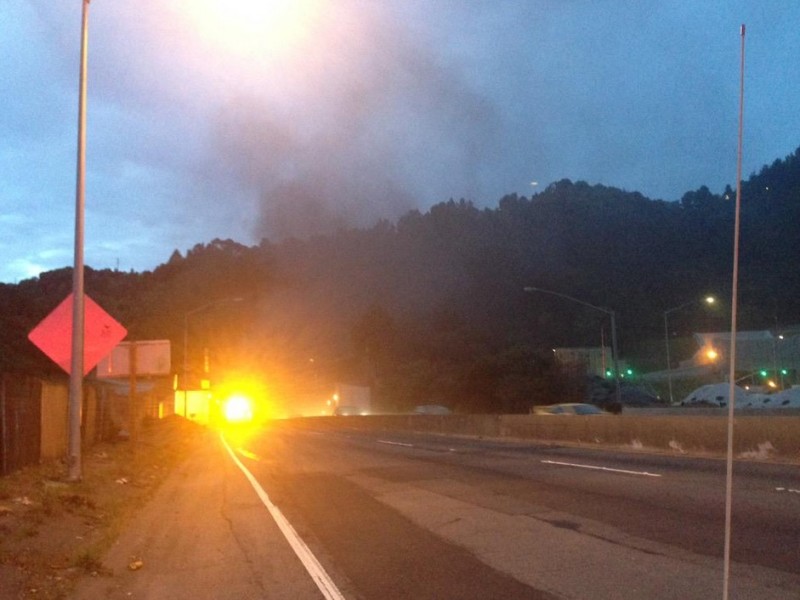
"caption": "Fire lights up the mouth of an eastbound bore of the Caldecott Tunnel early Monday morning. ",
"description": "Fire lights up the mouth of an eastbound bore of the Caldecott Tunnel early Monday morning, March 16, 2015.",
"title": "Caldecott Tunnel-Fire",
"credit": "California Highway Patrol via Twitter",
"status": "inherit",
"isLoading": false,
"fetchFailed": false
}
},
"audioPlayerReducer": {
"postId": "stream_live",
"isPaused": true,
"isPlaying": false,
"pfsActive": false,
"pledgeModalIsOpen": true,
"playerDrawerIsOpen": false,
"liveAudioPlayStartedAt": 0,
"liveAudioPlayContext": ""
},
"authorsReducer": {
"byline_news_10494063": {
"type": "authors",
"id": "byline_news_10494063",
"meta": {
"override": true
},
"slug": "byline_news_10494063",
"name": "\u003cstrong>Avishay Artsy,\u003c/strong>\u003cbr />KCRW",
"isLoading": false
},
"byline_news_10483021": {
"type": "authors",
"id": "byline_news_10483021",
"meta": {
"override": true
},
"slug": "byline_news_10483021",
"name": "Bay City News",
"isLoading": false
},
"byline_news_10480524": {
"type": "authors",
"id": "byline_news_10480524",
"meta": {
"override": true
},
"slug": "byline_news_10480524",
"name": "Sam Sanders",
"isLoading": false
},
"lisapickoffwhite-2": {
"type": "authors",
"id": "199",
"meta": {
"index": "authors_1716337520",
"id": "199",
"found": true
},
"name": "Lisa Pickoff-White",
"firstName": "Lisa",
"lastName": "Pickoff-White",
"slug": "lisapickoffwhite-2",
"email": "lpickoffwhite@kqed.org",
"display_author_email": false,
"staff_mastheads": [
"news"
],
"title": "Data Journalist, Senior Producer",
"bio": "Lisa Pickoff-White is KQED's data reporter. Lisa specializes in simplifying complex topics and bringing them to life through compelling visuals, including photography and data visualizations. She previously has worked at the Center for Investigative Reporting and other national outlets. Her work has been honored with awards from the Online News Association, Investigative Reporters and Editors, the Society of Professional Journalists and SXSW Interactive. \u003cstrong> \u003c/strong>",
"avatar": "https://secure.gravatar.com/avatar/5513c5f3967df792aa65bee2501e84d6?s=600&d=blank&r=g",
"twitter": "pickoffwhite",
"facebook": null,
"instagram": null,
"linkedin": null,
"sites": [
{
"site": "",
"roles": [
"editor"
]
},
{
"site": "arts",
"roles": []
},
{
"site": "news",
"roles": [
"administrator"
]
},
{
"site": "about",
"roles": [
"editor"
]
},
{
"site": "stateofhealth",
"roles": [
"administrator"
]
},
{
"site": "science",
"roles": [
"editor"
]
},
{
"site": "quest",
"roles": [
"editor"
]
},
{
"site": "forum",
"roles": [
"editor"
]
}
],
"headData": {
"title": "Lisa Pickoff-White | KQED",
"description": "Data Journalist, Senior Producer",
"ogImgSrc": "https://secure.gravatar.com/avatar/5513c5f3967df792aa65bee2501e84d6?s=600&d=blank&r=g",
"twImgSrc": "https://secure.gravatar.com/avatar/5513c5f3967df792aa65bee2501e84d6?s=600&d=blank&r=g"
},
"isLoading": false,
"link": "/author/lisapickoffwhite-2"
},
"bgoebel": {
"type": "authors",
"id": "214",
"meta": {
"index": "authors_1716337520",
"id": "214",
"found": true
},
"name": "Bryan Goebel",
"firstName": "Bryan",
"lastName": "Goebel",
"slug": "bgoebel",
"email": "bgoebel@kqed.org",
"display_author_email": false,
"staff_mastheads": [],
"title": null,
"bio": "Bryan Goebel is a reporter focused on transportation and housing issues. He was previously the editor of Streetsblog San Francisco, and an anchor/editor at KCBS Radio. He's a lifelong Californian and has also worked at radio stations in Barstow, Redding and Sacramento.",
"avatar": "https://secure.gravatar.com/avatar/7fdd6b065bfe9a23a71bcfa80848df88?s=600&d=blank&r=g",
"twitter": "velobry",
"facebook": null,
"instagram": null,
"linkedin": null,
"sites": [
{
"site": "news",
"roles": [
"subscriber"
]
},
{
"site": "stateofhealth",
"roles": [
"subscriber"
]
}
],
"headData": {
"title": "Bryan Goebel | KQED",
"description": null,
"ogImgSrc": "https://secure.gravatar.com/avatar/7fdd6b065bfe9a23a71bcfa80848df88?s=600&d=blank&r=g",
"twImgSrc": "https://secure.gravatar.com/avatar/7fdd6b065bfe9a23a71bcfa80848df88?s=600&d=blank&r=g"
},
"isLoading": false,
"link": "/author/bgoebel"
},
"danbrekke": {
"type": "authors",
"id": "222",
"meta": {
"index": "authors_1716337520",
"id": "222",
"found": true
},
"name": "Dan Brekke",
"firstName": "Dan",
"lastName": "Brekke",
"slug": "danbrekke",
"email": "dbrekke@kqed.org",
"display_author_email": true,
"staff_mastheads": [
"news",
"science"
],
"title": "KQED Editor and Reporter",
"bio": "Dan Brekke is a reporter and editor for KQED News, responsible for coverage of topics ranging from California water issues to the Bay Area's transportation challenges. In a newsroom career that began in Chicago in 1972, Dan has worked for \u003cem>The San Francisco Examiner,\u003c/em> Wired and TechTV and has been published in The New York Times, The New York Times Magazine, Business 2.0, Salon and elsewhere.\r\n\r\nSince joining KQED in 2007, Dan has reported, edited and produced both radio and online features and breaking news pieces. He has shared as both editor and reporter in four Society of Professional Journalists Norcal Excellence in Journalism awards and one Edward R. Murrow regional award. He was chosen for a spring 2017 residency at the Mesa Refuge to advance his research on California salmon.\r\n\r\nEmail Dan at: \u003ca href=\"mailto:dbrekke@kqed.org\">dbrekke@kqed.org\u003c/a>\r\n\r\n\u003cstrong>Twitter:\u003c/strong> \u003ca href=\"https://twitter.com/danbrekke\" rel=\"noopener noreferrer\">twitter.com/danbrekke\u003c/a>\r\n\u003cstrong>Facebook:\u003c/strong> \u003ca href=\"https://www.facebook.com/danbrekke\" rel=\"noopener noreferrer\">www.facebook.com/danbrekke\u003c/a>\r\n\u003cstrong>LinkedIn:\u003c/strong> \u003ca href=\"https://www.linkedin.com/in/danbrekke\" rel=\"noopener noreferrer\">www.linkedin.com/in/danbrekke\u003c/a>",
"avatar": "https://secure.gravatar.com/avatar/8f1f0d2a978fb3b23426c922c7e2af558fa36905b49c4ce76a97dc3c72d27226?s=600&d=mm&r=g",
"twitter": "danbrekke",
"bluesky": null,
"facebook": null,
"instagram": "https://www.instagram.com/dan.brekke/",
"linkedin": "https://www.linkedin.com/in/danbrekke/",
"sites": [
{
"site": "news",
"roles": [
"administrator",
"create_posts"
]
},
{
"site": "stateofhealth",
"roles": [
"editor"
]
},
{
"site": "science",
"roles": [
"editor"
]
},
{
"site": "quest",
"roles": [
"contributor"
]
},
{
"site": "food",
"roles": [
"contributor"
]
},
{
"site": "forum",
"roles": [
"contributor"
]
},
{
"site": "elections",
"roles": [
"editor"
]
},
{
"site": "liveblog",
"roles": [
"editor"
]
}
],
"headData": {
"title": "Dan Brekke | KQED",
"description": "KQED Editor and Reporter",
"ogImgSrc": "https://secure.gravatar.com/avatar/8f1f0d2a978fb3b23426c922c7e2af558fa36905b49c4ce76a97dc3c72d27226?s=600&d=mm&r=g",
"twImgSrc": "https://secure.gravatar.com/avatar/8f1f0d2a978fb3b23426c922c7e2af558fa36905b49c4ce76a97dc3c72d27226?s=600&d=mm&r=g"
},
"isLoading": false,
"link": "/author/danbrekke"
},
"patyollin": {
"type": "authors",
"id": "247",
"meta": {
"index": "authors_1716337520",
"id": "247",
"found": true
},
"name": "Patricia Yollin",
"firstName": "Patricia",
"lastName": "Yollin",
"slug": "patyollin",
"email": "pyollin@kqed.org",
"display_author_email": false,
"staff_mastheads": [],
"title": "KQED Contributor",
"bio": "Pat Yollin has written about lots of stuff, including organ transplants, wayward penguins at the San Francisco Zoo, the comeback of the cream puff, New York on the fifth anniversary of 9/11, a Slow Food gathering in Italy, and the microcredit movement in Northern California. Among her favorite stories: an interview with George Lucas at Skywalker Ranch that broke the story about his plan to build a cultural museum, and a pirate Trader Joe's operation in Vancouver that prompted the grocery chain to sue -- and lose. She joined KQED in 2013 and was previously a reporter and editor at the San Francisco Chronicle, the Hearst-owned San Francisco Examiner and the Hayward Daily Review.",
"avatar": "https://secure.gravatar.com/avatar/0a18ac41a263665c04b25b2c7d6b817c?s=600&d=blank&r=g",
"twitter": null,
"facebook": null,
"instagram": null,
"linkedin": null,
"sites": [
{
"site": "arts",
"roles": [
"subscriber"
]
},
{
"site": "news",
"roles": [
"subscriber"
]
},
{
"site": "futureofyou",
"roles": [
"editor"
]
},
{
"site": "lowdown",
"roles": [
"editor"
]
},
{
"site": "stateofhealth",
"roles": [
"editor"
]
}
],
"headData": {
"title": "Patricia Yollin | KQED",
"description": "KQED Contributor",
"ogImgSrc": "https://secure.gravatar.com/avatar/0a18ac41a263665c04b25b2c7d6b817c?s=600&d=blank&r=g",
"twImgSrc": "https://secure.gravatar.com/avatar/0a18ac41a263665c04b25b2c7d6b817c?s=600&d=blank&r=g"
},
"isLoading": false,
"link": "/author/patyollin"
},
"samharnett": {
"type": "authors",
"id": "253",
"meta": {
"index": "authors_1716337520",
"id": "253",
"found": true
},
"name": "Sam Harnett",
"firstName": "Sam",
"lastName": "Harnett",
"slug": "samharnett",
"email": "samharnett@gmail.com",
"display_author_email": false,
"staff_mastheads": [],
"title": "KQED Contributor",
"bio": "Sam Harnett covered tech and work at KQED. He is the co-creator of \u003cem>\u003ca href=\"http://www.theworldaccordingtosound.org\">The World According to Sound\u003c/a>,\u003c/em> a 90-second podcast that features different sounds and the stories behind them.\r\n\r\nBefore coming to KQED, Sam worked as an independent reporter who contributed regularly to \u003cem>The California Report, Marketplace,\u003c/em> \u003cem>The World \u003c/em>and NPR.",
"avatar": "https://secure.gravatar.com/avatar/2538b972ac02f2b9546c7a6c59a0f3d0?s=600&d=blank&r=g",
"twitter": "Samwharnett",
"facebook": null,
"instagram": null,
"linkedin": null,
"sites": [
{
"site": "news",
"roles": [
"edit_others_posts",
"subscriber"
]
},
{
"site": "stateofhealth",
"roles": [
"author"
]
},
{
"site": "science",
"roles": [
"editor"
]
},
{
"site": "quest",
"roles": [
"subscriber"
]
}
],
"headData": {
"title": "Sam Harnett | KQED",
"description": "KQED Contributor",
"ogImgSrc": "https://secure.gravatar.com/avatar/2538b972ac02f2b9546c7a6c59a0f3d0?s=600&d=blank&r=g",
"twImgSrc": "https://secure.gravatar.com/avatar/2538b972ac02f2b9546c7a6c59a0f3d0?s=600&d=blank&r=g"
},
"isLoading": false,
"link": "/author/samharnett"
},
"aemslie": {
"type": "authors",
"id": "3206",
"meta": {
"index": "authors_1716337520",
"id": "3206",
"found": true
},
"name": "Alex Emslie",
"firstName": "Alex",
"lastName": "Emslie",
"slug": "aemslie",
"email": "aemslie@kqed.org",
"display_author_email": true,
"staff_mastheads": [
"news"
],
"title": "KQED Senior Editor",
"bio": "Alex Emslie is senior editor of talent and development at KQED, where he manages dozens of early career journalists and oversees news department internships.\r\n\r\nHe is a former carpenter and proud graduate of City College of San Francisco and San Francisco State University, where he studied journalism and criminal justice before joining KQED in 2013.\r\n\r\nAlex produced investigative journalism focused on \u003ca href=\"https://www.kqed.org/news/11667594/the-trials-of-marvin-mutch-video\">criminal justice\u003c/a> and policing for most of a decade. He has broken major stories about \u003ca href=\"https://www.kqed.org/news/135682/amid-a-series-of-vallejo-police-shootings-one-officers-name-stands-out\">police use of deadly force\u003c/a>, \u003ca href=\"https://www.kqed.org/news/10454955/racist-texts-prompt-sfpd-internal-investigation\">officer misconduct\u003c/a> and \u003ca href=\"https://www.kqed.org/news/11712239/terrorist-or-troll-judge-to-weigh-whether-oakland-man-really-intended-to-attack-bay-area\">other\u003c/a> \u003ca href=\"https://www.kqed.org/news/11221414/hayward-paid-159000-to-husband-of-retired-police-chief-documents-show\">high\u003c/a>-\u003ca href=\"https://www.kqed.org/news/10622762/the-forgotten-tracking-two-homicides-in-san-francisco-public-housing\">profile\u003c/a> \u003ca href=\"https://www.kqed.org/news/11624516/federal-agency-promoted-ranger-just-months-after-his-gun-was-stolen-and-used-in-steinle-killing\">cases\u003c/a>. He co-founded the \u003ca href=\"https://projects.scpr.org/california-reporting-project/\">California Reporting Project\u003c/a> in 2019 to obtain and report on previously confidential police internal investigations. The effort produced well over 100 original stories and changed the course of multiple criminal cases.\r\n\r\nHis work has been recognized with numerous journalism awards, including a national Edward R. Murrow award for several years of \u003ca href=\"https://www.kqed.org/news/11688481/sfpd-officers-in-mario-woods-case-recount-shooting-in-newly-filed-depositions\">reporting\u003c/a> on the San Francisco Police shooting of Mario Woods. His \u003ca href=\"https://www.kqed.org/news/147854/half-of-those-killed-by-san-francisco-police-are-mentally-ill\">reporting\u003c/a> on police killings of people in psychiatric crisis was cited in amicus briefs before the U.S. Supreme Court.\r\n\r\nAlex now enjoys mentoring the next generation of journalists at KQED.",
"avatar": "https://secure.gravatar.com/avatar/e691e65209f20e9da202bd730ead5663?s=600&d=blank&r=g",
"twitter": "SFNewsReporter",
"facebook": null,
"instagram": null,
"linkedin": null,
"sites": [
{
"site": "arts",
"roles": [
"editor"
]
},
{
"site": "news",
"roles": [
"editor"
]
},
{
"site": "mindshift",
"roles": [
"editor"
]
},
{
"site": "stateofhealth",
"roles": [
"editor"
]
},
{
"site": "science",
"roles": [
"administrator"
]
}
],
"headData": {
"title": "Alex Emslie | KQED",
"description": "KQED Senior Editor",
"ogImgSrc": "https://secure.gravatar.com/avatar/e691e65209f20e9da202bd730ead5663?s=600&d=blank&r=g",
"twImgSrc": "https://secure.gravatar.com/avatar/e691e65209f20e9da202bd730ead5663?s=600&d=blank&r=g"
},
"isLoading": false,
"link": "/author/aemslie"
}
},
"pagesReducer": {
"news_category_transportation": {
"type": "terms",
"id": "news_1397",
"meta": {
"index": "terms_1716263798",
"site": "news",
"id": "1397",
"score": 12.940365
},
"featImg": null,
"name": "Transportation",
"description": null,
"taxonomy": "category",
"headData": {
"twImgId": null,
"twTitle": null,
"ogTitle": null,
"ogImgId": null,
"twDescription": null,
"description": null,
"title": "Transportation Archives | KQED News",
"ogDescription": null
},
"ttid": 1409,
"slug": "transportation",
"isLoading": false,
"title": "Transportation",
"pageMeta": {
"site": "news",
"WpPageTemplate": "page-topic-editorial",
"currentPage": 106
},
"blocks": [
{
"blockName": "kqed/post-list",
"attrs": {
"layout": "cardArticle2",
"query": "posts/news?category=transportation",
"seeMore": false,
"paginated": true,
"page": 106
}
},
{
"blockName": "kqed/ad"
}
]
}
},
"pfsSessionReducer": {},
"postsReducer": {
"stream_live": {
"type": "live",
"id": "stream_live",
"audioUrl": "https://streams.kqed.org/kqedradio",
"title": "Live Stream",
"excerpt": "Live Stream information currently unavailable.",
"link": "/radio",
"featImg": "",
"label": {
"name": "KQED Live",
"link": "/"
}
},
"stream_kqedNewscast": {
"type": "posts",
"id": "stream_kqedNewscast",
"audioUrl": "https://www.kqed.org/.stream/anon/radio/RDnews/newscast.mp3?_=1",
"title": "KQED Newscast",
"featImg": "",
"label": {
"name": "88.5 FM",
"link": "/"
}
},
"news_10506777": {
"type": "posts",
"id": "news_10506777",
"meta": {
"index": "posts_1716263798",
"site": "news",
"id": "10506777",
"score": null,
"sort": [
1430346234000
]
},
"parent": 0,
"labelTerm": {
"site": "news",
"term": 6944
},
"blocks": [],
"publishDate": 1430346234,
"format": "standard",
"disqusTitle": "BART Faces Big Investment Shortfall, State Auditor Says",
"title": "BART Faces Big Investment Shortfall, State Auditor Says",
"headTitle": "News Fix | KQED News",
"content": "\u003cp>BART needs money, and lots of it, to maintain and modernize the system amid an onslaught of new riders.\u003c/p>\n\u003cp>That's the less-than-shocking conclusion of a report by California's state auditor on the financial state of the transit agency as it hunts for funding for major capital projects, including: the purchase of 775 new train cars to replace rolling stock that goes back to the Nixon era; expanding its vehicle-maintenance facility; and replacing its central train control system.\u003c/p>\n\u003cp>More specifically, the audit, released Tuesday (and \u003ca href=\"#bartaudit\">embedded below\u003c/a>) shows that BART will face continuous challenges in paying for about $9.6 billion in capital projects, including approximately:\u003c/p>\n\u003cul>\n\u003cli>$2.5 billion for its new car acquisitions\u003c/li>\n\u003cli>$1 billion for a new train control system\u003c/li>\n\u003cli>$450 million for a new maintenance facility in Hayward\u003c/li>\n\u003cli>$5.5 billion for station upgrades, earthquake retrofits and other projects\u003c/li>\n\u003c/ul>\n\u003cp>BART says it has only a vague idea, so far, where it will get the money for about half of that $9.6 billion total in capital improvements.\u003c/p>\n\u003cp>How might BART pay for these projects? Or more to the point, \u003cem>who\u003c/em> will pay?\u003c/p>\n\u003cp>[ad fullwidth]\u003c/p>\n\u003cp>BART has already managed to secure funds for some of its big projects -- nailing down commitments for $2 billion for its 775 new rail cars, for instance. Those funds will come from a variety of sources: federal transportation funding dispensed by the Metropolitan Transportation Commission, bridge tolls, California high-speed rail bond proceeds (BART qualifies, because it's expected to tie into any future bullet-train network the state builds), and money from the state's cap-and-trade program, set up to reduce emissions of greenhouse gases.\u003c/p>\n\u003cp>But even with all those funds promised -- \u003cem>promised\u003c/em>, not delivered -- BART would still have to find about $500 million to pay for the new rail cars. It faces similar challenges lining up money for its maintenance facility and for replacing its train control system, the latter being a project that would allow more trains to run on the system simultaneously.\u003c/p>\n\u003cp>So back to the \"who will pay?\" question. The answer is: most of us in the Bay Area, in some way or other.\u003c/p>\n\u003cp>\"After all, people who ride BART are part owners,\" BART spokesman Jim Allison told KQED's Peter Jon Shuler on Tuesday. \"So we're going to continue to seek help from the public.\"\u003c/p>\n\u003cp>What kind of help?\u003c/p>\n\u003cp>The agency's board has already adopted a schedule for future fare increases (you'll pay \u003ca href=\"http://www.sfgate.com/bayarea/article/BART-announces-rate-of-planned-2016-rate-increase-6185254.php\" target=\"_blank\">3.9 percent more\u003c/a> starting Jan. 1, 2016, with the next rise tentatively set for 2018).\u003c/p>\n\u003cp>Beyond that, BART's been talking about going to the ballot to try to secure new funding. Allison says that could happen in 2016 or 2018, though exactly what the agency would ask for -- for instance, a bond issue that would be paid for by an increase in property taxes or a sales-tax increase in the counties BART serves -- hasn't been decided.\u003c/p>\n\u003cp>Jeff Hobson, deputy director of transit advocacy group Transform, says that to make a credible argument to voters, BART needs to demonstrate the urgency of its needs and to show that it's been spending money wisely. Transform has been a consistent critic of BART -- for instance, questioning what it has described as the slow progress of upgrading its rolling stock and train control system.\u003c/p>\n\u003cp>One step BART could take in planning for the future, Hobson says, is to consider less expensive alternatives for future expansions.\u003c/p>\n\u003cp>\"BART needs to think of itself as a transit system instead of as a silver train,\" Hobson says. He points to the agency's plans to extend its rail service from its current Dublin-Pleasanton station to Livermore. A sales tax measure passed last year by Alameda County voters will raise hundreds of millions of dollars for that project, but Hobson says the agency should consider less costly alternatives -- such as an express bus service that could serve both the Interstate 580 and I-680 corridors.\u003c/p>\n\u003cp>But while BART \u003ca href=\"http://www.contracostatimes.com/daniel-borenstein/ci_27929716/daniel-borenstein-bart-looking-2016-voters-property-tax\" target=\"_blank\">continues to face criticism\u003c/a> for granting significant wage increases to union workers after two strikes in 2013, Hobson says the auditor's report may help the agency's cause.\u003c/p>\n\u003cp>The audit finds that BART has done a credible job of projecting its future fiscal needs and that its projections for coming years are at least plausible.\u003c/p>\n\u003cp>\"They need to be able to say, 'We've been using our money responsibly.' That's always the most important thing when approaching the voters,\" Hobson says. \"And they have to say, 'Look at the needs we have.'\"\u003c/p>\n\u003cp>And the needs, in more human terms than budget figures convey, include a system that will be more and more crowded in coming decades. BART's ridership has increased about 25 percent in the last five years, to more than 400,000 trips on the average weekday. BART has projected that figure could increase to more than 800,000 by 2040.\u003c/p>\n\u003cp>\u003c/p>\n\u003cp>\u003ca id=\"bartaudit\">\u003c/a>\u003cbr>\n\u003c!-- iframe plugin v.4.3 wordpress.org/plugins/iframe/ -->\u003cbr>\n\u003ciframe class=\"scribd_iframe_embed\" src=\"https://www.scribd.com/embeds/263550397/content?start_page=1&view_mode=scroll&show_recommendations=true\" data-auto-height=\"false\" data-aspect-ratio=\"undefined\" scrolling=\"no\" id=\"doc_25180\" width=\"100%\" height=\"600\" frameborder=\"0\">\u003c/iframe>\u003c/p>\n\n",
"disqusIdentifier": "10506777 http://ww2.kqed.org/news/?p=10506777",
"disqusUrl": "https://ww2.kqed.org/news/2015/04/29/bart-faces-big-investment-shortfall-state-auditor-says/",
"stats": {
"hasVideo": false,
"hasChartOrMap": false,
"hasAudio": false,
"hasPolis": false,
"wordCount": 825,
"hasGoogleForm": false,
"hasGallery": false,
"hasHearkenModule": false,
"iframeSrcs": [],
"paragraphCount": 22
},
"modified": 1430409336,
"excerpt": "Study of agency's financial needs finds serious challenges to funding for planned capital projects. ",
"headData": {
"twImgId": "",
"twTitle": "",
"ogTitle": "",
"ogImgId": "",
"twDescription": "",
"description": "Study of agency's financial needs finds serious challenges to funding for planned capital projects. ",
"title": "BART Faces Big Investment Shortfall, State Auditor Says | KQED",
"ogDescription": "",
"schema": {
"@context": "https://schema.org",
"@type": "NewsArticle",
"headline": "BART Faces Big Investment Shortfall, State Auditor Says",
"datePublished": "2015-04-29T15:23:54-07:00",
"dateModified": "2015-04-30T08:55:36-07:00",
"image": "https://cdn.kqed.org/wp-content/uploads/2020/02/KQED-OG-Image@1x.png",
"isAccessibleForFree": "True",
"publisher": {
"@type": "NewsMediaOrganization",
"@id": "https://www.kqed.org/#organization",
"name": "KQED",
"logo": "https://cdn.kqed.org/wp-content/uploads/2020/02/KQED-OG-Image@1x.png",
"url": "https://www.kqed.org",
"sameAs": [
"https://www.facebook.com/KQED",
"https://twitter.com/KQED",
"https://www.instagram.com/kqed/",
"https://www.tiktok.com/@kqedofficial",
"https://www.linkedin.com/company/kqed",
"https://www.youtube.com/channel/UCeC0IOo7i1P_61zVUWbJ4nw"
]
}
}
},
"guestAuthors": [],
"slug": "bart-faces-big-investment-shortfall-state-auditor-says",
"status": "publish",
"path": "/news/10506777/bart-faces-big-investment-shortfall-state-auditor-says",
"audioTrackLength": null,
"parsedContent": [
{
"type": "contentString",
"content": "\u003cdiv class=\"post-body\">\u003cp>\u003cp>BART needs money, and lots of it, to maintain and modernize the system amid an onslaught of new riders.\u003c/p>\n\u003cp>That's the less-than-shocking conclusion of a report by California's state auditor on the financial state of the transit agency as it hunts for funding for major capital projects, including: the purchase of 775 new train cars to replace rolling stock that goes back to the Nixon era; expanding its vehicle-maintenance facility; and replacing its central train control system.\u003c/p>\n\u003cp>More specifically, the audit, released Tuesday (and \u003ca href=\"#bartaudit\">embedded below\u003c/a>) shows that BART will face continuous challenges in paying for about $9.6 billion in capital projects, including approximately:\u003c/p>\n\u003cul>\n\u003cli>$2.5 billion for its new car acquisitions\u003c/li>\n\u003cli>$1 billion for a new train control system\u003c/li>\n\u003cli>$450 million for a new maintenance facility in Hayward\u003c/li>\n\u003cli>$5.5 billion for station upgrades, earthquake retrofits and other projects\u003c/li>\n\u003c/ul>\n\u003cp>BART says it has only a vague idea, so far, where it will get the money for about half of that $9.6 billion total in capital improvements.\u003c/p>\n\u003cp>How might BART pay for these projects? Or more to the point, \u003cem>who\u003c/em> will pay?\u003c/p>\n\u003cp>\u003c/p>\u003c/div>",
"attributes": {
"named": {},
"numeric": []
}
},
{
"type": "component",
"content": "",
"name": "ad",
"attributes": {
"named": {
"label": "fullwidth"
},
"numeric": [
"fullwidth"
]
}
},
{
"type": "contentString",
"content": "\u003cdiv class=\"post-body\">\u003cp>\u003c/p>\n\u003cp>BART has already managed to secure funds for some of its big projects -- nailing down commitments for $2 billion for its 775 new rail cars, for instance. Those funds will come from a variety of sources: federal transportation funding dispensed by the Metropolitan Transportation Commission, bridge tolls, California high-speed rail bond proceeds (BART qualifies, because it's expected to tie into any future bullet-train network the state builds), and money from the state's cap-and-trade program, set up to reduce emissions of greenhouse gases.\u003c/p>\n\u003cp>But even with all those funds promised -- \u003cem>promised\u003c/em>, not delivered -- BART would still have to find about $500 million to pay for the new rail cars. It faces similar challenges lining up money for its maintenance facility and for replacing its train control system, the latter being a project that would allow more trains to run on the system simultaneously.\u003c/p>\n\u003cp>So back to the \"who will pay?\" question. The answer is: most of us in the Bay Area, in some way or other.\u003c/p>\n\u003cp>\"After all, people who ride BART are part owners,\" BART spokesman Jim Allison told KQED's Peter Jon Shuler on Tuesday. \"So we're going to continue to seek help from the public.\"\u003c/p>\n\u003cp>What kind of help?\u003c/p>\n\u003cp>The agency's board has already adopted a schedule for future fare increases (you'll pay \u003ca href=\"http://www.sfgate.com/bayarea/article/BART-announces-rate-of-planned-2016-rate-increase-6185254.php\" target=\"_blank\">3.9 percent more\u003c/a> starting Jan. 1, 2016, with the next rise tentatively set for 2018).\u003c/p>\n\u003cp>Beyond that, BART's been talking about going to the ballot to try to secure new funding. Allison says that could happen in 2016 or 2018, though exactly what the agency would ask for -- for instance, a bond issue that would be paid for by an increase in property taxes or a sales-tax increase in the counties BART serves -- hasn't been decided.\u003c/p>\n\u003cp>Jeff Hobson, deputy director of transit advocacy group Transform, says that to make a credible argument to voters, BART needs to demonstrate the urgency of its needs and to show that it's been spending money wisely. Transform has been a consistent critic of BART -- for instance, questioning what it has described as the slow progress of upgrading its rolling stock and train control system.\u003c/p>\n\u003cp>One step BART could take in planning for the future, Hobson says, is to consider less expensive alternatives for future expansions.\u003c/p>\n\u003cp>\"BART needs to think of itself as a transit system instead of as a silver train,\" Hobson says. He points to the agency's plans to extend its rail service from its current Dublin-Pleasanton station to Livermore. A sales tax measure passed last year by Alameda County voters will raise hundreds of millions of dollars for that project, but Hobson says the agency should consider less costly alternatives -- such as an express bus service that could serve both the Interstate 580 and I-680 corridors.\u003c/p>\n\u003cp>But while BART \u003ca href=\"http://www.contracostatimes.com/daniel-borenstein/ci_27929716/daniel-borenstein-bart-looking-2016-voters-property-tax\" target=\"_blank\">continues to face criticism\u003c/a> for granting significant wage increases to union workers after two strikes in 2013, Hobson says the auditor's report may help the agency's cause.\u003c/p>\n\u003cp>The audit finds that BART has done a credible job of projecting its future fiscal needs and that its projections for coming years are at least plausible.\u003c/p>\n\u003cp>\"They need to be able to say, 'We've been using our money responsibly.' That's always the most important thing when approaching the voters,\" Hobson says. \"And they have to say, 'Look at the needs we have.'\"\u003c/p>\n\u003cp>And the needs, in more human terms than budget figures convey, include a system that will be more and more crowded in coming decades. BART's ridership has increased about 25 percent in the last five years, to more than 400,000 trips on the average weekday. BART has projected that figure could increase to more than 800,000 by 2040.\u003c/p>\n\u003cp>\u003c/p>\n\u003cp>\u003ca id=\"bartaudit\">\u003c/a>\u003cbr>\n\u003c!-- iframe plugin v.4.3 wordpress.org/plugins/iframe/ -->\u003cbr>\n\u003ciframe class=\"scribd_iframe_embed\" src=\"https://www.scribd.com/embeds/263550397/content?start_page=1&view_mode=scroll&show_recommendations=true\" data-auto-height=\"false\" data-aspect-ratio=\"undefined\" scrolling=\"no\" id=\"doc_25180\" width=\"100%\" height=\"600\" frameborder=\"0\">\u003c/iframe>\u003c/p>\n\n\u003c/div>\u003c/p>",
"attributes": {
"named": {},
"numeric": []
}
}
],
"link": "/news/10506777/bart-faces-big-investment-shortfall-state-auditor-says",
"authors": [
"222"
],
"programs": [
"news_6944"
],
"categories": [
"news_8",
"news_1397"
],
"tags": [
"news_269"
],
"featImg": "news_10489894",
"label": "news_6944"
},
"news_10499074": {
"type": "posts",
"id": "news_10499074",
"meta": {
"index": "posts_1716263798",
"site": "news",
"id": "10499074",
"score": null,
"sort": [
1429887613000
]
},
"parent": 0,
"labelTerm": {
"site": "news",
"term": 6944
},
"blocks": [],
"publishDate": 1429887613,
"format": "standard",
"disqusTitle": "One Uber Driver's Story: How He Was Trapped by Auto-Loan Program",
"title": "One Uber Driver's Story: How He Was Trapped by Auto-Loan Program",
"headTitle": "News Fix | KQED News",
"content": "\u003cp>Richard Brunelle says he feels trapped. He says he has to drive for Uber.\u003c/p>\n\u003cp>The San Leandro man needs to make money for car payments. His 48-month loan is costing him $1,000 a month and has a 22.75 percent interest rate. He says he got into this mess through a vehicle financing program Uber created for drivers with poor or nonexistent credit.\u003c/p>\n\u003cp>https://www.kqed.org/.stream/anon/radio/RDnews/2019/01/HarnettUberAutoLoan42415.mp3\u003c/p>\n\u003cp>Since November 2013, Uber has been \u003ca href=\"https://blog.uber.com/financing100000entrepreneurs\">signing up drivers\u003c/a> without cars or the credit to get one. The ride-service company connects drivers with car dealerships and a variety of lenders, some of which specialize in subprime auto loans. It promises to get them a car in less than a week.\u003c/p>\n\u003cp>The promotional video for the program says: “Everyone deserves to have a success story. Let Uber be part of yours.”\u003c/p>\n\u003cp>[ad fullwidth]\u003c/p>\n\u003cp>Uber says it created the financing program after hearing from potential drivers that they couldn't get cars. It has not released data on exactly how many drivers have used the program, but Uber says thousands have signed up.\u003c/p>\n\u003cp>Here's Uber's pitch for why banks should give loans to people with no credit: Its drivers are a safe bet regardless of their credit scores because they have a steady source of income -- the money they make driving. Economist William Black says that's faulty logic.\u003c/p>\n\u003cp>Black is a former bank regulator who researches and writes on subprime auto loans. He says it's risky to give these loans to people with poor credit. In the case of Uber drivers, Black says, all kinds of things could go wrong and prevent them from making the high-interest car payments.\u003c/p>\n\u003cp>For instance, driver income could change overnight if Uber decides to cut its rates, which it has done repeatedly. Drivers could get sick or injured. If they don't have savings, which many people with poor credit do not, drivers won't be able to make the payments and the car could get repossessed.\u003c/p>\n\u003caside class=\"pullquote alignright\">'The bottom line is, you need to underwrite these individuals.'\u003ccite>Economist William Black\u003c/cite>\u003c/aside>\n\u003cp>The “bottom line is, you need to underwrite these individuals,” Black says. In other words, the drivers should have co-signers for the loans. And they don't.\u003c/p>\n\u003cp>Instead, Uber is working with lenders such as Santander Consumer USA, the American consumer finance unit of a Spanish banking group. The subsidiary has a \u003ca href=\"http://dealbook.nytimes.com/2014/08/07/santander-consumer-gets-subpoena-in-subprime-inquiry/?_r=0\">history of regulatory problems\u003c/a>. These lenders make subprime auto loans, charging high interest rates to people with no credit or bad credit.\u003c/p>\n\u003cp>Brunelle, 58, started driving for Uber last August. He thought it would be a nice retirement job after working in the Navy, in a prison, in construction and as a truck driver. But Brunelle didn't have a car -- he rode a motorcycle -- and he says he had no credit because he'd always avoided credit cards. His wife told him about Uber's financing program and he decided to give it a try.\u003c/p>\n\u003cp>Uber connected Brunelle to a dealership and lender. Things did not go smoothly from there.\u003c/p>\n\u003cp>Brunelle says the dealer sold him a car that didn't qualify for the discount Uber promises as part of the financial package. He says the dealer also quoted him a different rate verbally than the rate on the paperwork he signed.\u003c/p>\n\u003caside class=\"pullquote alignleft\">'This loan is like a ball and chain.'\u003ccite>Driver Richard Brunelle\u003c/cite>\u003c/aside>\n\u003cp>When Brunelle got home, he realized he had signed a loan with a 22.75 percent interest rate. That means he will end up paying around $49,000 on a Kia Optima that normally retails for about $25,000.\u003c/p>\n\u003cp>“I tried to refinance this car last week and there's just too much overhead on the car right now that I can't get a re-fi on it,\" Brunelle says.\u003c/p>\n\u003cp>The dealer won't take the car back and Uber won't help him try to sort this out, says Brunelle. Now the loan is “like a ball and chain,\" he says.\u003c/p>\n\u003cp>He says the financing program is just a scheme to get more drivers on the road so that Uber can make more profits. He says, “I feel like Uber not only tossed us to these wolves, but they intentionally did it and they are making bank on it.”\u003c/p>\n\u003cfigure id=\"attachment_10499114\" class=\"wp-caption alignright\" style=\"max-width: 371px\">\u003ca href=\"http://ww2.kqed.org/news/wp-content/uploads/sites/10/2015/04/RS14894_IMG_2862.JPG-qut-e1429730381768.jpg\">\u003cimg class=\"wp-image-10499114\" src=\"http://ww2.kqed.org/news/wp-content/uploads/sites/10/2015/04/RS14894_IMG_2862.JPG-qut-e1429730381768-800x1067.jpg\" alt=\"Richard Brunelle says he has to work most of the week just to cover his 22.75 percent interest car loan and driving expenses.\" width=\"371\" height=\"495\" srcset=\"https://ww2.kqed.org/app/uploads/sites/10/2015/04/RS14894_IMG_2862.JPG-qut-e1429730381768-800x1067.jpg 800w, https://ww2.kqed.org/app/uploads/sites/10/2015/04/RS14894_IMG_2862.JPG-qut-e1429730381768-400x533.jpg 400w, https://ww2.kqed.org/app/uploads/sites/10/2015/04/RS14894_IMG_2862.JPG-qut-e1429730381768.jpg 1440w, https://ww2.kqed.org/app/uploads/sites/10/2015/04/RS14894_IMG_2862.JPG-qut-e1429730381768-1180x1573.jpg 1180w, https://ww2.kqed.org/app/uploads/sites/10/2015/04/RS14894_IMG_2862.JPG-qut-e1429730381768-960x1280.jpg 960w\" sizes=\"(max-width: 371px) 100vw, 371px\">\u003c/a>\u003cfigcaption class=\"wp-caption-text\">Richard Brunelle says he has to work most of the week just to cover his 22.75 percent interest car loan and driving expenses. \u003ccite>(Sam Harnett/KQED)\u003c/cite>\u003c/figcaption>\u003c/figure>\n\u003cp>In a written statement, Uber says it is proud of the program, and that it helps people get cars who normally couldn't.\u003c/p>\n\u003cp>Uber adds “that the agreement is between the driver and the lender -- rates are determined by the lender and the purchaser must agree to the rates.”\u003c/p>\n\u003cp>In other words, drivers are on their own when it comes to finalizing the financial deal.\u003c/p>\n\u003cp>As far as Brunelle's specific situation, Uber says: \"We provide drivers with a list of specific cars where an Uber discount applies, and the Kia Optima is \u003cspan style=\"text-decoration: underline\">not\u003c/span> on the list. However, drivers are free to choose whatever car they’d like.\"\u003c/p>\n\u003cp>The company says drivers should be able to make the loan payments for these cars by working 10 hours a week. But Brunelle says that math doesn't work out.\u003c/p>\n\u003cp>After Uber cut drivers' rates again last fall, Brunelle says he's working most of the week just to cover his loan payments and driving expenses. He's working just to break even.\u003c/p>\n\u003cp>\u003c/p>\n\u003cp>Now he is posting on forums, warning other drivers not to take the financing. Otherwise, he says, they could end up trapped like him.\u003c/p>\n\n",
"disqusIdentifier": "10499074 http://ww2.kqed.org/news/?p=10499074",
"disqusUrl": "https://ww2.kqed.org/news/2015/04/24/one-uber-drivers-story-how-he-was-trapped-by-auto-loan-program/",
"stats": {
"hasVideo": false,
"hasChartOrMap": false,
"hasAudio": true,
"hasPolis": false,
"wordCount": 966,
"hasGoogleForm": false,
"hasGallery": false,
"hasHearkenModule": false,
"iframeSrcs": [],
"paragraphCount": 26
},
"modified": 1547510722,
"excerpt": "Ride-service firm's vehicle financing program often relies on subprime loans with high interest rates.",
"headData": {
"twImgId": "",
"twTitle": "",
"ogTitle": "",
"ogImgId": "",
"twDescription": "",
"description": "Ride-service firm's vehicle financing program often relies on subprime loans with high interest rates.",
"title": "One Uber Driver's Story: How He Was Trapped by Auto-Loan Program | KQED",
"ogDescription": "",
"schema": {
"@context": "https://schema.org",
"@type": "NewsArticle",
"headline": "One Uber Driver's Story: How He Was Trapped by Auto-Loan Program",
"datePublished": "2015-04-24T08:00:13-07:00",
"dateModified": "2019-01-14T16:05:22-08:00",
"image": "https://cdn.kqed.org/wp-content/uploads/2020/02/KQED-OG-Image@1x.png",
"isAccessibleForFree": "True",
"publisher": {
"@type": "NewsMediaOrganization",
"@id": "https://www.kqed.org/#organization",
"name": "KQED",
"logo": "https://cdn.kqed.org/wp-content/uploads/2020/02/KQED-OG-Image@1x.png",
"url": "https://www.kqed.org",
"sameAs": [
"https://www.facebook.com/KQED",
"https://twitter.com/KQED",
"https://www.instagram.com/kqed/",
"https://www.tiktok.com/@kqedofficial",
"https://www.linkedin.com/company/kqed",
"https://www.youtube.com/channel/UCeC0IOo7i1P_61zVUWbJ4nw"
]
}
}
},
"guestAuthors": [],
"slug": "one-uber-drivers-story-how-he-was-trapped-by-auto-loan-program",
"status": "publish",
"path": "/news/10499074/one-uber-drivers-story-how-he-was-trapped-by-auto-loan-program",
"audioTrackLength": null,
"parsedContent": [
{
"type": "contentString",
"content": "\u003cdiv class=\"post-body\">\u003cp>\u003cp>Richard Brunelle says he feels trapped. He says he has to drive for Uber.\u003c/p>\n\u003cp>The San Leandro man needs to make money for car payments. His 48-month loan is costing him $1,000 a month and has a 22.75 percent interest rate. He says he got into this mess through a vehicle financing program Uber created for drivers with poor or nonexistent credit.\u003c/p>\u003c/p>\u003c/div>",
"attributes": {
"named": {},
"numeric": []
}
},
{
"type": "component",
"content": "",
"name": "audioLink",
"attributes": {
"named": {
"src": "https://www.kqed.org/.stream/anon/radio/RDnews/2019/01/HarnettUberAutoLoan42415.mp3"
},
"numeric": []
}
},
{
"type": "contentString",
"content": "\u003cdiv class=\"post-body\">\u003cp>\u003cp>Since November 2013, Uber has been \u003ca href=\"https://blog.uber.com/financing100000entrepreneurs\">signing up drivers\u003c/a> without cars or the credit to get one. The ride-service company connects drivers with car dealerships and a variety of lenders, some of which specialize in subprime auto loans. It promises to get them a car in less than a week.\u003c/p>\n\u003cp>The promotional video for the program says: “Everyone deserves to have a success story. Let Uber be part of yours.”\u003c/p>\n\u003cp>\u003c/p>\u003c/div>",
"attributes": {
"named": {},
"numeric": []
}
},
{
"type": "component",
"content": "",
"name": "ad",
"attributes": {
"named": {
"label": "fullwidth"
},
"numeric": [
"fullwidth"
]
}
},
{
"type": "contentString",
"content": "\u003cdiv class=\"post-body\">\u003cp>\u003c/p>\n\u003cp>Uber says it created the financing program after hearing from potential drivers that they couldn't get cars. It has not released data on exactly how many drivers have used the program, but Uber says thousands have signed up.\u003c/p>\n\u003cp>Here's Uber's pitch for why banks should give loans to people with no credit: Its drivers are a safe bet regardless of their credit scores because they have a steady source of income -- the money they make driving. Economist William Black says that's faulty logic.\u003c/p>\n\u003cp>Black is a former bank regulator who researches and writes on subprime auto loans. He says it's risky to give these loans to people with poor credit. In the case of Uber drivers, Black says, all kinds of things could go wrong and prevent them from making the high-interest car payments.\u003c/p>\n\u003cp>For instance, driver income could change overnight if Uber decides to cut its rates, which it has done repeatedly. Drivers could get sick or injured. If they don't have savings, which many people with poor credit do not, drivers won't be able to make the payments and the car could get repossessed.\u003c/p>\n\u003caside class=\"pullquote alignright\">'The bottom line is, you need to underwrite these individuals.'\u003ccite>Economist William Black\u003c/cite>\u003c/aside>\n\u003cp>The “bottom line is, you need to underwrite these individuals,” Black says. In other words, the drivers should have co-signers for the loans. And they don't.\u003c/p>\n\u003cp>Instead, Uber is working with lenders such as Santander Consumer USA, the American consumer finance unit of a Spanish banking group. The subsidiary has a \u003ca href=\"http://dealbook.nytimes.com/2014/08/07/santander-consumer-gets-subpoena-in-subprime-inquiry/?_r=0\">history of regulatory problems\u003c/a>. These lenders make subprime auto loans, charging high interest rates to people with no credit or bad credit.\u003c/p>\n\u003cp>Brunelle, 58, started driving for Uber last August. He thought it would be a nice retirement job after working in the Navy, in a prison, in construction and as a truck driver. But Brunelle didn't have a car -- he rode a motorcycle -- and he says he had no credit because he'd always avoided credit cards. His wife told him about Uber's financing program and he decided to give it a try.\u003c/p>\n\u003cp>Uber connected Brunelle to a dealership and lender. Things did not go smoothly from there.\u003c/p>\n\u003cp>Brunelle says the dealer sold him a car that didn't qualify for the discount Uber promises as part of the financial package. He says the dealer also quoted him a different rate verbally than the rate on the paperwork he signed.\u003c/p>\n\u003caside class=\"pullquote alignleft\">'This loan is like a ball and chain.'\u003ccite>Driver Richard Brunelle\u003c/cite>\u003c/aside>\n\u003cp>When Brunelle got home, he realized he had signed a loan with a 22.75 percent interest rate. That means he will end up paying around $49,000 on a Kia Optima that normally retails for about $25,000.\u003c/p>\n\u003cp>“I tried to refinance this car last week and there's just too much overhead on the car right now that I can't get a re-fi on it,\" Brunelle says.\u003c/p>\n\u003cp>The dealer won't take the car back and Uber won't help him try to sort this out, says Brunelle. Now the loan is “like a ball and chain,\" he says.\u003c/p>\n\u003cp>He says the financing program is just a scheme to get more drivers on the road so that Uber can make more profits. He says, “I feel like Uber not only tossed us to these wolves, but they intentionally did it and they are making bank on it.”\u003c/p>\n\u003cfigure id=\"attachment_10499114\" class=\"wp-caption alignright\" style=\"max-width: 371px\">\u003ca href=\"http://ww2.kqed.org/news/wp-content/uploads/sites/10/2015/04/RS14894_IMG_2862.JPG-qut-e1429730381768.jpg\">\u003cimg class=\"wp-image-10499114\" src=\"http://ww2.kqed.org/news/wp-content/uploads/sites/10/2015/04/RS14894_IMG_2862.JPG-qut-e1429730381768-800x1067.jpg\" alt=\"Richard Brunelle says he has to work most of the week just to cover his 22.75 percent interest car loan and driving expenses.\" width=\"371\" height=\"495\" srcset=\"https://ww2.kqed.org/app/uploads/sites/10/2015/04/RS14894_IMG_2862.JPG-qut-e1429730381768-800x1067.jpg 800w, https://ww2.kqed.org/app/uploads/sites/10/2015/04/RS14894_IMG_2862.JPG-qut-e1429730381768-400x533.jpg 400w, https://ww2.kqed.org/app/uploads/sites/10/2015/04/RS14894_IMG_2862.JPG-qut-e1429730381768.jpg 1440w, https://ww2.kqed.org/app/uploads/sites/10/2015/04/RS14894_IMG_2862.JPG-qut-e1429730381768-1180x1573.jpg 1180w, https://ww2.kqed.org/app/uploads/sites/10/2015/04/RS14894_IMG_2862.JPG-qut-e1429730381768-960x1280.jpg 960w\" sizes=\"(max-width: 371px) 100vw, 371px\">\u003c/a>\u003cfigcaption class=\"wp-caption-text\">Richard Brunelle says he has to work most of the week just to cover his 22.75 percent interest car loan and driving expenses. \u003ccite>(Sam Harnett/KQED)\u003c/cite>\u003c/figcaption>\u003c/figure>\n\u003cp>In a written statement, Uber says it is proud of the program, and that it helps people get cars who normally couldn't.\u003c/p>\n\u003cp>Uber adds “that the agreement is between the driver and the lender -- rates are determined by the lender and the purchaser must agree to the rates.”\u003c/p>\n\u003cp>In other words, drivers are on their own when it comes to finalizing the financial deal.\u003c/p>\n\u003cp>As far as Brunelle's specific situation, Uber says: \"We provide drivers with a list of specific cars where an Uber discount applies, and the Kia Optima is \u003cspan style=\"text-decoration: underline\">not\u003c/span> on the list. However, drivers are free to choose whatever car they’d like.\"\u003c/p>\n\u003cp>The company says drivers should be able to make the loan payments for these cars by working 10 hours a week. But Brunelle says that math doesn't work out.\u003c/p>\n\u003cp>After Uber cut drivers' rates again last fall, Brunelle says he's working most of the week just to cover his loan payments and driving expenses. He's working just to break even.\u003c/p>\n\u003cp>\u003c/p>\n\u003cp>Now he is posting on forums, warning other drivers not to take the financing. Otherwise, he says, they could end up trapped like him.\u003c/p>\n\n\u003c/div>\u003c/p>",
"attributes": {
"named": {},
"numeric": []
}
}
],
"link": "/news/10499074/one-uber-drivers-story-how-he-was-trapped-by-auto-loan-program",
"authors": [
"253"
],
"programs": [
"news_6944"
],
"categories": [
"news_8",
"news_248",
"news_1397"
],
"tags": [
"news_4523"
],
"featImg": "news_10499075",
"label": "news_6944"
},
"news_10494063": {
"type": "posts",
"id": "news_10494063",
"meta": {
"index": "posts_1716263798",
"site": "news",
"id": "10494063",
"score": null,
"sort": [
1429390803000
]
},
"parent": 0,
"labelTerm": {
"site": "news",
"term": 72
},
"blocks": [],
"publishDate": 1429390803,
"format": "standard",
"disqusTitle": "The Pan Am Mystique Lives on -- in Pacoima",
"title": "The Pan Am Mystique Lives on -- in Pacoima",
"headTitle": "The California Report | KQED News",
"content": "\u003cp>Want to relive the golden years of aviation? In a warehouse miles from Hollywood, you’ll find a high-class tribute to the beloved airline Pan Am.\u003c/p>\n\u003cp>Every other Saturday night, customers line up outside a warehouse in Pacoima to relive a nostalgic experience.\u003c/p>\n\u003cp>As a small boy, said Anthony Toth, “I started collecting airplane models, and small things like timetables and luggage tags. But as I got older, the desire to have more and more aircraft things became greater and greater.”\u003c/p>\n\u003caside class=\"pullquote alignright\">'Tears came to my eyes, because it was so real.'\u003c/aside>\n\u003cp>So much so that Toth visited so-called airport graveyards in the deserts that sold larger pieces of fuselage … “sidewall panels, and overhead bins, and galley modules and seats. And as I became a young adult, no matter where I lived, I always had a small aircraft mockup in my house. And fast forward about 20 years later, this is what happens.”\u003c/p>\n\u003cp>What happened was Pan Am Experience, Toth’s tribute to the beloved Pan American Airways, complete with original Boeing 747 parts, first-class and coach-section seating, staircase to a dining and cocktail area and a crew in full retro stewardess attire.\u003c/p>\n\u003cp>[ad fullwidth]\u003c/p>\n\u003cp>[soundcloud url=\"https://api.soundcloud.com/tracks/201327631\" params=\"color=ff5500&auto_play=false&hide_related=false&show_comments=true&show_user=true&show_reposts=false\" width=\"100%\" height=\"166\" iframe=\"true\" /]\u003c/p>\n\u003cp>Pan Am flew to destinations all around the world, at a time when the rest of the world hadn’t started flying. Only the affluent got to spin around the globe.\u003c/p>\n\u003cp>Flying was different then, and the Pan Am experience recreates it for paying customers -- many of whom have their own stowed memories.\u003c/p>\n\u003cp>Josh Defelice and Brent Kaspar are flight attendants who live in West Hollywood, and came to see what flying used to be like when it was “actually glamorous,” they say.\u003c/p>\n\u003cp>Barbara Norberg worked as an attendant on the real Pan Am, from 1970 until the company went out of business in 1991, handling Clipper service customers who meandered throughout the cabin, in and out of first class.\u003c/p>\n\u003cfigure id=\"attachment_10494067\" class=\"wp-caption alignright\" style=\"max-width: 800px\">\u003ca href=\"http://ww2.kqed.org/news/wp-content/uploads/sites/10/2015/04/panam2.jpg\">\u003cimg class=\"size-medium wp-image-10494067\" src=\"http://ww2.kqed.org/news/wp-content/uploads/sites/10/2015/04/panam2-800x600.jpg\" alt=\"History buffs Andrea and Anthony Welch came from Houston, Texas for the Pan Am Experience\" width=\"800\" height=\"600\" srcset=\"https://ww2.kqed.org/app/uploads/sites/10/2015/04/panam2-800x600.jpg 800w, https://ww2.kqed.org/app/uploads/sites/10/2015/04/panam2-400x300.jpg 400w, https://ww2.kqed.org/app/uploads/sites/10/2015/04/panam2-1440x1080.jpg 1440w, https://ww2.kqed.org/app/uploads/sites/10/2015/04/panam2-1180x885.jpg 1180w, https://ww2.kqed.org/app/uploads/sites/10/2015/04/panam2-768x576.jpg 768w, https://ww2.kqed.org/app/uploads/sites/10/2015/04/panam2-320x240.jpg 320w\" sizes=\"(max-width: 800px) 100vw, 800px\">\u003c/a>\u003cfigcaption class=\"wp-caption-text\">History buffs Andrea and Anthony Welch came from Houston, Texas, for the Pan Am Experience \u003ccite>(Avishay Artsy/KCRW)\u003c/cite>\u003c/figcaption>\u003c/figure>\n\u003cp>“Passengers were different,” Norberg, the Pan Am Experience hospitality director, said. “You see tonight, everyone’s here, dressed up, looking nice, looking like they’re going to travel around the world. Now you get on an airplane, people barely dress, let alone dress up, so, it’s a kind of a different atmosphere on airplanes. It’s a bus with wings.”\u003c/p>\n\u003cp>Norberg, like others who are here, reminisce in this experience. One that begins at the front of the sound stage, in Pacoima, before passengers are gently shooed onto the plane.\u003c/p>\n\u003cp>Uniformed attendants Holly Gray and Roger Garcia check passengers into this mock journey to the past. Both are actors, and they’re fully dressed in 1960s Pan Am blue and white.\u003c/p>\n\u003cp>“We’re flying all over the world, so every day is new,” Garcia said.\u003c/p>\n\u003cp>“Plus, it’s different every night. You meet new people with interesting jobs. People that have worked in the airline industry before, and you get to hear wonderful memories,” Grey said. “So, it’s a really cool experience to feel like you’re part of this big family that was Pan Am.”\u003c/p>\n\u003cp>Inside the plane, in first class, the velvet blue and red seats, the passenger information cards, even the glasses and silverware, it’s all vintage Pan Am.\u003c/p>\n\u003cp>And, of course, there’s the food.\u003c/p>\n\u003cp>“You have a plate with caprese or you can get shrimp. And then we serve either the pasta or we have the meat with the chateaubriand sauce, or we have the chicken. And then we have a plate of fruit and cheese, and then we serve the cake. Five-course meal, yes,” said our attendant, Melorine Adler.\u003c/p>\n\u003cp>The flight attendant actually carves a roast on a rolling cart. Similar to how it was done onboard a flight, decades ago.\u003c/p>\n\u003cp>The Pan Am Experience is actually part of a complex of old airplane cabins and cockpits. You see an inside airplane scene on TV or in a movie? Chances are it was filmed here, in Pacoima, at a place called Air Hollywood.\u003c/p>\n\u003cfigure id=\"attachment_10494069\" class=\"wp-caption alignleft\" style=\"max-width: 800px\">\u003ca href=\"http://ww2.kqed.org/news/wp-content/uploads/sites/10/2015/04/panam3.jpg\">\u003cimg class=\"size-medium wp-image-10494069\" src=\"http://ww2.kqed.org/news/wp-content/uploads/sites/10/2015/04/panam3-800x1067.jpg\" alt=\"Betsy Holt serves up shrimp salad and other appetizers aboard the Pan Am Experience.\" width=\"800\" height=\"1067\" srcset=\"https://ww2.kqed.org/app/uploads/sites/10/2015/04/panam3-800x1067.jpg 800w, https://ww2.kqed.org/app/uploads/sites/10/2015/04/panam3-400x533.jpg 400w, https://ww2.kqed.org/app/uploads/sites/10/2015/04/panam3-1440x1920.jpg 1440w, https://ww2.kqed.org/app/uploads/sites/10/2015/04/panam3-1180x1573.jpg 1180w, https://ww2.kqed.org/app/uploads/sites/10/2015/04/panam3-768x1024.jpg 768w, https://ww2.kqed.org/app/uploads/sites/10/2015/04/panam3-320x427.jpg 320w\" sizes=\"(max-width: 800px) 100vw, 800px\">\u003c/a>\u003cfigcaption class=\"wp-caption-text\">Betsy Holt serves up shrimp salad and other appetizers aboard the Pan Am Experience. \u003ccite>(Avishay Artsy/KCRW)\u003c/cite>\u003c/figcaption>\u003c/figure>\n\u003cp>“We did the pilot for LOST. We did the movie 'Bridesmaids',” said Air Hollywood general manager Rob Shalhoub. “We have a wide body jet, it’s a 767, we have two narrow-body jets, a 757 and a 737, we have a G3 private jet, we have a Lear jet, a bunch of cockpits, a lot of props, an airport terminal.”\u003c/p>\n\u003cp>There’s even the cockpit to the famous comedy \"Airplane,\" where a version of Otto, the automatic pilot, still sits.\u003c/p>\n\u003cp>But who cares about the big screen, when this experience feeds the memories of a grateful employee?\u003c/p>\n\u003cp>The real-life movie that plays in the mind of Barbara Norberg, who wore the outfit, served the drinks, made passengers and customers smile -- this experience keeps Pan Am alive.\u003c/p>\n\u003cp>“I walked into the first-class door there, and tears came to my eyes, because it was so real. It was so well done. It was really amazing,” said Norberg. “Now I’m over that, because I just enjoy watching people have a good time.”\u003c/p>\n\u003cp>\u003c/p>\n\u003cp>That good time is first class, in price and experience. A glimpse -- even if for an evening -- of what it was like up there … way back when.\u003c/p>\n\n",
"disqusIdentifier": "10494063 http://ww2.kqed.org/news/?p=10494063",
"disqusUrl": "https://ww2.kqed.org/news/2015/04/18/the-pan-am-mystique-lives-on-in-pacoima/",
"stats": {
"hasVideo": false,
"hasChartOrMap": false,
"hasAudio": false,
"hasPolis": false,
"wordCount": 973,
"hasGoogleForm": false,
"hasGallery": false,
"hasHearkenModule": false,
"iframeSrcs": [],
"paragraphCount": 28
},
"modified": 1429320053,
"excerpt": "In a warehouse miles from Hollywood, you can relive the golden years of aviation.",
"headData": {
"twImgId": "",
"twTitle": "",
"ogTitle": "",
"ogImgId": "",
"twDescription": "",
"description": "In a warehouse miles from Hollywood, you can relive the golden years of aviation.",
"title": "The Pan Am Mystique Lives on -- in Pacoima | KQED",
"ogDescription": "",
"schema": {
"@context": "https://schema.org",
"@type": "NewsArticle",
"headline": "The Pan Am Mystique Lives on -- in Pacoima",
"datePublished": "2015-04-18T14:00:03-07:00",
"dateModified": "2015-04-17T18:20:53-07:00",
"image": "https://cdn.kqed.org/wp-content/uploads/2020/02/KQED-OG-Image@1x.png",
"isAccessibleForFree": "True",
"publisher": {
"@type": "NewsMediaOrganization",
"@id": "https://www.kqed.org/#organization",
"name": "KQED",
"logo": "https://cdn.kqed.org/wp-content/uploads/2020/02/KQED-OG-Image@1x.png",
"url": "https://www.kqed.org",
"sameAs": [
"https://www.facebook.com/KQED",
"https://twitter.com/KQED",
"https://www.instagram.com/kqed/",
"https://www.tiktok.com/@kqedofficial",
"https://www.linkedin.com/company/kqed",
"https://www.youtube.com/channel/UCeC0IOo7i1P_61zVUWbJ4nw"
]
}
}
},
"guestAuthors": [],
"slug": "the-pan-am-mystique-lives-on-in-pacoima",
"status": "publish",
"nprByline": "\u003cstrong>Avishay Artsy,\u003c/strong>\u003cbr />KCRW",
"path": "/news/10494063/the-pan-am-mystique-lives-on-in-pacoima",
"audioTrackLength": null,
"parsedContent": [
{
"type": "contentString",
"content": "\u003cdiv class=\"post-body\">\u003cp>\u003cp>Want to relive the golden years of aviation? In a warehouse miles from Hollywood, you’ll find a high-class tribute to the beloved airline Pan Am.\u003c/p>\n\u003cp>Every other Saturday night, customers line up outside a warehouse in Pacoima to relive a nostalgic experience.\u003c/p>\n\u003cp>As a small boy, said Anthony Toth, “I started collecting airplane models, and small things like timetables and luggage tags. But as I got older, the desire to have more and more aircraft things became greater and greater.”\u003c/p>\n\u003caside class=\"pullquote alignright\">'Tears came to my eyes, because it was so real.'\u003c/aside>\n\u003cp>So much so that Toth visited so-called airport graveyards in the deserts that sold larger pieces of fuselage … “sidewall panels, and overhead bins, and galley modules and seats. And as I became a young adult, no matter where I lived, I always had a small aircraft mockup in my house. And fast forward about 20 years later, this is what happens.”\u003c/p>\n\u003cp>What happened was Pan Am Experience, Toth’s tribute to the beloved Pan American Airways, complete with original Boeing 747 parts, first-class and coach-section seating, staircase to a dining and cocktail area and a crew in full retro stewardess attire.\u003c/p>\n\u003cp>\u003c/p>\u003c/div>",
"attributes": {
"named": {},
"numeric": []
}
},
{
"type": "component",
"content": "",
"name": "ad",
"attributes": {
"named": {
"label": "fullwidth"
},
"numeric": [
"fullwidth"
]
}
},
{
"type": "contentString",
"content": "\u003cdiv class=\"post-body\">\u003cp>\u003c/p>\n\u003cp>\u003c/p>\u003cp>\u003cdiv class='utils-parseShortcode-shortcodes-__shortcodes__shortcodeWrapper'>\n \u003ciframe width='100%' height='166'\n scrolling='no' frameborder='no'\n src='https://w.soundcloud.com/player/?url=https://api.soundcloud.com/tracks/201327631&visual=true&color=ff5500&auto_play=false&hide_related=false&show_comments=true&show_user=true&show_reposts=false'\n title='https://api.soundcloud.com/tracks/201327631'>\n \u003c/iframe>\n \u003c/div>\u003c/p>\u003cp>\u003c/p>\n\u003cp>Pan Am flew to destinations all around the world, at a time when the rest of the world hadn’t started flying. Only the affluent got to spin around the globe.\u003c/p>\n\u003cp>Flying was different then, and the Pan Am experience recreates it for paying customers -- many of whom have their own stowed memories.\u003c/p>\n\u003cp>Josh Defelice and Brent Kaspar are flight attendants who live in West Hollywood, and came to see what flying used to be like when it was “actually glamorous,” they say.\u003c/p>\n\u003cp>Barbara Norberg worked as an attendant on the real Pan Am, from 1970 until the company went out of business in 1991, handling Clipper service customers who meandered throughout the cabin, in and out of first class.\u003c/p>\n\u003cfigure id=\"attachment_10494067\" class=\"wp-caption alignright\" style=\"max-width: 800px\">\u003ca href=\"http://ww2.kqed.org/news/wp-content/uploads/sites/10/2015/04/panam2.jpg\">\u003cimg class=\"size-medium wp-image-10494067\" src=\"http://ww2.kqed.org/news/wp-content/uploads/sites/10/2015/04/panam2-800x600.jpg\" alt=\"History buffs Andrea and Anthony Welch came from Houston, Texas for the Pan Am Experience\" width=\"800\" height=\"600\" srcset=\"https://ww2.kqed.org/app/uploads/sites/10/2015/04/panam2-800x600.jpg 800w, https://ww2.kqed.org/app/uploads/sites/10/2015/04/panam2-400x300.jpg 400w, https://ww2.kqed.org/app/uploads/sites/10/2015/04/panam2-1440x1080.jpg 1440w, https://ww2.kqed.org/app/uploads/sites/10/2015/04/panam2-1180x885.jpg 1180w, https://ww2.kqed.org/app/uploads/sites/10/2015/04/panam2-768x576.jpg 768w, https://ww2.kqed.org/app/uploads/sites/10/2015/04/panam2-320x240.jpg 320w\" sizes=\"(max-width: 800px) 100vw, 800px\">\u003c/a>\u003cfigcaption class=\"wp-caption-text\">History buffs Andrea and Anthony Welch came from Houston, Texas, for the Pan Am Experience \u003ccite>(Avishay Artsy/KCRW)\u003c/cite>\u003c/figcaption>\u003c/figure>\n\u003cp>“Passengers were different,” Norberg, the Pan Am Experience hospitality director, said. “You see tonight, everyone’s here, dressed up, looking nice, looking like they’re going to travel around the world. Now you get on an airplane, people barely dress, let alone dress up, so, it’s a kind of a different atmosphere on airplanes. It’s a bus with wings.”\u003c/p>\n\u003cp>Norberg, like others who are here, reminisce in this experience. One that begins at the front of the sound stage, in Pacoima, before passengers are gently shooed onto the plane.\u003c/p>\n\u003cp>Uniformed attendants Holly Gray and Roger Garcia check passengers into this mock journey to the past. Both are actors, and they’re fully dressed in 1960s Pan Am blue and white.\u003c/p>\n\u003cp>“We’re flying all over the world, so every day is new,” Garcia said.\u003c/p>\n\u003cp>“Plus, it’s different every night. You meet new people with interesting jobs. People that have worked in the airline industry before, and you get to hear wonderful memories,” Grey said. “So, it’s a really cool experience to feel like you’re part of this big family that was Pan Am.”\u003c/p>\n\u003cp>Inside the plane, in first class, the velvet blue and red seats, the passenger information cards, even the glasses and silverware, it’s all vintage Pan Am.\u003c/p>\n\u003cp>And, of course, there’s the food.\u003c/p>\n\u003cp>“You have a plate with caprese or you can get shrimp. And then we serve either the pasta or we have the meat with the chateaubriand sauce, or we have the chicken. And then we have a plate of fruit and cheese, and then we serve the cake. Five-course meal, yes,” said our attendant, Melorine Adler.\u003c/p>\n\u003cp>The flight attendant actually carves a roast on a rolling cart. Similar to how it was done onboard a flight, decades ago.\u003c/p>\n\u003cp>The Pan Am Experience is actually part of a complex of old airplane cabins and cockpits. You see an inside airplane scene on TV or in a movie? Chances are it was filmed here, in Pacoima, at a place called Air Hollywood.\u003c/p>\n\u003cfigure id=\"attachment_10494069\" class=\"wp-caption alignleft\" style=\"max-width: 800px\">\u003ca href=\"http://ww2.kqed.org/news/wp-content/uploads/sites/10/2015/04/panam3.jpg\">\u003cimg class=\"size-medium wp-image-10494069\" src=\"http://ww2.kqed.org/news/wp-content/uploads/sites/10/2015/04/panam3-800x1067.jpg\" alt=\"Betsy Holt serves up shrimp salad and other appetizers aboard the Pan Am Experience.\" width=\"800\" height=\"1067\" srcset=\"https://ww2.kqed.org/app/uploads/sites/10/2015/04/panam3-800x1067.jpg 800w, https://ww2.kqed.org/app/uploads/sites/10/2015/04/panam3-400x533.jpg 400w, https://ww2.kqed.org/app/uploads/sites/10/2015/04/panam3-1440x1920.jpg 1440w, https://ww2.kqed.org/app/uploads/sites/10/2015/04/panam3-1180x1573.jpg 1180w, https://ww2.kqed.org/app/uploads/sites/10/2015/04/panam3-768x1024.jpg 768w, https://ww2.kqed.org/app/uploads/sites/10/2015/04/panam3-320x427.jpg 320w\" sizes=\"(max-width: 800px) 100vw, 800px\">\u003c/a>\u003cfigcaption class=\"wp-caption-text\">Betsy Holt serves up shrimp salad and other appetizers aboard the Pan Am Experience. \u003ccite>(Avishay Artsy/KCRW)\u003c/cite>\u003c/figcaption>\u003c/figure>\n\u003cp>“We did the pilot for LOST. We did the movie 'Bridesmaids',” said Air Hollywood general manager Rob Shalhoub. “We have a wide body jet, it’s a 767, we have two narrow-body jets, a 757 and a 737, we have a G3 private jet, we have a Lear jet, a bunch of cockpits, a lot of props, an airport terminal.”\u003c/p>\n\u003cp>There’s even the cockpit to the famous comedy \"Airplane,\" where a version of Otto, the automatic pilot, still sits.\u003c/p>\n\u003cp>But who cares about the big screen, when this experience feeds the memories of a grateful employee?\u003c/p>\n\u003cp>The real-life movie that plays in the mind of Barbara Norberg, who wore the outfit, served the drinks, made passengers and customers smile -- this experience keeps Pan Am alive.\u003c/p>\n\u003cp>“I walked into the first-class door there, and tears came to my eyes, because it was so real. It was so well done. It was really amazing,” said Norberg. “Now I’m over that, because I just enjoy watching people have a good time.”\u003c/p>\n\u003cp>\u003c/p>\n\u003cp>That good time is first class, in price and experience. A glimpse -- even if for an evening -- of what it was like up there … way back when.\u003c/p>\n\n\u003c/div>\u003c/p>",
"attributes": {
"named": {},
"numeric": []
}
}
],
"link": "/news/10494063/the-pan-am-mystique-lives-on-in-pacoima",
"authors": [
"byline_news_10494063"
],
"programs": [
"news_72"
],
"categories": [
"news_223",
"news_8",
"news_1397"
],
"tags": [
"news_17286"
],
"featImg": "news_10494065",
"label": "news_72"
},
"news_10489996": {
"type": "posts",
"id": "news_10489996",
"meta": {
"index": "posts_1716263798",
"site": "news",
"id": "10489996",
"score": null,
"sort": [
1429104050000
]
},
"parent": 0,
"labelTerm": {
"site": "news",
"term": 72
},
"blocks": [],
"publishDate": 1429104050,
"format": "standard",
"disqusTitle": "As Gig Workers, Uber and Lyft Drivers Struggle With Taxes",
"title": "As Gig Workers, Uber and Lyft Drivers Struggle With Taxes",
"headTitle": "The California Report | KQED News",
"content": "\u003cp>Taxes have always been pretty easy for Enrique. He received W-2s, did the calculations himself and usually got a nice return. Then last year all that changed, after he signed up to drive for Lyft and Uber.\u003c/p>\n\u003cp>The income Enrique earns from driving for these ride-service companies makes him a sort of independent contractor, which raises a lot more tax questions than working as an employee does. Now Enrique has to keep track of his income and deductions, maintain records and save receipts.\u003c/p>\n\u003cp>“It's a brand-new world,” Enrique says. And he's still trying to figure it all out.\u003c/p>\n\u003cp>https://www.kqed.org/.stream/anon/radio/RDnews/2019/01/HarnettGigWorkerTaxes2015.mp3\u003c/p>\n\u003cp>Enrique does not want to use his full name because he is afraid the companies won't appreciate his criticism. He says it's pretty much all up to the drivers to figure out everything about this job -- what's legal, what's safe and how to do the taxes.\u003c/p>\n\u003cp>[ad fullwidth]\u003c/p>\n\u003cp>I've got firsthand experience for this story. Last winter I drove some for Lyft. I was interviewing passengers to make a podcast. I've worked as a freelancer for years, so I was used to handling more complicated taxes. But that is not the case for Enrique.\u003c/p>\n\u003caside class=\"pullquote alignleft\">Albert Einstein once said, 'The hardest thing in the world to understand is the income tax.'\u003ccite>Quote on Lyft website\u003c/cite>\u003c/aside>\n\u003cp>Like many new gig workers, Enrique has never owned a business nor been an independent contractor. He is unsure what to deduct and what records to keep. He says it is hard to get the information he needs. That's why he met with tax adviser Matthew Whatley.\u003c/p>\n\u003cp>Uber and Lyft provide drivers with statistics about their rides, but on their websites they urge drivers to seek professional tax advice. Whatley says people who come to him, like Enrique, are unprepared come tax time.\u003c/p>\n\u003cp>“I've never seen a single person from Lyft or Uber come in that had any idea of what their tax liability was or what kind of records to keep,\" Whatley says. \"Not one.”\u003c/p>\n\u003cp>Taxes for this new kind of gig work are confusing, Whatley says. Not every gig company handles taxes the same way. Sometimes workers get tax forms stating their income; other times they don’t. Some drivers haven’t paid taxes for a few years, he says. Others are paying more than they should.\u003c/p>\n\u003cp>“These people are literally thrown to the wolves,” Whatley says. “They are being put in a tax meat grinder.”\u003c/p>\n\u003caside class=\"pullquote alignright\">'I've never seen a single person from Lyft or Uber come in that had any idea of what kind of records to keep. Not one.'\u003ccite>Matthew Whatley, tax adviser\u003c/cite>\u003c/aside>\n\u003cp>Whatley says many don't realize the extra load put on contractors when it comes to taxes. First, contractors have higher tax burdens than employees. That's because for employees, companies pay half the Social Security and Medicare taxes. Contractors also have to keep their own records -- mileage logs, gas receipts and other deductible expenses.\u003c/p>\n\u003cp>This is all a surprisingly big obligation the companies are not upfront about, Enrique says. The advertisements soliciting drivers say how much they will make hourly -- before expenses, taxes and the time spent maintaining records and figuring out deductions.\u003c/p>\n\u003cfigure id=\"attachment_10490041\" class=\"wp-caption aligncenter\" style=\"max-width: 408px\">\u003cimg class=\" wp-image-10490041\" src=\"http://ww2.kqed.org/news/wp-content/uploads/sites/10/2015/04/RS14829_Uber-screen-shot-qut-800x789.jpg\" alt=\"RS14829_Uber-screen-shot-qut\" width=\"408\" height=\"403\" srcset=\"https://ww2.kqed.org/app/uploads/sites/10/2015/04/RS14829_Uber-screen-shot-qut-800x789.jpg 800w, https://ww2.kqed.org/app/uploads/sites/10/2015/04/RS14829_Uber-screen-shot-qut-400x394.jpg 400w, https://ww2.kqed.org/app/uploads/sites/10/2015/04/RS14829_Uber-screen-shot-qut-768x757.jpg 768w, https://ww2.kqed.org/app/uploads/sites/10/2015/04/RS14829_Uber-screen-shot-qut-320x316.jpg 320w, https://ww2.kqed.org/app/uploads/sites/10/2015/04/RS14829_Uber-screen-shot-qut-32x32.jpg 32w, https://ww2.kqed.org/app/uploads/sites/10/2015/04/RS14829_Uber-screen-shot-qut-64x64.jpg 64w, https://ww2.kqed.org/app/uploads/sites/10/2015/04/RS14829_Uber-screen-shot-qut-96x96.jpg 96w, https://ww2.kqed.org/app/uploads/sites/10/2015/04/RS14829_Uber-screen-shot-qut-75x75.jpg 75w, https://ww2.kqed.org/app/uploads/sites/10/2015/04/RS14829_Uber-screen-shot-qut.jpg 1010w\" sizes=\"(max-width: 408px) 100vw, 408px\">\u003cfigcaption class=\"wp-caption-text\">Screen shot of an Uber ad promising hourly rates.\u003c/figcaption>\u003c/figure>\n\u003cp>One of the things gig workers like Enrique have to figure out is a relatively new tax form, \u003ca href=\"http://www.irs.gov/Businesses/Understanding-Your-1099-K\">the 1099-K\u003c/a>. It is different from the 1099 form contractors normally use.\u003c/p>\n\u003cp>The 1099-K shows total credit card transactions, in this case between the riders and the company. Drivers then have to subtract expenses like tolls and fees they pay to Uber and Lyft. This makes it trickier for drivers to keep track of income, says Patricia Cain, law professor at Santa Clara University.\u003c/p>\n\u003cp>Cain gives this example: Let's say a driver earns $18,000 of income, but there was $3,500 in fees and tolls that Uber charged to riders. The 1099-K the driver receives would show $21,500 gross income because that was the total of credit card transactions between the riders and Uber. The driver would then have to account for all the expenses that make up the difference.\u003c/p>\n\u003cp>Cain says 1099-Ks were not originally designed for this kind of gig work. They were \u003ca href=\"https://turbotax.intuit.com/tax-tools/tax-tips/Small-Business-Taxes/What-Online-Business-Owners-Should-Know-About-IRS-Form-1099-K/INF23095.html\">developed in 2008\u003c/a> to track income that people make from sites like eBay and Etsy.\u003c/p>\n\u003cp>[contextly_sidebar id=\"QwPotqqcCCuLX84WYC4OjvxYI3qcMpUR\"]\u003c/p>\n\u003cp>So, why are these gig companies using the new forms? In an email, Lyft wrote that the 1099-K complies with tax rules. Uber did not respond.\u003c/p>\n\u003cp>\u003ca href=\"https://www.law.berkeley.edu/php-programs/faculty/facultyProfile.php?facID=7232\" target=\"_blank\">David Gamage\u003c/a> is a professor of tax law at UC Berkeley. He says the 1099-K could be part of a business strategy. It may be an effort to look more like an online marketplace that connect drivers with riders, rather than a company that contracts with those drivers.\u003c/p>\n\u003cp>“It's entirely possible that a primary reason for their adopting these structures is to want to distance themselves from the actions of their drivers,” Gamage says.\u003c/p>\n\u003cp>The exact nature of the relationship between the companies and drivers is an important issue. Right now there are \u003ca href=\"http://www.forbes.com/sites/ellenhuet/2015/03/11/lyft-uber-employee-jury-trial-ruling/\">two class-action lawsuits\u003c/a> in California in which drivers are alleging that they are actually employees rather than independent contractors. If the lawsuits succeed, companies like Uber and Lyft would have to pay a lot more in taxes.\u003c/p>\n\u003cp>For Enrique, doing his taxes has been illuminating. He finally saw what he was actually earning -- less than minimum wage. He realized he needed to drive more than 30 hours a week to have anything left over after expenses.\u003c/p>\n\u003cp>“I know I need to be driving more,” Enrique says, “but I want to be able to live a life and see the sun.”\u003c/p>\n\u003cp>Now though, Enrique is committed to gig work. Last year he quit his day job and bought a Prius. He has car payments and high insurance premiums.\u003c/p>\n\u003cp>\u003c/p>\n\u003cp>Enrique's plan is to drive more. He just signed up to deliver food through another gig website.\u003c/p>\n\n",
"disqusIdentifier": "10489996 http://ww2.kqed.org/news/?p=10489996",
"disqusUrl": "https://ww2.kqed.org/news/2015/04/15/as-gig-workers-uber-and-lyft-drivers-struggle-with-taxes/",
"stats": {
"hasVideo": false,
"hasChartOrMap": false,
"hasAudio": true,
"hasPolis": false,
"wordCount": 1034,
"hasGoogleForm": false,
"hasGallery": false,
"hasHearkenModule": false,
"iframeSrcs": [],
"paragraphCount": 27
},
"modified": 1549044546,
"excerpt": "Tax time is confusing because not every gig company handles taxes the same way. ",
"headData": {
"twImgId": "",
"twTitle": "",
"ogTitle": "",
"ogImgId": "",
"twDescription": "",
"description": "Tax time is confusing because not every gig company handles taxes the same way. ",
"title": "As Gig Workers, Uber and Lyft Drivers Struggle With Taxes | KQED",
"ogDescription": "",
"schema": {
"@context": "https://schema.org",
"@type": "NewsArticle",
"headline": "As Gig Workers, Uber and Lyft Drivers Struggle With Taxes",
"datePublished": "2015-04-15T06:20:50-07:00",
"dateModified": "2019-02-01T10:09:06-08:00",
"image": "https://cdn.kqed.org/wp-content/uploads/2020/02/KQED-OG-Image@1x.png",
"isAccessibleForFree": "True",
"publisher": {
"@type": "NewsMediaOrganization",
"@id": "https://www.kqed.org/#organization",
"name": "KQED",
"logo": "https://cdn.kqed.org/wp-content/uploads/2020/02/KQED-OG-Image@1x.png",
"url": "https://www.kqed.org",
"sameAs": [
"https://www.facebook.com/KQED",
"https://twitter.com/KQED",
"https://www.instagram.com/kqed/",
"https://www.tiktok.com/@kqedofficial",
"https://www.linkedin.com/company/kqed",
"https://www.youtube.com/channel/UCeC0IOo7i1P_61zVUWbJ4nw"
]
}
}
},
"guestAuthors": [],
"slug": "as-gig-workers-uber-and-lyft-drivers-struggle-with-taxes",
"status": "publish",
"customPermalink": "2015/04/15/uber-lyft-gig-workers-face-tax-problems/",
"path": "/news/10489996/as-gig-workers-uber-and-lyft-drivers-struggle-with-taxes",
"audioTrackLength": null,
"parsedContent": [
{
"type": "contentString",
"content": "\u003cdiv class=\"post-body\">\u003cp>\u003cp>Taxes have always been pretty easy for Enrique. He received W-2s, did the calculations himself and usually got a nice return. Then last year all that changed, after he signed up to drive for Lyft and Uber.\u003c/p>\n\u003cp>The income Enrique earns from driving for these ride-service companies makes him a sort of independent contractor, which raises a lot more tax questions than working as an employee does. Now Enrique has to keep track of his income and deductions, maintain records and save receipts.\u003c/p>\n\u003cp>“It's a brand-new world,” Enrique says. And he's still trying to figure it all out.\u003c/p>\u003c/p>\u003c/div>",
"attributes": {
"named": {},
"numeric": []
}
},
{
"type": "component",
"content": "",
"name": "audioLink",
"attributes": {
"named": {
"src": "https://www.kqed.org/.stream/anon/radio/RDnews/2019/01/HarnettGigWorkerTaxes2015.mp3"
},
"numeric": []
}
},
{
"type": "contentString",
"content": "\u003cdiv class=\"post-body\">\u003cp>\u003cp>Enrique does not want to use his full name because he is afraid the companies won't appreciate his criticism. He says it's pretty much all up to the drivers to figure out everything about this job -- what's legal, what's safe and how to do the taxes.\u003c/p>\n\u003cp>\u003c/p>\u003c/div>",
"attributes": {
"named": {},
"numeric": []
}
},
{
"type": "component",
"content": "",
"name": "ad",
"attributes": {
"named": {
"label": "fullwidth"
},
"numeric": [
"fullwidth"
]
}
},
{
"type": "contentString",
"content": "\u003cdiv class=\"post-body\">\u003cp>\u003c/p>\n\u003cp>I've got firsthand experience for this story. Last winter I drove some for Lyft. I was interviewing passengers to make a podcast. I've worked as a freelancer for years, so I was used to handling more complicated taxes. But that is not the case for Enrique.\u003c/p>\n\u003caside class=\"pullquote alignleft\">Albert Einstein once said, 'The hardest thing in the world to understand is the income tax.'\u003ccite>Quote on Lyft website\u003c/cite>\u003c/aside>\n\u003cp>Like many new gig workers, Enrique has never owned a business nor been an independent contractor. He is unsure what to deduct and what records to keep. He says it is hard to get the information he needs. That's why he met with tax adviser Matthew Whatley.\u003c/p>\n\u003cp>Uber and Lyft provide drivers with statistics about their rides, but on their websites they urge drivers to seek professional tax advice. Whatley says people who come to him, like Enrique, are unprepared come tax time.\u003c/p>\n\u003cp>“I've never seen a single person from Lyft or Uber come in that had any idea of what their tax liability was or what kind of records to keep,\" Whatley says. \"Not one.”\u003c/p>\n\u003cp>Taxes for this new kind of gig work are confusing, Whatley says. Not every gig company handles taxes the same way. Sometimes workers get tax forms stating their income; other times they don’t. Some drivers haven’t paid taxes for a few years, he says. Others are paying more than they should.\u003c/p>\n\u003cp>“These people are literally thrown to the wolves,” Whatley says. “They are being put in a tax meat grinder.”\u003c/p>\n\u003caside class=\"pullquote alignright\">'I've never seen a single person from Lyft or Uber come in that had any idea of what kind of records to keep. Not one.'\u003ccite>Matthew Whatley, tax adviser\u003c/cite>\u003c/aside>\n\u003cp>Whatley says many don't realize the extra load put on contractors when it comes to taxes. First, contractors have higher tax burdens than employees. That's because for employees, companies pay half the Social Security and Medicare taxes. Contractors also have to keep their own records -- mileage logs, gas receipts and other deductible expenses.\u003c/p>\n\u003cp>This is all a surprisingly big obligation the companies are not upfront about, Enrique says. The advertisements soliciting drivers say how much they will make hourly -- before expenses, taxes and the time spent maintaining records and figuring out deductions.\u003c/p>\n\u003cfigure id=\"attachment_10490041\" class=\"wp-caption aligncenter\" style=\"max-width: 408px\">\u003cimg class=\" wp-image-10490041\" src=\"http://ww2.kqed.org/news/wp-content/uploads/sites/10/2015/04/RS14829_Uber-screen-shot-qut-800x789.jpg\" alt=\"RS14829_Uber-screen-shot-qut\" width=\"408\" height=\"403\" srcset=\"https://ww2.kqed.org/app/uploads/sites/10/2015/04/RS14829_Uber-screen-shot-qut-800x789.jpg 800w, https://ww2.kqed.org/app/uploads/sites/10/2015/04/RS14829_Uber-screen-shot-qut-400x394.jpg 400w, https://ww2.kqed.org/app/uploads/sites/10/2015/04/RS14829_Uber-screen-shot-qut-768x757.jpg 768w, https://ww2.kqed.org/app/uploads/sites/10/2015/04/RS14829_Uber-screen-shot-qut-320x316.jpg 320w, https://ww2.kqed.org/app/uploads/sites/10/2015/04/RS14829_Uber-screen-shot-qut-32x32.jpg 32w, https://ww2.kqed.org/app/uploads/sites/10/2015/04/RS14829_Uber-screen-shot-qut-64x64.jpg 64w, https://ww2.kqed.org/app/uploads/sites/10/2015/04/RS14829_Uber-screen-shot-qut-96x96.jpg 96w, https://ww2.kqed.org/app/uploads/sites/10/2015/04/RS14829_Uber-screen-shot-qut-75x75.jpg 75w, https://ww2.kqed.org/app/uploads/sites/10/2015/04/RS14829_Uber-screen-shot-qut.jpg 1010w\" sizes=\"(max-width: 408px) 100vw, 408px\">\u003cfigcaption class=\"wp-caption-text\">Screen shot of an Uber ad promising hourly rates.\u003c/figcaption>\u003c/figure>\n\u003cp>One of the things gig workers like Enrique have to figure out is a relatively new tax form, \u003ca href=\"http://www.irs.gov/Businesses/Understanding-Your-1099-K\">the 1099-K\u003c/a>. It is different from the 1099 form contractors normally use.\u003c/p>\n\u003cp>The 1099-K shows total credit card transactions, in this case between the riders and the company. Drivers then have to subtract expenses like tolls and fees they pay to Uber and Lyft. This makes it trickier for drivers to keep track of income, says Patricia Cain, law professor at Santa Clara University.\u003c/p>\n\u003cp>Cain gives this example: Let's say a driver earns $18,000 of income, but there was $3,500 in fees and tolls that Uber charged to riders. The 1099-K the driver receives would show $21,500 gross income because that was the total of credit card transactions between the riders and Uber. The driver would then have to account for all the expenses that make up the difference.\u003c/p>\n\u003cp>Cain says 1099-Ks were not originally designed for this kind of gig work. They were \u003ca href=\"https://turbotax.intuit.com/tax-tools/tax-tips/Small-Business-Taxes/What-Online-Business-Owners-Should-Know-About-IRS-Form-1099-K/INF23095.html\">developed in 2008\u003c/a> to track income that people make from sites like eBay and Etsy.\u003c/p>\n\u003cp>\u003c/p>\u003cp>\u003c/p>\u003cp>\u003c/p>\n\u003cp>So, why are these gig companies using the new forms? In an email, Lyft wrote that the 1099-K complies with tax rules. Uber did not respond.\u003c/p>\n\u003cp>\u003ca href=\"https://www.law.berkeley.edu/php-programs/faculty/facultyProfile.php?facID=7232\" target=\"_blank\">David Gamage\u003c/a> is a professor of tax law at UC Berkeley. He says the 1099-K could be part of a business strategy. It may be an effort to look more like an online marketplace that connect drivers with riders, rather than a company that contracts with those drivers.\u003c/p>\n\u003cp>“It's entirely possible that a primary reason for their adopting these structures is to want to distance themselves from the actions of their drivers,” Gamage says.\u003c/p>\n\u003cp>The exact nature of the relationship between the companies and drivers is an important issue. Right now there are \u003ca href=\"http://www.forbes.com/sites/ellenhuet/2015/03/11/lyft-uber-employee-jury-trial-ruling/\">two class-action lawsuits\u003c/a> in California in which drivers are alleging that they are actually employees rather than independent contractors. If the lawsuits succeed, companies like Uber and Lyft would have to pay a lot more in taxes.\u003c/p>\n\u003cp>For Enrique, doing his taxes has been illuminating. He finally saw what he was actually earning -- less than minimum wage. He realized he needed to drive more than 30 hours a week to have anything left over after expenses.\u003c/p>\n\u003cp>“I know I need to be driving more,” Enrique says, “but I want to be able to live a life and see the sun.”\u003c/p>\n\u003cp>Now though, Enrique is committed to gig work. Last year he quit his day job and bought a Prius. He has car payments and high insurance premiums.\u003c/p>\n\u003cp>\u003c/p>\n\u003cp>Enrique's plan is to drive more. He just signed up to deliver food through another gig website.\u003c/p>\n\n\u003c/div>\u003c/p>",
"attributes": {
"named": {},
"numeric": []
}
}
],
"link": "/news/10489996/as-gig-workers-uber-and-lyft-drivers-struggle-with-taxes",
"authors": [
"253"
],
"programs": [
"news_6944",
"news_72"
],
"categories": [
"news_1758",
"news_1397"
],
"tags": [
"news_17994",
"news_4524",
"news_423",
"news_17286",
"news_17041",
"news_4523"
],
"featImg": "news_10491226",
"label": "news_72"
},
"news_10489893": {
"type": "posts",
"id": "news_10489893",
"meta": {
"index": "posts_1716263798",
"site": "news",
"id": "10489893",
"score": null,
"sort": [
1429040915000
]
},
"parent": 0,
"labelTerm": {
"site": "news",
"term": 6944
},
"blocks": [],
"publishDate": 1429040915,
"format": "standard",
"disqusTitle": "BART Takes Action as Suicides on System Increase",
"title": "BART Takes Action as Suicides on System Increase",
"headTitle": "News Fix | KQED News",
"content": "\u003cp>BART is announcing a new campaign Tuesday aimed at reducing the number of deaths and injuries on the system's tracks.\u003c/p>\n\u003cp>The effort includes short-term steps to begin immediately -- including signs with the \u003ca href=\"http://www.suicidepreventionlifeline.org/\" target=\"_blank\">National Suicide Prevention\u003c/a> phone number and training for BART staff most often on station platforms in how to recognize someone who could be in crisis. There are also longer-term goals like \"platform screen doors\" that would create a barrier between passengers and the tracks.\u003c/p>\n\u003cp>That last step is \"not something that we can do quickly,\" BART spokeswoman Alicia Trost said of the proposed barriers. \"We’d have to do a feasibility study and try to find funding for it. But we wanted to do at least a good first step in having some sort of campaign at BART, as we’ve seen the numbers increase throughout the past few years.\"\u003c/p>\n\u003cfigure id=\"attachment_10489946\" class=\"wp-caption alignright\" style=\"max-width: 800px\">\u003ca href=\"http://ww2.kqed.org/news/wp-content/uploads/sites/10/2015/04/BART-Suicide-is-not-the-route.jpg\">\u003cimg class=\"wp-image-10489946 size-medium\" src=\"http://ww2.kqed.org/news/wp-content/uploads/sites/10/2015/04/BART-Suicide-is-not-the-route-800x610.jpg\" alt=\"BART plans to post signs like this across from station platforms.\" width=\"800\" height=\"610\" srcset=\"https://ww2.kqed.org/app/uploads/sites/10/2015/04/BART-Suicide-is-not-the-route-800x610.jpg 800w, https://ww2.kqed.org/app/uploads/sites/10/2015/04/BART-Suicide-is-not-the-route-400x305.jpg 400w, https://ww2.kqed.org/app/uploads/sites/10/2015/04/BART-Suicide-is-not-the-route-768x586.jpg 768w, https://ww2.kqed.org/app/uploads/sites/10/2015/04/BART-Suicide-is-not-the-route-320x244.jpg 320w, https://ww2.kqed.org/app/uploads/sites/10/2015/04/BART-Suicide-is-not-the-route.jpg 1142w\" sizes=\"(max-width: 800px) 100vw, 800px\">\u003c/a>\u003cfigcaption class=\"wp-caption-text\">BART plans to post signs like this across from station platforms. \u003ccite>(Courtesy of BART)\u003c/cite>\u003c/figcaption>\u003c/figure>\n\u003cp>That increase includes a more than doubling of incidents that BART classifies as suicides or suicide attempts in 2014, compared with the previous year. There were five fatalities and one near miss in 2013, according to data provided by BART, and a total of 14 people hit by trains in 2014, with eight fatalities. There have already been five fatalities on the system this year and one near collision with no injury.\u003c/p>\n\u003cp>The data do not include two \u003ca href=\"http://ww2.kqed.org/news/2013/10/20/ntsb-investigating-bart-train-accident-that-killed-two-workers\" target=\"_blank\">BART workers struck and killed\u003c/a> by an out-of-service train in October 2013. The incidents included in the data are \"presumed suicides or suicide attempts,\" Trost said.\u003c/p>\n\u003cp>[ad fullwidth]\u003c/p>\n\u003cp>BART started consulting with mental health experts late last year and worked with the \u003ca href=\"http://www.bascia.org/\" target=\"_blank\">Bay Area Suicide and Crisis Intervention Alliance\u003c/a> to craft station signage with the phrase \"suicide is not the route.\" Trost said BART polled mental health experts, who chose the phrase that's been used by the Long Island Railroad.\u003c/p>\n\u003cp>\"They thought that having the word 'route' connects you to BART in some ways, and that that was a good thing,\" Trost said. \"We want to send a very clear and simple message for those that happen to be on our platform that are struggling.\"\u003c/p>\n\u003cp>BART will also immediately stock station-agent booths with wallet cards that list possible signs that someone could be experiencing psychiatric crisis. Trost said the agency is working on printing the National Suicide Prevention phone number on paper tickets, but that will take about six months to implement.\u003c/p>\n\u003cp>She said BART could fund barriers with federal grants for building transit capacity, because the barriers would allow the system to fit more people on station platforms safely.\u003c/p>\n\u003cp>New trains expected to hit the system in late 2016 have three doors per train car, instead of the two-door cars the system uses now. BART plans to use both train types for a while, and that presents a problem for a fixed platform barrier design.\u003c/p>\n\u003cp>\"Most likely we'll have to wait until our entire fleet has been replaced and we're only dealing with three-door trains,\" Trost said.\u003c/p>\n\u003cp>\u003c/p>\n\u003cp>\"People are in crisis in the Bay Area, and there is a need for partnering up and doing what you can to make sure that those in crisis know that there’s always someone to help,\" she said.\u003c/p>\n\n",
"disqusIdentifier": "10489893 http://ww2.kqed.org/news/?p=10489893",
"disqusUrl": "https://ww2.kqed.org/news/2015/04/14/bart-takes-action-as-suicides-on-system-increase/",
"stats": {
"hasVideo": false,
"hasChartOrMap": false,
"hasAudio": false,
"hasPolis": false,
"wordCount": 554,
"hasGoogleForm": false,
"hasGallery": false,
"hasHearkenModule": false,
"iframeSrcs": [],
"paragraphCount": 14
},
"modified": 1429050036,
"excerpt": "Number of incidents on the tracks more than doubled last year, and trend is continuing in 2015.",
"headData": {
"twImgId": "",
"twTitle": "",
"ogTitle": "",
"ogImgId": "",
"twDescription": "",
"description": "Number of incidents on the tracks more than doubled last year, and trend is continuing in 2015.",
"title": "BART Takes Action as Suicides on System Increase | KQED",
"ogDescription": "",
"schema": {
"@context": "https://schema.org",
"@type": "NewsArticle",
"headline": "BART Takes Action as Suicides on System Increase",
"datePublished": "2015-04-14T12:48:35-07:00",
"dateModified": "2015-04-14T15:20:36-07:00",
"image": "https://cdn.kqed.org/wp-content/uploads/2020/02/KQED-OG-Image@1x.png",
"isAccessibleForFree": "True",
"publisher": {
"@type": "NewsMediaOrganization",
"@id": "https://www.kqed.org/#organization",
"name": "KQED",
"logo": "https://cdn.kqed.org/wp-content/uploads/2020/02/KQED-OG-Image@1x.png",
"url": "https://www.kqed.org",
"sameAs": [
"https://www.facebook.com/KQED",
"https://twitter.com/KQED",
"https://www.instagram.com/kqed/",
"https://www.tiktok.com/@kqedofficial",
"https://www.linkedin.com/company/kqed",
"https://www.youtube.com/channel/UCeC0IOo7i1P_61zVUWbJ4nw"
]
}
}
},
"guestAuthors": [],
"slug": "bart-takes-action-as-suicides-on-system-increase",
"status": "publish",
"path": "/news/10489893/bart-takes-action-as-suicides-on-system-increase",
"audioTrackLength": null,
"parsedContent": [
{
"type": "contentString",
"content": "\u003cdiv class=\"post-body\">\u003cp>\u003cp>BART is announcing a new campaign Tuesday aimed at reducing the number of deaths and injuries on the system's tracks.\u003c/p>\n\u003cp>The effort includes short-term steps to begin immediately -- including signs with the \u003ca href=\"http://www.suicidepreventionlifeline.org/\" target=\"_blank\">National Suicide Prevention\u003c/a> phone number and training for BART staff most often on station platforms in how to recognize someone who could be in crisis. There are also longer-term goals like \"platform screen doors\" that would create a barrier between passengers and the tracks.\u003c/p>\n\u003cp>That last step is \"not something that we can do quickly,\" BART spokeswoman Alicia Trost said of the proposed barriers. \"We’d have to do a feasibility study and try to find funding for it. But we wanted to do at least a good first step in having some sort of campaign at BART, as we’ve seen the numbers increase throughout the past few years.\"\u003c/p>\n\u003cfigure id=\"attachment_10489946\" class=\"wp-caption alignright\" style=\"max-width: 800px\">\u003ca href=\"http://ww2.kqed.org/news/wp-content/uploads/sites/10/2015/04/BART-Suicide-is-not-the-route.jpg\">\u003cimg class=\"wp-image-10489946 size-medium\" src=\"http://ww2.kqed.org/news/wp-content/uploads/sites/10/2015/04/BART-Suicide-is-not-the-route-800x610.jpg\" alt=\"BART plans to post signs like this across from station platforms.\" width=\"800\" height=\"610\" srcset=\"https://ww2.kqed.org/app/uploads/sites/10/2015/04/BART-Suicide-is-not-the-route-800x610.jpg 800w, https://ww2.kqed.org/app/uploads/sites/10/2015/04/BART-Suicide-is-not-the-route-400x305.jpg 400w, https://ww2.kqed.org/app/uploads/sites/10/2015/04/BART-Suicide-is-not-the-route-768x586.jpg 768w, https://ww2.kqed.org/app/uploads/sites/10/2015/04/BART-Suicide-is-not-the-route-320x244.jpg 320w, https://ww2.kqed.org/app/uploads/sites/10/2015/04/BART-Suicide-is-not-the-route.jpg 1142w\" sizes=\"(max-width: 800px) 100vw, 800px\">\u003c/a>\u003cfigcaption class=\"wp-caption-text\">BART plans to post signs like this across from station platforms. \u003ccite>(Courtesy of BART)\u003c/cite>\u003c/figcaption>\u003c/figure>\n\u003cp>That increase includes a more than doubling of incidents that BART classifies as suicides or suicide attempts in 2014, compared with the previous year. There were five fatalities and one near miss in 2013, according to data provided by BART, and a total of 14 people hit by trains in 2014, with eight fatalities. There have already been five fatalities on the system this year and one near collision with no injury.\u003c/p>\n\u003cp>The data do not include two \u003ca href=\"http://ww2.kqed.org/news/2013/10/20/ntsb-investigating-bart-train-accident-that-killed-two-workers\" target=\"_blank\">BART workers struck and killed\u003c/a> by an out-of-service train in October 2013. The incidents included in the data are \"presumed suicides or suicide attempts,\" Trost said.\u003c/p>\n\u003cp>\u003c/p>\u003c/div>",
"attributes": {
"named": {},
"numeric": []
}
},
{
"type": "component",
"content": "",
"name": "ad",
"attributes": {
"named": {
"label": "fullwidth"
},
"numeric": [
"fullwidth"
]
}
},
{
"type": "contentString",
"content": "\u003cdiv class=\"post-body\">\u003cp>\u003c/p>\n\u003cp>BART started consulting with mental health experts late last year and worked with the \u003ca href=\"http://www.bascia.org/\" target=\"_blank\">Bay Area Suicide and Crisis Intervention Alliance\u003c/a> to craft station signage with the phrase \"suicide is not the route.\" Trost said BART polled mental health experts, who chose the phrase that's been used by the Long Island Railroad.\u003c/p>\n\u003cp>\"They thought that having the word 'route' connects you to BART in some ways, and that that was a good thing,\" Trost said. \"We want to send a very clear and simple message for those that happen to be on our platform that are struggling.\"\u003c/p>\n\u003cp>BART will also immediately stock station-agent booths with wallet cards that list possible signs that someone could be experiencing psychiatric crisis. Trost said the agency is working on printing the National Suicide Prevention phone number on paper tickets, but that will take about six months to implement.\u003c/p>\n\u003cp>She said BART could fund barriers with federal grants for building transit capacity, because the barriers would allow the system to fit more people on station platforms safely.\u003c/p>\n\u003cp>New trains expected to hit the system in late 2016 have three doors per train car, instead of the two-door cars the system uses now. BART plans to use both train types for a while, and that presents a problem for a fixed platform barrier design.\u003c/p>\n\u003cp>\"Most likely we'll have to wait until our entire fleet has been replaced and we're only dealing with three-door trains,\" Trost said.\u003c/p>\n\u003cp>\u003c/p>\n\u003cp>\"People are in crisis in the Bay Area, and there is a need for partnering up and doing what you can to make sure that those in crisis know that there’s always someone to help,\" she said.\u003c/p>\n\n\u003c/div>\u003c/p>",
"attributes": {
"named": {},
"numeric": []
}
}
],
"link": "/news/10489893/bart-takes-action-as-suicides-on-system-increase",
"authors": [
"3206"
],
"programs": [
"news_6944"
],
"categories": [
"news_457",
"news_1397"
],
"tags": [
"news_269",
"news_2883"
],
"featImg": "news_10489894",
"label": "news_6944"
},
"news_10485244": {
"type": "posts",
"id": "news_10485244",
"meta": {
"index": "posts_1716263798",
"site": "news",
"id": "10485244",
"score": null,
"sort": [
1428688669000
]
},
"parent": 0,
"labelTerm": {
"site": "news",
"term": 72
},
"blocks": [],
"publishDate": 1428688669,
"format": "standard",
"disqusTitle": "State Senator Drops Mandatory Helmet Proposal for Bicyclists",
"title": "State Senator Drops Mandatory Helmet Proposal for Bicyclists",
"headTitle": "The California Report | KQED News",
"content": "\u003cp>In a victory for bicycle advocates, a state senator has dropped a proposal that \u003ca href=\"http://ww2.kqed.org/news/2015/02/16/legislation-would-make-calif-only-state-to-require-bike-helmets-for-adults\">would have made California the first state\u003c/a> in the country to require every adult who rides a bicycle to wear a helmet.\u003c/p>\n\u003cp>Instead, state\u003ca href=\"http://www.leginfo.ca.gov/pub/15-16/bill/sen/sb_0151-0200/sb_192_bill_20150409_amended_sen_v98.pdf\"> Sen. Carole Liu's legislation\u003c/a> now calls for a \"comprehensive study of bicycle helmet use in California\" that would \"evaluate the potential safety benefits of a mandatory helmet law.\"\u003c/p>\n\u003cp>\"Carole believes in consensus-driven policy, and there were too many conflicting opinions about helmet use,\" said a spokesman, Robert Oakes. \"A study will provide the data needed to guide us to the next step.\"\u003c/p>\n\u003cp>[soundcloud url=\"https://api.soundcloud.com/tracks/200249289\" params=\"color=ff5500&auto_play=false&hide_related=false&show_comments=true&show_user=true&show_reposts=false\" width=\"100%\" height=\"166\" iframe=\"true\" /]\u003c/p>\n\u003cp>The amended bill also removes a requirement that would have required bicyclists to wear \"retroreflective high-visibility safety apparel\" at night.\u003c/p>\n\u003cp>[ad fullwidth]\u003c/p>\n\u003cp>Liu has previously said that \"any responsible bike rider should wear a helmet.\" The \u003ca href=\"http://www.sacbee.com/news/local/transportation/article9757085.html\" target=\"_blank\">Sacramento Bee reported \u003c/a>that Liu's nephew was killed by a drunken driver in 2004 while riding a bicycle, with helmet on, in Sonoma County.\u003c/p>\n\u003cp>But bicycle advocates argued that the law would actually discourage bicycling and said the focus should be on making the streets safer.\u003c/p>\n\u003cp>A \u003ca href=\"https://calbike.org/stopsb192/?page=CiviCRM&q=civicrm/petition/sign&sid=3\">petition from the California Bicycle Coalition\u003c/a> laid out the case against a mandatory helmet law:\u003c/p>\n\u003cblockquote>\u003cp>We’re not against helmets. They are mandated in many competitive races, and amateur racers should follow that example. But there are proven ways to make our streets safer while encouraging bicycling — reducing speed limits on key streets, building protected bike lanes and bike paths, and educating motorists and bicyclists on how to drive or ride safely, to name a few. A mandatory helmet law is not one of them.\u003c/p>\u003c/blockquote>\n\u003cp>\u003c/p>\n\u003cp>California, along with \u003ca href=\"http://www.ncsl.org/research/transportation/bicycle-and-pedestrian-safety.aspx#chart\">21 other states and the District of Columbia\u003c/a>, already requires bike helmets for anyone under 18.\u003c/p>\n\n",
"disqusIdentifier": "10485244 http://ww2.kqed.org/news/?p=10485244",
"disqusUrl": "https://ww2.kqed.org/news/2015/04/10/state-senator-drops-mandatory-helmet-proposal-for-bicyclists/",
"stats": {
"hasVideo": false,
"hasChartOrMap": false,
"hasAudio": false,
"hasPolis": false,
"wordCount": 328,
"hasGoogleForm": false,
"hasGallery": false,
"hasHearkenModule": false,
"iframeSrcs": [],
"paragraphCount": 12
},
"modified": 1428713185,
"excerpt": "The legislation now calls for a study on bike helmet use in California. ",
"headData": {
"twImgId": "",
"twTitle": "",
"ogTitle": "",
"ogImgId": "",
"twDescription": "",
"description": "The legislation now calls for a study on bike helmet use in California. ",
"title": "State Senator Drops Mandatory Helmet Proposal for Bicyclists | KQED",
"ogDescription": "",
"schema": {
"@context": "https://schema.org",
"@type": "NewsArticle",
"headline": "State Senator Drops Mandatory Helmet Proposal for Bicyclists",
"datePublished": "2015-04-10T10:57:49-07:00",
"dateModified": "2015-04-10T17:46:25-07:00",
"image": "https://cdn.kqed.org/wp-content/uploads/2020/02/KQED-OG-Image@1x.png",
"isAccessibleForFree": "True",
"publisher": {
"@type": "NewsMediaOrganization",
"@id": "https://www.kqed.org/#organization",
"name": "KQED",
"logo": "https://cdn.kqed.org/wp-content/uploads/2020/02/KQED-OG-Image@1x.png",
"url": "https://www.kqed.org",
"sameAs": [
"https://www.facebook.com/KQED",
"https://twitter.com/KQED",
"https://www.instagram.com/kqed/",
"https://www.tiktok.com/@kqedofficial",
"https://www.linkedin.com/company/kqed",
"https://www.youtube.com/channel/UCeC0IOo7i1P_61zVUWbJ4nw"
]
}
}
},
"guestAuthors": [],
"slug": "state-senator-drops-mandatory-helmet-proposal-for-bicyclists",
"status": "publish",
"path": "/news/10485244/state-senator-drops-mandatory-helmet-proposal-for-bicyclists",
"audioTrackLength": null,
"parsedContent": [
{
"type": "contentString",
"content": "\u003cdiv class=\"post-body\">\u003cp>\u003cp>In a victory for bicycle advocates, a state senator has dropped a proposal that \u003ca href=\"http://ww2.kqed.org/news/2015/02/16/legislation-would-make-calif-only-state-to-require-bike-helmets-for-adults\">would have made California the first state\u003c/a> in the country to require every adult who rides a bicycle to wear a helmet.\u003c/p>\n\u003cp>Instead, state\u003ca href=\"http://www.leginfo.ca.gov/pub/15-16/bill/sen/sb_0151-0200/sb_192_bill_20150409_amended_sen_v98.pdf\"> Sen. Carole Liu's legislation\u003c/a> now calls for a \"comprehensive study of bicycle helmet use in California\" that would \"evaluate the potential safety benefits of a mandatory helmet law.\"\u003c/p>\n\u003cp>\"Carole believes in consensus-driven policy, and there were too many conflicting opinions about helmet use,\" said a spokesman, Robert Oakes. \"A study will provide the data needed to guide us to the next step.\"\u003c/p>\n\u003cp>\u003c/p>\u003cp>\u003cdiv class='utils-parseShortcode-shortcodes-__shortcodes__shortcodeWrapper'>\n \u003ciframe width='100%' height='166'\n scrolling='no' frameborder='no'\n src='https://w.soundcloud.com/player/?url=https://api.soundcloud.com/tracks/200249289&visual=true&color=ff5500&auto_play=false&hide_related=false&show_comments=true&show_user=true&show_reposts=false'\n title='https://api.soundcloud.com/tracks/200249289'>\n \u003c/iframe>\n \u003c/div>\u003c/p>\u003cp>\u003c/p>\n\u003cp>The amended bill also removes a requirement that would have required bicyclists to wear \"retroreflective high-visibility safety apparel\" at night.\u003c/p>\n\u003cp>\u003c/p>\u003c/div>",
"attributes": {
"named": {},
"numeric": []
}
},
{
"type": "component",
"content": "",
"name": "ad",
"attributes": {
"named": {
"label": "fullwidth"
},
"numeric": [
"fullwidth"
]
}
},
{
"type": "contentString",
"content": "\u003cdiv class=\"post-body\">\u003cp>\u003c/p>\n\u003cp>Liu has previously said that \"any responsible bike rider should wear a helmet.\" The \u003ca href=\"http://www.sacbee.com/news/local/transportation/article9757085.html\" target=\"_blank\">Sacramento Bee reported \u003c/a>that Liu's nephew was killed by a drunken driver in 2004 while riding a bicycle, with helmet on, in Sonoma County.\u003c/p>\n\u003cp>But bicycle advocates argued that the law would actually discourage bicycling and said the focus should be on making the streets safer.\u003c/p>\n\u003cp>A \u003ca href=\"https://calbike.org/stopsb192/?page=CiviCRM&q=civicrm/petition/sign&sid=3\">petition from the California Bicycle Coalition\u003c/a> laid out the case against a mandatory helmet law:\u003c/p>\n\u003cblockquote>\u003cp>We’re not against helmets. They are mandated in many competitive races, and amateur racers should follow that example. But there are proven ways to make our streets safer while encouraging bicycling — reducing speed limits on key streets, building protected bike lanes and bike paths, and educating motorists and bicyclists on how to drive or ride safely, to name a few. A mandatory helmet law is not one of them.\u003c/p>\u003c/blockquote>\n\u003cp>\u003c/p>\n\u003cp>California, along with \u003ca href=\"http://www.ncsl.org/research/transportation/bicycle-and-pedestrian-safety.aspx#chart\">21 other states and the District of Columbia\u003c/a>, already requires bike helmets for anyone under 18.\u003c/p>\n\n\u003c/div>\u003c/p>",
"attributes": {
"named": {},
"numeric": []
}
}
],
"link": "/news/10485244/state-senator-drops-mandatory-helmet-proposal-for-bicyclists",
"authors": [
"214"
],
"programs": [
"news_6944",
"news_72"
],
"categories": [
"news_8",
"news_1397"
],
"tags": [
"news_578",
"news_2851",
"news_17286"
],
"featImg": "news_10485295",
"label": "news_72"
},
"news_10483021": {
"type": "posts",
"id": "news_10483021",
"meta": {
"index": "posts_1716263798",
"site": "news",
"id": "10483021",
"score": null,
"sort": [
1428533221000
]
},
"parent": 0,
"labelTerm": {
"site": "news",
"term": 6944
},
"blocks": [],
"publishDate": 1428533221,
"format": "standard",
"disqusTitle": "BART Announces Fare Increases for Next Year",
"title": "BART Announces Fare Increases for Next Year",
"headTitle": "News Fix | KQED News",
"content": "\u003cp>BART is taking public comments on a plan to increase current fares by 3.4 percent next year, transit agency officials said.\u003c/p>\n\u003cp>Starting on Jan. 1, 2016, fares will increase by either 10 or 15 cents, depending on the distance of the trip.\u003c/p>\n\u003cp>Passengers who travel between Berkeley and MacArthur stations or from the El Cerrito del Norte to 12th Street Oakland City Center stations will see a 10-cent hike.\u003c/p>\n\u003cp>It will cost 15 more cents to ride along longer stretches of the system, including from Hayward to Embarcadero, from Lake Merritt to Balboa Park and from Walnut Creek to Powell Street.\u003c/p>\n\u003cp>The added revenue from the fare hike will help pay for high-priority projects in the transit system, including new rail cars, an automated train control system and an expansion of the Hayward Maintenance Complex, BART officials said.\u003c/p>\n\u003cp>[ad fullwidth]\u003c/p>\n\u003cp>The planned fare hike is part of the agency's inflation-based fare increase program, which helps the agency generate its own revenue to fund the system.\u003c/p>\n\u003cp>The increase in 2016 is estimated to bring $15 million a year to the agency, BART officials said.\u003c/p>\n\u003cp>The biennial increase takes the average of local and national inflation in a two-year period, which is then subtracted by a half-percent to account for BART's \"operating efficiencies.\" The final total is a rate below inflation and rounded to the nearest nickel.\u003c/p>\n\u003cp>The BART Board of Directors adopted the program in 2003, and the first hike took place in 2006.\u003c/p>\n\u003cp>Public comments on the planned increase will be accepted until April 28 and will be submitted to the BART Board of Directors. Comments can be sent by mail to the BART Office of Civil Rights at 300 Lakeside Drive, Suite 1600, Oakland, CA 94612.\u003c/p>\n\u003cp>Comments can also be made by phone to (510) 464-6752, by fax to (510) 464-7587 or by email at fares@bart.gov.\u003c/p>\n\u003cp>\u003c/p>\n\u003cp>People can also fill out an online survey on the increase and learn more information about the program \u003ca href=\"http://www.bart.gov/guide/titlevi\" target=\"_blank\">here\u003c/a>.\u003c/p>\n\n",
"disqusIdentifier": "10483021 http://ww2.kqed.org/news/?p=10483021",
"disqusUrl": "https://ww2.kqed.org/news/2015/04/08/bart-announces-fare-increase/",
"stats": {
"hasVideo": false,
"hasChartOrMap": false,
"hasAudio": false,
"hasPolis": false,
"wordCount": 338,
"hasGoogleForm": false,
"hasGallery": false,
"hasHearkenModule": false,
"iframeSrcs": [],
"paragraphCount": 14
},
"modified": 1428534739,
"excerpt": "Starting on Jan. 1, fares will increase by either 10 or 15 cents, depending on distance of the trip.\r\n",
"headData": {
"twImgId": "",
"twTitle": "",
"ogTitle": "",
"ogImgId": "",
"twDescription": "",
"description": "Starting on Jan. 1, fares will increase by either 10 or 15 cents, depending on distance of the trip.\r\n",
"title": "BART Announces Fare Increases for Next Year | KQED",
"ogDescription": "",
"schema": {
"@context": "https://schema.org",
"@type": "NewsArticle",
"headline": "BART Announces Fare Increases for Next Year",
"datePublished": "2015-04-08T15:47:01-07:00",
"dateModified": "2015-04-08T16:12:19-07:00",
"image": "https://cdn.kqed.org/wp-content/uploads/2020/02/KQED-OG-Image@1x.png",
"isAccessibleForFree": "True",
"publisher": {
"@type": "NewsMediaOrganization",
"@id": "https://www.kqed.org/#organization",
"name": "KQED",
"logo": "https://cdn.kqed.org/wp-content/uploads/2020/02/KQED-OG-Image@1x.png",
"url": "https://www.kqed.org",
"sameAs": [
"https://www.facebook.com/KQED",
"https://twitter.com/KQED",
"https://www.instagram.com/kqed/",
"https://www.tiktok.com/@kqedofficial",
"https://www.linkedin.com/company/kqed",
"https://www.youtube.com/channel/UCeC0IOo7i1P_61zVUWbJ4nw"
]
}
}
},
"guestAuthors": [],
"slug": "bart-announces-fare-increase",
"status": "publish",
"nprByline": "Bay City News",
"path": "/news/10483021/bart-announces-fare-increase",
"audioTrackLength": null,
"parsedContent": [
{
"type": "contentString",
"content": "\u003cdiv class=\"post-body\">\u003cp>\u003cp>BART is taking public comments on a plan to increase current fares by 3.4 percent next year, transit agency officials said.\u003c/p>\n\u003cp>Starting on Jan. 1, 2016, fares will increase by either 10 or 15 cents, depending on the distance of the trip.\u003c/p>\n\u003cp>Passengers who travel between Berkeley and MacArthur stations or from the El Cerrito del Norte to 12th Street Oakland City Center stations will see a 10-cent hike.\u003c/p>\n\u003cp>It will cost 15 more cents to ride along longer stretches of the system, including from Hayward to Embarcadero, from Lake Merritt to Balboa Park and from Walnut Creek to Powell Street.\u003c/p>\n\u003cp>The added revenue from the fare hike will help pay for high-priority projects in the transit system, including new rail cars, an automated train control system and an expansion of the Hayward Maintenance Complex, BART officials said.\u003c/p>\n\u003cp>\u003c/p>\u003c/div>",
"attributes": {
"named": {},
"numeric": []
}
},
{
"type": "component",
"content": "",
"name": "ad",
"attributes": {
"named": {
"label": "fullwidth"
},
"numeric": [
"fullwidth"
]
}
},
{
"type": "contentString",
"content": "\u003cdiv class=\"post-body\">\u003cp>\u003c/p>\n\u003cp>The planned fare hike is part of the agency's inflation-based fare increase program, which helps the agency generate its own revenue to fund the system.\u003c/p>\n\u003cp>The increase in 2016 is estimated to bring $15 million a year to the agency, BART officials said.\u003c/p>\n\u003cp>The biennial increase takes the average of local and national inflation in a two-year period, which is then subtracted by a half-percent to account for BART's \"operating efficiencies.\" The final total is a rate below inflation and rounded to the nearest nickel.\u003c/p>\n\u003cp>The BART Board of Directors adopted the program in 2003, and the first hike took place in 2006.\u003c/p>\n\u003cp>Public comments on the planned increase will be accepted until April 28 and will be submitted to the BART Board of Directors. Comments can be sent by mail to the BART Office of Civil Rights at 300 Lakeside Drive, Suite 1600, Oakland, CA 94612.\u003c/p>\n\u003cp>Comments can also be made by phone to (510) 464-6752, by fax to (510) 464-7587 or by email at fares@bart.gov.\u003c/p>\n\u003cp>\u003c/p>\n\u003cp>People can also fill out an online survey on the increase and learn more information about the program \u003ca href=\"http://www.bart.gov/guide/titlevi\" target=\"_blank\">here\u003c/a>.\u003c/p>\n\n\u003c/div>\u003c/p>",
"attributes": {
"named": {},
"numeric": []
}
}
],
"link": "/news/10483021/bart-announces-fare-increase",
"authors": [
"byline_news_10483021"
],
"programs": [
"news_6944"
],
"categories": [
"news_8",
"news_1397"
],
"tags": [
"news_269"
],
"featImg": "news_10483076",
"label": "news_6944"
},
"news_10480524": {
"type": "posts",
"id": "news_10480524",
"meta": {
"index": "posts_1716263798",
"site": "news",
"id": "10480524",
"score": null,
"sort": [
1428366599000
]
},
"parent": 0,
"labelTerm": {
"site": "news",
"term": 72
},
"blocks": [],
"publishDate": 1428366599,
"format": "aside",
"disqusTitle": "How Do You Like Los Angeles' New Parking Signs?",
"title": "How Do You Like Los Angeles' New Parking Signs?",
"headTitle": "The California Report | KQED News",
"content": "\u003cp>In Los Angeles, it's really not the traffic, it's the parking.\u003c/p>\n\u003cp>Every Angeleno has endured that nerve-wracking search for a spot, circling and circling and circling city blocks. Then, when you finally find a space, you've got to solve the logic puzzle that L.A. parking signs can sometimes be.\u003c/p>\n\u003cp>For years now, every parking restriction on a spot has had its own sign. A sign for loading zone hours. A sign for street-cleaning hours. A sign for parking permit details. That meant, sometimes, a single parking spot could have \u003ca href=\"http://www.latimes.com/local/lanow/la-me-ln-large-parking-signs-culver-city-20140822-story.html\">seven or eight parking signs\u003c/a>, which can be maddening.\u003c/p>\n\u003cp>The city is now trying to fix that problem. This weekend, L.A. rolled out \u003ca href=\"http://www.latimes.com/local/lanow/la-me-ln-confusing-parking-signs-20150403-story.html\">100 new parking signs\u003c/a> in a small section of downtown for a six-month trial run. If it all works out, the new signs would mean only one sign per parking spot.\u003c/p>\n\u003cfigure id=\"attachment_10480531\" class=\"wp-caption alignnone\" style=\"max-width: 800px\">\u003ca href=\"http://ww2.kqed.org/news/wp-content/uploads/sites/10/2015/04/parking-sign-2_custom-5540a91e23218b5f39752f6f113885ee990d62af-s800-c85.jpg\">\u003cimg class=\"size-full wp-image-10480531\" src=\"http://ww2.kqed.org/news/wp-content/uploads/sites/10/2015/04/parking-sign-2_custom-5540a91e23218b5f39752f6f113885ee990d62af-s800-c85.jpg\" alt=\"The city of Los Angeles is trying out 100 of these new parking signs for six months. They're supposed to help streamline the current system.\" width=\"800\" height=\"872\" srcset=\"https://ww2.kqed.org/app/uploads/sites/10/2015/04/parking-sign-2_custom-5540a91e23218b5f39752f6f113885ee990d62af-s800-c85.jpg 800w, https://ww2.kqed.org/app/uploads/sites/10/2015/04/parking-sign-2_custom-5540a91e23218b5f39752f6f113885ee990d62af-s800-c85-400x436.jpg 400w, https://ww2.kqed.org/app/uploads/sites/10/2015/04/parking-sign-2_custom-5540a91e23218b5f39752f6f113885ee990d62af-s800-c85-768x837.jpg 768w, https://ww2.kqed.org/app/uploads/sites/10/2015/04/parking-sign-2_custom-5540a91e23218b5f39752f6f113885ee990d62af-s800-c85-320x349.jpg 320w\" sizes=\"(max-width: 800px) 100vw, 800px\">\u003c/a>\u003cfigcaption class=\"wp-caption-text\">The city of Los Angeles is trying out 100 of these new parking signs for six months. They're supposed to help streamline the current system. \u003ccite>(Sam Sanders/NPR News)\u003c/cite>\u003c/figcaption>\u003c/figure>\n\u003cp>The signs are grids — each day has a column that's color-coded hour by hour, telling you when you can park. If it's green, you're good to go. If it's red, you can't park. If certain times are black, the spot is a loading zone during that time. During a news conference announcing the new signs last week, Los Angeles Mayor Eric Garcetti said of the new grids: \"All you have to do is look at what day it is. Look at what time it is. And with easy color-coding and easy graphics, you should know whether or not you can be there.\"\u003c/p>\n\u003cp>[ad fullwidth]\u003c/p>\n\u003cp>\u003ca href=\"http://www.lamayor.org/mayor_garcetti_unveils_new_easy_to_read_parking_signs\">The city says\u003c/a> the signs will also feature QR codes and smartphone-readable beacons that will provide the \"foundation for developers to create apps that provide parking and other information.\"\u003c/p>\n\u003cp>Garcetti acknowledged that the current system of finding a parking spot in L.A. is \"one of the most frustrating things we all experience, and I think most Angelenos are convinced that the city is out to get them.\" He added, \"In the past, quite often, it seems like we've designed a more and more difficult system.\"\u003c/p>\n\u003cp>\u003ca href=\"http://www.laweekly.com/arts/an-interview-with-designer-nikki-sylianteng-potential-savior-of-las-parking-signs-5162022\">Designer Nikki Sylianteng\u003c/a> of Brooklyn, N.Y., created the new parking signs. After getting a $95 parking ticket during a trip to L.A., she returned to New York and cooked up the idea. She put up the templates on her website, and soon after was approached by the city of Los Angeles.\u003c/p>\n\u003cp>So, how do Angelenos like the new signs? In an entirely unscientific survey conducted on Spring Street downtown, opinions were mixed but generally leaned negative.\u003c/p>\n\u003cp>\"It makes sense, but it's not easier, that's for damn sure,\" said Craig Jenkins. He prefers the old system of multiple signs, saying: \"I'd rather just read three signs than look at one graph. I think stick to the classics.\"\u003c/p>\n\u003cp>Laury Wollery was a little more positive. \"It's pretty straightforward once you take a look at it,\" he said. \"It takes some time to read and understand, but it makes more sense.\"\u003c/p>\n\u003cp>But he added that it might not be the best solution to the problem. \"I always thought that the best parking sign would be an LED that says, 'Park Here [or] Don't Park Here,' \" he said. \"And then you move on with your life. But, if they can't do that, this is the next best thing, I guess.\"\u003c/p>\n\u003cp>Sarah Little said, \"What fascinates me is that there's a committee of people that sat in a room together, and they were like, 'How are we gonna make this better?' And this is what they come up with,\" she said. \"This just looks like a fantastic waste of funds.\"\u003c/p>\n\u003cp>And then there's Craig Jenkins' solution to L.A.'s parking confusion: \"Make it free.\"\u003c/p>\n\u003cp>\u003c/p>\n\u003cp>How do you like the new parking signs? Let us know in the comments thread.\u003c/p>\n\u003cdiv class=\"fullattribution\">Copyright 2015 NPR. To see more, visit http://www.npr.org/.\u003cimg src=\"http://www.google-analytics.com/__utm.gif?utmac=UA-5828686-4&utmdt=How+Do+You+Like+Los+Angeles%27+New+Parking+Signs%3F&utme=8(APIKey)9(MDAxOTAwOTE4MDEyMTkxMDAzNjczZDljZA004)\" alt=\"\">\u003c/div>\n\n",
"disqusIdentifier": "10480524 http://ww2.kqed.org/news/?p=10480524",
"disqusUrl": "https://ww2.kqed.org/news/2015/04/06/how-do-you-like-los-angeles-new-parking-signs/",
"stats": {
"hasVideo": false,
"hasChartOrMap": false,
"hasAudio": false,
"hasPolis": false,
"wordCount": 687,
"hasGoogleForm": false,
"hasGallery": false,
"hasHearkenModule": false,
"iframeSrcs": [],
"paragraphCount": 17
},
"modified": 1428368033,
"excerpt": "They are part of a program to try to simplify what can often be a very confusing process.",
"headData": {
"twImgId": "",
"twTitle": "",
"ogTitle": "",
"ogImgId": "",
"twDescription": "",
"description": "They are part of a program to try to simplify what can often be a very confusing process.",
"title": "How Do You Like Los Angeles' New Parking Signs? | KQED",
"ogDescription": "",
"schema": {
"@context": "https://schema.org",
"@type": "NewsArticle",
"headline": "How Do You Like Los Angeles' New Parking Signs?",
"datePublished": "2015-04-06T17:29:59-07:00",
"dateModified": "2015-04-06T17:53:53-07:00",
"image": "https://cdn.kqed.org/wp-content/uploads/2020/02/KQED-OG-Image@1x.png",
"isAccessibleForFree": "True",
"publisher": {
"@type": "NewsMediaOrganization",
"@id": "https://www.kqed.org/#organization",
"name": "KQED",
"logo": "https://cdn.kqed.org/wp-content/uploads/2020/02/KQED-OG-Image@1x.png",
"url": "https://www.kqed.org",
"sameAs": [
"https://www.facebook.com/KQED",
"https://twitter.com/KQED",
"https://www.instagram.com/kqed/",
"https://www.tiktok.com/@kqedofficial",
"https://www.linkedin.com/company/kqed",
"https://www.youtube.com/channel/UCeC0IOo7i1P_61zVUWbJ4nw"
]
}
}
},
"guestAuthors": [],
"slug": "how-do-you-like-los-angeles-new-parking-signs",
"status": "publish",
"nprApiLink": "http://api.npr.org/query?id=397858800&apiKey=MDAxOTAwOTE4MDEyMTkxMDAzNjczZDljZA004",
"nprByline": "Sam Sanders",
"nprStoryDate": "Mon, 06 Apr 2015 15:11:00 -0400",
"nprLastModifiedDate": "Mon, 06 Apr 2015 17:40:18 -0400",
"nprHtmlLink": "http://www.npr.org/blogs/thetwo-way/2015/04/06/397858800/how-do-you-like-los-angeles-new-parking-signs?ft=nprml&f=397858800",
"nprAudio": "http://pd.npr.org/anon.npr-mp3/npr/me/2015/04/20150406_me_to_alleviate_confusion_la_officials_give_color-coded_parking_signs_a_try.mp3?orgId=1&topicId=1091&e=397858800&d=138&ft=nprml&f=397858800",
"nprAudioM3u": "http://api.npr.org/m3u/1397891834-964ccc.m3u?orgId=1&topicId=1091&e=397858800&d=138&ft=nprml&f=397858800",
"nprStoryId": "397858800",
"nprRetrievedStory": "1",
"nprPubDate": "Mon, 06 Apr 2015 17:40:00 -0400",
"path": "/news/10480524/how-do-you-like-los-angeles-new-parking-signs",
"audioUrl": "http://pd.npr.org/anon.npr-mp3/npr/me/2015/04/20150406_me_to_alleviate_confusion_la_officials_give_color-coded_parking_signs_a_try.mp3?orgId=1&topicId=1091&e=397858800&d=138&ft=nprml&f=397858800",
"audioTrackLength": null,
"parsedContent": [
{
"type": "contentString",
"content": "\u003cdiv class=\"post-body\">\u003cp>\u003cp>In Los Angeles, it's really not the traffic, it's the parking.\u003c/p>\n\u003cp>Every Angeleno has endured that nerve-wracking search for a spot, circling and circling and circling city blocks. Then, when you finally find a space, you've got to solve the logic puzzle that L.A. parking signs can sometimes be.\u003c/p>\n\u003cp>For years now, every parking restriction on a spot has had its own sign. A sign for loading zone hours. A sign for street-cleaning hours. A sign for parking permit details. That meant, sometimes, a single parking spot could have \u003ca href=\"http://www.latimes.com/local/lanow/la-me-ln-large-parking-signs-culver-city-20140822-story.html\">seven or eight parking signs\u003c/a>, which can be maddening.\u003c/p>\n\u003cp>The city is now trying to fix that problem. This weekend, L.A. rolled out \u003ca href=\"http://www.latimes.com/local/lanow/la-me-ln-confusing-parking-signs-20150403-story.html\">100 new parking signs\u003c/a> in a small section of downtown for a six-month trial run. If it all works out, the new signs would mean only one sign per parking spot.\u003c/p>\n\u003cfigure id=\"attachment_10480531\" class=\"wp-caption alignnone\" style=\"max-width: 800px\">\u003ca href=\"http://ww2.kqed.org/news/wp-content/uploads/sites/10/2015/04/parking-sign-2_custom-5540a91e23218b5f39752f6f113885ee990d62af-s800-c85.jpg\">\u003cimg class=\"size-full wp-image-10480531\" src=\"http://ww2.kqed.org/news/wp-content/uploads/sites/10/2015/04/parking-sign-2_custom-5540a91e23218b5f39752f6f113885ee990d62af-s800-c85.jpg\" alt=\"The city of Los Angeles is trying out 100 of these new parking signs for six months. They're supposed to help streamline the current system.\" width=\"800\" height=\"872\" srcset=\"https://ww2.kqed.org/app/uploads/sites/10/2015/04/parking-sign-2_custom-5540a91e23218b5f39752f6f113885ee990d62af-s800-c85.jpg 800w, https://ww2.kqed.org/app/uploads/sites/10/2015/04/parking-sign-2_custom-5540a91e23218b5f39752f6f113885ee990d62af-s800-c85-400x436.jpg 400w, https://ww2.kqed.org/app/uploads/sites/10/2015/04/parking-sign-2_custom-5540a91e23218b5f39752f6f113885ee990d62af-s800-c85-768x837.jpg 768w, https://ww2.kqed.org/app/uploads/sites/10/2015/04/parking-sign-2_custom-5540a91e23218b5f39752f6f113885ee990d62af-s800-c85-320x349.jpg 320w\" sizes=\"(max-width: 800px) 100vw, 800px\">\u003c/a>\u003cfigcaption class=\"wp-caption-text\">The city of Los Angeles is trying out 100 of these new parking signs for six months. They're supposed to help streamline the current system. \u003ccite>(Sam Sanders/NPR News)\u003c/cite>\u003c/figcaption>\u003c/figure>\n\u003cp>The signs are grids — each day has a column that's color-coded hour by hour, telling you when you can park. If it's green, you're good to go. If it's red, you can't park. If certain times are black, the spot is a loading zone during that time. During a news conference announcing the new signs last week, Los Angeles Mayor Eric Garcetti said of the new grids: \"All you have to do is look at what day it is. Look at what time it is. And with easy color-coding and easy graphics, you should know whether or not you can be there.\"\u003c/p>\n\u003cp>\u003c/p>\u003c/div>",
"attributes": {
"named": {},
"numeric": []
}
},
{
"type": "component",
"content": "",
"name": "ad",
"attributes": {
"named": {
"label": "fullwidth"
},
"numeric": [
"fullwidth"
]
}
},
{
"type": "contentString",
"content": "\u003cdiv class=\"post-body\">\u003cp>\u003c/p>\n\u003cp>\u003ca href=\"http://www.lamayor.org/mayor_garcetti_unveils_new_easy_to_read_parking_signs\">The city says\u003c/a> the signs will also feature QR codes and smartphone-readable beacons that will provide the \"foundation for developers to create apps that provide parking and other information.\"\u003c/p>\n\u003cp>Garcetti acknowledged that the current system of finding a parking spot in L.A. is \"one of the most frustrating things we all experience, and I think most Angelenos are convinced that the city is out to get them.\" He added, \"In the past, quite often, it seems like we've designed a more and more difficult system.\"\u003c/p>\n\u003cp>\u003ca href=\"http://www.laweekly.com/arts/an-interview-with-designer-nikki-sylianteng-potential-savior-of-las-parking-signs-5162022\">Designer Nikki Sylianteng\u003c/a> of Brooklyn, N.Y., created the new parking signs. After getting a $95 parking ticket during a trip to L.A., she returned to New York and cooked up the idea. She put up the templates on her website, and soon after was approached by the city of Los Angeles.\u003c/p>\n\u003cp>So, how do Angelenos like the new signs? In an entirely unscientific survey conducted on Spring Street downtown, opinions were mixed but generally leaned negative.\u003c/p>\n\u003cp>\"It makes sense, but it's not easier, that's for damn sure,\" said Craig Jenkins. He prefers the old system of multiple signs, saying: \"I'd rather just read three signs than look at one graph. I think stick to the classics.\"\u003c/p>\n\u003cp>Laury Wollery was a little more positive. \"It's pretty straightforward once you take a look at it,\" he said. \"It takes some time to read and understand, but it makes more sense.\"\u003c/p>\n\u003cp>But he added that it might not be the best solution to the problem. \"I always thought that the best parking sign would be an LED that says, 'Park Here [or] Don't Park Here,' \" he said. \"And then you move on with your life. But, if they can't do that, this is the next best thing, I guess.\"\u003c/p>\n\u003cp>Sarah Little said, \"What fascinates me is that there's a committee of people that sat in a room together, and they were like, 'How are we gonna make this better?' And this is what they come up with,\" she said. \"This just looks like a fantastic waste of funds.\"\u003c/p>\n\u003cp>And then there's Craig Jenkins' solution to L.A.'s parking confusion: \"Make it free.\"\u003c/p>\n\u003cp>\u003c/p>\n\u003cp>How do you like the new parking signs? Let us know in the comments thread.\u003c/p>\n\u003cdiv class=\"fullattribution\">Copyright 2015 NPR. To see more, visit http://www.npr.org/.\u003cimg src=\"http://www.google-analytics.com/__utm.gif?utmac=UA-5828686-4&utmdt=How+Do+You+Like+Los+Angeles%27+New+Parking+Signs%3F&utme=8(APIKey)9(MDAxOTAwOTE4MDEyMTkxMDAzNjczZDljZA004)\" alt=\"\">\u003c/div>\n\n\u003c/div>\u003c/p>",
"attributes": {
"named": {},
"numeric": []
}
}
],
"link": "/news/10480524/how-do-you-like-los-angeles-new-parking-signs",
"authors": [
"byline_news_10480524"
],
"programs": [
"news_72"
],
"categories": [
"news_8",
"news_1397"
],
"tags": [
"news_1159"
],
"featImg": "news_10480531",
"label": "news_72"
},
"news_10472869": {
"type": "posts",
"id": "news_10472869",
"meta": {
"index": "posts_1716263798",
"site": "news",
"id": "10472869",
"score": null,
"sort": [
1428010636000
]
},
"parent": 0,
"labelTerm": {
"site": "news",
"term": 72
},
"blocks": [],
"publishDate": 1428010636,
"format": "standard",
"disqusTitle": "New Luxury Bus Lines Roll Into San Francisco",
"title": "New Luxury Bus Lines Roll Into San Francisco",
"headTitle": "The California Report | KQED News",
"content": "\u003cp>Privately owned transportation companies are popping up all around San Francisco. They say they can fill the void that public transit is not providing.\u003c/p>\n\u003cp>Consider Leap, a company that shuttles people between the Marina and Financial districts.\u003c/p>\n\u003cp>“Kind of think of it like a lounge on wheels,” Leap CEO Kyle Kirchhoff says.\u003c/p>\n\u003cp>[soundcloud url=\"https://api.soundcloud.com/tracks/198751466\" params=\"color=ff5500&auto_play=false&hide_related=false&show_comments=true&show_user=true&show_reposts=false\" width=\"100%\" height=\"166\" iframe=\"true\" /]\u003c/p>\n\u003cp>Kirchhoff's company is running a shuttle that follows \u003ca href=\"http://leaptransit.com/\">the public bus route\u003c/a> from downtown San Francisco to the Marina District. Kirchhoff says Leap provides a transportation alternative. Critics say these kinds of private services will hurt public transit and widen San Francisco's class divide.\u003c/p>\n\u003caside class=\"pullquote alignright\">“Kind of think of it like a lounge on wheels” \u003ccite>Kyle Kirchhoff, Leap CEO\u003c/cite>\u003c/aside>\n\u003cp>Leap's shuttles have a startup feel to them. The outsides are bright blue with a big white jumping dog logo. The insides have wood paneling and polished grey floors. Soft music plays and the interior is sometimes lit with colored lights -- they give the buses a kind of Virgin America nightclub-like glow.\u003c/p>\n\u003cp>[ad fullwidth]\u003c/p>\n\u003cp>The shuttles are refurbished city buses. They have no straps or bars to hold onto -- the space is designed for seated passengers. Each bus fits about 30 people in either armchairs, banquettes or plush stools along a wooden counter.\u003c/p>\n\u003cp>Up front there is a mini-fridge with a selection of snacks and beverages for sale. Riders can order up things like Blue Bottle, Stumptown Coffee, Boxed Water and Happy Moose Juice -- a crowd favorite.\u003c/p>\n\u003cp>The bus seems to cater to the kind of tech-savvy professionals in \u003ca href=\"https://vimeo.com/122275278\">its promotional video\u003c/a>, but Kirchhoff says it is for everyone.\u003c/p>\n\u003cp>“We built Leap to be for all of San Francisco,” he says, “not one particular group of people.”\u003c/p>\n\u003cp>Yeah right, says Ilyse Magy. She is a representative from the \u003ca href=\"http://sftru.org/\">San Francisco Transit Riders Union\u003c/a>.\u003c/p>\n\u003cp>“I get triggered when I think about all of the people who don't have access to Leap,” she says.\u003c/p>\n\u003cp>Magy points to the price. A standard ticket costs $6 compared to $2.25 on a city bus. You need a smart phone to get on, unless you print your tickets, which means you need access to the Internet and a printer. There is no discount for young riders, no designated seating for the elderly or pregnant, and the bus is not wheelchair accessible.\u003c/p>\n\u003caside class=\"pullquote alignleft\">“I get triggered when I think about all of the people who don't have access to Leap.” \u003ccite>Ilyse Magy, San Francisco Transit Riders Union\u003c/cite>\u003c/aside>\n\u003cp>San Francisco's public transit system needs improvement says Magy, but services like Leap do not help. She says Leap segregates the well-off from the rest of the city; it allows more privileged riders to opt out of the public system she says, which will eventually weaken it.\u003c/p>\n\u003cp>“When you have fewer and fewer people taking public transportation, but still voting on how it's funded and how it's managed, you have a voter base that is out of touch with the system,” Magy says.\u003c/p>\n\u003cp>Leap CEO Kirchhoff says he is not trying to disrupt Muni, but to get more people on mass transit.\u003c/p>\n\u003cp>“When Muni gets overcrowded, people go get in their cars and use car services, and we think that is worse for the city overall,” Kirchhoff says.\u003c/p>\n\u003cp>A private bus appeals to Malissa Schiermeyer. She is trying Leap because she wants a more comfortable ride than public transport. She has also tried taking Uber, which Kirchhoff sees as a competitor.\u003c/p>\n\u003cp>“When I work late and I can't take the express bus home -- how do I say this -- it's uncomfortable the amount of passengers and the type of passengers. Sometimes I don't feel safe,” Schiermeyer says.\u003c/p>\n\u003caside class=\"pullquote alignright\">“There is this libertarian philosophy that supports these private ventures and that is really destructive.” \u003ccite>Erin McElroy, Community Organizer\u003c/cite>\u003c/aside>\n\u003cp>Leap is one of many tech startups taking advantage of public irritation with San Francisco's public transportation. There is another shuttle company Chariot, and car services like Lyft, Sidecar and Uber. Leap has received funding from big names in Silicon Valley, like Salesforce CEO Marc Benioff and Netscape co-founder Marc Andreessen.\u003c/p>\n\u003cp>The whole startup approach to mass transit worries community organizer Erin McElroy. She runs the \u003ca href=\"http://www.antievictionmappingproject.net/\">Anti-Eviction Mapping Project\u003c/a> to fight for those getting priced out of the city by gentrification, and she would rather see more public approaches to issues like transportation.\u003c/p>\n\u003cp>“There is this libertarian philosophy that supports these private ventures, and that is really destructive,” McElroy says.\u003c/p>\n\u003cp>This is not the first time San Francisco has had private shuttles or jitneys. There were some back in the \u003ca href=\"http://missionlocal.org/2014/06/up-until-the-1970s-muni-had-competition/\">'50s and '60s\u003c/a>, and there is \u003ca href=\"http://www.yelp.com/biz/jess-losa-jitney-97-san-francisco\">still one shuttle\u003c/a> that stops at the 4th and Market Caltrain station. But in the 1970s, San Francisco stopped the sale of jitney licenses. The rationale was to protect public transportation.\u003c/p>\n\u003cp>\u003c/p>\n\u003cp>Right now it is unclear how services like Leap will be regulated. There have been complaints from residents and businesses about shuttles blocking driveways and causing congestion. City supervisors will hold a hearing on the issue, but probably not for at least a month.\u003c/p>\n\n",
"disqusIdentifier": "10472869 http://ww2.kqed.org/news/?p=10472869",
"disqusUrl": "https://ww2.kqed.org/news/2015/04/02/new-luxury-bus-lines-roll-into-san-francisco/",
"stats": {
"hasVideo": false,
"hasChartOrMap": false,
"hasAudio": false,
"hasPolis": false,
"wordCount": 902,
"hasGoogleForm": false,
"hasGallery": false,
"hasHearkenModule": false,
"iframeSrcs": [],
"paragraphCount": 26
},
"modified": 1428094912,
"excerpt": "Leap is a new luxury bus line in San Francisco to shuttle those who can afford it around the city.",
"headData": {
"twImgId": "",
"twTitle": "",
"ogTitle": "",
"ogImgId": "",
"twDescription": "",
"description": "Leap is a new luxury bus line in San Francisco to shuttle those who can afford it around the city.",
"title": "New Luxury Bus Lines Roll Into San Francisco | KQED",
"ogDescription": "",
"schema": {
"@context": "https://schema.org",
"@type": "NewsArticle",
"headline": "New Luxury Bus Lines Roll Into San Francisco",
"datePublished": "2015-04-02T14:37:16-07:00",
"dateModified": "2015-04-03T14:01:52-07:00",
"image": "https://cdn.kqed.org/wp-content/uploads/2020/02/KQED-OG-Image@1x.png",
"isAccessibleForFree": "True",
"publisher": {
"@type": "NewsMediaOrganization",
"@id": "https://www.kqed.org/#organization",
"name": "KQED",
"logo": "https://cdn.kqed.org/wp-content/uploads/2020/02/KQED-OG-Image@1x.png",
"url": "https://www.kqed.org",
"sameAs": [
"https://www.facebook.com/KQED",
"https://twitter.com/KQED",
"https://www.instagram.com/kqed/",
"https://www.tiktok.com/@kqedofficial",
"https://www.linkedin.com/company/kqed",
"https://www.youtube.com/channel/UCeC0IOo7i1P_61zVUWbJ4nw"
]
}
}
},
"guestAuthors": [],
"slug": "new-luxury-bus-lines-roll-into-san-francisco",
"status": "publish",
"path": "/news/10472869/new-luxury-bus-lines-roll-into-san-francisco",
"audioTrackLength": null,
"parsedContent": [
{
"type": "contentString",
"content": "\u003cdiv class=\"post-body\">\u003cp>\u003cp>Privately owned transportation companies are popping up all around San Francisco. They say they can fill the void that public transit is not providing.\u003c/p>\n\u003cp>Consider Leap, a company that shuttles people between the Marina and Financial districts.\u003c/p>\n\u003cp>“Kind of think of it like a lounge on wheels,” Leap CEO Kyle Kirchhoff says.\u003c/p>\n\u003cp>\u003c/p>\u003cp>\u003cdiv class='utils-parseShortcode-shortcodes-__shortcodes__shortcodeWrapper'>\n \u003ciframe width='100%' height='166'\n scrolling='no' frameborder='no'\n src='https://w.soundcloud.com/player/?url=https://api.soundcloud.com/tracks/198751466&visual=true&color=ff5500&auto_play=false&hide_related=false&show_comments=true&show_user=true&show_reposts=false'\n title='https://api.soundcloud.com/tracks/198751466'>\n \u003c/iframe>\n \u003c/div>\u003c/p>\u003cp>\u003c/p>\n\u003cp>Kirchhoff's company is running a shuttle that follows \u003ca href=\"http://leaptransit.com/\">the public bus route\u003c/a> from downtown San Francisco to the Marina District. Kirchhoff says Leap provides a transportation alternative. Critics say these kinds of private services will hurt public transit and widen San Francisco's class divide.\u003c/p>\n\u003caside class=\"pullquote alignright\">“Kind of think of it like a lounge on wheels” \u003ccite>Kyle Kirchhoff, Leap CEO\u003c/cite>\u003c/aside>\n\u003cp>Leap's shuttles have a startup feel to them. The outsides are bright blue with a big white jumping dog logo. The insides have wood paneling and polished grey floors. Soft music plays and the interior is sometimes lit with colored lights -- they give the buses a kind of Virgin America nightclub-like glow.\u003c/p>\n\u003cp>\u003c/p>\u003c/div>",
"attributes": {
"named": {},
"numeric": []
}
},
{
"type": "component",
"content": "",
"name": "ad",
"attributes": {
"named": {
"label": "fullwidth"
},
"numeric": [
"fullwidth"
]
}
},
{
"type": "contentString",
"content": "\u003cdiv class=\"post-body\">\u003cp>\u003c/p>\n\u003cp>The shuttles are refurbished city buses. They have no straps or bars to hold onto -- the space is designed for seated passengers. Each bus fits about 30 people in either armchairs, banquettes or plush stools along a wooden counter.\u003c/p>\n\u003cp>Up front there is a mini-fridge with a selection of snacks and beverages for sale. Riders can order up things like Blue Bottle, Stumptown Coffee, Boxed Water and Happy Moose Juice -- a crowd favorite.\u003c/p>\n\u003cp>The bus seems to cater to the kind of tech-savvy professionals in \u003ca href=\"https://vimeo.com/122275278\">its promotional video\u003c/a>, but Kirchhoff says it is for everyone.\u003c/p>\n\u003cp>“We built Leap to be for all of San Francisco,” he says, “not one particular group of people.”\u003c/p>\n\u003cp>Yeah right, says Ilyse Magy. She is a representative from the \u003ca href=\"http://sftru.org/\">San Francisco Transit Riders Union\u003c/a>.\u003c/p>\n\u003cp>“I get triggered when I think about all of the people who don't have access to Leap,” she says.\u003c/p>\n\u003cp>Magy points to the price. A standard ticket costs $6 compared to $2.25 on a city bus. You need a smart phone to get on, unless you print your tickets, which means you need access to the Internet and a printer. There is no discount for young riders, no designated seating for the elderly or pregnant, and the bus is not wheelchair accessible.\u003c/p>\n\u003caside class=\"pullquote alignleft\">“I get triggered when I think about all of the people who don't have access to Leap.” \u003ccite>Ilyse Magy, San Francisco Transit Riders Union\u003c/cite>\u003c/aside>\n\u003cp>San Francisco's public transit system needs improvement says Magy, but services like Leap do not help. She says Leap segregates the well-off from the rest of the city; it allows more privileged riders to opt out of the public system she says, which will eventually weaken it.\u003c/p>\n\u003cp>“When you have fewer and fewer people taking public transportation, but still voting on how it's funded and how it's managed, you have a voter base that is out of touch with the system,” Magy says.\u003c/p>\n\u003cp>Leap CEO Kirchhoff says he is not trying to disrupt Muni, but to get more people on mass transit.\u003c/p>\n\u003cp>“When Muni gets overcrowded, people go get in their cars and use car services, and we think that is worse for the city overall,” Kirchhoff says.\u003c/p>\n\u003cp>A private bus appeals to Malissa Schiermeyer. She is trying Leap because she wants a more comfortable ride than public transport. She has also tried taking Uber, which Kirchhoff sees as a competitor.\u003c/p>\n\u003cp>“When I work late and I can't take the express bus home -- how do I say this -- it's uncomfortable the amount of passengers and the type of passengers. Sometimes I don't feel safe,” Schiermeyer says.\u003c/p>\n\u003caside class=\"pullquote alignright\">“There is this libertarian philosophy that supports these private ventures and that is really destructive.” \u003ccite>Erin McElroy, Community Organizer\u003c/cite>\u003c/aside>\n\u003cp>Leap is one of many tech startups taking advantage of public irritation with San Francisco's public transportation. There is another shuttle company Chariot, and car services like Lyft, Sidecar and Uber. Leap has received funding from big names in Silicon Valley, like Salesforce CEO Marc Benioff and Netscape co-founder Marc Andreessen.\u003c/p>\n\u003cp>The whole startup approach to mass transit worries community organizer Erin McElroy. She runs the \u003ca href=\"http://www.antievictionmappingproject.net/\">Anti-Eviction Mapping Project\u003c/a> to fight for those getting priced out of the city by gentrification, and she would rather see more public approaches to issues like transportation.\u003c/p>\n\u003cp>“There is this libertarian philosophy that supports these private ventures, and that is really destructive,” McElroy says.\u003c/p>\n\u003cp>This is not the first time San Francisco has had private shuttles or jitneys. There were some back in the \u003ca href=\"http://missionlocal.org/2014/06/up-until-the-1970s-muni-had-competition/\">'50s and '60s\u003c/a>, and there is \u003ca href=\"http://www.yelp.com/biz/jess-losa-jitney-97-san-francisco\">still one shuttle\u003c/a> that stops at the 4th and Market Caltrain station. But in the 1970s, San Francisco stopped the sale of jitney licenses. The rationale was to protect public transportation.\u003c/p>\n\u003cp>\u003c/p>\n\u003cp>Right now it is unclear how services like Leap will be regulated. There have been complaints from residents and businesses about shuttles blocking driveways and causing congestion. City supervisors will hold a hearing on the issue, but probably not for at least a month.\u003c/p>\n\n\u003c/div>\u003c/p>",
"attributes": {
"named": {},
"numeric": []
}
}
],
"link": "/news/10472869/new-luxury-bus-lines-roll-into-san-francisco",
"authors": [
"253"
],
"programs": [
"news_6944",
"news_72"
],
"categories": [
"news_8",
"news_248",
"news_1397"
],
"tags": [
"news_17897",
"news_4849",
"news_17286",
"news_17041"
],
"featImg": "news_10472875",
"label": "news_72"
},
"news_10471058": {
"type": "posts",
"id": "news_10471058",
"meta": {
"index": "posts_1716263798",
"site": "news",
"id": "10471058",
"score": null,
"sort": [
1427754357000
]
},
"parent": 0,
"labelTerm": {
"site": "news",
"term": 6944
},
"blocks": [],
"publishDate": 1427754357,
"format": "standard",
"disqusTitle": "The Most Dangerous Neighborhoods in San Francisco for Bicyclists",
"title": "The Most Dangerous Neighborhoods in San Francisco for Bicyclists",
"headTitle": "News Fix | KQED News",
"content": "\u003cp>Three neighborhoods in San Francisco pose the highest risk to bicyclists because of distracted driving.\u003c/p>\n\u003cp>The most hazardous interections and corridors are located in the Panhandle/Lower Haight, South of Market and Upper Mission/Duboce Triangle, according to a \u003ca href=\"http://blog.zendrive.com\" target=\"_blank\">new report\u003c/a> released Monday.\u003c/p>\n\u003cp>\u003ca href=\"https://www.zendrive.com\" target=\"_blank\">Zendrive,\u003c/a> a San Francisco analytics startup, arrived at that conclusion by relying on data from sensors on drivers' smartphones. It joined forces with Human, an activity tracker that provided data about areas with lots of bicycling activity.\u003c/p>\n\u003cp>The result: maps that show the scariest parts of town for anyone on two wheels.\u003c/p>\n\u003cp>For the last six months, Zendrive tracked 1,100 drivers -- including regular motorists, taxicab drivers and ride-service drivers -- over 37,500 miles across the city. Here's what the company said about distracted driving:\u003c/p>\n\u003cblockquote>\u003cp>\"Every second a driver is looking at their phone instead of the road means dozens and even hundreds of feet traveled without attention to surroundings. (At a high city driving speed like 30mph, even a single second spent looking at the phone means a driver has gone 44 feet without looking at the road!) Unfortunately, these episodes can be fatal for cyclists and pedestrians. So even if a car isn't speeding in regards to the speed limit, using a phone while going 30mph is a more dangerous type of distraction than using a phone while rolling into a stop sign.\"\u003c/p>\u003c/blockquote>\n\u003cp>Zendrive also produced a Top 10 list of the most harrowing hot spots:\u003c/p>\n\u003cul>\n\u003cul>\n\u003cli>\u003cstrong>Duboce Triangle:\u003c/strong> Church Street from 15th to Market Street; Duboce Avenue and Sanchez Street; Duboce Avenue and Valencia Street.\u003c/li>\n\u003cli>\u003cstrong>South of Market/Mission:\u003c/strong> Duboce Avenue/13th Street from Folsom to Bryant Streets; 10th Street from Mission to Folsom streets; Eighth Street from Howard to Harrison streets; the Brannan and Division interchange; Folsom Street from Seventh to 14th streets.\u003c/li>\n\u003cli>\u003cstrong>Panhandle/Lower Haight;\u003c/strong> Fell Street from Broderick to the JFK curve; Oak Street from the Panhandle to Scott Street.\u003c/li>\n\u003c/ul>\n\u003c/ul>\n\u003cp>Bicyling magazine's \u003ca href=\"http://www.bicycling.com/ride-maps/featured-rides/2014-top-50-bike-friendly-cities/7-san-francisco\" target=\"_blank\">2014 review\u003c/a> of the 50 bike-friendliest cities in the United States ranked San Francisco as seventh -- moving up one spot from its rank two years earlier.\u003c/p>\n\u003cp>[ad fullwidth]\u003c/p>\u003cp>\u003c/p>\n",
"disqusIdentifier": "10471058 http://ww2.kqed.org/news/?p=10471058",
"disqusUrl": "https://ww2.kqed.org/news/2015/03/30/the-most-dangerous-neighborhoods-in-san-francisco-for-bicyclists/",
"stats": {
"hasVideo": false,
"hasChartOrMap": false,
"hasAudio": false,
"hasPolis": false,
"wordCount": 353,
"hasGoogleForm": false,
"hasGallery": false,
"hasHearkenModule": false,
"iframeSrcs": [],
"paragraphCount": 10
},
"modified": 1427817386,
"excerpt": "Report finds that distracted driving escalates risk in Duboce Triangle, South of Market and Lower Haight.",
"headData": {
"twImgId": "",
"twTitle": "",
"ogTitle": "",
"ogImgId": "",
"twDescription": "",
"description": "Report finds that distracted driving escalates risk in Duboce Triangle, South of Market and Lower Haight.",
"title": "The Most Dangerous Neighborhoods in San Francisco for Bicyclists | KQED",
"ogDescription": "",
"schema": {
"@context": "https://schema.org",
"@type": "NewsArticle",
"headline": "The Most Dangerous Neighborhoods in San Francisco for Bicyclists",
"datePublished": "2015-03-30T15:25:57-07:00",
"dateModified": "2015-03-31T08:56:26-07:00",
"image": "https://cdn.kqed.org/wp-content/uploads/2020/02/KQED-OG-Image@1x.png",
"isAccessibleForFree": "True",
"publisher": {
"@type": "NewsMediaOrganization",
"@id": "https://www.kqed.org/#organization",
"name": "KQED",
"logo": "https://cdn.kqed.org/wp-content/uploads/2020/02/KQED-OG-Image@1x.png",
"url": "https://www.kqed.org",
"sameAs": [
"https://www.facebook.com/KQED",
"https://twitter.com/KQED",
"https://www.instagram.com/kqed/",
"https://www.tiktok.com/@kqedofficial",
"https://www.linkedin.com/company/kqed",
"https://www.youtube.com/channel/UCeC0IOo7i1P_61zVUWbJ4nw"
]
}
}
},
"guestAuthors": [],
"slug": "the-most-dangerous-neighborhoods-in-san-francisco-for-bicyclists",
"status": "publish",
"customPermalink": "2015/03/30/the-most-dangerous-neighborhoods-in-san-francisco-for-bicyclists/",
"path": "/news/10471058/the-most-dangerous-neighborhoods-in-san-francisco-for-bicyclists",
"audioTrackLength": null,
"parsedContent": [
{
"type": "contentString",
"content": "\u003cdiv class=\"post-body\">\u003cp>\u003cp>Three neighborhoods in San Francisco pose the highest risk to bicyclists because of distracted driving.\u003c/p>\n\u003cp>The most hazardous interections and corridors are located in the Panhandle/Lower Haight, South of Market and Upper Mission/Duboce Triangle, according to a \u003ca href=\"http://blog.zendrive.com\" target=\"_blank\">new report\u003c/a> released Monday.\u003c/p>\n\u003cp>\u003ca href=\"https://www.zendrive.com\" target=\"_blank\">Zendrive,\u003c/a> a San Francisco analytics startup, arrived at that conclusion by relying on data from sensors on drivers' smartphones. It joined forces with Human, an activity tracker that provided data about areas with lots of bicycling activity.\u003c/p>\n\u003cp>The result: maps that show the scariest parts of town for anyone on two wheels.\u003c/p>\n\u003cp>For the last six months, Zendrive tracked 1,100 drivers -- including regular motorists, taxicab drivers and ride-service drivers -- over 37,500 miles across the city. Here's what the company said about distracted driving:\u003c/p>\n\u003cblockquote>\u003cp>\"Every second a driver is looking at their phone instead of the road means dozens and even hundreds of feet traveled without attention to surroundings. (At a high city driving speed like 30mph, even a single second spent looking at the phone means a driver has gone 44 feet without looking at the road!) Unfortunately, these episodes can be fatal for cyclists and pedestrians. So even if a car isn't speeding in regards to the speed limit, using a phone while going 30mph is a more dangerous type of distraction than using a phone while rolling into a stop sign.\"\u003c/p>\u003c/blockquote>\n\u003cp>Zendrive also produced a Top 10 list of the most harrowing hot spots:\u003c/p>\n\u003cul>\n\u003cul>\n\u003cli>\u003cstrong>Duboce Triangle:\u003c/strong> Church Street from 15th to Market Street; Duboce Avenue and Sanchez Street; Duboce Avenue and Valencia Street.\u003c/li>\n\u003cli>\u003cstrong>South of Market/Mission:\u003c/strong> Duboce Avenue/13th Street from Folsom to Bryant Streets; 10th Street from Mission to Folsom streets; Eighth Street from Howard to Harrison streets; the Brannan and Division interchange; Folsom Street from Seventh to 14th streets.\u003c/li>\n\u003cli>\u003cstrong>Panhandle/Lower Haight;\u003c/strong> Fell Street from Broderick to the JFK curve; Oak Street from the Panhandle to Scott Street.\u003c/li>\n\u003c/ul>\n\u003c/ul>\n\u003cp>Bicyling magazine's \u003ca href=\"http://www.bicycling.com/ride-maps/featured-rides/2014-top-50-bike-friendly-cities/7-san-francisco\" target=\"_blank\">2014 review\u003c/a> of the 50 bike-friendliest cities in the United States ranked San Francisco as seventh -- moving up one spot from its rank two years earlier.\u003c/p>\n\u003cp>\u003c/p>\u003c/div>",
"attributes": {
"named": {},
"numeric": []
}
},
{
"type": "component",
"content": "",
"name": "ad",
"attributes": {
"named": {
"label": "fullwidth"
},
"numeric": [
"fullwidth"
]
}
},
{
"type": "contentString",
"content": "\u003cdiv class=\"post-body\">\u003cp>\u003c/p>\u003cp>\u003c/p>\n\u003c/div>\u003c/p>",
"attributes": {
"named": {},
"numeric": []
}
}
],
"link": "/news/10471058/the-most-dangerous-neighborhoods-in-san-francisco-for-bicyclists",
"authors": [
"247"
],
"programs": [
"news_6944"
],
"categories": [
"news_8",
"news_1397"
],
"featImg": "news_10471453",
"label": "news_6944"
},
"news_10466190": {
"type": "posts",
"id": "news_10466190",
"meta": {
"index": "posts_1716263798",
"site": "news",
"id": "10466190",
"score": null,
"sort": [
1427390771000
]
},
"parent": 0,
"labelTerm": {
"site": "news",
"term": 6944
},
"blocks": [],
"publishDate": 1427390771,
"format": "aside",
"title": "You're Not Crazy: The Bay Area Is Getting Way More Crowded",
"headTitle": "You’re Not Crazy: The Bay Area Is Getting Way More Crowded | KQED",
"content": "\u003ch2>U.S. Domestic Migrations From 2013 to 2014\u003c/h2>\n\u003cp>You’ve been thinking for a while that it’s getting crowded around these parts — a lot more crowded. On the freeways. On BART. Even at your hot yoga/vegan sushi takeout place.\u003c/p>\n\u003cp>And now, the U.S. Census Bureau confirms you’re not crazy — the Bay Area’s population is growing rapidly, largely driven by people flocking here from all over the United States.\u003c/p>\n\u003cp>The agency published new population numbers today that show the estimated population of our nine-county region increasing by about 100,000 between July 1, 2013, and July 1, 2014, from 7,461,992 to 7,561,755 — or about 1.3 percent.\u003c/p>\n\u003cp>The fastest-growing Bay Area county, in both absolute numbers and percentage? Alameda, which saw a gain of more than 27,000 people, or about 1.75 percent. The two slowest-growing counties were Napa and Marin, with gains under 1 percent.\u003c/p>\n\u003cp>San Francisco, whose population continues to break its previous highs, increased from 841,138 to 852,469, or about 1.2 percent.\u003c/p>\n\u003cp>[ad fullwidth]\u003c/p>\n\u003cp>The Census Bureau’s report also shows that especially in the central Bay Area — the Metropolitan Statistical Area (or MSA) consisting of Marin, San Francisco, San Mateo, Contra Costa and Alameda counties — a steady influx of new migrants from across California and the United States is driving the population growth. The population increased by about 43,000 people. About two-thirds of that growth was due to new arrivals between mid-2013 and mid-2014.\u003c/p>\n\u003cp>In fact, the San Francisco-Oakland-Hayward MSA had a higher net domestic in-migration — the difference between people arriving in the area and those moving away — than any other metro area in the state and one of the highest in the nation.\u003c/p>\n\u003cp>\u003c/p>\n\u003cp>The South Bay — an MSA defined as Santa Clara and San Benito counties — saw a net domestic in-migration of more than 10,000 new arrivals. The North Bay MSAs, Santa Rosa and Vallejo-Fairfield, reported about 3,600 and 3,800 respectively.\u003c/p>\n\n",
"stats": {
"hasVideo": false,
"hasChartOrMap": false,
"hasAudio": false,
"hasPolis": false,
"wordCount": 357,
"hasGoogleForm": false,
"hasGallery": false,
"hasHearkenModule": false,
"iframeSrcs": [],
"paragraphCount": 10
},
"modified": 1687369842,
"excerpt": "New data show region's population increased 100,000 in 12 months. Fastest-growing: Alameda County.",
"headData": {
"twImgId": "",
"twTitle": "",
"ogTitle": "",
"ogImgId": "",
"twDescription": "",
"description": "New data show region's population increased 100,000 in 12 months. Fastest-growing: Alameda County.",
"title": "You're Not Crazy: The Bay Area Is Getting Way More Crowded | KQED",
"ogDescription": "",
"schema": {
"@context": "https://schema.org",
"@type": "NewsArticle",
"headline": "You're Not Crazy: The Bay Area Is Getting Way More Crowded",
"datePublished": "2015-03-26T10:26:11-07:00",
"dateModified": "2023-06-21T10:50:42-07:00",
"image": "https://cdn.kqed.org/wp-content/uploads/2020/02/KQED-OG-Image@1x.png",
"isAccessibleForFree": "True",
"publisher": {
"@type": "NewsMediaOrganization",
"@id": "https://www.kqed.org/#organization",
"name": "KQED",
"logo": "https://cdn.kqed.org/wp-content/uploads/2020/02/KQED-OG-Image@1x.png",
"url": "https://www.kqed.org",
"sameAs": [
"https://www.facebook.com/KQED",
"https://twitter.com/KQED",
"https://www.instagram.com/kqed/",
"https://www.tiktok.com/@kqedofficial",
"https://www.linkedin.com/company/kqed",
"https://www.youtube.com/channel/UCeC0IOo7i1P_61zVUWbJ4nw"
]
}
}
},
"guestAuthors": [],
"slug": "youre-not-crazy-the-bay-area-is-getting-way-more-crowded",
"status": "publish",
"excludeFromSiteSearch": "Include",
"articleAge": "0",
"path": "/news/10466190/youre-not-crazy-the-bay-area-is-getting-way-more-crowded",
"audioTrackLength": null,
"parsedContent": [
{
"type": "contentString",
"content": "\u003cdiv class=\"post-body\">\u003cp>\u003ch2>U.S. Domestic Migrations From 2013 to 2014\u003c/h2>\n\u003cp>You’ve been thinking for a while that it’s getting crowded around these parts — a lot more crowded. On the freeways. On BART. Even at your hot yoga/vegan sushi takeout place.\u003c/p>\n\u003cp>And now, the U.S. Census Bureau confirms you’re not crazy — the Bay Area’s population is growing rapidly, largely driven by people flocking here from all over the United States.\u003c/p>\n\u003cp>The agency published new population numbers today that show the estimated population of our nine-county region increasing by about 100,000 between July 1, 2013, and July 1, 2014, from 7,461,992 to 7,561,755 — or about 1.3 percent.\u003c/p>\n\u003cp>The fastest-growing Bay Area county, in both absolute numbers and percentage? Alameda, which saw a gain of more than 27,000 people, or about 1.75 percent. The two slowest-growing counties were Napa and Marin, with gains under 1 percent.\u003c/p>\n\u003cp>San Francisco, whose population continues to break its previous highs, increased from 841,138 to 852,469, or about 1.2 percent.\u003c/p>\n\u003cp>\u003c/p>\u003c/div>",
"attributes": {
"named": {},
"numeric": []
}
},
{
"type": "component",
"content": "",
"name": "ad",
"attributes": {
"named": {
"label": "fullwidth"
},
"numeric": [
"fullwidth"
]
}
},
{
"type": "contentString",
"content": "\u003cdiv class=\"post-body\">\u003cp>\u003c/p>\n\u003cp>The Census Bureau’s report also shows that especially in the central Bay Area — the Metropolitan Statistical Area (or MSA) consisting of Marin, San Francisco, San Mateo, Contra Costa and Alameda counties — a steady influx of new migrants from across California and the United States is driving the population growth. The population increased by about 43,000 people. About two-thirds of that growth was due to new arrivals between mid-2013 and mid-2014.\u003c/p>\n\u003cp>In fact, the San Francisco-Oakland-Hayward MSA had a higher net domestic in-migration — the difference between people arriving in the area and those moving away — than any other metro area in the state and one of the highest in the nation.\u003c/p>\n\u003cp>\u003c/p>\n\u003cp>The South Bay — an MSA defined as Santa Clara and San Benito counties — saw a net domestic in-migration of more than 10,000 new arrivals. The North Bay MSAs, Santa Rosa and Vallejo-Fairfield, reported about 3,600 and 3,800 respectively.\u003c/p>\n\n\u003c/div>\u003c/p>",
"attributes": {
"named": {},
"numeric": []
}
}
],
"link": "/news/10466190/youre-not-crazy-the-bay-area-is-getting-way-more-crowded",
"authors": [
"199",
"222"
],
"programs": [
"news_6944"
],
"series": [
"news_17411"
],
"categories": [
"news_1758",
"news_6266",
"news_8",
"news_1397"
],
"tags": [
"news_5758",
"news_4341"
],
"featImg": "news_10466836",
"label": "news_6944"
},
"news_10457372": {
"type": "posts",
"id": "news_10457372",
"meta": {
"index": "posts_1716263798",
"site": "news",
"id": "10457372",
"score": null,
"sort": [
1426533032000
]
},
"guestAuthors": [],
"slug": "caldecott-tunnel-car-fire-forces-partial-closure",
"title": "Caldecott Car Fire Forces Partial Tunnel Closure",
"publishDate": 1426533032,
"format": "standard",
"headTitle": "Caldecott Car Fire Forces Partial Tunnel Closure | KQED",
"labelTerm": {
"term": 6944,
"site": "news"
},
"content": "\u003cp>\u003cstrong>Update, 12:10 p.m.:\u003c/strong> The California Highway Patrol says the Caldecott Tunnel bore closed by a car accident and fire this morning reopened at 11:15 a.m.\u003c/p>\n\u003cp>\u003cstrong>Original post:\u003c/strong> In an incident that brings back memories of a deadly episode more than three decades ago, dozens of motorists were forced to flee their cars after a crash and fire in the Caldecott Tunnel early Monday morning.\u003c/p>\n\u003cp>The California Highway Patrol said no one was hurt in the 6:45 a.m. accident, which involved two cars and closed the southernmost of the tunnel’s two eastbound bores. The fire was put out by 8 a.m.\u003c/p>\n\u003cp>The bore’s closure backed up traffic headed from Oakland into Contra Costa County for miles along Highway 24. But the CHP said the bore would be reopened around 11 a.m.\u003c/p>\n\u003cp>“Caltrans is going to come in and help remove the vehicle, make sure there’s no more damage to the bore of Caldecott, and we can get traffic back moving,” said CHP Officer Sean Wilkenfeld.\u003c/p>\n\u003cp>[ad fullwidth]\u003c/p>\n\u003cp>If you’ve been in the Bay Area for awhile, Monday’s incident is an echo of \u003ca href=\"http://www.mercurynews.com/news/ci_24412323/anatomy-disaster-1982-caldecott-tunnel-fire-that-killed\" target=\"_blank\" rel=\"noopener\">the April 7, 1982, disaster\u003c/a> in which a gasoline tanker caught fire after a crash. Seven people were killed.\u003c/p>\n\u003cp>\u003c/p>\n\u003cp>The memory of that incident, which caused $3 million in damage and closed the tunnel for about six days, has prompted public safety agencies to prepare for fires inside the Caldecott. The CHP said Monday that it conducted its most recent fire drill inside the tunnel a few weeks ago.\u003c/p>\n\u003cfigure id=\"attachment_10457425\" class=\"wp-caption aligncenter\" style=\"max-width: 800px\">\u003ca href=\"http://ww2.kqed.org/news/wp-content/uploads/sites/10/2015/03/caldecottfire1.jpg\">\u003cimg loading=\"lazy\" decoding=\"async\" class=\"size-medium wp-image-10457425\" src=\"http://ww2.kqed.org/news/wp-content/uploads/sites/10/2015/03/caldecottfire1-800x557.jpg\" alt=\"Cars involved in Monday morning crash and fire that shut down one of the Caldecott Tunnel's eastbound bores Monday morning, with abandoned vehicles in background. \" width=\"800\" height=\"557\" srcset=\"https://cdn.kqed.org/wp-content/uploads/sites/10/2015/03/caldecottfire1-800x557.jpg 800w, https://cdn.kqed.org/wp-content/uploads/sites/10/2015/03/caldecottfire1-400x279.jpg 400w, https://cdn.kqed.org/wp-content/uploads/sites/10/2015/03/caldecottfire1-768x535.jpg 768w, https://cdn.kqed.org/wp-content/uploads/sites/10/2015/03/caldecottfire1-320x223.jpg 320w, https://cdn.kqed.org/wp-content/uploads/sites/10/2015/03/caldecottfire1.jpg 945w\" sizes=\"(max-width: 800px) 100vw, 800px\">\u003c/a>\u003cfigcaption class=\"wp-caption-text\">Cars involved in Monday morning crash and fire that shut down one of the Caldecott Tunnel’s eastbound bores Monday morning, with abandoned vehicles in background. \u003ccite>(California Highway Patrol via Twitter )\u003c/cite>\u003c/figcaption>\u003c/figure>\n\n",
"blocks": [],
"excerpt": "Two-car crash in eastbound bore triggers blaze and forces dozens of motorists to flee their vehicles. ",
"status": "publish",
"parent": 0,
"modified": 1721102439,
"stats": {
"hasAudio": false,
"hasVideo": false,
"hasChartOrMap": false,
"iframeSrcs": [],
"hasGoogleForm": false,
"hasGallery": false,
"hasHearkenModule": false,
"hasPolis": false,
"paragraphCount": 9,
"wordCount": 302
},
"headData": {
"title": "Caldecott Car Fire Forces Partial Tunnel Closure | KQED",
"description": "Two-car crash in eastbound bore triggers blaze and forces dozens of motorists to flee their vehicles. ",
"ogTitle": "",
"ogDescription": "",
"ogImgId": "",
"twTitle": "",
"twDescription": "",
"twImgId": "",
"schema": {
"@context": "https://schema.org",
"@type": "NewsArticle",
"headline": "Caldecott Car Fire Forces Partial Tunnel Closure",
"datePublished": "2015-03-16T12:10:32-07:00",
"dateModified": "2024-07-15T21:00:39-07:00",
"image": "https://cdn.kqed.org/wp-content/uploads/2020/02/KQED-OG-Image@1x.png",
"isAccessibleForFree": "True",
"publisher": {
"@type": "NewsMediaOrganization",
"@id": "https://www.kqed.org/#organization",
"name": "KQED",
"logo": "https://cdn.kqed.org/wp-content/uploads/2020/02/KQED-OG-Image@1x.png",
"url": "https://www.kqed.org",
"sameAs": [
"https://www.facebook.com/KQED",
"https://twitter.com/KQED",
"https://www.instagram.com/kqed/",
"https://www.tiktok.com/@kqedofficial",
"https://www.linkedin.com/company/kqed",
"https://www.youtube.com/channel/UCeC0IOo7i1P_61zVUWbJ4nw"
]
}
}
},
"sticky": false,
"path": "/news/10457372/caldecott-tunnel-car-fire-forces-partial-closure",
"audioTrackLength": null,
"parsedContent": [
{
"type": "contentString",
"content": "\u003cdiv class=\"post-body\">\u003cp>\u003cp>\u003cstrong>Update, 12:10 p.m.:\u003c/strong> The California Highway Patrol says the Caldecott Tunnel bore closed by a car accident and fire this morning reopened at 11:15 a.m.\u003c/p>\n\u003cp>\u003cstrong>Original post:\u003c/strong> In an incident that brings back memories of a deadly episode more than three decades ago, dozens of motorists were forced to flee their cars after a crash and fire in the Caldecott Tunnel early Monday morning.\u003c/p>\n\u003cp>The California Highway Patrol said no one was hurt in the 6:45 a.m. accident, which involved two cars and closed the southernmost of the tunnel’s two eastbound bores. The fire was put out by 8 a.m.\u003c/p>\n\u003cp>The bore’s closure backed up traffic headed from Oakland into Contra Costa County for miles along Highway 24. But the CHP said the bore would be reopened around 11 a.m.\u003c/p>\n\u003cp>“Caltrans is going to come in and help remove the vehicle, make sure there’s no more damage to the bore of Caldecott, and we can get traffic back moving,” said CHP Officer Sean Wilkenfeld.\u003c/p>\n\u003cp>\u003c/p>\u003c/div>",
"attributes": {
"named": {},
"numeric": []
}
},
{
"type": "component",
"content": "",
"name": "ad",
"attributes": {
"named": {
"label": "fullwidth"
},
"numeric": [
"fullwidth"
]
}
},
{
"type": "contentString",
"content": "\u003cdiv class=\"post-body\">\u003cp>\u003c/p>\n\u003cp>If you’ve been in the Bay Area for awhile, Monday’s incident is an echo of \u003ca href=\"http://www.mercurynews.com/news/ci_24412323/anatomy-disaster-1982-caldecott-tunnel-fire-that-killed\" target=\"_blank\" rel=\"noopener\">the April 7, 1982, disaster\u003c/a> in which a gasoline tanker caught fire after a crash. Seven people were killed.\u003c/p>\n\u003cp>\u003c/p>\n\u003cp>The memory of that incident, which caused $3 million in damage and closed the tunnel for about six days, has prompted public safety agencies to prepare for fires inside the Caldecott. The CHP said Monday that it conducted its most recent fire drill inside the tunnel a few weeks ago.\u003c/p>\n\u003cfigure id=\"attachment_10457425\" class=\"wp-caption aligncenter\" style=\"max-width: 800px\">\u003ca href=\"http://ww2.kqed.org/news/wp-content/uploads/sites/10/2015/03/caldecottfire1.jpg\">\u003cimg loading=\"lazy\" decoding=\"async\" class=\"size-medium wp-image-10457425\" src=\"http://ww2.kqed.org/news/wp-content/uploads/sites/10/2015/03/caldecottfire1-800x557.jpg\" alt=\"Cars involved in Monday morning crash and fire that shut down one of the Caldecott Tunnel's eastbound bores Monday morning, with abandoned vehicles in background. \" width=\"800\" height=\"557\" srcset=\"https://cdn.kqed.org/wp-content/uploads/sites/10/2015/03/caldecottfire1-800x557.jpg 800w, https://cdn.kqed.org/wp-content/uploads/sites/10/2015/03/caldecottfire1-400x279.jpg 400w, https://cdn.kqed.org/wp-content/uploads/sites/10/2015/03/caldecottfire1-768x535.jpg 768w, https://cdn.kqed.org/wp-content/uploads/sites/10/2015/03/caldecottfire1-320x223.jpg 320w, https://cdn.kqed.org/wp-content/uploads/sites/10/2015/03/caldecottfire1.jpg 945w\" sizes=\"(max-width: 800px) 100vw, 800px\">\u003c/a>\u003cfigcaption class=\"wp-caption-text\">Cars involved in Monday morning crash and fire that shut down one of the Caldecott Tunnel’s eastbound bores Monday morning, with abandoned vehicles in background. \u003ccite>(California Highway Patrol via Twitter )\u003c/cite>\u003c/figcaption>\u003c/figure>\n\n\u003c/div>\u003c/p>",
"attributes": {
"named": {},
"numeric": []
}
}
],
"link": "/news/10457372/caldecott-tunnel-car-fire-forces-partial-closure",
"authors": [
"222"
],
"programs": [
"news_6944"
],
"categories": [
"news_8",
"news_1397"
],
"tags": [
"news_20517"
],
"featImg": "news_10457373",
"label": "news_6944"
}
},
"podcastsReducer": {
"isFetching": false,
"fetchFailed": false,
"hasFetched": false,
"podcasts": {}
},
"radioProgramsReducer": {
"isFetching": false,
"fetchFailed": false,
"hasFetched": false,
"radioPrograms": {}
},
"radioSearchSegmentsReducer": {},
"programsReducer": {
"all-things-considered": {
"id": "all-things-considered",
"title": "All Things Considered",
"info": "Every weekday, \u003cem>All Things Considered\u003c/em> hosts Robert Siegel, Audie Cornish, Ari Shapiro, and Kelly McEvers present the program's trademark mix of news, interviews, commentaries, reviews, and offbeat features. Michel Martin hosts on the weekends.",
"airtime": "MON-FRI 1pm-2pm, 4:30pm-6:30pm\u003cbr />SAT-SUN 5pm-6pm",
"imageSrc": "https://cdn.kqed.org/wp-content/uploads/2024/04/All-Things-Considered-Podcast-Tile-360x360-1.jpg",
"officialWebsiteLink": "https://www.npr.org/programs/all-things-considered/",
"meta": {
"site": "news",
"source": "npr"
},
"link": "/radio/program/all-things-considered"
},
"american-suburb-podcast": {
"id": "american-suburb-podcast",
"title": "American Suburb: The Podcast",
"tagline": "The flip side of gentrification, told through one town",
"info": "Gentrification is changing cities across America, forcing people from neighborhoods they have long called home. Call them the displaced. Now those priced out of the Bay Area are looking for a better life in an unlikely place. American Suburb follows this migration to one California town along the Delta, 45 miles from San Francisco. But is this once sleepy suburb ready for them?",
"imageSrc": "https://cdn.kqed.org/wp-content/uploads/2024/04/American-Suburb-Podcast-Tile-703x703-1.jpg",
"officialWebsiteLink": "/news/series/american-suburb-podcast",
"meta": {
"site": "news",
"source": "kqed",
"order": 19
},
"link": "/news/series/american-suburb-podcast/",
"subscribe": {
"npr": "https://rpb3r.app.goo.gl/RBrW",
"apple": "https://itunes.apple.com/WebObjects/MZStore.woa/wa/viewPodcast?mt=2&id=1287748328",
"tuneIn": "https://tunein.com/radio/American-Suburb-p1086805/",
"rss": "https://ww2.kqed.org/news/series/american-suburb-podcast/feed/podcast",
"google": "https://podcasts.google.com/feed/aHR0cHM6Ly9mZWVkcy5tZWdhcGhvbmUuZm0vS1FJTkMzMDExODgxNjA5"
}
},
"baycurious": {
"id": "baycurious",
"title": "Bay Curious",
"tagline": "Exploring the Bay Area, one question at a time",
"info": "KQED’s new podcast, Bay Curious, gets to the bottom of the mysteries — both profound and peculiar — that give the Bay Area its unique identity. And we’ll do it with your help! You ask the questions. You decide what Bay Curious investigates. And you join us on the journey to find the answers.",
"imageSrc": "https://cdn.kqed.org/wp-content/uploads/2024/04/Bay-Curious-Podcast-Tile-703x703-1.jpg",
"imageAlt": "KQED Bay Curious",
"officialWebsiteLink": "/news/series/baycurious",
"meta": {
"site": "news",
"source": "kqed",
"order": 3
},
"link": "/podcasts/baycurious",
"subscribe": {
"apple": "https://podcasts.apple.com/us/podcast/bay-curious/id1172473406",
"npr": "https://www.npr.org/podcasts/500557090/bay-curious",
"rss": "https://ww2.kqed.org/news/category/bay-curious-podcast/feed/podcast",
"amazon": "https://music.amazon.com/podcasts/9a90d476-aa04-455d-9a4c-0871ed6216d4/bay-curious",
"stitcher": "https://www.stitcher.com/podcast/kqed/bay-curious",
"spotify": "https://open.spotify.com/show/6O76IdmhixfijmhTZLIJ8k"
}
},
"bbc-world-service": {
"id": "bbc-world-service",
"title": "BBC World Service",
"info": "The day's top stories from BBC News compiled twice daily in the week, once at weekends.",
"airtime": "MON-FRI 9pm-10pm, TUE-FRI 1am-2am",
"imageSrc": "https://cdn.kqed.org/wp-content/uploads/2024/04/BBC-World-Service-Podcast-Tile-360x360-1.jpg",
"officialWebsiteLink": "https://www.bbc.co.uk/sounds/play/live:bbc_world_service",
"meta": {
"site": "news",
"source": "BBC World Service"
},
"link": "/radio/program/bbc-world-service",
"subscribe": {
"apple": "https://itunes.apple.com/us/podcast/global-news-podcast/id135067274?mt=2",
"tuneIn": "https://tunein.com/radio/BBC-World-Service-p455581/",
"rss": "https://podcasts.files.bbci.co.uk/p02nq0gn.rss"
}
},
"californiareport": {
"id": "californiareport",
"title": "The California Report",
"tagline": "California, day by day",
"info": "KQED’s statewide radio news program providing daily coverage of issues, trends and public policy decisions.",
"imageSrc": "https://cdn.kqed.org/wp-content/uploads/2024/04/The-California-Report-Podcast-Tile-703x703-1.jpg",
"imageAlt": "KQED The California Report",
"officialWebsiteLink": "/californiareport",
"meta": {
"site": "news",
"source": "kqed",
"order": 8
},
"link": "/californiareport",
"subscribe": {
"apple": "https://podcasts.apple.com/us/podcast/kqeds-the-california-report/id79681292",
"amazon": "https://music.amazon.com/podcasts/26099305-72af-4542-9dde-ac1807fe36d5/kqed-s-the-california-report",
"npr": "https://www.npr.org/podcasts/432285393/the-california-report",
"stitcher": "https://www.stitcher.com/podcast/kqedfm-kqeds-the-california-report-podcast-8838",
"rss": "https://ww2.kqed.org/news/tag/tcram/feed/podcast"
}
},
"californiareportmagazine": {
"id": "californiareportmagazine",
"title": "The California Report Magazine",
"tagline": "Your state, your stories",
"info": "Every week, The California Report Magazine takes you on a road trip for the ears: to visit the places and meet the people who make California unique. The in-depth storytelling podcast from the California Report.",
"airtime": "FRI 4:30pm-5pm, 6:30pm-7pm, 11pm-11:30pm",
"imageSrc": "https://cdn.kqed.org/wp-content/uploads/2024/04/The-California-Report-Magazine-Podcast-Tile-703x703-1.jpg",
"imageAlt": "KQED The California Report Magazine",
"officialWebsiteLink": "/californiareportmagazine",
"meta": {
"site": "news",
"source": "kqed",
"order": 10
},
"link": "/californiareportmagazine",
"subscribe": {
"apple": "https://podcasts.apple.com/us/podcast/the-california-report-magazine/id1314750545",
"google": "https://podcasts.google.com/feed/aHR0cHM6Ly9mZWVkcy5tZWdhcGhvbmUuZm0vS1FJTkM3NjkwNjk1OTAz",
"npr": "https://www.npr.org/podcasts/564733126/the-california-report-magazine",
"stitcher": "https://www.stitcher.com/podcast/kqed/the-california-report-magazine",
"rss": "https://ww2.kqed.org/news/tag/tcrmag/feed/podcast"
}
},
"city-arts": {
"id": "city-arts",
"title": "City Arts & Lectures",
"info": "A one-hour radio program to hear celebrated writers, artists and thinkers address contemporary ideas and values, often discussing the creative process. Please note: tapes or transcripts are not available",
"imageSrc": "https://ww2.kqed.org/radio/wp-content/uploads/sites/50/2018/05/cityartsandlecture-300x300.jpg",
"officialWebsiteLink": "https://www.cityarts.net/",
"airtime": "SUN 1pm-2pm, TUE 10pm, WED 1am",
"meta": {
"site": "news",
"source": "City Arts & Lectures"
},
"link": "https://www.cityarts.net",
"subscribe": {
"tuneIn": "https://tunein.com/radio/City-Arts-and-Lectures-p692/",
"rss": "https://www.cityarts.net/feed/"
}
},
"closealltabs": {
"id": "closealltabs",
"title": "Close All Tabs",
"tagline": "Your irreverent guide to the trends redefining our world",
"info": "Close All Tabs breaks down how digital culture shapes our world through thoughtful insights and irreverent humor.",
"imageSrc": "https://cdn.kqed.org/wp-content/uploads/2025/02/CAT_2_Tile-scaled.jpg",
"imageAlt": "KQED Close All Tabs",
"officialWebsiteLink": "/podcasts/closealltabs",
"meta": {
"site": "news",
"source": "kqed",
"order": 1
},
"link": "/podcasts/closealltabs",
"subscribe": {
"apple": "https://podcasts.apple.com/us/podcast/close-all-tabs/id214663465",
"rss": "https://feeds.megaphone.fm/KQINC6993880386",
"amazon": "https://music.amazon.com/podcasts/92d9d4ac-67a3-4eed-b10a-fb45d45b1ef2/close-all-tabs",
"spotify": "https://open.spotify.com/show/6LAJFHnGK1pYXYzv6SIol6?si=deb0cae19813417c"
}
},
"code-switch-life-kit": {
"id": "code-switch-life-kit",
"title": "Code Switch / Life Kit",
"info": "\u003cem>Code Switch\u003c/em>, which listeners will hear in the first part of the hour, has fearless and much-needed conversations about race. Hosted by journalists of color, the show tackles the subject of race head-on, exploring how it impacts every part of society — from politics and pop culture to history, sports and more.\u003cbr />\u003cbr />\u003cem>Life Kit\u003c/em>, which will be in the second part of the hour, guides you through spaces and feelings no one prepares you for — from finances to mental health, from workplace microaggressions to imposter syndrome, from relationships to parenting. The show features experts with real world experience and shares their knowledge. Because everyone needs a little help being human.\u003cbr />\u003cbr />\u003ca href=\"https://www.npr.org/podcasts/510312/codeswitch\">\u003cem>Code Switch\u003c/em> offical site and podcast\u003c/a>\u003cbr />\u003ca href=\"https://www.npr.org/lifekit\">\u003cem>Life Kit\u003c/em> offical site and podcast\u003c/a>\u003cbr />",
"airtime": "SUN 9pm-10pm",
"imageSrc": "https://cdn.kqed.org/wp-content/uploads/2024/04/Code-Switch-Life-Kit-Podcast-Tile-360x360-1.jpg",
"meta": {
"site": "radio",
"source": "npr"
},
"link": "/radio/program/code-switch-life-kit",
"subscribe": {
"apple": "https://podcasts.apple.com/podcast/1112190608?mt=2&at=11l79Y&ct=nprdirectory",
"google": "https://podcasts.google.com/feed/aHR0cHM6Ly93d3cubnByLm9yZy9yc3MvcG9kY2FzdC5waHA_aWQ9NTEwMzEy",
"spotify": "https://open.spotify.com/show/3bExJ9JQpkwNhoHvaIIuyV",
"rss": "https://feeds.npr.org/510312/podcast.xml"
}
},
"commonwealth-club": {
"id": "commonwealth-club",
"title": "Commonwealth Club of California Podcast",
"info": "The Commonwealth Club of California is the nation's oldest and largest public affairs forum. As a non-partisan forum, The Club brings to the public airwaves diverse viewpoints on important topics. The Club's weekly radio broadcast - the oldest in the U.S., dating back to 1924 - is carried across the nation on public radio stations and is now podcasting. Our website archive features audio of our recent programs, as well as selected speeches from our long and distinguished history. This podcast feed is usually updated twice a week and is always un-edited.",
"airtime": "THU 10pm, FRI 1am",
"imageSrc": "https://cdn.kqed.org/wp-content/uploads/2024/04/Commonwealth-Club-Podcast-Tile-360x360-1.jpg",
"officialWebsiteLink": "https://www.commonwealthclub.org/podcasts",
"meta": {
"site": "news",
"source": "Commonwealth Club of California"
},
"link": "/radio/program/commonwealth-club",
"subscribe": {
"apple": "https://itunes.apple.com/us/podcast/commonwealth-club-of-california-podcast/id976334034?mt=2",
"google": "https://podcasts.google.com/feed/aHR0cDovL3d3dy5jb21tb253ZWFsdGhjbHViLm9yZy9hdWRpby9wb2RjYXN0L3dlZWtseS54bWw",
"tuneIn": "https://tunein.com/radio/Commonwealth-Club-of-California-p1060/"
}
},
"forum": {
"id": "forum",
"title": "Forum",
"tagline": "The conversation starts here",
"info": "KQED’s live call-in program discussing local, state, national and international issues, as well as in-depth interviews.",
"airtime": "MON-FRI 9am-11am, 10pm-11pm",
"imageSrc": "https://cdn.kqed.org/wp-content/uploads/2024/04/Forum-Podcast-Tile-703x703-1.jpg",
"imageAlt": "KQED Forum with Mina Kim and Alexis Madrigal",
"officialWebsiteLink": "/forum",
"meta": {
"site": "news",
"source": "kqed",
"order": 9
},
"link": "/forum",
"subscribe": {
"apple": "https://podcasts.apple.com/us/podcast/kqeds-forum/id73329719",
"google": "https://podcasts.google.com/feed/aHR0cHM6Ly9mZWVkcy5tZWdhcGhvbmUuZm0vS1FJTkM5NTU3MzgxNjMz",
"npr": "https://www.npr.org/podcasts/432307980/forum",
"stitcher": "https://www.stitcher.com/podcast/kqedfm-kqeds-forum-podcast",
"rss": "https://feeds.megaphone.fm/KQINC9557381633"
}
},
"freakonomics-radio": {
"id": "freakonomics-radio",
"title": "Freakonomics Radio",
"info": "Freakonomics Radio is a one-hour award-winning podcast and public-radio project hosted by Stephen Dubner, with co-author Steve Levitt as a regular guest. It is produced in partnership with WNYC.",
"imageSrc": "https://ww2.kqed.org/news/wp-content/uploads/sites/10/2018/05/freakonomicsRadio.png",
"officialWebsiteLink": "http://freakonomics.com/",
"airtime": "SUN 1am-2am, SAT 3pm-4pm",
"meta": {
"site": "radio",
"source": "WNYC"
},
"link": "/radio/program/freakonomics-radio",
"subscribe": {
"npr": "https://rpb3r.app.goo.gl/4s8b",
"apple": "https://itunes.apple.com/us/podcast/freakonomics-radio/id354668519",
"tuneIn": "https://tunein.com/podcasts/WNYC-Podcasts/Freakonomics-Radio-p272293/",
"rss": "https://feeds.feedburner.com/freakonomicsradio"
}
},
"fresh-air": {
"id": "fresh-air",
"title": "Fresh Air",
"info": "Hosted by Terry Gross, \u003cem>Fresh Air from WHYY\u003c/em> is the Peabody Award-winning weekday magazine of contemporary arts and issues. One of public radio's most popular programs, Fresh Air features intimate conversations with today's biggest luminaries.",
"airtime": "MON-FRI 7pm-8pm",
"imageSrc": "https://cdn.kqed.org/wp-content/uploads/2024/04/Fresh-Air-Podcast-Tile-360x360-1.jpg",
"officialWebsiteLink": "https://www.npr.org/programs/fresh-air/",
"meta": {
"site": "radio",
"source": "npr"
},
"link": "/radio/program/fresh-air",
"subscribe": {
"npr": "https://rpb3r.app.goo.gl/4s8b",
"apple": "https://itunes.apple.com/WebObjects/MZStore.woa/wa/viewPodcast?s=143441&mt=2&id=214089682&at=11l79Y&ct=nprdirectory",
"tuneIn": "https://tunein.com/radio/Fresh-Air-p17/",
"rss": "https://feeds.npr.org/381444908/podcast.xml"
}
},
"here-and-now": {
"id": "here-and-now",
"title": "Here & Now",
"info": "A live production of NPR and WBUR Boston, in collaboration with stations across the country, Here & Now reflects the fluid world of news as it's happening in the middle of the day, with timely, in-depth news, interviews and conversation. Hosted by Robin Young, Jeremy Hobson and Tonya Mosley.",
"airtime": "MON-THU 11am-12pm",
"imageSrc": "https://cdn.kqed.org/wp-content/uploads/2024/04/Here-And-Now-Podcast-Tile-360x360-1.jpg",
"officialWebsiteLink": "http://www.wbur.org/hereandnow",
"meta": {
"site": "news",
"source": "npr"
},
"link": "/radio/program/here-and-now",
"subsdcribe": {
"apple": "https://itunes.apple.com/WebObjects/MZStore.woa/wa/viewPodcast?mt=2&id=426698661",
"tuneIn": "https://tunein.com/radio/Here--Now-p211/",
"rss": "https://feeds.npr.org/510051/podcast.xml"
}
},
"hidden-brain": {
"id": "hidden-brain",
"title": "Hidden Brain",
"info": "Shankar Vedantam uses science and storytelling to reveal the unconscious patterns that drive human behavior, shape our choices and direct our relationships.",
"imageSrc": "https://ww2.kqed.org/radio/wp-content/uploads/sites/50/2018/05/hiddenbrain.jpg",
"officialWebsiteLink": "https://www.npr.org/series/423302056/hidden-brain",
"airtime": "SUN 7pm-8pm",
"meta": {
"site": "news",
"source": "NPR"
},
"link": "/radio/program/hidden-brain",
"subscribe": {
"apple": "https://itunes.apple.com/us/podcast/hidden-brain/id1028908750?mt=2",
"tuneIn": "https://tunein.com/podcasts/Science-Podcasts/Hidden-Brain-p787503/",
"rss": "https://feeds.npr.org/510308/podcast.xml"
}
},
"how-i-built-this": {
"id": "how-i-built-this",
"title": "How I Built This with Guy Raz",
"info": "Guy Raz dives into the stories behind some of the world's best known companies. How I Built This weaves a narrative journey about innovators, entrepreneurs and idealists—and the movements they built.",
"imageSrc": "https://ww2.kqed.org/news/wp-content/uploads/sites/10/2018/05/howIBuiltThis.png",
"officialWebsiteLink": "https://www.npr.org/podcasts/510313/how-i-built-this",
"airtime": "SUN 7:30pm-8pm",
"meta": {
"site": "news",
"source": "npr"
},
"link": "/radio/program/how-i-built-this",
"subscribe": {
"npr": "https://rpb3r.app.goo.gl/3zxy",
"apple": "https://itunes.apple.com/us/podcast/how-i-built-this-with-guy-raz/id1150510297?mt=2",
"tuneIn": "https://tunein.com/podcasts/Arts--Culture-Podcasts/How-I-Built-This-p910896/",
"rss": "https://feeds.npr.org/510313/podcast.xml"
}
},
"hyphenacion": {
"id": "hyphenacion",
"title": "Hyphenación",
"tagline": "Where conversation and cultura meet",
"info": "What kind of no sabo word is Hyphenación? For us, it’s about living within a hyphenation. Like being a third-gen Mexican-American from the Texas border now living that Bay Area Chicano life. Like Xorje! Each week we bring together a couple of hyphenated Latinos to talk all about personal life choices: family, careers, relationships, belonging … everything is on the table. ",
"imageSrc": "https://cdn.kqed.org/wp-content/uploads/2025/03/Hyphenacion_FinalAssets_PodcastTile.png",
"imageAlt": "KQED Hyphenación",
"officialWebsiteLink": "/podcasts/hyphenacion",
"meta": {
"site": "news",
"source": "kqed",
"order": 15
},
"link": "/podcasts/hyphenacion",
"subscribe": {
"apple": "https://podcasts.apple.com/us/podcast/hyphenaci%C3%B3n/id1191591838",
"spotify": "https://open.spotify.com/show/2p3Fifq96nw9BPcmFdIq0o?si=39209f7b25774f38",
"youtube": "https://www.youtube.com/c/kqedarts",
"amazon": "https://music.amazon.com/podcasts/6c3dd23c-93fb-4aab-97ba-1725fa6315f1/hyphenaci%C3%B3n",
"rss": "https://feeds.megaphone.fm/KQINC2275451163"
}
},
"jerrybrown": {
"id": "jerrybrown",
"title": "The Political Mind of Jerry Brown",
"tagline": "Lessons from a lifetime in politics",
"info": "The Political Mind of Jerry Brown brings listeners the wisdom of the former Governor, Mayor, and presidential candidate. Scott Shafer interviewed Brown for more than 40 hours, covering the former governor's life and half-century in the political game – and Brown has some lessons he'd like to share. ",
"imageSrc": "https://cdn.kqed.org/wp-content/uploads/2024/04/The-Political-Mind-of-Jerry-Brown-Podcast-Tile-703x703-1.jpg",
"imageAlt": "KQED The Political Mind of Jerry Brown",
"officialWebsiteLink": "/podcasts/jerrybrown",
"meta": {
"site": "news",
"source": "kqed",
"order": 18
},
"link": "/podcasts/jerrybrown",
"subscribe": {
"npr": "https://www.npr.org/podcasts/790253322/the-political-mind-of-jerry-brown",
"apple": "https://itunes.apple.com/us/podcast/id1492194549",
"rss": "https://ww2.kqed.org/news/series/jerrybrown/feed/podcast/",
"tuneIn": "http://tun.in/pjGcK",
"stitcher": "https://www.stitcher.com/podcast/kqed/the-political-mind-of-jerry-brown",
"spotify": "https://open.spotify.com/show/54C1dmuyFyKMFttY6X2j6r?si=K8SgRCoISNK6ZbjpXrX5-w",
"amazon": "https://music.amazon.com/podcasts/44420f75-3b0e-4301-ab3b-16da6b09e543/the-political-mind-of-jerry-brown"
}
},
"latino-usa": {
"id": "latino-usa",
"title": "Latino USA",
"airtime": "MON 1am-2am, SUN 6pm-7pm",
"info": "Latino USA, the radio journal of news and culture, is the only national, English-language radio program produced from a Latino perspective.",
"imageSrc": "https://ww2.kqed.org/radio/wp-content/uploads/sites/50/2018/04/latinoUsa.jpg",
"officialWebsiteLink": "http://latinousa.org/",
"meta": {
"site": "news",
"source": "npr"
},
"link": "/radio/program/latino-usa",
"subscribe": {
"npr": "https://rpb3r.app.goo.gl/xtTd",
"apple": "https://itunes.apple.com/WebObjects/MZStore.woa/wa/viewPodcast?s=143441&mt=2&id=79681317&at=11l79Y&ct=nprdirectory",
"tuneIn": "https://tunein.com/radio/Latino-USA-p621/",
"rss": "https://feeds.npr.org/510016/podcast.xml"
}
},
"marketplace": {
"id": "marketplace",
"title": "Marketplace",
"info": "Our flagship program, helmed by Kai Ryssdal, examines what the day in money delivered, through stories, conversations, newsworthy numbers and more. Updated Monday through Friday at about 3:30 p.m. PT.",
"airtime": "MON-FRI 4pm-4:30pm, MON-WED 6:30pm-7pm",
"imageSrc": "https://cdn.kqed.org/wp-content/uploads/2024/04/Marketplace-Podcast-Tile-360x360-1.jpg",
"officialWebsiteLink": "https://www.marketplace.org/",
"meta": {
"site": "news",
"source": "American Public Media"
},
"link": "/radio/program/marketplace",
"subscribe": {
"apple": "https://itunes.apple.com/WebObjects/MZStore.woa/wa/viewPodcast?s=143441&mt=2&id=201853034&at=11l79Y&ct=nprdirectory",
"tuneIn": "https://tunein.com/radio/APM-Marketplace-p88/",
"rss": "https://feeds.publicradio.org/public_feeds/marketplace-pm/rss/rss"
}
},
"masters-of-scale": {
"id": "masters-of-scale",
"title": "Masters of Scale",
"info": "Masters of Scale is an original podcast in which LinkedIn co-founder and Greylock Partner Reid Hoffman sets out to describe and prove theories that explain how great entrepreneurs take their companies from zero to a gazillion in ingenious fashion.",
"airtime": "Every other Wednesday June 12 through October 16 at 8pm (repeats Thursdays at 2am)",
"imageSrc": "https://cdn.kqed.org/wp-content/uploads/2024/04/Masters-of-Scale-Podcast-Tile-360x360-1.jpg",
"officialWebsiteLink": "https://mastersofscale.com/",
"meta": {
"site": "radio",
"source": "WaitWhat"
},
"link": "/radio/program/masters-of-scale",
"subscribe": {
"apple": "http://mastersofscale.app.link/",
"rss": "https://rss.art19.com/masters-of-scale"
}
},
"mindshift": {
"id": "mindshift",
"title": "MindShift",
"tagline": "A podcast about the future of learning and how we raise our kids",
"info": "The MindShift podcast explores the innovations in education that are shaping how kids learn. Hosts Ki Sung and Katrina Schwartz introduce listeners to educators, researchers, parents and students who are developing effective ways to improve how kids learn. We cover topics like how fed-up administrators are developing surprising tactics to deal with classroom disruptions; how listening to podcasts are helping kids develop reading skills; the consequences of overparenting; and why interdisciplinary learning can engage students on all ends of the traditional achievement spectrum. This podcast is part of the MindShift education site, a division of KQED News. KQED is an NPR/PBS member station based in San Francisco. You can also visit the MindShift website for episodes and supplemental blog posts or tweet us \u003ca href=\"https://twitter.com/MindShiftKQED\">@MindShiftKQED\u003c/a> or visit us at \u003ca href=\"/mindshift\">MindShift.KQED.org\u003c/a>",
"imageSrc": "https://cdn.kqed.org/wp-content/uploads/2024/04/Mindshift-Podcast-Tile-703x703-1.jpg",
"imageAlt": "KQED MindShift: How We Will Learn",
"officialWebsiteLink": "/mindshift/",
"meta": {
"site": "news",
"source": "kqed",
"order": 12
},
"link": "/podcasts/mindshift",
"subscribe": {
"apple": "https://podcasts.apple.com/us/podcast/mindshift-podcast/id1078765985",
"google": "https://podcasts.google.com/feed/aHR0cHM6Ly9mZWVkcy5tZWdhcGhvbmUuZm0vS1FJTkM1NzY0NjAwNDI5",
"npr": "https://www.npr.org/podcasts/464615685/mind-shift-podcast",
"stitcher": "https://www.stitcher.com/podcast/kqed/stories-teachers-share",
"spotify": "https://open.spotify.com/show/0MxSpNYZKNprFLCl7eEtyx"
}
},
"morning-edition": {
"id": "morning-edition",
"title": "Morning Edition",
"info": "\u003cem>Morning Edition\u003c/em> takes listeners around the country and the world with multi-faceted stories and commentaries every weekday. Hosts Steve Inskeep, David Greene and Rachel Martin bring you the latest breaking news and features to prepare you for the day.",
"airtime": "MON-FRI 3am-9am",
"imageSrc": "https://cdn.kqed.org/wp-content/uploads/2024/04/Morning-Edition-Podcast-Tile-360x360-1.jpg",
"officialWebsiteLink": "https://www.npr.org/programs/morning-edition/",
"meta": {
"site": "news",
"source": "npr"
},
"link": "/radio/program/morning-edition"
},
"onourwatch": {
"id": "onourwatch",
"title": "On Our Watch",
"tagline": "Deeply-reported investigative journalism",
"info": "For decades, the process for how police police themselves has been inconsistent – if not opaque. In some states, like California, these proceedings were completely hidden. After a new police transparency law unsealed scores of internal affairs files, our reporters set out to examine these cases and the shadow world of police discipline. On Our Watch brings listeners into the rooms where officers are questioned and witnesses are interrogated to find out who this system is really protecting. Is it the officers, or the public they've sworn to serve?",
"imageSrc": "https://cdn.kqed.org/wp-content/uploads/2024/04/On-Our-Watch-Podcast-Tile-703x703-1.jpg",
"imageAlt": "On Our Watch from NPR and KQED",
"officialWebsiteLink": "/podcasts/onourwatch",
"meta": {
"site": "news",
"source": "kqed",
"order": 11
},
"link": "/podcasts/onourwatch",
"subscribe": {
"apple": "https://podcasts.apple.com/podcast/id1567098962",
"google": "https://podcasts.google.com/feed/aHR0cHM6Ly9mZWVkcy5ucHIub3JnLzUxMDM2MC9wb2RjYXN0LnhtbD9zYz1nb29nbGVwb2RjYXN0cw",
"npr": "https://rpb3r.app.goo.gl/onourwatch",
"spotify": "https://open.spotify.com/show/0OLWoyizopu6tY1XiuX70x",
"tuneIn": "https://tunein.com/radio/On-Our-Watch-p1436229/",
"stitcher": "https://www.stitcher.com/show/on-our-watch",
"rss": "https://feeds.npr.org/510360/podcast.xml"
}
},
"on-the-media": {
"id": "on-the-media",
"title": "On The Media",
"info": "Our weekly podcast explores how the media 'sausage' is made, casts an incisive eye on fluctuations in the marketplace of ideas, and examines threats to the freedom of information and expression in America and abroad. For one hour a week, the show tries to lift the veil from the process of \"making media,\" especially news media, because it's through that lens that we see the world and the world sees us",
"airtime": "SUN 2pm-3pm, MON 12am-1am",
"imageSrc": "https://ww2.kqed.org/radio/wp-content/uploads/sites/50/2018/04/onTheMedia.png",
"officialWebsiteLink": "https://www.wnycstudios.org/shows/otm",
"meta": {
"site": "news",
"source": "wnyc"
},
"link": "/radio/program/on-the-media",
"subscribe": {
"apple": "https://itunes.apple.com/us/podcast/on-the-media/id73330715?mt=2",
"tuneIn": "https://tunein.com/radio/On-the-Media-p69/",
"rss": "http://feeds.wnyc.org/onthemedia"
}
},
"pbs-newshour": {
"id": "pbs-newshour",
"title": "PBS NewsHour",
"info": "Analysis, background reports and updates from the PBS NewsHour putting today's news in context.",
"airtime": "MON-FRI 3pm-4pm",
"imageSrc": "https://cdn.kqed.org/wp-content/uploads/2024/04/PBS-News-Hour-Podcast-Tile-360x360-1.jpg",
"officialWebsiteLink": "https://www.pbs.org/newshour/",
"meta": {
"site": "news",
"source": "pbs"
},
"link": "/radio/program/pbs-newshour",
"subscribe": {
"apple": "https://itunes.apple.com/us/podcast/pbs-newshour-full-show/id394432287?mt=2",
"tuneIn": "https://tunein.com/radio/PBS-NewsHour---Full-Show-p425698/",
"rss": "https://www.pbs.org/newshour/feeds/rss/podcasts/show"
}
},
"perspectives": {
"id": "perspectives",
"title": "Perspectives",
"tagline": "KQED's series of daily listener commentaries since 1991",
"info": "KQED's series of daily listener commentaries since 1991.",
"imageSrc": "https://cdn.kqed.org/wp-content/uploads/2025/01/Perspectives_Tile_Final.jpg",
"imageAlt": "KQED Perspectives",
"officialWebsiteLink": "/perspectives/",
"meta": {
"site": "radio",
"source": "kqed",
"order": 14
},
"link": "/perspectives",
"subscribe": {
"apple": "https://podcasts.apple.com/us/podcast/id73801135",
"npr": "https://www.npr.org/podcasts/432309616/perspectives",
"rss": "https://ww2.kqed.org/perspectives/category/perspectives/feed/",
"google": "https://podcasts.google.com/feed/aHR0cHM6Ly93dzIua3FlZC5vcmcvcGVyc3BlY3RpdmVzL2NhdGVnb3J5L3BlcnNwZWN0aXZlcy9mZWVkLw"
}
},
"planet-money": {
"id": "planet-money",
"title": "Planet Money",
"info": "The economy explained. Imagine you could call up a friend and say, Meet me at the bar and tell me what's going on with the economy. Now imagine that's actually a fun evening.",
"airtime": "SUN 3pm-4pm",
"imageSrc": "https://ww2.kqed.org/radio/wp-content/uploads/sites/50/2018/04/planetmoney.jpg",
"officialWebsiteLink": "https://www.npr.org/sections/money/",
"meta": {
"site": "news",
"source": "npr"
},
"link": "/radio/program/planet-money",
"subscribe": {
"npr": "https://rpb3r.app.goo.gl/M4f5",
"apple": "https://itunes.apple.com/us/podcast/planet-money/id290783428?mt=2",
"tuneIn": "https://tunein.com/podcasts/Business--Economics-Podcasts/Planet-Money-p164680/",
"rss": "https://feeds.npr.org/510289/podcast.xml"
}
},
"politicalbreakdown": {
"id": "politicalbreakdown",
"title": "Political Breakdown",
"tagline": "Politics from a personal perspective",
"info": "Political Breakdown is a new series that explores the political intersection of California and the nation. Each week hosts Scott Shafer and Marisa Lagos are joined with a new special guest to unpack politics -- with personality — and offer an insider’s glimpse at how politics happens.",
"airtime": "THU 6:30pm-7pm",
"imageSrc": "https://cdn.kqed.org/wp-content/uploads/2024/04/Political-Breakdown-2024-Podcast-Tile-703x703-1.jpg",
"imageAlt": "KQED Political Breakdown",
"officialWebsiteLink": "/podcasts/politicalbreakdown",
"meta": {
"site": "radio",
"source": "kqed",
"order": 5
},
"link": "/podcasts/politicalbreakdown",
"subscribe": {
"apple": "https://podcasts.apple.com/us/podcast/political-breakdown/id1327641087",
"amazon": "https://music.amazon.com/podcasts/e0c2d153-ad36-4c8d-901d-f1da6a724824/political-breakdown",
"npr": "https://www.npr.org/podcasts/572155894/political-breakdown",
"stitcher": "https://www.stitcher.com/podcast/kqed/political-breakdown",
"spotify": "https://open.spotify.com/show/07RVyIjIdk2WDuVehvBMoN",
"rss": "https://ww2.kqed.org/news/tag/political-breakdown/feed/podcast"
}
},
"possible": {
"id": "possible",
"title": "Possible",
"info": "Possible is hosted by entrepreneur Reid Hoffman and writer Aria Finger. Together in Possible, Hoffman and Finger lead enlightening discussions about building a brighter collective future. The show features interviews with visionary guests like Trevor Noah, Sam Altman and Janette Sadik-Khan. Possible paints an optimistic portrait of the world we can create through science, policy, business, art and our shared humanity. It asks: What if everything goes right for once? How can we get there? Each episode also includes a short fiction story generated by advanced AI GPT-4, serving as a thought-provoking springboard to speculate how humanity could leverage technology for good.",
"airtime": "SUN 2pm",
"imageSrc": "https://cdn.kqed.org/wp-content/uploads/2024/04/Possible-Podcast-Tile-360x360-1.jpg",
"officialWebsiteLink": "https://www.possible.fm/",
"meta": {
"site": "news",
"source": "Possible"
},
"link": "/radio/program/possible",
"subscribe": {
"apple": "https://podcasts.apple.com/us/podcast/possible/id1677184070",
"spotify": "https://open.spotify.com/show/730YpdUSNlMyPQwNnyjp4k"
}
},
"pri-the-world": {
"id": "pri-the-world",
"title": "PRI's The World: Latest Edition",
"info": "Each weekday, host Marco Werman and his team of producers bring you the world's most interesting stories in an hour of radio that reminds us just how small our planet really is.",
"airtime": "MON-FRI 2pm-3pm",
"imageSrc": "https://cdn.kqed.org/wp-content/uploads/2024/04/The-World-Podcast-Tile-360x360-1.jpg",
"officialWebsiteLink": "https://www.pri.org/programs/the-world",
"meta": {
"site": "news",
"source": "PRI"
},
"link": "/radio/program/pri-the-world",
"subscribe": {
"apple": "https://itunes.apple.com/us/podcast/pris-the-world-latest-edition/id278196007?mt=2",
"tuneIn": "https://tunein.com/podcasts/News--Politics-Podcasts/PRIs-The-World-p24/",
"rss": "http://feeds.feedburner.com/pri/theworld"
}
},
"radiolab": {
"id": "radiolab",
"title": "Radiolab",
"info": "A two-time Peabody Award-winner, Radiolab is an investigation told through sounds and stories, and centered around one big idea. In the Radiolab world, information sounds like music and science and culture collide. Hosted by Jad Abumrad and Robert Krulwich, the show is designed for listeners who demand skepticism, but appreciate wonder. WNYC Studios is the producer of other leading podcasts including Freakonomics Radio, Death, Sex & Money, On the Media and many more.",
"airtime": "SUN 12am-1am, SAT 2pm-3pm",
"imageSrc": "https://ww2.kqed.org/radio/wp-content/uploads/sites/50/2018/04/radiolab1400.png",
"officialWebsiteLink": "https://www.wnycstudios.org/shows/radiolab/",
"meta": {
"site": "science",
"source": "WNYC"
},
"link": "/radio/program/radiolab",
"subscribe": {
"apple": "https://itunes.apple.com/us/podcast/radiolab/id152249110?mt=2",
"tuneIn": "https://tunein.com/radio/RadioLab-p68032/",
"rss": "https://feeds.wnyc.org/radiolab"
}
},
"reveal": {
"id": "reveal",
"title": "Reveal",
"info": "Created by The Center for Investigative Reporting and PRX, Reveal is public radios first one-hour weekly radio show and podcast dedicated to investigative reporting. Credible, fact based and without a partisan agenda, Reveal combines the power and artistry of driveway moment storytelling with data-rich reporting on critically important issues. The result is stories that inform and inspire, arming our listeners with information to right injustices, hold the powerful accountable and improve lives.Reveal is hosted by Al Letson and showcases the award-winning work of CIR and newsrooms large and small across the nation. In a radio and podcast market crowded with choices, Reveal focuses on important and often surprising stories that illuminate the world for our listeners.",
"airtime": "SAT 4pm-5pm",
"imageSrc": "https://ww2.kqed.org/radio/wp-content/uploads/sites/50/2018/04/reveal300px.png",
"officialWebsiteLink": "https://www.revealnews.org/episodes/",
"meta": {
"site": "news",
"source": "npr"
},
"link": "/radio/program/reveal",
"subscribe": {
"apple": "https://itunes.apple.com/us/podcast/reveal/id886009669",
"tuneIn": "https://tunein.com/radio/Reveal-p679597/",
"rss": "http://feeds.revealradio.org/revealpodcast"
}
},
"rightnowish": {
"id": "rightnowish",
"title": "Rightnowish",
"tagline": "Art is where you find it",
"info": "Rightnowish digs into life in the Bay Area right now… ish. Journalist Pendarvis Harshaw takes us to galleries painted on the sides of liquor stores in West Oakland. We'll dance in warehouses in the Bayview, make smoothies with kids in South Berkeley, and listen to classical music in a 1984 Cutlass Supreme in Richmond. Every week, Pen talks to movers and shakers about how the Bay Area shapes what they create, and how they shape the place we call home.",
"imageSrc": "https://cdn.kqed.org/wp-content/uploads/2024/04/Rightnowish-Podcast-Tile-500x500-1.jpg",
"imageAlt": "KQED Rightnowish with Pendarvis Harshaw",
"officialWebsiteLink": "/podcasts/rightnowish",
"meta": {
"site": "arts",
"source": "kqed",
"order": 16
},
"link": "/podcasts/rightnowish",
"subscribe": {
"npr": "https://www.npr.org/podcasts/721590300/rightnowish",
"rss": "https://ww2.kqed.org/arts/programs/rightnowish/feed/podcast",
"apple": "https://podcasts.apple.com/us/podcast/rightnowish/id1482187648",
"stitcher": "https://www.stitcher.com/podcast/kqed/rightnowish",
"google": "https://podcasts.google.com/feed/aHR0cHM6Ly9mZWVkcy5tZWdhcGhvbmUuZm0vS1FJTkMxMjU5MTY3NDc4",
"spotify": "https://open.spotify.com/show/7kEJuafTzTVan7B78ttz1I"
}
},
"science-friday": {
"id": "science-friday",
"title": "Science Friday",
"info": "Science Friday is a weekly science talk show, broadcast live over public radio stations nationwide. Each week, the show focuses on science topics that are in the news and tries to bring an educated, balanced discussion to bear on the scientific issues at hand. Panels of expert guests join host Ira Flatow, a veteran science journalist, to discuss science and to take questions from listeners during the call-in portion of the program.",
"airtime": "FRI 11am-1pm",
"imageSrc": "https://cdn.kqed.org/wp-content/uploads/2024/04/Science-Friday-Podcast-Tile-360x360-1.jpg",
"officialWebsiteLink": "https://www.wnycstudios.org/shows/science-friday",
"meta": {
"site": "news",
"source": "npr"
},
"link": "/radio/program/science-friday",
"subscribe": {
"apple": "https://itunes.apple.com/WebObjects/MZStore.woa/wa/viewPodcast?s=143441&mt=2&id=73329284&at=11l79Y&ct=nprdirectory",
"tuneIn": "https://tunein.com/radio/Science-Friday-p394/",
"rss": "http://feeds.wnyc.org/science-friday"
}
},
"snap-judgment": {
"id": "snap-judgment",
"title": "Snap Judgment",
"tagline": "Real stories with killer beats",
"info": "The Snap Judgment radio show and podcast mixes real stories with killer beats to produce cinematic, dramatic radio. Snap's musical brand of storytelling dares listeners to see the world through the eyes of another. This is storytelling... with a BEAT!! Snap first aired on public radio stations nationwide in July 2010. Today, Snap Judgment airs on over 450 public radio stations and is brought to the airwaves by KQED & PRX.",
"airtime": "SAT 1pm-2pm, 9pm-10pm",
"imageSrc": "https://cdn.kqed.org/wp-content/uploads/2024/05/Snap-Judgment-Podcast-Tile-703x703-1.jpg",
"imageAlt": "KQED Snap Judgment",
"officialWebsiteLink": "https://snapjudgment.org",
"meta": {
"site": "arts",
"source": "kqed",
"order": 4
},
"link": "https://snapjudgment.org",
"subscribe": {
"apple": "https://podcasts.apple.com/us/podcast/snap-judgment/id283657561",
"npr": "https://www.npr.org/podcasts/449018144/snap-judgment",
"stitcher": "https://www.pandora.com/podcast/snap-judgment/PC:241?source=stitcher-sunset",
"spotify": "https://open.spotify.com/show/3Cct7ZWmxHNAtLgBTqjC5v",
"rss": "https://snap.feed.snapjudgment.org/"
}
},
"soldout": {
"id": "soldout",
"title": "SOLD OUT: Rethinking Housing in America",
"tagline": "A new future for housing",
"info": "Sold Out: Rethinking Housing in America",
"imageSrc": "https://cdn.kqed.org/wp-content/uploads/2024/04/Sold-Out-Podcast-Tile-703x703-1.jpg",
"imageAlt": "KQED Sold Out: Rethinking Housing in America",
"officialWebsiteLink": "/podcasts/soldout",
"meta": {
"site": "news",
"source": "kqed",
"order": 13
},
"link": "/podcasts/soldout",
"subscribe": {
"npr": "https://www.npr.org/podcasts/911586047/s-o-l-d-o-u-t-a-new-future-for-housing",
"apple": "https://podcasts.apple.com/us/podcast/introducing-sold-out-rethinking-housing-in-america/id1531354937",
"rss": "https://feeds.megaphone.fm/soldout",
"spotify": "https://open.spotify.com/show/38dTBSk2ISFoPiyYNoKn1X",
"stitcher": "https://www.stitcher.com/podcast/kqed/sold-out-rethinking-housing-in-america",
"tunein": "https://tunein.com/radio/SOLD-OUT-Rethinking-Housing-in-America-p1365871/"
}
},
"spooked": {
"id": "spooked",
"title": "Spooked",
"tagline": "True-life supernatural stories",
"info": "",
"imageSrc": "https://cdn.kqed.org/wp-content/uploads/2024/10/Spooked-Podcast-Tile-703x703-1.jpg",
"imageAlt": "KQED Spooked",
"officialWebsiteLink": "https://spookedpodcast.org/",
"meta": {
"site": "news",
"source": "kqed",
"order": 7
},
"link": "https://spookedpodcast.org/",
"subscribe": {
"apple": "https://podcasts.apple.com/us/podcast/spooked/id1279361017",
"npr": "https://www.npr.org/podcasts/549547848/snap-judgment-presents-spooked",
"spotify": "https://open.spotify.com/show/76571Rfl3m7PLJQZKQIGCT",
"rss": "https://feeds.simplecast.com/TBotaapn"
}
},
"tech-nation": {
"id": "tech-nation",
"title": "Tech Nation Radio Podcast",
"info": "Tech Nation is a weekly public radio program, hosted by Dr. Moira Gunn. Founded in 1993, it has grown from a simple interview show to a multi-faceted production, featuring conversations with noted technology and science leaders, and a weekly science and technology-related commentary.",
"airtime": "FRI 10pm",
"imageSrc": "https://cdn.kqed.org/wp-content/uploads/2024/04/Tech-Nation-Radio-Podcast-Tile-360x360-1.jpg",
"officialWebsiteLink": "http://technation.podomatic.com/",
"meta": {
"site": "science",
"source": "Tech Nation Media"
},
"link": "/radio/program/tech-nation",
"subscribe": {
"rss": "https://technation.podomatic.com/rss2.xml"
}
},
"ted-radio-hour": {
"id": "ted-radio-hour",
"title": "TED Radio Hour",
"info": "The TED Radio Hour is a journey through fascinating ideas, astonishing inventions, fresh approaches to old problems, and new ways to think and create.",
"airtime": "SUN 3pm-4pm, SAT 10pm-11pm",
"imageSrc": "https://ww2.kqed.org/radio/wp-content/uploads/sites/50/2018/04/tedRadioHour.jpg",
"officialWebsiteLink": "https://www.npr.org/programs/ted-radio-hour/?showDate=2018-06-22",
"meta": {
"site": "news",
"source": "npr"
},
"link": "/radio/program/ted-radio-hour",
"subscribe": {
"npr": "https://rpb3r.app.goo.gl/8vsS",
"apple": "https://itunes.apple.com/WebObjects/MZStore.woa/wa/viewPodcast?s=143441&mt=2&id=523121474&at=11l79Y&ct=nprdirectory",
"tuneIn": "https://tunein.com/radio/TED-Radio-Hour-p418021/",
"rss": "https://feeds.npr.org/510298/podcast.xml"
}
},
"thebay": {
"id": "thebay",
"title": "The Bay",
"tagline": "Local news to keep you rooted",
"info": "Host Devin Katayama walks you through the biggest story of the day with reporters and newsmakers.",
"imageSrc": "https://cdn.kqed.org/wp-content/uploads/2024/04/The-Bay-Podcast-Tile-703x703-1.jpg",
"imageAlt": "KQED The Bay",
"officialWebsiteLink": "/podcasts/thebay",
"meta": {
"site": "radio",
"source": "kqed",
"order": 2
},
"link": "/podcasts/thebay",
"subscribe": {
"apple": "https://podcasts.apple.com/us/podcast/the-bay/id1350043452",
"amazon": "https://music.amazon.com/podcasts/d800ea4c-7a2c-42f2-b861-edaf78a5db0b/the-bay",
"npr": "https://www.npr.org/podcasts/586725995/the-bay",
"stitcher": "https://www.stitcher.com/podcast/kqed/the-bay",
"spotify": "https://open.spotify.com/show/4BIKBKIujizLHlIlBNaAqQ",
"rss": "https://feeds.megaphone.fm/KQINC8259786327"
}
},
"thelatest": {
"id": "thelatest",
"title": "The Latest",
"tagline": "Trusted local news in real time",
"info": "",
"imageSrc": "https://cdn.kqed.org/wp-content/uploads/2025/05/The-Latest-2025-Podcast-Tile-703x703-1.jpg",
"imageAlt": "KQED The Latest",
"officialWebsiteLink": "/thelatest",
"meta": {
"site": "news",
"source": "kqed",
"order": 6
},
"link": "/thelatest",
"subscribe": {
"apple": "https://podcasts.apple.com/us/podcast/the-latest-from-kqed/id1197721799",
"npr": "https://www.npr.org/podcasts/1257949365/the-latest-from-k-q-e-d",
"spotify": "https://open.spotify.com/show/5KIIXMgM9GTi5AepwOYvIZ?si=bd3053fec7244dba",
"rss": "https://feeds.megaphone.fm/KQINC9137121918"
}
},
"theleap": {
"id": "theleap",
"title": "The Leap",
"tagline": "What if you closed your eyes, and jumped?",
"info": "Stories about people making dramatic, risky changes, told by award-winning public radio reporter Judy Campbell.",
"imageSrc": "https://cdn.kqed.org/wp-content/uploads/2024/04/The-Leap-Podcast-Tile-703x703-1.jpg",
"imageAlt": "KQED The Leap",
"officialWebsiteLink": "/podcasts/theleap",
"meta": {
"site": "news",
"source": "kqed",
"order": 17
},
"link": "/podcasts/theleap",
"subscribe": {
"apple": "https://podcasts.apple.com/us/podcast/the-leap/id1046668171",
"npr": "https://www.npr.org/podcasts/447248267/the-leap",
"stitcher": "https://www.stitcher.com/podcast/kqed/the-leap",
"spotify": "https://open.spotify.com/show/3sSlVHHzU0ytLwuGs1SD1U",
"rss": "https://ww2.kqed.org/news/programs/the-leap/feed/podcast"
}
},
"the-moth-radio-hour": {
"id": "the-moth-radio-hour",
"title": "The Moth Radio Hour",
"info": "Since its launch in 1997, The Moth has presented thousands of true stories, told live and without notes, to standing-room-only crowds worldwide. Moth storytellers stand alone, under a spotlight, with only a microphone and a roomful of strangers. The storyteller and the audience embark on a high-wire act of shared experience which is both terrifying and exhilarating. Since 2008, The Moth podcast has featured many of our favorite stories told live on Moth stages around the country. For information on all of our programs and live events, visit themoth.org.",
"airtime": "SAT 8pm-9pm and SUN 11am-12pm",
"imageSrc": "https://ww2.kqed.org/radio/wp-content/uploads/sites/50/2018/04/theMoth.jpg",
"officialWebsiteLink": "https://themoth.org/",
"meta": {
"site": "arts",
"source": "prx"
},
"link": "/radio/program/the-moth-radio-hour",
"subscribe": {
"apple": "https://itunes.apple.com/us/podcast/the-moth-podcast/id275699983?mt=2",
"tuneIn": "https://tunein.com/radio/The-Moth-p273888/",
"rss": "http://feeds.themoth.org/themothpodcast"
}
},
"the-new-yorker-radio-hour": {
"id": "the-new-yorker-radio-hour",
"title": "The New Yorker Radio Hour",
"info": "The New Yorker Radio Hour is a weekly program presented by the magazine's editor, David Remnick, and produced by WNYC Studios and The New Yorker. Each episode features a diverse mix of interviews, profiles, storytelling, and an occasional burst of humor inspired by the magazine, and shaped by its writers, artists, and editors. This isn't a radio version of a magazine, but something all its own, reflecting the rich possibilities of audio storytelling and conversation. Theme music for the show was composed and performed by Merrill Garbus of tUnE-YArDs.",
"airtime": "SAT 10am-11am",
"imageSrc": "https://cdn.kqed.org/wp-content/uploads/2024/04/The-New-Yorker-Podcast-Tile-360x360-1.jpg",
"officialWebsiteLink": "https://www.wnycstudios.org/shows/tnyradiohour",
"meta": {
"site": "arts",
"source": "WNYC"
},
"link": "/radio/program/the-new-yorker-radio-hour",
"subscribe": {
"apple": "https://itunes.apple.com/us/podcast/id1050430296",
"tuneIn": "https://tunein.com/podcasts/WNYC-Podcasts/New-Yorker-Radio-Hour-p803804/",
"rss": "https://feeds.feedburner.com/newyorkerradiohour"
}
},
"the-sam-sanders-show": {
"id": "the-sam-sanders-show",
"title": "The Sam Sanders Show",
"info": "One of public radio's most dynamic voices, Sam Sanders helped launch The NPR Politics Podcast and hosted NPR's hit show It's Been A Minute. Now, the award-winning host returns with something brand new, The Sam Sanders Show. Every week, Sam Sanders and friends dig into the culture that shapes our lives: what's driving the biggest trends, how artists really think, and even the memes you can't stop scrolling past. Sam is beloved for his way of unpacking the world and bringing you up close to fresh currents and engaging conversations. The Sam Sanders Show is smart, funny and always a good time.",
"airtime": "FRI 12-1pm AND SAT 11am-12pm",
"imageSrc": "https://cdn.kqed.org/wp-content/uploads/2025/11/The-Sam-Sanders-Show-Podcast-Tile-400x400-1.jpg",
"officialWebsiteLink": "https://www.kcrw.com/shows/the-sam-sanders-show/latest",
"meta": {
"site": "arts",
"source": "KCRW"
},
"link": "https://www.kcrw.com/shows/the-sam-sanders-show/latest",
"subscribe": {
"rss": "https://feed.cdnstream1.com/zjb/feed/download/ac/28/59/ac28594c-e1d0-4231-8728-61865cdc80e8.xml"
}
},
"the-splendid-table": {
"id": "the-splendid-table",
"title": "The Splendid Table",
"info": "\u003cem>The Splendid Table\u003c/em> hosts our nation's conversations about cooking, sustainability and food culture.",
"imageSrc": "https://cdn.kqed.org/wp-content/uploads/2024/04/The-Splendid-Table-Podcast-Tile-360x360-1.jpg",
"officialWebsiteLink": "https://www.splendidtable.org/",
"airtime": "SUN 10-11 pm",
"meta": {
"site": "radio",
"source": "npr"
},
"link": "/radio/program/the-splendid-table"
},
"this-american-life": {
"id": "this-american-life",
"title": "This American Life",
"info": "This American Life is a weekly public radio show, heard by 2.2 million people on more than 500 stations. Another 2.5 million people download the weekly podcast. It is hosted by Ira Glass, produced in collaboration with Chicago Public Media, delivered to stations by PRX The Public Radio Exchange, and has won all of the major broadcasting awards.",
"airtime": "SAT 12pm-1pm, 7pm-8pm",
"imageSrc": "https://ww2.kqed.org/radio/wp-content/uploads/sites/50/2018/04/thisAmericanLife.png",
"officialWebsiteLink": "https://www.thisamericanlife.org/",
"meta": {
"site": "news",
"source": "wbez"
},
"link": "/radio/program/this-american-life",
"subscribe": {
"apple": "https://itunes.apple.com/WebObjects/MZStore.woa/wa/viewPodcast?s=143441&mt=2&id=201671138&at=11l79Y&ct=nprdirectory",
"rss": "https://www.thisamericanlife.org/podcast/rss.xml"
}
},
"tinydeskradio": {
"id": "tinydeskradio",
"title": "Tiny Desk Radio",
"info": "We're bringing the best of Tiny Desk to the airwaves, only on public radio.",
"airtime": "SUN 8pm and SAT 9pm",
"imageSrc": "https://cdn.kqed.org/wp-content/uploads/2025/04/300x300-For-Member-Station-Logo-Tiny-Desk-Radio-@2x.png",
"officialWebsiteLink": "https://www.npr.org/series/g-s1-52030/tiny-desk-radio",
"meta": {
"site": "news",
"source": "npr"
},
"link": "/radio/program/tinydeskradio",
"subscribe": {
"rss": "https://feeds.npr.org/g-s1-52030/rss.xml"
}
},
"wait-wait-dont-tell-me": {
"id": "wait-wait-dont-tell-me",
"title": "Wait Wait... Don't Tell Me!",
"info": "Peter Sagal and Bill Kurtis host the weekly NPR News quiz show alongside some of the best and brightest news and entertainment personalities.",
"airtime": "SUN 10am-11am, SAT 11am-12pm, SAT 6pm-7pm",
"imageSrc": "https://cdn.kqed.org/wp-content/uploads/2024/04/Wait-Wait-Podcast-Tile-300x300-1.jpg",
"officialWebsiteLink": "https://www.npr.org/programs/wait-wait-dont-tell-me/",
"meta": {
"site": "news",
"source": "npr"
},
"link": "/radio/program/wait-wait-dont-tell-me",
"subscribe": {
"npr": "https://rpb3r.app.goo.gl/Xogv",
"apple": "https://itunes.apple.com/WebObjects/MZStore.woa/wa/viewPodcast?s=143441&mt=2&id=121493804&at=11l79Y&ct=nprdirectory",
"tuneIn": "https://tunein.com/radio/Wait-Wait-Dont-Tell-Me-p46/",
"rss": "https://feeds.npr.org/344098539/podcast.xml"
}
},
"weekend-edition-saturday": {
"id": "weekend-edition-saturday",
"title": "Weekend Edition Saturday",
"info": "Weekend Edition Saturday wraps up the week's news and offers a mix of analysis and features on a wide range of topics, including arts, sports, entertainment, and human interest stories. The two-hour program is hosted by NPR's Peabody Award-winning Scott Simon.",
"airtime": "SAT 5am-10am",
"imageSrc": "https://cdn.kqed.org/wp-content/uploads/2024/04/Weekend-Edition-Podcast-Tile-360x360-1.jpg",
"officialWebsiteLink": "https://www.npr.org/programs/weekend-edition-saturday/",
"meta": {
"site": "news",
"source": "npr"
},
"link": "/radio/program/weekend-edition-saturday"
},
"weekend-edition-sunday": {
"id": "weekend-edition-sunday",
"title": "Weekend Edition Sunday",
"info": "Weekend Edition Sunday features interviews with newsmakers, artists, scientists, politicians, musicians, writers, theologians and historians. The program has covered news events from Nelson Mandela's 1990 release from a South African prison to the capture of Saddam Hussein.",
"airtime": "SUN 5am-10am",
"imageSrc": "https://cdn.kqed.org/wp-content/uploads/2024/04/Weekend-Edition-Podcast-Tile-360x360-1.jpg",
"officialWebsiteLink": "https://www.npr.org/programs/weekend-edition-sunday/",
"meta": {
"site": "news",
"source": "npr"
},
"link": "/radio/program/weekend-edition-sunday"
}
},
"racesReducer": {},
"racesGenElectionReducer": {},
"racesGenElection2026Reducer": {},
"racesGenElection2026PresidentialReducer": {},
"radioSchedulesReducer": {},
"listsReducer": {
"posts/news?category=transportation": {
"isFetching": false,
"latestQuery": {
"from": 1260,
"size": 12
},
"vitalsOnly": false,
"totalRequested": 12,
"isLoading": false,
"isLoadingMore": true,
"total": {
"value": 1951,
"relation": "eq"
},
"items": [
"news_10506777",
"news_10499074",
"news_10494063",
"news_10489996",
"news_10489893",
"news_10485244",
"news_10483021",
"news_10480524",
"news_10472869",
"news_10471058",
"news_10466190",
"news_10457372"
],
"complete": true
}
},
"recallGuideReducer": {
"intros": {},
"policy": {},
"candidates": {}
},
"savedArticleReducer": {
"articles": [],
"status": {}
},
"newslettersReducer": {
"isFetching": false,
"fetchFailed": false,
"hasFetched": false,
"newsletters": {},
"isSubscribing": false,
"isUnsubscribing": false,
"subscribedNewsletters": {}
},
"termsReducer": {
"about": {
"name": "About",
"type": "terms",
"id": "about",
"slug": "about",
"link": "/about",
"taxonomy": "site"
},
"arts": {
"name": "Arts & Culture",
"grouping": [
"arts",
"pop",
"trulyca"
],
"description": "KQED Arts provides daily in-depth coverage of the Bay Area's music, art, film, performing arts, literature and arts news, as well as cultural commentary and criticism.",
"type": "terms",
"id": "arts",
"slug": "arts",
"link": "/arts",
"taxonomy": "site"
},
"artschool": {
"name": "Art School",
"parent": "arts",
"type": "terms",
"id": "artschool",
"slug": "artschool",
"link": "/artschool",
"taxonomy": "site"
},
"bayareabites": {
"name": "KQED food",
"grouping": [
"food",
"bayareabites",
"checkplease"
],
"parent": "food",
"type": "terms",
"id": "bayareabites",
"slug": "bayareabites",
"link": "/food",
"taxonomy": "site"
},
"bayareahiphop": {
"name": "Bay Area Hiphop",
"type": "terms",
"id": "bayareahiphop",
"slug": "bayareahiphop",
"link": "/bayareahiphop",
"taxonomy": "site"
},
"campaign21": {
"name": "Campaign 21",
"type": "terms",
"id": "campaign21",
"slug": "campaign21",
"link": "/campaign21",
"taxonomy": "site"
},
"careers": {
"name": "Careers",
"type": "terms",
"id": "careers",
"slug": "careers",
"link": "/careers",
"taxonomy": "site"
},
"checkplease": {
"name": "KQED food",
"grouping": [
"food",
"bayareabites",
"checkplease"
],
"parent": "food",
"type": "terms",
"id": "checkplease",
"slug": "checkplease",
"link": "/food",
"taxonomy": "site"
},
"education": {
"name": "Education",
"grouping": [
"education"
],
"type": "terms",
"id": "education",
"slug": "education",
"link": "/education",
"taxonomy": "site"
},
"elections": {
"name": "Elections",
"type": "terms",
"id": "elections",
"slug": "elections",
"link": "/elections",
"taxonomy": "site"
},
"events": {
"name": "Events",
"type": "terms",
"id": "events",
"slug": "events",
"link": "/events",
"taxonomy": "site"
},
"event": {
"name": "Event",
"alias": "events",
"type": "terms",
"id": "event",
"slug": "event",
"link": "/event",
"taxonomy": "site"
},
"filmschoolshorts": {
"name": "Film School Shorts",
"type": "terms",
"id": "filmschoolshorts",
"slug": "filmschoolshorts",
"link": "/filmschoolshorts",
"taxonomy": "site"
},
"food": {
"name": "KQED food",
"grouping": [
"food",
"bayareabites",
"checkplease"
],
"type": "terms",
"id": "food",
"slug": "food",
"link": "/food",
"taxonomy": "site"
},
"forum": {
"name": "Forum",
"relatedContentQuery": "posts/forum?",
"parent": "news",
"type": "terms",
"id": "forum",
"slug": "forum",
"link": "/forum",
"taxonomy": "site"
},
"futureofyou": {
"name": "Future of You",
"grouping": [
"science",
"futureofyou"
],
"parent": "science",
"type": "terms",
"id": "futureofyou",
"slug": "futureofyou",
"link": "/futureofyou",
"taxonomy": "site"
},
"jpepinheart": {
"name": "KQED food",
"relatedContentQuery": "posts/food,bayareabites,checkplease",
"parent": "food",
"type": "terms",
"id": "jpepinheart",
"slug": "jpepinheart",
"link": "/food",
"taxonomy": "site"
},
"liveblog": {
"name": "Live Blog",
"type": "terms",
"id": "liveblog",
"slug": "liveblog",
"link": "/liveblog",
"taxonomy": "site"
},
"livetv": {
"name": "Live TV",
"parent": "tv",
"type": "terms",
"id": "livetv",
"slug": "livetv",
"link": "/livetv",
"taxonomy": "site"
},
"lowdown": {
"name": "The Lowdown",
"relatedContentQuery": "posts/lowdown?",
"parent": "news",
"type": "terms",
"id": "lowdown",
"slug": "lowdown",
"link": "/lowdown",
"taxonomy": "site"
},
"mindshift": {
"name": "Mindshift",
"parent": "news",
"description": "MindShift explores the future of education by highlighting the innovative – and sometimes counterintuitive – ways educators and parents are helping all children succeed.",
"type": "terms",
"id": "mindshift",
"slug": "mindshift",
"link": "/mindshift",
"taxonomy": "site"
},
"news": {
"name": "News",
"grouping": [
"news",
"forum"
],
"type": "terms",
"id": "news",
"slug": "news",
"link": "/news",
"taxonomy": "site"
},
"newsletters": {
"name": "newsletters",
"type": "terms",
"id": "newsletters",
"slug": "newsletters",
"link": "/newsletters",
"taxonomy": "site"
},
"perspectives": {
"name": "Perspectives",
"parent": "radio",
"type": "terms",
"id": "perspectives",
"slug": "perspectives",
"link": "/perspectives",
"taxonomy": "site"
},
"podcasts": {
"name": "Podcasts",
"type": "terms",
"id": "podcasts",
"slug": "podcasts",
"link": "/podcasts",
"taxonomy": "site"
},
"pop": {
"name": "Pop",
"parent": "arts",
"type": "terms",
"id": "pop",
"slug": "pop",
"link": "/pop",
"taxonomy": "site"
},
"pressroom": {
"name": "Pressroom",
"type": "terms",
"id": "pressroom",
"slug": "pressroom",
"link": "/pressroom",
"taxonomy": "site"
},
"quest": {
"name": "Quest",
"parent": "science",
"type": "terms",
"id": "quest",
"slug": "quest",
"link": "/quest",
"taxonomy": "site"
},
"radio": {
"name": "Radio",
"grouping": [
"forum",
"perspectives"
],
"description": "Listen to KQED Public Radio – home of Forum and The California Report – on 88.5 FM in San Francisco, 89.3 FM in Sacramento, 88.3 FM in Santa Rosa and 88.1 FM in Martinez.",
"type": "terms",
"id": "radio",
"slug": "radio",
"link": "/radio",
"taxonomy": "site"
},
"root": {
"name": "KQED",
"image": "https://ww2.kqed.org/app/uploads/2020/02/KQED-OG-Image@1x.png",
"imageWidth": 1200,
"imageHeight": 630,
"headData": {
"title": "KQED | News, Radio, Podcasts, TV | Public Media for Northern California",
"description": "KQED provides public radio, television, and independent reporting on issues that matter to the Bay Area. We’re the NPR and PBS member station for Northern California."
},
"type": "terms",
"id": "root",
"slug": "root",
"link": "/root",
"taxonomy": "site"
},
"science": {
"name": "Science",
"grouping": [
"science",
"futureofyou"
],
"description": "KQED Science brings you award-winning science and environment coverage from the Bay Area and beyond.",
"type": "terms",
"id": "science",
"slug": "science",
"link": "/science",
"taxonomy": "site"
},
"stateofhealth": {
"name": "State of Health",
"parent": "science",
"type": "terms",
"id": "stateofhealth",
"slug": "stateofhealth",
"link": "/stateofhealth",
"taxonomy": "site"
},
"support": {
"name": "Support",
"type": "terms",
"id": "support",
"slug": "support",
"link": "/support",
"taxonomy": "site"
},
"thedolist": {
"name": "The Do List",
"parent": "arts",
"type": "terms",
"id": "thedolist",
"slug": "thedolist",
"link": "/thedolist",
"taxonomy": "site"
},
"trulyca": {
"name": "Truly CA",
"grouping": [
"arts",
"pop",
"trulyca"
],
"parent": "arts",
"type": "terms",
"id": "trulyca",
"slug": "trulyca",
"link": "/trulyca",
"taxonomy": "site"
},
"tv": {
"name": "TV",
"type": "terms",
"id": "tv",
"slug": "tv",
"link": "/tv",
"taxonomy": "site"
},
"voterguide": {
"name": "Voter Guide",
"parent": "elections",
"alias": "elections",
"type": "terms",
"id": "voterguide",
"slug": "voterguide",
"link": "/voterguide",
"taxonomy": "site"
},
"guiaelectoral": {
"name": "Guia Electoral",
"parent": "elections",
"alias": "elections",
"type": "terms",
"id": "guiaelectoral",
"slug": "guiaelectoral",
"link": "/guiaelectoral",
"taxonomy": "site"
},
"news_category_transportation": {
"isLoading": true
},
"news_1397": {
"type": "terms",
"id": "news_1397",
"meta": {
"index": "terms_1716263798",
"site": "news",
"id": "1397",
"found": true
},
"relationships": {},
"featImg": null,
"name": "Transportation",
"description": null,
"taxonomy": "category",
"headData": {
"twImgId": null,
"twTitle": null,
"ogTitle": null,
"ogImgId": null,
"twDescription": null,
"description": null,
"title": "Transportation Archives | KQED News",
"ogDescription": null
},
"ttid": 1409,
"slug": "transportation",
"isLoading": false,
"link": "/news/category/transportation"
},
"news_6944": {
"type": "terms",
"id": "news_6944",
"meta": {
"index": "terms_1716263798",
"site": "news",
"id": "6944",
"found": true
},
"relationships": {},
"featImg": "https://ww2.kqed.org/app/uploads/sites/10/2014/10/News-Fix-Logo-Web-Banners-04.png",
"name": "News Fix",
"description": null,
"taxonomy": "program",
"headData": {
"twImgId": null,
"twTitle": null,
"ogTitle": null,
"ogImgId": null,
"twDescription": null,
"description": "The News Fix is a daily news podcast from KQED that breaks down the latest headlines and provides in-depth analysis of the stories that matter to the Bay Area.",
"title": "News Fix - Daily Dose of Bay Area News | KQED",
"ogDescription": null
},
"ttid": 6968,
"slug": "news-fix",
"isLoading": false,
"link": "/news/program/news-fix"
},
"news_8": {
"type": "terms",
"id": "news_8",
"meta": {
"index": "terms_1716263798",
"site": "news",
"id": "8",
"found": true
},
"relationships": {},
"featImg": null,
"name": "News",
"description": null,
"taxonomy": "category",
"headData": {
"twImgId": null,
"twTitle": null,
"ogTitle": null,
"ogImgId": null,
"twDescription": null,
"description": null,
"title": "News Archives | KQED News",
"ogDescription": null
},
"ttid": 8,
"slug": "news",
"isLoading": false,
"link": "/news/category/news"
},
"news_269": {
"type": "terms",
"id": "news_269",
"meta": {
"index": "terms_1716263798",
"site": "news",
"id": "269",
"found": true
},
"relationships": {},
"featImg": null,
"name": "BART",
"description": null,
"taxonomy": "tag",
"headData": {
"twImgId": null,
"twTitle": null,
"ogTitle": null,
"ogImgId": null,
"twDescription": null,
"description": null,
"title": "BART Archives | KQED News",
"ogDescription": null
},
"ttid": 277,
"slug": "bart",
"isLoading": false,
"link": "/news/tag/bart"
},
"news_248": {
"type": "terms",
"id": "news_248",
"meta": {
"index": "terms_1716263798",
"site": "news",
"id": "248",
"found": true
},
"relationships": {},
"featImg": null,
"name": "Technology",
"description": null,
"taxonomy": "category",
"headData": {
"twImgId": null,
"twTitle": null,
"ogTitle": null,
"ogImgId": null,
"twDescription": null,
"description": null,
"title": "Technology Archives | KQED News",
"ogDescription": null
},
"ttid": 256,
"slug": "technology",
"isLoading": false,
"link": "/news/category/technology"
},
"news_4523": {
"type": "terms",
"id": "news_4523",
"meta": {
"index": "terms_1716263798",
"site": "news",
"id": "4523",
"found": true
},
"relationships": {},
"featImg": null,
"name": "Uber",
"description": null,
"taxonomy": "tag",
"headData": {
"twImgId": null,
"twTitle": null,
"ogTitle": null,
"ogImgId": null,
"twDescription": null,
"description": null,
"title": "Uber Archives | KQED News",
"ogDescription": null
},
"ttid": 4542,
"slug": "uber",
"isLoading": false,
"link": "/news/tag/uber"
},
"news_72": {
"type": "terms",
"id": "news_72",
"meta": {
"index": "terms_1716263798",
"site": "news",
"id": "72",
"found": true
},
"relationships": {},
"featImg": "https://ww2.kqed.org/app/uploads/sites/10/2014/10/TCR-2-Logo-Web-Banners-03.png",
"name": "The California Report",
"description": null,
"taxonomy": "program",
"headData": {
"twImgId": null,
"twTitle": null,
"ogTitle": null,
"ogImgId": null,
"twDescription": null,
"description": null,
"title": "The California Report Archives | KQED News",
"ogDescription": null
},
"ttid": 6969,
"slug": "the-california-report",
"isLoading": false,
"link": "/news/program/the-california-report"
},
"news_223": {
"type": "terms",
"id": "news_223",
"meta": {
"index": "terms_1716263798",
"site": "news",
"id": "223",
"found": true
},
"relationships": {},
"featImg": null,
"name": "Arts and Culture",
"description": null,
"taxonomy": "category",
"headData": {
"twImgId": null,
"twTitle": null,
"ogTitle": null,
"ogImgId": null,
"twDescription": null,
"description": null,
"title": "Arts and Culture Archives | KQED News",
"ogDescription": null
},
"ttid": 231,
"slug": "arts-and-culture",
"isLoading": false,
"link": "/news/category/arts-and-culture"
},
"news_17286": {
"type": "terms",
"id": "news_17286",
"meta": {
"index": "terms_1716263798",
"site": "news",
"id": "17286",
"found": true
},
"relationships": {},
"featImg": null,
"name": "tcr",
"description": null,
"taxonomy": "tag",
"headData": {
"twImgId": null,
"twTitle": null,
"ogTitle": null,
"ogImgId": null,
"twDescription": null,
"description": null,
"title": "tcr Archives | KQED News",
"ogDescription": null
},
"ttid": 17318,
"slug": "tcr",
"isLoading": false,
"link": "/news/tag/tcr"
},
"news_1758": {
"type": "terms",
"id": "news_1758",
"meta": {
"index": "terms_1716263798",
"site": "news",
"id": "1758",
"found": true
},
"relationships": {},
"featImg": null,
"name": "Economy",
"description": null,
"taxonomy": "category",
"headData": {
"twImgId": null,
"twTitle": null,
"ogTitle": null,
"ogImgId": null,
"twDescription": null,
"description": "Full coverage of the economy",
"title": "Economy Archives | KQED News",
"ogDescription": null
},
"ttid": 2648,
"slug": "economy",
"isLoading": false,
"link": "/news/category/economy"
},
"news_17994": {
"type": "terms",
"id": "news_17994",
"meta": {
"index": "terms_1716263798",
"site": "news",
"id": "17994",
"found": true
},
"relationships": {},
"featImg": null,
"name": "gig economy",
"description": null,
"taxonomy": "tag",
"headData": {
"twImgId": null,
"twTitle": null,
"ogTitle": null,
"ogImgId": null,
"twDescription": null,
"description": null,
"title": "gig economy Archives | KQED News",
"ogDescription": null
},
"ttid": 18028,
"slug": "gig-economy",
"isLoading": false,
"link": "/news/tag/gig-economy"
},
"news_4524": {
"type": "terms",
"id": "news_4524",
"meta": {
"index": "terms_1716263798",
"site": "news",
"id": "4524",
"found": true
},
"relationships": {},
"featImg": null,
"name": "Lyft",
"description": null,
"taxonomy": "tag",
"headData": {
"twImgId": null,
"twTitle": null,
"ogTitle": null,
"ogImgId": null,
"twDescription": null,
"description": null,
"title": "Lyft Archives | KQED News",
"ogDescription": null
},
"ttid": 4543,
"slug": "lyft",
"isLoading": false,
"link": "/news/tag/lyft"
},
"news_423": {
"type": "terms",
"id": "news_423",
"meta": {
"index": "terms_1716263798",
"site": "news",
"id": "423",
"found": true
},
"relationships": {},
"featImg": null,
"name": "taxes",
"description": null,
"taxonomy": "tag",
"headData": {
"twImgId": null,
"twTitle": null,
"ogTitle": null,
"ogImgId": null,
"twDescription": null,
"description": null,
"title": "taxes Archives | KQED News",
"ogDescription": null
},
"ttid": 432,
"slug": "taxes",
"isLoading": false,
"link": "/news/tag/taxes"
},
"news_17041": {
"type": "terms",
"id": "news_17041",
"meta": {
"index": "terms_1716263798",
"site": "news",
"id": "17041",
"found": true
},
"relationships": {},
"featImg": null,
"name": "the-california-report-featured",
"description": null,
"taxonomy": "tag",
"headData": {
"twImgId": null,
"twTitle": null,
"ogTitle": null,
"ogImgId": null,
"twDescription": null,
"description": null,
"title": "the-california-report-featured Archives | KQED News",
"ogDescription": null
},
"ttid": 17067,
"slug": "the-california-report-featured",
"isLoading": false,
"link": "/news/tag/the-california-report-featured"
},
"news_457": {
"type": "terms",
"id": "news_457",
"meta": {
"index": "terms_1716263798",
"site": "news",
"id": "457",
"found": true
},
"relationships": {},
"featImg": null,
"name": "Health",
"description": null,
"taxonomy": "category",
"headData": {
"twImgId": null,
"twTitle": null,
"ogTitle": null,
"ogImgId": null,
"twDescription": null,
"description": null,
"title": "Health Archives | KQED News",
"ogDescription": null
},
"ttid": 16998,
"slug": "health",
"isLoading": false,
"link": "/news/category/health"
},
"news_2883": {
"type": "terms",
"id": "news_2883",
"meta": {
"index": "terms_1716263798",
"site": "news",
"id": "2883",
"found": true
},
"relationships": {},
"featImg": null,
"name": "suicide",
"description": null,
"taxonomy": "tag",
"headData": {
"twImgId": null,
"twTitle": null,
"ogTitle": null,
"ogImgId": null,
"twDescription": null,
"description": null,
"title": "suicide Archives | KQED News",
"ogDescription": null
},
"ttid": 2901,
"slug": "suicide",
"isLoading": false,
"link": "/news/tag/suicide"
},
"news_578": {
"type": "terms",
"id": "news_578",
"meta": {
"index": "terms_1716263798",
"site": "news",
"id": "578",
"found": true
},
"relationships": {},
"featImg": null,
"name": "bicycles",
"description": null,
"taxonomy": "tag",
"headData": {
"twImgId": null,
"twTitle": null,
"ogTitle": null,
"ogImgId": null,
"twDescription": null,
"description": null,
"title": "bicycles Archives | KQED News",
"ogDescription": null
},
"ttid": 587,
"slug": "bicycles",
"isLoading": false,
"link": "/news/tag/bicycles"
},
"news_2851": {
"type": "terms",
"id": "news_2851",
"meta": {
"index": "terms_1716263798",
"site": "news",
"id": "2851",
"found": true
},
"relationships": {},
"featImg": null,
"name": "bicycling",
"description": null,
"taxonomy": "tag",
"headData": {
"twImgId": null,
"twTitle": null,
"ogTitle": null,
"ogImgId": null,
"twDescription": null,
"description": null,
"title": "bicycling Archives | KQED News",
"ogDescription": null
},
"ttid": 2869,
"slug": "bicycling",
"isLoading": false,
"link": "/news/tag/bicycling"
},
"news_1159": {
"type": "terms",
"id": "news_1159",
"meta": {
"index": "terms_1716263798",
"site": "news",
"id": "1159",
"found": true
},
"relationships": {},
"featImg": null,
"name": "Parking",
"description": null,
"taxonomy": "tag",
"headData": {
"twImgId": null,
"twTitle": null,
"ogTitle": null,
"ogImgId": null,
"twDescription": null,
"description": null,
"title": "Parking Archives | KQED News",
"ogDescription": null
},
"ttid": 1170,
"slug": "parking",
"isLoading": false,
"link": "/news/tag/parking"
},
"news_17897": {
"type": "terms",
"id": "news_17897",
"meta": {
"index": "terms_1716263798",
"site": "news",
"id": "17897",
"found": true
},
"relationships": {},
"featImg": null,
"name": "Marc Benioff",
"description": null,
"taxonomy": "tag",
"headData": {
"twImgId": null,
"twTitle": null,
"ogTitle": null,
"ogImgId": null,
"twDescription": null,
"description": null,
"title": "Marc Benioff Archives | KQED News",
"ogDescription": null
},
"ttid": 17931,
"slug": "marc-benioff",
"isLoading": false,
"link": "/news/tag/marc-benioff"
},
"news_4849": {
"type": "terms",
"id": "news_4849",
"meta": {
"index": "terms_1716263798",
"site": "news",
"id": "4849",
"found": true
},
"relationships": {},
"featImg": null,
"name": "startups",
"description": null,
"taxonomy": "tag",
"headData": {
"twImgId": null,
"twTitle": null,
"ogTitle": null,
"ogImgId": null,
"twDescription": null,
"description": null,
"title": "startups Archives | KQED News",
"ogDescription": null
},
"ttid": 4868,
"slug": "startups",
"isLoading": false,
"link": "/news/tag/startups"
},
"news_17411": {
"type": "terms",
"id": "news_17411",
"meta": {
"index": "terms_1716263798",
"site": "news",
"id": "17411",
"found": true
},
"relationships": {},
"featImg": "https://ww2.kqed.org/app/uploads/sites/10/2014/12/boomtown-logo-series.jpg",
"name": "Boomtown",
"description": "Boom-bust. Starting with the Gold Rush in 1849, the Bay Area has experienced dramatic up-and-down cycles that generate tremendous new wealth for some and trouble for others. Exhibit A is the current tech boom.\r\n\r\nKQED’s “Boomtown” series seeks to identify not only what is happening in real time in this boom but drawing out the causes and possible solutions to the conflicts and pressures between the old and the new.",
"taxonomy": "series",
"headData": {
"twImgId": null,
"twTitle": null,
"ogTitle": null,
"ogImgId": null,
"twDescription": null,
"description": "Boom-bust. Starting with the Gold Rush in 1849, the Bay Area has experienced dramatic up-and-down cycles that generate tremendous new wealth for some and trouble for others. Exhibit A is the current tech boom. KQED’s “Boomtown” series seeks to identify not only what is happening in real time in this boom but drawing out the causes and possible solutions to the conflicts and pressures between the old and the new.",
"title": "Boomtown Archives | KQED News",
"ogDescription": null
},
"ttid": 17444,
"slug": "boomtown",
"isLoading": false,
"link": "/news/series/boomtown"
},
"news_6266": {
"type": "terms",
"id": "news_6266",
"meta": {
"index": "terms_1716263798",
"site": "news",
"id": "6266",
"found": true
},
"relationships": {},
"featImg": null,
"name": "Housing",
"description": null,
"taxonomy": "category",
"headData": {
"twImgId": null,
"twTitle": null,
"ogTitle": null,
"ogImgId": null,
"twDescription": null,
"description": null,
"title": "Housing Archives | KQED News",
"ogDescription": null
},
"ttid": 6290,
"slug": "housing",
"isLoading": false,
"link": "/news/category/housing"
},
"news_5758": {
"type": "terms",
"id": "news_5758",
"meta": {
"index": "terms_1716263798",
"site": "news",
"id": "5758",
"found": true
},
"relationships": {},
"featImg": null,
"name": "Census Bureau",
"description": null,
"taxonomy": "tag",
"headData": {
"twImgId": null,
"twTitle": null,
"ogTitle": null,
"ogImgId": null,
"twDescription": null,
"description": null,
"title": "Census Bureau Archives | KQED News",
"ogDescription": null
},
"ttid": 5782,
"slug": "census-bureau",
"isLoading": false,
"link": "/news/tag/census-bureau"
},
"news_4341": {
"type": "terms",
"id": "news_4341",
"meta": {
"index": "terms_1716263798",
"site": "news",
"id": "4341",
"found": true
},
"relationships": {},
"featImg": null,
"name": "population",
"description": null,
"taxonomy": "tag",
"headData": {
"twImgId": null,
"twTitle": null,
"ogTitle": null,
"ogImgId": null,
"twDescription": null,
"description": null,
"title": "population Archives | KQED News",
"ogDescription": null
},
"ttid": 4360,
"slug": "population",
"isLoading": false,
"link": "/news/tag/population"
},
"news_20517": {
"type": "terms",
"id": "news_20517",
"meta": {
"index": "terms_1716263798",
"site": "news",
"id": "20517",
"found": true
},
"relationships": {},
"featImg": null,
"name": "transportation",
"description": null,
"taxonomy": "tag",
"headData": {
"twImgId": null,
"twTitle": null,
"ogTitle": null,
"ogImgId": null,
"twDescription": null,
"description": null,
"title": "transportation Archives | KQED News",
"ogDescription": null
},
"ttid": 20534,
"slug": "transportation",
"isLoading": false,
"link": "/news/tag/transportation"
}
},
"userPermissionsReducer": {
"wpLoggedIn": false
},
"eventsReducer": {},
"fssReducer": {},
"tvDailyScheduleReducer": {},
"tvWeeklyScheduleReducer": {},
"tvPrimetimeScheduleReducer": {},
"tvMonthlyScheduleReducer": {},
"userAccountReducer": {
"user": {
"email": null,
"emailStatus": "EMAIL_UNVALIDATED",
"loggedStatus": "LOGGED_OUT",
"loggingChecked": false,
"articles": [],
"firstName": null,
"lastName": null,
"phoneNumber": null,
"fetchingMembership": false,
"membershipError": false,
"memberships": [
{
"id": null,
"startDate": null,
"firstName": null,
"lastName": null,
"familyNumber": null,
"memberNumber": null,
"memberSince": null,
"expirationDate": null,
"pfsEligible": false,
"isSustaining": false,
"membershipLevel": "Prospect",
"membershipStatus": "Non Member",
"lastGiftDate": null,
"renewalDate": null,
"lastDonationAmount": null
}
]
},
"authModal": {
"isOpen": false,
"view": "LANDING_VIEW"
},
"error": null
},
"youthMediaReducer": {},
"checkPleaseReducer": {
"filterData": {
"region": {
"key": "Restaurant Region",
"filters": [
"Any Region"
]
},
"cuisine": {
"key": "Restaurant Cuisine",
"filters": [
"Any Cuisine"
]
}
},
"restaurantDataById": {},
"restaurantIdsSorted": [],
"error": null
},
"userAgentReducer": {
"userAgent": "Mozilla/5.0 AppleWebKit/537.36 (KHTML, like Gecko; compatible; ClaudeBot/1.0; +claudebot@anthropic.com)",
"isBot": true
},
"requestOutcomesReducer": {
"notFound": []
}
}