window.__IS_SSR__=true
window.__INITIAL_STATE__={
"attachmentsReducer": {
"audio_0": {
"type": "attachments",
"id": "audio_0",
"imgSizes": {
"kqedFullSize": {
"file": "https://ww2.kqed.org/news/wp-content/themes/KQED-unified/img/audio_bgs/background0.jpg"
}
}
},
"audio_1": {
"type": "attachments",
"id": "audio_1",
"imgSizes": {
"kqedFullSize": {
"file": "https://ww2.kqed.org/news/wp-content/themes/KQED-unified/img/audio_bgs/background1.jpg"
}
}
},
"audio_2": {
"type": "attachments",
"id": "audio_2",
"imgSizes": {
"kqedFullSize": {
"file": "https://ww2.kqed.org/news/wp-content/themes/KQED-unified/img/audio_bgs/background2.jpg"
}
}
},
"audio_3": {
"type": "attachments",
"id": "audio_3",
"imgSizes": {
"kqedFullSize": {
"file": "https://ww2.kqed.org/news/wp-content/themes/KQED-unified/img/audio_bgs/background3.jpg"
}
}
},
"audio_4": {
"type": "attachments",
"id": "audio_4",
"imgSizes": {
"kqedFullSize": {
"file": "https://ww2.kqed.org/news/wp-content/themes/KQED-unified/img/audio_bgs/background4.jpg"
}
}
},
"placeholder": {
"type": "attachments",
"id": "placeholder",
"imgSizes": {
"thumbnail": {
"file": "https://cdn.kqed.org/wp-content/uploads/2024/12/KQED-Default-Image-816638274-2000x1333-1-160x107.jpg",
"width": 160,
"height": 107,
"mimeType": "image/jpeg"
},
"medium": {
"file": "https://cdn.kqed.org/wp-content/uploads/2024/12/KQED-Default-Image-816638274-2000x1333-1-800x533.jpg",
"width": 800,
"height": 533,
"mimeType": "image/jpeg"
},
"medium_large": {
"file": "https://cdn.kqed.org/wp-content/uploads/2024/12/KQED-Default-Image-816638274-2000x1333-1-768x512.jpg",
"width": 768,
"height": 512,
"mimeType": "image/jpeg"
},
"large": {
"file": "https://cdn.kqed.org/wp-content/uploads/2024/12/KQED-Default-Image-816638274-2000x1333-1-1020x680.jpg",
"width": 1020,
"height": 680,
"mimeType": "image/jpeg"
},
"1536x1536": {
"file": "https://cdn.kqed.org/wp-content/uploads/2024/12/KQED-Default-Image-816638274-2000x1333-1-1536x1024.jpg",
"width": 1536,
"height": 1024,
"mimeType": "image/jpeg"
},
"fd-lrg": {
"file": "https://cdn.kqed.org/wp-content/uploads/2024/12/KQED-Default-Image-816638274-2000x1333-1-1536x1024.jpg",
"width": 1536,
"height": 1024,
"mimeType": "image/jpeg"
},
"fd-med": {
"file": "https://cdn.kqed.org/wp-content/uploads/2024/12/KQED-Default-Image-816638274-2000x1333-1-1020x680.jpg",
"width": 1020,
"height": 680,
"mimeType": "image/jpeg"
},
"fd-sm": {
"file": "https://cdn.kqed.org/wp-content/uploads/2024/12/KQED-Default-Image-816638274-2000x1333-1-800x533.jpg",
"width": 800,
"height": 533,
"mimeType": "image/jpeg"
},
"post-thumbnail": {
"file": "https://cdn.kqed.org/wp-content/uploads/2024/12/KQED-Default-Image-816638274-2000x1333-1-672x372.jpg",
"width": 672,
"height": 372,
"mimeType": "image/jpeg"
},
"twentyfourteen-full-width": {
"file": "https://cdn.kqed.org/wp-content/uploads/2024/12/KQED-Default-Image-816638274-2000x1333-1-1038x576.jpg",
"width": 1038,
"height": 576,
"mimeType": "image/jpeg"
},
"xxsmall": {
"file": "https://cdn.kqed.org/wp-content/uploads/2024/12/KQED-Default-Image-816638274-2000x1333-1-160x107.jpg",
"width": 160,
"height": 107,
"mimeType": "image/jpeg"
},
"xsmall": {
"file": "https://cdn.kqed.org/wp-content/uploads/2024/12/KQED-Default-Image-816638274-2000x1333-1-672x372.jpg",
"width": 672,
"height": 372,
"mimeType": "image/jpeg"
},
"small": {
"file": "https://cdn.kqed.org/wp-content/uploads/2024/12/KQED-Default-Image-816638274-2000x1333-1-672x372.jpg",
"width": 672,
"height": 372,
"mimeType": "image/jpeg"
},
"xlarge": {
"file": "https://cdn.kqed.org/wp-content/uploads/2024/12/KQED-Default-Image-816638274-2000x1333-1-1020x680.jpg",
"width": 1020,
"height": 680,
"mimeType": "image/jpeg"
},
"full-width": {
"file": "https://cdn.kqed.org/wp-content/uploads/2024/12/KQED-Default-Image-816638274-2000x1333-1-1920x1280.jpg",
"width": 1920,
"height": 1280,
"mimeType": "image/jpeg"
},
"guest-author-32": {
"file": "https://cdn.kqed.org/wp-content/uploads/2025/01/KQED-Default-Image-816638274-1333x1333-1-160x160.jpg",
"width": 32,
"height": 32,
"mimeType": "image/jpeg"
},
"guest-author-50": {
"file": "https://cdn.kqed.org/wp-content/uploads/2025/01/KQED-Default-Image-816638274-1333x1333-1-160x160.jpg",
"width": 50,
"height": 50,
"mimeType": "image/jpeg"
},
"guest-author-64": {
"file": "https://cdn.kqed.org/wp-content/uploads/2025/01/KQED-Default-Image-816638274-1333x1333-1-160x160.jpg",
"width": 64,
"height": 64,
"mimeType": "image/jpeg"
},
"guest-author-96": {
"file": "https://cdn.kqed.org/wp-content/uploads/2025/01/KQED-Default-Image-816638274-1333x1333-1-160x160.jpg",
"width": 96,
"height": 96,
"mimeType": "image/jpeg"
},
"guest-author-128": {
"file": "https://cdn.kqed.org/wp-content/uploads/2025/01/KQED-Default-Image-816638274-1333x1333-1-160x160.jpg",
"width": 128,
"height": 128,
"mimeType": "image/jpeg"
},
"detail": {
"file": "https://cdn.kqed.org/wp-content/uploads/2025/01/KQED-Default-Image-816638274-1333x1333-1-160x160.jpg",
"width": 160,
"height": 160,
"mimeType": "image/jpeg"
},
"kqedFullSize": {
"file": "https://cdn.kqed.org/wp-content/uploads/2024/12/KQED-Default-Image-816638274-2000x1333-1.jpg",
"width": 2000,
"height": 1333
}
}
},
"news_10566638": {
"type": "attachments",
"id": "news_10566638",
"meta": {
"index": "attachments_1716263798",
"site": "news",
"id": "10566638",
"found": true
},
"parent": 10566585,
"imgSizes": {
"jmtc-small-thumb": {
"file": "https://ww2.kqed.org/app/uploads/sites/10/2015/06/Screenshot-2015-06-17-09.05.37-280x150.png",
"width": 280,
"mimeType": "image/png",
"height": 150
},
"thumbnail": {
"file": "https://ww2.kqed.org/app/uploads/sites/10/2015/06/Screenshot-2015-06-17-09.05.37-400x225.png",
"width": 400,
"mimeType": "image/png",
"height": 225
},
"kqedFullSize": {
"file": "https://ww2.kqed.org/app/uploads/sites/10/2015/06/Screenshot-2015-06-17-09.05.37.png",
"width": 573,
"height": 322
},
"guest-author-96": {
"file": "https://ww2.kqed.org/app/uploads/sites/10/2015/06/Screenshot-2015-06-17-09.05.37-96x96.png",
"width": 96,
"mimeType": "image/png",
"height": 96
},
"guest-author-64": {
"file": "https://ww2.kqed.org/app/uploads/sites/10/2015/06/Screenshot-2015-06-17-09.05.37-64x64.png",
"width": 64,
"mimeType": "image/png",
"height": 64
},
"detail": {
"file": "https://ww2.kqed.org/app/uploads/sites/10/2015/06/Screenshot-2015-06-17-09.05.37-75x75.png",
"width": 75,
"mimeType": "image/png",
"height": 75
},
"guest-author-32": {
"file": "https://ww2.kqed.org/app/uploads/sites/10/2015/06/Screenshot-2015-06-17-09.05.37-32x32.png",
"width": 32,
"mimeType": "image/png",
"height": 32
},
"guest-author-128": {
"file": "https://ww2.kqed.org/app/uploads/sites/10/2015/06/Screenshot-2015-06-17-09.05.37-128x128.png",
"width": 128,
"mimeType": "image/png",
"height": 128
}
},
"publishDate": 1434557165,
"modified": 1434557246,
"caption": "A cutaway view of what a Hyperloop passenger capsule might look like. ",
"description": null,
"title": "Hyperloop",
"credit": "SpaceX",
"status": "inherit",
"isLoading": false,
"fetchFailed": false
},
"news_10556878": {
"type": "attachments",
"id": "news_10556878",
"meta": {
"index": "attachments_1716263798",
"site": "news",
"id": "10556878",
"found": true
},
"parent": 10556807,
"imgSizes": {
"twentyfourteen-full-width": {
"file": "https://ww2.kqed.org/app/uploads/sites/10/2015/06/RS7013_175333538.jpg-alt_246-1038x576.jpg",
"width": 1038,
"mimeType": "image/jpeg",
"height": 576
},
"thumbnail": {
"file": "https://ww2.kqed.org/app/uploads/sites/10/2015/06/RS7013_175333538.jpg-alt_246-400x300.jpg",
"width": 400,
"mimeType": "image/jpeg",
"height": 300
},
"fd-sm": {
"file": "https://ww2.kqed.org/app/uploads/sites/10/2015/06/RS7013_175333538.jpg-alt_246-960x720.jpg",
"width": 960,
"mimeType": "image/jpeg",
"height": 720
},
"post-thumbnail": {
"file": "https://ww2.kqed.org/app/uploads/sites/10/2015/06/RS7013_175333538.jpg-alt_246-672x372.jpg",
"width": 672,
"mimeType": "image/jpeg",
"height": 372
},
"kqedFullSize": {
"file": "https://ww2.kqed.org/app/uploads/sites/10/2015/06/RS7013_175333538.jpg-alt_246.jpg",
"width": 1920,
"height": 1440
},
"large": {
"file": "https://ww2.kqed.org/app/uploads/sites/10/2015/06/RS7013_175333538.jpg-alt_246-1440x1080.jpg",
"width": 1440,
"mimeType": "image/jpeg",
"height": 1080
},
"guest-author-96": {
"file": "https://ww2.kqed.org/app/uploads/sites/10/2015/06/RS7013_175333538.jpg-alt_246-96x96.jpg",
"width": 96,
"mimeType": "image/jpeg",
"height": 96
},
"medium": {
"file": "https://ww2.kqed.org/app/uploads/sites/10/2015/06/RS7013_175333538.jpg-alt_246-800x600.jpg",
"width": 800,
"mimeType": "image/jpeg",
"height": 600
},
"guest-author-64": {
"file": "https://ww2.kqed.org/app/uploads/sites/10/2015/06/RS7013_175333538.jpg-alt_246-64x64.jpg",
"width": 64,
"mimeType": "image/jpeg",
"height": 64
},
"guest-author-32": {
"file": "https://ww2.kqed.org/app/uploads/sites/10/2015/06/RS7013_175333538.jpg-alt_246-32x32.jpg",
"width": 32,
"mimeType": "image/jpeg",
"height": 32
},
"fd-med": {
"file": "https://ww2.kqed.org/app/uploads/sites/10/2015/06/RS7013_175333538.jpg-alt_246-1180x885.jpg",
"width": 1180,
"mimeType": "image/jpeg",
"height": 885
},
"detail": {
"file": "https://ww2.kqed.org/app/uploads/sites/10/2015/06/RS7013_175333538.jpg-alt_246-75x75.jpg",
"width": 75,
"mimeType": "image/jpeg",
"height": 75
},
"guest-author-128": {
"file": "https://ww2.kqed.org/app/uploads/sites/10/2015/06/RS7013_175333538.jpg-alt_246-128x128.jpg",
"width": 128,
"mimeType": "image/jpeg",
"height": 128
}
},
"publishDate": 1433888629,
"modified": 1463606344,
"caption": "A BART train on the Pittsburg-Bay Point line departing Oakland's Rockridge Station.",
"description": "BART train service will not run Saturday and Sunday between West Oakland and Embarcadero stations. ",
"title": "BART",
"credit": "Justin Sullivan/Getty Images",
"status": "inherit",
"isLoading": false,
"fetchFailed": false
},
"news_10550953": {
"type": "attachments",
"id": "news_10550953",
"meta": {
"index": "attachments_1716263798",
"site": "news",
"id": "10550953",
"found": true
},
"parent": 10550948,
"imgSizes": {
"twentyfourteen-full-width": {
"file": "https://ww2.kqed.org/app/uploads/sites/10/2015/06/RS15372_Hack16x9-qut-1038x576.jpg",
"width": 1038,
"mimeType": "image/jpeg",
"height": 576
},
"thumbnail": {
"file": "https://ww2.kqed.org/app/uploads/sites/10/2015/06/RS15372_Hack16x9-qut-400x225.jpg",
"width": 400,
"mimeType": "image/jpeg",
"height": 225
},
"fd-sm": {
"file": "https://ww2.kqed.org/app/uploads/sites/10/2015/06/RS15372_Hack16x9-qut-960x540.jpg",
"width": 960,
"mimeType": "image/jpeg",
"height": 540
},
"post-thumbnail": {
"file": "https://ww2.kqed.org/app/uploads/sites/10/2015/06/RS15372_Hack16x9-qut-672x372.jpg",
"width": 672,
"mimeType": "image/jpeg",
"height": 372
},
"kqedFullSize": {
"file": "https://ww2.kqed.org/app/uploads/sites/10/2015/06/RS15372_Hack16x9-qut.jpg",
"width": 1152,
"height": 648
},
"guest-author-96": {
"file": "https://ww2.kqed.org/app/uploads/sites/10/2015/06/RS15372_Hack16x9-qut-96x96.jpg",
"width": 96,
"mimeType": "image/jpeg",
"height": 96
},
"medium": {
"file": "https://ww2.kqed.org/app/uploads/sites/10/2015/06/RS15372_Hack16x9-qut-800x450.jpg",
"width": 800,
"mimeType": "image/jpeg",
"height": 450
},
"guest-author-64": {
"file": "https://ww2.kqed.org/app/uploads/sites/10/2015/06/RS15372_Hack16x9-qut-64x64.jpg",
"width": 64,
"mimeType": "image/jpeg",
"height": 64
},
"detail": {
"file": "https://ww2.kqed.org/app/uploads/sites/10/2015/06/RS15372_Hack16x9-qut-75x75.jpg",
"width": 75,
"mimeType": "image/jpeg",
"height": 75
},
"guest-author-32": {
"file": "https://ww2.kqed.org/app/uploads/sites/10/2015/06/RS15372_Hack16x9-qut-32x32.jpg",
"width": 32,
"mimeType": "image/jpeg",
"height": 32
},
"guest-author-128": {
"file": "https://ww2.kqed.org/app/uploads/sites/10/2015/06/RS15372_Hack16x9-qut-128x128.jpg",
"width": 128,
"mimeType": "image/jpeg",
"height": 128
}
},
"publishDate": 1433455122,
"modified": 1433455291,
"caption": "The National Day of Civic Hacking is an annual exercise designed to draw techies into problem solving for their communities. Agencies like the VTA are increasingly opening their data vaults to take advantage of the creativity on offer.",
"description": "The National Day of Civic Hacking is an annual exercise designed to draw techies into problem solving for their communities. Agencies like the VTA are increasingly opening their data vaults to take advantage of the creativity on offer.",
"title": "RS15372_Hack16x9-qut",
"credit": "Courtesy of VTA",
"status": "inherit",
"isLoading": false,
"fetchFailed": false
},
"news_10549612": {
"type": "attachments",
"id": "news_10549612",
"meta": {
"index": "attachments_1716263798",
"site": "news",
"id": "10549612",
"found": true
},
"parent": 10549556,
"imgSizes": {
"twentyfourteen-full-width": {
"file": "https://ww2.kqed.org/app/uploads/sites/10/2015/06/UberVehicle-1038x576.jpg",
"width": 1038,
"mimeType": "image/jpeg",
"height": 576
},
"thumbnail": {
"file": "https://ww2.kqed.org/app/uploads/sites/10/2015/06/UberVehicle-400x223.jpg",
"width": 400,
"mimeType": "image/jpeg",
"height": 223
},
"fd-sm": {
"file": "https://ww2.kqed.org/app/uploads/sites/10/2015/06/UberVehicle-960x536.jpg",
"width": 960,
"mimeType": "image/jpeg",
"height": 536
},
"post-thumbnail": {
"file": "https://ww2.kqed.org/app/uploads/sites/10/2015/06/UberVehicle-672x372.jpg",
"width": 672,
"mimeType": "image/jpeg",
"height": 372
},
"kqedFullSize": {
"file": "https://ww2.kqed.org/app/uploads/sites/10/2015/06/UberVehicle.jpg",
"width": 1920,
"height": 1071
},
"large": {
"file": "https://ww2.kqed.org/app/uploads/sites/10/2015/06/UberVehicle-1440x803.jpg",
"width": 1440,
"mimeType": "image/jpeg",
"height": 803
},
"guest-author-96": {
"file": "https://ww2.kqed.org/app/uploads/sites/10/2015/06/UberVehicle-96x96.jpg",
"width": 96,
"mimeType": "image/jpeg",
"height": 96
},
"medium": {
"file": "https://ww2.kqed.org/app/uploads/sites/10/2015/06/UberVehicle-800x446.jpg",
"width": 800,
"mimeType": "image/jpeg",
"height": 446
},
"guest-author-64": {
"file": "https://ww2.kqed.org/app/uploads/sites/10/2015/06/UberVehicle-64x64.jpg",
"width": 64,
"mimeType": "image/jpeg",
"height": 64
},
"guest-author-32": {
"file": "https://ww2.kqed.org/app/uploads/sites/10/2015/06/UberVehicle-32x32.jpg",
"width": 32,
"mimeType": "image/jpeg",
"height": 32
},
"fd-med": {
"file": "https://ww2.kqed.org/app/uploads/sites/10/2015/06/UberVehicle-1180x658.jpg",
"width": 1180,
"mimeType": "image/jpeg",
"height": 658
},
"detail": {
"file": "https://ww2.kqed.org/app/uploads/sites/10/2015/06/UberVehicle-75x75.jpg",
"width": 75,
"mimeType": "image/jpeg",
"height": 75
},
"guest-author-128": {
"file": "https://ww2.kqed.org/app/uploads/sites/10/2015/06/UberVehicle-128x128.jpg",
"width": 128,
"mimeType": "image/jpeg",
"height": 128
}
},
"publishDate": 1433353936,
"modified": 1437003594,
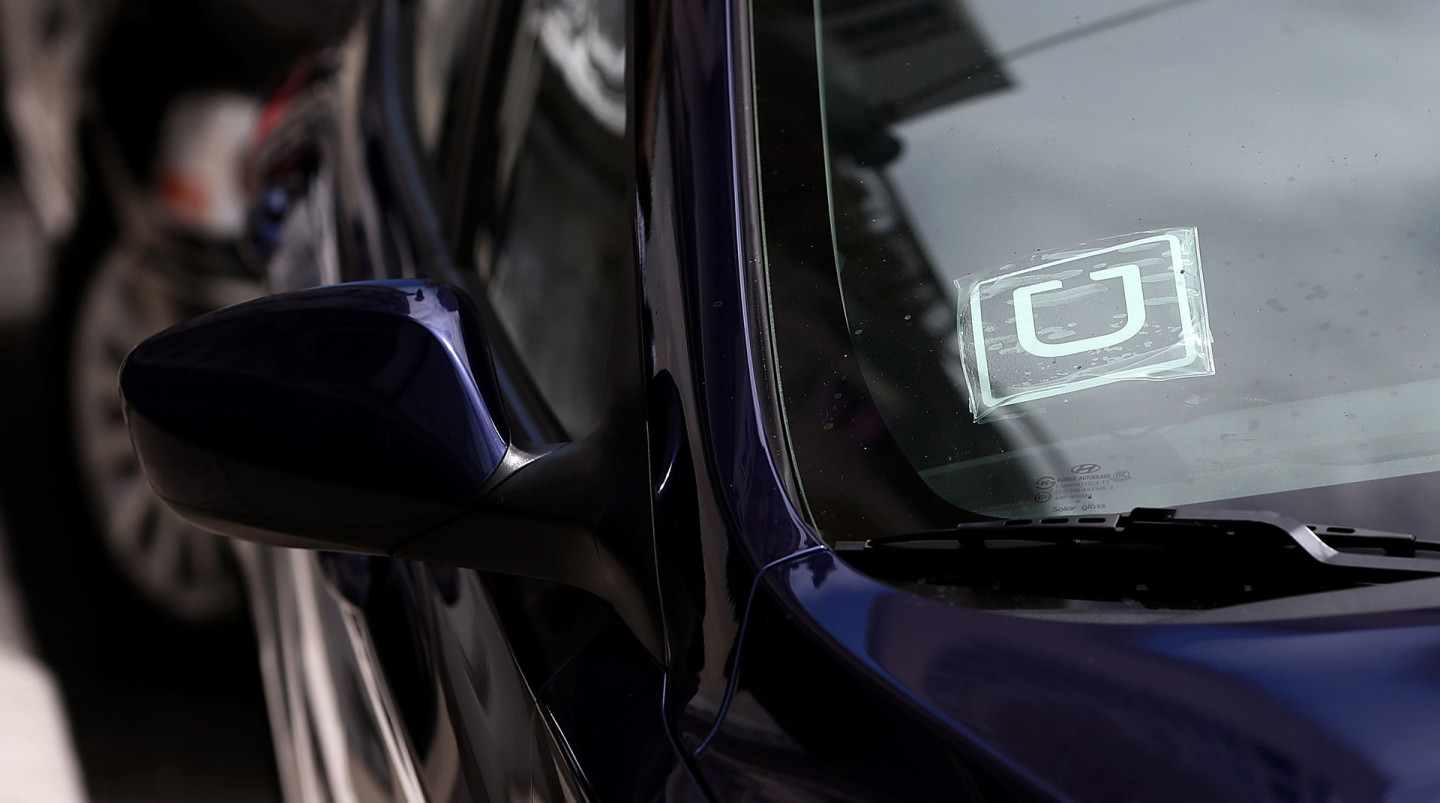
"caption": "A car in San Francisco displays the Uber logo.",
"description": "A sticker with the Uber logo is displayed in the window of a car in San Francisco.",
"title": "Uber",
"credit": "Justin Sullivan/Getty Images",
"status": "inherit",
"isLoading": false,
"fetchFailed": false
},
"news_10547348": {
"type": "attachments",
"id": "news_10547348",
"meta": {
"index": "attachments_1716263798",
"site": "news",
"id": "10547348",
"found": true
},
"parent": 10547173,
"imgSizes": {
"twentyfourteen-full-width": {
"file": "https://ww2.kqed.org/app/uploads/sites/10/2015/06/mini_tow2-1038x576.jpg",
"width": 1038,
"mimeType": "image/jpeg",
"height": 576
},
"thumbnail": {
"file": "https://ww2.kqed.org/app/uploads/sites/10/2015/06/mini_tow2-400x296.jpg",
"width": 400,
"mimeType": "image/jpeg",
"height": 296
},
"fd-sm": {
"file": "https://ww2.kqed.org/app/uploads/sites/10/2015/06/mini_tow2-960x711.jpg",
"width": 960,
"mimeType": "image/jpeg",
"height": 711
},
"post-thumbnail": {
"file": "https://ww2.kqed.org/app/uploads/sites/10/2015/06/mini_tow2-672x372.jpg",
"width": 672,
"mimeType": "image/jpeg",
"height": 372
},
"kqedFullSize": {
"file": "https://ww2.kqed.org/app/uploads/sites/10/2015/06/mini_tow2.jpg",
"width": 1280,
"height": 948
},
"fd-med": {
"file": "https://ww2.kqed.org/app/uploads/sites/10/2015/06/mini_tow2-1180x874.jpg",
"width": 1180,
"mimeType": "image/jpeg",
"height": 874
},
"guest-author-96": {
"file": "https://ww2.kqed.org/app/uploads/sites/10/2015/06/mini_tow2-96x96.jpg",
"width": 96,
"mimeType": "image/jpeg",
"height": 96
},
"medium": {
"file": "https://ww2.kqed.org/app/uploads/sites/10/2015/06/mini_tow2-800x593.jpg",
"width": 800,
"mimeType": "image/jpeg",
"height": 593
},
"guest-author-64": {
"file": "https://ww2.kqed.org/app/uploads/sites/10/2015/06/mini_tow2-64x64.jpg",
"width": 64,
"mimeType": "image/jpeg",
"height": 64
},
"detail": {
"file": "https://ww2.kqed.org/app/uploads/sites/10/2015/06/mini_tow2-75x75.jpg",
"width": 75,
"mimeType": "image/jpeg",
"height": 75
},
"guest-author-32": {
"file": "https://ww2.kqed.org/app/uploads/sites/10/2015/06/mini_tow2-32x32.jpg",
"width": 32,
"mimeType": "image/jpeg",
"height": 32
},
"guest-author-128": {
"file": "https://ww2.kqed.org/app/uploads/sites/10/2015/06/mini_tow2-128x128.jpg",
"width": 128,
"mimeType": "image/jpeg",
"height": 128
}
},
"publishDate": 1433192406,
"modified": 1433219998,
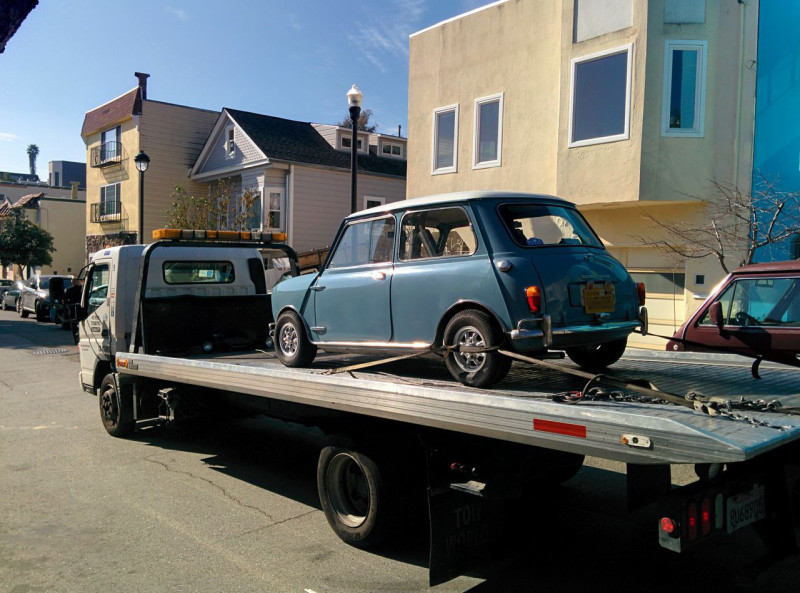
"caption": "San Francisco is home to some of the nation's highest rents, but also some of the most expensive tows.",
"description": "San Francisco is home to some of the nation's highest rents, but also some of the most expensive tows.",
"title": "mini_tow2",
"credit": "Kip Gebhardt/KQED",
"status": "inherit",
"isLoading": false,
"fetchFailed": false
},
"news_10541447": {
"type": "attachments",
"id": "news_10541447",
"meta": {
"index": "attachments_1716263798",
"site": "news",
"id": "10541447",
"found": true
},
"parent": 10475357,
"imgSizes": {
"twentyfourteen-full-width": {
"file": "https://ww2.kqed.org/app/uploads/sites/10/2015/04/RS15289_IMG_3611-qut-1038x576.jpg",
"width": 1038,
"mimeType": "image/jpeg",
"height": 576
},
"thumbnail": {
"file": "https://ww2.kqed.org/app/uploads/sites/10/2015/04/RS15289_IMG_3611-qut-400x300.jpg",
"width": 400,
"mimeType": "image/jpeg",
"height": 300
},
"fd-sm": {
"file": "https://ww2.kqed.org/app/uploads/sites/10/2015/04/RS15289_IMG_3611-qut-960x720.jpg",
"width": 960,
"mimeType": "image/jpeg",
"height": 720
},
"post-thumbnail": {
"file": "https://ww2.kqed.org/app/uploads/sites/10/2015/04/RS15289_IMG_3611-qut-672x372.jpg",
"width": 672,
"mimeType": "image/jpeg",
"height": 372
},
"kqedFullSize": {
"file": "https://ww2.kqed.org/app/uploads/sites/10/2015/04/RS15289_IMG_3611-qut.jpg",
"width": 1920,
"height": 1440
},
"large": {
"file": "https://ww2.kqed.org/app/uploads/sites/10/2015/04/RS15289_IMG_3611-qut-1440x1080.jpg",
"width": 1440,
"mimeType": "image/jpeg",
"height": 1080
},
"guest-author-96": {
"file": "https://ww2.kqed.org/app/uploads/sites/10/2015/04/RS15289_IMG_3611-qut-96x96.jpg",
"width": 96,
"mimeType": "image/jpeg",
"height": 96
},
"medium": {
"file": "https://ww2.kqed.org/app/uploads/sites/10/2015/04/RS15289_IMG_3611-qut-800x600.jpg",
"width": 800,
"mimeType": "image/jpeg",
"height": 600
},
"guest-author-64": {
"file": "https://ww2.kqed.org/app/uploads/sites/10/2015/04/RS15289_IMG_3611-qut-64x64.jpg",
"width": 64,
"mimeType": "image/jpeg",
"height": 64
},
"guest-author-32": {
"file": "https://ww2.kqed.org/app/uploads/sites/10/2015/04/RS15289_IMG_3611-qut-32x32.jpg",
"width": 32,
"mimeType": "image/jpeg",
"height": 32
},
"fd-med": {
"file": "https://ww2.kqed.org/app/uploads/sites/10/2015/04/RS15289_IMG_3611-qut-1180x885.jpg",
"width": 1180,
"mimeType": "image/jpeg",
"height": 885
},
"detail": {
"file": "https://ww2.kqed.org/app/uploads/sites/10/2015/04/RS15289_IMG_3611-qut-75x75.jpg",
"width": 75,
"mimeType": "image/jpeg",
"height": 75
},
"guest-author-128": {
"file": "https://ww2.kqed.org/app/uploads/sites/10/2015/04/RS15289_IMG_3611-qut-128x128.jpg",
"width": 128,
"mimeType": "image/jpeg",
"height": 128
}
},
"publishDate": 1432763724,
"modified": 1432767307,
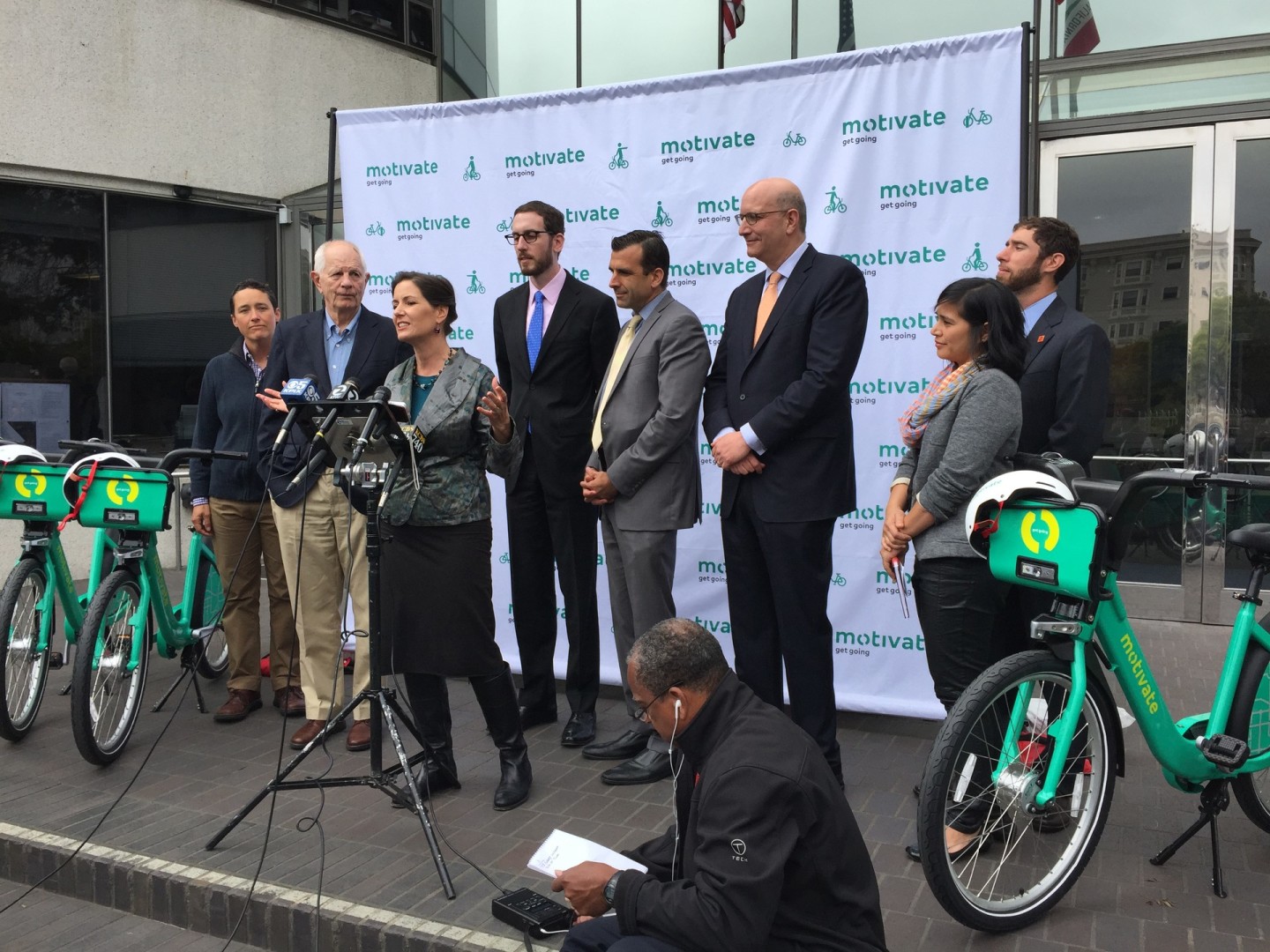
"caption": "Oakland Mayor Libby Schaaf, surrounded by Bay Area city officials and advocates, at a press conference announcing the significant expansion of Bay Area Bike Share. ",
"description": "Oakland Mayor Libby Schaaf, surrounded by Bay Area city officials and advocates, at a press conference announcing the significant expansion of Bay Area Bike Share. ",
"title": "RS15289_IMG_3611-qut",
"credit": "Bryan Goebel/KQED",
"status": "inherit",
"isLoading": false,
"fetchFailed": false
},
"news_10491226": {
"type": "attachments",
"id": "news_10491226",
"meta": {
"index": "attachments_1716263798",
"site": "news",
"id": "10491226",
"found": true
},
"parent": 10489996,
"imgSizes": {
"twentyfourteen-full-width": {
"file": "https://ww2.kqed.org/app/uploads/sites/10/2015/04/LyftDriver-1038x576.jpg",
"width": 1038,
"mimeType": "image/jpeg",
"height": 576
},
"thumbnail": {
"file": "https://ww2.kqed.org/app/uploads/sites/10/2015/04/LyftDriver-400x225.jpg",
"width": 400,
"mimeType": "image/jpeg",
"height": 225
},
"fd-sm": {
"file": "https://ww2.kqed.org/app/uploads/sites/10/2015/04/LyftDriver-320x180.jpg",
"width": 320,
"mimeType": "image/jpeg",
"height": 180
},
"post-thumbnail": {
"file": "https://ww2.kqed.org/app/uploads/sites/10/2015/04/LyftDriver-672x372.jpg",
"width": 672,
"mimeType": "image/jpeg",
"height": 372
},
"kqedFullSize": {
"file": "https://ww2.kqed.org/app/uploads/sites/10/2015/04/LyftDriver.jpg",
"width": 1920,
"height": 1080
},
"large": {
"file": "https://ww2.kqed.org/app/uploads/sites/10/2015/04/LyftDriver-1440x810.jpg",
"width": 1440,
"mimeType": "image/jpeg",
"height": 810
},
"guest-author-96": {
"file": "https://ww2.kqed.org/app/uploads/sites/10/2015/04/LyftDriver-96x96.jpg",
"width": 96,
"mimeType": "image/jpeg",
"height": 96
},
"medium": {
"file": "https://ww2.kqed.org/app/uploads/sites/10/2015/04/LyftDriver-800x450.jpg",
"width": 800,
"mimeType": "image/jpeg",
"height": 450
},
"guest-author-64": {
"file": "https://ww2.kqed.org/app/uploads/sites/10/2015/04/LyftDriver-64x64.jpg",
"width": 64,
"mimeType": "image/jpeg",
"height": 64
},
"guest-author-32": {
"file": "https://ww2.kqed.org/app/uploads/sites/10/2015/04/LyftDriver-32x32.jpg",
"width": 32,
"mimeType": "image/jpeg",
"height": 32
},
"fd-lrg": {
"file": "https://ww2.kqed.org/app/uploads/sites/10/2015/04/LyftDriver-1180x664.jpg",
"width": 1180,
"mimeType": "image/jpeg",
"height": 664
},
"fd-med": {
"file": "https://ww2.kqed.org/app/uploads/sites/10/2015/04/LyftDriver-768x432.jpg",
"width": 768,
"mimeType": "image/jpeg",
"height": 432
},
"detail": {
"file": "https://ww2.kqed.org/app/uploads/sites/10/2015/04/LyftDriver-75x75.jpg",
"width": 75,
"mimeType": "image/jpeg",
"height": 75
},
"guest-author-128": {
"file": "https://ww2.kqed.org/app/uploads/sites/10/2015/04/LyftDriver-128x128.jpg",
"width": 128,
"mimeType": "image/jpeg",
"height": 128
}
},
"publishDate": 1429119373,
"modified": 1429119414,
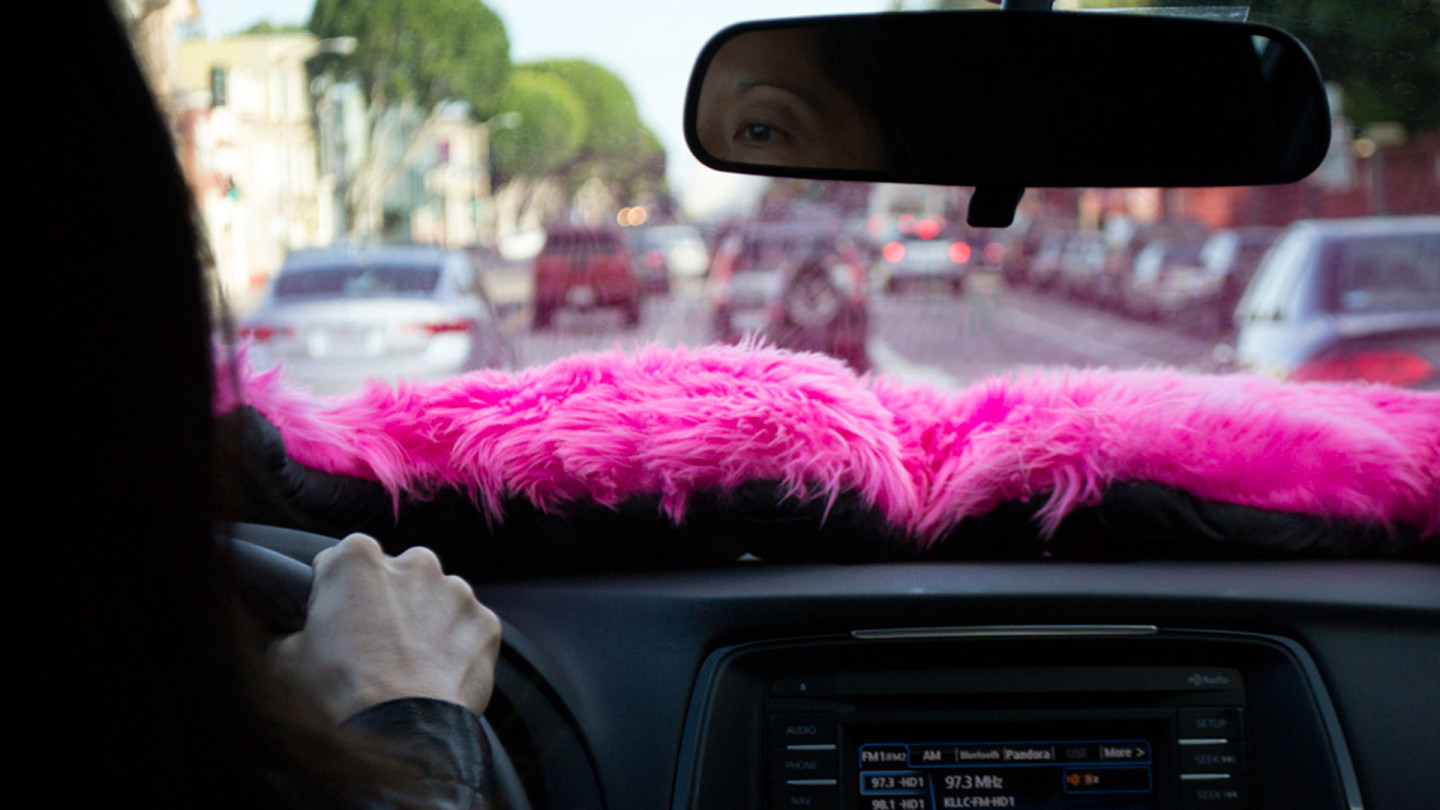
"caption": "A Lyft driver navigates through Potrero Hill in San Francisco.",
"description": "A Lyft driver navigates through Potrero Hill in San Francisco.",
"title": "LyftDriver",
"credit": "Sara Bloomberg/KQED",
"status": "inherit",
"isLoading": false,
"fetchFailed": false
},
"news_10530714": {
"type": "attachments",
"id": "news_10530714",
"meta": {
"index": "attachments_1716263798",
"site": "news",
"id": "10530714",
"found": true
},
"parent": 10530509,
"imgSizes": {
"twentyfourteen-full-width": {
"file": "https://ww2.kqed.org/app/uploads/sites/10/2015/05/RS15106_JV0A4814-qut-1038x576.jpg",
"width": 1038,
"mimeType": "image/jpeg",
"height": 576
},
"thumbnail": {
"file": "https://ww2.kqed.org/app/uploads/sites/10/2015/05/RS15106_JV0A4814-qut-400x267.jpg",
"width": 400,
"mimeType": "image/jpeg",
"height": 267
},
"fd-sm": {
"file": "https://ww2.kqed.org/app/uploads/sites/10/2015/05/RS15106_JV0A4814-qut-960x640.jpg",
"width": 960,
"mimeType": "image/jpeg",
"height": 640
},
"post-thumbnail": {
"file": "https://ww2.kqed.org/app/uploads/sites/10/2015/05/RS15106_JV0A4814-qut-672x372.jpg",
"width": 672,
"mimeType": "image/jpeg",
"height": 372
},
"kqedFullSize": {
"file": "https://ww2.kqed.org/app/uploads/sites/10/2015/05/RS15106_JV0A4814-qut.jpg",
"width": 1920,
"height": 1280
},
"large": {
"file": "https://ww2.kqed.org/app/uploads/sites/10/2015/05/RS15106_JV0A4814-qut-1440x960.jpg",
"width": 1440,
"mimeType": "image/jpeg",
"height": 960
},
"guest-author-96": {
"file": "https://ww2.kqed.org/app/uploads/sites/10/2015/05/RS15106_JV0A4814-qut-96x96.jpg",
"width": 96,
"mimeType": "image/jpeg",
"height": 96
},
"medium": {
"file": "https://ww2.kqed.org/app/uploads/sites/10/2015/05/RS15106_JV0A4814-qut-800x533.jpg",
"width": 800,
"mimeType": "image/jpeg",
"height": 533
},
"guest-author-64": {
"file": "https://ww2.kqed.org/app/uploads/sites/10/2015/05/RS15106_JV0A4814-qut-64x64.jpg",
"width": 64,
"mimeType": "image/jpeg",
"height": 64
},
"guest-author-32": {
"file": "https://ww2.kqed.org/app/uploads/sites/10/2015/05/RS15106_JV0A4814-qut-32x32.jpg",
"width": 32,
"mimeType": "image/jpeg",
"height": 32
},
"fd-med": {
"file": "https://ww2.kqed.org/app/uploads/sites/10/2015/05/RS15106_JV0A4814-qut-1180x787.jpg",
"width": 1180,
"mimeType": "image/jpeg",
"height": 787
},
"detail": {
"file": "https://ww2.kqed.org/app/uploads/sites/10/2015/05/RS15106_JV0A4814-qut-75x75.jpg",
"width": 75,
"mimeType": "image/jpeg",
"height": 75
},
"guest-author-128": {
"file": "https://ww2.kqed.org/app/uploads/sites/10/2015/05/RS15106_JV0A4814-qut-128x128.jpg",
"width": 128,
"mimeType": "image/jpeg",
"height": 128
}
},
"publishDate": 1431992804,
"modified": 1431992906,
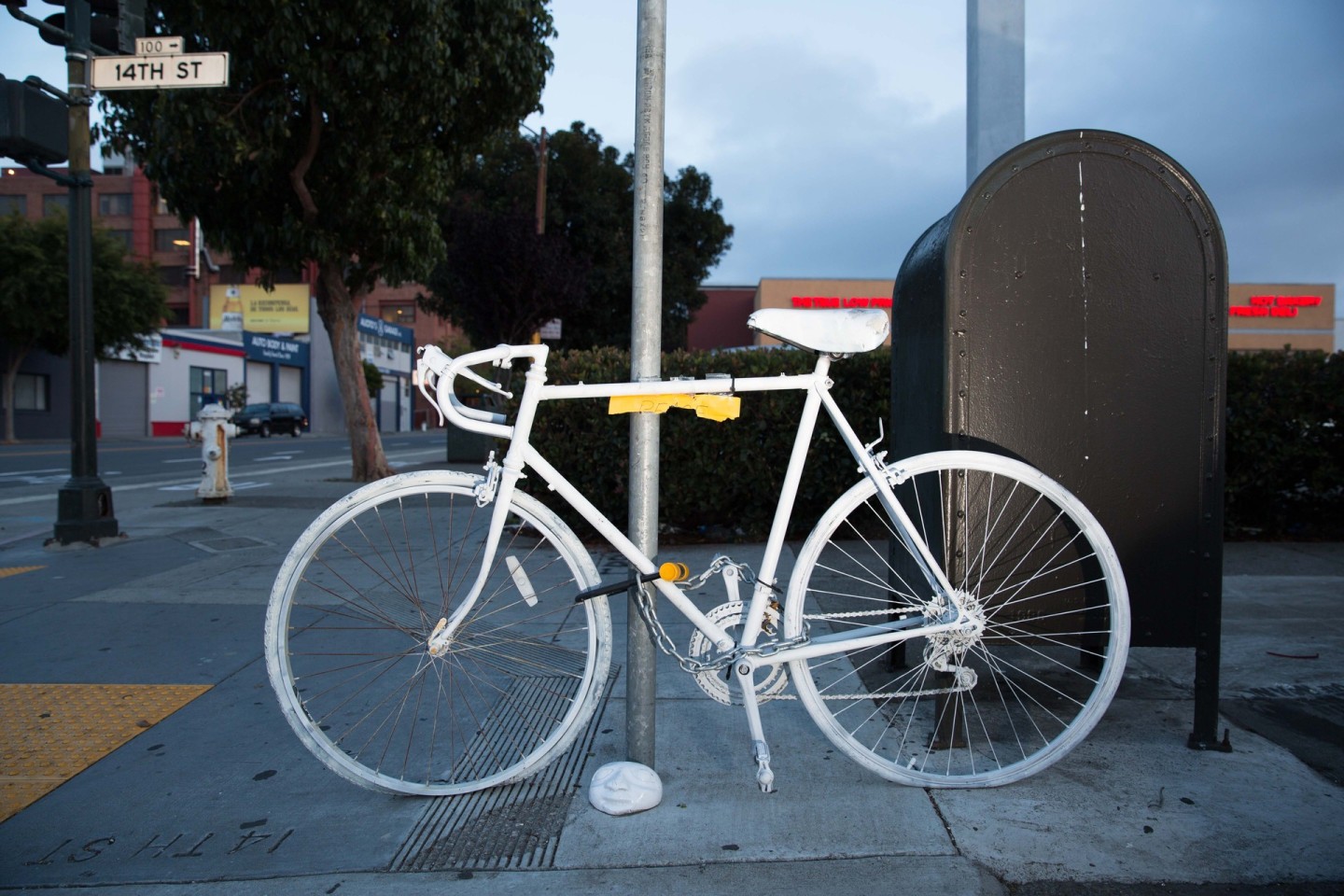
"caption": "A ghost bike stands in memory of 66-year-old Charles Vinson, who was killed by a driver at the intersection of 14th and Folsom streets in San Francisco on March 2.",
"description": null,
"title": "RS15106_JV0A4814-qut",
"credit": "Jeremy Raff/KQED",
"status": "inherit",
"isLoading": false,
"fetchFailed": false
},
"news_10524383": {
"type": "attachments",
"id": "news_10524383",
"meta": {
"index": "attachments_1716263798",
"site": "news",
"id": "10524383",
"found": true
},
"parent": 10524319,
"imgSizes": {
"twentyfourteen-full-width": {
"file": "https://ww2.kqed.org/app/uploads/sites/10/2015/05/RS15155_Rail-Close-Up-qut-1038x576.jpg",
"width": 1038,
"mimeType": "image/jpeg",
"height": 576
},
"thumbnail": {
"file": "https://ww2.kqed.org/app/uploads/sites/10/2015/05/RS15155_Rail-Close-Up-qut-400x300.jpg",
"width": 400,
"mimeType": "image/jpeg",
"height": 300
},
"fd-sm": {
"file": "https://ww2.kqed.org/app/uploads/sites/10/2015/05/RS15155_Rail-Close-Up-qut-960x720.jpg",
"width": 960,
"mimeType": "image/jpeg",
"height": 720
},
"post-thumbnail": {
"file": "https://ww2.kqed.org/app/uploads/sites/10/2015/05/RS15155_Rail-Close-Up-qut-672x372.jpg",
"width": 672,
"mimeType": "image/jpeg",
"height": 372
},
"kqedFullSize": {
"file": "https://ww2.kqed.org/app/uploads/sites/10/2015/05/RS15155_Rail-Close-Up-qut.jpg",
"width": 1920,
"height": 1440
},
"large": {
"file": "https://ww2.kqed.org/app/uploads/sites/10/2015/05/RS15155_Rail-Close-Up-qut-1440x1080.jpg",
"width": 1440,
"mimeType": "image/jpeg",
"height": 1080
},
"guest-author-96": {
"file": "https://ww2.kqed.org/app/uploads/sites/10/2015/05/RS15155_Rail-Close-Up-qut-96x96.jpg",
"width": 96,
"mimeType": "image/jpeg",
"height": 96
},
"medium": {
"file": "https://ww2.kqed.org/app/uploads/sites/10/2015/05/RS15155_Rail-Close-Up-qut-800x600.jpg",
"width": 800,
"mimeType": "image/jpeg",
"height": 600
},
"guest-author-64": {
"file": "https://ww2.kqed.org/app/uploads/sites/10/2015/05/RS15155_Rail-Close-Up-qut-64x64.jpg",
"width": 64,
"mimeType": "image/jpeg",
"height": 64
},
"guest-author-32": {
"file": "https://ww2.kqed.org/app/uploads/sites/10/2015/05/RS15155_Rail-Close-Up-qut-32x32.jpg",
"width": 32,
"mimeType": "image/jpeg",
"height": 32
},
"fd-med": {
"file": "https://ww2.kqed.org/app/uploads/sites/10/2015/05/RS15155_Rail-Close-Up-qut-1180x885.jpg",
"width": 1180,
"mimeType": "image/jpeg",
"height": 885
},
"detail": {
"file": "https://ww2.kqed.org/app/uploads/sites/10/2015/05/RS15155_Rail-Close-Up-qut-75x75.jpg",
"width": 75,
"mimeType": "image/jpeg",
"height": 75
},
"guest-author-128": {
"file": "https://ww2.kqed.org/app/uploads/sites/10/2015/05/RS15155_Rail-Close-Up-qut-128x128.jpg",
"width": 128,
"mimeType": "image/jpeg",
"height": 128
}
},
"publishDate": 1431540319,
"modified": 1431643526,
"caption": "Suicide by rail is nowhere near the #1 method in the U.S., but that’s cold comfort for commuter rail lines.",
"description": "Suicide by rail is nowhere near the #1 method in the U.S., but that’s cold comfort for commuter rail lines.",
"title": "RS15155_Rail Close Up-qut",
"credit": "Rachael Myrow/KQED",
"status": "inherit",
"isLoading": false,
"fetchFailed": false
},
"news_10521823": {
"type": "attachments",
"id": "news_10521823",
"meta": {
"index": "attachments_1716263798",
"site": "news",
"id": "10521823",
"found": true
},
"parent": 10521822,
"imgSizes": {
"twentyfourteen-full-width": {
"file": "https://ww2.kqed.org/app/uploads/sites/10/2015/05/486281999-1038x576.jpg",
"width": 1038,
"mimeType": "image/jpeg",
"height": 576
},
"thumbnail": {
"file": "https://ww2.kqed.org/app/uploads/sites/10/2015/05/486281999-400x276.jpg",
"width": 400,
"mimeType": "image/jpeg",
"height": 276
},
"fd-sm": {
"file": "https://ww2.kqed.org/app/uploads/sites/10/2015/05/486281999-960x662.jpg",
"width": 960,
"mimeType": "image/jpeg",
"height": 662
},
"post-thumbnail": {
"file": "https://ww2.kqed.org/app/uploads/sites/10/2015/05/486281999-672x372.jpg",
"width": 672,
"mimeType": "image/jpeg",
"height": 372
},
"kqedFullSize": {
"file": "https://ww2.kqed.org/app/uploads/sites/10/2015/05/486281999-e1431364156192.jpg",
"width": 1920,
"height": 1324
},
"large": {
"file": "https://ww2.kqed.org/app/uploads/sites/10/2015/05/486281999-1440x993.jpg",
"width": 1440,
"mimeType": "image/jpeg",
"height": 993
},
"guest-author-96": {
"file": "https://ww2.kqed.org/app/uploads/sites/10/2015/05/486281999-96x96.jpg",
"width": 96,
"mimeType": "image/jpeg",
"height": 96
},
"medium": {
"file": "https://ww2.kqed.org/app/uploads/sites/10/2015/05/486281999-800x552.jpg",
"width": 800,
"mimeType": "image/jpeg",
"height": 552
},
"guest-author-64": {
"file": "https://ww2.kqed.org/app/uploads/sites/10/2015/05/486281999-64x64.jpg",
"width": 64,
"mimeType": "image/jpeg",
"height": 64
},
"guest-author-32": {
"file": "https://ww2.kqed.org/app/uploads/sites/10/2015/05/486281999-32x32.jpg",
"width": 32,
"mimeType": "image/jpeg",
"height": 32
},
"fd-med": {
"file": "https://ww2.kqed.org/app/uploads/sites/10/2015/05/486281999-1180x814.jpg",
"width": 1180,
"mimeType": "image/jpeg",
"height": 814
},
"detail": {
"file": "https://ww2.kqed.org/app/uploads/sites/10/2015/05/486281999-75x75.jpg",
"width": 75,
"mimeType": "image/jpeg",
"height": 75
},
"guest-author-128": {
"file": "https://ww2.kqed.org/app/uploads/sites/10/2015/05/486281999-128x128.jpg",
"width": 128,
"mimeType": "image/jpeg",
"height": 128
}
},
"publishDate": 1431364064,
"modified": 1431364143,
"caption": "One of Google's self-driving Lexus SUVs is pictured in Washington, D.C., in April 2014. ",
"description": "WASHINGTON, DC - APRIL 23: Googles Lexus RX 450H Self Driving Car is seen parked on Pennsylvania Ave. on April 23, 2014 in Washington, DC. Google has logged over 300,000 miles testing its self driving cars around the country. (Photo by Mark Wilson/Getty Images)",
"title": "Self-Driving Car-Google",
"credit": "Mark Wilson/Getty Images",
"status": "inherit",
"isLoading": false,
"fetchFailed": false
},
"news_10508402": {
"type": "attachments",
"id": "news_10508402",
"meta": {
"index": "attachments_1716263798",
"site": "news",
"id": "10508402",
"found": true
},
"parent": 0,
"imgSizes": {
"twentyfourteen-full-width": {
"file": "https://ww2.kqed.org/app/uploads/sites/10/2015/04/bart150430-1038x576.jpg",
"width": 1038,
"mimeType": "image/jpeg",
"height": 576
},
"thumbnail": {
"file": "https://ww2.kqed.org/app/uploads/sites/10/2015/04/bart150430-400x298.jpg",
"width": 400,
"mimeType": "image/jpeg",
"height": 298
},
"fd-sm": {
"file": "https://ww2.kqed.org/app/uploads/sites/10/2015/04/bart150430-960x715.jpg",
"width": 960,
"mimeType": "image/jpeg",
"height": 715
},
"post-thumbnail": {
"file": "https://ww2.kqed.org/app/uploads/sites/10/2015/04/bart150430-672x372.jpg",
"width": 672,
"mimeType": "image/jpeg",
"height": 372
},
"kqedFullSize": {
"file": "https://ww2.kqed.org/app/uploads/sites/10/2015/04/bart150430.jpg",
"width": 1920,
"height": 1429
},
"large": {
"file": "https://ww2.kqed.org/app/uploads/sites/10/2015/04/bart150430-1440x1072.jpg",
"width": 1440,
"mimeType": "image/jpeg",
"height": 1072
},
"guest-author-96": {
"file": "https://ww2.kqed.org/app/uploads/sites/10/2015/04/bart150430-96x96.jpg",
"width": 96,
"mimeType": "image/jpeg",
"height": 96
},
"medium": {
"file": "https://ww2.kqed.org/app/uploads/sites/10/2015/04/bart150430-800x595.jpg",
"width": 800,
"mimeType": "image/jpeg",
"height": 595
},
"guest-author-64": {
"file": "https://ww2.kqed.org/app/uploads/sites/10/2015/04/bart150430-64x64.jpg",
"width": 64,
"mimeType": "image/jpeg",
"height": 64
},
"guest-author-32": {
"file": "https://ww2.kqed.org/app/uploads/sites/10/2015/04/bart150430-32x32.jpg",
"width": 32,
"mimeType": "image/jpeg",
"height": 32
},
"fd-med": {
"file": "https://ww2.kqed.org/app/uploads/sites/10/2015/04/bart150430-1180x878.jpg",
"width": 1180,
"mimeType": "image/jpeg",
"height": 878
},
"detail": {
"file": "https://ww2.kqed.org/app/uploads/sites/10/2015/04/bart150430-75x75.jpg",
"width": 75,
"mimeType": "image/jpeg",
"height": 75
},
"guest-author-128": {
"file": "https://ww2.kqed.org/app/uploads/sites/10/2015/04/bart150430-128x128.jpg",
"width": 128,
"mimeType": "image/jpeg",
"height": 128
}
},
"publishDate": 1430438735,
"modified": 1430939618,
"caption": "BART's 16th Street/Mission Station in San Francisco, pictured in April 2015.",
"description": null,
"title": "BART-16th Street",
"credit": "Dan Brekke/KQED",
"status": "inherit",
"isLoading": false,
"fetchFailed": false
},
"news_10393487": {
"type": "attachments",
"id": "news_10393487",
"meta": {
"index": "attachments_1716263798",
"site": "news",
"id": "10393487",
"found": true
},
"parent": 10393449,
"imgSizes": {
"thumbnail": {
"file": "https://ww2.kqed.org/app/uploads/sites/10/2014/12/RS6004_001.jpg-News-Fix-3-400x266.jpg",
"width": 400,
"mimeType": "image/jpeg",
"height": 266
},
"post-thumbnail": {
"file": "https://ww2.kqed.org/app/uploads/sites/10/2014/12/RS6004_001.jpg-News-Fix-3-672x372.jpg",
"width": 672,
"mimeType": "image/jpeg",
"height": 372
},
"kqedFullSize": {
"file": "https://ww2.kqed.org/app/uploads/sites/10/2014/12/RS6004_001.jpg-News-Fix-3.jpg",
"width": 855,
"height": 570
},
"guest-author-96": {
"file": "https://ww2.kqed.org/app/uploads/sites/10/2014/12/RS6004_001.jpg-News-Fix-3-96x96.jpg",
"width": 96,
"mimeType": "image/jpeg",
"height": 96
},
"medium": {
"file": "https://ww2.kqed.org/app/uploads/sites/10/2014/12/RS6004_001.jpg-News-Fix-3-800x533.jpg",
"width": 800,
"mimeType": "image/jpeg",
"height": 533
},
"guest-author-64": {
"file": "https://ww2.kqed.org/app/uploads/sites/10/2014/12/RS6004_001.jpg-News-Fix-3-64x64.jpg",
"width": 64,
"mimeType": "image/jpeg",
"height": 64
},
"detail": {
"file": "https://ww2.kqed.org/app/uploads/sites/10/2014/12/RS6004_001.jpg-News-Fix-3-75x75.jpg",
"width": 75,
"mimeType": "image/jpeg",
"height": 75
},
"guest-author-32": {
"file": "https://ww2.kqed.org/app/uploads/sites/10/2014/12/RS6004_001.jpg-News-Fix-3-32x32.jpg",
"width": 32,
"mimeType": "image/jpeg",
"height": 32
},
"guest-author-128": {
"file": "https://ww2.kqed.org/app/uploads/sites/10/2014/12/RS6004_001.jpg-News-Fix-3-128x128.jpg",
"width": 128,
"mimeType": "image/jpeg",
"height": 128
}
},
"publishDate": 1419985556,
"modified": 1419985614,
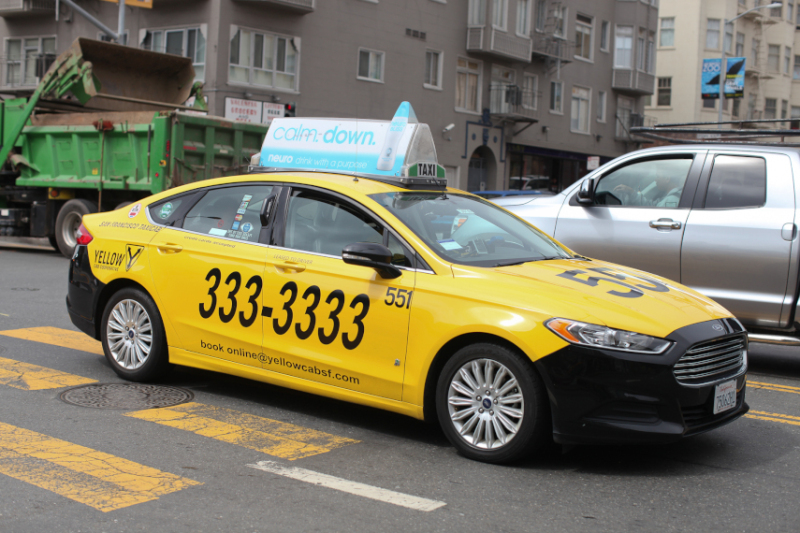
"caption": "A taxi cab in San Francisco, taken July 31, 2013.",
"description": "A taxi cab in San Francisco, taken July 31, 2013.",
"title": "RS6004_001.jpg-News Fix 3",
"credit": "Deborah Svoboda/KQED",
"status": "inherit",
"isLoading": false,
"fetchFailed": false
}
},
"audioPlayerReducer": {
"postId": "stream_live",
"isPaused": true,
"isPlaying": false,
"pfsActive": false,
"pledgeModalIsOpen": true,
"playerDrawerIsOpen": false,
"liveAudioPlayStartedAt": 0,
"liveAudioPlayContext": ""
},
"authorsReducer": {
"byline_news_10566585": {
"type": "authors",
"id": "byline_news_10566585",
"meta": {
"override": true
},
"slug": "byline_news_10566585",
"name": "\u003cstrong>Robert Jablon\u003cbr />Associated Press\u003c/strong>",
"isLoading": false
},
"byline_news_10547173": {
"type": "authors",
"id": "byline_news_10547173",
"meta": {
"override": true
},
"slug": "byline_news_10547173",
"name": "\u003cstrong>Farida Jhabvala\u003c/strong>\u003cbr/>KQED News",
"isLoading": false
},
"byline_news_10521822": {
"type": "authors",
"id": "byline_news_10521822",
"meta": {
"override": true
},
"slug": "byline_news_10521822",
"name": "\u003cstrong>\u003ca href=\"http://twitter.com/lalanewsman\" target=\"_blank\">Justin Pritchard\u003c/a>\u003cbr />Associated Press\u003c/strong>",
"isLoading": false
},
"jbrooks": {
"type": "authors",
"id": "80",
"meta": {
"index": "authors_1716337520",
"id": "80",
"found": true
},
"name": "Jon Brooks",
"firstName": "Jon",
"lastName": "Brooks",
"slug": "jbrooks",
"email": "jbrooks@kqed.org",
"display_author_email": true,
"staff_mastheads": [
"science"
],
"title": "Digital Editor",
"bio": "Jon Brooks is a former Digital Editor for KQED Science. He is the former editor of KQED’s daily news blog, News Fix. In 2014, he won a California Journalism Award for his coverage of ride services like Uber and Lyft and the taxi industry. A veteran blogger, he previously worked for Yahoo! in various news writing and editing roles. Jon is also a playwright whose work has been produced in San Francisco, New York, Italy, and around the U.S. He has written about film for his own blog and studied film at Boston University.",
"avatar": "https://secure.gravatar.com/avatar/98887f7ed1c876ed414d4c915e969584?s=600&d=blank&r=g",
"twitter": "jbrooksfoy",
"facebook": null,
"instagram": null,
"linkedin": null,
"sites": [
{
"site": "arts",
"roles": [
"Contributor",
"editor"
]
},
{
"site": "news",
"roles": [
"author"
]
},
{
"site": "futureofyou",
"roles": [
"administrator"
]
},
{
"site": "mindshift",
"roles": [
"editor"
]
},
{
"site": "stateofhealth",
"roles": [
"editor"
]
},
{
"site": "science",
"roles": [
"administrator"
]
},
{
"site": "quest",
"roles": [
"editor"
]
}
],
"headData": {
"title": "Jon Brooks | KQED",
"description": "Digital Editor",
"ogImgSrc": "https://secure.gravatar.com/avatar/98887f7ed1c876ed414d4c915e969584?s=600&d=blank&r=g",
"twImgSrc": "https://secure.gravatar.com/avatar/98887f7ed1c876ed414d4c915e969584?s=600&d=blank&r=g"
},
"isLoading": false,
"link": "/author/jbrooks"
},
"bgoebel": {
"type": "authors",
"id": "214",
"meta": {
"index": "authors_1716337520",
"id": "214",
"found": true
},
"name": "Bryan Goebel",
"firstName": "Bryan",
"lastName": "Goebel",
"slug": "bgoebel",
"email": "bgoebel@kqed.org",
"display_author_email": false,
"staff_mastheads": [],
"title": null,
"bio": "Bryan Goebel is a reporter focused on transportation and housing issues. He was previously the editor of Streetsblog San Francisco, and an anchor/editor at KCBS Radio. He's a lifelong Californian and has also worked at radio stations in Barstow, Redding and Sacramento.",
"avatar": "https://secure.gravatar.com/avatar/7fdd6b065bfe9a23a71bcfa80848df88?s=600&d=blank&r=g",
"twitter": "velobry",
"facebook": null,
"instagram": null,
"linkedin": null,
"sites": [
{
"site": "news",
"roles": [
"subscriber"
]
},
{
"site": "stateofhealth",
"roles": [
"subscriber"
]
}
],
"headData": {
"title": "Bryan Goebel | KQED",
"description": null,
"ogImgSrc": "https://secure.gravatar.com/avatar/7fdd6b065bfe9a23a71bcfa80848df88?s=600&d=blank&r=g",
"twImgSrc": "https://secure.gravatar.com/avatar/7fdd6b065bfe9a23a71bcfa80848df88?s=600&d=blank&r=g"
},
"isLoading": false,
"link": "/author/bgoebel"
},
"danbrekke": {
"type": "authors",
"id": "222",
"meta": {
"index": "authors_1716337520",
"id": "222",
"found": true
},
"name": "Dan Brekke",
"firstName": "Dan",
"lastName": "Brekke",
"slug": "danbrekke",
"email": "dbrekke@kqed.org",
"display_author_email": true,
"staff_mastheads": [
"news",
"science"
],
"title": "KQED Editor and Reporter",
"bio": "Dan Brekke is a reporter and editor for KQED News, responsible for coverage of topics ranging from California water issues to the Bay Area's transportation challenges. In a newsroom career that began in Chicago in 1972, Dan has worked for \u003cem>The San Francisco Examiner,\u003c/em> Wired and TechTV and has been published in The New York Times, The New York Times Magazine, Business 2.0, Salon and elsewhere.\r\n\r\nSince joining KQED in 2007, Dan has reported, edited and produced both radio and online features and breaking news pieces. He has shared as both editor and reporter in four Society of Professional Journalists Norcal Excellence in Journalism awards and one Edward R. Murrow regional award. He was chosen for a spring 2017 residency at the Mesa Refuge to advance his research on California salmon.\r\n\r\nEmail Dan at: \u003ca href=\"mailto:dbrekke@kqed.org\">dbrekke@kqed.org\u003c/a>\r\n\r\n\u003cstrong>Twitter:\u003c/strong> \u003ca href=\"https://twitter.com/danbrekke\" rel=\"noopener noreferrer\">twitter.com/danbrekke\u003c/a>\r\n\u003cstrong>Facebook:\u003c/strong> \u003ca href=\"https://www.facebook.com/danbrekke\" rel=\"noopener noreferrer\">www.facebook.com/danbrekke\u003c/a>\r\n\u003cstrong>LinkedIn:\u003c/strong> \u003ca href=\"https://www.linkedin.com/in/danbrekke\" rel=\"noopener noreferrer\">www.linkedin.com/in/danbrekke\u003c/a>",
"avatar": "https://secure.gravatar.com/avatar/8f1f0d2a978fb3b23426c922c7e2af558fa36905b49c4ce76a97dc3c72d27226?s=600&d=mm&r=g",
"twitter": "danbrekke",
"bluesky": null,
"facebook": null,
"instagram": "https://www.instagram.com/dan.brekke/",
"linkedin": "https://www.linkedin.com/in/danbrekke/",
"sites": [
{
"site": "news",
"roles": [
"administrator",
"create_posts"
]
},
{
"site": "stateofhealth",
"roles": [
"editor"
]
},
{
"site": "science",
"roles": [
"editor"
]
},
{
"site": "quest",
"roles": [
"contributor"
]
},
{
"site": "food",
"roles": [
"contributor"
]
},
{
"site": "forum",
"roles": [
"contributor"
]
},
{
"site": "elections",
"roles": [
"editor"
]
},
{
"site": "liveblog",
"roles": [
"editor"
]
}
],
"headData": {
"title": "Dan Brekke | KQED",
"description": "KQED Editor and Reporter",
"ogImgSrc": "https://secure.gravatar.com/avatar/8f1f0d2a978fb3b23426c922c7e2af558fa36905b49c4ce76a97dc3c72d27226?s=600&d=mm&r=g",
"twImgSrc": "https://secure.gravatar.com/avatar/8f1f0d2a978fb3b23426c922c7e2af558fa36905b49c4ce76a97dc3c72d27226?s=600&d=mm&r=g"
},
"isLoading": false,
"link": "/author/danbrekke"
},
"patyollin": {
"type": "authors",
"id": "247",
"meta": {
"index": "authors_1716337520",
"id": "247",
"found": true
},
"name": "Patricia Yollin",
"firstName": "Patricia",
"lastName": "Yollin",
"slug": "patyollin",
"email": "pyollin@kqed.org",
"display_author_email": false,
"staff_mastheads": [],
"title": "KQED Contributor",
"bio": "Pat Yollin has written about lots of stuff, including organ transplants, wayward penguins at the San Francisco Zoo, the comeback of the cream puff, New York on the fifth anniversary of 9/11, a Slow Food gathering in Italy, and the microcredit movement in Northern California. Among her favorite stories: an interview with George Lucas at Skywalker Ranch that broke the story about his plan to build a cultural museum, and a pirate Trader Joe's operation in Vancouver that prompted the grocery chain to sue -- and lose. She joined KQED in 2013 and was previously a reporter and editor at the San Francisco Chronicle, the Hearst-owned San Francisco Examiner and the Hayward Daily Review.",
"avatar": "https://secure.gravatar.com/avatar/0a18ac41a263665c04b25b2c7d6b817c?s=600&d=blank&r=g",
"twitter": null,
"facebook": null,
"instagram": null,
"linkedin": null,
"sites": [
{
"site": "arts",
"roles": [
"subscriber"
]
},
{
"site": "news",
"roles": [
"subscriber"
]
},
{
"site": "futureofyou",
"roles": [
"editor"
]
},
{
"site": "lowdown",
"roles": [
"editor"
]
},
{
"site": "stateofhealth",
"roles": [
"editor"
]
}
],
"headData": {
"title": "Patricia Yollin | KQED",
"description": "KQED Contributor",
"ogImgSrc": "https://secure.gravatar.com/avatar/0a18ac41a263665c04b25b2c7d6b817c?s=600&d=blank&r=g",
"twImgSrc": "https://secure.gravatar.com/avatar/0a18ac41a263665c04b25b2c7d6b817c?s=600&d=blank&r=g"
},
"isLoading": false,
"link": "/author/patyollin"
},
"rachael-myrow": {
"type": "authors",
"id": "251",
"meta": {
"index": "authors_1716337520",
"id": "251",
"found": true
},
"name": "Rachael Myrow",
"firstName": "Rachael",
"lastName": "Myrow",
"slug": "rachael-myrow",
"email": "rmyrow@kqed.org",
"display_author_email": true,
"staff_mastheads": [
"news"
],
"title": "Senior Editor of KQED's Silicon Valley News Desk",
"bio": "• I write and edit stories about how Silicon Valley power and policies shape everyday life in California. I’m also passionate about making Bay Area history and culture more accessible to a broad public. • I’ve been a journalist for most of my life, starting in high school with The Franklin Press in Los Angeles, where I grew up. While earning my first degree in English at UC Berkeley, I got my start in public radio at KALX-FM. After completing a second degree in journalism at Cal, I landed my first professional job at Marketplace, then moved on to KPCC (now LAist), and then KQED, where I hosted The California Report for more than seven years. • My reporting has appeared on NPR, The World, WBUR’s \u003ci>Here & Now\u003c/i>, and the BBC. I also guest host for KQED’s \u003ci>Forum\u003c/i>, as well as the Commonwealth Club in San Francisco. • I speak periodically on media, democracy and technology issues, and do voiceover work for documentaries and educational video projects. • Outside of the studio, you'll find me hiking Bay Area trails and whipping up Insta-ready meals in my kitchen. • I do not accept gifts, money, or favors from anyone connected to my reporting, I don't pay people for information, and I do not support or donate to political causes. • I strive to treat the people I report on with fairness, honesty, and respect. I also recognize there are often multiple sides to a story and work to verify information through multiple sources and documentation. If I get something wrong, I correct it.",
"avatar": "https://secure.gravatar.com/avatar/3ed8a3c5f26025e4a805ba634cda8cd764906b97438a6d9ce216b044e340da4e?s=600&d=blank&r=g",
"twitter": "rachaelmyrow",
"bluesky": null,
"facebook": null,
"instagram": null,
"linkedin": "https://www.linkedin.com/in/rachaelmyrow/",
"sites": [
{
"site": "arts",
"roles": [
"administrator"
]
},
{
"site": "news",
"roles": [
"edit_others_posts",
"editor"
]
},
{
"site": "futureofyou",
"roles": [
"editor"
]
},
{
"site": "bayareabites",
"roles": [
"editor"
]
},
{
"site": "stateofhealth",
"roles": [
"editor"
]
},
{
"site": "science",
"roles": [
"editor"
]
},
{
"site": "food",
"roles": [
"editor"
]
},
{
"site": "forum",
"roles": [
"editor"
]
},
{
"site": "liveblog",
"roles": [
"author"
]
}
],
"headData": {
"title": "Rachael Myrow | KQED",
"description": "Senior Editor of KQED's Silicon Valley News Desk",
"ogImgSrc": "https://secure.gravatar.com/avatar/3ed8a3c5f26025e4a805ba634cda8cd764906b97438a6d9ce216b044e340da4e?s=600&d=blank&r=g",
"twImgSrc": "https://secure.gravatar.com/avatar/3ed8a3c5f26025e4a805ba634cda8cd764906b97438a6d9ce216b044e340da4e?s=600&d=blank&r=g"
},
"isLoading": false,
"link": "/author/rachael-myrow"
}
},
"pagesReducer": {
"news_category_transportation": {
"type": "terms",
"id": "news_1397",
"meta": {
"index": "terms_1716263798",
"site": "news",
"id": "1397",
"score": 12.940365
},
"featImg": null,
"name": "Transportation",
"description": null,
"taxonomy": "category",
"headData": {
"twImgId": null,
"twTitle": null,
"ogTitle": null,
"ogImgId": null,
"twDescription": null,
"description": null,
"title": "Transportation Archives | KQED News",
"ogDescription": null
},
"ttid": 1409,
"slug": "transportation",
"isLoading": false,
"title": "Transportation",
"pageMeta": {
"site": "news",
"WpPageTemplate": "page-topic-editorial",
"currentPage": 105
},
"blocks": [
{
"blockName": "kqed/post-list",
"attrs": {
"layout": "cardArticle2",
"query": "posts/news?category=transportation",
"seeMore": false,
"paginated": true,
"page": 105
}
},
{
"blockName": "kqed/ad"
}
]
}
},
"pfsSessionReducer": {},
"postsReducer": {
"stream_live": {
"type": "live",
"id": "stream_live",
"audioUrl": "https://streams.kqed.org/kqedradio",
"title": "Live Stream",
"excerpt": "Live Stream information currently unavailable.",
"link": "/radio",
"featImg": "",
"label": {
"name": "KQED Live",
"link": "/"
}
},
"stream_kqedNewscast": {
"type": "posts",
"id": "stream_kqedNewscast",
"audioUrl": "https://www.kqed.org/.stream/anon/radio/RDnews/newscast.mp3?_=1",
"title": "KQED Newscast",
"featImg": "",
"label": {
"name": "88.5 FM",
"link": "/"
}
},
"news_10566585": {
"type": "posts",
"id": "news_10566585",
"meta": {
"index": "posts_1716263798",
"site": "news",
"id": "10566585",
"score": null,
"sort": [
1434557684000
]
},
"parent": 0,
"labelTerm": {
"site": "news",
"term": 6944
},
"blocks": [],
"publishDate": 1434557684,
"format": "aside",
"disqusTitle": "SpaceX to Build Test Track, Sponsor Hyperloop Transportation Contest",
"title": "SpaceX to Build Test Track, Sponsor Hyperloop Transportation Contest",
"headTitle": "News Fix | KQED News",
"content": "\u003cp>\u003c!-- iframe plugin v.4.3 wordpress.org/plugins/iframe/ -->\u003cbr>\n\u003ciframe width=\"800\" height=\"450\" src=\"https://www.youtube.com/embed/3ms3pHE9aCU\" frameborder=\"0\" scrolling=\"yes\" class=\"iframe-class\">\u003c/iframe>\u003c/p>\n\u003cp>LOS ANGELES — Billionaire Elon Musk wants to jump-start his Hyperloop high-speed transit system.\u003c/p>\n\u003cp>Musk's rocket-building company, SpaceX, announced Monday that it plans to build a 1-mile test track next to its headquarters in the Los Angeles suburb of Hawthorne and will hold a competition there next year to test designs for passenger-carrying Hyperloop pods.\u003c/p>\n\u003cp>It's the first time Musk's company has been directly involved in the Hyperloop project, although several private firms are pursuing research.\u003c/p>\n\u003cp>Suggested by Musk two years ago, the idea is to zoom passenger capsules through elevated tubes between Los Angeles and San Francisco at speeds of up to 750 mph. The concept pulls together several proven technologies: Capsules would float on a thin cushion of air and draw on magnetic attraction and solar power to zoom through a nearly airless tube. With little wind resistance, the capsules could reach the speed of sound and the 400-mile ride would take a half-hour.\u003c/p>\n\u003cp>[ad fullwidth]\u003c/p>\n\u003cp>The competition aims to attract independent and university engineering teams who will design and test half-scale models of the pods. The submission deadline is Sept. 15 and the competition is roughly scheduled for next June.\u003c/p>\n\u003cp>Online forms for those intending to compete are available at: \u003ca href=\"http://www.spacex.com/hyperloop\" target=\"_blank\">www.Spacex.com/hyperloop\u003c/a>.\u003c/p>\n\u003cp>\"While we are not developing a commercial Hyperloop ourselves, we are interested in helping to accelerate development of a functional Hyperloop prototype,\" a statement on the site read.\u003c/p>\n\u003cp>There was no immediate word on the nature of the prize. Full rules and other details will be released in August.\u003c/p>\n\u003cp>Next January, entrants will meet for a design weekend at Texas A&M University. The designs will be presented before an evaluation panel composed mainly of engineers from SpaceX and Musk's luxury electric-car company, Tesla Motors, and university professors.\u003c/p>\n\u003cp>Private companies will be able to use the weekend to choose teams to sponsor and fund.\u003c/p>\n\u003cp>SpaceX said it also probably will build its own pod for demonstration purposes but its team won't be eligible to win the competition. The company also will have the final say on who actually gets to use the test track.\u003c/p>\n\u003cp>There's no word yet on the cost of that track.\u003c/p>\n\u003cp>Musk has suggested that building an actual Hyperloop system would cost $6 billion, although others suggest the figure will be much higher.\u003c/p>\n\u003cp>One company researching the concept is Hyperloop Technologies Inc., which has its world headquarters in Los Angeles. That company is working to raise $80 million needed to build a 5-mile test track.\u003c/p>\n\u003cp>\u003c/p>\n\u003cp>It's co-chaired by venture capitalist and Uber underwriter Shervin Pishevar and former PayPal COO David O. Sacks.\u003c/p>\n\n",
"disqusIdentifier": "10566585 http://ww2.kqed.org/news/?p=10566585",
"disqusUrl": "https://ww2.kqed.org/news/2015/06/17/spacex-to-build-test-track-sponsor-hyperloop-transportation-contest/",
"stats": {
"hasVideo": true,
"hasChartOrMap": false,
"hasAudio": false,
"hasPolis": false,
"wordCount": 451,
"hasGoogleForm": false,
"hasGallery": false,
"hasHearkenModule": false,
"iframeSrcs": [],
"paragraphCount": 18
},
"modified": 1434564420,
"excerpt": "Rocket company founder Elon Musk hopes to speed development of revolutionary long-distance transit idea.",
"headData": {
"twImgId": "",
"twTitle": "",
"ogTitle": "",
"ogImgId": "",
"twDescription": "",
"description": "Rocket company founder Elon Musk hopes to speed development of revolutionary long-distance transit idea.",
"title": "SpaceX to Build Test Track, Sponsor Hyperloop Transportation Contest | KQED",
"ogDescription": "",
"schema": {
"@context": "https://schema.org",
"@type": "NewsArticle",
"headline": "SpaceX to Build Test Track, Sponsor Hyperloop Transportation Contest",
"datePublished": "2015-06-17T09:14:44-07:00",
"dateModified": "2015-06-17T11:07:00-07:00",
"image": "https://cdn.kqed.org/wp-content/uploads/2020/02/KQED-OG-Image@1x.png",
"isAccessibleForFree": "True",
"publisher": {
"@type": "NewsMediaOrganization",
"@id": "https://www.kqed.org/#organization",
"name": "KQED",
"logo": "https://cdn.kqed.org/wp-content/uploads/2020/02/KQED-OG-Image@1x.png",
"url": "https://www.kqed.org",
"sameAs": [
"https://www.facebook.com/KQED",
"https://twitter.com/KQED",
"https://www.instagram.com/kqed/",
"https://www.tiktok.com/@kqedofficial",
"https://www.linkedin.com/company/kqed",
"https://www.youtube.com/channel/UCeC0IOo7i1P_61zVUWbJ4nw"
]
}
}
},
"guestAuthors": [],
"slug": "spacex-to-build-test-track-sponsor-hyperloop-transportation-contest",
"status": "publish",
"nprByline": "\u003cstrong>Robert Jablon\u003cbr />Associated Press\u003c/strong>",
"path": "/news/10566585/spacex-to-build-test-track-sponsor-hyperloop-transportation-contest",
"audioTrackLength": null,
"parsedContent": [
{
"type": "contentString",
"content": "\u003cdiv class=\"post-body\">\u003cp>\u003cp>\u003c!-- iframe plugin v.4.3 wordpress.org/plugins/iframe/ -->\u003cbr>\n\u003ciframe width=\"800\" height=\"450\" src=\"https://www.youtube.com/embed/3ms3pHE9aCU\" frameborder=\"0\" scrolling=\"yes\" class=\"iframe-class\">\u003c/iframe>\u003c/p>\n\u003cp>LOS ANGELES — Billionaire Elon Musk wants to jump-start his Hyperloop high-speed transit system.\u003c/p>\n\u003cp>Musk's rocket-building company, SpaceX, announced Monday that it plans to build a 1-mile test track next to its headquarters in the Los Angeles suburb of Hawthorne and will hold a competition there next year to test designs for passenger-carrying Hyperloop pods.\u003c/p>\n\u003cp>It's the first time Musk's company has been directly involved in the Hyperloop project, although several private firms are pursuing research.\u003c/p>\n\u003cp>Suggested by Musk two years ago, the idea is to zoom passenger capsules through elevated tubes between Los Angeles and San Francisco at speeds of up to 750 mph. The concept pulls together several proven technologies: Capsules would float on a thin cushion of air and draw on magnetic attraction and solar power to zoom through a nearly airless tube. With little wind resistance, the capsules could reach the speed of sound and the 400-mile ride would take a half-hour.\u003c/p>\n\u003cp>\u003c/p>\u003c/div>",
"attributes": {
"named": {},
"numeric": []
}
},
{
"type": "component",
"content": "",
"name": "ad",
"attributes": {
"named": {
"label": "fullwidth"
},
"numeric": [
"fullwidth"
]
}
},
{
"type": "contentString",
"content": "\u003cdiv class=\"post-body\">\u003cp>\u003c/p>\n\u003cp>The competition aims to attract independent and university engineering teams who will design and test half-scale models of the pods. The submission deadline is Sept. 15 and the competition is roughly scheduled for next June.\u003c/p>\n\u003cp>Online forms for those intending to compete are available at: \u003ca href=\"http://www.spacex.com/hyperloop\" target=\"_blank\">www.Spacex.com/hyperloop\u003c/a>.\u003c/p>\n\u003cp>\"While we are not developing a commercial Hyperloop ourselves, we are interested in helping to accelerate development of a functional Hyperloop prototype,\" a statement on the site read.\u003c/p>\n\u003cp>There was no immediate word on the nature of the prize. Full rules and other details will be released in August.\u003c/p>\n\u003cp>Next January, entrants will meet for a design weekend at Texas A&M University. The designs will be presented before an evaluation panel composed mainly of engineers from SpaceX and Musk's luxury electric-car company, Tesla Motors, and university professors.\u003c/p>\n\u003cp>Private companies will be able to use the weekend to choose teams to sponsor and fund.\u003c/p>\n\u003cp>SpaceX said it also probably will build its own pod for demonstration purposes but its team won't be eligible to win the competition. The company also will have the final say on who actually gets to use the test track.\u003c/p>\n\u003cp>There's no word yet on the cost of that track.\u003c/p>\n\u003cp>Musk has suggested that building an actual Hyperloop system would cost $6 billion, although others suggest the figure will be much higher.\u003c/p>\n\u003cp>One company researching the concept is Hyperloop Technologies Inc., which has its world headquarters in Los Angeles. That company is working to raise $80 million needed to build a 5-mile test track.\u003c/p>\n\u003cp>\u003c/p>\n\u003cp>It's co-chaired by venture capitalist and Uber underwriter Shervin Pishevar and former PayPal COO David O. Sacks.\u003c/p>\n\n\u003c/div>\u003c/p>",
"attributes": {
"named": {},
"numeric": []
}
}
],
"link": "/news/10566585/spacex-to-build-test-track-sponsor-hyperloop-transportation-contest",
"authors": [
"byline_news_10566585"
],
"programs": [
"news_6944"
],
"categories": [
"news_356",
"news_248",
"news_1397"
],
"tags": [
"news_3897",
"news_6022"
],
"featImg": "news_10566638",
"label": "news_6944"
},
"news_10559459": {
"type": "posts",
"id": "news_10559459",
"meta": {
"index": "posts_1716263798",
"site": "news",
"id": "10559459",
"score": null,
"sort": [
1434064808000
]
},
"parent": 0,
"labelTerm": {
"site": "news",
"term": 6944
},
"blocks": [],
"publishDate": 1434064808,
"format": "standard",
"disqusTitle": "BART's New Budget Promises More Trains During Rush Hour",
"title": "BART's New Budget Promises More Trains During Rush Hour",
"headTitle": "News Fix | KQED News",
"content": "\u003cp>BART officials say some relief is on the way to help alleviate crowded trains and improve service during rush hour by \"squeezing\" more capacity out of its aging fleet of rail cars.\u003c/p>\n\u003cp>The transit agency's board of directors Thursday\u003ca href=\"http://www.bart.gov/news/articles/2015/news20150611\" target=\"_blank\"> unanimously approved a $1.57 billion budget\u003c/a> that addresses some of the biggest complaints from riders in last year's \u003ca href=\"https://www.bart.gov/sites/default/files/docs/CustSat2014Report_Final.pdf\" target=\"_blank\">customer satisfaction survey\u003c/a>.\u003c/p>\n\u003cp>\"They want cleaner trains, they want longer trains, they want to have more capacity. So, I think this goes a long way to address some of those concerns,\" said BART board member Joel Keller.\u003c/p>\n\u003cp>In all, BART officials say they plan to put 30 additional rail cars in service by hiring more workers to move \"train cars from maintenance to passenger service at a faster pace.\"\u003c/p>\n\u003cp>To help fix train-control failures that the agency says account for one-fifth of late trains, BART plans to hire two new technicians. In addition, it will add more hours for on-call paramedics to deal with medical emergencies.\u003c/p>\n\u003cp>[ad fullwidth]\u003c/p>\n\u003cp>The agency also plans to hire 21 more workers to \"clean and scrub stations more frequently,\" along with 14 new hires \"to clean floors and disinfect seats.\"\u003c/p>\n\u003cp>BART spokesman Jim Allison says passengers should starting noticing the improvements in September.\u003c/p>\n\u003cp>The budget also includes a 3.4 percent inflation-based fare hike, which goes into effect in January.\u003c/p>\n\u003cp>Keller acknowledged the agency still has a long way to go to get the transit system in shape. BART faces a $4.8 billion shortfall to pay for a major infrastructure upgrade, including money to help fund its \"\u003ca href=\"http://ww2.kqed.org/news/2014/04/16/bart-unveils-new-cars/\" target=\"_blank\">Fleet of the Future.\u003c/a>\"\u003c/p>\n\u003cp>\"All the work we're doing now is going to be undermined if we don't reinvest in restoring the original system,\" said Keller. \"We have a lot more work to do in order to get this railroad back to where it was 40 years ago.\"\u003c/p>\n\u003cp>\u003c/p>\n\u003cp>BART officials are considering putting a bond measure on the 2016 ballot in three Bay Area counties to help pay for the upgrades. The transit advocacy group, TransForm, \u003ca href=\"http://www.transformca.org/landing-page/save-bart\" target=\"_blank\">has been encouraging BART\u003c/a> to ask for a billion dollars.\u003c/p>\n\n",
"disqusIdentifier": "10559459 http://ww2.kqed.org/news/?p=10559459",
"disqusUrl": "https://ww2.kqed.org/news/2015/06/11/barts-new-budget-promises-more-trains-during-rush-hour/",
"stats": {
"hasVideo": false,
"hasChartOrMap": false,
"hasAudio": false,
"hasPolis": false,
"wordCount": 358,
"hasGoogleForm": false,
"hasGallery": false,
"hasHearkenModule": false,
"iframeSrcs": [],
"paragraphCount": 13
},
"modified": 1434151326,
"excerpt": "Agency's board approves $1.57 billion budget that promises better service and cleaner trains. ",
"headData": {
"twImgId": "",
"twTitle": "",
"ogTitle": "",
"ogImgId": "",
"twDescription": "",
"description": "Agency's board approves $1.57 billion budget that promises better service and cleaner trains. ",
"title": "BART's New Budget Promises More Trains During Rush Hour | KQED",
"ogDescription": "",
"schema": {
"@context": "https://schema.org",
"@type": "NewsArticle",
"headline": "BART's New Budget Promises More Trains During Rush Hour",
"datePublished": "2015-06-11T16:20:08-07:00",
"dateModified": "2015-06-12T16:22:06-07:00",
"image": "https://cdn.kqed.org/wp-content/uploads/2020/02/KQED-OG-Image@1x.png",
"isAccessibleForFree": "True",
"publisher": {
"@type": "NewsMediaOrganization",
"@id": "https://www.kqed.org/#organization",
"name": "KQED",
"logo": "https://cdn.kqed.org/wp-content/uploads/2020/02/KQED-OG-Image@1x.png",
"url": "https://www.kqed.org",
"sameAs": [
"https://www.facebook.com/KQED",
"https://twitter.com/KQED",
"https://www.instagram.com/kqed/",
"https://www.tiktok.com/@kqedofficial",
"https://www.linkedin.com/company/kqed",
"https://www.youtube.com/channel/UCeC0IOo7i1P_61zVUWbJ4nw"
]
}
}
},
"guestAuthors": [],
"slug": "barts-new-budget-promises-more-trains-during-rush-hour",
"status": "publish",
"path": "/news/10559459/barts-new-budget-promises-more-trains-during-rush-hour",
"audioTrackLength": null,
"parsedContent": [
{
"type": "contentString",
"content": "\u003cdiv class=\"post-body\">\u003cp>\u003cp>BART officials say some relief is on the way to help alleviate crowded trains and improve service during rush hour by \"squeezing\" more capacity out of its aging fleet of rail cars.\u003c/p>\n\u003cp>The transit agency's board of directors Thursday\u003ca href=\"http://www.bart.gov/news/articles/2015/news20150611\" target=\"_blank\"> unanimously approved a $1.57 billion budget\u003c/a> that addresses some of the biggest complaints from riders in last year's \u003ca href=\"https://www.bart.gov/sites/default/files/docs/CustSat2014Report_Final.pdf\" target=\"_blank\">customer satisfaction survey\u003c/a>.\u003c/p>\n\u003cp>\"They want cleaner trains, they want longer trains, they want to have more capacity. So, I think this goes a long way to address some of those concerns,\" said BART board member Joel Keller.\u003c/p>\n\u003cp>In all, BART officials say they plan to put 30 additional rail cars in service by hiring more workers to move \"train cars from maintenance to passenger service at a faster pace.\"\u003c/p>\n\u003cp>To help fix train-control failures that the agency says account for one-fifth of late trains, BART plans to hire two new technicians. In addition, it will add more hours for on-call paramedics to deal with medical emergencies.\u003c/p>\n\u003cp>\u003c/p>\u003c/div>",
"attributes": {
"named": {},
"numeric": []
}
},
{
"type": "component",
"content": "",
"name": "ad",
"attributes": {
"named": {
"label": "fullwidth"
},
"numeric": [
"fullwidth"
]
}
},
{
"type": "contentString",
"content": "\u003cdiv class=\"post-body\">\u003cp>\u003c/p>\n\u003cp>The agency also plans to hire 21 more workers to \"clean and scrub stations more frequently,\" along with 14 new hires \"to clean floors and disinfect seats.\"\u003c/p>\n\u003cp>BART spokesman Jim Allison says passengers should starting noticing the improvements in September.\u003c/p>\n\u003cp>The budget also includes a 3.4 percent inflation-based fare hike, which goes into effect in January.\u003c/p>\n\u003cp>Keller acknowledged the agency still has a long way to go to get the transit system in shape. BART faces a $4.8 billion shortfall to pay for a major infrastructure upgrade, including money to help fund its \"\u003ca href=\"http://ww2.kqed.org/news/2014/04/16/bart-unveils-new-cars/\" target=\"_blank\">Fleet of the Future.\u003c/a>\"\u003c/p>\n\u003cp>\"All the work we're doing now is going to be undermined if we don't reinvest in restoring the original system,\" said Keller. \"We have a lot more work to do in order to get this railroad back to where it was 40 years ago.\"\u003c/p>\n\u003cp>\u003c/p>\n\u003cp>BART officials are considering putting a bond measure on the 2016 ballot in three Bay Area counties to help pay for the upgrades. The transit advocacy group, TransForm, \u003ca href=\"http://www.transformca.org/landing-page/save-bart\" target=\"_blank\">has been encouraging BART\u003c/a> to ask for a billion dollars.\u003c/p>\n\n\u003c/div>\u003c/p>",
"attributes": {
"named": {},
"numeric": []
}
}
],
"link": "/news/10559459/barts-new-budget-promises-more-trains-during-rush-hour",
"authors": [
"214"
],
"programs": [
"news_6944"
],
"categories": [
"news_8",
"news_1397"
],
"tags": [
"news_269",
"news_2684"
],
"featImg": "news_10556878",
"label": "news_6944"
},
"news_10550948": {
"type": "posts",
"id": "news_10550948",
"meta": {
"index": "posts_1716263798",
"site": "news",
"id": "10550948",
"score": null,
"sort": [
1433523193000
]
},
"guestAuthors": [],
"slug": "hackathon-challenges-silicon-valley-coders-to-tackle-traffic-headaches",
"title": "Hackathon Challenges Silicon Valley Coders to Tackle Traffic Headaches",
"publishDate": 1433523193,
"format": "standard",
"headTitle": "Hackathon Challenges Silicon Valley Coders to Tackle Traffic Headaches | KQED",
"labelTerm": {
"term": 6944,
"site": "news"
},
"content": "\u003cp>The Bay Area is hosting three hackathons to mark the \u003ca href=\"http://hackforchange.org/about/\" target=\"_blank\" rel=\"noopener\">National Day of Civic Hacking\u003c/a> on Saturday: one in \u003ca href=\"http://codeforsanfrancisco.org/hackforchange/project-guidelines/\" target=\"_blank\" rel=\"noopener\">San Francisco\u003c/a>, one in \u003ca href=\"https://www.openoakland.org/join-us-to-hack-for-change-at-openoakland-everywhere/\" target=\"_blank\" rel=\"noopener\">Oakland\u003c/a> and one in San Jose. The San Jose event is focused on traffic.\u003c/p>\n\u003cp>For $30,000 in prize money, hackers are asked to crack one of the biggest headaches in the region — or at least address part of the problem — using open data from the \u003ca href=\"http://www.vta.org/News-and-Media/Connect-with-VTA/30000-Reasons-to-Hack-Your-Ride\" target=\"_blank\" rel=\"noopener\">Santa Clara Valley Transportation Authority\u003c/a>. The VTA is co-hosting “\u003ca href=\"http://hackmyride2.challengepost.com/\" target=\"_blank\" rel=\"noopener\">Hack My Ride 2.0\u003c/a>” with \u003ca href=\"http://codeforsanjose.com/\" target=\"_blank\" rel=\"noopener\">Code for San Jose\u003c/a>.\u003c/p>\n\u003cp>Last year, the VTA opened much of its data to the public, energizing the local civic hacking community. Code for San Jose co-founder Kalen Gallagher says, “We got a lot of excited people in the room, and they started to hack on it and build some things.”\u003c/p>\n\u003cp>He expects 60 to 80 people to roll up their sleeves this Saturday at \u003ca href=\"https://www.thetech.org/\" target=\"_blank\" rel=\"noopener\">the Tech Museum of Innovation\u003c/a>.\u003c/p>\n\u003cp>Past projects include \u003ca href=\"http://codeforsanjose.com/opendsj/\" target=\"_blank\" rel=\"noopener\">tracking contributions\u003c/a> in the last San Jose mayoral race and \u003ca href=\"https://github.com/codeforsanjose/CycleSafe\" target=\"_blank\" rel=\"noopener\">Cycle Safe\u003c/a>, an app that makes it easy for cyclists and pedestrians to report hazardous road issues, such as potholes.\u003c/p>\n\u003cp>[ad fullwidth]\u003c/p>\n\u003cp>The concept of civic hacking is not exclusive to the Bay Area, but the Bay Area is seen as a hotbed of activity, in large part due to the efforts of \u003ca href=\"https://www.codeforamerica.org/\" target=\"_blank\" rel=\"noopener\">Code for America\u003c/a> in San Francisco. The nonprofit organizes annual \u003ca href=\"http://audio.californiareport.org/archive/R201409260850/b\" target=\"_blank\" rel=\"noopener\">summits\u003c/a> and embeds coders in local government agencies around the country.\u003c/p>\n\u003cp>What’s hot this year? Not basic transit trip planners, says the VTA.\u003c/p>\n\u003cp>“There are already many apps out there that help people plan their trips,” says the VTA on its website. “We want to see innovative user experiences that haven’t been tried before.”\u003c/p>\n\u003cp>The agency is particularly keen to see hackers make use of Bluetooth \u003ca href=\"http://www.infoworld.com/article/2608498/mobile-apps/what-you-need-to-know-about-using-bluetooth-beacons.html\" target=\"_blank\" rel=\"noopener\"> beacons\u003c/a>, clever little bits that tell a smartphone precisely where it is so that an app can act on the specific location.\u003c/p>\n\u003cp>Gallagher is keeping an open mind. \u003c/p>\n\u003cp>“In terms of what is really cutting edge,” he says, “I think we’re going to look to what people in the room come up with. Like, they could have the craziest ideas and this is a place they can explore those ideas, and actually build some things and prove them out with the help of a lot of other people.”\u003c/p>\n\u003cp>What he loves best, he adds, is the way these hackathons engage techies in local government.\u003c/p>\n\u003cp>\u003c/p>\n\u003cp>Competitors get three months to bring their ideas to fruition.\u003c/p>\n\n",
"blocks": [],
"excerpt": "Hack My Ride 2.0 will use data from the Santa Clara Valley Transportation Authority.",
"status": "publish",
"parent": 0,
"modified": 1721105699,
"stats": {
"hasAudio": false,
"hasVideo": false,
"hasChartOrMap": false,
"iframeSrcs": [],
"hasGoogleForm": false,
"hasGallery": false,
"hasHearkenModule": false,
"hasPolis": false,
"paragraphCount": 15,
"wordCount": 435
},
"headData": {
"title": "Hackathon Challenges Silicon Valley Coders to Tackle Traffic Headaches | KQED",
"description": "Hack My Ride 2.0 will use data from the Santa Clara Valley Transportation Authority.",
"ogTitle": "",
"ogDescription": "",
"ogImgId": "",
"twTitle": "",
"twDescription": "",
"twImgId": "",
"schema": {
"@context": "https://schema.org",
"@type": "NewsArticle",
"headline": "Hackathon Challenges Silicon Valley Coders to Tackle Traffic Headaches",
"datePublished": "2015-06-05T09:53:13-07:00",
"dateModified": "2024-07-15T21:54:59-07:00",
"image": "https://cdn.kqed.org/wp-content/uploads/2020/02/KQED-OG-Image@1x.png",
"isAccessibleForFree": "True",
"publisher": {
"@type": "NewsMediaOrganization",
"@id": "https://www.kqed.org/#organization",
"name": "KQED",
"logo": "https://cdn.kqed.org/wp-content/uploads/2020/02/KQED-OG-Image@1x.png",
"url": "https://www.kqed.org",
"sameAs": [
"https://www.facebook.com/KQED",
"https://twitter.com/KQED",
"https://www.instagram.com/kqed/",
"https://www.tiktok.com/@kqedofficial",
"https://www.linkedin.com/company/kqed",
"https://www.youtube.com/channel/UCeC0IOo7i1P_61zVUWbJ4nw"
]
}
}
},
"sticky": false,
"path": "/news/10550948/hackathon-challenges-silicon-valley-coders-to-tackle-traffic-headaches",
"audioTrackLength": null,
"parsedContent": [
{
"type": "contentString",
"content": "\u003cdiv class=\"post-body\">\u003cp>\u003cp>The Bay Area is hosting three hackathons to mark the \u003ca href=\"http://hackforchange.org/about/\" target=\"_blank\" rel=\"noopener\">National Day of Civic Hacking\u003c/a> on Saturday: one in \u003ca href=\"http://codeforsanfrancisco.org/hackforchange/project-guidelines/\" target=\"_blank\" rel=\"noopener\">San Francisco\u003c/a>, one in \u003ca href=\"https://www.openoakland.org/join-us-to-hack-for-change-at-openoakland-everywhere/\" target=\"_blank\" rel=\"noopener\">Oakland\u003c/a> and one in San Jose. The San Jose event is focused on traffic.\u003c/p>\n\u003cp>For $30,000 in prize money, hackers are asked to crack one of the biggest headaches in the region — or at least address part of the problem — using open data from the \u003ca href=\"http://www.vta.org/News-and-Media/Connect-with-VTA/30000-Reasons-to-Hack-Your-Ride\" target=\"_blank\" rel=\"noopener\">Santa Clara Valley Transportation Authority\u003c/a>. The VTA is co-hosting “\u003ca href=\"http://hackmyride2.challengepost.com/\" target=\"_blank\" rel=\"noopener\">Hack My Ride 2.0\u003c/a>” with \u003ca href=\"http://codeforsanjose.com/\" target=\"_blank\" rel=\"noopener\">Code for San Jose\u003c/a>.\u003c/p>\n\u003cp>Last year, the VTA opened much of its data to the public, energizing the local civic hacking community. Code for San Jose co-founder Kalen Gallagher says, “We got a lot of excited people in the room, and they started to hack on it and build some things.”\u003c/p>\n\u003cp>He expects 60 to 80 people to roll up their sleeves this Saturday at \u003ca href=\"https://www.thetech.org/\" target=\"_blank\" rel=\"noopener\">the Tech Museum of Innovation\u003c/a>.\u003c/p>\n\u003cp>Past projects include \u003ca href=\"http://codeforsanjose.com/opendsj/\" target=\"_blank\" rel=\"noopener\">tracking contributions\u003c/a> in the last San Jose mayoral race and \u003ca href=\"https://github.com/codeforsanjose/CycleSafe\" target=\"_blank\" rel=\"noopener\">Cycle Safe\u003c/a>, an app that makes it easy for cyclists and pedestrians to report hazardous road issues, such as potholes.\u003c/p>\n\u003cp>\u003c/p>\u003c/div>",
"attributes": {
"named": {},
"numeric": []
}
},
{
"type": "component",
"content": "",
"name": "ad",
"attributes": {
"named": {
"label": "fullwidth"
},
"numeric": [
"fullwidth"
]
}
},
{
"type": "contentString",
"content": "\u003cdiv class=\"post-body\">\u003cp>\u003c/p>\n\u003cp>The concept of civic hacking is not exclusive to the Bay Area, but the Bay Area is seen as a hotbed of activity, in large part due to the efforts of \u003ca href=\"https://www.codeforamerica.org/\" target=\"_blank\" rel=\"noopener\">Code for America\u003c/a> in San Francisco. The nonprofit organizes annual \u003ca href=\"http://audio.californiareport.org/archive/R201409260850/b\" target=\"_blank\" rel=\"noopener\">summits\u003c/a> and embeds coders in local government agencies around the country.\u003c/p>\n\u003cp>What’s hot this year? Not basic transit trip planners, says the VTA.\u003c/p>\n\u003cp>“There are already many apps out there that help people plan their trips,” says the VTA on its website. “We want to see innovative user experiences that haven’t been tried before.”\u003c/p>\n\u003cp>The agency is particularly keen to see hackers make use of Bluetooth \u003ca href=\"http://www.infoworld.com/article/2608498/mobile-apps/what-you-need-to-know-about-using-bluetooth-beacons.html\" target=\"_blank\" rel=\"noopener\"> beacons\u003c/a>, clever little bits that tell a smartphone precisely where it is so that an app can act on the specific location.\u003c/p>\n\u003cp>Gallagher is keeping an open mind. \u003c/p>\n\u003cp>“In terms of what is really cutting edge,” he says, “I think we’re going to look to what people in the room come up with. Like, they could have the craziest ideas and this is a place they can explore those ideas, and actually build some things and prove them out with the help of a lot of other people.”\u003c/p>\n\u003cp>What he loves best, he adds, is the way these hackathons engage techies in local government.\u003c/p>\n\u003cp>\u003c/p>\n\u003cp>Competitors get three months to bring their ideas to fruition.\u003c/p>\n\n\u003c/div>\u003c/p>",
"attributes": {
"named": {},
"numeric": []
}
}
],
"link": "/news/10550948/hackathon-challenges-silicon-valley-coders-to-tackle-traffic-headaches",
"authors": [
"251"
],
"programs": [
"news_6944"
],
"categories": [
"news_248",
"news_1397"
],
"tags": [
"news_1631"
],
"featImg": "news_10550953",
"label": "news_6944"
},
"news_10549556": {
"type": "posts",
"id": "news_10549556",
"meta": {
"index": "posts_1716263798",
"site": "news",
"id": "10549556",
"score": null,
"sort": [
1433352485000
]
},
"parent": 0,
"labelTerm": {
"site": "news",
"term": 6944
},
"blocks": [],
"publishDate": 1433352485,
"format": "standard",
"disqusTitle": "Uber Terminates Driver for Sexual Come-On to Female Passenger",
"title": "Uber Terminates Driver for Sexual Come-On to Female Passenger",
"headTitle": "News Fix | KQED News",
"content": "\u003cp>Uber, the San Francisco-based ride service known for \u003ca href=\"http://www.businessinsider.com/uber-vs-facebook-valuation-in-years-one-through-five-2015-6\" target=\"_blank\">its monstrous valuation\u003c/a>, its \u003ca href=\"http://ww2.kqed.org/news/2015/05/26/ride-service-roundup-whats-happening-with-uber-and-lyft-around-the-u-s-and-the-world\" target=\"_blank\">myriad regulatory battles\u003c/a> and its recurring trouble with driver behavior, has ended its relationship with a New Jersey man who climbed into the back seat with a woman passenger and fondled himself.\u003c/p>\n\u003cp>The episode made the rounds Tuesday via \u003ca href=\"https://www.facebook.com/johnnyGigantic/videos/10153351482143130/\" target=\"_blank\">a video\u003c/a> posted on Facebook and elsewhere. Beware -- it's creepy, gross and graphic.\u003c/p>\n\u003cp>Here's how NJ.com \u003ca href=\"http://www.nj.com/news/index.ssf/2015/06/uber_fires_driver_allegedly_recorded_fondling_himself_next_to_female_passenger_report_says.html\" target=\"_blank\">summarizes the incident\u003c/a>, which reportedly took place after a trip from the Jersey shore town of Sea Isle City to nearby Avalon:\u003c/p>\n\u003cblockquote>\u003cp>The video shows a middle-aged man rubbing his crotch over his pants as he tells the woman in a heavy accent, \"I love your body. My god, I love your body. Your body is beautiful.\"\u003c/p>\n\u003cp>The woman says to him, in slurred speech, \"I don't, I don't,\" though it's not clear from the video what she means.\u003c/p>\n\u003cp>The man then tells her, \"No, you do, you do. Why you say you don't? You do.\"\u003c/p>\n\u003cp>\"What do you want me to do?\" he says to her.\u003c/p>\n\u003cp>\"I don't know,\" she says. \"(Inaudible) buggin' me out.\"\u003c/p>\n\u003cp>The man then gets out of the car as he tells her, \"Have a good night. Call me, alright?\"\u003c/p>\u003c/blockquote>\n\u003cp>Uber's reaction?\u003c/p>\n\u003cp>In an emailed statement, company spokesman Taylor Bennett said, \"The driver has been permanently removed from the Uber platform for his inappropriate behavior, and we have reached out to the rider to apologize for such an uncomfortable experience.\"\u003c/p>\n\u003cp>[ad fullwidth]\u003c/p>\n\u003cp>Uber says the driver was partnered with the company through its Uber Black platform. He was commercially licensed through the Philadelphia Parking Authority, which does a background check. Uber said it also did its own background check.\u003c/p>\n\u003cp>Unknown is how the incident will affect the New Jersey Legislature's consideration of \u003ca href=\"http://www.mycentraljersey.com/story/news/local/new-jersey/2015/05/17/can-legislation-halt-njs-uber-drivers/27394563/\">a bill\u003c/a> that would impose new regulations on the ride-service industry, including state-mandated background checks.\u003c/p>\n\u003cp>Uber and its drivers have staged a campaign to derail the legislation, much as they did \u003ca href=\"http://ww2.kqed.org/news/09/02/2014/Uber_Lyft_California_insurance/\" target=\"_blank\">a California bill\u003c/a> that sought to impose new insurance requirements on ride services. That measure eventually passed and was signed into law by Gov. Jerry Brown in September.\u003c/p>\n\u003cp>Uber has been forced to deal with allegations of assaults and harassment by drivers -- and complaints that its background checks are inadequate -- in cities from \u003ca href=\"http://abc7news.com/325011/\" target=\"_blank\">San Francisco\u003c/a> to \u003ca href=\"http://www.latimes.com/world/asia/la-fg-uber-driver-india-sexual-assault-20141207-story.html\" target=\"_blank\">New Delhi, India\u003c/a>.\u003c/p>\n\u003cp>\u003c/p>\n\u003cp>Prosecutors in Los Angeles and San Francisco \u003ca href=\"http://www.latimes.com/business/technology/la-fi-tn-uber-lyft-20141209-story.html\" target=\"_blank\">sued Uber\u003c/a> last December, saying the company is guilty of misleading consumers about the thoroughness of its background checks. San Francisco District Attorney George Gascón called the company's system \"completely worthless.\"\u003c/p>\n\n",
"disqusIdentifier": "10549556 http://ww2.kqed.org/news/?p=10549556",
"disqusUrl": "https://ww2.kqed.org/news/2015/06/03/uber-terminates-driver-for-sexual-come-on-to-female-passenger/",
"stats": {
"hasVideo": false,
"hasChartOrMap": false,
"hasAudio": false,
"hasPolis": false,
"wordCount": 439,
"hasGoogleForm": false,
"hasGallery": false,
"hasHearkenModule": false,
"iframeSrcs": [],
"paragraphCount": 18
},
"modified": 1433366457,
"excerpt": "Incident reportedly took place after a trip from one Jersey shore town to another.",
"headData": {
"twImgId": "",
"twTitle": "",
"ogTitle": "",
"ogImgId": "",
"twDescription": "",
"description": "Incident reportedly took place after a trip from one Jersey shore town to another.",
"title": "Uber Terminates Driver for Sexual Come-On to Female Passenger | KQED",
"ogDescription": "",
"schema": {
"@context": "https://schema.org",
"@type": "NewsArticle",
"headline": "Uber Terminates Driver for Sexual Come-On to Female Passenger",
"datePublished": "2015-06-03T10:28:05-07:00",
"dateModified": "2015-06-03T14:20:57-07:00",
"image": "https://cdn.kqed.org/wp-content/uploads/2020/02/KQED-OG-Image@1x.png",
"isAccessibleForFree": "True",
"publisher": {
"@type": "NewsMediaOrganization",
"@id": "https://www.kqed.org/#organization",
"name": "KQED",
"logo": "https://cdn.kqed.org/wp-content/uploads/2020/02/KQED-OG-Image@1x.png",
"url": "https://www.kqed.org",
"sameAs": [
"https://www.facebook.com/KQED",
"https://twitter.com/KQED",
"https://www.instagram.com/kqed/",
"https://www.tiktok.com/@kqedofficial",
"https://www.linkedin.com/company/kqed",
"https://www.youtube.com/channel/UCeC0IOo7i1P_61zVUWbJ4nw"
]
}
}
},
"guestAuthors": [],
"slug": "uber-terminates-driver-for-sexual-come-on-to-female-passenger",
"status": "publish",
"path": "/news/10549556/uber-terminates-driver-for-sexual-come-on-to-female-passenger",
"audioTrackLength": null,
"parsedContent": [
{
"type": "contentString",
"content": "\u003cdiv class=\"post-body\">\u003cp>\u003cp>Uber, the San Francisco-based ride service known for \u003ca href=\"http://www.businessinsider.com/uber-vs-facebook-valuation-in-years-one-through-five-2015-6\" target=\"_blank\">its monstrous valuation\u003c/a>, its \u003ca href=\"http://ww2.kqed.org/news/2015/05/26/ride-service-roundup-whats-happening-with-uber-and-lyft-around-the-u-s-and-the-world\" target=\"_blank\">myriad regulatory battles\u003c/a> and its recurring trouble with driver behavior, has ended its relationship with a New Jersey man who climbed into the back seat with a woman passenger and fondled himself.\u003c/p>\n\u003cp>The episode made the rounds Tuesday via \u003ca href=\"https://www.facebook.com/johnnyGigantic/videos/10153351482143130/\" target=\"_blank\">a video\u003c/a> posted on Facebook and elsewhere. Beware -- it's creepy, gross and graphic.\u003c/p>\n\u003cp>Here's how NJ.com \u003ca href=\"http://www.nj.com/news/index.ssf/2015/06/uber_fires_driver_allegedly_recorded_fondling_himself_next_to_female_passenger_report_says.html\" target=\"_blank\">summarizes the incident\u003c/a>, which reportedly took place after a trip from the Jersey shore town of Sea Isle City to nearby Avalon:\u003c/p>\n\u003cblockquote>\u003cp>The video shows a middle-aged man rubbing his crotch over his pants as he tells the woman in a heavy accent, \"I love your body. My god, I love your body. Your body is beautiful.\"\u003c/p>\n\u003cp>The woman says to him, in slurred speech, \"I don't, I don't,\" though it's not clear from the video what she means.\u003c/p>\n\u003cp>The man then tells her, \"No, you do, you do. Why you say you don't? You do.\"\u003c/p>\n\u003cp>\"What do you want me to do?\" he says to her.\u003c/p>\n\u003cp>\"I don't know,\" she says. \"(Inaudible) buggin' me out.\"\u003c/p>\n\u003cp>The man then gets out of the car as he tells her, \"Have a good night. Call me, alright?\"\u003c/p>\u003c/blockquote>\n\u003cp>Uber's reaction?\u003c/p>\n\u003cp>In an emailed statement, company spokesman Taylor Bennett said, \"The driver has been permanently removed from the Uber platform for his inappropriate behavior, and we have reached out to the rider to apologize for such an uncomfortable experience.\"\u003c/p>\n\u003cp>\u003c/p>\u003c/div>",
"attributes": {
"named": {},
"numeric": []
}
},
{
"type": "component",
"content": "",
"name": "ad",
"attributes": {
"named": {
"label": "fullwidth"
},
"numeric": [
"fullwidth"
]
}
},
{
"type": "contentString",
"content": "\u003cdiv class=\"post-body\">\u003cp>\u003c/p>\n\u003cp>Uber says the driver was partnered with the company through its Uber Black platform. He was commercially licensed through the Philadelphia Parking Authority, which does a background check. Uber said it also did its own background check.\u003c/p>\n\u003cp>Unknown is how the incident will affect the New Jersey Legislature's consideration of \u003ca href=\"http://www.mycentraljersey.com/story/news/local/new-jersey/2015/05/17/can-legislation-halt-njs-uber-drivers/27394563/\">a bill\u003c/a> that would impose new regulations on the ride-service industry, including state-mandated background checks.\u003c/p>\n\u003cp>Uber and its drivers have staged a campaign to derail the legislation, much as they did \u003ca href=\"http://ww2.kqed.org/news/09/02/2014/Uber_Lyft_California_insurance/\" target=\"_blank\">a California bill\u003c/a> that sought to impose new insurance requirements on ride services. That measure eventually passed and was signed into law by Gov. Jerry Brown in September.\u003c/p>\n\u003cp>Uber has been forced to deal with allegations of assaults and harassment by drivers -- and complaints that its background checks are inadequate -- in cities from \u003ca href=\"http://abc7news.com/325011/\" target=\"_blank\">San Francisco\u003c/a> to \u003ca href=\"http://www.latimes.com/world/asia/la-fg-uber-driver-india-sexual-assault-20141207-story.html\" target=\"_blank\">New Delhi, India\u003c/a>.\u003c/p>\n\u003cp>\u003c/p>\n\u003cp>Prosecutors in Los Angeles and San Francisco \u003ca href=\"http://www.latimes.com/business/technology/la-fi-tn-uber-lyft-20141209-story.html\" target=\"_blank\">sued Uber\u003c/a> last December, saying the company is guilty of misleading consumers about the thoroughness of its background checks. San Francisco District Attorney George Gascón called the company's system \"completely worthless.\"\u003c/p>\n\n\u003c/div>\u003c/p>",
"attributes": {
"named": {},
"numeric": []
}
}
],
"link": "/news/10549556/uber-terminates-driver-for-sexual-come-on-to-female-passenger",
"authors": [
"222",
"80"
],
"programs": [
"news_6944"
],
"categories": [
"news_8",
"news_1397"
],
"tags": [
"news_18183",
"news_4952",
"news_4523"
],
"featImg": "news_10549612",
"label": "news_6944"
},
"news_10547173": {
"type": "posts",
"id": "news_10547173",
"meta": {
"index": "posts_1716263798",
"site": "news",
"id": "10547173",
"score": null,
"sort": [
1433250030000
]
},
"parent": 0,
"labelTerm": {
"site": "news",
"term": 6944
},
"blocks": [],
"publishDate": 1433250030,
"format": "standard",
"disqusTitle": "Why is Towing So Expensive in San Francisco?",
"title": "Why is Towing So Expensive in San Francisco?",
"headTitle": "Bay Curious | News Fix | KQED News",
"content": "\u003cp>\u003cem>As part of our series \u003ca href=\"http://ww2.kqed.org/news/series/baycurious\" target=\"_blank\">Bay Curious\u003c/a>, we are answering questions from KQED listeners and readers. This one might stir up lots of emotions for anyone whose car has been towed in San Francisco. Listener Ian Monroe has gone through this experience a couple of times and wanted to know:\u003c/em>\u003c/p>\n\u003cp>\u003cstrong>Why is towing in San Francisco so expensive?\u003c/strong>\u003c/p>\n\u003cp>To find out, I headed to a block-long lot on Seventh Street under Interstate 80. This is where most vehicles towed by the police or San Francisco Municipal Transportation Agency wind up.\u003c/p>\n\u003cp>Outside, I met Cherish Demins. His car was towed less than an hour earlier in the Financial District, while he was making a quick visit to his office, he said.\u003c/p>\n\u003cp>The price to get his car back? $483.75.\u003c/p>\n\u003cfigure id=\"attachment_10547788\" class=\"wp-caption alignright\" style=\"max-width: 400px\">\u003ca href=\"http://ww2.kqed.org/news/wp-content/uploads/sites/10/2015/06/Cherish_Demins.jpg\">\u003cimg class=\"size-thumbnail wp-image-10547788\" src=\"http://ww2.kqed.org/news/wp-content/uploads/sites/10/2015/06/Cherish_Demins-400x300.jpg\" alt=\"The minimum fee that Cherish Demins had to pay is twice what drivers in Chicago or New York would pay in a similar situation.\" width=\"400\" height=\"300\" srcset=\"https://ww2.kqed.org/app/uploads/sites/10/2015/06/Cherish_Demins-400x300.jpg 400w, https://ww2.kqed.org/app/uploads/sites/10/2015/06/Cherish_Demins.jpg 640w\" sizes=\"(max-width: 400px) 100vw, 400px\">\u003c/a>\u003cfigcaption class=\"wp-caption-text\">The minimum fee that Cherish Demins had to pay is twice what drivers in Chicago or New York would pay in a similar situation. \u003ccite>(Farida Jhabvala/KQED)\u003c/cite>\u003c/figcaption>\u003c/figure>\n\u003cp>“It’s the worst day of my life,” said Demins, shaking his head. “They just take your car away and expect you to pay all this money?”\u003c/p>\n\u003cp>[ad fullwidth]\u003c/p>\n\u003cp>Among people who have had their car towed in San Francisco, Demins is actually lucky. Because he recovered his car so quickly, he paid the minimum charge to get it back.\u003c/p>\n\u003cp>But that minimum amount is twice as much as drivers in Chicago and Los Angeles pay. To understand why, let’s take a closer look at Demins’ bill.\u003c/p>\n\u003cp>\u003cstrong>Breaking Down the Costs\u003c/strong>\u003c/p>\n\u003cp>Each bill breaks down into at least two parts: a $220.75 towing fee and an $263 administrative fee. If your car is held for more than four hours, there are also additional storage fees: $57.25 for the first day, and $66.75 for each day after that.\u003c/p>\n\u003cp>The $220.75 towing fee goes to \u003ca href=\"http://www.autoreturn.com/\" target=\"_blank\">AutoReturn\u003c/a>, a company that works like a middleman between drivers, the city and the 10 towing companies that actually haul your vehicle away.\u003c/p>\n\u003caside class=\"alignleft\">\n\u003ch2>Towing Costs Around the State\u003c/h2>\n\u003cp>These figures represent the minimum charge drivers would have to pay if their car was towed and they picked it up immediately. While many cities such as Los Angeles give drivers at least an hour to pick up their vehicle before additional storage fees kick in, San Francisco allows for up to four hours. Oakland gives drivers just 30 minutes.\u003cbr>\n\u003cimg src=\"http://ww2.kqed.org/news/wp-content/uploads/sites/10/2015/06/TowingSF.jpg\" alt=\"\">\u003cbr>\n\u003cem>Source: City police departments and towing services.\u003c/em>\u003c/p>\n\u003c/aside>\n\u003cp>“The main cost of this business is paying the tow companies for the work they do on commission,” said John Pendleton, co-founder and chief technology officer at AutoReturn.\u003c/p>\n\u003cp>On average, a tow company earns $80.39 for each vehicle it brings to the lot.\u003c/p>\n\u003cp>The second-biggest expense for AutoReturn is staff salaries and the third is rent, said Pendleton.\u003c/p>\n\u003cp>AutoReturn pays nearly $3 million each year in rent for the lot on Seventh Street, which is leased by Caltrans, and a long-term storage facility in Daly City, leased by the SFMTA.\u003c/p>\n\u003cp>In California, the towing and storage rates are agreed upon between local law enforcement agencies and the towing companies they work with. That has resulted in a patchy network of towing costs throughout the state. In Los Angeles, the towing fee is $121, while in Sacramento, it’s $180.\u003c/p>\n\u003cp>Drivers in San Francisco may be charged more than drivers in those cities, but prices are similar to other Bay Area cities like Oakland and San Jose. Representatives at various towing companies agree that one of the major costs pushing up their prices is rent for the land they use to store vehicles.\u003c/p>\n\u003cp>\u003cstrong>Unpacking the Administrative Fee\u003c/strong>\u003c/p>\n\u003cp>Another part of the bill pays the $263 administrative fee imposed by San Francisco.\u003c/p>\n\u003cp>That money is used to pay the salaries of 382 parking control officers, said Paul Rose, a spokesman for the SFMTA. Yes -- the people in uniforms that give you parking tickets and can have your car towed are having their salaries paid by those tows.\u003c/p>\n\u003cp>[contextly_sidebar id=\"yv2Qj8d6dCxG28xyGtLZKa5gzodyw3CS\"]\u003c/p>\n\u003cp>“We have to enforce the rules of the road,\" said Rose. \"We have to make sure our streets can be clean. We have to make sure that our roads are clear of any blockage.”\u003c/p>\n\u003cp>David LaBua, who wrote a book about parking in San Francisco, estimates that the city has 560,000 cars at any given moment, but only about 440,000 on- and off-street parking spots .\u003c/p>\n\u003cp>“Parking spaces are so much more valuable,” said LaBua. “It’s just supply and demand. We are the city that has the tightest supply-and-demand ratio.”\u003c/p>\n\u003cp>And it's getting worse. A recent \u003ca href=\"http://www.sfchronicle.com/bayarea/matier-ross/article/Transit-cycling-parklets-rapidly-eating-up-S-F-6297923.php?cmpid=gsa-sfgate-result\" target=\"_blank\">Matier & Ross column\u003c/a> in the San Francisco Chronicle reported that at least 1,595 spaces are scheduled to be removed in the next few years to make the city's streets friendlier to bicyclists, pedestrians and transit.\u003c/p>\n\u003cp>\u003cstrong>Adding Insult to Injury for Theft Victims\u003c/strong>\u003c/p>\n\u003cp>One major complaint the SFMTA hears is from people whose cars were stolen and then towed, said Rose. When police find stolen vehicles, they notify the owner. If the owner doesn’t arrive to collect the car within 20 minutes, the vehicle gets towed at the owner's expense.\u003c/p>\n\u003cfigure id=\"attachment_10547411\" class=\"wp-caption alignleft\" style=\"max-width: 150px\">\u003ca href=\"http://ww2.kqed.org/news/wp-content/uploads/sites/10/2015/06/ian.jpg\">\u003cimg class=\"size-full wp-image-10547411\" src=\"http://ww2.kqed.org/news/wp-content/uploads/sites/10/2015/06/ian.jpg\" alt=\"Ian Monroe asked this question about towing after experiencing some headaches of his own.\" width=\"150\" height=\"222\">\u003c/a>\u003cfigcaption class=\"wp-caption-text\">Ian Monroe asked Bay Curious this question about towing after experiencing some headaches of his own. \u003ccite>(Farida Jhabvala/KQED)\u003c/cite>\u003c/figcaption>\u003c/figure>\n\u003cp>That’s what happened to our listener Ian Monroe. He owns an old Honda Civic with a big dent on the side. He thought nobody would steal it -- but he was wrong. His car was stolen twice, once from Noe Valley and once from the Castro.\u003c/p>\n\u003cp>“In both cases my car was missing for a few weeks and it was eventually found because of parking tickets it had accumulated,” said Monroe, a Stanford University visiting scholar and lecturer on energy and climate. “And I was only told it was found after it had been towed and put on impound, in one case for several days.”\u003c/p>\n\u003cp>The towing and storage bills totaled over $800, said Monroe, who purchased his car for about $1,800.\u003c/p>\n\u003cp>“You know, I’m a citizen of the city. I just had my car stolen, which really sucked, and that definitely was a hardship,” said Monroe. “But I ended up being a lot more pissed off at the city for the hefty bill that they are giving me for towing and impound, without giving me any chance to get my vehicle once it was found.”\u003c/p>\n\u003cp>[soundcloud url=\"https://api.soundcloud.com/tracks/208454251\" params=\"color=ff5500&auto_play=false&hide_related=false&show_comments=true&show_user=true&show_reposts=false\" width=\"100%\" height=\"166\" iframe=\"true\" /]\u003c/p>\n\u003cp>\u003cstrong>Some Cars Aren't Worth Retrieving\u003c/strong>\u003c/p>\n\u003cp>Fees can add up to more than the car is worth, so some people just surrender their title to the towing company, which then sells the vehicle at an auction sale to recover the towing and storage fees.\u003c/p>\n\u003cp>San Francisco Supervisor Scott Wiener said that can hurt people’s livelihoods.\u003c/p>\n\u003cp>“In fairness, San Francisco is a more expensive place to do business than other parts of the state,” said Wiener. “But I think we should look for ways to try to reduce the burden on people whose cars are towed.”\u003c/p>\n\u003cp>Wiener held hearings last year on the topic, and authored a resolution requesting the fees be reduced or waived for car theft victims.\u003c/p>\n\u003caside class=\"alignleft\">\u003ca href=\"http://ww2.kqed.org/news/series/baycurious\" target=\"_blank\">\u003cimg style=\"margin-bottom: 10px\" src=\"http://u.s.kqed.net/2015/04/20/baycurious.png\" alt=\"\">\u003c/a>\u003cbr>\nWhat do you wonder about the Bay Area, its culture or people that you want KQED to investigate? \u003ca href=\"http://ww2.kqed.org/news/series/baycurious\">Ask Bay Curious.\u003c/a>\u003c/aside>\n\u003cp>“You have people who have been victimized by someone stealing their car and then they get victimized again by not being able to recover their car unless they pay a lot of money,” Wiener said.\u003c/p>\n\u003cp>[ad floatright]\u003c/p>\n\u003cp>The city’s contract with AutoReturn is up for renewal by the Board of Supervisors this summer, and changes to the towing fees could be on the table. Wiener said he will not support a new contract unless it offers relief for victims of car theft. He said the grace period for owners to recover their vehicles from the SFPD should be extended -- to several days or a week.\u003c/p>\n\n",
"disqusIdentifier": "10547173 http://ww2.kqed.org/news/?p=10547173",
"disqusUrl": "https://ww2.kqed.org/news/2015/06/02/why-is-towing-so-expensive-in-san-francisco/",
"stats": {
"hasVideo": false,
"hasChartOrMap": false,
"hasAudio": false,
"hasPolis": false,
"wordCount": 1386,
"hasGoogleForm": false,
"hasGallery": false,
"hasHearkenModule": false,
"iframeSrcs": [],
"paragraphCount": 42
},
"modified": 1440617353,
"excerpt": "It's significantly costlier than in other cities, such as Chicago or Los Angeles. Why?",
"headData": {
"twImgId": "",
"twTitle": "",
"ogTitle": "",
"ogImgId": "",
"twDescription": "",
"description": "It's significantly costlier than in other cities, such as Chicago or Los Angeles. Why?",
"title": "Why is Towing So Expensive in San Francisco? | KQED",
"ogDescription": "",
"schema": {
"@context": "https://schema.org",
"@type": "NewsArticle",
"headline": "Why is Towing So Expensive in San Francisco?",
"datePublished": "2015-06-02T06:00:30-07:00",
"dateModified": "2015-08-26T12:29:13-07:00",
"image": "https://cdn.kqed.org/wp-content/uploads/2020/02/KQED-OG-Image@1x.png",
"isAccessibleForFree": "True",
"publisher": {
"@type": "NewsMediaOrganization",
"@id": "https://www.kqed.org/#organization",
"name": "KQED",
"logo": "https://cdn.kqed.org/wp-content/uploads/2020/02/KQED-OG-Image@1x.png",
"url": "https://www.kqed.org",
"sameAs": [
"https://www.facebook.com/KQED",
"https://twitter.com/KQED",
"https://www.instagram.com/kqed/",
"https://www.tiktok.com/@kqedofficial",
"https://www.linkedin.com/company/kqed",
"https://www.youtube.com/channel/UCeC0IOo7i1P_61zVUWbJ4nw"
]
}
}
},
"guestAuthors": [],
"slug": "why-is-towing-so-expensive-in-san-francisco",
"status": "publish",
"nprByline": "\u003cstrong>Farida Jhabvala\u003c/strong>\u003cbr/>KQED News",
"path": "/news/10547173/why-is-towing-so-expensive-in-san-francisco",
"audioTrackLength": null,
"parsedContent": [
{
"type": "contentString",
"content": "\u003cdiv class=\"post-body\">\u003cp>\u003cp>\u003cem>As part of our series \u003ca href=\"http://ww2.kqed.org/news/series/baycurious\" target=\"_blank\">Bay Curious\u003c/a>, we are answering questions from KQED listeners and readers. This one might stir up lots of emotions for anyone whose car has been towed in San Francisco. Listener Ian Monroe has gone through this experience a couple of times and wanted to know:\u003c/em>\u003c/p>\n\u003cp>\u003cstrong>Why is towing in San Francisco so expensive?\u003c/strong>\u003c/p>\n\u003cp>To find out, I headed to a block-long lot on Seventh Street under Interstate 80. This is where most vehicles towed by the police or San Francisco Municipal Transportation Agency wind up.\u003c/p>\n\u003cp>Outside, I met Cherish Demins. His car was towed less than an hour earlier in the Financial District, while he was making a quick visit to his office, he said.\u003c/p>\n\u003cp>The price to get his car back? $483.75.\u003c/p>\n\u003cfigure id=\"attachment_10547788\" class=\"wp-caption alignright\" style=\"max-width: 400px\">\u003ca href=\"http://ww2.kqed.org/news/wp-content/uploads/sites/10/2015/06/Cherish_Demins.jpg\">\u003cimg class=\"size-thumbnail wp-image-10547788\" src=\"http://ww2.kqed.org/news/wp-content/uploads/sites/10/2015/06/Cherish_Demins-400x300.jpg\" alt=\"The minimum fee that Cherish Demins had to pay is twice what drivers in Chicago or New York would pay in a similar situation.\" width=\"400\" height=\"300\" srcset=\"https://ww2.kqed.org/app/uploads/sites/10/2015/06/Cherish_Demins-400x300.jpg 400w, https://ww2.kqed.org/app/uploads/sites/10/2015/06/Cherish_Demins.jpg 640w\" sizes=\"(max-width: 400px) 100vw, 400px\">\u003c/a>\u003cfigcaption class=\"wp-caption-text\">The minimum fee that Cherish Demins had to pay is twice what drivers in Chicago or New York would pay in a similar situation. \u003ccite>(Farida Jhabvala/KQED)\u003c/cite>\u003c/figcaption>\u003c/figure>\n\u003cp>“It’s the worst day of my life,” said Demins, shaking his head. “They just take your car away and expect you to pay all this money?”\u003c/p>\n\u003cp>\u003c/p>\u003c/div>",
"attributes": {
"named": {},
"numeric": []
}
},
{
"type": "component",
"content": "",
"name": "ad",
"attributes": {
"named": {
"label": "fullwidth"
},
"numeric": [
"fullwidth"
]
}
},
{
"type": "contentString",
"content": "\u003cdiv class=\"post-body\">\u003cp>\u003c/p>\n\u003cp>Among people who have had their car towed in San Francisco, Demins is actually lucky. Because he recovered his car so quickly, he paid the minimum charge to get it back.\u003c/p>\n\u003cp>But that minimum amount is twice as much as drivers in Chicago and Los Angeles pay. To understand why, let’s take a closer look at Demins’ bill.\u003c/p>\n\u003cp>\u003cstrong>Breaking Down the Costs\u003c/strong>\u003c/p>\n\u003cp>Each bill breaks down into at least two parts: a $220.75 towing fee and an $263 administrative fee. If your car is held for more than four hours, there are also additional storage fees: $57.25 for the first day, and $66.75 for each day after that.\u003c/p>\n\u003cp>The $220.75 towing fee goes to \u003ca href=\"http://www.autoreturn.com/\" target=\"_blank\">AutoReturn\u003c/a>, a company that works like a middleman between drivers, the city and the 10 towing companies that actually haul your vehicle away.\u003c/p>\n\u003caside class=\"alignleft\">\n\u003ch2>Towing Costs Around the State\u003c/h2>\n\u003cp>These figures represent the minimum charge drivers would have to pay if their car was towed and they picked it up immediately. While many cities such as Los Angeles give drivers at least an hour to pick up their vehicle before additional storage fees kick in, San Francisco allows for up to four hours. Oakland gives drivers just 30 minutes.\u003cbr>\n\u003cimg src=\"http://ww2.kqed.org/news/wp-content/uploads/sites/10/2015/06/TowingSF.jpg\" alt=\"\">\u003cbr>\n\u003cem>Source: City police departments and towing services.\u003c/em>\u003c/p>\n\u003c/aside>\n\u003cp>“The main cost of this business is paying the tow companies for the work they do on commission,” said John Pendleton, co-founder and chief technology officer at AutoReturn.\u003c/p>\n\u003cp>On average, a tow company earns $80.39 for each vehicle it brings to the lot.\u003c/p>\n\u003cp>The second-biggest expense for AutoReturn is staff salaries and the third is rent, said Pendleton.\u003c/p>\n\u003cp>AutoReturn pays nearly $3 million each year in rent for the lot on Seventh Street, which is leased by Caltrans, and a long-term storage facility in Daly City, leased by the SFMTA.\u003c/p>\n\u003cp>In California, the towing and storage rates are agreed upon between local law enforcement agencies and the towing companies they work with. That has resulted in a patchy network of towing costs throughout the state. In Los Angeles, the towing fee is $121, while in Sacramento, it’s $180.\u003c/p>\n\u003cp>Drivers in San Francisco may be charged more than drivers in those cities, but prices are similar to other Bay Area cities like Oakland and San Jose. Representatives at various towing companies agree that one of the major costs pushing up their prices is rent for the land they use to store vehicles.\u003c/p>\n\u003cp>\u003cstrong>Unpacking the Administrative Fee\u003c/strong>\u003c/p>\n\u003cp>Another part of the bill pays the $263 administrative fee imposed by San Francisco.\u003c/p>\n\u003cp>That money is used to pay the salaries of 382 parking control officers, said Paul Rose, a spokesman for the SFMTA. Yes -- the people in uniforms that give you parking tickets and can have your car towed are having their salaries paid by those tows.\u003c/p>\n\u003cp>\u003c/p>\u003cp>\u003c/p>\u003cp>\u003c/p>\n\u003cp>“We have to enforce the rules of the road,\" said Rose. \"We have to make sure our streets can be clean. We have to make sure that our roads are clear of any blockage.”\u003c/p>\n\u003cp>David LaBua, who wrote a book about parking in San Francisco, estimates that the city has 560,000 cars at any given moment, but only about 440,000 on- and off-street parking spots .\u003c/p>\n\u003cp>“Parking spaces are so much more valuable,” said LaBua. “It’s just supply and demand. We are the city that has the tightest supply-and-demand ratio.”\u003c/p>\n\u003cp>And it's getting worse. A recent \u003ca href=\"http://www.sfchronicle.com/bayarea/matier-ross/article/Transit-cycling-parklets-rapidly-eating-up-S-F-6297923.php?cmpid=gsa-sfgate-result\" target=\"_blank\">Matier & Ross column\u003c/a> in the San Francisco Chronicle reported that at least 1,595 spaces are scheduled to be removed in the next few years to make the city's streets friendlier to bicyclists, pedestrians and transit.\u003c/p>\n\u003cp>\u003cstrong>Adding Insult to Injury for Theft Victims\u003c/strong>\u003c/p>\n\u003cp>One major complaint the SFMTA hears is from people whose cars were stolen and then towed, said Rose. When police find stolen vehicles, they notify the owner. If the owner doesn’t arrive to collect the car within 20 minutes, the vehicle gets towed at the owner's expense.\u003c/p>\n\u003cfigure id=\"attachment_10547411\" class=\"wp-caption alignleft\" style=\"max-width: 150px\">\u003ca href=\"http://ww2.kqed.org/news/wp-content/uploads/sites/10/2015/06/ian.jpg\">\u003cimg class=\"size-full wp-image-10547411\" src=\"http://ww2.kqed.org/news/wp-content/uploads/sites/10/2015/06/ian.jpg\" alt=\"Ian Monroe asked this question about towing after experiencing some headaches of his own.\" width=\"150\" height=\"222\">\u003c/a>\u003cfigcaption class=\"wp-caption-text\">Ian Monroe asked Bay Curious this question about towing after experiencing some headaches of his own. \u003ccite>(Farida Jhabvala/KQED)\u003c/cite>\u003c/figcaption>\u003c/figure>\n\u003cp>That’s what happened to our listener Ian Monroe. He owns an old Honda Civic with a big dent on the side. He thought nobody would steal it -- but he was wrong. His car was stolen twice, once from Noe Valley and once from the Castro.\u003c/p>\n\u003cp>“In both cases my car was missing for a few weeks and it was eventually found because of parking tickets it had accumulated,” said Monroe, a Stanford University visiting scholar and lecturer on energy and climate. “And I was only told it was found after it had been towed and put on impound, in one case for several days.”\u003c/p>\n\u003cp>The towing and storage bills totaled over $800, said Monroe, who purchased his car for about $1,800.\u003c/p>\n\u003cp>“You know, I’m a citizen of the city. I just had my car stolen, which really sucked, and that definitely was a hardship,” said Monroe. “But I ended up being a lot more pissed off at the city for the hefty bill that they are giving me for towing and impound, without giving me any chance to get my vehicle once it was found.”\u003c/p>\n\u003cp>\u003c/p>\u003cp>\u003cdiv class='utils-parseShortcode-shortcodes-__shortcodes__shortcodeWrapper'>\n \u003ciframe width='100%' height='166'\n scrolling='no' frameborder='no'\n src='https://w.soundcloud.com/player/?url=https://api.soundcloud.com/tracks/208454251&visual=true&color=ff5500&auto_play=false&hide_related=false&show_comments=true&show_user=true&show_reposts=false'\n title='https://api.soundcloud.com/tracks/208454251'>\n \u003c/iframe>\n \u003c/div>\u003c/p>\u003cp>\u003c/p>\n\u003cp>\u003cstrong>Some Cars Aren't Worth Retrieving\u003c/strong>\u003c/p>\n\u003cp>Fees can add up to more than the car is worth, so some people just surrender their title to the towing company, which then sells the vehicle at an auction sale to recover the towing and storage fees.\u003c/p>\n\u003cp>San Francisco Supervisor Scott Wiener said that can hurt people’s livelihoods.\u003c/p>\n\u003cp>“In fairness, San Francisco is a more expensive place to do business than other parts of the state,” said Wiener. “But I think we should look for ways to try to reduce the burden on people whose cars are towed.”\u003c/p>\n\u003cp>Wiener held hearings last year on the topic, and authored a resolution requesting the fees be reduced or waived for car theft victims.\u003c/p>\n\u003caside class=\"alignleft\">\u003ca href=\"http://ww2.kqed.org/news/series/baycurious\" target=\"_blank\">\u003cimg style=\"margin-bottom: 10px\" src=\"http://u.s.kqed.net/2015/04/20/baycurious.png\" alt=\"\">\u003c/a>\u003cbr>\nWhat do you wonder about the Bay Area, its culture or people that you want KQED to investigate? \u003ca href=\"http://ww2.kqed.org/news/series/baycurious\">Ask Bay Curious.\u003c/a>\u003c/aside>\n\u003cp>“You have people who have been victimized by someone stealing their car and then they get victimized again by not being able to recover their car unless they pay a lot of money,” Wiener said.\u003c/p>\n\u003cp>\u003c/p>\u003c/div>",
"attributes": {
"named": {},
"numeric": []
}
},
{
"type": "component",
"content": "",
"name": "ad",
"attributes": {
"named": {
"label": "floatright"
},
"numeric": [
"floatright"
]
}
},
{
"type": "contentString",
"content": "\u003cdiv class=\"post-body\">\u003cp>\u003c/p>\n\u003cp>The city’s contract with AutoReturn is up for renewal by the Board of Supervisors this summer, and changes to the towing fees could be on the table. Wiener said he will not support a new contract unless it offers relief for victims of car theft. He said the grace period for owners to recover their vehicles from the SFPD should be extended -- to several days or a week.\u003c/p>\n\n\u003c/div>\u003c/p>",
"attributes": {
"named": {},
"numeric": []
}
}
],
"link": "/news/10547173/why-is-towing-so-expensive-in-san-francisco",
"authors": [
"byline_news_10547173"
],
"programs": [
"news_6944"
],
"series": [
"news_17986"
],
"categories": [
"news_8",
"news_1397"
],
"tags": [
"news_1159",
"news_1334",
"news_18173"
],
"featImg": "news_10547348",
"label": "news_6944"
},
"news_10475357": {
"type": "posts",
"id": "news_10475357",
"meta": {
"index": "posts_1716263798",
"site": "news",
"id": "10475357",
"score": null,
"sort": [
1432764944000
]
},
"guestAuthors": [],
"slug": "bay-area-bike-share-to-reach-east-bay-under-proposed-expansion",
"title": "Bay Area to Get Second-Largest Bike-Share System in U.S.",
"publishDate": 1432764944,
"format": "standard",
"headTitle": "Bay Area to Get Second-Largest Bike-Share System in U.S. | KQED",
"labelTerm": {
"term": 6944,
"site": "news"
},
"content": "\u003cp>\u003cstrong>Update, May 27, 2015:\u003c/strong> Bay Area transportation officials have approved a contract to expand Bay Area Bike Share from a pilot of 700 bikes to a permanent program of 7,000 bikes, which will make it the second-largest bike-share system in the United States.\u003c/p>\n\u003cp>“In just an incredible blink of an eye, I don’t think you’ll be able to remember the days when bike share wasn’t a part of the urban fabric of all of these cities,” said Jay Walder, the CEO of \u003ca href=\"http://www.motivateco.com/\">Motivate \u003c/a>and former head of the Metropolitan Transportation Authority in New York.\u003c/p>\n\u003cp>The Metropolitan Transportation Commission unanimously \u003ca href=\"https://mtc.legistar.com/LegislationDetail.aspx?ID=2324459&GUID=ECD9C52C-2ABE-4E9C-AA95-0516D6F2AAFA&Options=&Search=\">approved a contract\u003c/a> with Motivate, the largest bike-share operator in the country, to run the Bay Area’s program, which will be funded using private dollars, similar to the model for\u003ca href=\"http://www.citibikenyc.com/\"> Citibike\u003c/a> in New York City.\u003c/p>\n\u003cp>The branding and color scheme for Bay Area Bike Share will change to reflect the sponsor. Walder told KQED that several companies have expressed interest. Once a sponsor is secured, the contract will come back to the MTC for further approval.\u003c/p>\n\u003cp>The first batch of new and improved bikes is expected to be in place by the summer of 2016 and complete in 2017.\u003c/p>\n\u003cp>[ad fullwidth]\u003c/p>\n\u003cp>“We are going to make it so much easier for our residents and workers here in the East Bay to make the healthy, economical choice to bike to and from their jobs, school and everyday trips,” said Renee Rivera, the executive director of \u003ca href=\"https://bikeeastbay.org/\">Bike East Bay\u003c/a>.\u003c/p>\n\u003cp>Officials said they would immediately begin outreach efforts to decide where to place new bike stations. They \u003ca href=\"http://suggest.bayareabikeshare.com/page/about\">launched a new site\u003c/a> where Bay Area residents can suggest locations for stations. A flurry of suggestions began coming right after the site launched.\u003c/p>\n\u003cp>\u003cstrong>Original story: April 3, 2015\u003c/strong>\u003c/p>\n\u003cp>\u003ca href=\"http://www.bayareabikeshare.com/\" target=\"_blank\" rel=\"noopener\">Bay Area Bike Share\u003c/a> would expand to the East Bay under a proposed expansion of what’s been a successful pilot program. In addition, the number of bicycles would increase tenfold — from 700 to 7,000 — by late 2017 if the plan unveiled this week becomes a reality.\u003c/p>\n\u003cp>“When we launched Bay Area Bike Share nearly two years ago, we saw a transformation in the way that residents and visitors moved around the Bay Area with an easy, convenient, affordable and healthy transportation option in our world-class transportation network,” San Francisco Mayor Ed Lee said in a statement.\u003c/p>\n\u003cp>Lee and the mayors of four other Bay Area cities — Oakland, San Jose, Berkeley and Emeryville — announced an ambitious growth plan that would take the form of a public/private partnership with \u003ca href=\"http://www.motivateco.com/\" target=\"_blank\" rel=\"noopener\">Motivate\u003c/a>, the country’s biggest bike-share company, at no cost to taxpayers.\u003c/p>\n\u003cp>Motivate already operates Bay Area Bike Share, a three-county pilot that began in August 2013 and currently exists in San Francisco — where 90 percent of trips have occurred — as well as Palo Alto, Mountain View, Redwood City and San Jose. The program has been very popular, to the point that people have complained repeatedly that there aren’t enough bicycles or bike stations. \u003ca href=\"https://www.sfbike.org/\" target=\"_blank\" rel=\"noopener\">San Francisco Bicycle Coalition\u003c/a> has pushed for a larger and more robust system.\u003c/p>\n\u003cp>The proposal by Motivate would increase the number of bikes in San Francisco from 328 to 4,500 and in San Jose from 129 to 1,000. It would put 850 bikes in Oakland, 400 in Berkeley and 100 in Emeryville. The expansion would be gradual, in four phases ending in late 2017.\u003c/p>\n\u003cp>Bike-sharing is designed for short trips, including commutes and errands. Motivate’s fleet currently consists of 700 bicycles at 70 self-serve docking stations, which can be accessed 24 hours a day through short-term or ongoing membership in the program.\u003c/p>\n\u003cp>As of March 1, there have been 485,000 trips in the five pilot towns — with 436,000 of those rides occurring in San Francisco, according to MTC data. San Francisco has exceeded expectations, but bike use in the other four cities has been lower than projected. That’s why Palo Alto, Redwood City and Mountain View will be dropped from the program.\u003c/p>\n\u003cp>MTC spokesman Randy Rentschler said those three cities “could maintain and continue, but they would have to do it at cost.” He said San Jose’s ridership was low as well.\u003c/p>\n\u003cp>“In the case of San Jose, the plan to overcome low ridership is to build a more complete system,” he said. “In these other places, it was determined the market is just not there right now.”\u003c/p>\n\u003cp>On Wednesday, the \u003ca href=\"http://www.mtc.ca.gov/meetings/schedule/\" target=\"_blank\" rel=\"noopener\">Administration Committee\u003c/a> of the Metropolitan Transportation Commission (MTC) will take up the proposal. Later in the month, it will go before the board of the Bay Area Air Quality Management District, which launched Bay Area Bike Share and would transfer control of the program to the MTC if the expansion is OK’d.\u003c/p>\n\u003cp>The full MTC would have to approve the terms of the contract later in the spring.\u003c/p>\n\u003cp>\u003c/p>\n\u003cp>The proposal says that open forums and outreach events would involve residents and businesses to figure out where to install the bike-share stations. Twenty percent of them would be located in low-income communities, and customers enrolled in Bay Area utility lifeline programs would get discounted passes.\u003c/p>\n\n",
"blocks": [],
"excerpt": "Successful pilot program will grow tenfold and increase number of rental bicycles from 700 to 7,000.",
"status": "publish",
"parent": 0,
"modified": 1721105314,
"stats": {
"hasAudio": false,
"hasVideo": false,
"hasChartOrMap": false,
"iframeSrcs": [],
"hasGoogleForm": false,
"hasGallery": false,
"hasHearkenModule": false,
"hasPolis": false,
"paragraphCount": 22,
"wordCount": 901
},
"headData": {
"title": "Bay Area to Get Second-Largest Bike-Share System in U.S. | KQED",
"description": "Successful pilot program will grow tenfold and increase number of rental bicycles from 700 to 7,000.",
"ogTitle": "",
"ogDescription": "",
"ogImgId": "",
"twTitle": "",
"twDescription": "",
"twImgId": "",
"schema": {
"@context": "https://schema.org",
"@type": "NewsArticle",
"headline": "Bay Area to Get Second-Largest Bike-Share System in U.S.",
"datePublished": "2015-05-27T15:15:44-07:00",
"dateModified": "2024-07-15T21:48:34-07:00",
"image": "https://cdn.kqed.org/wp-content/uploads/2020/02/KQED-OG-Image@1x.png",
"isAccessibleForFree": "True",
"publisher": {
"@type": "NewsMediaOrganization",
"@id": "https://www.kqed.org/#organization",
"name": "KQED",
"logo": "https://cdn.kqed.org/wp-content/uploads/2020/02/KQED-OG-Image@1x.png",
"url": "https://www.kqed.org",
"sameAs": [
"https://www.facebook.com/KQED",
"https://twitter.com/KQED",
"https://www.instagram.com/kqed/",
"https://www.tiktok.com/@kqedofficial",
"https://www.linkedin.com/company/kqed",
"https://www.youtube.com/channel/UCeC0IOo7i1P_61zVUWbJ4nw"
]
}
}
},
"sticky": false,
"customPermalink": "2015/04/03/bay-area-bike-share-to-reach-east-bay-under-proposed-expansion/",
"path": "/news/10475357/bay-area-bike-share-to-reach-east-bay-under-proposed-expansion",
"audioTrackLength": null,
"parsedContent": [
{
"type": "contentString",
"content": "\u003cdiv class=\"post-body\">\u003cp>\u003cp>\u003cstrong>Update, May 27, 2015:\u003c/strong> Bay Area transportation officials have approved a contract to expand Bay Area Bike Share from a pilot of 700 bikes to a permanent program of 7,000 bikes, which will make it the second-largest bike-share system in the United States.\u003c/p>\n\u003cp>“In just an incredible blink of an eye, I don’t think you’ll be able to remember the days when bike share wasn’t a part of the urban fabric of all of these cities,” said Jay Walder, the CEO of \u003ca href=\"http://www.motivateco.com/\">Motivate \u003c/a>and former head of the Metropolitan Transportation Authority in New York.\u003c/p>\n\u003cp>The Metropolitan Transportation Commission unanimously \u003ca href=\"https://mtc.legistar.com/LegislationDetail.aspx?ID=2324459&GUID=ECD9C52C-2ABE-4E9C-AA95-0516D6F2AAFA&Options=&Search=\">approved a contract\u003c/a> with Motivate, the largest bike-share operator in the country, to run the Bay Area’s program, which will be funded using private dollars, similar to the model for\u003ca href=\"http://www.citibikenyc.com/\"> Citibike\u003c/a> in New York City.\u003c/p>\n\u003cp>The branding and color scheme for Bay Area Bike Share will change to reflect the sponsor. Walder told KQED that several companies have expressed interest. Once a sponsor is secured, the contract will come back to the MTC for further approval.\u003c/p>\n\u003cp>The first batch of new and improved bikes is expected to be in place by the summer of 2016 and complete in 2017.\u003c/p>\n\u003cp>\u003c/p>\u003c/div>",
"attributes": {
"named": {},
"numeric": []
}
},
{
"type": "component",
"content": "",
"name": "ad",
"attributes": {
"named": {
"label": "fullwidth"
},
"numeric": [
"fullwidth"
]
}
},
{
"type": "contentString",
"content": "\u003cdiv class=\"post-body\">\u003cp>\u003c/p>\n\u003cp>“We are going to make it so much easier for our residents and workers here in the East Bay to make the healthy, economical choice to bike to and from their jobs, school and everyday trips,” said Renee Rivera, the executive director of \u003ca href=\"https://bikeeastbay.org/\">Bike East Bay\u003c/a>.\u003c/p>\n\u003cp>Officials said they would immediately begin outreach efforts to decide where to place new bike stations. They \u003ca href=\"http://suggest.bayareabikeshare.com/page/about\">launched a new site\u003c/a> where Bay Area residents can suggest locations for stations. A flurry of suggestions began coming right after the site launched.\u003c/p>\n\u003cp>\u003cstrong>Original story: April 3, 2015\u003c/strong>\u003c/p>\n\u003cp>\u003ca href=\"http://www.bayareabikeshare.com/\" target=\"_blank\" rel=\"noopener\">Bay Area Bike Share\u003c/a> would expand to the East Bay under a proposed expansion of what’s been a successful pilot program. In addition, the number of bicycles would increase tenfold — from 700 to 7,000 — by late 2017 if the plan unveiled this week becomes a reality.\u003c/p>\n\u003cp>“When we launched Bay Area Bike Share nearly two years ago, we saw a transformation in the way that residents and visitors moved around the Bay Area with an easy, convenient, affordable and healthy transportation option in our world-class transportation network,” San Francisco Mayor Ed Lee said in a statement.\u003c/p>\n\u003cp>Lee and the mayors of four other Bay Area cities — Oakland, San Jose, Berkeley and Emeryville — announced an ambitious growth plan that would take the form of a public/private partnership with \u003ca href=\"http://www.motivateco.com/\" target=\"_blank\" rel=\"noopener\">Motivate\u003c/a>, the country’s biggest bike-share company, at no cost to taxpayers.\u003c/p>\n\u003cp>Motivate already operates Bay Area Bike Share, a three-county pilot that began in August 2013 and currently exists in San Francisco — where 90 percent of trips have occurred — as well as Palo Alto, Mountain View, Redwood City and San Jose. The program has been very popular, to the point that people have complained repeatedly that there aren’t enough bicycles or bike stations. \u003ca href=\"https://www.sfbike.org/\" target=\"_blank\" rel=\"noopener\">San Francisco Bicycle Coalition\u003c/a> has pushed for a larger and more robust system.\u003c/p>\n\u003cp>The proposal by Motivate would increase the number of bikes in San Francisco from 328 to 4,500 and in San Jose from 129 to 1,000. It would put 850 bikes in Oakland, 400 in Berkeley and 100 in Emeryville. The expansion would be gradual, in four phases ending in late 2017.\u003c/p>\n\u003cp>Bike-sharing is designed for short trips, including commutes and errands. Motivate’s fleet currently consists of 700 bicycles at 70 self-serve docking stations, which can be accessed 24 hours a day through short-term or ongoing membership in the program.\u003c/p>\n\u003cp>As of March 1, there have been 485,000 trips in the five pilot towns — with 436,000 of those rides occurring in San Francisco, according to MTC data. San Francisco has exceeded expectations, but bike use in the other four cities has been lower than projected. That’s why Palo Alto, Redwood City and Mountain View will be dropped from the program.\u003c/p>\n\u003cp>MTC spokesman Randy Rentschler said those three cities “could maintain and continue, but they would have to do it at cost.” He said San Jose’s ridership was low as well.\u003c/p>\n\u003cp>“In the case of San Jose, the plan to overcome low ridership is to build a more complete system,” he said. “In these other places, it was determined the market is just not there right now.”\u003c/p>\n\u003cp>On Wednesday, the \u003ca href=\"http://www.mtc.ca.gov/meetings/schedule/\" target=\"_blank\" rel=\"noopener\">Administration Committee\u003c/a> of the Metropolitan Transportation Commission (MTC) will take up the proposal. Later in the month, it will go before the board of the Bay Area Air Quality Management District, which launched Bay Area Bike Share and would transfer control of the program to the MTC if the expansion is OK’d.\u003c/p>\n\u003cp>The full MTC would have to approve the terms of the contract later in the spring.\u003c/p>\n\u003cp>\u003c/p>\n\u003cp>The proposal says that open forums and outreach events would involve residents and businesses to figure out where to install the bike-share stations. Twenty percent of them would be located in low-income communities, and customers enrolled in Bay Area utility lifeline programs would get discounted passes.\u003c/p>\n\n\u003c/div>\u003c/p>",
"attributes": {
"named": {},
"numeric": []
}
}
],
"link": "/news/10475357/bay-area-bike-share-to-reach-east-bay-under-proposed-expansion",
"authors": [
"247",
"214"
],
"programs": [
"news_6944"
],
"categories": [
"news_8",
"news_1397"
],
"tags": [
"news_18555"
],
"featImg": "news_10541447",
"label": "news_6944"
},
"news_10539796": {
"type": "posts",
"id": "news_10539796",
"meta": {
"index": "posts_1716263798",
"site": "news",
"id": "10539796",
"score": null,
"sort": [
1432671405000
]
},
"parent": 0,
"labelTerm": {
"site": "news",
"term": 6944
},
"blocks": [],
"publishDate": 1432671405,
"format": "standard",
"disqusTitle": "Ride-Service Roundup: What's Happening With Uber and Lyft Around the U.S. and the World",
"title": "Ride-Service Roundup: What's Happening With Uber and Lyft Around the U.S. and the World",
"headTitle": "News Fix | KQED News",
"content": "\u003cp>As we've covered the regulatory triumphs and travails of San Francisco-based Uber and Lyft in California over the last several years, we've also kept an eye on how the companies are faring around the country and, in Uber's case, around the world.\u003c/p>\n\u003cp>The transportation network companies, or TNCs, as California designates them, have done battle with legislatures, city councils, the insurance industry and especially local taxi companies and drivers in their remarkably rapid expansion into new markets.\u003c/p>\n\u003cp>\"Disruption\" is a tech conceit that has almost become a cliche, but there really is no other word for what the nascent ride-service firms have inflicted upon the heavily regulated business of taxis. They once provided a traditional fallback profession for those who either wanted a more independent work life or a temporary bridge to a more conventional gig, but they've seen downward pressure on drivers' ability to make a living due to the new competition.\u003c/p>\n\u003cp>More recently, drivers for Uber and Lyft, who once spoke so glowingly about the money and flexibility their driving jobs afforded them, have also started to grumble over cuts in their wages as a result of the firms slashing prices.\u003c/p>\n\u003cp>On any given day, dozens of news stories are written about Uber, a $40-50 billion juggernaut, and its much smaller top competitor, Lyft. Here's a snapshot of what's been going on recently, from a Florida regulatory ruling that an Uber driver qualifies for unemployment as an employee of the company, to Long Beach's decision to relax regulations on its taxi industry so as to put it on a more even footing with TNCs, to prosecutions against Uber drivers in Perth, Australia.\u003c/p>\n\u003cp>[ad fullwidth]\u003c/p>\n\u003cp>\u003cem>Akron\u003c/em>\u003c/p>\n\u003cp>\u003ca href=\"http://www.ohio.com/business/lin-fisher/ride-sharing-services-uber-lyft-growing-in-akron-area-1.594071\" target=\"_blank\">Ride-sharing services, Uber, Lyft growing in Akron area \u003c/a> (Akron Beacon Journal)\u003c/p>\n\u003cblockquote>\u003cp>Uber and Lyft, two ride-sharing companies that have been growing nationally and internationally, both entered the Akron market last year. Their presence is growing, coupled with a more robust market in the Cleveland area. ... Uber has been in Ohio since October 2013 and is in all six of the major cities, Cleveland, Akron, Columbus, Cincinnati, Dayton and Toledo, said James Ondrey, general manager for Uber Ohio and Kentucky.\u003c/p>\u003c/blockquote>\n\u003cp>\u003cem>Bloomington, Ill.\u003c/em>\u003c/p>\n\u003cp>\u003ca href=\"http://www.pantagraph.com/news/local/uber-pilot-project-reduces-city-s-role-in-regulating-vehicles/article_c6b83974-77a4-55b9-9b2f-0782b4d13b04.html\">Uber pilot project reduces city's role in regulating vehicles for hire \u003c/a>(Pantagraph)\u003c/p>\n\u003cblockquote>\u003cp>Uber, taxis and other vehicles for hire could do their own driver background checks and vehicle safety inspections under a pilot program the Bloomington City Council will consider Tuesday. Currently, the city and the police department are involved in that oversight. ... Under the new proposal, the city will create a transportation network companies (TNC) ordinance that would require city audits twice annually. Audits would review records to ensure compliance with insurance requirements, performing safety checks on vehicles and checking drivers' backgrounds, using multi-state criminal records and national sex offender registry databases.\u003c/p>\u003c/blockquote>\n\u003cp>\u003cem>Florida\u003c/em>\u003c/p>\n\u003cp>\u003ca href=\"http://www.forbes.com/sites/robertwood/2015/05/26/florida-says-uber-drivers-are-employees-but-fedex-other-cases-promise-long-battle/\" target=\"_blank\">Florida Says Uber Drivers Are Employees, But FedEx, Other Cases Promise Long Battle\u003c/a> (Forbes)\u003c/p>\n\u003cblockquote>\u003cp>Uber promises good open-ended pay, flexible hours, even discounts on vehicles. But employee status? No way. Health and dental coverage? Tax withholding? Nope. Darrin McGillis was a driver in Florida who was in a car accident so could no longer pick up passengers. Buzzfeed reported on the case in which McGillis couldn’t get Uber to help, so he filed for unemployment. Hey, I qualify since I’m effectively an employee, McGillis claimed. Sure enough, the Florida Department of Economic Opportunity agreed with him that he was actually an employee. Predictably, Uber disagrees with the decision and will surely fight it vigorously. A separate report on McGillis’s case in \u003ca href=\"http://www.miamiherald.com/news/business/article21599697.html\" target=\"_blank\">The Miami Herald\u003c/a> notes that Uber has managed to get similar state decisions overturned. Although the case only involves one Uber driver and in Florida at that, this case and the inevitable others like it will be watched. Recently, a survey showed that contract workers for Uber and numerous other companies don’t get benefits and have trouble getting them on their own.\u003c/p>\u003c/blockquote>\n\u003cp>\u003cem>Kansas\u003c/em>\u003c/p>\n\u003cp>\u003ca href=\"http://www.kansascity.com/news/business/article21673137.html\" target=\"_blank\">Uber returns to Kansas after bill-signing Friday\u003c/a> (Kansas City Star)\u003c/p>\n\u003cblockquote>\u003cp>Uber has officially returned to Kansas, and Gov. Sam Brownback was one of its first passengers upon signing a new law designed to bring the ride-hailing service back to the Sunflower State. ... Brownback’s signing of SB 101 puts an end to a controversy that has besieged the Legislature in recent weeks. ... Uber announced it was pulling out of Kansas and halted all service earlier this month after the Legislature established insurance and safety regulations for ride-hailing services. Brownback vetoed the safety regulation bill, but the Legislature overrode his veto. Uber resumed service in the state within two minutes of Brownback’s signing of the new bill, which represents a compromise.\u003c/p>\u003c/blockquote>\n\u003cp>\u003cem>Long Beach\u003c/em>\u003c/p>\n\u003cp>\u003ca href=\"http://www.latimes.com/local/california/la-me-long-beach-uber-20150514-story.html\">Long Beach allows taxis to lower fares as they compete with Uber, Lyft\u003c/a> (LA Times)\u003c/p>\n\u003cblockquote>\u003cp>Long Beach officials are pursuing a new strategy to resolve the growing rift between taxi drivers and ride-hailing services such as Uber and Lyft, becoming the nation's first large city to relax restrictions on cabs, rather than increase regulation of their new competitors. Removing requirements that taxi drivers say have put them at a competitive disadvantage, the City Council voted Tuesday to allow its exclusive cab franchise to rebrand itself, update the appearance of its fleet and offer variable, discounted fares, free rides and other price promotions to lure customers.\u003c/p>\u003c/blockquote>\n\u003cp>\u003cem>Maryland\u003c/em>\u003c/p>\n\u003cp>\u003ca href=\"http://www.baltimoresun.com/business/bs-bz-uber-ocean-city-20150521-story.html\" target=\"_blank\">Uber to launch in Ocean City, St. Michaels on Friday\u003c/a> (WBAL)\u003c/p>\n\u003cblockquote>\u003cp>Uber will start offering rides to smartphone-equipped beachgoers and vacationers in Ocean City and St. Michaels ... the popular rideshare company announced Thursday. ... It's expansion to the Eastern Shore comes after it and other companies like it, including Lyft, won a key victory in Annapolis this past session, when legislators passed a bill outlining a new framework for the companies to operate legally in the state. Prior to the legislation passing, Uber had been in a protracted dispute over regulations with the Maryland Public Service Commission and representatives from the state's traditional taxi industry.\u003c/p>\u003c/blockquote>\n\u003cp>\u003cem>Massachussetts\u003c/em>\u003c/p>\n\u003cp>\u003ca href=\"http://www.wbur.org/2015/05/22/uber-cape-cod-marthas-vineyard-nantucket\" target=\"_blank\">Uber Launches On Cape Cod And The Islands\u003c/a> (WBUR)\u003c/p>\n\u003cblockquote>\u003cp>The ride-for-hire service Uber will begin operating on Cape Cod, Martha’s Vineyard and Nantucket Friday. The service will launch in the beach communities at 5 p.m. Friday evening, just in time for Memorial Day weekend. ... Regulations, however, are likely on the way. Gov. Charlie Baker last month proposed new legislation that would require ride-for-hire services to conduct background checks on drivers and ensure cars have proper insurance. It has not yet been taken up by the Legislature.\u003c/p>\u003c/blockquote>\n\u003cp>\u003cem>Nevada\u003c/em>\u003c/p>\n\u003cp>\u003ca href=\"http://www.reviewjournal.com/news/nevada-legislature/legislature-approves-bill-authorizing-uber-lyft-nevada\">Legislature approves bill authorizing Uber, Lyft in Nevada\u003c/a> (Las Vegas Review-Journal)\u003c/p>\n\u003cblockquote>\u003cp>A bill authorizing ride-hailing companies like Uber and Lyft to operate in Nevada won approval early Saturday in the Nevada Legislature, but it didn’t happen without plenty of confusion. A 3 percent excises tax on fares, including on taxis and limousines, was also approved, which will raise tens of millions in new revenue, including $19 million to fully fund the new medical school at UNLV. In Assembly and Senate floor sessions that lasted until the early morning hours on Saturday, the Assembly signed off on Assembly Bill 175, sending it to Gov. Brian Sandoval, who is expected to sign the measure.\u003c/p>\u003c/blockquote>\n\u003cp>\u003cem>New York City\u003c/em>\u003c/p>\n\u003cp>\u003ca href=\"http://www.cnbc.com/id/102706872\">Taxi drivers fight back against Uber and Lyft\u003c/a> (CNBC)\u003c/p>\n\u003cblockquote>\u003cp>As valuations for major ride-hailing players including Lyft soar into the billions, the value of traditional taxicab medallions is declining. Medallions are city-issued licenses to operate cabs. But some New York City medallion owners are fighting back. They're trying to craft their own app solutions, albeit with mixed results, and working longer hours to pay the bills.\u003c/p>\u003c/blockquote>\n\u003cp>\u003ca href=\"http://nypost.com/2015/05/25/nyc-uber-drivers-converting-cars-to-yellow-taxis/\" target=\"_blank\">NYC Uber drivers converting cars to yellow taxis\u003c/a> (NY Post)\u003c/p>\n\u003cblockquote>\u003cp>Uber drivers are transforming their black cars into taxis as part of a Taxi and Limousine Commission pilot project, The Post has learned. So far, five hacks have gone through with the makeover, and seven more are in the pipeline, the TLC said. ... The program was approved in January, and accepts cars no older than two years, reversing a nearly 20-year-old TLC requirement that only new cars be added to the city’s taxi fleet. ... It comes as Uber cars now outnumber yellow cabs, 14,088 to 13,587, according to TLC data released in March. Taxis still make more trips.\u003c/p>\u003c/blockquote>\n\u003cp>\u003cem>Pittsburgh\u003c/em>\u003c/p>\n\u003cp>\u003ca href=\"http://www.pcmag.com/article2/0,2817,2484605,00.asp\">Uber Testing Self-Driving Car in Pittsburgh? Not Quite\u003c/a> (PC)\u003c/p>\n\u003cblockquote>\u003cp>Is an Uber self-driving car travelling around the greater Pittsburgh area? Unfortunately not. As much as we'd love to see a day when an unmanned vehicle can pick us up and take us on our way (and let us blast our Spotify playlists as loudly as we want), we're not quite there yet. Though news reports have suggested that Uber is testing a self-driving vehicle around Pittsburgh recently, that's not quite the case. That said, Uber does have some test cars driving around—easily discernible by their all-black appearance, Uber logo, and \"Uber Advanced Technologies Center\" branding on the side, in addition to the curious array of sensors and other electronic items attached to the car's roof.\u003c/p>\u003c/blockquote>\n\u003cp>\u003cem>Portland\u003c/em>\u003c/p>\n\u003cp>\u003ca href=\"http://www.opb.org/news/article/ubers-wheelchair-accessible-option-in-portland-doesnt-work-9-to-5/\" target=\"_blank\">Uber's Wheelchair-Accessible Option In Portland Doesn't Work 9 to 5\u003c/a> (Oregon Public Broadcasting)\u003c/p>\n\u003cblockquote>\u003cp>Four weeks have passed since Uber legally re-launched its service in Portland on April 24, after the city council, in a divided vote, approved a 4-month long experiment in taxi deregulation. ... One of the city’s victories in the negotiations that allowed Uber to re-launch was Uber’s commitment to provide wheelchair-accessible rides. Uber provides some form of wheelchair-accessible service in several other cities, including San Francisco, Chicago and New York, but Portland was the first place where the company agreed to launch its wheelchair option, which it calls the WAV view, from the start. ... Based on their own description of what they offer, Uber’s service appears to fall well short of the city’s requirements that transportation app companies provide equitable service to people with disabilities, including those in wheelchairs. The contractor Uber works with to provide wheelchair vans, First Transit, has no drivers working on the Uber platform during the day on weekdays, and has just one van driver working on call from 5 p.m. to 1 a.m.\u003c/p>\u003c/blockquote>\n\u003cp>\u003cem>Seattle\u003c/em>\u003c/p>\n\u003cp>\u003ca href=\"http://www.geekwire.com/2015/uber-lyft-may-soon-be-allowed-to-pick-up-passengers-at-seattle-airport/\" target=\"_blank\">Uber, Lyft may soon be allowed to pick up passengers at Seattle airport\u003c/a> (GeekWire)\u003c/p>\n\u003cblockquote>\u003cp>Smartphone owners needing a ride from Seattle-Tacoma International Airport may soon have a few more transportation options. The Port of Seattle has been in negotiations with Uber, Lyft, and Sidecar — also known as “transportation network companies,” or TNCs — and could allow the companies to pick up passengers at Sea-Tac as soon as next month.\u003c/p>\u003c/blockquote>\n\u003cp>\u003cem>Texas\u003c/em>\u003c/p>\n\u003cp>\u003ca href=\"http://www.insurancejournal.com/news/southcentral/2015/05/21/368968.htm\">Uber Facing Another Setback As Texas Passes on Ridesharing Law\u003c/a> (Bloomberg)\u003c/p>\n\u003cblockquote>\u003cp>Uber Technologies Inc.’s attempt to replace a patchwork of local rules in Texas with a state law regulating its car-booking business is headed for defeat because lawmakers have yet to act on a key measure with only days remaining in the legislative session. Barring a last-minute change of course in the Capitol in Austin, the company will walk away empty-handed in the second- most-populous U.S. state as it seeks to expand after reports this month said a new round of funding would boost its valuation to an estimated $50 billion.\u003c/p>\u003c/blockquote>\n\u003cp>\u003cem>Washington, D.C.\u003c/em>\u003c/p>\n\u003cp>\u003ca href=\"http://www.washingtonpost.com/blogs/dr-gridlock/wp/2015/05/21/uber-and-lyft-could-soon-be-operating-at-national-dulles-airports/\" target=\"_blank\">Uber and Lyft could soon be operating at National, Dulles airports\u003c/a> (Washington Post)\u003c/p>\n\u003cblockquote>\u003cp>The Metropolitan Washington Airports Authority on Wednesday unveiled a plan to allow the popular app-based car services to operate at both airports. Under the proposal, the airports would designate waiting areas for rideshare vehicles so drivers could arrange trips with passengers while already on the airport premises. This would help reduce the customer wait time for the ride.\u003c/p>\u003c/blockquote>\n\u003cp>\u003ca href=\"http://dcinno.streetwise.co/2015/05/26/dc-uber-lyft-regulations-lead-to-taxi-union-lawsuit/\">Can the Taxi Union Get the Courts to Shut down Uber and Lyft in DC?\u003c/a> (DC Inno)\u003c/p>\n\u003cblockquote>\u003cp>Uber, Lyft and Sidecar were given an unfair advantage by the regulations approved last year by the D.C. Council according to the Metro Area Taxi Operators Association. The taxi union, which is affiliated with the Teamsters, filed a class-action lawsuit with six D.C. taxi drivers in U.S. District Court against the city on Friday. The Vehicle-forHire Innovation Amendment Act of 2014 \"creates an irrational, two-tiered regulatory system that unconstitutionally harms the economic and property interests of the Taxicab Service Plaintiffs and similarly situated taxicab permit holders,\" according to the lawsuit.\u003c/p>\u003c/blockquote>\n\u003ch2>International\u003c/h2>\n\u003cp>\u003cem>Australia\u003c/em>\u003c/p>\n\u003cp>\u003ca href=\"http://www.heraldsun.com.au/news/law-order/turf-war-intensifies-between-uber-and-taxis-after-driver-claims-foot-run-over/story-fni0fee2-1227367443781\">Turf war intensifies between Uber and taxis after driver claims foot run over\u003c/a> (Herald Sun)\u003c/p>\n\u003cblockquote>\u003cp>A taxi turf war was behind an alleged dispute that saw an UberX driver run over a young cabbie’s foot in East Melbourne on Saturday night, industry insiders claim. Police are investigating the alleged incident, which Silver Top taxi driver Syed Rizvi says has left him with a bruised and swollen foot and unable to work for at least a month. Uber has hit back at the allegation, saying its driver was “intimidated and physically threatened” by taxi drivers at the scene of the alleged altercation.\u003c/p>\u003c/blockquote>\n\u003cp>\u003ca href=\"http://www.perthnow.com.au/news/western-australia/wa-transport-department-launches-prosecutions-against-19-uber-drivers/story-fnhocxo3-1227369745223\">WA Transport Department launches prosecutions against 19 Uber drivers\u003c/a> (Perth Now)\u003c/p>\n\u003cblockquote>\u003cp>WA’S Department of Transport has ramped up its action against ride-sharing smartphone app Uber, launching 19 more prosecutions against its drivers. A department spokeswoman said on Tuesday the 19 prosecutions were initiated earlier this month for failing to comply with a lawful direction of an authorised officer under the Taxi Act 1994.\u003cbr>\n“These prosecutions are a result of previously issued “notice to produce orders”. As these matters are now before the courts, DoT is not able to provide further comment,” she said. This brings the number of prosecutions against Uber drivers in WA to 20.\u003c/p>\u003c/blockquote>\n\u003cp>\u003cem>China\u003c/em>\u003c/p>\n\u003cp>\u003ca href=\"http://www.cnbc.com/id/102705599\">Chinese city of Guangzhou to launch Uber rival service\u003c/a> (CNBC)\u003c/p>\n\u003cblockquote>\u003cp>Guangzhou's municipal government is planning to launch its own Uber-like online taxi hire service, only weeks after police closed the San Francisco-based transport app's office in the southern Chinese city. The new company, Ruyue (meaning \"by appointment\"), will offer rides to customers using a smartphone app. However, the journeys will be provided by the four taxi companies with licences to operate in Guangzhou, which had faced competition from Uber before it was shut.\u003c/p>\u003c/blockquote>\n\u003cp>\u003cem>France\u003c/em>\u003c/p>\n\u003cp>\u003ca href=\"http://www.wsj.com/articles/uber-dealt-fresh-blow-by-french-court-1432295784\">Uber Dealt Fresh Blow by French Court\u003c/a> (The Wall Street Journal)\u003c/p>\n\u003cblockquote>\u003cp>Uber Technologies Inc. lost a round in its ongoing legal battles in Europe, when a French court upheld parts of a transport law aimed at reining in the California-based car-hailing firm. The decision is a fresh blow to Uber, which faces a more important ruling on other elements of a law passed last October, in particular one that criminalizes Uber’s low-cost service, Uberpop, which uses drivers without commercial licenses.\u003c/p>\u003c/blockquote>\n\u003cp>\u003cem>Hungary\u003c/em>\u003c/p>\n\u003cp>\u003ca href=\"http://hungarytoday.hu/news/taxi-app-uber-go-business-hungary-tax-authority-sting-24489\" target=\"_blank\">Taxi App Uber Could Go Out Of Business In Hungary After Tax Authority Sting\u003c/a> (Hungary Today)\u003c/p>\n\u003cblockquote>\u003cp>An investigation conducted by the National Tax and Customs Administration has found that all Uber drivers examined broke tax regulations, and hefty fines suggest that the taxi app could go out of business in Hungary. During the first series of checks by tax officers disguised as passengers, conducted in May, the tax authority found that none of the tested drivers had a VAT number or produced an invoice. Drivers failed to install taxi meters in their cars and there were no blank receipts or invoices provided. The drivers, who were found to offer the service in a “business-like” manner, had neither a taxi licence or a certificate of medical condition. Those who were found to break the rules may now be hit by fines up to HUF 200 000 and the tax authority said that it will carry out further checks on every single Uber driver.\u003c/p>\u003c/blockquote>\n\u003cp>\u003cem>Italy\u003c/em>\u003c/p>\n\u003cp>\u003ca href=\"http://www.irishtimes.com/business/transport-and-tourism/italian-court-bans-unlicensed-taxi-services-like-uber-1.2226506\" target=\"_blank\">Italian court bans unlicensed taxi services like Uber\u003c/a> (Reuters)\u003c/p>\n\u003cblockquote>\u003cp>An Italian court on Tuesday banned unlicensed car-sharing services such as those offered by Uber, in another setback for the fast-growing US car service whose smartphone app summons rides at the touch of a button. Uber has been gaining popularity among passengers seeking lower cost car rides, triggering protests across Europe by heavily regulated traditional taxi drivers. The court in Italy’s business capital Milan said the Uber POP service, which links private drivers with passengers through an easy-to-use smartphone app, created “unfair competition”.\u003c/p>\u003c/blockquote>\n\u003cp>\u003cem>London, UK\u003c/em>\u003c/p>\n\u003cp>\u003ca href=\"http://www.mirror.co.uk/news/technology-science/technology/black-cabbies-prepare-cause-london-5763792\" target=\"_blank\">Black cabbies prepare to cause London gridlock in protest against taxi app Uber\u003c/a> (Mirror)\u003c/p>\n\u003cblockquote>\u003cp>The drivers of London's iconic black cabs will take to the streets this afternoon in a protest against Uber's increasing domination of the taxi industry. Hundreds of cabbies are expected to descend on the Victoria headquarters of Transport for London at 2pm, potentially causing traffic to back up around the city. Today's protest is organised by an organisation called United Cabbies Group, but its concerns are shared across the industry.\u003c/p>\u003c/blockquote>\n\u003cp>\u003cem>Mexico City\u003cbr>\n\u003c/em>\u003c/p>\n\u003cp>[ad floatright]\u003c/p>\n\u003cp>\u003ca href=\"http://www.wsj.com/articles/mexico-city-cabbies-block-streets-to-protest-against-uber-1432593861\">Mexico City Cabbies Block Streets to Protest Against Uber\u003c/a> (Wall Street Journal)\u003c/p>\n\u003cblockquote>\u003cp>Hundreds of taxi drivers blocked main thoroughfares in Mexico City on Monday to demand that authorities crack down on the popular ride-hailing service Uber, which responded by offering free trips throughout the day to its users. The protest against Uber Technologies Inc., its smaller Spain-based counterpart Cabify, and unlicensed cabbies turned parts of the capital’s streets into virtual parking lots dominated by the pink-and-white taxis that are licensed by the city government.\u003c/p>\u003c/blockquote>\n\n",
"disqusIdentifier": "10539796 http://ww2.kqed.org/news/?p=10539796",
"disqusUrl": "https://ww2.kqed.org/news/2015/05/26/ride-service-roundup-whats-happening-with-uber-and-lyft-around-the-u-s-and-the-world/",
"stats": {
"hasVideo": false,
"hasChartOrMap": false,
"hasAudio": false,
"hasPolis": false,
"wordCount": 2965,
"hasGoogleForm": false,
"hasGallery": false,
"hasHearkenModule": false,
"iframeSrcs": [],
"paragraphCount": 76
},
"modified": 1432765954,
"excerpt": "A digest of the latest developments as the companies fight to expand.",
"headData": {
"twImgId": "",
"twTitle": "",
"ogTitle": "",
"ogImgId": "",
"twDescription": "",
"description": "A digest of the latest developments as the companies fight to expand.",
"title": "Ride-Service Roundup: What's Happening With Uber and Lyft Around the U.S. and the World | KQED",
"ogDescription": "",
"schema": {
"@context": "https://schema.org",
"@type": "NewsArticle",
"headline": "Ride-Service Roundup: What's Happening With Uber and Lyft Around the U.S. and the World",
"datePublished": "2015-05-26T13:16:45-07:00",
"dateModified": "2015-05-27T15:32:34-07:00",
"image": "https://cdn.kqed.org/wp-content/uploads/2020/02/KQED-OG-Image@1x.png",
"isAccessibleForFree": "True",
"publisher": {
"@type": "NewsMediaOrganization",
"@id": "https://www.kqed.org/#organization",
"name": "KQED",
"logo": "https://cdn.kqed.org/wp-content/uploads/2020/02/KQED-OG-Image@1x.png",
"url": "https://www.kqed.org",
"sameAs": [
"https://www.facebook.com/KQED",
"https://twitter.com/KQED",
"https://www.instagram.com/kqed/",
"https://www.tiktok.com/@kqedofficial",
"https://www.linkedin.com/company/kqed",
"https://www.youtube.com/channel/UCeC0IOo7i1P_61zVUWbJ4nw"
]
}
}
},
"guestAuthors": [],
"slug": "ride-service-roundup-whats-happening-with-uber-and-lyft-around-the-u-s-and-the-world",
"status": "publish",
"path": "/news/10539796/ride-service-roundup-whats-happening-with-uber-and-lyft-around-the-u-s-and-the-world",
"audioTrackLength": null,
"parsedContent": [
{
"type": "contentString",
"content": "\u003cdiv class=\"post-body\">\u003cp>\u003cp>As we've covered the regulatory triumphs and travails of San Francisco-based Uber and Lyft in California over the last several years, we've also kept an eye on how the companies are faring around the country and, in Uber's case, around the world.\u003c/p>\n\u003cp>The transportation network companies, or TNCs, as California designates them, have done battle with legislatures, city councils, the insurance industry and especially local taxi companies and drivers in their remarkably rapid expansion into new markets.\u003c/p>\n\u003cp>\"Disruption\" is a tech conceit that has almost become a cliche, but there really is no other word for what the nascent ride-service firms have inflicted upon the heavily regulated business of taxis. They once provided a traditional fallback profession for those who either wanted a more independent work life or a temporary bridge to a more conventional gig, but they've seen downward pressure on drivers' ability to make a living due to the new competition.\u003c/p>\n\u003cp>More recently, drivers for Uber and Lyft, who once spoke so glowingly about the money and flexibility their driving jobs afforded them, have also started to grumble over cuts in their wages as a result of the firms slashing prices.\u003c/p>\n\u003cp>On any given day, dozens of news stories are written about Uber, a $40-50 billion juggernaut, and its much smaller top competitor, Lyft. Here's a snapshot of what's been going on recently, from a Florida regulatory ruling that an Uber driver qualifies for unemployment as an employee of the company, to Long Beach's decision to relax regulations on its taxi industry so as to put it on a more even footing with TNCs, to prosecutions against Uber drivers in Perth, Australia.\u003c/p>\n\u003cp>\u003c/p>\u003c/div>",
"attributes": {
"named": {},
"numeric": []
}
},
{
"type": "component",
"content": "",
"name": "ad",
"attributes": {
"named": {
"label": "fullwidth"
},
"numeric": [
"fullwidth"
]
}
},
{
"type": "contentString",
"content": "\u003cdiv class=\"post-body\">\u003cp>\u003c/p>\n\u003cp>\u003cem>Akron\u003c/em>\u003c/p>\n\u003cp>\u003ca href=\"http://www.ohio.com/business/lin-fisher/ride-sharing-services-uber-lyft-growing-in-akron-area-1.594071\" target=\"_blank\">Ride-sharing services, Uber, Lyft growing in Akron area \u003c/a> (Akron Beacon Journal)\u003c/p>\n\u003cblockquote>\u003cp>Uber and Lyft, two ride-sharing companies that have been growing nationally and internationally, both entered the Akron market last year. Their presence is growing, coupled with a more robust market in the Cleveland area. ... Uber has been in Ohio since October 2013 and is in all six of the major cities, Cleveland, Akron, Columbus, Cincinnati, Dayton and Toledo, said James Ondrey, general manager for Uber Ohio and Kentucky.\u003c/p>\u003c/blockquote>\n\u003cp>\u003cem>Bloomington, Ill.\u003c/em>\u003c/p>\n\u003cp>\u003ca href=\"http://www.pantagraph.com/news/local/uber-pilot-project-reduces-city-s-role-in-regulating-vehicles/article_c6b83974-77a4-55b9-9b2f-0782b4d13b04.html\">Uber pilot project reduces city's role in regulating vehicles for hire \u003c/a>(Pantagraph)\u003c/p>\n\u003cblockquote>\u003cp>Uber, taxis and other vehicles for hire could do their own driver background checks and vehicle safety inspections under a pilot program the Bloomington City Council will consider Tuesday. Currently, the city and the police department are involved in that oversight. ... Under the new proposal, the city will create a transportation network companies (TNC) ordinance that would require city audits twice annually. Audits would review records to ensure compliance with insurance requirements, performing safety checks on vehicles and checking drivers' backgrounds, using multi-state criminal records and national sex offender registry databases.\u003c/p>\u003c/blockquote>\n\u003cp>\u003cem>Florida\u003c/em>\u003c/p>\n\u003cp>\u003ca href=\"http://www.forbes.com/sites/robertwood/2015/05/26/florida-says-uber-drivers-are-employees-but-fedex-other-cases-promise-long-battle/\" target=\"_blank\">Florida Says Uber Drivers Are Employees, But FedEx, Other Cases Promise Long Battle\u003c/a> (Forbes)\u003c/p>\n\u003cblockquote>\u003cp>Uber promises good open-ended pay, flexible hours, even discounts on vehicles. But employee status? No way. Health and dental coverage? Tax withholding? Nope. Darrin McGillis was a driver in Florida who was in a car accident so could no longer pick up passengers. Buzzfeed reported on the case in which McGillis couldn’t get Uber to help, so he filed for unemployment. Hey, I qualify since I’m effectively an employee, McGillis claimed. Sure enough, the Florida Department of Economic Opportunity agreed with him that he was actually an employee. Predictably, Uber disagrees with the decision and will surely fight it vigorously. A separate report on McGillis’s case in \u003ca href=\"http://www.miamiherald.com/news/business/article21599697.html\" target=\"_blank\">The Miami Herald\u003c/a> notes that Uber has managed to get similar state decisions overturned. Although the case only involves one Uber driver and in Florida at that, this case and the inevitable others like it will be watched. Recently, a survey showed that contract workers for Uber and numerous other companies don’t get benefits and have trouble getting them on their own.\u003c/p>\u003c/blockquote>\n\u003cp>\u003cem>Kansas\u003c/em>\u003c/p>\n\u003cp>\u003ca href=\"http://www.kansascity.com/news/business/article21673137.html\" target=\"_blank\">Uber returns to Kansas after bill-signing Friday\u003c/a> (Kansas City Star)\u003c/p>\n\u003cblockquote>\u003cp>Uber has officially returned to Kansas, and Gov. Sam Brownback was one of its first passengers upon signing a new law designed to bring the ride-hailing service back to the Sunflower State. ... Brownback’s signing of SB 101 puts an end to a controversy that has besieged the Legislature in recent weeks. ... Uber announced it was pulling out of Kansas and halted all service earlier this month after the Legislature established insurance and safety regulations for ride-hailing services. Brownback vetoed the safety regulation bill, but the Legislature overrode his veto. Uber resumed service in the state within two minutes of Brownback’s signing of the new bill, which represents a compromise.\u003c/p>\u003c/blockquote>\n\u003cp>\u003cem>Long Beach\u003c/em>\u003c/p>\n\u003cp>\u003ca href=\"http://www.latimes.com/local/california/la-me-long-beach-uber-20150514-story.html\">Long Beach allows taxis to lower fares as they compete with Uber, Lyft\u003c/a> (LA Times)\u003c/p>\n\u003cblockquote>\u003cp>Long Beach officials are pursuing a new strategy to resolve the growing rift between taxi drivers and ride-hailing services such as Uber and Lyft, becoming the nation's first large city to relax restrictions on cabs, rather than increase regulation of their new competitors. Removing requirements that taxi drivers say have put them at a competitive disadvantage, the City Council voted Tuesday to allow its exclusive cab franchise to rebrand itself, update the appearance of its fleet and offer variable, discounted fares, free rides and other price promotions to lure customers.\u003c/p>\u003c/blockquote>\n\u003cp>\u003cem>Maryland\u003c/em>\u003c/p>\n\u003cp>\u003ca href=\"http://www.baltimoresun.com/business/bs-bz-uber-ocean-city-20150521-story.html\" target=\"_blank\">Uber to launch in Ocean City, St. Michaels on Friday\u003c/a> (WBAL)\u003c/p>\n\u003cblockquote>\u003cp>Uber will start offering rides to smartphone-equipped beachgoers and vacationers in Ocean City and St. Michaels ... the popular rideshare company announced Thursday. ... It's expansion to the Eastern Shore comes after it and other companies like it, including Lyft, won a key victory in Annapolis this past session, when legislators passed a bill outlining a new framework for the companies to operate legally in the state. Prior to the legislation passing, Uber had been in a protracted dispute over regulations with the Maryland Public Service Commission and representatives from the state's traditional taxi industry.\u003c/p>\u003c/blockquote>\n\u003cp>\u003cem>Massachussetts\u003c/em>\u003c/p>\n\u003cp>\u003ca href=\"http://www.wbur.org/2015/05/22/uber-cape-cod-marthas-vineyard-nantucket\" target=\"_blank\">Uber Launches On Cape Cod And The Islands\u003c/a> (WBUR)\u003c/p>\n\u003cblockquote>\u003cp>The ride-for-hire service Uber will begin operating on Cape Cod, Martha’s Vineyard and Nantucket Friday. The service will launch in the beach communities at 5 p.m. Friday evening, just in time for Memorial Day weekend. ... Regulations, however, are likely on the way. Gov. Charlie Baker last month proposed new legislation that would require ride-for-hire services to conduct background checks on drivers and ensure cars have proper insurance. It has not yet been taken up by the Legislature.\u003c/p>\u003c/blockquote>\n\u003cp>\u003cem>Nevada\u003c/em>\u003c/p>\n\u003cp>\u003ca href=\"http://www.reviewjournal.com/news/nevada-legislature/legislature-approves-bill-authorizing-uber-lyft-nevada\">Legislature approves bill authorizing Uber, Lyft in Nevada\u003c/a> (Las Vegas Review-Journal)\u003c/p>\n\u003cblockquote>\u003cp>A bill authorizing ride-hailing companies like Uber and Lyft to operate in Nevada won approval early Saturday in the Nevada Legislature, but it didn’t happen without plenty of confusion. A 3 percent excises tax on fares, including on taxis and limousines, was also approved, which will raise tens of millions in new revenue, including $19 million to fully fund the new medical school at UNLV. In Assembly and Senate floor sessions that lasted until the early morning hours on Saturday, the Assembly signed off on Assembly Bill 175, sending it to Gov. Brian Sandoval, who is expected to sign the measure.\u003c/p>\u003c/blockquote>\n\u003cp>\u003cem>New York City\u003c/em>\u003c/p>\n\u003cp>\u003ca href=\"http://www.cnbc.com/id/102706872\">Taxi drivers fight back against Uber and Lyft\u003c/a> (CNBC)\u003c/p>\n\u003cblockquote>\u003cp>As valuations for major ride-hailing players including Lyft soar into the billions, the value of traditional taxicab medallions is declining. Medallions are city-issued licenses to operate cabs. But some New York City medallion owners are fighting back. They're trying to craft their own app solutions, albeit with mixed results, and working longer hours to pay the bills.\u003c/p>\u003c/blockquote>\n\u003cp>\u003ca href=\"http://nypost.com/2015/05/25/nyc-uber-drivers-converting-cars-to-yellow-taxis/\" target=\"_blank\">NYC Uber drivers converting cars to yellow taxis\u003c/a> (NY Post)\u003c/p>\n\u003cblockquote>\u003cp>Uber drivers are transforming their black cars into taxis as part of a Taxi and Limousine Commission pilot project, The Post has learned. So far, five hacks have gone through with the makeover, and seven more are in the pipeline, the TLC said. ... The program was approved in January, and accepts cars no older than two years, reversing a nearly 20-year-old TLC requirement that only new cars be added to the city’s taxi fleet. ... It comes as Uber cars now outnumber yellow cabs, 14,088 to 13,587, according to TLC data released in March. Taxis still make more trips.\u003c/p>\u003c/blockquote>\n\u003cp>\u003cem>Pittsburgh\u003c/em>\u003c/p>\n\u003cp>\u003ca href=\"http://www.pcmag.com/article2/0,2817,2484605,00.asp\">Uber Testing Self-Driving Car in Pittsburgh? Not Quite\u003c/a> (PC)\u003c/p>\n\u003cblockquote>\u003cp>Is an Uber self-driving car travelling around the greater Pittsburgh area? Unfortunately not. As much as we'd love to see a day when an unmanned vehicle can pick us up and take us on our way (and let us blast our Spotify playlists as loudly as we want), we're not quite there yet. Though news reports have suggested that Uber is testing a self-driving vehicle around Pittsburgh recently, that's not quite the case. That said, Uber does have some test cars driving around—easily discernible by their all-black appearance, Uber logo, and \"Uber Advanced Technologies Center\" branding on the side, in addition to the curious array of sensors and other electronic items attached to the car's roof.\u003c/p>\u003c/blockquote>\n\u003cp>\u003cem>Portland\u003c/em>\u003c/p>\n\u003cp>\u003ca href=\"http://www.opb.org/news/article/ubers-wheelchair-accessible-option-in-portland-doesnt-work-9-to-5/\" target=\"_blank\">Uber's Wheelchair-Accessible Option In Portland Doesn't Work 9 to 5\u003c/a> (Oregon Public Broadcasting)\u003c/p>\n\u003cblockquote>\u003cp>Four weeks have passed since Uber legally re-launched its service in Portland on April 24, after the city council, in a divided vote, approved a 4-month long experiment in taxi deregulation. ... One of the city’s victories in the negotiations that allowed Uber to re-launch was Uber’s commitment to provide wheelchair-accessible rides. Uber provides some form of wheelchair-accessible service in several other cities, including San Francisco, Chicago and New York, but Portland was the first place where the company agreed to launch its wheelchair option, which it calls the WAV view, from the start. ... Based on their own description of what they offer, Uber’s service appears to fall well short of the city’s requirements that transportation app companies provide equitable service to people with disabilities, including those in wheelchairs. The contractor Uber works with to provide wheelchair vans, First Transit, has no drivers working on the Uber platform during the day on weekdays, and has just one van driver working on call from 5 p.m. to 1 a.m.\u003c/p>\u003c/blockquote>\n\u003cp>\u003cem>Seattle\u003c/em>\u003c/p>\n\u003cp>\u003ca href=\"http://www.geekwire.com/2015/uber-lyft-may-soon-be-allowed-to-pick-up-passengers-at-seattle-airport/\" target=\"_blank\">Uber, Lyft may soon be allowed to pick up passengers at Seattle airport\u003c/a> (GeekWire)\u003c/p>\n\u003cblockquote>\u003cp>Smartphone owners needing a ride from Seattle-Tacoma International Airport may soon have a few more transportation options. The Port of Seattle has been in negotiations with Uber, Lyft, and Sidecar — also known as “transportation network companies,” or TNCs — and could allow the companies to pick up passengers at Sea-Tac as soon as next month.\u003c/p>\u003c/blockquote>\n\u003cp>\u003cem>Texas\u003c/em>\u003c/p>\n\u003cp>\u003ca href=\"http://www.insurancejournal.com/news/southcentral/2015/05/21/368968.htm\">Uber Facing Another Setback As Texas Passes on Ridesharing Law\u003c/a> (Bloomberg)\u003c/p>\n\u003cblockquote>\u003cp>Uber Technologies Inc.’s attempt to replace a patchwork of local rules in Texas with a state law regulating its car-booking business is headed for defeat because lawmakers have yet to act on a key measure with only days remaining in the legislative session. Barring a last-minute change of course in the Capitol in Austin, the company will walk away empty-handed in the second- most-populous U.S. state as it seeks to expand after reports this month said a new round of funding would boost its valuation to an estimated $50 billion.\u003c/p>\u003c/blockquote>\n\u003cp>\u003cem>Washington, D.C.\u003c/em>\u003c/p>\n\u003cp>\u003ca href=\"http://www.washingtonpost.com/blogs/dr-gridlock/wp/2015/05/21/uber-and-lyft-could-soon-be-operating-at-national-dulles-airports/\" target=\"_blank\">Uber and Lyft could soon be operating at National, Dulles airports\u003c/a> (Washington Post)\u003c/p>\n\u003cblockquote>\u003cp>The Metropolitan Washington Airports Authority on Wednesday unveiled a plan to allow the popular app-based car services to operate at both airports. Under the proposal, the airports would designate waiting areas for rideshare vehicles so drivers could arrange trips with passengers while already on the airport premises. This would help reduce the customer wait time for the ride.\u003c/p>\u003c/blockquote>\n\u003cp>\u003ca href=\"http://dcinno.streetwise.co/2015/05/26/dc-uber-lyft-regulations-lead-to-taxi-union-lawsuit/\">Can the Taxi Union Get the Courts to Shut down Uber and Lyft in DC?\u003c/a> (DC Inno)\u003c/p>\n\u003cblockquote>\u003cp>Uber, Lyft and Sidecar were given an unfair advantage by the regulations approved last year by the D.C. Council according to the Metro Area Taxi Operators Association. The taxi union, which is affiliated with the Teamsters, filed a class-action lawsuit with six D.C. taxi drivers in U.S. District Court against the city on Friday. The Vehicle-forHire Innovation Amendment Act of 2014 \"creates an irrational, two-tiered regulatory system that unconstitutionally harms the economic and property interests of the Taxicab Service Plaintiffs and similarly situated taxicab permit holders,\" according to the lawsuit.\u003c/p>\u003c/blockquote>\n\u003ch2>International\u003c/h2>\n\u003cp>\u003cem>Australia\u003c/em>\u003c/p>\n\u003cp>\u003ca href=\"http://www.heraldsun.com.au/news/law-order/turf-war-intensifies-between-uber-and-taxis-after-driver-claims-foot-run-over/story-fni0fee2-1227367443781\">Turf war intensifies between Uber and taxis after driver claims foot run over\u003c/a> (Herald Sun)\u003c/p>\n\u003cblockquote>\u003cp>A taxi turf war was behind an alleged dispute that saw an UberX driver run over a young cabbie’s foot in East Melbourne on Saturday night, industry insiders claim. Police are investigating the alleged incident, which Silver Top taxi driver Syed Rizvi says has left him with a bruised and swollen foot and unable to work for at least a month. Uber has hit back at the allegation, saying its driver was “intimidated and physically threatened” by taxi drivers at the scene of the alleged altercation.\u003c/p>\u003c/blockquote>\n\u003cp>\u003ca href=\"http://www.perthnow.com.au/news/western-australia/wa-transport-department-launches-prosecutions-against-19-uber-drivers/story-fnhocxo3-1227369745223\">WA Transport Department launches prosecutions against 19 Uber drivers\u003c/a> (Perth Now)\u003c/p>\n\u003cblockquote>\u003cp>WA’S Department of Transport has ramped up its action against ride-sharing smartphone app Uber, launching 19 more prosecutions against its drivers. A department spokeswoman said on Tuesday the 19 prosecutions were initiated earlier this month for failing to comply with a lawful direction of an authorised officer under the Taxi Act 1994.\u003cbr>\n“These prosecutions are a result of previously issued “notice to produce orders”. As these matters are now before the courts, DoT is not able to provide further comment,” she said. This brings the number of prosecutions against Uber drivers in WA to 20.\u003c/p>\u003c/blockquote>\n\u003cp>\u003cem>China\u003c/em>\u003c/p>\n\u003cp>\u003ca href=\"http://www.cnbc.com/id/102705599\">Chinese city of Guangzhou to launch Uber rival service\u003c/a> (CNBC)\u003c/p>\n\u003cblockquote>\u003cp>Guangzhou's municipal government is planning to launch its own Uber-like online taxi hire service, only weeks after police closed the San Francisco-based transport app's office in the southern Chinese city. The new company, Ruyue (meaning \"by appointment\"), will offer rides to customers using a smartphone app. However, the journeys will be provided by the four taxi companies with licences to operate in Guangzhou, which had faced competition from Uber before it was shut.\u003c/p>\u003c/blockquote>\n\u003cp>\u003cem>France\u003c/em>\u003c/p>\n\u003cp>\u003ca href=\"http://www.wsj.com/articles/uber-dealt-fresh-blow-by-french-court-1432295784\">Uber Dealt Fresh Blow by French Court\u003c/a> (The Wall Street Journal)\u003c/p>\n\u003cblockquote>\u003cp>Uber Technologies Inc. lost a round in its ongoing legal battles in Europe, when a French court upheld parts of a transport law aimed at reining in the California-based car-hailing firm. The decision is a fresh blow to Uber, which faces a more important ruling on other elements of a law passed last October, in particular one that criminalizes Uber’s low-cost service, Uberpop, which uses drivers without commercial licenses.\u003c/p>\u003c/blockquote>\n\u003cp>\u003cem>Hungary\u003c/em>\u003c/p>\n\u003cp>\u003ca href=\"http://hungarytoday.hu/news/taxi-app-uber-go-business-hungary-tax-authority-sting-24489\" target=\"_blank\">Taxi App Uber Could Go Out Of Business In Hungary After Tax Authority Sting\u003c/a> (Hungary Today)\u003c/p>\n\u003cblockquote>\u003cp>An investigation conducted by the National Tax and Customs Administration has found that all Uber drivers examined broke tax regulations, and hefty fines suggest that the taxi app could go out of business in Hungary. During the first series of checks by tax officers disguised as passengers, conducted in May, the tax authority found that none of the tested drivers had a VAT number or produced an invoice. Drivers failed to install taxi meters in their cars and there were no blank receipts or invoices provided. The drivers, who were found to offer the service in a “business-like” manner, had neither a taxi licence or a certificate of medical condition. Those who were found to break the rules may now be hit by fines up to HUF 200 000 and the tax authority said that it will carry out further checks on every single Uber driver.\u003c/p>\u003c/blockquote>\n\u003cp>\u003cem>Italy\u003c/em>\u003c/p>\n\u003cp>\u003ca href=\"http://www.irishtimes.com/business/transport-and-tourism/italian-court-bans-unlicensed-taxi-services-like-uber-1.2226506\" target=\"_blank\">Italian court bans unlicensed taxi services like Uber\u003c/a> (Reuters)\u003c/p>\n\u003cblockquote>\u003cp>An Italian court on Tuesday banned unlicensed car-sharing services such as those offered by Uber, in another setback for the fast-growing US car service whose smartphone app summons rides at the touch of a button. Uber has been gaining popularity among passengers seeking lower cost car rides, triggering protests across Europe by heavily regulated traditional taxi drivers. The court in Italy’s business capital Milan said the Uber POP service, which links private drivers with passengers through an easy-to-use smartphone app, created “unfair competition”.\u003c/p>\u003c/blockquote>\n\u003cp>\u003cem>London, UK\u003c/em>\u003c/p>\n\u003cp>\u003ca href=\"http://www.mirror.co.uk/news/technology-science/technology/black-cabbies-prepare-cause-london-5763792\" target=\"_blank\">Black cabbies prepare to cause London gridlock in protest against taxi app Uber\u003c/a> (Mirror)\u003c/p>\n\u003cblockquote>\u003cp>The drivers of London's iconic black cabs will take to the streets this afternoon in a protest against Uber's increasing domination of the taxi industry. Hundreds of cabbies are expected to descend on the Victoria headquarters of Transport for London at 2pm, potentially causing traffic to back up around the city. Today's protest is organised by an organisation called United Cabbies Group, but its concerns are shared across the industry.\u003c/p>\u003c/blockquote>\n\u003cp>\u003cem>Mexico City\u003cbr>\n\u003c/em>\u003c/p>\n\u003cp>\u003c/p>\u003c/div>",
"attributes": {
"named": {},
"numeric": []
}
},
{
"type": "component",
"content": "",
"name": "ad",
"attributes": {
"named": {
"label": "floatright"
},
"numeric": [
"floatright"
]
}
},
{
"type": "contentString",
"content": "\u003cdiv class=\"post-body\">\u003cp>\u003c/p>\n\u003cp>\u003ca href=\"http://www.wsj.com/articles/mexico-city-cabbies-block-streets-to-protest-against-uber-1432593861\">Mexico City Cabbies Block Streets to Protest Against Uber\u003c/a> (Wall Street Journal)\u003c/p>\n\u003cblockquote>\u003cp>Hundreds of taxi drivers blocked main thoroughfares in Mexico City on Monday to demand that authorities crack down on the popular ride-hailing service Uber, which responded by offering free trips throughout the day to its users. The protest against Uber Technologies Inc., its smaller Spain-based counterpart Cabify, and unlicensed cabbies turned parts of the capital’s streets into virtual parking lots dominated by the pink-and-white taxis that are licensed by the city government.\u003c/p>\u003c/blockquote>\n\n\u003c/div>\u003c/p>",
"attributes": {
"named": {},
"numeric": []
}
}
],
"link": "/news/10539796/ride-service-roundup-whats-happening-with-uber-and-lyft-around-the-u-s-and-the-world",
"authors": [
"80"
],
"programs": [
"news_6944"
],
"categories": [
"news_8",
"news_1397"
],
"tags": [
"news_4524",
"news_4952",
"news_4523",
"news_4953"
],
"featImg": "news_10491226",
"label": "news_6944"
},
"news_10530509": {
"type": "posts",
"id": "news_10530509",
"meta": {
"index": "posts_1716263798",
"site": "news",
"id": "10530509",
"score": null,
"sort": [
1432136752000
]
},
"parent": 0,
"labelTerm": {
"site": "news",
"term": 6944
},
"blocks": [],
"publishDate": 1432136752,
"format": "standard",
"disqusTitle": "A San Francisco Cyclist's 'Amazing Renaissance' -- and Sudden Death",
"title": "A San Francisco Cyclist's 'Amazing Renaissance' -- and Sudden Death",
"headTitle": "News Fix | KQED News",
"content": "\u003cp>Charles Vinson was having an \"amazing renaissance\" in his life, discovering the joys of bicycling and composing music, when he was killed by a driver while riding his bicycle in San Francisco nearly three months ago.\u003c/p>\n\u003cp>Vinson, 66, was fatally struck March 2 on 14th Street at Folsom, an intersection that bicycle advocates have described as confusing and in dire need of safety improvements. It's been identified as a high-injury intersection under Vision Zero, the city's program to end traffic deaths in 10 years.\u003c/p>\n\u003cp>[soundcloud url=\"https://api.soundcloud.com/tracks/206463348\" params=\"color=ff5500&auto_play=false&hide_related=false&show_comments=true&show_user=true&show_reposts=false\" width=\"100%\" height=\"166\" iframe=\"true\" /]\u003c/p>\n\u003cp>Until now, not much was publicly known about Vinson. His longtime partner, Jeff Jones, a bicycle messenger, says Vinson had just finished a weekly ritual, helping his 83-year-old neighbor get groceries at Foods Co., near the same intersection. He returned to his Mission Dolores apartment, \"put on his biking shorts, and never came home.\"\u003c/p>\n\u003caside class=\"alignright\">\u003cimg class=\"aligncenter size-thumbnail wp-image-10532662\" src=\"http://ww2.kqed.org/news/wp-content/uploads/sites/10/2015/05/RS15105_JV0A4801-qut-400x267.jpg\" alt=\"Cycling-Ghost Bike\" width=\"400\" height=\"267\" srcset=\"https://ww2.kqed.org/app/uploads/sites/10/2015/05/RS15105_JV0A4801-qut-400x267.jpg 400w, https://ww2.kqed.org/app/uploads/sites/10/2015/05/RS15105_JV0A4801-qut-800x533.jpg 800w, https://ww2.kqed.org/app/uploads/sites/10/2015/05/RS15105_JV0A4801-qut-1440x960.jpg 1440w, https://ww2.kqed.org/app/uploads/sites/10/2015/05/RS15105_JV0A4801-qut-1180x787.jpg 1180w, https://ww2.kqed.org/app/uploads/sites/10/2015/05/RS15105_JV0A4801-qut-960x640.jpg 960w, https://ww2.kqed.org/app/uploads/sites/10/2015/05/RS15105_JV0A4801-qut.jpg 1920w\" sizes=\"(max-width: 400px) 100vw, 400px\">\u003cstrong>Remembering Fallen Cyclists:\u003c/strong> The annual \u003ca href=\"http://www.rideofsilencesf.org\">Ride of Silence\u003c/a>, to honor cyclists killed and injured on city streets and to advocate for safer streets, will begin at 6 p.m. Wednesday at Sports Basement, 1590 Bryant St., San Francisco.\u003c/aside>\n\u003cp>A witness \u003ca href=\"http://www.sfexaminer.com/sanfrancisco/sf-sheriffs-deputy-resecutitates-bicyclist-who-was-struck-by-car/Content?oid=2922107\">told the San Francisco Examiner\u003c/a> that the driver, who stayed at the scene, blew through a red light. But last month Officer Albie Esparza, a Police Department spokesman, said the investigation was closed after it was determined \"the person found to be most responsible/at fault was the bicyclist.\" However, on Monday SFPD Inspector Lori Cadigan, who is handling the investigation, confirmed the case was still open.\u003c/p>\n\u003cp>[ad fullwidth]\u003c/p>\n\u003cp>Bike advocates are watching the case because they say San Francisco police have a history of blaming the victim in collisions involving cyclists. After the San Francisco Bicycle Coalition found security camera video that police had missed as they investigated the \u003ca href=\"http://ww2.kqed.org/news/2015/01/15/verdict-in-wrongful-death-suit-against-driver-who-killed-bicyclist\" target=\"_blank\">death of cyclist Amelie Le Moullac\u003c/a> in 2013, Police Chief Greg Suhr promised to treat these kinds of cases differently. New protocol requires officers to canvass the area surrounding a collision for video.\u003c/p>\n\u003cp>Esparza said investigators did search for video in Vinson's case, and found some at Foods Co. But he said it was shot from too far away to see anything. Vinson's sister has retained a San Francisco attorney, who would not comment because the investigation is still open.\u003c/p>\n\u003cfigure id=\"attachment_10530512\" class=\"wp-caption aligncenter\" style=\"max-width: 800px\">\u003ca href=\"http://ww2.kqed.org/news/wp-content/uploads/sites/10/2015/05/RS15107_JV0A4817-qut.jpg\">\u003cimg class=\"wp-image-10530512 size-medium\" src=\"http://ww2.kqed.org/news/wp-content/uploads/sites/10/2015/05/RS15107_JV0A4817-qut-800x533.jpg\" alt=\"A ghost bike stands at the intersection where 66-year-old Charles Vinson was killed by a driver March 2.\" width=\"800\" height=\"533\" srcset=\"https://ww2.kqed.org/app/uploads/sites/10/2015/05/RS15107_JV0A4817-qut-800x533.jpg 800w, https://ww2.kqed.org/app/uploads/sites/10/2015/05/RS15107_JV0A4817-qut-400x267.jpg 400w, https://ww2.kqed.org/app/uploads/sites/10/2015/05/RS15107_JV0A4817-qut-1440x960.jpg 1440w, https://ww2.kqed.org/app/uploads/sites/10/2015/05/RS15107_JV0A4817-qut-1180x787.jpg 1180w, https://ww2.kqed.org/app/uploads/sites/10/2015/05/RS15107_JV0A4817-qut-960x640.jpg 960w, https://ww2.kqed.org/app/uploads/sites/10/2015/05/RS15107_JV0A4817-qut.jpg 1920w\" sizes=\"(max-width: 800px) 100vw, 800px\">\u003c/a>\u003cfigcaption class=\"wp-caption-text\">Bike advocates say the intersection of 14th and Folsom, which sees a lot of bicycle traffic, is confusing and in need of safety improvements. \u003ccite>(Jeremy Raff/KQED)\u003c/cite>\u003c/figcaption>\u003c/figure>\n\u003cp>\u003cstrong>A Frantic Scene\u003c/strong>\u003c/p>\n\u003cp>It was San Francisco Sheriff's Deputy Isaias Zaragoza's first day back to work after three months of recovering from injuries he suffered in a traffic collision in Pacifica, after he tried to help a driver who ran off the road. On March 2, he and his partner were returning from lunch when they noticed a group of people at the intersection of 14th and Folsom streets. They saw a bicycle off to the side, and realized it was a collision.\u003c/p>\n\u003cp>A woman who identified herself as an ER nurse, and was getting her car repaired nearby, rushed to Vinson's side, and was about to do chest compressions when Zaragoza arrived. \"She was hysterical. She was asking for help,\" says Zaragoza, adding he was disturbed that some people were taking photos of the frantic scene instead of helping.\u003c/p>\n\u003cp>\"I told her, 'Let me take over.' I assessed Mr. Vinson and there wasn't a pulse and he wasn't breathing. My training kicked in. Without thinking, we just went to work,\" Zaragoza says.\u003c/p>\n\u003cp>The deputy's office at the Sheriff's Department's training unit is nearby, and several other deputies alarmed by the commotion responded to the scene. Eventually, Zaragoza's partner took over CPR. Then they heard sirens and the paramedics arrived.\u003c/p>\n\u003cp>\"I heard when the medics took over, he did have a pulse. That comforted me,\" Zaragoza says. \"I'm hoping the aid myself and my co-workers gave him at least gave him a fighting chance.\"\u003c/p>\n\u003cp>The 16-year veteran of the Sheriff's Department says he later called San Francisco General Hospital to find out Vinson's condition, and learned later through media reports that he had died.\u003c/p>\n\u003cp>\"That just floored me,\" Zaragoza says. \"Hopefully, the family can get some closure out of this, and I'll be right there behind them.\"\u003c/p>\n\u003cp>If there was a hero that day, Zaragoza says, it was the nurse who rushed to Vinson's side and didn't hesitate to help.\u003c/p>\n\u003cfigure id=\"attachment_10532211\" class=\"wp-caption aligncenter\" style=\"max-width: 800px\">\u003ca href=\"http://ww2.kqed.org/news/wp-content/uploads/sites/10/2015/05/RS15103_JV0A4729-qut.jpg\">\u003cimg class=\"wp-image-10532211 size-medium\" src=\"http://ww2.kqed.org/news/wp-content/uploads/sites/10/2015/05/RS15103_JV0A4729-qut-800x533.jpg\" alt=\"Jeff Jones loves his job as a bicycle messenger. \" width=\"800\" height=\"533\" srcset=\"https://ww2.kqed.org/app/uploads/sites/10/2015/05/RS15103_JV0A4729-qut-800x533.jpg 800w, https://ww2.kqed.org/app/uploads/sites/10/2015/05/RS15103_JV0A4729-qut-400x267.jpg 400w, https://ww2.kqed.org/app/uploads/sites/10/2015/05/RS15103_JV0A4729-qut-1440x960.jpg 1440w, https://ww2.kqed.org/app/uploads/sites/10/2015/05/RS15103_JV0A4729-qut-1180x787.jpg 1180w, https://ww2.kqed.org/app/uploads/sites/10/2015/05/RS15103_JV0A4729-qut-960x640.jpg 960w, https://ww2.kqed.org/app/uploads/sites/10/2015/05/RS15103_JV0A4729-qut.jpg 1920w\" sizes=\"(max-width: 800px) 100vw, 800px\">\u003c/a>\u003cfigcaption class=\"wp-caption-text\">Jeff Jones \u003ccite>(Jeremy Raff/KQED)\u003c/cite>\u003c/figcaption>\u003c/figure>\n\u003cp>\u003cb>A Race to the Hospital \u003c/b>\u003c/p>\n\u003cp>Jeff Jones says that when he graduated from college in the 1970s, he was \"hell bent\" to be the next David Ogilvy -- the man often credited with creating the modern advertising industry. But after several years, he gave up the office grind to become a bike messenger. At 62, he still loves the work.\u003c/p>\n\u003cp>\"I just really enjoy being a bike messenger,\" Jones says. \"I realized many years ago that I'm not in this world to be rich. I'll just live frugally the rest of my life and that's fine with me.\"\u003c/p>\n\u003cp>Jones was delivering a box to an office tower in the Financial District when he received a call from a number he didn't recognize. It was someone from San Francisco General Hospital, telling him Vinson was in critical condition.\u003c/p>\n\u003cp>\"I went into total shock,\" says Jones. \"I just hopped on my bike and screamed down to SFGH emergency room, and the next two or three hours were surreal.\"\u003c/p>\n\u003cp>Jones says a doctor informed him that Vinson, who had been wearing a helmet, was in dire condition, unconscious and bleeding internally. He had suffered a traumatic head injury, and doctors performed emergency cranial surgery to relieve pressure on his brain. Jones declined an invitation to be with him, \"because the image of that would have haunted me for eternity.\"\u003c/p>\n\u003cp>\"I wanted to remember him the way he was two days earlier, which was beautiful, and vivacious,\" Jones says.\u003c/p>\n\u003cfigure id=\"attachment_10532212\" class=\"wp-caption aligncenter\" style=\"max-width: 800px\">\u003ca href=\"http://ww2.kqed.org/news/wp-content/uploads/sites/10/2015/05/RS15078_JV0A4638-qut.jpg\">\u003cimg class=\"wp-image-10532212 size-medium\" src=\"http://ww2.kqed.org/news/wp-content/uploads/sites/10/2015/05/RS15078_JV0A4638-qut-800x533.jpg\" alt=\"A photo of Charles Vinson in his San Francisco apartment. \" width=\"800\" height=\"533\" srcset=\"https://ww2.kqed.org/app/uploads/sites/10/2015/05/RS15078_JV0A4638-qut-800x533.jpg 800w, https://ww2.kqed.org/app/uploads/sites/10/2015/05/RS15078_JV0A4638-qut-400x267.jpg 400w, https://ww2.kqed.org/app/uploads/sites/10/2015/05/RS15078_JV0A4638-qut-1440x960.jpg 1440w, https://ww2.kqed.org/app/uploads/sites/10/2015/05/RS15078_JV0A4638-qut-1180x787.jpg 1180w, https://ww2.kqed.org/app/uploads/sites/10/2015/05/RS15078_JV0A4638-qut-960x640.jpg 960w, https://ww2.kqed.org/app/uploads/sites/10/2015/05/RS15078_JV0A4638-qut.jpg 1920w\" sizes=\"(max-width: 800px) 100vw, 800px\">\u003c/a>\u003cfigcaption class=\"wp-caption-text\">A photo of Charles Vinson \u003ccite>(Jeremy Raff/KQED)\u003c/cite>\u003c/figcaption>\u003c/figure>\n\u003cp>\u003cstrong>A Renaissance\u003c/strong>\u003c/p>\n\u003cp>Jones met Vinson through a mutual friend on Thanksgiving of 1997, and discovered they had chemistry. They were together for the next 17 years.\u003c/p>\n\u003cp>\"It was a very comfortable relationship,\" says Jones, who loved to sit and observe Vinson composing music, one of his main passions. Vinson studied music in his earlier years and had a voracious appetite for classical music.\u003c/p>\n\u003cp>\"I thought of him as a musical genius, but he never thought of himself as a genius,\" Jones says.\u003c/p>\n\u003cp>Although they didn't live together, they spent a lot of time at Vinson's Mission Dolores apartment. \"We were very happy living apart from each other,\" Jones says.\u003c/p>\n\u003cp>He says he especially misses the routine of talking to Vinson on the phone every day at 9:30 in the morning and 9:30 at night. \"I just loved hearing his voice.\"\u003c/p>\n\u003cp>Vinson was born in West Virginia, and knew he was gay when he was 10 years old, Jones says. But he grew up in a religious family and felt \"pressure to play by the script of his church.\" He married a college classmate and had a son, who is now 44.\u003c/p>\n\u003cp>Jones says Vinson worked for many years for Pacific Bell, which later became AT&T. He retired in 2007.\u003c/p>\n\u003cfigure id=\"attachment_10532214\" class=\"wp-caption aligncenter\" style=\"max-width: 800px\">\u003ca href=\"http://ww2.kqed.org/news/wp-content/uploads/sites/10/2015/05/RS15090_JV0A4635-qut.jpg\">\u003cimg class=\"wp-image-10532214 size-medium\" src=\"http://ww2.kqed.org/news/wp-content/uploads/sites/10/2015/05/RS15090_JV0A4635-qut-800x533.jpg\" alt=\"Jeff Jones and Charles Vinson.\" width=\"800\" height=\"533\" srcset=\"https://ww2.kqed.org/app/uploads/sites/10/2015/05/RS15090_JV0A4635-qut-800x533.jpg 800w, https://ww2.kqed.org/app/uploads/sites/10/2015/05/RS15090_JV0A4635-qut-400x267.jpg 400w, https://ww2.kqed.org/app/uploads/sites/10/2015/05/RS15090_JV0A4635-qut-1440x960.jpg 1440w, https://ww2.kqed.org/app/uploads/sites/10/2015/05/RS15090_JV0A4635-qut-1180x787.jpg 1180w, https://ww2.kqed.org/app/uploads/sites/10/2015/05/RS15090_JV0A4635-qut-960x640.jpg 960w, https://ww2.kqed.org/app/uploads/sites/10/2015/05/RS15090_JV0A4635-qut.jpg 1920w\" sizes=\"(max-width: 800px) 100vw, 800px\">\u003c/a>\u003cfigcaption class=\"wp-caption-text\">Jeff Jones and Charles Vinson \u003ccite>(Jeremy Raff/KQED)\u003c/cite>\u003c/figcaption>\u003c/figure>\n\u003cp>Over the years, Vinson battled alcoholism and got by on his retirement savings and meager Social Security benefits, with some occasional freelance writing work. He suffered from deep depression and had been resigned “to a life of the sort of slow march to death.”\u003c/p>\n\u003cp>But then, Jones says, it was like a switch flipped on: Vinson got sober two years ago and began having \"an amazing renaissance in his life.\" He radically changed his diet and lost 30 pounds.\u003c/p>\n\u003cp>\"The last couple of years his whole personality was really blossoming. He seemed happier. He was really enjoying riding his bike,\" says Jones. \"It was just his cat, his music and his bike riding. Those were the things in his life that mattered to him.\"\u003c/p>\n\u003cp>Every morning, Vinson would get up, have his coffee and then go on a 10- to 15-mile ride. It was always the highlight of his day, Jones says. He alternated routes and regularly passed 14th and Folsom streets as part of his Mission route.\u003c/p>\n\u003cp>\"He was an experienced rider, and he knew vividly about the inherent dangers of riding anywhere on city streets,\" says Jones. \"He was always talking about all the close calls that he saw of cyclists and motorists.\"\u003c/p>\n\u003cp>Jones has been too grief-stricken to find out the details of the collision, and has avoided that intersection.\u003c/p>\n\u003cp>\"I don't know what happened,\" Jones says. \"He was in the wrong place at the wrong time.\"\u003c/p>\n\u003cp>[ad floatright]\u003c/p>\n\u003cp>Wednesday evening, as part of the annual Ride of Silence to honor bicyclists who have been killed on San Francisco streets, he plans to visit the intersection for the first time since Vinson's death.\u003c/p>\n\n",
"disqusIdentifier": "10530509 http://ww2.kqed.org/news/?p=10530509",
"disqusUrl": "https://ww2.kqed.org/news/2015/05/20/a-san-francisco-cyclists-amazing-renaissance-and-sudden-death/",
"stats": {
"hasVideo": false,
"hasChartOrMap": false,
"hasAudio": false,
"hasPolis": false,
"wordCount": 1542,
"hasGoogleForm": false,
"hasGallery": false,
"hasHearkenModule": false,
"iframeSrcs": [],
"paragraphCount": 41
},
"modified": 1432232341,
"excerpt": "Police continuing to investigate incident that took rider's life at hazardous Folsom Street intersection.",
"headData": {
"twImgId": "",
"twTitle": "",
"ogTitle": "",
"ogImgId": "",
"twDescription": "",
"description": "Police continuing to investigate incident that took rider's life at hazardous Folsom Street intersection.",
"title": "A San Francisco Cyclist's 'Amazing Renaissance' -- and Sudden Death | KQED",
"ogDescription": "",
"schema": {
"@context": "https://schema.org",
"@type": "NewsArticle",
"headline": "A San Francisco Cyclist's 'Amazing Renaissance' -- and Sudden Death",
"datePublished": "2015-05-20T08:45:52-07:00",
"dateModified": "2015-05-21T11:19:01-07:00",
"image": "https://cdn.kqed.org/wp-content/uploads/2020/02/KQED-OG-Image@1x.png",
"isAccessibleForFree": "True",
"publisher": {
"@type": "NewsMediaOrganization",
"@id": "https://www.kqed.org/#organization",
"name": "KQED",
"logo": "https://cdn.kqed.org/wp-content/uploads/2020/02/KQED-OG-Image@1x.png",
"url": "https://www.kqed.org",
"sameAs": [
"https://www.facebook.com/KQED",
"https://twitter.com/KQED",
"https://www.instagram.com/kqed/",
"https://www.tiktok.com/@kqedofficial",
"https://www.linkedin.com/company/kqed",
"https://www.youtube.com/channel/UCeC0IOo7i1P_61zVUWbJ4nw"
]
}
}
},
"guestAuthors": [],
"slug": "a-san-francisco-cyclists-amazing-renaissance-and-sudden-death",
"status": "publish",
"path": "/news/10530509/a-san-francisco-cyclists-amazing-renaissance-and-sudden-death",
"audioTrackLength": null,
"parsedContent": [
{
"type": "contentString",
"content": "\u003cdiv class=\"post-body\">\u003cp>\u003cp>Charles Vinson was having an \"amazing renaissance\" in his life, discovering the joys of bicycling and composing music, when he was killed by a driver while riding his bicycle in San Francisco nearly three months ago.\u003c/p>\n\u003cp>Vinson, 66, was fatally struck March 2 on 14th Street at Folsom, an intersection that bicycle advocates have described as confusing and in dire need of safety improvements. It's been identified as a high-injury intersection under Vision Zero, the city's program to end traffic deaths in 10 years.\u003c/p>\n\u003cp>\u003c/p>\u003cp>\u003cdiv class='utils-parseShortcode-shortcodes-__shortcodes__shortcodeWrapper'>\n \u003ciframe width='100%' height='166'\n scrolling='no' frameborder='no'\n src='https://w.soundcloud.com/player/?url=https://api.soundcloud.com/tracks/206463348&visual=true&color=ff5500&auto_play=false&hide_related=false&show_comments=true&show_user=true&show_reposts=false'\n title='https://api.soundcloud.com/tracks/206463348'>\n \u003c/iframe>\n \u003c/div>\u003c/p>\u003cp>\u003c/p>\n\u003cp>Until now, not much was publicly known about Vinson. His longtime partner, Jeff Jones, a bicycle messenger, says Vinson had just finished a weekly ritual, helping his 83-year-old neighbor get groceries at Foods Co., near the same intersection. He returned to his Mission Dolores apartment, \"put on his biking shorts, and never came home.\"\u003c/p>\n\u003caside class=\"alignright\">\u003cimg class=\"aligncenter size-thumbnail wp-image-10532662\" src=\"http://ww2.kqed.org/news/wp-content/uploads/sites/10/2015/05/RS15105_JV0A4801-qut-400x267.jpg\" alt=\"Cycling-Ghost Bike\" width=\"400\" height=\"267\" srcset=\"https://ww2.kqed.org/app/uploads/sites/10/2015/05/RS15105_JV0A4801-qut-400x267.jpg 400w, https://ww2.kqed.org/app/uploads/sites/10/2015/05/RS15105_JV0A4801-qut-800x533.jpg 800w, https://ww2.kqed.org/app/uploads/sites/10/2015/05/RS15105_JV0A4801-qut-1440x960.jpg 1440w, https://ww2.kqed.org/app/uploads/sites/10/2015/05/RS15105_JV0A4801-qut-1180x787.jpg 1180w, https://ww2.kqed.org/app/uploads/sites/10/2015/05/RS15105_JV0A4801-qut-960x640.jpg 960w, https://ww2.kqed.org/app/uploads/sites/10/2015/05/RS15105_JV0A4801-qut.jpg 1920w\" sizes=\"(max-width: 400px) 100vw, 400px\">\u003cstrong>Remembering Fallen Cyclists:\u003c/strong> The annual \u003ca href=\"http://www.rideofsilencesf.org\">Ride of Silence\u003c/a>, to honor cyclists killed and injured on city streets and to advocate for safer streets, will begin at 6 p.m. Wednesday at Sports Basement, 1590 Bryant St., San Francisco.\u003c/aside>\n\u003cp>A witness \u003ca href=\"http://www.sfexaminer.com/sanfrancisco/sf-sheriffs-deputy-resecutitates-bicyclist-who-was-struck-by-car/Content?oid=2922107\">told the San Francisco Examiner\u003c/a> that the driver, who stayed at the scene, blew through a red light. But last month Officer Albie Esparza, a Police Department spokesman, said the investigation was closed after it was determined \"the person found to be most responsible/at fault was the bicyclist.\" However, on Monday SFPD Inspector Lori Cadigan, who is handling the investigation, confirmed the case was still open.\u003c/p>\n\u003cp>\u003c/p>\u003c/div>",
"attributes": {
"named": {},
"numeric": []
}
},
{
"type": "component",
"content": "",
"name": "ad",
"attributes": {
"named": {
"label": "fullwidth"
},
"numeric": [
"fullwidth"
]
}
},
{
"type": "contentString",
"content": "\u003cdiv class=\"post-body\">\u003cp>\u003c/p>\n\u003cp>Bike advocates are watching the case because they say San Francisco police have a history of blaming the victim in collisions involving cyclists. After the San Francisco Bicycle Coalition found security camera video that police had missed as they investigated the \u003ca href=\"http://ww2.kqed.org/news/2015/01/15/verdict-in-wrongful-death-suit-against-driver-who-killed-bicyclist\" target=\"_blank\">death of cyclist Amelie Le Moullac\u003c/a> in 2013, Police Chief Greg Suhr promised to treat these kinds of cases differently. New protocol requires officers to canvass the area surrounding a collision for video.\u003c/p>\n\u003cp>Esparza said investigators did search for video in Vinson's case, and found some at Foods Co. But he said it was shot from too far away to see anything. Vinson's sister has retained a San Francisco attorney, who would not comment because the investigation is still open.\u003c/p>\n\u003cfigure id=\"attachment_10530512\" class=\"wp-caption aligncenter\" style=\"max-width: 800px\">\u003ca href=\"http://ww2.kqed.org/news/wp-content/uploads/sites/10/2015/05/RS15107_JV0A4817-qut.jpg\">\u003cimg class=\"wp-image-10530512 size-medium\" src=\"http://ww2.kqed.org/news/wp-content/uploads/sites/10/2015/05/RS15107_JV0A4817-qut-800x533.jpg\" alt=\"A ghost bike stands at the intersection where 66-year-old Charles Vinson was killed by a driver March 2.\" width=\"800\" height=\"533\" srcset=\"https://ww2.kqed.org/app/uploads/sites/10/2015/05/RS15107_JV0A4817-qut-800x533.jpg 800w, https://ww2.kqed.org/app/uploads/sites/10/2015/05/RS15107_JV0A4817-qut-400x267.jpg 400w, https://ww2.kqed.org/app/uploads/sites/10/2015/05/RS15107_JV0A4817-qut-1440x960.jpg 1440w, https://ww2.kqed.org/app/uploads/sites/10/2015/05/RS15107_JV0A4817-qut-1180x787.jpg 1180w, https://ww2.kqed.org/app/uploads/sites/10/2015/05/RS15107_JV0A4817-qut-960x640.jpg 960w, https://ww2.kqed.org/app/uploads/sites/10/2015/05/RS15107_JV0A4817-qut.jpg 1920w\" sizes=\"(max-width: 800px) 100vw, 800px\">\u003c/a>\u003cfigcaption class=\"wp-caption-text\">Bike advocates say the intersection of 14th and Folsom, which sees a lot of bicycle traffic, is confusing and in need of safety improvements. \u003ccite>(Jeremy Raff/KQED)\u003c/cite>\u003c/figcaption>\u003c/figure>\n\u003cp>\u003cstrong>A Frantic Scene\u003c/strong>\u003c/p>\n\u003cp>It was San Francisco Sheriff's Deputy Isaias Zaragoza's first day back to work after three months of recovering from injuries he suffered in a traffic collision in Pacifica, after he tried to help a driver who ran off the road. On March 2, he and his partner were returning from lunch when they noticed a group of people at the intersection of 14th and Folsom streets. They saw a bicycle off to the side, and realized it was a collision.\u003c/p>\n\u003cp>A woman who identified herself as an ER nurse, and was getting her car repaired nearby, rushed to Vinson's side, and was about to do chest compressions when Zaragoza arrived. \"She was hysterical. She was asking for help,\" says Zaragoza, adding he was disturbed that some people were taking photos of the frantic scene instead of helping.\u003c/p>\n\u003cp>\"I told her, 'Let me take over.' I assessed Mr. Vinson and there wasn't a pulse and he wasn't breathing. My training kicked in. Without thinking, we just went to work,\" Zaragoza says.\u003c/p>\n\u003cp>The deputy's office at the Sheriff's Department's training unit is nearby, and several other deputies alarmed by the commotion responded to the scene. Eventually, Zaragoza's partner took over CPR. Then they heard sirens and the paramedics arrived.\u003c/p>\n\u003cp>\"I heard when the medics took over, he did have a pulse. That comforted me,\" Zaragoza says. \"I'm hoping the aid myself and my co-workers gave him at least gave him a fighting chance.\"\u003c/p>\n\u003cp>The 16-year veteran of the Sheriff's Department says he later called San Francisco General Hospital to find out Vinson's condition, and learned later through media reports that he had died.\u003c/p>\n\u003cp>\"That just floored me,\" Zaragoza says. \"Hopefully, the family can get some closure out of this, and I'll be right there behind them.\"\u003c/p>\n\u003cp>If there was a hero that day, Zaragoza says, it was the nurse who rushed to Vinson's side and didn't hesitate to help.\u003c/p>\n\u003cfigure id=\"attachment_10532211\" class=\"wp-caption aligncenter\" style=\"max-width: 800px\">\u003ca href=\"http://ww2.kqed.org/news/wp-content/uploads/sites/10/2015/05/RS15103_JV0A4729-qut.jpg\">\u003cimg class=\"wp-image-10532211 size-medium\" src=\"http://ww2.kqed.org/news/wp-content/uploads/sites/10/2015/05/RS15103_JV0A4729-qut-800x533.jpg\" alt=\"Jeff Jones loves his job as a bicycle messenger. \" width=\"800\" height=\"533\" srcset=\"https://ww2.kqed.org/app/uploads/sites/10/2015/05/RS15103_JV0A4729-qut-800x533.jpg 800w, https://ww2.kqed.org/app/uploads/sites/10/2015/05/RS15103_JV0A4729-qut-400x267.jpg 400w, https://ww2.kqed.org/app/uploads/sites/10/2015/05/RS15103_JV0A4729-qut-1440x960.jpg 1440w, https://ww2.kqed.org/app/uploads/sites/10/2015/05/RS15103_JV0A4729-qut-1180x787.jpg 1180w, https://ww2.kqed.org/app/uploads/sites/10/2015/05/RS15103_JV0A4729-qut-960x640.jpg 960w, https://ww2.kqed.org/app/uploads/sites/10/2015/05/RS15103_JV0A4729-qut.jpg 1920w\" sizes=\"(max-width: 800px) 100vw, 800px\">\u003c/a>\u003cfigcaption class=\"wp-caption-text\">Jeff Jones \u003ccite>(Jeremy Raff/KQED)\u003c/cite>\u003c/figcaption>\u003c/figure>\n\u003cp>\u003cb>A Race to the Hospital \u003c/b>\u003c/p>\n\u003cp>Jeff Jones says that when he graduated from college in the 1970s, he was \"hell bent\" to be the next David Ogilvy -- the man often credited with creating the modern advertising industry. But after several years, he gave up the office grind to become a bike messenger. At 62, he still loves the work.\u003c/p>\n\u003cp>\"I just really enjoy being a bike messenger,\" Jones says. \"I realized many years ago that I'm not in this world to be rich. I'll just live frugally the rest of my life and that's fine with me.\"\u003c/p>\n\u003cp>Jones was delivering a box to an office tower in the Financial District when he received a call from a number he didn't recognize. It was someone from San Francisco General Hospital, telling him Vinson was in critical condition.\u003c/p>\n\u003cp>\"I went into total shock,\" says Jones. \"I just hopped on my bike and screamed down to SFGH emergency room, and the next two or three hours were surreal.\"\u003c/p>\n\u003cp>Jones says a doctor informed him that Vinson, who had been wearing a helmet, was in dire condition, unconscious and bleeding internally. He had suffered a traumatic head injury, and doctors performed emergency cranial surgery to relieve pressure on his brain. Jones declined an invitation to be with him, \"because the image of that would have haunted me for eternity.\"\u003c/p>\n\u003cp>\"I wanted to remember him the way he was two days earlier, which was beautiful, and vivacious,\" Jones says.\u003c/p>\n\u003cfigure id=\"attachment_10532212\" class=\"wp-caption aligncenter\" style=\"max-width: 800px\">\u003ca href=\"http://ww2.kqed.org/news/wp-content/uploads/sites/10/2015/05/RS15078_JV0A4638-qut.jpg\">\u003cimg class=\"wp-image-10532212 size-medium\" src=\"http://ww2.kqed.org/news/wp-content/uploads/sites/10/2015/05/RS15078_JV0A4638-qut-800x533.jpg\" alt=\"A photo of Charles Vinson in his San Francisco apartment. \" width=\"800\" height=\"533\" srcset=\"https://ww2.kqed.org/app/uploads/sites/10/2015/05/RS15078_JV0A4638-qut-800x533.jpg 800w, https://ww2.kqed.org/app/uploads/sites/10/2015/05/RS15078_JV0A4638-qut-400x267.jpg 400w, https://ww2.kqed.org/app/uploads/sites/10/2015/05/RS15078_JV0A4638-qut-1440x960.jpg 1440w, https://ww2.kqed.org/app/uploads/sites/10/2015/05/RS15078_JV0A4638-qut-1180x787.jpg 1180w, https://ww2.kqed.org/app/uploads/sites/10/2015/05/RS15078_JV0A4638-qut-960x640.jpg 960w, https://ww2.kqed.org/app/uploads/sites/10/2015/05/RS15078_JV0A4638-qut.jpg 1920w\" sizes=\"(max-width: 800px) 100vw, 800px\">\u003c/a>\u003cfigcaption class=\"wp-caption-text\">A photo of Charles Vinson \u003ccite>(Jeremy Raff/KQED)\u003c/cite>\u003c/figcaption>\u003c/figure>\n\u003cp>\u003cstrong>A Renaissance\u003c/strong>\u003c/p>\n\u003cp>Jones met Vinson through a mutual friend on Thanksgiving of 1997, and discovered they had chemistry. They were together for the next 17 years.\u003c/p>\n\u003cp>\"It was a very comfortable relationship,\" says Jones, who loved to sit and observe Vinson composing music, one of his main passions. Vinson studied music in his earlier years and had a voracious appetite for classical music.\u003c/p>\n\u003cp>\"I thought of him as a musical genius, but he never thought of himself as a genius,\" Jones says.\u003c/p>\n\u003cp>Although they didn't live together, they spent a lot of time at Vinson's Mission Dolores apartment. \"We were very happy living apart from each other,\" Jones says.\u003c/p>\n\u003cp>He says he especially misses the routine of talking to Vinson on the phone every day at 9:30 in the morning and 9:30 at night. \"I just loved hearing his voice.\"\u003c/p>\n\u003cp>Vinson was born in West Virginia, and knew he was gay when he was 10 years old, Jones says. But he grew up in a religious family and felt \"pressure to play by the script of his church.\" He married a college classmate and had a son, who is now 44.\u003c/p>\n\u003cp>Jones says Vinson worked for many years for Pacific Bell, which later became AT&T. He retired in 2007.\u003c/p>\n\u003cfigure id=\"attachment_10532214\" class=\"wp-caption aligncenter\" style=\"max-width: 800px\">\u003ca href=\"http://ww2.kqed.org/news/wp-content/uploads/sites/10/2015/05/RS15090_JV0A4635-qut.jpg\">\u003cimg class=\"wp-image-10532214 size-medium\" src=\"http://ww2.kqed.org/news/wp-content/uploads/sites/10/2015/05/RS15090_JV0A4635-qut-800x533.jpg\" alt=\"Jeff Jones and Charles Vinson.\" width=\"800\" height=\"533\" srcset=\"https://ww2.kqed.org/app/uploads/sites/10/2015/05/RS15090_JV0A4635-qut-800x533.jpg 800w, https://ww2.kqed.org/app/uploads/sites/10/2015/05/RS15090_JV0A4635-qut-400x267.jpg 400w, https://ww2.kqed.org/app/uploads/sites/10/2015/05/RS15090_JV0A4635-qut-1440x960.jpg 1440w, https://ww2.kqed.org/app/uploads/sites/10/2015/05/RS15090_JV0A4635-qut-1180x787.jpg 1180w, https://ww2.kqed.org/app/uploads/sites/10/2015/05/RS15090_JV0A4635-qut-960x640.jpg 960w, https://ww2.kqed.org/app/uploads/sites/10/2015/05/RS15090_JV0A4635-qut.jpg 1920w\" sizes=\"(max-width: 800px) 100vw, 800px\">\u003c/a>\u003cfigcaption class=\"wp-caption-text\">Jeff Jones and Charles Vinson \u003ccite>(Jeremy Raff/KQED)\u003c/cite>\u003c/figcaption>\u003c/figure>\n\u003cp>Over the years, Vinson battled alcoholism and got by on his retirement savings and meager Social Security benefits, with some occasional freelance writing work. He suffered from deep depression and had been resigned “to a life of the sort of slow march to death.”\u003c/p>\n\u003cp>But then, Jones says, it was like a switch flipped on: Vinson got sober two years ago and began having \"an amazing renaissance in his life.\" He radically changed his diet and lost 30 pounds.\u003c/p>\n\u003cp>\"The last couple of years his whole personality was really blossoming. He seemed happier. He was really enjoying riding his bike,\" says Jones. \"It was just his cat, his music and his bike riding. Those were the things in his life that mattered to him.\"\u003c/p>\n\u003cp>Every morning, Vinson would get up, have his coffee and then go on a 10- to 15-mile ride. It was always the highlight of his day, Jones says. He alternated routes and regularly passed 14th and Folsom streets as part of his Mission route.\u003c/p>\n\u003cp>\"He was an experienced rider, and he knew vividly about the inherent dangers of riding anywhere on city streets,\" says Jones. \"He was always talking about all the close calls that he saw of cyclists and motorists.\"\u003c/p>\n\u003cp>Jones has been too grief-stricken to find out the details of the collision, and has avoided that intersection.\u003c/p>\n\u003cp>\"I don't know what happened,\" Jones says. \"He was in the wrong place at the wrong time.\"\u003c/p>\n\u003cp>\u003c/p>\u003c/div>",
"attributes": {
"named": {},
"numeric": []
}
},
{
"type": "component",
"content": "",
"name": "ad",
"attributes": {
"named": {
"label": "floatright"
},
"numeric": [
"floatright"
]
}
},
{
"type": "contentString",
"content": "\u003cdiv class=\"post-body\">\u003cp>\u003c/p>\n\u003cp>Wednesday evening, as part of the annual Ride of Silence to honor bicyclists who have been killed on San Francisco streets, he plans to visit the intersection for the first time since Vinson's death.\u003c/p>\n\n\u003c/div>\u003c/p>",
"attributes": {
"named": {},
"numeric": []
}
}
],
"link": "/news/10530509/a-san-francisco-cyclists-amazing-renaissance-and-sudden-death",
"authors": [
"214"
],
"programs": [
"news_6944"
],
"categories": [
"news_6188",
"news_1397"
],
"tags": [
"news_2851",
"news_3238",
"news_545",
"news_18120"
],
"featImg": "news_10530714",
"label": "news_6944"
},
"news_10524319": {
"type": "posts",
"id": "news_10524319",
"meta": {
"index": "posts_1716263798",
"site": "news",
"id": "10524319",
"score": null,
"sort": [
1432126800000
]
},
"parent": 0,
"labelTerm": {
"site": "news",
"term": 6944
},
"blocks": [],
"publishDate": 1432126800,
"format": "standard",
"disqusTitle": "Caltrain, Local Authorities Work to Stop Suicide on the Tracks",
"title": "Caltrain, Local Authorities Work to Stop Suicide on the Tracks",
"headTitle": "News Fix | KQED News",
"content": "\u003cp>Caltrain, the commuter rail service that runs between Santa Clara County and San Francisco, doesn't lead the nation or even the state for suicides on its tracks, but the numbers are troubling enough. There have been 10 suicides already this year. The average for an \u003cem>entire\u003c/em> year is typically 10.\u003c/p>\n\u003cp>Here's a statistic that's just as startling: Last year, Caltrain stopped 40 people from killing themselves on the tracks. For every suicide that does happen, there are four that don't.\u003c/p>\n\u003cp>San Mateo Deputy Sheriff Michael Baron agreed to talk with me at the Palo Alto train station. Many people think of Palo Alto as the nexus of this crisis. There has been a highly publicized cluster of teen suicides here, and there \u003cem>are\u003c/em> more suicides in Palo Alto than in any other city Caltrain serves. Suicides in this city account for 27 percent of the total since 2009, when suicides began to spike on Caltrain tracks in Palo Alto.\u003c/p>\n\u003cp>[soundcloud url=\"https://api.soundcloud.com/tracks/207307745\" params=\"color=ff5500&auto_play=false&hide_related=false&show_comments=true&show_user=true&show_reposts=false\" width=\"100%\" height=\"166\" iframe=\"true\" /]\u003c/p>\n\u003cp>Baron is part of the transit police bureau, whose members show up here and other places along the rails when a call comes in. He's part of the system in place to catch those in distress before they try to kill themselves.\u003c/p>\n\u003cp>[ad fullwidth]\u003c/p>\n\u003cp>Deputies get dispatched if a person is spotted standing at a boarding platform for too long, conspicuously \u003cem>not\u003c/em> catching a train, or smoking cigarette after cigarette near an elevated crossing. The system is waiting in a heightened state of awareness, watching for any sign of suicidal intent, in a way that brings to mind the Homeland Security campaign, “\u003ca href=\"http://www.dhs.gov/see-something-say-something/about-campaign\" target=\"_blank\">If you see something, say something\u003c/a>.”\u003c/p>\n\u003cfigure id=\"attachment_10524385\" class=\"wp-caption aligncenter\" style=\"max-width: 800px\">\u003ca href=\"http://ww2.kqed.org/news/wp-content/uploads/sites/10/2015/05/RS15154_MichaelBaron-qut.jpg\">\u003cimg class=\"wp-image-10524385 size-medium\" src=\"http://ww2.kqed.org/news/wp-content/uploads/sites/10/2015/05/RS15154_MichaelBaron-qut-800x942.jpg\" alt='San Mateo County Deputy Sheriff Michael Baron. \"How many people put themselves in a situation where they could be killed, and then regret it? And I try to impart that to people. It’s kind of sad to think that maybe they’re so convinced that that’s the right solution, and then they don’t have an opportunity to take it back.\" ' width=\"800\" height=\"942\" srcset=\"https://ww2.kqed.org/app/uploads/sites/10/2015/05/RS15154_MichaelBaron-qut-800x942.jpg 800w, https://ww2.kqed.org/app/uploads/sites/10/2015/05/RS15154_MichaelBaron-qut-400x471.jpg 400w, https://ww2.kqed.org/app/uploads/sites/10/2015/05/RS15154_MichaelBaron-qut-1440x1696.jpg 1440w, https://ww2.kqed.org/app/uploads/sites/10/2015/05/RS15154_MichaelBaron-qut-1180x1390.jpg 1180w, https://ww2.kqed.org/app/uploads/sites/10/2015/05/RS15154_MichaelBaron-qut-960x1131.jpg 960w, https://ww2.kqed.org/app/uploads/sites/10/2015/05/RS15154_MichaelBaron-qut.jpg 1920w\" sizes=\"(max-width: 800px) 100vw, 800px\">\u003c/a>\u003cfigcaption class=\"wp-caption-text\">San Mateo County Deputy Sheriff Michael Baron: \"How many people put themselves in a situation where they could be killed, and then regret it? I try to impart that to people. It’s kind of sad to think that maybe they’re so convinced that that’s the right solution, and then they don’t have an opportunity to take it back.\" \u003ccite>(Rachael Myrow/KQED)\u003c/cite>\u003c/figcaption>\u003c/figure>\n\u003cp>\"First, I just try to have some kind of casual conversation with them,\" Baron says, \"so I can establish some kind of rapport. You know? 'Oh hey, I notice you’ve got a Metallica patch on your backpack. You really into the band or what? Have you ever seen them in concert? Oh yeah, they’re really great. I went to a concert several years back and really enjoyed it.' ”\u003c/p>\n\u003cp>By the time a deputy arrives to strike up a conversation, train conductors in the area have already been told to slow down or stop. If it’s determined the person in question \u003cem>is\u003c/em> suicidal, there will be what emergency responders call a \u003ca href=\"http://www.leginfo.ca.gov/cgi-bin/displaycode?section=wic&group=05001-06000&file=5150-5155\" target=\"_blank\">5150\u003c/a>: a three-day involuntary hold and psychiatric evaluation. Family will be notified.\u003c/p>\n\u003cp>Better that, Baron says, than the other kind of notification. \"I tell them, from personal experience, I don’t want to have to tell your parents that you’re dead. There’s someone out there that loves and cares for you, and you will be missed if you’re not here. And that, at least for me, seems like a reason to live.\"\u003c/p>\n\u003cp>By the time somebody is standing near the tracks, he or she is often at the tail end of a long thought process. Some will have planned their deaths for weeks, carefully reviewing train schedules. Others pick the tracks because it’s what’s convenient, close at hand. And maybe they do want to get caught.\u003c/p>\n\u003cp>\"People might come here contemplating suicide and not have the actual plan to carry it out, but maybe their actions are kind of crying for help a little bit,\" Baron says. \"And they go to a place that’s populated, where people might notice them, where we’re out doing station checks or walk-throughs, where we might have a chance to intervene.\"\u003c/p>\n\u003cfigure id=\"attachment_10524387\" class=\"wp-caption aligncenter\" style=\"max-width: 800px\">\u003ca href=\"http://ww2.kqed.org/news/wp-content/uploads/sites/10/2015/05/RS15153_GradeCrossing-qut.jpg\">\u003cimg class=\"size-medium wp-image-10524387\" src=\"http://ww2.kqed.org/news/wp-content/uploads/sites/10/2015/05/RS15153_GradeCrossing-qut-800x600.jpg\" alt=\"If anybody with Caltrain sees somebody on the tracks, trains in the area will be asked to slow or stop. It's a common strategy employed by urban commuter rain lines across the country.\" width=\"800\" height=\"600\" srcset=\"https://ww2.kqed.org/app/uploads/sites/10/2015/05/RS15153_GradeCrossing-qut-800x600.jpg 800w, https://ww2.kqed.org/app/uploads/sites/10/2015/05/RS15153_GradeCrossing-qut-400x300.jpg 400w, https://ww2.kqed.org/app/uploads/sites/10/2015/05/RS15153_GradeCrossing-qut-1440x1080.jpg 1440w, https://ww2.kqed.org/app/uploads/sites/10/2015/05/RS15153_GradeCrossing-qut-1180x885.jpg 1180w, https://ww2.kqed.org/app/uploads/sites/10/2015/05/RS15153_GradeCrossing-qut-960x720.jpg 960w, https://ww2.kqed.org/app/uploads/sites/10/2015/05/RS15153_GradeCrossing-qut.jpg 1920w\" sizes=\"(max-width: 800px) 100vw, 800px\">\u003c/a>\u003cfigcaption class=\"wp-caption-text\">If anybody with Caltrain sees somebody on the tracks, trains in the area will be asked to slow or stop. It's a common strategy employed by urban commuter rain lines across the country. \u003ccite>(Rachael Myrow/KQED)\u003c/cite>\u003c/figcaption>\u003c/figure>\n\u003cp>Young, old. Rich, poor. Day, night. Caltrain hasn’t been able to identify a pattern, other than the easy proximity of its rails and the steady stream of trains between San Francisco and Gilroy.\u003c/p>\n\u003cp>“Rail companies and operators all across the country are grappling with this,\" says \u003cspan class=\"st\">Metrolink spokesman Jeff Lustgarten\u003c/span>. \"Passenger and freight.” The Southern California commuter rail line sees about 15 suicides a year on average.\u003c/p>\n\u003cp>Metrolink operates over 512 route-miles. “We have a very large system, a very open system,\" Lustgarten says. \"We do everything that we can, but it’s a challenge, to say the least. If someone is really determined, they’re going to find a way onto the tracks.”\u003c/p>\n\u003cp>Suicide by rail is nowhere near the No.1 method in the United States. According to the \u003ca href=\"http://www.suicidology.org/Portals/14/docs/Resources/FactSheets/2013datapgsv3.pdf\" target=\"_blank\">American Association of Suicidology\u003c/a>, far more people pick firearms, suffocation or poison -- but that’s cold comfort for urban and suburban commuter rail lines.\u003c/p>\n\u003cp>Metrolink employs the \u003ca href=\"http://metrolinktrains.com/news/news_item/news_id/957.html\" target=\"_blank\">same set \u003c/a>of prevention strategies that Caltrain does. BART recently \u003ca href=\"http://ww2.kqed.org/news/2015/04/14/bart-takes-action-as-suicides-on-system-increase\" target=\"_blank\">moved in the same direction\u003c/a>, boosting its budget for fencing, signs and community outreach with local mental health care providers.\u003c/p>\n\u003cfigure id=\"attachment_10524390\" class=\"wp-caption aligncenter\" style=\"max-width: 800px\">\u003ca href=\"http://ww2.kqed.org/news/wp-content/uploads/sites/10/2015/05/RS15156_There-is-Help-Sign-qut.jpg\">\u003cimg class=\"size-medium wp-image-10524390\" src=\"http://ww2.kqed.org/news/wp-content/uploads/sites/10/2015/05/RS15156_There-is-Help-Sign-qut-800x500.jpg\" alt=\"Hundreds of signs along Caltrain tracks and stations urge people to reach out for support.\" width=\"800\" height=\"500\" srcset=\"https://ww2.kqed.org/app/uploads/sites/10/2015/05/RS15156_There-is-Help-Sign-qut-800x500.jpg 800w, https://ww2.kqed.org/app/uploads/sites/10/2015/05/RS15156_There-is-Help-Sign-qut-400x250.jpg 400w, https://ww2.kqed.org/app/uploads/sites/10/2015/05/RS15156_There-is-Help-Sign-qut-1440x900.jpg 1440w, https://ww2.kqed.org/app/uploads/sites/10/2015/05/RS15156_There-is-Help-Sign-qut-1180x738.jpg 1180w, https://ww2.kqed.org/app/uploads/sites/10/2015/05/RS15156_There-is-Help-Sign-qut-960x600.jpg 960w, https://ww2.kqed.org/app/uploads/sites/10/2015/05/RS15156_There-is-Help-Sign-qut.jpg 1920w\" sizes=\"(max-width: 800px) 100vw, 800px\">\u003c/a>\u003cfigcaption class=\"wp-caption-text\">Signs posted along Caltrain tracks and at stations urge people to reach out for support. \u003ccite>(Mark Hamburg/KQED)\u003c/cite>\u003c/figcaption>\u003c/figure>\n\u003cp>Caltrain has spent $9 million on new fencing over the last decade. But holes can be made in fences, and are regularly made by those seeking to cut across the tracks with greater ease, or homeless people seeking places to camp.\u003c/p>\n\u003cp>Palo Alto has asked Caltrain to: improve the fencing along the 4 miles of tracks that run through the city; install motion-detection cameras to alert Palo Alto's Emergency Operations Center to potential trespassers; and clear trees and shrubs that block visibility along the corridor.\u003c/p>\n\u003cp>\"We've already done the vegetation clearance,\" says Jayme Ackemann, spokeswoman for Caltrain. \"Now we're lining up a contractor to do the fencing.\"\u003c/p>\n\u003cp>Caltrain balked at the city's initial proposal to fully fence the corridor in Palo Alto up to 8 feet. The price tag on that would have been $1.2 million. Both sides eventually agreed to more modest upgrades. As for the cameras, several manufacturers are engaging in a \"proof of concept\" phase, providing free cameras for testing in the hopes they'll win a contract at the end of the process.\u003c/p>\n\u003cp>Stephanie Weisner runs Wellness and Recovery Services at \u003ca href=\"http://www.star-vista.org/\" target=\"_blank\">StarVista\u003c/a>, a San Mateo County nonprofit. Weisner credits Caltrain with sending its employees into the community to participate on boards and committees focused on suicide intervention.\u003c/p>\n\u003cp>\"We have monthly meetings,\" Weisner explains, \"where we all sit around and brainstorm, and we work closely with other counties, including Santa Clara County.\"\u003c/p>\n\u003cp>Does she want more fencing and security cameras? Yes, she says. But she adds that none of that frees the \u003cem>rest of us\u003c/em> from having to pay more attention to the people around us: in school, at work, at home.\u003c/p>\n\u003cp>Weisner says, \"People often give out signs that they’re thinking of really hurting themselves, or taking their lives, and there’s things that we can do -- reducing the stigma around getting mental health services, and encouraging people to reach out for that.\"\u003c/p>\n\u003cp>That's no small challenge. A recent \u003ca href=\"http://www.rand.org/content/dam/rand/pubs/research_reports/RR1000/RR1074/RAND_RR1074.pdf\" target=\"_blank\">Rand survey\u003c/a> of California adults experiencing psychological distress found only 41 percent of those surveyed believe other people are caring and sympathetic to those with mental illnesses -- while 81 percent believe people with mental illness experience high levels of prejudice and discrimination.\u003c/p>\n\u003cp>\"I wish I had a simple answer,\" says Baron. \"If I did, I certainly wouldn’t be keeping it to myself.\"\u003c/p>\n\u003cp>In the meantime, he's on patrol, watching for an opportunity to step in and offer a kind, distracting word that just might stop the awful impulse.\u003c/p>\n\u003cp>[ad floatright]\u003c/p>\n\u003cp>\u003cem>If you're feeling depressed, troubled or suicidal, call 1-800-784-2433 to speak with a crisis counselor.\u003c/em>\u003c/p>\n\u003cfigure id=\"attachment_10524392\" class=\"wp-caption aligncenter\" style=\"max-width: 800px\">\u003ca href=\"http://ww2.kqed.org/news/wp-content/uploads/sites/10/2015/05/RS15152_CaltrainTrain-qut.jpg\">\u003cimg class=\"size-medium wp-image-10524392\" src=\"http://ww2.kqed.org/news/wp-content/uploads/sites/10/2015/05/RS15152_CaltrainTrain-qut-800x600.jpg\" alt=\"In 2011, the Federal Railroad Administration issued new rules requiring railroads to collect and report trespassing fatalities, including suicides. As a result, we know as many as one-third of all trespassing-related deaths are suicides.\" width=\"800\" height=\"600\" srcset=\"https://ww2.kqed.org/app/uploads/sites/10/2015/05/RS15152_CaltrainTrain-qut-800x600.jpg 800w, https://ww2.kqed.org/app/uploads/sites/10/2015/05/RS15152_CaltrainTrain-qut-400x300.jpg 400w, https://ww2.kqed.org/app/uploads/sites/10/2015/05/RS15152_CaltrainTrain-qut-1440x1080.jpg 1440w, https://ww2.kqed.org/app/uploads/sites/10/2015/05/RS15152_CaltrainTrain-qut-1180x885.jpg 1180w, https://ww2.kqed.org/app/uploads/sites/10/2015/05/RS15152_CaltrainTrain-qut-960x720.jpg 960w, https://ww2.kqed.org/app/uploads/sites/10/2015/05/RS15152_CaltrainTrain-qut.jpg 1920w\" sizes=\"(max-width: 800px) 100vw, 800px\">\u003c/a>\u003cfigcaption class=\"wp-caption-text\">In 2011, the Federal Railroad Administration issued new rules requiring railroads to collect and report trespassing fatalities, including suicides. Numbers reported since then show as many as one-third of all trespassing-related deaths nationwide are suicides. \u003ccite>(Rachael Myrow/KQED)\u003c/cite>\u003c/figcaption>\u003c/figure>\n\n",
"disqusIdentifier": "10524319 http://ww2.kqed.org/news/?p=10524319",
"disqusUrl": "https://ww2.kqed.org/news/2015/05/20/stopping-suicide-on-the-caltrain-tracks/",
"stats": {
"hasVideo": false,
"hasChartOrMap": false,
"hasAudio": false,
"hasPolis": false,
"wordCount": 1435,
"hasGoogleForm": false,
"hasGallery": false,
"hasHearkenModule": false,
"iframeSrcs": [],
"paragraphCount": 30
},
"modified": 1432670657,
"excerpt": "Caltrain is watching for the opportunity to catch those thinking of suicide before they try.",
"headData": {
"twImgId": "",
"twTitle": "",
"ogTitle": "",
"ogImgId": "",
"twDescription": "",
"description": "Caltrain is watching for the opportunity to catch those thinking of suicide before they try.",
"title": "Caltrain, Local Authorities Work to Stop Suicide on the Tracks | KQED",
"ogDescription": "",
"schema": {
"@context": "https://schema.org",
"@type": "NewsArticle",
"headline": "Caltrain, Local Authorities Work to Stop Suicide on the Tracks",
"datePublished": "2015-05-20T06:00:00-07:00",
"dateModified": "2015-05-26T13:04:17-07:00",
"image": "https://cdn.kqed.org/wp-content/uploads/2020/02/KQED-OG-Image@1x.png",
"isAccessibleForFree": "True",
"publisher": {
"@type": "NewsMediaOrganization",
"@id": "https://www.kqed.org/#organization",
"name": "KQED",
"logo": "https://cdn.kqed.org/wp-content/uploads/2020/02/KQED-OG-Image@1x.png",
"url": "https://www.kqed.org",
"sameAs": [
"https://www.facebook.com/KQED",
"https://twitter.com/KQED",
"https://www.instagram.com/kqed/",
"https://www.tiktok.com/@kqedofficial",
"https://www.linkedin.com/company/kqed",
"https://www.youtube.com/channel/UCeC0IOo7i1P_61zVUWbJ4nw"
]
}
}
},
"guestAuthors": [],
"slug": "stopping-suicide-on-the-caltrain-tracks",
"status": "publish",
"path": "/news/10524319/stopping-suicide-on-the-caltrain-tracks",
"audioTrackLength": null,
"parsedContent": [
{
"type": "contentString",
"content": "\u003cdiv class=\"post-body\">\u003cp>\u003cp>Caltrain, the commuter rail service that runs between Santa Clara County and San Francisco, doesn't lead the nation or even the state for suicides on its tracks, but the numbers are troubling enough. There have been 10 suicides already this year. The average for an \u003cem>entire\u003c/em> year is typically 10.\u003c/p>\n\u003cp>Here's a statistic that's just as startling: Last year, Caltrain stopped 40 people from killing themselves on the tracks. For every suicide that does happen, there are four that don't.\u003c/p>\n\u003cp>San Mateo Deputy Sheriff Michael Baron agreed to talk with me at the Palo Alto train station. Many people think of Palo Alto as the nexus of this crisis. There has been a highly publicized cluster of teen suicides here, and there \u003cem>are\u003c/em> more suicides in Palo Alto than in any other city Caltrain serves. Suicides in this city account for 27 percent of the total since 2009, when suicides began to spike on Caltrain tracks in Palo Alto.\u003c/p>\n\u003cp>\u003c/p>\u003cp>\u003cdiv class='utils-parseShortcode-shortcodes-__shortcodes__shortcodeWrapper'>\n \u003ciframe width='100%' height='166'\n scrolling='no' frameborder='no'\n src='https://w.soundcloud.com/player/?url=https://api.soundcloud.com/tracks/207307745&visual=true&color=ff5500&auto_play=false&hide_related=false&show_comments=true&show_user=true&show_reposts=false'\n title='https://api.soundcloud.com/tracks/207307745'>\n \u003c/iframe>\n \u003c/div>\u003c/p>\u003cp>\u003c/p>\n\u003cp>Baron is part of the transit police bureau, whose members show up here and other places along the rails when a call comes in. He's part of the system in place to catch those in distress before they try to kill themselves.\u003c/p>\n\u003cp>\u003c/p>\u003c/div>",
"attributes": {
"named": {},
"numeric": []
}
},
{
"type": "component",
"content": "",
"name": "ad",
"attributes": {
"named": {
"label": "fullwidth"
},
"numeric": [
"fullwidth"
]
}
},
{
"type": "contentString",
"content": "\u003cdiv class=\"post-body\">\u003cp>\u003c/p>\n\u003cp>Deputies get dispatched if a person is spotted standing at a boarding platform for too long, conspicuously \u003cem>not\u003c/em> catching a train, or smoking cigarette after cigarette near an elevated crossing. The system is waiting in a heightened state of awareness, watching for any sign of suicidal intent, in a way that brings to mind the Homeland Security campaign, “\u003ca href=\"http://www.dhs.gov/see-something-say-something/about-campaign\" target=\"_blank\">If you see something, say something\u003c/a>.”\u003c/p>\n\u003cfigure id=\"attachment_10524385\" class=\"wp-caption aligncenter\" style=\"max-width: 800px\">\u003ca href=\"http://ww2.kqed.org/news/wp-content/uploads/sites/10/2015/05/RS15154_MichaelBaron-qut.jpg\">\u003cimg class=\"wp-image-10524385 size-medium\" src=\"http://ww2.kqed.org/news/wp-content/uploads/sites/10/2015/05/RS15154_MichaelBaron-qut-800x942.jpg\" alt='San Mateo County Deputy Sheriff Michael Baron. \"How many people put themselves in a situation where they could be killed, and then regret it? And I try to impart that to people. It’s kind of sad to think that maybe they’re so convinced that that’s the right solution, and then they don’t have an opportunity to take it back.\" ' width=\"800\" height=\"942\" srcset=\"https://ww2.kqed.org/app/uploads/sites/10/2015/05/RS15154_MichaelBaron-qut-800x942.jpg 800w, https://ww2.kqed.org/app/uploads/sites/10/2015/05/RS15154_MichaelBaron-qut-400x471.jpg 400w, https://ww2.kqed.org/app/uploads/sites/10/2015/05/RS15154_MichaelBaron-qut-1440x1696.jpg 1440w, https://ww2.kqed.org/app/uploads/sites/10/2015/05/RS15154_MichaelBaron-qut-1180x1390.jpg 1180w, https://ww2.kqed.org/app/uploads/sites/10/2015/05/RS15154_MichaelBaron-qut-960x1131.jpg 960w, https://ww2.kqed.org/app/uploads/sites/10/2015/05/RS15154_MichaelBaron-qut.jpg 1920w\" sizes=\"(max-width: 800px) 100vw, 800px\">\u003c/a>\u003cfigcaption class=\"wp-caption-text\">San Mateo County Deputy Sheriff Michael Baron: \"How many people put themselves in a situation where they could be killed, and then regret it? I try to impart that to people. It’s kind of sad to think that maybe they’re so convinced that that’s the right solution, and then they don’t have an opportunity to take it back.\" \u003ccite>(Rachael Myrow/KQED)\u003c/cite>\u003c/figcaption>\u003c/figure>\n\u003cp>\"First, I just try to have some kind of casual conversation with them,\" Baron says, \"so I can establish some kind of rapport. You know? 'Oh hey, I notice you’ve got a Metallica patch on your backpack. You really into the band or what? Have you ever seen them in concert? Oh yeah, they’re really great. I went to a concert several years back and really enjoyed it.' ”\u003c/p>\n\u003cp>By the time a deputy arrives to strike up a conversation, train conductors in the area have already been told to slow down or stop. If it’s determined the person in question \u003cem>is\u003c/em> suicidal, there will be what emergency responders call a \u003ca href=\"http://www.leginfo.ca.gov/cgi-bin/displaycode?section=wic&group=05001-06000&file=5150-5155\" target=\"_blank\">5150\u003c/a>: a three-day involuntary hold and psychiatric evaluation. Family will be notified.\u003c/p>\n\u003cp>Better that, Baron says, than the other kind of notification. \"I tell them, from personal experience, I don’t want to have to tell your parents that you’re dead. There’s someone out there that loves and cares for you, and you will be missed if you’re not here. And that, at least for me, seems like a reason to live.\"\u003c/p>\n\u003cp>By the time somebody is standing near the tracks, he or she is often at the tail end of a long thought process. Some will have planned their deaths for weeks, carefully reviewing train schedules. Others pick the tracks because it’s what’s convenient, close at hand. And maybe they do want to get caught.\u003c/p>\n\u003cp>\"People might come here contemplating suicide and not have the actual plan to carry it out, but maybe their actions are kind of crying for help a little bit,\" Baron says. \"And they go to a place that’s populated, where people might notice them, where we’re out doing station checks or walk-throughs, where we might have a chance to intervene.\"\u003c/p>\n\u003cfigure id=\"attachment_10524387\" class=\"wp-caption aligncenter\" style=\"max-width: 800px\">\u003ca href=\"http://ww2.kqed.org/news/wp-content/uploads/sites/10/2015/05/RS15153_GradeCrossing-qut.jpg\">\u003cimg class=\"size-medium wp-image-10524387\" src=\"http://ww2.kqed.org/news/wp-content/uploads/sites/10/2015/05/RS15153_GradeCrossing-qut-800x600.jpg\" alt=\"If anybody with Caltrain sees somebody on the tracks, trains in the area will be asked to slow or stop. It's a common strategy employed by urban commuter rain lines across the country.\" width=\"800\" height=\"600\" srcset=\"https://ww2.kqed.org/app/uploads/sites/10/2015/05/RS15153_GradeCrossing-qut-800x600.jpg 800w, https://ww2.kqed.org/app/uploads/sites/10/2015/05/RS15153_GradeCrossing-qut-400x300.jpg 400w, https://ww2.kqed.org/app/uploads/sites/10/2015/05/RS15153_GradeCrossing-qut-1440x1080.jpg 1440w, https://ww2.kqed.org/app/uploads/sites/10/2015/05/RS15153_GradeCrossing-qut-1180x885.jpg 1180w, https://ww2.kqed.org/app/uploads/sites/10/2015/05/RS15153_GradeCrossing-qut-960x720.jpg 960w, https://ww2.kqed.org/app/uploads/sites/10/2015/05/RS15153_GradeCrossing-qut.jpg 1920w\" sizes=\"(max-width: 800px) 100vw, 800px\">\u003c/a>\u003cfigcaption class=\"wp-caption-text\">If anybody with Caltrain sees somebody on the tracks, trains in the area will be asked to slow or stop. It's a common strategy employed by urban commuter rain lines across the country. \u003ccite>(Rachael Myrow/KQED)\u003c/cite>\u003c/figcaption>\u003c/figure>\n\u003cp>Young, old. Rich, poor. Day, night. Caltrain hasn’t been able to identify a pattern, other than the easy proximity of its rails and the steady stream of trains between San Francisco and Gilroy.\u003c/p>\n\u003cp>“Rail companies and operators all across the country are grappling with this,\" says \u003cspan class=\"st\">Metrolink spokesman Jeff Lustgarten\u003c/span>. \"Passenger and freight.” The Southern California commuter rail line sees about 15 suicides a year on average.\u003c/p>\n\u003cp>Metrolink operates over 512 route-miles. “We have a very large system, a very open system,\" Lustgarten says. \"We do everything that we can, but it’s a challenge, to say the least. If someone is really determined, they’re going to find a way onto the tracks.”\u003c/p>\n\u003cp>Suicide by rail is nowhere near the No.1 method in the United States. According to the \u003ca href=\"http://www.suicidology.org/Portals/14/docs/Resources/FactSheets/2013datapgsv3.pdf\" target=\"_blank\">American Association of Suicidology\u003c/a>, far more people pick firearms, suffocation or poison -- but that’s cold comfort for urban and suburban commuter rail lines.\u003c/p>\n\u003cp>Metrolink employs the \u003ca href=\"http://metrolinktrains.com/news/news_item/news_id/957.html\" target=\"_blank\">same set \u003c/a>of prevention strategies that Caltrain does. BART recently \u003ca href=\"http://ww2.kqed.org/news/2015/04/14/bart-takes-action-as-suicides-on-system-increase\" target=\"_blank\">moved in the same direction\u003c/a>, boosting its budget for fencing, signs and community outreach with local mental health care providers.\u003c/p>\n\u003cfigure id=\"attachment_10524390\" class=\"wp-caption aligncenter\" style=\"max-width: 800px\">\u003ca href=\"http://ww2.kqed.org/news/wp-content/uploads/sites/10/2015/05/RS15156_There-is-Help-Sign-qut.jpg\">\u003cimg class=\"size-medium wp-image-10524390\" src=\"http://ww2.kqed.org/news/wp-content/uploads/sites/10/2015/05/RS15156_There-is-Help-Sign-qut-800x500.jpg\" alt=\"Hundreds of signs along Caltrain tracks and stations urge people to reach out for support.\" width=\"800\" height=\"500\" srcset=\"https://ww2.kqed.org/app/uploads/sites/10/2015/05/RS15156_There-is-Help-Sign-qut-800x500.jpg 800w, https://ww2.kqed.org/app/uploads/sites/10/2015/05/RS15156_There-is-Help-Sign-qut-400x250.jpg 400w, https://ww2.kqed.org/app/uploads/sites/10/2015/05/RS15156_There-is-Help-Sign-qut-1440x900.jpg 1440w, https://ww2.kqed.org/app/uploads/sites/10/2015/05/RS15156_There-is-Help-Sign-qut-1180x738.jpg 1180w, https://ww2.kqed.org/app/uploads/sites/10/2015/05/RS15156_There-is-Help-Sign-qut-960x600.jpg 960w, https://ww2.kqed.org/app/uploads/sites/10/2015/05/RS15156_There-is-Help-Sign-qut.jpg 1920w\" sizes=\"(max-width: 800px) 100vw, 800px\">\u003c/a>\u003cfigcaption class=\"wp-caption-text\">Signs posted along Caltrain tracks and at stations urge people to reach out for support. \u003ccite>(Mark Hamburg/KQED)\u003c/cite>\u003c/figcaption>\u003c/figure>\n\u003cp>Caltrain has spent $9 million on new fencing over the last decade. But holes can be made in fences, and are regularly made by those seeking to cut across the tracks with greater ease, or homeless people seeking places to camp.\u003c/p>\n\u003cp>Palo Alto has asked Caltrain to: improve the fencing along the 4 miles of tracks that run through the city; install motion-detection cameras to alert Palo Alto's Emergency Operations Center to potential trespassers; and clear trees and shrubs that block visibility along the corridor.\u003c/p>\n\u003cp>\"We've already done the vegetation clearance,\" says Jayme Ackemann, spokeswoman for Caltrain. \"Now we're lining up a contractor to do the fencing.\"\u003c/p>\n\u003cp>Caltrain balked at the city's initial proposal to fully fence the corridor in Palo Alto up to 8 feet. The price tag on that would have been $1.2 million. Both sides eventually agreed to more modest upgrades. As for the cameras, several manufacturers are engaging in a \"proof of concept\" phase, providing free cameras for testing in the hopes they'll win a contract at the end of the process.\u003c/p>\n\u003cp>Stephanie Weisner runs Wellness and Recovery Services at \u003ca href=\"http://www.star-vista.org/\" target=\"_blank\">StarVista\u003c/a>, a San Mateo County nonprofit. Weisner credits Caltrain with sending its employees into the community to participate on boards and committees focused on suicide intervention.\u003c/p>\n\u003cp>\"We have monthly meetings,\" Weisner explains, \"where we all sit around and brainstorm, and we work closely with other counties, including Santa Clara County.\"\u003c/p>\n\u003cp>Does she want more fencing and security cameras? Yes, she says. But she adds that none of that frees the \u003cem>rest of us\u003c/em> from having to pay more attention to the people around us: in school, at work, at home.\u003c/p>\n\u003cp>Weisner says, \"People often give out signs that they’re thinking of really hurting themselves, or taking their lives, and there’s things that we can do -- reducing the stigma around getting mental health services, and encouraging people to reach out for that.\"\u003c/p>\n\u003cp>That's no small challenge. A recent \u003ca href=\"http://www.rand.org/content/dam/rand/pubs/research_reports/RR1000/RR1074/RAND_RR1074.pdf\" target=\"_blank\">Rand survey\u003c/a> of California adults experiencing psychological distress found only 41 percent of those surveyed believe other people are caring and sympathetic to those with mental illnesses -- while 81 percent believe people with mental illness experience high levels of prejudice and discrimination.\u003c/p>\n\u003cp>\"I wish I had a simple answer,\" says Baron. \"If I did, I certainly wouldn’t be keeping it to myself.\"\u003c/p>\n\u003cp>In the meantime, he's on patrol, watching for an opportunity to step in and offer a kind, distracting word that just might stop the awful impulse.\u003c/p>\n\u003cp>\u003c/p>\u003c/div>",
"attributes": {
"named": {},
"numeric": []
}
},
{
"type": "component",
"content": "",
"name": "ad",
"attributes": {
"named": {
"label": "floatright"
},
"numeric": [
"floatright"
]
}
},
{
"type": "contentString",
"content": "\u003cdiv class=\"post-body\">\u003cp>\u003c/p>\n\u003cp>\u003cem>If you're feeling depressed, troubled or suicidal, call 1-800-784-2433 to speak with a crisis counselor.\u003c/em>\u003c/p>\n\u003cfigure id=\"attachment_10524392\" class=\"wp-caption aligncenter\" style=\"max-width: 800px\">\u003ca href=\"http://ww2.kqed.org/news/wp-content/uploads/sites/10/2015/05/RS15152_CaltrainTrain-qut.jpg\">\u003cimg class=\"size-medium wp-image-10524392\" src=\"http://ww2.kqed.org/news/wp-content/uploads/sites/10/2015/05/RS15152_CaltrainTrain-qut-800x600.jpg\" alt=\"In 2011, the Federal Railroad Administration issued new rules requiring railroads to collect and report trespassing fatalities, including suicides. As a result, we know as many as one-third of all trespassing-related deaths are suicides.\" width=\"800\" height=\"600\" srcset=\"https://ww2.kqed.org/app/uploads/sites/10/2015/05/RS15152_CaltrainTrain-qut-800x600.jpg 800w, https://ww2.kqed.org/app/uploads/sites/10/2015/05/RS15152_CaltrainTrain-qut-400x300.jpg 400w, https://ww2.kqed.org/app/uploads/sites/10/2015/05/RS15152_CaltrainTrain-qut-1440x1080.jpg 1440w, https://ww2.kqed.org/app/uploads/sites/10/2015/05/RS15152_CaltrainTrain-qut-1180x885.jpg 1180w, https://ww2.kqed.org/app/uploads/sites/10/2015/05/RS15152_CaltrainTrain-qut-960x720.jpg 960w, https://ww2.kqed.org/app/uploads/sites/10/2015/05/RS15152_CaltrainTrain-qut.jpg 1920w\" sizes=\"(max-width: 800px) 100vw, 800px\">\u003c/a>\u003cfigcaption class=\"wp-caption-text\">In 2011, the Federal Railroad Administration issued new rules requiring railroads to collect and report trespassing fatalities, including suicides. Numbers reported since then show as many as one-third of all trespassing-related deaths nationwide are suicides. \u003ccite>(Rachael Myrow/KQED)\u003c/cite>\u003c/figcaption>\u003c/figure>\n\n\u003c/div>\u003c/p>",
"attributes": {
"named": {},
"numeric": []
}
}
],
"link": "/news/10524319/stopping-suicide-on-the-caltrain-tracks",
"authors": [
"251"
],
"programs": [
"news_6944"
],
"categories": [
"news_457",
"news_1397"
],
"tags": [
"news_510"
],
"featImg": "news_10524383",
"label": "news_6944"
},
"news_10521822": {
"type": "posts",
"id": "news_10521822",
"meta": {
"index": "posts_1716263798",
"site": "news",
"id": "10521822",
"score": null,
"sort": [
1431364476000
]
},
"parent": 0,
"labelTerm": {
"site": "news",
"term": 6944
},
"blocks": [],
"publishDate": 1431364476,
"format": "standard",
"disqusTitle": "California's Self-Driving Future Starts Off With a Few Fender-Benders",
"title": "California's Self-Driving Future Starts Off With a Few Fender-Benders",
"headTitle": "News Fix | KQED News",
"content": "\u003cp>\u003cstrong>Update 2:45 p.m.:\u003c/strong>\u003c/p>\n\u003cp>Google Inc. revealed Monday that its self-driving cars have been in 11 minor traffic accidents since it began experimenting with the technology six years ago.\u003c/p>\n\u003cp>The company released the number after The Associated Press reported that Google had notified California of three collisions involving its self-driving cars since September, when reporting all accidents became a legal requirement as part of the permits for the tests on public roads.\u003c/p>\n\u003cp>The director of Google's self-driving car project wrote in a Web post that all 11 accidents were minor -- \"light damage, no injuries\" -- and happened over 1.7 million miles of testing, including nearly 1 million miles in self-driving mode.\u003c/p>\n\u003cp>\"Not once was the self-driving car the cause of the accident,'' wrote Google's Chris Urmson.\u003c/p>\n\u003cp>[ad fullwidth]\u003c/p>\n\u003cp>\u003cem>Original story:\u003c/em>\u003c/p>\n\u003cp>LOS ANGELES — Four of the nearly 50 self-driving cars now rolling around California have gotten into accidents since September, when the state began issuing permits for companies to test them on public roads.\u003c/p>\n\u003cp>Two accidents happened while the cars were in control; in the other two, the person who still must be behind the wheel was driving, a person familiar with the accident reports told The Associated Press.\u003c/p>\n\u003cp>Three involved Lexus SUVs that Google Inc. outfitted with sensors and computing power in its aggressive effort to develop \"autonomous driving,\" a goal the tech giant shares with traditional automakers. Parts supplier Delphi Automotive had the other accident with one of its two test vehicles.\u003c/p>\n\u003cp>Google and Delphi said their cars were not at fault in any accidents, which the companies said were minor.\u003c/p>\n\u003cp>Since September, any accident must be reported to the state Department of Motor Vehicles. The agency said there have been four, but would not comment about fault or anything else, citing California law that collision reports are confidential.\u003c/p>\n\u003cp>The person familiar with the accident reports said the cars were in self-driving mode in two of the four accidents, all of which involved speeds of less than 10 mph. The person spoke on condition of anonymity because they were not authorized to discuss the reports publicly.\u003c/p>\n\u003cp>Five other companies have testing permits. In response to questions from the AP, all said they had no accidents. In all, 48 cars are licensed to test on public roads.\u003c/p>\n\u003cp>The fact that neither the companies nor the state have revealed the accidents troubles some who say the public should have information to monitor the rollout of technology that its own developers acknowledge is imperfect.\u003c/p>\n\u003cp>John Simpson, a longtime critic of Google as privacy project director of the nonprofit Consumer Watchdog, pointed out that the company's ultimate goal is a car without a steering wheel or pedals. That would mean a person has no power to intervene if a car lost control, making it \"even more important that the details of any accidents be made public — so people know what the heck's going on.\"\u003c/p>\n\u003cp>A chief selling point for self-driving cars is safety. Their cameras, radar and laser sensors give them a far more detailed understanding of their surroundings than humans have. Their reaction times also should be faster. Cars could be programmed to adjust if they sense a crash coming — move a few feet, tighten the seat belts, honk the horn or flash the lights in hope of alerting a distracted driver.\u003c/p>\n\u003cp>A higher priority so far is teaching them to avoid causing a serious accident that could set public and political acceptance of the technology back years, said Raj Rajkumar, a pioneer of the technology with Carnegie Mellon University.\u003c/p>\n\u003cp>In the October accident involving Delphi, the front of its 2014 Audi SQ5 was moderately damaged when, as it waited to make a left turn, another car broadsided it, according to an accident report the company shared with AP. The car was not in self-driving mode, Delphi spokeswoman Kristen Kinley said.\u003c/p>\n\u003cp>Google, which has 23 Lexus SUVs, would not discuss its three accidents in detail.\u003c/p>\n\u003cp>The accidents are not Google's first: In a briefing with reporters a year ago, the leader of Google's self-driving car program acknowledged three others between when the company first sent cars onto public roads six years ago — without the state's official permission — and May 2014.\u003c/p>\n\u003cp>In a written statement, Google said that since September, cars driving on streets near its headquarters in Mountain View had \"a handful of minor fender-benders, light damage, no injuries, so far caused by human error and inattention.\"\u003c/p>\n\u003cp>Google said that while safety is paramount, some accidents can be expected, given that its cars have gone \"the equivalent of over 15 years of typical human driving\" since fall. That would be approximately 140,000 miles. Google said its cars have gone over 700,000 miles in self-driving mode since they first hit the road in 2009.\u003c/p>\n\u003cp>The national rate for reported \"property-damage-only crashes\" is about 0.3 per 100,000 miles driven, according to data from the National Highway Traffic Safety Administration.\u003c/p>\n\u003cp>In that context, Google's three in about 140,000 miles may seem high. As the company pointed out, however, perhaps 5 million minor accidents are not reported to authorities each year, so it is hard to gauge how typical Google's experience is.\u003c/p>\n\u003cp>Three other states have passed laws welcoming self-driving cars onto their roads. Regulators in Nevada, Michigan and Florida said they were not aware of any accidents.\u003c/p>\n\u003cp>As self-driving cars proliferate, other issues will arise that human drivers have dealt with for decades, notably who's liable for an accident. Each test car is required to have $5 million insurance.\u003c/p>\n\u003cp>Interest in accidents will remain high, especially if the self-driving car is at fault, said Bryant Walker Smith, a law professor at the University of South Carolina who has written extensively on the technology.\u003c/p>\n\u003cp>\"For a lot of reasons,\" Smith said, \"more might be expected of these test vehicles and of the companies that are deploying them and the drivers that are supervising them than we might expect of a 17-year-old driver in a 10-year-old car.\"\u003c/p>\n\u003cp>\u003c/p>\n\u003cp>\u003cem>Contact Justin Pritchard at \u003ca href=\"http://twitter.com/lalanewsman\" target=\"_blank\">http://twitter.com/lalanewsman\u003c/a>.\u003c/em>\u003c/p>\n\n",
"disqusIdentifier": "10521822 http://ww2.kqed.org/news/?p=10521822",
"disqusUrl": "https://ww2.kqed.org/news/2015/05/11/californias-self-driving-future-starts-off-with-a-few-fender-benders/",
"stats": {
"hasVideo": false,
"hasChartOrMap": false,
"hasAudio": false,
"hasPolis": false,
"wordCount": 1040,
"hasGoogleForm": false,
"hasGallery": false,
"hasHearkenModule": false,
"iframeSrcs": [],
"paragraphCount": 31
},
"modified": 1431383370,
"excerpt": "AP review finds driverless vehicles have been involved in handful of minor accidents since September. ",
"headData": {
"twImgId": "",
"twTitle": "",
"ogTitle": "",
"ogImgId": "",
"twDescription": "",
"description": "AP review finds driverless vehicles have been involved in handful of minor accidents since September. ",
"title": "California's Self-Driving Future Starts Off With a Few Fender-Benders | KQED",
"ogDescription": "",
"schema": {
"@context": "https://schema.org",
"@type": "NewsArticle",
"headline": "California's Self-Driving Future Starts Off With a Few Fender-Benders",
"datePublished": "2015-05-11T10:14:36-07:00",
"dateModified": "2015-05-11T15:29:30-07:00",
"image": "https://cdn.kqed.org/wp-content/uploads/2020/02/KQED-OG-Image@1x.png",
"isAccessibleForFree": "True",
"publisher": {
"@type": "NewsMediaOrganization",
"@id": "https://www.kqed.org/#organization",
"name": "KQED",
"logo": "https://cdn.kqed.org/wp-content/uploads/2020/02/KQED-OG-Image@1x.png",
"url": "https://www.kqed.org",
"sameAs": [
"https://www.facebook.com/KQED",
"https://twitter.com/KQED",
"https://www.instagram.com/kqed/",
"https://www.tiktok.com/@kqedofficial",
"https://www.linkedin.com/company/kqed",
"https://www.youtube.com/channel/UCeC0IOo7i1P_61zVUWbJ4nw"
]
}
}
},
"guestAuthors": [],
"slug": "californias-self-driving-future-starts-off-with-a-few-fender-benders",
"status": "publish",
"nprByline": "\u003cstrong>\u003ca href=\"http://twitter.com/lalanewsman\" target=\"_blank\">Justin Pritchard\u003c/a>\u003cbr />Associated Press\u003c/strong>",
"path": "/news/10521822/californias-self-driving-future-starts-off-with-a-few-fender-benders",
"audioTrackLength": null,
"parsedContent": [
{
"type": "contentString",
"content": "\u003cdiv class=\"post-body\">\u003cp>\u003cp>\u003cstrong>Update 2:45 p.m.:\u003c/strong>\u003c/p>\n\u003cp>Google Inc. revealed Monday that its self-driving cars have been in 11 minor traffic accidents since it began experimenting with the technology six years ago.\u003c/p>\n\u003cp>The company released the number after The Associated Press reported that Google had notified California of three collisions involving its self-driving cars since September, when reporting all accidents became a legal requirement as part of the permits for the tests on public roads.\u003c/p>\n\u003cp>The director of Google's self-driving car project wrote in a Web post that all 11 accidents were minor -- \"light damage, no injuries\" -- and happened over 1.7 million miles of testing, including nearly 1 million miles in self-driving mode.\u003c/p>\n\u003cp>\"Not once was the self-driving car the cause of the accident,'' wrote Google's Chris Urmson.\u003c/p>\n\u003cp>\u003c/p>\u003c/div>",
"attributes": {
"named": {},
"numeric": []
}
},
{
"type": "component",
"content": "",
"name": "ad",
"attributes": {
"named": {
"label": "fullwidth"
},
"numeric": [
"fullwidth"
]
}
},
{
"type": "contentString",
"content": "\u003cdiv class=\"post-body\">\u003cp>\u003c/p>\n\u003cp>\u003cem>Original story:\u003c/em>\u003c/p>\n\u003cp>LOS ANGELES — Four of the nearly 50 self-driving cars now rolling around California have gotten into accidents since September, when the state began issuing permits for companies to test them on public roads.\u003c/p>\n\u003cp>Two accidents happened while the cars were in control; in the other two, the person who still must be behind the wheel was driving, a person familiar with the accident reports told The Associated Press.\u003c/p>\n\u003cp>Three involved Lexus SUVs that Google Inc. outfitted with sensors and computing power in its aggressive effort to develop \"autonomous driving,\" a goal the tech giant shares with traditional automakers. Parts supplier Delphi Automotive had the other accident with one of its two test vehicles.\u003c/p>\n\u003cp>Google and Delphi said their cars were not at fault in any accidents, which the companies said were minor.\u003c/p>\n\u003cp>Since September, any accident must be reported to the state Department of Motor Vehicles. The agency said there have been four, but would not comment about fault or anything else, citing California law that collision reports are confidential.\u003c/p>\n\u003cp>The person familiar with the accident reports said the cars were in self-driving mode in two of the four accidents, all of which involved speeds of less than 10 mph. The person spoke on condition of anonymity because they were not authorized to discuss the reports publicly.\u003c/p>\n\u003cp>Five other companies have testing permits. In response to questions from the AP, all said they had no accidents. In all, 48 cars are licensed to test on public roads.\u003c/p>\n\u003cp>The fact that neither the companies nor the state have revealed the accidents troubles some who say the public should have information to monitor the rollout of technology that its own developers acknowledge is imperfect.\u003c/p>\n\u003cp>John Simpson, a longtime critic of Google as privacy project director of the nonprofit Consumer Watchdog, pointed out that the company's ultimate goal is a car without a steering wheel or pedals. That would mean a person has no power to intervene if a car lost control, making it \"even more important that the details of any accidents be made public — so people know what the heck's going on.\"\u003c/p>\n\u003cp>A chief selling point for self-driving cars is safety. Their cameras, radar and laser sensors give them a far more detailed understanding of their surroundings than humans have. Their reaction times also should be faster. Cars could be programmed to adjust if they sense a crash coming — move a few feet, tighten the seat belts, honk the horn or flash the lights in hope of alerting a distracted driver.\u003c/p>\n\u003cp>A higher priority so far is teaching them to avoid causing a serious accident that could set public and political acceptance of the technology back years, said Raj Rajkumar, a pioneer of the technology with Carnegie Mellon University.\u003c/p>\n\u003cp>In the October accident involving Delphi, the front of its 2014 Audi SQ5 was moderately damaged when, as it waited to make a left turn, another car broadsided it, according to an accident report the company shared with AP. The car was not in self-driving mode, Delphi spokeswoman Kristen Kinley said.\u003c/p>\n\u003cp>Google, which has 23 Lexus SUVs, would not discuss its three accidents in detail.\u003c/p>\n\u003cp>The accidents are not Google's first: In a briefing with reporters a year ago, the leader of Google's self-driving car program acknowledged three others between when the company first sent cars onto public roads six years ago — without the state's official permission — and May 2014.\u003c/p>\n\u003cp>In a written statement, Google said that since September, cars driving on streets near its headquarters in Mountain View had \"a handful of minor fender-benders, light damage, no injuries, so far caused by human error and inattention.\"\u003c/p>\n\u003cp>Google said that while safety is paramount, some accidents can be expected, given that its cars have gone \"the equivalent of over 15 years of typical human driving\" since fall. That would be approximately 140,000 miles. Google said its cars have gone over 700,000 miles in self-driving mode since they first hit the road in 2009.\u003c/p>\n\u003cp>The national rate for reported \"property-damage-only crashes\" is about 0.3 per 100,000 miles driven, according to data from the National Highway Traffic Safety Administration.\u003c/p>\n\u003cp>In that context, Google's three in about 140,000 miles may seem high. As the company pointed out, however, perhaps 5 million minor accidents are not reported to authorities each year, so it is hard to gauge how typical Google's experience is.\u003c/p>\n\u003cp>Three other states have passed laws welcoming self-driving cars onto their roads. Regulators in Nevada, Michigan and Florida said they were not aware of any accidents.\u003c/p>\n\u003cp>As self-driving cars proliferate, other issues will arise that human drivers have dealt with for decades, notably who's liable for an accident. Each test car is required to have $5 million insurance.\u003c/p>\n\u003cp>Interest in accidents will remain high, especially if the self-driving car is at fault, said Bryant Walker Smith, a law professor at the University of South Carolina who has written extensively on the technology.\u003c/p>\n\u003cp>\"For a lot of reasons,\" Smith said, \"more might be expected of these test vehicles and of the companies that are deploying them and the drivers that are supervising them than we might expect of a 17-year-old driver in a 10-year-old car.\"\u003c/p>\n\u003cp>\u003c/p>\n\u003cp>\u003cem>Contact Justin Pritchard at \u003ca href=\"http://twitter.com/lalanewsman\" target=\"_blank\">http://twitter.com/lalanewsman\u003c/a>.\u003c/em>\u003c/p>\n\n\u003c/div>\u003c/p>",
"attributes": {
"named": {},
"numeric": []
}
}
],
"link": "/news/10521822/californias-self-driving-future-starts-off-with-a-few-fender-benders",
"authors": [
"byline_news_10521822"
],
"programs": [
"news_6944"
],
"categories": [
"news_248",
"news_1397"
],
"tags": [
"news_93",
"news_18078"
],
"featImg": "news_10521823",
"label": "news_6944"
},
"news_10515536": {
"type": "posts",
"id": "news_10515536",
"meta": {
"index": "posts_1716263798",
"site": "news",
"id": "10515536",
"score": null,
"sort": [
1431029732000
]
},
"parent": 0,
"labelTerm": {
"site": "news",
"term": 6944
},
"blocks": [],
"publishDate": 1431029732,
"format": "standard",
"disqusTitle": "BART Restores Service After Broken Rail Causes Major Delays",
"title": "BART Restores Service After Broken Rail Causes Major Delays",
"headTitle": "News Fix | KQED News",
"content": "\u003cp>\u003cstrong>Updated, 1:15 p.m. Thursday:\u003c/strong> For what it's worth, here's BART's final update on Wednesday's terrible, horrible, no good, very bad day (i.e., the broken rail that snarled service most of the day):\u003c/p>\n\u003cblockquote>\u003cp>Crews successfully made a permanent fix last night to the damaged rail in between Civic Center and 16th Street Stations. There have been no problems with the new track and trains operated at full speed all morning.\u003c/p>\n\u003cp>BART has sent the broken piece of rail to a specialist for lab testing to help determine why it broke. The rail was not original rail from when the system was first built. It had been replaced in early 2011.\u003c/p>\n\u003cp>We want to once again apologize for the inconvenience this caused our passengers and we are thankful for the quick action of our crews who got the rail fixed before the evening commute. Safety is our top priority.\u003c/p>\n\u003cp>There will be no interviews today as there is nothing new to report beyond this information and what was shared yesterday.\u003c/p>\u003c/blockquote>\n\u003cp>\u003cstrong>Updated, 4:43 p.m. Wednesday:\u003c/strong> BART is back up and running, though some crowding continues in Market Street stations.\u003c/p>\n\u003cp>https://twitter.com/SFBART/status/596087920026607616\u003c/p>\n\u003cp>\u003cstrong>Updated, 3:40 p.m.:\u003c/strong> The repair has been completed and BART expects to restore service by 4 p.m. They say some delays will continue as the system catches up, but those should decrease by 5 p.m.\u003c/p>\n\u003cp>\u003cstrong>Updated, 3:00 p.m.:\u003c/strong> BART says that they expect to have service restored by 4 p.m., an improvement from an earlier announcement that things wouldn't be back to normal until 4:30 p.m.\u003c/p>\n\u003cp>[ad fullwidth]\u003c/p>\n\u003cp>A PG&E outage near the BayFair station is causing further delays throughout the East Bay.\u003c/p>\n\u003caside class=\"alignright\">\n\u003ch2>Alternative Ways Across the Bay\u003c/h2>\n\u003cul>\n\u003cli>\u003cstrong>\u003ca href=\"http://www.actransit.org/\" target=\"_blank\">AC Transit\u003c/a>:\u003c/strong> The East Bay bus service is honoring BART tickets.\u003c/li>\n\u003cli>\u003cstrong>\u003ca href=\"http://sanfranciscobayferry.com/\" target=\"_blank\">San Francisco Bay Ferry\u003c/a>:\u003c/strong> Offers routes between various points in San Francisco and the East Bay.\u003c/li>\n\u003cli>\u003cstrong>If You Drive:\u003c/strong> Get the latest \u003ca href=\"http://traffic.511.org/\" target=\"_blank\">traffic updates from 511.org. \u003c/a>\u003c/li>\n\u003c/ul>\n\u003c/aside>\n\u003cp>\u003cstrong>Original Post:\u003c/strong>\u003c/p>\n\u003cp>BART crews are trying to repair a broken rail between the system's 16th Street/Mission and Civic Center stations in San Francisco, a problem that caused epic commute delays and crowding Wednesday morning.\u003c/p>\n\u003cp>The break prompted BART to shut down three of the four lines running between San Francisco and the East Bay. The one line that remained operational, the route from Pittsburg-Bay Point to San Francisco International Airport, is being single-tracked around the damaged rail.\u003c/p>\n\u003cp>BART spokeswoman Alicia Trost said the agency expects delays \"will bleed into the 5 p.m. hour,\" and she urged travelers to find alternate transportation. Later, the agency tweeted that repairs had started and the estimated time of service restoration is 4 p.m.\u003c/p>\n\u003cp>https://twitter.com/SFBART/status/596039551539421186\u003c/p>\n\u003cp>Trost said during a press conference outside the 16th Street station that a 10-inch piece of rail on eastbound tracks was reported broken about 9:20 a.m. after a train crossed the damaged area. Trost said an inspection crew found the broken piece of rail alongside the track.\u003c/p>\n\u003cp>Trost said at noon the repair itself would take about two hours to perform, but added the process of bringing equipment and materials to the repair site in the San Francisco tunnel and cleaning up the area after the work is finished would be more time-consuming.\u003c/p>\n\u003cp>The total time for getting the system up and running as normal could be five to six hours, she said. Until then, trains will be single-tracked on westbound rails through the affected stretch -- meaning long delays at least through mid-afternoon.\u003c/p>\n\u003cp>Trost urged travelers to avoid BART if possible Wednesday afternoon.\u003c/p>\n\u003cp>\"The backup is ferries, AC Transit, buses, having people get picked up from work and taken home,\" Trost said during a press conference outside the 16th Street station. \"So it's a situation where avoid BART for the next several hours.\"\u003c/p>\n\u003cp>With just one route running through the city from the East Bay, Trost said customers could expect at least 60-minute delays. She said the agency will take extraordinary measures to avoid overcrowding in its San Francisco stations.\u003c/p>\n\u003cp>\"We'll have to make it that not everyone can go into the stations,\" Trost said. \"We'll have to meter people into the stations.\u003c/p>\n\u003cp>Trost said it's not clear why the rail broke, adding that a visual inspection of all rails on the system's tracks is performed every night.\u003c/p>\n\u003cp>Here's the best of social media coverage of the delay:\u003c/p>\n\u003cp>\u003c/p>\n\u003cp>\u003c!-- iframe plugin v.4.3 wordpress.org/plugins/iframe/ -->\u003cbr>\n\u003ciframe src=\"//storify.com/kqednews/broken-rails-causes-major-bart-delays/embed\" width=\"100%\" height=\"750\" frameborder=\"no\" allowtransparency=\"true\" scrolling=\"yes\" class=\"iframe-class\">\u003c/iframe>\u003c/p>\n\n",
"disqusIdentifier": "10515536 http://ww2.kqed.org/news/?p=10515536",
"disqusUrl": "https://ww2.kqed.org/news/2015/05/07/bart-track-problem-in-san-francisco-snarls-service/",
"stats": {
"hasVideo": false,
"hasChartOrMap": false,
"hasAudio": false,
"hasPolis": false,
"wordCount": 761,
"hasGoogleForm": false,
"hasGallery": false,
"hasHearkenModule": false,
"iframeSrcs": [],
"paragraphCount": 25
},
"modified": 1431033019,
"excerpt": "Riders face epic waits Wednesday morning and afternoon because of break between Civic Center and 16th St.",
"headData": {
"twImgId": "",
"twTitle": "",
"ogTitle": "",
"ogImgId": "",
"twDescription": "",
"description": "Riders face epic waits Wednesday morning and afternoon because of break between Civic Center and 16th St.",
"title": "BART Restores Service After Broken Rail Causes Major Delays | KQED",
"ogDescription": "",
"schema": {
"@context": "https://schema.org",
"@type": "NewsArticle",
"headline": "BART Restores Service After Broken Rail Causes Major Delays",
"datePublished": "2015-05-07T13:15:32-07:00",
"dateModified": "2015-05-07T14:10:19-07:00",
"image": "https://cdn.kqed.org/wp-content/uploads/2020/02/KQED-OG-Image@1x.png",
"isAccessibleForFree": "True",
"publisher": {
"@type": "NewsMediaOrganization",
"@id": "https://www.kqed.org/#organization",
"name": "KQED",
"logo": "https://cdn.kqed.org/wp-content/uploads/2020/02/KQED-OG-Image@1x.png",
"url": "https://www.kqed.org",
"sameAs": [
"https://www.facebook.com/KQED",
"https://twitter.com/KQED",
"https://www.instagram.com/kqed/",
"https://www.tiktok.com/@kqedofficial",
"https://www.linkedin.com/company/kqed",
"https://www.youtube.com/channel/UCeC0IOo7i1P_61zVUWbJ4nw"
]
}
}
},
"guestAuthors": [],
"slug": "bart-track-problem-in-san-francisco-snarls-service",
"status": "publish",
"customPermalink": "2015/05/06/bart-track-problem-in-san-francisco-snarls-service/",
"path": "/news/10515536/bart-track-problem-in-san-francisco-snarls-service",
"audioTrackLength": null,
"parsedContent": [
{
"type": "contentString",
"content": "\u003cdiv class=\"post-body\">\u003cp>\u003cp>\u003cstrong>Updated, 1:15 p.m. Thursday:\u003c/strong> For what it's worth, here's BART's final update on Wednesday's terrible, horrible, no good, very bad day (i.e., the broken rail that snarled service most of the day):\u003c/p>\n\u003cblockquote>\u003cp>Crews successfully made a permanent fix last night to the damaged rail in between Civic Center and 16th Street Stations. There have been no problems with the new track and trains operated at full speed all morning.\u003c/p>\n\u003cp>BART has sent the broken piece of rail to a specialist for lab testing to help determine why it broke. The rail was not original rail from when the system was first built. It had been replaced in early 2011.\u003c/p>\n\u003cp>We want to once again apologize for the inconvenience this caused our passengers and we are thankful for the quick action of our crews who got the rail fixed before the evening commute. Safety is our top priority.\u003c/p>\n\u003cp>There will be no interviews today as there is nothing new to report beyond this information and what was shared yesterday.\u003c/p>\u003c/blockquote>\n\u003cp>\u003cstrong>Updated, 4:43 p.m. Wednesday:\u003c/strong> BART is back up and running, though some crowding continues in Market Street stations.\u003c/p>\u003c/p>\u003c/div>",
"attributes": {
"named": {},
"numeric": []
}
},
{
"type": "component",
"content": "",
"name": "singleTwitterStatus",
"attributes": {
"named": {
"id": "596087920026607616"
},
"numeric": []
}
},
{
"type": "contentString",
"content": "\u003cdiv class=\"post-body\">\u003cp>\n\u003cp>\u003cstrong>Updated, 3:40 p.m.:\u003c/strong> The repair has been completed and BART expects to restore service by 4 p.m. They say some delays will continue as the system catches up, but those should decrease by 5 p.m.\u003c/p>\n\u003cp>\u003cstrong>Updated, 3:00 p.m.:\u003c/strong> BART says that they expect to have service restored by 4 p.m., an improvement from an earlier announcement that things wouldn't be back to normal until 4:30 p.m.\u003c/p>\n\u003cp>\u003c/p>\u003c/div>",
"attributes": {
"named": {},
"numeric": []
}
},
{
"type": "component",
"content": "",
"name": "ad",
"attributes": {
"named": {
"label": "fullwidth"
},
"numeric": [
"fullwidth"
]
}
},
{
"type": "contentString",
"content": "\u003cdiv class=\"post-body\">\u003cp>\u003c/p>\n\u003cp>A PG&E outage near the BayFair station is causing further delays throughout the East Bay.\u003c/p>\n\u003caside class=\"alignright\">\n\u003ch2>Alternative Ways Across the Bay\u003c/h2>\n\u003cul>\n\u003cli>\u003cstrong>\u003ca href=\"http://www.actransit.org/\" target=\"_blank\">AC Transit\u003c/a>:\u003c/strong> The East Bay bus service is honoring BART tickets.\u003c/li>\n\u003cli>\u003cstrong>\u003ca href=\"http://sanfranciscobayferry.com/\" target=\"_blank\">San Francisco Bay Ferry\u003c/a>:\u003c/strong> Offers routes between various points in San Francisco and the East Bay.\u003c/li>\n\u003cli>\u003cstrong>If You Drive:\u003c/strong> Get the latest \u003ca href=\"http://traffic.511.org/\" target=\"_blank\">traffic updates from 511.org. \u003c/a>\u003c/li>\n\u003c/ul>\n\u003c/aside>\n\u003cp>\u003cstrong>Original Post:\u003c/strong>\u003c/p>\n\u003cp>BART crews are trying to repair a broken rail between the system's 16th Street/Mission and Civic Center stations in San Francisco, a problem that caused epic commute delays and crowding Wednesday morning.\u003c/p>\n\u003cp>The break prompted BART to shut down three of the four lines running between San Francisco and the East Bay. The one line that remained operational, the route from Pittsburg-Bay Point to San Francisco International Airport, is being single-tracked around the damaged rail.\u003c/p>\n\u003cp>BART spokeswoman Alicia Trost said the agency expects delays \"will bleed into the 5 p.m. hour,\" and she urged travelers to find alternate transportation. Later, the agency tweeted that repairs had started and the estimated time of service restoration is 4 p.m.\u003c/p>\u003c/p>\u003c/div>",
"attributes": {
"named": {},
"numeric": []
}
},
{
"type": "component",
"content": "",
"name": "singleTwitterStatus",
"attributes": {
"named": {
"id": "596039551539421186"
},
"numeric": []
}
},
{
"type": "contentString",
"content": "\u003cdiv class=\"post-body\">\u003cp>\n\u003cp>Trost said during a press conference outside the 16th Street station that a 10-inch piece of rail on eastbound tracks was reported broken about 9:20 a.m. after a train crossed the damaged area. Trost said an inspection crew found the broken piece of rail alongside the track.\u003c/p>\n\u003cp>Trost said at noon the repair itself would take about two hours to perform, but added the process of bringing equipment and materials to the repair site in the San Francisco tunnel and cleaning up the area after the work is finished would be more time-consuming.\u003c/p>\n\u003cp>The total time for getting the system up and running as normal could be five to six hours, she said. Until then, trains will be single-tracked on westbound rails through the affected stretch -- meaning long delays at least through mid-afternoon.\u003c/p>\n\u003cp>Trost urged travelers to avoid BART if possible Wednesday afternoon.\u003c/p>\n\u003cp>\"The backup is ferries, AC Transit, buses, having people get picked up from work and taken home,\" Trost said during a press conference outside the 16th Street station. \"So it's a situation where avoid BART for the next several hours.\"\u003c/p>\n\u003cp>With just one route running through the city from the East Bay, Trost said customers could expect at least 60-minute delays. She said the agency will take extraordinary measures to avoid overcrowding in its San Francisco stations.\u003c/p>\n\u003cp>\"We'll have to make it that not everyone can go into the stations,\" Trost said. \"We'll have to meter people into the stations.\u003c/p>\n\u003cp>Trost said it's not clear why the rail broke, adding that a visual inspection of all rails on the system's tracks is performed every night.\u003c/p>\n\u003cp>Here's the best of social media coverage of the delay:\u003c/p>\n\u003cp>\u003c/p>\n\u003cp>\u003c!-- iframe plugin v.4.3 wordpress.org/plugins/iframe/ -->\u003cbr>\n\u003ciframe src=\"//storify.com/kqednews/broken-rails-causes-major-bart-delays/embed\" width=\"100%\" height=\"750\" frameborder=\"no\" allowtransparency=\"true\" scrolling=\"yes\" class=\"iframe-class\">\u003c/iframe>\u003c/p>\n\n\u003c/div>\u003c/p>",
"attributes": {
"named": {},
"numeric": []
}
}
],
"link": "/news/10515536/bart-track-problem-in-san-francisco-snarls-service",
"authors": [
"222"
],
"programs": [
"news_6944"
],
"categories": [
"news_8",
"news_1397"
],
"tags": [
"news_269",
"news_2684"
],
"featImg": "news_10508402",
"label": "news_6944"
},
"news_10513978": {
"type": "posts",
"id": "news_10513978",
"meta": {
"index": "posts_1716263798",
"site": "news",
"id": "10513978",
"score": null,
"sort": [
1430849077000
]
},
"parent": 0,
"labelTerm": {
"site": "news",
"term": 6944
},
"blocks": [],
"publishDate": 1430849077,
"format": "aside",
"disqusTitle": "S.F. Cab Driver Weighs in on Competing With Uber, Lyft With New Documentary",
"title": "S.F. Cab Driver Weighs in on Competing With Uber, Lyft With New Documentary",
"headTitle": "News Fix | KQED News",
"content": "\u003cp>Little did we know, when we were making our \u003ca href=\"http://ww2.kqed.org/news/2015/02/10/taxi-vs-lyft-come-along-for-the-ride-video\" target=\"_blank\">video\u003c/a> comparing the experiences of a taxi driver and a Lyft driver, that the taxi representative was busy making his own hour-and-a-half documentary on the same topic.\u003c/p>\n\u003cp>John Han, who has been driving a cab in San Francisco for over 13 years, posted the \u003ca href=\"https://www.youtube.com/watch?v=wpcJlw4CpPc\" target=\"_blank\">video\u003c/a>, called “Driving for Hire,” on YouTube Sunday.\u003c/p>\n\u003cp>https://youtu.be/wpcJlw4CpPc\u003c/p>\n\u003cp>It’s a deep dive into the multiplicity of issues that have surrounded the contentious battle in California (and much of the rest of the \u003ca href=\"https://www.uber.com/cities\" target=\"_blank\">world\u003c/a>) between the cab industry and ride-service firms Uber and Lyft over the past several years: insurance, wages, wheelchair access and something that hasn’t gotten a lot of attention -- the environmental cost of putting all those extra vehicles on the road.\u003c/p>\n\u003cp>And while you may not be surprised to find that a cab driver advocates, ultimately, for more regulation of the ride services (and interviews attorney Christopher Dolan, a well-known critic of the transportation network companies, who is suing Uber), he doesn’t spare taxi companies their share of the blame for the poor service that allowed the upstart industry to emerge and eat their lunch.\u003c/p>\n\u003cp>[ad fullwidth]\u003c/p>\n\u003cp>The documentary also addresses a longtime complaint of many cab drivers, and an issue we have \u003ca href=\"http://ww2.kqed.org/news/2013/12/11/taxi-drivers-and-whos-taking-money-out-of-their-pockets\" target=\"_blank\">covered\u003c/a> in the past: the illegal custom, which some drivers say is obligatory at some companies, of “tipping” taxi dispatchers in order to be assigned a cab.\u003c/p>\n\u003cp>One of the more interesting segments, starting around 4:15, looks at the history of the relationship between San Francisco cab companies and drivers. Han talks to several drivers who toiled at the wheel in the 1970s, when drivers were employees and not just independent contractors for taxi outfits. Back then, the companies made them wear ties and slacks and banned facial hair, but drivers also enjoyed paid sick and vacation time and other benefits that are unheard of in the industry today.\u003c/p>\n\u003cp>Han did not talk to Uber or Lyft, but he says he did email Uber CEO Travis Kalanick, asking for an interview. Han says he never got a response.\u003c/p>\n\u003cp>It took Han about 10 months to complete “Driving for Hire.” His only experience working in video consisted of taking a crash course on the subject, and I asked him why he made the documentary.\u003c/p>\n\u003cp>“I felt some issues weren’t being looked at enough and addressed enough,” he said. “I wanted to emphasize some things, particularly around the disability issue. And it doesn’t seem like anyone on the regulatory or legislative side is in any hurry to determine the environmental impacts.”\u003c/p>\n\u003cp>As for the San Francisco cab industry these days, Han said he thinks it’s going to be a “good, prosperous” year, although he says some of his fellow drivers beg to differ.\u003c/p>\n\u003cp>\u003c/p>\n\u003cp>“Every time I tell them my business hasn’t been affected too badly, they say I’m one of the few.\"\u003c/p>\n\n",
"disqusIdentifier": "10513978 http://ww2.kqed.org/news/?p=10513978",
"disqusUrl": "https://ww2.kqed.org/news/2015/05/05/s-f-cab-driver-weighs-in-on-competing-with-uber-lyft-with-new-documentary/",
"stats": {
"hasVideo": false,
"hasChartOrMap": false,
"hasAudio": false,
"hasPolis": false,
"wordCount": 521,
"hasGoogleForm": false,
"hasGallery": false,
"hasHearkenModule": false,
"iframeSrcs": [],
"paragraphCount": 13
},
"modified": 1430864510,
"excerpt": "A deep dive into the issues surrounding the battle between the cab industry and ride-service firms.",
"headData": {
"twImgId": "",
"twTitle": "",
"ogTitle": "",
"ogImgId": "",
"twDescription": "",
"description": "A deep dive into the issues surrounding the battle between the cab industry and ride-service firms.",
"title": "S.F. Cab Driver Weighs in on Competing With Uber, Lyft With New Documentary | KQED",
"ogDescription": "",
"schema": {
"@context": "https://schema.org",
"@type": "NewsArticle",
"headline": "S.F. Cab Driver Weighs in on Competing With Uber, Lyft With New Documentary",
"datePublished": "2015-05-05T11:04:37-07:00",
"dateModified": "2015-05-05T15:21:50-07:00",
"image": "https://cdn.kqed.org/wp-content/uploads/2020/02/KQED-OG-Image@1x.png",
"isAccessibleForFree": "True",
"publisher": {
"@type": "NewsMediaOrganization",
"@id": "https://www.kqed.org/#organization",
"name": "KQED",
"logo": "https://cdn.kqed.org/wp-content/uploads/2020/02/KQED-OG-Image@1x.png",
"url": "https://www.kqed.org",
"sameAs": [
"https://www.facebook.com/KQED",
"https://twitter.com/KQED",
"https://www.instagram.com/kqed/",
"https://www.tiktok.com/@kqedofficial",
"https://www.linkedin.com/company/kqed",
"https://www.youtube.com/channel/UCeC0IOo7i1P_61zVUWbJ4nw"
]
}
}
},
"guestAuthors": [],
"slug": "s-f-cab-driver-weighs-in-on-competing-with-uber-lyft-with-new-documentary",
"status": "publish",
"path": "/news/10513978/s-f-cab-driver-weighs-in-on-competing-with-uber-lyft-with-new-documentary",
"audioTrackLength": null,
"parsedContent": [
{
"type": "contentString",
"content": "\u003cdiv class=\"post-body\">\u003cp>\u003cp>Little did we know, when we were making our \u003ca href=\"http://ww2.kqed.org/news/2015/02/10/taxi-vs-lyft-come-along-for-the-ride-video\" target=\"_blank\">video\u003c/a> comparing the experiences of a taxi driver and a Lyft driver, that the taxi representative was busy making his own hour-and-a-half documentary on the same topic.\u003c/p>\n\u003cp>John Han, who has been driving a cab in San Francisco for over 13 years, posted the \u003ca href=\"https://www.youtube.com/watch?v=wpcJlw4CpPc\" target=\"_blank\">video\u003c/a>, called “Driving for Hire,” on YouTube Sunday.\u003c/p>\u003c/p>\u003cp>\u003cspan class='utils-parseShortcode-shortcodes-__youtubeShortcode__embedYoutube'>\n \u003cspan class='utils-parseShortcode-shortcodes-__youtubeShortcode__embedYoutubeInside'>\n \u003ciframe\n loading='lazy'\n class='utils-parseShortcode-shortcodes-__youtubeShortcode__youtubePlayer'\n type='text/html'\n src='//www.youtube.com/embed/wpcJlw4CpPc'\n title='//www.youtube.com/embed/wpcJlw4CpPc'\n allowfullscreen='true'\n style='border:0;'>\u003c/iframe>\n \u003c/span>\n \u003c/span>\u003c/p>\u003cp>\u003cp>It’s a deep dive into the multiplicity of issues that have surrounded the contentious battle in California (and much of the rest of the \u003ca href=\"https://www.uber.com/cities\" target=\"_blank\">world\u003c/a>) between the cab industry and ride-service firms Uber and Lyft over the past several years: insurance, wages, wheelchair access and something that hasn’t gotten a lot of attention -- the environmental cost of putting all those extra vehicles on the road.\u003c/p>\n\u003cp>And while you may not be surprised to find that a cab driver advocates, ultimately, for more regulation of the ride services (and interviews attorney Christopher Dolan, a well-known critic of the transportation network companies, who is suing Uber), he doesn’t spare taxi companies their share of the blame for the poor service that allowed the upstart industry to emerge and eat their lunch.\u003c/p>\n\u003cp>\u003c/p>\u003c/div>",
"attributes": {
"named": {},
"numeric": []
}
},
{
"type": "component",
"content": "",
"name": "ad",
"attributes": {
"named": {
"label": "fullwidth"
},
"numeric": [
"fullwidth"
]
}
},
{
"type": "contentString",
"content": "\u003cdiv class=\"post-body\">\u003cp>\u003c/p>\n\u003cp>The documentary also addresses a longtime complaint of many cab drivers, and an issue we have \u003ca href=\"http://ww2.kqed.org/news/2013/12/11/taxi-drivers-and-whos-taking-money-out-of-their-pockets\" target=\"_blank\">covered\u003c/a> in the past: the illegal custom, which some drivers say is obligatory at some companies, of “tipping” taxi dispatchers in order to be assigned a cab.\u003c/p>\n\u003cp>One of the more interesting segments, starting around 4:15, looks at the history of the relationship between San Francisco cab companies and drivers. Han talks to several drivers who toiled at the wheel in the 1970s, when drivers were employees and not just independent contractors for taxi outfits. Back then, the companies made them wear ties and slacks and banned facial hair, but drivers also enjoyed paid sick and vacation time and other benefits that are unheard of in the industry today.\u003c/p>\n\u003cp>Han did not talk to Uber or Lyft, but he says he did email Uber CEO Travis Kalanick, asking for an interview. Han says he never got a response.\u003c/p>\n\u003cp>It took Han about 10 months to complete “Driving for Hire.” His only experience working in video consisted of taking a crash course on the subject, and I asked him why he made the documentary.\u003c/p>\n\u003cp>“I felt some issues weren’t being looked at enough and addressed enough,” he said. “I wanted to emphasize some things, particularly around the disability issue. And it doesn’t seem like anyone on the regulatory or legislative side is in any hurry to determine the environmental impacts.”\u003c/p>\n\u003cp>As for the San Francisco cab industry these days, Han said he thinks it’s going to be a “good, prosperous” year, although he says some of his fellow drivers beg to differ.\u003c/p>\n\u003cp>\u003c/p>\n\u003cp>“Every time I tell them my business hasn’t been affected too badly, they say I’m one of the few.\"\u003c/p>\n\n\u003c/div>\u003c/p>",
"attributes": {
"named": {},
"numeric": []
}
}
],
"link": "/news/10513978/s-f-cab-driver-weighs-in-on-competing-with-uber-lyft-with-new-documentary",
"authors": [
"80"
],
"programs": [
"news_6944"
],
"categories": [
"news_8",
"news_1397"
],
"tags": [
"news_4524",
"news_2024",
"news_4523",
"news_4953"
],
"featImg": "news_10393487",
"label": "news_6944"
}
},
"podcastsReducer": {
"isFetching": false,
"fetchFailed": false,
"hasFetched": false,
"podcasts": {}
},
"radioProgramsReducer": {
"isFetching": false,
"fetchFailed": false,
"hasFetched": false,
"radioPrograms": {}
},
"radioSearchSegmentsReducer": {},
"programsReducer": {
"all-things-considered": {
"id": "all-things-considered",
"title": "All Things Considered",
"info": "Every weekday, \u003cem>All Things Considered\u003c/em> hosts Robert Siegel, Audie Cornish, Ari Shapiro, and Kelly McEvers present the program's trademark mix of news, interviews, commentaries, reviews, and offbeat features. Michel Martin hosts on the weekends.",
"airtime": "MON-FRI 1pm-2pm, 4:30pm-6:30pm\u003cbr />SAT-SUN 5pm-6pm",
"imageSrc": "https://cdn.kqed.org/wp-content/uploads/2024/04/All-Things-Considered-Podcast-Tile-360x360-1.jpg",
"officialWebsiteLink": "https://www.npr.org/programs/all-things-considered/",
"meta": {
"site": "news",
"source": "npr"
},
"link": "/radio/program/all-things-considered"
},
"american-suburb-podcast": {
"id": "american-suburb-podcast",
"title": "American Suburb: The Podcast",
"tagline": "The flip side of gentrification, told through one town",
"info": "Gentrification is changing cities across America, forcing people from neighborhoods they have long called home. Call them the displaced. Now those priced out of the Bay Area are looking for a better life in an unlikely place. American Suburb follows this migration to one California town along the Delta, 45 miles from San Francisco. But is this once sleepy suburb ready for them?",
"imageSrc": "https://cdn.kqed.org/wp-content/uploads/2024/04/American-Suburb-Podcast-Tile-703x703-1.jpg",
"officialWebsiteLink": "/news/series/american-suburb-podcast",
"meta": {
"site": "news",
"source": "kqed",
"order": 19
},
"link": "/news/series/american-suburb-podcast/",
"subscribe": {
"npr": "https://rpb3r.app.goo.gl/RBrW",
"apple": "https://itunes.apple.com/WebObjects/MZStore.woa/wa/viewPodcast?mt=2&id=1287748328",
"tuneIn": "https://tunein.com/radio/American-Suburb-p1086805/",
"rss": "https://ww2.kqed.org/news/series/american-suburb-podcast/feed/podcast",
"google": "https://podcasts.google.com/feed/aHR0cHM6Ly9mZWVkcy5tZWdhcGhvbmUuZm0vS1FJTkMzMDExODgxNjA5"
}
},
"baycurious": {
"id": "baycurious",
"title": "Bay Curious",
"tagline": "Exploring the Bay Area, one question at a time",
"info": "KQED’s new podcast, Bay Curious, gets to the bottom of the mysteries — both profound and peculiar — that give the Bay Area its unique identity. And we’ll do it with your help! You ask the questions. You decide what Bay Curious investigates. And you join us on the journey to find the answers.",
"imageSrc": "https://cdn.kqed.org/wp-content/uploads/2024/04/Bay-Curious-Podcast-Tile-703x703-1.jpg",
"imageAlt": "KQED Bay Curious",
"officialWebsiteLink": "/news/series/baycurious",
"meta": {
"site": "news",
"source": "kqed",
"order": 3
},
"link": "/podcasts/baycurious",
"subscribe": {
"apple": "https://podcasts.apple.com/us/podcast/bay-curious/id1172473406",
"npr": "https://www.npr.org/podcasts/500557090/bay-curious",
"rss": "https://ww2.kqed.org/news/category/bay-curious-podcast/feed/podcast",
"amazon": "https://music.amazon.com/podcasts/9a90d476-aa04-455d-9a4c-0871ed6216d4/bay-curious",
"stitcher": "https://www.stitcher.com/podcast/kqed/bay-curious",
"spotify": "https://open.spotify.com/show/6O76IdmhixfijmhTZLIJ8k"
}
},
"bbc-world-service": {
"id": "bbc-world-service",
"title": "BBC World Service",
"info": "The day's top stories from BBC News compiled twice daily in the week, once at weekends.",
"airtime": "MON-FRI 9pm-10pm, TUE-FRI 1am-2am",
"imageSrc": "https://cdn.kqed.org/wp-content/uploads/2024/04/BBC-World-Service-Podcast-Tile-360x360-1.jpg",
"officialWebsiteLink": "https://www.bbc.co.uk/sounds/play/live:bbc_world_service",
"meta": {
"site": "news",
"source": "BBC World Service"
},
"link": "/radio/program/bbc-world-service",
"subscribe": {
"apple": "https://itunes.apple.com/us/podcast/global-news-podcast/id135067274?mt=2",
"tuneIn": "https://tunein.com/radio/BBC-World-Service-p455581/",
"rss": "https://podcasts.files.bbci.co.uk/p02nq0gn.rss"
}
},
"californiareport": {
"id": "californiareport",
"title": "The California Report",
"tagline": "California, day by day",
"info": "KQED’s statewide radio news program providing daily coverage of issues, trends and public policy decisions.",
"imageSrc": "https://cdn.kqed.org/wp-content/uploads/2024/04/The-California-Report-Podcast-Tile-703x703-1.jpg",
"imageAlt": "KQED The California Report",
"officialWebsiteLink": "/californiareport",
"meta": {
"site": "news",
"source": "kqed",
"order": 8
},
"link": "/californiareport",
"subscribe": {
"apple": "https://podcasts.apple.com/us/podcast/kqeds-the-california-report/id79681292",
"amazon": "https://music.amazon.com/podcasts/26099305-72af-4542-9dde-ac1807fe36d5/kqed-s-the-california-report",
"npr": "https://www.npr.org/podcasts/432285393/the-california-report",
"stitcher": "https://www.stitcher.com/podcast/kqedfm-kqeds-the-california-report-podcast-8838",
"rss": "https://ww2.kqed.org/news/tag/tcram/feed/podcast"
}
},
"californiareportmagazine": {
"id": "californiareportmagazine",
"title": "The California Report Magazine",
"tagline": "Your state, your stories",
"info": "Every week, The California Report Magazine takes you on a road trip for the ears: to visit the places and meet the people who make California unique. The in-depth storytelling podcast from the California Report.",
"airtime": "FRI 4:30pm-5pm, 6:30pm-7pm, 11pm-11:30pm",
"imageSrc": "https://cdn.kqed.org/wp-content/uploads/2024/04/The-California-Report-Magazine-Podcast-Tile-703x703-1.jpg",
"imageAlt": "KQED The California Report Magazine",
"officialWebsiteLink": "/californiareportmagazine",
"meta": {
"site": "news",
"source": "kqed",
"order": 10
},
"link": "/californiareportmagazine",
"subscribe": {
"apple": "https://podcasts.apple.com/us/podcast/the-california-report-magazine/id1314750545",
"google": "https://podcasts.google.com/feed/aHR0cHM6Ly9mZWVkcy5tZWdhcGhvbmUuZm0vS1FJTkM3NjkwNjk1OTAz",
"npr": "https://www.npr.org/podcasts/564733126/the-california-report-magazine",
"stitcher": "https://www.stitcher.com/podcast/kqed/the-california-report-magazine",
"rss": "https://ww2.kqed.org/news/tag/tcrmag/feed/podcast"
}
},
"city-arts": {
"id": "city-arts",
"title": "City Arts & Lectures",
"info": "A one-hour radio program to hear celebrated writers, artists and thinkers address contemporary ideas and values, often discussing the creative process. Please note: tapes or transcripts are not available",
"imageSrc": "https://ww2.kqed.org/radio/wp-content/uploads/sites/50/2018/05/cityartsandlecture-300x300.jpg",
"officialWebsiteLink": "https://www.cityarts.net/",
"airtime": "SUN 1pm-2pm, TUE 10pm, WED 1am",
"meta": {
"site": "news",
"source": "City Arts & Lectures"
},
"link": "https://www.cityarts.net",
"subscribe": {
"tuneIn": "https://tunein.com/radio/City-Arts-and-Lectures-p692/",
"rss": "https://www.cityarts.net/feed/"
}
},
"closealltabs": {
"id": "closealltabs",
"title": "Close All Tabs",
"tagline": "Your irreverent guide to the trends redefining our world",
"info": "Close All Tabs breaks down how digital culture shapes our world through thoughtful insights and irreverent humor.",
"imageSrc": "https://cdn.kqed.org/wp-content/uploads/2025/02/CAT_2_Tile-scaled.jpg",
"imageAlt": "KQED Close All Tabs",
"officialWebsiteLink": "/podcasts/closealltabs",
"meta": {
"site": "news",
"source": "kqed",
"order": 1
},
"link": "/podcasts/closealltabs",
"subscribe": {
"apple": "https://podcasts.apple.com/us/podcast/close-all-tabs/id214663465",
"rss": "https://feeds.megaphone.fm/KQINC6993880386",
"amazon": "https://music.amazon.com/podcasts/92d9d4ac-67a3-4eed-b10a-fb45d45b1ef2/close-all-tabs",
"spotify": "https://open.spotify.com/show/6LAJFHnGK1pYXYzv6SIol6?si=deb0cae19813417c"
}
},
"code-switch-life-kit": {
"id": "code-switch-life-kit",
"title": "Code Switch / Life Kit",
"info": "\u003cem>Code Switch\u003c/em>, which listeners will hear in the first part of the hour, has fearless and much-needed conversations about race. Hosted by journalists of color, the show tackles the subject of race head-on, exploring how it impacts every part of society — from politics and pop culture to history, sports and more.\u003cbr />\u003cbr />\u003cem>Life Kit\u003c/em>, which will be in the second part of the hour, guides you through spaces and feelings no one prepares you for — from finances to mental health, from workplace microaggressions to imposter syndrome, from relationships to parenting. The show features experts with real world experience and shares their knowledge. Because everyone needs a little help being human.\u003cbr />\u003cbr />\u003ca href=\"https://www.npr.org/podcasts/510312/codeswitch\">\u003cem>Code Switch\u003c/em> offical site and podcast\u003c/a>\u003cbr />\u003ca href=\"https://www.npr.org/lifekit\">\u003cem>Life Kit\u003c/em> offical site and podcast\u003c/a>\u003cbr />",
"airtime": "SUN 9pm-10pm",
"imageSrc": "https://cdn.kqed.org/wp-content/uploads/2024/04/Code-Switch-Life-Kit-Podcast-Tile-360x360-1.jpg",
"meta": {
"site": "radio",
"source": "npr"
},
"link": "/radio/program/code-switch-life-kit",
"subscribe": {
"apple": "https://podcasts.apple.com/podcast/1112190608?mt=2&at=11l79Y&ct=nprdirectory",
"google": "https://podcasts.google.com/feed/aHR0cHM6Ly93d3cubnByLm9yZy9yc3MvcG9kY2FzdC5waHA_aWQ9NTEwMzEy",
"spotify": "https://open.spotify.com/show/3bExJ9JQpkwNhoHvaIIuyV",
"rss": "https://feeds.npr.org/510312/podcast.xml"
}
},
"commonwealth-club": {
"id": "commonwealth-club",
"title": "Commonwealth Club of California Podcast",
"info": "The Commonwealth Club of California is the nation's oldest and largest public affairs forum. As a non-partisan forum, The Club brings to the public airwaves diverse viewpoints on important topics. The Club's weekly radio broadcast - the oldest in the U.S., dating back to 1924 - is carried across the nation on public radio stations and is now podcasting. Our website archive features audio of our recent programs, as well as selected speeches from our long and distinguished history. This podcast feed is usually updated twice a week and is always un-edited.",
"airtime": "THU 10pm, FRI 1am",
"imageSrc": "https://cdn.kqed.org/wp-content/uploads/2024/04/Commonwealth-Club-Podcast-Tile-360x360-1.jpg",
"officialWebsiteLink": "https://www.commonwealthclub.org/podcasts",
"meta": {
"site": "news",
"source": "Commonwealth Club of California"
},
"link": "/radio/program/commonwealth-club",
"subscribe": {
"apple": "https://itunes.apple.com/us/podcast/commonwealth-club-of-california-podcast/id976334034?mt=2",
"google": "https://podcasts.google.com/feed/aHR0cDovL3d3dy5jb21tb253ZWFsdGhjbHViLm9yZy9hdWRpby9wb2RjYXN0L3dlZWtseS54bWw",
"tuneIn": "https://tunein.com/radio/Commonwealth-Club-of-California-p1060/"
}
},
"forum": {
"id": "forum",
"title": "Forum",
"tagline": "The conversation starts here",
"info": "KQED’s live call-in program discussing local, state, national and international issues, as well as in-depth interviews.",
"airtime": "MON-FRI 9am-11am, 10pm-11pm",
"imageSrc": "https://cdn.kqed.org/wp-content/uploads/2024/04/Forum-Podcast-Tile-703x703-1.jpg",
"imageAlt": "KQED Forum with Mina Kim and Alexis Madrigal",
"officialWebsiteLink": "/forum",
"meta": {
"site": "news",
"source": "kqed",
"order": 9
},
"link": "/forum",
"subscribe": {
"apple": "https://podcasts.apple.com/us/podcast/kqeds-forum/id73329719",
"google": "https://podcasts.google.com/feed/aHR0cHM6Ly9mZWVkcy5tZWdhcGhvbmUuZm0vS1FJTkM5NTU3MzgxNjMz",
"npr": "https://www.npr.org/podcasts/432307980/forum",
"stitcher": "https://www.stitcher.com/podcast/kqedfm-kqeds-forum-podcast",
"rss": "https://feeds.megaphone.fm/KQINC9557381633"
}
},
"freakonomics-radio": {
"id": "freakonomics-radio",
"title": "Freakonomics Radio",
"info": "Freakonomics Radio is a one-hour award-winning podcast and public-radio project hosted by Stephen Dubner, with co-author Steve Levitt as a regular guest. It is produced in partnership with WNYC.",
"imageSrc": "https://ww2.kqed.org/news/wp-content/uploads/sites/10/2018/05/freakonomicsRadio.png",
"officialWebsiteLink": "http://freakonomics.com/",
"airtime": "SUN 1am-2am, SAT 3pm-4pm",
"meta": {
"site": "radio",
"source": "WNYC"
},
"link": "/radio/program/freakonomics-radio",
"subscribe": {
"npr": "https://rpb3r.app.goo.gl/4s8b",
"apple": "https://itunes.apple.com/us/podcast/freakonomics-radio/id354668519",
"tuneIn": "https://tunein.com/podcasts/WNYC-Podcasts/Freakonomics-Radio-p272293/",
"rss": "https://feeds.feedburner.com/freakonomicsradio"
}
},
"fresh-air": {
"id": "fresh-air",
"title": "Fresh Air",
"info": "Hosted by Terry Gross, \u003cem>Fresh Air from WHYY\u003c/em> is the Peabody Award-winning weekday magazine of contemporary arts and issues. One of public radio's most popular programs, Fresh Air features intimate conversations with today's biggest luminaries.",
"airtime": "MON-FRI 7pm-8pm",
"imageSrc": "https://cdn.kqed.org/wp-content/uploads/2024/04/Fresh-Air-Podcast-Tile-360x360-1.jpg",
"officialWebsiteLink": "https://www.npr.org/programs/fresh-air/",
"meta": {
"site": "radio",
"source": "npr"
},
"link": "/radio/program/fresh-air",
"subscribe": {
"npr": "https://rpb3r.app.goo.gl/4s8b",
"apple": "https://itunes.apple.com/WebObjects/MZStore.woa/wa/viewPodcast?s=143441&mt=2&id=214089682&at=11l79Y&ct=nprdirectory",
"tuneIn": "https://tunein.com/radio/Fresh-Air-p17/",
"rss": "https://feeds.npr.org/381444908/podcast.xml"
}
},
"here-and-now": {
"id": "here-and-now",
"title": "Here & Now",
"info": "A live production of NPR and WBUR Boston, in collaboration with stations across the country, Here & Now reflects the fluid world of news as it's happening in the middle of the day, with timely, in-depth news, interviews and conversation. Hosted by Robin Young, Jeremy Hobson and Tonya Mosley.",
"airtime": "MON-THU 11am-12pm",
"imageSrc": "https://cdn.kqed.org/wp-content/uploads/2024/04/Here-And-Now-Podcast-Tile-360x360-1.jpg",
"officialWebsiteLink": "http://www.wbur.org/hereandnow",
"meta": {
"site": "news",
"source": "npr"
},
"link": "/radio/program/here-and-now",
"subsdcribe": {
"apple": "https://itunes.apple.com/WebObjects/MZStore.woa/wa/viewPodcast?mt=2&id=426698661",
"tuneIn": "https://tunein.com/radio/Here--Now-p211/",
"rss": "https://feeds.npr.org/510051/podcast.xml"
}
},
"hidden-brain": {
"id": "hidden-brain",
"title": "Hidden Brain",
"info": "Shankar Vedantam uses science and storytelling to reveal the unconscious patterns that drive human behavior, shape our choices and direct our relationships.",
"imageSrc": "https://ww2.kqed.org/radio/wp-content/uploads/sites/50/2018/05/hiddenbrain.jpg",
"officialWebsiteLink": "https://www.npr.org/series/423302056/hidden-brain",
"airtime": "SUN 7pm-8pm",
"meta": {
"site": "news",
"source": "NPR"
},
"link": "/radio/program/hidden-brain",
"subscribe": {
"apple": "https://itunes.apple.com/us/podcast/hidden-brain/id1028908750?mt=2",
"tuneIn": "https://tunein.com/podcasts/Science-Podcasts/Hidden-Brain-p787503/",
"rss": "https://feeds.npr.org/510308/podcast.xml"
}
},
"how-i-built-this": {
"id": "how-i-built-this",
"title": "How I Built This with Guy Raz",
"info": "Guy Raz dives into the stories behind some of the world's best known companies. How I Built This weaves a narrative journey about innovators, entrepreneurs and idealists—and the movements they built.",
"imageSrc": "https://ww2.kqed.org/news/wp-content/uploads/sites/10/2018/05/howIBuiltThis.png",
"officialWebsiteLink": "https://www.npr.org/podcasts/510313/how-i-built-this",
"airtime": "SUN 7:30pm-8pm",
"meta": {
"site": "news",
"source": "npr"
},
"link": "/radio/program/how-i-built-this",
"subscribe": {
"npr": "https://rpb3r.app.goo.gl/3zxy",
"apple": "https://itunes.apple.com/us/podcast/how-i-built-this-with-guy-raz/id1150510297?mt=2",
"tuneIn": "https://tunein.com/podcasts/Arts--Culture-Podcasts/How-I-Built-This-p910896/",
"rss": "https://feeds.npr.org/510313/podcast.xml"
}
},
"hyphenacion": {
"id": "hyphenacion",
"title": "Hyphenación",
"tagline": "Where conversation and cultura meet",
"info": "What kind of no sabo word is Hyphenación? For us, it’s about living within a hyphenation. Like being a third-gen Mexican-American from the Texas border now living that Bay Area Chicano life. Like Xorje! Each week we bring together a couple of hyphenated Latinos to talk all about personal life choices: family, careers, relationships, belonging … everything is on the table. ",
"imageSrc": "https://cdn.kqed.org/wp-content/uploads/2025/03/Hyphenacion_FinalAssets_PodcastTile.png",
"imageAlt": "KQED Hyphenación",
"officialWebsiteLink": "/podcasts/hyphenacion",
"meta": {
"site": "news",
"source": "kqed",
"order": 15
},
"link": "/podcasts/hyphenacion",
"subscribe": {
"apple": "https://podcasts.apple.com/us/podcast/hyphenaci%C3%B3n/id1191591838",
"spotify": "https://open.spotify.com/show/2p3Fifq96nw9BPcmFdIq0o?si=39209f7b25774f38",
"youtube": "https://www.youtube.com/c/kqedarts",
"amazon": "https://music.amazon.com/podcasts/6c3dd23c-93fb-4aab-97ba-1725fa6315f1/hyphenaci%C3%B3n",
"rss": "https://feeds.megaphone.fm/KQINC2275451163"
}
},
"jerrybrown": {
"id": "jerrybrown",
"title": "The Political Mind of Jerry Brown",
"tagline": "Lessons from a lifetime in politics",
"info": "The Political Mind of Jerry Brown brings listeners the wisdom of the former Governor, Mayor, and presidential candidate. Scott Shafer interviewed Brown for more than 40 hours, covering the former governor's life and half-century in the political game – and Brown has some lessons he'd like to share. ",
"imageSrc": "https://cdn.kqed.org/wp-content/uploads/2024/04/The-Political-Mind-of-Jerry-Brown-Podcast-Tile-703x703-1.jpg",
"imageAlt": "KQED The Political Mind of Jerry Brown",
"officialWebsiteLink": "/podcasts/jerrybrown",
"meta": {
"site": "news",
"source": "kqed",
"order": 18
},
"link": "/podcasts/jerrybrown",
"subscribe": {
"npr": "https://www.npr.org/podcasts/790253322/the-political-mind-of-jerry-brown",
"apple": "https://itunes.apple.com/us/podcast/id1492194549",
"rss": "https://ww2.kqed.org/news/series/jerrybrown/feed/podcast/",
"tuneIn": "http://tun.in/pjGcK",
"stitcher": "https://www.stitcher.com/podcast/kqed/the-political-mind-of-jerry-brown",
"spotify": "https://open.spotify.com/show/54C1dmuyFyKMFttY6X2j6r?si=K8SgRCoISNK6ZbjpXrX5-w",
"amazon": "https://music.amazon.com/podcasts/44420f75-3b0e-4301-ab3b-16da6b09e543/the-political-mind-of-jerry-brown"
}
},
"latino-usa": {
"id": "latino-usa",
"title": "Latino USA",
"airtime": "MON 1am-2am, SUN 6pm-7pm",
"info": "Latino USA, the radio journal of news and culture, is the only national, English-language radio program produced from a Latino perspective.",
"imageSrc": "https://ww2.kqed.org/radio/wp-content/uploads/sites/50/2018/04/latinoUsa.jpg",
"officialWebsiteLink": "http://latinousa.org/",
"meta": {
"site": "news",
"source": "npr"
},
"link": "/radio/program/latino-usa",
"subscribe": {
"npr": "https://rpb3r.app.goo.gl/xtTd",
"apple": "https://itunes.apple.com/WebObjects/MZStore.woa/wa/viewPodcast?s=143441&mt=2&id=79681317&at=11l79Y&ct=nprdirectory",
"tuneIn": "https://tunein.com/radio/Latino-USA-p621/",
"rss": "https://feeds.npr.org/510016/podcast.xml"
}
},
"marketplace": {
"id": "marketplace",
"title": "Marketplace",
"info": "Our flagship program, helmed by Kai Ryssdal, examines what the day in money delivered, through stories, conversations, newsworthy numbers and more. Updated Monday through Friday at about 3:30 p.m. PT.",
"airtime": "MON-FRI 4pm-4:30pm, MON-WED 6:30pm-7pm",
"imageSrc": "https://cdn.kqed.org/wp-content/uploads/2024/04/Marketplace-Podcast-Tile-360x360-1.jpg",
"officialWebsiteLink": "https://www.marketplace.org/",
"meta": {
"site": "news",
"source": "American Public Media"
},
"link": "/radio/program/marketplace",
"subscribe": {
"apple": "https://itunes.apple.com/WebObjects/MZStore.woa/wa/viewPodcast?s=143441&mt=2&id=201853034&at=11l79Y&ct=nprdirectory",
"tuneIn": "https://tunein.com/radio/APM-Marketplace-p88/",
"rss": "https://feeds.publicradio.org/public_feeds/marketplace-pm/rss/rss"
}
},
"masters-of-scale": {
"id": "masters-of-scale",
"title": "Masters of Scale",
"info": "Masters of Scale is an original podcast in which LinkedIn co-founder and Greylock Partner Reid Hoffman sets out to describe and prove theories that explain how great entrepreneurs take their companies from zero to a gazillion in ingenious fashion.",
"airtime": "Every other Wednesday June 12 through October 16 at 8pm (repeats Thursdays at 2am)",
"imageSrc": "https://cdn.kqed.org/wp-content/uploads/2024/04/Masters-of-Scale-Podcast-Tile-360x360-1.jpg",
"officialWebsiteLink": "https://mastersofscale.com/",
"meta": {
"site": "radio",
"source": "WaitWhat"
},
"link": "/radio/program/masters-of-scale",
"subscribe": {
"apple": "http://mastersofscale.app.link/",
"rss": "https://rss.art19.com/masters-of-scale"
}
},
"mindshift": {
"id": "mindshift",
"title": "MindShift",
"tagline": "A podcast about the future of learning and how we raise our kids",
"info": "The MindShift podcast explores the innovations in education that are shaping how kids learn. Hosts Ki Sung and Katrina Schwartz introduce listeners to educators, researchers, parents and students who are developing effective ways to improve how kids learn. We cover topics like how fed-up administrators are developing surprising tactics to deal with classroom disruptions; how listening to podcasts are helping kids develop reading skills; the consequences of overparenting; and why interdisciplinary learning can engage students on all ends of the traditional achievement spectrum. This podcast is part of the MindShift education site, a division of KQED News. KQED is an NPR/PBS member station based in San Francisco. You can also visit the MindShift website for episodes and supplemental blog posts or tweet us \u003ca href=\"https://twitter.com/MindShiftKQED\">@MindShiftKQED\u003c/a> or visit us at \u003ca href=\"/mindshift\">MindShift.KQED.org\u003c/a>",
"imageSrc": "https://cdn.kqed.org/wp-content/uploads/2024/04/Mindshift-Podcast-Tile-703x703-1.jpg",
"imageAlt": "KQED MindShift: How We Will Learn",
"officialWebsiteLink": "/mindshift/",
"meta": {
"site": "news",
"source": "kqed",
"order": 12
},
"link": "/podcasts/mindshift",
"subscribe": {
"apple": "https://podcasts.apple.com/us/podcast/mindshift-podcast/id1078765985",
"google": "https://podcasts.google.com/feed/aHR0cHM6Ly9mZWVkcy5tZWdhcGhvbmUuZm0vS1FJTkM1NzY0NjAwNDI5",
"npr": "https://www.npr.org/podcasts/464615685/mind-shift-podcast",
"stitcher": "https://www.stitcher.com/podcast/kqed/stories-teachers-share",
"spotify": "https://open.spotify.com/show/0MxSpNYZKNprFLCl7eEtyx"
}
},
"morning-edition": {
"id": "morning-edition",
"title": "Morning Edition",
"info": "\u003cem>Morning Edition\u003c/em> takes listeners around the country and the world with multi-faceted stories and commentaries every weekday. Hosts Steve Inskeep, David Greene and Rachel Martin bring you the latest breaking news and features to prepare you for the day.",
"airtime": "MON-FRI 3am-9am",
"imageSrc": "https://cdn.kqed.org/wp-content/uploads/2024/04/Morning-Edition-Podcast-Tile-360x360-1.jpg",
"officialWebsiteLink": "https://www.npr.org/programs/morning-edition/",
"meta": {
"site": "news",
"source": "npr"
},
"link": "/radio/program/morning-edition"
},
"onourwatch": {
"id": "onourwatch",
"title": "On Our Watch",
"tagline": "Deeply-reported investigative journalism",
"info": "For decades, the process for how police police themselves has been inconsistent – if not opaque. In some states, like California, these proceedings were completely hidden. After a new police transparency law unsealed scores of internal affairs files, our reporters set out to examine these cases and the shadow world of police discipline. On Our Watch brings listeners into the rooms where officers are questioned and witnesses are interrogated to find out who this system is really protecting. Is it the officers, or the public they've sworn to serve?",
"imageSrc": "https://cdn.kqed.org/wp-content/uploads/2024/04/On-Our-Watch-Podcast-Tile-703x703-1.jpg",
"imageAlt": "On Our Watch from NPR and KQED",
"officialWebsiteLink": "/podcasts/onourwatch",
"meta": {
"site": "news",
"source": "kqed",
"order": 11
},
"link": "/podcasts/onourwatch",
"subscribe": {
"apple": "https://podcasts.apple.com/podcast/id1567098962",
"google": "https://podcasts.google.com/feed/aHR0cHM6Ly9mZWVkcy5ucHIub3JnLzUxMDM2MC9wb2RjYXN0LnhtbD9zYz1nb29nbGVwb2RjYXN0cw",
"npr": "https://rpb3r.app.goo.gl/onourwatch",
"spotify": "https://open.spotify.com/show/0OLWoyizopu6tY1XiuX70x",
"tuneIn": "https://tunein.com/radio/On-Our-Watch-p1436229/",
"stitcher": "https://www.stitcher.com/show/on-our-watch",
"rss": "https://feeds.npr.org/510360/podcast.xml"
}
},
"on-the-media": {
"id": "on-the-media",
"title": "On The Media",
"info": "Our weekly podcast explores how the media 'sausage' is made, casts an incisive eye on fluctuations in the marketplace of ideas, and examines threats to the freedom of information and expression in America and abroad. For one hour a week, the show tries to lift the veil from the process of \"making media,\" especially news media, because it's through that lens that we see the world and the world sees us",
"airtime": "SUN 2pm-3pm, MON 12am-1am",
"imageSrc": "https://ww2.kqed.org/radio/wp-content/uploads/sites/50/2018/04/onTheMedia.png",
"officialWebsiteLink": "https://www.wnycstudios.org/shows/otm",
"meta": {
"site": "news",
"source": "wnyc"
},
"link": "/radio/program/on-the-media",
"subscribe": {
"apple": "https://itunes.apple.com/us/podcast/on-the-media/id73330715?mt=2",
"tuneIn": "https://tunein.com/radio/On-the-Media-p69/",
"rss": "http://feeds.wnyc.org/onthemedia"
}
},
"pbs-newshour": {
"id": "pbs-newshour",
"title": "PBS NewsHour",
"info": "Analysis, background reports and updates from the PBS NewsHour putting today's news in context.",
"airtime": "MON-FRI 3pm-4pm",
"imageSrc": "https://cdn.kqed.org/wp-content/uploads/2024/04/PBS-News-Hour-Podcast-Tile-360x360-1.jpg",
"officialWebsiteLink": "https://www.pbs.org/newshour/",
"meta": {
"site": "news",
"source": "pbs"
},
"link": "/radio/program/pbs-newshour",
"subscribe": {
"apple": "https://itunes.apple.com/us/podcast/pbs-newshour-full-show/id394432287?mt=2",
"tuneIn": "https://tunein.com/radio/PBS-NewsHour---Full-Show-p425698/",
"rss": "https://www.pbs.org/newshour/feeds/rss/podcasts/show"
}
},
"perspectives": {
"id": "perspectives",
"title": "Perspectives",
"tagline": "KQED's series of daily listener commentaries since 1991",
"info": "KQED's series of daily listener commentaries since 1991.",
"imageSrc": "https://cdn.kqed.org/wp-content/uploads/2025/01/Perspectives_Tile_Final.jpg",
"imageAlt": "KQED Perspectives",
"officialWebsiteLink": "/perspectives/",
"meta": {
"site": "radio",
"source": "kqed",
"order": 14
},
"link": "/perspectives",
"subscribe": {
"apple": "https://podcasts.apple.com/us/podcast/id73801135",
"npr": "https://www.npr.org/podcasts/432309616/perspectives",
"rss": "https://ww2.kqed.org/perspectives/category/perspectives/feed/",
"google": "https://podcasts.google.com/feed/aHR0cHM6Ly93dzIua3FlZC5vcmcvcGVyc3BlY3RpdmVzL2NhdGVnb3J5L3BlcnNwZWN0aXZlcy9mZWVkLw"
}
},
"planet-money": {
"id": "planet-money",
"title": "Planet Money",
"info": "The economy explained. Imagine you could call up a friend and say, Meet me at the bar and tell me what's going on with the economy. Now imagine that's actually a fun evening.",
"airtime": "SUN 3pm-4pm",
"imageSrc": "https://ww2.kqed.org/radio/wp-content/uploads/sites/50/2018/04/planetmoney.jpg",
"officialWebsiteLink": "https://www.npr.org/sections/money/",
"meta": {
"site": "news",
"source": "npr"
},
"link": "/radio/program/planet-money",
"subscribe": {
"npr": "https://rpb3r.app.goo.gl/M4f5",
"apple": "https://itunes.apple.com/us/podcast/planet-money/id290783428?mt=2",
"tuneIn": "https://tunein.com/podcasts/Business--Economics-Podcasts/Planet-Money-p164680/",
"rss": "https://feeds.npr.org/510289/podcast.xml"
}
},
"politicalbreakdown": {
"id": "politicalbreakdown",
"title": "Political Breakdown",
"tagline": "Politics from a personal perspective",
"info": "Political Breakdown is a new series that explores the political intersection of California and the nation. Each week hosts Scott Shafer and Marisa Lagos are joined with a new special guest to unpack politics -- with personality — and offer an insider’s glimpse at how politics happens.",
"airtime": "THU 6:30pm-7pm",
"imageSrc": "https://cdn.kqed.org/wp-content/uploads/2024/04/Political-Breakdown-2024-Podcast-Tile-703x703-1.jpg",
"imageAlt": "KQED Political Breakdown",
"officialWebsiteLink": "/podcasts/politicalbreakdown",
"meta": {
"site": "radio",
"source": "kqed",
"order": 5
},
"link": "/podcasts/politicalbreakdown",
"subscribe": {
"apple": "https://podcasts.apple.com/us/podcast/political-breakdown/id1327641087",
"amazon": "https://music.amazon.com/podcasts/e0c2d153-ad36-4c8d-901d-f1da6a724824/political-breakdown",
"npr": "https://www.npr.org/podcasts/572155894/political-breakdown",
"stitcher": "https://www.stitcher.com/podcast/kqed/political-breakdown",
"spotify": "https://open.spotify.com/show/07RVyIjIdk2WDuVehvBMoN",
"rss": "https://ww2.kqed.org/news/tag/political-breakdown/feed/podcast"
}
},
"possible": {
"id": "possible",
"title": "Possible",
"info": "Possible is hosted by entrepreneur Reid Hoffman and writer Aria Finger. Together in Possible, Hoffman and Finger lead enlightening discussions about building a brighter collective future. The show features interviews with visionary guests like Trevor Noah, Sam Altman and Janette Sadik-Khan. Possible paints an optimistic portrait of the world we can create through science, policy, business, art and our shared humanity. It asks: What if everything goes right for once? How can we get there? Each episode also includes a short fiction story generated by advanced AI GPT-4, serving as a thought-provoking springboard to speculate how humanity could leverage technology for good.",
"airtime": "SUN 2pm",
"imageSrc": "https://cdn.kqed.org/wp-content/uploads/2024/04/Possible-Podcast-Tile-360x360-1.jpg",
"officialWebsiteLink": "https://www.possible.fm/",
"meta": {
"site": "news",
"source": "Possible"
},
"link": "/radio/program/possible",
"subscribe": {
"apple": "https://podcasts.apple.com/us/podcast/possible/id1677184070",
"spotify": "https://open.spotify.com/show/730YpdUSNlMyPQwNnyjp4k"
}
},
"pri-the-world": {
"id": "pri-the-world",
"title": "PRI's The World: Latest Edition",
"info": "Each weekday, host Marco Werman and his team of producers bring you the world's most interesting stories in an hour of radio that reminds us just how small our planet really is.",
"airtime": "MON-FRI 2pm-3pm",
"imageSrc": "https://cdn.kqed.org/wp-content/uploads/2024/04/The-World-Podcast-Tile-360x360-1.jpg",
"officialWebsiteLink": "https://www.pri.org/programs/the-world",
"meta": {
"site": "news",
"source": "PRI"
},
"link": "/radio/program/pri-the-world",
"subscribe": {
"apple": "https://itunes.apple.com/us/podcast/pris-the-world-latest-edition/id278196007?mt=2",
"tuneIn": "https://tunein.com/podcasts/News--Politics-Podcasts/PRIs-The-World-p24/",
"rss": "http://feeds.feedburner.com/pri/theworld"
}
},
"radiolab": {
"id": "radiolab",
"title": "Radiolab",
"info": "A two-time Peabody Award-winner, Radiolab is an investigation told through sounds and stories, and centered around one big idea. In the Radiolab world, information sounds like music and science and culture collide. Hosted by Jad Abumrad and Robert Krulwich, the show is designed for listeners who demand skepticism, but appreciate wonder. WNYC Studios is the producer of other leading podcasts including Freakonomics Radio, Death, Sex & Money, On the Media and many more.",
"airtime": "SUN 12am-1am, SAT 2pm-3pm",
"imageSrc": "https://ww2.kqed.org/radio/wp-content/uploads/sites/50/2018/04/radiolab1400.png",
"officialWebsiteLink": "https://www.wnycstudios.org/shows/radiolab/",
"meta": {
"site": "science",
"source": "WNYC"
},
"link": "/radio/program/radiolab",
"subscribe": {
"apple": "https://itunes.apple.com/us/podcast/radiolab/id152249110?mt=2",
"tuneIn": "https://tunein.com/radio/RadioLab-p68032/",
"rss": "https://feeds.wnyc.org/radiolab"
}
},
"reveal": {
"id": "reveal",
"title": "Reveal",
"info": "Created by The Center for Investigative Reporting and PRX, Reveal is public radios first one-hour weekly radio show and podcast dedicated to investigative reporting. Credible, fact based and without a partisan agenda, Reveal combines the power and artistry of driveway moment storytelling with data-rich reporting on critically important issues. The result is stories that inform and inspire, arming our listeners with information to right injustices, hold the powerful accountable and improve lives.Reveal is hosted by Al Letson and showcases the award-winning work of CIR and newsrooms large and small across the nation. In a radio and podcast market crowded with choices, Reveal focuses on important and often surprising stories that illuminate the world for our listeners.",
"airtime": "SAT 4pm-5pm",
"imageSrc": "https://ww2.kqed.org/radio/wp-content/uploads/sites/50/2018/04/reveal300px.png",
"officialWebsiteLink": "https://www.revealnews.org/episodes/",
"meta": {
"site": "news",
"source": "npr"
},
"link": "/radio/program/reveal",
"subscribe": {
"apple": "https://itunes.apple.com/us/podcast/reveal/id886009669",
"tuneIn": "https://tunein.com/radio/Reveal-p679597/",
"rss": "http://feeds.revealradio.org/revealpodcast"
}
},
"rightnowish": {
"id": "rightnowish",
"title": "Rightnowish",
"tagline": "Art is where you find it",
"info": "Rightnowish digs into life in the Bay Area right now… ish. Journalist Pendarvis Harshaw takes us to galleries painted on the sides of liquor stores in West Oakland. We'll dance in warehouses in the Bayview, make smoothies with kids in South Berkeley, and listen to classical music in a 1984 Cutlass Supreme in Richmond. Every week, Pen talks to movers and shakers about how the Bay Area shapes what they create, and how they shape the place we call home.",
"imageSrc": "https://cdn.kqed.org/wp-content/uploads/2024/04/Rightnowish-Podcast-Tile-500x500-1.jpg",
"imageAlt": "KQED Rightnowish with Pendarvis Harshaw",
"officialWebsiteLink": "/podcasts/rightnowish",
"meta": {
"site": "arts",
"source": "kqed",
"order": 16
},
"link": "/podcasts/rightnowish",
"subscribe": {
"npr": "https://www.npr.org/podcasts/721590300/rightnowish",
"rss": "https://ww2.kqed.org/arts/programs/rightnowish/feed/podcast",
"apple": "https://podcasts.apple.com/us/podcast/rightnowish/id1482187648",
"stitcher": "https://www.stitcher.com/podcast/kqed/rightnowish",
"google": "https://podcasts.google.com/feed/aHR0cHM6Ly9mZWVkcy5tZWdhcGhvbmUuZm0vS1FJTkMxMjU5MTY3NDc4",
"spotify": "https://open.spotify.com/show/7kEJuafTzTVan7B78ttz1I"
}
},
"science-friday": {
"id": "science-friday",
"title": "Science Friday",
"info": "Science Friday is a weekly science talk show, broadcast live over public radio stations nationwide. Each week, the show focuses on science topics that are in the news and tries to bring an educated, balanced discussion to bear on the scientific issues at hand. Panels of expert guests join host Ira Flatow, a veteran science journalist, to discuss science and to take questions from listeners during the call-in portion of the program.",
"airtime": "FRI 11am-1pm",
"imageSrc": "https://cdn.kqed.org/wp-content/uploads/2024/04/Science-Friday-Podcast-Tile-360x360-1.jpg",
"officialWebsiteLink": "https://www.wnycstudios.org/shows/science-friday",
"meta": {
"site": "news",
"source": "npr"
},
"link": "/radio/program/science-friday",
"subscribe": {
"apple": "https://itunes.apple.com/WebObjects/MZStore.woa/wa/viewPodcast?s=143441&mt=2&id=73329284&at=11l79Y&ct=nprdirectory",
"tuneIn": "https://tunein.com/radio/Science-Friday-p394/",
"rss": "http://feeds.wnyc.org/science-friday"
}
},
"snap-judgment": {
"id": "snap-judgment",
"title": "Snap Judgment",
"tagline": "Real stories with killer beats",
"info": "The Snap Judgment radio show and podcast mixes real stories with killer beats to produce cinematic, dramatic radio. Snap's musical brand of storytelling dares listeners to see the world through the eyes of another. This is storytelling... with a BEAT!! Snap first aired on public radio stations nationwide in July 2010. Today, Snap Judgment airs on over 450 public radio stations and is brought to the airwaves by KQED & PRX.",
"airtime": "SAT 1pm-2pm, 9pm-10pm",
"imageSrc": "https://cdn.kqed.org/wp-content/uploads/2024/05/Snap-Judgment-Podcast-Tile-703x703-1.jpg",
"imageAlt": "KQED Snap Judgment",
"officialWebsiteLink": "https://snapjudgment.org",
"meta": {
"site": "arts",
"source": "kqed",
"order": 4
},
"link": "https://snapjudgment.org",
"subscribe": {
"apple": "https://podcasts.apple.com/us/podcast/snap-judgment/id283657561",
"npr": "https://www.npr.org/podcasts/449018144/snap-judgment",
"stitcher": "https://www.pandora.com/podcast/snap-judgment/PC:241?source=stitcher-sunset",
"spotify": "https://open.spotify.com/show/3Cct7ZWmxHNAtLgBTqjC5v",
"rss": "https://snap.feed.snapjudgment.org/"
}
},
"soldout": {
"id": "soldout",
"title": "SOLD OUT: Rethinking Housing in America",
"tagline": "A new future for housing",
"info": "Sold Out: Rethinking Housing in America",
"imageSrc": "https://cdn.kqed.org/wp-content/uploads/2024/04/Sold-Out-Podcast-Tile-703x703-1.jpg",
"imageAlt": "KQED Sold Out: Rethinking Housing in America",
"officialWebsiteLink": "/podcasts/soldout",
"meta": {
"site": "news",
"source": "kqed",
"order": 13
},
"link": "/podcasts/soldout",
"subscribe": {
"npr": "https://www.npr.org/podcasts/911586047/s-o-l-d-o-u-t-a-new-future-for-housing",
"apple": "https://podcasts.apple.com/us/podcast/introducing-sold-out-rethinking-housing-in-america/id1531354937",
"rss": "https://feeds.megaphone.fm/soldout",
"spotify": "https://open.spotify.com/show/38dTBSk2ISFoPiyYNoKn1X",
"stitcher": "https://www.stitcher.com/podcast/kqed/sold-out-rethinking-housing-in-america",
"tunein": "https://tunein.com/radio/SOLD-OUT-Rethinking-Housing-in-America-p1365871/"
}
},
"spooked": {
"id": "spooked",
"title": "Spooked",
"tagline": "True-life supernatural stories",
"info": "",
"imageSrc": "https://cdn.kqed.org/wp-content/uploads/2024/10/Spooked-Podcast-Tile-703x703-1.jpg",
"imageAlt": "KQED Spooked",
"officialWebsiteLink": "https://spookedpodcast.org/",
"meta": {
"site": "news",
"source": "kqed",
"order": 7
},
"link": "https://spookedpodcast.org/",
"subscribe": {
"apple": "https://podcasts.apple.com/us/podcast/spooked/id1279361017",
"npr": "https://www.npr.org/podcasts/549547848/snap-judgment-presents-spooked",
"spotify": "https://open.spotify.com/show/76571Rfl3m7PLJQZKQIGCT",
"rss": "https://feeds.simplecast.com/TBotaapn"
}
},
"tech-nation": {
"id": "tech-nation",
"title": "Tech Nation Radio Podcast",
"info": "Tech Nation is a weekly public radio program, hosted by Dr. Moira Gunn. Founded in 1993, it has grown from a simple interview show to a multi-faceted production, featuring conversations with noted technology and science leaders, and a weekly science and technology-related commentary.",
"airtime": "FRI 10pm",
"imageSrc": "https://cdn.kqed.org/wp-content/uploads/2024/04/Tech-Nation-Radio-Podcast-Tile-360x360-1.jpg",
"officialWebsiteLink": "http://technation.podomatic.com/",
"meta": {
"site": "science",
"source": "Tech Nation Media"
},
"link": "/radio/program/tech-nation",
"subscribe": {
"rss": "https://technation.podomatic.com/rss2.xml"
}
},
"ted-radio-hour": {
"id": "ted-radio-hour",
"title": "TED Radio Hour",
"info": "The TED Radio Hour is a journey through fascinating ideas, astonishing inventions, fresh approaches to old problems, and new ways to think and create.",
"airtime": "SUN 3pm-4pm, SAT 10pm-11pm",
"imageSrc": "https://ww2.kqed.org/radio/wp-content/uploads/sites/50/2018/04/tedRadioHour.jpg",
"officialWebsiteLink": "https://www.npr.org/programs/ted-radio-hour/?showDate=2018-06-22",
"meta": {
"site": "news",
"source": "npr"
},
"link": "/radio/program/ted-radio-hour",
"subscribe": {
"npr": "https://rpb3r.app.goo.gl/8vsS",
"apple": "https://itunes.apple.com/WebObjects/MZStore.woa/wa/viewPodcast?s=143441&mt=2&id=523121474&at=11l79Y&ct=nprdirectory",
"tuneIn": "https://tunein.com/radio/TED-Radio-Hour-p418021/",
"rss": "https://feeds.npr.org/510298/podcast.xml"
}
},
"thebay": {
"id": "thebay",
"title": "The Bay",
"tagline": "Local news to keep you rooted",
"info": "Host Devin Katayama walks you through the biggest story of the day with reporters and newsmakers.",
"imageSrc": "https://cdn.kqed.org/wp-content/uploads/2024/04/The-Bay-Podcast-Tile-703x703-1.jpg",
"imageAlt": "KQED The Bay",
"officialWebsiteLink": "/podcasts/thebay",
"meta": {
"site": "radio",
"source": "kqed",
"order": 2
},
"link": "/podcasts/thebay",
"subscribe": {
"apple": "https://podcasts.apple.com/us/podcast/the-bay/id1350043452",
"amazon": "https://music.amazon.com/podcasts/d800ea4c-7a2c-42f2-b861-edaf78a5db0b/the-bay",
"npr": "https://www.npr.org/podcasts/586725995/the-bay",
"stitcher": "https://www.stitcher.com/podcast/kqed/the-bay",
"spotify": "https://open.spotify.com/show/4BIKBKIujizLHlIlBNaAqQ",
"rss": "https://feeds.megaphone.fm/KQINC8259786327"
}
},
"thelatest": {
"id": "thelatest",
"title": "The Latest",
"tagline": "Trusted local news in real time",
"info": "",
"imageSrc": "https://cdn.kqed.org/wp-content/uploads/2025/05/The-Latest-2025-Podcast-Tile-703x703-1.jpg",
"imageAlt": "KQED The Latest",
"officialWebsiteLink": "/thelatest",
"meta": {
"site": "news",
"source": "kqed",
"order": 6
},
"link": "/thelatest",
"subscribe": {
"apple": "https://podcasts.apple.com/us/podcast/the-latest-from-kqed/id1197721799",
"npr": "https://www.npr.org/podcasts/1257949365/the-latest-from-k-q-e-d",
"spotify": "https://open.spotify.com/show/5KIIXMgM9GTi5AepwOYvIZ?si=bd3053fec7244dba",
"rss": "https://feeds.megaphone.fm/KQINC9137121918"
}
},
"theleap": {
"id": "theleap",
"title": "The Leap",
"tagline": "What if you closed your eyes, and jumped?",
"info": "Stories about people making dramatic, risky changes, told by award-winning public radio reporter Judy Campbell.",
"imageSrc": "https://cdn.kqed.org/wp-content/uploads/2024/04/The-Leap-Podcast-Tile-703x703-1.jpg",
"imageAlt": "KQED The Leap",
"officialWebsiteLink": "/podcasts/theleap",
"meta": {
"site": "news",
"source": "kqed",
"order": 17
},
"link": "/podcasts/theleap",
"subscribe": {
"apple": "https://podcasts.apple.com/us/podcast/the-leap/id1046668171",
"npr": "https://www.npr.org/podcasts/447248267/the-leap",
"stitcher": "https://www.stitcher.com/podcast/kqed/the-leap",
"spotify": "https://open.spotify.com/show/3sSlVHHzU0ytLwuGs1SD1U",
"rss": "https://ww2.kqed.org/news/programs/the-leap/feed/podcast"
}
},
"the-moth-radio-hour": {
"id": "the-moth-radio-hour",
"title": "The Moth Radio Hour",
"info": "Since its launch in 1997, The Moth has presented thousands of true stories, told live and without notes, to standing-room-only crowds worldwide. Moth storytellers stand alone, under a spotlight, with only a microphone and a roomful of strangers. The storyteller and the audience embark on a high-wire act of shared experience which is both terrifying and exhilarating. Since 2008, The Moth podcast has featured many of our favorite stories told live on Moth stages around the country. For information on all of our programs and live events, visit themoth.org.",
"airtime": "SAT 8pm-9pm and SUN 11am-12pm",
"imageSrc": "https://ww2.kqed.org/radio/wp-content/uploads/sites/50/2018/04/theMoth.jpg",
"officialWebsiteLink": "https://themoth.org/",
"meta": {
"site": "arts",
"source": "prx"
},
"link": "/radio/program/the-moth-radio-hour",
"subscribe": {
"apple": "https://itunes.apple.com/us/podcast/the-moth-podcast/id275699983?mt=2",
"tuneIn": "https://tunein.com/radio/The-Moth-p273888/",
"rss": "http://feeds.themoth.org/themothpodcast"
}
},
"the-new-yorker-radio-hour": {
"id": "the-new-yorker-radio-hour",
"title": "The New Yorker Radio Hour",
"info": "The New Yorker Radio Hour is a weekly program presented by the magazine's editor, David Remnick, and produced by WNYC Studios and The New Yorker. Each episode features a diverse mix of interviews, profiles, storytelling, and an occasional burst of humor inspired by the magazine, and shaped by its writers, artists, and editors. This isn't a radio version of a magazine, but something all its own, reflecting the rich possibilities of audio storytelling and conversation. Theme music for the show was composed and performed by Merrill Garbus of tUnE-YArDs.",
"airtime": "SAT 10am-11am",
"imageSrc": "https://cdn.kqed.org/wp-content/uploads/2024/04/The-New-Yorker-Podcast-Tile-360x360-1.jpg",
"officialWebsiteLink": "https://www.wnycstudios.org/shows/tnyradiohour",
"meta": {
"site": "arts",
"source": "WNYC"
},
"link": "/radio/program/the-new-yorker-radio-hour",
"subscribe": {
"apple": "https://itunes.apple.com/us/podcast/id1050430296",
"tuneIn": "https://tunein.com/podcasts/WNYC-Podcasts/New-Yorker-Radio-Hour-p803804/",
"rss": "https://feeds.feedburner.com/newyorkerradiohour"
}
},
"the-sam-sanders-show": {
"id": "the-sam-sanders-show",
"title": "The Sam Sanders Show",
"info": "One of public radio's most dynamic voices, Sam Sanders helped launch The NPR Politics Podcast and hosted NPR's hit show It's Been A Minute. Now, the award-winning host returns with something brand new, The Sam Sanders Show. Every week, Sam Sanders and friends dig into the culture that shapes our lives: what's driving the biggest trends, how artists really think, and even the memes you can't stop scrolling past. Sam is beloved for his way of unpacking the world and bringing you up close to fresh currents and engaging conversations. The Sam Sanders Show is smart, funny and always a good time.",
"airtime": "FRI 12-1pm AND SAT 11am-12pm",
"imageSrc": "https://cdn.kqed.org/wp-content/uploads/2025/11/The-Sam-Sanders-Show-Podcast-Tile-400x400-1.jpg",
"officialWebsiteLink": "https://www.kcrw.com/shows/the-sam-sanders-show/latest",
"meta": {
"site": "arts",
"source": "KCRW"
},
"link": "https://www.kcrw.com/shows/the-sam-sanders-show/latest",
"subscribe": {
"rss": "https://feed.cdnstream1.com/zjb/feed/download/ac/28/59/ac28594c-e1d0-4231-8728-61865cdc80e8.xml"
}
},
"the-splendid-table": {
"id": "the-splendid-table",
"title": "The Splendid Table",
"info": "\u003cem>The Splendid Table\u003c/em> hosts our nation's conversations about cooking, sustainability and food culture.",
"imageSrc": "https://cdn.kqed.org/wp-content/uploads/2024/04/The-Splendid-Table-Podcast-Tile-360x360-1.jpg",
"officialWebsiteLink": "https://www.splendidtable.org/",
"airtime": "SUN 10-11 pm",
"meta": {
"site": "radio",
"source": "npr"
},
"link": "/radio/program/the-splendid-table"
},
"this-american-life": {
"id": "this-american-life",
"title": "This American Life",
"info": "This American Life is a weekly public radio show, heard by 2.2 million people on more than 500 stations. Another 2.5 million people download the weekly podcast. It is hosted by Ira Glass, produced in collaboration with Chicago Public Media, delivered to stations by PRX The Public Radio Exchange, and has won all of the major broadcasting awards.",
"airtime": "SAT 12pm-1pm, 7pm-8pm",
"imageSrc": "https://ww2.kqed.org/radio/wp-content/uploads/sites/50/2018/04/thisAmericanLife.png",
"officialWebsiteLink": "https://www.thisamericanlife.org/",
"meta": {
"site": "news",
"source": "wbez"
},
"link": "/radio/program/this-american-life",
"subscribe": {
"apple": "https://itunes.apple.com/WebObjects/MZStore.woa/wa/viewPodcast?s=143441&mt=2&id=201671138&at=11l79Y&ct=nprdirectory",
"rss": "https://www.thisamericanlife.org/podcast/rss.xml"
}
},
"tinydeskradio": {
"id": "tinydeskradio",
"title": "Tiny Desk Radio",
"info": "We're bringing the best of Tiny Desk to the airwaves, only on public radio.",
"airtime": "SUN 8pm and SAT 9pm",
"imageSrc": "https://cdn.kqed.org/wp-content/uploads/2025/04/300x300-For-Member-Station-Logo-Tiny-Desk-Radio-@2x.png",
"officialWebsiteLink": "https://www.npr.org/series/g-s1-52030/tiny-desk-radio",
"meta": {
"site": "news",
"source": "npr"
},
"link": "/radio/program/tinydeskradio",
"subscribe": {
"rss": "https://feeds.npr.org/g-s1-52030/rss.xml"
}
},
"wait-wait-dont-tell-me": {
"id": "wait-wait-dont-tell-me",
"title": "Wait Wait... Don't Tell Me!",
"info": "Peter Sagal and Bill Kurtis host the weekly NPR News quiz show alongside some of the best and brightest news and entertainment personalities.",
"airtime": "SUN 10am-11am, SAT 11am-12pm, SAT 6pm-7pm",
"imageSrc": "https://cdn.kqed.org/wp-content/uploads/2024/04/Wait-Wait-Podcast-Tile-300x300-1.jpg",
"officialWebsiteLink": "https://www.npr.org/programs/wait-wait-dont-tell-me/",
"meta": {
"site": "news",
"source": "npr"
},
"link": "/radio/program/wait-wait-dont-tell-me",
"subscribe": {
"npr": "https://rpb3r.app.goo.gl/Xogv",
"apple": "https://itunes.apple.com/WebObjects/MZStore.woa/wa/viewPodcast?s=143441&mt=2&id=121493804&at=11l79Y&ct=nprdirectory",
"tuneIn": "https://tunein.com/radio/Wait-Wait-Dont-Tell-Me-p46/",
"rss": "https://feeds.npr.org/344098539/podcast.xml"
}
},
"weekend-edition-saturday": {
"id": "weekend-edition-saturday",
"title": "Weekend Edition Saturday",
"info": "Weekend Edition Saturday wraps up the week's news and offers a mix of analysis and features on a wide range of topics, including arts, sports, entertainment, and human interest stories. The two-hour program is hosted by NPR's Peabody Award-winning Scott Simon.",
"airtime": "SAT 5am-10am",
"imageSrc": "https://cdn.kqed.org/wp-content/uploads/2024/04/Weekend-Edition-Podcast-Tile-360x360-1.jpg",
"officialWebsiteLink": "https://www.npr.org/programs/weekend-edition-saturday/",
"meta": {
"site": "news",
"source": "npr"
},
"link": "/radio/program/weekend-edition-saturday"
},
"weekend-edition-sunday": {
"id": "weekend-edition-sunday",
"title": "Weekend Edition Sunday",
"info": "Weekend Edition Sunday features interviews with newsmakers, artists, scientists, politicians, musicians, writers, theologians and historians. The program has covered news events from Nelson Mandela's 1990 release from a South African prison to the capture of Saddam Hussein.",
"airtime": "SUN 5am-10am",
"imageSrc": "https://cdn.kqed.org/wp-content/uploads/2024/04/Weekend-Edition-Podcast-Tile-360x360-1.jpg",
"officialWebsiteLink": "https://www.npr.org/programs/weekend-edition-sunday/",
"meta": {
"site": "news",
"source": "npr"
},
"link": "/radio/program/weekend-edition-sunday"
}
},
"racesReducer": {},
"racesGenElectionReducer": {},
"racesGenElection2026Reducer": {},
"racesGenElection2026PresidentialReducer": {},
"radioSchedulesReducer": {},
"listsReducer": {
"posts/news?category=transportation": {
"isFetching": false,
"latestQuery": {
"from": 1248,
"size": 12
},
"vitalsOnly": false,
"totalRequested": 12,
"isLoading": false,
"isLoadingMore": true,
"total": {
"value": 1951,
"relation": "eq"
},
"items": [
"news_10566585",
"news_10559459",
"news_10550948",
"news_10549556",
"news_10547173",
"news_10475357",
"news_10539796",
"news_10530509",
"news_10524319",
"news_10521822",
"news_10515536",
"news_10513978"
],
"complete": true
}
},
"recallGuideReducer": {
"intros": {},
"policy": {},
"candidates": {}
},
"savedArticleReducer": {
"articles": [],
"status": {}
},
"newslettersReducer": {
"isFetching": false,
"fetchFailed": false,
"hasFetched": false,
"newsletters": {},
"isSubscribing": false,
"isUnsubscribing": false,
"subscribedNewsletters": {}
},
"termsReducer": {
"about": {
"name": "About",
"type": "terms",
"id": "about",
"slug": "about",
"link": "/about",
"taxonomy": "site"
},
"arts": {
"name": "Arts & Culture",
"grouping": [
"arts",
"pop",
"trulyca"
],
"description": "KQED Arts provides daily in-depth coverage of the Bay Area's music, art, film, performing arts, literature and arts news, as well as cultural commentary and criticism.",
"type": "terms",
"id": "arts",
"slug": "arts",
"link": "/arts",
"taxonomy": "site"
},
"artschool": {
"name": "Art School",
"parent": "arts",
"type": "terms",
"id": "artschool",
"slug": "artschool",
"link": "/artschool",
"taxonomy": "site"
},
"bayareabites": {
"name": "KQED food",
"grouping": [
"food",
"bayareabites",
"checkplease"
],
"parent": "food",
"type": "terms",
"id": "bayareabites",
"slug": "bayareabites",
"link": "/food",
"taxonomy": "site"
},
"bayareahiphop": {
"name": "Bay Area Hiphop",
"type": "terms",
"id": "bayareahiphop",
"slug": "bayareahiphop",
"link": "/bayareahiphop",
"taxonomy": "site"
},
"campaign21": {
"name": "Campaign 21",
"type": "terms",
"id": "campaign21",
"slug": "campaign21",
"link": "/campaign21",
"taxonomy": "site"
},
"careers": {
"name": "Careers",
"type": "terms",
"id": "careers",
"slug": "careers",
"link": "/careers",
"taxonomy": "site"
},
"checkplease": {
"name": "KQED food",
"grouping": [
"food",
"bayareabites",
"checkplease"
],
"parent": "food",
"type": "terms",
"id": "checkplease",
"slug": "checkplease",
"link": "/food",
"taxonomy": "site"
},
"education": {
"name": "Education",
"grouping": [
"education"
],
"type": "terms",
"id": "education",
"slug": "education",
"link": "/education",
"taxonomy": "site"
},
"elections": {
"name": "Elections",
"type": "terms",
"id": "elections",
"slug": "elections",
"link": "/elections",
"taxonomy": "site"
},
"events": {
"name": "Events",
"type": "terms",
"id": "events",
"slug": "events",
"link": "/events",
"taxonomy": "site"
},
"event": {
"name": "Event",
"alias": "events",
"type": "terms",
"id": "event",
"slug": "event",
"link": "/event",
"taxonomy": "site"
},
"filmschoolshorts": {
"name": "Film School Shorts",
"type": "terms",
"id": "filmschoolshorts",
"slug": "filmschoolshorts",
"link": "/filmschoolshorts",
"taxonomy": "site"
},
"food": {
"name": "KQED food",
"grouping": [
"food",
"bayareabites",
"checkplease"
],
"type": "terms",
"id": "food",
"slug": "food",
"link": "/food",
"taxonomy": "site"
},
"forum": {
"name": "Forum",
"relatedContentQuery": "posts/forum?",
"parent": "news",
"type": "terms",
"id": "forum",
"slug": "forum",
"link": "/forum",
"taxonomy": "site"
},
"futureofyou": {
"name": "Future of You",
"grouping": [
"science",
"futureofyou"
],
"parent": "science",
"type": "terms",
"id": "futureofyou",
"slug": "futureofyou",
"link": "/futureofyou",
"taxonomy": "site"
},
"jpepinheart": {
"name": "KQED food",
"relatedContentQuery": "posts/food,bayareabites,checkplease",
"parent": "food",
"type": "terms",
"id": "jpepinheart",
"slug": "jpepinheart",
"link": "/food",
"taxonomy": "site"
},
"liveblog": {
"name": "Live Blog",
"type": "terms",
"id": "liveblog",
"slug": "liveblog",
"link": "/liveblog",
"taxonomy": "site"
},
"livetv": {
"name": "Live TV",
"parent": "tv",
"type": "terms",
"id": "livetv",
"slug": "livetv",
"link": "/livetv",
"taxonomy": "site"
},
"lowdown": {
"name": "The Lowdown",
"relatedContentQuery": "posts/lowdown?",
"parent": "news",
"type": "terms",
"id": "lowdown",
"slug": "lowdown",
"link": "/lowdown",
"taxonomy": "site"
},
"mindshift": {
"name": "Mindshift",
"parent": "news",
"description": "MindShift explores the future of education by highlighting the innovative – and sometimes counterintuitive – ways educators and parents are helping all children succeed.",
"type": "terms",
"id": "mindshift",
"slug": "mindshift",
"link": "/mindshift",
"taxonomy": "site"
},
"news": {
"name": "News",
"grouping": [
"news",
"forum"
],
"type": "terms",
"id": "news",
"slug": "news",
"link": "/news",
"taxonomy": "site"
},
"newsletters": {
"name": "newsletters",
"type": "terms",
"id": "newsletters",
"slug": "newsletters",
"link": "/newsletters",
"taxonomy": "site"
},
"perspectives": {
"name": "Perspectives",
"parent": "radio",
"type": "terms",
"id": "perspectives",
"slug": "perspectives",
"link": "/perspectives",
"taxonomy": "site"
},
"podcasts": {
"name": "Podcasts",
"type": "terms",
"id": "podcasts",
"slug": "podcasts",
"link": "/podcasts",
"taxonomy": "site"
},
"pop": {
"name": "Pop",
"parent": "arts",
"type": "terms",
"id": "pop",
"slug": "pop",
"link": "/pop",
"taxonomy": "site"
},
"pressroom": {
"name": "Pressroom",
"type": "terms",
"id": "pressroom",
"slug": "pressroom",
"link": "/pressroom",
"taxonomy": "site"
},
"quest": {
"name": "Quest",
"parent": "science",
"type": "terms",
"id": "quest",
"slug": "quest",
"link": "/quest",
"taxonomy": "site"
},
"radio": {
"name": "Radio",
"grouping": [
"forum",
"perspectives"
],
"description": "Listen to KQED Public Radio – home of Forum and The California Report – on 88.5 FM in San Francisco, 89.3 FM in Sacramento, 88.3 FM in Santa Rosa and 88.1 FM in Martinez.",
"type": "terms",
"id": "radio",
"slug": "radio",
"link": "/radio",
"taxonomy": "site"
},
"root": {
"name": "KQED",
"image": "https://ww2.kqed.org/app/uploads/2020/02/KQED-OG-Image@1x.png",
"imageWidth": 1200,
"imageHeight": 630,
"headData": {
"title": "KQED | News, Radio, Podcasts, TV | Public Media for Northern California",
"description": "KQED provides public radio, television, and independent reporting on issues that matter to the Bay Area. We’re the NPR and PBS member station for Northern California."
},
"type": "terms",
"id": "root",
"slug": "root",
"link": "/root",
"taxonomy": "site"
},
"science": {
"name": "Science",
"grouping": [
"science",
"futureofyou"
],
"description": "KQED Science brings you award-winning science and environment coverage from the Bay Area and beyond.",
"type": "terms",
"id": "science",
"slug": "science",
"link": "/science",
"taxonomy": "site"
},
"stateofhealth": {
"name": "State of Health",
"parent": "science",
"type": "terms",
"id": "stateofhealth",
"slug": "stateofhealth",
"link": "/stateofhealth",
"taxonomy": "site"
},
"support": {
"name": "Support",
"type": "terms",
"id": "support",
"slug": "support",
"link": "/support",
"taxonomy": "site"
},
"thedolist": {
"name": "The Do List",
"parent": "arts",
"type": "terms",
"id": "thedolist",
"slug": "thedolist",
"link": "/thedolist",
"taxonomy": "site"
},
"trulyca": {
"name": "Truly CA",
"grouping": [
"arts",
"pop",
"trulyca"
],
"parent": "arts",
"type": "terms",
"id": "trulyca",
"slug": "trulyca",
"link": "/trulyca",
"taxonomy": "site"
},
"tv": {
"name": "TV",
"type": "terms",
"id": "tv",
"slug": "tv",
"link": "/tv",
"taxonomy": "site"
},
"voterguide": {
"name": "Voter Guide",
"parent": "elections",
"alias": "elections",
"type": "terms",
"id": "voterguide",
"slug": "voterguide",
"link": "/voterguide",
"taxonomy": "site"
},
"guiaelectoral": {
"name": "Guia Electoral",
"parent": "elections",
"alias": "elections",
"type": "terms",
"id": "guiaelectoral",
"slug": "guiaelectoral",
"link": "/guiaelectoral",
"taxonomy": "site"
},
"news_category_transportation": {
"isLoading": true
},
"news_1397": {
"type": "terms",
"id": "news_1397",
"meta": {
"index": "terms_1716263798",
"site": "news",
"id": "1397",
"found": true
},
"relationships": {},
"featImg": null,
"name": "Transportation",
"description": null,
"taxonomy": "category",
"headData": {
"twImgId": null,
"twTitle": null,
"ogTitle": null,
"ogImgId": null,
"twDescription": null,
"description": null,
"title": "Transportation Archives | KQED News",
"ogDescription": null
},
"ttid": 1409,
"slug": "transportation",
"isLoading": false,
"link": "/news/category/transportation"
},
"news_6944": {
"type": "terms",
"id": "news_6944",
"meta": {
"index": "terms_1716263798",
"site": "news",
"id": "6944",
"found": true
},
"relationships": {},
"featImg": "https://ww2.kqed.org/app/uploads/sites/10/2014/10/News-Fix-Logo-Web-Banners-04.png",
"name": "News Fix",
"description": null,
"taxonomy": "program",
"headData": {
"twImgId": null,
"twTitle": null,
"ogTitle": null,
"ogImgId": null,
"twDescription": null,
"description": "The News Fix is a daily news podcast from KQED that breaks down the latest headlines and provides in-depth analysis of the stories that matter to the Bay Area.",
"title": "News Fix - Daily Dose of Bay Area News | KQED",
"ogDescription": null
},
"ttid": 6968,
"slug": "news-fix",
"isLoading": false,
"link": "/news/program/news-fix"
},
"news_356": {
"type": "terms",
"id": "news_356",
"meta": {
"index": "terms_1716263798",
"site": "news",
"id": "356",
"found": true
},
"relationships": {},
"featImg": null,
"name": "Science",
"description": null,
"taxonomy": "category",
"headData": {
"twImgId": null,
"twTitle": null,
"ogTitle": null,
"ogImgId": null,
"twDescription": null,
"description": null,
"title": "Science Archives | KQED News",
"ogDescription": null
},
"ttid": 364,
"slug": "science",
"isLoading": false,
"link": "/news/category/science"
},
"news_248": {
"type": "terms",
"id": "news_248",
"meta": {
"index": "terms_1716263798",
"site": "news",
"id": "248",
"found": true
},
"relationships": {},
"featImg": null,
"name": "Technology",
"description": null,
"taxonomy": "category",
"headData": {
"twImgId": null,
"twTitle": null,
"ogTitle": null,
"ogImgId": null,
"twDescription": null,
"description": null,
"title": "Technology Archives | KQED News",
"ogDescription": null
},
"ttid": 256,
"slug": "technology",
"isLoading": false,
"link": "/news/category/technology"
},
"news_3897": {
"type": "terms",
"id": "news_3897",
"meta": {
"index": "terms_1716263798",
"site": "news",
"id": "3897",
"found": true
},
"relationships": {},
"featImg": null,
"name": "Elon Musk",
"description": null,
"taxonomy": "tag",
"headData": {
"twImgId": null,
"twTitle": null,
"ogTitle": null,
"ogImgId": null,
"twDescription": null,
"description": null,
"title": "Elon Musk Archives | KQED News",
"ogDescription": null
},
"ttid": 3916,
"slug": "elon-musk",
"isLoading": false,
"link": "/news/tag/elon-musk"
},
"news_6022": {
"type": "terms",
"id": "news_6022",
"meta": {
"index": "terms_1716263798",
"site": "news",
"id": "6022",
"found": true
},
"relationships": {},
"featImg": null,
"name": "SpaceX",
"description": null,
"taxonomy": "tag",
"headData": {
"twImgId": null,
"twTitle": null,
"ogTitle": null,
"ogImgId": null,
"twDescription": null,
"description": null,
"title": "SpaceX Archives | KQED News",
"ogDescription": null
},
"ttid": 6046,
"slug": "spacex",
"isLoading": false,
"link": "/news/tag/spacex"
},
"news_8": {
"type": "terms",
"id": "news_8",
"meta": {
"index": "terms_1716263798",
"site": "news",
"id": "8",
"found": true
},
"relationships": {},
"featImg": null,
"name": "News",
"description": null,
"taxonomy": "category",
"headData": {
"twImgId": null,
"twTitle": null,
"ogTitle": null,
"ogImgId": null,
"twDescription": null,
"description": null,
"title": "News Archives | KQED News",
"ogDescription": null
},
"ttid": 8,
"slug": "news",
"isLoading": false,
"link": "/news/category/news"
},
"news_269": {
"type": "terms",
"id": "news_269",
"meta": {
"index": "terms_1716263798",
"site": "news",
"id": "269",
"found": true
},
"relationships": {},
"featImg": null,
"name": "BART",
"description": null,
"taxonomy": "tag",
"headData": {
"twImgId": null,
"twTitle": null,
"ogTitle": null,
"ogImgId": null,
"twDescription": null,
"description": null,
"title": "BART Archives | KQED News",
"ogDescription": null
},
"ttid": 277,
"slug": "bart",
"isLoading": false,
"link": "/news/tag/bart"
},
"news_2684": {
"type": "terms",
"id": "news_2684",
"meta": {
"index": "terms_1716263798",
"site": "news",
"id": "2684",
"found": true
},
"relationships": {},
"featImg": null,
"name": "transit",
"description": null,
"taxonomy": "tag",
"headData": {
"twImgId": null,
"twTitle": null,
"ogTitle": null,
"ogImgId": null,
"twDescription": null,
"description": null,
"title": "transit Archives | KQED News",
"ogDescription": null
},
"ttid": 2701,
"slug": "transit",
"isLoading": false,
"link": "/news/tag/transit"
},
"news_1631": {
"type": "terms",
"id": "news_1631",
"meta": {
"index": "terms_1716263798",
"site": "news",
"id": "1631",
"found": true
},
"relationships": {},
"name": "Technology",
"slug": "technology",
"taxonomy": "tag",
"description": null,
"featImg": null,
"headData": {
"title": "Technology | KQED News",
"description": null,
"ogTitle": null,
"ogDescription": null,
"ogImgId": null,
"twTitle": null,
"twDescription": null,
"twImgId": null
},
"ttid": 1643,
"isLoading": false,
"link": "/news/tag/technology"
},
"news_18183": {
"type": "terms",
"id": "news_18183",
"meta": {
"index": "terms_1716263798",
"site": "news",
"id": "18183",
"found": true
},
"relationships": {},
"featImg": null,
"name": "ride services",
"description": null,
"taxonomy": "tag",
"headData": {
"twImgId": null,
"twTitle": null,
"ogTitle": null,
"ogImgId": null,
"twDescription": null,
"description": null,
"title": "ride services Archives | KQED News",
"ogDescription": null
},
"ttid": 18217,
"slug": "ride-services",
"isLoading": false,
"link": "/news/tag/ride-services"
},
"news_4952": {
"type": "terms",
"id": "news_4952",
"meta": {
"index": "terms_1716263798",
"site": "news",
"id": "4952",
"found": true
},
"relationships": {},
"featImg": null,
"name": "TNCs",
"description": null,
"taxonomy": "tag",
"headData": {
"twImgId": null,
"twTitle": null,
"ogTitle": null,
"ogImgId": null,
"twDescription": null,
"description": null,
"title": "TNCs Archives | KQED News",
"ogDescription": null
},
"ttid": 4971,
"slug": "tncs",
"isLoading": false,
"link": "/news/tag/tncs"
},
"news_4523": {
"type": "terms",
"id": "news_4523",
"meta": {
"index": "terms_1716263798",
"site": "news",
"id": "4523",
"found": true
},
"relationships": {},
"featImg": null,
"name": "Uber",
"description": null,
"taxonomy": "tag",
"headData": {
"twImgId": null,
"twTitle": null,
"ogTitle": null,
"ogImgId": null,
"twDescription": null,
"description": null,
"title": "Uber Archives | KQED News",
"ogDescription": null
},
"ttid": 4542,
"slug": "uber",
"isLoading": false,
"link": "/news/tag/uber"
},
"news_17986": {
"type": "terms",
"id": "news_17986",
"meta": {
"index": "terms_1716263798",
"site": "news",
"id": "17986",
"found": true
},
"relationships": {},
"featImg": "https://ww2.kqed.org/app/uploads/sites/10/2016/11/BayCuriousLogoFinal01-e1493662037229.png",
"name": "Bay Curious",
"description": "\u003ch2>A podcast exploring the Bay Area one question at a time\u003c/h2>\r\n\r\n\u003caside>\r\n\u003cdiv style=\"width: 100%; padding-right: 20px;\">\r\n\r\nKQED’s \u003cstrong>Bay Curious\u003c/strong> gets to the bottom of the mysteries — both profound and peculiar — that give the Bay Area its unique identity. And we’ll do it with your help! You ask the questions. You decide what Bay Curious investigates. And you join us on the journey to find the answers.\r\n\u003cbr />\r\n\u003cspan class=\"alignleft\">\u003ca href=\"https://itunes.apple.com/us/podcast/id1172473406\">\u003cimg width=\"75px\" src=\"https://ww2.kqed.org/news/wp-content/uploads/sites/10/2016/11/DownloadOniTunes_100x100.png\">\u003c/a> \u003ca href=\"https://goo.gl/app/playmusic?ibi=com.google.PlayMusic&isi=691797987&ius=googleplaymusic&link=https://play.google.com/music/m/Ipi2mc5aqfen4nr2daayiziiyuy?t%3DBay_Curious\">\u003cimg width=\"75px\" src=\"https://ww2.kqed.org/news/wp-content/uploads/sites/10/2016/11/Google_Play_100x100.png\">\u003c/a>\u003c/span>\u003c/div>\r\n\u003c/aside> \r\n\u003ch2>What's your question?\u003c/h2>\r\n\u003cdiv id=\"huxq6\" class=\"curiosity-module\" data-pym-src=\"//modules.wearehearken.com/kqed/curiosity_modules/133\">\u003c/div>\r\n\u003cscript src=\"//assets.wearehearken.com/production/thirdparty/p.m.js\">\u003c/script>\r\n\u003ch2>Bay Curious monthly newsletter\u003c/h2>\r\nWe're launching it soon! \u003ca href=\"https://docs.google.com/forms/d/e/1FAIpQLSdEtzbyNbSQkRHCCAkKhoGiAl3Bd0zWxhk0ZseJ1KH_o_ZDjQ/viewform\" target=\"_blank\">Sign up\u003c/a> so you don't miss it when it drops.\r\n",
"taxonomy": "series",
"headData": {
"twImgId": null,
"twTitle": null,
"ogTitle": null,
"ogImgId": null,
"twDescription": null,
"description": "A podcast exploring the Bay Area one question at a time KQED’s Bay Curious gets to the bottom of the mysteries — both profound and peculiar — that give the Bay Area its unique identity. And we’ll do it with your help! You ask the questions. You decide what Bay Curious investigates. And you join us on the journey to find the answers. What's your question? Bay Curious monthly newsletter We're launching it soon! Sign up so you don't miss it when it drops.",
"title": "Bay Curious Archives | KQED News",
"ogDescription": null
},
"ttid": 18020,
"slug": "baycurious",
"isLoading": false,
"link": "/news/series/baycurious"
},
"news_1159": {
"type": "terms",
"id": "news_1159",
"meta": {
"index": "terms_1716263798",
"site": "news",
"id": "1159",
"found": true
},
"relationships": {},
"featImg": null,
"name": "Parking",
"description": null,
"taxonomy": "tag",
"headData": {
"twImgId": null,
"twTitle": null,
"ogTitle": null,
"ogImgId": null,
"twDescription": null,
"description": null,
"title": "Parking Archives | KQED News",
"ogDescription": null
},
"ttid": 1170,
"slug": "parking",
"isLoading": false,
"link": "/news/tag/parking"
},
"news_1334": {
"type": "terms",
"id": "news_1334",
"meta": {
"index": "terms_1716263798",
"site": "news",
"id": "1334",
"found": true
},
"relationships": {},
"featImg": null,
"name": "SFMTA",
"description": null,
"taxonomy": "tag",
"headData": {
"twImgId": null,
"twTitle": null,
"ogTitle": null,
"ogImgId": null,
"twDescription": null,
"description": null,
"title": "SFMTA Archives | KQED News",
"ogDescription": null
},
"ttid": 1346,
"slug": "sfmta",
"isLoading": false,
"link": "/news/tag/sfmta"
},
"news_18173": {
"type": "terms",
"id": "news_18173",
"meta": {
"index": "terms_1716263798",
"site": "news",
"id": "18173",
"found": true
},
"relationships": {},
"featImg": null,
"name": "towing",
"description": null,
"taxonomy": "tag",
"headData": {
"twImgId": null,
"twTitle": null,
"ogTitle": null,
"ogImgId": null,
"twDescription": null,
"description": null,
"title": "towing Archives | KQED News",
"ogDescription": null
},
"ttid": 18207,
"slug": "towing",
"isLoading": false,
"link": "/news/tag/towing"
},
"news_18555": {
"type": "terms",
"id": "news_18555",
"meta": {
"index": "terms_1716263798",
"site": "news",
"id": "18555",
"found": true
},
"relationships": {},
"featImg": null,
"name": "cycling",
"description": null,
"taxonomy": "tag",
"headData": {
"twImgId": null,
"twTitle": null,
"ogTitle": null,
"ogImgId": null,
"twDescription": null,
"description": null,
"title": "cycling Archives | KQED News",
"ogDescription": null
},
"ttid": 18572,
"slug": "cycling",
"isLoading": false,
"link": "/news/tag/cycling"
},
"news_4524": {
"type": "terms",
"id": "news_4524",
"meta": {
"index": "terms_1716263798",
"site": "news",
"id": "4524",
"found": true
},
"relationships": {},
"featImg": null,
"name": "Lyft",
"description": null,
"taxonomy": "tag",
"headData": {
"twImgId": null,
"twTitle": null,
"ogTitle": null,
"ogImgId": null,
"twDescription": null,
"description": null,
"title": "Lyft Archives | KQED News",
"ogDescription": null
},
"ttid": 4543,
"slug": "lyft",
"isLoading": false,
"link": "/news/tag/lyft"
},
"news_4953": {
"type": "terms",
"id": "news_4953",
"meta": {
"index": "terms_1716263798",
"site": "news",
"id": "4953",
"found": true
},
"relationships": {},
"featImg": null,
"name": "UberX",
"description": null,
"taxonomy": "tag",
"headData": {
"twImgId": null,
"twTitle": null,
"ogTitle": null,
"ogImgId": null,
"twDescription": null,
"description": null,
"title": "UberX Archives | KQED News",
"ogDescription": null
},
"ttid": 4972,
"slug": "uberx",
"isLoading": false,
"link": "/news/tag/uberx"
},
"news_6188": {
"type": "terms",
"id": "news_6188",
"meta": {
"index": "terms_1716263798",
"site": "news",
"id": "6188",
"found": true
},
"relationships": {},
"featImg": null,
"name": "Law and Justice",
"description": null,
"taxonomy": "category",
"headData": {
"twImgId": null,
"twTitle": null,
"ogTitle": null,
"ogImgId": null,
"twDescription": null,
"description": null,
"title": "Law and Justice Archives | KQED News",
"ogDescription": null
},
"ttid": 6212,
"slug": "law-and-justice",
"isLoading": false,
"link": "/news/category/law-and-justice"
},
"news_2851": {
"type": "terms",
"id": "news_2851",
"meta": {
"index": "terms_1716263798",
"site": "news",
"id": "2851",
"found": true
},
"relationships": {},
"featImg": null,
"name": "bicycling",
"description": null,
"taxonomy": "tag",
"headData": {
"twImgId": null,
"twTitle": null,
"ogTitle": null,
"ogImgId": null,
"twDescription": null,
"description": null,
"title": "bicycling Archives | KQED News",
"ogDescription": null
},
"ttid": 2869,
"slug": "bicycling",
"isLoading": false,
"link": "/news/tag/bicycling"
},
"news_3238": {
"type": "terms",
"id": "news_3238",
"meta": {
"index": "terms_1716263798",
"site": "news",
"id": "3238",
"found": true
},
"relationships": {},
"featImg": null,
"name": "San Francisco Bicycle Coalition",
"description": null,
"taxonomy": "tag",
"headData": {
"twImgId": null,
"twTitle": null,
"ogTitle": null,
"ogImgId": null,
"twDescription": null,
"description": null,
"title": "San Francisco Bicycle Coalition Archives | KQED News",
"ogDescription": null
},
"ttid": 3256,
"slug": "san-francisco-bicycle-coalition",
"isLoading": false,
"link": "/news/tag/san-francisco-bicycle-coalition"
},
"news_545": {
"type": "terms",
"id": "news_545",
"meta": {
"index": "terms_1716263798",
"site": "news",
"id": "545",
"found": true
},
"relationships": {},
"featImg": null,
"name": "San Francisco Police Department",
"description": null,
"taxonomy": "tag",
"headData": {
"twImgId": null,
"twTitle": null,
"ogTitle": null,
"ogImgId": null,
"twDescription": null,
"description": null,
"title": "San Francisco Police Department Archives | KQED News",
"ogDescription": null
},
"ttid": 554,
"slug": "san-francisco-police-department",
"isLoading": false,
"link": "/news/tag/san-francisco-police-department"
},
"news_18120": {
"type": "terms",
"id": "news_18120",
"meta": {
"index": "terms_1716263798",
"site": "news",
"id": "18120",
"found": true
},
"relationships": {},
"featImg": null,
"name": "Vision Zero",
"description": null,
"taxonomy": "tag",
"headData": {
"twImgId": null,
"twTitle": null,
"ogTitle": null,
"ogImgId": null,
"twDescription": null,
"description": null,
"title": "Vision Zero Archives | KQED News",
"ogDescription": null
},
"ttid": 18154,
"slug": "vision-zero",
"isLoading": false,
"link": "/news/tag/vision-zero"
},
"news_457": {
"type": "terms",
"id": "news_457",
"meta": {
"index": "terms_1716263798",
"site": "news",
"id": "457",
"found": true
},
"relationships": {},
"featImg": null,
"name": "Health",
"description": null,
"taxonomy": "category",
"headData": {
"twImgId": null,
"twTitle": null,
"ogTitle": null,
"ogImgId": null,
"twDescription": null,
"description": null,
"title": "Health Archives | KQED News",
"ogDescription": null
},
"ttid": 16998,
"slug": "health",
"isLoading": false,
"link": "/news/category/health"
},
"news_510": {
"type": "terms",
"id": "news_510",
"meta": {
"index": "terms_1716263798",
"site": "news",
"id": "510",
"found": true
},
"relationships": {},
"featImg": null,
"name": "Caltrain",
"description": null,
"taxonomy": "tag",
"headData": {
"twImgId": null,
"twTitle": null,
"ogTitle": null,
"ogImgId": null,
"twDescription": null,
"description": null,
"title": "Caltrain Archives | KQED News",
"ogDescription": null
},
"ttid": 519,
"slug": "caltrain",
"isLoading": false,
"link": "/news/tag/caltrain"
},
"news_93": {
"type": "terms",
"id": "news_93",
"meta": {
"index": "terms_1716263798",
"site": "news",
"id": "93",
"found": true
},
"relationships": {},
"featImg": null,
"name": "Google",
"description": null,
"taxonomy": "tag",
"headData": {
"twImgId": null,
"twTitle": null,
"ogTitle": null,
"ogImgId": null,
"twDescription": null,
"description": null,
"title": "Google Archives | KQED News",
"ogDescription": null
},
"ttid": 96,
"slug": "google",
"isLoading": false,
"link": "/news/tag/google"
},
"news_18078": {
"type": "terms",
"id": "news_18078",
"meta": {
"index": "terms_1716263798",
"site": "news",
"id": "18078",
"found": true
},
"relationships": {},
"featImg": null,
"name": "self-driving cars",
"description": null,
"taxonomy": "tag",
"headData": {
"twImgId": null,
"twTitle": null,
"ogTitle": null,
"ogImgId": null,
"twDescription": null,
"description": null,
"title": "self-driving cars Archives | KQED News",
"ogDescription": null
},
"ttid": 18112,
"slug": "self-driving-cars",
"isLoading": false,
"link": "/news/tag/self-driving-cars"
},
"news_2024": {
"type": "terms",
"id": "news_2024",
"meta": {
"index": "terms_1716263798",
"site": "news",
"id": "2024",
"found": true
},
"relationships": {},
"featImg": null,
"name": "taxis",
"description": null,
"taxonomy": "tag",
"headData": {
"twImgId": null,
"twTitle": null,
"ogTitle": null,
"ogImgId": null,
"twDescription": null,
"description": null,
"title": "taxis Archives | KQED News",
"ogDescription": null
},
"ttid": 2039,
"slug": "taxis",
"isLoading": false,
"link": "/news/tag/taxis"
}
},
"userPermissionsReducer": {
"wpLoggedIn": false
},
"eventsReducer": {},
"fssReducer": {},
"tvDailyScheduleReducer": {},
"tvWeeklyScheduleReducer": {},
"tvPrimetimeScheduleReducer": {},
"tvMonthlyScheduleReducer": {},
"userAccountReducer": {
"user": {
"email": null,
"emailStatus": "EMAIL_UNVALIDATED",
"loggedStatus": "LOGGED_OUT",
"loggingChecked": false,
"articles": [],
"firstName": null,
"lastName": null,
"phoneNumber": null,
"fetchingMembership": false,
"membershipError": false,
"memberships": [
{
"id": null,
"startDate": null,
"firstName": null,
"lastName": null,
"familyNumber": null,
"memberNumber": null,
"memberSince": null,
"expirationDate": null,
"pfsEligible": false,
"isSustaining": false,
"membershipLevel": "Prospect",
"membershipStatus": "Non Member",
"lastGiftDate": null,
"renewalDate": null,
"lastDonationAmount": null
}
]
},
"authModal": {
"isOpen": false,
"view": "LANDING_VIEW"
},
"error": null
},
"youthMediaReducer": {},
"checkPleaseReducer": {
"filterData": {
"region": {
"key": "Restaurant Region",
"filters": [
"Any Region"
]
},
"cuisine": {
"key": "Restaurant Cuisine",
"filters": [
"Any Cuisine"
]
}
},
"restaurantDataById": {},
"restaurantIdsSorted": [],
"error": null
},
"userAgentReducer": {
"userAgent": "Mozilla/5.0 AppleWebKit/537.36 (KHTML, like Gecko; compatible; ClaudeBot/1.0; +claudebot@anthropic.com)",
"isBot": true
},
"requestOutcomesReducer": {
"notFound": []
}
}