window.__IS_SSR__=true
window.__INITIAL_STATE__={
"attachmentsReducer": {
"audio_0": {
"type": "attachments",
"id": "audio_0",
"imgSizes": {
"kqedFullSize": {
"file": "https://ww2.kqed.org/news/wp-content/themes/KQED-unified/img/audio_bgs/background0.jpg"
}
}
},
"audio_1": {
"type": "attachments",
"id": "audio_1",
"imgSizes": {
"kqedFullSize": {
"file": "https://ww2.kqed.org/news/wp-content/themes/KQED-unified/img/audio_bgs/background1.jpg"
}
}
},
"audio_2": {
"type": "attachments",
"id": "audio_2",
"imgSizes": {
"kqedFullSize": {
"file": "https://ww2.kqed.org/news/wp-content/themes/KQED-unified/img/audio_bgs/background2.jpg"
}
}
},
"audio_3": {
"type": "attachments",
"id": "audio_3",
"imgSizes": {
"kqedFullSize": {
"file": "https://ww2.kqed.org/news/wp-content/themes/KQED-unified/img/audio_bgs/background3.jpg"
}
}
},
"audio_4": {
"type": "attachments",
"id": "audio_4",
"imgSizes": {
"kqedFullSize": {
"file": "https://ww2.kqed.org/news/wp-content/themes/KQED-unified/img/audio_bgs/background4.jpg"
}
}
},
"placeholder": {
"type": "attachments",
"id": "placeholder",
"imgSizes": {
"thumbnail": {
"file": "https://cdn.kqed.org/wp-content/uploads/2024/12/KQED-Default-Image-816638274-2000x1333-1-160x107.jpg",
"width": 160,
"height": 107,
"mimeType": "image/jpeg"
},
"medium": {
"file": "https://cdn.kqed.org/wp-content/uploads/2024/12/KQED-Default-Image-816638274-2000x1333-1-800x533.jpg",
"width": 800,
"height": 533,
"mimeType": "image/jpeg"
},
"medium_large": {
"file": "https://cdn.kqed.org/wp-content/uploads/2024/12/KQED-Default-Image-816638274-2000x1333-1-768x512.jpg",
"width": 768,
"height": 512,
"mimeType": "image/jpeg"
},
"large": {
"file": "https://cdn.kqed.org/wp-content/uploads/2024/12/KQED-Default-Image-816638274-2000x1333-1-1020x680.jpg",
"width": 1020,
"height": 680,
"mimeType": "image/jpeg"
},
"1536x1536": {
"file": "https://cdn.kqed.org/wp-content/uploads/2024/12/KQED-Default-Image-816638274-2000x1333-1-1536x1024.jpg",
"width": 1536,
"height": 1024,
"mimeType": "image/jpeg"
},
"fd-lrg": {
"file": "https://cdn.kqed.org/wp-content/uploads/2024/12/KQED-Default-Image-816638274-2000x1333-1-1536x1024.jpg",
"width": 1536,
"height": 1024,
"mimeType": "image/jpeg"
},
"fd-med": {
"file": "https://cdn.kqed.org/wp-content/uploads/2024/12/KQED-Default-Image-816638274-2000x1333-1-1020x680.jpg",
"width": 1020,
"height": 680,
"mimeType": "image/jpeg"
},
"fd-sm": {
"file": "https://cdn.kqed.org/wp-content/uploads/2024/12/KQED-Default-Image-816638274-2000x1333-1-800x533.jpg",
"width": 800,
"height": 533,
"mimeType": "image/jpeg"
},
"post-thumbnail": {
"file": "https://cdn.kqed.org/wp-content/uploads/2024/12/KQED-Default-Image-816638274-2000x1333-1-672x372.jpg",
"width": 672,
"height": 372,
"mimeType": "image/jpeg"
},
"twentyfourteen-full-width": {
"file": "https://cdn.kqed.org/wp-content/uploads/2024/12/KQED-Default-Image-816638274-2000x1333-1-1038x576.jpg",
"width": 1038,
"height": 576,
"mimeType": "image/jpeg"
},
"xxsmall": {
"file": "https://cdn.kqed.org/wp-content/uploads/2024/12/KQED-Default-Image-816638274-2000x1333-1-160x107.jpg",
"width": 160,
"height": 107,
"mimeType": "image/jpeg"
},
"xsmall": {
"file": "https://cdn.kqed.org/wp-content/uploads/2024/12/KQED-Default-Image-816638274-2000x1333-1-672x372.jpg",
"width": 672,
"height": 372,
"mimeType": "image/jpeg"
},
"small": {
"file": "https://cdn.kqed.org/wp-content/uploads/2024/12/KQED-Default-Image-816638274-2000x1333-1-672x372.jpg",
"width": 672,
"height": 372,
"mimeType": "image/jpeg"
},
"xlarge": {
"file": "https://cdn.kqed.org/wp-content/uploads/2024/12/KQED-Default-Image-816638274-2000x1333-1-1020x680.jpg",
"width": 1020,
"height": 680,
"mimeType": "image/jpeg"
},
"full-width": {
"file": "https://cdn.kqed.org/wp-content/uploads/2024/12/KQED-Default-Image-816638274-2000x1333-1-1920x1280.jpg",
"width": 1920,
"height": 1280,
"mimeType": "image/jpeg"
},
"guest-author-32": {
"file": "https://cdn.kqed.org/wp-content/uploads/2025/01/KQED-Default-Image-816638274-1333x1333-1-160x160.jpg",
"width": 32,
"height": 32,
"mimeType": "image/jpeg"
},
"guest-author-50": {
"file": "https://cdn.kqed.org/wp-content/uploads/2025/01/KQED-Default-Image-816638274-1333x1333-1-160x160.jpg",
"width": 50,
"height": 50,
"mimeType": "image/jpeg"
},
"guest-author-64": {
"file": "https://cdn.kqed.org/wp-content/uploads/2025/01/KQED-Default-Image-816638274-1333x1333-1-160x160.jpg",
"width": 64,
"height": 64,
"mimeType": "image/jpeg"
},
"guest-author-96": {
"file": "https://cdn.kqed.org/wp-content/uploads/2025/01/KQED-Default-Image-816638274-1333x1333-1-160x160.jpg",
"width": 96,
"height": 96,
"mimeType": "image/jpeg"
},
"guest-author-128": {
"file": "https://cdn.kqed.org/wp-content/uploads/2025/01/KQED-Default-Image-816638274-1333x1333-1-160x160.jpg",
"width": 128,
"height": 128,
"mimeType": "image/jpeg"
},
"detail": {
"file": "https://cdn.kqed.org/wp-content/uploads/2025/01/KQED-Default-Image-816638274-1333x1333-1-160x160.jpg",
"width": 160,
"height": 160,
"mimeType": "image/jpeg"
},
"kqedFullSize": {
"file": "https://cdn.kqed.org/wp-content/uploads/2024/12/KQED-Default-Image-816638274-2000x1333-1.jpg",
"width": 2000,
"height": 1333
}
}
},
"news_11757441": {
"type": "attachments",
"id": "news_11757441",
"meta": {
"index": "attachments_1716263798",
"site": "news",
"id": "11757441",
"found": true
},
"parent": 11757367,
"imgSizes": {
"apple_news_ca_landscape_5_5": {
"file": "https://ww2.kqed.org/app/uploads/sites/10/2019/06/RS13065_450502218-qut-1-1044x783.jpg",
"width": 1044,
"mimeType": "image/jpeg",
"height": 783
},
"apple_news_ca_square_4_0": {
"file": "https://ww2.kqed.org/app/uploads/sites/10/2019/06/RS13065_450502218-qut-1-470x470.jpg",
"width": 470,
"mimeType": "image/jpeg",
"height": 470
},
"twentyfourteen-full-width": {
"file": "https://ww2.kqed.org/app/uploads/sites/10/2019/06/RS13065_450502218-qut-1-1038x576.jpg",
"width": 1038,
"mimeType": "image/jpeg",
"height": 576
},
"thumbnail": {
"file": "https://ww2.kqed.org/app/uploads/sites/10/2019/06/RS13065_450502218-qut-1-160x113.jpg",
"width": 160,
"mimeType": "image/jpeg",
"height": 113
},
"post-thumbnail": {
"file": "https://ww2.kqed.org/app/uploads/sites/10/2019/06/RS13065_450502218-qut-1-672x372.jpg",
"width": 672,
"mimeType": "image/jpeg",
"height": 372
},
"kqedFullSize": {
"file": "https://ww2.kqed.org/app/uploads/sites/10/2019/06/RS13065_450502218-qut-1.jpg",
"width": 1440,
"height": 1013
},
"apple_news_ca_landscape_4_7": {
"file": "https://ww2.kqed.org/app/uploads/sites/10/2019/06/RS13065_450502218-qut-1-632x474.jpg",
"width": 632,
"mimeType": "image/jpeg",
"height": 474
},
"large": {
"file": "https://ww2.kqed.org/app/uploads/sites/10/2019/06/RS13065_450502218-qut-1-1020x718.jpg",
"width": 1020,
"mimeType": "image/jpeg",
"height": 718
},
"complete_open_graph": {
"file": "https://ww2.kqed.org/app/uploads/sites/10/2019/06/RS13065_450502218-qut-1-1200x844.jpg",
"width": 1200,
"mimeType": "image/jpeg",
"height": 844
},
"apple_news_ca_landscape_4_0": {
"file": "https://ww2.kqed.org/app/uploads/sites/10/2019/06/RS13065_450502218-qut-1-536x402.jpg",
"width": 536,
"mimeType": "image/jpeg",
"height": 402
},
"apple_news_ca_portrait_12_9": {
"file": "https://ww2.kqed.org/app/uploads/sites/10/2019/06/RS13065_450502218-qut-1-1122x1013.jpg",
"width": 1122,
"mimeType": "image/jpeg",
"height": 1013
},
"medium": {
"file": "https://ww2.kqed.org/app/uploads/sites/10/2019/06/RS13065_450502218-qut-1-800x563.jpg",
"width": 800,
"mimeType": "image/jpeg",
"height": 563
},
"apple_news_ca_portrait_4_0": {
"file": "https://ww2.kqed.org/app/uploads/sites/10/2019/06/RS13065_450502218-qut-1-354x472.jpg",
"width": 354,
"mimeType": "image/jpeg",
"height": 472
},
"apple_news_ca_portrait_9_7": {
"file": "https://ww2.kqed.org/app/uploads/sites/10/2019/06/RS13065_450502218-qut-1-840x1013.jpg",
"width": 840,
"mimeType": "image/jpeg",
"height": 1013
},
"apple_news_ca_square_9_7": {
"file": "https://ww2.kqed.org/app/uploads/sites/10/2019/06/RS13065_450502218-qut-1-1104x1013.jpg",
"width": 1104,
"mimeType": "image/jpeg",
"height": 1013
},
"apple_news_ca_portrait_4_7": {
"file": "https://ww2.kqed.org/app/uploads/sites/10/2019/06/RS13065_450502218-qut-1-414x552.jpg",
"width": 414,
"mimeType": "image/jpeg",
"height": 552
},
"apple_news_ca_portrait_5_5": {
"file": "https://ww2.kqed.org/app/uploads/sites/10/2019/06/RS13065_450502218-qut-1-687x916.jpg",
"width": 687,
"mimeType": "image/jpeg",
"height": 916
},
"apple_news_ca_square_4_7": {
"file": "https://ww2.kqed.org/app/uploads/sites/10/2019/06/RS13065_450502218-qut-1-550x550.jpg",
"width": 550,
"mimeType": "image/jpeg",
"height": 550
},
"apple_news_ca_landscape_9_7": {
"file": "https://ww2.kqed.org/app/uploads/sites/10/2019/06/RS13065_450502218-qut-1-1376x1013.jpg",
"width": 1376,
"mimeType": "image/jpeg",
"height": 1013
},
"apple_news_ca_square_5_5": {
"file": "https://ww2.kqed.org/app/uploads/sites/10/2019/06/RS13065_450502218-qut-1-912x912.jpg",
"width": 912,
"mimeType": "image/jpeg",
"height": 912
}
},
"publishDate": 1561577352,
"modified": 1561580779,
"caption": "An Uber driver at work.",
"description": null,
"title": "RS13065_450502218-qut",
"credit": "Justin Sullivan/Getty Images",
"status": "inherit",
"isLoading": false,
"fetchFailed": false
},
"news_11757417": {
"type": "attachments",
"id": "news_11757417",
"meta": {
"index": "attachments_1716263798",
"site": "news",
"id": "11757417",
"found": true
},
"parent": 11757416,
"imgSizes": {
"apple_news_ca_landscape_5_5": {
"file": "https://ww2.kqed.org/app/uploads/sites/10/2019/06/gettyimages-1146802634-db820ca27529e9334540c752f6ddf1419f6090a4-1044x783.jpg",
"width": 1044,
"mimeType": "image/jpeg",
"height": 783
},
"apple_news_ca_square_4_0": {
"file": "https://ww2.kqed.org/app/uploads/sites/10/2019/06/gettyimages-1146802634-db820ca27529e9334540c752f6ddf1419f6090a4-470x470.jpg",
"width": 470,
"mimeType": "image/jpeg",
"height": 470
},
"twentyfourteen-full-width": {
"file": "https://ww2.kqed.org/app/uploads/sites/10/2019/06/gettyimages-1146802634-db820ca27529e9334540c752f6ddf1419f6090a4-1038x576.jpg",
"width": 1038,
"mimeType": "image/jpeg",
"height": 576
},
"thumbnail": {
"file": "https://ww2.kqed.org/app/uploads/sites/10/2019/06/gettyimages-1146802634-db820ca27529e9334540c752f6ddf1419f6090a4-160x120.jpg",
"width": 160,
"mimeType": "image/jpeg",
"height": 120
},
"post-thumbnail": {
"file": "https://ww2.kqed.org/app/uploads/sites/10/2019/06/gettyimages-1146802634-db820ca27529e9334540c752f6ddf1419f6090a4-672x372.jpg",
"width": 672,
"mimeType": "image/jpeg",
"height": 372
},
"kqedFullSize": {
"file": "https://ww2.kqed.org/app/uploads/sites/10/2019/06/gettyimages-1146802634-db820ca27529e9334540c752f6ddf1419f6090a4.jpg",
"width": 1584,
"height": 1188
},
"apple_news_ca_landscape_4_7": {
"file": "https://ww2.kqed.org/app/uploads/sites/10/2019/06/gettyimages-1146802634-db820ca27529e9334540c752f6ddf1419f6090a4-632x474.jpg",
"width": 632,
"mimeType": "image/jpeg",
"height": 474
},
"large": {
"file": "https://ww2.kqed.org/app/uploads/sites/10/2019/06/gettyimages-1146802634-db820ca27529e9334540c752f6ddf1419f6090a4-1020x765.jpg",
"width": 1020,
"mimeType": "image/jpeg",
"height": 765
},
"complete_open_graph": {
"file": "https://ww2.kqed.org/app/uploads/sites/10/2019/06/gettyimages-1146802634-db820ca27529e9334540c752f6ddf1419f6090a4-1200x900.jpg",
"width": 1200,
"mimeType": "image/jpeg",
"height": 900
},
"apple_news_ca_landscape_4_0": {
"file": "https://ww2.kqed.org/app/uploads/sites/10/2019/06/gettyimages-1146802634-db820ca27529e9334540c752f6ddf1419f6090a4-536x402.jpg",
"width": 536,
"mimeType": "image/jpeg",
"height": 402
},
"apple_news_ca_portrait_12_9": {
"file": "https://ww2.kqed.org/app/uploads/sites/10/2019/06/gettyimages-1146802634-db820ca27529e9334540c752f6ddf1419f6090a4-1122x1188.jpg",
"width": 1122,
"mimeType": "image/jpeg",
"height": 1188
},
"medium": {
"file": "https://ww2.kqed.org/app/uploads/sites/10/2019/06/gettyimages-1146802634-db820ca27529e9334540c752f6ddf1419f6090a4-800x600.jpg",
"width": 800,
"mimeType": "image/jpeg",
"height": 600
},
"apple_news_ca_portrait_4_0": {
"file": "https://ww2.kqed.org/app/uploads/sites/10/2019/06/gettyimages-1146802634-db820ca27529e9334540c752f6ddf1419f6090a4-354x472.jpg",
"width": 354,
"mimeType": "image/jpeg",
"height": 472
},
"apple_news_ca_portrait_9_7": {
"file": "https://ww2.kqed.org/app/uploads/sites/10/2019/06/gettyimages-1146802634-db820ca27529e9334540c752f6ddf1419f6090a4-840x1120.jpg",
"width": 840,
"mimeType": "image/jpeg",
"height": 1120
},
"apple_news_ca_square_9_7": {
"file": "https://ww2.kqed.org/app/uploads/sites/10/2019/06/gettyimages-1146802634-db820ca27529e9334540c752f6ddf1419f6090a4-1104x1104.jpg",
"width": 1104,
"mimeType": "image/jpeg",
"height": 1104
},
"apple_news_ca_portrait_4_7": {
"file": "https://ww2.kqed.org/app/uploads/sites/10/2019/06/gettyimages-1146802634-db820ca27529e9334540c752f6ddf1419f6090a4-414x552.jpg",
"width": 414,
"mimeType": "image/jpeg",
"height": 552
},
"apple_news_ca_square_12_9": {
"file": "https://ww2.kqed.org/app/uploads/sites/10/2019/06/gettyimages-1146802634-db820ca27529e9334540c752f6ddf1419f6090a4-1472x1188.jpg",
"width": 1472,
"mimeType": "image/jpeg",
"height": 1188
},
"apple_news_ca_portrait_5_5": {
"file": "https://ww2.kqed.org/app/uploads/sites/10/2019/06/gettyimages-1146802634-db820ca27529e9334540c752f6ddf1419f6090a4-687x916.jpg",
"width": 687,
"mimeType": "image/jpeg",
"height": 916
},
"apple_news_ca_square_4_7": {
"file": "https://ww2.kqed.org/app/uploads/sites/10/2019/06/gettyimages-1146802634-db820ca27529e9334540c752f6ddf1419f6090a4-550x550.jpg",
"width": 550,
"mimeType": "image/jpeg",
"height": 550
},
"apple_news_ca_landscape_9_7": {
"file": "https://ww2.kqed.org/app/uploads/sites/10/2019/06/gettyimages-1146802634-db820ca27529e9334540c752f6ddf1419f6090a4-1376x1032.jpg",
"width": 1376,
"mimeType": "image/jpeg",
"height": 1032
},
"apple_news_ca_square_5_5": {
"file": "https://ww2.kqed.org/app/uploads/sites/10/2019/06/gettyimages-1146802634-db820ca27529e9334540c752f6ddf1419f6090a4-912x912.jpg",
"width": 912,
"mimeType": "image/jpeg",
"height": 912
}
},
"publishDate": 1561572735,
"modified": 1561573608,
"caption": "Lt. Gen. Mohamed Hamdan Dagalo is a social media personality. He's also the leader of the paramilitary group that attacked thousands of pro-democracy protesters on June 3, leaving more than a 100 dead.",
"description": "Lt. Gen. Mohamed Hamdan Dagalo is a social media personality. He's also the leader of the paramilitary group that attacked thousands of pro-democracy protesters on June 3, leaving more than a 100 dead.",
"title": "Lt. Gen. Mohamed Hamdan Dagalo is a social media personality. He's also the leader of the paramilitary group that attacked thousands of pro-democracy protesters on June 3, leaving more than a 100 dead.",
"credit": "STR/AFP/Getty Images",
"status": "inherit",
"isLoading": false,
"fetchFailed": false
},
"news_11757026": {
"type": "attachments",
"id": "news_11757026",
"meta": {
"index": "attachments_1716263798",
"site": "news",
"id": "11757026",
"found": true
},
"parent": 11757024,
"imgSizes": {
"apple_news_ca_landscape_5_5": {
"file": "https://ww2.kqed.org/app/uploads/sites/10/2019/06/RS36464_IMG_8792-qut-1044x783.jpg",
"width": 1044,
"mimeType": "image/jpeg",
"height": 783
},
"apple_news_ca_square_4_0": {
"file": "https://ww2.kqed.org/app/uploads/sites/10/2019/06/RS36464_IMG_8792-qut-470x470.jpg",
"width": 470,
"mimeType": "image/jpeg",
"height": 470
},
"twentyfourteen-full-width": {
"file": "https://ww2.kqed.org/app/uploads/sites/10/2019/06/RS36464_IMG_8792-qut-1038x576.jpg",
"width": 1038,
"mimeType": "image/jpeg",
"height": 576
},
"thumbnail": {
"file": "https://ww2.kqed.org/app/uploads/sites/10/2019/06/RS36464_IMG_8792-qut-160x120.jpg",
"width": 160,
"mimeType": "image/jpeg",
"height": 120
},
"post-thumbnail": {
"file": "https://ww2.kqed.org/app/uploads/sites/10/2019/06/RS36464_IMG_8792-qut-672x372.jpg",
"width": 672,
"mimeType": "image/jpeg",
"height": 372
},
"kqedFullSize": {
"file": "https://ww2.kqed.org/app/uploads/sites/10/2019/06/RS36464_IMG_8792-qut.jpg",
"width": 1920,
"height": 1439
},
"apple_news_ca_landscape_4_7": {
"file": "https://ww2.kqed.org/app/uploads/sites/10/2019/06/RS36464_IMG_8792-qut-632x474.jpg",
"width": 632,
"mimeType": "image/jpeg",
"height": 474
},
"large": {
"file": "https://ww2.kqed.org/app/uploads/sites/10/2019/06/RS36464_IMG_8792-qut-1020x764.jpg",
"width": 1020,
"mimeType": "image/jpeg",
"height": 764
},
"complete_open_graph": {
"file": "https://ww2.kqed.org/app/uploads/sites/10/2019/06/RS36464_IMG_8792-qut-1200x899.jpg",
"width": 1200,
"mimeType": "image/jpeg",
"height": 899
},
"apple_news_ca_landscape_4_0": {
"file": "https://ww2.kqed.org/app/uploads/sites/10/2019/06/RS36464_IMG_8792-qut-536x402.jpg",
"width": 536,
"mimeType": "image/jpeg",
"height": 402
},
"apple_news_ca_portrait_12_9": {
"file": "https://ww2.kqed.org/app/uploads/sites/10/2019/06/RS36464_IMG_8792-qut-1122x1439.jpg",
"width": 1122,
"mimeType": "image/jpeg",
"height": 1439
},
"medium": {
"file": "https://ww2.kqed.org/app/uploads/sites/10/2019/06/RS36464_IMG_8792-qut-800x600.jpg",
"width": 800,
"mimeType": "image/jpeg",
"height": 600
},
"apple_news_ca_portrait_4_0": {
"file": "https://ww2.kqed.org/app/uploads/sites/10/2019/06/RS36464_IMG_8792-qut-354x472.jpg",
"width": 354,
"mimeType": "image/jpeg",
"height": 472
},
"apple_news_ca_portrait_9_7": {
"file": "https://ww2.kqed.org/app/uploads/sites/10/2019/06/RS36464_IMG_8792-qut-840x1120.jpg",
"width": 840,
"mimeType": "image/jpeg",
"height": 1120
},
"apple_news_ca_landscape_12_9": {
"file": "https://ww2.kqed.org/app/uploads/sites/10/2019/06/RS36464_IMG_8792-qut-1832x1374.jpg",
"width": 1832,
"mimeType": "image/jpeg",
"height": 1374
},
"apple_news_ca_square_9_7": {
"file": "https://ww2.kqed.org/app/uploads/sites/10/2019/06/RS36464_IMG_8792-qut-1104x1104.jpg",
"width": 1104,
"mimeType": "image/jpeg",
"height": 1104
},
"apple_news_ca_portrait_4_7": {
"file": "https://ww2.kqed.org/app/uploads/sites/10/2019/06/RS36464_IMG_8792-qut-414x552.jpg",
"width": 414,
"mimeType": "image/jpeg",
"height": 552
},
"apple_news_ca_square_12_9": {
"file": "https://ww2.kqed.org/app/uploads/sites/10/2019/06/RS36464_IMG_8792-qut-1472x1439.jpg",
"width": 1472,
"mimeType": "image/jpeg",
"height": 1439
},
"apple_news_ca_portrait_5_5": {
"file": "https://ww2.kqed.org/app/uploads/sites/10/2019/06/RS36464_IMG_8792-qut-687x916.jpg",
"width": 687,
"mimeType": "image/jpeg",
"height": 916
},
"full-width": {
"file": "https://ww2.kqed.org/app/uploads/sites/10/2019/06/RS36464_IMG_8792-qut-1920x1439.jpg",
"width": 1920,
"mimeType": "image/jpeg",
"height": 1439
},
"apple_news_ca_square_4_7": {
"file": "https://ww2.kqed.org/app/uploads/sites/10/2019/06/RS36464_IMG_8792-qut-550x550.jpg",
"width": 550,
"mimeType": "image/jpeg",
"height": 550
},
"apple_news_ca_landscape_9_7": {
"file": "https://ww2.kqed.org/app/uploads/sites/10/2019/06/RS36464_IMG_8792-qut-1376x1032.jpg",
"width": 1376,
"mimeType": "image/jpeg",
"height": 1032
},
"apple_news_ca_square_5_5": {
"file": "https://ww2.kqed.org/app/uploads/sites/10/2019/06/RS36464_IMG_8792-qut-912x912.jpg",
"width": 912,
"mimeType": "image/jpeg",
"height": 912
}
},
"publishDate": 1561430801,
"modified": 1561430881,
"caption": "Stanford University has proposed investing $3.4 billion in housing, part of its negotiations with local cities and counties over how to mitigate the impact of its growth in San Mateo and Santa Clara Counties.",
"description": "Stanford University has proposed investing $3.4 billion in housing, part of its negotiations with local cities and counties over how to mitigate the impact of its growth in San Mateo and Santa Clara Counties.",
"title": "RS36464_IMG_8792-qut",
"credit": "Rachael Myrow/KQED",
"status": "inherit",
"isLoading": false,
"fetchFailed": false
},
"news_11756493": {
"type": "attachments",
"id": "news_11756493",
"meta": {
"index": "attachments_1716263798",
"site": "news",
"id": "11756493",
"found": true
},
"parent": 11756464,
"imgSizes": {
"apple_news_ca_square_4_0": {
"file": "https://ww2.kqed.org/app/uploads/sites/10/2019/06/06212019_RV-Living-Silicon-Valley-Palo-Alto-Fresno-Campervans-Boots-qut-470x470.jpg",
"width": 470,
"mimeType": "image/jpeg",
"height": 470
},
"twentyfourteen-full-width": {
"file": "https://ww2.kqed.org/app/uploads/sites/10/2019/06/06212019_RV-Living-Silicon-Valley-Palo-Alto-Fresno-Campervans-Boots-qut-742x576.jpg",
"width": 742,
"mimeType": "image/jpeg",
"height": 576
},
"thumbnail": {
"file": "https://ww2.kqed.org/app/uploads/sites/10/2019/06/06212019_RV-Living-Silicon-Valley-Palo-Alto-Fresno-Campervans-Boots-qut-160x137.jpg",
"width": 160,
"mimeType": "image/jpeg",
"height": 137
},
"post-thumbnail": {
"file": "https://ww2.kqed.org/app/uploads/sites/10/2019/06/06212019_RV-Living-Silicon-Valley-Palo-Alto-Fresno-Campervans-Boots-qut-672x372.jpg",
"width": 672,
"mimeType": "image/jpeg",
"height": 372
},
"kqedFullSize": {
"file": "https://ww2.kqed.org/app/uploads/sites/10/2019/06/06212019_RV-Living-Silicon-Valley-Palo-Alto-Fresno-Campervans-Boots-qut.jpg",
"width": 742,
"height": 635
},
"apple_news_ca_landscape_4_7": {
"file": "https://ww2.kqed.org/app/uploads/sites/10/2019/06/06212019_RV-Living-Silicon-Valley-Palo-Alto-Fresno-Campervans-Boots-qut-632x474.jpg",
"width": 632,
"mimeType": "image/jpeg",
"height": 474
},
"apple_news_ca_portrait_4_7": {
"file": "https://ww2.kqed.org/app/uploads/sites/10/2019/06/06212019_RV-Living-Silicon-Valley-Palo-Alto-Fresno-Campervans-Boots-qut-414x552.jpg",
"width": 414,
"mimeType": "image/jpeg",
"height": 552
},
"apple_news_ca_portrait_5_5": {
"file": "https://ww2.kqed.org/app/uploads/sites/10/2019/06/06212019_RV-Living-Silicon-Valley-Palo-Alto-Fresno-Campervans-Boots-qut-687x635.jpg",
"width": 687,
"mimeType": "image/jpeg",
"height": 635
},
"apple_news_ca_square_4_7": {
"file": "https://ww2.kqed.org/app/uploads/sites/10/2019/06/06212019_RV-Living-Silicon-Valley-Palo-Alto-Fresno-Campervans-Boots-qut-550x550.jpg",
"width": 550,
"mimeType": "image/jpeg",
"height": 550
},
"apple_news_ca_landscape_4_0": {
"file": "https://ww2.kqed.org/app/uploads/sites/10/2019/06/06212019_RV-Living-Silicon-Valley-Palo-Alto-Fresno-Campervans-Boots-qut-536x402.jpg",
"width": 536,
"mimeType": "image/jpeg",
"height": 402
},
"apple_news_ca_portrait_4_0": {
"file": "https://ww2.kqed.org/app/uploads/sites/10/2019/06/06212019_RV-Living-Silicon-Valley-Palo-Alto-Fresno-Campervans-Boots-qut-354x472.jpg",
"width": 354,
"mimeType": "image/jpeg",
"height": 472
}
},
"publishDate": 1561155996,
"modified": 1561156023,
"caption": "Jade Koga was among the first residents asked to join the city-owned site near the Oakland Coliseum. She moved her RV from Edes Avenue, where she said she often feared for her life and property.",
"description": "Jade Koga was among the first residents asked to join the city-owned site near the Oakland Coliseum. She moved her RV from Edes Avenue, where she said she often feared for her life and property.",
"title": "06212019_RV Living Silicon Valley Palo Alto Fresno Campervans Boots-qut",
"credit": "Sara Hossaini/KQED",
"status": "inherit",
"isLoading": false,
"fetchFailed": false
},
"news_11756216": {
"type": "attachments",
"id": "news_11756216",
"meta": {
"index": "attachments_1716263798",
"site": "news",
"id": "11756216",
"found": true
},
"parent": 11756199,
"imgSizes": {
"apple_news_ca_landscape_5_5": {
"file": "https://ww2.kqed.org/app/uploads/sites/10/2019/06/tryagain_062019_final-1044x783.jpg",
"width": 1044,
"mimeType": "image/jpeg",
"height": 783
},
"apple_news_ca_square_4_0": {
"file": "https://ww2.kqed.org/app/uploads/sites/10/2019/06/tryagain_062019_final-470x470.jpg",
"width": 470,
"mimeType": "image/jpeg",
"height": 470
},
"twentyfourteen-full-width": {
"file": "https://ww2.kqed.org/app/uploads/sites/10/2019/06/tryagain_062019_final-1038x576.jpg",
"width": 1038,
"mimeType": "image/jpeg",
"height": 576
},
"thumbnail": {
"file": "https://ww2.kqed.org/app/uploads/sites/10/2019/06/tryagain_062019_final-160x113.jpg",
"width": 160,
"mimeType": "image/jpeg",
"height": 113
},
"post-thumbnail": {
"file": "https://ww2.kqed.org/app/uploads/sites/10/2019/06/tryagain_062019_final-672x372.jpg",
"width": 672,
"mimeType": "image/jpeg",
"height": 372
},
"kqedFullSize": {
"file": "https://ww2.kqed.org/app/uploads/sites/10/2019/06/tryagain_062019_final.jpg",
"width": 1920,
"height": 1356
},
"apple_news_ca_landscape_4_7": {
"file": "https://ww2.kqed.org/app/uploads/sites/10/2019/06/tryagain_062019_final-632x474.jpg",
"width": 632,
"mimeType": "image/jpeg",
"height": 474
},
"large": {
"file": "https://ww2.kqed.org/app/uploads/sites/10/2019/06/tryagain_062019_final-1020x720.jpg",
"width": 1020,
"mimeType": "image/jpeg",
"height": 720
},
"complete_open_graph": {
"file": "https://ww2.kqed.org/app/uploads/sites/10/2019/06/tryagain_062019_final-1200x848.jpg",
"width": 1200,
"mimeType": "image/jpeg",
"height": 848
},
"apple_news_ca_landscape_4_0": {
"file": "https://ww2.kqed.org/app/uploads/sites/10/2019/06/tryagain_062019_final-536x402.jpg",
"width": 536,
"mimeType": "image/jpeg",
"height": 402
},
"apple_news_ca_portrait_12_9": {
"file": "https://ww2.kqed.org/app/uploads/sites/10/2019/06/tryagain_062019_final-1122x1356.jpg",
"width": 1122,
"mimeType": "image/jpeg",
"height": 1356
},
"medium": {
"file": "https://ww2.kqed.org/app/uploads/sites/10/2019/06/tryagain_062019_final-800x565.jpg",
"width": 800,
"mimeType": "image/jpeg",
"height": 565
},
"apple_news_ca_portrait_4_0": {
"file": "https://ww2.kqed.org/app/uploads/sites/10/2019/06/tryagain_062019_final-354x472.jpg",
"width": 354,
"mimeType": "image/jpeg",
"height": 472
},
"apple_news_ca_portrait_9_7": {
"file": "https://ww2.kqed.org/app/uploads/sites/10/2019/06/tryagain_062019_final-840x1120.jpg",
"width": 840,
"mimeType": "image/jpeg",
"height": 1120
},
"apple_news_ca_landscape_12_9": {
"file": "https://ww2.kqed.org/app/uploads/sites/10/2019/06/tryagain_062019_final-1832x1356.jpg",
"width": 1832,
"mimeType": "image/jpeg",
"height": 1356
},
"apple_news_ca_square_9_7": {
"file": "https://ww2.kqed.org/app/uploads/sites/10/2019/06/tryagain_062019_final-1104x1104.jpg",
"width": 1104,
"mimeType": "image/jpeg",
"height": 1104
},
"apple_news_ca_portrait_4_7": {
"file": "https://ww2.kqed.org/app/uploads/sites/10/2019/06/tryagain_062019_final-414x552.jpg",
"width": 414,
"mimeType": "image/jpeg",
"height": 552
},
"apple_news_ca_square_12_9": {
"file": "https://ww2.kqed.org/app/uploads/sites/10/2019/06/tryagain_062019_final-1472x1356.jpg",
"width": 1472,
"mimeType": "image/jpeg",
"height": 1356
},
"apple_news_ca_portrait_5_5": {
"file": "https://ww2.kqed.org/app/uploads/sites/10/2019/06/tryagain_062019_final-687x916.jpg",
"width": 687,
"mimeType": "image/jpeg",
"height": 916
},
"full-width": {
"file": "https://ww2.kqed.org/app/uploads/sites/10/2019/06/tryagain_062019_final-1920x1356.jpg",
"width": 1920,
"mimeType": "image/jpeg",
"height": 1356
},
"apple_news_ca_square_4_7": {
"file": "https://ww2.kqed.org/app/uploads/sites/10/2019/06/tryagain_062019_final-550x550.jpg",
"width": 550,
"mimeType": "image/jpeg",
"height": 550
},
"apple_news_ca_landscape_9_7": {
"file": "https://ww2.kqed.org/app/uploads/sites/10/2019/06/tryagain_062019_final-1376x1032.jpg",
"width": 1376,
"mimeType": "image/jpeg",
"height": 1032
},
"apple_news_ca_square_5_5": {
"file": "https://ww2.kqed.org/app/uploads/sites/10/2019/06/tryagain_062019_final-912x912.jpg",
"width": 912,
"mimeType": "image/jpeg",
"height": 912
}
},
"publishDate": 1561073298,
"modified": 1561073331,
"caption": null,
"description": null,
"title": "tryagain_062019_final",
"credit": null,
"status": "inherit",
"isLoading": false,
"fetchFailed": false
},
"news_11755658": {
"type": "attachments",
"id": "news_11755658",
"meta": {
"index": "attachments_1716263798",
"site": "news",
"id": "11755658",
"found": true
},
"parent": 11755553,
"imgSizes": {
"apple_news_ca_landscape_5_5": {
"file": "https://ww2.kqed.org/app/uploads/sites/10/2019/06/RS37776_IMG_1906-qut-1044x783.jpg",
"width": 1044,
"mimeType": "image/jpeg",
"height": 783
},
"apple_news_ca_square_4_0": {
"file": "https://ww2.kqed.org/app/uploads/sites/10/2019/06/RS37776_IMG_1906-qut-470x470.jpg",
"width": 470,
"mimeType": "image/jpeg",
"height": 470
},
"twentyfourteen-full-width": {
"file": "https://ww2.kqed.org/app/uploads/sites/10/2019/06/RS37776_IMG_1906-qut-1038x576.jpg",
"width": 1038,
"mimeType": "image/jpeg",
"height": 576
},
"thumbnail": {
"file": "https://ww2.kqed.org/app/uploads/sites/10/2019/06/RS37776_IMG_1906-qut-160x120.jpg",
"width": 160,
"mimeType": "image/jpeg",
"height": 120
},
"post-thumbnail": {
"file": "https://ww2.kqed.org/app/uploads/sites/10/2019/06/RS37776_IMG_1906-qut-672x372.jpg",
"width": 672,
"mimeType": "image/jpeg",
"height": 372
},
"kqedFullSize": {
"file": "https://ww2.kqed.org/app/uploads/sites/10/2019/06/RS37776_IMG_1906-qut.jpg",
"width": 1920,
"height": 1440
},
"apple_news_ca_landscape_4_7": {
"file": "https://ww2.kqed.org/app/uploads/sites/10/2019/06/RS37776_IMG_1906-qut-632x474.jpg",
"width": 632,
"mimeType": "image/jpeg",
"height": 474
},
"large": {
"file": "https://ww2.kqed.org/app/uploads/sites/10/2019/06/RS37776_IMG_1906-qut-1020x765.jpg",
"width": 1020,
"mimeType": "image/jpeg",
"height": 765
},
"complete_open_graph": {
"file": "https://ww2.kqed.org/app/uploads/sites/10/2019/06/RS37776_IMG_1906-qut-1200x900.jpg",
"width": 1200,
"mimeType": "image/jpeg",
"height": 900
},
"apple_news_ca_landscape_4_0": {
"file": "https://ww2.kqed.org/app/uploads/sites/10/2019/06/RS37776_IMG_1906-qut-536x402.jpg",
"width": 536,
"mimeType": "image/jpeg",
"height": 402
},
"apple_news_ca_portrait_12_9": {
"file": "https://ww2.kqed.org/app/uploads/sites/10/2019/06/RS37776_IMG_1906-qut-1122x1440.jpg",
"width": 1122,
"mimeType": "image/jpeg",
"height": 1440
},
"medium": {
"file": "https://ww2.kqed.org/app/uploads/sites/10/2019/06/RS37776_IMG_1906-qut-800x600.jpg",
"width": 800,
"mimeType": "image/jpeg",
"height": 600
},
"apple_news_ca_portrait_4_0": {
"file": "https://ww2.kqed.org/app/uploads/sites/10/2019/06/RS37776_IMG_1906-qut-354x472.jpg",
"width": 354,
"mimeType": "image/jpeg",
"height": 472
},
"apple_news_ca_portrait_9_7": {
"file": "https://ww2.kqed.org/app/uploads/sites/10/2019/06/RS37776_IMG_1906-qut-840x1120.jpg",
"width": 840,
"mimeType": "image/jpeg",
"height": 1120
},
"apple_news_ca_landscape_12_9": {
"file": "https://ww2.kqed.org/app/uploads/sites/10/2019/06/RS37776_IMG_1906-qut-1832x1374.jpg",
"width": 1832,
"mimeType": "image/jpeg",
"height": 1374
},
"apple_news_ca_square_9_7": {
"file": "https://ww2.kqed.org/app/uploads/sites/10/2019/06/RS37776_IMG_1906-qut-1104x1104.jpg",
"width": 1104,
"mimeType": "image/jpeg",
"height": 1104
},
"apple_news_ca_portrait_4_7": {
"file": "https://ww2.kqed.org/app/uploads/sites/10/2019/06/RS37776_IMG_1906-qut-414x552.jpg",
"width": 414,
"mimeType": "image/jpeg",
"height": 552
},
"apple_news_ca_square_12_9": {
"file": "https://ww2.kqed.org/app/uploads/sites/10/2019/06/RS37776_IMG_1906-qut-1472x1440.jpg",
"width": 1472,
"mimeType": "image/jpeg",
"height": 1440
},
"apple_news_ca_portrait_5_5": {
"file": "https://ww2.kqed.org/app/uploads/sites/10/2019/06/RS37776_IMG_1906-qut-687x916.jpg",
"width": 687,
"mimeType": "image/jpeg",
"height": 916
},
"full-width": {
"file": "https://ww2.kqed.org/app/uploads/sites/10/2019/06/RS37776_IMG_1906-qut-1920x1440.jpg",
"width": 1920,
"mimeType": "image/jpeg",
"height": 1440
},
"apple_news_ca_square_4_7": {
"file": "https://ww2.kqed.org/app/uploads/sites/10/2019/06/RS37776_IMG_1906-qut-550x550.jpg",
"width": 550,
"mimeType": "image/jpeg",
"height": 550
},
"apple_news_ca_landscape_9_7": {
"file": "https://ww2.kqed.org/app/uploads/sites/10/2019/06/RS37776_IMG_1906-qut-1376x1032.jpg",
"width": 1376,
"mimeType": "image/jpeg",
"height": 1032
},
"apple_news_ca_square_5_5": {
"file": "https://ww2.kqed.org/app/uploads/sites/10/2019/06/RS37776_IMG_1906-qut-912x912.jpg",
"width": 912,
"mimeType": "image/jpeg",
"height": 912
}
},
"publishDate": 1560907783,
"modified": 1560907818,
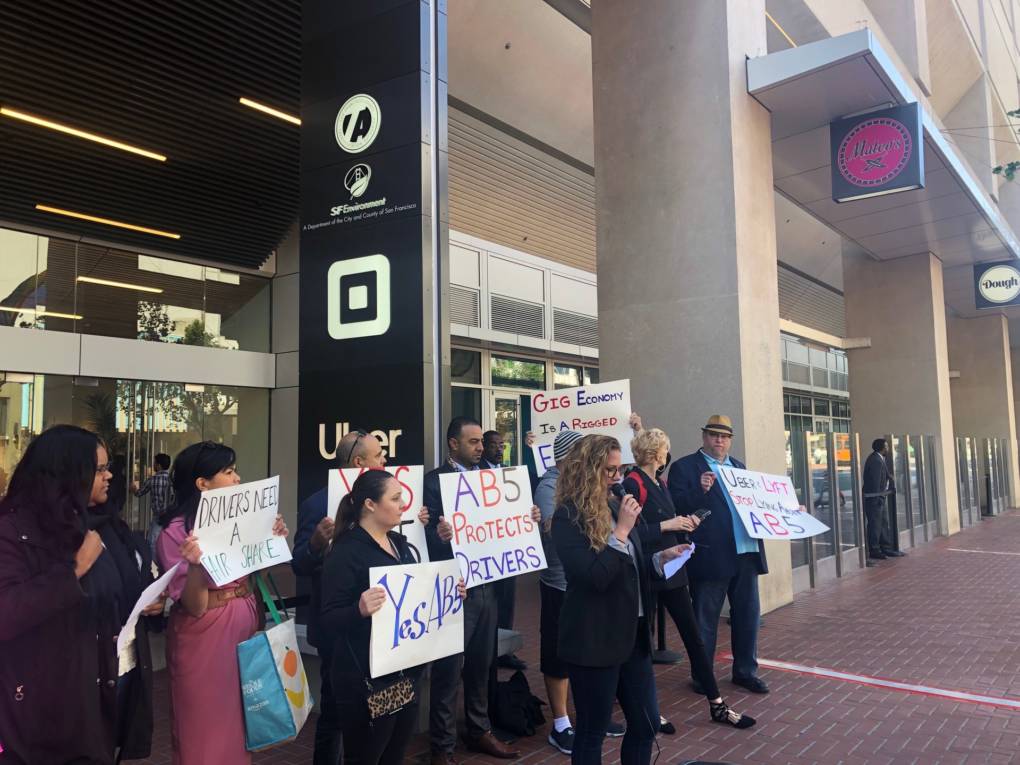
"caption": "Uber driver Rebecca Stack-Martinez speaks at a press conference outside Uber's headquarters in San Francisco on June 18, 2019.",
"description": null,
"title": "RS37776_IMG_1906-qut",
"credit": "Sonja Hutson/KQED",
"status": "inherit",
"isLoading": false,
"fetchFailed": false
},
"news_11755619": {
"type": "attachments",
"id": "news_11755619",
"meta": {
"index": "attachments_1716263798",
"site": "news",
"id": "11755619",
"found": true
},
"parent": 11755545,
"imgSizes": {
"apple_news_ca_landscape_5_5": {
"file": "https://ww2.kqed.org/app/uploads/sites/10/2019/06/RS11530_465950115-1044x783.jpg",
"width": 1044,
"mimeType": "image/jpeg",
"height": 783
},
"apple_news_ca_square_4_0": {
"file": "https://ww2.kqed.org/app/uploads/sites/10/2019/06/RS11530_465950115-470x470.jpg",
"width": 470,
"mimeType": "image/jpeg",
"height": 470
},
"twentyfourteen-full-width": {
"file": "https://ww2.kqed.org/app/uploads/sites/10/2019/06/RS11530_465950115-1038x576.jpg",
"width": 1038,
"mimeType": "image/jpeg",
"height": 576
},
"thumbnail": {
"file": "https://ww2.kqed.org/app/uploads/sites/10/2019/06/RS11530_465950115-160x107.jpg",
"width": 160,
"mimeType": "image/jpeg",
"height": 107
},
"post-thumbnail": {
"file": "https://ww2.kqed.org/app/uploads/sites/10/2019/06/RS11530_465950115-672x372.jpg",
"width": 672,
"mimeType": "image/jpeg",
"height": 372
},
"kqedFullSize": {
"file": "https://ww2.kqed.org/app/uploads/sites/10/2019/06/RS11530_465950115.jpg",
"width": 2048,
"height": 1366
},
"apple_news_ca_landscape_4_7": {
"file": "https://ww2.kqed.org/app/uploads/sites/10/2019/06/RS11530_465950115-632x474.jpg",
"width": 632,
"mimeType": "image/jpeg",
"height": 474
},
"large": {
"file": "https://ww2.kqed.org/app/uploads/sites/10/2019/06/RS11530_465950115-1020x680.jpg",
"width": 1020,
"mimeType": "image/jpeg",
"height": 680
},
"complete_open_graph": {
"file": "https://ww2.kqed.org/app/uploads/sites/10/2019/06/RS11530_465950115-1200x800.jpg",
"width": 1200,
"mimeType": "image/jpeg",
"height": 800
},
"apple_news_ca_landscape_4_0": {
"file": "https://ww2.kqed.org/app/uploads/sites/10/2019/06/RS11530_465950115-536x402.jpg",
"width": 536,
"mimeType": "image/jpeg",
"height": 402
},
"apple_news_ca_portrait_12_9": {
"file": "https://ww2.kqed.org/app/uploads/sites/10/2019/06/RS11530_465950115-1122x1496.jpg",
"width": 1122,
"mimeType": "image/jpeg",
"height": 1496
},
"medium": {
"file": "https://ww2.kqed.org/app/uploads/sites/10/2019/06/RS11530_465950115-800x534.jpg",
"width": 800,
"mimeType": "image/jpeg",
"height": 534
},
"apple_news_ca_portrait_4_0": {
"file": "https://ww2.kqed.org/app/uploads/sites/10/2019/06/RS11530_465950115-354x472.jpg",
"width": 354,
"mimeType": "image/jpeg",
"height": 472
},
"apple_news_ca_portrait_9_7": {
"file": "https://ww2.kqed.org/app/uploads/sites/10/2019/06/RS11530_465950115-840x1120.jpg",
"width": 840,
"mimeType": "image/jpeg",
"height": 1120
},
"apple_news_ca_landscape_12_9": {
"file": "https://ww2.kqed.org/app/uploads/sites/10/2019/06/RS11530_465950115-1832x1374.jpg",
"width": 1832,
"mimeType": "image/jpeg",
"height": 1374
},
"apple_news_ca_square_9_7": {
"file": "https://ww2.kqed.org/app/uploads/sites/10/2019/06/RS11530_465950115-1104x1104.jpg",
"width": 1104,
"mimeType": "image/jpeg",
"height": 1104
},
"apple_news_ca_portrait_4_7": {
"file": "https://ww2.kqed.org/app/uploads/sites/10/2019/06/RS11530_465950115-414x552.jpg",
"width": 414,
"mimeType": "image/jpeg",
"height": 552
},
"apple_news_ca_square_12_9": {
"file": "https://ww2.kqed.org/app/uploads/sites/10/2019/06/RS11530_465950115-1472x1472.jpg",
"width": 1472,
"mimeType": "image/jpeg",
"height": 1472
},
"apple_news_ca_portrait_5_5": {
"file": "https://ww2.kqed.org/app/uploads/sites/10/2019/06/RS11530_465950115-687x916.jpg",
"width": 687,
"mimeType": "image/jpeg",
"height": 916
},
"full-width": {
"file": "https://ww2.kqed.org/app/uploads/sites/10/2019/06/RS11530_465950115-1920x1281.jpg",
"width": 1920,
"mimeType": "image/jpeg",
"height": 1281
},
"apple_news_ca_square_4_7": {
"file": "https://ww2.kqed.org/app/uploads/sites/10/2019/06/RS11530_465950115-550x550.jpg",
"width": 550,
"mimeType": "image/jpeg",
"height": 550
},
"apple_news_ca_landscape_9_7": {
"file": "https://ww2.kqed.org/app/uploads/sites/10/2019/06/RS11530_465950115-1376x1032.jpg",
"width": 1376,
"mimeType": "image/jpeg",
"height": 1032
},
"apple_news_ca_square_5_5": {
"file": "https://ww2.kqed.org/app/uploads/sites/10/2019/06/RS11530_465950115-912x912.jpg",
"width": 912,
"mimeType": "image/jpeg",
"height": 912
}
},
"publishDate": 1560902063,
"modified": 1560987210,
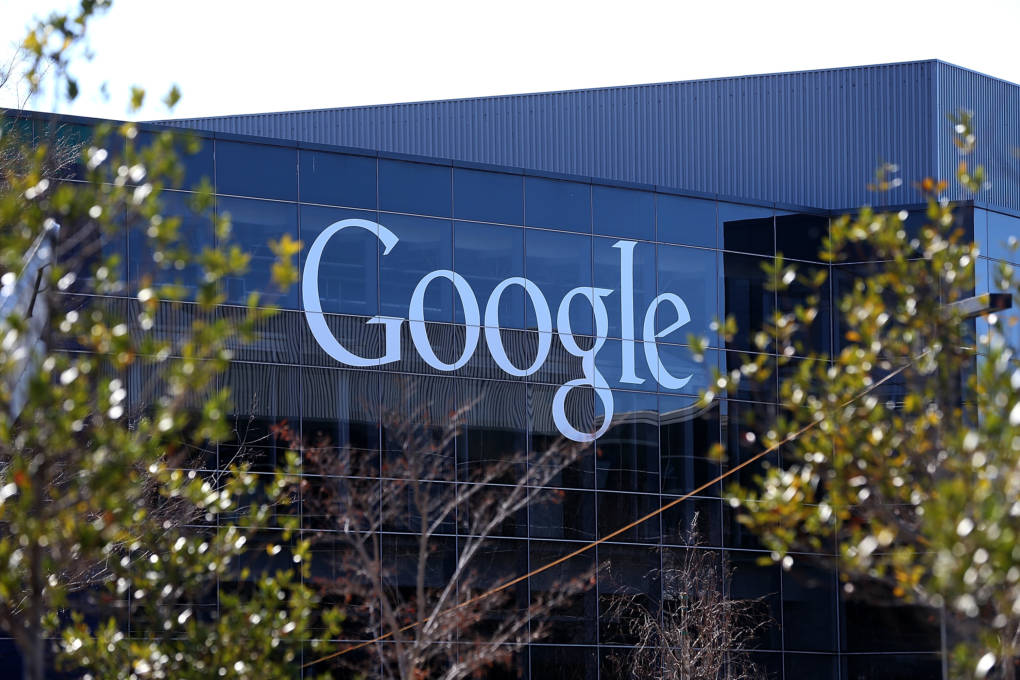
"caption": "Google announced a $1 billion commitment to help address the housing crisis in the San Francisco Bay Area. ",
"description": "Google announced a $1 billion commitment to help address the housing crisis in the San Francisco Bay Area. ",
"title": "Google Reports Quarterly Earnings",
"credit": "Justin Sullivan/Getty Images",
"status": "inherit",
"isLoading": false,
"fetchFailed": false
},
"news_11755424": {
"type": "attachments",
"id": "news_11755424",
"meta": {
"index": "attachments_1716263798",
"site": "news",
"id": "11755424",
"found": true
},
"parent": 11755240,
"imgSizes": {
"apple_news_ca_landscape_5_5": {
"file": "https://ww2.kqed.org/app/uploads/sites/10/2019/06/Venezuela-1044x768.jpg",
"width": 1044,
"mimeType": "image/jpeg",
"height": 768
},
"apple_news_ca_square_4_0": {
"file": "https://ww2.kqed.org/app/uploads/sites/10/2019/06/Venezuela-470x470.jpg",
"width": 470,
"mimeType": "image/jpeg",
"height": 470
},
"twentyfourteen-full-width": {
"file": "https://ww2.kqed.org/app/uploads/sites/10/2019/06/Venezuela-1038x576.jpg",
"width": 1038,
"mimeType": "image/jpeg",
"height": 576
},
"thumbnail": {
"file": "https://ww2.kqed.org/app/uploads/sites/10/2019/06/Venezuela-160x90.jpg",
"width": 160,
"mimeType": "image/jpeg",
"height": 90
},
"post-thumbnail": {
"file": "https://ww2.kqed.org/app/uploads/sites/10/2019/06/Venezuela-672x372.jpg",
"width": 672,
"mimeType": "image/jpeg",
"height": 372
},
"kqedFullSize": {
"file": "https://ww2.kqed.org/app/uploads/sites/10/2019/06/Venezuela.jpg",
"width": 1366,
"height": 768
},
"apple_news_ca_landscape_4_7": {
"file": "https://ww2.kqed.org/app/uploads/sites/10/2019/06/Venezuela-632x474.jpg",
"width": 632,
"mimeType": "image/jpeg",
"height": 474
},
"large": {
"file": "https://ww2.kqed.org/app/uploads/sites/10/2019/06/Venezuela-1020x573.jpg",
"width": 1020,
"mimeType": "image/jpeg",
"height": 573
},
"complete_open_graph": {
"file": "https://ww2.kqed.org/app/uploads/sites/10/2019/06/Venezuela-1200x675.jpg",
"width": 1200,
"mimeType": "image/jpeg",
"height": 675
},
"apple_news_ca_landscape_4_0": {
"file": "https://ww2.kqed.org/app/uploads/sites/10/2019/06/Venezuela-536x402.jpg",
"width": 536,
"mimeType": "image/jpeg",
"height": 402
},
"apple_news_ca_portrait_12_9": {
"file": "https://ww2.kqed.org/app/uploads/sites/10/2019/06/Venezuela-1122x768.jpg",
"width": 1122,
"mimeType": "image/jpeg",
"height": 768
},
"medium": {
"file": "https://ww2.kqed.org/app/uploads/sites/10/2019/06/Venezuela-800x450.jpg",
"width": 800,
"mimeType": "image/jpeg",
"height": 450
},
"apple_news_ca_portrait_4_0": {
"file": "https://ww2.kqed.org/app/uploads/sites/10/2019/06/Venezuela-354x472.jpg",
"width": 354,
"mimeType": "image/jpeg",
"height": 472
},
"apple_news_ca_portrait_9_7": {
"file": "https://ww2.kqed.org/app/uploads/sites/10/2019/06/Venezuela-840x768.jpg",
"width": 840,
"mimeType": "image/jpeg",
"height": 768
},
"apple_news_ca_square_9_7": {
"file": "https://ww2.kqed.org/app/uploads/sites/10/2019/06/Venezuela-1104x768.jpg",
"width": 1104,
"mimeType": "image/jpeg",
"height": 768
},
"apple_news_ca_portrait_4_7": {
"file": "https://ww2.kqed.org/app/uploads/sites/10/2019/06/Venezuela-414x552.jpg",
"width": 414,
"mimeType": "image/jpeg",
"height": 552
},
"apple_news_ca_portrait_5_5": {
"file": "https://ww2.kqed.org/app/uploads/sites/10/2019/06/Venezuela-687x768.jpg",
"width": 687,
"mimeType": "image/jpeg",
"height": 768
},
"apple_news_ca_square_4_7": {
"file": "https://ww2.kqed.org/app/uploads/sites/10/2019/06/Venezuela-550x550.jpg",
"width": 550,
"mimeType": "image/jpeg",
"height": 550
},
"apple_news_ca_square_5_5": {
"file": "https://ww2.kqed.org/app/uploads/sites/10/2019/06/Venezuela-912x768.jpg",
"width": 912,
"mimeType": "image/jpeg",
"height": 768
}
},
"publishDate": 1560883513,
"modified": 1560883754,
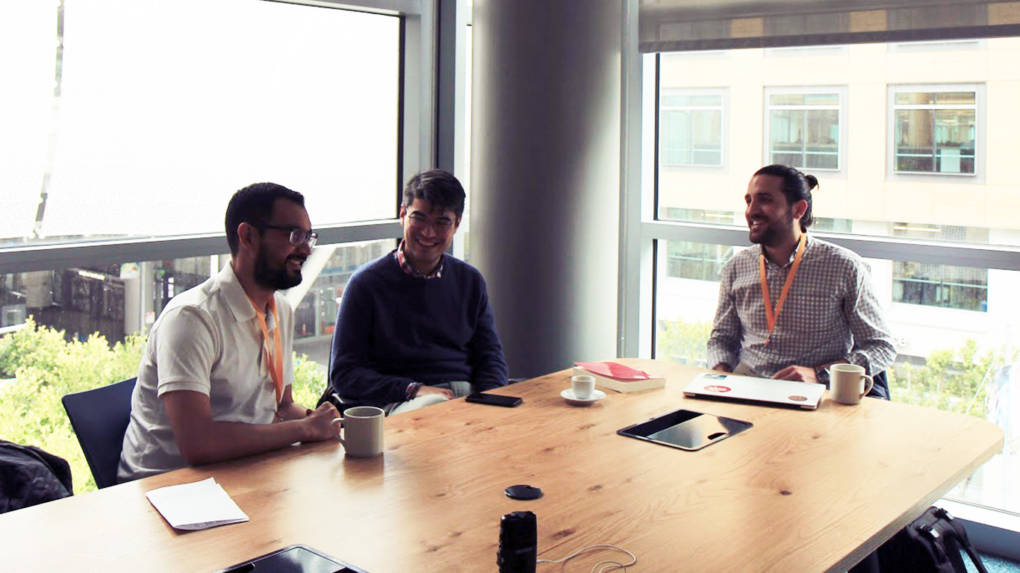
"caption": "Jose Montes de Oca\n(left), Rafael Chacón (middle) and Marcos Ciarrocchi (right) created Code for Venezuela, which organized hackathons in April. The event drew 200 participants.",
"description": null,
"title": "Venezuela",
"credit": "Zoe Schiffer/KQED ",
"status": "inherit",
"isLoading": false,
"fetchFailed": false
},
"news_11742548": {
"type": "attachments",
"id": "news_11742548",
"meta": {
"index": "attachments_1716263798",
"site": "news",
"id": "11742548",
"found": true
},
"parent": 11742542,
"imgSizes": {
"twentyfourteen-full-width": {
"file": "https://ww2.kqed.org/app/uploads/sites/10/2019/04/Facebook-Thumbs-Up-1038x576.jpg",
"width": 1038,
"mimeType": "image/jpeg",
"height": 576
},
"thumbnail": {
"file": "https://ww2.kqed.org/app/uploads/sites/10/2019/04/Facebook-Thumbs-Up-160x107.jpg",
"width": 160,
"mimeType": "image/jpeg",
"height": 107
},
"post-thumbnail": {
"file": "https://ww2.kqed.org/app/uploads/sites/10/2019/04/Facebook-Thumbs-Up-672x372.jpg",
"width": 672,
"mimeType": "image/jpeg",
"height": 372
},
"kqedFullSize": {
"file": "https://ww2.kqed.org/app/uploads/sites/10/2019/04/Facebook-Thumbs-Up.jpg",
"width": 1920,
"height": 1278
},
"large": {
"file": "https://ww2.kqed.org/app/uploads/sites/10/2019/04/Facebook-Thumbs-Up-1020x679.jpg",
"width": 1020,
"mimeType": "image/jpeg",
"height": 679
},
"complete_open_graph": {
"file": "https://ww2.kqed.org/app/uploads/sites/10/2019/04/Facebook-Thumbs-Up-1200x799.jpg",
"width": 1200,
"mimeType": "image/jpeg",
"height": 799
},
"full-width": {
"file": "https://ww2.kqed.org/app/uploads/sites/10/2019/04/Facebook-Thumbs-Up-1920x1278.jpg",
"width": 1920,
"mimeType": "image/jpeg",
"height": 1278
},
"medium": {
"file": "https://ww2.kqed.org/app/uploads/sites/10/2019/04/Facebook-Thumbs-Up-800x533.jpg",
"width": 800,
"mimeType": "image/jpeg",
"height": 533
}
},
"publishDate": 1556140643,
"modified": 1566347150,
"caption": "A \"like\" icon at the Facebook main campus in Menlo Park.",
"description": "A \"like\" icon at the Facebook main campus in Menlo Park, pictured in 2012.",
"title": "Facebook-Thumbs-Up",
"credit": "Robyn Beck/AFP/Getty Images",
"status": "inherit",
"isLoading": false,
"fetchFailed": false
},
"news_11754389": {
"type": "attachments",
"id": "news_11754389",
"meta": {
"index": "attachments_1716263798",
"site": "news",
"id": "11754389",
"found": true
},
"title": "TO GO WITH AFP STORY-TECHNOLOGY-US-IT BY",
"publishDate": 1560402382,
"status": "inherit",
"parent": 11754319,
"modified": 1778171771,
"caption": "An aerial view of downtown San Jose.",
"credit": "Helene Labriet-Gross/AFP/Getty Images",
"altTag": null,
"description": null,
"imgSizes": {
"thumbnail": {
"file": "https://cdn.kqed.org/wp-content/uploads/sites/10/2019/06/GettyImages-77152290-160x120.jpg",
"width": 160,
"height": 120,
"mimeType": "image/jpeg"
},
"medium": {
"file": "https://cdn.kqed.org/wp-content/uploads/sites/10/2019/06/GettyImages-77152290-800x600.jpg",
"width": 800,
"height": 600,
"mimeType": "image/jpeg"
},
"large": {
"file": "https://cdn.kqed.org/wp-content/uploads/sites/10/2019/06/GettyImages-77152290-1020x765.jpg",
"width": 1020,
"height": 765,
"mimeType": "image/jpeg"
},
"complete_open_graph": {
"file": "https://cdn.kqed.org/wp-content/uploads/sites/10/2019/06/GettyImages-77152290-1200x900.jpg",
"width": 1200,
"height": 900,
"mimeType": "image/jpeg"
},
"post-thumbnail": {
"file": "https://cdn.kqed.org/wp-content/uploads/sites/10/2019/06/GettyImages-77152290-672x372.jpg",
"width": 672,
"height": 372,
"mimeType": "image/jpeg"
},
"twentyfourteen-full-width": {
"file": "https://cdn.kqed.org/wp-content/uploads/sites/10/2019/06/GettyImages-77152290-1038x576.jpg",
"width": 1038,
"height": 576,
"mimeType": "image/jpeg"
},
"full-width": {
"file": "https://cdn.kqed.org/wp-content/uploads/sites/10/2019/06/GettyImages-77152290-1920x1440.jpg",
"width": 1920,
"height": 1440,
"mimeType": "image/jpeg"
},
"apple_news_ca_landscape_12_9": {
"file": "https://cdn.kqed.org/wp-content/uploads/sites/10/2019/06/GettyImages-77152290-1832x1374.jpg",
"width": 1832,
"height": 1374,
"mimeType": "image/jpeg"
},
"apple_news_ca_landscape_9_7": {
"file": "https://cdn.kqed.org/wp-content/uploads/sites/10/2019/06/GettyImages-77152290-1376x1032.jpg",
"width": 1376,
"height": 1032,
"mimeType": "image/jpeg"
},
"apple_news_ca_landscape_5_5": {
"file": "https://cdn.kqed.org/wp-content/uploads/sites/10/2019/06/GettyImages-77152290-1044x783.jpg",
"width": 1044,
"height": 783,
"mimeType": "image/jpeg"
},
"apple_news_ca_landscape_4_7": {
"file": "https://cdn.kqed.org/wp-content/uploads/sites/10/2019/06/GettyImages-77152290-632x474.jpg",
"width": 632,
"height": 474,
"mimeType": "image/jpeg"
},
"apple_news_ca_landscape_4_0": {
"file": "https://cdn.kqed.org/wp-content/uploads/sites/10/2019/06/GettyImages-77152290-536x402.jpg",
"width": 536,
"height": 402,
"mimeType": "image/jpeg"
},
"apple_news_ca_portrait_12_9": {
"file": "https://cdn.kqed.org/wp-content/uploads/sites/10/2019/06/GettyImages-77152290-1122x1496.jpg",
"width": 1122,
"height": 1496,
"mimeType": "image/jpeg"
},
"apple_news_ca_portrait_9_7": {
"file": "https://cdn.kqed.org/wp-content/uploads/sites/10/2019/06/GettyImages-77152290-840x1120.jpg",
"width": 840,
"height": 1120,
"mimeType": "image/jpeg"
},
"apple_news_ca_portrait_5_5": {
"file": "https://cdn.kqed.org/wp-content/uploads/sites/10/2019/06/GettyImages-77152290-687x916.jpg",
"width": 687,
"height": 916,
"mimeType": "image/jpeg"
},
"apple_news_ca_portrait_4_7": {
"file": "https://cdn.kqed.org/wp-content/uploads/sites/10/2019/06/GettyImages-77152290-414x552.jpg",
"width": 414,
"height": 552,
"mimeType": "image/jpeg"
},
"apple_news_ca_portrait_4_0": {
"file": "https://cdn.kqed.org/wp-content/uploads/sites/10/2019/06/GettyImages-77152290-354x472.jpg",
"width": 354,
"height": 472,
"mimeType": "image/jpeg"
},
"apple_news_ca_square_12_9": {
"file": "https://cdn.kqed.org/wp-content/uploads/sites/10/2019/06/GettyImages-77152290-1472x1472.jpg",
"width": 1472,
"height": 1472,
"mimeType": "image/jpeg"
},
"apple_news_ca_square_9_7": {
"file": "https://cdn.kqed.org/wp-content/uploads/sites/10/2019/06/GettyImages-77152290-1104x1104.jpg",
"width": 1104,
"height": 1104,
"mimeType": "image/jpeg"
},
"apple_news_ca_square_5_5": {
"file": "https://cdn.kqed.org/wp-content/uploads/sites/10/2019/06/GettyImages-77152290-912x912.jpg",
"width": 912,
"height": 912,
"mimeType": "image/jpeg"
},
"apple_news_ca_square_4_7": {
"file": "https://cdn.kqed.org/wp-content/uploads/sites/10/2019/06/GettyImages-77152290-550x550.jpg",
"width": 550,
"height": 550,
"mimeType": "image/jpeg"
},
"apple_news_ca_square_4_0": {
"file": "https://cdn.kqed.org/wp-content/uploads/sites/10/2019/06/GettyImages-77152290-470x470.jpg",
"width": 470,
"height": 470,
"mimeType": "image/jpeg"
},
"kqedFullSize": {
"file": "https://cdn.kqed.org/wp-content/uploads/sites/10/2019/06/GettyImages-77152290-e1560402492305.jpg",
"width": 1920,
"height": 1440
}
},
"isLoading": false,
"fetchFailed": false
},
"news_11665380": {
"type": "attachments",
"id": "news_11665380",
"meta": {
"index": "attachments_1716263798",
"site": "news",
"id": "11665380",
"found": true
},
"parent": 11665379,
"imgSizes": {
"small": {
"file": "https://ww2.kqed.org/app/uploads/sites/10/2018/04/GettyImages-166412924-520x347.jpg",
"width": 520,
"mimeType": "image/jpeg",
"height": 347
},
"twentyfourteen-full-width": {
"file": "https://ww2.kqed.org/app/uploads/sites/10/2018/04/GettyImages-166412924-1038x576.jpg",
"width": 1038,
"mimeType": "image/jpeg",
"height": 576
},
"thumbnail": {
"file": "https://ww2.kqed.org/app/uploads/sites/10/2018/04/GettyImages-166412924-160x107.jpg",
"width": 160,
"mimeType": "image/jpeg",
"height": 107
},
"fd-sm": {
"file": "https://ww2.kqed.org/app/uploads/sites/10/2018/04/GettyImages-166412924-960x640.jpg",
"width": 960,
"mimeType": "image/jpeg",
"height": 640
},
"post-thumbnail": {
"file": "https://ww2.kqed.org/app/uploads/sites/10/2018/04/GettyImages-166412924-672x372.jpg",
"width": 672,
"mimeType": "image/jpeg",
"height": 372
},
"xsmall": {
"file": "https://ww2.kqed.org/app/uploads/sites/10/2018/04/GettyImages-166412924-375x250.jpg",
"width": 375,
"mimeType": "image/jpeg",
"height": 250
},
"kqedFullSize": {
"file": "https://ww2.kqed.org/app/uploads/sites/10/2018/04/GettyImages-166412924-e1525025073264.jpg",
"width": 1920,
"height": 1280
},
"large": {
"file": "https://ww2.kqed.org/app/uploads/sites/10/2018/04/GettyImages-166412924-1020x680.jpg",
"width": 1020,
"mimeType": "image/jpeg",
"height": 680
},
"xlarge": {
"file": "https://ww2.kqed.org/app/uploads/sites/10/2018/04/GettyImages-166412924-1180x787.jpg",
"width": 1180,
"mimeType": "image/jpeg",
"height": 787
},
"complete_open_graph": {
"file": "https://ww2.kqed.org/app/uploads/sites/10/2018/04/GettyImages-166412924-1200x800.jpg",
"width": 1200,
"mimeType": "image/jpeg",
"height": 800
},
"guest-author-50": {
"file": "https://ww2.kqed.org/app/uploads/sites/10/2018/04/GettyImages-166412924-50x50.jpg",
"width": 50,
"mimeType": "image/jpeg",
"height": 50
},
"guest-author-96": {
"file": "https://ww2.kqed.org/app/uploads/sites/10/2018/04/GettyImages-166412924-96x96.jpg",
"width": 96,
"mimeType": "image/jpeg",
"height": 96
},
"medium": {
"file": "https://ww2.kqed.org/app/uploads/sites/10/2018/04/GettyImages-166412924-800x533.jpg",
"width": 800,
"mimeType": "image/jpeg",
"height": 533
},
"guest-author-64": {
"file": "https://ww2.kqed.org/app/uploads/sites/10/2018/04/GettyImages-166412924-64x64.jpg",
"width": 64,
"mimeType": "image/jpeg",
"height": 64
},
"guest-author-32": {
"file": "https://ww2.kqed.org/app/uploads/sites/10/2018/04/GettyImages-166412924-32x32.jpg",
"width": 32,
"mimeType": "image/jpeg",
"height": 32
},
"fd-lrg": {
"file": "https://ww2.kqed.org/app/uploads/sites/10/2018/04/GettyImages-166412924-1920x1280.jpg",
"width": 1920,
"mimeType": "image/jpeg",
"height": 1280
},
"fd-med": {
"file": "https://ww2.kqed.org/app/uploads/sites/10/2018/04/GettyImages-166412924-1180x787.jpg",
"width": 1180,
"mimeType": "image/jpeg",
"height": 787
},
"full-width": {
"file": "https://ww2.kqed.org/app/uploads/sites/10/2018/04/GettyImages-166412924-1920x1280.jpg",
"width": 1920,
"mimeType": "image/jpeg",
"height": 1280
},
"detail": {
"file": "https://ww2.kqed.org/app/uploads/sites/10/2018/04/GettyImages-166412924-150x150.jpg",
"width": 150,
"mimeType": "image/jpeg",
"height": 150
},
"guest-author-128": {
"file": "https://ww2.kqed.org/app/uploads/sites/10/2018/04/GettyImages-166412924-128x128.jpg",
"width": 128,
"mimeType": "image/jpeg",
"height": 128
},
"xxsmall": {
"file": "https://ww2.kqed.org/app/uploads/sites/10/2018/04/GettyImages-166412924-240x160.jpg",
"width": 240,
"mimeType": "image/jpeg",
"height": 160
}
},
"publishDate": 1525024957,
"modified": 1560287996,
"caption": "T-Mobile and Sprint could merge in a deal that would reshape the U.S. wireless landscape.",
"description": "T-Mobile and Sprint are going to combine in a deal that would reshape the U.S. wireless landscape.",
"title": "T-Mobile Begins Offering Apple's iPhone",
"credit": "Spencer Platt/Getty Images",
"status": "inherit",
"isLoading": false,
"fetchFailed": false
},
"news_11753790": {
"type": "attachments",
"id": "news_11753790",
"meta": {
"index": "attachments_1716263798",
"site": "news",
"id": "11753790",
"found": true
},
"title": "RS24374_GettyImages-642765652-qut",
"publishDate": 1560211623,
"status": "inherit",
"parent": 11753753,
"modified": 1782256579,
"caption": "A Los Angeles police officer wears an AXON body camera. ",
"credit": "David McNew/Getty Images",
"altTag": null,
"description": null,
"imgSizes": {
"thumbnail": {
"file": "https://cdn.kqed.org/wp-content/uploads/sites/10/2019/06/RS24374_GettyImages-642765652-qut-160x107.jpg",
"width": 160,
"height": 107,
"mimeType": "image/jpeg"
},
"medium": {
"file": "https://cdn.kqed.org/wp-content/uploads/sites/10/2019/06/RS24374_GettyImages-642765652-qut-800x533.jpg",
"width": 800,
"height": 533,
"mimeType": "image/jpeg"
},
"large": {
"file": "https://cdn.kqed.org/wp-content/uploads/sites/10/2019/06/RS24374_GettyImages-642765652-qut-1020x680.jpg",
"width": 1020,
"height": 680,
"mimeType": "image/jpeg"
},
"complete_open_graph": {
"file": "https://cdn.kqed.org/wp-content/uploads/sites/10/2019/06/RS24374_GettyImages-642765652-qut-1200x800.jpg",
"width": 1200,
"height": 800,
"mimeType": "image/jpeg"
},
"post-thumbnail": {
"file": "https://cdn.kqed.org/wp-content/uploads/sites/10/2019/06/RS24374_GettyImages-642765652-qut-672x372.jpg",
"width": 672,
"height": 372,
"mimeType": "image/jpeg"
},
"twentyfourteen-full-width": {
"file": "https://cdn.kqed.org/wp-content/uploads/sites/10/2019/06/RS24374_GettyImages-642765652-qut-1038x576.jpg",
"width": 1038,
"height": 576,
"mimeType": "image/jpeg"
},
"full-width": {
"file": "https://cdn.kqed.org/wp-content/uploads/sites/10/2019/06/RS24374_GettyImages-642765652-qut-1920x1280.jpg",
"width": 1920,
"height": 1280,
"mimeType": "image/jpeg"
},
"apple_news_ca_landscape_12_9": {
"file": "https://cdn.kqed.org/wp-content/uploads/sites/10/2019/06/RS24374_GettyImages-642765652-qut-1832x1280.jpg",
"width": 1832,
"height": 1280,
"mimeType": "image/jpeg"
},
"apple_news_ca_landscape_9_7": {
"file": "https://cdn.kqed.org/wp-content/uploads/sites/10/2019/06/RS24374_GettyImages-642765652-qut-1376x1032.jpg",
"width": 1376,
"height": 1032,
"mimeType": "image/jpeg"
},
"apple_news_ca_landscape_5_5": {
"file": "https://cdn.kqed.org/wp-content/uploads/sites/10/2019/06/RS24374_GettyImages-642765652-qut-1044x783.jpg",
"width": 1044,
"height": 783,
"mimeType": "image/jpeg"
},
"apple_news_ca_landscape_4_7": {
"file": "https://cdn.kqed.org/wp-content/uploads/sites/10/2019/06/RS24374_GettyImages-642765652-qut-632x474.jpg",
"width": 632,
"height": 474,
"mimeType": "image/jpeg"
},
"apple_news_ca_landscape_4_0": {
"file": "https://cdn.kqed.org/wp-content/uploads/sites/10/2019/06/RS24374_GettyImages-642765652-qut-536x402.jpg",
"width": 536,
"height": 402,
"mimeType": "image/jpeg"
},
"apple_news_ca_portrait_12_9": {
"file": "https://cdn.kqed.org/wp-content/uploads/sites/10/2019/06/RS24374_GettyImages-642765652-qut-1122x1280.jpg",
"width": 1122,
"height": 1280,
"mimeType": "image/jpeg"
},
"apple_news_ca_portrait_9_7": {
"file": "https://cdn.kqed.org/wp-content/uploads/sites/10/2019/06/RS24374_GettyImages-642765652-qut-840x1120.jpg",
"width": 840,
"height": 1120,
"mimeType": "image/jpeg"
},
"apple_news_ca_portrait_5_5": {
"file": "https://cdn.kqed.org/wp-content/uploads/sites/10/2019/06/RS24374_GettyImages-642765652-qut-687x916.jpg",
"width": 687,
"height": 916,
"mimeType": "image/jpeg"
},
"apple_news_ca_portrait_4_7": {
"file": "https://cdn.kqed.org/wp-content/uploads/sites/10/2019/06/RS24374_GettyImages-642765652-qut-414x552.jpg",
"width": 414,
"height": 552,
"mimeType": "image/jpeg"
},
"apple_news_ca_portrait_4_0": {
"file": "https://cdn.kqed.org/wp-content/uploads/sites/10/2019/06/RS24374_GettyImages-642765652-qut-354x472.jpg",
"width": 354,
"height": 472,
"mimeType": "image/jpeg"
},
"apple_news_ca_square_12_9": {
"file": "https://cdn.kqed.org/wp-content/uploads/sites/10/2019/06/RS24374_GettyImages-642765652-qut-1472x1280.jpg",
"width": 1472,
"height": 1280,
"mimeType": "image/jpeg"
},
"apple_news_ca_square_9_7": {
"file": "https://cdn.kqed.org/wp-content/uploads/sites/10/2019/06/RS24374_GettyImages-642765652-qut-1104x1104.jpg",
"width": 1104,
"height": 1104,
"mimeType": "image/jpeg"
},
"apple_news_ca_square_5_5": {
"file": "https://cdn.kqed.org/wp-content/uploads/sites/10/2019/06/RS24374_GettyImages-642765652-qut-912x912.jpg",
"width": 912,
"height": 912,
"mimeType": "image/jpeg"
},
"apple_news_ca_square_4_7": {
"file": "https://cdn.kqed.org/wp-content/uploads/sites/10/2019/06/RS24374_GettyImages-642765652-qut-550x550.jpg",
"width": 550,
"height": 550,
"mimeType": "image/jpeg"
},
"apple_news_ca_square_4_0": {
"file": "https://cdn.kqed.org/wp-content/uploads/sites/10/2019/06/RS24374_GettyImages-642765652-qut-470x470.jpg",
"width": 470,
"height": 470,
"mimeType": "image/jpeg"
},
"kqedFullSize": {
"file": "https://cdn.kqed.org/wp-content/uploads/sites/10/2019/06/RS24374_GettyImages-642765652-qut.jpg",
"width": 1920,
"height": 1280
}
},
"isLoading": false,
"fetchFailed": false
}
},
"audioPlayerReducer": {
"postId": "stream_live",
"isPaused": true,
"isPlaying": false,
"pfsActive": false,
"pledgeModalIsOpen": true,
"playerDrawerIsOpen": false,
"liveAudioPlayStartedAt": 0,
"liveAudioPlayContext": ""
},
"authorsReducer": {
"byline_news_11757416": {
"type": "authors",
"id": "byline_news_11757416",
"meta": {
"override": true
},
"slug": "byline_news_11757416",
"name": "Aarti Shahani\u003cbr>NPR",
"isLoading": false
},
"byline_news_11755366": {
"type": "authors",
"id": "byline_news_11755366",
"meta": {
"override": true
},
"slug": "byline_news_11755366",
"name": "Rachel Lerman \u003cbr> Associated Press",
"isLoading": false
},
"byline_news_11753949": {
"type": "authors",
"id": "byline_news_11753949",
"meta": {
"override": true
},
"slug": "byline_news_11753949",
"name": "Tali Arbel\u003cbr>Associated Press",
"isLoading": false
},
"rachael-myrow": {
"type": "authors",
"id": "251",
"meta": {
"index": "authors_1716337520",
"id": "251",
"found": true
},
"name": "Rachael Myrow",
"firstName": "Rachael",
"lastName": "Myrow",
"slug": "rachael-myrow",
"email": "rmyrow@kqed.org",
"display_author_email": true,
"staff_mastheads": [
"news"
],
"title": "Senior Editor of KQED's Silicon Valley News Desk",
"bio": "• I write and edit stories about how Silicon Valley power and policies shape everyday life in California. I’m also passionate about making Bay Area history and culture more accessible to a broad public. • I’ve been a journalist for most of my life, starting in high school with The Franklin Press in Los Angeles, where I grew up. While earning my first degree in English at UC Berkeley, I got my start in public radio at KALX-FM. After completing a second degree in journalism at Cal, I landed my first professional job at Marketplace, then moved on to KPCC (now LAist), and then KQED, where I hosted The California Report for more than seven years. • My reporting has appeared on NPR, The World, WBUR’s \u003ci>Here & Now\u003c/i>, and the BBC. I also guest host for KQED’s \u003ci>Forum\u003c/i>, as well as the Commonwealth Club in San Francisco. • I speak periodically on media, democracy and technology issues, and do voiceover work for documentaries and educational video projects. • Outside of the studio, you'll find me hiking Bay Area trails and whipping up Insta-ready meals in my kitchen. • I do not accept gifts, money, or favors from anyone connected to my reporting, I don't pay people for information, and I do not support or donate to political causes. • I strive to treat the people I report on with fairness, honesty, and respect. I also recognize there are often multiple sides to a story and work to verify information through multiple sources and documentation. If I get something wrong, I correct it.",
"avatar": "https://secure.gravatar.com/avatar/3ed8a3c5f26025e4a805ba634cda8cd764906b97438a6d9ce216b044e340da4e?s=600&d=blank&r=g",
"twitter": "rachaelmyrow",
"bluesky": null,
"facebook": null,
"instagram": null,
"linkedin": "https://www.linkedin.com/in/rachaelmyrow/",
"sites": [
{
"site": "arts",
"roles": [
"administrator"
]
},
{
"site": "news",
"roles": [
"edit_others_posts",
"editor"
]
},
{
"site": "futureofyou",
"roles": [
"editor"
]
},
{
"site": "bayareabites",
"roles": [
"editor"
]
},
{
"site": "stateofhealth",
"roles": [
"editor"
]
},
{
"site": "science",
"roles": [
"editor"
]
},
{
"site": "food",
"roles": [
"editor"
]
},
{
"site": "forum",
"roles": [
"editor"
]
},
{
"site": "liveblog",
"roles": [
"author"
]
}
],
"headData": {
"title": "Rachael Myrow | KQED",
"description": "Senior Editor of KQED's Silicon Valley News Desk",
"ogImgSrc": "https://secure.gravatar.com/avatar/3ed8a3c5f26025e4a805ba634cda8cd764906b97438a6d9ce216b044e340da4e?s=600&d=blank&r=g",
"twImgSrc": "https://secure.gravatar.com/avatar/3ed8a3c5f26025e4a805ba634cda8cd764906b97438a6d9ce216b044e340da4e?s=600&d=blank&r=g"
},
"isLoading": false,
"link": "/author/rachael-myrow"
},
"matthewgreen": {
"type": "authors",
"id": "1263",
"meta": {
"index": "authors_1716337520",
"id": "1263",
"found": true
},
"name": "Matthew Green",
"firstName": "Matthew",
"lastName": "Green",
"slug": "matthewgreen",
"email": "mgreen@kqed.org",
"display_author_email": false,
"staff_mastheads": [],
"title": "KQED Editor/Reporter",
"bio": "Matthew Green is a digital media producer for KQED News. He previously produced \u003ca href=\"http://www.kqed.org/lowdown\">The Lowdown\u003c/a>, KQED’s multimedia news education blog. Matthew's written for numerous Bay Area publications, including the Oakland Tribune and San Francisco Chronicle. He also taught journalism classes at Fremont High School in East Oakland.\r\n\r\nEmail: mgreen@kqed.org; Twitter: @MGreenKQED",
"avatar": "https://secure.gravatar.com/avatar/3bf498d1267ca02c8494f33d8cfc575e?s=600&d=blank&r=g",
"twitter": "MGreenKQED",
"facebook": null,
"instagram": null,
"linkedin": null,
"sites": [
{
"site": "news",
"roles": []
},
{
"site": "lowdown",
"roles": []
},
{
"site": "science",
"roles": []
},
{
"site": "education",
"roles": []
},
{
"site": "quest",
"roles": []
},
{
"site": "liveblog",
"roles": []
}
],
"headData": {
"title": "Matthew Green | KQED",
"description": "KQED Editor/Reporter",
"ogImgSrc": "https://secure.gravatar.com/avatar/3bf498d1267ca02c8494f33d8cfc575e?s=600&d=blank&r=g",
"twImgSrc": "https://secure.gravatar.com/avatar/3bf498d1267ca02c8494f33d8cfc575e?s=600&d=blank&r=g"
},
"isLoading": false,
"link": "/author/matthewgreen"
},
"shossaini": {
"type": "authors",
"id": "3214",
"meta": {
"index": "authors_1716337520",
"id": "3214",
"found": true
},
"name": "Sara Hossaini",
"firstName": "Sara",
"lastName": "Hossaini",
"slug": "shossaini",
"email": "shossaini@kqed.org",
"display_author_email": true,
"staff_mastheads": [
"news"
],
"title": "KQED Reporter",
"bio": "Sara Hossaini came to general assignment reporting at KQED in 2013 after two winters reporting at Wyoming Public Radio. She holds a bachelor's degree in broadcast journalism from the University of Nebraska-Lincoln. Her radio romance began after a bitter breakup with documentary film (Ok, maybe it's still complicated). Her first simultaneous jobs in San Francisco were as Associate Producer on a PBS film series through the Center for Asian American Media and as a butler. She likes to trot, plot and make things with her hands.",
"avatar": "https://secure.gravatar.com/avatar/060e9f56b9554e17942e89f413242774?s=600&d=blank&r=g",
"twitter": "mshossaini",
"facebook": null,
"instagram": null,
"linkedin": null,
"sites": [
{
"site": "news",
"roles": [
"author"
]
},
{
"site": "stateofhealth",
"roles": [
"author"
]
}
],
"headData": {
"title": "Sara Hossaini | KQED",
"description": "KQED Reporter",
"ogImgSrc": "https://secure.gravatar.com/avatar/060e9f56b9554e17942e89f413242774?s=600&d=blank&r=g",
"twImgSrc": "https://secure.gravatar.com/avatar/060e9f56b9554e17942e89f413242774?s=600&d=blank&r=g"
},
"isLoading": false,
"link": "/author/shossaini"
},
"markfiore": {
"type": "authors",
"id": "3236",
"meta": {
"index": "authors_1716337520",
"id": "3236",
"found": true
},
"name": "Mark Fiore",
"firstName": "Mark",
"lastName": "Fiore",
"slug": "markfiore",
"email": "mark@markfiore.com",
"display_author_email": false,
"staff_mastheads": [
"news"
],
"title": "KQED News Cartoonist",
"bio": "\u003ca href=\"http://www.MarkFiore.com\">MarkFiore.com\u003c/a> | \u003ca href=\"https://twitter.com/markfiore\">Follow on Twitter\u003c/a> | \u003ca href=\"https://www.facebook.com/pages/Mark-Fiore-Animated-Political-Cartoons/94451707396?ref=bookmarks\">Facebook\u003c/a> | \u003ca href=\"mailto:mark@markfiore.com\">email\u003c/a>\r\n\r\nPulitzer Prize-winner, Mark Fiore, who the Wall Street Journal has called “the undisputed guru of the form,” creates animated political cartoons in San Francisco, where his work has been featured regularly on the San Francisco Chronicle’s web site, SFGate.com. His work has appeared on Newsweek.com, Slate.com, CBSNews.com, MotherJones.com, DailyKos.com and NPR’s web site. Fiore’s political animation has appeared on CNN, Frontline, Bill Moyers Journal, Salon.com and cable and broadcast outlets across the globe.\r\n\r\nBeginning his professional life by drawing traditional political cartoons for newspapers, Fiore’s work appeared in publications ranging from the Washington Post to the Los Angeles Times. In the late 1990s, he began to experiment with animating political cartoons and, after a short stint at the San Jose Mercury News as their staff cartoonist, Fiore devoted all his energies to animation.\r\nGrowing up in California, Fiore also spent a good portion of his life in the backwoods of Idaho. It was this combination that shaped him politically. Mark majored in political science at Colorado College, where, in a perfect send-off for a cartoonist, he received his diploma in 1991 as commencement speaker Dick Cheney smiled approvingly.\r\nMark Fiore was awarded the Pulitzer Prize for political cartooning in 2010, a Robert F. Kennedy Journalism Award in 2004 and has twice received an Online Journalism Award for commentary from the Online News Association (2002, 2008). Fiore has received two awards for his work in new media from the National Cartoonists Society (2001, 2002), and in 2006 received The James Madison Freedom of Information Award from The Society of Professional Journalists.",
"avatar": "https://secure.gravatar.com/avatar/fc4e2a612b15b67bad0c6f0e1db4ca9b?s=600&d=blank&r=g",
"twitter": "MarkFiore",
"facebook": null,
"instagram": "https://www.instagram.com/markfiore/?hl=en",
"linkedin": null,
"sites": [
{
"site": "arts",
"roles": [
"contributor"
]
},
{
"site": "news",
"roles": [
"editor"
]
},
{
"site": "futureofyou",
"roles": [
"editor"
]
},
{
"site": "science",
"roles": [
"editor"
]
}
],
"headData": {
"title": "Mark Fiore | KQED",
"description": "KQED News Cartoonist",
"ogImgSrc": "https://secure.gravatar.com/avatar/fc4e2a612b15b67bad0c6f0e1db4ca9b?s=600&d=blank&r=g",
"twImgSrc": "https://secure.gravatar.com/avatar/fc4e2a612b15b67bad0c6f0e1db4ca9b?s=600&d=blank&r=g"
},
"isLoading": false,
"link": "/author/markfiore"
},
"tcamhi": {
"type": "authors",
"id": "3251",
"meta": {
"index": "authors_1716337520",
"id": "3251",
"found": true
},
"name": "Tiffany Camhi",
"firstName": "Tiffany",
"lastName": "Camhi",
"slug": "tcamhi",
"email": "tiffanycamhi@gmail.com",
"display_author_email": false,
"staff_mastheads": [],
"title": "KQED Contributor",
"bio": null,
"avatar": "https://secure.gravatar.com/avatar/f8204ce351139205d3b3dc1581016a5e30d7d8b38cb2c139348c151ec14b792e?s=600&d=blank&r=g",
"twitter": null,
"bluesky": null,
"facebook": null,
"instagram": null,
"linkedin": null,
"sites": [
{
"site": "arts",
"roles": [
"subscriber"
]
},
{
"site": "news",
"roles": [
"subscriber"
]
}
],
"headData": {
"title": "Tiffany Camhi | KQED",
"description": "KQED Contributor",
"ogImgSrc": "https://secure.gravatar.com/avatar/f8204ce351139205d3b3dc1581016a5e30d7d8b38cb2c139348c151ec14b792e?s=600&d=blank&r=g",
"twImgSrc": "https://secure.gravatar.com/avatar/f8204ce351139205d3b3dc1581016a5e30d7d8b38cb2c139348c151ec14b792e?s=600&d=blank&r=g"
},
"isLoading": false,
"link": "/author/tcamhi"
},
"shutson": {
"type": "authors",
"id": "11216",
"meta": {
"index": "authors_1716337520",
"id": "11216",
"found": true
},
"name": "Sonja Hutson",
"firstName": "Sonja",
"lastName": "Hutson",
"slug": "shutson",
"email": "shutson@kqed.org",
"display_author_email": false,
"staff_mastheads": [],
"title": "KQED Contributor",
"bio": "Sonja Hutson is a former reporter for KQED's Silicon Valley desk and weekend newscasts. She primarily covers tech and housing. Sonja is a Bay Area native and now lives in San Francisco. When she's not working, you can find her camping, skiing, scuba diving, and struggling with the New York Times Crossword. Email: \u003ca href=\"mailto:shutson@kqed.org\">shutson@kqed.org. \u003c/a>Twitter: \u003ca href=\"https://twitter.com/SonjaHutson\">@SonjaHutson\u003c/a>",
"avatar": "https://secure.gravatar.com/avatar/7537c5e36818614e599b6c0f41d72b7a?s=600&d=blank&r=g",
"twitter": "SonjaHutson",
"facebook": null,
"instagram": null,
"linkedin": null,
"sites": [
{
"site": "arts",
"roles": [
"author"
]
},
{
"site": "news",
"roles": [
"subscriber"
]
}
],
"headData": {
"title": "Sonja Hutson | KQED",
"description": "KQED Contributor",
"ogImgSrc": "https://secure.gravatar.com/avatar/7537c5e36818614e599b6c0f41d72b7a?s=600&d=blank&r=g",
"twImgSrc": "https://secure.gravatar.com/avatar/7537c5e36818614e599b6c0f41d72b7a?s=600&d=blank&r=g"
},
"isLoading": false,
"link": "/author/shutson"
},
"zschiffer": {
"type": "authors",
"id": "11588",
"meta": {
"index": "authors_1716337520",
"id": "11588",
"found": true
},
"name": "Zoe Schiffer",
"firstName": "Zoe",
"lastName": "Schiffer",
"slug": "zschiffer",
"email": "zschiffer@KQED.org",
"display_author_email": false,
"staff_mastheads": [],
"title": null,
"bio": "Zoe Schiffer works at KQED's Silicon Valley Bureau, reporting on tech and culture. Previously, she freelanced for Vox's Racked, The Bold Italic, SF Gate, and SF Evergreen. She holds a B.A. in Political Science from UC Berkeley, and is working on a graduate degree in Journalism from Stanford. Outside of work you can find her reading, writing poetry, and running around Lake Merritt. Twitter: @ZoeSchiffer",
"avatar": "https://secure.gravatar.com/avatar/bbb1270a17cf7dbab05a089151407d8f?s=600&d=blank&r=g",
"twitter": "@ZoeSchiffer",
"facebook": null,
"instagram": null,
"linkedin": null,
"sites": [
{
"site": "news",
"roles": [
"author"
]
}
],
"headData": {
"title": "Zoe Schiffer | KQED",
"description": null,
"ogImgSrc": "https://secure.gravatar.com/avatar/bbb1270a17cf7dbab05a089151407d8f?s=600&d=blank&r=g",
"twImgSrc": "https://secure.gravatar.com/avatar/bbb1270a17cf7dbab05a089151407d8f?s=600&d=blank&r=g"
},
"isLoading": false,
"link": "/author/zschiffer"
}
},
"pagesReducer": {
"news_category_technology": {
"type": "terms",
"id": "news_248",
"meta": {
"index": "terms_1716263798",
"site": "news",
"id": "248",
"score": 10.931574
},
"featImg": null,
"name": "Technology",
"description": null,
"taxonomy": "category",
"headData": {
"twImgId": null,
"twTitle": null,
"ogTitle": null,
"ogImgId": null,
"twDescription": null,
"description": null,
"title": "Technology Archives | KQED News",
"ogDescription": null
},
"ttid": 256,
"slug": "technology",
"isLoading": false,
"title": "Technology",
"pageMeta": {
"site": "news",
"WpPageTemplate": "page-topic-editorial",
"currentPage": 64
},
"blocks": [
{
"blockName": "kqed/post-list",
"attrs": {
"layout": "cardArticle2",
"query": "posts/news?category=technology",
"seeMore": false,
"paginated": true,
"page": 64
}
},
{
"blockName": "kqed/ad"
}
]
}
},
"pfsSessionReducer": {},
"postsReducer": {
"stream_live": {
"type": "live",
"id": "stream_live",
"audioUrl": "https://streams.kqed.org/kqedradio",
"title": "Live Stream",
"excerpt": "Live Stream information currently unavailable.",
"link": "/radio",
"featImg": "",
"label": {
"name": "KQED Live",
"link": "/"
}
},
"stream_kqedNewscast": {
"type": "posts",
"id": "stream_kqedNewscast",
"audioUrl": "https://www.kqed.org/.stream/anon/radio/RDnews/newscast.mp3?_=1",
"title": "KQED Newscast",
"featImg": "",
"label": {
"name": "88.5 FM",
"link": "/"
}
},
"news_11757367": {
"type": "posts",
"id": "news_11757367",
"meta": {
"index": "posts_1716263798",
"site": "news",
"id": "11757367",
"score": null,
"sort": [
1561581194000
]
},
"parent": 0,
"labelTerm": {
"site": "news",
"term": 72
},
"blocks": [],
"publishDate": 1561581194,
"format": "audio",
"disqusTitle": "Uber and Lyft Enlist Drivers to Make the Case for Keeping Them As Contractors",
"title": "Uber and Lyft Enlist Drivers to Make the Case for Keeping Them As Contractors",
"headTitle": "The California Report | KQED News",
"content": "\u003cp>Uber and Lyft are campaigning hard in Sacramento to keep their California drivers classified as independent contractors, rather than as employees. And they're putting drivers at the center of the campaign: focusing on how the change might impact them and enlisting them to help make the case directly to lawmakers.\u003c/p>\n\u003cp>The California Supreme Court \u003ca href=\"https://www.kqed.org/news/11665688/state-high-court-ruling-could-have-big-impact-on-gig-firms\" target=\"_blank\" rel=\"noopener\">ruled in April 2018\u003c/a> that workers must meet three guidelines in order to be classified as independent contractors, also known as the ABC test. In \u003ca href=\"https://scocal.stanford.edu/opinion/dynamex-operations-west-inc-v-superior-court-34584\">\u003cem>Dynamex Operations West, Inc. v. Superior Court\u003c/em>\u003c/a>, the court ruled a worker can be considered a contractor only if:\u003c/p>\n\u003cul>\n\u003cli>A. The worker is free from the control and direction of the hirer in connection with the performance of the work.\u003c/li>\n\u003cli>B. The worker performs work that is outside the usual course of the hiring entity’s business.\u003c/li>\n\u003cli>C. The worker is customarily engaged in an independently established trade, occupation or business.\u003c/li>\n\u003c/ul>\n\u003cp>Uber and Lyft drivers likely do not meet those guidelines, and therefore should likely be classified as employees. However, they’re still being treated as contractors, because no one has challenged that practice in court.\u003c/p>\n\u003cp>[aside postID=\"news_11665688,news_11718822,news_11688603\" label=\"The Fight Over Gig Workers\"]A state bill, AB 5, currently making its way through the Legislature, would codify the court decision into law and make those guidelines enforceable.\u003c/p>\n\u003cp>\"Rather than sit and wait for 10 years for further uncertainty with employers and employees, we said let's take it, codify it and make sure everybody understands where they stand,\" said the bill's author, Assemblywoman Lorena Gonzalez, from southern San Diego.\u003c/p>\n\u003cp>These changes would mean a big financial hit for Lyft and Uber. If they start being required to classify their drivers as employees, they would have to pay for benefits like health care and workers compensation, as well as allow drivers to form unions.\u003c/p>\n\u003cp>\u003ca href=\"https://www.sfchronicle.com/opinion/openforum/article/Open-Forum-Uber-Lyft-ready-to-do-our-part-for-13969843.php\" target=\"_blank\" rel=\"noopener\">In a recent opinion piece in the San Francisco Chronicle\u003c/a>, Lyft and Uber executives Dara Khosrowshahi, Logan Green and John Zimmer made that financial argument, but also focused on the effects on drivers.\u003c/p>\n\u003cblockquote>\u003cp>\"Reclassification misses two important points: First, most drivers prefer freedom and flexibility to the forced schedules and rigid hourly shifts of traditional employment; and second, many drivers are supplementing income from other work. It’s also no secret that a change to the employment classification of ride-share drivers would pose a risk to our businesses.\"\u003c/p>\u003c/blockquote>\n\u003cp>They instead suggested that state lawmakers pass regulation requiring the companies to give drivers some of the benefits they would get as employees.\u003c/p>\n\u003cp>AB 5 and the Dynamex decision do not explicitly require companies to schedule shifts or limit hours.\u003c/p>\n\u003cp>\"It's a time-honored tactic in American politics, when companies are worried about the effect of regulations or changes in government policy on their bottom lines, to talk about the ways that they're responsible for employment and investment in their communities,\" said Alex Hertel-Fernandez, an assistant professor at Columbia University, who studies businesses' lobbying tactics. \"That makes them a lot more sympathetic than if you focus on the effects on profits or on the shareholders.\"\u003c/p>\n\u003cp>Uber and Lyft have been using drivers to push that message. Lyft sent an email to its drivers encouraging them to contact their local lawmaker. Uber sent a petition through the app opposing changes to drivers' classification. Drivers have also showed up to legislative hearings to argue against AB 5, often wearing shirts with the companies' logos on them.\u003c/p>\n\u003cp>Elizabeth — who only gave her first name at a state legislative hearing in February — was wearing a shirt saying “Uber Partner” when she testified.\u003c/p>\n\u003cp>\"I come up with my own hours,\" she said. \"I work 20 if I want to, and I work five if I want to. Nobody tells me when to come and go.\"\u003c/p>\n\u003cp>[ad fullwidth]\u003c/p>\n\u003cp>But Hertel-Fernandez adds the tactic only works if the drivers trust the messages they’re getting from the companies.\u003c/p>\n\u003cp>\"This is a tricky line that employers have to tow,\" Hertel-Fernandez said. \"They want to convince their employees or at least persuade them to contact their elected officials and that often means putting together information that is more tilted towards what the employer wants. But if they appear too heavy handed I think it can turn employees off of the message they're trying to get out there.\"\u003c/p>\n\u003cp>[aside postID=\"news_11755553\"]In the email Lyft sent to its drivers, the company wrote: \"Legislators are considering changes that could cause Lyft to limit your hours and flexibility, resulting in scheduled shifts. We're advocating to protect your flexibility with Lyft, in addition to establishing an earnings minimum, offering protections and benefits, and giving drivers representation so you have a voice in the company.\"\u003c/p>\n\u003cp>Uber's petition also focused on driver flexibility. It reads: \"Recent changes to California law could threaten your access to flexible work with Uber. Unless lawmakers take action now to modernize the law, you could lose your ability to work with multiple apps and control when and where you work.\"\u003c/p>\n\u003cp>Uber and Lyft say they didn't coerce anyone into taking action, but many drivers are instead speaking out against being used as political lobbyists.\u003c/p>\n\u003cp>\"We don't need them to send vague misleading information to sign petitions against AB 5 through their app,\" said driver Rebecca Stack-Martinez at a rally this month outside Uber's headquarters. \"Drivers can speak for themselves.\"\u003c/p>\n\u003cp>After the Assembly passed AB 5 overwhelmingly, the measure is now making its way through the state Senate.\u003c/p>\n\u003cp>\u003c/p>\n",
"disqusIdentifier": "11757367 https://ww2.kqed.org/news/?p=11757367",
"disqusUrl": "https://ww2.kqed.org/news/2019/06/26/uber-and-lyft-enlist-drivers-to-make-the-case-for-to-keeping-them-as-contractors/",
"stats": {
"hasVideo": false,
"hasChartOrMap": false,
"hasAudio": false,
"hasPolis": false,
"wordCount": 927,
"hasGoogleForm": false,
"hasGallery": false,
"hasHearkenModule": false,
"iframeSrcs": [],
"paragraphCount": 23
},
"modified": 1561581688,
"excerpt": "Uber and Lyft are campaigning hard against AB 5, a bill that would classify their drivers as employees. And now they’re enlisting those drivers to help make the case to lawmakers.",
"headData": {
"twImgId": "",
"twTitle": "",
"ogTitle": "",
"ogImgId": "",
"twDescription": "",
"description": "Uber and Lyft are campaigning hard against AB 5, a bill that would classify their drivers as employees. And now they’re enlisting those drivers to help make the case to lawmakers.",
"title": "Uber and Lyft Enlist Drivers to Make the Case for Keeping Them As Contractors | KQED",
"ogDescription": "",
"schema": {
"@context": "https://schema.org",
"@type": "NewsArticle",
"headline": "Uber and Lyft Enlist Drivers to Make the Case for Keeping Them As Contractors",
"datePublished": "2019-06-26T13:33:14-07:00",
"dateModified": "2019-06-26T13:41:28-07:00",
"image": "https://cdn.kqed.org/wp-content/uploads/2020/02/KQED-OG-Image@1x.png",
"isAccessibleForFree": "True",
"publisher": {
"@type": "NewsMediaOrganization",
"@id": "https://www.kqed.org/#organization",
"name": "KQED",
"logo": "https://cdn.kqed.org/wp-content/uploads/2020/02/KQED-OG-Image@1x.png",
"url": "https://www.kqed.org",
"sameAs": [
"https://www.facebook.com/KQED",
"https://twitter.com/KQED",
"https://www.instagram.com/kqed/",
"https://www.tiktok.com/@kqedofficial",
"https://www.linkedin.com/company/kqed",
"https://www.youtube.com/channel/UCeC0IOo7i1P_61zVUWbJ4nw"
]
}
}
},
"guestAuthors": [],
"slug": "uber-and-lyft-enlist-drivers-to-make-the-case-for-to-keeping-them-as-contractors",
"status": "publish",
"audioUrl": "https://www.kqed.org/.stream/anon/radio/RDnews/2019/06/HutsonUberBseg190626.mp3",
"audioTrackLength": 168,
"path": "/news/11757367/uber-and-lyft-enlist-drivers-to-make-the-case-for-to-keeping-them-as-contractors",
"audioDuration": 168000,
"parsedContent": [
{
"type": "contentString",
"content": "\u003cdiv class=\"post-body\">\u003cp>\u003cp>Uber and Lyft are campaigning hard in Sacramento to keep their California drivers classified as independent contractors, rather than as employees. And they're putting drivers at the center of the campaign: focusing on how the change might impact them and enlisting them to help make the case directly to lawmakers.\u003c/p>\n\u003cp>The California Supreme Court \u003ca href=\"https://www.kqed.org/news/11665688/state-high-court-ruling-could-have-big-impact-on-gig-firms\" target=\"_blank\" rel=\"noopener\">ruled in April 2018\u003c/a> that workers must meet three guidelines in order to be classified as independent contractors, also known as the ABC test. In \u003ca href=\"https://scocal.stanford.edu/opinion/dynamex-operations-west-inc-v-superior-court-34584\">\u003cem>Dynamex Operations West, Inc. v. Superior Court\u003c/em>\u003c/a>, the court ruled a worker can be considered a contractor only if:\u003c/p>\n\u003cul>\n\u003cli>A. The worker is free from the control and direction of the hirer in connection with the performance of the work.\u003c/li>\n\u003cli>B. The worker performs work that is outside the usual course of the hiring entity’s business.\u003c/li>\n\u003cli>C. The worker is customarily engaged in an independently established trade, occupation or business.\u003c/li>\n\u003c/ul>\n\u003cp>Uber and Lyft drivers likely do not meet those guidelines, and therefore should likely be classified as employees. However, they’re still being treated as contractors, because no one has challenged that practice in court.\u003c/p>\n\u003cp>\u003c/p>\u003c/div>",
"attributes": {
"named": {},
"numeric": []
}
},
{
"type": "component",
"content": "",
"name": "aside",
"attributes": {
"named": {
"postid": "news_11665688,news_11718822,news_11688603",
"label": "The Fight Over Gig Workers "
},
"numeric": []
}
},
{
"type": "contentString",
"content": "\u003cdiv class=\"post-body\">\u003cp>A state bill, AB 5, currently making its way through the Legislature, would codify the court decision into law and make those guidelines enforceable.\u003c/p>\n\u003cp>\"Rather than sit and wait for 10 years for further uncertainty with employers and employees, we said let's take it, codify it and make sure everybody understands where they stand,\" said the bill's author, Assemblywoman Lorena Gonzalez, from southern San Diego.\u003c/p>\n\u003cp>These changes would mean a big financial hit for Lyft and Uber. If they start being required to classify their drivers as employees, they would have to pay for benefits like health care and workers compensation, as well as allow drivers to form unions.\u003c/p>\n\u003cp>\u003ca href=\"https://www.sfchronicle.com/opinion/openforum/article/Open-Forum-Uber-Lyft-ready-to-do-our-part-for-13969843.php\" target=\"_blank\" rel=\"noopener\">In a recent opinion piece in the San Francisco Chronicle\u003c/a>, Lyft and Uber executives Dara Khosrowshahi, Logan Green and John Zimmer made that financial argument, but also focused on the effects on drivers.\u003c/p>\n\u003cblockquote>\u003cp>\"Reclassification misses two important points: First, most drivers prefer freedom and flexibility to the forced schedules and rigid hourly shifts of traditional employment; and second, many drivers are supplementing income from other work. It’s also no secret that a change to the employment classification of ride-share drivers would pose a risk to our businesses.\"\u003c/p>\u003c/blockquote>\n\u003cp>They instead suggested that state lawmakers pass regulation requiring the companies to give drivers some of the benefits they would get as employees.\u003c/p>\n\u003cp>AB 5 and the Dynamex decision do not explicitly require companies to schedule shifts or limit hours.\u003c/p>\n\u003cp>\"It's a time-honored tactic in American politics, when companies are worried about the effect of regulations or changes in government policy on their bottom lines, to talk about the ways that they're responsible for employment and investment in their communities,\" said Alex Hertel-Fernandez, an assistant professor at Columbia University, who studies businesses' lobbying tactics. \"That makes them a lot more sympathetic than if you focus on the effects on profits or on the shareholders.\"\u003c/p>\n\u003cp>Uber and Lyft have been using drivers to push that message. Lyft sent an email to its drivers encouraging them to contact their local lawmaker. Uber sent a petition through the app opposing changes to drivers' classification. Drivers have also showed up to legislative hearings to argue against AB 5, often wearing shirts with the companies' logos on them.\u003c/p>\n\u003cp>Elizabeth — who only gave her first name at a state legislative hearing in February — was wearing a shirt saying “Uber Partner” when she testified.\u003c/p>\n\u003cp>\"I come up with my own hours,\" she said. \"I work 20 if I want to, and I work five if I want to. Nobody tells me when to come and go.\"\u003c/p>\n\u003cp>\u003c/p>\u003c/div>",
"attributes": {
"named": {},
"numeric": []
}
},
{
"type": "component",
"content": "",
"name": "ad",
"attributes": {
"named": {
"label": "fullwidth"
},
"numeric": [
"fullwidth"
]
}
},
{
"type": "contentString",
"content": "\u003cdiv class=\"post-body\">\u003cp>\u003c/p>\n\u003cp>But Hertel-Fernandez adds the tactic only works if the drivers trust the messages they’re getting from the companies.\u003c/p>\n\u003cp>\"This is a tricky line that employers have to tow,\" Hertel-Fernandez said. \"They want to convince their employees or at least persuade them to contact their elected officials and that often means putting together information that is more tilted towards what the employer wants. But if they appear too heavy handed I think it can turn employees off of the message they're trying to get out there.\"\u003c/p>\n\u003cp>\u003c/p>\u003c/div>",
"attributes": {
"named": {},
"numeric": []
}
},
{
"type": "component",
"content": "",
"name": "aside",
"attributes": {
"named": {
"postid": "news_11755553",
"label": ""
},
"numeric": []
}
},
{
"type": "contentString",
"content": "\u003cdiv class=\"post-body\">\u003cp>In the email Lyft sent to its drivers, the company wrote: \"Legislators are considering changes that could cause Lyft to limit your hours and flexibility, resulting in scheduled shifts. We're advocating to protect your flexibility with Lyft, in addition to establishing an earnings minimum, offering protections and benefits, and giving drivers representation so you have a voice in the company.\"\u003c/p>\n\u003cp>Uber's petition also focused on driver flexibility. It reads: \"Recent changes to California law could threaten your access to flexible work with Uber. Unless lawmakers take action now to modernize the law, you could lose your ability to work with multiple apps and control when and where you work.\"\u003c/p>\n\u003cp>Uber and Lyft say they didn't coerce anyone into taking action, but many drivers are instead speaking out against being used as political lobbyists.\u003c/p>\n\u003cp>\"We don't need them to send vague misleading information to sign petitions against AB 5 through their app,\" said driver Rebecca Stack-Martinez at a rally this month outside Uber's headquarters. \"Drivers can speak for themselves.\"\u003c/p>\n\u003cp>After the Assembly passed AB 5 overwhelmingly, the measure is now making its way through the state Senate.\u003c/p>\n\u003cp>\u003c/p>\n\u003c/div>\u003c/p>",
"attributes": {
"named": {},
"numeric": []
}
}
],
"link": "/news/11757367/uber-and-lyft-enlist-drivers-to-make-the-case-for-to-keeping-them-as-contractors",
"authors": [
"11216"
],
"programs": [
"news_72"
],
"categories": [
"news_8",
"news_13",
"news_248",
"news_1397"
],
"tags": [
"news_24822",
"news_26062",
"news_4524",
"news_4523"
],
"featImg": "news_11757441",
"label": "news_72"
},
"news_11757416": {
"type": "posts",
"id": "news_11757416",
"meta": {
"index": "posts_1716263798",
"site": "news",
"id": "11757416",
"score": null,
"sort": [
1561574060000
]
},
"parent": 0,
"labelTerm": {},
"blocks": [],
"publishDate": 1561574060,
"format": "standard",
"disqusTitle": "Why Facebook Won't Kick Off A Warlord",
"title": "Why Facebook Won't Kick Off A Warlord",
"headTitle": "NPR | KQED News",
"content": "\u003cp>In one Facebook post, he stands tall in yellow camouflage, decorated with badges. He promises he'll \u003ca href=\"https://m.facebook.com/story.php?story_fbid=2325424304388344&id=1917751698488942\">increase the salaries of teachers\u003c/a> in Sudan. In another post, he hunches over a fire, \u003ca href=\"https://m.facebook.com/jkhgfy/photos/pcb.375368636255242/375368606255245/?type=3&source=49\">cooking food with locals\u003c/a>. And in another, published days after he oversaw a bloodbath, he's \u003ca href=\"https://m.facebook.com/pg/www.rsf.gov.sd/posts/?ref=page_internal&mt_nav=0\">standing on top of his jeep\u003c/a>, brimming with joy as throngs of men, women and children dance around him.\u003c/p>\n\u003cp>Lt. Gen. Mohamed Hamdan Dagalo, better known as Hemeti, is a social media personality. He is also the leader of the Rapid Support Forces — the paramilitary group that attacked thousands of pro-democracy protesters this month, leaving more than 100 dead. This is a bit of a second act for Hemeti, who also served time with the Janjaweed, the militia group considered responsible for the genocide in Darfur about 15 years ago, \u003ca href=\"https://foreignpolicy.com/2019/05/14/man-who-terrorized-darfur-is-leading-sudans-supposed-transition-hemeti-rsf-janjaweed-bashir-khartoum/\">according to Foreign Policy magazine\u003c/a>.\u003c/p>\n\u003cp>[aside postID=\"news_11664645,news_11702239,news_11746028\"]On Facebook, multiple pages promote Hemeti as a formidable yet kind authority figure.\u003c/p>\n\u003cp>Sudanese activists have \u003ca href=\"https://www.change.org/p/facebook-we-ask-facebook-to-remove-the-rapid-support-forces-militia-pages\">petitioned Facebook \u003c/a>to remove Hemeti and his extremist group from the platform. But the tech giant says it cannot take action because Hemeti is now second in command in Sudan's transitional government. Even if he is a warlord, Facebook leaders reason, he may be a state actor. The company is reluctant to make decisions that either anoint or knock down government officials.\u003c/p>\n\u003cp>The conflict in Sudan is just the latest example of Facebook's chronic uncertainty over how to wield its vast power in volatile regions where lives are at stake — while also shielding itself from the charge that the private company is simply too powerful.\u003c/p>\n\u003cp>[ad fullwidth]\u003c/p>\n\u003cp>The massacre that has put Facebook in the hot seat this time happened on June 3, the last day of Ramadan, among the holiest of days for Muslims. RSF soldiers led the attack, along with police and some special forces, using live ammunition, tear gas, whips and sticks to raid a months-long sit-in in Sudan's largest city and capital, Khartoum.\u003c/p>\n\u003cp>Health workers on the ground say more than 100 people were killed. Those responsible tried to conceal the carnage by dumping the bodies into the Nile River. Humanitarian groups charge the junta's footmen raped women too, and point to pictures of RSF troops flaunting female underwear on Facebook.\u003c/p>\n\u003cp>The African Union\u003ca href=\"https://twitter.com/AU_PSD/status/1136596052088373248\"> suspended Sudan\u003c/a> in response to the killings. Amnesty International called it a \"\u003ca href=\"https://www.amnesty.org/en/latest/news/2019/06/sudan-remove-rapid-support-forces-from-khartoum-streets-immediately/\">horrific slaughter\u003c/a>.\" Sudan's transitional government admitted to ordering the attacks.\u003c/p>\n\u003cp>[aside hero=\"https://media.npr.org/assets/img/2019/04/05/rts2fcxx-031b223a98520979c77abaa3295ef4a04408dc4d-s1500-c85.jpg\" link1=\"https://www.npr.org/2019/04/05/710313380/facebooks-ban-on-white-extremism-comes-amid-international-pressure,With Facebook Ban On White Extremism, International Norms Apply To U.S.\"] Facebook is \"giving a pulpit to what is essentially a terrorist organization,\" says Ahmed el-Gaili, a Sudanese attorney who practices international law and is based in Dubai. \"You cannot give a forum to an organization that has committed such crimes, even if all they are posting are pictures of cats and dogs.\"\u003c/p>\n\u003cp>Facebook has a track record of banning extremists who have come under fire in the U.S. The company recently expanded its definition of hate speech to include \u003ca href=\"https://newsroom.fb.com/news/2019/03/standing-against-hate/\">white nationalism\u003c/a>. Multiple Sudanese activists said they find it baffling that the company would ban far-right activists like Alex Jones, and yet allow a paramilitary leader like Hemeti to use the platform as his propaganda machine.\u003c/p>\n\u003cp>\"Unfortunately, reactive changes in policy are the norm at Facebook, and they probably haven't felt enough pressure yet on Sudan,\" says Susan Benesch, director of the Dangerous Speech Project, which tracks extremist content online.\u003c/p>\n\u003cp>Facebook has a different explanation. Company leaders do not dispute Hemeti's track record as a warlord. But his position has changed over the years. He's moved from the fringes of Sudanese society into Sudan's main political circles. He was appointed second-in-command of a transitional government that \u003ca href=\"https://www.npr.org/2019/04/11/712105501/sudans-military-says-it-has-taken-control-and-arrested-president-omar-al-bashir\">ousted dictator Omar al-Bashir\u003c/a> earlier this year.\u003c/p>\n\u003cp>According to Brian Fishman, a Facebook spokesman who leads efforts to track dangerous organizations, different rules apply to state actors and non-state actors. The company has \u003ca href=\"https://newsroom.fb.com/news/2017/11/hard-questions-are-we-winning-the-war-on-terrorism-online/\">artificial intelligence\u003c/a> designed to identify and deplatform (or boot) groups that may be affiliated with ISIS, for example. Even if certain posts might seem innocuous, they're banned because their activities in the real world are harmful.\u003c/p>\n\u003cp>But if the questionable Facebook user also represents the state, and is not explicitly breaking speech rules set by the company, Facebook is hesitant to intervene. The international community is already worried about the company's inordinate power to publish and censor the speech of more than 2 billion people. If Facebook bans a government official, Fishman says, that could make other governments even more wary of the Silicon Valley giant.\u003c/p>\n\u003cp>CEO Mark Zuckerberg has talked openly about the expectation that social media companies should protect society \"from broader harms\" by censoring or banning content. He is calling for a new independent body to be created to take on these decisions. \"I've come to believe that we shouldn't make so many important decisions about speech on our own,\" Zuckerberg explained in a\u003ca href=\"https://www.washingtonpost.com/opinions/mark-zuckerberg-the-internet-needs-new-rules-lets-start-in-these-four-areas/2019/03/29/9e6f0504-521a-11e9-a3f7-78b7525a8d5f_story.html?utm_term=.4956a850e24b\"> Washington Post op-ed\u003c/a>.\u003c/p>\n\u003cp>[aside label=\"More Reporting on Facebook\" link1=\"https://www.kqed.org/news/11744873/facebook-bans-alex-jones-louis-farrakhan-and-other-dangerous-individuals,Facebook Bans Alex Jones, Louis Farrakhan and Other 'Dangerous' Individuals\" link2=\"https://www.npr.org/2018/06/14/619488792/activists-in-myanmar-say-facebook-needs-to-do-more-to-quell-hate-speech,Activists In Myanmar Say Facebook Needs To Do More To Quell Hate Speech\"]His remarks came after his company acknowledged its slow response to the \u003ca href=\"https://www.nytimes.com/2018/10/15/technology/myanmar-facebook-genocide.html\">genocide in Myanmar\u003c/a>. Civil society and human rights organizations in that country reached out to Facebook as early as 2014, asking repeatedly for the platform to intervene as extremist leaders built their social media personalities, and later moved beyond propaganda to incite violence against the Rohingya Muslim population.\u003c/p>\n\u003cp>\"Facebook ignored the warnings,\" says Michael Lwin, a technologist and lawyer based in Myanmar. The problem in that country was not that Facebook didn't know that its platform was being used for propaganda, Lwin says. It's that the company didn't act despite knowing. The company kept a handful of Burmese-language human reviewers based in Singapore, he says, who didn't understand the local context and reached out to local civil society groups infrequently and reactively. \"There are commonalities in how this story unfolds,\" Lwin adds.\u003c/p>\n\u003cp>Facebook is one of the world's largest companies. Its revenue topped $15 billion in the\u003ca href=\"https://investor.fb.com/investor-news/press-release-details/2019/Facebook-Reports-First-Quarter-2019-Results/default.aspx\"> first quarter of this year\u003c/a>. Facebook does not have an office in Sudan. But spokesman Fishman says a team is tracking the situation on the ground and they've made substantial investments in hiring Arabic-speaking content reviewers.\u003c/p>\n\u003cp>Shortly before the Khartoum massacre, one paramilitary page on Facebook featured a video in which critics of the pro-democracy sit-in \u003ca href=\"https://m.facebook.com/story.php?story_fbid=1355542914587526&id=334006730074488&anchor_composer=false\">claimed it was failing\u003c/a>. In the days after, the RSF said on Facebook that it was acting in the\u003ca href=\"https://m.facebook.com/story.php?story_fbid=845411049166853&id=270627816645182\"> interest of the country\u003c/a>, and that activist groups lacked patriotism. In another, it took credit for\u003ca href=\"https://m.facebook.com/story.php?story_fbid=2342676305996477&id=1917751698488942\"> bringing stability\u003c/a> to Darfur and securing the Sudanese borders against illegal immigrants.\u003c/p>\n\u003cp>While these military leaders use Facebook to promote their message, they've cut off Internet access to the rest of the country, imposing a digital blackout and citing security reasons. Sudanese citizens who had relied on Messenger, WhatsApp and Instagram (all owned by Facebook) to publicize meeting dates, post footage of human rights abuses or message each other are not able to.\u003c/p>\n\u003cp>\"It bothers me a lot,\" says Mohamed Suliman, an expat based in the U.S. He helped launch the \u003ca href=\"https://www.change.org/p/facebook-we-ask-facebook-to-remove-the-rapid-support-forces-militia-pages\">online petition\u003c/a> after Facebook failed to respond to his and other users' requests to take down Hemeti's pages. \"It's like every day, you see the one who killed your sister, who raped innocent women, being promoted as the leader. And the people he's attacking cannot speak,\" Salih said.\u003c/p>\n\u003cp>\u003cstrong>\u003cem>Editor's note:\u003c/em>\u003c/strong>\u003cem> Facebook is among NPR's recent sponsors.\u003c/em>\u003c/p>\n\u003cp>[ad floatright]\u003c/p>\n\u003cp>\u003cem>Copyright 2019 NPR. To see more, visit \u003ca href=\"https://www.npr.org\" rel=\"noopener\" target=\"_blank\">www.npr.org\u003c/a>.\u003c/em>\u003c/p>\n\n",
"disqusIdentifier": "11757416 https://ww2.kqed.org/news/?p=11757416",
"disqusUrl": "https://ww2.kqed.org/news/2019/06/26/why-facebook-wont-kick-off-a-warlord/",
"stats": {
"hasVideo": false,
"hasChartOrMap": false,
"hasAudio": false,
"hasPolis": false,
"wordCount": 1368,
"hasGoogleForm": false,
"hasGallery": false,
"hasHearkenModule": false,
"iframeSrcs": [],
"paragraphCount": 25
},
"modified": 1561574060,
"excerpt": "Facebook banned far-right extremist Alex Jones. But it won't remove from the platform the warlord Lt. Gen. Mohamed Hamdan Dagalo, even though he oversaw the killing of more than 100 people in Sudan. ",
"headData": {
"twImgId": "",
"twTitle": "",
"ogTitle": "",
"ogImgId": "",
"twDescription": "",
"description": "Facebook banned far-right extremist Alex Jones. But it won't remove from the platform the warlord Lt. Gen. Mohamed Hamdan Dagalo, even though he oversaw the killing of more than 100 people in Sudan. ",
"title": "Why Facebook Won't Kick Off A Warlord | KQED",
"ogDescription": "",
"schema": {
"@context": "https://schema.org",
"@type": "NewsArticle",
"headline": "Why Facebook Won't Kick Off A Warlord",
"datePublished": "2019-06-26T11:34:20-07:00",
"dateModified": "2019-06-26T11:34:20-07:00",
"image": "https://cdn.kqed.org/wp-content/uploads/2020/02/KQED-OG-Image@1x.png",
"isAccessibleForFree": "True",
"publisher": {
"@type": "NewsMediaOrganization",
"@id": "https://www.kqed.org/#organization",
"name": "KQED",
"logo": "https://cdn.kqed.org/wp-content/uploads/2020/02/KQED-OG-Image@1x.png",
"url": "https://www.kqed.org",
"sameAs": [
"https://www.facebook.com/KQED",
"https://twitter.com/KQED",
"https://www.instagram.com/kqed/",
"https://www.tiktok.com/@kqedofficial",
"https://www.linkedin.com/company/kqed",
"https://www.youtube.com/channel/UCeC0IOo7i1P_61zVUWbJ4nw"
]
}
}
},
"guestAuthors": [
{
"lastName": "Shahani",
"yahooim": "",
"website": "",
"jabber": "",
"aim": "",
"displayName": "Aarti Shahani",
"linkedAccount": "aartishahani",
"description": "",
"type": "guest-author",
"userNicename": "aarti-shahani",
"userLogin": "aarti-shahani",
"firstName": "Aarti",
"userEmail": "ashahani@kqed.org",
"ID": "98603"
}
],
"slug": "why-facebook-wont-kick-off-a-warlord",
"status": "publish",
"sourceUrl": "https://www.npr.org/2019/06/26/735883899/why-facebook-wont-kick-off-a-warlord",
"nprApiLink": "http://api.npr.org/query?id=735883899&apiKey=MDAxOTAwOTE4MDEyMTkxMDAzNjczZDljZA004",
"nprByline": "Aarti Shahani\u003cbr>NPR",
"nprStoryDate": "Wed, 26 Jun 2019 09:05:15 -0400",
"nprLastModifiedDate": "Wed, 26 Jun 2019 13:07:48 -0400",
"nprHtmlLink": "https://www.npr.org/2019/06/26/735883899/why-facebook-wont-kick-off-a-warlord?ft=nprml&f=735883899",
"nprImageAgency": "AFP/Getty Images",
"nprImageCredit": "STR",
"source": "NPR",
"nprStoryId": "735883899",
"nprRetrievedStory": "1",
"nprPubDate": "Wed, 26 Jun 2019 13:07:00 -0400",
"path": "/news/11757416/why-facebook-wont-kick-off-a-warlord",
"audioTrackLength": null,
"parsedContent": [
{
"type": "contentString",
"content": "\u003cdiv class=\"post-body\">\u003cp>\u003cp>In one Facebook post, he stands tall in yellow camouflage, decorated with badges. He promises he'll \u003ca href=\"https://m.facebook.com/story.php?story_fbid=2325424304388344&id=1917751698488942\">increase the salaries of teachers\u003c/a> in Sudan. In another post, he hunches over a fire, \u003ca href=\"https://m.facebook.com/jkhgfy/photos/pcb.375368636255242/375368606255245/?type=3&source=49\">cooking food with locals\u003c/a>. And in another, published days after he oversaw a bloodbath, he's \u003ca href=\"https://m.facebook.com/pg/www.rsf.gov.sd/posts/?ref=page_internal&mt_nav=0\">standing on top of his jeep\u003c/a>, brimming with joy as throngs of men, women and children dance around him.\u003c/p>\n\u003cp>Lt. Gen. Mohamed Hamdan Dagalo, better known as Hemeti, is a social media personality. He is also the leader of the Rapid Support Forces — the paramilitary group that attacked thousands of pro-democracy protesters this month, leaving more than 100 dead. This is a bit of a second act for Hemeti, who also served time with the Janjaweed, the militia group considered responsible for the genocide in Darfur about 15 years ago, \u003ca href=\"https://foreignpolicy.com/2019/05/14/man-who-terrorized-darfur-is-leading-sudans-supposed-transition-hemeti-rsf-janjaweed-bashir-khartoum/\">according to Foreign Policy magazine\u003c/a>.\u003c/p>\n\u003cp>\u003c/p>\u003c/div>",
"attributes": {
"named": {},
"numeric": []
}
},
{
"type": "component",
"content": "",
"name": "aside",
"attributes": {
"named": {
"postid": "news_11664645,news_11702239,news_11746028",
"label": ""
},
"numeric": []
}
},
{
"type": "contentString",
"content": "\u003cdiv class=\"post-body\">\u003cp>On Facebook, multiple pages promote Hemeti as a formidable yet kind authority figure.\u003c/p>\n\u003cp>Sudanese activists have \u003ca href=\"https://www.change.org/p/facebook-we-ask-facebook-to-remove-the-rapid-support-forces-militia-pages\">petitioned Facebook \u003c/a>to remove Hemeti and his extremist group from the platform. But the tech giant says it cannot take action because Hemeti is now second in command in Sudan's transitional government. Even if he is a warlord, Facebook leaders reason, he may be a state actor. The company is reluctant to make decisions that either anoint or knock down government officials.\u003c/p>\n\u003cp>The conflict in Sudan is just the latest example of Facebook's chronic uncertainty over how to wield its vast power in volatile regions where lives are at stake — while also shielding itself from the charge that the private company is simply too powerful.\u003c/p>\n\u003cp>\u003c/p>\u003c/div>",
"attributes": {
"named": {},
"numeric": []
}
},
{
"type": "component",
"content": "",
"name": "ad",
"attributes": {
"named": {
"label": "fullwidth"
},
"numeric": [
"fullwidth"
]
}
},
{
"type": "contentString",
"content": "\u003cdiv class=\"post-body\">\u003cp>\u003c/p>\n\u003cp>The massacre that has put Facebook in the hot seat this time happened on June 3, the last day of Ramadan, among the holiest of days for Muslims. RSF soldiers led the attack, along with police and some special forces, using live ammunition, tear gas, whips and sticks to raid a months-long sit-in in Sudan's largest city and capital, Khartoum.\u003c/p>\n\u003cp>Health workers on the ground say more than 100 people were killed. Those responsible tried to conceal the carnage by dumping the bodies into the Nile River. Humanitarian groups charge the junta's footmen raped women too, and point to pictures of RSF troops flaunting female underwear on Facebook.\u003c/p>\n\u003cp>The African Union\u003ca href=\"https://twitter.com/AU_PSD/status/1136596052088373248\"> suspended Sudan\u003c/a> in response to the killings. Amnesty International called it a \"\u003ca href=\"https://www.amnesty.org/en/latest/news/2019/06/sudan-remove-rapid-support-forces-from-khartoum-streets-immediately/\">horrific slaughter\u003c/a>.\" Sudan's transitional government admitted to ordering the attacks.\u003c/p>\n\u003cp>\u003c/p>\u003c/div>",
"attributes": {
"named": {},
"numeric": []
}
},
{
"type": "component",
"content": "",
"name": "aside",
"attributes": {
"named": {
"hero": "https://media.npr.org/assets/img/2019/04/05/rts2fcxx-031b223a98520979c77abaa3295ef4a04408dc4d-s1500-c85.jpg",
"link1": "https://www.npr.org/2019/04/05/710313380/facebooks-ban-on-white-extremism-comes-amid-international-pressure,With Facebook Ban On White Extremism, International Norms Apply To U.S.",
"label": ""
},
"numeric": []
}
},
{
"type": "contentString",
"content": "\u003cdiv class=\"post-body\">\u003cp> Facebook is \"giving a pulpit to what is essentially a terrorist organization,\" says Ahmed el-Gaili, a Sudanese attorney who practices international law and is based in Dubai. \"You cannot give a forum to an organization that has committed such crimes, even if all they are posting are pictures of cats and dogs.\"\u003c/p>\n\u003cp>Facebook has a track record of banning extremists who have come under fire in the U.S. The company recently expanded its definition of hate speech to include \u003ca href=\"https://newsroom.fb.com/news/2019/03/standing-against-hate/\">white nationalism\u003c/a>. Multiple Sudanese activists said they find it baffling that the company would ban far-right activists like Alex Jones, and yet allow a paramilitary leader like Hemeti to use the platform as his propaganda machine.\u003c/p>\n\u003cp>\"Unfortunately, reactive changes in policy are the norm at Facebook, and they probably haven't felt enough pressure yet on Sudan,\" says Susan Benesch, director of the Dangerous Speech Project, which tracks extremist content online.\u003c/p>\n\u003cp>Facebook has a different explanation. Company leaders do not dispute Hemeti's track record as a warlord. But his position has changed over the years. He's moved from the fringes of Sudanese society into Sudan's main political circles. He was appointed second-in-command of a transitional government that \u003ca href=\"https://www.npr.org/2019/04/11/712105501/sudans-military-says-it-has-taken-control-and-arrested-president-omar-al-bashir\">ousted dictator Omar al-Bashir\u003c/a> earlier this year.\u003c/p>\n\u003cp>According to Brian Fishman, a Facebook spokesman who leads efforts to track dangerous organizations, different rules apply to state actors and non-state actors. The company has \u003ca href=\"https://newsroom.fb.com/news/2017/11/hard-questions-are-we-winning-the-war-on-terrorism-online/\">artificial intelligence\u003c/a> designed to identify and deplatform (or boot) groups that may be affiliated with ISIS, for example. Even if certain posts might seem innocuous, they're banned because their activities in the real world are harmful.\u003c/p>\n\u003cp>But if the questionable Facebook user also represents the state, and is not explicitly breaking speech rules set by the company, Facebook is hesitant to intervene. The international community is already worried about the company's inordinate power to publish and censor the speech of more than 2 billion people. If Facebook bans a government official, Fishman says, that could make other governments even more wary of the Silicon Valley giant.\u003c/p>\n\u003cp>CEO Mark Zuckerberg has talked openly about the expectation that social media companies should protect society \"from broader harms\" by censoring or banning content. He is calling for a new independent body to be created to take on these decisions. \"I've come to believe that we shouldn't make so many important decisions about speech on our own,\" Zuckerberg explained in a\u003ca href=\"https://www.washingtonpost.com/opinions/mark-zuckerberg-the-internet-needs-new-rules-lets-start-in-these-four-areas/2019/03/29/9e6f0504-521a-11e9-a3f7-78b7525a8d5f_story.html?utm_term=.4956a850e24b\"> Washington Post op-ed\u003c/a>.\u003c/p>\n\u003cp>\u003c/p>\u003c/div>",
"attributes": {
"named": {},
"numeric": []
}
},
{
"type": "component",
"content": "",
"name": "aside",
"attributes": {
"named": {
"label": "More Reporting on Facebook ",
"link1": "https://www.kqed.org/news/11744873/facebook-bans-alex-jones-louis-farrakhan-and-other-dangerous-individuals,Facebook Bans Alex Jones, Louis Farrakhan and Other 'Dangerous' Individuals",
"link2": "https://www.npr.org/2018/06/14/619488792/activists-in-myanmar-say-facebook-needs-to-do-more-to-quell-hate-speech,Activists In Myanmar Say Facebook Needs To Do More To Quell Hate Speech"
},
"numeric": []
}
},
{
"type": "contentString",
"content": "\u003cdiv class=\"post-body\">\u003cp>His remarks came after his company acknowledged its slow response to the \u003ca href=\"https://www.nytimes.com/2018/10/15/technology/myanmar-facebook-genocide.html\">genocide in Myanmar\u003c/a>. Civil society and human rights organizations in that country reached out to Facebook as early as 2014, asking repeatedly for the platform to intervene as extremist leaders built their social media personalities, and later moved beyond propaganda to incite violence against the Rohingya Muslim population.\u003c/p>\n\u003cp>\"Facebook ignored the warnings,\" says Michael Lwin, a technologist and lawyer based in Myanmar. The problem in that country was not that Facebook didn't know that its platform was being used for propaganda, Lwin says. It's that the company didn't act despite knowing. The company kept a handful of Burmese-language human reviewers based in Singapore, he says, who didn't understand the local context and reached out to local civil society groups infrequently and reactively. \"There are commonalities in how this story unfolds,\" Lwin adds.\u003c/p>\n\u003cp>Facebook is one of the world's largest companies. Its revenue topped $15 billion in the\u003ca href=\"https://investor.fb.com/investor-news/press-release-details/2019/Facebook-Reports-First-Quarter-2019-Results/default.aspx\"> first quarter of this year\u003c/a>. Facebook does not have an office in Sudan. But spokesman Fishman says a team is tracking the situation on the ground and they've made substantial investments in hiring Arabic-speaking content reviewers.\u003c/p>\n\u003cp>Shortly before the Khartoum massacre, one paramilitary page on Facebook featured a video in which critics of the pro-democracy sit-in \u003ca href=\"https://m.facebook.com/story.php?story_fbid=1355542914587526&id=334006730074488&anchor_composer=false\">claimed it was failing\u003c/a>. In the days after, the RSF said on Facebook that it was acting in the\u003ca href=\"https://m.facebook.com/story.php?story_fbid=845411049166853&id=270627816645182\"> interest of the country\u003c/a>, and that activist groups lacked patriotism. In another, it took credit for\u003ca href=\"https://m.facebook.com/story.php?story_fbid=2342676305996477&id=1917751698488942\"> bringing stability\u003c/a> to Darfur and securing the Sudanese borders against illegal immigrants.\u003c/p>\n\u003cp>While these military leaders use Facebook to promote their message, they've cut off Internet access to the rest of the country, imposing a digital blackout and citing security reasons. Sudanese citizens who had relied on Messenger, WhatsApp and Instagram (all owned by Facebook) to publicize meeting dates, post footage of human rights abuses or message each other are not able to.\u003c/p>\n\u003cp>\"It bothers me a lot,\" says Mohamed Suliman, an expat based in the U.S. He helped launch the \u003ca href=\"https://www.change.org/p/facebook-we-ask-facebook-to-remove-the-rapid-support-forces-militia-pages\">online petition\u003c/a> after Facebook failed to respond to his and other users' requests to take down Hemeti's pages. \"It's like every day, you see the one who killed your sister, who raped innocent women, being promoted as the leader. And the people he's attacking cannot speak,\" Salih said.\u003c/p>\n\u003cp>\u003cstrong>\u003cem>Editor's note:\u003c/em>\u003c/strong>\u003cem> Facebook is among NPR's recent sponsors.\u003c/em>\u003c/p>\n\u003cp>\u003c/p>\u003c/div>",
"attributes": {
"named": {},
"numeric": []
}
},
{
"type": "component",
"content": "",
"name": "ad",
"attributes": {
"named": {
"label": "floatright"
},
"numeric": [
"floatright"
]
}
},
{
"type": "contentString",
"content": "\u003cdiv class=\"post-body\">\u003cp>\u003c/p>\n\u003cp>\u003cem>Copyright 2019 NPR. To see more, visit \u003ca href=\"https://www.npr.org\" rel=\"noopener\" target=\"_blank\">www.npr.org\u003c/a>.\u003c/em>\u003c/p>\n\n\u003c/div>\u003c/p>",
"attributes": {
"named": {},
"numeric": []
}
}
],
"link": "/news/11757416/why-facebook-wont-kick-off-a-warlord",
"authors": [
"byline_news_11757416"
],
"categories": [
"news_8",
"news_248"
],
"tags": [
"news_249",
"news_21319",
"news_1089",
"news_25014"
],
"affiliates": [
"news_253"
],
"featImg": "news_11757417",
"label": "source_news_11757416"
},
"news_11757024": {
"type": "posts",
"id": "news_11757024",
"meta": {
"index": "posts_1716263798",
"site": "news",
"id": "11757024",
"score": null,
"sort": [
1561485033000
]
},
"guestAuthors": [],
"slug": "stanford-wants-to-expand-and-hopes-4-7-billion-in-mitigations-will-help",
"title": "Stanford Wants to Expand, and Hopes $4.7 Billion Community Package Will Convince Officials",
"publishDate": 1561485033,
"format": "audio",
"headTitle": "Stanford Wants to Expand, and Hopes $4.7 Billion Community Package Will Convince Officials | KQED",
"labelTerm": {
"site": "news"
},
"content": "\u003cp>In a bid to get Santa Clara County to green light the largest \u003ca href=\"https://gup.stanford.edu\" target=\"_blank\" rel=\"noopener\">development application\u003c/a> in county history, Stanford University on Monday unveiled a rejiggered package of community housing, transportation and education benefits worth $4.7 billion.\u003c/p>\n\u003cp>Stanford is offering $3.4 billion to build at least 1,115 new housing units — including 575 below-market rate — and $1.17 billion to finance transportation improvements and $138 million to boost Palo Alto Unified School District’s coffers.\u003c/p>\n\u003cp>That would constitute most of what the county has asked for, but not all.\u003c/p>\n\u003cp>Among other things, Stanford is proposing to deliver over the next two decades:\u003c/p>\n\u003cul>\n\u003cli>Three quarters of the 2,172 housing units the county demanded, including 575 below-market rate, in the first few years of the expansion, some portion thereof on university land.\u003c/li>\n\u003cli>$15.25 million in pedestrian, bicycle and transit improvements in San Mateo County and $15.05 million in Palo Alto.\u003c/li>\n\u003cli>$1.13 billion for the expansion of sustainable commute programs and transit infrastructure projects.\u003c/li>\n\u003cli>$1.13 billion in fees in lieu of a cap on commute trips affecting campus residents.\u003c/li>\n\u003cli>$138.5 million to the Palo Alto Unified School District.\u003c/li>\n\u003c/ul>\n\u003cp>“It’s a different moment — not only for us — which is reflected in this proposal that we’ve brought forward, but for all of the communities around us,” said Jean McCown, Stanford’s associate vice president for government and community relations, noting Stanford has 8,180 acres of property in San Mateo and Santa Clara counties combined.\u003c/p>\n\u003cp>“We have always had long-term, land use plans for our academic teaching and research facilities, and for housing our faculty and students,” McCown said.\u003c/p>\n\u003cfigure id=\"attachment_11757029\" class=\"wp-caption aligncenter\" style=\"max-width: 1920px\">\u003cimg loading=\"lazy\" decoding=\"async\" class=\"size-full wp-image-11757029\" src=\"https://ww2.kqed.org/news/wp-content/uploads/sites/10/2019/06/RS36468_IMG_8798-qut.jpg\" alt=\"Santa Clara County officials are concerned Stanford's plans for expansion could worsen traffic in the region, among other concerns.\" width=\"1920\" height=\"1440\" srcset=\"https://cdn.kqed.org/wp-content/uploads/sites/10/2019/06/RS36468_IMG_8798-qut.jpg 1920w, https://cdn.kqed.org/wp-content/uploads/sites/10/2019/06/RS36468_IMG_8798-qut-160x120.jpg 160w, https://cdn.kqed.org/wp-content/uploads/sites/10/2019/06/RS36468_IMG_8798-qut-800x600.jpg 800w, https://cdn.kqed.org/wp-content/uploads/sites/10/2019/06/RS36468_IMG_8798-qut-1020x765.jpg 1020w, https://cdn.kqed.org/wp-content/uploads/sites/10/2019/06/RS36468_IMG_8798-qut-1200x900.jpg 1200w, https://cdn.kqed.org/wp-content/uploads/sites/10/2019/06/RS36468_IMG_8798-qut-1832x1374.jpg 1832w, https://cdn.kqed.org/wp-content/uploads/sites/10/2019/06/RS36468_IMG_8798-qut-1376x1032.jpg 1376w, https://cdn.kqed.org/wp-content/uploads/sites/10/2019/06/RS36468_IMG_8798-qut-1044x783.jpg 1044w, https://cdn.kqed.org/wp-content/uploads/sites/10/2019/06/RS36468_IMG_8798-qut-632x474.jpg 632w, https://cdn.kqed.org/wp-content/uploads/sites/10/2019/06/RS36468_IMG_8798-qut-536x402.jpg 536w\" sizes=\"(max-width: 1920px) 100vw, 1920px\">\u003cfigcaption class=\"wp-caption-text\">Santa Clara County officials are concerned Stanford’s plans for expansion could worsen traffic in the region, among other concerns. \u003ccite>(Rachael Myrow/KQED)\u003c/cite>\u003c/figcaption>\u003c/figure>\n\u003cp>But that’s not to say the negotiation process every quarter century or so goes smoothly, and that’s proving especially true in the midst of an unprecedented housing crisis.\u003c/p>\n\u003cp>Even if Stanford is only planning to grow at the rate of roughly 1% a year, it’s a big entity — in a region already strained by the impacts of explosive economic development paired with inadequate housing and transit development.\u003c/p>\n\u003caside class=\"pullquote alignright\">‘One of the differences today is the extent to which we all clearly understand the significances of our current housing and transportation challenges, not only for our campus and communities, but for the region.’\u003ccite>Jean McCown, Stanford University’s associate vice president for government and community relations\u003c/cite>\u003c/aside>\n\u003cp>“One of the differences today is the extent to which we all clearly understand the significances of our current housing and transportation challenges, not only for our campus and communities, but for the region,” McCown said.\u003c/p>\n\u003cp>At the core of the friction between Stanford and neighboring counties is the extent to which they want the university to respond to the region’s housing crisis. While offering to build the larger portion of the housing Santa Clara County planning officials asked for, Stanford wants to repeal two ordinances that require it to pay affordable housing fees and designate 16% of new housing units as affordable.\u003c/p>\n\u003cp>Stanford also wants credit for half of 1,300 units of graduate student housing that’s already in the pipeline and a 215-unit faculty and staff housing project in Menlo Park. Both were planned independent of the campus expansion.\u003c/p>\n\u003cp>Santa Clara County Supervisor \u003ca href=\"https://www.sccgov.org/sites/d5/Pages/home.aspx\" target=\"_blank\" rel=\"noopener\">Joe Simitian\u003c/a> represents the district home to all of the proposed growth and he helped negotiate the last general use plan in 2000.\u003c/p>\n\u003cfigure id=\"attachment_11757058\" class=\"wp-caption aligncenter\" style=\"max-width: 1920px\">\u003cimg loading=\"lazy\" decoding=\"async\" class=\"size-full wp-image-11757058\" src=\"https://ww2.kqed.org/news/wp-content/uploads/sites/10/2019/06/RS36461_IMG_8786-qut.jpg\" alt=\"Once the Santa Clara County Planning Commission decides on a recommendation, yes or no, the Board of Supervisors will vote on whether to approve Stanford's general use plan.\" width=\"1920\" height=\"1440\" srcset=\"https://cdn.kqed.org/wp-content/uploads/sites/10/2019/06/RS36461_IMG_8786-qut.jpg 1920w, https://cdn.kqed.org/wp-content/uploads/sites/10/2019/06/RS36461_IMG_8786-qut-160x120.jpg 160w, https://cdn.kqed.org/wp-content/uploads/sites/10/2019/06/RS36461_IMG_8786-qut-800x600.jpg 800w, https://cdn.kqed.org/wp-content/uploads/sites/10/2019/06/RS36461_IMG_8786-qut-1020x765.jpg 1020w, https://cdn.kqed.org/wp-content/uploads/sites/10/2019/06/RS36461_IMG_8786-qut-1200x900.jpg 1200w, https://cdn.kqed.org/wp-content/uploads/sites/10/2019/06/RS36461_IMG_8786-qut-1832x1374.jpg 1832w, https://cdn.kqed.org/wp-content/uploads/sites/10/2019/06/RS36461_IMG_8786-qut-1376x1032.jpg 1376w, https://cdn.kqed.org/wp-content/uploads/sites/10/2019/06/RS36461_IMG_8786-qut-1044x783.jpg 1044w, https://cdn.kqed.org/wp-content/uploads/sites/10/2019/06/RS36461_IMG_8786-qut-632x474.jpg 632w, https://cdn.kqed.org/wp-content/uploads/sites/10/2019/06/RS36461_IMG_8786-qut-536x402.jpg 536w\" sizes=\"(max-width: 1920px) 100vw, 1920px\">\u003cfigcaption class=\"wp-caption-text\">Once the Santa Clara County Planning Commission decides on a recommendation, yes or no, the Board of Supervisors will vote on whether to approve Stanford’s general use plan. \u003ccite>(Rachael Myrow/KQED)\u003c/cite>\u003c/figcaption>\u003c/figure>\n\u003cp>Simitian, who hasn’t had the chance to review all 52 pages of Stanford’s latest proposal yet, said “even a cursory reading suggests it’s pretty much more of the same. I can understand why the university would want a bilateral agreement negotiated behind closed doors.”\u003c/p>\n\u003cp>“The university is taking about bringing 9,610 new folks to the campus: students, staff, faculty, day workers. And yet has proposed 2,600 beds and 550 housing units. Well, that means there are more than 7,000 people — after you get rid of the student beds — more than 7,000 people fighting for 550 housing units. Pretty clear that’s not going to work,” Simitian said.\u003c/p>\n\u003caside class=\"pullquote alignleft\">‘It’s important to make sure that it is a thoroughly reviewed project, and that any of the impacts of the projects are fully mitigated. It’s the largest development proposal in the history of Santa Clara County.’\u003ccite>Joe Simitian, Santa Clara County supervisor\u003c/cite>\u003c/aside>\n\u003cp>Simitian is not alone in his concerns. A group of Palo Alto and Santa Clara County officials wrote a \u003ca href=\"https://www.cityofpaloalto.org/civicax/filebank/documents/70025\" target=\"_blank\" rel=\"noopener\">letter\u003c/a> detailing their objections, particularly around transit concerns, in February to the county’s director of planning and development. San Mateo County has \u003ca href=\"https://cmo.smcgov.org/blog/2019-05-06/county-san-mateo-cities-urge-santa-clara-county-help-hold-stanford-accountable\" target=\"_blank\" rel=\"noopener\">also sent a letter \u003c/a>to Santa Clara County Supervisors, urging them “to help hold Stanford University accountable for the anticipated impacts to housing, traffic, the environment and residents if it is allowed to expand its campus by more than 20 percent.”\u003c/p>\n\u003cp>“It’s important to make sure that it is a thoroughly reviewed project, and that any of the impacts of the projects are fully mitigated,” he said. “It’s the largest development proposal in the history of Santa Clara County.”\u003c/p>\n\u003cp>Ultimately though, Simitian says he expects to “get to ‘yes’,” despite what he sees as “pushback” from the largest landowner in the county as the parties enter what most consider the final stage of the approval process.\u003c/p>\n\u003cp>“If you’re going to develop three and a million square feet, then you’ve got to mitigate the impacts,” said Simitian. “It’s that simple.”\u003c/p>\n\u003cp>There are those who feel Stanford is promising enough.\u003c/p>\n\u003caside class=\"pullquote alignright\">‘It’s always baffling to me when the neighbors vilify Stanford.’\u003ccite>Russell Hancock, CEO of Joint Venture Silicon Valley\u003c/cite>\u003c/aside>\n\u003cp>Russell Hancock, a Stanford \u003ca href=\"https://publicpolicy.stanford.edu/people/russell-hancock\" target=\"_blank\" rel=\"noopener\">lecturer\u003c/a> and also president and CEO of \u003ca href=\"https://jointventure.org/russell-hancock\" target=\"_blank\" rel=\"noopener\">Joint Venture Silicon Valley\u003c/a>, said, “It’s always baffling to me when the neighbors vilify Stanford. This is a world class institution. There would be no Silicon Valley without Stanford.”\u003c/p>\n\u003cp>He added that many Stanford neighbors enjoy free use of amenities like hiking trails, gardens and museums.\u003c/p>\n\u003cp>“We get to cheer for Stanford in the Rose Bowl, this is just an amazing community asset,” Hancock said.\u003c/p>\n\u003cp>Why does he think there’s resistance to Stanford’s plan?\u003c/p>\n\u003cp>“I think it’s growth related,” said Hancock. “There might be other things at play as well. There might be egos and personalities involved that go back generations. But these communities, Palo Alto and Menlo Park [in particular], are deeply concerned about growth, and their citizens are electing representatives who want to curtail all of the growth, and Stanford is a growing institution.”\u003c/p>\n\u003cp>The County of Santa Clara Planning and Development Department has been holding a \u003ca href=\"https://www.sccgov.org/sites/opa/newsroom/Pages/stanforduniversitylandusepermithearings.aspx\" target=\"_blank\" rel=\"noopener\">series of planning commission hearings\u003c/a> to review Stanford University’s General Use Permit application. The last such meeting will be held Thursday, June 27 at 1:30 p.m. in San Jose.\u003c/p>\n\u003cp>[ad fullwidth]\u003c/p>\n\u003cp>[ad floatright]\u003c/p>\n",
"blocks": [],
"excerpt": "In a bid to get Santa Clara County to OK the largest development application in county history, Stanford University unveiled a rejiggered package of housing, transportation and education benefits.",
"status": "publish",
"parent": 0,
"modified": 1729028832,
"stats": {
"hasAudio": false,
"hasVideo": false,
"hasChartOrMap": false,
"iframeSrcs": [],
"hasGoogleForm": false,
"hasGallery": false,
"hasHearkenModule": false,
"hasPolis": false,
"paragraphCount": 27,
"wordCount": 1276
},
"headData": {
"title": "Stanford Wants to Expand, and Hopes $4.7 Billion Community Package Will Convince Officials | KQED",
"description": "In a bid to get Santa Clara County to OK the largest development application in county history, Stanford University unveiled a rejiggered package of housing, transportation and education benefits.",
"ogTitle": "",
"ogDescription": "",
"ogImgId": "",
"twTitle": "",
"twDescription": "",
"twImgId": "",
"schema": {
"@context": "https://schema.org",
"@type": "NewsArticle",
"headline": "Stanford Wants to Expand, and Hopes $4.7 Billion Community Package Will Convince Officials",
"datePublished": "2019-06-25T10:50:33-07:00",
"dateModified": "2024-10-15T14:47:12-07:00",
"image": "https://cdn.kqed.org/wp-content/uploads/2020/02/KQED-OG-Image@1x.png",
"isAccessibleForFree": "True",
"publisher": {
"@type": "NewsMediaOrganization",
"@id": "https://www.kqed.org/#organization",
"name": "KQED",
"logo": "https://cdn.kqed.org/wp-content/uploads/2020/02/KQED-OG-Image@1x.png",
"url": "https://www.kqed.org",
"sameAs": [
"https://www.facebook.com/KQED",
"https://twitter.com/KQED",
"https://www.instagram.com/kqed/",
"https://www.tiktok.com/@kqedofficial",
"https://www.linkedin.com/company/kqed",
"https://www.youtube.com/channel/UCeC0IOo7i1P_61zVUWbJ4nw"
]
}
}
},
"audioUrl": "https://www.kqed.org/.stream/anon/radio/RDnews/2019/06/MyrowStanford.mp3",
"sticky": false,
"audioTrackLength": 72,
"path": "/news/11757024/stanford-wants-to-expand-and-hopes-4-7-billion-in-mitigations-will-help",
"parsedContent": [
{
"type": "contentString",
"content": "\u003cdiv class=\"post-body\">\u003cp>\u003cp>In a bid to get Santa Clara County to green light the largest \u003ca href=\"https://gup.stanford.edu\" target=\"_blank\" rel=\"noopener\">development application\u003c/a> in county history, Stanford University on Monday unveiled a rejiggered package of community housing, transportation and education benefits worth $4.7 billion.\u003c/p>\n\u003cp>Stanford is offering $3.4 billion to build at least 1,115 new housing units — including 575 below-market rate — and $1.17 billion to finance transportation improvements and $138 million to boost Palo Alto Unified School District’s coffers.\u003c/p>\n\u003cp>That would constitute most of what the county has asked for, but not all.\u003c/p>\n\u003cp>Among other things, Stanford is proposing to deliver over the next two decades:\u003c/p>\n\u003cul>\n\u003cli>Three quarters of the 2,172 housing units the county demanded, including 575 below-market rate, in the first few years of the expansion, some portion thereof on university land.\u003c/li>\n\u003cli>$15.25 million in pedestrian, bicycle and transit improvements in San Mateo County and $15.05 million in Palo Alto.\u003c/li>\n\u003cli>$1.13 billion for the expansion of sustainable commute programs and transit infrastructure projects.\u003c/li>\n\u003cli>$1.13 billion in fees in lieu of a cap on commute trips affecting campus residents.\u003c/li>\n\u003cli>$138.5 million to the Palo Alto Unified School District.\u003c/li>\n\u003c/ul>\n\u003cp>“It’s a different moment — not only for us — which is reflected in this proposal that we’ve brought forward, but for all of the communities around us,” said Jean McCown, Stanford’s associate vice president for government and community relations, noting Stanford has 8,180 acres of property in San Mateo and Santa Clara counties combined.\u003c/p>\n\u003cp>“We have always had long-term, land use plans for our academic teaching and research facilities, and for housing our faculty and students,” McCown said.\u003c/p>\n\u003cfigure id=\"attachment_11757029\" class=\"wp-caption aligncenter\" style=\"max-width: 1920px\">\u003cimg loading=\"lazy\" decoding=\"async\" class=\"size-full wp-image-11757029\" src=\"https://ww2.kqed.org/news/wp-content/uploads/sites/10/2019/06/RS36468_IMG_8798-qut.jpg\" alt=\"Santa Clara County officials are concerned Stanford's plans for expansion could worsen traffic in the region, among other concerns.\" width=\"1920\" height=\"1440\" srcset=\"https://cdn.kqed.org/wp-content/uploads/sites/10/2019/06/RS36468_IMG_8798-qut.jpg 1920w, https://cdn.kqed.org/wp-content/uploads/sites/10/2019/06/RS36468_IMG_8798-qut-160x120.jpg 160w, https://cdn.kqed.org/wp-content/uploads/sites/10/2019/06/RS36468_IMG_8798-qut-800x600.jpg 800w, https://cdn.kqed.org/wp-content/uploads/sites/10/2019/06/RS36468_IMG_8798-qut-1020x765.jpg 1020w, https://cdn.kqed.org/wp-content/uploads/sites/10/2019/06/RS36468_IMG_8798-qut-1200x900.jpg 1200w, https://cdn.kqed.org/wp-content/uploads/sites/10/2019/06/RS36468_IMG_8798-qut-1832x1374.jpg 1832w, https://cdn.kqed.org/wp-content/uploads/sites/10/2019/06/RS36468_IMG_8798-qut-1376x1032.jpg 1376w, https://cdn.kqed.org/wp-content/uploads/sites/10/2019/06/RS36468_IMG_8798-qut-1044x783.jpg 1044w, https://cdn.kqed.org/wp-content/uploads/sites/10/2019/06/RS36468_IMG_8798-qut-632x474.jpg 632w, https://cdn.kqed.org/wp-content/uploads/sites/10/2019/06/RS36468_IMG_8798-qut-536x402.jpg 536w\" sizes=\"(max-width: 1920px) 100vw, 1920px\">\u003cfigcaption class=\"wp-caption-text\">Santa Clara County officials are concerned Stanford’s plans for expansion could worsen traffic in the region, among other concerns. \u003ccite>(Rachael Myrow/KQED)\u003c/cite>\u003c/figcaption>\u003c/figure>\n\u003cp>But that’s not to say the negotiation process every quarter century or so goes smoothly, and that’s proving especially true in the midst of an unprecedented housing crisis.\u003c/p>\n\u003cp>Even if Stanford is only planning to grow at the rate of roughly 1% a year, it’s a big entity — in a region already strained by the impacts of explosive economic development paired with inadequate housing and transit development.\u003c/p>\n\u003caside class=\"pullquote alignright\">‘One of the differences today is the extent to which we all clearly understand the significances of our current housing and transportation challenges, not only for our campus and communities, but for the region.’\u003ccite>Jean McCown, Stanford University’s associate vice president for government and community relations\u003c/cite>\u003c/aside>\n\u003cp>“One of the differences today is the extent to which we all clearly understand the significances of our current housing and transportation challenges, not only for our campus and communities, but for the region,” McCown said.\u003c/p>\n\u003cp>At the core of the friction between Stanford and neighboring counties is the extent to which they want the university to respond to the region’s housing crisis. While offering to build the larger portion of the housing Santa Clara County planning officials asked for, Stanford wants to repeal two ordinances that require it to pay affordable housing fees and designate 16% of new housing units as affordable.\u003c/p>\n\u003cp>Stanford also wants credit for half of 1,300 units of graduate student housing that’s already in the pipeline and a 215-unit faculty and staff housing project in Menlo Park. Both were planned independent of the campus expansion.\u003c/p>\n\u003cp>Santa Clara County Supervisor \u003ca href=\"https://www.sccgov.org/sites/d5/Pages/home.aspx\" target=\"_blank\" rel=\"noopener\">Joe Simitian\u003c/a> represents the district home to all of the proposed growth and he helped negotiate the last general use plan in 2000.\u003c/p>\n\u003cfigure id=\"attachment_11757058\" class=\"wp-caption aligncenter\" style=\"max-width: 1920px\">\u003cimg loading=\"lazy\" decoding=\"async\" class=\"size-full wp-image-11757058\" src=\"https://ww2.kqed.org/news/wp-content/uploads/sites/10/2019/06/RS36461_IMG_8786-qut.jpg\" alt=\"Once the Santa Clara County Planning Commission decides on a recommendation, yes or no, the Board of Supervisors will vote on whether to approve Stanford's general use plan.\" width=\"1920\" height=\"1440\" srcset=\"https://cdn.kqed.org/wp-content/uploads/sites/10/2019/06/RS36461_IMG_8786-qut.jpg 1920w, https://cdn.kqed.org/wp-content/uploads/sites/10/2019/06/RS36461_IMG_8786-qut-160x120.jpg 160w, https://cdn.kqed.org/wp-content/uploads/sites/10/2019/06/RS36461_IMG_8786-qut-800x600.jpg 800w, https://cdn.kqed.org/wp-content/uploads/sites/10/2019/06/RS36461_IMG_8786-qut-1020x765.jpg 1020w, https://cdn.kqed.org/wp-content/uploads/sites/10/2019/06/RS36461_IMG_8786-qut-1200x900.jpg 1200w, https://cdn.kqed.org/wp-content/uploads/sites/10/2019/06/RS36461_IMG_8786-qut-1832x1374.jpg 1832w, https://cdn.kqed.org/wp-content/uploads/sites/10/2019/06/RS36461_IMG_8786-qut-1376x1032.jpg 1376w, https://cdn.kqed.org/wp-content/uploads/sites/10/2019/06/RS36461_IMG_8786-qut-1044x783.jpg 1044w, https://cdn.kqed.org/wp-content/uploads/sites/10/2019/06/RS36461_IMG_8786-qut-632x474.jpg 632w, https://cdn.kqed.org/wp-content/uploads/sites/10/2019/06/RS36461_IMG_8786-qut-536x402.jpg 536w\" sizes=\"(max-width: 1920px) 100vw, 1920px\">\u003cfigcaption class=\"wp-caption-text\">Once the Santa Clara County Planning Commission decides on a recommendation, yes or no, the Board of Supervisors will vote on whether to approve Stanford’s general use plan. \u003ccite>(Rachael Myrow/KQED)\u003c/cite>\u003c/figcaption>\u003c/figure>\n\u003cp>Simitian, who hasn’t had the chance to review all 52 pages of Stanford’s latest proposal yet, said “even a cursory reading suggests it’s pretty much more of the same. I can understand why the university would want a bilateral agreement negotiated behind closed doors.”\u003c/p>\n\u003cp>“The university is taking about bringing 9,610 new folks to the campus: students, staff, faculty, day workers. And yet has proposed 2,600 beds and 550 housing units. Well, that means there are more than 7,000 people — after you get rid of the student beds — more than 7,000 people fighting for 550 housing units. Pretty clear that’s not going to work,” Simitian said.\u003c/p>\n\u003caside class=\"pullquote alignleft\">‘It’s important to make sure that it is a thoroughly reviewed project, and that any of the impacts of the projects are fully mitigated. It’s the largest development proposal in the history of Santa Clara County.’\u003ccite>Joe Simitian, Santa Clara County supervisor\u003c/cite>\u003c/aside>\n\u003cp>Simitian is not alone in his concerns. A group of Palo Alto and Santa Clara County officials wrote a \u003ca href=\"https://www.cityofpaloalto.org/civicax/filebank/documents/70025\" target=\"_blank\" rel=\"noopener\">letter\u003c/a> detailing their objections, particularly around transit concerns, in February to the county’s director of planning and development. San Mateo County has \u003ca href=\"https://cmo.smcgov.org/blog/2019-05-06/county-san-mateo-cities-urge-santa-clara-county-help-hold-stanford-accountable\" target=\"_blank\" rel=\"noopener\">also sent a letter \u003c/a>to Santa Clara County Supervisors, urging them “to help hold Stanford University accountable for the anticipated impacts to housing, traffic, the environment and residents if it is allowed to expand its campus by more than 20 percent.”\u003c/p>\n\u003cp>“It’s important to make sure that it is a thoroughly reviewed project, and that any of the impacts of the projects are fully mitigated,” he said. “It’s the largest development proposal in the history of Santa Clara County.”\u003c/p>\n\u003cp>Ultimately though, Simitian says he expects to “get to ‘yes’,” despite what he sees as “pushback” from the largest landowner in the county as the parties enter what most consider the final stage of the approval process.\u003c/p>\n\u003cp>“If you’re going to develop three and a million square feet, then you’ve got to mitigate the impacts,” said Simitian. “It’s that simple.”\u003c/p>\n\u003cp>There are those who feel Stanford is promising enough.\u003c/p>\n\u003caside class=\"pullquote alignright\">‘It’s always baffling to me when the neighbors vilify Stanford.’\u003ccite>Russell Hancock, CEO of Joint Venture Silicon Valley\u003c/cite>\u003c/aside>\n\u003cp>Russell Hancock, a Stanford \u003ca href=\"https://publicpolicy.stanford.edu/people/russell-hancock\" target=\"_blank\" rel=\"noopener\">lecturer\u003c/a> and also president and CEO of \u003ca href=\"https://jointventure.org/russell-hancock\" target=\"_blank\" rel=\"noopener\">Joint Venture Silicon Valley\u003c/a>, said, “It’s always baffling to me when the neighbors vilify Stanford. This is a world class institution. There would be no Silicon Valley without Stanford.”\u003c/p>\n\u003cp>He added that many Stanford neighbors enjoy free use of amenities like hiking trails, gardens and museums.\u003c/p>\n\u003cp>“We get to cheer for Stanford in the Rose Bowl, this is just an amazing community asset,” Hancock said.\u003c/p>\n\u003cp>Why does he think there’s resistance to Stanford’s plan?\u003c/p>\n\u003cp>“I think it’s growth related,” said Hancock. “There might be other things at play as well. There might be egos and personalities involved that go back generations. But these communities, Palo Alto and Menlo Park [in particular], are deeply concerned about growth, and their citizens are electing representatives who want to curtail all of the growth, and Stanford is a growing institution.”\u003c/p>\n\u003cp>The County of Santa Clara Planning and Development Department has been holding a \u003ca href=\"https://www.sccgov.org/sites/opa/newsroom/Pages/stanforduniversitylandusepermithearings.aspx\" target=\"_blank\" rel=\"noopener\">series of planning commission hearings\u003c/a> to review Stanford University’s General Use Permit application. The last such meeting will be held Thursday, June 27 at 1:30 p.m. in San Jose.\u003c/p>\n\u003cp>\u003c/p>\u003c/div>",
"attributes": {
"named": {},
"numeric": []
}
},
{
"type": "component",
"content": "",
"name": "ad",
"attributes": {
"named": {
"label": "fullwidth"
},
"numeric": [
"fullwidth"
]
}
},
{
"type": "contentString",
"content": "\u003cdiv class=\"post-body\">\u003cp>\u003c/p>\n\u003cp>\u003c/p>\u003c/div>",
"attributes": {
"named": {},
"numeric": []
}
},
{
"type": "component",
"content": "",
"name": "ad",
"attributes": {
"named": {
"label": "floatright"
},
"numeric": [
"floatright"
]
}
},
{
"type": "contentString",
"content": "\u003cdiv class=\"post-body\">\u003cp>\u003c/p>\n\u003c/div>\u003c/p>",
"attributes": {
"named": {},
"numeric": []
}
}
],
"link": "/news/11757024/stanford-wants-to-expand-and-hopes-4-7-billion-in-mitigations-will-help",
"authors": [
"251"
],
"categories": [
"news_1758",
"news_18540",
"news_6266",
"news_8",
"news_248"
],
"tags": [
"news_24805",
"news_21358",
"news_480",
"news_803",
"news_26051",
"news_2011",
"news_1928",
"news_1631"
],
"featImg": "news_11757026",
"label": "news"
},
"news_11756464": {
"type": "posts",
"id": "news_11756464",
"meta": {
"index": "posts_1716263798",
"site": "news",
"id": "11756464",
"score": null,
"sort": [
1561161679000
]
},
"guestAuthors": [],
"slug": "first-parking-site-for-people-living-in-rvs-opens-in-oakland-in-bid-to-ease-housing-crisis",
"title": "First Parking Site for People Living in RVs Opens in Oakland in Bid to Ease Housing Crisis",
"publishDate": 1561161679,
"format": "standard",
"headTitle": "First Parking Site for People Living in RVs Opens in Oakland in Bid to Ease Housing Crisis | KQED",
"labelTerm": {
"site": "news"
},
"content": "\u003cp>Oakland officials opened the first parking site Friday for people living in their RVs, as part of their bid to ease the housing crisis impacting communities throughout the Bay Area.\u003c/p>\n\u003cp>[pullquote size='medium' align='right' citation='Jade Koga, resident at the city's first RV parking site']‘God I couldn’t wait. I think it’s great because it gives us somewhere safe to park.’[/pullquote]City officials say the RV parking program, a six-month pilot, will support between 30 and 50 vehicles. The site, a city-owned lot located next to the Oakland Coliseum, features wash stations, garbage service and a weekly shower van, plus 24-hour security. Residents must be over 18 years old with RVs in driving condition.\u003c/p>\n\u003cp>“We don’t want to wait until we have all the answers to start taking action,” said Mayor Libby Schaaf. “Every day, we must do something to address the absolute frustration and absolute humanitarian need on these streets.”\u003c/p>\n\u003cp>Officials are inviting people with RVs living in an area (Edes and 85th avenues) that has been deeply impacted by the vehicles.\u003c/p>\n\u003cp>“It’s been really a challenge for that Brookfield community,” said Joe DeVries, assistant to the city administrator, who is managing the project. “And so that’s the community that we’re hoping to serve and alleviate first.”\u003c/p>\n\u003cp>Jade Koga was among the first residents asked to join. She moved her RV from Edes Avenue, where she said she often feared for her life and property.\u003c/p>\n\u003cp>“Yeah, they knocked on my door and I was the second person here. God, I couldn’t wait,” she said. “I think it’s great because it gives us somewhere safe to park. From here, I hope to get a job and get back on my feet.”\u003c/p>\n\u003cp>Schaaf said one more RV parking site was under development and another was being considered pending funding.\u003c/p>\n\u003cp>The number of homeless people in Alameda County \u003ca href=\"https://www.apnews.com/41b8393c7a434695985cde2a9852e786\" target=\"_blank\" rel=\"noopener\">grew 43%\u003c/a> over two years, from 2017 to 2019.\u003c/p>\n\u003cp>[aside tag='affordable-housing' label='KQED coverage of affordable housing']RVs line the streets of other cities, especially in Silicon Valley, but communities have taken different approaches to handling them. Mountain View’s City Council \u003ca href=\"https://www.mv-voice.com/news/2019/06/12/council-moves-ahead-with-milder-rv-ban?fbclid=IwAR1EuS1DFtroJCtlQ1vT73ECCjalqCWmXkMyoJuApS-FoqSy_FLdiuPCIog\" target=\"_blank\" rel=\"noopener\">last week backed off a proposed ban\u003c/a>, opting to enact several restrictions, including a ban on large motor homes and trailers throughout the city from 2 a.m. to 6 a.m., beginning Jan. 1, 2020. The city of \u003ca href=\"https://www.kqed.org/news/11735832/berkeley-affirms-ban-on-overnight-rv-parking-once-permit-system-is-in-place\">Berkeley\u003c/a> has banned overnight parking for RVs.\u003c/p>\n\u003cp>In Palo Alto, where campervans and RVs are parked on El Camino Real next to Stanford University, a city rule mandates that people move vehicles on public roads every three days — and at least a half-mile away.\u003c/p>\n\u003cp>[ad fullwidth]\u003c/p>\n\u003cp>\u003c/p>\n",
"blocks": [],
"excerpt": "The six-month pilot program will support between 30 and 50 vehicles on a lot next to the Oakland Coliseum.",
"status": "publish",
"parent": 0,
"modified": 1729028836,
"stats": {
"hasAudio": false,
"hasVideo": false,
"hasChartOrMap": false,
"iframeSrcs": [],
"hasGoogleForm": false,
"hasGallery": false,
"hasHearkenModule": false,
"hasPolis": false,
"paragraphCount": 13,
"wordCount": 476
},
"headData": {
"title": "First Parking Site for People Living in RVs Opens in Oakland in Bid to Ease Housing Crisis | KQED",
"description": "The six-month pilot program will support between 30 and 50 vehicles on a lot next to the Oakland Coliseum.",
"ogTitle": "",
"ogDescription": "",
"ogImgId": "",
"twTitle": "",
"twDescription": "",
"twImgId": "",
"schema": {
"@context": "https://schema.org",
"@type": "NewsArticle",
"headline": "First Parking Site for People Living in RVs Opens in Oakland in Bid to Ease Housing Crisis",
"datePublished": "2019-06-21T17:01:19-07:00",
"dateModified": "2024-10-15T14:47:16-07:00",
"image": "https://cdn.kqed.org/wp-content/uploads/2020/02/KQED-OG-Image@1x.png",
"isAccessibleForFree": "True",
"publisher": {
"@type": "NewsMediaOrganization",
"@id": "https://www.kqed.org/#organization",
"name": "KQED",
"logo": "https://cdn.kqed.org/wp-content/uploads/2020/02/KQED-OG-Image@1x.png",
"url": "https://www.kqed.org",
"sameAs": [
"https://www.facebook.com/KQED",
"https://twitter.com/KQED",
"https://www.instagram.com/kqed/",
"https://www.tiktok.com/@kqedofficial",
"https://www.linkedin.com/company/kqed",
"https://www.youtube.com/channel/UCeC0IOo7i1P_61zVUWbJ4nw"
]
}
}
},
"sticky": false,
"path": "/news/11756464/first-parking-site-for-people-living-in-rvs-opens-in-oakland-in-bid-to-ease-housing-crisis",
"audioTrackLength": null,
"parsedContent": [
{
"type": "contentString",
"content": "\u003cdiv class=\"post-body\">\u003cp>\u003cp>Oakland officials opened the first parking site Friday for people living in their RVs, as part of their bid to ease the housing crisis impacting communities throughout the Bay Area.\u003c/p>\n\u003cp>\u003c/p>\u003c/div>",
"attributes": {
"named": {},
"numeric": []
}
},
{
"type": "component",
"content": "‘God I couldn’t wait. I think it’s great because it gives us somewhere safe to park.’",
"name": "pullquote",
"attributes": {
"named": {
"size": "medium",
"align": "right",
"label": "citation='Jade Koga, resident at the city's first RV parking site'"
},
"numeric": [
"citation='Jade",
"Koga,",
"resident",
"at",
"the",
"city's",
"first",
"RV",
"parking",
"site'"
]
}
},
{
"type": "contentString",
"content": "\u003cdiv class=\"post-body\">\u003cp>City officials say the RV parking program, a six-month pilot, will support between 30 and 50 vehicles. The site, a city-owned lot located next to the Oakland Coliseum, features wash stations, garbage service and a weekly shower van, plus 24-hour security. Residents must be over 18 years old with RVs in driving condition.\u003c/p>\n\u003cp>“We don’t want to wait until we have all the answers to start taking action,” said Mayor Libby Schaaf. “Every day, we must do something to address the absolute frustration and absolute humanitarian need on these streets.”\u003c/p>\n\u003cp>Officials are inviting people with RVs living in an area (Edes and 85th avenues) that has been deeply impacted by the vehicles.\u003c/p>\n\u003cp>“It’s been really a challenge for that Brookfield community,” said Joe DeVries, assistant to the city administrator, who is managing the project. “And so that’s the community that we’re hoping to serve and alleviate first.”\u003c/p>\n\u003cp>Jade Koga was among the first residents asked to join. She moved her RV from Edes Avenue, where she said she often feared for her life and property.\u003c/p>\n\u003cp>“Yeah, they knocked on my door and I was the second person here. God, I couldn’t wait,” she said. “I think it’s great because it gives us somewhere safe to park. From here, I hope to get a job and get back on my feet.”\u003c/p>\n\u003cp>Schaaf said one more RV parking site was under development and another was being considered pending funding.\u003c/p>\n\u003cp>The number of homeless people in Alameda County \u003ca href=\"https://www.apnews.com/41b8393c7a434695985cde2a9852e786\" target=\"_blank\" rel=\"noopener\">grew 43%\u003c/a> over two years, from 2017 to 2019.\u003c/p>\n\u003cp>\u003c/p>\u003c/div>",
"attributes": {
"named": {},
"numeric": []
}
},
{
"type": "component",
"content": "",
"name": "aside",
"attributes": {
"named": {
"tag": "affordable-housing",
"label": "KQED coverage of affordable housing "
},
"numeric": []
}
},
{
"type": "contentString",
"content": "\u003cdiv class=\"post-body\">\u003cp>RVs line the streets of other cities, especially in Silicon Valley, but communities have taken different approaches to handling them. Mountain View’s City Council \u003ca href=\"https://www.mv-voice.com/news/2019/06/12/council-moves-ahead-with-milder-rv-ban?fbclid=IwAR1EuS1DFtroJCtlQ1vT73ECCjalqCWmXkMyoJuApS-FoqSy_FLdiuPCIog\" target=\"_blank\" rel=\"noopener\">last week backed off a proposed ban\u003c/a>, opting to enact several restrictions, including a ban on large motor homes and trailers throughout the city from 2 a.m. to 6 a.m., beginning Jan. 1, 2020. The city of \u003ca href=\"https://www.kqed.org/news/11735832/berkeley-affirms-ban-on-overnight-rv-parking-once-permit-system-is-in-place\">Berkeley\u003c/a> has banned overnight parking for RVs.\u003c/p>\n\u003cp>In Palo Alto, where campervans and RVs are parked on El Camino Real next to Stanford University, a city rule mandates that people move vehicles on public roads every three days — and at least a half-mile away.\u003c/p>\n\u003cp>\u003c/p>\u003c/div>",
"attributes": {
"named": {},
"numeric": []
}
},
{
"type": "component",
"content": "",
"name": "ad",
"attributes": {
"named": {
"label": "fullwidth"
},
"numeric": [
"fullwidth"
]
}
},
{
"type": "contentString",
"content": "\u003cdiv class=\"post-body\">\u003cp>\u003c/p>\n\u003cp>\u003c/p>\n\u003c/div>\u003c/p>",
"attributes": {
"named": {},
"numeric": []
}
}
],
"link": "/news/11756464/first-parking-site-for-people-living-in-rvs-opens-in-oakland-in-bid-to-ease-housing-crisis",
"authors": [
"3214"
],
"categories": [
"news_6266",
"news_8",
"news_248"
],
"tags": [
"news_3921",
"news_93",
"news_638",
"news_803",
"news_24635",
"news_1631"
],
"featImg": "news_11756493",
"label": "news"
},
"news_11756199": {
"type": "posts",
"id": "news_11756199",
"meta": {
"index": "posts_1716263798",
"site": "news",
"id": "11756199",
"score": null,
"sort": [
1561074032000
]
},
"guestAuthors": [],
"slug": "facebook-digital-currency-what-could-possibly-go-wrong",
"title": "Facebook Digital Currency: What Could Possibly Go Wrong?",
"publishDate": 1561074032,
"format": "standard",
"headTitle": "Facebook Digital Currency: What Could Possibly Go Wrong? | KQED",
"labelTerm": {
"term": 18515,
"site": "news"
},
"content": "\u003cp>Facebook wants to \u003ca href=\"http://bit.ly/fiorefacebooklibra\" target=\"_blank\" rel=\"noopener\">create its own digital currency\u003c/a> similar to Bitcoin called “Libra.”\u003c/p>\n\u003cp>The tech giant with billions of users plans to dive into the hopefully-very-secure-and-impossible-to-hack financial world of “cryptocurrency,” with hopes that it may bring more e-commerce and ads to Facebook.\u003c/p>\n\u003cp>Since this is the \u003ca href=\"https://www.kqed.org/news/11750925/facebook-might-not-like-what-nancy-pelosi-is-sharing\" target=\"_blank\" rel=\"noopener\">same company\u003c/a> that helped Russians gin up their election meddling operation, compromised the privacy of millions of users and helped \u003ca href=\"https://www.cjr.org/the_media_today/facebook-un-myanmar-genocide.php\" target=\"_blank\" rel=\"noopener\">foment genocide\u003c/a>, I think I’ll keep my pennies in my mattress for now.\u003c/p>\n\u003cp>[ad fullwidth]\u003c/p>\u003cp>\u003c/p>\n",
"blocks": [],
"excerpt": "Facebook wants to create its own digital currency similar to Bitcoin called \"Libra.\" ",
"status": "publish",
"parent": 0,
"modified": 1721154883,
"stats": {
"hasAudio": false,
"hasVideo": false,
"hasChartOrMap": false,
"iframeSrcs": [],
"hasGoogleForm": false,
"hasGallery": false,
"hasHearkenModule": false,
"hasPolis": false,
"paragraphCount": 5,
"wordCount": 94
},
"headData": {
"title": "Facebook Digital Currency: What Could Possibly Go Wrong? | KQED",
"description": "Facebook wants to create its own digital currency similar to Bitcoin called "Libra." ",
"ogTitle": "",
"ogDescription": "",
"ogImgId": "",
"twTitle": "",
"twDescription": "",
"twImgId": "",
"schema": {
"@context": "https://schema.org",
"@type": "NewsArticle",
"headline": "Facebook Digital Currency: What Could Possibly Go Wrong?",
"datePublished": "2019-06-20T16:40:32-07:00",
"dateModified": "2024-07-16T11:34:43-07:00",
"image": "https://cdn.kqed.org/wp-content/uploads/2020/02/KQED-OG-Image@1x.png",
"isAccessibleForFree": "True",
"publisher": {
"@type": "NewsMediaOrganization",
"@id": "https://www.kqed.org/#organization",
"name": "KQED",
"logo": "https://cdn.kqed.org/wp-content/uploads/2020/02/KQED-OG-Image@1x.png",
"url": "https://www.kqed.org",
"sameAs": [
"https://www.facebook.com/KQED",
"https://twitter.com/KQED",
"https://www.instagram.com/kqed/",
"https://www.tiktok.com/@kqedofficial",
"https://www.linkedin.com/company/kqed",
"https://www.youtube.com/channel/UCeC0IOo7i1P_61zVUWbJ4nw"
]
}
}
},
"sticky": false,
"path": "/news/11756199/facebook-digital-currency-what-could-possibly-go-wrong",
"audioTrackLength": null,
"parsedContent": [
{
"type": "contentString",
"content": "\u003cdiv class=\"post-body\">\u003cp>\u003cp>Facebook wants to \u003ca href=\"http://bit.ly/fiorefacebooklibra\" target=\"_blank\" rel=\"noopener\">create its own digital currency\u003c/a> similar to Bitcoin called “Libra.”\u003c/p>\n\u003cp>The tech giant with billions of users plans to dive into the hopefully-very-secure-and-impossible-to-hack financial world of “cryptocurrency,” with hopes that it may bring more e-commerce and ads to Facebook.\u003c/p>\n\u003cp>Since this is the \u003ca href=\"https://www.kqed.org/news/11750925/facebook-might-not-like-what-nancy-pelosi-is-sharing\" target=\"_blank\" rel=\"noopener\">same company\u003c/a> that helped Russians gin up their election meddling operation, compromised the privacy of millions of users and helped \u003ca href=\"https://www.cjr.org/the_media_today/facebook-un-myanmar-genocide.php\" target=\"_blank\" rel=\"noopener\">foment genocide\u003c/a>, I think I’ll keep my pennies in my mattress for now.\u003c/p>\n\u003cp>\u003c/p>\u003c/div>",
"attributes": {
"named": {},
"numeric": []
}
},
{
"type": "component",
"content": "",
"name": "ad",
"attributes": {
"named": {
"label": "fullwidth"
},
"numeric": [
"fullwidth"
]
}
},
{
"type": "contentString",
"content": "\u003cdiv class=\"post-body\">\u003cp>\u003c/p>\u003cp>\u003c/p>\n\u003c/div>\u003c/p>",
"attributes": {
"named": {},
"numeric": []
}
}
],
"link": "/news/11756199/facebook-digital-currency-what-could-possibly-go-wrong",
"authors": [
"3236"
],
"series": [
"news_18515"
],
"categories": [
"news_8",
"news_13",
"news_248"
],
"tags": [
"news_22757",
"news_249",
"news_21719",
"news_746",
"news_20949",
"news_21254"
],
"featImg": "news_11756216",
"label": "news_18515"
},
"news_11755553": {
"type": "posts",
"id": "news_11755553",
"meta": {
"index": "posts_1716263798",
"site": "news",
"id": "11755553",
"score": null,
"sort": [
1560960911000
]
},
"parent": 0,
"labelTerm": {
"site": "news",
"term": 72
},
"blocks": [],
"publishDate": 1560960911,
"format": "standard",
"disqusTitle": "Uber and Lyft Drivers Denounce Companies' Campaign to Keep Them Contractors",
"title": "Uber and Lyft Drivers Denounce Companies' Campaign to Keep Them Contractors",
"headTitle": "The California Report | KQED News",
"content": "\u003cp>Uber and Lyft drivers denounced the companies' efforts to keep them classified as independent contractors, rather than employees, at a press conference Tuesday.\u003c/p>\n\u003cp>[aside label=\"More on ride-share companies\" tag=\"ride-sharing\"]\u003c/p>\n\u003cp>The California Supreme Court ruled last year that businesses must satisfy \u003ca href=\"https://scocal.stanford.edu/opinion/dynamex-operations-west-inc-v-superior-court-34584\" target=\"_blank\" rel=\"noopener\">three guidelines\u003c/a> to classify workers as contractors. The \u003cem>Dynamex Operations West, Inc. v. Superior Court \u003c/em>decision would make it much harder for Lyft and Uber to continue classifying their drivers as contractors.\u003c/p>\n\u003cp>Since then, there's been a battle in the state Capitol over who should be classified as contractors. Assemblymember Lorena Gonzalez authored \u003ca href=\"https://leginfo.legislature.ca.gov/faces/billNavClient.xhtml?bill_id=201920200AB5\">AB 5\u003c/a>, which would codify that California Supreme Court decision.\u003c/p>\n\u003cp>Lyft and Uber have joined the I'm Independent Coalition, which is pushing for the legislature to suspend the application of the Dynamex ruling, and instead give independent contractors benefits like paid vacation days, a drivers association and more transparency on earnings.\u003c/p>\n\u003cp>\"Reclassification misses two important points: First, most drivers prefer freedom and flexibility to the forced schedules and rigid hourly shifts of traditional employment; and second, many drivers are supplementing income from other work,\" Uber and Lyft executives Dara Khosrowshahi, Logan Green and John Zimmer wrote in an \u003ca href=\"https://www.sfchronicle.com/opinion/openforum/article/Open-Forum-Uber-Lyft-ready-to-do-our-part-for-13969843.php\">op-ed\u003c/a> last week. \"It’s also no secret that a change to the employment classification of ride-share drivers would pose a risk to our businesses.\"\u003c/p>\n\u003cp>Some drivers, however, don't think that the companies will follow through on those promises.\u003c/p>\n\u003caside class=\"pullquote alignleft\">'They just haven't proven themselves and I just don't think that they're going to do anything for us. They're going to continue to do what they do for themselves.'\u003ccite>Annette Rivero, who drives for Lyft and Uber\u003c/cite>\u003c/aside>\n\u003cp>\"They've had how many years to figure that out,\" said Annette Rivero, who drives for Lyft and Uber primarily in San Jose. \"They just haven't proven themselves and I just don't think that they're going to do anything for us. They're going to continue to do what they do for themselves.\"\u003c/p>\n\u003cp>Lyft and Uber have reached out to their drivers, asking them to take action on the proposed changes.\u003c/p>\n\u003cp>Lyft sent an email to its drivers encouraging them to contact their local lawmaker. Uber sent a petition through the app opposing changes to drivers' classification.\u003c/p>\n\u003caside class=\"pullquote alignright\">'We don't need them to send vague misleading information to sign petitions against AB 5 through their app'\u003ccite>Rebecca Stack-Martinez, a ride-share driver\u003c/cite>\u003c/aside>\n\u003cp>\"We don't need them to send vague misleading information to sign petitions against AB 5 through their app,\" said driver Rebecca Stack-Martinez. \"Drivers can speak for themselves.\"\u003c/p>\n\u003cp>Uber said in a statement that drivers were not required to support the petition in order to access the app.\u003c/p>\n\u003cp>Stack-Martinez and other drivers plan to hold more protests through the summer as AB-5 makes its way through the state Senate.\u003c/p>\n\u003cp>[ad fullwidth]\u003c/p>\n\u003cp>\u003c/p>\n",
"disqusIdentifier": "11755553 https://ww2.kqed.org/news/?p=11755553",
"disqusUrl": "https://ww2.kqed.org/news/2019/06/19/uber-and-lyft-drivers-denounce-companies-campaign-to-keep-them-contractors/",
"stats": {
"hasVideo": false,
"hasChartOrMap": false,
"hasAudio": false,
"hasPolis": false,
"wordCount": 486,
"hasGoogleForm": false,
"hasGallery": false,
"hasHearkenModule": false,
"iframeSrcs": [],
"paragraphCount": 15
},
"modified": 1560966765,
"excerpt": "Uber and Lyft drivers are denouncing the companies' efforts to keep them classified as independent contractors, rather than employees. It comes as state lawmakers consider a bill that would cement a California State Supreme Court decision and make it harder for the companies to treat drivers as independent contractors. ",
"headData": {
"twImgId": "",
"twTitle": "",
"ogTitle": "",
"ogImgId": "",
"twDescription": "",
"description": "Uber and Lyft drivers are denouncing the companies' efforts to keep them classified as independent contractors, rather than employees. It comes as state lawmakers consider a bill that would cement a California State Supreme Court decision and make it harder for the companies to treat drivers as independent contractors. ",
"title": "Uber and Lyft Drivers Denounce Companies' Campaign to Keep Them Contractors | KQED",
"ogDescription": "",
"schema": {
"@context": "https://schema.org",
"@type": "NewsArticle",
"headline": "Uber and Lyft Drivers Denounce Companies' Campaign to Keep Them Contractors",
"datePublished": "2019-06-19T09:15:11-07:00",
"dateModified": "2019-06-19T10:52:45-07:00",
"image": "https://cdn.kqed.org/wp-content/uploads/2020/02/KQED-OG-Image@1x.png",
"isAccessibleForFree": "True",
"publisher": {
"@type": "NewsMediaOrganization",
"@id": "https://www.kqed.org/#organization",
"name": "KQED",
"logo": "https://cdn.kqed.org/wp-content/uploads/2020/02/KQED-OG-Image@1x.png",
"url": "https://www.kqed.org",
"sameAs": [
"https://www.facebook.com/KQED",
"https://twitter.com/KQED",
"https://www.instagram.com/kqed/",
"https://www.tiktok.com/@kqedofficial",
"https://www.linkedin.com/company/kqed",
"https://www.youtube.com/channel/UCeC0IOo7i1P_61zVUWbJ4nw"
]
}
}
},
"guestAuthors": [],
"slug": "uber-and-lyft-drivers-denounce-companies-campaign-to-keep-them-contractors",
"status": "publish",
"audioUrl": "https://www.kqed.org/.stream/anon/radio/tcr/2019/06/HutsonGig.mp3",
"audioTrackLength": 109,
"path": "/news/11755553/uber-and-lyft-drivers-denounce-companies-campaign-to-keep-them-contractors",
"audioDuration": 109000,
"parsedContent": [
{
"type": "contentString",
"content": "\u003cdiv class=\"post-body\">\u003cp>\u003cp>Uber and Lyft drivers denounced the companies' efforts to keep them classified as independent contractors, rather than employees, at a press conference Tuesday.\u003c/p>\n\u003cp>\u003c/p>\u003c/div>",
"attributes": {
"named": {},
"numeric": []
}
},
{
"type": "component",
"content": "",
"name": "aside",
"attributes": {
"named": {
"label": "More on ride-share companies ",
"tag": "ride-sharing"
},
"numeric": []
}
},
{
"type": "contentString",
"content": "\u003cdiv class=\"post-body\">\u003cp>\u003c/p>\n\u003cp>The California Supreme Court ruled last year that businesses must satisfy \u003ca href=\"https://scocal.stanford.edu/opinion/dynamex-operations-west-inc-v-superior-court-34584\" target=\"_blank\" rel=\"noopener\">three guidelines\u003c/a> to classify workers as contractors. The \u003cem>Dynamex Operations West, Inc. v. Superior Court \u003c/em>decision would make it much harder for Lyft and Uber to continue classifying their drivers as contractors.\u003c/p>\n\u003cp>Since then, there's been a battle in the state Capitol over who should be classified as contractors. Assemblymember Lorena Gonzalez authored \u003ca href=\"https://leginfo.legislature.ca.gov/faces/billNavClient.xhtml?bill_id=201920200AB5\">AB 5\u003c/a>, which would codify that California Supreme Court decision.\u003c/p>\n\u003cp>Lyft and Uber have joined the I'm Independent Coalition, which is pushing for the legislature to suspend the application of the Dynamex ruling, and instead give independent contractors benefits like paid vacation days, a drivers association and more transparency on earnings.\u003c/p>\n\u003cp>\"Reclassification misses two important points: First, most drivers prefer freedom and flexibility to the forced schedules and rigid hourly shifts of traditional employment; and second, many drivers are supplementing income from other work,\" Uber and Lyft executives Dara Khosrowshahi, Logan Green and John Zimmer wrote in an \u003ca href=\"https://www.sfchronicle.com/opinion/openforum/article/Open-Forum-Uber-Lyft-ready-to-do-our-part-for-13969843.php\">op-ed\u003c/a> last week. \"It’s also no secret that a change to the employment classification of ride-share drivers would pose a risk to our businesses.\"\u003c/p>\n\u003cp>Some drivers, however, don't think that the companies will follow through on those promises.\u003c/p>\n\u003caside class=\"pullquote alignleft\">'They just haven't proven themselves and I just don't think that they're going to do anything for us. They're going to continue to do what they do for themselves.'\u003ccite>Annette Rivero, who drives for Lyft and Uber\u003c/cite>\u003c/aside>\n\u003cp>\"They've had how many years to figure that out,\" said Annette Rivero, who drives for Lyft and Uber primarily in San Jose. \"They just haven't proven themselves and I just don't think that they're going to do anything for us. They're going to continue to do what they do for themselves.\"\u003c/p>\n\u003cp>Lyft and Uber have reached out to their drivers, asking them to take action on the proposed changes.\u003c/p>\n\u003cp>Lyft sent an email to its drivers encouraging them to contact their local lawmaker. Uber sent a petition through the app opposing changes to drivers' classification.\u003c/p>\n\u003caside class=\"pullquote alignright\">'We don't need them to send vague misleading information to sign petitions against AB 5 through their app'\u003ccite>Rebecca Stack-Martinez, a ride-share driver\u003c/cite>\u003c/aside>\n\u003cp>\"We don't need them to send vague misleading information to sign petitions against AB 5 through their app,\" said driver Rebecca Stack-Martinez. \"Drivers can speak for themselves.\"\u003c/p>\n\u003cp>Uber said in a statement that drivers were not required to support the petition in order to access the app.\u003c/p>\n\u003cp>Stack-Martinez and other drivers plan to hold more protests through the summer as AB-5 makes its way through the state Senate.\u003c/p>\n\u003cp>\u003c/p>\u003c/div>",
"attributes": {
"named": {},
"numeric": []
}
},
{
"type": "component",
"content": "",
"name": "ad",
"attributes": {
"named": {
"label": "fullwidth"
},
"numeric": [
"fullwidth"
]
}
},
{
"type": "contentString",
"content": "\u003cdiv class=\"post-body\">\u003cp>\u003c/p>\n\u003cp>\u003c/p>\n\u003c/div>\u003c/p>",
"attributes": {
"named": {},
"numeric": []
}
}
],
"link": "/news/11755553/uber-and-lyft-drivers-denounce-companies-campaign-to-keep-them-contractors",
"authors": [
"11216"
],
"programs": [
"news_72"
],
"categories": [
"news_8",
"news_13",
"news_248",
"news_1397"
],
"tags": [
"news_24822",
"news_4524",
"news_4756",
"news_25675",
"news_4523"
],
"featImg": "news_11755658",
"label": "news_72"
},
"news_11755545": {
"type": "posts",
"id": "news_11755545",
"meta": {
"index": "posts_1716263798",
"site": "news",
"id": "11755545",
"score": null,
"sort": [
1560911500000
]
},
"guestAuthors": [],
"slug": "google-pledges-1-billion-to-help-fight-bay-area-housing-crisis-it-helped-create",
"title": "Google Pledges $1 Billion to Help Fight Bay Area Housing Crisis It Helped Create",
"publishDate": 1560911500,
"format": "standard",
"headTitle": "Google Pledges $1 Billion to Help Fight Bay Area Housing Crisis It Helped Create | KQED",
"labelTerm": {
"site": "news"
},
"content": "\u003cp>Google on Tuesday pledged to spend $1 billion for housing in the San Francisco Bay Area.\u003c/p>\n\u003cp>Unprecedented in size and scope, \u003ca href=\"https://blog.google/inside-google/company-announcements/1-billion-investment-bay-area-housing/\" target=\"_blank\" rel=\"noopener\">the proposal\u003c/a> to create 20,000 new homes is being greeted with wary enthusiasm, as it comes amid a regional housing crisis instigated in part by big technology companies like Google.\u003c/p>\n\u003cp>The tech giant said it will repurpose a minimum of $750 million of its own land over the next 10 years to support the development of at least 15,000 new homes “at all income levels,” including options for middle- and low-income families. That entails rezoning some its ample land holdings from office or commercial space to residential use.\u003c/p>\n\u003cp>The company said it will also create a $250 million fund to provide developers with incentives to build 5,000 affordable housing units throughout the region, and dole out $50 million in grants to help address homelessness and displacement.\u003c/p>\n\u003cp>“Across the region, one issue stands out as particularly urgent and complex: housing,” Google CEO Sundar Pichai said in \u003ca href=\"https://blog.google/inside-google/company-announcements/1-billion-investment-bay-area-housing/\" target=\"_blank\" rel=\"noopener\">a blog post announcing the plan\u003c/a>. “The lack of new supply, combined with the rising cost of living, has resulted in a severe shortage of affordable housing options for long-time middle and low-income residents.”\u003c/p>\n\u003cp>While saying that Google had already invested in “developing housing that meets the needs of these communities,” Pichai acknowledged, “there’s more to do.”\u003c/p>\n\u003cp>[pullquote size='small' align='right' citation='Sundar Pichai, Google CEO']‘As Google grows throughout the Bay Area … we’ve invested in developing housing that meets the needs of these communities. But there’s more to do.’[/pullquote]\u003c/p>\n\u003cp>Some local leaders said the proposal was a sign of Google’s commitment to supporting a region it has so deeply influenced.\u003c/p>\n\u003cp>“This is the antidote to Amazon,” said San Jose Mayor Sam Liccardo, referring to the blowback the Seattle tech giant experienced when it conducted a search last year for its new headquarters, hoping to find a city willing to offer major concessions in exchange for hosting it.\u003c/p>\n\u003cp>Google, Liccardo said, is going in the other direction.\u003c/p>\n\u003cp>“This is a company saying, ‘We get it. There are real impacts from our growth on the affordable housing supply in your cities and we need to do more to help,’ ” he said.\u003c/p>\n\u003cp>Liccardo is also supporting a \u003ca href=\"https://www.kqed.org/forum/2010101860444/google-eyes-san-jose-for-campus-for-20000-employees\" target=\"_blank\" rel=\"noopener\">new Google campus \u003c/a>slated for development in downtown San Jose that would relocate roughly 20,000 employees working around Santa Clara County. According to the company, some 50 percent of those people already live in San Jose. A \u003ca href=\"https://www.kqed.org/news/11754319/without-affordability-safeguards-googles-san-jose-campus-could-trigger-235-million-in-yearly-rent-hikes-report-finds\" target=\"_blank\" rel=\"noopener\">report released last week\u003c/a> by a local labor group found that the project would lead to major rent spikes throughout the city in the absence of strong affordability safeguards.\u003c/p>\n\u003cp>Google wouldn’t comment on the plan beyond what it described in Pichai’s brief blog post.\u003c/p>\n\u003cp>Silicon Valley has the most expensive monthly median housing costs in the nation, according to \u003ca href=\"https://jointventure.org\" target=\"_blank\" rel=\"noopener\">Joint Venture Silicon Valley\u003c/a>: $2,341 in the San Jose‐Sunnyvale‐Santa Clara metro region in 2017, compared to $1,567 in California and $1,048 nationwide.\u003c/p>\n\u003cp>[pullquote size='small' align='right' citation='Sandy Perry, Affordable Housing Network of Santa Clara County']‘Google is suggesting that this donation will compensate for its growth throughout the entire Bay Area. We do not believe it is large enough to do that.’[/pullquote]\u003c/p>\n\u003cp>“We are seeing an increase in the people that are living in RVs or other temporary shelters,” said Rachel Massaro, director of research for Joint Venture, which publishes regular economic surveys of the Bay Area. “There are people that are living with other families. And we’ve also seen an increase in mega-commuters that are commuting into the region more than three hours daily just to work here and then living elsewhere.”\u003c/p>\n\u003cp>The group also reported that affordable housing units represented only a small share of recently approved units in Silicon Valley. While there were more than 8,000 new Silicon Valley housing units permitted in 2018, it found that only 489 of them were affordable to those earning less than 50% of the local median income. (Disclosure: KQED’s president sits on Joint Venture’s board.)\u003c/p>\n\u003cp>[aside tag='affordable-housing' label='More Coverage of the Housing Crisis']Even groups that have long criticized the tech industry for the impact it has had on affordability in Silicon Valley welcomed Google’s pledge — albeit with reservations.\u003c/p>\n\u003cp>“The proposed 20,000 housing units is actually close to what we and other organizations were asking for to offset the impact of Google’s proposed expansion in San Jose,” said Sandy Perry, president of the \u003ca href=\"https://ahnscc.wordpress.com\" target=\"_blank\" rel=\"noopener\">Affordable Housing Network of Santa Clara County\u003c/a>. “Google is suggesting that this donation will compensate for its growth throughout the entire Bay Area. We do not believe it is large enough to do that.”\u003c/p>\n\u003cp>Alex Shoor, co-founder of \u003ca href=\"https://www.catalyzesv.org\" target=\"_blank\" rel=\"noopener\">Catalyze SV\u003c/a>, a nonprofit that advocates for community engagement in development, said every large employer in the region should realize by now that the housing crisis is creating vast inequality.\u003c/p>\n\u003cp>“I hope more tech companies will say that, regardless of bottom line, this is a solution that requires solving, and that the resources can be marshaled and the political will can be built to get there,” he said.\u003c/p>\n\u003cp>[ad fullwidth]\u003c/p>\n\u003cp>\u003c/p>\n",
"blocks": [],
"excerpt": "Google's announcement was being greeted with wary enthusiasm — coming in the midst of a regional housing crisis caused in large part by Big Tech.",
"status": "publish",
"parent": 0,
"modified": 1729028840,
"stats": {
"hasAudio": false,
"hasVideo": false,
"hasChartOrMap": false,
"iframeSrcs": [],
"hasGoogleForm": false,
"hasGallery": false,
"hasHearkenModule": false,
"hasPolis": false,
"paragraphCount": 23,
"wordCount": 924
},
"headData": {
"title": "Google Pledges $1 Billion to Help Fight Bay Area Housing Crisis It Helped Create | KQED",
"description": "Google's announcement was being greeted with wary enthusiasm — coming in the midst of a regional housing crisis caused in large part by Big Tech.",
"ogTitle": "",
"ogDescription": "",
"ogImgId": "",
"twTitle": "",
"twDescription": "",
"twImgId": "",
"schema": {
"@context": "https://schema.org",
"@type": "NewsArticle",
"headline": "Google Pledges $1 Billion to Help Fight Bay Area Housing Crisis It Helped Create",
"datePublished": "2019-06-18T19:31:40-07:00",
"dateModified": "2024-10-15T14:47:20-07:00",
"image": "https://cdn.kqed.org/wp-content/uploads/2020/02/KQED-OG-Image@1x.png",
"isAccessibleForFree": "True",
"publisher": {
"@type": "NewsMediaOrganization",
"@id": "https://www.kqed.org/#organization",
"name": "KQED",
"logo": "https://cdn.kqed.org/wp-content/uploads/2020/02/KQED-OG-Image@1x.png",
"url": "https://www.kqed.org",
"sameAs": [
"https://www.facebook.com/KQED",
"https://twitter.com/KQED",
"https://www.instagram.com/kqed/",
"https://www.tiktok.com/@kqedofficial",
"https://www.linkedin.com/company/kqed",
"https://www.youtube.com/channel/UCeC0IOo7i1P_61zVUWbJ4nw"
]
}
}
},
"audioUrl": "https://www.kqed.org/.stream/anon/radio/RDnews/2019/06/MyrowGoogle.mp3",
"sticky": false,
"audioTrackLength": 64,
"path": "/news/11755545/google-pledges-1-billion-to-help-fight-bay-area-housing-crisis-it-helped-create",
"parsedContent": [
{
"type": "contentString",
"content": "\u003cdiv class=\"post-body\">\u003cp>\u003cp>Google on Tuesday pledged to spend $1 billion for housing in the San Francisco Bay Area.\u003c/p>\n\u003cp>Unprecedented in size and scope, \u003ca href=\"https://blog.google/inside-google/company-announcements/1-billion-investment-bay-area-housing/\" target=\"_blank\" rel=\"noopener\">the proposal\u003c/a> to create 20,000 new homes is being greeted with wary enthusiasm, as it comes amid a regional housing crisis instigated in part by big technology companies like Google.\u003c/p>\n\u003cp>The tech giant said it will repurpose a minimum of $750 million of its own land over the next 10 years to support the development of at least 15,000 new homes “at all income levels,” including options for middle- and low-income families. That entails rezoning some its ample land holdings from office or commercial space to residential use.\u003c/p>\n\u003cp>The company said it will also create a $250 million fund to provide developers with incentives to build 5,000 affordable housing units throughout the region, and dole out $50 million in grants to help address homelessness and displacement.\u003c/p>\n\u003cp>“Across the region, one issue stands out as particularly urgent and complex: housing,” Google CEO Sundar Pichai said in \u003ca href=\"https://blog.google/inside-google/company-announcements/1-billion-investment-bay-area-housing/\" target=\"_blank\" rel=\"noopener\">a blog post announcing the plan\u003c/a>. “The lack of new supply, combined with the rising cost of living, has resulted in a severe shortage of affordable housing options for long-time middle and low-income residents.”\u003c/p>\n\u003cp>While saying that Google had already invested in “developing housing that meets the needs of these communities,” Pichai acknowledged, “there’s more to do.”\u003c/p>\n\u003cp>\u003c/p>\u003c/div>",
"attributes": {
"named": {},
"numeric": []
}
},
{
"type": "component",
"content": "‘As Google grows throughout the Bay Area … we’ve invested in developing housing that meets the needs of these communities. But there’s more to do.’",
"name": "pullquote",
"attributes": {
"named": {
"size": "small",
"align": "right",
"citation": "Sundar Pichai, Google CEO",
"label": ""
},
"numeric": []
}
},
{
"type": "contentString",
"content": "\u003cdiv class=\"post-body\">\u003cp>\u003c/p>\n\u003cp>Some local leaders said the proposal was a sign of Google’s commitment to supporting a region it has so deeply influenced.\u003c/p>\n\u003cp>“This is the antidote to Amazon,” said San Jose Mayor Sam Liccardo, referring to the blowback the Seattle tech giant experienced when it conducted a search last year for its new headquarters, hoping to find a city willing to offer major concessions in exchange for hosting it.\u003c/p>\n\u003cp>Google, Liccardo said, is going in the other direction.\u003c/p>\n\u003cp>“This is a company saying, ‘We get it. There are real impacts from our growth on the affordable housing supply in your cities and we need to do more to help,’ ” he said.\u003c/p>\n\u003cp>Liccardo is also supporting a \u003ca href=\"https://www.kqed.org/forum/2010101860444/google-eyes-san-jose-for-campus-for-20000-employees\" target=\"_blank\" rel=\"noopener\">new Google campus \u003c/a>slated for development in downtown San Jose that would relocate roughly 20,000 employees working around Santa Clara County. According to the company, some 50 percent of those people already live in San Jose. A \u003ca href=\"https://www.kqed.org/news/11754319/without-affordability-safeguards-googles-san-jose-campus-could-trigger-235-million-in-yearly-rent-hikes-report-finds\" target=\"_blank\" rel=\"noopener\">report released last week\u003c/a> by a local labor group found that the project would lead to major rent spikes throughout the city in the absence of strong affordability safeguards.\u003c/p>\n\u003cp>Google wouldn’t comment on the plan beyond what it described in Pichai’s brief blog post.\u003c/p>\n\u003cp>Silicon Valley has the most expensive monthly median housing costs in the nation, according to \u003ca href=\"https://jointventure.org\" target=\"_blank\" rel=\"noopener\">Joint Venture Silicon Valley\u003c/a>: $2,341 in the San Jose‐Sunnyvale‐Santa Clara metro region in 2017, compared to $1,567 in California and $1,048 nationwide.\u003c/p>\n\u003cp>\u003c/p>\u003c/div>",
"attributes": {
"named": {},
"numeric": []
}
},
{
"type": "component",
"content": "‘Google is suggesting that this donation will compensate for its growth throughout the entire Bay Area. We do not believe it is large enough to do that.’",
"name": "pullquote",
"attributes": {
"named": {
"size": "small",
"align": "right",
"citation": "Sandy Perry, Affordable Housing Network of Santa Clara County",
"label": ""
},
"numeric": []
}
},
{
"type": "contentString",
"content": "\u003cdiv class=\"post-body\">\u003cp>\u003c/p>\n\u003cp>“We are seeing an increase in the people that are living in RVs or other temporary shelters,” said Rachel Massaro, director of research for Joint Venture, which publishes regular economic surveys of the Bay Area. “There are people that are living with other families. And we’ve also seen an increase in mega-commuters that are commuting into the region more than three hours daily just to work here and then living elsewhere.”\u003c/p>\n\u003cp>The group also reported that affordable housing units represented only a small share of recently approved units in Silicon Valley. While there were more than 8,000 new Silicon Valley housing units permitted in 2018, it found that only 489 of them were affordable to those earning less than 50% of the local median income. (Disclosure: KQED’s president sits on Joint Venture’s board.)\u003c/p>\n\u003cp>\u003c/p>\u003c/div>",
"attributes": {
"named": {},
"numeric": []
}
},
{
"type": "component",
"content": "",
"name": "aside",
"attributes": {
"named": {
"tag": "affordable-housing",
"label": "More Coverage of the Housing Crisis "
},
"numeric": []
}
},
{
"type": "contentString",
"content": "\u003cdiv class=\"post-body\">\u003cp>Even groups that have long criticized the tech industry for the impact it has had on affordability in Silicon Valley welcomed Google’s pledge — albeit with reservations.\u003c/p>\n\u003cp>“The proposed 20,000 housing units is actually close to what we and other organizations were asking for to offset the impact of Google’s proposed expansion in San Jose,” said Sandy Perry, president of the \u003ca href=\"https://ahnscc.wordpress.com\" target=\"_blank\" rel=\"noopener\">Affordable Housing Network of Santa Clara County\u003c/a>. “Google is suggesting that this donation will compensate for its growth throughout the entire Bay Area. We do not believe it is large enough to do that.”\u003c/p>\n\u003cp>Alex Shoor, co-founder of \u003ca href=\"https://www.catalyzesv.org\" target=\"_blank\" rel=\"noopener\">Catalyze SV\u003c/a>, a nonprofit that advocates for community engagement in development, said every large employer in the region should realize by now that the housing crisis is creating vast inequality.\u003c/p>\n\u003cp>“I hope more tech companies will say that, regardless of bottom line, this is a solution that requires solving, and that the resources can be marshaled and the political will can be built to get there,” he said.\u003c/p>\n\u003cp>\u003c/p>\u003c/div>",
"attributes": {
"named": {},
"numeric": []
}
},
{
"type": "component",
"content": "",
"name": "ad",
"attributes": {
"named": {
"label": "fullwidth"
},
"numeric": [
"fullwidth"
]
}
},
{
"type": "contentString",
"content": "\u003cdiv class=\"post-body\">\u003cp>\u003c/p>\n\u003cp>\u003c/p>\n\u003c/div>\u003c/p>",
"attributes": {
"named": {},
"numeric": []
}
}
],
"link": "/news/11755545/google-pledges-1-billion-to-help-fight-bay-area-housing-crisis-it-helped-create",
"authors": [
"251"
],
"categories": [
"news_1758",
"news_6266",
"news_8",
"news_248"
],
"tags": [
"news_24805",
"news_1702",
"news_249",
"news_93",
"news_1775",
"news_21358",
"news_3952",
"news_638",
"news_2011",
"news_18541",
"news_1631"
],
"featImg": "news_11755619",
"label": "news"
},
"news_11755240": {
"type": "posts",
"id": "news_11755240",
"meta": {
"index": "posts_1716263798",
"site": "news",
"id": "11755240",
"score": null,
"sort": [
1560883832000
]
},
"guestAuthors": [],
"slug": "venezuelan-expats-hack-for-the-home-country-from-silicon-valley",
"title": "Venezuelan Expats 'Hack' for the Home Country from Silicon Valley",
"publishDate": 1560883832,
"format": "standard",
"headTitle": "Venezuelan Expats ‘Hack’ for the Home Country from Silicon Valley | KQED",
"labelTerm": {
"term": 72,
"site": "news"
},
"content": "\u003cp>More people are fleeing Venezuela as the country continues to experience hyperinflation, electrical blackouts and food and medicine shortages.\u003c/p>\n\u003cp>According to a \u003ca href=\"https://www.unhcr.org/en-us/news/press/2019/6/5cfa2a4a4/refugees-migrants-venezuela-top-4-million-unhcr-iom.html\" target=\"_blank\" rel=\"noopener\">report\u003c/a> by the United Nations High Commissioner for Refugees, more than 4 million people have left in recent years.\u003c/p>\n\u003cp>And while most ended up in Columbia, Peru, and Chile, some are in Silicon Valley, working for tech companies like Airbnb and Slack. These workers are hoping to help their home country through hackathons — with the goal of using technology Venezuelans.\u003c/p>\n\u003cp>President Nicolás Maduro succeeded Hugo Chávez in 2013. Maduro and his party increasingly took control over all parts of the government. The United States issued sanctions agains the government and in early 2019, Juan Guaidó, head of the opposition party, declared himself to be president. The U.S. and more than 50 countries recognize Guaidó as the country’s leader.\u003c/p>\n\u003cp>When Rafael Chacón left his home country ten years ago, he was sure he’d be back soon. Chacón is an engineer, and while he was excited to work at startups in the U.S. and Canada, he eventually wanted to return to the Venezuela. As the years passed and the crisis continued to get worse, however, his hopes of returning home declined.\u003c/p>\n\u003caside class=\"pullquote alignright\">‘To me, it’s like, the country that I grew up no longer exists’\u003ccite>Rafael Chacón, co-founder of Code for Venezuela\u003c/cite>\u003c/aside>\n\u003cp>“To me, it’s like, the country that I grew up no longer exists,” he said. “For immigrants, you always have this duality that you don’t really belong to the place that you’re living now, but you also don’t belong to the place that you come from. But for Venezuelans that’s extreme because of how radical and rapid the change has been.”\u003c/p>\n\u003cp>Chacón, who now works at Slack, wanted to do more than just give money and aid. He teamed up with product engineers Jose Montes de Oca and Marcos Ciarrocchi to create \u003ca href=\"https://www.codeforvenezuela.org\" target=\"_blank\" rel=\"noopener\">Code for Venezuela\u003c/a>.\u003c/p>\n\u003cp>In April, they threw hackathons in San Francisco, Buenos Aires, Toronto, Barcelona and Bogotá to encourage people to put their coding skills to use, to solve ongoing issues in Venezuela.\u003c/p>\n\u003cp>“It went beyond our expectations, to be honest,” said Ciarrocchi. Over 200 people participated.\u003c/p>\n\u003cp>The group now works with nonprofit organizations and doctors to identify issues that can be easily solved using software.\u003c/p>\n\u003cp>“We are not the best people to say what needs to be done because for good or for bad we’ve been abroad for a long time,” Chacón admitted.\u003c/p>\n\u003caside class=\"pullquote alignleft\">‘It went beyond our expectations, to be honest’\u003ccite>Marcos Ciarrocchi, co-founder of Code for Venezuela\u003c/cite>\u003c/aside>\n\u003cp>Today, they’re launching a series of tools that use Twitter data and machine learning to map disease outbreaks — like malaria — and connect those in need of medical supplies with those who have them.\u003c/p>\n\u003cp>One of the doctors they work with, Julio Castro, from the Central University in Caracas, Venezuela participated in the hackathons. Castro works in infectious diseases and said that even something as simple as tracking an power blackout could be helpful for people like him, who work in under-resourced hospitals.\u003c/p>\n\u003cp>They need to know when to schedule surgery and where to reroute medicine if there is no electricity, he said. It’s hard to say when Venezuela will be free of the grip of its authoritarian president Maduro, and his backers.\u003c/p>\n\u003cp>But Chacón hangs on to the hope his home country can turn around eventually, with a little help from its diaspora.\u003c/p>\n\u003cp>“We can take something positive out of this tragedy, because there is no other way to put it, and somehow, with all that community that is now spread, start building the country that we never had,” he said.\u003c/p>\n\u003cp>[ad fullwidth]\u003c/p>\n\u003cp>\u003c/p>\n",
"blocks": [],
"excerpt": "Venezuelan expats in Silicon Valley are working together to find ways on how technology can help those suffering in the home country.",
"status": "publish",
"parent": 0,
"modified": 1729028844,
"stats": {
"hasAudio": false,
"hasVideo": false,
"hasChartOrMap": false,
"iframeSrcs": [],
"hasGoogleForm": false,
"hasGallery": false,
"hasHearkenModule": false,
"hasPolis": false,
"paragraphCount": 18,
"wordCount": 668
},
"headData": {
"title": "Venezuelan Expats 'Hack' for the Home Country from Silicon Valley | KQED",
"description": "Venezuelan expats in Silicon Valley are working together to find ways on how technology can help those suffering in the home country.",
"ogTitle": "",
"ogDescription": "",
"ogImgId": "",
"twTitle": "",
"twDescription": "",
"twImgId": "",
"schema": {
"@context": "https://schema.org",
"@type": "NewsArticle",
"headline": "Venezuelan Expats 'Hack' for the Home Country from Silicon Valley",
"datePublished": "2019-06-18T11:50:32-07:00",
"dateModified": "2024-10-15T14:47:24-07:00",
"image": "https://cdn.kqed.org/wp-content/uploads/2020/02/KQED-OG-Image@1x.png",
"isAccessibleForFree": "True",
"publisher": {
"@type": "NewsMediaOrganization",
"@id": "https://www.kqed.org/#organization",
"name": "KQED",
"logo": "https://cdn.kqed.org/wp-content/uploads/2020/02/KQED-OG-Image@1x.png",
"url": "https://www.kqed.org",
"sameAs": [
"https://www.facebook.com/KQED",
"https://twitter.com/KQED",
"https://www.instagram.com/kqed/",
"https://www.tiktok.com/@kqedofficial",
"https://www.linkedin.com/company/kqed",
"https://www.youtube.com/channel/UCeC0IOo7i1P_61zVUWbJ4nw"
]
}
}
},
"audioUrl": "https://www.kqed.org/.stream/anon/radio/tcr/2019/06/SchifferVenezuelanHackathon.mp3",
"sticky": false,
"audioTrackLength": 178,
"path": "/news/11755240/venezuelan-expats-hack-for-the-home-country-from-silicon-valley",
"parsedContent": [
{
"type": "contentString",
"content": "\u003cdiv class=\"post-body\">\u003cp>\u003cp>More people are fleeing Venezuela as the country continues to experience hyperinflation, electrical blackouts and food and medicine shortages.\u003c/p>\n\u003cp>According to a \u003ca href=\"https://www.unhcr.org/en-us/news/press/2019/6/5cfa2a4a4/refugees-migrants-venezuela-top-4-million-unhcr-iom.html\" target=\"_blank\" rel=\"noopener\">report\u003c/a> by the United Nations High Commissioner for Refugees, more than 4 million people have left in recent years.\u003c/p>\n\u003cp>And while most ended up in Columbia, Peru, and Chile, some are in Silicon Valley, working for tech companies like Airbnb and Slack. These workers are hoping to help their home country through hackathons — with the goal of using technology Venezuelans.\u003c/p>\n\u003cp>President Nicolás Maduro succeeded Hugo Chávez in 2013. Maduro and his party increasingly took control over all parts of the government. The United States issued sanctions agains the government and in early 2019, Juan Guaidó, head of the opposition party, declared himself to be president. The U.S. and more than 50 countries recognize Guaidó as the country’s leader.\u003c/p>\n\u003cp>When Rafael Chacón left his home country ten years ago, he was sure he’d be back soon. Chacón is an engineer, and while he was excited to work at startups in the U.S. and Canada, he eventually wanted to return to the Venezuela. As the years passed and the crisis continued to get worse, however, his hopes of returning home declined.\u003c/p>\n\u003caside class=\"pullquote alignright\">‘To me, it’s like, the country that I grew up no longer exists’\u003ccite>Rafael Chacón, co-founder of Code for Venezuela\u003c/cite>\u003c/aside>\n\u003cp>“To me, it’s like, the country that I grew up no longer exists,” he said. “For immigrants, you always have this duality that you don’t really belong to the place that you’re living now, but you also don’t belong to the place that you come from. But for Venezuelans that’s extreme because of how radical and rapid the change has been.”\u003c/p>\n\u003cp>Chacón, who now works at Slack, wanted to do more than just give money and aid. He teamed up with product engineers Jose Montes de Oca and Marcos Ciarrocchi to create \u003ca href=\"https://www.codeforvenezuela.org\" target=\"_blank\" rel=\"noopener\">Code for Venezuela\u003c/a>.\u003c/p>\n\u003cp>In April, they threw hackathons in San Francisco, Buenos Aires, Toronto, Barcelona and Bogotá to encourage people to put their coding skills to use, to solve ongoing issues in Venezuela.\u003c/p>\n\u003cp>“It went beyond our expectations, to be honest,” said Ciarrocchi. Over 200 people participated.\u003c/p>\n\u003cp>The group now works with nonprofit organizations and doctors to identify issues that can be easily solved using software.\u003c/p>\n\u003cp>“We are not the best people to say what needs to be done because for good or for bad we’ve been abroad for a long time,” Chacón admitted.\u003c/p>\n\u003caside class=\"pullquote alignleft\">‘It went beyond our expectations, to be honest’\u003ccite>Marcos Ciarrocchi, co-founder of Code for Venezuela\u003c/cite>\u003c/aside>\n\u003cp>Today, they’re launching a series of tools that use Twitter data and machine learning to map disease outbreaks — like malaria — and connect those in need of medical supplies with those who have them.\u003c/p>\n\u003cp>One of the doctors they work with, Julio Castro, from the Central University in Caracas, Venezuela participated in the hackathons. Castro works in infectious diseases and said that even something as simple as tracking an power blackout could be helpful for people like him, who work in under-resourced hospitals.\u003c/p>\n\u003cp>They need to know when to schedule surgery and where to reroute medicine if there is no electricity, he said. It’s hard to say when Venezuela will be free of the grip of its authoritarian president Maduro, and his backers.\u003c/p>\n\u003cp>But Chacón hangs on to the hope his home country can turn around eventually, with a little help from its diaspora.\u003c/p>\n\u003cp>“We can take something positive out of this tragedy, because there is no other way to put it, and somehow, with all that community that is now spread, start building the country that we never had,” he said.\u003c/p>\n\u003cp>\u003c/p>\u003c/div>",
"attributes": {
"named": {},
"numeric": []
}
},
{
"type": "component",
"content": "",
"name": "ad",
"attributes": {
"named": {
"label": "fullwidth"
},
"numeric": [
"fullwidth"
]
}
},
{
"type": "contentString",
"content": "\u003cdiv class=\"post-body\">\u003cp>\u003c/p>\n\u003cp>\u003c/p>\n\u003c/div>\u003c/p>",
"attributes": {
"named": {},
"numeric": []
}
}
],
"link": "/news/11755240/venezuelan-expats-hack-for-the-home-country-from-silicon-valley",
"authors": [
"11588"
],
"programs": [
"news_72"
],
"categories": [
"news_457",
"news_8",
"news_33520",
"news_248"
],
"tags": [
"news_3706",
"news_1631"
],
"featImg": "news_11755424",
"label": "news_72"
},
"news_11755366": {
"type": "posts",
"id": "news_11755366",
"meta": {
"index": "posts_1716263798",
"site": "news",
"id": "11755366",
"score": null,
"sort": [
1560873929000
]
},
"guestAuthors": [],
"slug": "facebook-plans-its-own-currency-for-2-billion-plus-users",
"title": "Facebook Plans Its Own Currency for 2 Billion-Plus Users",
"publishDate": 1560873929,
"format": "standard",
"headTitle": "Facebook Plans Its Own Currency for 2 Billion-Plus Users | KQED",
"labelTerm": {},
"content": "\u003cp>Facebook already rules daily communication for more than two billion people around the world. Now it wants its own currency, too.\u003c/p>\n\u003cp>The social network unveiled an ambitious plan Tuesday to create a new digital currency similar to Bitcoin for global use, one that could drive more e-commerce on its services and boost ads on its platforms.\u003c/p>\n\u003cp>But the effort, which Facebook is launching with partners including PayPal, Uber, Spotify, Visa and Mastercard, could also complicate matters for the beleaguered social network. Facebook is currently \u003ca href=\"https://apnews.com/1d04b94627844791a4357481d25e3300\">under federal investigation\u003c/a> over its privacy practices, and along with other technology giants also faces a \u003ca href=\"https://apnews.com/d847d8d842c74cd29e8e1df5de7ca198\">new antitrust probe in Congress\u003c/a> .\u003c/p>\n\u003cp>Creating its own globe-spanning currency — one that could conceivably threaten banks, national currencies and the privacy of users — isn’t likely to dampen regulators’ interest in Facebook.\u003c/p>\n\u003cp>“It’s a bold and strategic move that has clear risks as well as opportunities tied to it,” said Wedbush Securities analyst Dan Ives. “This could raise further raise yellow flags as more regulators focus on Facebook.”\u003c/p>\n\u003cp>[ad fullwidth]\u003c/p>\n\u003cp>The digital currency, called Libra, is scheduled to launch sometime in the next six to 12 months. Facebook is taking the lead on building Libra and its underlying technology; its more than two dozen partners will help fund, build and govern the system. Facebook hopes to raise as much as $1 billion from existing and future partners to support the effort.\u003c/p>\n\u003cp>Company officials emphasized Libra as a way of sending money across borders without incurring significant fees, such as those charged by Western Union and other international money-transfer services. Libra could also open up online commerce to huge numbers of people around the world who currently don’t have bank accounts or credit cards.\u003c/p>\n\u003cp>“If you fast forward a number of years, consumers all over the world will have the ability to access the world economy,” Facebook executive David Marcus said in an interview with The Associated Press.\u003c/p>\n\u003cp>Facebook also could use its own currency to drive more people to make purchases from ads on its social media sites, said Gartner analyst Avivah Litan, who based her comments on press reports about Libra that preceded Facebook’s formal announcement. “This is about fostering more sales within an ad to get more business from advertisers to make ads more interesting on Facebook,” she said.\u003c/p>\n\u003cp>Backing by familiar corporations might also make Libra the first Bitcoin-like currency with mass appeal. Such “cryptocurrencies” have generally failed to catch on despite a devout following among curious investors and innovators. Bitcoin itself remains shrouded in secrecy and fraud concerns, not to mention wild value fluctuations, making it unappealing for the average shopper.\u003c/p>\n\u003cp>Webush analyst Ives said how well it is received will boil down to execution and “how comfortable consumers feel around Facebook and cryptocurrency.”\u003c/p>\n\u003cp>Libra will be different, Facebook says, in part because its value will be pegged to a basket of established currencies such as the U.S. dollar, the euro, the yen and others. Each purchase of Libra will be backed by a reserve fund of equal value held in real-world currencies to stabilize Libra’s value.\u003c/p>\n\u003cp>To be sure, recent history reminds us that many big Facebook announcements never really take off. Two years ago, for instance, Facebook CEO Mark Zuckerberg promised that “\u003ca href=\"https://www.apnews.com/96ff9ad50b144caeb167efc634f791fb\">augmented reality\u003c/a> ,” in which phones and other devices project digital images into real-world surroundings, would be a major focus for the company. Such AR applications remain all but invisible today. Same goes for the \u003ca href=\"https://apnews.com/69cab9eab7e945ea9acb66e29f8a4e9b\">online shopping chatbots\u003c/a> that Zuckerberg unveiled a year earlier, saying they would revolutionize e-commerce in its Messenger app.\u003c/p>\n\u003cp>Facebook won’t run Libra directly; instead, the company and its partners are forming a nonprofit called the Libra Association, headquartered in Geneva, that will oversee the new currency and its use. The association will be regulated by Swiss financial authorities, Facebook said.\u003c/p>\n\u003cp>“No single company should operate this,” Marcus said. “It should be a public good.”\u003c/p>\n\u003cp>The company has also created a new subsidiary, Calibra, that is developing a digital wallet to allow people to buy, send and use Libra. Calibra pledges that it won’t share transaction data from details of Libra user’s financials with Facebook unless compelled to do so in criminal cases. Still, if people are using Facebook products to buy things and send money, it’s possible Facebook will be able to track some data about shopping and money transferring habits.\u003c/p>\n\u003cp>Calibra won’t require users to have a Facebook account to make a free wallet. And it will allow people to send Libra back and forth on two of Facebook’s core messaging apps — WhatsApp and Messenger. Instagram messages won’t be included, at least at first.\u003c/p>\n\u003cp>Libra partners will create incentives to get people and merchants to use the coin. That could range from Uber discounts to a Libra bonus paid when users set up a Calibra wallet, although the companies haven’t laid out specifics.\u003c/p>\n\u003cp>Many privacy questions remain unanswered, though. Cryptocurrencies such as Libra store all transactions on a widely distributed, encrypted “ledger” known as the blockchain. That could make the Libra blockchain a permanent record of all purchases or cash transfers every individual makes, even if they’re stored under pseudonyms rather than real names.\u003c/p>\n\u003cp>Facebook said that if people use Calibra or similar wallets, their individual transactions won’t be visible on the Libra blockchain.\u003c/p>\n\u003cp>Earlier this year, Zuckerberg announced a new \u003ca href=\"https://apnews.com/c7c5997c63b543f4bb75fcfcbc30fd40\">privacy-focused vision\u003c/a> for the company after months of backlash for its treatment of personal customer information. Zuckerberg’s vision — which has mostly not been detailed publicly — will rely heavily on privacy-shielded messaging apps in an attempt to make the services more about private, one-to-one connections.\u003c/p>\n\u003cp>\u003c/p>\n\u003cp>Many analysts believe Zuckerberg wants to create a U.S. version of the Chinese service WeChat, which combines social networking, messaging and payments in a single app. Libra would take Facebook a step closer to that end.\u003c/p>\n\n",
"blocks": [],
"excerpt": "The social network unveiled an ambitious plan Tuesday to create a new digital currency similar to Bitcoin for global use, one that could drive more e-commerce on its services and boost ads on its platforms.\r\n",
"status": "publish",
"parent": 0,
"modified": 1721154888,
"stats": {
"hasAudio": false,
"hasVideo": false,
"hasChartOrMap": false,
"iframeSrcs": [],
"hasGoogleForm": false,
"hasGallery": false,
"hasHearkenModule": false,
"hasPolis": false,
"paragraphCount": 24,
"wordCount": 1043
},
"headData": {
"title": "Facebook Plans Its Own Currency for 2 Billion-Plus Users | KQED",
"description": "The social network unveiled an ambitious plan Tuesday to create a new digital currency similar to Bitcoin for global use, one that could drive more e-commerce on its services and boost ads on its platforms.\r\n",
"ogTitle": "",
"ogDescription": "",
"ogImgId": "",
"twTitle": "",
"twDescription": "",
"twImgId": "",
"schema": {
"@context": "https://schema.org",
"@type": "NewsArticle",
"headline": "Facebook Plans Its Own Currency for 2 Billion-Plus Users",
"datePublished": "2019-06-18T09:05:29-07:00",
"dateModified": "2024-07-16T11:34:48-07:00",
"image": "https://cdn.kqed.org/wp-content/uploads/2020/02/KQED-OG-Image@1x.png",
"isAccessibleForFree": "True",
"publisher": {
"@type": "NewsMediaOrganization",
"@id": "https://www.kqed.org/#organization",
"name": "KQED",
"logo": "https://cdn.kqed.org/wp-content/uploads/2020/02/KQED-OG-Image@1x.png",
"url": "https://www.kqed.org",
"sameAs": [
"https://www.facebook.com/KQED",
"https://twitter.com/KQED",
"https://www.instagram.com/kqed/",
"https://www.tiktok.com/@kqedofficial",
"https://www.linkedin.com/company/kqed",
"https://www.youtube.com/channel/UCeC0IOo7i1P_61zVUWbJ4nw"
]
}
}
},
"source": "Associated Press",
"sticky": false,
"nprByline": "Rachel Lerman \u003cbr> Associated Press",
"path": "/news/11755366/facebook-plans-its-own-currency-for-2-billion-plus-users",
"audioTrackLength": null,
"parsedContent": [
{
"type": "contentString",
"content": "\u003cdiv class=\"post-body\">\u003cp>\u003cp>Facebook already rules daily communication for more than two billion people around the world. Now it wants its own currency, too.\u003c/p>\n\u003cp>The social network unveiled an ambitious plan Tuesday to create a new digital currency similar to Bitcoin for global use, one that could drive more e-commerce on its services and boost ads on its platforms.\u003c/p>\n\u003cp>But the effort, which Facebook is launching with partners including PayPal, Uber, Spotify, Visa and Mastercard, could also complicate matters for the beleaguered social network. Facebook is currently \u003ca href=\"https://apnews.com/1d04b94627844791a4357481d25e3300\">under federal investigation\u003c/a> over its privacy practices, and along with other technology giants also faces a \u003ca href=\"https://apnews.com/d847d8d842c74cd29e8e1df5de7ca198\">new antitrust probe in Congress\u003c/a> .\u003c/p>\n\u003cp>Creating its own globe-spanning currency — one that could conceivably threaten banks, national currencies and the privacy of users — isn’t likely to dampen regulators’ interest in Facebook.\u003c/p>\n\u003cp>“It’s a bold and strategic move that has clear risks as well as opportunities tied to it,” said Wedbush Securities analyst Dan Ives. “This could raise further raise yellow flags as more regulators focus on Facebook.”\u003c/p>\n\u003cp>\u003c/p>\u003c/div>",
"attributes": {
"named": {},
"numeric": []
}
},
{
"type": "component",
"content": "",
"name": "ad",
"attributes": {
"named": {
"label": "fullwidth"
},
"numeric": [
"fullwidth"
]
}
},
{
"type": "contentString",
"content": "\u003cdiv class=\"post-body\">\u003cp>\u003c/p>\n\u003cp>The digital currency, called Libra, is scheduled to launch sometime in the next six to 12 months. Facebook is taking the lead on building Libra and its underlying technology; its more than two dozen partners will help fund, build and govern the system. Facebook hopes to raise as much as $1 billion from existing and future partners to support the effort.\u003c/p>\n\u003cp>Company officials emphasized Libra as a way of sending money across borders without incurring significant fees, such as those charged by Western Union and other international money-transfer services. Libra could also open up online commerce to huge numbers of people around the world who currently don’t have bank accounts or credit cards.\u003c/p>\n\u003cp>“If you fast forward a number of years, consumers all over the world will have the ability to access the world economy,” Facebook executive David Marcus said in an interview with The Associated Press.\u003c/p>\n\u003cp>Facebook also could use its own currency to drive more people to make purchases from ads on its social media sites, said Gartner analyst Avivah Litan, who based her comments on press reports about Libra that preceded Facebook’s formal announcement. “This is about fostering more sales within an ad to get more business from advertisers to make ads more interesting on Facebook,” she said.\u003c/p>\n\u003cp>Backing by familiar corporations might also make Libra the first Bitcoin-like currency with mass appeal. Such “cryptocurrencies” have generally failed to catch on despite a devout following among curious investors and innovators. Bitcoin itself remains shrouded in secrecy and fraud concerns, not to mention wild value fluctuations, making it unappealing for the average shopper.\u003c/p>\n\u003cp>Webush analyst Ives said how well it is received will boil down to execution and “how comfortable consumers feel around Facebook and cryptocurrency.”\u003c/p>\n\u003cp>Libra will be different, Facebook says, in part because its value will be pegged to a basket of established currencies such as the U.S. dollar, the euro, the yen and others. Each purchase of Libra will be backed by a reserve fund of equal value held in real-world currencies to stabilize Libra’s value.\u003c/p>\n\u003cp>To be sure, recent history reminds us that many big Facebook announcements never really take off. Two years ago, for instance, Facebook CEO Mark Zuckerberg promised that “\u003ca href=\"https://www.apnews.com/96ff9ad50b144caeb167efc634f791fb\">augmented reality\u003c/a> ,” in which phones and other devices project digital images into real-world surroundings, would be a major focus for the company. Such AR applications remain all but invisible today. Same goes for the \u003ca href=\"https://apnews.com/69cab9eab7e945ea9acb66e29f8a4e9b\">online shopping chatbots\u003c/a> that Zuckerberg unveiled a year earlier, saying they would revolutionize e-commerce in its Messenger app.\u003c/p>\n\u003cp>Facebook won’t run Libra directly; instead, the company and its partners are forming a nonprofit called the Libra Association, headquartered in Geneva, that will oversee the new currency and its use. The association will be regulated by Swiss financial authorities, Facebook said.\u003c/p>\n\u003cp>“No single company should operate this,” Marcus said. “It should be a public good.”\u003c/p>\n\u003cp>The company has also created a new subsidiary, Calibra, that is developing a digital wallet to allow people to buy, send and use Libra. Calibra pledges that it won’t share transaction data from details of Libra user’s financials with Facebook unless compelled to do so in criminal cases. Still, if people are using Facebook products to buy things and send money, it’s possible Facebook will be able to track some data about shopping and money transferring habits.\u003c/p>\n\u003cp>Calibra won’t require users to have a Facebook account to make a free wallet. And it will allow people to send Libra back and forth on two of Facebook’s core messaging apps — WhatsApp and Messenger. Instagram messages won’t be included, at least at first.\u003c/p>\n\u003cp>Libra partners will create incentives to get people and merchants to use the coin. That could range from Uber discounts to a Libra bonus paid when users set up a Calibra wallet, although the companies haven’t laid out specifics.\u003c/p>\n\u003cp>Many privacy questions remain unanswered, though. Cryptocurrencies such as Libra store all transactions on a widely distributed, encrypted “ledger” known as the blockchain. That could make the Libra blockchain a permanent record of all purchases or cash transfers every individual makes, even if they’re stored under pseudonyms rather than real names.\u003c/p>\n\u003cp>Facebook said that if people use Calibra or similar wallets, their individual transactions won’t be visible on the Libra blockchain.\u003c/p>\n\u003cp>Earlier this year, Zuckerberg announced a new \u003ca href=\"https://apnews.com/c7c5997c63b543f4bb75fcfcbc30fd40\">privacy-focused vision\u003c/a> for the company after months of backlash for its treatment of personal customer information. Zuckerberg’s vision — which has mostly not been detailed publicly — will rely heavily on privacy-shielded messaging apps in an attempt to make the services more about private, one-to-one connections.\u003c/p>\n\u003cp>\u003c/p>\n\u003cp>Many analysts believe Zuckerberg wants to create a U.S. version of the Chinese service WeChat, which combines social networking, messaging and payments in a single app. Libra would take Facebook a step closer to that end.\u003c/p>\n\n\u003c/div>\u003c/p>",
"attributes": {
"named": {},
"numeric": []
}
}
],
"link": "/news/11755366/facebook-plans-its-own-currency-for-2-billion-plus-users",
"authors": [
"byline_news_11755366"
],
"programs": [
"news_72"
],
"categories": [
"news_8",
"news_248"
],
"tags": [
"news_22757",
"news_249",
"news_2619"
],
"featImg": "news_11742548",
"label": "source_news_11755366"
},
"news_11754319": {
"type": "posts",
"id": "news_11754319",
"meta": {
"index": "posts_1716263798",
"site": "news",
"id": "11754319",
"score": null,
"sort": [
1560430801000
]
},
"parent": 0,
"labelTerm": {
"site": "news"
},
"blocks": [],
"publishDate": 1560430801,
"format": "audio",
"disqusTitle": "Study: Without Affordability Measures, Google's San Jose Campus Will Jack Up Rents Citywide",
"title": "Study: Without Affordability Measures, Google's San Jose Campus Will Jack Up Rents Citywide",
"headTitle": "KQED News",
"content": "\u003cp>Google’s proposed San Jose campus will need to include thousands of new affordable homes to avoid hitting renters with $235 million each year in higher rents, according to an economic analysis commissioned by a local community advocacy group.\u003c/p>\n\u003cp>\u003ca href=\"https://www.wpusa.org/\" target=\"_blank\" rel=\"noopener\">Working Partnerships USA\u003c/a>, a San Jose-based nonprofit, reported Wednesday that Google would need to build more than 5,000 new affordable homes in San Jose, and more than 12,000 market-rate homes, to avert the rent increase that it says the new development would likely trigger.\u003c/p>\n\u003cp>\u003ca href=\"https://protect-us.mimecast.com/s/-jBVCOYZQzipQYp7hkor9a?domain=act.wpusa.org\" target=\"_blank\" rel=\"noopener\">The report\u003c/a>, which the group hired Los Angeles-based Beacon Economics to conduct, calculates the impact that 20,000 new tech employees and 8,000 service workers would have on housing costs, in what is already one of the most expensive metro areas in the nation.\u003c/p>\n\u003cp>\"As all the higher-income Google workers come into the community, they're going to drive up rents, meaning that lower-income households, who are predominately people of color, are likely to face increased displacement,\" said Jeffrey Buchanan, director of Working Partnerships USA. \"We found that families here in San Jose would really be hit the hardest, paying $816 annually in additional rent only due to Google moving downtown.\"\u003c/p>\n\u003cp>Families in the rest of Santa Clara County would, on average, pay an additional $765 in rent each year, he added.\u003c/p>\n\u003cp>[ad fullwidth]\u003c/p>\n\u003cp>In a \u003ca href=\"https://www.kqed.org/news/11709962/despite-fierce-opposition-san-jose-city-council-unanimously-approves-major-public-land-sale-to-google\" target=\"_blank\" rel=\"noopener\">controversial vote last December\u003c/a>, the San Jose City Council unanimously approved the sale of $110 million of public land to Google. The move, which drew fierce opposition from some community groups fearing increased property values and gentrification, allowed the tech giant to move forward with its plans to develop more than 21 acres of land on several city-owned parcels near Diridon Station, a Caltrain stop, on the outskirts of the city's downtown. It's here that Google wants to create a transit-oriented complex of offices, homes, shops, restaurants and parks.\u003c/p>\n\u003cp>The massive project would take more than a decade to complete and is expected to bring more than 20,000 jobs by 2035. It would make Google the city's largest private employer.\u003c/p>\n\u003caside class=\"alignright\">\n\u003c!-- iframe plugin v.4.3 wordpress.org/plugins/iframe/ -->\u003cbr>\n\u003ciframe width=\"100%\" frameborder=\"0\" src=\"https://www.google.com/maps/d/u/0/embed?mid=1z5Ij3m5oMiJbVDCFzcEC7g_CeG9kdji7\" height=\"500\" scrolling=\"yes\" class=\"iframe-class\">\u003c/iframe>\u003cbr>\n\u003cspan style=\"font-size: small\">\u003cem>Original map created by the Bay Area News Group\u003c/em>\u003c/span>\u003c/aside>\n\u003cp>\"We still don't know exactly what Google plans to do in terms of housing,\" said Buchanan. And although the tech giant has acknowledged that the development will have major impacts on area rents and displacement, he said, \"they've yet to make binding commitments to how they're going to address their impact.\"\u003c/p>\n\u003cp>The research also found that the amount of additional rent that San Jose residents will pay as a result of the new development will be more than five times what the city expects to collect in new property taxes.\u003c/p>\n\u003cp>For its part, Google has pledged to build more affordable housing downtown, but has not offered specifics.\u003c/p>\n\u003cp>“We’re working closely and collaboratively with the city and many community groups on our future development in San Jose,\" Javier Gonzalez, a Google spokesman, said in a statement. \"As we do so, we know that housing is a vital issue and we're committed to invest in new housing in the area, including affordable housing.”\u003c/p>\n\u003cp>The company also noted the multiple contributions it has made to local housing and homeless organizations.\u003c/p>\n\u003cp>Buchanan said that Google's investment in the Mountain View community, where the company is headquartered, shows that it has the capacity to offset the negative impacts of development. San Jose is giving Google a green light to rewrite plans for an incredibly lucrative piece of public land, he added, and the company has an obligation to make sure the community is protected.\u003c/p>\n\u003cp>\"A tremendous amount of public resources are going into supporting Google's efforts around this development,\"Buchanan said. \"Google has an opportunity at this point to be a model for tech development, to develop without displacement and really to set a goal of ensuring that our communities have the freedom to remain and flourish ... and not be displaced by enormous rent increases.\"\u003c/p>\n\u003cp>\u003c/p>\n\u003cp>\u003cem>Correction: An earlier version of this story attributed the report to \"Community Partnerships USA.\" The correct name of the organization is \"Working Partnerships USA.\"\u003c/em>\u003c/p>\n\n",
"disqusIdentifier": "11754319 https://ww2.kqed.org/news/?p=11754319",
"disqusUrl": "https://ww2.kqed.org/news/2019/06/13/without-affordability-safeguards-googles-san-jose-campus-could-trigger-235-million-in-yearly-rent-hikes-report-finds/",
"stats": {
"hasVideo": false,
"hasChartOrMap": false,
"hasAudio": false,
"hasPolis": false,
"wordCount": 698,
"hasGoogleForm": false,
"hasGallery": false,
"hasHearkenModule": false,
"iframeSrcs": [],
"paragraphCount": 17
},
"modified": 1560460535,
"excerpt": "The analysis found that Google would need to build more than 5,000 new affordable homes in San Jose, and more than 12,000 market-rate homes, to avert the rent spikes its new development would likely trigger.",
"headData": {
"twImgId": "",
"twTitle": "",
"ogTitle": "",
"ogImgId": "",
"twDescription": "",
"description": "The analysis found that Google would need to build more than 5,000 new affordable homes in San Jose, and more than 12,000 market-rate homes, to avert the rent spikes its new development would likely trigger.",
"title": "Study: Without Affordability Measures, Google's San Jose Campus Will Jack Up Rents Citywide | KQED",
"ogDescription": "",
"schema": {
"@context": "https://schema.org",
"@type": "NewsArticle",
"headline": "Study: Without Affordability Measures, Google's San Jose Campus Will Jack Up Rents Citywide",
"datePublished": "2019-06-13T06:00:01-07:00",
"dateModified": "2019-06-13T14:15:35-07:00",
"image": "https://cdn.kqed.org/wp-content/uploads/2020/02/KQED-OG-Image@1x.png",
"isAccessibleForFree": "True",
"publisher": {
"@type": "NewsMediaOrganization",
"@id": "https://www.kqed.org/#organization",
"name": "KQED",
"logo": "https://cdn.kqed.org/wp-content/uploads/2020/02/KQED-OG-Image@1x.png",
"url": "https://www.kqed.org",
"sameAs": [
"https://www.facebook.com/KQED",
"https://twitter.com/KQED",
"https://www.instagram.com/kqed/",
"https://www.tiktok.com/@kqedofficial",
"https://www.linkedin.com/company/kqed",
"https://www.youtube.com/channel/UCeC0IOo7i1P_61zVUWbJ4nw"
]
}
}
},
"guestAuthors": [],
"slug": "without-affordability-safeguards-googles-san-jose-campus-could-trigger-235-million-in-yearly-rent-hikes-report-finds",
"status": "publish",
"audioUrl": "https://www.kqed.org/.stream/anon/radio/RDnews/2019/06/CamhiGoogleSJHousing.mp3",
"audioTrackLength": 69,
"path": "/news/11754319/without-affordability-safeguards-googles-san-jose-campus-could-trigger-235-million-in-yearly-rent-hikes-report-finds",
"audioDuration": 69000,
"parsedContent": [
{
"type": "contentString",
"content": "\u003cdiv class=\"post-body\">\u003cp>\u003cp>Google’s proposed San Jose campus will need to include thousands of new affordable homes to avoid hitting renters with $235 million each year in higher rents, according to an economic analysis commissioned by a local community advocacy group.\u003c/p>\n\u003cp>\u003ca href=\"https://www.wpusa.org/\" target=\"_blank\" rel=\"noopener\">Working Partnerships USA\u003c/a>, a San Jose-based nonprofit, reported Wednesday that Google would need to build more than 5,000 new affordable homes in San Jose, and more than 12,000 market-rate homes, to avert the rent increase that it says the new development would likely trigger.\u003c/p>\n\u003cp>\u003ca href=\"https://protect-us.mimecast.com/s/-jBVCOYZQzipQYp7hkor9a?domain=act.wpusa.org\" target=\"_blank\" rel=\"noopener\">The report\u003c/a>, which the group hired Los Angeles-based Beacon Economics to conduct, calculates the impact that 20,000 new tech employees and 8,000 service workers would have on housing costs, in what is already one of the most expensive metro areas in the nation.\u003c/p>\n\u003cp>\"As all the higher-income Google workers come into the community, they're going to drive up rents, meaning that lower-income households, who are predominately people of color, are likely to face increased displacement,\" said Jeffrey Buchanan, director of Working Partnerships USA. \"We found that families here in San Jose would really be hit the hardest, paying $816 annually in additional rent only due to Google moving downtown.\"\u003c/p>\n\u003cp>Families in the rest of Santa Clara County would, on average, pay an additional $765 in rent each year, he added.\u003c/p>\n\u003cp>\u003c/p>\u003c/div>",
"attributes": {
"named": {},
"numeric": []
}
},
{
"type": "component",
"content": "",
"name": "ad",
"attributes": {
"named": {
"label": "fullwidth"
},
"numeric": [
"fullwidth"
]
}
},
{
"type": "contentString",
"content": "\u003cdiv class=\"post-body\">\u003cp>\u003c/p>\n\u003cp>In a \u003ca href=\"https://www.kqed.org/news/11709962/despite-fierce-opposition-san-jose-city-council-unanimously-approves-major-public-land-sale-to-google\" target=\"_blank\" rel=\"noopener\">controversial vote last December\u003c/a>, the San Jose City Council unanimously approved the sale of $110 million of public land to Google. The move, which drew fierce opposition from some community groups fearing increased property values and gentrification, allowed the tech giant to move forward with its plans to develop more than 21 acres of land on several city-owned parcels near Diridon Station, a Caltrain stop, on the outskirts of the city's downtown. It's here that Google wants to create a transit-oriented complex of offices, homes, shops, restaurants and parks.\u003c/p>\n\u003cp>The massive project would take more than a decade to complete and is expected to bring more than 20,000 jobs by 2035. It would make Google the city's largest private employer.\u003c/p>\n\u003caside class=\"alignright\">\n\u003c!-- iframe plugin v.4.3 wordpress.org/plugins/iframe/ -->\u003cbr>\n\u003ciframe width=\"100%\" frameborder=\"0\" src=\"https://www.google.com/maps/d/u/0/embed?mid=1z5Ij3m5oMiJbVDCFzcEC7g_CeG9kdji7\" height=\"500\" scrolling=\"yes\" class=\"iframe-class\">\u003c/iframe>\u003cbr>\n\u003cspan style=\"font-size: small\">\u003cem>Original map created by the Bay Area News Group\u003c/em>\u003c/span>\u003c/aside>\n\u003cp>\"We still don't know exactly what Google plans to do in terms of housing,\" said Buchanan. And although the tech giant has acknowledged that the development will have major impacts on area rents and displacement, he said, \"they've yet to make binding commitments to how they're going to address their impact.\"\u003c/p>\n\u003cp>The research also found that the amount of additional rent that San Jose residents will pay as a result of the new development will be more than five times what the city expects to collect in new property taxes.\u003c/p>\n\u003cp>For its part, Google has pledged to build more affordable housing downtown, but has not offered specifics.\u003c/p>\n\u003cp>“We’re working closely and collaboratively with the city and many community groups on our future development in San Jose,\" Javier Gonzalez, a Google spokesman, said in a statement. \"As we do so, we know that housing is a vital issue and we're committed to invest in new housing in the area, including affordable housing.”\u003c/p>\n\u003cp>The company also noted the multiple contributions it has made to local housing and homeless organizations.\u003c/p>\n\u003cp>Buchanan said that Google's investment in the Mountain View community, where the company is headquartered, shows that it has the capacity to offset the negative impacts of development. San Jose is giving Google a green light to rewrite plans for an incredibly lucrative piece of public land, he added, and the company has an obligation to make sure the community is protected.\u003c/p>\n\u003cp>\"A tremendous amount of public resources are going into supporting Google's efforts around this development,\"Buchanan said. \"Google has an opportunity at this point to be a model for tech development, to develop without displacement and really to set a goal of ensuring that our communities have the freedom to remain and flourish ... and not be displaced by enormous rent increases.\"\u003c/p>\n\u003cp>\u003c/p>\n\u003cp>\u003cem>Correction: An earlier version of this story attributed the report to \"Community Partnerships USA.\" The correct name of the organization is \"Working Partnerships USA.\"\u003c/em>\u003c/p>\n\n\u003c/div>\u003c/p>",
"attributes": {
"named": {},
"numeric": []
}
}
],
"link": "/news/11754319/without-affordability-safeguards-googles-san-jose-campus-could-trigger-235-million-in-yearly-rent-hikes-report-finds",
"authors": [
"3251",
"1263"
],
"categories": [
"news_6266",
"news_8",
"news_248"
],
"tags": [
"news_3921",
"news_19542",
"news_93",
"news_18541"
],
"featImg": "news_11754389",
"label": "news"
},
"news_11753949": {
"type": "posts",
"id": "news_11753949",
"meta": {
"index": "posts_1716263798",
"site": "news",
"id": "11753949",
"score": null,
"sort": [
1560288149000
]
},
"guestAuthors": [],
"slug": "california-takes-lead-in-9-state-lawsuit-to-block-26-5-billion-sprint-t-mobile-merger",
"title": "California Takes Lead in 9-State Lawsuit to Block $26.5 Billion Sprint-T-Mobile Merger",
"publishDate": 1560288149,
"format": "standard",
"headTitle": "California Takes Lead in 9-State Lawsuit to Block $26.5 Billion Sprint-T-Mobile Merger | KQED",
"labelTerm": {
"term": 72,
"site": "news"
},
"content": "\u003cp>[aside label=\"Related Stories\" tag=\"t-mobile\"]\u003c/p>\n\u003cp>A group of state attorneys general led by California and New York filed a federal lawsuit Tuesday to block T-Mobile’s $26.5 billion bid for Sprint, citing consumer harm.\u003c/p>\n\u003cp>The state attorneys general said the promised benefits, such as better networks in rural areas and faster service overall, cannot be verified, while eliminating a major wireless company will immediately harm consumers by reducing competition and driving up prices for cellphone service.\u003c/p>\n\u003cp>“T-Mobile and Sprint already provide service, here in California, to more than 13 million people, and if they merge, the new company would have more than 50 percent of the market share in some parts of our great state,” California Attorney General Xavier Becerra said at a news conference on Tuesday.\u003c/p>\n\u003cp>Combining the two companies would reduce access to affordable, reliable wireless service, particularly among California’s lower-income and minority communities, and could cost subscribers at least $4.5 billion a year, he added.\u003c/p>\n\u003cp>[ad fullwidth]\u003c/p>\n\u003cp>“As the dominant network providers for prepaid mobile services — that’s services that are available without credit checks — they provide services to large percentages of lower-income populations,” Becerra said. “For many people, these prepaid phones may be the only way they get access to online services, may be the only way they can connect with family or to pursue business or educational opportunities.”\u003c/p>\n\u003cp>Other attorneys general joining Tuesday’s lawsuit are from Colorado, Connecticut, the District of Columbia, Maryland, Michigan, Mississippi, Virginia and Wisconsin. All 10 attorneys general are Democrats. The lawsuit was filed in U.S. District Court in New York.\u003c/p>\n\u003cp>The lawsuit is an unusual step by state officials ahead of a decision by federal antitrust authorities. The Justice Department’s decision is pending. The Republican majority of the Federal Communications Commission \u003ca href=\"https://apnews.com/844c1fdfd1684297a659b850b3c32128\">supports the deal\u003c/a>, though the agency has yet to vote.\u003c/p>\n\u003cp>Too many “mega mergers have sailed through the governmental approval process,” so it’s up to the states to “step up,” said New York Attorney General Letitia James at a news conference.\u003c/p>\n\u003cp>“There’s no rule or regulation that we have to wait for the DOJ,” she said, adding that attorneys general will “continue to litigate whether the DOJ approves the merger or not.”\u003c/p>\n\u003cp>Diana Moss, the president of the American Antitrust Institute, said the states’ lawsuit could signal to other potential merger partners that there would be tougher enforcement from states, even if the federal government permitted deals to go through.\u003c/p>\n\u003cp>James said Tuesday that her office’s renewed focus on mergers and anti-competitiveness goes beyond the tech industry, though she did not elaborate.\u003c/p>\n\u003cp>T-Mobile and Sprint have argued that they need to bulk up to upgrade to a fast, powerful 5G mobile network that competes with Verizon and AT&T. The companies are appealing to President Trump’s \u003ca href=\"https://apnews.com/402d7c2651914d31a4f216f81eadda53\">desire for the U.S. to “win”\u003c/a> a global 5G race.\u003c/p>\n\u003cp>Consumer advocates, labor unions and \u003ca href=\"https://apnews.com/ce07aeed2cab4f3483f065d6d701fcb6\">many Democratic lawmakers\u003c/a> worry that the deal could mean job cuts, higher wireless prices and a hit to the rural cellphone market.\u003c/p>\n\u003cp>Amanda Wait, an antitrust lawyer who formerly worked for the Federal Trade Commission, said states are taking action because they disagree with what they have seen the federal government doing.\u003c/p>\n\u003cp>“They see the FCC accepting certain remedies and concessions that don’t, in their minds, solve the problem,” she said.\u003c/p>\n\u003cp>T-Mobile declined to comment. Sprint and the Justice Department did not immediately respond to requests for comment.\u003c/p>\n\u003cp>One famous example of when the states and the federal government diverged on a big antitrust case was in the fight against Microsoft, although that was not a merger case. Several states dissented from the Justice Department’s settlement roughly 20 years ago, pushing for tougher sanctions to curtail Microsoft’s ability to use its dominance in the Windows operating system to thwart competition in other technologies.\u003c/p>\n\u003cp>More recently, five states, including California, \u003ca href=\"https://oag.ca.gov/news/press-releases/attorney-general-becerra-bayer-monsanto-consolidation-will-do-profound-damage\">criticized the federal government’s approval\u003c/a> of last year’s Bayer-Monsanto agribusiness merger.\u003c/p>\n\u003cp>T-Mobile and Sprint previously tried to combine during the Obama administration but regulators rebuffed them. They resumed talks on combining after Trump took office, hoping for more industry-friendly regulators.\u003c/p>\n\u003cp>T-Mobile has a reputation for consumer-friendly changes to the cellphone industry. T-Mobile and Sprint, for instance, led the return of unlimited-data cellphone plans.\u003c/p>\n\u003cp>T-Mobile, trying to reassure critics, promised the FCC it would build out a 5G network and invest in rural broadband on a specific timeframe or pay penalties. It also promised to sell off Sprint’s prepaid Boost Mobile brand and keep price increases on hold for three years.\u003c/p>\n\u003cp>That was enough for FCC Chairman Ajit Pai, a Trump appointee, \u003ca href=\"https://apnews.com/844c1fdfd1684297a659b850b3c32128\">to back the\u003c/a> deal. The other two Republican commissioners indicated they would join him.\u003c/p>\n\u003cp>But public interest advocates said these conditions did not address concerns about higher prices and reduced competition — and would be difficult for regulators to enforce.\u003c/p>\n\u003cp>The Justice Department evaluates deals using stricter criteria than the FCC’s “public interest” standard — namely whether they harm competition and raise prices for consumers. Staff attorneys at DOJ have \u003ca href=\"https://apnews.com/b2b4f04f498e47f98ca9a44354ac27b1\">reportedly told the companies\u003c/a> they won’t approve the deal as proposed, but the ultimate decision lies with Makan Delrahim, also a Trump appointee, who is the top antitrust official in the Justice Department.\u003c/p>\n\u003cp>The state attorneys general said in Tuesday’s lawsuit that combining Sprint and T-Mobile would make the industry as a whole — including Verizon and AT&T — less likely to offer plans and services favorable to consumers. And they say the companies have already been working to roll out 5G and don’t need to combine to do so.\u003c/p>\n\u003cp>Japanese tech conglomerate SoftBank owns Sprint, while Germany’s Deutsche Telekom owns T-Mobile.\u003c/p>\n\u003cp>\u003c/p>\n\u003cp>\u003cem>KQED’s Jeremy Siegel contributed to this report.\u003c/em>\u003c/p>\n\n",
"blocks": [],
"excerpt": "Attorney General Xavier Becerra said combining the two companies would reduce access to affordable, reliable wireless service, particularly among lower-income and minority communities.",
"status": "publish",
"parent": 0,
"modified": 1721121650,
"stats": {
"hasAudio": false,
"hasVideo": false,
"hasChartOrMap": false,
"iframeSrcs": [],
"hasGoogleForm": false,
"hasGallery": false,
"hasHearkenModule": false,
"hasPolis": false,
"paragraphCount": 30,
"wordCount": 1031
},
"headData": {
"title": "California Takes Lead in 9-State Lawsuit to Block $26.5 Billion Sprint-T-Mobile Merger | KQED",
"description": "Attorney General Xavier Becerra said combining the two companies would reduce access to affordable, reliable wireless service, particularly among lower-income and minority communities.",
"ogTitle": "",
"ogDescription": "",
"ogImgId": "",
"twTitle": "",
"twDescription": "",
"twImgId": "",
"schema": {
"@context": "https://schema.org",
"@type": "NewsArticle",
"headline": "California Takes Lead in 9-State Lawsuit to Block $26.5 Billion Sprint-T-Mobile Merger",
"datePublished": "2019-06-11T14:22:29-07:00",
"dateModified": "2024-07-16T02:20:50-07:00",
"image": "https://cdn.kqed.org/wp-content/uploads/2020/02/KQED-OG-Image@1x.png",
"isAccessibleForFree": "True",
"publisher": {
"@type": "NewsMediaOrganization",
"@id": "https://www.kqed.org/#organization",
"name": "KQED",
"logo": "https://cdn.kqed.org/wp-content/uploads/2020/02/KQED-OG-Image@1x.png",
"url": "https://www.kqed.org",
"sameAs": [
"https://www.facebook.com/KQED",
"https://twitter.com/KQED",
"https://www.instagram.com/kqed/",
"https://www.tiktok.com/@kqedofficial",
"https://www.linkedin.com/company/kqed",
"https://www.youtube.com/channel/UCeC0IOo7i1P_61zVUWbJ4nw"
]
}
}
},
"sticky": false,
"nprByline": "Tali Arbel\u003cbr>Associated Press",
"path": "/news/11753949/california-takes-lead-in-9-state-lawsuit-to-block-26-5-billion-sprint-t-mobile-merger",
"audioTrackLength": null,
"parsedContent": [
{
"type": "contentString",
"content": "\u003cdiv class=\"post-body\">\u003cp>\u003cp>\u003c/p>\u003c/div>",
"attributes": {
"named": {},
"numeric": []
}
},
{
"type": "component",
"content": "",
"name": "aside",
"attributes": {
"named": {
"label": "Related Stories ",
"tag": "t-mobile"
},
"numeric": []
}
},
{
"type": "contentString",
"content": "\u003cdiv class=\"post-body\">\u003cp>\u003c/p>\n\u003cp>A group of state attorneys general led by California and New York filed a federal lawsuit Tuesday to block T-Mobile’s $26.5 billion bid for Sprint, citing consumer harm.\u003c/p>\n\u003cp>The state attorneys general said the promised benefits, such as better networks in rural areas and faster service overall, cannot be verified, while eliminating a major wireless company will immediately harm consumers by reducing competition and driving up prices for cellphone service.\u003c/p>\n\u003cp>“T-Mobile and Sprint already provide service, here in California, to more than 13 million people, and if they merge, the new company would have more than 50 percent of the market share in some parts of our great state,” California Attorney General Xavier Becerra said at a news conference on Tuesday.\u003c/p>\n\u003cp>Combining the two companies would reduce access to affordable, reliable wireless service, particularly among California’s lower-income and minority communities, and could cost subscribers at least $4.5 billion a year, he added.\u003c/p>\n\u003cp>\u003c/p>\u003c/div>",
"attributes": {
"named": {},
"numeric": []
}
},
{
"type": "component",
"content": "",
"name": "ad",
"attributes": {
"named": {
"label": "fullwidth"
},
"numeric": [
"fullwidth"
]
}
},
{
"type": "contentString",
"content": "\u003cdiv class=\"post-body\">\u003cp>\u003c/p>\n\u003cp>“As the dominant network providers for prepaid mobile services — that’s services that are available without credit checks — they provide services to large percentages of lower-income populations,” Becerra said. “For many people, these prepaid phones may be the only way they get access to online services, may be the only way they can connect with family or to pursue business or educational opportunities.”\u003c/p>\n\u003cp>Other attorneys general joining Tuesday’s lawsuit are from Colorado, Connecticut, the District of Columbia, Maryland, Michigan, Mississippi, Virginia and Wisconsin. All 10 attorneys general are Democrats. The lawsuit was filed in U.S. District Court in New York.\u003c/p>\n\u003cp>The lawsuit is an unusual step by state officials ahead of a decision by federal antitrust authorities. The Justice Department’s decision is pending. The Republican majority of the Federal Communications Commission \u003ca href=\"https://apnews.com/844c1fdfd1684297a659b850b3c32128\">supports the deal\u003c/a>, though the agency has yet to vote.\u003c/p>\n\u003cp>Too many “mega mergers have sailed through the governmental approval process,” so it’s up to the states to “step up,” said New York Attorney General Letitia James at a news conference.\u003c/p>\n\u003cp>“There’s no rule or regulation that we have to wait for the DOJ,” she said, adding that attorneys general will “continue to litigate whether the DOJ approves the merger or not.”\u003c/p>\n\u003cp>Diana Moss, the president of the American Antitrust Institute, said the states’ lawsuit could signal to other potential merger partners that there would be tougher enforcement from states, even if the federal government permitted deals to go through.\u003c/p>\n\u003cp>James said Tuesday that her office’s renewed focus on mergers and anti-competitiveness goes beyond the tech industry, though she did not elaborate.\u003c/p>\n\u003cp>T-Mobile and Sprint have argued that they need to bulk up to upgrade to a fast, powerful 5G mobile network that competes with Verizon and AT&T. The companies are appealing to President Trump’s \u003ca href=\"https://apnews.com/402d7c2651914d31a4f216f81eadda53\">desire for the U.S. to “win”\u003c/a> a global 5G race.\u003c/p>\n\u003cp>Consumer advocates, labor unions and \u003ca href=\"https://apnews.com/ce07aeed2cab4f3483f065d6d701fcb6\">many Democratic lawmakers\u003c/a> worry that the deal could mean job cuts, higher wireless prices and a hit to the rural cellphone market.\u003c/p>\n\u003cp>Amanda Wait, an antitrust lawyer who formerly worked for the Federal Trade Commission, said states are taking action because they disagree with what they have seen the federal government doing.\u003c/p>\n\u003cp>“They see the FCC accepting certain remedies and concessions that don’t, in their minds, solve the problem,” she said.\u003c/p>\n\u003cp>T-Mobile declined to comment. Sprint and the Justice Department did not immediately respond to requests for comment.\u003c/p>\n\u003cp>One famous example of when the states and the federal government diverged on a big antitrust case was in the fight against Microsoft, although that was not a merger case. Several states dissented from the Justice Department’s settlement roughly 20 years ago, pushing for tougher sanctions to curtail Microsoft’s ability to use its dominance in the Windows operating system to thwart competition in other technologies.\u003c/p>\n\u003cp>More recently, five states, including California, \u003ca href=\"https://oag.ca.gov/news/press-releases/attorney-general-becerra-bayer-monsanto-consolidation-will-do-profound-damage\">criticized the federal government’s approval\u003c/a> of last year’s Bayer-Monsanto agribusiness merger.\u003c/p>\n\u003cp>T-Mobile and Sprint previously tried to combine during the Obama administration but regulators rebuffed them. They resumed talks on combining after Trump took office, hoping for more industry-friendly regulators.\u003c/p>\n\u003cp>T-Mobile has a reputation for consumer-friendly changes to the cellphone industry. T-Mobile and Sprint, for instance, led the return of unlimited-data cellphone plans.\u003c/p>\n\u003cp>T-Mobile, trying to reassure critics, promised the FCC it would build out a 5G network and invest in rural broadband on a specific timeframe or pay penalties. It also promised to sell off Sprint’s prepaid Boost Mobile brand and keep price increases on hold for three years.\u003c/p>\n\u003cp>That was enough for FCC Chairman Ajit Pai, a Trump appointee, \u003ca href=\"https://apnews.com/844c1fdfd1684297a659b850b3c32128\">to back the\u003c/a> deal. The other two Republican commissioners indicated they would join him.\u003c/p>\n\u003cp>But public interest advocates said these conditions did not address concerns about higher prices and reduced competition — and would be difficult for regulators to enforce.\u003c/p>\n\u003cp>The Justice Department evaluates deals using stricter criteria than the FCC’s “public interest” standard — namely whether they harm competition and raise prices for consumers. Staff attorneys at DOJ have \u003ca href=\"https://apnews.com/b2b4f04f498e47f98ca9a44354ac27b1\">reportedly told the companies\u003c/a> they won’t approve the deal as proposed, but the ultimate decision lies with Makan Delrahim, also a Trump appointee, who is the top antitrust official in the Justice Department.\u003c/p>\n\u003cp>The state attorneys general said in Tuesday’s lawsuit that combining Sprint and T-Mobile would make the industry as a whole — including Verizon and AT&T — less likely to offer plans and services favorable to consumers. And they say the companies have already been working to roll out 5G and don’t need to combine to do so.\u003c/p>\n\u003cp>Japanese tech conglomerate SoftBank owns Sprint, while Germany’s Deutsche Telekom owns T-Mobile.\u003c/p>\n\u003cp>\u003c/p>\n\u003cp>\u003cem>KQED’s Jeremy Siegel contributed to this report.\u003c/em>\u003c/p>\n\n\u003c/div>\u003c/p>",
"attributes": {
"named": {},
"numeric": []
}
}
],
"link": "/news/11753949/california-takes-lead-in-9-state-lawsuit-to-block-26-5-billion-sprint-t-mobile-merger",
"authors": [
"byline_news_11753949"
],
"programs": [
"news_72"
],
"categories": [
"news_6188",
"news_8",
"news_248"
],
"tags": [
"news_23736",
"news_1631",
"news_20378"
],
"featImg": "news_11665380",
"label": "news_72"
},
"news_11753753": {
"type": "posts",
"id": "news_11753753",
"meta": {
"index": "posts_1716263798",
"site": "news",
"id": "11753753",
"score": null,
"sort": [
1560285843000
]
},
"parent": 0,
"labelTerm": {
"site": "news",
"term": 72
},
"blocks": [],
"publishDate": 1560285843,
"format": "standard",
"disqusTitle": "State Bill Would Ban Facial Recognition and Biometric Technologies from Police Body Cameras",
"title": "State Bill Would Ban Facial Recognition and Biometric Technologies from Police Body Cameras",
"headTitle": "The California Report | KQED News",
"content": "\u003cp>A state bill to ban facial recognition and other biometric surveillance technology in police body cameras is scheduled for a vote Tuesday in the Senate Public Safety Committee.\u003c/p>\n\u003cp>[aside label='More Coverage From KQED' link1='https://www.kqed.org/news/11746658/san-francisco-may-ban-police-city-use-of-facial-recognition-technology,San Francisco Bans Police, Municipal Use of Facial Recognition Technology']\u003c/p>\n\u003cp>\"It turns a tool that was used for trust and transparency into a tool of 24-hour surveillance, which I think would be highly problematic and would actually erode trust with our communities,\" said Democratic San Francisco Assemblymember Phil Ting, who authored the state bill.\u003c/p>\n\u003cp>The California State Sheriffs' Association opposes the bill.\u003c/p>\n\u003cp>\"To impose a blanket ban on particular technology limits law enforcement's efficacy and restricts its ability to meet its investigatory and crime prevention and solving mandates,\" said Usha Mutschler, the association's legislative representative, at a hearing for the bill in April.\u003c/p>\n\u003cp>[ad fullwidth]\u003c/p>\n\u003cp>Facial recognition and biometric surveillance technology is hardly used in body cameras throughout California, UC Berkeley law professor Jennifer Urban said, but \"once you've added facial recognition or other biometric technology into your workflow and into all of your systems, it isn't necessarily very easy to change it later or to take it back out. So if you're going to use it, it's really important to ask the right questions up front.\"\u003c/p>\n\u003cp>Ting's bill comes as San Francisco voted last month to ban city agencies from using facial recognition software. Oakland and Berkeley are considering similar legislation.\u003c/p>\n\u003cp>\"That's something that I think a lot of states and localities are starting to look at,\" Urban said. \"One of the things that has happened in recent years in general is that the public has become much more aware of privacy issues.\"\u003c/p>\n\u003cp>One explanation could be that technologies have more noticeable privacy concerns, \"because you know if you have an Alexa in your home you're talking to it obviously it's listening to you,\" Urban said.\u003c/p>\n\u003cp>\u003c/p>\n\u003cp>If Ting's bill passes the Senate Public Safety Committee, it will move next to the Senate floor.\u003c/p>\n\n",
"disqusIdentifier": "11753753 https://ww2.kqed.org/news/?p=11753753",
"disqusUrl": "https://ww2.kqed.org/news/2019/06/11/state-bill-would-ban-facial-recognition-and-biometric-technologies-from-police-body-cameras/",
"stats": {
"hasVideo": false,
"hasChartOrMap": false,
"hasAudio": false,
"hasPolis": false,
"wordCount": 359,
"hasGoogleForm": false,
"hasGallery": false,
"hasHearkenModule": false,
"iframeSrcs": [],
"paragraphCount": 12
},
"modified": 1560291875,
"excerpt": "A state bill to ban facial recognition and other biometric surveillance technology in police body cameras is scheduled for a vote Tuesday in the Senate Public Safety Committee.",
"headData": {
"twImgId": "",
"twTitle": "",
"ogTitle": "",
"ogImgId": "",
"twDescription": "",
"description": "A state bill to ban facial recognition and other biometric surveillance technology in police body cameras is scheduled for a vote Tuesday in the Senate Public Safety Committee.",
"title": "State Bill Would Ban Facial Recognition and Biometric Technologies from Police Body Cameras | KQED",
"ogDescription": "",
"schema": {
"@context": "https://schema.org",
"@type": "NewsArticle",
"headline": "State Bill Would Ban Facial Recognition and Biometric Technologies from Police Body Cameras",
"datePublished": "2019-06-11T13:44:03-07:00",
"dateModified": "2019-06-11T15:24:35-07:00",
"image": "https://cdn.kqed.org/wp-content/uploads/2020/02/KQED-OG-Image@1x.png",
"isAccessibleForFree": "True",
"publisher": {
"@type": "NewsMediaOrganization",
"@id": "https://www.kqed.org/#organization",
"name": "KQED",
"logo": "https://cdn.kqed.org/wp-content/uploads/2020/02/KQED-OG-Image@1x.png",
"url": "https://www.kqed.org",
"sameAs": [
"https://www.facebook.com/KQED",
"https://twitter.com/KQED",
"https://www.instagram.com/kqed/",
"https://www.tiktok.com/@kqedofficial",
"https://www.linkedin.com/company/kqed",
"https://www.youtube.com/channel/UCeC0IOo7i1P_61zVUWbJ4nw"
]
}
}
},
"guestAuthors": [],
"slug": "state-bill-would-ban-facial-recognition-and-biometric-technologies-from-police-body-cameras",
"status": "publish",
"audioUrl": "https://www.kqed.org/.stream/anon/radio/tcr/2019/06/HutsonFacialRecognition.mp3",
"audioTrackLength": 89,
"path": "/news/11753753/state-bill-would-ban-facial-recognition-and-biometric-technologies-from-police-body-cameras",
"audioDuration": 89000,
"parsedContent": [
{
"type": "contentString",
"content": "\u003cdiv class=\"post-body\">\u003cp>\u003cp>A state bill to ban facial recognition and other biometric surveillance technology in police body cameras is scheduled for a vote Tuesday in the Senate Public Safety Committee.\u003c/p>\n\u003cp>\u003c/p>\u003c/div>",
"attributes": {
"named": {},
"numeric": []
}
},
{
"type": "component",
"content": "",
"name": "aside",
"attributes": {
"named": {
"label": "More Coverage From KQED ",
"link1": "https://www.kqed.org/news/11746658/san-francisco-may-ban-police-city-use-of-facial-recognition-technology,San Francisco Bans Police, Municipal Use of Facial Recognition Technology"
},
"numeric": []
}
},
{
"type": "contentString",
"content": "\u003cdiv class=\"post-body\">\u003cp>\u003c/p>\n\u003cp>\"It turns a tool that was used for trust and transparency into a tool of 24-hour surveillance, which I think would be highly problematic and would actually erode trust with our communities,\" said Democratic San Francisco Assemblymember Phil Ting, who authored the state bill.\u003c/p>\n\u003cp>The California State Sheriffs' Association opposes the bill.\u003c/p>\n\u003cp>\"To impose a blanket ban on particular technology limits law enforcement's efficacy and restricts its ability to meet its investigatory and crime prevention and solving mandates,\" said Usha Mutschler, the association's legislative representative, at a hearing for the bill in April.\u003c/p>\n\u003cp>\u003c/p>\u003c/div>",
"attributes": {
"named": {},
"numeric": []
}
},
{
"type": "component",
"content": "",
"name": "ad",
"attributes": {
"named": {
"label": "fullwidth"
},
"numeric": [
"fullwidth"
]
}
},
{
"type": "contentString",
"content": "\u003cdiv class=\"post-body\">\u003cp>\u003c/p>\n\u003cp>Facial recognition and biometric surveillance technology is hardly used in body cameras throughout California, UC Berkeley law professor Jennifer Urban said, but \"once you've added facial recognition or other biometric technology into your workflow and into all of your systems, it isn't necessarily very easy to change it later or to take it back out. So if you're going to use it, it's really important to ask the right questions up front.\"\u003c/p>\n\u003cp>Ting's bill comes as San Francisco voted last month to ban city agencies from using facial recognition software. Oakland and Berkeley are considering similar legislation.\u003c/p>\n\u003cp>\"That's something that I think a lot of states and localities are starting to look at,\" Urban said. \"One of the things that has happened in recent years in general is that the public has become much more aware of privacy issues.\"\u003c/p>\n\u003cp>One explanation could be that technologies have more noticeable privacy concerns, \"because you know if you have an Alexa in your home you're talking to it obviously it's listening to you,\" Urban said.\u003c/p>\n\u003cp>\u003c/p>\n\u003cp>If Ting's bill passes the Senate Public Safety Committee, it will move next to the Senate floor.\u003c/p>\n\n\u003c/div>\u003c/p>",
"attributes": {
"named": {},
"numeric": []
}
}
],
"link": "/news/11753753/state-bill-would-ban-facial-recognition-and-biometric-technologies-from-police-body-cameras",
"authors": [
"11216"
],
"programs": [
"news_72"
],
"categories": [
"news_8",
"news_248"
],
"tags": [
"news_18002",
"news_23800",
"news_20720"
],
"featImg": "news_11753790",
"label": "news_72"
}
},
"podcastsReducer": {
"isFetching": false,
"fetchFailed": false,
"hasFetched": false,
"podcasts": {}
},
"radioProgramsReducer": {
"isFetching": false,
"fetchFailed": false,
"hasFetched": false,
"radioPrograms": {}
},
"radioSearchSegmentsReducer": {},
"programsReducer": {
"all-things-considered": {
"id": "all-things-considered",
"title": "All Things Considered",
"info": "Every weekday, \u003cem>All Things Considered\u003c/em> hosts Robert Siegel, Audie Cornish, Ari Shapiro, and Kelly McEvers present the program's trademark mix of news, interviews, commentaries, reviews, and offbeat features. Michel Martin hosts on the weekends.",
"airtime": "MON-FRI 1pm-2pm, 4:30pm-6:30pm\u003cbr />SAT-SUN 5pm-6pm",
"imageSrc": "https://cdn.kqed.org/wp-content/uploads/2024/04/All-Things-Considered-Podcast-Tile-360x360-1.jpg",
"officialWebsiteLink": "https://www.npr.org/programs/all-things-considered/",
"meta": {
"site": "news",
"source": "npr"
},
"link": "/radio/program/all-things-considered"
},
"american-suburb-podcast": {
"id": "american-suburb-podcast",
"title": "American Suburb: The Podcast",
"tagline": "The flip side of gentrification, told through one town",
"info": "Gentrification is changing cities across America, forcing people from neighborhoods they have long called home. Call them the displaced. Now those priced out of the Bay Area are looking for a better life in an unlikely place. American Suburb follows this migration to one California town along the Delta, 45 miles from San Francisco. But is this once sleepy suburb ready for them?",
"imageSrc": "https://cdn.kqed.org/wp-content/uploads/2024/04/American-Suburb-Podcast-Tile-703x703-1.jpg",
"officialWebsiteLink": "/news/series/american-suburb-podcast",
"meta": {
"site": "news",
"source": "kqed",
"order": 19
},
"link": "/news/series/american-suburb-podcast/",
"subscribe": {
"npr": "https://rpb3r.app.goo.gl/RBrW",
"apple": "https://itunes.apple.com/WebObjects/MZStore.woa/wa/viewPodcast?mt=2&id=1287748328",
"tuneIn": "https://tunein.com/radio/American-Suburb-p1086805/",
"rss": "https://ww2.kqed.org/news/series/american-suburb-podcast/feed/podcast",
"google": "https://podcasts.google.com/feed/aHR0cHM6Ly9mZWVkcy5tZWdhcGhvbmUuZm0vS1FJTkMzMDExODgxNjA5"
}
},
"baycurious": {
"id": "baycurious",
"title": "Bay Curious",
"tagline": "Exploring the Bay Area, one question at a time",
"info": "KQED’s new podcast, Bay Curious, gets to the bottom of the mysteries — both profound and peculiar — that give the Bay Area its unique identity. And we’ll do it with your help! You ask the questions. You decide what Bay Curious investigates. And you join us on the journey to find the answers.",
"imageSrc": "https://cdn.kqed.org/wp-content/uploads/2024/04/Bay-Curious-Podcast-Tile-703x703-1.jpg",
"imageAlt": "KQED Bay Curious",
"officialWebsiteLink": "/news/series/baycurious",
"meta": {
"site": "news",
"source": "kqed",
"order": 3
},
"link": "/podcasts/baycurious",
"subscribe": {
"apple": "https://podcasts.apple.com/us/podcast/bay-curious/id1172473406",
"npr": "https://www.npr.org/podcasts/500557090/bay-curious",
"rss": "https://ww2.kqed.org/news/category/bay-curious-podcast/feed/podcast",
"amazon": "https://music.amazon.com/podcasts/9a90d476-aa04-455d-9a4c-0871ed6216d4/bay-curious",
"stitcher": "https://www.stitcher.com/podcast/kqed/bay-curious",
"spotify": "https://open.spotify.com/show/6O76IdmhixfijmhTZLIJ8k"
}
},
"bbc-world-service": {
"id": "bbc-world-service",
"title": "BBC World Service",
"info": "The day's top stories from BBC News compiled twice daily in the week, once at weekends.",
"airtime": "MON-FRI 9pm-10pm, TUE-FRI 1am-2am",
"imageSrc": "https://cdn.kqed.org/wp-content/uploads/2024/04/BBC-World-Service-Podcast-Tile-360x360-1.jpg",
"officialWebsiteLink": "https://www.bbc.co.uk/sounds/play/live:bbc_world_service",
"meta": {
"site": "news",
"source": "BBC World Service"
},
"link": "/radio/program/bbc-world-service",
"subscribe": {
"apple": "https://itunes.apple.com/us/podcast/global-news-podcast/id135067274?mt=2",
"tuneIn": "https://tunein.com/radio/BBC-World-Service-p455581/",
"rss": "https://podcasts.files.bbci.co.uk/p02nq0gn.rss"
}
},
"californiareport": {
"id": "californiareport",
"title": "The California Report",
"tagline": "California, day by day",
"info": "KQED’s statewide radio news program providing daily coverage of issues, trends and public policy decisions.",
"imageSrc": "https://cdn.kqed.org/wp-content/uploads/2024/04/The-California-Report-Podcast-Tile-703x703-1.jpg",
"imageAlt": "KQED The California Report",
"officialWebsiteLink": "/californiareport",
"meta": {
"site": "news",
"source": "kqed",
"order": 8
},
"link": "/californiareport",
"subscribe": {
"apple": "https://podcasts.apple.com/us/podcast/kqeds-the-california-report/id79681292",
"amazon": "https://music.amazon.com/podcasts/26099305-72af-4542-9dde-ac1807fe36d5/kqed-s-the-california-report",
"npr": "https://www.npr.org/podcasts/432285393/the-california-report",
"stitcher": "https://www.stitcher.com/podcast/kqedfm-kqeds-the-california-report-podcast-8838",
"rss": "https://ww2.kqed.org/news/tag/tcram/feed/podcast"
}
},
"californiareportmagazine": {
"id": "californiareportmagazine",
"title": "The California Report Magazine",
"tagline": "Your state, your stories",
"info": "Every week, The California Report Magazine takes you on a road trip for the ears: to visit the places and meet the people who make California unique. The in-depth storytelling podcast from the California Report.",
"airtime": "FRI 4:30pm-5pm, 6:30pm-7pm, 11pm-11:30pm",
"imageSrc": "https://cdn.kqed.org/wp-content/uploads/2024/04/The-California-Report-Magazine-Podcast-Tile-703x703-1.jpg",
"imageAlt": "KQED The California Report Magazine",
"officialWebsiteLink": "/californiareportmagazine",
"meta": {
"site": "news",
"source": "kqed",
"order": 10
},
"link": "/californiareportmagazine",
"subscribe": {
"apple": "https://podcasts.apple.com/us/podcast/the-california-report-magazine/id1314750545",
"google": "https://podcasts.google.com/feed/aHR0cHM6Ly9mZWVkcy5tZWdhcGhvbmUuZm0vS1FJTkM3NjkwNjk1OTAz",
"npr": "https://www.npr.org/podcasts/564733126/the-california-report-magazine",
"stitcher": "https://www.stitcher.com/podcast/kqed/the-california-report-magazine",
"rss": "https://ww2.kqed.org/news/tag/tcrmag/feed/podcast"
}
},
"city-arts": {
"id": "city-arts",
"title": "City Arts & Lectures",
"info": "A one-hour radio program to hear celebrated writers, artists and thinkers address contemporary ideas and values, often discussing the creative process. Please note: tapes or transcripts are not available",
"imageSrc": "https://ww2.kqed.org/radio/wp-content/uploads/sites/50/2018/05/cityartsandlecture-300x300.jpg",
"officialWebsiteLink": "https://www.cityarts.net/",
"airtime": "SUN 1pm-2pm, TUE 10pm, WED 1am",
"meta": {
"site": "news",
"source": "City Arts & Lectures"
},
"link": "https://www.cityarts.net",
"subscribe": {
"tuneIn": "https://tunein.com/radio/City-Arts-and-Lectures-p692/",
"rss": "https://www.cityarts.net/feed/"
}
},
"closealltabs": {
"id": "closealltabs",
"title": "Close All Tabs",
"tagline": "Your irreverent guide to the trends redefining our world",
"info": "Close All Tabs breaks down how digital culture shapes our world through thoughtful insights and irreverent humor.",
"imageSrc": "https://cdn.kqed.org/wp-content/uploads/2025/02/CAT_2_Tile-scaled.jpg",
"imageAlt": "KQED Close All Tabs",
"officialWebsiteLink": "/podcasts/closealltabs",
"meta": {
"site": "news",
"source": "kqed",
"order": 1
},
"link": "/podcasts/closealltabs",
"subscribe": {
"apple": "https://podcasts.apple.com/us/podcast/close-all-tabs/id214663465",
"rss": "https://feeds.megaphone.fm/KQINC6993880386",
"amazon": "https://music.amazon.com/podcasts/92d9d4ac-67a3-4eed-b10a-fb45d45b1ef2/close-all-tabs",
"spotify": "https://open.spotify.com/show/6LAJFHnGK1pYXYzv6SIol6?si=deb0cae19813417c"
}
},
"code-switch-life-kit": {
"id": "code-switch-life-kit",
"title": "Code Switch / Life Kit",
"info": "\u003cem>Code Switch\u003c/em>, which listeners will hear in the first part of the hour, has fearless and much-needed conversations about race. Hosted by journalists of color, the show tackles the subject of race head-on, exploring how it impacts every part of society — from politics and pop culture to history, sports and more.\u003cbr />\u003cbr />\u003cem>Life Kit\u003c/em>, which will be in the second part of the hour, guides you through spaces and feelings no one prepares you for — from finances to mental health, from workplace microaggressions to imposter syndrome, from relationships to parenting. The show features experts with real world experience and shares their knowledge. Because everyone needs a little help being human.\u003cbr />\u003cbr />\u003ca href=\"https://www.npr.org/podcasts/510312/codeswitch\">\u003cem>Code Switch\u003c/em> offical site and podcast\u003c/a>\u003cbr />\u003ca href=\"https://www.npr.org/lifekit\">\u003cem>Life Kit\u003c/em> offical site and podcast\u003c/a>\u003cbr />",
"airtime": "SUN 9pm-10pm",
"imageSrc": "https://cdn.kqed.org/wp-content/uploads/2024/04/Code-Switch-Life-Kit-Podcast-Tile-360x360-1.jpg",
"meta": {
"site": "radio",
"source": "npr"
},
"link": "/radio/program/code-switch-life-kit",
"subscribe": {
"apple": "https://podcasts.apple.com/podcast/1112190608?mt=2&at=11l79Y&ct=nprdirectory",
"google": "https://podcasts.google.com/feed/aHR0cHM6Ly93d3cubnByLm9yZy9yc3MvcG9kY2FzdC5waHA_aWQ9NTEwMzEy",
"spotify": "https://open.spotify.com/show/3bExJ9JQpkwNhoHvaIIuyV",
"rss": "https://feeds.npr.org/510312/podcast.xml"
}
},
"commonwealth-club": {
"id": "commonwealth-club",
"title": "Commonwealth Club of California Podcast",
"info": "The Commonwealth Club of California is the nation's oldest and largest public affairs forum. As a non-partisan forum, The Club brings to the public airwaves diverse viewpoints on important topics. The Club's weekly radio broadcast - the oldest in the U.S., dating back to 1924 - is carried across the nation on public radio stations and is now podcasting. Our website archive features audio of our recent programs, as well as selected speeches from our long and distinguished history. This podcast feed is usually updated twice a week and is always un-edited.",
"airtime": "THU 10pm, FRI 1am",
"imageSrc": "https://cdn.kqed.org/wp-content/uploads/2024/04/Commonwealth-Club-Podcast-Tile-360x360-1.jpg",
"officialWebsiteLink": "https://www.commonwealthclub.org/podcasts",
"meta": {
"site": "news",
"source": "Commonwealth Club of California"
},
"link": "/radio/program/commonwealth-club",
"subscribe": {
"apple": "https://itunes.apple.com/us/podcast/commonwealth-club-of-california-podcast/id976334034?mt=2",
"google": "https://podcasts.google.com/feed/aHR0cDovL3d3dy5jb21tb253ZWFsdGhjbHViLm9yZy9hdWRpby9wb2RjYXN0L3dlZWtseS54bWw",
"tuneIn": "https://tunein.com/radio/Commonwealth-Club-of-California-p1060/"
}
},
"forum": {
"id": "forum",
"title": "Forum",
"tagline": "The conversation starts here",
"info": "KQED’s live call-in program discussing local, state, national and international issues, as well as in-depth interviews.",
"airtime": "MON-FRI 9am-11am, 10pm-11pm",
"imageSrc": "https://cdn.kqed.org/wp-content/uploads/2024/04/Forum-Podcast-Tile-703x703-1.jpg",
"imageAlt": "KQED Forum with Mina Kim and Alexis Madrigal",
"officialWebsiteLink": "/forum",
"meta": {
"site": "news",
"source": "kqed",
"order": 9
},
"link": "/forum",
"subscribe": {
"apple": "https://podcasts.apple.com/us/podcast/kqeds-forum/id73329719",
"google": "https://podcasts.google.com/feed/aHR0cHM6Ly9mZWVkcy5tZWdhcGhvbmUuZm0vS1FJTkM5NTU3MzgxNjMz",
"npr": "https://www.npr.org/podcasts/432307980/forum",
"stitcher": "https://www.stitcher.com/podcast/kqedfm-kqeds-forum-podcast",
"rss": "https://feeds.megaphone.fm/KQINC9557381633"
}
},
"freakonomics-radio": {
"id": "freakonomics-radio",
"title": "Freakonomics Radio",
"info": "Freakonomics Radio is a one-hour award-winning podcast and public-radio project hosted by Stephen Dubner, with co-author Steve Levitt as a regular guest. It is produced in partnership with WNYC.",
"imageSrc": "https://ww2.kqed.org/news/wp-content/uploads/sites/10/2018/05/freakonomicsRadio.png",
"officialWebsiteLink": "http://freakonomics.com/",
"airtime": "SUN 1am-2am, SAT 3pm-4pm",
"meta": {
"site": "radio",
"source": "WNYC"
},
"link": "/radio/program/freakonomics-radio",
"subscribe": {
"npr": "https://rpb3r.app.goo.gl/4s8b",
"apple": "https://itunes.apple.com/us/podcast/freakonomics-radio/id354668519",
"tuneIn": "https://tunein.com/podcasts/WNYC-Podcasts/Freakonomics-Radio-p272293/",
"rss": "https://feeds.feedburner.com/freakonomicsradio"
}
},
"fresh-air": {
"id": "fresh-air",
"title": "Fresh Air",
"info": "Hosted by Terry Gross, \u003cem>Fresh Air from WHYY\u003c/em> is the Peabody Award-winning weekday magazine of contemporary arts and issues. One of public radio's most popular programs, Fresh Air features intimate conversations with today's biggest luminaries.",
"airtime": "MON-FRI 7pm-8pm",
"imageSrc": "https://cdn.kqed.org/wp-content/uploads/2024/04/Fresh-Air-Podcast-Tile-360x360-1.jpg",
"officialWebsiteLink": "https://www.npr.org/programs/fresh-air/",
"meta": {
"site": "radio",
"source": "npr"
},
"link": "/radio/program/fresh-air",
"subscribe": {
"npr": "https://rpb3r.app.goo.gl/4s8b",
"apple": "https://itunes.apple.com/WebObjects/MZStore.woa/wa/viewPodcast?s=143441&mt=2&id=214089682&at=11l79Y&ct=nprdirectory",
"tuneIn": "https://tunein.com/radio/Fresh-Air-p17/",
"rss": "https://feeds.npr.org/381444908/podcast.xml"
}
},
"here-and-now": {
"id": "here-and-now",
"title": "Here & Now",
"info": "A live production of NPR and WBUR Boston, in collaboration with stations across the country, Here & Now reflects the fluid world of news as it's happening in the middle of the day, with timely, in-depth news, interviews and conversation. Hosted by Robin Young, Jeremy Hobson and Tonya Mosley.",
"airtime": "MON-THU 11am-12pm",
"imageSrc": "https://cdn.kqed.org/wp-content/uploads/2024/04/Here-And-Now-Podcast-Tile-360x360-1.jpg",
"officialWebsiteLink": "http://www.wbur.org/hereandnow",
"meta": {
"site": "news",
"source": "npr"
},
"link": "/radio/program/here-and-now",
"subsdcribe": {
"apple": "https://itunes.apple.com/WebObjects/MZStore.woa/wa/viewPodcast?mt=2&id=426698661",
"tuneIn": "https://tunein.com/radio/Here--Now-p211/",
"rss": "https://feeds.npr.org/510051/podcast.xml"
}
},
"hidden-brain": {
"id": "hidden-brain",
"title": "Hidden Brain",
"info": "Shankar Vedantam uses science and storytelling to reveal the unconscious patterns that drive human behavior, shape our choices and direct our relationships.",
"imageSrc": "https://ww2.kqed.org/radio/wp-content/uploads/sites/50/2018/05/hiddenbrain.jpg",
"officialWebsiteLink": "https://www.npr.org/series/423302056/hidden-brain",
"airtime": "SUN 7pm-8pm",
"meta": {
"site": "news",
"source": "NPR"
},
"link": "/radio/program/hidden-brain",
"subscribe": {
"apple": "https://itunes.apple.com/us/podcast/hidden-brain/id1028908750?mt=2",
"tuneIn": "https://tunein.com/podcasts/Science-Podcasts/Hidden-Brain-p787503/",
"rss": "https://feeds.npr.org/510308/podcast.xml"
}
},
"how-i-built-this": {
"id": "how-i-built-this",
"title": "How I Built This with Guy Raz",
"info": "Guy Raz dives into the stories behind some of the world's best known companies. How I Built This weaves a narrative journey about innovators, entrepreneurs and idealists—and the movements they built.",
"imageSrc": "https://ww2.kqed.org/news/wp-content/uploads/sites/10/2018/05/howIBuiltThis.png",
"officialWebsiteLink": "https://www.npr.org/podcasts/510313/how-i-built-this",
"airtime": "SUN 7:30pm-8pm",
"meta": {
"site": "news",
"source": "npr"
},
"link": "/radio/program/how-i-built-this",
"subscribe": {
"npr": "https://rpb3r.app.goo.gl/3zxy",
"apple": "https://itunes.apple.com/us/podcast/how-i-built-this-with-guy-raz/id1150510297?mt=2",
"tuneIn": "https://tunein.com/podcasts/Arts--Culture-Podcasts/How-I-Built-This-p910896/",
"rss": "https://feeds.npr.org/510313/podcast.xml"
}
},
"hyphenacion": {
"id": "hyphenacion",
"title": "Hyphenación",
"tagline": "Where conversation and cultura meet",
"info": "What kind of no sabo word is Hyphenación? For us, it’s about living within a hyphenation. Like being a third-gen Mexican-American from the Texas border now living that Bay Area Chicano life. Like Xorje! Each week we bring together a couple of hyphenated Latinos to talk all about personal life choices: family, careers, relationships, belonging … everything is on the table. ",
"imageSrc": "https://cdn.kqed.org/wp-content/uploads/2025/03/Hyphenacion_FinalAssets_PodcastTile.png",
"imageAlt": "KQED Hyphenación",
"officialWebsiteLink": "/podcasts/hyphenacion",
"meta": {
"site": "news",
"source": "kqed",
"order": 15
},
"link": "/podcasts/hyphenacion",
"subscribe": {
"apple": "https://podcasts.apple.com/us/podcast/hyphenaci%C3%B3n/id1191591838",
"spotify": "https://open.spotify.com/show/2p3Fifq96nw9BPcmFdIq0o?si=39209f7b25774f38",
"youtube": "https://www.youtube.com/c/kqedarts",
"amazon": "https://music.amazon.com/podcasts/6c3dd23c-93fb-4aab-97ba-1725fa6315f1/hyphenaci%C3%B3n",
"rss": "https://feeds.megaphone.fm/KQINC2275451163"
}
},
"jerrybrown": {
"id": "jerrybrown",
"title": "The Political Mind of Jerry Brown",
"tagline": "Lessons from a lifetime in politics",
"info": "The Political Mind of Jerry Brown brings listeners the wisdom of the former Governor, Mayor, and presidential candidate. Scott Shafer interviewed Brown for more than 40 hours, covering the former governor's life and half-century in the political game – and Brown has some lessons he'd like to share. ",
"imageSrc": "https://cdn.kqed.org/wp-content/uploads/2024/04/The-Political-Mind-of-Jerry-Brown-Podcast-Tile-703x703-1.jpg",
"imageAlt": "KQED The Political Mind of Jerry Brown",
"officialWebsiteLink": "/podcasts/jerrybrown",
"meta": {
"site": "news",
"source": "kqed",
"order": 18
},
"link": "/podcasts/jerrybrown",
"subscribe": {
"npr": "https://www.npr.org/podcasts/790253322/the-political-mind-of-jerry-brown",
"apple": "https://itunes.apple.com/us/podcast/id1492194549",
"rss": "https://ww2.kqed.org/news/series/jerrybrown/feed/podcast/",
"tuneIn": "http://tun.in/pjGcK",
"stitcher": "https://www.stitcher.com/podcast/kqed/the-political-mind-of-jerry-brown",
"spotify": "https://open.spotify.com/show/54C1dmuyFyKMFttY6X2j6r?si=K8SgRCoISNK6ZbjpXrX5-w",
"amazon": "https://music.amazon.com/podcasts/44420f75-3b0e-4301-ab3b-16da6b09e543/the-political-mind-of-jerry-brown"
}
},
"latino-usa": {
"id": "latino-usa",
"title": "Latino USA",
"airtime": "MON 1am-2am, SUN 6pm-7pm",
"info": "Latino USA, the radio journal of news and culture, is the only national, English-language radio program produced from a Latino perspective.",
"imageSrc": "https://ww2.kqed.org/radio/wp-content/uploads/sites/50/2018/04/latinoUsa.jpg",
"officialWebsiteLink": "http://latinousa.org/",
"meta": {
"site": "news",
"source": "npr"
},
"link": "/radio/program/latino-usa",
"subscribe": {
"npr": "https://rpb3r.app.goo.gl/xtTd",
"apple": "https://itunes.apple.com/WebObjects/MZStore.woa/wa/viewPodcast?s=143441&mt=2&id=79681317&at=11l79Y&ct=nprdirectory",
"tuneIn": "https://tunein.com/radio/Latino-USA-p621/",
"rss": "https://feeds.npr.org/510016/podcast.xml"
}
},
"marketplace": {
"id": "marketplace",
"title": "Marketplace",
"info": "Our flagship program, helmed by Kai Ryssdal, examines what the day in money delivered, through stories, conversations, newsworthy numbers and more. Updated Monday through Friday at about 3:30 p.m. PT.",
"airtime": "MON-FRI 4pm-4:30pm, MON-WED 6:30pm-7pm",
"imageSrc": "https://cdn.kqed.org/wp-content/uploads/2024/04/Marketplace-Podcast-Tile-360x360-1.jpg",
"officialWebsiteLink": "https://www.marketplace.org/",
"meta": {
"site": "news",
"source": "American Public Media"
},
"link": "/radio/program/marketplace",
"subscribe": {
"apple": "https://itunes.apple.com/WebObjects/MZStore.woa/wa/viewPodcast?s=143441&mt=2&id=201853034&at=11l79Y&ct=nprdirectory",
"tuneIn": "https://tunein.com/radio/APM-Marketplace-p88/",
"rss": "https://feeds.publicradio.org/public_feeds/marketplace-pm/rss/rss"
}
},
"masters-of-scale": {
"id": "masters-of-scale",
"title": "Masters of Scale",
"info": "Masters of Scale is an original podcast in which LinkedIn co-founder and Greylock Partner Reid Hoffman sets out to describe and prove theories that explain how great entrepreneurs take their companies from zero to a gazillion in ingenious fashion.",
"airtime": "Every other Wednesday June 12 through October 16 at 8pm (repeats Thursdays at 2am)",
"imageSrc": "https://cdn.kqed.org/wp-content/uploads/2024/04/Masters-of-Scale-Podcast-Tile-360x360-1.jpg",
"officialWebsiteLink": "https://mastersofscale.com/",
"meta": {
"site": "radio",
"source": "WaitWhat"
},
"link": "/radio/program/masters-of-scale",
"subscribe": {
"apple": "http://mastersofscale.app.link/",
"rss": "https://rss.art19.com/masters-of-scale"
}
},
"mindshift": {
"id": "mindshift",
"title": "MindShift",
"tagline": "A podcast about the future of learning and how we raise our kids",
"info": "The MindShift podcast explores the innovations in education that are shaping how kids learn. Hosts Ki Sung and Katrina Schwartz introduce listeners to educators, researchers, parents and students who are developing effective ways to improve how kids learn. We cover topics like how fed-up administrators are developing surprising tactics to deal with classroom disruptions; how listening to podcasts are helping kids develop reading skills; the consequences of overparenting; and why interdisciplinary learning can engage students on all ends of the traditional achievement spectrum. This podcast is part of the MindShift education site, a division of KQED News. KQED is an NPR/PBS member station based in San Francisco. You can also visit the MindShift website for episodes and supplemental blog posts or tweet us \u003ca href=\"https://twitter.com/MindShiftKQED\">@MindShiftKQED\u003c/a> or visit us at \u003ca href=\"/mindshift\">MindShift.KQED.org\u003c/a>",
"imageSrc": "https://cdn.kqed.org/wp-content/uploads/2024/04/Mindshift-Podcast-Tile-703x703-1.jpg",
"imageAlt": "KQED MindShift: How We Will Learn",
"officialWebsiteLink": "/mindshift/",
"meta": {
"site": "news",
"source": "kqed",
"order": 12
},
"link": "/podcasts/mindshift",
"subscribe": {
"apple": "https://podcasts.apple.com/us/podcast/mindshift-podcast/id1078765985",
"google": "https://podcasts.google.com/feed/aHR0cHM6Ly9mZWVkcy5tZWdhcGhvbmUuZm0vS1FJTkM1NzY0NjAwNDI5",
"npr": "https://www.npr.org/podcasts/464615685/mind-shift-podcast",
"stitcher": "https://www.stitcher.com/podcast/kqed/stories-teachers-share",
"spotify": "https://open.spotify.com/show/0MxSpNYZKNprFLCl7eEtyx"
}
},
"morning-edition": {
"id": "morning-edition",
"title": "Morning Edition",
"info": "\u003cem>Morning Edition\u003c/em> takes listeners around the country and the world with multi-faceted stories and commentaries every weekday. Hosts Steve Inskeep, David Greene and Rachel Martin bring you the latest breaking news and features to prepare you for the day.",
"airtime": "MON-FRI 3am-9am",
"imageSrc": "https://cdn.kqed.org/wp-content/uploads/2024/04/Morning-Edition-Podcast-Tile-360x360-1.jpg",
"officialWebsiteLink": "https://www.npr.org/programs/morning-edition/",
"meta": {
"site": "news",
"source": "npr"
},
"link": "/radio/program/morning-edition"
},
"onourwatch": {
"id": "onourwatch",
"title": "On Our Watch",
"tagline": "Deeply-reported investigative journalism",
"info": "For decades, the process for how police police themselves has been inconsistent – if not opaque. In some states, like California, these proceedings were completely hidden. After a new police transparency law unsealed scores of internal affairs files, our reporters set out to examine these cases and the shadow world of police discipline. On Our Watch brings listeners into the rooms where officers are questioned and witnesses are interrogated to find out who this system is really protecting. Is it the officers, or the public they've sworn to serve?",
"imageSrc": "https://cdn.kqed.org/wp-content/uploads/2024/04/On-Our-Watch-Podcast-Tile-703x703-1.jpg",
"imageAlt": "On Our Watch from NPR and KQED",
"officialWebsiteLink": "/podcasts/onourwatch",
"meta": {
"site": "news",
"source": "kqed",
"order": 11
},
"link": "/podcasts/onourwatch",
"subscribe": {
"apple": "https://podcasts.apple.com/podcast/id1567098962",
"google": "https://podcasts.google.com/feed/aHR0cHM6Ly9mZWVkcy5ucHIub3JnLzUxMDM2MC9wb2RjYXN0LnhtbD9zYz1nb29nbGVwb2RjYXN0cw",
"npr": "https://rpb3r.app.goo.gl/onourwatch",
"spotify": "https://open.spotify.com/show/0OLWoyizopu6tY1XiuX70x",
"tuneIn": "https://tunein.com/radio/On-Our-Watch-p1436229/",
"stitcher": "https://www.stitcher.com/show/on-our-watch",
"rss": "https://feeds.npr.org/510360/podcast.xml"
}
},
"on-the-media": {
"id": "on-the-media",
"title": "On The Media",
"info": "Our weekly podcast explores how the media 'sausage' is made, casts an incisive eye on fluctuations in the marketplace of ideas, and examines threats to the freedom of information and expression in America and abroad. For one hour a week, the show tries to lift the veil from the process of \"making media,\" especially news media, because it's through that lens that we see the world and the world sees us",
"airtime": "SUN 2pm-3pm, MON 12am-1am",
"imageSrc": "https://ww2.kqed.org/radio/wp-content/uploads/sites/50/2018/04/onTheMedia.png",
"officialWebsiteLink": "https://www.wnycstudios.org/shows/otm",
"meta": {
"site": "news",
"source": "wnyc"
},
"link": "/radio/program/on-the-media",
"subscribe": {
"apple": "https://itunes.apple.com/us/podcast/on-the-media/id73330715?mt=2",
"tuneIn": "https://tunein.com/radio/On-the-Media-p69/",
"rss": "http://feeds.wnyc.org/onthemedia"
}
},
"pbs-newshour": {
"id": "pbs-newshour",
"title": "PBS NewsHour",
"info": "Analysis, background reports and updates from the PBS NewsHour putting today's news in context.",
"airtime": "MON-FRI 3pm-4pm",
"imageSrc": "https://cdn.kqed.org/wp-content/uploads/2024/04/PBS-News-Hour-Podcast-Tile-360x360-1.jpg",
"officialWebsiteLink": "https://www.pbs.org/newshour/",
"meta": {
"site": "news",
"source": "pbs"
},
"link": "/radio/program/pbs-newshour",
"subscribe": {
"apple": "https://itunes.apple.com/us/podcast/pbs-newshour-full-show/id394432287?mt=2",
"tuneIn": "https://tunein.com/radio/PBS-NewsHour---Full-Show-p425698/",
"rss": "https://www.pbs.org/newshour/feeds/rss/podcasts/show"
}
},
"perspectives": {
"id": "perspectives",
"title": "Perspectives",
"tagline": "KQED's series of daily listener commentaries since 1991",
"info": "KQED's series of daily listener commentaries since 1991.",
"imageSrc": "https://cdn.kqed.org/wp-content/uploads/2025/01/Perspectives_Tile_Final.jpg",
"imageAlt": "KQED Perspectives",
"officialWebsiteLink": "/perspectives/",
"meta": {
"site": "radio",
"source": "kqed",
"order": 14
},
"link": "/perspectives",
"subscribe": {
"apple": "https://podcasts.apple.com/us/podcast/id73801135",
"npr": "https://www.npr.org/podcasts/432309616/perspectives",
"rss": "https://ww2.kqed.org/perspectives/category/perspectives/feed/",
"google": "https://podcasts.google.com/feed/aHR0cHM6Ly93dzIua3FlZC5vcmcvcGVyc3BlY3RpdmVzL2NhdGVnb3J5L3BlcnNwZWN0aXZlcy9mZWVkLw"
}
},
"planet-money": {
"id": "planet-money",
"title": "Planet Money",
"info": "The economy explained. Imagine you could call up a friend and say, Meet me at the bar and tell me what's going on with the economy. Now imagine that's actually a fun evening.",
"airtime": "SUN 3pm-4pm",
"imageSrc": "https://ww2.kqed.org/radio/wp-content/uploads/sites/50/2018/04/planetmoney.jpg",
"officialWebsiteLink": "https://www.npr.org/sections/money/",
"meta": {
"site": "news",
"source": "npr"
},
"link": "/radio/program/planet-money",
"subscribe": {
"npr": "https://rpb3r.app.goo.gl/M4f5",
"apple": "https://itunes.apple.com/us/podcast/planet-money/id290783428?mt=2",
"tuneIn": "https://tunein.com/podcasts/Business--Economics-Podcasts/Planet-Money-p164680/",
"rss": "https://feeds.npr.org/510289/podcast.xml"
}
},
"politicalbreakdown": {
"id": "politicalbreakdown",
"title": "Political Breakdown",
"tagline": "Politics from a personal perspective",
"info": "Political Breakdown is a new series that explores the political intersection of California and the nation. Each week hosts Scott Shafer and Marisa Lagos are joined with a new special guest to unpack politics -- with personality — and offer an insider’s glimpse at how politics happens.",
"airtime": "THU 6:30pm-7pm",
"imageSrc": "https://cdn.kqed.org/wp-content/uploads/2024/04/Political-Breakdown-2024-Podcast-Tile-703x703-1.jpg",
"imageAlt": "KQED Political Breakdown",
"officialWebsiteLink": "/podcasts/politicalbreakdown",
"meta": {
"site": "radio",
"source": "kqed",
"order": 5
},
"link": "/podcasts/politicalbreakdown",
"subscribe": {
"apple": "https://podcasts.apple.com/us/podcast/political-breakdown/id1327641087",
"amazon": "https://music.amazon.com/podcasts/e0c2d153-ad36-4c8d-901d-f1da6a724824/political-breakdown",
"npr": "https://www.npr.org/podcasts/572155894/political-breakdown",
"stitcher": "https://www.stitcher.com/podcast/kqed/political-breakdown",
"spotify": "https://open.spotify.com/show/07RVyIjIdk2WDuVehvBMoN",
"rss": "https://ww2.kqed.org/news/tag/political-breakdown/feed/podcast"
}
},
"possible": {
"id": "possible",
"title": "Possible",
"info": "Possible is hosted by entrepreneur Reid Hoffman and writer Aria Finger. Together in Possible, Hoffman and Finger lead enlightening discussions about building a brighter collective future. The show features interviews with visionary guests like Trevor Noah, Sam Altman and Janette Sadik-Khan. Possible paints an optimistic portrait of the world we can create through science, policy, business, art and our shared humanity. It asks: What if everything goes right for once? How can we get there? Each episode also includes a short fiction story generated by advanced AI GPT-4, serving as a thought-provoking springboard to speculate how humanity could leverage technology for good.",
"airtime": "SUN 2pm",
"imageSrc": "https://cdn.kqed.org/wp-content/uploads/2024/04/Possible-Podcast-Tile-360x360-1.jpg",
"officialWebsiteLink": "https://www.possible.fm/",
"meta": {
"site": "news",
"source": "Possible"
},
"link": "/radio/program/possible",
"subscribe": {
"apple": "https://podcasts.apple.com/us/podcast/possible/id1677184070",
"spotify": "https://open.spotify.com/show/730YpdUSNlMyPQwNnyjp4k"
}
},
"pri-the-world": {
"id": "pri-the-world",
"title": "PRI's The World: Latest Edition",
"info": "Each weekday, host Marco Werman and his team of producers bring you the world's most interesting stories in an hour of radio that reminds us just how small our planet really is.",
"airtime": "MON-FRI 2pm-3pm",
"imageSrc": "https://cdn.kqed.org/wp-content/uploads/2024/04/The-World-Podcast-Tile-360x360-1.jpg",
"officialWebsiteLink": "https://www.pri.org/programs/the-world",
"meta": {
"site": "news",
"source": "PRI"
},
"link": "/radio/program/pri-the-world",
"subscribe": {
"apple": "https://itunes.apple.com/us/podcast/pris-the-world-latest-edition/id278196007?mt=2",
"tuneIn": "https://tunein.com/podcasts/News--Politics-Podcasts/PRIs-The-World-p24/",
"rss": "http://feeds.feedburner.com/pri/theworld"
}
},
"radiolab": {
"id": "radiolab",
"title": "Radiolab",
"info": "A two-time Peabody Award-winner, Radiolab is an investigation told through sounds and stories, and centered around one big idea. In the Radiolab world, information sounds like music and science and culture collide. Hosted by Jad Abumrad and Robert Krulwich, the show is designed for listeners who demand skepticism, but appreciate wonder. WNYC Studios is the producer of other leading podcasts including Freakonomics Radio, Death, Sex & Money, On the Media and many more.",
"airtime": "SUN 12am-1am, SAT 2pm-3pm",
"imageSrc": "https://ww2.kqed.org/radio/wp-content/uploads/sites/50/2018/04/radiolab1400.png",
"officialWebsiteLink": "https://www.wnycstudios.org/shows/radiolab/",
"meta": {
"site": "science",
"source": "WNYC"
},
"link": "/radio/program/radiolab",
"subscribe": {
"apple": "https://itunes.apple.com/us/podcast/radiolab/id152249110?mt=2",
"tuneIn": "https://tunein.com/radio/RadioLab-p68032/",
"rss": "https://feeds.wnyc.org/radiolab"
}
},
"reveal": {
"id": "reveal",
"title": "Reveal",
"info": "Created by The Center for Investigative Reporting and PRX, Reveal is public radios first one-hour weekly radio show and podcast dedicated to investigative reporting. Credible, fact based and without a partisan agenda, Reveal combines the power and artistry of driveway moment storytelling with data-rich reporting on critically important issues. The result is stories that inform and inspire, arming our listeners with information to right injustices, hold the powerful accountable and improve lives.Reveal is hosted by Al Letson and showcases the award-winning work of CIR and newsrooms large and small across the nation. In a radio and podcast market crowded with choices, Reveal focuses on important and often surprising stories that illuminate the world for our listeners.",
"airtime": "SAT 4pm-5pm",
"imageSrc": "https://ww2.kqed.org/radio/wp-content/uploads/sites/50/2018/04/reveal300px.png",
"officialWebsiteLink": "https://www.revealnews.org/episodes/",
"meta": {
"site": "news",
"source": "npr"
},
"link": "/radio/program/reveal",
"subscribe": {
"apple": "https://itunes.apple.com/us/podcast/reveal/id886009669",
"tuneIn": "https://tunein.com/radio/Reveal-p679597/",
"rss": "http://feeds.revealradio.org/revealpodcast"
}
},
"rightnowish": {
"id": "rightnowish",
"title": "Rightnowish",
"tagline": "Art is where you find it",
"info": "Rightnowish digs into life in the Bay Area right now… ish. Journalist Pendarvis Harshaw takes us to galleries painted on the sides of liquor stores in West Oakland. We'll dance in warehouses in the Bayview, make smoothies with kids in South Berkeley, and listen to classical music in a 1984 Cutlass Supreme in Richmond. Every week, Pen talks to movers and shakers about how the Bay Area shapes what they create, and how they shape the place we call home.",
"imageSrc": "https://cdn.kqed.org/wp-content/uploads/2024/04/Rightnowish-Podcast-Tile-500x500-1.jpg",
"imageAlt": "KQED Rightnowish with Pendarvis Harshaw",
"officialWebsiteLink": "/podcasts/rightnowish",
"meta": {
"site": "arts",
"source": "kqed",
"order": 16
},
"link": "/podcasts/rightnowish",
"subscribe": {
"npr": "https://www.npr.org/podcasts/721590300/rightnowish",
"rss": "https://ww2.kqed.org/arts/programs/rightnowish/feed/podcast",
"apple": "https://podcasts.apple.com/us/podcast/rightnowish/id1482187648",
"stitcher": "https://www.stitcher.com/podcast/kqed/rightnowish",
"google": "https://podcasts.google.com/feed/aHR0cHM6Ly9mZWVkcy5tZWdhcGhvbmUuZm0vS1FJTkMxMjU5MTY3NDc4",
"spotify": "https://open.spotify.com/show/7kEJuafTzTVan7B78ttz1I"
}
},
"science-friday": {
"id": "science-friday",
"title": "Science Friday",
"info": "Science Friday is a weekly science talk show, broadcast live over public radio stations nationwide. Each week, the show focuses on science topics that are in the news and tries to bring an educated, balanced discussion to bear on the scientific issues at hand. Panels of expert guests join host Ira Flatow, a veteran science journalist, to discuss science and to take questions from listeners during the call-in portion of the program.",
"airtime": "FRI 11am-1pm",
"imageSrc": "https://cdn.kqed.org/wp-content/uploads/2024/04/Science-Friday-Podcast-Tile-360x360-1.jpg",
"officialWebsiteLink": "https://www.wnycstudios.org/shows/science-friday",
"meta": {
"site": "news",
"source": "npr"
},
"link": "/radio/program/science-friday",
"subscribe": {
"apple": "https://itunes.apple.com/WebObjects/MZStore.woa/wa/viewPodcast?s=143441&mt=2&id=73329284&at=11l79Y&ct=nprdirectory",
"tuneIn": "https://tunein.com/radio/Science-Friday-p394/",
"rss": "http://feeds.wnyc.org/science-friday"
}
},
"snap-judgment": {
"id": "snap-judgment",
"title": "Snap Judgment",
"tagline": "Real stories with killer beats",
"info": "The Snap Judgment radio show and podcast mixes real stories with killer beats to produce cinematic, dramatic radio. Snap's musical brand of storytelling dares listeners to see the world through the eyes of another. This is storytelling... with a BEAT!! Snap first aired on public radio stations nationwide in July 2010. Today, Snap Judgment airs on over 450 public radio stations and is brought to the airwaves by KQED & PRX.",
"airtime": "SAT 1pm-2pm, 9pm-10pm",
"imageSrc": "https://cdn.kqed.org/wp-content/uploads/2024/05/Snap-Judgment-Podcast-Tile-703x703-1.jpg",
"imageAlt": "KQED Snap Judgment",
"officialWebsiteLink": "https://snapjudgment.org",
"meta": {
"site": "arts",
"source": "kqed",
"order": 4
},
"link": "https://snapjudgment.org",
"subscribe": {
"apple": "https://podcasts.apple.com/us/podcast/snap-judgment/id283657561",
"npr": "https://www.npr.org/podcasts/449018144/snap-judgment",
"stitcher": "https://www.pandora.com/podcast/snap-judgment/PC:241?source=stitcher-sunset",
"spotify": "https://open.spotify.com/show/3Cct7ZWmxHNAtLgBTqjC5v",
"rss": "https://snap.feed.snapjudgment.org/"
}
},
"soldout": {
"id": "soldout",
"title": "SOLD OUT: Rethinking Housing in America",
"tagline": "A new future for housing",
"info": "Sold Out: Rethinking Housing in America",
"imageSrc": "https://cdn.kqed.org/wp-content/uploads/2024/04/Sold-Out-Podcast-Tile-703x703-1.jpg",
"imageAlt": "KQED Sold Out: Rethinking Housing in America",
"officialWebsiteLink": "/podcasts/soldout",
"meta": {
"site": "news",
"source": "kqed",
"order": 13
},
"link": "/podcasts/soldout",
"subscribe": {
"npr": "https://www.npr.org/podcasts/911586047/s-o-l-d-o-u-t-a-new-future-for-housing",
"apple": "https://podcasts.apple.com/us/podcast/introducing-sold-out-rethinking-housing-in-america/id1531354937",
"rss": "https://feeds.megaphone.fm/soldout",
"spotify": "https://open.spotify.com/show/38dTBSk2ISFoPiyYNoKn1X",
"stitcher": "https://www.stitcher.com/podcast/kqed/sold-out-rethinking-housing-in-america",
"tunein": "https://tunein.com/radio/SOLD-OUT-Rethinking-Housing-in-America-p1365871/"
}
},
"spooked": {
"id": "spooked",
"title": "Spooked",
"tagline": "True-life supernatural stories",
"info": "",
"imageSrc": "https://cdn.kqed.org/wp-content/uploads/2024/10/Spooked-Podcast-Tile-703x703-1.jpg",
"imageAlt": "KQED Spooked",
"officialWebsiteLink": "https://spookedpodcast.org/",
"meta": {
"site": "news",
"source": "kqed",
"order": 7
},
"link": "https://spookedpodcast.org/",
"subscribe": {
"apple": "https://podcasts.apple.com/us/podcast/spooked/id1279361017",
"npr": "https://www.npr.org/podcasts/549547848/snap-judgment-presents-spooked",
"spotify": "https://open.spotify.com/show/76571Rfl3m7PLJQZKQIGCT",
"rss": "https://feeds.simplecast.com/TBotaapn"
}
},
"tech-nation": {
"id": "tech-nation",
"title": "Tech Nation Radio Podcast",
"info": "Tech Nation is a weekly public radio program, hosted by Dr. Moira Gunn. Founded in 1993, it has grown from a simple interview show to a multi-faceted production, featuring conversations with noted technology and science leaders, and a weekly science and technology-related commentary.",
"airtime": "FRI 10pm",
"imageSrc": "https://cdn.kqed.org/wp-content/uploads/2024/04/Tech-Nation-Radio-Podcast-Tile-360x360-1.jpg",
"officialWebsiteLink": "http://technation.podomatic.com/",
"meta": {
"site": "science",
"source": "Tech Nation Media"
},
"link": "/radio/program/tech-nation",
"subscribe": {
"rss": "https://technation.podomatic.com/rss2.xml"
}
},
"ted-radio-hour": {
"id": "ted-radio-hour",
"title": "TED Radio Hour",
"info": "The TED Radio Hour is a journey through fascinating ideas, astonishing inventions, fresh approaches to old problems, and new ways to think and create.",
"airtime": "SUN 3pm-4pm, SAT 10pm-11pm",
"imageSrc": "https://ww2.kqed.org/radio/wp-content/uploads/sites/50/2018/04/tedRadioHour.jpg",
"officialWebsiteLink": "https://www.npr.org/programs/ted-radio-hour/?showDate=2018-06-22",
"meta": {
"site": "news",
"source": "npr"
},
"link": "/radio/program/ted-radio-hour",
"subscribe": {
"npr": "https://rpb3r.app.goo.gl/8vsS",
"apple": "https://itunes.apple.com/WebObjects/MZStore.woa/wa/viewPodcast?s=143441&mt=2&id=523121474&at=11l79Y&ct=nprdirectory",
"tuneIn": "https://tunein.com/radio/TED-Radio-Hour-p418021/",
"rss": "https://feeds.npr.org/510298/podcast.xml"
}
},
"thebay": {
"id": "thebay",
"title": "The Bay",
"tagline": "Local news to keep you rooted",
"info": "Host Devin Katayama walks you through the biggest story of the day with reporters and newsmakers.",
"imageSrc": "https://cdn.kqed.org/wp-content/uploads/2024/04/The-Bay-Podcast-Tile-703x703-1.jpg",
"imageAlt": "KQED The Bay",
"officialWebsiteLink": "/podcasts/thebay",
"meta": {
"site": "radio",
"source": "kqed",
"order": 2
},
"link": "/podcasts/thebay",
"subscribe": {
"apple": "https://podcasts.apple.com/us/podcast/the-bay/id1350043452",
"amazon": "https://music.amazon.com/podcasts/d800ea4c-7a2c-42f2-b861-edaf78a5db0b/the-bay",
"npr": "https://www.npr.org/podcasts/586725995/the-bay",
"stitcher": "https://www.stitcher.com/podcast/kqed/the-bay",
"spotify": "https://open.spotify.com/show/4BIKBKIujizLHlIlBNaAqQ",
"rss": "https://feeds.megaphone.fm/KQINC8259786327"
}
},
"thelatest": {
"id": "thelatest",
"title": "The Latest",
"tagline": "Trusted local news in real time",
"info": "",
"imageSrc": "https://cdn.kqed.org/wp-content/uploads/2025/05/The-Latest-2025-Podcast-Tile-703x703-1.jpg",
"imageAlt": "KQED The Latest",
"officialWebsiteLink": "/thelatest",
"meta": {
"site": "news",
"source": "kqed",
"order": 6
},
"link": "/thelatest",
"subscribe": {
"apple": "https://podcasts.apple.com/us/podcast/the-latest-from-kqed/id1197721799",
"npr": "https://www.npr.org/podcasts/1257949365/the-latest-from-k-q-e-d",
"spotify": "https://open.spotify.com/show/5KIIXMgM9GTi5AepwOYvIZ?si=bd3053fec7244dba",
"rss": "https://feeds.megaphone.fm/KQINC9137121918"
}
},
"theleap": {
"id": "theleap",
"title": "The Leap",
"tagline": "What if you closed your eyes, and jumped?",
"info": "Stories about people making dramatic, risky changes, told by award-winning public radio reporter Judy Campbell.",
"imageSrc": "https://cdn.kqed.org/wp-content/uploads/2024/04/The-Leap-Podcast-Tile-703x703-1.jpg",
"imageAlt": "KQED The Leap",
"officialWebsiteLink": "/podcasts/theleap",
"meta": {
"site": "news",
"source": "kqed",
"order": 17
},
"link": "/podcasts/theleap",
"subscribe": {
"apple": "https://podcasts.apple.com/us/podcast/the-leap/id1046668171",
"npr": "https://www.npr.org/podcasts/447248267/the-leap",
"stitcher": "https://www.stitcher.com/podcast/kqed/the-leap",
"spotify": "https://open.spotify.com/show/3sSlVHHzU0ytLwuGs1SD1U",
"rss": "https://ww2.kqed.org/news/programs/the-leap/feed/podcast"
}
},
"the-moth-radio-hour": {
"id": "the-moth-radio-hour",
"title": "The Moth Radio Hour",
"info": "Since its launch in 1997, The Moth has presented thousands of true stories, told live and without notes, to standing-room-only crowds worldwide. Moth storytellers stand alone, under a spotlight, with only a microphone and a roomful of strangers. The storyteller and the audience embark on a high-wire act of shared experience which is both terrifying and exhilarating. Since 2008, The Moth podcast has featured many of our favorite stories told live on Moth stages around the country. For information on all of our programs and live events, visit themoth.org.",
"airtime": "SAT 8pm-9pm and SUN 11am-12pm",
"imageSrc": "https://ww2.kqed.org/radio/wp-content/uploads/sites/50/2018/04/theMoth.jpg",
"officialWebsiteLink": "https://themoth.org/",
"meta": {
"site": "arts",
"source": "prx"
},
"link": "/radio/program/the-moth-radio-hour",
"subscribe": {
"apple": "https://itunes.apple.com/us/podcast/the-moth-podcast/id275699983?mt=2",
"tuneIn": "https://tunein.com/radio/The-Moth-p273888/",
"rss": "http://feeds.themoth.org/themothpodcast"
}
},
"the-new-yorker-radio-hour": {
"id": "the-new-yorker-radio-hour",
"title": "The New Yorker Radio Hour",
"info": "The New Yorker Radio Hour is a weekly program presented by the magazine's editor, David Remnick, and produced by WNYC Studios and The New Yorker. Each episode features a diverse mix of interviews, profiles, storytelling, and an occasional burst of humor inspired by the magazine, and shaped by its writers, artists, and editors. This isn't a radio version of a magazine, but something all its own, reflecting the rich possibilities of audio storytelling and conversation. Theme music for the show was composed and performed by Merrill Garbus of tUnE-YArDs.",
"airtime": "SAT 10am-11am",
"imageSrc": "https://cdn.kqed.org/wp-content/uploads/2024/04/The-New-Yorker-Podcast-Tile-360x360-1.jpg",
"officialWebsiteLink": "https://www.wnycstudios.org/shows/tnyradiohour",
"meta": {
"site": "arts",
"source": "WNYC"
},
"link": "/radio/program/the-new-yorker-radio-hour",
"subscribe": {
"apple": "https://itunes.apple.com/us/podcast/id1050430296",
"tuneIn": "https://tunein.com/podcasts/WNYC-Podcasts/New-Yorker-Radio-Hour-p803804/",
"rss": "https://feeds.feedburner.com/newyorkerradiohour"
}
},
"the-sam-sanders-show": {
"id": "the-sam-sanders-show",
"title": "The Sam Sanders Show",
"info": "One of public radio's most dynamic voices, Sam Sanders helped launch The NPR Politics Podcast and hosted NPR's hit show It's Been A Minute. Now, the award-winning host returns with something brand new, The Sam Sanders Show. Every week, Sam Sanders and friends dig into the culture that shapes our lives: what's driving the biggest trends, how artists really think, and even the memes you can't stop scrolling past. Sam is beloved for his way of unpacking the world and bringing you up close to fresh currents and engaging conversations. The Sam Sanders Show is smart, funny and always a good time.",
"airtime": "FRI 12-1pm AND SAT 11am-12pm",
"imageSrc": "https://cdn.kqed.org/wp-content/uploads/2025/11/The-Sam-Sanders-Show-Podcast-Tile-400x400-1.jpg",
"officialWebsiteLink": "https://www.kcrw.com/shows/the-sam-sanders-show/latest",
"meta": {
"site": "arts",
"source": "KCRW"
},
"link": "https://www.kcrw.com/shows/the-sam-sanders-show/latest",
"subscribe": {
"rss": "https://feed.cdnstream1.com/zjb/feed/download/ac/28/59/ac28594c-e1d0-4231-8728-61865cdc80e8.xml"
}
},
"the-splendid-table": {
"id": "the-splendid-table",
"title": "The Splendid Table",
"info": "\u003cem>The Splendid Table\u003c/em> hosts our nation's conversations about cooking, sustainability and food culture.",
"imageSrc": "https://cdn.kqed.org/wp-content/uploads/2024/04/The-Splendid-Table-Podcast-Tile-360x360-1.jpg",
"officialWebsiteLink": "https://www.splendidtable.org/",
"airtime": "SUN 10-11 pm",
"meta": {
"site": "radio",
"source": "npr"
},
"link": "/radio/program/the-splendid-table"
},
"this-american-life": {
"id": "this-american-life",
"title": "This American Life",
"info": "This American Life is a weekly public radio show, heard by 2.2 million people on more than 500 stations. Another 2.5 million people download the weekly podcast. It is hosted by Ira Glass, produced in collaboration with Chicago Public Media, delivered to stations by PRX The Public Radio Exchange, and has won all of the major broadcasting awards.",
"airtime": "SAT 12pm-1pm, 7pm-8pm",
"imageSrc": "https://ww2.kqed.org/radio/wp-content/uploads/sites/50/2018/04/thisAmericanLife.png",
"officialWebsiteLink": "https://www.thisamericanlife.org/",
"meta": {
"site": "news",
"source": "wbez"
},
"link": "/radio/program/this-american-life",
"subscribe": {
"apple": "https://itunes.apple.com/WebObjects/MZStore.woa/wa/viewPodcast?s=143441&mt=2&id=201671138&at=11l79Y&ct=nprdirectory",
"rss": "https://www.thisamericanlife.org/podcast/rss.xml"
}
},
"tinydeskradio": {
"id": "tinydeskradio",
"title": "Tiny Desk Radio",
"info": "We're bringing the best of Tiny Desk to the airwaves, only on public radio.",
"airtime": "SUN 8pm and SAT 9pm",
"imageSrc": "https://cdn.kqed.org/wp-content/uploads/2025/04/300x300-For-Member-Station-Logo-Tiny-Desk-Radio-@2x.png",
"officialWebsiteLink": "https://www.npr.org/series/g-s1-52030/tiny-desk-radio",
"meta": {
"site": "news",
"source": "npr"
},
"link": "/radio/program/tinydeskradio",
"subscribe": {
"rss": "https://feeds.npr.org/g-s1-52030/rss.xml"
}
},
"wait-wait-dont-tell-me": {
"id": "wait-wait-dont-tell-me",
"title": "Wait Wait... Don't Tell Me!",
"info": "Peter Sagal and Bill Kurtis host the weekly NPR News quiz show alongside some of the best and brightest news and entertainment personalities.",
"airtime": "SUN 10am-11am, SAT 11am-12pm, SAT 6pm-7pm",
"imageSrc": "https://cdn.kqed.org/wp-content/uploads/2024/04/Wait-Wait-Podcast-Tile-300x300-1.jpg",
"officialWebsiteLink": "https://www.npr.org/programs/wait-wait-dont-tell-me/",
"meta": {
"site": "news",
"source": "npr"
},
"link": "/radio/program/wait-wait-dont-tell-me",
"subscribe": {
"npr": "https://rpb3r.app.goo.gl/Xogv",
"apple": "https://itunes.apple.com/WebObjects/MZStore.woa/wa/viewPodcast?s=143441&mt=2&id=121493804&at=11l79Y&ct=nprdirectory",
"tuneIn": "https://tunein.com/radio/Wait-Wait-Dont-Tell-Me-p46/",
"rss": "https://feeds.npr.org/344098539/podcast.xml"
}
},
"weekend-edition-saturday": {
"id": "weekend-edition-saturday",
"title": "Weekend Edition Saturday",
"info": "Weekend Edition Saturday wraps up the week's news and offers a mix of analysis and features on a wide range of topics, including arts, sports, entertainment, and human interest stories. The two-hour program is hosted by NPR's Peabody Award-winning Scott Simon.",
"airtime": "SAT 5am-10am",
"imageSrc": "https://cdn.kqed.org/wp-content/uploads/2024/04/Weekend-Edition-Podcast-Tile-360x360-1.jpg",
"officialWebsiteLink": "https://www.npr.org/programs/weekend-edition-saturday/",
"meta": {
"site": "news",
"source": "npr"
},
"link": "/radio/program/weekend-edition-saturday"
},
"weekend-edition-sunday": {
"id": "weekend-edition-sunday",
"title": "Weekend Edition Sunday",
"info": "Weekend Edition Sunday features interviews with newsmakers, artists, scientists, politicians, musicians, writers, theologians and historians. The program has covered news events from Nelson Mandela's 1990 release from a South African prison to the capture of Saddam Hussein.",
"airtime": "SUN 5am-10am",
"imageSrc": "https://cdn.kqed.org/wp-content/uploads/2024/04/Weekend-Edition-Podcast-Tile-360x360-1.jpg",
"officialWebsiteLink": "https://www.npr.org/programs/weekend-edition-sunday/",
"meta": {
"site": "news",
"source": "npr"
},
"link": "/radio/program/weekend-edition-sunday"
}
},
"racesReducer": {},
"racesGenElectionReducer": {},
"racesGenElection2026Reducer": {},
"racesGenElection2026PresidentialReducer": {},
"radioSchedulesReducer": {},
"listsReducer": {
"posts/news?category=technology": {
"isFetching": false,
"latestQuery": {
"from": 756,
"size": 12
},
"vitalsOnly": false,
"totalRequested": 12,
"isLoading": false,
"isLoadingMore": true,
"total": {
"value": 2461,
"relation": "eq"
},
"items": [
"news_11757367",
"news_11757416",
"news_11757024",
"news_11756464",
"news_11756199",
"news_11755553",
"news_11755545",
"news_11755240",
"news_11755366",
"news_11754319",
"news_11753949",
"news_11753753"
],
"complete": true
}
},
"recallGuideReducer": {
"intros": {},
"policy": {},
"candidates": {}
},
"savedArticleReducer": {
"articles": [],
"status": {}
},
"newslettersReducer": {
"isFetching": false,
"fetchFailed": false,
"hasFetched": false,
"newsletters": {},
"isSubscribing": false,
"isUnsubscribing": false,
"subscribedNewsletters": {}
},
"termsReducer": {
"about": {
"name": "About",
"type": "terms",
"id": "about",
"slug": "about",
"link": "/about",
"taxonomy": "site"
},
"arts": {
"name": "Arts & Culture",
"grouping": [
"arts",
"pop",
"trulyca"
],
"description": "KQED Arts provides daily in-depth coverage of the Bay Area's music, art, film, performing arts, literature and arts news, as well as cultural commentary and criticism.",
"type": "terms",
"id": "arts",
"slug": "arts",
"link": "/arts",
"taxonomy": "site"
},
"artschool": {
"name": "Art School",
"parent": "arts",
"type": "terms",
"id": "artschool",
"slug": "artschool",
"link": "/artschool",
"taxonomy": "site"
},
"bayareabites": {
"name": "KQED food",
"grouping": [
"food",
"bayareabites",
"checkplease"
],
"parent": "food",
"type": "terms",
"id": "bayareabites",
"slug": "bayareabites",
"link": "/food",
"taxonomy": "site"
},
"bayareahiphop": {
"name": "Bay Area Hiphop",
"type": "terms",
"id": "bayareahiphop",
"slug": "bayareahiphop",
"link": "/bayareahiphop",
"taxonomy": "site"
},
"campaign21": {
"name": "Campaign 21",
"type": "terms",
"id": "campaign21",
"slug": "campaign21",
"link": "/campaign21",
"taxonomy": "site"
},
"careers": {
"name": "Careers",
"type": "terms",
"id": "careers",
"slug": "careers",
"link": "/careers",
"taxonomy": "site"
},
"checkplease": {
"name": "KQED food",
"grouping": [
"food",
"bayareabites",
"checkplease"
],
"parent": "food",
"type": "terms",
"id": "checkplease",
"slug": "checkplease",
"link": "/food",
"taxonomy": "site"
},
"education": {
"name": "Education",
"grouping": [
"education"
],
"type": "terms",
"id": "education",
"slug": "education",
"link": "/education",
"taxonomy": "site"
},
"elections": {
"name": "Elections",
"type": "terms",
"id": "elections",
"slug": "elections",
"link": "/elections",
"taxonomy": "site"
},
"events": {
"name": "Events",
"type": "terms",
"id": "events",
"slug": "events",
"link": "/events",
"taxonomy": "site"
},
"event": {
"name": "Event",
"alias": "events",
"type": "terms",
"id": "event",
"slug": "event",
"link": "/event",
"taxonomy": "site"
},
"filmschoolshorts": {
"name": "Film School Shorts",
"type": "terms",
"id": "filmschoolshorts",
"slug": "filmschoolshorts",
"link": "/filmschoolshorts",
"taxonomy": "site"
},
"food": {
"name": "KQED food",
"grouping": [
"food",
"bayareabites",
"checkplease"
],
"type": "terms",
"id": "food",
"slug": "food",
"link": "/food",
"taxonomy": "site"
},
"forum": {
"name": "Forum",
"relatedContentQuery": "posts/forum?",
"parent": "news",
"type": "terms",
"id": "forum",
"slug": "forum",
"link": "/forum",
"taxonomy": "site"
},
"futureofyou": {
"name": "Future of You",
"grouping": [
"science",
"futureofyou"
],
"parent": "science",
"type": "terms",
"id": "futureofyou",
"slug": "futureofyou",
"link": "/futureofyou",
"taxonomy": "site"
},
"jpepinheart": {
"name": "KQED food",
"relatedContentQuery": "posts/food,bayareabites,checkplease",
"parent": "food",
"type": "terms",
"id": "jpepinheart",
"slug": "jpepinheart",
"link": "/food",
"taxonomy": "site"
},
"liveblog": {
"name": "Live Blog",
"type": "terms",
"id": "liveblog",
"slug": "liveblog",
"link": "/liveblog",
"taxonomy": "site"
},
"livetv": {
"name": "Live TV",
"parent": "tv",
"type": "terms",
"id": "livetv",
"slug": "livetv",
"link": "/livetv",
"taxonomy": "site"
},
"lowdown": {
"name": "The Lowdown",
"relatedContentQuery": "posts/lowdown?",
"parent": "news",
"type": "terms",
"id": "lowdown",
"slug": "lowdown",
"link": "/lowdown",
"taxonomy": "site"
},
"mindshift": {
"name": "Mindshift",
"parent": "news",
"description": "MindShift explores the future of education by highlighting the innovative – and sometimes counterintuitive – ways educators and parents are helping all children succeed.",
"type": "terms",
"id": "mindshift",
"slug": "mindshift",
"link": "/mindshift",
"taxonomy": "site"
},
"news": {
"name": "News",
"grouping": [
"news",
"forum"
],
"type": "terms",
"id": "news",
"slug": "news",
"link": "/news",
"taxonomy": "site"
},
"newsletters": {
"name": "newsletters",
"type": "terms",
"id": "newsletters",
"slug": "newsletters",
"link": "/newsletters",
"taxonomy": "site"
},
"perspectives": {
"name": "Perspectives",
"parent": "radio",
"type": "terms",
"id": "perspectives",
"slug": "perspectives",
"link": "/perspectives",
"taxonomy": "site"
},
"podcasts": {
"name": "Podcasts",
"type": "terms",
"id": "podcasts",
"slug": "podcasts",
"link": "/podcasts",
"taxonomy": "site"
},
"pop": {
"name": "Pop",
"parent": "arts",
"type": "terms",
"id": "pop",
"slug": "pop",
"link": "/pop",
"taxonomy": "site"
},
"pressroom": {
"name": "Pressroom",
"type": "terms",
"id": "pressroom",
"slug": "pressroom",
"link": "/pressroom",
"taxonomy": "site"
},
"quest": {
"name": "Quest",
"parent": "science",
"type": "terms",
"id": "quest",
"slug": "quest",
"link": "/quest",
"taxonomy": "site"
},
"radio": {
"name": "Radio",
"grouping": [
"forum",
"perspectives"
],
"description": "Listen to KQED Public Radio – home of Forum and The California Report – on 88.5 FM in San Francisco, 89.3 FM in Sacramento, 88.3 FM in Santa Rosa and 88.1 FM in Martinez.",
"type": "terms",
"id": "radio",
"slug": "radio",
"link": "/radio",
"taxonomy": "site"
},
"root": {
"name": "KQED",
"image": "https://ww2.kqed.org/app/uploads/2020/02/KQED-OG-Image@1x.png",
"imageWidth": 1200,
"imageHeight": 630,
"headData": {
"title": "KQED | News, Radio, Podcasts, TV | Public Media for Northern California",
"description": "KQED provides public radio, television, and independent reporting on issues that matter to the Bay Area. We’re the NPR and PBS member station for Northern California."
},
"type": "terms",
"id": "root",
"slug": "root",
"link": "/root",
"taxonomy": "site"
},
"science": {
"name": "Science",
"grouping": [
"science",
"futureofyou"
],
"description": "KQED Science brings you award-winning science and environment coverage from the Bay Area and beyond.",
"type": "terms",
"id": "science",
"slug": "science",
"link": "/science",
"taxonomy": "site"
},
"stateofhealth": {
"name": "State of Health",
"parent": "science",
"type": "terms",
"id": "stateofhealth",
"slug": "stateofhealth",
"link": "/stateofhealth",
"taxonomy": "site"
},
"support": {
"name": "Support",
"type": "terms",
"id": "support",
"slug": "support",
"link": "/support",
"taxonomy": "site"
},
"thedolist": {
"name": "The Do List",
"parent": "arts",
"type": "terms",
"id": "thedolist",
"slug": "thedolist",
"link": "/thedolist",
"taxonomy": "site"
},
"trulyca": {
"name": "Truly CA",
"grouping": [
"arts",
"pop",
"trulyca"
],
"parent": "arts",
"type": "terms",
"id": "trulyca",
"slug": "trulyca",
"link": "/trulyca",
"taxonomy": "site"
},
"tv": {
"name": "TV",
"type": "terms",
"id": "tv",
"slug": "tv",
"link": "/tv",
"taxonomy": "site"
},
"voterguide": {
"name": "Voter Guide",
"parent": "elections",
"alias": "elections",
"type": "terms",
"id": "voterguide",
"slug": "voterguide",
"link": "/voterguide",
"taxonomy": "site"
},
"guiaelectoral": {
"name": "Guia Electoral",
"parent": "elections",
"alias": "elections",
"type": "terms",
"id": "guiaelectoral",
"slug": "guiaelectoral",
"link": "/guiaelectoral",
"taxonomy": "site"
},
"news_category_technology": {
"isLoading": true
},
"news_248": {
"type": "terms",
"id": "news_248",
"meta": {
"index": "terms_1716263798",
"site": "news",
"id": "248",
"found": true
},
"relationships": {},
"featImg": null,
"name": "Technology",
"description": null,
"taxonomy": "category",
"headData": {
"twImgId": null,
"twTitle": null,
"ogTitle": null,
"ogImgId": null,
"twDescription": null,
"description": null,
"title": "Technology Archives | KQED News",
"ogDescription": null
},
"ttid": 256,
"slug": "technology",
"isLoading": false,
"link": "/news/category/technology"
},
"source_news_11757416": {
"type": "terms",
"id": "source_news_11757416",
"meta": {
"override": true
},
"name": "NPR",
"link": "https://www.npr.org/2019/06/26/735883899/why-facebook-wont-kick-off-a-warlord",
"isLoading": false
},
"source_news_11755366": {
"type": "terms",
"id": "source_news_11755366",
"meta": {
"override": true
},
"name": "Associated Press",
"isLoading": false
},
"news_72": {
"type": "terms",
"id": "news_72",
"meta": {
"index": "terms_1716263798",
"site": "news",
"id": "72",
"found": true
},
"relationships": {},
"featImg": "https://ww2.kqed.org/app/uploads/sites/10/2014/10/TCR-2-Logo-Web-Banners-03.png",
"name": "The California Report",
"description": null,
"taxonomy": "program",
"headData": {
"twImgId": null,
"twTitle": null,
"ogTitle": null,
"ogImgId": null,
"twDescription": null,
"description": null,
"title": "The California Report Archives | KQED News",
"ogDescription": null
},
"ttid": 6969,
"slug": "the-california-report",
"isLoading": false,
"link": "/news/program/the-california-report"
},
"news_8": {
"type": "terms",
"id": "news_8",
"meta": {
"index": "terms_1716263798",
"site": "news",
"id": "8",
"found": true
},
"relationships": {},
"featImg": null,
"name": "News",
"description": null,
"taxonomy": "category",
"headData": {
"twImgId": null,
"twTitle": null,
"ogTitle": null,
"ogImgId": null,
"twDescription": null,
"description": null,
"title": "News Archives | KQED News",
"ogDescription": null
},
"ttid": 8,
"slug": "news",
"isLoading": false,
"link": "/news/category/news"
},
"news_13": {
"type": "terms",
"id": "news_13",
"meta": {
"index": "terms_1716263798",
"site": "news",
"id": "13",
"found": true
},
"relationships": {},
"name": "Politics",
"slug": "politics",
"taxonomy": "category",
"description": null,
"featImg": null,
"headData": {
"title": "Politics | KQED News",
"description": null,
"ogTitle": null,
"ogDescription": null,
"ogImgId": null,
"twTitle": null,
"twDescription": null,
"twImgId": null
},
"ttid": 13,
"isLoading": false,
"link": "/news/category/politics"
},
"news_1397": {
"type": "terms",
"id": "news_1397",
"meta": {
"index": "terms_1716263798",
"site": "news",
"id": "1397",
"found": true
},
"relationships": {},
"featImg": null,
"name": "Transportation",
"description": null,
"taxonomy": "category",
"headData": {
"twImgId": null,
"twTitle": null,
"ogTitle": null,
"ogImgId": null,
"twDescription": null,
"description": null,
"title": "Transportation Archives | KQED News",
"ogDescription": null
},
"ttid": 1409,
"slug": "transportation",
"isLoading": false,
"link": "/news/category/transportation"
},
"news_24822": {
"type": "terms",
"id": "news_24822",
"meta": {
"index": "terms_1716263798",
"site": "news",
"id": "24822",
"found": true
},
"relationships": {},
"featImg": null,
"name": "Dynamex",
"description": null,
"taxonomy": "tag",
"headData": {
"twImgId": null,
"twTitle": null,
"ogTitle": null,
"ogImgId": null,
"twDescription": null,
"description": null,
"title": "Dynamex Archives | KQED News",
"ogDescription": null
},
"ttid": 24839,
"slug": "dynamex",
"isLoading": false,
"link": "/news/tag/dynamex"
},
"news_26062": {
"type": "terms",
"id": "news_26062",
"meta": {
"index": "terms_1716263798",
"site": "news",
"id": "26062",
"found": true
},
"relationships": {},
"featImg": null,
"name": "lorena gonzalez",
"description": null,
"taxonomy": "tag",
"headData": {
"twImgId": null,
"twTitle": null,
"ogTitle": null,
"ogImgId": null,
"twDescription": null,
"description": null,
"title": "lorena gonzalez Archives | KQED News",
"ogDescription": null
},
"ttid": 26079,
"slug": "lorena-gonzalez",
"isLoading": false,
"link": "/news/tag/lorena-gonzalez"
},
"news_4524": {
"type": "terms",
"id": "news_4524",
"meta": {
"index": "terms_1716263798",
"site": "news",
"id": "4524",
"found": true
},
"relationships": {},
"featImg": null,
"name": "Lyft",
"description": null,
"taxonomy": "tag",
"headData": {
"twImgId": null,
"twTitle": null,
"ogTitle": null,
"ogImgId": null,
"twDescription": null,
"description": null,
"title": "Lyft Archives | KQED News",
"ogDescription": null
},
"ttid": 4543,
"slug": "lyft",
"isLoading": false,
"link": "/news/tag/lyft"
},
"news_4523": {
"type": "terms",
"id": "news_4523",
"meta": {
"index": "terms_1716263798",
"site": "news",
"id": "4523",
"found": true
},
"relationships": {},
"featImg": null,
"name": "Uber",
"description": null,
"taxonomy": "tag",
"headData": {
"twImgId": null,
"twTitle": null,
"ogTitle": null,
"ogImgId": null,
"twDescription": null,
"description": null,
"title": "Uber Archives | KQED News",
"ogDescription": null
},
"ttid": 4542,
"slug": "uber",
"isLoading": false,
"link": "/news/tag/uber"
},
"news_249": {
"type": "terms",
"id": "news_249",
"meta": {
"index": "terms_1716263798",
"site": "news",
"id": "249",
"found": true
},
"relationships": {},
"featImg": null,
"name": "Facebook",
"description": null,
"taxonomy": "tag",
"headData": {
"twImgId": null,
"twTitle": null,
"ogTitle": null,
"ogImgId": null,
"twDescription": null,
"description": null,
"title": "Facebook Archives | KQED News",
"ogDescription": null
},
"ttid": 257,
"slug": "facebook",
"isLoading": false,
"link": "/news/tag/facebook"
},
"news_21319": {
"type": "terms",
"id": "news_21319",
"meta": {
"index": "terms_1716263798",
"site": "news",
"id": "21319",
"found": true
},
"relationships": {},
"featImg": null,
"name": "hate speech",
"description": null,
"taxonomy": "tag",
"headData": {
"twImgId": null,
"twTitle": null,
"ogTitle": null,
"ogImgId": null,
"twDescription": null,
"description": null,
"title": "hate speech Archives | KQED News",
"ogDescription": null
},
"ttid": 21336,
"slug": "hate-speech",
"isLoading": false,
"link": "/news/tag/hate-speech"
},
"news_1089": {
"type": "terms",
"id": "news_1089",
"meta": {
"index": "terms_1716263798",
"site": "news",
"id": "1089",
"found": true
},
"relationships": {},
"featImg": null,
"name": "social media",
"description": null,
"taxonomy": "tag",
"headData": {
"twImgId": null,
"twTitle": null,
"ogTitle": null,
"ogImgId": null,
"twDescription": null,
"description": null,
"title": "social media Archives | KQED News",
"ogDescription": null
},
"ttid": 1100,
"slug": "social-media",
"isLoading": false,
"link": "/news/tag/social-media"
},
"news_25014": {
"type": "terms",
"id": "news_25014",
"meta": {
"index": "terms_1716263798",
"site": "news",
"id": "25014",
"found": true
},
"relationships": {},
"name": "Sudan",
"slug": "sudan",
"taxonomy": "tag",
"description": null,
"featImg": null,
"headData": {
"title": "Sudan | KQED News",
"description": null,
"ogTitle": null,
"ogDescription": null,
"ogImgId": null,
"twTitle": null,
"twDescription": null,
"twImgId": null,
"metaRobotsNoIndex": "noindex"
},
"ttid": 25031,
"isLoading": false,
"link": "/news/tag/sudan"
},
"news_253": {
"type": "terms",
"id": "news_253",
"meta": {
"index": "terms_1716263798",
"site": "news",
"id": "253",
"found": true
},
"relationships": {},
"featImg": null,
"name": "NPR",
"description": null,
"taxonomy": "affiliate",
"headData": {
"twImgId": null,
"twTitle": null,
"ogTitle": null,
"ogImgId": null,
"twDescription": null,
"description": "KQED is the NPR station for the Bay Area, providing award-winning news, programming, and community engagement.",
"title": "NPR Archives - Get the Latest News and Reports from California | KQED",
"ogDescription": null
},
"ttid": 7083,
"slug": "npr",
"isLoading": false,
"link": "/news/affiliate/npr"
},
"news_1758": {
"type": "terms",
"id": "news_1758",
"meta": {
"index": "terms_1716263798",
"site": "news",
"id": "1758",
"found": true
},
"relationships": {},
"featImg": null,
"name": "Economy",
"description": null,
"taxonomy": "category",
"headData": {
"twImgId": null,
"twTitle": null,
"ogTitle": null,
"ogImgId": null,
"twDescription": null,
"description": "Full coverage of the economy",
"title": "Economy Archives | KQED News",
"ogDescription": null
},
"ttid": 2648,
"slug": "economy",
"isLoading": false,
"link": "/news/category/economy"
},
"news_18540": {
"type": "terms",
"id": "news_18540",
"meta": {
"index": "terms_1716263798",
"site": "news",
"id": "18540",
"found": true
},
"relationships": {},
"featImg": null,
"name": "Education",
"description": null,
"taxonomy": "category",
"headData": {
"twImgId": null,
"twTitle": null,
"ogTitle": null,
"ogImgId": null,
"twDescription": null,
"description": null,
"title": "Education Archives | KQED News",
"ogDescription": null
},
"ttid": 2595,
"slug": "education",
"isLoading": false,
"link": "/news/category/education"
},
"news_6266": {
"type": "terms",
"id": "news_6266",
"meta": {
"index": "terms_1716263798",
"site": "news",
"id": "6266",
"found": true
},
"relationships": {},
"featImg": null,
"name": "Housing",
"description": null,
"taxonomy": "category",
"headData": {
"twImgId": null,
"twTitle": null,
"ogTitle": null,
"ogImgId": null,
"twDescription": null,
"description": null,
"title": "Housing Archives | KQED News",
"ogDescription": null
},
"ttid": 6290,
"slug": "housing",
"isLoading": false,
"link": "/news/category/housing"
},
"news_24805": {
"type": "terms",
"id": "news_24805",
"meta": {
"index": "terms_1716263798",
"site": "news",
"id": "24805",
"found": true
},
"relationships": {},
"featImg": null,
"name": "affordable housing crisis",
"description": null,
"taxonomy": "tag",
"headData": {
"twImgId": null,
"twTitle": null,
"ogTitle": null,
"ogImgId": null,
"twDescription": null,
"description": null,
"title": "affordable housing crisis Archives | KQED News",
"ogDescription": null
},
"ttid": 24822,
"slug": "affordable-housing-crisis",
"isLoading": false,
"link": "/news/tag/affordable-housing-crisis"
},
"news_21358": {
"type": "terms",
"id": "news_21358",
"meta": {
"index": "terms_1716263798",
"site": "news",
"id": "21358",
"found": true
},
"relationships": {},
"featImg": null,
"name": "housing crisis",
"description": null,
"taxonomy": "tag",
"headData": {
"twImgId": null,
"twTitle": null,
"ogTitle": null,
"ogImgId": null,
"twDescription": null,
"description": null,
"title": "housing crisis Archives | KQED News",
"ogDescription": null
},
"ttid": 21375,
"slug": "housing-crisis",
"isLoading": false,
"link": "/news/tag/housing-crisis"
},
"news_480": {
"type": "terms",
"id": "news_480",
"meta": {
"index": "terms_1716263798",
"site": "news",
"id": "480",
"found": true
},
"relationships": {},
"featImg": null,
"name": "Menlo Park",
"description": null,
"taxonomy": "tag",
"headData": {
"twImgId": null,
"twTitle": null,
"ogTitle": null,
"ogImgId": null,
"twDescription": null,
"description": null,
"title": "Menlo Park Archives | KQED News",
"ogDescription": null
},
"ttid": 489,
"slug": "menlo-park",
"isLoading": false,
"link": "/news/tag/menlo-park"
},
"news_803": {
"type": "terms",
"id": "news_803",
"meta": {
"index": "terms_1716263798",
"site": "news",
"id": "803",
"found": true
},
"relationships": {},
"featImg": null,
"name": "Palo Alto",
"description": null,
"taxonomy": "tag",
"headData": {
"twImgId": null,
"twTitle": null,
"ogTitle": null,
"ogImgId": null,
"twDescription": null,
"description": null,
"title": "Palo Alto Archives | KQED News",
"ogDescription": null
},
"ttid": 813,
"slug": "palo-alto",
"isLoading": false,
"link": "/news/tag/palo-alto"
},
"news_26051": {
"type": "terms",
"id": "news_26051",
"meta": {
"index": "terms_1716263798",
"site": "news",
"id": "26051",
"found": true
},
"relationships": {},
"name": "Portola Valley",
"slug": "portola-valley",
"taxonomy": "tag",
"description": null,
"featImg": null,
"headData": {
"title": "Portola Valley | KQED News",
"description": null,
"ogTitle": null,
"ogDescription": null,
"ogImgId": null,
"twTitle": null,
"twDescription": null,
"twImgId": null,
"metaRobotsNoIndex": "noindex"
},
"ttid": 26068,
"isLoading": false,
"link": "/news/tag/portola-valley"
},
"news_2011": {
"type": "terms",
"id": "news_2011",
"meta": {
"index": "terms_1716263798",
"site": "news",
"id": "2011",
"found": true
},
"relationships": {},
"featImg": null,
"name": "Rachael Myrow",
"description": null,
"taxonomy": "tag",
"headData": {
"twImgId": null,
"twTitle": null,
"ogTitle": null,
"ogImgId": null,
"twDescription": null,
"description": null,
"title": "Rachael Myrow Archives | KQED News",
"ogDescription": null
},
"ttid": 2026,
"slug": "rachael-myrow-2",
"isLoading": false,
"link": "/news/tag/rachael-myrow-2"
},
"news_1928": {
"type": "terms",
"id": "news_1928",
"meta": {
"index": "terms_1716263798",
"site": "news",
"id": "1928",
"found": true
},
"relationships": {},
"featImg": null,
"name": "Stanford University",
"description": null,
"taxonomy": "tag",
"headData": {
"twImgId": null,
"twTitle": null,
"ogTitle": null,
"ogImgId": null,
"twDescription": null,
"description": null,
"title": "Stanford University Archives | KQED News",
"ogDescription": null
},
"ttid": 1943,
"slug": "stanford-university",
"isLoading": false,
"link": "/news/tag/stanford-university"
},
"news_1631": {
"type": "terms",
"id": "news_1631",
"meta": {
"index": "terms_1716263798",
"site": "news",
"id": "1631",
"found": true
},
"relationships": {},
"name": "Technology",
"slug": "technology",
"taxonomy": "tag",
"description": null,
"featImg": null,
"headData": {
"title": "Technology | KQED News",
"description": null,
"ogTitle": null,
"ogDescription": null,
"ogImgId": null,
"twTitle": null,
"twDescription": null,
"twImgId": null
},
"ttid": 1643,
"isLoading": false,
"link": "/news/tag/technology"
},
"news_3921": {
"type": "terms",
"id": "news_3921",
"meta": {
"index": "terms_1716263798",
"site": "news",
"id": "3921",
"found": true
},
"relationships": {},
"featImg": null,
"name": "affordable housing",
"description": null,
"taxonomy": "tag",
"headData": {
"twImgId": null,
"twTitle": null,
"ogTitle": null,
"ogImgId": null,
"twDescription": null,
"description": null,
"title": "affordable housing Archives | KQED News",
"ogDescription": null
},
"ttid": 3940,
"slug": "affordable-housing",
"isLoading": false,
"link": "/news/tag/affordable-housing"
},
"news_93": {
"type": "terms",
"id": "news_93",
"meta": {
"index": "terms_1716263798",
"site": "news",
"id": "93",
"found": true
},
"relationships": {},
"featImg": null,
"name": "Google",
"description": null,
"taxonomy": "tag",
"headData": {
"twImgId": null,
"twTitle": null,
"ogTitle": null,
"ogImgId": null,
"twDescription": null,
"description": null,
"title": "Google Archives | KQED News",
"ogDescription": null
},
"ttid": 96,
"slug": "google",
"isLoading": false,
"link": "/news/tag/google"
},
"news_638": {
"type": "terms",
"id": "news_638",
"meta": {
"index": "terms_1716263798",
"site": "news",
"id": "638",
"found": true
},
"relationships": {},
"featImg": null,
"name": "Mountain View",
"description": null,
"taxonomy": "tag",
"headData": {
"twImgId": null,
"twTitle": null,
"ogTitle": null,
"ogImgId": null,
"twDescription": null,
"description": null,
"title": "Mountain View Archives | KQED News",
"ogDescription": null
},
"ttid": 647,
"slug": "mountain-view",
"isLoading": false,
"link": "/news/tag/mountain-view"
},
"news_24635": {
"type": "terms",
"id": "news_24635",
"meta": {
"index": "terms_1716263798",
"site": "news",
"id": "24635",
"found": true
},
"relationships": {},
"featImg": null,
"name": "RVs",
"description": null,
"taxonomy": "tag",
"headData": {
"twImgId": null,
"twTitle": null,
"ogTitle": null,
"ogImgId": null,
"twDescription": null,
"description": null,
"title": "RVs Archives | KQED News",
"ogDescription": null
},
"ttid": 24652,
"slug": "rvs",
"isLoading": false,
"link": "/news/tag/rvs"
},
"news_18515": {
"type": "terms",
"id": "news_18515",
"meta": {
"index": "terms_1716263798",
"site": "news",
"id": "18515",
"found": true
},
"relationships": {},
"featImg": "https://ww2.kqed.org/app/uploads/sites/10/2015/09/DrawnBayHeader.jpg",
"name": "Mark Fiore: Drawn to the Bay",
"description": "\"Mark Fiore: Drawn to the Bay\" is a look at the Bay Area through the eyes of a longtime local cartoonist. Sometimes current, sometimes quirky, always interesting and engaging, you can find Drawn to the Bay here and on KQED’s Facebook, Twitter and Instagram feeds Monday through Friday. Mark Fiore is a Pulitzer Prize-winning political animator and cartoonist who hatched in California before the Intertubes were even invented.\r\n",
"taxonomy": "series",
"headData": {
"twImgId": null,
"twTitle": null,
"ogTitle": null,
"ogImgId": null,
"twDescription": null,
"description": "\"Mark Fiore: Drawn to the Bay\" is a look at the Bay Area through the eyes of a longtime local cartoonist. Sometimes current, sometimes quirky, always interesting and engaging, you can find Drawn to the Bay here and on KQED’s Facebook, Twitter and Instagram feeds Monday through Friday. Mark Fiore is a Pulitzer Prize-winning political animator and cartoonist who hatched in California before the Intertubes were even invented.",
"title": "Mark Fiore: Drawn to the Bay Archives | KQED News",
"ogDescription": null
},
"ttid": 18549,
"slug": "mark-fiore-drawn-to-the-bay",
"isLoading": false,
"link": "/news/series/mark-fiore-drawn-to-the-bay"
},
"news_22757": {
"type": "terms",
"id": "news_22757",
"meta": {
"index": "terms_1716263798",
"site": "news",
"id": "22757",
"found": true
},
"relationships": {},
"featImg": null,
"name": "cryptocurrency",
"description": null,
"taxonomy": "tag",
"headData": {
"twImgId": null,
"twTitle": null,
"ogTitle": null,
"ogImgId": null,
"twDescription": null,
"description": null,
"title": "cryptocurrency Archives | KQED News",
"ogDescription": null
},
"ttid": 22774,
"slug": "cryptocurrency",
"isLoading": false,
"link": "/news/tag/cryptocurrency"
},
"news_21719": {
"type": "terms",
"id": "news_21719",
"meta": {
"index": "terms_1716263798",
"site": "news",
"id": "21719",
"found": true
},
"relationships": {},
"featImg": null,
"name": "Facebook ads",
"description": null,
"taxonomy": "tag",
"headData": {
"twImgId": null,
"twTitle": null,
"ogTitle": null,
"ogImgId": null,
"twDescription": null,
"description": null,
"title": "Facebook ads Archives | KQED News",
"ogDescription": null
},
"ttid": 21736,
"slug": "facebook-ads",
"isLoading": false,
"link": "/news/tag/facebook-ads"
},
"news_746": {
"type": "terms",
"id": "news_746",
"meta": {
"index": "terms_1716263798",
"site": "news",
"id": "746",
"found": true
},
"relationships": {},
"featImg": null,
"name": "Mark Zuckberberg",
"description": null,
"taxonomy": "tag",
"headData": {
"twImgId": null,
"twTitle": null,
"ogTitle": null,
"ogImgId": null,
"twDescription": null,
"description": null,
"title": "Mark Zuckberberg Archives | KQED News",
"ogDescription": null
},
"ttid": 755,
"slug": "mark-zuckberberg",
"isLoading": false,
"link": "/news/tag/mark-zuckberberg"
},
"news_20949": {
"type": "terms",
"id": "news_20949",
"meta": {
"index": "terms_1716263798",
"site": "news",
"id": "20949",
"found": true
},
"relationships": {},
"featImg": null,
"name": "mark-fiore-drawn-to-the-bay-featured",
"description": null,
"taxonomy": "tag",
"headData": {
"twImgId": null,
"twTitle": null,
"ogTitle": null,
"ogImgId": null,
"twDescription": null,
"description": null,
"title": "mark-fiore-drawn-to-the-bay-featured Archives | KQED News",
"ogDescription": null
},
"ttid": 20966,
"slug": "mark-fiore-drawn-to-the-bay-featured",
"isLoading": false,
"link": "/news/tag/mark-fiore-drawn-to-the-bay-featured"
},
"news_21254": {
"type": "terms",
"id": "news_21254",
"meta": {
"index": "terms_1716263798",
"site": "news",
"id": "21254",
"found": true
},
"relationships": {},
"featImg": null,
"name": "Russian meddling",
"description": null,
"taxonomy": "tag",
"headData": {
"twImgId": null,
"twTitle": null,
"ogTitle": null,
"ogImgId": null,
"twDescription": null,
"description": null,
"title": "Russian meddling Archives | KQED News",
"ogDescription": null
},
"ttid": 21271,
"slug": "russian-meddling",
"isLoading": false,
"link": "/news/tag/russian-meddling"
},
"news_4756": {
"type": "terms",
"id": "news_4756",
"meta": {
"index": "terms_1716263798",
"site": "news",
"id": "4756",
"found": true
},
"relationships": {},
"featImg": null,
"name": "ride-sharing",
"description": null,
"taxonomy": "tag",
"headData": {
"twImgId": null,
"twTitle": null,
"ogTitle": null,
"ogImgId": null,
"twDescription": null,
"description": null,
"title": "ride-sharing Archives | KQED News",
"ogDescription": null
},
"ttid": 4775,
"slug": "ride-sharing",
"isLoading": false,
"link": "/news/tag/ride-sharing"
},
"news_25675": {
"type": "terms",
"id": "news_25675",
"meta": {
"index": "terms_1716263798",
"site": "news",
"id": "25675",
"found": true
},
"relationships": {},
"featImg": null,
"name": "rideshare",
"description": null,
"taxonomy": "tag",
"headData": {
"twImgId": null,
"twTitle": null,
"ogTitle": null,
"ogImgId": null,
"twDescription": null,
"description": null,
"title": "rideshare Archives | KQED News",
"ogDescription": null
},
"ttid": 25692,
"slug": "rideshare",
"isLoading": false,
"link": "/news/tag/rideshare"
},
"news_1702": {
"type": "terms",
"id": "news_1702",
"meta": {
"index": "terms_1716263798",
"site": "news",
"id": "1702",
"found": true
},
"relationships": {},
"featImg": null,
"name": "Cisco",
"description": null,
"taxonomy": "tag",
"headData": {
"twImgId": null,
"twTitle": null,
"ogTitle": null,
"ogImgId": null,
"twDescription": null,
"description": null,
"title": "Cisco Archives | KQED News",
"ogDescription": null
},
"ttid": 1714,
"slug": "cisco",
"isLoading": false,
"link": "/news/tag/cisco"
},
"news_1775": {
"type": "terms",
"id": "news_1775",
"meta": {
"index": "terms_1716263798",
"site": "news",
"id": "1775",
"found": true
},
"relationships": {},
"featImg": null,
"name": "housing",
"description": null,
"taxonomy": "tag",
"headData": {
"twImgId": null,
"twTitle": null,
"ogTitle": null,
"ogImgId": null,
"twDescription": null,
"description": null,
"title": "housing Archives | KQED News",
"ogDescription": null
},
"ttid": 1790,
"slug": "housing",
"isLoading": false,
"link": "/news/tag/housing"
},
"news_3952": {
"type": "terms",
"id": "news_3952",
"meta": {
"index": "terms_1716263798",
"site": "news",
"id": "3952",
"found": true
},
"relationships": {},
"featImg": null,
"name": "Microsoft",
"description": null,
"taxonomy": "tag",
"headData": {
"twImgId": null,
"twTitle": null,
"ogTitle": null,
"ogImgId": null,
"twDescription": null,
"description": null,
"title": "Microsoft Archives | KQED News",
"ogDescription": null
},
"ttid": 3971,
"slug": "microsoft",
"isLoading": false,
"link": "/news/tag/microsoft"
},
"news_18541": {
"type": "terms",
"id": "news_18541",
"meta": {
"index": "terms_1716263798",
"site": "news",
"id": "18541",
"found": true
},
"relationships": {},
"featImg": null,
"name": "San Jose",
"description": null,
"taxonomy": "tag",
"headData": {
"twImgId": null,
"twTitle": null,
"ogTitle": null,
"ogImgId": null,
"twDescription": null,
"description": null,
"title": "San Jose Archives | KQED News",
"ogDescription": null
},
"ttid": 91,
"slug": "san-jose",
"isLoading": false,
"link": "/news/tag/san-jose"
},
"news_457": {
"type": "terms",
"id": "news_457",
"meta": {
"index": "terms_1716263798",
"site": "news",
"id": "457",
"found": true
},
"relationships": {},
"featImg": null,
"name": "Health",
"description": null,
"taxonomy": "category",
"headData": {
"twImgId": null,
"twTitle": null,
"ogTitle": null,
"ogImgId": null,
"twDescription": null,
"description": null,
"title": "Health Archives | KQED News",
"ogDescription": null
},
"ttid": 16998,
"slug": "health",
"isLoading": false,
"link": "/news/category/health"
},
"news_33520": {
"type": "terms",
"id": "news_33520",
"meta": {
"index": "terms_1716263798",
"site": "news",
"id": "33520",
"found": true
},
"relationships": {},
"featImg": null,
"name": "Podcast",
"description": null,
"taxonomy": "category",
"headData": {
"twImgId": null,
"twTitle": null,
"ogTitle": null,
"ogImgId": null,
"twDescription": null,
"description": null,
"title": "Podcast Archives | KQED News",
"ogDescription": null
},
"ttid": 33537,
"slug": "podcast",
"isLoading": false,
"link": "/news/category/podcast"
},
"news_3706": {
"type": "terms",
"id": "news_3706",
"meta": {
"index": "terms_1716263798",
"site": "news",
"id": "3706",
"found": true
},
"relationships": {},
"featImg": null,
"name": "hacking",
"description": null,
"taxonomy": "tag",
"headData": {
"twImgId": null,
"twTitle": null,
"ogTitle": null,
"ogImgId": null,
"twDescription": null,
"description": null,
"title": "hacking Archives | KQED News",
"ogDescription": null
},
"ttid": 3724,
"slug": "hacking",
"isLoading": false,
"link": "/news/tag/hacking"
},
"news_2619": {
"type": "terms",
"id": "news_2619",
"meta": {
"index": "terms_1716263798",
"site": "news",
"id": "2619",
"found": true
},
"relationships": {},
"featImg": null,
"name": "finance",
"description": null,
"taxonomy": "tag",
"headData": {
"twImgId": null,
"twTitle": null,
"ogTitle": null,
"ogImgId": null,
"twDescription": null,
"description": null,
"title": "finance Archives | KQED News",
"ogDescription": null
},
"ttid": 2635,
"slug": "finance",
"isLoading": false,
"link": "/news/tag/finance"
},
"news_19542": {
"type": "terms",
"id": "news_19542",
"meta": {
"index": "terms_1716263798",
"site": "news",
"id": "19542",
"found": true
},
"relationships": {},
"featImg": null,
"name": "featured",
"description": null,
"taxonomy": "tag",
"headData": {
"twImgId": null,
"twTitle": null,
"ogTitle": null,
"ogImgId": null,
"twDescription": null,
"description": null,
"title": "featured Archives | KQED News",
"ogDescription": null
},
"ttid": 19559,
"slug": "featured",
"isLoading": false,
"link": "/news/tag/featured"
},
"news_6188": {
"type": "terms",
"id": "news_6188",
"meta": {
"index": "terms_1716263798",
"site": "news",
"id": "6188",
"found": true
},
"relationships": {},
"featImg": null,
"name": "Law and Justice",
"description": null,
"taxonomy": "category",
"headData": {
"twImgId": null,
"twTitle": null,
"ogTitle": null,
"ogImgId": null,
"twDescription": null,
"description": null,
"title": "Law and Justice Archives | KQED News",
"ogDescription": null
},
"ttid": 6212,
"slug": "law-and-justice",
"isLoading": false,
"link": "/news/category/law-and-justice"
},
"news_23736": {
"type": "terms",
"id": "news_23736",
"meta": {
"index": "terms_1716263798",
"site": "news",
"id": "23736",
"found": true
},
"relationships": {},
"featImg": null,
"name": "antitrust",
"description": null,
"taxonomy": "tag",
"headData": {
"twImgId": null,
"twTitle": null,
"ogTitle": null,
"ogImgId": null,
"twDescription": null,
"description": null,
"title": "antitrust Archives | KQED News",
"ogDescription": null
},
"ttid": 23753,
"slug": "antitrust",
"isLoading": false,
"link": "/news/tag/antitrust"
},
"news_20378": {
"type": "terms",
"id": "news_20378",
"meta": {
"index": "terms_1716263798",
"site": "news",
"id": "20378",
"found": true
},
"relationships": {},
"featImg": null,
"name": "Xavier Becerra",
"description": null,
"taxonomy": "tag",
"headData": {
"twImgId": null,
"twTitle": null,
"ogTitle": null,
"ogImgId": null,
"twDescription": null,
"description": null,
"title": "Xavier Becerra Archives | KQED News",
"ogDescription": null
},
"ttid": 20395,
"slug": "xavier-becerra",
"isLoading": false,
"link": "/news/tag/xavier-becerra"
},
"news_18002": {
"type": "terms",
"id": "news_18002",
"meta": {
"index": "terms_1716263798",
"site": "news",
"id": "18002",
"found": true
},
"relationships": {},
"featImg": null,
"name": "body cameras",
"description": null,
"taxonomy": "tag",
"headData": {
"twImgId": null,
"twTitle": null,
"ogTitle": null,
"ogImgId": null,
"twDescription": null,
"description": null,
"title": "body cameras Archives | KQED News",
"ogDescription": null
},
"ttid": 18036,
"slug": "body-cameras",
"isLoading": false,
"link": "/news/tag/body-cameras"
},
"news_23800": {
"type": "terms",
"id": "news_23800",
"meta": {
"index": "terms_1716263798",
"site": "news",
"id": "23800",
"found": true
},
"relationships": {},
"featImg": null,
"name": "facial recognition",
"description": null,
"taxonomy": "tag",
"headData": {
"twImgId": null,
"twTitle": null,
"ogTitle": null,
"ogImgId": null,
"twDescription": null,
"description": null,
"title": "facial recognition Archives | KQED News",
"ogDescription": null
},
"ttid": 23817,
"slug": "facial-recognition",
"isLoading": false,
"link": "/news/tag/facial-recognition"
},
"news_20720": {
"type": "terms",
"id": "news_20720",
"meta": {
"index": "terms_1716263798",
"site": "news",
"id": "20720",
"found": true
},
"relationships": {},
"featImg": null,
"name": "Phil Ting",
"description": null,
"taxonomy": "tag",
"headData": {
"twImgId": null,
"twTitle": null,
"ogTitle": null,
"ogImgId": null,
"twDescription": null,
"description": null,
"title": "Phil Ting Archives | KQED News",
"ogDescription": null
},
"ttid": 20737,
"slug": "phil-ting",
"isLoading": false,
"link": "/news/tag/phil-ting"
}
},
"userPermissionsReducer": {
"wpLoggedIn": false
},
"eventsReducer": {},
"fssReducer": {},
"tvDailyScheduleReducer": {},
"tvWeeklyScheduleReducer": {},
"tvPrimetimeScheduleReducer": {},
"tvMonthlyScheduleReducer": {},
"userAccountReducer": {
"user": {
"email": null,
"emailStatus": "EMAIL_UNVALIDATED",
"loggedStatus": "LOGGED_OUT",
"loggingChecked": false,
"articles": [],
"firstName": null,
"lastName": null,
"phoneNumber": null,
"fetchingMembership": false,
"membershipError": false,
"memberships": [
{
"id": null,
"startDate": null,
"firstName": null,
"lastName": null,
"familyNumber": null,
"memberNumber": null,
"memberSince": null,
"expirationDate": null,
"pfsEligible": false,
"isSustaining": false,
"membershipLevel": "Prospect",
"membershipStatus": "Non Member",
"lastGiftDate": null,
"renewalDate": null,
"lastDonationAmount": null
}
]
},
"authModal": {
"isOpen": false,
"view": "LANDING_VIEW"
},
"error": null
},
"youthMediaReducer": {},
"checkPleaseReducer": {
"filterData": {
"region": {
"key": "Restaurant Region",
"filters": [
"Any Region"
]
},
"cuisine": {
"key": "Restaurant Cuisine",
"filters": [
"Any Cuisine"
]
}
},
"restaurantDataById": {},
"restaurantIdsSorted": [],
"error": null
},
"userAgentReducer": {
"userAgent": "Mozilla/5.0 AppleWebKit/537.36 (KHTML, like Gecko; compatible; ClaudeBot/1.0; +claudebot@anthropic.com)",
"isBot": true
},
"requestOutcomesReducer": {
"notFound": []
}
}