window.__IS_SSR__=true
window.__INITIAL_STATE__={
"attachmentsReducer": {
"audio_0": {
"type": "attachments",
"id": "audio_0",
"imgSizes": {
"kqedFullSize": {
"file": "https://ww2.kqed.org/news/wp-content/themes/KQED-unified/img/audio_bgs/background0.jpg"
}
}
},
"audio_1": {
"type": "attachments",
"id": "audio_1",
"imgSizes": {
"kqedFullSize": {
"file": "https://ww2.kqed.org/news/wp-content/themes/KQED-unified/img/audio_bgs/background1.jpg"
}
}
},
"audio_2": {
"type": "attachments",
"id": "audio_2",
"imgSizes": {
"kqedFullSize": {
"file": "https://ww2.kqed.org/news/wp-content/themes/KQED-unified/img/audio_bgs/background2.jpg"
}
}
},
"audio_3": {
"type": "attachments",
"id": "audio_3",
"imgSizes": {
"kqedFullSize": {
"file": "https://ww2.kqed.org/news/wp-content/themes/KQED-unified/img/audio_bgs/background3.jpg"
}
}
},
"audio_4": {
"type": "attachments",
"id": "audio_4",
"imgSizes": {
"kqedFullSize": {
"file": "https://ww2.kqed.org/news/wp-content/themes/KQED-unified/img/audio_bgs/background4.jpg"
}
}
},
"placeholder": {
"type": "attachments",
"id": "placeholder",
"imgSizes": {
"thumbnail": {
"file": "https://cdn.kqed.org/wp-content/uploads/2024/12/KQED-Default-Image-816638274-2000x1333-1-160x107.jpg",
"width": 160,
"height": 107,
"mimeType": "image/jpeg"
},
"medium": {
"file": "https://cdn.kqed.org/wp-content/uploads/2024/12/KQED-Default-Image-816638274-2000x1333-1-800x533.jpg",
"width": 800,
"height": 533,
"mimeType": "image/jpeg"
},
"medium_large": {
"file": "https://cdn.kqed.org/wp-content/uploads/2024/12/KQED-Default-Image-816638274-2000x1333-1-768x512.jpg",
"width": 768,
"height": 512,
"mimeType": "image/jpeg"
},
"large": {
"file": "https://cdn.kqed.org/wp-content/uploads/2024/12/KQED-Default-Image-816638274-2000x1333-1-1020x680.jpg",
"width": 1020,
"height": 680,
"mimeType": "image/jpeg"
},
"1536x1536": {
"file": "https://cdn.kqed.org/wp-content/uploads/2024/12/KQED-Default-Image-816638274-2000x1333-1-1536x1024.jpg",
"width": 1536,
"height": 1024,
"mimeType": "image/jpeg"
},
"fd-lrg": {
"file": "https://cdn.kqed.org/wp-content/uploads/2024/12/KQED-Default-Image-816638274-2000x1333-1-1536x1024.jpg",
"width": 1536,
"height": 1024,
"mimeType": "image/jpeg"
},
"fd-med": {
"file": "https://cdn.kqed.org/wp-content/uploads/2024/12/KQED-Default-Image-816638274-2000x1333-1-1020x680.jpg",
"width": 1020,
"height": 680,
"mimeType": "image/jpeg"
},
"fd-sm": {
"file": "https://cdn.kqed.org/wp-content/uploads/2024/12/KQED-Default-Image-816638274-2000x1333-1-800x533.jpg",
"width": 800,
"height": 533,
"mimeType": "image/jpeg"
},
"post-thumbnail": {
"file": "https://cdn.kqed.org/wp-content/uploads/2024/12/KQED-Default-Image-816638274-2000x1333-1-672x372.jpg",
"width": 672,
"height": 372,
"mimeType": "image/jpeg"
},
"twentyfourteen-full-width": {
"file": "https://cdn.kqed.org/wp-content/uploads/2024/12/KQED-Default-Image-816638274-2000x1333-1-1038x576.jpg",
"width": 1038,
"height": 576,
"mimeType": "image/jpeg"
},
"xxsmall": {
"file": "https://cdn.kqed.org/wp-content/uploads/2024/12/KQED-Default-Image-816638274-2000x1333-1-160x107.jpg",
"width": 160,
"height": 107,
"mimeType": "image/jpeg"
},
"xsmall": {
"file": "https://cdn.kqed.org/wp-content/uploads/2024/12/KQED-Default-Image-816638274-2000x1333-1-672x372.jpg",
"width": 672,
"height": 372,
"mimeType": "image/jpeg"
},
"small": {
"file": "https://cdn.kqed.org/wp-content/uploads/2024/12/KQED-Default-Image-816638274-2000x1333-1-672x372.jpg",
"width": 672,
"height": 372,
"mimeType": "image/jpeg"
},
"xlarge": {
"file": "https://cdn.kqed.org/wp-content/uploads/2024/12/KQED-Default-Image-816638274-2000x1333-1-1020x680.jpg",
"width": 1020,
"height": 680,
"mimeType": "image/jpeg"
},
"full-width": {
"file": "https://cdn.kqed.org/wp-content/uploads/2024/12/KQED-Default-Image-816638274-2000x1333-1-1920x1280.jpg",
"width": 1920,
"height": 1280,
"mimeType": "image/jpeg"
},
"guest-author-32": {
"file": "https://cdn.kqed.org/wp-content/uploads/2025/01/KQED-Default-Image-816638274-1333x1333-1-160x160.jpg",
"width": 32,
"height": 32,
"mimeType": "image/jpeg"
},
"guest-author-50": {
"file": "https://cdn.kqed.org/wp-content/uploads/2025/01/KQED-Default-Image-816638274-1333x1333-1-160x160.jpg",
"width": 50,
"height": 50,
"mimeType": "image/jpeg"
},
"guest-author-64": {
"file": "https://cdn.kqed.org/wp-content/uploads/2025/01/KQED-Default-Image-816638274-1333x1333-1-160x160.jpg",
"width": 64,
"height": 64,
"mimeType": "image/jpeg"
},
"guest-author-96": {
"file": "https://cdn.kqed.org/wp-content/uploads/2025/01/KQED-Default-Image-816638274-1333x1333-1-160x160.jpg",
"width": 96,
"height": 96,
"mimeType": "image/jpeg"
},
"guest-author-128": {
"file": "https://cdn.kqed.org/wp-content/uploads/2025/01/KQED-Default-Image-816638274-1333x1333-1-160x160.jpg",
"width": 128,
"height": 128,
"mimeType": "image/jpeg"
},
"detail": {
"file": "https://cdn.kqed.org/wp-content/uploads/2025/01/KQED-Default-Image-816638274-1333x1333-1-160x160.jpg",
"width": 160,
"height": 160,
"mimeType": "image/jpeg"
},
"kqedFullSize": {
"file": "https://cdn.kqed.org/wp-content/uploads/2024/12/KQED-Default-Image-816638274-2000x1333-1.jpg",
"width": 2000,
"height": 1333
}
}
},
"news_11992720": {
"type": "attachments",
"id": "news_11992720",
"meta": {
"index": "attachments_1716263798",
"site": "news",
"id": "11992720",
"found": true
},
"title": "speech recognition concept. hands-free communication. machine translation.",
"publishDate": 1719866946,
"status": "inherit",
"parent": 11992707,
"modified": 1719867226,
"caption": null,
"credit": "Metamorworks via iStock/Getty Images Plus",
"altTag": "A man holds a hand to his ear while the other hand holds a smartphone close to his face with a microphone logo and connected dots.",
"description": null,
"imgSizes": {
"medium": {
"file": "https://cdn.kqed.org/wp-content/uploads/sites/10/2024/07/GettyImages-861092546-800x533.jpg",
"width": 800,
"height": 533,
"mimeType": "image/jpeg"
},
"large": {
"file": "https://cdn.kqed.org/wp-content/uploads/sites/10/2024/07/GettyImages-861092546-1020x680.jpg",
"width": 1020,
"height": 680,
"mimeType": "image/jpeg"
},
"thumbnail": {
"file": "https://cdn.kqed.org/wp-content/uploads/sites/10/2024/07/GettyImages-861092546-160x107.jpg",
"width": 160,
"height": 107,
"mimeType": "image/jpeg"
},
"1536x1536": {
"file": "https://cdn.kqed.org/wp-content/uploads/sites/10/2024/07/GettyImages-861092546-1536x1024.jpg",
"width": 1536,
"height": 1024,
"mimeType": "image/jpeg"
},
"2048x2048": {
"file": "https://cdn.kqed.org/wp-content/uploads/sites/10/2024/07/GettyImages-861092546-2048x1365.jpg",
"width": 2048,
"height": 1365,
"mimeType": "image/jpeg"
},
"post-thumbnail": {
"file": "https://cdn.kqed.org/wp-content/uploads/sites/10/2024/07/GettyImages-861092546-672x372.jpg",
"width": 672,
"height": 372,
"mimeType": "image/jpeg"
},
"twentyfourteen-full-width": {
"file": "https://cdn.kqed.org/wp-content/uploads/sites/10/2024/07/GettyImages-861092546-1038x576.jpg",
"width": 1038,
"height": 576,
"mimeType": "image/jpeg"
},
"full-width": {
"file": "https://cdn.kqed.org/wp-content/uploads/sites/10/2024/07/GettyImages-861092546-1920x1280.jpg",
"width": 1920,
"height": 1280,
"mimeType": "image/jpeg"
},
"kqedFullSize": {
"file": "https://cdn.kqed.org/wp-content/uploads/sites/10/2024/07/GettyImages-861092546.jpg",
"width": 2121,
"height": 1414
}
},
"isLoading": false,
"fetchFailed": false
},
"news_11992234": {
"type": "attachments",
"id": "news_11992234",
"meta": {
"index": "attachments_1716263798",
"site": "news",
"id": "11992234",
"found": true
},
"title": "Thoughtful businessman touching chin, pondering ideas or strategy, sitting at wooden work desk with laptop, freelancer working on online project, student preparing for exam at home",
"publishDate": 1719509237,
"status": "inherit",
"parent": 11992229,
"modified": 1719528394,
"caption": "Experts say reporting a scam to the relevant job board, local law enforcement and the Federal Trade Commission is always a good idea.",
"credit": "Fabio Camandona/Getty Images",
"altTag": null,
"description": null,
"imgSizes": {
"medium": {
"file": "https://cdn.kqed.org/wp-content/uploads/sites/10/2024/06/GettyImages-1663820550-800x533.jpg",
"width": 800,
"height": 533,
"mimeType": "image/jpeg"
},
"large": {
"file": "https://cdn.kqed.org/wp-content/uploads/sites/10/2024/06/GettyImages-1663820550-1020x680.jpg",
"width": 1020,
"height": 680,
"mimeType": "image/jpeg"
},
"thumbnail": {
"file": "https://cdn.kqed.org/wp-content/uploads/sites/10/2024/06/GettyImages-1663820550-160x107.jpg",
"width": 160,
"height": 107,
"mimeType": "image/jpeg"
},
"1536x1536": {
"file": "https://cdn.kqed.org/wp-content/uploads/sites/10/2024/06/GettyImages-1663820550-1536x1024.jpg",
"width": 1536,
"height": 1024,
"mimeType": "image/jpeg"
},
"2048x2048": {
"file": "https://cdn.kqed.org/wp-content/uploads/sites/10/2024/06/GettyImages-1663820550-2048x1365.jpg",
"width": 2048,
"height": 1365,
"mimeType": "image/jpeg"
},
"post-thumbnail": {
"file": "https://cdn.kqed.org/wp-content/uploads/sites/10/2024/06/GettyImages-1663820550-672x372.jpg",
"width": 672,
"height": 372,
"mimeType": "image/jpeg"
},
"twentyfourteen-full-width": {
"file": "https://cdn.kqed.org/wp-content/uploads/sites/10/2024/06/GettyImages-1663820550-1038x576.jpg",
"width": 1038,
"height": 576,
"mimeType": "image/jpeg"
},
"full-width": {
"file": "https://cdn.kqed.org/wp-content/uploads/sites/10/2024/06/GettyImages-1663820550-1920x1280.jpg",
"width": 1920,
"height": 1280,
"mimeType": "image/jpeg"
},
"kqedFullSize": {
"file": "https://cdn.kqed.org/wp-content/uploads/sites/10/2024/06/GettyImages-1663820550.jpg",
"width": 2121,
"height": 1414
}
},
"isLoading": false,
"fetchFailed": false
},
"news_11992237": {
"type": "attachments",
"id": "news_11992237",
"meta": {
"index": "attachments_1716263798",
"site": "news",
"id": "11992237",
"found": true
},
"title": "Cropped shot of woman's hand typing on computer keyboard in the dark, working late on laptop at home",
"publishDate": 1719509735,
"status": "inherit",
"parent": 11992222,
"modified": 1719509796,
"caption": null,
"credit": "D3sign",
"altTag": "A cropped shot of a woman's hand typing on computer keyboard in the dark.",
"description": null,
"imgSizes": {
"medium": {
"file": "https://cdn.kqed.org/wp-content/uploads/sites/10/2024/06/GettyImages-1309760275-800x533.jpg",
"width": 800,
"height": 533,
"mimeType": "image/jpeg"
},
"large": {
"file": "https://cdn.kqed.org/wp-content/uploads/sites/10/2024/06/GettyImages-1309760275-1020x680.jpg",
"width": 1020,
"height": 680,
"mimeType": "image/jpeg"
},
"thumbnail": {
"file": "https://cdn.kqed.org/wp-content/uploads/sites/10/2024/06/GettyImages-1309760275-160x107.jpg",
"width": 160,
"height": 107,
"mimeType": "image/jpeg"
},
"1536x1536": {
"file": "https://cdn.kqed.org/wp-content/uploads/sites/10/2024/06/GettyImages-1309760275-1536x1024.jpg",
"width": 1536,
"height": 1024,
"mimeType": "image/jpeg"
},
"2048x2048": {
"file": "https://cdn.kqed.org/wp-content/uploads/sites/10/2024/06/GettyImages-1309760275-2048x1365.jpg",
"width": 2048,
"height": 1365,
"mimeType": "image/jpeg"
},
"post-thumbnail": {
"file": "https://cdn.kqed.org/wp-content/uploads/sites/10/2024/06/GettyImages-1309760275-672x372.jpg",
"width": 672,
"height": 372,
"mimeType": "image/jpeg"
},
"twentyfourteen-full-width": {
"file": "https://cdn.kqed.org/wp-content/uploads/sites/10/2024/06/GettyImages-1309760275-1038x576.jpg",
"width": 1038,
"height": 576,
"mimeType": "image/jpeg"
},
"full-width": {
"file": "https://cdn.kqed.org/wp-content/uploads/sites/10/2024/06/GettyImages-1309760275-1920x1280.jpg",
"width": 1920,
"height": 1280,
"mimeType": "image/jpeg"
},
"kqedFullSize": {
"file": "https://cdn.kqed.org/wp-content/uploads/sites/10/2024/06/GettyImages-1309760275.jpg",
"width": 2121,
"height": 1414
}
},
"isLoading": false,
"fetchFailed": false
},
"news_11991941": {
"type": "attachments",
"id": "news_11991941",
"meta": {
"index": "attachments_1716263798",
"site": "news",
"id": "11991941",
"found": true
},
"title": "240625-UBERSANJOSE-JG-3",
"publishDate": 1719356445,
"status": "inherit",
"parent": 11991922,
"modified": 1719356481,
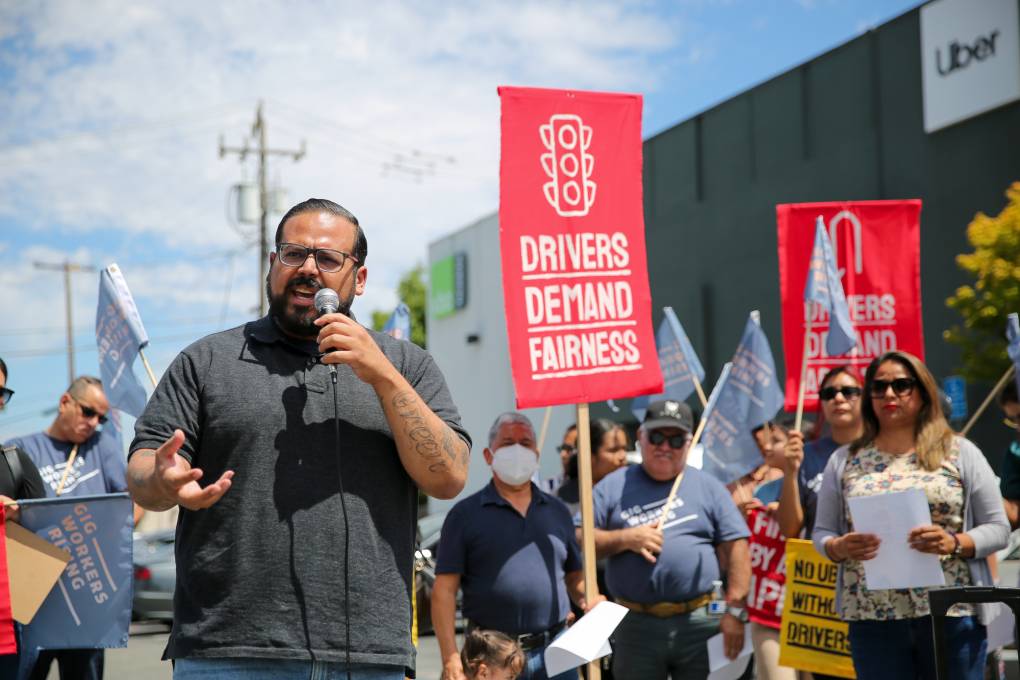
"caption": "San José City Councilmember Peter Ortiz speaks during a rally of Uber drivers and advocates outside the company's driver support center in South San José on June 25, 2024.",
"credit": "Joseph Geha/KQED",
"altTag": null,
"description": null,
"imgSizes": {
"medium": {
"file": "https://cdn.kqed.org/wp-content/uploads/sites/10/2024/06/240625-UBERSANJOSE-JG-3-800x533.jpg",
"width": 800,
"height": 533,
"mimeType": "image/jpeg"
},
"large": {
"file": "https://cdn.kqed.org/wp-content/uploads/sites/10/2024/06/240625-UBERSANJOSE-JG-3-1020x680.jpg",
"width": 1020,
"height": 680,
"mimeType": "image/jpeg"
},
"thumbnail": {
"file": "https://cdn.kqed.org/wp-content/uploads/sites/10/2024/06/240625-UBERSANJOSE-JG-3-160x107.jpg",
"width": 160,
"height": 107,
"mimeType": "image/jpeg"
},
"1536x1536": {
"file": "https://cdn.kqed.org/wp-content/uploads/sites/10/2024/06/240625-UBERSANJOSE-JG-3-1536x1024.jpg",
"width": 1536,
"height": 1024,
"mimeType": "image/jpeg"
},
"post-thumbnail": {
"file": "https://cdn.kqed.org/wp-content/uploads/sites/10/2024/06/240625-UBERSANJOSE-JG-3-672x372.jpg",
"width": 672,
"height": 372,
"mimeType": "image/jpeg"
},
"twentyfourteen-full-width": {
"file": "https://cdn.kqed.org/wp-content/uploads/sites/10/2024/06/240625-UBERSANJOSE-JG-3-1038x576.jpg",
"width": 1038,
"height": 576,
"mimeType": "image/jpeg"
},
"full-width": {
"file": "https://cdn.kqed.org/wp-content/uploads/sites/10/2024/06/240625-UBERSANJOSE-JG-3-1920x1280.jpg",
"width": 1920,
"height": 1280,
"mimeType": "image/jpeg"
},
"kqedFullSize": {
"file": "https://cdn.kqed.org/wp-content/uploads/sites/10/2024/06/240625-UBERSANJOSE-JG-3.jpg",
"width": 2000,
"height": 1333
}
},
"isLoading": false,
"fetchFailed": false
},
"news_11991402": {
"type": "attachments",
"id": "news_11991402",
"meta": {
"index": "attachments_1716263798",
"site": "news",
"id": "11991402",
"found": true
},
"title": "GOHILL-1-KQED",
"publishDate": 1718928695,
"status": "inherit",
"parent": 12030271,
"modified": 1741391989,
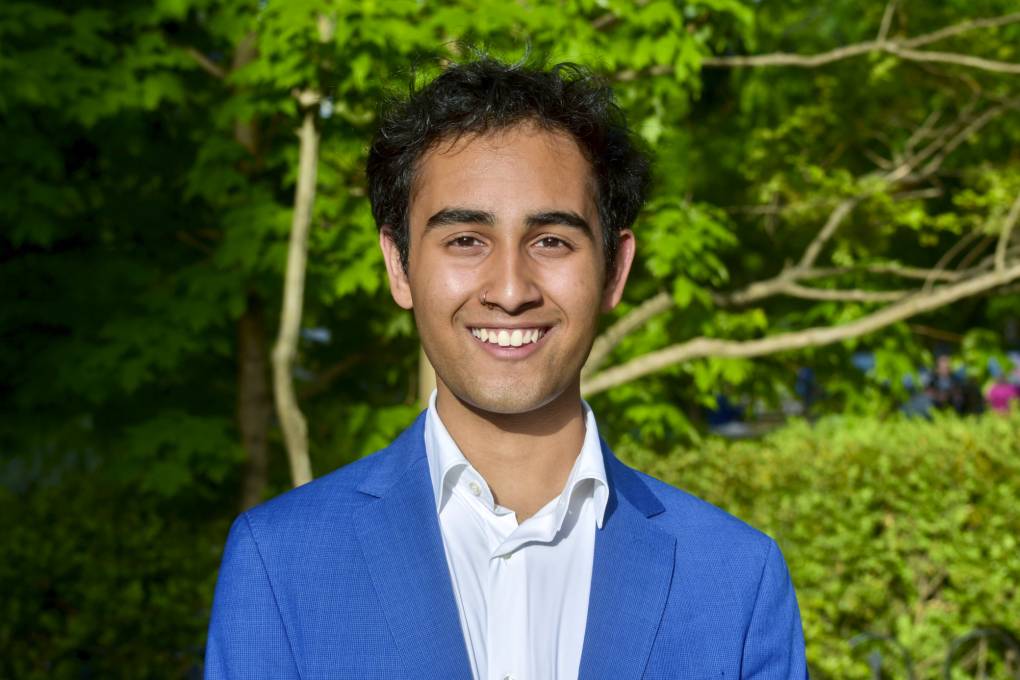
"caption": "Stanford Daily student journalist Dilan Gohill.",
"credit": "Courtesy of Dilan Gohill",
"altTag": null,
"description": null,
"imgSizes": {
"medium": {
"file": "https://cdn.kqed.org/wp-content/uploads/sites/10/2024/06/GOHILL-1-KQED-800x533.jpg",
"width": 800,
"height": 533,
"mimeType": "image/jpeg"
},
"large": {
"file": "https://cdn.kqed.org/wp-content/uploads/sites/10/2024/06/GOHILL-1-KQED-1020x680.jpg",
"width": 1020,
"height": 680,
"mimeType": "image/jpeg"
},
"thumbnail": {
"file": "https://cdn.kqed.org/wp-content/uploads/sites/10/2024/06/GOHILL-1-KQED-160x107.jpg",
"width": 160,
"height": 107,
"mimeType": "image/jpeg"
},
"1536x1536": {
"file": "https://cdn.kqed.org/wp-content/uploads/sites/10/2024/06/GOHILL-1-KQED-1536x1024.jpg",
"width": 1536,
"height": 1024,
"mimeType": "image/jpeg"
},
"post-thumbnail": {
"file": "https://cdn.kqed.org/wp-content/uploads/sites/10/2024/06/GOHILL-1-KQED-672x372.jpg",
"width": 672,
"height": 372,
"mimeType": "image/jpeg"
},
"twentyfourteen-full-width": {
"file": "https://cdn.kqed.org/wp-content/uploads/sites/10/2024/06/GOHILL-1-KQED-1038x576.jpg",
"width": 1038,
"height": 576,
"mimeType": "image/jpeg"
},
"full-width": {
"file": "https://cdn.kqed.org/wp-content/uploads/sites/10/2024/06/GOHILL-1-KQED-1920x1280.jpg",
"width": 1920,
"height": 1280,
"mimeType": "image/jpeg"
},
"kqedFullSize": {
"file": "https://cdn.kqed.org/wp-content/uploads/sites/10/2024/06/GOHILL-1-KQED.jpg",
"width": 2000,
"height": 1333
}
},
"isLoading": false,
"fetchFailed": false
},
"news_11990683": {
"type": "attachments",
"id": "news_11990683",
"meta": {
"index": "attachments_1716263798",
"site": "news",
"id": "11990683",
"found": true
},
"title": "Surgeon General Murthy Testifies At Senate Hearing On Youth Mental Health Crisis",
"publishDate": 1718645720,
"status": "inherit",
"parent": 11990672,
"modified": 1718645771,
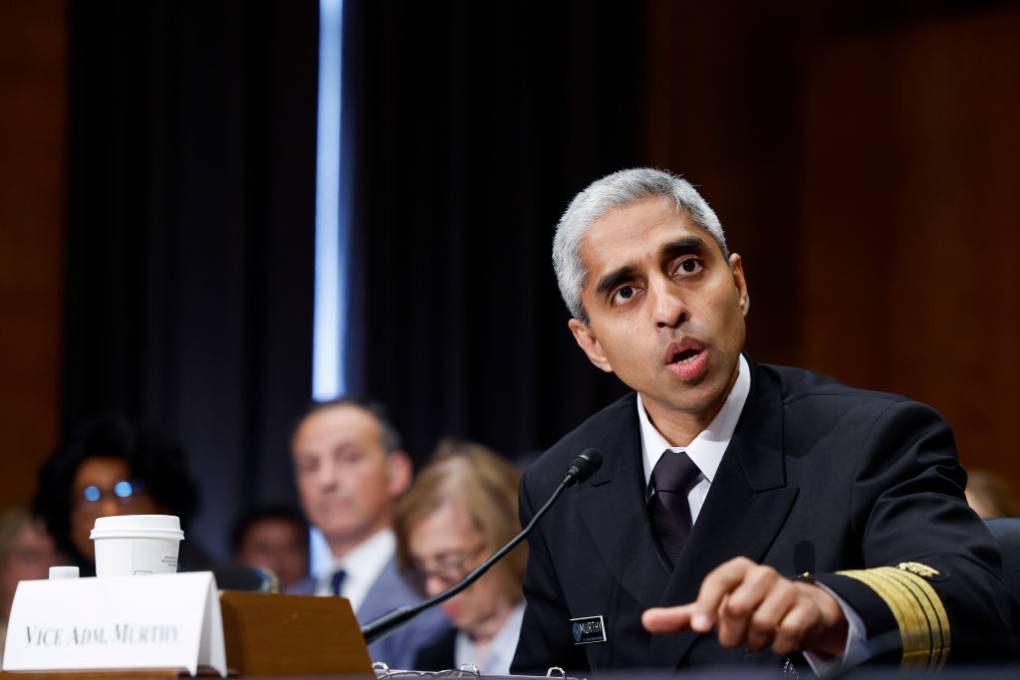
"caption": "US Surgeon General Vivek Murthy speaks during a hearing with the Senate Health, Education, Labor, and Pensions committee at the Dirksen Senate Office Building on June 8, 2023 in Washington, DC. The committee held the hearing to discuss the mental health crisis for youth in the United States.",
"credit": "Anna Moneymaker/Getty Images",
"altTag": null,
"description": null,
"imgSizes": {
"medium": {
"file": "https://cdn.kqed.org/wp-content/uploads/sites/10/2024/06/GettyImages-1496950517-800x534.jpg",
"width": 800,
"height": 534,
"mimeType": "image/jpeg"
},
"large": {
"file": "https://cdn.kqed.org/wp-content/uploads/sites/10/2024/06/GettyImages-1496950517-1020x680.jpg",
"width": 1020,
"height": 680,
"mimeType": "image/jpeg"
},
"thumbnail": {
"file": "https://cdn.kqed.org/wp-content/uploads/sites/10/2024/06/GettyImages-1496950517-160x107.jpg",
"width": 160,
"height": 107,
"mimeType": "image/jpeg"
},
"post-thumbnail": {
"file": "https://cdn.kqed.org/wp-content/uploads/sites/10/2024/06/GettyImages-1496950517-672x372.jpg",
"width": 672,
"height": 372,
"mimeType": "image/jpeg"
},
"twentyfourteen-full-width": {
"file": "https://cdn.kqed.org/wp-content/uploads/sites/10/2024/06/GettyImages-1496950517-1024x576.jpg",
"width": 1024,
"height": 576,
"mimeType": "image/jpeg"
},
"kqedFullSize": {
"file": "https://cdn.kqed.org/wp-content/uploads/sites/10/2024/06/GettyImages-1496950517.jpg",
"width": 1024,
"height": 683
}
},
"isLoading": false,
"fetchFailed": false
},
"news_11990515": {
"type": "attachments",
"id": "news_11990515",
"meta": {
"index": "attachments_1716263798",
"site": "news",
"id": "11990515",
"found": true
},
"title": "240614-VTAGROUNDBREAKING-JG-01_qut",
"publishDate": 1718404276,
"status": "inherit",
"parent": 0,
"modified": 1749491424,
"caption": "South Bay leaders, transit officials and regional boosters take part in a ceremonial groundbreaking for VTA's BART Silicon Valley Phase II project in Santa Clara in June 2024.",
"credit": "Joseph Geha/KQED",
"altTag": null,
"description": null,
"imgSizes": {
"medium": {
"file": "https://cdn.kqed.org/wp-content/uploads/sites/10/2024/06/240614-VTAGROUNDBREAKING-JG-01_qut-800x533.jpg",
"width": 800,
"height": 533,
"mimeType": "image/jpeg"
},
"large": {
"file": "https://cdn.kqed.org/wp-content/uploads/sites/10/2024/06/240614-VTAGROUNDBREAKING-JG-01_qut-1020x680.jpg",
"width": 1020,
"height": 680,
"mimeType": "image/jpeg"
},
"thumbnail": {
"file": "https://cdn.kqed.org/wp-content/uploads/sites/10/2024/06/240614-VTAGROUNDBREAKING-JG-01_qut-160x107.jpg",
"width": 160,
"height": 107,
"mimeType": "image/jpeg"
},
"1536x1536": {
"file": "https://cdn.kqed.org/wp-content/uploads/sites/10/2024/06/240614-VTAGROUNDBREAKING-JG-01_qut-1536x1024.jpg",
"width": 1536,
"height": 1024,
"mimeType": "image/jpeg"
},
"post-thumbnail": {
"file": "https://cdn.kqed.org/wp-content/uploads/sites/10/2024/06/240614-VTAGROUNDBREAKING-JG-01_qut-672x372.jpg",
"width": 672,
"height": 372,
"mimeType": "image/jpeg"
},
"twentyfourteen-full-width": {
"file": "https://cdn.kqed.org/wp-content/uploads/sites/10/2024/06/240614-VTAGROUNDBREAKING-JG-01_qut-1038x576.jpg",
"width": 1038,
"height": 576,
"mimeType": "image/jpeg"
},
"kqedFullSize": {
"file": "https://cdn.kqed.org/wp-content/uploads/sites/10/2024/06/240614-VTAGROUNDBREAKING-JG-01_qut.jpg",
"width": 1920,
"height": 1280
}
},
"isLoading": false,
"fetchFailed": false
},
"news_11922435": {
"type": "attachments",
"id": "news_11922435",
"meta": {
"index": "attachments_1716263798",
"site": "news",
"id": "11922435",
"found": true
},
"parent": 11922427,
"imgSizes": {
"twentyfourteen-full-width": {
"file": "https://ww2.kqed.org/app/uploads/sites/10/2022/08/Sophia-S-Image-1038x576.jpeg",
"width": 1038,
"mimeType": "image/jpeg",
"height": 576
},
"thumbnail": {
"file": "https://ww2.kqed.org/app/uploads/sites/10/2022/08/Sophia-S-Image-160x122.jpeg",
"width": 160,
"mimeType": "image/jpeg",
"height": 122
},
"post-thumbnail": {
"file": "https://ww2.kqed.org/app/uploads/sites/10/2022/08/Sophia-S-Image-672x372.jpeg",
"width": 672,
"mimeType": "image/jpeg",
"height": 372
},
"kqedFullSize": {
"file": "https://ww2.kqed.org/app/uploads/sites/10/2022/08/Sophia-S-Image-scaled.jpeg",
"width": 2560,
"height": 1946
},
"2048x2048": {
"file": "https://ww2.kqed.org/app/uploads/sites/10/2022/08/Sophia-S-Image-2048x1557.jpeg",
"width": 2048,
"mimeType": "image/jpeg",
"height": 1557
},
"large": {
"file": "https://ww2.kqed.org/app/uploads/sites/10/2022/08/Sophia-S-Image-1020x775.jpeg",
"width": 1020,
"mimeType": "image/jpeg",
"height": 775
},
"1536x1536": {
"file": "https://ww2.kqed.org/app/uploads/sites/10/2022/08/Sophia-S-Image-1536x1168.jpeg",
"width": 1536,
"mimeType": "image/jpeg",
"height": 1168
},
"full-width": {
"file": "https://ww2.kqed.org/app/uploads/sites/10/2022/08/Sophia-S-Image-1920x1460.jpeg",
"width": 1920,
"mimeType": "image/jpeg",
"height": 1460
},
"medium": {
"file": "https://ww2.kqed.org/app/uploads/sites/10/2022/08/Sophia-S-Image-800x608.jpeg",
"width": 800,
"mimeType": "image/jpeg",
"height": 608
}
},
"publishDate": 1660342294,
"modified": 1660342351,
"caption": "Sophia Shao is a senior at Los Altos High School.",
"description": null,
"title": "Sophia S - Image",
"credit": null,
"status": "inherit",
"altTag": null,
"isLoading": false,
"fetchFailed": false
},
"news_11989773": {
"type": "attachments",
"id": "news_11989773",
"meta": {
"index": "attachments_1716263798",
"site": "news",
"id": "11989773",
"found": true
},
"title": "A California Forever billboard stands along I-80 in Vacaville on April 2, 2024.",
"publishDate": 1718126485,
"status": "inherit",
"parent": 11989766,
"modified": 1718126541,
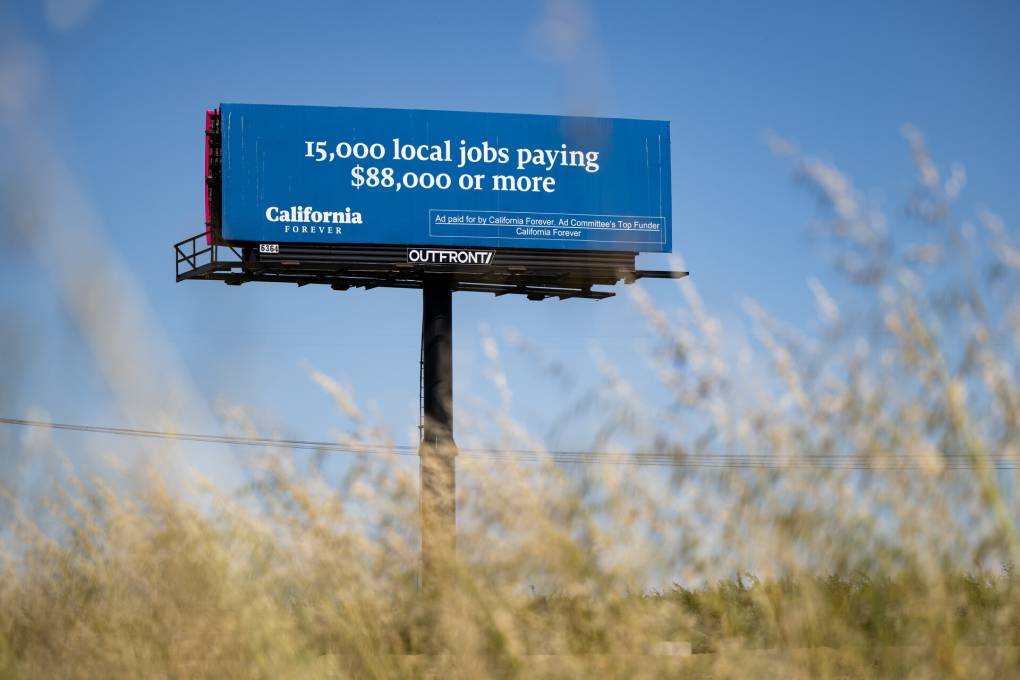
"caption": "A California Forever billboard stands along I-80 in Vacaville on April 2, 2024.",
"credit": "Beth LaBerge/KQED",
"altTag": "A billboard among tall weeds reads, \"15,000 local jobs paying $88,000 or more.\" Paid for by California Forever.",
"description": null,
"imgSizes": {
"medium": {
"file": "https://cdn.kqed.org/wp-content/uploads/sites/10/2024/06/240502-CaliforniaForever-13-BL_qut-800x533.jpg",
"width": 800,
"height": 533,
"mimeType": "image/jpeg"
},
"large": {
"file": "https://cdn.kqed.org/wp-content/uploads/sites/10/2024/06/240502-CaliforniaForever-13-BL_qut-1020x680.jpg",
"width": 1020,
"height": 680,
"mimeType": "image/jpeg"
},
"thumbnail": {
"file": "https://cdn.kqed.org/wp-content/uploads/sites/10/2024/06/240502-CaliforniaForever-13-BL_qut-160x107.jpg",
"width": 160,
"height": 107,
"mimeType": "image/jpeg"
},
"1536x1536": {
"file": "https://cdn.kqed.org/wp-content/uploads/sites/10/2024/06/240502-CaliforniaForever-13-BL_qut-1536x1024.jpg",
"width": 1536,
"height": 1024,
"mimeType": "image/jpeg"
},
"post-thumbnail": {
"file": "https://cdn.kqed.org/wp-content/uploads/sites/10/2024/06/240502-CaliforniaForever-13-BL_qut-672x372.jpg",
"width": 672,
"height": 372,
"mimeType": "image/jpeg"
},
"twentyfourteen-full-width": {
"file": "https://cdn.kqed.org/wp-content/uploads/sites/10/2024/06/240502-CaliforniaForever-13-BL_qut-1038x576.jpg",
"width": 1038,
"height": 576,
"mimeType": "image/jpeg"
},
"kqedFullSize": {
"file": "https://cdn.kqed.org/wp-content/uploads/sites/10/2024/06/240502-CaliforniaForever-13-BL_qut.jpg",
"width": 1920,
"height": 1280
}
},
"isLoading": false,
"fetchFailed": false
},
"news_11989363": {
"type": "attachments",
"id": "news_11989363",
"meta": {
"index": "attachments_1716263798",
"site": "news",
"id": "11989363",
"found": true
},
"title": "DSC04388",
"publishDate": 1717715453,
"status": "inherit",
"parent": 11989311,
"modified": 1718053648,
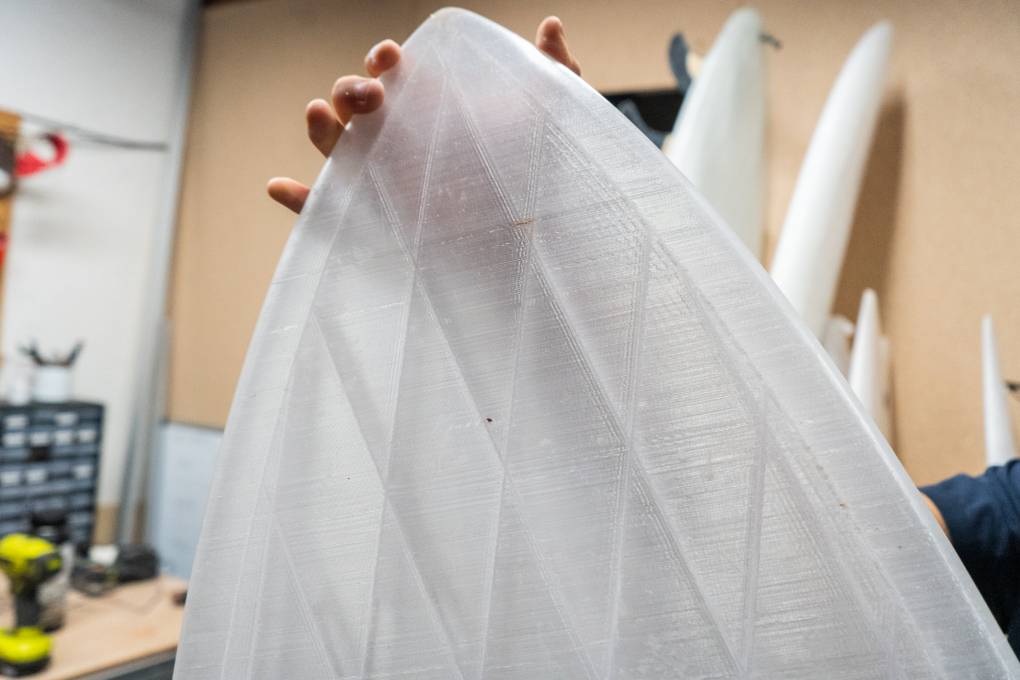
"caption": "Swellcycle founder Patricio Guerrero works on a surfboard in his garage in Santa Cruz in October 2023. The 3D-printed boards are mostly hollow and made from recycled PETG plastic. ",
"credit": "Erin Malsbury/KAZU",
"altTag": null,
"description": null,
"imgSizes": {
"medium": {
"file": "https://cdn.kqed.org/wp-content/uploads/sites/10/2024/06/DSC04388-800x533.jpg",
"width": 800,
"height": 533,
"mimeType": "image/jpeg"
},
"large": {
"file": "https://cdn.kqed.org/wp-content/uploads/sites/10/2024/06/DSC04388-1020x680.jpg",
"width": 1020,
"height": 680,
"mimeType": "image/jpeg"
},
"thumbnail": {
"file": "https://cdn.kqed.org/wp-content/uploads/sites/10/2024/06/DSC04388-160x107.jpg",
"width": 160,
"height": 107,
"mimeType": "image/jpeg"
},
"1536x1536": {
"file": "https://cdn.kqed.org/wp-content/uploads/sites/10/2024/06/DSC04388-1536x1024.jpg",
"width": 1536,
"height": 1024,
"mimeType": "image/jpeg"
},
"2048x2048": {
"file": "https://cdn.kqed.org/wp-content/uploads/sites/10/2024/06/DSC04388-2048x1365.jpg",
"width": 2048,
"height": 1365,
"mimeType": "image/jpeg"
},
"post-thumbnail": {
"file": "https://cdn.kqed.org/wp-content/uploads/sites/10/2024/06/DSC04388-672x372.jpg",
"width": 672,
"height": 372,
"mimeType": "image/jpeg"
},
"twentyfourteen-full-width": {
"file": "https://cdn.kqed.org/wp-content/uploads/sites/10/2024/06/DSC04388-1038x576.jpg",
"width": 1038,
"height": 576,
"mimeType": "image/jpeg"
},
"full-width": {
"file": "https://cdn.kqed.org/wp-content/uploads/sites/10/2024/06/DSC04388-1920x1280.jpg",
"width": 1920,
"height": 1280,
"mimeType": "image/jpeg"
},
"kqedFullSize": {
"file": "https://cdn.kqed.org/wp-content/uploads/sites/10/2024/06/DSC04388-scaled.jpg",
"width": 2560,
"height": 1707
}
},
"isLoading": false,
"fetchFailed": false
},
"news_11988247": {
"type": "attachments",
"id": "news_11988247",
"meta": {
"index": "attachments_1716263798",
"site": "news",
"id": "11988247",
"found": true
},
"title": "Screenshot 2024-05-30 at 1.01.54 PM",
"publishDate": 1717099326,
"status": "inherit",
"parent": 11988245,
"modified": 1717099379,
"caption": "OpenAI, the company behind generative artificial intelligence tools such as ChatGPT, announced Thursday that it had taken down influence operations tied to Russia, China and Iran.",
"credit": "Stefani Reynolds/AFP via Getty Images",
"altTag": "A smartphone screen reflects the image and logo of OpenAI.",
"description": null,
"imgSizes": {
"medium": {
"file": "https://cdn.kqed.org/wp-content/uploads/sites/10/2024/05/Screenshot-2024-05-30-at-1.01.54 PM-800x601.png",
"width": 800,
"height": 601,
"mimeType": "image/png"
},
"large": {
"file": "https://cdn.kqed.org/wp-content/uploads/sites/10/2024/05/Screenshot-2024-05-30-at-1.01.54 PM-1020x767.png",
"width": 1020,
"height": 767,
"mimeType": "image/png"
},
"thumbnail": {
"file": "https://cdn.kqed.org/wp-content/uploads/sites/10/2024/05/Screenshot-2024-05-30-at-1.01.54 PM-160x120.png",
"width": 160,
"height": 120,
"mimeType": "image/png"
},
"post-thumbnail": {
"file": "https://cdn.kqed.org/wp-content/uploads/sites/10/2024/05/Screenshot-2024-05-30-at-1.01.54 PM-672x372.png",
"width": 672,
"height": 372,
"mimeType": "image/png"
},
"twentyfourteen-full-width": {
"file": "https://cdn.kqed.org/wp-content/uploads/sites/10/2024/05/Screenshot-2024-05-30-at-1.01.54 PM-1038x576.png",
"width": 1038,
"height": 576,
"mimeType": "image/png"
},
"kqedFullSize": {
"file": "https://cdn.kqed.org/wp-content/uploads/sites/10/2024/05/Screenshot-2024-05-30-at-1.01.54 PM.png",
"width": 1288,
"height": 968
}
},
"isLoading": false,
"fetchFailed": false
},
"news_11988183": {
"type": "attachments",
"id": "news_11988183",
"meta": {
"index": "attachments_1716263798",
"site": "news",
"id": "11988183",
"found": true
},
"title": "240529-AACULTURALCENTER-JG-2_qut",
"publishDate": 1717027089,
"status": "inherit",
"parent": 0,
"modified": 1717027828,
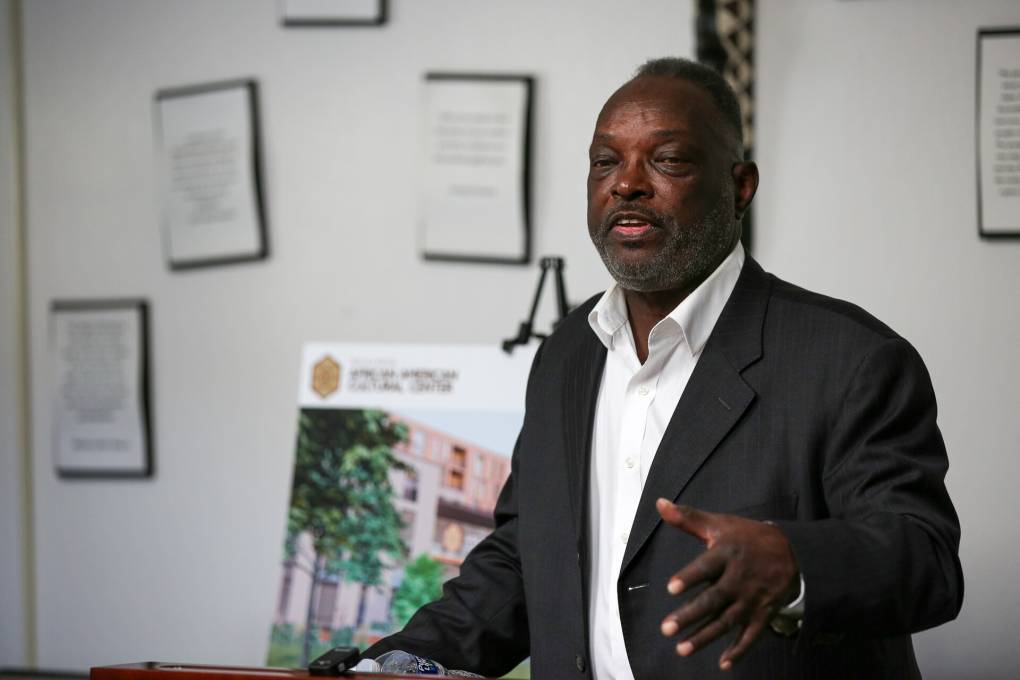
"caption": "Walter Wilson, project manager for the planned African American Cultural Center of Silicon Valley, speaks during an event celebrating a federal grant for the center in San José on Wednesday, May 29, 2024.",
"credit": "Joseph Geha/KQED",
"altTag": null,
"description": null,
"imgSizes": {
"medium": {
"file": "https://cdn.kqed.org/wp-content/uploads/sites/10/2024/05/240529-AACULTURALCENTER-JG-2_qut-800x533.jpg",
"width": 800,
"height": 533,
"mimeType": "image/jpeg"
},
"large": {
"file": "https://cdn.kqed.org/wp-content/uploads/sites/10/2024/05/240529-AACULTURALCENTER-JG-2_qut-1020x680.jpg",
"width": 1020,
"height": 680,
"mimeType": "image/jpeg"
},
"thumbnail": {
"file": "https://cdn.kqed.org/wp-content/uploads/sites/10/2024/05/240529-AACULTURALCENTER-JG-2_qut-160x107.jpg",
"width": 160,
"height": 107,
"mimeType": "image/jpeg"
},
"1536x1536": {
"file": "https://cdn.kqed.org/wp-content/uploads/sites/10/2024/05/240529-AACULTURALCENTER-JG-2_qut-1536x1024.jpg",
"width": 1536,
"height": 1024,
"mimeType": "image/jpeg"
},
"post-thumbnail": {
"file": "https://cdn.kqed.org/wp-content/uploads/sites/10/2024/05/240529-AACULTURALCENTER-JG-2_qut-672x372.jpg",
"width": 672,
"height": 372,
"mimeType": "image/jpeg"
},
"twentyfourteen-full-width": {
"file": "https://cdn.kqed.org/wp-content/uploads/sites/10/2024/05/240529-AACULTURALCENTER-JG-2_qut-1038x576.jpg",
"width": 1038,
"height": 576,
"mimeType": "image/jpeg"
},
"kqedFullSize": {
"file": "https://cdn.kqed.org/wp-content/uploads/sites/10/2024/05/240529-AACULTURALCENTER-JG-2_qut.jpg",
"width": 1920,
"height": 1280
}
},
"isLoading": false,
"fetchFailed": false
}
},
"audioPlayerReducer": {
"postId": "stream_live",
"isPaused": true,
"isPlaying": false,
"pfsActive": false,
"pledgeModalIsOpen": true,
"playerDrawerIsOpen": false,
"liveAudioPlayStartedAt": 0,
"liveAudioPlayContext": ""
},
"authorsReducer": {
"byline_news_11992222": {
"type": "authors",
"id": "byline_news_11992222",
"meta": {
"override": true
},
"slug": "byline_news_11992222",
"name": "Jenna Peterson, CalMatters",
"isLoading": false
},
"byline_news_11990672": {
"type": "authors",
"id": "byline_news_11990672",
"meta": {
"override": true
},
"slug": "byline_news_11990672",
"name": "Michelle Chapman, Associated Press",
"isLoading": false
},
"byline_news_11989311": {
"type": "authors",
"id": "byline_news_11989311",
"meta": {
"override": true
},
"slug": "byline_news_11989311",
"name": "\u003ca href=\"https://www.kazu.org/people/erin-malsbury\">Erin Malsbury\u003c/a>, KAZU",
"isLoading": false
},
"byline_news_11988245": {
"type": "authors",
"id": "byline_news_11988245",
"meta": {
"override": true
},
"slug": "byline_news_11988245",
"name": "Shannon Bond, NPR",
"isLoading": false
},
"rachael-myrow": {
"type": "authors",
"id": "251",
"meta": {
"index": "authors_1716337520",
"id": "251",
"found": true
},
"name": "Rachael Myrow",
"firstName": "Rachael",
"lastName": "Myrow",
"slug": "rachael-myrow",
"email": "rmyrow@kqed.org",
"display_author_email": true,
"staff_mastheads": [
"news"
],
"title": "Senior Editor of KQED's Silicon Valley News Desk",
"bio": "• I write and edit stories about how Silicon Valley power and policies shape everyday life in California. I’m also passionate about making Bay Area history and culture more accessible to a broad public. • I’ve been a journalist for most of my life, starting in high school with The Franklin Press in Los Angeles, where I grew up. While earning my first degree in English at UC Berkeley, I got my start in public radio at KALX-FM. After completing a second degree in journalism at Cal, I landed my first professional job at Marketplace, then moved on to KPCC (now LAist), and then KQED, where I hosted The California Report for more than seven years. • My reporting has appeared on NPR, The World, WBUR’s \u003ci>Here & Now\u003c/i>, and the BBC. I also guest host for KQED’s \u003ci>Forum\u003c/i>, as well as the Commonwealth Club in San Francisco. • I speak periodically on media, democracy and technology issues, and do voiceover work for documentaries and educational video projects. • Outside of the studio, you'll find me hiking Bay Area trails and whipping up Insta-ready meals in my kitchen. • I do not accept gifts, money, or favors from anyone connected to my reporting, I don't pay people for information, and I do not support or donate to political causes. • I strive to treat the people I report on with fairness, honesty, and respect. I also recognize there are often multiple sides to a story and work to verify information through multiple sources and documentation. If I get something wrong, I correct it.",
"avatar": "https://secure.gravatar.com/avatar/3ed8a3c5f26025e4a805ba634cda8cd764906b97438a6d9ce216b044e340da4e?s=600&d=blank&r=g",
"twitter": "rachaelmyrow",
"bluesky": null,
"facebook": null,
"instagram": null,
"linkedin": "https://www.linkedin.com/in/rachaelmyrow/",
"sites": [
{
"site": "arts",
"roles": [
"administrator"
]
},
{
"site": "news",
"roles": [
"edit_others_posts",
"editor"
]
},
{
"site": "futureofyou",
"roles": [
"editor"
]
},
{
"site": "bayareabites",
"roles": [
"editor"
]
},
{
"site": "stateofhealth",
"roles": [
"editor"
]
},
{
"site": "science",
"roles": [
"editor"
]
},
{
"site": "food",
"roles": [
"editor"
]
},
{
"site": "forum",
"roles": [
"editor"
]
},
{
"site": "liveblog",
"roles": [
"author"
]
}
],
"headData": {
"title": "Rachael Myrow | KQED",
"description": "Senior Editor of KQED's Silicon Valley News Desk",
"ogImgSrc": "https://secure.gravatar.com/avatar/3ed8a3c5f26025e4a805ba634cda8cd764906b97438a6d9ce216b044e340da4e?s=600&d=blank&r=g",
"twImgSrc": "https://secure.gravatar.com/avatar/3ed8a3c5f26025e4a805ba634cda8cd764906b97438a6d9ce216b044e340da4e?s=600&d=blank&r=g"
},
"isLoading": false,
"link": "/author/rachael-myrow"
},
"ecruzguevarra": {
"type": "authors",
"id": "8654",
"meta": {
"index": "authors_1716337520",
"id": "8654",
"found": true
},
"name": "Ericka Cruz Guevarra",
"firstName": "Ericka",
"lastName": "Cruz Guevarra",
"slug": "ecruzguevarra",
"email": "ecruzguevarra@kqed.org",
"display_author_email": true,
"staff_mastheads": [
"news"
],
"title": "Producer, The Bay Podcast",
"bio": "Ericka Cruz Guevarra is host of \u003ca href=\"https://www.kqed.org/podcasts/thebay\">\u003cem>The Bay\u003c/em>\u003c/a> podcast at KQED. Before host, she was the show’s producer. Her work in that capacity includes a three-part reported series on policing in Vallejo, which won a 2020 excellence in journalism award from the Society of Professional Journalists. Ericka has worked as a breaking news reporter at Oregon Public Broadcasting, helped produce the Code Switch podcast, and was KQED’s inaugural Raul Ramirez Diversity Fund intern. She’s also an alumna of NPR’s Next Generation Radio program. Send her an email if you have strong feelings about whether Fairfield and Suisun City are the Bay. Ericka is represented by SAG-AFTRA.",
"avatar": "https://secure.gravatar.com/avatar/accefc1de4bafc7e234b69bcb9b6f6536c130fd84709bc3069ef11a78787e1bb?s=600&d=blank&r=g",
"twitter": "NotoriousECG",
"bluesky": null,
"facebook": null,
"instagram": null,
"linkedin": null,
"sites": [
{
"site": "arts",
"roles": [
"subscriber"
]
},
{
"site": "news",
"roles": [
"editor",
"manage_categories"
]
},
{
"site": "futureofyou",
"roles": [
"subscriber"
]
},
{
"site": "stateofhealth",
"roles": [
"subscriber"
]
},
{
"site": "science",
"roles": [
"editor"
]
},
{
"site": "forum",
"roles": [
"subscriber"
]
}
],
"headData": {
"title": "Ericka Cruz Guevarra | KQED",
"description": "Producer, The Bay Podcast",
"ogImgSrc": "https://secure.gravatar.com/avatar/accefc1de4bafc7e234b69bcb9b6f6536c130fd84709bc3069ef11a78787e1bb?s=600&d=blank&r=g",
"twImgSrc": "https://secure.gravatar.com/avatar/accefc1de4bafc7e234b69bcb9b6f6536c130fd84709bc3069ef11a78787e1bb?s=600&d=blank&r=g"
},
"isLoading": false,
"link": "/author/ecruzguevarra"
},
"abandlamudi": {
"type": "authors",
"id": "11672",
"meta": {
"index": "authors_1716337520",
"id": "11672",
"found": true
},
"name": "Adhiti Bandlamudi",
"firstName": "Adhiti",
"lastName": "Bandlamudi",
"slug": "abandlamudi",
"email": "abandlamudi@kqed.org",
"display_author_email": false,
"staff_mastheads": [
"news"
],
"title": "KQED Housing Reporter",
"bio": "Adhiti Bandlamudi reports for KQED's Housing desk. She focuses on how housing gets built across the Bay Area. Before joining KQED in 2020, she reported for WUNC in Durham, North Carolina, WABE in Atlanta, Georgia and Capital Public Radio in Sacramento. In 2017, she was awarded a Kroc Fellowship at NPR where she reported on everything from sprinkles to the Golden State Killer's arrest. When she's not reporting, she's baking new recipes in her kitchen or watching movies with friends and family. She's originally from Georgia and has strong opinions about Great British Bake Off.",
"avatar": "https://secure.gravatar.com/avatar/868129c8b257bb99a3500e2c86a65400?s=600&d=mm&r=g",
"twitter": "oddity_adhiti",
"facebook": null,
"instagram": null,
"linkedin": null,
"sites": [
{
"site": "arts",
"roles": [
"author"
]
},
{
"site": "news",
"roles": [
"editor"
]
},
{
"site": "liveblog",
"roles": [
"author"
]
}
],
"headData": {
"title": "Adhiti Bandlamudi | KQED",
"description": "KQED Housing Reporter",
"ogImgSrc": "https://secure.gravatar.com/avatar/868129c8b257bb99a3500e2c86a65400?s=600&d=mm&r=g",
"twImgSrc": "https://secure.gravatar.com/avatar/868129c8b257bb99a3500e2c86a65400?s=600&d=mm&r=g"
},
"isLoading": false,
"link": "/author/abandlamudi"
},
"jgeha": {
"type": "authors",
"id": "11906",
"meta": {
"index": "authors_1716337520",
"id": "11906",
"found": true
},
"name": "Joseph Geha",
"firstName": "Joseph",
"lastName": "Geha",
"slug": "jgeha",
"email": "jgeha@kqed.org",
"display_author_email": false,
"staff_mastheads": [
"news",
"science"
],
"title": "KQED Contributor",
"bio": null,
"avatar": "https://secure.gravatar.com/avatar/ea84d2b6dd93d6369d453edf19dd583f117cd1759d2d9c9c92f9de77017354fe?s=600&d=blank&r=g",
"twitter": null,
"bluesky": null,
"facebook": null,
"instagram": null,
"linkedin": null,
"sites": [
{
"site": "news",
"roles": [
"editor"
]
},
{
"site": "liveblog",
"roles": [
"author"
]
}
],
"headData": {
"title": "Joseph Geha | KQED",
"description": "KQED Contributor",
"ogImgSrc": "https://secure.gravatar.com/avatar/ea84d2b6dd93d6369d453edf19dd583f117cd1759d2d9c9c92f9de77017354fe?s=600&d=blank&r=g",
"twImgSrc": "https://secure.gravatar.com/avatar/ea84d2b6dd93d6369d453edf19dd583f117cd1759d2d9c9c92f9de77017354fe?s=600&d=blank&r=g"
},
"isLoading": false,
"link": "/author/jgeha"
}
},
"pagesReducer": {
"news_category_technology": {
"type": "terms",
"id": "news_248",
"meta": {
"index": "terms_1716263798",
"site": "news",
"id": "248",
"score": 10.93111
},
"featImg": null,
"name": "Technology",
"description": null,
"taxonomy": "category",
"headData": {
"twImgId": null,
"twTitle": null,
"ogTitle": null,
"ogImgId": null,
"twDescription": null,
"description": null,
"title": "Technology Archives | KQED News",
"ogDescription": null
},
"ttid": 256,
"slug": "technology",
"isLoading": false,
"title": "Technology",
"pageMeta": {
"site": "news",
"WpPageTemplate": "page-topic-editorial",
"currentPage": 26
},
"blocks": [
{
"blockName": "kqed/post-list",
"attrs": {
"layout": "cardArticle2",
"query": "posts/news?category=technology",
"seeMore": false,
"paginated": true,
"page": 26
}
},
{
"blockName": "kqed/ad"
}
]
}
},
"pfsSessionReducer": {},
"postsReducer": {
"stream_live": {
"type": "live",
"id": "stream_live",
"audioUrl": "https://streams.kqed.org/kqedradio",
"title": "Live Stream",
"excerpt": "Live Stream information currently unavailable.",
"link": "/radio",
"featImg": "",
"label": {
"name": "KQED Live",
"link": "/"
}
},
"stream_kqedNewscast": {
"type": "posts",
"id": "stream_kqedNewscast",
"audioUrl": "https://www.kqed.org/.stream/anon/radio/RDnews/newscast.mp3?_=1",
"title": "KQED Newscast",
"featImg": "",
"label": {
"name": "88.5 FM",
"link": "/"
}
},
"news_11992707": {
"type": "posts",
"id": "news_11992707",
"meta": {
"index": "posts_1716263798",
"site": "news",
"id": "11992707",
"score": null,
"sort": [
1719918044000
]
},
"guestAuthors": [],
"slug": "why-does-my-bank-want-my-voice-to-login",
"title": "Why Does My Bank Want My Voice to Login?",
"publishDate": 1719918044,
"format": "standard",
"headTitle": "Why Does My Bank Want My Voice to Login? | KQED",
"labelTerm": {
"site": "news"
},
"content": "\u003cp>We’re all used to giving out a bit of personal data to get into our financial accounts: social security numbers, our birthdays and so on. However, a growing number of financial institutions are asking for a sample of our voices. Should we be concerned?\u003c/p>\n\u003ch2>What is Voice ID?\u003c/h2>\n\u003cp>Voice authentication systems are a form of biometric authentication, similar to a fingerprint. It relies on voice recognition software, which verifies customer identities by detecting the unique patterns in a small speaking sample.\u003c/p>\n\u003ch2>Why does my bank want my voice?\u003c/h2>\n\u003cp>Banks have to try something new because our personal data is no longer so private, according to \u003ca href=\"https://www.idtheftcenter.org/key-staff-and-board-of-directors/\">James Lee\u003c/a>, Chief Operating Officer of the non-profit Identity Theft Resource Center outside of San Diego. “All of that data’s been compromised. Our Social Security numbers, our driver’s license numbers, where we live, our phone numbers, you know. …That’s all readily available,” Lee said.\u003c/p>\n\u003cp>He and other cybersecurity experts \u003ca href=\"https://www.wsj.com/tech/cybersecurity/ai-is-helping-scammers-outsmart-youand-your-bank-23bbbced\">warn\u003c/a> that a readily available pool of personal data contributes to fraudulent logins and financial theft.\u003c/p>\n\u003ch2>Isn’t it easy for hackers to use AI to clone my voice?\u003c/h2>\n\u003cp>Recent advances in generative artificial intelligence have led to better, cheaper and publicly accessible AI voice cloning models.\u003c/p>\n\u003cp>[ad fullwidth]\u003c/p>\n\u003cp>And as we see and hear more deep fakes, it might feel like a bad idea to use our voices to access our accounts.\u003c/p>\n\u003cp>But Lee downplayed those concerns, saying that most of us don’t have a big enough vocal profile on the Internet to attract the attention of hackers or make it easy for them to develop effectively convincing clones.\u003c/p>\n\u003cp>What about celebrities? Podcasters? Or, really, is anybody who posts videos on social media? Lee argued that most hackers like to hack at scale, and most of us don’t have that much money in our financial accounts.\u003c/p>\n\u003cp>“For somebody to appropriate your voice, it’s a little more difficult, and identity criminals don’t like to do things that are difficult. They like to do things that are easy,” Lee said. “So the risk to any one individual is relatively low.”\u003c/p>\n\u003ch2>Reasons to think twice\u003c/h2>\n\u003cp>Your financial data is arguably your most sensitive data, even if you don’t have a lot of money in your accounts.\u003c/p>\n\u003cp>Also, publicly available generative AI tools are notoriously insecure. Most of the companies that produce the software make \u003ca href=\"https://www.proofnews.org/ai-tools-make-it-easy-to-clone-someones-voice-without-consent/\">little or no attempt to ensure\u003c/a> that the humans being copied have consented to the process.\u003c/p>\n\u003cp>“It seems like it’s fast becoming normalized insanity, where even questioning it is made to make you feel old,” said \u003ca href=\"https://consumerwatchdog.org/author/justin-kloczko/\">Justin Kloczko\u003c/a>, a tech and privacy advocate for Consumer Watchdog. “It’s not really safe, and you really shouldn’t feel crazy.”\u003c/p>\n\u003ch2>What are banks saying?\u003c/h2>\n\u003cp>KQED reached out to a number of financial institutions for this story, but only Wells Fargo responded:\u003c/p>\n\u003cp>\u003ci>“Wells Fargo uses a \u003c/i>\u003cb>\u003ci>layered approach to authentication\u003c/i>\u003c/b>\u003ci>. One such layer is a service called “Voice Verification,” which allows customers to use a unique voiceprint to access certain accounts. \u003c/i>\u003cb>\u003ci>This service must be paired with other identity verification methods to allow access to customer accounts.\u003c/i>\u003c/b>\u003ci> A customer’s voice ID by itself will not grant access to user accounts.”\u003c/i>\u003c/p>\n\u003cp>[aside postID=\"news_11988031,news_11985769,news_11987803\" label=\"Related Stories\"]Eva Velasquez, who heads the Identity Theft Resource Center outside of San Diego, explains that a layered approach means the bank is using multiple factors to determine whether a login attempt should be deemed credible. “They’re pinging for the location. Is that a known device to [the bank]?”\u003c/p>\n\u003cp>“I’m all for adding more [layers],” Velasquez said. “You pick up a single twig; you can break it with no effort. You bundle 20 or 30 of them, and you can’t.”\u003c/p>\n\u003ch2>What comes next?\u003c/h2>\n\u003cp>As AI becomes more powerful, the financial sector knows it’s in an arms race with hackers to keep our data and our money secure.\u003c/p>\n\u003cp>“We’re going to need AI to defend against AI,” Deborah Guild, chair of the Financial Services Sector Coordinating Council, said at a recent event that brought together representatives from government and industry to talk about threats from AI. “We as an industry need to mount a coordinated defense. We have to get better and faster at sharing actionable insights,” she said.\u003c/p>\n\u003cp>\u003c/p>\n\u003cp>In March, the U.S. Treasury Department released a report entitled \u003ca href=\"https://home.treasury.gov/news/press-releases/jy2212\">Managing Artificial Intelligence-Specific Cybersecurity Risks in the Financial Sector\u003c/a> after conducting in-depth interviews with 42 firms of all sizes, from global, too-big-to-fail financial institutions to local banks and credit unions. The report promises that industry-wide standards for generative AI-powered ID technology are coming soon.\u003c/p>\n\n",
"blocks": [],
"excerpt": "Financial institutions are increasingly encouraging customers to 'opt-in' to Voice ID powered by generative artificial intelligence. But the human voice is growing easier for AI to fake.",
"status": "publish",
"parent": 0,
"modified": 1726245043,
"stats": {
"hasAudio": false,
"hasVideo": false,
"hasChartOrMap": false,
"iframeSrcs": [],
"hasGoogleForm": false,
"hasGallery": false,
"hasHearkenModule": false,
"hasPolis": false,
"paragraphCount": 21,
"wordCount": 821
},
"headData": {
"title": "Why Does My Bank Want My Voice to Login? | KQED",
"description": "Financial institutions are increasingly encouraging customers to 'opt-in' to Voice ID powered by generative artificial intelligence. But the human voice is growing easier for AI to fake.",
"ogTitle": "",
"ogDescription": "",
"ogImgId": "",
"twTitle": "",
"twDescription": "",
"twImgId": "",
"schema": {
"@context": "https://schema.org",
"@type": "NewsArticle",
"headline": "Why Does My Bank Want My Voice to Login?",
"datePublished": "2024-07-02T04:00:44-07:00",
"dateModified": "2024-09-13T09:30:43-07:00",
"image": "https://cdn.kqed.org/wp-content/uploads/2020/02/KQED-OG-Image@1x.png",
"isAccessibleForFree": "True",
"publisher": {
"@type": "NewsMediaOrganization",
"@id": "https://www.kqed.org/#organization",
"name": "KQED",
"logo": "https://cdn.kqed.org/wp-content/uploads/2020/02/KQED-OG-Image@1x.png",
"url": "https://www.kqed.org",
"sameAs": [
"https://www.facebook.com/KQED",
"https://twitter.com/KQED",
"https://www.instagram.com/kqed/",
"https://www.tiktok.com/@kqedofficial",
"https://www.linkedin.com/company/kqed",
"https://www.youtube.com/channel/UCeC0IOo7i1P_61zVUWbJ4nw"
]
}
}
},
"audioUrl": "https://traffic.omny.fm/d/clips/0af137ef-751e-4b19-a055-aaef00d2d578/ffca7e9f-6831-41c5-bcaf-aaef00f5a073/6cbe6fc4-91aa-4ae2-839a-b178010c7538/audio.mp3",
"sticky": false,
"nprStoryId": "kqed-11992707",
"excludeFromSiteSearch": "Include",
"articleAge": "0",
"path": "/news/11992707/why-does-my-bank-want-my-voice-to-login",
"audioTrackLength": null,
"parsedContent": [
{
"type": "contentString",
"content": "\u003cdiv class=\"post-body\">\u003cp>\u003cp>We’re all used to giving out a bit of personal data to get into our financial accounts: social security numbers, our birthdays and so on. However, a growing number of financial institutions are asking for a sample of our voices. Should we be concerned?\u003c/p>\n\u003ch2>What is Voice ID?\u003c/h2>\n\u003cp>Voice authentication systems are a form of biometric authentication, similar to a fingerprint. It relies on voice recognition software, which verifies customer identities by detecting the unique patterns in a small speaking sample.\u003c/p>\n\u003ch2>Why does my bank want my voice?\u003c/h2>\n\u003cp>Banks have to try something new because our personal data is no longer so private, according to \u003ca href=\"https://www.idtheftcenter.org/key-staff-and-board-of-directors/\">James Lee\u003c/a>, Chief Operating Officer of the non-profit Identity Theft Resource Center outside of San Diego. “All of that data’s been compromised. Our Social Security numbers, our driver’s license numbers, where we live, our phone numbers, you know. …That’s all readily available,” Lee said.\u003c/p>\n\u003cp>He and other cybersecurity experts \u003ca href=\"https://www.wsj.com/tech/cybersecurity/ai-is-helping-scammers-outsmart-youand-your-bank-23bbbced\">warn\u003c/a> that a readily available pool of personal data contributes to fraudulent logins and financial theft.\u003c/p>\n\u003ch2>Isn’t it easy for hackers to use AI to clone my voice?\u003c/h2>\n\u003cp>Recent advances in generative artificial intelligence have led to better, cheaper and publicly accessible AI voice cloning models.\u003c/p>\n\u003cp>\u003c/p>\u003c/div>",
"attributes": {
"named": {},
"numeric": []
}
},
{
"type": "component",
"content": "",
"name": "ad",
"attributes": {
"named": {
"label": "fullwidth"
},
"numeric": [
"fullwidth"
]
}
},
{
"type": "contentString",
"content": "\u003cdiv class=\"post-body\">\u003cp>\u003c/p>\n\u003cp>And as we see and hear more deep fakes, it might feel like a bad idea to use our voices to access our accounts.\u003c/p>\n\u003cp>But Lee downplayed those concerns, saying that most of us don’t have a big enough vocal profile on the Internet to attract the attention of hackers or make it easy for them to develop effectively convincing clones.\u003c/p>\n\u003cp>What about celebrities? Podcasters? Or, really, is anybody who posts videos on social media? Lee argued that most hackers like to hack at scale, and most of us don’t have that much money in our financial accounts.\u003c/p>\n\u003cp>“For somebody to appropriate your voice, it’s a little more difficult, and identity criminals don’t like to do things that are difficult. They like to do things that are easy,” Lee said. “So the risk to any one individual is relatively low.”\u003c/p>\n\u003ch2>Reasons to think twice\u003c/h2>\n\u003cp>Your financial data is arguably your most sensitive data, even if you don’t have a lot of money in your accounts.\u003c/p>\n\u003cp>Also, publicly available generative AI tools are notoriously insecure. Most of the companies that produce the software make \u003ca href=\"https://www.proofnews.org/ai-tools-make-it-easy-to-clone-someones-voice-without-consent/\">little or no attempt to ensure\u003c/a> that the humans being copied have consented to the process.\u003c/p>\n\u003cp>“It seems like it’s fast becoming normalized insanity, where even questioning it is made to make you feel old,” said \u003ca href=\"https://consumerwatchdog.org/author/justin-kloczko/\">Justin Kloczko\u003c/a>, a tech and privacy advocate for Consumer Watchdog. “It’s not really safe, and you really shouldn’t feel crazy.”\u003c/p>\n\u003ch2>What are banks saying?\u003c/h2>\n\u003cp>KQED reached out to a number of financial institutions for this story, but only Wells Fargo responded:\u003c/p>\n\u003cp>\u003ci>“Wells Fargo uses a \u003c/i>\u003cb>\u003ci>layered approach to authentication\u003c/i>\u003c/b>\u003ci>. One such layer is a service called “Voice Verification,” which allows customers to use a unique voiceprint to access certain accounts. \u003c/i>\u003cb>\u003ci>This service must be paired with other identity verification methods to allow access to customer accounts.\u003c/i>\u003c/b>\u003ci> A customer’s voice ID by itself will not grant access to user accounts.”\u003c/i>\u003c/p>\n\u003cp>\u003c/p>\u003c/div>",
"attributes": {
"named": {},
"numeric": []
}
},
{
"type": "component",
"content": "",
"name": "aside",
"attributes": {
"named": {
"postid": "news_11988031,news_11985769,news_11987803",
"label": "Related Stories "
},
"numeric": []
}
},
{
"type": "contentString",
"content": "\u003cdiv class=\"post-body\">\u003cp>Eva Velasquez, who heads the Identity Theft Resource Center outside of San Diego, explains that a layered approach means the bank is using multiple factors to determine whether a login attempt should be deemed credible. “They’re pinging for the location. Is that a known device to [the bank]?”\u003c/p>\n\u003cp>“I’m all for adding more [layers],” Velasquez said. “You pick up a single twig; you can break it with no effort. You bundle 20 or 30 of them, and you can’t.”\u003c/p>\n\u003ch2>What comes next?\u003c/h2>\n\u003cp>As AI becomes more powerful, the financial sector knows it’s in an arms race with hackers to keep our data and our money secure.\u003c/p>\n\u003cp>“We’re going to need AI to defend against AI,” Deborah Guild, chair of the Financial Services Sector Coordinating Council, said at a recent event that brought together representatives from government and industry to talk about threats from AI. “We as an industry need to mount a coordinated defense. We have to get better and faster at sharing actionable insights,” she said.\u003c/p>\n\u003cp>\u003c/p>\n\u003cp>In March, the U.S. Treasury Department released a report entitled \u003ca href=\"https://home.treasury.gov/news/press-releases/jy2212\">Managing Artificial Intelligence-Specific Cybersecurity Risks in the Financial Sector\u003c/a> after conducting in-depth interviews with 42 firms of all sizes, from global, too-big-to-fail financial institutions to local banks and credit unions. The report promises that industry-wide standards for generative AI-powered ID technology are coming soon.\u003c/p>\n\n\u003c/div>\u003c/p>",
"attributes": {
"named": {},
"numeric": []
}
}
],
"link": "/news/11992707/why-does-my-bank-want-my-voice-to-login",
"authors": [
"251"
],
"categories": [
"news_8",
"news_248"
],
"tags": [
"news_25184",
"news_69",
"news_17619",
"news_22844",
"news_27626",
"news_1631"
],
"featImg": "news_11992720",
"label": "news"
},
"news_11992229": {
"type": "posts",
"id": "news_11992229",
"meta": {
"index": "posts_1716263798",
"site": "news",
"id": "11992229",
"score": null,
"sort": [
1719572420000
]
},
"guestAuthors": [],
"slug": "beware-of-rising-fake-job-listings-and-learn-how-to-protect-yourself",
"title": "Beware of Rising Fake Job Listings and Learn How to Protect Yourself",
"publishDate": 1719572420,
"format": "audio",
"headTitle": "Beware of Rising Fake Job Listings and Learn How to Protect Yourself | KQED",
"labelTerm": {
"site": "news"
},
"content": "\u003ch2>\u003cstrong>What does a job scam look like?\u003c/strong>\u003c/h2>\n\u003cp>When illustrator \u003ca href=\"https://lillianansell.com/commissioned-work\">Lillian Ansell\u003c/a> was just out of college in 2019, she spotted an ad for freelance work on the websites Indeed and Glassdoor purporting to be from King Arthur Baking Company in Vermont. It seemed like a dream gig. “I reached out. I sent my resume over. They sent me an email back. ‘We’d love to do an interview with you.’”\u003c/p>\n\u003cp>\u003cstrong>Red flag #1: \u003c/strong>Instead of a live interview on the phone, zoom or in person, Ansell was interviewed over text. “‘We do all our interviews over Google Chat,’” Ansell said the “hiring manager” told her.\u003c/p>\n\u003cp>\u003cstrong>Red flag #2: \u003c/strong>Ansell was excited when the fraudster said King Arthur wanted her to start ASAP, and she wasn’t thrown off when told the company would front her money to purchase work-from-home equipment.\u003c/p>\n\u003cp>\u003cstrong>Red flag #3: \u003c/strong>The “hiring manager” then sent Ansell a check for $1,500 to purchase equipment from what looked like another legitimate company.\u003c/p>\n\u003cp>\u003cstrong>Red flag #4: \u003c/strong>Presuming the check would clear, she dutifully sent out postal money orders using the debit card tied to her account, which her parents cosigned.\u003c/p>\n\u003cp>[ad fullwidth]\u003c/p>\n\u003cp>The fraudster then sent a second check, and Ansell tried to send a second batch of postal money orders, but a savvy FedEx employee put a stop to it. When all was said and done, Ansell — well, really, her parents — were out about $1,500.\u003c/p>\n\u003cp>Thinking back on her experience several years ago now, Ansell said, “I definitely have become less trusting of online sources for jobs.” She is shopping for an agent now in New York. Her parents say they are excited about that. They figure experienced human agents are much safer go-betweens with potential employers than online platforms.\u003c/p>\n\u003ch2>\u003cstrong>Job scams are on the rise \u003c/strong>\u003c/h2>\n\u003cp>The \u003ca href=\"https://www.idtheftcenter.org/one-million-kids-were-victims-of-id-theft-last-year/\">Identity Theft Resource Center\u003c/a> released a \u003ca href=\"https://www.idtheftcenter.org/post/itrc-online-job-scam-reports-rising/\">report this week\u003c/a> that found a 118% increase in job scams in 2023. That is to say, the ITRC received 492 calls from job scam victims in 2023, compared to 226 in 2022. The nonprofit walks victims through the process of determining what, exactly, has been compromised, then helps craft a customized recovery plan.\u003c/p>\n\u003cp>[aside label=\"Related Stories\" postID=\"news_11991230,news_11982634,news_11973657\"]“The vulnerable population when it comes to job scams are people who simply aren’t familiar with the process,” said Eva Velasquez, who heads the center. That could be young people like Ansell just starting out. Or new immigrants. Or stay-at-home parents returning to the job market after a few years.\u003c/p>\n\u003cp>“The bottom line is they’re going to give you money and then ask for a refund in some manner. And that’s where I always tell people, ‘Don’t even engage,’” Velasquez said. She added that a request for money — or sensitive personal data — are common signs you’re dealing with a fraudster, but we often miss those because the scam artist confuses us with a false sense of urgency.\u003c/p>\n\u003cp>“Phone a friend. Take five and phone a friend. Asking someone else kind of takes you out of that emotional state. And helps you to see things in a more factual, logical state,” Velasquez said.\u003c/p>\n\u003ch2>\u003cstrong>What the online job boards say\u003c/strong>\u003c/h2>\n\u003cp>While the onus is primarily on the job hunter to steer clear of scams, the top online job boards all told KQED fake job posts are against their company rules. Perhaps more helpfully, most have processes in place to identify and remove fake listings.\u003c/p>\n\u003cul>\n\u003cli>\u003cstrong>Indeed:\u003c/strong> “Indeed removes tens of millions of job listings each month that do not meet our quality guidelines.” Additionally, a spokesperson wrote, “We encourage all job seekers to review our \u003ca href=\"https://support.indeed.com/hc/en-us/articles/216354123-Guidelines-for-Safe-Job-Search\">Guidelines for a Safe Job Search.\u003c/a>”\u003c/li>\n\u003cli>\u003cstrong>Glassdoor:\u003c/strong> “Like all content posted on Glassdoor, job listings are actively monitored to ensure they meet our rigorous guidelines. We encourage users who suspect they have been a victim of fraud to flag the content to Glassdoor and, if necessary, to their local authorities as well.”\u003c/li>\n\u003cli>\u003cstrong>LinkedIn:\u003c/strong> “We’ve evolved our defenses by investing in technologies such as advanced network algorithms that detect communities of fake accounts through similarities in their content and behavior, computer vision and natural language processing algorithms for detecting AI-generated elements in fake profiles, anomaly detection of risky behaviors, and deep learning models for detecting sequences of activity that are associated with abusive automation.” Additionally, the platform has added a \u003ca href=\"https://www.linkedin.com/help/linkedin/answer/a1359065\">verification badge\u003c/a> to job postings as well as job seeker and \u003ca href=\"https://www.linkedin.com/posts/hsrinivasan1_good-news-were-rolling-out-a-verification-activity-7183463626194767872-uvGU/?utm_source=share&utm_medium=member_desktop\">recruiter profiles\u003c/a>.\u003c/li>\n\u003cli>\u003cstrong>ZipRecruiter:\u003c/strong> “We take steps to educate job seekers about how to spot suspicious activity and encourage reporting of all such activity to us so we can investigate and take prompt remedial action.”\u003c/li>\n\u003c/ul>\n\u003ch2>\u003cstrong>What if you do get scammed?\u003c/strong>\u003c/h2>\n\u003cp>Experts say it’s always a good idea to report a scam to the relevant job board, local law enforcement, and the \u003ca href=\"https://consumer.ftc.gov/articles/job-scams\">Federal Trade Commission\u003c/a>, even though few scam artists are prosecuted at any level of law enforcement.\u003c/p>\n\u003cp>Experts also say the money — often sent voluntarily by the victim in postal money orders, gift cards, or cryptocurrency — is typically impossible to recover.\u003c/p>\n\u003cp>\u003c/p>\n",
"blocks": [],
"excerpt": "Fake employment listings are designed to reel in applicants and get them to send money and sensitive personal data to thieves. ",
"status": "publish",
"parent": 0,
"modified": 1729027144,
"stats": {
"hasAudio": false,
"hasVideo": false,
"hasChartOrMap": false,
"iframeSrcs": [],
"hasGoogleForm": false,
"hasGallery": false,
"hasHearkenModule": false,
"hasPolis": false,
"paragraphCount": 16,
"wordCount": 892
},
"headData": {
"title": "Beware of Rising Fake Job Listings and Learn How to Protect Yourself | KQED",
"description": "Fake employment listings are designed to reel in applicants and get them to send money and sensitive personal data to thieves. ",
"ogTitle": "",
"ogDescription": "",
"ogImgId": "",
"twTitle": "",
"twDescription": "",
"twImgId": "",
"schema": {
"@context": "https://schema.org",
"@type": "NewsArticle",
"headline": "Beware of Rising Fake Job Listings and Learn How to Protect Yourself",
"datePublished": "2024-06-28T04:00:20-07:00",
"dateModified": "2024-10-15T14:19:04-07:00",
"image": "https://cdn.kqed.org/wp-content/uploads/2020/02/KQED-OG-Image@1x.png",
"isAccessibleForFree": "True",
"publisher": {
"@type": "NewsMediaOrganization",
"@id": "https://www.kqed.org/#organization",
"name": "KQED",
"logo": "https://cdn.kqed.org/wp-content/uploads/2020/02/KQED-OG-Image@1x.png",
"url": "https://www.kqed.org",
"sameAs": [
"https://www.facebook.com/KQED",
"https://twitter.com/KQED",
"https://www.instagram.com/kqed/",
"https://www.tiktok.com/@kqedofficial",
"https://www.linkedin.com/company/kqed",
"https://www.youtube.com/channel/UCeC0IOo7i1P_61zVUWbJ4nw"
]
}
}
},
"sourceUrl": "https://traffic.omny.fm/d/clips/0af137ef-751e-4b19-a055-aaef00d2d578/ffca7e9f-6831-4[…]f-aaef00f5a073/a11eabff-d27a-48fc-8e82-b1a7013845b3/audio.mp3",
"audioUrl": "https://traffic.omny.fm/d/clips/0af137ef-751e-4b19-a055-aaef00d2d578/ffca7e9f-6831-4[…]f-aaef00f5a073/a11eabff-d27a-48fc-8e82-b1a7013845b3/audio.mp3",
"sticky": false,
"nprStoryId": "kqed-11992229",
"excludeFromSiteSearch": "Include",
"articleAge": "0",
"path": "/news/11992229/beware-of-rising-fake-job-listings-and-learn-how-to-protect-yourself",
"audioTrackLength": null,
"parsedContent": [
{
"type": "contentString",
"content": "\u003cdiv class=\"post-body\">\u003cp>\u003ch2>\u003cstrong>What does a job scam look like?\u003c/strong>\u003c/h2>\n\u003cp>When illustrator \u003ca href=\"https://lillianansell.com/commissioned-work\">Lillian Ansell\u003c/a> was just out of college in 2019, she spotted an ad for freelance work on the websites Indeed and Glassdoor purporting to be from King Arthur Baking Company in Vermont. It seemed like a dream gig. “I reached out. I sent my resume over. They sent me an email back. ‘We’d love to do an interview with you.’”\u003c/p>\n\u003cp>\u003cstrong>Red flag #1: \u003c/strong>Instead of a live interview on the phone, zoom or in person, Ansell was interviewed over text. “‘We do all our interviews over Google Chat,’” Ansell said the “hiring manager” told her.\u003c/p>\n\u003cp>\u003cstrong>Red flag #2: \u003c/strong>Ansell was excited when the fraudster said King Arthur wanted her to start ASAP, and she wasn’t thrown off when told the company would front her money to purchase work-from-home equipment.\u003c/p>\n\u003cp>\u003cstrong>Red flag #3: \u003c/strong>The “hiring manager” then sent Ansell a check for $1,500 to purchase equipment from what looked like another legitimate company.\u003c/p>\n\u003cp>\u003cstrong>Red flag #4: \u003c/strong>Presuming the check would clear, she dutifully sent out postal money orders using the debit card tied to her account, which her parents cosigned.\u003c/p>\n\u003cp>\u003c/p>\u003c/div>",
"attributes": {
"named": {},
"numeric": []
}
},
{
"type": "component",
"content": "",
"name": "ad",
"attributes": {
"named": {
"label": "fullwidth"
},
"numeric": [
"fullwidth"
]
}
},
{
"type": "contentString",
"content": "\u003cdiv class=\"post-body\">\u003cp>\u003c/p>\n\u003cp>The fraudster then sent a second check, and Ansell tried to send a second batch of postal money orders, but a savvy FedEx employee put a stop to it. When all was said and done, Ansell — well, really, her parents — were out about $1,500.\u003c/p>\n\u003cp>Thinking back on her experience several years ago now, Ansell said, “I definitely have become less trusting of online sources for jobs.” She is shopping for an agent now in New York. Her parents say they are excited about that. They figure experienced human agents are much safer go-betweens with potential employers than online platforms.\u003c/p>\n\u003ch2>\u003cstrong>Job scams are on the rise \u003c/strong>\u003c/h2>\n\u003cp>The \u003ca href=\"https://www.idtheftcenter.org/one-million-kids-were-victims-of-id-theft-last-year/\">Identity Theft Resource Center\u003c/a> released a \u003ca href=\"https://www.idtheftcenter.org/post/itrc-online-job-scam-reports-rising/\">report this week\u003c/a> that found a 118% increase in job scams in 2023. That is to say, the ITRC received 492 calls from job scam victims in 2023, compared to 226 in 2022. The nonprofit walks victims through the process of determining what, exactly, has been compromised, then helps craft a customized recovery plan.\u003c/p>\n\u003cp>\u003c/p>\u003c/div>",
"attributes": {
"named": {},
"numeric": []
}
},
{
"type": "component",
"content": "",
"name": "aside",
"attributes": {
"named": {
"label": "Related Stories ",
"postid": "news_11991230,news_11982634,news_11973657"
},
"numeric": []
}
},
{
"type": "contentString",
"content": "\u003cdiv class=\"post-body\">\u003cp>“The vulnerable population when it comes to job scams are people who simply aren’t familiar with the process,” said Eva Velasquez, who heads the center. That could be young people like Ansell just starting out. Or new immigrants. Or stay-at-home parents returning to the job market after a few years.\u003c/p>\n\u003cp>“The bottom line is they’re going to give you money and then ask for a refund in some manner. And that’s where I always tell people, ‘Don’t even engage,’” Velasquez said. She added that a request for money — or sensitive personal data — are common signs you’re dealing with a fraudster, but we often miss those because the scam artist confuses us with a false sense of urgency.\u003c/p>\n\u003cp>“Phone a friend. Take five and phone a friend. Asking someone else kind of takes you out of that emotional state. And helps you to see things in a more factual, logical state,” Velasquez said.\u003c/p>\n\u003ch2>\u003cstrong>What the online job boards say\u003c/strong>\u003c/h2>\n\u003cp>While the onus is primarily on the job hunter to steer clear of scams, the top online job boards all told KQED fake job posts are against their company rules. Perhaps more helpfully, most have processes in place to identify and remove fake listings.\u003c/p>\n\u003cul>\n\u003cli>\u003cstrong>Indeed:\u003c/strong> “Indeed removes tens of millions of job listings each month that do not meet our quality guidelines.” Additionally, a spokesperson wrote, “We encourage all job seekers to review our \u003ca href=\"https://support.indeed.com/hc/en-us/articles/216354123-Guidelines-for-Safe-Job-Search\">Guidelines for a Safe Job Search.\u003c/a>”\u003c/li>\n\u003cli>\u003cstrong>Glassdoor:\u003c/strong> “Like all content posted on Glassdoor, job listings are actively monitored to ensure they meet our rigorous guidelines. We encourage users who suspect they have been a victim of fraud to flag the content to Glassdoor and, if necessary, to their local authorities as well.”\u003c/li>\n\u003cli>\u003cstrong>LinkedIn:\u003c/strong> “We’ve evolved our defenses by investing in technologies such as advanced network algorithms that detect communities of fake accounts through similarities in their content and behavior, computer vision and natural language processing algorithms for detecting AI-generated elements in fake profiles, anomaly detection of risky behaviors, and deep learning models for detecting sequences of activity that are associated with abusive automation.” Additionally, the platform has added a \u003ca href=\"https://www.linkedin.com/help/linkedin/answer/a1359065\">verification badge\u003c/a> to job postings as well as job seeker and \u003ca href=\"https://www.linkedin.com/posts/hsrinivasan1_good-news-were-rolling-out-a-verification-activity-7183463626194767872-uvGU/?utm_source=share&utm_medium=member_desktop\">recruiter profiles\u003c/a>.\u003c/li>\n\u003cli>\u003cstrong>ZipRecruiter:\u003c/strong> “We take steps to educate job seekers about how to spot suspicious activity and encourage reporting of all such activity to us so we can investigate and take prompt remedial action.”\u003c/li>\n\u003c/ul>\n\u003ch2>\u003cstrong>What if you do get scammed?\u003c/strong>\u003c/h2>\n\u003cp>Experts say it’s always a good idea to report a scam to the relevant job board, local law enforcement, and the \u003ca href=\"https://consumer.ftc.gov/articles/job-scams\">Federal Trade Commission\u003c/a>, even though few scam artists are prosecuted at any level of law enforcement.\u003c/p>\n\u003cp>Experts also say the money — often sent voluntarily by the victim in postal money orders, gift cards, or cryptocurrency — is typically impossible to recover.\u003c/p>\n\u003cp>\u003c/p>\n\u003c/div>\u003c/p>",
"attributes": {
"named": {},
"numeric": []
}
}
],
"link": "/news/11992229/beware-of-rising-fake-job-listings-and-learn-how-to-protect-yourself",
"authors": [
"251"
],
"categories": [
"news_1758",
"news_8",
"news_248"
],
"tags": [
"news_17619",
"news_21749",
"news_27626",
"news_1760",
"news_4308",
"news_1631"
],
"featImg": "news_11992234",
"label": "news"
},
"news_11992222": {
"type": "posts",
"id": "news_11992222",
"meta": {
"index": "posts_1716263798",
"site": "news",
"id": "11992222",
"score": null,
"sort": [
1719514836000
]
},
"guestAuthors": [],
"slug": "california-considers-bill-to-make-doxxing-a-costly-mistake-for-online-offenders",
"title": "California Considers Bill to Make Doxxing a Costly Mistake for Online Offenders",
"publishDate": 1719514836,
"format": "standard",
"headTitle": "California Considers Bill to Make Doxxing a Costly Mistake for Online Offenders | KQED",
"labelTerm": {
"term": 18481,
"site": "news"
},
"content": "\u003cp>When Kathie Moehlig’s personal information was leaked online five years ago, she didn’t believe she had enough options to fight back.\u003c/p>\n\u003cp>“There was no recourse that I had to be able to go and have this individual held accountable for the risk at which they put myself and my family,” the founder of TransFamily Support Services said.\u003c/p>\n\u003cp>A bill now before the California Legislature aims to change that.\u003c/p>\n\u003cp>Doxxing — when someone shares another’s personal information online with the intent to harm — is a crime. It isn’t often prosecuted, however, because of the high threshold for evidence, such as proving who first posted the information and why. In the last five years, for instance, prosecutors filed 30 cases of doxxing in Orange County — and just one in Sacramento County.\u003c/p>\n\u003cp>\u003ca href=\"https://digitaldemocracy.calmatters.org/bills/ca_202320240ab1979\">Assembly Bill 1979\u003c/a> would allow victims to sue those responsible for doxxing in civil court for as much as $30,000, plus attorneys’ fees and court costs.\u003c/p>\n\u003cp>[ad fullwidth]\u003c/p>\n\u003cp>“We see doxxing as a very extreme form of privacy invasion with a lot of distress and anxiety,” said \u003ca href=\"https://digitaldemocracy.calmatters.org/legislators/christopher-ward-35497\">Assemblymember Chris Ward\u003c/a>, a San Diego Democrat and \u003ca href=\"https://a78.asmdc.org/press-releases/20240402-assemblymember-ward-introduces-bill-provide-recourse-doxing-victims\">co-author of the bill\u003c/a>. “Victims are often left to work through a lot of emotional, physical, financial or other damages on their own, and they’re not made whole because there’s no ability to recapture any civil penalty to be able to support them on their journey to recovery.”\u003c/p>\n\u003cp>The Assembly passed the bill last month, as did the Senate judiciary committee earlier this month. It’s set to go before the appropriations committee on Monday.\u003c/p>\n\u003cp>In addition to TransFamily Support Services, the bill has support from several other LGBTQ+ organizations — including the California Legislative LGBTQ Caucus and Equality California — as well as the Anti-Defamation League and the cities of Sacramento and San Diego. No organizations have said they oppose it.\u003c/p>\n\u003cp>Six states have similar anti-doxxing laws that provide civil protections, and a few others failed to pass laws this year.\u003c/p>\n\u003cp>\u003ca href=\"https://digitaldemocracy.calmatters.org/legislators/cecilia-aguiar-curry-101332\">Assemblymember Cecilia Aguiar-Curry\u003c/a>, a Democrat from Davis and the bill’s other co-author said she has been a victim of doxxing. Late one night, she got a threatening text from an unknown number with information about her home address and family. Assembly sergeants were able to find the doxxer, who was sentenced to five years probation, Aguiar-Curry told CalMatters.\u003c/p>\n\u003cp>“It was frightening,” she said. “Now people have the availability of personal information online, and the presence of social media everywhere in our lives has made doxxing an even greater threat to all of us. My privacy has been touched. My safety was touched.”\u003c/p>\n\u003ch2>Doxxing’s impact on LGBTQ+ community\u003c/h2>\n\u003cp>In a \u003ca href=\"https://www.adl.org/sites/default/files/documents/2024-06/online-hate-and-harassment-the-american-experience-v2024.pdf\">2024 Anti-Defamation League report\u003c/a>, LBGTQ+ respondents had the highest levels of severe online harassment compared to other demographic groups: 45% of transgender respondents said they had experienced severe online harassment — including doxxing — in the last year.\u003c/p>\n\u003cp>While there isn’t much data available on doxxing alone, LBGTQ+ organization leaders agree it’s prevalent.\u003c/p>\n\u003cfigure id=\"attachment_11992252\" class=\"wp-caption aligncenter\" style=\"max-width: 2000px\">\u003ca href=\"https://cdn.kqed.org/wp-content/uploads/sites/10/2024/06/082622-Trans-Rights-SB107-Kathie-Moehlig-AD-CM-003.jpg\">\u003cimg loading=\"lazy\" decoding=\"async\" class=\"size-full wp-image-11992252\" src=\"https://cdn.kqed.org/wp-content/uploads/sites/10/2024/06/082622-Trans-Rights-SB107-Kathie-Moehlig-AD-CM-003.jpg\" alt='A white woman wearing glasses and a t-shirt that says \"Support Trans Youth\" stands in front of a home with a rainbow-colored LGBTQ+ flag.' width=\"2000\" height=\"1333\" srcset=\"https://cdn.kqed.org/wp-content/uploads/sites/10/2024/06/082622-Trans-Rights-SB107-Kathie-Moehlig-AD-CM-003.jpg 2000w, https://cdn.kqed.org/wp-content/uploads/sites/10/2024/06/082622-Trans-Rights-SB107-Kathie-Moehlig-AD-CM-003-800x533.jpg 800w, https://cdn.kqed.org/wp-content/uploads/sites/10/2024/06/082622-Trans-Rights-SB107-Kathie-Moehlig-AD-CM-003-1020x680.jpg 1020w, https://cdn.kqed.org/wp-content/uploads/sites/10/2024/06/082622-Trans-Rights-SB107-Kathie-Moehlig-AD-CM-003-160x107.jpg 160w, https://cdn.kqed.org/wp-content/uploads/sites/10/2024/06/082622-Trans-Rights-SB107-Kathie-Moehlig-AD-CM-003-1536x1024.jpg 1536w, https://cdn.kqed.org/wp-content/uploads/sites/10/2024/06/082622-Trans-Rights-SB107-Kathie-Moehlig-AD-CM-003-1920x1280.jpg 1920w\" sizes=\"(max-width: 2000px) 100vw, 2000px\">\u003c/a>\u003cfigcaption class=\"wp-caption-text\">Kathie Moehlig at her home in Rancho Bernardo in San Diego on Aug. 26, 2022. \u003ccite>(Ariana Drehsler/CalMatters)\u003c/cite>\u003c/figcaption>\u003c/figure>\n\u003cp>“So if people are sending out your information and posting on social media where you live, that is going to cause harm, distress and anxiety,” said Jorge Reyes Salinas, communications director at Equality California. “That’s just the mental health component, but of course, that could literally lead to someone going to your home, where you are the most safe and causing harm or even potential death.”\u003c/p>\n\u003cp>Moehlig founded TransFamily Support Services 10 years ago, a couple of years after she struggled to find care for her 11-year-old son when he decided to transition. She said that after being doxxed, she didn’t feel safe in her own home and was worried about her son.\u003c/p>\n\u003cp>“It’s that piece of feeling targeted, feeling like you have to look behind your shoulder all the time, and having to be more aware of the risks that are involved in just trying to make the world a safer place for my child and the other people we serve,” she said.\u003c/p>\n\u003cp>Moehlig and Reyes Salinas said the \u003ca href=\"https://translegislation.com/learn\">rise of anti-trans legislation\u003c/a> and hate rhetoric throughout the country has increased online harassment.\u003c/p>\n\u003cp>“Those attacks have definitely caused individuals and their allies to maybe take a pause,” Moehlig said.\u003c/p>\n\u003ch2>Doxxing of Gaza war protesters and counterprotesters\u003c/h2>\n\u003cp>When pro-Israel counterprotesters \u003ca href=\"https://calmatters.org/education/higher-education/2024/05/ucla-protests-palestine-photos/\">attacked a UCLA encampment in May\u003c/a>, people online rushed to identify them and post their information publicly — including their faces, license plate numbers and workplaces.\u003c/p>\n\u003cp>Information on many pro-Palestinian protesters has been posted on the Canary Mission website, which states that its goal is to “document individuals and organizations that promote hatred of the USA, Israel and Jews on North American college campuses and beyond.” The website contains the faces of hundreds of people who have expressed their support of Palestinians or criticized Israel, sometimes with details on where they live or their social media accounts.\u003c/p>\n\u003cp>To protect themselves, many protesters and counterprotesters have chosen to remain anonymous in interviews with journalists or wear masks or other face coverings.\u003c/p>\n\u003cp>But Los Angeles Mayor Karen Bass announced Monday — the day after a \u003ca href=\"https://calmatters.org/newsletter/california-ballot-bond-issues/#wm-story-2\">violent protest at an L.A. synagogue\u003c/a> — that she would consider implementing mask bans at protests. Jeffrey Abrams, ADL’s Los Angeles regional director, said at the same press conference that he supports looking into a mask ban.\u003c/p>\n\u003cp>In an interview before the press conference, Mark Levine, the Anti-Defamation League’s Central Pacific regional director, said that the group’s support of doxxing victims is a “longstanding position” that is unrelated to current events.\u003c/p>\n\u003cp>[aside postID=\"news_11979853,science_1985952\" label=\"Related Stories\"]“Doxxing is doxxing,” Ward said when asked how his bill would apply to Gaza war protests.\u003c/p>\n\u003ch2 id=\"h-the-legislator-who-voted-no\" class=\"wp-block-heading\">The legislator who voted ‘no’\u003c/h2>\n\u003cp>While the bill received near-unanimous support, \u003ca href=\"https://digitaldemocracy.calmatters.org/legislators/diane-dixon-165458\">Assemblymember Diane Dixon\u003c/a> cast the sole “no” vote on the Assembly floor. She said in an interview that the bill isn’t needed because it’s already a crime.\u003c/p>\n\u003cp>“Private right to action brings a lot of unnecessary lawsuits and clogs up our courts for unjustifiable reasons, particularly if there’s already a law against this,” she said.\u003c/p>\n\u003cp>Dixon, a Republican from Newport Beach, also argued that doxxing isn’t considered a hate crime in California — referencing a \u003ca href=\"https://oag.ca.gov/system/files/attachments/press-docs/Hate%20Crime%20In%20CA%202022f.pdf\">2022 hate crime report\u003c/a> from California Attorney General Rob Bonta’s office — and that the bill raises free speech concerns.\u003c/p>\n\u003cp>“People can be suing one another if they feel offended without being physically threatened,” she said.\u003c/p>\n\u003cp>When asked about freedom of speech, Ward and Levine pointed to the bill language, which specifies that doxxing is done with “the purpose of imminently causing that other person unwanted physical contact, injury or harassment.”\u003c/p>\n\u003cp>“If people are not acting with a level of the intent to harass an individual — and with the reckless disregard that the information posted will be used to carry out criminal conduct such as death, injury or stalking — anti-doxxing laws should not apply,” Levine said.\u003c/p>\n\u003cp>But Moehlig said what happened to her shows the need for the bill.\u003c/p>\n\u003cp>[ad floatright]\u003c/p>\n\u003cp>“Having another tool, another piece to help deter this kind of behavior, is really important,” she said. “Having the opportunity as a victim to be able to stand up to it in a civil court helps to bring some power back to people who are victims.”\u003c/p>\n\n",
"blocks": [],
"excerpt": "A state bill would allow doxxing victims to sue those responsible in civil court for as much as $30,000, plus attorneys’ fees and court costs. Supporters say it’s needed to stem online harassment against LGBTQ residents and others.",
"status": "publish",
"parent": 0,
"modified": 1719515812,
"stats": {
"hasAudio": false,
"hasVideo": false,
"hasChartOrMap": false,
"iframeSrcs": [],
"hasGoogleForm": false,
"hasGallery": false,
"hasHearkenModule": false,
"hasPolis": false,
"paragraphCount": 34,
"wordCount": 1311
},
"headData": {
"title": "California Considers Bill to Make Doxxing a Costly Mistake for Online Offenders | KQED",
"description": "A state bill would allow doxxing victims to sue those responsible in civil court for as much as $30,000, plus attorneys’ fees and court costs. Supporters say it’s needed to stem online harassment against LGBTQ residents and others.",
"ogTitle": "",
"ogDescription": "",
"ogImgId": "",
"twTitle": "",
"twDescription": "",
"twImgId": "",
"schema": {
"@context": "https://schema.org",
"@type": "NewsArticle",
"headline": "California Considers Bill to Make Doxxing a Costly Mistake for Online Offenders",
"datePublished": "2024-06-27T12:00:36-07:00",
"dateModified": "2024-06-27T12:16:52-07:00",
"image": "https://cdn.kqed.org/wp-content/uploads/2020/02/KQED-OG-Image@1x.png",
"isAccessibleForFree": "True",
"publisher": {
"@type": "NewsMediaOrganization",
"@id": "https://www.kqed.org/#organization",
"name": "KQED",
"logo": "https://cdn.kqed.org/wp-content/uploads/2020/02/KQED-OG-Image@1x.png",
"url": "https://www.kqed.org",
"sameAs": [
"https://www.facebook.com/KQED",
"https://twitter.com/KQED",
"https://www.instagram.com/kqed/",
"https://www.tiktok.com/@kqedofficial",
"https://www.linkedin.com/company/kqed",
"https://www.youtube.com/channel/UCeC0IOo7i1P_61zVUWbJ4nw"
]
}
}
},
"sticky": false,
"nprByline": "Jenna Peterson, CalMatters",
"nprStoryId": "kqed-11992222",
"excludeFromSiteSearch": "Include",
"showOnAuthorArchivePages": "No",
"articleAge": "0",
"path": "/news/11992222/california-considers-bill-to-make-doxxing-a-costly-mistake-for-online-offenders",
"audioTrackLength": null,
"parsedContent": [
{
"type": "contentString",
"content": "\u003cdiv class=\"post-body\">\u003cp>\u003cp>When Kathie Moehlig’s personal information was leaked online five years ago, she didn’t believe she had enough options to fight back.\u003c/p>\n\u003cp>“There was no recourse that I had to be able to go and have this individual held accountable for the risk at which they put myself and my family,” the founder of TransFamily Support Services said.\u003c/p>\n\u003cp>A bill now before the California Legislature aims to change that.\u003c/p>\n\u003cp>Doxxing — when someone shares another’s personal information online with the intent to harm — is a crime. It isn’t often prosecuted, however, because of the high threshold for evidence, such as proving who first posted the information and why. In the last five years, for instance, prosecutors filed 30 cases of doxxing in Orange County — and just one in Sacramento County.\u003c/p>\n\u003cp>\u003ca href=\"https://digitaldemocracy.calmatters.org/bills/ca_202320240ab1979\">Assembly Bill 1979\u003c/a> would allow victims to sue those responsible for doxxing in civil court for as much as $30,000, plus attorneys’ fees and court costs.\u003c/p>\n\u003cp>\u003c/p>\u003c/div>",
"attributes": {
"named": {},
"numeric": []
}
},
{
"type": "component",
"content": "",
"name": "ad",
"attributes": {
"named": {
"label": "fullwidth"
},
"numeric": [
"fullwidth"
]
}
},
{
"type": "contentString",
"content": "\u003cdiv class=\"post-body\">\u003cp>\u003c/p>\n\u003cp>“We see doxxing as a very extreme form of privacy invasion with a lot of distress and anxiety,” said \u003ca href=\"https://digitaldemocracy.calmatters.org/legislators/christopher-ward-35497\">Assemblymember Chris Ward\u003c/a>, a San Diego Democrat and \u003ca href=\"https://a78.asmdc.org/press-releases/20240402-assemblymember-ward-introduces-bill-provide-recourse-doxing-victims\">co-author of the bill\u003c/a>. “Victims are often left to work through a lot of emotional, physical, financial or other damages on their own, and they’re not made whole because there’s no ability to recapture any civil penalty to be able to support them on their journey to recovery.”\u003c/p>\n\u003cp>The Assembly passed the bill last month, as did the Senate judiciary committee earlier this month. It’s set to go before the appropriations committee on Monday.\u003c/p>\n\u003cp>In addition to TransFamily Support Services, the bill has support from several other LGBTQ+ organizations — including the California Legislative LGBTQ Caucus and Equality California — as well as the Anti-Defamation League and the cities of Sacramento and San Diego. No organizations have said they oppose it.\u003c/p>\n\u003cp>Six states have similar anti-doxxing laws that provide civil protections, and a few others failed to pass laws this year.\u003c/p>\n\u003cp>\u003ca href=\"https://digitaldemocracy.calmatters.org/legislators/cecilia-aguiar-curry-101332\">Assemblymember Cecilia Aguiar-Curry\u003c/a>, a Democrat from Davis and the bill’s other co-author said she has been a victim of doxxing. Late one night, she got a threatening text from an unknown number with information about her home address and family. Assembly sergeants were able to find the doxxer, who was sentenced to five years probation, Aguiar-Curry told CalMatters.\u003c/p>\n\u003cp>“It was frightening,” she said. “Now people have the availability of personal information online, and the presence of social media everywhere in our lives has made doxxing an even greater threat to all of us. My privacy has been touched. My safety was touched.”\u003c/p>\n\u003ch2>Doxxing’s impact on LGBTQ+ community\u003c/h2>\n\u003cp>In a \u003ca href=\"https://www.adl.org/sites/default/files/documents/2024-06/online-hate-and-harassment-the-american-experience-v2024.pdf\">2024 Anti-Defamation League report\u003c/a>, LBGTQ+ respondents had the highest levels of severe online harassment compared to other demographic groups: 45% of transgender respondents said they had experienced severe online harassment — including doxxing — in the last year.\u003c/p>\n\u003cp>While there isn’t much data available on doxxing alone, LBGTQ+ organization leaders agree it’s prevalent.\u003c/p>\n\u003cfigure id=\"attachment_11992252\" class=\"wp-caption aligncenter\" style=\"max-width: 2000px\">\u003ca href=\"https://cdn.kqed.org/wp-content/uploads/sites/10/2024/06/082622-Trans-Rights-SB107-Kathie-Moehlig-AD-CM-003.jpg\">\u003cimg loading=\"lazy\" decoding=\"async\" class=\"size-full wp-image-11992252\" src=\"https://cdn.kqed.org/wp-content/uploads/sites/10/2024/06/082622-Trans-Rights-SB107-Kathie-Moehlig-AD-CM-003.jpg\" alt='A white woman wearing glasses and a t-shirt that says \"Support Trans Youth\" stands in front of a home with a rainbow-colored LGBTQ+ flag.' width=\"2000\" height=\"1333\" srcset=\"https://cdn.kqed.org/wp-content/uploads/sites/10/2024/06/082622-Trans-Rights-SB107-Kathie-Moehlig-AD-CM-003.jpg 2000w, https://cdn.kqed.org/wp-content/uploads/sites/10/2024/06/082622-Trans-Rights-SB107-Kathie-Moehlig-AD-CM-003-800x533.jpg 800w, https://cdn.kqed.org/wp-content/uploads/sites/10/2024/06/082622-Trans-Rights-SB107-Kathie-Moehlig-AD-CM-003-1020x680.jpg 1020w, https://cdn.kqed.org/wp-content/uploads/sites/10/2024/06/082622-Trans-Rights-SB107-Kathie-Moehlig-AD-CM-003-160x107.jpg 160w, https://cdn.kqed.org/wp-content/uploads/sites/10/2024/06/082622-Trans-Rights-SB107-Kathie-Moehlig-AD-CM-003-1536x1024.jpg 1536w, https://cdn.kqed.org/wp-content/uploads/sites/10/2024/06/082622-Trans-Rights-SB107-Kathie-Moehlig-AD-CM-003-1920x1280.jpg 1920w\" sizes=\"(max-width: 2000px) 100vw, 2000px\">\u003c/a>\u003cfigcaption class=\"wp-caption-text\">Kathie Moehlig at her home in Rancho Bernardo in San Diego on Aug. 26, 2022. \u003ccite>(Ariana Drehsler/CalMatters)\u003c/cite>\u003c/figcaption>\u003c/figure>\n\u003cp>“So if people are sending out your information and posting on social media where you live, that is going to cause harm, distress and anxiety,” said Jorge Reyes Salinas, communications director at Equality California. “That’s just the mental health component, but of course, that could literally lead to someone going to your home, where you are the most safe and causing harm or even potential death.”\u003c/p>\n\u003cp>Moehlig founded TransFamily Support Services 10 years ago, a couple of years after she struggled to find care for her 11-year-old son when he decided to transition. She said that after being doxxed, she didn’t feel safe in her own home and was worried about her son.\u003c/p>\n\u003cp>“It’s that piece of feeling targeted, feeling like you have to look behind your shoulder all the time, and having to be more aware of the risks that are involved in just trying to make the world a safer place for my child and the other people we serve,” she said.\u003c/p>\n\u003cp>Moehlig and Reyes Salinas said the \u003ca href=\"https://translegislation.com/learn\">rise of anti-trans legislation\u003c/a> and hate rhetoric throughout the country has increased online harassment.\u003c/p>\n\u003cp>“Those attacks have definitely caused individuals and their allies to maybe take a pause,” Moehlig said.\u003c/p>\n\u003ch2>Doxxing of Gaza war protesters and counterprotesters\u003c/h2>\n\u003cp>When pro-Israel counterprotesters \u003ca href=\"https://calmatters.org/education/higher-education/2024/05/ucla-protests-palestine-photos/\">attacked a UCLA encampment in May\u003c/a>, people online rushed to identify them and post their information publicly — including their faces, license plate numbers and workplaces.\u003c/p>\n\u003cp>Information on many pro-Palestinian protesters has been posted on the Canary Mission website, which states that its goal is to “document individuals and organizations that promote hatred of the USA, Israel and Jews on North American college campuses and beyond.” The website contains the faces of hundreds of people who have expressed their support of Palestinians or criticized Israel, sometimes with details on where they live or their social media accounts.\u003c/p>\n\u003cp>To protect themselves, many protesters and counterprotesters have chosen to remain anonymous in interviews with journalists or wear masks or other face coverings.\u003c/p>\n\u003cp>But Los Angeles Mayor Karen Bass announced Monday — the day after a \u003ca href=\"https://calmatters.org/newsletter/california-ballot-bond-issues/#wm-story-2\">violent protest at an L.A. synagogue\u003c/a> — that she would consider implementing mask bans at protests. Jeffrey Abrams, ADL’s Los Angeles regional director, said at the same press conference that he supports looking into a mask ban.\u003c/p>\n\u003cp>In an interview before the press conference, Mark Levine, the Anti-Defamation League’s Central Pacific regional director, said that the group’s support of doxxing victims is a “longstanding position” that is unrelated to current events.\u003c/p>\n\u003cp>\u003c/p>\u003c/div>",
"attributes": {
"named": {},
"numeric": []
}
},
{
"type": "component",
"content": "",
"name": "aside",
"attributes": {
"named": {
"postid": "news_11979853,science_1985952",
"label": "Related Stories "
},
"numeric": []
}
},
{
"type": "contentString",
"content": "\u003cdiv class=\"post-body\">\u003cp>“Doxxing is doxxing,” Ward said when asked how his bill would apply to Gaza war protests.\u003c/p>\n\u003ch2 id=\"h-the-legislator-who-voted-no\" class=\"wp-block-heading\">The legislator who voted ‘no’\u003c/h2>\n\u003cp>While the bill received near-unanimous support, \u003ca href=\"https://digitaldemocracy.calmatters.org/legislators/diane-dixon-165458\">Assemblymember Diane Dixon\u003c/a> cast the sole “no” vote on the Assembly floor. She said in an interview that the bill isn’t needed because it’s already a crime.\u003c/p>\n\u003cp>“Private right to action brings a lot of unnecessary lawsuits and clogs up our courts for unjustifiable reasons, particularly if there’s already a law against this,” she said.\u003c/p>\n\u003cp>Dixon, a Republican from Newport Beach, also argued that doxxing isn’t considered a hate crime in California — referencing a \u003ca href=\"https://oag.ca.gov/system/files/attachments/press-docs/Hate%20Crime%20In%20CA%202022f.pdf\">2022 hate crime report\u003c/a> from California Attorney General Rob Bonta’s office — and that the bill raises free speech concerns.\u003c/p>\n\u003cp>“People can be suing one another if they feel offended without being physically threatened,” she said.\u003c/p>\n\u003cp>When asked about freedom of speech, Ward and Levine pointed to the bill language, which specifies that doxxing is done with “the purpose of imminently causing that other person unwanted physical contact, injury or harassment.”\u003c/p>\n\u003cp>“If people are not acting with a level of the intent to harass an individual — and with the reckless disregard that the information posted will be used to carry out criminal conduct such as death, injury or stalking — anti-doxxing laws should not apply,” Levine said.\u003c/p>\n\u003cp>But Moehlig said what happened to her shows the need for the bill.\u003c/p>\n\u003cp>\u003c/p>\u003c/div>",
"attributes": {
"named": {},
"numeric": []
}
},
{
"type": "component",
"content": "",
"name": "ad",
"attributes": {
"named": {
"label": "floatright"
},
"numeric": [
"floatright"
]
}
},
{
"type": "contentString",
"content": "\u003cdiv class=\"post-body\">\u003cp>\u003c/p>\n\u003cp>“Having another tool, another piece to help deter this kind of behavior, is really important,” she said. “Having the opportunity as a victim to be able to stand up to it in a civil court helps to bring some power back to people who are victims.”\u003c/p>\n\n\u003c/div>\u003c/p>",
"attributes": {
"named": {},
"numeric": []
}
}
],
"link": "/news/11992222/california-considers-bill-to-make-doxxing-a-costly-mistake-for-online-offenders",
"authors": [
"byline_news_11992222"
],
"categories": [
"news_6188",
"news_8",
"news_248"
],
"tags": [
"news_2704",
"news_20003",
"news_2125",
"news_33647"
],
"affiliates": [
"news_18481"
],
"featImg": "news_11992237",
"label": "news_18481"
},
"news_11991922": {
"type": "posts",
"id": "news_11991922",
"meta": {
"index": "posts_1716263798",
"site": "news",
"id": "11991922",
"score": null,
"sort": [
1719357395000
]
},
"guestAuthors": [],
"slug": "uber-drivers-rally-outside-companys-san-jose-facility-to-protest-unfair-deactivations",
"title": "Uber Drivers Rally Outside Company's San José Facility to Protest 'Unfair' Deactivations",
"publishDate": 1719357395,
"format": "standard",
"headTitle": "Uber Drivers Rally Outside Company’s San José Facility to Protest ‘Unfair’ Deactivations | KQED",
"labelTerm": {
"site": "news"
},
"content": "\u003cp>People who drive for Uber are demanding the popular ride-hailing app company increase transparency and support over what they call unfair driver “deactivations.”\u003c/p>\n\u003cp>About three dozen people, including drivers as well as advocates and organizers from Gig Workers Rising, rallied outside the Uber Greenlight driver support center in South San José on Tuesday.\u003c/p>\n\u003cp>“You get up, you get ready for work, you go to turn on your app, and you’re completely deactivated from the application,” Marianna Porras, a driver and organizer with Gig Workers Rising, told KQED. “You’re not able to use the platform, and you can’t speak to anybody about it.”\u003c/p>\n\u003cp>[ad fullwidth]\u003c/p>\n\u003cp>Porras and other drivers said being deactivated costs them their livelihoods for days, weeks or months at a time, putting further financial and emotional strain on workers already feeling exploited by the gig economy.\u003c/p>\n\u003cp>The rally on Tuesday was part of a multi-city effort launching a new campaign called \u003ca href=\"https://activaterespect.com/\">Activate Respect\u003c/a>, calling out the company for processes the group wants revamped and rebalanced so drivers are prioritized more equally with customers.\u003c/p>\n\u003cp>It’s one of the latest campaigns by gig workers to demand better treatment, benefits, pay and protections from the giant companies running these markets, as the companies have pushed \u003ca href=\"https://www.kqed.org/news/11987299/california-supreme-court-appears-hesitant-to-overrule-voters-on-controversial-gig-worker-law\">controversial legislation\u003c/a> to avoid spending more on employee overhead.\u003c/p>\n\u003cp>The deactivations occur for a wide variety of reasons, drivers say, including minor customer complaints, which can sometimes be falsely filed by a rider seeking a discount or free ride from the company.\u003c/p>\n\u003cp>A driver could also be deactivated if the application’s facial recognition software isn’t able to match the driver’s face on a given day to their identification document on file.\u003c/p>\n\u003cp>Drivers said one of the biggest issues they face is not being able to get clear information about why they are being deactivated. They often say they receive boilerplate or vague notices.\u003c/p>\n\u003cp>Once deactivated, “it’s next to impossible to speak to a human being who can fix it,” the campaign’s website says.\u003c/p>\n\u003cp>San José City Councilmember Peter Ortiz, who spoke at the rally in support of the drivers, said workers at most jobs have more rights and clearer processes when mistakes are made.\u003c/p>\n\u003cp>“Your boss has a conversation with you. There’s an opportunity to correct performance, there’s an opportunity to provide feedback, right? You’re not just fired out of nowhere,” Ortiz said. “You don’t just wake up, getting ready to make money for your family, to put food on the table, and find out that your job was stolen from you.”\u003c/p>\n\u003cp>He said Uber is “essentially taking advantage of communities of color and immigrants,” including South Americans who often fill driver roles.\u003c/p>\n\u003cp>Uber declined an interview request from KQED on Tuesday, but in an emailed statement, a spokesperson said the company is “fully committed” to improving how it serves drivers and creating a safe and equitable platform.\u003c/p>\n\u003cp>“Over the years, we’ve implemented significant improvements based on driver feedback, including establishing an appeals process for deactivations and safeguarding drivers from false allegations,” the statement said.\u003c/p>\n\u003cp>On a \u003ca href=\"https://www.uber.com/us/en/drive/driver-app/deactivation-review/\">company webpage\u003c/a>, Uber said when deactivations occur, it “will make every effort to be clear, empathetic, and consistent in our communications and specific and transparent about the reasons behind our decision, except where doing so poses a risk to other users.”\u003c/p>\n\u003cp>It also notes that the company endeavors to give advance notice to drivers but that it’s not always possible, and drivers “should have the ability to request a review of any decision that removes access for more than 7 days and can’t be resolved by the driver or delivery person on their own.”\u003c/p>\n\u003cp>[aside label=\"Related Stories\" postID=\"news_11990750,news_11986533,forum_2010101905828\"]Activate Respect’s website said when customers experience problems with the app, Uber prioritizes addressing it, but that’s not always the case for drivers.\u003c/p>\n\u003cp>“While we struggle to get back into our accounts, Uber’s appeal process is confusing and ineffective for most of us,” the site said.\u003c/p>\n\u003cp>Porras said the problems around deactivations are another form of exploitation by Uber and other gig economy companies that, when taken together, make workers who create the company’s wealth feel like they have little control or job security.\u003c/p>\n\u003cp>“We want investigations to be done before the drivers are deactivated,” Porras said. “Give a fair investigation without taking them off the platform before knowing the details of everything that is about the situation.”\u003c/p>\n\u003cp>Dora Manriquez, a driver and leader with Gig Workers Rising, said she came to the rally to stand up for fellow drivers who are afraid to speak up against the company.\u003c/p>\n\u003cp>“Uber has made them believe that they don’t have rights,” Manriquez said. “We do have the rights even though they make us feel powerless. We do have power together, we have power by being united.”\u003c/p>\n\u003cp>\u003c/p>\n",
"blocks": [],
"excerpt": "Uber Drivers rallied in San José on Tuesday, demanding the company change its 'deactivation' process to be more transparent and fair to drivers.",
"status": "publish",
"parent": 0,
"modified": 1729027153,
"stats": {
"hasAudio": false,
"hasVideo": false,
"hasChartOrMap": false,
"iframeSrcs": [],
"hasGoogleForm": false,
"hasGallery": false,
"hasHearkenModule": false,
"hasPolis": false,
"paragraphCount": 25,
"wordCount": 865
},
"headData": {
"title": "Uber Drivers Rally Outside Company's San José Facility to Protest 'Unfair' Deactivations | KQED",
"description": "Uber Drivers rallied in San José on Tuesday, demanding the company change its 'deactivation' process to be more transparent and fair to drivers.",
"ogTitle": "",
"ogDescription": "",
"ogImgId": "",
"twTitle": "",
"twDescription": "",
"twImgId": "",
"schema": {
"@context": "https://schema.org",
"@type": "NewsArticle",
"headline": "Uber Drivers Rally Outside Company's San José Facility to Protest 'Unfair' Deactivations",
"datePublished": "2024-06-25T16:16:35-07:00",
"dateModified": "2024-10-15T14:19:13-07:00",
"image": "https://cdn.kqed.org/wp-content/uploads/2020/02/KQED-OG-Image@1x.png",
"isAccessibleForFree": "True",
"publisher": {
"@type": "NewsMediaOrganization",
"@id": "https://www.kqed.org/#organization",
"name": "KQED",
"logo": "https://cdn.kqed.org/wp-content/uploads/2020/02/KQED-OG-Image@1x.png",
"url": "https://www.kqed.org",
"sameAs": [
"https://www.facebook.com/KQED",
"https://twitter.com/KQED",
"https://www.instagram.com/kqed/",
"https://www.tiktok.com/@kqedofficial",
"https://www.linkedin.com/company/kqed",
"https://www.youtube.com/channel/UCeC0IOo7i1P_61zVUWbJ4nw"
]
}
}
},
"sticky": false,
"nprStoryId": "kqed-11991922",
"excludeFromSiteSearch": "Include",
"articleAge": "0",
"path": "/news/11991922/uber-drivers-rally-outside-companys-san-jose-facility-to-protest-unfair-deactivations",
"audioTrackLength": null,
"parsedContent": [
{
"type": "contentString",
"content": "\u003cdiv class=\"post-body\">\u003cp>\u003cp>People who drive for Uber are demanding the popular ride-hailing app company increase transparency and support over what they call unfair driver “deactivations.”\u003c/p>\n\u003cp>About three dozen people, including drivers as well as advocates and organizers from Gig Workers Rising, rallied outside the Uber Greenlight driver support center in South San José on Tuesday.\u003c/p>\n\u003cp>“You get up, you get ready for work, you go to turn on your app, and you’re completely deactivated from the application,” Marianna Porras, a driver and organizer with Gig Workers Rising, told KQED. “You’re not able to use the platform, and you can’t speak to anybody about it.”\u003c/p>\n\u003cp>\u003c/p>\u003c/div>",
"attributes": {
"named": {},
"numeric": []
}
},
{
"type": "component",
"content": "",
"name": "ad",
"attributes": {
"named": {
"label": "fullwidth"
},
"numeric": [
"fullwidth"
]
}
},
{
"type": "contentString",
"content": "\u003cdiv class=\"post-body\">\u003cp>\u003c/p>\n\u003cp>Porras and other drivers said being deactivated costs them their livelihoods for days, weeks or months at a time, putting further financial and emotional strain on workers already feeling exploited by the gig economy.\u003c/p>\n\u003cp>The rally on Tuesday was part of a multi-city effort launching a new campaign called \u003ca href=\"https://activaterespect.com/\">Activate Respect\u003c/a>, calling out the company for processes the group wants revamped and rebalanced so drivers are prioritized more equally with customers.\u003c/p>\n\u003cp>It’s one of the latest campaigns by gig workers to demand better treatment, benefits, pay and protections from the giant companies running these markets, as the companies have pushed \u003ca href=\"https://www.kqed.org/news/11987299/california-supreme-court-appears-hesitant-to-overrule-voters-on-controversial-gig-worker-law\">controversial legislation\u003c/a> to avoid spending more on employee overhead.\u003c/p>\n\u003cp>The deactivations occur for a wide variety of reasons, drivers say, including minor customer complaints, which can sometimes be falsely filed by a rider seeking a discount or free ride from the company.\u003c/p>\n\u003cp>A driver could also be deactivated if the application’s facial recognition software isn’t able to match the driver’s face on a given day to their identification document on file.\u003c/p>\n\u003cp>Drivers said one of the biggest issues they face is not being able to get clear information about why they are being deactivated. They often say they receive boilerplate or vague notices.\u003c/p>\n\u003cp>Once deactivated, “it’s next to impossible to speak to a human being who can fix it,” the campaign’s website says.\u003c/p>\n\u003cp>San José City Councilmember Peter Ortiz, who spoke at the rally in support of the drivers, said workers at most jobs have more rights and clearer processes when mistakes are made.\u003c/p>\n\u003cp>“Your boss has a conversation with you. There’s an opportunity to correct performance, there’s an opportunity to provide feedback, right? You’re not just fired out of nowhere,” Ortiz said. “You don’t just wake up, getting ready to make money for your family, to put food on the table, and find out that your job was stolen from you.”\u003c/p>\n\u003cp>He said Uber is “essentially taking advantage of communities of color and immigrants,” including South Americans who often fill driver roles.\u003c/p>\n\u003cp>Uber declined an interview request from KQED on Tuesday, but in an emailed statement, a spokesperson said the company is “fully committed” to improving how it serves drivers and creating a safe and equitable platform.\u003c/p>\n\u003cp>“Over the years, we’ve implemented significant improvements based on driver feedback, including establishing an appeals process for deactivations and safeguarding drivers from false allegations,” the statement said.\u003c/p>\n\u003cp>On a \u003ca href=\"https://www.uber.com/us/en/drive/driver-app/deactivation-review/\">company webpage\u003c/a>, Uber said when deactivations occur, it “will make every effort to be clear, empathetic, and consistent in our communications and specific and transparent about the reasons behind our decision, except where doing so poses a risk to other users.”\u003c/p>\n\u003cp>It also notes that the company endeavors to give advance notice to drivers but that it’s not always possible, and drivers “should have the ability to request a review of any decision that removes access for more than 7 days and can’t be resolved by the driver or delivery person on their own.”\u003c/p>\n\u003cp>\u003c/p>\u003c/div>",
"attributes": {
"named": {},
"numeric": []
}
},
{
"type": "component",
"content": "",
"name": "aside",
"attributes": {
"named": {
"label": "Related Stories ",
"postid": "news_11990750,news_11986533,forum_2010101905828"
},
"numeric": []
}
},
{
"type": "contentString",
"content": "\u003cdiv class=\"post-body\">\u003cp>Activate Respect’s website said when customers experience problems with the app, Uber prioritizes addressing it, but that’s not always the case for drivers.\u003c/p>\n\u003cp>“While we struggle to get back into our accounts, Uber’s appeal process is confusing and ineffective for most of us,” the site said.\u003c/p>\n\u003cp>Porras said the problems around deactivations are another form of exploitation by Uber and other gig economy companies that, when taken together, make workers who create the company’s wealth feel like they have little control or job security.\u003c/p>\n\u003cp>“We want investigations to be done before the drivers are deactivated,” Porras said. “Give a fair investigation without taking them off the platform before knowing the details of everything that is about the situation.”\u003c/p>\n\u003cp>Dora Manriquez, a driver and leader with Gig Workers Rising, said she came to the rally to stand up for fellow drivers who are afraid to speak up against the company.\u003c/p>\n\u003cp>“Uber has made them believe that they don’t have rights,” Manriquez said. “We do have the rights even though they make us feel powerless. We do have power together, we have power by being united.”\u003c/p>\n\u003cp>\u003c/p>\n\u003c/div>\u003c/p>",
"attributes": {
"named": {},
"numeric": []
}
}
],
"link": "/news/11991922/uber-drivers-rally-outside-companys-san-jose-facility-to-protest-unfair-deactivations",
"authors": [
"11906"
],
"categories": [
"news_8",
"news_248",
"news_1397"
],
"tags": [
"news_27626",
"news_26585",
"news_4524",
"news_21285",
"news_1631",
"news_4523"
],
"featImg": "news_11991941",
"label": "news"
},
"news_11991389": {
"type": "posts",
"id": "news_11991389",
"meta": {
"index": "posts_1716263798",
"site": "news",
"id": "11991389",
"score": null,
"sort": [
1718930748000
]
},
"guestAuthors": [],
"slug": "press-freedom-groups-want-charges-dropped-against-stanford-student-journalist",
"title": "Press Freedom Groups Want Charges Dropped Against Stanford Student Journalist",
"publishDate": 1718930748,
"format": "standard",
"headTitle": "Press Freedom Groups Want Charges Dropped Against Stanford Student Journalist | KQED",
"labelTerm": {
"site": "news"
},
"content": "\u003cp>A consortium of press freedom organizations is calling on Santa Clara County District Attorney Jeff Rosen not to pursue criminal charges against a student journalist who was arrested while covering a pro-Palestinian protest at Stanford University.\u003c/p>\n\u003cp>The First Amendment Coalition, the Student Press Law Center and two dozen other press organizations \u003ca href=\"https://firstamendmentcoalition.org/2024/06/coalition-calls-on-da-to-decline-charges-against-stanford-student-journalist/\">issued a letter\u003c/a> to Rosen on Thursday asking him not to charge Dilan Gohill, a freshman student journalist for The Stanford Daily.\u003c/p>\n\u003cp>Gohill was one of 13 people arrested on June 5 when protesters broke into the university president’s office and barricaded themselves inside before law enforcement later entered and removed them. Gohill was booked into Santa Clara County Main Jail on charges of burglary, vandalism and conspiracy.\u003c/p>\n\u003cp>[ad fullwidth]\u003c/p>\n\u003cp>“District attorneys have to make decisions in the interest of justice, and it’s not in the interest of justice to prosecute a reporter for reporting the news,” David Loy, the legal director for the First Amendment Coalition, said.\u003c/p>\n\u003cp>In the letter, the consortium highlights that during the protest action, Gohill was dressed in red Stanford Daily attire and displaying a press badge, while the protesters were dressed in black. Gohill did not participate in the protest in any way, nor did he vandalize any property, and he identified himself as a journalist to officers, the letter said.\u003c/p>\n\u003cp>“Based on the circumstances and absence of any criminal motivation, we urge your office to avoid expending significant resources prosecuting a young journalist who was acting in good faith to serve the public’s interest in timely coverage of newsworthy events,” the letter reads.\u003c/p>\n\u003cp>Gohill’s editors at the Daily have also issued \u003ca href=\"https://stanforddaily.com/2024/06/12/letter-from-the-board-on-our-reporters-arrest/\">multiple\u003c/a> \u003ca href=\"https://stanforddaily.com/2024/06/05/letter-from-the-editors-on-todays-arrests-at-the-presidents-office/\">statements\u003c/a> noting that he was there to cover the protest, along with another reporter who remained outside, and he was in communication with his editors.\u003c/p>\n\u003cp>A spokesperson for Rosen’s office, Sean Webby, told KQED that the district attorney’s office has still not received cases regarding the people arrested at Stanford on June 5, so the office declined to comment.\u003c/p>\n\u003cp>The consortium’s calls in defense of Gohill join \u003ca href=\"https://www.kqed.org/news/11989520/stanford-student-newspaper-editors-call-for-charges-against-reporter-to-be-dropped\">similar requests\u003c/a> from the editors of the Daily and come in the wake of Stanford University doubling down on supporting the criminal prosecution of Gohill.\u003c/p>\n\u003cp>Gohill “had no First Amendment or other legal right to be barricaded inside the president’s office,” the university said in a \u003ca href=\"https://news.stanford.edu/stories/2024/06/university-statement-on-stanford-daily-students-arrested-on-june-5\">June 10 statement\u003c/a>.\u003c/p>\n\u003cp>“We believe that the Daily reporter reporting from inside the building acted in violation of the law and university policies and fully support having him be criminally prosecuted and referred to Stanford’s Office of Community Standards along with the other students,” the statement said.\u003c/p>\n\u003cp>The press freedom organizations are not the only ones demanding Gohill not be punished. He is now being represented for free by an array of attorneys, who have also called out the university.\u003c/p>\n\u003cp>“The university taking the position that this kid’s a criminal, they’re in the wrong. And I would expect more of Stanford,” attorney Nick Rowley said. He added that he is ready to sue the school and law enforcement over the treatment of Gohill if needed.\u003c/p>\n\u003cp>Rowley said the criminal charges against Gohill should be dropped, and the university should not pursue any disciplinary action against him.\u003c/p>\n\u003cp>[aside label=\"Related Stories\" postID=\"news_11989520,news_11989050,news_11984203\"]“This was a big mistake. And we can forgive people for making mistakes and we can forget. But if they’re going to continue to press forward against this young man, they’re going to regret it. Everybody’s going to regret it,” Rowley said.\u003c/p>\n\u003cp>A prominent First Amendment and media attorney, Jean-Paul Jassy, who was also representing Gohill, said it was clear Gohill was there as a journalist to report the news.\u003c/p>\n\u003cp>“When you take a step back and you realize that the university is making a public statement that they actually encourage his criminal prosecution, that’s just ridiculous,” Jassy said. “It’s an affront not just to the sense of justice that I think we all have, but it’s really an attack on First Amendment principles of free press.”\u003c/p>\n\u003cp>The Daily’s editors previously noted that a second newspaper staffer, an editor, was present in the president’s office, but unlike Gohill, that editor was there to participate in the protest and was not there in a journalistic capacity.\u003c/p>\n\u003cp>The Daily said that the editor had not been involved in coverage related to the Israel-Gaza war “due to an established conflict of interest on this issue,” and the editor stepped down from their position at the paper earlier this month.\u003c/p>\n\u003cp>\u003c/p>\n",
"blocks": [],
"excerpt": "Stanford Daily student journalist Dilan Gohill was arrested while covering a June 5 protest inside the university president’s office. An attorney said they were ready to sue Stanford and law enforcement over the treatment of Gohill.",
"status": "publish",
"parent": 0,
"modified": 1729027159,
"stats": {
"hasAudio": false,
"hasVideo": false,
"hasChartOrMap": false,
"iframeSrcs": [],
"hasGoogleForm": false,
"hasGallery": false,
"hasHearkenModule": false,
"hasPolis": false,
"paragraphCount": 21,
"wordCount": 804
},
"headData": {
"title": "Press Freedom Groups Want Charges Dropped Against Stanford Student Journalist | KQED",
"description": "Stanford Daily student journalist Dilan Gohill was arrested while covering a June 5 protest inside the university president’s office. An attorney said they were ready to sue Stanford and law enforcement over the treatment of Gohill.",
"ogTitle": "",
"ogDescription": "",
"ogImgId": "",
"twTitle": "",
"twDescription": "",
"twImgId": "",
"schema": {
"@context": "https://schema.org",
"@type": "NewsArticle",
"headline": "Press Freedom Groups Want Charges Dropped Against Stanford Student Journalist",
"datePublished": "2024-06-20T17:45:48-07:00",
"dateModified": "2024-10-15T14:19:19-07:00",
"image": "https://cdn.kqed.org/wp-content/uploads/2020/02/KQED-OG-Image@1x.png",
"isAccessibleForFree": "True",
"publisher": {
"@type": "NewsMediaOrganization",
"@id": "https://www.kqed.org/#organization",
"name": "KQED",
"logo": "https://cdn.kqed.org/wp-content/uploads/2020/02/KQED-OG-Image@1x.png",
"url": "https://www.kqed.org",
"sameAs": [
"https://www.facebook.com/KQED",
"https://twitter.com/KQED",
"https://www.instagram.com/kqed/",
"https://www.tiktok.com/@kqedofficial",
"https://www.linkedin.com/company/kqed",
"https://www.youtube.com/channel/UCeC0IOo7i1P_61zVUWbJ4nw"
]
}
}
},
"sticky": false,
"nprStoryId": "kqed-11991389",
"excludeFromSiteSearch": "Include",
"articleAge": "0",
"path": "/news/11991389/press-freedom-groups-want-charges-dropped-against-stanford-student-journalist",
"audioTrackLength": null,
"parsedContent": [
{
"type": "contentString",
"content": "\u003cdiv class=\"post-body\">\u003cp>\u003cp>A consortium of press freedom organizations is calling on Santa Clara County District Attorney Jeff Rosen not to pursue criminal charges against a student journalist who was arrested while covering a pro-Palestinian protest at Stanford University.\u003c/p>\n\u003cp>The First Amendment Coalition, the Student Press Law Center and two dozen other press organizations \u003ca href=\"https://firstamendmentcoalition.org/2024/06/coalition-calls-on-da-to-decline-charges-against-stanford-student-journalist/\">issued a letter\u003c/a> to Rosen on Thursday asking him not to charge Dilan Gohill, a freshman student journalist for The Stanford Daily.\u003c/p>\n\u003cp>Gohill was one of 13 people arrested on June 5 when protesters broke into the university president’s office and barricaded themselves inside before law enforcement later entered and removed them. Gohill was booked into Santa Clara County Main Jail on charges of burglary, vandalism and conspiracy.\u003c/p>\n\u003cp>\u003c/p>\u003c/div>",
"attributes": {
"named": {},
"numeric": []
}
},
{
"type": "component",
"content": "",
"name": "ad",
"attributes": {
"named": {
"label": "fullwidth"
},
"numeric": [
"fullwidth"
]
}
},
{
"type": "contentString",
"content": "\u003cdiv class=\"post-body\">\u003cp>\u003c/p>\n\u003cp>“District attorneys have to make decisions in the interest of justice, and it’s not in the interest of justice to prosecute a reporter for reporting the news,” David Loy, the legal director for the First Amendment Coalition, said.\u003c/p>\n\u003cp>In the letter, the consortium highlights that during the protest action, Gohill was dressed in red Stanford Daily attire and displaying a press badge, while the protesters were dressed in black. Gohill did not participate in the protest in any way, nor did he vandalize any property, and he identified himself as a journalist to officers, the letter said.\u003c/p>\n\u003cp>“Based on the circumstances and absence of any criminal motivation, we urge your office to avoid expending significant resources prosecuting a young journalist who was acting in good faith to serve the public’s interest in timely coverage of newsworthy events,” the letter reads.\u003c/p>\n\u003cp>Gohill’s editors at the Daily have also issued \u003ca href=\"https://stanforddaily.com/2024/06/12/letter-from-the-board-on-our-reporters-arrest/\">multiple\u003c/a> \u003ca href=\"https://stanforddaily.com/2024/06/05/letter-from-the-editors-on-todays-arrests-at-the-presidents-office/\">statements\u003c/a> noting that he was there to cover the protest, along with another reporter who remained outside, and he was in communication with his editors.\u003c/p>\n\u003cp>A spokesperson for Rosen’s office, Sean Webby, told KQED that the district attorney’s office has still not received cases regarding the people arrested at Stanford on June 5, so the office declined to comment.\u003c/p>\n\u003cp>The consortium’s calls in defense of Gohill join \u003ca href=\"https://www.kqed.org/news/11989520/stanford-student-newspaper-editors-call-for-charges-against-reporter-to-be-dropped\">similar requests\u003c/a> from the editors of the Daily and come in the wake of Stanford University doubling down on supporting the criminal prosecution of Gohill.\u003c/p>\n\u003cp>Gohill “had no First Amendment or other legal right to be barricaded inside the president’s office,” the university said in a \u003ca href=\"https://news.stanford.edu/stories/2024/06/university-statement-on-stanford-daily-students-arrested-on-june-5\">June 10 statement\u003c/a>.\u003c/p>\n\u003cp>“We believe that the Daily reporter reporting from inside the building acted in violation of the law and university policies and fully support having him be criminally prosecuted and referred to Stanford’s Office of Community Standards along with the other students,” the statement said.\u003c/p>\n\u003cp>The press freedom organizations are not the only ones demanding Gohill not be punished. He is now being represented for free by an array of attorneys, who have also called out the university.\u003c/p>\n\u003cp>“The university taking the position that this kid’s a criminal, they’re in the wrong. And I would expect more of Stanford,” attorney Nick Rowley said. He added that he is ready to sue the school and law enforcement over the treatment of Gohill if needed.\u003c/p>\n\u003cp>Rowley said the criminal charges against Gohill should be dropped, and the university should not pursue any disciplinary action against him.\u003c/p>\n\u003cp>\u003c/p>\u003c/div>",
"attributes": {
"named": {},
"numeric": []
}
},
{
"type": "component",
"content": "",
"name": "aside",
"attributes": {
"named": {
"label": "Related Stories ",
"postid": "news_11989520,news_11989050,news_11984203"
},
"numeric": []
}
},
{
"type": "contentString",
"content": "\u003cdiv class=\"post-body\">\u003cp>“This was a big mistake. And we can forgive people for making mistakes and we can forget. But if they’re going to continue to press forward against this young man, they’re going to regret it. Everybody’s going to regret it,” Rowley said.\u003c/p>\n\u003cp>A prominent First Amendment and media attorney, Jean-Paul Jassy, who was also representing Gohill, said it was clear Gohill was there as a journalist to report the news.\u003c/p>\n\u003cp>“When you take a step back and you realize that the university is making a public statement that they actually encourage his criminal prosecution, that’s just ridiculous,” Jassy said. “It’s an affront not just to the sense of justice that I think we all have, but it’s really an attack on First Amendment principles of free press.”\u003c/p>\n\u003cp>The Daily’s editors previously noted that a second newspaper staffer, an editor, was present in the president’s office, but unlike Gohill, that editor was there to participate in the protest and was not there in a journalistic capacity.\u003c/p>\n\u003cp>The Daily said that the editor had not been involved in coverage related to the Israel-Gaza war “due to an established conflict of interest on this issue,” and the editor stepped down from their position at the paper earlier this month.\u003c/p>\n\u003cp>\u003c/p>\n\u003c/div>\u003c/p>",
"attributes": {
"named": {},
"numeric": []
}
}
],
"link": "/news/11991389/press-freedom-groups-want-charges-dropped-against-stanford-student-journalist",
"authors": [
"11906"
],
"categories": [
"news_18540",
"news_8",
"news_248"
],
"tags": [
"news_20013",
"news_33647",
"news_21285",
"news_1928",
"news_22646",
"news_1631"
],
"featImg": "news_11991402",
"label": "news"
},
"news_11990672": {
"type": "posts",
"id": "news_11990672",
"meta": {
"index": "posts_1716263798",
"site": "news",
"id": "11990672",
"score": null,
"sort": [
1718648510000
]
},
"guestAuthors": [],
"slug": "us-surgeon-general-urges-congress-to-require-warning-labels-for-social-media",
"title": "US Surgeon General Urges Congress to Require Warning Labels for Social Media",
"publishDate": 1718648510,
"format": "standard",
"headTitle": "US Surgeon General Urges Congress to Require Warning Labels for Social Media | KQED",
"labelTerm": {
"site": "news"
},
"content": "\u003cp>\u003cem>Updated 3 p.m. Monday\u003c/em>\u003c/p>\n\u003cp>The U.S. surgeon general has called on Congress to require warning labels on social media platforms similar to those now \u003ca href=\"https://apnews.com/article/cigarette-graphic-pictures-warning-labels-cancer-bb9395a53f3e414decafc9efd0df52ab\">mandatory on cigarette boxes\u003c/a>.\u003c/p>\n\u003cp>In a Monday opinion piece in \u003cem>The New York Times\u003c/em>, Dr. Vivek Murthy said that social media is a contributing factor in the mental health crisis among young people.\u003c/p>\n\u003cp>“It is time to require a surgeon general’s warning label on social media platforms, stating that social media is associated with significant mental health harms for adolescents. A surgeon general’s warning label, which requires congressional action, would regularly remind parents and adolescents that social media has not been proved safe,” Murthy said. “Evidence from tobacco studies show that warning labels can increase awareness and change behavior.”\u003c/p>\n\u003cp>[ad fullwidth]\u003c/p>\n\u003cp>Murthy said that the use of just a warning label wouldn’t make social media safe for young people but would be a part of the steps needed.\u003c/p>\n\u003cp>Social media use is prevalent among young people, with up to \u003ca href=\"https://www.pewresearch.org/internet/2022/08/10/teens-social-media-and-technology-2022/\">95% of youth\u003c/a> ages 13 to 17 saying that they use a social media platform and more than a third saying that they use social media “almost constantly,” according to 2022 data from the Pew Research Center.\u003c/p>\n\u003cp>“Social media today is like tobacco decades ago: It’s a product whose business model depends on addicting kids. And as with cigarettes, a surgeon general’s warning label is a critical step toward mitigating the threat to children,” Josh Golin, executive director at Fairplay, an organization that is dedicated to ending marketing to children, said in a statement.\u003c/p>\n\u003cp>Last year, \u003ca href=\"https://apnews.com/article/surgeon-general-kids-social-media-teens-tiktok-instagram-443530d9baa3f91386bf9fbfb313bbaf\">Murthy\u003c/a> warned that there wasn’t enough evidence to show that \u003ca href=\"https://www.hhs.gov/sites/default/files/sg-youth-mental-health-social-media-advisory.pdf\">social media (PDF)\u003c/a> is safe for children and teens. He said at the time that policymakers needed to address the harms of social media the same way they regulate things like car seats, baby formula, medication and other products children use.\u003c/p>\n\u003cp>To comply with federal regulation, social media companies already ban kids under 13 from signing up for their platforms — but children have been shown to easily get around the bans, both with and without their parents’ consent.\u003c/p>\n\u003cp>Other measures social platforms have taken to address concerns about children’s mental health can also be easily circumvented. For instance, TikTok introduced a default \u003ca href=\"https://apnews.com/article/tiktok-minors-social-media-china-time-limit-f735bd496ea3513abfc6480e5637abd8\">60-minute time limit\u003c/a> for users under 18. However, once the limit is reached, minors can simply enter a passcode to keep watching.\u003c/p>\n\u003cfigure id=\"attachment_11990685\" class=\"wp-caption alignnone\" style=\"max-width: 1024px\">\u003cimg loading=\"lazy\" decoding=\"async\" class=\"size-full wp-image-11990685\" src=\"https://cdn.kqed.org/wp-content/uploads/sites/10/2024/06/GettyImages-1258535977.jpg\" alt=\"\" width=\"1024\" height=\"683\" srcset=\"https://cdn.kqed.org/wp-content/uploads/sites/10/2024/06/GettyImages-1258535977.jpg 1024w, https://cdn.kqed.org/wp-content/uploads/sites/10/2024/06/GettyImages-1258535977-800x534.jpg 800w, https://cdn.kqed.org/wp-content/uploads/sites/10/2024/06/GettyImages-1258535977-1020x680.jpg 1020w, https://cdn.kqed.org/wp-content/uploads/sites/10/2024/06/GettyImages-1258535977-160x107.jpg 160w\" sizes=\"(max-width: 1024px) 100vw, 1024px\">\u003cfigcaption class=\"wp-caption-text\">US Surgeon General Vivek Murthy greets Chairman Bernie Sanders (I-Vt.) during the Senate Health, Education, Labor and Pensions Committee hearing titled ‘Why Are So Many American Youth in a Mental Health Crisis? Exploring Causes and Solutions,’ in Dirksen Building on Thursday, June 8, 2023. \u003ccite>(Tom Williams/CQ-Roll Call, Inc via Getty Images)\u003c/cite>\u003c/figcaption>\u003c/figure>\n\u003cp>Murthy believes the impact of social media on young people should be a more pressing concern.\u003c/p>\n\u003cp>“Why is it that we have failed to respond to the harms of social media when they are no less urgent or widespread than those posed by unsafe cars, planes or food? These harms are not a failure of willpower and parenting; they are the consequence of unleashing powerful technology without adequate safety measures, transparency or accountability,” he wrote.\u003c/p>\n\u003cp>Jim Steyer, CEO of Common Sense Media, a nonprofit that reviews and rates media and technology to provide information on suitability for children, says the warning label would be a bold move since it would be an acknowledgment by the nation’s leading public health official that social media usage can be hazardous to your health.\u003c/p>\n\u003cp>“The platforms themselves have spent years, for the most part, trying to deny this, to deflect criticism,” said Steyer, in an interview with KQED. “… These are the richest, most powerful companies in the history of the universe. And yet they spend hundreds of millions of dollars lobbying against regulation and legislation, and I think they should stop doing that, I think they should support the warning label.\u003c/p>\n\u003cp>“But don’t hold your breath.”\u003c/p>\n\u003cp>In January, the CEOs of Meta, TikTok, X and other social media companies went before the Senate Judiciary Committee to \u003ca href=\"https://apnews.com/article/meta-tiktok-snap-discord-zuckerberg-testify-senate-00754a6bea92aaad62585ed55f219932\">testify\u003c/a> as parents worry that they’re not doing enough to protect young people. The executives touted existing safety tools on their platforms and the work they’ve done with nonprofits and law enforcement to protect minors.\u003c/p>\n\u003cp>Murthy said Monday that Congress needs to implement legislation that will protect young people from online harassment, abuse and exploitation and from exposure to extreme violence and sexual content.\u003c/p>\n\u003cp>“The measures should prevent platforms from collecting sensitive data from children and should restrict the use of features like push notifications, autoplay and infinite scroll, which prey on developing brains and contribute to excessive use,” Murthy wrote.\u003c/p>\n\u003cp>[aside label=\"Related Stories\" postID=\"forum_2010101905460,news_11988031,mindshift_62233\"]The surgeon general is also recommending that companies be required to share all their data on health effects with independent scientists and the public, which they currently don’t do, and allow independent safety audits.\u003c/p>\n\u003cp>Murthy said schools and parents also need to participate in providing phone-free times and that doctors, nurses and other clinicians should help guide families toward safer practices.\u003c/p>\n\u003cp>While Murthy pushes for more to be done about social media in the United States, the European Union enacted \u003ca href=\"https://apnews.com/article/technology-business-police-social-media-reform-52744e1d0f5b93a426f966138f2ccb52\">groundbreaking new digital rules\u003c/a> last year. The Digital Services Act is part of a suite of \u003ca href=\"https://apnews.com/article/ai-act-artificial-intelligence-europe-regulation-94e2b38703b38fdbfabc9580f845ef9a\">tech-focused regulations\u003c/a> crafted by the 27-nation bloc — long a global leader in \u003ca href=\"https://apnews.com/article/artificial-intelligence-chatgpt-europe-rules-906fc89d2561b200fa6eb40a06b946a5\">cracking down on tech giants\u003c/a>.\u003c/p>\n\u003cp>The DSA is designed to keep users safe online and make it \u003ca href=\"https://apnews.com/article/twitter-russia-china-elon-musk-ukraine-2eedeabf7d555dc1d0a68b3724cfdd55\">much harder to spread content\u003c/a> that’s either illegal, like hate speech or child sexual abuse, or violates a platform’s terms of service. It also looks to protect citizens’ fundamental rights, such as privacy and free speech.\u003c/p>\n\u003cp>Officials have warned tech companies that violations could bring fines worth up to 6% of their global revenue — which could amount to billions — or even a \u003ca href=\"https://apnews.com/article/chatgpt-openai-artificial-intelligence-rules-europe-1a249ab94593356940d8f56d15e8a019\">ban from the EU\u003c/a>.\u003c/p>\n\u003cp>“Parents really are fed up now,” said Steyer of Common Sense Media. “I don’t think that social media companies should bury their heads in the sand. I think they should get on board with this and embrace it in a positive way.\u003c/p>\n\u003cp>“Unequivocally, social media is a significant contributing factor to this youth mental health crisis. Period.”\u003c/p>\n\u003cp>\u003cem>KQED’s Rachael Myrow contributed to this story.\u003c/em>\u003c/p>\n\u003cp>[ad floatright]\u003c/p>\n",
"blocks": [],
"excerpt": "Surgeon General Vivek Murthy has called on Congress to enact legislation that addresses the adverse mental health effects of social media on youth, urging warning labels like those required for cigarettes and alcohol as a first step.",
"status": "publish",
"parent": 0,
"modified": 1718662595,
"stats": {
"hasAudio": false,
"hasVideo": false,
"hasChartOrMap": false,
"iframeSrcs": [],
"hasGoogleForm": false,
"hasGallery": false,
"hasHearkenModule": false,
"hasPolis": false,
"paragraphCount": 28,
"wordCount": 1118
},
"headData": {
"title": "US Surgeon General Urges Congress to Require Warning Labels for Social Media | KQED",
"description": "Surgeon General Vivek Murthy has called on Congress to enact legislation that addresses the adverse mental health effects of social media on youth, urging warning labels like those required for cigarettes and alcohol as a first step.",
"ogTitle": "",
"ogDescription": "",
"ogImgId": "",
"twTitle": "",
"twDescription": "",
"twImgId": "",
"schema": {
"@context": "https://schema.org",
"@type": "NewsArticle",
"headline": "US Surgeon General Urges Congress to Require Warning Labels for Social Media",
"datePublished": "2024-06-17T11:21:50-07:00",
"dateModified": "2024-06-17T15:16:35-07:00",
"image": "https://cdn.kqed.org/wp-content/uploads/2020/02/KQED-OG-Image@1x.png",
"isAccessibleForFree": "True",
"publisher": {
"@type": "NewsMediaOrganization",
"@id": "https://www.kqed.org/#organization",
"name": "KQED",
"logo": "https://cdn.kqed.org/wp-content/uploads/2020/02/KQED-OG-Image@1x.png",
"url": "https://www.kqed.org",
"sameAs": [
"https://www.facebook.com/KQED",
"https://twitter.com/KQED",
"https://www.instagram.com/kqed/",
"https://www.tiktok.com/@kqedofficial",
"https://www.linkedin.com/company/kqed",
"https://www.youtube.com/channel/UCeC0IOo7i1P_61zVUWbJ4nw"
]
}
}
},
"sticky": false,
"nprByline": "Michelle Chapman, Associated Press",
"nprStoryId": "kqed-11990672",
"excludeFromSiteSearch": "Include",
"showOnAuthorArchivePages": "No",
"articleAge": "0",
"path": "/news/11990672/us-surgeon-general-urges-congress-to-require-warning-labels-for-social-media",
"audioTrackLength": null,
"parsedContent": [
{
"type": "contentString",
"content": "\u003cdiv class=\"post-body\">\u003cp>\u003cp>\u003cem>Updated 3 p.m. Monday\u003c/em>\u003c/p>\n\u003cp>The U.S. surgeon general has called on Congress to require warning labels on social media platforms similar to those now \u003ca href=\"https://apnews.com/article/cigarette-graphic-pictures-warning-labels-cancer-bb9395a53f3e414decafc9efd0df52ab\">mandatory on cigarette boxes\u003c/a>.\u003c/p>\n\u003cp>In a Monday opinion piece in \u003cem>The New York Times\u003c/em>, Dr. Vivek Murthy said that social media is a contributing factor in the mental health crisis among young people.\u003c/p>\n\u003cp>“It is time to require a surgeon general’s warning label on social media platforms, stating that social media is associated with significant mental health harms for adolescents. A surgeon general’s warning label, which requires congressional action, would regularly remind parents and adolescents that social media has not been proved safe,” Murthy said. “Evidence from tobacco studies show that warning labels can increase awareness and change behavior.”\u003c/p>\n\u003cp>\u003c/p>\u003c/div>",
"attributes": {
"named": {},
"numeric": []
}
},
{
"type": "component",
"content": "",
"name": "ad",
"attributes": {
"named": {
"label": "fullwidth"
},
"numeric": [
"fullwidth"
]
}
},
{
"type": "contentString",
"content": "\u003cdiv class=\"post-body\">\u003cp>\u003c/p>\n\u003cp>Murthy said that the use of just a warning label wouldn’t make social media safe for young people but would be a part of the steps needed.\u003c/p>\n\u003cp>Social media use is prevalent among young people, with up to \u003ca href=\"https://www.pewresearch.org/internet/2022/08/10/teens-social-media-and-technology-2022/\">95% of youth\u003c/a> ages 13 to 17 saying that they use a social media platform and more than a third saying that they use social media “almost constantly,” according to 2022 data from the Pew Research Center.\u003c/p>\n\u003cp>“Social media today is like tobacco decades ago: It’s a product whose business model depends on addicting kids. And as with cigarettes, a surgeon general’s warning label is a critical step toward mitigating the threat to children,” Josh Golin, executive director at Fairplay, an organization that is dedicated to ending marketing to children, said in a statement.\u003c/p>\n\u003cp>Last year, \u003ca href=\"https://apnews.com/article/surgeon-general-kids-social-media-teens-tiktok-instagram-443530d9baa3f91386bf9fbfb313bbaf\">Murthy\u003c/a> warned that there wasn’t enough evidence to show that \u003ca href=\"https://www.hhs.gov/sites/default/files/sg-youth-mental-health-social-media-advisory.pdf\">social media (PDF)\u003c/a> is safe for children and teens. He said at the time that policymakers needed to address the harms of social media the same way they regulate things like car seats, baby formula, medication and other products children use.\u003c/p>\n\u003cp>To comply with federal regulation, social media companies already ban kids under 13 from signing up for their platforms — but children have been shown to easily get around the bans, both with and without their parents’ consent.\u003c/p>\n\u003cp>Other measures social platforms have taken to address concerns about children’s mental health can also be easily circumvented. For instance, TikTok introduced a default \u003ca href=\"https://apnews.com/article/tiktok-minors-social-media-china-time-limit-f735bd496ea3513abfc6480e5637abd8\">60-minute time limit\u003c/a> for users under 18. However, once the limit is reached, minors can simply enter a passcode to keep watching.\u003c/p>\n\u003cfigure id=\"attachment_11990685\" class=\"wp-caption alignnone\" style=\"max-width: 1024px\">\u003cimg loading=\"lazy\" decoding=\"async\" class=\"size-full wp-image-11990685\" src=\"https://cdn.kqed.org/wp-content/uploads/sites/10/2024/06/GettyImages-1258535977.jpg\" alt=\"\" width=\"1024\" height=\"683\" srcset=\"https://cdn.kqed.org/wp-content/uploads/sites/10/2024/06/GettyImages-1258535977.jpg 1024w, https://cdn.kqed.org/wp-content/uploads/sites/10/2024/06/GettyImages-1258535977-800x534.jpg 800w, https://cdn.kqed.org/wp-content/uploads/sites/10/2024/06/GettyImages-1258535977-1020x680.jpg 1020w, https://cdn.kqed.org/wp-content/uploads/sites/10/2024/06/GettyImages-1258535977-160x107.jpg 160w\" sizes=\"(max-width: 1024px) 100vw, 1024px\">\u003cfigcaption class=\"wp-caption-text\">US Surgeon General Vivek Murthy greets Chairman Bernie Sanders (I-Vt.) during the Senate Health, Education, Labor and Pensions Committee hearing titled ‘Why Are So Many American Youth in a Mental Health Crisis? Exploring Causes and Solutions,’ in Dirksen Building on Thursday, June 8, 2023. \u003ccite>(Tom Williams/CQ-Roll Call, Inc via Getty Images)\u003c/cite>\u003c/figcaption>\u003c/figure>\n\u003cp>Murthy believes the impact of social media on young people should be a more pressing concern.\u003c/p>\n\u003cp>“Why is it that we have failed to respond to the harms of social media when they are no less urgent or widespread than those posed by unsafe cars, planes or food? These harms are not a failure of willpower and parenting; they are the consequence of unleashing powerful technology without adequate safety measures, transparency or accountability,” he wrote.\u003c/p>\n\u003cp>Jim Steyer, CEO of Common Sense Media, a nonprofit that reviews and rates media and technology to provide information on suitability for children, says the warning label would be a bold move since it would be an acknowledgment by the nation’s leading public health official that social media usage can be hazardous to your health.\u003c/p>\n\u003cp>“The platforms themselves have spent years, for the most part, trying to deny this, to deflect criticism,” said Steyer, in an interview with KQED. “… These are the richest, most powerful companies in the history of the universe. And yet they spend hundreds of millions of dollars lobbying against regulation and legislation, and I think they should stop doing that, I think they should support the warning label.\u003c/p>\n\u003cp>“But don’t hold your breath.”\u003c/p>\n\u003cp>In January, the CEOs of Meta, TikTok, X and other social media companies went before the Senate Judiciary Committee to \u003ca href=\"https://apnews.com/article/meta-tiktok-snap-discord-zuckerberg-testify-senate-00754a6bea92aaad62585ed55f219932\">testify\u003c/a> as parents worry that they’re not doing enough to protect young people. The executives touted existing safety tools on their platforms and the work they’ve done with nonprofits and law enforcement to protect minors.\u003c/p>\n\u003cp>Murthy said Monday that Congress needs to implement legislation that will protect young people from online harassment, abuse and exploitation and from exposure to extreme violence and sexual content.\u003c/p>\n\u003cp>“The measures should prevent platforms from collecting sensitive data from children and should restrict the use of features like push notifications, autoplay and infinite scroll, which prey on developing brains and contribute to excessive use,” Murthy wrote.\u003c/p>\n\u003cp>\u003c/p>\u003c/div>",
"attributes": {
"named": {},
"numeric": []
}
},
{
"type": "component",
"content": "",
"name": "aside",
"attributes": {
"named": {
"label": "Related Stories ",
"postid": "forum_2010101905460,news_11988031,mindshift_62233"
},
"numeric": []
}
},
{
"type": "contentString",
"content": "\u003cdiv class=\"post-body\">\u003cp>The surgeon general is also recommending that companies be required to share all their data on health effects with independent scientists and the public, which they currently don’t do, and allow independent safety audits.\u003c/p>\n\u003cp>Murthy said schools and parents also need to participate in providing phone-free times and that doctors, nurses and other clinicians should help guide families toward safer practices.\u003c/p>\n\u003cp>While Murthy pushes for more to be done about social media in the United States, the European Union enacted \u003ca href=\"https://apnews.com/article/technology-business-police-social-media-reform-52744e1d0f5b93a426f966138f2ccb52\">groundbreaking new digital rules\u003c/a> last year. The Digital Services Act is part of a suite of \u003ca href=\"https://apnews.com/article/ai-act-artificial-intelligence-europe-regulation-94e2b38703b38fdbfabc9580f845ef9a\">tech-focused regulations\u003c/a> crafted by the 27-nation bloc — long a global leader in \u003ca href=\"https://apnews.com/article/artificial-intelligence-chatgpt-europe-rules-906fc89d2561b200fa6eb40a06b946a5\">cracking down on tech giants\u003c/a>.\u003c/p>\n\u003cp>The DSA is designed to keep users safe online and make it \u003ca href=\"https://apnews.com/article/twitter-russia-china-elon-musk-ukraine-2eedeabf7d555dc1d0a68b3724cfdd55\">much harder to spread content\u003c/a> that’s either illegal, like hate speech or child sexual abuse, or violates a platform’s terms of service. It also looks to protect citizens’ fundamental rights, such as privacy and free speech.\u003c/p>\n\u003cp>Officials have warned tech companies that violations could bring fines worth up to 6% of their global revenue — which could amount to billions — or even a \u003ca href=\"https://apnews.com/article/chatgpt-openai-artificial-intelligence-rules-europe-1a249ab94593356940d8f56d15e8a019\">ban from the EU\u003c/a>.\u003c/p>\n\u003cp>“Parents really are fed up now,” said Steyer of Common Sense Media. “I don’t think that social media companies should bury their heads in the sand. I think they should get on board with this and embrace it in a positive way.\u003c/p>\n\u003cp>“Unequivocally, social media is a significant contributing factor to this youth mental health crisis. Period.”\u003c/p>\n\u003cp>\u003cem>KQED’s Rachael Myrow contributed to this story.\u003c/em>\u003c/p>\n\u003cp>\u003c/p>\u003c/div>",
"attributes": {
"named": {},
"numeric": []
}
},
{
"type": "component",
"content": "",
"name": "ad",
"attributes": {
"named": {
"label": "floatright"
},
"numeric": [
"floatright"
]
}
},
{
"type": "contentString",
"content": "\u003cdiv class=\"post-body\">\u003cp>\u003c/p>\n\u003c/div>\u003c/p>",
"attributes": {
"named": {},
"numeric": []
}
}
],
"link": "/news/11990672/us-surgeon-general-urges-congress-to-require-warning-labels-for-social-media",
"authors": [
"byline_news_11990672"
],
"categories": [
"news_457",
"news_8",
"news_248"
],
"tags": [
"news_18543",
"news_30214",
"news_1089",
"news_32148",
"news_346",
"news_98"
],
"featImg": "news_11990683",
"label": "news"
},
"news_11990508": {
"type": "posts",
"id": "news_11990508",
"meta": {
"index": "posts_1716263798",
"site": "news",
"id": "11990508",
"score": null,
"sort": [
1718404258000
]
},
"guestAuthors": [],
"slug": "vta-breaks-ground-on-12-7-billion-bart-extension-through-south-bay",
"title": "VTA Breaks Ground on $12.7 Billion BART Extension Through South Bay",
"publishDate": 1718404258,
"format": "standard",
"headTitle": "VTA Breaks Ground on $12.7 Billion BART Extension Through South Bay | KQED",
"labelTerm": {
"site": "news"
},
"content": "\u003cp>The journey of a thousand miles begins with a single step, the old saying goes.\u003c/p>\n\u003cp>And on Friday, the first scoop of dirt was taken out of the ground in what has been a decadeslong journey of planning and fundraising to run six new miles of BART track through the South Bay.\u003c/p>\n\u003cp>Santa Clara Valley Transportation Authority, known as VTA, held a groundbreaking on Friday to celebrate the beginning of heavy construction work on its BART Silicon Valley Phase II project.\u003c/p>\n\u003cp>“The project is a critical step in fulfilling the longstanding vision of ringing the Bay with high-quality, green-transit passenger rail,” Carolyn Gonot, VTA’s general manager, said.\u003c/p>\n\u003cfigure id=\"attachment_11990511\" class=\"wp-caption alignnone\" style=\"max-width: 1920px\">\u003cimg loading=\"lazy\" decoding=\"async\" class=\"size-full wp-image-11990511\" src=\"https://cdn.kqed.org/wp-content/uploads/sites/10/2024/06/240614-VTAGROUNDBREAKING-JG-09_qut.jpg\" alt=\"\" width=\"1920\" height=\"1280\" srcset=\"https://cdn.kqed.org/wp-content/uploads/sites/10/2024/06/240614-VTAGROUNDBREAKING-JG-09_qut.jpg 1920w, https://cdn.kqed.org/wp-content/uploads/sites/10/2024/06/240614-VTAGROUNDBREAKING-JG-09_qut-800x533.jpg 800w, https://cdn.kqed.org/wp-content/uploads/sites/10/2024/06/240614-VTAGROUNDBREAKING-JG-09_qut-1020x680.jpg 1020w, https://cdn.kqed.org/wp-content/uploads/sites/10/2024/06/240614-VTAGROUNDBREAKING-JG-09_qut-160x107.jpg 160w, https://cdn.kqed.org/wp-content/uploads/sites/10/2024/06/240614-VTAGROUNDBREAKING-JG-09_qut-1536x1024.jpg 1536w\" sizes=\"(max-width: 1920px) 100vw, 1920px\">\u003cfigcaption class=\"wp-caption-text\">VTA General Manager Carolyn Gonot speaks during the agency’s BART Silicon Valley Phase II project groundbreaking event on Friday. \u003ccite>(Joseph Geha/KQED)\u003c/cite>\u003c/figcaption>\u003c/figure>\n\u003cp>The $12.7 billion undertaking will extend BART from its current end of the line at Berryessa Station in North San José and will run west to create four new stations: 28th Street/Little Portugal near East San José, Downtown San José, Diridon and Santa Clara.\u003c/p>\n\u003cp>“This project is more than a transit expansion. It’s a catalyst for sustainable urban development and promoting affordable housing and equitable access to education, to health care, to jobs, to opportunities and strengthening neighborhoods for generations to come,” Gonot said.\u003c/p>\n\u003cp>South Bay officials at the groundbreaking emphasized how big transportation projects require collective efforts and steadfast commitment to a vision over many years to complete.\u003c/p>\n\u003cp>[ad fullwidth]\u003c/p>\n\u003cp>San José Mayor Matt Mahan said people are still benefiting from services like Caltrain today due to forward-looking investments made in the past. He noted he used the rail line to commute to run his former business in San Francisco while living in San José and a bus line in his youth to traverse Highway 17.\u003c/p>\n\u003cp>“Transit changed my life. It allowed me to get where I needed to go again and again, and it was a gift from past generations,” Mahan said. “We need to give that same gift to the next generation, and the one after that, and the one after that. Because transit connectivity creates opportunity.”\u003c/p>\n\u003cfigure id=\"attachment_11990510\" class=\"wp-caption alignnone\" style=\"max-width: 1920px\">\u003cimg loading=\"lazy\" decoding=\"async\" class=\"size-full wp-image-11990510\" src=\"https://cdn.kqed.org/wp-content/uploads/sites/10/2024/06/240614-VTAGROUNDBREAKING-JG-11_qut.jpg\" alt=\"\" width=\"1920\" height=\"1280\" srcset=\"https://cdn.kqed.org/wp-content/uploads/sites/10/2024/06/240614-VTAGROUNDBREAKING-JG-11_qut.jpg 1920w, https://cdn.kqed.org/wp-content/uploads/sites/10/2024/06/240614-VTAGROUNDBREAKING-JG-11_qut-800x533.jpg 800w, https://cdn.kqed.org/wp-content/uploads/sites/10/2024/06/240614-VTAGROUNDBREAKING-JG-11_qut-1020x680.jpg 1020w, https://cdn.kqed.org/wp-content/uploads/sites/10/2024/06/240614-VTAGROUNDBREAKING-JG-11_qut-160x107.jpg 160w, https://cdn.kqed.org/wp-content/uploads/sites/10/2024/06/240614-VTAGROUNDBREAKING-JG-11_qut-1536x1024.jpg 1536w\" sizes=\"(max-width: 1920px) 100vw, 1920px\">\u003cfigcaption class=\"wp-caption-text\">San José Mayor Matt Mahan said transit projects take collective effort and vision to complete during a groundbreaking event for VTA’s BART Silicon Valley Phase II project in Santa Clara on Friday. \u003ccite>(Joseph Geha/KQED)\u003c/cite>\u003c/figcaption>\u003c/figure>\n\u003cp>The project has faced significant timeline delays and massive cost increases long before any of the golden-colored shovels wielded by politicians and project leaders hit the ground on Friday in the hot sun.\u003c/p>\n\u003cp>An original VTA estimate in 2014 put the project cost at $4.7 billion, hoping to open the new stations to riders by 2026, which is more than two-and-a-half times cheaper than the current estimate and about 11 years sooner.\u003c/p>\n\u003cp>Between 2020 and 2021, the cost increased to $6.9 billion, then to $9.1 billion, in part due to evaluations from federal officials overseeing the project. VTA later revised its own estimate to $12.2 billion in October 2023, and another federal estimate earlier this year pegged the current cost and timeline, which VTA has not refuted.\u003c/p>\n\u003cp>[aside label=\"Related Stories\" postID=\"news_11989983,news_11988365,news_11986396\"]But local and regional leaders have largely held firm in calling for the project to push ahead, despite the hurdles and fumbles.\u003c/p>\n\u003cp>“We can’t imagine what our valley will look like in 50 or 100 years, but we can be confident that connecting rail around the Bay and helping millions of people access the heart of Silicon Valley, where most of the region’s growth is expected to happen in the coming decades, is going to create opportunity for so many,” Mahan said.\u003c/p>\n\u003cp>In addition to a new BART station, the site of the groundbreaking in Santa Clara near the border of San José is where a huge hole will be dug to eventually allow a $76 million tunnel boring machine being assembled in Germany to be dropped into the ground.\u003c/p>\n\u003cp>Once in place, it will begin eating away at millions of cubic yards of dirt to make way for the largely underground extension. The muck removed from the tunneling effort and digging for other station construction is set to be used to help benefit tidal marsh restoration efforts in the bay.\u003c/p>\n\u003cp>Santa Clara County Supervisor Cindy Chavez said that breaking ground on projects such as the BART extension and the recent start of construction of an elevated light rail extension through a heavily trafficked part of East San José shows a commitment to advancement.\u003c/p>\n\u003cfigure id=\"attachment_11990512\" class=\"wp-caption alignnone\" style=\"max-width: 1920px\">\u003cimg loading=\"lazy\" decoding=\"async\" class=\"size-full wp-image-11990512\" src=\"https://cdn.kqed.org/wp-content/uploads/sites/10/2024/06/240614-VTAGROUNDBREAKING-JG-06_qut.jpg\" alt=\"\" width=\"1920\" height=\"1280\" srcset=\"https://cdn.kqed.org/wp-content/uploads/sites/10/2024/06/240614-VTAGROUNDBREAKING-JG-06_qut.jpg 1920w, https://cdn.kqed.org/wp-content/uploads/sites/10/2024/06/240614-VTAGROUNDBREAKING-JG-06_qut-800x533.jpg 800w, https://cdn.kqed.org/wp-content/uploads/sites/10/2024/06/240614-VTAGROUNDBREAKING-JG-06_qut-1020x680.jpg 1020w, https://cdn.kqed.org/wp-content/uploads/sites/10/2024/06/240614-VTAGROUNDBREAKING-JG-06_qut-160x107.jpg 160w, https://cdn.kqed.org/wp-content/uploads/sites/10/2024/06/240614-VTAGROUNDBREAKING-JG-06_qut-1536x1024.jpg 1536w\" sizes=\"(max-width: 1920px) 100vw, 1920px\">\u003cfigcaption class=\"wp-caption-text\">Santa Clara County Supervisor and VTA Board Chair Cindy Chavez thanks VTA General Manager Carolyn Gonot (right) for her efforts to guide the agency’s BART Silicon Valley Phase II project on Friday. \u003ccite>(Joseph Geha/KQED)\u003c/cite>\u003c/figcaption>\u003c/figure>\n\u003cp>“We deserve world-class transportation in one of the most important economic hubs in the world,” Chavez said.\u003c/p>\n\u003cp>“It is a recognition of not just the importance of this community, but a recognition that we in this region are not stopping, we’re going to keep growing,” she said. “We’re not slowing down. We’re going to continue to be the center of innovation.”\u003c/p>\n\u003cp>\u003c/p>\n",
"blocks": [],
"excerpt": "Transit leaders and regional officials celebrated the groundbreaking of the new 6-mile BART extension through Silicon Valley on Friday, and emphasized the need to remain committed to major projects to benefit the region in the long run. ",
"status": "publish",
"parent": 0,
"modified": 1729027165,
"stats": {
"hasAudio": false,
"hasVideo": false,
"hasChartOrMap": false,
"iframeSrcs": [],
"hasGoogleForm": false,
"hasGallery": false,
"hasHearkenModule": false,
"hasPolis": false,
"paragraphCount": 21,
"wordCount": 897
},
"headData": {
"title": "VTA Breaks Ground on $12.7 Billion BART Extension Through South Bay | KQED",
"description": "Transit leaders and regional officials celebrated the groundbreaking of the new 6-mile BART extension through Silicon Valley on Friday, and emphasized the need to remain committed to major projects to benefit the region in the long run. ",
"ogTitle": "",
"ogDescription": "",
"ogImgId": "",
"twTitle": "",
"twDescription": "",
"twImgId": "",
"schema": {
"@context": "https://schema.org",
"@type": "NewsArticle",
"headline": "VTA Breaks Ground on $12.7 Billion BART Extension Through South Bay",
"datePublished": "2024-06-14T15:30:58-07:00",
"dateModified": "2024-10-15T14:19:25-07:00",
"image": "https://cdn.kqed.org/wp-content/uploads/2020/02/KQED-OG-Image@1x.png",
"isAccessibleForFree": "True",
"publisher": {
"@type": "NewsMediaOrganization",
"@id": "https://www.kqed.org/#organization",
"name": "KQED",
"logo": "https://cdn.kqed.org/wp-content/uploads/2020/02/KQED-OG-Image@1x.png",
"url": "https://www.kqed.org",
"sameAs": [
"https://www.facebook.com/KQED",
"https://twitter.com/KQED",
"https://www.instagram.com/kqed/",
"https://www.tiktok.com/@kqedofficial",
"https://www.linkedin.com/company/kqed",
"https://www.youtube.com/channel/UCeC0IOo7i1P_61zVUWbJ4nw"
]
}
}
},
"sticky": false,
"nprStoryId": "kqed-11990508",
"excludeFromSiteSearch": "Include",
"articleAge": "0",
"path": "/news/11990508/vta-breaks-ground-on-12-7-billion-bart-extension-through-south-bay",
"audioTrackLength": null,
"parsedContent": [
{
"type": "contentString",
"content": "\u003cdiv class=\"post-body\">\u003cp>\u003cp>The journey of a thousand miles begins with a single step, the old saying goes.\u003c/p>\n\u003cp>And on Friday, the first scoop of dirt was taken out of the ground in what has been a decadeslong journey of planning and fundraising to run six new miles of BART track through the South Bay.\u003c/p>\n\u003cp>Santa Clara Valley Transportation Authority, known as VTA, held a groundbreaking on Friday to celebrate the beginning of heavy construction work on its BART Silicon Valley Phase II project.\u003c/p>\n\u003cp>“The project is a critical step in fulfilling the longstanding vision of ringing the Bay with high-quality, green-transit passenger rail,” Carolyn Gonot, VTA’s general manager, said.\u003c/p>\n\u003cfigure id=\"attachment_11990511\" class=\"wp-caption alignnone\" style=\"max-width: 1920px\">\u003cimg loading=\"lazy\" decoding=\"async\" class=\"size-full wp-image-11990511\" src=\"https://cdn.kqed.org/wp-content/uploads/sites/10/2024/06/240614-VTAGROUNDBREAKING-JG-09_qut.jpg\" alt=\"\" width=\"1920\" height=\"1280\" srcset=\"https://cdn.kqed.org/wp-content/uploads/sites/10/2024/06/240614-VTAGROUNDBREAKING-JG-09_qut.jpg 1920w, https://cdn.kqed.org/wp-content/uploads/sites/10/2024/06/240614-VTAGROUNDBREAKING-JG-09_qut-800x533.jpg 800w, https://cdn.kqed.org/wp-content/uploads/sites/10/2024/06/240614-VTAGROUNDBREAKING-JG-09_qut-1020x680.jpg 1020w, https://cdn.kqed.org/wp-content/uploads/sites/10/2024/06/240614-VTAGROUNDBREAKING-JG-09_qut-160x107.jpg 160w, https://cdn.kqed.org/wp-content/uploads/sites/10/2024/06/240614-VTAGROUNDBREAKING-JG-09_qut-1536x1024.jpg 1536w\" sizes=\"(max-width: 1920px) 100vw, 1920px\">\u003cfigcaption class=\"wp-caption-text\">VTA General Manager Carolyn Gonot speaks during the agency’s BART Silicon Valley Phase II project groundbreaking event on Friday. \u003ccite>(Joseph Geha/KQED)\u003c/cite>\u003c/figcaption>\u003c/figure>\n\u003cp>The $12.7 billion undertaking will extend BART from its current end of the line at Berryessa Station in North San José and will run west to create four new stations: 28th Street/Little Portugal near East San José, Downtown San José, Diridon and Santa Clara.\u003c/p>\n\u003cp>“This project is more than a transit expansion. It’s a catalyst for sustainable urban development and promoting affordable housing and equitable access to education, to health care, to jobs, to opportunities and strengthening neighborhoods for generations to come,” Gonot said.\u003c/p>\n\u003cp>South Bay officials at the groundbreaking emphasized how big transportation projects require collective efforts and steadfast commitment to a vision over many years to complete.\u003c/p>\n\u003cp>\u003c/p>\u003c/div>",
"attributes": {
"named": {},
"numeric": []
}
},
{
"type": "component",
"content": "",
"name": "ad",
"attributes": {
"named": {
"label": "fullwidth"
},
"numeric": [
"fullwidth"
]
}
},
{
"type": "contentString",
"content": "\u003cdiv class=\"post-body\">\u003cp>\u003c/p>\n\u003cp>San José Mayor Matt Mahan said people are still benefiting from services like Caltrain today due to forward-looking investments made in the past. He noted he used the rail line to commute to run his former business in San Francisco while living in San José and a bus line in his youth to traverse Highway 17.\u003c/p>\n\u003cp>“Transit changed my life. It allowed me to get where I needed to go again and again, and it was a gift from past generations,” Mahan said. “We need to give that same gift to the next generation, and the one after that, and the one after that. Because transit connectivity creates opportunity.”\u003c/p>\n\u003cfigure id=\"attachment_11990510\" class=\"wp-caption alignnone\" style=\"max-width: 1920px\">\u003cimg loading=\"lazy\" decoding=\"async\" class=\"size-full wp-image-11990510\" src=\"https://cdn.kqed.org/wp-content/uploads/sites/10/2024/06/240614-VTAGROUNDBREAKING-JG-11_qut.jpg\" alt=\"\" width=\"1920\" height=\"1280\" srcset=\"https://cdn.kqed.org/wp-content/uploads/sites/10/2024/06/240614-VTAGROUNDBREAKING-JG-11_qut.jpg 1920w, https://cdn.kqed.org/wp-content/uploads/sites/10/2024/06/240614-VTAGROUNDBREAKING-JG-11_qut-800x533.jpg 800w, https://cdn.kqed.org/wp-content/uploads/sites/10/2024/06/240614-VTAGROUNDBREAKING-JG-11_qut-1020x680.jpg 1020w, https://cdn.kqed.org/wp-content/uploads/sites/10/2024/06/240614-VTAGROUNDBREAKING-JG-11_qut-160x107.jpg 160w, https://cdn.kqed.org/wp-content/uploads/sites/10/2024/06/240614-VTAGROUNDBREAKING-JG-11_qut-1536x1024.jpg 1536w\" sizes=\"(max-width: 1920px) 100vw, 1920px\">\u003cfigcaption class=\"wp-caption-text\">San José Mayor Matt Mahan said transit projects take collective effort and vision to complete during a groundbreaking event for VTA’s BART Silicon Valley Phase II project in Santa Clara on Friday. \u003ccite>(Joseph Geha/KQED)\u003c/cite>\u003c/figcaption>\u003c/figure>\n\u003cp>The project has faced significant timeline delays and massive cost increases long before any of the golden-colored shovels wielded by politicians and project leaders hit the ground on Friday in the hot sun.\u003c/p>\n\u003cp>An original VTA estimate in 2014 put the project cost at $4.7 billion, hoping to open the new stations to riders by 2026, which is more than two-and-a-half times cheaper than the current estimate and about 11 years sooner.\u003c/p>\n\u003cp>Between 2020 and 2021, the cost increased to $6.9 billion, then to $9.1 billion, in part due to evaluations from federal officials overseeing the project. VTA later revised its own estimate to $12.2 billion in October 2023, and another federal estimate earlier this year pegged the current cost and timeline, which VTA has not refuted.\u003c/p>\n\u003cp>\u003c/p>\u003c/div>",
"attributes": {
"named": {},
"numeric": []
}
},
{
"type": "component",
"content": "",
"name": "aside",
"attributes": {
"named": {
"label": "Related Stories ",
"postid": "news_11989983,news_11988365,news_11986396"
},
"numeric": []
}
},
{
"type": "contentString",
"content": "\u003cdiv class=\"post-body\">\u003cp>But local and regional leaders have largely held firm in calling for the project to push ahead, despite the hurdles and fumbles.\u003c/p>\n\u003cp>“We can’t imagine what our valley will look like in 50 or 100 years, but we can be confident that connecting rail around the Bay and helping millions of people access the heart of Silicon Valley, where most of the region’s growth is expected to happen in the coming decades, is going to create opportunity for so many,” Mahan said.\u003c/p>\n\u003cp>In addition to a new BART station, the site of the groundbreaking in Santa Clara near the border of San José is where a huge hole will be dug to eventually allow a $76 million tunnel boring machine being assembled in Germany to be dropped into the ground.\u003c/p>\n\u003cp>Once in place, it will begin eating away at millions of cubic yards of dirt to make way for the largely underground extension. The muck removed from the tunneling effort and digging for other station construction is set to be used to help benefit tidal marsh restoration efforts in the bay.\u003c/p>\n\u003cp>Santa Clara County Supervisor Cindy Chavez said that breaking ground on projects such as the BART extension and the recent start of construction of an elevated light rail extension through a heavily trafficked part of East San José shows a commitment to advancement.\u003c/p>\n\u003cfigure id=\"attachment_11990512\" class=\"wp-caption alignnone\" style=\"max-width: 1920px\">\u003cimg loading=\"lazy\" decoding=\"async\" class=\"size-full wp-image-11990512\" src=\"https://cdn.kqed.org/wp-content/uploads/sites/10/2024/06/240614-VTAGROUNDBREAKING-JG-06_qut.jpg\" alt=\"\" width=\"1920\" height=\"1280\" srcset=\"https://cdn.kqed.org/wp-content/uploads/sites/10/2024/06/240614-VTAGROUNDBREAKING-JG-06_qut.jpg 1920w, https://cdn.kqed.org/wp-content/uploads/sites/10/2024/06/240614-VTAGROUNDBREAKING-JG-06_qut-800x533.jpg 800w, https://cdn.kqed.org/wp-content/uploads/sites/10/2024/06/240614-VTAGROUNDBREAKING-JG-06_qut-1020x680.jpg 1020w, https://cdn.kqed.org/wp-content/uploads/sites/10/2024/06/240614-VTAGROUNDBREAKING-JG-06_qut-160x107.jpg 160w, https://cdn.kqed.org/wp-content/uploads/sites/10/2024/06/240614-VTAGROUNDBREAKING-JG-06_qut-1536x1024.jpg 1536w\" sizes=\"(max-width: 1920px) 100vw, 1920px\">\u003cfigcaption class=\"wp-caption-text\">Santa Clara County Supervisor and VTA Board Chair Cindy Chavez thanks VTA General Manager Carolyn Gonot (right) for her efforts to guide the agency’s BART Silicon Valley Phase II project on Friday. \u003ccite>(Joseph Geha/KQED)\u003c/cite>\u003c/figcaption>\u003c/figure>\n\u003cp>“We deserve world-class transportation in one of the most important economic hubs in the world,” Chavez said.\u003c/p>\n\u003cp>“It is a recognition of not just the importance of this community, but a recognition that we in this region are not stopping, we’re going to keep growing,” she said. “We’re not slowing down. We’re going to continue to be the center of innovation.”\u003c/p>\n\u003cp>\u003c/p>\n\u003c/div>\u003c/p>",
"attributes": {
"named": {},
"numeric": []
}
}
],
"link": "/news/11990508/vta-breaks-ground-on-12-7-billion-bart-extension-through-south-bay",
"authors": [
"11906"
],
"categories": [
"news_8",
"news_248",
"news_1397"
],
"tags": [
"news_269",
"news_31197",
"news_18541",
"news_1749",
"news_21285",
"news_1631",
"news_20675"
],
"featImg": "news_11990515",
"label": "news"
},
"news_11989635": {
"type": "posts",
"id": "news_11989635",
"meta": {
"index": "posts_1716263798",
"site": "news",
"id": "11989635",
"score": null,
"sort": [
1718186415000
]
},
"guestAuthors": [],
"slug": "for-high-schoolers-in-the-south-bay-silicon-valley-looms",
"title": "For High Schoolers in the South Bay, Silicon Valley Looms",
"publishDate": 1718186415,
"format": "audio",
"headTitle": "For High Schoolers in the South Bay, Silicon Valley Looms | KQED",
"labelTerm": {},
"content": "\u003cp>\u003cspan style=\"font-weight: 400\">At elite high schools in Silicon Valley, the pressure to succeed is intense. And according to Sophia Shao, a former student at Los Altos High School, her proximity to California’s tech capital is a big reason why. \u003c/span>\u003c/p>\n\u003cp>\u003cspan style=\"font-weight: 400\">In this special collaboration with \u003c/span>\u003ca href=\"http://kqed.org/youthtakeover\">\u003cspan style=\"font-weight: 400\">KQED’s Youth Takeover\u003c/span>\u003c/a>\u003cspan style=\"font-weight: 400\">, a yearlong project to highlight compelling stories written and produced by local teens, Shao talks with us about going to school in a place where everyone is expected to excel.\u003c/span>\u003c/p>\n\u003cp>\u003c!-- iframe plugin v.4.3 wordpress.org/plugins/iframe/ -->\u003cbr>\n\u003ciframe loading=\"lazy\" frameborder=\"0\" height=\"200\" scrolling=\"no\" src=\"https://playlist.megaphone.fm/?e=KQINC3806424948\" width=\"100%\" class=\"iframe-class\">\u003c/iframe>\u003c/p>\n\u003cp>\u003ci>\u003cspan style=\"font-weight: 400\">This episode first ran on Aug. 15, 2022\u003c/span>\u003c/i>\u003c/p>\n\u003ch2 id=\"episode-transcript\">Episode Transcript\u003c/h2>\n\u003cp>\u003ci>This is a computer-generated transcript. While our team has reviewed it, there may be errors.\u003c/i>\u003c/p>\n\u003cp>[ad fullwidth]\u003c/p>\n\u003cp>\u003cb>Sophia Shao: \u003c/b>\u003cem>[00:03:57] \u003c/em>My name is Sophia. Sophia Shao. I’m from Los Altos, California. I go to Los Altos High School. I’m 17.5. I guess I’m almost 18. For fun, I play tennis. I box a little bit. I swim a little bit. It’s cool. It’s a little bit of everything.\u003c/p>\n\u003cp>\u003cb>Ericka Cruz Guevarra: \u003c/b>\u003cem>[00:04:19] \u003c/em>I feel like boxing is very rare. I never hear. That.\u003c/p>\n\u003cp>\u003cb>Sophia Shao: \u003c/b>\u003cem>[00:04:22] \u003c/em>Yeah, it’s kind of casual, but, like, it’s a good way to stress relief. Yeah.\u003c/p>\n\u003cp>\u003cb>Ericka Cruz Guevarra: \u003c/b>\u003cem>[00:04:28] \u003c/em>Yeah. Can that makes sense? Can you tell me a little bit about your family sophia?\u003c/p>\n\u003cp>\u003cb>Sophia Shao: \u003c/b>\u003cem>[00:04:34] \u003c/em>My parents both immigrated here from China. My dad went to one of the top universities in China, and both of them were able to move to the US. Right now, my grandparents are staying with us, which is pretty nice. My little sister is a rising sophomore in high school, so she’s excited for that.\u003c/p>\n\u003cp>\u003cb>Ericka Cruz Guevarra: \u003c/b>\u003cem>[00:05:00] \u003c/em>I’m curious. Growing up in Milpitas and then also now. I Mean, you’re still growing up in many ways in Los Altos. What are the people you’re growing up around like?\u003c/p>\n\u003cp>\u003cb>Sophia Shao: \u003c/b>\u003cem>[00:05:13] \u003c/em>When I was in elementary school, obviously, I remember there was a really big emphasis on the AMC test. Like, what’s that? It was like a big math competition. Specifically, remember the two kids who got the best scores in our school? And then I got third. And then in eighth grade where we had like an actual graduation with caps and gowns. And we had little ropes that we hung around or not. If you had a 4.0 and a four or a 4.5. We had awards for every grade. I remember I got to very proud of myself. And parents are also very proud of me because you got to stand in front of the stage and have you just say a speech about you. Wow. But it’s kind of those things where you just kind of grow up knowing that you need to be at a certain caliber to compete with everyone else. I just I remember growing up like that and being really upset when I got like a 3.9 or 3.8. I was so obsessed with getting A’s and I think I carried that with me tonight. Great. And it just hit me like a ton of bricks.\u003c/p>\n\u003cp>\u003cb>Ericka Cruz Guevarra: \u003c/b>\u003cem>[00:06:42] \u003c/em>I mean, you also grew up in an immigrant household, which for me has come with, I think, like a certain pressure to succeed, at least in the sense that I felt like I should live a better life than my parents had. Right. I’m curious if that’s similar to your experience at all.\u003c/p>\n\u003cp>\u003cb>Sophia Shao: \u003c/b>\u003cem>[00:07:00] \u003c/em>I think in the beginning it was when I was in elementary school if when I was in middle school, because they took such long sacrifices to get us where we were today. And when I moved to Los Altos, though, and I started high school, that almost faded in a way, mostly because I started piling on like work after work. Like, for example, today I have this obviously in the morning at about 130. I have a physical for my tennis season that’s coming up in a week. And then after that, I’m helping out my coach with something and they’re all things that I kind of signed up for that. And I probably have to do call jobs because tomorrow at 830, I have a college counselor meeting. My goodness. It’s kind of been my summer. So it’s gotten to the point where my parents are just like, you need to cool down, like just takes some things off of your schedule. So at this point, it’s like the parents are there. Like if it’s okay, if you don’t become like a heart surgeon or something.\u003c/p>\n\u003cp>\u003cb>Ericka Cruz Guevarra: \u003c/b>\u003cem>[00:08:11] \u003c/em>It’s interesting because it sounds like the pressure isn’t necessarily coming from your parents, but like, more like yourself. Like a self-imposed pressure?\u003c/p>\n\u003cp>\u003cb>Sophia Shao: \u003c/b>\u003cem>[00:08:21] \u003c/em>Yeah. I mean, I really like being busy. It used to be because of college, and I think a lot of people still do it because of college.\u003c/p>\n\u003cp>\u003cb>Ericka Cruz Guevarra: \u003c/b>\u003cem>[00:08:31] \u003c/em>Yeah. Like, you want to get into the best school.\u003c/p>\n\u003cp>\u003cb>Sophia Shao: \u003c/b>\u003cem>[00:08:34] \u003c/em>Right. But like at this point, I just kind of I’m used to it, so it’s like, I’ll just keep doing it, I guess.\u003c/p>\n\u003cp>\u003cb>Ericka Cruz Guevarra: \u003c/b>\u003cem>[00:08:42] \u003c/em>When you were a freshman, though, what were like how did this stress show up in conversations that you had with your friends? Like where you all just like struggling every day, just like, my God, I hate this math homework right now. Or like, did you have friends who noticed that stress to do that come up in their conversations?\u003c/p>\n\u003cp>\u003cb>Sophia Shao: \u003c/b>\u003cem>[00:09:02] \u003c/em>I remember the first time I had a conversation about college was freshman year, and when I was in freshman year, any two colleges I knew Stanford and Harvard. And I remember sophomore year I asked my appearance for a college counselor because I was still in the mindset of do whatever on your resume. They can get you into college.\u003c/p>\n\u003cp>\u003cb>Ericka Cruz Guevarra: \u003c/b>\u003cem>[00:09:27] \u003c/em>What was the turning point for you then? Did you have a turning point where you were like, This is too much for me?\u003c/p>\n\u003cp>\u003cb>Sophia Shao: \u003c/b>\u003cem>[00:09:35] \u003c/em>Sophomore year, summer, junior year, I kind of had a mental health episode. And that kind of it did kind of shift me into perspective because I went to like a bunch of hospitals and I saw kind of the state that the pandemic and being in Silicon Valley had left me in. And I talked to a lot of the psychiatrist there, and they told me that a lot of the people who come to mental hospitals and asylums, they’re from areas like Super Chino and Los Altos, who are also known for churning out like higher success rates, high graduating rates. Wow. And it kind of just hit me that I would just rather do things that I like doing rather than having to follow some sort of guidebook. You start this thing and you start this thing and you’re the founder of this club. It just you go down the list of what, a college football.\u003c/p>\n\u003cp>\u003cb>Ericka Cruz Guevarra: \u003c/b>\u003cem>[00:11:00] \u003c/em>So you realized that this pressure was eating at your soul, right? It sounds like. Yeah. And that a lot of it comes from just growing up in a place that values success and achievement over all else. Yeah. How do you fight against that?\u003c/p>\n\u003cp>\u003cb>Sophia Shao: \u003c/b>\u003cem>[00:11:18] \u003c/em>As like, bad as it is, if I just put it in like, a phrase I just don’t really care about. I mean, obviously, I want to get into college. Like, I don’t want people to listen to this and be like, Yes, I do want to get into college. It would be nice, but. I don’t want getting into a good college. Kind of take away from me actually living my life and going through each day.\u003c/p>\n\u003cp>\u003cb>Ericka Cruz Guevarra: \u003c/b>\u003cem>[00:11:50] \u003c/em>I mean, what things do you love to do and hope to do?\u003c/p>\n\u003cp>\u003cb>Sophia Shao: \u003c/b>\u003cem>[00:11:54] \u003c/em>I love helping people. I’ve talked to a friend about this who got into you. Chicago. If he hears this, isn’t so happy that you did. But he kind of helped me put it into words where I want to make a measurable impact on helping people, especially people in marginalized communities and kids. Because I worked at it as a head coach at a local sports camp. I love helping kids, especially the people, the kids that are either on the spectrum or have trouble controlling their emotions because I kind of see me a little bit in that and I feel like I don’t know. It just feels amazing to be able to make a difference for those kids. I like volunteering. I love playing tennis. My ball kid. Yesterday I got to meet Naomi Osaka and saw her practicing. I know. And that was awesome. Is that going to help my college resumé? Not that much. Am I ever going to see Naomi Osaka, like, five feet away from me? Probably not. So it’s like a give and take system.\u003c/p>\n\u003cp>\u003cb>Ericka Cruz Guevarra: \u003c/b>\u003cem>[00:13:03] \u003c/em>I mean, it is. So it’s. Speaking of college, it’s college application season. What are your conversations with your friends like now?\u003c/p>\n\u003cp>\u003cb>Sophia Shao: \u003c/b>\u003cem>[00:13:12] \u003c/em>My thing is I had a lot of issues in high school that I got over and a lot of comebacks that I’ve made, but it doesn’t the comebacks don’t show up on my GPA and my score. And I’m much more proud of my comebacks than him. Anything else.\u003c/p>\n\u003cp>\u003cb>Ericka Cruz Guevarra: \u003c/b>\u003cem>[00:13:31] \u003c/em>Like personal comebacks?\u003c/p>\n\u003cp>\u003cb>Sophia Shao: \u003c/b>\u003cem>[00:13:34] \u003c/em>Yeah personal comebacks\u003cem> \u003c/em>\u003c/p>\n\u003cp>\u003cb>Ericka Cruz Guevarra: \u003c/b>\u003cem>[00:13:34] \u003c/em>Not academic comebacks.\u003cem> \u003c/em>\u003c/p>\n\u003cp>\u003cb>Sophia Shao: \u003c/b>\u003cem>[00:13:37] \u003c/em>But so many of my friends. So that’s the reason why I’m not as stressed out. But a lot of my other friends either they suffered in silence or they deal with their issues in another sort of way. But a lot of them, when they’re nearing college application season, they know that their parents and themselves have super high expectations on where they want to go. Last year, I think around eight people got into Stanford, and I know everything. Not personally, but I know every single one of them by name. And more people got into Cornell’s Ivies, a lot of them into you C’s. You can tell because in your insta in their Instagram bio, they didn’t put a college probably means that they’re not going to college that they’re necessarily proud of.\u003c/p>\n\u003cp>\u003cb>Ericka Cruz Guevarra: \u003c/b>\u003cem>[00:14:29] \u003c/em>Wow.\u003c/p>\n\u003cp>\u003cb>Sophia Shao: \u003c/b>\u003cem>[00:14:30] \u003c/em>Or they didn’t reach that high expectation. But if they did put it in their Instagram bio, then they probably did.\u003c/p>\n\u003cp>\u003cb>Ericka Cruz Guevarra: \u003c/b>\u003cem>[00:14:37] \u003c/em>Well, Sophia, I mean, it’s your senior year. It is. That’s very exciting. I’m curious what you’re looking forward to most this year outside of academics.\u003c/p>\n\u003cp>\u003cb>Sophia Shao: \u003c/b>\u003cem>[00:14:50] \u003c/em>I am so excited for Tennis Season like so excited. I don’t know if I’m going to be captain or not yet, but I am going to be one of the oldest, if not the oldest person on the team. And it feels like only it might be because of the pandemic, but it feels like yesterday where I was a freshman on on my tennis team and the seniors were driving me home. I can’t drive, but it’s like it feels like it’s a roundabout now. I again took a lot of apps. I’m taking six, I believe, and I need to make up a lot of classes from sophomore year. I’m taking classes that I think I’ve never done before or at least are like sort of interesting to me, except for physics.\u003c/p>\n\u003cp>\u003cb>Ericka Cruz Guevarra: \u003c/b>\u003cem>[00:15:42] \u003c/em>But which one are you excited about the most?\u003c/p>\n\u003cp>\u003cb>Sophia Shao: \u003c/b>\u003cem>[00:15:45] \u003c/em>I’m really excited to take AP psych. I think it’ll be yeah, I think it’ll be pretty fun. I’m starting to do emergency medical service type things. I’m excited for my journalism class.\u003c/p>\n\u003cp>\u003cb>Ericka Cruz Guevarra: \u003c/b>\u003cem>[00:15:57] \u003c/em>Ooo love that\u003cem> \u003c/em>\u003c/p>\n\u003cp>\u003cb>Sophia Shao: \u003c/b>\u003cem>[00:15:59] \u003c/em>Yeah. I’ll again be one of the oldest. So it’ll be nice to have everyone new coming in. I hope at least my teacher trusts me enough now, so she’ll let me do, like, solo projects. But I guess we’ll see. Yeah. Senior year it should be. It should be pretty fun.\u003c/p>\n\u003cp>\u003cb>Ericka Cruz Guevarra: \u003c/b>\u003cem>[00:16:23] \u003c/em>Well, I hope that it is fun. Sophia. I hope you enjoy your last year of high school. Thank you so much for joining us.\u003c/p>\n\u003cp>[ad floatright]\u003c/p>\n\u003cp>\u003cb>Sophia Shao: \u003c/b>\u003cem>[00:16:30] \u003c/em>Thank you really appreciate it. \u003cem> [\u003c/em> \u003cb>Ericka Cruz Guevarra: \u003c/b>\u003cem>[00:16:41] \u003c/em>That was Sophia Shao, a former student at Los Altos High School. We checked in with Sophia to see what she’s been up to since this episode first aired in August of 2022. I’m happy to report Sophia is doing great and is finishing up her first year at UC Irvine. She plans to major in human biology and hopes to pursue medical school. And she’s still keeping busy outside of school as well with all of her hobbies. She’s a research assistant studying neural circuits in depression, and she volunteers for a few nonprofits working on suicide prevention. And yes, she’s still boxing, and she tells me she can’t imagine being anywhere else but where she is now. Sophia, it’s so awesome to hear you are thriving in Irvine. We wish you the best of luck with finals this week.\u003c/p>\n\n",
"blocks": [],
"excerpt": "At elite high schools in Silicon Valley, the pressure to succeed is intense.",
"status": "publish",
"parent": 0,
"modified": 1733944274,
"stats": {
"hasAudio": true,
"hasVideo": false,
"hasChartOrMap": false,
"iframeSrcs": [],
"hasGoogleForm": false,
"hasGallery": false,
"hasHearkenModule": false,
"hasPolis": false,
"paragraphCount": 44,
"wordCount": 2490
},
"headData": {
"title": "For High Schoolers in the South Bay, Silicon Valley Looms | KQED",
"description": "At elite high schools in Silicon Valley, the pressure to succeed is intense.",
"ogTitle": "",
"ogDescription": "",
"ogImgId": "",
"twTitle": "",
"twDescription": "",
"twImgId": "",
"schema": {
"@context": "https://schema.org",
"@type": "NewsArticle",
"headline": "For High Schoolers in the South Bay, Silicon Valley Looms",
"datePublished": "2024-06-12T03:00:15-07:00",
"dateModified": "2024-12-11T11:11:14-08:00",
"image": "https://cdn.kqed.org/wp-content/uploads/2020/02/KQED-OG-Image@1x.png",
"isAccessibleForFree": "True",
"publisher": {
"@type": "NewsMediaOrganization",
"@id": "https://www.kqed.org/#organization",
"name": "KQED",
"logo": "https://cdn.kqed.org/wp-content/uploads/2020/02/KQED-OG-Image@1x.png",
"url": "https://www.kqed.org",
"sameAs": [
"https://www.facebook.com/KQED",
"https://twitter.com/KQED",
"https://www.instagram.com/kqed/",
"https://www.tiktok.com/@kqedofficial",
"https://www.linkedin.com/company/kqed",
"https://www.youtube.com/channel/UCeC0IOo7i1P_61zVUWbJ4nw"
]
}
}
},
"source": "The Bay",
"sourceUrl": "https://www.kqed.org/podcasts/thebay",
"audioUrl": "https://www.podtrac.com/pts/redirect.mp3/chrt.fm/track/G6C7C3/traffic.megaphone.fm/KQINC3806424948.mp3?updated=1718049269",
"sticky": false,
"nprStoryId": "kqed-11989635",
"excludeFromSiteSearch": "Include",
"articleAge": "0",
"path": "/news/11989635/for-high-schoolers-in-the-south-bay-silicon-valley-looms",
"audioTrackLength": null,
"parsedContent": [
{
"type": "contentString",
"content": "\u003cdiv class=\"post-body\">\u003cp>\u003cp>\u003cspan style=\"font-weight: 400\">At elite high schools in Silicon Valley, the pressure to succeed is intense. And according to Sophia Shao, a former student at Los Altos High School, her proximity to California’s tech capital is a big reason why. \u003c/span>\u003c/p>\n\u003cp>\u003cspan style=\"font-weight: 400\">In this special collaboration with \u003c/span>\u003ca href=\"http://kqed.org/youthtakeover\">\u003cspan style=\"font-weight: 400\">KQED’s Youth Takeover\u003c/span>\u003c/a>\u003cspan style=\"font-weight: 400\">, a yearlong project to highlight compelling stories written and produced by local teens, Shao talks with us about going to school in a place where everyone is expected to excel.\u003c/span>\u003c/p>\n\u003cp>\u003c!-- iframe plugin v.4.3 wordpress.org/plugins/iframe/ -->\u003cbr>\n\u003ciframe loading=\"lazy\" frameborder=\"0\" height=\"200\" scrolling=\"no\" src=\"https://playlist.megaphone.fm/?e=KQINC3806424948\" width=\"100%\" class=\"iframe-class\">\u003c/iframe>\u003c/p>\n\u003cp>\u003ci>\u003cspan style=\"font-weight: 400\">This episode first ran on Aug. 15, 2022\u003c/span>\u003c/i>\u003c/div>",
"attributes": {
"named": {},
"numeric": []
}
},
{
"type": "contentString",
"content": "\u003cdiv class=\"post-content post-body\">\u003ch2 id=\"episode-transcript\">Episode Transcript\u003c/h2>\n\u003cp>\u003ci>This is a computer-generated transcript. While our team has reviewed it, there may be errors.\u003c/i>\u003c/p>\n\u003cp>\u003c/p>\n\u003cp>\u003cb>Sophia Shao: \u003c/b>\u003cem>[00:03:57] \u003c/em>My name is Sophia. Sophia Shao. I’m from Los Altos, California. I go to Los Altos High School. I’m 17.5. I guess I’m almost 18. For fun, I play tennis. I box a little bit. I swim a little bit. It’s cool. It’s a little bit of everything.\u003c/p>\n\u003cp>\u003cb>Ericka Cruz Guevarra: \u003c/b>\u003cem>[00:04:19] \u003c/em>I feel like boxing is very rare. I never hear. That.\u003c/p>\n\u003cp>\u003cb>Sophia Shao: \u003c/b>\u003cem>[00:04:22] \u003c/em>Yeah, it’s kind of casual, but, like, it’s a good way to stress relief. Yeah.\u003c/p>\n\u003cp>\u003cb>Ericka Cruz Guevarra: \u003c/b>\u003cem>[00:04:28] \u003c/em>Yeah. Can that makes sense? Can you tell me a little bit about your family sophia?\u003c/p>\n\u003cp>\u003cb>Sophia Shao: \u003c/b>\u003cem>[00:04:34] \u003c/em>My parents both immigrated here from China. My dad went to one of the top universities in China, and both of them were able to move to the US. Right now, my grandparents are staying with us, which is pretty nice. My little sister is a rising sophomore in high school, so she’s excited for that.\u003c/p>\n\u003cp>\u003cb>Ericka Cruz Guevarra: \u003c/b>\u003cem>[00:05:00] \u003c/em>I’m curious. Growing up in Milpitas and then also now. I Mean, you’re still growing up in many ways in Los Altos. What are the people you’re growing up around like?\u003c/p>\n\u003cp>\u003cb>Sophia Shao: \u003c/b>\u003cem>[00:05:13] \u003c/em>When I was in elementary school, obviously, I remember there was a really big emphasis on the AMC test. Like, what’s that? It was like a big math competition. Specifically, remember the two kids who got the best scores in our school? And then I got third. And then in eighth grade where we had like an actual graduation with caps and gowns. And we had little ropes that we hung around or not. If you had a 4.0 and a four or a 4.5. We had awards for every grade. I remember I got to very proud of myself. And parents are also very proud of me because you got to stand in front of the stage and have you just say a speech about you. Wow. But it’s kind of those things where you just kind of grow up knowing that you need to be at a certain caliber to compete with everyone else. I just I remember growing up like that and being really upset when I got like a 3.9 or 3.8. I was so obsessed with getting A’s and I think I carried that with me tonight. Great. And it just hit me like a ton of bricks.\u003c/p>\n\u003cp>\u003cb>Ericka Cruz Guevarra: \u003c/b>\u003cem>[00:06:42] \u003c/em>I mean, you also grew up in an immigrant household, which for me has come with, I think, like a certain pressure to succeed, at least in the sense that I felt like I should live a better life than my parents had. Right. I’m curious if that’s similar to your experience at all.\u003c/p>\n\u003cp>\u003cb>Sophia Shao: \u003c/b>\u003cem>[00:07:00] \u003c/em>I think in the beginning it was when I was in elementary school if when I was in middle school, because they took such long sacrifices to get us where we were today. And when I moved to Los Altos, though, and I started high school, that almost faded in a way, mostly because I started piling on like work after work. Like, for example, today I have this obviously in the morning at about 130. I have a physical for my tennis season that’s coming up in a week. And then after that, I’m helping out my coach with something and they’re all things that I kind of signed up for that. And I probably have to do call jobs because tomorrow at 830, I have a college counselor meeting. My goodness. It’s kind of been my summer. So it’s gotten to the point where my parents are just like, you need to cool down, like just takes some things off of your schedule. So at this point, it’s like the parents are there. Like if it’s okay, if you don’t become like a heart surgeon or something.\u003c/p>\n\u003cp>\u003cb>Ericka Cruz Guevarra: \u003c/b>\u003cem>[00:08:11] \u003c/em>It’s interesting because it sounds like the pressure isn’t necessarily coming from your parents, but like, more like yourself. Like a self-imposed pressure?\u003c/p>\n\u003cp>\u003cb>Sophia Shao: \u003c/b>\u003cem>[00:08:21] \u003c/em>Yeah. I mean, I really like being busy. It used to be because of college, and I think a lot of people still do it because of college.\u003c/p>\n\u003cp>\u003cb>Ericka Cruz Guevarra: \u003c/b>\u003cem>[00:08:31] \u003c/em>Yeah. Like, you want to get into the best school.\u003c/p>\n\u003cp>\u003cb>Sophia Shao: \u003c/b>\u003cem>[00:08:34] \u003c/em>Right. But like at this point, I just kind of I’m used to it, so it’s like, I’ll just keep doing it, I guess.\u003c/p>\n\u003cp>\u003cb>Ericka Cruz Guevarra: \u003c/b>\u003cem>[00:08:42] \u003c/em>When you were a freshman, though, what were like how did this stress show up in conversations that you had with your friends? Like where you all just like struggling every day, just like, my God, I hate this math homework right now. Or like, did you have friends who noticed that stress to do that come up in their conversations?\u003c/p>\n\u003cp>\u003cb>Sophia Shao: \u003c/b>\u003cem>[00:09:02] \u003c/em>I remember the first time I had a conversation about college was freshman year, and when I was in freshman year, any two colleges I knew Stanford and Harvard. And I remember sophomore year I asked my appearance for a college counselor because I was still in the mindset of do whatever on your resume. They can get you into college.\u003c/p>\n\u003cp>\u003cb>Ericka Cruz Guevarra: \u003c/b>\u003cem>[00:09:27] \u003c/em>What was the turning point for you then? Did you have a turning point where you were like, This is too much for me?\u003c/p>\n\u003cp>\u003cb>Sophia Shao: \u003c/b>\u003cem>[00:09:35] \u003c/em>Sophomore year, summer, junior year, I kind of had a mental health episode. And that kind of it did kind of shift me into perspective because I went to like a bunch of hospitals and I saw kind of the state that the pandemic and being in Silicon Valley had left me in. And I talked to a lot of the psychiatrist there, and they told me that a lot of the people who come to mental hospitals and asylums, they’re from areas like Super Chino and Los Altos, who are also known for churning out like higher success rates, high graduating rates. Wow. And it kind of just hit me that I would just rather do things that I like doing rather than having to follow some sort of guidebook. You start this thing and you start this thing and you’re the founder of this club. It just you go down the list of what, a college football.\u003c/p>\n\u003cp>\u003cb>Ericka Cruz Guevarra: \u003c/b>\u003cem>[00:11:00] \u003c/em>So you realized that this pressure was eating at your soul, right? It sounds like. Yeah. And that a lot of it comes from just growing up in a place that values success and achievement over all else. Yeah. How do you fight against that?\u003c/p>\n\u003cp>\u003cb>Sophia Shao: \u003c/b>\u003cem>[00:11:18] \u003c/em>As like, bad as it is, if I just put it in like, a phrase I just don’t really care about. I mean, obviously, I want to get into college. Like, I don’t want people to listen to this and be like, Yes, I do want to get into college. It would be nice, but. I don’t want getting into a good college. Kind of take away from me actually living my life and going through each day.\u003c/p>\n\u003cp>\u003cb>Ericka Cruz Guevarra: \u003c/b>\u003cem>[00:11:50] \u003c/em>I mean, what things do you love to do and hope to do?\u003c/p>\n\u003cp>\u003cb>Sophia Shao: \u003c/b>\u003cem>[00:11:54] \u003c/em>I love helping people. I’ve talked to a friend about this who got into you. Chicago. If he hears this, isn’t so happy that you did. But he kind of helped me put it into words where I want to make a measurable impact on helping people, especially people in marginalized communities and kids. Because I worked at it as a head coach at a local sports camp. I love helping kids, especially the people, the kids that are either on the spectrum or have trouble controlling their emotions because I kind of see me a little bit in that and I feel like I don’t know. It just feels amazing to be able to make a difference for those kids. I like volunteering. I love playing tennis. My ball kid. Yesterday I got to meet Naomi Osaka and saw her practicing. I know. And that was awesome. Is that going to help my college resumé? Not that much. Am I ever going to see Naomi Osaka, like, five feet away from me? Probably not. So it’s like a give and take system.\u003c/p>\n\u003cp>\u003cb>Ericka Cruz Guevarra: \u003c/b>\u003cem>[00:13:03] \u003c/em>I mean, it is. So it’s. Speaking of college, it’s college application season. What are your conversations with your friends like now?\u003c/p>\n\u003cp>\u003cb>Sophia Shao: \u003c/b>\u003cem>[00:13:12] \u003c/em>My thing is I had a lot of issues in high school that I got over and a lot of comebacks that I’ve made, but it doesn’t the comebacks don’t show up on my GPA and my score. And I’m much more proud of my comebacks than him. Anything else.\u003c/p>\n\u003cp>\u003cb>Ericka Cruz Guevarra: \u003c/b>\u003cem>[00:13:31] \u003c/em>Like personal comebacks?\u003c/p>\n\u003cp>\u003cb>Sophia Shao: \u003c/b>\u003cem>[00:13:34] \u003c/em>Yeah personal comebacks\u003cem> \u003c/em>\u003c/p>\n\u003cp>\u003cb>Ericka Cruz Guevarra: \u003c/b>\u003cem>[00:13:34] \u003c/em>Not academic comebacks.\u003cem> \u003c/em>\u003c/p>\n\u003cp>\u003cb>Sophia Shao: \u003c/b>\u003cem>[00:13:37] \u003c/em>But so many of my friends. So that’s the reason why I’m not as stressed out. But a lot of my other friends either they suffered in silence or they deal with their issues in another sort of way. But a lot of them, when they’re nearing college application season, they know that their parents and themselves have super high expectations on where they want to go. Last year, I think around eight people got into Stanford, and I know everything. Not personally, but I know every single one of them by name. And more people got into Cornell’s Ivies, a lot of them into you C’s. You can tell because in your insta in their Instagram bio, they didn’t put a college probably means that they’re not going to college that they’re necessarily proud of.\u003c/p>\n\u003cp>\u003cb>Ericka Cruz Guevarra: \u003c/b>\u003cem>[00:14:29] \u003c/em>Wow.\u003c/p>\n\u003cp>\u003cb>Sophia Shao: \u003c/b>\u003cem>[00:14:30] \u003c/em>Or they didn’t reach that high expectation. But if they did put it in their Instagram bio, then they probably did.\u003c/p>\n\u003cp>\u003cb>Ericka Cruz Guevarra: \u003c/b>\u003cem>[00:14:37] \u003c/em>Well, Sophia, I mean, it’s your senior year. It is. That’s very exciting. I’m curious what you’re looking forward to most this year outside of academics.\u003c/p>\n\u003cp>\u003cb>Sophia Shao: \u003c/b>\u003cem>[00:14:50] \u003c/em>I am so excited for Tennis Season like so excited. I don’t know if I’m going to be captain or not yet, but I am going to be one of the oldest, if not the oldest person on the team. And it feels like only it might be because of the pandemic, but it feels like yesterday where I was a freshman on on my tennis team and the seniors were driving me home. I can’t drive, but it’s like it feels like it’s a roundabout now. I again took a lot of apps. I’m taking six, I believe, and I need to make up a lot of classes from sophomore year. I’m taking classes that I think I’ve never done before or at least are like sort of interesting to me, except for physics.\u003c/p>\n\u003cp>\u003cb>Ericka Cruz Guevarra: \u003c/b>\u003cem>[00:15:42] \u003c/em>But which one are you excited about the most?\u003c/p>\n\u003cp>\u003cb>Sophia Shao: \u003c/b>\u003cem>[00:15:45] \u003c/em>I’m really excited to take AP psych. I think it’ll be yeah, I think it’ll be pretty fun. I’m starting to do emergency medical service type things. I’m excited for my journalism class.\u003c/p>\n\u003cp>\u003cb>Ericka Cruz Guevarra: \u003c/b>\u003cem>[00:15:57] \u003c/em>Ooo love that\u003cem> \u003c/em>\u003c/p>\n\u003cp>\u003cb>Sophia Shao: \u003c/b>\u003cem>[00:15:59] \u003c/em>Yeah. I’ll again be one of the oldest. So it’ll be nice to have everyone new coming in. I hope at least my teacher trusts me enough now, so she’ll let me do, like, solo projects. But I guess we’ll see. Yeah. Senior year it should be. It should be pretty fun.\u003c/p>\n\u003cp>\u003cb>Ericka Cruz Guevarra: \u003c/b>\u003cem>[00:16:23] \u003c/em>Well, I hope that it is fun. Sophia. I hope you enjoy your last year of high school. Thank you so much for joining us.\u003c/p>\n\u003cp>\u003c/p>\n\u003cp>\u003cb>Sophia Shao: \u003c/b>\u003cem>[00:16:30] \u003c/em>Thank you really appreciate it. \u003cem> [\u003c/em> \u003cb>Ericka Cruz Guevarra: \u003c/b>\u003cem>[00:16:41] \u003c/em>That was Sophia Shao, a former student at Los Altos High School. We checked in with Sophia to see what she’s been up to since this episode first aired in August of 2022. I’m happy to report Sophia is doing great and is finishing up her first year at UC Irvine. She plans to major in human biology and hopes to pursue medical school. And she’s still keeping busy outside of school as well with all of her hobbies. She’s a research assistant studying neural circuits in depression, and she volunteers for a few nonprofits working on suicide prevention. And yes, she’s still boxing, and she tells me she can’t imagine being anywhere else but where she is now. Sophia, it’s so awesome to hear you are thriving in Irvine. We wish you the best of luck with finals this week.\u003c/p>\n\n\u003c/div>"
}
],
"link": "/news/11989635/for-high-schoolers-in-the-south-bay-silicon-valley-looms",
"authors": [
"8654"
],
"programs": [
"news_28779"
],
"categories": [
"news_8",
"news_33520",
"news_248"
],
"tags": [
"news_34160",
"news_4922",
"news_33812",
"news_2109",
"news_1631",
"news_22598"
],
"featImg": "news_11922435",
"label": "source_news_11989635"
},
"news_11989766": {
"type": "posts",
"id": "news_11989766",
"meta": {
"index": "posts_1716263798",
"site": "news",
"id": "11989766",
"score": null,
"sort": [
1718150098000
]
},
"guestAuthors": [],
"slug": "california-forevers-bid-to-build-a-new-city-qualifies-for-november-ballot",
"title": "California Forever's Bid to Build a New City Qualifies for November Ballot",
"publishDate": 1718150098,
"format": "standard",
"headTitle": "California Forever’s Bid to Build a New City Qualifies for November Ballot | KQED",
"labelTerm": {
"site": "news"
},
"content": "\u003cp>The campaign to build a city from scratch in Solano County submitted enough valid signatures to qualify for the November ballot, election officials said Tuesday.\u003c/p>\n\u003cp>The Solano County Registrar of Voters spent a month reviewing over 20,000 signatures turned in by \u003ca href=\"https://www.kqed.org/news/11984830/california-forever-shells-out-2m-in-campaign-to-build-city-from-scratch\">California Forever\u003c/a>, the billionaire-backed company behind the ballot initiative. The measure needed 14,369 signatures from registered Solano County voters to qualify. On Tuesday, the Registrar of Voters certified the signatures.\u003c/p>\n\u003cp>The measure now heads to the Solano County Board of Supervisors, which will vote at the end of June on whether to immediately adopt the initiative, place it on the November ballot or first request a report assessing the impacts the project would have on the county.\u003c/p>\n\u003cp>Supervisor Mitch Mashburn has already announced his intention to request the report and said the board “will do everything we can to provide the facts needed to make an informed decision.” That report will be published 30 days after it is requested — likely appearing before the board in late July.\u003c/p>\n\u003cp>[ad fullwidth]\u003c/p>\n\u003cp>“We’re feeling great. We’ve had an incredibly exciting six weeks now that we submitted the signatures; we’ve had the opportunity to start delivering on all of [our] initiatives,” California Forever CEO Jan Sramek told KQED. “This is just the beginning. There’s more coming this summer.”\u003c/p>\n\u003cp>California Forever has made myriad promises tied to its \u003ca href=\"https://www.kqed.org/news/11972769/not-just-a-crazy-idea-california-forever-releases-ballot-details-for-new-bay-area-city\" target=\"_blank\" rel=\"noopener\">ambitious plan\u003c/a> in eastern Solano County, including adding \u003ca href=\"https://www.kqed.org/news/11986569/california-forever-says-12-start-ups-will-open-workplaces-in-its-new-city\">15,000 new jobs\u003c/a> to the county, delivering community benefits packages and offering down payment assistance programs for first-time homebuyers. In recent months, the company has begun to announce how it plans to make good on those promises.\u003c/p>\n\u003cp>Most recently, the company said it would offer a \u003ca href=\"https://eastsolanoplan.com/news/partnering-with-merit-america-to-help-solano-residents-land-higher-paying\">$140,000 grant program \u003c/a>to fund technical courses in IT support and data analytics to prepare residents for the jobs it promises will come once the initiative is approved. It also announced it would build a “Solano Sports Complex” with spaces for baseball, softball, football, basketball, soccer, volleyball, tennis, gymnastics, swimming and other sports.[aside postID=news_11987138 hero='https://cdn.kqed.org/wp-content/uploads/sites/10/2024/05/240502-CaliforniaForever-10-BL_qut-1020x680.jpg']“The sports complex fills a need that we have in Solano County that every child deserves to play at a state-of-the-art facility,” Michael Fortney, California Forever’s director of partnerships, told KQED. “People will be traveling from all over the state and nationally to come to Solano County to compete here, they’ll be staying in our hotels, they’ll be shopping in our shops, they’ll be eating in our restaurants, and that will create a real economic boom for Solano County.”\u003c/p>\n\u003cp>The sports complex will be built only if the ballot initiative passes, but the money for the technical training grant program — along with $500,000 that the company has already doled out to local nonprofits — would be handed out before the initiative comes before voters.\u003c/p>\n\u003cp>Still, many are not convinced about the project and its lofty promises.\u003c/p>\n\u003cp>Last week, the Solano Land Trust, a conservation agency, officially came out against the project and urged voters to “vote no on a November ballot measure that would allow the development of the East Solano Plan.”\u003c/p>\n\u003cp>“After careful consideration, we reached the informed conclusion that a development of this magnitude will have a detrimental impact on Solano County’s water resources, air quality, traffic, farmland and natural environment,” Nicole Braddock, executive director of the organization, said in a \u003ca href=\"https://solanolandtrust.org/wp-content/uploads/2024/06/SLT-East-Solano-Announcement-Press-Release-FINAL-6.5.2024.pdf\">statement (PDF)\u003c/a>. “The plan runs counter to Solano Land Trust’s mission of preserving land and water for current and future generations in Solano County.”\u003c/p>\n\u003cp>Solano Together, a grassroots organization opposed to the East Solano Plan, has started printing and handing out yard signs saying “No to California Forever” to those opposed to the plan. Other organizations, including Sustainable Solano, have also publicly opposed the project, citing concerns about a strain on water resources and traffic the new development might bring.\u003c/p>\n\u003cp>“I think it’s really easy to say no,” Sramek said on Tuesday, blaming the opposition on “special interest groups.” “What we are hearing from voters is this is the most credible plan that they’ve ever seen to make life better for working families in Solano County.”\u003c/p>\n\u003cp>\u003c/p>\n",
"blocks": [],
"excerpt": "The billionaire-backed plan to start a city from scratch in Solano County submitted enough valid signatures to appear on the ballot. Next, the measure goes to county supervisors.",
"status": "publish",
"parent": 0,
"modified": 1729027175,
"stats": {
"hasAudio": false,
"hasVideo": false,
"hasChartOrMap": false,
"iframeSrcs": [],
"hasGoogleForm": false,
"hasGallery": false,
"hasHearkenModule": false,
"hasPolis": false,
"paragraphCount": 15,
"wordCount": 753
},
"headData": {
"title": "California Forever's Bid to Build a New City Qualifies for November Ballot | KQED",
"description": "The billionaire-backed plan to start a city from scratch in Solano County submitted enough valid signatures to appear on the ballot. Next, the measure goes to county supervisors.",
"ogTitle": "",
"ogDescription": "",
"ogImgId": "",
"twTitle": "",
"twDescription": "",
"twImgId": "",
"schema": {
"@context": "https://schema.org",
"@type": "NewsArticle",
"headline": "California Forever's Bid to Build a New City Qualifies for November Ballot",
"datePublished": "2024-06-11T16:54:58-07:00",
"dateModified": "2024-10-15T14:19:35-07:00",
"image": "https://cdn.kqed.org/wp-content/uploads/2020/02/KQED-OG-Image@1x.png",
"isAccessibleForFree": "True",
"publisher": {
"@type": "NewsMediaOrganization",
"@id": "https://www.kqed.org/#organization",
"name": "KQED",
"logo": "https://cdn.kqed.org/wp-content/uploads/2020/02/KQED-OG-Image@1x.png",
"url": "https://www.kqed.org",
"sameAs": [
"https://www.facebook.com/KQED",
"https://twitter.com/KQED",
"https://www.instagram.com/kqed/",
"https://www.tiktok.com/@kqedofficial",
"https://www.linkedin.com/company/kqed",
"https://www.youtube.com/channel/UCeC0IOo7i1P_61zVUWbJ4nw"
]
}
}
},
"sticky": false,
"nprStoryId": "kqed-11989766",
"excludeFromSiteSearch": "Include",
"articleAge": "0",
"path": "/news/11989766/california-forevers-bid-to-build-a-new-city-qualifies-for-november-ballot",
"audioTrackLength": null,
"parsedContent": [
{
"type": "contentString",
"content": "\u003cdiv class=\"post-body\">\u003cp>\u003cp>The campaign to build a city from scratch in Solano County submitted enough valid signatures to qualify for the November ballot, election officials said Tuesday.\u003c/p>\n\u003cp>The Solano County Registrar of Voters spent a month reviewing over 20,000 signatures turned in by \u003ca href=\"https://www.kqed.org/news/11984830/california-forever-shells-out-2m-in-campaign-to-build-city-from-scratch\">California Forever\u003c/a>, the billionaire-backed company behind the ballot initiative. The measure needed 14,369 signatures from registered Solano County voters to qualify. On Tuesday, the Registrar of Voters certified the signatures.\u003c/p>\n\u003cp>The measure now heads to the Solano County Board of Supervisors, which will vote at the end of June on whether to immediately adopt the initiative, place it on the November ballot or first request a report assessing the impacts the project would have on the county.\u003c/p>\n\u003cp>Supervisor Mitch Mashburn has already announced his intention to request the report and said the board “will do everything we can to provide the facts needed to make an informed decision.” That report will be published 30 days after it is requested — likely appearing before the board in late July.\u003c/p>\n\u003cp>\u003c/p>\u003c/div>",
"attributes": {
"named": {},
"numeric": []
}
},
{
"type": "component",
"content": "",
"name": "ad",
"attributes": {
"named": {
"label": "fullwidth"
},
"numeric": [
"fullwidth"
]
}
},
{
"type": "contentString",
"content": "\u003cdiv class=\"post-body\">\u003cp>\u003c/p>\n\u003cp>“We’re feeling great. We’ve had an incredibly exciting six weeks now that we submitted the signatures; we’ve had the opportunity to start delivering on all of [our] initiatives,” California Forever CEO Jan Sramek told KQED. “This is just the beginning. There’s more coming this summer.”\u003c/p>\n\u003cp>California Forever has made myriad promises tied to its \u003ca href=\"https://www.kqed.org/news/11972769/not-just-a-crazy-idea-california-forever-releases-ballot-details-for-new-bay-area-city\" target=\"_blank\" rel=\"noopener\">ambitious plan\u003c/a> in eastern Solano County, including adding \u003ca href=\"https://www.kqed.org/news/11986569/california-forever-says-12-start-ups-will-open-workplaces-in-its-new-city\">15,000 new jobs\u003c/a> to the county, delivering community benefits packages and offering down payment assistance programs for first-time homebuyers. In recent months, the company has begun to announce how it plans to make good on those promises.\u003c/p>\n\u003cp>Most recently, the company said it would offer a \u003ca href=\"https://eastsolanoplan.com/news/partnering-with-merit-america-to-help-solano-residents-land-higher-paying\">$140,000 grant program \u003c/a>to fund technical courses in IT support and data analytics to prepare residents for the jobs it promises will come once the initiative is approved. It also announced it would build a “Solano Sports Complex” with spaces for baseball, softball, football, basketball, soccer, volleyball, tennis, gymnastics, swimming and other sports.\u003c/p>\u003c/div>",
"attributes": {
"named": {},
"numeric": []
}
},
{
"type": "component",
"content": "",
"name": "aside",
"attributes": {
"named": {
"postid": "news_11987138",
"hero": "https://cdn.kqed.org/wp-content/uploads/sites/10/2024/05/240502-CaliforniaForever-10-BL_qut-1020x680.jpg",
"label": ""
},
"numeric": []
}
},
{
"type": "contentString",
"content": "\u003cdiv class=\"post-body\">\u003cp>“The sports complex fills a need that we have in Solano County that every child deserves to play at a state-of-the-art facility,” Michael Fortney, California Forever’s director of partnerships, told KQED. “People will be traveling from all over the state and nationally to come to Solano County to compete here, they’ll be staying in our hotels, they’ll be shopping in our shops, they’ll be eating in our restaurants, and that will create a real economic boom for Solano County.”\u003c/p>\n\u003cp>The sports complex will be built only if the ballot initiative passes, but the money for the technical training grant program — along with $500,000 that the company has already doled out to local nonprofits — would be handed out before the initiative comes before voters.\u003c/p>\n\u003cp>Still, many are not convinced about the project and its lofty promises.\u003c/p>\n\u003cp>Last week, the Solano Land Trust, a conservation agency, officially came out against the project and urged voters to “vote no on a November ballot measure that would allow the development of the East Solano Plan.”\u003c/p>\n\u003cp>“After careful consideration, we reached the informed conclusion that a development of this magnitude will have a detrimental impact on Solano County’s water resources, air quality, traffic, farmland and natural environment,” Nicole Braddock, executive director of the organization, said in a \u003ca href=\"https://solanolandtrust.org/wp-content/uploads/2024/06/SLT-East-Solano-Announcement-Press-Release-FINAL-6.5.2024.pdf\">statement (PDF)\u003c/a>. “The plan runs counter to Solano Land Trust’s mission of preserving land and water for current and future generations in Solano County.”\u003c/p>\n\u003cp>Solano Together, a grassroots organization opposed to the East Solano Plan, has started printing and handing out yard signs saying “No to California Forever” to those opposed to the plan. Other organizations, including Sustainable Solano, have also publicly opposed the project, citing concerns about a strain on water resources and traffic the new development might bring.\u003c/p>\n\u003cp>“I think it’s really easy to say no,” Sramek said on Tuesday, blaming the opposition on “special interest groups.” “What we are hearing from voters is this is the most credible plan that they’ve ever seen to make life better for working families in Solano County.”\u003c/p>\n\u003cp>\u003c/p>\n\u003c/div>\u003c/p>",
"attributes": {
"named": {},
"numeric": []
}
}
],
"link": "/news/11989766/california-forevers-bid-to-build-a-new-city-qualifies-for-november-ballot",
"authors": [
"11672"
],
"categories": [
"news_6266",
"news_8",
"news_248"
],
"tags": [
"news_3921",
"news_18862",
"news_34061",
"news_18538",
"news_33689",
"news_34062",
"news_32839",
"news_1775",
"news_23938",
"news_1631"
],
"featImg": "news_11989773",
"label": "news"
},
"news_11989311": {
"type": "posts",
"id": "news_11989311",
"meta": {
"index": "posts_1716263798",
"site": "news",
"id": "11989311",
"score": null,
"sort": [
1718029841000
]
},
"guestAuthors": [],
"slug": "santa-cruz-startup-3d-prints-surfboards-from-recycled-hospital-trays",
"title": "Santa Cruz Startup 3D Prints Surfboards From Recycled Hospital Trays",
"publishDate": 1718029841,
"format": "standard",
"headTitle": "Santa Cruz Startup 3D Prints Surfboards From Recycled Hospital Trays | KQED",
"labelTerm": {
"term": 26731,
"site": "news"
},
"content": "\u003cp>Ever since Hawaiian princes first brought surfing to Santa Cruz in 1885, the city has been on the cutting edge of a lot of surfing technology. It’s where surfers first began using wetsuits in the 1950s and a decade later, where builders first used CNC machines to automatically shape surfboards. Now, a new local company is contributing to that history of innovation while also making the sport more environmentally friendly: It’s using a 3D printer to craft surfboards out of recycled hospital trays.\u003c/p>\n\u003cp>In a Santa Cruz garage, a huge homemade metal machine lays a clear plastic filament down, row by row. This 3D printer uses a digital file to create a three-dimensional object. Over the next couple of days, the rows will form a surfboard.\u003c/p>\n\u003cp>“This was the first board that kind of sparked the drive for everything else,” said Patricio Guerrero, pulling a finished board out of a rack next to the printer.\u003c/p>\n\u003cp>The surfboard is hollow and translucent, with a diamond-shaped lattice pattern running through it. It almost looks like frosted glass, but it’s not much heavier than a normal surfboard.\u003c/p>\n\u003cp>[ad fullwidth]\u003c/p>\n\u003ch2>\u003cstrong>Beginnings\u003c/strong>\u003c/h2>\n\u003cp>Guerrero started printing surfboards in his garage in the fall of 2022 and tested the first one at Steamer Lane, one of the most famous surf spots in Santa Cruz. People have been surfing there since the 1930s, and Steamer Lane has seen plenty of homemade boards. But this was the first made from a 3D printer.\u003c/p>\n\u003cp>“I was super nervous,” Guerrero recalled. “Man, maybe I’ll just jump in the water, and the whole thing will just break right under me.”\u003c/p>\n\u003cp>But the board worked, and Guerrero ended up surfing for two hours. From there, he started printing more surfboards. He began using recycled materials and founded a startup, which he called \u003ca href=\"https://swellcyclesurfboards.com/\">Swellcycle\u003c/a>.\u003c/p>\n\u003cfigure id=\"attachment_11989359\" class=\"wp-caption alignnone\" style=\"max-width: 2381px\">\u003cimg loading=\"lazy\" decoding=\"async\" class=\"size-full wp-image-11989359\" src=\"https://cdn.kqed.org/wp-content/uploads/sites/10/2024/06/DCS_8998.jpg\" alt=\"\" width=\"2381\" height=\"1920\" srcset=\"https://cdn.kqed.org/wp-content/uploads/sites/10/2024/06/DCS_8998.jpg 2381w, https://cdn.kqed.org/wp-content/uploads/sites/10/2024/06/DCS_8998-800x645.jpg 800w, https://cdn.kqed.org/wp-content/uploads/sites/10/2024/06/DCS_8998-1020x823.jpg 1020w, https://cdn.kqed.org/wp-content/uploads/sites/10/2024/06/DCS_8998-160x129.jpg 160w, https://cdn.kqed.org/wp-content/uploads/sites/10/2024/06/DCS_8998-1536x1239.jpg 1536w, https://cdn.kqed.org/wp-content/uploads/sites/10/2024/06/DCS_8998-2048x1651.jpg 2048w, https://cdn.kqed.org/wp-content/uploads/sites/10/2024/06/DCS_8998-1920x1548.jpg 1920w\" sizes=\"(max-width: 2381px) 100vw, 2381px\">\u003cfigcaption class=\"wp-caption-text\">Patricio Guerrero holds an early version of a Swellcycle 3D printed board in his garage in October 2023. \u003ccite>(Erin Malsbury/KAZU)\u003c/cite>\u003c/figcaption>\u003c/figure>\n\u003ch2>\u003cstrong>A wasteful industry\u003c/strong>\u003c/h2>\n\u003cp>Surfboards are an estimated $13 billion global industry. It’s hard to say exactly how many boards are made each year. They’re made by big manufacturers but also by hobbyists in their garages. The best estimate is somewhere in the tens of millions.\u003c/p>\n\u003cp>The majority of those millions of boards are not environmentally friendly. Most surfboards start as a plastic foam block — called a blank — with a thin piece of wood running down the middle. They’re then sanded down to a desired shape and covered in fiberglass and plastic resin.\u003c/p>\n\u003cp>The foam cores in most surfboards can’t easily be recycled, and they don’t biodegrade. Old or broken surfboards usually end up in landfills, where they crumble into smaller and smaller pieces that can pollute water and soil.\u003c/p>\n\u003cp>But 3D-printed boards don’t need foam. They’re mostly hollow, and they can be made from recycled plastic.\u003c/p>\n\u003cp>“You can basically melt it down and create a filament that then you feed into your printer,” Guerrero said. For Swellcycle, he started ordering filament made from recycled hospital trays.\u003c/p>\n\u003cp>Soon, Guerrero recruited a business partner to design the boards and started sending them to local surfboard shapers for the final fiberglassing.\u003c/p>\n\u003cp>Santa Cruz surfboard shaper Vince Broglio was the first to work with one of Guerrero’s boards. Throughout his nearly 40-year career, he has mostly worked with typical foam boards.\u003c/p>\n\u003cp>“You’ll have two different types of blanks, ones of polyurethane and ones EPS, expandable foam,” he said. “Hand-shaping a blank that will take me about two hours.”\u003c/p>\n\u003cp>Broglio’s shaping room is a two-room shack with an ocean view. The walls are lined with photos of waves, and shelves are packed with materials like fiberglass, carbon fiber and plastic resins.\u003c/p>\n\u003cp>In one room, Broglio uses a planar to shape a foam blank, which he then sands by hand. The other room is for putting fiberglass and resin coatings on boards. It smells strongly of plastic resin.\u003c/p>\n\u003cfigure id=\"attachment_11989436\" class=\"wp-caption alignnone\" style=\"max-width: 1710px\">\u003cimg loading=\"lazy\" decoding=\"async\" class=\"size-full wp-image-11989436\" src=\"https://cdn.kqed.org/wp-content/uploads/sites/10/2024/06/DCS_1741-scaled-e1717785056555.jpg\" alt=\"\" width=\"1710\" height=\"1237\" srcset=\"https://cdn.kqed.org/wp-content/uploads/sites/10/2024/06/DCS_1741-scaled-e1717785056555.jpg 1710w, https://cdn.kqed.org/wp-content/uploads/sites/10/2024/06/DCS_1741-scaled-e1717785056555-800x579.jpg 800w, https://cdn.kqed.org/wp-content/uploads/sites/10/2024/06/DCS_1741-scaled-e1717785056555-1020x738.jpg 1020w, https://cdn.kqed.org/wp-content/uploads/sites/10/2024/06/DCS_1741-scaled-e1717785056555-160x116.jpg 160w, https://cdn.kqed.org/wp-content/uploads/sites/10/2024/06/DCS_1741-scaled-e1717785056555-1536x1111.jpg 1536w\" sizes=\"(max-width: 1710px) 100vw, 1710px\">\u003cfigcaption class=\"wp-caption-text\">A nearly finished foam surfboard is ready for fiberglassing and the final resin coating in Vince Broglio’s shaping room in October 2023. \u003ccite>(Erin Malsbury/KAZU)\u003c/cite>\u003c/figcaption>\u003c/figure>\n\u003cp>“When you’re laminating a board or ‘glassing,’ you’re putting the fiberglass and resin on the board and putting out a finished product,” Broglio said.\u003c/p>\n\u003cp>He said glassing one of the 3D-printed boards wasn’t very different than working with a normal surfboard.\u003c/p>\n\u003cp>“It looked really cool when it was done, you know, see-through board and all that.”\u003c/p>\n\u003cp>Broglio said it could be hard for surf culture to accept new things, but that 3D printing is just another tool.\u003c/p>\n\u003cp>“I know there’s going to be guys [who say], ‘Oh my God, the soul of it’s gone,’ but, you know, you got to have somebody that knows surfing that’s been shaping and all that to design the board in the first place.”\u003c/p>\n\u003ch2>\u003cstrong>Introducing something new\u003c/strong>\u003c/h2>\n\u003cp>Swellcycle prototyped more boards and kept working with local shapers. Eventually, big wave surfer Tyler Fox tried one out.\u003c/p>\n\u003cp>“The sustainability element — that these boards are using recycled plastics and they can also get recycled at the end of their life cycle — was something that really excited me,” he said.\u003c/p>\n\u003cp>Fox said the boards also catch people’s eye in the water.\u003c/p>\n\u003cp>“Midday, where the sun’s shining right through it on a green wave, it just glows. It’s like you’re on a glowing hovercraft, and it’s pretty neat to see how excited people get,” he said.\u003c/p>\n\u003cfigure id=\"attachment_11989437\" class=\"wp-caption alignnone\" style=\"max-width: 1706px\">\u003cimg loading=\"lazy\" decoding=\"async\" class=\"size-full wp-image-11989437\" src=\"https://cdn.kqed.org/wp-content/uploads/sites/10/2024/06/DSC04397-scaled-e1717785275208.jpg\" alt=\"\" width=\"1706\" height=\"1292\" srcset=\"https://cdn.kqed.org/wp-content/uploads/sites/10/2024/06/DSC04397-scaled-e1717785275208.jpg 1706w, https://cdn.kqed.org/wp-content/uploads/sites/10/2024/06/DSC04397-scaled-e1717785275208-800x606.jpg 800w, https://cdn.kqed.org/wp-content/uploads/sites/10/2024/06/DSC04397-scaled-e1717785275208-1020x772.jpg 1020w, https://cdn.kqed.org/wp-content/uploads/sites/10/2024/06/DSC04397-scaled-e1717785275208-160x121.jpg 160w, https://cdn.kqed.org/wp-content/uploads/sites/10/2024/06/DSC04397-scaled-e1717785275208-1536x1163.jpg 1536w\" sizes=\"(max-width: 1706px) 100vw, 1706px\">\u003cfigcaption class=\"wp-caption-text\">The Swellcycle team experiments with a variety of board shapes and plans to eventually sell several different models in October 2023. \u003ccite>(Erin Malsbury/KAZU)\u003c/cite>\u003c/figcaption>\u003c/figure>\n\u003cp>On a sunny morning on the cliff above the surf spot Steamer Lane, people gathered around the printed surfboards.\u003c/p>\n\u003cp>“Dude, it’s trippy how it’s kind of see-through,” said one surfer who stopped to ask the Swellcycle team questions.\u003c/p>\n\u003cp>“It feels great,” said surfer Antonio Ramirez, who had just finished trying one out in the water. “I love it. It was smooth, fast and loose.”\u003c/p>\n\u003cp>The 3D-printed boards have also earned the approval of local legend Bob Pearson, who founded Pearson-Arrow surfboards in the 1960s. He now ships boards to pro surfers around the world.\u003c/p>\n\u003cp>At the massive Pearson Arrow Factory in Santa Cruz, he points out boards destined for Japan and Hawaii. There are potato chip-thin 6-foot-long shortboards and thick, sharply-pointed 10-foot boards for big waves.\u003c/p>\n\u003cp>“We make six boards a day,” Pearson said. “We’ve been doing that for years. We’ve made well over 100,000 boards.”\u003c/p>\n\u003cp>He said the current process has room for improvement.\u003c/p>\n\u003cp>“We do them out of polyurethane and EPS — expanded polystyrene, and there’s a lot of waste. That waste goes to landfill. That’s not a good thing.”\u003c/p>\n\u003cp>When the Swellcycle team first approached him, Pearson was skeptical.\u003c/p>\n\u003cp>“A lot of people bring things in that are really funky,” he said. “They showed it to me, and I was impressed. Very impressed.”\u003c/p>\n\u003cp>[aside label=\"Related Stories\" postID=\"news_11772146,news_11139627,arts_13937866\"]Pearson compares the 3D printing technology to when he started using a CNC machine — which automatically sands a board to match a shape designed on a computer. He remembers how people criticized him for not doing everything by hand.\u003c/p>\n\u003cp>“I was one of the first guys to have these in the world, and I got all kinds of crap for having a CNC machine because people didn’t know what the hell it was,” Pearson said. “[They said] it takes a soul out of it, and everyone was badmouthing it. And it’s amazing how many people who were badmouthing it now are utilizing them.”\u003c/p>\n\u003cp>A few of the Swellcycle boards have been finished at this factory, and Pearson thinks there’s a place in the market for them.\u003c/p>\n\u003cp>“I was stoked, stoked from day one,” he said. “Great idea. 3D printing a surfboard. Unreal.”\u003c/p>\n\u003cp>The Swellcycle team recently moved out of Guerrero’s garage into a solar-powered warehouse in Santa Cruz. And they just unveiled a 10-foot longboard, opening up their market to newer surfers and people who prefer bigger boards.\u003c/p>\n\u003cp>Now, they’re looking for surfers to try out the boards and provide long-term feedback. It’ll be the first real test of whether the surfing community is ready for something new.\u003c/p>\n\u003cp>[ad floatright]\u003c/p>\n",
"blocks": [],
"excerpt": "A new company in Santa Cruz wants to make California's state sport more environmentally friendly by making surfboards out of recycled hospital trays. ",
"status": "publish",
"parent": 0,
"modified": 1718053652,
"stats": {
"hasAudio": false,
"hasVideo": false,
"hasChartOrMap": false,
"iframeSrcs": [],
"hasGoogleForm": false,
"hasGallery": false,
"hasHearkenModule": false,
"hasPolis": false,
"paragraphCount": 44,
"wordCount": 1494
},
"headData": {
"title": "Santa Cruz Startup 3D Prints Surfboards From Recycled Hospital Trays | KQED",
"description": "A new company in Santa Cruz wants to make California's state sport more environmentally friendly by making surfboards out of recycled hospital trays. ",
"ogTitle": "",
"ogDescription": "",
"ogImgId": "",
"twTitle": "",
"twDescription": "",
"twImgId": "",
"schema": {
"@context": "https://schema.org",
"@type": "NewsArticle",
"headline": "Santa Cruz Startup 3D Prints Surfboards From Recycled Hospital Trays",
"datePublished": "2024-06-10T07:30:41-07:00",
"dateModified": "2024-06-10T14:07:32-07:00",
"image": "https://cdn.kqed.org/wp-content/uploads/2020/02/KQED-OG-Image@1x.png",
"isAccessibleForFree": "True",
"publisher": {
"@type": "NewsMediaOrganization",
"@id": "https://www.kqed.org/#organization",
"name": "KQED",
"logo": "https://cdn.kqed.org/wp-content/uploads/2020/02/KQED-OG-Image@1x.png",
"url": "https://www.kqed.org",
"sameAs": [
"https://www.facebook.com/KQED",
"https://twitter.com/KQED",
"https://www.instagram.com/kqed/",
"https://www.tiktok.com/@kqedofficial",
"https://www.linkedin.com/company/kqed",
"https://www.youtube.com/channel/UCeC0IOo7i1P_61zVUWbJ4nw"
]
}
}
},
"audioUrl": "https://traffic.omny.fm/d/clips/0af137ef-751e-4b19-a055-aaef00d2d578/ffca7e9f-6831-4[…]f-aaef00f5a073/8d3dc45a-026d-40bb-86f6-b1850176a9b7/audio.mp3",
"sticky": false,
"nprByline": "\u003ca href=\"https://www.kazu.org/people/erin-malsbury\">Erin Malsbury\u003c/a>, KAZU",
"nprStoryId": "kqed-11989311",
"excludeFromSiteSearch": "Include",
"showOnAuthorArchivePages": "No",
"articleAge": "0",
"path": "/news/11989311/santa-cruz-startup-3d-prints-surfboards-from-recycled-hospital-trays",
"audioTrackLength": null,
"parsedContent": [
{
"type": "contentString",
"content": "\u003cdiv class=\"post-body\">\u003cp>\u003cp>Ever since Hawaiian princes first brought surfing to Santa Cruz in 1885, the city has been on the cutting edge of a lot of surfing technology. It’s where surfers first began using wetsuits in the 1950s and a decade later, where builders first used CNC machines to automatically shape surfboards. Now, a new local company is contributing to that history of innovation while also making the sport more environmentally friendly: It’s using a 3D printer to craft surfboards out of recycled hospital trays.\u003c/p>\n\u003cp>In a Santa Cruz garage, a huge homemade metal machine lays a clear plastic filament down, row by row. This 3D printer uses a digital file to create a three-dimensional object. Over the next couple of days, the rows will form a surfboard.\u003c/p>\n\u003cp>“This was the first board that kind of sparked the drive for everything else,” said Patricio Guerrero, pulling a finished board out of a rack next to the printer.\u003c/p>\n\u003cp>The surfboard is hollow and translucent, with a diamond-shaped lattice pattern running through it. It almost looks like frosted glass, but it’s not much heavier than a normal surfboard.\u003c/p>\n\u003cp>\u003c/p>\u003c/div>",
"attributes": {
"named": {},
"numeric": []
}
},
{
"type": "component",
"content": "",
"name": "ad",
"attributes": {
"named": {
"label": "fullwidth"
},
"numeric": [
"fullwidth"
]
}
},
{
"type": "contentString",
"content": "\u003cdiv class=\"post-body\">\u003cp>\u003c/p>\n\u003ch2>\u003cstrong>Beginnings\u003c/strong>\u003c/h2>\n\u003cp>Guerrero started printing surfboards in his garage in the fall of 2022 and tested the first one at Steamer Lane, one of the most famous surf spots in Santa Cruz. People have been surfing there since the 1930s, and Steamer Lane has seen plenty of homemade boards. But this was the first made from a 3D printer.\u003c/p>\n\u003cp>“I was super nervous,” Guerrero recalled. “Man, maybe I’ll just jump in the water, and the whole thing will just break right under me.”\u003c/p>\n\u003cp>But the board worked, and Guerrero ended up surfing for two hours. From there, he started printing more surfboards. He began using recycled materials and founded a startup, which he called \u003ca href=\"https://swellcyclesurfboards.com/\">Swellcycle\u003c/a>.\u003c/p>\n\u003cfigure id=\"attachment_11989359\" class=\"wp-caption alignnone\" style=\"max-width: 2381px\">\u003cimg loading=\"lazy\" decoding=\"async\" class=\"size-full wp-image-11989359\" src=\"https://cdn.kqed.org/wp-content/uploads/sites/10/2024/06/DCS_8998.jpg\" alt=\"\" width=\"2381\" height=\"1920\" srcset=\"https://cdn.kqed.org/wp-content/uploads/sites/10/2024/06/DCS_8998.jpg 2381w, https://cdn.kqed.org/wp-content/uploads/sites/10/2024/06/DCS_8998-800x645.jpg 800w, https://cdn.kqed.org/wp-content/uploads/sites/10/2024/06/DCS_8998-1020x823.jpg 1020w, https://cdn.kqed.org/wp-content/uploads/sites/10/2024/06/DCS_8998-160x129.jpg 160w, https://cdn.kqed.org/wp-content/uploads/sites/10/2024/06/DCS_8998-1536x1239.jpg 1536w, https://cdn.kqed.org/wp-content/uploads/sites/10/2024/06/DCS_8998-2048x1651.jpg 2048w, https://cdn.kqed.org/wp-content/uploads/sites/10/2024/06/DCS_8998-1920x1548.jpg 1920w\" sizes=\"(max-width: 2381px) 100vw, 2381px\">\u003cfigcaption class=\"wp-caption-text\">Patricio Guerrero holds an early version of a Swellcycle 3D printed board in his garage in October 2023. \u003ccite>(Erin Malsbury/KAZU)\u003c/cite>\u003c/figcaption>\u003c/figure>\n\u003ch2>\u003cstrong>A wasteful industry\u003c/strong>\u003c/h2>\n\u003cp>Surfboards are an estimated $13 billion global industry. It’s hard to say exactly how many boards are made each year. They’re made by big manufacturers but also by hobbyists in their garages. The best estimate is somewhere in the tens of millions.\u003c/p>\n\u003cp>The majority of those millions of boards are not environmentally friendly. Most surfboards start as a plastic foam block — called a blank — with a thin piece of wood running down the middle. They’re then sanded down to a desired shape and covered in fiberglass and plastic resin.\u003c/p>\n\u003cp>The foam cores in most surfboards can’t easily be recycled, and they don’t biodegrade. Old or broken surfboards usually end up in landfills, where they crumble into smaller and smaller pieces that can pollute water and soil.\u003c/p>\n\u003cp>But 3D-printed boards don’t need foam. They’re mostly hollow, and they can be made from recycled plastic.\u003c/p>\n\u003cp>“You can basically melt it down and create a filament that then you feed into your printer,” Guerrero said. For Swellcycle, he started ordering filament made from recycled hospital trays.\u003c/p>\n\u003cp>Soon, Guerrero recruited a business partner to design the boards and started sending them to local surfboard shapers for the final fiberglassing.\u003c/p>\n\u003cp>Santa Cruz surfboard shaper Vince Broglio was the first to work with one of Guerrero’s boards. Throughout his nearly 40-year career, he has mostly worked with typical foam boards.\u003c/p>\n\u003cp>“You’ll have two different types of blanks, ones of polyurethane and ones EPS, expandable foam,” he said. “Hand-shaping a blank that will take me about two hours.”\u003c/p>\n\u003cp>Broglio’s shaping room is a two-room shack with an ocean view. The walls are lined with photos of waves, and shelves are packed with materials like fiberglass, carbon fiber and plastic resins.\u003c/p>\n\u003cp>In one room, Broglio uses a planar to shape a foam blank, which he then sands by hand. The other room is for putting fiberglass and resin coatings on boards. It smells strongly of plastic resin.\u003c/p>\n\u003cfigure id=\"attachment_11989436\" class=\"wp-caption alignnone\" style=\"max-width: 1710px\">\u003cimg loading=\"lazy\" decoding=\"async\" class=\"size-full wp-image-11989436\" src=\"https://cdn.kqed.org/wp-content/uploads/sites/10/2024/06/DCS_1741-scaled-e1717785056555.jpg\" alt=\"\" width=\"1710\" height=\"1237\" srcset=\"https://cdn.kqed.org/wp-content/uploads/sites/10/2024/06/DCS_1741-scaled-e1717785056555.jpg 1710w, https://cdn.kqed.org/wp-content/uploads/sites/10/2024/06/DCS_1741-scaled-e1717785056555-800x579.jpg 800w, https://cdn.kqed.org/wp-content/uploads/sites/10/2024/06/DCS_1741-scaled-e1717785056555-1020x738.jpg 1020w, https://cdn.kqed.org/wp-content/uploads/sites/10/2024/06/DCS_1741-scaled-e1717785056555-160x116.jpg 160w, https://cdn.kqed.org/wp-content/uploads/sites/10/2024/06/DCS_1741-scaled-e1717785056555-1536x1111.jpg 1536w\" sizes=\"(max-width: 1710px) 100vw, 1710px\">\u003cfigcaption class=\"wp-caption-text\">A nearly finished foam surfboard is ready for fiberglassing and the final resin coating in Vince Broglio’s shaping room in October 2023. \u003ccite>(Erin Malsbury/KAZU)\u003c/cite>\u003c/figcaption>\u003c/figure>\n\u003cp>“When you’re laminating a board or ‘glassing,’ you’re putting the fiberglass and resin on the board and putting out a finished product,” Broglio said.\u003c/p>\n\u003cp>He said glassing one of the 3D-printed boards wasn’t very different than working with a normal surfboard.\u003c/p>\n\u003cp>“It looked really cool when it was done, you know, see-through board and all that.”\u003c/p>\n\u003cp>Broglio said it could be hard for surf culture to accept new things, but that 3D printing is just another tool.\u003c/p>\n\u003cp>“I know there’s going to be guys [who say], ‘Oh my God, the soul of it’s gone,’ but, you know, you got to have somebody that knows surfing that’s been shaping and all that to design the board in the first place.”\u003c/p>\n\u003ch2>\u003cstrong>Introducing something new\u003c/strong>\u003c/h2>\n\u003cp>Swellcycle prototyped more boards and kept working with local shapers. Eventually, big wave surfer Tyler Fox tried one out.\u003c/p>\n\u003cp>“The sustainability element — that these boards are using recycled plastics and they can also get recycled at the end of their life cycle — was something that really excited me,” he said.\u003c/p>\n\u003cp>Fox said the boards also catch people’s eye in the water.\u003c/p>\n\u003cp>“Midday, where the sun’s shining right through it on a green wave, it just glows. It’s like you’re on a glowing hovercraft, and it’s pretty neat to see how excited people get,” he said.\u003c/p>\n\u003cfigure id=\"attachment_11989437\" class=\"wp-caption alignnone\" style=\"max-width: 1706px\">\u003cimg loading=\"lazy\" decoding=\"async\" class=\"size-full wp-image-11989437\" src=\"https://cdn.kqed.org/wp-content/uploads/sites/10/2024/06/DSC04397-scaled-e1717785275208.jpg\" alt=\"\" width=\"1706\" height=\"1292\" srcset=\"https://cdn.kqed.org/wp-content/uploads/sites/10/2024/06/DSC04397-scaled-e1717785275208.jpg 1706w, https://cdn.kqed.org/wp-content/uploads/sites/10/2024/06/DSC04397-scaled-e1717785275208-800x606.jpg 800w, https://cdn.kqed.org/wp-content/uploads/sites/10/2024/06/DSC04397-scaled-e1717785275208-1020x772.jpg 1020w, https://cdn.kqed.org/wp-content/uploads/sites/10/2024/06/DSC04397-scaled-e1717785275208-160x121.jpg 160w, https://cdn.kqed.org/wp-content/uploads/sites/10/2024/06/DSC04397-scaled-e1717785275208-1536x1163.jpg 1536w\" sizes=\"(max-width: 1706px) 100vw, 1706px\">\u003cfigcaption class=\"wp-caption-text\">The Swellcycle team experiments with a variety of board shapes and plans to eventually sell several different models in October 2023. \u003ccite>(Erin Malsbury/KAZU)\u003c/cite>\u003c/figcaption>\u003c/figure>\n\u003cp>On a sunny morning on the cliff above the surf spot Steamer Lane, people gathered around the printed surfboards.\u003c/p>\n\u003cp>“Dude, it’s trippy how it’s kind of see-through,” said one surfer who stopped to ask the Swellcycle team questions.\u003c/p>\n\u003cp>“It feels great,” said surfer Antonio Ramirez, who had just finished trying one out in the water. “I love it. It was smooth, fast and loose.”\u003c/p>\n\u003cp>The 3D-printed boards have also earned the approval of local legend Bob Pearson, who founded Pearson-Arrow surfboards in the 1960s. He now ships boards to pro surfers around the world.\u003c/p>\n\u003cp>At the massive Pearson Arrow Factory in Santa Cruz, he points out boards destined for Japan and Hawaii. There are potato chip-thin 6-foot-long shortboards and thick, sharply-pointed 10-foot boards for big waves.\u003c/p>\n\u003cp>“We make six boards a day,” Pearson said. “We’ve been doing that for years. We’ve made well over 100,000 boards.”\u003c/p>\n\u003cp>He said the current process has room for improvement.\u003c/p>\n\u003cp>“We do them out of polyurethane and EPS — expanded polystyrene, and there’s a lot of waste. That waste goes to landfill. That’s not a good thing.”\u003c/p>\n\u003cp>When the Swellcycle team first approached him, Pearson was skeptical.\u003c/p>\n\u003cp>“A lot of people bring things in that are really funky,” he said. “They showed it to me, and I was impressed. Very impressed.”\u003c/p>\n\u003cp>\u003c/p>\u003c/div>",
"attributes": {
"named": {},
"numeric": []
}
},
{
"type": "component",
"content": "",
"name": "aside",
"attributes": {
"named": {
"label": "Related Stories ",
"postid": "news_11772146,news_11139627,arts_13937866"
},
"numeric": []
}
},
{
"type": "contentString",
"content": "\u003cdiv class=\"post-body\">\u003cp>Pearson compares the 3D printing technology to when he started using a CNC machine — which automatically sands a board to match a shape designed on a computer. He remembers how people criticized him for not doing everything by hand.\u003c/p>\n\u003cp>“I was one of the first guys to have these in the world, and I got all kinds of crap for having a CNC machine because people didn’t know what the hell it was,” Pearson said. “[They said] it takes a soul out of it, and everyone was badmouthing it. And it’s amazing how many people who were badmouthing it now are utilizing them.”\u003c/p>\n\u003cp>A few of the Swellcycle boards have been finished at this factory, and Pearson thinks there’s a place in the market for them.\u003c/p>\n\u003cp>“I was stoked, stoked from day one,” he said. “Great idea. 3D printing a surfboard. Unreal.”\u003c/p>\n\u003cp>The Swellcycle team recently moved out of Guerrero’s garage into a solar-powered warehouse in Santa Cruz. And they just unveiled a 10-foot longboard, opening up their market to newer surfers and people who prefer bigger boards.\u003c/p>\n\u003cp>Now, they’re looking for surfers to try out the boards and provide long-term feedback. It’ll be the first real test of whether the surfing community is ready for something new.\u003c/p>\n\u003cp>\u003c/p>\u003c/div>",
"attributes": {
"named": {},
"numeric": []
}
},
{
"type": "component",
"content": "",
"name": "ad",
"attributes": {
"named": {
"label": "floatright"
},
"numeric": [
"floatright"
]
}
},
{
"type": "contentString",
"content": "\u003cdiv class=\"post-body\">\u003cp>\u003c/p>\n\u003c/div>\u003c/p>",
"attributes": {
"named": {},
"numeric": []
}
}
],
"link": "/news/11989311/santa-cruz-startup-3d-prints-surfboards-from-recycled-hospital-trays",
"authors": [
"byline_news_11989311"
],
"programs": [
"news_72",
"news_26731"
],
"categories": [
"news_31795",
"news_8",
"news_10",
"news_248"
],
"tags": [
"news_721",
"news_1071",
"news_20851",
"news_30162"
],
"featImg": "news_11989363",
"label": "news_26731"
},
"news_11988245": {
"type": "posts",
"id": "news_11988245",
"meta": {
"index": "posts_1716263798",
"site": "news",
"id": "11988245",
"score": null,
"sort": [
1717099948000
]
},
"guestAuthors": [],
"slug": "openai-thwarts-influence-operations-by-russia-china-and-israel",
"title": "OpenAI Thwarts Influence Operations by Russia, China and Israel",
"publishDate": 1717099948,
"format": "standard",
"headTitle": "OpenAI Thwarts Influence Operations by Russia, China and Israel | KQED",
"labelTerm": {
"term": 253,
"site": "news"
},
"content": "\u003cp>Online influence operations based in Russia, \u003ca href=\"https://www.npr.org/2024/04/26/1247347363/china-tiktok-national-security\">China\u003c/a>, Iran and Israel are using artificial intelligence in their efforts to manipulate the public, according to a new report from OpenAI.\u003c/p>\n\u003cp>Bad actors have used OpenAI’s tools, which include ChatGPT, to generate social media comments in multiple languages, make up names and bios for fake accounts, create cartoons and other images and debug code.\u003c/p>\n\u003cp>[aside postID=\"news_11985949,news_11988031,news_11985769\" label=\"Related Stories\"]OpenAI’s \u003ca href=\"http://openai.com/index/disrupting-deceptive-uses-of-AI-by-covert-influence-operations\">report\u003c/a> is the first of its kind from the company, which has swiftly become one of the leading players in AI. ChatGPT has gained more than 100 million users since its public launch in November 2022.\u003c/p>\n\u003cp>But even though AI tools have helped the people behind influence operations produce more content, make fewer errors and create the appearance of engagement with their posts, OpenAI said the operations it found didn’t gain significant traction with real people or reach large audiences. In some cases, the little authentic engagement their posts got was from users calling them out as fake.\u003c/p>\n\u003cp>“These operations may be using new technology, but they’re still struggling with the old problem of how to get people to fall for it,” said Ben Nimmo, principal investigator on OpenAI’s intelligence and investigations team.\u003c/p>\n\u003cp>[ad fullwidth]\u003c/p>\n\u003cp>That echoes Facebook owner Meta’s \u003ca href=\"https://scontent-sjc3-1.xx.fbcdn.net/v/t39.8562-6/445235204_402858536059630_7403303878106178024_n.pdf?_nc_cat=100&ccb=1-7&_nc_sid=b8d81d&_nc_ohc=rLBTJHhbAdkQ7kNvgHJT95G&_nc_ht=scontent-sjc3-1.xx&oh=00_AYCX-M6MawEAAaBIxVvn69EvhyDvrhIEgYPgGBk9I0B1QA&oe=665DC5BF\">quarterly threat report\u003c/a> published on Wednesday. Meta’s report said that several of the covert operations it recently took down used AI to generate images, video and text but that the use of the cutting-edge technology hasn’t affected the company’s ability to disrupt efforts to manipulate people.\u003c/p>\n\u003cp>The boom in generative artificial intelligence, which can quickly and easily produce realistic audio, video, images and text, is creating new avenues for fraud, scams and \u003ca href=\"https://www.npr.org/2024/02/08/1229641751/ai-deepfakes-election-risks-lawmakers-tech-companies-artificial-intelligence\">manipulation\u003c/a>. In particular, the potential for AI fakes to \u003ca href=\"https://www.npr.org/2024/02/16/1232001889/ai-deepfakes-election-tech-accord\">disrupt elections\u003c/a> is fueling fears as billions of people around the world \u003ca href=\"https://www.npr.org/2023/12/29/1220087754/2024-elections-targets-foes-democracy-disinformation\">head to the polls\u003c/a> this year, including in the \u003ca href=\"https://www.npr.org/2024/05/15/1251684195/election-interference-russia-china-senate-aritifical-intelligence\">U.S.\u003c/a>, India and the European Union.\u003c/p>\n\u003cp>In the past three months, OpenAI banned accounts linked to five covert influence operations, which it defines as “attempt[s] to manipulate public opinion or influence political outcomes without revealing the true identity or intentions of the actors behind them.”\u003c/p>\n\u003cp>That includes two operations well known to social media companies and researchers: Russia’s Doppelganger and a sprawling Chinese network dubbed \u003ca href=\"https://www.npr.org/2023/08/29/1196117574/meta-says-chinese-russian-influence-operations-are-among-the-biggest-its-taken-d\">Spamouflage\u003c/a>.\u003c/p>\n\u003cp>Doppelganger, which has been \u003ca href=\"https://therecord.media/russians-sanctioned-disinformation-social-design-agency-company-group-structura\">linked to the Kremlin\u003c/a> by the U.S. Treasury Department, is known for \u003ca href=\"https://www.npr.org/2022/09/27/1125217316/facebook-takes-down-russian-network-impersonating-european-news-outlets\">spoofing legitimate news websites\u003c/a> to undermine support for Ukraine. Spamouflage operates across a wide range of social media platforms and internet forums, pushing pro-China messages and attacking critics of Beijing. Last year, Facebook owner Meta said Spamouflage is the largest covert influence operation it’s ever disrupted and linked it to Chinese law enforcement.\u003c/p>\n\u003cp>Both Doppelganger and Spamouflage used OpenAI tools to generate comments in multiple languages that were posted across social media sites. The Russian network also used AI to translate articles from Russian into English and French and to turn website articles into Facebook posts.\u003c/p>\n\u003cp>The Spamouflage accounts used AI to debug code for a website targeting Chinese dissidents, to analyze social media posts, and to research news and current events. Some posts from fake Spamouflage accounts only received replies from other fake accounts in the same network.\u003c/p>\n\u003cp>Another previously unreported Russian network banned by OpenAI focused its efforts on spamming \u003ca href=\"https://www.npr.org/2022/03/14/1086483703/telegram-ukraine-war-russia\">the messaging app Telegram\u003c/a>. It used OpenAI tools to debug code for a program that automatically posted on Telegram and used AI to generate the comments its accounts posted on the app. Like Doppelganger, the operation’s efforts were broadly aimed at undermining support for Ukraine via posts that weighed in on politics in the U.S. and Moldova.\u003c/p>\n\u003cp>Another campaign that both OpenAI and Meta said they disrupted in recent months traced back to a political marketing firm in Tel Aviv called Stoic. Fake accounts posed as Jewish students, African Americans and concerned citizens. They posted about the war in Gaza, praised Israel’s military and criticized college antisemitism and the U.N. relief agency for Palestinian refugees in the Gaza Strip, according to Meta. The posts were aimed at audiences in the U.S., Canada and Israel. Meta banned Stoic from its platforms and sent the company a cease and desist letter.\u003c/p>\n\u003cp>OpenAI said the Israeli operation used AI to generate and edit articles and comments posted across Instagram, Facebook and X, formerly Twitter, as well as to create fictitious personas and bios for fake accounts. It also found some activity from the network targeting elections in India.\u003c/p>\n\u003cp>None of the operations OpenAI disrupted only used AI-generated content. “This wasn’t a case of giving up on human generation and shifting to AI but of mixing the two,” Nimmo said.\u003c/p>\n\u003cp>He said that while AI does offer threat actors some benefits, including boosting the volume of what they can produce and improving translations across languages, it doesn’t help them overcome the main challenge of distribution.\u003c/p>\n\u003cp>“You can generate the content, but if you don’t have the distribution systems to land it in front of people in a way that seems credible, then you’re going to struggle getting it across,” Nimmo said. “And really, what we’re seeing here is that dynamic playing out.”\u003c/p>\n\u003cp>\u003c/p>\n\u003cp>But companies like OpenAI must stay vigilant, he added. “This is not the time for complacency. History shows that influence operations which spent years failing to get anywhere can suddenly break out if nobody’s looking for them.”\u003c/p>\n\n",
"blocks": [],
"excerpt": "AI tools have helped the people behind influence operations produce more content, but OpenAI says the operations it disrupted didn’t gain traction with real people or reach large audiences.",
"status": "publish",
"parent": 0,
"modified": 1726245077,
"stats": {
"hasAudio": false,
"hasVideo": false,
"hasChartOrMap": false,
"iframeSrcs": [],
"hasGoogleForm": false,
"hasGallery": false,
"hasHearkenModule": false,
"hasPolis": false,
"paragraphCount": 21,
"wordCount": 950
},
"headData": {
"title": "OpenAI Thwarts Influence Operations by Russia, China and Israel | KQED",
"description": "AI tools have helped the people behind influence operations produce more content, but OpenAI says the operations it disrupted didn’t gain traction with real people or reach large audiences.",
"ogTitle": "",
"ogDescription": "",
"ogImgId": "",
"twTitle": "",
"twDescription": "",
"twImgId": "",
"schema": {
"@context": "https://schema.org",
"@type": "NewsArticle",
"headline": "OpenAI Thwarts Influence Operations by Russia, China and Israel",
"datePublished": "2024-05-30T13:12:28-07:00",
"dateModified": "2024-09-13T09:31:17-07:00",
"image": "https://cdn.kqed.org/wp-content/uploads/2020/02/KQED-OG-Image@1x.png",
"isAccessibleForFree": "True",
"publisher": {
"@type": "NewsMediaOrganization",
"@id": "https://www.kqed.org/#organization",
"name": "KQED",
"logo": "https://cdn.kqed.org/wp-content/uploads/2020/02/KQED-OG-Image@1x.png",
"url": "https://www.kqed.org",
"sameAs": [
"https://www.facebook.com/KQED",
"https://twitter.com/KQED",
"https://www.instagram.com/kqed/",
"https://www.tiktok.com/@kqedofficial",
"https://www.linkedin.com/company/kqed",
"https://www.youtube.com/channel/UCeC0IOo7i1P_61zVUWbJ4nw"
]
}
}
},
"sticky": false,
"nprByline": "Shannon Bond, NPR",
"nprStoryId": "g-s1-1670",
"nprHtmlLink": "https://www.npr.org/2024/05/30/g-s1-1670/openai-influence-operations-china-russia-israel",
"nprRetrievedStory": "1",
"nprPubDate": "2024-05-30T13:02:47.059-04:00",
"nprStoryDate": "2024-05-30T13:02:47.059-04:00",
"nprLastModifiedDate": "2024-05-30T14:54:22.842-04:00",
"excludeFromSiteSearch": "Include",
"showOnAuthorArchivePages": "No",
"articleAge": "0",
"path": "/news/11988245/openai-thwarts-influence-operations-by-russia-china-and-israel",
"audioTrackLength": null,
"parsedContent": [
{
"type": "contentString",
"content": "\u003cdiv class=\"post-body\">\u003cp>\u003cp>Online influence operations based in Russia, \u003ca href=\"https://www.npr.org/2024/04/26/1247347363/china-tiktok-national-security\">China\u003c/a>, Iran and Israel are using artificial intelligence in their efforts to manipulate the public, according to a new report from OpenAI.\u003c/p>\n\u003cp>Bad actors have used OpenAI’s tools, which include ChatGPT, to generate social media comments in multiple languages, make up names and bios for fake accounts, create cartoons and other images and debug code.\u003c/p>\n\u003cp>\u003c/p>\u003c/div>",
"attributes": {
"named": {},
"numeric": []
}
},
{
"type": "component",
"content": "",
"name": "aside",
"attributes": {
"named": {
"postid": "news_11985949,news_11988031,news_11985769",
"label": "Related Stories "
},
"numeric": []
}
},
{
"type": "contentString",
"content": "\u003cdiv class=\"post-body\">\u003cp>OpenAI’s \u003ca href=\"http://openai.com/index/disrupting-deceptive-uses-of-AI-by-covert-influence-operations\">report\u003c/a> is the first of its kind from the company, which has swiftly become one of the leading players in AI. ChatGPT has gained more than 100 million users since its public launch in November 2022.\u003c/p>\n\u003cp>But even though AI tools have helped the people behind influence operations produce more content, make fewer errors and create the appearance of engagement with their posts, OpenAI said the operations it found didn’t gain significant traction with real people or reach large audiences. In some cases, the little authentic engagement their posts got was from users calling them out as fake.\u003c/p>\n\u003cp>“These operations may be using new technology, but they’re still struggling with the old problem of how to get people to fall for it,” said Ben Nimmo, principal investigator on OpenAI’s intelligence and investigations team.\u003c/p>\n\u003cp>\u003c/p>\u003c/div>",
"attributes": {
"named": {},
"numeric": []
}
},
{
"type": "component",
"content": "",
"name": "ad",
"attributes": {
"named": {
"label": "fullwidth"
},
"numeric": [
"fullwidth"
]
}
},
{
"type": "contentString",
"content": "\u003cdiv class=\"post-body\">\u003cp>\u003c/p>\n\u003cp>That echoes Facebook owner Meta’s \u003ca href=\"https://scontent-sjc3-1.xx.fbcdn.net/v/t39.8562-6/445235204_402858536059630_7403303878106178024_n.pdf?_nc_cat=100&ccb=1-7&_nc_sid=b8d81d&_nc_ohc=rLBTJHhbAdkQ7kNvgHJT95G&_nc_ht=scontent-sjc3-1.xx&oh=00_AYCX-M6MawEAAaBIxVvn69EvhyDvrhIEgYPgGBk9I0B1QA&oe=665DC5BF\">quarterly threat report\u003c/a> published on Wednesday. Meta’s report said that several of the covert operations it recently took down used AI to generate images, video and text but that the use of the cutting-edge technology hasn’t affected the company’s ability to disrupt efforts to manipulate people.\u003c/p>\n\u003cp>The boom in generative artificial intelligence, which can quickly and easily produce realistic audio, video, images and text, is creating new avenues for fraud, scams and \u003ca href=\"https://www.npr.org/2024/02/08/1229641751/ai-deepfakes-election-risks-lawmakers-tech-companies-artificial-intelligence\">manipulation\u003c/a>. In particular, the potential for AI fakes to \u003ca href=\"https://www.npr.org/2024/02/16/1232001889/ai-deepfakes-election-tech-accord\">disrupt elections\u003c/a> is fueling fears as billions of people around the world \u003ca href=\"https://www.npr.org/2023/12/29/1220087754/2024-elections-targets-foes-democracy-disinformation\">head to the polls\u003c/a> this year, including in the \u003ca href=\"https://www.npr.org/2024/05/15/1251684195/election-interference-russia-china-senate-aritifical-intelligence\">U.S.\u003c/a>, India and the European Union.\u003c/p>\n\u003cp>In the past three months, OpenAI banned accounts linked to five covert influence operations, which it defines as “attempt[s] to manipulate public opinion or influence political outcomes without revealing the true identity or intentions of the actors behind them.”\u003c/p>\n\u003cp>That includes two operations well known to social media companies and researchers: Russia’s Doppelganger and a sprawling Chinese network dubbed \u003ca href=\"https://www.npr.org/2023/08/29/1196117574/meta-says-chinese-russian-influence-operations-are-among-the-biggest-its-taken-d\">Spamouflage\u003c/a>.\u003c/p>\n\u003cp>Doppelganger, which has been \u003ca href=\"https://therecord.media/russians-sanctioned-disinformation-social-design-agency-company-group-structura\">linked to the Kremlin\u003c/a> by the U.S. Treasury Department, is known for \u003ca href=\"https://www.npr.org/2022/09/27/1125217316/facebook-takes-down-russian-network-impersonating-european-news-outlets\">spoofing legitimate news websites\u003c/a> to undermine support for Ukraine. Spamouflage operates across a wide range of social media platforms and internet forums, pushing pro-China messages and attacking critics of Beijing. Last year, Facebook owner Meta said Spamouflage is the largest covert influence operation it’s ever disrupted and linked it to Chinese law enforcement.\u003c/p>\n\u003cp>Both Doppelganger and Spamouflage used OpenAI tools to generate comments in multiple languages that were posted across social media sites. The Russian network also used AI to translate articles from Russian into English and French and to turn website articles into Facebook posts.\u003c/p>\n\u003cp>The Spamouflage accounts used AI to debug code for a website targeting Chinese dissidents, to analyze social media posts, and to research news and current events. Some posts from fake Spamouflage accounts only received replies from other fake accounts in the same network.\u003c/p>\n\u003cp>Another previously unreported Russian network banned by OpenAI focused its efforts on spamming \u003ca href=\"https://www.npr.org/2022/03/14/1086483703/telegram-ukraine-war-russia\">the messaging app Telegram\u003c/a>. It used OpenAI tools to debug code for a program that automatically posted on Telegram and used AI to generate the comments its accounts posted on the app. Like Doppelganger, the operation’s efforts were broadly aimed at undermining support for Ukraine via posts that weighed in on politics in the U.S. and Moldova.\u003c/p>\n\u003cp>Another campaign that both OpenAI and Meta said they disrupted in recent months traced back to a political marketing firm in Tel Aviv called Stoic. Fake accounts posed as Jewish students, African Americans and concerned citizens. They posted about the war in Gaza, praised Israel’s military and criticized college antisemitism and the U.N. relief agency for Palestinian refugees in the Gaza Strip, according to Meta. The posts were aimed at audiences in the U.S., Canada and Israel. Meta banned Stoic from its platforms and sent the company a cease and desist letter.\u003c/p>\n\u003cp>OpenAI said the Israeli operation used AI to generate and edit articles and comments posted across Instagram, Facebook and X, formerly Twitter, as well as to create fictitious personas and bios for fake accounts. It also found some activity from the network targeting elections in India.\u003c/p>\n\u003cp>None of the operations OpenAI disrupted only used AI-generated content. “This wasn’t a case of giving up on human generation and shifting to AI but of mixing the two,” Nimmo said.\u003c/p>\n\u003cp>He said that while AI does offer threat actors some benefits, including boosting the volume of what they can produce and improving translations across languages, it doesn’t help them overcome the main challenge of distribution.\u003c/p>\n\u003cp>“You can generate the content, but if you don’t have the distribution systems to land it in front of people in a way that seems credible, then you’re going to struggle getting it across,” Nimmo said. “And really, what we’re seeing here is that dynamic playing out.”\u003c/p>\n\u003cp>\u003c/p>\n\u003cp>But companies like OpenAI must stay vigilant, he added. “This is not the time for complacency. History shows that influence operations which spent years failing to get anywhere can suddenly break out if nobody’s looking for them.”\u003c/p>\n\n\u003c/div>\u003c/p>",
"attributes": {
"named": {},
"numeric": []
}
}
],
"link": "/news/11988245/openai-thwarts-influence-operations-by-russia-china-and-israel",
"authors": [
"byline_news_11988245"
],
"categories": [
"news_8",
"news_248"
],
"tags": [
"news_25184",
"news_18378",
"news_33542",
"news_20279"
],
"affiliates": [
"news_253"
],
"featImg": "news_11988247",
"label": "news_253"
},
"news_11988184": {
"type": "posts",
"id": "news_11988184",
"meta": {
"index": "posts_1716263798",
"site": "news",
"id": "11988184",
"score": null,
"sort": [
1717074046000
]
},
"guestAuthors": [],
"slug": "african-american-cultural-center-planned-for-south-bay-gets-federal-grant",
"title": "Long-Awaited Silicon Valley African American Cultural Center Gets $4.8 Million Federal Grant",
"publishDate": 1717074046,
"format": "standard",
"headTitle": "Long-Awaited Silicon Valley African American Cultural Center Gets $4.8 Million Federal Grant | KQED",
"labelTerm": {
"site": "news"
},
"content": "\u003cp>A major effort more than 30 years in the making to create a community hub for African Americans in the South Bay is getting a big boost of federal funding.\u003c/p>\n\u003cp>During a time when African American residents are exiting Santa Clara County in droves, as massive racial disparities persist, the long-envisioned African American Cultural Center of Silicon Valley is receiving a $4.8 million federal grant.\u003c/p>\n\u003cp>The money was secured from federal coffers with the help of U.S. Rep. Ro Khanna, whose congressional district includes Silicon Valley. It is the largest single grant the project has received to date, said Walter Wilson, the center’s project manager and the co-founder of the Minority Business Consortium.\u003c/p>\n\u003cp>[ad fullwidth]\u003c/p>\n\u003cp>“There’s a sense of feeling amongst African and African Ancestry people here that there is no here in Santa Clara County for Black people. There is no sense of being, no sense of place,” Wilson said. “The center will address that issue because we believe we need to be here. We have to be here.”\u003c/p>\n\u003cp>The cultural center is envisioned to feature a new location, such as the African American Community Service Agency, the Roots Community Health Clinic, and Ujima Adult and Family Services, officials said.\u003c/p>\n\u003cp>Also planned for the space are about 150 homes, all of which will be rented or sold below market rate, reserved for people earning from extremely low to moderate incomes annually. The center will have a performing arts theater, a museum, athletic facilities and retail and commercial spaces.\u003c/p>\n\u003cp>Wilson said the center has seen years of fits and starts over the decades but feels confident it’s on a track to completion in roughly five years. In all, the project has raised about $30 million so far, of an estimated $200 million.\u003c/p>\n\u003cp>Over the next year and a half, Wilson said his team would aim to raise their total to $50 million, allowing development to begin, while roughly $140 million from state low-income housing tax credit funding is pursued.\u003c/p>\n\u003cp>The project has received funding contributions from a bevy of sources, including local, state and federal governments, nonprofits like the Silicon Valley Community Foundation and corporations such as Google. Crucially, Santa Clara County purchased a nearly 3-acre parcel at 2001 The Alameda that is being held for the project.\u003c/p>\n\u003cp>Khanna said the funding is the largest grant that he has secured for a community project in his seven years in Congress.\u003c/p>\n\u003cp>During an event on Wednesday to celebrate the grant, Khanna noted how other cultures, including the Indian American diaspora, have benefited from the work of African Americans to push for civil rights legislation in America in the 1960s.\u003c/p>\n\u003cfigure id=\"attachment_11988182\" class=\"wp-caption alignnone\" style=\"max-width: 1920px\">\u003cimg loading=\"lazy\" decoding=\"async\" class=\"size-full wp-image-11988182\" src=\"https://cdn.kqed.org/wp-content/uploads/sites/10/2024/05/240529-AACULTURALCENTER-JG-1_qut.jpg\" alt=\"\" width=\"1920\" height=\"1280\" srcset=\"https://cdn.kqed.org/wp-content/uploads/sites/10/2024/05/240529-AACULTURALCENTER-JG-1_qut.jpg 1920w, https://cdn.kqed.org/wp-content/uploads/sites/10/2024/05/240529-AACULTURALCENTER-JG-1_qut-800x533.jpg 800w, https://cdn.kqed.org/wp-content/uploads/sites/10/2024/05/240529-AACULTURALCENTER-JG-1_qut-1020x680.jpg 1020w, https://cdn.kqed.org/wp-content/uploads/sites/10/2024/05/240529-AACULTURALCENTER-JG-1_qut-160x107.jpg 160w, https://cdn.kqed.org/wp-content/uploads/sites/10/2024/05/240529-AACULTURALCENTER-JG-1_qut-1536x1024.jpg 1536w\" sizes=\"(max-width: 1920px) 100vw, 1920px\">\u003cfigcaption class=\"wp-caption-text\">Congressman Ro Khanna speaks during an event in San José celebrating a nearly $5 million federal grant for the planned African American Cultural Center of Silicon Valley on Wednesday, May 29, 2024. \u003ccite>(Joseph Geha/KQED)\u003c/cite>\u003c/figcaption>\u003c/figure>\n\u003cp>“The Indian American community has had an Indian community center for the past 15 years, right? The Vietnamese-American Community Center. We can’t have an African American community center, given the history of 250 years of slavery, 100 years of Jim Crow? We need to speak honestly about the economic disparities in this country,” Khanna said.\u003c/p>\n\u003cp>He said he hopes the center, once completed, will attract talent from historically Black colleges and universities to the region and graduates from other top universities.\u003c/p>\n\u003cp>“And that’s what’s going to help revitalize the African American community in Silicon Valley, which is critical for us, not just to bridge the economic divides, but also to lead in the 21st century,” he said.\u003c/p>\n\u003cp>Chike C. Nwoffiah, a Nigerian filmmaker and the founder of the Silicon Valley African Film Festival, said he believes the center is bigger than just the South Bay and will help bring waves of young, passionate people from all over the African continent to the region. He lauded the community leaders and organizations who helped bring this project together.\u003c/p>\n\u003cp>“You are creating a home for people that look like me, and you are saying yes to the fact that we belong and we ought to be here. Because for far too long, our stories have been told by people that don’t look like us,” Nwoffiah said.\u003c/p>\n\u003cp>“But this now becomes the home where our stories are preserved and honored and affirmed, and so that we can come out of these doors being our true selves.”\u003c/p>\n\u003cp>\u003c/p>\n",
"blocks": [],
"excerpt": "The African American Cultural Center of Silicon Valley, which is expected to include housing, a community center and a museum, is moving a big step closer to reality thanks to money secured from federal coffers with the help of U.S. Rep. Ro Khanna, who represents the district.",
"status": "publish",
"parent": 0,
"modified": 1729027180,
"stats": {
"hasAudio": false,
"hasVideo": false,
"hasChartOrMap": false,
"iframeSrcs": [],
"hasGoogleForm": false,
"hasGallery": false,
"hasHearkenModule": false,
"hasPolis": false,
"paragraphCount": 19,
"wordCount": 759
},
"headData": {
"title": "Long-Awaited Silicon Valley African American Cultural Center Gets $4.8 Million Federal Grant | KQED",
"description": "The African American Cultural Center of Silicon Valley, which is expected to include housing, a community center and a museum, is moving a big step closer to reality thanks to money secured from federal coffers with the help of U.S. Rep. Ro Khanna, who represents the district.",
"ogTitle": "",
"ogDescription": "",
"ogImgId": "",
"twTitle": "",
"twDescription": "",
"twImgId": "",
"schema": {
"@context": "https://schema.org",
"@type": "NewsArticle",
"headline": "Long-Awaited Silicon Valley African American Cultural Center Gets $4.8 Million Federal Grant",
"datePublished": "2024-05-30T06:00:46-07:00",
"dateModified": "2024-10-15T14:19:40-07:00",
"image": "https://cdn.kqed.org/wp-content/uploads/2020/02/KQED-OG-Image@1x.png",
"isAccessibleForFree": "True",
"publisher": {
"@type": "NewsMediaOrganization",
"@id": "https://www.kqed.org/#organization",
"name": "KQED",
"logo": "https://cdn.kqed.org/wp-content/uploads/2020/02/KQED-OG-Image@1x.png",
"url": "https://www.kqed.org",
"sameAs": [
"https://www.facebook.com/KQED",
"https://twitter.com/KQED",
"https://www.instagram.com/kqed/",
"https://www.tiktok.com/@kqedofficial",
"https://www.linkedin.com/company/kqed",
"https://www.youtube.com/channel/UCeC0IOo7i1P_61zVUWbJ4nw"
]
}
}
},
"sticky": false,
"nprStoryId": "kqed-11988184",
"excludeFromSiteSearch": "Include",
"articleAge": "0",
"path": "/news/11988184/african-american-cultural-center-planned-for-south-bay-gets-federal-grant",
"audioTrackLength": null,
"parsedContent": [
{
"type": "contentString",
"content": "\u003cdiv class=\"post-body\">\u003cp>\u003cp>A major effort more than 30 years in the making to create a community hub for African Americans in the South Bay is getting a big boost of federal funding.\u003c/p>\n\u003cp>During a time when African American residents are exiting Santa Clara County in droves, as massive racial disparities persist, the long-envisioned African American Cultural Center of Silicon Valley is receiving a $4.8 million federal grant.\u003c/p>\n\u003cp>The money was secured from federal coffers with the help of U.S. Rep. Ro Khanna, whose congressional district includes Silicon Valley. It is the largest single grant the project has received to date, said Walter Wilson, the center’s project manager and the co-founder of the Minority Business Consortium.\u003c/p>\n\u003cp>\u003c/p>\u003c/div>",
"attributes": {
"named": {},
"numeric": []
}
},
{
"type": "component",
"content": "",
"name": "ad",
"attributes": {
"named": {
"label": "fullwidth"
},
"numeric": [
"fullwidth"
]
}
},
{
"type": "contentString",
"content": "\u003cdiv class=\"post-body\">\u003cp>\u003c/p>\n\u003cp>“There’s a sense of feeling amongst African and African Ancestry people here that there is no here in Santa Clara County for Black people. There is no sense of being, no sense of place,” Wilson said. “The center will address that issue because we believe we need to be here. We have to be here.”\u003c/p>\n\u003cp>The cultural center is envisioned to feature a new location, such as the African American Community Service Agency, the Roots Community Health Clinic, and Ujima Adult and Family Services, officials said.\u003c/p>\n\u003cp>Also planned for the space are about 150 homes, all of which will be rented or sold below market rate, reserved for people earning from extremely low to moderate incomes annually. The center will have a performing arts theater, a museum, athletic facilities and retail and commercial spaces.\u003c/p>\n\u003cp>Wilson said the center has seen years of fits and starts over the decades but feels confident it’s on a track to completion in roughly five years. In all, the project has raised about $30 million so far, of an estimated $200 million.\u003c/p>\n\u003cp>Over the next year and a half, Wilson said his team would aim to raise their total to $50 million, allowing development to begin, while roughly $140 million from state low-income housing tax credit funding is pursued.\u003c/p>\n\u003cp>The project has received funding contributions from a bevy of sources, including local, state and federal governments, nonprofits like the Silicon Valley Community Foundation and corporations such as Google. Crucially, Santa Clara County purchased a nearly 3-acre parcel at 2001 The Alameda that is being held for the project.\u003c/p>\n\u003cp>Khanna said the funding is the largest grant that he has secured for a community project in his seven years in Congress.\u003c/p>\n\u003cp>During an event on Wednesday to celebrate the grant, Khanna noted how other cultures, including the Indian American diaspora, have benefited from the work of African Americans to push for civil rights legislation in America in the 1960s.\u003c/p>\n\u003cfigure id=\"attachment_11988182\" class=\"wp-caption alignnone\" style=\"max-width: 1920px\">\u003cimg loading=\"lazy\" decoding=\"async\" class=\"size-full wp-image-11988182\" src=\"https://cdn.kqed.org/wp-content/uploads/sites/10/2024/05/240529-AACULTURALCENTER-JG-1_qut.jpg\" alt=\"\" width=\"1920\" height=\"1280\" srcset=\"https://cdn.kqed.org/wp-content/uploads/sites/10/2024/05/240529-AACULTURALCENTER-JG-1_qut.jpg 1920w, https://cdn.kqed.org/wp-content/uploads/sites/10/2024/05/240529-AACULTURALCENTER-JG-1_qut-800x533.jpg 800w, https://cdn.kqed.org/wp-content/uploads/sites/10/2024/05/240529-AACULTURALCENTER-JG-1_qut-1020x680.jpg 1020w, https://cdn.kqed.org/wp-content/uploads/sites/10/2024/05/240529-AACULTURALCENTER-JG-1_qut-160x107.jpg 160w, https://cdn.kqed.org/wp-content/uploads/sites/10/2024/05/240529-AACULTURALCENTER-JG-1_qut-1536x1024.jpg 1536w\" sizes=\"(max-width: 1920px) 100vw, 1920px\">\u003cfigcaption class=\"wp-caption-text\">Congressman Ro Khanna speaks during an event in San José celebrating a nearly $5 million federal grant for the planned African American Cultural Center of Silicon Valley on Wednesday, May 29, 2024. \u003ccite>(Joseph Geha/KQED)\u003c/cite>\u003c/figcaption>\u003c/figure>\n\u003cp>“The Indian American community has had an Indian community center for the past 15 years, right? The Vietnamese-American Community Center. We can’t have an African American community center, given the history of 250 years of slavery, 100 years of Jim Crow? We need to speak honestly about the economic disparities in this country,” Khanna said.\u003c/p>\n\u003cp>He said he hopes the center, once completed, will attract talent from historically Black colleges and universities to the region and graduates from other top universities.\u003c/p>\n\u003cp>“And that’s what’s going to help revitalize the African American community in Silicon Valley, which is critical for us, not just to bridge the economic divides, but also to lead in the 21st century,” he said.\u003c/p>\n\u003cp>Chike C. Nwoffiah, a Nigerian filmmaker and the founder of the Silicon Valley African Film Festival, said he believes the center is bigger than just the South Bay and will help bring waves of young, passionate people from all over the African continent to the region. He lauded the community leaders and organizations who helped bring this project together.\u003c/p>\n\u003cp>“You are creating a home for people that look like me, and you are saying yes to the fact that we belong and we ought to be here. Because for far too long, our stories have been told by people that don’t look like us,” Nwoffiah said.\u003c/p>\n\u003cp>“But this now becomes the home where our stories are preserved and honored and affirmed, and so that we can come out of these doors being our true selves.”\u003c/p>\n\u003cp>\u003c/p>\n\u003c/div>\u003c/p>",
"attributes": {
"named": {},
"numeric": []
}
}
],
"link": "/news/11988184/african-american-cultural-center-planned-for-south-bay-gets-federal-grant",
"authors": [
"11906"
],
"categories": [
"news_223",
"news_8",
"news_248"
],
"tags": [
"news_6385",
"news_6238",
"news_18188",
"news_21285",
"news_1631"
],
"featImg": "news_11988183",
"label": "news"
}
},
"podcastsReducer": {
"isFetching": false,
"fetchFailed": false,
"hasFetched": false,
"podcasts": {}
},
"radioProgramsReducer": {
"isFetching": false,
"fetchFailed": false,
"hasFetched": false,
"radioPrograms": {}
},
"radioSearchSegmentsReducer": {},
"programsReducer": {
"all-things-considered": {
"id": "all-things-considered",
"title": "All Things Considered",
"info": "Every weekday, \u003cem>All Things Considered\u003c/em> hosts Robert Siegel, Audie Cornish, Ari Shapiro, and Kelly McEvers present the program's trademark mix of news, interviews, commentaries, reviews, and offbeat features. Michel Martin hosts on the weekends.",
"airtime": "MON-FRI 1pm-2pm, 4:30pm-6:30pm\u003cbr />SAT-SUN 5pm-6pm",
"imageSrc": "https://cdn.kqed.org/wp-content/uploads/2024/04/All-Things-Considered-Podcast-Tile-360x360-1.jpg",
"officialWebsiteLink": "https://www.npr.org/programs/all-things-considered/",
"meta": {
"site": "news",
"source": "npr"
},
"link": "/radio/program/all-things-considered"
},
"american-suburb-podcast": {
"id": "american-suburb-podcast",
"title": "American Suburb: The Podcast",
"tagline": "The flip side of gentrification, told through one town",
"info": "Gentrification is changing cities across America, forcing people from neighborhoods they have long called home. Call them the displaced. Now those priced out of the Bay Area are looking for a better life in an unlikely place. American Suburb follows this migration to one California town along the Delta, 45 miles from San Francisco. But is this once sleepy suburb ready for them?",
"imageSrc": "https://cdn.kqed.org/wp-content/uploads/2024/04/American-Suburb-Podcast-Tile-703x703-1.jpg",
"officialWebsiteLink": "/news/series/american-suburb-podcast",
"meta": {
"site": "news",
"source": "kqed",
"order": 19
},
"link": "/news/series/american-suburb-podcast/",
"subscribe": {
"npr": "https://rpb3r.app.goo.gl/RBrW",
"apple": "https://itunes.apple.com/WebObjects/MZStore.woa/wa/viewPodcast?mt=2&id=1287748328",
"tuneIn": "https://tunein.com/radio/American-Suburb-p1086805/",
"rss": "https://ww2.kqed.org/news/series/american-suburb-podcast/feed/podcast",
"google": "https://podcasts.google.com/feed/aHR0cHM6Ly9mZWVkcy5tZWdhcGhvbmUuZm0vS1FJTkMzMDExODgxNjA5"
}
},
"baycurious": {
"id": "baycurious",
"title": "Bay Curious",
"tagline": "Exploring the Bay Area, one question at a time",
"info": "KQED’s new podcast, Bay Curious, gets to the bottom of the mysteries — both profound and peculiar — that give the Bay Area its unique identity. And we’ll do it with your help! You ask the questions. You decide what Bay Curious investigates. And you join us on the journey to find the answers.",
"imageSrc": "https://cdn.kqed.org/wp-content/uploads/2024/04/Bay-Curious-Podcast-Tile-703x703-1.jpg",
"imageAlt": "KQED Bay Curious",
"officialWebsiteLink": "/news/series/baycurious",
"meta": {
"site": "news",
"source": "kqed",
"order": 3
},
"link": "/podcasts/baycurious",
"subscribe": {
"apple": "https://podcasts.apple.com/us/podcast/bay-curious/id1172473406",
"npr": "https://www.npr.org/podcasts/500557090/bay-curious",
"rss": "https://ww2.kqed.org/news/category/bay-curious-podcast/feed/podcast",
"amazon": "https://music.amazon.com/podcasts/9a90d476-aa04-455d-9a4c-0871ed6216d4/bay-curious",
"stitcher": "https://www.stitcher.com/podcast/kqed/bay-curious",
"spotify": "https://open.spotify.com/show/6O76IdmhixfijmhTZLIJ8k"
}
},
"bbc-world-service": {
"id": "bbc-world-service",
"title": "BBC World Service",
"info": "The day's top stories from BBC News compiled twice daily in the week, once at weekends.",
"airtime": "MON-FRI 9pm-10pm, TUE-FRI 1am-2am",
"imageSrc": "https://cdn.kqed.org/wp-content/uploads/2024/04/BBC-World-Service-Podcast-Tile-360x360-1.jpg",
"officialWebsiteLink": "https://www.bbc.co.uk/sounds/play/live:bbc_world_service",
"meta": {
"site": "news",
"source": "BBC World Service"
},
"link": "/radio/program/bbc-world-service",
"subscribe": {
"apple": "https://itunes.apple.com/us/podcast/global-news-podcast/id135067274?mt=2",
"tuneIn": "https://tunein.com/radio/BBC-World-Service-p455581/",
"rss": "https://podcasts.files.bbci.co.uk/p02nq0gn.rss"
}
},
"californiareport": {
"id": "californiareport",
"title": "The California Report",
"tagline": "California, day by day",
"info": "KQED’s statewide radio news program providing daily coverage of issues, trends and public policy decisions.",
"imageSrc": "https://cdn.kqed.org/wp-content/uploads/2024/04/The-California-Report-Podcast-Tile-703x703-1.jpg",
"imageAlt": "KQED The California Report",
"officialWebsiteLink": "/californiareport",
"meta": {
"site": "news",
"source": "kqed",
"order": 8
},
"link": "/californiareport",
"subscribe": {
"apple": "https://podcasts.apple.com/us/podcast/kqeds-the-california-report/id79681292",
"amazon": "https://music.amazon.com/podcasts/26099305-72af-4542-9dde-ac1807fe36d5/kqed-s-the-california-report",
"npr": "https://www.npr.org/podcasts/432285393/the-california-report",
"stitcher": "https://www.stitcher.com/podcast/kqedfm-kqeds-the-california-report-podcast-8838",
"rss": "https://ww2.kqed.org/news/tag/tcram/feed/podcast"
}
},
"californiareportmagazine": {
"id": "californiareportmagazine",
"title": "The California Report Magazine",
"tagline": "Your state, your stories",
"info": "Every week, The California Report Magazine takes you on a road trip for the ears: to visit the places and meet the people who make California unique. The in-depth storytelling podcast from the California Report.",
"airtime": "FRI 4:30pm-5pm, 6:30pm-7pm, 11pm-11:30pm",
"imageSrc": "https://cdn.kqed.org/wp-content/uploads/2024/04/The-California-Report-Magazine-Podcast-Tile-703x703-1.jpg",
"imageAlt": "KQED The California Report Magazine",
"officialWebsiteLink": "/californiareportmagazine",
"meta": {
"site": "news",
"source": "kqed",
"order": 10
},
"link": "/californiareportmagazine",
"subscribe": {
"apple": "https://podcasts.apple.com/us/podcast/the-california-report-magazine/id1314750545",
"google": "https://podcasts.google.com/feed/aHR0cHM6Ly9mZWVkcy5tZWdhcGhvbmUuZm0vS1FJTkM3NjkwNjk1OTAz",
"npr": "https://www.npr.org/podcasts/564733126/the-california-report-magazine",
"stitcher": "https://www.stitcher.com/podcast/kqed/the-california-report-magazine",
"rss": "https://ww2.kqed.org/news/tag/tcrmag/feed/podcast"
}
},
"city-arts": {
"id": "city-arts",
"title": "City Arts & Lectures",
"info": "A one-hour radio program to hear celebrated writers, artists and thinkers address contemporary ideas and values, often discussing the creative process. Please note: tapes or transcripts are not available",
"imageSrc": "https://ww2.kqed.org/radio/wp-content/uploads/sites/50/2018/05/cityartsandlecture-300x300.jpg",
"officialWebsiteLink": "https://www.cityarts.net/",
"airtime": "SUN 1pm-2pm, TUE 10pm, WED 1am",
"meta": {
"site": "news",
"source": "City Arts & Lectures"
},
"link": "https://www.cityarts.net",
"subscribe": {
"tuneIn": "https://tunein.com/radio/City-Arts-and-Lectures-p692/",
"rss": "https://www.cityarts.net/feed/"
}
},
"closealltabs": {
"id": "closealltabs",
"title": "Close All Tabs",
"tagline": "Your irreverent guide to the trends redefining our world",
"info": "Close All Tabs breaks down how digital culture shapes our world through thoughtful insights and irreverent humor.",
"imageSrc": "https://cdn.kqed.org/wp-content/uploads/2025/02/CAT_2_Tile-scaled.jpg",
"imageAlt": "KQED Close All Tabs",
"officialWebsiteLink": "/podcasts/closealltabs",
"meta": {
"site": "news",
"source": "kqed",
"order": 1
},
"link": "/podcasts/closealltabs",
"subscribe": {
"apple": "https://podcasts.apple.com/us/podcast/close-all-tabs/id214663465",
"rss": "https://feeds.megaphone.fm/KQINC6993880386",
"amazon": "https://music.amazon.com/podcasts/92d9d4ac-67a3-4eed-b10a-fb45d45b1ef2/close-all-tabs",
"spotify": "https://open.spotify.com/show/6LAJFHnGK1pYXYzv6SIol6?si=deb0cae19813417c"
}
},
"code-switch-life-kit": {
"id": "code-switch-life-kit",
"title": "Code Switch / Life Kit",
"info": "\u003cem>Code Switch\u003c/em>, which listeners will hear in the first part of the hour, has fearless and much-needed conversations about race. Hosted by journalists of color, the show tackles the subject of race head-on, exploring how it impacts every part of society — from politics and pop culture to history, sports and more.\u003cbr />\u003cbr />\u003cem>Life Kit\u003c/em>, which will be in the second part of the hour, guides you through spaces and feelings no one prepares you for — from finances to mental health, from workplace microaggressions to imposter syndrome, from relationships to parenting. The show features experts with real world experience and shares their knowledge. Because everyone needs a little help being human.\u003cbr />\u003cbr />\u003ca href=\"https://www.npr.org/podcasts/510312/codeswitch\">\u003cem>Code Switch\u003c/em> offical site and podcast\u003c/a>\u003cbr />\u003ca href=\"https://www.npr.org/lifekit\">\u003cem>Life Kit\u003c/em> offical site and podcast\u003c/a>\u003cbr />",
"airtime": "SUN 9pm-10pm",
"imageSrc": "https://cdn.kqed.org/wp-content/uploads/2024/04/Code-Switch-Life-Kit-Podcast-Tile-360x360-1.jpg",
"meta": {
"site": "radio",
"source": "npr"
},
"link": "/radio/program/code-switch-life-kit",
"subscribe": {
"apple": "https://podcasts.apple.com/podcast/1112190608?mt=2&at=11l79Y&ct=nprdirectory",
"google": "https://podcasts.google.com/feed/aHR0cHM6Ly93d3cubnByLm9yZy9yc3MvcG9kY2FzdC5waHA_aWQ9NTEwMzEy",
"spotify": "https://open.spotify.com/show/3bExJ9JQpkwNhoHvaIIuyV",
"rss": "https://feeds.npr.org/510312/podcast.xml"
}
},
"commonwealth-club": {
"id": "commonwealth-club",
"title": "Commonwealth Club of California Podcast",
"info": "The Commonwealth Club of California is the nation's oldest and largest public affairs forum. As a non-partisan forum, The Club brings to the public airwaves diverse viewpoints on important topics. The Club's weekly radio broadcast - the oldest in the U.S., dating back to 1924 - is carried across the nation on public radio stations and is now podcasting. Our website archive features audio of our recent programs, as well as selected speeches from our long and distinguished history. This podcast feed is usually updated twice a week and is always un-edited.",
"airtime": "THU 10pm, FRI 1am",
"imageSrc": "https://cdn.kqed.org/wp-content/uploads/2024/04/Commonwealth-Club-Podcast-Tile-360x360-1.jpg",
"officialWebsiteLink": "https://www.commonwealthclub.org/podcasts",
"meta": {
"site": "news",
"source": "Commonwealth Club of California"
},
"link": "/radio/program/commonwealth-club",
"subscribe": {
"apple": "https://itunes.apple.com/us/podcast/commonwealth-club-of-california-podcast/id976334034?mt=2",
"google": "https://podcasts.google.com/feed/aHR0cDovL3d3dy5jb21tb253ZWFsdGhjbHViLm9yZy9hdWRpby9wb2RjYXN0L3dlZWtseS54bWw",
"tuneIn": "https://tunein.com/radio/Commonwealth-Club-of-California-p1060/"
}
},
"forum": {
"id": "forum",
"title": "Forum",
"tagline": "The conversation starts here",
"info": "KQED’s live call-in program discussing local, state, national and international issues, as well as in-depth interviews.",
"airtime": "MON-FRI 9am-11am, 10pm-11pm",
"imageSrc": "https://cdn.kqed.org/wp-content/uploads/2024/04/Forum-Podcast-Tile-703x703-1.jpg",
"imageAlt": "KQED Forum with Mina Kim and Alexis Madrigal",
"officialWebsiteLink": "/forum",
"meta": {
"site": "news",
"source": "kqed",
"order": 9
},
"link": "/forum",
"subscribe": {
"apple": "https://podcasts.apple.com/us/podcast/kqeds-forum/id73329719",
"google": "https://podcasts.google.com/feed/aHR0cHM6Ly9mZWVkcy5tZWdhcGhvbmUuZm0vS1FJTkM5NTU3MzgxNjMz",
"npr": "https://www.npr.org/podcasts/432307980/forum",
"stitcher": "https://www.stitcher.com/podcast/kqedfm-kqeds-forum-podcast",
"rss": "https://feeds.megaphone.fm/KQINC9557381633"
}
},
"freakonomics-radio": {
"id": "freakonomics-radio",
"title": "Freakonomics Radio",
"info": "Freakonomics Radio is a one-hour award-winning podcast and public-radio project hosted by Stephen Dubner, with co-author Steve Levitt as a regular guest. It is produced in partnership with WNYC.",
"imageSrc": "https://ww2.kqed.org/news/wp-content/uploads/sites/10/2018/05/freakonomicsRadio.png",
"officialWebsiteLink": "http://freakonomics.com/",
"airtime": "SUN 1am-2am, SAT 3pm-4pm",
"meta": {
"site": "radio",
"source": "WNYC"
},
"link": "/radio/program/freakonomics-radio",
"subscribe": {
"npr": "https://rpb3r.app.goo.gl/4s8b",
"apple": "https://itunes.apple.com/us/podcast/freakonomics-radio/id354668519",
"tuneIn": "https://tunein.com/podcasts/WNYC-Podcasts/Freakonomics-Radio-p272293/",
"rss": "https://feeds.feedburner.com/freakonomicsradio"
}
},
"fresh-air": {
"id": "fresh-air",
"title": "Fresh Air",
"info": "Hosted by Terry Gross, \u003cem>Fresh Air from WHYY\u003c/em> is the Peabody Award-winning weekday magazine of contemporary arts and issues. One of public radio's most popular programs, Fresh Air features intimate conversations with today's biggest luminaries.",
"airtime": "MON-FRI 7pm-8pm",
"imageSrc": "https://cdn.kqed.org/wp-content/uploads/2024/04/Fresh-Air-Podcast-Tile-360x360-1.jpg",
"officialWebsiteLink": "https://www.npr.org/programs/fresh-air/",
"meta": {
"site": "radio",
"source": "npr"
},
"link": "/radio/program/fresh-air",
"subscribe": {
"npr": "https://rpb3r.app.goo.gl/4s8b",
"apple": "https://itunes.apple.com/WebObjects/MZStore.woa/wa/viewPodcast?s=143441&mt=2&id=214089682&at=11l79Y&ct=nprdirectory",
"tuneIn": "https://tunein.com/radio/Fresh-Air-p17/",
"rss": "https://feeds.npr.org/381444908/podcast.xml"
}
},
"here-and-now": {
"id": "here-and-now",
"title": "Here & Now",
"info": "A live production of NPR and WBUR Boston, in collaboration with stations across the country, Here & Now reflects the fluid world of news as it's happening in the middle of the day, with timely, in-depth news, interviews and conversation. Hosted by Robin Young, Jeremy Hobson and Tonya Mosley.",
"airtime": "MON-THU 11am-12pm",
"imageSrc": "https://cdn.kqed.org/wp-content/uploads/2024/04/Here-And-Now-Podcast-Tile-360x360-1.jpg",
"officialWebsiteLink": "http://www.wbur.org/hereandnow",
"meta": {
"site": "news",
"source": "npr"
},
"link": "/radio/program/here-and-now",
"subsdcribe": {
"apple": "https://itunes.apple.com/WebObjects/MZStore.woa/wa/viewPodcast?mt=2&id=426698661",
"tuneIn": "https://tunein.com/radio/Here--Now-p211/",
"rss": "https://feeds.npr.org/510051/podcast.xml"
}
},
"hidden-brain": {
"id": "hidden-brain",
"title": "Hidden Brain",
"info": "Shankar Vedantam uses science and storytelling to reveal the unconscious patterns that drive human behavior, shape our choices and direct our relationships.",
"imageSrc": "https://ww2.kqed.org/radio/wp-content/uploads/sites/50/2018/05/hiddenbrain.jpg",
"officialWebsiteLink": "https://www.npr.org/series/423302056/hidden-brain",
"airtime": "SUN 7pm-8pm",
"meta": {
"site": "news",
"source": "NPR"
},
"link": "/radio/program/hidden-brain",
"subscribe": {
"apple": "https://itunes.apple.com/us/podcast/hidden-brain/id1028908750?mt=2",
"tuneIn": "https://tunein.com/podcasts/Science-Podcasts/Hidden-Brain-p787503/",
"rss": "https://feeds.npr.org/510308/podcast.xml"
}
},
"how-i-built-this": {
"id": "how-i-built-this",
"title": "How I Built This with Guy Raz",
"info": "Guy Raz dives into the stories behind some of the world's best known companies. How I Built This weaves a narrative journey about innovators, entrepreneurs and idealists—and the movements they built.",
"imageSrc": "https://ww2.kqed.org/news/wp-content/uploads/sites/10/2018/05/howIBuiltThis.png",
"officialWebsiteLink": "https://www.npr.org/podcasts/510313/how-i-built-this",
"airtime": "SUN 7:30pm-8pm",
"meta": {
"site": "news",
"source": "npr"
},
"link": "/radio/program/how-i-built-this",
"subscribe": {
"npr": "https://rpb3r.app.goo.gl/3zxy",
"apple": "https://itunes.apple.com/us/podcast/how-i-built-this-with-guy-raz/id1150510297?mt=2",
"tuneIn": "https://tunein.com/podcasts/Arts--Culture-Podcasts/How-I-Built-This-p910896/",
"rss": "https://feeds.npr.org/510313/podcast.xml"
}
},
"hyphenacion": {
"id": "hyphenacion",
"title": "Hyphenación",
"tagline": "Where conversation and cultura meet",
"info": "What kind of no sabo word is Hyphenación? For us, it’s about living within a hyphenation. Like being a third-gen Mexican-American from the Texas border now living that Bay Area Chicano life. Like Xorje! Each week we bring together a couple of hyphenated Latinos to talk all about personal life choices: family, careers, relationships, belonging … everything is on the table. ",
"imageSrc": "https://cdn.kqed.org/wp-content/uploads/2025/03/Hyphenacion_FinalAssets_PodcastTile.png",
"imageAlt": "KQED Hyphenación",
"officialWebsiteLink": "/podcasts/hyphenacion",
"meta": {
"site": "news",
"source": "kqed",
"order": 15
},
"link": "/podcasts/hyphenacion",
"subscribe": {
"apple": "https://podcasts.apple.com/us/podcast/hyphenaci%C3%B3n/id1191591838",
"spotify": "https://open.spotify.com/show/2p3Fifq96nw9BPcmFdIq0o?si=39209f7b25774f38",
"youtube": "https://www.youtube.com/c/kqedarts",
"amazon": "https://music.amazon.com/podcasts/6c3dd23c-93fb-4aab-97ba-1725fa6315f1/hyphenaci%C3%B3n",
"rss": "https://feeds.megaphone.fm/KQINC2275451163"
}
},
"jerrybrown": {
"id": "jerrybrown",
"title": "The Political Mind of Jerry Brown",
"tagline": "Lessons from a lifetime in politics",
"info": "The Political Mind of Jerry Brown brings listeners the wisdom of the former Governor, Mayor, and presidential candidate. Scott Shafer interviewed Brown for more than 40 hours, covering the former governor's life and half-century in the political game – and Brown has some lessons he'd like to share. ",
"imageSrc": "https://cdn.kqed.org/wp-content/uploads/2024/04/The-Political-Mind-of-Jerry-Brown-Podcast-Tile-703x703-1.jpg",
"imageAlt": "KQED The Political Mind of Jerry Brown",
"officialWebsiteLink": "/podcasts/jerrybrown",
"meta": {
"site": "news",
"source": "kqed",
"order": 18
},
"link": "/podcasts/jerrybrown",
"subscribe": {
"npr": "https://www.npr.org/podcasts/790253322/the-political-mind-of-jerry-brown",
"apple": "https://itunes.apple.com/us/podcast/id1492194549",
"rss": "https://ww2.kqed.org/news/series/jerrybrown/feed/podcast/",
"tuneIn": "http://tun.in/pjGcK",
"stitcher": "https://www.stitcher.com/podcast/kqed/the-political-mind-of-jerry-brown",
"spotify": "https://open.spotify.com/show/54C1dmuyFyKMFttY6X2j6r?si=K8SgRCoISNK6ZbjpXrX5-w",
"amazon": "https://music.amazon.com/podcasts/44420f75-3b0e-4301-ab3b-16da6b09e543/the-political-mind-of-jerry-brown"
}
},
"latino-usa": {
"id": "latino-usa",
"title": "Latino USA",
"airtime": "MON 1am-2am, SUN 6pm-7pm",
"info": "Latino USA, the radio journal of news and culture, is the only national, English-language radio program produced from a Latino perspective.",
"imageSrc": "https://ww2.kqed.org/radio/wp-content/uploads/sites/50/2018/04/latinoUsa.jpg",
"officialWebsiteLink": "http://latinousa.org/",
"meta": {
"site": "news",
"source": "npr"
},
"link": "/radio/program/latino-usa",
"subscribe": {
"npr": "https://rpb3r.app.goo.gl/xtTd",
"apple": "https://itunes.apple.com/WebObjects/MZStore.woa/wa/viewPodcast?s=143441&mt=2&id=79681317&at=11l79Y&ct=nprdirectory",
"tuneIn": "https://tunein.com/radio/Latino-USA-p621/",
"rss": "https://feeds.npr.org/510016/podcast.xml"
}
},
"marketplace": {
"id": "marketplace",
"title": "Marketplace",
"info": "Our flagship program, helmed by Kai Ryssdal, examines what the day in money delivered, through stories, conversations, newsworthy numbers and more. Updated Monday through Friday at about 3:30 p.m. PT.",
"airtime": "MON-FRI 4pm-4:30pm, MON-WED 6:30pm-7pm",
"imageSrc": "https://cdn.kqed.org/wp-content/uploads/2024/04/Marketplace-Podcast-Tile-360x360-1.jpg",
"officialWebsiteLink": "https://www.marketplace.org/",
"meta": {
"site": "news",
"source": "American Public Media"
},
"link": "/radio/program/marketplace",
"subscribe": {
"apple": "https://itunes.apple.com/WebObjects/MZStore.woa/wa/viewPodcast?s=143441&mt=2&id=201853034&at=11l79Y&ct=nprdirectory",
"tuneIn": "https://tunein.com/radio/APM-Marketplace-p88/",
"rss": "https://feeds.publicradio.org/public_feeds/marketplace-pm/rss/rss"
}
},
"masters-of-scale": {
"id": "masters-of-scale",
"title": "Masters of Scale",
"info": "Masters of Scale is an original podcast in which LinkedIn co-founder and Greylock Partner Reid Hoffman sets out to describe and prove theories that explain how great entrepreneurs take their companies from zero to a gazillion in ingenious fashion.",
"airtime": "Every other Wednesday June 12 through October 16 at 8pm (repeats Thursdays at 2am)",
"imageSrc": "https://cdn.kqed.org/wp-content/uploads/2024/04/Masters-of-Scale-Podcast-Tile-360x360-1.jpg",
"officialWebsiteLink": "https://mastersofscale.com/",
"meta": {
"site": "radio",
"source": "WaitWhat"
},
"link": "/radio/program/masters-of-scale",
"subscribe": {
"apple": "http://mastersofscale.app.link/",
"rss": "https://rss.art19.com/masters-of-scale"
}
},
"mindshift": {
"id": "mindshift",
"title": "MindShift",
"tagline": "A podcast about the future of learning and how we raise our kids",
"info": "The MindShift podcast explores the innovations in education that are shaping how kids learn. Hosts Ki Sung and Katrina Schwartz introduce listeners to educators, researchers, parents and students who are developing effective ways to improve how kids learn. We cover topics like how fed-up administrators are developing surprising tactics to deal with classroom disruptions; how listening to podcasts are helping kids develop reading skills; the consequences of overparenting; and why interdisciplinary learning can engage students on all ends of the traditional achievement spectrum. This podcast is part of the MindShift education site, a division of KQED News. KQED is an NPR/PBS member station based in San Francisco. You can also visit the MindShift website for episodes and supplemental blog posts or tweet us \u003ca href=\"https://twitter.com/MindShiftKQED\">@MindShiftKQED\u003c/a> or visit us at \u003ca href=\"/mindshift\">MindShift.KQED.org\u003c/a>",
"imageSrc": "https://cdn.kqed.org/wp-content/uploads/2024/04/Mindshift-Podcast-Tile-703x703-1.jpg",
"imageAlt": "KQED MindShift: How We Will Learn",
"officialWebsiteLink": "/mindshift/",
"meta": {
"site": "news",
"source": "kqed",
"order": 12
},
"link": "/podcasts/mindshift",
"subscribe": {
"apple": "https://podcasts.apple.com/us/podcast/mindshift-podcast/id1078765985",
"google": "https://podcasts.google.com/feed/aHR0cHM6Ly9mZWVkcy5tZWdhcGhvbmUuZm0vS1FJTkM1NzY0NjAwNDI5",
"npr": "https://www.npr.org/podcasts/464615685/mind-shift-podcast",
"stitcher": "https://www.stitcher.com/podcast/kqed/stories-teachers-share",
"spotify": "https://open.spotify.com/show/0MxSpNYZKNprFLCl7eEtyx"
}
},
"morning-edition": {
"id": "morning-edition",
"title": "Morning Edition",
"info": "\u003cem>Morning Edition\u003c/em> takes listeners around the country and the world with multi-faceted stories and commentaries every weekday. Hosts Steve Inskeep, David Greene and Rachel Martin bring you the latest breaking news and features to prepare you for the day.",
"airtime": "MON-FRI 3am-9am",
"imageSrc": "https://cdn.kqed.org/wp-content/uploads/2024/04/Morning-Edition-Podcast-Tile-360x360-1.jpg",
"officialWebsiteLink": "https://www.npr.org/programs/morning-edition/",
"meta": {
"site": "news",
"source": "npr"
},
"link": "/radio/program/morning-edition"
},
"onourwatch": {
"id": "onourwatch",
"title": "On Our Watch",
"tagline": "Deeply-reported investigative journalism",
"info": "For decades, the process for how police police themselves has been inconsistent – if not opaque. In some states, like California, these proceedings were completely hidden. After a new police transparency law unsealed scores of internal affairs files, our reporters set out to examine these cases and the shadow world of police discipline. On Our Watch brings listeners into the rooms where officers are questioned and witnesses are interrogated to find out who this system is really protecting. Is it the officers, or the public they've sworn to serve?",
"imageSrc": "https://cdn.kqed.org/wp-content/uploads/2024/04/On-Our-Watch-Podcast-Tile-703x703-1.jpg",
"imageAlt": "On Our Watch from NPR and KQED",
"officialWebsiteLink": "/podcasts/onourwatch",
"meta": {
"site": "news",
"source": "kqed",
"order": 11
},
"link": "/podcasts/onourwatch",
"subscribe": {
"apple": "https://podcasts.apple.com/podcast/id1567098962",
"google": "https://podcasts.google.com/feed/aHR0cHM6Ly9mZWVkcy5ucHIub3JnLzUxMDM2MC9wb2RjYXN0LnhtbD9zYz1nb29nbGVwb2RjYXN0cw",
"npr": "https://rpb3r.app.goo.gl/onourwatch",
"spotify": "https://open.spotify.com/show/0OLWoyizopu6tY1XiuX70x",
"tuneIn": "https://tunein.com/radio/On-Our-Watch-p1436229/",
"stitcher": "https://www.stitcher.com/show/on-our-watch",
"rss": "https://feeds.npr.org/510360/podcast.xml"
}
},
"on-the-media": {
"id": "on-the-media",
"title": "On The Media",
"info": "Our weekly podcast explores how the media 'sausage' is made, casts an incisive eye on fluctuations in the marketplace of ideas, and examines threats to the freedom of information and expression in America and abroad. For one hour a week, the show tries to lift the veil from the process of \"making media,\" especially news media, because it's through that lens that we see the world and the world sees us",
"airtime": "SUN 2pm-3pm, MON 12am-1am",
"imageSrc": "https://ww2.kqed.org/radio/wp-content/uploads/sites/50/2018/04/onTheMedia.png",
"officialWebsiteLink": "https://www.wnycstudios.org/shows/otm",
"meta": {
"site": "news",
"source": "wnyc"
},
"link": "/radio/program/on-the-media",
"subscribe": {
"apple": "https://itunes.apple.com/us/podcast/on-the-media/id73330715?mt=2",
"tuneIn": "https://tunein.com/radio/On-the-Media-p69/",
"rss": "http://feeds.wnyc.org/onthemedia"
}
},
"pbs-newshour": {
"id": "pbs-newshour",
"title": "PBS NewsHour",
"info": "Analysis, background reports and updates from the PBS NewsHour putting today's news in context.",
"airtime": "MON-FRI 3pm-4pm",
"imageSrc": "https://cdn.kqed.org/wp-content/uploads/2024/04/PBS-News-Hour-Podcast-Tile-360x360-1.jpg",
"officialWebsiteLink": "https://www.pbs.org/newshour/",
"meta": {
"site": "news",
"source": "pbs"
},
"link": "/radio/program/pbs-newshour",
"subscribe": {
"apple": "https://itunes.apple.com/us/podcast/pbs-newshour-full-show/id394432287?mt=2",
"tuneIn": "https://tunein.com/radio/PBS-NewsHour---Full-Show-p425698/",
"rss": "https://www.pbs.org/newshour/feeds/rss/podcasts/show"
}
},
"perspectives": {
"id": "perspectives",
"title": "Perspectives",
"tagline": "KQED's series of daily listener commentaries since 1991",
"info": "KQED's series of daily listener commentaries since 1991.",
"imageSrc": "https://cdn.kqed.org/wp-content/uploads/2025/01/Perspectives_Tile_Final.jpg",
"imageAlt": "KQED Perspectives",
"officialWebsiteLink": "/perspectives/",
"meta": {
"site": "radio",
"source": "kqed",
"order": 14
},
"link": "/perspectives",
"subscribe": {
"apple": "https://podcasts.apple.com/us/podcast/id73801135",
"npr": "https://www.npr.org/podcasts/432309616/perspectives",
"rss": "https://ww2.kqed.org/perspectives/category/perspectives/feed/",
"google": "https://podcasts.google.com/feed/aHR0cHM6Ly93dzIua3FlZC5vcmcvcGVyc3BlY3RpdmVzL2NhdGVnb3J5L3BlcnNwZWN0aXZlcy9mZWVkLw"
}
},
"planet-money": {
"id": "planet-money",
"title": "Planet Money",
"info": "The economy explained. Imagine you could call up a friend and say, Meet me at the bar and tell me what's going on with the economy. Now imagine that's actually a fun evening.",
"airtime": "SUN 3pm-4pm",
"imageSrc": "https://ww2.kqed.org/radio/wp-content/uploads/sites/50/2018/04/planetmoney.jpg",
"officialWebsiteLink": "https://www.npr.org/sections/money/",
"meta": {
"site": "news",
"source": "npr"
},
"link": "/radio/program/planet-money",
"subscribe": {
"npr": "https://rpb3r.app.goo.gl/M4f5",
"apple": "https://itunes.apple.com/us/podcast/planet-money/id290783428?mt=2",
"tuneIn": "https://tunein.com/podcasts/Business--Economics-Podcasts/Planet-Money-p164680/",
"rss": "https://feeds.npr.org/510289/podcast.xml"
}
},
"politicalbreakdown": {
"id": "politicalbreakdown",
"title": "Political Breakdown",
"tagline": "Politics from a personal perspective",
"info": "Political Breakdown is a new series that explores the political intersection of California and the nation. Each week hosts Scott Shafer and Marisa Lagos are joined with a new special guest to unpack politics -- with personality — and offer an insider’s glimpse at how politics happens.",
"airtime": "THU 6:30pm-7pm",
"imageSrc": "https://cdn.kqed.org/wp-content/uploads/2024/04/Political-Breakdown-2024-Podcast-Tile-703x703-1.jpg",
"imageAlt": "KQED Political Breakdown",
"officialWebsiteLink": "/podcasts/politicalbreakdown",
"meta": {
"site": "radio",
"source": "kqed",
"order": 5
},
"link": "/podcasts/politicalbreakdown",
"subscribe": {
"apple": "https://podcasts.apple.com/us/podcast/political-breakdown/id1327641087",
"amazon": "https://music.amazon.com/podcasts/e0c2d153-ad36-4c8d-901d-f1da6a724824/political-breakdown",
"npr": "https://www.npr.org/podcasts/572155894/political-breakdown",
"stitcher": "https://www.stitcher.com/podcast/kqed/political-breakdown",
"spotify": "https://open.spotify.com/show/07RVyIjIdk2WDuVehvBMoN",
"rss": "https://ww2.kqed.org/news/tag/political-breakdown/feed/podcast"
}
},
"possible": {
"id": "possible",
"title": "Possible",
"info": "Possible is hosted by entrepreneur Reid Hoffman and writer Aria Finger. Together in Possible, Hoffman and Finger lead enlightening discussions about building a brighter collective future. The show features interviews with visionary guests like Trevor Noah, Sam Altman and Janette Sadik-Khan. Possible paints an optimistic portrait of the world we can create through science, policy, business, art and our shared humanity. It asks: What if everything goes right for once? How can we get there? Each episode also includes a short fiction story generated by advanced AI GPT-4, serving as a thought-provoking springboard to speculate how humanity could leverage technology for good.",
"airtime": "SUN 2pm",
"imageSrc": "https://cdn.kqed.org/wp-content/uploads/2024/04/Possible-Podcast-Tile-360x360-1.jpg",
"officialWebsiteLink": "https://www.possible.fm/",
"meta": {
"site": "news",
"source": "Possible"
},
"link": "/radio/program/possible",
"subscribe": {
"apple": "https://podcasts.apple.com/us/podcast/possible/id1677184070",
"spotify": "https://open.spotify.com/show/730YpdUSNlMyPQwNnyjp4k"
}
},
"pri-the-world": {
"id": "pri-the-world",
"title": "PRI's The World: Latest Edition",
"info": "Each weekday, host Marco Werman and his team of producers bring you the world's most interesting stories in an hour of radio that reminds us just how small our planet really is.",
"airtime": "MON-FRI 2pm-3pm",
"imageSrc": "https://cdn.kqed.org/wp-content/uploads/2024/04/The-World-Podcast-Tile-360x360-1.jpg",
"officialWebsiteLink": "https://www.pri.org/programs/the-world",
"meta": {
"site": "news",
"source": "PRI"
},
"link": "/radio/program/pri-the-world",
"subscribe": {
"apple": "https://itunes.apple.com/us/podcast/pris-the-world-latest-edition/id278196007?mt=2",
"tuneIn": "https://tunein.com/podcasts/News--Politics-Podcasts/PRIs-The-World-p24/",
"rss": "http://feeds.feedburner.com/pri/theworld"
}
},
"radiolab": {
"id": "radiolab",
"title": "Radiolab",
"info": "A two-time Peabody Award-winner, Radiolab is an investigation told through sounds and stories, and centered around one big idea. In the Radiolab world, information sounds like music and science and culture collide. Hosted by Jad Abumrad and Robert Krulwich, the show is designed for listeners who demand skepticism, but appreciate wonder. WNYC Studios is the producer of other leading podcasts including Freakonomics Radio, Death, Sex & Money, On the Media and many more.",
"airtime": "SUN 12am-1am, SAT 2pm-3pm",
"imageSrc": "https://ww2.kqed.org/radio/wp-content/uploads/sites/50/2018/04/radiolab1400.png",
"officialWebsiteLink": "https://www.wnycstudios.org/shows/radiolab/",
"meta": {
"site": "science",
"source": "WNYC"
},
"link": "/radio/program/radiolab",
"subscribe": {
"apple": "https://itunes.apple.com/us/podcast/radiolab/id152249110?mt=2",
"tuneIn": "https://tunein.com/radio/RadioLab-p68032/",
"rss": "https://feeds.wnyc.org/radiolab"
}
},
"reveal": {
"id": "reveal",
"title": "Reveal",
"info": "Created by The Center for Investigative Reporting and PRX, Reveal is public radios first one-hour weekly radio show and podcast dedicated to investigative reporting. Credible, fact based and without a partisan agenda, Reveal combines the power and artistry of driveway moment storytelling with data-rich reporting on critically important issues. The result is stories that inform and inspire, arming our listeners with information to right injustices, hold the powerful accountable and improve lives.Reveal is hosted by Al Letson and showcases the award-winning work of CIR and newsrooms large and small across the nation. In a radio and podcast market crowded with choices, Reveal focuses on important and often surprising stories that illuminate the world for our listeners.",
"airtime": "SAT 4pm-5pm",
"imageSrc": "https://ww2.kqed.org/radio/wp-content/uploads/sites/50/2018/04/reveal300px.png",
"officialWebsiteLink": "https://www.revealnews.org/episodes/",
"meta": {
"site": "news",
"source": "npr"
},
"link": "/radio/program/reveal",
"subscribe": {
"apple": "https://itunes.apple.com/us/podcast/reveal/id886009669",
"tuneIn": "https://tunein.com/radio/Reveal-p679597/",
"rss": "http://feeds.revealradio.org/revealpodcast"
}
},
"rightnowish": {
"id": "rightnowish",
"title": "Rightnowish",
"tagline": "Art is where you find it",
"info": "Rightnowish digs into life in the Bay Area right now… ish. Journalist Pendarvis Harshaw takes us to galleries painted on the sides of liquor stores in West Oakland. We'll dance in warehouses in the Bayview, make smoothies with kids in South Berkeley, and listen to classical music in a 1984 Cutlass Supreme in Richmond. Every week, Pen talks to movers and shakers about how the Bay Area shapes what they create, and how they shape the place we call home.",
"imageSrc": "https://cdn.kqed.org/wp-content/uploads/2024/04/Rightnowish-Podcast-Tile-500x500-1.jpg",
"imageAlt": "KQED Rightnowish with Pendarvis Harshaw",
"officialWebsiteLink": "/podcasts/rightnowish",
"meta": {
"site": "arts",
"source": "kqed",
"order": 16
},
"link": "/podcasts/rightnowish",
"subscribe": {
"npr": "https://www.npr.org/podcasts/721590300/rightnowish",
"rss": "https://ww2.kqed.org/arts/programs/rightnowish/feed/podcast",
"apple": "https://podcasts.apple.com/us/podcast/rightnowish/id1482187648",
"stitcher": "https://www.stitcher.com/podcast/kqed/rightnowish",
"google": "https://podcasts.google.com/feed/aHR0cHM6Ly9mZWVkcy5tZWdhcGhvbmUuZm0vS1FJTkMxMjU5MTY3NDc4",
"spotify": "https://open.spotify.com/show/7kEJuafTzTVan7B78ttz1I"
}
},
"science-friday": {
"id": "science-friday",
"title": "Science Friday",
"info": "Science Friday is a weekly science talk show, broadcast live over public radio stations nationwide. Each week, the show focuses on science topics that are in the news and tries to bring an educated, balanced discussion to bear on the scientific issues at hand. Panels of expert guests join host Ira Flatow, a veteran science journalist, to discuss science and to take questions from listeners during the call-in portion of the program.",
"airtime": "FRI 11am-1pm",
"imageSrc": "https://cdn.kqed.org/wp-content/uploads/2024/04/Science-Friday-Podcast-Tile-360x360-1.jpg",
"officialWebsiteLink": "https://www.wnycstudios.org/shows/science-friday",
"meta": {
"site": "news",
"source": "npr"
},
"link": "/radio/program/science-friday",
"subscribe": {
"apple": "https://itunes.apple.com/WebObjects/MZStore.woa/wa/viewPodcast?s=143441&mt=2&id=73329284&at=11l79Y&ct=nprdirectory",
"tuneIn": "https://tunein.com/radio/Science-Friday-p394/",
"rss": "http://feeds.wnyc.org/science-friday"
}
},
"snap-judgment": {
"id": "snap-judgment",
"title": "Snap Judgment",
"tagline": "Real stories with killer beats",
"info": "The Snap Judgment radio show and podcast mixes real stories with killer beats to produce cinematic, dramatic radio. Snap's musical brand of storytelling dares listeners to see the world through the eyes of another. This is storytelling... with a BEAT!! Snap first aired on public radio stations nationwide in July 2010. Today, Snap Judgment airs on over 450 public radio stations and is brought to the airwaves by KQED & PRX.",
"airtime": "SAT 1pm-2pm, 9pm-10pm",
"imageSrc": "https://cdn.kqed.org/wp-content/uploads/2024/05/Snap-Judgment-Podcast-Tile-703x703-1.jpg",
"imageAlt": "KQED Snap Judgment",
"officialWebsiteLink": "https://snapjudgment.org",
"meta": {
"site": "arts",
"source": "kqed",
"order": 4
},
"link": "https://snapjudgment.org",
"subscribe": {
"apple": "https://podcasts.apple.com/us/podcast/snap-judgment/id283657561",
"npr": "https://www.npr.org/podcasts/449018144/snap-judgment",
"stitcher": "https://www.pandora.com/podcast/snap-judgment/PC:241?source=stitcher-sunset",
"spotify": "https://open.spotify.com/show/3Cct7ZWmxHNAtLgBTqjC5v",
"rss": "https://snap.feed.snapjudgment.org/"
}
},
"soldout": {
"id": "soldout",
"title": "SOLD OUT: Rethinking Housing in America",
"tagline": "A new future for housing",
"info": "Sold Out: Rethinking Housing in America",
"imageSrc": "https://cdn.kqed.org/wp-content/uploads/2024/04/Sold-Out-Podcast-Tile-703x703-1.jpg",
"imageAlt": "KQED Sold Out: Rethinking Housing in America",
"officialWebsiteLink": "/podcasts/soldout",
"meta": {
"site": "news",
"source": "kqed",
"order": 13
},
"link": "/podcasts/soldout",
"subscribe": {
"npr": "https://www.npr.org/podcasts/911586047/s-o-l-d-o-u-t-a-new-future-for-housing",
"apple": "https://podcasts.apple.com/us/podcast/introducing-sold-out-rethinking-housing-in-america/id1531354937",
"rss": "https://feeds.megaphone.fm/soldout",
"spotify": "https://open.spotify.com/show/38dTBSk2ISFoPiyYNoKn1X",
"stitcher": "https://www.stitcher.com/podcast/kqed/sold-out-rethinking-housing-in-america",
"tunein": "https://tunein.com/radio/SOLD-OUT-Rethinking-Housing-in-America-p1365871/"
}
},
"spooked": {
"id": "spooked",
"title": "Spooked",
"tagline": "True-life supernatural stories",
"info": "",
"imageSrc": "https://cdn.kqed.org/wp-content/uploads/2024/10/Spooked-Podcast-Tile-703x703-1.jpg",
"imageAlt": "KQED Spooked",
"officialWebsiteLink": "https://spookedpodcast.org/",
"meta": {
"site": "news",
"source": "kqed",
"order": 7
},
"link": "https://spookedpodcast.org/",
"subscribe": {
"apple": "https://podcasts.apple.com/us/podcast/spooked/id1279361017",
"npr": "https://www.npr.org/podcasts/549547848/snap-judgment-presents-spooked",
"spotify": "https://open.spotify.com/show/76571Rfl3m7PLJQZKQIGCT",
"rss": "https://feeds.simplecast.com/TBotaapn"
}
},
"tech-nation": {
"id": "tech-nation",
"title": "Tech Nation Radio Podcast",
"info": "Tech Nation is a weekly public radio program, hosted by Dr. Moira Gunn. Founded in 1993, it has grown from a simple interview show to a multi-faceted production, featuring conversations with noted technology and science leaders, and a weekly science and technology-related commentary.",
"airtime": "FRI 10pm",
"imageSrc": "https://cdn.kqed.org/wp-content/uploads/2024/04/Tech-Nation-Radio-Podcast-Tile-360x360-1.jpg",
"officialWebsiteLink": "http://technation.podomatic.com/",
"meta": {
"site": "science",
"source": "Tech Nation Media"
},
"link": "/radio/program/tech-nation",
"subscribe": {
"rss": "https://technation.podomatic.com/rss2.xml"
}
},
"ted-radio-hour": {
"id": "ted-radio-hour",
"title": "TED Radio Hour",
"info": "The TED Radio Hour is a journey through fascinating ideas, astonishing inventions, fresh approaches to old problems, and new ways to think and create.",
"airtime": "SUN 3pm-4pm, SAT 10pm-11pm",
"imageSrc": "https://ww2.kqed.org/radio/wp-content/uploads/sites/50/2018/04/tedRadioHour.jpg",
"officialWebsiteLink": "https://www.npr.org/programs/ted-radio-hour/?showDate=2018-06-22",
"meta": {
"site": "news",
"source": "npr"
},
"link": "/radio/program/ted-radio-hour",
"subscribe": {
"npr": "https://rpb3r.app.goo.gl/8vsS",
"apple": "https://itunes.apple.com/WebObjects/MZStore.woa/wa/viewPodcast?s=143441&mt=2&id=523121474&at=11l79Y&ct=nprdirectory",
"tuneIn": "https://tunein.com/radio/TED-Radio-Hour-p418021/",
"rss": "https://feeds.npr.org/510298/podcast.xml"
}
},
"thebay": {
"id": "thebay",
"title": "The Bay",
"tagline": "Local news to keep you rooted",
"info": "Host Devin Katayama walks you through the biggest story of the day with reporters and newsmakers.",
"imageSrc": "https://cdn.kqed.org/wp-content/uploads/2024/04/The-Bay-Podcast-Tile-703x703-1.jpg",
"imageAlt": "KQED The Bay",
"officialWebsiteLink": "/podcasts/thebay",
"meta": {
"site": "radio",
"source": "kqed",
"order": 2
},
"link": "/podcasts/thebay",
"subscribe": {
"apple": "https://podcasts.apple.com/us/podcast/the-bay/id1350043452",
"amazon": "https://music.amazon.com/podcasts/d800ea4c-7a2c-42f2-b861-edaf78a5db0b/the-bay",
"npr": "https://www.npr.org/podcasts/586725995/the-bay",
"stitcher": "https://www.stitcher.com/podcast/kqed/the-bay",
"spotify": "https://open.spotify.com/show/4BIKBKIujizLHlIlBNaAqQ",
"rss": "https://feeds.megaphone.fm/KQINC8259786327"
}
},
"thelatest": {
"id": "thelatest",
"title": "The Latest",
"tagline": "Trusted local news in real time",
"info": "",
"imageSrc": "https://cdn.kqed.org/wp-content/uploads/2025/05/The-Latest-2025-Podcast-Tile-703x703-1.jpg",
"imageAlt": "KQED The Latest",
"officialWebsiteLink": "/thelatest",
"meta": {
"site": "news",
"source": "kqed",
"order": 6
},
"link": "/thelatest",
"subscribe": {
"apple": "https://podcasts.apple.com/us/podcast/the-latest-from-kqed/id1197721799",
"npr": "https://www.npr.org/podcasts/1257949365/the-latest-from-k-q-e-d",
"spotify": "https://open.spotify.com/show/5KIIXMgM9GTi5AepwOYvIZ?si=bd3053fec7244dba",
"rss": "https://feeds.megaphone.fm/KQINC9137121918"
}
},
"theleap": {
"id": "theleap",
"title": "The Leap",
"tagline": "What if you closed your eyes, and jumped?",
"info": "Stories about people making dramatic, risky changes, told by award-winning public radio reporter Judy Campbell.",
"imageSrc": "https://cdn.kqed.org/wp-content/uploads/2024/04/The-Leap-Podcast-Tile-703x703-1.jpg",
"imageAlt": "KQED The Leap",
"officialWebsiteLink": "/podcasts/theleap",
"meta": {
"site": "news",
"source": "kqed",
"order": 17
},
"link": "/podcasts/theleap",
"subscribe": {
"apple": "https://podcasts.apple.com/us/podcast/the-leap/id1046668171",
"npr": "https://www.npr.org/podcasts/447248267/the-leap",
"stitcher": "https://www.stitcher.com/podcast/kqed/the-leap",
"spotify": "https://open.spotify.com/show/3sSlVHHzU0ytLwuGs1SD1U",
"rss": "https://ww2.kqed.org/news/programs/the-leap/feed/podcast"
}
},
"the-moth-radio-hour": {
"id": "the-moth-radio-hour",
"title": "The Moth Radio Hour",
"info": "Since its launch in 1997, The Moth has presented thousands of true stories, told live and without notes, to standing-room-only crowds worldwide. Moth storytellers stand alone, under a spotlight, with only a microphone and a roomful of strangers. The storyteller and the audience embark on a high-wire act of shared experience which is both terrifying and exhilarating. Since 2008, The Moth podcast has featured many of our favorite stories told live on Moth stages around the country. For information on all of our programs and live events, visit themoth.org.",
"airtime": "SAT 8pm-9pm and SUN 11am-12pm",
"imageSrc": "https://ww2.kqed.org/radio/wp-content/uploads/sites/50/2018/04/theMoth.jpg",
"officialWebsiteLink": "https://themoth.org/",
"meta": {
"site": "arts",
"source": "prx"
},
"link": "/radio/program/the-moth-radio-hour",
"subscribe": {
"apple": "https://itunes.apple.com/us/podcast/the-moth-podcast/id275699983?mt=2",
"tuneIn": "https://tunein.com/radio/The-Moth-p273888/",
"rss": "http://feeds.themoth.org/themothpodcast"
}
},
"the-new-yorker-radio-hour": {
"id": "the-new-yorker-radio-hour",
"title": "The New Yorker Radio Hour",
"info": "The New Yorker Radio Hour is a weekly program presented by the magazine's editor, David Remnick, and produced by WNYC Studios and The New Yorker. Each episode features a diverse mix of interviews, profiles, storytelling, and an occasional burst of humor inspired by the magazine, and shaped by its writers, artists, and editors. This isn't a radio version of a magazine, but something all its own, reflecting the rich possibilities of audio storytelling and conversation. Theme music for the show was composed and performed by Merrill Garbus of tUnE-YArDs.",
"airtime": "SAT 10am-11am",
"imageSrc": "https://cdn.kqed.org/wp-content/uploads/2024/04/The-New-Yorker-Podcast-Tile-360x360-1.jpg",
"officialWebsiteLink": "https://www.wnycstudios.org/shows/tnyradiohour",
"meta": {
"site": "arts",
"source": "WNYC"
},
"link": "/radio/program/the-new-yorker-radio-hour",
"subscribe": {
"apple": "https://itunes.apple.com/us/podcast/id1050430296",
"tuneIn": "https://tunein.com/podcasts/WNYC-Podcasts/New-Yorker-Radio-Hour-p803804/",
"rss": "https://feeds.feedburner.com/newyorkerradiohour"
}
},
"the-sam-sanders-show": {
"id": "the-sam-sanders-show",
"title": "The Sam Sanders Show",
"info": "One of public radio's most dynamic voices, Sam Sanders helped launch The NPR Politics Podcast and hosted NPR's hit show It's Been A Minute. Now, the award-winning host returns with something brand new, The Sam Sanders Show. Every week, Sam Sanders and friends dig into the culture that shapes our lives: what's driving the biggest trends, how artists really think, and even the memes you can't stop scrolling past. Sam is beloved for his way of unpacking the world and bringing you up close to fresh currents and engaging conversations. The Sam Sanders Show is smart, funny and always a good time.",
"airtime": "FRI 12-1pm AND SAT 11am-12pm",
"imageSrc": "https://cdn.kqed.org/wp-content/uploads/2025/11/The-Sam-Sanders-Show-Podcast-Tile-400x400-1.jpg",
"officialWebsiteLink": "https://www.kcrw.com/shows/the-sam-sanders-show/latest",
"meta": {
"site": "arts",
"source": "KCRW"
},
"link": "https://www.kcrw.com/shows/the-sam-sanders-show/latest",
"subscribe": {
"rss": "https://feed.cdnstream1.com/zjb/feed/download/ac/28/59/ac28594c-e1d0-4231-8728-61865cdc80e8.xml"
}
},
"the-splendid-table": {
"id": "the-splendid-table",
"title": "The Splendid Table",
"info": "\u003cem>The Splendid Table\u003c/em> hosts our nation's conversations about cooking, sustainability and food culture.",
"imageSrc": "https://cdn.kqed.org/wp-content/uploads/2024/04/The-Splendid-Table-Podcast-Tile-360x360-1.jpg",
"officialWebsiteLink": "https://www.splendidtable.org/",
"airtime": "SUN 10-11 pm",
"meta": {
"site": "radio",
"source": "npr"
},
"link": "/radio/program/the-splendid-table"
},
"this-american-life": {
"id": "this-american-life",
"title": "This American Life",
"info": "This American Life is a weekly public radio show, heard by 2.2 million people on more than 500 stations. Another 2.5 million people download the weekly podcast. It is hosted by Ira Glass, produced in collaboration with Chicago Public Media, delivered to stations by PRX The Public Radio Exchange, and has won all of the major broadcasting awards.",
"airtime": "SAT 12pm-1pm, 7pm-8pm",
"imageSrc": "https://ww2.kqed.org/radio/wp-content/uploads/sites/50/2018/04/thisAmericanLife.png",
"officialWebsiteLink": "https://www.thisamericanlife.org/",
"meta": {
"site": "news",
"source": "wbez"
},
"link": "/radio/program/this-american-life",
"subscribe": {
"apple": "https://itunes.apple.com/WebObjects/MZStore.woa/wa/viewPodcast?s=143441&mt=2&id=201671138&at=11l79Y&ct=nprdirectory",
"rss": "https://www.thisamericanlife.org/podcast/rss.xml"
}
},
"tinydeskradio": {
"id": "tinydeskradio",
"title": "Tiny Desk Radio",
"info": "We're bringing the best of Tiny Desk to the airwaves, only on public radio.",
"airtime": "SUN 8pm and SAT 9pm",
"imageSrc": "https://cdn.kqed.org/wp-content/uploads/2025/04/300x300-For-Member-Station-Logo-Tiny-Desk-Radio-@2x.png",
"officialWebsiteLink": "https://www.npr.org/series/g-s1-52030/tiny-desk-radio",
"meta": {
"site": "news",
"source": "npr"
},
"link": "/radio/program/tinydeskradio",
"subscribe": {
"rss": "https://feeds.npr.org/g-s1-52030/rss.xml"
}
},
"wait-wait-dont-tell-me": {
"id": "wait-wait-dont-tell-me",
"title": "Wait Wait... Don't Tell Me!",
"info": "Peter Sagal and Bill Kurtis host the weekly NPR News quiz show alongside some of the best and brightest news and entertainment personalities.",
"airtime": "SUN 10am-11am, SAT 11am-12pm, SAT 6pm-7pm",
"imageSrc": "https://cdn.kqed.org/wp-content/uploads/2024/04/Wait-Wait-Podcast-Tile-300x300-1.jpg",
"officialWebsiteLink": "https://www.npr.org/programs/wait-wait-dont-tell-me/",
"meta": {
"site": "news",
"source": "npr"
},
"link": "/radio/program/wait-wait-dont-tell-me",
"subscribe": {
"npr": "https://rpb3r.app.goo.gl/Xogv",
"apple": "https://itunes.apple.com/WebObjects/MZStore.woa/wa/viewPodcast?s=143441&mt=2&id=121493804&at=11l79Y&ct=nprdirectory",
"tuneIn": "https://tunein.com/radio/Wait-Wait-Dont-Tell-Me-p46/",
"rss": "https://feeds.npr.org/344098539/podcast.xml"
}
},
"weekend-edition-saturday": {
"id": "weekend-edition-saturday",
"title": "Weekend Edition Saturday",
"info": "Weekend Edition Saturday wraps up the week's news and offers a mix of analysis and features on a wide range of topics, including arts, sports, entertainment, and human interest stories. The two-hour program is hosted by NPR's Peabody Award-winning Scott Simon.",
"airtime": "SAT 5am-10am",
"imageSrc": "https://cdn.kqed.org/wp-content/uploads/2024/04/Weekend-Edition-Podcast-Tile-360x360-1.jpg",
"officialWebsiteLink": "https://www.npr.org/programs/weekend-edition-saturday/",
"meta": {
"site": "news",
"source": "npr"
},
"link": "/radio/program/weekend-edition-saturday"
},
"weekend-edition-sunday": {
"id": "weekend-edition-sunday",
"title": "Weekend Edition Sunday",
"info": "Weekend Edition Sunday features interviews with newsmakers, artists, scientists, politicians, musicians, writers, theologians and historians. The program has covered news events from Nelson Mandela's 1990 release from a South African prison to the capture of Saddam Hussein.",
"airtime": "SUN 5am-10am",
"imageSrc": "https://cdn.kqed.org/wp-content/uploads/2024/04/Weekend-Edition-Podcast-Tile-360x360-1.jpg",
"officialWebsiteLink": "https://www.npr.org/programs/weekend-edition-sunday/",
"meta": {
"site": "news",
"source": "npr"
},
"link": "/radio/program/weekend-edition-sunday"
}
},
"racesReducer": {},
"racesGenElectionReducer": {},
"racesGenElection2026Reducer": {},
"racesGenElection2026PresidentialReducer": {},
"radioSchedulesReducer": {},
"listsReducer": {
"posts/news?category=technology": {
"isFetching": false,
"latestQuery": {
"from": 300,
"size": 12
},
"vitalsOnly": false,
"totalRequested": 12,
"isLoading": false,
"isLoadingMore": true,
"total": {
"value": 2460,
"relation": "eq"
},
"items": [
"news_11992707",
"news_11992229",
"news_11992222",
"news_11991922",
"news_11991389",
"news_11990672",
"news_11990508",
"news_11989635",
"news_11989766",
"news_11989311",
"news_11988245",
"news_11988184"
],
"complete": true
}
},
"recallGuideReducer": {
"intros": {},
"policy": {},
"candidates": {}
},
"savedArticleReducer": {
"articles": [],
"status": {}
},
"newslettersReducer": {
"isFetching": false,
"fetchFailed": false,
"hasFetched": false,
"newsletters": {},
"isSubscribing": false,
"isUnsubscribing": false,
"subscribedNewsletters": {}
},
"termsReducer": {
"about": {
"name": "About",
"type": "terms",
"id": "about",
"slug": "about",
"link": "/about",
"taxonomy": "site"
},
"arts": {
"name": "Arts & Culture",
"grouping": [
"arts",
"pop",
"trulyca"
],
"description": "KQED Arts provides daily in-depth coverage of the Bay Area's music, art, film, performing arts, literature and arts news, as well as cultural commentary and criticism.",
"type": "terms",
"id": "arts",
"slug": "arts",
"link": "/arts",
"taxonomy": "site"
},
"artschool": {
"name": "Art School",
"parent": "arts",
"type": "terms",
"id": "artschool",
"slug": "artschool",
"link": "/artschool",
"taxonomy": "site"
},
"bayareabites": {
"name": "KQED food",
"grouping": [
"food",
"bayareabites",
"checkplease"
],
"parent": "food",
"type": "terms",
"id": "bayareabites",
"slug": "bayareabites",
"link": "/food",
"taxonomy": "site"
},
"bayareahiphop": {
"name": "Bay Area Hiphop",
"type": "terms",
"id": "bayareahiphop",
"slug": "bayareahiphop",
"link": "/bayareahiphop",
"taxonomy": "site"
},
"campaign21": {
"name": "Campaign 21",
"type": "terms",
"id": "campaign21",
"slug": "campaign21",
"link": "/campaign21",
"taxonomy": "site"
},
"careers": {
"name": "Careers",
"type": "terms",
"id": "careers",
"slug": "careers",
"link": "/careers",
"taxonomy": "site"
},
"checkplease": {
"name": "KQED food",
"grouping": [
"food",
"bayareabites",
"checkplease"
],
"parent": "food",
"type": "terms",
"id": "checkplease",
"slug": "checkplease",
"link": "/food",
"taxonomy": "site"
},
"education": {
"name": "Education",
"grouping": [
"education"
],
"type": "terms",
"id": "education",
"slug": "education",
"link": "/education",
"taxonomy": "site"
},
"elections": {
"name": "Elections",
"type": "terms",
"id": "elections",
"slug": "elections",
"link": "/elections",
"taxonomy": "site"
},
"events": {
"name": "Events",
"type": "terms",
"id": "events",
"slug": "events",
"link": "/events",
"taxonomy": "site"
},
"event": {
"name": "Event",
"alias": "events",
"type": "terms",
"id": "event",
"slug": "event",
"link": "/event",
"taxonomy": "site"
},
"filmschoolshorts": {
"name": "Film School Shorts",
"type": "terms",
"id": "filmschoolshorts",
"slug": "filmschoolshorts",
"link": "/filmschoolshorts",
"taxonomy": "site"
},
"food": {
"name": "KQED food",
"grouping": [
"food",
"bayareabites",
"checkplease"
],
"type": "terms",
"id": "food",
"slug": "food",
"link": "/food",
"taxonomy": "site"
},
"forum": {
"name": "Forum",
"relatedContentQuery": "posts/forum?",
"parent": "news",
"type": "terms",
"id": "forum",
"slug": "forum",
"link": "/forum",
"taxonomy": "site"
},
"futureofyou": {
"name": "Future of You",
"grouping": [
"science",
"futureofyou"
],
"parent": "science",
"type": "terms",
"id": "futureofyou",
"slug": "futureofyou",
"link": "/futureofyou",
"taxonomy": "site"
},
"jpepinheart": {
"name": "KQED food",
"relatedContentQuery": "posts/food,bayareabites,checkplease",
"parent": "food",
"type": "terms",
"id": "jpepinheart",
"slug": "jpepinheart",
"link": "/food",
"taxonomy": "site"
},
"liveblog": {
"name": "Live Blog",
"type": "terms",
"id": "liveblog",
"slug": "liveblog",
"link": "/liveblog",
"taxonomy": "site"
},
"livetv": {
"name": "Live TV",
"parent": "tv",
"type": "terms",
"id": "livetv",
"slug": "livetv",
"link": "/livetv",
"taxonomy": "site"
},
"lowdown": {
"name": "The Lowdown",
"relatedContentQuery": "posts/lowdown?",
"parent": "news",
"type": "terms",
"id": "lowdown",
"slug": "lowdown",
"link": "/lowdown",
"taxonomy": "site"
},
"mindshift": {
"name": "Mindshift",
"parent": "news",
"description": "MindShift explores the future of education by highlighting the innovative – and sometimes counterintuitive – ways educators and parents are helping all children succeed.",
"type": "terms",
"id": "mindshift",
"slug": "mindshift",
"link": "/mindshift",
"taxonomy": "site"
},
"news": {
"name": "News",
"grouping": [
"news",
"forum"
],
"type": "terms",
"id": "news",
"slug": "news",
"link": "/news",
"taxonomy": "site"
},
"newsletters": {
"name": "newsletters",
"type": "terms",
"id": "newsletters",
"slug": "newsletters",
"link": "/newsletters",
"taxonomy": "site"
},
"perspectives": {
"name": "Perspectives",
"parent": "radio",
"type": "terms",
"id": "perspectives",
"slug": "perspectives",
"link": "/perspectives",
"taxonomy": "site"
},
"podcasts": {
"name": "Podcasts",
"type": "terms",
"id": "podcasts",
"slug": "podcasts",
"link": "/podcasts",
"taxonomy": "site"
},
"pop": {
"name": "Pop",
"parent": "arts",
"type": "terms",
"id": "pop",
"slug": "pop",
"link": "/pop",
"taxonomy": "site"
},
"pressroom": {
"name": "Pressroom",
"type": "terms",
"id": "pressroom",
"slug": "pressroom",
"link": "/pressroom",
"taxonomy": "site"
},
"quest": {
"name": "Quest",
"parent": "science",
"type": "terms",
"id": "quest",
"slug": "quest",
"link": "/quest",
"taxonomy": "site"
},
"radio": {
"name": "Radio",
"grouping": [
"forum",
"perspectives"
],
"description": "Listen to KQED Public Radio – home of Forum and The California Report – on 88.5 FM in San Francisco, 89.3 FM in Sacramento, 88.3 FM in Santa Rosa and 88.1 FM in Martinez.",
"type": "terms",
"id": "radio",
"slug": "radio",
"link": "/radio",
"taxonomy": "site"
},
"root": {
"name": "KQED",
"image": "https://ww2.kqed.org/app/uploads/2020/02/KQED-OG-Image@1x.png",
"imageWidth": 1200,
"imageHeight": 630,
"headData": {
"title": "KQED | News, Radio, Podcasts, TV | Public Media for Northern California",
"description": "KQED provides public radio, television, and independent reporting on issues that matter to the Bay Area. We’re the NPR and PBS member station for Northern California."
},
"type": "terms",
"id": "root",
"slug": "root",
"link": "/root",
"taxonomy": "site"
},
"science": {
"name": "Science",
"grouping": [
"science",
"futureofyou"
],
"description": "KQED Science brings you award-winning science and environment coverage from the Bay Area and beyond.",
"type": "terms",
"id": "science",
"slug": "science",
"link": "/science",
"taxonomy": "site"
},
"stateofhealth": {
"name": "State of Health",
"parent": "science",
"type": "terms",
"id": "stateofhealth",
"slug": "stateofhealth",
"link": "/stateofhealth",
"taxonomy": "site"
},
"support": {
"name": "Support",
"type": "terms",
"id": "support",
"slug": "support",
"link": "/support",
"taxonomy": "site"
},
"thedolist": {
"name": "The Do List",
"parent": "arts",
"type": "terms",
"id": "thedolist",
"slug": "thedolist",
"link": "/thedolist",
"taxonomy": "site"
},
"trulyca": {
"name": "Truly CA",
"grouping": [
"arts",
"pop",
"trulyca"
],
"parent": "arts",
"type": "terms",
"id": "trulyca",
"slug": "trulyca",
"link": "/trulyca",
"taxonomy": "site"
},
"tv": {
"name": "TV",
"type": "terms",
"id": "tv",
"slug": "tv",
"link": "/tv",
"taxonomy": "site"
},
"voterguide": {
"name": "Voter Guide",
"parent": "elections",
"alias": "elections",
"type": "terms",
"id": "voterguide",
"slug": "voterguide",
"link": "/voterguide",
"taxonomy": "site"
},
"guiaelectoral": {
"name": "Guia Electoral",
"parent": "elections",
"alias": "elections",
"type": "terms",
"id": "guiaelectoral",
"slug": "guiaelectoral",
"link": "/guiaelectoral",
"taxonomy": "site"
},
"news_category_technology": {
"isLoading": true
},
"news_248": {
"type": "terms",
"id": "news_248",
"meta": {
"index": "terms_1716263798",
"site": "news",
"id": "248",
"found": true
},
"relationships": {},
"featImg": null,
"name": "Technology",
"description": null,
"taxonomy": "category",
"headData": {
"twImgId": null,
"twTitle": null,
"ogTitle": null,
"ogImgId": null,
"twDescription": null,
"description": null,
"title": "Technology Archives | KQED News",
"ogDescription": null
},
"ttid": 256,
"slug": "technology",
"isLoading": false,
"link": "/news/category/technology"
},
"source_news_11989635": {
"type": "terms",
"id": "source_news_11989635",
"meta": {
"override": true
},
"name": "The Bay",
"link": "https://www.kqed.org/podcasts/thebay",
"isLoading": false
},
"news_8": {
"type": "terms",
"id": "news_8",
"meta": {
"index": "terms_1716263798",
"site": "news",
"id": "8",
"found": true
},
"relationships": {},
"featImg": null,
"name": "News",
"description": null,
"taxonomy": "category",
"headData": {
"twImgId": null,
"twTitle": null,
"ogTitle": null,
"ogImgId": null,
"twDescription": null,
"description": null,
"title": "News Archives | KQED News",
"ogDescription": null
},
"ttid": 8,
"slug": "news",
"isLoading": false,
"link": "/news/category/news"
},
"news_25184": {
"type": "terms",
"id": "news_25184",
"meta": {
"index": "terms_1716263798",
"site": "news",
"id": "25184",
"found": true
},
"relationships": {},
"featImg": null,
"name": "AI",
"description": null,
"taxonomy": "tag",
"headData": {
"twImgId": null,
"twTitle": null,
"ogTitle": null,
"ogImgId": null,
"twDescription": null,
"description": null,
"title": "AI Archives | KQED News",
"ogDescription": null
},
"ttid": 25201,
"slug": "ai",
"isLoading": false,
"link": "/news/tag/ai"
},
"news_69": {
"type": "terms",
"id": "news_69",
"meta": {
"index": "terms_1716263798",
"site": "news",
"id": "69",
"found": true
},
"relationships": {},
"name": "Banks",
"slug": "banks",
"taxonomy": "tag",
"description": null,
"featImg": null,
"headData": {
"title": "Banks | KQED News",
"description": null,
"ogTitle": null,
"ogDescription": null,
"ogImgId": null,
"twTitle": null,
"twDescription": null,
"twImgId": null
},
"ttid": 70,
"isLoading": false,
"link": "/news/tag/banks"
},
"news_17619": {
"type": "terms",
"id": "news_17619",
"meta": {
"index": "terms_1716263798",
"site": "news",
"id": "17619",
"found": true
},
"relationships": {},
"featImg": null,
"name": "cybersecurity",
"description": null,
"taxonomy": "tag",
"headData": {
"twImgId": null,
"twTitle": null,
"ogTitle": null,
"ogImgId": null,
"twDescription": null,
"description": null,
"title": "cybersecurity Archives | KQED News",
"ogDescription": null
},
"ttid": 17653,
"slug": "cybersecurity",
"isLoading": false,
"link": "/news/tag/cybersecurity"
},
"news_22844": {
"type": "terms",
"id": "news_22844",
"meta": {
"index": "terms_1716263798",
"site": "news",
"id": "22844",
"found": true
},
"relationships": {},
"featImg": null,
"name": "Data Privacy",
"description": null,
"taxonomy": "tag",
"headData": {
"twImgId": null,
"twTitle": null,
"ogTitle": null,
"ogImgId": null,
"twDescription": null,
"description": null,
"title": "Data Privacy Archives | KQED News",
"ogDescription": null
},
"ttid": 22861,
"slug": "data-privacy",
"isLoading": false,
"link": "/news/tag/data-privacy"
},
"news_27626": {
"type": "terms",
"id": "news_27626",
"meta": {
"index": "terms_1716263798",
"site": "news",
"id": "27626",
"found": true
},
"relationships": {},
"featImg": null,
"name": "featured-news",
"description": null,
"taxonomy": "tag",
"headData": {
"twImgId": null,
"twTitle": null,
"ogTitle": null,
"ogImgId": null,
"twDescription": null,
"description": null,
"title": "featured-news Archives | KQED News",
"ogDescription": null
},
"ttid": 27643,
"slug": "featured-news",
"isLoading": false,
"link": "/news/tag/featured-news"
},
"news_1631": {
"type": "terms",
"id": "news_1631",
"meta": {
"index": "terms_1716263798",
"site": "news",
"id": "1631",
"found": true
},
"relationships": {},
"name": "Technology",
"slug": "technology",
"taxonomy": "tag",
"description": null,
"featImg": null,
"headData": {
"title": "Technology | KQED News",
"description": null,
"ogTitle": null,
"ogDescription": null,
"ogImgId": null,
"twTitle": null,
"twDescription": null,
"twImgId": null
},
"ttid": 1643,
"isLoading": false,
"link": "/news/tag/technology"
},
"news_33732": {
"type": "terms",
"id": "news_33732",
"meta": {
"index": "terms_1716263798",
"site": "news",
"id": "33732",
"found": true
},
"relationships": {},
"featImg": null,
"name": "Technology",
"description": null,
"taxonomy": "interest",
"headData": {
"twImgId": null,
"twTitle": null,
"ogTitle": null,
"ogImgId": null,
"twDescription": null,
"description": null,
"title": "Technology Archives | KQED News",
"ogDescription": null
},
"ttid": 33749,
"slug": "technology",
"isLoading": false,
"link": "/news/interest/technology"
},
"news_1758": {
"type": "terms",
"id": "news_1758",
"meta": {
"index": "terms_1716263798",
"site": "news",
"id": "1758",
"found": true
},
"relationships": {},
"featImg": null,
"name": "Economy",
"description": null,
"taxonomy": "category",
"headData": {
"twImgId": null,
"twTitle": null,
"ogTitle": null,
"ogImgId": null,
"twDescription": null,
"description": "Full coverage of the economy",
"title": "Economy Archives | KQED News",
"ogDescription": null
},
"ttid": 2648,
"slug": "economy",
"isLoading": false,
"link": "/news/category/economy"
},
"news_21749": {
"type": "terms",
"id": "news_21749",
"meta": {
"index": "terms_1716263798",
"site": "news",
"id": "21749",
"found": true
},
"relationships": {},
"featImg": null,
"name": "employment",
"description": null,
"taxonomy": "tag",
"headData": {
"twImgId": null,
"twTitle": null,
"ogTitle": null,
"ogImgId": null,
"twDescription": null,
"description": null,
"title": "employment Archives | KQED News",
"ogDescription": null
},
"ttid": 21766,
"slug": "employment",
"isLoading": false,
"link": "/news/tag/employment"
},
"news_1760": {
"type": "terms",
"id": "news_1760",
"meta": {
"index": "terms_1716263798",
"site": "news",
"id": "1760",
"found": true
},
"relationships": {},
"featImg": null,
"name": "Jobs",
"description": null,
"taxonomy": "tag",
"headData": {
"twImgId": null,
"twTitle": null,
"ogTitle": null,
"ogImgId": null,
"twDescription": null,
"description": null,
"title": "Jobs Archives | KQED News",
"ogDescription": null
},
"ttid": 1773,
"slug": "jobs",
"isLoading": false,
"link": "/news/tag/jobs"
},
"news_4308": {
"type": "terms",
"id": "news_4308",
"meta": {
"index": "terms_1716263798",
"site": "news",
"id": "4308",
"found": true
},
"relationships": {},
"featImg": null,
"name": "scam",
"description": null,
"taxonomy": "tag",
"headData": {
"twImgId": null,
"twTitle": null,
"ogTitle": null,
"ogImgId": null,
"twDescription": null,
"description": null,
"title": "scam Archives | KQED News",
"ogDescription": null
},
"ttid": 4327,
"slug": "scam",
"isLoading": false,
"link": "/news/tag/scam"
},
"news_33733": {
"type": "terms",
"id": "news_33733",
"meta": {
"index": "terms_1716263798",
"site": "news",
"id": "33733",
"found": true
},
"relationships": {},
"featImg": null,
"name": "News",
"description": null,
"taxonomy": "interest",
"headData": {
"twImgId": null,
"twTitle": null,
"ogTitle": null,
"ogImgId": null,
"twDescription": null,
"description": null,
"title": "News Archives | KQED News",
"ogDescription": null
},
"ttid": 33750,
"slug": "news",
"isLoading": false,
"link": "/news/interest/news"
},
"news_6188": {
"type": "terms",
"id": "news_6188",
"meta": {
"index": "terms_1716263798",
"site": "news",
"id": "6188",
"found": true
},
"relationships": {},
"featImg": null,
"name": "Law and Justice",
"description": null,
"taxonomy": "category",
"headData": {
"twImgId": null,
"twTitle": null,
"ogTitle": null,
"ogImgId": null,
"twDescription": null,
"description": null,
"title": "Law and Justice Archives | KQED News",
"ogDescription": null
},
"ttid": 6212,
"slug": "law-and-justice",
"isLoading": false,
"link": "/news/category/law-and-justice"
},
"news_2704": {
"type": "terms",
"id": "news_2704",
"meta": {
"index": "terms_1716263798",
"site": "news",
"id": "2704",
"found": true
},
"relationships": {},
"featImg": null,
"name": "California Legislature",
"description": null,
"taxonomy": "tag",
"headData": {
"twImgId": null,
"twTitle": null,
"ogTitle": null,
"ogImgId": null,
"twDescription": null,
"description": null,
"title": "California Legislature Archives | KQED News",
"ogDescription": null
},
"ttid": 2722,
"slug": "california-legislature",
"isLoading": false,
"link": "/news/tag/california-legislature"
},
"news_20003": {
"type": "terms",
"id": "news_20003",
"meta": {
"index": "terms_1716263798",
"site": "news",
"id": "20003",
"found": true
},
"relationships": {},
"featImg": null,
"name": "LGBTQ community",
"description": null,
"taxonomy": "tag",
"headData": {
"twImgId": null,
"twTitle": null,
"ogTitle": null,
"ogImgId": null,
"twDescription": null,
"description": null,
"title": "LGBTQ community Archives | KQED News",
"ogDescription": null
},
"ttid": 20020,
"slug": "lgbtq-community",
"isLoading": false,
"link": "/news/tag/lgbtq-community"
},
"news_2125": {
"type": "terms",
"id": "news_2125",
"meta": {
"index": "terms_1716263798",
"site": "news",
"id": "2125",
"found": true
},
"relationships": {},
"featImg": null,
"name": "online privacy",
"description": null,
"taxonomy": "tag",
"headData": {
"twImgId": null,
"twTitle": null,
"ogTitle": null,
"ogImgId": null,
"twDescription": null,
"description": null,
"title": "online privacy Archives | KQED News",
"ogDescription": null
},
"ttid": 2140,
"slug": "online-privacy",
"isLoading": false,
"link": "/news/tag/online-privacy"
},
"news_33647": {
"type": "terms",
"id": "news_33647",
"meta": {
"index": "terms_1716263798",
"site": "news",
"id": "33647",
"found": true
},
"relationships": {},
"featImg": null,
"name": "pro-palestinian protest",
"description": null,
"taxonomy": "tag",
"headData": {
"twImgId": null,
"twTitle": null,
"ogTitle": null,
"ogImgId": null,
"twDescription": null,
"description": null,
"title": "pro-palestinian protest Archives | KQED News",
"ogDescription": null
},
"ttid": 33664,
"slug": "pro-palestinian-protest",
"isLoading": false,
"link": "/news/tag/pro-palestinian-protest"
},
"news_18481": {
"type": "terms",
"id": "news_18481",
"meta": {
"index": "terms_1716263798",
"site": "news",
"id": "18481",
"found": true
},
"relationships": {},
"featImg": null,
"name": "CALmatters",
"description": null,
"taxonomy": "affiliate",
"headData": {
"twImgId": null,
"twTitle": null,
"ogTitle": null,
"ogImgId": null,
"twDescription": null,
"description": null,
"title": "CALmatters Archives | KQED Arts",
"ogDescription": null
},
"ttid": 18515,
"slug": "calmatters",
"isLoading": false,
"link": "/news/affiliate/calmatters"
},
"news_1397": {
"type": "terms",
"id": "news_1397",
"meta": {
"index": "terms_1716263798",
"site": "news",
"id": "1397",
"found": true
},
"relationships": {},
"featImg": null,
"name": "Transportation",
"description": null,
"taxonomy": "category",
"headData": {
"twImgId": null,
"twTitle": null,
"ogTitle": null,
"ogImgId": null,
"twDescription": null,
"description": null,
"title": "Transportation Archives | KQED News",
"ogDescription": null
},
"ttid": 1409,
"slug": "transportation",
"isLoading": false,
"link": "/news/category/transportation"
},
"news_26585": {
"type": "terms",
"id": "news_26585",
"meta": {
"index": "terms_1716263798",
"site": "news",
"id": "26585",
"found": true
},
"relationships": {},
"featImg": null,
"name": "gig workers",
"description": null,
"taxonomy": "tag",
"headData": {
"twImgId": null,
"twTitle": null,
"ogTitle": null,
"ogImgId": null,
"twDescription": null,
"description": null,
"title": "gig workers Archives | KQED News",
"ogDescription": null
},
"ttid": 26602,
"slug": "gig-workers",
"isLoading": false,
"link": "/news/tag/gig-workers"
},
"news_4524": {
"type": "terms",
"id": "news_4524",
"meta": {
"index": "terms_1716263798",
"site": "news",
"id": "4524",
"found": true
},
"relationships": {},
"featImg": null,
"name": "Lyft",
"description": null,
"taxonomy": "tag",
"headData": {
"twImgId": null,
"twTitle": null,
"ogTitle": null,
"ogImgId": null,
"twDescription": null,
"description": null,
"title": "Lyft Archives | KQED News",
"ogDescription": null
},
"ttid": 4543,
"slug": "lyft",
"isLoading": false,
"link": "/news/tag/lyft"
},
"news_21285": {
"type": "terms",
"id": "news_21285",
"meta": {
"index": "terms_1716263798",
"site": "news",
"id": "21285",
"found": true
},
"relationships": {},
"featImg": null,
"name": "South Bay",
"description": null,
"taxonomy": "tag",
"headData": {
"twImgId": null,
"twTitle": null,
"ogTitle": null,
"ogImgId": null,
"twDescription": null,
"description": null,
"title": "South Bay Archives | KQED News",
"ogDescription": null
},
"ttid": 21302,
"slug": "south-bay",
"isLoading": false,
"link": "/news/tag/south-bay"
},
"news_4523": {
"type": "terms",
"id": "news_4523",
"meta": {
"index": "terms_1716263798",
"site": "news",
"id": "4523",
"found": true
},
"relationships": {},
"featImg": null,
"name": "Uber",
"description": null,
"taxonomy": "tag",
"headData": {
"twImgId": null,
"twTitle": null,
"ogTitle": null,
"ogImgId": null,
"twDescription": null,
"description": null,
"title": "Uber Archives | KQED News",
"ogDescription": null
},
"ttid": 4542,
"slug": "uber",
"isLoading": false,
"link": "/news/tag/uber"
},
"news_33731": {
"type": "terms",
"id": "news_33731",
"meta": {
"index": "terms_1716263798",
"site": "news",
"id": "33731",
"found": true
},
"relationships": {},
"featImg": null,
"name": "South Bay",
"description": null,
"taxonomy": "interest",
"headData": {
"twImgId": null,
"twTitle": null,
"ogTitle": null,
"ogImgId": null,
"twDescription": null,
"description": null,
"title": "South Bay Archives | KQED News",
"ogDescription": null
},
"ttid": 33748,
"slug": "south-bay",
"isLoading": false,
"link": "/news/interest/south-bay"
},
"news_18540": {
"type": "terms",
"id": "news_18540",
"meta": {
"index": "terms_1716263798",
"site": "news",
"id": "18540",
"found": true
},
"relationships": {},
"featImg": null,
"name": "Education",
"description": null,
"taxonomy": "category",
"headData": {
"twImgId": null,
"twTitle": null,
"ogTitle": null,
"ogImgId": null,
"twDescription": null,
"description": null,
"title": "Education Archives | KQED News",
"ogDescription": null
},
"ttid": 2595,
"slug": "education",
"isLoading": false,
"link": "/news/category/education"
},
"news_20013": {
"type": "terms",
"id": "news_20013",
"meta": {
"index": "terms_1716263798",
"site": "news",
"id": "20013",
"found": true
},
"relationships": {},
"featImg": null,
"name": "education",
"description": null,
"taxonomy": "tag",
"headData": {
"twImgId": null,
"twTitle": null,
"ogTitle": null,
"ogImgId": null,
"twDescription": null,
"description": null,
"title": "education Archives | KQED News",
"ogDescription": null
},
"ttid": 20030,
"slug": "education",
"isLoading": false,
"link": "/news/tag/education"
},
"news_1928": {
"type": "terms",
"id": "news_1928",
"meta": {
"index": "terms_1716263798",
"site": "news",
"id": "1928",
"found": true
},
"relationships": {},
"featImg": null,
"name": "Stanford University",
"description": null,
"taxonomy": "tag",
"headData": {
"twImgId": null,
"twTitle": null,
"ogTitle": null,
"ogImgId": null,
"twDescription": null,
"description": null,
"title": "Stanford University Archives | KQED News",
"ogDescription": null
},
"ttid": 1943,
"slug": "stanford-university",
"isLoading": false,
"link": "/news/tag/stanford-university"
},
"news_22646": {
"type": "terms",
"id": "news_22646",
"meta": {
"index": "terms_1716263798",
"site": "news",
"id": "22646",
"found": true
},
"relationships": {},
"featImg": null,
"name": "student activism",
"description": null,
"taxonomy": "tag",
"headData": {
"twImgId": null,
"twTitle": null,
"ogTitle": null,
"ogImgId": null,
"twDescription": null,
"description": null,
"title": "student activism Archives | KQED News",
"ogDescription": null
},
"ttid": 22663,
"slug": "student-activism",
"isLoading": false,
"link": "/news/tag/student-activism"
},
"news_33746": {
"type": "terms",
"id": "news_33746",
"meta": {
"index": "terms_1716263798",
"site": "news",
"id": "33746",
"found": true
},
"relationships": {},
"featImg": null,
"name": "Education",
"description": null,
"taxonomy": "interest",
"headData": {
"twImgId": null,
"twTitle": null,
"ogTitle": null,
"ogImgId": null,
"twDescription": null,
"description": null,
"title": "Education Archives | KQED News",
"ogDescription": null
},
"ttid": 33763,
"slug": "education",
"isLoading": false,
"link": "/news/interest/education"
},
"news_457": {
"type": "terms",
"id": "news_457",
"meta": {
"index": "terms_1716263798",
"site": "news",
"id": "457",
"found": true
},
"relationships": {},
"featImg": null,
"name": "Health",
"description": null,
"taxonomy": "category",
"headData": {
"twImgId": null,
"twTitle": null,
"ogTitle": null,
"ogImgId": null,
"twDescription": null,
"description": null,
"title": "Health Archives | KQED News",
"ogDescription": null
},
"ttid": 16998,
"slug": "health",
"isLoading": false,
"link": "/news/category/health"
},
"news_18543": {
"type": "terms",
"id": "news_18543",
"meta": {
"index": "terms_1716263798",
"site": "news",
"id": "18543",
"found": true
},
"relationships": {},
"featImg": null,
"name": "Health",
"description": null,
"taxonomy": "tag",
"headData": {
"twImgId": null,
"twTitle": null,
"ogTitle": null,
"ogImgId": null,
"twDescription": null,
"description": null,
"title": "Health Archives | KQED News",
"ogDescription": null
},
"ttid": 466,
"slug": "health",
"isLoading": false,
"link": "/news/tag/health"
},
"news_30214": {
"type": "terms",
"id": "news_30214",
"meta": {
"index": "terms_1716263798",
"site": "news",
"id": "30214",
"found": true
},
"relationships": {},
"featImg": null,
"name": "Meta",
"description": null,
"taxonomy": "tag",
"headData": {
"twImgId": null,
"twTitle": null,
"ogTitle": null,
"ogImgId": null,
"twDescription": null,
"description": null,
"title": "Meta Archives | KQED News",
"ogDescription": null
},
"ttid": 30231,
"slug": "meta",
"isLoading": false,
"link": "/news/tag/meta"
},
"news_1089": {
"type": "terms",
"id": "news_1089",
"meta": {
"index": "terms_1716263798",
"site": "news",
"id": "1089",
"found": true
},
"relationships": {},
"featImg": null,
"name": "social media",
"description": null,
"taxonomy": "tag",
"headData": {
"twImgId": null,
"twTitle": null,
"ogTitle": null,
"ogImgId": null,
"twDescription": null,
"description": null,
"title": "social media Archives | KQED News",
"ogDescription": null
},
"ttid": 1100,
"slug": "social-media",
"isLoading": false,
"link": "/news/tag/social-media"
},
"news_32148": {
"type": "terms",
"id": "news_32148",
"meta": {
"index": "terms_1716263798",
"site": "news",
"id": "32148",
"found": true
},
"relationships": {},
"featImg": null,
"name": "Tik Tok",
"description": null,
"taxonomy": "tag",
"headData": {
"twImgId": null,
"twTitle": null,
"ogTitle": null,
"ogImgId": null,
"twDescription": null,
"description": null,
"title": "Tik Tok Archives | KQED News",
"ogDescription": null
},
"ttid": 32165,
"slug": "tik-tok",
"isLoading": false,
"link": "/news/tag/tik-tok"
},
"news_346": {
"type": "terms",
"id": "news_346",
"meta": {
"index": "terms_1716263798",
"site": "news",
"id": "346",
"found": true
},
"relationships": {},
"featImg": null,
"name": "Twitter",
"description": null,
"taxonomy": "tag",
"headData": {
"twImgId": null,
"twTitle": null,
"ogTitle": null,
"ogImgId": null,
"twDescription": null,
"description": null,
"title": "Twitter Archives | KQED News",
"ogDescription": null
},
"ttid": 354,
"slug": "twitter",
"isLoading": false,
"link": "/news/tag/twitter"
},
"news_98": {
"type": "terms",
"id": "news_98",
"meta": {
"index": "terms_1716263798",
"site": "news",
"id": "98",
"found": true
},
"relationships": {},
"featImg": null,
"name": "Youth",
"description": null,
"taxonomy": "tag",
"headData": {
"twImgId": null,
"twTitle": null,
"ogTitle": null,
"ogImgId": null,
"twDescription": null,
"description": null,
"title": "Youth Archives | KQED News",
"ogDescription": null
},
"ttid": 101,
"slug": "youth",
"isLoading": false,
"link": "/news/tag/youth"
},
"news_33747": {
"type": "terms",
"id": "news_33747",
"meta": {
"index": "terms_1716263798",
"site": "news",
"id": "33747",
"found": true
},
"relationships": {},
"featImg": null,
"name": "Health",
"description": null,
"taxonomy": "interest",
"headData": {
"twImgId": null,
"twTitle": null,
"ogTitle": null,
"ogImgId": null,
"twDescription": null,
"description": null,
"title": "Health Archives | KQED News",
"ogDescription": null
},
"ttid": 33764,
"slug": "health",
"isLoading": false,
"link": "/news/interest/health"
},
"news_269": {
"type": "terms",
"id": "news_269",
"meta": {
"index": "terms_1716263798",
"site": "news",
"id": "269",
"found": true
},
"relationships": {},
"featImg": null,
"name": "BART",
"description": null,
"taxonomy": "tag",
"headData": {
"twImgId": null,
"twTitle": null,
"ogTitle": null,
"ogImgId": null,
"twDescription": null,
"description": null,
"title": "BART Archives | KQED News",
"ogDescription": null
},
"ttid": 277,
"slug": "bart",
"isLoading": false,
"link": "/news/tag/bart"
},
"news_31197": {
"type": "terms",
"id": "news_31197",
"meta": {
"index": "terms_1716263798",
"site": "news",
"id": "31197",
"found": true
},
"relationships": {},
"name": "Matt Mahan",
"slug": "matt-mahan",
"taxonomy": "tag",
"description": null,
"featImg": null,
"headData": {
"title": "Matt Mahan | KQED News",
"description": null,
"ogTitle": null,
"ogDescription": null,
"ogImgId": null,
"twTitle": null,
"twDescription": null,
"twImgId": null
},
"ttid": 31214,
"isLoading": false,
"link": "/news/tag/matt-mahan"
},
"news_18541": {
"type": "terms",
"id": "news_18541",
"meta": {
"index": "terms_1716263798",
"site": "news",
"id": "18541",
"found": true
},
"relationships": {},
"featImg": null,
"name": "San Jose",
"description": null,
"taxonomy": "tag",
"headData": {
"twImgId": null,
"twTitle": null,
"ogTitle": null,
"ogImgId": null,
"twDescription": null,
"description": null,
"title": "San Jose Archives | KQED News",
"ogDescription": null
},
"ttid": 91,
"slug": "san-jose",
"isLoading": false,
"link": "/news/tag/san-jose"
},
"news_1749": {
"type": "terms",
"id": "news_1749",
"meta": {
"index": "terms_1716263798",
"site": "news",
"id": "1749",
"found": true
},
"relationships": {},
"featImg": null,
"name": "Santa Clara",
"description": null,
"taxonomy": "tag",
"headData": {
"twImgId": null,
"twTitle": null,
"ogTitle": null,
"ogImgId": null,
"twDescription": null,
"description": null,
"title": "Santa Clara Archives | KQED News",
"ogDescription": null
},
"ttid": 1761,
"slug": "santa-clara",
"isLoading": false,
"link": "/news/tag/santa-clara"
},
"news_20675": {
"type": "terms",
"id": "news_20675",
"meta": {
"index": "terms_1716263798",
"site": "news",
"id": "20675",
"found": true
},
"relationships": {},
"featImg": null,
"name": "VTA",
"description": null,
"taxonomy": "tag",
"headData": {
"twImgId": null,
"twTitle": null,
"ogTitle": null,
"ogImgId": null,
"twDescription": null,
"description": null,
"title": "VTA Archives | KQED News",
"ogDescription": null
},
"ttid": 20692,
"slug": "vta",
"isLoading": false,
"link": "/news/tag/vta"
},
"news_28779": {
"type": "terms",
"id": "news_28779",
"meta": {
"index": "terms_1716263798",
"site": "news",
"id": "28779",
"found": true
},
"relationships": {},
"featImg": null,
"name": "The Bay",
"description": null,
"taxonomy": "program",
"headData": {
"twImgId": null,
"twTitle": null,
"ogTitle": null,
"ogImgId": null,
"twDescription": null,
"description": "The Bay is a daily news and culture program from KQED that covers the latest headlines, trends, and stories that matter to the Bay Area.",
"title": "The Bay Area Archives | KQED",
"ogDescription": null
},
"ttid": 28796,
"slug": "the-bay",
"isLoading": false,
"link": "/news/program/the-bay"
},
"news_33520": {
"type": "terms",
"id": "news_33520",
"meta": {
"index": "terms_1716263798",
"site": "news",
"id": "33520",
"found": true
},
"relationships": {},
"featImg": null,
"name": "Podcast",
"description": null,
"taxonomy": "category",
"headData": {
"twImgId": null,
"twTitle": null,
"ogTitle": null,
"ogImgId": null,
"twDescription": null,
"description": null,
"title": "Podcast Archives | KQED News",
"ogDescription": null
},
"ttid": 33537,
"slug": "podcast",
"isLoading": false,
"link": "/news/category/podcast"
},
"news_34160": {
"type": "terms",
"id": "news_34160",
"meta": {
"index": "terms_1716263798",
"site": "news",
"id": "34160",
"found": true
},
"relationships": {},
"name": "College Applications",
"slug": "college-applications",
"taxonomy": "tag",
"description": null,
"featImg": null,
"headData": {
"title": "College Applications | KQED News",
"description": null,
"ogTitle": null,
"ogDescription": null,
"ogImgId": null,
"twTitle": null,
"twDescription": null,
"twImgId": null,
"metaRobotsNoIndex": "noindex"
},
"ttid": 34177,
"isLoading": false,
"link": "/news/tag/college-applications"
},
"news_4922": {
"type": "terms",
"id": "news_4922",
"meta": {
"index": "terms_1716263798",
"site": "news",
"id": "4922",
"found": true
},
"relationships": {},
"featImg": null,
"name": "high school",
"description": null,
"taxonomy": "tag",
"headData": {
"twImgId": null,
"twTitle": null,
"ogTitle": null,
"ogImgId": null,
"twDescription": null,
"description": null,
"title": "high school Archives | KQED News",
"ogDescription": null
},
"ttid": 4941,
"slug": "high-school",
"isLoading": false,
"link": "/news/tag/high-school"
},
"news_33812": {
"type": "terms",
"id": "news_33812",
"meta": {
"index": "terms_1716263798",
"site": "news",
"id": "33812",
"found": true
},
"relationships": {},
"featImg": null,
"name": "Interests",
"description": null,
"taxonomy": "tag",
"headData": {
"twImgId": null,
"twTitle": null,
"ogTitle": null,
"ogImgId": null,
"twDescription": null,
"description": null,
"title": "Interests Archives | KQED News",
"ogDescription": null
},
"ttid": 33829,
"slug": "interests",
"isLoading": false,
"link": "/news/tag/interests"
},
"news_2109": {
"type": "terms",
"id": "news_2109",
"meta": {
"index": "terms_1716263798",
"site": "news",
"id": "2109",
"found": true
},
"relationships": {},
"featImg": null,
"name": "mental health",
"description": null,
"taxonomy": "tag",
"headData": {
"twImgId": null,
"twTitle": null,
"ogTitle": null,
"ogImgId": null,
"twDescription": null,
"description": null,
"title": "mental health Archives | KQED News",
"ogDescription": null
},
"ttid": 2124,
"slug": "mental-health",
"isLoading": false,
"link": "/news/tag/mental-health"
},
"news_22598": {
"type": "terms",
"id": "news_22598",
"meta": {
"index": "terms_1716263798",
"site": "news",
"id": "22598",
"found": true
},
"relationships": {},
"featImg": null,
"name": "The Bay",
"description": "\u003cimg class=\"alignnone size-medium wp-image-11638190\" src=\"https://ww2.kqed.org/news/wp-content/uploads/sites/10/2018/02/TheBay_1200x6301.png\" alt=\"\" />\r\n\u003cbr/>\r\n\r\nEvery good story starts local. So that’s where we start. \u003ci>The Bay\u003c/i> is storytelling for daily news. KQED host Devin Katayama talks with reporters to help us make sense of what’s happening in the Bay Area. One story. One conversation. One idea.\r\n\r\n\u003cstrong>Subscribe to The Bay:\u003c/strong>\r\n\r\n\u003ca href=\"https://itunes.apple.com/us/podcast/the-bay/id1350043452?mt=2\">\u003cimg src=\"https://ww2.kqed.org/news/wp-content/uploads/sites/10/2018/01/Listen_on_Apple_Podcasts_sRGB_US-e1515635079510.png\" />\u003c/a>",
"taxonomy": "tag",
"headData": {
"twImgId": null,
"twTitle": null,
"ogTitle": null,
"ogImgId": null,
"twDescription": null,
"description": "Every good story starts local. So that’s where we start. The Bay is storytelling for daily news. KQED host Devin Katayama talks with reporters to help us make sense of what’s happening in the Bay Area. One story. One conversation. One idea. Subscribe to The Bay:",
"title": "The Bay Archives | KQED News",
"ogDescription": null
},
"ttid": 22615,
"slug": "the-bay",
"isLoading": false,
"link": "/news/tag/the-bay"
},
"news_6266": {
"type": "terms",
"id": "news_6266",
"meta": {
"index": "terms_1716263798",
"site": "news",
"id": "6266",
"found": true
},
"relationships": {},
"featImg": null,
"name": "Housing",
"description": null,
"taxonomy": "category",
"headData": {
"twImgId": null,
"twTitle": null,
"ogTitle": null,
"ogImgId": null,
"twDescription": null,
"description": null,
"title": "Housing Archives | KQED News",
"ogDescription": null
},
"ttid": 6290,
"slug": "housing",
"isLoading": false,
"link": "/news/category/housing"
},
"news_3921": {
"type": "terms",
"id": "news_3921",
"meta": {
"index": "terms_1716263798",
"site": "news",
"id": "3921",
"found": true
},
"relationships": {},
"featImg": null,
"name": "affordable housing",
"description": null,
"taxonomy": "tag",
"headData": {
"twImgId": null,
"twTitle": null,
"ogTitle": null,
"ogImgId": null,
"twDescription": null,
"description": null,
"title": "affordable housing Archives | KQED News",
"ogDescription": null
},
"ttid": 3940,
"slug": "affordable-housing",
"isLoading": false,
"link": "/news/tag/affordable-housing"
},
"news_18862": {
"type": "terms",
"id": "news_18862",
"meta": {
"index": "terms_1716263798",
"site": "news",
"id": "18862",
"found": true
},
"relationships": {},
"featImg": null,
"name": "ballot measures",
"description": null,
"taxonomy": "tag",
"headData": {
"twImgId": null,
"twTitle": null,
"ogTitle": null,
"ogImgId": null,
"twDescription": null,
"description": null,
"title": "ballot measures Archives | KQED News",
"ogDescription": null
},
"ttid": 18879,
"slug": "ballot-measures",
"isLoading": false,
"link": "/news/tag/ballot-measures"
},
"news_34061": {
"type": "terms",
"id": "news_34061",
"meta": {
"index": "terms_1716263798",
"site": "news",
"id": "34061",
"found": true
},
"relationships": {},
"featImg": null,
"name": "billionaires",
"description": null,
"taxonomy": "tag",
"headData": {
"twImgId": null,
"twTitle": null,
"ogTitle": null,
"ogImgId": null,
"twDescription": null,
"description": null,
"title": "billionaires Archives | KQED News",
"ogDescription": null
},
"ttid": 34078,
"slug": "billionaires",
"isLoading": false,
"link": "/news/tag/billionaires"
},
"news_18538": {
"type": "terms",
"id": "news_18538",
"meta": {
"index": "terms_1716263798",
"site": "news",
"id": "18538",
"found": true
},
"relationships": {},
"featImg": null,
"name": "California",
"description": null,
"taxonomy": "tag",
"headData": {
"twImgId": null,
"twTitle": null,
"ogTitle": null,
"ogImgId": null,
"twDescription": null,
"description": null,
"title": "California Archives | KQED News",
"ogDescription": null
},
"ttid": 31,
"slug": "california",
"isLoading": false,
"link": "/news/tag/california"
},
"news_33689": {
"type": "terms",
"id": "news_33689",
"meta": {
"index": "terms_1716263798",
"site": "news",
"id": "33689",
"found": true
},
"relationships": {},
"featImg": null,
"name": "california forever",
"description": null,
"taxonomy": "tag",
"headData": {
"twImgId": null,
"twTitle": null,
"ogTitle": null,
"ogImgId": null,
"twDescription": null,
"description": null,
"title": "california forever Archives | KQED News",
"ogDescription": null
},
"ttid": 33706,
"slug": "california-forever",
"isLoading": false,
"link": "/news/tag/california-forever"
},
"news_34062": {
"type": "terms",
"id": "news_34062",
"meta": {
"index": "terms_1716263798",
"site": "news",
"id": "34062",
"found": true
},
"relationships": {},
"name": "city planning",
"slug": "city-planning",
"taxonomy": "tag",
"description": null,
"featImg": null,
"headData": {
"title": "city planning | KQED News",
"description": null,
"ogTitle": null,
"ogDescription": null,
"ogImgId": null,
"twTitle": null,
"twDescription": null,
"twImgId": null,
"metaRobotsNoIndex": "noindex"
},
"ttid": 34079,
"isLoading": false,
"link": "/news/tag/city-planning"
},
"news_32839": {
"type": "terms",
"id": "news_32839",
"meta": {
"index": "terms_1716263798",
"site": "news",
"id": "32839",
"found": true
},
"relationships": {},
"featImg": null,
"name": "Election 2024",
"description": null,
"taxonomy": "tag",
"headData": {
"twImgId": null,
"twTitle": null,
"ogTitle": null,
"ogImgId": null,
"twDescription": null,
"description": null,
"title": "Election 2024 Archives | KQED News",
"ogDescription": null
},
"ttid": 32856,
"slug": "election-2024",
"isLoading": false,
"link": "/news/tag/election-2024"
},
"news_1775": {
"type": "terms",
"id": "news_1775",
"meta": {
"index": "terms_1716263798",
"site": "news",
"id": "1775",
"found": true
},
"relationships": {},
"featImg": null,
"name": "housing",
"description": null,
"taxonomy": "tag",
"headData": {
"twImgId": null,
"twTitle": null,
"ogTitle": null,
"ogImgId": null,
"twDescription": null,
"description": null,
"title": "housing Archives | KQED News",
"ogDescription": null
},
"ttid": 1790,
"slug": "housing",
"isLoading": false,
"link": "/news/tag/housing"
},
"news_23938": {
"type": "terms",
"id": "news_23938",
"meta": {
"index": "terms_1716263798",
"site": "news",
"id": "23938",
"found": true
},
"relationships": {},
"featImg": null,
"name": "Solano County",
"description": null,
"taxonomy": "tag",
"headData": {
"twImgId": null,
"twTitle": null,
"ogTitle": null,
"ogImgId": null,
"twDescription": null,
"description": null,
"title": "Solano County Archives | KQED News",
"ogDescription": null
},
"ttid": 23955,
"slug": "solano-county",
"isLoading": false,
"link": "/news/tag/solano-county"
},
"news_33738": {
"type": "terms",
"id": "news_33738",
"meta": {
"index": "terms_1716263798",
"site": "news",
"id": "33738",
"found": true
},
"relationships": {},
"featImg": null,
"name": "California",
"description": null,
"taxonomy": "interest",
"headData": {
"twImgId": null,
"twTitle": null,
"ogTitle": null,
"ogImgId": null,
"twDescription": null,
"description": null,
"title": "California Archives | KQED News",
"ogDescription": null
},
"ttid": 33755,
"slug": "california",
"isLoading": false,
"link": "/news/interest/california"
},
"news_33739": {
"type": "terms",
"id": "news_33739",
"meta": {
"index": "terms_1716263798",
"site": "news",
"id": "33739",
"found": true
},
"relationships": {},
"featImg": null,
"name": "Housing",
"description": null,
"taxonomy": "interest",
"headData": {
"twImgId": null,
"twTitle": null,
"ogTitle": null,
"ogImgId": null,
"twDescription": null,
"description": null,
"title": "Housing Archives | KQED News",
"ogDescription": null
},
"ttid": 33756,
"slug": "housing",
"isLoading": false,
"link": "/news/interest/housing"
},
"news_72": {
"type": "terms",
"id": "news_72",
"meta": {
"index": "terms_1716263798",
"site": "news",
"id": "72",
"found": true
},
"relationships": {},
"featImg": "https://ww2.kqed.org/app/uploads/sites/10/2014/10/TCR-2-Logo-Web-Banners-03.png",
"name": "The California Report",
"description": null,
"taxonomy": "program",
"headData": {
"twImgId": null,
"twTitle": null,
"ogTitle": null,
"ogImgId": null,
"twDescription": null,
"description": null,
"title": "The California Report Archives | KQED News",
"ogDescription": null
},
"ttid": 6969,
"slug": "the-california-report",
"isLoading": false,
"link": "/news/program/the-california-report"
},
"news_26731": {
"type": "terms",
"id": "news_26731",
"meta": {
"index": "terms_1716263798",
"site": "news",
"id": "26731",
"found": true
},
"relationships": {},
"featImg": null,
"name": "The California Report Magazine",
"description": null,
"taxonomy": "program",
"headData": {
"twImgId": null,
"twTitle": null,
"ogTitle": null,
"ogImgId": null,
"twDescription": null,
"description": null,
"title": "The California Report Magazine Archives | KQED News",
"ogDescription": null
},
"ttid": 26748,
"slug": "the-california-report-magazine",
"isLoading": false,
"link": "/news/program/the-california-report-magazine"
},
"news_31795": {
"type": "terms",
"id": "news_31795",
"meta": {
"index": "terms_1716263798",
"site": "news",
"id": "31795",
"found": true
},
"relationships": {},
"featImg": null,
"name": "California",
"description": null,
"taxonomy": "category",
"headData": {
"twImgId": null,
"twTitle": null,
"ogTitle": null,
"ogImgId": null,
"twDescription": null,
"description": null,
"title": "California Archives | KQED News",
"ogDescription": null
},
"ttid": 31812,
"slug": "california",
"isLoading": false,
"link": "/news/category/california"
},
"news_10": {
"type": "terms",
"id": "news_10",
"meta": {
"index": "terms_1716263798",
"site": "news",
"id": "10",
"found": true
},
"relationships": {},
"featImg": null,
"name": "Sports",
"description": null,
"taxonomy": "category",
"headData": {
"twImgId": null,
"twTitle": null,
"ogTitle": null,
"ogImgId": null,
"twDescription": null,
"description": null,
"title": "Sports Archives | KQED News",
"ogDescription": null
},
"ttid": 10,
"slug": "sports",
"isLoading": false,
"link": "/news/category/sports"
},
"news_721": {
"type": "terms",
"id": "news_721",
"meta": {
"index": "terms_1716263798",
"site": "news",
"id": "721",
"found": true
},
"relationships": {},
"featImg": null,
"name": "Santa Cruz",
"description": null,
"taxonomy": "tag",
"headData": {
"twImgId": null,
"twTitle": null,
"ogTitle": null,
"ogImgId": null,
"twDescription": null,
"description": null,
"title": "Santa Cruz Archives | KQED News",
"ogDescription": null
},
"ttid": 730,
"slug": "santa-cruz",
"isLoading": false,
"link": "/news/tag/santa-cruz"
},
"news_1071": {
"type": "terms",
"id": "news_1071",
"meta": {
"index": "terms_1716263798",
"site": "news",
"id": "1071",
"found": true
},
"relationships": {},
"featImg": null,
"name": "surfing",
"description": null,
"taxonomy": "tag",
"headData": {
"twImgId": null,
"twTitle": null,
"ogTitle": null,
"ogImgId": null,
"twDescription": null,
"description": null,
"title": "surfing Archives | KQED News",
"ogDescription": null
},
"ttid": 1082,
"slug": "surfing",
"isLoading": false,
"link": "/news/tag/surfing"
},
"news_20851": {
"type": "terms",
"id": "news_20851",
"meta": {
"index": "terms_1716263798",
"site": "news",
"id": "20851",
"found": true
},
"relationships": {},
"featImg": null,
"name": "The California Report",
"description": null,
"taxonomy": "tag",
"headData": {
"twImgId": null,
"twTitle": null,
"ogTitle": null,
"ogImgId": null,
"twDescription": null,
"description": null,
"title": "The California Report Archives | KQED News",
"ogDescription": null
},
"ttid": 20868,
"slug": "the-california-report",
"isLoading": false,
"link": "/news/tag/the-california-report"
},
"news_30162": {
"type": "terms",
"id": "news_30162",
"meta": {
"index": "terms_1716263798",
"site": "news",
"id": "30162",
"found": true
},
"relationships": {},
"featImg": null,
"name": "The California Report Magazine",
"description": null,
"taxonomy": "tag",
"headData": {
"twImgId": null,
"twTitle": null,
"ogTitle": null,
"ogImgId": null,
"twDescription": null,
"description": null,
"title": "The California Report Magazine Archives | KQED News",
"ogDescription": null
},
"ttid": 30179,
"slug": "the-california-report-magazine",
"isLoading": false,
"link": "/news/tag/the-california-report-magazine"
},
"news_18378": {
"type": "terms",
"id": "news_18378",
"meta": {
"index": "terms_1716263798",
"site": "news",
"id": "18378",
"found": true
},
"relationships": {},
"featImg": null,
"name": "China",
"description": null,
"taxonomy": "tag",
"headData": {
"twImgId": null,
"twTitle": null,
"ogTitle": null,
"ogImgId": null,
"twDescription": null,
"description": null,
"title": "China Archives | KQED News",
"ogDescription": null
},
"ttid": 18412,
"slug": "china",
"isLoading": false,
"link": "/news/tag/china"
},
"news_33542": {
"type": "terms",
"id": "news_33542",
"meta": {
"index": "terms_1716263798",
"site": "news",
"id": "33542",
"found": true
},
"relationships": {},
"featImg": null,
"name": "OpenAI",
"description": null,
"taxonomy": "tag",
"headData": {
"twImgId": null,
"twTitle": null,
"ogTitle": null,
"ogImgId": null,
"twDescription": null,
"description": null,
"title": "OpenAI Archives | KQED News",
"ogDescription": null
},
"ttid": 33559,
"slug": "openai",
"isLoading": false,
"link": "/news/tag/openai"
},
"news_20279": {
"type": "terms",
"id": "news_20279",
"meta": {
"index": "terms_1716263798",
"site": "news",
"id": "20279",
"found": true
},
"relationships": {},
"featImg": null,
"name": "Russia",
"description": null,
"taxonomy": "tag",
"headData": {
"twImgId": null,
"twTitle": null,
"ogTitle": null,
"ogImgId": null,
"twDescription": null,
"description": null,
"title": "Russia Archives | KQED News",
"ogDescription": null
},
"ttid": 20296,
"slug": "russia",
"isLoading": false,
"link": "/news/tag/russia"
},
"news_253": {
"type": "terms",
"id": "news_253",
"meta": {
"index": "terms_1716263798",
"site": "news",
"id": "253",
"found": true
},
"relationships": {},
"featImg": null,
"name": "NPR",
"description": null,
"taxonomy": "affiliate",
"headData": {
"twImgId": null,
"twTitle": null,
"ogTitle": null,
"ogImgId": null,
"twDescription": null,
"description": "KQED is the NPR station for the Bay Area, providing award-winning news, programming, and community engagement.",
"title": "NPR Archives - Get the Latest News and Reports from California | KQED",
"ogDescription": null
},
"ttid": 7083,
"slug": "npr",
"isLoading": false,
"link": "/news/affiliate/npr"
},
"news_223": {
"type": "terms",
"id": "news_223",
"meta": {
"index": "terms_1716263798",
"site": "news",
"id": "223",
"found": true
},
"relationships": {},
"featImg": null,
"name": "Arts and Culture",
"description": null,
"taxonomy": "category",
"headData": {
"twImgId": null,
"twTitle": null,
"ogTitle": null,
"ogImgId": null,
"twDescription": null,
"description": null,
"title": "Arts and Culture Archives | KQED News",
"ogDescription": null
},
"ttid": 231,
"slug": "arts-and-culture",
"isLoading": false,
"link": "/news/category/arts-and-culture"
},
"news_6385": {
"type": "terms",
"id": "news_6385",
"meta": {
"index": "terms_1716263798",
"site": "news",
"id": "6385",
"found": true
},
"relationships": {},
"featImg": null,
"name": "African Americans",
"description": null,
"taxonomy": "tag",
"headData": {
"twImgId": null,
"twTitle": null,
"ogTitle": null,
"ogImgId": null,
"twDescription": null,
"description": null,
"title": "African Americans Archives | KQED News",
"ogDescription": null
},
"ttid": 6409,
"slug": "african-americans",
"isLoading": false,
"link": "/news/tag/african-americans"
},
"news_6238": {
"type": "terms",
"id": "news_6238",
"meta": {
"index": "terms_1716263798",
"site": "news",
"id": "6238",
"found": true
},
"relationships": {},
"featImg": null,
"name": "Ro Khanna",
"description": null,
"taxonomy": "tag",
"headData": {
"twImgId": null,
"twTitle": null,
"ogTitle": null,
"ogImgId": null,
"twDescription": null,
"description": null,
"title": "Ro Khanna Archives | KQED News",
"ogDescription": null
},
"ttid": 6262,
"slug": "ro-khanna",
"isLoading": false,
"link": "/news/tag/ro-khanna"
},
"news_18188": {
"type": "terms",
"id": "news_18188",
"meta": {
"index": "terms_1716263798",
"site": "news",
"id": "18188",
"found": true
},
"relationships": {},
"featImg": null,
"name": "Santa Clara County",
"description": null,
"taxonomy": "tag",
"headData": {
"twImgId": null,
"twTitle": null,
"ogTitle": null,
"ogImgId": null,
"twDescription": null,
"description": null,
"title": "Santa Clara County Archives | KQED News",
"ogDescription": null
},
"ttid": 18222,
"slug": "santa-clara-county",
"isLoading": false,
"link": "/news/tag/santa-clara-county"
},
"news_33736": {
"type": "terms",
"id": "news_33736",
"meta": {
"index": "terms_1716263798",
"site": "news",
"id": "33736",
"found": true
},
"relationships": {},
"featImg": null,
"name": "Arts and Culture",
"description": null,
"taxonomy": "interest",
"headData": {
"twImgId": null,
"twTitle": null,
"ogTitle": null,
"ogImgId": null,
"twDescription": null,
"description": null,
"title": "Arts and Culture Archives | KQED News",
"ogDescription": null
},
"ttid": 33753,
"slug": "arts-and-culture",
"isLoading": false,
"link": "/news/interest/arts-and-culture"
}
},
"userPermissionsReducer": {
"wpLoggedIn": false
},
"eventsReducer": {},
"fssReducer": {},
"tvDailyScheduleReducer": {},
"tvWeeklyScheduleReducer": {},
"tvPrimetimeScheduleReducer": {},
"tvMonthlyScheduleReducer": {},
"userAccountReducer": {
"user": {
"email": null,
"emailStatus": "EMAIL_UNVALIDATED",
"loggedStatus": "LOGGED_OUT",
"loggingChecked": false,
"articles": [],
"firstName": null,
"lastName": null,
"phoneNumber": null,
"fetchingMembership": false,
"membershipError": false,
"memberships": [
{
"id": null,
"startDate": null,
"firstName": null,
"lastName": null,
"familyNumber": null,
"memberNumber": null,
"memberSince": null,
"expirationDate": null,
"pfsEligible": false,
"isSustaining": false,
"membershipLevel": "Prospect",
"membershipStatus": "Non Member",
"lastGiftDate": null,
"renewalDate": null,
"lastDonationAmount": null
}
]
},
"authModal": {
"isOpen": false,
"view": "LANDING_VIEW"
},
"error": null
},
"youthMediaReducer": {},
"checkPleaseReducer": {
"filterData": {
"region": {
"key": "Restaurant Region",
"filters": [
"Any Region"
]
},
"cuisine": {
"key": "Restaurant Cuisine",
"filters": [
"Any Cuisine"
]
}
},
"restaurantDataById": {},
"restaurantIdsSorted": [],
"error": null
},
"userAgentReducer": {
"userAgent": "Mozilla/5.0 AppleWebKit/537.36 (KHTML, like Gecko; compatible; ClaudeBot/1.0; +claudebot@anthropic.com)",
"isBot": true
},
"requestOutcomesReducer": {
"notFound": []
}
}