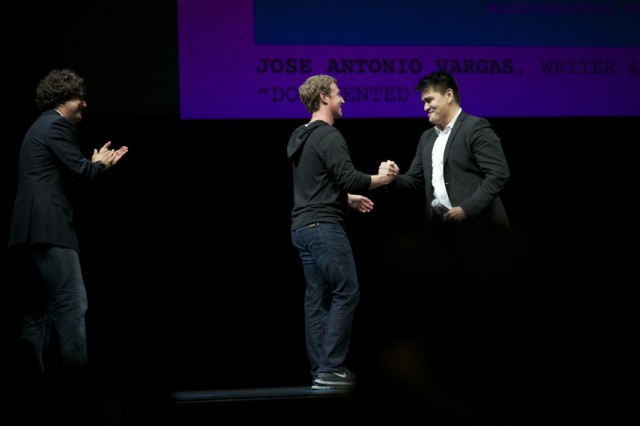
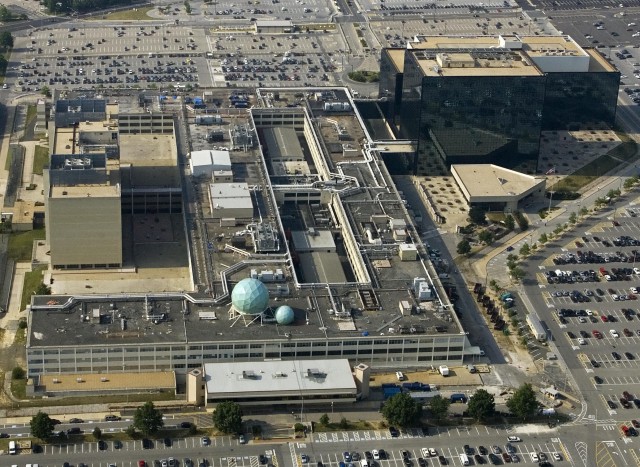
window.__IS_SSR__=true
window.__INITIAL_STATE__={
"attachmentsReducer": {
"audio_0": {
"type": "attachments",
"id": "audio_0",
"imgSizes": {
"kqedFullSize": {
"file": "https://ww2.kqed.org/news/wp-content/themes/KQED-unified/img/audio_bgs/background0.jpg"
}
}
},
"audio_1": {
"type": "attachments",
"id": "audio_1",
"imgSizes": {
"kqedFullSize": {
"file": "https://ww2.kqed.org/news/wp-content/themes/KQED-unified/img/audio_bgs/background1.jpg"
}
}
},
"audio_2": {
"type": "attachments",
"id": "audio_2",
"imgSizes": {
"kqedFullSize": {
"file": "https://ww2.kqed.org/news/wp-content/themes/KQED-unified/img/audio_bgs/background2.jpg"
}
}
},
"audio_3": {
"type": "attachments",
"id": "audio_3",
"imgSizes": {
"kqedFullSize": {
"file": "https://ww2.kqed.org/news/wp-content/themes/KQED-unified/img/audio_bgs/background3.jpg"
}
}
},
"audio_4": {
"type": "attachments",
"id": "audio_4",
"imgSizes": {
"kqedFullSize": {
"file": "https://ww2.kqed.org/news/wp-content/themes/KQED-unified/img/audio_bgs/background4.jpg"
}
}
},
"placeholder": {
"type": "attachments",
"id": "placeholder",
"imgSizes": {
"thumbnail": {
"file": "https://cdn.kqed.org/wp-content/uploads/2024/12/KQED-Default-Image-816638274-2000x1333-1-160x107.jpg",
"width": 160,
"height": 107,
"mimeType": "image/jpeg"
},
"medium": {
"file": "https://cdn.kqed.org/wp-content/uploads/2024/12/KQED-Default-Image-816638274-2000x1333-1-800x533.jpg",
"width": 800,
"height": 533,
"mimeType": "image/jpeg"
},
"medium_large": {
"file": "https://cdn.kqed.org/wp-content/uploads/2024/12/KQED-Default-Image-816638274-2000x1333-1-768x512.jpg",
"width": 768,
"height": 512,
"mimeType": "image/jpeg"
},
"large": {
"file": "https://cdn.kqed.org/wp-content/uploads/2024/12/KQED-Default-Image-816638274-2000x1333-1-1020x680.jpg",
"width": 1020,
"height": 680,
"mimeType": "image/jpeg"
},
"1536x1536": {
"file": "https://cdn.kqed.org/wp-content/uploads/2024/12/KQED-Default-Image-816638274-2000x1333-1-1536x1024.jpg",
"width": 1536,
"height": 1024,
"mimeType": "image/jpeg"
},
"fd-lrg": {
"file": "https://cdn.kqed.org/wp-content/uploads/2024/12/KQED-Default-Image-816638274-2000x1333-1-1536x1024.jpg",
"width": 1536,
"height": 1024,
"mimeType": "image/jpeg"
},
"fd-med": {
"file": "https://cdn.kqed.org/wp-content/uploads/2024/12/KQED-Default-Image-816638274-2000x1333-1-1020x680.jpg",
"width": 1020,
"height": 680,
"mimeType": "image/jpeg"
},
"fd-sm": {
"file": "https://cdn.kqed.org/wp-content/uploads/2024/12/KQED-Default-Image-816638274-2000x1333-1-800x533.jpg",
"width": 800,
"height": 533,
"mimeType": "image/jpeg"
},
"post-thumbnail": {
"file": "https://cdn.kqed.org/wp-content/uploads/2024/12/KQED-Default-Image-816638274-2000x1333-1-672x372.jpg",
"width": 672,
"height": 372,
"mimeType": "image/jpeg"
},
"twentyfourteen-full-width": {
"file": "https://cdn.kqed.org/wp-content/uploads/2024/12/KQED-Default-Image-816638274-2000x1333-1-1038x576.jpg",
"width": 1038,
"height": 576,
"mimeType": "image/jpeg"
},
"xxsmall": {
"file": "https://cdn.kqed.org/wp-content/uploads/2024/12/KQED-Default-Image-816638274-2000x1333-1-160x107.jpg",
"width": 160,
"height": 107,
"mimeType": "image/jpeg"
},
"xsmall": {
"file": "https://cdn.kqed.org/wp-content/uploads/2024/12/KQED-Default-Image-816638274-2000x1333-1-672x372.jpg",
"width": 672,
"height": 372,
"mimeType": "image/jpeg"
},
"small": {
"file": "https://cdn.kqed.org/wp-content/uploads/2024/12/KQED-Default-Image-816638274-2000x1333-1-672x372.jpg",
"width": 672,
"height": 372,
"mimeType": "image/jpeg"
},
"xlarge": {
"file": "https://cdn.kqed.org/wp-content/uploads/2024/12/KQED-Default-Image-816638274-2000x1333-1-1020x680.jpg",
"width": 1020,
"height": 680,
"mimeType": "image/jpeg"
},
"full-width": {
"file": "https://cdn.kqed.org/wp-content/uploads/2024/12/KQED-Default-Image-816638274-2000x1333-1-1920x1280.jpg",
"width": 1920,
"height": 1280,
"mimeType": "image/jpeg"
},
"guest-author-32": {
"file": "https://cdn.kqed.org/wp-content/uploads/2025/01/KQED-Default-Image-816638274-1333x1333-1-160x160.jpg",
"width": 32,
"height": 32,
"mimeType": "image/jpeg"
},
"guest-author-50": {
"file": "https://cdn.kqed.org/wp-content/uploads/2025/01/KQED-Default-Image-816638274-1333x1333-1-160x160.jpg",
"width": 50,
"height": 50,
"mimeType": "image/jpeg"
},
"guest-author-64": {
"file": "https://cdn.kqed.org/wp-content/uploads/2025/01/KQED-Default-Image-816638274-1333x1333-1-160x160.jpg",
"width": 64,
"height": 64,
"mimeType": "image/jpeg"
},
"guest-author-96": {
"file": "https://cdn.kqed.org/wp-content/uploads/2025/01/KQED-Default-Image-816638274-1333x1333-1-160x160.jpg",
"width": 96,
"height": 96,
"mimeType": "image/jpeg"
},
"guest-author-128": {
"file": "https://cdn.kqed.org/wp-content/uploads/2025/01/KQED-Default-Image-816638274-1333x1333-1-160x160.jpg",
"width": 128,
"height": 128,
"mimeType": "image/jpeg"
},
"detail": {
"file": "https://cdn.kqed.org/wp-content/uploads/2025/01/KQED-Default-Image-816638274-1333x1333-1-160x160.jpg",
"width": 160,
"height": 160,
"mimeType": "image/jpeg"
},
"kqedFullSize": {
"file": "https://cdn.kqed.org/wp-content/uploads/2024/12/KQED-Default-Image-816638274-2000x1333-1.jpg",
"width": 2000,
"height": 1333
}
}
},
"news_105844": {
"type": "attachments",
"id": "news_105844",
"meta": {
"index": "attachments_1716263798",
"site": "news",
"id": "105844",
"found": true
},
"parent": 105836,
"imgSizes": {
"kqedFullSize": {
"file": "https://ww2.kqed.org/app/uploads/sites/10/2013/08/RS6056_DSC_8696-scr-e1375826689608.jpg",
"width": 640,
"height": 426
}
},
"publishDate": 1375826599,
"modified": 1375826599,
"caption": "Joe Green, Mark Zuckerberg and Jose Antonio Vargas at the Yerba Buena Center for the Arts screening of \"Documented.\"",
"description": "Joe Green, Mark Zuckerberg and Jose Antonio Vargas at the Yerba Buena Center for the Arts screening of \"Documented",
"title": "RS6056_DSC_8696-scr",
"credit": null,
"status": "inherit",
"isLoading": false,
"fetchFailed": false
},
"news_105443": {
"type": "attachments",
"id": "news_105443",
"meta": {
"index": "attachments_1716263798",
"site": "news",
"id": "105443",
"found": true
},
"parent": 105437,
"imgSizes": {
"kqedFullSize": {
"file": "https://ww2.kqed.org/app/uploads/sites/10/2013/08/SFC-bldg.jpg",
"width": 640,
"height": 383
}
},
"publishDate": 1375464293,
"modified": 1375464293,
"caption": "The San Francisco Chronicle building, where Yahoo is planning to move in this October. (jeremy80/Flickr)",
"description": null,
"title": "SFC bldg",
"credit": null,
"status": "inherit",
"isLoading": false,
"fetchFailed": false
},
"news_51705": {
"type": "attachments",
"id": "news_51705",
"meta": {
"index": "attachments_1716263798",
"site": "news",
"id": "51705",
"found": true
},
"parent": 51683,
"imgSizes": {
"kqedFullSize": {
"file": "https://ww2.kqed.org/app/uploads/sites/10/2011/12/71664277-e1375372040547.jpg",
"width": 640,
"height": 467
}
},
"publishDate": 1325203041,
"modified": 1325203041,
"caption": "The National Security Agency in Fort Meade, Maryland. (Paul J. Richards/AFP/Getty Images)",
"description": "FORT MEAD, UNITED STATES: (FILES) This 31 May, 2006, file photo shows the National Security Agency (NSA) is shown in Fort Meade, Maryland. A US judge on 16 August, 2006, halted the warrantless wiretapping program by the NSA and ruled that US President George W. Bush overstepped his authority when authorizing the unconstitutional program. Federal Judge Anna Diggs Taylor ordered a permanent injuction barring the Terrorist Surveillance Program, which has been used to monitor millions of US citizens. \"It was never the intent of the (Constitutional) framers to give the President such unfettered control, particularly when his actions blatantly disregard the parameters clearly enumerated in the Bill of Rights,\" Taylor wrote in a 43-page opinion. AFP PHOTO/PAUL J. RICHARDS/FILES (Photo credit should read PAUL J. RICHARDS/AFP/Getty Images)",
"title": "(FILES) This 31 May, 2006, file photo sh",
"credit": null,
"status": "inherit",
"isLoading": false,
"fetchFailed": false
},
"news_85736": {
"type": "attachments",
"id": "news_85736",
"meta": {
"index": "attachments_1716263798",
"site": "news",
"id": "85736",
"found": true
},
"parent": 85717,
"imgSizes": {
"kqedFullSize": {
"file": "https://ww2.kqed.org/app/uploads/sites/10/2013/01/zuck20130115.jpg",
"width": 640,
"height": 438
}
},
"publishDate": 1358276132,
"modified": 1435190652,
"caption": "Facebook Chairman and Chief Executive Mark Zuckerberg wants to reach users with little or no Internet access.",
"description": "Facebook Chairman and Chief Executive Mark Zuckerberg introduces Graph Search this morning in Menlo Park. Photo by Stephen Lam/Getty Images.",
"title": "zuck20130115",
"credit": "Stephen Lam/Getty Images",
"status": "inherit",
"isLoading": false,
"fetchFailed": false
}
},
"audioPlayerReducer": {
"postId": "stream_live",
"isPaused": true,
"isPlaying": false,
"pfsActive": false,
"pledgeModalIsOpen": true,
"playerDrawerIsOpen": false,
"liveAudioPlayStartedAt": 0,
"liveAudioPlayContext": ""
},
"authorsReducer": {
"98603": {
"type": "authors",
"id": "98603",
"meta": {
"override": true
},
"slug": "98603",
"name": "Aarti Shahani",
"firstName": "Aarti",
"lastName": "Shahani",
"bio": "",
"email": "ashahani@kqed.org",
"isLoading": false
},
"davidweir": {
"type": "authors",
"id": "223",
"meta": {
"index": "authors_1716337520",
"id": "223",
"found": true
},
"name": "David Weir",
"firstName": "David",
"lastName": "Weir",
"slug": "davidweir",
"email": "dweir@kqed.org",
"display_author_email": false,
"staff_mastheads": [],
"title": "KQED Contributor",
"bio": "David Weir is KQED's senior editor for digital news. He previously worked at \u003cem>Rolling Stone,\u003c/em> Salon, Wired Digital, Excite@Home,\u003cem> Mother Jones,\u003c/em> and as a co-founder and executive director of the Center for Investigative Reporting.\r\n\r\nOver the past 40 years, he and his teams have won dozens of awards, including a National Magazine Award, an IRE Award and a Webby. He has authored or co-authored four books, including (with Mark Schapiro) \u003cem>Circle of Poison.\u003c/em>\r\n\r\nHe has a ba\u003cspan class=\"example\">chelor's degree\u003c/span> in journalism from the University of Michigan, and has taught journalism at the University of California at Berkeley, Stanford and San Francisco State.",
"avatar": "https://secure.gravatar.com/avatar/c6642c16c4d2d2de5e6f067edf92b9c8?s=600&d=blank&r=g",
"twitter": null,
"facebook": null,
"instagram": null,
"linkedin": null,
"sites": [
{
"site": "arts",
"roles": [
"editor"
]
},
{
"site": "news",
"roles": [
"subscriber"
]
},
{
"site": "lowdown",
"roles": [
"editor"
]
},
{
"site": "stateofhealth",
"roles": [
"administrator"
]
},
{
"site": "science",
"roles": [
"editor"
]
}
],
"headData": {
"title": "David Weir | KQED",
"description": "KQED Contributor",
"ogImgSrc": "https://secure.gravatar.com/avatar/c6642c16c4d2d2de5e6f067edf92b9c8?s=600&d=blank&r=g",
"twImgSrc": "https://secure.gravatar.com/avatar/c6642c16c4d2d2de5e6f067edf92b9c8?s=600&d=blank&r=g"
},
"isLoading": false,
"link": "/author/davidweir"
},
"kqed": {
"type": "authors",
"id": "236",
"meta": {
"index": "authors_1716337520",
"id": "236",
"found": true
},
"name": "KQED News Staff",
"firstName": "KQED News Staff",
"lastName": null,
"slug": "kqed",
"email": "faq@kqed.org",
"display_author_email": false,
"staff_mastheads": [],
"title": null,
"bio": null,
"avatar": "https://secure.gravatar.com/avatar/ef0e801a68c4c54afa9180db14084167?s=600&d=blank&r=g",
"twitter": null,
"facebook": null,
"instagram": null,
"linkedin": null,
"sites": [
{
"site": "arts",
"roles": [
"contributor"
]
},
{
"site": "news",
"roles": [
"editor"
]
},
{
"site": "futureofyou",
"roles": [
"author"
]
}
],
"headData": {
"title": "KQED News Staff | KQED",
"description": null,
"ogImgSrc": "https://secure.gravatar.com/avatar/ef0e801a68c4c54afa9180db14084167?s=600&d=blank&r=g",
"twImgSrc": "https://secure.gravatar.com/avatar/ef0e801a68c4c54afa9180db14084167?s=600&d=blank&r=g"
},
"isLoading": false,
"link": "/author/kqed"
},
"kqednewsstaffandwires": {
"type": "authors",
"id": "237",
"meta": {
"index": "authors_1716337520",
"id": "237",
"found": true
},
"name": "KQED News Staff and Wires",
"firstName": "KQED News Staff and Wires",
"lastName": null,
"slug": "kqednewsstaffandwires",
"email": "onlinenewsstaff@kqed.org",
"display_author_email": false,
"staff_mastheads": [],
"title": null,
"bio": null,
"avatar": "https://secure.gravatar.com/avatar/72295af8ebbfbd19a4948f5271285664?s=600&d=blank&r=g",
"twitter": null,
"facebook": null,
"instagram": null,
"linkedin": null,
"sites": [
{
"site": "arts",
"roles": [
"contributor"
]
},
{
"site": "news",
"roles": [
"contributor"
]
},
{
"site": "lowdown",
"roles": [
"author"
]
},
{
"site": "stateofhealth",
"roles": [
"contributor"
]
},
{
"site": "food",
"roles": [
"author"
]
}
],
"headData": {
"title": "KQED News Staff and Wires | KQED",
"description": null,
"ogImgSrc": "https://secure.gravatar.com/avatar/72295af8ebbfbd19a4948f5271285664?s=600&d=blank&r=g",
"twImgSrc": "https://secure.gravatar.com/avatar/72295af8ebbfbd19a4948f5271285664?s=600&d=blank&r=g"
},
"isLoading": false,
"link": "/author/kqednewsstaffandwires"
}
},
"pagesReducer": {
"news_category_technology": {
"type": "terms",
"id": "news_248",
"meta": {
"index": "terms_1716263798",
"site": "news",
"id": "248",
"score": 10.931152
},
"featImg": null,
"name": "Technology",
"description": null,
"taxonomy": "category",
"headData": {
"twImgId": null,
"twTitle": null,
"ogTitle": null,
"ogImgId": null,
"twDescription": null,
"description": null,
"title": "Technology Archives | KQED News",
"ogDescription": null
},
"ttid": 256,
"slug": "technology",
"isLoading": false,
"title": "Technology",
"pageMeta": {
"site": "news",
"WpPageTemplate": "page-topic-editorial",
"currentPage": 165
},
"blocks": [
{
"blockName": "kqed/post-list",
"attrs": {
"layout": "cardArticle2",
"query": "posts/news?category=technology",
"seeMore": false,
"paginated": true,
"page": 165
}
},
{
"blockName": "kqed/ad"
}
]
}
},
"pfsSessionReducer": {},
"postsReducer": {
"stream_live": {
"type": "live",
"id": "stream_live",
"audioUrl": "https://streams.kqed.org/kqedradio",
"title": "Live Stream",
"excerpt": "Live Stream information currently unavailable.",
"link": "/radio",
"featImg": "",
"label": {
"name": "KQED Live",
"link": "/"
}
},
"stream_kqedNewscast": {
"type": "posts",
"id": "stream_kqedNewscast",
"audioUrl": "https://www.kqed.org/.stream/anon/radio/RDnews/newscast.mp3?_=1",
"title": "KQED Newscast",
"featImg": "",
"label": {
"name": "88.5 FM",
"link": "/"
}
},
"news_105836": {
"type": "posts",
"id": "news_105836",
"meta": {
"index": "posts_1716263798",
"site": "news",
"id": "105836",
"score": null,
"sort": [
1375830903000
]
},
"guestAuthors": [],
"slug": "zuckerberg-lends-his-support-to-immigration-debate-including-new-documentary",
"title": "Zuckerberg Lends Support to Immigration Debate, Including New Documentary",
"publishDate": 1375830903,
"format": "aside",
"headTitle": "Zuckerberg Lends Support to Immigration Debate, Including New Documentary | KQED",
"labelTerm": {
"term": 6944,
"site": "news"
},
"content": "\u003cfigure id=\"attachment_105844\" class=\"wp-caption alignright\" style=\"max-width: 300px\">\u003ca href=\"http://ww2.kqed.org/news/2013/08/06/105836/rs6056_dsc_8696-scr/\" rel=\"attachment wp-att-105844\">\u003cimg loading=\"lazy\" decoding=\"async\" class=\"size-medium wp-image-105844 \" src=\"http://ww2.kqed.org/news/wp-content/uploads/sites/10/2013/08/RS6056_DSC_8696-scr-300x199.jpg\" alt='Joe Green, Mark Zuckerberg and Jose Antonio Vargas at the Yerba Buena Center for the Arts screening of \"Documented' width=\"300\" height=\"199\">\u003c/a>\u003cfigcaption class=\"wp-caption-text\">Joe Green, Mark Zuckerberg and Jose Antonio Vargas at the Yerba Buena Center for the Arts screening of “Documented.” (Monica Lam/KQED)\u003c/figcaption>\u003c/figure>\n\u003cp>\u003cstrong>By Monica Lam and Angela Hart\u003c/strong>\u003c/p>\n\u003cp>It’s always interesting when celebrities get involved in political debates. Often they’re mainly amplifying a message that others have articulated, and adding the heft of their reputation to that cause.\u003c/p>\n\u003cp>At Monday night’s screening of “Documented,” a film by undocumented immigrant Jose Antonio Vargas, Facebook CEO Mark Zuckerberg weighed in publicly on the immigration debate. In remarks preceding the film, Zuckerberg talked about his evolution from a Silicon Valley entrepreneur with a stake in how many H1-B visas get issued to someone who wants to play a broader role in the debate — a debate that includes farm workers and less educated immigrants.\u003c/p>\n\u003cp>“These are issues that don’t just touch our part of the industry but really touch the whole country,” he told the 700 or so in the audience at the Yerba Buena Center for the Arts in San Francisco, an invitation-only event.\u003c/p>\n\u003cp>The overall message of the evening was that the youth — the young, the innovative, the daring — are behind immigration reform. Zuckerberg talked about his conversations with his wife, which he credits with getting him involved more personally in the issue. “Our dinner conversations were largely about Facebook on the one hand, and kids on the other,” he joked.\u003c/p>\n\u003cp>[ad fullwidth]\u003c/p>\n\u003cp>Introducing Zuckerberg was Joe Green, head of the nonprofit advocacy group \u003ca href=\"http://fwd.us/\">FWD.us\u003c/a>, founded by Zuckerberg and a roster of other Silicon Valley upstarts. Green, who was Zuckerberg’s roommate at Harvard, turned down the opportunity to help start Facebook and instead finished school and worked on John Kerry’s 2004 presidential campaign.\u003c/p>\n\u003cp>\u003c!--more-->Green has come under fire for his group’s early forays into politics. But he seemed nonplussed, running onto stage with youthful exuberance, his curly hair waving and hip-nerd glasses perched on his handsome face. “It is extraordinary to look across this room and see such a diverse group of allies who all have a stake in immigration reform,” he said as he welcomed students and their families, elected officials and tech innovators.\u003c/p>\n\u003cp>Filmmaker Vargas, who was born in the Philippines, continued in the same vein. Earnest yet defiant, he wore a blazer and jeans, and talked about his love for his country, the United States. “I am an American,” he said. “I’m just waiting for my country to acknowledge it.” Vargas, who shared a Pulitzer Prize for his work as a journalist, revealed his own status as an undocumented immigrant in a 2011 New York Times \u003ca href=\"//www.nytimes.com/2011/06/26/magazine/my-life-as-an-undocumented-immigrant.html?pagewanted=all)\">essay\u003c/a>, much of which is reprised in his film.\u003c/p>\n\u003cp>In the audience were many members of San Francisco’s progressive vanguard. City Attorney Dennis Herrera said he hopes the debate over immigration — a divisive one on Capitol Hill — can bring people together. “I think how we deal with the whole issue of immigration is critically important to who we are as a society and as a country,” he said.\u003c/p>\n\u003cp>City Supervisor David Campos, who recently announced his intention to run for State Assembly, said his own story as an undocumented immigrant is reflected in the film. “When I was growing up as an undocumented child, that was just not something we talked about,” Campos said. “It’s incredible to see all these faces here tonight, many of whom are undocumented themselves.”\u003c/p>\n\u003cp>Among the undocumented faces was Dean Santos, a student at Notre Dame de Namur University in Belmont. “Vargas’ story is my story,” Santos said. “The more people we can get to put a human face on what being undocumented looks like, the better chance we have of moving forward as a country.”\u003c/p>\n\u003cp>Other big names in attendance included musician MC Hammer and NFL Hall of Famer Joe Montana. They entered the auditorium following a private reception held in a cordoned-off upstairs gallery of the arts center. Outside, a mobile photo studio took photographs that were later blown up in black and white and plastered on the walls of the center.\u003c/p>\n\u003cp>As the lights dimmed and the film began, the mood was rosy, with immigration largely viewed as positive. While there are many who don’t agree with this view, last night’s event pushed the FWD.us agenda: Immigration, as imagined by the talent of Silicon Valley, is as simple as letting other talented people into this country who will soon love it more than wherever they came from.\u003c/p>\n\u003cp>\u003c/p>\n\u003cp> \u003c/p>\n\n",
"blocks": [],
"excerpt": null,
"status": "publish",
"parent": 0,
"modified": 1739493867,
"stats": {
"hasAudio": false,
"hasVideo": false,
"hasChartOrMap": false,
"iframeSrcs": [],
"hasGoogleForm": false,
"hasGallery": false,
"hasHearkenModule": false,
"hasPolis": false,
"paragraphCount": 15,
"wordCount": 800
},
"headData": {
"title": "Zuckerberg Lends Support to Immigration Debate, Including New Documentary | KQED",
"description": "By Monica Lam and Angela Hart It’s always interesting when celebrities get involved in political debates. Often they’re mainly amplifying a message that others have articulated, and adding the heft of their reputation to that cause. At Monday night’s screening of “Documented,” a film by undocumented immigrant Jose Antonio Vargas, Facebook CEO Mark Zuckerberg weighed in publicly on the immigration debate. In remarks preceding the film, Zuckerberg talked about his evolution from a Silicon Valley entrepreneur with a stake in how many H1-B visas get issued to someone who wants to play a broader role in the debate -- a",
"ogTitle": "",
"ogDescription": "",
"ogImgId": "",
"twTitle": "",
"twDescription": "",
"twImgId": "",
"schema": {
"@context": "https://schema.org",
"@type": "NewsArticle",
"headline": "Zuckerberg Lends Support to Immigration Debate, Including New Documentary",
"datePublished": "2013-08-06T16:15:03-07:00",
"dateModified": "2025-02-13T16:44:27-08:00",
"image": "https://cdn.kqed.org/wp-content/uploads/2020/02/KQED-OG-Image@1x.png",
"isAccessibleForFree": "True",
"publisher": {
"@type": "NewsMediaOrganization",
"@id": "https://www.kqed.org/#organization",
"name": "KQED",
"logo": "https://cdn.kqed.org/wp-content/uploads/2020/02/KQED-OG-Image@1x.png",
"url": "https://www.kqed.org",
"sameAs": [
"https://www.facebook.com/KQED",
"https://twitter.com/KQED",
"https://www.instagram.com/kqed/",
"https://www.tiktok.com/@kqedofficial",
"https://www.linkedin.com/company/kqed",
"https://www.youtube.com/channel/UCeC0IOo7i1P_61zVUWbJ4nw"
]
}
}
},
"sticky": false,
"customPermalink": "2013/08/06/105836/Mark-Zuckerberg-immigration-Jose-Vargas-Joe-Green/",
"path": "/news/105836/zuckerberg-lends-his-support-to-immigration-debate-including-new-documentary",
"audioTrackLength": null,
"parsedContent": [
{
"type": "contentString",
"content": "\u003cdiv class=\"post-body\">\u003cp>\u003cfigure id=\"attachment_105844\" class=\"wp-caption alignright\" style=\"max-width: 300px\">\u003ca href=\"http://ww2.kqed.org/news/2013/08/06/105836/rs6056_dsc_8696-scr/\" rel=\"attachment wp-att-105844\">\u003cimg loading=\"lazy\" decoding=\"async\" class=\"size-medium wp-image-105844 \" src=\"http://ww2.kqed.org/news/wp-content/uploads/sites/10/2013/08/RS6056_DSC_8696-scr-300x199.jpg\" alt='Joe Green, Mark Zuckerberg and Jose Antonio Vargas at the Yerba Buena Center for the Arts screening of \"Documented' width=\"300\" height=\"199\">\u003c/a>\u003cfigcaption class=\"wp-caption-text\">Joe Green, Mark Zuckerberg and Jose Antonio Vargas at the Yerba Buena Center for the Arts screening of “Documented.” (Monica Lam/KQED)\u003c/figcaption>\u003c/figure>\n\u003cp>\u003cstrong>By Monica Lam and Angela Hart\u003c/strong>\u003c/p>\n\u003cp>It’s always interesting when celebrities get involved in political debates. Often they’re mainly amplifying a message that others have articulated, and adding the heft of their reputation to that cause.\u003c/p>\n\u003cp>At Monday night’s screening of “Documented,” a film by undocumented immigrant Jose Antonio Vargas, Facebook CEO Mark Zuckerberg weighed in publicly on the immigration debate. In remarks preceding the film, Zuckerberg talked about his evolution from a Silicon Valley entrepreneur with a stake in how many H1-B visas get issued to someone who wants to play a broader role in the debate — a debate that includes farm workers and less educated immigrants.\u003c/p>\n\u003cp>“These are issues that don’t just touch our part of the industry but really touch the whole country,” he told the 700 or so in the audience at the Yerba Buena Center for the Arts in San Francisco, an invitation-only event.\u003c/p>\n\u003cp>The overall message of the evening was that the youth — the young, the innovative, the daring — are behind immigration reform. Zuckerberg talked about his conversations with his wife, which he credits with getting him involved more personally in the issue. “Our dinner conversations were largely about Facebook on the one hand, and kids on the other,” he joked.\u003c/p>\n\u003cp>\u003c/p>\u003c/div>",
"attributes": {
"named": {},
"numeric": []
}
},
{
"type": "component",
"content": "",
"name": "ad",
"attributes": {
"named": {
"label": "fullwidth"
},
"numeric": [
"fullwidth"
]
}
},
{
"type": "contentString",
"content": "\u003cdiv class=\"post-body\">\u003cp>\u003c/p>\n\u003cp>Introducing Zuckerberg was Joe Green, head of the nonprofit advocacy group \u003ca href=\"http://fwd.us/\">FWD.us\u003c/a>, founded by Zuckerberg and a roster of other Silicon Valley upstarts. Green, who was Zuckerberg’s roommate at Harvard, turned down the opportunity to help start Facebook and instead finished school and worked on John Kerry’s 2004 presidential campaign.\u003c/p>\n\u003cp>\u003c!--more-->Green has come under fire for his group’s early forays into politics. But he seemed nonplussed, running onto stage with youthful exuberance, his curly hair waving and hip-nerd glasses perched on his handsome face. “It is extraordinary to look across this room and see such a diverse group of allies who all have a stake in immigration reform,” he said as he welcomed students and their families, elected officials and tech innovators.\u003c/p>\n\u003cp>Filmmaker Vargas, who was born in the Philippines, continued in the same vein. Earnest yet defiant, he wore a blazer and jeans, and talked about his love for his country, the United States. “I am an American,” he said. “I’m just waiting for my country to acknowledge it.” Vargas, who shared a Pulitzer Prize for his work as a journalist, revealed his own status as an undocumented immigrant in a 2011 New York Times \u003ca href=\"//www.nytimes.com/2011/06/26/magazine/my-life-as-an-undocumented-immigrant.html?pagewanted=all)\">essay\u003c/a>, much of which is reprised in his film.\u003c/p>\n\u003cp>In the audience were many members of San Francisco’s progressive vanguard. City Attorney Dennis Herrera said he hopes the debate over immigration — a divisive one on Capitol Hill — can bring people together. “I think how we deal with the whole issue of immigration is critically important to who we are as a society and as a country,” he said.\u003c/p>\n\u003cp>City Supervisor David Campos, who recently announced his intention to run for State Assembly, said his own story as an undocumented immigrant is reflected in the film. “When I was growing up as an undocumented child, that was just not something we talked about,” Campos said. “It’s incredible to see all these faces here tonight, many of whom are undocumented themselves.”\u003c/p>\n\u003cp>Among the undocumented faces was Dean Santos, a student at Notre Dame de Namur University in Belmont. “Vargas’ story is my story,” Santos said. “The more people we can get to put a human face on what being undocumented looks like, the better chance we have of moving forward as a country.”\u003c/p>\n\u003cp>Other big names in attendance included musician MC Hammer and NFL Hall of Famer Joe Montana. They entered the auditorium following a private reception held in a cordoned-off upstairs gallery of the arts center. Outside, a mobile photo studio took photographs that were later blown up in black and white and plastered on the walls of the center.\u003c/p>\n\u003cp>As the lights dimmed and the film began, the mood was rosy, with immigration largely viewed as positive. While there are many who don’t agree with this view, last night’s event pushed the FWD.us agenda: Immigration, as imagined by the talent of Silicon Valley, is as simple as letting other talented people into this country who will soon love it more than wherever they came from.\u003c/p>\n\u003cp>\u003c/p>\n\u003cp> \u003c/p>\n\n\u003c/div>\u003c/p>",
"attributes": {
"named": {},
"numeric": []
}
}
],
"link": "/news/105836/zuckerberg-lends-his-support-to-immigration-debate-including-new-documentary",
"authors": [
"236"
],
"programs": [
"news_6944"
],
"categories": [
"news_223",
"news_1169",
"news_248"
],
"tags": [
"news_4216",
"news_4689",
"news_746",
"news_244"
],
"featImg": "news_105844",
"label": "news_6944"
},
"news_105437": {
"type": "posts",
"id": "news_105437",
"meta": {
"index": "posts_1716263798",
"site": "news",
"id": "105437",
"score": null,
"sort": [
1375465185000
]
},
"parent": 0,
"labelTerm": {
"site": "news",
"term": 6944
},
"blocks": [],
"publishDate": 1375465185,
"format": "aside",
"disqusTitle": "Yahoo to Move into Chronicle Building as Tech Office Grab in S.F. Intensifies",
"title": "Yahoo to Move into Chronicle Building as Tech Office Grab in S.F. Intensifies",
"headTitle": "News Fix | KQED News",
"content": "\u003cfigure id=\"attachment_105443\" class=\"wp-caption alignleft\" style=\"max-width: 300px\">\u003ca href=\"http://ww2.kqed.org/news/2013/08/02/105437/yahoo-chronicle-building-tech-boom/sfc-bldg/\" rel=\"attachment wp-att-105443\">\u003cimg class=\"size-medium wp-image-105443 \" src=\"http://ww2.kqed.org/news/wp-content/uploads/sites/10/2013/08/SFC-bldg-300x179.jpg\" alt=\"The San Francisco Chronicle building, where Yahoo is planning to move in this October. (jeremy80/Flickr)\" width=\"300\" height=\"179\">\u003c/a>\u003cfigcaption class=\"wp-caption-text\">The San Francisco Chronicle building, where Yahoo is planning to relocate from the Financial District (jeremy80/Flickr)\u003c/figcaption>\u003c/figure>\n\u003cp>Yahoo is moving its San Francisco offices from the Financial District to the iconic San Francisco Chronicle building at Fifth and Mission, according to a \u003ca href=\"http://yahoo.tumblr.com/post/57067083208/innovation-station-soma-here-we-come\">post \u003c/a>on Yahoo's Tumblr blog.\u003c/p>\n\u003cp>\"We’re designing a cool, fun and beautiful space to inspire collaboration and innovation,\" writes Jacqueline Reses, Yahoo's chief development officer\u003cem>. \"\u003c/em>We love the symbolism of moving into the Chronicle building, as it personifies the digital revolution in how people around the world consume media.\"\u003c/p>\n\u003cp>The three-story building at 901 Mission St., which is still home to the Chronicle, used to feature two full floors of newspaper employees before the daily newspaper laid off large numbers of staffers due to a steep decline in advertising revenue, which in turn was largely thanks to Internet sites like Yahoo and classified ad sites like Craigslist.\u003c!--more-->\u003c/p>\n\u003cp>Bloomberg's Dan Levy is\u003ca href=\"http://www.bloomberg.com/news/2013-08-01/yahoo-to-take-space-at-san-francisco-chronicle-building.html\"> reporting\u003c/a>: \"The Yahoo deal is for five years and 70,000 square feet (6,500 square meters), said a person with knowledge of the agreement who asked not to be identified because the information is private. Asking rents in the area averaged $44 a square foot in the second quarter, according to CBRE Group Inc.\"\u003c/p>\n\u003cp>Meanwhile, James Temple \u003ca href=\"http://blog.sfgate.com/techchron/2013/07/29/yahoo-zeroes-in-on-chronicle-lease-as-big-tech-deals-flood-the-market/\">reported\u003c/a> on The Tech Chronicles blog earlier this week that Yahoo is only one of many big tech companies searching for additional office space in the city, as a boom in the technology sector continues to drive the local economy.\u003c/p>\n\u003cp>[ad fullwidth]\u003c/p>\n\u003cp>\"According to real estate sources, Zendesk is eyeing the market for about 125,000 square feet, just two years after \u003ca href=\"http://www.bizjournals.com/sanfrancisco/blog/2011/08/zendesk-doubles-new-market-street.html\">doubling its headquarters on Market Street\u003c/a>,\" wrote Temple. \"Likewise, \u003ca href=\"http://www.practicefusion.com/\">Practice Fusion\u003c/a> is looking around for the same amount of space, Intuit is on the hunt for around 100,000 square feet and Microsoft is scouting for about 60,000 square feet.\"\u003c/p>\n\u003cp>Bloomberg's Levy had earlier reported that Google is also deep into serious expansion mode in the city: \"Google agreed to expand its San Francisco \u003ca href=\"http://topics.bloomberg.com/office-space/\">office space\u003c/a> at Morgan Stanley’s Hills Plaza building in what would be the city’s biggest lease transaction of 2013, according to a person with direct knowledge of the deal.\u003c/p>\n\u003cp>\u003c/p>\n\u003cp>\"The planned 10-year lease for 350,000 square feet (32,500 square meters) will increase Google’s space at the waterfront location by 25 percent, said the person, who asked not to be named because the process is private. The \u003ca href=\"http://topics.bloomberg.com/mountain-view/\">Mountain View\u003c/a>, California-based company will pay average rent of $65 a square foot, little changed from the rate in its current agreement, which expires in 2015, the person said. \"\u003c/p>\n\n",
"disqusIdentifier": "105437 http://ww2.kqed.org/news/?p=105437",
"disqusUrl": "https://ww2.kqed.org/news/2013/08/02/yahoo-to-move-into-chronicle-building-as-tech-office-grab-in-s-f-intensifies/",
"stats": {
"hasVideo": false,
"hasChartOrMap": false,
"hasAudio": false,
"hasPolis": false,
"wordCount": 451,
"hasGoogleForm": false,
"hasGallery": false,
"hasHearkenModule": false,
"iframeSrcs": [],
"paragraphCount": 10
},
"modified": 1375482621,
"excerpt": null,
"headData": {
"twImgId": "",
"twTitle": "",
"ogTitle": "",
"ogImgId": "",
"twDescription": "",
"description": "Yahoo is moving its San Francisco offices from the Financial District to the iconic San Francisco Chronicle building at Fifth and Mission, according to a post on Yahoo's Tumblr blog. "We’re designing a cool, fun and beautiful space to inspire collaboration and innovation," writes Jacqueline Reses, Yahoo's chief development officer. "We love the symbolism of",
"title": "Yahoo to Move into Chronicle Building as Tech Office Grab in S.F. Intensifies | KQED",
"ogDescription": "",
"schema": {
"@context": "https://schema.org",
"@type": "NewsArticle",
"headline": "Yahoo to Move into Chronicle Building as Tech Office Grab in S.F. Intensifies",
"datePublished": "2013-08-02T10:39:45-07:00",
"dateModified": "2013-08-02T15:30:21-07:00",
"image": "https://cdn.kqed.org/wp-content/uploads/2020/02/KQED-OG-Image@1x.png",
"isAccessibleForFree": "True",
"publisher": {
"@type": "NewsMediaOrganization",
"@id": "https://www.kqed.org/#organization",
"name": "KQED",
"logo": "https://cdn.kqed.org/wp-content/uploads/2020/02/KQED-OG-Image@1x.png",
"url": "https://www.kqed.org",
"sameAs": [
"https://www.facebook.com/KQED",
"https://twitter.com/KQED",
"https://www.instagram.com/kqed/",
"https://www.tiktok.com/@kqedofficial",
"https://www.linkedin.com/company/kqed",
"https://www.youtube.com/channel/UCeC0IOo7i1P_61zVUWbJ4nw"
]
}
}
},
"guestAuthors": [],
"slug": "yahoo-to-move-into-chronicle-building-as-tech-office-grab-in-s-f-intensifies",
"status": "publish",
"customPermalink": "2013/08/02/105437/yahoo-chronicle-building-tech-boom/",
"path": "/news/105437/yahoo-to-move-into-chronicle-building-as-tech-office-grab-in-s-f-intensifies",
"audioTrackLength": null,
"parsedContent": [
{
"type": "contentString",
"content": "\u003cdiv class=\"post-body\">\u003cp>\u003cfigure id=\"attachment_105443\" class=\"wp-caption alignleft\" style=\"max-width: 300px\">\u003ca href=\"http://ww2.kqed.org/news/2013/08/02/105437/yahoo-chronicle-building-tech-boom/sfc-bldg/\" rel=\"attachment wp-att-105443\">\u003cimg class=\"size-medium wp-image-105443 \" src=\"http://ww2.kqed.org/news/wp-content/uploads/sites/10/2013/08/SFC-bldg-300x179.jpg\" alt=\"The San Francisco Chronicle building, where Yahoo is planning to move in this October. (jeremy80/Flickr)\" width=\"300\" height=\"179\">\u003c/a>\u003cfigcaption class=\"wp-caption-text\">The San Francisco Chronicle building, where Yahoo is planning to relocate from the Financial District (jeremy80/Flickr)\u003c/figcaption>\u003c/figure>\n\u003cp>Yahoo is moving its San Francisco offices from the Financial District to the iconic San Francisco Chronicle building at Fifth and Mission, according to a \u003ca href=\"http://yahoo.tumblr.com/post/57067083208/innovation-station-soma-here-we-come\">post \u003c/a>on Yahoo's Tumblr blog.\u003c/p>\n\u003cp>\"We’re designing a cool, fun and beautiful space to inspire collaboration and innovation,\" writes Jacqueline Reses, Yahoo's chief development officer\u003cem>. \"\u003c/em>We love the symbolism of moving into the Chronicle building, as it personifies the digital revolution in how people around the world consume media.\"\u003c/p>\n\u003cp>The three-story building at 901 Mission St., which is still home to the Chronicle, used to feature two full floors of newspaper employees before the daily newspaper laid off large numbers of staffers due to a steep decline in advertising revenue, which in turn was largely thanks to Internet sites like Yahoo and classified ad sites like Craigslist.\u003c!--more-->\u003c/p>\n\u003cp>Bloomberg's Dan Levy is\u003ca href=\"http://www.bloomberg.com/news/2013-08-01/yahoo-to-take-space-at-san-francisco-chronicle-building.html\"> reporting\u003c/a>: \"The Yahoo deal is for five years and 70,000 square feet (6,500 square meters), said a person with knowledge of the agreement who asked not to be identified because the information is private. Asking rents in the area averaged $44 a square foot in the second quarter, according to CBRE Group Inc.\"\u003c/p>\n\u003cp>Meanwhile, James Temple \u003ca href=\"http://blog.sfgate.com/techchron/2013/07/29/yahoo-zeroes-in-on-chronicle-lease-as-big-tech-deals-flood-the-market/\">reported\u003c/a> on The Tech Chronicles blog earlier this week that Yahoo is only one of many big tech companies searching for additional office space in the city, as a boom in the technology sector continues to drive the local economy.\u003c/p>\n\u003cp>\u003c/p>\u003c/div>",
"attributes": {
"named": {},
"numeric": []
}
},
{
"type": "component",
"content": "",
"name": "ad",
"attributes": {
"named": {
"label": "fullwidth"
},
"numeric": [
"fullwidth"
]
}
},
{
"type": "contentString",
"content": "\u003cdiv class=\"post-body\">\u003cp>\u003c/p>\n\u003cp>\"According to real estate sources, Zendesk is eyeing the market for about 125,000 square feet, just two years after \u003ca href=\"http://www.bizjournals.com/sanfrancisco/blog/2011/08/zendesk-doubles-new-market-street.html\">doubling its headquarters on Market Street\u003c/a>,\" wrote Temple. \"Likewise, \u003ca href=\"http://www.practicefusion.com/\">Practice Fusion\u003c/a> is looking around for the same amount of space, Intuit is on the hunt for around 100,000 square feet and Microsoft is scouting for about 60,000 square feet.\"\u003c/p>\n\u003cp>Bloomberg's Levy had earlier reported that Google is also deep into serious expansion mode in the city: \"Google agreed to expand its San Francisco \u003ca href=\"http://topics.bloomberg.com/office-space/\">office space\u003c/a> at Morgan Stanley’s Hills Plaza building in what would be the city’s biggest lease transaction of 2013, according to a person with direct knowledge of the deal.\u003c/p>\n\u003cp>\u003c/p>\n\u003cp>\"The planned 10-year lease for 350,000 square feet (32,500 square meters) will increase Google’s space at the waterfront location by 25 percent, said the person, who asked not to be named because the process is private. The \u003ca href=\"http://topics.bloomberg.com/mountain-view/\">Mountain View\u003c/a>, California-based company will pay average rent of $65 a square foot, little changed from the rate in its current agreement, which expires in 2015, the person said. \"\u003c/p>\n\n\u003c/div>\u003c/p>",
"attributes": {
"named": {},
"numeric": []
}
}
],
"link": "/news/105437/yahoo-to-move-into-chronicle-building-as-tech-office-grab-in-s-f-intensifies",
"authors": [
"237"
],
"programs": [
"news_6944"
],
"categories": [
"news_6266",
"news_248"
],
"tags": [
"news_93",
"news_4674",
"news_38",
"news_1258",
"news_351",
"news_4673"
],
"featImg": "news_105443",
"label": "news_6944"
},
"news_105262": {
"type": "posts",
"id": "news_105262",
"meta": {
"index": "posts_1716263798",
"site": "news",
"id": "105262",
"score": null,
"sort": [
1375372140000
]
},
"parent": 0,
"labelTerm": {
"site": "news",
"term": 6944
},
"blocks": [],
"publishDate": 1375372140,
"format": "aside",
"disqusTitle": "Twitter Says Government Requests for Data on Users Are Up Sharply",
"title": "Twitter Says Government Requests for Data on Users Are Up Sharply",
"headTitle": "News Fix | KQED News",
"content": "\u003cfigure id=\"attachment_37424\" class=\"wp-caption alignright\" style=\"max-width: 128px\">\u003ca href=\"http://ww2.kqed.org/news/2011/08/18/so-what-exactly-is-anonymous-anyway/anonymous-anonymous-10587357-449-529_reasonably_small/\" rel=\"attachment wp-att-37424\">\u003cimg class=\"size-full wp-image-37424 \" src=\"http://ww2.kqed.org/news/wp-content/uploads/sites/10/2011/08/Anonymous-anonymous-10587357-449-529_reasonably_small.jpg\" alt=\"Original Anonymous figure. Twitter picture of @AnonyOps\" width=\"128\" height=\"128\">\u003c/a>\u003cfigcaption class=\"wp-caption-text\">Original Anonymous figure. Twitter picture of @AnonyOps (Courtesy of Twitter)\u003c/figcaption>\u003c/figure>\n\u003cp>In its latest \u003ca href=\"https://transparency.twitter.com/information-requests/2013/jan-jun\">transparency report\u003c/a>, Twitter says requests from governments worldwide for information about its users' accounts are up sharply, to 1,157 in the first half of this year, compared with 849 during the first six months in 2012 -- an increase of 36.3 percent.\u003c/p>\n\u003cp>This news comes amid the controversy over the large-scale data collection efforts revealed by former National Security Agency employee Edward Snowden, who has been granted \u003ca href=\"http://www.usatoday.com/story/news/nation/2013/08/01/nsa-edward-snowden-russia-temporary-asylum/2607737/\">asylum\u003c/a> in Russia.\u003c/p>\n\u003cp>According to Twitter, the U.S. government made the vast majority of the information requests -- 78 percent -- with 902 requests targeting 1,319 user accounts. But the transparency report does not reveal how many of these came from the NSA and also does not include data on requests authorized under the Foreign Intelligence Surveillance Act.\u003c/p>\n\u003cp>Twitter is one of many leading tech firms \u003ca href=\"http://http://www.washingtonpost.com/business/technology/google-challenges-us-gag-order-citing-first-amendment/2013/06/18/96835c72-d832-11e2-a9f2-42ee3912ae0e_story.html\">urging\u003c/a> the federal government to allow it to disclose more details about such information requests in the wake of the surveillance controversy.\u003c/p>\n\u003cp>“An important conversation has begun about the extent to which companies should be allowed to publish information regarding national security requests,” Jeremy Kessel, Twitter’s manager of legal policy, wrote on the company's \u003ca href=\"https://blog.twitter.com/2013/working-to-increase-transparency\">blog\u003c/a>.\u003c!--more-->\u003c/p>\n\u003cp>[ad fullwidth]\u003c/p>\n\u003cp>\u003c/p>\n\u003cp>\u003ciframe src=\"http://s3.datawrapper.de/DD2Cs/\" frameborder=\"0\" width=\"400\" height=\"400\">\u003c/iframe>\u003c/p>\n\n",
"disqusIdentifier": "105262 http://ww2.kqed.org/news/?p=105262",
"disqusUrl": "https://ww2.kqed.org/news/2013/08/01/twitter-say-government-requests-for-data-on-users-is-up-sharply/",
"stats": {
"hasVideo": false,
"hasChartOrMap": false,
"hasAudio": false,
"hasPolis": false,
"wordCount": 210,
"hasGoogleForm": false,
"hasGallery": false,
"hasHearkenModule": false,
"iframeSrcs": [],
"paragraphCount": 8
},
"modified": 1375392161,
"excerpt": null,
"headData": {
"twImgId": "",
"twTitle": "",
"ogTitle": "",
"ogImgId": "",
"twDescription": "",
"description": "In its latest transparency report, Twitter says requests from governments worldwide for information about its users' accounts are up sharply, to 1,157 in the first half of this year, compared with 849 during the first six months in 2012 -- an increase of 36.3 percent. This news comes amid the controversy over the large-scale data",
"title": "Twitter Says Government Requests for Data on Users Are Up Sharply | KQED",
"ogDescription": "",
"schema": {
"@context": "https://schema.org",
"@type": "NewsArticle",
"headline": "Twitter Says Government Requests for Data on Users Are Up Sharply",
"datePublished": "2013-08-01T08:49:00-07:00",
"dateModified": "2013-08-01T14:22:41-07:00",
"image": "https://cdn.kqed.org/wp-content/uploads/2020/02/KQED-OG-Image@1x.png",
"isAccessibleForFree": "True",
"publisher": {
"@type": "NewsMediaOrganization",
"@id": "https://www.kqed.org/#organization",
"name": "KQED",
"logo": "https://cdn.kqed.org/wp-content/uploads/2020/02/KQED-OG-Image@1x.png",
"url": "https://www.kqed.org",
"sameAs": [
"https://www.facebook.com/KQED",
"https://twitter.com/KQED",
"https://www.instagram.com/kqed/",
"https://www.tiktok.com/@kqedofficial",
"https://www.linkedin.com/company/kqed",
"https://www.youtube.com/channel/UCeC0IOo7i1P_61zVUWbJ4nw"
]
}
}
},
"guestAuthors": [],
"slug": "twitter-say-government-requests-for-data-on-users-is-up-sharply",
"status": "publish",
"customPermalink": "2013/08/01/105262/twitter-nas-data-requests-rise/",
"path": "/news/105262/twitter-say-government-requests-for-data-on-users-is-up-sharply",
"audioTrackLength": null,
"parsedContent": [
{
"type": "contentString",
"content": "\u003cdiv class=\"post-body\">\u003cp>\u003cfigure id=\"attachment_37424\" class=\"wp-caption alignright\" style=\"max-width: 128px\">\u003ca href=\"http://ww2.kqed.org/news/2011/08/18/so-what-exactly-is-anonymous-anyway/anonymous-anonymous-10587357-449-529_reasonably_small/\" rel=\"attachment wp-att-37424\">\u003cimg class=\"size-full wp-image-37424 \" src=\"http://ww2.kqed.org/news/wp-content/uploads/sites/10/2011/08/Anonymous-anonymous-10587357-449-529_reasonably_small.jpg\" alt=\"Original Anonymous figure. Twitter picture of @AnonyOps\" width=\"128\" height=\"128\">\u003c/a>\u003cfigcaption class=\"wp-caption-text\">Original Anonymous figure. Twitter picture of @AnonyOps (Courtesy of Twitter)\u003c/figcaption>\u003c/figure>\n\u003cp>In its latest \u003ca href=\"https://transparency.twitter.com/information-requests/2013/jan-jun\">transparency report\u003c/a>, Twitter says requests from governments worldwide for information about its users' accounts are up sharply, to 1,157 in the first half of this year, compared with 849 during the first six months in 2012 -- an increase of 36.3 percent.\u003c/p>\n\u003cp>This news comes amid the controversy over the large-scale data collection efforts revealed by former National Security Agency employee Edward Snowden, who has been granted \u003ca href=\"http://www.usatoday.com/story/news/nation/2013/08/01/nsa-edward-snowden-russia-temporary-asylum/2607737/\">asylum\u003c/a> in Russia.\u003c/p>\n\u003cp>According to Twitter, the U.S. government made the vast majority of the information requests -- 78 percent -- with 902 requests targeting 1,319 user accounts. But the transparency report does not reveal how many of these came from the NSA and also does not include data on requests authorized under the Foreign Intelligence Surveillance Act.\u003c/p>\n\u003cp>Twitter is one of many leading tech firms \u003ca href=\"http://http://www.washingtonpost.com/business/technology/google-challenges-us-gag-order-citing-first-amendment/2013/06/18/96835c72-d832-11e2-a9f2-42ee3912ae0e_story.html\">urging\u003c/a> the federal government to allow it to disclose more details about such information requests in the wake of the surveillance controversy.\u003c/p>\n\u003cp>“An important conversation has begun about the extent to which companies should be allowed to publish information regarding national security requests,” Jeremy Kessel, Twitter’s manager of legal policy, wrote on the company's \u003ca href=\"https://blog.twitter.com/2013/working-to-increase-transparency\">blog\u003c/a>.\u003c!--more-->\u003c/p>\n\u003cp>\u003c/p>\u003c/div>",
"attributes": {
"named": {},
"numeric": []
}
},
{
"type": "component",
"content": "",
"name": "ad",
"attributes": {
"named": {
"label": "fullwidth"
},
"numeric": [
"fullwidth"
]
}
},
{
"type": "contentString",
"content": "\u003cdiv class=\"post-body\">\u003cp>\u003c/p>\n\u003cp>\u003c/p>\n\u003cp>\u003ciframe src=\"http://s3.datawrapper.de/DD2Cs/\" frameborder=\"0\" width=\"400\" height=\"400\">\u003c/iframe>\u003c/p>\n\n\u003c/div>\u003c/p>",
"attributes": {
"named": {},
"numeric": []
}
}
],
"link": "/news/105262/twitter-say-government-requests-for-data-on-users-is-up-sharply",
"authors": [
"237"
],
"programs": [
"news_6944"
],
"categories": [
"news_248"
],
"tags": [
"news_152",
"news_4481",
"news_4289",
"news_346"
],
"featImg": "news_51705",
"label": "news_6944"
},
"news_104532": {
"type": "posts",
"id": "news_104532",
"meta": {
"index": "posts_1716263798",
"site": "news",
"id": "104532",
"score": null,
"sort": [
1374699819000
]
},
"parent": 0,
"labelTerm": {
"site": "news",
"term": 6944
},
"blocks": [],
"publishDate": 1374699819,
"format": "aside",
"disqusTitle": "Facebook Stock Soars After Earnings Report",
"title": "Facebook Stock Soars After Earnings Report",
"headTitle": "News Fix | KQED News",
"content": "\u003cp>SAN FRANCISCO (AP) — Facebook's stock is soaring after the world's biggest social network posted higher revenue from mobile ads and delivered a healthy second-quarter profit that reversed a loss a year ago.\u003c/p>\n\u003caside class=\"pullquote alignleft\">\n\u003cul>\n\u003cli>\u003cstrong>\u003ca href=\"http://finance.yahoo.com/q;_ylt=AmDSlh_jC6sohWjtt06EkRuiuYdG;_ylu=X3oDMTBwdm1qNzVjBHNlYwNVSCAzIERlc2t0b3AgU2VhcmNoIDI-;_ylg=X3oDMTFkcW51ZGliBGludGwDdXMEbGFuZwNlbi11cwRwc3RhaWQDBHBzdGNhdANob21lBHB0A3BtaA--;_ylv=3?uhb=uhb2&fr=yfinanceheader_test2&type=2button&s=fb\">Real-time stock quote\u003c/a>\u003c/strong> (Yahoo Finance)\n\u003c/li>\u003cli>\u003ca href=\"http://www.shareholder.com/visitors/event/build3/stage/stage.cfm?mediaid=60096&mediauserid=0\" target=\"_blank\">\u003cstrong>FB earnings slides and conference call\u003c/strong>\u003c/a>\u003c/li>\n\u003c/ul>\u003c/aside>\n\u003cp>Facebook Inc. said Wednesday that it earned $333 million, or 13 cents per share, in the April-June period. That's up from a loss of $157 million, or 8 cents per share, a year ago. Adjusted earnings were $488 million, or 19 cents per share, above the 14 cents that analysts were expecting.The Menlo Park, Calif.-based company's stock jumped $4.93, or 18.6 percent, to $31.44 in extended trading. The stock priced at $35 when Facebook went public in May 2012 and hasn't hit that since.Facebook's revenue grew 53 percent to $1.81 billion from $1.18 billion, well above the $1.62 million that analysts polled by FactSet were expecting. Facebook has also quickened the pace of its revenue growth. In the first quarter, revenue grew 38 percent and in the fourth quarter of last year, 40 percent.Mobile revenue was $655.6 million, or 41 percent of the quarter's total advertising revenue of $1.6 billion.\"We've made good progress growing our community, deepening engagement and delivering strong financial results, especially on mobile,\" said CEO Mark Zuckerberg, in a statement. \"The work we've done to make mobile the best Facebook experience is showing good results and provides us with a solid foundation for the future.\"\u003c/p>\n\u003cp>Facebook had 1.15 billion monthly active users as of June 30, up 21 percent from a year ago. The number of monthly mobile users grew 51 percent to 819 million.\n\n\u003c/p>\u003cp>[ad fullwidth]\u003c/p>\u003cp>\u003c/p>\n",
"disqusIdentifier": "104532 http://ww2.kqed.org/news/?p=104532",
"disqusUrl": "https://ww2.kqed.org/news/2013/07/24/facebook-stock-soars-after-earnings-report/",
"stats": {
"hasVideo": false,
"hasChartOrMap": false,
"hasAudio": false,
"hasPolis": false,
"wordCount": 300,
"hasGoogleForm": false,
"hasGallery": false,
"hasHearkenModule": false,
"iframeSrcs": [],
"paragraphCount": 5
},
"modified": 1399488766,
"excerpt": null,
"headData": {
"twImgId": "",
"twTitle": "",
"ogTitle": "",
"ogImgId": "",
"twDescription": "",
"description": "SAN FRANCISCO (AP) — Facebook's stock is soaring after the world's biggest social network posted higher revenue from mobile ads and delivered a healthy second-quarter profit that reversed a loss a year ago. Real-time stock quote (Yahoo Finance) FB earnings slides and conference call Facebook Inc. said Wednesday that it earned $333 million, or 13",
"title": "Facebook Stock Soars After Earnings Report | KQED",
"ogDescription": "",
"schema": {
"@context": "https://schema.org",
"@type": "NewsArticle",
"headline": "Facebook Stock Soars After Earnings Report",
"datePublished": "2013-07-24T14:03:39-07:00",
"dateModified": "2014-05-07T11:52:46-07:00",
"image": "https://cdn.kqed.org/wp-content/uploads/2020/02/KQED-OG-Image@1x.png",
"isAccessibleForFree": "True",
"publisher": {
"@type": "NewsMediaOrganization",
"@id": "https://www.kqed.org/#organization",
"name": "KQED",
"logo": "https://cdn.kqed.org/wp-content/uploads/2020/02/KQED-OG-Image@1x.png",
"url": "https://www.kqed.org",
"sameAs": [
"https://www.facebook.com/KQED",
"https://twitter.com/KQED",
"https://www.instagram.com/kqed/",
"https://www.tiktok.com/@kqedofficial",
"https://www.linkedin.com/company/kqed",
"https://www.youtube.com/channel/UCeC0IOo7i1P_61zVUWbJ4nw"
]
}
}
},
"guestAuthors": [],
"slug": "facebook-stock-soars-after-earnings-report",
"status": "publish",
"customPermalink": "2013/07/24/facebook-earnings-2/",
"path": "/news/104532/facebook-stock-soars-after-earnings-report",
"audioTrackLength": null,
"parsedContent": [
{
"type": "contentString",
"content": "\u003cdiv class=\"post-body\">\u003cp>\u003cp>SAN FRANCISCO (AP) — Facebook's stock is soaring after the world's biggest social network posted higher revenue from mobile ads and delivered a healthy second-quarter profit that reversed a loss a year ago.\u003c/p>\n\u003caside class=\"pullquote alignleft\">\n\u003cul>\n\u003cli>\u003cstrong>\u003ca href=\"http://finance.yahoo.com/q;_ylt=AmDSlh_jC6sohWjtt06EkRuiuYdG;_ylu=X3oDMTBwdm1qNzVjBHNlYwNVSCAzIERlc2t0b3AgU2VhcmNoIDI-;_ylg=X3oDMTFkcW51ZGliBGludGwDdXMEbGFuZwNlbi11cwRwc3RhaWQDBHBzdGNhdANob21lBHB0A3BtaA--;_ylv=3?uhb=uhb2&fr=yfinanceheader_test2&type=2button&s=fb\">Real-time stock quote\u003c/a>\u003c/strong> (Yahoo Finance)\n\u003c/li>\u003cli>\u003ca href=\"http://www.shareholder.com/visitors/event/build3/stage/stage.cfm?mediaid=60096&mediauserid=0\" target=\"_blank\">\u003cstrong>FB earnings slides and conference call\u003c/strong>\u003c/a>\u003c/li>\n\u003c/ul>\u003c/aside>\n\u003cp>Facebook Inc. said Wednesday that it earned $333 million, or 13 cents per share, in the April-June period. That's up from a loss of $157 million, or 8 cents per share, a year ago. Adjusted earnings were $488 million, or 19 cents per share, above the 14 cents that analysts were expecting.The Menlo Park, Calif.-based company's stock jumped $4.93, or 18.6 percent, to $31.44 in extended trading. The stock priced at $35 when Facebook went public in May 2012 and hasn't hit that since.Facebook's revenue grew 53 percent to $1.81 billion from $1.18 billion, well above the $1.62 million that analysts polled by FactSet were expecting. Facebook has also quickened the pace of its revenue growth. In the first quarter, revenue grew 38 percent and in the fourth quarter of last year, 40 percent.Mobile revenue was $655.6 million, or 41 percent of the quarter's total advertising revenue of $1.6 billion.\"We've made good progress growing our community, deepening engagement and delivering strong financial results, especially on mobile,\" said CEO Mark Zuckerberg, in a statement. \"The work we've done to make mobile the best Facebook experience is showing good results and provides us with a solid foundation for the future.\"\u003c/p>\n\u003cp>Facebook had 1.15 billion monthly active users as of June 30, up 21 percent from a year ago. The number of monthly mobile users grew 51 percent to 819 million.\n\n\u003c/p>\u003cp>\u003c/p>\u003c/div>",
"attributes": {
"named": {},
"numeric": []
}
},
{
"type": "component",
"content": "",
"name": "ad",
"attributes": {
"named": {
"label": "fullwidth"
},
"numeric": [
"fullwidth"
]
}
},
{
"type": "contentString",
"content": "\u003cdiv class=\"post-body\">\u003cp>\u003c/p>\u003cp>\u003c/p>\n\u003c/div>\u003c/p>",
"attributes": {
"named": {},
"numeric": []
}
}
],
"link": "/news/104532/facebook-stock-soars-after-earnings-report",
"authors": [
"237"
],
"programs": [
"news_6944"
],
"categories": [
"news_1758",
"news_248"
],
"tags": [
"news_249"
],
"label": "news_6944"
},
"news_104412": {
"type": "posts",
"id": "news_104412",
"meta": {
"index": "posts_1716263798",
"site": "news",
"id": "104412",
"score": null,
"sort": [
1374611956000
]
},
"parent": 0,
"labelTerm": {
"site": "news",
"term": 6944
},
"blocks": [],
"publishDate": 1374611956,
"format": "aside",
"disqusTitle": "Apple Earnings Fall, Revenue Flat",
"title": "Apple Earnings Fall, Revenue Flat",
"headTitle": "News Fix | KQED News",
"content": "\u003cfigure class=\"wp-caption alignleft\" style=\"max-width: 320px\">\u003cimg src=\"http://u.s.kqed.net/2013/07/23/TimCook.jpg\" alt=\"\" width=\"320\" height=\"240\">\u003cfigcaption class=\"wp-caption-text\">Apple CEO Tim Cook (Chip Somodevilla/Getty Images)\u003c/figcaption>\u003c/figure>\n\u003cp>SAN FRANCISCO (AP) — Apple's latest quarterly report confirms the iPhone maker's growth has stalled along with its pace of innovation.\u003c/p>\n\u003cp>The results announced Tuesday mark the second straight quarter that Apple Inc.'s earnings have fallen from the previous year after a decade of steadily rising profits. The company earned $6.9 billion, or $7.47 per share, in its fiscal third quarter, a 22 percent drop from $8.8 billion, or $9.32 per share.\u003c/p>\n\u003cp>Despite the erosion, Apple fared slightly better than analysts had anticipated. That helped lift Apple's stock by $22.01, or more than 5 percent, to $441 in extended trading after the financial results came out. The shares remain down by more than 35 percent since the latest model of the iPhone came out 10 months ago.\u003c/p>\n\u003caside class=\"pullquote alignleft\">\u003ca href=\"http://finance.yahoo.com/q;_ylt=AmDSlh_jC6sohWjtt06EkRuiuYdG;_ylu=X3oDMTBwdm1qNzVjBHNlYwNVSCAzIERlc2t0b3AgU2VhcmNoIDI-;_ylg=X3oDMTFkcW51ZGliBGludGwDdXMEbGFuZwNlbi11cwRwc3RhaWQDBHBzdGNhdANob21lBHB0A3BtaA--;_ylv=3?uhb=uhb2&fr=yfinanceheader_test2&type=2button&s=aapl\" target=\"_blank\">AAPL after-hours stock quote\u003c/a>\u003c/aside>\n\u003cp>Apple's revenue for the three months ending June 29 barely budged from last year. That's the smallest revenue increase since the Cupertino, Calif. company unleashed a mobile computing revolution with the iPhone's debut six years ago.\u003c/p>\n\u003cp>Apple hasn't released another breakthrough product since the iPad came out three years ago, raising concerns the company has lost its touch since the October 2011 death of founder Steve Jobs. \u003c!--more-->\u003c/p>\n\u003cp>[ad fullwidth]\u003c/p>\n\u003cp>The earnings topped the average estimate of $7.31 per share among analysts surveyed by FactSet.\u003c/p>\n\u003cp>Revenue totaled $35.3 billion versus $35 billion a year ago. Analysts had projected that revenue would be unchanged from a year ago.\u003c/p>\n\u003cp>As usual, Apple was propelled by its iPhone sales. The company sold 31.2 million units in the quarter, a 20 percent increase from the same time year ago.\u003c/p>\n\u003cp>But many people were evidently buying the earlier generations of the smartphone, which cost less than the latest model and generate smaller profit margins for the company. IPhones sold for an average of $581 in the past quarter, down from an average of $608 a year ago.\u003c/p>\n\u003cp>\u003c/p>\n\u003cp>The same phenomenon squeezed Apple's profits with the iPad. To make matters worse, the company sold 14 percent fewer tablets — 14.6 million in the past quarter compared with 17 million a year ago.\u003c/p>\n\n",
"disqusIdentifier": "104412 http://ww2.kqed.org/news/?p=104412",
"disqusUrl": "https://ww2.kqed.org/news/2013/07/23/apple-releases-earnings/",
"stats": {
"hasVideo": false,
"hasChartOrMap": false,
"hasAudio": false,
"hasPolis": false,
"wordCount": 373,
"hasGoogleForm": false,
"hasGallery": false,
"hasHearkenModule": false,
"iframeSrcs": [],
"paragraphCount": 12
},
"modified": 1399488767,
"excerpt": null,
"headData": {
"twImgId": "",
"twTitle": "",
"ogTitle": "",
"ogImgId": "",
"twDescription": "",
"description": "SAN FRANCISCO (AP) — Apple's latest quarterly report confirms the iPhone maker's growth has stalled along with its pace of innovation. The results announced Tuesday mark the second straight quarter that Apple Inc.'s earnings have fallen from the previous year after a decade of steadily rising profits. The company earned $6.9 billion, or $7.47 per",
"title": "Apple Earnings Fall, Revenue Flat | KQED",
"ogDescription": "",
"schema": {
"@context": "https://schema.org",
"@type": "NewsArticle",
"headline": "Apple Earnings Fall, Revenue Flat",
"datePublished": "2013-07-23T13:39:16-07:00",
"dateModified": "2014-05-07T11:52:47-07:00",
"image": "https://cdn.kqed.org/wp-content/uploads/2020/02/KQED-OG-Image@1x.png",
"isAccessibleForFree": "True",
"publisher": {
"@type": "NewsMediaOrganization",
"@id": "https://www.kqed.org/#organization",
"name": "KQED",
"logo": "https://cdn.kqed.org/wp-content/uploads/2020/02/KQED-OG-Image@1x.png",
"url": "https://www.kqed.org",
"sameAs": [
"https://www.facebook.com/KQED",
"https://twitter.com/KQED",
"https://www.instagram.com/kqed/",
"https://www.tiktok.com/@kqedofficial",
"https://www.linkedin.com/company/kqed",
"https://www.youtube.com/channel/UCeC0IOo7i1P_61zVUWbJ4nw"
]
}
}
},
"guestAuthors": [],
"slug": "apple-releases-earnings",
"status": "publish",
"customPermalink": "2013/07/23/apple-earnings-2/",
"path": "/news/104412/apple-releases-earnings",
"audioTrackLength": null,
"parsedContent": [
{
"type": "contentString",
"content": "\u003cdiv class=\"post-body\">\u003cp>\u003cfigure class=\"wp-caption alignleft\" style=\"max-width: 320px\">\u003cimg src=\"http://u.s.kqed.net/2013/07/23/TimCook.jpg\" alt=\"\" width=\"320\" height=\"240\">\u003cfigcaption class=\"wp-caption-text\">Apple CEO Tim Cook (Chip Somodevilla/Getty Images)\u003c/figcaption>\u003c/figure>\n\u003cp>SAN FRANCISCO (AP) — Apple's latest quarterly report confirms the iPhone maker's growth has stalled along with its pace of innovation.\u003c/p>\n\u003cp>The results announced Tuesday mark the second straight quarter that Apple Inc.'s earnings have fallen from the previous year after a decade of steadily rising profits. The company earned $6.9 billion, or $7.47 per share, in its fiscal third quarter, a 22 percent drop from $8.8 billion, or $9.32 per share.\u003c/p>\n\u003cp>Despite the erosion, Apple fared slightly better than analysts had anticipated. That helped lift Apple's stock by $22.01, or more than 5 percent, to $441 in extended trading after the financial results came out. The shares remain down by more than 35 percent since the latest model of the iPhone came out 10 months ago.\u003c/p>\n\u003caside class=\"pullquote alignleft\">\u003ca href=\"http://finance.yahoo.com/q;_ylt=AmDSlh_jC6sohWjtt06EkRuiuYdG;_ylu=X3oDMTBwdm1qNzVjBHNlYwNVSCAzIERlc2t0b3AgU2VhcmNoIDI-;_ylg=X3oDMTFkcW51ZGliBGludGwDdXMEbGFuZwNlbi11cwRwc3RhaWQDBHBzdGNhdANob21lBHB0A3BtaA--;_ylv=3?uhb=uhb2&fr=yfinanceheader_test2&type=2button&s=aapl\" target=\"_blank\">AAPL after-hours stock quote\u003c/a>\u003c/aside>\n\u003cp>Apple's revenue for the three months ending June 29 barely budged from last year. That's the smallest revenue increase since the Cupertino, Calif. company unleashed a mobile computing revolution with the iPhone's debut six years ago.\u003c/p>\n\u003cp>Apple hasn't released another breakthrough product since the iPad came out three years ago, raising concerns the company has lost its touch since the October 2011 death of founder Steve Jobs. \u003c!--more-->\u003c/p>\n\u003cp>\u003c/p>\u003c/div>",
"attributes": {
"named": {},
"numeric": []
}
},
{
"type": "component",
"content": "",
"name": "ad",
"attributes": {
"named": {
"label": "fullwidth"
},
"numeric": [
"fullwidth"
]
}
},
{
"type": "contentString",
"content": "\u003cdiv class=\"post-body\">\u003cp>\u003c/p>\n\u003cp>The earnings topped the average estimate of $7.31 per share among analysts surveyed by FactSet.\u003c/p>\n\u003cp>Revenue totaled $35.3 billion versus $35 billion a year ago. Analysts had projected that revenue would be unchanged from a year ago.\u003c/p>\n\u003cp>As usual, Apple was propelled by its iPhone sales. The company sold 31.2 million units in the quarter, a 20 percent increase from the same time year ago.\u003c/p>\n\u003cp>But many people were evidently buying the earlier generations of the smartphone, which cost less than the latest model and generate smaller profit margins for the company. IPhones sold for an average of $581 in the past quarter, down from an average of $608 a year ago.\u003c/p>\n\u003cp>\u003c/p>\n\u003cp>The same phenomenon squeezed Apple's profits with the iPad. To make matters worse, the company sold 14 percent fewer tablets — 14.6 million in the past quarter compared with 17 million a year ago.\u003c/p>\n\n\u003c/div>\u003c/p>",
"attributes": {
"named": {},
"numeric": []
}
}
],
"link": "/news/104412/apple-releases-earnings",
"authors": [
"237"
],
"programs": [
"news_6944"
],
"categories": [
"news_1758",
"news_248"
],
"label": "news_6944"
},
"news_104180": {
"type": "posts",
"id": "news_104180",
"meta": {
"index": "posts_1716263798",
"site": "news",
"id": "104180",
"score": null,
"sort": [
1374518412000
]
},
"parent": 0,
"labelTerm": {
"site": "news",
"term": 6944
},
"blocks": [],
"publishDate": 1374518412,
"format": "aside",
"disqusTitle": "Tumblr Restores Indexing of Adult Blogs",
"title": "Tumblr Restores Indexing of Adult Blogs",
"headTitle": "News Fix | KQED News",
"content": "\u003cfigure id=\"attachment_104189\" class=\"wp-caption alignright\" style=\"max-width: 200px\">\u003cimg class=\"size-thumbnail wp-image-104189 \" src=\"http://ww2.kqed.org/news/wp-content/uploads/sites/10/2013/07/MarissaMayer-200x200.jpg\" alt=\"Yahoo CEO Marissa Mayer speaks at a WIRED business conference on May 7, 2013 in New York. (Brad Barket/Getty Images for WIRED)\" width=\"200\" height=\"200\">\u003cfigcaption class=\"wp-caption-text\">Yahoo CEO Marissa Mayer speaks at a WIRED business conference on May 7, 2013 in New York. (Brad Barket/Getty Images for WIRED)\u003c/figcaption>\u003c/figure>\n\u003cp>Tumblr has backtracked on its decision to \u003ca href=\"http://mashable.com/2013/07/19/tumblr-nsfw-policy-changes/\">cloak\u003c/a> adult content from indexing by major search engines, as well as its own internal search. The site had separated the blogs with adult content from those tagged \"NSFW,\" essentially making the adult sites unfindable.\u003c/p>\n\u003cp>From \u003ca href=\"http://www.zdnet.com/after-backlash-yahoos-tumblr-quietly-restores-adult-nsfw-blogs-7000018342/\" target=\"_blank\"> ZDNet\u003c/a> last night:\u003c/p>\n\u003cblockquote>\u003cp>Within 24 hours Tumblr has quietly returned the blogs back to internal and external search, and folded its \"Adult\" blogs into the wider \"NSFW\" category. When reached for a statement, Tumblr's head of communications told ZDNet,\u003c/p>\n\u003cp>\"The two options (\"NSFW\" and \"Adult\") were clearly causing confusion, so we’ve dropped the extra option. If your blog contains anything too sexy for the average workplace, simply check 'Flag this blog as NSFW' so people in Safe Mode can avoid it. Your blog will still be indexed by third-party search engines.\"\u003c/p>\u003c/blockquote>\n\u003cp>You can \u003ca href=\"http://www.tumblr.com/docs/en/nsfw\" target=\"_blank\">read Tumblr's latest policy on adult content here\u003c/a>.\u003c/p>\n\u003cp>Last week, Tumblr asked bloggers to voluntarily flag their own blogs if they contain such material, but made it clear that they \"may be flagged automatically” if they don’t. The \u003ca href=\"http://www.theatlanticwire.com/technology/2013/07/tumblr-porn-crackdown-here/67300/\">blocking\u003c/a>, it appeared, had been in place for some time. Not surprisingly, the newly announced restrictions generated an active \u003ca href=\"https://twitter.com/search?q=tumblr%20porn%20restrictions&src=typd\">debate\u003c/a> on Twitter.\u003c/p>\n\u003cp>Tumblr founder David Karp explained some unintended consequences of the new filtering policy in a \u003ca href=\"http://staff.tumblr.com/post/55906556378/all-weve-heard-from-a-bunch-of-you-who-are\" target=\"_blank\">blog post\u003c/a> on Friday, saying that some \"innocent tags like #gay\" were being blocked on some mobile platforms because \"they are still frequently returning adult content ... The solution is more intelligent filtering which our team is working diligently on. We’ll get there soon.\"\u003c/p>\n\u003cp>[ad fullwidth]\u003c/p>\n\u003cp>\u003ca href=\"http://money.cnn.com/2013/05/20/technology/yahoo-buys-tumblr/index.html\" target=\"_blank\">Yahoo bought Tumblr in May\u003c/a>, and in an analyst call after the acquisition, Yahoo President and CEO Marissa Mayer said one of her priorities would be figuring out how to monetize Tumblr content through advertising. She also \u003ca href=\"http://www.usatoday.com/story/money/2013/05/20/yahoo-tumblr-deal-announcement/2326531/\">promised\u003c/a> not to “screw up” the company, saying it would be allowed to continuing operating as a separate operation.\u003c/p>\n\u003cp>\u003c/p>\n\u003cp>As of this weekend, Tumblr claimed that it currently hosts over 125 million blogs.\u003c/p>\n\n",
"disqusIdentifier": "104180 http://ww2.kqed.org/news/?p=104180",
"disqusUrl": "https://ww2.kqed.org/news/2013/07/22/yahoo-restores-indexing-of-adult-blogs/",
"stats": {
"hasVideo": false,
"hasChartOrMap": false,
"hasAudio": false,
"hasPolis": false,
"wordCount": 361,
"hasGoogleForm": false,
"hasGallery": false,
"hasHearkenModule": false,
"iframeSrcs": [],
"paragraphCount": 11
},
"modified": 1374533402,
"excerpt": null,
"headData": {
"twImgId": "",
"twTitle": "",
"ogTitle": "",
"ogImgId": "",
"twDescription": "",
"description": "Tumblr has backtracked on its decision to cloak adult content from indexing by major search engines, as well as its own internal search. The site had separated the blogs with adult content from those tagged "NSFW," essentially making the adult sites unfindable. From ZDNet last night: Within 24 hours Tumblr has quietly returned the blogs",
"title": "Tumblr Restores Indexing of Adult Blogs | KQED",
"ogDescription": "",
"schema": {
"@context": "https://schema.org",
"@type": "NewsArticle",
"headline": "Tumblr Restores Indexing of Adult Blogs",
"datePublished": "2013-07-22T11:40:12-07:00",
"dateModified": "2013-07-22T15:50:02-07:00",
"image": "https://cdn.kqed.org/wp-content/uploads/2020/02/KQED-OG-Image@1x.png",
"isAccessibleForFree": "True",
"publisher": {
"@type": "NewsMediaOrganization",
"@id": "https://www.kqed.org/#organization",
"name": "KQED",
"logo": "https://cdn.kqed.org/wp-content/uploads/2020/02/KQED-OG-Image@1x.png",
"url": "https://www.kqed.org",
"sameAs": [
"https://www.facebook.com/KQED",
"https://twitter.com/KQED",
"https://www.instagram.com/kqed/",
"https://www.tiktok.com/@kqedofficial",
"https://www.linkedin.com/company/kqed",
"https://www.youtube.com/channel/UCeC0IOo7i1P_61zVUWbJ4nw"
]
}
}
},
"guestAuthors": [],
"slug": "yahoo-restores-indexing-of-adult-blogs",
"status": "publish",
"customPermalink": "2013/07/19/yahoos-decision-to-block-adult-content-on-tumblr/",
"path": "/news/104180/yahoo-restores-indexing-of-adult-blogs",
"audioTrackLength": null,
"parsedContent": [
{
"type": "contentString",
"content": "\u003cdiv class=\"post-body\">\u003cp>\u003cfigure id=\"attachment_104189\" class=\"wp-caption alignright\" style=\"max-width: 200px\">\u003cimg class=\"size-thumbnail wp-image-104189 \" src=\"http://ww2.kqed.org/news/wp-content/uploads/sites/10/2013/07/MarissaMayer-200x200.jpg\" alt=\"Yahoo CEO Marissa Mayer speaks at a WIRED business conference on May 7, 2013 in New York. (Brad Barket/Getty Images for WIRED)\" width=\"200\" height=\"200\">\u003cfigcaption class=\"wp-caption-text\">Yahoo CEO Marissa Mayer speaks at a WIRED business conference on May 7, 2013 in New York. (Brad Barket/Getty Images for WIRED)\u003c/figcaption>\u003c/figure>\n\u003cp>Tumblr has backtracked on its decision to \u003ca href=\"http://mashable.com/2013/07/19/tumblr-nsfw-policy-changes/\">cloak\u003c/a> adult content from indexing by major search engines, as well as its own internal search. The site had separated the blogs with adult content from those tagged \"NSFW,\" essentially making the adult sites unfindable.\u003c/p>\n\u003cp>From \u003ca href=\"http://www.zdnet.com/after-backlash-yahoos-tumblr-quietly-restores-adult-nsfw-blogs-7000018342/\" target=\"_blank\"> ZDNet\u003c/a> last night:\u003c/p>\n\u003cblockquote>\u003cp>Within 24 hours Tumblr has quietly returned the blogs back to internal and external search, and folded its \"Adult\" blogs into the wider \"NSFW\" category. When reached for a statement, Tumblr's head of communications told ZDNet,\u003c/p>\n\u003cp>\"The two options (\"NSFW\" and \"Adult\") were clearly causing confusion, so we’ve dropped the extra option. If your blog contains anything too sexy for the average workplace, simply check 'Flag this blog as NSFW' so people in Safe Mode can avoid it. Your blog will still be indexed by third-party search engines.\"\u003c/p>\u003c/blockquote>\n\u003cp>You can \u003ca href=\"http://www.tumblr.com/docs/en/nsfw\" target=\"_blank\">read Tumblr's latest policy on adult content here\u003c/a>.\u003c/p>\n\u003cp>Last week, Tumblr asked bloggers to voluntarily flag their own blogs if they contain such material, but made it clear that they \"may be flagged automatically” if they don’t. The \u003ca href=\"http://www.theatlanticwire.com/technology/2013/07/tumblr-porn-crackdown-here/67300/\">blocking\u003c/a>, it appeared, had been in place for some time. Not surprisingly, the newly announced restrictions generated an active \u003ca href=\"https://twitter.com/search?q=tumblr%20porn%20restrictions&src=typd\">debate\u003c/a> on Twitter.\u003c/p>\n\u003cp>Tumblr founder David Karp explained some unintended consequences of the new filtering policy in a \u003ca href=\"http://staff.tumblr.com/post/55906556378/all-weve-heard-from-a-bunch-of-you-who-are\" target=\"_blank\">blog post\u003c/a> on Friday, saying that some \"innocent tags like #gay\" were being blocked on some mobile platforms because \"they are still frequently returning adult content ... The solution is more intelligent filtering which our team is working diligently on. We’ll get there soon.\"\u003c/p>\n\u003cp>\u003c/p>\u003c/div>",
"attributes": {
"named": {},
"numeric": []
}
},
{
"type": "component",
"content": "",
"name": "ad",
"attributes": {
"named": {
"label": "fullwidth"
},
"numeric": [
"fullwidth"
]
}
},
{
"type": "contentString",
"content": "\u003cdiv class=\"post-body\">\u003cp>\u003c/p>\n\u003cp>\u003ca href=\"http://money.cnn.com/2013/05/20/technology/yahoo-buys-tumblr/index.html\" target=\"_blank\">Yahoo bought Tumblr in May\u003c/a>, and in an analyst call after the acquisition, Yahoo President and CEO Marissa Mayer said one of her priorities would be figuring out how to monetize Tumblr content through advertising. She also \u003ca href=\"http://www.usatoday.com/story/money/2013/05/20/yahoo-tumblr-deal-announcement/2326531/\">promised\u003c/a> not to “screw up” the company, saying it would be allowed to continuing operating as a separate operation.\u003c/p>\n\u003cp>\u003c/p>\n\u003cp>As of this weekend, Tumblr claimed that it currently hosts over 125 million blogs.\u003c/p>\n\n\u003c/div>\u003c/p>",
"attributes": {
"named": {},
"numeric": []
}
}
],
"link": "/news/104180/yahoo-restores-indexing-of-adult-blogs",
"authors": [
"237"
],
"programs": [
"news_6944"
],
"categories": [
"news_248"
],
"tags": [
"news_82",
"news_4410",
"news_351"
],
"label": "news_6944"
},
"news_104158": {
"type": "posts",
"id": "news_104158",
"meta": {
"index": "posts_1716263798",
"site": "news",
"id": "104158",
"score": null,
"sort": [
1374266184000
]
},
"guestAuthors": [],
"slug": "international-domain-name-authority-blocks-amazons-claim-to-amazon",
"title": "International Domain Name Authority Blocks Amazon's Claim to '.amazon'",
"publishDate": 1374266184,
"format": "aside",
"headTitle": "International Domain Name Authority Blocks Amazon’s Claim to ‘.amazon’ | KQED",
"labelTerm": {
"term": 6944,
"site": "news"
},
"content": "\u003cfigure id=\"attachment_62243\" class=\"wp-caption alignright\" style=\"max-width: 150px\">\u003ca href=\"http://ww2.kqed.org/news/2012/04/13/the-online-sales-tax-youre-supposed-to-pay-but-dont/amazonpackage20120413/\" rel=\"attachment wp-att-62243\">\u003cimg loading=\"lazy\" decoding=\"async\" class=\"size-thumbnail wp-image-62243 \" src=\"http://ww2.kqed.org/news/wp-content/uploads/sites/10/2012/04/AmazonPackage20120413-150x150.jpg\" alt=\"An Amazon parcel passes along a conveyor belt. (Bruno Vincent/Getty Images)\" width=\"150\" height=\"150\">\u003c/a>\u003cfigcaption class=\"wp-caption-text\">An Amazon parcel passes along a conveyor belt. (Bruno Vincent/Getty Images)\u003c/figcaption>\u003c/figure>\n\u003cp>\u003cstrong>\u003c/strong>Latin American countries have succeeded for now in \u003ca href=\"http://bits.blogs.nytimes.com/2013/07/18/amazon-rejected-as-domain-name-after-south-american-objections/?nl=todaysheadlines&emc=edit_th_20130719\">blocking\u003c/a> Amazon from claiming “.amazon” as a new domain name.\u003c/p>\n\u003cp>A committee of the Internet Corporation for Assigned Names and Numbers (ICANN), which governs the process by which new global top-level domains are approved, recommended this week that .amazon not be approved.\u003c/p>\n\u003cp>Five countries whose geography is partly determined by the mighty Amazon River — Brazil, Argentina, Chile, Peru and Uruguay – had petitioned ICANN to reject Amazon’s proposal.\u003c/p>\n\u003cp>At a meeting of ICANN at Durban, South Africa, the organization is reviewing a massive proposed expansion of Internet addresses, which would include the ability of countries, companies and other organizations to use their names as global top-level domains, such as .org,.edu and .com.\u003c!--more-->\u003c/p>\n\u003cp>“In particular ‘.amazon’ is a geographic name that represents important territories of some of our countries, which have relevant communities, with their own culture and identity directly connected with the name,” the letter from the South American countries stated. “Beyond the specifics, this should also be understood as a matter of principle.”\u003c/p>\n\u003cp>[ad fullwidth]\u003c/p>\n\u003cp>The countries also objected to an application from the outdoor clothes company Patagonia to use its name as a domain suffix. The company then withdrew its application before the Durban meeting.\u003c/p>\n\u003cp>The decision on .amazon, by ICANN’s Governmental Advisory Committee could still be overruled by the organization’s board, but that rarely happens in practice.\u003c/p>\n\u003cp>“We’re reviewing the G.A.C. advice and we look forward to working with ICANN and other stakeholders to resolve these issues as the process moves forward,” Amazon said in a statement.\u003c/p>\n\u003cp>The company is pursuing approval for some 80 new top-line domain \u003ca href=\"http://blogs.wsj.com/digits/2013/07/17/ruling-amazon-cant-own-amazon/\">names\u003c/a>, including “.kindle,” “.wow” and “.shop.”\u003c/p>\n\u003cp>\u003c/p>\n\u003cp> \u003c/p>\n\n",
"blocks": [],
"excerpt": null,
"status": "publish",
"parent": 0,
"modified": 1721148895,
"stats": {
"hasAudio": false,
"hasVideo": false,
"hasChartOrMap": false,
"iframeSrcs": [],
"hasGoogleForm": false,
"hasGallery": false,
"hasHearkenModule": false,
"hasPolis": false,
"paragraphCount": 11,
"wordCount": 319
},
"headData": {
"title": "International Domain Name Authority Blocks Amazon's Claim to '.amazon' | KQED",
"description": "Latin American countries have succeeded for now in blocking Amazon from claiming “.amazon” as a new domain name. A committee of the Internet Corporation for Assigned Names and Numbers (ICANN), which governs the process by which new global top-level domains are approved, recommended this week that .amazon not be approved. Five countries whose geography is",
"ogTitle": "",
"ogDescription": "",
"ogImgId": "",
"twTitle": "",
"twDescription": "",
"twImgId": "",
"schema": {
"@context": "https://schema.org",
"@type": "NewsArticle",
"headline": "International Domain Name Authority Blocks Amazon's Claim to '.amazon'",
"datePublished": "2013-07-19T13:36:24-07:00",
"dateModified": "2024-07-16T09:54:55-07:00",
"image": "https://cdn.kqed.org/wp-content/uploads/2020/02/KQED-OG-Image@1x.png",
"isAccessibleForFree": "True",
"publisher": {
"@type": "NewsMediaOrganization",
"@id": "https://www.kqed.org/#organization",
"name": "KQED",
"logo": "https://cdn.kqed.org/wp-content/uploads/2020/02/KQED-OG-Image@1x.png",
"url": "https://www.kqed.org",
"sameAs": [
"https://www.facebook.com/KQED",
"https://twitter.com/KQED",
"https://www.instagram.com/kqed/",
"https://www.tiktok.com/@kqedofficial",
"https://www.linkedin.com/company/kqed",
"https://www.youtube.com/channel/UCeC0IOo7i1P_61zVUWbJ4nw"
]
}
}
},
"sticky": false,
"customPermalink": "2013/07/19/104158/amazon-domain-name/",
"path": "/news/104158/international-domain-name-authority-blocks-amazons-claim-to-amazon",
"audioTrackLength": null,
"parsedContent": [
{
"type": "contentString",
"content": "\u003cdiv class=\"post-body\">\u003cp>\u003cfigure id=\"attachment_62243\" class=\"wp-caption alignright\" style=\"max-width: 150px\">\u003ca href=\"http://ww2.kqed.org/news/2012/04/13/the-online-sales-tax-youre-supposed-to-pay-but-dont/amazonpackage20120413/\" rel=\"attachment wp-att-62243\">\u003cimg loading=\"lazy\" decoding=\"async\" class=\"size-thumbnail wp-image-62243 \" src=\"http://ww2.kqed.org/news/wp-content/uploads/sites/10/2012/04/AmazonPackage20120413-150x150.jpg\" alt=\"An Amazon parcel passes along a conveyor belt. (Bruno Vincent/Getty Images)\" width=\"150\" height=\"150\">\u003c/a>\u003cfigcaption class=\"wp-caption-text\">An Amazon parcel passes along a conveyor belt. (Bruno Vincent/Getty Images)\u003c/figcaption>\u003c/figure>\n\u003cp>\u003cstrong>\u003c/strong>Latin American countries have succeeded for now in \u003ca href=\"http://bits.blogs.nytimes.com/2013/07/18/amazon-rejected-as-domain-name-after-south-american-objections/?nl=todaysheadlines&emc=edit_th_20130719\">blocking\u003c/a> Amazon from claiming “.amazon” as a new domain name.\u003c/p>\n\u003cp>A committee of the Internet Corporation for Assigned Names and Numbers (ICANN), which governs the process by which new global top-level domains are approved, recommended this week that .amazon not be approved.\u003c/p>\n\u003cp>Five countries whose geography is partly determined by the mighty Amazon River — Brazil, Argentina, Chile, Peru and Uruguay – had petitioned ICANN to reject Amazon’s proposal.\u003c/p>\n\u003cp>At a meeting of ICANN at Durban, South Africa, the organization is reviewing a massive proposed expansion of Internet addresses, which would include the ability of countries, companies and other organizations to use their names as global top-level domains, such as .org,.edu and .com.\u003c!--more-->\u003c/p>\n\u003cp>“In particular ‘.amazon’ is a geographic name that represents important territories of some of our countries, which have relevant communities, with their own culture and identity directly connected with the name,” the letter from the South American countries stated. “Beyond the specifics, this should also be understood as a matter of principle.”\u003c/p>\n\u003cp>\u003c/p>\u003c/div>",
"attributes": {
"named": {},
"numeric": []
}
},
{
"type": "component",
"content": "",
"name": "ad",
"attributes": {
"named": {
"label": "fullwidth"
},
"numeric": [
"fullwidth"
]
}
},
{
"type": "contentString",
"content": "\u003cdiv class=\"post-body\">\u003cp>\u003c/p>\n\u003cp>The countries also objected to an application from the outdoor clothes company Patagonia to use its name as a domain suffix. The company then withdrew its application before the Durban meeting.\u003c/p>\n\u003cp>The decision on .amazon, by ICANN’s Governmental Advisory Committee could still be overruled by the organization’s board, but that rarely happens in practice.\u003c/p>\n\u003cp>“We’re reviewing the G.A.C. advice and we look forward to working with ICANN and other stakeholders to resolve these issues as the process moves forward,” Amazon said in a statement.\u003c/p>\n\u003cp>The company is pursuing approval for some 80 new top-line domain \u003ca href=\"http://blogs.wsj.com/digits/2013/07/17/ruling-amazon-cant-own-amazon/\">names\u003c/a>, including “.kindle,” “.wow” and “.shop.”\u003c/p>\n\u003cp>\u003c/p>\n\u003cp> \u003c/p>\n\n\u003c/div>\u003c/p>",
"attributes": {
"named": {},
"numeric": []
}
}
],
"link": "/news/104158/international-domain-name-authority-blocks-amazons-claim-to-amazon",
"authors": [
"237"
],
"programs": [
"news_6944"
],
"categories": [
"news_1758",
"news_248"
],
"tags": [
"news_1611",
"news_740"
],
"label": "news_6944"
},
"news_103783": {
"type": "posts",
"id": "news_103783",
"meta": {
"index": "posts_1716263798",
"site": "news",
"id": "103783",
"score": null,
"sort": [
1374007848000
]
},
"parent": 0,
"labelTerm": {
"site": "news",
"term": 6944
},
"blocks": [],
"publishDate": 1374007848,
"format": "aside",
"disqusTitle": "Yahoo Earnings Rise, Revenue Sinks",
"title": "Yahoo Earnings Rise, Revenue Sinks",
"headTitle": "News Fix | KQED News",
"content": "\u003cp>SAN FRANCISCO (AP) — Yahoo's second-quarter results aren't giving Marissa Mayer a lot to celebrate as she completes her first year running the Internet company.\u003c/p>\n\u003caside class=\"pullquote alignleft\">\n\u003cul>\n\u003cli>\u003ca href=\"http://www.forbes.com/sites/roberthof/2013/07/16/with-q2-earnings-unlikely-to-shine-turnaround-eludes-yahoo-ceo-marissa-mayer-one-year-in/\">Turnaround Eludes Yahoo CEO Marissa Mayer One Year In\u003c/a> (Forbes)\u003c/li>\n\u003cli>\u003ca href=\"http://www.usatoday.com/story/tech/2013/07/16/yahoo-mayer-one-year/2520355/\" target=\"_blank\">How Marissa Mayer turned around Yahoo\u003c/a> (AP)\u003c/li>\n\u003c/ul>\n\u003c/aside>\n\u003cp>The numbers released Tuesday showed Yahoo Inc.'s earnings are still rising, but they also highlighted the challenges facing the Sunnyvale, Calif. company as it loses ground to rivals Google Inc. and Facebook Inc. in the online advertising market that generates most of their revenue.\u003c/p>\n\u003cp>Wall Street focused on Yahoo's revenue problems instead of its earnings gains. The company's stock dipped 48 cents, or nearly 2 percent, to $26.45 in extended trading after the report came out.\u003c/p>\n\u003cp>Despite that downturn, Yahoo's shares have surged nearly 70 percent since Mayer defected from a top job at Google to attempt a turnaround at one of the Internet's best-known brands.\u003c/p>\n\u003cp>But Yahoo's stock has largely been propelled by a steadily appreciating investment in Alibaba, a fast-growing Internet company in China, made eight long years ago.\u003c/p>\n\u003cp>[ad fullwidth]\u003c/p>\n\u003cp>Yahoo reaped a $7.6 billion windfall from selling nearly half its stake back to Alibaba Group last year and is expected to bring in even more money when it divests the rest of its holdings in the Chinese company within the next few years. \u003c!--more-->\u003c/p>\n\u003cp>Alibaba is also lifting Yahoo's earnings, as the second-quarter report illustrated. Yahoo's made more money from its investments in Alibaba and Yahoo Japan during the second quarter than it did from its U.S. operations. That's the second straight quarter this year that has occurred.\u003c/p>\n\u003cp>Yahoo earned $331 million, or 30 cents per share, in the three months ending in June. That compared with net income of $227 million, or 18 cents per share, at the same time last year.\u003c/p>\n\u003cp>If not for certain items unrelated to its ongoing business, Yahoo said it would have earned 35 cents per share. That was a nickel above the average estimate among analysts surveyed by FactSet.\u003c/p>\n\u003cp>Cost cutting helped boost the earnings. Yahoo's second-quarter operating expenses, excluding ad commissions, fell 9 percent from the same time last year. The company's payroll stood at 11,500 workers at the end of June, also down by 9 percent over the past year.\u003c/p>\n\u003cp>Revenue for the period declined 7 percent from the same time last year to $1.14 billion.\u003c/p>\n\u003cp>After stripping out ad commissions, Yahoo's revenue came to $1.07 billion. That was slightly below analyst projections and marked a 1 percent decline from last year. It's the first time that Yahoo's net revenue has fallen since Mayer took over.\u003c/p>\n\u003cp>Despite the erosion, Mayer said she remains encouraged by Yahoo's progress. She has consistently said it may take two or three years before the company's ad sales are growing as rapidly as the rest of the Internet market. In the meantime, she has been focused on improving Yahoo's employee morale, engineering acquisitions that can bring in more promising technology and engineering talent and tweaking the company's products.\u003c/p>\n\u003cp>\u003c/p>\n\u003cp>\"Our business saw continued stability, and we launched more products than ever before, introducing a significant new product almost every week,\" Mayer said in a prepared statement about the Yahoo's second-quarter performance.\u003c/p>\n\n",
"disqusIdentifier": "103783 http://ww2.kqed.org/news/?p=103783",
"disqusUrl": "https://ww2.kqed.org/news/2013/07/16/yahoo-revenue-falls-again/",
"stats": {
"hasVideo": false,
"hasChartOrMap": false,
"hasAudio": false,
"hasPolis": false,
"wordCount": 562,
"hasGoogleForm": false,
"hasGallery": false,
"hasHearkenModule": false,
"iframeSrcs": [],
"paragraphCount": 16
},
"modified": 1399488770,
"excerpt": null,
"headData": {
"twImgId": "",
"twTitle": "",
"ogTitle": "",
"ogImgId": "",
"twDescription": "",
"description": "SAN FRANCISCO (AP) — Yahoo's second-quarter results aren't giving Marissa Mayer a lot to celebrate as she completes her first year running the Internet company. Turnaround Eludes Yahoo CEO Marissa Mayer One Year In (Forbes) How Marissa Mayer turned around Yahoo (AP) The numbers released Tuesday showed Yahoo Inc.'s earnings are still rising, but they",
"title": "Yahoo Earnings Rise, Revenue Sinks | KQED",
"ogDescription": "",
"schema": {
"@context": "https://schema.org",
"@type": "NewsArticle",
"headline": "Yahoo Earnings Rise, Revenue Sinks",
"datePublished": "2013-07-16T13:50:48-07:00",
"dateModified": "2014-05-07T11:52:50-07:00",
"image": "https://cdn.kqed.org/wp-content/uploads/2020/02/KQED-OG-Image@1x.png",
"isAccessibleForFree": "True",
"publisher": {
"@type": "NewsMediaOrganization",
"@id": "https://www.kqed.org/#organization",
"name": "KQED",
"logo": "https://cdn.kqed.org/wp-content/uploads/2020/02/KQED-OG-Image@1x.png",
"url": "https://www.kqed.org",
"sameAs": [
"https://www.facebook.com/KQED",
"https://twitter.com/KQED",
"https://www.instagram.com/kqed/",
"https://www.tiktok.com/@kqedofficial",
"https://www.linkedin.com/company/kqed",
"https://www.youtube.com/channel/UCeC0IOo7i1P_61zVUWbJ4nw"
]
}
}
},
"guestAuthors": [],
"slug": "yahoo-revenue-falls-again",
"status": "publish",
"customPermalink": "2013/07/16/yahoo-earnings/",
"path": "/news/103783/yahoo-revenue-falls-again",
"audioTrackLength": null,
"parsedContent": [
{
"type": "contentString",
"content": "\u003cdiv class=\"post-body\">\u003cp>\u003cp>SAN FRANCISCO (AP) — Yahoo's second-quarter results aren't giving Marissa Mayer a lot to celebrate as she completes her first year running the Internet company.\u003c/p>\n\u003caside class=\"pullquote alignleft\">\n\u003cul>\n\u003cli>\u003ca href=\"http://www.forbes.com/sites/roberthof/2013/07/16/with-q2-earnings-unlikely-to-shine-turnaround-eludes-yahoo-ceo-marissa-mayer-one-year-in/\">Turnaround Eludes Yahoo CEO Marissa Mayer One Year In\u003c/a> (Forbes)\u003c/li>\n\u003cli>\u003ca href=\"http://www.usatoday.com/story/tech/2013/07/16/yahoo-mayer-one-year/2520355/\" target=\"_blank\">How Marissa Mayer turned around Yahoo\u003c/a> (AP)\u003c/li>\n\u003c/ul>\n\u003c/aside>\n\u003cp>The numbers released Tuesday showed Yahoo Inc.'s earnings are still rising, but they also highlighted the challenges facing the Sunnyvale, Calif. company as it loses ground to rivals Google Inc. and Facebook Inc. in the online advertising market that generates most of their revenue.\u003c/p>\n\u003cp>Wall Street focused on Yahoo's revenue problems instead of its earnings gains. The company's stock dipped 48 cents, or nearly 2 percent, to $26.45 in extended trading after the report came out.\u003c/p>\n\u003cp>Despite that downturn, Yahoo's shares have surged nearly 70 percent since Mayer defected from a top job at Google to attempt a turnaround at one of the Internet's best-known brands.\u003c/p>\n\u003cp>But Yahoo's stock has largely been propelled by a steadily appreciating investment in Alibaba, a fast-growing Internet company in China, made eight long years ago.\u003c/p>\n\u003cp>\u003c/p>\u003c/div>",
"attributes": {
"named": {},
"numeric": []
}
},
{
"type": "component",
"content": "",
"name": "ad",
"attributes": {
"named": {
"label": "fullwidth"
},
"numeric": [
"fullwidth"
]
}
},
{
"type": "contentString",
"content": "\u003cdiv class=\"post-body\">\u003cp>\u003c/p>\n\u003cp>Yahoo reaped a $7.6 billion windfall from selling nearly half its stake back to Alibaba Group last year and is expected to bring in even more money when it divests the rest of its holdings in the Chinese company within the next few years. \u003c!--more-->\u003c/p>\n\u003cp>Alibaba is also lifting Yahoo's earnings, as the second-quarter report illustrated. Yahoo's made more money from its investments in Alibaba and Yahoo Japan during the second quarter than it did from its U.S. operations. That's the second straight quarter this year that has occurred.\u003c/p>\n\u003cp>Yahoo earned $331 million, or 30 cents per share, in the three months ending in June. That compared with net income of $227 million, or 18 cents per share, at the same time last year.\u003c/p>\n\u003cp>If not for certain items unrelated to its ongoing business, Yahoo said it would have earned 35 cents per share. That was a nickel above the average estimate among analysts surveyed by FactSet.\u003c/p>\n\u003cp>Cost cutting helped boost the earnings. Yahoo's second-quarter operating expenses, excluding ad commissions, fell 9 percent from the same time last year. The company's payroll stood at 11,500 workers at the end of June, also down by 9 percent over the past year.\u003c/p>\n\u003cp>Revenue for the period declined 7 percent from the same time last year to $1.14 billion.\u003c/p>\n\u003cp>After stripping out ad commissions, Yahoo's revenue came to $1.07 billion. That was slightly below analyst projections and marked a 1 percent decline from last year. It's the first time that Yahoo's net revenue has fallen since Mayer took over.\u003c/p>\n\u003cp>Despite the erosion, Mayer said she remains encouraged by Yahoo's progress. She has consistently said it may take two or three years before the company's ad sales are growing as rapidly as the rest of the Internet market. In the meantime, she has been focused on improving Yahoo's employee morale, engineering acquisitions that can bring in more promising technology and engineering talent and tweaking the company's products.\u003c/p>\n\u003cp>\u003c/p>\n\u003cp>\"Our business saw continued stability, and we launched more products than ever before, introducing a significant new product almost every week,\" Mayer said in a prepared statement about the Yahoo's second-quarter performance.\u003c/p>\n\n\u003c/div>\u003c/p>",
"attributes": {
"named": {},
"numeric": []
}
}
],
"link": "/news/103783/yahoo-revenue-falls-again",
"authors": [
"237"
],
"programs": [
"news_6944"
],
"categories": [
"news_1758",
"news_248"
],
"tags": [
"news_351"
],
"label": "news_6944"
},
"news_103324": {
"type": "posts",
"id": "news_103324",
"meta": {
"index": "posts_1716263798",
"site": "news",
"id": "103324",
"score": null,
"sort": [
1373563224000
]
},
"parent": 0,
"labelTerm": {
"site": "news",
"term": 6944
},
"blocks": [],
"publishDate": 1373563224,
"format": "aside",
"disqusTitle": "Yahoo Asks Secretive Court to Declassify its Opposition to Data Collection",
"title": "Yahoo Asks Secretive Court to Declassify its Opposition to Data Collection",
"headTitle": "News Fix | KQED News",
"content": "\u003cfigure id=\"attachment_99672\" class=\"wp-caption alignright\" style=\"max-width: 300px\">\u003ca href=\"http://ww2.kqed.org/news/2013/06/12/NSA/nsa-jpg/\" rel=\"attachment wp-att-99672\">\u003cimg class=\"size-medium wp-image-99672 \" src=\"http://ww2.kqed.org/news/wp-content/uploads/sites/10/2013/06/NSA.jpg-300x240.jpg\" alt=\"NSA headquarters in Fort Meade, Maryland. (NSA vis Getty Images)\" width=\"300\" height=\"240\">\u003c/a>\u003cfigcaption class=\"wp-caption-text\">NSA headquarters in Fort Meade, Maryland. (NSA vis Getty Images)\u003c/figcaption>\u003c/figure>\n\u003cp>The San Jose Mercury News\u003ca href=\"http://www.mercurynews.com/business/ci_23640324/exclusive-yahoo-seeks-reveal-its-fight-against-nsa\"> reports\u003c/a> that Yahoo is asking the secretive Foreign Intelligence Surveillance Court to let the public see its arguments in a 2008 case that the government used to persuade tech companies to cooperate with its massive data-gathering efforts.\u003c/p>\n\u003cp>Yahoo joins a growing list of parties demanding greater transparency over the government's secret data-collection programs, including that known as Prism, revealed last month by former National Security Agency contractor Edward Snowden.\u003c/p>\n\u003cp>\u003ca href=\"http://www.washingtonpost.com/business/technology/google-challenges-us-gag-order-citing-first-amendment/2013/06/18/96835c72-d832-11e2-a9f2-42ee3912ae0e_story.html\">Google \u003c/a>and \u003ca href=\"http://www.washingtonpost.com/business/technology/the-circuit-microsoft-follows-google-with-motion-to-publish-data-aereo-sets-sights-on-chicago-spectrum-hearing-in-the-house/2013/06/27/f188fa8e-df3d-11e2-963a-72d740e88c12_story.html\">Microsoft \u003c/a>have both challenged gag orders that prevent them from disclosing what data they are forced to give the government under Prism.\u003c/p>\n\u003cp>And in a related \u003ca href=\"http://www.washingtonpost.com/business/technology/legal-battle-over-nsa-surveillance-grows/2013/07/08/6be1ad94-e808-11e2-aa9f-c03a72e2d342_story.html\">development\u003c/a> earlier this week, the Electronic Privacy Information Committee (EPIC) \u003ca href=\"http://epic.org/EPIC-FISC-Mandamus-Petition.pdf\">filed a complaint with the Supreme Court\u003c/a> questioning whether the Foreign Intelligence Surveillance Court had the authority to order Verizon to turn over data from domestic phone records.\u003c!--more-->\u003c/p>\n\u003cp>In its filing, Yahoo says its 2008 arguments would demonstrate that the company \"objected strenuously\" to government demands for customers' information and that they would also help the public understand how surveillance programs are approved under federal law.\u003c/p>\n\u003cp>[ad fullwidth]\u003c/p>\n\u003cp>Under federal law, the court's ruling and the arguments by Yahoo and other companies have been treated as classified information. Until last month, Yahoo was not even allowed to say it was a party in the case.\u003c/p>\n\u003cp>If Yahoo succeeds in unsealing some of the court files, legal experts say, it would be a historic development and an important step toward illuminating the arguments behind controversial Internet surveillance programs,\u003c/p>\n\u003cp>In EPIC's amicus brief filed on Monday, the ACLU, Electronic Frontier Foundation digital rights group, First Amendment Coalition and others lined up in support of Google and Microsoft with the court. In a copy of the brief obtained by \u003ca href=\"http://www.washingtonpost.com/business/technology/legal-battle-over-nsa-surveillance-grows/2013/07/08/6be1ad94-e808-11e2-aa9f-c03a72e2d342_story.html\">The Washington Post\u003c/a>, the group said that the firms have faced public criticism for disclosing data to the government and that it is “antithetical to the First Amendment to restrict the ability of a person to mount a defense against public accusations by responding with speech setting forth the truth about one’s own actions.”\u003c/p>\n\u003cp>\u003c/p>\n\u003cp>EPIC’s brief argues that this kind of order does not fall within the power granted to the court by a section of the Patriot Act that allows data sought in an order to be “relevant” to an authorized investigation.\u003c/p>\n\n",
"disqusIdentifier": "103324 http://ww2.kqed.org/news/?p=103324",
"disqusUrl": "https://ww2.kqed.org/news/2013/07/11/yahoo-asks-secretive-court-to-declassify-its-opposition-to-data-collection/",
"stats": {
"hasVideo": false,
"hasChartOrMap": false,
"hasAudio": false,
"hasPolis": false,
"wordCount": 405,
"hasGoogleForm": false,
"hasGallery": false,
"hasHearkenModule": false,
"iframeSrcs": [],
"paragraphCount": 11
},
"modified": 1373563224,
"excerpt": null,
"headData": {
"twImgId": "",
"twTitle": "",
"ogTitle": "",
"ogImgId": "",
"twDescription": "",
"description": "The San Jose Mercury News reports that Yahoo is asking the secretive Foreign Intelligence Surveillance Court to let the public see its arguments in a 2008 case that the government used to persuade tech companies to cooperate with its massive data-gathering efforts. Yahoo joins a growing list of parties demanding greater transparency over the government's",
"title": "Yahoo Asks Secretive Court to Declassify its Opposition to Data Collection | KQED",
"ogDescription": "",
"schema": {
"@context": "https://schema.org",
"@type": "NewsArticle",
"headline": "Yahoo Asks Secretive Court to Declassify its Opposition to Data Collection",
"datePublished": "2013-07-11T10:20:24-07:00",
"dateModified": "2013-07-11T10:20:24-07:00",
"image": "https://cdn.kqed.org/wp-content/uploads/2020/02/KQED-OG-Image@1x.png",
"isAccessibleForFree": "True",
"publisher": {
"@type": "NewsMediaOrganization",
"@id": "https://www.kqed.org/#organization",
"name": "KQED",
"logo": "https://cdn.kqed.org/wp-content/uploads/2020/02/KQED-OG-Image@1x.png",
"url": "https://www.kqed.org",
"sameAs": [
"https://www.facebook.com/KQED",
"https://twitter.com/KQED",
"https://www.instagram.com/kqed/",
"https://www.tiktok.com/@kqedofficial",
"https://www.linkedin.com/company/kqed",
"https://www.youtube.com/channel/UCeC0IOo7i1P_61zVUWbJ4nw"
]
}
}
},
"guestAuthors": [],
"slug": "yahoo-asks-secretive-court-to-declassify-its-opposition-to-data-collection",
"status": "publish",
"customPermalink": "2013/07/11/103324/yahoo-secret-court-prism/",
"path": "/news/103324/yahoo-asks-secretive-court-to-declassify-its-opposition-to-data-collection",
"audioTrackLength": null,
"parsedContent": [
{
"type": "contentString",
"content": "\u003cdiv class=\"post-body\">\u003cp>\u003cfigure id=\"attachment_99672\" class=\"wp-caption alignright\" style=\"max-width: 300px\">\u003ca href=\"http://ww2.kqed.org/news/2013/06/12/NSA/nsa-jpg/\" rel=\"attachment wp-att-99672\">\u003cimg class=\"size-medium wp-image-99672 \" src=\"http://ww2.kqed.org/news/wp-content/uploads/sites/10/2013/06/NSA.jpg-300x240.jpg\" alt=\"NSA headquarters in Fort Meade, Maryland. (NSA vis Getty Images)\" width=\"300\" height=\"240\">\u003c/a>\u003cfigcaption class=\"wp-caption-text\">NSA headquarters in Fort Meade, Maryland. (NSA vis Getty Images)\u003c/figcaption>\u003c/figure>\n\u003cp>The San Jose Mercury News\u003ca href=\"http://www.mercurynews.com/business/ci_23640324/exclusive-yahoo-seeks-reveal-its-fight-against-nsa\"> reports\u003c/a> that Yahoo is asking the secretive Foreign Intelligence Surveillance Court to let the public see its arguments in a 2008 case that the government used to persuade tech companies to cooperate with its massive data-gathering efforts.\u003c/p>\n\u003cp>Yahoo joins a growing list of parties demanding greater transparency over the government's secret data-collection programs, including that known as Prism, revealed last month by former National Security Agency contractor Edward Snowden.\u003c/p>\n\u003cp>\u003ca href=\"http://www.washingtonpost.com/business/technology/google-challenges-us-gag-order-citing-first-amendment/2013/06/18/96835c72-d832-11e2-a9f2-42ee3912ae0e_story.html\">Google \u003c/a>and \u003ca href=\"http://www.washingtonpost.com/business/technology/the-circuit-microsoft-follows-google-with-motion-to-publish-data-aereo-sets-sights-on-chicago-spectrum-hearing-in-the-house/2013/06/27/f188fa8e-df3d-11e2-963a-72d740e88c12_story.html\">Microsoft \u003c/a>have both challenged gag orders that prevent them from disclosing what data they are forced to give the government under Prism.\u003c/p>\n\u003cp>And in a related \u003ca href=\"http://www.washingtonpost.com/business/technology/legal-battle-over-nsa-surveillance-grows/2013/07/08/6be1ad94-e808-11e2-aa9f-c03a72e2d342_story.html\">development\u003c/a> earlier this week, the Electronic Privacy Information Committee (EPIC) \u003ca href=\"http://epic.org/EPIC-FISC-Mandamus-Petition.pdf\">filed a complaint with the Supreme Court\u003c/a> questioning whether the Foreign Intelligence Surveillance Court had the authority to order Verizon to turn over data from domestic phone records.\u003c!--more-->\u003c/p>\n\u003cp>In its filing, Yahoo says its 2008 arguments would demonstrate that the company \"objected strenuously\" to government demands for customers' information and that they would also help the public understand how surveillance programs are approved under federal law.\u003c/p>\n\u003cp>\u003c/p>\u003c/div>",
"attributes": {
"named": {},
"numeric": []
}
},
{
"type": "component",
"content": "",
"name": "ad",
"attributes": {
"named": {
"label": "fullwidth"
},
"numeric": [
"fullwidth"
]
}
},
{
"type": "contentString",
"content": "\u003cdiv class=\"post-body\">\u003cp>\u003c/p>\n\u003cp>Under federal law, the court's ruling and the arguments by Yahoo and other companies have been treated as classified information. Until last month, Yahoo was not even allowed to say it was a party in the case.\u003c/p>\n\u003cp>If Yahoo succeeds in unsealing some of the court files, legal experts say, it would be a historic development and an important step toward illuminating the arguments behind controversial Internet surveillance programs,\u003c/p>\n\u003cp>In EPIC's amicus brief filed on Monday, the ACLU, Electronic Frontier Foundation digital rights group, First Amendment Coalition and others lined up in support of Google and Microsoft with the court. In a copy of the brief obtained by \u003ca href=\"http://www.washingtonpost.com/business/technology/legal-battle-over-nsa-surveillance-grows/2013/07/08/6be1ad94-e808-11e2-aa9f-c03a72e2d342_story.html\">The Washington Post\u003c/a>, the group said that the firms have faced public criticism for disclosing data to the government and that it is “antithetical to the First Amendment to restrict the ability of a person to mount a defense against public accusations by responding with speech setting forth the truth about one’s own actions.”\u003c/p>\n\u003cp>\u003c/p>\n\u003cp>EPIC’s brief argues that this kind of order does not fall within the power granted to the court by a section of the Patriot Act that allows data sought in an order to be “relevant” to an authorized investigation.\u003c/p>\n\n\u003c/div>\u003c/p>",
"attributes": {
"named": {},
"numeric": []
}
}
],
"link": "/news/103324/yahoo-asks-secretive-court-to-declassify-its-opposition-to-data-collection",
"authors": [
"237"
],
"programs": [
"news_6944"
],
"categories": [
"news_6188",
"news_248"
],
"tags": [
"news_4492",
"news_152",
"news_4481",
"news_4491",
"news_351"
],
"label": "news_6944"
},
"news_103302": {
"type": "posts",
"id": "news_103302",
"meta": {
"index": "posts_1716263798",
"site": "news",
"id": "103302",
"score": null,
"sort": [
1373555675000
]
},
"parent": 0,
"labelTerm": {
"site": "news",
"term": 6944
},
"blocks": [],
"publishDate": 1373555675,
"format": "standard",
"disqusTitle": "State's Tech and Agriculture Industries Target House GOP In Immigration Reform Battle",
"title": "State's Tech and Agriculture Industries Target House GOP In Immigration Reform Battle",
"headTitle": "Immigrant Shift: The Changing California Workforce | News Fix | KQED News",
"content": "\u003cp>Two of California's biggest industries -- tech and agriculture -- are gearing up for an immigration reform battle in the U.S. House of Representatives. They are targeting those lawmakers who can help get a bill passed by going around the Republican majority.\u003c/p>\n\u003cp>The U.S. Senate passed an immigration bill before the July recess that, by and large, the high-tech and agricultural lobbies like.\u003c/p>\n\u003cp>Pro-immigration reform optimists say momentum is now high and different from 2007, when the House failed to pass a bill. This time, they say, Republicans will have to bend to the Hispanic vote and America's need for human capital.\u003c/p>\n\u003cp>Not everyone agrees. Emily Lam, who directs federal issues at the Silicon Valley Leadership Group, says, \"This notion that they'll just see the light. No way! I wish, but it's not happening.\"\u003c/p>\n\u003cp>Lam is taking two tacks. First, targeting the House Majority Whip Kevin McCarthy. The Bakersfield Representative has a lot of influence over younger Congressional Representatives who, Lam hopes, understand that immigrants keep the economy competitive.\u003c!--more-->\u003c/p>\n\u003cp>[ad fullwidth]\u003c/p>\n\u003cp>\"Freshman Republicans are more willing to vote for something like this than some of the other House Republicans,\" Lam says.\u003c/p>\n\u003cp>Secondly, Lam is adding evangelical ministers and agriculture leaders to her delegations of Silicon Valley CEOs making lobbying trips to Washington, D.C. She wants to show House Speaker John Boehner that there's a united front. \"I think when we go in there and we sit down with Boehner or with McCarthy, and it's ag and high-tech, just a different configuration of people saying the same thing,” Lam explains, “[it’s] the more the merrier.\"\u003c/p>\n\u003cp>Boehner can bring a bill to the floor for a vote, even if the majority of his party caucus does not support it. While he's vowed not to, the California Farm Bureau Federation believes that can change. President Paul Wenger is trying to get his counterparts in the Ohio Farm Bureau to influence the Speaker from his home state.\u003c/p>\n\u003cp>Wenger met with them for two days, and says, “A lot of those folks have a direct relationship with the Speaker.\"\u003c/p>\n\u003cp>While many lawmakers assume the U.S. needs high-tech talent, they don't necessarily understand the need for seasonal farmworkers. So Wenger says he has had difficulty making that case. However, he also says the grassroots food movement that's sweeping America is helping him. \"All of a sudden we've got folks across this country, even in the Midwest, that are raising fruits and vegetables for that seasonal restaurant, the farmers market, the farm direct. And they found out that if you're going to have that seasonal fresh fruit and vegetable production, you need hand labor.\"\u003c/p>\n\u003cp>And of course, it wouldn't be a campaign without super PACs. During the Senate debate, Mark Zuckerberg's super PAC, FWD.us, paid for ads in support of Arctic drilling, as a thank you to Democratic Senator Mark Begich for his vote on immigration.\u003c/p>\n\u003cp>While the move outraged environmentalists, Dan Turrentine, Vice President of TechNet, says it’s necessary old-fashioned politics. \"People may not be comfortable with the tactics, but ultimately it's about getting results that will help the industry.\"\u003c/p>\n\u003cp>Turrentine says lawmakers who don't have a sizable Hispanic constituency need political cover to support immigration...and the ads provide that cover.\u003c/p>\n\u003cp>TechNet members like Facebook, Google and Intel worked hard on the Senate's immigration bill. Now Turrentine expects a new effort in the House. \"I think you will see a more aggressive push in the House.\"\u003c/p>\n\u003cp>Turrentine says industries that are quintessentially Californian have to go out and convince lawmakers in other states that they too need high-tech and farmworker visas.\u003c/p>\n\u003cp>\u003cstrong>Note:\u003c/strong> In an earlier version of this story, due to an editing error, California Farm Bureau Federation President Paul Wenger was incorrectly identified as the President of the Ohio Farm Bureau.\u003c/p>\n\u003cp>\u003c/p>\n\u003cp>[soundcloud url=\"http://api.soundcloud.com/tracks/101177145\"]\u003c/p>\n\n",
"disqusIdentifier": "103302 http://ww2.kqed.org/news/?p=103302",
"disqusUrl": "https://ww2.kqed.org/news/2013/07/11/states-tech-and-agriculture-industries-target-house-gop-in-immigration-reform-battle/",
"stats": {
"hasVideo": false,
"hasChartOrMap": false,
"hasAudio": false,
"hasPolis": false,
"wordCount": 667,
"hasGoogleForm": false,
"hasGallery": false,
"hasHearkenModule": false,
"iframeSrcs": [],
"paragraphCount": 19
},
"modified": 1435190706,
"excerpt": null,
"headData": {
"twImgId": "",
"twTitle": "",
"ogTitle": "",
"ogImgId": "",
"twDescription": "",
"description": "Two of California's biggest industries -- tech and agriculture -- are gearing up for an immigration reform battle in the U.S. House of Representatives. They are targeting those lawmakers who can help get a bill passed by going around the Republican majority. The U.S. Senate passed an immigration bill before the July recess that, by",
"title": "State's Tech and Agriculture Industries Target House GOP In Immigration Reform Battle | KQED",
"ogDescription": "",
"schema": {
"@context": "https://schema.org",
"@type": "NewsArticle",
"headline": "State's Tech and Agriculture Industries Target House GOP In Immigration Reform Battle",
"datePublished": "2013-07-11T08:14:35-07:00",
"dateModified": "2015-06-24T17:05:06-07:00",
"image": "https://cdn.kqed.org/wp-content/uploads/2020/02/KQED-OG-Image@1x.png",
"isAccessibleForFree": "True",
"publisher": {
"@type": "NewsMediaOrganization",
"@id": "https://www.kqed.org/#organization",
"name": "KQED",
"logo": "https://cdn.kqed.org/wp-content/uploads/2020/02/KQED-OG-Image@1x.png",
"url": "https://www.kqed.org",
"sameAs": [
"https://www.facebook.com/KQED",
"https://twitter.com/KQED",
"https://www.instagram.com/kqed/",
"https://www.tiktok.com/@kqedofficial",
"https://www.linkedin.com/company/kqed",
"https://www.youtube.com/channel/UCeC0IOo7i1P_61zVUWbJ4nw"
]
}
}
},
"guestAuthors": [
{
"lastName": "Shahani",
"yahooim": "",
"website": "",
"jabber": "",
"aim": "",
"displayName": "Aarti Shahani",
"linkedAccount": "aartishahani",
"description": "",
"type": "guest-author",
"userNicename": "aarti-shahani",
"userLogin": "aarti-shahani",
"firstName": "Aarti",
"userEmail": "ashahani@kqed.org",
"ID": "98603"
}
],
"slug": "states-tech-and-agriculture-industries-target-house-gop-in-immigration-reform-battle",
"status": "publish",
"customPermalink": "2013/07/10/states-tech-and-agriculture-industries/",
"path": "/news/103302/states-tech-and-agriculture-industries-target-house-gop-in-immigration-reform-battle",
"audioTrackLength": null,
"parsedContent": [
{
"type": "contentString",
"content": "\u003cdiv class=\"post-body\">\u003cp>\u003cp>Two of California's biggest industries -- tech and agriculture -- are gearing up for an immigration reform battle in the U.S. House of Representatives. They are targeting those lawmakers who can help get a bill passed by going around the Republican majority.\u003c/p>\n\u003cp>The U.S. Senate passed an immigration bill before the July recess that, by and large, the high-tech and agricultural lobbies like.\u003c/p>\n\u003cp>Pro-immigration reform optimists say momentum is now high and different from 2007, when the House failed to pass a bill. This time, they say, Republicans will have to bend to the Hispanic vote and America's need for human capital.\u003c/p>\n\u003cp>Not everyone agrees. Emily Lam, who directs federal issues at the Silicon Valley Leadership Group, says, \"This notion that they'll just see the light. No way! I wish, but it's not happening.\"\u003c/p>\n\u003cp>Lam is taking two tacks. First, targeting the House Majority Whip Kevin McCarthy. The Bakersfield Representative has a lot of influence over younger Congressional Representatives who, Lam hopes, understand that immigrants keep the economy competitive.\u003c!--more-->\u003c/p>\n\u003cp>\u003c/p>\u003c/div>",
"attributes": {
"named": {},
"numeric": []
}
},
{
"type": "component",
"content": "",
"name": "ad",
"attributes": {
"named": {
"label": "fullwidth"
},
"numeric": [
"fullwidth"
]
}
},
{
"type": "contentString",
"content": "\u003cdiv class=\"post-body\">\u003cp>\u003c/p>\n\u003cp>\"Freshman Republicans are more willing to vote for something like this than some of the other House Republicans,\" Lam says.\u003c/p>\n\u003cp>Secondly, Lam is adding evangelical ministers and agriculture leaders to her delegations of Silicon Valley CEOs making lobbying trips to Washington, D.C. She wants to show House Speaker John Boehner that there's a united front. \"I think when we go in there and we sit down with Boehner or with McCarthy, and it's ag and high-tech, just a different configuration of people saying the same thing,” Lam explains, “[it’s] the more the merrier.\"\u003c/p>\n\u003cp>Boehner can bring a bill to the floor for a vote, even if the majority of his party caucus does not support it. While he's vowed not to, the California Farm Bureau Federation believes that can change. President Paul Wenger is trying to get his counterparts in the Ohio Farm Bureau to influence the Speaker from his home state.\u003c/p>\n\u003cp>Wenger met with them for two days, and says, “A lot of those folks have a direct relationship with the Speaker.\"\u003c/p>\n\u003cp>While many lawmakers assume the U.S. needs high-tech talent, they don't necessarily understand the need for seasonal farmworkers. So Wenger says he has had difficulty making that case. However, he also says the grassroots food movement that's sweeping America is helping him. \"All of a sudden we've got folks across this country, even in the Midwest, that are raising fruits and vegetables for that seasonal restaurant, the farmers market, the farm direct. And they found out that if you're going to have that seasonal fresh fruit and vegetable production, you need hand labor.\"\u003c/p>\n\u003cp>And of course, it wouldn't be a campaign without super PACs. During the Senate debate, Mark Zuckerberg's super PAC, FWD.us, paid for ads in support of Arctic drilling, as a thank you to Democratic Senator Mark Begich for his vote on immigration.\u003c/p>\n\u003cp>While the move outraged environmentalists, Dan Turrentine, Vice President of TechNet, says it’s necessary old-fashioned politics. \"People may not be comfortable with the tactics, but ultimately it's about getting results that will help the industry.\"\u003c/p>\n\u003cp>Turrentine says lawmakers who don't have a sizable Hispanic constituency need political cover to support immigration...and the ads provide that cover.\u003c/p>\n\u003cp>TechNet members like Facebook, Google and Intel worked hard on the Senate's immigration bill. Now Turrentine expects a new effort in the House. \"I think you will see a more aggressive push in the House.\"\u003c/p>\n\u003cp>Turrentine says industries that are quintessentially Californian have to go out and convince lawmakers in other states that they too need high-tech and farmworker visas.\u003c/p>\n\u003cp>\u003cstrong>Note:\u003c/strong> In an earlier version of this story, due to an editing error, California Farm Bureau Federation President Paul Wenger was incorrectly identified as the President of the Ohio Farm Bureau.\u003c/p>\n\u003cp>\u003c/p>\n\u003cp>\u003c/p>\u003cp>\u003cdiv class='utils-parseShortcode-shortcodes-__shortcodes__shortcodeWrapper'>\n \u003ciframe width='undefined' height='undefined'\n scrolling='no' frameborder='no'\n src='https://w.soundcloud.com/player/?url=http://api.soundcloud.com/tracks/101177145&visual=true&undefined'\n title='http://api.soundcloud.com/tracks/101177145'>\n \u003c/iframe>\n \u003c/div>\u003c/p>\u003cp>\u003c/p>\n\n\u003c/div>\u003c/p>",
"attributes": {
"named": {},
"numeric": []
}
}
],
"link": "/news/103302/states-tech-and-agriculture-industries-target-house-gop-in-immigration-reform-battle",
"authors": [
"98603"
],
"programs": [
"news_6944"
],
"series": [
"news_18211"
],
"categories": [
"news_13",
"news_248"
],
"featImg": "news_85736",
"label": "news_6944"
},
"news_103144": {
"type": "posts",
"id": "news_103144",
"meta": {
"index": "posts_1716263798",
"site": "news",
"id": "103144",
"score": null,
"sort": [
1373466645000
]
},
"parent": 0,
"labelTerm": {
"site": "news",
"term": 6944
},
"blocks": [],
"publishDate": 1373466645,
"format": "aside",
"disqusTitle": "Court Rules Apple Conspired to Raise Prices of E-Books ",
"title": "Court Rules Apple Conspired to Raise Prices of E-Books ",
"headTitle": "News Fix | KQED News",
"content": "\u003cfigure id=\"attachment_73881\" class=\"wp-caption alignright\" style=\"max-width: 300px\">\u003ca href=\"http://ww2.kqed.org/news/2012/08/22/4-tips-for-recovering-your-stolen-phone-or-tablet/apples-new-ipad-is-displayed-at-a-branc/\" rel=\"attachment wp-att-73881\">\u003cimg class=\"size-medium wp-image-73881 \" src=\"http://ww2.kqed.org/news/wp-content/uploads/sites/10/2012/08/149523855-300x203.jpg\" alt=\"iPad\" width=\"300\" height=\"203\">\u003c/a>\u003cfigcaption class=\"wp-caption-text\">Apple's iPad, the device many prefer for reading e-books.(JUNG YEON-JE/AFP)\u003c/figcaption>\u003c/figure>\n\u003cp>NEW YORK (AP) — Apple Inc. broke antitrust laws and conspired with publishers to raise electronic book prices, a federal judge ruled Wednesday, citing \"compelling evidence\" from the words of the late Steve Jobs.\u003c/p>\n\u003cp>U.S. District Judge Denise Cote said in her ruling on \u003ca href=\"http://www.nysd.uscourts.gov/cases/show.php?db=special&id=306\" target=\"_blank\">USA v. Apple et al.\u003c/a> (full ruling at end of post) that the Cupertino-based company knew no publisher could risk acting alone to try to eliminate Amazon.com's $9.99 price for the most popular e-books so it \"created a mechanism and environment that enabled them to act together in a matter of weeks to eliminate all retail price competition for their e-books.\"\u003c/p>\n\u003cp>Cote, who did not determine damages, added: \"The evidence is overwhelming that Apple knew of the unlawful aims of the conspiracy and joined the conspiracy with the specific intent to help it succeed.\"\u003c/p>\n\u003cp>Apple spokesman Tom Neumayr said the Cupertino-based company planned to appeal.\u003cbr>\n\u003c!--more-->\u003cbr>\n\"Apple did not conspire to fix e-book pricing and we will continue to fight against these false accusations,\" he said. \"We've done nothing wrong.\"\u003c/p>\n\u003cp>Assistant Attorney General Bill Baer called the ruling \"a victory for millions of consumers who choose to read books electronically.\"\u003c/p>\n\u003cp>[ad fullwidth]\u003c/p>\n\u003cp>He said the judge agreed with the Justice Department and 33 state attorneys general that executives at the highest levels of Apple orchestrated a conspiracy with five major publishers.\u003c/p>\n\u003cp>\"Through today's court decision and previous settlements with five major publishers, consumers are again benefiting from retail price competition and paying less for their e-books,\" he said.\u003c/p>\n\u003cp>Apple attorney Orin Snyder had told Cote previously that she would set a \"dangerous precedent\" if she concluded that Apple manipulated e-book prices as it entered the market in 2010. He did not immediately respond to a message for comment Wednesday.\u003c/p>\n\u003cp>Neumayr said Apple's introduction of the iBookstore \"gave customers more choice, injecting much needed innovation and competition into the market, breaking Amazon's monopolistic grip on the publishing industry.\"\u003c/p>\n\u003cp>The government claimed Apple and the publishers agreed to a pricing policy that forced millions of consumers to pay several dollars more for most online books. In her ruling, Cote said \"compelling evidence of Apple's participation in the conspiracy came from the words uttered by Steve Jobs, Apple's founder, CEO and visionary.\"\u003c/p>\n\u003cp>She quoted Jobs, who died in 2011, as saying he understood publishers' concerns that Amazon's $9.99 price for new releases was eroding the perceived value of their products and that Apple was willing to try pricing e-books at $12.99 and $14.99. She noted that Jobs bought an e-book for $14.99 at the launch of Apple's e-book store and told a reporter that day that Amazon's $9.99 price for the same book would be irrelevant because soon all prices will \"be the same.\"\u003c/p>\n\u003cp>\"Apple has struggled mightily to reinterpret Jobs's statements in a way that will eliminate their bite,\" Cote wrote in the 160-page opinion. \"Its efforts have proven fruitless.\"\u003c/p>\n\u003cp>Cote said damages could be determined at a later point, though she did not immediately schedule a trial on them.\u003c/p>\n\u003cp>The state attorneys general are seeking unspecified damages. The federal government is seeking an order that Apple be banned for two years from agreements that let publishers rather than retailers set prices and that the company be prohibited from future antitrust law violations. The Justice Department also is asking Apple to establish an antitrust compliance program and antitrust training for executives and to put in place an independent monitoring trustee.\u003c/p>\n\u003cp>The trial had featured testimony from executives for Apple, publishers and Seattle-based Amazon.com. Witnesses from the publishing industry conceded that they were disappointed that Amazon.com was selling e-books so inexpensively when Apple came along in late 2009 with plans for its e-book store.\u003c/p>\n\u003cp>\"Through their conspiracy they forced Amazon (and other resellers) to relinquish retail pricing authority and then they raised retail e-book prices,\" Cote wrote. \"Those higher prices were not the result of regular market forces but of a scheme in which Apple was a full participant.\"\u003c/p>\n\u003cp style=\"margin: 12px auto 6px auto;font-family: Helvetica,Arial,Sans-serif;font-style: normal;font-variant: normal;font-weight: normal;font-size: 14px;line-height: normal\">\u003ca title=\"View Judge: Apple Conspired with Publishers to Raise Prices on Electronic Books on Scribd\" href=\"http://www.scribd.com/doc/152966770/Judge-Apple-Conspired-with-Publishers-to-Raise-Prices-on-Electronic-Books\">Judge: Apple Conspired with Publishers to Raise Prices on Electronic Books\u003c/a>\u003c/p>\n\u003cp>\u003c/p>\n\u003cp>\u003ciframe src=\"http://www.scribd.com/embeds/152966770/content?start_page=1&view_mode=scroll&show_recommendations=true\" frameborder=\"0\" scrolling=\"no\" width=\"100%\" height=\"600\">\u003c/iframe>\u003c/p>\n\n",
"disqusIdentifier": "103144 http://ww2.kqed.org/news/?p=103144",
"disqusUrl": "https://ww2.kqed.org/news/2013/07/10/court-rules-apple-conspired-to-raise-prices-of-e-books/",
"stats": {
"hasVideo": false,
"hasChartOrMap": false,
"hasAudio": false,
"hasPolis": false,
"wordCount": 721,
"hasGoogleForm": false,
"hasGallery": false,
"hasHearkenModule": false,
"iframeSrcs": [],
"paragraphCount": 19
},
"modified": 1373499135,
"excerpt": null,
"headData": {
"twImgId": "",
"twTitle": "",
"ogTitle": "",
"ogImgId": "",
"twDescription": "",
"description": "NEW YORK (AP) — Apple Inc. broke antitrust laws and conspired with publishers to raise electronic book prices, a federal judge ruled Wednesday, citing "compelling evidence" from the words of the late Steve Jobs. U.S. District Judge Denise Cote said in her ruling on USA v. Apple et al. (full ruling at end of post)",
"title": "Court Rules Apple Conspired to Raise Prices of E-Books | KQED",
"ogDescription": "",
"schema": {
"@context": "https://schema.org",
"@type": "NewsArticle",
"headline": "Court Rules Apple Conspired to Raise Prices of E-Books ",
"datePublished": "2013-07-10T07:30:45-07:00",
"dateModified": "2013-07-10T16:32:15-07:00",
"image": "https://cdn.kqed.org/wp-content/uploads/2020/02/KQED-OG-Image@1x.png",
"isAccessibleForFree": "True",
"publisher": {
"@type": "NewsMediaOrganization",
"@id": "https://www.kqed.org/#organization",
"name": "KQED",
"logo": "https://cdn.kqed.org/wp-content/uploads/2020/02/KQED-OG-Image@1x.png",
"url": "https://www.kqed.org",
"sameAs": [
"https://www.facebook.com/KQED",
"https://twitter.com/KQED",
"https://www.instagram.com/kqed/",
"https://www.tiktok.com/@kqedofficial",
"https://www.linkedin.com/company/kqed",
"https://www.youtube.com/channel/UCeC0IOo7i1P_61zVUWbJ4nw"
]
}
}
},
"guestAuthors": [],
"slug": "court-rules-apple-conspired-to-raise-prices-of-e-books",
"status": "publish",
"path": "/news/103144/court-rules-apple-conspired-to-raise-prices-of-e-books",
"audioTrackLength": null,
"parsedContent": [
{
"type": "contentString",
"content": "\u003cdiv class=\"post-body\">\u003cp>\u003cfigure id=\"attachment_73881\" class=\"wp-caption alignright\" style=\"max-width: 300px\">\u003ca href=\"http://ww2.kqed.org/news/2012/08/22/4-tips-for-recovering-your-stolen-phone-or-tablet/apples-new-ipad-is-displayed-at-a-branc/\" rel=\"attachment wp-att-73881\">\u003cimg class=\"size-medium wp-image-73881 \" src=\"http://ww2.kqed.org/news/wp-content/uploads/sites/10/2012/08/149523855-300x203.jpg\" alt=\"iPad\" width=\"300\" height=\"203\">\u003c/a>\u003cfigcaption class=\"wp-caption-text\">Apple's iPad, the device many prefer for reading e-books.(JUNG YEON-JE/AFP)\u003c/figcaption>\u003c/figure>\n\u003cp>NEW YORK (AP) — Apple Inc. broke antitrust laws and conspired with publishers to raise electronic book prices, a federal judge ruled Wednesday, citing \"compelling evidence\" from the words of the late Steve Jobs.\u003c/p>\n\u003cp>U.S. District Judge Denise Cote said in her ruling on \u003ca href=\"http://www.nysd.uscourts.gov/cases/show.php?db=special&id=306\" target=\"_blank\">USA v. Apple et al.\u003c/a> (full ruling at end of post) that the Cupertino-based company knew no publisher could risk acting alone to try to eliminate Amazon.com's $9.99 price for the most popular e-books so it \"created a mechanism and environment that enabled them to act together in a matter of weeks to eliminate all retail price competition for their e-books.\"\u003c/p>\n\u003cp>Cote, who did not determine damages, added: \"The evidence is overwhelming that Apple knew of the unlawful aims of the conspiracy and joined the conspiracy with the specific intent to help it succeed.\"\u003c/p>\n\u003cp>Apple spokesman Tom Neumayr said the Cupertino-based company planned to appeal.\u003cbr>\n\u003c!--more-->\u003cbr>\n\"Apple did not conspire to fix e-book pricing and we will continue to fight against these false accusations,\" he said. \"We've done nothing wrong.\"\u003c/p>\n\u003cp>Assistant Attorney General Bill Baer called the ruling \"a victory for millions of consumers who choose to read books electronically.\"\u003c/p>\n\u003cp>\u003c/p>\u003c/div>",
"attributes": {
"named": {},
"numeric": []
}
},
{
"type": "component",
"content": "",
"name": "ad",
"attributes": {
"named": {
"label": "fullwidth"
},
"numeric": [
"fullwidth"
]
}
},
{
"type": "contentString",
"content": "\u003cdiv class=\"post-body\">\u003cp>\u003c/p>\n\u003cp>He said the judge agreed with the Justice Department and 33 state attorneys general that executives at the highest levels of Apple orchestrated a conspiracy with five major publishers.\u003c/p>\n\u003cp>\"Through today's court decision and previous settlements with five major publishers, consumers are again benefiting from retail price competition and paying less for their e-books,\" he said.\u003c/p>\n\u003cp>Apple attorney Orin Snyder had told Cote previously that she would set a \"dangerous precedent\" if she concluded that Apple manipulated e-book prices as it entered the market in 2010. He did not immediately respond to a message for comment Wednesday.\u003c/p>\n\u003cp>Neumayr said Apple's introduction of the iBookstore \"gave customers more choice, injecting much needed innovation and competition into the market, breaking Amazon's monopolistic grip on the publishing industry.\"\u003c/p>\n\u003cp>The government claimed Apple and the publishers agreed to a pricing policy that forced millions of consumers to pay several dollars more for most online books. In her ruling, Cote said \"compelling evidence of Apple's participation in the conspiracy came from the words uttered by Steve Jobs, Apple's founder, CEO and visionary.\"\u003c/p>\n\u003cp>She quoted Jobs, who died in 2011, as saying he understood publishers' concerns that Amazon's $9.99 price for new releases was eroding the perceived value of their products and that Apple was willing to try pricing e-books at $12.99 and $14.99. She noted that Jobs bought an e-book for $14.99 at the launch of Apple's e-book store and told a reporter that day that Amazon's $9.99 price for the same book would be irrelevant because soon all prices will \"be the same.\"\u003c/p>\n\u003cp>\"Apple has struggled mightily to reinterpret Jobs's statements in a way that will eliminate their bite,\" Cote wrote in the 160-page opinion. \"Its efforts have proven fruitless.\"\u003c/p>\n\u003cp>Cote said damages could be determined at a later point, though she did not immediately schedule a trial on them.\u003c/p>\n\u003cp>The state attorneys general are seeking unspecified damages. The federal government is seeking an order that Apple be banned for two years from agreements that let publishers rather than retailers set prices and that the company be prohibited from future antitrust law violations. The Justice Department also is asking Apple to establish an antitrust compliance program and antitrust training for executives and to put in place an independent monitoring trustee.\u003c/p>\n\u003cp>The trial had featured testimony from executives for Apple, publishers and Seattle-based Amazon.com. Witnesses from the publishing industry conceded that they were disappointed that Amazon.com was selling e-books so inexpensively when Apple came along in late 2009 with plans for its e-book store.\u003c/p>\n\u003cp>\"Through their conspiracy they forced Amazon (and other resellers) to relinquish retail pricing authority and then they raised retail e-book prices,\" Cote wrote. \"Those higher prices were not the result of regular market forces but of a scheme in which Apple was a full participant.\"\u003c/p>\n\u003cp style=\"margin: 12px auto 6px auto;font-family: Helvetica,Arial,Sans-serif;font-style: normal;font-variant: normal;font-weight: normal;font-size: 14px;line-height: normal\">\u003ca title=\"View Judge: Apple Conspired with Publishers to Raise Prices on Electronic Books on Scribd\" href=\"http://www.scribd.com/doc/152966770/Judge-Apple-Conspired-with-Publishers-to-Raise-Prices-on-Electronic-Books\">Judge: Apple Conspired with Publishers to Raise Prices on Electronic Books\u003c/a>\u003c/p>\n\u003cp>\u003c/p>\n\u003cp>\u003ciframe src=\"http://www.scribd.com/embeds/152966770/content?start_page=1&view_mode=scroll&show_recommendations=true\" frameborder=\"0\" scrolling=\"no\" width=\"100%\" height=\"600\">\u003c/iframe>\u003c/p>\n\n\u003c/div>\u003c/p>",
"attributes": {
"named": {},
"numeric": []
}
}
],
"link": "/news/103144/court-rules-apple-conspired-to-raise-prices-of-e-books",
"authors": [
"237"
],
"programs": [
"news_6944"
],
"categories": [
"news_6188",
"news_248"
],
"tags": [
"news_205"
],
"label": "news_6944"
},
"news_102644": {
"type": "posts",
"id": "news_102644",
"meta": {
"index": "posts_1716263798",
"site": "news",
"id": "102644",
"score": null,
"sort": [
1373039858000
]
},
"parent": 0,
"labelTerm": {
"site": "news",
"term": 6944
},
"blocks": [],
"publishDate": 1373039858,
"format": "aside",
"disqusTitle": "Tech News Roundup: Google's Win, Vine’s Update, Yahoo vs. NSA, and the Inventor of the Mouse",
"title": "Tech News Roundup: Google's Win, Vine’s Update, Yahoo vs. NSA, and the Inventor of the Mouse",
"headTitle": "News Fix | KQED News",
"content": "\u003cfigure id=\"attachment_73881\" class=\"wp-caption alignright\" style=\"max-width: 300px\">\u003ca href=\"http://ww2.kqed.org/news/2012/08/22/4-tips-for-recovering-your-stolen-phone-or-tablet/apples-new-ipad-is-displayed-at-a-branc/\" rel=\"attachment wp-att-73881\">\u003cimg class=\"size-medium wp-image-73881 \" src=\"http://ww2.kqed.org/news/wp-content/uploads/sites/10/2012/08/149523855-300x203.jpg\" alt=\"iPad\" width=\"300\" height=\"203\">\u003c/a>\u003cfigcaption class=\"wp-caption-text\">Photo by JUNG YEON-JE/AFP\u003c/figcaption>\u003c/figure>\n\u003cp>\u003cstrong>Google Wins Key Ruling in Book-Scanning Case\u003c/strong>\u003c/p>\n\u003cp>Jonathan Stempel, \u003ca href=\"http://www.reuters.com/article/2013/07/01/us-google-books-idUSBRE9600MX20130701\">reporting\u003c/a> for Reuters: “Google notched a legal victory in its bid to create the world's largest digital books library, winning the reversal of a court order that had allowed authors challenging the project to sue as a group.\u003c/p>\n\u003cp>\"A panel of the 2nd U.S. Circuit Court of Appeals in New York said Circuit Judge Denny Chin prematurely certified a class of authors without first deciding if the 'fair use' defense under U.S. copyright law allowed Google to display snippets of books.”\u003c/p>\n\u003cp>This ruling effectively means that authors would have to pursue legal claims individually rather than as part of a class. The “fair use” argument, should it prevail, would allow Google to continue with its massive scanning project, which already has produced digital copies of some 20 million books.\u003c!--more-->\u003c/p>\n\u003cp>\u003cstrong>In the Latest Round in the Twitter-Facebook Video War, Vine Launches New Features\u003c/strong>\u003c/p>\n\u003cp>[ad fullwidth]\u003c/p>\n\u003cp>Jordan Crook, \u003ca href=\"http://techcrunch.com/2013/07/03/vine-fights-intsagram-with-biggest-app-update-yet/\">reported\u003c/a> in TechCrunch that Twitter’s Vine, the six-second looping video app, has launched new features, including a “redesigned camera, categories for various vine genres, and the ability to revine people’s existing Vines.”\u003c/p>\n\u003cp>The move comes quickly after Facebook announced Instagram Video, a 15-second, non-looping video app.\u003c/p>\n\u003cp>Crook noted: “With Instagram’s recent launch of Instagram Video, many have posited that the end of Vine is near. However, Vine has shown rapid growth and an active community over the past six months, with over 13 million users on the service. The limits put forth within the app, like a six-second maximum, and a lack of editability, have actually made the app more appealing to users both creatively and consumption-wise.\"\u003c/p>\n\u003cp>\u003cstrong>Yahoo Fought Against Turning Over Data to the NSA Back in 2008\u003c/strong>\u003c/p>\n\u003cp>Claire Cain Miller and Nicole Perlroth \u003ca href=\"bits.blogs.nytimes.com/2013/06/28/secret-court-declassifies-yahoos-role-in-disclosure-fight/\">reported\u003c/a> in the Bits Blog of The New York Times that Yahoo fought and lost a secret case with the government's surveillance court in 2008 that set the stage for the basis on which Internet companies have been forced to provide massive amounts of data under the National Security Agency’s Prism program.\u003c/p>\n\u003cp>“The court used a heavily redacted version of the decision by the FISA court of review, published in 2008 without Yahoo’s name, to warn other companies that they need not even try to test the legality of FISA requests.”\u003c/p>\n\u003cp>In another twist on the data collection controversy, ProPublica’s Jeff Larson filed a Freedom of Information Act Request with the NSA to find out what information the agency had collected on him. The agency \u003ca href=\"http://www.propublica.org/article/nsa-responding-to-this-foia-would-help-our-adversaries\">responded\u003c/a> that it could not confirm or deny whether it collected Larsen’s metadata:\u003c/p>\n\u003cp>“Any positive or negative response on a request-by-request basis would allow our adversaries to accumulate information and draw conclusions about the NSA's technical capabilities, sources, and methods. Our adversaries are likely to evaluate all public responses related to these programs. Were we to provide positive or negative responses to requests such as yours, our adversaries' compilation of the information provided would reasonably be expected to cause exceptionally grave damage to the national security.\"\u003c/p>\n\u003cp>\u003cstrong>The Visionary Who Invented the Computer Mouse Dies\u003c/strong>\u003c/p>\n\u003cp>\u003cstrong>\u003c/strong>John Markoff, writing in \u003ca href=\"http://www.nytimes.com/2013/07/04/technology/douglas-c-engelbart-inventor-of-the-computer-mouse-dies-at-88.html?pagewanted=all&_r=0\">The New York Times\u003c/a> about the life of one of the earliest computer visionaries, Doug Engelbart, who died this week at the age of 88:\u003c/p>\n\u003cp>“Engelbart was 25, just engaged to be married, and thinking about his future when he had an epiphany in 1950 that would change the world…The epiphany spoke to him of technology’s potential to expand human intelligence, and from it he spun out a career that indeed had lasting impact. It led to a host of inventions that became the basis for the Internet and the modern personal computer.”\u003c/p>\n\u003cp>His best known invention was the computer mouse, which he created in 1964.\u003c/p>\n\u003cp> \u003c/p>\n\u003cp>\u003c/p>\n\u003cp> \u003c/p>\n\n",
"disqusIdentifier": "102644 http://ww2.kqed.org/news/?p=102644",
"disqusUrl": "https://ww2.kqed.org/news/2013/07/05/tech-news-roundup-googles-win-vines-update-yahoo-vs-nsa-and-the-inventor-of-the-mouse/",
"stats": {
"hasVideo": false,
"hasChartOrMap": false,
"hasAudio": false,
"hasPolis": false,
"wordCount": 672,
"hasGoogleForm": false,
"hasGallery": false,
"hasHearkenModule": false,
"iframeSrcs": [],
"paragraphCount": 19
},
"modified": 1373040166,
"excerpt": null,
"headData": {
"twImgId": "",
"twTitle": "",
"ogTitle": "",
"ogImgId": "",
"twDescription": "",
"description": "Google Wins Key Ruling in Book-Scanning Case Jonathan Stempel, reporting for Reuters: “Google notched a legal victory in its bid to create the world's largest digital books library, winning the reversal of a court order that had allowed authors challenging the project to sue as a group. "A panel of the 2nd U.S. Circuit Court",
"title": "Tech News Roundup: Google's Win, Vine’s Update, Yahoo vs. NSA, and the Inventor of the Mouse | KQED",
"ogDescription": "",
"schema": {
"@context": "https://schema.org",
"@type": "NewsArticle",
"headline": "Tech News Roundup: Google's Win, Vine’s Update, Yahoo vs. NSA, and the Inventor of the Mouse",
"datePublished": "2013-07-05T08:57:38-07:00",
"dateModified": "2013-07-05T09:02:46-07:00",
"image": "https://cdn.kqed.org/wp-content/uploads/2020/02/KQED-OG-Image@1x.png",
"isAccessibleForFree": "True",
"publisher": {
"@type": "NewsMediaOrganization",
"@id": "https://www.kqed.org/#organization",
"name": "KQED",
"logo": "https://cdn.kqed.org/wp-content/uploads/2020/02/KQED-OG-Image@1x.png",
"url": "https://www.kqed.org",
"sameAs": [
"https://www.facebook.com/KQED",
"https://twitter.com/KQED",
"https://www.instagram.com/kqed/",
"https://www.tiktok.com/@kqedofficial",
"https://www.linkedin.com/company/kqed",
"https://www.youtube.com/channel/UCeC0IOo7i1P_61zVUWbJ4nw"
]
}
}
},
"guestAuthors": [],
"slug": "tech-news-roundup-googles-win-vines-update-yahoo-vs-nsa-and-the-inventor-of-the-mouse",
"status": "publish",
"customPermalink": "2013/07/05/102644/",
"path": "/news/102644/tech-news-roundup-googles-win-vines-update-yahoo-vs-nsa-and-the-inventor-of-the-mouse",
"audioTrackLength": null,
"parsedContent": [
{
"type": "contentString",
"content": "\u003cdiv class=\"post-body\">\u003cp>\u003cfigure id=\"attachment_73881\" class=\"wp-caption alignright\" style=\"max-width: 300px\">\u003ca href=\"http://ww2.kqed.org/news/2012/08/22/4-tips-for-recovering-your-stolen-phone-or-tablet/apples-new-ipad-is-displayed-at-a-branc/\" rel=\"attachment wp-att-73881\">\u003cimg class=\"size-medium wp-image-73881 \" src=\"http://ww2.kqed.org/news/wp-content/uploads/sites/10/2012/08/149523855-300x203.jpg\" alt=\"iPad\" width=\"300\" height=\"203\">\u003c/a>\u003cfigcaption class=\"wp-caption-text\">Photo by JUNG YEON-JE/AFP\u003c/figcaption>\u003c/figure>\n\u003cp>\u003cstrong>Google Wins Key Ruling in Book-Scanning Case\u003c/strong>\u003c/p>\n\u003cp>Jonathan Stempel, \u003ca href=\"http://www.reuters.com/article/2013/07/01/us-google-books-idUSBRE9600MX20130701\">reporting\u003c/a> for Reuters: “Google notched a legal victory in its bid to create the world's largest digital books library, winning the reversal of a court order that had allowed authors challenging the project to sue as a group.\u003c/p>\n\u003cp>\"A panel of the 2nd U.S. Circuit Court of Appeals in New York said Circuit Judge Denny Chin prematurely certified a class of authors without first deciding if the 'fair use' defense under U.S. copyright law allowed Google to display snippets of books.”\u003c/p>\n\u003cp>This ruling effectively means that authors would have to pursue legal claims individually rather than as part of a class. The “fair use” argument, should it prevail, would allow Google to continue with its massive scanning project, which already has produced digital copies of some 20 million books.\u003c!--more-->\u003c/p>\n\u003cp>\u003cstrong>In the Latest Round in the Twitter-Facebook Video War, Vine Launches New Features\u003c/strong>\u003c/p>\n\u003cp>\u003c/p>\u003c/div>",
"attributes": {
"named": {},
"numeric": []
}
},
{
"type": "component",
"content": "",
"name": "ad",
"attributes": {
"named": {
"label": "fullwidth"
},
"numeric": [
"fullwidth"
]
}
},
{
"type": "contentString",
"content": "\u003cdiv class=\"post-body\">\u003cp>\u003c/p>\n\u003cp>Jordan Crook, \u003ca href=\"http://techcrunch.com/2013/07/03/vine-fights-intsagram-with-biggest-app-update-yet/\">reported\u003c/a> in TechCrunch that Twitter’s Vine, the six-second looping video app, has launched new features, including a “redesigned camera, categories for various vine genres, and the ability to revine people’s existing Vines.”\u003c/p>\n\u003cp>The move comes quickly after Facebook announced Instagram Video, a 15-second, non-looping video app.\u003c/p>\n\u003cp>Crook noted: “With Instagram’s recent launch of Instagram Video, many have posited that the end of Vine is near. However, Vine has shown rapid growth and an active community over the past six months, with over 13 million users on the service. The limits put forth within the app, like a six-second maximum, and a lack of editability, have actually made the app more appealing to users both creatively and consumption-wise.\"\u003c/p>\n\u003cp>\u003cstrong>Yahoo Fought Against Turning Over Data to the NSA Back in 2008\u003c/strong>\u003c/p>\n\u003cp>Claire Cain Miller and Nicole Perlroth \u003ca href=\"bits.blogs.nytimes.com/2013/06/28/secret-court-declassifies-yahoos-role-in-disclosure-fight/\">reported\u003c/a> in the Bits Blog of The New York Times that Yahoo fought and lost a secret case with the government's surveillance court in 2008 that set the stage for the basis on which Internet companies have been forced to provide massive amounts of data under the National Security Agency’s Prism program.\u003c/p>\n\u003cp>“The court used a heavily redacted version of the decision by the FISA court of review, published in 2008 without Yahoo’s name, to warn other companies that they need not even try to test the legality of FISA requests.”\u003c/p>\n\u003cp>In another twist on the data collection controversy, ProPublica’s Jeff Larson filed a Freedom of Information Act Request with the NSA to find out what information the agency had collected on him. The agency \u003ca href=\"http://www.propublica.org/article/nsa-responding-to-this-foia-would-help-our-adversaries\">responded\u003c/a> that it could not confirm or deny whether it collected Larsen’s metadata:\u003c/p>\n\u003cp>“Any positive or negative response on a request-by-request basis would allow our adversaries to accumulate information and draw conclusions about the NSA's technical capabilities, sources, and methods. Our adversaries are likely to evaluate all public responses related to these programs. Were we to provide positive or negative responses to requests such as yours, our adversaries' compilation of the information provided would reasonably be expected to cause exceptionally grave damage to the national security.\"\u003c/p>\n\u003cp>\u003cstrong>The Visionary Who Invented the Computer Mouse Dies\u003c/strong>\u003c/p>\n\u003cp>\u003cstrong>\u003c/strong>John Markoff, writing in \u003ca href=\"http://www.nytimes.com/2013/07/04/technology/douglas-c-engelbart-inventor-of-the-computer-mouse-dies-at-88.html?pagewanted=all&_r=0\">The New York Times\u003c/a> about the life of one of the earliest computer visionaries, Doug Engelbart, who died this week at the age of 88:\u003c/p>\n\u003cp>“Engelbart was 25, just engaged to be married, and thinking about his future when he had an epiphany in 1950 that would change the world…The epiphany spoke to him of technology’s potential to expand human intelligence, and from it he spun out a career that indeed had lasting impact. It led to a host of inventions that became the basis for the Internet and the modern personal computer.”\u003c/p>\n\u003cp>His best known invention was the computer mouse, which he created in 1964.\u003c/p>\n\u003cp> \u003c/p>\n\u003cp>\u003c/p>\n\u003cp> \u003c/p>\n\n\u003c/div>\u003c/p>",
"attributes": {
"named": {},
"numeric": []
}
}
],
"link": "/news/102644/tech-news-roundup-googles-win-vines-update-yahoo-vs-nsa-and-the-inventor-of-the-mouse",
"authors": [
"223"
],
"programs": [
"news_6944"
],
"categories": [
"news_248"
],
"tags": [
"news_4574",
"news_249",
"news_93",
"news_4573",
"news_4481",
"news_346",
"news_4544",
"news_351"
],
"label": "news_6944"
}
},
"podcastsReducer": {
"isFetching": false,
"fetchFailed": false,
"hasFetched": false,
"podcasts": {}
},
"radioProgramsReducer": {
"isFetching": false,
"fetchFailed": false,
"hasFetched": false,
"radioPrograms": {}
},
"radioSearchSegmentsReducer": {},
"programsReducer": {
"all-things-considered": {
"id": "all-things-considered",
"title": "All Things Considered",
"info": "Every weekday, \u003cem>All Things Considered\u003c/em> hosts Robert Siegel, Audie Cornish, Ari Shapiro, and Kelly McEvers present the program's trademark mix of news, interviews, commentaries, reviews, and offbeat features. Michel Martin hosts on the weekends.",
"airtime": "MON-FRI 1pm-2pm, 4:30pm-6:30pm\u003cbr />SAT-SUN 5pm-6pm",
"imageSrc": "https://cdn.kqed.org/wp-content/uploads/2024/04/All-Things-Considered-Podcast-Tile-360x360-1.jpg",
"officialWebsiteLink": "https://www.npr.org/programs/all-things-considered/",
"meta": {
"site": "news",
"source": "npr"
},
"link": "/radio/program/all-things-considered"
},
"american-suburb-podcast": {
"id": "american-suburb-podcast",
"title": "American Suburb: The Podcast",
"tagline": "The flip side of gentrification, told through one town",
"info": "Gentrification is changing cities across America, forcing people from neighborhoods they have long called home. Call them the displaced. Now those priced out of the Bay Area are looking for a better life in an unlikely place. American Suburb follows this migration to one California town along the Delta, 45 miles from San Francisco. But is this once sleepy suburb ready for them?",
"imageSrc": "https://cdn.kqed.org/wp-content/uploads/2024/04/American-Suburb-Podcast-Tile-703x703-1.jpg",
"officialWebsiteLink": "/news/series/american-suburb-podcast",
"meta": {
"site": "news",
"source": "kqed",
"order": 19
},
"link": "/news/series/american-suburb-podcast/",
"subscribe": {
"npr": "https://rpb3r.app.goo.gl/RBrW",
"apple": "https://itunes.apple.com/WebObjects/MZStore.woa/wa/viewPodcast?mt=2&id=1287748328",
"tuneIn": "https://tunein.com/radio/American-Suburb-p1086805/",
"rss": "https://ww2.kqed.org/news/series/american-suburb-podcast/feed/podcast",
"google": "https://podcasts.google.com/feed/aHR0cHM6Ly9mZWVkcy5tZWdhcGhvbmUuZm0vS1FJTkMzMDExODgxNjA5"
}
},
"baycurious": {
"id": "baycurious",
"title": "Bay Curious",
"tagline": "Exploring the Bay Area, one question at a time",
"info": "KQED’s new podcast, Bay Curious, gets to the bottom of the mysteries — both profound and peculiar — that give the Bay Area its unique identity. And we’ll do it with your help! You ask the questions. You decide what Bay Curious investigates. And you join us on the journey to find the answers.",
"imageSrc": "https://cdn.kqed.org/wp-content/uploads/2024/04/Bay-Curious-Podcast-Tile-703x703-1.jpg",
"imageAlt": "KQED Bay Curious",
"officialWebsiteLink": "/news/series/baycurious",
"meta": {
"site": "news",
"source": "kqed",
"order": 3
},
"link": "/podcasts/baycurious",
"subscribe": {
"apple": "https://podcasts.apple.com/us/podcast/bay-curious/id1172473406",
"npr": "https://www.npr.org/podcasts/500557090/bay-curious",
"rss": "https://ww2.kqed.org/news/category/bay-curious-podcast/feed/podcast",
"amazon": "https://music.amazon.com/podcasts/9a90d476-aa04-455d-9a4c-0871ed6216d4/bay-curious",
"stitcher": "https://www.stitcher.com/podcast/kqed/bay-curious",
"spotify": "https://open.spotify.com/show/6O76IdmhixfijmhTZLIJ8k"
}
},
"bbc-world-service": {
"id": "bbc-world-service",
"title": "BBC World Service",
"info": "The day's top stories from BBC News compiled twice daily in the week, once at weekends.",
"airtime": "MON-FRI 9pm-10pm, TUE-FRI 1am-2am",
"imageSrc": "https://cdn.kqed.org/wp-content/uploads/2024/04/BBC-World-Service-Podcast-Tile-360x360-1.jpg",
"officialWebsiteLink": "https://www.bbc.co.uk/sounds/play/live:bbc_world_service",
"meta": {
"site": "news",
"source": "BBC World Service"
},
"link": "/radio/program/bbc-world-service",
"subscribe": {
"apple": "https://itunes.apple.com/us/podcast/global-news-podcast/id135067274?mt=2",
"tuneIn": "https://tunein.com/radio/BBC-World-Service-p455581/",
"rss": "https://podcasts.files.bbci.co.uk/p02nq0gn.rss"
}
},
"californiareport": {
"id": "californiareport",
"title": "The California Report",
"tagline": "California, day by day",
"info": "KQED’s statewide radio news program providing daily coverage of issues, trends and public policy decisions.",
"imageSrc": "https://cdn.kqed.org/wp-content/uploads/2024/04/The-California-Report-Podcast-Tile-703x703-1.jpg",
"imageAlt": "KQED The California Report",
"officialWebsiteLink": "/californiareport",
"meta": {
"site": "news",
"source": "kqed",
"order": 8
},
"link": "/californiareport",
"subscribe": {
"apple": "https://podcasts.apple.com/us/podcast/kqeds-the-california-report/id79681292",
"amazon": "https://music.amazon.com/podcasts/26099305-72af-4542-9dde-ac1807fe36d5/kqed-s-the-california-report",
"npr": "https://www.npr.org/podcasts/432285393/the-california-report",
"stitcher": "https://www.stitcher.com/podcast/kqedfm-kqeds-the-california-report-podcast-8838",
"rss": "https://ww2.kqed.org/news/tag/tcram/feed/podcast"
}
},
"californiareportmagazine": {
"id": "californiareportmagazine",
"title": "The California Report Magazine",
"tagline": "Your state, your stories",
"info": "Every week, The California Report Magazine takes you on a road trip for the ears: to visit the places and meet the people who make California unique. The in-depth storytelling podcast from the California Report.",
"airtime": "FRI 4:30pm-5pm, 6:30pm-7pm, 11pm-11:30pm",
"imageSrc": "https://cdn.kqed.org/wp-content/uploads/2024/04/The-California-Report-Magazine-Podcast-Tile-703x703-1.jpg",
"imageAlt": "KQED The California Report Magazine",
"officialWebsiteLink": "/californiareportmagazine",
"meta": {
"site": "news",
"source": "kqed",
"order": 10
},
"link": "/californiareportmagazine",
"subscribe": {
"apple": "https://podcasts.apple.com/us/podcast/the-california-report-magazine/id1314750545",
"google": "https://podcasts.google.com/feed/aHR0cHM6Ly9mZWVkcy5tZWdhcGhvbmUuZm0vS1FJTkM3NjkwNjk1OTAz",
"npr": "https://www.npr.org/podcasts/564733126/the-california-report-magazine",
"stitcher": "https://www.stitcher.com/podcast/kqed/the-california-report-magazine",
"rss": "https://ww2.kqed.org/news/tag/tcrmag/feed/podcast"
}
},
"city-arts": {
"id": "city-arts",
"title": "City Arts & Lectures",
"info": "A one-hour radio program to hear celebrated writers, artists and thinkers address contemporary ideas and values, often discussing the creative process. Please note: tapes or transcripts are not available",
"imageSrc": "https://ww2.kqed.org/radio/wp-content/uploads/sites/50/2018/05/cityartsandlecture-300x300.jpg",
"officialWebsiteLink": "https://www.cityarts.net/",
"airtime": "SUN 1pm-2pm, TUE 10pm, WED 1am",
"meta": {
"site": "news",
"source": "City Arts & Lectures"
},
"link": "https://www.cityarts.net",
"subscribe": {
"tuneIn": "https://tunein.com/radio/City-Arts-and-Lectures-p692/",
"rss": "https://www.cityarts.net/feed/"
}
},
"closealltabs": {
"id": "closealltabs",
"title": "Close All Tabs",
"tagline": "Your irreverent guide to the trends redefining our world",
"info": "Close All Tabs breaks down how digital culture shapes our world through thoughtful insights and irreverent humor.",
"imageSrc": "https://cdn.kqed.org/wp-content/uploads/2025/02/CAT_2_Tile-scaled.jpg",
"imageAlt": "KQED Close All Tabs",
"officialWebsiteLink": "/podcasts/closealltabs",
"meta": {
"site": "news",
"source": "kqed",
"order": 1
},
"link": "/podcasts/closealltabs",
"subscribe": {
"apple": "https://podcasts.apple.com/us/podcast/close-all-tabs/id214663465",
"rss": "https://feeds.megaphone.fm/KQINC6993880386",
"amazon": "https://music.amazon.com/podcasts/92d9d4ac-67a3-4eed-b10a-fb45d45b1ef2/close-all-tabs",
"spotify": "https://open.spotify.com/show/6LAJFHnGK1pYXYzv6SIol6?si=deb0cae19813417c"
}
},
"code-switch-life-kit": {
"id": "code-switch-life-kit",
"title": "Code Switch / Life Kit",
"info": "\u003cem>Code Switch\u003c/em>, which listeners will hear in the first part of the hour, has fearless and much-needed conversations about race. Hosted by journalists of color, the show tackles the subject of race head-on, exploring how it impacts every part of society — from politics and pop culture to history, sports and more.\u003cbr />\u003cbr />\u003cem>Life Kit\u003c/em>, which will be in the second part of the hour, guides you through spaces and feelings no one prepares you for — from finances to mental health, from workplace microaggressions to imposter syndrome, from relationships to parenting. The show features experts with real world experience and shares their knowledge. Because everyone needs a little help being human.\u003cbr />\u003cbr />\u003ca href=\"https://www.npr.org/podcasts/510312/codeswitch\">\u003cem>Code Switch\u003c/em> offical site and podcast\u003c/a>\u003cbr />\u003ca href=\"https://www.npr.org/lifekit\">\u003cem>Life Kit\u003c/em> offical site and podcast\u003c/a>\u003cbr />",
"airtime": "SUN 9pm-10pm",
"imageSrc": "https://cdn.kqed.org/wp-content/uploads/2024/04/Code-Switch-Life-Kit-Podcast-Tile-360x360-1.jpg",
"meta": {
"site": "radio",
"source": "npr"
},
"link": "/radio/program/code-switch-life-kit",
"subscribe": {
"apple": "https://podcasts.apple.com/podcast/1112190608?mt=2&at=11l79Y&ct=nprdirectory",
"google": "https://podcasts.google.com/feed/aHR0cHM6Ly93d3cubnByLm9yZy9yc3MvcG9kY2FzdC5waHA_aWQ9NTEwMzEy",
"spotify": "https://open.spotify.com/show/3bExJ9JQpkwNhoHvaIIuyV",
"rss": "https://feeds.npr.org/510312/podcast.xml"
}
},
"commonwealth-club": {
"id": "commonwealth-club",
"title": "Commonwealth Club of California Podcast",
"info": "The Commonwealth Club of California is the nation's oldest and largest public affairs forum. As a non-partisan forum, The Club brings to the public airwaves diverse viewpoints on important topics. The Club's weekly radio broadcast - the oldest in the U.S., dating back to 1924 - is carried across the nation on public radio stations and is now podcasting. Our website archive features audio of our recent programs, as well as selected speeches from our long and distinguished history. This podcast feed is usually updated twice a week and is always un-edited.",
"airtime": "THU 10pm, FRI 1am",
"imageSrc": "https://cdn.kqed.org/wp-content/uploads/2024/04/Commonwealth-Club-Podcast-Tile-360x360-1.jpg",
"officialWebsiteLink": "https://www.commonwealthclub.org/podcasts",
"meta": {
"site": "news",
"source": "Commonwealth Club of California"
},
"link": "/radio/program/commonwealth-club",
"subscribe": {
"apple": "https://itunes.apple.com/us/podcast/commonwealth-club-of-california-podcast/id976334034?mt=2",
"google": "https://podcasts.google.com/feed/aHR0cDovL3d3dy5jb21tb253ZWFsdGhjbHViLm9yZy9hdWRpby9wb2RjYXN0L3dlZWtseS54bWw",
"tuneIn": "https://tunein.com/radio/Commonwealth-Club-of-California-p1060/"
}
},
"forum": {
"id": "forum",
"title": "Forum",
"tagline": "The conversation starts here",
"info": "KQED’s live call-in program discussing local, state, national and international issues, as well as in-depth interviews.",
"airtime": "MON-FRI 9am-11am, 10pm-11pm",
"imageSrc": "https://cdn.kqed.org/wp-content/uploads/2024/04/Forum-Podcast-Tile-703x703-1.jpg",
"imageAlt": "KQED Forum with Mina Kim and Alexis Madrigal",
"officialWebsiteLink": "/forum",
"meta": {
"site": "news",
"source": "kqed",
"order": 9
},
"link": "/forum",
"subscribe": {
"apple": "https://podcasts.apple.com/us/podcast/kqeds-forum/id73329719",
"google": "https://podcasts.google.com/feed/aHR0cHM6Ly9mZWVkcy5tZWdhcGhvbmUuZm0vS1FJTkM5NTU3MzgxNjMz",
"npr": "https://www.npr.org/podcasts/432307980/forum",
"stitcher": "https://www.stitcher.com/podcast/kqedfm-kqeds-forum-podcast",
"rss": "https://feeds.megaphone.fm/KQINC9557381633"
}
},
"freakonomics-radio": {
"id": "freakonomics-radio",
"title": "Freakonomics Radio",
"info": "Freakonomics Radio is a one-hour award-winning podcast and public-radio project hosted by Stephen Dubner, with co-author Steve Levitt as a regular guest. It is produced in partnership with WNYC.",
"imageSrc": "https://ww2.kqed.org/news/wp-content/uploads/sites/10/2018/05/freakonomicsRadio.png",
"officialWebsiteLink": "http://freakonomics.com/",
"airtime": "SUN 1am-2am, SAT 3pm-4pm",
"meta": {
"site": "radio",
"source": "WNYC"
},
"link": "/radio/program/freakonomics-radio",
"subscribe": {
"npr": "https://rpb3r.app.goo.gl/4s8b",
"apple": "https://itunes.apple.com/us/podcast/freakonomics-radio/id354668519",
"tuneIn": "https://tunein.com/podcasts/WNYC-Podcasts/Freakonomics-Radio-p272293/",
"rss": "https://feeds.feedburner.com/freakonomicsradio"
}
},
"fresh-air": {
"id": "fresh-air",
"title": "Fresh Air",
"info": "Hosted by Terry Gross, \u003cem>Fresh Air from WHYY\u003c/em> is the Peabody Award-winning weekday magazine of contemporary arts and issues. One of public radio's most popular programs, Fresh Air features intimate conversations with today's biggest luminaries.",
"airtime": "MON-FRI 7pm-8pm",
"imageSrc": "https://cdn.kqed.org/wp-content/uploads/2024/04/Fresh-Air-Podcast-Tile-360x360-1.jpg",
"officialWebsiteLink": "https://www.npr.org/programs/fresh-air/",
"meta": {
"site": "radio",
"source": "npr"
},
"link": "/radio/program/fresh-air",
"subscribe": {
"npr": "https://rpb3r.app.goo.gl/4s8b",
"apple": "https://itunes.apple.com/WebObjects/MZStore.woa/wa/viewPodcast?s=143441&mt=2&id=214089682&at=11l79Y&ct=nprdirectory",
"tuneIn": "https://tunein.com/radio/Fresh-Air-p17/",
"rss": "https://feeds.npr.org/381444908/podcast.xml"
}
},
"here-and-now": {
"id": "here-and-now",
"title": "Here & Now",
"info": "A live production of NPR and WBUR Boston, in collaboration with stations across the country, Here & Now reflects the fluid world of news as it's happening in the middle of the day, with timely, in-depth news, interviews and conversation. Hosted by Robin Young, Jeremy Hobson and Tonya Mosley.",
"airtime": "MON-THU 11am-12pm",
"imageSrc": "https://cdn.kqed.org/wp-content/uploads/2024/04/Here-And-Now-Podcast-Tile-360x360-1.jpg",
"officialWebsiteLink": "http://www.wbur.org/hereandnow",
"meta": {
"site": "news",
"source": "npr"
},
"link": "/radio/program/here-and-now",
"subsdcribe": {
"apple": "https://itunes.apple.com/WebObjects/MZStore.woa/wa/viewPodcast?mt=2&id=426698661",
"tuneIn": "https://tunein.com/radio/Here--Now-p211/",
"rss": "https://feeds.npr.org/510051/podcast.xml"
}
},
"hidden-brain": {
"id": "hidden-brain",
"title": "Hidden Brain",
"info": "Shankar Vedantam uses science and storytelling to reveal the unconscious patterns that drive human behavior, shape our choices and direct our relationships.",
"imageSrc": "https://ww2.kqed.org/radio/wp-content/uploads/sites/50/2018/05/hiddenbrain.jpg",
"officialWebsiteLink": "https://www.npr.org/series/423302056/hidden-brain",
"airtime": "SUN 7pm-8pm",
"meta": {
"site": "news",
"source": "NPR"
},
"link": "/radio/program/hidden-brain",
"subscribe": {
"apple": "https://itunes.apple.com/us/podcast/hidden-brain/id1028908750?mt=2",
"tuneIn": "https://tunein.com/podcasts/Science-Podcasts/Hidden-Brain-p787503/",
"rss": "https://feeds.npr.org/510308/podcast.xml"
}
},
"how-i-built-this": {
"id": "how-i-built-this",
"title": "How I Built This with Guy Raz",
"info": "Guy Raz dives into the stories behind some of the world's best known companies. How I Built This weaves a narrative journey about innovators, entrepreneurs and idealists—and the movements they built.",
"imageSrc": "https://ww2.kqed.org/news/wp-content/uploads/sites/10/2018/05/howIBuiltThis.png",
"officialWebsiteLink": "https://www.npr.org/podcasts/510313/how-i-built-this",
"airtime": "SUN 7:30pm-8pm",
"meta": {
"site": "news",
"source": "npr"
},
"link": "/radio/program/how-i-built-this",
"subscribe": {
"npr": "https://rpb3r.app.goo.gl/3zxy",
"apple": "https://itunes.apple.com/us/podcast/how-i-built-this-with-guy-raz/id1150510297?mt=2",
"tuneIn": "https://tunein.com/podcasts/Arts--Culture-Podcasts/How-I-Built-This-p910896/",
"rss": "https://feeds.npr.org/510313/podcast.xml"
}
},
"hyphenacion": {
"id": "hyphenacion",
"title": "Hyphenación",
"tagline": "Where conversation and cultura meet",
"info": "What kind of no sabo word is Hyphenación? For us, it’s about living within a hyphenation. Like being a third-gen Mexican-American from the Texas border now living that Bay Area Chicano life. Like Xorje! Each week we bring together a couple of hyphenated Latinos to talk all about personal life choices: family, careers, relationships, belonging … everything is on the table. ",
"imageSrc": "https://cdn.kqed.org/wp-content/uploads/2025/03/Hyphenacion_FinalAssets_PodcastTile.png",
"imageAlt": "KQED Hyphenación",
"officialWebsiteLink": "/podcasts/hyphenacion",
"meta": {
"site": "news",
"source": "kqed",
"order": 15
},
"link": "/podcasts/hyphenacion",
"subscribe": {
"apple": "https://podcasts.apple.com/us/podcast/hyphenaci%C3%B3n/id1191591838",
"spotify": "https://open.spotify.com/show/2p3Fifq96nw9BPcmFdIq0o?si=39209f7b25774f38",
"youtube": "https://www.youtube.com/c/kqedarts",
"amazon": "https://music.amazon.com/podcasts/6c3dd23c-93fb-4aab-97ba-1725fa6315f1/hyphenaci%C3%B3n",
"rss": "https://feeds.megaphone.fm/KQINC2275451163"
}
},
"jerrybrown": {
"id": "jerrybrown",
"title": "The Political Mind of Jerry Brown",
"tagline": "Lessons from a lifetime in politics",
"info": "The Political Mind of Jerry Brown brings listeners the wisdom of the former Governor, Mayor, and presidential candidate. Scott Shafer interviewed Brown for more than 40 hours, covering the former governor's life and half-century in the political game – and Brown has some lessons he'd like to share. ",
"imageSrc": "https://cdn.kqed.org/wp-content/uploads/2024/04/The-Political-Mind-of-Jerry-Brown-Podcast-Tile-703x703-1.jpg",
"imageAlt": "KQED The Political Mind of Jerry Brown",
"officialWebsiteLink": "/podcasts/jerrybrown",
"meta": {
"site": "news",
"source": "kqed",
"order": 18
},
"link": "/podcasts/jerrybrown",
"subscribe": {
"npr": "https://www.npr.org/podcasts/790253322/the-political-mind-of-jerry-brown",
"apple": "https://itunes.apple.com/us/podcast/id1492194549",
"rss": "https://ww2.kqed.org/news/series/jerrybrown/feed/podcast/",
"tuneIn": "http://tun.in/pjGcK",
"stitcher": "https://www.stitcher.com/podcast/kqed/the-political-mind-of-jerry-brown",
"spotify": "https://open.spotify.com/show/54C1dmuyFyKMFttY6X2j6r?si=K8SgRCoISNK6ZbjpXrX5-w",
"amazon": "https://music.amazon.com/podcasts/44420f75-3b0e-4301-ab3b-16da6b09e543/the-political-mind-of-jerry-brown"
}
},
"latino-usa": {
"id": "latino-usa",
"title": "Latino USA",
"airtime": "MON 1am-2am, SUN 6pm-7pm",
"info": "Latino USA, the radio journal of news and culture, is the only national, English-language radio program produced from a Latino perspective.",
"imageSrc": "https://ww2.kqed.org/radio/wp-content/uploads/sites/50/2018/04/latinoUsa.jpg",
"officialWebsiteLink": "http://latinousa.org/",
"meta": {
"site": "news",
"source": "npr"
},
"link": "/radio/program/latino-usa",
"subscribe": {
"npr": "https://rpb3r.app.goo.gl/xtTd",
"apple": "https://itunes.apple.com/WebObjects/MZStore.woa/wa/viewPodcast?s=143441&mt=2&id=79681317&at=11l79Y&ct=nprdirectory",
"tuneIn": "https://tunein.com/radio/Latino-USA-p621/",
"rss": "https://feeds.npr.org/510016/podcast.xml"
}
},
"marketplace": {
"id": "marketplace",
"title": "Marketplace",
"info": "Our flagship program, helmed by Kai Ryssdal, examines what the day in money delivered, through stories, conversations, newsworthy numbers and more. Updated Monday through Friday at about 3:30 p.m. PT.",
"airtime": "MON-FRI 4pm-4:30pm, MON-WED 6:30pm-7pm",
"imageSrc": "https://cdn.kqed.org/wp-content/uploads/2024/04/Marketplace-Podcast-Tile-360x360-1.jpg",
"officialWebsiteLink": "https://www.marketplace.org/",
"meta": {
"site": "news",
"source": "American Public Media"
},
"link": "/radio/program/marketplace",
"subscribe": {
"apple": "https://itunes.apple.com/WebObjects/MZStore.woa/wa/viewPodcast?s=143441&mt=2&id=201853034&at=11l79Y&ct=nprdirectory",
"tuneIn": "https://tunein.com/radio/APM-Marketplace-p88/",
"rss": "https://feeds.publicradio.org/public_feeds/marketplace-pm/rss/rss"
}
},
"masters-of-scale": {
"id": "masters-of-scale",
"title": "Masters of Scale",
"info": "Masters of Scale is an original podcast in which LinkedIn co-founder and Greylock Partner Reid Hoffman sets out to describe and prove theories that explain how great entrepreneurs take their companies from zero to a gazillion in ingenious fashion.",
"airtime": "Every other Wednesday June 12 through October 16 at 8pm (repeats Thursdays at 2am)",
"imageSrc": "https://cdn.kqed.org/wp-content/uploads/2024/04/Masters-of-Scale-Podcast-Tile-360x360-1.jpg",
"officialWebsiteLink": "https://mastersofscale.com/",
"meta": {
"site": "radio",
"source": "WaitWhat"
},
"link": "/radio/program/masters-of-scale",
"subscribe": {
"apple": "http://mastersofscale.app.link/",
"rss": "https://rss.art19.com/masters-of-scale"
}
},
"mindshift": {
"id": "mindshift",
"title": "MindShift",
"tagline": "A podcast about the future of learning and how we raise our kids",
"info": "The MindShift podcast explores the innovations in education that are shaping how kids learn. Hosts Ki Sung and Katrina Schwartz introduce listeners to educators, researchers, parents and students who are developing effective ways to improve how kids learn. We cover topics like how fed-up administrators are developing surprising tactics to deal with classroom disruptions; how listening to podcasts are helping kids develop reading skills; the consequences of overparenting; and why interdisciplinary learning can engage students on all ends of the traditional achievement spectrum. This podcast is part of the MindShift education site, a division of KQED News. KQED is an NPR/PBS member station based in San Francisco. You can also visit the MindShift website for episodes and supplemental blog posts or tweet us \u003ca href=\"https://twitter.com/MindShiftKQED\">@MindShiftKQED\u003c/a> or visit us at \u003ca href=\"/mindshift\">MindShift.KQED.org\u003c/a>",
"imageSrc": "https://cdn.kqed.org/wp-content/uploads/2024/04/Mindshift-Podcast-Tile-703x703-1.jpg",
"imageAlt": "KQED MindShift: How We Will Learn",
"officialWebsiteLink": "/mindshift/",
"meta": {
"site": "news",
"source": "kqed",
"order": 12
},
"link": "/podcasts/mindshift",
"subscribe": {
"apple": "https://podcasts.apple.com/us/podcast/mindshift-podcast/id1078765985",
"google": "https://podcasts.google.com/feed/aHR0cHM6Ly9mZWVkcy5tZWdhcGhvbmUuZm0vS1FJTkM1NzY0NjAwNDI5",
"npr": "https://www.npr.org/podcasts/464615685/mind-shift-podcast",
"stitcher": "https://www.stitcher.com/podcast/kqed/stories-teachers-share",
"spotify": "https://open.spotify.com/show/0MxSpNYZKNprFLCl7eEtyx"
}
},
"morning-edition": {
"id": "morning-edition",
"title": "Morning Edition",
"info": "\u003cem>Morning Edition\u003c/em> takes listeners around the country and the world with multi-faceted stories and commentaries every weekday. Hosts Steve Inskeep, David Greene and Rachel Martin bring you the latest breaking news and features to prepare you for the day.",
"airtime": "MON-FRI 3am-9am",
"imageSrc": "https://cdn.kqed.org/wp-content/uploads/2024/04/Morning-Edition-Podcast-Tile-360x360-1.jpg",
"officialWebsiteLink": "https://www.npr.org/programs/morning-edition/",
"meta": {
"site": "news",
"source": "npr"
},
"link": "/radio/program/morning-edition"
},
"onourwatch": {
"id": "onourwatch",
"title": "On Our Watch",
"tagline": "Deeply-reported investigative journalism",
"info": "For decades, the process for how police police themselves has been inconsistent – if not opaque. In some states, like California, these proceedings were completely hidden. After a new police transparency law unsealed scores of internal affairs files, our reporters set out to examine these cases and the shadow world of police discipline. On Our Watch brings listeners into the rooms where officers are questioned and witnesses are interrogated to find out who this system is really protecting. Is it the officers, or the public they've sworn to serve?",
"imageSrc": "https://cdn.kqed.org/wp-content/uploads/2024/04/On-Our-Watch-Podcast-Tile-703x703-1.jpg",
"imageAlt": "On Our Watch from NPR and KQED",
"officialWebsiteLink": "/podcasts/onourwatch",
"meta": {
"site": "news",
"source": "kqed",
"order": 11
},
"link": "/podcasts/onourwatch",
"subscribe": {
"apple": "https://podcasts.apple.com/podcast/id1567098962",
"google": "https://podcasts.google.com/feed/aHR0cHM6Ly9mZWVkcy5ucHIub3JnLzUxMDM2MC9wb2RjYXN0LnhtbD9zYz1nb29nbGVwb2RjYXN0cw",
"npr": "https://rpb3r.app.goo.gl/onourwatch",
"spotify": "https://open.spotify.com/show/0OLWoyizopu6tY1XiuX70x",
"tuneIn": "https://tunein.com/radio/On-Our-Watch-p1436229/",
"stitcher": "https://www.stitcher.com/show/on-our-watch",
"rss": "https://feeds.npr.org/510360/podcast.xml"
}
},
"on-the-media": {
"id": "on-the-media",
"title": "On The Media",
"info": "Our weekly podcast explores how the media 'sausage' is made, casts an incisive eye on fluctuations in the marketplace of ideas, and examines threats to the freedom of information and expression in America and abroad. For one hour a week, the show tries to lift the veil from the process of \"making media,\" especially news media, because it's through that lens that we see the world and the world sees us",
"airtime": "SUN 2pm-3pm, MON 12am-1am",
"imageSrc": "https://ww2.kqed.org/radio/wp-content/uploads/sites/50/2018/04/onTheMedia.png",
"officialWebsiteLink": "https://www.wnycstudios.org/shows/otm",
"meta": {
"site": "news",
"source": "wnyc"
},
"link": "/radio/program/on-the-media",
"subscribe": {
"apple": "https://itunes.apple.com/us/podcast/on-the-media/id73330715?mt=2",
"tuneIn": "https://tunein.com/radio/On-the-Media-p69/",
"rss": "http://feeds.wnyc.org/onthemedia"
}
},
"pbs-newshour": {
"id": "pbs-newshour",
"title": "PBS NewsHour",
"info": "Analysis, background reports and updates from the PBS NewsHour putting today's news in context.",
"airtime": "MON-FRI 3pm-4pm",
"imageSrc": "https://cdn.kqed.org/wp-content/uploads/2024/04/PBS-News-Hour-Podcast-Tile-360x360-1.jpg",
"officialWebsiteLink": "https://www.pbs.org/newshour/",
"meta": {
"site": "news",
"source": "pbs"
},
"link": "/radio/program/pbs-newshour",
"subscribe": {
"apple": "https://itunes.apple.com/us/podcast/pbs-newshour-full-show/id394432287?mt=2",
"tuneIn": "https://tunein.com/radio/PBS-NewsHour---Full-Show-p425698/",
"rss": "https://www.pbs.org/newshour/feeds/rss/podcasts/show"
}
},
"perspectives": {
"id": "perspectives",
"title": "Perspectives",
"tagline": "KQED's series of daily listener commentaries since 1991",
"info": "KQED's series of daily listener commentaries since 1991.",
"imageSrc": "https://cdn.kqed.org/wp-content/uploads/2025/01/Perspectives_Tile_Final.jpg",
"imageAlt": "KQED Perspectives",
"officialWebsiteLink": "/perspectives/",
"meta": {
"site": "radio",
"source": "kqed",
"order": 14
},
"link": "/perspectives",
"subscribe": {
"apple": "https://podcasts.apple.com/us/podcast/id73801135",
"npr": "https://www.npr.org/podcasts/432309616/perspectives",
"rss": "https://ww2.kqed.org/perspectives/category/perspectives/feed/",
"google": "https://podcasts.google.com/feed/aHR0cHM6Ly93dzIua3FlZC5vcmcvcGVyc3BlY3RpdmVzL2NhdGVnb3J5L3BlcnNwZWN0aXZlcy9mZWVkLw"
}
},
"planet-money": {
"id": "planet-money",
"title": "Planet Money",
"info": "The economy explained. Imagine you could call up a friend and say, Meet me at the bar and tell me what's going on with the economy. Now imagine that's actually a fun evening.",
"airtime": "SUN 3pm-4pm",
"imageSrc": "https://ww2.kqed.org/radio/wp-content/uploads/sites/50/2018/04/planetmoney.jpg",
"officialWebsiteLink": "https://www.npr.org/sections/money/",
"meta": {
"site": "news",
"source": "npr"
},
"link": "/radio/program/planet-money",
"subscribe": {
"npr": "https://rpb3r.app.goo.gl/M4f5",
"apple": "https://itunes.apple.com/us/podcast/planet-money/id290783428?mt=2",
"tuneIn": "https://tunein.com/podcasts/Business--Economics-Podcasts/Planet-Money-p164680/",
"rss": "https://feeds.npr.org/510289/podcast.xml"
}
},
"politicalbreakdown": {
"id": "politicalbreakdown",
"title": "Political Breakdown",
"tagline": "Politics from a personal perspective",
"info": "Political Breakdown is a new series that explores the political intersection of California and the nation. Each week hosts Scott Shafer and Marisa Lagos are joined with a new special guest to unpack politics -- with personality — and offer an insider’s glimpse at how politics happens.",
"airtime": "THU 6:30pm-7pm",
"imageSrc": "https://cdn.kqed.org/wp-content/uploads/2024/04/Political-Breakdown-2024-Podcast-Tile-703x703-1.jpg",
"imageAlt": "KQED Political Breakdown",
"officialWebsiteLink": "/podcasts/politicalbreakdown",
"meta": {
"site": "radio",
"source": "kqed",
"order": 5
},
"link": "/podcasts/politicalbreakdown",
"subscribe": {
"apple": "https://podcasts.apple.com/us/podcast/political-breakdown/id1327641087",
"amazon": "https://music.amazon.com/podcasts/e0c2d153-ad36-4c8d-901d-f1da6a724824/political-breakdown",
"npr": "https://www.npr.org/podcasts/572155894/political-breakdown",
"stitcher": "https://www.stitcher.com/podcast/kqed/political-breakdown",
"spotify": "https://open.spotify.com/show/07RVyIjIdk2WDuVehvBMoN",
"rss": "https://ww2.kqed.org/news/tag/political-breakdown/feed/podcast"
}
},
"possible": {
"id": "possible",
"title": "Possible",
"info": "Possible is hosted by entrepreneur Reid Hoffman and writer Aria Finger. Together in Possible, Hoffman and Finger lead enlightening discussions about building a brighter collective future. The show features interviews with visionary guests like Trevor Noah, Sam Altman and Janette Sadik-Khan. Possible paints an optimistic portrait of the world we can create through science, policy, business, art and our shared humanity. It asks: What if everything goes right for once? How can we get there? Each episode also includes a short fiction story generated by advanced AI GPT-4, serving as a thought-provoking springboard to speculate how humanity could leverage technology for good.",
"airtime": "SUN 2pm",
"imageSrc": "https://cdn.kqed.org/wp-content/uploads/2024/04/Possible-Podcast-Tile-360x360-1.jpg",
"officialWebsiteLink": "https://www.possible.fm/",
"meta": {
"site": "news",
"source": "Possible"
},
"link": "/radio/program/possible",
"subscribe": {
"apple": "https://podcasts.apple.com/us/podcast/possible/id1677184070",
"spotify": "https://open.spotify.com/show/730YpdUSNlMyPQwNnyjp4k"
}
},
"pri-the-world": {
"id": "pri-the-world",
"title": "PRI's The World: Latest Edition",
"info": "Each weekday, host Marco Werman and his team of producers bring you the world's most interesting stories in an hour of radio that reminds us just how small our planet really is.",
"airtime": "MON-FRI 2pm-3pm",
"imageSrc": "https://cdn.kqed.org/wp-content/uploads/2024/04/The-World-Podcast-Tile-360x360-1.jpg",
"officialWebsiteLink": "https://www.pri.org/programs/the-world",
"meta": {
"site": "news",
"source": "PRI"
},
"link": "/radio/program/pri-the-world",
"subscribe": {
"apple": "https://itunes.apple.com/us/podcast/pris-the-world-latest-edition/id278196007?mt=2",
"tuneIn": "https://tunein.com/podcasts/News--Politics-Podcasts/PRIs-The-World-p24/",
"rss": "http://feeds.feedburner.com/pri/theworld"
}
},
"radiolab": {
"id": "radiolab",
"title": "Radiolab",
"info": "A two-time Peabody Award-winner, Radiolab is an investigation told through sounds and stories, and centered around one big idea. In the Radiolab world, information sounds like music and science and culture collide. Hosted by Jad Abumrad and Robert Krulwich, the show is designed for listeners who demand skepticism, but appreciate wonder. WNYC Studios is the producer of other leading podcasts including Freakonomics Radio, Death, Sex & Money, On the Media and many more.",
"airtime": "SUN 12am-1am, SAT 2pm-3pm",
"imageSrc": "https://ww2.kqed.org/radio/wp-content/uploads/sites/50/2018/04/radiolab1400.png",
"officialWebsiteLink": "https://www.wnycstudios.org/shows/radiolab/",
"meta": {
"site": "science",
"source": "WNYC"
},
"link": "/radio/program/radiolab",
"subscribe": {
"apple": "https://itunes.apple.com/us/podcast/radiolab/id152249110?mt=2",
"tuneIn": "https://tunein.com/radio/RadioLab-p68032/",
"rss": "https://feeds.wnyc.org/radiolab"
}
},
"reveal": {
"id": "reveal",
"title": "Reveal",
"info": "Created by The Center for Investigative Reporting and PRX, Reveal is public radios first one-hour weekly radio show and podcast dedicated to investigative reporting. Credible, fact based and without a partisan agenda, Reveal combines the power and artistry of driveway moment storytelling with data-rich reporting on critically important issues. The result is stories that inform and inspire, arming our listeners with information to right injustices, hold the powerful accountable and improve lives.Reveal is hosted by Al Letson and showcases the award-winning work of CIR and newsrooms large and small across the nation. In a radio and podcast market crowded with choices, Reveal focuses on important and often surprising stories that illuminate the world for our listeners.",
"airtime": "SAT 4pm-5pm",
"imageSrc": "https://ww2.kqed.org/radio/wp-content/uploads/sites/50/2018/04/reveal300px.png",
"officialWebsiteLink": "https://www.revealnews.org/episodes/",
"meta": {
"site": "news",
"source": "npr"
},
"link": "/radio/program/reveal",
"subscribe": {
"apple": "https://itunes.apple.com/us/podcast/reveal/id886009669",
"tuneIn": "https://tunein.com/radio/Reveal-p679597/",
"rss": "http://feeds.revealradio.org/revealpodcast"
}
},
"rightnowish": {
"id": "rightnowish",
"title": "Rightnowish",
"tagline": "Art is where you find it",
"info": "Rightnowish digs into life in the Bay Area right now… ish. Journalist Pendarvis Harshaw takes us to galleries painted on the sides of liquor stores in West Oakland. We'll dance in warehouses in the Bayview, make smoothies with kids in South Berkeley, and listen to classical music in a 1984 Cutlass Supreme in Richmond. Every week, Pen talks to movers and shakers about how the Bay Area shapes what they create, and how they shape the place we call home.",
"imageSrc": "https://cdn.kqed.org/wp-content/uploads/2024/04/Rightnowish-Podcast-Tile-500x500-1.jpg",
"imageAlt": "KQED Rightnowish with Pendarvis Harshaw",
"officialWebsiteLink": "/podcasts/rightnowish",
"meta": {
"site": "arts",
"source": "kqed",
"order": 16
},
"link": "/podcasts/rightnowish",
"subscribe": {
"npr": "https://www.npr.org/podcasts/721590300/rightnowish",
"rss": "https://ww2.kqed.org/arts/programs/rightnowish/feed/podcast",
"apple": "https://podcasts.apple.com/us/podcast/rightnowish/id1482187648",
"stitcher": "https://www.stitcher.com/podcast/kqed/rightnowish",
"google": "https://podcasts.google.com/feed/aHR0cHM6Ly9mZWVkcy5tZWdhcGhvbmUuZm0vS1FJTkMxMjU5MTY3NDc4",
"spotify": "https://open.spotify.com/show/7kEJuafTzTVan7B78ttz1I"
}
},
"science-friday": {
"id": "science-friday",
"title": "Science Friday",
"info": "Science Friday is a weekly science talk show, broadcast live over public radio stations nationwide. Each week, the show focuses on science topics that are in the news and tries to bring an educated, balanced discussion to bear on the scientific issues at hand. Panels of expert guests join host Ira Flatow, a veteran science journalist, to discuss science and to take questions from listeners during the call-in portion of the program.",
"airtime": "FRI 11am-1pm",
"imageSrc": "https://cdn.kqed.org/wp-content/uploads/2024/04/Science-Friday-Podcast-Tile-360x360-1.jpg",
"officialWebsiteLink": "https://www.wnycstudios.org/shows/science-friday",
"meta": {
"site": "news",
"source": "npr"
},
"link": "/radio/program/science-friday",
"subscribe": {
"apple": "https://itunes.apple.com/WebObjects/MZStore.woa/wa/viewPodcast?s=143441&mt=2&id=73329284&at=11l79Y&ct=nprdirectory",
"tuneIn": "https://tunein.com/radio/Science-Friday-p394/",
"rss": "http://feeds.wnyc.org/science-friday"
}
},
"snap-judgment": {
"id": "snap-judgment",
"title": "Snap Judgment",
"tagline": "Real stories with killer beats",
"info": "The Snap Judgment radio show and podcast mixes real stories with killer beats to produce cinematic, dramatic radio. Snap's musical brand of storytelling dares listeners to see the world through the eyes of another. This is storytelling... with a BEAT!! Snap first aired on public radio stations nationwide in July 2010. Today, Snap Judgment airs on over 450 public radio stations and is brought to the airwaves by KQED & PRX.",
"airtime": "SAT 1pm-2pm, 9pm-10pm",
"imageSrc": "https://cdn.kqed.org/wp-content/uploads/2024/05/Snap-Judgment-Podcast-Tile-703x703-1.jpg",
"imageAlt": "KQED Snap Judgment",
"officialWebsiteLink": "https://snapjudgment.org",
"meta": {
"site": "arts",
"source": "kqed",
"order": 4
},
"link": "https://snapjudgment.org",
"subscribe": {
"apple": "https://podcasts.apple.com/us/podcast/snap-judgment/id283657561",
"npr": "https://www.npr.org/podcasts/449018144/snap-judgment",
"stitcher": "https://www.pandora.com/podcast/snap-judgment/PC:241?source=stitcher-sunset",
"spotify": "https://open.spotify.com/show/3Cct7ZWmxHNAtLgBTqjC5v",
"rss": "https://snap.feed.snapjudgment.org/"
}
},
"soldout": {
"id": "soldout",
"title": "SOLD OUT: Rethinking Housing in America",
"tagline": "A new future for housing",
"info": "Sold Out: Rethinking Housing in America",
"imageSrc": "https://cdn.kqed.org/wp-content/uploads/2024/04/Sold-Out-Podcast-Tile-703x703-1.jpg",
"imageAlt": "KQED Sold Out: Rethinking Housing in America",
"officialWebsiteLink": "/podcasts/soldout",
"meta": {
"site": "news",
"source": "kqed",
"order": 13
},
"link": "/podcasts/soldout",
"subscribe": {
"npr": "https://www.npr.org/podcasts/911586047/s-o-l-d-o-u-t-a-new-future-for-housing",
"apple": "https://podcasts.apple.com/us/podcast/introducing-sold-out-rethinking-housing-in-america/id1531354937",
"rss": "https://feeds.megaphone.fm/soldout",
"spotify": "https://open.spotify.com/show/38dTBSk2ISFoPiyYNoKn1X",
"stitcher": "https://www.stitcher.com/podcast/kqed/sold-out-rethinking-housing-in-america",
"tunein": "https://tunein.com/radio/SOLD-OUT-Rethinking-Housing-in-America-p1365871/"
}
},
"spooked": {
"id": "spooked",
"title": "Spooked",
"tagline": "True-life supernatural stories",
"info": "",
"imageSrc": "https://cdn.kqed.org/wp-content/uploads/2024/10/Spooked-Podcast-Tile-703x703-1.jpg",
"imageAlt": "KQED Spooked",
"officialWebsiteLink": "https://spookedpodcast.org/",
"meta": {
"site": "news",
"source": "kqed",
"order": 7
},
"link": "https://spookedpodcast.org/",
"subscribe": {
"apple": "https://podcasts.apple.com/us/podcast/spooked/id1279361017",
"npr": "https://www.npr.org/podcasts/549547848/snap-judgment-presents-spooked",
"spotify": "https://open.spotify.com/show/76571Rfl3m7PLJQZKQIGCT",
"rss": "https://feeds.simplecast.com/TBotaapn"
}
},
"tech-nation": {
"id": "tech-nation",
"title": "Tech Nation Radio Podcast",
"info": "Tech Nation is a weekly public radio program, hosted by Dr. Moira Gunn. Founded in 1993, it has grown from a simple interview show to a multi-faceted production, featuring conversations with noted technology and science leaders, and a weekly science and technology-related commentary.",
"airtime": "FRI 10pm",
"imageSrc": "https://cdn.kqed.org/wp-content/uploads/2024/04/Tech-Nation-Radio-Podcast-Tile-360x360-1.jpg",
"officialWebsiteLink": "http://technation.podomatic.com/",
"meta": {
"site": "science",
"source": "Tech Nation Media"
},
"link": "/radio/program/tech-nation",
"subscribe": {
"rss": "https://technation.podomatic.com/rss2.xml"
}
},
"ted-radio-hour": {
"id": "ted-radio-hour",
"title": "TED Radio Hour",
"info": "The TED Radio Hour is a journey through fascinating ideas, astonishing inventions, fresh approaches to old problems, and new ways to think and create.",
"airtime": "SUN 3pm-4pm, SAT 10pm-11pm",
"imageSrc": "https://ww2.kqed.org/radio/wp-content/uploads/sites/50/2018/04/tedRadioHour.jpg",
"officialWebsiteLink": "https://www.npr.org/programs/ted-radio-hour/?showDate=2018-06-22",
"meta": {
"site": "news",
"source": "npr"
},
"link": "/radio/program/ted-radio-hour",
"subscribe": {
"npr": "https://rpb3r.app.goo.gl/8vsS",
"apple": "https://itunes.apple.com/WebObjects/MZStore.woa/wa/viewPodcast?s=143441&mt=2&id=523121474&at=11l79Y&ct=nprdirectory",
"tuneIn": "https://tunein.com/radio/TED-Radio-Hour-p418021/",
"rss": "https://feeds.npr.org/510298/podcast.xml"
}
},
"thebay": {
"id": "thebay",
"title": "The Bay",
"tagline": "Local news to keep you rooted",
"info": "Host Devin Katayama walks you through the biggest story of the day with reporters and newsmakers.",
"imageSrc": "https://cdn.kqed.org/wp-content/uploads/2024/04/The-Bay-Podcast-Tile-703x703-1.jpg",
"imageAlt": "KQED The Bay",
"officialWebsiteLink": "/podcasts/thebay",
"meta": {
"site": "radio",
"source": "kqed",
"order": 2
},
"link": "/podcasts/thebay",
"subscribe": {
"apple": "https://podcasts.apple.com/us/podcast/the-bay/id1350043452",
"amazon": "https://music.amazon.com/podcasts/d800ea4c-7a2c-42f2-b861-edaf78a5db0b/the-bay",
"npr": "https://www.npr.org/podcasts/586725995/the-bay",
"stitcher": "https://www.stitcher.com/podcast/kqed/the-bay",
"spotify": "https://open.spotify.com/show/4BIKBKIujizLHlIlBNaAqQ",
"rss": "https://feeds.megaphone.fm/KQINC8259786327"
}
},
"thelatest": {
"id": "thelatest",
"title": "The Latest",
"tagline": "Trusted local news in real time",
"info": "",
"imageSrc": "https://cdn.kqed.org/wp-content/uploads/2025/05/The-Latest-2025-Podcast-Tile-703x703-1.jpg",
"imageAlt": "KQED The Latest",
"officialWebsiteLink": "/thelatest",
"meta": {
"site": "news",
"source": "kqed",
"order": 6
},
"link": "/thelatest",
"subscribe": {
"apple": "https://podcasts.apple.com/us/podcast/the-latest-from-kqed/id1197721799",
"npr": "https://www.npr.org/podcasts/1257949365/the-latest-from-k-q-e-d",
"spotify": "https://open.spotify.com/show/5KIIXMgM9GTi5AepwOYvIZ?si=bd3053fec7244dba",
"rss": "https://feeds.megaphone.fm/KQINC9137121918"
}
},
"theleap": {
"id": "theleap",
"title": "The Leap",
"tagline": "What if you closed your eyes, and jumped?",
"info": "Stories about people making dramatic, risky changes, told by award-winning public radio reporter Judy Campbell.",
"imageSrc": "https://cdn.kqed.org/wp-content/uploads/2024/04/The-Leap-Podcast-Tile-703x703-1.jpg",
"imageAlt": "KQED The Leap",
"officialWebsiteLink": "/podcasts/theleap",
"meta": {
"site": "news",
"source": "kqed",
"order": 17
},
"link": "/podcasts/theleap",
"subscribe": {
"apple": "https://podcasts.apple.com/us/podcast/the-leap/id1046668171",
"npr": "https://www.npr.org/podcasts/447248267/the-leap",
"stitcher": "https://www.stitcher.com/podcast/kqed/the-leap",
"spotify": "https://open.spotify.com/show/3sSlVHHzU0ytLwuGs1SD1U",
"rss": "https://ww2.kqed.org/news/programs/the-leap/feed/podcast"
}
},
"the-moth-radio-hour": {
"id": "the-moth-radio-hour",
"title": "The Moth Radio Hour",
"info": "Since its launch in 1997, The Moth has presented thousands of true stories, told live and without notes, to standing-room-only crowds worldwide. Moth storytellers stand alone, under a spotlight, with only a microphone and a roomful of strangers. The storyteller and the audience embark on a high-wire act of shared experience which is both terrifying and exhilarating. Since 2008, The Moth podcast has featured many of our favorite stories told live on Moth stages around the country. For information on all of our programs and live events, visit themoth.org.",
"airtime": "SAT 8pm-9pm and SUN 11am-12pm",
"imageSrc": "https://ww2.kqed.org/radio/wp-content/uploads/sites/50/2018/04/theMoth.jpg",
"officialWebsiteLink": "https://themoth.org/",
"meta": {
"site": "arts",
"source": "prx"
},
"link": "/radio/program/the-moth-radio-hour",
"subscribe": {
"apple": "https://itunes.apple.com/us/podcast/the-moth-podcast/id275699983?mt=2",
"tuneIn": "https://tunein.com/radio/The-Moth-p273888/",
"rss": "http://feeds.themoth.org/themothpodcast"
}
},
"the-new-yorker-radio-hour": {
"id": "the-new-yorker-radio-hour",
"title": "The New Yorker Radio Hour",
"info": "The New Yorker Radio Hour is a weekly program presented by the magazine's editor, David Remnick, and produced by WNYC Studios and The New Yorker. Each episode features a diverse mix of interviews, profiles, storytelling, and an occasional burst of humor inspired by the magazine, and shaped by its writers, artists, and editors. This isn't a radio version of a magazine, but something all its own, reflecting the rich possibilities of audio storytelling and conversation. Theme music for the show was composed and performed by Merrill Garbus of tUnE-YArDs.",
"airtime": "SAT 10am-11am",
"imageSrc": "https://cdn.kqed.org/wp-content/uploads/2024/04/The-New-Yorker-Podcast-Tile-360x360-1.jpg",
"officialWebsiteLink": "https://www.wnycstudios.org/shows/tnyradiohour",
"meta": {
"site": "arts",
"source": "WNYC"
},
"link": "/radio/program/the-new-yorker-radio-hour",
"subscribe": {
"apple": "https://itunes.apple.com/us/podcast/id1050430296",
"tuneIn": "https://tunein.com/podcasts/WNYC-Podcasts/New-Yorker-Radio-Hour-p803804/",
"rss": "https://feeds.feedburner.com/newyorkerradiohour"
}
},
"the-sam-sanders-show": {
"id": "the-sam-sanders-show",
"title": "The Sam Sanders Show",
"info": "One of public radio's most dynamic voices, Sam Sanders helped launch The NPR Politics Podcast and hosted NPR's hit show It's Been A Minute. Now, the award-winning host returns with something brand new, The Sam Sanders Show. Every week, Sam Sanders and friends dig into the culture that shapes our lives: what's driving the biggest trends, how artists really think, and even the memes you can't stop scrolling past. Sam is beloved for his way of unpacking the world and bringing you up close to fresh currents and engaging conversations. The Sam Sanders Show is smart, funny and always a good time.",
"airtime": "FRI 12-1pm AND SAT 11am-12pm",
"imageSrc": "https://cdn.kqed.org/wp-content/uploads/2025/11/The-Sam-Sanders-Show-Podcast-Tile-400x400-1.jpg",
"officialWebsiteLink": "https://www.kcrw.com/shows/the-sam-sanders-show/latest",
"meta": {
"site": "arts",
"source": "KCRW"
},
"link": "https://www.kcrw.com/shows/the-sam-sanders-show/latest",
"subscribe": {
"rss": "https://feed.cdnstream1.com/zjb/feed/download/ac/28/59/ac28594c-e1d0-4231-8728-61865cdc80e8.xml"
}
},
"the-splendid-table": {
"id": "the-splendid-table",
"title": "The Splendid Table",
"info": "\u003cem>The Splendid Table\u003c/em> hosts our nation's conversations about cooking, sustainability and food culture.",
"imageSrc": "https://cdn.kqed.org/wp-content/uploads/2024/04/The-Splendid-Table-Podcast-Tile-360x360-1.jpg",
"officialWebsiteLink": "https://www.splendidtable.org/",
"airtime": "SUN 10-11 pm",
"meta": {
"site": "radio",
"source": "npr"
},
"link": "/radio/program/the-splendid-table"
},
"this-american-life": {
"id": "this-american-life",
"title": "This American Life",
"info": "This American Life is a weekly public radio show, heard by 2.2 million people on more than 500 stations. Another 2.5 million people download the weekly podcast. It is hosted by Ira Glass, produced in collaboration with Chicago Public Media, delivered to stations by PRX The Public Radio Exchange, and has won all of the major broadcasting awards.",
"airtime": "SAT 12pm-1pm, 7pm-8pm",
"imageSrc": "https://ww2.kqed.org/radio/wp-content/uploads/sites/50/2018/04/thisAmericanLife.png",
"officialWebsiteLink": "https://www.thisamericanlife.org/",
"meta": {
"site": "news",
"source": "wbez"
},
"link": "/radio/program/this-american-life",
"subscribe": {
"apple": "https://itunes.apple.com/WebObjects/MZStore.woa/wa/viewPodcast?s=143441&mt=2&id=201671138&at=11l79Y&ct=nprdirectory",
"rss": "https://www.thisamericanlife.org/podcast/rss.xml"
}
},
"tinydeskradio": {
"id": "tinydeskradio",
"title": "Tiny Desk Radio",
"info": "We're bringing the best of Tiny Desk to the airwaves, only on public radio.",
"airtime": "SUN 8pm and SAT 9pm",
"imageSrc": "https://cdn.kqed.org/wp-content/uploads/2025/04/300x300-For-Member-Station-Logo-Tiny-Desk-Radio-@2x.png",
"officialWebsiteLink": "https://www.npr.org/series/g-s1-52030/tiny-desk-radio",
"meta": {
"site": "news",
"source": "npr"
},
"link": "/radio/program/tinydeskradio",
"subscribe": {
"rss": "https://feeds.npr.org/g-s1-52030/rss.xml"
}
},
"wait-wait-dont-tell-me": {
"id": "wait-wait-dont-tell-me",
"title": "Wait Wait... Don't Tell Me!",
"info": "Peter Sagal and Bill Kurtis host the weekly NPR News quiz show alongside some of the best and brightest news and entertainment personalities.",
"airtime": "SUN 10am-11am, SAT 11am-12pm, SAT 6pm-7pm",
"imageSrc": "https://cdn.kqed.org/wp-content/uploads/2024/04/Wait-Wait-Podcast-Tile-300x300-1.jpg",
"officialWebsiteLink": "https://www.npr.org/programs/wait-wait-dont-tell-me/",
"meta": {
"site": "news",
"source": "npr"
},
"link": "/radio/program/wait-wait-dont-tell-me",
"subscribe": {
"npr": "https://rpb3r.app.goo.gl/Xogv",
"apple": "https://itunes.apple.com/WebObjects/MZStore.woa/wa/viewPodcast?s=143441&mt=2&id=121493804&at=11l79Y&ct=nprdirectory",
"tuneIn": "https://tunein.com/radio/Wait-Wait-Dont-Tell-Me-p46/",
"rss": "https://feeds.npr.org/344098539/podcast.xml"
}
},
"weekend-edition-saturday": {
"id": "weekend-edition-saturday",
"title": "Weekend Edition Saturday",
"info": "Weekend Edition Saturday wraps up the week's news and offers a mix of analysis and features on a wide range of topics, including arts, sports, entertainment, and human interest stories. The two-hour program is hosted by NPR's Peabody Award-winning Scott Simon.",
"airtime": "SAT 5am-10am",
"imageSrc": "https://cdn.kqed.org/wp-content/uploads/2024/04/Weekend-Edition-Podcast-Tile-360x360-1.jpg",
"officialWebsiteLink": "https://www.npr.org/programs/weekend-edition-saturday/",
"meta": {
"site": "news",
"source": "npr"
},
"link": "/radio/program/weekend-edition-saturday"
},
"weekend-edition-sunday": {
"id": "weekend-edition-sunday",
"title": "Weekend Edition Sunday",
"info": "Weekend Edition Sunday features interviews with newsmakers, artists, scientists, politicians, musicians, writers, theologians and historians. The program has covered news events from Nelson Mandela's 1990 release from a South African prison to the capture of Saddam Hussein.",
"airtime": "SUN 5am-10am",
"imageSrc": "https://cdn.kqed.org/wp-content/uploads/2024/04/Weekend-Edition-Podcast-Tile-360x360-1.jpg",
"officialWebsiteLink": "https://www.npr.org/programs/weekend-edition-sunday/",
"meta": {
"site": "news",
"source": "npr"
},
"link": "/radio/program/weekend-edition-sunday"
}
},
"racesReducer": {},
"racesGenElectionReducer": {},
"racesGenElection2026Reducer": {},
"racesGenElection2026PresidentialReducer": {},
"radioSchedulesReducer": {},
"listsReducer": {
"posts/news?category=technology": {
"isFetching": false,
"latestQuery": {
"from": 1968,
"size": 12
},
"vitalsOnly": false,
"totalRequested": 12,
"isLoading": false,
"isLoadingMore": true,
"total": {
"value": 2461,
"relation": "eq"
},
"items": [
"news_105836",
"news_105437",
"news_105262",
"news_104532",
"news_104412",
"news_104180",
"news_104158",
"news_103783",
"news_103324",
"news_103302",
"news_103144",
"news_102644"
],
"complete": true
}
},
"recallGuideReducer": {
"intros": {},
"policy": {},
"candidates": {}
},
"savedArticleReducer": {
"articles": [],
"status": {}
},
"newslettersReducer": {
"isFetching": false,
"fetchFailed": false,
"hasFetched": false,
"newsletters": {},
"isSubscribing": false,
"isUnsubscribing": false,
"subscribedNewsletters": {}
},
"termsReducer": {
"about": {
"name": "About",
"type": "terms",
"id": "about",
"slug": "about",
"link": "/about",
"taxonomy": "site"
},
"arts": {
"name": "Arts & Culture",
"grouping": [
"arts",
"pop",
"trulyca"
],
"description": "KQED Arts provides daily in-depth coverage of the Bay Area's music, art, film, performing arts, literature and arts news, as well as cultural commentary and criticism.",
"type": "terms",
"id": "arts",
"slug": "arts",
"link": "/arts",
"taxonomy": "site"
},
"artschool": {
"name": "Art School",
"parent": "arts",
"type": "terms",
"id": "artschool",
"slug": "artschool",
"link": "/artschool",
"taxonomy": "site"
},
"bayareabites": {
"name": "KQED food",
"grouping": [
"food",
"bayareabites",
"checkplease"
],
"parent": "food",
"type": "terms",
"id": "bayareabites",
"slug": "bayareabites",
"link": "/food",
"taxonomy": "site"
},
"bayareahiphop": {
"name": "Bay Area Hiphop",
"type": "terms",
"id": "bayareahiphop",
"slug": "bayareahiphop",
"link": "/bayareahiphop",
"taxonomy": "site"
},
"campaign21": {
"name": "Campaign 21",
"type": "terms",
"id": "campaign21",
"slug": "campaign21",
"link": "/campaign21",
"taxonomy": "site"
},
"careers": {
"name": "Careers",
"type": "terms",
"id": "careers",
"slug": "careers",
"link": "/careers",
"taxonomy": "site"
},
"checkplease": {
"name": "KQED food",
"grouping": [
"food",
"bayareabites",
"checkplease"
],
"parent": "food",
"type": "terms",
"id": "checkplease",
"slug": "checkplease",
"link": "/food",
"taxonomy": "site"
},
"education": {
"name": "Education",
"grouping": [
"education"
],
"type": "terms",
"id": "education",
"slug": "education",
"link": "/education",
"taxonomy": "site"
},
"elections": {
"name": "Elections",
"type": "terms",
"id": "elections",
"slug": "elections",
"link": "/elections",
"taxonomy": "site"
},
"events": {
"name": "Events",
"type": "terms",
"id": "events",
"slug": "events",
"link": "/events",
"taxonomy": "site"
},
"event": {
"name": "Event",
"alias": "events",
"type": "terms",
"id": "event",
"slug": "event",
"link": "/event",
"taxonomy": "site"
},
"filmschoolshorts": {
"name": "Film School Shorts",
"type": "terms",
"id": "filmschoolshorts",
"slug": "filmschoolshorts",
"link": "/filmschoolshorts",
"taxonomy": "site"
},
"food": {
"name": "KQED food",
"grouping": [
"food",
"bayareabites",
"checkplease"
],
"type": "terms",
"id": "food",
"slug": "food",
"link": "/food",
"taxonomy": "site"
},
"forum": {
"name": "Forum",
"relatedContentQuery": "posts/forum?",
"parent": "news",
"type": "terms",
"id": "forum",
"slug": "forum",
"link": "/forum",
"taxonomy": "site"
},
"futureofyou": {
"name": "Future of You",
"grouping": [
"science",
"futureofyou"
],
"parent": "science",
"type": "terms",
"id": "futureofyou",
"slug": "futureofyou",
"link": "/futureofyou",
"taxonomy": "site"
},
"jpepinheart": {
"name": "KQED food",
"relatedContentQuery": "posts/food,bayareabites,checkplease",
"parent": "food",
"type": "terms",
"id": "jpepinheart",
"slug": "jpepinheart",
"link": "/food",
"taxonomy": "site"
},
"liveblog": {
"name": "Live Blog",
"type": "terms",
"id": "liveblog",
"slug": "liveblog",
"link": "/liveblog",
"taxonomy": "site"
},
"livetv": {
"name": "Live TV",
"parent": "tv",
"type": "terms",
"id": "livetv",
"slug": "livetv",
"link": "/livetv",
"taxonomy": "site"
},
"lowdown": {
"name": "The Lowdown",
"relatedContentQuery": "posts/lowdown?",
"parent": "news",
"type": "terms",
"id": "lowdown",
"slug": "lowdown",
"link": "/lowdown",
"taxonomy": "site"
},
"mindshift": {
"name": "Mindshift",
"parent": "news",
"description": "MindShift explores the future of education by highlighting the innovative – and sometimes counterintuitive – ways educators and parents are helping all children succeed.",
"type": "terms",
"id": "mindshift",
"slug": "mindshift",
"link": "/mindshift",
"taxonomy": "site"
},
"news": {
"name": "News",
"grouping": [
"news",
"forum"
],
"type": "terms",
"id": "news",
"slug": "news",
"link": "/news",
"taxonomy": "site"
},
"newsletters": {
"name": "newsletters",
"type": "terms",
"id": "newsletters",
"slug": "newsletters",
"link": "/newsletters",
"taxonomy": "site"
},
"perspectives": {
"name": "Perspectives",
"parent": "radio",
"type": "terms",
"id": "perspectives",
"slug": "perspectives",
"link": "/perspectives",
"taxonomy": "site"
},
"podcasts": {
"name": "Podcasts",
"type": "terms",
"id": "podcasts",
"slug": "podcasts",
"link": "/podcasts",
"taxonomy": "site"
},
"pop": {
"name": "Pop",
"parent": "arts",
"type": "terms",
"id": "pop",
"slug": "pop",
"link": "/pop",
"taxonomy": "site"
},
"pressroom": {
"name": "Pressroom",
"type": "terms",
"id": "pressroom",
"slug": "pressroom",
"link": "/pressroom",
"taxonomy": "site"
},
"quest": {
"name": "Quest",
"parent": "science",
"type": "terms",
"id": "quest",
"slug": "quest",
"link": "/quest",
"taxonomy": "site"
},
"radio": {
"name": "Radio",
"grouping": [
"forum",
"perspectives"
],
"description": "Listen to KQED Public Radio – home of Forum and The California Report – on 88.5 FM in San Francisco, 89.3 FM in Sacramento, 88.3 FM in Santa Rosa and 88.1 FM in Martinez.",
"type": "terms",
"id": "radio",
"slug": "radio",
"link": "/radio",
"taxonomy": "site"
},
"root": {
"name": "KQED",
"image": "https://ww2.kqed.org/app/uploads/2020/02/KQED-OG-Image@1x.png",
"imageWidth": 1200,
"imageHeight": 630,
"headData": {
"title": "KQED | News, Radio, Podcasts, TV | Public Media for Northern California",
"description": "KQED provides public radio, television, and independent reporting on issues that matter to the Bay Area. We’re the NPR and PBS member station for Northern California."
},
"type": "terms",
"id": "root",
"slug": "root",
"link": "/root",
"taxonomy": "site"
},
"science": {
"name": "Science",
"grouping": [
"science",
"futureofyou"
],
"description": "KQED Science brings you award-winning science and environment coverage from the Bay Area and beyond.",
"type": "terms",
"id": "science",
"slug": "science",
"link": "/science",
"taxonomy": "site"
},
"stateofhealth": {
"name": "State of Health",
"parent": "science",
"type": "terms",
"id": "stateofhealth",
"slug": "stateofhealth",
"link": "/stateofhealth",
"taxonomy": "site"
},
"support": {
"name": "Support",
"type": "terms",
"id": "support",
"slug": "support",
"link": "/support",
"taxonomy": "site"
},
"thedolist": {
"name": "The Do List",
"parent": "arts",
"type": "terms",
"id": "thedolist",
"slug": "thedolist",
"link": "/thedolist",
"taxonomy": "site"
},
"trulyca": {
"name": "Truly CA",
"grouping": [
"arts",
"pop",
"trulyca"
],
"parent": "arts",
"type": "terms",
"id": "trulyca",
"slug": "trulyca",
"link": "/trulyca",
"taxonomy": "site"
},
"tv": {
"name": "TV",
"type": "terms",
"id": "tv",
"slug": "tv",
"link": "/tv",
"taxonomy": "site"
},
"voterguide": {
"name": "Voter Guide",
"parent": "elections",
"alias": "elections",
"type": "terms",
"id": "voterguide",
"slug": "voterguide",
"link": "/voterguide",
"taxonomy": "site"
},
"guiaelectoral": {
"name": "Guia Electoral",
"parent": "elections",
"alias": "elections",
"type": "terms",
"id": "guiaelectoral",
"slug": "guiaelectoral",
"link": "/guiaelectoral",
"taxonomy": "site"
},
"news_category_technology": {
"isLoading": true
},
"news_248": {
"type": "terms",
"id": "news_248",
"meta": {
"index": "terms_1716263798",
"site": "news",
"id": "248",
"found": true
},
"relationships": {},
"featImg": null,
"name": "Technology",
"description": null,
"taxonomy": "category",
"headData": {
"twImgId": null,
"twTitle": null,
"ogTitle": null,
"ogImgId": null,
"twDescription": null,
"description": null,
"title": "Technology Archives | KQED News",
"ogDescription": null
},
"ttid": 256,
"slug": "technology",
"isLoading": false,
"link": "/news/category/technology"
},
"news_6944": {
"type": "terms",
"id": "news_6944",
"meta": {
"index": "terms_1716263798",
"site": "news",
"id": "6944",
"found": true
},
"relationships": {},
"featImg": "https://ww2.kqed.org/app/uploads/sites/10/2014/10/News-Fix-Logo-Web-Banners-04.png",
"name": "News Fix",
"description": null,
"taxonomy": "program",
"headData": {
"twImgId": null,
"twTitle": null,
"ogTitle": null,
"ogImgId": null,
"twDescription": null,
"description": "The News Fix is a daily news podcast from KQED that breaks down the latest headlines and provides in-depth analysis of the stories that matter to the Bay Area.",
"title": "News Fix - Daily Dose of Bay Area News | KQED",
"ogDescription": null
},
"ttid": 6968,
"slug": "news-fix",
"isLoading": false,
"link": "/news/program/news-fix"
},
"news_223": {
"type": "terms",
"id": "news_223",
"meta": {
"index": "terms_1716263798",
"site": "news",
"id": "223",
"found": true
},
"relationships": {},
"featImg": null,
"name": "Arts and Culture",
"description": null,
"taxonomy": "category",
"headData": {
"twImgId": null,
"twTitle": null,
"ogTitle": null,
"ogImgId": null,
"twDescription": null,
"description": null,
"title": "Arts and Culture Archives | KQED News",
"ogDescription": null
},
"ttid": 231,
"slug": "arts-and-culture",
"isLoading": false,
"link": "/news/category/arts-and-culture"
},
"news_1169": {
"type": "terms",
"id": "news_1169",
"meta": {
"index": "terms_1716263798",
"site": "news",
"id": "1169",
"found": true
},
"relationships": {},
"featImg": null,
"name": "Immigration",
"description": null,
"taxonomy": "category",
"headData": {
"twImgId": null,
"twTitle": null,
"ogTitle": null,
"ogImgId": null,
"twDescription": null,
"description": null,
"title": "Immigration Archives | KQED News",
"ogDescription": null
},
"ttid": 1180,
"slug": "immigration",
"isLoading": false,
"link": "/news/category/immigration"
},
"news_4216": {
"type": "terms",
"id": "news_4216",
"meta": {
"index": "terms_1716263798",
"site": "news",
"id": "4216",
"found": true
},
"relationships": {},
"name": "Joe Green",
"slug": "joe-green",
"taxonomy": "tag",
"description": null,
"featImg": null,
"headData": {
"title": "Joe Green | KQED News",
"description": null,
"ogTitle": null,
"ogDescription": null,
"ogImgId": null,
"twTitle": null,
"twDescription": null,
"twImgId": null,
"metaRobotsNoIndex": "noindex"
},
"ttid": 4235,
"isLoading": false,
"link": "/news/tag/joe-green"
},
"news_4689": {
"type": "terms",
"id": "news_4689",
"meta": {
"index": "terms_1716263798",
"site": "news",
"id": "4689",
"found": true
},
"relationships": {},
"name": "jose vargas",
"slug": "jose-vargas",
"taxonomy": "tag",
"description": null,
"featImg": null,
"headData": {
"title": "jose vargas | KQED News",
"description": null,
"ogTitle": null,
"ogDescription": null,
"ogImgId": null,
"twTitle": null,
"twDescription": null,
"twImgId": null,
"metaRobotsNoIndex": "noindex"
},
"ttid": 4708,
"isLoading": false,
"link": "/news/tag/jose-vargas"
},
"news_746": {
"type": "terms",
"id": "news_746",
"meta": {
"index": "terms_1716263798",
"site": "news",
"id": "746",
"found": true
},
"relationships": {},
"featImg": null,
"name": "Mark Zuckberberg",
"description": null,
"taxonomy": "tag",
"headData": {
"twImgId": null,
"twTitle": null,
"ogTitle": null,
"ogImgId": null,
"twDescription": null,
"description": null,
"title": "Mark Zuckberberg Archives | KQED News",
"ogDescription": null
},
"ttid": 755,
"slug": "mark-zuckberberg",
"isLoading": false,
"link": "/news/tag/mark-zuckberberg"
},
"news_244": {
"type": "terms",
"id": "news_244",
"meta": {
"index": "terms_1716263798",
"site": "news",
"id": "244",
"found": true
},
"relationships": {},
"featImg": null,
"name": "undocumented immigrants",
"description": null,
"taxonomy": "tag",
"headData": {
"twImgId": null,
"twTitle": null,
"ogTitle": null,
"ogImgId": null,
"twDescription": null,
"description": null,
"title": "undocumented immigrants Archives | KQED News",
"ogDescription": null
},
"ttid": 252,
"slug": "undocumented-immigrants",
"isLoading": false,
"link": "/news/tag/undocumented-immigrants"
},
"news_6266": {
"type": "terms",
"id": "news_6266",
"meta": {
"index": "terms_1716263798",
"site": "news",
"id": "6266",
"found": true
},
"relationships": {},
"featImg": null,
"name": "Housing",
"description": null,
"taxonomy": "category",
"headData": {
"twImgId": null,
"twTitle": null,
"ogTitle": null,
"ogImgId": null,
"twDescription": null,
"description": null,
"title": "Housing Archives | KQED News",
"ogDescription": null
},
"ttid": 6290,
"slug": "housing",
"isLoading": false,
"link": "/news/category/housing"
},
"news_93": {
"type": "terms",
"id": "news_93",
"meta": {
"index": "terms_1716263798",
"site": "news",
"id": "93",
"found": true
},
"relationships": {},
"featImg": null,
"name": "Google",
"description": null,
"taxonomy": "tag",
"headData": {
"twImgId": null,
"twTitle": null,
"ogTitle": null,
"ogImgId": null,
"twDescription": null,
"description": null,
"title": "Google Archives | KQED News",
"ogDescription": null
},
"ttid": 96,
"slug": "google",
"isLoading": false,
"link": "/news/tag/google"
},
"news_4674": {
"type": "terms",
"id": "news_4674",
"meta": {
"index": "terms_1716263798",
"site": "news",
"id": "4674",
"found": true
},
"relationships": {},
"featImg": null,
"name": "practice fusion",
"description": null,
"taxonomy": "tag",
"headData": {
"twImgId": null,
"twTitle": null,
"ogTitle": null,
"ogImgId": null,
"twDescription": null,
"description": null,
"title": "practice fusion Archives | KQED News",
"ogDescription": null
},
"ttid": 4693,
"slug": "practice-fusion",
"isLoading": false,
"link": "/news/tag/practice-fusion"
},
"news_38": {
"type": "terms",
"id": "news_38",
"meta": {
"index": "terms_1716263798",
"site": "news",
"id": "38",
"found": true
},
"relationships": {},
"featImg": null,
"name": "San Francisco",
"description": null,
"taxonomy": "tag",
"headData": {
"twImgId": null,
"twTitle": null,
"ogTitle": null,
"ogImgId": null,
"twDescription": null,
"description": null,
"title": "San Francisco Archives | KQED News",
"ogDescription": null
},
"ttid": 58,
"slug": "san-francisco",
"isLoading": false,
"link": "/news/tag/san-francisco"
},
"news_1258": {
"type": "terms",
"id": "news_1258",
"meta": {
"index": "terms_1716263798",
"site": "news",
"id": "1258",
"found": true
},
"relationships": {},
"featImg": null,
"name": "San Francisco Chronicle",
"description": null,
"taxonomy": "tag",
"headData": {
"twImgId": null,
"twTitle": null,
"ogTitle": null,
"ogImgId": null,
"twDescription": null,
"description": null,
"title": "San Francisco Chronicle Archives | KQED News",
"ogDescription": null
},
"ttid": 1270,
"slug": "san-francisco-chronicle",
"isLoading": false,
"link": "/news/tag/san-francisco-chronicle"
},
"news_351": {
"type": "terms",
"id": "news_351",
"meta": {
"index": "terms_1716263798",
"site": "news",
"id": "351",
"found": true
},
"relationships": {},
"featImg": null,
"name": "Yahoo!",
"description": null,
"taxonomy": "tag",
"headData": {
"twImgId": null,
"twTitle": null,
"ogTitle": null,
"ogImgId": null,
"twDescription": null,
"description": null,
"title": "Yahoo! Archives | KQED News",
"ogDescription": null
},
"ttid": 359,
"slug": "yahoo",
"isLoading": false,
"link": "/news/tag/yahoo"
},
"news_4673": {
"type": "terms",
"id": "news_4673",
"meta": {
"index": "terms_1716263798",
"site": "news",
"id": "4673",
"found": true
},
"relationships": {},
"featImg": null,
"name": "zendesk",
"description": null,
"taxonomy": "tag",
"headData": {
"twImgId": null,
"twTitle": null,
"ogTitle": null,
"ogImgId": null,
"twDescription": null,
"description": null,
"title": "zendesk Archives | KQED News",
"ogDescription": null
},
"ttid": 4692,
"slug": "zendesk",
"isLoading": false,
"link": "/news/tag/zendesk"
},
"news_152": {
"type": "terms",
"id": "news_152",
"meta": {
"index": "terms_1716263798",
"site": "news",
"id": "152",
"found": true
},
"relationships": {},
"featImg": null,
"name": "Government",
"description": null,
"taxonomy": "tag",
"headData": {
"twImgId": null,
"twTitle": null,
"ogTitle": null,
"ogImgId": null,
"twDescription": null,
"description": null,
"title": "Government Archives | KQED News",
"ogDescription": null
},
"ttid": 159,
"slug": "government",
"isLoading": false,
"link": "/news/tag/government"
},
"news_4481": {
"type": "terms",
"id": "news_4481",
"meta": {
"index": "terms_1716263798",
"site": "news",
"id": "4481",
"found": true
},
"relationships": {},
"featImg": null,
"name": "NSA",
"description": null,
"taxonomy": "tag",
"headData": {
"twImgId": null,
"twTitle": null,
"ogTitle": null,
"ogImgId": null,
"twDescription": null,
"description": null,
"title": "NSA Archives | KQED News",
"ogDescription": null
},
"ttid": 4500,
"slug": "nsa",
"isLoading": false,
"link": "/news/tag/nsa"
},
"news_4289": {
"type": "terms",
"id": "news_4289",
"meta": {
"index": "terms_1716263798",
"site": "news",
"id": "4289",
"found": true
},
"relationships": {},
"featImg": null,
"name": "surveillance",
"description": null,
"taxonomy": "tag",
"headData": {
"twImgId": null,
"twTitle": null,
"ogTitle": null,
"ogImgId": null,
"twDescription": null,
"description": null,
"title": "surveillance Archives | KQED News",
"ogDescription": null
},
"ttid": 4308,
"slug": "surveillance",
"isLoading": false,
"link": "/news/tag/surveillance"
},
"news_346": {
"type": "terms",
"id": "news_346",
"meta": {
"index": "terms_1716263798",
"site": "news",
"id": "346",
"found": true
},
"relationships": {},
"featImg": null,
"name": "Twitter",
"description": null,
"taxonomy": "tag",
"headData": {
"twImgId": null,
"twTitle": null,
"ogTitle": null,
"ogImgId": null,
"twDescription": null,
"description": null,
"title": "Twitter Archives | KQED News",
"ogDescription": null
},
"ttid": 354,
"slug": "twitter",
"isLoading": false,
"link": "/news/tag/twitter"
},
"news_1758": {
"type": "terms",
"id": "news_1758",
"meta": {
"index": "terms_1716263798",
"site": "news",
"id": "1758",
"found": true
},
"relationships": {},
"featImg": null,
"name": "Economy",
"description": null,
"taxonomy": "category",
"headData": {
"twImgId": null,
"twTitle": null,
"ogTitle": null,
"ogImgId": null,
"twDescription": null,
"description": "Full coverage of the economy",
"title": "Economy Archives | KQED News",
"ogDescription": null
},
"ttid": 2648,
"slug": "economy",
"isLoading": false,
"link": "/news/category/economy"
},
"news_249": {
"type": "terms",
"id": "news_249",
"meta": {
"index": "terms_1716263798",
"site": "news",
"id": "249",
"found": true
},
"relationships": {},
"featImg": null,
"name": "Facebook",
"description": null,
"taxonomy": "tag",
"headData": {
"twImgId": null,
"twTitle": null,
"ogTitle": null,
"ogImgId": null,
"twDescription": null,
"description": null,
"title": "Facebook Archives | KQED News",
"ogDescription": null
},
"ttid": 257,
"slug": "facebook",
"isLoading": false,
"link": "/news/tag/facebook"
},
"news_82": {
"type": "terms",
"id": "news_82",
"meta": {
"index": "terms_1716263798",
"site": "news",
"id": "82",
"found": true
},
"relationships": {},
"featImg": null,
"name": "LGBT",
"description": null,
"taxonomy": "tag",
"headData": {
"twImgId": null,
"twTitle": null,
"ogTitle": null,
"ogImgId": null,
"twDescription": null,
"description": null,
"title": "LGBT Archives | KQED News",
"ogDescription": null
},
"ttid": 83,
"slug": "lgbt",
"isLoading": false,
"link": "/news/tag/lgbt"
},
"news_4410": {
"type": "terms",
"id": "news_4410",
"meta": {
"index": "terms_1716263798",
"site": "news",
"id": "4410",
"found": true
},
"relationships": {},
"featImg": null,
"name": "tumblr",
"description": null,
"taxonomy": "tag",
"headData": {
"twImgId": null,
"twTitle": null,
"ogTitle": null,
"ogImgId": null,
"twDescription": null,
"description": null,
"title": "tumblr Archives | KQED News",
"ogDescription": null
},
"ttid": 4429,
"slug": "tumblr",
"isLoading": false,
"link": "/news/tag/tumblr"
},
"news_1611": {
"type": "terms",
"id": "news_1611",
"meta": {
"index": "terms_1716263798",
"site": "news",
"id": "1611",
"found": true
},
"relationships": {},
"featImg": null,
"name": "Amazon",
"description": null,
"taxonomy": "tag",
"headData": {
"twImgId": null,
"twTitle": null,
"ogTitle": null,
"ogImgId": null,
"twDescription": null,
"description": null,
"title": "Amazon Archives | KQED News",
"ogDescription": null
},
"ttid": 1623,
"slug": "amazon",
"isLoading": false,
"link": "/news/tag/amazon"
},
"news_740": {
"type": "terms",
"id": "news_740",
"meta": {
"index": "terms_1716263798",
"site": "news",
"id": "740",
"found": true
},
"relationships": {},
"featImg": null,
"name": "International",
"description": null,
"taxonomy": "tag",
"headData": {
"twImgId": null,
"twTitle": null,
"ogTitle": null,
"ogImgId": null,
"twDescription": null,
"description": null,
"title": "International Archives | KQED News",
"ogDescription": null
},
"ttid": 749,
"slug": "international",
"isLoading": false,
"link": "/news/tag/international"
},
"news_6188": {
"type": "terms",
"id": "news_6188",
"meta": {
"index": "terms_1716263798",
"site": "news",
"id": "6188",
"found": true
},
"relationships": {},
"featImg": null,
"name": "Law and Justice",
"description": null,
"taxonomy": "category",
"headData": {
"twImgId": null,
"twTitle": null,
"ogTitle": null,
"ogImgId": null,
"twDescription": null,
"description": null,
"title": "Law and Justice Archives | KQED News",
"ogDescription": null
},
"ttid": 6212,
"slug": "law-and-justice",
"isLoading": false,
"link": "/news/category/law-and-justice"
},
"news_4492": {
"type": "terms",
"id": "news_4492",
"meta": {
"index": "terms_1716263798",
"site": "news",
"id": "4492",
"found": true
},
"relationships": {},
"featImg": null,
"name": "Edward Snowden",
"description": null,
"taxonomy": "tag",
"headData": {
"twImgId": null,
"twTitle": null,
"ogTitle": null,
"ogImgId": null,
"twDescription": null,
"description": null,
"title": "Edward Snowden Archives | KQED News",
"ogDescription": null
},
"ttid": 4511,
"slug": "edward-snowden",
"isLoading": false,
"link": "/news/tag/edward-snowden"
},
"news_4491": {
"type": "terms",
"id": "news_4491",
"meta": {
"index": "terms_1716263798",
"site": "news",
"id": "4491",
"found": true
},
"relationships": {},
"name": "PRISM",
"slug": "prism",
"taxonomy": "tag",
"description": null,
"featImg": null,
"headData": {
"title": "PRISM | KQED News",
"description": null,
"ogTitle": null,
"ogDescription": null,
"ogImgId": null,
"twTitle": null,
"twDescription": null,
"twImgId": null,
"metaRobotsNoIndex": "noindex"
},
"ttid": 4510,
"isLoading": false,
"link": "/news/tag/prism"
},
"news_18211": {
"type": "terms",
"id": "news_18211",
"meta": {
"index": "terms_1716263798",
"site": "news",
"id": "18211",
"found": true
},
"relationships": {},
"featImg": "https://ww2.kqed.org/app/uploads/sites/10/2015/07/ImmShiftFeat1.jpg",
"name": "Immigrant Shift: The Changing California Workforce",
"description": "\u003ch1>\u003cstrong>Immigrant Shift\u003c/strong>\u003c/h1>\r\n\u003ch2>The Changing California Workforce\u003c/h2>\r\n\r\nCalifornia has the seventh-largest economy in the world, and immigrants have a long history in building that prosperity. Today, one out of every three working people in California is an immigrant – and their share has grown in recent decades. Our economy is shaped by these workers and entrepreneurs – 6 million people who’ve found a job in the Golden State.\r\n\r\nIn our series “Immigrant Shift,” KQED and The California Report will explore the work they do, the challenges they face and the policies that affect them. How California's immigrant workers actually fare will mean a lot for the state's future.",
"taxonomy": "series",
"headData": {
"twImgId": null,
"twTitle": null,
"ogTitle": null,
"ogImgId": null,
"twDescription": null,
"description": "Immigrant Shift The Changing California Workforce California has the seventh-largest economy in the world, and immigrants have a long history in building that prosperity. Today, one out of every three working people in California is an immigrant – and their share has grown in recent decades. Our economy is shaped by these workers and entrepreneurs – 6 million people who’ve found a job in the Golden State. In our series “Immigrant Shift,” KQED and The California Report will explore the work they do, the challenges they face and the policies that affect them. How California's immigrant workers actually fare will mean a lot for the state's future.",
"title": "Immigrant Shift: The Changing California Workforce Archives | KQED News",
"ogDescription": null
},
"ttid": 18245,
"slug": "california-immigrants-at-work",
"isLoading": false,
"link": "/news/series/california-immigrants-at-work"
},
"news_13": {
"type": "terms",
"id": "news_13",
"meta": {
"index": "terms_1716263798",
"site": "news",
"id": "13",
"found": true
},
"relationships": {},
"name": "Politics",
"slug": "politics",
"taxonomy": "category",
"description": null,
"featImg": null,
"headData": {
"title": "Politics | KQED News",
"description": null,
"ogTitle": null,
"ogDescription": null,
"ogImgId": null,
"twTitle": null,
"twDescription": null,
"twImgId": null
},
"ttid": 13,
"isLoading": false,
"link": "/news/category/politics"
},
"news_205": {
"type": "terms",
"id": "news_205",
"meta": {
"index": "terms_1716263798",
"site": "news",
"id": "205",
"found": true
},
"relationships": {},
"featImg": null,
"name": "Media",
"description": null,
"taxonomy": "tag",
"headData": {
"twImgId": null,
"twTitle": null,
"ogTitle": null,
"ogImgId": null,
"twDescription": null,
"description": null,
"title": "Media Archives | KQED News",
"ogDescription": null
},
"ttid": 213,
"slug": "media",
"isLoading": false,
"link": "/news/tag/media"
},
"news_4574": {
"type": "terms",
"id": "news_4574",
"meta": {
"index": "terms_1716263798",
"site": "news",
"id": "4574",
"found": true
},
"relationships": {},
"featImg": null,
"name": "Doug Englebart",
"description": null,
"taxonomy": "tag",
"headData": {
"twImgId": null,
"twTitle": null,
"ogTitle": null,
"ogImgId": null,
"twDescription": null,
"description": null,
"title": "Doug Englebart Archives | KQED News",
"ogDescription": null
},
"ttid": 4593,
"slug": "doug-englebart",
"isLoading": false,
"link": "/news/tag/doug-englebart"
},
"news_4573": {
"type": "terms",
"id": "news_4573",
"meta": {
"index": "terms_1716263798",
"site": "news",
"id": "4573",
"found": true
},
"relationships": {},
"featImg": null,
"name": "Instgram Video",
"description": null,
"taxonomy": "tag",
"headData": {
"twImgId": null,
"twTitle": null,
"ogTitle": null,
"ogImgId": null,
"twDescription": null,
"description": null,
"title": "Instgram Video Archives | KQED News",
"ogDescription": null
},
"ttid": 4592,
"slug": "instgram-video",
"isLoading": false,
"link": "/news/tag/instgram-video"
},
"news_4544": {
"type": "terms",
"id": "news_4544",
"meta": {
"index": "terms_1716263798",
"site": "news",
"id": "4544",
"found": true
},
"relationships": {},
"name": "Vine",
"slug": "vine",
"taxonomy": "tag",
"description": null,
"featImg": null,
"headData": {
"title": "Vine | KQED News",
"description": null,
"ogTitle": null,
"ogDescription": null,
"ogImgId": null,
"twTitle": null,
"twDescription": null,
"twImgId": null,
"metaRobotsNoIndex": "noindex"
},
"ttid": 4563,
"isLoading": false,
"link": "/news/tag/vine"
}
},
"userPermissionsReducer": {
"wpLoggedIn": false
},
"eventsReducer": {},
"fssReducer": {},
"tvDailyScheduleReducer": {},
"tvWeeklyScheduleReducer": {},
"tvPrimetimeScheduleReducer": {},
"tvMonthlyScheduleReducer": {},
"userAccountReducer": {
"user": {
"email": null,
"emailStatus": "EMAIL_UNVALIDATED",
"loggedStatus": "LOGGED_OUT",
"loggingChecked": false,
"articles": [],
"firstName": null,
"lastName": null,
"phoneNumber": null,
"fetchingMembership": false,
"membershipError": false,
"memberships": [
{
"id": null,
"startDate": null,
"firstName": null,
"lastName": null,
"familyNumber": null,
"memberNumber": null,
"memberSince": null,
"expirationDate": null,
"pfsEligible": false,
"isSustaining": false,
"membershipLevel": "Prospect",
"membershipStatus": "Non Member",
"lastGiftDate": null,
"renewalDate": null,
"lastDonationAmount": null
}
]
},
"authModal": {
"isOpen": false,
"view": "LANDING_VIEW"
},
"error": null
},
"youthMediaReducer": {},
"checkPleaseReducer": {
"filterData": {
"region": {
"key": "Restaurant Region",
"filters": [
"Any Region"
]
},
"cuisine": {
"key": "Restaurant Cuisine",
"filters": [
"Any Cuisine"
]
}
},
"restaurantDataById": {},
"restaurantIdsSorted": [],
"error": null
},
"userAgentReducer": {
"userAgent": "Mozilla/5.0 AppleWebKit/537.36 (KHTML, like Gecko; compatible; ClaudeBot/1.0; +claudebot@anthropic.com)",
"isBot": true
},
"requestOutcomesReducer": {
"notFound": []
}
}