window.__IS_SSR__=true
window.__INITIAL_STATE__={
"attachmentsReducer": {
"audio_0": {
"type": "attachments",
"id": "audio_0",
"imgSizes": {
"kqedFullSize": {
"file": "https://ww2.kqed.org/news/wp-content/themes/KQED-unified/img/audio_bgs/background0.jpg"
}
}
},
"audio_1": {
"type": "attachments",
"id": "audio_1",
"imgSizes": {
"kqedFullSize": {
"file": "https://ww2.kqed.org/news/wp-content/themes/KQED-unified/img/audio_bgs/background1.jpg"
}
}
},
"audio_2": {
"type": "attachments",
"id": "audio_2",
"imgSizes": {
"kqedFullSize": {
"file": "https://ww2.kqed.org/news/wp-content/themes/KQED-unified/img/audio_bgs/background2.jpg"
}
}
},
"audio_3": {
"type": "attachments",
"id": "audio_3",
"imgSizes": {
"kqedFullSize": {
"file": "https://ww2.kqed.org/news/wp-content/themes/KQED-unified/img/audio_bgs/background3.jpg"
}
}
},
"audio_4": {
"type": "attachments",
"id": "audio_4",
"imgSizes": {
"kqedFullSize": {
"file": "https://ww2.kqed.org/news/wp-content/themes/KQED-unified/img/audio_bgs/background4.jpg"
}
}
},
"placeholder": {
"type": "attachments",
"id": "placeholder",
"imgSizes": {
"thumbnail": {
"file": "https://cdn.kqed.org/wp-content/uploads/2024/12/KQED-Default-Image-816638274-2000x1333-1-160x107.jpg",
"width": 160,
"height": 107,
"mimeType": "image/jpeg"
},
"medium": {
"file": "https://cdn.kqed.org/wp-content/uploads/2024/12/KQED-Default-Image-816638274-2000x1333-1-800x533.jpg",
"width": 800,
"height": 533,
"mimeType": "image/jpeg"
},
"medium_large": {
"file": "https://cdn.kqed.org/wp-content/uploads/2024/12/KQED-Default-Image-816638274-2000x1333-1-768x512.jpg",
"width": 768,
"height": 512,
"mimeType": "image/jpeg"
},
"large": {
"file": "https://cdn.kqed.org/wp-content/uploads/2024/12/KQED-Default-Image-816638274-2000x1333-1-1020x680.jpg",
"width": 1020,
"height": 680,
"mimeType": "image/jpeg"
},
"1536x1536": {
"file": "https://cdn.kqed.org/wp-content/uploads/2024/12/KQED-Default-Image-816638274-2000x1333-1-1536x1024.jpg",
"width": 1536,
"height": 1024,
"mimeType": "image/jpeg"
},
"fd-lrg": {
"file": "https://cdn.kqed.org/wp-content/uploads/2024/12/KQED-Default-Image-816638274-2000x1333-1-1536x1024.jpg",
"width": 1536,
"height": 1024,
"mimeType": "image/jpeg"
},
"fd-med": {
"file": "https://cdn.kqed.org/wp-content/uploads/2024/12/KQED-Default-Image-816638274-2000x1333-1-1020x680.jpg",
"width": 1020,
"height": 680,
"mimeType": "image/jpeg"
},
"fd-sm": {
"file": "https://cdn.kqed.org/wp-content/uploads/2024/12/KQED-Default-Image-816638274-2000x1333-1-800x533.jpg",
"width": 800,
"height": 533,
"mimeType": "image/jpeg"
},
"post-thumbnail": {
"file": "https://cdn.kqed.org/wp-content/uploads/2024/12/KQED-Default-Image-816638274-2000x1333-1-672x372.jpg",
"width": 672,
"height": 372,
"mimeType": "image/jpeg"
},
"twentyfourteen-full-width": {
"file": "https://cdn.kqed.org/wp-content/uploads/2024/12/KQED-Default-Image-816638274-2000x1333-1-1038x576.jpg",
"width": 1038,
"height": 576,
"mimeType": "image/jpeg"
},
"xxsmall": {
"file": "https://cdn.kqed.org/wp-content/uploads/2024/12/KQED-Default-Image-816638274-2000x1333-1-160x107.jpg",
"width": 160,
"height": 107,
"mimeType": "image/jpeg"
},
"xsmall": {
"file": "https://cdn.kqed.org/wp-content/uploads/2024/12/KQED-Default-Image-816638274-2000x1333-1-672x372.jpg",
"width": 672,
"height": 372,
"mimeType": "image/jpeg"
},
"small": {
"file": "https://cdn.kqed.org/wp-content/uploads/2024/12/KQED-Default-Image-816638274-2000x1333-1-672x372.jpg",
"width": 672,
"height": 372,
"mimeType": "image/jpeg"
},
"xlarge": {
"file": "https://cdn.kqed.org/wp-content/uploads/2024/12/KQED-Default-Image-816638274-2000x1333-1-1020x680.jpg",
"width": 1020,
"height": 680,
"mimeType": "image/jpeg"
},
"full-width": {
"file": "https://cdn.kqed.org/wp-content/uploads/2024/12/KQED-Default-Image-816638274-2000x1333-1-1920x1280.jpg",
"width": 1920,
"height": 1280,
"mimeType": "image/jpeg"
},
"guest-author-32": {
"file": "https://cdn.kqed.org/wp-content/uploads/2025/01/KQED-Default-Image-816638274-1333x1333-1-160x160.jpg",
"width": 32,
"height": 32,
"mimeType": "image/jpeg"
},
"guest-author-50": {
"file": "https://cdn.kqed.org/wp-content/uploads/2025/01/KQED-Default-Image-816638274-1333x1333-1-160x160.jpg",
"width": 50,
"height": 50,
"mimeType": "image/jpeg"
},
"guest-author-64": {
"file": "https://cdn.kqed.org/wp-content/uploads/2025/01/KQED-Default-Image-816638274-1333x1333-1-160x160.jpg",
"width": 64,
"height": 64,
"mimeType": "image/jpeg"
},
"guest-author-96": {
"file": "https://cdn.kqed.org/wp-content/uploads/2025/01/KQED-Default-Image-816638274-1333x1333-1-160x160.jpg",
"width": 96,
"height": 96,
"mimeType": "image/jpeg"
},
"guest-author-128": {
"file": "https://cdn.kqed.org/wp-content/uploads/2025/01/KQED-Default-Image-816638274-1333x1333-1-160x160.jpg",
"width": 128,
"height": 128,
"mimeType": "image/jpeg"
},
"detail": {
"file": "https://cdn.kqed.org/wp-content/uploads/2025/01/KQED-Default-Image-816638274-1333x1333-1-160x160.jpg",
"width": 160,
"height": 160,
"mimeType": "image/jpeg"
},
"kqedFullSize": {
"file": "https://cdn.kqed.org/wp-content/uploads/2024/12/KQED-Default-Image-816638274-2000x1333-1.jpg",
"width": 2000,
"height": 1333
}
}
},
"arts_10142823": {
"type": "attachments",
"id": "arts_10142823",
"meta": {
"index": "attachments_1716263798",
"site": "arts",
"id": "10142823",
"found": true
},
"parent": 10142822,
"imgSizes": {
"thumbnail": {
"file": "https://ww2.kqed.org/app/uploads/sites/2/2014/09/ello800-400x225.jpg",
"width": 400,
"mimeType": "image/jpeg",
"height": 225
},
"post-thumbnail": {
"file": "https://ww2.kqed.org/app/uploads/sites/2/2014/09/ello800-672x372.jpg",
"width": 672,
"mimeType": "image/jpeg",
"height": 372
},
"kqedFullSize": {
"file": "https://ww2.kqed.org/app/uploads/sites/2/2014/09/ello800.jpg",
"width": 800,
"height": 450
},
"guest-author-96": {
"file": "https://ww2.kqed.org/app/uploads/sites/2/2014/09/ello800-96x96.jpg",
"width": 96,
"mimeType": "image/jpeg",
"height": 96
},
"medium": {
"file": "https://ww2.kqed.org/app/uploads/sites/2/2014/09/ello800-300x168.jpg",
"width": 300,
"mimeType": "image/jpeg",
"height": 168
},
"guest-author-64": {
"file": "https://ww2.kqed.org/app/uploads/sites/2/2014/09/ello800-64x64.jpg",
"width": 64,
"mimeType": "image/jpeg",
"height": 64
},
"detail": {
"file": "https://ww2.kqed.org/app/uploads/sites/2/2014/09/ello800-75x75.jpg",
"width": 75,
"mimeType": "image/jpeg",
"height": 75
},
"guest-author-32": {
"file": "https://ww2.kqed.org/app/uploads/sites/2/2014/09/ello800-32x32.jpg",
"width": 32,
"mimeType": "image/jpeg",
"height": 32
},
"guest-author-128": {
"file": "https://ww2.kqed.org/app/uploads/sites/2/2014/09/ello800-128x128.jpg",
"width": 128,
"mimeType": "image/jpeg",
"height": 128
}
},
"publishDate": 1411626639,
"modified": 1411626639,
"caption": "Back cover of \u003ci>The End Is Always Near\u003c/i>, a limited-edition book by Mark Taylor",
"description": null,
"title": "ello800",
"credit": null,
"status": "inherit",
"isLoading": false,
"fetchFailed": false
},
"news_148535": {
"type": "attachments",
"id": "news_148535",
"meta": {
"index": "attachments_1716263798",
"site": "news",
"id": "148535",
"found": true
},
"parent": 148530,
"imgSizes": {
"wide-featured-image": {
"file": "https://ww2.kqed.org/app/uploads/sites/10/2014/09/labiometric1-600x300.jpg",
"width": 600,
"mimeType": "image/jpeg",
"height": 300
},
"featured-page": {
"file": "https://ww2.kqed.org/app/uploads/sites/10/2014/09/labiometric1-315x145.jpg",
"width": 315,
"mimeType": "image/jpeg",
"height": 145
},
"thumbnail": {
"file": "https://ww2.kqed.org/app/uploads/sites/10/2014/09/labiometric1-300x300.jpg",
"width": 300,
"mimeType": "image/jpeg",
"height": 300
},
"kqedFullSize": {
"file": "https://ww2.kqed.org/app/uploads/sites/10/2014/09/labiometric1-e1411598895812.jpg",
"width": 640,
"height": 360
},
"large": {
"file": "https://ww2.kqed.org/app/uploads/sites/10/2014/09/labiometric1-1028x578.jpg",
"width": 1028,
"mimeType": "image/jpeg",
"height": 578
},
"wide-featured-image-full": {
"file": "https://ww2.kqed.org/app/uploads/sites/10/2014/09/labiometric1-960x300.jpg",
"width": 960,
"mimeType": "image/jpeg",
"height": 300
},
"guest-author-96": {
"file": "https://ww2.kqed.org/app/uploads/sites/10/2014/09/labiometric1-96x96.jpg",
"width": 96,
"mimeType": "image/jpeg",
"height": 96
},
"medium": {
"file": "https://ww2.kqed.org/app/uploads/sites/10/2014/09/labiometric1-640x360.jpg",
"width": 640,
"mimeType": "image/jpeg",
"height": 360
},
"guest-author-64": {
"file": "https://ww2.kqed.org/app/uploads/sites/10/2014/09/labiometric1-64x64.jpg",
"width": 64,
"mimeType": "image/jpeg",
"height": 64
},
"guest-author-32": {
"file": "https://ww2.kqed.org/app/uploads/sites/10/2014/09/labiometric1-32x32.jpg",
"width": 32,
"mimeType": "image/jpeg",
"height": 32
},
"narrow-featured-image": {
"file": "https://ww2.kqed.org/app/uploads/sites/10/2014/09/labiometric1-400x300.jpg",
"width": 400,
"mimeType": "image/jpeg",
"height": 300
},
"narrow-featured-image-full": {
"file": "https://ww2.kqed.org/app/uploads/sites/10/2014/09/labiometric1-640x360.jpg",
"width": 640,
"mimeType": "image/jpeg",
"height": 360
},
"detail": {
"file": "https://ww2.kqed.org/app/uploads/sites/10/2014/09/labiometric1-75x75.jpg",
"width": 75,
"mimeType": "image/jpeg",
"height": 75
},
"guest-author-128": {
"file": "https://ww2.kqed.org/app/uploads/sites/10/2014/09/labiometric1-128x128.jpg",
"width": 128,
"mimeType": "image/jpeg",
"height": 128
}
},
"publishDate": 1411598837,
"modified": 1411598837,
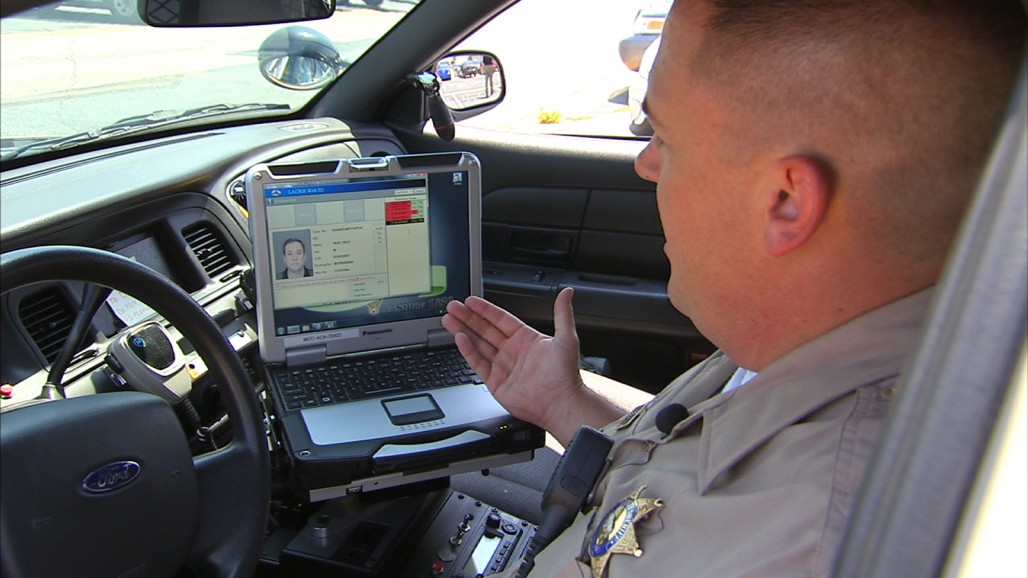
"caption": "A Los Angeles County sheriff’s deputy demonstrates a mobile fingerprint reader. Officials say biometric information would be retained indefinitely. (KNBC-TV)",
"description": null,
"title": "labiometric1",
"credit": null,
"status": "inherit",
"isLoading": false,
"fetchFailed": false
},
"news_147997": {
"type": "attachments",
"id": "news_147997",
"meta": {
"index": "attachments_1716263798",
"site": "news",
"id": "147997",
"found": true
},
"parent": 147989,
"imgSizes": {
"narrow-featured-image": {
"file": "https://ww2.kqed.org/app/uploads/sites/10/2014/09/12076_transform-400x300.jpg",
"width": 400,
"mimeType": "image/jpeg",
"height": 300
},
"wide-featured-image": {
"file": "https://ww2.kqed.org/app/uploads/sites/10/2014/09/12076_transform-600x300.jpg",
"width": 600,
"mimeType": "image/jpeg",
"height": 300
},
"featured-page": {
"file": "https://ww2.kqed.org/app/uploads/sites/10/2014/09/12076_transform-315x145.jpg",
"width": 315,
"mimeType": "image/jpeg",
"height": 145
},
"thumbnail": {
"file": "https://ww2.kqed.org/app/uploads/sites/10/2014/09/12076_transform-300x300.jpg",
"width": 300,
"mimeType": "image/jpeg",
"height": 300
},
"kqedFullSize": {
"file": "https://ww2.kqed.org/app/uploads/sites/10/2014/09/12076_transform.jpg",
"width": 640,
"height": 479
},
"wide-featured-image-full": {
"file": "https://ww2.kqed.org/app/uploads/sites/10/2014/09/12076_transform-640x300.jpg",
"width": 640,
"mimeType": "image/jpeg",
"height": 300
},
"guest-author-96": {
"file": "https://ww2.kqed.org/app/uploads/sites/10/2014/09/12076_transform-96x96.jpg",
"width": 96,
"mimeType": "image/jpeg",
"height": 96
},
"narrow-featured-image-full": {
"file": "https://ww2.kqed.org/app/uploads/sites/10/2014/09/12076_transform-640x360.jpg",
"width": 640,
"mimeType": "image/jpeg",
"height": 360
},
"guest-author-64": {
"file": "https://ww2.kqed.org/app/uploads/sites/10/2014/09/12076_transform-64x64.jpg",
"width": 64,
"mimeType": "image/jpeg",
"height": 64
},
"detail": {
"file": "https://ww2.kqed.org/app/uploads/sites/10/2014/09/12076_transform-75x75.jpg",
"width": 75,
"mimeType": "image/jpeg",
"height": 75
},
"guest-author-32": {
"file": "https://ww2.kqed.org/app/uploads/sites/10/2014/09/12076_transform-32x32.jpg",
"width": 32,
"mimeType": "image/jpeg",
"height": 32
},
"guest-author-128": {
"file": "https://ww2.kqed.org/app/uploads/sites/10/2014/09/12076_transform-128x128.jpg",
"width": 128,
"mimeType": "image/jpeg",
"height": 128
}
},
"publishDate": 1411066974,
"modified": 1411066974,
"caption": null,
"description": null,
"title": "12076_transform",
"credit": null,
"status": "inherit",
"isLoading": false,
"fetchFailed": false
},
"news_10341852": {
"type": "attachments",
"id": "news_10341852",
"meta": {
"index": "attachments_1716263798",
"site": "news",
"id": "10341852",
"found": true
},
"parent": 10341385,
"imgSizes": {
"thumbnail": {
"file": "https://ww2.kqed.org/app/uploads/sites/10/2014/09/AlbertaAndEli1-400x225.jpg",
"width": 400,
"mimeType": "image/jpeg",
"height": 225
},
"post-thumbnail": {
"file": "https://ww2.kqed.org/app/uploads/sites/10/2014/09/AlbertaAndEli1-672x372.jpg",
"width": 672,
"mimeType": "image/jpeg",
"height": 372
},
"kqedFullSize": {
"file": "https://ww2.kqed.org/app/uploads/sites/10/2014/09/AlbertaAndEli1.jpg",
"width": 800,
"height": 450
},
"guest-author-96": {
"file": "https://ww2.kqed.org/app/uploads/sites/10/2014/09/AlbertaAndEli1-96x96.jpg",
"width": 96,
"mimeType": "image/jpeg",
"height": 96
},
"guest-author-64": {
"file": "https://ww2.kqed.org/app/uploads/sites/10/2014/09/AlbertaAndEli1-64x64.jpg",
"width": 64,
"mimeType": "image/jpeg",
"height": 64
},
"detail": {
"file": "https://ww2.kqed.org/app/uploads/sites/10/2014/09/AlbertaAndEli1-75x75.jpg",
"width": 75,
"mimeType": "image/jpeg",
"height": 75
},
"guest-author-32": {
"file": "https://ww2.kqed.org/app/uploads/sites/10/2014/09/AlbertaAndEli1-32x32.jpg",
"width": 32,
"mimeType": "image/jpeg",
"height": 32
},
"guest-author-128": {
"file": "https://ww2.kqed.org/app/uploads/sites/10/2014/09/AlbertaAndEli1-128x128.jpg",
"width": 128,
"mimeType": "image/jpeg",
"height": 128
}
},
"publishDate": 1412158109,
"modified": 1412158109,
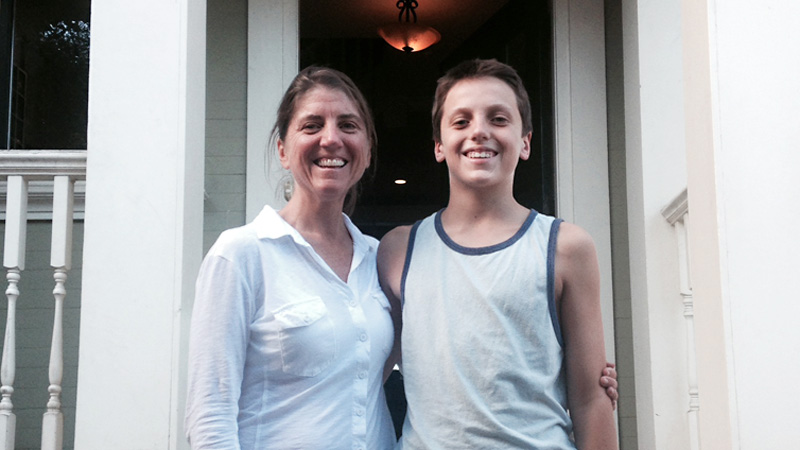
"caption": "Alberta Neilson and her son Eli Mundy of San Francisco. (Guy Marzorati/KQED)",
"description": "Alberta Neilson and her son Eli Mundy of San Francisco. (Guy Marzorati/KQED)",
"title": "AlbertaAndEli",
"credit": null,
"status": "inherit",
"isLoading": false,
"fetchFailed": false
},
"news_148032": {
"type": "attachments",
"id": "news_148032",
"meta": {
"index": "attachments_1716263798",
"site": "news",
"id": "148032",
"found": true
},
"parent": 148028,
"imgSizes": {
"wide-featured-image": {
"file": "https://ww2.kqed.org/app/uploads/sites/10/2014/09/483460503-600x300.jpg",
"width": 600,
"mimeType": "image/jpeg",
"height": 300
},
"featured-page": {
"file": "https://ww2.kqed.org/app/uploads/sites/10/2014/09/483460503-315x145.jpg",
"width": 315,
"mimeType": "image/jpeg",
"height": 145
},
"thumbnail": {
"file": "https://ww2.kqed.org/app/uploads/sites/10/2014/09/483460503-300x300.jpg",
"width": 300,
"mimeType": "image/jpeg",
"height": 300
},
"kqedFullSize": {
"file": "https://ww2.kqed.org/app/uploads/sites/10/2014/09/483460503.jpg",
"width": 2693,
"height": 1862
},
"large": {
"file": "https://ww2.kqed.org/app/uploads/sites/10/2014/09/483460503-1028x710.jpg",
"width": 1028,
"mimeType": "image/jpeg",
"height": 710
},
"wide-featured-image-full": {
"file": "https://ww2.kqed.org/app/uploads/sites/10/2014/09/483460503-960x300.jpg",
"width": 960,
"mimeType": "image/jpeg",
"height": 300
},
"guest-author-96": {
"file": "https://ww2.kqed.org/app/uploads/sites/10/2014/09/483460503-96x96.jpg",
"width": 96,
"mimeType": "image/jpeg",
"height": 96
},
"medium": {
"file": "https://ww2.kqed.org/app/uploads/sites/10/2014/09/483460503-640x442.jpg",
"width": 640,
"mimeType": "image/jpeg",
"height": 442
},
"guest-author-64": {
"file": "https://ww2.kqed.org/app/uploads/sites/10/2014/09/483460503-64x64.jpg",
"width": 64,
"mimeType": "image/jpeg",
"height": 64
},
"guest-author-32": {
"file": "https://ww2.kqed.org/app/uploads/sites/10/2014/09/483460503-32x32.jpg",
"width": 32,
"mimeType": "image/jpeg",
"height": 32
},
"narrow-featured-image": {
"file": "https://ww2.kqed.org/app/uploads/sites/10/2014/09/483460503-400x300.jpg",
"width": 400,
"mimeType": "image/jpeg",
"height": 300
},
"narrow-featured-image-full": {
"file": "https://ww2.kqed.org/app/uploads/sites/10/2014/09/483460503-640x360.jpg",
"width": 640,
"mimeType": "image/jpeg",
"height": 360
},
"detail": {
"file": "https://ww2.kqed.org/app/uploads/sites/10/2014/09/483460503-75x75.jpg",
"width": 75,
"mimeType": "image/jpeg",
"height": 75
},
"guest-author-128": {
"file": "https://ww2.kqed.org/app/uploads/sites/10/2014/09/483460503-128x128.jpg",
"width": 128,
"mimeType": "image/jpeg",
"height": 128
}
},
"publishDate": 1411076138,
"modified": 1411076138,
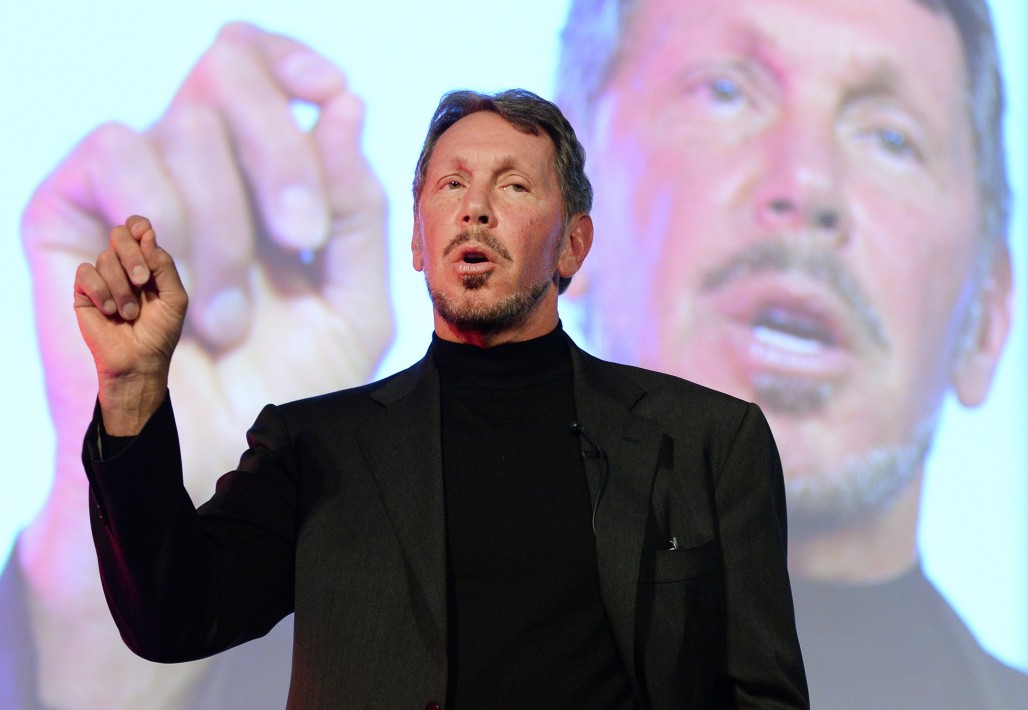
"caption": "Oracle's Larry Ellison during an appearance at the New Economy Summit in Tokyo earlier this year. (Toru Yamanaka/AFP-Getty Images)",
"description": "Larry Ellison, CEO of Oracle Corporation, gestures as he makes a speech during the New Economy Summit 2014 in Tokyo on April 9, 2014. More than 1,000 business leaders, entrepreneurs, businessmen and students took part in the two-day forum. AFP PHOTO/Toru YAMANAKA (Photo credit should read TORU YAMANAKA/AFP/Getty Images)",
"title": "Larry Ellison-Oracle",
"credit": null,
"status": "inherit",
"isLoading": false,
"fetchFailed": false
},
"news_147953": {
"type": "attachments",
"id": "news_147953",
"meta": {
"index": "attachments_1716263798",
"site": "news",
"id": "147953",
"found": true
},
"parent": 147716,
"imgSizes": {
"wide-featured-image": {
"file": "https://ww2.kqed.org/app/uploads/sites/10/2014/09/RS12064_photo.JPG-alt_147-600x300.jpg",
"width": 600,
"mimeType": "image/jpeg",
"height": 300
},
"featured-page": {
"file": "https://ww2.kqed.org/app/uploads/sites/10/2014/09/RS12064_photo.JPG-alt_147-315x145.jpg",
"width": 315,
"mimeType": "image/jpeg",
"height": 145
},
"thumbnail": {
"file": "https://ww2.kqed.org/app/uploads/sites/10/2014/09/RS12064_photo.JPG-alt_147-300x300.jpg",
"width": 300,
"mimeType": "image/jpeg",
"height": 300
},
"kqedFullSize": {
"file": "https://ww2.kqed.org/app/uploads/sites/10/2014/09/RS12064_photo.JPG-alt_147.jpg",
"width": 3264,
"height": 2448
},
"large": {
"file": "https://ww2.kqed.org/app/uploads/sites/10/2014/09/RS12064_photo.JPG-alt_147-1028x771.jpg",
"width": 1028,
"mimeType": "image/jpeg",
"height": 771
},
"wide-featured-image-full": {
"file": "https://ww2.kqed.org/app/uploads/sites/10/2014/09/RS12064_photo.JPG-alt_147-960x300.jpg",
"width": 960,
"mimeType": "image/jpeg",
"height": 300
},
"guest-author-96": {
"file": "https://ww2.kqed.org/app/uploads/sites/10/2014/09/RS12064_photo.JPG-alt_147-96x96.jpg",
"width": 96,
"mimeType": "image/jpeg",
"height": 96
},
"medium": {
"file": "https://ww2.kqed.org/app/uploads/sites/10/2014/09/RS12064_photo.JPG-alt_147-640x480.jpg",
"width": 640,
"mimeType": "image/jpeg",
"height": 480
},
"guest-author-64": {
"file": "https://ww2.kqed.org/app/uploads/sites/10/2014/09/RS12064_photo.JPG-alt_147-64x64.jpg",
"width": 64,
"mimeType": "image/jpeg",
"height": 64
},
"guest-author-32": {
"file": "https://ww2.kqed.org/app/uploads/sites/10/2014/09/RS12064_photo.JPG-alt_147-32x32.jpg",
"width": 32,
"mimeType": "image/jpeg",
"height": 32
},
"narrow-featured-image": {
"file": "https://ww2.kqed.org/app/uploads/sites/10/2014/09/RS12064_photo.JPG-alt_147-400x300.jpg",
"width": 400,
"mimeType": "image/jpeg",
"height": 300
},
"narrow-featured-image-full": {
"file": "https://ww2.kqed.org/app/uploads/sites/10/2014/09/RS12064_photo.JPG-alt_147-640x360.jpg",
"width": 640,
"mimeType": "image/jpeg",
"height": 360
},
"detail": {
"file": "https://ww2.kqed.org/app/uploads/sites/10/2014/09/RS12064_photo.JPG-alt_147-75x75.jpg",
"width": 75,
"mimeType": "image/jpeg",
"height": 75
},
"guest-author-128": {
"file": "https://ww2.kqed.org/app/uploads/sites/10/2014/09/RS12064_photo.JPG-alt_147-128x128.jpg",
"width": 128,
"mimeType": "image/jpeg",
"height": 128
}
},
"publishDate": 1411001106,
"modified": 1411001106,
"caption": "San Francisco drag queen Sister Roma was one of those who led the challenge against Facebook's 'real names' policy. (Isabel Angell/KQED)",
"description": "San Francisco drag queen Sister Roma was one of those who led the challenge against Facebook's 'real names' policy. (Isabel Angell/KQED)",
"title": "Facebook-Real Names",
"credit": null,
"status": "inherit",
"isLoading": false,
"fetchFailed": false
},
"science_21533": {
"type": "attachments",
"id": "science_21533",
"meta": {
"index": "attachments_1716263798",
"site": "science",
"id": "21533",
"found": true
},
"parent": 21518,
"imgSizes": {
"kqedFullSize": {
"file": "https://ww2.kqed.org/app/uploads/sites/35/2014/09/applewatch-e1410312714791.jpg",
"width": 640,
"height": 360
}
},
"publishDate": 1410312540,
"modified": 1410312540,
"caption": "The Apple Watch marks Apple's first foray into smart watches and digital health. (Apple)",
"description": "The Apple Watch marks Apple's first foray into smart watches and digital health. (Apple)",
"title": "applewatch",
"credit": null,
"status": "inherit",
"isLoading": false,
"fetchFailed": false
},
"news_143508": {
"type": "attachments",
"id": "news_143508",
"meta": {
"index": "attachments_1716263798",
"site": "news",
"id": "143508",
"found": true
},
"parent": 143474,
"imgSizes": {
"kqedFullSize": {
"file": "https://ww2.kqed.org/app/uploads/sites/10/2014/07/176645523.jpg",
"width": 3000,
"height": 1924
}
},
"publishDate": 1406845231,
"modified": 1406845231,
"caption": "Vehicle charging stations at Tesla Motors plant in Fremont. (Justin Sullivan/Getty Images)",
"description": "Vehicle charging stations at Tesla Motors plant in Fremont. (Justin Sullivan/Getty Images)",
"title": "Tesla Motors",
"credit": null,
"status": "inherit",
"isLoading": false,
"fetchFailed": false
},
"news_145955": {
"type": "attachments",
"id": "news_145955",
"meta": {
"index": "attachments_1716263798",
"site": "news",
"id": "145955",
"found": true
},
"parent": 145915,
"imgSizes": {
"kqedFullSize": {
"file": "https://ww2.kqed.org/app/uploads/sites/10/2014/08/RS8759_ucberkeley20140213-lpr-e1416430069419.jpg",
"width": 1440,
"height": 959
}
},
"publishDate": 1409100561,
"modified": 1579131198,
"caption": "UC Berkeley students walk through Sproul Plaza on the UC Berkeley campus in April 2012.",
"description": "UC Berkeley students walk through Sproul Plaza on the UC Berkeley campus in April 2012.",
"title": "UC Berkeley",
"credit": "Justin Sullivan/Getty Images",
"status": "inherit",
"isLoading": false,
"fetchFailed": false
},
"news_145901": {
"type": "attachments",
"id": "news_145901",
"meta": {
"index": "attachments_1716263798",
"site": "news",
"id": "145901",
"found": true
},
"parent": 145848,
"imgSizes": {
"kqedFullSize": {
"file": "https://ww2.kqed.org/app/uploads/sites/10/2014/08/fremontfuture.jpg",
"width": 656,
"height": 407
}
},
"publishDate": 1409085190,
"modified": 1409085190,
"caption": "Artist's rendering of proposed Capitol Avenue development in Fremont's downtown district. ",
"description": "Artist's rendering of proposed Capitol Avenue development in Fremont's downtown district. ",
"title": "Fremont-Downtown Development",
"credit": null,
"status": "inherit",
"isLoading": false,
"fetchFailed": false
},
"news_145473": {
"type": "attachments",
"id": "news_145473",
"meta": {
"index": "attachments_1716263798",
"site": "news",
"id": "145473",
"found": true
},
"parent": 145312,
"imgSizes": {
"kqedFullSize": {
"file": "https://ww2.kqed.org/app/uploads/sites/10/2014/08/bartberryessa.jpg",
"width": 1699,
"height": 1024
}
},
"publishDate": 1408737915,
"modified": 1408737915,
"caption": "Rendering of the planned BART Berryessa Station in San Jose. (VTA)",
"description": null,
"title": "BART-Berryessa Station ",
"credit": null,
"status": "inherit",
"isLoading": false,
"fetchFailed": false
},
"news_145159": {
"type": "attachments",
"id": "news_145159",
"meta": {
"index": "attachments_1716263798",
"site": "news",
"id": "145159",
"found": true
},
"parent": 145157,
"imgSizes": {
"kqedFullSize": {
"file": "https://ww2.kqed.org/app/uploads/sites/10/2014/08/155268661.jpg",
"width": 3000,
"height": 2000
}
},
"publishDate": 1408478492,
"modified": 1408478492,
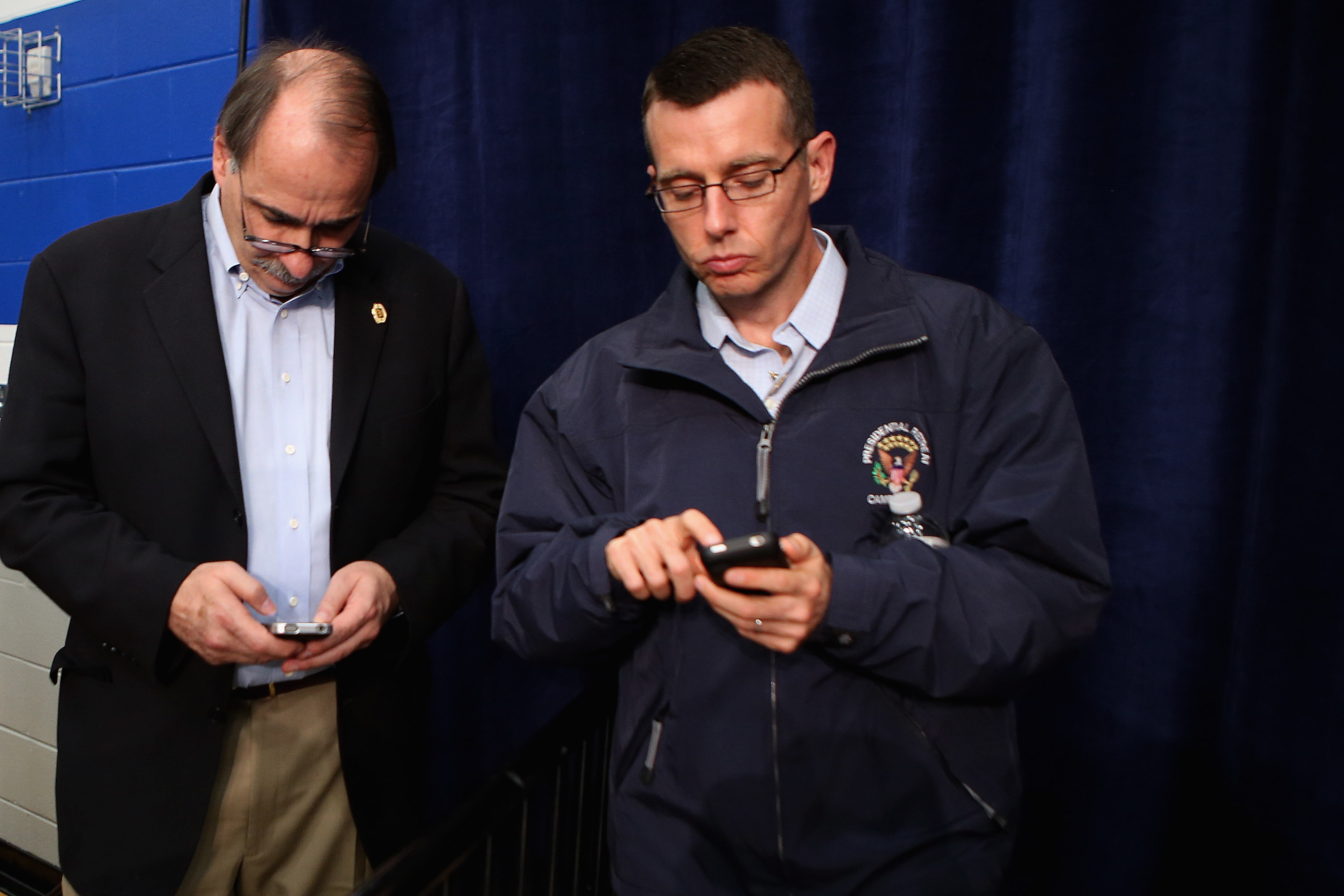
"caption": " David Plouffe, right, during President Obama's 2012 campaign. (Chip Somodevilla/Getty Images)",
"description": "SPRINGFIELD, OH - NOVEMBER 02: U.S. President Barack Obama addresses a campaign rally at Springfield High School November 2, 2012 in Springfield, Ohio. With four days left in the general election, Obama and the Republican presidential nominee, former Massachusetts Gov. Mitt Romney, are racing from swing-state to swing-state in an attempt to change voters' minds at the last minute. (Photo by Chip Somodevilla/Getty Images)",
"title": "David Plouffe-Uber",
"credit": null,
"status": "inherit",
"isLoading": false,
"fetchFailed": false
}
},
"audioPlayerReducer": {
"postId": "stream_live",
"isPaused": true,
"isPlaying": false,
"pfsActive": false,
"pledgeModalIsOpen": true,
"playerDrawerIsOpen": false,
"liveAudioPlayStartedAt": 0,
"liveAudioPlayContext": ""
},
"authorsReducer": {
"byline_news_146731": {
"type": "authors",
"id": "byline_news_146731",
"meta": {
"override": true
},
"slug": "byline_news_146731",
"name": "Justin Pritchard and Scott Sonner\u003cbr />Associated Press",
"isLoading": false
},
"byline_news_145312": {
"type": "authors",
"id": "byline_news_145312",
"meta": {
"override": true
},
"slug": "byline_news_145312",
"name": "Aaron Mendelson",
"isLoading": false
},
"marktaylor-2": {
"type": "authors",
"id": "8",
"meta": {
"index": "authors_1716337520",
"id": "8",
"found": true
},
"name": "Mark Taylor",
"firstName": "Mark",
"lastName": "Taylor",
"slug": "marktaylor-2",
"email": "mark@emptypictures.net",
"display_author_email": false,
"staff_mastheads": [],
"title": null,
"bio": "Mark Taylor founded KQED Arts in 2005 and served as Senior Interactive Producer for Arts and Culture through 2014. Taylor was the online arts editor of KQED's daily arts blog for nine years and created the station's first web-original podcasts, Gallery Crawl and The Writers' Block.\r\n\r\nTaylor is an experimental filmmaker and visual artist whose work has been collected by the Library of Congress, Stanford University and the New York Museum of Modern Art, among many others. He teaches Media Studies at the University of San Francisco and is exploring the connection between film and food. \u003ca href=\"http://emptypictures.net/\">Visit Mark Taylor's website\u003c/a> at emptypictures.net.",
"avatar": "https://secure.gravatar.com/avatar/3452322b4dec4379500b11b74718f5da?s=600&d=blank&r=g",
"twitter": null,
"facebook": null,
"instagram": null,
"linkedin": null,
"sites": [
{
"site": "arts",
"roles": [
"Administrator",
"contributor"
]
},
{
"site": "bayareabites",
"roles": [
"author"
]
},
{
"site": "checkplease",
"roles": [
"subscriber"
]
},
{
"site": "food",
"roles": [
"contributor"
]
}
],
"headData": {
"title": "Mark Taylor | KQED",
"description": null,
"ogImgSrc": "https://secure.gravatar.com/avatar/3452322b4dec4379500b11b74718f5da?s=600&d=blank&r=g",
"twImgSrc": "https://secure.gravatar.com/avatar/3452322b4dec4379500b11b74718f5da?s=600&d=blank&r=g"
},
"isLoading": false,
"link": "/author/marktaylor-2"
},
"andrea-kissack": {
"type": "authors",
"id": "212",
"meta": {
"index": "authors_1716337520",
"id": "212",
"found": true
},
"name": "Andrea Kissack",
"firstName": "Andrea",
"lastName": "Kissack",
"slug": "andrea-kissack",
"email": "akissack@kqed.org",
"display_author_email": false,
"staff_mastheads": [],
"title": "KQED Contributor",
"bio": "Andrea has nearly three decades of experience working as a reporter, anchor, producer and editor for public radio, large market television news and CBS radio. In her current role as KQED’s Sr. Science Editor, Andrea helps lead a talented team covering science, technology, health and the environment for broadcast and digital platforms. Most recently she helped KQED launch a new, multimedia initiative covering the intersection of technology, health and medical science. She has earned a number of accolades for her work including awards from the Radio and Television News Directors Association, the National Academy of Television Arts and Sciences and the Associated Press. Her work can be seen, and heard, on a number of networks, Including NPR, PBS, CBS and the BBC.",
"avatar": "https://secure.gravatar.com/avatar/3eae7a251f0aee43b3c0137a636cb386?s=600&d=blank&r=g",
"twitter": "andreakissack",
"facebook": null,
"instagram": null,
"linkedin": null,
"sites": [
{
"site": "news",
"roles": [
"subscriber"
]
},
{
"site": "stateofhealth",
"roles": [
"subscriber"
]
},
{
"site": "science",
"roles": []
},
{
"site": "quest",
"roles": [
"add_users",
"create_users",
"edit_files",
"edit_users",
"level_10",
"level_8",
"level_9",
"promote_users",
"view_cimy_extra_fields",
"subscriber"
]
}
],
"headData": {
"title": "Andrea Kissack | KQED",
"description": "KQED Contributor",
"ogImgSrc": "https://secure.gravatar.com/avatar/3eae7a251f0aee43b3c0137a636cb386?s=600&d=blank&r=g",
"twImgSrc": "https://secure.gravatar.com/avatar/3eae7a251f0aee43b3c0137a636cb386?s=600&d=blank&r=g"
},
"isLoading": false,
"link": "/author/andrea-kissack"
},
"danbrekke": {
"type": "authors",
"id": "222",
"meta": {
"index": "authors_1716337520",
"id": "222",
"found": true
},
"name": "Dan Brekke",
"firstName": "Dan",
"lastName": "Brekke",
"slug": "danbrekke",
"email": "dbrekke@kqed.org",
"display_author_email": true,
"staff_mastheads": [
"news",
"science"
],
"title": "KQED Editor and Reporter",
"bio": "Dan Brekke is a reporter and editor for KQED News, responsible for coverage of topics ranging from California water issues to the Bay Area's transportation challenges. In a newsroom career that began in Chicago in 1972, Dan has worked for \u003cem>The San Francisco Examiner,\u003c/em> Wired and TechTV and has been published in The New York Times, The New York Times Magazine, Business 2.0, Salon and elsewhere.\r\n\r\nSince joining KQED in 2007, Dan has reported, edited and produced both radio and online features and breaking news pieces. He has shared as both editor and reporter in four Society of Professional Journalists Norcal Excellence in Journalism awards and one Edward R. Murrow regional award. He was chosen for a spring 2017 residency at the Mesa Refuge to advance his research on California salmon.\r\n\r\nEmail Dan at: \u003ca href=\"mailto:dbrekke@kqed.org\">dbrekke@kqed.org\u003c/a>\r\n\r\n\u003cstrong>Twitter:\u003c/strong> \u003ca href=\"https://twitter.com/danbrekke\" rel=\"noopener noreferrer\">twitter.com/danbrekke\u003c/a>\r\n\u003cstrong>Facebook:\u003c/strong> \u003ca href=\"https://www.facebook.com/danbrekke\" rel=\"noopener noreferrer\">www.facebook.com/danbrekke\u003c/a>\r\n\u003cstrong>LinkedIn:\u003c/strong> \u003ca href=\"https://www.linkedin.com/in/danbrekke\" rel=\"noopener noreferrer\">www.linkedin.com/in/danbrekke\u003c/a>",
"avatar": "https://secure.gravatar.com/avatar/8f1f0d2a978fb3b23426c922c7e2af558fa36905b49c4ce76a97dc3c72d27226?s=600&d=mm&r=g",
"twitter": "danbrekke",
"bluesky": null,
"facebook": null,
"instagram": "https://www.instagram.com/dan.brekke/",
"linkedin": "https://www.linkedin.com/in/danbrekke/",
"sites": [
{
"site": "news",
"roles": [
"administrator",
"create_posts"
]
},
{
"site": "stateofhealth",
"roles": [
"editor"
]
},
{
"site": "science",
"roles": [
"editor"
]
},
{
"site": "quest",
"roles": [
"contributor"
]
},
{
"site": "food",
"roles": [
"contributor"
]
},
{
"site": "forum",
"roles": [
"contributor"
]
},
{
"site": "elections",
"roles": [
"editor"
]
},
{
"site": "liveblog",
"roles": [
"editor"
]
}
],
"headData": {
"title": "Dan Brekke | KQED",
"description": "KQED Editor and Reporter",
"ogImgSrc": "https://secure.gravatar.com/avatar/8f1f0d2a978fb3b23426c922c7e2af558fa36905b49c4ce76a97dc3c72d27226?s=600&d=mm&r=g",
"twImgSrc": "https://secure.gravatar.com/avatar/8f1f0d2a978fb3b23426c922c7e2af558fa36905b49c4ce76a97dc3c72d27226?s=600&d=mm&r=g"
},
"isLoading": false,
"link": "/author/danbrekke"
},
"kqed": {
"type": "authors",
"id": "236",
"meta": {
"index": "authors_1716337520",
"id": "236",
"found": true
},
"name": "KQED News Staff",
"firstName": "KQED News Staff",
"lastName": null,
"slug": "kqed",
"email": "faq@kqed.org",
"display_author_email": false,
"staff_mastheads": [],
"title": null,
"bio": null,
"avatar": "https://secure.gravatar.com/avatar/ef0e801a68c4c54afa9180db14084167?s=600&d=blank&r=g",
"twitter": null,
"facebook": null,
"instagram": null,
"linkedin": null,
"sites": [
{
"site": "arts",
"roles": [
"contributor"
]
},
{
"site": "news",
"roles": [
"editor"
]
},
{
"site": "futureofyou",
"roles": [
"author"
]
}
],
"headData": {
"title": "KQED News Staff | KQED",
"description": null,
"ogImgSrc": "https://secure.gravatar.com/avatar/ef0e801a68c4c54afa9180db14084167?s=600&d=blank&r=g",
"twImgSrc": "https://secure.gravatar.com/avatar/ef0e801a68c4c54afa9180db14084167?s=600&d=blank&r=g"
},
"isLoading": false,
"link": "/author/kqed"
},
"kqednewsstaffandwires": {
"type": "authors",
"id": "237",
"meta": {
"index": "authors_1716337520",
"id": "237",
"found": true
},
"name": "KQED News Staff and Wires",
"firstName": "KQED News Staff and Wires",
"lastName": null,
"slug": "kqednewsstaffandwires",
"email": "onlinenewsstaff@kqed.org",
"display_author_email": false,
"staff_mastheads": [],
"title": null,
"bio": null,
"avatar": "https://secure.gravatar.com/avatar/72295af8ebbfbd19a4948f5271285664?s=600&d=blank&r=g",
"twitter": null,
"facebook": null,
"instagram": null,
"linkedin": null,
"sites": [
{
"site": "arts",
"roles": [
"contributor"
]
},
{
"site": "news",
"roles": [
"contributor"
]
},
{
"site": "lowdown",
"roles": [
"author"
]
},
{
"site": "stateofhealth",
"roles": [
"contributor"
]
},
{
"site": "food",
"roles": [
"author"
]
}
],
"headData": {
"title": "KQED News Staff and Wires | KQED",
"description": null,
"ogImgSrc": "https://secure.gravatar.com/avatar/72295af8ebbfbd19a4948f5271285664?s=600&d=blank&r=g",
"twImgSrc": "https://secure.gravatar.com/avatar/72295af8ebbfbd19a4948f5271285664?s=600&d=blank&r=g"
},
"isLoading": false,
"link": "/author/kqednewsstaffandwires"
},
"rachael-myrow": {
"type": "authors",
"id": "251",
"meta": {
"index": "authors_1716337520",
"id": "251",
"found": true
},
"name": "Rachael Myrow",
"firstName": "Rachael",
"lastName": "Myrow",
"slug": "rachael-myrow",
"email": "rmyrow@kqed.org",
"display_author_email": true,
"staff_mastheads": [
"news"
],
"title": "Senior Editor of KQED's Silicon Valley News Desk",
"bio": "• I write and edit stories about how Silicon Valley power and policies shape everyday life in California. I’m also passionate about making Bay Area history and culture more accessible to a broad public. • I’ve been a journalist for most of my life, starting in high school with The Franklin Press in Los Angeles, where I grew up. While earning my first degree in English at UC Berkeley, I got my start in public radio at KALX-FM. After completing a second degree in journalism at Cal, I landed my first professional job at Marketplace, then moved on to KPCC (now LAist), and then KQED, where I hosted The California Report for more than seven years. • My reporting has appeared on NPR, The World, WBUR’s \u003ci>Here & Now\u003c/i>, and the BBC. I also guest host for KQED’s \u003ci>Forum\u003c/i>, as well as the Commonwealth Club in San Francisco. • I speak periodically on media, democracy and technology issues, and do voiceover work for documentaries and educational video projects. • Outside of the studio, you'll find me hiking Bay Area trails and whipping up Insta-ready meals in my kitchen. • I do not accept gifts, money, or favors from anyone connected to my reporting, I don't pay people for information, and I do not support or donate to political causes. • I strive to treat the people I report on with fairness, honesty, and respect. I also recognize there are often multiple sides to a story and work to verify information through multiple sources and documentation. If I get something wrong, I correct it.",
"avatar": "https://secure.gravatar.com/avatar/3ed8a3c5f26025e4a805ba634cda8cd764906b97438a6d9ce216b044e340da4e?s=600&d=blank&r=g",
"twitter": "rachaelmyrow",
"bluesky": null,
"facebook": null,
"instagram": null,
"linkedin": "https://www.linkedin.com/in/rachaelmyrow/",
"sites": [
{
"site": "arts",
"roles": [
"administrator"
]
},
{
"site": "news",
"roles": [
"edit_others_posts",
"editor"
]
},
{
"site": "futureofyou",
"roles": [
"editor"
]
},
{
"site": "bayareabites",
"roles": [
"editor"
]
},
{
"site": "stateofhealth",
"roles": [
"editor"
]
},
{
"site": "science",
"roles": [
"editor"
]
},
{
"site": "food",
"roles": [
"editor"
]
},
{
"site": "forum",
"roles": [
"editor"
]
},
{
"site": "liveblog",
"roles": [
"author"
]
}
],
"headData": {
"title": "Rachael Myrow | KQED",
"description": "Senior Editor of KQED's Silicon Valley News Desk",
"ogImgSrc": "https://secure.gravatar.com/avatar/3ed8a3c5f26025e4a805ba634cda8cd764906b97438a6d9ce216b044e340da4e?s=600&d=blank&r=g",
"twImgSrc": "https://secure.gravatar.com/avatar/3ed8a3c5f26025e4a805ba634cda8cd764906b97438a6d9ce216b044e340da4e?s=600&d=blank&r=g"
},
"isLoading": false,
"link": "/author/rachael-myrow"
}
},
"pagesReducer": {
"news_category_technology": {
"type": "terms",
"id": "news_248",
"meta": {
"index": "terms_1716263798",
"site": "news",
"id": "248",
"score": 10.931152
},
"featImg": null,
"name": "Technology",
"description": null,
"taxonomy": "category",
"headData": {
"twImgId": null,
"twTitle": null,
"ogTitle": null,
"ogImgId": null,
"twDescription": null,
"description": null,
"title": "Technology Archives | KQED News",
"ogDescription": null
},
"ttid": 256,
"slug": "technology",
"isLoading": false,
"title": "Technology",
"pageMeta": {
"site": "news",
"WpPageTemplate": "page-topic-editorial",
"currentPage": 151
},
"blocks": [
{
"blockName": "kqed/post-list",
"attrs": {
"layout": "cardArticle2",
"query": "posts/news?category=technology",
"seeMore": false,
"paginated": true,
"page": 151
}
},
{
"blockName": "kqed/ad"
}
]
}
},
"pfsSessionReducer": {},
"postsReducer": {
"stream_live": {
"type": "live",
"id": "stream_live",
"audioUrl": "https://streams.kqed.org/kqedradio",
"title": "Live Stream",
"excerpt": "Live Stream information currently unavailable.",
"link": "/radio",
"featImg": "",
"label": {
"name": "KQED Live",
"link": "/"
}
},
"stream_kqedNewscast": {
"type": "posts",
"id": "stream_kqedNewscast",
"audioUrl": "https://www.kqed.org/.stream/anon/radio/RDnews/newscast.mp3?_=1",
"title": "KQED Newscast",
"featImg": "",
"label": {
"name": "88.5 FM",
"link": "/"
}
},
"arts_10142822": {
"type": "posts",
"id": "arts_10142822",
"meta": {
"index": "posts_1716263798",
"site": "arts",
"id": "10142822",
"score": null,
"sort": [
1411664389000
]
},
"guestAuthors": [],
"slug": "going-to-ello-lemming-know-how-it-turns-out",
"title": "Going to Ello? Lemming Know How It Turns Out",
"publishDate": 1411664389,
"format": "standard",
"headTitle": "Going to Ello? Lemming Know How It Turns Out | KQED",
"labelTerm": {
"site": "arts"
},
"content": "\u003cp>So, last night my Facebook feed became crowded with notices from my “friends” that they were all moving to Ello. In actuality, I probably don’t have that many real-world friends, but I suppose I have a decent number of virtual ones — at least according to my Facebook profile. The ones that are migrating offered to invite me to the currently invite-only site, so I figured “what the hey, why not?” And I went ahead and joined the crowd barreling off the FB cliff. \u003c/p>\n\u003cp>According to its own “WTF” page, \u003ca href=\"https://ello.co/beta-public-profiles\" target=\"_blank\" rel=\"noopener\">Ello\u003c/a> is a “simple, beautiful, and ad-free social network created by a small group of artists and designers.” Originally developed as a private space, Ello apparently got so many requests to join that its creators decided to take the network public. The main hook is that Ello promises to be ad-free and not to mine personal data for profit. They hope to make money by creating a great space with cool features that people enjoy using so much they will donate money to support the effort. Sound familiar? Didn’t our last radio pledge drive end just a couple weeks ago? KQED provides a service that people like so much, they just GIVE us money so that we will keep doing it! Imagine…\u003c/p>\n\u003cp>So, I followed my impulse to join partially because I liked the language, knowing full well the Trojan Horse nature of the rhetoric surrounding most social media. The “sharing” economy is a really nice phrase, for example. And “social network” sounded really positive until David Fincher used it as the title for his \u003ca href=\"http://www.thesocialnetwork-movie.com/\" target=\"_blank\" rel=\"noopener\">creepy portrait\u003c/a> of a twee young megalomaniacal zillionaire. \u003c/p>\n\u003cp>And also, frankly, Facebook has begun to piss me off. First, I spend the little extra time I have checking up on what people are doing and — though I never tire of seeing cats do crazy things (really, who does?) — I have gotten kinda sick of seeing other people’s dinner while eating my bowl of white rice with cold broccoli, listening to humble brags and basically comparing my sorry life to the apparently fab ones others are living.\u003c/p>\n\u003cp>Second, my feed is getting clogged with ads for things I would never even think of liking — a sign that the algorithm doesn’t work so well for cranky contrarians like yours truly. \u003c/p>\n\u003cp>[ad fullwidth]\u003c/p>\n\u003cp>Third, I have always hated the “like” button. It’s just plain bad taste when someone announces on Facebook that something horrible happened in his or her life and ends up with a whole mess of likes in response. I mean, come on, as a member of Gen X, I have always sneered at popularity contests. Now getting “liked” is in my job description. Where’s the damn dis-like button already? Now, that’s a tool I can use!\u003c/p>\n\u003cp>Fourth, what’s with the sort mechanism that keeps switching my feed from “most recent” to “top stories”? When I choose a setting, leave it alone! (I know, I have some serious first-world problems.)\u003c/p>\n\u003cp>Finally, the whole thing about \u003ca href=\"http://www.salon.com/2014/09/24/let_me_be_lil_miss_hot_mess_facebook_took_away_my_stage_name/\" target=\"_blank\" rel=\"noopener\">Facebook deciding to remove drag queen profiles\u003c/a> because their idea of identity doesn’t conform to Facebook’s definition (outlined in the terms of service) strikes me as overly limiting and not a little authoritarian. I mean, are we really going to let a website, no matter how popular, narrowly define what “identity” means for the rest of us? I know. I know. Facebook is a BUSINESS based on delivering eyeballs to hungry marketers in search of easier access to our wallets — oh, and it’s also an open forum for free expression. (And Facebook should be smart enough to know that you \u003ca href=\"http://www.sfweekly.com/thesnitch/2014/09/19/facebook-will-delete-all-drag-queen-profiles-in-2-weeks\" target=\"_blank\" rel=\"noopener\">NEVER mess with drag queens\u003c/a> unless you want to get seriously f-ed up! I mean, sheesh!)\u003c/p>\n\u003cp>Some of my FB pals pointed out that we’ve been down this road before. Ello needs to gain a critical mass of the same eyeballs before they create a similar business model and make some quick cash. This is late capitalism after all and our time spent looking is worth something. Those with the biggest servers who can convince large numbers of us regular folks to devote our labor to filling up seemingly endless digital space with our images, thoughts and creativity stand to profit most. \u003c/p>\n\u003cp>Those same virtual friends warning others about the migration away from Facebook are right. But ultimately, I thought, “big whoop” there are no stakes here (and no steaks either). It’s just social media. It’s not about addressing child poverty, human trafficking or even global warming. What would really happen if Facebook went the way of Friendster? A few Internet billionaires would have a little less cash, but they would take that cash and invest it in Ello and make even more millions. “Them that’s got shall get. Them that don’t shall lose. So the Bible says…”\u003c/p>\n\u003cp>\u003c/p>\n\u003cp>I will probably share this article on Facebook…\u003c/p>\n\n",
"blocks": [],
"excerpt": "I just moved to Ello, a new social media site created by artists and designers. Everyone is doing it. Should you, too?",
"status": "publish",
"parent": 0,
"modified": 1726771457,
"stats": {
"hasAudio": false,
"hasVideo": false,
"hasChartOrMap": false,
"iframeSrcs": [],
"hasGoogleForm": false,
"hasGallery": false,
"hasHearkenModule": false,
"hasPolis": false,
"paragraphCount": 13,
"wordCount": 877
},
"headData": {
"title": "Going to Ello? Lemming Know How It Turns Out | KQED",
"description": "I just moved to Ello, a new social media site created by artists and designers. Everyone is doing it. Should you, too?",
"ogTitle": "",
"ogDescription": "",
"ogImgId": "",
"twTitle": "",
"twDescription": "",
"twImgId": "",
"schema": {
"@context": "https://schema.org",
"@type": "Article",
"headline": "Going to Ello? Lemming Know How It Turns Out",
"datePublished": "2014-09-25T09:59:49-07:00",
"dateModified": "2024-09-19T11:44:17-07:00",
"image": "https://cdn.kqed.org/wp-content/uploads/2020/02/KQED-OG-Image@1x.png"
}
},
"sticky": false,
"path": "/arts/10142822/going-to-ello-lemming-know-how-it-turns-out",
"audioTrackLength": null,
"parsedContent": [
{
"type": "contentString",
"content": "\u003cdiv class=\"post-body\">\u003cp>\u003cp>So, last night my Facebook feed became crowded with notices from my “friends” that they were all moving to Ello. In actuality, I probably don’t have that many real-world friends, but I suppose I have a decent number of virtual ones — at least according to my Facebook profile. The ones that are migrating offered to invite me to the currently invite-only site, so I figured “what the hey, why not?” And I went ahead and joined the crowd barreling off the FB cliff. \u003c/p>\n\u003cp>According to its own “WTF” page, \u003ca href=\"https://ello.co/beta-public-profiles\" target=\"_blank\" rel=\"noopener\">Ello\u003c/a> is a “simple, beautiful, and ad-free social network created by a small group of artists and designers.” Originally developed as a private space, Ello apparently got so many requests to join that its creators decided to take the network public. The main hook is that Ello promises to be ad-free and not to mine personal data for profit. They hope to make money by creating a great space with cool features that people enjoy using so much they will donate money to support the effort. Sound familiar? Didn’t our last radio pledge drive end just a couple weeks ago? KQED provides a service that people like so much, they just GIVE us money so that we will keep doing it! Imagine…\u003c/p>\n\u003cp>So, I followed my impulse to join partially because I liked the language, knowing full well the Trojan Horse nature of the rhetoric surrounding most social media. The “sharing” economy is a really nice phrase, for example. And “social network” sounded really positive until David Fincher used it as the title for his \u003ca href=\"http://www.thesocialnetwork-movie.com/\" target=\"_blank\" rel=\"noopener\">creepy portrait\u003c/a> of a twee young megalomaniacal zillionaire. \u003c/p>\n\u003cp>And also, frankly, Facebook has begun to piss me off. First, I spend the little extra time I have checking up on what people are doing and — though I never tire of seeing cats do crazy things (really, who does?) — I have gotten kinda sick of seeing other people’s dinner while eating my bowl of white rice with cold broccoli, listening to humble brags and basically comparing my sorry life to the apparently fab ones others are living.\u003c/p>\n\u003cp>Second, my feed is getting clogged with ads for things I would never even think of liking — a sign that the algorithm doesn’t work so well for cranky contrarians like yours truly. \u003c/p>\n\u003cp>\u003c/p>\u003c/div>",
"attributes": {
"named": {},
"numeric": []
}
},
{
"type": "component",
"content": "",
"name": "ad",
"attributes": {
"named": {
"label": "fullwidth"
},
"numeric": [
"fullwidth"
]
}
},
{
"type": "contentString",
"content": "\u003cdiv class=\"post-body\">\u003cp>\u003c/p>\n\u003cp>Third, I have always hated the “like” button. It’s just plain bad taste when someone announces on Facebook that something horrible happened in his or her life and ends up with a whole mess of likes in response. I mean, come on, as a member of Gen X, I have always sneered at popularity contests. Now getting “liked” is in my job description. Where’s the damn dis-like button already? Now, that’s a tool I can use!\u003c/p>\n\u003cp>Fourth, what’s with the sort mechanism that keeps switching my feed from “most recent” to “top stories”? When I choose a setting, leave it alone! (I know, I have some serious first-world problems.)\u003c/p>\n\u003cp>Finally, the whole thing about \u003ca href=\"http://www.salon.com/2014/09/24/let_me_be_lil_miss_hot_mess_facebook_took_away_my_stage_name/\" target=\"_blank\" rel=\"noopener\">Facebook deciding to remove drag queen profiles\u003c/a> because their idea of identity doesn’t conform to Facebook’s definition (outlined in the terms of service) strikes me as overly limiting and not a little authoritarian. I mean, are we really going to let a website, no matter how popular, narrowly define what “identity” means for the rest of us? I know. I know. Facebook is a BUSINESS based on delivering eyeballs to hungry marketers in search of easier access to our wallets — oh, and it’s also an open forum for free expression. (And Facebook should be smart enough to know that you \u003ca href=\"http://www.sfweekly.com/thesnitch/2014/09/19/facebook-will-delete-all-drag-queen-profiles-in-2-weeks\" target=\"_blank\" rel=\"noopener\">NEVER mess with drag queens\u003c/a> unless you want to get seriously f-ed up! I mean, sheesh!)\u003c/p>\n\u003cp>Some of my FB pals pointed out that we’ve been down this road before. Ello needs to gain a critical mass of the same eyeballs before they create a similar business model and make some quick cash. This is late capitalism after all and our time spent looking is worth something. Those with the biggest servers who can convince large numbers of us regular folks to devote our labor to filling up seemingly endless digital space with our images, thoughts and creativity stand to profit most. \u003c/p>\n\u003cp>Those same virtual friends warning others about the migration away from Facebook are right. But ultimately, I thought, “big whoop” there are no stakes here (and no steaks either). It’s just social media. It’s not about addressing child poverty, human trafficking or even global warming. What would really happen if Facebook went the way of Friendster? A few Internet billionaires would have a little less cash, but they would take that cash and invest it in Ello and make even more millions. “Them that’s got shall get. Them that don’t shall lose. So the Bible says…”\u003c/p>\n\u003cp>\u003c/p>\n\u003cp>I will probably share this article on Facebook…\u003c/p>\n\n\u003c/div>\u003c/p>",
"attributes": {
"named": {},
"numeric": []
}
}
],
"link": "/arts/10142822/going-to-ello-lemming-know-how-it-turns-out",
"authors": [
"8"
],
"categories": [
"arts_75"
],
"featImg": "arts_10142823",
"label": "arts"
},
"news_148530": {
"type": "posts",
"id": "news_148530",
"meta": {
"index": "posts_1716263798",
"site": "news",
"id": "148530",
"score": null,
"sort": [
1411599609000
]
},
"parent": 0,
"labelTerm": {
"site": "news",
"term": 6944
},
"blocks": [],
"publishDate": 1411599609,
"format": "aside",
"disqusTitle": "L.A. County Plans Huge Database of Biometric Data -- Without Public Notice",
"title": "L.A. County Plans Huge Database of Biometric Data -- Without Public Notice",
"headTitle": "News Fix | KQED News",
"content": "\u003cp>\u003cstrong>By Ali Winston\u003c/strong>\u003cbr>\n\u003cstrong> The Center for Investigative Reporting\u003c/strong>\u003c/p>\n\u003cfigure id=\"attachment_148537\" class=\"wp-caption aligncenter\" style=\"max-width: 640px\">\u003cimg class=\"size-medium wp-image-148537\" src=\"http://ww2.kqed.org/news/wp-content/uploads/sites/10/2014/09/labiometric2-640x360.jpg\" alt=\"Without public notice, Los Angeles County law enforcement officials are building a massive database of biometric information, including iris scans. (KNBC)\" width=\"640\" height=\"360\">\u003cfigcaption class=\"wp-caption-text\">Without public notice, Los Angeles County law enforcement officials are building a massive database of biometric information, including iris scans. (KNBC)\u003c/figcaption>\u003c/figure>\n\u003cp>Without notice to the public, Los Angeles County law enforcement officials are preparing to widen what personal information they collect from on people they encounter by building a massive database of iris scans, fingerprints, mug shots, palm prints and, potentially, voice recordings.\u003c/p>\n\u003cp>The new database of personal information, dubbed a multimodal biometric identification system, would augment the county's existing database of fingerprint records and create the largest law enforcement repository outside of the FBI of so-called next-generation biometric identification, according to county sheriff’s department documents.\u003c/p>\n\u003cp>On Sept. 15, the FBI announced that the Next Generation Identification System was fully operational. Now that the central infrastructure is in place, the next phase is for local jurisdictions across the country to update their own information-gathering systems to the FBI's standards.\u003c/p>\n\u003cp>When the system is up and running in L.A., any law enforcement official working in the county, including the Los Angeles Police Department, would collect biometric information on people who are booked into county jails or by using mobile devices in the field.\u003c/p>\n\u003cp>[ad fullwidth]\u003c/p>\n\u003cp>This would occur even when people are stopped for lesser offenses or pulled over for minor traffic violations, according to documents obtained by The Center for Investigative Reporting through a public records request.\u003c/p>\n\u003cp>Officials with the sheriff’s department, which operates the countywide system, said the biometric information would be retained indefinitely – regardless of whether the person in question is convicted of the crime for which he or she was arrested.\u003c/p>\n\u003cp>The system is expected to be fully operational in two or three years, according to the sheriff’s department.\u003c/p>\n\u003cfigure id=\"attachment_148535\" class=\"wp-caption alignright\" style=\"max-width: 320px\">\u003cimg class=\"size-medium wp-image-148535\" src=\"http://ww2.kqed.org/news/wp-content/uploads/sites/10/2014/09/labiometric1-640x360.jpg\" alt=\"A Los Angeles County sheriff’s deputy demonstrates a mobile fingerprint reader. Officials say biometric information would be retained indefinitely. (KNBC-TV)\" width=\"320\" height=\"180\">\u003cfigcaption class=\"wp-caption-text\">A Los Angeles County sheriff’s deputy demonstrates a mobile fingerprint reader. Officials say biometric information would be retained indefinitely. (KNBC-TV)\u003c/figcaption>\u003c/figure>\n\u003cp>All of this is happening without hearings or public input, yet technology companies already are bidding to build the system, interviews and documents show. Officials would not disclose the expected cost of the project or which companies are bidding but said it would be a multimillion-dollar undertaking.\u003c/p>\n\u003cp>The new system is being readied as the public has become increasingly concerned about privacy invasions by the government, corporations and Internet sources. Privacy advocates worry the public is losing any sense of control over the widespread collection of data on its purchases, travel habits, friendships, health, business transactions and personal communications.\u003c/p>\n\u003cp>At the same time, cities and counties across the country are facing renewed scrutiny for accepting the transfer of military technology from the Pentagon. The national biometric database is part of the transition of military-grade technologies and information-gathering strategies from the Pentagon to civilian law enforcement. During the wars in Afghanistan and Iraq over the past decade, the U.S. military collected and stored biometric information on millions of civilians and militants.\u003c/p>\n\u003cp>In 2008, President George W. Bush required the Defense, Homeland Security and Justice departments to establish common standards for collecting and sharing biometric information like iris scans and photos optimized for facial recognition. Law enforcement agencies have been testing mobile systems for documenting biometric information, including a facial recognition program uncovered in San Diego County last fall.\u003c/p>\n\u003cp>Authorities in California already collect DNA swabs from arrestees booked into county jails, a practice upheld last year by the U.S. Supreme Court and this year by a federal appeals court in California. Dozens of other states also collect DNA samples from arrestees.\u003c/p>\n\u003cp>Documents from the Los Angeles County Sheriff’s Department show its database will house information on up to 15 million subjects, giving the department a major stake in the Next Generation Identification program, a billion-dollar update to the FBI’s national fingerprint database and the largest information technology project in the history of the U.S. Department of Justice.\u003c/p>\n\u003cp>For privacy advocates, the development of the Los Angeles biometric system without any public oversight or debate and an indefinite data retention policy are causes for concern.\u003c/p>\n\u003cp>Jeramie Scott, national security counsel for the Electronic Privacy Information Center, said it’s critical for the public to be aware that this new technology is being rolled out, because the information held by law enforcement poses unique threats to privacy and anonymity.\u003c/p>\n\u003cp>“Biometric data is something you cannot change if it is compromised,” Scott said. “There are privacy and civil liberties implications that come from law enforcement having multiple ways to identify someone without their consent.”\u003c/p>\n\u003cp>Scott, whose organization has sued the FBI to release information related to Next General Identification, added: “It becomes a one-sided debate when law enforcement alone is making that decision to use new technologies on the public.”\u003c/p>\n\u003cp>Hamid Khan, an organizer with the Stop LAPD Spying Coalition who studies police surveillance, said the arrival of Next Generation Identification means Los Angeles is now a frontier in the battle for privacy.\u003c/p>\n\u003cp>“Now our whole bodies are up for grabs,” Khan said.\u003c/p>\n\u003cp>The multimodal biometric system under development by the sheriff’s department will collect four out of the five “inputs” used by the Next Generation Identification program – fingerprints, mug shots, iris scans and palm prints. Voice recordings are the fifth input.\u003c/p>\n\u003cp>The L.A. system is designed to transmit and receive data to and from the FBI and the California Department of Justice, which has its own biometric database.\u003c/p>\n\u003cp>Originally announced in 2008, Next Generation Identification is being rolled out across the country this year after pilot projects were carried out in Michigan, Maryland, Texas, Maine and New Mexico. About 17 million facial records already were integrated into Next Generation Identification as of January.\u003c/p>\n\u003cp>Earlier this year, residents and city officials in Compton were outraged that Los Angeles County sheriff’s officials had experimented with a cutting-edge aerial surveillance tool known as wide-area surveillance without any prior public notice.\u003c/p>\n\u003cp>“A lot of people do have a problem with the eye in the sky, the Big Brother, so in order to mitigate any of those kinds of complaints, we basically kept it pretty hush-hush,” sheriff’s Sgt. Douglas Iketani told CIR earlier this year.\u003c/p>\n\u003cp>Sheriff’s Lt. Joshua Thai, who is in charge of implementing the county’s new biometric database, said the department currently is collecting only fingerprints and has used mobile devices since 2006 to check the fingerprints of people stopped on the street against the county’s records.\u003c/p>\n\u003cp>Thai said biometric information would be collected from people only when they are arrested and booked, but the mobile devices would be used to verify individuals’ identities in the field.\u003c/p>\n\u003cp>“It could be somebody gets pulled over for a traffic violation and he or she does not have a driver’s license on him or her, and the officer is just trying to identify this person,” he said.\u003c/p>\n\u003cp>Thai said the goal of the project is to help law enforcement officers better identify the people they contact and avoid wrongful arrests.\u003c/p>\n\u003cp> “What we’re hoping is that based on the mug shot is that that will compensate some of the biometrics to maybe better identify this person,” Thai said.\u003c/p>\n\u003cp>The sheriff’s department declined to release information on which companies were already bidding to install the new system.\u003c/p>\n\u003cp>According to federal guidelines for the storage of biometric data in Next Generation Identification, information on an individual with a criminal record will be kept until that person is 99 years old. Information on a person without a criminal record will be purged when he or she turns 75.\u003c/p>\n\u003cp>The FBI's guidelines for keeping biometric data on individuals, regardless of whether they have criminal records, “amounts to an indefinite retention period,” said Peter Bibring, a senior staff attorney with the Southern California ACLU. If the Next Generation Identification database simply were an update to the FBI’s existing fingerprint database, Bibring said the project wouldn't be problematic.\u003c/p>\n\u003cp>However, he said the biometric database “significantly expands the type of data law enforcement collects and creates a more invasive system” that may encourage police officers to make more stops in the field to gather photographs and biometric data for the new database.\u003c/p>\n\u003cp>Experts say the collection and storage of biometric information creates challenges for the legal system and personal privacy – challenges that have not been adequately considered in the planning and implementation of Next Generation Identification.\u003c/p>\n\u003cp>Bibring said the new database, if paired with facial recognition-enabled surveillance cameras, could drastically increase law enforcement's ability to track a person’s movements just as license-plate readers track vehicles.\u003c/p>\n\u003cp>“The federal government is creating an architecture that will make it easy to identify where people are and were,” Bibring said. “It threatens people's anonymity and ability to move about without being monitored.”\u003c/p>\n\u003cp>Scott, of the Electronic Privacy Information Center, said FBI documents obtained by the center make it clear that uncertainty lingers about who has access to the biometric data that will be stored in the new federal database, and he has doubts regarding the security of such information.\u003c/p>\n\u003cp>Dozens of Southern California law enforcement agencies have been using mobile fingerprinting devices in the field for roughly a decade. Gang officers routinely submit fingerprints, mug shots and photographs of tattoos and unique scars of suspected gang members to the statewide CalGang database, which contains information on over 13o,000 individuals statewide.\u003c/p>\n\u003cp>The national biometric database also has come under fire from privacy advocates and civil libertarians because it is being implemented without a thorough study of its impact on privacy – which is required by federal law.\u003c/p>\n\u003cp>“They need to do this before any pilot programs, of which they've done two for facial recognition and iris recognition,” Scott said. “They're not meeting their legal obligations, which is now being followed up by state and local authorities.”\u003c/p>\n\u003cp>Khan, of the Stop LAPD Spying Coalition, said such sensitive information in the hands of the Los Angeles County Sheriff's Department raises further questions about oversight and information security.\u003c/p>\n\u003cp>“When we look at the multiple contractors and subcontractors and who will have access to this information,” he said, “the whole issue of identity theft comes to mind.”\u003c/p>\n\u003cp>\u003cem>This story was edited by Robert Salladay and copy edited by Nikki Frick and Christine Lee.\u003c/em>\u003c/p>\n\u003cp>[ad floatright]\u003c/p>\n\u003cp>This story was produced by The Center for Investigative Reporting, an independent, nonprofit newsroom based in the San Francisco Bay Area. For more, visit cironline.org. Winston can be reached at awinston@cironline.org. Follow him on Twitter: @awinston.\u003c/p>\n\n",
"disqusIdentifier": "148530 http://ww2.kqed.org/news/?p=148530",
"disqusUrl": "https://ww2.kqed.org/news/2014/09/24/la-county-to-collect-massive-database-of-personal-data-without-public-notice/",
"stats": {
"hasVideo": false,
"hasChartOrMap": false,
"hasAudio": false,
"hasPolis": false,
"wordCount": 1818,
"hasGoogleForm": false,
"hasGallery": false,
"hasHearkenModule": false,
"iframeSrcs": [],
"paragraphCount": 47
},
"modified": 1411658156,
"excerpt": "System could include iris scans and even voice recordings of those arrested and booked into jails. ",
"headData": {
"twImgId": "",
"twTitle": "",
"ogTitle": "",
"ogImgId": "",
"twDescription": "",
"description": "System could include iris scans and even voice recordings of those arrested and booked into jails. ",
"title": "L.A. County Plans Huge Database of Biometric Data -- Without Public Notice | KQED",
"ogDescription": "",
"schema": {
"@context": "https://schema.org",
"@type": "NewsArticle",
"headline": "L.A. County Plans Huge Database of Biometric Data -- Without Public Notice",
"datePublished": "2014-09-24T16:00:09-07:00",
"dateModified": "2014-09-25T08:15:56-07:00",
"image": "https://cdn.kqed.org/wp-content/uploads/2020/02/KQED-OG-Image@1x.png",
"isAccessibleForFree": "True",
"publisher": {
"@type": "NewsMediaOrganization",
"@id": "https://www.kqed.org/#organization",
"name": "KQED",
"logo": "https://cdn.kqed.org/wp-content/uploads/2020/02/KQED-OG-Image@1x.png",
"url": "https://www.kqed.org",
"sameAs": [
"https://www.facebook.com/KQED",
"https://twitter.com/KQED",
"https://www.instagram.com/kqed/",
"https://www.tiktok.com/@kqedofficial",
"https://www.linkedin.com/company/kqed",
"https://www.youtube.com/channel/UCeC0IOo7i1P_61zVUWbJ4nw"
]
}
}
},
"guestAuthors": [],
"slug": "la-county-to-collect-massive-database-of-personal-data-without-public-notice",
"status": "publish",
"path": "/news/148530/la-county-to-collect-massive-database-of-personal-data-without-public-notice",
"audioTrackLength": null,
"parsedContent": [
{
"type": "contentString",
"content": "\u003cdiv class=\"post-body\">\u003cp>\u003cp>\u003cstrong>By Ali Winston\u003c/strong>\u003cbr>\n\u003cstrong> The Center for Investigative Reporting\u003c/strong>\u003c/p>\n\u003cfigure id=\"attachment_148537\" class=\"wp-caption aligncenter\" style=\"max-width: 640px\">\u003cimg class=\"size-medium wp-image-148537\" src=\"http://ww2.kqed.org/news/wp-content/uploads/sites/10/2014/09/labiometric2-640x360.jpg\" alt=\"Without public notice, Los Angeles County law enforcement officials are building a massive database of biometric information, including iris scans. (KNBC)\" width=\"640\" height=\"360\">\u003cfigcaption class=\"wp-caption-text\">Without public notice, Los Angeles County law enforcement officials are building a massive database of biometric information, including iris scans. (KNBC)\u003c/figcaption>\u003c/figure>\n\u003cp>Without notice to the public, Los Angeles County law enforcement officials are preparing to widen what personal information they collect from on people they encounter by building a massive database of iris scans, fingerprints, mug shots, palm prints and, potentially, voice recordings.\u003c/p>\n\u003cp>The new database of personal information, dubbed a multimodal biometric identification system, would augment the county's existing database of fingerprint records and create the largest law enforcement repository outside of the FBI of so-called next-generation biometric identification, according to county sheriff’s department documents.\u003c/p>\n\u003cp>On Sept. 15, the FBI announced that the Next Generation Identification System was fully operational. Now that the central infrastructure is in place, the next phase is for local jurisdictions across the country to update their own information-gathering systems to the FBI's standards.\u003c/p>\n\u003cp>When the system is up and running in L.A., any law enforcement official working in the county, including the Los Angeles Police Department, would collect biometric information on people who are booked into county jails or by using mobile devices in the field.\u003c/p>\n\u003cp>\u003c/p>\u003c/div>",
"attributes": {
"named": {},
"numeric": []
}
},
{
"type": "component",
"content": "",
"name": "ad",
"attributes": {
"named": {
"label": "fullwidth"
},
"numeric": [
"fullwidth"
]
}
},
{
"type": "contentString",
"content": "\u003cdiv class=\"post-body\">\u003cp>\u003c/p>\n\u003cp>This would occur even when people are stopped for lesser offenses or pulled over for minor traffic violations, according to documents obtained by The Center for Investigative Reporting through a public records request.\u003c/p>\n\u003cp>Officials with the sheriff’s department, which operates the countywide system, said the biometric information would be retained indefinitely – regardless of whether the person in question is convicted of the crime for which he or she was arrested.\u003c/p>\n\u003cp>The system is expected to be fully operational in two or three years, according to the sheriff’s department.\u003c/p>\n\u003cfigure id=\"attachment_148535\" class=\"wp-caption alignright\" style=\"max-width: 320px\">\u003cimg class=\"size-medium wp-image-148535\" src=\"http://ww2.kqed.org/news/wp-content/uploads/sites/10/2014/09/labiometric1-640x360.jpg\" alt=\"A Los Angeles County sheriff’s deputy demonstrates a mobile fingerprint reader. Officials say biometric information would be retained indefinitely. (KNBC-TV)\" width=\"320\" height=\"180\">\u003cfigcaption class=\"wp-caption-text\">A Los Angeles County sheriff’s deputy demonstrates a mobile fingerprint reader. Officials say biometric information would be retained indefinitely. (KNBC-TV)\u003c/figcaption>\u003c/figure>\n\u003cp>All of this is happening without hearings or public input, yet technology companies already are bidding to build the system, interviews and documents show. Officials would not disclose the expected cost of the project or which companies are bidding but said it would be a multimillion-dollar undertaking.\u003c/p>\n\u003cp>The new system is being readied as the public has become increasingly concerned about privacy invasions by the government, corporations and Internet sources. Privacy advocates worry the public is losing any sense of control over the widespread collection of data on its purchases, travel habits, friendships, health, business transactions and personal communications.\u003c/p>\n\u003cp>At the same time, cities and counties across the country are facing renewed scrutiny for accepting the transfer of military technology from the Pentagon. The national biometric database is part of the transition of military-grade technologies and information-gathering strategies from the Pentagon to civilian law enforcement. During the wars in Afghanistan and Iraq over the past decade, the U.S. military collected and stored biometric information on millions of civilians and militants.\u003c/p>\n\u003cp>In 2008, President George W. Bush required the Defense, Homeland Security and Justice departments to establish common standards for collecting and sharing biometric information like iris scans and photos optimized for facial recognition. Law enforcement agencies have been testing mobile systems for documenting biometric information, including a facial recognition program uncovered in San Diego County last fall.\u003c/p>\n\u003cp>Authorities in California already collect DNA swabs from arrestees booked into county jails, a practice upheld last year by the U.S. Supreme Court and this year by a federal appeals court in California. Dozens of other states also collect DNA samples from arrestees.\u003c/p>\n\u003cp>Documents from the Los Angeles County Sheriff’s Department show its database will house information on up to 15 million subjects, giving the department a major stake in the Next Generation Identification program, a billion-dollar update to the FBI’s national fingerprint database and the largest information technology project in the history of the U.S. Department of Justice.\u003c/p>\n\u003cp>For privacy advocates, the development of the Los Angeles biometric system without any public oversight or debate and an indefinite data retention policy are causes for concern.\u003c/p>\n\u003cp>Jeramie Scott, national security counsel for the Electronic Privacy Information Center, said it’s critical for the public to be aware that this new technology is being rolled out, because the information held by law enforcement poses unique threats to privacy and anonymity.\u003c/p>\n\u003cp>“Biometric data is something you cannot change if it is compromised,” Scott said. “There are privacy and civil liberties implications that come from law enforcement having multiple ways to identify someone without their consent.”\u003c/p>\n\u003cp>Scott, whose organization has sued the FBI to release information related to Next General Identification, added: “It becomes a one-sided debate when law enforcement alone is making that decision to use new technologies on the public.”\u003c/p>\n\u003cp>Hamid Khan, an organizer with the Stop LAPD Spying Coalition who studies police surveillance, said the arrival of Next Generation Identification means Los Angeles is now a frontier in the battle for privacy.\u003c/p>\n\u003cp>“Now our whole bodies are up for grabs,” Khan said.\u003c/p>\n\u003cp>The multimodal biometric system under development by the sheriff’s department will collect four out of the five “inputs” used by the Next Generation Identification program – fingerprints, mug shots, iris scans and palm prints. Voice recordings are the fifth input.\u003c/p>\n\u003cp>The L.A. system is designed to transmit and receive data to and from the FBI and the California Department of Justice, which has its own biometric database.\u003c/p>\n\u003cp>Originally announced in 2008, Next Generation Identification is being rolled out across the country this year after pilot projects were carried out in Michigan, Maryland, Texas, Maine and New Mexico. About 17 million facial records already were integrated into Next Generation Identification as of January.\u003c/p>\n\u003cp>Earlier this year, residents and city officials in Compton were outraged that Los Angeles County sheriff’s officials had experimented with a cutting-edge aerial surveillance tool known as wide-area surveillance without any prior public notice.\u003c/p>\n\u003cp>“A lot of people do have a problem with the eye in the sky, the Big Brother, so in order to mitigate any of those kinds of complaints, we basically kept it pretty hush-hush,” sheriff’s Sgt. Douglas Iketani told CIR earlier this year.\u003c/p>\n\u003cp>Sheriff’s Lt. Joshua Thai, who is in charge of implementing the county’s new biometric database, said the department currently is collecting only fingerprints and has used mobile devices since 2006 to check the fingerprints of people stopped on the street against the county’s records.\u003c/p>\n\u003cp>Thai said biometric information would be collected from people only when they are arrested and booked, but the mobile devices would be used to verify individuals’ identities in the field.\u003c/p>\n\u003cp>“It could be somebody gets pulled over for a traffic violation and he or she does not have a driver’s license on him or her, and the officer is just trying to identify this person,” he said.\u003c/p>\n\u003cp>Thai said the goal of the project is to help law enforcement officers better identify the people they contact and avoid wrongful arrests.\u003c/p>\n\u003cp> “What we’re hoping is that based on the mug shot is that that will compensate some of the biometrics to maybe better identify this person,” Thai said.\u003c/p>\n\u003cp>The sheriff’s department declined to release information on which companies were already bidding to install the new system.\u003c/p>\n\u003cp>According to federal guidelines for the storage of biometric data in Next Generation Identification, information on an individual with a criminal record will be kept until that person is 99 years old. Information on a person without a criminal record will be purged when he or she turns 75.\u003c/p>\n\u003cp>The FBI's guidelines for keeping biometric data on individuals, regardless of whether they have criminal records, “amounts to an indefinite retention period,” said Peter Bibring, a senior staff attorney with the Southern California ACLU. If the Next Generation Identification database simply were an update to the FBI’s existing fingerprint database, Bibring said the project wouldn't be problematic.\u003c/p>\n\u003cp>However, he said the biometric database “significantly expands the type of data law enforcement collects and creates a more invasive system” that may encourage police officers to make more stops in the field to gather photographs and biometric data for the new database.\u003c/p>\n\u003cp>Experts say the collection and storage of biometric information creates challenges for the legal system and personal privacy – challenges that have not been adequately considered in the planning and implementation of Next Generation Identification.\u003c/p>\n\u003cp>Bibring said the new database, if paired with facial recognition-enabled surveillance cameras, could drastically increase law enforcement's ability to track a person’s movements just as license-plate readers track vehicles.\u003c/p>\n\u003cp>“The federal government is creating an architecture that will make it easy to identify where people are and were,” Bibring said. “It threatens people's anonymity and ability to move about without being monitored.”\u003c/p>\n\u003cp>Scott, of the Electronic Privacy Information Center, said FBI documents obtained by the center make it clear that uncertainty lingers about who has access to the biometric data that will be stored in the new federal database, and he has doubts regarding the security of such information.\u003c/p>\n\u003cp>Dozens of Southern California law enforcement agencies have been using mobile fingerprinting devices in the field for roughly a decade. Gang officers routinely submit fingerprints, mug shots and photographs of tattoos and unique scars of suspected gang members to the statewide CalGang database, which contains information on over 13o,000 individuals statewide.\u003c/p>\n\u003cp>The national biometric database also has come under fire from privacy advocates and civil libertarians because it is being implemented without a thorough study of its impact on privacy – which is required by federal law.\u003c/p>\n\u003cp>“They need to do this before any pilot programs, of which they've done two for facial recognition and iris recognition,” Scott said. “They're not meeting their legal obligations, which is now being followed up by state and local authorities.”\u003c/p>\n\u003cp>Khan, of the Stop LAPD Spying Coalition, said such sensitive information in the hands of the Los Angeles County Sheriff's Department raises further questions about oversight and information security.\u003c/p>\n\u003cp>“When we look at the multiple contractors and subcontractors and who will have access to this information,” he said, “the whole issue of identity theft comes to mind.”\u003c/p>\n\u003cp>\u003cem>This story was edited by Robert Salladay and copy edited by Nikki Frick and Christine Lee.\u003c/em>\u003c/p>\n\u003cp>\u003c/p>\u003c/div>",
"attributes": {
"named": {},
"numeric": []
}
},
{
"type": "component",
"content": "",
"name": "ad",
"attributes": {
"named": {
"label": "floatright"
},
"numeric": [
"floatright"
]
}
},
{
"type": "contentString",
"content": "\u003cdiv class=\"post-body\">\u003cp>\u003c/p>\n\u003cp>This story was produced by The Center for Investigative Reporting, an independent, nonprofit newsroom based in the San Francisco Bay Area. For more, visit cironline.org. Winston can be reached at awinston@cironline.org. Follow him on Twitter: @awinston.\u003c/p>\n\n\u003c/div>\u003c/p>",
"attributes": {
"named": {},
"numeric": []
}
}
],
"link": "/news/148530/la-county-to-collect-massive-database-of-personal-data-without-public-notice",
"authors": [
"236"
],
"programs": [
"news_6944"
],
"categories": [
"news_6188",
"news_248"
],
"tags": [
"news_18544",
"news_4",
"news_1859",
"news_4289"
],
"featImg": "news_148535",
"label": "news_6944"
},
"news_147989": {
"type": "posts",
"id": "news_147989",
"meta": {
"index": "posts_1716263798",
"site": "news",
"id": "147989",
"score": null,
"sort": [
1411221633000
]
},
"parent": 0,
"labelTerm": {
"site": "news",
"term": 6944
},
"blocks": [],
"publishDate": 1411221633,
"format": "aside",
"disqusTitle": "Kapor Center Breaks Ground in Oakland Building Vacant for a Decade",
"title": "Kapor Center Breaks Ground in Oakland Building Vacant for a Decade",
"headTitle": "News Fix | KQED News",
"content": "\u003cfigure id=\"attachment_147997\" class=\"wp-caption aligncenter\" style=\"max-width: 640px\">\u003ca href=\"http://ww2.kqed.org/news/wp-content/uploads/sites/10/2014/09/12076_transform.jpg\">\u003cimg class=\"wp-image-147997 size-full\" src=\"http://ww2.kqed.org/news/wp-content/uploads/sites/10/2014/09/12076_transform.jpg\" alt=\"12076_transform\" width=\"640\" height=\"479\" srcset=\"https://ww2.kqed.org/app/uploads/sites/10/2014/09/12076_transform.jpg 640w, https://ww2.kqed.org/app/uploads/sites/10/2014/09/12076_transform-400x300.jpg 400w\" sizes=\"(max-width: 640px) 100vw, 640px\">\u003c/a>\u003cfigcaption class=\"wp-caption-text\">A groundbreaking ceremony marks beginning of construction on Kapor Center's new home. Pictured are, from left, Jarvis Sulcer, Cedric Brown, Freada Kapor Klein, Mitch Kapor, Mayor Jean Quan and Benjamin Jealous. (Hanh Nguyen/Oakland Local)\u003c/figcaption>\u003c/figure>\n\u003cp>\u003cstrong>By \u003ca href=\"http://oaklandlocal.com/author/liza-veale/\" target=\"_blank\">Liza Veale\u003c/a>\u003c/strong>\u003c/p>\n\u003cp>\u003cstrong>\u003ca href=\"http://oaklandlocal.com/2014/09/kapor-center-establishes-oakland-as-the-epicenter-of-tech-for-social-justice/\" target=\"_blank\">Oakland Local \u003c/a>\u003c/strong>\u003c/p>\n\u003cp>There's something happening on Craigslist that some people might find disturbing: Landlords are listing spots in North and West Oakland as being located in \"the new tech area.\" But while tech has been announcing its arrival in the East Bay for a while now, the most prominent voices are those adamantly insisting that, in Oakland, we're using the word differently.\u003c/p>\n\u003cp>The \u003ca href=\"http://kaporcenter.org/\" target=\"_blank\">Kapor Center\u003c/a>, which invests in both for-profit and nonprofit tech ventures, celebrated the groundbreaking of its new headquarters on Tuesday, promising to constitute the (aptly metaphorical) heart of Oakland's tech-for-social-justice world. As one of the Kapor partners, Benjamin Jealous, put it, \"We're here to make sure that as Oakland becomes more tech, tech becomes more Oakland.\"\u003c/p>\n\u003cp>The center will occupy a building at 22nd and Broadway that has been vacant for a decade. After a serious remodeling, it will become a three-story complex that is decidedly public-facing for a philanthropic and venture capital firm. There will be an event auditorium in the basement, a rooftop garden and a street-level cafe. \"We're here to make an investment in Oakland,\" said Freada Kapor Klein. \"We're here to strengthen the tech ecosystem and open our doors to anyone that wants to be a part of that.\"\u003c/p>\n\u003cp>[ad fullwidth]\u003c/p>\n\u003cp>The public access features of the building will commingle with \u003ca href=\"http://www.kaporcapital.com/\" target=\"_blank\">Kapor Capita\u003c/a>l, a seed stage investor; the Kapor Center for Social Impact, a nonprofit with the express mission of leveraging tech to attack social and economic injustice; and, lastly, the \u003ca href=\"http://www.lpfi.org/\" target=\"_blank\">Level Playing Field Institute\u003c/a>, which is a pipeline program that facilitates the movement of resource-strapped youth into careers in tech.\u003c/p>\n\u003cp>\"You know that on the other side of that bridge, there are startups trying to solve the problems of the rich,\" Jealous said. \"We aim to make sure that Oakland becomes the place that is the center of solving the problems for the rest of us.\"\u003c/p>\n\u003cp>The Kapor Center does this by partnering with mission-aligned nonprofits like t\u003ca href=\"http://marcusfoster.org/\" target=\"_blank\">he Marcus Foster Education Fund\u003c/a>, the \u003ca href=\"http://www.collegeaccessfoundation.org/\" target=\"_blank\">College Access Foundation of California\u003c/a>, and, full disclosure: Oakland Local. On the investment side, some Kapor-funded startups are expressly philanthropic or democratizing, while others are simply good business ideas that might not be as lucrative as big-buck ventures.\u003c/p>\n\u003cp>Mayor Jean Quan has arguably had more success attracting this kind of social enterprise to Oakland than she has in reforming the civic institutions they supplement. \"Fifty years ago, on the March in Washington, [Martin Luther King, Jr.] talked about islands of poverty in oceans of prosperity,\" Quan said. \"I think what the Kapors are doing here is making sure that we have a full onslaught on the remaining islands of poverty, and that the dream really becomes the dream for every child, that's reachable and touchable.\"\u003c/p>\n\u003cp>\u003c/p>\n\u003cp>The Gold Rush dream of tech prosperity is certainly coming closer into reach from across the bay. But it sounds like the Kapor Center is less concerned with the dream and more concerned with making life livable, even for the non-prosperous. That way we don't have to dream. If tech can direct itself toward those aims, then maybe we won't feel disturbed when we see our home advertised as \"the new tech area\" on Craigslist.\u003c/p>\n\n",
"disqusIdentifier": "147989 http://ww2.kqed.org/news/?p=147989",
"disqusUrl": "https://ww2.kqed.org/news/2014/09/20/kapor-center-for-tech-and-social-justice-breaks-ground-in-oakland/",
"stats": {
"hasVideo": false,
"hasChartOrMap": false,
"hasAudio": false,
"hasPolis": false,
"wordCount": 592,
"hasGoogleForm": false,
"hasGallery": false,
"hasHearkenModule": false,
"iframeSrcs": [],
"paragraphCount": 12
},
"modified": 1411173214,
"excerpt": "Foundation hopes to leverage technology to achieve social justice and get more young people involved.\r\n\r\n",
"headData": {
"twImgId": "",
"twTitle": "",
"ogTitle": "",
"ogImgId": "",
"twDescription": "",
"description": "Foundation hopes to leverage technology to achieve social justice and get more young people involved.\r\n\r\n",
"title": "Kapor Center Breaks Ground in Oakland Building Vacant for a Decade | KQED",
"ogDescription": "",
"schema": {
"@context": "https://schema.org",
"@type": "NewsArticle",
"headline": "Kapor Center Breaks Ground in Oakland Building Vacant for a Decade",
"datePublished": "2014-09-20T07:00:33-07:00",
"dateModified": "2014-09-19T17:33:34-07:00",
"image": "https://cdn.kqed.org/wp-content/uploads/2020/02/KQED-OG-Image@1x.png",
"isAccessibleForFree": "True",
"publisher": {
"@type": "NewsMediaOrganization",
"@id": "https://www.kqed.org/#organization",
"name": "KQED",
"logo": "https://cdn.kqed.org/wp-content/uploads/2020/02/KQED-OG-Image@1x.png",
"url": "https://www.kqed.org",
"sameAs": [
"https://www.facebook.com/KQED",
"https://twitter.com/KQED",
"https://www.instagram.com/kqed/",
"https://www.tiktok.com/@kqedofficial",
"https://www.linkedin.com/company/kqed",
"https://www.youtube.com/channel/UCeC0IOo7i1P_61zVUWbJ4nw"
]
}
}
},
"guestAuthors": [],
"slug": "kapor-center-for-tech-and-social-justice-breaks-ground-in-oakland",
"status": "publish",
"customPermalink": "2014/09/20/kapor-center-oakland-tech-social-justice-groundbreaking/",
"path": "/news/147989/kapor-center-for-tech-and-social-justice-breaks-ground-in-oakland",
"audioTrackLength": null,
"parsedContent": [
{
"type": "contentString",
"content": "\u003cdiv class=\"post-body\">\u003cp>\u003cfigure id=\"attachment_147997\" class=\"wp-caption aligncenter\" style=\"max-width: 640px\">\u003ca href=\"http://ww2.kqed.org/news/wp-content/uploads/sites/10/2014/09/12076_transform.jpg\">\u003cimg class=\"wp-image-147997 size-full\" src=\"http://ww2.kqed.org/news/wp-content/uploads/sites/10/2014/09/12076_transform.jpg\" alt=\"12076_transform\" width=\"640\" height=\"479\" srcset=\"https://ww2.kqed.org/app/uploads/sites/10/2014/09/12076_transform.jpg 640w, https://ww2.kqed.org/app/uploads/sites/10/2014/09/12076_transform-400x300.jpg 400w\" sizes=\"(max-width: 640px) 100vw, 640px\">\u003c/a>\u003cfigcaption class=\"wp-caption-text\">A groundbreaking ceremony marks beginning of construction on Kapor Center's new home. Pictured are, from left, Jarvis Sulcer, Cedric Brown, Freada Kapor Klein, Mitch Kapor, Mayor Jean Quan and Benjamin Jealous. (Hanh Nguyen/Oakland Local)\u003c/figcaption>\u003c/figure>\n\u003cp>\u003cstrong>By \u003ca href=\"http://oaklandlocal.com/author/liza-veale/\" target=\"_blank\">Liza Veale\u003c/a>\u003c/strong>\u003c/p>\n\u003cp>\u003cstrong>\u003ca href=\"http://oaklandlocal.com/2014/09/kapor-center-establishes-oakland-as-the-epicenter-of-tech-for-social-justice/\" target=\"_blank\">Oakland Local \u003c/a>\u003c/strong>\u003c/p>\n\u003cp>There's something happening on Craigslist that some people might find disturbing: Landlords are listing spots in North and West Oakland as being located in \"the new tech area.\" But while tech has been announcing its arrival in the East Bay for a while now, the most prominent voices are those adamantly insisting that, in Oakland, we're using the word differently.\u003c/p>\n\u003cp>The \u003ca href=\"http://kaporcenter.org/\" target=\"_blank\">Kapor Center\u003c/a>, which invests in both for-profit and nonprofit tech ventures, celebrated the groundbreaking of its new headquarters on Tuesday, promising to constitute the (aptly metaphorical) heart of Oakland's tech-for-social-justice world. As one of the Kapor partners, Benjamin Jealous, put it, \"We're here to make sure that as Oakland becomes more tech, tech becomes more Oakland.\"\u003c/p>\n\u003cp>The center will occupy a building at 22nd and Broadway that has been vacant for a decade. After a serious remodeling, it will become a three-story complex that is decidedly public-facing for a philanthropic and venture capital firm. There will be an event auditorium in the basement, a rooftop garden and a street-level cafe. \"We're here to make an investment in Oakland,\" said Freada Kapor Klein. \"We're here to strengthen the tech ecosystem and open our doors to anyone that wants to be a part of that.\"\u003c/p>\n\u003cp>\u003c/p>\u003c/div>",
"attributes": {
"named": {},
"numeric": []
}
},
{
"type": "component",
"content": "",
"name": "ad",
"attributes": {
"named": {
"label": "fullwidth"
},
"numeric": [
"fullwidth"
]
}
},
{
"type": "contentString",
"content": "\u003cdiv class=\"post-body\">\u003cp>\u003c/p>\n\u003cp>The public access features of the building will commingle with \u003ca href=\"http://www.kaporcapital.com/\" target=\"_blank\">Kapor Capita\u003c/a>l, a seed stage investor; the Kapor Center for Social Impact, a nonprofit with the express mission of leveraging tech to attack social and economic injustice; and, lastly, the \u003ca href=\"http://www.lpfi.org/\" target=\"_blank\">Level Playing Field Institute\u003c/a>, which is a pipeline program that facilitates the movement of resource-strapped youth into careers in tech.\u003c/p>\n\u003cp>\"You know that on the other side of that bridge, there are startups trying to solve the problems of the rich,\" Jealous said. \"We aim to make sure that Oakland becomes the place that is the center of solving the problems for the rest of us.\"\u003c/p>\n\u003cp>The Kapor Center does this by partnering with mission-aligned nonprofits like t\u003ca href=\"http://marcusfoster.org/\" target=\"_blank\">he Marcus Foster Education Fund\u003c/a>, the \u003ca href=\"http://www.collegeaccessfoundation.org/\" target=\"_blank\">College Access Foundation of California\u003c/a>, and, full disclosure: Oakland Local. On the investment side, some Kapor-funded startups are expressly philanthropic or democratizing, while others are simply good business ideas that might not be as lucrative as big-buck ventures.\u003c/p>\n\u003cp>Mayor Jean Quan has arguably had more success attracting this kind of social enterprise to Oakland than she has in reforming the civic institutions they supplement. \"Fifty years ago, on the March in Washington, [Martin Luther King, Jr.] talked about islands of poverty in oceans of prosperity,\" Quan said. \"I think what the Kapors are doing here is making sure that we have a full onslaught on the remaining islands of poverty, and that the dream really becomes the dream for every child, that's reachable and touchable.\"\u003c/p>\n\u003cp>\u003c/p>\n\u003cp>The Gold Rush dream of tech prosperity is certainly coming closer into reach from across the bay. But it sounds like the Kapor Center is less concerned with the dream and more concerned with making life livable, even for the non-prosperous. That way we don't have to dream. If tech can direct itself toward those aims, then maybe we won't feel disturbed when we see our home advertised as \"the new tech area\" on Craigslist.\u003c/p>\n\n\u003c/div>\u003c/p>",
"attributes": {
"named": {},
"numeric": []
}
}
],
"link": "/news/147989/kapor-center-for-tech-and-social-justice-breaks-ground-in-oakland",
"authors": [
"237"
],
"programs": [
"news_6944"
],
"categories": [
"news_248"
],
"tags": [
"news_18",
"news_16988"
],
"affiliates": [
"news_1983"
],
"featImg": "news_147997",
"label": "news_6944"
},
"news_10341385": {
"type": "posts",
"id": "news_10341385",
"meta": {
"index": "posts_1716263798",
"site": "news",
"id": "10341385",
"score": null,
"sort": [
1411172453000
]
},
"parent": 0,
"labelTerm": {
"site": "news",
"term": 72
},
"blocks": [],
"publishDate": 1411172453,
"format": "standard",
"disqusTitle": "Navigating Social Media in Middle School a Big Challenge for Parents, Too",
"title": "Navigating Social Media in Middle School a Big Challenge for Parents, Too",
"headTitle": "The California Report | KQED News",
"content": "\u003cp>http://www.kqed.org/.stream/anon/radio/tcrmag/2014/09/2014-09-19c-tcrmag.mp3\u003c/p>\n\u003cp>Fourteen-year-old Eli Mundy of San Francisco was brought to our attention by his cousin, Guy Marzorati, a producer for \u003cem>The California Report.\u003c/em> Guy says Eli's a monster on \u003ca href=\"http://instagram.com/#\" target=\"_blank\">Instagram\u003c/a>.\u003c/p>\n\u003cp>\"You could say that, I guess, yeah,\" acknowledges the bright, confident eighth-grader, who's wearing a 49ers jersey when I interview him at his dining room table with his mom, Alberta Neilson.\u003c/p>\n\u003cp>Eli has 750 followers. He follows about 1,000 people. His passion is photography, especially photos of sport shoes, which he collects.\u003c/p>\n\u003cp>\"Like, if you went through my feed,\" Eli says, \"it would be shoes, shoes, shoes, like, a friend, and then more shoes.\"\u003c/p>\n\u003cp>[ad fullwidth]\u003c/p>\n\u003cp>Neither parent follows his private feed, but a cool aunt of his does. Eli got his first phone in fifth grade and a smartphone at the end of sixth grade. Has he ever made a mistake?\u003c/p>\n\u003caside class=\"pullquote alignright\"> We’ve talked a lot about the fact anytime you press send on anything, it’s out there, and you really don’t have any control over it.”\u003ccite>Alberta Neilson\u003c/cite>\u003c/aside>\n\u003cp>\"I don’t honestly know,\" Neilson says. \"I know he’s not perfect, and I feel like I may be making it sound like he is! But I do think he’s really sensible, and I don’t think he ever wants to hurt anybody.\"\u003c/p>\n\u003cp>That, and she's a busy woman. \"I don’t really have time to be responding to all my emails,\" says Neilson. She's on Facebook, but just barely. Follow Eli? \"I feel it would be a complete time sink for me, if I started doing something like that.\"\u003c/p>\n\u003cp>Neilson is an educator, as is her husband. She’s heard of kids misbehaving online, but she's not worried for Eli.\u003c/p>\n\u003cp>\"I really think it boils down to what kind of relationship you have with your kid,\" she says, \"and I think Eli is very responsible. He would worry if he put something out there that he shouldn’t. And we’ve talked a lot about the fact anytime you press send on anything, it’s out there, and you really don’t have any control over it.\"\u003c/p>\n\u003cp>But as everybody who has survived middle school knows, even innocent children will witness -- if not be victimized by -- the bad behavior of other children. It happens on the playground. It happens on social media.\u003c/p>\n\u003cp>[youtube http://www.youtube.com/watch?v=u3u22OYqFGo&w=560&h=315&start=190]\u003c/p>\n\u003cp>This racy video for Iggy Azalea’s “Black Widow,” featuring Rita Ora, includes a none-too-subtle product placement for \u003ca href=\"https://www.wickr.com/\" target=\"_blank\">Wickr\u003c/a>, one of a growing number of apps that allow users to exchange encrypted, self-destructing messages. Experts will tell you the false promise tempts some people to bully others and/or send sexually explicit photos. It's a false promise because the conversation is NOT temporary or anonymous, if someone involved knows how to take a screen shot.\u003c/p>\n\u003cp>Eli says he's seen friends get in trouble with \u003ca href=\"http://ask.fm/\" target=\"_blank\">Ask.fm\u003c/a>, another \"anonymous\" social networking website where users ask other users questions. Some guys, he says, don't realize certain conversations have gotten out of hand and offended people until they get to school the next day and get confronted, in person.\u003c/p>\n\u003cp>Whether you’re a witness to or a victim of digital drama, it can feel like you can’t get away from the yuck. Yalda T. Uhls studies these issues as a senior researcher at UCLA's \u003ca href=\"http://www.cdmc.ucla.edu/Welcome.html\" target=\"_blank\">Children’s Digital Media Center\u003c/a>.\u003c/p>\n\u003cp>\"What’s different today,\" she says, \"is the bullying can follow you home because it’s online. The virtual world is on 24/7, it’s viral and it’s very public.\"\u003c/p>\n\u003cp>In the past, home was a safe haven from the social scene at school.\u003c/p>\n\u003cp>\"You don't really have that anymore,\" Uhls says.\u003c/p>\n\u003cp>She's also the Southern California regional director of \u003ca href=\"https://www.commonsensemedia.org/\" target=\"_blank\">Common Sense Media\u003c/a>, an online nonprofit resource for parents, teachers and other adults interacting with children. She has two research subjects/kids, ages 11 and 14.\u003c/p>\n\u003caside class=\"pullquote alignleft\">“You have to give me your passwords. I own this thing. If I see behavior I don’t like, I’ll take it away.\"\u003ccite>Yalda T. Uhls, UCLA Children's Digital Media Center Senior Researcher\u003c/cite>\u003c/aside>\n\u003cp>While Uhls says she wouldn't presume for any other parent, she does think kids have good reasons for wanting some sort of device.\u003c/p>\n\u003cp>\"By not allowing them to have a phone, you’re disconnecting them from many of their peers,\" she says, \"and many of their peers have phones and are talking that way. So they’re socializing that way and your child is not in that sphere.\"\u003c/p>\n\u003cp>Most parents who can afford it end up capitulating. According to \u003ca href=\"http://www.nielsen.com/us/en/insights/news/2009/a-pocket-guide-to-social-media-and-kids.html\" target=\"_blank\">Nielsen\u003c/a>, by age 10, roughly half of children in the United States own a mobile phone. By age 11, it's three-fifths, and by age 12, fully three-quarters of all children have their own mobile phone.\u003c/p>\n\u003cp>That said, given what she’s observed professionally, Uhls keeps a tight rein on her kids at home.\u003c/p>\n\u003cp>\"You know, they may seem to know the technology more than you,\" she says. \"But they don’t have the social life experience that, if I say something that way, it’ll be perceived this way, or if I put this photo up, it’ll be perceived that way.\"\u003c/p>\n\u003cp>She gives one example. Her daughter posted a selfie on Instagram that showed her hanging from a pole. \u003c/p>\n\u003cp>\"You couldn't see that this was a fireman's pole in a play gym,\" Uhls recalls, but to adult eyes, it looked as if she were pole dancing. It was an innocent mistake, and a teachable moment. The picture came down.\u003c/p>\n\u003cp>Uhls cautions that parental guidance should happen offline. Just as you would want to be corrected out of the view of your friends, kids are keen to avoid being shamed in front of theirs.\u003c/p>\n\u003cp>\"But Rachael,\" one friend of mine complained when I told him I was reporting this story. \"I'm on the computer all day at work. The last thing I want to do when I come home is get on the computer and read my daughter's feed!\"\u003c/p>\n\u003cp>Uhls sympathizes with oversubscribed, sleep-deprived parents who don’t want to follow their children online -- and don't want to keep learning new apps and social media platforms to keep up. But she puts it this way: You wouldn’t let go of a squirmy toddler’s hand in a parking lot. You shouldn’t let go of a 10-year-old’s hand while he learns the rules of engagement online.\u003c/p>\n\u003cp>\"You have to give me your passwords,\" Uhls says. \"I own this thing. If I see behavior I don’t like, I’ll take it away. Until you’re 18, I’m paying for this. And I also have their email on my phone, which has been highly useful.\"\u003c/p>\n\u003cp>But assuming you have laid out ground rules, and that your child is more or less responsible, there comes a time to start easing up.\u003c/p>\n\u003cp>[ad floatright]\u003c/p>\n\u003cp>\"If you’re too overprotective,\" Mundy says, \"they’re going to feel like they don’t have any freedom. You should kind of lay back, and if you think something bad is happening, check it out. But, I mean, for the most part, you let them kind of make their own decisions. I think that’s part of growing up.\"\u003c/p>\n\n",
"disqusIdentifier": "10341385 http://ww2.kqed.org/news/?p=10141385",
"disqusUrl": "https://ww2.kqed.org/news/2014/09/19/navigating-social-media-in-middle-school-challenges-parents-too/",
"stats": {
"hasVideo": true,
"hasChartOrMap": false,
"hasAudio": true,
"hasPolis": false,
"wordCount": 1309,
"hasGoogleForm": false,
"hasGallery": false,
"hasHearkenModule": false,
"iframeSrcs": [],
"paragraphCount": 33
},
"modified": 1412158777,
"excerpt": "Expert advice on the rules of engagement for preteens online: vigilance and a light touch.",
"headData": {
"twImgId": "",
"twTitle": "",
"ogTitle": "",
"ogImgId": "",
"twDescription": "",
"description": "Expert advice on the rules of engagement for preteens online: vigilance and a light touch.",
"title": "Navigating Social Media in Middle School a Big Challenge for Parents, Too | KQED",
"ogDescription": "",
"schema": {
"@context": "https://schema.org",
"@type": "NewsArticle",
"headline": "Navigating Social Media in Middle School a Big Challenge for Parents, Too",
"datePublished": "2014-09-19T17:20:53-07:00",
"dateModified": "2014-10-01T03:19:37-07:00",
"image": "https://cdn.kqed.org/wp-content/uploads/2020/02/KQED-OG-Image@1x.png",
"isAccessibleForFree": "True",
"publisher": {
"@type": "NewsMediaOrganization",
"@id": "https://www.kqed.org/#organization",
"name": "KQED",
"logo": "https://cdn.kqed.org/wp-content/uploads/2020/02/KQED-OG-Image@1x.png",
"url": "https://www.kqed.org",
"sameAs": [
"https://www.facebook.com/KQED",
"https://twitter.com/KQED",
"https://www.instagram.com/kqed/",
"https://www.tiktok.com/@kqedofficial",
"https://www.linkedin.com/company/kqed",
"https://www.youtube.com/channel/UCeC0IOo7i1P_61zVUWbJ4nw"
]
}
}
},
"guestAuthors": [],
"slug": "navigating-social-media-in-middle-school-challenges-parents-too",
"status": "publish",
"customPermalink": "2014/09/19/navigating-social-media-middle-school-big-challenge-for-parents/",
"path": "/news/10341385/navigating-social-media-in-middle-school-challenges-parents-too",
"audioUrl": "http://www.kqed.org/.stream/anon/radio/tcrmag/2014/09/2014-09-19c-tcrmag.mp3",
"audioDuration": null,
"audioTrackLength": null,
"parsedContent": [
{
"type": "contentString",
"content": "\u003cdiv class=\"post-body\">\u003cp>\u003cp>http://www.kqed.org/.stream/anon/radio/tcrmag/2014/09/2014-09-19c-tcrmag.mp3\u003c/p>\n\u003cp>Fourteen-year-old Eli Mundy of San Francisco was brought to our attention by his cousin, Guy Marzorati, a producer for \u003cem>The California Report.\u003c/em> Guy says Eli's a monster on \u003ca href=\"http://instagram.com/#\" target=\"_blank\">Instagram\u003c/a>.\u003c/p>\n\u003cp>\"You could say that, I guess, yeah,\" acknowledges the bright, confident eighth-grader, who's wearing a 49ers jersey when I interview him at his dining room table with his mom, Alberta Neilson.\u003c/p>\n\u003cp>Eli has 750 followers. He follows about 1,000 people. His passion is photography, especially photos of sport shoes, which he collects.\u003c/p>\n\u003cp>\"Like, if you went through my feed,\" Eli says, \"it would be shoes, shoes, shoes, like, a friend, and then more shoes.\"\u003c/p>\n\u003cp>\u003c/p>\u003c/div>",
"attributes": {
"named": {},
"numeric": []
}
},
{
"type": "component",
"content": "",
"name": "ad",
"attributes": {
"named": {
"label": "fullwidth"
},
"numeric": [
"fullwidth"
]
}
},
{
"type": "contentString",
"content": "\u003cdiv class=\"post-body\">\u003cp>\u003c/p>\n\u003cp>Neither parent follows his private feed, but a cool aunt of his does. Eli got his first phone in fifth grade and a smartphone at the end of sixth grade. Has he ever made a mistake?\u003c/p>\n\u003caside class=\"pullquote alignright\"> We’ve talked a lot about the fact anytime you press send on anything, it’s out there, and you really don’t have any control over it.”\u003ccite>Alberta Neilson\u003c/cite>\u003c/aside>\n\u003cp>\"I don’t honestly know,\" Neilson says. \"I know he’s not perfect, and I feel like I may be making it sound like he is! But I do think he’s really sensible, and I don’t think he ever wants to hurt anybody.\"\u003c/p>\n\u003cp>That, and she's a busy woman. \"I don’t really have time to be responding to all my emails,\" says Neilson. She's on Facebook, but just barely. Follow Eli? \"I feel it would be a complete time sink for me, if I started doing something like that.\"\u003c/p>\n\u003cp>Neilson is an educator, as is her husband. She’s heard of kids misbehaving online, but she's not worried for Eli.\u003c/p>\n\u003cp>\"I really think it boils down to what kind of relationship you have with your kid,\" she says, \"and I think Eli is very responsible. He would worry if he put something out there that he shouldn’t. And we’ve talked a lot about the fact anytime you press send on anything, it’s out there, and you really don’t have any control over it.\"\u003c/p>\n\u003cp>But as everybody who has survived middle school knows, even innocent children will witness -- if not be victimized by -- the bad behavior of other children. It happens on the playground. It happens on social media.\u003c/p>\n\u003cp>\u003c/p>\u003cp>\u003cspan class='utils-parseShortcode-shortcodes-__youtubeShortcode__embedYoutube'>\n \u003cspan class='utils-parseShortcode-shortcodes-__youtubeShortcode__embedYoutubeInside'>\n \u003ciframe\n loading='lazy'\n class='utils-parseShortcode-shortcodes-__youtubeShortcode__youtubePlayer'\n type='text/html'\n src='//www.youtube.com/embed/u3u22OYqFGo'\n title='//www.youtube.com/embed/u3u22OYqFGo'\n allowfullscreen='true'\n style='border:0;'>\u003c/iframe>\n \u003c/span>\n \u003c/span>\u003c/p>\u003cp>\u003c/p>\n\u003cp>This racy video for Iggy Azalea’s “Black Widow,” featuring Rita Ora, includes a none-too-subtle product placement for \u003ca href=\"https://www.wickr.com/\" target=\"_blank\">Wickr\u003c/a>, one of a growing number of apps that allow users to exchange encrypted, self-destructing messages. Experts will tell you the false promise tempts some people to bully others and/or send sexually explicit photos. It's a false promise because the conversation is NOT temporary or anonymous, if someone involved knows how to take a screen shot.\u003c/p>\n\u003cp>Eli says he's seen friends get in trouble with \u003ca href=\"http://ask.fm/\" target=\"_blank\">Ask.fm\u003c/a>, another \"anonymous\" social networking website where users ask other users questions. Some guys, he says, don't realize certain conversations have gotten out of hand and offended people until they get to school the next day and get confronted, in person.\u003c/p>\n\u003cp>Whether you’re a witness to or a victim of digital drama, it can feel like you can’t get away from the yuck. Yalda T. Uhls studies these issues as a senior researcher at UCLA's \u003ca href=\"http://www.cdmc.ucla.edu/Welcome.html\" target=\"_blank\">Children’s Digital Media Center\u003c/a>.\u003c/p>\n\u003cp>\"What’s different today,\" she says, \"is the bullying can follow you home because it’s online. The virtual world is on 24/7, it’s viral and it’s very public.\"\u003c/p>\n\u003cp>In the past, home was a safe haven from the social scene at school.\u003c/p>\n\u003cp>\"You don't really have that anymore,\" Uhls says.\u003c/p>\n\u003cp>She's also the Southern California regional director of \u003ca href=\"https://www.commonsensemedia.org/\" target=\"_blank\">Common Sense Media\u003c/a>, an online nonprofit resource for parents, teachers and other adults interacting with children. She has two research subjects/kids, ages 11 and 14.\u003c/p>\n\u003caside class=\"pullquote alignleft\">“You have to give me your passwords. I own this thing. If I see behavior I don’t like, I’ll take it away.\"\u003ccite>Yalda T. Uhls, UCLA Children's Digital Media Center Senior Researcher\u003c/cite>\u003c/aside>\n\u003cp>While Uhls says she wouldn't presume for any other parent, she does think kids have good reasons for wanting some sort of device.\u003c/p>\n\u003cp>\"By not allowing them to have a phone, you’re disconnecting them from many of their peers,\" she says, \"and many of their peers have phones and are talking that way. So they’re socializing that way and your child is not in that sphere.\"\u003c/p>\n\u003cp>Most parents who can afford it end up capitulating. According to \u003ca href=\"http://www.nielsen.com/us/en/insights/news/2009/a-pocket-guide-to-social-media-and-kids.html\" target=\"_blank\">Nielsen\u003c/a>, by age 10, roughly half of children in the United States own a mobile phone. By age 11, it's three-fifths, and by age 12, fully three-quarters of all children have their own mobile phone.\u003c/p>\n\u003cp>That said, given what she’s observed professionally, Uhls keeps a tight rein on her kids at home.\u003c/p>\n\u003cp>\"You know, they may seem to know the technology more than you,\" she says. \"But they don’t have the social life experience that, if I say something that way, it’ll be perceived this way, or if I put this photo up, it’ll be perceived that way.\"\u003c/p>\n\u003cp>She gives one example. Her daughter posted a selfie on Instagram that showed her hanging from a pole. \u003c/p>\n\u003cp>\"You couldn't see that this was a fireman's pole in a play gym,\" Uhls recalls, but to adult eyes, it looked as if she were pole dancing. It was an innocent mistake, and a teachable moment. The picture came down.\u003c/p>\n\u003cp>Uhls cautions that parental guidance should happen offline. Just as you would want to be corrected out of the view of your friends, kids are keen to avoid being shamed in front of theirs.\u003c/p>\n\u003cp>\"But Rachael,\" one friend of mine complained when I told him I was reporting this story. \"I'm on the computer all day at work. The last thing I want to do when I come home is get on the computer and read my daughter's feed!\"\u003c/p>\n\u003cp>Uhls sympathizes with oversubscribed, sleep-deprived parents who don’t want to follow their children online -- and don't want to keep learning new apps and social media platforms to keep up. But she puts it this way: You wouldn’t let go of a squirmy toddler’s hand in a parking lot. You shouldn’t let go of a 10-year-old’s hand while he learns the rules of engagement online.\u003c/p>\n\u003cp>\"You have to give me your passwords,\" Uhls says. \"I own this thing. If I see behavior I don’t like, I’ll take it away. Until you’re 18, I’m paying for this. And I also have their email on my phone, which has been highly useful.\"\u003c/p>\n\u003cp>But assuming you have laid out ground rules, and that your child is more or less responsible, there comes a time to start easing up.\u003c/p>\n\u003cp>\u003c/p>\u003c/div>",
"attributes": {
"named": {},
"numeric": []
}
},
{
"type": "component",
"content": "",
"name": "ad",
"attributes": {
"named": {
"label": "floatright"
},
"numeric": [
"floatright"
]
}
},
{
"type": "contentString",
"content": "\u003cdiv class=\"post-body\">\u003cp>\u003c/p>\n\u003cp>\"If you’re too overprotective,\" Mundy says, \"they’re going to feel like they don’t have any freedom. You should kind of lay back, and if you think something bad is happening, check it out. But, I mean, for the most part, you let them kind of make their own decisions. I think that’s part of growing up.\"\u003c/p>\n\n\u003c/div>\u003c/p>",
"attributes": {
"named": {},
"numeric": []
}
}
],
"link": "/news/10341385/navigating-social-media-in-middle-school-challenges-parents-too",
"authors": [
"251"
],
"programs": [
"news_72"
],
"categories": [
"news_18540",
"news_248"
],
"tags": [
"news_4921",
"news_689",
"news_1089"
],
"featImg": "news_10341852",
"label": "news_72"
},
"news_148028": {
"type": "posts",
"id": "news_148028",
"meta": {
"index": "posts_1716263798",
"site": "news",
"id": "148028",
"score": null,
"sort": [
1411076757000
]
},
"guestAuthors": [],
"slug": "larry-ellison-steps-aside-as-oracle-ceo",
"title": "Larry Ellison Steps Aside as Oracle CEO",
"publishDate": 1411076757,
"format": "aside",
"headTitle": "Larry Ellison Steps Aside as Oracle CEO | KQED",
"labelTerm": {
"term": 6944,
"site": "news"
},
"content": "\u003cp>\u003cstrong>By Associated Press\u003c/strong>\u003c/p>\n\u003cfigure id=\"attachment_148032\" class=\"wp-caption alignright\" style=\"max-width: 640px\">\u003ca href=\"http://ww2.kqed.org/news/wp-content/uploads/sites/10/2014/09/483460503.jpg\">\u003cimg loading=\"lazy\" decoding=\"async\" class=\"size-medium wp-image-148032\" src=\"http://ww2.kqed.org/news/wp-content/uploads/sites/10/2014/09/483460503-640x442.jpg\" alt=\"Oracle's Larry Ellison at the New Economy Summit in Tokyo earlier this year. (Toru Yamanaka/AFP-Getty Images)\" width=\"640\" height=\"442\" srcset=\"https://cdn.kqed.org/wp-content/uploads/sites/10/2014/09/483460503-640x442.jpg 640w, https://cdn.kqed.org/wp-content/uploads/sites/10/2014/09/483460503-1028x710.jpg 1028w\" sizes=\"(max-width: 640px) 100vw, 640px\">\u003c/a>\u003cfigcaption class=\"wp-caption-text\">Oracle’s Larry Ellison at the New Economy Summit in Tokyo earlier this year. (Toru Yamanaka/AFP-Getty Images)\u003c/figcaption>\u003c/figure>\n\u003cp>Oracle co-founder Larry Ellison is ending his 37-year reign as CEO of the business software maker that he co-founded and is handing over the job to his two top lieutenants, Safra Catz and Mark Hurd.\u003c/p>\n\u003cp>As part of the changing of the guard announced Thursday, Ellison will become \u003ca href=\"http://www.oracle.com/us/products/index.html\" target=\"_blank\" rel=\"noopener\">Oracle Corp.\u003c/a>‘s chairman and chief technology officer. Jeff Henley, the company’s chairman for the past decade, becomes vice chairman.\u003c/p>\n\u003cp>[In a statement Oracle released earlier this afternoon, Ellison said: “Safra and Mark will now report to the Oracle Board rather than to me. All the other reporting relationships will remain unchanged. The three of us have been working well together for the last several years, and we plan to continue working together for the foreseeable future. Keeping this management team in place has always been a top priority of mine.”]\u003c/p>\n\u003cp>Ellison, 70, is likely to continue to play an influential role at Oracle, given his leadership position on the board and his stature as the company’s largest individual shareholder.\u003c/p>\n\u003cp>[ad fullwidth]\u003c/p>\n\u003cp>The shake-up nevertheless opens a new phase in Oracle’s history. The Redwood Shores company is trying to adapt to the technological upheaval that is causing more of its corporate customers to lease software applications stored in remote data centers instead of paying licensing fees to install programs on machines kept in their own offices.\u003c/p>\n\u003cp>Before their promotions, Catz and Hurd were Oracle’s co-presidents and had been working closely with Ellison for years. Catz is a former investment banker, while Hurd is best known as the former CEO of Hewlett-Packard Co.\u003c/p>\n\u003cp>Hurd stepped down from HP four years ago after that company’s board raised questions about his expense report. Ellison ridiculed HP for its treatment of Hurd, a close friend, and hired him at Oracle.\u003c/p>\n\u003cp>\u003c/p>\n\u003cp>Ellison, now one of the world’s richest men, founded Oracle Corp. in 1977 with $1,200 of his own money. He was its chairman from May 1995 to January 2004.\u003c/p>\n\n",
"blocks": [],
"excerpt": "After 37 years leading software giant, company co-founder will head board and hold top technology slot.",
"status": "publish",
"parent": 0,
"modified": 1729029840,
"stats": {
"hasAudio": false,
"hasVideo": false,
"hasChartOrMap": false,
"iframeSrcs": [],
"hasGoogleForm": false,
"hasGallery": false,
"hasHearkenModule": false,
"hasPolis": false,
"paragraphCount": 11,
"wordCount": 368
},
"headData": {
"title": "Larry Ellison Steps Aside as Oracle CEO | KQED",
"description": "After 37 years leading software giant, company co-founder will head board and hold top technology slot.",
"ogTitle": "",
"ogDescription": "",
"ogImgId": "",
"twTitle": "",
"twDescription": "",
"twImgId": "",
"schema": {
"@context": "https://schema.org",
"@type": "NewsArticle",
"headline": "Larry Ellison Steps Aside as Oracle CEO",
"datePublished": "2014-09-18T14:45:57-07:00",
"dateModified": "2024-10-15T15:04:00-07:00",
"image": "https://cdn.kqed.org/wp-content/uploads/2020/02/KQED-OG-Image@1x.png",
"isAccessibleForFree": "True",
"publisher": {
"@type": "NewsMediaOrganization",
"@id": "https://www.kqed.org/#organization",
"name": "KQED",
"logo": "https://cdn.kqed.org/wp-content/uploads/2020/02/KQED-OG-Image@1x.png",
"url": "https://www.kqed.org",
"sameAs": [
"https://www.facebook.com/KQED",
"https://twitter.com/KQED",
"https://www.instagram.com/kqed/",
"https://www.tiktok.com/@kqedofficial",
"https://www.linkedin.com/company/kqed",
"https://www.youtube.com/channel/UCeC0IOo7i1P_61zVUWbJ4nw"
]
}
}
},
"sticky": false,
"customPermalink": "2014/09/18/larry-ellison-oracle-ceo/",
"path": "/news/148028/larry-ellison-steps-aside-as-oracle-ceo",
"audioTrackLength": null,
"parsedContent": [
{
"type": "contentString",
"content": "\u003cdiv class=\"post-body\">\u003cp>\u003cp>\u003cstrong>By Associated Press\u003c/strong>\u003c/p>\n\u003cfigure id=\"attachment_148032\" class=\"wp-caption alignright\" style=\"max-width: 640px\">\u003ca href=\"http://ww2.kqed.org/news/wp-content/uploads/sites/10/2014/09/483460503.jpg\">\u003cimg loading=\"lazy\" decoding=\"async\" class=\"size-medium wp-image-148032\" src=\"http://ww2.kqed.org/news/wp-content/uploads/sites/10/2014/09/483460503-640x442.jpg\" alt=\"Oracle's Larry Ellison at the New Economy Summit in Tokyo earlier this year. (Toru Yamanaka/AFP-Getty Images)\" width=\"640\" height=\"442\" srcset=\"https://cdn.kqed.org/wp-content/uploads/sites/10/2014/09/483460503-640x442.jpg 640w, https://cdn.kqed.org/wp-content/uploads/sites/10/2014/09/483460503-1028x710.jpg 1028w\" sizes=\"(max-width: 640px) 100vw, 640px\">\u003c/a>\u003cfigcaption class=\"wp-caption-text\">Oracle’s Larry Ellison at the New Economy Summit in Tokyo earlier this year. (Toru Yamanaka/AFP-Getty Images)\u003c/figcaption>\u003c/figure>\n\u003cp>Oracle co-founder Larry Ellison is ending his 37-year reign as CEO of the business software maker that he co-founded and is handing over the job to his two top lieutenants, Safra Catz and Mark Hurd.\u003c/p>\n\u003cp>As part of the changing of the guard announced Thursday, Ellison will become \u003ca href=\"http://www.oracle.com/us/products/index.html\" target=\"_blank\" rel=\"noopener\">Oracle Corp.\u003c/a>‘s chairman and chief technology officer. Jeff Henley, the company’s chairman for the past decade, becomes vice chairman.\u003c/p>\n\u003cp>[In a statement Oracle released earlier this afternoon, Ellison said: “Safra and Mark will now report to the Oracle Board rather than to me. All the other reporting relationships will remain unchanged. The three of us have been working well together for the last several years, and we plan to continue working together for the foreseeable future. Keeping this management team in place has always been a top priority of mine.”]\u003c/p>\n\u003cp>Ellison, 70, is likely to continue to play an influential role at Oracle, given his leadership position on the board and his stature as the company’s largest individual shareholder.\u003c/p>\n\u003cp>\u003c/p>\u003c/div>",
"attributes": {
"named": {},
"numeric": []
}
},
{
"type": "component",
"content": "",
"name": "ad",
"attributes": {
"named": {
"label": "fullwidth"
},
"numeric": [
"fullwidth"
]
}
},
{
"type": "contentString",
"content": "\u003cdiv class=\"post-body\">\u003cp>\u003c/p>\n\u003cp>The shake-up nevertheless opens a new phase in Oracle’s history. The Redwood Shores company is trying to adapt to the technological upheaval that is causing more of its corporate customers to lease software applications stored in remote data centers instead of paying licensing fees to install programs on machines kept in their own offices.\u003c/p>\n\u003cp>Before their promotions, Catz and Hurd were Oracle’s co-presidents and had been working closely with Ellison for years. Catz is a former investment banker, while Hurd is best known as the former CEO of Hewlett-Packard Co.\u003c/p>\n\u003cp>Hurd stepped down from HP four years ago after that company’s board raised questions about his expense report. Ellison ridiculed HP for its treatment of Hurd, a close friend, and hired him at Oracle.\u003c/p>\n\u003cp>\u003c/p>\n\u003cp>Ellison, now one of the world’s richest men, founded Oracle Corp. in 1977 with $1,200 of his own money. He was its chairman from May 1995 to January 2004.\u003c/p>\n\n\u003c/div>\u003c/p>",
"attributes": {
"named": {},
"numeric": []
}
}
],
"link": "/news/148028/larry-ellison-steps-aside-as-oracle-ceo",
"authors": [
"237"
],
"programs": [
"news_6944"
],
"categories": [
"news_248"
],
"tags": [
"news_411",
"news_285",
"news_1631"
],
"featImg": "news_148032",
"label": "news_6944"
},
"news_147716": {
"type": "posts",
"id": "news_147716",
"meta": {
"index": "posts_1716263798",
"site": "news",
"id": "147716",
"score": null,
"sort": [
1411000248000
]
},
"parent": 0,
"labelTerm": {
"site": "news",
"term": 6944
},
"blocks": [],
"publishDate": 1411000248,
"format": "aside",
"disqusTitle": "Facebook Provides a 'Grace Period' for Drag Queens to Use Fake Names",
"title": "Facebook Provides a 'Grace Period' for Drag Queens to Use Fake Names",
"headTitle": "News Fix | KQED News",
"content": "\u003cp>\u003cstrong>By Jon Brooks, Isabel Angell and Bay City News\u003c/strong>\u003c/p>\n\u003cfigure id=\"attachment_147953\" class=\"wp-caption aligncenter\" style=\"max-width: 640px\">\u003ca href=\"http://ww2.kqed.org/news/wp-content/uploads/sites/10/2014/09/RS12064_photo.JPG-alt_147.jpg\">\u003cimg class=\"size-medium wp-image-147953\" src=\"http://ww2.kqed.org/news/wp-content/uploads/sites/10/2014/09/RS12064_photo.JPG-alt_147-640x480.jpg\" alt=\"Drag queen Sister Roma says Facebook should change its policy that bans profiles with fake names. (Isabel Angell/KQED)\" width=\"640\" height=\"480\" srcset=\"https://ww2.kqed.org/app/uploads/sites/10/2014/09/RS12064_photo.JPG-alt_147-640x480.jpg 640w, https://ww2.kqed.org/app/uploads/sites/10/2014/09/RS12064_photo.JPG-alt_147-1028x771.jpg 1028w, https://ww2.kqed.org/app/uploads/sites/10/2014/09/RS12064_photo.JPG-alt_147-400x300.jpg 400w\" sizes=\"(max-width: 640px) 100vw, 640px\">\u003c/a>\u003cfigcaption class=\"wp-caption-text\">Drag queen Sister Roma says Facebook should change its policy that bans profiles with fake names. (Isabel Angell/KQED)\u003c/figcaption>\u003c/figure>\n\u003cp>\u003cstrong>Update Wednesday 5 p.m\u003c/strong>.\u003c/p>\n\u003cp>A Facebook official says the company will temporarily reactivate hundreds of LGBT user profiles that had been deactivated for using fake names for a grace period of two weeks. The announcement comes after several popular drag queens and transgender activists met with Facebook officials Tuesday afternoon.\u003c/p>\n\u003cp>Last week, hundreds of people were locked out of their profiles for using fake names-- like a drag queen stage name.\u003c/p>\n\u003cp>A Facebook spokesman said the company requires people to use their real name to promote accountability, but drag queen Sister Roma says that \u003cem>is\u003c/em> her real name.\u003c/p>\n\u003cp>[ad fullwidth]\u003c/p>\n\u003cp>\"If you ask anybody who I am in and out of drag, my name is Roma. So currently my profile says Michael Williams next to this gorgeous picture of me, and it doesn't make sense,\" she said. \"People don't look for Michael Williams, and it's not who I am.\"\u003c/p>\n\u003cp>San Francisco Supervisor David Campos --who also went to the meeting-- said fake names can protect people who are transgender, bullied, or escaping domestic abuse.\u003c/p>\n\u003cp>(Original Post)\u003c/p>\n\u003cp>The Facebook spokesman said company employees does not actively search for fake names-- they rely on other users to flag profiles. He said at the end of two weeks, people with reactivated profiles must go by their real name, or create a fan \"page\" with their fake name.\u003c/p>\n\u003cp>Facebook officials have agreed to meet with local drag queens at San Francisco City Hall to discuss its policy of requiring legal names on accounts.\u003c/p>\n\u003cp>On Friday, San Francisco Supervisor David Campos called on the company to meet with those drag queens who reported in recent weeks they were locked out of their accounts under their stage names. The drag queens said they could regain access to their accounts only if they listed their legal names, such as one on a driver's license or credit card.\u003c/p>\n\u003cp>Facebook accepted the invitation from Campos on Monday after a group of drag queens and supporters threatened to hold a protest at the company's Menlo Park headquarters.\u003c/p>\n\u003cp>\"I am glad that Facebook has accepted our invitation to engage in a meaningful public dialogue with the drag queens and members of the transgender community who have been affected by the profile name policy,\" Campos said in a statement.\u003c/p>\n\u003cp>In a post on her\u003ca href=\"https://www.facebook.com/roma.roma\" target=\"_blank\"> Facebook account\u003c/a>, Sister Roma of the Sisters of Perpetual Indulgence said the meeting is scheduled for Wednesday, when she will join other drag queens to discuss the issue with Facebook representatives. Sister Roma, who was one of many drag queens locked out of her account, now uses her legal name, \"Michael Williams,\" in accordance with the website's policy.\u003c/p>\n\u003cp>Drag queen Heklina spoke about the policy with \u003ca href=\"http://techcrunch.com/2014/09/15/why-facebook-is-deleting-drag-queen-profile-pages/\" target=\"_blank\">Tech Crunch\u003c/a>:\u003c/p>\n\u003cblockquote>\u003cp>“I’ve had this name for 20 years now,” she says. “I walk down the street and people say ‘Hi Heklina.’ People know me by my drag name.” She says asking her to revert to her birth name is akin to not acknowledging her as a person.\u003c/p>\n\u003cp>When asked just how many drag queens this may have affected, Heklina says every single drag queen she knows has been asked to revert to a name Facebook believes is more suitable. Well-known drag queens such as Sister Roma from the Sisters of Perpetual Indulgence, Peaches Christ and Pollo Del Mar are only able to be found on their fan pages at the moment.\u003c/p>\u003c/blockquote>\n\u003cp>Heklina, Roma and other local drag queens, including BeBe Sweetbriar and Lil Miss Hot Mess, have used \"\u003ca href=\"https://twitter.com/hashtag/MyNameIs?src=hash\" target=\"_blank\">#MyNameIs\u003c/a>\" to raise awareness of Facebook's crackdown.\u003c/p>\n\u003cp>\"We gave Facebook a chance to meet with us and I'm glad they took it,\" Heklina said. \"Having my profile suspended and my name questioned has been a very frustrating experience.\"\u003c/p>\n\u003cp>The drag queens have said that listing their legal names on their profiles puts them at risk of being found by family members, co-workers and others with whom they might not want to share the content of their pages.\u003c/p>\n\u003cp>As of Tuesday afternoon, more than 17,000 people have signed a \u003ca href=\"//www.change.org/p/facebook-allow-performers-to-use-their-stage-names-on-their-facebook-accounts\" target=\"_blank\">Change.org petition\u003c/a> by Seattle drag queen Olivia LaGarce asking Facebook to allow performers to keep their stage names on their profiles.\u003c/p>\n\u003cp>Facebook specifies on one of its \u003ca href=\"https://www.facebook.com/help/112146705538576\" target=\"_blank\">help pages\u003c/a> that people must use their real names:\u003c/p>\n\u003cblockquote>\u003cp>Facebook is a community where people use their real identities. We require everyone to provide their real names, so you always know who you're connecting with. This helps keep our community safe. ...\u003c/p>\n\u003cp>Other things to keep in mind:\u003c/p>\n\u003cul class=\"uiList _341 _3p7 _4of _4kg\">\n\u003cli>\n\u003cdiv class=\"fcb\">The name you use should be your real name as it would be listed on your credit card, driver's license or student ID\u003c/div>\n\u003c/li>\n\u003cli>\n\u003cdiv class=\"fcb\">Nicknames can be used as a first or middle name if they're a variation of your real first or last name (like Bob instead of Robert)\u003c/div>\n\u003c/li>\n\u003cli>\n\u003cdiv class=\"fcb\">You can also list another name on your account (ex: maiden name, nickname or professional name) by adding an \u003ca href=\"https://www.facebook.com/help/131728300237162\">alternate name\u003c/a> to your profile\u003c/div>\n\u003c/li>\n\u003cli>\n\u003cdiv class=\"fcb\">Profiles are for individual use only\u003c/div>\n\u003c/li>\n\u003cli>\n\u003cdiv class=\"fcb\">Pretending to be anything or anyone isn't allowed\u003c/div>\n\u003c/li>\n\u003c/ul>\n\u003cp class=\"_3p8\">If your real name isn’t listed on your account, please \u003ca href=\"https://www.facebook.com/help/173909489329079\">change it now\u003c/a>. If you're unable to change it, \u003ca href=\"https://www.facebook.com/help/448505685205813\">learn more\u003c/a>.\u003c/p>\n\u003c/blockquote>\n\u003cp>Today on\u003ca href=\"http://www.kqed.org/a/forum/R201409160900\" target=\"_blank\"> KQED's \u003cem>Forum\u003c/em>\u003c/a>\u003cem>,\u003c/em> host Michael Krasny discussed the issue with Sister Roma and Michelle Quinn, a tech columnist for the San Jose Mercury News. Quinn wrote in her \u003ca href=\"http://www.mercurynews.com/michelle-quinn/ci_26539679/quinn-drag-queens-challenge-facebooks-real-name-policy\" target=\"_blank\">column\u003c/a> yesterday:\u003c/p>\n\u003cblockquote>\u003cp>(Facebook) should tread carefully before changing its long-standing policy and allowing people to use fake names.\u003c/p>\n\u003cp>I worry about the perils in suddenly giving everyone on Facebook a choice about their identity.\u003c/p>\n\u003cp>With a billion users, Facebook has to contend with a huge trust issue. Its challenge is to reassure users that they can operate in a safe online world, where their posts are seen by those they want to see them and people are who they say they are.\u003c/p>\n\u003cp>This policy creates accountability for what someone posts, especially critical when it comes to issues like cyberbullying. And ideally, it makes conversations more civil. Could that civility and that sense of safety be at risk if the company offers users a way to use a fake name?\u003c/p>\u003c/blockquote>\n\u003cp>Quinn said on \u003cem>Forum\u003c/em> that Facebook's prohibition on fake names has been in place since its inception. However, the rule has been enforced haphazardly, with accounts under the names of even fictional characters making it through the system. \"Anybody can sign up for Facebook using a fake name,\" she said. \"They don't really require a whole lot of information.\"\u003c/p>\n\u003cp>One way that Facebook gets tipped off to accounts with fake names is through community reporting, Quinn said, raising the question of \"why are other drag queens like Sister Roma being reported in recent weeks?\"\u003c/p>\n\u003cp>Quinn called Facebook's communication with users like Sister Roma, insisting that they using their real names, \"ham-handed\" and \"insensitive.\"\u003c/p>\n\u003cp>For the media, Facebook's statement has been the following:\u003c/p>\n\u003cp>“If people want to use an alternative name on Facebook, they have several different options available to them, including providing an alias under their name on their profile, or creating a Page specifically for that alternative persona. As part of our overall standards, we ask that people who use Facebook provide their real name on their profile.\"\u003c/p>\n\u003cp>Sister Roma was not impressed. \"Wow, that feels like a genuine, heartfelt response, doesn't it? How's the rhetoric over there?\"\u003c/p>\n\u003cp>Sister Roma said she loves Facebook and that \"the reason we're fighting for this is it's become such an important part of our lives. Nobody wants to see all of our online personalities disappear, and how boring would Facebook be without drag queens?\"\u003c/p>\n\u003cp>She said she's been known by that name in or out of drag for 25 years. When she started the campaign against the policy, she said, she received emails from all over the world from people who use fake names for various reasons, including some whose lives would be in danger in certain countries if their real names were used.\u003c/p>\n\u003cp>Michelle Quinn posed the question: If anonymity is required online, why use Facebook?\u003c/p>\n\u003cp>\"It has become the right place to go,\" said Sister Roma. \"There's a billion users. If you're not on Facebook you may as well be invisible, almost.\"\u003c/p>\n\u003cp>But Quinn said that with over a billion users, accountability is an everyday concern for the company. Other companies require credit cards, she said. \"Facebook, the one thing they have (for verification) is our identity.\u003c/p>\n\u003cp>\"I think the issue is stickiness or trust. Do I come to Facebook once a week and go -- ugh, what’s going on there and leave? Or do I go multiple times a day and live on Facebook and never log off? ... In their view, people are who they say they are, they represent themselves.\"\u003c/p>\n\u003cp>One caller to the show who has adopted children said birth parents or other relatives have made up fake names on Facebook in order to get in touch with them. \"You can see why Facebook might have a legitimate reason to have it be a real person, so people can't make up aliases and in some cases do some pretty bad things.\"\u003c/p>\n\u003cp>[ad floatright]\u003c/p>\n\u003cp>Another caller said she is in a witness protection program and lives out of state because someone was stalking her family and she needed to use a fake name.\u003c/p>\n\n",
"disqusIdentifier": "147716 http://ww2.kqed.org/news/?p=147716",
"disqusUrl": "https://ww2.kqed.org/news/2014/09/17/should-facebook-allow-fake-names-locked-out-drag-queens-say-yes/",
"stats": {
"hasVideo": false,
"hasChartOrMap": false,
"hasAudio": false,
"hasPolis": false,
"wordCount": 1607,
"hasGoogleForm": false,
"hasGallery": false,
"hasHearkenModule": false,
"iframeSrcs": [],
"paragraphCount": 45
},
"modified": 1411001428,
"excerpt": "After meeting with drag queens and transgender activists, Facebook modifies closure of accounts.",
"headData": {
"twImgId": "",
"twTitle": "",
"ogTitle": "",
"ogImgId": "",
"twDescription": "",
"description": "After meeting with drag queens and transgender activists, Facebook modifies closure of accounts.",
"title": "Facebook Provides a 'Grace Period' for Drag Queens to Use Fake Names | KQED",
"ogDescription": "",
"schema": {
"@context": "https://schema.org",
"@type": "NewsArticle",
"headline": "Facebook Provides a 'Grace Period' for Drag Queens to Use Fake Names",
"datePublished": "2014-09-17T17:30:48-07:00",
"dateModified": "2014-09-17T17:50:28-07:00",
"image": "https://cdn.kqed.org/wp-content/uploads/2020/02/KQED-OG-Image@1x.png",
"isAccessibleForFree": "True",
"publisher": {
"@type": "NewsMediaOrganization",
"@id": "https://www.kqed.org/#organization",
"name": "KQED",
"logo": "https://cdn.kqed.org/wp-content/uploads/2020/02/KQED-OG-Image@1x.png",
"url": "https://www.kqed.org",
"sameAs": [
"https://www.facebook.com/KQED",
"https://twitter.com/KQED",
"https://www.instagram.com/kqed/",
"https://www.tiktok.com/@kqedofficial",
"https://www.linkedin.com/company/kqed",
"https://www.youtube.com/channel/UCeC0IOo7i1P_61zVUWbJ4nw"
]
}
}
},
"guestAuthors": [],
"slug": "should-facebook-allow-fake-names-locked-out-drag-queens-say-yes",
"status": "publish",
"customPermalink": "09/16/FacebookDragQueens/",
"path": "/news/147716/should-facebook-allow-fake-names-locked-out-drag-queens-say-yes",
"audioTrackLength": null,
"parsedContent": [
{
"type": "contentString",
"content": "\u003cdiv class=\"post-body\">\u003cp>\u003cp>\u003cstrong>By Jon Brooks, Isabel Angell and Bay City News\u003c/strong>\u003c/p>\n\u003cfigure id=\"attachment_147953\" class=\"wp-caption aligncenter\" style=\"max-width: 640px\">\u003ca href=\"http://ww2.kqed.org/news/wp-content/uploads/sites/10/2014/09/RS12064_photo.JPG-alt_147.jpg\">\u003cimg class=\"size-medium wp-image-147953\" src=\"http://ww2.kqed.org/news/wp-content/uploads/sites/10/2014/09/RS12064_photo.JPG-alt_147-640x480.jpg\" alt=\"Drag queen Sister Roma says Facebook should change its policy that bans profiles with fake names. (Isabel Angell/KQED)\" width=\"640\" height=\"480\" srcset=\"https://ww2.kqed.org/app/uploads/sites/10/2014/09/RS12064_photo.JPG-alt_147-640x480.jpg 640w, https://ww2.kqed.org/app/uploads/sites/10/2014/09/RS12064_photo.JPG-alt_147-1028x771.jpg 1028w, https://ww2.kqed.org/app/uploads/sites/10/2014/09/RS12064_photo.JPG-alt_147-400x300.jpg 400w\" sizes=\"(max-width: 640px) 100vw, 640px\">\u003c/a>\u003cfigcaption class=\"wp-caption-text\">Drag queen Sister Roma says Facebook should change its policy that bans profiles with fake names. (Isabel Angell/KQED)\u003c/figcaption>\u003c/figure>\n\u003cp>\u003cstrong>Update Wednesday 5 p.m\u003c/strong>.\u003c/p>\n\u003cp>A Facebook official says the company will temporarily reactivate hundreds of LGBT user profiles that had been deactivated for using fake names for a grace period of two weeks. The announcement comes after several popular drag queens and transgender activists met with Facebook officials Tuesday afternoon.\u003c/p>\n\u003cp>Last week, hundreds of people were locked out of their profiles for using fake names-- like a drag queen stage name.\u003c/p>\n\u003cp>A Facebook spokesman said the company requires people to use their real name to promote accountability, but drag queen Sister Roma says that \u003cem>is\u003c/em> her real name.\u003c/p>\n\u003cp>\u003c/p>\u003c/div>",
"attributes": {
"named": {},
"numeric": []
}
},
{
"type": "component",
"content": "",
"name": "ad",
"attributes": {
"named": {
"label": "fullwidth"
},
"numeric": [
"fullwidth"
]
}
},
{
"type": "contentString",
"content": "\u003cdiv class=\"post-body\">\u003cp>\u003c/p>\n\u003cp>\"If you ask anybody who I am in and out of drag, my name is Roma. So currently my profile says Michael Williams next to this gorgeous picture of me, and it doesn't make sense,\" she said. \"People don't look for Michael Williams, and it's not who I am.\"\u003c/p>\n\u003cp>San Francisco Supervisor David Campos --who also went to the meeting-- said fake names can protect people who are transgender, bullied, or escaping domestic abuse.\u003c/p>\n\u003cp>(Original Post)\u003c/p>\n\u003cp>The Facebook spokesman said company employees does not actively search for fake names-- they rely on other users to flag profiles. He said at the end of two weeks, people with reactivated profiles must go by their real name, or create a fan \"page\" with their fake name.\u003c/p>\n\u003cp>Facebook officials have agreed to meet with local drag queens at San Francisco City Hall to discuss its policy of requiring legal names on accounts.\u003c/p>\n\u003cp>On Friday, San Francisco Supervisor David Campos called on the company to meet with those drag queens who reported in recent weeks they were locked out of their accounts under their stage names. The drag queens said they could regain access to their accounts only if they listed their legal names, such as one on a driver's license or credit card.\u003c/p>\n\u003cp>Facebook accepted the invitation from Campos on Monday after a group of drag queens and supporters threatened to hold a protest at the company's Menlo Park headquarters.\u003c/p>\n\u003cp>\"I am glad that Facebook has accepted our invitation to engage in a meaningful public dialogue with the drag queens and members of the transgender community who have been affected by the profile name policy,\" Campos said in a statement.\u003c/p>\n\u003cp>In a post on her\u003ca href=\"https://www.facebook.com/roma.roma\" target=\"_blank\"> Facebook account\u003c/a>, Sister Roma of the Sisters of Perpetual Indulgence said the meeting is scheduled for Wednesday, when she will join other drag queens to discuss the issue with Facebook representatives. Sister Roma, who was one of many drag queens locked out of her account, now uses her legal name, \"Michael Williams,\" in accordance with the website's policy.\u003c/p>\n\u003cp>Drag queen Heklina spoke about the policy with \u003ca href=\"http://techcrunch.com/2014/09/15/why-facebook-is-deleting-drag-queen-profile-pages/\" target=\"_blank\">Tech Crunch\u003c/a>:\u003c/p>\n\u003cblockquote>\u003cp>“I’ve had this name for 20 years now,” she says. “I walk down the street and people say ‘Hi Heklina.’ People know me by my drag name.” She says asking her to revert to her birth name is akin to not acknowledging her as a person.\u003c/p>\n\u003cp>When asked just how many drag queens this may have affected, Heklina says every single drag queen she knows has been asked to revert to a name Facebook believes is more suitable. Well-known drag queens such as Sister Roma from the Sisters of Perpetual Indulgence, Peaches Christ and Pollo Del Mar are only able to be found on their fan pages at the moment.\u003c/p>\u003c/blockquote>\n\u003cp>Heklina, Roma and other local drag queens, including BeBe Sweetbriar and Lil Miss Hot Mess, have used \"\u003ca href=\"https://twitter.com/hashtag/MyNameIs?src=hash\" target=\"_blank\">#MyNameIs\u003c/a>\" to raise awareness of Facebook's crackdown.\u003c/p>\n\u003cp>\"We gave Facebook a chance to meet with us and I'm glad they took it,\" Heklina said. \"Having my profile suspended and my name questioned has been a very frustrating experience.\"\u003c/p>\n\u003cp>The drag queens have said that listing their legal names on their profiles puts them at risk of being found by family members, co-workers and others with whom they might not want to share the content of their pages.\u003c/p>\n\u003cp>As of Tuesday afternoon, more than 17,000 people have signed a \u003ca href=\"//www.change.org/p/facebook-allow-performers-to-use-their-stage-names-on-their-facebook-accounts\" target=\"_blank\">Change.org petition\u003c/a> by Seattle drag queen Olivia LaGarce asking Facebook to allow performers to keep their stage names on their profiles.\u003c/p>\n\u003cp>Facebook specifies on one of its \u003ca href=\"https://www.facebook.com/help/112146705538576\" target=\"_blank\">help pages\u003c/a> that people must use their real names:\u003c/p>\n\u003cblockquote>\u003cp>Facebook is a community where people use their real identities. We require everyone to provide their real names, so you always know who you're connecting with. This helps keep our community safe. ...\u003c/p>\n\u003cp>Other things to keep in mind:\u003c/p>\n\u003cul class=\"uiList _341 _3p7 _4of _4kg\">\n\u003cli>\n\u003cdiv class=\"fcb\">The name you use should be your real name as it would be listed on your credit card, driver's license or student ID\u003c/div>\n\u003c/li>\n\u003cli>\n\u003cdiv class=\"fcb\">Nicknames can be used as a first or middle name if they're a variation of your real first or last name (like Bob instead of Robert)\u003c/div>\n\u003c/li>\n\u003cli>\n\u003cdiv class=\"fcb\">You can also list another name on your account (ex: maiden name, nickname or professional name) by adding an \u003ca href=\"https://www.facebook.com/help/131728300237162\">alternate name\u003c/a> to your profile\u003c/div>\n\u003c/li>\n\u003cli>\n\u003cdiv class=\"fcb\">Profiles are for individual use only\u003c/div>\n\u003c/li>\n\u003cli>\n\u003cdiv class=\"fcb\">Pretending to be anything or anyone isn't allowed\u003c/div>\n\u003c/li>\n\u003c/ul>\n\u003cp class=\"_3p8\">If your real name isn’t listed on your account, please \u003ca href=\"https://www.facebook.com/help/173909489329079\">change it now\u003c/a>. If you're unable to change it, \u003ca href=\"https://www.facebook.com/help/448505685205813\">learn more\u003c/a>.\u003c/p>\n\u003c/blockquote>\n\u003cp>Today on\u003ca href=\"http://www.kqed.org/a/forum/R201409160900\" target=\"_blank\"> KQED's \u003cem>Forum\u003c/em>\u003c/a>\u003cem>,\u003c/em> host Michael Krasny discussed the issue with Sister Roma and Michelle Quinn, a tech columnist for the San Jose Mercury News. Quinn wrote in her \u003ca href=\"http://www.mercurynews.com/michelle-quinn/ci_26539679/quinn-drag-queens-challenge-facebooks-real-name-policy\" target=\"_blank\">column\u003c/a> yesterday:\u003c/p>\n\u003cblockquote>\u003cp>(Facebook) should tread carefully before changing its long-standing policy and allowing people to use fake names.\u003c/p>\n\u003cp>I worry about the perils in suddenly giving everyone on Facebook a choice about their identity.\u003c/p>\n\u003cp>With a billion users, Facebook has to contend with a huge trust issue. Its challenge is to reassure users that they can operate in a safe online world, where their posts are seen by those they want to see them and people are who they say they are.\u003c/p>\n\u003cp>This policy creates accountability for what someone posts, especially critical when it comes to issues like cyberbullying. And ideally, it makes conversations more civil. Could that civility and that sense of safety be at risk if the company offers users a way to use a fake name?\u003c/p>\u003c/blockquote>\n\u003cp>Quinn said on \u003cem>Forum\u003c/em> that Facebook's prohibition on fake names has been in place since its inception. However, the rule has been enforced haphazardly, with accounts under the names of even fictional characters making it through the system. \"Anybody can sign up for Facebook using a fake name,\" she said. \"They don't really require a whole lot of information.\"\u003c/p>\n\u003cp>One way that Facebook gets tipped off to accounts with fake names is through community reporting, Quinn said, raising the question of \"why are other drag queens like Sister Roma being reported in recent weeks?\"\u003c/p>\n\u003cp>Quinn called Facebook's communication with users like Sister Roma, insisting that they using their real names, \"ham-handed\" and \"insensitive.\"\u003c/p>\n\u003cp>For the media, Facebook's statement has been the following:\u003c/p>\n\u003cp>“If people want to use an alternative name on Facebook, they have several different options available to them, including providing an alias under their name on their profile, or creating a Page specifically for that alternative persona. As part of our overall standards, we ask that people who use Facebook provide their real name on their profile.\"\u003c/p>\n\u003cp>Sister Roma was not impressed. \"Wow, that feels like a genuine, heartfelt response, doesn't it? How's the rhetoric over there?\"\u003c/p>\n\u003cp>Sister Roma said she loves Facebook and that \"the reason we're fighting for this is it's become such an important part of our lives. Nobody wants to see all of our online personalities disappear, and how boring would Facebook be without drag queens?\"\u003c/p>\n\u003cp>She said she's been known by that name in or out of drag for 25 years. When she started the campaign against the policy, she said, she received emails from all over the world from people who use fake names for various reasons, including some whose lives would be in danger in certain countries if their real names were used.\u003c/p>\n\u003cp>Michelle Quinn posed the question: If anonymity is required online, why use Facebook?\u003c/p>\n\u003cp>\"It has become the right place to go,\" said Sister Roma. \"There's a billion users. If you're not on Facebook you may as well be invisible, almost.\"\u003c/p>\n\u003cp>But Quinn said that with over a billion users, accountability is an everyday concern for the company. Other companies require credit cards, she said. \"Facebook, the one thing they have (for verification) is our identity.\u003c/p>\n\u003cp>\"I think the issue is stickiness or trust. Do I come to Facebook once a week and go -- ugh, what’s going on there and leave? Or do I go multiple times a day and live on Facebook and never log off? ... In their view, people are who they say they are, they represent themselves.\"\u003c/p>\n\u003cp>One caller to the show who has adopted children said birth parents or other relatives have made up fake names on Facebook in order to get in touch with them. \"You can see why Facebook might have a legitimate reason to have it be a real person, so people can't make up aliases and in some cases do some pretty bad things.\"\u003c/p>\n\u003cp>\u003c/p>\u003c/div>",
"attributes": {
"named": {},
"numeric": []
}
},
{
"type": "component",
"content": "",
"name": "ad",
"attributes": {
"named": {
"label": "floatright"
},
"numeric": [
"floatright"
]
}
},
{
"type": "contentString",
"content": "\u003cdiv class=\"post-body\">\u003cp>\u003c/p>\n\u003cp>Another caller said she is in a witness protection program and lives out of state because someone was stalking her family and she needed to use a fake name.\u003c/p>\n\n\u003c/div>\u003c/p>",
"attributes": {
"named": {},
"numeric": []
}
}
],
"link": "/news/147716/should-facebook-allow-fake-names-locked-out-drag-queens-say-yes",
"authors": [
"236"
],
"programs": [
"news_6944"
],
"categories": [
"news_8",
"news_248"
],
"tags": [
"news_4367",
"news_249"
],
"featImg": "news_147953",
"label": "news_6944"
},
"science_21518": {
"type": "posts",
"id": "science_21518",
"meta": {
"index": "posts_1716263798",
"site": "science",
"id": "21518",
"score": null,
"sort": [
1410311119000
]
},
"parent": 0,
"labelTerm": {
"site": "science"
},
"blocks": [],
"publishDate": 1410311119,
"format": "aside",
"title": "Apple Jumps Into Health Monitoring With New Watch",
"headTitle": "Apple Jumps Into Health Monitoring With New Watch | KQED",
"content": "\u003cfigure id=\"attachment_21533\" class=\"wp-caption alignleft\" style=\"max-width: 976px\">\u003ca href=\"http://ww2.kqed.org/science/wp-content/uploads/sites/35/2014/09/applewatch.jpg\">\u003cimg loading=\"lazy\" decoding=\"async\" class=\"size-full wp-image-21533\" src=\"http://ww2.kqed.org/science/wp-content/uploads/sites/35/2014/09/applewatch.jpg\" alt=\"The Apple Watch marks Apple's first foray into smart watches and digital health. (Apple)\" width=\"976\" height=\"588\">\u003c/a>\u003cfigcaption class=\"wp-caption-text\">The Apple Watch marks Apple’s first foray into smart watches and digital health. (Courtesy of Apple)\u003c/figcaption>\u003c/figure>\n\u003cp>Apple has unveiled its first new gadget in four years, the Apple Watch. The company is billing the device as a health-and-fitness tool with smartphone capabilities.\u003c/p>\n\u003cp>At a much anticipated event in Cupertino Tuesday, Apple also unveiled a new payment system aimed at making it easier to make purchases using your phone, and new iPhones with larger screens. But the watch seems to have upstaged the company’s new big phones. \u003c/p>\n\u003cp>\u003c!-- iframe plugin v.4.3 wordpress.org/plugins/iframe/ -->\u003cbr>\n\u003ciframe loading=\"lazy\" src=\"https://w.soundcloud.com/player/?url=https%3A//api.soundcloud.com/tracks/167015639&color=ff5500&auto_play=false&hide_related=false&show_comments=true&show_user=true&show_reposts=false\" width=\"100%\" height=\"166\" frameborder=\"no\" scrolling=\"no\" class=\"iframe-class\">\u003c/iframe>\u003c/p>\n\u003cp>Apple is a little late to the party when it comes to smart watches. Samsung and other companies have had devices on the market for years. But, in typical Apple fashion, the \u003ca href=\"http://www.apple.com/watch/\" target=\"_blank\" rel=\"noopener\">Apple Watch\u003c/a> looks a lot better than other smart watches and has some interesting offerings: It can receive phone calls and messages, play music, control your Apple TV, access maps, utilize Apple’s new payment system, access Siri voice command and monitor heart rates.\u003c/p>\n\u003cp>Imagine you are out running and you want to buy a latte. With Apple’s new watch, it sounds like you can use a map to find a coffee place, swipe the watch face to buy your latte and then monitor your rising caffeine-induced heart rate.\u003c/p>\n\u003cp>[ad fullwidth]\u003c/p>\n\u003cp>The design has a sapphire glass display, a rectangle face with curved corners, and comes in several watch face and band styles. The watch starts at $350, which is $50 higher than the average smart watch, and its high-end version, which includes 18-carat gold, will go for much, much more.\u003c/p>\n\u003cp>On the right of the watch is a knob that can be used to zoom and scroll through the interface on the display. But design is really Apple’s thing so it’s not a big surprise the watch looks pretty good.\u003c/p>\n\u003cp>What is new for Apple is its entrance into the multibillion-dollar mobile health industry. The Apple Watch contains several sensors, including an accelerometer, heart-rate monitor and gyroscope to track your activities. A fitness app will track all your movements and you can customize goals and monitor activities, not that much different from some of the other wearables on the market like \u003ca href=\"http://www.fitbit.com\" target=\"_blank\" rel=\"noopener\">Fitbit\u003c/a> and \u003ca href=\"https://jawbone.com\" target=\"_blank\" rel=\"noopener\">Jawbone\u003c/a>.\u003c/p>\n\u003cp>Unlike other health bands and smart watches, Apple is partnering with large medical record companies and health care providers as it makes a push into the mobile health care market.\u003c/p>\n\u003cp>Basically, Apple is trying to change the health care landscape the way it disrupted the music industry with the iPod. But sharing health information is more complex than sharing music, and this new step raises a lot of thorny privacy issues.\u003c/p>\n\u003cp>\u003c/p>\n\u003cp>The watch, which has to be connected to an iPhone to take advantage of its capabilities, will be available early next year.\u003c/p>\n\n",
"stats": {
"hasVideo": false,
"hasChartOrMap": false,
"hasAudio": true,
"hasPolis": false,
"wordCount": 474,
"hasGoogleForm": false,
"hasGallery": false,
"hasHearkenModule": false,
"iframeSrcs": [],
"paragraphCount": 13
},
"modified": 1704932976,
"excerpt": "The debut of the device marks Apple's entrance into multibillion-dollar mobile health industry.",
"headData": {
"twImgId": "",
"twTitle": "",
"ogTitle": "",
"ogImgId": "",
"twDescription": "",
"description": "The debut of the device marks Apple's entrance into multibillion-dollar mobile health industry.",
"title": "Apple Jumps Into Health Monitoring With New Watch | KQED",
"ogDescription": "",
"schema": {
"@context": "https://schema.org",
"@type": "Article",
"headline": "Apple Jumps Into Health Monitoring With New Watch",
"datePublished": "2014-09-09T18:05:19-07:00",
"dateModified": "2024-01-10T16:29:36-08:00",
"image": "https://cdn.kqed.org/wp-content/uploads/2020/02/KQED-OG-Image@1x.png"
}
},
"guestAuthors": [],
"slug": "apple-jumps-into-health-monitoring-with-new-watch",
"status": "publish",
"sticky": false,
"path": "/science/21518/apple-jumps-into-health-monitoring-with-new-watch",
"audioTrackLength": null,
"parsedContent": [
{
"type": "contentString",
"content": "\u003cdiv class=\"post-body\">\u003cp>\u003cfigure id=\"attachment_21533\" class=\"wp-caption alignleft\" style=\"max-width: 976px\">\u003ca href=\"http://ww2.kqed.org/science/wp-content/uploads/sites/35/2014/09/applewatch.jpg\">\u003cimg loading=\"lazy\" decoding=\"async\" class=\"size-full wp-image-21533\" src=\"http://ww2.kqed.org/science/wp-content/uploads/sites/35/2014/09/applewatch.jpg\" alt=\"The Apple Watch marks Apple's first foray into smart watches and digital health. (Apple)\" width=\"976\" height=\"588\">\u003c/a>\u003cfigcaption class=\"wp-caption-text\">The Apple Watch marks Apple’s first foray into smart watches and digital health. (Courtesy of Apple)\u003c/figcaption>\u003c/figure>\n\u003cp>Apple has unveiled its first new gadget in four years, the Apple Watch. The company is billing the device as a health-and-fitness tool with smartphone capabilities.\u003c/p>\n\u003cp>At a much anticipated event in Cupertino Tuesday, Apple also unveiled a new payment system aimed at making it easier to make purchases using your phone, and new iPhones with larger screens. But the watch seems to have upstaged the company’s new big phones. \u003c/p>\n\u003cp>\u003c!-- iframe plugin v.4.3 wordpress.org/plugins/iframe/ -->\u003cbr>\n\u003ciframe loading=\"lazy\" src=\"https://w.soundcloud.com/player/?url=https%3A//api.soundcloud.com/tracks/167015639&color=ff5500&auto_play=false&hide_related=false&show_comments=true&show_user=true&show_reposts=false\" width=\"100%\" height=\"166\" frameborder=\"no\" scrolling=\"no\" class=\"iframe-class\">\u003c/iframe>\u003c/p>\n\u003cp>Apple is a little late to the party when it comes to smart watches. Samsung and other companies have had devices on the market for years. But, in typical Apple fashion, the \u003ca href=\"http://www.apple.com/watch/\" target=\"_blank\" rel=\"noopener\">Apple Watch\u003c/a> looks a lot better than other smart watches and has some interesting offerings: It can receive phone calls and messages, play music, control your Apple TV, access maps, utilize Apple’s new payment system, access Siri voice command and monitor heart rates.\u003c/p>\n\u003cp>Imagine you are out running and you want to buy a latte. With Apple’s new watch, it sounds like you can use a map to find a coffee place, swipe the watch face to buy your latte and then monitor your rising caffeine-induced heart rate.\u003c/p>\n\u003cp>\u003c/p>\u003c/div>",
"attributes": {
"named": {},
"numeric": []
}
},
{
"type": "component",
"content": "",
"name": "ad",
"attributes": {
"named": {
"label": "fullwidth"
},
"numeric": [
"fullwidth"
]
}
},
{
"type": "contentString",
"content": "\u003cdiv class=\"post-body\">\u003cp>\u003c/p>\n\u003cp>The design has a sapphire glass display, a rectangle face with curved corners, and comes in several watch face and band styles. The watch starts at $350, which is $50 higher than the average smart watch, and its high-end version, which includes 18-carat gold, will go for much, much more.\u003c/p>\n\u003cp>On the right of the watch is a knob that can be used to zoom and scroll through the interface on the display. But design is really Apple’s thing so it’s not a big surprise the watch looks pretty good.\u003c/p>\n\u003cp>What is new for Apple is its entrance into the multibillion-dollar mobile health industry. The Apple Watch contains several sensors, including an accelerometer, heart-rate monitor and gyroscope to track your activities. A fitness app will track all your movements and you can customize goals and monitor activities, not that much different from some of the other wearables on the market like \u003ca href=\"http://www.fitbit.com\" target=\"_blank\" rel=\"noopener\">Fitbit\u003c/a> and \u003ca href=\"https://jawbone.com\" target=\"_blank\" rel=\"noopener\">Jawbone\u003c/a>.\u003c/p>\n\u003cp>Unlike other health bands and smart watches, Apple is partnering with large medical record companies and health care providers as it makes a push into the mobile health care market.\u003c/p>\n\u003cp>Basically, Apple is trying to change the health care landscape the way it disrupted the music industry with the iPod. But sharing health information is more complex than sharing music, and this new step raises a lot of thorny privacy issues.\u003c/p>\n\u003cp>\u003c/p>\n\u003cp>The watch, which has to be connected to an iPhone to take advantage of its capabilities, will be available early next year.\u003c/p>\n\n\u003c/div>\u003c/p>",
"attributes": {
"named": {},
"numeric": []
}
}
],
"link": "/science/21518/apple-jumps-into-health-monitoring-with-new-watch",
"authors": [
"212"
],
"categories": [
"science_39",
"science_40"
],
"tags": [
"science_1513",
"science_64"
],
"featImg": "science_21533",
"label": "science"
},
"news_146731": {
"type": "posts",
"id": "news_146731",
"meta": {
"index": "posts_1716263798",
"site": "news",
"id": "146731",
"score": null,
"sort": [
1409784410000
]
},
"parent": 0,
"labelTerm": {
"site": "news",
"term": 6944
},
"blocks": [],
"publishDate": 1409784410,
"format": "aside",
"disqusTitle": "Tesla Chooses Nevada for Massive New Battery Plant, Sources Say",
"title": "Tesla Chooses Nevada for Massive New Battery Plant, Sources Say",
"headTitle": "News Fix | KQED News",
"content": "\u003cfigure id=\"attachment_143508\" class=\"wp-caption aligncenter\" style=\"max-width: 640px\">\u003ca href=\"http://ww2.kqed.org/news/wp-content/uploads/sites/10/2014/07/176645523.jpg\">\u003cimg class=\"size-medium wp-image-143508\" src=\"http://ww2.kqed.org/news/wp-content/uploads/sites/10/2014/07/176645523-640x410.jpg\" alt=\"Vehicle charging stations at Tesla Motors plant in Fremont. (Justin Sullivan/Getty Images)\" width=\"640\" height=\"410\">\u003c/a>\u003cfigcaption class=\"wp-caption-text\">Vehicle charging stations at Tesla Motors plant in Fremont. (Justin Sullivan/Getty Images)\u003c/figcaption>\u003c/figure>\n\u003cp>RENO, Nevada — Tesla Motors has chosen Nevada as the site for a massive $5 billion factory that will pump out batteries for a new generation of less expensive electric cars, a person familiar with the company's plans said Wednesday.\u003c/p>\n\u003cp>The person, who spoke on condition of anonymity because no official announcement was made, said work soon will resume at an industrial park outside Reno. Nevada still must approve a package of incentives Tesla negotiated.\u003c/p>\n\u003cp>[Separately, \u003ca href=\"http://www.rgj.com/story/money/reno-rebirth/2014/09/03/tesla/15028515/\" target=\"_blank\">the Reno Gazette-Journal reports\u003c/a> that Nevada Gov. Brian Sandoval confirmed \"that he will make a major economic development announcement on Thursday and that Tesla executives will be in attendance.\" The paper said Sandoval is meeting with leaders of the Nevada Legislature to finalize \"what is expected to be a massive tax incentive package.\"]\u003c/p>\n\u003cp>A spokesman for Tesla, based in Palo Alto, California, said company representatives would be at the Capitol in Carson City for the announcement but offered no other details.\u003c/p>\n\u003cp>Four other states — California, Texas, Arizona and New Mexico — were vying for the project and the estimated 6,500 jobs it will bring.\u003c/p>\n\u003cp>[ad fullwidth]\u003c/p>\n\u003cp>Tesla needs what it calls the \"gigafactory\" to make cheaper batteries for its Model 3, a mass-market electric car the company hopes to sell by 2017 for around $35,000. Currently, Tesla offers only the Model S sedan, which starts at $70,000.\u003c/p>\n\u003cp>Tesla \u003ca href=\"http://ww2.kqed.org/news/2014/07/31/tesla-breaks-ground-on-potential-nevada-site-for-battery-factory/\" target=\"_blank\">has done site-preparation work \u003c/a>at the Reno Tahoe Industrial Center but had not publicly committed to building in Nevada, instead waiting as other states put together their best packages of economic incentives.\u003c/p>\n\u003cp>This spring, Tesla CEO Elon Musk announced that the company would take the extremely unusual step of spending millions to prepare sites in two states — or perhaps even three — before choosing a winner.\u003c/p>\n\u003cp>The person familiar with Tesla's plans told the Associated Press a second site still will be prepared, in case Nevada is unable to deliver the incentives it has promised — or possibly to build a second factory.\u003c/p>\n\u003cp>Sandoval has declined to discuss any incentives he has offered during negotiations with Tesla. Based on Musk's public statements of what he expects a winning bid would be worth, the incentive package likely will total at least $500 million. Sandoval would have to call a special session of the state Legislature to approve tax breaks, grants or other incentives of that magnitude.\u003c/p>\n\u003cp>Nevada's other advantages include low tax rates, plenty of sun and wind to generate \"green\" power, and relative proximity to Tesla's manufacturing plant in the San Francisco Bay Area. The industrial park 15 miles east of Reno also is near a deposit of lithium, an essential element to produce the battery cells.\u003c/p>\n\u003cp>Tesla will pay about half of the factory's cost. The other major investor is Panasonic, which will manufacture the lithium-ion battery cells and invest in equipment.\u003c/p>\n\u003cp>Lance Gilman, principal and director of the Reno Tahoe Industrial Center, said he had not been told of a final decision.\u003c/p>\n\u003cp>\"It would be the most exciting news of the century to me,\" he said.\u003c/p>\n\u003cp>At 167 square miles of high desert, the industrial park is the nation's largest — befitting of such a large factory. Tesla has said it would need about 10 million square feet.\u003c/p>\n\u003cp>Competition has been intense among the states, which have bid up their incentive packages in private negotiations with Tesla.\u003c/p>\n\u003cp>Some politicians in California, the state where Musk founded not just Tesla but PayPal and commercial space exploration firm SpaceX, made winning the gigafactory a point of pride.\u003c/p>\n\u003cp>\"Tesla is a California-born company that the state has invested heavily in, and we want it to succeed,\" Sen. Ted Gaines (R-Roseville) said in a written statement. \"It makes complete sense for it to expand right here, close to its headquarters, yet they are headed out of state.\"\u003c/p>\n\u003cp>He called Tesla's decision a \"clear indictment of our business climate.\"\u003c/p>\n\u003cp>California Gov. Jerry Brown had signaled he would work with Tesla to ease environmental review requirements that would have made building the plant in a few years impossible. Brook Taylor, a spokesman for Brown's economic development agency, said he could not immediately comment.\u003c/p>\n\u003cp>\u003c/p>\n\u003cp>\u003cem>\u003ca href=\"https://twitter.com/JWilliamsAP\" target=\"_blank\">Juliet Williams\u003c/a> in Sacramento contributed to this report. Pritchard reported from Los Angeles. \u003c/em>\u003c/p>\n\n",
"disqusIdentifier": "146731 http://ww2.kqed.org/news/?p=146731",
"disqusUrl": "https://ww2.kqed.org/news/2014/09/03/tesla-chooses-nevada-for-massive-new-battery-plant-sources-say/",
"stats": {
"hasVideo": false,
"hasChartOrMap": false,
"hasAudio": false,
"hasPolis": false,
"wordCount": 729,
"hasGoogleForm": false,
"hasGallery": false,
"hasHearkenModule": false,
"iframeSrcs": [],
"paragraphCount": 23
},
"modified": 1412967582,
"excerpt": "Nevada governor, working on incentives, says he'll announce deal Thursday with company officials on hand.",
"headData": {
"twImgId": "",
"twTitle": "",
"ogTitle": "",
"ogImgId": "",
"twDescription": "",
"description": "Nevada governor, working on incentives, says he'll announce deal Thursday with company officials on hand.",
"title": "Tesla Chooses Nevada for Massive New Battery Plant, Sources Say | KQED",
"ogDescription": "",
"schema": {
"@context": "https://schema.org",
"@type": "NewsArticle",
"headline": "Tesla Chooses Nevada for Massive New Battery Plant, Sources Say",
"datePublished": "2014-09-03T15:46:50-07:00",
"dateModified": "2014-10-10T11:59:42-07:00",
"image": "https://cdn.kqed.org/wp-content/uploads/2020/02/KQED-OG-Image@1x.png",
"isAccessibleForFree": "True",
"publisher": {
"@type": "NewsMediaOrganization",
"@id": "https://www.kqed.org/#organization",
"name": "KQED",
"logo": "https://cdn.kqed.org/wp-content/uploads/2020/02/KQED-OG-Image@1x.png",
"url": "https://www.kqed.org",
"sameAs": [
"https://www.facebook.com/KQED",
"https://twitter.com/KQED",
"https://www.instagram.com/kqed/",
"https://www.tiktok.com/@kqedofficial",
"https://www.linkedin.com/company/kqed",
"https://www.youtube.com/channel/UCeC0IOo7i1P_61zVUWbJ4nw"
]
}
}
},
"guestAuthors": [],
"slug": "tesla-chooses-nevada-for-massive-new-battery-plant-sources-say",
"status": "publish",
"nprByline": "Justin Pritchard and Scott Sonner\u003cbr />Associated Press",
"path": "/news/146731/tesla-chooses-nevada-for-massive-new-battery-plant-sources-say",
"audioTrackLength": null,
"parsedContent": [
{
"type": "contentString",
"content": "\u003cdiv class=\"post-body\">\u003cp>\u003cfigure id=\"attachment_143508\" class=\"wp-caption aligncenter\" style=\"max-width: 640px\">\u003ca href=\"http://ww2.kqed.org/news/wp-content/uploads/sites/10/2014/07/176645523.jpg\">\u003cimg class=\"size-medium wp-image-143508\" src=\"http://ww2.kqed.org/news/wp-content/uploads/sites/10/2014/07/176645523-640x410.jpg\" alt=\"Vehicle charging stations at Tesla Motors plant in Fremont. (Justin Sullivan/Getty Images)\" width=\"640\" height=\"410\">\u003c/a>\u003cfigcaption class=\"wp-caption-text\">Vehicle charging stations at Tesla Motors plant in Fremont. (Justin Sullivan/Getty Images)\u003c/figcaption>\u003c/figure>\n\u003cp>RENO, Nevada — Tesla Motors has chosen Nevada as the site for a massive $5 billion factory that will pump out batteries for a new generation of less expensive electric cars, a person familiar with the company's plans said Wednesday.\u003c/p>\n\u003cp>The person, who spoke on condition of anonymity because no official announcement was made, said work soon will resume at an industrial park outside Reno. Nevada still must approve a package of incentives Tesla negotiated.\u003c/p>\n\u003cp>[Separately, \u003ca href=\"http://www.rgj.com/story/money/reno-rebirth/2014/09/03/tesla/15028515/\" target=\"_blank\">the Reno Gazette-Journal reports\u003c/a> that Nevada Gov. Brian Sandoval confirmed \"that he will make a major economic development announcement on Thursday and that Tesla executives will be in attendance.\" The paper said Sandoval is meeting with leaders of the Nevada Legislature to finalize \"what is expected to be a massive tax incentive package.\"]\u003c/p>\n\u003cp>A spokesman for Tesla, based in Palo Alto, California, said company representatives would be at the Capitol in Carson City for the announcement but offered no other details.\u003c/p>\n\u003cp>Four other states — California, Texas, Arizona and New Mexico — were vying for the project and the estimated 6,500 jobs it will bring.\u003c/p>\n\u003cp>\u003c/p>\u003c/div>",
"attributes": {
"named": {},
"numeric": []
}
},
{
"type": "component",
"content": "",
"name": "ad",
"attributes": {
"named": {
"label": "fullwidth"
},
"numeric": [
"fullwidth"
]
}
},
{
"type": "contentString",
"content": "\u003cdiv class=\"post-body\">\u003cp>\u003c/p>\n\u003cp>Tesla needs what it calls the \"gigafactory\" to make cheaper batteries for its Model 3, a mass-market electric car the company hopes to sell by 2017 for around $35,000. Currently, Tesla offers only the Model S sedan, which starts at $70,000.\u003c/p>\n\u003cp>Tesla \u003ca href=\"http://ww2.kqed.org/news/2014/07/31/tesla-breaks-ground-on-potential-nevada-site-for-battery-factory/\" target=\"_blank\">has done site-preparation work \u003c/a>at the Reno Tahoe Industrial Center but had not publicly committed to building in Nevada, instead waiting as other states put together their best packages of economic incentives.\u003c/p>\n\u003cp>This spring, Tesla CEO Elon Musk announced that the company would take the extremely unusual step of spending millions to prepare sites in two states — or perhaps even three — before choosing a winner.\u003c/p>\n\u003cp>The person familiar with Tesla's plans told the Associated Press a second site still will be prepared, in case Nevada is unable to deliver the incentives it has promised — or possibly to build a second factory.\u003c/p>\n\u003cp>Sandoval has declined to discuss any incentives he has offered during negotiations with Tesla. Based on Musk's public statements of what he expects a winning bid would be worth, the incentive package likely will total at least $500 million. Sandoval would have to call a special session of the state Legislature to approve tax breaks, grants or other incentives of that magnitude.\u003c/p>\n\u003cp>Nevada's other advantages include low tax rates, plenty of sun and wind to generate \"green\" power, and relative proximity to Tesla's manufacturing plant in the San Francisco Bay Area. The industrial park 15 miles east of Reno also is near a deposit of lithium, an essential element to produce the battery cells.\u003c/p>\n\u003cp>Tesla will pay about half of the factory's cost. The other major investor is Panasonic, which will manufacture the lithium-ion battery cells and invest in equipment.\u003c/p>\n\u003cp>Lance Gilman, principal and director of the Reno Tahoe Industrial Center, said he had not been told of a final decision.\u003c/p>\n\u003cp>\"It would be the most exciting news of the century to me,\" he said.\u003c/p>\n\u003cp>At 167 square miles of high desert, the industrial park is the nation's largest — befitting of such a large factory. Tesla has said it would need about 10 million square feet.\u003c/p>\n\u003cp>Competition has been intense among the states, which have bid up their incentive packages in private negotiations with Tesla.\u003c/p>\n\u003cp>Some politicians in California, the state where Musk founded not just Tesla but PayPal and commercial space exploration firm SpaceX, made winning the gigafactory a point of pride.\u003c/p>\n\u003cp>\"Tesla is a California-born company that the state has invested heavily in, and we want it to succeed,\" Sen. Ted Gaines (R-Roseville) said in a written statement. \"It makes complete sense for it to expand right here, close to its headquarters, yet they are headed out of state.\"\u003c/p>\n\u003cp>He called Tesla's decision a \"clear indictment of our business climate.\"\u003c/p>\n\u003cp>California Gov. Jerry Brown had signaled he would work with Tesla to ease environmental review requirements that would have made building the plant in a few years impossible. Brook Taylor, a spokesman for Brown's economic development agency, said he could not immediately comment.\u003c/p>\n\u003cp>\u003c/p>\n\u003cp>\u003cem>\u003ca href=\"https://twitter.com/JWilliamsAP\" target=\"_blank\">Juliet Williams\u003c/a> in Sacramento contributed to this report. Pritchard reported from Los Angeles. \u003c/em>\u003c/p>\n\n\u003c/div>\u003c/p>",
"attributes": {
"named": {},
"numeric": []
}
}
],
"link": "/news/146731/tesla-chooses-nevada-for-massive-new-battery-plant-sources-say",
"authors": [
"byline_news_146731"
],
"programs": [
"news_6944"
],
"categories": [
"news_1758",
"news_248"
],
"tags": [
"news_57"
],
"featImg": "news_143508",
"label": "news_6944"
},
"news_145915": {
"type": "posts",
"id": "news_145915",
"meta": {
"index": "posts_1716263798",
"site": "news",
"id": "145915",
"score": null,
"sort": [
1409155213000
]
},
"parent": 0,
"labelTerm": {
"site": "news",
"term": 6944
},
"blocks": [],
"publishDate": 1409155213,
"format": "aside",
"disqusTitle": "Janet Napolitano Hopes UC Can Cash In on Companies, Not Just Research",
"title": "Janet Napolitano Hopes UC Can Cash In on Companies, Not Just Research",
"headTitle": "News Fix | KQED News",
"content": "\u003cfigure id=\"attachment_145955\" class=\"wp-caption aligncenter\" style=\"max-width: 640px\">\u003ca href=\"http://ww2.kqed.org/news/wp-content/uploads/sites/10/2014/08/RS8759_ucberkeley20140213-lpr.jpg\">\u003cimg class=\"size-medium wp-image-145955\" src=\"http://ww2.kqed.org/news/wp-content/uploads/sites/10/2014/08/RS8759_ucberkeley20140213-lpr-640x426.jpg\" alt=\"UC Berkeley students walk through Sproul Plaza on the UC Berkeley campus in April 2012. (Photo by Justin Sullivan/Getty Images)\" width=\"640\" height=\"426\">\u003c/a>\u003cfigcaption class=\"wp-caption-text\">UC Berkeley students walk through Sproul Plaza on the UC Berkeley campus in April 2012. (Photo by Justin Sullivan/Getty Images) \u003ccite>(Justin Sullivan/Getty Images)\u003c/cite>\u003c/figcaption>\u003c/figure>\n\u003cp>\u003cstrong>By Sam Harnett \u003c/strong>\u003c/p>\n\u003cp>When Google went public, Stanford University made millions. The windfall came because Stanford had equity: not only Google's intellectual property but also the company itself. This kind of direct investment in a startup was not allowed at the University of California — that is, until now. UC President Janet Napolitano made the change possible by removing guidelines for industry-academic relations. Her action is raising questions about ethics, funding and the future of basic research.\u003c/p>\n\u003cp>UC Berkeley grad Rachel Haurwitz has an unusual passion: RNA — those molecules that work with DNA to, well, make life work. “I thought RNA was wacky and weird and sounded super-interesting,” Haurwitz says, “and that is what I wanted to study in school.” Now that study is starting to pay off.\u003c/p>\n\u003cp>While researching RNA at Berkeley, she and her professor discovered a new inexpensive way to edit DNA. \u003cspan style=\"color: #000000\">It involves manipulating the immune system of bacteria. (Yes, bacteria also have immune systems -- they, too, have to fight off viruses.) \u003c/span>Anyway, they realized this innovation could change the biotech industry and make bundles of cash. Haurwitz says, “This is just a fantastic example of how funding even very basic research can lead to translational work that you never would have anticipated.” After graduating, she and her professor started a company called Caribou. But that wasn't always the plan.\u003c/p>\n\u003cp>Jennifer Doudna is Haurwitz's old professor and current business partner. “I was just a curious scientist investigating what I thought could be an interesting pathway in bacteria,” Doudna says. Her lab has been studying RNA for more than 20 years. She says people would have thought her crazy if she set out with the goal of creating Caribou’s technology. “Initially,” she says, “I wasn't thinking of applications at all.”\u003c/p>\n\u003cp>[ad fullwidth]\u003c/p>\n\u003cp>Doudna says this is how America has made big science breakthroughs for decades — not by chasing products but by curious investigation. And for decades, schools like UC Berkeley have made money through patents on the intellectual property or IP. (Well, more precisely since 1980. That is when the government passed the Bayh-Dole Act, which lets universities keep profits from patents developed through governmental funding.) Now, however, the University of California hopes to make money in a new way—from the success of the companies themselves.\u003c/p>\n\u003cp>Carol Mimura is from UC Berkeley's office of \u003ca href=\"http://ipira.berkeley.edu\" target=\"_blank\">Intellectual Property & Industry Research Alliances.\u003c/a> She says Napolitano's new policy will allow UC to invest directly in companies that come out of its schools. This is already done at private universities such as MIT, Stanford and Cornell, which, by the way, takes this one step further by turning postdoc pay into a form of angel investment. Company equity can yield bigger returns, such as with Google, but it’s more tied to corporate success than to intellectual innovation.\u003c/p>\n\u003cp>\u003ciframe width=\"100%\" height=\"166\" scrolling=\"no\" frameborder=\"no\" src=\"https://w.soundcloud.com/player/?url=https%3A//api.soundcloud.com/tracks/166254521&color=ff5500&auto_play=false&hide_related=false&show_comments=true&show_user=true&show_reposts=false\">\u003c/iframe>\u003c/p>\n\u003cp>Napolitano made direct investment possible by removing the 1989 set of industry-academia guidelines. The rescission has roiled faculty — not only because of the change but also because of the abrupt way she did it.\u003c/p>\n\u003cp>Robert Clare is a physics professor at Cal and chair of the University Committee on Research Policy in the Academic Senate. It’s the representative body where faculty can weigh in on issues like this. He says there was no indication of these sweeping changes and that the official statement made it sound completely benign. “They said that these are just some technical and trivial changes,” he says, “and it is not even going to be brought up to the Senate.” That was in October, after Napolitano had been president for two weeks. She declined to comment for this story.\u003c/p>\n\u003cp>Clare says the changes are not trivial. He is concerned they will divert resources from basic research — the kind that eventually leads to really big breakthroughs. “I am really worried at a fundamental level that the office of the president is spelling research: T-E-C-H T-R-A-N-S-F-E-R.” Tech transfer — that is, innovations that can be sold to corporations. “We are supposed to be the producers of knowledge,” Clare says, “much more than the producers of widgets.”\u003c/p>\n\u003cp>The tension between intellectual and commercial pursuits in universities is nothing new. Back in 1918, Thorstein Veblen wrote about how corporate intrusion threatened academia in his \u003ca href=\"http://www.ditext.com/veblen/veblen.html\">memorandum\u003c/a> on “the Conduct of Universities By Business Men.” Today, there are tech transfer offices and startup incubators right on school campuses. Faculty members feel the pressure to develop patents, not just publish papers. According to the \u003ca href=\"http://chronicle.com/article/U-of-Maryland-to-Count/132261/\">Chronicle of Higher Education,\u003c/a> over two dozen institutions now have policies that award promotion and tenure to faculty that generate patents that sell.\u003c/p>\n\u003cp>Chris Newfield is a UC professor and author of \"Unmaking the Public University.\" College is increasingly portrayed as a place to train workers and churn out startups, he says. Public schools like the University of California are feeling pressure to keep up, especially amid huge budget cuts. The UC system lost almost a billion dollars in funding between 2008 and 2013. “The public university is becoming more dependent on private revenues,” Newfield says, and subsequently “it is becoming more interested in serving private interests.”\u003c/p>\n\u003cp>The long-term worries over Napolitano's removal of academic-industry guidelines stem from immediate concerns about conflicts of interest — things like departmental favoritism, or the use of graduate students as labor for commercial research. Boundaries could blur.\u003c/p>\n\u003cp>Consider Professor Doudna's position. Her graduate students are working on research related to Caribou, a company she co-founded that could profit from that research. School guidelines prohibit the private lab and the school lab from working together, but that is a fine line to walk, especially with the injection of more money into the environment.\u003c/p>\n\u003cp>[ad floatright]\u003c/p>\n\u003cp>Caribou was born before direct investment was made possible. UC Berkeley does not have equity in the company — only its patents. So, if the startup does not hit it big with that intellectual property, Cal won't cash in. Then again, if Doudna's lab had been focused on commercial products for 20 years instead of curious science, there may not have been any breakthrough at all.\u003c/p>\n\n",
"disqusIdentifier": "145915 http://ww2.kqed.org/news/?p=145915",
"disqusUrl": "https://ww2.kqed.org/news/2014/08/27/janet-napolitano-hopes-uc-can-cash-in-on-companies-not-just-research/",
"stats": {
"hasVideo": false,
"hasChartOrMap": false,
"hasAudio": true,
"hasPolis": false,
"wordCount": 1096,
"hasGoogleForm": false,
"hasGallery": false,
"hasHearkenModule": false,
"iframeSrcs": [],
"paragraphCount": 18
},
"modified": 1409863485,
"excerpt": "But her removal of guidelines for industry-academic relations is raising questions and ethical concerns.",
"headData": {
"twImgId": "",
"twTitle": "",
"ogTitle": "",
"ogImgId": "",
"twDescription": "",
"description": "But her removal of guidelines for industry-academic relations is raising questions and ethical concerns.",
"title": "Janet Napolitano Hopes UC Can Cash In on Companies, Not Just Research | KQED",
"ogDescription": "",
"schema": {
"@context": "https://schema.org",
"@type": "NewsArticle",
"headline": "Janet Napolitano Hopes UC Can Cash In on Companies, Not Just Research",
"datePublished": "2014-08-27T09:00:13-07:00",
"dateModified": "2014-09-04T13:44:45-07:00",
"image": "https://cdn.kqed.org/wp-content/uploads/2020/02/KQED-OG-Image@1x.png",
"isAccessibleForFree": "True",
"publisher": {
"@type": "NewsMediaOrganization",
"@id": "https://www.kqed.org/#organization",
"name": "KQED",
"logo": "https://cdn.kqed.org/wp-content/uploads/2020/02/KQED-OG-Image@1x.png",
"url": "https://www.kqed.org",
"sameAs": [
"https://www.facebook.com/KQED",
"https://twitter.com/KQED",
"https://www.instagram.com/kqed/",
"https://www.tiktok.com/@kqedofficial",
"https://www.linkedin.com/company/kqed",
"https://www.youtube.com/channel/UCeC0IOo7i1P_61zVUWbJ4nw"
]
}
}
},
"guestAuthors": [],
"slug": "janet-napolitano-hopes-uc-can-cash-in-on-companies-not-just-research",
"status": "publish",
"path": "/news/145915/janet-napolitano-hopes-uc-can-cash-in-on-companies-not-just-research",
"audioTrackLength": null,
"parsedContent": [
{
"type": "contentString",
"content": "\u003cdiv class=\"post-body\">\u003cp>\u003cfigure id=\"attachment_145955\" class=\"wp-caption aligncenter\" style=\"max-width: 640px\">\u003ca href=\"http://ww2.kqed.org/news/wp-content/uploads/sites/10/2014/08/RS8759_ucberkeley20140213-lpr.jpg\">\u003cimg class=\"size-medium wp-image-145955\" src=\"http://ww2.kqed.org/news/wp-content/uploads/sites/10/2014/08/RS8759_ucberkeley20140213-lpr-640x426.jpg\" alt=\"UC Berkeley students walk through Sproul Plaza on the UC Berkeley campus in April 2012. (Photo by Justin Sullivan/Getty Images)\" width=\"640\" height=\"426\">\u003c/a>\u003cfigcaption class=\"wp-caption-text\">UC Berkeley students walk through Sproul Plaza on the UC Berkeley campus in April 2012. (Photo by Justin Sullivan/Getty Images) \u003ccite>(Justin Sullivan/Getty Images)\u003c/cite>\u003c/figcaption>\u003c/figure>\n\u003cp>\u003cstrong>By Sam Harnett \u003c/strong>\u003c/p>\n\u003cp>When Google went public, Stanford University made millions. The windfall came because Stanford had equity: not only Google's intellectual property but also the company itself. This kind of direct investment in a startup was not allowed at the University of California — that is, until now. UC President Janet Napolitano made the change possible by removing guidelines for industry-academic relations. Her action is raising questions about ethics, funding and the future of basic research.\u003c/p>\n\u003cp>UC Berkeley grad Rachel Haurwitz has an unusual passion: RNA — those molecules that work with DNA to, well, make life work. “I thought RNA was wacky and weird and sounded super-interesting,” Haurwitz says, “and that is what I wanted to study in school.” Now that study is starting to pay off.\u003c/p>\n\u003cp>While researching RNA at Berkeley, she and her professor discovered a new inexpensive way to edit DNA. \u003cspan style=\"color: #000000\">It involves manipulating the immune system of bacteria. (Yes, bacteria also have immune systems -- they, too, have to fight off viruses.) \u003c/span>Anyway, they realized this innovation could change the biotech industry and make bundles of cash. Haurwitz says, “This is just a fantastic example of how funding even very basic research can lead to translational work that you never would have anticipated.” After graduating, she and her professor started a company called Caribou. But that wasn't always the plan.\u003c/p>\n\u003cp>Jennifer Doudna is Haurwitz's old professor and current business partner. “I was just a curious scientist investigating what I thought could be an interesting pathway in bacteria,” Doudna says. Her lab has been studying RNA for more than 20 years. She says people would have thought her crazy if she set out with the goal of creating Caribou’s technology. “Initially,” she says, “I wasn't thinking of applications at all.”\u003c/p>\n\u003cp>\u003c/p>\u003c/div>",
"attributes": {
"named": {},
"numeric": []
}
},
{
"type": "component",
"content": "",
"name": "ad",
"attributes": {
"named": {
"label": "fullwidth"
},
"numeric": [
"fullwidth"
]
}
},
{
"type": "contentString",
"content": "\u003cdiv class=\"post-body\">\u003cp>\u003c/p>\n\u003cp>Doudna says this is how America has made big science breakthroughs for decades — not by chasing products but by curious investigation. And for decades, schools like UC Berkeley have made money through patents on the intellectual property or IP. (Well, more precisely since 1980. That is when the government passed the Bayh-Dole Act, which lets universities keep profits from patents developed through governmental funding.) Now, however, the University of California hopes to make money in a new way—from the success of the companies themselves.\u003c/p>\n\u003cp>Carol Mimura is from UC Berkeley's office of \u003ca href=\"http://ipira.berkeley.edu\" target=\"_blank\">Intellectual Property & Industry Research Alliances.\u003c/a> She says Napolitano's new policy will allow UC to invest directly in companies that come out of its schools. This is already done at private universities such as MIT, Stanford and Cornell, which, by the way, takes this one step further by turning postdoc pay into a form of angel investment. Company equity can yield bigger returns, such as with Google, but it’s more tied to corporate success than to intellectual innovation.\u003c/p>\n\u003cp>\u003ciframe width=\"100%\" height=\"166\" scrolling=\"no\" frameborder=\"no\" src=\"https://w.soundcloud.com/player/?url=https%3A//api.soundcloud.com/tracks/166254521&color=ff5500&auto_play=false&hide_related=false&show_comments=true&show_user=true&show_reposts=false\">\u003c/iframe>\u003c/p>\n\u003cp>Napolitano made direct investment possible by removing the 1989 set of industry-academia guidelines. The rescission has roiled faculty — not only because of the change but also because of the abrupt way she did it.\u003c/p>\n\u003cp>Robert Clare is a physics professor at Cal and chair of the University Committee on Research Policy in the Academic Senate. It’s the representative body where faculty can weigh in on issues like this. He says there was no indication of these sweeping changes and that the official statement made it sound completely benign. “They said that these are just some technical and trivial changes,” he says, “and it is not even going to be brought up to the Senate.” That was in October, after Napolitano had been president for two weeks. She declined to comment for this story.\u003c/p>\n\u003cp>Clare says the changes are not trivial. He is concerned they will divert resources from basic research — the kind that eventually leads to really big breakthroughs. “I am really worried at a fundamental level that the office of the president is spelling research: T-E-C-H T-R-A-N-S-F-E-R.” Tech transfer — that is, innovations that can be sold to corporations. “We are supposed to be the producers of knowledge,” Clare says, “much more than the producers of widgets.”\u003c/p>\n\u003cp>The tension between intellectual and commercial pursuits in universities is nothing new. Back in 1918, Thorstein Veblen wrote about how corporate intrusion threatened academia in his \u003ca href=\"http://www.ditext.com/veblen/veblen.html\">memorandum\u003c/a> on “the Conduct of Universities By Business Men.” Today, there are tech transfer offices and startup incubators right on school campuses. Faculty members feel the pressure to develop patents, not just publish papers. According to the \u003ca href=\"http://chronicle.com/article/U-of-Maryland-to-Count/132261/\">Chronicle of Higher Education,\u003c/a> over two dozen institutions now have policies that award promotion and tenure to faculty that generate patents that sell.\u003c/p>\n\u003cp>Chris Newfield is a UC professor and author of \"Unmaking the Public University.\" College is increasingly portrayed as a place to train workers and churn out startups, he says. Public schools like the University of California are feeling pressure to keep up, especially amid huge budget cuts. The UC system lost almost a billion dollars in funding between 2008 and 2013. “The public university is becoming more dependent on private revenues,” Newfield says, and subsequently “it is becoming more interested in serving private interests.”\u003c/p>\n\u003cp>The long-term worries over Napolitano's removal of academic-industry guidelines stem from immediate concerns about conflicts of interest — things like departmental favoritism, or the use of graduate students as labor for commercial research. Boundaries could blur.\u003c/p>\n\u003cp>Consider Professor Doudna's position. Her graduate students are working on research related to Caribou, a company she co-founded that could profit from that research. School guidelines prohibit the private lab and the school lab from working together, but that is a fine line to walk, especially with the injection of more money into the environment.\u003c/p>\n\u003cp>\u003c/p>\u003c/div>",
"attributes": {
"named": {},
"numeric": []
}
},
{
"type": "component",
"content": "",
"name": "ad",
"attributes": {
"named": {
"label": "floatright"
},
"numeric": [
"floatright"
]
}
},
{
"type": "contentString",
"content": "\u003cdiv class=\"post-body\">\u003cp>\u003c/p>\n\u003cp>Caribou was born before direct investment was made possible. UC Berkeley does not have equity in the company — only its patents. So, if the startup does not hit it big with that intellectual property, Cal won't cash in. Then again, if Doudna's lab had been focused on commercial products for 20 years instead of curious science, there may not have been any breakthrough at all.\u003c/p>\n\n\u003c/div>\u003c/p>",
"attributes": {
"named": {},
"numeric": []
}
}
],
"link": "/news/145915/janet-napolitano-hopes-uc-can-cash-in-on-companies-not-just-research",
"authors": [
"236"
],
"programs": [
"news_6944"
],
"categories": [
"news_18540",
"news_8",
"news_248"
],
"tags": [
"news_1790",
"news_17597"
],
"featImg": "news_145955",
"label": "news_6944"
},
"news_145848": {
"type": "posts",
"id": "news_145848",
"meta": {
"index": "posts_1716263798",
"site": "news",
"id": "145848",
"score": null,
"sort": [
1409144454000
]
},
"guestAuthors": [],
"slug": "fremont-searches-for-a-downtown-and-hopes-bart-can-help",
"title": "Fremont's Search for a Downtown -- and for Stronger Link to Silicon Valley",
"publishDate": 1409144454,
"format": "aside",
"headTitle": "Fremont’s Search for a Downtown — and for Stronger Link to Silicon Valley | KQED",
"labelTerm": {
"term": 6944,
"site": "news"
},
"content": "\u003cp>\u003cstrong>By Aaron Mendelson\u003c/strong>\u003c/p>\n\u003cfigure id=\"attachment_145901\" class=\"wp-caption aligncenter\" style=\"max-width: 640px\">\u003ca href=\"http://ww2.kqed.org/news/wp-content/uploads/sites/10/2014/08/fremontfuture.jpg\">\u003cimg loading=\"lazy\" decoding=\"async\" class=\"size-medium wp-image-145901\" src=\"http://ww2.kqed.org/news/wp-content/uploads/sites/10/2014/08/fremontfuture-640x397.jpg\" alt=\"Artist's rendering of proposed Capitol Avenue development in Fremont's downtown district. \" width=\"640\" height=\"397\">\u003c/a>\u003cfigcaption class=\"wp-caption-text\">Artist’s rendering of proposed Capitol Avenue development in Fremont’s downtown district.\u003c/figcaption>\u003c/figure>\n\u003cp>\u003cspan style=\"font-size: 4.6875em;float: left;line-height: 0.733em;padding: 0.05em 0.1em 0 0;font-family: times, serif, georgia\">F\u003c/span>remont, the Bay Area’s fourth-most-populous city, has long been overshadowed by bigger neighbors. But the city hopes to make a name for itself by taking advantage of a strong economy, its location within Silicon Valley and access to transit. That effort starts with building a real downtown for Fremont — from scratch.\u003c/p>\n\u003cp>\u003ciframe loading=\"lazy\" width=\"100%\" height=\"20\" scrolling=\"no\" frameborder=\"no\" src=\"https://w.soundcloud.com/player/?url=https%3A//api.soundcloud.com/tracks/164929325&color=ff5500&inverse=false&auto_play=false&show_user=true\">\u003c/iframe>\u003c/p>\n\u003cp>Fremont was born when \u003ca href=\"https://www.fremont.gov/149/History\" target=\"_blank\" rel=\"noopener\">five different communities merged in 1956\u003c/a> for fear of being annexed by Hayward. Those five areas — Centerville, Irvington, Mission San Jose, Niles and Warm Springs — had their own centers, but the new city of Fremont never had a real heart.\u003c/p>\n\u003cp>As Mayor Bill Harrison puts it, “Being born and raised in Fremont, I know that since its incorporation in 1956, Fremont didn’t have a downtown.”\u003c/p>\n\u003cp>[ad fullwidth]\u003c/p>\n\u003cp>Fremont, now a city of 220,000, has a central area that looks classically suburban, with lots of cars, wide streets and generous amounts of parking.\u003c/p>\n\u003cp>At a groundbreaking for \u003ca href=\"https://www.fremont.gov/DocumentCenter/View/20564\" target=\"_blank\" rel=\"noopener\">the city’s downtown initiative\u003c/a> in July, food trucks and live music were on hand to give residents a taste of the more urban feel that Fremont seeks.\u003c/p>\n\u003cp>“I’ve been waiting forever for a downtown,” said Sally Morgan, a resident of 27 years who attended the event. “I just would love to live near a downtown. I mean, that’s part of the community, right?”\u003c/p>\n\u003cp>Morgan says she misses the central business district in Los Altos, where she grew up.\u003c/p>\n\u003cp>During a speech at the groundbreaking, the mayor gave thanks to the woman he called the city’s “downtown czar,” Deputy City Manager Jessica von Borck.\u003c/p>\n\u003caside class=\"pullquote alignleft\">‘I’ve been waiting forever for a downtown. … I mean, that’s part of the community, right?’\u003ccite>— Sally Morgan,\u003cbr>\nlongtime Fremont resident\u003c/cite>\u003c/aside>\n\u003cp>“Yes, we’re suburbia right now,” von Borck says. “And it looks very much that way, but it’s riddled with opportunity because it is underdeveloped.”\u003c/p>\n\u003cp>Von Borck says there will be denser development here, and eventually a new city hall. The entire downtown effort could cost $250 million from a mix of public and private sources. The funding for the first step being celebrated at the groundbreaking comes from a $5.8 million \u003ca href=\"http://www.onebayarea.org/funding-and-grants.html\" target=\"_blank\" rel=\"noopener\">One Bay Area Grant \u003c/a>awarded to the city in 2013. The project will extend Capitol Avenue, connecting employment and retail centers and developing, Mayor Harrison promises, a real Main Street feel.\u003c/p>\n\u003cp>As things stand today, von Borck says, “a lot of our community needs to go outside of Fremont in order to seek out restaurant options or entertainment options.” She hopes a busier, pedestrian- and transit-friendly downtown will convince residents to stick around instead of heading to Palo Alto or Livermore.\u003c/p>\n\u003cp>Egon Terplan, the regional planning director with \u003ca href=\"http://www.spur.org/\" target=\"_blank\" rel=\"noopener\">SPUR, the San Francisco-based urban planning organization\u003c/a>, says the lack of a downtown in Fremont is due in part to the fact much of the area was rural and agricultural. In fact, his grandmother grew up on a farm near the city’s planned downtown.\u003c/p>\n\u003cp>Terplan says that a city creating a downtown needs to focus on how buildings relate to walkways and streets.\u003c/p>\n\u003cp>“How close are they to the sidewalk?” Terplan says, reciting a list of key questions. “Is there a big setback with a parking lot behind it? Or is there a generous sidewalk that you can walk by? Does the ground floor of the building have active uses that are inviting, that make people want to be a pedestrian?”\u003c/p>\n\u003cp>Those are small things, but if you do them right, you can see the difference from space. In an event room at SPUR, Terplan gestures to a satellite map of the Bay Area.\u003c/p>\n\u003cp>“You see a couple places where there’s a grid pattern, there’s a set of taller buildings surrounded by often a leafier residential neighborhood. And so the downtown pops in that context,” he says.\u003c/p>\n\u003cp>Terplan points to downtowns like San Jose, Palo Alto and San Mateo. On the satellite map, Fremont doesn’t pop.\u003c/p>\n\u003cp>“It doesn’t jump out as much a traditional downtown,” Terplan says, the kind that was built before World War II.\u003c/p>\n\u003cp>Terplan says it will help if Fremont plans around transit. The current downtown is about half a mile from the city’s existing BART station. BART falls just outside downtown, \u003ca href=\"http://www.fremont.gov/DocumentCenter/View/18050\">as depicted on city planning documents.\u003cbr>\n\u003c/a>\u003c/p>\n\u003cp>Next year, Fremont’s second BART station is expected to open. To be known as the South Fremont/Warm Springs stop, it will be the first step in BART’s march into Silicon Valley.\u003c/p>\n\u003cp>“One of the reasons that’s a game-changer for Fremont is that it transforms it from being the end of the line of a system, to being in the middle of the line,” says Terplan. He adds that his grandmother used to be able take the Southern Pacific from Fremont to San Jose. BART will make that trip possible again when the BART Silicon Valley line opens in 2018.\u003c/p>\n\u003cp>The station in the Warm Springs area is 6 miles south of downtown, and the city has big plans for the area. If downtown Fremont is about amenities and a civic heart for people in Fremont, then Warm Springs is about luring business currently outside Fremont.\u003c/p>\n\u003cp>As Jessica von Borck puts it, “The Warm Springs innovation district is more outward-facing, and finding a place for Fremont within Silicon Valley itself.”\u003c/p>\n\u003cp>The city has a slick website called \u003ca href=\"http://www.thinksiliconvalley.com\">Think Silicon Valley\u003c/a>, touting its benefits to tech companies. The city is already home to Tesla Motors and \u003ca href=\"http://www.mercurynews.com/ci_21734967/study-fremont-is-nations-top-city-startup-tech\" target=\"_blank\" rel=\"noopener\">a host of tech firms\u003c/a>, and it wants more.\u003c/p>\n\u003cp>“We are a sleeping dragon,” von Borck says, laughing. “We have a lot of opportunities that are really unknown to a lot of companies.”\u003c/p>\n\u003cp>\u003c/p>\n\u003cp>Fremont hopes that development around Warm Springs, already the city’s largest employment center, \u003ca href=\"http://fremont.gov/DocumentCenter/View/18691\">will add 12,000 jobs\u003c/a> over the next quarter-century. If all the planning comes together, the sleeping dragon could be about to wake up.\u003c/p>\n\n",
"blocks": [],
"excerpt": "City that started as five towns amid farmscape tries to craft an identity and grow its tech reputation. ",
"status": "publish",
"parent": 0,
"modified": 1729029843,
"stats": {
"hasAudio": true,
"hasVideo": false,
"hasChartOrMap": false,
"iframeSrcs": [],
"hasGoogleForm": false,
"hasGallery": false,
"hasHearkenModule": false,
"hasPolis": false,
"paragraphCount": 30,
"wordCount": 1063
},
"headData": {
"title": "Fremont's Search for a Downtown -- and for Stronger Link to Silicon Valley | KQED",
"description": "City that started as five towns amid farmscape tries to craft an identity and grow its tech reputation. ",
"ogTitle": "",
"ogDescription": "",
"ogImgId": "",
"twTitle": "",
"twDescription": "",
"twImgId": "",
"schema": {
"@context": "https://schema.org",
"@type": "NewsArticle",
"headline": "Fremont's Search for a Downtown -- and for Stronger Link to Silicon Valley",
"datePublished": "2014-08-27T06:00:54-07:00",
"dateModified": "2024-10-15T15:04:03-07:00",
"image": "https://cdn.kqed.org/wp-content/uploads/2020/02/KQED-OG-Image@1x.png",
"isAccessibleForFree": "True",
"publisher": {
"@type": "NewsMediaOrganization",
"@id": "https://www.kqed.org/#organization",
"name": "KQED",
"logo": "https://cdn.kqed.org/wp-content/uploads/2020/02/KQED-OG-Image@1x.png",
"url": "https://www.kqed.org",
"sameAs": [
"https://www.facebook.com/KQED",
"https://twitter.com/KQED",
"https://www.instagram.com/kqed/",
"https://www.tiktok.com/@kqedofficial",
"https://www.linkedin.com/company/kqed",
"https://www.youtube.com/channel/UCeC0IOo7i1P_61zVUWbJ4nw"
]
}
}
},
"sticky": false,
"path": "/news/145848/fremont-searches-for-a-downtown-and-hopes-bart-can-help",
"audioTrackLength": null,
"parsedContent": [
{
"type": "contentString",
"content": "\u003cdiv class=\"post-body\">\u003cp>\u003cp>\u003cstrong>By Aaron Mendelson\u003c/strong>\u003c/p>\n\u003cfigure id=\"attachment_145901\" class=\"wp-caption aligncenter\" style=\"max-width: 640px\">\u003ca href=\"http://ww2.kqed.org/news/wp-content/uploads/sites/10/2014/08/fremontfuture.jpg\">\u003cimg loading=\"lazy\" decoding=\"async\" class=\"size-medium wp-image-145901\" src=\"http://ww2.kqed.org/news/wp-content/uploads/sites/10/2014/08/fremontfuture-640x397.jpg\" alt=\"Artist's rendering of proposed Capitol Avenue development in Fremont's downtown district. \" width=\"640\" height=\"397\">\u003c/a>\u003cfigcaption class=\"wp-caption-text\">Artist’s rendering of proposed Capitol Avenue development in Fremont’s downtown district.\u003c/figcaption>\u003c/figure>\n\u003cp>\u003cspan style=\"font-size: 4.6875em;float: left;line-height: 0.733em;padding: 0.05em 0.1em 0 0;font-family: times, serif, georgia\">F\u003c/span>remont, the Bay Area’s fourth-most-populous city, has long been overshadowed by bigger neighbors. But the city hopes to make a name for itself by taking advantage of a strong economy, its location within Silicon Valley and access to transit. That effort starts with building a real downtown for Fremont — from scratch.\u003c/p>\n\u003cp>\u003ciframe loading=\"lazy\" width=\"100%\" height=\"20\" scrolling=\"no\" frameborder=\"no\" src=\"https://w.soundcloud.com/player/?url=https%3A//api.soundcloud.com/tracks/164929325&color=ff5500&inverse=false&auto_play=false&show_user=true\">\u003c/iframe>\u003c/p>\n\u003cp>Fremont was born when \u003ca href=\"https://www.fremont.gov/149/History\" target=\"_blank\" rel=\"noopener\">five different communities merged in 1956\u003c/a> for fear of being annexed by Hayward. Those five areas — Centerville, Irvington, Mission San Jose, Niles and Warm Springs — had their own centers, but the new city of Fremont never had a real heart.\u003c/p>\n\u003cp>As Mayor Bill Harrison puts it, “Being born and raised in Fremont, I know that since its incorporation in 1956, Fremont didn’t have a downtown.”\u003c/p>\n\u003cp>\u003c/p>\u003c/div>",
"attributes": {
"named": {},
"numeric": []
}
},
{
"type": "component",
"content": "",
"name": "ad",
"attributes": {
"named": {
"label": "fullwidth"
},
"numeric": [
"fullwidth"
]
}
},
{
"type": "contentString",
"content": "\u003cdiv class=\"post-body\">\u003cp>\u003c/p>\n\u003cp>Fremont, now a city of 220,000, has a central area that looks classically suburban, with lots of cars, wide streets and generous amounts of parking.\u003c/p>\n\u003cp>At a groundbreaking for \u003ca href=\"https://www.fremont.gov/DocumentCenter/View/20564\" target=\"_blank\" rel=\"noopener\">the city’s downtown initiative\u003c/a> in July, food trucks and live music were on hand to give residents a taste of the more urban feel that Fremont seeks.\u003c/p>\n\u003cp>“I’ve been waiting forever for a downtown,” said Sally Morgan, a resident of 27 years who attended the event. “I just would love to live near a downtown. I mean, that’s part of the community, right?”\u003c/p>\n\u003cp>Morgan says she misses the central business district in Los Altos, where she grew up.\u003c/p>\n\u003cp>During a speech at the groundbreaking, the mayor gave thanks to the woman he called the city’s “downtown czar,” Deputy City Manager Jessica von Borck.\u003c/p>\n\u003caside class=\"pullquote alignleft\">‘I’ve been waiting forever for a downtown. … I mean, that’s part of the community, right?’\u003ccite>— Sally Morgan,\u003cbr>\nlongtime Fremont resident\u003c/cite>\u003c/aside>\n\u003cp>“Yes, we’re suburbia right now,” von Borck says. “And it looks very much that way, but it’s riddled with opportunity because it is underdeveloped.”\u003c/p>\n\u003cp>Von Borck says there will be denser development here, and eventually a new city hall. The entire downtown effort could cost $250 million from a mix of public and private sources. The funding for the first step being celebrated at the groundbreaking comes from a $5.8 million \u003ca href=\"http://www.onebayarea.org/funding-and-grants.html\" target=\"_blank\" rel=\"noopener\">One Bay Area Grant \u003c/a>awarded to the city in 2013. The project will extend Capitol Avenue, connecting employment and retail centers and developing, Mayor Harrison promises, a real Main Street feel.\u003c/p>\n\u003cp>As things stand today, von Borck says, “a lot of our community needs to go outside of Fremont in order to seek out restaurant options or entertainment options.” She hopes a busier, pedestrian- and transit-friendly downtown will convince residents to stick around instead of heading to Palo Alto or Livermore.\u003c/p>\n\u003cp>Egon Terplan, the regional planning director with \u003ca href=\"http://www.spur.org/\" target=\"_blank\" rel=\"noopener\">SPUR, the San Francisco-based urban planning organization\u003c/a>, says the lack of a downtown in Fremont is due in part to the fact much of the area was rural and agricultural. In fact, his grandmother grew up on a farm near the city’s planned downtown.\u003c/p>\n\u003cp>Terplan says that a city creating a downtown needs to focus on how buildings relate to walkways and streets.\u003c/p>\n\u003cp>“How close are they to the sidewalk?” Terplan says, reciting a list of key questions. “Is there a big setback with a parking lot behind it? Or is there a generous sidewalk that you can walk by? Does the ground floor of the building have active uses that are inviting, that make people want to be a pedestrian?”\u003c/p>\n\u003cp>Those are small things, but if you do them right, you can see the difference from space. In an event room at SPUR, Terplan gestures to a satellite map of the Bay Area.\u003c/p>\n\u003cp>“You see a couple places where there’s a grid pattern, there’s a set of taller buildings surrounded by often a leafier residential neighborhood. And so the downtown pops in that context,” he says.\u003c/p>\n\u003cp>Terplan points to downtowns like San Jose, Palo Alto and San Mateo. On the satellite map, Fremont doesn’t pop.\u003c/p>\n\u003cp>“It doesn’t jump out as much a traditional downtown,” Terplan says, the kind that was built before World War II.\u003c/p>\n\u003cp>Terplan says it will help if Fremont plans around transit. The current downtown is about half a mile from the city’s existing BART station. BART falls just outside downtown, \u003ca href=\"http://www.fremont.gov/DocumentCenter/View/18050\">as depicted on city planning documents.\u003cbr>\n\u003c/a>\u003c/p>\n\u003cp>Next year, Fremont’s second BART station is expected to open. To be known as the South Fremont/Warm Springs stop, it will be the first step in BART’s march into Silicon Valley.\u003c/p>\n\u003cp>“One of the reasons that’s a game-changer for Fremont is that it transforms it from being the end of the line of a system, to being in the middle of the line,” says Terplan. He adds that his grandmother used to be able take the Southern Pacific from Fremont to San Jose. BART will make that trip possible again when the BART Silicon Valley line opens in 2018.\u003c/p>\n\u003cp>The station in the Warm Springs area is 6 miles south of downtown, and the city has big plans for the area. If downtown Fremont is about amenities and a civic heart for people in Fremont, then Warm Springs is about luring business currently outside Fremont.\u003c/p>\n\u003cp>As Jessica von Borck puts it, “The Warm Springs innovation district is more outward-facing, and finding a place for Fremont within Silicon Valley itself.”\u003c/p>\n\u003cp>The city has a slick website called \u003ca href=\"http://www.thinksiliconvalley.com\">Think Silicon Valley\u003c/a>, touting its benefits to tech companies. The city is already home to Tesla Motors and \u003ca href=\"http://www.mercurynews.com/ci_21734967/study-fremont-is-nations-top-city-startup-tech\" target=\"_blank\" rel=\"noopener\">a host of tech firms\u003c/a>, and it wants more.\u003c/p>\n\u003cp>“We are a sleeping dragon,” von Borck says, laughing. “We have a lot of opportunities that are really unknown to a lot of companies.”\u003c/p>\n\u003cp>\u003c/p>\n\u003cp>Fremont hopes that development around Warm Springs, already the city’s largest employment center, \u003ca href=\"http://fremont.gov/DocumentCenter/View/18691\">will add 12,000 jobs\u003c/a> over the next quarter-century. If all the planning comes together, the sleeping dragon could be about to wake up.\u003c/p>\n\n\u003c/div>\u003c/p>",
"attributes": {
"named": {},
"numeric": []
}
}
],
"link": "/news/145848/fremont-searches-for-a-downtown-and-hopes-bart-can-help",
"authors": [
"236"
],
"programs": [
"news_6944"
],
"categories": [
"news_1758",
"news_248",
"news_1397"
],
"tags": [
"news_269",
"news_66",
"news_1631"
],
"featImg": "news_145901",
"label": "news_6944"
},
"news_145312": {
"type": "posts",
"id": "news_145312",
"meta": {
"index": "posts_1716263798",
"site": "news",
"id": "145312",
"score": null,
"sort": [
1408658766000
]
},
"guestAuthors": [],
"slug": "bart-takes-another-step-towards-silicon-valley",
"title": "BART Takes Another Step Toward Silicon Valley",
"publishDate": 1408658766,
"format": "aside",
"headTitle": "BART Takes Another Step Toward Silicon Valley | KQED",
"labelTerm": {
"term": 6944,
"site": "news"
},
"content": "\u003cfigure id=\"attachment_145473\" class=\"wp-caption aligncenter\" style=\"max-width: 640px\">\u003ca href=\"http://ww2.kqed.org/news/wp-content/uploads/sites/10/2014/08/bartberryessa.jpg\">\u003cimg loading=\"lazy\" decoding=\"async\" src=\"http://ww2.kqed.org/news/wp-content/uploads/sites/10/2014/08/bartberryessa-640x385.jpg\" alt=\"Rendering of the planned BART Berryessa Station in San Jose. (VTA)\" width=\"640\" height=\"385\" class=\"size-medium wp-image-145473\">\u003c/a>\u003cfigcaption class=\"wp-caption-text\">Rendering of the planned BART Berryessa Station in San Jose. (VTA)\u003c/figcaption>\u003c/figure>\n\u003cp>When BART trains roll into San Jose’s \u003ca href=\"http://www.vta.org/bart/berryessa\">Berryessa Station\u003c/a> in a few years, they’ll be in Santa Clara County for the first time.\u003c/p>\n\u003cp>Wednesday, BART’s extension to Silicon Valley received its final $39 million in state funding from the California Transportation Commission. That brings state funding to $768 million for a project expected to cost $2.3 billion.\u003c/p>\n\u003cp>The Santa Clara Valley Transportation Authority (VTA) is overseeing construction of and will own the 10-mile extension — and BART will operate it. Scheduled to open to the public early in 2018, the extension will bring BART to Milpitas and San Jose, the Bay Area’s largest city.\u003c/p>\n\u003cp>An event celebrating the state allocation to the VTA was held at the site of the future Berryessa Station, the end of the extension, located between San Jose’s Alum Rock district and downtown.\u003c/p>\n\u003cp>San Jose Mayor Chuck Reed spoke at the event, telling the audience that “somebody is destined for sainthood because a miracle has happened in California. We’re getting the last check of more than a $700 million promise that was made decades ago.”\u003c/p>\n\u003cp>[ad fullwidth]\u003c/p>\n\u003cp>He thanked California’s three most recent governors — Gray Davis, Arnold Schwarzenegger and Jerry Brown — for warding off threats to the funding.\u003c/p>\n\u003cp>Carl Guardino, the president and CEO of the \u003ca href=\"http://svlg.org/\" target=\"_blank\" rel=\"noopener\">Silicon Valley Leadership Group\u003c/a>, who also serves as chair of the \u003ca href=\"http://www.catc.ca.gov/\" target=\"_blank\" rel=\"noopener\">California Transportation Commission\u003c/a>, emceed the event.\u003c/p>\n\u003cp>“This means for our commuters not only traffic relief and economic growth and jobs, but also greenhouse gas emissions. So this is a triple win,” Guardino said.\u003c/p>\n\u003cp>Former San Jose Mayor Ron Gonzales was also at the celebration.\u003c/p>\n\u003cp>Gonzales said Berryessa Station in San Jose is important for the area’s Latinos “because it gets [BART] closer to east side of San Jose, the major population center for the Hispanic community of San Jose and Silicon Valley. So one, it’s going to be easy to gain access to the BART process and the BART system here. And second: jobs.”\u003c/p>\n\u003cp>He added that BART trains will give families in the area easier access to higher education.\u003c/p>\n\u003cp>Before service to Berryessa and Milpitas begins, BART will open the South Fremont/Warm Springs station, its \u003ca href=\"https://www.bart.gov/stations\">45th\u003c/a>. The VTA’s BART Silicon Valley project takes over where that extension leaves off and will connect the Santa Clara County stations to the current Richmond-Fremont and Fremont-Daly City lines.\u003c/p>\n\u003cp>\u003c/p>\n\u003cp>A planned but currently unfunded second phase of BART construction in Silicon Valley could eventually bring service to downtown San Jose and Santa Clara.\u003c/p>\n\n",
"blocks": [],
"excerpt": "South Bay dignitaries celebrate getting final check from state for transit extension to open in 2018. ",
"status": "publish",
"parent": 0,
"modified": 1729029846,
"stats": {
"hasAudio": false,
"hasVideo": false,
"hasChartOrMap": false,
"iframeSrcs": [],
"hasGoogleForm": false,
"hasGallery": false,
"hasHearkenModule": false,
"hasPolis": false,
"paragraphCount": 15,
"wordCount": 455
},
"headData": {
"title": "BART Takes Another Step Toward Silicon Valley | KQED",
"description": "South Bay dignitaries celebrate getting final check from state for transit extension to open in 2018. ",
"ogTitle": "",
"ogDescription": "",
"ogImgId": "",
"twTitle": "",
"twDescription": "",
"twImgId": "",
"schema": {
"@context": "https://schema.org",
"@type": "NewsArticle",
"headline": "BART Takes Another Step Toward Silicon Valley",
"datePublished": "2014-08-21T15:06:06-07:00",
"dateModified": "2024-10-15T15:04:06-07:00",
"image": "https://cdn.kqed.org/wp-content/uploads/2020/02/KQED-OG-Image@1x.png",
"isAccessibleForFree": "True",
"publisher": {
"@type": "NewsMediaOrganization",
"@id": "https://www.kqed.org/#organization",
"name": "KQED",
"logo": "https://cdn.kqed.org/wp-content/uploads/2020/02/KQED-OG-Image@1x.png",
"url": "https://www.kqed.org",
"sameAs": [
"https://www.facebook.com/KQED",
"https://twitter.com/KQED",
"https://www.instagram.com/kqed/",
"https://www.tiktok.com/@kqedofficial",
"https://www.linkedin.com/company/kqed",
"https://www.youtube.com/channel/UCeC0IOo7i1P_61zVUWbJ4nw"
]
}
}
},
"sticky": false,
"customPermalink": "2014/08/21/bart-funding-san-jose-expansion/",
"nprByline": "Aaron Mendelson",
"path": "/news/145312/bart-takes-another-step-towards-silicon-valley",
"audioTrackLength": null,
"parsedContent": [
{
"type": "contentString",
"content": "\u003cdiv class=\"post-body\">\u003cp>\u003cfigure id=\"attachment_145473\" class=\"wp-caption aligncenter\" style=\"max-width: 640px\">\u003ca href=\"http://ww2.kqed.org/news/wp-content/uploads/sites/10/2014/08/bartberryessa.jpg\">\u003cimg loading=\"lazy\" decoding=\"async\" src=\"http://ww2.kqed.org/news/wp-content/uploads/sites/10/2014/08/bartberryessa-640x385.jpg\" alt=\"Rendering of the planned BART Berryessa Station in San Jose. (VTA)\" width=\"640\" height=\"385\" class=\"size-medium wp-image-145473\">\u003c/a>\u003cfigcaption class=\"wp-caption-text\">Rendering of the planned BART Berryessa Station in San Jose. (VTA)\u003c/figcaption>\u003c/figure>\n\u003cp>When BART trains roll into San Jose’s \u003ca href=\"http://www.vta.org/bart/berryessa\">Berryessa Station\u003c/a> in a few years, they’ll be in Santa Clara County for the first time.\u003c/p>\n\u003cp>Wednesday, BART’s extension to Silicon Valley received its final $39 million in state funding from the California Transportation Commission. That brings state funding to $768 million for a project expected to cost $2.3 billion.\u003c/p>\n\u003cp>The Santa Clara Valley Transportation Authority (VTA) is overseeing construction of and will own the 10-mile extension — and BART will operate it. Scheduled to open to the public early in 2018, the extension will bring BART to Milpitas and San Jose, the Bay Area’s largest city.\u003c/p>\n\u003cp>An event celebrating the state allocation to the VTA was held at the site of the future Berryessa Station, the end of the extension, located between San Jose’s Alum Rock district and downtown.\u003c/p>\n\u003cp>San Jose Mayor Chuck Reed spoke at the event, telling the audience that “somebody is destined for sainthood because a miracle has happened in California. We’re getting the last check of more than a $700 million promise that was made decades ago.”\u003c/p>\n\u003cp>\u003c/p>\u003c/div>",
"attributes": {
"named": {},
"numeric": []
}
},
{
"type": "component",
"content": "",
"name": "ad",
"attributes": {
"named": {
"label": "fullwidth"
},
"numeric": [
"fullwidth"
]
}
},
{
"type": "contentString",
"content": "\u003cdiv class=\"post-body\">\u003cp>\u003c/p>\n\u003cp>He thanked California’s three most recent governors — Gray Davis, Arnold Schwarzenegger and Jerry Brown — for warding off threats to the funding.\u003c/p>\n\u003cp>Carl Guardino, the president and CEO of the \u003ca href=\"http://svlg.org/\" target=\"_blank\" rel=\"noopener\">Silicon Valley Leadership Group\u003c/a>, who also serves as chair of the \u003ca href=\"http://www.catc.ca.gov/\" target=\"_blank\" rel=\"noopener\">California Transportation Commission\u003c/a>, emceed the event.\u003c/p>\n\u003cp>“This means for our commuters not only traffic relief and economic growth and jobs, but also greenhouse gas emissions. So this is a triple win,” Guardino said.\u003c/p>\n\u003cp>Former San Jose Mayor Ron Gonzales was also at the celebration.\u003c/p>\n\u003cp>Gonzales said Berryessa Station in San Jose is important for the area’s Latinos “because it gets [BART] closer to east side of San Jose, the major population center for the Hispanic community of San Jose and Silicon Valley. So one, it’s going to be easy to gain access to the BART process and the BART system here. And second: jobs.”\u003c/p>\n\u003cp>He added that BART trains will give families in the area easier access to higher education.\u003c/p>\n\u003cp>Before service to Berryessa and Milpitas begins, BART will open the South Fremont/Warm Springs station, its \u003ca href=\"https://www.bart.gov/stations\">45th\u003c/a>. The VTA’s BART Silicon Valley project takes over where that extension leaves off and will connect the Santa Clara County stations to the current Richmond-Fremont and Fremont-Daly City lines.\u003c/p>\n\u003cp>\u003c/p>\n\u003cp>A planned but currently unfunded second phase of BART construction in Silicon Valley could eventually bring service to downtown San Jose and Santa Clara.\u003c/p>\n\n\u003c/div>\u003c/p>",
"attributes": {
"named": {},
"numeric": []
}
}
],
"link": "/news/145312/bart-takes-another-step-towards-silicon-valley",
"authors": [
"byline_news_145312"
],
"programs": [
"news_6944"
],
"categories": [
"news_8",
"news_248",
"news_1397"
],
"tags": [
"news_269",
"news_18541",
"news_1631"
],
"featImg": "news_145473",
"label": "news_6944"
},
"news_145157": {
"type": "posts",
"id": "news_145157",
"meta": {
"index": "posts_1716263798",
"site": "news",
"id": "145157",
"score": null,
"sort": [
1408485800000
]
},
"parent": 0,
"labelTerm": {
"site": "news",
"term": 6944
},
"blocks": [],
"publishDate": 1408485800,
"format": "aside",
"disqusTitle": "Uber Hires David Plouffe, Big Gun From Obama White House",
"title": "Uber Hires David Plouffe, Big Gun From Obama White House",
"headTitle": "News Fix | KQED News",
"content": "\u003cfigure id=\"attachment_145159\" class=\"wp-caption aligncenter\" style=\"max-width: 640px\">\u003ca href=\"http://ww2.kqed.org/news/wp-content/uploads/sites/10/2014/08/155268661.jpg\">\u003cimg class=\"size-medium wp-image-145159\" src=\"http://ww2.kqed.org/news/wp-content/uploads/sites/10/2014/08/155268661-640x426.jpg\" alt=\" David Plouffe, right, during President Obama's 2012 campaign. (Chip Somodevilla/Getty Images)\" width=\"640\" height=\"426\">\u003c/a>\u003cfigcaption class=\"wp-caption-text\">David Plouffe, right, during President Obama's 2012 campaign. (Chip Somodevilla/Getty Images)\u003c/figcaption>\u003c/figure>\n\u003cp>In what one Bay Area analyst calls a marriage between Silicon Valley innovation and Beltway power politics, ride-service firm Uber has hired David Plouffe, an architect of President Obama's 2008 and 2012 victories, to lead its campaign to win over legislators and regulators in states and cities across the country.\u003c/p>\n\u003cp>In \u003ca href=\"http://blog.uber.com/davidplouffe\" target=\"_blank\">their announcement Tuesday\u003c/a>, both Plouffe and Uber CEO Travis Kalanick cast the move as part of the company's fight against a \"Big Taxi cartel\" that's trying to deny consumers choice in transportation services. Wrote Plouffe:\u003c/p>\n\u003cblockquote>\u003cp>Uber has the chance to be a once in a decade if not a once in a generation company. Of course, that poses a threat to some, and I’ve watched as the taxi industry cartel has tried to stand in the way of technology and big change. Ultimately, that approach is unwinnable. But I look forward to doing what I can right now to ensure drivers and riders are not denied their opportunity for choice in transportation due to those who want to maintain a monopoly and play the inside game to deny opportunity to those on the outside.\u003c/p>\u003c/blockquote>\n\u003cp>Professor David McCuan, a political scientist at Sonoma State University, said via email that Uber's new hire represents \"Silicon Valley ingenuity joining with traditional Washington politics in a show of real strength.\"\u003c/p>\n\u003cp>McCuan said that in addition to being a political \"heavy hitter,\" Plouffe brings a crucial skill set to the company.\u003c/p>\n\u003cp>\"His sophisticated use of analytical tools combined with advanced communication techniques will be needed as Uber navigates challenging terrain moving forward,\" McCuan said.\u003c/p>\n\u003cp>[ad fullwidth]\u003c/p>\n\u003cp>Eric Goldman, director of the High Tech Law Institute at Santa Clara University, said the company's move is part of a strategic shift throughout the technology industry.\u003c/p>\n\u003cp>\"For a long time, tech companies had the attitude that they would ignore government and hope that government ignores them,\" Goldman said. \"But we're seeing the emergence of a class of companies that can't ignore government. They have to navigate through a regulatory minefield.\"\u003c/p>\n\u003cp>Here's The New York Times' brief review of Plouffe's resume:\u003c/p>\n\u003cblockquote>\u003cp>A pioneer in the art of using technology and multiple sources of data to target messages to voters, Mr. Plouffe has deep and longstanding ties to President Obama; he managed his 2008 campaign for the White House and served in his White House from 2011 until early 2013. Even from outside the West Wing, Mr. Plouffe has remained one of Mr. Obama’s closest confidants, dispensing advice on a wide range of issues.\u003c/p>\n\u003cp>Mr. Plouffe also has experience in the private sector. After the 2008 campaign, he advised companies including Boeing and General Electric and gave paid speeches to groups and companies around the globe.\u003c/p>\n\u003cp>He was summoned back to the White House in 2011 to serve as Mr. Obama’s chief political adviser as the president retooled to face a divided Congress and geared up for his re-election bid. Since leaving the administration last year, Mr. Plouffe has served as a commentator on Bloomberg TV and ABC News.\u003c/p>\u003c/blockquote>\n\u003cp>In his statement, Kalanick said, \"I’ve come to realize we are in the middle of a political campaign\" against the taxi industry.\u003c/p>\n\u003cp>That campaign has surfaced in battles with regulators in many cities across the country, including San Francisco, and in California and many other states. Uber and ride-service competitors Lyft and Sidecar have been increasingly active in Sacramento as the Legislature considers a series of bills that would impact their operations.\u003c/p>\n\u003cp>California Secretary of State records show the three companies have reported spending a total of $480,000 in lobbying since the beginning of 2013. Most of that spending is going to defeat a series of measures that would impose new operating conditions on the ride services, which have been defined as \"transportation network companies\" by the California Public Utilities Commission.\u003c/p>\n\u003cp>Among the measures targeted: \u003ca href=\"http://leginfo.legislature.ca.gov:80/faces/billNavClient.xhtml?bill_id=201320140AB612\" target=\"_blank\">AB612\u003c/a>, which would set new requirements for driver background checks, among other provisions, and \u003ca href=\"http://leginfo.legislature.ca.gov/faces/billNavClient.xhtml?bill_id=201320140AB2293\" target=\"_blank\">AB2293\u003c/a>, which would impose more stringent insurance requirements on Uber and competitors. Both bills are currently under consideration in the state Senate.\u003c/p>\n\u003cp>The ride-service industry's spending appears to far outstrip what the \"Big Taxi cartel\" has spent since the beginning of last year. The Taxicab Paratransit Association, a persistent critic of what it has called lack of regulation for the ride-service companies, has spent about $32,000 on lobbying during the last 20 months, according to filings with the secretary of state. LiftPAC, the association's political action committee, reports donating about $25,000 to a total of 15 legislators since June 2013.\u003c/p>\n\u003cp>One stat we haven't pried out of the secretary of state's database yet: How much personal injury lawyers and the insurance industry, which have a stake in AB2293, might have spent on lobbying on the bill. We'll update this report when we have that information.\u003c/p>\n\u003cp>\u003c/p>\n\u003cp>\u003cem>KQED's Ted Goldberg contributed to this post. \u003c/em>\u003c/p>\n\n",
"disqusIdentifier": "145157 http://ww2.kqed.org/news/?p=145157",
"disqusUrl": "https://ww2.kqed.org/news/2014/08/19/uber-hires-david-plouffe-big-gun-from-obama-white-house/",
"stats": {
"hasVideo": false,
"hasChartOrMap": false,
"hasAudio": false,
"hasPolis": false,
"wordCount": 848,
"hasGoogleForm": false,
"hasGallery": false,
"hasHearkenModule": false,
"iframeSrcs": [],
"paragraphCount": 21
},
"modified": 1408572931,
"excerpt": "Ride firm retains President Obama's former political strategist to run national legislative campaign.",
"headData": {
"twImgId": "",
"twTitle": "",
"ogTitle": "",
"ogImgId": "",
"twDescription": "",
"description": "Ride firm retains President Obama's former political strategist to run national legislative campaign.",
"title": "Uber Hires David Plouffe, Big Gun From Obama White House | KQED",
"ogDescription": "",
"schema": {
"@context": "https://schema.org",
"@type": "NewsArticle",
"headline": "Uber Hires David Plouffe, Big Gun From Obama White House",
"datePublished": "2014-08-19T15:03:20-07:00",
"dateModified": "2014-08-20T15:15:31-07:00",
"image": "https://cdn.kqed.org/wp-content/uploads/2020/02/KQED-OG-Image@1x.png",
"isAccessibleForFree": "True",
"publisher": {
"@type": "NewsMediaOrganization",
"@id": "https://www.kqed.org/#organization",
"name": "KQED",
"logo": "https://cdn.kqed.org/wp-content/uploads/2020/02/KQED-OG-Image@1x.png",
"url": "https://www.kqed.org",
"sameAs": [
"https://www.facebook.com/KQED",
"https://twitter.com/KQED",
"https://www.instagram.com/kqed/",
"https://www.tiktok.com/@kqedofficial",
"https://www.linkedin.com/company/kqed",
"https://www.youtube.com/channel/UCeC0IOo7i1P_61zVUWbJ4nw"
]
}
}
},
"guestAuthors": [],
"slug": "uber-hires-david-plouffe-big-gun-from-obama-white-house",
"status": "publish",
"path": "/news/145157/uber-hires-david-plouffe-big-gun-from-obama-white-house",
"audioTrackLength": null,
"parsedContent": [
{
"type": "contentString",
"content": "\u003cdiv class=\"post-body\">\u003cp>\u003cfigure id=\"attachment_145159\" class=\"wp-caption aligncenter\" style=\"max-width: 640px\">\u003ca href=\"http://ww2.kqed.org/news/wp-content/uploads/sites/10/2014/08/155268661.jpg\">\u003cimg class=\"size-medium wp-image-145159\" src=\"http://ww2.kqed.org/news/wp-content/uploads/sites/10/2014/08/155268661-640x426.jpg\" alt=\" David Plouffe, right, during President Obama's 2012 campaign. (Chip Somodevilla/Getty Images)\" width=\"640\" height=\"426\">\u003c/a>\u003cfigcaption class=\"wp-caption-text\">David Plouffe, right, during President Obama's 2012 campaign. (Chip Somodevilla/Getty Images)\u003c/figcaption>\u003c/figure>\n\u003cp>In what one Bay Area analyst calls a marriage between Silicon Valley innovation and Beltway power politics, ride-service firm Uber has hired David Plouffe, an architect of President Obama's 2008 and 2012 victories, to lead its campaign to win over legislators and regulators in states and cities across the country.\u003c/p>\n\u003cp>In \u003ca href=\"http://blog.uber.com/davidplouffe\" target=\"_blank\">their announcement Tuesday\u003c/a>, both Plouffe and Uber CEO Travis Kalanick cast the move as part of the company's fight against a \"Big Taxi cartel\" that's trying to deny consumers choice in transportation services. Wrote Plouffe:\u003c/p>\n\u003cblockquote>\u003cp>Uber has the chance to be a once in a decade if not a once in a generation company. Of course, that poses a threat to some, and I’ve watched as the taxi industry cartel has tried to stand in the way of technology and big change. Ultimately, that approach is unwinnable. But I look forward to doing what I can right now to ensure drivers and riders are not denied their opportunity for choice in transportation due to those who want to maintain a monopoly and play the inside game to deny opportunity to those on the outside.\u003c/p>\u003c/blockquote>\n\u003cp>Professor David McCuan, a political scientist at Sonoma State University, said via email that Uber's new hire represents \"Silicon Valley ingenuity joining with traditional Washington politics in a show of real strength.\"\u003c/p>\n\u003cp>McCuan said that in addition to being a political \"heavy hitter,\" Plouffe brings a crucial skill set to the company.\u003c/p>\n\u003cp>\"His sophisticated use of analytical tools combined with advanced communication techniques will be needed as Uber navigates challenging terrain moving forward,\" McCuan said.\u003c/p>\n\u003cp>\u003c/p>\u003c/div>",
"attributes": {
"named": {},
"numeric": []
}
},
{
"type": "component",
"content": "",
"name": "ad",
"attributes": {
"named": {
"label": "fullwidth"
},
"numeric": [
"fullwidth"
]
}
},
{
"type": "contentString",
"content": "\u003cdiv class=\"post-body\">\u003cp>\u003c/p>\n\u003cp>Eric Goldman, director of the High Tech Law Institute at Santa Clara University, said the company's move is part of a strategic shift throughout the technology industry.\u003c/p>\n\u003cp>\"For a long time, tech companies had the attitude that they would ignore government and hope that government ignores them,\" Goldman said. \"But we're seeing the emergence of a class of companies that can't ignore government. They have to navigate through a regulatory minefield.\"\u003c/p>\n\u003cp>Here's The New York Times' brief review of Plouffe's resume:\u003c/p>\n\u003cblockquote>\u003cp>A pioneer in the art of using technology and multiple sources of data to target messages to voters, Mr. Plouffe has deep and longstanding ties to President Obama; he managed his 2008 campaign for the White House and served in his White House from 2011 until early 2013. Even from outside the West Wing, Mr. Plouffe has remained one of Mr. Obama’s closest confidants, dispensing advice on a wide range of issues.\u003c/p>\n\u003cp>Mr. Plouffe also has experience in the private sector. After the 2008 campaign, he advised companies including Boeing and General Electric and gave paid speeches to groups and companies around the globe.\u003c/p>\n\u003cp>He was summoned back to the White House in 2011 to serve as Mr. Obama’s chief political adviser as the president retooled to face a divided Congress and geared up for his re-election bid. Since leaving the administration last year, Mr. Plouffe has served as a commentator on Bloomberg TV and ABC News.\u003c/p>\u003c/blockquote>\n\u003cp>In his statement, Kalanick said, \"I’ve come to realize we are in the middle of a political campaign\" against the taxi industry.\u003c/p>\n\u003cp>That campaign has surfaced in battles with regulators in many cities across the country, including San Francisco, and in California and many other states. Uber and ride-service competitors Lyft and Sidecar have been increasingly active in Sacramento as the Legislature considers a series of bills that would impact their operations.\u003c/p>\n\u003cp>California Secretary of State records show the three companies have reported spending a total of $480,000 in lobbying since the beginning of 2013. Most of that spending is going to defeat a series of measures that would impose new operating conditions on the ride services, which have been defined as \"transportation network companies\" by the California Public Utilities Commission.\u003c/p>\n\u003cp>Among the measures targeted: \u003ca href=\"http://leginfo.legislature.ca.gov:80/faces/billNavClient.xhtml?bill_id=201320140AB612\" target=\"_blank\">AB612\u003c/a>, which would set new requirements for driver background checks, among other provisions, and \u003ca href=\"http://leginfo.legislature.ca.gov/faces/billNavClient.xhtml?bill_id=201320140AB2293\" target=\"_blank\">AB2293\u003c/a>, which would impose more stringent insurance requirements on Uber and competitors. Both bills are currently under consideration in the state Senate.\u003c/p>\n\u003cp>The ride-service industry's spending appears to far outstrip what the \"Big Taxi cartel\" has spent since the beginning of last year. The Taxicab Paratransit Association, a persistent critic of what it has called lack of regulation for the ride-service companies, has spent about $32,000 on lobbying during the last 20 months, according to filings with the secretary of state. LiftPAC, the association's political action committee, reports donating about $25,000 to a total of 15 legislators since June 2013.\u003c/p>\n\u003cp>One stat we haven't pried out of the secretary of state's database yet: How much personal injury lawyers and the insurance industry, which have a stake in AB2293, might have spent on lobbying on the bill. We'll update this report when we have that information.\u003c/p>\n\u003cp>\u003c/p>\n\u003cp>\u003cem>KQED's Ted Goldberg contributed to this post. \u003c/em>\u003c/p>\n\n\u003c/div>\u003c/p>",
"attributes": {
"named": {},
"numeric": []
}
}
],
"link": "/news/145157/uber-hires-david-plouffe-big-gun-from-obama-white-house",
"authors": [
"222"
],
"programs": [
"news_6944"
],
"categories": [
"news_248",
"news_1397"
],
"tags": [
"news_6818",
"news_4523"
],
"featImg": "news_145159",
"label": "news_6944"
}
},
"podcastsReducer": {
"isFetching": false,
"fetchFailed": false,
"hasFetched": false,
"podcasts": {}
},
"radioProgramsReducer": {
"isFetching": false,
"fetchFailed": false,
"hasFetched": false,
"radioPrograms": {}
},
"radioSearchSegmentsReducer": {},
"programsReducer": {
"all-things-considered": {
"id": "all-things-considered",
"title": "All Things Considered",
"info": "Every weekday, \u003cem>All Things Considered\u003c/em> hosts Robert Siegel, Audie Cornish, Ari Shapiro, and Kelly McEvers present the program's trademark mix of news, interviews, commentaries, reviews, and offbeat features. Michel Martin hosts on the weekends.",
"airtime": "MON-FRI 1pm-2pm, 4:30pm-6:30pm\u003cbr />SAT-SUN 5pm-6pm",
"imageSrc": "https://cdn.kqed.org/wp-content/uploads/2024/04/All-Things-Considered-Podcast-Tile-360x360-1.jpg",
"officialWebsiteLink": "https://www.npr.org/programs/all-things-considered/",
"meta": {
"site": "news",
"source": "npr"
},
"link": "/radio/program/all-things-considered"
},
"american-suburb-podcast": {
"id": "american-suburb-podcast",
"title": "American Suburb: The Podcast",
"tagline": "The flip side of gentrification, told through one town",
"info": "Gentrification is changing cities across America, forcing people from neighborhoods they have long called home. Call them the displaced. Now those priced out of the Bay Area are looking for a better life in an unlikely place. American Suburb follows this migration to one California town along the Delta, 45 miles from San Francisco. But is this once sleepy suburb ready for them?",
"imageSrc": "https://cdn.kqed.org/wp-content/uploads/2024/04/American-Suburb-Podcast-Tile-703x703-1.jpg",
"officialWebsiteLink": "/news/series/american-suburb-podcast",
"meta": {
"site": "news",
"source": "kqed",
"order": 19
},
"link": "/news/series/american-suburb-podcast/",
"subscribe": {
"npr": "https://rpb3r.app.goo.gl/RBrW",
"apple": "https://itunes.apple.com/WebObjects/MZStore.woa/wa/viewPodcast?mt=2&id=1287748328",
"tuneIn": "https://tunein.com/radio/American-Suburb-p1086805/",
"rss": "https://ww2.kqed.org/news/series/american-suburb-podcast/feed/podcast",
"google": "https://podcasts.google.com/feed/aHR0cHM6Ly9mZWVkcy5tZWdhcGhvbmUuZm0vS1FJTkMzMDExODgxNjA5"
}
},
"baycurious": {
"id": "baycurious",
"title": "Bay Curious",
"tagline": "Exploring the Bay Area, one question at a time",
"info": "KQED’s new podcast, Bay Curious, gets to the bottom of the mysteries — both profound and peculiar — that give the Bay Area its unique identity. And we’ll do it with your help! You ask the questions. You decide what Bay Curious investigates. And you join us on the journey to find the answers.",
"imageSrc": "https://cdn.kqed.org/wp-content/uploads/2024/04/Bay-Curious-Podcast-Tile-703x703-1.jpg",
"imageAlt": "KQED Bay Curious",
"officialWebsiteLink": "/news/series/baycurious",
"meta": {
"site": "news",
"source": "kqed",
"order": 3
},
"link": "/podcasts/baycurious",
"subscribe": {
"apple": "https://podcasts.apple.com/us/podcast/bay-curious/id1172473406",
"npr": "https://www.npr.org/podcasts/500557090/bay-curious",
"rss": "https://ww2.kqed.org/news/category/bay-curious-podcast/feed/podcast",
"amazon": "https://music.amazon.com/podcasts/9a90d476-aa04-455d-9a4c-0871ed6216d4/bay-curious",
"stitcher": "https://www.stitcher.com/podcast/kqed/bay-curious",
"spotify": "https://open.spotify.com/show/6O76IdmhixfijmhTZLIJ8k"
}
},
"bbc-world-service": {
"id": "bbc-world-service",
"title": "BBC World Service",
"info": "The day's top stories from BBC News compiled twice daily in the week, once at weekends.",
"airtime": "MON-FRI 9pm-10pm, TUE-FRI 1am-2am",
"imageSrc": "https://cdn.kqed.org/wp-content/uploads/2024/04/BBC-World-Service-Podcast-Tile-360x360-1.jpg",
"officialWebsiteLink": "https://www.bbc.co.uk/sounds/play/live:bbc_world_service",
"meta": {
"site": "news",
"source": "BBC World Service"
},
"link": "/radio/program/bbc-world-service",
"subscribe": {
"apple": "https://itunes.apple.com/us/podcast/global-news-podcast/id135067274?mt=2",
"tuneIn": "https://tunein.com/radio/BBC-World-Service-p455581/",
"rss": "https://podcasts.files.bbci.co.uk/p02nq0gn.rss"
}
},
"californiareport": {
"id": "californiareport",
"title": "The California Report",
"tagline": "California, day by day",
"info": "KQED’s statewide radio news program providing daily coverage of issues, trends and public policy decisions.",
"imageSrc": "https://cdn.kqed.org/wp-content/uploads/2024/04/The-California-Report-Podcast-Tile-703x703-1.jpg",
"imageAlt": "KQED The California Report",
"officialWebsiteLink": "/californiareport",
"meta": {
"site": "news",
"source": "kqed",
"order": 8
},
"link": "/californiareport",
"subscribe": {
"apple": "https://podcasts.apple.com/us/podcast/kqeds-the-california-report/id79681292",
"amazon": "https://music.amazon.com/podcasts/26099305-72af-4542-9dde-ac1807fe36d5/kqed-s-the-california-report",
"npr": "https://www.npr.org/podcasts/432285393/the-california-report",
"stitcher": "https://www.stitcher.com/podcast/kqedfm-kqeds-the-california-report-podcast-8838",
"rss": "https://ww2.kqed.org/news/tag/tcram/feed/podcast"
}
},
"californiareportmagazine": {
"id": "californiareportmagazine",
"title": "The California Report Magazine",
"tagline": "Your state, your stories",
"info": "Every week, The California Report Magazine takes you on a road trip for the ears: to visit the places and meet the people who make California unique. The in-depth storytelling podcast from the California Report.",
"airtime": "FRI 4:30pm-5pm, 6:30pm-7pm, 11pm-11:30pm",
"imageSrc": "https://cdn.kqed.org/wp-content/uploads/2024/04/The-California-Report-Magazine-Podcast-Tile-703x703-1.jpg",
"imageAlt": "KQED The California Report Magazine",
"officialWebsiteLink": "/californiareportmagazine",
"meta": {
"site": "news",
"source": "kqed",
"order": 10
},
"link": "/californiareportmagazine",
"subscribe": {
"apple": "https://podcasts.apple.com/us/podcast/the-california-report-magazine/id1314750545",
"google": "https://podcasts.google.com/feed/aHR0cHM6Ly9mZWVkcy5tZWdhcGhvbmUuZm0vS1FJTkM3NjkwNjk1OTAz",
"npr": "https://www.npr.org/podcasts/564733126/the-california-report-magazine",
"stitcher": "https://www.stitcher.com/podcast/kqed/the-california-report-magazine",
"rss": "https://ww2.kqed.org/news/tag/tcrmag/feed/podcast"
}
},
"city-arts": {
"id": "city-arts",
"title": "City Arts & Lectures",
"info": "A one-hour radio program to hear celebrated writers, artists and thinkers address contemporary ideas and values, often discussing the creative process. Please note: tapes or transcripts are not available",
"imageSrc": "https://ww2.kqed.org/radio/wp-content/uploads/sites/50/2018/05/cityartsandlecture-300x300.jpg",
"officialWebsiteLink": "https://www.cityarts.net/",
"airtime": "SUN 1pm-2pm, TUE 10pm, WED 1am",
"meta": {
"site": "news",
"source": "City Arts & Lectures"
},
"link": "https://www.cityarts.net",
"subscribe": {
"tuneIn": "https://tunein.com/radio/City-Arts-and-Lectures-p692/",
"rss": "https://www.cityarts.net/feed/"
}
},
"closealltabs": {
"id": "closealltabs",
"title": "Close All Tabs",
"tagline": "Your irreverent guide to the trends redefining our world",
"info": "Close All Tabs breaks down how digital culture shapes our world through thoughtful insights and irreverent humor.",
"imageSrc": "https://cdn.kqed.org/wp-content/uploads/2025/02/CAT_2_Tile-scaled.jpg",
"imageAlt": "KQED Close All Tabs",
"officialWebsiteLink": "/podcasts/closealltabs",
"meta": {
"site": "news",
"source": "kqed",
"order": 1
},
"link": "/podcasts/closealltabs",
"subscribe": {
"apple": "https://podcasts.apple.com/us/podcast/close-all-tabs/id214663465",
"rss": "https://feeds.megaphone.fm/KQINC6993880386",
"amazon": "https://music.amazon.com/podcasts/92d9d4ac-67a3-4eed-b10a-fb45d45b1ef2/close-all-tabs",
"spotify": "https://open.spotify.com/show/6LAJFHnGK1pYXYzv6SIol6?si=deb0cae19813417c"
}
},
"code-switch-life-kit": {
"id": "code-switch-life-kit",
"title": "Code Switch / Life Kit",
"info": "\u003cem>Code Switch\u003c/em>, which listeners will hear in the first part of the hour, has fearless and much-needed conversations about race. Hosted by journalists of color, the show tackles the subject of race head-on, exploring how it impacts every part of society — from politics and pop culture to history, sports and more.\u003cbr />\u003cbr />\u003cem>Life Kit\u003c/em>, which will be in the second part of the hour, guides you through spaces and feelings no one prepares you for — from finances to mental health, from workplace microaggressions to imposter syndrome, from relationships to parenting. The show features experts with real world experience and shares their knowledge. Because everyone needs a little help being human.\u003cbr />\u003cbr />\u003ca href=\"https://www.npr.org/podcasts/510312/codeswitch\">\u003cem>Code Switch\u003c/em> offical site and podcast\u003c/a>\u003cbr />\u003ca href=\"https://www.npr.org/lifekit\">\u003cem>Life Kit\u003c/em> offical site and podcast\u003c/a>\u003cbr />",
"airtime": "SUN 9pm-10pm",
"imageSrc": "https://cdn.kqed.org/wp-content/uploads/2024/04/Code-Switch-Life-Kit-Podcast-Tile-360x360-1.jpg",
"meta": {
"site": "radio",
"source": "npr"
},
"link": "/radio/program/code-switch-life-kit",
"subscribe": {
"apple": "https://podcasts.apple.com/podcast/1112190608?mt=2&at=11l79Y&ct=nprdirectory",
"google": "https://podcasts.google.com/feed/aHR0cHM6Ly93d3cubnByLm9yZy9yc3MvcG9kY2FzdC5waHA_aWQ9NTEwMzEy",
"spotify": "https://open.spotify.com/show/3bExJ9JQpkwNhoHvaIIuyV",
"rss": "https://feeds.npr.org/510312/podcast.xml"
}
},
"commonwealth-club": {
"id": "commonwealth-club",
"title": "Commonwealth Club of California Podcast",
"info": "The Commonwealth Club of California is the nation's oldest and largest public affairs forum. As a non-partisan forum, The Club brings to the public airwaves diverse viewpoints on important topics. The Club's weekly radio broadcast - the oldest in the U.S., dating back to 1924 - is carried across the nation on public radio stations and is now podcasting. Our website archive features audio of our recent programs, as well as selected speeches from our long and distinguished history. This podcast feed is usually updated twice a week and is always un-edited.",
"airtime": "THU 10pm, FRI 1am",
"imageSrc": "https://cdn.kqed.org/wp-content/uploads/2024/04/Commonwealth-Club-Podcast-Tile-360x360-1.jpg",
"officialWebsiteLink": "https://www.commonwealthclub.org/podcasts",
"meta": {
"site": "news",
"source": "Commonwealth Club of California"
},
"link": "/radio/program/commonwealth-club",
"subscribe": {
"apple": "https://itunes.apple.com/us/podcast/commonwealth-club-of-california-podcast/id976334034?mt=2",
"google": "https://podcasts.google.com/feed/aHR0cDovL3d3dy5jb21tb253ZWFsdGhjbHViLm9yZy9hdWRpby9wb2RjYXN0L3dlZWtseS54bWw",
"tuneIn": "https://tunein.com/radio/Commonwealth-Club-of-California-p1060/"
}
},
"forum": {
"id": "forum",
"title": "Forum",
"tagline": "The conversation starts here",
"info": "KQED’s live call-in program discussing local, state, national and international issues, as well as in-depth interviews.",
"airtime": "MON-FRI 9am-11am, 10pm-11pm",
"imageSrc": "https://cdn.kqed.org/wp-content/uploads/2024/04/Forum-Podcast-Tile-703x703-1.jpg",
"imageAlt": "KQED Forum with Mina Kim and Alexis Madrigal",
"officialWebsiteLink": "/forum",
"meta": {
"site": "news",
"source": "kqed",
"order": 9
},
"link": "/forum",
"subscribe": {
"apple": "https://podcasts.apple.com/us/podcast/kqeds-forum/id73329719",
"google": "https://podcasts.google.com/feed/aHR0cHM6Ly9mZWVkcy5tZWdhcGhvbmUuZm0vS1FJTkM5NTU3MzgxNjMz",
"npr": "https://www.npr.org/podcasts/432307980/forum",
"stitcher": "https://www.stitcher.com/podcast/kqedfm-kqeds-forum-podcast",
"rss": "https://feeds.megaphone.fm/KQINC9557381633"
}
},
"freakonomics-radio": {
"id": "freakonomics-radio",
"title": "Freakonomics Radio",
"info": "Freakonomics Radio is a one-hour award-winning podcast and public-radio project hosted by Stephen Dubner, with co-author Steve Levitt as a regular guest. It is produced in partnership with WNYC.",
"imageSrc": "https://ww2.kqed.org/news/wp-content/uploads/sites/10/2018/05/freakonomicsRadio.png",
"officialWebsiteLink": "http://freakonomics.com/",
"airtime": "SUN 1am-2am, SAT 3pm-4pm",
"meta": {
"site": "radio",
"source": "WNYC"
},
"link": "/radio/program/freakonomics-radio",
"subscribe": {
"npr": "https://rpb3r.app.goo.gl/4s8b",
"apple": "https://itunes.apple.com/us/podcast/freakonomics-radio/id354668519",
"tuneIn": "https://tunein.com/podcasts/WNYC-Podcasts/Freakonomics-Radio-p272293/",
"rss": "https://feeds.feedburner.com/freakonomicsradio"
}
},
"fresh-air": {
"id": "fresh-air",
"title": "Fresh Air",
"info": "Hosted by Terry Gross, \u003cem>Fresh Air from WHYY\u003c/em> is the Peabody Award-winning weekday magazine of contemporary arts and issues. One of public radio's most popular programs, Fresh Air features intimate conversations with today's biggest luminaries.",
"airtime": "MON-FRI 7pm-8pm",
"imageSrc": "https://cdn.kqed.org/wp-content/uploads/2024/04/Fresh-Air-Podcast-Tile-360x360-1.jpg",
"officialWebsiteLink": "https://www.npr.org/programs/fresh-air/",
"meta": {
"site": "radio",
"source": "npr"
},
"link": "/radio/program/fresh-air",
"subscribe": {
"npr": "https://rpb3r.app.goo.gl/4s8b",
"apple": "https://itunes.apple.com/WebObjects/MZStore.woa/wa/viewPodcast?s=143441&mt=2&id=214089682&at=11l79Y&ct=nprdirectory",
"tuneIn": "https://tunein.com/radio/Fresh-Air-p17/",
"rss": "https://feeds.npr.org/381444908/podcast.xml"
}
},
"here-and-now": {
"id": "here-and-now",
"title": "Here & Now",
"info": "A live production of NPR and WBUR Boston, in collaboration with stations across the country, Here & Now reflects the fluid world of news as it's happening in the middle of the day, with timely, in-depth news, interviews and conversation. Hosted by Robin Young, Jeremy Hobson and Tonya Mosley.",
"airtime": "MON-THU 11am-12pm",
"imageSrc": "https://cdn.kqed.org/wp-content/uploads/2024/04/Here-And-Now-Podcast-Tile-360x360-1.jpg",
"officialWebsiteLink": "http://www.wbur.org/hereandnow",
"meta": {
"site": "news",
"source": "npr"
},
"link": "/radio/program/here-and-now",
"subsdcribe": {
"apple": "https://itunes.apple.com/WebObjects/MZStore.woa/wa/viewPodcast?mt=2&id=426698661",
"tuneIn": "https://tunein.com/radio/Here--Now-p211/",
"rss": "https://feeds.npr.org/510051/podcast.xml"
}
},
"hidden-brain": {
"id": "hidden-brain",
"title": "Hidden Brain",
"info": "Shankar Vedantam uses science and storytelling to reveal the unconscious patterns that drive human behavior, shape our choices and direct our relationships.",
"imageSrc": "https://ww2.kqed.org/radio/wp-content/uploads/sites/50/2018/05/hiddenbrain.jpg",
"officialWebsiteLink": "https://www.npr.org/series/423302056/hidden-brain",
"airtime": "SUN 7pm-8pm",
"meta": {
"site": "news",
"source": "NPR"
},
"link": "/radio/program/hidden-brain",
"subscribe": {
"apple": "https://itunes.apple.com/us/podcast/hidden-brain/id1028908750?mt=2",
"tuneIn": "https://tunein.com/podcasts/Science-Podcasts/Hidden-Brain-p787503/",
"rss": "https://feeds.npr.org/510308/podcast.xml"
}
},
"how-i-built-this": {
"id": "how-i-built-this",
"title": "How I Built This with Guy Raz",
"info": "Guy Raz dives into the stories behind some of the world's best known companies. How I Built This weaves a narrative journey about innovators, entrepreneurs and idealists—and the movements they built.",
"imageSrc": "https://ww2.kqed.org/news/wp-content/uploads/sites/10/2018/05/howIBuiltThis.png",
"officialWebsiteLink": "https://www.npr.org/podcasts/510313/how-i-built-this",
"airtime": "SUN 7:30pm-8pm",
"meta": {
"site": "news",
"source": "npr"
},
"link": "/radio/program/how-i-built-this",
"subscribe": {
"npr": "https://rpb3r.app.goo.gl/3zxy",
"apple": "https://itunes.apple.com/us/podcast/how-i-built-this-with-guy-raz/id1150510297?mt=2",
"tuneIn": "https://tunein.com/podcasts/Arts--Culture-Podcasts/How-I-Built-This-p910896/",
"rss": "https://feeds.npr.org/510313/podcast.xml"
}
},
"hyphenacion": {
"id": "hyphenacion",
"title": "Hyphenación",
"tagline": "Where conversation and cultura meet",
"info": "What kind of no sabo word is Hyphenación? For us, it’s about living within a hyphenation. Like being a third-gen Mexican-American from the Texas border now living that Bay Area Chicano life. Like Xorje! Each week we bring together a couple of hyphenated Latinos to talk all about personal life choices: family, careers, relationships, belonging … everything is on the table. ",
"imageSrc": "https://cdn.kqed.org/wp-content/uploads/2025/03/Hyphenacion_FinalAssets_PodcastTile.png",
"imageAlt": "KQED Hyphenación",
"officialWebsiteLink": "/podcasts/hyphenacion",
"meta": {
"site": "news",
"source": "kqed",
"order": 15
},
"link": "/podcasts/hyphenacion",
"subscribe": {
"apple": "https://podcasts.apple.com/us/podcast/hyphenaci%C3%B3n/id1191591838",
"spotify": "https://open.spotify.com/show/2p3Fifq96nw9BPcmFdIq0o?si=39209f7b25774f38",
"youtube": "https://www.youtube.com/c/kqedarts",
"amazon": "https://music.amazon.com/podcasts/6c3dd23c-93fb-4aab-97ba-1725fa6315f1/hyphenaci%C3%B3n",
"rss": "https://feeds.megaphone.fm/KQINC2275451163"
}
},
"jerrybrown": {
"id": "jerrybrown",
"title": "The Political Mind of Jerry Brown",
"tagline": "Lessons from a lifetime in politics",
"info": "The Political Mind of Jerry Brown brings listeners the wisdom of the former Governor, Mayor, and presidential candidate. Scott Shafer interviewed Brown for more than 40 hours, covering the former governor's life and half-century in the political game – and Brown has some lessons he'd like to share. ",
"imageSrc": "https://cdn.kqed.org/wp-content/uploads/2024/04/The-Political-Mind-of-Jerry-Brown-Podcast-Tile-703x703-1.jpg",
"imageAlt": "KQED The Political Mind of Jerry Brown",
"officialWebsiteLink": "/podcasts/jerrybrown",
"meta": {
"site": "news",
"source": "kqed",
"order": 18
},
"link": "/podcasts/jerrybrown",
"subscribe": {
"npr": "https://www.npr.org/podcasts/790253322/the-political-mind-of-jerry-brown",
"apple": "https://itunes.apple.com/us/podcast/id1492194549",
"rss": "https://ww2.kqed.org/news/series/jerrybrown/feed/podcast/",
"tuneIn": "http://tun.in/pjGcK",
"stitcher": "https://www.stitcher.com/podcast/kqed/the-political-mind-of-jerry-brown",
"spotify": "https://open.spotify.com/show/54C1dmuyFyKMFttY6X2j6r?si=K8SgRCoISNK6ZbjpXrX5-w",
"amazon": "https://music.amazon.com/podcasts/44420f75-3b0e-4301-ab3b-16da6b09e543/the-political-mind-of-jerry-brown"
}
},
"latino-usa": {
"id": "latino-usa",
"title": "Latino USA",
"airtime": "MON 1am-2am, SUN 6pm-7pm",
"info": "Latino USA, the radio journal of news and culture, is the only national, English-language radio program produced from a Latino perspective.",
"imageSrc": "https://ww2.kqed.org/radio/wp-content/uploads/sites/50/2018/04/latinoUsa.jpg",
"officialWebsiteLink": "http://latinousa.org/",
"meta": {
"site": "news",
"source": "npr"
},
"link": "/radio/program/latino-usa",
"subscribe": {
"npr": "https://rpb3r.app.goo.gl/xtTd",
"apple": "https://itunes.apple.com/WebObjects/MZStore.woa/wa/viewPodcast?s=143441&mt=2&id=79681317&at=11l79Y&ct=nprdirectory",
"tuneIn": "https://tunein.com/radio/Latino-USA-p621/",
"rss": "https://feeds.npr.org/510016/podcast.xml"
}
},
"marketplace": {
"id": "marketplace",
"title": "Marketplace",
"info": "Our flagship program, helmed by Kai Ryssdal, examines what the day in money delivered, through stories, conversations, newsworthy numbers and more. Updated Monday through Friday at about 3:30 p.m. PT.",
"airtime": "MON-FRI 4pm-4:30pm, MON-WED 6:30pm-7pm",
"imageSrc": "https://cdn.kqed.org/wp-content/uploads/2024/04/Marketplace-Podcast-Tile-360x360-1.jpg",
"officialWebsiteLink": "https://www.marketplace.org/",
"meta": {
"site": "news",
"source": "American Public Media"
},
"link": "/radio/program/marketplace",
"subscribe": {
"apple": "https://itunes.apple.com/WebObjects/MZStore.woa/wa/viewPodcast?s=143441&mt=2&id=201853034&at=11l79Y&ct=nprdirectory",
"tuneIn": "https://tunein.com/radio/APM-Marketplace-p88/",
"rss": "https://feeds.publicradio.org/public_feeds/marketplace-pm/rss/rss"
}
},
"masters-of-scale": {
"id": "masters-of-scale",
"title": "Masters of Scale",
"info": "Masters of Scale is an original podcast in which LinkedIn co-founder and Greylock Partner Reid Hoffman sets out to describe and prove theories that explain how great entrepreneurs take their companies from zero to a gazillion in ingenious fashion.",
"airtime": "Every other Wednesday June 12 through October 16 at 8pm (repeats Thursdays at 2am)",
"imageSrc": "https://cdn.kqed.org/wp-content/uploads/2024/04/Masters-of-Scale-Podcast-Tile-360x360-1.jpg",
"officialWebsiteLink": "https://mastersofscale.com/",
"meta": {
"site": "radio",
"source": "WaitWhat"
},
"link": "/radio/program/masters-of-scale",
"subscribe": {
"apple": "http://mastersofscale.app.link/",
"rss": "https://rss.art19.com/masters-of-scale"
}
},
"mindshift": {
"id": "mindshift",
"title": "MindShift",
"tagline": "A podcast about the future of learning and how we raise our kids",
"info": "The MindShift podcast explores the innovations in education that are shaping how kids learn. Hosts Ki Sung and Katrina Schwartz introduce listeners to educators, researchers, parents and students who are developing effective ways to improve how kids learn. We cover topics like how fed-up administrators are developing surprising tactics to deal with classroom disruptions; how listening to podcasts are helping kids develop reading skills; the consequences of overparenting; and why interdisciplinary learning can engage students on all ends of the traditional achievement spectrum. This podcast is part of the MindShift education site, a division of KQED News. KQED is an NPR/PBS member station based in San Francisco. You can also visit the MindShift website for episodes and supplemental blog posts or tweet us \u003ca href=\"https://twitter.com/MindShiftKQED\">@MindShiftKQED\u003c/a> or visit us at \u003ca href=\"/mindshift\">MindShift.KQED.org\u003c/a>",
"imageSrc": "https://cdn.kqed.org/wp-content/uploads/2024/04/Mindshift-Podcast-Tile-703x703-1.jpg",
"imageAlt": "KQED MindShift: How We Will Learn",
"officialWebsiteLink": "/mindshift/",
"meta": {
"site": "news",
"source": "kqed",
"order": 12
},
"link": "/podcasts/mindshift",
"subscribe": {
"apple": "https://podcasts.apple.com/us/podcast/mindshift-podcast/id1078765985",
"google": "https://podcasts.google.com/feed/aHR0cHM6Ly9mZWVkcy5tZWdhcGhvbmUuZm0vS1FJTkM1NzY0NjAwNDI5",
"npr": "https://www.npr.org/podcasts/464615685/mind-shift-podcast",
"stitcher": "https://www.stitcher.com/podcast/kqed/stories-teachers-share",
"spotify": "https://open.spotify.com/show/0MxSpNYZKNprFLCl7eEtyx"
}
},
"morning-edition": {
"id": "morning-edition",
"title": "Morning Edition",
"info": "\u003cem>Morning Edition\u003c/em> takes listeners around the country and the world with multi-faceted stories and commentaries every weekday. Hosts Steve Inskeep, David Greene and Rachel Martin bring you the latest breaking news and features to prepare you for the day.",
"airtime": "MON-FRI 3am-9am",
"imageSrc": "https://cdn.kqed.org/wp-content/uploads/2024/04/Morning-Edition-Podcast-Tile-360x360-1.jpg",
"officialWebsiteLink": "https://www.npr.org/programs/morning-edition/",
"meta": {
"site": "news",
"source": "npr"
},
"link": "/radio/program/morning-edition"
},
"onourwatch": {
"id": "onourwatch",
"title": "On Our Watch",
"tagline": "Deeply-reported investigative journalism",
"info": "For decades, the process for how police police themselves has been inconsistent – if not opaque. In some states, like California, these proceedings were completely hidden. After a new police transparency law unsealed scores of internal affairs files, our reporters set out to examine these cases and the shadow world of police discipline. On Our Watch brings listeners into the rooms where officers are questioned and witnesses are interrogated to find out who this system is really protecting. Is it the officers, or the public they've sworn to serve?",
"imageSrc": "https://cdn.kqed.org/wp-content/uploads/2024/04/On-Our-Watch-Podcast-Tile-703x703-1.jpg",
"imageAlt": "On Our Watch from NPR and KQED",
"officialWebsiteLink": "/podcasts/onourwatch",
"meta": {
"site": "news",
"source": "kqed",
"order": 11
},
"link": "/podcasts/onourwatch",
"subscribe": {
"apple": "https://podcasts.apple.com/podcast/id1567098962",
"google": "https://podcasts.google.com/feed/aHR0cHM6Ly9mZWVkcy5ucHIub3JnLzUxMDM2MC9wb2RjYXN0LnhtbD9zYz1nb29nbGVwb2RjYXN0cw",
"npr": "https://rpb3r.app.goo.gl/onourwatch",
"spotify": "https://open.spotify.com/show/0OLWoyizopu6tY1XiuX70x",
"tuneIn": "https://tunein.com/radio/On-Our-Watch-p1436229/",
"stitcher": "https://www.stitcher.com/show/on-our-watch",
"rss": "https://feeds.npr.org/510360/podcast.xml"
}
},
"on-the-media": {
"id": "on-the-media",
"title": "On The Media",
"info": "Our weekly podcast explores how the media 'sausage' is made, casts an incisive eye on fluctuations in the marketplace of ideas, and examines threats to the freedom of information and expression in America and abroad. For one hour a week, the show tries to lift the veil from the process of \"making media,\" especially news media, because it's through that lens that we see the world and the world sees us",
"airtime": "SUN 2pm-3pm, MON 12am-1am",
"imageSrc": "https://ww2.kqed.org/radio/wp-content/uploads/sites/50/2018/04/onTheMedia.png",
"officialWebsiteLink": "https://www.wnycstudios.org/shows/otm",
"meta": {
"site": "news",
"source": "wnyc"
},
"link": "/radio/program/on-the-media",
"subscribe": {
"apple": "https://itunes.apple.com/us/podcast/on-the-media/id73330715?mt=2",
"tuneIn": "https://tunein.com/radio/On-the-Media-p69/",
"rss": "http://feeds.wnyc.org/onthemedia"
}
},
"pbs-newshour": {
"id": "pbs-newshour",
"title": "PBS NewsHour",
"info": "Analysis, background reports and updates from the PBS NewsHour putting today's news in context.",
"airtime": "MON-FRI 3pm-4pm",
"imageSrc": "https://cdn.kqed.org/wp-content/uploads/2024/04/PBS-News-Hour-Podcast-Tile-360x360-1.jpg",
"officialWebsiteLink": "https://www.pbs.org/newshour/",
"meta": {
"site": "news",
"source": "pbs"
},
"link": "/radio/program/pbs-newshour",
"subscribe": {
"apple": "https://itunes.apple.com/us/podcast/pbs-newshour-full-show/id394432287?mt=2",
"tuneIn": "https://tunein.com/radio/PBS-NewsHour---Full-Show-p425698/",
"rss": "https://www.pbs.org/newshour/feeds/rss/podcasts/show"
}
},
"perspectives": {
"id": "perspectives",
"title": "Perspectives",
"tagline": "KQED's series of daily listener commentaries since 1991",
"info": "KQED's series of daily listener commentaries since 1991.",
"imageSrc": "https://cdn.kqed.org/wp-content/uploads/2025/01/Perspectives_Tile_Final.jpg",
"imageAlt": "KQED Perspectives",
"officialWebsiteLink": "/perspectives/",
"meta": {
"site": "radio",
"source": "kqed",
"order": 14
},
"link": "/perspectives",
"subscribe": {
"apple": "https://podcasts.apple.com/us/podcast/id73801135",
"npr": "https://www.npr.org/podcasts/432309616/perspectives",
"rss": "https://ww2.kqed.org/perspectives/category/perspectives/feed/",
"google": "https://podcasts.google.com/feed/aHR0cHM6Ly93dzIua3FlZC5vcmcvcGVyc3BlY3RpdmVzL2NhdGVnb3J5L3BlcnNwZWN0aXZlcy9mZWVkLw"
}
},
"planet-money": {
"id": "planet-money",
"title": "Planet Money",
"info": "The economy explained. Imagine you could call up a friend and say, Meet me at the bar and tell me what's going on with the economy. Now imagine that's actually a fun evening.",
"airtime": "SUN 3pm-4pm",
"imageSrc": "https://ww2.kqed.org/radio/wp-content/uploads/sites/50/2018/04/planetmoney.jpg",
"officialWebsiteLink": "https://www.npr.org/sections/money/",
"meta": {
"site": "news",
"source": "npr"
},
"link": "/radio/program/planet-money",
"subscribe": {
"npr": "https://rpb3r.app.goo.gl/M4f5",
"apple": "https://itunes.apple.com/us/podcast/planet-money/id290783428?mt=2",
"tuneIn": "https://tunein.com/podcasts/Business--Economics-Podcasts/Planet-Money-p164680/",
"rss": "https://feeds.npr.org/510289/podcast.xml"
}
},
"politicalbreakdown": {
"id": "politicalbreakdown",
"title": "Political Breakdown",
"tagline": "Politics from a personal perspective",
"info": "Political Breakdown is a new series that explores the political intersection of California and the nation. Each week hosts Scott Shafer and Marisa Lagos are joined with a new special guest to unpack politics -- with personality — and offer an insider’s glimpse at how politics happens.",
"airtime": "THU 6:30pm-7pm",
"imageSrc": "https://cdn.kqed.org/wp-content/uploads/2024/04/Political-Breakdown-2024-Podcast-Tile-703x703-1.jpg",
"imageAlt": "KQED Political Breakdown",
"officialWebsiteLink": "/podcasts/politicalbreakdown",
"meta": {
"site": "radio",
"source": "kqed",
"order": 5
},
"link": "/podcasts/politicalbreakdown",
"subscribe": {
"apple": "https://podcasts.apple.com/us/podcast/political-breakdown/id1327641087",
"amazon": "https://music.amazon.com/podcasts/e0c2d153-ad36-4c8d-901d-f1da6a724824/political-breakdown",
"npr": "https://www.npr.org/podcasts/572155894/political-breakdown",
"stitcher": "https://www.stitcher.com/podcast/kqed/political-breakdown",
"spotify": "https://open.spotify.com/show/07RVyIjIdk2WDuVehvBMoN",
"rss": "https://ww2.kqed.org/news/tag/political-breakdown/feed/podcast"
}
},
"possible": {
"id": "possible",
"title": "Possible",
"info": "Possible is hosted by entrepreneur Reid Hoffman and writer Aria Finger. Together in Possible, Hoffman and Finger lead enlightening discussions about building a brighter collective future. The show features interviews with visionary guests like Trevor Noah, Sam Altman and Janette Sadik-Khan. Possible paints an optimistic portrait of the world we can create through science, policy, business, art and our shared humanity. It asks: What if everything goes right for once? How can we get there? Each episode also includes a short fiction story generated by advanced AI GPT-4, serving as a thought-provoking springboard to speculate how humanity could leverage technology for good.",
"airtime": "SUN 2pm",
"imageSrc": "https://cdn.kqed.org/wp-content/uploads/2024/04/Possible-Podcast-Tile-360x360-1.jpg",
"officialWebsiteLink": "https://www.possible.fm/",
"meta": {
"site": "news",
"source": "Possible"
},
"link": "/radio/program/possible",
"subscribe": {
"apple": "https://podcasts.apple.com/us/podcast/possible/id1677184070",
"spotify": "https://open.spotify.com/show/730YpdUSNlMyPQwNnyjp4k"
}
},
"pri-the-world": {
"id": "pri-the-world",
"title": "PRI's The World: Latest Edition",
"info": "Each weekday, host Marco Werman and his team of producers bring you the world's most interesting stories in an hour of radio that reminds us just how small our planet really is.",
"airtime": "MON-FRI 2pm-3pm",
"imageSrc": "https://cdn.kqed.org/wp-content/uploads/2024/04/The-World-Podcast-Tile-360x360-1.jpg",
"officialWebsiteLink": "https://www.pri.org/programs/the-world",
"meta": {
"site": "news",
"source": "PRI"
},
"link": "/radio/program/pri-the-world",
"subscribe": {
"apple": "https://itunes.apple.com/us/podcast/pris-the-world-latest-edition/id278196007?mt=2",
"tuneIn": "https://tunein.com/podcasts/News--Politics-Podcasts/PRIs-The-World-p24/",
"rss": "http://feeds.feedburner.com/pri/theworld"
}
},
"radiolab": {
"id": "radiolab",
"title": "Radiolab",
"info": "A two-time Peabody Award-winner, Radiolab is an investigation told through sounds and stories, and centered around one big idea. In the Radiolab world, information sounds like music and science and culture collide. Hosted by Jad Abumrad and Robert Krulwich, the show is designed for listeners who demand skepticism, but appreciate wonder. WNYC Studios is the producer of other leading podcasts including Freakonomics Radio, Death, Sex & Money, On the Media and many more.",
"airtime": "SUN 12am-1am, SAT 2pm-3pm",
"imageSrc": "https://ww2.kqed.org/radio/wp-content/uploads/sites/50/2018/04/radiolab1400.png",
"officialWebsiteLink": "https://www.wnycstudios.org/shows/radiolab/",
"meta": {
"site": "science",
"source": "WNYC"
},
"link": "/radio/program/radiolab",
"subscribe": {
"apple": "https://itunes.apple.com/us/podcast/radiolab/id152249110?mt=2",
"tuneIn": "https://tunein.com/radio/RadioLab-p68032/",
"rss": "https://feeds.wnyc.org/radiolab"
}
},
"reveal": {
"id": "reveal",
"title": "Reveal",
"info": "Created by The Center for Investigative Reporting and PRX, Reveal is public radios first one-hour weekly radio show and podcast dedicated to investigative reporting. Credible, fact based and without a partisan agenda, Reveal combines the power and artistry of driveway moment storytelling with data-rich reporting on critically important issues. The result is stories that inform and inspire, arming our listeners with information to right injustices, hold the powerful accountable and improve lives.Reveal is hosted by Al Letson and showcases the award-winning work of CIR and newsrooms large and small across the nation. In a radio and podcast market crowded with choices, Reveal focuses on important and often surprising stories that illuminate the world for our listeners.",
"airtime": "SAT 4pm-5pm",
"imageSrc": "https://ww2.kqed.org/radio/wp-content/uploads/sites/50/2018/04/reveal300px.png",
"officialWebsiteLink": "https://www.revealnews.org/episodes/",
"meta": {
"site": "news",
"source": "npr"
},
"link": "/radio/program/reveal",
"subscribe": {
"apple": "https://itunes.apple.com/us/podcast/reveal/id886009669",
"tuneIn": "https://tunein.com/radio/Reveal-p679597/",
"rss": "http://feeds.revealradio.org/revealpodcast"
}
},
"rightnowish": {
"id": "rightnowish",
"title": "Rightnowish",
"tagline": "Art is where you find it",
"info": "Rightnowish digs into life in the Bay Area right now… ish. Journalist Pendarvis Harshaw takes us to galleries painted on the sides of liquor stores in West Oakland. We'll dance in warehouses in the Bayview, make smoothies with kids in South Berkeley, and listen to classical music in a 1984 Cutlass Supreme in Richmond. Every week, Pen talks to movers and shakers about how the Bay Area shapes what they create, and how they shape the place we call home.",
"imageSrc": "https://cdn.kqed.org/wp-content/uploads/2024/04/Rightnowish-Podcast-Tile-500x500-1.jpg",
"imageAlt": "KQED Rightnowish with Pendarvis Harshaw",
"officialWebsiteLink": "/podcasts/rightnowish",
"meta": {
"site": "arts",
"source": "kqed",
"order": 16
},
"link": "/podcasts/rightnowish",
"subscribe": {
"npr": "https://www.npr.org/podcasts/721590300/rightnowish",
"rss": "https://ww2.kqed.org/arts/programs/rightnowish/feed/podcast",
"apple": "https://podcasts.apple.com/us/podcast/rightnowish/id1482187648",
"stitcher": "https://www.stitcher.com/podcast/kqed/rightnowish",
"google": "https://podcasts.google.com/feed/aHR0cHM6Ly9mZWVkcy5tZWdhcGhvbmUuZm0vS1FJTkMxMjU5MTY3NDc4",
"spotify": "https://open.spotify.com/show/7kEJuafTzTVan7B78ttz1I"
}
},
"science-friday": {
"id": "science-friday",
"title": "Science Friday",
"info": "Science Friday is a weekly science talk show, broadcast live over public radio stations nationwide. Each week, the show focuses on science topics that are in the news and tries to bring an educated, balanced discussion to bear on the scientific issues at hand. Panels of expert guests join host Ira Flatow, a veteran science journalist, to discuss science and to take questions from listeners during the call-in portion of the program.",
"airtime": "FRI 11am-1pm",
"imageSrc": "https://cdn.kqed.org/wp-content/uploads/2024/04/Science-Friday-Podcast-Tile-360x360-1.jpg",
"officialWebsiteLink": "https://www.wnycstudios.org/shows/science-friday",
"meta": {
"site": "news",
"source": "npr"
},
"link": "/radio/program/science-friday",
"subscribe": {
"apple": "https://itunes.apple.com/WebObjects/MZStore.woa/wa/viewPodcast?s=143441&mt=2&id=73329284&at=11l79Y&ct=nprdirectory",
"tuneIn": "https://tunein.com/radio/Science-Friday-p394/",
"rss": "http://feeds.wnyc.org/science-friday"
}
},
"snap-judgment": {
"id": "snap-judgment",
"title": "Snap Judgment",
"tagline": "Real stories with killer beats",
"info": "The Snap Judgment radio show and podcast mixes real stories with killer beats to produce cinematic, dramatic radio. Snap's musical brand of storytelling dares listeners to see the world through the eyes of another. This is storytelling... with a BEAT!! Snap first aired on public radio stations nationwide in July 2010. Today, Snap Judgment airs on over 450 public radio stations and is brought to the airwaves by KQED & PRX.",
"airtime": "SAT 1pm-2pm, 9pm-10pm",
"imageSrc": "https://cdn.kqed.org/wp-content/uploads/2024/05/Snap-Judgment-Podcast-Tile-703x703-1.jpg",
"imageAlt": "KQED Snap Judgment",
"officialWebsiteLink": "https://snapjudgment.org",
"meta": {
"site": "arts",
"source": "kqed",
"order": 4
},
"link": "https://snapjudgment.org",
"subscribe": {
"apple": "https://podcasts.apple.com/us/podcast/snap-judgment/id283657561",
"npr": "https://www.npr.org/podcasts/449018144/snap-judgment",
"stitcher": "https://www.pandora.com/podcast/snap-judgment/PC:241?source=stitcher-sunset",
"spotify": "https://open.spotify.com/show/3Cct7ZWmxHNAtLgBTqjC5v",
"rss": "https://snap.feed.snapjudgment.org/"
}
},
"soldout": {
"id": "soldout",
"title": "SOLD OUT: Rethinking Housing in America",
"tagline": "A new future for housing",
"info": "Sold Out: Rethinking Housing in America",
"imageSrc": "https://cdn.kqed.org/wp-content/uploads/2024/04/Sold-Out-Podcast-Tile-703x703-1.jpg",
"imageAlt": "KQED Sold Out: Rethinking Housing in America",
"officialWebsiteLink": "/podcasts/soldout",
"meta": {
"site": "news",
"source": "kqed",
"order": 13
},
"link": "/podcasts/soldout",
"subscribe": {
"npr": "https://www.npr.org/podcasts/911586047/s-o-l-d-o-u-t-a-new-future-for-housing",
"apple": "https://podcasts.apple.com/us/podcast/introducing-sold-out-rethinking-housing-in-america/id1531354937",
"rss": "https://feeds.megaphone.fm/soldout",
"spotify": "https://open.spotify.com/show/38dTBSk2ISFoPiyYNoKn1X",
"stitcher": "https://www.stitcher.com/podcast/kqed/sold-out-rethinking-housing-in-america",
"tunein": "https://tunein.com/radio/SOLD-OUT-Rethinking-Housing-in-America-p1365871/"
}
},
"spooked": {
"id": "spooked",
"title": "Spooked",
"tagline": "True-life supernatural stories",
"info": "",
"imageSrc": "https://cdn.kqed.org/wp-content/uploads/2024/10/Spooked-Podcast-Tile-703x703-1.jpg",
"imageAlt": "KQED Spooked",
"officialWebsiteLink": "https://spookedpodcast.org/",
"meta": {
"site": "news",
"source": "kqed",
"order": 7
},
"link": "https://spookedpodcast.org/",
"subscribe": {
"apple": "https://podcasts.apple.com/us/podcast/spooked/id1279361017",
"npr": "https://www.npr.org/podcasts/549547848/snap-judgment-presents-spooked",
"spotify": "https://open.spotify.com/show/76571Rfl3m7PLJQZKQIGCT",
"rss": "https://feeds.simplecast.com/TBotaapn"
}
},
"tech-nation": {
"id": "tech-nation",
"title": "Tech Nation Radio Podcast",
"info": "Tech Nation is a weekly public radio program, hosted by Dr. Moira Gunn. Founded in 1993, it has grown from a simple interview show to a multi-faceted production, featuring conversations with noted technology and science leaders, and a weekly science and technology-related commentary.",
"airtime": "FRI 10pm",
"imageSrc": "https://cdn.kqed.org/wp-content/uploads/2024/04/Tech-Nation-Radio-Podcast-Tile-360x360-1.jpg",
"officialWebsiteLink": "http://technation.podomatic.com/",
"meta": {
"site": "science",
"source": "Tech Nation Media"
},
"link": "/radio/program/tech-nation",
"subscribe": {
"rss": "https://technation.podomatic.com/rss2.xml"
}
},
"ted-radio-hour": {
"id": "ted-radio-hour",
"title": "TED Radio Hour",
"info": "The TED Radio Hour is a journey through fascinating ideas, astonishing inventions, fresh approaches to old problems, and new ways to think and create.",
"airtime": "SUN 3pm-4pm, SAT 10pm-11pm",
"imageSrc": "https://ww2.kqed.org/radio/wp-content/uploads/sites/50/2018/04/tedRadioHour.jpg",
"officialWebsiteLink": "https://www.npr.org/programs/ted-radio-hour/?showDate=2018-06-22",
"meta": {
"site": "news",
"source": "npr"
},
"link": "/radio/program/ted-radio-hour",
"subscribe": {
"npr": "https://rpb3r.app.goo.gl/8vsS",
"apple": "https://itunes.apple.com/WebObjects/MZStore.woa/wa/viewPodcast?s=143441&mt=2&id=523121474&at=11l79Y&ct=nprdirectory",
"tuneIn": "https://tunein.com/radio/TED-Radio-Hour-p418021/",
"rss": "https://feeds.npr.org/510298/podcast.xml"
}
},
"thebay": {
"id": "thebay",
"title": "The Bay",
"tagline": "Local news to keep you rooted",
"info": "Host Devin Katayama walks you through the biggest story of the day with reporters and newsmakers.",
"imageSrc": "https://cdn.kqed.org/wp-content/uploads/2024/04/The-Bay-Podcast-Tile-703x703-1.jpg",
"imageAlt": "KQED The Bay",
"officialWebsiteLink": "/podcasts/thebay",
"meta": {
"site": "radio",
"source": "kqed",
"order": 2
},
"link": "/podcasts/thebay",
"subscribe": {
"apple": "https://podcasts.apple.com/us/podcast/the-bay/id1350043452",
"amazon": "https://music.amazon.com/podcasts/d800ea4c-7a2c-42f2-b861-edaf78a5db0b/the-bay",
"npr": "https://www.npr.org/podcasts/586725995/the-bay",
"stitcher": "https://www.stitcher.com/podcast/kqed/the-bay",
"spotify": "https://open.spotify.com/show/4BIKBKIujizLHlIlBNaAqQ",
"rss": "https://feeds.megaphone.fm/KQINC8259786327"
}
},
"thelatest": {
"id": "thelatest",
"title": "The Latest",
"tagline": "Trusted local news in real time",
"info": "",
"imageSrc": "https://cdn.kqed.org/wp-content/uploads/2025/05/The-Latest-2025-Podcast-Tile-703x703-1.jpg",
"imageAlt": "KQED The Latest",
"officialWebsiteLink": "/thelatest",
"meta": {
"site": "news",
"source": "kqed",
"order": 6
},
"link": "/thelatest",
"subscribe": {
"apple": "https://podcasts.apple.com/us/podcast/the-latest-from-kqed/id1197721799",
"npr": "https://www.npr.org/podcasts/1257949365/the-latest-from-k-q-e-d",
"spotify": "https://open.spotify.com/show/5KIIXMgM9GTi5AepwOYvIZ?si=bd3053fec7244dba",
"rss": "https://feeds.megaphone.fm/KQINC9137121918"
}
},
"theleap": {
"id": "theleap",
"title": "The Leap",
"tagline": "What if you closed your eyes, and jumped?",
"info": "Stories about people making dramatic, risky changes, told by award-winning public radio reporter Judy Campbell.",
"imageSrc": "https://cdn.kqed.org/wp-content/uploads/2024/04/The-Leap-Podcast-Tile-703x703-1.jpg",
"imageAlt": "KQED The Leap",
"officialWebsiteLink": "/podcasts/theleap",
"meta": {
"site": "news",
"source": "kqed",
"order": 17
},
"link": "/podcasts/theleap",
"subscribe": {
"apple": "https://podcasts.apple.com/us/podcast/the-leap/id1046668171",
"npr": "https://www.npr.org/podcasts/447248267/the-leap",
"stitcher": "https://www.stitcher.com/podcast/kqed/the-leap",
"spotify": "https://open.spotify.com/show/3sSlVHHzU0ytLwuGs1SD1U",
"rss": "https://ww2.kqed.org/news/programs/the-leap/feed/podcast"
}
},
"the-moth-radio-hour": {
"id": "the-moth-radio-hour",
"title": "The Moth Radio Hour",
"info": "Since its launch in 1997, The Moth has presented thousands of true stories, told live and without notes, to standing-room-only crowds worldwide. Moth storytellers stand alone, under a spotlight, with only a microphone and a roomful of strangers. The storyteller and the audience embark on a high-wire act of shared experience which is both terrifying and exhilarating. Since 2008, The Moth podcast has featured many of our favorite stories told live on Moth stages around the country. For information on all of our programs and live events, visit themoth.org.",
"airtime": "SAT 8pm-9pm and SUN 11am-12pm",
"imageSrc": "https://ww2.kqed.org/radio/wp-content/uploads/sites/50/2018/04/theMoth.jpg",
"officialWebsiteLink": "https://themoth.org/",
"meta": {
"site": "arts",
"source": "prx"
},
"link": "/radio/program/the-moth-radio-hour",
"subscribe": {
"apple": "https://itunes.apple.com/us/podcast/the-moth-podcast/id275699983?mt=2",
"tuneIn": "https://tunein.com/radio/The-Moth-p273888/",
"rss": "http://feeds.themoth.org/themothpodcast"
}
},
"the-new-yorker-radio-hour": {
"id": "the-new-yorker-radio-hour",
"title": "The New Yorker Radio Hour",
"info": "The New Yorker Radio Hour is a weekly program presented by the magazine's editor, David Remnick, and produced by WNYC Studios and The New Yorker. Each episode features a diverse mix of interviews, profiles, storytelling, and an occasional burst of humor inspired by the magazine, and shaped by its writers, artists, and editors. This isn't a radio version of a magazine, but something all its own, reflecting the rich possibilities of audio storytelling and conversation. Theme music for the show was composed and performed by Merrill Garbus of tUnE-YArDs.",
"airtime": "SAT 10am-11am",
"imageSrc": "https://cdn.kqed.org/wp-content/uploads/2024/04/The-New-Yorker-Podcast-Tile-360x360-1.jpg",
"officialWebsiteLink": "https://www.wnycstudios.org/shows/tnyradiohour",
"meta": {
"site": "arts",
"source": "WNYC"
},
"link": "/radio/program/the-new-yorker-radio-hour",
"subscribe": {
"apple": "https://itunes.apple.com/us/podcast/id1050430296",
"tuneIn": "https://tunein.com/podcasts/WNYC-Podcasts/New-Yorker-Radio-Hour-p803804/",
"rss": "https://feeds.feedburner.com/newyorkerradiohour"
}
},
"the-sam-sanders-show": {
"id": "the-sam-sanders-show",
"title": "The Sam Sanders Show",
"info": "One of public radio's most dynamic voices, Sam Sanders helped launch The NPR Politics Podcast and hosted NPR's hit show It's Been A Minute. Now, the award-winning host returns with something brand new, The Sam Sanders Show. Every week, Sam Sanders and friends dig into the culture that shapes our lives: what's driving the biggest trends, how artists really think, and even the memes you can't stop scrolling past. Sam is beloved for his way of unpacking the world and bringing you up close to fresh currents and engaging conversations. The Sam Sanders Show is smart, funny and always a good time.",
"airtime": "FRI 12-1pm AND SAT 11am-12pm",
"imageSrc": "https://cdn.kqed.org/wp-content/uploads/2025/11/The-Sam-Sanders-Show-Podcast-Tile-400x400-1.jpg",
"officialWebsiteLink": "https://www.kcrw.com/shows/the-sam-sanders-show/latest",
"meta": {
"site": "arts",
"source": "KCRW"
},
"link": "https://www.kcrw.com/shows/the-sam-sanders-show/latest",
"subscribe": {
"rss": "https://feed.cdnstream1.com/zjb/feed/download/ac/28/59/ac28594c-e1d0-4231-8728-61865cdc80e8.xml"
}
},
"the-splendid-table": {
"id": "the-splendid-table",
"title": "The Splendid Table",
"info": "\u003cem>The Splendid Table\u003c/em> hosts our nation's conversations about cooking, sustainability and food culture.",
"imageSrc": "https://cdn.kqed.org/wp-content/uploads/2024/04/The-Splendid-Table-Podcast-Tile-360x360-1.jpg",
"officialWebsiteLink": "https://www.splendidtable.org/",
"airtime": "SUN 10-11 pm",
"meta": {
"site": "radio",
"source": "npr"
},
"link": "/radio/program/the-splendid-table"
},
"this-american-life": {
"id": "this-american-life",
"title": "This American Life",
"info": "This American Life is a weekly public radio show, heard by 2.2 million people on more than 500 stations. Another 2.5 million people download the weekly podcast. It is hosted by Ira Glass, produced in collaboration with Chicago Public Media, delivered to stations by PRX The Public Radio Exchange, and has won all of the major broadcasting awards.",
"airtime": "SAT 12pm-1pm, 7pm-8pm",
"imageSrc": "https://ww2.kqed.org/radio/wp-content/uploads/sites/50/2018/04/thisAmericanLife.png",
"officialWebsiteLink": "https://www.thisamericanlife.org/",
"meta": {
"site": "news",
"source": "wbez"
},
"link": "/radio/program/this-american-life",
"subscribe": {
"apple": "https://itunes.apple.com/WebObjects/MZStore.woa/wa/viewPodcast?s=143441&mt=2&id=201671138&at=11l79Y&ct=nprdirectory",
"rss": "https://www.thisamericanlife.org/podcast/rss.xml"
}
},
"tinydeskradio": {
"id": "tinydeskradio",
"title": "Tiny Desk Radio",
"info": "We're bringing the best of Tiny Desk to the airwaves, only on public radio.",
"airtime": "SUN 8pm and SAT 9pm",
"imageSrc": "https://cdn.kqed.org/wp-content/uploads/2025/04/300x300-For-Member-Station-Logo-Tiny-Desk-Radio-@2x.png",
"officialWebsiteLink": "https://www.npr.org/series/g-s1-52030/tiny-desk-radio",
"meta": {
"site": "news",
"source": "npr"
},
"link": "/radio/program/tinydeskradio",
"subscribe": {
"rss": "https://feeds.npr.org/g-s1-52030/rss.xml"
}
},
"wait-wait-dont-tell-me": {
"id": "wait-wait-dont-tell-me",
"title": "Wait Wait... Don't Tell Me!",
"info": "Peter Sagal and Bill Kurtis host the weekly NPR News quiz show alongside some of the best and brightest news and entertainment personalities.",
"airtime": "SUN 10am-11am, SAT 11am-12pm, SAT 6pm-7pm",
"imageSrc": "https://cdn.kqed.org/wp-content/uploads/2024/04/Wait-Wait-Podcast-Tile-300x300-1.jpg",
"officialWebsiteLink": "https://www.npr.org/programs/wait-wait-dont-tell-me/",
"meta": {
"site": "news",
"source": "npr"
},
"link": "/radio/program/wait-wait-dont-tell-me",
"subscribe": {
"npr": "https://rpb3r.app.goo.gl/Xogv",
"apple": "https://itunes.apple.com/WebObjects/MZStore.woa/wa/viewPodcast?s=143441&mt=2&id=121493804&at=11l79Y&ct=nprdirectory",
"tuneIn": "https://tunein.com/radio/Wait-Wait-Dont-Tell-Me-p46/",
"rss": "https://feeds.npr.org/344098539/podcast.xml"
}
},
"weekend-edition-saturday": {
"id": "weekend-edition-saturday",
"title": "Weekend Edition Saturday",
"info": "Weekend Edition Saturday wraps up the week's news and offers a mix of analysis and features on a wide range of topics, including arts, sports, entertainment, and human interest stories. The two-hour program is hosted by NPR's Peabody Award-winning Scott Simon.",
"airtime": "SAT 5am-10am",
"imageSrc": "https://cdn.kqed.org/wp-content/uploads/2024/04/Weekend-Edition-Podcast-Tile-360x360-1.jpg",
"officialWebsiteLink": "https://www.npr.org/programs/weekend-edition-saturday/",
"meta": {
"site": "news",
"source": "npr"
},
"link": "/radio/program/weekend-edition-saturday"
},
"weekend-edition-sunday": {
"id": "weekend-edition-sunday",
"title": "Weekend Edition Sunday",
"info": "Weekend Edition Sunday features interviews with newsmakers, artists, scientists, politicians, musicians, writers, theologians and historians. The program has covered news events from Nelson Mandela's 1990 release from a South African prison to the capture of Saddam Hussein.",
"airtime": "SUN 5am-10am",
"imageSrc": "https://cdn.kqed.org/wp-content/uploads/2024/04/Weekend-Edition-Podcast-Tile-360x360-1.jpg",
"officialWebsiteLink": "https://www.npr.org/programs/weekend-edition-sunday/",
"meta": {
"site": "news",
"source": "npr"
},
"link": "/radio/program/weekend-edition-sunday"
}
},
"racesReducer": {},
"racesGenElectionReducer": {},
"racesGenElection2026Reducer": {},
"racesGenElection2026PresidentialReducer": {},
"radioSchedulesReducer": {},
"listsReducer": {
"posts/news?category=technology": {
"isFetching": false,
"latestQuery": {
"from": 1800,
"size": 12
},
"vitalsOnly": false,
"totalRequested": 12,
"isLoading": false,
"isLoadingMore": true,
"total": {
"value": 2461,
"relation": "eq"
},
"items": [
"arts_10142822",
"news_148530",
"news_147989",
"news_10341385",
"news_148028",
"news_147716",
"science_21518",
"news_146731",
"news_145915",
"news_145848",
"news_145312",
"news_145157"
],
"complete": true
}
},
"recallGuideReducer": {
"intros": {},
"policy": {},
"candidates": {}
},
"savedArticleReducer": {
"articles": [],
"status": {}
},
"newslettersReducer": {
"isFetching": false,
"fetchFailed": false,
"hasFetched": false,
"newsletters": {},
"isSubscribing": false,
"isUnsubscribing": false,
"subscribedNewsletters": {}
},
"termsReducer": {
"about": {
"name": "About",
"type": "terms",
"id": "about",
"slug": "about",
"link": "/about",
"taxonomy": "site"
},
"arts": {
"name": "Arts & Culture",
"grouping": [
"arts",
"pop",
"trulyca"
],
"description": "KQED Arts provides daily in-depth coverage of the Bay Area's music, art, film, performing arts, literature and arts news, as well as cultural commentary and criticism.",
"type": "terms",
"id": "arts",
"slug": "arts",
"link": "/arts",
"taxonomy": "site"
},
"artschool": {
"name": "Art School",
"parent": "arts",
"type": "terms",
"id": "artschool",
"slug": "artschool",
"link": "/artschool",
"taxonomy": "site"
},
"bayareabites": {
"name": "KQED food",
"grouping": [
"food",
"bayareabites",
"checkplease"
],
"parent": "food",
"type": "terms",
"id": "bayareabites",
"slug": "bayareabites",
"link": "/food",
"taxonomy": "site"
},
"bayareahiphop": {
"name": "Bay Area Hiphop",
"type": "terms",
"id": "bayareahiphop",
"slug": "bayareahiphop",
"link": "/bayareahiphop",
"taxonomy": "site"
},
"campaign21": {
"name": "Campaign 21",
"type": "terms",
"id": "campaign21",
"slug": "campaign21",
"link": "/campaign21",
"taxonomy": "site"
},
"careers": {
"name": "Careers",
"type": "terms",
"id": "careers",
"slug": "careers",
"link": "/careers",
"taxonomy": "site"
},
"checkplease": {
"name": "KQED food",
"grouping": [
"food",
"bayareabites",
"checkplease"
],
"parent": "food",
"type": "terms",
"id": "checkplease",
"slug": "checkplease",
"link": "/food",
"taxonomy": "site"
},
"education": {
"name": "Education",
"grouping": [
"education"
],
"type": "terms",
"id": "education",
"slug": "education",
"link": "/education",
"taxonomy": "site"
},
"elections": {
"name": "Elections",
"type": "terms",
"id": "elections",
"slug": "elections",
"link": "/elections",
"taxonomy": "site"
},
"events": {
"name": "Events",
"type": "terms",
"id": "events",
"slug": "events",
"link": "/events",
"taxonomy": "site"
},
"event": {
"name": "Event",
"alias": "events",
"type": "terms",
"id": "event",
"slug": "event",
"link": "/event",
"taxonomy": "site"
},
"filmschoolshorts": {
"name": "Film School Shorts",
"type": "terms",
"id": "filmschoolshorts",
"slug": "filmschoolshorts",
"link": "/filmschoolshorts",
"taxonomy": "site"
},
"food": {
"name": "KQED food",
"grouping": [
"food",
"bayareabites",
"checkplease"
],
"type": "terms",
"id": "food",
"slug": "food",
"link": "/food",
"taxonomy": "site"
},
"forum": {
"name": "Forum",
"relatedContentQuery": "posts/forum?",
"parent": "news",
"type": "terms",
"id": "forum",
"slug": "forum",
"link": "/forum",
"taxonomy": "site"
},
"futureofyou": {
"name": "Future of You",
"grouping": [
"science",
"futureofyou"
],
"parent": "science",
"type": "terms",
"id": "futureofyou",
"slug": "futureofyou",
"link": "/futureofyou",
"taxonomy": "site"
},
"jpepinheart": {
"name": "KQED food",
"relatedContentQuery": "posts/food,bayareabites,checkplease",
"parent": "food",
"type": "terms",
"id": "jpepinheart",
"slug": "jpepinheart",
"link": "/food",
"taxonomy": "site"
},
"liveblog": {
"name": "Live Blog",
"type": "terms",
"id": "liveblog",
"slug": "liveblog",
"link": "/liveblog",
"taxonomy": "site"
},
"livetv": {
"name": "Live TV",
"parent": "tv",
"type": "terms",
"id": "livetv",
"slug": "livetv",
"link": "/livetv",
"taxonomy": "site"
},
"lowdown": {
"name": "The Lowdown",
"relatedContentQuery": "posts/lowdown?",
"parent": "news",
"type": "terms",
"id": "lowdown",
"slug": "lowdown",
"link": "/lowdown",
"taxonomy": "site"
},
"mindshift": {
"name": "Mindshift",
"parent": "news",
"description": "MindShift explores the future of education by highlighting the innovative – and sometimes counterintuitive – ways educators and parents are helping all children succeed.",
"type": "terms",
"id": "mindshift",
"slug": "mindshift",
"link": "/mindshift",
"taxonomy": "site"
},
"news": {
"name": "News",
"grouping": [
"news",
"forum"
],
"type": "terms",
"id": "news",
"slug": "news",
"link": "/news",
"taxonomy": "site"
},
"newsletters": {
"name": "newsletters",
"type": "terms",
"id": "newsletters",
"slug": "newsletters",
"link": "/newsletters",
"taxonomy": "site"
},
"perspectives": {
"name": "Perspectives",
"parent": "radio",
"type": "terms",
"id": "perspectives",
"slug": "perspectives",
"link": "/perspectives",
"taxonomy": "site"
},
"podcasts": {
"name": "Podcasts",
"type": "terms",
"id": "podcasts",
"slug": "podcasts",
"link": "/podcasts",
"taxonomy": "site"
},
"pop": {
"name": "Pop",
"parent": "arts",
"type": "terms",
"id": "pop",
"slug": "pop",
"link": "/pop",
"taxonomy": "site"
},
"pressroom": {
"name": "Pressroom",
"type": "terms",
"id": "pressroom",
"slug": "pressroom",
"link": "/pressroom",
"taxonomy": "site"
},
"quest": {
"name": "Quest",
"parent": "science",
"type": "terms",
"id": "quest",
"slug": "quest",
"link": "/quest",
"taxonomy": "site"
},
"radio": {
"name": "Radio",
"grouping": [
"forum",
"perspectives"
],
"description": "Listen to KQED Public Radio – home of Forum and The California Report – on 88.5 FM in San Francisco, 89.3 FM in Sacramento, 88.3 FM in Santa Rosa and 88.1 FM in Martinez.",
"type": "terms",
"id": "radio",
"slug": "radio",
"link": "/radio",
"taxonomy": "site"
},
"root": {
"name": "KQED",
"image": "https://ww2.kqed.org/app/uploads/2020/02/KQED-OG-Image@1x.png",
"imageWidth": 1200,
"imageHeight": 630,
"headData": {
"title": "KQED | News, Radio, Podcasts, TV | Public Media for Northern California",
"description": "KQED provides public radio, television, and independent reporting on issues that matter to the Bay Area. We’re the NPR and PBS member station for Northern California."
},
"type": "terms",
"id": "root",
"slug": "root",
"link": "/root",
"taxonomy": "site"
},
"science": {
"name": "Science",
"grouping": [
"science",
"futureofyou"
],
"description": "KQED Science brings you award-winning science and environment coverage from the Bay Area and beyond.",
"type": "terms",
"id": "science",
"slug": "science",
"link": "/science",
"taxonomy": "site"
},
"stateofhealth": {
"name": "State of Health",
"parent": "science",
"type": "terms",
"id": "stateofhealth",
"slug": "stateofhealth",
"link": "/stateofhealth",
"taxonomy": "site"
},
"support": {
"name": "Support",
"type": "terms",
"id": "support",
"slug": "support",
"link": "/support",
"taxonomy": "site"
},
"thedolist": {
"name": "The Do List",
"parent": "arts",
"type": "terms",
"id": "thedolist",
"slug": "thedolist",
"link": "/thedolist",
"taxonomy": "site"
},
"trulyca": {
"name": "Truly CA",
"grouping": [
"arts",
"pop",
"trulyca"
],
"parent": "arts",
"type": "terms",
"id": "trulyca",
"slug": "trulyca",
"link": "/trulyca",
"taxonomy": "site"
},
"tv": {
"name": "TV",
"type": "terms",
"id": "tv",
"slug": "tv",
"link": "/tv",
"taxonomy": "site"
},
"voterguide": {
"name": "Voter Guide",
"parent": "elections",
"alias": "elections",
"type": "terms",
"id": "voterguide",
"slug": "voterguide",
"link": "/voterguide",
"taxonomy": "site"
},
"guiaelectoral": {
"name": "Guia Electoral",
"parent": "elections",
"alias": "elections",
"type": "terms",
"id": "guiaelectoral",
"slug": "guiaelectoral",
"link": "/guiaelectoral",
"taxonomy": "site"
},
"news_category_technology": {
"isLoading": true
},
"news_248": {
"type": "terms",
"id": "news_248",
"meta": {
"index": "terms_1716263798",
"site": "news",
"id": "248",
"found": true
},
"relationships": {},
"featImg": null,
"name": "Technology",
"description": null,
"taxonomy": "category",
"headData": {
"twImgId": null,
"twTitle": null,
"ogTitle": null,
"ogImgId": null,
"twDescription": null,
"description": null,
"title": "Technology Archives | KQED News",
"ogDescription": null
},
"ttid": 256,
"slug": "technology",
"isLoading": false,
"link": "/news/category/technology"
},
"arts_75": {
"type": "terms",
"id": "arts_75",
"meta": {
"index": "terms_1716263798",
"site": "arts",
"id": "75",
"found": true
},
"relationships": {},
"featImg": null,
"name": "Pop Culture",
"description": null,
"taxonomy": "category",
"headData": {
"twImgId": null,
"twTitle": null,
"ogTitle": null,
"ogImgId": null,
"twDescription": null,
"description": null,
"title": "Pop Culture Archives | KQED Arts",
"ogDescription": null
},
"ttid": 76,
"slug": "popculture",
"isLoading": false,
"link": "/arts/category/popculture"
},
"news_6944": {
"type": "terms",
"id": "news_6944",
"meta": {
"index": "terms_1716263798",
"site": "news",
"id": "6944",
"found": true
},
"relationships": {},
"featImg": "https://ww2.kqed.org/app/uploads/sites/10/2014/10/News-Fix-Logo-Web-Banners-04.png",
"name": "News Fix",
"description": null,
"taxonomy": "program",
"headData": {
"twImgId": null,
"twTitle": null,
"ogTitle": null,
"ogImgId": null,
"twDescription": null,
"description": "The News Fix is a daily news podcast from KQED that breaks down the latest headlines and provides in-depth analysis of the stories that matter to the Bay Area.",
"title": "News Fix - Daily Dose of Bay Area News | KQED",
"ogDescription": null
},
"ttid": 6968,
"slug": "news-fix",
"isLoading": false,
"link": "/news/program/news-fix"
},
"news_6188": {
"type": "terms",
"id": "news_6188",
"meta": {
"index": "terms_1716263798",
"site": "news",
"id": "6188",
"found": true
},
"relationships": {},
"featImg": null,
"name": "Law and Justice",
"description": null,
"taxonomy": "category",
"headData": {
"twImgId": null,
"twTitle": null,
"ogTitle": null,
"ogImgId": null,
"twDescription": null,
"description": null,
"title": "Law and Justice Archives | KQED News",
"ogDescription": null
},
"ttid": 6212,
"slug": "law-and-justice",
"isLoading": false,
"link": "/news/category/law-and-justice"
},
"news_18544": {
"type": "terms",
"id": "news_18544",
"meta": {
"index": "terms_1716263798",
"site": "news",
"id": "18544",
"found": true
},
"relationships": {},
"featImg": null,
"name": "Center for Investigative Reporting",
"description": null,
"taxonomy": "tag",
"headData": {
"twImgId": null,
"twTitle": null,
"ogTitle": null,
"ogImgId": null,
"twDescription": null,
"description": null,
"title": "Center for Investigative Reporting Archives | KQED News",
"ogDescription": null
},
"ttid": 1679,
"slug": "center-for-investigative-reporting",
"isLoading": false,
"link": "/news/tag/center-for-investigative-reporting"
},
"news_4": {
"type": "terms",
"id": "news_4",
"meta": {
"index": "terms_1716263798",
"site": "news",
"id": "4",
"found": true
},
"relationships": {},
"featImg": null,
"name": "los angeles",
"description": null,
"taxonomy": "tag",
"headData": {
"twImgId": null,
"twTitle": null,
"ogTitle": null,
"ogImgId": null,
"twDescription": null,
"description": null,
"title": "los angeles Archives | KQED News",
"ogDescription": null
},
"ttid": 4,
"slug": "los-angeles",
"isLoading": false,
"link": "/news/tag/los-angeles"
},
"news_1859": {
"type": "terms",
"id": "news_1859",
"meta": {
"index": "terms_1716263798",
"site": "news",
"id": "1859",
"found": true
},
"relationships": {},
"featImg": null,
"name": "privacy",
"description": null,
"taxonomy": "tag",
"headData": {
"twImgId": null,
"twTitle": null,
"ogTitle": null,
"ogImgId": null,
"twDescription": null,
"description": null,
"title": "privacy Archives | KQED News",
"ogDescription": null
},
"ttid": 1874,
"slug": "privacy",
"isLoading": false,
"link": "/news/tag/privacy"
},
"news_4289": {
"type": "terms",
"id": "news_4289",
"meta": {
"index": "terms_1716263798",
"site": "news",
"id": "4289",
"found": true
},
"relationships": {},
"featImg": null,
"name": "surveillance",
"description": null,
"taxonomy": "tag",
"headData": {
"twImgId": null,
"twTitle": null,
"ogTitle": null,
"ogImgId": null,
"twDescription": null,
"description": null,
"title": "surveillance Archives | KQED News",
"ogDescription": null
},
"ttid": 4308,
"slug": "surveillance",
"isLoading": false,
"link": "/news/tag/surveillance"
},
"news_16988": {
"type": "terms",
"id": "news_16988",
"meta": {
"index": "terms_1716263798",
"site": "news",
"id": "16988",
"found": true
},
"relationships": {},
"featImg": null,
"name": "social justice",
"description": null,
"taxonomy": "tag",
"headData": {
"twImgId": null,
"twTitle": null,
"ogTitle": null,
"ogImgId": null,
"twDescription": null,
"description": null,
"title": "social justice Archives | KQED News",
"ogDescription": null
},
"ttid": 17014,
"slug": "social-justice",
"isLoading": false,
"link": "/news/tag/social-justice"
},
"news_1983": {
"type": "terms",
"id": "news_1983",
"meta": {
"index": "terms_1716263798",
"site": "news",
"id": "1983",
"found": true
},
"relationships": {},
"featImg": null,
"name": "Oakland Local",
"description": null,
"taxonomy": "affiliate",
"headData": {
"twImgId": null,
"twTitle": null,
"ogTitle": null,
"ogImgId": null,
"twDescription": null,
"description": null,
"title": "Oakland Local Archives | KQED Arts",
"ogDescription": null
},
"ttid": 5255,
"slug": "oakland-local",
"isLoading": false,
"link": "/news/affiliate/oakland-local"
},
"news_72": {
"type": "terms",
"id": "news_72",
"meta": {
"index": "terms_1716263798",
"site": "news",
"id": "72",
"found": true
},
"relationships": {},
"featImg": "https://ww2.kqed.org/app/uploads/sites/10/2014/10/TCR-2-Logo-Web-Banners-03.png",
"name": "The California Report",
"description": null,
"taxonomy": "program",
"headData": {
"twImgId": null,
"twTitle": null,
"ogTitle": null,
"ogImgId": null,
"twDescription": null,
"description": null,
"title": "The California Report Archives | KQED News",
"ogDescription": null
},
"ttid": 6969,
"slug": "the-california-report",
"isLoading": false,
"link": "/news/program/the-california-report"
},
"news_18540": {
"type": "terms",
"id": "news_18540",
"meta": {
"index": "terms_1716263798",
"site": "news",
"id": "18540",
"found": true
},
"relationships": {},
"featImg": null,
"name": "Education",
"description": null,
"taxonomy": "category",
"headData": {
"twImgId": null,
"twTitle": null,
"ogTitle": null,
"ogImgId": null,
"twDescription": null,
"description": null,
"title": "Education Archives | KQED News",
"ogDescription": null
},
"ttid": 2595,
"slug": "education",
"isLoading": false,
"link": "/news/category/education"
},
"news_4921": {
"type": "terms",
"id": "news_4921",
"meta": {
"index": "terms_1716263798",
"site": "news",
"id": "4921",
"found": true
},
"relationships": {},
"featImg": null,
"name": "middle school",
"description": null,
"taxonomy": "tag",
"headData": {
"twImgId": null,
"twTitle": null,
"ogTitle": null,
"ogImgId": null,
"twDescription": null,
"description": null,
"title": "middle school Archives | KQED News",
"ogDescription": null
},
"ttid": 4940,
"slug": "middle-school",
"isLoading": false,
"link": "/news/tag/middle-school"
},
"news_689": {
"type": "terms",
"id": "news_689",
"meta": {
"index": "terms_1716263798",
"site": "news",
"id": "689",
"found": true
},
"relationships": {},
"featImg": null,
"name": "Parenting",
"description": null,
"taxonomy": "tag",
"headData": {
"twImgId": null,
"twTitle": null,
"ogTitle": null,
"ogImgId": null,
"twDescription": null,
"description": null,
"title": "Parenting Archives | KQED News",
"ogDescription": null
},
"ttid": 698,
"slug": "parenting",
"isLoading": false,
"link": "/news/tag/parenting"
},
"news_1089": {
"type": "terms",
"id": "news_1089",
"meta": {
"index": "terms_1716263798",
"site": "news",
"id": "1089",
"found": true
},
"relationships": {},
"featImg": null,
"name": "social media",
"description": null,
"taxonomy": "tag",
"headData": {
"twImgId": null,
"twTitle": null,
"ogTitle": null,
"ogImgId": null,
"twDescription": null,
"description": null,
"title": "social media Archives | KQED News",
"ogDescription": null
},
"ttid": 1100,
"slug": "social-media",
"isLoading": false,
"link": "/news/tag/social-media"
},
"news_411": {
"type": "terms",
"id": "news_411",
"meta": {
"index": "terms_1716263798",
"site": "news",
"id": "411",
"found": true
},
"relationships": {},
"featImg": null,
"name": "Larry Ellison",
"description": null,
"taxonomy": "tag",
"headData": {
"twImgId": null,
"twTitle": null,
"ogTitle": null,
"ogImgId": null,
"twDescription": null,
"description": null,
"title": "Larry Ellison Archives | KQED News",
"ogDescription": null
},
"ttid": 420,
"slug": "larry-ellison",
"isLoading": false,
"link": "/news/tag/larry-ellison"
},
"news_285": {
"type": "terms",
"id": "news_285",
"meta": {
"index": "terms_1716263798",
"site": "news",
"id": "285",
"found": true
},
"relationships": {},
"featImg": null,
"name": "Oracle",
"description": null,
"taxonomy": "tag",
"headData": {
"twImgId": null,
"twTitle": null,
"ogTitle": null,
"ogImgId": null,
"twDescription": null,
"description": null,
"title": "Oracle Archives | KQED News",
"ogDescription": null
},
"ttid": 293,
"slug": "oracle",
"isLoading": false,
"link": "/news/tag/oracle"
},
"news_1631": {
"type": "terms",
"id": "news_1631",
"meta": {
"index": "terms_1716263798",
"site": "news",
"id": "1631",
"found": true
},
"relationships": {},
"name": "Technology",
"slug": "technology",
"taxonomy": "tag",
"description": null,
"featImg": null,
"headData": {
"title": "Technology | KQED News",
"description": null,
"ogTitle": null,
"ogDescription": null,
"ogImgId": null,
"twTitle": null,
"twDescription": null,
"twImgId": null
},
"ttid": 1643,
"isLoading": false,
"link": "/news/tag/technology"
},
"news_8": {
"type": "terms",
"id": "news_8",
"meta": {
"index": "terms_1716263798",
"site": "news",
"id": "8",
"found": true
},
"relationships": {},
"featImg": null,
"name": "News",
"description": null,
"taxonomy": "category",
"headData": {
"twImgId": null,
"twTitle": null,
"ogTitle": null,
"ogImgId": null,
"twDescription": null,
"description": null,
"title": "News Archives | KQED News",
"ogDescription": null
},
"ttid": 8,
"slug": "news",
"isLoading": false,
"link": "/news/category/news"
},
"news_4367": {
"type": "terms",
"id": "news_4367",
"meta": {
"index": "terms_1716263798",
"site": "news",
"id": "4367",
"found": true
},
"relationships": {},
"featImg": null,
"name": "David Campos",
"description": null,
"taxonomy": "tag",
"headData": {
"twImgId": null,
"twTitle": null,
"ogTitle": null,
"ogImgId": null,
"twDescription": null,
"description": null,
"title": "David Campos Archives | KQED News",
"ogDescription": null
},
"ttid": 4386,
"slug": "david-campos",
"isLoading": false,
"link": "/news/tag/david-campos"
},
"news_249": {
"type": "terms",
"id": "news_249",
"meta": {
"index": "terms_1716263798",
"site": "news",
"id": "249",
"found": true
},
"relationships": {},
"featImg": null,
"name": "Facebook",
"description": null,
"taxonomy": "tag",
"headData": {
"twImgId": null,
"twTitle": null,
"ogTitle": null,
"ogImgId": null,
"twDescription": null,
"description": null,
"title": "Facebook Archives | KQED News",
"ogDescription": null
},
"ttid": 257,
"slug": "facebook",
"isLoading": false,
"link": "/news/tag/facebook"
},
"science_39": {
"type": "terms",
"id": "science_39",
"meta": {
"index": "terms_1716263798",
"site": "science",
"id": "39",
"found": true
},
"relationships": {},
"featImg": null,
"name": "Health",
"description": null,
"taxonomy": "category",
"headData": {
"twImgId": null,
"twTitle": null,
"ogTitle": null,
"ogImgId": null,
"twDescription": null,
"description": null,
"title": "Health Archives | KQED Science",
"ogDescription": null
},
"ttid": 41,
"slug": "health",
"isLoading": false,
"link": "/science/category/health"
},
"science_40": {
"type": "terms",
"id": "science_40",
"meta": {
"index": "terms_1716263798",
"site": "science",
"id": "40",
"found": true
},
"relationships": {},
"featImg": null,
"name": "News",
"description": null,
"taxonomy": "category",
"headData": {
"twImgId": null,
"twTitle": null,
"ogTitle": null,
"ogImgId": null,
"twDescription": null,
"description": null,
"title": "News Archives | KQED Science",
"ogDescription": null
},
"ttid": 42,
"slug": "news",
"isLoading": false,
"link": "/science/category/news"
},
"science_1513": {
"type": "terms",
"id": "science_1513",
"meta": {
"index": "terms_1716263798",
"site": "science",
"id": "1513",
"found": true
},
"relationships": {},
"featImg": null,
"name": "digital health",
"description": null,
"taxonomy": "tag",
"headData": {
"twImgId": null,
"twTitle": null,
"ogTitle": null,
"ogImgId": null,
"twDescription": null,
"description": null,
"title": "digital health Archives | KQED Science",
"ogDescription": null
},
"ttid": 1522,
"slug": "digital-health",
"isLoading": false,
"link": "/science/tag/digital-health"
},
"science_64": {
"type": "terms",
"id": "science_64",
"meta": {
"index": "terms_1716263798",
"site": "science",
"id": "64",
"found": true
},
"relationships": {},
"featImg": null,
"name": "full-image",
"description": null,
"taxonomy": "tag",
"headData": {
"twImgId": null,
"twTitle": null,
"ogTitle": null,
"ogImgId": null,
"twDescription": null,
"description": null,
"title": "full-image Archives | KQED Science",
"ogDescription": null
},
"ttid": 67,
"slug": "full-image",
"isLoading": false,
"link": "/science/tag/full-image"
},
"news_1758": {
"type": "terms",
"id": "news_1758",
"meta": {
"index": "terms_1716263798",
"site": "news",
"id": "1758",
"found": true
},
"relationships": {},
"featImg": null,
"name": "Economy",
"description": null,
"taxonomy": "category",
"headData": {
"twImgId": null,
"twTitle": null,
"ogTitle": null,
"ogImgId": null,
"twDescription": null,
"description": "Full coverage of the economy",
"title": "Economy Archives | KQED News",
"ogDescription": null
},
"ttid": 2648,
"slug": "economy",
"isLoading": false,
"link": "/news/category/economy"
},
"news_57": {
"type": "terms",
"id": "news_57",
"meta": {
"index": "terms_1716263798",
"site": "news",
"id": "57",
"found": true
},
"relationships": {},
"featImg": null,
"name": "Tesla",
"description": null,
"taxonomy": "tag",
"headData": {
"twImgId": null,
"twTitle": null,
"ogTitle": null,
"ogImgId": null,
"twDescription": null,
"description": null,
"title": "Tesla Archives | KQED News",
"ogDescription": null
},
"ttid": 57,
"slug": "tesla",
"isLoading": false,
"link": "/news/tag/tesla"
},
"news_1790": {
"type": "terms",
"id": "news_1790",
"meta": {
"index": "terms_1716263798",
"site": "news",
"id": "1790",
"found": true
},
"relationships": {},
"featImg": null,
"name": "Janet Napolitano",
"description": null,
"taxonomy": "tag",
"headData": {
"twImgId": null,
"twTitle": null,
"ogTitle": null,
"ogImgId": null,
"twDescription": null,
"description": null,
"title": "Janet Napolitano Archives | KQED News",
"ogDescription": null
},
"ttid": 1805,
"slug": "janet-napolitano",
"isLoading": false,
"link": "/news/tag/janet-napolitano"
},
"news_17597": {
"type": "terms",
"id": "news_17597",
"meta": {
"index": "terms_1716263798",
"site": "news",
"id": "17597",
"found": true
},
"relationships": {},
"featImg": null,
"name": "UC Berkeley",
"description": null,
"taxonomy": "tag",
"headData": {
"twImgId": null,
"twTitle": null,
"ogTitle": null,
"ogImgId": null,
"twDescription": null,
"description": null,
"title": "UC Berkeley Archives | KQED News",
"ogDescription": null
},
"ttid": 17631,
"slug": "uc-berkeley",
"isLoading": false,
"link": "/news/tag/uc-berkeley"
},
"news_1397": {
"type": "terms",
"id": "news_1397",
"meta": {
"index": "terms_1716263798",
"site": "news",
"id": "1397",
"found": true
},
"relationships": {},
"featImg": null,
"name": "Transportation",
"description": null,
"taxonomy": "category",
"headData": {
"twImgId": null,
"twTitle": null,
"ogTitle": null,
"ogImgId": null,
"twDescription": null,
"description": null,
"title": "Transportation Archives | KQED News",
"ogDescription": null
},
"ttid": 1409,
"slug": "transportation",
"isLoading": false,
"link": "/news/category/transportation"
},
"news_269": {
"type": "terms",
"id": "news_269",
"meta": {
"index": "terms_1716263798",
"site": "news",
"id": "269",
"found": true
},
"relationships": {},
"featImg": null,
"name": "BART",
"description": null,
"taxonomy": "tag",
"headData": {
"twImgId": null,
"twTitle": null,
"ogTitle": null,
"ogImgId": null,
"twDescription": null,
"description": null,
"title": "BART Archives | KQED News",
"ogDescription": null
},
"ttid": 277,
"slug": "bart",
"isLoading": false,
"link": "/news/tag/bart"
},
"news_66": {
"type": "terms",
"id": "news_66",
"meta": {
"index": "terms_1716263798",
"site": "news",
"id": "66",
"found": true
},
"relationships": {},
"featImg": null,
"name": "Fremont",
"description": null,
"taxonomy": "tag",
"headData": {
"twImgId": null,
"twTitle": null,
"ogTitle": null,
"ogImgId": null,
"twDescription": null,
"description": null,
"title": "Fremont Archives | KQED News",
"ogDescription": null
},
"ttid": 67,
"slug": "fremont",
"isLoading": false,
"link": "/news/tag/fremont"
},
"news_18541": {
"type": "terms",
"id": "news_18541",
"meta": {
"index": "terms_1716263798",
"site": "news",
"id": "18541",
"found": true
},
"relationships": {},
"featImg": null,
"name": "San Jose",
"description": null,
"taxonomy": "tag",
"headData": {
"twImgId": null,
"twTitle": null,
"ogTitle": null,
"ogImgId": null,
"twDescription": null,
"description": null,
"title": "San Jose Archives | KQED News",
"ogDescription": null
},
"ttid": 91,
"slug": "san-jose",
"isLoading": false,
"link": "/news/tag/san-jose"
},
"news_6818": {
"type": "terms",
"id": "news_6818",
"meta": {
"index": "terms_1716263798",
"site": "news",
"id": "6818",
"found": true
},
"relationships": {},
"featImg": null,
"name": "David Plouffe",
"description": null,
"taxonomy": "tag",
"headData": {
"twImgId": null,
"twTitle": null,
"ogTitle": null,
"ogImgId": null,
"twDescription": null,
"description": null,
"title": "David Plouffe Archives | KQED News",
"ogDescription": null
},
"ttid": 6842,
"slug": "david-plouffe",
"isLoading": false,
"link": "/news/tag/david-plouffe"
},
"news_4523": {
"type": "terms",
"id": "news_4523",
"meta": {
"index": "terms_1716263798",
"site": "news",
"id": "4523",
"found": true
},
"relationships": {},
"featImg": null,
"name": "Uber",
"description": null,
"taxonomy": "tag",
"headData": {
"twImgId": null,
"twTitle": null,
"ogTitle": null,
"ogImgId": null,
"twDescription": null,
"description": null,
"title": "Uber Archives | KQED News",
"ogDescription": null
},
"ttid": 4542,
"slug": "uber",
"isLoading": false,
"link": "/news/tag/uber"
}
},
"userPermissionsReducer": {
"wpLoggedIn": false
},
"eventsReducer": {},
"fssReducer": {},
"tvDailyScheduleReducer": {},
"tvWeeklyScheduleReducer": {},
"tvPrimetimeScheduleReducer": {},
"tvMonthlyScheduleReducer": {},
"userAccountReducer": {
"user": {
"email": null,
"emailStatus": "EMAIL_UNVALIDATED",
"loggedStatus": "LOGGED_OUT",
"loggingChecked": false,
"articles": [],
"firstName": null,
"lastName": null,
"phoneNumber": null,
"fetchingMembership": false,
"membershipError": false,
"memberships": [
{
"id": null,
"startDate": null,
"firstName": null,
"lastName": null,
"familyNumber": null,
"memberNumber": null,
"memberSince": null,
"expirationDate": null,
"pfsEligible": false,
"isSustaining": false,
"membershipLevel": "Prospect",
"membershipStatus": "Non Member",
"lastGiftDate": null,
"renewalDate": null,
"lastDonationAmount": null
}
]
},
"authModal": {
"isOpen": false,
"view": "LANDING_VIEW"
},
"error": null
},
"youthMediaReducer": {},
"checkPleaseReducer": {
"filterData": {
"region": {
"key": "Restaurant Region",
"filters": [
"Any Region"
]
},
"cuisine": {
"key": "Restaurant Cuisine",
"filters": [
"Any Cuisine"
]
}
},
"restaurantDataById": {},
"restaurantIdsSorted": [],
"error": null
},
"userAgentReducer": {
"userAgent": "Mozilla/5.0 AppleWebKit/537.36 (KHTML, like Gecko; compatible; ClaudeBot/1.0; +claudebot@anthropic.com)",
"isBot": true
},
"requestOutcomesReducer": {
"notFound": []
}
}