window.__IS_SSR__=true
window.__INITIAL_STATE__={
"attachmentsReducer": {
"audio_0": {
"type": "attachments",
"id": "audio_0",
"imgSizes": {
"kqedFullSize": {
"file": "https://ww2.kqed.org/news/wp-content/themes/KQED-unified/img/audio_bgs/background0.jpg"
}
}
},
"audio_1": {
"type": "attachments",
"id": "audio_1",
"imgSizes": {
"kqedFullSize": {
"file": "https://ww2.kqed.org/news/wp-content/themes/KQED-unified/img/audio_bgs/background1.jpg"
}
}
},
"audio_2": {
"type": "attachments",
"id": "audio_2",
"imgSizes": {
"kqedFullSize": {
"file": "https://ww2.kqed.org/news/wp-content/themes/KQED-unified/img/audio_bgs/background2.jpg"
}
}
},
"audio_3": {
"type": "attachments",
"id": "audio_3",
"imgSizes": {
"kqedFullSize": {
"file": "https://ww2.kqed.org/news/wp-content/themes/KQED-unified/img/audio_bgs/background3.jpg"
}
}
},
"audio_4": {
"type": "attachments",
"id": "audio_4",
"imgSizes": {
"kqedFullSize": {
"file": "https://ww2.kqed.org/news/wp-content/themes/KQED-unified/img/audio_bgs/background4.jpg"
}
}
},
"placeholder": {
"type": "attachments",
"id": "placeholder",
"imgSizes": {
"thumbnail": {
"file": "https://cdn.kqed.org/wp-content/uploads/2024/12/KQED-Default-Image-816638274-2000x1333-1-160x107.jpg",
"width": 160,
"height": 107,
"mimeType": "image/jpeg"
},
"medium": {
"file": "https://cdn.kqed.org/wp-content/uploads/2024/12/KQED-Default-Image-816638274-2000x1333-1-800x533.jpg",
"width": 800,
"height": 533,
"mimeType": "image/jpeg"
},
"medium_large": {
"file": "https://cdn.kqed.org/wp-content/uploads/2024/12/KQED-Default-Image-816638274-2000x1333-1-768x512.jpg",
"width": 768,
"height": 512,
"mimeType": "image/jpeg"
},
"large": {
"file": "https://cdn.kqed.org/wp-content/uploads/2024/12/KQED-Default-Image-816638274-2000x1333-1-1020x680.jpg",
"width": 1020,
"height": 680,
"mimeType": "image/jpeg"
},
"1536x1536": {
"file": "https://cdn.kqed.org/wp-content/uploads/2024/12/KQED-Default-Image-816638274-2000x1333-1-1536x1024.jpg",
"width": 1536,
"height": 1024,
"mimeType": "image/jpeg"
},
"fd-lrg": {
"file": "https://cdn.kqed.org/wp-content/uploads/2024/12/KQED-Default-Image-816638274-2000x1333-1-1536x1024.jpg",
"width": 1536,
"height": 1024,
"mimeType": "image/jpeg"
},
"fd-med": {
"file": "https://cdn.kqed.org/wp-content/uploads/2024/12/KQED-Default-Image-816638274-2000x1333-1-1020x680.jpg",
"width": 1020,
"height": 680,
"mimeType": "image/jpeg"
},
"fd-sm": {
"file": "https://cdn.kqed.org/wp-content/uploads/2024/12/KQED-Default-Image-816638274-2000x1333-1-800x533.jpg",
"width": 800,
"height": 533,
"mimeType": "image/jpeg"
},
"post-thumbnail": {
"file": "https://cdn.kqed.org/wp-content/uploads/2024/12/KQED-Default-Image-816638274-2000x1333-1-672x372.jpg",
"width": 672,
"height": 372,
"mimeType": "image/jpeg"
},
"twentyfourteen-full-width": {
"file": "https://cdn.kqed.org/wp-content/uploads/2024/12/KQED-Default-Image-816638274-2000x1333-1-1038x576.jpg",
"width": 1038,
"height": 576,
"mimeType": "image/jpeg"
},
"xxsmall": {
"file": "https://cdn.kqed.org/wp-content/uploads/2024/12/KQED-Default-Image-816638274-2000x1333-1-160x107.jpg",
"width": 160,
"height": 107,
"mimeType": "image/jpeg"
},
"xsmall": {
"file": "https://cdn.kqed.org/wp-content/uploads/2024/12/KQED-Default-Image-816638274-2000x1333-1-672x372.jpg",
"width": 672,
"height": 372,
"mimeType": "image/jpeg"
},
"small": {
"file": "https://cdn.kqed.org/wp-content/uploads/2024/12/KQED-Default-Image-816638274-2000x1333-1-672x372.jpg",
"width": 672,
"height": 372,
"mimeType": "image/jpeg"
},
"xlarge": {
"file": "https://cdn.kqed.org/wp-content/uploads/2024/12/KQED-Default-Image-816638274-2000x1333-1-1020x680.jpg",
"width": 1020,
"height": 680,
"mimeType": "image/jpeg"
},
"full-width": {
"file": "https://cdn.kqed.org/wp-content/uploads/2024/12/KQED-Default-Image-816638274-2000x1333-1-1920x1280.jpg",
"width": 1920,
"height": 1280,
"mimeType": "image/jpeg"
},
"guest-author-32": {
"file": "https://cdn.kqed.org/wp-content/uploads/2025/01/KQED-Default-Image-816638274-1333x1333-1-160x160.jpg",
"width": 32,
"height": 32,
"mimeType": "image/jpeg"
},
"guest-author-50": {
"file": "https://cdn.kqed.org/wp-content/uploads/2025/01/KQED-Default-Image-816638274-1333x1333-1-160x160.jpg",
"width": 50,
"height": 50,
"mimeType": "image/jpeg"
},
"guest-author-64": {
"file": "https://cdn.kqed.org/wp-content/uploads/2025/01/KQED-Default-Image-816638274-1333x1333-1-160x160.jpg",
"width": 64,
"height": 64,
"mimeType": "image/jpeg"
},
"guest-author-96": {
"file": "https://cdn.kqed.org/wp-content/uploads/2025/01/KQED-Default-Image-816638274-1333x1333-1-160x160.jpg",
"width": 96,
"height": 96,
"mimeType": "image/jpeg"
},
"guest-author-128": {
"file": "https://cdn.kqed.org/wp-content/uploads/2025/01/KQED-Default-Image-816638274-1333x1333-1-160x160.jpg",
"width": 128,
"height": 128,
"mimeType": "image/jpeg"
},
"detail": {
"file": "https://cdn.kqed.org/wp-content/uploads/2025/01/KQED-Default-Image-816638274-1333x1333-1-160x160.jpg",
"width": 160,
"height": 160,
"mimeType": "image/jpeg"
},
"kqedFullSize": {
"file": "https://cdn.kqed.org/wp-content/uploads/2024/12/KQED-Default-Image-816638274-2000x1333-1.jpg",
"width": 2000,
"height": 1333
}
}
},
"news_10346382": {
"type": "attachments",
"id": "news_10346382",
"meta": {
"index": "attachments_1716263798",
"site": "news",
"id": "10346382",
"found": true
},
"parent": 10346222,
"imgSizes": {
"twentyfourteen-full-width": {
"file": "https://ww2.kqed.org/app/uploads/sites/10/2014/10/spaceshiptwocrash-a-1038x576.jpg",
"width": 1038,
"mimeType": "image/jpeg",
"height": 576
},
"thumbnail": {
"file": "https://ww2.kqed.org/app/uploads/sites/10/2014/10/spaceshiptwocrash-a-400x223.jpg",
"width": 400,
"mimeType": "image/jpeg",
"height": 223
},
"post-thumbnail": {
"file": "https://ww2.kqed.org/app/uploads/sites/10/2014/10/spaceshiptwocrash-a-672x372.jpg",
"width": 672,
"mimeType": "image/jpeg",
"height": 372
},
"kqedFullSize": {
"file": "https://ww2.kqed.org/app/uploads/sites/10/2014/10/spaceshiptwocrash-a-e1414795757345.jpg",
"width": 1440,
"height": 803
},
"large": {
"file": "https://ww2.kqed.org/app/uploads/sites/10/2014/10/spaceshiptwocrash-a-1440x803.jpg",
"width": 1440,
"mimeType": "image/jpeg",
"height": 803
},
"guest-author-96": {
"file": "https://ww2.kqed.org/app/uploads/sites/10/2014/10/spaceshiptwocrash-a-96x96.jpg",
"width": 96,
"mimeType": "image/jpeg",
"height": 96
},
"medium": {
"file": "https://ww2.kqed.org/app/uploads/sites/10/2014/10/spaceshiptwocrash-a-800x446.jpg",
"width": 800,
"mimeType": "image/jpeg",
"height": 446
},
"guest-author-64": {
"file": "https://ww2.kqed.org/app/uploads/sites/10/2014/10/spaceshiptwocrash-a-64x64.jpg",
"width": 64,
"mimeType": "image/jpeg",
"height": 64
},
"detail": {
"file": "https://ww2.kqed.org/app/uploads/sites/10/2014/10/spaceshiptwocrash-a-75x75.jpg",
"width": 75,
"mimeType": "image/jpeg",
"height": 75
},
"guest-author-32": {
"file": "https://ww2.kqed.org/app/uploads/sites/10/2014/10/spaceshiptwocrash-a-32x32.jpg",
"width": 32,
"mimeType": "image/jpeg",
"height": 32
},
"guest-author-128": {
"file": "https://ww2.kqed.org/app/uploads/sites/10/2014/10/spaceshiptwocrash-a-128x128.jpg",
"width": 128,
"mimeType": "image/jpeg",
"height": 128
}
},
"publishDate": 1414795745,
"modified": 1414795781,
"caption": "Part of the wreckage of Virgin Galactic's SpaceShipTwo in the Mojave Desert north of Los Angeles. (KABC screenshot)",
"description": "Part of the wreckage of Virgin Galactic's SpaceShipTwo in the Mojave Desert north of Los Angeles. (KABC screenshot)",
"title": "SpaceShipTwo Crash",
"credit": null,
"status": "inherit",
"isLoading": false,
"fetchFailed": false
},
"news_10344569": {
"type": "attachments",
"id": "news_10344569",
"meta": {
"index": "attachments_1716263798",
"site": "news",
"id": "10344569",
"found": true
},
"parent": 10344232,
"imgSizes": {
"twentyfourteen-full-width": {
"file": "https://ww2.kqed.org/app/uploads/sites/10/2014/10/KhannaHonda1-1038x576.jpg",
"width": 1038,
"mimeType": "image/jpeg",
"height": 576
},
"thumbnail": {
"file": "https://ww2.kqed.org/app/uploads/sites/10/2014/10/KhannaHonda1-400x259.jpg",
"width": 400,
"mimeType": "image/jpeg",
"height": 259
},
"post-thumbnail": {
"file": "https://ww2.kqed.org/app/uploads/sites/10/2014/10/KhannaHonda1-672x372.jpg",
"width": 672,
"mimeType": "image/jpeg",
"height": 372
},
"kqedFullSize": {
"file": "https://ww2.kqed.org/app/uploads/sites/10/2014/10/KhannaHonda1.jpg",
"width": 1440,
"height": 935
},
"guest-author-96": {
"file": "https://ww2.kqed.org/app/uploads/sites/10/2014/10/KhannaHonda1-96x96.jpg",
"width": 96,
"mimeType": "image/jpeg",
"height": 96
},
"medium": {
"file": "https://ww2.kqed.org/app/uploads/sites/10/2014/10/KhannaHonda1-800x519.jpg",
"width": 800,
"mimeType": "image/jpeg",
"height": 519
},
"guest-author-64": {
"file": "https://ww2.kqed.org/app/uploads/sites/10/2014/10/KhannaHonda1-64x64.jpg",
"width": 64,
"mimeType": "image/jpeg",
"height": 64
},
"detail": {
"file": "https://ww2.kqed.org/app/uploads/sites/10/2014/10/KhannaHonda1-75x75.jpg",
"width": 75,
"mimeType": "image/jpeg",
"height": 75
},
"guest-author-32": {
"file": "https://ww2.kqed.org/app/uploads/sites/10/2014/10/KhannaHonda1-32x32.jpg",
"width": 32,
"mimeType": "image/jpeg",
"height": 32
},
"guest-author-128": {
"file": "https://ww2.kqed.org/app/uploads/sites/10/2014/10/KhannaHonda1-128x128.jpg",
"width": 128,
"mimeType": "image/jpeg",
"height": 128
}
},
"publishDate": 1413915044,
"modified": 1413915044,
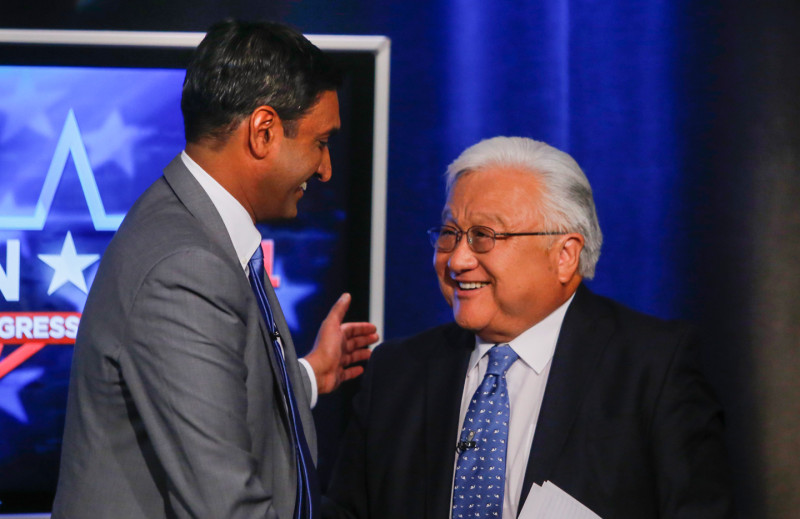
"caption": "Democratic challenger Ro Khanna, left, and Rep. Mike Honda, D-San Jose, shake hands after their first and probably only general-election debate at KNTV NBC 11, in San Jose, Calif., on Monday, Oct. 6, 2014. (John Green/ Bay Area News Group)",
"description": "Democratic challenger Ro Khanna, left, and Rep. Mike Honda, D-San Jose, shake hands after their first and probably only general-election debate at KNTV NBC 11, in San Jose, Calif., on Monday, Oct. 6, 2014. (John Green/ Bay Area News Group)",
"title": "KhannaHonda",
"credit": null,
"status": "inherit",
"isLoading": false,
"fetchFailed": false
},
"news_10344385": {
"type": "attachments",
"id": "news_10344385",
"meta": {
"index": "attachments_1716263798",
"site": "news",
"id": "10344385",
"found": true
},
"parent": 10344262,
"imgSizes": {
"twentyfourteen-full-width": {
"file": "https://ww2.kqed.org/app/uploads/sites/10/2014/10/RS12668_image1-qut-1038x576.jpg",
"width": 1038,
"mimeType": "image/jpeg",
"height": 576
},
"thumbnail": {
"file": "https://ww2.kqed.org/app/uploads/sites/10/2014/10/RS12668_image1-qut-400x300.jpg",
"width": 400,
"mimeType": "image/jpeg",
"height": 300
},
"post-thumbnail": {
"file": "https://ww2.kqed.org/app/uploads/sites/10/2014/10/RS12668_image1-qut-672x372.jpg",
"width": 672,
"mimeType": "image/jpeg",
"height": 372
},
"kqedFullSize": {
"file": "https://ww2.kqed.org/app/uploads/sites/10/2014/10/RS12668_image1-qut.jpg",
"width": 1440,
"height": 1080
},
"guest-author-96": {
"file": "https://ww2.kqed.org/app/uploads/sites/10/2014/10/RS12668_image1-qut-96x96.jpg",
"width": 96,
"mimeType": "image/jpeg",
"height": 96
},
"medium": {
"file": "https://ww2.kqed.org/app/uploads/sites/10/2014/10/RS12668_image1-qut-800x600.jpg",
"width": 800,
"mimeType": "image/jpeg",
"height": 600
},
"guest-author-64": {
"file": "https://ww2.kqed.org/app/uploads/sites/10/2014/10/RS12668_image1-qut-64x64.jpg",
"width": 64,
"mimeType": "image/jpeg",
"height": 64
},
"detail": {
"file": "https://ww2.kqed.org/app/uploads/sites/10/2014/10/RS12668_image1-qut-75x75.jpg",
"width": 75,
"mimeType": "image/jpeg",
"height": 75
},
"guest-author-32": {
"file": "https://ww2.kqed.org/app/uploads/sites/10/2014/10/RS12668_image1-qut-32x32.jpg",
"width": 32,
"mimeType": "image/jpeg",
"height": 32
},
"guest-author-128": {
"file": "https://ww2.kqed.org/app/uploads/sites/10/2014/10/RS12668_image1-qut-128x128.jpg",
"width": 128,
"mimeType": "image/jpeg",
"height": 128
}
},
"publishDate": 1413596435,
"modified": 1413596435,
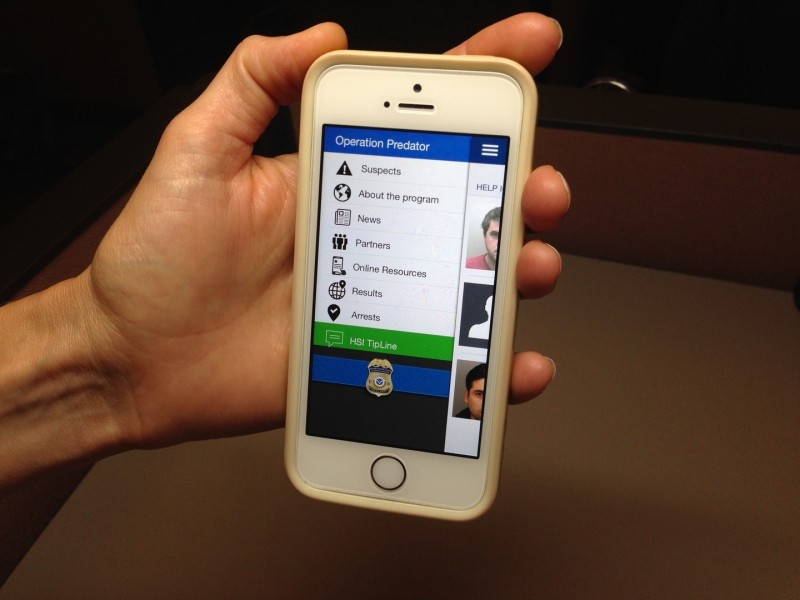
"caption": "The Operation Predator app. (Jeremy Raff/KQED)",
"description": "The Operation Predator app. (Jeremy Raff/KQED)",
"title": "Op Predator",
"credit": null,
"status": "inherit",
"isLoading": false,
"fetchFailed": false
},
"news_10343219": {
"type": "attachments",
"id": "news_10343219",
"meta": {
"index": "attachments_1716263798",
"site": "news",
"id": "10343219",
"found": true
},
"parent": 10343217,
"imgSizes": {
"twentyfourteen-full-width": {
"file": "https://ww2.kqed.org/app/uploads/sites/10/2014/10/456967754-1-1038x576.jpg",
"width": 1038,
"mimeType": "image/jpeg",
"height": 576
},
"thumbnail": {
"file": "https://ww2.kqed.org/app/uploads/sites/10/2014/10/456967754-1-400x260.jpg",
"width": 400,
"mimeType": "image/jpeg",
"height": 260
},
"post-thumbnail": {
"file": "https://ww2.kqed.org/app/uploads/sites/10/2014/10/456967754-1-672x372.jpg",
"width": 672,
"mimeType": "image/jpeg",
"height": 372
},
"kqedFullSize": {
"file": "https://ww2.kqed.org/app/uploads/sites/10/2014/10/456967754-1-e1412959883401.jpg",
"width": 1440,
"height": 939
},
"large": {
"file": "https://ww2.kqed.org/app/uploads/sites/10/2014/10/456967754-1-1440x938.jpg",
"width": 1440,
"mimeType": "image/jpeg",
"height": 938
},
"guest-author-96": {
"file": "https://ww2.kqed.org/app/uploads/sites/10/2014/10/456967754-1-96x96.jpg",
"width": 96,
"mimeType": "image/jpeg",
"height": 96
},
"medium": {
"file": "https://ww2.kqed.org/app/uploads/sites/10/2014/10/456967754-1-800x521.jpg",
"width": 800,
"mimeType": "image/jpeg",
"height": 521
},
"guest-author-64": {
"file": "https://ww2.kqed.org/app/uploads/sites/10/2014/10/456967754-1-64x64.jpg",
"width": 64,
"mimeType": "image/jpeg",
"height": 64
},
"detail": {
"file": "https://ww2.kqed.org/app/uploads/sites/10/2014/10/456967754-1-75x75.jpg",
"width": 75,
"mimeType": "image/jpeg",
"height": 75
},
"guest-author-32": {
"file": "https://ww2.kqed.org/app/uploads/sites/10/2014/10/456967754-1-32x32.jpg",
"width": 32,
"mimeType": "image/jpeg",
"height": 32
},
"guest-author-128": {
"file": "https://ww2.kqed.org/app/uploads/sites/10/2014/10/456967754-1-128x128.jpg",
"width": 128,
"mimeType": "image/jpeg",
"height": 128
}
},
"publishDate": 1412959786,
"modified": 1412959786,
"caption": " Elon Musk, CEO of Tesla, unveils the dual engine chassis of the new Tesla 'D' on Thursday. The 'D' is the faster and all-wheel-drive version of the Model S electric sedan, capable of accelerating to 60 miles per hour in just over 3 seconds. (Kevork Djansezian/Getty Images)",
"description": "HAWTHORNE CA - OCTOBER 09: Elon Musk, CEO of Tesla, unveils the dual engine chassis of the new Tesla 'D' model at the Hawthorne Airport October 09, 2014 in Hawthorne, California. The 'D' is the faster and all-wheel-drive version of the Model S electric sedan, capable of accelerating to 60 miles per hour in just over 3 seconds. (Photo by Kevork Djansezian/Getty Images)",
"title": "Tesla Motors-Elon Musk",
"credit": null,
"status": "inherit",
"isLoading": false,
"fetchFailed": false
},
"science_22368": {
"type": "attachments",
"id": "science_22368",
"meta": {
"index": "attachments_1716263798",
"site": "science",
"id": "22368",
"found": true
},
"parent": 22363,
"imgSizes": {
"kqedFullSize": {
"file": "https://ww2.kqed.org/app/uploads/sites/35/2014/10/moerner_hero-e1412788133180.jpg",
"width": 751,
"height": 424
}
},
"publishDate": 1412788091,
"modified": 1412788091,
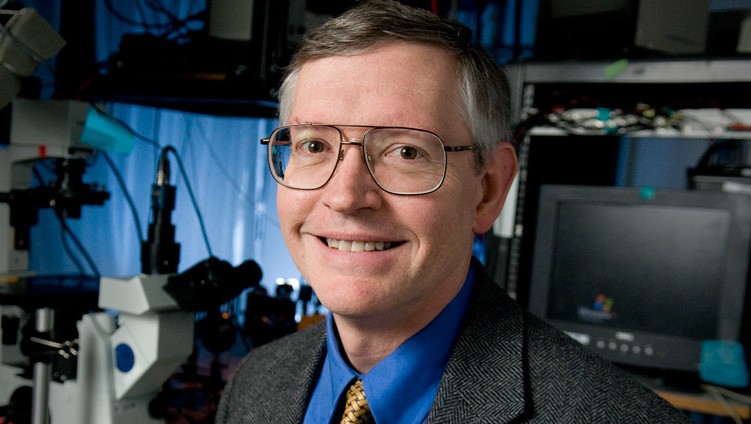
"caption": "Stanford professor W.E. Moerner has been awarded the 2014 Nobel Prize in Chemistry. (L.A. Cicero/Stanford)",
"description": "Stanford professor W.E. Moerner has been awarded the 2014 Nobel Prize in Chemistry. (L.A. Cicero/Stanford)",
"title": "moerner_hero",
"credit": null,
"status": "inherit",
"isLoading": false,
"fetchFailed": false
},
"news_10342937": {
"type": "attachments",
"id": "news_10342937",
"meta": {
"index": "attachments_1716263798",
"site": "news",
"id": "10342937",
"found": true
},
"parent": 0,
"imgSizes": {
"twentyfourteen-full-width": {
"file": "https://ww2.kqed.org/app/uploads/sites/10/2014/10/RS7447_187232512-lpr-1038x576.jpg",
"width": 1038,
"mimeType": "image/jpeg",
"height": 576
},
"thumbnail": {
"file": "https://ww2.kqed.org/app/uploads/sites/10/2014/10/RS7447_187232512-lpr-400x266.jpg",
"width": 400,
"mimeType": "image/jpeg",
"height": 266
},
"post-thumbnail": {
"file": "https://ww2.kqed.org/app/uploads/sites/10/2014/10/RS7447_187232512-lpr-672x372.jpg",
"width": 672,
"mimeType": "image/jpeg",
"height": 372
},
"kqedFullSize": {
"file": "https://ww2.kqed.org/app/uploads/sites/10/2014/10/RS7447_187232512-lpr-e1412725687665.jpg",
"width": 1440,
"height": 960
},
"large": {
"file": "https://ww2.kqed.org/app/uploads/sites/10/2014/10/RS7447_187232512-lpr-1440x959.jpg",
"width": 1440,
"mimeType": "image/jpeg",
"height": 959
},
"guest-author-96": {
"file": "https://ww2.kqed.org/app/uploads/sites/10/2014/10/RS7447_187232512-lpr-96x96.jpg",
"width": 96,
"mimeType": "image/jpeg",
"height": 96
},
"medium": {
"file": "https://ww2.kqed.org/app/uploads/sites/10/2014/10/RS7447_187232512-lpr-800x533.jpg",
"width": 800,
"mimeType": "image/jpeg",
"height": 533
},
"guest-author-64": {
"file": "https://ww2.kqed.org/app/uploads/sites/10/2014/10/RS7447_187232512-lpr-64x64.jpg",
"width": 64,
"mimeType": "image/jpeg",
"height": 64
},
"detail": {
"file": "https://ww2.kqed.org/app/uploads/sites/10/2014/10/RS7447_187232512-lpr-75x75.jpg",
"width": 75,
"mimeType": "image/jpeg",
"height": 75
},
"guest-author-32": {
"file": "https://ww2.kqed.org/app/uploads/sites/10/2014/10/RS7447_187232512-lpr-32x32.jpg",
"width": 32,
"mimeType": "image/jpeg",
"height": 32
},
"guest-author-128": {
"file": "https://ww2.kqed.org/app/uploads/sites/10/2014/10/RS7447_187232512-lpr-128x128.jpg",
"width": 128,
"mimeType": "image/jpeg",
"height": 128
}
},
"publishDate": 1412723117,
"modified": 1432588992,
"caption": "Twitter banner displayed at the New York Stock Exchange.",
"description": "Twitter banner displayed at the New York Stock Exchange on the day the company began trading publicly last November. (Andrew Burton/Getty Images)",
"title": "Twitter-NYSE",
"credit": "Andrew Burton/Getty Images",
"status": "inherit",
"isLoading": false,
"fetchFailed": false
},
"news_10343041": {
"type": "attachments",
"id": "news_10343041",
"meta": {
"index": "attachments_1716263798",
"site": "news",
"id": "10343041",
"found": true
},
"parent": 10342843,
"imgSizes": {
"twentyfourteen-full-width": {
"file": "https://ww2.kqed.org/app/uploads/sites/10/2014/10/RS12613_SJM-BIGDEBATE-1007-03-qut-1038x576.jpg",
"width": 1038,
"mimeType": "image/jpeg",
"height": 576
},
"thumbnail": {
"file": "https://ww2.kqed.org/app/uploads/sites/10/2014/10/RS12613_SJM-BIGDEBATE-1007-03-qut-400x255.jpg",
"width": 400,
"mimeType": "image/jpeg",
"height": 255
},
"post-thumbnail": {
"file": "https://ww2.kqed.org/app/uploads/sites/10/2014/10/RS12613_SJM-BIGDEBATE-1007-03-qut-672x372.jpg",
"width": 672,
"mimeType": "image/jpeg",
"height": 372
},
"kqedFullSize": {
"file": "https://ww2.kqed.org/app/uploads/sites/10/2014/10/RS12613_SJM-BIGDEBATE-1007-03-qut.jpg",
"width": 1440,
"height": 918
},
"guest-author-96": {
"file": "https://ww2.kqed.org/app/uploads/sites/10/2014/10/RS12613_SJM-BIGDEBATE-1007-03-qut-96x96.jpg",
"width": 96,
"mimeType": "image/jpeg",
"height": 96
},
"medium": {
"file": "https://ww2.kqed.org/app/uploads/sites/10/2014/10/RS12613_SJM-BIGDEBATE-1007-03-qut-800x510.jpg",
"width": 800,
"mimeType": "image/jpeg",
"height": 510
},
"guest-author-64": {
"file": "https://ww2.kqed.org/app/uploads/sites/10/2014/10/RS12613_SJM-BIGDEBATE-1007-03-qut-64x64.jpg",
"width": 64,
"mimeType": "image/jpeg",
"height": 64
},
"detail": {
"file": "https://ww2.kqed.org/app/uploads/sites/10/2014/10/RS12613_SJM-BIGDEBATE-1007-03-qut-75x75.jpg",
"width": 75,
"mimeType": "image/jpeg",
"height": 75
},
"guest-author-32": {
"file": "https://ww2.kqed.org/app/uploads/sites/10/2014/10/RS12613_SJM-BIGDEBATE-1007-03-qut-32x32.jpg",
"width": 32,
"mimeType": "image/jpeg",
"height": 32
},
"guest-author-128": {
"file": "https://ww2.kqed.org/app/uploads/sites/10/2014/10/RS12613_SJM-BIGDEBATE-1007-03-qut-128x128.jpg",
"width": 128,
"mimeType": "image/jpeg",
"height": 128
}
},
"publishDate": 1412799614,
"modified": 1412799614,
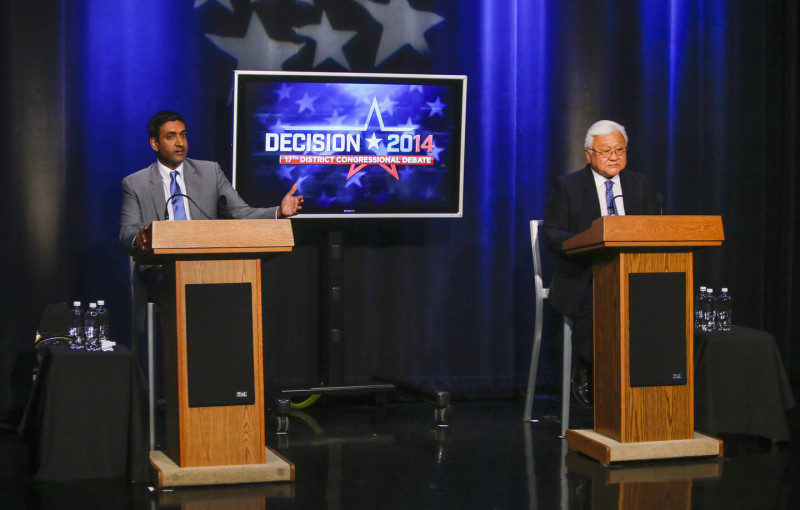
"caption": "Democratic challenger Ro Khanna, left, makes a point during his general election debate with Rep. Mike Honda, D-San Jose. (John Green/Bay Area News Group)",
"description": "Democratic challenger Ro Khanna, left, makes a point during his general election debate with Rep. Mike Honda, D-San Jose. (John Green/Bay Area News Group)",
"title": "RS12613_SJM-BIGDEBATE-1007-03-qut",
"credit": null,
"status": "inherit",
"isLoading": false,
"fetchFailed": false
},
"news_10342640": {
"type": "attachments",
"id": "news_10342640",
"meta": {
"index": "attachments_1716263798",
"site": "news",
"id": "10342640",
"found": true
},
"parent": 10342602,
"imgSizes": {
"twentyfourteen-full-width": {
"file": "https://ww2.kqed.org/app/uploads/sites/10/2014/10/RS8537_IMG_9782-1038x576.jpg",
"width": 1038,
"mimeType": "image/jpeg",
"height": 576
},
"thumbnail": {
"file": "https://ww2.kqed.org/app/uploads/sites/10/2014/10/RS8537_IMG_9782-400x266.jpg",
"width": 400,
"mimeType": "image/jpeg",
"height": 266
},
"post-thumbnail": {
"file": "https://ww2.kqed.org/app/uploads/sites/10/2014/10/RS8537_IMG_9782-672x372.jpg",
"width": 672,
"mimeType": "image/jpeg",
"height": 372
},
"kqedFullSize": {
"file": "https://ww2.kqed.org/app/uploads/sites/10/2014/10/RS8537_IMG_9782-e1412626078795.jpg",
"width": 1440,
"height": 960
},
"large": {
"file": "https://ww2.kqed.org/app/uploads/sites/10/2014/10/RS8537_IMG_9782-1440x959.jpg",
"width": 1440,
"mimeType": "image/jpeg",
"height": 959
},
"guest-author-96": {
"file": "https://ww2.kqed.org/app/uploads/sites/10/2014/10/RS8537_IMG_9782-96x96.jpg",
"width": 96,
"mimeType": "image/jpeg",
"height": 96
},
"medium": {
"file": "https://ww2.kqed.org/app/uploads/sites/10/2014/10/RS8537_IMG_9782-800x533.jpg",
"width": 800,
"mimeType": "image/jpeg",
"height": 533
},
"guest-author-64": {
"file": "https://ww2.kqed.org/app/uploads/sites/10/2014/10/RS8537_IMG_9782-64x64.jpg",
"width": 64,
"mimeType": "image/jpeg",
"height": 64
},
"detail": {
"file": "https://ww2.kqed.org/app/uploads/sites/10/2014/10/RS8537_IMG_9782-75x75.jpg",
"width": 75,
"mimeType": "image/jpeg",
"height": 75
},
"guest-author-32": {
"file": "https://ww2.kqed.org/app/uploads/sites/10/2014/10/RS8537_IMG_9782-32x32.jpg",
"width": 32,
"mimeType": "image/jpeg",
"height": 32
},
"guest-author-128": {
"file": "https://ww2.kqed.org/app/uploads/sites/10/2014/10/RS8537_IMG_9782-128x128.jpg",
"width": 128,
"mimeType": "image/jpeg",
"height": 128
}
},
"publishDate": 1412625991,
"modified": 1455237848,
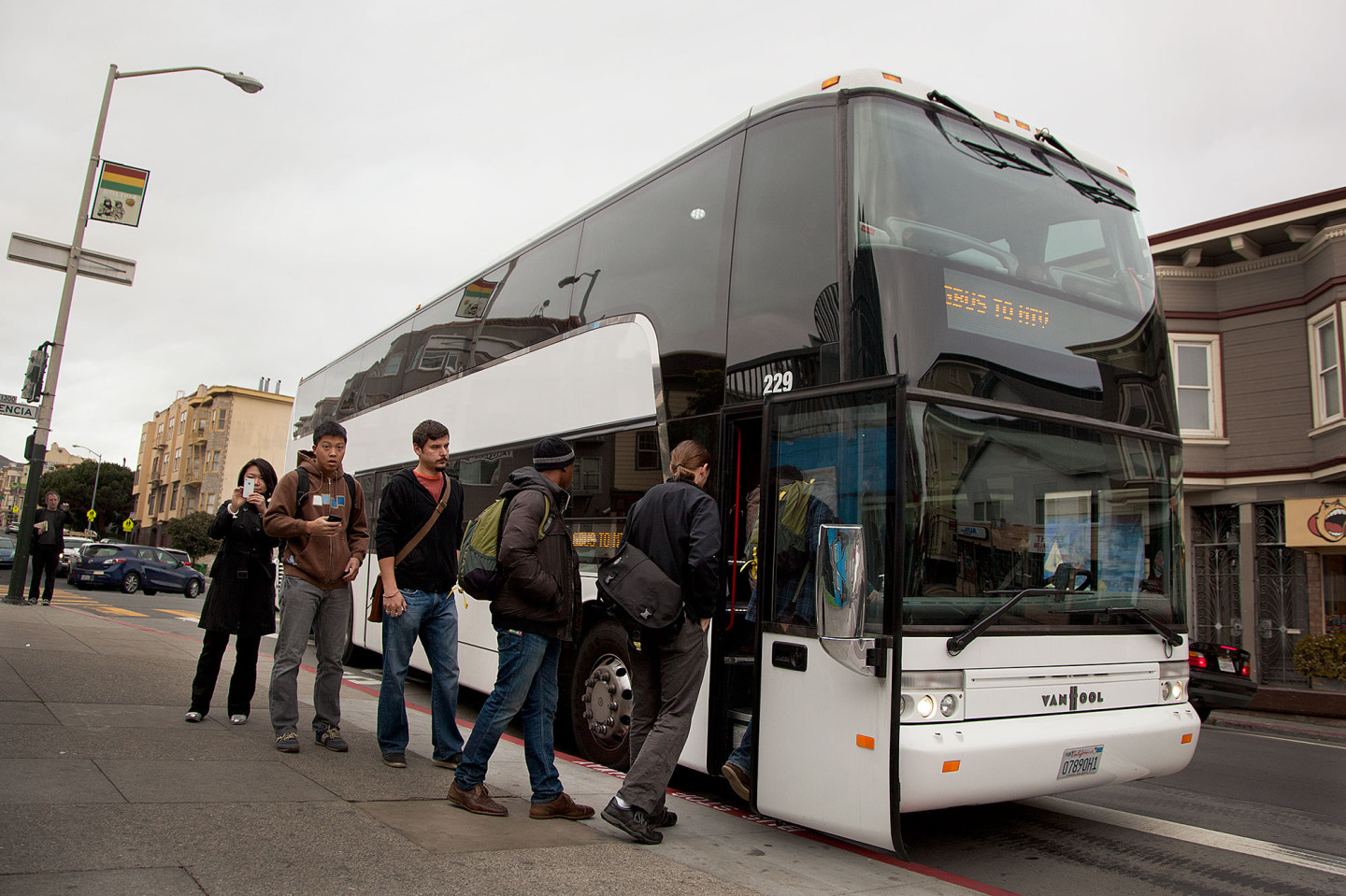
"caption": "A Google bus picks up workers at 24th and Valencia streets in the Mission District. ",
"description": "A Google bus picks up workers in San Francisco. (Mark Andrew Boyer)",
"title": "Google Bus-San Francisco",
"credit": "Mark Andrew Boyer/KQED",
"status": "inherit",
"isLoading": false,
"fetchFailed": false
},
"news_10342513": {
"type": "attachments",
"id": "news_10342513",
"meta": {
"index": "attachments_1716263798",
"site": "news",
"id": "10342513",
"found": true
},
"parent": 10342125,
"imgSizes": {
"thumbnail": {
"file": "https://ww2.kqed.org/app/uploads/sites/10/2014/10/KhannaHonda-400x225.jpg",
"width": 400,
"mimeType": "image/jpeg",
"height": 225
},
"post-thumbnail": {
"file": "https://ww2.kqed.org/app/uploads/sites/10/2014/10/KhannaHonda-672x372.jpg",
"width": 672,
"mimeType": "image/jpeg",
"height": 372
},
"kqedFullSize": {
"file": "https://ww2.kqed.org/app/uploads/sites/10/2014/10/KhannaHonda.jpg",
"width": 800,
"height": 450
},
"guest-author-96": {
"file": "https://ww2.kqed.org/app/uploads/sites/10/2014/10/KhannaHonda-96x96.jpg",
"width": 96,
"mimeType": "image/jpeg",
"height": 96
},
"guest-author-64": {
"file": "https://ww2.kqed.org/app/uploads/sites/10/2014/10/KhannaHonda-64x64.jpg",
"width": 64,
"mimeType": "image/jpeg",
"height": 64
},
"detail": {
"file": "https://ww2.kqed.org/app/uploads/sites/10/2014/10/KhannaHonda-75x75.jpg",
"width": 75,
"mimeType": "image/jpeg",
"height": 75
},
"guest-author-32": {
"file": "https://ww2.kqed.org/app/uploads/sites/10/2014/10/KhannaHonda-32x32.jpg",
"width": 32,
"mimeType": "image/jpeg",
"height": 32
},
"guest-author-128": {
"file": "https://ww2.kqed.org/app/uploads/sites/10/2014/10/KhannaHonda-128x128.jpg",
"width": 128,
"mimeType": "image/jpeg",
"height": 128
}
},
"publishDate": 1412387805,
"modified": 1412387805,
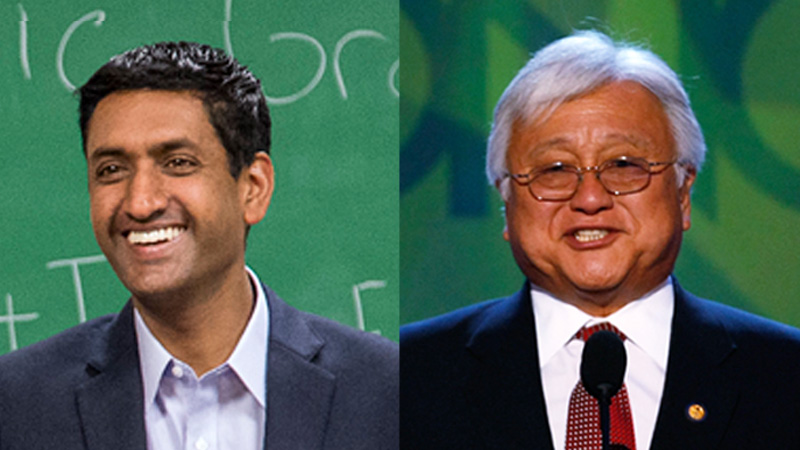
"caption": "Ro Khanna (L) is challenged Mike Honda (R) for his seat in Congress. (Courtesy Ro Khanna, Mark Wilson/Getty Images)",
"description": "Ro Khanna (L) is challenged Mike Honda (R) for his seat in Congress. (Courtesy Ro Khanna, Mark Wilson/Getty Images)",
"title": "KhannaHonda",
"credit": null,
"status": "inherit",
"isLoading": false,
"fetchFailed": false
},
"news_147797": {
"type": "attachments",
"id": "news_147797",
"meta": {
"index": "attachments_1716263798",
"site": "news",
"id": "147797",
"found": true
},
"parent": 147716,
"imgSizes": {
"wide-featured-image": {
"file": "https://ww2.kqed.org/app/uploads/sites/10/2014/09/Facebook-600x300.jpg",
"width": 600,
"mimeType": "image/jpeg",
"height": 300
},
"featured-page": {
"file": "https://ww2.kqed.org/app/uploads/sites/10/2014/09/Facebook-315x145.jpg",
"width": 315,
"mimeType": "image/jpeg",
"height": 145
},
"thumbnail": {
"file": "https://ww2.kqed.org/app/uploads/sites/10/2014/09/Facebook-300x300.jpg",
"width": 300,
"mimeType": "image/jpeg",
"height": 300
},
"kqedFullSize": {
"file": "https://ww2.kqed.org/app/uploads/sites/10/2014/09/Facebook.jpg",
"width": 850,
"height": 566
},
"wide-featured-image-full": {
"file": "https://ww2.kqed.org/app/uploads/sites/10/2014/09/Facebook-850x300.jpg",
"width": 850,
"mimeType": "image/jpeg",
"height": 300
},
"guest-author-96": {
"file": "https://ww2.kqed.org/app/uploads/sites/10/2014/09/Facebook-96x96.jpg",
"width": 96,
"mimeType": "image/jpeg",
"height": 96
},
"medium": {
"file": "https://ww2.kqed.org/app/uploads/sites/10/2014/09/Facebook-640x426.jpg",
"width": 640,
"mimeType": "image/jpeg",
"height": 426
},
"guest-author-64": {
"file": "https://ww2.kqed.org/app/uploads/sites/10/2014/09/Facebook-64x64.jpg",
"width": 64,
"mimeType": "image/jpeg",
"height": 64
},
"guest-author-32": {
"file": "https://ww2.kqed.org/app/uploads/sites/10/2014/09/Facebook-32x32.jpg",
"width": 32,
"mimeType": "image/jpeg",
"height": 32
},
"narrow-featured-image": {
"file": "https://ww2.kqed.org/app/uploads/sites/10/2014/09/Facebook-400x300.jpg",
"width": 400,
"mimeType": "image/jpeg",
"height": 300
},
"narrow-featured-image-full": {
"file": "https://ww2.kqed.org/app/uploads/sites/10/2014/09/Facebook-640x360.jpg",
"width": 640,
"mimeType": "image/jpeg",
"height": 360
},
"detail": {
"file": "https://ww2.kqed.org/app/uploads/sites/10/2014/09/Facebook-75x75.jpg",
"width": 75,
"mimeType": "image/jpeg",
"height": 75
},
"guest-author-128": {
"file": "https://ww2.kqed.org/app/uploads/sites/10/2014/09/Facebook-128x128.jpg",
"width": 128,
"mimeType": "image/jpeg",
"height": 128
}
},
"publishDate": 1410907898,
"modified": 1410907898,
"caption": null,
"description": null,
"title": "Facebook",
"credit": null,
"status": "inherit",
"isLoading": false,
"fetchFailed": false
},
"news_10341833": {
"type": "attachments",
"id": "news_10341833",
"meta": {
"index": "attachments_1716263798",
"site": "news",
"id": "10341833",
"found": true
},
"parent": 10341830,
"imgSizes": {
"twentyfourteen-full-width": {
"file": "https://ww2.kqed.org/app/uploads/sites/10/2014/09/RS6906_179276501-1038x576.jpg",
"width": 1038,
"mimeType": "image/jpeg",
"height": 576
},
"thumbnail": {
"file": "https://ww2.kqed.org/app/uploads/sites/10/2014/09/RS6906_179276501-400x266.jpg",
"width": 400,
"mimeType": "image/jpeg",
"height": 266
},
"post-thumbnail": {
"file": "https://ww2.kqed.org/app/uploads/sites/10/2014/09/RS6906_179276501-672x372.jpg",
"width": 672,
"mimeType": "image/jpeg",
"height": 372
},
"kqedFullSize": {
"file": "https://ww2.kqed.org/app/uploads/sites/10/2014/09/RS6906_179276501.jpg",
"width": 2122,
"height": 1415
},
"large": {
"file": "https://ww2.kqed.org/app/uploads/sites/10/2014/09/RS6906_179276501-1440x960.jpg",
"width": 1440,
"mimeType": "image/jpeg",
"height": 960
},
"guest-author-96": {
"file": "https://ww2.kqed.org/app/uploads/sites/10/2014/09/RS6906_179276501-96x96.jpg",
"width": 96,
"mimeType": "image/jpeg",
"height": 96
},
"medium": {
"file": "https://ww2.kqed.org/app/uploads/sites/10/2014/09/RS6906_179276501-800x533.jpg",
"width": 800,
"mimeType": "image/jpeg",
"height": 533
},
"guest-author-64": {
"file": "https://ww2.kqed.org/app/uploads/sites/10/2014/09/RS6906_179276501-64x64.jpg",
"width": 64,
"mimeType": "image/jpeg",
"height": 64
},
"detail": {
"file": "https://ww2.kqed.org/app/uploads/sites/10/2014/09/RS6906_179276501-75x75.jpg",
"width": 75,
"mimeType": "image/jpeg",
"height": 75
},
"guest-author-32": {
"file": "https://ww2.kqed.org/app/uploads/sites/10/2014/09/RS6906_179276501-32x32.jpg",
"width": 32,
"mimeType": "image/jpeg",
"height": 32
},
"guest-author-128": {
"file": "https://ww2.kqed.org/app/uploads/sites/10/2014/09/RS6906_179276501-128x128.jpg",
"width": 128,
"mimeType": "image/jpeg",
"height": 128
}
},
"publishDate": 1412144741,
"modified": 1412144741,
"caption": "(Getty Images)",
"description": "(Getty Images)",
"title": "RS6906_179276501",
"credit": null,
"status": "inherit",
"isLoading": false,
"fetchFailed": false
},
"news_118115": {
"type": "attachments",
"id": "news_118115",
"meta": {
"index": "attachments_1716263798",
"site": "news",
"id": "118115",
"found": true
},
"parent": 123929,
"imgSizes": {
"kqedFullSize": {
"file": "https://ww2.kqed.org/app/uploads/sites/10/2014/11/lyft.jpg",
"width": 640,
"height": 360
}
},
"publishDate": 1384392447,
"modified": 1384392447,
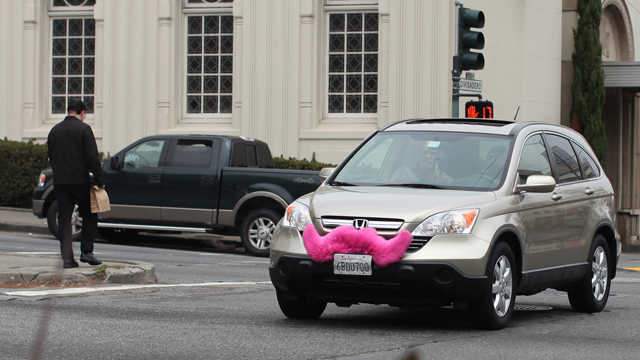
"caption": "(Photo by Deborah Svoboda/KQED)",
"description": "Car with Lyft's famous mustache. (Deborah Svoboda/KQED)",
"title": "uber",
"credit": null,
"status": "inherit",
"isLoading": false,
"fetchFailed": false
}
},
"audioPlayerReducer": {
"postId": "stream_live",
"isPaused": true,
"isPlaying": false,
"pfsActive": false,
"pledgeModalIsOpen": true,
"playerDrawerIsOpen": false,
"liveAudioPlayStartedAt": 0,
"liveAudioPlayContext": ""
},
"authorsReducer": {
"byline_news_10343217": {
"type": "authors",
"id": "byline_news_10343217",
"meta": {
"override": true
},
"slug": "byline_news_10343217",
"name": "Justin Pritchard\u003cbr />Associated Press",
"isLoading": false
},
"byline_news_10342943": {
"type": "authors",
"id": "byline_news_10342943",
"meta": {
"override": true
},
"slug": "byline_news_10342943",
"name": "\u003ca href=\"https://twitter.com/BarbaraOrtutay\" target=\"_blank\">Barbara Ortutay\u003c/a>\u003cbr />Associated Press",
"isLoading": false
},
"aliceldaniel": {
"type": "authors",
"id": "208",
"meta": {
"index": "authors_1716337520",
"id": "208",
"found": true
},
"name": "Alice Daniel",
"firstName": "Alice",
"lastName": "Daniel",
"slug": "aliceldaniel",
"email": "adaniel@kqed.org",
"display_author_email": false,
"staff_mastheads": [],
"title": null,
"bio": "Alice Daniel loves the listening aspect of reporting because she gets to briefly walk in other people’s shoes. She has rappelled down into caves and gone up in helicopters for KQED’s The California Report but her favorite place to pursue a story is the High Sierra or any family-run bakery, of course. Alice has a masters in journalism from Columbia University and teaches at Fresno State. She is a California Healthline Regional Correspondent and a frequent contributor to Success magazine. In her free time, she skis and hikes, throws pottery, practices piano and looks out the window.",
"avatar": "https://secure.gravatar.com/avatar/e611aa06593b114a67f9f123a8e875ad?s=600&d=blank&r=g",
"twitter": null,
"facebook": null,
"instagram": null,
"linkedin": null,
"sites": [
{
"site": "news",
"roles": [
"author"
]
},
{
"site": "stateofhealth",
"roles": [
"author"
]
}
],
"headData": {
"title": "Alice Daniel | KQED",
"description": null,
"ogImgSrc": "https://secure.gravatar.com/avatar/e611aa06593b114a67f9f123a8e875ad?s=600&d=blank&r=g",
"twImgSrc": "https://secure.gravatar.com/avatar/e611aa06593b114a67f9f123a8e875ad?s=600&d=blank&r=g"
},
"isLoading": false,
"link": "/author/aliceldaniel"
},
"bgoebel": {
"type": "authors",
"id": "214",
"meta": {
"index": "authors_1716337520",
"id": "214",
"found": true
},
"name": "Bryan Goebel",
"firstName": "Bryan",
"lastName": "Goebel",
"slug": "bgoebel",
"email": "bgoebel@kqed.org",
"display_author_email": false,
"staff_mastheads": [],
"title": null,
"bio": "Bryan Goebel is a reporter focused on transportation and housing issues. He was previously the editor of Streetsblog San Francisco, and an anchor/editor at KCBS Radio. He's a lifelong Californian and has also worked at radio stations in Barstow, Redding and Sacramento.",
"avatar": "https://secure.gravatar.com/avatar/7fdd6b065bfe9a23a71bcfa80848df88?s=600&d=blank&r=g",
"twitter": "velobry",
"facebook": null,
"instagram": null,
"linkedin": null,
"sites": [
{
"site": "news",
"roles": [
"subscriber"
]
},
{
"site": "stateofhealth",
"roles": [
"subscriber"
]
}
],
"headData": {
"title": "Bryan Goebel | KQED",
"description": null,
"ogImgSrc": "https://secure.gravatar.com/avatar/7fdd6b065bfe9a23a71bcfa80848df88?s=600&d=blank&r=g",
"twImgSrc": "https://secure.gravatar.com/avatar/7fdd6b065bfe9a23a71bcfa80848df88?s=600&d=blank&r=g"
},
"isLoading": false,
"link": "/author/bgoebel"
},
"danbrekke": {
"type": "authors",
"id": "222",
"meta": {
"index": "authors_1716337520",
"id": "222",
"found": true
},
"name": "Dan Brekke",
"firstName": "Dan",
"lastName": "Brekke",
"slug": "danbrekke",
"email": "dbrekke@kqed.org",
"display_author_email": true,
"staff_mastheads": [
"news",
"science"
],
"title": "KQED Editor and Reporter",
"bio": "Dan Brekke is a reporter and editor for KQED News, responsible for coverage of topics ranging from California water issues to the Bay Area's transportation challenges. In a newsroom career that began in Chicago in 1972, Dan has worked for \u003cem>The San Francisco Examiner,\u003c/em> Wired and TechTV and has been published in The New York Times, The New York Times Magazine, Business 2.0, Salon and elsewhere.\r\n\r\nSince joining KQED in 2007, Dan has reported, edited and produced both radio and online features and breaking news pieces. He has shared as both editor and reporter in four Society of Professional Journalists Norcal Excellence in Journalism awards and one Edward R. Murrow regional award. He was chosen for a spring 2017 residency at the Mesa Refuge to advance his research on California salmon.\r\n\r\nEmail Dan at: \u003ca href=\"mailto:dbrekke@kqed.org\">dbrekke@kqed.org\u003c/a>\r\n\r\n\u003cstrong>Twitter:\u003c/strong> \u003ca href=\"https://twitter.com/danbrekke\" rel=\"noopener noreferrer\">twitter.com/danbrekke\u003c/a>\r\n\u003cstrong>Facebook:\u003c/strong> \u003ca href=\"https://www.facebook.com/danbrekke\" rel=\"noopener noreferrer\">www.facebook.com/danbrekke\u003c/a>\r\n\u003cstrong>LinkedIn:\u003c/strong> \u003ca href=\"https://www.linkedin.com/in/danbrekke\" rel=\"noopener noreferrer\">www.linkedin.com/in/danbrekke\u003c/a>",
"avatar": "https://secure.gravatar.com/avatar/8f1f0d2a978fb3b23426c922c7e2af558fa36905b49c4ce76a97dc3c72d27226?s=600&d=mm&r=g",
"twitter": "danbrekke",
"bluesky": null,
"facebook": null,
"instagram": "https://www.instagram.com/dan.brekke/",
"linkedin": "https://www.linkedin.com/in/danbrekke/",
"sites": [
{
"site": "news",
"roles": [
"administrator",
"create_posts"
]
},
{
"site": "stateofhealth",
"roles": [
"editor"
]
},
{
"site": "science",
"roles": [
"editor"
]
},
{
"site": "quest",
"roles": [
"contributor"
]
},
{
"site": "food",
"roles": [
"contributor"
]
},
{
"site": "forum",
"roles": [
"contributor"
]
},
{
"site": "elections",
"roles": [
"editor"
]
},
{
"site": "liveblog",
"roles": [
"editor"
]
}
],
"headData": {
"title": "Dan Brekke | KQED",
"description": "KQED Editor and Reporter",
"ogImgSrc": "https://secure.gravatar.com/avatar/8f1f0d2a978fb3b23426c922c7e2af558fa36905b49c4ce76a97dc3c72d27226?s=600&d=mm&r=g",
"twImgSrc": "https://secure.gravatar.com/avatar/8f1f0d2a978fb3b23426c922c7e2af558fa36905b49c4ce76a97dc3c72d27226?s=600&d=mm&r=g"
},
"isLoading": false,
"link": "/author/danbrekke"
},
"kqednewsstaffandwires": {
"type": "authors",
"id": "237",
"meta": {
"index": "authors_1716337520",
"id": "237",
"found": true
},
"name": "KQED News Staff and Wires",
"firstName": "KQED News Staff and Wires",
"lastName": null,
"slug": "kqednewsstaffandwires",
"email": "onlinenewsstaff@kqed.org",
"display_author_email": false,
"staff_mastheads": [],
"title": null,
"bio": null,
"avatar": "https://secure.gravatar.com/avatar/72295af8ebbfbd19a4948f5271285664?s=600&d=blank&r=g",
"twitter": null,
"facebook": null,
"instagram": null,
"linkedin": null,
"sites": [
{
"site": "arts",
"roles": [
"contributor"
]
},
{
"site": "news",
"roles": [
"contributor"
]
},
{
"site": "lowdown",
"roles": [
"author"
]
},
{
"site": "stateofhealth",
"roles": [
"contributor"
]
},
{
"site": "food",
"roles": [
"author"
]
}
],
"headData": {
"title": "KQED News Staff and Wires | KQED",
"description": null,
"ogImgSrc": "https://secure.gravatar.com/avatar/72295af8ebbfbd19a4948f5271285664?s=600&d=blank&r=g",
"twImgSrc": "https://secure.gravatar.com/avatar/72295af8ebbfbd19a4948f5271285664?s=600&d=blank&r=g"
},
"isLoading": false,
"link": "/author/kqednewsstaffandwires"
},
"rachael-myrow": {
"type": "authors",
"id": "251",
"meta": {
"index": "authors_1716337520",
"id": "251",
"found": true
},
"name": "Rachael Myrow",
"firstName": "Rachael",
"lastName": "Myrow",
"slug": "rachael-myrow",
"email": "rmyrow@kqed.org",
"display_author_email": true,
"staff_mastheads": [
"news"
],
"title": "Senior Editor of KQED's Silicon Valley News Desk",
"bio": "• I write and edit stories about how Silicon Valley power and policies shape everyday life in California. I’m also passionate about making Bay Area history and culture more accessible to a broad public. • I’ve been a journalist for most of my life, starting in high school with The Franklin Press in Los Angeles, where I grew up. While earning my first degree in English at UC Berkeley, I got my start in public radio at KALX-FM. After completing a second degree in journalism at Cal, I landed my first professional job at Marketplace, then moved on to KPCC (now LAist), and then KQED, where I hosted The California Report for more than seven years. • My reporting has appeared on NPR, The World, WBUR’s \u003ci>Here & Now\u003c/i>, and the BBC. I also guest host for KQED’s \u003ci>Forum\u003c/i>, as well as the Commonwealth Club in San Francisco. • I speak periodically on media, democracy and technology issues, and do voiceover work for documentaries and educational video projects. • Outside of the studio, you'll find me hiking Bay Area trails and whipping up Insta-ready meals in my kitchen. • I do not accept gifts, money, or favors from anyone connected to my reporting, I don't pay people for information, and I do not support or donate to political causes. • I strive to treat the people I report on with fairness, honesty, and respect. I also recognize there are often multiple sides to a story and work to verify information through multiple sources and documentation. If I get something wrong, I correct it.",
"avatar": "https://secure.gravatar.com/avatar/3ed8a3c5f26025e4a805ba634cda8cd764906b97438a6d9ce216b044e340da4e?s=600&d=blank&r=g",
"twitter": "rachaelmyrow",
"bluesky": null,
"facebook": null,
"instagram": null,
"linkedin": "https://www.linkedin.com/in/rachaelmyrow/",
"sites": [
{
"site": "arts",
"roles": [
"administrator"
]
},
{
"site": "news",
"roles": [
"edit_others_posts",
"editor"
]
},
{
"site": "futureofyou",
"roles": [
"editor"
]
},
{
"site": "bayareabites",
"roles": [
"editor"
]
},
{
"site": "stateofhealth",
"roles": [
"editor"
]
},
{
"site": "science",
"roles": [
"editor"
]
},
{
"site": "food",
"roles": [
"editor"
]
},
{
"site": "forum",
"roles": [
"editor"
]
},
{
"site": "liveblog",
"roles": [
"author"
]
}
],
"headData": {
"title": "Rachael Myrow | KQED",
"description": "Senior Editor of KQED's Silicon Valley News Desk",
"ogImgSrc": "https://secure.gravatar.com/avatar/3ed8a3c5f26025e4a805ba634cda8cd764906b97438a6d9ce216b044e340da4e?s=600&d=blank&r=g",
"twImgSrc": "https://secure.gravatar.com/avatar/3ed8a3c5f26025e4a805ba634cda8cd764906b97438a6d9ce216b044e340da4e?s=600&d=blank&r=g"
},
"isLoading": false,
"link": "/author/rachael-myrow"
},
"kqedscience": {
"type": "authors",
"id": "6387",
"meta": {
"index": "authors_1716337520",
"id": "6387",
"found": true
},
"name": "KQED Science",
"firstName": "KQED",
"lastName": "Science",
"slug": "kqedscience",
"email": "kqedscience@gmail.com",
"display_author_email": false,
"staff_mastheads": [],
"title": null,
"bio": "KQED Science brings you award-winning science and environment coverage from the Bay Area and beyond by the flagship Northern California PBS and NPR affiliate.",
"avatar": "https://secure.gravatar.com/avatar/5a295ff49cf82a8c0f30937d3f788b2f?s=600&d=blank&r=g",
"twitter": null,
"facebook": null,
"instagram": null,
"linkedin": null,
"sites": [
{
"site": "science",
"roles": [
"contributor"
]
},
{
"site": "quest",
"roles": [
"editor"
]
},
{
"site": "food",
"roles": [
"contributor"
]
}
],
"headData": {
"title": "KQED Science | KQED",
"description": null,
"ogImgSrc": "https://secure.gravatar.com/avatar/5a295ff49cf82a8c0f30937d3f788b2f?s=600&d=blank&r=g",
"twImgSrc": "https://secure.gravatar.com/avatar/5a295ff49cf82a8c0f30937d3f788b2f?s=600&d=blank&r=g"
},
"isLoading": false,
"link": "/author/kqedscience"
}
},
"pagesReducer": {
"news_category_technology": {
"type": "terms",
"id": "news_248",
"meta": {
"index": "terms_1716263798",
"site": "news",
"id": "248",
"score": 10.93111
},
"featImg": null,
"name": "Technology",
"description": null,
"taxonomy": "category",
"headData": {
"twImgId": null,
"twTitle": null,
"ogTitle": null,
"ogImgId": null,
"twDescription": null,
"description": null,
"title": "Technology Archives | KQED News",
"ogDescription": null
},
"ttid": 256,
"slug": "technology",
"isLoading": false,
"title": "Technology",
"pageMeta": {
"site": "news",
"WpPageTemplate": "page-topic-editorial",
"currentPage": 150
},
"blocks": [
{
"blockName": "kqed/post-list",
"attrs": {
"layout": "cardArticle2",
"query": "posts/news?category=technology",
"seeMore": false,
"paginated": true,
"page": 150
}
},
{
"blockName": "kqed/ad"
}
]
}
},
"pfsSessionReducer": {},
"postsReducer": {
"stream_live": {
"type": "live",
"id": "stream_live",
"audioUrl": "https://streams.kqed.org/kqedradio",
"title": "Live Stream",
"excerpt": "Live Stream information currently unavailable.",
"link": "/radio",
"featImg": "",
"label": {
"name": "KQED Live",
"link": "/"
}
},
"stream_kqedNewscast": {
"type": "posts",
"id": "stream_kqedNewscast",
"audioUrl": "https://www.kqed.org/.stream/anon/radio/RDnews/newscast.mp3?_=1",
"title": "KQED Newscast",
"featImg": "",
"label": {
"name": "88.5 FM",
"link": "/"
}
},
"news_10346222": {
"type": "posts",
"id": "news_10346222",
"meta": {
"index": "posts_1716263798",
"site": "news",
"id": "10346222",
"score": null,
"sort": [
1414787408000
]
},
"parent": 0,
"labelTerm": {
"site": "news",
"term": 6944
},
"blocks": [],
"publishDate": 1414787408,
"format": "standard",
"disqusTitle": "Pilot Dies as Virgin Galactic's SpaceShipTwo Is Destroyed in Test Flight",
"title": "Pilot Dies as Virgin Galactic's SpaceShipTwo Is Destroyed in Test Flight",
"headTitle": "News Fix | KQED News",
"content": "\u003cp>\u003cstrong>Updated, 3:35 p.m.\u003c/strong>: Virgin Galactic's SpaceShipTwo, a craft developed to carry paying passengers into suborbital space, crashed during a rocket-powered test flight Friday morning near its base in Southern California's Mojave Desert. \u003c/p>\n\u003cp>One of the two pilots aboard was killed and the other was seriously injured. National Transportation Safety Board and FAA investigators are expected to arrive at the crash site, in eastern Kern County about 100 miles north of downtown Los Angeles, on Saturday.\u003c/p>\n\u003cp>Company officials and other observers said at a Friday afternoon press conference in the town of Mojave that they're still uncertain what caused what they earlier termed \"a serious anomaly\" in the flight.\u003c/p>\n\u003cp>The problem occurred immediately after SpaceShipTwo was released from its mother ship, WhiteKnight2, at an altitude of about nine miles and the two-man crew ignited the craft's rocket engine.\u003c/p>\n\u003cp>\"I’ll tell you from my eyes and my ears, I detected nothing that appeared abnormal,\" said Stuart Witt, chief of the Mojave Air and Space Port, where SpaceShipTwo has been based during its development.\u003c/p>\n\u003caside class=\"pullquote alignleft\">'The future rests in many ways on hard days like this, and we believe we owe it to the folks who were flying these vehicles ... to understand this and to move forward.'\u003ccite>George Whitesides,\u003cbr>Virgin Galactic CEO\u003c/cite>\u003c/aside>\n\u003cp>The spacecraft uses a hybrid rocket motor, consisting of both a solid and liquid component. Friday's launch was the first full-powered flight test involving a new, plastic-based solid fuel. \u003c/p>\n\u003cp>[ad fullwidth]\u003c/p>\n\u003cp>Kevin Mickey, president of Scaled Composites, the company that's developed SpaceShipTwo, downplayed speculation about the fuel's role in Friday's incident. \u003c/p>\n\u003cp>\"We were flying a rocket motor today that had been thoroughly tested on the ground and we expected no anomalies with the motor,\" Mickey said. \u003c/p>\n\u003cp>Witt said that prior to the flight, \"I was briefed that the plume would look different than in the past, but I couldn’t detect anything.\" However, he added that because of \"what I wasn’t hearing or seeing,\" he could tell the flight was not proceeding normally. He added that he had not seen the vehicle explode. \u003c/p>\n\u003cp>Ken Brown, a freelance photographer who was covering the flight, told the Associated Press and NBC News that he saw the craft blow apart after its engine was lit.\u003c/p>\n\u003cp>Kern County Sheriff Donny Youngblood said that he had flown to the crash site immediately. \u003c/p>\n\u003cp>\"It’s a large area, the aircraft is in several different pieces,\" Youngblood said. \"We found one person who was obviously deceased. I don’t have condition of the other person -- it appears to be major injuries, but we don't know what that means yet.\" \u003c/p>\n\u003cp>The survivor was hospitalized at Antelope Valley Hospital in Lancaster. Neither crewmember was identified; both were Scaled Composite test pilots. \u003c/p>\n\u003cp>SpaceShipTwo is part of a two-aircraft system: Its mother ship, called the WhiteKnight2, carries the six-passenger spaceship to an altitude of about 50,000 feet, then releases it. Pilots on the spacecraft then ignite its rocket motor, which is designed to propel the ship at more than three times the speed of sound to an altitude of 100 kilometers or so — about 62 miles, considered the threshold of space.\u003c/p>\n\u003cp>The winged spacecraft is designed to make a “feathered re-entry” into the atmosphere and an unpowered glide back to its takeoff point.\u003c/p>\n\u003cp>The ship is based on a design by aircraft designer Burt Rutan, perhaps best known for developing the \u003ca href=\"http://airandspace.si.edu/collections/artifact.cfm?object=nasm_A19880548000\" target=\"_blank\">Voyager\u003c/a>, a spindly featherweight plane that in 1986 completed a round-the-world flight without refueling. \u003c/p>\n\u003cp>With backing from technology billionaire Paul Allen, Rutan's Scaled Composites built SpaceShipOne in an attempt to win the $10 million Ansari X Prize, a competition to create a rapidly relaunchable craft that could carry at least three people into suborbital space. SpaceShipOne successfully completed its repeat flights in October 2004, winning the prize. Richard Branson, chief of the Virgin entertainment and aviation empire, then invested in SpaceShipTwo as a space tourism vehicle and launched a new enterprise to operate flights, Virgin Galactic. \u003c/p>\n\u003cp>The fare for a trip to the edge of space -- an adventure that would include several days of preflight training at a new spaceport in New Mexico and perhaps a few minutes in a zero gravity environment during the flight -- is $250,000. The company has said more than 700 people have booked flights, which were scheduled to begin as early as next year.\u003c/p>\n\u003cp>George Whitesides, Virgin Galactic's CEO, said Branson was traveling to Mojave and is expected to arrive Saturday. He and Witt, the Mojave space port manager, both put Friday's incident in the larger context of the quest to expand space exploration. \u003c/p>\n\u003cp>\"Space is hard, and today was a tough day,\" Whitesides said. \"We are going to be supporting the investigation as we figure out what happened today and we’re going to get through it. The future rests in many ways on hard days like this and we believe we owe it to the folks who were flying these vehicles as well as the folks who’ve been working so hard on this, to understand this and to move forward, which is what we’ll do.\"\u003c/p>\n\u003cp>Industry observers agree that Friday's accident is a reversal for space tourism. From the AP:\u003c/p>\n\u003cblockquote>\u003cp>\"I think it's a real setback to the idea that lots of people are going to be taking joyrides into the fringes of outer space any time soon,\" said John Logsdon, retired space policy director at George Washington University. \"There were a lot of people who believed that the technology to carry people safely at hand.\"\u003c/p>\u003c/blockquote>\n\u003cp>And from The New York Times:\u003c/p>\n\u003cblockquote>\u003cp>“Virgin was out ahead of everyone else for space tourism,” said Michael Blades, the aerospace and defense industry senior analyst at Frost & Sullivan, a market research and consulting firm. “It will still happen, but it has been pushed way to the right. It is just like any kind of other new technology, especially when it comes to flight, you have your tests and you have your failures.”\u003c/p>\n\u003cp>Patricia Hynes, director of the New Mexico Space Grant Consortium, who organizes an annual symposium for people in the commercial space industry, said the accident “helps people understand why it’s never been done before.”\u003c/p>\n\u003cp>“This is a tough business,” she said.\u003c/p>\n\u003cp>Dr. Hynes has bought a Virgin Galactic ticket, and the news did not change her intention to fly. “No, absolutely not,” she said.\u003c/p>\u003c/blockquote>\n\u003cp>[ad floatright]\u003c/p>\n\u003cp>\u003cem>\u003cbr>\nKQED Science television producer Sheraz Sadiq contributed to this post. \u003c/em>\u003c/p>\n\n",
"disqusIdentifier": "10346222 http://ww2.kqed.org/news/?p=10346222",
"disqusUrl": "https://ww2.kqed.org/news/2014/10/31/virgin-galactics-spaceshiptwo-destroyed-in-test-flight/",
"stats": {
"hasVideo": false,
"hasChartOrMap": false,
"hasAudio": false,
"hasPolis": false,
"wordCount": 1115,
"hasGoogleForm": false,
"hasGallery": false,
"hasHearkenModule": false,
"iframeSrcs": [],
"paragraphCount": 30
},
"modified": 1415049230,
"excerpt": "Craft developed for space tourism suffers 'anomaly' that killed one pilot, seriously injured another.",
"headData": {
"twImgId": "",
"twTitle": "",
"ogTitle": "",
"ogImgId": "",
"twDescription": "",
"description": "Craft developed for space tourism suffers 'anomaly' that killed one pilot, seriously injured another.",
"title": "Pilot Dies as Virgin Galactic's SpaceShipTwo Is Destroyed in Test Flight | KQED",
"ogDescription": "",
"schema": {
"@context": "https://schema.org",
"@type": "NewsArticle",
"headline": "Pilot Dies as Virgin Galactic's SpaceShipTwo Is Destroyed in Test Flight",
"datePublished": "2014-10-31T13:30:08-07:00",
"dateModified": "2014-11-03T13:13:50-08:00",
"image": "https://cdn.kqed.org/wp-content/uploads/2020/02/KQED-OG-Image@1x.png",
"isAccessibleForFree": "True",
"publisher": {
"@type": "NewsMediaOrganization",
"@id": "https://www.kqed.org/#organization",
"name": "KQED",
"logo": "https://cdn.kqed.org/wp-content/uploads/2020/02/KQED-OG-Image@1x.png",
"url": "https://www.kqed.org",
"sameAs": [
"https://www.facebook.com/KQED",
"https://twitter.com/KQED",
"https://www.instagram.com/kqed/",
"https://www.tiktok.com/@kqedofficial",
"https://www.linkedin.com/company/kqed",
"https://www.youtube.com/channel/UCeC0IOo7i1P_61zVUWbJ4nw"
]
}
}
},
"guestAuthors": [],
"slug": "virgin-galactics-spaceshiptwo-destroyed-in-test-flight",
"status": "publish",
"path": "/news/10346222/virgin-galactics-spaceshiptwo-destroyed-in-test-flight",
"audioTrackLength": null,
"parsedContent": [
{
"type": "contentString",
"content": "\u003cdiv class=\"post-body\">\u003cp>\u003cp>\u003cstrong>Updated, 3:35 p.m.\u003c/strong>: Virgin Galactic's SpaceShipTwo, a craft developed to carry paying passengers into suborbital space, crashed during a rocket-powered test flight Friday morning near its base in Southern California's Mojave Desert. \u003c/p>\n\u003cp>One of the two pilots aboard was killed and the other was seriously injured. National Transportation Safety Board and FAA investigators are expected to arrive at the crash site, in eastern Kern County about 100 miles north of downtown Los Angeles, on Saturday.\u003c/p>\n\u003cp>Company officials and other observers said at a Friday afternoon press conference in the town of Mojave that they're still uncertain what caused what they earlier termed \"a serious anomaly\" in the flight.\u003c/p>\n\u003cp>The problem occurred immediately after SpaceShipTwo was released from its mother ship, WhiteKnight2, at an altitude of about nine miles and the two-man crew ignited the craft's rocket engine.\u003c/p>\n\u003cp>\"I’ll tell you from my eyes and my ears, I detected nothing that appeared abnormal,\" said Stuart Witt, chief of the Mojave Air and Space Port, where SpaceShipTwo has been based during its development.\u003c/p>\n\u003caside class=\"pullquote alignleft\">'The future rests in many ways on hard days like this, and we believe we owe it to the folks who were flying these vehicles ... to understand this and to move forward.'\u003ccite>George Whitesides,\u003cbr>Virgin Galactic CEO\u003c/cite>\u003c/aside>\n\u003cp>The spacecraft uses a hybrid rocket motor, consisting of both a solid and liquid component. Friday's launch was the first full-powered flight test involving a new, plastic-based solid fuel. \u003c/p>\n\u003cp>\u003c/p>\u003c/div>",
"attributes": {
"named": {},
"numeric": []
}
},
{
"type": "component",
"content": "",
"name": "ad",
"attributes": {
"named": {
"label": "fullwidth"
},
"numeric": [
"fullwidth"
]
}
},
{
"type": "contentString",
"content": "\u003cdiv class=\"post-body\">\u003cp>\u003c/p>\n\u003cp>Kevin Mickey, president of Scaled Composites, the company that's developed SpaceShipTwo, downplayed speculation about the fuel's role in Friday's incident. \u003c/p>\n\u003cp>\"We were flying a rocket motor today that had been thoroughly tested on the ground and we expected no anomalies with the motor,\" Mickey said. \u003c/p>\n\u003cp>Witt said that prior to the flight, \"I was briefed that the plume would look different than in the past, but I couldn’t detect anything.\" However, he added that because of \"what I wasn’t hearing or seeing,\" he could tell the flight was not proceeding normally. He added that he had not seen the vehicle explode. \u003c/p>\n\u003cp>Ken Brown, a freelance photographer who was covering the flight, told the Associated Press and NBC News that he saw the craft blow apart after its engine was lit.\u003c/p>\n\u003cp>Kern County Sheriff Donny Youngblood said that he had flown to the crash site immediately. \u003c/p>\n\u003cp>\"It’s a large area, the aircraft is in several different pieces,\" Youngblood said. \"We found one person who was obviously deceased. I don’t have condition of the other person -- it appears to be major injuries, but we don't know what that means yet.\" \u003c/p>\n\u003cp>The survivor was hospitalized at Antelope Valley Hospital in Lancaster. Neither crewmember was identified; both were Scaled Composite test pilots. \u003c/p>\n\u003cp>SpaceShipTwo is part of a two-aircraft system: Its mother ship, called the WhiteKnight2, carries the six-passenger spaceship to an altitude of about 50,000 feet, then releases it. Pilots on the spacecraft then ignite its rocket motor, which is designed to propel the ship at more than three times the speed of sound to an altitude of 100 kilometers or so — about 62 miles, considered the threshold of space.\u003c/p>\n\u003cp>The winged spacecraft is designed to make a “feathered re-entry” into the atmosphere and an unpowered glide back to its takeoff point.\u003c/p>\n\u003cp>The ship is based on a design by aircraft designer Burt Rutan, perhaps best known for developing the \u003ca href=\"http://airandspace.si.edu/collections/artifact.cfm?object=nasm_A19880548000\" target=\"_blank\">Voyager\u003c/a>, a spindly featherweight plane that in 1986 completed a round-the-world flight without refueling. \u003c/p>\n\u003cp>With backing from technology billionaire Paul Allen, Rutan's Scaled Composites built SpaceShipOne in an attempt to win the $10 million Ansari X Prize, a competition to create a rapidly relaunchable craft that could carry at least three people into suborbital space. SpaceShipOne successfully completed its repeat flights in October 2004, winning the prize. Richard Branson, chief of the Virgin entertainment and aviation empire, then invested in SpaceShipTwo as a space tourism vehicle and launched a new enterprise to operate flights, Virgin Galactic. \u003c/p>\n\u003cp>The fare for a trip to the edge of space -- an adventure that would include several days of preflight training at a new spaceport in New Mexico and perhaps a few minutes in a zero gravity environment during the flight -- is $250,000. The company has said more than 700 people have booked flights, which were scheduled to begin as early as next year.\u003c/p>\n\u003cp>George Whitesides, Virgin Galactic's CEO, said Branson was traveling to Mojave and is expected to arrive Saturday. He and Witt, the Mojave space port manager, both put Friday's incident in the larger context of the quest to expand space exploration. \u003c/p>\n\u003cp>\"Space is hard, and today was a tough day,\" Whitesides said. \"We are going to be supporting the investigation as we figure out what happened today and we’re going to get through it. The future rests in many ways on hard days like this and we believe we owe it to the folks who were flying these vehicles as well as the folks who’ve been working so hard on this, to understand this and to move forward, which is what we’ll do.\"\u003c/p>\n\u003cp>Industry observers agree that Friday's accident is a reversal for space tourism. From the AP:\u003c/p>\n\u003cblockquote>\u003cp>\"I think it's a real setback to the idea that lots of people are going to be taking joyrides into the fringes of outer space any time soon,\" said John Logsdon, retired space policy director at George Washington University. \"There were a lot of people who believed that the technology to carry people safely at hand.\"\u003c/p>\u003c/blockquote>\n\u003cp>And from The New York Times:\u003c/p>\n\u003cblockquote>\u003cp>“Virgin was out ahead of everyone else for space tourism,” said Michael Blades, the aerospace and defense industry senior analyst at Frost & Sullivan, a market research and consulting firm. “It will still happen, but it has been pushed way to the right. It is just like any kind of other new technology, especially when it comes to flight, you have your tests and you have your failures.”\u003c/p>\n\u003cp>Patricia Hynes, director of the New Mexico Space Grant Consortium, who organizes an annual symposium for people in the commercial space industry, said the accident “helps people understand why it’s never been done before.”\u003c/p>\n\u003cp>“This is a tough business,” she said.\u003c/p>\n\u003cp>Dr. Hynes has bought a Virgin Galactic ticket, and the news did not change her intention to fly. “No, absolutely not,” she said.\u003c/p>\u003c/blockquote>\n\u003cp>\u003c/p>\u003c/div>",
"attributes": {
"named": {},
"numeric": []
}
},
{
"type": "component",
"content": "",
"name": "ad",
"attributes": {
"named": {
"label": "floatright"
},
"numeric": [
"floatright"
]
}
},
{
"type": "contentString",
"content": "\u003cdiv class=\"post-body\">\u003cp>\u003c/p>\n\u003cp>\u003cem>\u003cbr>\nKQED Science television producer Sheraz Sadiq contributed to this post. \u003c/em>\u003c/p>\n\n\u003c/div>\u003c/p>",
"attributes": {
"named": {},
"numeric": []
}
}
],
"link": "/news/10346222/virgin-galactics-spaceshiptwo-destroyed-in-test-flight",
"authors": [
"222"
],
"programs": [
"news_6944"
],
"categories": [
"news_356",
"news_248",
"news_1397"
],
"featImg": "news_10346382",
"label": "news_6944"
},
"news_10344232": {
"type": "posts",
"id": "news_10344232",
"meta": {
"index": "posts_1716263798",
"site": "news",
"id": "10344232",
"score": null,
"sort": [
1413817225000
]
},
"guestAuthors": [],
"slug": "honda-khanna-hunt-for-votes-in-fight-for-south-bay-house-seat",
"title": "Honda, Khanna Hustle for Votes in Fight for South Bay House Seat",
"publishDate": 1413817225,
"format": "standard",
"headTitle": "Honda, Khanna Hustle for Votes in Fight for South Bay House Seat | KQED",
"labelTerm": {
"term": 72,
"site": "news"
},
"content": "\u003cp>[soundcloud url=”https://api.soundcloud.com/tracks/173191906″ params=”color=ff5500&inverse=false&auto_play=false&show_user=true” width=”100%” height=”20″ iframe=”true” /]\u003c/p>\n\u003cp>It’s crunch time in the 17th Congressional District. Longtime incumbent Mike Honda is battling to keep his House seat against another Democrat, Ro Khanna.\u003c/p>\n\u003cp>They’re both using an army of volunteers to get the word out as the campaign enters its final two weeks. But as time grows tight, the campaigns appear to be targeting different political demographics.\u003c/p>\n\u003cp>Khanna is attempting to pick off what Democrats he can while trying to get the votes of independents, undecideds and Republicans. Honda is focusing on Democrats with a capital D.\u003c/p>\n\u003cp>Honda’s been in Congress for 14 years. He’s a stalwart supporter of civil rights, Social Security, the Affordable Care Act, public transportation and math and science education.\u003c/p>\n\u003cfigure id=\"attachment_10344290\" class=\"wp-caption alignright\" style=\"max-width: 400px\">\u003ca href=\"http://ww2.kqed.org/news/wp-content/uploads/sites/10/2014/10/RS12663_Courtney-Cooper-lpr.jpg\">\u003cimg loading=\"lazy\" decoding=\"async\" class=\"size-thumbnail wp-image-10344290\" src=\"http://ww2.kqed.org/news/wp-content/uploads/sites/10/2014/10/RS12663_Courtney-Cooper-lpr-400x400.jpg\" alt=\"Courtney Cooper of Los Gatos can't vote for Rep. Mike Honda, but she can volunteer to work the phones. (Rachael Myrow/KQED)\" width=\"400\" height=\"400\" srcset=\"https://cdn.kqed.org/wp-content/uploads/sites/10/2014/10/RS12663_Courtney-Cooper-lpr-400x400.jpg 400w, https://cdn.kqed.org/wp-content/uploads/sites/10/2014/10/RS12663_Courtney-Cooper-lpr-800x800.jpg 800w, https://cdn.kqed.org/wp-content/uploads/sites/10/2014/10/RS12663_Courtney-Cooper-lpr-1440x1440.jpg 1440w, https://cdn.kqed.org/wp-content/uploads/sites/10/2014/10/RS12663_Courtney-Cooper-lpr-32x32.jpg 32w, https://cdn.kqed.org/wp-content/uploads/sites/10/2014/10/RS12663_Courtney-Cooper-lpr-64x64.jpg 64w, https://cdn.kqed.org/wp-content/uploads/sites/10/2014/10/RS12663_Courtney-Cooper-lpr-96x96.jpg 96w, https://cdn.kqed.org/wp-content/uploads/sites/10/2014/10/RS12663_Courtney-Cooper-lpr-128x128.jpg 128w, https://cdn.kqed.org/wp-content/uploads/sites/10/2014/10/RS12663_Courtney-Cooper-lpr-75x75.jpg 75w, https://cdn.kqed.org/wp-content/uploads/sites/10/2014/10/RS12663_Courtney-Cooper-lpr.jpg 2000w\" sizes=\"(max-width: 400px) 100vw, 400px\">\u003c/a>\u003cfigcaption class=\"wp-caption-text\">Courtney Cooper of Los Gatos can’t vote for Rep. Mike Honda, but she can volunteer to work the phones. (Rachael Myrow/KQED)\u003c/figcaption>\u003c/figure>\n\u003cp>As a result he has the support of the Democratic Party structure. That includes endorsements all the way up to President Barack Obama.\u003c/p>\n\u003cp>[ad fullwidth]\u003c/p>\n\u003cp>Courtney Cooper of Los Gatos used to live in Honda’s district, but \u003ca href=\"http://wedrawthelines.ca.gov/maps-final-draft-congressional-districts.html\" target=\"_blank\" rel=\"noopener\">redistricting\u003c/a> carved her out.\u003c/p>\n\u003cp>“When I lived in the district, I used to vote for him,” Cooper says. “Always seemed like an upstanding guy. So I figured, if I can’t give my vote, I can give my time.”\u003c/p>\n\u003cp>As a member of the LGBTQ community, the 29-year-old Foothill College student took it to heart when Honda was one of the first elected officials to join the \u003ca href=\"http://www.noh8campaign.com/article/about\" target=\"_blank\" rel=\"noopener\">NOH8\u003c/a> campaign against Proposition 8, the 2008 California ballot initiative that banned same-sex marriage.\u003c/p>\n\u003cp>“It’s not when it’s popular,” she said. “It’s what’s right.”\u003c/p>\n\u003cp>Using a database called \u003ca href=\"http://www.ngpvan.com/news/vanvotebuilder-wins-most-valuable-technology\" target=\"_blank\" rel=\"noopener\">Vote Builder\u003c/a>, Cooper is calling people with a history of volunteering to help get out the vote. Most of those working the phones on this particular night are taking politics and government classes at local high schools and colleges.\u003c/p>\n\u003cp>Honda tends to mumble in front of a microphone. But put him in front of a group of teenagers working the phone banks and the former science teacher comes alive.\u003c/p>\n\u003cp>In a wide-ranging conversation covering everything from his time in the Peace Corps to his favorite books, the 73-year-old connects with this crowd. One high school student asks for advice on what to say to voters who dislike Honda’s positions. He replies the student can speak to her experience.\u003c/p>\n\u003cp>“It’s how much do you believe in what it is that we’re doing,” Honda said.\u003c/p>\n\u003cp>Later the same evening, Honda headlined a panel discussion at San Jose City College on \u003ca href=\"http://www.sjcc.edu/Events/Pages/Human-Traficking-Arts--.aspx\" target=\"_blank\" rel=\"noopener\">sex trafficking\u003c/a>. Before an audience of mostly Latino and Asian students, Honda drew a long, historical line between sexual slavery perpetrated by the Japanese during World War II and the activities of ISIS in the Middle East today.\u003c/p>\n\u003cp>“Eliminating human trafficking is not a Democratic or Republican issue,” Honda said. “It’s not a women’s issue or an international issue. Human trafficking is the pre-eminent human rights issue of our day.”\u003c/p>\n\u003cp>While Honda can campaign on his congressional record, Khanna cannot.\u003c/p>\n\u003cp>On a recent, balmy evening, Khanna went door to door in West San Jose. The neighborhood has a \u003cem>Leave It to Beaver\u003c/em> quality about it: quiet, leafy streets packed with mid-century ranch homes.\u003c/p>\n\u003cp>Even for Silicon Valley, this region is more than middle class. Homes here regularly sell for more than $1 million, according to \u003ca href=\"http://www.trulia.com/for_sale/95129_zip/SINGLE-FAMILY_HOME_type\" target=\"_blank\" rel=\"noopener\">Trulia\u003c/a>, an online real estate marketplace.\u003c/p>\n\u003caside class=\"pullquote alignleft\">‘There’s more to the district than just Silicon Valley, and there’s more to the district than just high-tech coolness.’\u003ccite>Bill Whalen,\u003cbr>\nHoover Institution\u003c/cite>\u003c/aside>\n\u003cp>Khanna uses \u003ca href=\"https://www.ngpvan.com/voter-contact\" target=\"_blank\" rel=\"noopener\">MiniVan\u003c/a>, a smartphone app for a database built under the guidance of Obama for America. The app tells Khanna voters’ names and party affiliations — or lack thereof.\u003c/p>\n\u003cp>It’s dinner time and Khanna knows he has less than a minute to make his pitch, especially if he’s talking to a harried mom with kids at the table. A number of people don’t even bother to open the door — they talk to Khanna through their kitchen windows.\u003c/p>\n\u003cp>Most people are polite but noncommittal. Khanna likes to mention he teaches economics at Stanford, but few take him up on it. Voters want to talk about schools and traffic, not the federal budget or foreign policy. So he talks about schools, and when the through-the-window conversation ends, drops a mailer on the welcome mat.\u003c/p>\n\u003cp>The 38-year-old intellectual property lawyer from Fremont is Indian-American. He says a year ago it seemed he was only known by the Indian community. But then a handful of high powered tech titans like Marissa Mayer of Yahoo and angel investor Ron Conway started contributing to his campaign. That money helped fund a series of ads giving him higher name recognition. A \u003ca href=\"http://ww2.kqed.org/news/2014/10/07/thrust-and-parry-ro-khanna-and-mike-honda-in-vigorous-debate\">televised debate with Honda\u003c/a> earlier this month helped, too.\u003c/p>\n\u003cp>“We’re living in a global economy,” Khanna said early in the debate. “Changing. Intensely competitive. And yet, Congress seems to have no real leadership or ideas and is stuck in the past. Dysfunctional. Slow moving.”\u003c/p>\n\u003cp>By implication, Khanna is suggesting that Honda lacks vision.\u003c/p>\n\u003cp>But Khanna’s political positions aren’t that different from Honda on everything from Social Security to health care.\u003c/p>\n\u003cp>Democrats make up 44 percent of the electorate in the district, so how does Khanna convince Democratic voters to turn an incumbent like Honda out of office?\u003c/p>\n\u003cp>Khanna’s initial strategy stressed his ties to Silicon Valley, but that had limitations, according to Bill Whalen of Stanford’s Hoover Institution.\u003c/p>\n\u003cp>“There’s more to the district than just Silicon Valley,” Whalen says, “and there’s more to the district than just high-tech coolness. You ask the average voter in that congressional district how are they doing? Are they better off than they were four years ago, and I don’t think Marissa Mayer’s endorsement really matters that much.”\u003c/p>\n\u003cp>Whalen, a former speech writer for Republican Gov. Pete Wilson, says that to win, Khanna needs to win over folks who might not normally vote for a Democrat. That is: independents, undecideds, and Republicans. Like a registered Republican Khanna met in West San Jose while canvassing.\u003c/p>\n\u003cp>When Khanna asks the voter whether he’s heard about the race, the man replies, “You can save it. I’m gonna vote for you.”\u003c/p>\n\u003cp>[ad floatright]\u003c/p>\n\u003cp>That may not sound like a ringing endorsement, but it does sound like a vote. Internal polls from both camps show Khanna gaining ground in recent weeks. Khanna’s poll shows a dead heat, while Honda’s shows the incumbent holding a 15-point lead. We’ll all know for sure in a couple of weeks.\u003c/p>\n\n",
"blocks": [],
"excerpt": "As battle between Democrats enters final weeks, Republican and independent voters may decide outcome. ",
"status": "publish",
"parent": 0,
"modified": 1729029827,
"stats": {
"hasAudio": false,
"hasVideo": false,
"hasChartOrMap": false,
"iframeSrcs": [],
"hasGoogleForm": false,
"hasGallery": false,
"hasHearkenModule": false,
"hasPolis": false,
"paragraphCount": 34,
"wordCount": 1228
},
"headData": {
"title": "Honda, Khanna Hustle for Votes in Fight for South Bay House Seat | KQED",
"description": "As battle between Democrats enters final weeks, Republican and independent voters may decide outcome. ",
"ogTitle": "",
"ogDescription": "",
"ogImgId": "",
"twTitle": "",
"twDescription": "",
"twImgId": "",
"schema": {
"@context": "https://schema.org",
"@type": "NewsArticle",
"headline": "Honda, Khanna Hustle for Votes in Fight for South Bay House Seat",
"datePublished": "2014-10-20T08:00:25-07:00",
"dateModified": "2024-10-15T15:03:47-07:00",
"image": "https://cdn.kqed.org/wp-content/uploads/2020/02/KQED-OG-Image@1x.png",
"isAccessibleForFree": "True",
"publisher": {
"@type": "NewsMediaOrganization",
"@id": "https://www.kqed.org/#organization",
"name": "KQED",
"logo": "https://cdn.kqed.org/wp-content/uploads/2020/02/KQED-OG-Image@1x.png",
"url": "https://www.kqed.org",
"sameAs": [
"https://www.facebook.com/KQED",
"https://twitter.com/KQED",
"https://www.instagram.com/kqed/",
"https://www.tiktok.com/@kqedofficial",
"https://www.linkedin.com/company/kqed",
"https://www.youtube.com/channel/UCeC0IOo7i1P_61zVUWbJ4nw"
]
}
}
},
"sticky": false,
"customPermalink": "2014/10/20/mike-honda-ro-khanna-house-campaign/",
"nprStoryId": "kqed-10344232",
"excludeFromSiteSearch": "Include",
"articleAge": "0",
"path": "/news/10344232/honda-khanna-hunt-for-votes-in-fight-for-south-bay-house-seat",
"audioTrackLength": null,
"parsedContent": [
{
"type": "contentString",
"content": "\u003cdiv class=\"post-body\">\u003cp>\u003cp>\u003c/p>\u003cp>\u003cdiv class='utils-parseShortcode-shortcodes-__shortcodes__shortcodeWrapper'>\n \u003ciframe width='”100%”' height='”20″'\n scrolling='no' frameborder='no'\n src='https://w.soundcloud.com/player/?url=”https://api.soundcloud.com/tracks/173191906″&visual=true&”color=ff5500&inverse=false&auto_play=false&show_user=true”'\n title='”https://api.soundcloud.com/tracks/173191906″'>\n \u003c/iframe>\n \u003c/div>\u003c/p>\u003cp>\u003c/p>\n\u003cp>It’s crunch time in the 17th Congressional District. Longtime incumbent Mike Honda is battling to keep his House seat against another Democrat, Ro Khanna.\u003c/p>\n\u003cp>They’re both using an army of volunteers to get the word out as the campaign enters its final two weeks. But as time grows tight, the campaigns appear to be targeting different political demographics.\u003c/p>\n\u003cp>Khanna is attempting to pick off what Democrats he can while trying to get the votes of independents, undecideds and Republicans. Honda is focusing on Democrats with a capital D.\u003c/p>\n\u003cp>Honda’s been in Congress for 14 years. He’s a stalwart supporter of civil rights, Social Security, the Affordable Care Act, public transportation and math and science education.\u003c/p>\n\u003cfigure id=\"attachment_10344290\" class=\"wp-caption alignright\" style=\"max-width: 400px\">\u003ca href=\"http://ww2.kqed.org/news/wp-content/uploads/sites/10/2014/10/RS12663_Courtney-Cooper-lpr.jpg\">\u003cimg loading=\"lazy\" decoding=\"async\" class=\"size-thumbnail wp-image-10344290\" src=\"http://ww2.kqed.org/news/wp-content/uploads/sites/10/2014/10/RS12663_Courtney-Cooper-lpr-400x400.jpg\" alt=\"Courtney Cooper of Los Gatos can't vote for Rep. Mike Honda, but she can volunteer to work the phones. (Rachael Myrow/KQED)\" width=\"400\" height=\"400\" srcset=\"https://cdn.kqed.org/wp-content/uploads/sites/10/2014/10/RS12663_Courtney-Cooper-lpr-400x400.jpg 400w, https://cdn.kqed.org/wp-content/uploads/sites/10/2014/10/RS12663_Courtney-Cooper-lpr-800x800.jpg 800w, https://cdn.kqed.org/wp-content/uploads/sites/10/2014/10/RS12663_Courtney-Cooper-lpr-1440x1440.jpg 1440w, https://cdn.kqed.org/wp-content/uploads/sites/10/2014/10/RS12663_Courtney-Cooper-lpr-32x32.jpg 32w, https://cdn.kqed.org/wp-content/uploads/sites/10/2014/10/RS12663_Courtney-Cooper-lpr-64x64.jpg 64w, https://cdn.kqed.org/wp-content/uploads/sites/10/2014/10/RS12663_Courtney-Cooper-lpr-96x96.jpg 96w, https://cdn.kqed.org/wp-content/uploads/sites/10/2014/10/RS12663_Courtney-Cooper-lpr-128x128.jpg 128w, https://cdn.kqed.org/wp-content/uploads/sites/10/2014/10/RS12663_Courtney-Cooper-lpr-75x75.jpg 75w, https://cdn.kqed.org/wp-content/uploads/sites/10/2014/10/RS12663_Courtney-Cooper-lpr.jpg 2000w\" sizes=\"(max-width: 400px) 100vw, 400px\">\u003c/a>\u003cfigcaption class=\"wp-caption-text\">Courtney Cooper of Los Gatos can’t vote for Rep. Mike Honda, but she can volunteer to work the phones. (Rachael Myrow/KQED)\u003c/figcaption>\u003c/figure>\n\u003cp>As a result he has the support of the Democratic Party structure. That includes endorsements all the way up to President Barack Obama.\u003c/p>\n\u003cp>\u003c/p>\u003c/div>",
"attributes": {
"named": {},
"numeric": []
}
},
{
"type": "component",
"content": "",
"name": "ad",
"attributes": {
"named": {
"label": "fullwidth"
},
"numeric": [
"fullwidth"
]
}
},
{
"type": "contentString",
"content": "\u003cdiv class=\"post-body\">\u003cp>\u003c/p>\n\u003cp>Courtney Cooper of Los Gatos used to live in Honda’s district, but \u003ca href=\"http://wedrawthelines.ca.gov/maps-final-draft-congressional-districts.html\" target=\"_blank\" rel=\"noopener\">redistricting\u003c/a> carved her out.\u003c/p>\n\u003cp>“When I lived in the district, I used to vote for him,” Cooper says. “Always seemed like an upstanding guy. So I figured, if I can’t give my vote, I can give my time.”\u003c/p>\n\u003cp>As a member of the LGBTQ community, the 29-year-old Foothill College student took it to heart when Honda was one of the first elected officials to join the \u003ca href=\"http://www.noh8campaign.com/article/about\" target=\"_blank\" rel=\"noopener\">NOH8\u003c/a> campaign against Proposition 8, the 2008 California ballot initiative that banned same-sex marriage.\u003c/p>\n\u003cp>“It’s not when it’s popular,” she said. “It’s what’s right.”\u003c/p>\n\u003cp>Using a database called \u003ca href=\"http://www.ngpvan.com/news/vanvotebuilder-wins-most-valuable-technology\" target=\"_blank\" rel=\"noopener\">Vote Builder\u003c/a>, Cooper is calling people with a history of volunteering to help get out the vote. Most of those working the phones on this particular night are taking politics and government classes at local high schools and colleges.\u003c/p>\n\u003cp>Honda tends to mumble in front of a microphone. But put him in front of a group of teenagers working the phone banks and the former science teacher comes alive.\u003c/p>\n\u003cp>In a wide-ranging conversation covering everything from his time in the Peace Corps to his favorite books, the 73-year-old connects with this crowd. One high school student asks for advice on what to say to voters who dislike Honda’s positions. He replies the student can speak to her experience.\u003c/p>\n\u003cp>“It’s how much do you believe in what it is that we’re doing,” Honda said.\u003c/p>\n\u003cp>Later the same evening, Honda headlined a panel discussion at San Jose City College on \u003ca href=\"http://www.sjcc.edu/Events/Pages/Human-Traficking-Arts--.aspx\" target=\"_blank\" rel=\"noopener\">sex trafficking\u003c/a>. Before an audience of mostly Latino and Asian students, Honda drew a long, historical line between sexual slavery perpetrated by the Japanese during World War II and the activities of ISIS in the Middle East today.\u003c/p>\n\u003cp>“Eliminating human trafficking is not a Democratic or Republican issue,” Honda said. “It’s not a women’s issue or an international issue. Human trafficking is the pre-eminent human rights issue of our day.”\u003c/p>\n\u003cp>While Honda can campaign on his congressional record, Khanna cannot.\u003c/p>\n\u003cp>On a recent, balmy evening, Khanna went door to door in West San Jose. The neighborhood has a \u003cem>Leave It to Beaver\u003c/em> quality about it: quiet, leafy streets packed with mid-century ranch homes.\u003c/p>\n\u003cp>Even for Silicon Valley, this region is more than middle class. Homes here regularly sell for more than $1 million, according to \u003ca href=\"http://www.trulia.com/for_sale/95129_zip/SINGLE-FAMILY_HOME_type\" target=\"_blank\" rel=\"noopener\">Trulia\u003c/a>, an online real estate marketplace.\u003c/p>\n\u003caside class=\"pullquote alignleft\">‘There’s more to the district than just Silicon Valley, and there’s more to the district than just high-tech coolness.’\u003ccite>Bill Whalen,\u003cbr>\nHoover Institution\u003c/cite>\u003c/aside>\n\u003cp>Khanna uses \u003ca href=\"https://www.ngpvan.com/voter-contact\" target=\"_blank\" rel=\"noopener\">MiniVan\u003c/a>, a smartphone app for a database built under the guidance of Obama for America. The app tells Khanna voters’ names and party affiliations — or lack thereof.\u003c/p>\n\u003cp>It’s dinner time and Khanna knows he has less than a minute to make his pitch, especially if he’s talking to a harried mom with kids at the table. A number of people don’t even bother to open the door — they talk to Khanna through their kitchen windows.\u003c/p>\n\u003cp>Most people are polite but noncommittal. Khanna likes to mention he teaches economics at Stanford, but few take him up on it. Voters want to talk about schools and traffic, not the federal budget or foreign policy. So he talks about schools, and when the through-the-window conversation ends, drops a mailer on the welcome mat.\u003c/p>\n\u003cp>The 38-year-old intellectual property lawyer from Fremont is Indian-American. He says a year ago it seemed he was only known by the Indian community. But then a handful of high powered tech titans like Marissa Mayer of Yahoo and angel investor Ron Conway started contributing to his campaign. That money helped fund a series of ads giving him higher name recognition. A \u003ca href=\"http://ww2.kqed.org/news/2014/10/07/thrust-and-parry-ro-khanna-and-mike-honda-in-vigorous-debate\">televised debate with Honda\u003c/a> earlier this month helped, too.\u003c/p>\n\u003cp>“We’re living in a global economy,” Khanna said early in the debate. “Changing. Intensely competitive. And yet, Congress seems to have no real leadership or ideas and is stuck in the past. Dysfunctional. Slow moving.”\u003c/p>\n\u003cp>By implication, Khanna is suggesting that Honda lacks vision.\u003c/p>\n\u003cp>But Khanna’s political positions aren’t that different from Honda on everything from Social Security to health care.\u003c/p>\n\u003cp>Democrats make up 44 percent of the electorate in the district, so how does Khanna convince Democratic voters to turn an incumbent like Honda out of office?\u003c/p>\n\u003cp>Khanna’s initial strategy stressed his ties to Silicon Valley, but that had limitations, according to Bill Whalen of Stanford’s Hoover Institution.\u003c/p>\n\u003cp>“There’s more to the district than just Silicon Valley,” Whalen says, “and there’s more to the district than just high-tech coolness. You ask the average voter in that congressional district how are they doing? Are they better off than they were four years ago, and I don’t think Marissa Mayer’s endorsement really matters that much.”\u003c/p>\n\u003cp>Whalen, a former speech writer for Republican Gov. Pete Wilson, says that to win, Khanna needs to win over folks who might not normally vote for a Democrat. That is: independents, undecideds, and Republicans. Like a registered Republican Khanna met in West San Jose while canvassing.\u003c/p>\n\u003cp>When Khanna asks the voter whether he’s heard about the race, the man replies, “You can save it. I’m gonna vote for you.”\u003c/p>\n\u003cp>\u003c/p>\u003c/div>",
"attributes": {
"named": {},
"numeric": []
}
},
{
"type": "component",
"content": "",
"name": "ad",
"attributes": {
"named": {
"label": "floatright"
},
"numeric": [
"floatright"
]
}
},
{
"type": "contentString",
"content": "\u003cdiv class=\"post-body\">\u003cp>\u003c/p>\n\u003cp>That may not sound like a ringing endorsement, but it does sound like a vote. Internal polls from both camps show Khanna gaining ground in recent weeks. Khanna’s poll shows a dead heat, while Honda’s shows the incumbent holding a 15-point lead. We’ll all know for sure in a couple of weeks.\u003c/p>\n\n\u003c/div>\u003c/p>",
"attributes": {
"named": {},
"numeric": []
}
}
],
"link": "/news/10344232/honda-khanna-hunt-for-votes-in-fight-for-south-bay-house-seat",
"authors": [
"251"
],
"programs": [
"news_6944",
"news_72"
],
"series": [
"news_6304"
],
"categories": [
"news_33520",
"news_13",
"news_248"
],
"tags": [
"news_6417",
"news_6238",
"news_1631",
"news_2629"
],
"featImg": "news_10344569",
"label": "news_72"
},
"news_10344262": {
"type": "posts",
"id": "news_10344262",
"meta": {
"index": "posts_1716263798",
"site": "news",
"id": "10344262",
"score": null,
"sort": [
1413596819000
]
},
"parent": 0,
"labelTerm": {
"site": "news",
"term": 72
},
"blocks": [],
"publishDate": 1413596819,
"format": "aside",
"disqusTitle": "An App Seeks to Crowdsource Search for Suspected Child Predators",
"title": "An App Seeks to Crowdsource Search for Suspected Child Predators",
"headTitle": "The California Report | KQED News",
"content": "\u003cfigure id=\"attachment_10344385\" class=\"wp-caption alignleft\" style=\"max-width: 400px\">\u003cimg src=\"http://ww2.kqed.org/news/wp-content/uploads/sites/10/2014/10/RS12668_image1-qut-400x300.jpg\" alt=\"The Operation Predator app. (Jeremy Raff/KQED)\" width=\"400\" height=\"300\" class=\"size-thumbnail wp-image-10344385\" srcset=\"https://ww2.kqed.org/app/uploads/sites/10/2014/10/RS12668_image1-qut-400x300.jpg 400w, https://ww2.kqed.org/app/uploads/sites/10/2014/10/RS12668_image1-qut-800x600.jpg 800w, https://ww2.kqed.org/app/uploads/sites/10/2014/10/RS12668_image1-qut.jpg 1440w\" sizes=\"(max-width: 400px) 100vw, 400px\">\u003cfigcaption class=\"wp-caption-text\">The Operation Predator app. (Jeremy Raff/KQED)\u003c/figcaption>\u003c/figure>\n\u003cp>Android users will now have access to a smartphone app -- called \u003ca href=\"https://itunes.apple.com/us/app/operation-predator/id695130859?mt=8\">Operation Predator\u003c/a> -- designed for the public to help catch child predators in California and across the nation. It’s also now available in Spanish.\u003c/p>\n\u003cp>Originally for the iPhone, the latest versions will give law enforcement greater reach in finding a “Most Wanted” list of fugitives suspected of producing or distributing child pornography, according to federal law enforcement officials.\u003c/p>\n\u003cp>Users who download the app can receive alerts, share information on social media and submit online tips, says Michael Prado, the resident agent in charge of homeland security investigations in Fresno.\u003c/p>\n\u003cp>“It opens up into a list of actively wanted suspects including an individual here in the valley from Modesto,” says Prado as he scans the photos on the app and points to Eladio Ramirez. “He’s wanted for lewd and lascivious acts against a child and unlawful sexual intercourse with a minor.”\u003c/p>\n\u003cp>Another suspect listed on the app is Kevin Thomas Trask. He fled the Bay Area after a San Francisco federal grand jury indicted him for allegedly sharing more than 700 images and 10 videos featuring the sexual exploitation of children. Trask was last seen in December 2012.\u003c/p>\n\u003cp>[ad fullwidth]\u003c/p>\n\u003cp>The public has already helped locate several suspects, says Prado. One from the Central Valley town of Delano was arrested in Mexico after authorities received an anonymous tip.\u003c/p>\n\u003cp>The fugitives whose photos are currently on the app are wanted in connection to the most egregious crimes.\u003c/p>\n\u003cp>“Their placement on the app is extremely serious and we are really asking for as much assistance from the public as possible to bringing these individuals to justice,” says Prado. “They pose a direct threat to children.”\u003c/p>\n\u003cp>The public is cautioned not to engage any of the fugitives if they see them, but rather, to contact law enforcement.\u003c/p>\n\u003cp>\u003c/p>\n\u003cp>Operation Predator is part of a larger trend -- think Amber Alerts on cell phones -- in law enforcement to crowd-source the search for suspects. The app can be downloaded from Apple’s App Store and \u003ca href=\"https://itunes.apple.com/us/app/operation-predator/id695130859?mt=8\">iTunes\u003c/a>, and the \u003ca href=\"https://play.google.com/store/apps/details?id=com.java.ice&hl=en\">Google Play\u003c/a> store.\u003c/p>\n\n",
"disqusIdentifier": "10344262 http://ww2.kqed.org/news/?p=10344262",
"disqusUrl": "https://ww2.kqed.org/news/2014/10/17/an-app-seeks-to-crowdsource-search-for-suspected-child-predators/",
"stats": {
"hasVideo": false,
"hasChartOrMap": false,
"hasAudio": false,
"hasPolis": false,
"wordCount": 369,
"hasGoogleForm": false,
"hasGallery": false,
"hasHearkenModule": false,
"iframeSrcs": [],
"paragraphCount": 12
},
"modified": 1413596819,
"excerpt": "The fugitives whose photos are currently on the app are wanted for the most egregious crimes.",
"headData": {
"twImgId": "",
"twTitle": "",
"ogTitle": "",
"ogImgId": "",
"twDescription": "",
"description": "The fugitives whose photos are currently on the app are wanted for the most egregious crimes.",
"title": "An App Seeks to Crowdsource Search for Suspected Child Predators | KQED",
"ogDescription": "",
"schema": {
"@context": "https://schema.org",
"@type": "NewsArticle",
"headline": "An App Seeks to Crowdsource Search for Suspected Child Predators",
"datePublished": "2014-10-17T18:46:59-07:00",
"dateModified": "2014-10-17T18:46:59-07:00",
"image": "https://cdn.kqed.org/wp-content/uploads/2020/02/KQED-OG-Image@1x.png",
"isAccessibleForFree": "True",
"publisher": {
"@type": "NewsMediaOrganization",
"@id": "https://www.kqed.org/#organization",
"name": "KQED",
"logo": "https://cdn.kqed.org/wp-content/uploads/2020/02/KQED-OG-Image@1x.png",
"url": "https://www.kqed.org",
"sameAs": [
"https://www.facebook.com/KQED",
"https://twitter.com/KQED",
"https://www.instagram.com/kqed/",
"https://www.tiktok.com/@kqedofficial",
"https://www.linkedin.com/company/kqed",
"https://www.youtube.com/channel/UCeC0IOo7i1P_61zVUWbJ4nw"
]
}
}
},
"guestAuthors": [],
"slug": "an-app-seeks-to-crowdsource-search-for-suspected-child-predators",
"status": "publish",
"customPermalink": "2014/10/17/app-to-catch-child-predator-fugitives/",
"path": "/news/10344262/an-app-seeks-to-crowdsource-search-for-suspected-child-predators",
"audioTrackLength": null,
"parsedContent": [
{
"type": "contentString",
"content": "\u003cdiv class=\"post-body\">\u003cp>\u003cfigure id=\"attachment_10344385\" class=\"wp-caption alignleft\" style=\"max-width: 400px\">\u003cimg src=\"http://ww2.kqed.org/news/wp-content/uploads/sites/10/2014/10/RS12668_image1-qut-400x300.jpg\" alt=\"The Operation Predator app. (Jeremy Raff/KQED)\" width=\"400\" height=\"300\" class=\"size-thumbnail wp-image-10344385\" srcset=\"https://ww2.kqed.org/app/uploads/sites/10/2014/10/RS12668_image1-qut-400x300.jpg 400w, https://ww2.kqed.org/app/uploads/sites/10/2014/10/RS12668_image1-qut-800x600.jpg 800w, https://ww2.kqed.org/app/uploads/sites/10/2014/10/RS12668_image1-qut.jpg 1440w\" sizes=\"(max-width: 400px) 100vw, 400px\">\u003cfigcaption class=\"wp-caption-text\">The Operation Predator app. (Jeremy Raff/KQED)\u003c/figcaption>\u003c/figure>\n\u003cp>Android users will now have access to a smartphone app -- called \u003ca href=\"https://itunes.apple.com/us/app/operation-predator/id695130859?mt=8\">Operation Predator\u003c/a> -- designed for the public to help catch child predators in California and across the nation. It’s also now available in Spanish.\u003c/p>\n\u003cp>Originally for the iPhone, the latest versions will give law enforcement greater reach in finding a “Most Wanted” list of fugitives suspected of producing or distributing child pornography, according to federal law enforcement officials.\u003c/p>\n\u003cp>Users who download the app can receive alerts, share information on social media and submit online tips, says Michael Prado, the resident agent in charge of homeland security investigations in Fresno.\u003c/p>\n\u003cp>“It opens up into a list of actively wanted suspects including an individual here in the valley from Modesto,” says Prado as he scans the photos on the app and points to Eladio Ramirez. “He’s wanted for lewd and lascivious acts against a child and unlawful sexual intercourse with a minor.”\u003c/p>\n\u003cp>Another suspect listed on the app is Kevin Thomas Trask. He fled the Bay Area after a San Francisco federal grand jury indicted him for allegedly sharing more than 700 images and 10 videos featuring the sexual exploitation of children. Trask was last seen in December 2012.\u003c/p>\n\u003cp>\u003c/p>\u003c/div>",
"attributes": {
"named": {},
"numeric": []
}
},
{
"type": "component",
"content": "",
"name": "ad",
"attributes": {
"named": {
"label": "fullwidth"
},
"numeric": [
"fullwidth"
]
}
},
{
"type": "contentString",
"content": "\u003cdiv class=\"post-body\">\u003cp>\u003c/p>\n\u003cp>The public has already helped locate several suspects, says Prado. One from the Central Valley town of Delano was arrested in Mexico after authorities received an anonymous tip.\u003c/p>\n\u003cp>The fugitives whose photos are currently on the app are wanted in connection to the most egregious crimes.\u003c/p>\n\u003cp>“Their placement on the app is extremely serious and we are really asking for as much assistance from the public as possible to bringing these individuals to justice,” says Prado. “They pose a direct threat to children.”\u003c/p>\n\u003cp>The public is cautioned not to engage any of the fugitives if they see them, but rather, to contact law enforcement.\u003c/p>\n\u003cp>\u003c/p>\n\u003cp>Operation Predator is part of a larger trend -- think Amber Alerts on cell phones -- in law enforcement to crowd-source the search for suspects. The app can be downloaded from Apple’s App Store and \u003ca href=\"https://itunes.apple.com/us/app/operation-predator/id695130859?mt=8\">iTunes\u003c/a>, and the \u003ca href=\"https://play.google.com/store/apps/details?id=com.java.ice&hl=en\">Google Play\u003c/a> store.\u003c/p>\n\n\u003c/div>\u003c/p>",
"attributes": {
"named": {},
"numeric": []
}
}
],
"link": "/news/10344262/an-app-seeks-to-crowdsource-search-for-suspected-child-predators",
"authors": [
"208"
],
"programs": [
"news_6944",
"news_72"
],
"categories": [
"news_6188",
"news_248"
],
"tags": [
"news_610"
],
"featImg": "news_10344385",
"label": "news_72"
},
"news_10343217": {
"type": "posts",
"id": "news_10343217",
"meta": {
"index": "posts_1716263798",
"site": "news",
"id": "10343217",
"score": null,
"sort": [
1412960481000
]
},
"parent": 0,
"labelTerm": {
"site": "news",
"term": 6944
},
"blocks": [],
"publishDate": 1412960481,
"format": "standard",
"disqusTitle": "Tesla's New Model D: 2 Engines, All-Wheel Drive, 'Auto Pilot,' 155 MPH",
"title": "Tesla's New Model D: 2 Engines, All-Wheel Drive, 'Auto Pilot,' 155 MPH",
"headTitle": "News Fix | KQED News",
"content": "\u003cp>HAWTHORNE, Los Angeles County — Tesla Motors CEO Elon Musk unveiled a new version of the luxury electric car maker's Model S sedan that includes all-wheel drive and self-driving \"auto pilot\" features.\u003c/p>\n\u003cp>The open-to-the-public event Thursday night included free alcohol and test rides on an airport tarmac.\u003c/p>\n\u003cp>With more than 1,000 Tesla fans in the audience, Musk explained that the current Model S is a rear-wheel-drive car with one motor, but a new version will have two motors — one powering the front wheels and one powering the rear wheels.\u003c/p>\n\u003cp>All-wheel drive helps grip slippery roads and is standard on many luxury sedans. Analysts have said Tesla needed it to boost sales in the Northeast and Midwest, as well as Europe.\u003c/p>\n\u003cp>The company sold 13,850 cars in the U.S. this year through September, down 3 percent from a year ago, according to Autodata Corp.\u003c/p>\n\u003cp>[ad fullwidth]\u003c/p>\n\u003cp>Unlike all-wheel-drive systems on gas-powered cars, Tesla's system improves speed, acceleration and mileage by optimizing which motor is used, Musk said.\u003c/p>\n\u003cp>The dual motor version of the P85 performance sedan will have a top speed of 155 mph, compared with the current 130 mph. It will accelerate from 0 to 60 mph in 3.2 seconds, akin to exotic sports cars.\u003c/p>\n\u003cp>\"This car is nuts. It's like taking off from a carrier deck,\" Musk said at the municipal airport near Los Angeles where another of Musk's companies — the commercial rocket firm SpaceX — is based. The crowd obliged with cheers and applause.\u003c/p>\n\u003cp>Tesla is also significantly upgrading its safety features through a combination of radar, image-recognition cameras and sonar.\u003c/p>\n\u003cp>The Model S will right itself if it wanders from its lane and brake automatically if it is about to hit something. Those features are offered on luxury competitors, as well as mainstream brands such as Ford, Hyundai and Toyota.\u003c/p>\n\u003cp>But Tesla is going a step further. Its new system will move the car over a lane when the driver uses the turn signal. It will also use cameras to read speed limit signs and decelerate accordingly. Volvo has a system that reads signs and alerts drivers if they are over the limit but does not change the speed.\u003c/p>\n\u003cp>Musk said \"auto pilot\" does not mean the car could drive itself — as he put it, a driver cannot \"safely fall asleep.\"\u003c/p>\n\u003cp>Pulling together all the driver-assist features impressed Brian A. Johnson, an analyst with Barclay's. \"It's a year ahead of the timeframe I was expecting,\" he said.\u003c/p>\n\u003cp>The dual motor will be a $4,000 option on the base and mid-range Model S, which start at $71,000. The base price of the P85 with all-wheel drive — which will be known as P85D — is $120,000.\u003c/p>\n\u003cp>\u003c/p>\n\u003cp>\u003cem>Associated Press Auto Writer Dee-Ann Durbin in Detroit contributed.\u003c/em>\u003c/p>\n\n",
"disqusIdentifier": "10343217 http://ww2.kqed.org/news/?p=10343217",
"disqusUrl": "https://ww2.kqed.org/news/2014/10/10/teslas-new-model-d-2-engines-all-wheel-drive-auto-pilot-155-mph/",
"stats": {
"hasVideo": false,
"hasChartOrMap": false,
"hasAudio": false,
"hasPolis": false,
"wordCount": 488,
"hasGoogleForm": false,
"hasGallery": false,
"hasHearkenModule": false,
"iframeSrcs": [],
"paragraphCount": 17
},
"modified": 1412961068,
"excerpt": "'This car is nuts,' Tesla CEO Elon Musk says. Also pricey: New sedan will have base price of $120,000. ",
"headData": {
"twImgId": "",
"twTitle": "",
"ogTitle": "",
"ogImgId": "",
"twDescription": "",
"description": "'This car is nuts,' Tesla CEO Elon Musk says. Also pricey: New sedan will have base price of $120,000. ",
"title": "Tesla's New Model D: 2 Engines, All-Wheel Drive, 'Auto Pilot,' 155 MPH | KQED",
"ogDescription": "",
"schema": {
"@context": "https://schema.org",
"@type": "NewsArticle",
"headline": "Tesla's New Model D: 2 Engines, All-Wheel Drive, 'Auto Pilot,' 155 MPH",
"datePublished": "2014-10-10T10:01:21-07:00",
"dateModified": "2014-10-10T10:11:08-07:00",
"image": "https://cdn.kqed.org/wp-content/uploads/2020/02/KQED-OG-Image@1x.png",
"isAccessibleForFree": "True",
"publisher": {
"@type": "NewsMediaOrganization",
"@id": "https://www.kqed.org/#organization",
"name": "KQED",
"logo": "https://cdn.kqed.org/wp-content/uploads/2020/02/KQED-OG-Image@1x.png",
"url": "https://www.kqed.org",
"sameAs": [
"https://www.facebook.com/KQED",
"https://twitter.com/KQED",
"https://www.instagram.com/kqed/",
"https://www.tiktok.com/@kqedofficial",
"https://www.linkedin.com/company/kqed",
"https://www.youtube.com/channel/UCeC0IOo7i1P_61zVUWbJ4nw"
]
}
}
},
"guestAuthors": [],
"slug": "teslas-new-model-d-2-engines-all-wheel-drive-auto-pilot-155-mph",
"status": "publish",
"nprByline": "Justin Pritchard\u003cbr />Associated Press",
"path": "/news/10343217/teslas-new-model-d-2-engines-all-wheel-drive-auto-pilot-155-mph",
"audioTrackLength": null,
"parsedContent": [
{
"type": "contentString",
"content": "\u003cdiv class=\"post-body\">\u003cp>\u003cp>HAWTHORNE, Los Angeles County — Tesla Motors CEO Elon Musk unveiled a new version of the luxury electric car maker's Model S sedan that includes all-wheel drive and self-driving \"auto pilot\" features.\u003c/p>\n\u003cp>The open-to-the-public event Thursday night included free alcohol and test rides on an airport tarmac.\u003c/p>\n\u003cp>With more than 1,000 Tesla fans in the audience, Musk explained that the current Model S is a rear-wheel-drive car with one motor, but a new version will have two motors — one powering the front wheels and one powering the rear wheels.\u003c/p>\n\u003cp>All-wheel drive helps grip slippery roads and is standard on many luxury sedans. Analysts have said Tesla needed it to boost sales in the Northeast and Midwest, as well as Europe.\u003c/p>\n\u003cp>The company sold 13,850 cars in the U.S. this year through September, down 3 percent from a year ago, according to Autodata Corp.\u003c/p>\n\u003cp>\u003c/p>\u003c/div>",
"attributes": {
"named": {},
"numeric": []
}
},
{
"type": "component",
"content": "",
"name": "ad",
"attributes": {
"named": {
"label": "fullwidth"
},
"numeric": [
"fullwidth"
]
}
},
{
"type": "contentString",
"content": "\u003cdiv class=\"post-body\">\u003cp>\u003c/p>\n\u003cp>Unlike all-wheel-drive systems on gas-powered cars, Tesla's system improves speed, acceleration and mileage by optimizing which motor is used, Musk said.\u003c/p>\n\u003cp>The dual motor version of the P85 performance sedan will have a top speed of 155 mph, compared with the current 130 mph. It will accelerate from 0 to 60 mph in 3.2 seconds, akin to exotic sports cars.\u003c/p>\n\u003cp>\"This car is nuts. It's like taking off from a carrier deck,\" Musk said at the municipal airport near Los Angeles where another of Musk's companies — the commercial rocket firm SpaceX — is based. The crowd obliged with cheers and applause.\u003c/p>\n\u003cp>Tesla is also significantly upgrading its safety features through a combination of radar, image-recognition cameras and sonar.\u003c/p>\n\u003cp>The Model S will right itself if it wanders from its lane and brake automatically if it is about to hit something. Those features are offered on luxury competitors, as well as mainstream brands such as Ford, Hyundai and Toyota.\u003c/p>\n\u003cp>But Tesla is going a step further. Its new system will move the car over a lane when the driver uses the turn signal. It will also use cameras to read speed limit signs and decelerate accordingly. Volvo has a system that reads signs and alerts drivers if they are over the limit but does not change the speed.\u003c/p>\n\u003cp>Musk said \"auto pilot\" does not mean the car could drive itself — as he put it, a driver cannot \"safely fall asleep.\"\u003c/p>\n\u003cp>Pulling together all the driver-assist features impressed Brian A. Johnson, an analyst with Barclay's. \"It's a year ahead of the timeframe I was expecting,\" he said.\u003c/p>\n\u003cp>The dual motor will be a $4,000 option on the base and mid-range Model S, which start at $71,000. The base price of the P85 with all-wheel drive — which will be known as P85D — is $120,000.\u003c/p>\n\u003cp>\u003c/p>\n\u003cp>\u003cem>Associated Press Auto Writer Dee-Ann Durbin in Detroit contributed.\u003c/em>\u003c/p>\n\n\u003c/div>\u003c/p>",
"attributes": {
"named": {},
"numeric": []
}
}
],
"link": "/news/10343217/teslas-new-model-d-2-engines-all-wheel-drive-auto-pilot-155-mph",
"authors": [
"byline_news_10343217"
],
"programs": [
"news_6944"
],
"categories": [
"news_248",
"news_1397"
],
"tags": [
"news_3897"
],
"featImg": "news_10343219",
"label": "news_6944"
},
"science_22363": {
"type": "posts",
"id": "science_22363",
"meta": {
"index": "posts_1716263798",
"site": "science",
"id": "22363",
"score": null,
"sort": [
1412788386000
]
},
"parent": 0,
"labelTerm": {
"site": "science"
},
"blocks": [],
"publishDate": 1412788386,
"format": "aside",
"title": "Stanford Scientist Shares Nobel in Chemistry",
"headTitle": "Stanford Scientist Shares Nobel in Chemistry | KQED",
"content": "\u003cp>\u003cstrong>By Scott Neuman\u003cbr>\n\u003ca href=\"http://www.npr.org/blogs/thetwo-way/2014/10/08/354514604/scientists-share-chemistry-nobel-for-breakthrough-in-microscopy\">NPR\u003c/a>\u003c/strong>\u003c/p>\n\u003cfigure id=\"attachment_22365\" class=\"wp-caption aligncenter\" style=\"max-width: 600px\">\u003ca href=\"http://ww2.kqed.org/science/wp-content/uploads/sites/35/2014/10/14369-moerner.jpg\">\u003cimg loading=\"lazy\" decoding=\"async\" src=\"http://ww2.kqed.org/science/wp-content/uploads/sites/35/2014/10/14369-moerner.jpg\" alt=\"Stanford professor W.E. Moerner has been awarded the 2014 Nobel Prize in Chemistry. (L.A. Cicero/Stanford)\" width=\"600\" height=\"399\" class=\"size-full wp-image-22365\">\u003c/a>\u003cfigcaption class=\"wp-caption-text\">Stanford professor W.E. Moerner has been awarded the 2014 Nobel Prize in Chemistry. (L.A. Cicero/Stanford)\u003c/figcaption>\u003c/figure>\n\u003cp>Two Americans and a German will share the Nobel Prize in chemistry for developing a new type of microscopy that allows researchers, for the first time, to see individual molecules inside living cells.\u003c/p>\n\u003cp>The Royal Swedish Academy of Sciences has awarded Americans Eric Betzig and William Moerner and German scientist Stefan Hell the prize for “the development of super-resolved fluorescence microscopy,” which “has brought optical microscopy into the nanodimension.”\u003c/p>\n\u003cp>\u003ca href=\"http://www.nobelprize.org/nobel_prizes/chemistry/laureates/2014/press.html\">Nobelprize.org\u003c/a> says:\u003c/p>\n\u003cblockquote>\u003cp>“For a long time optical microscopy was held back by a presumed limitation: that it would never obtain a better resolution than half the wavelength of light. Helped by fluorescent molecules the Nobel Laureates in Chemistry 2014 ingeniously circumvented this limitation. Their ground-breaking work has brought optical microscopy into the nanodimension.\u003c/p>\n\u003cp>“In what has become known as nanoscopy, scientists visualize the pathways of individual molecules inside living cells. They can see how molecules create synapses between nerve cells in the brain; they can track proteins involved in Parkinson’s, Alzheimer’s and Huntington’s diseases as they aggregate; they follow individual proteins in fertilized eggs as these divide into embryos.”\u003c/p>\u003c/blockquote>\n\u003cp>The academy says it is awarding the prize for two distinct principles. \u003ca href=\"http://www3.mpibpc.mpg.de/groups/hell/STED.htm\">Simulated emission depletion (STED) microscopy\u003c/a>, which uses a laser to stimulate fluorescent molecules to glow and another laser to filter out all but a small portion of the result, allowing incredibly fine resolution. That research was carried out by Hell.\u003c/p>\n\u003cp>[ad fullwidth]\u003c/p>\n\u003cp>Working separately, Betzig and Moerner are credited with developing \u003ca href=\"http://www.rsc.org/conferencesandevents/rscconferences/fd/molecule-fd2015/index.asp\">single-molecule microscopy\u003c/a>, a “method [that] relies upon the possibility to turn the fluorescence of individual molecules on and off. Scientists image the same area multiple times, letting just a few interspersed molecules glow each time,” according to Nobelprize.org.\u003c/p>\n\u003cp>Betzig is a group leader at Janelia Farm Research Campus, Howard Hughes Medical Institute, Ashburn, Va., and Moerner is the Harry S. Mosher Professor in Chemistry and professor, by courtesy, of applied physics at Stanford University.\u003c/p>\n\u003cp>\u003c/p>\n\u003cp>Hell is the director at the Max Planck Institute for Biophysical Chemistry, Gottingen, and division head at the German Cancer Research Center in Heidelberg, Germany.\u003c/p>\n\n",
"stats": {
"hasVideo": false,
"hasChartOrMap": false,
"hasAudio": false,
"hasPolis": false,
"wordCount": 382,
"hasGoogleForm": false,
"hasGallery": false,
"hasHearkenModule": false,
"iframeSrcs": [],
"paragraphCount": 12
},
"modified": 1704932795,
"excerpt": "Two Americans and a German will share the Nobel Prize in chemistry for developing a new type of microscopy that allows researchers, for the first time, to see individual molecules inside living cells.",
"headData": {
"twImgId": "",
"twTitle": "",
"ogTitle": "",
"ogImgId": "",
"twDescription": "",
"description": "Two Americans and a German will share the Nobel Prize in chemistry for developing a new type of microscopy that allows researchers, for the first time, to see individual molecules inside living cells.",
"title": "Stanford Scientist Shares Nobel in Chemistry | KQED",
"ogDescription": "",
"schema": {
"@context": "https://schema.org",
"@type": "Article",
"headline": "Stanford Scientist Shares Nobel in Chemistry",
"datePublished": "2014-10-08T10:13:06-07:00",
"dateModified": "2024-01-10T16:26:35-08:00",
"image": "https://cdn.kqed.org/wp-content/uploads/2020/02/KQED-OG-Image@1x.png"
}
},
"guestAuthors": [],
"slug": "stanford-scientist-shares-nobel-in-chemistry",
"status": "publish",
"sticky": false,
"path": "/science/22363/stanford-scientist-shares-nobel-in-chemistry",
"audioTrackLength": null,
"parsedContent": [
{
"type": "contentString",
"content": "\u003cdiv class=\"post-body\">\u003cp>\u003cp>\u003cstrong>By Scott Neuman\u003cbr>\n\u003ca href=\"http://www.npr.org/blogs/thetwo-way/2014/10/08/354514604/scientists-share-chemistry-nobel-for-breakthrough-in-microscopy\">NPR\u003c/a>\u003c/strong>\u003c/p>\n\u003cfigure id=\"attachment_22365\" class=\"wp-caption aligncenter\" style=\"max-width: 600px\">\u003ca href=\"http://ww2.kqed.org/science/wp-content/uploads/sites/35/2014/10/14369-moerner.jpg\">\u003cimg loading=\"lazy\" decoding=\"async\" src=\"http://ww2.kqed.org/science/wp-content/uploads/sites/35/2014/10/14369-moerner.jpg\" alt=\"Stanford professor W.E. Moerner has been awarded the 2014 Nobel Prize in Chemistry. (L.A. Cicero/Stanford)\" width=\"600\" height=\"399\" class=\"size-full wp-image-22365\">\u003c/a>\u003cfigcaption class=\"wp-caption-text\">Stanford professor W.E. Moerner has been awarded the 2014 Nobel Prize in Chemistry. (L.A. Cicero/Stanford)\u003c/figcaption>\u003c/figure>\n\u003cp>Two Americans and a German will share the Nobel Prize in chemistry for developing a new type of microscopy that allows researchers, for the first time, to see individual molecules inside living cells.\u003c/p>\n\u003cp>The Royal Swedish Academy of Sciences has awarded Americans Eric Betzig and William Moerner and German scientist Stefan Hell the prize for “the development of super-resolved fluorescence microscopy,” which “has brought optical microscopy into the nanodimension.”\u003c/p>\n\u003cp>\u003ca href=\"http://www.nobelprize.org/nobel_prizes/chemistry/laureates/2014/press.html\">Nobelprize.org\u003c/a> says:\u003c/p>\n\u003cblockquote>\u003cp>“For a long time optical microscopy was held back by a presumed limitation: that it would never obtain a better resolution than half the wavelength of light. Helped by fluorescent molecules the Nobel Laureates in Chemistry 2014 ingeniously circumvented this limitation. Their ground-breaking work has brought optical microscopy into the nanodimension.\u003c/p>\n\u003cp>“In what has become known as nanoscopy, scientists visualize the pathways of individual molecules inside living cells. They can see how molecules create synapses between nerve cells in the brain; they can track proteins involved in Parkinson’s, Alzheimer’s and Huntington’s diseases as they aggregate; they follow individual proteins in fertilized eggs as these divide into embryos.”\u003c/p>\u003c/blockquote>\n\u003cp>The academy says it is awarding the prize for two distinct principles. \u003ca href=\"http://www3.mpibpc.mpg.de/groups/hell/STED.htm\">Simulated emission depletion (STED) microscopy\u003c/a>, which uses a laser to stimulate fluorescent molecules to glow and another laser to filter out all but a small portion of the result, allowing incredibly fine resolution. That research was carried out by Hell.\u003c/p>\n\u003cp>\u003c/p>\u003c/div>",
"attributes": {
"named": {},
"numeric": []
}
},
{
"type": "component",
"content": "",
"name": "ad",
"attributes": {
"named": {
"label": "fullwidth"
},
"numeric": [
"fullwidth"
]
}
},
{
"type": "contentString",
"content": "\u003cdiv class=\"post-body\">\u003cp>\u003c/p>\n\u003cp>Working separately, Betzig and Moerner are credited with developing \u003ca href=\"http://www.rsc.org/conferencesandevents/rscconferences/fd/molecule-fd2015/index.asp\">single-molecule microscopy\u003c/a>, a “method [that] relies upon the possibility to turn the fluorescence of individual molecules on and off. Scientists image the same area multiple times, letting just a few interspersed molecules glow each time,” according to Nobelprize.org.\u003c/p>\n\u003cp>Betzig is a group leader at Janelia Farm Research Campus, Howard Hughes Medical Institute, Ashburn, Va., and Moerner is the Harry S. Mosher Professor in Chemistry and professor, by courtesy, of applied physics at Stanford University.\u003c/p>\n\u003cp>\u003c/p>\n\u003cp>Hell is the director at the Max Planck Institute for Biophysical Chemistry, Gottingen, and division head at the German Cancer Research Center in Heidelberg, Germany.\u003c/p>\n\n\u003c/div>\u003c/p>",
"attributes": {
"named": {},
"numeric": []
}
}
],
"link": "/science/22363/stanford-scientist-shares-nobel-in-chemistry",
"authors": [
"6387"
],
"categories": [
"science_29",
"science_40"
],
"tags": [
"science_798",
"science_1943",
"science_5187"
],
"featImg": "science_22368",
"label": "science"
},
"news_10342943": {
"type": "posts",
"id": "news_10342943",
"meta": {
"index": "posts_1716263798",
"site": "news",
"id": "10342943",
"score": null,
"sort": [
1412725855000
]
},
"parent": 0,
"labelTerm": {
"site": "news",
"term": 6944
},
"blocks": [],
"publishDate": 1412725855,
"format": "standard",
"disqusTitle": "Twitter Sues Feds for Right to Disclose Surveillance Data ",
"title": "Twitter Sues Feds for Right to Disclose Surveillance Data ",
"headTitle": "State of Surveillance | News Fix | KQED News",
"content": "\u003cp>Twitter is suing the FBI and the Department of Justice to be able to release more information about government surveillance of its users.\u003c/p>\n\u003cp>The social media company filed a lawsuit Tuesday in U.S. District Court in San Francisco (\u003ca href=\"#twittersuit\">embedded below\u003c/a>) seeking permission to publish its full \"transparency report,\" which documents government requests for user information. Twitter Inc. published a surveillance report in July but couldn't include the exact number of national security requests it received because Internet companies are prohibited from disclosing that information, even if they didn't get any requests.\u003c/p>\n\u003cp>The San Francisco-based company said in a blog post that it believes it's entitled under the First Amendment to \"respond to our users' concerns and to the statements of U.S. government officials by providing information about the scope of U.S. government surveillance.\"\u003c/p>\n\u003cp>The U.S. government has been able to access phone networks and high-speed Internet traffic for years to catch suspected criminals and terrorists. The FBI also started pushing technology companies like Google, Skype and others to guarantee access to their data streams and grab emails, video chats, pictures and more. It recently emerged that \u003ca href=\"http://www.washingtonpost.com/business/technology/us-threatened-massive-fine-to-force-yahoo-to-release-data/2014/09/11/38a7f69e-39e8-11e4-9c9f-ebb47272e40e_story.html\" target=\"_blank\">Yahoo was threatened with a daily fine of $250,000\u003c/a> by the U.S. government if it didn't comply with demands to give up information on its users. A secret 2007 lawsuit and subsequent appeal was ultimately unsuccessful, the company said last month after a federal judge ordered some material about the court challenge to be unsealed.\u003c/p>\n\u003cp>Technology companies say they turn over information only if required by court order, and in the interest of transparency with their customers, want to share information about the government's activities.\u003c/p>\n\u003cp>[ad fullwidth]\u003c/p>\n\u003cp>\"Our ability to speak has been restricted by laws that prohibit and even criminalize a service provider like us from disclosing the exact number of national security letters ('NSLs') and Foreign Intelligence Surveillance Act ('FISA') court orders received -- even if that number is zero,\" Ben Lee, Twitter's vice president of legal, wrote \u003ca href=\"https://blog.twitter.com/2014/taking-the-fight-for-transparency-to-court\" target=\"_blank\">in a blog post\u003c/a>.\u003c/p>\n\u003cp>In January, the Justice Department and five leading Internet companies, including Google, Facebook, Yahoo and LinkedIn, agreed to a compromise that would allow the firms to reveal how often they are ordered to turn over information about their customers in national security investigations.\u003c/p>\n\u003cp>DOJ spokeswoman Emily Pierce said in an email Tuesday that the agency worked collaboratively with those companies \"to allow them to provide broad information on government requests while also protecting national security.\" The FBI referred requests for comment to the Justice Department's response.\u003c/p>\n\u003cp>But Twitter's lawsuit pushes further -- for example, it wants to be able to disclose what types of information the government did or didn't ask for.\u003c/p>\n\u003cp>\"We hope that other technology companies will now follow Twitter's lead,\" said Jameel Jaffer, deputy legal director of the American Civil Liberties Union, in a statement. \"Technology companies have an obligation to protect their customers' sensitive information against overbroad government surveillance, and to be candid with their customers about how their information is being used and shared.\"\u003c/p>\n\u003cp>\u003c/p>\n\u003cp>\u003ca id=\"twittersuit\">\u003cbr>\n\u003c!-- iframe plugin v.4.3 wordpress.org/plugins/iframe/ -->\u003cbr>\n\u003ciframe class=\"scribd_iframe_embed\" src=\"https://www.scribd.com/embeds/242228387/content?start_page=1&view_mode=scroll&show_recommendations=true\" data-auto-height=\"false\" data-aspect-ratio=\"undefined\" scrolling=\"no\" id=\"doc_53693\" width=\"100%\" height=\"600\" frameborder=\"0\">\u003c/iframe>\u003cbr>\n\u003c/a>\u003c/p>\n\n",
"disqusIdentifier": "10342943 http://ww2.kqed.org/news/?p=10342943",
"disqusUrl": "https://ww2.kqed.org/news/2014/10/07/twitter-sues-feds-for-right-to-disclose-surveillance-data/",
"stats": {
"hasVideo": false,
"hasChartOrMap": false,
"hasAudio": false,
"hasPolis": false,
"wordCount": 515,
"hasGoogleForm": false,
"hasGallery": false,
"hasHearkenModule": false,
"iframeSrcs": [],
"paragraphCount": 13
},
"modified": 1412800366,
"excerpt": "Firm says it's unconstitutionally blocked from publishing information on national security requests.",
"headData": {
"twImgId": "",
"twTitle": "",
"ogTitle": "",
"ogImgId": "",
"twDescription": "",
"description": "Firm says it's unconstitutionally blocked from publishing information on national security requests.",
"title": "Twitter Sues Feds for Right to Disclose Surveillance Data | KQED",
"ogDescription": "",
"schema": {
"@context": "https://schema.org",
"@type": "NewsArticle",
"headline": "Twitter Sues Feds for Right to Disclose Surveillance Data ",
"datePublished": "2014-10-07T16:50:55-07:00",
"dateModified": "2014-10-08T13:32:46-07:00",
"image": "https://cdn.kqed.org/wp-content/uploads/2020/02/KQED-OG-Image@1x.png",
"isAccessibleForFree": "True",
"publisher": {
"@type": "NewsMediaOrganization",
"@id": "https://www.kqed.org/#organization",
"name": "KQED",
"logo": "https://cdn.kqed.org/wp-content/uploads/2020/02/KQED-OG-Image@1x.png",
"url": "https://www.kqed.org",
"sameAs": [
"https://www.facebook.com/KQED",
"https://twitter.com/KQED",
"https://www.instagram.com/kqed/",
"https://www.tiktok.com/@kqedofficial",
"https://www.linkedin.com/company/kqed",
"https://www.youtube.com/channel/UCeC0IOo7i1P_61zVUWbJ4nw"
]
}
}
},
"guestAuthors": [],
"slug": "twitter-sues-feds-for-right-to-disclose-surveillance-data",
"status": "publish",
"customPermalink": "2014/10/07/twitter-sues-fbi-justice-department-surveillance-data/",
"nprByline": "\u003ca href=\"https://twitter.com/BarbaraOrtutay\" target=\"_blank\">Barbara Ortutay\u003c/a>\u003cbr />Associated Press",
"path": "/news/10342943/twitter-sues-feds-for-right-to-disclose-surveillance-data",
"audioTrackLength": null,
"parsedContent": [
{
"type": "contentString",
"content": "\u003cdiv class=\"post-body\">\u003cp>\u003cp>Twitter is suing the FBI and the Department of Justice to be able to release more information about government surveillance of its users.\u003c/p>\n\u003cp>The social media company filed a lawsuit Tuesday in U.S. District Court in San Francisco (\u003ca href=\"#twittersuit\">embedded below\u003c/a>) seeking permission to publish its full \"transparency report,\" which documents government requests for user information. Twitter Inc. published a surveillance report in July but couldn't include the exact number of national security requests it received because Internet companies are prohibited from disclosing that information, even if they didn't get any requests.\u003c/p>\n\u003cp>The San Francisco-based company said in a blog post that it believes it's entitled under the First Amendment to \"respond to our users' concerns and to the statements of U.S. government officials by providing information about the scope of U.S. government surveillance.\"\u003c/p>\n\u003cp>The U.S. government has been able to access phone networks and high-speed Internet traffic for years to catch suspected criminals and terrorists. The FBI also started pushing technology companies like Google, Skype and others to guarantee access to their data streams and grab emails, video chats, pictures and more. It recently emerged that \u003ca href=\"http://www.washingtonpost.com/business/technology/us-threatened-massive-fine-to-force-yahoo-to-release-data/2014/09/11/38a7f69e-39e8-11e4-9c9f-ebb47272e40e_story.html\" target=\"_blank\">Yahoo was threatened with a daily fine of $250,000\u003c/a> by the U.S. government if it didn't comply with demands to give up information on its users. A secret 2007 lawsuit and subsequent appeal was ultimately unsuccessful, the company said last month after a federal judge ordered some material about the court challenge to be unsealed.\u003c/p>\n\u003cp>Technology companies say they turn over information only if required by court order, and in the interest of transparency with their customers, want to share information about the government's activities.\u003c/p>\n\u003cp>\u003c/p>\u003c/div>",
"attributes": {
"named": {},
"numeric": []
}
},
{
"type": "component",
"content": "",
"name": "ad",
"attributes": {
"named": {
"label": "fullwidth"
},
"numeric": [
"fullwidth"
]
}
},
{
"type": "contentString",
"content": "\u003cdiv class=\"post-body\">\u003cp>\u003c/p>\n\u003cp>\"Our ability to speak has been restricted by laws that prohibit and even criminalize a service provider like us from disclosing the exact number of national security letters ('NSLs') and Foreign Intelligence Surveillance Act ('FISA') court orders received -- even if that number is zero,\" Ben Lee, Twitter's vice president of legal, wrote \u003ca href=\"https://blog.twitter.com/2014/taking-the-fight-for-transparency-to-court\" target=\"_blank\">in a blog post\u003c/a>.\u003c/p>\n\u003cp>In January, the Justice Department and five leading Internet companies, including Google, Facebook, Yahoo and LinkedIn, agreed to a compromise that would allow the firms to reveal how often they are ordered to turn over information about their customers in national security investigations.\u003c/p>\n\u003cp>DOJ spokeswoman Emily Pierce said in an email Tuesday that the agency worked collaboratively with those companies \"to allow them to provide broad information on government requests while also protecting national security.\" The FBI referred requests for comment to the Justice Department's response.\u003c/p>\n\u003cp>But Twitter's lawsuit pushes further -- for example, it wants to be able to disclose what types of information the government did or didn't ask for.\u003c/p>\n\u003cp>\"We hope that other technology companies will now follow Twitter's lead,\" said Jameel Jaffer, deputy legal director of the American Civil Liberties Union, in a statement. \"Technology companies have an obligation to protect their customers' sensitive information against overbroad government surveillance, and to be candid with their customers about how their information is being used and shared.\"\u003c/p>\n\u003cp>\u003c/p>\n\u003cp>\u003ca id=\"twittersuit\">\u003cbr>\n\u003c!-- iframe plugin v.4.3 wordpress.org/plugins/iframe/ -->\u003cbr>\n\u003ciframe class=\"scribd_iframe_embed\" src=\"https://www.scribd.com/embeds/242228387/content?start_page=1&view_mode=scroll&show_recommendations=true\" data-auto-height=\"false\" data-aspect-ratio=\"undefined\" scrolling=\"no\" id=\"doc_53693\" width=\"100%\" height=\"600\" frameborder=\"0\">\u003c/iframe>\u003cbr>\n\u003c/a>\u003c/p>\n\n\u003c/div>\u003c/p>",
"attributes": {
"named": {},
"numeric": []
}
}
],
"link": "/news/10342943/twitter-sues-feds-for-right-to-disclose-surveillance-data",
"authors": [
"byline_news_10342943"
],
"programs": [
"news_6944"
],
"series": [
"news_6064"
],
"categories": [
"news_6188",
"news_13",
"news_248"
],
"tags": [
"news_425",
"news_4289",
"news_346"
],
"featImg": "news_10342937",
"label": "news_6944"
},
"news_10342843": {
"type": "posts",
"id": "news_10342843",
"meta": {
"index": "posts_1716263798",
"site": "news",
"id": "10342843",
"score": null,
"sort": [
1412719301000
]
},
"guestAuthors": [],
"slug": "thrust-and-parry-ro-khanna-and-mike-honda-in-vigorous-debate",
"title": "Thrust and Parry: Ro Khanna and Mike Honda in Vigorous Debate",
"publishDate": 1412719301,
"format": "standard",
"headTitle": "Thrust and Parry: Ro Khanna and Mike Honda in Vigorous Debate | KQED",
"labelTerm": {
"term": 6944,
"site": "news"
},
"content": "\u003cp>It wasn’t Monday Night Football or the baseball playoffs, but there were plenty of hits in Monday night’s 75-minute debate between longtime Democratic Congressman Mike Honda and his Democratic challenger, Ro Khanna.\u003c/p>\n\u003cp>It’s the only side-by-side match before the election on Nov. 4. If you missed it, NBC Bay Area, the host of the debate, has posted video \u003ca href=\"http://www.nbcbayarea.com/news/local/Ro-Khanna-Mike-Honda-Meet-for-17th-Congressional-District-Debate-278327881.html\" target=\"_blank\" rel=\"noopener\">here\u003c/a>.\u003c/p>\n\u003cp>Naturally, both sides are declaring victory. Tyler Law, press secretary for the Ro Khanna for Congress campaign, tweeted.\u003c/p>\n\u003cblockquote class=\"twitter-tweet\" lang=\"en\">\u003cp>I’ve never been more motivated to work for change. \u003ca href=\"https://twitter.com/RoKhannaUSA\">@RoKhannaUSA\u003c/a> presented a clear choice to voters tonight. \u003ca href=\"https://twitter.com/hashtag/CA17Debate?src=hash\">#CA17Debate\u003c/a> \u003ca href=\"https://twitter.com/hashtag/CA17?src=hash\">#CA17\u003c/a>\u003c/p>\n\u003cp>— Tyler Law (@tyzlaw) \u003ca href=\"https://twitter.com/tyzlaw/status/519338684114796544\">October 7, 2014\u003c/a>\u003c/p>\u003c/blockquote>\n\u003cp>“We felt great,” said Vivek Kembaiyan, communications director for the Mike Honda for Congress campaign. “Congressman Honda did better than expected. Khanna needed to do something to drastically alter the race.”\u003c/p>\n\u003cp>Khanna was in attack mode all evening, trying to do exactly that by challenging Honda’s abilities and record at every turn. The two candidates answered questions ranging from H1B visas to student debt to immigration reform to income inequality in Silicon Valley. Repeatedly, both veered off from the questions to get to their own talking points and agendas.\u003c/p>\n\u003cp>[ad fullwidth]\u003c/p>\n\u003cp>“Nothing is getting done. I would work with Republicans,” Khanna said.\u003c/p>\n\u003cp>The former Obama Administration Department of Commerce official argued that Honda has been in lock-step with the Democratic Party during his seven terms in office.\u003c/p>\n\u003cp>“In a Republican-controlled Congress, we’re going to need someone to influence the debate,” Khanna said.\u003c/p>\n\u003cp>But he did not give any specifics on how he would work across the aisle with Republicans on contentious issues like immigration reform and budgets.\u003c/p>\n\u003cp>The intellectual property lawyer appeared to be giving a strategic nod to local Republicans and Independents who voted for Vanila Singh and Joel Vanlandingham in the primary.\u003c/p>\n\u003cp>Khanna finished 20 points behind Honda in June. Analysts are now wondering if Khanna can close the gap with the voters who did not vote for Honda.\u003c/p>\n\u003cp>\u003ca href=\"https://www.govtrack.us/congress/members/CA/17\" target=\"_blank\" rel=\"noopener\">Congressional District 17\u003c/a> hugs the heart of Silicon Valley, including parts of the East Bay — the cities of Fremont, Newark and Milpitas in southern Alameda County — and Cupertino, Sunnyvale, Santa Clara and north San Jose.\u003c/p>\n\u003cp>Khanna’s biggest challenge is convincing fellow Democrats that Honda does not deserve to serve an eighth term in the heavily Democratic district.\u003c/p>\n\u003cp>Perhaps the most telling exchange in the debate came near the end when Honda was asked straight up if he’s burned out. Honda joked: “I’ve got a lot of gas in this tank, and I’m not even a hybrid!”\u003c/p>\n\u003cp>That prompted the only full-throated laugh of the night in the press room. Within minutes came a meme-fest from his own campaign and other supporters in the Democratic party establishment. This is what the California Young Democrats put out:\u003c/p>\n\u003cfigure id=\"attachment_10342872\" class=\"wp-caption alignright\" style=\"max-width: 523px\">\u003ca href=\"http://ww2.kqed.org/news/wp-content/uploads/sites/10/2014/10/GasTankMeme.png\">\u003cimg loading=\"lazy\" decoding=\"async\" class=\"size-full wp-image-10342872\" src=\"http://ww2.kqed.org/news/wp-content/uploads/sites/10/2014/10/GasTankMeme.png\" alt=\"Supporters of Mike Honda wasted no time turned this quip from the debate into an Internet meme. (Courtesy California Young Democrats)\" width=\"523\" height=\"267\" srcset=\"https://cdn.kqed.org/wp-content/uploads/sites/10/2014/10/GasTankMeme.png 523w, https://cdn.kqed.org/wp-content/uploads/sites/10/2014/10/GasTankMeme-400x204.png 400w\" sizes=\"(max-width: 523px) 100vw, 523px\">\u003c/a>\u003cfigcaption class=\"wp-caption-text\">Supporters of Mike Honda wasted no time turning this quip from the debate into an Internet meme. (Courtesy California Young Democrats)\u003c/figcaption>\u003c/figure>\n\u003cp>Khanna used it to his advantage.\u003c/p>\n\u003cp>“This is what great democracies are about: Someone carries the ball and then hands it off,” he said. “That’s what keeps this country moving forward.”\u003c/p>\n\u003cp>\u003c/p>\n\u003cp>Whether anyone scored a touchdown in the debate won’t be known for another month.\u003c/p>\n\n",
"blocks": [],
"excerpt": "Whether anyone scored a touchdown in the debate won’t be known for another month.",
"status": "publish",
"parent": 0,
"modified": 1729029832,
"stats": {
"hasAudio": false,
"hasVideo": false,
"hasChartOrMap": false,
"iframeSrcs": [],
"hasGoogleForm": false,
"hasGallery": false,
"hasHearkenModule": false,
"hasPolis": false,
"paragraphCount": 22,
"wordCount": 577
},
"headData": {
"title": "Thrust and Parry: Ro Khanna and Mike Honda in Vigorous Debate | KQED",
"description": "Whether anyone scored a touchdown in the debate won’t be known for another month.",
"ogTitle": "",
"ogDescription": "",
"ogImgId": "",
"twTitle": "",
"twDescription": "",
"twImgId": "",
"schema": {
"@context": "https://schema.org",
"@type": "NewsArticle",
"headline": "Thrust and Parry: Ro Khanna and Mike Honda in Vigorous Debate",
"datePublished": "2014-10-07T15:01:41-07:00",
"dateModified": "2024-10-15T15:03:52-07:00",
"image": "https://cdn.kqed.org/wp-content/uploads/2020/02/KQED-OG-Image@1x.png",
"isAccessibleForFree": "True",
"publisher": {
"@type": "NewsMediaOrganization",
"@id": "https://www.kqed.org/#organization",
"name": "KQED",
"logo": "https://cdn.kqed.org/wp-content/uploads/2020/02/KQED-OG-Image@1x.png",
"url": "https://www.kqed.org",
"sameAs": [
"https://www.facebook.com/KQED",
"https://twitter.com/KQED",
"https://www.instagram.com/kqed/",
"https://www.tiktok.com/@kqedofficial",
"https://www.linkedin.com/company/kqed",
"https://www.youtube.com/channel/UCeC0IOo7i1P_61zVUWbJ4nw"
]
}
}
},
"sticky": false,
"path": "/news/10342843/thrust-and-parry-ro-khanna-and-mike-honda-in-vigorous-debate",
"audioTrackLength": null,
"parsedContent": [
{
"type": "contentString",
"content": "\u003cdiv class=\"post-body\">\u003cp>\u003cp>It wasn’t Monday Night Football or the baseball playoffs, but there were plenty of hits in Monday night’s 75-minute debate between longtime Democratic Congressman Mike Honda and his Democratic challenger, Ro Khanna.\u003c/p>\n\u003cp>It’s the only side-by-side match before the election on Nov. 4. If you missed it, NBC Bay Area, the host of the debate, has posted video \u003ca href=\"http://www.nbcbayarea.com/news/local/Ro-Khanna-Mike-Honda-Meet-for-17th-Congressional-District-Debate-278327881.html\" target=\"_blank\" rel=\"noopener\">here\u003c/a>.\u003c/p>\n\u003cp>Naturally, both sides are declaring victory. Tyler Law, press secretary for the Ro Khanna for Congress campaign, tweeted.\u003c/p>\n\u003cblockquote class=\"twitter-tweet\" lang=\"en\">\u003cp>I’ve never been more motivated to work for change. \u003ca href=\"https://twitter.com/RoKhannaUSA\">@RoKhannaUSA\u003c/a> presented a clear choice to voters tonight. \u003ca href=\"https://twitter.com/hashtag/CA17Debate?src=hash\">#CA17Debate\u003c/a> \u003ca href=\"https://twitter.com/hashtag/CA17?src=hash\">#CA17\u003c/a>\u003c/p>\n\u003cp>— Tyler Law (@tyzlaw) \u003ca href=\"https://twitter.com/tyzlaw/status/519338684114796544\">October 7, 2014\u003c/a>\u003c/p>\u003c/blockquote>\n\u003cp>“We felt great,” said Vivek Kembaiyan, communications director for the Mike Honda for Congress campaign. “Congressman Honda did better than expected. Khanna needed to do something to drastically alter the race.”\u003c/p>\n\u003cp>Khanna was in attack mode all evening, trying to do exactly that by challenging Honda’s abilities and record at every turn. The two candidates answered questions ranging from H1B visas to student debt to immigration reform to income inequality in Silicon Valley. Repeatedly, both veered off from the questions to get to their own talking points and agendas.\u003c/p>\n\u003cp>\u003c/p>\u003c/div>",
"attributes": {
"named": {},
"numeric": []
}
},
{
"type": "component",
"content": "",
"name": "ad",
"attributes": {
"named": {
"label": "fullwidth"
},
"numeric": [
"fullwidth"
]
}
},
{
"type": "contentString",
"content": "\u003cdiv class=\"post-body\">\u003cp>\u003c/p>\n\u003cp>“Nothing is getting done. I would work with Republicans,” Khanna said.\u003c/p>\n\u003cp>The former Obama Administration Department of Commerce official argued that Honda has been in lock-step with the Democratic Party during his seven terms in office.\u003c/p>\n\u003cp>“In a Republican-controlled Congress, we’re going to need someone to influence the debate,” Khanna said.\u003c/p>\n\u003cp>But he did not give any specifics on how he would work across the aisle with Republicans on contentious issues like immigration reform and budgets.\u003c/p>\n\u003cp>The intellectual property lawyer appeared to be giving a strategic nod to local Republicans and Independents who voted for Vanila Singh and Joel Vanlandingham in the primary.\u003c/p>\n\u003cp>Khanna finished 20 points behind Honda in June. Analysts are now wondering if Khanna can close the gap with the voters who did not vote for Honda.\u003c/p>\n\u003cp>\u003ca href=\"https://www.govtrack.us/congress/members/CA/17\" target=\"_blank\" rel=\"noopener\">Congressional District 17\u003c/a> hugs the heart of Silicon Valley, including parts of the East Bay — the cities of Fremont, Newark and Milpitas in southern Alameda County — and Cupertino, Sunnyvale, Santa Clara and north San Jose.\u003c/p>\n\u003cp>Khanna’s biggest challenge is convincing fellow Democrats that Honda does not deserve to serve an eighth term in the heavily Democratic district.\u003c/p>\n\u003cp>Perhaps the most telling exchange in the debate came near the end when Honda was asked straight up if he’s burned out. Honda joked: “I’ve got a lot of gas in this tank, and I’m not even a hybrid!”\u003c/p>\n\u003cp>That prompted the only full-throated laugh of the night in the press room. Within minutes came a meme-fest from his own campaign and other supporters in the Democratic party establishment. This is what the California Young Democrats put out:\u003c/p>\n\u003cfigure id=\"attachment_10342872\" class=\"wp-caption alignright\" style=\"max-width: 523px\">\u003ca href=\"http://ww2.kqed.org/news/wp-content/uploads/sites/10/2014/10/GasTankMeme.png\">\u003cimg loading=\"lazy\" decoding=\"async\" class=\"size-full wp-image-10342872\" src=\"http://ww2.kqed.org/news/wp-content/uploads/sites/10/2014/10/GasTankMeme.png\" alt=\"Supporters of Mike Honda wasted no time turned this quip from the debate into an Internet meme. (Courtesy California Young Democrats)\" width=\"523\" height=\"267\" srcset=\"https://cdn.kqed.org/wp-content/uploads/sites/10/2014/10/GasTankMeme.png 523w, https://cdn.kqed.org/wp-content/uploads/sites/10/2014/10/GasTankMeme-400x204.png 400w\" sizes=\"(max-width: 523px) 100vw, 523px\">\u003c/a>\u003cfigcaption class=\"wp-caption-text\">Supporters of Mike Honda wasted no time turning this quip from the debate into an Internet meme. (Courtesy California Young Democrats)\u003c/figcaption>\u003c/figure>\n\u003cp>Khanna used it to his advantage.\u003c/p>\n\u003cp>“This is what great democracies are about: Someone carries the ball and then hands it off,” he said. “That’s what keeps this country moving forward.”\u003c/p>\n\u003cp>\u003c/p>\n\u003cp>Whether anyone scored a touchdown in the debate won’t be known for another month.\u003c/p>\n\n\u003c/div>\u003c/p>",
"attributes": {
"named": {},
"numeric": []
}
}
],
"link": "/news/10342843/thrust-and-parry-ro-khanna-and-mike-honda-in-vigorous-debate",
"authors": [
"251"
],
"programs": [
"news_6944"
],
"series": [
"news_6304"
],
"categories": [
"news_13",
"news_248"
],
"tags": [
"news_6417",
"news_6238",
"news_18541",
"news_1631",
"news_2629"
],
"featImg": "news_10343041",
"label": "news_6944"
},
"news_10342602": {
"type": "posts",
"id": "news_10342602",
"meta": {
"index": "posts_1716263798",
"site": "news",
"id": "10342602",
"score": null,
"sort": [
1412622014000
]
},
"guestAuthors": [],
"slug": "teamsters-launch-drive-to-organize-facebook-bus-drivers",
"title": "Teamsters Launch Drive to Organize Facebook Bus Drivers",
"publishDate": 1412622014,
"format": "standard",
"headTitle": "Teamsters Launch Drive to Organize Facebook Bus Drivers | KQED",
"labelTerm": {
"term": 6944,
"site": "news"
},
"content": "\u003cp>The Teamsters Union is asking Facebook founder and CEO Mark Zuckerberg to endorse its effort to organize the drivers who shuttle the companies back and forth from San Francisco to Silicon Valley. In a post on Facebook — yes, ironic — the union says: “Teamsters are asking Facebook CEO Mark Zuckerberg to support Facebook shuttle drivers’ desire to join \u003ca href=\"http://www.teamsters853.org/index.php\" target=\"_blank\" rel=\"noopener\">Teamsters Local 853\u003c/a>.”\u003c/p>\n\u003cfigure id=\"attachment_10342627\" class=\"wp-caption alignright\" style=\"max-width: 400px\">\u003ca href=\"http://ww2.kqed.org/news/wp-content/uploads/sites/10/2014/10/teamsters-facebook.jpg\">\u003cimg loading=\"lazy\" decoding=\"async\" class=\"wp-image-10342627 size-thumbnail\" src=\"http://ww2.kqed.org/news/wp-content/uploads/sites/10/2014/10/teamsters-facebook-400x310.jpg\" alt=\"A Teamsters post on Facebook urging the company to support an organizing drive for shuttle drivers.\" width=\"400\" height=\"310\" srcset=\"https://cdn.kqed.org/wp-content/uploads/sites/10/2014/10/teamsters-facebook-400x310.jpg 400w, https://cdn.kqed.org/wp-content/uploads/sites/10/2014/10/teamsters-facebook.jpg 569w\" sizes=\"(max-width: 400px) 100vw, 400px\">\u003c/a>\u003cfigcaption class=\"wp-caption-text\">A Teamsters’ post on Facebook urging the company to support an organizing drive for shuttle drivers.\u003c/figcaption>\u003c/figure>\n\u003cp>The main issue for those who drive for Facebook and other tech firms is not pay — though at $20 an hour or so they’re hardly richly compensated — but the fact they have to work split shifts. That is, they drive workers to Silicon Valley from San Francisco, Berkeley and other locales, sit around for five or six hours during the day, then drive workers back home in the evening. The drivers are not paid for that downtime. Credit the San Francisco Chronicle with publicizing the shuttle drivers’ working conditions. In a\u003ca href=\"http://www.sfgate.com/news/article/For-Google-shuttle-drivers-it-s-a-grueling-ride-5785556.php\" target=\"_blank\" rel=\"noopener\"> Sunday feature \u003c/a>published Sept. 28, the paper gave a glimpse into the lives of workers who are required to work marathon hours for Google. It led off with the experience of a former Google driver:\u003c/p>\n\u003cblockquote>\u003cp>For Brandon Barlow, life as a Google bus driver was one endless cycle of traffic and exhaust.\u003cbr>\nHe left home before dawn and arrived home late, after long hours spent shuttling Google employees back and forth on Highway 101. \u003c/p>\n\u003cp>And Barlow wasn’t paid for the hours he had to wait around near Google headquarters in Mountain View before making the return run to San Francisco. That was the worst part of the job.\u003c/p>\n\u003cp> “They make everything convenient for Googlers, but they don’t make anything convenient for drivers,” Barlow said recently, exasperated. “There are so many fatigued tech shuttle drivers out there.”\u003c/p>\u003c/blockquote>\n\u003cp>The New York Times followed up on the Chronicle’s report and apparently \u003ca href=\"http://www.nytimes.com/2014/10/06/business/facebooks-bus-drivers-seek-union.html?_r=0\" target=\"_blank\" rel=\"noopener\">broke the news\u003c/a> Monday of the Teamsters’ new organizing drive:\u003c/p>\n\u003cblockquote>\u003cp>In a letter sent on Thursday, the top Teamsters official for Northern California urged Mr. Zuckerberg to press Facebook’s shuttle bus contractor to agree to bargain with the union on behalf of the 40 drivers who ferry Facebook employees to work. \u003c/p>\n\u003cp>“While your employees earn extraordinary wages and are able to live and enjoy life in some of the most exclusive neighborhoods in the Bay Area, these drivers can’t afford to support a family, send their children to school, or, least of all, afford to even dream of buying a house anywhere near where they work,” the Teamsters official, Rome Aloise, said in the letter. \u003c/p>\n\u003cp>Mr. Aloise added: “It is reminiscent of a time when noblemen were driven around in their coaches by their servants. Frankly, little has changed; except the noblemen are your employees, and the servants are the bus drivers who carry them back and forth each day.” \u003c/p>\n\u003cp>Mr. Aloise said the Teamsters were first seeking to unionize Facebook drivers, and then hoped to organize drivers for Google, Apple and other Silicon Valley companies.\u003c/p>\n\u003cp> “You have to start someplace,” Mr. Aloise said by telephone. “We hope there will be a domino effect. If we get Facebook and a decent contract, others will follow.”\u003c/p>\u003c/blockquote>\n\u003cp>An anonymous Facebook official told the Times the shuttle bus contractor set pay and schedules.\u003c/p>\n\u003cp>Jeff Leonoudakis, president of the contractor, Loop Transportation, told the Times, “We believe that we take really good care of our drivers. They’re the heart of our company. Without them, we can’t provide service to our customers.” \u003c/p>\n\u003cp>[ad fullwidth]\u003c/p>\n\u003cp>\u003c/p>\n\u003cp>He added that since the company pays $18 to $20 an hour and overtime, and provides medical and dental coverage, “I don’t think the union is necessary in this case.” He also told the Times that although he recognized split shifts are tough on drivers, they’re “a necessity.”\u003c/p>\n\n",
"blocks": [],
"excerpt": "Main issue for shuttle drivers: shifts that require long hours of downtime between a.m. and p.m. commutes.",
"status": "publish",
"parent": 0,
"modified": 1729029835,
"stats": {
"hasAudio": false,
"hasVideo": false,
"hasChartOrMap": false,
"iframeSrcs": [],
"hasGoogleForm": false,
"hasGallery": false,
"hasHearkenModule": false,
"hasPolis": false,
"paragraphCount": 16,
"wordCount": 684
},
"headData": {
"title": "Teamsters Launch Drive to Organize Facebook Bus Drivers | KQED",
"description": "Main issue for shuttle drivers: shifts that require long hours of downtime between a.m. and p.m. commutes.",
"ogTitle": "",
"ogDescription": "",
"ogImgId": "",
"twTitle": "",
"twDescription": "",
"twImgId": "",
"schema": {
"@context": "https://schema.org",
"@type": "NewsArticle",
"headline": "Teamsters Launch Drive to Organize Facebook Bus Drivers",
"datePublished": "2014-10-06T12:00:14-07:00",
"dateModified": "2024-10-15T15:03:55-07:00",
"image": "https://cdn.kqed.org/wp-content/uploads/2020/02/KQED-OG-Image@1x.png",
"isAccessibleForFree": "True",
"publisher": {
"@type": "NewsMediaOrganization",
"@id": "https://www.kqed.org/#organization",
"name": "KQED",
"logo": "https://cdn.kqed.org/wp-content/uploads/2020/02/KQED-OG-Image@1x.png",
"url": "https://www.kqed.org",
"sameAs": [
"https://www.facebook.com/KQED",
"https://twitter.com/KQED",
"https://www.instagram.com/kqed/",
"https://www.tiktok.com/@kqedofficial",
"https://www.linkedin.com/company/kqed",
"https://www.youtube.com/channel/UCeC0IOo7i1P_61zVUWbJ4nw"
]
}
}
},
"sticky": false,
"path": "/news/10342602/teamsters-launch-drive-to-organize-facebook-bus-drivers",
"audioTrackLength": null,
"parsedContent": [
{
"type": "contentString",
"content": "\u003cdiv class=\"post-body\">\u003cp>\u003cp>The Teamsters Union is asking Facebook founder and CEO Mark Zuckerberg to endorse its effort to organize the drivers who shuttle the companies back and forth from San Francisco to Silicon Valley. In a post on Facebook — yes, ironic — the union says: “Teamsters are asking Facebook CEO Mark Zuckerberg to support Facebook shuttle drivers’ desire to join \u003ca href=\"http://www.teamsters853.org/index.php\" target=\"_blank\" rel=\"noopener\">Teamsters Local 853\u003c/a>.”\u003c/p>\n\u003cfigure id=\"attachment_10342627\" class=\"wp-caption alignright\" style=\"max-width: 400px\">\u003ca href=\"http://ww2.kqed.org/news/wp-content/uploads/sites/10/2014/10/teamsters-facebook.jpg\">\u003cimg loading=\"lazy\" decoding=\"async\" class=\"wp-image-10342627 size-thumbnail\" src=\"http://ww2.kqed.org/news/wp-content/uploads/sites/10/2014/10/teamsters-facebook-400x310.jpg\" alt=\"A Teamsters post on Facebook urging the company to support an organizing drive for shuttle drivers.\" width=\"400\" height=\"310\" srcset=\"https://cdn.kqed.org/wp-content/uploads/sites/10/2014/10/teamsters-facebook-400x310.jpg 400w, https://cdn.kqed.org/wp-content/uploads/sites/10/2014/10/teamsters-facebook.jpg 569w\" sizes=\"(max-width: 400px) 100vw, 400px\">\u003c/a>\u003cfigcaption class=\"wp-caption-text\">A Teamsters’ post on Facebook urging the company to support an organizing drive for shuttle drivers.\u003c/figcaption>\u003c/figure>\n\u003cp>The main issue for those who drive for Facebook and other tech firms is not pay — though at $20 an hour or so they’re hardly richly compensated — but the fact they have to work split shifts. That is, they drive workers to Silicon Valley from San Francisco, Berkeley and other locales, sit around for five or six hours during the day, then drive workers back home in the evening. The drivers are not paid for that downtime. Credit the San Francisco Chronicle with publicizing the shuttle drivers’ working conditions. In a\u003ca href=\"http://www.sfgate.com/news/article/For-Google-shuttle-drivers-it-s-a-grueling-ride-5785556.php\" target=\"_blank\" rel=\"noopener\"> Sunday feature \u003c/a>published Sept. 28, the paper gave a glimpse into the lives of workers who are required to work marathon hours for Google. It led off with the experience of a former Google driver:\u003c/p>\n\u003cblockquote>\u003cp>For Brandon Barlow, life as a Google bus driver was one endless cycle of traffic and exhaust.\u003cbr>\nHe left home before dawn and arrived home late, after long hours spent shuttling Google employees back and forth on Highway 101. \u003c/p>\n\u003cp>And Barlow wasn’t paid for the hours he had to wait around near Google headquarters in Mountain View before making the return run to San Francisco. That was the worst part of the job.\u003c/p>\n\u003cp> “They make everything convenient for Googlers, but they don’t make anything convenient for drivers,” Barlow said recently, exasperated. “There are so many fatigued tech shuttle drivers out there.”\u003c/p>\u003c/blockquote>\n\u003cp>The New York Times followed up on the Chronicle’s report and apparently \u003ca href=\"http://www.nytimes.com/2014/10/06/business/facebooks-bus-drivers-seek-union.html?_r=0\" target=\"_blank\" rel=\"noopener\">broke the news\u003c/a> Monday of the Teamsters’ new organizing drive:\u003c/p>\n\u003cblockquote>\u003cp>In a letter sent on Thursday, the top Teamsters official for Northern California urged Mr. Zuckerberg to press Facebook’s shuttle bus contractor to agree to bargain with the union on behalf of the 40 drivers who ferry Facebook employees to work. \u003c/p>\n\u003cp>“While your employees earn extraordinary wages and are able to live and enjoy life in some of the most exclusive neighborhoods in the Bay Area, these drivers can’t afford to support a family, send their children to school, or, least of all, afford to even dream of buying a house anywhere near where they work,” the Teamsters official, Rome Aloise, said in the letter. \u003c/p>\n\u003cp>Mr. Aloise added: “It is reminiscent of a time when noblemen were driven around in their coaches by their servants. Frankly, little has changed; except the noblemen are your employees, and the servants are the bus drivers who carry them back and forth each day.” \u003c/p>\n\u003cp>Mr. Aloise said the Teamsters were first seeking to unionize Facebook drivers, and then hoped to organize drivers for Google, Apple and other Silicon Valley companies.\u003c/p>\n\u003cp> “You have to start someplace,” Mr. Aloise said by telephone. “We hope there will be a domino effect. If we get Facebook and a decent contract, others will follow.”\u003c/p>\u003c/blockquote>\n\u003cp>An anonymous Facebook official told the Times the shuttle bus contractor set pay and schedules.\u003c/p>\n\u003cp>Jeff Leonoudakis, president of the contractor, Loop Transportation, told the Times, “We believe that we take really good care of our drivers. They’re the heart of our company. Without them, we can’t provide service to our customers.” \u003c/p>\n\u003cp>\u003c/p>\u003c/div>",
"attributes": {
"named": {},
"numeric": []
}
},
{
"type": "component",
"content": "",
"name": "ad",
"attributes": {
"named": {
"label": "fullwidth"
},
"numeric": [
"fullwidth"
]
}
},
{
"type": "contentString",
"content": "\u003cdiv class=\"post-body\">\u003cp>\u003c/p>\n\u003cp>\u003c/p>\n\u003cp>He added that since the company pays $18 to $20 an hour and overtime, and provides medical and dental coverage, “I don’t think the union is necessary in this case.” He also told the Times that although he recognized split shifts are tough on drivers, they’re “a necessity.”\u003c/p>\n\n\u003c/div>\u003c/p>",
"attributes": {
"named": {},
"numeric": []
}
}
],
"link": "/news/10342602/teamsters-launch-drive-to-organize-facebook-bus-drivers",
"authors": [
"222"
],
"programs": [
"news_6944"
],
"categories": [
"news_248",
"news_1397"
],
"tags": [
"news_249",
"news_1631"
],
"featImg": "news_10342640",
"label": "news_6944"
},
"news_10342125": {
"type": "posts",
"id": "news_10342125",
"meta": {
"index": "posts_1716263798",
"site": "news",
"id": "10342125",
"score": null,
"sort": [
1412607608000
]
},
"guestAuthors": [],
"slug": "congressman-mike-honda-ro-khanna-finally-debate",
"title": "Mike Honda and Ro Khanna Will Finally Debate on Monday Night",
"publishDate": 1412607608,
"format": "standard",
"headTitle": "Mike Honda and Ro Khanna Will Finally Debate on Monday Night | KQED",
"labelTerm": {
"term": 72,
"site": "news"
},
"content": "\u003cp>I’m just going to pretend you will not, for the most part, be glued to sports on TV this evening — \u003ca href=\"http://mlb.mlb.com/home\" target=\"_blank\" rel=\"noopener\">playoff baseball\u003c/a> or \u003ca href=\"http://scores.espn.go.com/nfl/nflpreview?gameId=400554282\" target=\"_blank\" rel=\"noopener\">Monday Night Football\u003c/a>.\u003c/p>\n\u003cp>That’s because there will also be plenty of action in the political arena in San Jose. For the first time, voters will see and hear longtime Democratic Rep. Mike Honda debate his Democratic challenger, Ro Khanna — one on one — after beating him by 20 points in the June primary. Finally, voters in\u003ca href=\"https://www.govtrack.us/congress/members/CA/17\" target=\"_blank\" rel=\"noopener\"> Congressional District 17\u003c/a> can compare and contrast the candidates’ command of the issues, debate styles and age difference.\u003c/p>\n\u003cp>The district, which hugs the heart of Silicon Valley, includes parts of the East Bay — the cities of Fremont, Newark and Milpitas in southern Alameda County — and Cupertino, Sunnyvale, Santa Clara and north San Jose. It’s also the only Asian-majority district in the continental United States, but given that many Chinese and Indian immigrants have \u003ca href=\"http://www.californiareport.org/archive/R201311120850/a\" target=\"_blank\" rel=\"noopener\">only recently arrived\u003c/a> to work in Silicon Valley, the electorate is not Asian majority … yet.\u003c/p>\n\u003cp>This is the 38-year-old Khanna’s opportunity to share the same congressional platform as Honda and show parity. On the flip side, this gives the 73-year-old Honda a chance to show he still has what it takes to serve an eighth term in office.\u003c/p>\n\u003cp>\u003cstrong>Listen to Debate Between Honda and Khanna: Monday at 6:30 p.m. on KQED-88.5 FM.\u003c/strong>\u003c/p>\n\u003cp>[ad fullwidth]\u003c/p>\n\u003cp>Honda has been sitting on a pile of cash waiting for the final stretch of the campaign to release television ads. Note that he doesn’t even mention his challenger.\u003c/p>\n\u003cp>[youtube http://www.youtube.com/watch?v=EM66dwhFEZ8]\u003c/p>\n\u003cp>So who will be watching the debate? Aside from reporters and hard-core campaign supporters, that is?\u003c/p>\n\u003cp>“In the big picture, this is a particularly dull election in California,” said \u003ca href=\"http://www.hoover.org/profiles/bill-whalen\" target=\"_blank\" rel=\"noopener\">Bill Whalen\u003c/a> of the Hoover Institution, a public policy think tank at Stanford University. “There is no drama in any statewide race. The governor (Jerry Brown) is going win by 20 to 30 points. There are ballot measures, but nothing that really quickens the pulse, the kind of thing that will turn out a base on either side. You add to that the fact that, especially in a Democratic district, it’s kind of a flat year for Democrats, and the big question in this race is who actually bothers to vote on Election Day.”\u003c/p>\n\u003cp>There are few differences between the candidates on big issues like same-sex marriage, abortion, Social Security and the Affordable Care Act.\u003c/p>\n\u003cp>Honda is by all accounts a team player, a progressive Democrat who has voted consistently to support the party, human rights and \u003ca href=\"http://honda.house.gov/meet-mike/my-accomplishments\" target=\"_blank\" rel=\"noopener\">federal funding\u003c/a> for various projects in his home district.\u003c/p>\n\u003cp>Khanna is an intellectual property lawyer and former Commerce Department official during President Obama’s first term, who \u003ca href=\"http://atr.rollcall.com/democratic-challenger-spends-2-6-million-to-unseat-fellow-democrat/\" target=\"_blank\" rel=\"noopener\">spent millions\u003c/a> to introduce himself to the district before the primary.\u003c/p>\n\u003cp>In recent weeks, the Khanna campaign has made much of leaked emails alleging Honda’s chief of staff blurred the lines between her official duties and her work on his re-election campaign.\u003c/p>\n\u003cp>Then we learned that the identity of the e-mail leaker is a former Honda aide. He was arrested last year after allegedly threatening to shoot people, including the chief of staff and her daughter.\u003c/p>\n\u003cblockquote class=\"twitter-tweet\" lang=\"en\">\u003cp>\u003ca href=\"https://twitter.com/hashtag/CA17?src=hash\">#CA17\u003c/a>: Death threats? Or, setup? Story of \u003ca href=\"https://twitter.com/RepMikeHonda\">@RepMikeHonda\u003c/a>’s office/campaign crossover takes \u003ca href=\"https://twitter.com/HouseofCards\">@HouseofCards\u003c/a>-worthy turn. \u003ca href=\"http://t.co/Kw5tMHThfX\">http://t.co/Kw5tMHThfX\u003c/a>\u003c/p>\n\u003cp>— Josh Richman (@Josh_Richman) \u003ca href=\"https://twitter.com/Josh_Richman/status/517817550701199360\">October 2, 2014\u003c/a>\u003c/p>\u003c/blockquote>\n\u003cp>Will Khanna raise the issue Monday night? He may choose to focus instead on the fundamental messages of his \u003ca href=\"http://www.rokhanna.com/about\" target=\"_blank\" rel=\"noopener\">campaign\u003c/a>: that he’s more qualified to represent Silicon Valley and he is not beholden to party politics. Here’s how Khanna frames it in one of his TV ads:\u003c/p>\n\u003cp>[youtube http://www.youtube.com/watch?v=Xq7CCDQ3-yE&w=560&h=315]\u003c/p>\n\u003cp>The 75-minute debate will be moderated by Raj Mathai, an anchor at NBC-owned KNTV. The panelists are Ryan Grim, Washington bureau chief for The Huffington Post; Thuy Vu, host of “KQED Newsroom\u003ci>“‘; \u003c/i>Melinda Jackson, associate professor of political science at San Jose State; and Looloo Amante, a San Jose State student.\u003c/p>\n\u003cp>It will be aired live starting at 6:30 p.m. on NBC Bay Area Channel 11 (Comcast Channel 3/703 HD). The debate will be rebroadcast on KQED World (Comcast Channel 10/710 HD, or over the air on Channel 9-2) at 9 p.m. and KQED Plus (Comcast Channel 190, over the air on Channel 9-3) at 11 p.m. KQED Public Radio will also broadcast the debate live on its stations in San Francisco (88.5 FM) and Sacramento (89.3 FM).\u003c/p>\n\u003cp>\u003c/p>\n\u003cp>For live coverage on Twitter, follow the conversation with the hashtag #CA17Debate.\u003c/p>\n\n",
"blocks": [],
"excerpt": "They're running for a congressional seat in District 17, which includes the heart of Silicon Valley.",
"status": "publish",
"parent": 0,
"modified": 1729029837,
"stats": {
"hasAudio": false,
"hasVideo": true,
"hasChartOrMap": false,
"iframeSrcs": [],
"hasGoogleForm": false,
"hasGallery": false,
"hasHearkenModule": false,
"hasPolis": false,
"paragraphCount": 23,
"wordCount": 832
},
"headData": {
"title": "Mike Honda and Ro Khanna Will Finally Debate on Monday Night | KQED",
"description": "They're running for a congressional seat in District 17, which includes the heart of Silicon Valley.",
"ogTitle": "",
"ogDescription": "",
"ogImgId": "",
"twTitle": "",
"twDescription": "",
"twImgId": "",
"schema": {
"@context": "https://schema.org",
"@type": "NewsArticle",
"headline": "Mike Honda and Ro Khanna Will Finally Debate on Monday Night",
"datePublished": "2014-10-06T08:00:08-07:00",
"dateModified": "2024-10-15T15:03:57-07:00",
"image": "https://cdn.kqed.org/wp-content/uploads/2020/02/KQED-OG-Image@1x.png",
"isAccessibleForFree": "True",
"publisher": {
"@type": "NewsMediaOrganization",
"@id": "https://www.kqed.org/#organization",
"name": "KQED",
"logo": "https://cdn.kqed.org/wp-content/uploads/2020/02/KQED-OG-Image@1x.png",
"url": "https://www.kqed.org",
"sameAs": [
"https://www.facebook.com/KQED",
"https://twitter.com/KQED",
"https://www.instagram.com/kqed/",
"https://www.tiktok.com/@kqedofficial",
"https://www.linkedin.com/company/kqed",
"https://www.youtube.com/channel/UCeC0IOo7i1P_61zVUWbJ4nw"
]
}
}
},
"sticky": false,
"path": "/news/10342125/congressman-mike-honda-ro-khanna-finally-debate",
"audioTrackLength": null,
"parsedContent": [
{
"type": "contentString",
"content": "\u003cdiv class=\"post-body\">\u003cp>\u003cp>I’m just going to pretend you will not, for the most part, be glued to sports on TV this evening — \u003ca href=\"http://mlb.mlb.com/home\" target=\"_blank\" rel=\"noopener\">playoff baseball\u003c/a> or \u003ca href=\"http://scores.espn.go.com/nfl/nflpreview?gameId=400554282\" target=\"_blank\" rel=\"noopener\">Monday Night Football\u003c/a>.\u003c/p>\n\u003cp>That’s because there will also be plenty of action in the political arena in San Jose. For the first time, voters will see and hear longtime Democratic Rep. Mike Honda debate his Democratic challenger, Ro Khanna — one on one — after beating him by 20 points in the June primary. Finally, voters in\u003ca href=\"https://www.govtrack.us/congress/members/CA/17\" target=\"_blank\" rel=\"noopener\"> Congressional District 17\u003c/a> can compare and contrast the candidates’ command of the issues, debate styles and age difference.\u003c/p>\n\u003cp>The district, which hugs the heart of Silicon Valley, includes parts of the East Bay — the cities of Fremont, Newark and Milpitas in southern Alameda County — and Cupertino, Sunnyvale, Santa Clara and north San Jose. It’s also the only Asian-majority district in the continental United States, but given that many Chinese and Indian immigrants have \u003ca href=\"http://www.californiareport.org/archive/R201311120850/a\" target=\"_blank\" rel=\"noopener\">only recently arrived\u003c/a> to work in Silicon Valley, the electorate is not Asian majority … yet.\u003c/p>\n\u003cp>This is the 38-year-old Khanna’s opportunity to share the same congressional platform as Honda and show parity. On the flip side, this gives the 73-year-old Honda a chance to show he still has what it takes to serve an eighth term in office.\u003c/p>\n\u003cp>\u003cstrong>Listen to Debate Between Honda and Khanna: Monday at 6:30 p.m. on KQED-88.5 FM.\u003c/strong>\u003c/p>\n\u003cp>\u003c/p>\u003c/div>",
"attributes": {
"named": {},
"numeric": []
}
},
{
"type": "component",
"content": "",
"name": "ad",
"attributes": {
"named": {
"label": "fullwidth"
},
"numeric": [
"fullwidth"
]
}
},
{
"type": "contentString",
"content": "\u003cdiv class=\"post-body\">\u003cp>\u003c/p>\n\u003cp>Honda has been sitting on a pile of cash waiting for the final stretch of the campaign to release television ads. Note that he doesn’t even mention his challenger.\u003c/p>\n\u003cp>\u003c/p>\u003cp>\u003cspan class='utils-parseShortcode-shortcodes-__youtubeShortcode__embedYoutube'>\n \u003cspan class='utils-parseShortcode-shortcodes-__youtubeShortcode__embedYoutubeInside'>\n \u003ciframe\n loading='lazy'\n class='utils-parseShortcode-shortcodes-__youtubeShortcode__youtubePlayer'\n type='text/html'\n src='//www.youtube.com/embed/EM66dwhFEZ8'\n title='//www.youtube.com/embed/EM66dwhFEZ8'\n allowfullscreen='true'\n style='border:0;'>\u003c/iframe>\n \u003c/span>\n \u003c/span>\u003c/p>\u003cp>\u003c/p>\n\u003cp>So who will be watching the debate? Aside from reporters and hard-core campaign supporters, that is?\u003c/p>\n\u003cp>“In the big picture, this is a particularly dull election in California,” said \u003ca href=\"http://www.hoover.org/profiles/bill-whalen\" target=\"_blank\" rel=\"noopener\">Bill Whalen\u003c/a> of the Hoover Institution, a public policy think tank at Stanford University. “There is no drama in any statewide race. The governor (Jerry Brown) is going win by 20 to 30 points. There are ballot measures, but nothing that really quickens the pulse, the kind of thing that will turn out a base on either side. You add to that the fact that, especially in a Democratic district, it’s kind of a flat year for Democrats, and the big question in this race is who actually bothers to vote on Election Day.”\u003c/p>\n\u003cp>There are few differences between the candidates on big issues like same-sex marriage, abortion, Social Security and the Affordable Care Act.\u003c/p>\n\u003cp>Honda is by all accounts a team player, a progressive Democrat who has voted consistently to support the party, human rights and \u003ca href=\"http://honda.house.gov/meet-mike/my-accomplishments\" target=\"_blank\" rel=\"noopener\">federal funding\u003c/a> for various projects in his home district.\u003c/p>\n\u003cp>Khanna is an intellectual property lawyer and former Commerce Department official during President Obama’s first term, who \u003ca href=\"http://atr.rollcall.com/democratic-challenger-spends-2-6-million-to-unseat-fellow-democrat/\" target=\"_blank\" rel=\"noopener\">spent millions\u003c/a> to introduce himself to the district before the primary.\u003c/p>\n\u003cp>In recent weeks, the Khanna campaign has made much of leaked emails alleging Honda’s chief of staff blurred the lines between her official duties and her work on his re-election campaign.\u003c/p>\n\u003cp>Then we learned that the identity of the e-mail leaker is a former Honda aide. He was arrested last year after allegedly threatening to shoot people, including the chief of staff and her daughter.\u003c/p>\n\u003cblockquote class=\"twitter-tweet\" lang=\"en\">\u003cp>\u003ca href=\"https://twitter.com/hashtag/CA17?src=hash\">#CA17\u003c/a>: Death threats? Or, setup? Story of \u003ca href=\"https://twitter.com/RepMikeHonda\">@RepMikeHonda\u003c/a>’s office/campaign crossover takes \u003ca href=\"https://twitter.com/HouseofCards\">@HouseofCards\u003c/a>-worthy turn. \u003ca href=\"http://t.co/Kw5tMHThfX\">http://t.co/Kw5tMHThfX\u003c/a>\u003c/p>\n\u003cp>— Josh Richman (@Josh_Richman) \u003ca href=\"https://twitter.com/Josh_Richman/status/517817550701199360\">October 2, 2014\u003c/a>\u003c/p>\u003c/blockquote>\n\u003cp>Will Khanna raise the issue Monday night? He may choose to focus instead on the fundamental messages of his \u003ca href=\"http://www.rokhanna.com/about\" target=\"_blank\" rel=\"noopener\">campaign\u003c/a>: that he’s more qualified to represent Silicon Valley and he is not beholden to party politics. Here’s how Khanna frames it in one of his TV ads:\u003c/p>\n\u003cp>\u003c/p>\u003cp>\u003cspan class='utils-parseShortcode-shortcodes-__youtubeShortcode__embedYoutube'>\n \u003cspan class='utils-parseShortcode-shortcodes-__youtubeShortcode__embedYoutubeInside'>\n \u003ciframe\n loading='lazy'\n class='utils-parseShortcode-shortcodes-__youtubeShortcode__youtubePlayer'\n type='text/html'\n src='//www.youtube.com/embed/Xq7CCDQ3-yE'\n title='//www.youtube.com/embed/Xq7CCDQ3-yE'\n allowfullscreen='true'\n style='border:0;'>\u003c/iframe>\n \u003c/span>\n \u003c/span>\u003c/p>\u003cp>\u003c/p>\n\u003cp>The 75-minute debate will be moderated by Raj Mathai, an anchor at NBC-owned KNTV. The panelists are Ryan Grim, Washington bureau chief for The Huffington Post; Thuy Vu, host of “KQED Newsroom\u003ci>“‘; \u003c/i>Melinda Jackson, associate professor of political science at San Jose State; and Looloo Amante, a San Jose State student.\u003c/p>\n\u003cp>It will be aired live starting at 6:30 p.m. on NBC Bay Area Channel 11 (Comcast Channel 3/703 HD). The debate will be rebroadcast on KQED World (Comcast Channel 10/710 HD, or over the air on Channel 9-2) at 9 p.m. and KQED Plus (Comcast Channel 190, over the air on Channel 9-3) at 11 p.m. KQED Public Radio will also broadcast the debate live on its stations in San Francisco (88.5 FM) and Sacramento (89.3 FM).\u003c/p>\n\u003cp>\u003c/p>\n\u003cp>For live coverage on Twitter, follow the conversation with the hashtag #CA17Debate.\u003c/p>\n\n\u003c/div>\u003c/p>",
"attributes": {
"named": {},
"numeric": []
}
}
],
"link": "/news/10342125/congressman-mike-honda-ro-khanna-finally-debate",
"authors": [
"251"
],
"programs": [
"news_6944",
"news_72"
],
"series": [
"news_6304"
],
"categories": [
"news_33520",
"news_13",
"news_248"
],
"tags": [
"news_6417",
"news_66",
"news_6238",
"news_1631",
"news_2629"
],
"featImg": "news_10342513",
"label": "news_72"
},
"news_149154": {
"type": "posts",
"id": "news_149154",
"meta": {
"index": "posts_1716263798",
"site": "news",
"id": "149154",
"score": null,
"sort": [
1412198630000
]
},
"parent": 0,
"labelTerm": {
"site": "news",
"term": 6944
},
"blocks": [],
"publishDate": 1412198630,
"format": "aside",
"disqusTitle": "Facebook to Drag Queens: 'Sorry We Deleted Your Accounts' ",
"title": "Facebook to Drag Queens: 'Sorry We Deleted Your Accounts' ",
"headTitle": "News Fix | KQED News",
"content": "\u003cp>\u003cstrong>By \u003ca href=\"https://twitter.com/BarbaraOrtutay\" target=\"_blank\">Barbara Ortutay\u003c/a>\u003cbr>\nAssociated Press Technology Writer\u003c/strong>\u003c/p>\n\u003cfigure id=\"attachment_147953\" class=\"wp-caption aligncenter\" style=\"max-width: 640px\">\u003ca href=\"http://ww2.kqed.org/news/wp-content/uploads/sites/10/2014/09/RS12064_photo.JPG-alt_147.jpg\">\u003cimg class=\"size-medium wp-image-147953\" src=\"http://ww2.kqed.org/news/wp-content/uploads/sites/10/2014/09/RS12064_photo.JPG-alt_147-640x480.jpg\" alt=\"San Francisco drag queen Sister Roma was one of those who led the challenge against Facebook's 'real names' policy. (Isabel Angell/KQED)\" width=\"640\" height=\"480\" srcset=\"https://ww2.kqed.org/app/uploads/sites/10/2014/09/RS12064_photo.JPG-alt_147-640x480.jpg 640w, https://ww2.kqed.org/app/uploads/sites/10/2014/09/RS12064_photo.JPG-alt_147-1028x771.jpg 1028w, https://ww2.kqed.org/app/uploads/sites/10/2014/09/RS12064_photo.JPG-alt_147-400x300.jpg 400w\" sizes=\"(max-width: 640px) 100vw, 640px\">\u003c/a>\u003cfigcaption class=\"wp-caption-text\">San Francisco drag queen Sister Roma was one of those who led the challenge against Facebook's real-names policy. (Isabel Angell/KQED)\u003c/figcaption>\u003c/figure>\n\u003cp>Facebook is apologizing to drag queens and the transgender community for deleting accounts that used drag names like Lil Miss Hot Mess rather than legal names such as Bob Smith.\u003c/p>\n\u003cp>The world's biggest online social network caught heat recently when it deleted several hundred accounts belonging to self-described drag queens, other performers and members of the lesbian, gay, bisexual and transgender community. Facebook has long required its users to go by their \"real names\" on the site for security purposes, to stand out from other social networks and so it can better target advertising to people.\u003c/p>\n\u003cp>[contextly_sidebar id=\"RLVCKo4ZuZuy7vJL9xppfBiKTDqTh2Sf\"]\u003c/p>\n\u003cp>Now the company says the spirit of its policy doesn't mean a person's legal name but \"the authentic name they use in real life. For Sister Roma, that's Sister Roma. For Lil Miss Hot Mess, that's Lil Miss Hot Mess,\" Chris Cox, Facebook's vice president of product \u003ca href=\"https://www.facebook.com/chris.cox/posts/10101301777354543\" target=\"_blank\">wrote in a blog post Wednesday\u003c/a>.\u003c/p>\n\u003cp>[ad fullwidth]\u003c/p>\n\u003cp>(\u003ca href=\"https://www.facebook.com/roma.roma\" target=\"_blank\">Sister Roma\u003c/a> is a member of San Francisco's \u003ca href=\"https://www.facebook.com/SFSisters\" target=\"_blank\">Sisters of Perpetual Indulgence\u003c/a>, a combination gender-issues action group and guerrilla performance troupe. The Sisters were among those who argued that being forced to use \"real names\" could lead to harassment of a wide variety of vulnerable people, including transgender, gay and lesbian Facebook users as well as survivors of domestic violence and unauthorized immigrants.)\u003c/p>\n\u003cp>Though the real-names policy isn't changing, Cox said, the way Facebook enforces it might.\u003c/p>\n\u003cp>Last month, the company suggested that performers such as drag queens have other ways of maintaining their stage identities on the site, such as creating pages that are meant for businesses and public figures. But a fan page is not the same as a regular Facebook account and users were not happy with the suggestion.\u003c/p>\n\u003cp>While standing by the real-names policy on Wednesday, Cox said \"we see through this event that there's lots of room for improvement in the reporting and enforcement mechanisms, tools for understanding who's real and who's not, and the customer service for anyone who's affected.\"\u003c/p>\n\u003cp>Cox also gave some background on why so many accounts with drag names and other stage names suddenly started getting deleted.\u003c/p>\n\u003cp>\u003c/p>\n\u003cp>\"An individual on Facebook decided to report several hundred of these accounts as fake,\" he wrote. \"These reports were among the several hundred thousand fake name reports we process every single week, 99 percent of which are bad actors doing bad things: impersonation, bullying, trolling, domestic violence, scams, hate speech, and more — so we didn't notice the pattern.\"\u003c/p>\n\n",
"disqusIdentifier": "149154 http://ww2.kqed.org/news/?p=149154",
"disqusUrl": "https://ww2.kqed.org/news/2014/10/01/facebook-apologizes-for-deleting-accounts-of-drag-queens-others/",
"stats": {
"hasVideo": false,
"hasChartOrMap": false,
"hasAudio": false,
"hasPolis": false,
"wordCount": 457,
"hasGoogleForm": false,
"hasGallery": false,
"hasHearkenModule": false,
"iframeSrcs": [],
"paragraphCount": 13
},
"modified": 1412288676,
"excerpt": "Company doesn't drop real-names policy, but says the way it's applied must be improved. ",
"headData": {
"twImgId": "",
"twTitle": "",
"ogTitle": "",
"ogImgId": "",
"twDescription": "",
"description": "Company doesn't drop real-names policy, but says the way it's applied must be improved. ",
"title": "Facebook to Drag Queens: 'Sorry We Deleted Your Accounts' | KQED",
"ogDescription": "",
"schema": {
"@context": "https://schema.org",
"@type": "NewsArticle",
"headline": "Facebook to Drag Queens: 'Sorry We Deleted Your Accounts' ",
"datePublished": "2014-10-01T14:23:50-07:00",
"dateModified": "2014-10-02T15:24:36-07:00",
"image": "https://cdn.kqed.org/wp-content/uploads/2020/02/KQED-OG-Image@1x.png",
"isAccessibleForFree": "True",
"publisher": {
"@type": "NewsMediaOrganization",
"@id": "https://www.kqed.org/#organization",
"name": "KQED",
"logo": "https://cdn.kqed.org/wp-content/uploads/2020/02/KQED-OG-Image@1x.png",
"url": "https://www.kqed.org",
"sameAs": [
"https://www.facebook.com/KQED",
"https://twitter.com/KQED",
"https://www.instagram.com/kqed/",
"https://www.tiktok.com/@kqedofficial",
"https://www.linkedin.com/company/kqed",
"https://www.youtube.com/channel/UCeC0IOo7i1P_61zVUWbJ4nw"
]
}
}
},
"guestAuthors": [],
"slug": "facebook-apologizes-for-deleting-accounts-of-drag-queens-others",
"status": "publish",
"path": "/news/149154/facebook-apologizes-for-deleting-accounts-of-drag-queens-others",
"audioTrackLength": null,
"parsedContent": [
{
"type": "contentString",
"content": "\u003cdiv class=\"post-body\">\u003cp>\u003cp>\u003cstrong>By \u003ca href=\"https://twitter.com/BarbaraOrtutay\" target=\"_blank\">Barbara Ortutay\u003c/a>\u003cbr>\nAssociated Press Technology Writer\u003c/strong>\u003c/p>\n\u003cfigure id=\"attachment_147953\" class=\"wp-caption aligncenter\" style=\"max-width: 640px\">\u003ca href=\"http://ww2.kqed.org/news/wp-content/uploads/sites/10/2014/09/RS12064_photo.JPG-alt_147.jpg\">\u003cimg class=\"size-medium wp-image-147953\" src=\"http://ww2.kqed.org/news/wp-content/uploads/sites/10/2014/09/RS12064_photo.JPG-alt_147-640x480.jpg\" alt=\"San Francisco drag queen Sister Roma was one of those who led the challenge against Facebook's 'real names' policy. (Isabel Angell/KQED)\" width=\"640\" height=\"480\" srcset=\"https://ww2.kqed.org/app/uploads/sites/10/2014/09/RS12064_photo.JPG-alt_147-640x480.jpg 640w, https://ww2.kqed.org/app/uploads/sites/10/2014/09/RS12064_photo.JPG-alt_147-1028x771.jpg 1028w, https://ww2.kqed.org/app/uploads/sites/10/2014/09/RS12064_photo.JPG-alt_147-400x300.jpg 400w\" sizes=\"(max-width: 640px) 100vw, 640px\">\u003c/a>\u003cfigcaption class=\"wp-caption-text\">San Francisco drag queen Sister Roma was one of those who led the challenge against Facebook's real-names policy. (Isabel Angell/KQED)\u003c/figcaption>\u003c/figure>\n\u003cp>Facebook is apologizing to drag queens and the transgender community for deleting accounts that used drag names like Lil Miss Hot Mess rather than legal names such as Bob Smith.\u003c/p>\n\u003cp>The world's biggest online social network caught heat recently when it deleted several hundred accounts belonging to self-described drag queens, other performers and members of the lesbian, gay, bisexual and transgender community. Facebook has long required its users to go by their \"real names\" on the site for security purposes, to stand out from other social networks and so it can better target advertising to people.\u003c/p>\n\u003cp>\u003c/p>\u003cp>\u003c/p>\u003cp>\u003c/p>\n\u003cp>Now the company says the spirit of its policy doesn't mean a person's legal name but \"the authentic name they use in real life. For Sister Roma, that's Sister Roma. For Lil Miss Hot Mess, that's Lil Miss Hot Mess,\" Chris Cox, Facebook's vice president of product \u003ca href=\"https://www.facebook.com/chris.cox/posts/10101301777354543\" target=\"_blank\">wrote in a blog post Wednesday\u003c/a>.\u003c/p>\n\u003cp>\u003c/p>\u003c/div>",
"attributes": {
"named": {},
"numeric": []
}
},
{
"type": "component",
"content": "",
"name": "ad",
"attributes": {
"named": {
"label": "fullwidth"
},
"numeric": [
"fullwidth"
]
}
},
{
"type": "contentString",
"content": "\u003cdiv class=\"post-body\">\u003cp>\u003c/p>\n\u003cp>(\u003ca href=\"https://www.facebook.com/roma.roma\" target=\"_blank\">Sister Roma\u003c/a> is a member of San Francisco's \u003ca href=\"https://www.facebook.com/SFSisters\" target=\"_blank\">Sisters of Perpetual Indulgence\u003c/a>, a combination gender-issues action group and guerrilla performance troupe. The Sisters were among those who argued that being forced to use \"real names\" could lead to harassment of a wide variety of vulnerable people, including transgender, gay and lesbian Facebook users as well as survivors of domestic violence and unauthorized immigrants.)\u003c/p>\n\u003cp>Though the real-names policy isn't changing, Cox said, the way Facebook enforces it might.\u003c/p>\n\u003cp>Last month, the company suggested that performers such as drag queens have other ways of maintaining their stage identities on the site, such as creating pages that are meant for businesses and public figures. But a fan page is not the same as a regular Facebook account and users were not happy with the suggestion.\u003c/p>\n\u003cp>While standing by the real-names policy on Wednesday, Cox said \"we see through this event that there's lots of room for improvement in the reporting and enforcement mechanisms, tools for understanding who's real and who's not, and the customer service for anyone who's affected.\"\u003c/p>\n\u003cp>Cox also gave some background on why so many accounts with drag names and other stage names suddenly started getting deleted.\u003c/p>\n\u003cp>\u003c/p>\n\u003cp>\"An individual on Facebook decided to report several hundred of these accounts as fake,\" he wrote. \"These reports were among the several hundred thousand fake name reports we process every single week, 99 percent of which are bad actors doing bad things: impersonation, bullying, trolling, domestic violence, scams, hate speech, and more — so we didn't notice the pattern.\"\u003c/p>\n\n\u003c/div>\u003c/p>",
"attributes": {
"named": {},
"numeric": []
}
}
],
"link": "/news/149154/facebook-apologizes-for-deleting-accounts-of-drag-queens-others",
"authors": [
"237"
],
"programs": [
"news_6944"
],
"categories": [
"news_248"
],
"tags": [
"news_249"
],
"featImg": "news_147797",
"label": "news_6944"
},
"news_10341830": {
"type": "posts",
"id": "news_10341830",
"meta": {
"index": "posts_1716263798",
"site": "news",
"id": "10341830",
"score": null,
"sort": [
1411777290000
]
},
"guestAuthors": [],
"slug": "hacking-for-democracy-code-for-america-summit",
"title": "Hacking for Democracy: Code for America Summit",
"publishDate": 1411777290,
"format": "standard",
"headTitle": "Hacking for Democracy: Code for America Summit | KQED",
"labelTerm": {
"term": 72,
"site": "news"
},
"content": "\u003cp>http://www.kqed.org/.stream/anon/radio/tcr/2014/09/2014-09-26b-tcr.mp3\u003c/p>\n\u003cp>This week, about 800 people gathered in San Francisco for the 4th annual Code for America summit. The non-profit “embeds” coders, designers and other techies into governments around the country to help aging bureaucracies serve citizens better. Imagine if you could contest a parking ticket or check on a court date – as easily as you can buy a pair of shoes on your smart phone.\u003c/p>\n\u003cp>Over coffee and cake, bleary-eyed but bushy tailed attendees evaluate the list of possible \u003ca href=\"https://cfasummit2014.pathable.com/meetings\" target=\"_blank\" rel=\"noopener\">breakout sessions\u003c/a>. There’s “Open Data on Your Budget;” and “Using Maps for Civic Dialogue” and “Geo-Centric Responsive Mobile Development.” For those who speak the language, this is scintillating stuff. Seriously!\u003c/p>\n\u003cp>Molly McLeod of Oakland is a 2014 Code for America Fellow, which means she got $50-thousand dollars and expenses paid for a year to help a city rethink the way it uses its data. “I’m a designer and an artist,” McLeod says. “So I love creating things and I love making things simple and beautiful and easy to use.”\u003c/p>\n\u003caside class=\"pullquote alignright\">“I love creating things and I love making things simple and beautiful and easy to use.”\u003ccite>Molly McLeod, 2014 Code for America Fellow\u003c/cite>\u003c/aside>\n\u003cp>McLeod went to Long Beach to help it identify repeat callers to 911 who probably need some kind of intervention to keep them from careening from one crisis to the next. But like many fellows, McLeod has several projects bubbling along at any given time. She also helped develop a program in San Francisco that allows you to check your food stamp balance by \u003ca href=\"http://youtu.be/yViYA8IG36U?t=36s\" target=\"_blank\" rel=\"noopener\">text message\u003c/a>. “Which, you know, sounds like something that should already exist, but it doesn’t.”\u003c/p>\n\u003cp>[ad fullwidth]\u003c/p>\n\u003cp>Especially when, according to Pew, 91 percent of the adult population in the U.S. now owns some kind of \u003ca href=\"http://www.pewinternet.org/2013/06/05/smartphone-ownership-2013/\" target=\"_blank\" rel=\"noopener\">cell phone\u003c/a>. For people who work with 21st century tech, it’s an easy leap – after a little bit of hard work – to take government data and repackage it so it’s accessible. No Excel spreadsheets. No blurry PDFs. No databases that give you the right answer only if you ask the right question.\u003c/p>\n\u003cp>These are the kinds of things that infuriate citizens, but they also demoralize some of the people working inside public agencies. 2012 Fellow Eddie Tejeda says many who work in government are just waiting for the chance to embrace a better way.\u003c/p>\n\u003cp>“Part of it has to do with being able to demonstrate results early,” he says.\u003c/p>\n\u003cfigure id=\"attachment_10341837\" class=\"wp-caption alignleft\" style=\"max-width: 400px\">\u003ca href=\"http://ww2.kqed.org/news/wp-content/uploads/sites/10/2014/09/code4america800b.jpg\">\u003cimg loading=\"lazy\" decoding=\"async\" class=\"size-thumbnail wp-image-10341837\" src=\"http://ww2.kqed.org/news/wp-content/uploads/sites/10/2014/09/code4america800b-400x225.jpg\" alt=\"Signs of brainstorming at the 2014 Code for America Summit in San Francisco. (Rachael Myrow/KQED)\" width=\"400\" height=\"225\" srcset=\"https://cdn.kqed.org/wp-content/uploads/sites/10/2014/09/code4america800b-400x225.jpg 400w, https://cdn.kqed.org/wp-content/uploads/sites/10/2014/09/code4america800b.jpg 800w\" sizes=\"(max-width: 400px) 100vw, 400px\">\u003c/a>\u003cfigcaption class=\"wp-caption-text\">Signs of brainstorming at the 2014 Code for America Summit in San Francisco. (Rachael Myrow/KQED)\u003c/figcaption>\u003c/figure>\n\u003cp>In New Orleans, Tejeda helped create \u003ca href=\"http://blightstatus.nola.gov/\" target=\"_blank\" rel=\"noopener\">BlightStatus\u003c/a>, a website that makes it easy to track blighted properties: everything from inspections, to public hearings, to sales, to demolitions. Like many of the people at this summit, Tejeda shares a concept familiar to story tellers. “Show, don’t tell.” Demonstrate what’s possible, usually at reduced cost, and a lot of institutional resistance melts away.\u003c/p>\n\u003cp>“They get committed to an idea,” Tejeda explains.” “They become emotionally and intellectually invested to an idea, you can start thinking about long term.”\u003c/p>\n\u003cp>Silicon Valley-style, Tejeda and his colleagues took the interface they created for New Orleans and launched a company called \u003ca href=\"http://civicinsight.com/\" target=\"_blank\" rel=\"noopener\">CivicInsight\u003c/a> that maintains BlightStatus, and does similar work for other governments. He’s not alone. Companies big and small are at the summit to hawk products and schmooze … while also grooving on the heady atmosphere of idealistic, civic volunteerism.\u003c/p>\n\u003cp>Jennifer Pahlka founded Code for America four years ago. There are all sorts of programs that set up mid-career professionals share their skills for a good cause. Pahlka thought … why not help governments work better? Or as one urban designer from Washington DC tweeted this week, “I’m not in the business of solving a tech problem. I’m in the business of changing gov’t.”\u003c/p>\n\u003caside class=\"pullquote alignright\">“It’s not just about government doing a better job. We have to be a part of it.”\u003ccite>Jennifer Pahlka, Code for America Founder\u003c/cite>\u003c/aside>\n\u003cp>The organization now runs a variety of programs operating in close to 130 cities. In her \u003ca href=\"http://youtu.be/Pekb5ZhcqKk?t=7m26s\" target=\"_blank\" rel=\"noopener\">keynote speech\u003c/a>, Pahlka said Code for America wants to raise the bar for itself and government in the coming five years, by tracking what governments are making their data available to the public as a matter of policy, along with the \u003ca href=\"http://sunlightfoundation.com/\" target=\"_blank\" rel=\"noopener\">Sunlight Foundation\u003c/a>. “So many cities are opening their data and not only for transparency or accountability, but because they’re seeing those generative effects when people can actually use that data and make it available and relevant and meaningful to citizens.”\u003c/p>\n\u003cp>Pahlka spent last year serving as President Barack Obama’s deputy chief technology officer for government innovation.\u003c/p>\n\u003cp>“There’s a lot of reasons why government was an institution built to be hard to change,” Pahlka says. “That makes sense in a lot of ways, but it’s not serving us very well right now. And we strongly believe, the way this country was founded, it’s not just about government doing a better job. We have to be a part of it.”\u003c/p>\n\u003cp>\u003c/p>\n\u003cp>Pahlka brings up the example of \u003ca href=\"https://www.healthcare.gov/\" target=\"_blank\" rel=\"noopener\">Healthcare.gov\u003c/a>, the web site set up for the Affordable Care Act, that \u003ca href=\"https://www.google.com/search?q=Healthcare.gov+fail+screen+shot&client=firefox-a&hs=fFK&rls=org.mozilla:en-US:official&channel=sb&tbm=isch&tbo=u&source=univ&sa=X&ei=nKQkVJf-HJCaoQTN4IDoDQ&ved=0CB8QsAQ&biw=1680&bih=865\" target=\"_blank\" rel=\"noopener\">famously failed to function\u003c/a> properly when it opened to the public last year. Pahlka says it was a dramatic example of how the old approach to government tech is not just expensive. It doesn’t work well.\u003c/p>\n\n",
"blocks": [],
"excerpt": "Annual gathering seeks to upgrade antique bureaucracy with a shot of tech innovation.",
"status": "publish",
"parent": 0,
"modified": 1721104836,
"stats": {
"hasAudio": true,
"hasVideo": false,
"hasChartOrMap": false,
"iframeSrcs": [],
"hasGoogleForm": false,
"hasGallery": false,
"hasHearkenModule": false,
"hasPolis": false,
"paragraphCount": 17,
"wordCount": 972
},
"headData": {
"title": "Hacking for Democracy: Code for America Summit | KQED",
"description": "Annual gathering seeks to upgrade antique bureaucracy with a shot of tech innovation.",
"ogTitle": "",
"ogDescription": "",
"ogImgId": "",
"twTitle": "",
"twDescription": "",
"twImgId": "",
"schema": {
"@context": "https://schema.org",
"@type": "NewsArticle",
"headline": "Hacking for Democracy: Code for America Summit",
"datePublished": "2014-09-26T17:21:30-07:00",
"dateModified": "2024-07-15T21:40:36-07:00",
"image": "https://cdn.kqed.org/wp-content/uploads/2020/02/KQED-OG-Image@1x.png",
"isAccessibleForFree": "True",
"publisher": {
"@type": "NewsMediaOrganization",
"@id": "https://www.kqed.org/#organization",
"name": "KQED",
"logo": "https://cdn.kqed.org/wp-content/uploads/2020/02/KQED-OG-Image@1x.png",
"url": "https://www.kqed.org",
"sameAs": [
"https://www.facebook.com/KQED",
"https://twitter.com/KQED",
"https://www.instagram.com/kqed/",
"https://www.tiktok.com/@kqedofficial",
"https://www.linkedin.com/company/kqed",
"https://www.youtube.com/channel/UCeC0IOo7i1P_61zVUWbJ4nw"
]
}
}
},
"sticky": false,
"path": "/news/10341830/hacking-for-democracy-code-for-america-summit",
"audioUrl": "http://www.kqed.org/.stream/anon/radio/tcr/2014/09/2014-09-26b-tcr.mp3",
"audioDuration": null,
"audioTrackLength": null,
"parsedContent": [
{
"type": "contentString",
"content": "\u003cdiv class=\"post-body\">\u003cp>\u003cp>http://www.kqed.org/.stream/anon/radio/tcr/2014/09/2014-09-26b-tcr.mp3\u003c/p>\n\u003cp>This week, about 800 people gathered in San Francisco for the 4th annual Code for America summit. The non-profit “embeds” coders, designers and other techies into governments around the country to help aging bureaucracies serve citizens better. Imagine if you could contest a parking ticket or check on a court date – as easily as you can buy a pair of shoes on your smart phone.\u003c/p>\n\u003cp>Over coffee and cake, bleary-eyed but bushy tailed attendees evaluate the list of possible \u003ca href=\"https://cfasummit2014.pathable.com/meetings\" target=\"_blank\" rel=\"noopener\">breakout sessions\u003c/a>. There’s “Open Data on Your Budget;” and “Using Maps for Civic Dialogue” and “Geo-Centric Responsive Mobile Development.” For those who speak the language, this is scintillating stuff. Seriously!\u003c/p>\n\u003cp>Molly McLeod of Oakland is a 2014 Code for America Fellow, which means she got $50-thousand dollars and expenses paid for a year to help a city rethink the way it uses its data. “I’m a designer and an artist,” McLeod says. “So I love creating things and I love making things simple and beautiful and easy to use.”\u003c/p>\n\u003caside class=\"pullquote alignright\">“I love creating things and I love making things simple and beautiful and easy to use.”\u003ccite>Molly McLeod, 2014 Code for America Fellow\u003c/cite>\u003c/aside>\n\u003cp>McLeod went to Long Beach to help it identify repeat callers to 911 who probably need some kind of intervention to keep them from careening from one crisis to the next. But like many fellows, McLeod has several projects bubbling along at any given time. She also helped develop a program in San Francisco that allows you to check your food stamp balance by \u003ca href=\"http://youtu.be/yViYA8IG36U?t=36s\" target=\"_blank\" rel=\"noopener\">text message\u003c/a>. “Which, you know, sounds like something that should already exist, but it doesn’t.”\u003c/p>\n\u003cp>\u003c/p>\u003c/div>",
"attributes": {
"named": {},
"numeric": []
}
},
{
"type": "component",
"content": "",
"name": "ad",
"attributes": {
"named": {
"label": "fullwidth"
},
"numeric": [
"fullwidth"
]
}
},
{
"type": "contentString",
"content": "\u003cdiv class=\"post-body\">\u003cp>\u003c/p>\n\u003cp>Especially when, according to Pew, 91 percent of the adult population in the U.S. now owns some kind of \u003ca href=\"http://www.pewinternet.org/2013/06/05/smartphone-ownership-2013/\" target=\"_blank\" rel=\"noopener\">cell phone\u003c/a>. For people who work with 21st century tech, it’s an easy leap – after a little bit of hard work – to take government data and repackage it so it’s accessible. No Excel spreadsheets. No blurry PDFs. No databases that give you the right answer only if you ask the right question.\u003c/p>\n\u003cp>These are the kinds of things that infuriate citizens, but they also demoralize some of the people working inside public agencies. 2012 Fellow Eddie Tejeda says many who work in government are just waiting for the chance to embrace a better way.\u003c/p>\n\u003cp>“Part of it has to do with being able to demonstrate results early,” he says.\u003c/p>\n\u003cfigure id=\"attachment_10341837\" class=\"wp-caption alignleft\" style=\"max-width: 400px\">\u003ca href=\"http://ww2.kqed.org/news/wp-content/uploads/sites/10/2014/09/code4america800b.jpg\">\u003cimg loading=\"lazy\" decoding=\"async\" class=\"size-thumbnail wp-image-10341837\" src=\"http://ww2.kqed.org/news/wp-content/uploads/sites/10/2014/09/code4america800b-400x225.jpg\" alt=\"Signs of brainstorming at the 2014 Code for America Summit in San Francisco. (Rachael Myrow/KQED)\" width=\"400\" height=\"225\" srcset=\"https://cdn.kqed.org/wp-content/uploads/sites/10/2014/09/code4america800b-400x225.jpg 400w, https://cdn.kqed.org/wp-content/uploads/sites/10/2014/09/code4america800b.jpg 800w\" sizes=\"(max-width: 400px) 100vw, 400px\">\u003c/a>\u003cfigcaption class=\"wp-caption-text\">Signs of brainstorming at the 2014 Code for America Summit in San Francisco. (Rachael Myrow/KQED)\u003c/figcaption>\u003c/figure>\n\u003cp>In New Orleans, Tejeda helped create \u003ca href=\"http://blightstatus.nola.gov/\" target=\"_blank\" rel=\"noopener\">BlightStatus\u003c/a>, a website that makes it easy to track blighted properties: everything from inspections, to public hearings, to sales, to demolitions. Like many of the people at this summit, Tejeda shares a concept familiar to story tellers. “Show, don’t tell.” Demonstrate what’s possible, usually at reduced cost, and a lot of institutional resistance melts away.\u003c/p>\n\u003cp>“They get committed to an idea,” Tejeda explains.” “They become emotionally and intellectually invested to an idea, you can start thinking about long term.”\u003c/p>\n\u003cp>Silicon Valley-style, Tejeda and his colleagues took the interface they created for New Orleans and launched a company called \u003ca href=\"http://civicinsight.com/\" target=\"_blank\" rel=\"noopener\">CivicInsight\u003c/a> that maintains BlightStatus, and does similar work for other governments. He’s not alone. Companies big and small are at the summit to hawk products and schmooze … while also grooving on the heady atmosphere of idealistic, civic volunteerism.\u003c/p>\n\u003cp>Jennifer Pahlka founded Code for America four years ago. There are all sorts of programs that set up mid-career professionals share their skills for a good cause. Pahlka thought … why not help governments work better? Or as one urban designer from Washington DC tweeted this week, “I’m not in the business of solving a tech problem. I’m in the business of changing gov’t.”\u003c/p>\n\u003caside class=\"pullquote alignright\">“It’s not just about government doing a better job. We have to be a part of it.”\u003ccite>Jennifer Pahlka, Code for America Founder\u003c/cite>\u003c/aside>\n\u003cp>The organization now runs a variety of programs operating in close to 130 cities. In her \u003ca href=\"http://youtu.be/Pekb5ZhcqKk?t=7m26s\" target=\"_blank\" rel=\"noopener\">keynote speech\u003c/a>, Pahlka said Code for America wants to raise the bar for itself and government in the coming five years, by tracking what governments are making their data available to the public as a matter of policy, along with the \u003ca href=\"http://sunlightfoundation.com/\" target=\"_blank\" rel=\"noopener\">Sunlight Foundation\u003c/a>. “So many cities are opening their data and not only for transparency or accountability, but because they’re seeing those generative effects when people can actually use that data and make it available and relevant and meaningful to citizens.”\u003c/p>\n\u003cp>Pahlka spent last year serving as President Barack Obama’s deputy chief technology officer for government innovation.\u003c/p>\n\u003cp>“There’s a lot of reasons why government was an institution built to be hard to change,” Pahlka says. “That makes sense in a lot of ways, but it’s not serving us very well right now. And we strongly believe, the way this country was founded, it’s not just about government doing a better job. We have to be a part of it.”\u003c/p>\n\u003cp>\u003c/p>\n\u003cp>Pahlka brings up the example of \u003ca href=\"https://www.healthcare.gov/\" target=\"_blank\" rel=\"noopener\">Healthcare.gov\u003c/a>, the web site set up for the Affordable Care Act, that \u003ca href=\"https://www.google.com/search?q=Healthcare.gov+fail+screen+shot&client=firefox-a&hs=fFK&rls=org.mozilla:en-US:official&channel=sb&tbm=isch&tbo=u&source=univ&sa=X&ei=nKQkVJf-HJCaoQTN4IDoDQ&ved=0CB8QsAQ&biw=1680&bih=865\" target=\"_blank\" rel=\"noopener\">famously failed to function\u003c/a> properly when it opened to the public last year. Pahlka says it was a dramatic example of how the old approach to government tech is not just expensive. It doesn’t work well.\u003c/p>\n\n\u003c/div>\u003c/p>",
"attributes": {
"named": {},
"numeric": []
}
}
],
"link": "/news/10341830/hacking-for-democracy-code-for-america-summit",
"authors": [
"251"
],
"programs": [
"news_72"
],
"categories": [
"news_13",
"news_248"
],
"tags": [
"news_1631"
],
"featImg": "news_10341833",
"label": "news_72"
},
"news_148743": {
"type": "posts",
"id": "news_148743",
"meta": {
"index": "posts_1716263798",
"site": "news",
"id": "148743",
"score": null,
"sort": [
1411772432000
]
},
"parent": 0,
"labelTerm": {
"site": "news",
"term": 6944
},
"blocks": [],
"publishDate": 1411772432,
"format": "aside",
"disqusTitle": "San Francisco District Attorney Threatens Action Against Uber, Lyft, Sidecar",
"title": "San Francisco District Attorney Threatens Action Against Uber, Lyft, Sidecar",
"headTitle": "News Fix | KQED News",
"content": "\u003cfigure id=\"attachment_118115\" class=\"wp-caption aligncenter\" style=\"max-width: 640px\">\u003ca href=\"http://ww2.kqed.org/news/wp-content/uploads/sites/10/2014/11/lyft.jpg\">\u003cimg class=\"size-full wp-image-118115\" src=\"http://ww2.kqed.org/news/wp-content/uploads/sites/10/2014/11/lyft.jpg\" alt=\"A car with a Lyft mustache in San Francisco.(Deborah Svoboda/KQED)\" width=\"640\" height=\"360\">\u003c/a>\u003cfigcaption class=\"wp-caption-text\">A car with a Lyft mustache in San Francisco.(Deborah Svoboda/KQED)\u003c/figcaption>\u003c/figure>\n\u003cp>\u003cstrong>Update, 4 p.m. Friday:\u003c/strong> Lyft has issued a response to the injunction threat from the San Francisco and L.A. DAs:\u003c/p>\n\u003cblockquote>\u003cp>Ridesharing has been enthusiastically embraced by California residents and we have worked closely with the California Public Utilities Commission over the past two years to secure a future for this innovative option throughout the state. We are confident that we can work with the District Attorneys' offices to address the items outlined in their letter and look forward to discussing with them soon to do so.\u003c/p>\u003c/blockquote>\n\u003cp>\u003cstrong>Original post (Thursday): \u003c/strong>San Francisco District Attorney George Gascón and his counterpart in Los Angeles are threatening action against ride-service companies Uber, Lyft and Sidecar over alleged violations of state law.\u003c/p>\n\u003cp>In a letter to San Francisco-based Sidecar (\u003ca href=\"#sidecarletter\">embedded below\u003c/a>), Gascón said an investigation conducted with L.A. County District Attorney Jackie Lacey has found the company has made misleading statements about its background checks on drivers and has illegally quoted individual fares for passengers.\u003c/p>\n\u003cp>The letter promised legal action against the company unless it meets with prosecutors by Oct. 8 to discuss how it will remedy the alleged violations.\u003c/p>\n\u003cp>The San Francisco District Attorney's office confirmed that letters had been hand-delivered to Uber, Lyft and Sidecar on Thursday, but declined to provide copies. The \u003ca href=\"http://www.sfgate.com/bayarea/article/S-F-L-A-threaten-Uber-Lyft-Sidecar-with-5781328.php\" target=\"_blank\">San Francisco Chronicle reported\u003c/a> that the DAs made similar allegations against all three companies.\u003c/p>\n\u003cp>[ad fullwidth]\u003c/p>\n\u003cp>Lyft and Uber did not respond immediately to requests for comment on the DAs' action. Sidecar provided a copy of the letter it received, which says in part:\u003c/p>\n\u003cblockquote>\u003cp>Sidecar Technologies Inc. has engaged, and continues to engage, in the following unlawful business practices:\u003c/p>\n\u003cul>\n\u003cli>Making misleading representations on Sidecar's website that lead consumers to believe the Sidecar's background check screens out drivers who have ever committed driving violations, DUI, sexual assault and other criminal offenses; and\u003c/li>\n\u003cli>Calculating Sidecar's \"Shared Ride service fares on an individual-fare basis in violation of Public Utilities Code Section 5401.\u003c/li>\n\u003c/ul>\n\u003c/blockquote>\n\u003cp>The Shared Rides service is a form of carpooling that all three of the major ride-service firms have rolled out in recent months. It gives customers the option of sharing rides, and payment, with other ride-service users on an impromptu basis.\u003c/p>\n\u003cp>In a statement, Sidecar said, \"We strongly disagree with the assertion by San Francisco and Los Angeles County District Attorney Office's that connecting people for Sidecar Shared Rides is illegal. Shared Rides are great for California because they are safe and affordable, cut down on traffic congestion and reduce pollution. The District Attorneys are trying to enforce laws written for limousines, in an era before smartphones. Sidecar will continue to operate and expand Shared Rides.\"\u003c/p>\n\u003cp>The company's statement did not address the allegations about its background check.\u003c/p>\n\u003cp>Gascón also issued a statement, which argues the district attorneys are acting on behalf of ride-service customers: “We value innovation and new modes of providing service to the public; however we need to make sure that the safety and wellbeing of consumers are adequately protected in the process.”\u003c/p>\n\u003cp>\u003c/p>\n\u003cp>\u003ca id=\"sidecarletter\">\u003c/a>\u003c/p>\n\n",
"disqusIdentifier": "148743 http://ww2.kqed.org/news/?p=148743",
"disqusUrl": "https://ww2.kqed.org/news/2014/09/26/san-francisco-district-attorney-threatens-action-against-uber-lyft-sidecar/",
"stats": {
"hasVideo": false,
"hasChartOrMap": false,
"hasAudio": false,
"hasPolis": false,
"wordCount": 531,
"hasGoogleForm": false,
"hasGallery": false,
"hasHearkenModule": false,
"iframeSrcs": [],
"paragraphCount": 15
},
"modified": 1412293402,
"excerpt": "Letter to firms cites allegedly misleading statements about completeness of driver background checks.",
"headData": {
"twImgId": "",
"twTitle": "",
"ogTitle": "",
"ogImgId": "",
"twDescription": "",
"description": "Letter to firms cites allegedly misleading statements about completeness of driver background checks.",
"title": "San Francisco District Attorney Threatens Action Against Uber, Lyft, Sidecar | KQED",
"ogDescription": "",
"schema": {
"@context": "https://schema.org",
"@type": "NewsArticle",
"headline": "San Francisco District Attorney Threatens Action Against Uber, Lyft, Sidecar",
"datePublished": "2014-09-26T16:00:32-07:00",
"dateModified": "2014-10-02T16:43:22-07:00",
"image": "https://cdn.kqed.org/wp-content/uploads/2020/02/KQED-OG-Image@1x.png",
"isAccessibleForFree": "True",
"publisher": {
"@type": "NewsMediaOrganization",
"@id": "https://www.kqed.org/#organization",
"name": "KQED",
"logo": "https://cdn.kqed.org/wp-content/uploads/2020/02/KQED-OG-Image@1x.png",
"url": "https://www.kqed.org",
"sameAs": [
"https://www.facebook.com/KQED",
"https://twitter.com/KQED",
"https://www.instagram.com/kqed/",
"https://www.tiktok.com/@kqedofficial",
"https://www.linkedin.com/company/kqed",
"https://www.youtube.com/channel/UCeC0IOo7i1P_61zVUWbJ4nw"
]
}
}
},
"guestAuthors": [],
"slug": "san-francisco-district-attorney-threatens-action-against-uber-lyft-sidecar",
"status": "publish",
"customPermalink": "2014/09/25/george-gascon-threatens-action-against-uber-lyft-sidecar/",
"path": "/news/148743/san-francisco-district-attorney-threatens-action-against-uber-lyft-sidecar",
"audioTrackLength": null,
"parsedContent": [
{
"type": "contentString",
"content": "\u003cdiv class=\"post-body\">\u003cp>\u003cfigure id=\"attachment_118115\" class=\"wp-caption aligncenter\" style=\"max-width: 640px\">\u003ca href=\"http://ww2.kqed.org/news/wp-content/uploads/sites/10/2014/11/lyft.jpg\">\u003cimg class=\"size-full wp-image-118115\" src=\"http://ww2.kqed.org/news/wp-content/uploads/sites/10/2014/11/lyft.jpg\" alt=\"A car with a Lyft mustache in San Francisco.(Deborah Svoboda/KQED)\" width=\"640\" height=\"360\">\u003c/a>\u003cfigcaption class=\"wp-caption-text\">A car with a Lyft mustache in San Francisco.(Deborah Svoboda/KQED)\u003c/figcaption>\u003c/figure>\n\u003cp>\u003cstrong>Update, 4 p.m. Friday:\u003c/strong> Lyft has issued a response to the injunction threat from the San Francisco and L.A. DAs:\u003c/p>\n\u003cblockquote>\u003cp>Ridesharing has been enthusiastically embraced by California residents and we have worked closely with the California Public Utilities Commission over the past two years to secure a future for this innovative option throughout the state. We are confident that we can work with the District Attorneys' offices to address the items outlined in their letter and look forward to discussing with them soon to do so.\u003c/p>\u003c/blockquote>\n\u003cp>\u003cstrong>Original post (Thursday): \u003c/strong>San Francisco District Attorney George Gascón and his counterpart in Los Angeles are threatening action against ride-service companies Uber, Lyft and Sidecar over alleged violations of state law.\u003c/p>\n\u003cp>In a letter to San Francisco-based Sidecar (\u003ca href=\"#sidecarletter\">embedded below\u003c/a>), Gascón said an investigation conducted with L.A. County District Attorney Jackie Lacey has found the company has made misleading statements about its background checks on drivers and has illegally quoted individual fares for passengers.\u003c/p>\n\u003cp>The letter promised legal action against the company unless it meets with prosecutors by Oct. 8 to discuss how it will remedy the alleged violations.\u003c/p>\n\u003cp>The San Francisco District Attorney's office confirmed that letters had been hand-delivered to Uber, Lyft and Sidecar on Thursday, but declined to provide copies. The \u003ca href=\"http://www.sfgate.com/bayarea/article/S-F-L-A-threaten-Uber-Lyft-Sidecar-with-5781328.php\" target=\"_blank\">San Francisco Chronicle reported\u003c/a> that the DAs made similar allegations against all three companies.\u003c/p>\n\u003cp>\u003c/p>\u003c/div>",
"attributes": {
"named": {},
"numeric": []
}
},
{
"type": "component",
"content": "",
"name": "ad",
"attributes": {
"named": {
"label": "fullwidth"
},
"numeric": [
"fullwidth"
]
}
},
{
"type": "contentString",
"content": "\u003cdiv class=\"post-body\">\u003cp>\u003c/p>\n\u003cp>Lyft and Uber did not respond immediately to requests for comment on the DAs' action. Sidecar provided a copy of the letter it received, which says in part:\u003c/p>\n\u003cblockquote>\u003cp>Sidecar Technologies Inc. has engaged, and continues to engage, in the following unlawful business practices:\u003c/p>\n\u003cul>\n\u003cli>Making misleading representations on Sidecar's website that lead consumers to believe the Sidecar's background check screens out drivers who have ever committed driving violations, DUI, sexual assault and other criminal offenses; and\u003c/li>\n\u003cli>Calculating Sidecar's \"Shared Ride service fares on an individual-fare basis in violation of Public Utilities Code Section 5401.\u003c/li>\n\u003c/ul>\n\u003c/blockquote>\n\u003cp>The Shared Rides service is a form of carpooling that all three of the major ride-service firms have rolled out in recent months. It gives customers the option of sharing rides, and payment, with other ride-service users on an impromptu basis.\u003c/p>\n\u003cp>In a statement, Sidecar said, \"We strongly disagree with the assertion by San Francisco and Los Angeles County District Attorney Office's that connecting people for Sidecar Shared Rides is illegal. Shared Rides are great for California because they are safe and affordable, cut down on traffic congestion and reduce pollution. The District Attorneys are trying to enforce laws written for limousines, in an era before smartphones. Sidecar will continue to operate and expand Shared Rides.\"\u003c/p>\n\u003cp>The company's statement did not address the allegations about its background check.\u003c/p>\n\u003cp>Gascón also issued a statement, which argues the district attorneys are acting on behalf of ride-service customers: “We value innovation and new modes of providing service to the public; however we need to make sure that the safety and wellbeing of consumers are adequately protected in the process.”\u003c/p>\n\u003cp>\u003c/p>\n\u003cp>\u003ca id=\"sidecarletter\">\u003c/a>\u003c/p>\n\n\u003c/div>\u003c/p>",
"attributes": {
"named": {},
"numeric": []
}
}
],
"link": "/news/148743/san-francisco-district-attorney-threatens-action-against-uber-lyft-sidecar",
"authors": [
"214",
"222"
],
"programs": [
"news_6944"
],
"categories": [
"news_248",
"news_1397"
],
"tags": [
"news_546",
"news_4524",
"news_3078",
"news_4523"
],
"featImg": "news_118115",
"label": "news_6944"
}
},
"podcastsReducer": {
"isFetching": false,
"fetchFailed": false,
"hasFetched": false,
"podcasts": {}
},
"radioProgramsReducer": {
"isFetching": false,
"fetchFailed": false,
"hasFetched": false,
"radioPrograms": {}
},
"radioSearchSegmentsReducer": {},
"programsReducer": {
"all-things-considered": {
"id": "all-things-considered",
"title": "All Things Considered",
"info": "Every weekday, \u003cem>All Things Considered\u003c/em> hosts Robert Siegel, Audie Cornish, Ari Shapiro, and Kelly McEvers present the program's trademark mix of news, interviews, commentaries, reviews, and offbeat features. Michel Martin hosts on the weekends.",
"airtime": "MON-FRI 1pm-2pm, 4:30pm-6:30pm\u003cbr />SAT-SUN 5pm-6pm",
"imageSrc": "https://cdn.kqed.org/wp-content/uploads/2024/04/All-Things-Considered-Podcast-Tile-360x360-1.jpg",
"officialWebsiteLink": "https://www.npr.org/programs/all-things-considered/",
"meta": {
"site": "news",
"source": "npr"
},
"link": "/radio/program/all-things-considered"
},
"american-suburb-podcast": {
"id": "american-suburb-podcast",
"title": "American Suburb: The Podcast",
"tagline": "The flip side of gentrification, told through one town",
"info": "Gentrification is changing cities across America, forcing people from neighborhoods they have long called home. Call them the displaced. Now those priced out of the Bay Area are looking for a better life in an unlikely place. American Suburb follows this migration to one California town along the Delta, 45 miles from San Francisco. But is this once sleepy suburb ready for them?",
"imageSrc": "https://cdn.kqed.org/wp-content/uploads/2024/04/American-Suburb-Podcast-Tile-703x703-1.jpg",
"officialWebsiteLink": "/news/series/american-suburb-podcast",
"meta": {
"site": "news",
"source": "kqed",
"order": 19
},
"link": "/news/series/american-suburb-podcast/",
"subscribe": {
"npr": "https://rpb3r.app.goo.gl/RBrW",
"apple": "https://itunes.apple.com/WebObjects/MZStore.woa/wa/viewPodcast?mt=2&id=1287748328",
"tuneIn": "https://tunein.com/radio/American-Suburb-p1086805/",
"rss": "https://ww2.kqed.org/news/series/american-suburb-podcast/feed/podcast",
"google": "https://podcasts.google.com/feed/aHR0cHM6Ly9mZWVkcy5tZWdhcGhvbmUuZm0vS1FJTkMzMDExODgxNjA5"
}
},
"baycurious": {
"id": "baycurious",
"title": "Bay Curious",
"tagline": "Exploring the Bay Area, one question at a time",
"info": "KQED’s new podcast, Bay Curious, gets to the bottom of the mysteries — both profound and peculiar — that give the Bay Area its unique identity. And we’ll do it with your help! You ask the questions. You decide what Bay Curious investigates. And you join us on the journey to find the answers.",
"imageSrc": "https://cdn.kqed.org/wp-content/uploads/2024/04/Bay-Curious-Podcast-Tile-703x703-1.jpg",
"imageAlt": "KQED Bay Curious",
"officialWebsiteLink": "/news/series/baycurious",
"meta": {
"site": "news",
"source": "kqed",
"order": 3
},
"link": "/podcasts/baycurious",
"subscribe": {
"apple": "https://podcasts.apple.com/us/podcast/bay-curious/id1172473406",
"npr": "https://www.npr.org/podcasts/500557090/bay-curious",
"rss": "https://ww2.kqed.org/news/category/bay-curious-podcast/feed/podcast",
"amazon": "https://music.amazon.com/podcasts/9a90d476-aa04-455d-9a4c-0871ed6216d4/bay-curious",
"stitcher": "https://www.stitcher.com/podcast/kqed/bay-curious",
"spotify": "https://open.spotify.com/show/6O76IdmhixfijmhTZLIJ8k"
}
},
"bbc-world-service": {
"id": "bbc-world-service",
"title": "BBC World Service",
"info": "The day's top stories from BBC News compiled twice daily in the week, once at weekends.",
"airtime": "MON-FRI 9pm-10pm, TUE-FRI 1am-2am",
"imageSrc": "https://cdn.kqed.org/wp-content/uploads/2024/04/BBC-World-Service-Podcast-Tile-360x360-1.jpg",
"officialWebsiteLink": "https://www.bbc.co.uk/sounds/play/live:bbc_world_service",
"meta": {
"site": "news",
"source": "BBC World Service"
},
"link": "/radio/program/bbc-world-service",
"subscribe": {
"apple": "https://itunes.apple.com/us/podcast/global-news-podcast/id135067274?mt=2",
"tuneIn": "https://tunein.com/radio/BBC-World-Service-p455581/",
"rss": "https://podcasts.files.bbci.co.uk/p02nq0gn.rss"
}
},
"californiareport": {
"id": "californiareport",
"title": "The California Report",
"tagline": "California, day by day",
"info": "KQED’s statewide radio news program providing daily coverage of issues, trends and public policy decisions.",
"imageSrc": "https://cdn.kqed.org/wp-content/uploads/2024/04/The-California-Report-Podcast-Tile-703x703-1.jpg",
"imageAlt": "KQED The California Report",
"officialWebsiteLink": "/californiareport",
"meta": {
"site": "news",
"source": "kqed",
"order": 8
},
"link": "/californiareport",
"subscribe": {
"apple": "https://podcasts.apple.com/us/podcast/kqeds-the-california-report/id79681292",
"amazon": "https://music.amazon.com/podcasts/26099305-72af-4542-9dde-ac1807fe36d5/kqed-s-the-california-report",
"npr": "https://www.npr.org/podcasts/432285393/the-california-report",
"stitcher": "https://www.stitcher.com/podcast/kqedfm-kqeds-the-california-report-podcast-8838",
"rss": "https://ww2.kqed.org/news/tag/tcram/feed/podcast"
}
},
"californiareportmagazine": {
"id": "californiareportmagazine",
"title": "The California Report Magazine",
"tagline": "Your state, your stories",
"info": "Every week, The California Report Magazine takes you on a road trip for the ears: to visit the places and meet the people who make California unique. The in-depth storytelling podcast from the California Report.",
"airtime": "FRI 4:30pm-5pm, 6:30pm-7pm, 11pm-11:30pm",
"imageSrc": "https://cdn.kqed.org/wp-content/uploads/2024/04/The-California-Report-Magazine-Podcast-Tile-703x703-1.jpg",
"imageAlt": "KQED The California Report Magazine",
"officialWebsiteLink": "/californiareportmagazine",
"meta": {
"site": "news",
"source": "kqed",
"order": 10
},
"link": "/californiareportmagazine",
"subscribe": {
"apple": "https://podcasts.apple.com/us/podcast/the-california-report-magazine/id1314750545",
"google": "https://podcasts.google.com/feed/aHR0cHM6Ly9mZWVkcy5tZWdhcGhvbmUuZm0vS1FJTkM3NjkwNjk1OTAz",
"npr": "https://www.npr.org/podcasts/564733126/the-california-report-magazine",
"stitcher": "https://www.stitcher.com/podcast/kqed/the-california-report-magazine",
"rss": "https://ww2.kqed.org/news/tag/tcrmag/feed/podcast"
}
},
"city-arts": {
"id": "city-arts",
"title": "City Arts & Lectures",
"info": "A one-hour radio program to hear celebrated writers, artists and thinkers address contemporary ideas and values, often discussing the creative process. Please note: tapes or transcripts are not available",
"imageSrc": "https://ww2.kqed.org/radio/wp-content/uploads/sites/50/2018/05/cityartsandlecture-300x300.jpg",
"officialWebsiteLink": "https://www.cityarts.net/",
"airtime": "SUN 1pm-2pm, TUE 10pm, WED 1am",
"meta": {
"site": "news",
"source": "City Arts & Lectures"
},
"link": "https://www.cityarts.net",
"subscribe": {
"tuneIn": "https://tunein.com/radio/City-Arts-and-Lectures-p692/",
"rss": "https://www.cityarts.net/feed/"
}
},
"closealltabs": {
"id": "closealltabs",
"title": "Close All Tabs",
"tagline": "Your irreverent guide to the trends redefining our world",
"info": "Close All Tabs breaks down how digital culture shapes our world through thoughtful insights and irreverent humor.",
"imageSrc": "https://cdn.kqed.org/wp-content/uploads/2025/02/CAT_2_Tile-scaled.jpg",
"imageAlt": "KQED Close All Tabs",
"officialWebsiteLink": "/podcasts/closealltabs",
"meta": {
"site": "news",
"source": "kqed",
"order": 1
},
"link": "/podcasts/closealltabs",
"subscribe": {
"apple": "https://podcasts.apple.com/us/podcast/close-all-tabs/id214663465",
"rss": "https://feeds.megaphone.fm/KQINC6993880386",
"amazon": "https://music.amazon.com/podcasts/92d9d4ac-67a3-4eed-b10a-fb45d45b1ef2/close-all-tabs",
"spotify": "https://open.spotify.com/show/6LAJFHnGK1pYXYzv6SIol6?si=deb0cae19813417c"
}
},
"code-switch-life-kit": {
"id": "code-switch-life-kit",
"title": "Code Switch / Life Kit",
"info": "\u003cem>Code Switch\u003c/em>, which listeners will hear in the first part of the hour, has fearless and much-needed conversations about race. Hosted by journalists of color, the show tackles the subject of race head-on, exploring how it impacts every part of society — from politics and pop culture to history, sports and more.\u003cbr />\u003cbr />\u003cem>Life Kit\u003c/em>, which will be in the second part of the hour, guides you through spaces and feelings no one prepares you for — from finances to mental health, from workplace microaggressions to imposter syndrome, from relationships to parenting. The show features experts with real world experience and shares their knowledge. Because everyone needs a little help being human.\u003cbr />\u003cbr />\u003ca href=\"https://www.npr.org/podcasts/510312/codeswitch\">\u003cem>Code Switch\u003c/em> offical site and podcast\u003c/a>\u003cbr />\u003ca href=\"https://www.npr.org/lifekit\">\u003cem>Life Kit\u003c/em> offical site and podcast\u003c/a>\u003cbr />",
"airtime": "SUN 9pm-10pm",
"imageSrc": "https://cdn.kqed.org/wp-content/uploads/2024/04/Code-Switch-Life-Kit-Podcast-Tile-360x360-1.jpg",
"meta": {
"site": "radio",
"source": "npr"
},
"link": "/radio/program/code-switch-life-kit",
"subscribe": {
"apple": "https://podcasts.apple.com/podcast/1112190608?mt=2&at=11l79Y&ct=nprdirectory",
"google": "https://podcasts.google.com/feed/aHR0cHM6Ly93d3cubnByLm9yZy9yc3MvcG9kY2FzdC5waHA_aWQ9NTEwMzEy",
"spotify": "https://open.spotify.com/show/3bExJ9JQpkwNhoHvaIIuyV",
"rss": "https://feeds.npr.org/510312/podcast.xml"
}
},
"commonwealth-club": {
"id": "commonwealth-club",
"title": "Commonwealth Club of California Podcast",
"info": "The Commonwealth Club of California is the nation's oldest and largest public affairs forum. As a non-partisan forum, The Club brings to the public airwaves diverse viewpoints on important topics. The Club's weekly radio broadcast - the oldest in the U.S., dating back to 1924 - is carried across the nation on public radio stations and is now podcasting. Our website archive features audio of our recent programs, as well as selected speeches from our long and distinguished history. This podcast feed is usually updated twice a week and is always un-edited.",
"airtime": "THU 10pm, FRI 1am",
"imageSrc": "https://cdn.kqed.org/wp-content/uploads/2024/04/Commonwealth-Club-Podcast-Tile-360x360-1.jpg",
"officialWebsiteLink": "https://www.commonwealthclub.org/podcasts",
"meta": {
"site": "news",
"source": "Commonwealth Club of California"
},
"link": "/radio/program/commonwealth-club",
"subscribe": {
"apple": "https://itunes.apple.com/us/podcast/commonwealth-club-of-california-podcast/id976334034?mt=2",
"google": "https://podcasts.google.com/feed/aHR0cDovL3d3dy5jb21tb253ZWFsdGhjbHViLm9yZy9hdWRpby9wb2RjYXN0L3dlZWtseS54bWw",
"tuneIn": "https://tunein.com/radio/Commonwealth-Club-of-California-p1060/"
}
},
"forum": {
"id": "forum",
"title": "Forum",
"tagline": "The conversation starts here",
"info": "KQED’s live call-in program discussing local, state, national and international issues, as well as in-depth interviews.",
"airtime": "MON-FRI 9am-11am, 10pm-11pm",
"imageSrc": "https://cdn.kqed.org/wp-content/uploads/2024/04/Forum-Podcast-Tile-703x703-1.jpg",
"imageAlt": "KQED Forum with Mina Kim and Alexis Madrigal",
"officialWebsiteLink": "/forum",
"meta": {
"site": "news",
"source": "kqed",
"order": 9
},
"link": "/forum",
"subscribe": {
"apple": "https://podcasts.apple.com/us/podcast/kqeds-forum/id73329719",
"google": "https://podcasts.google.com/feed/aHR0cHM6Ly9mZWVkcy5tZWdhcGhvbmUuZm0vS1FJTkM5NTU3MzgxNjMz",
"npr": "https://www.npr.org/podcasts/432307980/forum",
"stitcher": "https://www.stitcher.com/podcast/kqedfm-kqeds-forum-podcast",
"rss": "https://feeds.megaphone.fm/KQINC9557381633"
}
},
"freakonomics-radio": {
"id": "freakonomics-radio",
"title": "Freakonomics Radio",
"info": "Freakonomics Radio is a one-hour award-winning podcast and public-radio project hosted by Stephen Dubner, with co-author Steve Levitt as a regular guest. It is produced in partnership with WNYC.",
"imageSrc": "https://ww2.kqed.org/news/wp-content/uploads/sites/10/2018/05/freakonomicsRadio.png",
"officialWebsiteLink": "http://freakonomics.com/",
"airtime": "SUN 1am-2am, SAT 3pm-4pm",
"meta": {
"site": "radio",
"source": "WNYC"
},
"link": "/radio/program/freakonomics-radio",
"subscribe": {
"npr": "https://rpb3r.app.goo.gl/4s8b",
"apple": "https://itunes.apple.com/us/podcast/freakonomics-radio/id354668519",
"tuneIn": "https://tunein.com/podcasts/WNYC-Podcasts/Freakonomics-Radio-p272293/",
"rss": "https://feeds.feedburner.com/freakonomicsradio"
}
},
"fresh-air": {
"id": "fresh-air",
"title": "Fresh Air",
"info": "Hosted by Terry Gross, \u003cem>Fresh Air from WHYY\u003c/em> is the Peabody Award-winning weekday magazine of contemporary arts and issues. One of public radio's most popular programs, Fresh Air features intimate conversations with today's biggest luminaries.",
"airtime": "MON-FRI 7pm-8pm",
"imageSrc": "https://cdn.kqed.org/wp-content/uploads/2024/04/Fresh-Air-Podcast-Tile-360x360-1.jpg",
"officialWebsiteLink": "https://www.npr.org/programs/fresh-air/",
"meta": {
"site": "radio",
"source": "npr"
},
"link": "/radio/program/fresh-air",
"subscribe": {
"npr": "https://rpb3r.app.goo.gl/4s8b",
"apple": "https://itunes.apple.com/WebObjects/MZStore.woa/wa/viewPodcast?s=143441&mt=2&id=214089682&at=11l79Y&ct=nprdirectory",
"tuneIn": "https://tunein.com/radio/Fresh-Air-p17/",
"rss": "https://feeds.npr.org/381444908/podcast.xml"
}
},
"here-and-now": {
"id": "here-and-now",
"title": "Here & Now",
"info": "A live production of NPR and WBUR Boston, in collaboration with stations across the country, Here & Now reflects the fluid world of news as it's happening in the middle of the day, with timely, in-depth news, interviews and conversation. Hosted by Robin Young, Jeremy Hobson and Tonya Mosley.",
"airtime": "MON-THU 11am-12pm",
"imageSrc": "https://cdn.kqed.org/wp-content/uploads/2024/04/Here-And-Now-Podcast-Tile-360x360-1.jpg",
"officialWebsiteLink": "http://www.wbur.org/hereandnow",
"meta": {
"site": "news",
"source": "npr"
},
"link": "/radio/program/here-and-now",
"subsdcribe": {
"apple": "https://itunes.apple.com/WebObjects/MZStore.woa/wa/viewPodcast?mt=2&id=426698661",
"tuneIn": "https://tunein.com/radio/Here--Now-p211/",
"rss": "https://feeds.npr.org/510051/podcast.xml"
}
},
"hidden-brain": {
"id": "hidden-brain",
"title": "Hidden Brain",
"info": "Shankar Vedantam uses science and storytelling to reveal the unconscious patterns that drive human behavior, shape our choices and direct our relationships.",
"imageSrc": "https://ww2.kqed.org/radio/wp-content/uploads/sites/50/2018/05/hiddenbrain.jpg",
"officialWebsiteLink": "https://www.npr.org/series/423302056/hidden-brain",
"airtime": "SUN 7pm-8pm",
"meta": {
"site": "news",
"source": "NPR"
},
"link": "/radio/program/hidden-brain",
"subscribe": {
"apple": "https://itunes.apple.com/us/podcast/hidden-brain/id1028908750?mt=2",
"tuneIn": "https://tunein.com/podcasts/Science-Podcasts/Hidden-Brain-p787503/",
"rss": "https://feeds.npr.org/510308/podcast.xml"
}
},
"how-i-built-this": {
"id": "how-i-built-this",
"title": "How I Built This with Guy Raz",
"info": "Guy Raz dives into the stories behind some of the world's best known companies. How I Built This weaves a narrative journey about innovators, entrepreneurs and idealists—and the movements they built.",
"imageSrc": "https://ww2.kqed.org/news/wp-content/uploads/sites/10/2018/05/howIBuiltThis.png",
"officialWebsiteLink": "https://www.npr.org/podcasts/510313/how-i-built-this",
"airtime": "SUN 7:30pm-8pm",
"meta": {
"site": "news",
"source": "npr"
},
"link": "/radio/program/how-i-built-this",
"subscribe": {
"npr": "https://rpb3r.app.goo.gl/3zxy",
"apple": "https://itunes.apple.com/us/podcast/how-i-built-this-with-guy-raz/id1150510297?mt=2",
"tuneIn": "https://tunein.com/podcasts/Arts--Culture-Podcasts/How-I-Built-This-p910896/",
"rss": "https://feeds.npr.org/510313/podcast.xml"
}
},
"hyphenacion": {
"id": "hyphenacion",
"title": "Hyphenación",
"tagline": "Where conversation and cultura meet",
"info": "What kind of no sabo word is Hyphenación? For us, it’s about living within a hyphenation. Like being a third-gen Mexican-American from the Texas border now living that Bay Area Chicano life. Like Xorje! Each week we bring together a couple of hyphenated Latinos to talk all about personal life choices: family, careers, relationships, belonging … everything is on the table. ",
"imageSrc": "https://cdn.kqed.org/wp-content/uploads/2025/03/Hyphenacion_FinalAssets_PodcastTile.png",
"imageAlt": "KQED Hyphenación",
"officialWebsiteLink": "/podcasts/hyphenacion",
"meta": {
"site": "news",
"source": "kqed",
"order": 15
},
"link": "/podcasts/hyphenacion",
"subscribe": {
"apple": "https://podcasts.apple.com/us/podcast/hyphenaci%C3%B3n/id1191591838",
"spotify": "https://open.spotify.com/show/2p3Fifq96nw9BPcmFdIq0o?si=39209f7b25774f38",
"youtube": "https://www.youtube.com/c/kqedarts",
"amazon": "https://music.amazon.com/podcasts/6c3dd23c-93fb-4aab-97ba-1725fa6315f1/hyphenaci%C3%B3n",
"rss": "https://feeds.megaphone.fm/KQINC2275451163"
}
},
"jerrybrown": {
"id": "jerrybrown",
"title": "The Political Mind of Jerry Brown",
"tagline": "Lessons from a lifetime in politics",
"info": "The Political Mind of Jerry Brown brings listeners the wisdom of the former Governor, Mayor, and presidential candidate. Scott Shafer interviewed Brown for more than 40 hours, covering the former governor's life and half-century in the political game – and Brown has some lessons he'd like to share. ",
"imageSrc": "https://cdn.kqed.org/wp-content/uploads/2024/04/The-Political-Mind-of-Jerry-Brown-Podcast-Tile-703x703-1.jpg",
"imageAlt": "KQED The Political Mind of Jerry Brown",
"officialWebsiteLink": "/podcasts/jerrybrown",
"meta": {
"site": "news",
"source": "kqed",
"order": 18
},
"link": "/podcasts/jerrybrown",
"subscribe": {
"npr": "https://www.npr.org/podcasts/790253322/the-political-mind-of-jerry-brown",
"apple": "https://itunes.apple.com/us/podcast/id1492194549",
"rss": "https://ww2.kqed.org/news/series/jerrybrown/feed/podcast/",
"tuneIn": "http://tun.in/pjGcK",
"stitcher": "https://www.stitcher.com/podcast/kqed/the-political-mind-of-jerry-brown",
"spotify": "https://open.spotify.com/show/54C1dmuyFyKMFttY6X2j6r?si=K8SgRCoISNK6ZbjpXrX5-w",
"amazon": "https://music.amazon.com/podcasts/44420f75-3b0e-4301-ab3b-16da6b09e543/the-political-mind-of-jerry-brown"
}
},
"latino-usa": {
"id": "latino-usa",
"title": "Latino USA",
"airtime": "MON 1am-2am, SUN 6pm-7pm",
"info": "Latino USA, the radio journal of news and culture, is the only national, English-language radio program produced from a Latino perspective.",
"imageSrc": "https://ww2.kqed.org/radio/wp-content/uploads/sites/50/2018/04/latinoUsa.jpg",
"officialWebsiteLink": "http://latinousa.org/",
"meta": {
"site": "news",
"source": "npr"
},
"link": "/radio/program/latino-usa",
"subscribe": {
"npr": "https://rpb3r.app.goo.gl/xtTd",
"apple": "https://itunes.apple.com/WebObjects/MZStore.woa/wa/viewPodcast?s=143441&mt=2&id=79681317&at=11l79Y&ct=nprdirectory",
"tuneIn": "https://tunein.com/radio/Latino-USA-p621/",
"rss": "https://feeds.npr.org/510016/podcast.xml"
}
},
"marketplace": {
"id": "marketplace",
"title": "Marketplace",
"info": "Our flagship program, helmed by Kai Ryssdal, examines what the day in money delivered, through stories, conversations, newsworthy numbers and more. Updated Monday through Friday at about 3:30 p.m. PT.",
"airtime": "MON-FRI 4pm-4:30pm, MON-WED 6:30pm-7pm",
"imageSrc": "https://cdn.kqed.org/wp-content/uploads/2024/04/Marketplace-Podcast-Tile-360x360-1.jpg",
"officialWebsiteLink": "https://www.marketplace.org/",
"meta": {
"site": "news",
"source": "American Public Media"
},
"link": "/radio/program/marketplace",
"subscribe": {
"apple": "https://itunes.apple.com/WebObjects/MZStore.woa/wa/viewPodcast?s=143441&mt=2&id=201853034&at=11l79Y&ct=nprdirectory",
"tuneIn": "https://tunein.com/radio/APM-Marketplace-p88/",
"rss": "https://feeds.publicradio.org/public_feeds/marketplace-pm/rss/rss"
}
},
"masters-of-scale": {
"id": "masters-of-scale",
"title": "Masters of Scale",
"info": "Masters of Scale is an original podcast in which LinkedIn co-founder and Greylock Partner Reid Hoffman sets out to describe and prove theories that explain how great entrepreneurs take their companies from zero to a gazillion in ingenious fashion.",
"airtime": "Every other Wednesday June 12 through October 16 at 8pm (repeats Thursdays at 2am)",
"imageSrc": "https://cdn.kqed.org/wp-content/uploads/2024/04/Masters-of-Scale-Podcast-Tile-360x360-1.jpg",
"officialWebsiteLink": "https://mastersofscale.com/",
"meta": {
"site": "radio",
"source": "WaitWhat"
},
"link": "/radio/program/masters-of-scale",
"subscribe": {
"apple": "http://mastersofscale.app.link/",
"rss": "https://rss.art19.com/masters-of-scale"
}
},
"mindshift": {
"id": "mindshift",
"title": "MindShift",
"tagline": "A podcast about the future of learning and how we raise our kids",
"info": "The MindShift podcast explores the innovations in education that are shaping how kids learn. Hosts Ki Sung and Katrina Schwartz introduce listeners to educators, researchers, parents and students who are developing effective ways to improve how kids learn. We cover topics like how fed-up administrators are developing surprising tactics to deal with classroom disruptions; how listening to podcasts are helping kids develop reading skills; the consequences of overparenting; and why interdisciplinary learning can engage students on all ends of the traditional achievement spectrum. This podcast is part of the MindShift education site, a division of KQED News. KQED is an NPR/PBS member station based in San Francisco. You can also visit the MindShift website for episodes and supplemental blog posts or tweet us \u003ca href=\"https://twitter.com/MindShiftKQED\">@MindShiftKQED\u003c/a> or visit us at \u003ca href=\"/mindshift\">MindShift.KQED.org\u003c/a>",
"imageSrc": "https://cdn.kqed.org/wp-content/uploads/2024/04/Mindshift-Podcast-Tile-703x703-1.jpg",
"imageAlt": "KQED MindShift: How We Will Learn",
"officialWebsiteLink": "/mindshift/",
"meta": {
"site": "news",
"source": "kqed",
"order": 12
},
"link": "/podcasts/mindshift",
"subscribe": {
"apple": "https://podcasts.apple.com/us/podcast/mindshift-podcast/id1078765985",
"google": "https://podcasts.google.com/feed/aHR0cHM6Ly9mZWVkcy5tZWdhcGhvbmUuZm0vS1FJTkM1NzY0NjAwNDI5",
"npr": "https://www.npr.org/podcasts/464615685/mind-shift-podcast",
"stitcher": "https://www.stitcher.com/podcast/kqed/stories-teachers-share",
"spotify": "https://open.spotify.com/show/0MxSpNYZKNprFLCl7eEtyx"
}
},
"morning-edition": {
"id": "morning-edition",
"title": "Morning Edition",
"info": "\u003cem>Morning Edition\u003c/em> takes listeners around the country and the world with multi-faceted stories and commentaries every weekday. Hosts Steve Inskeep, David Greene and Rachel Martin bring you the latest breaking news and features to prepare you for the day.",
"airtime": "MON-FRI 3am-9am",
"imageSrc": "https://cdn.kqed.org/wp-content/uploads/2024/04/Morning-Edition-Podcast-Tile-360x360-1.jpg",
"officialWebsiteLink": "https://www.npr.org/programs/morning-edition/",
"meta": {
"site": "news",
"source": "npr"
},
"link": "/radio/program/morning-edition"
},
"onourwatch": {
"id": "onourwatch",
"title": "On Our Watch",
"tagline": "Deeply-reported investigative journalism",
"info": "For decades, the process for how police police themselves has been inconsistent – if not opaque. In some states, like California, these proceedings were completely hidden. After a new police transparency law unsealed scores of internal affairs files, our reporters set out to examine these cases and the shadow world of police discipline. On Our Watch brings listeners into the rooms where officers are questioned and witnesses are interrogated to find out who this system is really protecting. Is it the officers, or the public they've sworn to serve?",
"imageSrc": "https://cdn.kqed.org/wp-content/uploads/2024/04/On-Our-Watch-Podcast-Tile-703x703-1.jpg",
"imageAlt": "On Our Watch from NPR and KQED",
"officialWebsiteLink": "/podcasts/onourwatch",
"meta": {
"site": "news",
"source": "kqed",
"order": 11
},
"link": "/podcasts/onourwatch",
"subscribe": {
"apple": "https://podcasts.apple.com/podcast/id1567098962",
"google": "https://podcasts.google.com/feed/aHR0cHM6Ly9mZWVkcy5ucHIub3JnLzUxMDM2MC9wb2RjYXN0LnhtbD9zYz1nb29nbGVwb2RjYXN0cw",
"npr": "https://rpb3r.app.goo.gl/onourwatch",
"spotify": "https://open.spotify.com/show/0OLWoyizopu6tY1XiuX70x",
"tuneIn": "https://tunein.com/radio/On-Our-Watch-p1436229/",
"stitcher": "https://www.stitcher.com/show/on-our-watch",
"rss": "https://feeds.npr.org/510360/podcast.xml"
}
},
"on-the-media": {
"id": "on-the-media",
"title": "On The Media",
"info": "Our weekly podcast explores how the media 'sausage' is made, casts an incisive eye on fluctuations in the marketplace of ideas, and examines threats to the freedom of information and expression in America and abroad. For one hour a week, the show tries to lift the veil from the process of \"making media,\" especially news media, because it's through that lens that we see the world and the world sees us",
"airtime": "SUN 2pm-3pm, MON 12am-1am",
"imageSrc": "https://ww2.kqed.org/radio/wp-content/uploads/sites/50/2018/04/onTheMedia.png",
"officialWebsiteLink": "https://www.wnycstudios.org/shows/otm",
"meta": {
"site": "news",
"source": "wnyc"
},
"link": "/radio/program/on-the-media",
"subscribe": {
"apple": "https://itunes.apple.com/us/podcast/on-the-media/id73330715?mt=2",
"tuneIn": "https://tunein.com/radio/On-the-Media-p69/",
"rss": "http://feeds.wnyc.org/onthemedia"
}
},
"pbs-newshour": {
"id": "pbs-newshour",
"title": "PBS NewsHour",
"info": "Analysis, background reports and updates from the PBS NewsHour putting today's news in context.",
"airtime": "MON-FRI 3pm-4pm",
"imageSrc": "https://cdn.kqed.org/wp-content/uploads/2024/04/PBS-News-Hour-Podcast-Tile-360x360-1.jpg",
"officialWebsiteLink": "https://www.pbs.org/newshour/",
"meta": {
"site": "news",
"source": "pbs"
},
"link": "/radio/program/pbs-newshour",
"subscribe": {
"apple": "https://itunes.apple.com/us/podcast/pbs-newshour-full-show/id394432287?mt=2",
"tuneIn": "https://tunein.com/radio/PBS-NewsHour---Full-Show-p425698/",
"rss": "https://www.pbs.org/newshour/feeds/rss/podcasts/show"
}
},
"perspectives": {
"id": "perspectives",
"title": "Perspectives",
"tagline": "KQED's series of daily listener commentaries since 1991",
"info": "KQED's series of daily listener commentaries since 1991.",
"imageSrc": "https://cdn.kqed.org/wp-content/uploads/2025/01/Perspectives_Tile_Final.jpg",
"imageAlt": "KQED Perspectives",
"officialWebsiteLink": "/perspectives/",
"meta": {
"site": "radio",
"source": "kqed",
"order": 14
},
"link": "/perspectives",
"subscribe": {
"apple": "https://podcasts.apple.com/us/podcast/id73801135",
"npr": "https://www.npr.org/podcasts/432309616/perspectives",
"rss": "https://ww2.kqed.org/perspectives/category/perspectives/feed/",
"google": "https://podcasts.google.com/feed/aHR0cHM6Ly93dzIua3FlZC5vcmcvcGVyc3BlY3RpdmVzL2NhdGVnb3J5L3BlcnNwZWN0aXZlcy9mZWVkLw"
}
},
"planet-money": {
"id": "planet-money",
"title": "Planet Money",
"info": "The economy explained. Imagine you could call up a friend and say, Meet me at the bar and tell me what's going on with the economy. Now imagine that's actually a fun evening.",
"airtime": "SUN 3pm-4pm",
"imageSrc": "https://ww2.kqed.org/radio/wp-content/uploads/sites/50/2018/04/planetmoney.jpg",
"officialWebsiteLink": "https://www.npr.org/sections/money/",
"meta": {
"site": "news",
"source": "npr"
},
"link": "/radio/program/planet-money",
"subscribe": {
"npr": "https://rpb3r.app.goo.gl/M4f5",
"apple": "https://itunes.apple.com/us/podcast/planet-money/id290783428?mt=2",
"tuneIn": "https://tunein.com/podcasts/Business--Economics-Podcasts/Planet-Money-p164680/",
"rss": "https://feeds.npr.org/510289/podcast.xml"
}
},
"politicalbreakdown": {
"id": "politicalbreakdown",
"title": "Political Breakdown",
"tagline": "Politics from a personal perspective",
"info": "Political Breakdown is a new series that explores the political intersection of California and the nation. Each week hosts Scott Shafer and Marisa Lagos are joined with a new special guest to unpack politics -- with personality — and offer an insider’s glimpse at how politics happens.",
"airtime": "THU 6:30pm-7pm",
"imageSrc": "https://cdn.kqed.org/wp-content/uploads/2024/04/Political-Breakdown-2024-Podcast-Tile-703x703-1.jpg",
"imageAlt": "KQED Political Breakdown",
"officialWebsiteLink": "/podcasts/politicalbreakdown",
"meta": {
"site": "radio",
"source": "kqed",
"order": 5
},
"link": "/podcasts/politicalbreakdown",
"subscribe": {
"apple": "https://podcasts.apple.com/us/podcast/political-breakdown/id1327641087",
"amazon": "https://music.amazon.com/podcasts/e0c2d153-ad36-4c8d-901d-f1da6a724824/political-breakdown",
"npr": "https://www.npr.org/podcasts/572155894/political-breakdown",
"stitcher": "https://www.stitcher.com/podcast/kqed/political-breakdown",
"spotify": "https://open.spotify.com/show/07RVyIjIdk2WDuVehvBMoN",
"rss": "https://ww2.kqed.org/news/tag/political-breakdown/feed/podcast"
}
},
"possible": {
"id": "possible",
"title": "Possible",
"info": "Possible is hosted by entrepreneur Reid Hoffman and writer Aria Finger. Together in Possible, Hoffman and Finger lead enlightening discussions about building a brighter collective future. The show features interviews with visionary guests like Trevor Noah, Sam Altman and Janette Sadik-Khan. Possible paints an optimistic portrait of the world we can create through science, policy, business, art and our shared humanity. It asks: What if everything goes right for once? How can we get there? Each episode also includes a short fiction story generated by advanced AI GPT-4, serving as a thought-provoking springboard to speculate how humanity could leverage technology for good.",
"airtime": "SUN 2pm",
"imageSrc": "https://cdn.kqed.org/wp-content/uploads/2024/04/Possible-Podcast-Tile-360x360-1.jpg",
"officialWebsiteLink": "https://www.possible.fm/",
"meta": {
"site": "news",
"source": "Possible"
},
"link": "/radio/program/possible",
"subscribe": {
"apple": "https://podcasts.apple.com/us/podcast/possible/id1677184070",
"spotify": "https://open.spotify.com/show/730YpdUSNlMyPQwNnyjp4k"
}
},
"pri-the-world": {
"id": "pri-the-world",
"title": "PRI's The World: Latest Edition",
"info": "Each weekday, host Marco Werman and his team of producers bring you the world's most interesting stories in an hour of radio that reminds us just how small our planet really is.",
"airtime": "MON-FRI 2pm-3pm",
"imageSrc": "https://cdn.kqed.org/wp-content/uploads/2024/04/The-World-Podcast-Tile-360x360-1.jpg",
"officialWebsiteLink": "https://www.pri.org/programs/the-world",
"meta": {
"site": "news",
"source": "PRI"
},
"link": "/radio/program/pri-the-world",
"subscribe": {
"apple": "https://itunes.apple.com/us/podcast/pris-the-world-latest-edition/id278196007?mt=2",
"tuneIn": "https://tunein.com/podcasts/News--Politics-Podcasts/PRIs-The-World-p24/",
"rss": "http://feeds.feedburner.com/pri/theworld"
}
},
"radiolab": {
"id": "radiolab",
"title": "Radiolab",
"info": "A two-time Peabody Award-winner, Radiolab is an investigation told through sounds and stories, and centered around one big idea. In the Radiolab world, information sounds like music and science and culture collide. Hosted by Jad Abumrad and Robert Krulwich, the show is designed for listeners who demand skepticism, but appreciate wonder. WNYC Studios is the producer of other leading podcasts including Freakonomics Radio, Death, Sex & Money, On the Media and many more.",
"airtime": "SUN 12am-1am, SAT 2pm-3pm",
"imageSrc": "https://ww2.kqed.org/radio/wp-content/uploads/sites/50/2018/04/radiolab1400.png",
"officialWebsiteLink": "https://www.wnycstudios.org/shows/radiolab/",
"meta": {
"site": "science",
"source": "WNYC"
},
"link": "/radio/program/radiolab",
"subscribe": {
"apple": "https://itunes.apple.com/us/podcast/radiolab/id152249110?mt=2",
"tuneIn": "https://tunein.com/radio/RadioLab-p68032/",
"rss": "https://feeds.wnyc.org/radiolab"
}
},
"reveal": {
"id": "reveal",
"title": "Reveal",
"info": "Created by The Center for Investigative Reporting and PRX, Reveal is public radios first one-hour weekly radio show and podcast dedicated to investigative reporting. Credible, fact based and without a partisan agenda, Reveal combines the power and artistry of driveway moment storytelling with data-rich reporting on critically important issues. The result is stories that inform and inspire, arming our listeners with information to right injustices, hold the powerful accountable and improve lives.Reveal is hosted by Al Letson and showcases the award-winning work of CIR and newsrooms large and small across the nation. In a radio and podcast market crowded with choices, Reveal focuses on important and often surprising stories that illuminate the world for our listeners.",
"airtime": "SAT 4pm-5pm",
"imageSrc": "https://ww2.kqed.org/radio/wp-content/uploads/sites/50/2018/04/reveal300px.png",
"officialWebsiteLink": "https://www.revealnews.org/episodes/",
"meta": {
"site": "news",
"source": "npr"
},
"link": "/radio/program/reveal",
"subscribe": {
"apple": "https://itunes.apple.com/us/podcast/reveal/id886009669",
"tuneIn": "https://tunein.com/radio/Reveal-p679597/",
"rss": "http://feeds.revealradio.org/revealpodcast"
}
},
"rightnowish": {
"id": "rightnowish",
"title": "Rightnowish",
"tagline": "Art is where you find it",
"info": "Rightnowish digs into life in the Bay Area right now… ish. Journalist Pendarvis Harshaw takes us to galleries painted on the sides of liquor stores in West Oakland. We'll dance in warehouses in the Bayview, make smoothies with kids in South Berkeley, and listen to classical music in a 1984 Cutlass Supreme in Richmond. Every week, Pen talks to movers and shakers about how the Bay Area shapes what they create, and how they shape the place we call home.",
"imageSrc": "https://cdn.kqed.org/wp-content/uploads/2024/04/Rightnowish-Podcast-Tile-500x500-1.jpg",
"imageAlt": "KQED Rightnowish with Pendarvis Harshaw",
"officialWebsiteLink": "/podcasts/rightnowish",
"meta": {
"site": "arts",
"source": "kqed",
"order": 16
},
"link": "/podcasts/rightnowish",
"subscribe": {
"npr": "https://www.npr.org/podcasts/721590300/rightnowish",
"rss": "https://ww2.kqed.org/arts/programs/rightnowish/feed/podcast",
"apple": "https://podcasts.apple.com/us/podcast/rightnowish/id1482187648",
"stitcher": "https://www.stitcher.com/podcast/kqed/rightnowish",
"google": "https://podcasts.google.com/feed/aHR0cHM6Ly9mZWVkcy5tZWdhcGhvbmUuZm0vS1FJTkMxMjU5MTY3NDc4",
"spotify": "https://open.spotify.com/show/7kEJuafTzTVan7B78ttz1I"
}
},
"science-friday": {
"id": "science-friday",
"title": "Science Friday",
"info": "Science Friday is a weekly science talk show, broadcast live over public radio stations nationwide. Each week, the show focuses on science topics that are in the news and tries to bring an educated, balanced discussion to bear on the scientific issues at hand. Panels of expert guests join host Ira Flatow, a veteran science journalist, to discuss science and to take questions from listeners during the call-in portion of the program.",
"airtime": "FRI 11am-1pm",
"imageSrc": "https://cdn.kqed.org/wp-content/uploads/2024/04/Science-Friday-Podcast-Tile-360x360-1.jpg",
"officialWebsiteLink": "https://www.wnycstudios.org/shows/science-friday",
"meta": {
"site": "news",
"source": "npr"
},
"link": "/radio/program/science-friday",
"subscribe": {
"apple": "https://itunes.apple.com/WebObjects/MZStore.woa/wa/viewPodcast?s=143441&mt=2&id=73329284&at=11l79Y&ct=nprdirectory",
"tuneIn": "https://tunein.com/radio/Science-Friday-p394/",
"rss": "http://feeds.wnyc.org/science-friday"
}
},
"snap-judgment": {
"id": "snap-judgment",
"title": "Snap Judgment",
"tagline": "Real stories with killer beats",
"info": "The Snap Judgment radio show and podcast mixes real stories with killer beats to produce cinematic, dramatic radio. Snap's musical brand of storytelling dares listeners to see the world through the eyes of another. This is storytelling... with a BEAT!! Snap first aired on public radio stations nationwide in July 2010. Today, Snap Judgment airs on over 450 public radio stations and is brought to the airwaves by KQED & PRX.",
"airtime": "SAT 1pm-2pm, 9pm-10pm",
"imageSrc": "https://cdn.kqed.org/wp-content/uploads/2024/05/Snap-Judgment-Podcast-Tile-703x703-1.jpg",
"imageAlt": "KQED Snap Judgment",
"officialWebsiteLink": "https://snapjudgment.org",
"meta": {
"site": "arts",
"source": "kqed",
"order": 4
},
"link": "https://snapjudgment.org",
"subscribe": {
"apple": "https://podcasts.apple.com/us/podcast/snap-judgment/id283657561",
"npr": "https://www.npr.org/podcasts/449018144/snap-judgment",
"stitcher": "https://www.pandora.com/podcast/snap-judgment/PC:241?source=stitcher-sunset",
"spotify": "https://open.spotify.com/show/3Cct7ZWmxHNAtLgBTqjC5v",
"rss": "https://snap.feed.snapjudgment.org/"
}
},
"soldout": {
"id": "soldout",
"title": "SOLD OUT: Rethinking Housing in America",
"tagline": "A new future for housing",
"info": "Sold Out: Rethinking Housing in America",
"imageSrc": "https://cdn.kqed.org/wp-content/uploads/2024/04/Sold-Out-Podcast-Tile-703x703-1.jpg",
"imageAlt": "KQED Sold Out: Rethinking Housing in America",
"officialWebsiteLink": "/podcasts/soldout",
"meta": {
"site": "news",
"source": "kqed",
"order": 13
},
"link": "/podcasts/soldout",
"subscribe": {
"npr": "https://www.npr.org/podcasts/911586047/s-o-l-d-o-u-t-a-new-future-for-housing",
"apple": "https://podcasts.apple.com/us/podcast/introducing-sold-out-rethinking-housing-in-america/id1531354937",
"rss": "https://feeds.megaphone.fm/soldout",
"spotify": "https://open.spotify.com/show/38dTBSk2ISFoPiyYNoKn1X",
"stitcher": "https://www.stitcher.com/podcast/kqed/sold-out-rethinking-housing-in-america",
"tunein": "https://tunein.com/radio/SOLD-OUT-Rethinking-Housing-in-America-p1365871/"
}
},
"spooked": {
"id": "spooked",
"title": "Spooked",
"tagline": "True-life supernatural stories",
"info": "",
"imageSrc": "https://cdn.kqed.org/wp-content/uploads/2024/10/Spooked-Podcast-Tile-703x703-1.jpg",
"imageAlt": "KQED Spooked",
"officialWebsiteLink": "https://spookedpodcast.org/",
"meta": {
"site": "news",
"source": "kqed",
"order": 7
},
"link": "https://spookedpodcast.org/",
"subscribe": {
"apple": "https://podcasts.apple.com/us/podcast/spooked/id1279361017",
"npr": "https://www.npr.org/podcasts/549547848/snap-judgment-presents-spooked",
"spotify": "https://open.spotify.com/show/76571Rfl3m7PLJQZKQIGCT",
"rss": "https://feeds.simplecast.com/TBotaapn"
}
},
"tech-nation": {
"id": "tech-nation",
"title": "Tech Nation Radio Podcast",
"info": "Tech Nation is a weekly public radio program, hosted by Dr. Moira Gunn. Founded in 1993, it has grown from a simple interview show to a multi-faceted production, featuring conversations with noted technology and science leaders, and a weekly science and technology-related commentary.",
"airtime": "FRI 10pm",
"imageSrc": "https://cdn.kqed.org/wp-content/uploads/2024/04/Tech-Nation-Radio-Podcast-Tile-360x360-1.jpg",
"officialWebsiteLink": "http://technation.podomatic.com/",
"meta": {
"site": "science",
"source": "Tech Nation Media"
},
"link": "/radio/program/tech-nation",
"subscribe": {
"rss": "https://technation.podomatic.com/rss2.xml"
}
},
"ted-radio-hour": {
"id": "ted-radio-hour",
"title": "TED Radio Hour",
"info": "The TED Radio Hour is a journey through fascinating ideas, astonishing inventions, fresh approaches to old problems, and new ways to think and create.",
"airtime": "SUN 3pm-4pm, SAT 10pm-11pm",
"imageSrc": "https://ww2.kqed.org/radio/wp-content/uploads/sites/50/2018/04/tedRadioHour.jpg",
"officialWebsiteLink": "https://www.npr.org/programs/ted-radio-hour/?showDate=2018-06-22",
"meta": {
"site": "news",
"source": "npr"
},
"link": "/radio/program/ted-radio-hour",
"subscribe": {
"npr": "https://rpb3r.app.goo.gl/8vsS",
"apple": "https://itunes.apple.com/WebObjects/MZStore.woa/wa/viewPodcast?s=143441&mt=2&id=523121474&at=11l79Y&ct=nprdirectory",
"tuneIn": "https://tunein.com/radio/TED-Radio-Hour-p418021/",
"rss": "https://feeds.npr.org/510298/podcast.xml"
}
},
"thebay": {
"id": "thebay",
"title": "The Bay",
"tagline": "Local news to keep you rooted",
"info": "Host Devin Katayama walks you through the biggest story of the day with reporters and newsmakers.",
"imageSrc": "https://cdn.kqed.org/wp-content/uploads/2024/04/The-Bay-Podcast-Tile-703x703-1.jpg",
"imageAlt": "KQED The Bay",
"officialWebsiteLink": "/podcasts/thebay",
"meta": {
"site": "radio",
"source": "kqed",
"order": 2
},
"link": "/podcasts/thebay",
"subscribe": {
"apple": "https://podcasts.apple.com/us/podcast/the-bay/id1350043452",
"amazon": "https://music.amazon.com/podcasts/d800ea4c-7a2c-42f2-b861-edaf78a5db0b/the-bay",
"npr": "https://www.npr.org/podcasts/586725995/the-bay",
"stitcher": "https://www.stitcher.com/podcast/kqed/the-bay",
"spotify": "https://open.spotify.com/show/4BIKBKIujizLHlIlBNaAqQ",
"rss": "https://feeds.megaphone.fm/KQINC8259786327"
}
},
"thelatest": {
"id": "thelatest",
"title": "The Latest",
"tagline": "Trusted local news in real time",
"info": "",
"imageSrc": "https://cdn.kqed.org/wp-content/uploads/2025/05/The-Latest-2025-Podcast-Tile-703x703-1.jpg",
"imageAlt": "KQED The Latest",
"officialWebsiteLink": "/thelatest",
"meta": {
"site": "news",
"source": "kqed",
"order": 6
},
"link": "/thelatest",
"subscribe": {
"apple": "https://podcasts.apple.com/us/podcast/the-latest-from-kqed/id1197721799",
"npr": "https://www.npr.org/podcasts/1257949365/the-latest-from-k-q-e-d",
"spotify": "https://open.spotify.com/show/5KIIXMgM9GTi5AepwOYvIZ?si=bd3053fec7244dba",
"rss": "https://feeds.megaphone.fm/KQINC9137121918"
}
},
"theleap": {
"id": "theleap",
"title": "The Leap",
"tagline": "What if you closed your eyes, and jumped?",
"info": "Stories about people making dramatic, risky changes, told by award-winning public radio reporter Judy Campbell.",
"imageSrc": "https://cdn.kqed.org/wp-content/uploads/2024/04/The-Leap-Podcast-Tile-703x703-1.jpg",
"imageAlt": "KQED The Leap",
"officialWebsiteLink": "/podcasts/theleap",
"meta": {
"site": "news",
"source": "kqed",
"order": 17
},
"link": "/podcasts/theleap",
"subscribe": {
"apple": "https://podcasts.apple.com/us/podcast/the-leap/id1046668171",
"npr": "https://www.npr.org/podcasts/447248267/the-leap",
"stitcher": "https://www.stitcher.com/podcast/kqed/the-leap",
"spotify": "https://open.spotify.com/show/3sSlVHHzU0ytLwuGs1SD1U",
"rss": "https://ww2.kqed.org/news/programs/the-leap/feed/podcast"
}
},
"the-moth-radio-hour": {
"id": "the-moth-radio-hour",
"title": "The Moth Radio Hour",
"info": "Since its launch in 1997, The Moth has presented thousands of true stories, told live and without notes, to standing-room-only crowds worldwide. Moth storytellers stand alone, under a spotlight, with only a microphone and a roomful of strangers. The storyteller and the audience embark on a high-wire act of shared experience which is both terrifying and exhilarating. Since 2008, The Moth podcast has featured many of our favorite stories told live on Moth stages around the country. For information on all of our programs and live events, visit themoth.org.",
"airtime": "SAT 8pm-9pm and SUN 11am-12pm",
"imageSrc": "https://ww2.kqed.org/radio/wp-content/uploads/sites/50/2018/04/theMoth.jpg",
"officialWebsiteLink": "https://themoth.org/",
"meta": {
"site": "arts",
"source": "prx"
},
"link": "/radio/program/the-moth-radio-hour",
"subscribe": {
"apple": "https://itunes.apple.com/us/podcast/the-moth-podcast/id275699983?mt=2",
"tuneIn": "https://tunein.com/radio/The-Moth-p273888/",
"rss": "http://feeds.themoth.org/themothpodcast"
}
},
"the-new-yorker-radio-hour": {
"id": "the-new-yorker-radio-hour",
"title": "The New Yorker Radio Hour",
"info": "The New Yorker Radio Hour is a weekly program presented by the magazine's editor, David Remnick, and produced by WNYC Studios and The New Yorker. Each episode features a diverse mix of interviews, profiles, storytelling, and an occasional burst of humor inspired by the magazine, and shaped by its writers, artists, and editors. This isn't a radio version of a magazine, but something all its own, reflecting the rich possibilities of audio storytelling and conversation. Theme music for the show was composed and performed by Merrill Garbus of tUnE-YArDs.",
"airtime": "SAT 10am-11am",
"imageSrc": "https://cdn.kqed.org/wp-content/uploads/2024/04/The-New-Yorker-Podcast-Tile-360x360-1.jpg",
"officialWebsiteLink": "https://www.wnycstudios.org/shows/tnyradiohour",
"meta": {
"site": "arts",
"source": "WNYC"
},
"link": "/radio/program/the-new-yorker-radio-hour",
"subscribe": {
"apple": "https://itunes.apple.com/us/podcast/id1050430296",
"tuneIn": "https://tunein.com/podcasts/WNYC-Podcasts/New-Yorker-Radio-Hour-p803804/",
"rss": "https://feeds.feedburner.com/newyorkerradiohour"
}
},
"the-sam-sanders-show": {
"id": "the-sam-sanders-show",
"title": "The Sam Sanders Show",
"info": "One of public radio's most dynamic voices, Sam Sanders helped launch The NPR Politics Podcast and hosted NPR's hit show It's Been A Minute. Now, the award-winning host returns with something brand new, The Sam Sanders Show. Every week, Sam Sanders and friends dig into the culture that shapes our lives: what's driving the biggest trends, how artists really think, and even the memes you can't stop scrolling past. Sam is beloved for his way of unpacking the world and bringing you up close to fresh currents and engaging conversations. The Sam Sanders Show is smart, funny and always a good time.",
"airtime": "FRI 12-1pm AND SAT 11am-12pm",
"imageSrc": "https://cdn.kqed.org/wp-content/uploads/2025/11/The-Sam-Sanders-Show-Podcast-Tile-400x400-1.jpg",
"officialWebsiteLink": "https://www.kcrw.com/shows/the-sam-sanders-show/latest",
"meta": {
"site": "arts",
"source": "KCRW"
},
"link": "https://www.kcrw.com/shows/the-sam-sanders-show/latest",
"subscribe": {
"rss": "https://feed.cdnstream1.com/zjb/feed/download/ac/28/59/ac28594c-e1d0-4231-8728-61865cdc80e8.xml"
}
},
"the-splendid-table": {
"id": "the-splendid-table",
"title": "The Splendid Table",
"info": "\u003cem>The Splendid Table\u003c/em> hosts our nation's conversations about cooking, sustainability and food culture.",
"imageSrc": "https://cdn.kqed.org/wp-content/uploads/2024/04/The-Splendid-Table-Podcast-Tile-360x360-1.jpg",
"officialWebsiteLink": "https://www.splendidtable.org/",
"airtime": "SUN 10-11 pm",
"meta": {
"site": "radio",
"source": "npr"
},
"link": "/radio/program/the-splendid-table"
},
"this-american-life": {
"id": "this-american-life",
"title": "This American Life",
"info": "This American Life is a weekly public radio show, heard by 2.2 million people on more than 500 stations. Another 2.5 million people download the weekly podcast. It is hosted by Ira Glass, produced in collaboration with Chicago Public Media, delivered to stations by PRX The Public Radio Exchange, and has won all of the major broadcasting awards.",
"airtime": "SAT 12pm-1pm, 7pm-8pm",
"imageSrc": "https://ww2.kqed.org/radio/wp-content/uploads/sites/50/2018/04/thisAmericanLife.png",
"officialWebsiteLink": "https://www.thisamericanlife.org/",
"meta": {
"site": "news",
"source": "wbez"
},
"link": "/radio/program/this-american-life",
"subscribe": {
"apple": "https://itunes.apple.com/WebObjects/MZStore.woa/wa/viewPodcast?s=143441&mt=2&id=201671138&at=11l79Y&ct=nprdirectory",
"rss": "https://www.thisamericanlife.org/podcast/rss.xml"
}
},
"tinydeskradio": {
"id": "tinydeskradio",
"title": "Tiny Desk Radio",
"info": "We're bringing the best of Tiny Desk to the airwaves, only on public radio.",
"airtime": "SUN 8pm and SAT 9pm",
"imageSrc": "https://cdn.kqed.org/wp-content/uploads/2025/04/300x300-For-Member-Station-Logo-Tiny-Desk-Radio-@2x.png",
"officialWebsiteLink": "https://www.npr.org/series/g-s1-52030/tiny-desk-radio",
"meta": {
"site": "news",
"source": "npr"
},
"link": "/radio/program/tinydeskradio",
"subscribe": {
"rss": "https://feeds.npr.org/g-s1-52030/rss.xml"
}
},
"wait-wait-dont-tell-me": {
"id": "wait-wait-dont-tell-me",
"title": "Wait Wait... Don't Tell Me!",
"info": "Peter Sagal and Bill Kurtis host the weekly NPR News quiz show alongside some of the best and brightest news and entertainment personalities.",
"airtime": "SUN 10am-11am, SAT 11am-12pm, SAT 6pm-7pm",
"imageSrc": "https://cdn.kqed.org/wp-content/uploads/2024/04/Wait-Wait-Podcast-Tile-300x300-1.jpg",
"officialWebsiteLink": "https://www.npr.org/programs/wait-wait-dont-tell-me/",
"meta": {
"site": "news",
"source": "npr"
},
"link": "/radio/program/wait-wait-dont-tell-me",
"subscribe": {
"npr": "https://rpb3r.app.goo.gl/Xogv",
"apple": "https://itunes.apple.com/WebObjects/MZStore.woa/wa/viewPodcast?s=143441&mt=2&id=121493804&at=11l79Y&ct=nprdirectory",
"tuneIn": "https://tunein.com/radio/Wait-Wait-Dont-Tell-Me-p46/",
"rss": "https://feeds.npr.org/344098539/podcast.xml"
}
},
"weekend-edition-saturday": {
"id": "weekend-edition-saturday",
"title": "Weekend Edition Saturday",
"info": "Weekend Edition Saturday wraps up the week's news and offers a mix of analysis and features on a wide range of topics, including arts, sports, entertainment, and human interest stories. The two-hour program is hosted by NPR's Peabody Award-winning Scott Simon.",
"airtime": "SAT 5am-10am",
"imageSrc": "https://cdn.kqed.org/wp-content/uploads/2024/04/Weekend-Edition-Podcast-Tile-360x360-1.jpg",
"officialWebsiteLink": "https://www.npr.org/programs/weekend-edition-saturday/",
"meta": {
"site": "news",
"source": "npr"
},
"link": "/radio/program/weekend-edition-saturday"
},
"weekend-edition-sunday": {
"id": "weekend-edition-sunday",
"title": "Weekend Edition Sunday",
"info": "Weekend Edition Sunday features interviews with newsmakers, artists, scientists, politicians, musicians, writers, theologians and historians. The program has covered news events from Nelson Mandela's 1990 release from a South African prison to the capture of Saddam Hussein.",
"airtime": "SUN 5am-10am",
"imageSrc": "https://cdn.kqed.org/wp-content/uploads/2024/04/Weekend-Edition-Podcast-Tile-360x360-1.jpg",
"officialWebsiteLink": "https://www.npr.org/programs/weekend-edition-sunday/",
"meta": {
"site": "news",
"source": "npr"
},
"link": "/radio/program/weekend-edition-sunday"
}
},
"racesReducer": {},
"racesGenElectionReducer": {},
"racesGenElection2026Reducer": {},
"racesGenElection2026PresidentialReducer": {},
"radioSchedulesReducer": {},
"listsReducer": {
"posts/news?category=technology": {
"isFetching": false,
"latestQuery": {
"from": 1788,
"size": 12
},
"vitalsOnly": false,
"totalRequested": 12,
"isLoading": false,
"isLoadingMore": true,
"total": {
"value": 2461,
"relation": "eq"
},
"items": [
"news_10346222",
"news_10344232",
"news_10344262",
"news_10343217",
"science_22363",
"news_10342943",
"news_10342843",
"news_10342602",
"news_10342125",
"news_149154",
"news_10341830",
"news_148743"
],
"complete": true
}
},
"recallGuideReducer": {
"intros": {},
"policy": {},
"candidates": {}
},
"savedArticleReducer": {
"articles": [],
"status": {}
},
"newslettersReducer": {
"isFetching": false,
"fetchFailed": false,
"hasFetched": false,
"newsletters": {},
"isSubscribing": false,
"isUnsubscribing": false,
"subscribedNewsletters": {}
},
"termsReducer": {
"about": {
"name": "About",
"type": "terms",
"id": "about",
"slug": "about",
"link": "/about",
"taxonomy": "site"
},
"arts": {
"name": "Arts & Culture",
"grouping": [
"arts",
"pop",
"trulyca"
],
"description": "KQED Arts provides daily in-depth coverage of the Bay Area's music, art, film, performing arts, literature and arts news, as well as cultural commentary and criticism.",
"type": "terms",
"id": "arts",
"slug": "arts",
"link": "/arts",
"taxonomy": "site"
},
"artschool": {
"name": "Art School",
"parent": "arts",
"type": "terms",
"id": "artschool",
"slug": "artschool",
"link": "/artschool",
"taxonomy": "site"
},
"bayareabites": {
"name": "KQED food",
"grouping": [
"food",
"bayareabites",
"checkplease"
],
"parent": "food",
"type": "terms",
"id": "bayareabites",
"slug": "bayareabites",
"link": "/food",
"taxonomy": "site"
},
"bayareahiphop": {
"name": "Bay Area Hiphop",
"type": "terms",
"id": "bayareahiphop",
"slug": "bayareahiphop",
"link": "/bayareahiphop",
"taxonomy": "site"
},
"campaign21": {
"name": "Campaign 21",
"type": "terms",
"id": "campaign21",
"slug": "campaign21",
"link": "/campaign21",
"taxonomy": "site"
},
"careers": {
"name": "Careers",
"type": "terms",
"id": "careers",
"slug": "careers",
"link": "/careers",
"taxonomy": "site"
},
"checkplease": {
"name": "KQED food",
"grouping": [
"food",
"bayareabites",
"checkplease"
],
"parent": "food",
"type": "terms",
"id": "checkplease",
"slug": "checkplease",
"link": "/food",
"taxonomy": "site"
},
"education": {
"name": "Education",
"grouping": [
"education"
],
"type": "terms",
"id": "education",
"slug": "education",
"link": "/education",
"taxonomy": "site"
},
"elections": {
"name": "Elections",
"type": "terms",
"id": "elections",
"slug": "elections",
"link": "/elections",
"taxonomy": "site"
},
"events": {
"name": "Events",
"type": "terms",
"id": "events",
"slug": "events",
"link": "/events",
"taxonomy": "site"
},
"event": {
"name": "Event",
"alias": "events",
"type": "terms",
"id": "event",
"slug": "event",
"link": "/event",
"taxonomy": "site"
},
"filmschoolshorts": {
"name": "Film School Shorts",
"type": "terms",
"id": "filmschoolshorts",
"slug": "filmschoolshorts",
"link": "/filmschoolshorts",
"taxonomy": "site"
},
"food": {
"name": "KQED food",
"grouping": [
"food",
"bayareabites",
"checkplease"
],
"type": "terms",
"id": "food",
"slug": "food",
"link": "/food",
"taxonomy": "site"
},
"forum": {
"name": "Forum",
"relatedContentQuery": "posts/forum?",
"parent": "news",
"type": "terms",
"id": "forum",
"slug": "forum",
"link": "/forum",
"taxonomy": "site"
},
"futureofyou": {
"name": "Future of You",
"grouping": [
"science",
"futureofyou"
],
"parent": "science",
"type": "terms",
"id": "futureofyou",
"slug": "futureofyou",
"link": "/futureofyou",
"taxonomy": "site"
},
"jpepinheart": {
"name": "KQED food",
"relatedContentQuery": "posts/food,bayareabites,checkplease",
"parent": "food",
"type": "terms",
"id": "jpepinheart",
"slug": "jpepinheart",
"link": "/food",
"taxonomy": "site"
},
"liveblog": {
"name": "Live Blog",
"type": "terms",
"id": "liveblog",
"slug": "liveblog",
"link": "/liveblog",
"taxonomy": "site"
},
"livetv": {
"name": "Live TV",
"parent": "tv",
"type": "terms",
"id": "livetv",
"slug": "livetv",
"link": "/livetv",
"taxonomy": "site"
},
"lowdown": {
"name": "The Lowdown",
"relatedContentQuery": "posts/lowdown?",
"parent": "news",
"type": "terms",
"id": "lowdown",
"slug": "lowdown",
"link": "/lowdown",
"taxonomy": "site"
},
"mindshift": {
"name": "Mindshift",
"parent": "news",
"description": "MindShift explores the future of education by highlighting the innovative – and sometimes counterintuitive – ways educators and parents are helping all children succeed.",
"type": "terms",
"id": "mindshift",
"slug": "mindshift",
"link": "/mindshift",
"taxonomy": "site"
},
"news": {
"name": "News",
"grouping": [
"news",
"forum"
],
"type": "terms",
"id": "news",
"slug": "news",
"link": "/news",
"taxonomy": "site"
},
"newsletters": {
"name": "newsletters",
"type": "terms",
"id": "newsletters",
"slug": "newsletters",
"link": "/newsletters",
"taxonomy": "site"
},
"perspectives": {
"name": "Perspectives",
"parent": "radio",
"type": "terms",
"id": "perspectives",
"slug": "perspectives",
"link": "/perspectives",
"taxonomy": "site"
},
"podcasts": {
"name": "Podcasts",
"type": "terms",
"id": "podcasts",
"slug": "podcasts",
"link": "/podcasts",
"taxonomy": "site"
},
"pop": {
"name": "Pop",
"parent": "arts",
"type": "terms",
"id": "pop",
"slug": "pop",
"link": "/pop",
"taxonomy": "site"
},
"pressroom": {
"name": "Pressroom",
"type": "terms",
"id": "pressroom",
"slug": "pressroom",
"link": "/pressroom",
"taxonomy": "site"
},
"quest": {
"name": "Quest",
"parent": "science",
"type": "terms",
"id": "quest",
"slug": "quest",
"link": "/quest",
"taxonomy": "site"
},
"radio": {
"name": "Radio",
"grouping": [
"forum",
"perspectives"
],
"description": "Listen to KQED Public Radio – home of Forum and The California Report – on 88.5 FM in San Francisco, 89.3 FM in Sacramento, 88.3 FM in Santa Rosa and 88.1 FM in Martinez.",
"type": "terms",
"id": "radio",
"slug": "radio",
"link": "/radio",
"taxonomy": "site"
},
"root": {
"name": "KQED",
"image": "https://ww2.kqed.org/app/uploads/2020/02/KQED-OG-Image@1x.png",
"imageWidth": 1200,
"imageHeight": 630,
"headData": {
"title": "KQED | News, Radio, Podcasts, TV | Public Media for Northern California",
"description": "KQED provides public radio, television, and independent reporting on issues that matter to the Bay Area. We’re the NPR and PBS member station for Northern California."
},
"type": "terms",
"id": "root",
"slug": "root",
"link": "/root",
"taxonomy": "site"
},
"science": {
"name": "Science",
"grouping": [
"science",
"futureofyou"
],
"description": "KQED Science brings you award-winning science and environment coverage from the Bay Area and beyond.",
"type": "terms",
"id": "science",
"slug": "science",
"link": "/science",
"taxonomy": "site"
},
"stateofhealth": {
"name": "State of Health",
"parent": "science",
"type": "terms",
"id": "stateofhealth",
"slug": "stateofhealth",
"link": "/stateofhealth",
"taxonomy": "site"
},
"support": {
"name": "Support",
"type": "terms",
"id": "support",
"slug": "support",
"link": "/support",
"taxonomy": "site"
},
"thedolist": {
"name": "The Do List",
"parent": "arts",
"type": "terms",
"id": "thedolist",
"slug": "thedolist",
"link": "/thedolist",
"taxonomy": "site"
},
"trulyca": {
"name": "Truly CA",
"grouping": [
"arts",
"pop",
"trulyca"
],
"parent": "arts",
"type": "terms",
"id": "trulyca",
"slug": "trulyca",
"link": "/trulyca",
"taxonomy": "site"
},
"tv": {
"name": "TV",
"type": "terms",
"id": "tv",
"slug": "tv",
"link": "/tv",
"taxonomy": "site"
},
"voterguide": {
"name": "Voter Guide",
"parent": "elections",
"alias": "elections",
"type": "terms",
"id": "voterguide",
"slug": "voterguide",
"link": "/voterguide",
"taxonomy": "site"
},
"guiaelectoral": {
"name": "Guia Electoral",
"parent": "elections",
"alias": "elections",
"type": "terms",
"id": "guiaelectoral",
"slug": "guiaelectoral",
"link": "/guiaelectoral",
"taxonomy": "site"
},
"news_category_technology": {
"isLoading": true
},
"news_248": {
"type": "terms",
"id": "news_248",
"meta": {
"index": "terms_1716263798",
"site": "news",
"id": "248",
"found": true
},
"relationships": {},
"featImg": null,
"name": "Technology",
"description": null,
"taxonomy": "category",
"headData": {
"twImgId": null,
"twTitle": null,
"ogTitle": null,
"ogImgId": null,
"twDescription": null,
"description": null,
"title": "Technology Archives | KQED News",
"ogDescription": null
},
"ttid": 256,
"slug": "technology",
"isLoading": false,
"link": "/news/category/technology"
},
"news_6944": {
"type": "terms",
"id": "news_6944",
"meta": {
"index": "terms_1716263798",
"site": "news",
"id": "6944",
"found": true
},
"relationships": {},
"featImg": "https://ww2.kqed.org/app/uploads/sites/10/2014/10/News-Fix-Logo-Web-Banners-04.png",
"name": "News Fix",
"description": null,
"taxonomy": "program",
"headData": {
"twImgId": null,
"twTitle": null,
"ogTitle": null,
"ogImgId": null,
"twDescription": null,
"description": "The News Fix is a daily news podcast from KQED that breaks down the latest headlines and provides in-depth analysis of the stories that matter to the Bay Area.",
"title": "News Fix - Daily Dose of Bay Area News | KQED",
"ogDescription": null
},
"ttid": 6968,
"slug": "news-fix",
"isLoading": false,
"link": "/news/program/news-fix"
},
"news_356": {
"type": "terms",
"id": "news_356",
"meta": {
"index": "terms_1716263798",
"site": "news",
"id": "356",
"found": true
},
"relationships": {},
"featImg": null,
"name": "Science",
"description": null,
"taxonomy": "category",
"headData": {
"twImgId": null,
"twTitle": null,
"ogTitle": null,
"ogImgId": null,
"twDescription": null,
"description": null,
"title": "Science Archives | KQED News",
"ogDescription": null
},
"ttid": 364,
"slug": "science",
"isLoading": false,
"link": "/news/category/science"
},
"news_1397": {
"type": "terms",
"id": "news_1397",
"meta": {
"index": "terms_1716263798",
"site": "news",
"id": "1397",
"found": true
},
"relationships": {},
"featImg": null,
"name": "Transportation",
"description": null,
"taxonomy": "category",
"headData": {
"twImgId": null,
"twTitle": null,
"ogTitle": null,
"ogImgId": null,
"twDescription": null,
"description": null,
"title": "Transportation Archives | KQED News",
"ogDescription": null
},
"ttid": 1409,
"slug": "transportation",
"isLoading": false,
"link": "/news/category/transportation"
},
"news_72": {
"type": "terms",
"id": "news_72",
"meta": {
"index": "terms_1716263798",
"site": "news",
"id": "72",
"found": true
},
"relationships": {},
"featImg": "https://ww2.kqed.org/app/uploads/sites/10/2014/10/TCR-2-Logo-Web-Banners-03.png",
"name": "The California Report",
"description": null,
"taxonomy": "program",
"headData": {
"twImgId": null,
"twTitle": null,
"ogTitle": null,
"ogImgId": null,
"twDescription": null,
"description": null,
"title": "The California Report Archives | KQED News",
"ogDescription": null
},
"ttid": 6969,
"slug": "the-california-report",
"isLoading": false,
"link": "/news/program/the-california-report"
},
"news_6304": {
"type": "terms",
"id": "news_6304",
"meta": {
"index": "terms_1716263798",
"site": "news",
"id": "6304",
"found": true
},
"relationships": {},
"featImg": null,
"name": "California Election Watch 2014",
"description": "\u003cstyle>\r\n.column-left{ float: left; width: 33%; }\r\n.column-right{ float: right; width: 33%; }\r\n.column-center{ display: inline-block; width: 33%; }\r\n.archive-title{display:none;}\r\n@media screen and (max-width: 680px) {\r\n.column-left, .column-right, .column-center { float: none; width: auto; }\r\n}\r\n\u003c/style>\r\n\u003cimg class=\"aligncenter size-medium wp-image-10343791\" src=\"http://u.s.kqed.net/2014/10/14/cewseries.png\" alt=\"\" width=\"500px\" />\r\n\u003cdiv class=\"column-left\">\r\n\u003ch3>Get The Latest\u003c/h3>\r\n\u003cul>\r\n\u003cli>\u003ca href=\"https://twitter.com/kqednews\" target=\"_blank\">Follow @KQEDNews\u003c/a>\u003c/li>\r\n\u003c/ul>\r\n\u003ch3>Propositions\u003c/h3>\r\n\u003cul>\r\n\u003cli>\u003ca href=\"http://ww2.kqed.org/news/tag/proposition-1/\" target=\"_blank\">Prop 1\u003c/a>\u003c/li>\r\n\u003cli>\u003ca href=\"http://ww2.kqed.org/news/tag/proposition-2/\" target=\"_blank\">Prop 2\u003c/a>\u003c/li>\r\n\u003cli>\u003ca href=\"http://ww2.kqed.org/news/tag/proposition-45/\" target=\"_blank\">Prop 45\u003c/a>\u003c/li>\r\n\u003cli>\u003ca href=\"http://ww2.kqed.org/news/tag/proposition-46/\" target=\"_blank\">Prop 46\u003c/a>\u003c/li>\r\n\u003cli>\u003ca href=\"http://ww2.kqed.org/news/tag/proposition-47/\" target=\"_blank\">Prop 47\u003c/a>\u003c/li>\r\n\u003cli>\u003ca href=\"http://ww2.kqed.org/news/tag/proposition-48/\" target=\"_blank\">Prop 48\u003c/a>\u003c/li>\r\n\u003c/ul>\r\n\u003c/div>\r\n\u003cdiv class=\"column-center\">\r\n\u003ch3>Statewide Races\u003c/h3>\r\n\u003cul>\r\n\u003cli>\u003ca href=\"http://ww2.kqed.org/news/tag/governor/\" target=\"_blank\">Governor\u003c/a>\u003c/li>\r\n\u003cli>\u003ca href=\"http://ww2.kqed.org/news/tag/lieutenant-governor/\" target=\"_blank\">Lieutenant Governor\u003c/a>\u003c/li>\r\n\u003cli>\u003ca href=\"http://ww2.kqed.org/news/tag/attorney-general/\" target=\"_blank\">Attorney General\u003c/a>\u003c/li>\r\n\u003cli>\u003ca href=\"http://ww2.kqed.org/news/tag/secretary-of-state\" target=\"_blank\">Secretary of State\u003c/a>\u003c/li>\r\n\u003cli>\u003ca href=\"http://ww2.kqed.org/news/tag/controller\" target=\"_blank\">Controller\u003c/a>\u003c/li>\r\n\u003cli>\u003ca href=\"http://ww2.kqed.org/news/tag/treasurer\" target=\"_blank\">Treasurer\u003c/a>\u003c/li>\r\n\u003cli>\u003ca href=\"http://ww2.kqed.org/news/tag/insurance-commissioner\" target=\"_blank\">Insurance Commissioner\u003c/a>\u003c/li>\r\n\u003cli>\u003ca href=\"http://ww2.kqed.org/news/tag/Superintendent-of-Public-Instruction\" target=\"_blank\">Superintendent of Public Instruction\u003c/a>\u003c/li>\r\n\u003c/ul>\r\n\u003c/div>\r\n\u003cdiv class=\"column-right\">\r\n\u003ch3>Local Measures & Races\u003c/h3>\r\n\u003cul>\r\n\u003cli>\u003ca href=\"http://ww2.kqed.org/news/tag/soda-tax\" target=\"_blank\">Soda Tax\u003c/a>\u003c/li>\r\n\u003cli>\u003ca href=\"http://ww2.kqed.org/news/tag/17th-congressional-district\" target=\"_blank\">Congressional District 17\u003c/a>\u003c/li>\r\n\u003cli>\u003ca href=\"http://ww2.kqed.org/news/tag/district-17\" target=\"_blank\">Assembly District 17\u003c/a>\u003c/li>\r\n\u003cli>\u003ca href=\"http://ww2.kqed.org/news/tag/oakland-mayor\" target=\"_blank\">Oakland Mayoral\u003c/a>\u003c/li>\r\n\u003cli>\u003ca href=\"http://ww2.kqed.org/news/tag/san-jose-mayor\" target=\"_blank\">San Jose Mayoral\u003c/a>\u003c/li>\r\n\u003c/ul>\r\n\u003ch3>Guides\u003c/h3>\r\n\u003cul>\r\n\u003cli>\u003ca href=\"http://ww2.kqed.org/news/2014/10/03/california-watch-2014-election-guide\" target=\"_blank\">KQED Election Guide\u003c/a>\u003c/li>\r\n\u003cbr />\r\n\u003c/ul>\r\n\u003c/div>\r\n\u003ch2>Latest Coverage\u003c/h2>",
"taxonomy": "series",
"headData": {
"twImgId": null,
"twTitle": null,
"ogTitle": null,
"ogImgId": null,
"twDescription": null,
"description": "Get The Latest Follow @KQEDNews Propositions Prop 1 Prop 2 Prop 45 Prop 46 Prop 47 Prop 48 Statewide Races Governor Lieutenant Governor Attorney General Secretary of State Controller Treasurer Insurance Commissioner Superintendent of Public Instruction Local Measures & Races Soda Tax Congressional District 17 Assembly District 17 Oakland Mayoral San Jose Mayoral Guides KQED Election Guide Latest Coverage",
"title": "California Election Watch 2014 Archives | KQED News",
"ogDescription": null
},
"ttid": 6328,
"slug": "election-watch-2014",
"isLoading": false,
"link": "/news/series/election-watch-2014"
},
"news_33520": {
"type": "terms",
"id": "news_33520",
"meta": {
"index": "terms_1716263798",
"site": "news",
"id": "33520",
"found": true
},
"relationships": {},
"featImg": null,
"name": "Podcast",
"description": null,
"taxonomy": "category",
"headData": {
"twImgId": null,
"twTitle": null,
"ogTitle": null,
"ogImgId": null,
"twDescription": null,
"description": null,
"title": "Podcast Archives | KQED News",
"ogDescription": null
},
"ttid": 33537,
"slug": "podcast",
"isLoading": false,
"link": "/news/category/podcast"
},
"news_13": {
"type": "terms",
"id": "news_13",
"meta": {
"index": "terms_1716263798",
"site": "news",
"id": "13",
"found": true
},
"relationships": {},
"name": "Politics",
"slug": "politics",
"taxonomy": "category",
"description": null,
"featImg": null,
"headData": {
"title": "Politics | KQED News",
"description": null,
"ogTitle": null,
"ogDescription": null,
"ogImgId": null,
"twTitle": null,
"twDescription": null,
"twImgId": null
},
"ttid": 13,
"isLoading": false,
"link": "/news/category/politics"
},
"news_6417": {
"type": "terms",
"id": "news_6417",
"meta": {
"index": "terms_1716263798",
"site": "news",
"id": "6417",
"found": true
},
"relationships": {},
"featImg": null,
"name": "17th Congressional District",
"description": null,
"taxonomy": "tag",
"headData": {
"twImgId": null,
"twTitle": null,
"ogTitle": null,
"ogImgId": null,
"twDescription": null,
"description": null,
"title": "17th Congressional District Archives | KQED News",
"ogDescription": null
},
"ttid": 6441,
"slug": "17th-congressional-district",
"isLoading": false,
"link": "/news/tag/17th-congressional-district"
},
"news_6238": {
"type": "terms",
"id": "news_6238",
"meta": {
"index": "terms_1716263798",
"site": "news",
"id": "6238",
"found": true
},
"relationships": {},
"featImg": null,
"name": "Ro Khanna",
"description": null,
"taxonomy": "tag",
"headData": {
"twImgId": null,
"twTitle": null,
"ogTitle": null,
"ogImgId": null,
"twDescription": null,
"description": null,
"title": "Ro Khanna Archives | KQED News",
"ogDescription": null
},
"ttid": 6262,
"slug": "ro-khanna",
"isLoading": false,
"link": "/news/tag/ro-khanna"
},
"news_1631": {
"type": "terms",
"id": "news_1631",
"meta": {
"index": "terms_1716263798",
"site": "news",
"id": "1631",
"found": true
},
"relationships": {},
"name": "Technology",
"slug": "technology",
"taxonomy": "tag",
"description": null,
"featImg": null,
"headData": {
"title": "Technology | KQED News",
"description": null,
"ogTitle": null,
"ogDescription": null,
"ogImgId": null,
"twTitle": null,
"twDescription": null,
"twImgId": null
},
"ttid": 1643,
"isLoading": false,
"link": "/news/tag/technology"
},
"news_2629": {
"type": "terms",
"id": "news_2629",
"meta": {
"index": "terms_1716263798",
"site": "news",
"id": "2629",
"found": true
},
"relationships": {},
"featImg": null,
"name": "tobacco",
"description": null,
"taxonomy": "tag",
"headData": {
"twImgId": null,
"twTitle": null,
"ogTitle": null,
"ogImgId": null,
"twDescription": null,
"description": null,
"title": "tobacco Archives | KQED News",
"ogDescription": null
},
"ttid": 2645,
"slug": "tobacco",
"isLoading": false,
"link": "/news/tag/tobacco"
},
"news_6188": {
"type": "terms",
"id": "news_6188",
"meta": {
"index": "terms_1716263798",
"site": "news",
"id": "6188",
"found": true
},
"relationships": {},
"featImg": null,
"name": "Law and Justice",
"description": null,
"taxonomy": "category",
"headData": {
"twImgId": null,
"twTitle": null,
"ogTitle": null,
"ogImgId": null,
"twDescription": null,
"description": null,
"title": "Law and Justice Archives | KQED News",
"ogDescription": null
},
"ttid": 6212,
"slug": "law-and-justice",
"isLoading": false,
"link": "/news/category/law-and-justice"
},
"news_610": {
"type": "terms",
"id": "news_610",
"meta": {
"index": "terms_1716263798",
"site": "news",
"id": "610",
"found": true
},
"relationships": {},
"featImg": null,
"name": "iPhone",
"description": null,
"taxonomy": "tag",
"headData": {
"twImgId": null,
"twTitle": null,
"ogTitle": null,
"ogImgId": null,
"twDescription": null,
"description": null,
"title": "iPhone Archives | KQED News",
"ogDescription": null
},
"ttid": 619,
"slug": "iphone",
"isLoading": false,
"link": "/news/tag/iphone"
},
"news_3897": {
"type": "terms",
"id": "news_3897",
"meta": {
"index": "terms_1716263798",
"site": "news",
"id": "3897",
"found": true
},
"relationships": {},
"featImg": null,
"name": "Elon Musk",
"description": null,
"taxonomy": "tag",
"headData": {
"twImgId": null,
"twTitle": null,
"ogTitle": null,
"ogImgId": null,
"twDescription": null,
"description": null,
"title": "Elon Musk Archives | KQED News",
"ogDescription": null
},
"ttid": 3916,
"slug": "elon-musk",
"isLoading": false,
"link": "/news/tag/elon-musk"
},
"science_29": {
"type": "terms",
"id": "science_29",
"meta": {
"index": "terms_1716263798",
"site": "science",
"id": "29",
"found": true
},
"relationships": {},
"featImg": null,
"name": "Chemistry",
"description": null,
"taxonomy": "category",
"headData": {
"twImgId": null,
"twTitle": null,
"ogTitle": null,
"ogImgId": null,
"twDescription": null,
"description": null,
"title": "Chemistry Archives | KQED Science",
"ogDescription": null
},
"ttid": 31,
"slug": "chemistry",
"isLoading": false,
"link": "/science/category/chemistry"
},
"science_40": {
"type": "terms",
"id": "science_40",
"meta": {
"index": "terms_1716263798",
"site": "science",
"id": "40",
"found": true
},
"relationships": {},
"featImg": null,
"name": "News",
"description": null,
"taxonomy": "category",
"headData": {
"twImgId": null,
"twTitle": null,
"ogTitle": null,
"ogImgId": null,
"twDescription": null,
"description": null,
"title": "News Archives | KQED Science",
"ogDescription": null
},
"ttid": 42,
"slug": "news",
"isLoading": false,
"link": "/science/category/news"
},
"science_798": {
"type": "terms",
"id": "science_798",
"meta": {
"index": "terms_1716263798",
"site": "science",
"id": "798",
"found": true
},
"relationships": {},
"featImg": null,
"name": "chemistry",
"description": null,
"taxonomy": "tag",
"headData": {
"twImgId": null,
"twTitle": null,
"ogTitle": null,
"ogImgId": null,
"twDescription": null,
"description": null,
"title": "chemistry Archives | KQED Science",
"ogDescription": null
},
"ttid": 805,
"slug": "chemistry-2",
"isLoading": false,
"link": "/science/tag/chemistry-2"
},
"science_1943": {
"type": "terms",
"id": "science_1943",
"meta": {
"index": "terms_1716263798",
"site": "science",
"id": "1943",
"found": true
},
"relationships": {},
"featImg": null,
"name": "Nobel Prize",
"description": null,
"taxonomy": "tag",
"headData": {
"twImgId": null,
"twTitle": null,
"ogTitle": null,
"ogImgId": null,
"twDescription": null,
"description": null,
"title": "Nobel Prize Archives | KQED Science",
"ogDescription": null
},
"ttid": 1954,
"slug": "nobel-prize",
"isLoading": false,
"link": "/science/tag/nobel-prize"
},
"science_5187": {
"type": "terms",
"id": "science_5187",
"meta": {
"index": "terms_1716263798",
"site": "science",
"id": "5187",
"found": true
},
"relationships": {},
"featImg": null,
"name": "Stanford University",
"description": null,
"taxonomy": "tag",
"headData": {
"twImgId": null,
"twTitle": null,
"ogTitle": null,
"ogImgId": null,
"twDescription": null,
"description": null,
"title": "Stanford University Archives | KQED Science",
"ogDescription": null
},
"ttid": 5187,
"slug": "stanford-university",
"isLoading": false,
"link": "/science/tag/stanford-university"
},
"news_6064": {
"type": "terms",
"id": "news_6064",
"meta": {
"index": "terms_1716263798",
"site": "news",
"id": "6064",
"found": true
},
"relationships": {},
"featImg": null,
"name": "State of Surveillance",
"description": null,
"taxonomy": "series",
"headData": {
"twImgId": null,
"twTitle": null,
"ogTitle": null,
"ogImgId": null,
"twDescription": null,
"description": null,
"title": "State of Surveillance Archives | KQED News",
"ogDescription": null
},
"ttid": 6088,
"slug": "surveillance-2",
"isLoading": false,
"link": "/news/series/surveillance-2"
},
"news_425": {
"type": "terms",
"id": "news_425",
"meta": {
"index": "terms_1716263798",
"site": "news",
"id": "425",
"found": true
},
"relationships": {},
"featImg": null,
"name": "FBI",
"description": null,
"taxonomy": "tag",
"headData": {
"twImgId": null,
"twTitle": null,
"ogTitle": null,
"ogImgId": null,
"twDescription": null,
"description": null,
"title": "FBI Archives | KQED News",
"ogDescription": null
},
"ttid": 434,
"slug": "fbi",
"isLoading": false,
"link": "/news/tag/fbi"
},
"news_4289": {
"type": "terms",
"id": "news_4289",
"meta": {
"index": "terms_1716263798",
"site": "news",
"id": "4289",
"found": true
},
"relationships": {},
"featImg": null,
"name": "surveillance",
"description": null,
"taxonomy": "tag",
"headData": {
"twImgId": null,
"twTitle": null,
"ogTitle": null,
"ogImgId": null,
"twDescription": null,
"description": null,
"title": "surveillance Archives | KQED News",
"ogDescription": null
},
"ttid": 4308,
"slug": "surveillance",
"isLoading": false,
"link": "/news/tag/surveillance"
},
"news_346": {
"type": "terms",
"id": "news_346",
"meta": {
"index": "terms_1716263798",
"site": "news",
"id": "346",
"found": true
},
"relationships": {},
"featImg": null,
"name": "Twitter",
"description": null,
"taxonomy": "tag",
"headData": {
"twImgId": null,
"twTitle": null,
"ogTitle": null,
"ogImgId": null,
"twDescription": null,
"description": null,
"title": "Twitter Archives | KQED News",
"ogDescription": null
},
"ttid": 354,
"slug": "twitter",
"isLoading": false,
"link": "/news/tag/twitter"
},
"news_18541": {
"type": "terms",
"id": "news_18541",
"meta": {
"index": "terms_1716263798",
"site": "news",
"id": "18541",
"found": true
},
"relationships": {},
"featImg": null,
"name": "San Jose",
"description": null,
"taxonomy": "tag",
"headData": {
"twImgId": null,
"twTitle": null,
"ogTitle": null,
"ogImgId": null,
"twDescription": null,
"description": null,
"title": "San Jose Archives | KQED News",
"ogDescription": null
},
"ttid": 91,
"slug": "san-jose",
"isLoading": false,
"link": "/news/tag/san-jose"
},
"news_249": {
"type": "terms",
"id": "news_249",
"meta": {
"index": "terms_1716263798",
"site": "news",
"id": "249",
"found": true
},
"relationships": {},
"featImg": null,
"name": "Facebook",
"description": null,
"taxonomy": "tag",
"headData": {
"twImgId": null,
"twTitle": null,
"ogTitle": null,
"ogImgId": null,
"twDescription": null,
"description": null,
"title": "Facebook Archives | KQED News",
"ogDescription": null
},
"ttid": 257,
"slug": "facebook",
"isLoading": false,
"link": "/news/tag/facebook"
},
"news_66": {
"type": "terms",
"id": "news_66",
"meta": {
"index": "terms_1716263798",
"site": "news",
"id": "66",
"found": true
},
"relationships": {},
"featImg": null,
"name": "Fremont",
"description": null,
"taxonomy": "tag",
"headData": {
"twImgId": null,
"twTitle": null,
"ogTitle": null,
"ogImgId": null,
"twDescription": null,
"description": null,
"title": "Fremont Archives | KQED News",
"ogDescription": null
},
"ttid": 67,
"slug": "fremont",
"isLoading": false,
"link": "/news/tag/fremont"
},
"news_546": {
"type": "terms",
"id": "news_546",
"meta": {
"index": "terms_1716263798",
"site": "news",
"id": "546",
"found": true
},
"relationships": {},
"featImg": null,
"name": "George Gascon",
"description": null,
"taxonomy": "tag",
"headData": {
"twImgId": null,
"twTitle": null,
"ogTitle": null,
"ogImgId": null,
"twDescription": null,
"description": null,
"title": "George Gascon Archives | KQED News",
"ogDescription": null
},
"ttid": 555,
"slug": "george-gascon",
"isLoading": false,
"link": "/news/tag/george-gascon"
},
"news_4524": {
"type": "terms",
"id": "news_4524",
"meta": {
"index": "terms_1716263798",
"site": "news",
"id": "4524",
"found": true
},
"relationships": {},
"featImg": null,
"name": "Lyft",
"description": null,
"taxonomy": "tag",
"headData": {
"twImgId": null,
"twTitle": null,
"ogTitle": null,
"ogImgId": null,
"twDescription": null,
"description": null,
"title": "Lyft Archives | KQED News",
"ogDescription": null
},
"ttid": 4543,
"slug": "lyft",
"isLoading": false,
"link": "/news/tag/lyft"
},
"news_3078": {
"type": "terms",
"id": "news_3078",
"meta": {
"index": "terms_1716263798",
"site": "news",
"id": "3078",
"found": true
},
"relationships": {},
"featImg": null,
"name": "Sidecar",
"description": null,
"taxonomy": "tag",
"headData": {
"twImgId": null,
"twTitle": null,
"ogTitle": null,
"ogImgId": null,
"twDescription": null,
"description": null,
"title": "Sidecar Archives | KQED News",
"ogDescription": null
},
"ttid": 3096,
"slug": "sidecar",
"isLoading": false,
"link": "/news/tag/sidecar"
},
"news_4523": {
"type": "terms",
"id": "news_4523",
"meta": {
"index": "terms_1716263798",
"site": "news",
"id": "4523",
"found": true
},
"relationships": {},
"featImg": null,
"name": "Uber",
"description": null,
"taxonomy": "tag",
"headData": {
"twImgId": null,
"twTitle": null,
"ogTitle": null,
"ogImgId": null,
"twDescription": null,
"description": null,
"title": "Uber Archives | KQED News",
"ogDescription": null
},
"ttid": 4542,
"slug": "uber",
"isLoading": false,
"link": "/news/tag/uber"
}
},
"userPermissionsReducer": {
"wpLoggedIn": false
},
"eventsReducer": {},
"fssReducer": {},
"tvDailyScheduleReducer": {},
"tvWeeklyScheduleReducer": {},
"tvPrimetimeScheduleReducer": {},
"tvMonthlyScheduleReducer": {},
"userAccountReducer": {
"user": {
"email": null,
"emailStatus": "EMAIL_UNVALIDATED",
"loggedStatus": "LOGGED_OUT",
"loggingChecked": false,
"articles": [],
"firstName": null,
"lastName": null,
"phoneNumber": null,
"fetchingMembership": false,
"membershipError": false,
"memberships": [
{
"id": null,
"startDate": null,
"firstName": null,
"lastName": null,
"familyNumber": null,
"memberNumber": null,
"memberSince": null,
"expirationDate": null,
"pfsEligible": false,
"isSustaining": false,
"membershipLevel": "Prospect",
"membershipStatus": "Non Member",
"lastGiftDate": null,
"renewalDate": null,
"lastDonationAmount": null
}
]
},
"authModal": {
"isOpen": false,
"view": "LANDING_VIEW"
},
"error": null
},
"youthMediaReducer": {},
"checkPleaseReducer": {
"filterData": {
"region": {
"key": "Restaurant Region",
"filters": [
"Any Region"
]
},
"cuisine": {
"key": "Restaurant Cuisine",
"filters": [
"Any Cuisine"
]
}
},
"restaurantDataById": {},
"restaurantIdsSorted": [],
"error": null
},
"userAgentReducer": {
"userAgent": "Mozilla/5.0 AppleWebKit/537.36 (KHTML, like Gecko; compatible; ClaudeBot/1.0; +claudebot@anthropic.com)",
"isBot": true
},
"requestOutcomesReducer": {
"notFound": []
}
}