window.__IS_SSR__=true
window.__INITIAL_STATE__={
"attachmentsReducer": {
"audio_0": {
"type": "attachments",
"id": "audio_0",
"imgSizes": {
"kqedFullSize": {
"file": "https://ww2.kqed.org/news/wp-content/themes/KQED-unified/img/audio_bgs/background0.jpg"
}
}
},
"audio_1": {
"type": "attachments",
"id": "audio_1",
"imgSizes": {
"kqedFullSize": {
"file": "https://ww2.kqed.org/news/wp-content/themes/KQED-unified/img/audio_bgs/background1.jpg"
}
}
},
"audio_2": {
"type": "attachments",
"id": "audio_2",
"imgSizes": {
"kqedFullSize": {
"file": "https://ww2.kqed.org/news/wp-content/themes/KQED-unified/img/audio_bgs/background2.jpg"
}
}
},
"audio_3": {
"type": "attachments",
"id": "audio_3",
"imgSizes": {
"kqedFullSize": {
"file": "https://ww2.kqed.org/news/wp-content/themes/KQED-unified/img/audio_bgs/background3.jpg"
}
}
},
"audio_4": {
"type": "attachments",
"id": "audio_4",
"imgSizes": {
"kqedFullSize": {
"file": "https://ww2.kqed.org/news/wp-content/themes/KQED-unified/img/audio_bgs/background4.jpg"
}
}
},
"placeholder": {
"type": "attachments",
"id": "placeholder",
"imgSizes": {
"thumbnail": {
"file": "https://cdn.kqed.org/wp-content/uploads/2024/12/KQED-Default-Image-816638274-2000x1333-1-160x107.jpg",
"width": 160,
"height": 107,
"mimeType": "image/jpeg"
},
"medium": {
"file": "https://cdn.kqed.org/wp-content/uploads/2024/12/KQED-Default-Image-816638274-2000x1333-1-800x533.jpg",
"width": 800,
"height": 533,
"mimeType": "image/jpeg"
},
"medium_large": {
"file": "https://cdn.kqed.org/wp-content/uploads/2024/12/KQED-Default-Image-816638274-2000x1333-1-768x512.jpg",
"width": 768,
"height": 512,
"mimeType": "image/jpeg"
},
"large": {
"file": "https://cdn.kqed.org/wp-content/uploads/2024/12/KQED-Default-Image-816638274-2000x1333-1-1020x680.jpg",
"width": 1020,
"height": 680,
"mimeType": "image/jpeg"
},
"1536x1536": {
"file": "https://cdn.kqed.org/wp-content/uploads/2024/12/KQED-Default-Image-816638274-2000x1333-1-1536x1024.jpg",
"width": 1536,
"height": 1024,
"mimeType": "image/jpeg"
},
"fd-lrg": {
"file": "https://cdn.kqed.org/wp-content/uploads/2024/12/KQED-Default-Image-816638274-2000x1333-1-1536x1024.jpg",
"width": 1536,
"height": 1024,
"mimeType": "image/jpeg"
},
"fd-med": {
"file": "https://cdn.kqed.org/wp-content/uploads/2024/12/KQED-Default-Image-816638274-2000x1333-1-1020x680.jpg",
"width": 1020,
"height": 680,
"mimeType": "image/jpeg"
},
"fd-sm": {
"file": "https://cdn.kqed.org/wp-content/uploads/2024/12/KQED-Default-Image-816638274-2000x1333-1-800x533.jpg",
"width": 800,
"height": 533,
"mimeType": "image/jpeg"
},
"post-thumbnail": {
"file": "https://cdn.kqed.org/wp-content/uploads/2024/12/KQED-Default-Image-816638274-2000x1333-1-672x372.jpg",
"width": 672,
"height": 372,
"mimeType": "image/jpeg"
},
"twentyfourteen-full-width": {
"file": "https://cdn.kqed.org/wp-content/uploads/2024/12/KQED-Default-Image-816638274-2000x1333-1-1038x576.jpg",
"width": 1038,
"height": 576,
"mimeType": "image/jpeg"
},
"xxsmall": {
"file": "https://cdn.kqed.org/wp-content/uploads/2024/12/KQED-Default-Image-816638274-2000x1333-1-160x107.jpg",
"width": 160,
"height": 107,
"mimeType": "image/jpeg"
},
"xsmall": {
"file": "https://cdn.kqed.org/wp-content/uploads/2024/12/KQED-Default-Image-816638274-2000x1333-1-672x372.jpg",
"width": 672,
"height": 372,
"mimeType": "image/jpeg"
},
"small": {
"file": "https://cdn.kqed.org/wp-content/uploads/2024/12/KQED-Default-Image-816638274-2000x1333-1-672x372.jpg",
"width": 672,
"height": 372,
"mimeType": "image/jpeg"
},
"xlarge": {
"file": "https://cdn.kqed.org/wp-content/uploads/2024/12/KQED-Default-Image-816638274-2000x1333-1-1020x680.jpg",
"width": 1020,
"height": 680,
"mimeType": "image/jpeg"
},
"full-width": {
"file": "https://cdn.kqed.org/wp-content/uploads/2024/12/KQED-Default-Image-816638274-2000x1333-1-1920x1280.jpg",
"width": 1920,
"height": 1280,
"mimeType": "image/jpeg"
},
"guest-author-32": {
"file": "https://cdn.kqed.org/wp-content/uploads/2025/01/KQED-Default-Image-816638274-1333x1333-1-160x160.jpg",
"width": 32,
"height": 32,
"mimeType": "image/jpeg"
},
"guest-author-50": {
"file": "https://cdn.kqed.org/wp-content/uploads/2025/01/KQED-Default-Image-816638274-1333x1333-1-160x160.jpg",
"width": 50,
"height": 50,
"mimeType": "image/jpeg"
},
"guest-author-64": {
"file": "https://cdn.kqed.org/wp-content/uploads/2025/01/KQED-Default-Image-816638274-1333x1333-1-160x160.jpg",
"width": 64,
"height": 64,
"mimeType": "image/jpeg"
},
"guest-author-96": {
"file": "https://cdn.kqed.org/wp-content/uploads/2025/01/KQED-Default-Image-816638274-1333x1333-1-160x160.jpg",
"width": 96,
"height": 96,
"mimeType": "image/jpeg"
},
"guest-author-128": {
"file": "https://cdn.kqed.org/wp-content/uploads/2025/01/KQED-Default-Image-816638274-1333x1333-1-160x160.jpg",
"width": 128,
"height": 128,
"mimeType": "image/jpeg"
},
"detail": {
"file": "https://cdn.kqed.org/wp-content/uploads/2025/01/KQED-Default-Image-816638274-1333x1333-1-160x160.jpg",
"width": 160,
"height": 160,
"mimeType": "image/jpeg"
},
"kqedFullSize": {
"file": "https://cdn.kqed.org/wp-content/uploads/2024/12/KQED-Default-Image-816638274-2000x1333-1.jpg",
"width": 2000,
"height": 1333
}
}
},
"news_10381900": {
"type": "attachments",
"id": "news_10381900",
"meta": {
"index": "attachments_1716263798",
"site": "news",
"id": "10381900",
"found": true
},
"parent": 10374033,
"imgSizes": {
"twentyfourteen-full-width": {
"file": "https://ww2.kqed.org/app/uploads/sites/10/2014/12/interorbital1-1038x576.jpg",
"width": 1038,
"mimeType": "image/jpeg",
"height": 576
},
"thumbnail": {
"file": "https://ww2.kqed.org/app/uploads/sites/10/2014/12/interorbital1-400x285.jpg",
"width": 400,
"mimeType": "image/jpeg",
"height": 285
},
"post-thumbnail": {
"file": "https://ww2.kqed.org/app/uploads/sites/10/2014/12/interorbital1-672x372.jpg",
"width": 672,
"mimeType": "image/jpeg",
"height": 372
},
"kqedFullSize": {
"file": "https://ww2.kqed.org/app/uploads/sites/10/2014/12/interorbital1.jpg",
"width": 1440,
"height": 1027
},
"guest-author-96": {
"file": "https://ww2.kqed.org/app/uploads/sites/10/2014/12/interorbital1-96x96.jpg",
"width": 96,
"mimeType": "image/jpeg",
"height": 96
},
"medium": {
"file": "https://ww2.kqed.org/app/uploads/sites/10/2014/12/interorbital1-800x570.jpg",
"width": 800,
"mimeType": "image/jpeg",
"height": 570
},
"guest-author-64": {
"file": "https://ww2.kqed.org/app/uploads/sites/10/2014/12/interorbital1-64x64.jpg",
"width": 64,
"mimeType": "image/jpeg",
"height": 64
},
"detail": {
"file": "https://ww2.kqed.org/app/uploads/sites/10/2014/12/interorbital1-75x75.jpg",
"width": 75,
"mimeType": "image/jpeg",
"height": 75
},
"guest-author-32": {
"file": "https://ww2.kqed.org/app/uploads/sites/10/2014/12/interorbital1-32x32.jpg",
"width": 32,
"mimeType": "image/jpeg",
"height": 32
},
"guest-author-128": {
"file": "https://ww2.kqed.org/app/uploads/sites/10/2014/12/interorbital1-128x128.jpg",
"width": 128,
"mimeType": "image/jpeg",
"height": 128
}
},
"publishDate": 1418841237,
"modified": 1418858511,
"caption": "Engineers work at Interorbital Systems in the desert town of Mojave. ",
"description": "Engineers work at Interorbital Systems in the desert town of Mojave. (Steven Cuevas/KQED)",
"title": "interorbital",
"credit": "Steven Cuevas/KQED",
"status": "inherit",
"isLoading": false,
"fetchFailed": false
},
"news_10367618": {
"type": "attachments",
"id": "news_10367618",
"meta": {
"index": "attachments_1716263798",
"site": "news",
"id": "10367618",
"found": true
},
"parent": 10367501,
"imgSizes": {
"thumbnail": {
"file": "https://ww2.kqed.org/app/uploads/sites/10/2014/12/RS13430_Century-NEO-660-2-qut-400x225.jpg",
"width": 400,
"mimeType": "image/jpeg",
"height": 225
},
"post-thumbnail": {
"file": "https://ww2.kqed.org/app/uploads/sites/10/2014/12/RS13430_Century-NEO-660-2-qut-672x372.jpg",
"width": 672,
"mimeType": "image/jpeg",
"height": 372
},
"kqedFullSize": {
"file": "https://ww2.kqed.org/app/uploads/sites/10/2014/12/RS13430_Century-NEO-660-2-qut.jpg",
"width": 768,
"height": 432
},
"guest-author-96": {
"file": "https://ww2.kqed.org/app/uploads/sites/10/2014/12/RS13430_Century-NEO-660-2-qut-96x96.jpg",
"width": 96,
"mimeType": "image/jpeg",
"height": 96
},
"guest-author-64": {
"file": "https://ww2.kqed.org/app/uploads/sites/10/2014/12/RS13430_Century-NEO-660-2-qut-64x64.jpg",
"width": 64,
"mimeType": "image/jpeg",
"height": 64
},
"detail": {
"file": "https://ww2.kqed.org/app/uploads/sites/10/2014/12/RS13430_Century-NEO-660-2-qut-75x75.jpg",
"width": 75,
"mimeType": "image/jpeg",
"height": 75
},
"guest-author-32": {
"file": "https://ww2.kqed.org/app/uploads/sites/10/2014/12/RS13430_Century-NEO-660-2-qut-32x32.jpg",
"width": 32,
"mimeType": "image/jpeg",
"height": 32
},
"guest-author-128": {
"file": "https://ww2.kqed.org/app/uploads/sites/10/2014/12/RS13430_Century-NEO-660-2-qut-128x128.jpg",
"width": 128,
"mimeType": "image/jpeg",
"height": 128
}
},
"publishDate": 1417735421,
"modified": 1417735451,
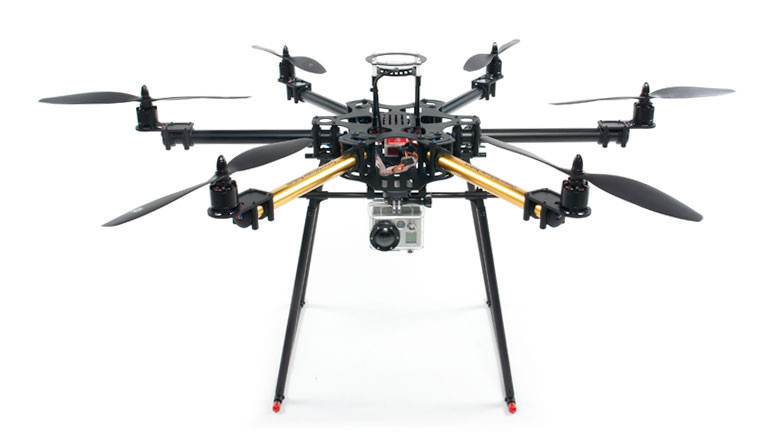
"caption": "The San Jose Police Department has purchased and would like to use a Century NEO 660 Hex-Rotor with a Go-Pro camera attached. (Credit: Century Helicopter Products)",
"description": "The San Jose Police Department has purchased and would like to use a Century NEO 660 Hex-Rotor with a Go-Pro camera attached. (Credit: Century Helicopter Products)",
"title": "RS13430_Century-NEO-660-2-qut",
"credit": null,
"status": "inherit",
"isLoading": false,
"fetchFailed": false
},
"news_10364785": {
"type": "attachments",
"id": "news_10364785",
"meta": {
"index": "attachments_1716263798",
"site": "news",
"id": "10364785",
"found": true
},
"parent": 10364784,
"imgSizes": {
"twentyfourteen-full-width": {
"file": "https://ww2.kqed.org/app/uploads/sites/10/2014/12/orion-launch_edit_slide-ae85f9f360fe7e19d0bb6daa0f98689833f22ec8-1038x576.jpg",
"width": 1038,
"mimeType": "image/jpeg",
"height": 576
},
"thumbnail": {
"file": "https://ww2.kqed.org/app/uploads/sites/10/2014/12/orion-launch_edit_slide-ae85f9f360fe7e19d0bb6daa0f98689833f22ec8-400x266.jpg",
"width": 400,
"mimeType": "image/jpeg",
"height": 266
},
"post-thumbnail": {
"file": "https://ww2.kqed.org/app/uploads/sites/10/2014/12/orion-launch_edit_slide-ae85f9f360fe7e19d0bb6daa0f98689833f22ec8-672x372.jpg",
"width": 672,
"mimeType": "image/jpeg",
"height": 372
},
"kqedFullSize": {
"file": "https://ww2.kqed.org/app/uploads/sites/10/2014/12/orion-launch_edit_slide-ae85f9f360fe7e19d0bb6daa0f98689833f22ec8-e1417706475425.jpg",
"width": 1440,
"height": 960
},
"large": {
"file": "https://ww2.kqed.org/app/uploads/sites/10/2014/12/orion-launch_edit_slide-ae85f9f360fe7e19d0bb6daa0f98689833f22ec8-1440x960.jpg",
"width": 1440,
"mimeType": "image/jpeg",
"height": 960
},
"guest-author-96": {
"file": "https://ww2.kqed.org/app/uploads/sites/10/2014/12/orion-launch_edit_slide-ae85f9f360fe7e19d0bb6daa0f98689833f22ec8-96x96.jpg",
"width": 96,
"mimeType": "image/jpeg",
"height": 96
},
"medium": {
"file": "https://ww2.kqed.org/app/uploads/sites/10/2014/12/orion-launch_edit_slide-ae85f9f360fe7e19d0bb6daa0f98689833f22ec8-800x533.jpg",
"width": 800,
"mimeType": "image/jpeg",
"height": 533
},
"guest-author-64": {
"file": "https://ww2.kqed.org/app/uploads/sites/10/2014/12/orion-launch_edit_slide-ae85f9f360fe7e19d0bb6daa0f98689833f22ec8-64x64.jpg",
"width": 64,
"mimeType": "image/jpeg",
"height": 64
},
"detail": {
"file": "https://ww2.kqed.org/app/uploads/sites/10/2014/12/orion-launch_edit_slide-ae85f9f360fe7e19d0bb6daa0f98689833f22ec8-75x75.jpg",
"width": 75,
"mimeType": "image/jpeg",
"height": 75
},
"guest-author-32": {
"file": "https://ww2.kqed.org/app/uploads/sites/10/2014/12/orion-launch_edit_slide-ae85f9f360fe7e19d0bb6daa0f98689833f22ec8-32x32.jpg",
"width": 32,
"mimeType": "image/jpeg",
"height": 32
},
"guest-author-128": {
"file": "https://ww2.kqed.org/app/uploads/sites/10/2014/12/orion-launch_edit_slide-ae85f9f360fe7e19d0bb6daa0f98689833f22ec8-128x128.jpg",
"width": 128,
"mimeType": "image/jpeg",
"height": 128
}
},
"publishDate": 1417543524,
"modified": 1417706512,
"caption": "The Orion capsule is poised to make its first test flight Thursday. If all goes as planned, the unmanned vehicle will orbit Earth twice before splashing into the Pacific Ocean. (NASA)",
"description": "The Orion capsule is poised to make its first test flight Thursday. If all goes as planned, the unmanned vehicle will orbit Earth twice before splashing into the Pacific Ocean.",
"title": "NASA-Orion",
"credit": null,
"status": "inherit",
"isLoading": false,
"fetchFailed": false
},
"news_92735": {
"type": "attachments",
"id": "news_92735",
"meta": {
"index": "attachments_1716263798",
"site": "news",
"id": "92735",
"found": true
},
"parent": 92727,
"imgSizes": {
"kqedFullSize": {
"file": "https://ww2.kqed.org/app/uploads/sites/10/2013/03/RS2263_SupremeCourt100311-e1412611481354.jpg",
"width": 1440,
"height": 987
}
},
"publishDate": 1364431584,
"modified": 1466708831,
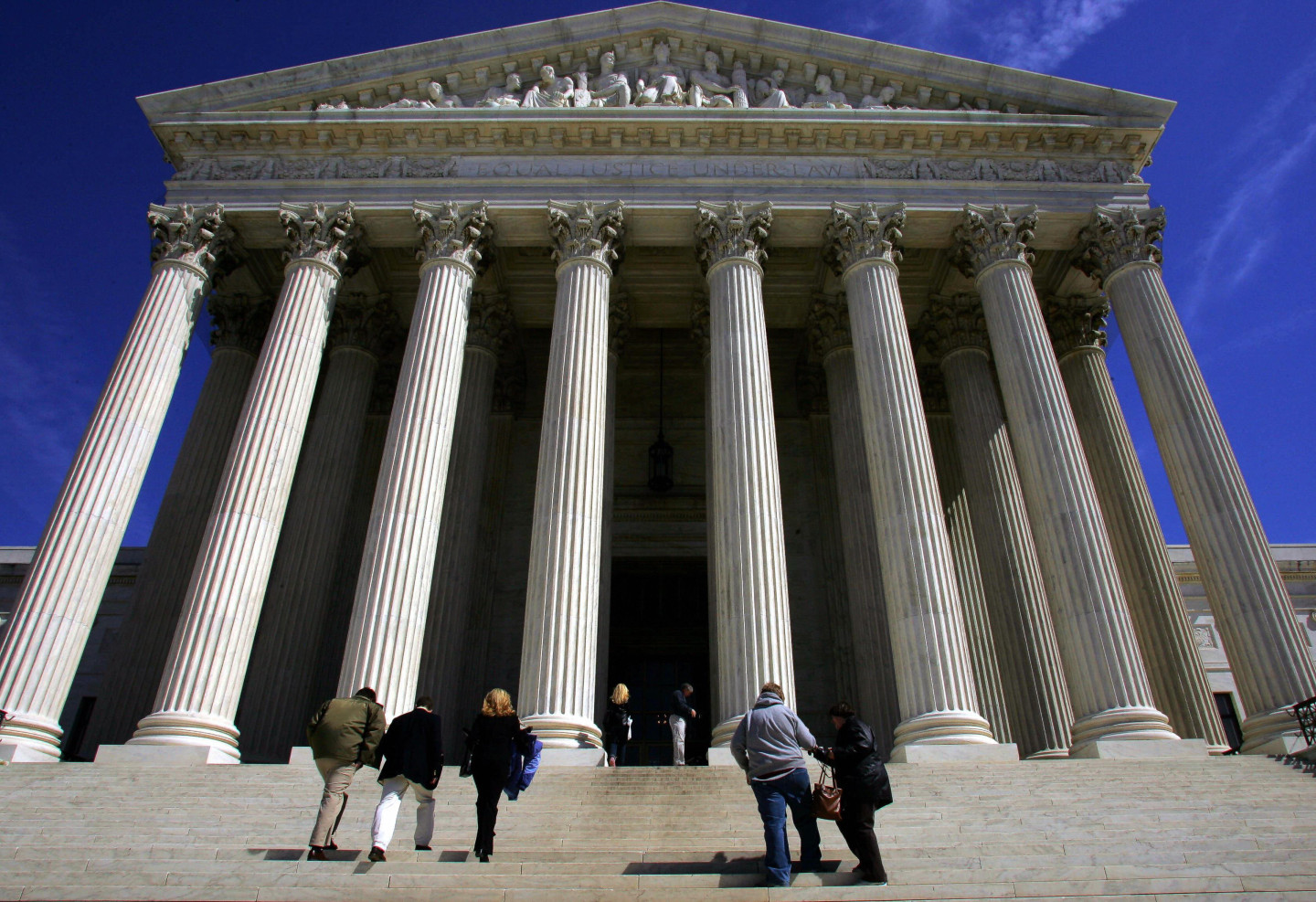
"caption": "The Supreme Court of the United States. ",
"description": "The Supreme Court of the United States. ",
"title": "U.S. Supreme Court",
"credit": "Paul J. Richards/AFP-Getty Images",
"status": "inherit",
"isLoading": false,
"fetchFailed": false
},
"news_10363661": {
"type": "attachments",
"id": "news_10363661",
"meta": {
"index": "attachments_1716263798",
"site": "news",
"id": "10363661",
"found": true
},
"parent": 10363657,
"imgSizes": {
"twentyfourteen-full-width": {
"file": "https://ww2.kqed.org/app/uploads/sites/10/2014/12/amazonrobots-1038x576.jpg",
"width": 1038,
"mimeType": "image/jpeg",
"height": 576
},
"thumbnail": {
"file": "https://ww2.kqed.org/app/uploads/sites/10/2014/12/amazonrobots-400x300.jpg",
"width": 400,
"mimeType": "image/jpeg",
"height": 300
},
"post-thumbnail": {
"file": "https://ww2.kqed.org/app/uploads/sites/10/2014/12/amazonrobots-672x372.jpg",
"width": 672,
"mimeType": "image/jpeg",
"height": 372
},
"kqedFullSize": {
"file": "https://ww2.kqed.org/app/uploads/sites/10/2014/12/amazonrobots-e1417467015970.jpg",
"width": 1440,
"height": 1084
},
"large": {
"file": "https://ww2.kqed.org/app/uploads/sites/10/2014/12/amazonrobots-1440x1083.jpg",
"width": 1440,
"mimeType": "image/jpeg",
"height": 1083
},
"guest-author-96": {
"file": "https://ww2.kqed.org/app/uploads/sites/10/2014/12/amazonrobots-96x96.jpg",
"width": 96,
"mimeType": "image/jpeg",
"height": 96
},
"medium": {
"file": "https://ww2.kqed.org/app/uploads/sites/10/2014/12/amazonrobots-800x601.jpg",
"width": 800,
"mimeType": "image/jpeg",
"height": 601
},
"guest-author-64": {
"file": "https://ww2.kqed.org/app/uploads/sites/10/2014/12/amazonrobots-64x64.jpg",
"width": 64,
"mimeType": "image/jpeg",
"height": 64
},
"detail": {
"file": "https://ww2.kqed.org/app/uploads/sites/10/2014/12/amazonrobots-75x75.jpg",
"width": 75,
"mimeType": "image/jpeg",
"height": 75
},
"guest-author-32": {
"file": "https://ww2.kqed.org/app/uploads/sites/10/2014/12/amazonrobots-32x32.jpg",
"width": 32,
"mimeType": "image/jpeg",
"height": 32
},
"guest-author-128": {
"file": "https://ww2.kqed.org/app/uploads/sites/10/2014/12/amazonrobots-128x128.jpg",
"width": 128,
"mimeType": "image/jpeg",
"height": 128
}
},
"publishDate": 1417466958,
"modified": 1417467009,
"caption": "An Amazon employee picks items from a Kiva robot. (Business Wire)",
"description": "An Amazon employee picks items from a Kiva robot. (Business Wire)",
"title": "Amazon Robots",
"credit": null,
"status": "inherit",
"isLoading": false,
"fetchFailed": false
},
"news_10355831": {
"type": "attachments",
"id": "news_10355831",
"meta": {
"index": "attachments_1716263798",
"site": "news",
"id": "10355831",
"found": true
},
"parent": 10355830,
"imgSizes": {
"twentyfourteen-full-width": {
"file": "https://ww2.kqed.org/app/uploads/sites/10/2014/11/453248108_wide-662889bb2bfa0e9f6f9e28f58c984221377b2fda-1038x576.jpg",
"width": 1038,
"mimeType": "image/jpeg",
"height": 576
},
"thumbnail": {
"file": "https://ww2.kqed.org/app/uploads/sites/10/2014/11/453248108_wide-662889bb2bfa0e9f6f9e28f58c984221377b2fda-400x225.jpg",
"width": 400,
"mimeType": "image/jpeg",
"height": 225
},
"post-thumbnail": {
"file": "https://ww2.kqed.org/app/uploads/sites/10/2014/11/453248108_wide-662889bb2bfa0e9f6f9e28f58c984221377b2fda-672x372.jpg",
"width": 672,
"mimeType": "image/jpeg",
"height": 372
},
"kqedFullSize": {
"file": "https://ww2.kqed.org/app/uploads/sites/10/2014/11/453248108_wide-662889bb2bfa0e9f6f9e28f58c984221377b2fda.jpg",
"width": 2097,
"height": 1181
},
"large": {
"file": "https://ww2.kqed.org/app/uploads/sites/10/2014/11/453248108_wide-662889bb2bfa0e9f6f9e28f58c984221377b2fda-1440x810.jpg",
"width": 1440,
"mimeType": "image/jpeg",
"height": 810
},
"guest-author-96": {
"file": "https://ww2.kqed.org/app/uploads/sites/10/2014/11/453248108_wide-662889bb2bfa0e9f6f9e28f58c984221377b2fda-96x96.jpg",
"width": 96,
"mimeType": "image/jpeg",
"height": 96
},
"medium": {
"file": "https://ww2.kqed.org/app/uploads/sites/10/2014/11/453248108_wide-662889bb2bfa0e9f6f9e28f58c984221377b2fda-800x450.jpg",
"width": 800,
"mimeType": "image/jpeg",
"height": 450
},
"guest-author-64": {
"file": "https://ww2.kqed.org/app/uploads/sites/10/2014/11/453248108_wide-662889bb2bfa0e9f6f9e28f58c984221377b2fda-64x64.jpg",
"width": 64,
"mimeType": "image/jpeg",
"height": 64
},
"detail": {
"file": "https://ww2.kqed.org/app/uploads/sites/10/2014/11/453248108_wide-662889bb2bfa0e9f6f9e28f58c984221377b2fda-75x75.jpg",
"width": 75,
"mimeType": "image/jpeg",
"height": 75
},
"guest-author-32": {
"file": "https://ww2.kqed.org/app/uploads/sites/10/2014/11/453248108_wide-662889bb2bfa0e9f6f9e28f58c984221377b2fda-32x32.jpg",
"width": 32,
"mimeType": "image/jpeg",
"height": 32
},
"guest-author-128": {
"file": "https://ww2.kqed.org/app/uploads/sites/10/2014/11/453248108_wide-662889bb2bfa0e9f6f9e28f58c984221377b2fda-128x128.jpg",
"width": 128,
"mimeType": "image/jpeg",
"height": 128
}
},
"publishDate": 1416934866,
"modified": 1416934866,
"caption": null,
"description": "Facebook may not create stories, but it's the largest distributor of news stories for many news organizations.",
"title": "Facebook may not create stories, but it's the largest distributor of news stories for many news organizations.",
"credit": null,
"status": "inherit",
"isLoading": false,
"fetchFailed": false
},
"news_10349365": {
"type": "attachments",
"id": "news_10349365",
"meta": {
"index": "attachments_1716263798",
"site": "news",
"id": "10349365",
"found": true
},
"parent": 10349348,
"imgSizes": {
"twentyfourteen-full-width": {
"file": "https://ww2.kqed.org/app/uploads/sites/10/2014/11/454963848-1038x576.jpg",
"width": 1038,
"mimeType": "image/jpeg",
"height": 576
},
"thumbnail": {
"file": "https://ww2.kqed.org/app/uploads/sites/10/2014/11/454963848-400x266.jpg",
"width": 400,
"mimeType": "image/jpeg",
"height": 266
},
"post-thumbnail": {
"file": "https://ww2.kqed.org/app/uploads/sites/10/2014/11/454963848-672x372.jpg",
"width": 672,
"mimeType": "image/jpeg",
"height": 372
},
"kqedFullSize": {
"file": "https://ww2.kqed.org/app/uploads/sites/10/2014/11/454963848-e1416354041919.jpg",
"width": 1440,
"height": 958
},
"large": {
"file": "https://ww2.kqed.org/app/uploads/sites/10/2014/11/454963848-1440x958.jpg",
"width": 1440,
"mimeType": "image/jpeg",
"height": 958
},
"guest-author-96": {
"file": "https://ww2.kqed.org/app/uploads/sites/10/2014/11/454963848-96x96.jpg",
"width": 96,
"mimeType": "image/jpeg",
"height": 96
},
"medium": {
"file": "https://ww2.kqed.org/app/uploads/sites/10/2014/11/454963848-800x532.jpg",
"width": 800,
"mimeType": "image/jpeg",
"height": 532
},
"guest-author-64": {
"file": "https://ww2.kqed.org/app/uploads/sites/10/2014/11/454963848-64x64.jpg",
"width": 64,
"mimeType": "image/jpeg",
"height": 64
},
"detail": {
"file": "https://ww2.kqed.org/app/uploads/sites/10/2014/11/454963848-75x75.jpg",
"width": 75,
"mimeType": "image/jpeg",
"height": 75
},
"guest-author-32": {
"file": "https://ww2.kqed.org/app/uploads/sites/10/2014/11/454963848-32x32.jpg",
"width": 32,
"mimeType": "image/jpeg",
"height": 32
},
"guest-author-128": {
"file": "https://ww2.kqed.org/app/uploads/sites/10/2014/11/454963848-128x128.jpg",
"width": 128,
"mimeType": "image/jpeg",
"height": 128
}
},
"publishDate": 1416353940,
"modified": 1486080289,
"caption": "Uber CEO Travis Kalanick in September 2014 appearance at TechCrunch Disrupt in San Francisco. ",
"description": "SAN FRANCISCO, CA - SEPTEMBER 08: Uber CEO Travis Kalanick speaks onstage at TechCrunch Discrupt at Pier 48 on September 8, 2014 in San Francisco, California. (Photo by Steve Jennings/Getty Images for TechCrunch)",
"title": "Travis Kalanick-Uber",
"credit": "Steve Jennings/Getty Images",
"status": "inherit",
"isLoading": false,
"fetchFailed": false
},
"news_10348123": {
"type": "attachments",
"id": "news_10348123",
"meta": {
"index": "attachments_1716263798",
"site": "news",
"id": "10348123",
"found": true
},
"parent": 10348111,
"imgSizes": {
"twentyfourteen-full-width": {
"file": "https://ww2.kqed.org/app/uploads/sites/10/2014/11/RS6505_176595128-lpr-1038x576.jpg",
"width": 1038,
"mimeType": "image/jpeg",
"height": 576
},
"thumbnail": {
"file": "https://ww2.kqed.org/app/uploads/sites/10/2014/11/RS6505_176595128-lpr-400x266.jpg",
"width": 400,
"mimeType": "image/jpeg",
"height": 266
},
"post-thumbnail": {
"file": "https://ww2.kqed.org/app/uploads/sites/10/2014/11/RS6505_176595128-lpr-672x372.jpg",
"width": 672,
"mimeType": "image/jpeg",
"height": 372
},
"kqedFullSize": {
"file": "https://ww2.kqed.org/app/uploads/sites/10/2014/11/RS6505_176595128-lpr-e1415757285456.jpg",
"width": 1440,
"height": 960
},
"large": {
"file": "https://ww2.kqed.org/app/uploads/sites/10/2014/11/RS6505_176595128-lpr-1440x960.jpg",
"width": 1440,
"mimeType": "image/jpeg",
"height": 960
},
"guest-author-96": {
"file": "https://ww2.kqed.org/app/uploads/sites/10/2014/11/RS6505_176595128-lpr-96x96.jpg",
"width": 96,
"mimeType": "image/jpeg",
"height": 96
},
"medium": {
"file": "https://ww2.kqed.org/app/uploads/sites/10/2014/11/RS6505_176595128-lpr-800x533.jpg",
"width": 800,
"mimeType": "image/jpeg",
"height": 533
},
"guest-author-64": {
"file": "https://ww2.kqed.org/app/uploads/sites/10/2014/11/RS6505_176595128-lpr-64x64.jpg",
"width": 64,
"mimeType": "image/jpeg",
"height": 64
},
"detail": {
"file": "https://ww2.kqed.org/app/uploads/sites/10/2014/11/RS6505_176595128-lpr-75x75.jpg",
"width": 75,
"mimeType": "image/jpeg",
"height": 75
},
"guest-author-32": {
"file": "https://ww2.kqed.org/app/uploads/sites/10/2014/11/RS6505_176595128-lpr-32x32.jpg",
"width": 32,
"mimeType": "image/jpeg",
"height": 32
},
"guest-author-128": {
"file": "https://ww2.kqed.org/app/uploads/sites/10/2014/11/RS6505_176595128-lpr-128x128.jpg",
"width": 128,
"mimeType": "image/jpeg",
"height": 128
}
},
"publishDate": 1415757269,
"modified": 1541182483,
"caption": null,
"description": null,
"title": "surveillance camera",
"credit": "Getty Images",
"status": "inherit",
"isLoading": false,
"fetchFailed": false
},
"news_10347909": {
"type": "attachments",
"id": "news_10347909",
"meta": {
"index": "attachments_1716263798",
"site": "news",
"id": "10347909",
"found": true
},
"parent": 10347903,
"imgSizes": {
"twentyfourteen-full-width": {
"file": "https://ww2.kqed.org/app/uploads/sites/10/2014/11/Internet-1038x576.jpg",
"width": 1038,
"mimeType": "image/jpeg",
"height": 576
},
"thumbnail": {
"file": "https://ww2.kqed.org/app/uploads/sites/10/2014/11/Internet-400x266.jpg",
"width": 400,
"mimeType": "image/jpeg",
"height": 266
},
"post-thumbnail": {
"file": "https://ww2.kqed.org/app/uploads/sites/10/2014/11/Internet-672x372.jpg",
"width": 672,
"mimeType": "image/jpeg",
"height": 372
},
"kqedFullSize": {
"file": "https://ww2.kqed.org/app/uploads/sites/10/2014/11/Internet-e1415656597881.jpg",
"width": 1440,
"height": 960
},
"large": {
"file": "https://ww2.kqed.org/app/uploads/sites/10/2014/11/Internet-1440x959.jpg",
"width": 1440,
"mimeType": "image/jpeg",
"height": 959
},
"guest-author-96": {
"file": "https://ww2.kqed.org/app/uploads/sites/10/2014/11/Internet-96x96.jpg",
"width": 96,
"mimeType": "image/jpeg",
"height": 96
},
"medium": {
"file": "https://ww2.kqed.org/app/uploads/sites/10/2014/11/Internet-800x533.jpg",
"width": 800,
"mimeType": "image/jpeg",
"height": 533
},
"guest-author-64": {
"file": "https://ww2.kqed.org/app/uploads/sites/10/2014/11/Internet-64x64.jpg",
"width": 64,
"mimeType": "image/jpeg",
"height": 64
},
"detail": {
"file": "https://ww2.kqed.org/app/uploads/sites/10/2014/11/Internet-75x75.jpg",
"width": 75,
"mimeType": "image/jpeg",
"height": 75
},
"guest-author-32": {
"file": "https://ww2.kqed.org/app/uploads/sites/10/2014/11/Internet-32x32.jpg",
"width": 32,
"mimeType": "image/jpeg",
"height": 32
},
"guest-author-128": {
"file": "https://ww2.kqed.org/app/uploads/sites/10/2014/11/Internet-128x128.jpg",
"width": 128,
"mimeType": "image/jpeg",
"height": 128
}
},
"publishDate": 1415656588,
"modified": 1468255562,
"caption": "Students using laptops and other connected devices.",
"description": "Computers",
"title": "Computers",
"credit": "Chip Somodevilla/Getty Images",
"status": "inherit",
"isLoading": false,
"fetchFailed": false
},
"news_10347591": {
"type": "attachments",
"id": "news_10347591",
"meta": {
"index": "attachments_1716263798",
"site": "news",
"id": "10347591",
"found": true
},
"parent": 10345751,
"imgSizes": {
"twentyfourteen-full-width": {
"file": "https://ww2.kqed.org/app/uploads/sites/10/2014/11/HondaElated-1038x576.jpg",
"width": 1038,
"mimeType": "image/jpeg",
"height": 576
},
"thumbnail": {
"file": "https://ww2.kqed.org/app/uploads/sites/10/2014/11/HondaElated-400x400.jpg",
"width": 400,
"mimeType": "image/jpeg",
"height": 400
},
"post-thumbnail": {
"file": "https://ww2.kqed.org/app/uploads/sites/10/2014/11/HondaElated-672x372.jpg",
"width": 672,
"mimeType": "image/jpeg",
"height": 372
},
"kqedFullSize": {
"file": "https://ww2.kqed.org/app/uploads/sites/10/2014/11/HondaElated-e1415391753410.jpg",
"width": 1440,
"height": 1440
},
"large": {
"file": "https://ww2.kqed.org/app/uploads/sites/10/2014/11/HondaElated-1440x1440.jpg",
"width": 1440,
"mimeType": "image/jpeg",
"height": 1440
},
"guest-author-96": {
"file": "https://ww2.kqed.org/app/uploads/sites/10/2014/11/HondaElated-96x96.jpg",
"width": 96,
"mimeType": "image/jpeg",
"height": 96
},
"medium": {
"file": "https://ww2.kqed.org/app/uploads/sites/10/2014/11/HondaElated-800x800.jpg",
"width": 800,
"mimeType": "image/jpeg",
"height": 800
},
"guest-author-64": {
"file": "https://ww2.kqed.org/app/uploads/sites/10/2014/11/HondaElated-64x64.jpg",
"width": 64,
"mimeType": "image/jpeg",
"height": 64
},
"detail": {
"file": "https://ww2.kqed.org/app/uploads/sites/10/2014/11/HondaElated-75x75.jpg",
"width": 75,
"mimeType": "image/jpeg",
"height": 75
},
"guest-author-32": {
"file": "https://ww2.kqed.org/app/uploads/sites/10/2014/11/HondaElated-32x32.jpg",
"width": 32,
"mimeType": "image/jpeg",
"height": 32
},
"guest-author-128": {
"file": "https://ww2.kqed.org/app/uploads/sites/10/2014/11/HondaElated-128x128.jpg",
"width": 128,
"mimeType": "image/jpeg",
"height": 128
}
},
"publishDate": 1415389926,
"modified": 1415391754,
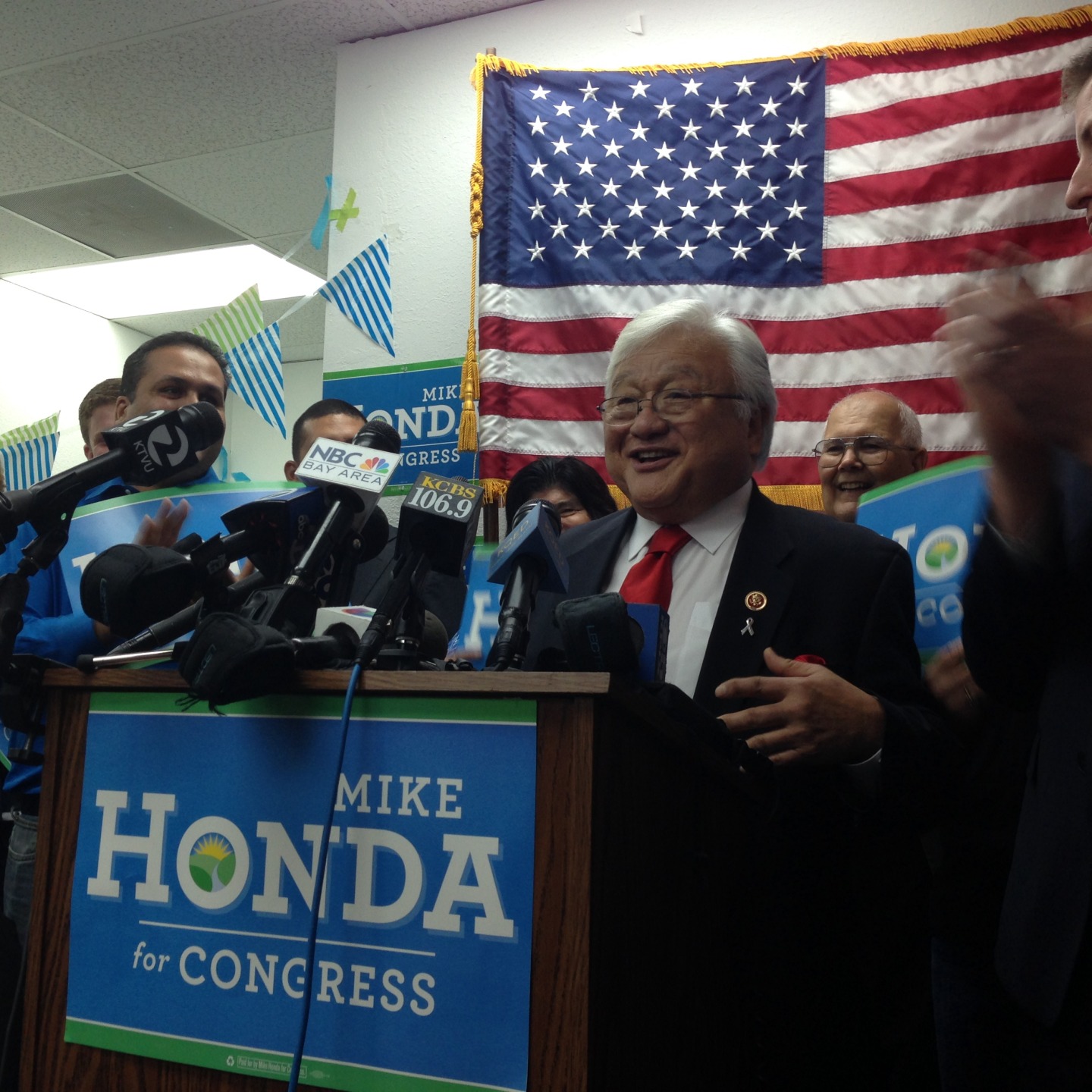
"caption": "Congressman Mike Honda declares victory in the 17th District, with a 5 percent lead but thousands of votes yet to be counted. (Rachael Myrow/KQED)",
"description": "Congressman Mike Honda declares victory in the 17th District, with a 5 percent lead but thousands of votes yet to be counted. (Rachael Myrow/KQED)",
"title": "HondaElated",
"credit": null,
"status": "inherit",
"isLoading": false,
"fetchFailed": false
},
"news_10346858": {
"type": "attachments",
"id": "news_10346858",
"meta": {
"index": "attachments_1716263798",
"site": "news",
"id": "10346858",
"found": true
},
"parent": 10346824,
"imgSizes": {
"twentyfourteen-full-width": {
"file": "https://ww2.kqed.org/app/uploads/sites/10/2014/11/Sorting-VBM-1038x576.jpg",
"width": 1038,
"mimeType": "image/jpeg",
"height": 576
},
"thumbnail": {
"file": "https://ww2.kqed.org/app/uploads/sites/10/2014/11/Sorting-VBM-400x300.jpg",
"width": 400,
"mimeType": "image/jpeg",
"height": 300
},
"post-thumbnail": {
"file": "https://ww2.kqed.org/app/uploads/sites/10/2014/11/Sorting-VBM-672x372.jpg",
"width": 672,
"mimeType": "image/jpeg",
"height": 372
},
"kqedFullSize": {
"file": "https://ww2.kqed.org/app/uploads/sites/10/2014/11/Sorting-VBM.jpg",
"width": 1280,
"height": 960
},
"guest-author-96": {
"file": "https://ww2.kqed.org/app/uploads/sites/10/2014/11/Sorting-VBM-96x96.jpg",
"width": 96,
"mimeType": "image/jpeg",
"height": 96
},
"medium": {
"file": "https://ww2.kqed.org/app/uploads/sites/10/2014/11/Sorting-VBM-800x600.jpg",
"width": 800,
"mimeType": "image/jpeg",
"height": 600
},
"guest-author-64": {
"file": "https://ww2.kqed.org/app/uploads/sites/10/2014/11/Sorting-VBM-64x64.jpg",
"width": 64,
"mimeType": "image/jpeg",
"height": 64
},
"detail": {
"file": "https://ww2.kqed.org/app/uploads/sites/10/2014/11/Sorting-VBM-75x75.jpg",
"width": 75,
"mimeType": "image/jpeg",
"height": 75
},
"guest-author-32": {
"file": "https://ww2.kqed.org/app/uploads/sites/10/2014/11/Sorting-VBM-32x32.jpg",
"width": 32,
"mimeType": "image/jpeg",
"height": 32
},
"guest-author-128": {
"file": "https://ww2.kqed.org/app/uploads/sites/10/2014/11/Sorting-VBM-128x128.jpg",
"width": 128,
"mimeType": "image/jpeg",
"height": 128
}
},
"publishDate": 1415127808,
"modified": 1415678201,
"caption": "It takes weeks to sort through the vote-by-mail ballots before Election Day. (Beth Willon/KQED)",
"description": "It takes weeks to sort through the vote by mail ballots before election day. (Beth Willon/KQED)",
"title": "Sort Vote by Mail ballots",
"credit": null,
"status": "inherit",
"isLoading": false,
"fetchFailed": false
},
"news_10346482": {
"type": "attachments",
"id": "news_10346482",
"meta": {
"index": "attachments_1716263798",
"site": "news",
"id": "10346482",
"found": true
},
"parent": 10346480,
"imgSizes": {
"twentyfourteen-full-width": {
"file": "https://ww2.kqed.org/app/uploads/sites/10/2014/11/458290662-1038x576.jpg",
"width": 1038,
"mimeType": "image/jpeg",
"height": 576
},
"thumbnail": {
"file": "https://ww2.kqed.org/app/uploads/sites/10/2014/11/458290662-400x266.jpg",
"width": 400,
"mimeType": "image/jpeg",
"height": 266
},
"post-thumbnail": {
"file": "https://ww2.kqed.org/app/uploads/sites/10/2014/11/458290662-672x372.jpg",
"width": 672,
"mimeType": "image/jpeg",
"height": 372
},
"kqedFullSize": {
"file": "https://ww2.kqed.org/app/uploads/sites/10/2014/11/458290662-e1415032232114.jpg",
"width": 1440,
"height": 960
},
"large": {
"file": "https://ww2.kqed.org/app/uploads/sites/10/2014/11/458290662-1440x960.jpg",
"width": 1440,
"mimeType": "image/jpeg",
"height": 960
},
"guest-author-96": {
"file": "https://ww2.kqed.org/app/uploads/sites/10/2014/11/458290662-96x96.jpg",
"width": 96,
"mimeType": "image/jpeg",
"height": 96
},
"medium": {
"file": "https://ww2.kqed.org/app/uploads/sites/10/2014/11/458290662-800x533.jpg",
"width": 800,
"mimeType": "image/jpeg",
"height": 533
},
"guest-author-64": {
"file": "https://ww2.kqed.org/app/uploads/sites/10/2014/11/458290662-64x64.jpg",
"width": 64,
"mimeType": "image/jpeg",
"height": 64
},
"detail": {
"file": "https://ww2.kqed.org/app/uploads/sites/10/2014/11/458290662-75x75.jpg",
"width": 75,
"mimeType": "image/jpeg",
"height": 75
},
"guest-author-32": {
"file": "https://ww2.kqed.org/app/uploads/sites/10/2014/11/458290662-32x32.jpg",
"width": 32,
"mimeType": "image/jpeg",
"height": 32
},
"guest-author-128": {
"file": "https://ww2.kqed.org/app/uploads/sites/10/2014/11/458290662-128x128.jpg",
"width": 128,
"mimeType": "image/jpeg",
"height": 128
}
},
"publishDate": 1415032126,
"modified": 1438100611,
"caption": "Kern County sheriff's deputies inspect part of the wreckage of Virgin Galactic's SpaceShipTwo, which crashed on a test flight over the Mojave Desert. ",
"description": "MOJAVE, CA - NOVEMBER 2 : Sheriff's deputies inspect the wreckage of the Virgin Galactic SpaceShip 2 in a desert field November 2, 2014 north of Mojave, California on The Virgin Galactic SpaceShip 2 crashed on October 31, 2014 during a test flight, killing one pilot and seriously injuring another. (Photo by Sandy Huffaker/Getty Images)",
"title": "SpaceShipTwo Crash",
"credit": "Sandy Huffaker/Getty Images",
"status": "inherit",
"isLoading": false,
"fetchFailed": false
}
},
"audioPlayerReducer": {
"postId": "stream_live",
"isPaused": true,
"isPlaying": false,
"pfsActive": false,
"pledgeModalIsOpen": true,
"playerDrawerIsOpen": false,
"liveAudioPlayStartedAt": 0,
"liveAudioPlayContext": ""
},
"authorsReducer": {
"byline_news_10367139": {
"type": "authors",
"id": "byline_news_10367139",
"meta": {
"override": true
},
"slug": "byline_news_10367139",
"name": "Scott Neuman\u003cbr />NPR",
"isLoading": false
},
"byline_news_10363666": {
"type": "authors",
"id": "byline_news_10363666",
"meta": {
"override": true
},
"slug": "byline_news_10363666",
"name": "\u003ca href=\"https://twitter.com/samhananelap\" target=\"_blank\">Sam Hananel\u003c/a>\u003cbr />Associated Press",
"isLoading": false
},
"byline_news_10363657": {
"type": "authors",
"id": "byline_news_10363657",
"meta": {
"override": true
},
"slug": "byline_news_10363657",
"name": "Rachael Myrow",
"isLoading": false
},
"byline_news_10355830": {
"type": "authors",
"id": "byline_news_10355830",
"meta": {
"override": true
},
"slug": "byline_news_10355830",
"name": "Elise Hu",
"isLoading": false
},
"byline_news_10347903": {
"type": "authors",
"id": "byline_news_10347903",
"meta": {
"override": true
},
"slug": "byline_news_10347903",
"name": "Associated Press \u003cbr /> KQED News ",
"isLoading": false
},
"byline_news_10346480": {
"type": "authors",
"id": "byline_news_10346480",
"meta": {
"override": true
},
"slug": "byline_news_10346480",
"name": "Brian Melley\u003cbr />Associated Press",
"isLoading": false
},
"danbrekke": {
"type": "authors",
"id": "222",
"meta": {
"index": "authors_1716337520",
"id": "222",
"found": true
},
"name": "Dan Brekke",
"firstName": "Dan",
"lastName": "Brekke",
"slug": "danbrekke",
"email": "dbrekke@kqed.org",
"display_author_email": true,
"staff_mastheads": [
"news",
"science"
],
"title": "KQED Editor and Reporter",
"bio": "Dan Brekke is a reporter and editor for KQED News, responsible for coverage of topics ranging from California water issues to the Bay Area's transportation challenges. In a newsroom career that began in Chicago in 1972, Dan has worked for \u003cem>The San Francisco Examiner,\u003c/em> Wired and TechTV and has been published in The New York Times, The New York Times Magazine, Business 2.0, Salon and elsewhere.\r\n\r\nSince joining KQED in 2007, Dan has reported, edited and produced both radio and online features and breaking news pieces. He has shared as both editor and reporter in four Society of Professional Journalists Norcal Excellence in Journalism awards and one Edward R. Murrow regional award. He was chosen for a spring 2017 residency at the Mesa Refuge to advance his research on California salmon.\r\n\r\nEmail Dan at: \u003ca href=\"mailto:dbrekke@kqed.org\">dbrekke@kqed.org\u003c/a>\r\n\r\n\u003cstrong>Twitter:\u003c/strong> \u003ca href=\"https://twitter.com/danbrekke\" rel=\"noopener noreferrer\">twitter.com/danbrekke\u003c/a>\r\n\u003cstrong>Facebook:\u003c/strong> \u003ca href=\"https://www.facebook.com/danbrekke\" rel=\"noopener noreferrer\">www.facebook.com/danbrekke\u003c/a>\r\n\u003cstrong>LinkedIn:\u003c/strong> \u003ca href=\"https://www.linkedin.com/in/danbrekke\" rel=\"noopener noreferrer\">www.linkedin.com/in/danbrekke\u003c/a>",
"avatar": "https://secure.gravatar.com/avatar/8f1f0d2a978fb3b23426c922c7e2af558fa36905b49c4ce76a97dc3c72d27226?s=600&d=mm&r=g",
"twitter": "danbrekke",
"bluesky": null,
"facebook": null,
"instagram": "https://www.instagram.com/dan.brekke/",
"linkedin": "https://www.linkedin.com/in/danbrekke/",
"sites": [
{
"site": "news",
"roles": [
"administrator",
"create_posts"
]
},
{
"site": "stateofhealth",
"roles": [
"editor"
]
},
{
"site": "science",
"roles": [
"editor"
]
},
{
"site": "quest",
"roles": [
"contributor"
]
},
{
"site": "food",
"roles": [
"contributor"
]
},
{
"site": "forum",
"roles": [
"contributor"
]
},
{
"site": "elections",
"roles": [
"editor"
]
},
{
"site": "liveblog",
"roles": [
"editor"
]
}
],
"headData": {
"title": "Dan Brekke | KQED",
"description": "KQED Editor and Reporter",
"ogImgSrc": "https://secure.gravatar.com/avatar/8f1f0d2a978fb3b23426c922c7e2af558fa36905b49c4ce76a97dc3c72d27226?s=600&d=mm&r=g",
"twImgSrc": "https://secure.gravatar.com/avatar/8f1f0d2a978fb3b23426c922c7e2af558fa36905b49c4ce76a97dc3c72d27226?s=600&d=mm&r=g"
},
"isLoading": false,
"link": "/author/danbrekke"
},
"rachael-myrow": {
"type": "authors",
"id": "251",
"meta": {
"index": "authors_1716337520",
"id": "251",
"found": true
},
"name": "Rachael Myrow",
"firstName": "Rachael",
"lastName": "Myrow",
"slug": "rachael-myrow",
"email": "rmyrow@kqed.org",
"display_author_email": true,
"staff_mastheads": [
"news"
],
"title": "Senior Editor of KQED's Silicon Valley News Desk",
"bio": "• I write and edit stories about how Silicon Valley power and policies shape everyday life in California. I’m also passionate about making Bay Area history and culture more accessible to a broad public. • I’ve been a journalist for most of my life, starting in high school with The Franklin Press in Los Angeles, where I grew up. While earning my first degree in English at UC Berkeley, I got my start in public radio at KALX-FM. After completing a second degree in journalism at Cal, I landed my first professional job at Marketplace, then moved on to KPCC (now LAist), and then KQED, where I hosted The California Report for more than seven years. • My reporting has appeared on NPR, The World, WBUR’s \u003ci>Here & Now\u003c/i>, and the BBC. I also guest host for KQED’s \u003ci>Forum\u003c/i>, as well as the Commonwealth Club in San Francisco. • I speak periodically on media, democracy and technology issues, and do voiceover work for documentaries and educational video projects. • Outside of the studio, you'll find me hiking Bay Area trails and whipping up Insta-ready meals in my kitchen. • I do not accept gifts, money, or favors from anyone connected to my reporting, I don't pay people for information, and I do not support or donate to political causes. • I strive to treat the people I report on with fairness, honesty, and respect. I also recognize there are often multiple sides to a story and work to verify information through multiple sources and documentation. If I get something wrong, I correct it.",
"avatar": "https://secure.gravatar.com/avatar/3ed8a3c5f26025e4a805ba634cda8cd764906b97438a6d9ce216b044e340da4e?s=600&d=blank&r=g",
"twitter": "rachaelmyrow",
"bluesky": null,
"facebook": null,
"instagram": null,
"linkedin": "https://www.linkedin.com/in/rachaelmyrow/",
"sites": [
{
"site": "arts",
"roles": [
"administrator"
]
},
{
"site": "news",
"roles": [
"edit_others_posts",
"editor"
]
},
{
"site": "futureofyou",
"roles": [
"editor"
]
},
{
"site": "bayareabites",
"roles": [
"editor"
]
},
{
"site": "stateofhealth",
"roles": [
"editor"
]
},
{
"site": "science",
"roles": [
"editor"
]
},
{
"site": "food",
"roles": [
"editor"
]
},
{
"site": "forum",
"roles": [
"editor"
]
},
{
"site": "liveblog",
"roles": [
"author"
]
}
],
"headData": {
"title": "Rachael Myrow | KQED",
"description": "Senior Editor of KQED's Silicon Valley News Desk",
"ogImgSrc": "https://secure.gravatar.com/avatar/3ed8a3c5f26025e4a805ba634cda8cd764906b97438a6d9ce216b044e340da4e?s=600&d=blank&r=g",
"twImgSrc": "https://secure.gravatar.com/avatar/3ed8a3c5f26025e4a805ba634cda8cd764906b97438a6d9ce216b044e340da4e?s=600&d=blank&r=g"
},
"isLoading": false,
"link": "/author/rachael-myrow"
},
"scottshafer": {
"type": "authors",
"id": "255",
"meta": {
"index": "authors_1716337520",
"id": "255",
"found": true
},
"name": "Scott Shafer",
"firstName": "Scott",
"lastName": "Shafer",
"slug": "scottshafer",
"email": "sshafer@kqed.org",
"display_author_email": false,
"staff_mastheads": [
"news"
],
"title": "KQED Contributor",
"bio": "Scott Shafer is a senior editor with the KQED Politics and Government desk. He is co-host of Political Breakdown, the award-winning radio show and podcast with a personal take on the world of politics. Scott came to KQED in 1998 to host the statewide\u003cem> California Report\u003c/em>. Prior to that he had extended stints in politics and government\u003cem>.\u003c/em> He uses that inside experience at KQED in his, reporting, hosting and analysis for the politics desk. Scott collaborated \u003cem>Political Breakdown a\u003c/em>nd on \u003cem>The Political Mind of Jerry Brown, \u003c/em>an eight-part series about the life and extraordinary political career of the former governor. For fun, he plays water polo with the San Francisco Tsunami.",
"avatar": "https://secure.gravatar.com/avatar/a62ebae45b79d7aed1a39a0e3bf68104?s=600&d=blank&r=g",
"twitter": "scottshafer",
"bluesky": null,
"facebook": null,
"instagram": null,
"linkedin": null,
"sites": [
{
"site": "news",
"roles": [
"editor"
]
},
{
"site": "stateofhealth",
"roles": [
"author"
]
},
{
"site": "science",
"roles": [
"author"
]
},
{
"site": "forum",
"roles": [
"subscriber"
]
},
{
"site": "liveblog",
"roles": [
"author"
]
}
],
"headData": {
"title": "Scott Shafer | KQED",
"description": "KQED Contributor",
"ogImgSrc": "https://secure.gravatar.com/avatar/a62ebae45b79d7aed1a39a0e3bf68104?s=600&d=blank&r=g",
"twImgSrc": "https://secure.gravatar.com/avatar/a62ebae45b79d7aed1a39a0e3bf68104?s=600&d=blank&r=g"
},
"isLoading": false,
"link": "/author/scottshafer"
},
"scuevas": {
"type": "authors",
"id": "2600",
"meta": {
"index": "authors_1716337520",
"id": "2600",
"found": true
},
"name": "Steven Cuevas",
"firstName": "Steven",
"lastName": "Cuevas",
"slug": "scuevas",
"email": "scuevas@kqed.org",
"display_author_email": false,
"staff_mastheads": [],
"title": "KQED Contributor",
"bio": "Steven is a former Los Angeles bureau chief for The California Report.\r\n\r\nHe reports on an array of issues across the Southland, from immigration and regional politics to religion, the performing arts and pop culture.\r\n\r\nPrior to joining KQED in 2012, Steven covered Inland southern California for KPCC in Pasadena. He also helped establish the first newsroom at \u003ca href=\"http://kut.org/\">KUT\u003c/a> in Austin, Texas where he was a general assignment reporter.\r\n\r\nSteven has received numerous awards for his reporting including an RTNDA Edward R. Murrow Award for investigative reporting in addition to awards from the LA Press Club, the Associated Press and the Society for Professional Journalists.\r\n\r\nSteven grew up in and around San Francisco and now lives in Pasadena just a short jog from the foot of the San Gabriel Mountains.",
"avatar": "https://secure.gravatar.com/avatar/2d253580794f8e026100fae05cfabbbd4889b4fe15146146cacb82a01974c538?s=600&d=blank&r=g",
"twitter": null,
"bluesky": null,
"facebook": null,
"instagram": null,
"linkedin": null,
"sites": [
{
"site": "news",
"roles": [
"subscriber"
]
}
],
"headData": {
"title": "Steven Cuevas | KQED",
"description": "KQED Contributor",
"ogImgSrc": "https://secure.gravatar.com/avatar/2d253580794f8e026100fae05cfabbbd4889b4fe15146146cacb82a01974c538?s=600&d=blank&r=g",
"twImgSrc": "https://secure.gravatar.com/avatar/2d253580794f8e026100fae05cfabbbd4889b4fe15146146cacb82a01974c538?s=600&d=blank&r=g"
},
"isLoading": false,
"link": "/author/scuevas"
},
"bwillon": {
"type": "authors",
"id": "3207",
"meta": {
"index": "authors_1716337520",
"id": "3207",
"found": true
},
"name": "Beth Willon",
"firstName": "Beth",
"lastName": "Willon",
"slug": "bwillon",
"email": "bwillon@kqed.org",
"display_author_email": false,
"staff_mastheads": [],
"title": "KQED Contributor",
"bio": "Beth Willon is a former senior reporter for KQED's Silicon Valley News Desk in San Jose. (@KQEDNews )\r\n\r\n@BethWillon",
"avatar": "https://secure.gravatar.com/avatar/3533b741c785d6a97e8b283e7f65606d?s=600&d=blank&r=g",
"twitter": null,
"facebook": null,
"instagram": null,
"linkedin": null,
"sites": [
{
"site": "news",
"roles": [
"subscriber"
]
}
],
"headData": {
"title": "Beth Willon | KQED",
"description": "KQED Contributor",
"ogImgSrc": "https://secure.gravatar.com/avatar/3533b741c785d6a97e8b283e7f65606d?s=600&d=blank&r=g",
"twImgSrc": "https://secure.gravatar.com/avatar/3533b741c785d6a97e8b283e7f65606d?s=600&d=blank&r=g"
},
"isLoading": false,
"link": "/author/bwillon"
}
},
"pagesReducer": {
"news_category_technology": {
"type": "terms",
"id": "news_248",
"meta": {
"index": "terms_1716263798",
"site": "news",
"id": "248",
"score": 10.93111
},
"featImg": null,
"name": "Technology",
"description": null,
"taxonomy": "category",
"headData": {
"twImgId": null,
"twTitle": null,
"ogTitle": null,
"ogImgId": null,
"twDescription": null,
"description": null,
"title": "Technology Archives | KQED News",
"ogDescription": null
},
"ttid": 256,
"slug": "technology",
"isLoading": false,
"title": "Technology",
"pageMeta": {
"site": "news",
"WpPageTemplate": "page-topic-editorial",
"currentPage": 149
},
"blocks": [
{
"blockName": "kqed/post-list",
"attrs": {
"layout": "cardArticle2",
"query": "posts/news?category=technology",
"seeMore": false,
"paginated": true,
"page": 149
}
},
{
"blockName": "kqed/ad"
}
]
}
},
"pfsSessionReducer": {},
"postsReducer": {
"stream_live": {
"type": "live",
"id": "stream_live",
"audioUrl": "https://streams.kqed.org/kqedradio",
"title": "Live Stream",
"excerpt": "Live Stream information currently unavailable.",
"link": "/radio",
"featImg": "",
"label": {
"name": "KQED Live",
"link": "/"
}
},
"stream_kqedNewscast": {
"type": "posts",
"id": "stream_kqedNewscast",
"audioUrl": "https://www.kqed.org/.stream/anon/radio/RDnews/newscast.mp3?_=1",
"title": "KQED Newscast",
"featImg": "",
"label": {
"name": "88.5 FM",
"link": "/"
}
},
"news_10374033": {
"type": "posts",
"id": "news_10374033",
"meta": {
"index": "posts_1716263798",
"site": "news",
"id": "10374033",
"score": null,
"sort": [
1418839254000
]
},
"parent": 0,
"labelTerm": {
"site": "news",
"term": 72
},
"blocks": [],
"publishDate": 1418839254,
"format": "standard",
"disqusTitle": "Remote Mojave Desert Town Blasts Off Into the Future ",
"title": "Remote Mojave Desert Town Blasts Off Into the Future ",
"headTitle": "The California Report | KQED News",
"content": "\u003cp>A 15-foot-tall roadside arch greets travelers as they roll into town: \"Welcome to Mojave, Home of SpaceShipOne.\"\u003c/p>\n\u003cp>It was SpaceShipOne's sister craft, SpaceShipTwo, designed to ferry passengers into the heavens and back, that \u003ca href=\"http://ww2.kqed.org/news/2014/10/31/virgin-galactics-spaceshiptwo-destroyed-in-test-flight\">crashed Oct. 31 during a test flight\u003c/a> from the \u003ca href=\"http://mojaveairport.com/\">Mojave Air and Space Port\u003c/a>.\u003c/p>\n\u003cp>One pilot was killed, another injured.\u003c/p>\n\u003cp>A lot of people observed the development of SpaceShipTwo and other experimental aircraft through the wide picture windows of The Voyager, a no-frills diner at the edge of the port's runway.\u003c/p>\n\u003cp>[soundcloud url=\"https://api.soundcloud.com/tracks/181956712\" params=\"color=ff5500&auto_play=false&hide_related=false&show_comments=true&show_user=true&show_reposts=false\" width=\"100%\" height=\"166\" iframe=\"true\" /]\u003c/p>\n\u003cp>Stuart Witt, the facility’s CEO, stops by a table to chat with a member of the local Chamber of Commerce.\u003c/p>\n\u003cp>[ad fullwidth]\u003c/p>\n\u003cp>Witt hasn't talked much to reporters since the SpaceShipTwo crash. The weekend of the accident, he faced a phalanx of international media.\u003c/p>\n\u003cp>“The test community is very small. And we are human and it hurts,\" Witt told reporters.\u003c/p>\n\u003cp>After lunch, Witt settles into an armchair in his office beneath the spaceport's control tower, surrounded by memorabilia from a lifetime in aviation. He's wary of talking at first.\u003c/p>\n\u003cp>A veteran pilot himself, Witt says the crash rocked the spaceport’s tight-knit community of fliers, engineers and entrepreneurs.\u003c/p>\n\u003cp>“When one of the companies has a good day, everybody comes out and celebrates with high-fives. Somebody has a bad day, everyone stands up and acknowledges it,\" says Witt. \"We’re in this together, that’s why permission is important.”\u003c/p>\n\u003cp>\u003cem>Permission\u003c/em> is the one-word slogan Witt used to draw private space companies to this one-time Marine base and general aviation airport tucked way in the high desert 100 miles north of Los Angeles.\u003c/p>\n\u003cp>The port is the first facility in the United States ever approved to conduct horizontal launches of reusable spacecrafts like SpaceShipTwo. Randa Milliron was among the first commercial space entrepreneurs to sign on.\u003c/p>\n\u003cp>“We built our first test site here in 1996,” says Milliron.\u003c/p>\n\u003cp>She and her husband run \u003ca href=\"http://www.interorbital.com/\">Interorbital Systems\u003c/a>. It manufactures, among other things, small rocket-launched satellites for private, military and government use.\u003c/p>\n\u003cp>“We needed a remote area with some facilities and an attitude of, ‘Do what you want, as long as it’s safe.’ Here we can work 24 hours a day. Nobody cares if you’re up in the middle of the night testing things,” says Milliron. “So it’s a freedom to try anything.”\u003c/p>\n\u003cp>\"Anything\" includes much more than those small, softball-size satellites.\u003c/p>\n\u003cp>“This is a reach out into the solar system for human flight,\" Milliron says, adding the company hopes to participate in future lunar missions.\u003c/p>\n\u003cp>On a recent afternoon in the company’s rambling warehouse space, three Interorbital technicians tinker on the body of an ocean-launched rocket used to deliver satellites into space.\u003c/p>\n\u003cp>The company employs a full-time staff of around six people, most in their mid-to-late 20s.\u003c/p>\n\u003cp>“They are people who’ve usually worked in the standard aerospace industry, and they are tired of designing a bolt for their entire lives,” says Milliron. “They want to do something that’s more exciting, and they want to have hands-on experience with launch vehicles.”\u003c/p>\n\u003cp>After being laid off from a NASA job in Alabama, Nathan Chew moved to California to take a job with \u003ca href=\"http://www.xcor.com/\" target=\"_blank\">XCOR Aerospace\u003c/a>, another up-and-coming Mojave firm.\u003c/p>\n\u003cp>Chew also helps run the \u003ca href=\"http://mojavemakers.wordpress.com/\">Mojave Makers Space\u003c/a>, a kind of after-hours lab for spaceport engineers who want to burn off a little creative steam and tinker on their own projects.\u003c/p>\n\u003cfigure id=\"attachment_10374205\" class=\"wp-caption aligncenter\" style=\"max-width: 800px\">\u003ca href=\"http://ww2.kqed.org/news/wp-content/uploads/sites/10/2014/12/mojave-makers.jpg\">\u003cimg src=\"http://ww2.kqed.org/news/wp-content/uploads/sites/10/2014/12/mojave-makers-800x547.jpg\" alt=\"Nathan Chew, left, and Brandon Larson outside the Mojave Makers Space workshop. (Steven Cuevas/KQED)\" width=\"800\" height=\"547\" class=\"size-medium wp-image-10374205\" srcset=\"https://ww2.kqed.org/app/uploads/sites/10/2014/12/mojave-makers-800x547.jpg 800w, https://ww2.kqed.org/app/uploads/sites/10/2014/12/mojave-makers-400x273.jpg 400w, https://ww2.kqed.org/app/uploads/sites/10/2014/12/mojave-makers-1440x984.jpg 1440w\" sizes=\"(max-width: 800px) 100vw, 800px\">\u003c/a>\u003cfigcaption class=\"wp-caption-text\">Nathan Chew, left, and Brandon Larson outside the Mojave Makers Space workshop. (Steven Cuevas/KQED)\u003c/figcaption>\u003c/figure>\n\u003cp>“Government aerospace is starting to give way to what commercial space is,” Chew says. “So that’s why I put in my chips and said, 'Let's see where these guys are going, and if we can make a sustainable and viable business case out of aerospace.' ”\u003c/p>\n\u003cp>Chew’s partner at Mojave Makers is Brandon Larson. He’s worked for a couple of space tech companies in Mojave.\u003c/p>\n\u003cp>Right now he’s tutoring science and engineering classes at the local high school and trying to scratch up investment cash for a research project involving cement that can be used on the surface of Mars.\u003c/p>\n\u003cp>Larson says the SpaceShipTwo crash is a sobering reminder of the risks involved in doing this kind of work.\u003c/p>\n\u003cp>“When they’re test-flying new aircraft, crashes occur and test pilots unfortunately die -- it's part of the business,” says Larson. “But we learn what we can from it and move it. It’s a dangerous business, but the people involved know the risks.”\u003c/p>\n\u003cp>Many residents of Mojave say they feel a kinship with the innovators working at the spaceport -- a connection made stronger by the SpaceShipTwo crash.\u003c/p>\n\u003cp>“It made us all realize that it’s not the people that work on the spaceport and the people that work in the community -- it's the same people,\" says Suzi Clipperton, a longtime guidance counselor with the Mojave Unified School District. \"I think everybody realized how close we are.”\u003c/p>\n\u003cp>Clipperton and her husband, Doug, also help run Revitalize Mojave, a group of residents and businesses trying to help the unincorporated community deal with a host of challenges. For instance, the need to house the area's rapidly growing workforce of young, well-paid aerospace workers. Most of that workforce now lives in bigger towns, such as Lancaster, which is 30 miles away.\u003c/p>\n\u003cp>“If somebody built the houses, they would sell,\" Doug Clipperton says. \"And of course that would bring in the businesses. If people could come home to a house in Mojave, rather than commuting someplace, it would pick up.”\u003c/p>\n\u003cp>But Mojave has other issues to overcome. Its unemployment rate hovers at around 12 percent. And about 40 percent of households have a median annual income of $20,000 or less. But engineer Larson, who chose to live in Mojave, says change is coming.\u003c/p>\n\u003cp>“You might have seen, if you drive around town, there’s some boarded-up buildings, empty lots. I helped clean up some of these properties. One thing we need is a little bit of investment in this town.”\u003c/p>\n\u003cp>When a potential aerospace investor asked Witt where he should put his money, he suggested something more down to earth.\u003c/p>\n\u003cp>“I suggested he buy the town of Mojave, level it and build condos because the new generation wants to work where they live,” says Witt with a sly smile.\u003c/p>\n\u003cp>“And so what I presented to him was: build Tomorrowland in Mojave.”\u003c/p>\n\u003cp>[ad floatright]\u003c/p>\n\u003cp>In other words, to bring Mojave into the future with the kind of bold leaps of faith that are already taking the town’s space workers closer and closer to the stars.\u003c/p>\n\n",
"disqusIdentifier": "10374033 http://ww2.kqed.org/news/?p=10374033",
"disqusUrl": "https://ww2.kqed.org/news/2014/12/17/remote-mojave-desert-town-blasts-off-into-the-future/",
"stats": {
"hasVideo": false,
"hasChartOrMap": false,
"hasAudio": false,
"hasPolis": false,
"wordCount": 1208,
"hasGoogleForm": false,
"hasGallery": false,
"hasHearkenModule": false,
"iframeSrcs": [],
"paragraphCount": 40
},
"modified": 1418858964,
"excerpt": "A community of rocket scientists and entrepreneurs is transforming Mojave into a space industry boomtown.",
"headData": {
"twImgId": "",
"twTitle": "",
"ogTitle": "",
"ogImgId": "",
"twDescription": "",
"description": "A community of rocket scientists and entrepreneurs is transforming Mojave into a space industry boomtown.",
"title": "Remote Mojave Desert Town Blasts Off Into the Future | KQED",
"ogDescription": "",
"schema": {
"@context": "https://schema.org",
"@type": "NewsArticle",
"headline": "Remote Mojave Desert Town Blasts Off Into the Future ",
"datePublished": "2014-12-17T10:00:54-08:00",
"dateModified": "2014-12-17T15:29:24-08:00",
"image": "https://cdn.kqed.org/wp-content/uploads/2020/02/KQED-OG-Image@1x.png",
"isAccessibleForFree": "True",
"publisher": {
"@type": "NewsMediaOrganization",
"@id": "https://www.kqed.org/#organization",
"name": "KQED",
"logo": "https://cdn.kqed.org/wp-content/uploads/2020/02/KQED-OG-Image@1x.png",
"url": "https://www.kqed.org",
"sameAs": [
"https://www.facebook.com/KQED",
"https://twitter.com/KQED",
"https://www.instagram.com/kqed/",
"https://www.tiktok.com/@kqedofficial",
"https://www.linkedin.com/company/kqed",
"https://www.youtube.com/channel/UCeC0IOo7i1P_61zVUWbJ4nw"
]
}
}
},
"guestAuthors": [],
"slug": "remote-mojave-desert-town-blasts-off-into-the-future",
"status": "publish",
"customPermalink": "2014/12/16/remote-mojave-desert-town-blasts-off-into-the-future/",
"path": "/news/10374033/remote-mojave-desert-town-blasts-off-into-the-future",
"audioTrackLength": null,
"parsedContent": [
{
"type": "contentString",
"content": "\u003cdiv class=\"post-body\">\u003cp>\u003cp>A 15-foot-tall roadside arch greets travelers as they roll into town: \"Welcome to Mojave, Home of SpaceShipOne.\"\u003c/p>\n\u003cp>It was SpaceShipOne's sister craft, SpaceShipTwo, designed to ferry passengers into the heavens and back, that \u003ca href=\"http://ww2.kqed.org/news/2014/10/31/virgin-galactics-spaceshiptwo-destroyed-in-test-flight\">crashed Oct. 31 during a test flight\u003c/a> from the \u003ca href=\"http://mojaveairport.com/\">Mojave Air and Space Port\u003c/a>.\u003c/p>\n\u003cp>One pilot was killed, another injured.\u003c/p>\n\u003cp>A lot of people observed the development of SpaceShipTwo and other experimental aircraft through the wide picture windows of The Voyager, a no-frills diner at the edge of the port's runway.\u003c/p>\n\u003cp>\u003c/p>\u003cp>\u003cdiv class='utils-parseShortcode-shortcodes-__shortcodes__shortcodeWrapper'>\n \u003ciframe width='100%' height='166'\n scrolling='no' frameborder='no'\n src='https://w.soundcloud.com/player/?url=https://api.soundcloud.com/tracks/181956712&visual=true&color=ff5500&auto_play=false&hide_related=false&show_comments=true&show_user=true&show_reposts=false'\n title='https://api.soundcloud.com/tracks/181956712'>\n \u003c/iframe>\n \u003c/div>\u003c/p>\u003cp>\u003c/p>\n\u003cp>Stuart Witt, the facility’s CEO, stops by a table to chat with a member of the local Chamber of Commerce.\u003c/p>\n\u003cp>\u003c/p>\u003c/div>",
"attributes": {
"named": {},
"numeric": []
}
},
{
"type": "component",
"content": "",
"name": "ad",
"attributes": {
"named": {
"label": "fullwidth"
},
"numeric": [
"fullwidth"
]
}
},
{
"type": "contentString",
"content": "\u003cdiv class=\"post-body\">\u003cp>\u003c/p>\n\u003cp>Witt hasn't talked much to reporters since the SpaceShipTwo crash. The weekend of the accident, he faced a phalanx of international media.\u003c/p>\n\u003cp>“The test community is very small. And we are human and it hurts,\" Witt told reporters.\u003c/p>\n\u003cp>After lunch, Witt settles into an armchair in his office beneath the spaceport's control tower, surrounded by memorabilia from a lifetime in aviation. He's wary of talking at first.\u003c/p>\n\u003cp>A veteran pilot himself, Witt says the crash rocked the spaceport’s tight-knit community of fliers, engineers and entrepreneurs.\u003c/p>\n\u003cp>“When one of the companies has a good day, everybody comes out and celebrates with high-fives. Somebody has a bad day, everyone stands up and acknowledges it,\" says Witt. \"We’re in this together, that’s why permission is important.”\u003c/p>\n\u003cp>\u003cem>Permission\u003c/em> is the one-word slogan Witt used to draw private space companies to this one-time Marine base and general aviation airport tucked way in the high desert 100 miles north of Los Angeles.\u003c/p>\n\u003cp>The port is the first facility in the United States ever approved to conduct horizontal launches of reusable spacecrafts like SpaceShipTwo. Randa Milliron was among the first commercial space entrepreneurs to sign on.\u003c/p>\n\u003cp>“We built our first test site here in 1996,” says Milliron.\u003c/p>\n\u003cp>She and her husband run \u003ca href=\"http://www.interorbital.com/\">Interorbital Systems\u003c/a>. It manufactures, among other things, small rocket-launched satellites for private, military and government use.\u003c/p>\n\u003cp>“We needed a remote area with some facilities and an attitude of, ‘Do what you want, as long as it’s safe.’ Here we can work 24 hours a day. Nobody cares if you’re up in the middle of the night testing things,” says Milliron. “So it’s a freedom to try anything.”\u003c/p>\n\u003cp>\"Anything\" includes much more than those small, softball-size satellites.\u003c/p>\n\u003cp>“This is a reach out into the solar system for human flight,\" Milliron says, adding the company hopes to participate in future lunar missions.\u003c/p>\n\u003cp>On a recent afternoon in the company’s rambling warehouse space, three Interorbital technicians tinker on the body of an ocean-launched rocket used to deliver satellites into space.\u003c/p>\n\u003cp>The company employs a full-time staff of around six people, most in their mid-to-late 20s.\u003c/p>\n\u003cp>“They are people who’ve usually worked in the standard aerospace industry, and they are tired of designing a bolt for their entire lives,” says Milliron. “They want to do something that’s more exciting, and they want to have hands-on experience with launch vehicles.”\u003c/p>\n\u003cp>After being laid off from a NASA job in Alabama, Nathan Chew moved to California to take a job with \u003ca href=\"http://www.xcor.com/\" target=\"_blank\">XCOR Aerospace\u003c/a>, another up-and-coming Mojave firm.\u003c/p>\n\u003cp>Chew also helps run the \u003ca href=\"http://mojavemakers.wordpress.com/\">Mojave Makers Space\u003c/a>, a kind of after-hours lab for spaceport engineers who want to burn off a little creative steam and tinker on their own projects.\u003c/p>\n\u003cfigure id=\"attachment_10374205\" class=\"wp-caption aligncenter\" style=\"max-width: 800px\">\u003ca href=\"http://ww2.kqed.org/news/wp-content/uploads/sites/10/2014/12/mojave-makers.jpg\">\u003cimg src=\"http://ww2.kqed.org/news/wp-content/uploads/sites/10/2014/12/mojave-makers-800x547.jpg\" alt=\"Nathan Chew, left, and Brandon Larson outside the Mojave Makers Space workshop. (Steven Cuevas/KQED)\" width=\"800\" height=\"547\" class=\"size-medium wp-image-10374205\" srcset=\"https://ww2.kqed.org/app/uploads/sites/10/2014/12/mojave-makers-800x547.jpg 800w, https://ww2.kqed.org/app/uploads/sites/10/2014/12/mojave-makers-400x273.jpg 400w, https://ww2.kqed.org/app/uploads/sites/10/2014/12/mojave-makers-1440x984.jpg 1440w\" sizes=\"(max-width: 800px) 100vw, 800px\">\u003c/a>\u003cfigcaption class=\"wp-caption-text\">Nathan Chew, left, and Brandon Larson outside the Mojave Makers Space workshop. (Steven Cuevas/KQED)\u003c/figcaption>\u003c/figure>\n\u003cp>“Government aerospace is starting to give way to what commercial space is,” Chew says. “So that’s why I put in my chips and said, 'Let's see where these guys are going, and if we can make a sustainable and viable business case out of aerospace.' ”\u003c/p>\n\u003cp>Chew’s partner at Mojave Makers is Brandon Larson. He’s worked for a couple of space tech companies in Mojave.\u003c/p>\n\u003cp>Right now he’s tutoring science and engineering classes at the local high school and trying to scratch up investment cash for a research project involving cement that can be used on the surface of Mars.\u003c/p>\n\u003cp>Larson says the SpaceShipTwo crash is a sobering reminder of the risks involved in doing this kind of work.\u003c/p>\n\u003cp>“When they’re test-flying new aircraft, crashes occur and test pilots unfortunately die -- it's part of the business,” says Larson. “But we learn what we can from it and move it. It’s a dangerous business, but the people involved know the risks.”\u003c/p>\n\u003cp>Many residents of Mojave say they feel a kinship with the innovators working at the spaceport -- a connection made stronger by the SpaceShipTwo crash.\u003c/p>\n\u003cp>“It made us all realize that it’s not the people that work on the spaceport and the people that work in the community -- it's the same people,\" says Suzi Clipperton, a longtime guidance counselor with the Mojave Unified School District. \"I think everybody realized how close we are.”\u003c/p>\n\u003cp>Clipperton and her husband, Doug, also help run Revitalize Mojave, a group of residents and businesses trying to help the unincorporated community deal with a host of challenges. For instance, the need to house the area's rapidly growing workforce of young, well-paid aerospace workers. Most of that workforce now lives in bigger towns, such as Lancaster, which is 30 miles away.\u003c/p>\n\u003cp>“If somebody built the houses, they would sell,\" Doug Clipperton says. \"And of course that would bring in the businesses. If people could come home to a house in Mojave, rather than commuting someplace, it would pick up.”\u003c/p>\n\u003cp>But Mojave has other issues to overcome. Its unemployment rate hovers at around 12 percent. And about 40 percent of households have a median annual income of $20,000 or less. But engineer Larson, who chose to live in Mojave, says change is coming.\u003c/p>\n\u003cp>“You might have seen, if you drive around town, there’s some boarded-up buildings, empty lots. I helped clean up some of these properties. One thing we need is a little bit of investment in this town.”\u003c/p>\n\u003cp>When a potential aerospace investor asked Witt where he should put his money, he suggested something more down to earth.\u003c/p>\n\u003cp>“I suggested he buy the town of Mojave, level it and build condos because the new generation wants to work where they live,” says Witt with a sly smile.\u003c/p>\n\u003cp>“And so what I presented to him was: build Tomorrowland in Mojave.”\u003c/p>\n\u003cp>\u003c/p>\u003c/div>",
"attributes": {
"named": {},
"numeric": []
}
},
{
"type": "component",
"content": "",
"name": "ad",
"attributes": {
"named": {
"label": "floatright"
},
"numeric": [
"floatright"
]
}
},
{
"type": "contentString",
"content": "\u003cdiv class=\"post-body\">\u003cp>\u003c/p>\n\u003cp>In other words, to bring Mojave into the future with the kind of bold leaps of faith that are already taking the town’s space workers closer and closer to the stars.\u003c/p>\n\n\u003c/div>\u003c/p>",
"attributes": {
"named": {},
"numeric": []
}
}
],
"link": "/news/10374033/remote-mojave-desert-town-blasts-off-into-the-future",
"authors": [
"2600"
],
"programs": [
"news_6944",
"news_72"
],
"categories": [
"news_248",
"news_1397"
],
"tags": [
"news_17286"
],
"featImg": "news_10381900",
"label": "news_72"
},
"news_10367501": {
"type": "posts",
"id": "news_10367501",
"meta": {
"index": "posts_1716263798",
"site": "news",
"id": "10367501",
"score": null,
"sort": [
1417791615000
]
},
"parent": 0,
"labelTerm": {
"site": "news",
"term": 6944
},
"blocks": [],
"publishDate": 1417791615,
"format": "standard",
"disqusTitle": "San Jose Police Try to Sell Public on Drones ",
"title": "San Jose Police Try to Sell Public on Drones ",
"headTitle": "State of Surveillance | News Fix | KQED News",
"content": "\u003cp>The San Jose Police Department will try to make a case Saturday at a \u003ca href=\"http://www.sjpd.org/iNews/viewPressRelease.asp?ID=1977\" target=\"_blank\">public outreach meeting\u003c/a> about its desire to use the drone it purchased in January -- without City Council approval or public discussion. The agency has been trying ever since to respond to charges that it needs to be more open about why it wants to use drones.\u003c/p>\n\u003cp>At a November meeting at City Hall of the San Jose Neighborhoods Commission, Deputy Police Chief Dave Hober insisted the agency just wants to use its drone for things like search-and-rescue missions and to help the bomb squad check potential threats from a distance.\u003c/p>\n\u003cp>\"And also,\" Hober added, \"for potential issues where somebody’s life could be immediately in danger, like an active shooter, or hostage, or barricade situation. A rough proposal was outlined in a \u003ca href=\"http://www.sanjoseca.gov/DocumentCenter/View/37623\">PowerPoint presentation\u003c/a>.\u003c/p>\n\u003cp>Despite the limits of the proposal, critics like Charlotte Casey of the \u003ca href=\"http://www.sanjosepeace.org/\" target=\"_blank\">San Jose Peace and Justice Center\u003c/a> argued that the public is wary, given the way drones are used for international warfare. \"I understand that they [domestic drones] are not armed,\" Casey said during the public comment period of the Nov. 13 meeting, \"but the idea right away makes people fearful.\"\u003c/p>\n\u003cp>There's another fear, expressed by many from civil libertarians to Muslim-American rights groups: \"mission creep,\" the gradual expansion of the list of possible uses for drones after a police department has gotten an initial go-ahead.\u003c/p>\n\u003cp>[ad fullwidth]\u003c/p>\n\u003cp>The San Jose Police Department is not the only California law enforcement agency to purchase small unmanned aerial surveillance devices. The \u003ca href=\"http://www.latimes.com/local/lanow/la-me-ln-anti-drone-campaign-lapd-city-hall-20140821-story.html\" target=\"_blank\">LAPD\u003c/a> has as well, and Alameda County Sheriff Greg Ahern recently announced that he used money from his own department to \u003ca href=\"http://www.mercurynews.com/crime-courts/ci_27059034/alameda-county-sheriff-buys-two-drones\" target=\"_blank\">purchase drones\u003c/a> after being blocked from using federal money. Here's the \u003ca href=\"http://www.docstoc.com/docs/173217330/Alameda%20County%20Sheriff%20Greg%20Ahern%27s%20new%20policy%20on%20drones\" target=\"_blank\">general order\u003c/a>.\u003c/p>\n\u003cp>In November, the ACLU issued a \u003ca href=\"https://www.aclunc.org/sites/default/files/Smart%20About%20Surveillance.pdf\" target=\"_blank\">report\u003c/a> on the increasing use of digital surveillance by law enforcement agencies in California. On a recent edition of \u003cem>KQED Newsroom\u003c/em>, Nicole Ozer of the ACLU of Northern California said, \"We see cities and counties up and down the state of California spending vast sums on surveillance technology: everything from license plate readers to facial recognition to drones. ... More than $65 million. And with little to no public debate, very little consideration of the costs and benefits and very few policies in place to make sure that misuse doesn't happen.\"\u003c/p>\n\u003cp>\u003c!-- iframe plugin v.4.3 wordpress.org/plugins/iframe/ -->\u003cbr>\n\u003ciframe width=\"640\" height=\"360\" src=\"//www.youtube.com/embed/V4sZsgHeRvM\" frameborder=\"0\" scrolling=\"yes\" class=\"iframe-class\">\u003c/iframe>\u003c/p>\n\u003cp>Ozer went on to say, \"What we've seen consistently is the inconsistency that's happening up and down the state. ... Maybe there are policies in place for body cameras, but there are no policies in place for facial recognition.\" Ozer wants to see a consistent conversation happening across technologies, \"and that these basic questions get answered before any programs go forward.\"\u003c/p>\n\u003cp>In September, Gov. Jerry Brown vetoed \u003ca href=\"http://leginfo.legislature.ca.gov/faces/billNavClient.xhtml?bill_id=201320140AB1327\">AB1327\u003c/a>, which would have required a warrant every time police sought to deploy a drone. The bill also would have required the police and other public agencies to notify the public when a drone was deployed and to destroy any images, footage or data obtained by the drone. In his \u003ca href=\"http://gov.ca.gov/docs/AB_1327_Veto_Message.pdf\">veto message\u003c/a>, Brown said the bill was too narrow and “could impose requirements beyond what is required by either the Fourth Amendment or the privacy provisions in the California Constitution.”\u003c/p>\n\u003cp>The Federal Aviation Administration is still trying to determine how to regulate its use to protect aircraft. While that process continues, private drone use by filmmakers, scientists and hobbyists is skyrocketing. U.S. Sen. Dianne Feinstein recently announced she intends to\u003ca href=\"http://www.feinstein.senate.gov/public/index.cfm/press-releases?ID=d1339018-7751-415e-bcf7-74c05e8fb4fa\" target=\"_blank\"> introduce a bill \u003c/a>to strengthen federal laws. Her statement also urged the FAA to get a move on, noting \"it must aggressively confront this challenge now, before an airliner is brought down.”\u003c/p>\n\u003cp>San Jose Police spokesman Albert Gonzales says the department will not use its drone until it gets FAA approval, and the San Jose City Council has an opportunity to review and influence the agency's drone policy.\u003c/p>\n\u003cp>\u003c/p>\n\u003cp>Saturday's community outreach meeting, hosted by the Neighborhoods Commission, will be held from 10 a.m. to noon at San Jose City Hall, 200 East Santa Clara St., in the Wing, Committee Room 120.\u003c/p>\n\n",
"disqusIdentifier": "10367501 http://ww2.kqed.org/news/?p=10367501",
"disqusUrl": "https://ww2.kqed.org/news/2014/12/05/san-jose-police-will-try-to-sell-public-on-drones/",
"stats": {
"hasVideo": true,
"hasChartOrMap": false,
"hasAudio": false,
"hasPolis": false,
"wordCount": 701,
"hasGoogleForm": false,
"hasGallery": false,
"hasHearkenModule": false,
"iframeSrcs": [],
"paragraphCount": 15
},
"modified": 1418240077,
"excerpt": "Outreach meeting in San Jose continues discussion over planned police usage of surveillance technology.",
"headData": {
"twImgId": "",
"twTitle": "",
"ogTitle": "",
"ogImgId": "",
"twDescription": "",
"description": "Outreach meeting in San Jose continues discussion over planned police usage of surveillance technology.",
"title": "San Jose Police Try to Sell Public on Drones | KQED",
"ogDescription": "",
"schema": {
"@context": "https://schema.org",
"@type": "NewsArticle",
"headline": "San Jose Police Try to Sell Public on Drones ",
"datePublished": "2014-12-05T07:00:15-08:00",
"dateModified": "2014-12-10T11:34:37-08:00",
"image": "https://cdn.kqed.org/wp-content/uploads/2020/02/KQED-OG-Image@1x.png",
"isAccessibleForFree": "True",
"publisher": {
"@type": "NewsMediaOrganization",
"@id": "https://www.kqed.org/#organization",
"name": "KQED",
"logo": "https://cdn.kqed.org/wp-content/uploads/2020/02/KQED-OG-Image@1x.png",
"url": "https://www.kqed.org",
"sameAs": [
"https://www.facebook.com/KQED",
"https://twitter.com/KQED",
"https://www.instagram.com/kqed/",
"https://www.tiktok.com/@kqedofficial",
"https://www.linkedin.com/company/kqed",
"https://www.youtube.com/channel/UCeC0IOo7i1P_61zVUWbJ4nw"
]
}
}
},
"guestAuthors": [],
"slug": "san-jose-police-will-try-to-sell-public-on-drones",
"status": "publish",
"customPermalink": "2014/12/04/san-jose-police-try-to-sell-public-on-drones/",
"path": "/news/10367501/san-jose-police-will-try-to-sell-public-on-drones",
"audioTrackLength": null,
"parsedContent": [
{
"type": "contentString",
"content": "\u003cdiv class=\"post-body\">\u003cp>\u003cp>The San Jose Police Department will try to make a case Saturday at a \u003ca href=\"http://www.sjpd.org/iNews/viewPressRelease.asp?ID=1977\" target=\"_blank\">public outreach meeting\u003c/a> about its desire to use the drone it purchased in January -- without City Council approval or public discussion. The agency has been trying ever since to respond to charges that it needs to be more open about why it wants to use drones.\u003c/p>\n\u003cp>At a November meeting at City Hall of the San Jose Neighborhoods Commission, Deputy Police Chief Dave Hober insisted the agency just wants to use its drone for things like search-and-rescue missions and to help the bomb squad check potential threats from a distance.\u003c/p>\n\u003cp>\"And also,\" Hober added, \"for potential issues where somebody’s life could be immediately in danger, like an active shooter, or hostage, or barricade situation. A rough proposal was outlined in a \u003ca href=\"http://www.sanjoseca.gov/DocumentCenter/View/37623\">PowerPoint presentation\u003c/a>.\u003c/p>\n\u003cp>Despite the limits of the proposal, critics like Charlotte Casey of the \u003ca href=\"http://www.sanjosepeace.org/\" target=\"_blank\">San Jose Peace and Justice Center\u003c/a> argued that the public is wary, given the way drones are used for international warfare. \"I understand that they [domestic drones] are not armed,\" Casey said during the public comment period of the Nov. 13 meeting, \"but the idea right away makes people fearful.\"\u003c/p>\n\u003cp>There's another fear, expressed by many from civil libertarians to Muslim-American rights groups: \"mission creep,\" the gradual expansion of the list of possible uses for drones after a police department has gotten an initial go-ahead.\u003c/p>\n\u003cp>\u003c/p>\u003c/div>",
"attributes": {
"named": {},
"numeric": []
}
},
{
"type": "component",
"content": "",
"name": "ad",
"attributes": {
"named": {
"label": "fullwidth"
},
"numeric": [
"fullwidth"
]
}
},
{
"type": "contentString",
"content": "\u003cdiv class=\"post-body\">\u003cp>\u003c/p>\n\u003cp>The San Jose Police Department is not the only California law enforcement agency to purchase small unmanned aerial surveillance devices. The \u003ca href=\"http://www.latimes.com/local/lanow/la-me-ln-anti-drone-campaign-lapd-city-hall-20140821-story.html\" target=\"_blank\">LAPD\u003c/a> has as well, and Alameda County Sheriff Greg Ahern recently announced that he used money from his own department to \u003ca href=\"http://www.mercurynews.com/crime-courts/ci_27059034/alameda-county-sheriff-buys-two-drones\" target=\"_blank\">purchase drones\u003c/a> after being blocked from using federal money. Here's the \u003ca href=\"http://www.docstoc.com/docs/173217330/Alameda%20County%20Sheriff%20Greg%20Ahern%27s%20new%20policy%20on%20drones\" target=\"_blank\">general order\u003c/a>.\u003c/p>\n\u003cp>In November, the ACLU issued a \u003ca href=\"https://www.aclunc.org/sites/default/files/Smart%20About%20Surveillance.pdf\" target=\"_blank\">report\u003c/a> on the increasing use of digital surveillance by law enforcement agencies in California. On a recent edition of \u003cem>KQED Newsroom\u003c/em>, Nicole Ozer of the ACLU of Northern California said, \"We see cities and counties up and down the state of California spending vast sums on surveillance technology: everything from license plate readers to facial recognition to drones. ... More than $65 million. And with little to no public debate, very little consideration of the costs and benefits and very few policies in place to make sure that misuse doesn't happen.\"\u003c/p>\n\u003cp>\u003c!-- iframe plugin v.4.3 wordpress.org/plugins/iframe/ -->\u003cbr>\n\u003ciframe width=\"640\" height=\"360\" src=\"//www.youtube.com/embed/V4sZsgHeRvM\" frameborder=\"0\" scrolling=\"yes\" class=\"iframe-class\">\u003c/iframe>\u003c/p>\n\u003cp>Ozer went on to say, \"What we've seen consistently is the inconsistency that's happening up and down the state. ... Maybe there are policies in place for body cameras, but there are no policies in place for facial recognition.\" Ozer wants to see a consistent conversation happening across technologies, \"and that these basic questions get answered before any programs go forward.\"\u003c/p>\n\u003cp>In September, Gov. Jerry Brown vetoed \u003ca href=\"http://leginfo.legislature.ca.gov/faces/billNavClient.xhtml?bill_id=201320140AB1327\">AB1327\u003c/a>, which would have required a warrant every time police sought to deploy a drone. The bill also would have required the police and other public agencies to notify the public when a drone was deployed and to destroy any images, footage or data obtained by the drone. In his \u003ca href=\"http://gov.ca.gov/docs/AB_1327_Veto_Message.pdf\">veto message\u003c/a>, Brown said the bill was too narrow and “could impose requirements beyond what is required by either the Fourth Amendment or the privacy provisions in the California Constitution.”\u003c/p>\n\u003cp>The Federal Aviation Administration is still trying to determine how to regulate its use to protect aircraft. While that process continues, private drone use by filmmakers, scientists and hobbyists is skyrocketing. U.S. Sen. Dianne Feinstein recently announced she intends to\u003ca href=\"http://www.feinstein.senate.gov/public/index.cfm/press-releases?ID=d1339018-7751-415e-bcf7-74c05e8fb4fa\" target=\"_blank\"> introduce a bill \u003c/a>to strengthen federal laws. Her statement also urged the FAA to get a move on, noting \"it must aggressively confront this challenge now, before an airliner is brought down.”\u003c/p>\n\u003cp>San Jose Police spokesman Albert Gonzales says the department will not use its drone until it gets FAA approval, and the San Jose City Council has an opportunity to review and influence the agency's drone policy.\u003c/p>\n\u003cp>\u003c/p>\n\u003cp>Saturday's community outreach meeting, hosted by the Neighborhoods Commission, will be held from 10 a.m. to noon at San Jose City Hall, 200 East Santa Clara St., in the Wing, Committee Room 120.\u003c/p>\n\n\u003c/div>\u003c/p>",
"attributes": {
"named": {},
"numeric": []
}
}
],
"link": "/news/10367501/san-jose-police-will-try-to-sell-public-on-drones",
"authors": [
"251"
],
"programs": [
"news_6944"
],
"series": [
"news_6064"
],
"categories": [
"news_6188",
"news_8",
"news_13",
"news_248"
],
"tags": [
"news_116",
"news_1859",
"news_18541",
"news_667"
],
"featImg": "news_10367618",
"label": "news_6944"
},
"news_10367139": {
"type": "posts",
"id": "news_10367139",
"meta": {
"index": "posts_1716263798",
"site": "news",
"id": "10367139",
"score": null,
"sort": [
1417706720000
]
},
"parent": 0,
"labelTerm": {
"site": "news",
"term": 6944
},
"blocks": [],
"publishDate": 1417706720,
"format": "standard",
"disqusTitle": "NASA Scrubs Orion Launch for Today",
"title": "NASA Scrubs Orion Launch for Today",
"headTitle": "News Fix | KQED News",
"content": "\u003cp>NASA's Orion spacecraft, which could one day send astronauts to Mars, is stuck on terra firma for at least another day after the space agency's mission control was unable to satisfactorily resolve a number of issues before a 6:45 a.m. PST launch window closed.\u003c/p>\n\u003cp>The unmanned vehicle is awaiting its first test in Earth orbit. But after multiple delays for high winds and a stuck liquid-oxygen drain valve on one or more of the \u003ca href=\"http://www.ulalaunch.com/products_deltaiv.aspx\">Delta IV Heavy\u003c/a> rocket's booster engines, NASA didn't have time to get the rocket off the pad. They will try again Friday morning.\u003c/p>\n\u003cp>The vehicle perched atop the Delta rocket, known officially as Orion Multi-Purpose Crew Vehicle, or MPCV, is designed to carry up to 4 astronauts.\u003c/p>\n\u003cp>As NPR's \u003ca href=\"http://www.npr.org/blogs/thetwo-way/2014/12/02/366832916/nasa-prepares-to-test-new-spacecraft-that-youve-likely-never-heard-of\">Geoff Brumfiel reported earlier this week\u003c/a>, Orion is expected to make two orbits at a distance of 3,600 miles from the Earth's surface on its second lap, before conducting a re-entry burn and splashing down in the Pacific Ocean.\u003c/p>\n\u003cp>The flight is meant to validate the vehicle's basic systems, including avionics, heat shielding and parachutes.\u003c/p>\n\u003cp>[ad fullwidth]\u003c/p>\n\u003cp>According to Geoff: \"It's designed for deep space, but Orion's first mission will be back to the neighborhood of the moon. \u003ca href=\"http://www.npr.org/2013/04/12/176798246/in-nasas-budget-plans-to-shrink-wrap-an-asteroid\">The plan is to have a robot capture a small asteroid and drag it back to lunar orbit\u003c/a>. Then Orion will carry up to four astronauts to meet it. It's all supposed to happen in the 2020s, though some say the mission is too complicated and not much of an advance.\"\u003c/p>\n\u003cp>Although unmanned, the stakes are high for the space agency, which sees this test flight as a first step toward the exploration of deep space.\u003c/p>\n\u003cp>\u003c/p>\n\u003cp>\u003ca href=\"http://www.pbs.org/newshour/updates/photos-nasa-prepares-orion-send-humans-mars/\">By the year 2040\u003c/a>, NASA hopes Orion will be a key piece of a manned mission to Mars — considered the next logical, if not extremely ambitious, target following the Apollo moon shots of the 1960s and 1970s.\u003c/p>\n\u003cdiv class=\"fullattribution\">Copyright 2014 NPR. To see more, visit http://www.npr.org/.\u003cimg src=\"http://www.google-analytics.com/__utm.gif?utmac=UA-5828686-4&utmdt=NASA+Scrubs+Orion+Launch+For+Today&utme=8(APIKey)9(MDAxOTAwOTE4MDEyMTkxMDAzNjczZDljZA004)\" alt=\"\">\u003c/div>\n\n",
"disqusIdentifier": "10367139 http://ww2.kqed.org/news/?p=10367139",
"disqusUrl": "https://ww2.kqed.org/news/2014/12/04/nasa-scrubs-orion-launch-for-today/",
"stats": {
"hasVideo": false,
"hasChartOrMap": false,
"hasAudio": false,
"hasPolis": false,
"wordCount": 342,
"hasGoogleForm": false,
"hasGallery": false,
"hasHearkenModule": false,
"iframeSrcs": [],
"paragraphCount": 10
},
"modified": 1417735687,
"excerpt": "After issues including high winds and stuck engine valves, space agency postpones vehicle's debut. ",
"headData": {
"twImgId": "",
"twTitle": "",
"ogTitle": "",
"ogImgId": "",
"twDescription": "",
"description": "After issues including high winds and stuck engine valves, space agency postpones vehicle's debut. ",
"title": "NASA Scrubs Orion Launch for Today | KQED",
"ogDescription": "",
"schema": {
"@context": "https://schema.org",
"@type": "NewsArticle",
"headline": "NASA Scrubs Orion Launch for Today",
"datePublished": "2014-12-04T07:25:20-08:00",
"dateModified": "2014-12-04T15:28:07-08:00",
"image": "https://cdn.kqed.org/wp-content/uploads/2020/02/KQED-OG-Image@1x.png",
"isAccessibleForFree": "True",
"publisher": {
"@type": "NewsMediaOrganization",
"@id": "https://www.kqed.org/#organization",
"name": "KQED",
"logo": "https://cdn.kqed.org/wp-content/uploads/2020/02/KQED-OG-Image@1x.png",
"url": "https://www.kqed.org",
"sameAs": [
"https://www.facebook.com/KQED",
"https://twitter.com/KQED",
"https://www.instagram.com/kqed/",
"https://www.tiktok.com/@kqedofficial",
"https://www.linkedin.com/company/kqed",
"https://www.youtube.com/channel/UCeC0IOo7i1P_61zVUWbJ4nw"
]
}
}
},
"guestAuthors": [],
"slug": "nasa-scrubs-orion-launch-for-today",
"status": "publish",
"nprApiLink": "http://api.npr.org/query?id=368423592&apiKey=MDAxOTAwOTE4MDEyMTkxMDAzNjczZDljZA004",
"nprByline": "Scott Neuman\u003cbr />NPR",
"nprStoryDate": "Thu, 04 Dec 2014 08:19:00 -0500",
"nprLastModifiedDate": "Thu, 04 Dec 2014 09:46:33 -0500",
"nprHtmlLink": "http://www.npr.org/blogs/thetwo-way/2014/12/04/368423592/nasas-orion-prepares-for-lift-off-at-cape-canaveral?ft=3&f=368423592",
"nprStoryId": "368423592",
"nprRetrievedStory": "1",
"nprPubDate": "Thu, 04 Dec 2014 09:46:00 -0500",
"path": "/news/10367139/nasa-scrubs-orion-launch-for-today",
"audioTrackLength": null,
"parsedContent": [
{
"type": "contentString",
"content": "\u003cdiv class=\"post-body\">\u003cp>\u003cp>NASA's Orion spacecraft, which could one day send astronauts to Mars, is stuck on terra firma for at least another day after the space agency's mission control was unable to satisfactorily resolve a number of issues before a 6:45 a.m. PST launch window closed.\u003c/p>\n\u003cp>The unmanned vehicle is awaiting its first test in Earth orbit. But after multiple delays for high winds and a stuck liquid-oxygen drain valve on one or more of the \u003ca href=\"http://www.ulalaunch.com/products_deltaiv.aspx\">Delta IV Heavy\u003c/a> rocket's booster engines, NASA didn't have time to get the rocket off the pad. They will try again Friday morning.\u003c/p>\n\u003cp>The vehicle perched atop the Delta rocket, known officially as Orion Multi-Purpose Crew Vehicle, or MPCV, is designed to carry up to 4 astronauts.\u003c/p>\n\u003cp>As NPR's \u003ca href=\"http://www.npr.org/blogs/thetwo-way/2014/12/02/366832916/nasa-prepares-to-test-new-spacecraft-that-youve-likely-never-heard-of\">Geoff Brumfiel reported earlier this week\u003c/a>, Orion is expected to make two orbits at a distance of 3,600 miles from the Earth's surface on its second lap, before conducting a re-entry burn and splashing down in the Pacific Ocean.\u003c/p>\n\u003cp>The flight is meant to validate the vehicle's basic systems, including avionics, heat shielding and parachutes.\u003c/p>\n\u003cp>\u003c/p>\u003c/div>",
"attributes": {
"named": {},
"numeric": []
}
},
{
"type": "component",
"content": "",
"name": "ad",
"attributes": {
"named": {
"label": "fullwidth"
},
"numeric": [
"fullwidth"
]
}
},
{
"type": "contentString",
"content": "\u003cdiv class=\"post-body\">\u003cp>\u003c/p>\n\u003cp>According to Geoff: \"It's designed for deep space, but Orion's first mission will be back to the neighborhood of the moon. \u003ca href=\"http://www.npr.org/2013/04/12/176798246/in-nasas-budget-plans-to-shrink-wrap-an-asteroid\">The plan is to have a robot capture a small asteroid and drag it back to lunar orbit\u003c/a>. Then Orion will carry up to four astronauts to meet it. It's all supposed to happen in the 2020s, though some say the mission is too complicated and not much of an advance.\"\u003c/p>\n\u003cp>Although unmanned, the stakes are high for the space agency, which sees this test flight as a first step toward the exploration of deep space.\u003c/p>\n\u003cp>\u003c/p>\n\u003cp>\u003ca href=\"http://www.pbs.org/newshour/updates/photos-nasa-prepares-orion-send-humans-mars/\">By the year 2040\u003c/a>, NASA hopes Orion will be a key piece of a manned mission to Mars — considered the next logical, if not extremely ambitious, target following the Apollo moon shots of the 1960s and 1970s.\u003c/p>\n\u003cdiv class=\"fullattribution\">Copyright 2014 NPR. To see more, visit http://www.npr.org/.\u003cimg src=\"http://www.google-analytics.com/__utm.gif?utmac=UA-5828686-4&utmdt=NASA+Scrubs+Orion+Launch+For+Today&utme=8(APIKey)9(MDAxOTAwOTE4MDEyMTkxMDAzNjczZDljZA004)\" alt=\"\">\u003c/div>\n\n\u003c/div>\u003c/p>",
"attributes": {
"named": {},
"numeric": []
}
}
],
"link": "/news/10367139/nasa-scrubs-orion-launch-for-today",
"authors": [
"byline_news_10367139"
],
"programs": [
"news_6944"
],
"categories": [
"news_356",
"news_248",
"news_1397"
],
"tags": [
"news_355"
],
"affiliates": [
"news_253"
],
"featImg": "news_10364785",
"label": "news_6944"
},
"news_10363666": {
"type": "posts",
"id": "news_10363666",
"meta": {
"index": "posts_1716263798",
"site": "news",
"id": "10363666",
"score": null,
"sort": [
1417469513000
]
},
"parent": 0,
"labelTerm": {
"site": "news",
"term": 6944
},
"blocks": [],
"publishDate": 1417469513,
"format": "standard",
"disqusTitle": "Elonis v. U.S.: Supreme Court Hears Facebook Threats Case",
"title": "Elonis v. U.S.: Supreme Court Hears Facebook Threats Case",
"headTitle": "News Fix | KQED News",
"content": "\u003cp>WASHINGTON — From the violent lyrics of rap music to the crude comments of teenagers in video-game chat rooms, the U.S. Supreme Court struggled Monday over where to draw the line between free speech and illegal threats in the digital age.\u003c/p>\n\u003cp>The justices considered the case of a Pennsylvania man convicted of posting violent threats on Facebook — in the form of rap lyrics — about killing his estranged wife, shooting up a school and slitting the throat of an FBI agent.\u003c/p>\n\u003cp>Lawyers for Anthony Elonis say he didn't mean to threaten anyone. They contend his posts under the pseudonym \"Tone Dougie\" were simply a way for him to vent his frustration over splitting up with his wife.\u003c/p>\n\u003cp>The government argues the proper test is not what Elonis intended, but whether his words would make a reasonable person feel threatened. That's the standard a jury used in convicting him under a federal law barring threats of violence.\u003c/p>\n\u003caside class=\"pullquote alignright\">Does a federal law against making threats threaten freedom of expression online?\u003c/aside>\n\u003cp>Some justices seemed concerned that the government's position is too broad and risks sweeping in language protected by the First Amendment. But there seemed to be little agreement over what standard to use.\u003c/p>\n\u003cp>[ad fullwidth]\u003c/p>\n\u003cp>\"How does one prove what's in somebody else's mind?\" asked Justice Ruth Bader Ginsburg, who was on the bench five days after she had a stent implanted to clear a blocked artery.\u003c/p>\n\u003cp>Elonis attorney John Elwood said the speaker's intent could be determined by searching computer records, cell phone records and other evidence of context. He said many speakers being prosecuted \"are teenagers who are essentially shooting off their mouths and making sort of ill-timed, sarcastic comments which wind up getting them thrown in jail.\"\u003c/p>\n\u003cp>As a recent example, he cited a teenager prosecuted for making sarcastic comments in a video-game chat room about shooting up a kindergarten after another teen called him crazy.\u003c/p>\n\u003cp>Chief Justice John Roberts suggested the government's standard simply would be whether a reasonable person familiar with teenagers in video-game chat rooms would view it as a threat. But Elwood said everyone has a different view of context and the better standard is looking at what the speaker intended.\u003c/p>\n\u003cp>Justice Antonin Scalia questioned whether Elonis' comments about causing physical harm in the context of a marital dispute deserve First Amendment protection. He said the government's standard \"doesn't eliminate a whole lot of speech at all.\"\u003c/p>\n\u003cp>The Supreme Court has said \"true threats\" to harm another person are not protected speech under the First Amendment. But the court has been careful to distinguish threats from protected speech such as \"political hyperbole\" or \"unpleasantly sharp attacks.\"\u003c/p>\n\u003cp>Justice Elena Kagan asked whether there should be a \"buffer zone\" under the First Amendment \"to ensure that even stuff that is wrongful maybe is permitted because we don't want to chill innocent behavior.\"\u003c/p>\n\u003cp>Roberts wondered about rap stars like Eminem, who has used graphic language about killing his ex-wife that may be misinterpreted as a threat.\u003c/p>\n\u003cp>\"You know, 'Da-da make a nice bed for mommy at the bottom of the lake,' \" Roberts said, quoting an Eminem song.\u003c/p>\n\u003cp>Justice Department attorney Michael Dreeben, representing the government, said a jury can look at the context in which comments are made. Eminem's lyrics are sung at a concert where people go to be entertained, he said.\u003c/p>\n\u003cp>\"How do you start out if you want to be a rap artist?\" Roberts asked.\u003c/p>\n\u003cp>In one post about his wife, Elonis said, \"There's one way to love you but a thousand ways to kill you. I'm not going to rest until your body is a mess, soaked in blood and dying from all the little cuts.\"\u003c/p>\n\u003cp>Elonis' wife testified that the comments made her fear for her life and obtain a protective order. After the court proceedings, Elonis wrote a lengthy post wondering whether the protective order was thick enough to stop a bullet.\u003c/p>\n\u003cp>\"He ramps up and escalates the threat of the statements,\" Dreeben said.\u003c/p>\n\u003cp>A female FBI agent later visited Elonis at home to ask him about the postings, and afterward Elonis took to Facebook again: \"Little agent lady stood so close, took all the strength I had not to turn the bitch ghost. Pull my knife, flick my wrist and slit her throat.\"\u003c/p>\n\u003cp>The case has drawn widespread attention from free speech advocates who say comments on Facebook, Twitter and other social media can be hasty, impulsive and easily misinterpreted.\u003c/p>\n\u003cp>Elwood argued that Elonis had a disclaimer on his Facebook page that his comments were only for entertainment. But Justice Samuel Alito asked if Congress really intended the law \"to turn on this inquiry into a really strange psychological state.\"\u003c/p>\n\u003cp>\"This sounds like a roadmap for threatening a spouse and getting away with it,\" Alito said.\u003c/p>\n\u003cp>\u003c/p>\n\u003cp>Domestic violence advocacy groups argue that requiring proof that a speaker intended to be threatening would undermine the law's protective purpose.\u003c/p>\n\n",
"disqusIdentifier": "10363666 http://ww2.kqed.org/news/?p=10363666",
"disqusUrl": "https://ww2.kqed.org/news/2014/12/01/elonis-v-u-s-supreme-court-hears-facebook-threats-case/",
"stats": {
"hasVideo": false,
"hasChartOrMap": false,
"hasAudio": false,
"hasPolis": false,
"wordCount": 838,
"hasGoogleForm": false,
"hasGallery": false,
"hasHearkenModule": false,
"iframeSrcs": [],
"paragraphCount": 26
},
"modified": 1417474175,
"excerpt": "Justices asked to define boundary between threatening language and free speech in digital world.",
"headData": {
"twImgId": "",
"twTitle": "",
"ogTitle": "",
"ogImgId": "",
"twDescription": "",
"description": "Justices asked to define boundary between threatening language and free speech in digital world.",
"title": "Elonis v. U.S.: Supreme Court Hears Facebook Threats Case | KQED",
"ogDescription": "",
"schema": {
"@context": "https://schema.org",
"@type": "NewsArticle",
"headline": "Elonis v. U.S.: Supreme Court Hears Facebook Threats Case",
"datePublished": "2014-12-01T13:31:53-08:00",
"dateModified": "2014-12-01T14:49:35-08:00",
"image": "https://cdn.kqed.org/wp-content/uploads/2020/02/KQED-OG-Image@1x.png",
"isAccessibleForFree": "True",
"publisher": {
"@type": "NewsMediaOrganization",
"@id": "https://www.kqed.org/#organization",
"name": "KQED",
"logo": "https://cdn.kqed.org/wp-content/uploads/2020/02/KQED-OG-Image@1x.png",
"url": "https://www.kqed.org",
"sameAs": [
"https://www.facebook.com/KQED",
"https://twitter.com/KQED",
"https://www.instagram.com/kqed/",
"https://www.tiktok.com/@kqedofficial",
"https://www.linkedin.com/company/kqed",
"https://www.youtube.com/channel/UCeC0IOo7i1P_61zVUWbJ4nw"
]
}
}
},
"guestAuthors": [],
"slug": "elonis-v-u-s-supreme-court-hears-facebook-threats-case",
"status": "publish",
"nprByline": "\u003ca href=\"https://twitter.com/samhananelap\" target=\"_blank\">Sam Hananel\u003c/a>\u003cbr />Associated Press",
"path": "/news/10363666/elonis-v-u-s-supreme-court-hears-facebook-threats-case",
"audioTrackLength": null,
"parsedContent": [
{
"type": "contentString",
"content": "\u003cdiv class=\"post-body\">\u003cp>\u003cp>WASHINGTON — From the violent lyrics of rap music to the crude comments of teenagers in video-game chat rooms, the U.S. Supreme Court struggled Monday over where to draw the line between free speech and illegal threats in the digital age.\u003c/p>\n\u003cp>The justices considered the case of a Pennsylvania man convicted of posting violent threats on Facebook — in the form of rap lyrics — about killing his estranged wife, shooting up a school and slitting the throat of an FBI agent.\u003c/p>\n\u003cp>Lawyers for Anthony Elonis say he didn't mean to threaten anyone. They contend his posts under the pseudonym \"Tone Dougie\" were simply a way for him to vent his frustration over splitting up with his wife.\u003c/p>\n\u003cp>The government argues the proper test is not what Elonis intended, but whether his words would make a reasonable person feel threatened. That's the standard a jury used in convicting him under a federal law barring threats of violence.\u003c/p>\n\u003caside class=\"pullquote alignright\">Does a federal law against making threats threaten freedom of expression online?\u003c/aside>\n\u003cp>Some justices seemed concerned that the government's position is too broad and risks sweeping in language protected by the First Amendment. But there seemed to be little agreement over what standard to use.\u003c/p>\n\u003cp>\u003c/p>\u003c/div>",
"attributes": {
"named": {},
"numeric": []
}
},
{
"type": "component",
"content": "",
"name": "ad",
"attributes": {
"named": {
"label": "fullwidth"
},
"numeric": [
"fullwidth"
]
}
},
{
"type": "contentString",
"content": "\u003cdiv class=\"post-body\">\u003cp>\u003c/p>\n\u003cp>\"How does one prove what's in somebody else's mind?\" asked Justice Ruth Bader Ginsburg, who was on the bench five days after she had a stent implanted to clear a blocked artery.\u003c/p>\n\u003cp>Elonis attorney John Elwood said the speaker's intent could be determined by searching computer records, cell phone records and other evidence of context. He said many speakers being prosecuted \"are teenagers who are essentially shooting off their mouths and making sort of ill-timed, sarcastic comments which wind up getting them thrown in jail.\"\u003c/p>\n\u003cp>As a recent example, he cited a teenager prosecuted for making sarcastic comments in a video-game chat room about shooting up a kindergarten after another teen called him crazy.\u003c/p>\n\u003cp>Chief Justice John Roberts suggested the government's standard simply would be whether a reasonable person familiar with teenagers in video-game chat rooms would view it as a threat. But Elwood said everyone has a different view of context and the better standard is looking at what the speaker intended.\u003c/p>\n\u003cp>Justice Antonin Scalia questioned whether Elonis' comments about causing physical harm in the context of a marital dispute deserve First Amendment protection. He said the government's standard \"doesn't eliminate a whole lot of speech at all.\"\u003c/p>\n\u003cp>The Supreme Court has said \"true threats\" to harm another person are not protected speech under the First Amendment. But the court has been careful to distinguish threats from protected speech such as \"political hyperbole\" or \"unpleasantly sharp attacks.\"\u003c/p>\n\u003cp>Justice Elena Kagan asked whether there should be a \"buffer zone\" under the First Amendment \"to ensure that even stuff that is wrongful maybe is permitted because we don't want to chill innocent behavior.\"\u003c/p>\n\u003cp>Roberts wondered about rap stars like Eminem, who has used graphic language about killing his ex-wife that may be misinterpreted as a threat.\u003c/p>\n\u003cp>\"You know, 'Da-da make a nice bed for mommy at the bottom of the lake,' \" Roberts said, quoting an Eminem song.\u003c/p>\n\u003cp>Justice Department attorney Michael Dreeben, representing the government, said a jury can look at the context in which comments are made. Eminem's lyrics are sung at a concert where people go to be entertained, he said.\u003c/p>\n\u003cp>\"How do you start out if you want to be a rap artist?\" Roberts asked.\u003c/p>\n\u003cp>In one post about his wife, Elonis said, \"There's one way to love you but a thousand ways to kill you. I'm not going to rest until your body is a mess, soaked in blood and dying from all the little cuts.\"\u003c/p>\n\u003cp>Elonis' wife testified that the comments made her fear for her life and obtain a protective order. After the court proceedings, Elonis wrote a lengthy post wondering whether the protective order was thick enough to stop a bullet.\u003c/p>\n\u003cp>\"He ramps up and escalates the threat of the statements,\" Dreeben said.\u003c/p>\n\u003cp>A female FBI agent later visited Elonis at home to ask him about the postings, and afterward Elonis took to Facebook again: \"Little agent lady stood so close, took all the strength I had not to turn the bitch ghost. Pull my knife, flick my wrist and slit her throat.\"\u003c/p>\n\u003cp>The case has drawn widespread attention from free speech advocates who say comments on Facebook, Twitter and other social media can be hasty, impulsive and easily misinterpreted.\u003c/p>\n\u003cp>Elwood argued that Elonis had a disclaimer on his Facebook page that his comments were only for entertainment. But Justice Samuel Alito asked if Congress really intended the law \"to turn on this inquiry into a really strange psychological state.\"\u003c/p>\n\u003cp>\"This sounds like a roadmap for threatening a spouse and getting away with it,\" Alito said.\u003c/p>\n\u003cp>\u003c/p>\n\u003cp>Domestic violence advocacy groups argue that requiring proof that a speaker intended to be threatening would undermine the law's protective purpose.\u003c/p>\n\n\u003c/div>\u003c/p>",
"attributes": {
"named": {},
"numeric": []
}
}
],
"link": "/news/10363666/elonis-v-u-s-supreme-court-hears-facebook-threats-case",
"authors": [
"byline_news_10363666"
],
"programs": [
"news_6944"
],
"categories": [
"news_6188",
"news_248"
],
"tags": [
"news_249",
"news_1172"
],
"featImg": "news_92735",
"label": "news_6944"
},
"news_10363657": {
"type": "posts",
"id": "news_10363657",
"meta": {
"index": "posts_1716263798",
"site": "news",
"id": "10363657",
"score": null,
"sort": [
1417467294000
]
},
"parent": 0,
"labelTerm": {
"site": "news",
"term": 6944
},
"blocks": [],
"publishDate": 1417467294,
"format": "standard",
"disqusTitle": "Amazon Unleashes Robot Army To Send Your Holiday Packages Faster",
"title": "Amazon Unleashes Robot Army To Send Your Holiday Packages Faster",
"headTitle": "News Fix | KQED News",
"content": "\u003cp>For many online retailers, Cyber Monday is likely to be the peak shopping day of the year. To handle the onslaught of orders, Amazon has begun rolling out a new robot army.\u003c/p>\n\u003cp>The Amazon order-fulfillment center in Tracy is more than 1 million square feet — or 28 football fields, if you prefer — filled with orange and yellow bins flying this way and that on conveyor belts. Chances are, if you ordered a bunch of items in the Bay Area recently, Amazon put that box together here.\u003c/p>\n\u003cp>\"Whether it's consumables or toys or electronics, with 3,500,000 items plus in this building, the odds are, pretty much anything you wanted was likely here,\" says Dave Clark, Amazon's senior vice president of worldwide operations and customer service.\u003c/p>\n\u003cp>At most warehouses, goods are held on shelves, and it's up to humans to go out into them to stock or retrieve stuff. But with technology \u003ca href=\"http://www.google.com/url?sa=t&rct=j&q=&esrc=s&source=web&cd=3&cad=rja&uact=8&ved=0CC8QFjAC&url=http%3A%2F%2Fwww.bloomberg.com%2Fnews%2F2012-03-19%2Famazon-acquires-kiva-systems-in-second-biggest-takeover.html&ei=JT18VK-jK7fasATNy4HABg&usg=AFQjCNGtx_GKg3TkSjnEMwCzu5vrQWMQkQ&sig2=ysEPhLq7_a_RaOePfkuWCA&bvm=bv.80642063,d.cWc\" target=\"_blank\">that Amazon acquired when it purchased Kiva Systems\u003c/a> in March 2012, the goods move to the humans. Orange robots the shape and size of ottomans zip under shelves, lift them up and whisk them to stations where people like Amazon's Reginaldo Rosales are waiting.\u003c/p>\n\u003cp>As each shelf arrives next to Rosales, packed to the gills with all sorts of items, a computer terminal displays the specific thing he's supposed to grab — in this case a thermometer — and where on the shelves it is.\u003c/p>\n\u003cp>[ad fullwidth]\u003c/p>\n\u003cp>\"Now it's telling us the Monopoly electronic banking game,\" Rosales says. \"We pick the item, we give a six-sided check — make sure it's not damaged — and it tells us what bin. And you confirm it.\"\u003c/p>\n\u003cp>Kiva's concept has been around for years now, but this rollout provides an opportunity to see it at great scale.\u003c/p>\n\u003cp>With this system, not only is there no need for workers to march for miles up and down the aisles — there's no need for aisles at all, which means Amazon can squeeze 50 percent more product into its warehouses.\u003c/p>\n\u003cp>You might assume that this means Amazon would hire fewer humans, but Senior VP David Clark says Amazon is hiring \u003cem>more\u003c/em> people — 14 percent more than during 2013's holiday season — to accommodate increased demand.\u003c/p>\n\u003cp>\"As these buildings get more selection, they do more volume,\" Clark says.\u003c/p>\n\u003cp>Besides, an entirely mechanical workforce simply wouldn't work yet, says Massachusetts Institute of Technology researcher Andrew McAfee, for the same reasons robots still would make lousy doubles tennis partners.\u003c/p>\n\u003cp>\"Robots aren't really, really good at manual dexterity. Their vision systems are often not as good as our vision systems,\" McAfee says.\u003c/p>\n\u003cp>But the co-author of \"The Second Machine Age\" says the robots are at least as good as people at covering ground in warehouses and hauling merchandise. So why not let them do it?\u003c/p>\n\u003cp>\u003c/p>\n\u003cp>There are 15,000 Kiva machines whisking around Amazon warehouses across the country; the company's engineers already are developing a next-generation robot.\u003c/p>\n\n",
"disqusIdentifier": "10363657 http://ww2.kqed.org/news/?p=10363657",
"disqusUrl": "https://ww2.kqed.org/news/2014/12/01/amazon-unleashes-robot-army-to-send-your-holiday-packages-faster/",
"stats": {
"hasVideo": false,
"hasChartOrMap": false,
"hasAudio": false,
"hasPolis": false,
"wordCount": 509,
"hasGoogleForm": false,
"hasGallery": false,
"hasHearkenModule": false,
"iframeSrcs": [],
"paragraphCount": 16
},
"modified": 1417474678,
"excerpt": "In warehouses where human 'pickers' walked miles a day, machines now zip goods back and forth.",
"headData": {
"twImgId": "",
"twTitle": "",
"ogTitle": "",
"ogImgId": "",
"twDescription": "",
"description": "In warehouses where human 'pickers' walked miles a day, machines now zip goods back and forth.",
"title": "Amazon Unleashes Robot Army To Send Your Holiday Packages Faster | KQED",
"ogDescription": "",
"schema": {
"@context": "https://schema.org",
"@type": "NewsArticle",
"headline": "Amazon Unleashes Robot Army To Send Your Holiday Packages Faster",
"datePublished": "2014-12-01T12:54:54-08:00",
"dateModified": "2014-12-01T14:57:58-08:00",
"image": "https://cdn.kqed.org/wp-content/uploads/2020/02/KQED-OG-Image@1x.png",
"isAccessibleForFree": "True",
"publisher": {
"@type": "NewsMediaOrganization",
"@id": "https://www.kqed.org/#organization",
"name": "KQED",
"logo": "https://cdn.kqed.org/wp-content/uploads/2020/02/KQED-OG-Image@1x.png",
"url": "https://www.kqed.org",
"sameAs": [
"https://www.facebook.com/KQED",
"https://twitter.com/KQED",
"https://www.instagram.com/kqed/",
"https://www.tiktok.com/@kqedofficial",
"https://www.linkedin.com/company/kqed",
"https://www.youtube.com/channel/UCeC0IOo7i1P_61zVUWbJ4nw"
]
}
}
},
"guestAuthors": [],
"slug": "amazon-unleashes-robot-army-to-send-your-holiday-packages-faster",
"status": "publish",
"nprApiLink": "http://api.npr.org/query?id=367703789&apiKey=MDAxOTAwOTE4MDEyMTkxMDAzNjczZDljZA004",
"nprByline": "Rachael Myrow",
"nprStoryDate": "Mon, 01 Dec 2014 05:21:00 -0500",
"nprLastModifiedDate": "Mon, 01 Dec 2014 14:24:00 -0500",
"nprHtmlLink": "http://www.npr.org/blogs/alltechconsidered/2014/12/01/367703789/amazon-unleashes-robot-army-to-send-your-holiday-packages-faster?ft=3&f=367703789",
"nprAudio": "http://pd.npr.org/anon.npr-mp3/npr/me/2014/12/20141201_me_amazon_unleashes_robot_army_to_get_you_your_holiday_packages_faster.mp3?orgId=150&topicId=1019&ft=3&f=367703789",
"nprAudioM3u": "http://api.npr.org/m3u/1367704592-6e088b.m3u?orgId=150&topicId=1019&ft=3&f=367703789",
"nprStoryId": "367703789",
"nprRetrievedStory": "1",
"nprPubDate": "Mon, 01 Dec 2014 14:24:00 -0500",
"path": "/news/10363657/amazon-unleashes-robot-army-to-send-your-holiday-packages-faster",
"audioUrl": "http://pd.npr.org/anon.npr-mp3/npr/me/2014/12/20141201_me_amazon_unleashes_robot_army_to_get_you_your_holiday_packages_faster.mp3?orgId=150&topicId=1019&ft=3&f=367703789",
"audioTrackLength": null,
"parsedContent": [
{
"type": "contentString",
"content": "\u003cdiv class=\"post-body\">\u003cp>\u003cp>For many online retailers, Cyber Monday is likely to be the peak shopping day of the year. To handle the onslaught of orders, Amazon has begun rolling out a new robot army.\u003c/p>\n\u003cp>The Amazon order-fulfillment center in Tracy is more than 1 million square feet — or 28 football fields, if you prefer — filled with orange and yellow bins flying this way and that on conveyor belts. Chances are, if you ordered a bunch of items in the Bay Area recently, Amazon put that box together here.\u003c/p>\n\u003cp>\"Whether it's consumables or toys or electronics, with 3,500,000 items plus in this building, the odds are, pretty much anything you wanted was likely here,\" says Dave Clark, Amazon's senior vice president of worldwide operations and customer service.\u003c/p>\n\u003cp>At most warehouses, goods are held on shelves, and it's up to humans to go out into them to stock or retrieve stuff. But with technology \u003ca href=\"http://www.google.com/url?sa=t&rct=j&q=&esrc=s&source=web&cd=3&cad=rja&uact=8&ved=0CC8QFjAC&url=http%3A%2F%2Fwww.bloomberg.com%2Fnews%2F2012-03-19%2Famazon-acquires-kiva-systems-in-second-biggest-takeover.html&ei=JT18VK-jK7fasATNy4HABg&usg=AFQjCNGtx_GKg3TkSjnEMwCzu5vrQWMQkQ&sig2=ysEPhLq7_a_RaOePfkuWCA&bvm=bv.80642063,d.cWc\" target=\"_blank\">that Amazon acquired when it purchased Kiva Systems\u003c/a> in March 2012, the goods move to the humans. Orange robots the shape and size of ottomans zip under shelves, lift them up and whisk them to stations where people like Amazon's Reginaldo Rosales are waiting.\u003c/p>\n\u003cp>As each shelf arrives next to Rosales, packed to the gills with all sorts of items, a computer terminal displays the specific thing he's supposed to grab — in this case a thermometer — and where on the shelves it is.\u003c/p>\n\u003cp>\u003c/p>\u003c/div>",
"attributes": {
"named": {},
"numeric": []
}
},
{
"type": "component",
"content": "",
"name": "ad",
"attributes": {
"named": {
"label": "fullwidth"
},
"numeric": [
"fullwidth"
]
}
},
{
"type": "contentString",
"content": "\u003cdiv class=\"post-body\">\u003cp>\u003c/p>\n\u003cp>\"Now it's telling us the Monopoly electronic banking game,\" Rosales says. \"We pick the item, we give a six-sided check — make sure it's not damaged — and it tells us what bin. And you confirm it.\"\u003c/p>\n\u003cp>Kiva's concept has been around for years now, but this rollout provides an opportunity to see it at great scale.\u003c/p>\n\u003cp>With this system, not only is there no need for workers to march for miles up and down the aisles — there's no need for aisles at all, which means Amazon can squeeze 50 percent more product into its warehouses.\u003c/p>\n\u003cp>You might assume that this means Amazon would hire fewer humans, but Senior VP David Clark says Amazon is hiring \u003cem>more\u003c/em> people — 14 percent more than during 2013's holiday season — to accommodate increased demand.\u003c/p>\n\u003cp>\"As these buildings get more selection, they do more volume,\" Clark says.\u003c/p>\n\u003cp>Besides, an entirely mechanical workforce simply wouldn't work yet, says Massachusetts Institute of Technology researcher Andrew McAfee, for the same reasons robots still would make lousy doubles tennis partners.\u003c/p>\n\u003cp>\"Robots aren't really, really good at manual dexterity. Their vision systems are often not as good as our vision systems,\" McAfee says.\u003c/p>\n\u003cp>But the co-author of \"The Second Machine Age\" says the robots are at least as good as people at covering ground in warehouses and hauling merchandise. So why not let them do it?\u003c/p>\n\u003cp>\u003c/p>\n\u003cp>There are 15,000 Kiva machines whisking around Amazon warehouses across the country; the company's engineers already are developing a next-generation robot.\u003c/p>\n\n\u003c/div>\u003c/p>",
"attributes": {
"named": {},
"numeric": []
}
}
],
"link": "/news/10363657/amazon-unleashes-robot-army-to-send-your-holiday-packages-faster",
"authors": [
"byline_news_10363657"
],
"programs": [
"news_6944"
],
"categories": [
"news_248"
],
"tags": [
"news_1611"
],
"affiliates": [
"news_253"
],
"featImg": "news_10363661",
"label": "news_6944"
},
"news_10355830": {
"type": "posts",
"id": "news_10355830",
"meta": {
"index": "posts_1716263798",
"site": "news",
"id": "10355830",
"score": null,
"sort": [
1416936607000
]
},
"guestAuthors": [],
"slug": "silicon-valleys-power-over-the-free-press-why-it-matters",
"title": "Silicon Valley's Power Over the Free Press: Why It Matters",
"publishDate": 1416936607,
"format": "standard",
"headTitle": "Silicon Valley’s Power Over the Free Press: Why It Matters | KQED",
"labelTerm": {
"term": 6944,
"site": "news"
},
"content": "\u003cp>A big shift happened in news and information over the past few years: The people who write news and information no longer control the distribution of it. Technology companies do.\u003c/p>\n\u003cp>Specifically, it’s Facebook and Twitter — the large social platforms created in Silicon Valley.\u003c/p>\n\u003cp>“We have reached a point of transition where news spaces are no longer owned by newsmakers,” Emily Bell \u003ca href=\"http://reutersinstitute.politics.ox.ac.uk/sites/default/files/Speech%20-%20Silicon%20Valley%20%26%20Journalism%20-%20Make%20up%20or%20Break%20up_Emily%20Bell_Reuters%20Memorial%20Lecture%202014.pdf\">told an audience at the University of Oxford recently\u003c/a>. Bell, who led the digital transition of The Guardian, is currently at the Tow Center for Digital Journalism at Columbia University. (Here’s her \u003cem>Guardian\u003c/em> \u003ca href=\"http://www.theguardian.com/media/media-blog/2014/nov/23/silicon-valley-companies-journalism-news\">column version\u003c/a> of the speech.)\u003c/p>\n\u003cp>Previously, Bell says, “the pioneers of journalism were also pioneers of communications technology.” Today, the press no longer controls the platforms by which our stuff gets to audiences, she says. Instead, Bell says, they are controlled by private companies that are “unaccountable” to the public in the same way, since they’re fundamentally accountable to commercial interests.\u003c/p>\n\u003cp>\u003cstrong>How We Got Here\u003c/strong>\u003c/p>\n\u003cp>[ad fullwidth]\u003c/p>\n\u003cp>News companies lost control of distribution because they weren’t traditionally tech companies, staffed with engineers or thinking programmatically. Today, \u003ca href=\"http://www.npr.org/blogs/alltechconsidered/2014/11/04/359829824/dominos-becomes-a-tech-company-that-happens-to-make-pizza\">as even Domino’s Pizza shows\u003c/a>, every company must become a tech company if it wants to control its fate with customers.\u003c/p>\n\u003cp>Bell says:\u003c/p>\n\u003cblockquote>\u003cp>“We lacked the institutional will or insight to move swiftly enough in the right directions and we were held back in transformation by large, legacy organizations and the revenues that came with them. And doing journalism is a hard, resource hungry business.”\u003c/p>\u003c/blockquote>\n\u003cp>The software developer and “father of blogging,” Dave Winer, \u003ca href=\"http://scripting.com/2014/11/24/howToRebuildJournalism.html\">puts a finer point on it\u003c/a>:\u003c/p>\n\u003cblockquote>\u003cp>“Journalism stood by while blogging took root. They covered it, but largely dismissed it. They ignored \u003ca href=\"http://cyber.law.harvard.edu/rss/rss.html\">RSS\u003c/a>. They ignored everything, including the threat to their art. I warned them many times, here on scripting.com, that they would regret letting the tech industry own their distribution system. But that’s what happened. Without any resistance whatsoever. Journalism let tech move in and take over.”\u003c/p>\u003c/blockquote>\n\u003cp>As Bell \u003ca href=\"https://civic.mit.edu/blog/erhardt/the-newsroom-inside-out-at-the-mit-knight-civic-media-conference\">has chatted with me about\u003c/a> before, it’s very hard to run an innovation “lab” inside a “factory” which is turning out news every day. And as the “Innovator’s Dilemma” has highlighted, it’s exceedingly difficult for businesses to turn away from their main source of revenue \u003cem>right now \u003c/em>to consider the revenue they’ll need five or 10 years from now.\u003c/p>\n\u003cp>\u003cstrong>Here’s The Danger\u003c/strong>\u003c/p>\n\u003cp>Social media platforms now edit and shape culture, even though they feel kind of allergic to having that responsibility. “Every time an algorithm is tweaked, an editorial decision is being made,” Bell writes.\u003c/p>\n\u003cblockquote>\u003cp>“As news organisations cease to print physical newspapers, as linear television struggles to survive the buffeting of on-demand services, as services become not just digital first but digital only, journalism and free expression become part of a commercial sphere where the activities of news and journalism are marginal. … Their culture is as alien to reporting and editing as ours is to designing social software.”\u003c/p>\u003c/blockquote>\n\u003cp>Algorithms and protocols that run social platforms affect discourse, and the engineers behind those protocols don’t have to think about journalism or democratic responsibility in how news is created and disseminated.\u003c/p>\n\u003cp>A prime example of this is the first nights of the protests in Ferguson, Missouri. If you were on Twitter, you saw an endless stream of protest photos and links. If you were on Facebook, \u003ca href=\"https://medium.com/message/ferguson-is-also-a-net-neutrality-issue-6d2f3db51eb0\">you saw nearly nothing\u003c/a>. All because engineers decide what news you see.\u003c/p>\n\u003cp>Bell writes:\u003c/p>\n\u003cblockquote>\u003cp>“In a world where we navigate our daily lives through social platforms, just how this information reaches us, what is on a ‘trending’ list, how these algorithms work, becomes not just of marginal interest but a central democratic concern. Even the obscure issue of equal access to the internet, or ‘net neutrality’, can affect how we get our news and information.”\u003c/p>\u003c/blockquote>\n\u003cp>\u003cstrong>So, Now What?\u003c/strong>\u003c/p>\n\u003cp>Journalism organizations should not be wholly reliant on technology companies, Bell says. The only way to be less reliant is to make more of their own technology — specifically, building tools and services that “put software in the service of journalism rather than the other way around,” she says.\u003c/p>\n\u003cp>Journalists and editors should learn to make technology, “learn programmatic thinking” and understand the world they operate in, Bell says. She argues that to preserve journalism’s traditional role, “We must stop relying solely on the tools and platforms of others and build our own.”\u003c/p>\n\u003cp>Winer, who wrote a response to Bell, adds that the open source tools out there are often ignored, but can be adopted and tooled for news purposes. “We have enough open formats and protocols to build a dozen news distribution systems with all kinds of algorithms,” Winer says.\u003c/p>\n\u003cp>Bell adds that large news organizations (like NPR) that \u003ca href=\"http://www.npr.org/about/products/npr-one/\">already make technology\u003c/a> should extend these types of technologies as part of their core mission.\u003c/p>\n\u003cp>Finally, she says we ought to be better reporters. Technology is a system of power in it of itself. Journalists should hold it to account.\u003c/p>\n\u003cp>\u003c/p>\n\u003cp>“Cover technology as a human rights and political issue as if it were Parliament. … It is just as interesting and about 10,000 times more important,” she says. “We have to stop coverage of technology being about queuing for an iPhone and make it about society and power. We need to explain these new systems of power to the world and hold them accountable.”\u003c/p>\n\u003cdiv class=\"fullattribution\">Copyright 2014 NPR. To see more, visit http://www.npr.org/.\u003cimg decoding=\"async\" src=\"http://www.google-analytics.com/__utm.gif?utmac=UA-5828686-4&utmdt=Silicon+Valley%27s+Power+Over+The+Free+Press%3A+Why+It+Matters&utme=8(APIKey)9(MDAxOTAwOTE4MDEyMTkxMDAzNjczZDljZA004)\" alt=\"\">\u003c/div>\n\n",
"blocks": [],
"excerpt": "Tech firms now control what news you get. Should journalism companies be building more technology?",
"status": "publish",
"parent": 0,
"modified": 1729029821,
"stats": {
"hasAudio": false,
"hasVideo": false,
"hasChartOrMap": false,
"iframeSrcs": [],
"hasGoogleForm": false,
"hasGallery": false,
"hasHearkenModule": false,
"hasPolis": false,
"paragraphCount": 27,
"wordCount": 963
},
"headData": {
"title": "Silicon Valley's Power Over the Free Press: Why It Matters | KQED",
"description": "Tech firms now control what news you get. Should journalism companies be building more technology?",
"ogTitle": "",
"ogDescription": "",
"ogImgId": "",
"twTitle": "",
"twDescription": "",
"twImgId": "",
"schema": {
"@context": "https://schema.org",
"@type": "NewsArticle",
"headline": "Silicon Valley's Power Over the Free Press: Why It Matters",
"datePublished": "2014-11-25T09:30:07-08:00",
"dateModified": "2024-10-15T15:03:41-07:00",
"image": "https://cdn.kqed.org/wp-content/uploads/2020/02/KQED-OG-Image@1x.png",
"isAccessibleForFree": "True",
"publisher": {
"@type": "NewsMediaOrganization",
"@id": "https://www.kqed.org/#organization",
"name": "KQED",
"logo": "https://cdn.kqed.org/wp-content/uploads/2020/02/KQED-OG-Image@1x.png",
"url": "https://www.kqed.org",
"sameAs": [
"https://www.facebook.com/KQED",
"https://twitter.com/KQED",
"https://www.instagram.com/kqed/",
"https://www.tiktok.com/@kqedofficial",
"https://www.linkedin.com/company/kqed",
"https://www.youtube.com/channel/UCeC0IOo7i1P_61zVUWbJ4nw"
]
}
}
},
"sticky": false,
"nprByline": "Elise Hu",
"nprStoryId": "366327398",
"nprApiLink": "http://api.npr.org/query?id=366327398&apiKey=MDAxOTAwOTE4MDEyMTkxMDAzNjczZDljZA004",
"nprHtmlLink": "http://www.npr.org/blogs/alltechconsidered/2014/11/24/366327398/silicon-valleys-power-over-the-free-press-why-it-matters?ft=3&f=366327398",
"nprRetrievedStory": "1",
"nprPubDate": "Mon, 24 Nov 2014 17:26:00 -0500",
"nprStoryDate": "Mon, 24 Nov 2014 15:35:00 -0500",
"nprLastModifiedDate": "Mon, 24 Nov 2014 17:26:09 -0500",
"path": "/news/10355830/silicon-valleys-power-over-the-free-press-why-it-matters",
"audioTrackLength": null,
"parsedContent": [
{
"type": "contentString",
"content": "\u003cdiv class=\"post-body\">\u003cp>\u003cp>A big shift happened in news and information over the past few years: The people who write news and information no longer control the distribution of it. Technology companies do.\u003c/p>\n\u003cp>Specifically, it’s Facebook and Twitter — the large social platforms created in Silicon Valley.\u003c/p>\n\u003cp>“We have reached a point of transition where news spaces are no longer owned by newsmakers,” Emily Bell \u003ca href=\"http://reutersinstitute.politics.ox.ac.uk/sites/default/files/Speech%20-%20Silicon%20Valley%20%26%20Journalism%20-%20Make%20up%20or%20Break%20up_Emily%20Bell_Reuters%20Memorial%20Lecture%202014.pdf\">told an audience at the University of Oxford recently\u003c/a>. Bell, who led the digital transition of The Guardian, is currently at the Tow Center for Digital Journalism at Columbia University. (Here’s her \u003cem>Guardian\u003c/em> \u003ca href=\"http://www.theguardian.com/media/media-blog/2014/nov/23/silicon-valley-companies-journalism-news\">column version\u003c/a> of the speech.)\u003c/p>\n\u003cp>Previously, Bell says, “the pioneers of journalism were also pioneers of communications technology.” Today, the press no longer controls the platforms by which our stuff gets to audiences, she says. Instead, Bell says, they are controlled by private companies that are “unaccountable” to the public in the same way, since they’re fundamentally accountable to commercial interests.\u003c/p>\n\u003cp>\u003cstrong>How We Got Here\u003c/strong>\u003c/p>\n\u003cp>\u003c/p>\u003c/div>",
"attributes": {
"named": {},
"numeric": []
}
},
{
"type": "component",
"content": "",
"name": "ad",
"attributes": {
"named": {
"label": "fullwidth"
},
"numeric": [
"fullwidth"
]
}
},
{
"type": "contentString",
"content": "\u003cdiv class=\"post-body\">\u003cp>\u003c/p>\n\u003cp>News companies lost control of distribution because they weren’t traditionally tech companies, staffed with engineers or thinking programmatically. Today, \u003ca href=\"http://www.npr.org/blogs/alltechconsidered/2014/11/04/359829824/dominos-becomes-a-tech-company-that-happens-to-make-pizza\">as even Domino’s Pizza shows\u003c/a>, every company must become a tech company if it wants to control its fate with customers.\u003c/p>\n\u003cp>Bell says:\u003c/p>\n\u003cblockquote>\u003cp>“We lacked the institutional will or insight to move swiftly enough in the right directions and we were held back in transformation by large, legacy organizations and the revenues that came with them. And doing journalism is a hard, resource hungry business.”\u003c/p>\u003c/blockquote>\n\u003cp>The software developer and “father of blogging,” Dave Winer, \u003ca href=\"http://scripting.com/2014/11/24/howToRebuildJournalism.html\">puts a finer point on it\u003c/a>:\u003c/p>\n\u003cblockquote>\u003cp>“Journalism stood by while blogging took root. They covered it, but largely dismissed it. They ignored \u003ca href=\"http://cyber.law.harvard.edu/rss/rss.html\">RSS\u003c/a>. They ignored everything, including the threat to their art. I warned them many times, here on scripting.com, that they would regret letting the tech industry own their distribution system. But that’s what happened. Without any resistance whatsoever. Journalism let tech move in and take over.”\u003c/p>\u003c/blockquote>\n\u003cp>As Bell \u003ca href=\"https://civic.mit.edu/blog/erhardt/the-newsroom-inside-out-at-the-mit-knight-civic-media-conference\">has chatted with me about\u003c/a> before, it’s very hard to run an innovation “lab” inside a “factory” which is turning out news every day. And as the “Innovator’s Dilemma” has highlighted, it’s exceedingly difficult for businesses to turn away from their main source of revenue \u003cem>right now \u003c/em>to consider the revenue they’ll need five or 10 years from now.\u003c/p>\n\u003cp>\u003cstrong>Here’s The Danger\u003c/strong>\u003c/p>\n\u003cp>Social media platforms now edit and shape culture, even though they feel kind of allergic to having that responsibility. “Every time an algorithm is tweaked, an editorial decision is being made,” Bell writes.\u003c/p>\n\u003cblockquote>\u003cp>“As news organisations cease to print physical newspapers, as linear television struggles to survive the buffeting of on-demand services, as services become not just digital first but digital only, journalism and free expression become part of a commercial sphere where the activities of news and journalism are marginal. … Their culture is as alien to reporting and editing as ours is to designing social software.”\u003c/p>\u003c/blockquote>\n\u003cp>Algorithms and protocols that run social platforms affect discourse, and the engineers behind those protocols don’t have to think about journalism or democratic responsibility in how news is created and disseminated.\u003c/p>\n\u003cp>A prime example of this is the first nights of the protests in Ferguson, Missouri. If you were on Twitter, you saw an endless stream of protest photos and links. If you were on Facebook, \u003ca href=\"https://medium.com/message/ferguson-is-also-a-net-neutrality-issue-6d2f3db51eb0\">you saw nearly nothing\u003c/a>. All because engineers decide what news you see.\u003c/p>\n\u003cp>Bell writes:\u003c/p>\n\u003cblockquote>\u003cp>“In a world where we navigate our daily lives through social platforms, just how this information reaches us, what is on a ‘trending’ list, how these algorithms work, becomes not just of marginal interest but a central democratic concern. Even the obscure issue of equal access to the internet, or ‘net neutrality’, can affect how we get our news and information.”\u003c/p>\u003c/blockquote>\n\u003cp>\u003cstrong>So, Now What?\u003c/strong>\u003c/p>\n\u003cp>Journalism organizations should not be wholly reliant on technology companies, Bell says. The only way to be less reliant is to make more of their own technology — specifically, building tools and services that “put software in the service of journalism rather than the other way around,” she says.\u003c/p>\n\u003cp>Journalists and editors should learn to make technology, “learn programmatic thinking” and understand the world they operate in, Bell says. She argues that to preserve journalism’s traditional role, “We must stop relying solely on the tools and platforms of others and build our own.”\u003c/p>\n\u003cp>Winer, who wrote a response to Bell, adds that the open source tools out there are often ignored, but can be adopted and tooled for news purposes. “We have enough open formats and protocols to build a dozen news distribution systems with all kinds of algorithms,” Winer says.\u003c/p>\n\u003cp>Bell adds that large news organizations (like NPR) that \u003ca href=\"http://www.npr.org/about/products/npr-one/\">already make technology\u003c/a> should extend these types of technologies as part of their core mission.\u003c/p>\n\u003cp>Finally, she says we ought to be better reporters. Technology is a system of power in it of itself. Journalists should hold it to account.\u003c/p>\n\u003cp>\u003c/p>\n\u003cp>“Cover technology as a human rights and political issue as if it were Parliament. … It is just as interesting and about 10,000 times more important,” she says. “We have to stop coverage of technology being about queuing for an iPhone and make it about society and power. We need to explain these new systems of power to the world and hold them accountable.”\u003c/p>\n\u003cdiv class=\"fullattribution\">Copyright 2014 NPR. To see more, visit http://www.npr.org/.\u003cimg decoding=\"async\" src=\"http://www.google-analytics.com/__utm.gif?utmac=UA-5828686-4&utmdt=Silicon+Valley%27s+Power+Over+The+Free+Press%3A+Why+It+Matters&utme=8(APIKey)9(MDAxOTAwOTE4MDEyMTkxMDAzNjczZDljZA004)\" alt=\"\">\u003c/div>\n\n\u003c/div>\u003c/p>",
"attributes": {
"named": {},
"numeric": []
}
}
],
"link": "/news/10355830/silicon-valleys-power-over-the-free-press-why-it-matters",
"authors": [
"byline_news_10355830"
],
"programs": [
"news_6944"
],
"categories": [
"news_8",
"news_248"
],
"tags": [
"news_1631"
],
"affiliates": [
"news_253"
],
"featImg": "news_10355831",
"label": "news_6944"
},
"news_10349319": {
"type": "posts",
"id": "news_10349319",
"meta": {
"index": "posts_1716263798",
"site": "news",
"id": "10349319",
"score": null,
"sort": [
1416421850000
]
},
"parent": 0,
"labelTerm": {
"site": "news",
"term": 6944
},
"blocks": [],
"publishDate": 1416421850,
"format": "standard",
"disqusTitle": "Uber CEO Tries to Outrace Avalanche of Criticism After Exec's Remarks ",
"title": "Uber CEO Tries to Outrace Avalanche of Criticism After Exec's Remarks ",
"headTitle": "News Fix | KQED News",
"content": "\u003cp>\u003cstrong>Update, Wednesday 10:30 a.m.:\u003c/strong> The other shoe hasn't fallen yet in Uber's ReporterGate. Emil Michael, the senior vice president who suggested spying on and discrediting journalists critical of the company still apparently has his job. But the company is being strafed with a string of reports on its culture and alleged privacy violations.\u003c/p>\n\u003cp>The \u003cem>Los Angeles Times\u003c/em> reviews the latest stories here: \u003ca href=\"http://www.latimes.com/business/technology/la-fi-tn-uber-controversy-20141119-story.html\">Uber -- as drivers get perks, riders lose patience with privacy snafus\u003c/a>. \u003c/p>\n\u003cp>The \u003cem>LAT\u003c/em> list includes \u003ca href=\"http://www.businessinsider.com/uber-employee-competencies-fierceness-and-super-pumpedness-2014-11\" target=\"_blank\">a must-read item from \u003cem>Business Insider\u003c/em>\u003c/a> on the qualities the company most values in employees. In addition to standard checklist items like \"vision\" and \"innovation\" -- aren't we all visionary innovators now? -- Uber wants to see \"fierceness\" and \"super-pumpedness\" in its workers. \u003c/p>\n\u003cp>\u003cstrong>Original post (Tuesday, Nov. 19):\u003c/strong> Uber CEO Travis Kalanick is trying to get ahead of the avalanche of criticism roaring down on the ride-service company -- by issuing a 14-tweet explanation/manifesto/apology about a fellow Uber exec's musings about playing dirty tricks on journalists.\u003c/p>\n\u003cp>Here's a taste of Kalanick's Twitter epic:\u003c/p>\n\u003cp>[ad fullwidth]\u003c/p>\n\u003cp>https://twitter.com/travisk/status/534790695157248000\u003c/p>\n\u003cp>More from the Uber CEO later. But first, how did we get here?\u003c/p>\n\u003cp>Kalanick's, and Uber's, crisis was sparked by \u003ca href=\"http://www.buzzfeed.com/bensmith/uber-executive-suggests-digging-up-dirt-on-journalists\" target=\"_blank\">BuzzFeed's account\u003c/a> of a dinner the company sponsored for \"an influential New York crowd\" last Friday night. Kalanick was in attendance, as was a senior vice president named Emil Michael. Here's BuzzFeed's account of Michael's remarks:\u003c/p>\n\u003cblockquote>\u003cp>[H]e outlined the notion of spending “a million dollars” to hire four top opposition researchers and four journalists. That team could, he said, help Uber fight back against the press — they’d look into “your personal lives, your families,” and give the media a taste of its own medicine.\u003c/p>\n\u003cp>Michael was particularly focused on one journalist, Sarah Lacy, the editor of the Silicon Valley website PandoDaily, a sometimes combative voice inside the industry. Lacy recently accused Uber of “sexism and misogyny.” She wrote that she was deleting her Uber app after BuzzFeed News reported that Uber appeared to be working with a French escort service. “I don’t know how many more signals we need that the company simply doesn’t respect us or prioritize our safety,” she wrote.\u003c/p>\n\u003cp>At the dinner, Michael expressed outrage at Lacy’s column and said that women are far more likely to get assaulted by taxi drivers than Uber drivers. He said that he thought Lacy should be held “personally responsible” for any woman who followed her lead in deleting Uber and was then sexually assaulted.\u003c/p>\n\u003cp>Then he returned to the opposition research plan. Uber’s dirt-diggers, Michael said, could expose Lacy. They could, in particular, prove a particular and very specific claim about her personal life.\u003c/p>\n\u003cp>Michael at no point suggested that Uber has actually hired opposition researchers, or that it plans to. He cast it as something that would make sense, that the company would be justified in doing.\u003c/p>\u003c/blockquote>\n\u003cp>When someone suggested that carrying out such a plan might create problems for Uber, BuzzFeed reported, Michael said, \"Nobody would know it was us.\"\u003c/p>\n\u003cp>The BuzzFeed report prompted a scathing response from \u003ca href=\"https://twitter.com/sarahcuda\" target=\"_blank\">Lacy\u003c/a> on PandoDaily: \"\u003ca href=\"http://pando.com/2014/11/17/the-moment-i-learned-just-how-far-uber-will-go-to-silence-journalists-and-attack-women/\" target=\"_blank\">The moment I learned just how far Uber will go to silence journalists and attack women.\u003c/a>\"\u003c/p>\n\u003cp>And Tuesday on KQED's \u003cem>Forum\u003c/em>, Lacy said she attributed Michael's remarks to a company culture she says is essentially hostile to women.\u003c/p>\n\u003cblockquote>\u003cp>\"... You know, there was a really disturbing [advertising] campaign that was put out in Uber France office that was essentially treating female drivers like prostitutes. And it was incredibly disturbing. Everyone was bothered by that. BuzzFeed wrote about it. When I saw it, yeah, I saw the culmination of two-year company’s culture growing from something that was cute and fratty and funny when it launched to something that is quite disturbing that remains unchecked in the company. And as a woman I simply didn’t feel safe getting in the cars. Again, no on was fired for that. And when you’re sending a message out to drivers and riders, and you’re frankly sending it to corporate executives, that treating a woman like a prostitute is funny, it’s really scary.\"\u003c/p>\u003c/blockquote>\n\u003cp>\u003c!-- iframe plugin v.4.3 wordpress.org/plugins/iframe/ -->\u003cbr>\n\u003ciframe width=\"100%\" height=\"166\" scrolling=\"no\" frameborder=\"no\" src=\"https://w.soundcloud.com/player/?url=https%3A//api.soundcloud.com/tracks/177544871&color=ff5500&auto_play=false&hide_related=false&show_comments=true&show_user=true&show_reposts=false\" class=\"iframe-class\">\u003c/iframe>\u003c/p>\n\u003cp>Lacy also said that Michael's remarks made her fear for her family's safety. \"It’s been a crazy 24 hours of changing a lot of the security in my house, a lot of the security protocols around my kids,\" Lacy said. \"As you know, I’ve been covering Silicon Valley for a very long time, writing critical things about lots of powerful people, and this is an extreme one, even for me.”\u003c/p>\n\u003cp>The BuzzFeed story and Lacy's response touched off a flurry of official Uber responses cast more as explanations than apologies.\u003c/p>\n\u003cp>\"The remarks attributed to me at a private dinner -- borne out of frustration during an informal debate over what I feel is sensationalistic media coverage of the company I am proud to work for -- do not reflect my actual views and have no relation to the company’s views or approach,\" Michael said in a statement released by the company. \"They were wrong no matter the circumstance and I regret them.\"\u003c/p>\n\u003cp>Company spokeswoman Nairi Hourdajian added: \"We have not, do not and will not investigate journalists. Those remarks have no basis in the reality of our approach.\"\u003c/p>\n\u003cp>Michael, in \u003ca href=\"https://twitter.com/emilmichael/status/534579297449955329\" target=\"_blank\">a Twitter conversation with critics\u003c/a> Tuesday night, \u003cem>did\u003c/em> offer an apology to Lacy:\u003c/p>\n\u003cp>https://twitter.com/emilmichael/status/534580244095959040\u003c/p>\n\u003cp>And that, finally, leads us back to Kalanick's \u003ca href=\"https://twitter.com/travisk/status/534789412094496768\" target=\"_blank\">Twitter War&Peace\u003c/a>. The CEO starts out by calling Michael's comments \"terrible,\" says the company needs to do a better job showing that it's \"principled and means well,\" and ends with an apology to Lacy.\u003c/p>\n\u003cp>[ad floatright]\u003c/p>\n\u003cp>One thing Kalanick doesn't say is whether Michael will keep his job. And here's why you might wonder about that. The company is universally celebrated in the annals of entrepreneurship for its $18 billion market valuation, its rapid inroads into markets worldwide and its seeming determination to sidestep or steamroll opposition wherever it's encountered. But now the company, its attitude and Kalanick's leadership are under all-out media siege, to judge from a few headlines. To wit:\u003c/p>\n\u003cul>\n\u003cli>\u003cstrong>New York Times Bits blog:\u003c/strong> \u003ca href=\"http://bits.blogs.nytimes.com/2014/11/18/emil-michael-of-uber-proposes-digging-into-journalists-private-lives/?_r=0\" target=\"_blank\">Uber Executive's Comments Leave Company Scrambling\u003c/a>\u003c/li>\n\u003cli>\u003cstrong>Slate:\u003c/strong> \u003ca href=\"http://www.slate.com/blogs/moneybox/2014/11/18/uber_comments_on_digging_up_dirt_on_journalists_when_funding_makes_a_tech.html\" target=\"_blank\">Uber Keeps Acting Like It's Invincible. What If It's Not?\u003c/a>\u003c/li>\n\u003cli>\u003cstrong>New York Magazine:\u003c/strong> \u003ca href=\"http://nymag.com/daily/intelligencer/2014/11/acting-like-jerks-not-quite-working-out-for-uber.html\" target=\"_blank\">Acting Like Threatening, Sexist Jerks Not Quite Working Out for Uber\u003c/a>\u003c/li>\n\u003cli>\u003cstrong>Business Insider:\u003c/strong> \u003ca href=\"http://www.businessinsider.com/uber-ceo-aplogizes-for-emil-michaels-journalism-comment-2014-11\" target=\"_blank\">Uber CEO Throws Executive Under the Bus for the Company's Latest Face-Plant\u003c/a>\u003c/li>\n\u003cli>\u003cstrong>Forbes: \u003c/strong>\u003ca href=\"http://www.forbes.com/sites/ellenhuet/2014/11/18/uber-ceo-travis-kalanick-calls-execs-comments-terrible-but-wont-fire-him/\" target=\"_blank\">Uber CEO Travis Kalanick Calls Exec's Comments 'Terrible' But Won't Fire Him\u003c/a>\u003c/li>\n\u003cli>\u003cstrong>PC World:\u003c/strong> \u003ca href=\"http://www.pcworld.com/article/2848628/why-you-should-delete-uber-and-what-to-use-instead.html\" target=\"_blank\">Why You Should Delete Uber, and What to Use Instead\u003c/a>\u003c/li>\n\u003c/ul>\n\n",
"disqusIdentifier": "10349319 http://ww2.kqed.org/news/?p=10349319",
"disqusUrl": "https://ww2.kqed.org/news/2014/11/19/uber-ceo-tries-to-outrace-avalanche-of-criticism-after-execs-remarks-about-reporters/",
"stats": {
"hasVideo": false,
"hasChartOrMap": false,
"hasAudio": true,
"hasPolis": false,
"wordCount": 1159,
"hasGoogleForm": false,
"hasGallery": false,
"hasHearkenModule": false,
"iframeSrcs": [],
"paragraphCount": 26
},
"modified": 1416422154,
"excerpt": "Senior Uber executive mused publicly about conducting campaign to discredit critical journalists. ",
"headData": {
"twImgId": "",
"twTitle": "",
"ogTitle": "",
"ogImgId": "",
"twDescription": "",
"description": "Senior Uber executive mused publicly about conducting campaign to discredit critical journalists. ",
"title": "Uber CEO Tries to Outrace Avalanche of Criticism After Exec's Remarks | KQED",
"ogDescription": "",
"schema": {
"@context": "https://schema.org",
"@type": "NewsArticle",
"headline": "Uber CEO Tries to Outrace Avalanche of Criticism After Exec's Remarks ",
"datePublished": "2014-11-19T10:30:50-08:00",
"dateModified": "2014-11-19T10:35:54-08:00",
"image": "https://cdn.kqed.org/wp-content/uploads/2020/02/KQED-OG-Image@1x.png",
"isAccessibleForFree": "True",
"publisher": {
"@type": "NewsMediaOrganization",
"@id": "https://www.kqed.org/#organization",
"name": "KQED",
"logo": "https://cdn.kqed.org/wp-content/uploads/2020/02/KQED-OG-Image@1x.png",
"url": "https://www.kqed.org",
"sameAs": [
"https://www.facebook.com/KQED",
"https://twitter.com/KQED",
"https://www.instagram.com/kqed/",
"https://www.tiktok.com/@kqedofficial",
"https://www.linkedin.com/company/kqed",
"https://www.youtube.com/channel/UCeC0IOo7i1P_61zVUWbJ4nw"
]
}
}
},
"guestAuthors": [],
"slug": "uber-ceo-tries-to-outrace-avalanche-of-criticism-after-execs-remarks-about-reporters",
"status": "publish",
"customPermalink": "2014/11/18/uber-ceo-tries-to-outrace-avalanche-of-criticism-after-execs-remarks-about-reporters/",
"path": "/news/10349319/uber-ceo-tries-to-outrace-avalanche-of-criticism-after-execs-remarks-about-reporters",
"audioTrackLength": null,
"parsedContent": [
{
"type": "contentString",
"content": "\u003cdiv class=\"post-body\">\u003cp>\u003cp>\u003cstrong>Update, Wednesday 10:30 a.m.:\u003c/strong> The other shoe hasn't fallen yet in Uber's ReporterGate. Emil Michael, the senior vice president who suggested spying on and discrediting journalists critical of the company still apparently has his job. But the company is being strafed with a string of reports on its culture and alleged privacy violations.\u003c/p>\n\u003cp>The \u003cem>Los Angeles Times\u003c/em> reviews the latest stories here: \u003ca href=\"http://www.latimes.com/business/technology/la-fi-tn-uber-controversy-20141119-story.html\">Uber -- as drivers get perks, riders lose patience with privacy snafus\u003c/a>. \u003c/p>\n\u003cp>The \u003cem>LAT\u003c/em> list includes \u003ca href=\"http://www.businessinsider.com/uber-employee-competencies-fierceness-and-super-pumpedness-2014-11\" target=\"_blank\">a must-read item from \u003cem>Business Insider\u003c/em>\u003c/a> on the qualities the company most values in employees. In addition to standard checklist items like \"vision\" and \"innovation\" -- aren't we all visionary innovators now? -- Uber wants to see \"fierceness\" and \"super-pumpedness\" in its workers. \u003c/p>\n\u003cp>\u003cstrong>Original post (Tuesday, Nov. 19):\u003c/strong> Uber CEO Travis Kalanick is trying to get ahead of the avalanche of criticism roaring down on the ride-service company -- by issuing a 14-tweet explanation/manifesto/apology about a fellow Uber exec's musings about playing dirty tricks on journalists.\u003c/p>\n\u003cp>Here's a taste of Kalanick's Twitter epic:\u003c/p>\n\u003cp>\u003c/p>\u003c/div>",
"attributes": {
"named": {},
"numeric": []
}
},
{
"type": "component",
"content": "",
"name": "ad",
"attributes": {
"named": {
"label": "fullwidth"
},
"numeric": [
"fullwidth"
]
}
},
{
"type": "contentString",
"content": "\u003cdiv class=\"post-body\">\u003cp>\u003c/p>\u003c/p>\u003c/div>",
"attributes": {
"named": {},
"numeric": []
}
},
{
"type": "component",
"content": "",
"name": "singleTwitterStatus",
"attributes": {
"named": {
"id": "534790695157248000"
},
"numeric": []
}
},
{
"type": "contentString",
"content": "\u003cdiv class=\"post-body\">\u003cp>\n\u003cp>More from the Uber CEO later. But first, how did we get here?\u003c/p>\n\u003cp>Kalanick's, and Uber's, crisis was sparked by \u003ca href=\"http://www.buzzfeed.com/bensmith/uber-executive-suggests-digging-up-dirt-on-journalists\" target=\"_blank\">BuzzFeed's account\u003c/a> of a dinner the company sponsored for \"an influential New York crowd\" last Friday night. Kalanick was in attendance, as was a senior vice president named Emil Michael. Here's BuzzFeed's account of Michael's remarks:\u003c/p>\n\u003cblockquote>\u003cp>[H]e outlined the notion of spending “a million dollars” to hire four top opposition researchers and four journalists. That team could, he said, help Uber fight back against the press — they’d look into “your personal lives, your families,” and give the media a taste of its own medicine.\u003c/p>\n\u003cp>Michael was particularly focused on one journalist, Sarah Lacy, the editor of the Silicon Valley website PandoDaily, a sometimes combative voice inside the industry. Lacy recently accused Uber of “sexism and misogyny.” She wrote that she was deleting her Uber app after BuzzFeed News reported that Uber appeared to be working with a French escort service. “I don’t know how many more signals we need that the company simply doesn’t respect us or prioritize our safety,” she wrote.\u003c/p>\n\u003cp>At the dinner, Michael expressed outrage at Lacy’s column and said that women are far more likely to get assaulted by taxi drivers than Uber drivers. He said that he thought Lacy should be held “personally responsible” for any woman who followed her lead in deleting Uber and was then sexually assaulted.\u003c/p>\n\u003cp>Then he returned to the opposition research plan. Uber’s dirt-diggers, Michael said, could expose Lacy. They could, in particular, prove a particular and very specific claim about her personal life.\u003c/p>\n\u003cp>Michael at no point suggested that Uber has actually hired opposition researchers, or that it plans to. He cast it as something that would make sense, that the company would be justified in doing.\u003c/p>\u003c/blockquote>\n\u003cp>When someone suggested that carrying out such a plan might create problems for Uber, BuzzFeed reported, Michael said, \"Nobody would know it was us.\"\u003c/p>\n\u003cp>The BuzzFeed report prompted a scathing response from \u003ca href=\"https://twitter.com/sarahcuda\" target=\"_blank\">Lacy\u003c/a> on PandoDaily: \"\u003ca href=\"http://pando.com/2014/11/17/the-moment-i-learned-just-how-far-uber-will-go-to-silence-journalists-and-attack-women/\" target=\"_blank\">The moment I learned just how far Uber will go to silence journalists and attack women.\u003c/a>\"\u003c/p>\n\u003cp>And Tuesday on KQED's \u003cem>Forum\u003c/em>, Lacy said she attributed Michael's remarks to a company culture she says is essentially hostile to women.\u003c/p>\n\u003cblockquote>\u003cp>\"... You know, there was a really disturbing [advertising] campaign that was put out in Uber France office that was essentially treating female drivers like prostitutes. And it was incredibly disturbing. Everyone was bothered by that. BuzzFeed wrote about it. When I saw it, yeah, I saw the culmination of two-year company’s culture growing from something that was cute and fratty and funny when it launched to something that is quite disturbing that remains unchecked in the company. And as a woman I simply didn’t feel safe getting in the cars. Again, no on was fired for that. And when you’re sending a message out to drivers and riders, and you’re frankly sending it to corporate executives, that treating a woman like a prostitute is funny, it’s really scary.\"\u003c/p>\u003c/blockquote>\n\u003cp>\u003c!-- iframe plugin v.4.3 wordpress.org/plugins/iframe/ -->\u003cbr>\n\u003ciframe width=\"100%\" height=\"166\" scrolling=\"no\" frameborder=\"no\" src=\"https://w.soundcloud.com/player/?url=https%3A//api.soundcloud.com/tracks/177544871&color=ff5500&auto_play=false&hide_related=false&show_comments=true&show_user=true&show_reposts=false\" class=\"iframe-class\">\u003c/iframe>\u003c/p>\n\u003cp>Lacy also said that Michael's remarks made her fear for her family's safety. \"It’s been a crazy 24 hours of changing a lot of the security in my house, a lot of the security protocols around my kids,\" Lacy said. \"As you know, I’ve been covering Silicon Valley for a very long time, writing critical things about lots of powerful people, and this is an extreme one, even for me.”\u003c/p>\n\u003cp>The BuzzFeed story and Lacy's response touched off a flurry of official Uber responses cast more as explanations than apologies.\u003c/p>\n\u003cp>\"The remarks attributed to me at a private dinner -- borne out of frustration during an informal debate over what I feel is sensationalistic media coverage of the company I am proud to work for -- do not reflect my actual views and have no relation to the company’s views or approach,\" Michael said in a statement released by the company. \"They were wrong no matter the circumstance and I regret them.\"\u003c/p>\n\u003cp>Company spokeswoman Nairi Hourdajian added: \"We have not, do not and will not investigate journalists. Those remarks have no basis in the reality of our approach.\"\u003c/p>\n\u003cp>Michael, in \u003ca href=\"https://twitter.com/emilmichael/status/534579297449955329\" target=\"_blank\">a Twitter conversation with critics\u003c/a> Tuesday night, \u003cem>did\u003c/em> offer an apology to Lacy:\u003c/p>\u003c/p>\u003c/div>",
"attributes": {
"named": {},
"numeric": []
}
},
{
"type": "component",
"content": "",
"name": "singleTwitterStatus",
"attributes": {
"named": {
"id": "534580244095959040"
},
"numeric": []
}
},
{
"type": "contentString",
"content": "\u003cdiv class=\"post-body\">\u003cp>\n\u003cp>And that, finally, leads us back to Kalanick's \u003ca href=\"https://twitter.com/travisk/status/534789412094496768\" target=\"_blank\">Twitter War&Peace\u003c/a>. The CEO starts out by calling Michael's comments \"terrible,\" says the company needs to do a better job showing that it's \"principled and means well,\" and ends with an apology to Lacy.\u003c/p>\n\u003cp>\u003c/p>\u003c/div>",
"attributes": {
"named": {},
"numeric": []
}
},
{
"type": "component",
"content": "",
"name": "ad",
"attributes": {
"named": {
"label": "floatright"
},
"numeric": [
"floatright"
]
}
},
{
"type": "contentString",
"content": "\u003cdiv class=\"post-body\">\u003cp>\u003c/p>\n\u003cp>One thing Kalanick doesn't say is whether Michael will keep his job. And here's why you might wonder about that. The company is universally celebrated in the annals of entrepreneurship for its $18 billion market valuation, its rapid inroads into markets worldwide and its seeming determination to sidestep or steamroll opposition wherever it's encountered. But now the company, its attitude and Kalanick's leadership are under all-out media siege, to judge from a few headlines. To wit:\u003c/p>\n\u003cul>\n\u003cli>\u003cstrong>New York Times Bits blog:\u003c/strong> \u003ca href=\"http://bits.blogs.nytimes.com/2014/11/18/emil-michael-of-uber-proposes-digging-into-journalists-private-lives/?_r=0\" target=\"_blank\">Uber Executive's Comments Leave Company Scrambling\u003c/a>\u003c/li>\n\u003cli>\u003cstrong>Slate:\u003c/strong> \u003ca href=\"http://www.slate.com/blogs/moneybox/2014/11/18/uber_comments_on_digging_up_dirt_on_journalists_when_funding_makes_a_tech.html\" target=\"_blank\">Uber Keeps Acting Like It's Invincible. What If It's Not?\u003c/a>\u003c/li>\n\u003cli>\u003cstrong>New York Magazine:\u003c/strong> \u003ca href=\"http://nymag.com/daily/intelligencer/2014/11/acting-like-jerks-not-quite-working-out-for-uber.html\" target=\"_blank\">Acting Like Threatening, Sexist Jerks Not Quite Working Out for Uber\u003c/a>\u003c/li>\n\u003cli>\u003cstrong>Business Insider:\u003c/strong> \u003ca href=\"http://www.businessinsider.com/uber-ceo-aplogizes-for-emil-michaels-journalism-comment-2014-11\" target=\"_blank\">Uber CEO Throws Executive Under the Bus for the Company's Latest Face-Plant\u003c/a>\u003c/li>\n\u003cli>\u003cstrong>Forbes: \u003c/strong>\u003ca href=\"http://www.forbes.com/sites/ellenhuet/2014/11/18/uber-ceo-travis-kalanick-calls-execs-comments-terrible-but-wont-fire-him/\" target=\"_blank\">Uber CEO Travis Kalanick Calls Exec's Comments 'Terrible' But Won't Fire Him\u003c/a>\u003c/li>\n\u003cli>\u003cstrong>PC World:\u003c/strong> \u003ca href=\"http://www.pcworld.com/article/2848628/why-you-should-delete-uber-and-what-to-use-instead.html\" target=\"_blank\">Why You Should Delete Uber, and What to Use Instead\u003c/a>\u003c/li>\n\u003c/ul>\n\n\u003c/div>\u003c/p>",
"attributes": {
"named": {},
"numeric": []
}
}
],
"link": "/news/10349319/uber-ceo-tries-to-outrace-avalanche-of-criticism-after-execs-remarks-about-reporters",
"authors": [
"222"
],
"programs": [
"news_6944"
],
"categories": [
"news_8",
"news_248"
],
"tags": [
"news_4952",
"news_4523"
],
"featImg": "news_10349365",
"label": "news_6944"
},
"news_10348111": {
"type": "posts",
"id": "news_10348111",
"meta": {
"index": "posts_1716263798",
"site": "news",
"id": "10348111",
"score": null,
"sort": [
1415804409000
]
},
"parent": 0,
"labelTerm": {
"site": "news",
"term": 72
},
"blocks": [],
"publishDate": 1415804409,
"format": "standard",
"disqusTitle": "ACLU Cites Lack of Public Input on Surveillance Technology",
"title": "ACLU Cites Lack of Public Input on Surveillance Technology",
"headTitle": "State of Surveillance | The California Report | KQED News",
"content": "\u003cp>[soundcloud url=\"https://api.soundcloud.com/tracks/176599970\" params=\"color=ff5500&inverse=false&auto_play=false&show_user=true\" width=\"100%\" height=\"20\" iframe=\"true\" /]\u003c/p>\n\u003cp>Ever since 9/11, local law enforcement agencies have relied on surveillance technology -- like video cameras and license plate readers -- in order to protect public safety. In a \u003ca href=\"http://ww2.kqed.org/news/wp-content/uploads/sites/10/2014/11/report.pdf\">report\u003c/a> out today, the ACLU of California describes what it sees as a lack of transparency and oversight in how these technologies are used.\u003c/p>\n\u003cp>Its survey finds that at least 90 California cities and counties are using some form of crime-fighting technology. But the ACLU's Nicole Ozer says too often these communities didn't have a public conversation about whether or \u003ci>how\u003c/i> to use it.\u003c/p>\n\u003cp>\"They weren't thinking through the costs and benefits, and they didn't have rules in place to try and prevent uses that nobody wanted to happen,\" Ozer says.\u003c/p>\n\u003cp>Often, she says, debate occurred only \u003ci>after\u003c/i> the public or the media got wind that a local law enforcement agency was considering the technology.\u003c/p>\n\u003cp>[ad fullwidth]\u003c/p>\n\u003cp>\"Even basic transparency and accountability and oversight was the exception and not the rule in California,\" Ozer notes. \"And it definitely needs to be the other way around.\"\u003c/p>\n\u003cp>Lt. Lynn Koehmstedt works in the Homeland Security Division of the \u003ca href=\"http://ocsd.org/divisions/fieldops/security\" target=\"_blank\">Orange County Sheriff's Department\u003c/a>. He says law enforcement agencies understand the importance of public input.\u003c/p>\n\u003cp>\"I think it's a process, and we're very much open to scrutiny,\" Koehmstedt says. \"We want it to be fair but we also want to provide a great service and transparency to the public, I think.\"\u003c/p>\n\u003cp>Brian Jackson analyzes technology and law enforcement issues for the \u003ca href=\"http://www.rand.org\" target=\"_blank\">Rand Corp\u003c/a>., a nonprofit think tank. He agrees that while technology offers powerful tools for law enforcement, they must be balanced against civil liberties and privacy concerns.\u003c/p>\n\u003cp>\"These are the sorts of trade-offs and policy debates you've got to have in a democracy when technology is changing the capabilities of both private citizens and government organizations,\" Jackson said.\u003c/p>\n\u003cp>\u003ci> \u003c/i>This past summer, the \u003ca href=\"http://www.sjpd.org/\" target=\"_blank\">San Jose Police Department\u003c/a> caused an uproar by quietly seeking federal funds to purchase an \"unmanned aerial system,\" or drone -- without public input.\u003c/p>\n\u003cp>Santa Clara County Supervisor \u003ca href=\"http://www.sccgov.org/sites/d5/Pages/d5-supervisor-joe-simitian.aspx\" target=\"_blank\">Joe Simitian \u003c/a>would like to change that. He says it \u003ci>is\u003c/i> possible to protect both civil liberties and public safety, as long as policymakers ask thoughtful questions.\u003c/p>\n\u003cp>\"Do we really need the information,?\" Simitian says, rattling off questions local officials need to ask. \"If so, how are we going to use it? If we're gonna get the information and we're going to use it, how are we going to protect people's privacy? How long are we going to keep it for? Who's going to have access to it? What are the consequences if somebody misuses it? These are all important questions that need to be asked \u003cem>before\u003c/em> we unleash the technology, not after.\"\u003c/p>\n\u003cp>\u003c/p>\n\u003cp>Next week, Simitian will introduce legislation suggested by the ACLU to guide Santa Clara County's purchase and use of crime-fighting technology. San Francisco Supervisor \u003ca href=\"http://en.wikipedia.org/wiki/John_Avalos\" target=\"_blank\">John Avalos\u003c/a> is expected to also introduce it in the city.\u003c/p>\n\n",
"disqusIdentifier": "10348111 http://ww2.kqed.org/news/?p=10348111",
"disqusUrl": "https://ww2.kqed.org/news/2014/11/12/aclu-cites-lack-of-public-input-on-surveillance-technology/",
"stats": {
"hasVideo": false,
"hasChartOrMap": false,
"hasAudio": false,
"hasPolis": false,
"wordCount": 534,
"hasGoogleForm": false,
"hasGallery": false,
"hasHearkenModule": false,
"iframeSrcs": [],
"paragraphCount": 16
},
"modified": 1415819059,
"excerpt": "Report says crime-fighting tools are often used without transparency, accountability or oversight.",
"headData": {
"twImgId": "",
"twTitle": "",
"ogTitle": "",
"ogImgId": "",
"twDescription": "",
"description": "Report says crime-fighting tools are often used without transparency, accountability or oversight.",
"title": "ACLU Cites Lack of Public Input on Surveillance Technology | KQED",
"ogDescription": "",
"schema": {
"@context": "https://schema.org",
"@type": "NewsArticle",
"headline": "ACLU Cites Lack of Public Input on Surveillance Technology",
"datePublished": "2014-11-12T07:00:09-08:00",
"dateModified": "2014-11-12T11:04:19-08:00",
"image": "https://cdn.kqed.org/wp-content/uploads/2020/02/KQED-OG-Image@1x.png",
"isAccessibleForFree": "True",
"publisher": {
"@type": "NewsMediaOrganization",
"@id": "https://www.kqed.org/#organization",
"name": "KQED",
"logo": "https://cdn.kqed.org/wp-content/uploads/2020/02/KQED-OG-Image@1x.png",
"url": "https://www.kqed.org",
"sameAs": [
"https://www.facebook.com/KQED",
"https://twitter.com/KQED",
"https://www.instagram.com/kqed/",
"https://www.tiktok.com/@kqedofficial",
"https://www.linkedin.com/company/kqed",
"https://www.youtube.com/channel/UCeC0IOo7i1P_61zVUWbJ4nw"
]
}
}
},
"guestAuthors": [],
"slug": "aclu-cites-lack-of-public-input-on-surveillance-technology",
"status": "publish",
"customPermalink": "2014/11/11/aclu-cites-lack-of-public-input-on-surveillance-technology/",
"path": "/news/10348111/aclu-cites-lack-of-public-input-on-surveillance-technology",
"audioTrackLength": null,
"parsedContent": [
{
"type": "contentString",
"content": "\u003cdiv class=\"post-body\">\u003cp>\u003cp>\u003c/p>\u003cp>\u003cdiv class='utils-parseShortcode-shortcodes-__shortcodes__shortcodeWrapper'>\n \u003ciframe width='100%' height='20'\n scrolling='no' frameborder='no'\n src='https://w.soundcloud.com/player/?url=https://api.soundcloud.com/tracks/176599970&visual=true&color=ff5500&inverse=false&auto_play=false&show_user=true'\n title='https://api.soundcloud.com/tracks/176599970'>\n \u003c/iframe>\n \u003c/div>\u003c/p>\u003cp>\u003c/p>\n\u003cp>Ever since 9/11, local law enforcement agencies have relied on surveillance technology -- like video cameras and license plate readers -- in order to protect public safety. In a \u003ca href=\"http://ww2.kqed.org/news/wp-content/uploads/sites/10/2014/11/report.pdf\">report\u003c/a> out today, the ACLU of California describes what it sees as a lack of transparency and oversight in how these technologies are used.\u003c/p>\n\u003cp>Its survey finds that at least 90 California cities and counties are using some form of crime-fighting technology. But the ACLU's Nicole Ozer says too often these communities didn't have a public conversation about whether or \u003ci>how\u003c/i> to use it.\u003c/p>\n\u003cp>\"They weren't thinking through the costs and benefits, and they didn't have rules in place to try and prevent uses that nobody wanted to happen,\" Ozer says.\u003c/p>\n\u003cp>Often, she says, debate occurred only \u003ci>after\u003c/i> the public or the media got wind that a local law enforcement agency was considering the technology.\u003c/p>\n\u003cp>\u003c/p>\u003c/div>",
"attributes": {
"named": {},
"numeric": []
}
},
{
"type": "component",
"content": "",
"name": "ad",
"attributes": {
"named": {
"label": "fullwidth"
},
"numeric": [
"fullwidth"
]
}
},
{
"type": "contentString",
"content": "\u003cdiv class=\"post-body\">\u003cp>\u003c/p>\n\u003cp>\"Even basic transparency and accountability and oversight was the exception and not the rule in California,\" Ozer notes. \"And it definitely needs to be the other way around.\"\u003c/p>\n\u003cp>Lt. Lynn Koehmstedt works in the Homeland Security Division of the \u003ca href=\"http://ocsd.org/divisions/fieldops/security\" target=\"_blank\">Orange County Sheriff's Department\u003c/a>. He says law enforcement agencies understand the importance of public input.\u003c/p>\n\u003cp>\"I think it's a process, and we're very much open to scrutiny,\" Koehmstedt says. \"We want it to be fair but we also want to provide a great service and transparency to the public, I think.\"\u003c/p>\n\u003cp>Brian Jackson analyzes technology and law enforcement issues for the \u003ca href=\"http://www.rand.org\" target=\"_blank\">Rand Corp\u003c/a>., a nonprofit think tank. He agrees that while technology offers powerful tools for law enforcement, they must be balanced against civil liberties and privacy concerns.\u003c/p>\n\u003cp>\"These are the sorts of trade-offs and policy debates you've got to have in a democracy when technology is changing the capabilities of both private citizens and government organizations,\" Jackson said.\u003c/p>\n\u003cp>\u003ci> \u003c/i>This past summer, the \u003ca href=\"http://www.sjpd.org/\" target=\"_blank\">San Jose Police Department\u003c/a> caused an uproar by quietly seeking federal funds to purchase an \"unmanned aerial system,\" or drone -- without public input.\u003c/p>\n\u003cp>Santa Clara County Supervisor \u003ca href=\"http://www.sccgov.org/sites/d5/Pages/d5-supervisor-joe-simitian.aspx\" target=\"_blank\">Joe Simitian \u003c/a>would like to change that. He says it \u003ci>is\u003c/i> possible to protect both civil liberties and public safety, as long as policymakers ask thoughtful questions.\u003c/p>\n\u003cp>\"Do we really need the information,?\" Simitian says, rattling off questions local officials need to ask. \"If so, how are we going to use it? If we're gonna get the information and we're going to use it, how are we going to protect people's privacy? How long are we going to keep it for? Who's going to have access to it? What are the consequences if somebody misuses it? These are all important questions that need to be asked \u003cem>before\u003c/em> we unleash the technology, not after.\"\u003c/p>\n\u003cp>\u003c/p>\n\u003cp>Next week, Simitian will introduce legislation suggested by the ACLU to guide Santa Clara County's purchase and use of crime-fighting technology. San Francisco Supervisor \u003ca href=\"http://en.wikipedia.org/wiki/John_Avalos\" target=\"_blank\">John Avalos\u003c/a> is expected to also introduce it in the city.\u003c/p>\n\n\u003c/div>\u003c/p>",
"attributes": {
"named": {},
"numeric": []
}
}
],
"link": "/news/10348111/aclu-cites-lack-of-public-input-on-surveillance-technology",
"authors": [
"255"
],
"programs": [
"news_6944",
"news_72"
],
"series": [
"news_6064"
],
"categories": [
"news_6188",
"news_8",
"news_248"
],
"tags": [
"news_17041"
],
"featImg": "news_10348123",
"label": "news_72"
},
"news_10347903": {
"type": "posts",
"id": "news_10347903",
"meta": {
"index": "posts_1716263798",
"site": "news",
"id": "10347903",
"score": null,
"sort": [
1415656063000
]
},
"parent": 0,
"labelTerm": {
"site": "news",
"term": 6944
},
"blocks": [],
"publishDate": 1415656063,
"format": "standard",
"disqusTitle": "Video: Watch Obama's Statement Coming Down Strongly For Net Neutrality ",
"title": "Video: Watch Obama's Statement Coming Down Strongly For Net Neutrality ",
"headTitle": "News Fix | KQED News",
"content": "\u003cp>President Barack Obama on Monday embraced a radical change in how the government treats Internet service, coming down on the side of consumer activists who fear slower download speeds and higher costs but angering Republicans and the nation's cable giants who say the plan would kill jobs.\u003c/p>\n\u003cp>Obama \u003ca href=\"http://www.whitehouse.gov/net-neutrality\" target=\"_blank\">called on the Federal Communications Commission\u003c/a> to more heavily regulate Internet providers and treat broadband much as it would any other public utility. He said the FCC should explicitly prohibit Internet providers like Verizon and AT&T from charging data hogs like Netflix extra to move their content more quickly. The announcement sent cable stocks tumbling.\u003c/p>\n\u003cp>The FCC, an independent regulatory body led by political appointees, is nearing a decision on whether broadband providers should be allowed to cut deals with the content providers but is stumbling over the legal complexities.\u003c/p>\n\u003cp>https://www.youtube.com/watch?v=uKcjQPVwfDk\u003c/p>\n\u003cp>\"We are stunned the president would abandon the longstanding, bipartisan policy of lightly regulating the Internet and calling for extreme\" regulation, said Michael Powell, president and CEO of the National Cable and Telecommunications Association, the primary lobbying arm of the cable industry, which supplies much of the nation's Internet access.\u003c/p>\n\u003cp>[ad fullwidth]\u003c/p>\n\u003cp>This \"tectonic shift in national policy, should it be adopted, would create devastating results,\" Powell added.\u003c/p>\n\u003cp>Netflix swung behind Obama, posting to its Facebook page that \"consumers should pick winners and losers on the Internet, not broadband gatekeepers.\"\u003c/p>\n\u003cp>\"Net neutrality\" is the idea that Internet service providers shouldn't block, slow or manipulate data moving across its networks. As long as content isn't against the law, such as child pornography or pirated music, a file or video posted on one site will load generally at the same speed as a similarly sized file or video on another site.\u003c/p>\n\u003cp>In 2010, the FCC embraced the concept in a rule. But last January, a federal appeals court struck down the regulation because the court said the FCC didn't technically have the legal authority to tell broadband providers how to manage their networks.\u003c/p>\n\u003cp>The uncertainty has prompted the public to file some 3.7 million comments with the FCC — more than double the number filed after Janet Jackson's infamous wardrobe malfunction at the 2004 Super Bowl.\u003c/p>\n\u003cp>On Monday, Obama waded into the fray and gave a major boost to Internet activists by saying the FCC should explicitly ban any \"paid prioritization\" on the Internet. Obama also suggested that the FCC reclassify consumer broadband as a public utility under the 1934 Communications Act. That would mean the Internet would be regulated more heavily in the way phone service is.\u003c/p>\n\u003cp>\"It is common sense that the same philosophy should guide any service that is based on the transmission of information — whether a phone call, or a packet of data,\" Obama said.\u003c/p>\n\u003cp>This approach is exactly what industry lobbyists have spent months fighting against. AT&T on Monday threatened legal action if the FCC adopted Obama's plan, while Comcast Corp. said reclassifying broadband regulation would be \"a radical reversal that would harm investment and innovation, as today's immediate stock market reaction demonstrates.\" Similar statements were released by Time Warner Cable Inc. and several industry groups including CTIA-The Wireless Association, USTelecom, the Telecommunications Industry Association and Broadband for America.\u003c/p>\n\u003cp>Many Republicans including House Speaker John Boehner, R-Ohio, and Senate GOP Leader Mitch McConnell of Kentucky sided with industry in denouncing the plan as government overreach.\u003c/p>\n\u003cp>\"'Net Neutrality' is Obamacare for the Internet,\" declared Sen. Ted Cruz, R-Texas, a tea party favorite, on Twitter. \"The Internet should not operate at the speed of government.\"\u003c/p>\n\u003cp>Congresswoman Zoe Lofgren, Democrat from Silicon Valley, had the opposite reaction.\u003c/p>\n\u003cp>\"It’s easy for people who don’t want to support Net Neutrality to try to obfuscate. ... What we’re trying to get back to in Net Neutrality is only the rules that we had that allowed the Net to flourish. We don’t want additional regulations, only what we used to have.\"\u003c/p>\n\u003cp>Congresswoman Jackie Speier\u003c/p>\n\u003cp>“Millions of Americans, including thousands of my own constituents, have voiced their support for net neutrality. Since its inception, the Internet has played an important role acting as an open space for communication, innovation, and market access, but this growth depends on the Internet’s status as a neutral platform of information sharing. \u003c/p>\n\u003cp>The Internet Association, which represents many content providers like Netflix, Twitter, eBay and Google, also applauded Obama's proposal.\u003c/p>\n\u003cp>On Monday, as the Standard & Poor's 500 index edged up slightly, big cable companies slid. Time Warner Cable, Comcast, Cablevision and Charter Communications dropped 2 percent to 4 percent in the hours immediately after the announcement.\u003c/p>\n\u003cp>FCC Chairman Tom Wheeler has said he is open to using a \"hybrid\" approach that would draw from both Title II of the 1934 law and the 1996 Telecommunications Act. On Monday, Wheeler said he welcomed the president's comments, but suggested that his proposal was easier said than done.\u003c/p>\n\u003cp>\"The more deeply we examined the issues around the various legal options, the more it has become plain that there is more work to do,\" Wheeler said. \"The reclassification and hybrid approaches before us raise substantive legal questions. We found we would need more time to examine these to ensure that whatever approach is taken, it can withstand any legal challenges it may face.\"\u003c/p>\n\u003cp>The FCC isn't under a deadline to make a decision.\u003c/p>\n\u003cp>The president's statement all but guarantees that the major cable companies will spend the next few months trying to encourage Congress to step in to protect their interests. Still, Internet activists are hoping that Obama's position will go a long way, even as his popularity among his party has waned.\u003c/p>\n\u003cp>\u003c/p>\n\u003cp>\"When the leader of the free world says the Internet should remain free, that's a game changer,\" said Sen. Edward Markey, D-Mass.\u003c/p>\n\n",
"disqusIdentifier": "10347903 http://ww2.kqed.org/news/?p=10347903",
"disqusUrl": "https://ww2.kqed.org/news/2014/11/10/video-watch-obamas-statement-coming-down-strongly-for-net-neutrality/",
"stats": {
"hasVideo": true,
"hasChartOrMap": false,
"hasAudio": false,
"hasPolis": false,
"wordCount": 992,
"hasGoogleForm": false,
"hasGallery": false,
"hasHearkenModule": false,
"iframeSrcs": [],
"paragraphCount": 27
},
"modified": 1415658467,
"excerpt": "President calls on FCC to more heavily regulate Internet providers and treat broadband like public utility.",
"headData": {
"twImgId": "",
"twTitle": "",
"ogTitle": "",
"ogImgId": "",
"twDescription": "",
"description": "President calls on FCC to more heavily regulate Internet providers and treat broadband like public utility.",
"title": "Video: Watch Obama's Statement Coming Down Strongly For Net Neutrality | KQED",
"ogDescription": "",
"schema": {
"@context": "https://schema.org",
"@type": "NewsArticle",
"headline": "Video: Watch Obama's Statement Coming Down Strongly For Net Neutrality ",
"datePublished": "2014-11-10T13:47:43-08:00",
"dateModified": "2014-11-10T14:27:47-08:00",
"image": "https://cdn.kqed.org/wp-content/uploads/2020/02/KQED-OG-Image@1x.png",
"isAccessibleForFree": "True",
"publisher": {
"@type": "NewsMediaOrganization",
"@id": "https://www.kqed.org/#organization",
"name": "KQED",
"logo": "https://cdn.kqed.org/wp-content/uploads/2020/02/KQED-OG-Image@1x.png",
"url": "https://www.kqed.org",
"sameAs": [
"https://www.facebook.com/KQED",
"https://twitter.com/KQED",
"https://www.instagram.com/kqed/",
"https://www.tiktok.com/@kqedofficial",
"https://www.linkedin.com/company/kqed",
"https://www.youtube.com/channel/UCeC0IOo7i1P_61zVUWbJ4nw"
]
}
}
},
"guestAuthors": [],
"slug": "video-watch-obamas-statement-coming-down-strongly-for-net-neutrality",
"status": "publish",
"nprByline": "Associated Press \u003cbr /> KQED News ",
"path": "/news/10347903/video-watch-obamas-statement-coming-down-strongly-for-net-neutrality",
"audioTrackLength": null,
"parsedContent": [
{
"type": "contentString",
"content": "\u003cdiv class=\"post-body\">\u003cp>\u003cp>President Barack Obama on Monday embraced a radical change in how the government treats Internet service, coming down on the side of consumer activists who fear slower download speeds and higher costs but angering Republicans and the nation's cable giants who say the plan would kill jobs.\u003c/p>\n\u003cp>Obama \u003ca href=\"http://www.whitehouse.gov/net-neutrality\" target=\"_blank\">called on the Federal Communications Commission\u003c/a> to more heavily regulate Internet providers and treat broadband much as it would any other public utility. He said the FCC should explicitly prohibit Internet providers like Verizon and AT&T from charging data hogs like Netflix extra to move their content more quickly. The announcement sent cable stocks tumbling.\u003c/p>\n\u003cp>The FCC, an independent regulatory body led by political appointees, is nearing a decision on whether broadband providers should be allowed to cut deals with the content providers but is stumbling over the legal complexities.\u003c/p>\u003c/p>\u003cp>\u003cspan class='utils-parseShortcode-shortcodes-__youtubeShortcode__embedYoutube'>\n \u003cspan class='utils-parseShortcode-shortcodes-__youtubeShortcode__embedYoutubeInside'>\n \u003ciframe\n loading='lazy'\n class='utils-parseShortcode-shortcodes-__youtubeShortcode__youtubePlayer'\n type='text/html'\n src='//www.youtube.com/embed/uKcjQPVwfDk'\n title='//www.youtube.com/embed/uKcjQPVwfDk'\n allowfullscreen='true'\n style='border:0;'>\u003c/iframe>\n \u003c/span>\n \u003c/span>\u003c/p>\u003cp>\u003cp>\"We are stunned the president would abandon the longstanding, bipartisan policy of lightly regulating the Internet and calling for extreme\" regulation, said Michael Powell, president and CEO of the National Cable and Telecommunications Association, the primary lobbying arm of the cable industry, which supplies much of the nation's Internet access.\u003c/p>\n\u003cp>\u003c/p>\u003c/div>",
"attributes": {
"named": {},
"numeric": []
}
},
{
"type": "component",
"content": "",
"name": "ad",
"attributes": {
"named": {
"label": "fullwidth"
},
"numeric": [
"fullwidth"
]
}
},
{
"type": "contentString",
"content": "\u003cdiv class=\"post-body\">\u003cp>\u003c/p>\n\u003cp>This \"tectonic shift in national policy, should it be adopted, would create devastating results,\" Powell added.\u003c/p>\n\u003cp>Netflix swung behind Obama, posting to its Facebook page that \"consumers should pick winners and losers on the Internet, not broadband gatekeepers.\"\u003c/p>\n\u003cp>\"Net neutrality\" is the idea that Internet service providers shouldn't block, slow or manipulate data moving across its networks. As long as content isn't against the law, such as child pornography or pirated music, a file or video posted on one site will load generally at the same speed as a similarly sized file or video on another site.\u003c/p>\n\u003cp>In 2010, the FCC embraced the concept in a rule. But last January, a federal appeals court struck down the regulation because the court said the FCC didn't technically have the legal authority to tell broadband providers how to manage their networks.\u003c/p>\n\u003cp>The uncertainty has prompted the public to file some 3.7 million comments with the FCC — more than double the number filed after Janet Jackson's infamous wardrobe malfunction at the 2004 Super Bowl.\u003c/p>\n\u003cp>On Monday, Obama waded into the fray and gave a major boost to Internet activists by saying the FCC should explicitly ban any \"paid prioritization\" on the Internet. Obama also suggested that the FCC reclassify consumer broadband as a public utility under the 1934 Communications Act. That would mean the Internet would be regulated more heavily in the way phone service is.\u003c/p>\n\u003cp>\"It is common sense that the same philosophy should guide any service that is based on the transmission of information — whether a phone call, or a packet of data,\" Obama said.\u003c/p>\n\u003cp>This approach is exactly what industry lobbyists have spent months fighting against. AT&T on Monday threatened legal action if the FCC adopted Obama's plan, while Comcast Corp. said reclassifying broadband regulation would be \"a radical reversal that would harm investment and innovation, as today's immediate stock market reaction demonstrates.\" Similar statements were released by Time Warner Cable Inc. and several industry groups including CTIA-The Wireless Association, USTelecom, the Telecommunications Industry Association and Broadband for America.\u003c/p>\n\u003cp>Many Republicans including House Speaker John Boehner, R-Ohio, and Senate GOP Leader Mitch McConnell of Kentucky sided with industry in denouncing the plan as government overreach.\u003c/p>\n\u003cp>\"'Net Neutrality' is Obamacare for the Internet,\" declared Sen. Ted Cruz, R-Texas, a tea party favorite, on Twitter. \"The Internet should not operate at the speed of government.\"\u003c/p>\n\u003cp>Congresswoman Zoe Lofgren, Democrat from Silicon Valley, had the opposite reaction.\u003c/p>\n\u003cp>\"It’s easy for people who don’t want to support Net Neutrality to try to obfuscate. ... What we’re trying to get back to in Net Neutrality is only the rules that we had that allowed the Net to flourish. We don’t want additional regulations, only what we used to have.\"\u003c/p>\n\u003cp>Congresswoman Jackie Speier\u003c/p>\n\u003cp>“Millions of Americans, including thousands of my own constituents, have voiced their support for net neutrality. Since its inception, the Internet has played an important role acting as an open space for communication, innovation, and market access, but this growth depends on the Internet’s status as a neutral platform of information sharing. \u003c/p>\n\u003cp>The Internet Association, which represents many content providers like Netflix, Twitter, eBay and Google, also applauded Obama's proposal.\u003c/p>\n\u003cp>On Monday, as the Standard & Poor's 500 index edged up slightly, big cable companies slid. Time Warner Cable, Comcast, Cablevision and Charter Communications dropped 2 percent to 4 percent in the hours immediately after the announcement.\u003c/p>\n\u003cp>FCC Chairman Tom Wheeler has said he is open to using a \"hybrid\" approach that would draw from both Title II of the 1934 law and the 1996 Telecommunications Act. On Monday, Wheeler said he welcomed the president's comments, but suggested that his proposal was easier said than done.\u003c/p>\n\u003cp>\"The more deeply we examined the issues around the various legal options, the more it has become plain that there is more work to do,\" Wheeler said. \"The reclassification and hybrid approaches before us raise substantive legal questions. We found we would need more time to examine these to ensure that whatever approach is taken, it can withstand any legal challenges it may face.\"\u003c/p>\n\u003cp>The FCC isn't under a deadline to make a decision.\u003c/p>\n\u003cp>The president's statement all but guarantees that the major cable companies will spend the next few months trying to encourage Congress to step in to protect their interests. Still, Internet activists are hoping that Obama's position will go a long way, even as his popularity among his party has waned.\u003c/p>\n\u003cp>\u003c/p>\n\u003cp>\"When the leader of the free world says the Internet should remain free, that's a game changer,\" said Sen. Edward Markey, D-Mass.\u003c/p>\n\n\u003c/div>\u003c/p>",
"attributes": {
"named": {},
"numeric": []
}
}
],
"link": "/news/10347903/video-watch-obamas-statement-coming-down-strongly-for-net-neutrality",
"authors": [
"byline_news_10347903"
],
"programs": [
"news_6944"
],
"categories": [
"news_8",
"news_248"
],
"tags": [
"news_335"
],
"featImg": "news_10347909",
"label": "news_6944"
},
"news_10345751": {
"type": "posts",
"id": "news_10345751",
"meta": {
"index": "posts_1716263798",
"site": "news",
"id": "10345751",
"score": null,
"sort": [
1415411930000
]
},
"guestAuthors": [],
"slug": "down-to-the-wire-for-mike-honda-ro-khanna",
"title": "Ro Khanna Concedes to Mike Honda",
"publishDate": 1415411930,
"format": "standard",
"headTitle": "Ro Khanna Concedes to Mike Honda | KQED",
"labelTerm": {
"term": 6944,
"site": "news"
},
"content": "\u003cp>\u003cstrong>Update, 6 p.m. Friday: \u003c/strong>Ro Khanna concedes and wishes Mike Honda well as he returns to Washington.\u003c/p>\n\u003cp>“In a time when it is easy to be cynical about politics,” Khanna told reporters and supporters in Newark, “I am inspired by the passion that both campaigns have shown.”\u003c/p>\n\u003cp>He thanked his own volunteers, and those of Congressman Honda’s, even those who published barbed tweets. “The type of open debate and marketplace of ideas that this Congressional race fostered is precisely what makes our democracy strong and our nation competitive.”\u003c/p>\n\u003cp>\u003cstrong>Update, 11:05 a.m. Friday:\u003c/strong> Rep. Mike Honda held a news conference at his campaign office in Newark, declaring victory in his bid for re-election over rival Democrat Ro Khanna.\u003c/p>\n\u003cp>“Together we sent a message,” the seven-term congressman declared, “that the voters of this district value a lifetime of service to the community more than a lifetime of serving oneself.”\u003c/p>\n\u003cp>[ad fullwidth]\u003c/p>\n\u003cp>Khanna, a former trade official with the Obama administration and the Silicon Valley industry favorite, has not yet conceded. He was able to establish himself with voters thanks in large part to heavily publicized donations from tech titans, including Yahoo CEO Marissa Mayer and Google Executive Chairman Eric Schmidt.\u003c/p>\n\u003cp>Honda referred to that support in dark terms. “This election could not be bought! By super PACs and right-wing millionaires and billionaires. My opponent’s donors wasted more than $5,000,000 to try to replace my progressive voice with someone who would do their own bidding.”\u003c/p>\n\u003cp>Honda is now ahead by about more than 4 percentage points. The update in the vote count is expected today at 5 p.m. Ro Khanna is expected to speak about his prospects at 5:45 p.m. in Fremont.\u003c/p>\n\u003cp>Listen to Honda \u003ca href=\"https://soundcloud.com/kqed/mike-honda-declares-victory-and-slams-khana\" target=\"_blank\" rel=\"noopener\">taking aim at Khanna and Big Tech here\u003c/a> …\u003c/p>\n\u003cp>[soundcloud url=”https://api.soundcloud.com/tracks/175856589″ params=”color=ff5500&inverse=false&auto_play=false&show_user=true” width=”100%” height=”20″ iframe=”true” /]\u003c/p>\n\u003cp>\u003cstrong>Original post\u003c/strong>\u003c/p>\n\u003cp>With each passing day, more last-minute vote-by-mail and provisional ballots are counted. With each passing day, Rep. Mike Honda’s lead over Ro Khanna in the 17th Congressional District barely budges.\u003c/p>\n\u003cp>In \u003ca href=\"http://results.enr.clarityelections.com/CA/Santa_Clara/54209/148272/Web01/en/summary.html\" target=\"_blank\" rel=\"noopener\">Santa Clara County\u003c/a>, Honda is leading 52.50 percent to Khanna’s 47.50 percent. The story’s not much different in \u003ca href=\"http://www.acgov.org/rov/current_election/226/index.htm\" target=\"_blank\" rel=\"noopener\">Alameda County\u003c/a>.\u003c/p>\n\u003cp>On the day after the election, the Khanna campaign issued an early-morning press release claiming it felt “confident Khanna will gain as late absentee ballots are counted.” The Honda campaign retorted: “With the information available it appears that the voters have made their decision to keep Congressman Honda as their Representative in recognition of his work delivering for the District.”\u003c/p>\n\u003cp>“Given the tilt toward Honda,” says San Jose State Professor Larry Gerston, “Khanna’s climb becomes harder.”\u003c/p>\n\u003cp>It was a bitter, expensive race — a pitched battle by one Democrat to unseat another. Honda was hopeful but noncommittal at his campaign party, saying his team is better and stronger for facing a fierce challenge from Khanna.\u003c/p>\n\u003cp>“We touched base,” he said, “with our party and our friends. We made new friends. We created a larger family, and this larger family will be intact for in the future.”\u003c/p>\n\u003cp>That’s one way of putting it. The two candidates spent more than $7.3 million, landing the 17th Congressional District on the map for political pundits across the country, and on Open Secret’s list of \u003ca href=\"http://www.opensecrets.org/overview/topraces.php\" target=\"_blank\" rel=\"noopener\">Most Expensive Congressional Races\u003c/a> in the United States.\u003c/p>\n\u003cp>The race pit a seven-term Democratic incumbent against another Democrat in the newly drawn 17th Congressional District. It includes cities like Sunnyvale, Mountain View and Cupertino. It’s home to major Silicon Valley firms like Apple, Intel, Yahoo and eBay. Khanna argued Silicon Valley needed a stronger advocate for its interests in Washington, D.C.\u003c/p>\n\u003cp>Internal polls showed the 38-year-old Khanna gaining in the final weeks of the campaign. He was certainly closer than his finish in the June primary, 20 points behind 73-year-old Honda. In an email to supporters, Khanna wrote, “When we started this campaign nearly two years ago, I was polling at just three percent. Now, they’re still counting the ballots. It’s that close.\u003c/p>\n\u003cp>“We’re sending a clear message that the honor of representing Silicon Valley is not an entitlement — it’s something that needs to be earned.”\u003c/p>\n\u003cp>Analysts say he’s proved that point, but add that Khanna picked a tough target. Honda has spent 14 years cultivating his ties with the community, one that includes more than tech companies and the people who work for them.\u003c/p>\n\u003cp>Honda’s election-night party was held at \u003ca href=\"http://www.zahirs.com/\" target=\"_blank\" rel=\"noopener\">Zahir’s Bistro\u003c/a> in Milpitas. Why this restaurant? Owner Zahir Quddus says he’s been a supporter since Honda first ran for Congress. “The way he present himself. The way he talk about people. He meant it real exactly what he say.”\u003c/p>\n\u003cp>Over in Santa Clara, the party for Khanna was boisterous, fueled by high spirits and an open bar. Groups of teenagers broke out into spontaneous dancing. One told me she could imagine Khanna running for president one day.\u003c/p>\n\u003cp>\u003c/p>\n\u003cp>Both campaigns were packed with young idealists. As fierce as this fight was, political science Professor \u003cspan class=\"st\">Karthick Ramakrishnan of UC Riverside sees an upside: more political involvement by young people – and by Silicon Valley’s Indian community. Ramakrishnan can’t put numbers to it now, but he’ll know for sure in a few months, after parsing the voting rolls.\u003cbr>\n\u003c/span>\u003c/p>\n\n",
"blocks": [],
"excerpt": "Race for 17th Congressional District was one of the most combative and expensive in California.",
"status": "publish",
"parent": 0,
"modified": 1729029824,
"stats": {
"hasAudio": false,
"hasVideo": false,
"hasChartOrMap": false,
"iframeSrcs": [],
"hasGoogleForm": false,
"hasGallery": false,
"hasHearkenModule": false,
"hasPolis": false,
"paragraphCount": 27,
"wordCount": 990
},
"headData": {
"title": "Ro Khanna Concedes to Mike Honda | KQED",
"description": "Race for 17th Congressional District was one of the most combative and expensive in California.",
"ogTitle": "",
"ogDescription": "",
"ogImgId": "",
"twTitle": "",
"twDescription": "",
"twImgId": "",
"schema": {
"@context": "https://schema.org",
"@type": "NewsArticle",
"headline": "Ro Khanna Concedes to Mike Honda",
"datePublished": "2014-11-07T17:58:50-08:00",
"dateModified": "2024-10-15T15:03:44-07:00",
"image": "https://cdn.kqed.org/wp-content/uploads/2020/02/KQED-OG-Image@1x.png",
"isAccessibleForFree": "True",
"publisher": {
"@type": "NewsMediaOrganization",
"@id": "https://www.kqed.org/#organization",
"name": "KQED",
"logo": "https://cdn.kqed.org/wp-content/uploads/2020/02/KQED-OG-Image@1x.png",
"url": "https://www.kqed.org",
"sameAs": [
"https://www.facebook.com/KQED",
"https://twitter.com/KQED",
"https://www.instagram.com/kqed/",
"https://www.tiktok.com/@kqedofficial",
"https://www.linkedin.com/company/kqed",
"https://www.youtube.com/channel/UCeC0IOo7i1P_61zVUWbJ4nw"
]
}
}
},
"sticky": false,
"customPermalink": "2014/11/04/down-to-the-wire-for-mike-honda-ro-khanna/",
"path": "/news/10345751/down-to-the-wire-for-mike-honda-ro-khanna",
"audioTrackLength": null,
"parsedContent": [
{
"type": "contentString",
"content": "\u003cdiv class=\"post-body\">\u003cp>\u003cp>\u003cstrong>Update, 6 p.m. Friday: \u003c/strong>Ro Khanna concedes and wishes Mike Honda well as he returns to Washington.\u003c/p>\n\u003cp>“In a time when it is easy to be cynical about politics,” Khanna told reporters and supporters in Newark, “I am inspired by the passion that both campaigns have shown.”\u003c/p>\n\u003cp>He thanked his own volunteers, and those of Congressman Honda’s, even those who published barbed tweets. “The type of open debate and marketplace of ideas that this Congressional race fostered is precisely what makes our democracy strong and our nation competitive.”\u003c/p>\n\u003cp>\u003cstrong>Update, 11:05 a.m. Friday:\u003c/strong> Rep. Mike Honda held a news conference at his campaign office in Newark, declaring victory in his bid for re-election over rival Democrat Ro Khanna.\u003c/p>\n\u003cp>“Together we sent a message,” the seven-term congressman declared, “that the voters of this district value a lifetime of service to the community more than a lifetime of serving oneself.”\u003c/p>\n\u003cp>\u003c/p>\u003c/div>",
"attributes": {
"named": {},
"numeric": []
}
},
{
"type": "component",
"content": "",
"name": "ad",
"attributes": {
"named": {
"label": "fullwidth"
},
"numeric": [
"fullwidth"
]
}
},
{
"type": "contentString",
"content": "\u003cdiv class=\"post-body\">\u003cp>\u003c/p>\n\u003cp>Khanna, a former trade official with the Obama administration and the Silicon Valley industry favorite, has not yet conceded. He was able to establish himself with voters thanks in large part to heavily publicized donations from tech titans, including Yahoo CEO Marissa Mayer and Google Executive Chairman Eric Schmidt.\u003c/p>\n\u003cp>Honda referred to that support in dark terms. “This election could not be bought! By super PACs and right-wing millionaires and billionaires. My opponent’s donors wasted more than $5,000,000 to try to replace my progressive voice with someone who would do their own bidding.”\u003c/p>\n\u003cp>Honda is now ahead by about more than 4 percentage points. The update in the vote count is expected today at 5 p.m. Ro Khanna is expected to speak about his prospects at 5:45 p.m. in Fremont.\u003c/p>\n\u003cp>Listen to Honda \u003ca href=\"https://soundcloud.com/kqed/mike-honda-declares-victory-and-slams-khana\" target=\"_blank\" rel=\"noopener\">taking aim at Khanna and Big Tech here\u003c/a> …\u003c/p>\n\u003cp>\u003c/p>\u003cp>\u003cdiv class='utils-parseShortcode-shortcodes-__shortcodes__shortcodeWrapper'>\n \u003ciframe width='”100%”' height='”20″'\n scrolling='no' frameborder='no'\n src='https://w.soundcloud.com/player/?url=”https://api.soundcloud.com/tracks/175856589″&visual=true&”color=ff5500&inverse=false&auto_play=false&show_user=true”'\n title='”https://api.soundcloud.com/tracks/175856589″'>\n \u003c/iframe>\n \u003c/div>\u003c/p>\u003cp>\u003c/p>\n\u003cp>\u003cstrong>Original post\u003c/strong>\u003c/p>\n\u003cp>With each passing day, more last-minute vote-by-mail and provisional ballots are counted. With each passing day, Rep. Mike Honda’s lead over Ro Khanna in the 17th Congressional District barely budges.\u003c/p>\n\u003cp>In \u003ca href=\"http://results.enr.clarityelections.com/CA/Santa_Clara/54209/148272/Web01/en/summary.html\" target=\"_blank\" rel=\"noopener\">Santa Clara County\u003c/a>, Honda is leading 52.50 percent to Khanna’s 47.50 percent. The story’s not much different in \u003ca href=\"http://www.acgov.org/rov/current_election/226/index.htm\" target=\"_blank\" rel=\"noopener\">Alameda County\u003c/a>.\u003c/p>\n\u003cp>On the day after the election, the Khanna campaign issued an early-morning press release claiming it felt “confident Khanna will gain as late absentee ballots are counted.” The Honda campaign retorted: “With the information available it appears that the voters have made their decision to keep Congressman Honda as their Representative in recognition of his work delivering for the District.”\u003c/p>\n\u003cp>“Given the tilt toward Honda,” says San Jose State Professor Larry Gerston, “Khanna’s climb becomes harder.”\u003c/p>\n\u003cp>It was a bitter, expensive race — a pitched battle by one Democrat to unseat another. Honda was hopeful but noncommittal at his campaign party, saying his team is better and stronger for facing a fierce challenge from Khanna.\u003c/p>\n\u003cp>“We touched base,” he said, “with our party and our friends. We made new friends. We created a larger family, and this larger family will be intact for in the future.”\u003c/p>\n\u003cp>That’s one way of putting it. The two candidates spent more than $7.3 million, landing the 17th Congressional District on the map for political pundits across the country, and on Open Secret’s list of \u003ca href=\"http://www.opensecrets.org/overview/topraces.php\" target=\"_blank\" rel=\"noopener\">Most Expensive Congressional Races\u003c/a> in the United States.\u003c/p>\n\u003cp>The race pit a seven-term Democratic incumbent against another Democrat in the newly drawn 17th Congressional District. It includes cities like Sunnyvale, Mountain View and Cupertino. It’s home to major Silicon Valley firms like Apple, Intel, Yahoo and eBay. Khanna argued Silicon Valley needed a stronger advocate for its interests in Washington, D.C.\u003c/p>\n\u003cp>Internal polls showed the 38-year-old Khanna gaining in the final weeks of the campaign. He was certainly closer than his finish in the June primary, 20 points behind 73-year-old Honda. In an email to supporters, Khanna wrote, “When we started this campaign nearly two years ago, I was polling at just three percent. Now, they’re still counting the ballots. It’s that close.\u003c/p>\n\u003cp>“We’re sending a clear message that the honor of representing Silicon Valley is not an entitlement — it’s something that needs to be earned.”\u003c/p>\n\u003cp>Analysts say he’s proved that point, but add that Khanna picked a tough target. Honda has spent 14 years cultivating his ties with the community, one that includes more than tech companies and the people who work for them.\u003c/p>\n\u003cp>Honda’s election-night party was held at \u003ca href=\"http://www.zahirs.com/\" target=\"_blank\" rel=\"noopener\">Zahir’s Bistro\u003c/a> in Milpitas. Why this restaurant? Owner Zahir Quddus says he’s been a supporter since Honda first ran for Congress. “The way he present himself. The way he talk about people. He meant it real exactly what he say.”\u003c/p>\n\u003cp>Over in Santa Clara, the party for Khanna was boisterous, fueled by high spirits and an open bar. Groups of teenagers broke out into spontaneous dancing. One told me she could imagine Khanna running for president one day.\u003c/p>\n\u003cp>\u003c/p>\n\u003cp>Both campaigns were packed with young idealists. As fierce as this fight was, political science Professor \u003cspan class=\"st\">Karthick Ramakrishnan of UC Riverside sees an upside: more political involvement by young people – and by Silicon Valley’s Indian community. Ramakrishnan can’t put numbers to it now, but he’ll know for sure in a few months, after parsing the voting rolls.\u003cbr>\n\u003c/span>\u003c/p>\n\n\u003c/div>\u003c/p>",
"attributes": {
"named": {},
"numeric": []
}
}
],
"link": "/news/10345751/down-to-the-wire-for-mike-honda-ro-khanna",
"authors": [
"251"
],
"programs": [
"news_6944"
],
"series": [
"news_6304"
],
"categories": [
"news_8",
"news_13",
"news_248"
],
"tags": [
"news_6417",
"news_6310",
"news_6238",
"news_18541",
"news_1631",
"news_2629"
],
"featImg": "news_10347591",
"label": "news_6944"
},
"news_10346824": {
"type": "posts",
"id": "news_10346824",
"meta": {
"index": "posts_1716263798",
"site": "news",
"id": "10346824",
"score": null,
"sort": [
1415132862000
]
},
"parent": 0,
"labelTerm": {
"site": "news",
"term": 6944
},
"blocks": [],
"publishDate": 1415132862,
"format": "standard",
"disqusTitle": "Santa Clara County Votes Largely by Mail",
"title": "Santa Clara County Votes Largely by Mail",
"headTitle": "California Election Watch 2014 | News Fix | KQED News",
"content": "\u003cp>[audio mp3=\"http://ww2.kqed.org/news/wp-content/uploads/sites/10/2014/11/WillonSJVoteByMail.mp3\"][/audio]\u003c/p>\n\u003cp>Shortly after the polls close tonight, voters in Santa Clara County will likely have a clear idea where local races are heading -- including the race for San Jose mayor.\u003c/p>\n\u003cp>About 72 percent of the county's 805,502 registered voters now vote by mail. As of this morning, 583,606 vote-by-mail ballots had been issued; 168,298 ballots or 28.84 percent have been returned, according to the \u003ca href=\"http://http://www.sccgov.org/sites/rov/Volunteer/Pages/Officer.aspx\">Santa Clara County Registrar of Voters website. \u003c/a>\u003c/p>\n\u003cp>By state law, the registrar can open and start scanning the vote-by- mail ballots 11 days before the election, meaning the numbers can be posted right after the polls close, said Matt Morales, assistant Santa Clara County registrar of voters.\u003c/p>\n\u003cp>\"Because we have such a high number of vote-by-mail voters in this county compared to others, those results are going to be a much better indicator of what the vote is going to look like,\" Morales said.\u003c/p>\n\u003cp>[ad fullwidth]\u003c/p>\n\u003cp>The increase in vote-by-mail ballots is happening all over California, said Neal Kelley, president of the California Association of Clerks and Election Officials and the registrar of voters in Orange County.\u003c/p>\n\u003cp>\"It is a fair statement to say of all the larger, urban counties, Santa Clara County is No. 1,\" said Kelley. \"No question when you look at the ratio of vote-by-mail ballots to registered voters.\"\u003c/p>\n\u003cp>\u003c/p>\n\u003cp>Overall, the Santa Clara County Registrar is expecting 40 to 50 percent of voters to drop off their ballots or vote directly at the polls.\u003c/p>\n\n",
"disqusIdentifier": "10346824 http://ww2.kqed.org/news/?p=10346824",
"disqusUrl": "https://ww2.kqed.org/news/2014/11/04/santa-clara-county-largely-votes-by-mail/",
"stats": {
"hasVideo": false,
"hasChartOrMap": false,
"hasAudio": true,
"hasPolis": false,
"wordCount": 274,
"hasGoogleForm": false,
"hasGallery": false,
"hasHearkenModule": false,
"iframeSrcs": [],
"paragraphCount": 9
},
"modified": 1415931157,
"excerpt": "An increase in vote-by-mail allows counties to quickly determine winners on election night.",
"headData": {
"twImgId": "",
"twTitle": "",
"ogTitle": "",
"ogImgId": "",
"twDescription": "",
"description": "An increase in vote-by-mail allows counties to quickly determine winners on election night.",
"title": "Santa Clara County Votes Largely by Mail | KQED",
"ogDescription": "",
"schema": {
"@context": "https://schema.org",
"@type": "NewsArticle",
"headline": "Santa Clara County Votes Largely by Mail",
"datePublished": "2014-11-04T12:27:42-08:00",
"dateModified": "2014-11-13T18:12:37-08:00",
"image": "https://cdn.kqed.org/wp-content/uploads/2020/02/KQED-OG-Image@1x.png",
"isAccessibleForFree": "True",
"publisher": {
"@type": "NewsMediaOrganization",
"@id": "https://www.kqed.org/#organization",
"name": "KQED",
"logo": "https://cdn.kqed.org/wp-content/uploads/2020/02/KQED-OG-Image@1x.png",
"url": "https://www.kqed.org",
"sameAs": [
"https://www.facebook.com/KQED",
"https://twitter.com/KQED",
"https://www.instagram.com/kqed/",
"https://www.tiktok.com/@kqedofficial",
"https://www.linkedin.com/company/kqed",
"https://www.youtube.com/channel/UCeC0IOo7i1P_61zVUWbJ4nw"
]
}
}
},
"guestAuthors": [],
"slug": "santa-clara-county-largely-votes-by-mail",
"status": "publish",
"path": "/news/10346824/santa-clara-county-largely-votes-by-mail",
"audioUrl": "http://ww2.kqed.org/news/wp-content/uploads/sites/10/2014/11/WillonSJVoteByMail.mp3",
"audioDuration": null,
"audioTrackLength": null,
"parsedContent": [
{
"type": "contentString",
"content": "\u003cdiv class=\"post-body\">\u003cp>\u003cp>\u003c/p>\u003c/div>",
"attributes": {
"named": {},
"numeric": []
}
},
{
"type": "component",
"content": "",
"name": "audio",
"attributes": {
"named": {
"mp3": "http://ww2.kqed.org/news/wp-content/uploads/sites/10/2014/11/WillonSJVoteByMail.mp3",
"label": ""
},
"numeric": []
}
},
{
"type": "contentString",
"content": "\u003cdiv class=\"post-body\">\u003cp>\u003c/p>\n\u003cp>Shortly after the polls close tonight, voters in Santa Clara County will likely have a clear idea where local races are heading -- including the race for San Jose mayor.\u003c/p>\n\u003cp>About 72 percent of the county's 805,502 registered voters now vote by mail. As of this morning, 583,606 vote-by-mail ballots had been issued; 168,298 ballots or 28.84 percent have been returned, according to the \u003ca href=\"http://http://www.sccgov.org/sites/rov/Volunteer/Pages/Officer.aspx\">Santa Clara County Registrar of Voters website. \u003c/a>\u003c/p>\n\u003cp>By state law, the registrar can open and start scanning the vote-by- mail ballots 11 days before the election, meaning the numbers can be posted right after the polls close, said Matt Morales, assistant Santa Clara County registrar of voters.\u003c/p>\n\u003cp>\"Because we have such a high number of vote-by-mail voters in this county compared to others, those results are going to be a much better indicator of what the vote is going to look like,\" Morales said.\u003c/p>\n\u003cp>\u003c/p>\u003c/div>",
"attributes": {
"named": {},
"numeric": []
}
},
{
"type": "component",
"content": "",
"name": "ad",
"attributes": {
"named": {
"label": "fullwidth"
},
"numeric": [
"fullwidth"
]
}
},
{
"type": "contentString",
"content": "\u003cdiv class=\"post-body\">\u003cp>\u003c/p>\n\u003cp>The increase in vote-by-mail ballots is happening all over California, said Neal Kelley, president of the California Association of Clerks and Election Officials and the registrar of voters in Orange County.\u003c/p>\n\u003cp>\"It is a fair statement to say of all the larger, urban counties, Santa Clara County is No. 1,\" said Kelley. \"No question when you look at the ratio of vote-by-mail ballots to registered voters.\"\u003c/p>\n\u003cp>\u003c/p>\n\u003cp>Overall, the Santa Clara County Registrar is expecting 40 to 50 percent of voters to drop off their ballots or vote directly at the polls.\u003c/p>\n\n\u003c/div>\u003c/p>",
"attributes": {
"named": {},
"numeric": []
}
}
],
"link": "/news/10346824/santa-clara-county-largely-votes-by-mail",
"authors": [
"3207"
],
"programs": [
"news_6944"
],
"series": [
"news_6304"
],
"categories": [
"news_8",
"news_13",
"news_248"
],
"tags": [
"news_18541",
"news_2027"
],
"featImg": "news_10346858",
"label": "news_6944"
},
"news_10346480": {
"type": "posts",
"id": "news_10346480",
"meta": {
"index": "posts_1716263798",
"site": "news",
"id": "10346480",
"score": null,
"sort": [
1415032510000
]
},
"parent": 0,
"labelTerm": {
"site": "news",
"term": 6944
},
"blocks": [],
"publishDate": 1415032510,
"format": "standard",
"disqusTitle": "SpaceShipTwo Crash Investigation Focuses on Re-entry System",
"title": "SpaceShipTwo Crash Investigation Focuses on Re-entry System",
"headTitle": "News Fix | KQED News",
"content": "\u003cp>LOS ANGELES — A space tourism rocket broke apart in flight over California's Mojave Desert after a device to slow the experimental spaceship's descent deployed too soon, federal investigators say.\u003c/p>\n\u003cp>The cause of \u003ca href=\"http://ww2.kqed.org/news/2014/10/31/virgin-galactics-spaceshiptwo-destroyed-in-test-flight\" target=\"_blank\">Friday's crash of Virgin Galactic's SpaceShipTwo\u003c/a> has not been determined, but investigators found that the craft's \"feathering\" system deployed as the ship was beginning its acceleration rather than later in the flight as designed.\u003c/p>\n\u003cp>The system raises the spaceship's tail structure from horizontal into a nearly vertical position and allows the craft to make a gentle, relatively low-speed re-entry into the atmosphere.\u003c/p>\n\u003cp>The system requires a two-step process to deploy. The co-pilot unlocked the system, but National Transportation Safety Board officials said the second step occurred \"without being commanded.\"\u003c/p>\n\u003cp>\"What we know is that after it was unlocked, the feathers moved into the deploy position, and two seconds later we saw disintegration,\" NTSB Acting Chairman Christopher Hart said.\u003c/p>\n\u003cp>[ad fullwidth]\u003c/p>\n\u003cp>The finding moves away from initial speculation that an explosion brought down the craft but still doesn't fully explain why the disaster occurred.\u003c/p>\n\u003cp>The investigation is months from being completed, and officials are looking into possible factors, including pilot error, mechanical failure, design and whether pressure existed to continue testing, Hart said.\u003c/p>\n\u003cp>\"We are not edging toward anything, we're not ruling anything out,\" he said. \"We are looking at all these issues to determine the root cause of this accident.\"\u003c/p>\n\u003cp>The co-pilot, Michael Alsbury, 39, was killed, while pilot Peter Siebold, 43, parachuted to the ground and is receiving treatment at a hospital for serious injuries.\u003c/p>\n\u003cp>Investigators have not interviewed the pilot because of his medical condition, Hart said.\u003c/p>\n\u003cp>Virgin Galactic — owned by billionaire Richard Branson's Virgin Group and Aabar Investments PJS of Abu Dhabi — plans to fly passengers more than 62 miles above Earth. The company sells seats on each prospective journey for $250,000.\u003c/p>\n\u003cp>Branson told Sky News on Monday that the company will move forward despite the crash. He said there would be a \"whole massive series of test flights\" before he and his family would fly into space, followed by the company's customers.\u003c/p>\n\u003cp>\"We need to be absolutely certain our spaceship has been thoroughly tested — and that it will be — and once it's thoroughly tested, and we can go to space — we will go to space,\" Branson said.\u003c/p>\n\u003cp>\"We must push on. There are incredible things that can happen through mankind being able to explore space properly,\" he said.\u003c/p>\n\u003cp>Branson, who had hoped to begin commercial flights next year, dismissed British newspaper reports about a midair explosion as insulting and untrue.\u003c/p>\n\u003cp>SpaceShipTwo tore apart Friday about 11 seconds after it detached from the underside of its jet-powered mother ship and fired its rocket engine for the test flight. Initial speculation was that an explosion occurred, but the fuel and oxidizer tanks and rocket engine were found intact and showed no sign of being burned or breached, the NTSB said.\u003c/p>\n\u003cp>A review of footage from a camera mounted to the ceiling of the spaceship's cockpit shows the co-pilot moving the feathering lever to the unlock position, Hart said.\u003c/p>\n\u003cp>The feathering is a feature unique to the craft to help it slow as it re-enters the atmosphere. After being unlocked, a lever must be pulled to rotate the tail section toward a nearly vertical position to act as a rudder. After decelerating, the pilots reconfigure the tail section to its normal position so the craft can glide to Earth.\u003c/p>\n\u003cp>The feathers activated at Mach 1.0, the speed of sound, or 760 mph, Hart said. They shouldn't have deployed until the craft had at least reached a speed of Mach 1.4, or more than 1,000 mph.\u003c/p>\n\u003cp>Virgin Galactic CEO George Whitesides issued a statement Sunday to tamp down on conjecture about the cause of the crash.\u003c/p>\n\u003cp>\"Now is the time to focus on all those affected by this tragic accident and to work with the experts at the NTSB, to get to the bottom of what happened on that tragic day, and to learn from it so that we can move forward safely with this important mission,\" he said.\u003c/p>\n\u003cp>\u003c/p>\n\u003cp>SpaceShipTwo has been under development for years and, like all space projects, has suffered setbacks. In 2007, an explosion killed three people on the ground and critically injured three others during a ground test in the development of a rocket engine.\u003c/p>\n\n",
"disqusIdentifier": "10346480 http://ww2.kqed.org/news/?p=10346480",
"disqusUrl": "https://ww2.kqed.org/news/2014/11/03/spaceshiptwo-crash-investigation-focuses-on-re-entry-system/",
"stats": {
"hasVideo": false,
"hasChartOrMap": false,
"hasAudio": false,
"hasPolis": false,
"wordCount": 752,
"hasGoogleForm": false,
"hasGallery": false,
"hasHearkenModule": false,
"iframeSrcs": [],
"paragraphCount": 24
},
"modified": 1415054122,
"excerpt": "Investigators say key system on craft built to carry tourists to edge of space deployed prematurely.",
"headData": {
"twImgId": "",
"twTitle": "",
"ogTitle": "",
"ogImgId": "",
"twDescription": "",
"description": "Investigators say key system on craft built to carry tourists to edge of space deployed prematurely.",
"title": "SpaceShipTwo Crash Investigation Focuses on Re-entry System | KQED",
"ogDescription": "",
"schema": {
"@context": "https://schema.org",
"@type": "NewsArticle",
"headline": "SpaceShipTwo Crash Investigation Focuses on Re-entry System",
"datePublished": "2014-11-03T08:35:10-08:00",
"dateModified": "2014-11-03T14:35:22-08:00",
"image": "https://cdn.kqed.org/wp-content/uploads/2020/02/KQED-OG-Image@1x.png",
"isAccessibleForFree": "True",
"publisher": {
"@type": "NewsMediaOrganization",
"@id": "https://www.kqed.org/#organization",
"name": "KQED",
"logo": "https://cdn.kqed.org/wp-content/uploads/2020/02/KQED-OG-Image@1x.png",
"url": "https://www.kqed.org",
"sameAs": [
"https://www.facebook.com/KQED",
"https://twitter.com/KQED",
"https://www.instagram.com/kqed/",
"https://www.tiktok.com/@kqedofficial",
"https://www.linkedin.com/company/kqed",
"https://www.youtube.com/channel/UCeC0IOo7i1P_61zVUWbJ4nw"
]
}
}
},
"guestAuthors": [],
"slug": "spaceshiptwo-crash-investigation-focuses-on-re-entry-system",
"status": "publish",
"nprByline": "Brian Melley\u003cbr />Associated Press",
"path": "/news/10346480/spaceshiptwo-crash-investigation-focuses-on-re-entry-system",
"audioTrackLength": null,
"parsedContent": [
{
"type": "contentString",
"content": "\u003cdiv class=\"post-body\">\u003cp>\u003cp>LOS ANGELES — A space tourism rocket broke apart in flight over California's Mojave Desert after a device to slow the experimental spaceship's descent deployed too soon, federal investigators say.\u003c/p>\n\u003cp>The cause of \u003ca href=\"http://ww2.kqed.org/news/2014/10/31/virgin-galactics-spaceshiptwo-destroyed-in-test-flight\" target=\"_blank\">Friday's crash of Virgin Galactic's SpaceShipTwo\u003c/a> has not been determined, but investigators found that the craft's \"feathering\" system deployed as the ship was beginning its acceleration rather than later in the flight as designed.\u003c/p>\n\u003cp>The system raises the spaceship's tail structure from horizontal into a nearly vertical position and allows the craft to make a gentle, relatively low-speed re-entry into the atmosphere.\u003c/p>\n\u003cp>The system requires a two-step process to deploy. The co-pilot unlocked the system, but National Transportation Safety Board officials said the second step occurred \"without being commanded.\"\u003c/p>\n\u003cp>\"What we know is that after it was unlocked, the feathers moved into the deploy position, and two seconds later we saw disintegration,\" NTSB Acting Chairman Christopher Hart said.\u003c/p>\n\u003cp>\u003c/p>\u003c/div>",
"attributes": {
"named": {},
"numeric": []
}
},
{
"type": "component",
"content": "",
"name": "ad",
"attributes": {
"named": {
"label": "fullwidth"
},
"numeric": [
"fullwidth"
]
}
},
{
"type": "contentString",
"content": "\u003cdiv class=\"post-body\">\u003cp>\u003c/p>\n\u003cp>The finding moves away from initial speculation that an explosion brought down the craft but still doesn't fully explain why the disaster occurred.\u003c/p>\n\u003cp>The investigation is months from being completed, and officials are looking into possible factors, including pilot error, mechanical failure, design and whether pressure existed to continue testing, Hart said.\u003c/p>\n\u003cp>\"We are not edging toward anything, we're not ruling anything out,\" he said. \"We are looking at all these issues to determine the root cause of this accident.\"\u003c/p>\n\u003cp>The co-pilot, Michael Alsbury, 39, was killed, while pilot Peter Siebold, 43, parachuted to the ground and is receiving treatment at a hospital for serious injuries.\u003c/p>\n\u003cp>Investigators have not interviewed the pilot because of his medical condition, Hart said.\u003c/p>\n\u003cp>Virgin Galactic — owned by billionaire Richard Branson's Virgin Group and Aabar Investments PJS of Abu Dhabi — plans to fly passengers more than 62 miles above Earth. The company sells seats on each prospective journey for $250,000.\u003c/p>\n\u003cp>Branson told Sky News on Monday that the company will move forward despite the crash. He said there would be a \"whole massive series of test flights\" before he and his family would fly into space, followed by the company's customers.\u003c/p>\n\u003cp>\"We need to be absolutely certain our spaceship has been thoroughly tested — and that it will be — and once it's thoroughly tested, and we can go to space — we will go to space,\" Branson said.\u003c/p>\n\u003cp>\"We must push on. There are incredible things that can happen through mankind being able to explore space properly,\" he said.\u003c/p>\n\u003cp>Branson, who had hoped to begin commercial flights next year, dismissed British newspaper reports about a midair explosion as insulting and untrue.\u003c/p>\n\u003cp>SpaceShipTwo tore apart Friday about 11 seconds after it detached from the underside of its jet-powered mother ship and fired its rocket engine for the test flight. Initial speculation was that an explosion occurred, but the fuel and oxidizer tanks and rocket engine were found intact and showed no sign of being burned or breached, the NTSB said.\u003c/p>\n\u003cp>A review of footage from a camera mounted to the ceiling of the spaceship's cockpit shows the co-pilot moving the feathering lever to the unlock position, Hart said.\u003c/p>\n\u003cp>The feathering is a feature unique to the craft to help it slow as it re-enters the atmosphere. After being unlocked, a lever must be pulled to rotate the tail section toward a nearly vertical position to act as a rudder. After decelerating, the pilots reconfigure the tail section to its normal position so the craft can glide to Earth.\u003c/p>\n\u003cp>The feathers activated at Mach 1.0, the speed of sound, or 760 mph, Hart said. They shouldn't have deployed until the craft had at least reached a speed of Mach 1.4, or more than 1,000 mph.\u003c/p>\n\u003cp>Virgin Galactic CEO George Whitesides issued a statement Sunday to tamp down on conjecture about the cause of the crash.\u003c/p>\n\u003cp>\"Now is the time to focus on all those affected by this tragic accident and to work with the experts at the NTSB, to get to the bottom of what happened on that tragic day, and to learn from it so that we can move forward safely with this important mission,\" he said.\u003c/p>\n\u003cp>\u003c/p>\n\u003cp>SpaceShipTwo has been under development for years and, like all space projects, has suffered setbacks. In 2007, an explosion killed three people on the ground and critically injured three others during a ground test in the development of a rocket engine.\u003c/p>\n\n\u003c/div>\u003c/p>",
"attributes": {
"named": {},
"numeric": []
}
}
],
"link": "/news/10346480/spaceshiptwo-crash-investigation-focuses-on-re-entry-system",
"authors": [
"byline_news_10346480"
],
"programs": [
"news_6944"
],
"categories": [
"news_356",
"news_248",
"news_1397"
],
"tags": [
"news_1770"
],
"featImg": "news_10346482",
"label": "news_6944"
}
},
"podcastsReducer": {
"isFetching": false,
"fetchFailed": false,
"hasFetched": false,
"podcasts": {}
},
"radioProgramsReducer": {
"isFetching": false,
"fetchFailed": false,
"hasFetched": false,
"radioPrograms": {}
},
"radioSearchSegmentsReducer": {},
"programsReducer": {
"all-things-considered": {
"id": "all-things-considered",
"title": "All Things Considered",
"info": "Every weekday, \u003cem>All Things Considered\u003c/em> hosts Robert Siegel, Audie Cornish, Ari Shapiro, and Kelly McEvers present the program's trademark mix of news, interviews, commentaries, reviews, and offbeat features. Michel Martin hosts on the weekends.",
"airtime": "MON-FRI 1pm-2pm, 4:30pm-6:30pm\u003cbr />SAT-SUN 5pm-6pm",
"imageSrc": "https://cdn.kqed.org/wp-content/uploads/2024/04/All-Things-Considered-Podcast-Tile-360x360-1.jpg",
"officialWebsiteLink": "https://www.npr.org/programs/all-things-considered/",
"meta": {
"site": "news",
"source": "npr"
},
"link": "/radio/program/all-things-considered"
},
"american-suburb-podcast": {
"id": "american-suburb-podcast",
"title": "American Suburb: The Podcast",
"tagline": "The flip side of gentrification, told through one town",
"info": "Gentrification is changing cities across America, forcing people from neighborhoods they have long called home. Call them the displaced. Now those priced out of the Bay Area are looking for a better life in an unlikely place. American Suburb follows this migration to one California town along the Delta, 45 miles from San Francisco. But is this once sleepy suburb ready for them?",
"imageSrc": "https://cdn.kqed.org/wp-content/uploads/2024/04/American-Suburb-Podcast-Tile-703x703-1.jpg",
"officialWebsiteLink": "/news/series/american-suburb-podcast",
"meta": {
"site": "news",
"source": "kqed",
"order": 19
},
"link": "/news/series/american-suburb-podcast/",
"subscribe": {
"npr": "https://rpb3r.app.goo.gl/RBrW",
"apple": "https://itunes.apple.com/WebObjects/MZStore.woa/wa/viewPodcast?mt=2&id=1287748328",
"tuneIn": "https://tunein.com/radio/American-Suburb-p1086805/",
"rss": "https://ww2.kqed.org/news/series/american-suburb-podcast/feed/podcast",
"google": "https://podcasts.google.com/feed/aHR0cHM6Ly9mZWVkcy5tZWdhcGhvbmUuZm0vS1FJTkMzMDExODgxNjA5"
}
},
"baycurious": {
"id": "baycurious",
"title": "Bay Curious",
"tagline": "Exploring the Bay Area, one question at a time",
"info": "KQED’s new podcast, Bay Curious, gets to the bottom of the mysteries — both profound and peculiar — that give the Bay Area its unique identity. And we’ll do it with your help! You ask the questions. You decide what Bay Curious investigates. And you join us on the journey to find the answers.",
"imageSrc": "https://cdn.kqed.org/wp-content/uploads/2024/04/Bay-Curious-Podcast-Tile-703x703-1.jpg",
"imageAlt": "KQED Bay Curious",
"officialWebsiteLink": "/news/series/baycurious",
"meta": {
"site": "news",
"source": "kqed",
"order": 3
},
"link": "/podcasts/baycurious",
"subscribe": {
"apple": "https://podcasts.apple.com/us/podcast/bay-curious/id1172473406",
"npr": "https://www.npr.org/podcasts/500557090/bay-curious",
"rss": "https://ww2.kqed.org/news/category/bay-curious-podcast/feed/podcast",
"amazon": "https://music.amazon.com/podcasts/9a90d476-aa04-455d-9a4c-0871ed6216d4/bay-curious",
"stitcher": "https://www.stitcher.com/podcast/kqed/bay-curious",
"spotify": "https://open.spotify.com/show/6O76IdmhixfijmhTZLIJ8k"
}
},
"bbc-world-service": {
"id": "bbc-world-service",
"title": "BBC World Service",
"info": "The day's top stories from BBC News compiled twice daily in the week, once at weekends.",
"airtime": "MON-FRI 9pm-10pm, TUE-FRI 1am-2am",
"imageSrc": "https://cdn.kqed.org/wp-content/uploads/2024/04/BBC-World-Service-Podcast-Tile-360x360-1.jpg",
"officialWebsiteLink": "https://www.bbc.co.uk/sounds/play/live:bbc_world_service",
"meta": {
"site": "news",
"source": "BBC World Service"
},
"link": "/radio/program/bbc-world-service",
"subscribe": {
"apple": "https://itunes.apple.com/us/podcast/global-news-podcast/id135067274?mt=2",
"tuneIn": "https://tunein.com/radio/BBC-World-Service-p455581/",
"rss": "https://podcasts.files.bbci.co.uk/p02nq0gn.rss"
}
},
"californiareport": {
"id": "californiareport",
"title": "The California Report",
"tagline": "California, day by day",
"info": "KQED’s statewide radio news program providing daily coverage of issues, trends and public policy decisions.",
"imageSrc": "https://cdn.kqed.org/wp-content/uploads/2024/04/The-California-Report-Podcast-Tile-703x703-1.jpg",
"imageAlt": "KQED The California Report",
"officialWebsiteLink": "/californiareport",
"meta": {
"site": "news",
"source": "kqed",
"order": 8
},
"link": "/californiareport",
"subscribe": {
"apple": "https://podcasts.apple.com/us/podcast/kqeds-the-california-report/id79681292",
"amazon": "https://music.amazon.com/podcasts/26099305-72af-4542-9dde-ac1807fe36d5/kqed-s-the-california-report",
"npr": "https://www.npr.org/podcasts/432285393/the-california-report",
"stitcher": "https://www.stitcher.com/podcast/kqedfm-kqeds-the-california-report-podcast-8838",
"rss": "https://ww2.kqed.org/news/tag/tcram/feed/podcast"
}
},
"californiareportmagazine": {
"id": "californiareportmagazine",
"title": "The California Report Magazine",
"tagline": "Your state, your stories",
"info": "Every week, The California Report Magazine takes you on a road trip for the ears: to visit the places and meet the people who make California unique. The in-depth storytelling podcast from the California Report.",
"airtime": "FRI 4:30pm-5pm, 6:30pm-7pm, 11pm-11:30pm",
"imageSrc": "https://cdn.kqed.org/wp-content/uploads/2024/04/The-California-Report-Magazine-Podcast-Tile-703x703-1.jpg",
"imageAlt": "KQED The California Report Magazine",
"officialWebsiteLink": "/californiareportmagazine",
"meta": {
"site": "news",
"source": "kqed",
"order": 10
},
"link": "/californiareportmagazine",
"subscribe": {
"apple": "https://podcasts.apple.com/us/podcast/the-california-report-magazine/id1314750545",
"google": "https://podcasts.google.com/feed/aHR0cHM6Ly9mZWVkcy5tZWdhcGhvbmUuZm0vS1FJTkM3NjkwNjk1OTAz",
"npr": "https://www.npr.org/podcasts/564733126/the-california-report-magazine",
"stitcher": "https://www.stitcher.com/podcast/kqed/the-california-report-magazine",
"rss": "https://ww2.kqed.org/news/tag/tcrmag/feed/podcast"
}
},
"city-arts": {
"id": "city-arts",
"title": "City Arts & Lectures",
"info": "A one-hour radio program to hear celebrated writers, artists and thinkers address contemporary ideas and values, often discussing the creative process. Please note: tapes or transcripts are not available",
"imageSrc": "https://ww2.kqed.org/radio/wp-content/uploads/sites/50/2018/05/cityartsandlecture-300x300.jpg",
"officialWebsiteLink": "https://www.cityarts.net/",
"airtime": "SUN 1pm-2pm, TUE 10pm, WED 1am",
"meta": {
"site": "news",
"source": "City Arts & Lectures"
},
"link": "https://www.cityarts.net",
"subscribe": {
"tuneIn": "https://tunein.com/radio/City-Arts-and-Lectures-p692/",
"rss": "https://www.cityarts.net/feed/"
}
},
"closealltabs": {
"id": "closealltabs",
"title": "Close All Tabs",
"tagline": "Your irreverent guide to the trends redefining our world",
"info": "Close All Tabs breaks down how digital culture shapes our world through thoughtful insights and irreverent humor.",
"imageSrc": "https://cdn.kqed.org/wp-content/uploads/2025/02/CAT_2_Tile-scaled.jpg",
"imageAlt": "KQED Close All Tabs",
"officialWebsiteLink": "/podcasts/closealltabs",
"meta": {
"site": "news",
"source": "kqed",
"order": 1
},
"link": "/podcasts/closealltabs",
"subscribe": {
"apple": "https://podcasts.apple.com/us/podcast/close-all-tabs/id214663465",
"rss": "https://feeds.megaphone.fm/KQINC6993880386",
"amazon": "https://music.amazon.com/podcasts/92d9d4ac-67a3-4eed-b10a-fb45d45b1ef2/close-all-tabs",
"spotify": "https://open.spotify.com/show/6LAJFHnGK1pYXYzv6SIol6?si=deb0cae19813417c"
}
},
"code-switch-life-kit": {
"id": "code-switch-life-kit",
"title": "Code Switch / Life Kit",
"info": "\u003cem>Code Switch\u003c/em>, which listeners will hear in the first part of the hour, has fearless and much-needed conversations about race. Hosted by journalists of color, the show tackles the subject of race head-on, exploring how it impacts every part of society — from politics and pop culture to history, sports and more.\u003cbr />\u003cbr />\u003cem>Life Kit\u003c/em>, which will be in the second part of the hour, guides you through spaces and feelings no one prepares you for — from finances to mental health, from workplace microaggressions to imposter syndrome, from relationships to parenting. The show features experts with real world experience and shares their knowledge. Because everyone needs a little help being human.\u003cbr />\u003cbr />\u003ca href=\"https://www.npr.org/podcasts/510312/codeswitch\">\u003cem>Code Switch\u003c/em> offical site and podcast\u003c/a>\u003cbr />\u003ca href=\"https://www.npr.org/lifekit\">\u003cem>Life Kit\u003c/em> offical site and podcast\u003c/a>\u003cbr />",
"airtime": "SUN 9pm-10pm",
"imageSrc": "https://cdn.kqed.org/wp-content/uploads/2024/04/Code-Switch-Life-Kit-Podcast-Tile-360x360-1.jpg",
"meta": {
"site": "radio",
"source": "npr"
},
"link": "/radio/program/code-switch-life-kit",
"subscribe": {
"apple": "https://podcasts.apple.com/podcast/1112190608?mt=2&at=11l79Y&ct=nprdirectory",
"google": "https://podcasts.google.com/feed/aHR0cHM6Ly93d3cubnByLm9yZy9yc3MvcG9kY2FzdC5waHA_aWQ9NTEwMzEy",
"spotify": "https://open.spotify.com/show/3bExJ9JQpkwNhoHvaIIuyV",
"rss": "https://feeds.npr.org/510312/podcast.xml"
}
},
"commonwealth-club": {
"id": "commonwealth-club",
"title": "Commonwealth Club of California Podcast",
"info": "The Commonwealth Club of California is the nation's oldest and largest public affairs forum. As a non-partisan forum, The Club brings to the public airwaves diverse viewpoints on important topics. The Club's weekly radio broadcast - the oldest in the U.S., dating back to 1924 - is carried across the nation on public radio stations and is now podcasting. Our website archive features audio of our recent programs, as well as selected speeches from our long and distinguished history. This podcast feed is usually updated twice a week and is always un-edited.",
"airtime": "THU 10pm, FRI 1am",
"imageSrc": "https://cdn.kqed.org/wp-content/uploads/2024/04/Commonwealth-Club-Podcast-Tile-360x360-1.jpg",
"officialWebsiteLink": "https://www.commonwealthclub.org/podcasts",
"meta": {
"site": "news",
"source": "Commonwealth Club of California"
},
"link": "/radio/program/commonwealth-club",
"subscribe": {
"apple": "https://itunes.apple.com/us/podcast/commonwealth-club-of-california-podcast/id976334034?mt=2",
"google": "https://podcasts.google.com/feed/aHR0cDovL3d3dy5jb21tb253ZWFsdGhjbHViLm9yZy9hdWRpby9wb2RjYXN0L3dlZWtseS54bWw",
"tuneIn": "https://tunein.com/radio/Commonwealth-Club-of-California-p1060/"
}
},
"forum": {
"id": "forum",
"title": "Forum",
"tagline": "The conversation starts here",
"info": "KQED’s live call-in program discussing local, state, national and international issues, as well as in-depth interviews.",
"airtime": "MON-FRI 9am-11am, 10pm-11pm",
"imageSrc": "https://cdn.kqed.org/wp-content/uploads/2024/04/Forum-Podcast-Tile-703x703-1.jpg",
"imageAlt": "KQED Forum with Mina Kim and Alexis Madrigal",
"officialWebsiteLink": "/forum",
"meta": {
"site": "news",
"source": "kqed",
"order": 9
},
"link": "/forum",
"subscribe": {
"apple": "https://podcasts.apple.com/us/podcast/kqeds-forum/id73329719",
"google": "https://podcasts.google.com/feed/aHR0cHM6Ly9mZWVkcy5tZWdhcGhvbmUuZm0vS1FJTkM5NTU3MzgxNjMz",
"npr": "https://www.npr.org/podcasts/432307980/forum",
"stitcher": "https://www.stitcher.com/podcast/kqedfm-kqeds-forum-podcast",
"rss": "https://feeds.megaphone.fm/KQINC9557381633"
}
},
"freakonomics-radio": {
"id": "freakonomics-radio",
"title": "Freakonomics Radio",
"info": "Freakonomics Radio is a one-hour award-winning podcast and public-radio project hosted by Stephen Dubner, with co-author Steve Levitt as a regular guest. It is produced in partnership with WNYC.",
"imageSrc": "https://ww2.kqed.org/news/wp-content/uploads/sites/10/2018/05/freakonomicsRadio.png",
"officialWebsiteLink": "http://freakonomics.com/",
"airtime": "SUN 1am-2am, SAT 3pm-4pm",
"meta": {
"site": "radio",
"source": "WNYC"
},
"link": "/radio/program/freakonomics-radio",
"subscribe": {
"npr": "https://rpb3r.app.goo.gl/4s8b",
"apple": "https://itunes.apple.com/us/podcast/freakonomics-radio/id354668519",
"tuneIn": "https://tunein.com/podcasts/WNYC-Podcasts/Freakonomics-Radio-p272293/",
"rss": "https://feeds.feedburner.com/freakonomicsradio"
}
},
"fresh-air": {
"id": "fresh-air",
"title": "Fresh Air",
"info": "Hosted by Terry Gross, \u003cem>Fresh Air from WHYY\u003c/em> is the Peabody Award-winning weekday magazine of contemporary arts and issues. One of public radio's most popular programs, Fresh Air features intimate conversations with today's biggest luminaries.",
"airtime": "MON-FRI 7pm-8pm",
"imageSrc": "https://cdn.kqed.org/wp-content/uploads/2024/04/Fresh-Air-Podcast-Tile-360x360-1.jpg",
"officialWebsiteLink": "https://www.npr.org/programs/fresh-air/",
"meta": {
"site": "radio",
"source": "npr"
},
"link": "/radio/program/fresh-air",
"subscribe": {
"npr": "https://rpb3r.app.goo.gl/4s8b",
"apple": "https://itunes.apple.com/WebObjects/MZStore.woa/wa/viewPodcast?s=143441&mt=2&id=214089682&at=11l79Y&ct=nprdirectory",
"tuneIn": "https://tunein.com/radio/Fresh-Air-p17/",
"rss": "https://feeds.npr.org/381444908/podcast.xml"
}
},
"here-and-now": {
"id": "here-and-now",
"title": "Here & Now",
"info": "A live production of NPR and WBUR Boston, in collaboration with stations across the country, Here & Now reflects the fluid world of news as it's happening in the middle of the day, with timely, in-depth news, interviews and conversation. Hosted by Robin Young, Jeremy Hobson and Tonya Mosley.",
"airtime": "MON-THU 11am-12pm",
"imageSrc": "https://cdn.kqed.org/wp-content/uploads/2024/04/Here-And-Now-Podcast-Tile-360x360-1.jpg",
"officialWebsiteLink": "http://www.wbur.org/hereandnow",
"meta": {
"site": "news",
"source": "npr"
},
"link": "/radio/program/here-and-now",
"subsdcribe": {
"apple": "https://itunes.apple.com/WebObjects/MZStore.woa/wa/viewPodcast?mt=2&id=426698661",
"tuneIn": "https://tunein.com/radio/Here--Now-p211/",
"rss": "https://feeds.npr.org/510051/podcast.xml"
}
},
"hidden-brain": {
"id": "hidden-brain",
"title": "Hidden Brain",
"info": "Shankar Vedantam uses science and storytelling to reveal the unconscious patterns that drive human behavior, shape our choices and direct our relationships.",
"imageSrc": "https://ww2.kqed.org/radio/wp-content/uploads/sites/50/2018/05/hiddenbrain.jpg",
"officialWebsiteLink": "https://www.npr.org/series/423302056/hidden-brain",
"airtime": "SUN 7pm-8pm",
"meta": {
"site": "news",
"source": "NPR"
},
"link": "/radio/program/hidden-brain",
"subscribe": {
"apple": "https://itunes.apple.com/us/podcast/hidden-brain/id1028908750?mt=2",
"tuneIn": "https://tunein.com/podcasts/Science-Podcasts/Hidden-Brain-p787503/",
"rss": "https://feeds.npr.org/510308/podcast.xml"
}
},
"how-i-built-this": {
"id": "how-i-built-this",
"title": "How I Built This with Guy Raz",
"info": "Guy Raz dives into the stories behind some of the world's best known companies. How I Built This weaves a narrative journey about innovators, entrepreneurs and idealists—and the movements they built.",
"imageSrc": "https://ww2.kqed.org/news/wp-content/uploads/sites/10/2018/05/howIBuiltThis.png",
"officialWebsiteLink": "https://www.npr.org/podcasts/510313/how-i-built-this",
"airtime": "SUN 7:30pm-8pm",
"meta": {
"site": "news",
"source": "npr"
},
"link": "/radio/program/how-i-built-this",
"subscribe": {
"npr": "https://rpb3r.app.goo.gl/3zxy",
"apple": "https://itunes.apple.com/us/podcast/how-i-built-this-with-guy-raz/id1150510297?mt=2",
"tuneIn": "https://tunein.com/podcasts/Arts--Culture-Podcasts/How-I-Built-This-p910896/",
"rss": "https://feeds.npr.org/510313/podcast.xml"
}
},
"hyphenacion": {
"id": "hyphenacion",
"title": "Hyphenación",
"tagline": "Where conversation and cultura meet",
"info": "What kind of no sabo word is Hyphenación? For us, it’s about living within a hyphenation. Like being a third-gen Mexican-American from the Texas border now living that Bay Area Chicano life. Like Xorje! Each week we bring together a couple of hyphenated Latinos to talk all about personal life choices: family, careers, relationships, belonging … everything is on the table. ",
"imageSrc": "https://cdn.kqed.org/wp-content/uploads/2025/03/Hyphenacion_FinalAssets_PodcastTile.png",
"imageAlt": "KQED Hyphenación",
"officialWebsiteLink": "/podcasts/hyphenacion",
"meta": {
"site": "news",
"source": "kqed",
"order": 15
},
"link": "/podcasts/hyphenacion",
"subscribe": {
"apple": "https://podcasts.apple.com/us/podcast/hyphenaci%C3%B3n/id1191591838",
"spotify": "https://open.spotify.com/show/2p3Fifq96nw9BPcmFdIq0o?si=39209f7b25774f38",
"youtube": "https://www.youtube.com/c/kqedarts",
"amazon": "https://music.amazon.com/podcasts/6c3dd23c-93fb-4aab-97ba-1725fa6315f1/hyphenaci%C3%B3n",
"rss": "https://feeds.megaphone.fm/KQINC2275451163"
}
},
"jerrybrown": {
"id": "jerrybrown",
"title": "The Political Mind of Jerry Brown",
"tagline": "Lessons from a lifetime in politics",
"info": "The Political Mind of Jerry Brown brings listeners the wisdom of the former Governor, Mayor, and presidential candidate. Scott Shafer interviewed Brown for more than 40 hours, covering the former governor's life and half-century in the political game – and Brown has some lessons he'd like to share. ",
"imageSrc": "https://cdn.kqed.org/wp-content/uploads/2024/04/The-Political-Mind-of-Jerry-Brown-Podcast-Tile-703x703-1.jpg",
"imageAlt": "KQED The Political Mind of Jerry Brown",
"officialWebsiteLink": "/podcasts/jerrybrown",
"meta": {
"site": "news",
"source": "kqed",
"order": 18
},
"link": "/podcasts/jerrybrown",
"subscribe": {
"npr": "https://www.npr.org/podcasts/790253322/the-political-mind-of-jerry-brown",
"apple": "https://itunes.apple.com/us/podcast/id1492194549",
"rss": "https://ww2.kqed.org/news/series/jerrybrown/feed/podcast/",
"tuneIn": "http://tun.in/pjGcK",
"stitcher": "https://www.stitcher.com/podcast/kqed/the-political-mind-of-jerry-brown",
"spotify": "https://open.spotify.com/show/54C1dmuyFyKMFttY6X2j6r?si=K8SgRCoISNK6ZbjpXrX5-w",
"amazon": "https://music.amazon.com/podcasts/44420f75-3b0e-4301-ab3b-16da6b09e543/the-political-mind-of-jerry-brown"
}
},
"latino-usa": {
"id": "latino-usa",
"title": "Latino USA",
"airtime": "MON 1am-2am, SUN 6pm-7pm",
"info": "Latino USA, the radio journal of news and culture, is the only national, English-language radio program produced from a Latino perspective.",
"imageSrc": "https://ww2.kqed.org/radio/wp-content/uploads/sites/50/2018/04/latinoUsa.jpg",
"officialWebsiteLink": "http://latinousa.org/",
"meta": {
"site": "news",
"source": "npr"
},
"link": "/radio/program/latino-usa",
"subscribe": {
"npr": "https://rpb3r.app.goo.gl/xtTd",
"apple": "https://itunes.apple.com/WebObjects/MZStore.woa/wa/viewPodcast?s=143441&mt=2&id=79681317&at=11l79Y&ct=nprdirectory",
"tuneIn": "https://tunein.com/radio/Latino-USA-p621/",
"rss": "https://feeds.npr.org/510016/podcast.xml"
}
},
"marketplace": {
"id": "marketplace",
"title": "Marketplace",
"info": "Our flagship program, helmed by Kai Ryssdal, examines what the day in money delivered, through stories, conversations, newsworthy numbers and more. Updated Monday through Friday at about 3:30 p.m. PT.",
"airtime": "MON-FRI 4pm-4:30pm, MON-WED 6:30pm-7pm",
"imageSrc": "https://cdn.kqed.org/wp-content/uploads/2024/04/Marketplace-Podcast-Tile-360x360-1.jpg",
"officialWebsiteLink": "https://www.marketplace.org/",
"meta": {
"site": "news",
"source": "American Public Media"
},
"link": "/radio/program/marketplace",
"subscribe": {
"apple": "https://itunes.apple.com/WebObjects/MZStore.woa/wa/viewPodcast?s=143441&mt=2&id=201853034&at=11l79Y&ct=nprdirectory",
"tuneIn": "https://tunein.com/radio/APM-Marketplace-p88/",
"rss": "https://feeds.publicradio.org/public_feeds/marketplace-pm/rss/rss"
}
},
"masters-of-scale": {
"id": "masters-of-scale",
"title": "Masters of Scale",
"info": "Masters of Scale is an original podcast in which LinkedIn co-founder and Greylock Partner Reid Hoffman sets out to describe and prove theories that explain how great entrepreneurs take their companies from zero to a gazillion in ingenious fashion.",
"airtime": "Every other Wednesday June 12 through October 16 at 8pm (repeats Thursdays at 2am)",
"imageSrc": "https://cdn.kqed.org/wp-content/uploads/2024/04/Masters-of-Scale-Podcast-Tile-360x360-1.jpg",
"officialWebsiteLink": "https://mastersofscale.com/",
"meta": {
"site": "radio",
"source": "WaitWhat"
},
"link": "/radio/program/masters-of-scale",
"subscribe": {
"apple": "http://mastersofscale.app.link/",
"rss": "https://rss.art19.com/masters-of-scale"
}
},
"mindshift": {
"id": "mindshift",
"title": "MindShift",
"tagline": "A podcast about the future of learning and how we raise our kids",
"info": "The MindShift podcast explores the innovations in education that are shaping how kids learn. Hosts Ki Sung and Katrina Schwartz introduce listeners to educators, researchers, parents and students who are developing effective ways to improve how kids learn. We cover topics like how fed-up administrators are developing surprising tactics to deal with classroom disruptions; how listening to podcasts are helping kids develop reading skills; the consequences of overparenting; and why interdisciplinary learning can engage students on all ends of the traditional achievement spectrum. This podcast is part of the MindShift education site, a division of KQED News. KQED is an NPR/PBS member station based in San Francisco. You can also visit the MindShift website for episodes and supplemental blog posts or tweet us \u003ca href=\"https://twitter.com/MindShiftKQED\">@MindShiftKQED\u003c/a> or visit us at \u003ca href=\"/mindshift\">MindShift.KQED.org\u003c/a>",
"imageSrc": "https://cdn.kqed.org/wp-content/uploads/2024/04/Mindshift-Podcast-Tile-703x703-1.jpg",
"imageAlt": "KQED MindShift: How We Will Learn",
"officialWebsiteLink": "/mindshift/",
"meta": {
"site": "news",
"source": "kqed",
"order": 12
},
"link": "/podcasts/mindshift",
"subscribe": {
"apple": "https://podcasts.apple.com/us/podcast/mindshift-podcast/id1078765985",
"google": "https://podcasts.google.com/feed/aHR0cHM6Ly9mZWVkcy5tZWdhcGhvbmUuZm0vS1FJTkM1NzY0NjAwNDI5",
"npr": "https://www.npr.org/podcasts/464615685/mind-shift-podcast",
"stitcher": "https://www.stitcher.com/podcast/kqed/stories-teachers-share",
"spotify": "https://open.spotify.com/show/0MxSpNYZKNprFLCl7eEtyx"
}
},
"morning-edition": {
"id": "morning-edition",
"title": "Morning Edition",
"info": "\u003cem>Morning Edition\u003c/em> takes listeners around the country and the world with multi-faceted stories and commentaries every weekday. Hosts Steve Inskeep, David Greene and Rachel Martin bring you the latest breaking news and features to prepare you for the day.",
"airtime": "MON-FRI 3am-9am",
"imageSrc": "https://cdn.kqed.org/wp-content/uploads/2024/04/Morning-Edition-Podcast-Tile-360x360-1.jpg",
"officialWebsiteLink": "https://www.npr.org/programs/morning-edition/",
"meta": {
"site": "news",
"source": "npr"
},
"link": "/radio/program/morning-edition"
},
"onourwatch": {
"id": "onourwatch",
"title": "On Our Watch",
"tagline": "Deeply-reported investigative journalism",
"info": "For decades, the process for how police police themselves has been inconsistent – if not opaque. In some states, like California, these proceedings were completely hidden. After a new police transparency law unsealed scores of internal affairs files, our reporters set out to examine these cases and the shadow world of police discipline. On Our Watch brings listeners into the rooms where officers are questioned and witnesses are interrogated to find out who this system is really protecting. Is it the officers, or the public they've sworn to serve?",
"imageSrc": "https://cdn.kqed.org/wp-content/uploads/2024/04/On-Our-Watch-Podcast-Tile-703x703-1.jpg",
"imageAlt": "On Our Watch from NPR and KQED",
"officialWebsiteLink": "/podcasts/onourwatch",
"meta": {
"site": "news",
"source": "kqed",
"order": 11
},
"link": "/podcasts/onourwatch",
"subscribe": {
"apple": "https://podcasts.apple.com/podcast/id1567098962",
"google": "https://podcasts.google.com/feed/aHR0cHM6Ly9mZWVkcy5ucHIub3JnLzUxMDM2MC9wb2RjYXN0LnhtbD9zYz1nb29nbGVwb2RjYXN0cw",
"npr": "https://rpb3r.app.goo.gl/onourwatch",
"spotify": "https://open.spotify.com/show/0OLWoyizopu6tY1XiuX70x",
"tuneIn": "https://tunein.com/radio/On-Our-Watch-p1436229/",
"stitcher": "https://www.stitcher.com/show/on-our-watch",
"rss": "https://feeds.npr.org/510360/podcast.xml"
}
},
"on-the-media": {
"id": "on-the-media",
"title": "On The Media",
"info": "Our weekly podcast explores how the media 'sausage' is made, casts an incisive eye on fluctuations in the marketplace of ideas, and examines threats to the freedom of information and expression in America and abroad. For one hour a week, the show tries to lift the veil from the process of \"making media,\" especially news media, because it's through that lens that we see the world and the world sees us",
"airtime": "SUN 2pm-3pm, MON 12am-1am",
"imageSrc": "https://ww2.kqed.org/radio/wp-content/uploads/sites/50/2018/04/onTheMedia.png",
"officialWebsiteLink": "https://www.wnycstudios.org/shows/otm",
"meta": {
"site": "news",
"source": "wnyc"
},
"link": "/radio/program/on-the-media",
"subscribe": {
"apple": "https://itunes.apple.com/us/podcast/on-the-media/id73330715?mt=2",
"tuneIn": "https://tunein.com/radio/On-the-Media-p69/",
"rss": "http://feeds.wnyc.org/onthemedia"
}
},
"pbs-newshour": {
"id": "pbs-newshour",
"title": "PBS NewsHour",
"info": "Analysis, background reports and updates from the PBS NewsHour putting today's news in context.",
"airtime": "MON-FRI 3pm-4pm",
"imageSrc": "https://cdn.kqed.org/wp-content/uploads/2024/04/PBS-News-Hour-Podcast-Tile-360x360-1.jpg",
"officialWebsiteLink": "https://www.pbs.org/newshour/",
"meta": {
"site": "news",
"source": "pbs"
},
"link": "/radio/program/pbs-newshour",
"subscribe": {
"apple": "https://itunes.apple.com/us/podcast/pbs-newshour-full-show/id394432287?mt=2",
"tuneIn": "https://tunein.com/radio/PBS-NewsHour---Full-Show-p425698/",
"rss": "https://www.pbs.org/newshour/feeds/rss/podcasts/show"
}
},
"perspectives": {
"id": "perspectives",
"title": "Perspectives",
"tagline": "KQED's series of daily listener commentaries since 1991",
"info": "KQED's series of daily listener commentaries since 1991.",
"imageSrc": "https://cdn.kqed.org/wp-content/uploads/2025/01/Perspectives_Tile_Final.jpg",
"imageAlt": "KQED Perspectives",
"officialWebsiteLink": "/perspectives/",
"meta": {
"site": "radio",
"source": "kqed",
"order": 14
},
"link": "/perspectives",
"subscribe": {
"apple": "https://podcasts.apple.com/us/podcast/id73801135",
"npr": "https://www.npr.org/podcasts/432309616/perspectives",
"rss": "https://ww2.kqed.org/perspectives/category/perspectives/feed/",
"google": "https://podcasts.google.com/feed/aHR0cHM6Ly93dzIua3FlZC5vcmcvcGVyc3BlY3RpdmVzL2NhdGVnb3J5L3BlcnNwZWN0aXZlcy9mZWVkLw"
}
},
"planet-money": {
"id": "planet-money",
"title": "Planet Money",
"info": "The economy explained. Imagine you could call up a friend and say, Meet me at the bar and tell me what's going on with the economy. Now imagine that's actually a fun evening.",
"airtime": "SUN 3pm-4pm",
"imageSrc": "https://ww2.kqed.org/radio/wp-content/uploads/sites/50/2018/04/planetmoney.jpg",
"officialWebsiteLink": "https://www.npr.org/sections/money/",
"meta": {
"site": "news",
"source": "npr"
},
"link": "/radio/program/planet-money",
"subscribe": {
"npr": "https://rpb3r.app.goo.gl/M4f5",
"apple": "https://itunes.apple.com/us/podcast/planet-money/id290783428?mt=2",
"tuneIn": "https://tunein.com/podcasts/Business--Economics-Podcasts/Planet-Money-p164680/",
"rss": "https://feeds.npr.org/510289/podcast.xml"
}
},
"politicalbreakdown": {
"id": "politicalbreakdown",
"title": "Political Breakdown",
"tagline": "Politics from a personal perspective",
"info": "Political Breakdown is a new series that explores the political intersection of California and the nation. Each week hosts Scott Shafer and Marisa Lagos are joined with a new special guest to unpack politics -- with personality — and offer an insider’s glimpse at how politics happens.",
"airtime": "THU 6:30pm-7pm",
"imageSrc": "https://cdn.kqed.org/wp-content/uploads/2024/04/Political-Breakdown-2024-Podcast-Tile-703x703-1.jpg",
"imageAlt": "KQED Political Breakdown",
"officialWebsiteLink": "/podcasts/politicalbreakdown",
"meta": {
"site": "radio",
"source": "kqed",
"order": 5
},
"link": "/podcasts/politicalbreakdown",
"subscribe": {
"apple": "https://podcasts.apple.com/us/podcast/political-breakdown/id1327641087",
"amazon": "https://music.amazon.com/podcasts/e0c2d153-ad36-4c8d-901d-f1da6a724824/political-breakdown",
"npr": "https://www.npr.org/podcasts/572155894/political-breakdown",
"stitcher": "https://www.stitcher.com/podcast/kqed/political-breakdown",
"spotify": "https://open.spotify.com/show/07RVyIjIdk2WDuVehvBMoN",
"rss": "https://ww2.kqed.org/news/tag/political-breakdown/feed/podcast"
}
},
"possible": {
"id": "possible",
"title": "Possible",
"info": "Possible is hosted by entrepreneur Reid Hoffman and writer Aria Finger. Together in Possible, Hoffman and Finger lead enlightening discussions about building a brighter collective future. The show features interviews with visionary guests like Trevor Noah, Sam Altman and Janette Sadik-Khan. Possible paints an optimistic portrait of the world we can create through science, policy, business, art and our shared humanity. It asks: What if everything goes right for once? How can we get there? Each episode also includes a short fiction story generated by advanced AI GPT-4, serving as a thought-provoking springboard to speculate how humanity could leverage technology for good.",
"airtime": "SUN 2pm",
"imageSrc": "https://cdn.kqed.org/wp-content/uploads/2024/04/Possible-Podcast-Tile-360x360-1.jpg",
"officialWebsiteLink": "https://www.possible.fm/",
"meta": {
"site": "news",
"source": "Possible"
},
"link": "/radio/program/possible",
"subscribe": {
"apple": "https://podcasts.apple.com/us/podcast/possible/id1677184070",
"spotify": "https://open.spotify.com/show/730YpdUSNlMyPQwNnyjp4k"
}
},
"pri-the-world": {
"id": "pri-the-world",
"title": "PRI's The World: Latest Edition",
"info": "Each weekday, host Marco Werman and his team of producers bring you the world's most interesting stories in an hour of radio that reminds us just how small our planet really is.",
"airtime": "MON-FRI 2pm-3pm",
"imageSrc": "https://cdn.kqed.org/wp-content/uploads/2024/04/The-World-Podcast-Tile-360x360-1.jpg",
"officialWebsiteLink": "https://www.pri.org/programs/the-world",
"meta": {
"site": "news",
"source": "PRI"
},
"link": "/radio/program/pri-the-world",
"subscribe": {
"apple": "https://itunes.apple.com/us/podcast/pris-the-world-latest-edition/id278196007?mt=2",
"tuneIn": "https://tunein.com/podcasts/News--Politics-Podcasts/PRIs-The-World-p24/",
"rss": "http://feeds.feedburner.com/pri/theworld"
}
},
"radiolab": {
"id": "radiolab",
"title": "Radiolab",
"info": "A two-time Peabody Award-winner, Radiolab is an investigation told through sounds and stories, and centered around one big idea. In the Radiolab world, information sounds like music and science and culture collide. Hosted by Jad Abumrad and Robert Krulwich, the show is designed for listeners who demand skepticism, but appreciate wonder. WNYC Studios is the producer of other leading podcasts including Freakonomics Radio, Death, Sex & Money, On the Media and many more.",
"airtime": "SUN 12am-1am, SAT 2pm-3pm",
"imageSrc": "https://ww2.kqed.org/radio/wp-content/uploads/sites/50/2018/04/radiolab1400.png",
"officialWebsiteLink": "https://www.wnycstudios.org/shows/radiolab/",
"meta": {
"site": "science",
"source": "WNYC"
},
"link": "/radio/program/radiolab",
"subscribe": {
"apple": "https://itunes.apple.com/us/podcast/radiolab/id152249110?mt=2",
"tuneIn": "https://tunein.com/radio/RadioLab-p68032/",
"rss": "https://feeds.wnyc.org/radiolab"
}
},
"reveal": {
"id": "reveal",
"title": "Reveal",
"info": "Created by The Center for Investigative Reporting and PRX, Reveal is public radios first one-hour weekly radio show and podcast dedicated to investigative reporting. Credible, fact based and without a partisan agenda, Reveal combines the power and artistry of driveway moment storytelling with data-rich reporting on critically important issues. The result is stories that inform and inspire, arming our listeners with information to right injustices, hold the powerful accountable and improve lives.Reveal is hosted by Al Letson and showcases the award-winning work of CIR and newsrooms large and small across the nation. In a radio and podcast market crowded with choices, Reveal focuses on important and often surprising stories that illuminate the world for our listeners.",
"airtime": "SAT 4pm-5pm",
"imageSrc": "https://ww2.kqed.org/radio/wp-content/uploads/sites/50/2018/04/reveal300px.png",
"officialWebsiteLink": "https://www.revealnews.org/episodes/",
"meta": {
"site": "news",
"source": "npr"
},
"link": "/radio/program/reveal",
"subscribe": {
"apple": "https://itunes.apple.com/us/podcast/reveal/id886009669",
"tuneIn": "https://tunein.com/radio/Reveal-p679597/",
"rss": "http://feeds.revealradio.org/revealpodcast"
}
},
"rightnowish": {
"id": "rightnowish",
"title": "Rightnowish",
"tagline": "Art is where you find it",
"info": "Rightnowish digs into life in the Bay Area right now… ish. Journalist Pendarvis Harshaw takes us to galleries painted on the sides of liquor stores in West Oakland. We'll dance in warehouses in the Bayview, make smoothies with kids in South Berkeley, and listen to classical music in a 1984 Cutlass Supreme in Richmond. Every week, Pen talks to movers and shakers about how the Bay Area shapes what they create, and how they shape the place we call home.",
"imageSrc": "https://cdn.kqed.org/wp-content/uploads/2024/04/Rightnowish-Podcast-Tile-500x500-1.jpg",
"imageAlt": "KQED Rightnowish with Pendarvis Harshaw",
"officialWebsiteLink": "/podcasts/rightnowish",
"meta": {
"site": "arts",
"source": "kqed",
"order": 16
},
"link": "/podcasts/rightnowish",
"subscribe": {
"npr": "https://www.npr.org/podcasts/721590300/rightnowish",
"rss": "https://ww2.kqed.org/arts/programs/rightnowish/feed/podcast",
"apple": "https://podcasts.apple.com/us/podcast/rightnowish/id1482187648",
"stitcher": "https://www.stitcher.com/podcast/kqed/rightnowish",
"google": "https://podcasts.google.com/feed/aHR0cHM6Ly9mZWVkcy5tZWdhcGhvbmUuZm0vS1FJTkMxMjU5MTY3NDc4",
"spotify": "https://open.spotify.com/show/7kEJuafTzTVan7B78ttz1I"
}
},
"science-friday": {
"id": "science-friday",
"title": "Science Friday",
"info": "Science Friday is a weekly science talk show, broadcast live over public radio stations nationwide. Each week, the show focuses on science topics that are in the news and tries to bring an educated, balanced discussion to bear on the scientific issues at hand. Panels of expert guests join host Ira Flatow, a veteran science journalist, to discuss science and to take questions from listeners during the call-in portion of the program.",
"airtime": "FRI 11am-1pm",
"imageSrc": "https://cdn.kqed.org/wp-content/uploads/2024/04/Science-Friday-Podcast-Tile-360x360-1.jpg",
"officialWebsiteLink": "https://www.wnycstudios.org/shows/science-friday",
"meta": {
"site": "news",
"source": "npr"
},
"link": "/radio/program/science-friday",
"subscribe": {
"apple": "https://itunes.apple.com/WebObjects/MZStore.woa/wa/viewPodcast?s=143441&mt=2&id=73329284&at=11l79Y&ct=nprdirectory",
"tuneIn": "https://tunein.com/radio/Science-Friday-p394/",
"rss": "http://feeds.wnyc.org/science-friday"
}
},
"snap-judgment": {
"id": "snap-judgment",
"title": "Snap Judgment",
"tagline": "Real stories with killer beats",
"info": "The Snap Judgment radio show and podcast mixes real stories with killer beats to produce cinematic, dramatic radio. Snap's musical brand of storytelling dares listeners to see the world through the eyes of another. This is storytelling... with a BEAT!! Snap first aired on public radio stations nationwide in July 2010. Today, Snap Judgment airs on over 450 public radio stations and is brought to the airwaves by KQED & PRX.",
"airtime": "SAT 1pm-2pm, 9pm-10pm",
"imageSrc": "https://cdn.kqed.org/wp-content/uploads/2024/05/Snap-Judgment-Podcast-Tile-703x703-1.jpg",
"imageAlt": "KQED Snap Judgment",
"officialWebsiteLink": "https://snapjudgment.org",
"meta": {
"site": "arts",
"source": "kqed",
"order": 4
},
"link": "https://snapjudgment.org",
"subscribe": {
"apple": "https://podcasts.apple.com/us/podcast/snap-judgment/id283657561",
"npr": "https://www.npr.org/podcasts/449018144/snap-judgment",
"stitcher": "https://www.pandora.com/podcast/snap-judgment/PC:241?source=stitcher-sunset",
"spotify": "https://open.spotify.com/show/3Cct7ZWmxHNAtLgBTqjC5v",
"rss": "https://snap.feed.snapjudgment.org/"
}
},
"soldout": {
"id": "soldout",
"title": "SOLD OUT: Rethinking Housing in America",
"tagline": "A new future for housing",
"info": "Sold Out: Rethinking Housing in America",
"imageSrc": "https://cdn.kqed.org/wp-content/uploads/2024/04/Sold-Out-Podcast-Tile-703x703-1.jpg",
"imageAlt": "KQED Sold Out: Rethinking Housing in America",
"officialWebsiteLink": "/podcasts/soldout",
"meta": {
"site": "news",
"source": "kqed",
"order": 13
},
"link": "/podcasts/soldout",
"subscribe": {
"npr": "https://www.npr.org/podcasts/911586047/s-o-l-d-o-u-t-a-new-future-for-housing",
"apple": "https://podcasts.apple.com/us/podcast/introducing-sold-out-rethinking-housing-in-america/id1531354937",
"rss": "https://feeds.megaphone.fm/soldout",
"spotify": "https://open.spotify.com/show/38dTBSk2ISFoPiyYNoKn1X",
"stitcher": "https://www.stitcher.com/podcast/kqed/sold-out-rethinking-housing-in-america",
"tunein": "https://tunein.com/radio/SOLD-OUT-Rethinking-Housing-in-America-p1365871/"
}
},
"spooked": {
"id": "spooked",
"title": "Spooked",
"tagline": "True-life supernatural stories",
"info": "",
"imageSrc": "https://cdn.kqed.org/wp-content/uploads/2024/10/Spooked-Podcast-Tile-703x703-1.jpg",
"imageAlt": "KQED Spooked",
"officialWebsiteLink": "https://spookedpodcast.org/",
"meta": {
"site": "news",
"source": "kqed",
"order": 7
},
"link": "https://spookedpodcast.org/",
"subscribe": {
"apple": "https://podcasts.apple.com/us/podcast/spooked/id1279361017",
"npr": "https://www.npr.org/podcasts/549547848/snap-judgment-presents-spooked",
"spotify": "https://open.spotify.com/show/76571Rfl3m7PLJQZKQIGCT",
"rss": "https://feeds.simplecast.com/TBotaapn"
}
},
"tech-nation": {
"id": "tech-nation",
"title": "Tech Nation Radio Podcast",
"info": "Tech Nation is a weekly public radio program, hosted by Dr. Moira Gunn. Founded in 1993, it has grown from a simple interview show to a multi-faceted production, featuring conversations with noted technology and science leaders, and a weekly science and technology-related commentary.",
"airtime": "FRI 10pm",
"imageSrc": "https://cdn.kqed.org/wp-content/uploads/2024/04/Tech-Nation-Radio-Podcast-Tile-360x360-1.jpg",
"officialWebsiteLink": "http://technation.podomatic.com/",
"meta": {
"site": "science",
"source": "Tech Nation Media"
},
"link": "/radio/program/tech-nation",
"subscribe": {
"rss": "https://technation.podomatic.com/rss2.xml"
}
},
"ted-radio-hour": {
"id": "ted-radio-hour",
"title": "TED Radio Hour",
"info": "The TED Radio Hour is a journey through fascinating ideas, astonishing inventions, fresh approaches to old problems, and new ways to think and create.",
"airtime": "SUN 3pm-4pm, SAT 10pm-11pm",
"imageSrc": "https://ww2.kqed.org/radio/wp-content/uploads/sites/50/2018/04/tedRadioHour.jpg",
"officialWebsiteLink": "https://www.npr.org/programs/ted-radio-hour/?showDate=2018-06-22",
"meta": {
"site": "news",
"source": "npr"
},
"link": "/radio/program/ted-radio-hour",
"subscribe": {
"npr": "https://rpb3r.app.goo.gl/8vsS",
"apple": "https://itunes.apple.com/WebObjects/MZStore.woa/wa/viewPodcast?s=143441&mt=2&id=523121474&at=11l79Y&ct=nprdirectory",
"tuneIn": "https://tunein.com/radio/TED-Radio-Hour-p418021/",
"rss": "https://feeds.npr.org/510298/podcast.xml"
}
},
"thebay": {
"id": "thebay",
"title": "The Bay",
"tagline": "Local news to keep you rooted",
"info": "Host Devin Katayama walks you through the biggest story of the day with reporters and newsmakers.",
"imageSrc": "https://cdn.kqed.org/wp-content/uploads/2024/04/The-Bay-Podcast-Tile-703x703-1.jpg",
"imageAlt": "KQED The Bay",
"officialWebsiteLink": "/podcasts/thebay",
"meta": {
"site": "radio",
"source": "kqed",
"order": 2
},
"link": "/podcasts/thebay",
"subscribe": {
"apple": "https://podcasts.apple.com/us/podcast/the-bay/id1350043452",
"amazon": "https://music.amazon.com/podcasts/d800ea4c-7a2c-42f2-b861-edaf78a5db0b/the-bay",
"npr": "https://www.npr.org/podcasts/586725995/the-bay",
"stitcher": "https://www.stitcher.com/podcast/kqed/the-bay",
"spotify": "https://open.spotify.com/show/4BIKBKIujizLHlIlBNaAqQ",
"rss": "https://feeds.megaphone.fm/KQINC8259786327"
}
},
"thelatest": {
"id": "thelatest",
"title": "The Latest",
"tagline": "Trusted local news in real time",
"info": "",
"imageSrc": "https://cdn.kqed.org/wp-content/uploads/2025/05/The-Latest-2025-Podcast-Tile-703x703-1.jpg",
"imageAlt": "KQED The Latest",
"officialWebsiteLink": "/thelatest",
"meta": {
"site": "news",
"source": "kqed",
"order": 6
},
"link": "/thelatest",
"subscribe": {
"apple": "https://podcasts.apple.com/us/podcast/the-latest-from-kqed/id1197721799",
"npr": "https://www.npr.org/podcasts/1257949365/the-latest-from-k-q-e-d",
"spotify": "https://open.spotify.com/show/5KIIXMgM9GTi5AepwOYvIZ?si=bd3053fec7244dba",
"rss": "https://feeds.megaphone.fm/KQINC9137121918"
}
},
"theleap": {
"id": "theleap",
"title": "The Leap",
"tagline": "What if you closed your eyes, and jumped?",
"info": "Stories about people making dramatic, risky changes, told by award-winning public radio reporter Judy Campbell.",
"imageSrc": "https://cdn.kqed.org/wp-content/uploads/2024/04/The-Leap-Podcast-Tile-703x703-1.jpg",
"imageAlt": "KQED The Leap",
"officialWebsiteLink": "/podcasts/theleap",
"meta": {
"site": "news",
"source": "kqed",
"order": 17
},
"link": "/podcasts/theleap",
"subscribe": {
"apple": "https://podcasts.apple.com/us/podcast/the-leap/id1046668171",
"npr": "https://www.npr.org/podcasts/447248267/the-leap",
"stitcher": "https://www.stitcher.com/podcast/kqed/the-leap",
"spotify": "https://open.spotify.com/show/3sSlVHHzU0ytLwuGs1SD1U",
"rss": "https://ww2.kqed.org/news/programs/the-leap/feed/podcast"
}
},
"the-moth-radio-hour": {
"id": "the-moth-radio-hour",
"title": "The Moth Radio Hour",
"info": "Since its launch in 1997, The Moth has presented thousands of true stories, told live and without notes, to standing-room-only crowds worldwide. Moth storytellers stand alone, under a spotlight, with only a microphone and a roomful of strangers. The storyteller and the audience embark on a high-wire act of shared experience which is both terrifying and exhilarating. Since 2008, The Moth podcast has featured many of our favorite stories told live on Moth stages around the country. For information on all of our programs and live events, visit themoth.org.",
"airtime": "SAT 8pm-9pm and SUN 11am-12pm",
"imageSrc": "https://ww2.kqed.org/radio/wp-content/uploads/sites/50/2018/04/theMoth.jpg",
"officialWebsiteLink": "https://themoth.org/",
"meta": {
"site": "arts",
"source": "prx"
},
"link": "/radio/program/the-moth-radio-hour",
"subscribe": {
"apple": "https://itunes.apple.com/us/podcast/the-moth-podcast/id275699983?mt=2",
"tuneIn": "https://tunein.com/radio/The-Moth-p273888/",
"rss": "http://feeds.themoth.org/themothpodcast"
}
},
"the-new-yorker-radio-hour": {
"id": "the-new-yorker-radio-hour",
"title": "The New Yorker Radio Hour",
"info": "The New Yorker Radio Hour is a weekly program presented by the magazine's editor, David Remnick, and produced by WNYC Studios and The New Yorker. Each episode features a diverse mix of interviews, profiles, storytelling, and an occasional burst of humor inspired by the magazine, and shaped by its writers, artists, and editors. This isn't a radio version of a magazine, but something all its own, reflecting the rich possibilities of audio storytelling and conversation. Theme music for the show was composed and performed by Merrill Garbus of tUnE-YArDs.",
"airtime": "SAT 10am-11am",
"imageSrc": "https://cdn.kqed.org/wp-content/uploads/2024/04/The-New-Yorker-Podcast-Tile-360x360-1.jpg",
"officialWebsiteLink": "https://www.wnycstudios.org/shows/tnyradiohour",
"meta": {
"site": "arts",
"source": "WNYC"
},
"link": "/radio/program/the-new-yorker-radio-hour",
"subscribe": {
"apple": "https://itunes.apple.com/us/podcast/id1050430296",
"tuneIn": "https://tunein.com/podcasts/WNYC-Podcasts/New-Yorker-Radio-Hour-p803804/",
"rss": "https://feeds.feedburner.com/newyorkerradiohour"
}
},
"the-sam-sanders-show": {
"id": "the-sam-sanders-show",
"title": "The Sam Sanders Show",
"info": "One of public radio's most dynamic voices, Sam Sanders helped launch The NPR Politics Podcast and hosted NPR's hit show It's Been A Minute. Now, the award-winning host returns with something brand new, The Sam Sanders Show. Every week, Sam Sanders and friends dig into the culture that shapes our lives: what's driving the biggest trends, how artists really think, and even the memes you can't stop scrolling past. Sam is beloved for his way of unpacking the world and bringing you up close to fresh currents and engaging conversations. The Sam Sanders Show is smart, funny and always a good time.",
"airtime": "FRI 12-1pm AND SAT 11am-12pm",
"imageSrc": "https://cdn.kqed.org/wp-content/uploads/2025/11/The-Sam-Sanders-Show-Podcast-Tile-400x400-1.jpg",
"officialWebsiteLink": "https://www.kcrw.com/shows/the-sam-sanders-show/latest",
"meta": {
"site": "arts",
"source": "KCRW"
},
"link": "https://www.kcrw.com/shows/the-sam-sanders-show/latest",
"subscribe": {
"rss": "https://feed.cdnstream1.com/zjb/feed/download/ac/28/59/ac28594c-e1d0-4231-8728-61865cdc80e8.xml"
}
},
"the-splendid-table": {
"id": "the-splendid-table",
"title": "The Splendid Table",
"info": "\u003cem>The Splendid Table\u003c/em> hosts our nation's conversations about cooking, sustainability and food culture.",
"imageSrc": "https://cdn.kqed.org/wp-content/uploads/2024/04/The-Splendid-Table-Podcast-Tile-360x360-1.jpg",
"officialWebsiteLink": "https://www.splendidtable.org/",
"airtime": "SUN 10-11 pm",
"meta": {
"site": "radio",
"source": "npr"
},
"link": "/radio/program/the-splendid-table"
},
"this-american-life": {
"id": "this-american-life",
"title": "This American Life",
"info": "This American Life is a weekly public radio show, heard by 2.2 million people on more than 500 stations. Another 2.5 million people download the weekly podcast. It is hosted by Ira Glass, produced in collaboration with Chicago Public Media, delivered to stations by PRX The Public Radio Exchange, and has won all of the major broadcasting awards.",
"airtime": "SAT 12pm-1pm, 7pm-8pm",
"imageSrc": "https://ww2.kqed.org/radio/wp-content/uploads/sites/50/2018/04/thisAmericanLife.png",
"officialWebsiteLink": "https://www.thisamericanlife.org/",
"meta": {
"site": "news",
"source": "wbez"
},
"link": "/radio/program/this-american-life",
"subscribe": {
"apple": "https://itunes.apple.com/WebObjects/MZStore.woa/wa/viewPodcast?s=143441&mt=2&id=201671138&at=11l79Y&ct=nprdirectory",
"rss": "https://www.thisamericanlife.org/podcast/rss.xml"
}
},
"tinydeskradio": {
"id": "tinydeskradio",
"title": "Tiny Desk Radio",
"info": "We're bringing the best of Tiny Desk to the airwaves, only on public radio.",
"airtime": "SUN 8pm and SAT 9pm",
"imageSrc": "https://cdn.kqed.org/wp-content/uploads/2025/04/300x300-For-Member-Station-Logo-Tiny-Desk-Radio-@2x.png",
"officialWebsiteLink": "https://www.npr.org/series/g-s1-52030/tiny-desk-radio",
"meta": {
"site": "news",
"source": "npr"
},
"link": "/radio/program/tinydeskradio",
"subscribe": {
"rss": "https://feeds.npr.org/g-s1-52030/rss.xml"
}
},
"wait-wait-dont-tell-me": {
"id": "wait-wait-dont-tell-me",
"title": "Wait Wait... Don't Tell Me!",
"info": "Peter Sagal and Bill Kurtis host the weekly NPR News quiz show alongside some of the best and brightest news and entertainment personalities.",
"airtime": "SUN 10am-11am, SAT 11am-12pm, SAT 6pm-7pm",
"imageSrc": "https://cdn.kqed.org/wp-content/uploads/2024/04/Wait-Wait-Podcast-Tile-300x300-1.jpg",
"officialWebsiteLink": "https://www.npr.org/programs/wait-wait-dont-tell-me/",
"meta": {
"site": "news",
"source": "npr"
},
"link": "/radio/program/wait-wait-dont-tell-me",
"subscribe": {
"npr": "https://rpb3r.app.goo.gl/Xogv",
"apple": "https://itunes.apple.com/WebObjects/MZStore.woa/wa/viewPodcast?s=143441&mt=2&id=121493804&at=11l79Y&ct=nprdirectory",
"tuneIn": "https://tunein.com/radio/Wait-Wait-Dont-Tell-Me-p46/",
"rss": "https://feeds.npr.org/344098539/podcast.xml"
}
},
"weekend-edition-saturday": {
"id": "weekend-edition-saturday",
"title": "Weekend Edition Saturday",
"info": "Weekend Edition Saturday wraps up the week's news and offers a mix of analysis and features on a wide range of topics, including arts, sports, entertainment, and human interest stories. The two-hour program is hosted by NPR's Peabody Award-winning Scott Simon.",
"airtime": "SAT 5am-10am",
"imageSrc": "https://cdn.kqed.org/wp-content/uploads/2024/04/Weekend-Edition-Podcast-Tile-360x360-1.jpg",
"officialWebsiteLink": "https://www.npr.org/programs/weekend-edition-saturday/",
"meta": {
"site": "news",
"source": "npr"
},
"link": "/radio/program/weekend-edition-saturday"
},
"weekend-edition-sunday": {
"id": "weekend-edition-sunday",
"title": "Weekend Edition Sunday",
"info": "Weekend Edition Sunday features interviews with newsmakers, artists, scientists, politicians, musicians, writers, theologians and historians. The program has covered news events from Nelson Mandela's 1990 release from a South African prison to the capture of Saddam Hussein.",
"airtime": "SUN 5am-10am",
"imageSrc": "https://cdn.kqed.org/wp-content/uploads/2024/04/Weekend-Edition-Podcast-Tile-360x360-1.jpg",
"officialWebsiteLink": "https://www.npr.org/programs/weekend-edition-sunday/",
"meta": {
"site": "news",
"source": "npr"
},
"link": "/radio/program/weekend-edition-sunday"
}
},
"racesReducer": {},
"racesGenElectionReducer": {},
"racesGenElection2026Reducer": {},
"racesGenElection2026PresidentialReducer": {},
"radioSchedulesReducer": {},
"listsReducer": {
"posts/news?category=technology": {
"isFetching": false,
"latestQuery": {
"from": 1776,
"size": 12
},
"vitalsOnly": false,
"totalRequested": 12,
"isLoading": false,
"isLoadingMore": true,
"total": {
"value": 2461,
"relation": "eq"
},
"items": [
"news_10374033",
"news_10367501",
"news_10367139",
"news_10363666",
"news_10363657",
"news_10355830",
"news_10349319",
"news_10348111",
"news_10347903",
"news_10345751",
"news_10346824",
"news_10346480"
],
"complete": true
}
},
"recallGuideReducer": {
"intros": {},
"policy": {},
"candidates": {}
},
"savedArticleReducer": {
"articles": [],
"status": {}
},
"newslettersReducer": {
"isFetching": false,
"fetchFailed": false,
"hasFetched": false,
"newsletters": {},
"isSubscribing": false,
"isUnsubscribing": false,
"subscribedNewsletters": {}
},
"termsReducer": {
"about": {
"name": "About",
"type": "terms",
"id": "about",
"slug": "about",
"link": "/about",
"taxonomy": "site"
},
"arts": {
"name": "Arts & Culture",
"grouping": [
"arts",
"pop",
"trulyca"
],
"description": "KQED Arts provides daily in-depth coverage of the Bay Area's music, art, film, performing arts, literature and arts news, as well as cultural commentary and criticism.",
"type": "terms",
"id": "arts",
"slug": "arts",
"link": "/arts",
"taxonomy": "site"
},
"artschool": {
"name": "Art School",
"parent": "arts",
"type": "terms",
"id": "artschool",
"slug": "artschool",
"link": "/artschool",
"taxonomy": "site"
},
"bayareabites": {
"name": "KQED food",
"grouping": [
"food",
"bayareabites",
"checkplease"
],
"parent": "food",
"type": "terms",
"id": "bayareabites",
"slug": "bayareabites",
"link": "/food",
"taxonomy": "site"
},
"bayareahiphop": {
"name": "Bay Area Hiphop",
"type": "terms",
"id": "bayareahiphop",
"slug": "bayareahiphop",
"link": "/bayareahiphop",
"taxonomy": "site"
},
"campaign21": {
"name": "Campaign 21",
"type": "terms",
"id": "campaign21",
"slug": "campaign21",
"link": "/campaign21",
"taxonomy": "site"
},
"careers": {
"name": "Careers",
"type": "terms",
"id": "careers",
"slug": "careers",
"link": "/careers",
"taxonomy": "site"
},
"checkplease": {
"name": "KQED food",
"grouping": [
"food",
"bayareabites",
"checkplease"
],
"parent": "food",
"type": "terms",
"id": "checkplease",
"slug": "checkplease",
"link": "/food",
"taxonomy": "site"
},
"education": {
"name": "Education",
"grouping": [
"education"
],
"type": "terms",
"id": "education",
"slug": "education",
"link": "/education",
"taxonomy": "site"
},
"elections": {
"name": "Elections",
"type": "terms",
"id": "elections",
"slug": "elections",
"link": "/elections",
"taxonomy": "site"
},
"events": {
"name": "Events",
"type": "terms",
"id": "events",
"slug": "events",
"link": "/events",
"taxonomy": "site"
},
"event": {
"name": "Event",
"alias": "events",
"type": "terms",
"id": "event",
"slug": "event",
"link": "/event",
"taxonomy": "site"
},
"filmschoolshorts": {
"name": "Film School Shorts",
"type": "terms",
"id": "filmschoolshorts",
"slug": "filmschoolshorts",
"link": "/filmschoolshorts",
"taxonomy": "site"
},
"food": {
"name": "KQED food",
"grouping": [
"food",
"bayareabites",
"checkplease"
],
"type": "terms",
"id": "food",
"slug": "food",
"link": "/food",
"taxonomy": "site"
},
"forum": {
"name": "Forum",
"relatedContentQuery": "posts/forum?",
"parent": "news",
"type": "terms",
"id": "forum",
"slug": "forum",
"link": "/forum",
"taxonomy": "site"
},
"futureofyou": {
"name": "Future of You",
"grouping": [
"science",
"futureofyou"
],
"parent": "science",
"type": "terms",
"id": "futureofyou",
"slug": "futureofyou",
"link": "/futureofyou",
"taxonomy": "site"
},
"jpepinheart": {
"name": "KQED food",
"relatedContentQuery": "posts/food,bayareabites,checkplease",
"parent": "food",
"type": "terms",
"id": "jpepinheart",
"slug": "jpepinheart",
"link": "/food",
"taxonomy": "site"
},
"liveblog": {
"name": "Live Blog",
"type": "terms",
"id": "liveblog",
"slug": "liveblog",
"link": "/liveblog",
"taxonomy": "site"
},
"livetv": {
"name": "Live TV",
"parent": "tv",
"type": "terms",
"id": "livetv",
"slug": "livetv",
"link": "/livetv",
"taxonomy": "site"
},
"lowdown": {
"name": "The Lowdown",
"relatedContentQuery": "posts/lowdown?",
"parent": "news",
"type": "terms",
"id": "lowdown",
"slug": "lowdown",
"link": "/lowdown",
"taxonomy": "site"
},
"mindshift": {
"name": "Mindshift",
"parent": "news",
"description": "MindShift explores the future of education by highlighting the innovative – and sometimes counterintuitive – ways educators and parents are helping all children succeed.",
"type": "terms",
"id": "mindshift",
"slug": "mindshift",
"link": "/mindshift",
"taxonomy": "site"
},
"news": {
"name": "News",
"grouping": [
"news",
"forum"
],
"type": "terms",
"id": "news",
"slug": "news",
"link": "/news",
"taxonomy": "site"
},
"newsletters": {
"name": "newsletters",
"type": "terms",
"id": "newsletters",
"slug": "newsletters",
"link": "/newsletters",
"taxonomy": "site"
},
"perspectives": {
"name": "Perspectives",
"parent": "radio",
"type": "terms",
"id": "perspectives",
"slug": "perspectives",
"link": "/perspectives",
"taxonomy": "site"
},
"podcasts": {
"name": "Podcasts",
"type": "terms",
"id": "podcasts",
"slug": "podcasts",
"link": "/podcasts",
"taxonomy": "site"
},
"pop": {
"name": "Pop",
"parent": "arts",
"type": "terms",
"id": "pop",
"slug": "pop",
"link": "/pop",
"taxonomy": "site"
},
"pressroom": {
"name": "Pressroom",
"type": "terms",
"id": "pressroom",
"slug": "pressroom",
"link": "/pressroom",
"taxonomy": "site"
},
"quest": {
"name": "Quest",
"parent": "science",
"type": "terms",
"id": "quest",
"slug": "quest",
"link": "/quest",
"taxonomy": "site"
},
"radio": {
"name": "Radio",
"grouping": [
"forum",
"perspectives"
],
"description": "Listen to KQED Public Radio – home of Forum and The California Report – on 88.5 FM in San Francisco, 89.3 FM in Sacramento, 88.3 FM in Santa Rosa and 88.1 FM in Martinez.",
"type": "terms",
"id": "radio",
"slug": "radio",
"link": "/radio",
"taxonomy": "site"
},
"root": {
"name": "KQED",
"image": "https://ww2.kqed.org/app/uploads/2020/02/KQED-OG-Image@1x.png",
"imageWidth": 1200,
"imageHeight": 630,
"headData": {
"title": "KQED | News, Radio, Podcasts, TV | Public Media for Northern California",
"description": "KQED provides public radio, television, and independent reporting on issues that matter to the Bay Area. We’re the NPR and PBS member station for Northern California."
},
"type": "terms",
"id": "root",
"slug": "root",
"link": "/root",
"taxonomy": "site"
},
"science": {
"name": "Science",
"grouping": [
"science",
"futureofyou"
],
"description": "KQED Science brings you award-winning science and environment coverage from the Bay Area and beyond.",
"type": "terms",
"id": "science",
"slug": "science",
"link": "/science",
"taxonomy": "site"
},
"stateofhealth": {
"name": "State of Health",
"parent": "science",
"type": "terms",
"id": "stateofhealth",
"slug": "stateofhealth",
"link": "/stateofhealth",
"taxonomy": "site"
},
"support": {
"name": "Support",
"type": "terms",
"id": "support",
"slug": "support",
"link": "/support",
"taxonomy": "site"
},
"thedolist": {
"name": "The Do List",
"parent": "arts",
"type": "terms",
"id": "thedolist",
"slug": "thedolist",
"link": "/thedolist",
"taxonomy": "site"
},
"trulyca": {
"name": "Truly CA",
"grouping": [
"arts",
"pop",
"trulyca"
],
"parent": "arts",
"type": "terms",
"id": "trulyca",
"slug": "trulyca",
"link": "/trulyca",
"taxonomy": "site"
},
"tv": {
"name": "TV",
"type": "terms",
"id": "tv",
"slug": "tv",
"link": "/tv",
"taxonomy": "site"
},
"voterguide": {
"name": "Voter Guide",
"parent": "elections",
"alias": "elections",
"type": "terms",
"id": "voterguide",
"slug": "voterguide",
"link": "/voterguide",
"taxonomy": "site"
},
"guiaelectoral": {
"name": "Guia Electoral",
"parent": "elections",
"alias": "elections",
"type": "terms",
"id": "guiaelectoral",
"slug": "guiaelectoral",
"link": "/guiaelectoral",
"taxonomy": "site"
},
"news_category_technology": {
"isLoading": true
},
"news_248": {
"type": "terms",
"id": "news_248",
"meta": {
"index": "terms_1716263798",
"site": "news",
"id": "248",
"found": true
},
"relationships": {},
"featImg": null,
"name": "Technology",
"description": null,
"taxonomy": "category",
"headData": {
"twImgId": null,
"twTitle": null,
"ogTitle": null,
"ogImgId": null,
"twDescription": null,
"description": null,
"title": "Technology Archives | KQED News",
"ogDescription": null
},
"ttid": 256,
"slug": "technology",
"isLoading": false,
"link": "/news/category/technology"
},
"news_6944": {
"type": "terms",
"id": "news_6944",
"meta": {
"index": "terms_1716263798",
"site": "news",
"id": "6944",
"found": true
},
"relationships": {},
"featImg": "https://ww2.kqed.org/app/uploads/sites/10/2014/10/News-Fix-Logo-Web-Banners-04.png",
"name": "News Fix",
"description": null,
"taxonomy": "program",
"headData": {
"twImgId": null,
"twTitle": null,
"ogTitle": null,
"ogImgId": null,
"twDescription": null,
"description": "The News Fix is a daily news podcast from KQED that breaks down the latest headlines and provides in-depth analysis of the stories that matter to the Bay Area.",
"title": "News Fix - Daily Dose of Bay Area News | KQED",
"ogDescription": null
},
"ttid": 6968,
"slug": "news-fix",
"isLoading": false,
"link": "/news/program/news-fix"
},
"news_72": {
"type": "terms",
"id": "news_72",
"meta": {
"index": "terms_1716263798",
"site": "news",
"id": "72",
"found": true
},
"relationships": {},
"featImg": "https://ww2.kqed.org/app/uploads/sites/10/2014/10/TCR-2-Logo-Web-Banners-03.png",
"name": "The California Report",
"description": null,
"taxonomy": "program",
"headData": {
"twImgId": null,
"twTitle": null,
"ogTitle": null,
"ogImgId": null,
"twDescription": null,
"description": null,
"title": "The California Report Archives | KQED News",
"ogDescription": null
},
"ttid": 6969,
"slug": "the-california-report",
"isLoading": false,
"link": "/news/program/the-california-report"
},
"news_1397": {
"type": "terms",
"id": "news_1397",
"meta": {
"index": "terms_1716263798",
"site": "news",
"id": "1397",
"found": true
},
"relationships": {},
"featImg": null,
"name": "Transportation",
"description": null,
"taxonomy": "category",
"headData": {
"twImgId": null,
"twTitle": null,
"ogTitle": null,
"ogImgId": null,
"twDescription": null,
"description": null,
"title": "Transportation Archives | KQED News",
"ogDescription": null
},
"ttid": 1409,
"slug": "transportation",
"isLoading": false,
"link": "/news/category/transportation"
},
"news_17286": {
"type": "terms",
"id": "news_17286",
"meta": {
"index": "terms_1716263798",
"site": "news",
"id": "17286",
"found": true
},
"relationships": {},
"featImg": null,
"name": "tcr",
"description": null,
"taxonomy": "tag",
"headData": {
"twImgId": null,
"twTitle": null,
"ogTitle": null,
"ogImgId": null,
"twDescription": null,
"description": null,
"title": "tcr Archives | KQED News",
"ogDescription": null
},
"ttid": 17318,
"slug": "tcr",
"isLoading": false,
"link": "/news/tag/tcr"
},
"news_6064": {
"type": "terms",
"id": "news_6064",
"meta": {
"index": "terms_1716263798",
"site": "news",
"id": "6064",
"found": true
},
"relationships": {},
"featImg": null,
"name": "State of Surveillance",
"description": null,
"taxonomy": "series",
"headData": {
"twImgId": null,
"twTitle": null,
"ogTitle": null,
"ogImgId": null,
"twDescription": null,
"description": null,
"title": "State of Surveillance Archives | KQED News",
"ogDescription": null
},
"ttid": 6088,
"slug": "surveillance-2",
"isLoading": false,
"link": "/news/series/surveillance-2"
},
"news_6188": {
"type": "terms",
"id": "news_6188",
"meta": {
"index": "terms_1716263798",
"site": "news",
"id": "6188",
"found": true
},
"relationships": {},
"featImg": null,
"name": "Law and Justice",
"description": null,
"taxonomy": "category",
"headData": {
"twImgId": null,
"twTitle": null,
"ogTitle": null,
"ogImgId": null,
"twDescription": null,
"description": null,
"title": "Law and Justice Archives | KQED News",
"ogDescription": null
},
"ttid": 6212,
"slug": "law-and-justice",
"isLoading": false,
"link": "/news/category/law-and-justice"
},
"news_8": {
"type": "terms",
"id": "news_8",
"meta": {
"index": "terms_1716263798",
"site": "news",
"id": "8",
"found": true
},
"relationships": {},
"featImg": null,
"name": "News",
"description": null,
"taxonomy": "category",
"headData": {
"twImgId": null,
"twTitle": null,
"ogTitle": null,
"ogImgId": null,
"twDescription": null,
"description": null,
"title": "News Archives | KQED News",
"ogDescription": null
},
"ttid": 8,
"slug": "news",
"isLoading": false,
"link": "/news/category/news"
},
"news_13": {
"type": "terms",
"id": "news_13",
"meta": {
"index": "terms_1716263798",
"site": "news",
"id": "13",
"found": true
},
"relationships": {},
"name": "Politics",
"slug": "politics",
"taxonomy": "category",
"description": null,
"featImg": null,
"headData": {
"title": "Politics | KQED News",
"description": null,
"ogTitle": null,
"ogDescription": null,
"ogImgId": null,
"twTitle": null,
"twDescription": null,
"twImgId": null
},
"ttid": 13,
"isLoading": false,
"link": "/news/category/politics"
},
"news_116": {
"type": "terms",
"id": "news_116",
"meta": {
"index": "terms_1716263798",
"site": "news",
"id": "116",
"found": true
},
"relationships": {},
"featImg": null,
"name": "police",
"description": null,
"taxonomy": "tag",
"headData": {
"twImgId": null,
"twTitle": null,
"ogTitle": null,
"ogImgId": null,
"twDescription": null,
"description": null,
"title": "police Archives | KQED News",
"ogDescription": null
},
"ttid": 120,
"slug": "police",
"isLoading": false,
"link": "/news/tag/police"
},
"news_1859": {
"type": "terms",
"id": "news_1859",
"meta": {
"index": "terms_1716263798",
"site": "news",
"id": "1859",
"found": true
},
"relationships": {},
"featImg": null,
"name": "privacy",
"description": null,
"taxonomy": "tag",
"headData": {
"twImgId": null,
"twTitle": null,
"ogTitle": null,
"ogImgId": null,
"twDescription": null,
"description": null,
"title": "privacy Archives | KQED News",
"ogDescription": null
},
"ttid": 1874,
"slug": "privacy",
"isLoading": false,
"link": "/news/tag/privacy"
},
"news_18541": {
"type": "terms",
"id": "news_18541",
"meta": {
"index": "terms_1716263798",
"site": "news",
"id": "18541",
"found": true
},
"relationships": {},
"featImg": null,
"name": "San Jose",
"description": null,
"taxonomy": "tag",
"headData": {
"twImgId": null,
"twTitle": null,
"ogTitle": null,
"ogImgId": null,
"twDescription": null,
"description": null,
"title": "San Jose Archives | KQED News",
"ogDescription": null
},
"ttid": 91,
"slug": "san-jose",
"isLoading": false,
"link": "/news/tag/san-jose"
},
"news_667": {
"type": "terms",
"id": "news_667",
"meta": {
"index": "terms_1716263798",
"site": "news",
"id": "667",
"found": true
},
"relationships": {},
"featImg": null,
"name": "San Jose police",
"description": null,
"taxonomy": "tag",
"headData": {
"twImgId": null,
"twTitle": null,
"ogTitle": null,
"ogImgId": null,
"twDescription": null,
"description": null,
"title": "San Jose police Archives | KQED News",
"ogDescription": null
},
"ttid": 676,
"slug": "san-jose-police",
"isLoading": false,
"link": "/news/tag/san-jose-police"
},
"news_356": {
"type": "terms",
"id": "news_356",
"meta": {
"index": "terms_1716263798",
"site": "news",
"id": "356",
"found": true
},
"relationships": {},
"featImg": null,
"name": "Science",
"description": null,
"taxonomy": "category",
"headData": {
"twImgId": null,
"twTitle": null,
"ogTitle": null,
"ogImgId": null,
"twDescription": null,
"description": null,
"title": "Science Archives | KQED News",
"ogDescription": null
},
"ttid": 364,
"slug": "science",
"isLoading": false,
"link": "/news/category/science"
},
"news_355": {
"type": "terms",
"id": "news_355",
"meta": {
"index": "terms_1716263798",
"site": "news",
"id": "355",
"found": true
},
"relationships": {},
"featImg": null,
"name": "NASA",
"description": null,
"taxonomy": "tag",
"headData": {
"twImgId": null,
"twTitle": null,
"ogTitle": null,
"ogImgId": null,
"twDescription": null,
"description": null,
"title": "NASA Archives | KQED News",
"ogDescription": null
},
"ttid": 363,
"slug": "nasa",
"isLoading": false,
"link": "/news/tag/nasa"
},
"news_253": {
"type": "terms",
"id": "news_253",
"meta": {
"index": "terms_1716263798",
"site": "news",
"id": "253",
"found": true
},
"relationships": {},
"featImg": null,
"name": "NPR",
"description": null,
"taxonomy": "affiliate",
"headData": {
"twImgId": null,
"twTitle": null,
"ogTitle": null,
"ogImgId": null,
"twDescription": null,
"description": "KQED is the NPR station for the Bay Area, providing award-winning news, programming, and community engagement.",
"title": "NPR Archives - Get the Latest News and Reports from California | KQED",
"ogDescription": null
},
"ttid": 7083,
"slug": "npr",
"isLoading": false,
"link": "/news/affiliate/npr"
},
"news_249": {
"type": "terms",
"id": "news_249",
"meta": {
"index": "terms_1716263798",
"site": "news",
"id": "249",
"found": true
},
"relationships": {},
"featImg": null,
"name": "Facebook",
"description": null,
"taxonomy": "tag",
"headData": {
"twImgId": null,
"twTitle": null,
"ogTitle": null,
"ogImgId": null,
"twDescription": null,
"description": null,
"title": "Facebook Archives | KQED News",
"ogDescription": null
},
"ttid": 257,
"slug": "facebook",
"isLoading": false,
"link": "/news/tag/facebook"
},
"news_1172": {
"type": "terms",
"id": "news_1172",
"meta": {
"index": "terms_1716263798",
"site": "news",
"id": "1172",
"found": true
},
"relationships": {},
"featImg": null,
"name": "U.S. Supreme Court",
"description": null,
"taxonomy": "tag",
"headData": {
"twImgId": null,
"twTitle": null,
"ogTitle": null,
"ogImgId": null,
"twDescription": null,
"description": null,
"title": "U.S. Supreme Court Archives | KQED News",
"ogDescription": null
},
"ttid": 1183,
"slug": "u-s-supreme-court",
"isLoading": false,
"link": "/news/tag/u-s-supreme-court"
},
"news_1611": {
"type": "terms",
"id": "news_1611",
"meta": {
"index": "terms_1716263798",
"site": "news",
"id": "1611",
"found": true
},
"relationships": {},
"featImg": null,
"name": "Amazon",
"description": null,
"taxonomy": "tag",
"headData": {
"twImgId": null,
"twTitle": null,
"ogTitle": null,
"ogImgId": null,
"twDescription": null,
"description": null,
"title": "Amazon Archives | KQED News",
"ogDescription": null
},
"ttid": 1623,
"slug": "amazon",
"isLoading": false,
"link": "/news/tag/amazon"
},
"news_1631": {
"type": "terms",
"id": "news_1631",
"meta": {
"index": "terms_1716263798",
"site": "news",
"id": "1631",
"found": true
},
"relationships": {},
"name": "Technology",
"slug": "technology",
"taxonomy": "tag",
"description": null,
"featImg": null,
"headData": {
"title": "Technology | KQED News",
"description": null,
"ogTitle": null,
"ogDescription": null,
"ogImgId": null,
"twTitle": null,
"twDescription": null,
"twImgId": null
},
"ttid": 1643,
"isLoading": false,
"link": "/news/tag/technology"
},
"news_4952": {
"type": "terms",
"id": "news_4952",
"meta": {
"index": "terms_1716263798",
"site": "news",
"id": "4952",
"found": true
},
"relationships": {},
"featImg": null,
"name": "TNCs",
"description": null,
"taxonomy": "tag",
"headData": {
"twImgId": null,
"twTitle": null,
"ogTitle": null,
"ogImgId": null,
"twDescription": null,
"description": null,
"title": "TNCs Archives | KQED News",
"ogDescription": null
},
"ttid": 4971,
"slug": "tncs",
"isLoading": false,
"link": "/news/tag/tncs"
},
"news_4523": {
"type": "terms",
"id": "news_4523",
"meta": {
"index": "terms_1716263798",
"site": "news",
"id": "4523",
"found": true
},
"relationships": {},
"featImg": null,
"name": "Uber",
"description": null,
"taxonomy": "tag",
"headData": {
"twImgId": null,
"twTitle": null,
"ogTitle": null,
"ogImgId": null,
"twDescription": null,
"description": null,
"title": "Uber Archives | KQED News",
"ogDescription": null
},
"ttid": 4542,
"slug": "uber",
"isLoading": false,
"link": "/news/tag/uber"
},
"news_17041": {
"type": "terms",
"id": "news_17041",
"meta": {
"index": "terms_1716263798",
"site": "news",
"id": "17041",
"found": true
},
"relationships": {},
"featImg": null,
"name": "the-california-report-featured",
"description": null,
"taxonomy": "tag",
"headData": {
"twImgId": null,
"twTitle": null,
"ogTitle": null,
"ogImgId": null,
"twDescription": null,
"description": null,
"title": "the-california-report-featured Archives | KQED News",
"ogDescription": null
},
"ttid": 17067,
"slug": "the-california-report-featured",
"isLoading": false,
"link": "/news/tag/the-california-report-featured"
},
"news_335": {
"type": "terms",
"id": "news_335",
"meta": {
"index": "terms_1716263798",
"site": "news",
"id": "335",
"found": true
},
"relationships": {},
"featImg": null,
"name": "Barack Obama",
"description": null,
"taxonomy": "tag",
"headData": {
"twImgId": null,
"twTitle": null,
"ogTitle": null,
"ogImgId": null,
"twDescription": null,
"description": null,
"title": "Barack Obama Archives | KQED News",
"ogDescription": null
},
"ttid": 343,
"slug": "barack-obama",
"isLoading": false,
"link": "/news/tag/barack-obama"
},
"news_6304": {
"type": "terms",
"id": "news_6304",
"meta": {
"index": "terms_1716263798",
"site": "news",
"id": "6304",
"found": true
},
"relationships": {},
"featImg": null,
"name": "California Election Watch 2014",
"description": "\u003cstyle>\r\n.column-left{ float: left; width: 33%; }\r\n.column-right{ float: right; width: 33%; }\r\n.column-center{ display: inline-block; width: 33%; }\r\n.archive-title{display:none;}\r\n@media screen and (max-width: 680px) {\r\n.column-left, .column-right, .column-center { float: none; width: auto; }\r\n}\r\n\u003c/style>\r\n\u003cimg class=\"aligncenter size-medium wp-image-10343791\" src=\"http://u.s.kqed.net/2014/10/14/cewseries.png\" alt=\"\" width=\"500px\" />\r\n\u003cdiv class=\"column-left\">\r\n\u003ch3>Get The Latest\u003c/h3>\r\n\u003cul>\r\n\u003cli>\u003ca href=\"https://twitter.com/kqednews\" target=\"_blank\">Follow @KQEDNews\u003c/a>\u003c/li>\r\n\u003c/ul>\r\n\u003ch3>Propositions\u003c/h3>\r\n\u003cul>\r\n\u003cli>\u003ca href=\"http://ww2.kqed.org/news/tag/proposition-1/\" target=\"_blank\">Prop 1\u003c/a>\u003c/li>\r\n\u003cli>\u003ca href=\"http://ww2.kqed.org/news/tag/proposition-2/\" target=\"_blank\">Prop 2\u003c/a>\u003c/li>\r\n\u003cli>\u003ca href=\"http://ww2.kqed.org/news/tag/proposition-45/\" target=\"_blank\">Prop 45\u003c/a>\u003c/li>\r\n\u003cli>\u003ca href=\"http://ww2.kqed.org/news/tag/proposition-46/\" target=\"_blank\">Prop 46\u003c/a>\u003c/li>\r\n\u003cli>\u003ca href=\"http://ww2.kqed.org/news/tag/proposition-47/\" target=\"_blank\">Prop 47\u003c/a>\u003c/li>\r\n\u003cli>\u003ca href=\"http://ww2.kqed.org/news/tag/proposition-48/\" target=\"_blank\">Prop 48\u003c/a>\u003c/li>\r\n\u003c/ul>\r\n\u003c/div>\r\n\u003cdiv class=\"column-center\">\r\n\u003ch3>Statewide Races\u003c/h3>\r\n\u003cul>\r\n\u003cli>\u003ca href=\"http://ww2.kqed.org/news/tag/governor/\" target=\"_blank\">Governor\u003c/a>\u003c/li>\r\n\u003cli>\u003ca href=\"http://ww2.kqed.org/news/tag/lieutenant-governor/\" target=\"_blank\">Lieutenant Governor\u003c/a>\u003c/li>\r\n\u003cli>\u003ca href=\"http://ww2.kqed.org/news/tag/attorney-general/\" target=\"_blank\">Attorney General\u003c/a>\u003c/li>\r\n\u003cli>\u003ca href=\"http://ww2.kqed.org/news/tag/secretary-of-state\" target=\"_blank\">Secretary of State\u003c/a>\u003c/li>\r\n\u003cli>\u003ca href=\"http://ww2.kqed.org/news/tag/controller\" target=\"_blank\">Controller\u003c/a>\u003c/li>\r\n\u003cli>\u003ca href=\"http://ww2.kqed.org/news/tag/treasurer\" target=\"_blank\">Treasurer\u003c/a>\u003c/li>\r\n\u003cli>\u003ca href=\"http://ww2.kqed.org/news/tag/insurance-commissioner\" target=\"_blank\">Insurance Commissioner\u003c/a>\u003c/li>\r\n\u003cli>\u003ca href=\"http://ww2.kqed.org/news/tag/Superintendent-of-Public-Instruction\" target=\"_blank\">Superintendent of Public Instruction\u003c/a>\u003c/li>\r\n\u003c/ul>\r\n\u003c/div>\r\n\u003cdiv class=\"column-right\">\r\n\u003ch3>Local Measures & Races\u003c/h3>\r\n\u003cul>\r\n\u003cli>\u003ca href=\"http://ww2.kqed.org/news/tag/soda-tax\" target=\"_blank\">Soda Tax\u003c/a>\u003c/li>\r\n\u003cli>\u003ca href=\"http://ww2.kqed.org/news/tag/17th-congressional-district\" target=\"_blank\">Congressional District 17\u003c/a>\u003c/li>\r\n\u003cli>\u003ca href=\"http://ww2.kqed.org/news/tag/district-17\" target=\"_blank\">Assembly District 17\u003c/a>\u003c/li>\r\n\u003cli>\u003ca href=\"http://ww2.kqed.org/news/tag/oakland-mayor\" target=\"_blank\">Oakland Mayoral\u003c/a>\u003c/li>\r\n\u003cli>\u003ca href=\"http://ww2.kqed.org/news/tag/san-jose-mayor\" target=\"_blank\">San Jose Mayoral\u003c/a>\u003c/li>\r\n\u003c/ul>\r\n\u003ch3>Guides\u003c/h3>\r\n\u003cul>\r\n\u003cli>\u003ca href=\"http://ww2.kqed.org/news/2014/10/03/california-watch-2014-election-guide\" target=\"_blank\">KQED Election Guide\u003c/a>\u003c/li>\r\n\u003cbr />\r\n\u003c/ul>\r\n\u003c/div>\r\n\u003ch2>Latest Coverage\u003c/h2>",
"taxonomy": "series",
"headData": {
"twImgId": null,
"twTitle": null,
"ogTitle": null,
"ogImgId": null,
"twDescription": null,
"description": "Get The Latest Follow @KQEDNews Propositions Prop 1 Prop 2 Prop 45 Prop 46 Prop 47 Prop 48 Statewide Races Governor Lieutenant Governor Attorney General Secretary of State Controller Treasurer Insurance Commissioner Superintendent of Public Instruction Local Measures & Races Soda Tax Congressional District 17 Assembly District 17 Oakland Mayoral San Jose Mayoral Guides KQED Election Guide Latest Coverage",
"title": "California Election Watch 2014 Archives | KQED News",
"ogDescription": null
},
"ttid": 6328,
"slug": "election-watch-2014",
"isLoading": false,
"link": "/news/series/election-watch-2014"
},
"news_6417": {
"type": "terms",
"id": "news_6417",
"meta": {
"index": "terms_1716263798",
"site": "news",
"id": "6417",
"found": true
},
"relationships": {},
"featImg": null,
"name": "17th Congressional District",
"description": null,
"taxonomy": "tag",
"headData": {
"twImgId": null,
"twTitle": null,
"ogTitle": null,
"ogImgId": null,
"twDescription": null,
"description": null,
"title": "17th Congressional District Archives | KQED News",
"ogDescription": null
},
"ttid": 6441,
"slug": "17th-congressional-district",
"isLoading": false,
"link": "/news/tag/17th-congressional-district"
},
"news_6310": {
"type": "terms",
"id": "news_6310",
"meta": {
"index": "terms_1716263798",
"site": "news",
"id": "6310",
"found": true
},
"relationships": {},
"featImg": null,
"name": "Election Watch 2014",
"description": null,
"taxonomy": "tag",
"headData": {
"twImgId": null,
"twTitle": null,
"ogTitle": null,
"ogImgId": null,
"twDescription": null,
"description": null,
"title": "Election Watch 2014 Archives | KQED News",
"ogDescription": null
},
"ttid": 6334,
"slug": "election-watch-2014-2",
"isLoading": false,
"link": "/news/tag/election-watch-2014-2"
},
"news_6238": {
"type": "terms",
"id": "news_6238",
"meta": {
"index": "terms_1716263798",
"site": "news",
"id": "6238",
"found": true
},
"relationships": {},
"featImg": null,
"name": "Ro Khanna",
"description": null,
"taxonomy": "tag",
"headData": {
"twImgId": null,
"twTitle": null,
"ogTitle": null,
"ogImgId": null,
"twDescription": null,
"description": null,
"title": "Ro Khanna Archives | KQED News",
"ogDescription": null
},
"ttid": 6262,
"slug": "ro-khanna",
"isLoading": false,
"link": "/news/tag/ro-khanna"
},
"news_2629": {
"type": "terms",
"id": "news_2629",
"meta": {
"index": "terms_1716263798",
"site": "news",
"id": "2629",
"found": true
},
"relationships": {},
"featImg": null,
"name": "tobacco",
"description": null,
"taxonomy": "tag",
"headData": {
"twImgId": null,
"twTitle": null,
"ogTitle": null,
"ogImgId": null,
"twDescription": null,
"description": null,
"title": "tobacco Archives | KQED News",
"ogDescription": null
},
"ttid": 2645,
"slug": "tobacco",
"isLoading": false,
"link": "/news/tag/tobacco"
},
"news_2027": {
"type": "terms",
"id": "news_2027",
"meta": {
"index": "terms_1716263798",
"site": "news",
"id": "2027",
"found": true
},
"relationships": {},
"featImg": null,
"name": "voting",
"description": null,
"taxonomy": "tag",
"headData": {
"twImgId": null,
"twTitle": null,
"ogTitle": null,
"ogImgId": null,
"twDescription": null,
"description": null,
"title": "voting Archives | KQED News",
"ogDescription": null
},
"ttid": 2042,
"slug": "voting",
"isLoading": false,
"link": "/news/tag/voting"
},
"news_1770": {
"type": "terms",
"id": "news_1770",
"meta": {
"index": "terms_1716263798",
"site": "news",
"id": "1770",
"found": true
},
"relationships": {},
"featImg": null,
"name": "space",
"description": null,
"taxonomy": "tag",
"headData": {
"twImgId": null,
"twTitle": null,
"ogTitle": null,
"ogImgId": null,
"twDescription": null,
"description": null,
"title": "space Archives | KQED News",
"ogDescription": null
},
"ttid": 1785,
"slug": "space",
"isLoading": false,
"link": "/news/tag/space"
}
},
"userPermissionsReducer": {
"wpLoggedIn": false
},
"eventsReducer": {},
"fssReducer": {},
"tvDailyScheduleReducer": {},
"tvWeeklyScheduleReducer": {},
"tvPrimetimeScheduleReducer": {},
"tvMonthlyScheduleReducer": {},
"userAccountReducer": {
"user": {
"email": null,
"emailStatus": "EMAIL_UNVALIDATED",
"loggedStatus": "LOGGED_OUT",
"loggingChecked": false,
"articles": [],
"firstName": null,
"lastName": null,
"phoneNumber": null,
"fetchingMembership": false,
"membershipError": false,
"memberships": [
{
"id": null,
"startDate": null,
"firstName": null,
"lastName": null,
"familyNumber": null,
"memberNumber": null,
"memberSince": null,
"expirationDate": null,
"pfsEligible": false,
"isSustaining": false,
"membershipLevel": "Prospect",
"membershipStatus": "Non Member",
"lastGiftDate": null,
"renewalDate": null,
"lastDonationAmount": null
}
]
},
"authModal": {
"isOpen": false,
"view": "LANDING_VIEW"
},
"error": null
},
"youthMediaReducer": {},
"checkPleaseReducer": {
"filterData": {
"region": {
"key": "Restaurant Region",
"filters": [
"Any Region"
]
},
"cuisine": {
"key": "Restaurant Cuisine",
"filters": [
"Any Cuisine"
]
}
},
"restaurantDataById": {},
"restaurantIdsSorted": [],
"error": null
},
"userAgentReducer": {
"userAgent": "Mozilla/5.0 AppleWebKit/537.36 (KHTML, like Gecko; compatible; ClaudeBot/1.0; +claudebot@anthropic.com)",
"isBot": true
},
"requestOutcomesReducer": {
"notFound": []
}
}