window.__IS_SSR__=true
window.__INITIAL_STATE__={
"attachmentsReducer": {
"audio_0": {
"type": "attachments",
"id": "audio_0",
"imgSizes": {
"kqedFullSize": {
"file": "https://ww2.kqed.org/news/wp-content/themes/KQED-unified/img/audio_bgs/background0.jpg"
}
}
},
"audio_1": {
"type": "attachments",
"id": "audio_1",
"imgSizes": {
"kqedFullSize": {
"file": "https://ww2.kqed.org/news/wp-content/themes/KQED-unified/img/audio_bgs/background1.jpg"
}
}
},
"audio_2": {
"type": "attachments",
"id": "audio_2",
"imgSizes": {
"kqedFullSize": {
"file": "https://ww2.kqed.org/news/wp-content/themes/KQED-unified/img/audio_bgs/background2.jpg"
}
}
},
"audio_3": {
"type": "attachments",
"id": "audio_3",
"imgSizes": {
"kqedFullSize": {
"file": "https://ww2.kqed.org/news/wp-content/themes/KQED-unified/img/audio_bgs/background3.jpg"
}
}
},
"audio_4": {
"type": "attachments",
"id": "audio_4",
"imgSizes": {
"kqedFullSize": {
"file": "https://ww2.kqed.org/news/wp-content/themes/KQED-unified/img/audio_bgs/background4.jpg"
}
}
},
"placeholder": {
"type": "attachments",
"id": "placeholder",
"imgSizes": {
"thumbnail": {
"file": "https://cdn.kqed.org/wp-content/uploads/2024/12/KQED-Default-Image-816638274-2000x1333-1-160x107.jpg",
"width": 160,
"height": 107,
"mimeType": "image/jpeg"
},
"medium": {
"file": "https://cdn.kqed.org/wp-content/uploads/2024/12/KQED-Default-Image-816638274-2000x1333-1-800x533.jpg",
"width": 800,
"height": 533,
"mimeType": "image/jpeg"
},
"medium_large": {
"file": "https://cdn.kqed.org/wp-content/uploads/2024/12/KQED-Default-Image-816638274-2000x1333-1-768x512.jpg",
"width": 768,
"height": 512,
"mimeType": "image/jpeg"
},
"large": {
"file": "https://cdn.kqed.org/wp-content/uploads/2024/12/KQED-Default-Image-816638274-2000x1333-1-1020x680.jpg",
"width": 1020,
"height": 680,
"mimeType": "image/jpeg"
},
"1536x1536": {
"file": "https://cdn.kqed.org/wp-content/uploads/2024/12/KQED-Default-Image-816638274-2000x1333-1-1536x1024.jpg",
"width": 1536,
"height": 1024,
"mimeType": "image/jpeg"
},
"fd-lrg": {
"file": "https://cdn.kqed.org/wp-content/uploads/2024/12/KQED-Default-Image-816638274-2000x1333-1-1536x1024.jpg",
"width": 1536,
"height": 1024,
"mimeType": "image/jpeg"
},
"fd-med": {
"file": "https://cdn.kqed.org/wp-content/uploads/2024/12/KQED-Default-Image-816638274-2000x1333-1-1020x680.jpg",
"width": 1020,
"height": 680,
"mimeType": "image/jpeg"
},
"fd-sm": {
"file": "https://cdn.kqed.org/wp-content/uploads/2024/12/KQED-Default-Image-816638274-2000x1333-1-800x533.jpg",
"width": 800,
"height": 533,
"mimeType": "image/jpeg"
},
"post-thumbnail": {
"file": "https://cdn.kqed.org/wp-content/uploads/2024/12/KQED-Default-Image-816638274-2000x1333-1-672x372.jpg",
"width": 672,
"height": 372,
"mimeType": "image/jpeg"
},
"twentyfourteen-full-width": {
"file": "https://cdn.kqed.org/wp-content/uploads/2024/12/KQED-Default-Image-816638274-2000x1333-1-1038x576.jpg",
"width": 1038,
"height": 576,
"mimeType": "image/jpeg"
},
"xxsmall": {
"file": "https://cdn.kqed.org/wp-content/uploads/2024/12/KQED-Default-Image-816638274-2000x1333-1-160x107.jpg",
"width": 160,
"height": 107,
"mimeType": "image/jpeg"
},
"xsmall": {
"file": "https://cdn.kqed.org/wp-content/uploads/2024/12/KQED-Default-Image-816638274-2000x1333-1-672x372.jpg",
"width": 672,
"height": 372,
"mimeType": "image/jpeg"
},
"small": {
"file": "https://cdn.kqed.org/wp-content/uploads/2024/12/KQED-Default-Image-816638274-2000x1333-1-672x372.jpg",
"width": 672,
"height": 372,
"mimeType": "image/jpeg"
},
"xlarge": {
"file": "https://cdn.kqed.org/wp-content/uploads/2024/12/KQED-Default-Image-816638274-2000x1333-1-1020x680.jpg",
"width": 1020,
"height": 680,
"mimeType": "image/jpeg"
},
"full-width": {
"file": "https://cdn.kqed.org/wp-content/uploads/2024/12/KQED-Default-Image-816638274-2000x1333-1-1920x1280.jpg",
"width": 1920,
"height": 1280,
"mimeType": "image/jpeg"
},
"guest-author-32": {
"file": "https://cdn.kqed.org/wp-content/uploads/2025/01/KQED-Default-Image-816638274-1333x1333-1-160x160.jpg",
"width": 32,
"height": 32,
"mimeType": "image/jpeg"
},
"guest-author-50": {
"file": "https://cdn.kqed.org/wp-content/uploads/2025/01/KQED-Default-Image-816638274-1333x1333-1-160x160.jpg",
"width": 50,
"height": 50,
"mimeType": "image/jpeg"
},
"guest-author-64": {
"file": "https://cdn.kqed.org/wp-content/uploads/2025/01/KQED-Default-Image-816638274-1333x1333-1-160x160.jpg",
"width": 64,
"height": 64,
"mimeType": "image/jpeg"
},
"guest-author-96": {
"file": "https://cdn.kqed.org/wp-content/uploads/2025/01/KQED-Default-Image-816638274-1333x1333-1-160x160.jpg",
"width": 96,
"height": 96,
"mimeType": "image/jpeg"
},
"guest-author-128": {
"file": "https://cdn.kqed.org/wp-content/uploads/2025/01/KQED-Default-Image-816638274-1333x1333-1-160x160.jpg",
"width": 128,
"height": 128,
"mimeType": "image/jpeg"
},
"detail": {
"file": "https://cdn.kqed.org/wp-content/uploads/2025/01/KQED-Default-Image-816638274-1333x1333-1-160x160.jpg",
"width": 160,
"height": 160,
"mimeType": "image/jpeg"
},
"kqedFullSize": {
"file": "https://cdn.kqed.org/wp-content/uploads/2024/12/KQED-Default-Image-816638274-2000x1333-1.jpg",
"width": 2000,
"height": 1333
}
}
},
"news_10441396": {
"type": "attachments",
"id": "news_10441396",
"meta": {
"index": "attachments_1716263798",
"site": "news",
"id": "10441396",
"found": true
},
"parent": 10426272,
"imgSizes": {
"twentyfourteen-full-width": {
"file": "https://ww2.kqed.org/app/uploads/sites/10/2015/02/14191_transform-1038x576.jpg",
"width": 1038,
"mimeType": "image/jpeg",
"height": 576
},
"thumbnail": {
"file": "https://ww2.kqed.org/app/uploads/sites/10/2015/02/14191_transform-400x250.jpg",
"width": 400,
"mimeType": "image/jpeg",
"height": 250
},
"post-thumbnail": {
"file": "https://ww2.kqed.org/app/uploads/sites/10/2015/02/14191_transform-672x372.jpg",
"width": 672,
"mimeType": "image/jpeg",
"height": 372
},
"kqedFullSize": {
"file": "https://ww2.kqed.org/app/uploads/sites/10/2015/02/14191_transform.jpg",
"width": 1725,
"height": 1080
},
"large": {
"file": "https://ww2.kqed.org/app/uploads/sites/10/2015/02/14191_transform-1440x902.jpg",
"width": 1440,
"mimeType": "image/jpeg",
"height": 902
},
"guest-author-96": {
"file": "https://ww2.kqed.org/app/uploads/sites/10/2015/02/14191_transform-96x96.jpg",
"width": 96,
"mimeType": "image/jpeg",
"height": 96
},
"medium": {
"file": "https://ww2.kqed.org/app/uploads/sites/10/2015/02/14191_transform-800x501.jpg",
"width": 800,
"mimeType": "image/jpeg",
"height": 501
},
"guest-author-64": {
"file": "https://ww2.kqed.org/app/uploads/sites/10/2015/02/14191_transform-64x64.jpg",
"width": 64,
"mimeType": "image/jpeg",
"height": 64
},
"detail": {
"file": "https://ww2.kqed.org/app/uploads/sites/10/2015/02/14191_transform-75x75.jpg",
"width": 75,
"mimeType": "image/jpeg",
"height": 75
},
"guest-author-32": {
"file": "https://ww2.kqed.org/app/uploads/sites/10/2015/02/14191_transform-32x32.jpg",
"width": 32,
"mimeType": "image/jpeg",
"height": 32
},
"guest-author-128": {
"file": "https://ww2.kqed.org/app/uploads/sites/10/2015/02/14191_transform-128x128.jpg",
"width": 128,
"mimeType": "image/jpeg",
"height": 128
}
},
"publishDate": 1424730931,
"modified": 1424730957,
"caption": "Mayors of San Francisco, Oakland and San Jose join KQED Newsroom.",
"description": null,
"title": "14191_transform",
"credit": " Christina Z. White/KQED",
"status": "inherit",
"isLoading": false,
"fetchFailed": false
},
"news_10423558": {
"type": "attachments",
"id": "news_10423558",
"meta": {
"index": "attachments_1716263798",
"site": "news",
"id": "10423558",
"found": true
},
"parent": 10423545,
"imgSizes": {
"twentyfourteen-full-width": {
"file": "https://ww2.kqed.org/app/uploads/sites/10/2015/02/5327_transform-1038x576.jpg",
"width": 1038,
"mimeType": "image/jpeg",
"height": 576
},
"thumbnail": {
"file": "https://ww2.kqed.org/app/uploads/sites/10/2015/02/5327_transform-400x267.jpg",
"width": 400,
"mimeType": "image/jpeg",
"height": 267
},
"post-thumbnail": {
"file": "https://ww2.kqed.org/app/uploads/sites/10/2015/02/5327_transform-672x372.jpg",
"width": 672,
"mimeType": "image/jpeg",
"height": 372
},
"kqedFullSize": {
"file": "https://ww2.kqed.org/app/uploads/sites/10/2015/02/5327_transform.jpg",
"width": 1440,
"height": 960
},
"large": {
"file": "https://ww2.kqed.org/app/uploads/sites/10/2015/02/5327_transform-1440x960.jpg",
"width": 1440,
"mimeType": "image/jpeg",
"height": 960
},
"guest-author-96": {
"file": "https://ww2.kqed.org/app/uploads/sites/10/2015/02/5327_transform-96x96.jpg",
"width": 96,
"mimeType": "image/jpeg",
"height": 96
},
"medium": {
"file": "https://ww2.kqed.org/app/uploads/sites/10/2015/02/5327_transform-800x533.jpg",
"width": 800,
"mimeType": "image/jpeg",
"height": 533
},
"guest-author-64": {
"file": "https://ww2.kqed.org/app/uploads/sites/10/2015/02/5327_transform-64x64.jpg",
"width": 64,
"mimeType": "image/jpeg",
"height": 64
},
"detail": {
"file": "https://ww2.kqed.org/app/uploads/sites/10/2015/02/5327_transform-75x75.jpg",
"width": 75,
"mimeType": "image/jpeg",
"height": 75
},
"guest-author-32": {
"file": "https://ww2.kqed.org/app/uploads/sites/10/2015/02/5327_transform-32x32.jpg",
"width": 32,
"mimeType": "image/jpeg",
"height": 32
},
"guest-author-128": {
"file": "https://ww2.kqed.org/app/uploads/sites/10/2015/02/5327_transform-128x128.jpg",
"width": 128,
"mimeType": "image/jpeg",
"height": 128
}
},
"publishDate": 1422990241,
"modified": 1422990296,
"caption": "The Rev. Dr. Amos Brown speaks during a marriage equality rally. (Deborah Svoboda/KQED)",
"description": null,
"title": "Rev. Dr. Amos Brown",
"credit": null,
"status": "inherit",
"isLoading": false,
"fetchFailed": false
},
"news_10422785": {
"type": "attachments",
"id": "news_10422785",
"meta": {
"index": "attachments_1716263798",
"site": "news",
"id": "10422785",
"found": true
},
"parent": 10419252,
"imgSizes": {
"twentyfourteen-full-width": {
"file": "https://ww2.kqed.org/app/uploads/sites/10/2015/01/linkedin-1038x576.jpg",
"width": 1038,
"mimeType": "image/jpeg",
"height": 576
},
"thumbnail": {
"file": "https://ww2.kqed.org/app/uploads/sites/10/2015/01/linkedin-400x313.jpg",
"width": 400,
"mimeType": "image/jpeg",
"height": 313
},
"post-thumbnail": {
"file": "https://ww2.kqed.org/app/uploads/sites/10/2015/01/linkedin-672x372.jpg",
"width": 672,
"mimeType": "image/jpeg",
"height": 372
},
"kqedFullSize": {
"file": "https://ww2.kqed.org/app/uploads/sites/10/2015/01/linkedin.jpg",
"width": 1440,
"height": 1126
},
"large": {
"file": "https://ww2.kqed.org/app/uploads/sites/10/2015/01/linkedin-1440x1126.jpg",
"width": 1440,
"mimeType": "image/jpeg",
"height": 1126
},
"guest-author-96": {
"file": "https://ww2.kqed.org/app/uploads/sites/10/2015/01/linkedin-96x96.jpg",
"width": 96,
"mimeType": "image/jpeg",
"height": 96
},
"medium": {
"file": "https://ww2.kqed.org/app/uploads/sites/10/2015/01/linkedin-800x626.jpg",
"width": 800,
"mimeType": "image/jpeg",
"height": 626
},
"guest-author-64": {
"file": "https://ww2.kqed.org/app/uploads/sites/10/2015/01/linkedin-64x64.jpg",
"width": 64,
"mimeType": "image/jpeg",
"height": 64
},
"detail": {
"file": "https://ww2.kqed.org/app/uploads/sites/10/2015/01/linkedin-75x75.jpg",
"width": 75,
"mimeType": "image/jpeg",
"height": 75
},
"guest-author-32": {
"file": "https://ww2.kqed.org/app/uploads/sites/10/2015/01/linkedin-32x32.jpg",
"width": 32,
"mimeType": "image/jpeg",
"height": 32
},
"guest-author-128": {
"file": "https://ww2.kqed.org/app/uploads/sites/10/2015/01/linkedin-128x128.jpg",
"width": 128,
"mimeType": "image/jpeg",
"height": 128
}
},
"publishDate": 1422914872,
"modified": 1422928903,
"caption": "The new LinkedIn office in Sunnyvale was built by global developer Kilroy Realty based in Los Angeles. ",
"description": "The new LinkedIn office in Sunnyvale was built by global developer Kilroy Realty based in Los Angeles. (Beth Willon/KQED)",
"title": "linkedin",
"credit": "Beth Willon/KQED",
"status": "inherit",
"isLoading": false,
"fetchFailed": false
},
"news_10420245": {
"type": "attachments",
"id": "news_10420245",
"meta": {
"index": "attachments_1716263798",
"site": "news",
"id": "10420245",
"found": true
},
"parent": 10420239,
"imgSizes": {
"twentyfourteen-full-width": {
"file": "https://ww2.kqed.org/app/uploads/sites/10/2015/01/RS14123_ZoeLofgren-qut-1038x576.jpg",
"width": 1038,
"mimeType": "image/jpeg",
"height": 576
},
"thumbnail": {
"file": "https://ww2.kqed.org/app/uploads/sites/10/2015/01/RS14123_ZoeLofgren-qut-400x300.jpg",
"width": 400,
"mimeType": "image/jpeg",
"height": 300
},
"post-thumbnail": {
"file": "https://ww2.kqed.org/app/uploads/sites/10/2015/01/RS14123_ZoeLofgren-qut-672x372.jpg",
"width": 672,
"mimeType": "image/jpeg",
"height": 372
},
"kqedFullSize": {
"file": "https://ww2.kqed.org/app/uploads/sites/10/2015/01/RS14123_ZoeLofgren-qut.jpg",
"width": 1440,
"height": 1080
},
"large": {
"file": "https://ww2.kqed.org/app/uploads/sites/10/2015/01/RS14123_ZoeLofgren-qut-1440x1080.jpg",
"width": 1440,
"mimeType": "image/jpeg",
"height": 1080
},
"guest-author-96": {
"file": "https://ww2.kqed.org/app/uploads/sites/10/2015/01/RS14123_ZoeLofgren-qut-96x96.jpg",
"width": 96,
"mimeType": "image/jpeg",
"height": 96
},
"medium": {
"file": "https://ww2.kqed.org/app/uploads/sites/10/2015/01/RS14123_ZoeLofgren-qut-800x600.jpg",
"width": 800,
"mimeType": "image/jpeg",
"height": 600
},
"guest-author-64": {
"file": "https://ww2.kqed.org/app/uploads/sites/10/2015/01/RS14123_ZoeLofgren-qut-64x64.jpg",
"width": 64,
"mimeType": "image/jpeg",
"height": 64
},
"detail": {
"file": "https://ww2.kqed.org/app/uploads/sites/10/2015/01/RS14123_ZoeLofgren-qut-75x75.jpg",
"width": 75,
"mimeType": "image/jpeg",
"height": 75
},
"guest-author-32": {
"file": "https://ww2.kqed.org/app/uploads/sites/10/2015/01/RS14123_ZoeLofgren-qut-32x32.jpg",
"width": 32,
"mimeType": "image/jpeg",
"height": 32
},
"guest-author-128": {
"file": "https://ww2.kqed.org/app/uploads/sites/10/2015/01/RS14123_ZoeLofgren-qut-128x128.jpg",
"width": 128,
"mimeType": "image/jpeg",
"height": 128
}
},
"publishDate": 1422661518,
"modified": 1422661539,
"caption": "Congresswoman Zoe Lofgren, photographed in her San Jose office.",
"description": "Congresswoman Zoe Lofgren, photographed in her San Jose office.",
"title": "RS14123_ZoeLofgren-qut",
"credit": "Rachael Myrow/KQED",
"status": "inherit",
"isLoading": false,
"fetchFailed": false
},
"news_10399311": {
"type": "attachments",
"id": "news_10399311",
"meta": {
"index": "attachments_1716263798",
"site": "news",
"id": "10399311",
"found": true
},
"parent": 10395830,
"imgSizes": {
"twentyfourteen-full-width": {
"file": "https://ww2.kqed.org/app/uploads/sites/10/2015/01/RS13909_20150105_boomtown_rwc_jt-8-qut-1038x576.jpg",
"width": 1038,
"mimeType": "image/jpeg",
"height": 576
},
"thumbnail": {
"file": "https://ww2.kqed.org/app/uploads/sites/10/2015/01/RS13909_20150105_boomtown_rwc_jt-8-qut-400x266.jpg",
"width": 400,
"mimeType": "image/jpeg",
"height": 266
},
"post-thumbnail": {
"file": "https://ww2.kqed.org/app/uploads/sites/10/2015/01/RS13909_20150105_boomtown_rwc_jt-8-qut-672x372.jpg",
"width": 672,
"mimeType": "image/jpeg",
"height": 372
},
"kqedFullSize": {
"file": "https://ww2.kqed.org/app/uploads/sites/10/2015/01/RS13909_20150105_boomtown_rwc_jt-8-qut.jpg",
"width": 1440,
"height": 961
},
"guest-author-96": {
"file": "https://ww2.kqed.org/app/uploads/sites/10/2015/01/RS13909_20150105_boomtown_rwc_jt-8-qut-96x96.jpg",
"width": 96,
"mimeType": "image/jpeg",
"height": 96
},
"medium": {
"file": "https://ww2.kqed.org/app/uploads/sites/10/2015/01/RS13909_20150105_boomtown_rwc_jt-8-qut-800x533.jpg",
"width": 800,
"mimeType": "image/jpeg",
"height": 533
},
"guest-author-64": {
"file": "https://ww2.kqed.org/app/uploads/sites/10/2015/01/RS13909_20150105_boomtown_rwc_jt-8-qut-64x64.jpg",
"width": 64,
"mimeType": "image/jpeg",
"height": 64
},
"detail": {
"file": "https://ww2.kqed.org/app/uploads/sites/10/2015/01/RS13909_20150105_boomtown_rwc_jt-8-qut-75x75.jpg",
"width": 75,
"mimeType": "image/jpeg",
"height": 75
},
"guest-author-32": {
"file": "https://ww2.kqed.org/app/uploads/sites/10/2015/01/RS13909_20150105_boomtown_rwc_jt-8-qut-32x32.jpg",
"width": 32,
"mimeType": "image/jpeg",
"height": 32
},
"guest-author-128": {
"file": "https://ww2.kqed.org/app/uploads/sites/10/2015/01/RS13909_20150105_boomtown_rwc_jt-8-qut-128x128.jpg",
"width": 128,
"mimeType": "image/jpeg",
"height": 128
}
},
"publishDate": 1420553973,
"modified": 1420554070,
"caption": "The latest tech boom is remaking downtown Redwood City. (James Tenusan/KQED)",
"description": "The latest tech boom is remaking downtown Redwood City. (James Tenusan/KQED)",
"title": "RS13909_20150105_boomtown_rwc_jt-8-qut",
"credit": null,
"status": "inherit",
"isLoading": false,
"fetchFailed": false
},
"news_10411517": {
"type": "attachments",
"id": "news_10411517",
"meta": {
"index": "attachments_1716263798",
"site": "news",
"id": "10411517",
"found": true
},
"parent": 10406255,
"imgSizes": {
"twentyfourteen-full-width": {
"file": "https://ww2.kqed.org/app/uploads/sites/10/2015/01/RS14035_FreeWheel-qut-1038x576.jpg",
"width": 1038,
"mimeType": "image/jpeg",
"height": 576
},
"thumbnail": {
"file": "https://ww2.kqed.org/app/uploads/sites/10/2015/01/RS14035_FreeWheel-qut-400x300.jpg",
"width": 400,
"mimeType": "image/jpeg",
"height": 300
},
"post-thumbnail": {
"file": "https://ww2.kqed.org/app/uploads/sites/10/2015/01/RS14035_FreeWheel-qut-672x372.jpg",
"width": 672,
"mimeType": "image/jpeg",
"height": 372
},
"kqedFullSize": {
"file": "https://ww2.kqed.org/app/uploads/sites/10/2015/01/RS14035_FreeWheel-qut.jpg",
"width": 1440,
"height": 1080
},
"guest-author-96": {
"file": "https://ww2.kqed.org/app/uploads/sites/10/2015/01/RS14035_FreeWheel-qut-96x96.jpg",
"width": 96,
"mimeType": "image/jpeg",
"height": 96
},
"medium": {
"file": "https://ww2.kqed.org/app/uploads/sites/10/2015/01/RS14035_FreeWheel-qut-800x600.jpg",
"width": 800,
"mimeType": "image/jpeg",
"height": 600
},
"guest-author-64": {
"file": "https://ww2.kqed.org/app/uploads/sites/10/2015/01/RS14035_FreeWheel-qut-64x64.jpg",
"width": 64,
"mimeType": "image/jpeg",
"height": 64
},
"detail": {
"file": "https://ww2.kqed.org/app/uploads/sites/10/2015/01/RS14035_FreeWheel-qut-75x75.jpg",
"width": 75,
"mimeType": "image/jpeg",
"height": 75
},
"guest-author-32": {
"file": "https://ww2.kqed.org/app/uploads/sites/10/2015/01/RS14035_FreeWheel-qut-32x32.jpg",
"width": 32,
"mimeType": "image/jpeg",
"height": 32
},
"guest-author-128": {
"file": "https://ww2.kqed.org/app/uploads/sites/10/2015/01/RS14035_FreeWheel-qut-128x128.jpg",
"width": 128,
"mimeType": "image/jpeg",
"height": 128
}
},
"publishDate": 1421777509,
"modified": 1421969970,
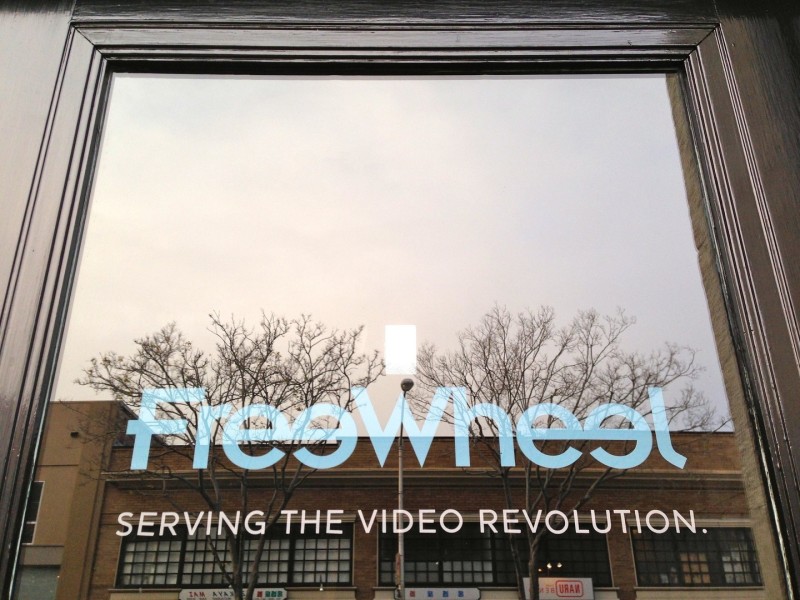
"caption": "Many of downtown San Mateo's older office buildings now house tech startups and restaurants. FreeWheel is in a 1925 Greek Revival that used to be a bank. In the window's reflection you can see another 1925 building across the street that's home to several Japanese restaurants.",
"description": "Many of downtown San Mateo's older office buildings now house tech startups and restaurants. FreeWheel is in a 1925 Greek Revival that used to be a bank. In the window's reflection you can see another 1925 building across the street that's home to several Japanese restaurants.",
"title": "RS14035_FreeWheel-qut",
"credit": "Rachael Myrow/KQED",
"status": "inherit",
"isLoading": false,
"fetchFailed": false
},
"news_134806": {
"type": "attachments",
"id": "news_134806",
"meta": {
"index": "attachments_1716263798",
"site": "news",
"id": "134806",
"found": true
},
"parent": 134804,
"imgSizes": {
"kqedFullSize": {
"file": "https://ww2.kqed.org/app/uploads/sites/10/2014/05/97027111-e1421882497693.jpg",
"width": 1440,
"height": 939
}
},
"publishDate": 1398966403,
"modified": 1421884964,
"caption": "eBay headquarters in San Jose.",
"description": "eBay headquarters in San Jose.",
"title": "eBay",
"credit": "Justin Sullivan/Getty Images",
"status": "inherit",
"isLoading": false,
"fetchFailed": false
},
"news_10411866": {
"type": "attachments",
"id": "news_10411866",
"meta": {
"index": "attachments_1716263798",
"site": "news",
"id": "10411866",
"found": true
},
"parent": 10407284,
"imgSizes": {
"twentyfourteen-full-width": {
"file": "https://ww2.kqed.org/app/uploads/sites/10/2015/01/RS14042_51535601-qut-1038x576.jpg",
"width": 1038,
"mimeType": "image/jpeg",
"height": 576
},
"thumbnail": {
"file": "https://ww2.kqed.org/app/uploads/sites/10/2015/01/RS14042_51535601-qut-400x356.jpg",
"width": 400,
"mimeType": "image/jpeg",
"height": 356
},
"post-thumbnail": {
"file": "https://ww2.kqed.org/app/uploads/sites/10/2015/01/RS14042_51535601-qut-672x372.jpg",
"width": 672,
"mimeType": "image/jpeg",
"height": 372
},
"kqedFullSize": {
"file": "https://ww2.kqed.org/app/uploads/sites/10/2015/01/RS14042_51535601-qut.jpg",
"width": 1418,
"height": 1264
},
"guest-author-96": {
"file": "https://ww2.kqed.org/app/uploads/sites/10/2015/01/RS14042_51535601-qut-96x96.jpg",
"width": 96,
"mimeType": "image/jpeg",
"height": 96
},
"medium": {
"file": "https://ww2.kqed.org/app/uploads/sites/10/2015/01/RS14042_51535601-qut-800x713.jpg",
"width": 800,
"mimeType": "image/jpeg",
"height": 713
},
"guest-author-64": {
"file": "https://ww2.kqed.org/app/uploads/sites/10/2015/01/RS14042_51535601-qut-64x64.jpg",
"width": 64,
"mimeType": "image/jpeg",
"height": 64
},
"detail": {
"file": "https://ww2.kqed.org/app/uploads/sites/10/2015/01/RS14042_51535601-qut-75x75.jpg",
"width": 75,
"mimeType": "image/jpeg",
"height": 75
},
"guest-author-32": {
"file": "https://ww2.kqed.org/app/uploads/sites/10/2015/01/RS14042_51535601-qut-32x32.jpg",
"width": 32,
"mimeType": "image/jpeg",
"height": 32
},
"guest-author-128": {
"file": "https://ww2.kqed.org/app/uploads/sites/10/2015/01/RS14042_51535601-qut-128x128.jpg",
"width": 128,
"mimeType": "image/jpeg",
"height": 128
}
},
"publishDate": 1421802678,
"modified": 1421868930,
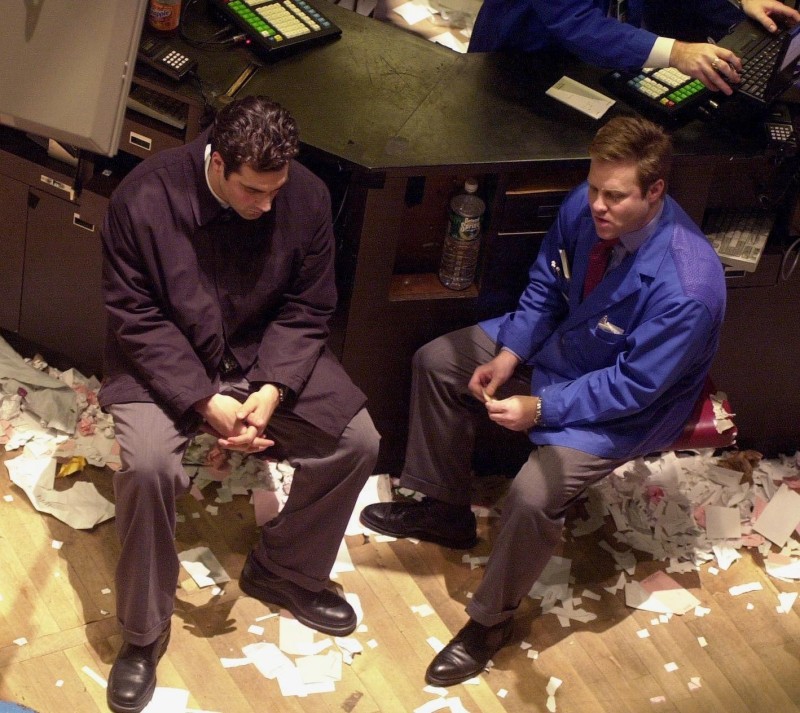
"caption": "Traders after a rough day on the floor of the New York Stock Exchange as the dot-com bubble neared its peak in early 2000. ",
"description": "Traders during a rough day on the floor of the New York Stock Exchange as the dot-com bubble neared its peak. ",
"title": "Dot-com Bubble",
"credit": "Henny Ray Abrams/AFP-Getty Images",
"status": "inherit",
"isLoading": false,
"fetchFailed": false
},
"news_10346178": {
"type": "attachments",
"id": "news_10346178",
"meta": {
"index": "attachments_1716263798",
"site": "news",
"id": "10346178",
"found": true
},
"parent": 10346121,
"imgSizes": {
"twentyfourteen-full-width": {
"file": "https://ww2.kqed.org/app/uploads/sites/10/2014/10/kamalaharris20141028-1440-1038x576.jpg",
"width": 1038,
"mimeType": "image/jpeg",
"height": 576
},
"thumbnail": {
"file": "https://ww2.kqed.org/app/uploads/sites/10/2014/10/kamalaharris20141028-1440-400x250.jpg",
"width": 400,
"mimeType": "image/jpeg",
"height": 250
},
"post-thumbnail": {
"file": "https://ww2.kqed.org/app/uploads/sites/10/2014/10/kamalaharris20141028-1440-672x372.jpg",
"width": 672,
"mimeType": "image/jpeg",
"height": 372
},
"kqedFullSize": {
"file": "https://ww2.kqed.org/app/uploads/sites/10/2014/10/kamalaharris20141028-1440.jpg",
"width": 1440,
"height": 900
},
"guest-author-96": {
"file": "https://ww2.kqed.org/app/uploads/sites/10/2014/10/kamalaharris20141028-1440-96x96.jpg",
"width": 96,
"mimeType": "image/jpeg",
"height": 96
},
"medium": {
"file": "https://ww2.kqed.org/app/uploads/sites/10/2014/10/kamalaharris20141028-1440-800x500.jpg",
"width": 800,
"mimeType": "image/jpeg",
"height": 500
},
"guest-author-64": {
"file": "https://ww2.kqed.org/app/uploads/sites/10/2014/10/kamalaharris20141028-1440-64x64.jpg",
"width": 64,
"mimeType": "image/jpeg",
"height": 64
},
"detail": {
"file": "https://ww2.kqed.org/app/uploads/sites/10/2014/10/kamalaharris20141028-1440-75x75.jpg",
"width": 75,
"mimeType": "image/jpeg",
"height": 75
},
"guest-author-32": {
"file": "https://ww2.kqed.org/app/uploads/sites/10/2014/10/kamalaharris20141028-1440-32x32.jpg",
"width": 32,
"mimeType": "image/jpeg",
"height": 32
},
"guest-author-128": {
"file": "https://ww2.kqed.org/app/uploads/sites/10/2014/10/kamalaharris20141028-1440-128x128.jpg",
"width": 128,
"mimeType": "image/jpeg",
"height": 128
}
},
"publishDate": 1414723121,
"modified": 1421185143,
"caption": "California Attorney General Kamala Harris during her 2014 campaign.",
"description": null,
"title": "Kamala Harris ",
"credit": "Jason Merritt/Getty Images",
"status": "inherit",
"isLoading": false,
"fetchFailed": false
},
"news_10402501": {
"type": "attachments",
"id": "news_10402501",
"meta": {
"index": "attachments_1716263798",
"site": "news",
"id": "10402501",
"found": true
},
"parent": 10401334,
"imgSizes": {
"twentyfourteen-full-width": {
"file": "https://ww2.kqed.org/app/uploads/sites/10/2015/01/RS13963_OlisRoc-lpr-1038x576.jpg",
"width": 1038,
"mimeType": "image/jpeg",
"height": 576
},
"thumbnail": {
"file": "https://ww2.kqed.org/app/uploads/sites/10/2015/01/RS13963_OlisRoc-lpr-400x249.jpg",
"width": 400,
"mimeType": "image/jpeg",
"height": 249
},
"post-thumbnail": {
"file": "https://ww2.kqed.org/app/uploads/sites/10/2015/01/RS13963_OlisRoc-lpr-672x372.jpg",
"width": 672,
"mimeType": "image/jpeg",
"height": 372
},
"kqedFullSize": {
"file": "https://ww2.kqed.org/app/uploads/sites/10/2015/01/RS13963_OlisRoc-lpr-e1518456005735.jpg",
"width": 1920,
"height": 1197
},
"large": {
"file": "https://ww2.kqed.org/app/uploads/sites/10/2015/01/RS13963_OlisRoc-lpr-1440x897.jpg",
"width": 1440,
"mimeType": "image/jpeg",
"height": 897
},
"guest-author-96": {
"file": "https://ww2.kqed.org/app/uploads/sites/10/2015/01/RS13963_OlisRoc-lpr-96x96.jpg",
"width": 96,
"mimeType": "image/jpeg",
"height": 96
},
"medium": {
"file": "https://ww2.kqed.org/app/uploads/sites/10/2015/01/RS13963_OlisRoc-lpr-800x498.jpg",
"width": 800,
"mimeType": "image/jpeg",
"height": 498
},
"guest-author-64": {
"file": "https://ww2.kqed.org/app/uploads/sites/10/2015/01/RS13963_OlisRoc-lpr-64x64.jpg",
"width": 64,
"mimeType": "image/jpeg",
"height": 64
},
"detail": {
"file": "https://ww2.kqed.org/app/uploads/sites/10/2015/01/RS13963_OlisRoc-lpr-75x75.jpg",
"width": 75,
"mimeType": "image/jpeg",
"height": 75
},
"guest-author-32": {
"file": "https://ww2.kqed.org/app/uploads/sites/10/2015/01/RS13963_OlisRoc-lpr-32x32.jpg",
"width": 32,
"mimeType": "image/jpeg",
"height": 32
},
"guest-author-128": {
"file": "https://ww2.kqed.org/app/uploads/sites/10/2015/01/RS13963_OlisRoc-lpr-128x128.jpg",
"width": 128,
"mimeType": "image/jpeg",
"height": 128
}
},
"publishDate": 1420849011,
"modified": 1518455994,
"caption": "Olis Simmons with members of Youth Uprising.",
"description": "Olis Simmons with members of YouthUprising",
"title": "RS13963_OlisRoc-lpr",
"credit": "Courtesy Olis Simmons",
"status": "inherit",
"isLoading": false,
"fetchFailed": false
},
"news_10400740": {
"type": "attachments",
"id": "news_10400740",
"meta": {
"index": "attachments_1716263798",
"site": "news",
"id": "10400740",
"found": true
},
"parent": 10400731,
"imgSizes": {
"thumbnail": {
"file": "https://ww2.kqed.org/app/uploads/sites/10/2015/01/RS7419_9869748213_dde688e0c1_b-sfi-400x300.jpg",
"width": 400,
"mimeType": "image/jpeg",
"height": 300
},
"kqedFullSize": {
"file": "https://ww2.kqed.org/app/uploads/sites/10/2015/01/RS7419_9869748213_dde688e0c1_b-sfi.jpg",
"width": 480,
"height": 360
},
"guest-author-96": {
"file": "https://ww2.kqed.org/app/uploads/sites/10/2015/01/RS7419_9869748213_dde688e0c1_b-sfi-96x96.jpg",
"width": 96,
"mimeType": "image/jpeg",
"height": 96
},
"guest-author-64": {
"file": "https://ww2.kqed.org/app/uploads/sites/10/2015/01/RS7419_9869748213_dde688e0c1_b-sfi-64x64.jpg",
"width": 64,
"mimeType": "image/jpeg",
"height": 64
},
"detail": {
"file": "https://ww2.kqed.org/app/uploads/sites/10/2015/01/RS7419_9869748213_dde688e0c1_b-sfi-75x75.jpg",
"width": 75,
"mimeType": "image/jpeg",
"height": 75
},
"guest-author-32": {
"file": "https://ww2.kqed.org/app/uploads/sites/10/2015/01/RS7419_9869748213_dde688e0c1_b-sfi-32x32.jpg",
"width": 32,
"mimeType": "image/jpeg",
"height": 32
},
"guest-author-128": {
"file": "https://ww2.kqed.org/app/uploads/sites/10/2015/01/RS7419_9869748213_dde688e0c1_b-sfi-128x128.jpg",
"width": 128,
"mimeType": "image/jpeg",
"height": 128
}
},
"publishDate": 1420677663,
"modified": 1420679733,
"caption": "Intel has pledged to spend $300 million to diversify its workforce, bringing in more women, blacks and Latinos. Experts say the effort must extend to the youngest students, not just those in college. ",
"description": "Intel has pledged to spend $300 million to diversify its workforce, bringing in more women, blacks and Latinos. Experts say the effort must extend to the youngest students, not just those in college. ",
"title": "RS7419_9869748213_dde688e0c1_b-sfi",
"credit": null,
"status": "inherit",
"isLoading": false,
"fetchFailed": false
},
"news_118655": {
"type": "attachments",
"id": "news_118655",
"meta": {
"index": "attachments_1716263798",
"site": "news",
"id": "118655",
"found": true
},
"parent": 118226,
"imgSizes": {
"kqedFullSize": {
"file": "https://ww2.kqed.org/app/uploads/sites/10/2014/11/RS6936_Lyft_9oct2013_0012_web-e1391706330133.jpg",
"width": 640,
"height": 427
}
},
"publishDate": 1384816239,
"modified": 1418940773,
"caption": "Behind the wheel of a Lyft driver's vehicle in San Francisco's Potrero Hill neighborhood.",
"description": "Lyft driver Alice S. navigates through Potrero Hill in San Francisco to get a passenger to work on Oct. 9, 2013.",
"title": "Lyft-TNCs-Ride Services",
"credit": "Sara Bloomberg/KQED",
"status": "inherit",
"isLoading": false,
"fetchFailed": false
}
},
"audioPlayerReducer": {
"postId": "stream_live",
"isPaused": true,
"isPlaying": false,
"pfsActive": false,
"pledgeModalIsOpen": true,
"playerDrawerIsOpen": false,
"liveAudioPlayStartedAt": 0,
"liveAudioPlayContext": ""
},
"authorsReducer": {
"byline_news_10412607": {
"type": "authors",
"id": "byline_news_10412607",
"meta": {
"override": true
},
"slug": "byline_news_10412607",
"name": "\u003cstrong>\u003ca href=\"https://twitter.com/Maetron\" target=\"_blank\">Mae Anderson\u003c/a>\u003cbr />Associated Press\u003c/strong>",
"isLoading": false
},
"smartin": {
"type": "authors",
"id": "89",
"meta": {
"index": "authors_1716337520",
"id": "89",
"found": true
},
"name": "Stephanie Martin Taylor",
"firstName": "Stephanie Martin",
"lastName": "Taylor",
"slug": "smartin",
"email": "smartin@kqed.org",
"display_author_email": false,
"staff_mastheads": [],
"title": null,
"bio": "Stephanie Martin is a radio news reporter and anchor, and an occasional host of the \u003cem>KQED Newsroom \u003c/em>television program. While she currently focuses on housing and development issues, she has also reported on topics ranging from state and local politics to religion to arts and culture.\r\n\r\nPrior to joining KQED in 2005, Stephanie was an anchor and reporter for WFDD, the NPR affiliate in Winston-Salem, NC. She also spent several years as a television anchor, reporter and producer at various stations around the country.\r\n\r\nStephanie has received numerous awards for her reporting, including two National Headliner Awards, the Religion Newswriters Association's Best Radio Reporting Award and honors from the Associated Press and the Radio and Television Digital News Association. A series she produced from Iraq in 2005 earned a Best of Radio Award from the Society of Professional Journalists.\r\n\r\nStephanie received a graduate degree in Journalism from Columbia University. As an undergraduate at Colgate University, she worked and studied in Paris and Dijon, France, and spent a summer interning in the White House Press Office.\r\n\r\nStephanie grew up in Dallas, TX, and now lives with her husband in San Francisco.",
"avatar": "https://secure.gravatar.com/avatar/9fd3f8e9af01e14afde39822c19646e0?s=600&d=blank&r=g",
"twitter": "SMartinTaylor",
"facebook": null,
"instagram": null,
"linkedin": null,
"sites": [
{
"site": "arts",
"roles": [
"Contributor",
"subscriber"
]
},
{
"site": "news",
"roles": [
"subscriber"
]
},
{
"site": "stateofhealth",
"roles": [
"subscriber"
]
}
],
"headData": {
"title": "Stephanie Martin Taylor | KQED",
"description": null,
"ogImgSrc": "https://secure.gravatar.com/avatar/9fd3f8e9af01e14afde39822c19646e0?s=600&d=blank&r=g",
"twImgSrc": "https://secure.gravatar.com/avatar/9fd3f8e9af01e14afde39822c19646e0?s=600&d=blank&r=g"
},
"isLoading": false,
"link": "/author/smartin"
},
"agrossberg": {
"type": "authors",
"id": "188",
"meta": {
"index": "authors_1716337520",
"id": "188",
"found": true
},
"name": "Adam Grossberg",
"firstName": "Adam",
"lastName": "Grossberg",
"slug": "agrossberg",
"email": "agrossberg@KQED.org",
"display_author_email": false,
"staff_mastheads": [],
"title": "KQED Contributor",
"bio": "Adam Grossberg is a former video producer at KQED News. Prior to coming to KQED, he produced videos for PBS, The New York Times, Current TV and The Center for Investigative Reporting. His work has received an Excellence in Journalism award from the Society of Professional Journalists, a regional Murrow award and two Northern California Emmy awards. He is a graduate of the UC Berkeley Graduate School of Journalism.",
"avatar": "https://secure.gravatar.com/avatar/8e96dbdaaf98f5959a2c778289e0f9b5?s=600&d=blank&r=g",
"twitter": null,
"facebook": null,
"instagram": null,
"linkedin": null,
"sites": [
{
"site": "arts",
"roles": [
"contributor"
]
},
{
"site": "news",
"roles": [
"subscriber"
]
},
{
"site": "stateofhealth",
"roles": [
"editor"
]
},
{
"site": "science",
"roles": [
"editor"
]
}
],
"headData": {
"title": "Adam Grossberg | KQED",
"description": "KQED Contributor",
"ogImgSrc": "https://secure.gravatar.com/avatar/8e96dbdaaf98f5959a2c778289e0f9b5?s=600&d=blank&r=g",
"twImgSrc": "https://secure.gravatar.com/avatar/8e96dbdaaf98f5959a2c778289e0f9b5?s=600&d=blank&r=g"
},
"isLoading": false,
"link": "/author/agrossberg"
},
"danbrekke": {
"type": "authors",
"id": "222",
"meta": {
"index": "authors_1716337520",
"id": "222",
"found": true
},
"name": "Dan Brekke",
"firstName": "Dan",
"lastName": "Brekke",
"slug": "danbrekke",
"email": "dbrekke@kqed.org",
"display_author_email": true,
"staff_mastheads": [
"news",
"science"
],
"title": "KQED Editor and Reporter",
"bio": "Dan Brekke is a reporter and editor for KQED News, responsible for coverage of topics ranging from California water issues to the Bay Area's transportation challenges. In a newsroom career that began in Chicago in 1972, Dan has worked for \u003cem>The San Francisco Examiner,\u003c/em> Wired and TechTV and has been published in The New York Times, The New York Times Magazine, Business 2.0, Salon and elsewhere.\r\n\r\nSince joining KQED in 2007, Dan has reported, edited and produced both radio and online features and breaking news pieces. He has shared as both editor and reporter in four Society of Professional Journalists Norcal Excellence in Journalism awards and one Edward R. Murrow regional award. He was chosen for a spring 2017 residency at the Mesa Refuge to advance his research on California salmon.\r\n\r\nEmail Dan at: \u003ca href=\"mailto:dbrekke@kqed.org\">dbrekke@kqed.org\u003c/a>\r\n\r\n\u003cstrong>Twitter:\u003c/strong> \u003ca href=\"https://twitter.com/danbrekke\" rel=\"noopener noreferrer\">twitter.com/danbrekke\u003c/a>\r\n\u003cstrong>Facebook:\u003c/strong> \u003ca href=\"https://www.facebook.com/danbrekke\" rel=\"noopener noreferrer\">www.facebook.com/danbrekke\u003c/a>\r\n\u003cstrong>LinkedIn:\u003c/strong> \u003ca href=\"https://www.linkedin.com/in/danbrekke\" rel=\"noopener noreferrer\">www.linkedin.com/in/danbrekke\u003c/a>",
"avatar": "https://secure.gravatar.com/avatar/8f1f0d2a978fb3b23426c922c7e2af558fa36905b49c4ce76a97dc3c72d27226?s=600&d=mm&r=g",
"twitter": "danbrekke",
"bluesky": null,
"facebook": null,
"instagram": "https://www.instagram.com/dan.brekke/",
"linkedin": "https://www.linkedin.com/in/danbrekke/",
"sites": [
{
"site": "news",
"roles": [
"administrator",
"create_posts"
]
},
{
"site": "stateofhealth",
"roles": [
"editor"
]
},
{
"site": "science",
"roles": [
"editor"
]
},
{
"site": "quest",
"roles": [
"contributor"
]
},
{
"site": "food",
"roles": [
"contributor"
]
},
{
"site": "forum",
"roles": [
"contributor"
]
},
{
"site": "elections",
"roles": [
"editor"
]
},
{
"site": "liveblog",
"roles": [
"editor"
]
}
],
"headData": {
"title": "Dan Brekke | KQED",
"description": "KQED Editor and Reporter",
"ogImgSrc": "https://secure.gravatar.com/avatar/8f1f0d2a978fb3b23426c922c7e2af558fa36905b49c4ce76a97dc3c72d27226?s=600&d=mm&r=g",
"twImgSrc": "https://secure.gravatar.com/avatar/8f1f0d2a978fb3b23426c922c7e2af558fa36905b49c4ce76a97dc3c72d27226?s=600&d=mm&r=g"
},
"isLoading": false,
"link": "/author/danbrekke"
},
"davidweir": {
"type": "authors",
"id": "223",
"meta": {
"index": "authors_1716337520",
"id": "223",
"found": true
},
"name": "David Weir",
"firstName": "David",
"lastName": "Weir",
"slug": "davidweir",
"email": "dweir@kqed.org",
"display_author_email": false,
"staff_mastheads": [],
"title": "KQED Contributor",
"bio": "David Weir is KQED's senior editor for digital news. He previously worked at \u003cem>Rolling Stone,\u003c/em> Salon, Wired Digital, Excite@Home,\u003cem> Mother Jones,\u003c/em> and as a co-founder and executive director of the Center for Investigative Reporting.\r\n\r\nOver the past 40 years, he and his teams have won dozens of awards, including a National Magazine Award, an IRE Award and a Webby. He has authored or co-authored four books, including (with Mark Schapiro) \u003cem>Circle of Poison.\u003c/em>\r\n\r\nHe has a ba\u003cspan class=\"example\">chelor's degree\u003c/span> in journalism from the University of Michigan, and has taught journalism at the University of California at Berkeley, Stanford and San Francisco State.",
"avatar": "https://secure.gravatar.com/avatar/c6642c16c4d2d2de5e6f067edf92b9c8?s=600&d=blank&r=g",
"twitter": null,
"facebook": null,
"instagram": null,
"linkedin": null,
"sites": [
{
"site": "arts",
"roles": [
"editor"
]
},
{
"site": "news",
"roles": [
"subscriber"
]
},
{
"site": "lowdown",
"roles": [
"editor"
]
},
{
"site": "stateofhealth",
"roles": [
"administrator"
]
},
{
"site": "science",
"roles": [
"editor"
]
}
],
"headData": {
"title": "David Weir | KQED",
"description": "KQED Contributor",
"ogImgSrc": "https://secure.gravatar.com/avatar/c6642c16c4d2d2de5e6f067edf92b9c8?s=600&d=blank&r=g",
"twImgSrc": "https://secure.gravatar.com/avatar/c6642c16c4d2d2de5e6f067edf92b9c8?s=600&d=blank&r=g"
},
"isLoading": false,
"link": "/author/davidweir"
},
"joshuajohnson": {
"type": "authors",
"id": "233",
"meta": {
"index": "authors_1716337520",
"id": "233",
"found": true
},
"name": "Joshua Johnson",
"firstName": "Joshua",
"lastName": "Johnson",
"slug": "joshuajohnson",
"email": "jejohnson@kqed.org",
"display_author_email": false,
"staff_mastheads": [],
"title": null,
"bio": "Joshua Johnson is the creator and host of \u003cem>\u003ca href=\"http://www.truthbetoldshow.org\">Truth Be Told\u003c/a>,\u003c/em> a special series on race from KQED and PRI. Prior to creating the show, he served as the station's morning news anchor for five-and-half years.\r\n\r\nPrior to joining KQED, Joshua spent six years as an anchor/reporter for WLRN Miami Herald News. He's a native of South Florida, with degrees from the University of Miami. His reporting and newscasting have won awards from the Radio Television Digital News Association and from the National Association of Black Journalists. Joshua is also active in his union, SAG-AFTRA. He lives in San Francisco.",
"avatar": "https://secure.gravatar.com/avatar/2abea375594cdd54e4837846e3561fa4?s=600&d=blank&r=g",
"twitter": "@JEJohnson322",
"facebook": null,
"instagram": null,
"linkedin": null,
"sites": [
{
"site": "news",
"roles": [
"subscriber"
]
}
],
"headData": {
"title": "Joshua Johnson | KQED",
"description": null,
"ogImgSrc": "https://secure.gravatar.com/avatar/2abea375594cdd54e4837846e3561fa4?s=600&d=blank&r=g",
"twImgSrc": "https://secure.gravatar.com/avatar/2abea375594cdd54e4837846e3561fa4?s=600&d=blank&r=g"
},
"isLoading": false,
"link": "/author/joshuajohnson"
},
"rachael-myrow": {
"type": "authors",
"id": "251",
"meta": {
"index": "authors_1716337520",
"id": "251",
"found": true
},
"name": "Rachael Myrow",
"firstName": "Rachael",
"lastName": "Myrow",
"slug": "rachael-myrow",
"email": "rmyrow@kqed.org",
"display_author_email": true,
"staff_mastheads": [
"news"
],
"title": "Senior Editor of KQED's Silicon Valley News Desk",
"bio": "• I write and edit stories about how Silicon Valley power and policies shape everyday life in California. I’m also passionate about making Bay Area history and culture more accessible to a broad public. • I’ve been a journalist for most of my life, starting in high school with The Franklin Press in Los Angeles, where I grew up. While earning my first degree in English at UC Berkeley, I got my start in public radio at KALX-FM. After completing a second degree in journalism at Cal, I landed my first professional job at Marketplace, then moved on to KPCC (now LAist), and then KQED, where I hosted The California Report for more than seven years. • My reporting has appeared on NPR, The World, WBUR’s \u003ci>Here & Now\u003c/i>, and the BBC. I also guest host for KQED’s \u003ci>Forum\u003c/i>, as well as the Commonwealth Club in San Francisco. • I speak periodically on media, democracy and technology issues, and do voiceover work for documentaries and educational video projects. • Outside of the studio, you'll find me hiking Bay Area trails and whipping up Insta-ready meals in my kitchen. • I do not accept gifts, money, or favors from anyone connected to my reporting, I don't pay people for information, and I do not support or donate to political causes. • I strive to treat the people I report on with fairness, honesty, and respect. I also recognize there are often multiple sides to a story and work to verify information through multiple sources and documentation. If I get something wrong, I correct it.",
"avatar": "https://secure.gravatar.com/avatar/3ed8a3c5f26025e4a805ba634cda8cd764906b97438a6d9ce216b044e340da4e?s=600&d=blank&r=g",
"twitter": "rachaelmyrow",
"bluesky": null,
"facebook": null,
"instagram": null,
"linkedin": "https://www.linkedin.com/in/rachaelmyrow/",
"sites": [
{
"site": "arts",
"roles": [
"administrator"
]
},
{
"site": "news",
"roles": [
"edit_others_posts",
"editor"
]
},
{
"site": "futureofyou",
"roles": [
"editor"
]
},
{
"site": "bayareabites",
"roles": [
"editor"
]
},
{
"site": "stateofhealth",
"roles": [
"editor"
]
},
{
"site": "science",
"roles": [
"editor"
]
},
{
"site": "food",
"roles": [
"editor"
]
},
{
"site": "forum",
"roles": [
"editor"
]
},
{
"site": "liveblog",
"roles": [
"author"
]
}
],
"headData": {
"title": "Rachael Myrow | KQED",
"description": "Senior Editor of KQED's Silicon Valley News Desk",
"ogImgSrc": "https://secure.gravatar.com/avatar/3ed8a3c5f26025e4a805ba634cda8cd764906b97438a6d9ce216b044e340da4e?s=600&d=blank&r=g",
"twImgSrc": "https://secure.gravatar.com/avatar/3ed8a3c5f26025e4a805ba634cda8cd764906b97438a6d9ce216b044e340da4e?s=600&d=blank&r=g"
},
"isLoading": false,
"link": "/author/rachael-myrow"
},
"samharnett": {
"type": "authors",
"id": "253",
"meta": {
"index": "authors_1716337520",
"id": "253",
"found": true
},
"name": "Sam Harnett",
"firstName": "Sam",
"lastName": "Harnett",
"slug": "samharnett",
"email": "samharnett@gmail.com",
"display_author_email": false,
"staff_mastheads": [],
"title": "KQED Contributor",
"bio": "Sam Harnett covered tech and work at KQED. He is the co-creator of \u003cem>\u003ca href=\"http://www.theworldaccordingtosound.org\">The World According to Sound\u003c/a>,\u003c/em> a 90-second podcast that features different sounds and the stories behind them.\r\n\r\nBefore coming to KQED, Sam worked as an independent reporter who contributed regularly to \u003cem>The California Report, Marketplace,\u003c/em> \u003cem>The World \u003c/em>and NPR.",
"avatar": "https://secure.gravatar.com/avatar/2538b972ac02f2b9546c7a6c59a0f3d0?s=600&d=blank&r=g",
"twitter": "Samwharnett",
"facebook": null,
"instagram": null,
"linkedin": null,
"sites": [
{
"site": "news",
"roles": [
"edit_others_posts",
"subscriber"
]
},
{
"site": "stateofhealth",
"roles": [
"author"
]
},
{
"site": "science",
"roles": [
"editor"
]
},
{
"site": "quest",
"roles": [
"subscriber"
]
}
],
"headData": {
"title": "Sam Harnett | KQED",
"description": "KQED Contributor",
"ogImgSrc": "https://secure.gravatar.com/avatar/2538b972ac02f2b9546c7a6c59a0f3d0?s=600&d=blank&r=g",
"twImgSrc": "https://secure.gravatar.com/avatar/2538b972ac02f2b9546c7a6c59a0f3d0?s=600&d=blank&r=g"
},
"isLoading": false,
"link": "/author/samharnett"
},
"bwillon": {
"type": "authors",
"id": "3207",
"meta": {
"index": "authors_1716337520",
"id": "3207",
"found": true
},
"name": "Beth Willon",
"firstName": "Beth",
"lastName": "Willon",
"slug": "bwillon",
"email": "bwillon@kqed.org",
"display_author_email": false,
"staff_mastheads": [],
"title": "KQED Contributor",
"bio": "Beth Willon is a former senior reporter for KQED's Silicon Valley News Desk in San Jose. (@KQEDNews )\r\n\r\n@BethWillon",
"avatar": "https://secure.gravatar.com/avatar/3533b741c785d6a97e8b283e7f65606d?s=600&d=blank&r=g",
"twitter": null,
"facebook": null,
"instagram": null,
"linkedin": null,
"sites": [
{
"site": "news",
"roles": [
"subscriber"
]
}
],
"headData": {
"title": "Beth Willon | KQED",
"description": "KQED Contributor",
"ogImgSrc": "https://secure.gravatar.com/avatar/3533b741c785d6a97e8b283e7f65606d?s=600&d=blank&r=g",
"twImgSrc": "https://secure.gravatar.com/avatar/3533b741c785d6a97e8b283e7f65606d?s=600&d=blank&r=g"
},
"isLoading": false,
"link": "/author/bwillon"
}
},
"pagesReducer": {
"news_category_technology": {
"type": "terms",
"id": "news_248",
"meta": {
"index": "terms_1716263798",
"site": "news",
"id": "248",
"score": 10.931152
},
"featImg": null,
"name": "Technology",
"description": null,
"taxonomy": "category",
"headData": {
"twImgId": null,
"twTitle": null,
"ogTitle": null,
"ogImgId": null,
"twDescription": null,
"description": null,
"title": "Technology Archives | KQED News",
"ogDescription": null
},
"ttid": 256,
"slug": "technology",
"isLoading": false,
"title": "Technology",
"pageMeta": {
"site": "news",
"WpPageTemplate": "page-topic-editorial",
"currentPage": 148
},
"blocks": [
{
"blockName": "kqed/post-list",
"attrs": {
"layout": "cardArticle2",
"query": "posts/news?category=technology",
"seeMore": false,
"paginated": true,
"page": 148
}
},
{
"blockName": "kqed/ad"
}
]
}
},
"pfsSessionReducer": {},
"postsReducer": {
"stream_live": {
"type": "live",
"id": "stream_live",
"audioUrl": "https://streams.kqed.org/kqedradio",
"title": "Live Stream",
"excerpt": "Live Stream information currently unavailable.",
"link": "/radio",
"featImg": "",
"label": {
"name": "KQED Live",
"link": "/"
}
},
"stream_kqedNewscast": {
"type": "posts",
"id": "stream_kqedNewscast",
"audioUrl": "https://www.kqed.org/.stream/anon/radio/RDnews/newscast.mp3?_=1",
"title": "KQED Newscast",
"featImg": "",
"label": {
"name": "88.5 FM",
"link": "/"
}
},
"news_10426272": {
"type": "posts",
"id": "news_10426272",
"meta": {
"index": "posts_1716263798",
"site": "news",
"id": "10426272",
"score": null,
"sort": [
1423266851000
]
},
"parent": 0,
"labelTerm": {
"site": "news",
"term": 6944
},
"blocks": [],
"publishDate": 1423266851,
"format": "video",
"disqusTitle": "Mayors Lee, Schaaf and Liccardo Form Regional 'Coalition'",
"title": "Mayors Lee, Schaaf and Liccardo Form Regional 'Coalition'",
"headTitle": "Boomtown | News Fix | KQED News",
"content": "\u003cp>In a first, the mayors of the Bay Area's three largest cities are appearing together tonight on \u003ca href=\"http://www.kqed.org/tv/programs/newsroom/\" target=\"_blank\" rel=\"noopener\">KQED NEWSROOM\u003c/a> to discuss major issues they face, including housing, wealth disparity, the technology boom, transportation infrastructure -- and the changing venues for professional sports teams.\u003c/p>\n\u003cp>In a show taped Friday afternoon, Mayor Ed Lee of San Francisco announced that he, Mayor Libby Schaaf of Oakland and Mayor Sam Liccardo have formed a \"coalition\" to present a united front in Sacramento on the affordable housing crisis.\u003c/p>\n\u003cp>http://youtu.be/Pk10nbvmZNM\u003c/p>\n\u003cp>Schaaf said she was \"disappointed\" that the tech industry is not doing more to help the cities solve their problems. And she got in a dig about the lack of diversity in the tech sector.\u003c/p>\n\u003cp>\"Their workforces do not look like our cities,\" she said.\u003c/p>\n\u003cp>[ad fullwidth]\u003c/p>\n\u003cp>http://youtu.be/LGONcOS1rfg\u003c/p>\n\u003cp>Perhaps the highlight of the show came when the show's co-hosts, Thuy Vu and Scott Shafer, asked the mayors about battles over where to locate the Oakland A's and the Golden State Warriors.\u003c/p>\n\u003cp>\"He's stealing my basketball team,\" she said, pointing at Lee, \"and he's trying to steal my baseball team,\" she added, pointing at Liccardo.\u003c/p>\n\u003cp>Liccardo noted that San Jose is the largest city in the nation not to have a professional baseball team. He also said it wasn't up to the cities where the sports teams would go, because \"it's about a bunch of billionaires\" who decide where they want to put their teams.\u003c/p>\n\u003cp>\"We're saying, 'We want a fair chance to compete,' \" he added.\u003c/p>\n\u003cp>Schaaf said that \"the one thing we do need to learn from each other is that the days of government subsidizing sports teams is over. And that we cannot afford to have a race to the bottom in these kind of ill-conceived stadium deals.\"\u003c/p>\n\u003cp>http://youtu.be/eoopSPqHs1o\u003c/p>\n\u003cp>Lee stated that the mayors will work together on another Olympics bid, and that a new kind of regionalism is in order.\u003c/p>\n\u003cp>\"Our Bay Area is now having to compete with the likes of cities like London, Paris, Shanghai, other places,\" Lee said, implying that the three mayors will have to be a lot better at collaboration on regional issues than has been the case in the past.\u003c/p>\n\u003cp>Lee and Schaaf are jointly working together on a new transbay tube for BART, and Lee voiced support for extending BART into San Jose.\u003c/p>\n\u003cp>All three dodged a question about whether they would like the funds that Gov. Jerry Brown has committed to high-speed rail to be redirected to these regional transportation projects.\u003c/p>\n\u003cp>\u003c/p>\n\u003cp>\u003cem>The entire interview with the three mayors can be seen on \u003ca href=\"http://www.kqed.org/tv/programs/newsroom/\" target=\"_blank\" rel=\"noopener\">KQED NEWSROOM\u003c/a>, a weekly news magazine program that airs on television, radio and online. Watch Fridays at 8 p.m. on KQED Public Television 9, listen on Sundays at 6 p.m. on KQED Public Radio 88.5 FM, or watch online \u003ca href=\"http://www.kqed.org/tv/programs/newsroom/watch/archive/288198\" target=\"_blank\" rel=\"noopener\">here\u003c/a>.\u003c/em>\u003c/p>\n\n",
"disqusIdentifier": "10426272 http://ww2.kqed.org/news/?p=10426272",
"disqusUrl": "https://ww2.kqed.org/news/2015/02/06/mayors-lee-schaaf-and-liccardo-form-regional-coalition/",
"stats": {
"hasVideo": false,
"hasChartOrMap": false,
"hasAudio": false,
"hasPolis": false,
"wordCount": 490,
"hasGoogleForm": false,
"hasGallery": false,
"hasHearkenModule": false,
"iframeSrcs": [],
"paragraphCount": 16
},
"modified": 1513190925,
"excerpt": "Mayors of Bay Area's 3 largest cities gather to discuss issues such as tech, sports teams and housing.",
"headData": {
"twImgId": "",
"twTitle": "",
"ogTitle": "",
"ogImgId": "",
"twDescription": "",
"description": "Mayors of Bay Area's 3 largest cities gather to discuss issues such as tech, sports teams and housing.",
"title": "Mayors Lee, Schaaf and Liccardo Form Regional 'Coalition' | KQED",
"ogDescription": "",
"schema": {
"@context": "https://schema.org",
"@type": "NewsArticle",
"headline": "Mayors Lee, Schaaf and Liccardo Form Regional 'Coalition'",
"datePublished": "2015-02-06T15:54:11-08:00",
"dateModified": "2017-12-13T10:48:45-08:00",
"image": "https://cdn.kqed.org/wp-content/uploads/2020/02/KQED-OG-Image@1x.png",
"isAccessibleForFree": "True",
"publisher": {
"@type": "NewsMediaOrganization",
"@id": "https://www.kqed.org/#organization",
"name": "KQED",
"logo": "https://cdn.kqed.org/wp-content/uploads/2020/02/KQED-OG-Image@1x.png",
"url": "https://www.kqed.org",
"sameAs": [
"https://www.facebook.com/KQED",
"https://twitter.com/KQED",
"https://www.instagram.com/kqed/",
"https://www.tiktok.com/@kqedofficial",
"https://www.linkedin.com/company/kqed",
"https://www.youtube.com/channel/UCeC0IOo7i1P_61zVUWbJ4nw"
]
}
}
},
"guestAuthors": [],
"slug": "mayors-lee-schaaf-and-liccardo-form-regional-coalition",
"status": "publish",
"videoEmbed": "http://youtu.be/7VHwLl7CCTg",
"path": "/news/10426272/mayors-lee-schaaf-and-liccardo-form-regional-coalition",
"audioTrackLength": null,
"parsedContent": [
{
"type": "contentString",
"content": "\u003cdiv class=\"post-body\">\u003cp>\u003cp>In a first, the mayors of the Bay Area's three largest cities are appearing together tonight on \u003ca href=\"http://www.kqed.org/tv/programs/newsroom/\" target=\"_blank\" rel=\"noopener\">KQED NEWSROOM\u003c/a> to discuss major issues they face, including housing, wealth disparity, the technology boom, transportation infrastructure -- and the changing venues for professional sports teams.\u003c/p>\n\u003cp>In a show taped Friday afternoon, Mayor Ed Lee of San Francisco announced that he, Mayor Libby Schaaf of Oakland and Mayor Sam Liccardo have formed a \"coalition\" to present a united front in Sacramento on the affordable housing crisis.\u003c/p>\u003c/p>\u003cp>\u003cspan class='utils-parseShortcode-shortcodes-__youtubeShortcode__embedYoutube'>\n \u003cspan class='utils-parseShortcode-shortcodes-__youtubeShortcode__embedYoutubeInside'>\n \u003ciframe\n loading='lazy'\n class='utils-parseShortcode-shortcodes-__youtubeShortcode__youtubePlayer'\n type='text/html'\n src='//www.youtube.com/embed/Pk10nbvmZNM'\n title='//www.youtube.com/embed/Pk10nbvmZNM'\n allowfullscreen='true'\n style='border:0;'>\u003c/iframe>\n \u003c/span>\n \u003c/span>\u003c/p>\u003cp>\u003cp>Schaaf said she was \"disappointed\" that the tech industry is not doing more to help the cities solve their problems. And she got in a dig about the lack of diversity in the tech sector.\u003c/p>\n\u003cp>\"Their workforces do not look like our cities,\" she said.\u003c/p>\n\u003cp>\u003c/p>\u003c/div>",
"attributes": {
"named": {},
"numeric": []
}
},
{
"type": "component",
"content": "",
"name": "ad",
"attributes": {
"named": {
"label": "fullwidth"
},
"numeric": [
"fullwidth"
]
}
},
{
"type": "contentString",
"content": "\u003cdiv class=\"post-body\">\u003cp>\u003c/p>\u003c/p>\u003cp>\u003cspan class='utils-parseShortcode-shortcodes-__youtubeShortcode__embedYoutube'>\n \u003cspan class='utils-parseShortcode-shortcodes-__youtubeShortcode__embedYoutubeInside'>\n \u003ciframe\n loading='lazy'\n class='utils-parseShortcode-shortcodes-__youtubeShortcode__youtubePlayer'\n type='text/html'\n src='//www.youtube.com/embed/LGONcOS1rfg'\n title='//www.youtube.com/embed/LGONcOS1rfg'\n allowfullscreen='true'\n style='border:0;'>\u003c/iframe>\n \u003c/span>\n \u003c/span>\u003c/p>\u003cp>\u003cp>Perhaps the highlight of the show came when the show's co-hosts, Thuy Vu and Scott Shafer, asked the mayors about battles over where to locate the Oakland A's and the Golden State Warriors.\u003c/p>\n\u003cp>\"He's stealing my basketball team,\" she said, pointing at Lee, \"and he's trying to steal my baseball team,\" she added, pointing at Liccardo.\u003c/p>\n\u003cp>Liccardo noted that San Jose is the largest city in the nation not to have a professional baseball team. He also said it wasn't up to the cities where the sports teams would go, because \"it's about a bunch of billionaires\" who decide where they want to put their teams.\u003c/p>\n\u003cp>\"We're saying, 'We want a fair chance to compete,' \" he added.\u003c/p>\n\u003cp>Schaaf said that \"the one thing we do need to learn from each other is that the days of government subsidizing sports teams is over. And that we cannot afford to have a race to the bottom in these kind of ill-conceived stadium deals.\"\u003c/p>\u003c/p>\u003cp>\u003cspan class='utils-parseShortcode-shortcodes-__youtubeShortcode__embedYoutube'>\n \u003cspan class='utils-parseShortcode-shortcodes-__youtubeShortcode__embedYoutubeInside'>\n \u003ciframe\n loading='lazy'\n class='utils-parseShortcode-shortcodes-__youtubeShortcode__youtubePlayer'\n type='text/html'\n src='//www.youtube.com/embed/eoopSPqHs1o'\n title='//www.youtube.com/embed/eoopSPqHs1o'\n allowfullscreen='true'\n style='border:0;'>\u003c/iframe>\n \u003c/span>\n \u003c/span>\u003c/p>\u003cp>\u003cp>Lee stated that the mayors will work together on another Olympics bid, and that a new kind of regionalism is in order.\u003c/p>\n\u003cp>\"Our Bay Area is now having to compete with the likes of cities like London, Paris, Shanghai, other places,\" Lee said, implying that the three mayors will have to be a lot better at collaboration on regional issues than has been the case in the past.\u003c/p>\n\u003cp>Lee and Schaaf are jointly working together on a new transbay tube for BART, and Lee voiced support for extending BART into San Jose.\u003c/p>\n\u003cp>All three dodged a question about whether they would like the funds that Gov. Jerry Brown has committed to high-speed rail to be redirected to these regional transportation projects.\u003c/p>\n\u003cp>\u003c/p>\n\u003cp>\u003cem>The entire interview with the three mayors can be seen on \u003ca href=\"http://www.kqed.org/tv/programs/newsroom/\" target=\"_blank\" rel=\"noopener\">KQED NEWSROOM\u003c/a>, a weekly news magazine program that airs on television, radio and online. Watch Fridays at 8 p.m. on KQED Public Television 9, listen on Sundays at 6 p.m. on KQED Public Radio 88.5 FM, or watch online \u003ca href=\"http://www.kqed.org/tv/programs/newsroom/watch/archive/288198\" target=\"_blank\" rel=\"noopener\">here\u003c/a>.\u003c/em>\u003c/p>\n\n\u003c/div>\u003c/p>",
"attributes": {
"named": {},
"numeric": []
}
}
],
"link": "/news/10426272/mayors-lee-schaaf-and-liccardo-form-regional-coalition",
"authors": [
"223",
"188"
],
"programs": [
"news_7052",
"news_6944"
],
"series": [
"news_17411"
],
"categories": [
"news_1758",
"news_6266",
"news_8",
"news_13",
"news_10",
"news_248",
"news_1397"
],
"tags": [
"news_543",
"news_19177",
"news_6905",
"news_6413"
],
"featImg": "news_10441396",
"label": "news_6944"
},
"news_10423545": {
"type": "posts",
"id": "news_10423545",
"meta": {
"index": "posts_1716263798",
"site": "news",
"id": "10423545",
"score": null,
"sort": [
1423058421000
]
},
"guestAuthors": [],
"slug": "naacps-amos-brown-blacks-have-gained-zero-from-bay-areas-boom",
"title": "NAACP's Amos Brown: Blacks Have Gained 'Zero' From Bay Area's Boom",
"publishDate": 1423058421,
"format": "standard",
"headTitle": "NAACP’s Amos Brown: Blacks Have Gained ‘Zero’ From Bay Area’s Boom | KQED",
"labelTerm": {
"term": 6944,
"site": "news"
},
"content": "\u003cp>\u003cstrong>The Rev. Amos C. Brown, 74, is the p\u003c/strong>\u003cstrong>astor at Third Baptist Church of San Francisco. He also serves as the \u003c/strong>\u003cstrong style=\"line-height: 1.5\">San Francisco branch president of the NAACP and is a national board member. Brown first c\u003c/strong>\u003cstrong>ame to San Francisco in 1976.\u003c/strong>\u003c/p>\n\u003cp>\u003cstrong>What do you make of the Bay Area’s economic boom?\u003c/strong>\u003c/p>\n\u003cp>It’s principally been going on at the expense of black people, and the marginalized. And that’s what troubles me, as it was even in the Gold Rush days — blacks were excluded from the boom. It’s happening again now.\u003c/p>\n\u003cp>[soundcloud url=”https://api.soundcloud.com/tracks/189378704″ params=”color=ff5500&auto_play=false&hide_related=false&show_comments=true&show_user=true&show_reposts=false” width=”100%” height=”166″ iframe=”true” /]\u003c/p>\n\u003cp>\u003cstrong>How much, if at all, is the boom benefiting your congregants at Third Baptist and the people you serve through the NAACP? Are there any benefits?\u003c/strong>\u003c/p>\n\u003cp>[ad fullwidth]\u003c/p>\n\u003cp>No, there’s no benefits from it. Zero. The black population was dislocated in this town (by the redevelopment of the Western Addition). …There are not enough blacks left in this town to even fill up Candlestick Park. Why did that happen to one group? Why is it that other groups are holding their own, or they’re going up? What’s odd about black people that we can’t have the same equal opportunities as everyone else to fail and to succeed? There is a disadvantage to being black in this town.\u003c/p>\n\u003cp>\u003cem>[EDITOR’S NOTE: The 2010 Census found that San Francisco has 48,870 African-American residents, or 6.1 percent of its population. Candlestick Park holds about 70,000 people.]\u003c/em>\u003c/p>\n\u003cp>\u003cstrong>What about solutions? What specific policies might help?\u003c/strong>\u003c/p>\n\u003cp>There need to be some reparations. And I use that word without being apologetic. Tennyson says in \u003cem>\u003ca href=\"http://www.poetryfoundation.org/poem/174659\" target=\"_blank\" rel=\"noopener\">Ulysses\u003c/a>\u003c/em>: “I am a part of all that I have met.” And you mean to tell me that you feel that we don’t deserve anything, when you can give reparations to the Japanese for what we did to them when they were in (internment) camps? Here, in this Northern California region. We gave them reparations. We’re talking about a collective effort made to empower a people, and there should be millions of dollars made available: for economic empowerment (and) compensation for the deficiencies in education.\u003c/p>\n\u003cp>[contextly_sidebar id=”fHlCnSdNpP0W54fiFDJadkyJlH6CXXLX”]\u003c/p>\n\u003cp>\u003cstrong>For non-black San Franciscans, explain what difference it should make that blacks are leaving the city. How does it affect them?\u003c/strong>\u003c/p>\n\u003cp>Diversity, the rainbow, brings quality to the human existence — even in music. Dr. (Martin Luther) King once said he had the dream that everybody from bass black to treble white would be significant on the Constitution’s keyboard. But instead of that dream being fulfilled, instead of us having harmony, there’s been dissonance and noise. Because we do not respect everybody’s uniqueness and everybody’s culture: be they gay or straight, black, brown, yellow, red or white. We ought to have respect for the worth and dignity of all human life.\u003c/p>\n\u003cp>\u003c/p>\n\u003cp>\u003cem>Curious about the boom/bust cycle that is reshaping the Bay Area? Check out our \u003ca href=\"http://kqed.org/boomtown\" target=\"_blank\" rel=\"noopener\">Boomtown series.\u003c/a>\u003c/em>\u003c/p>\n\n",
"blocks": [],
"excerpt": "'There is a disadvantage to being black in this town,' says the pastor of Third Baptist Church. ",
"status": "publish",
"parent": 0,
"modified": 1721107913,
"stats": {
"hasAudio": false,
"hasVideo": false,
"hasChartOrMap": false,
"iframeSrcs": [],
"hasGoogleForm": false,
"hasGallery": false,
"hasHearkenModule": false,
"hasPolis": false,
"paragraphCount": 15,
"wordCount": 560
},
"headData": {
"title": "NAACP's Amos Brown: Blacks Have Gained 'Zero' From Bay Area's Boom | KQED",
"description": "'There is a disadvantage to being black in this town,' says the pastor of Third Baptist Church. ",
"ogTitle": "",
"ogDescription": "",
"ogImgId": "",
"twTitle": "",
"twDescription": "",
"twImgId": "",
"schema": {
"@context": "https://schema.org",
"@type": "NewsArticle",
"headline": "NAACP's Amos Brown: Blacks Have Gained 'Zero' From Bay Area's Boom",
"datePublished": "2015-02-04T06:00:21-08:00",
"dateModified": "2024-07-15T22:31:53-07:00",
"image": "https://cdn.kqed.org/wp-content/uploads/2020/02/KQED-OG-Image@1x.png",
"isAccessibleForFree": "True",
"publisher": {
"@type": "NewsMediaOrganization",
"@id": "https://www.kqed.org/#organization",
"name": "KQED",
"logo": "https://cdn.kqed.org/wp-content/uploads/2020/02/KQED-OG-Image@1x.png",
"url": "https://www.kqed.org",
"sameAs": [
"https://www.facebook.com/KQED",
"https://twitter.com/KQED",
"https://www.instagram.com/kqed/",
"https://www.tiktok.com/@kqedofficial",
"https://www.linkedin.com/company/kqed",
"https://www.youtube.com/channel/UCeC0IOo7i1P_61zVUWbJ4nw"
]
}
}
},
"sticky": false,
"path": "/news/10423545/naacps-amos-brown-blacks-have-gained-zero-from-bay-areas-boom",
"audioTrackLength": null,
"parsedContent": [
{
"type": "contentString",
"content": "\u003cdiv class=\"post-body\">\u003cp>\u003cp>\u003cstrong>The Rev. Amos C. Brown, 74, is the p\u003c/strong>\u003cstrong>astor at Third Baptist Church of San Francisco. He also serves as the \u003c/strong>\u003cstrong style=\"line-height: 1.5\">San Francisco branch president of the NAACP and is a national board member. Brown first c\u003c/strong>\u003cstrong>ame to San Francisco in 1976.\u003c/strong>\u003c/p>\n\u003cp>\u003cstrong>What do you make of the Bay Area’s economic boom?\u003c/strong>\u003c/p>\n\u003cp>It’s principally been going on at the expense of black people, and the marginalized. And that’s what troubles me, as it was even in the Gold Rush days — blacks were excluded from the boom. It’s happening again now.\u003c/p>\n\u003cp>\u003c/p>\u003cp>\u003cdiv class='utils-parseShortcode-shortcodes-__shortcodes__shortcodeWrapper'>\n \u003ciframe width='”100%”' height='”166″'\n scrolling='no' frameborder='no'\n src='https://w.soundcloud.com/player/?url=”https://api.soundcloud.com/tracks/189378704″&visual=true&”color=ff5500&auto_play=false&hide_related=false&show_comments=true&show_user=true&show_reposts=false”'\n title='”https://api.soundcloud.com/tracks/189378704″'>\n \u003c/iframe>\n \u003c/div>\u003c/p>\u003cp>\u003c/p>\n\u003cp>\u003cstrong>How much, if at all, is the boom benefiting your congregants at Third Baptist and the people you serve through the NAACP? Are there any benefits?\u003c/strong>\u003c/p>\n\u003cp>\u003c/p>\u003c/div>",
"attributes": {
"named": {},
"numeric": []
}
},
{
"type": "component",
"content": "",
"name": "ad",
"attributes": {
"named": {
"label": "fullwidth"
},
"numeric": [
"fullwidth"
]
}
},
{
"type": "contentString",
"content": "\u003cdiv class=\"post-body\">\u003cp>\u003c/p>\n\u003cp>No, there’s no benefits from it. Zero. The black population was dislocated in this town (by the redevelopment of the Western Addition). …There are not enough blacks left in this town to even fill up Candlestick Park. Why did that happen to one group? Why is it that other groups are holding their own, or they’re going up? What’s odd about black people that we can’t have the same equal opportunities as everyone else to fail and to succeed? There is a disadvantage to being black in this town.\u003c/p>\n\u003cp>\u003cem>[EDITOR’S NOTE: The 2010 Census found that San Francisco has 48,870 African-American residents, or 6.1 percent of its population. Candlestick Park holds about 70,000 people.]\u003c/em>\u003c/p>\n\u003cp>\u003cstrong>What about solutions? What specific policies might help?\u003c/strong>\u003c/p>\n\u003cp>There need to be some reparations. And I use that word without being apologetic. Tennyson says in \u003cem>\u003ca href=\"http://www.poetryfoundation.org/poem/174659\" target=\"_blank\" rel=\"noopener\">Ulysses\u003c/a>\u003c/em>: “I am a part of all that I have met.” And you mean to tell me that you feel that we don’t deserve anything, when you can give reparations to the Japanese for what we did to them when they were in (internment) camps? Here, in this Northern California region. We gave them reparations. We’re talking about a collective effort made to empower a people, and there should be millions of dollars made available: for economic empowerment (and) compensation for the deficiencies in education.\u003c/p>\n\u003cp>\u003c/p>\u003cp>\u003c/p>\u003cp>\u003c/p>\n\u003cp>\u003cstrong>For non-black San Franciscans, explain what difference it should make that blacks are leaving the city. How does it affect them?\u003c/strong>\u003c/p>\n\u003cp>Diversity, the rainbow, brings quality to the human existence — even in music. Dr. (Martin Luther) King once said he had the dream that everybody from bass black to treble white would be significant on the Constitution’s keyboard. But instead of that dream being fulfilled, instead of us having harmony, there’s been dissonance and noise. Because we do not respect everybody’s uniqueness and everybody’s culture: be they gay or straight, black, brown, yellow, red or white. We ought to have respect for the worth and dignity of all human life.\u003c/p>\n\u003cp>\u003c/p>\n\u003cp>\u003cem>Curious about the boom/bust cycle that is reshaping the Bay Area? Check out our \u003ca href=\"http://kqed.org/boomtown\" target=\"_blank\" rel=\"noopener\">Boomtown series.\u003c/a>\u003c/em>\u003c/p>\n\n\u003c/div>\u003c/p>",
"attributes": {
"named": {},
"numeric": []
}
}
],
"link": "/news/10423545/naacps-amos-brown-blacks-have-gained-zero-from-bay-areas-boom",
"authors": [
"233"
],
"programs": [
"news_6944"
],
"series": [
"news_17411"
],
"categories": [
"news_8",
"news_248"
],
"tags": [
"news_22841",
"news_38"
],
"featImg": "news_10423558",
"label": "news_6944"
},
"news_10419252": {
"type": "posts",
"id": "news_10419252",
"meta": {
"index": "posts_1716263798",
"site": "news",
"id": "10419252",
"score": null,
"sort": [
1422985043000
]
},
"guestAuthors": [],
"slug": "build-it-and-they-will-come-international-developers-flocking-to-silicon-valley",
"title": "'Build It and They Will Come': International Developers Flocking to Silicon Valley",
"publishDate": 1422985043,
"format": "image",
"headTitle": "‘Build It and They Will Come’: International Developers Flocking to Silicon Valley | KQED",
"labelTerm": {
"term": 6944,
"site": "news"
},
"content": "\u003cp>The demand for office space is so big in Silicon Valley these days that even rather aged, nondescript buildings are getting gleaming makeovers.\u003c/p>\n\u003cp>“They’re called old dogs,” says Brett McLarney of San Jose’s McLarney Construction. “We clean them up, make them look different and put them back on the marketplace.”\u003c/p>\n\u003cp>The real estate industry is booming because of tech companies’ urgency to build now and build bigger amid the industry’s rapid expansion.\u003c/p>\n\u003cp>Developers from all over the world are flocking to Silicon Valley, backed with money from Wall Street and international banks needed to build at a larger scale than ever before.\u003c/p>\n\u003cp>“It’s a ‘build it and they will come’ sort of market. It’s not, ‘Well, we’ll have a building four years from now,’ ” said Phil Mahoney, executive vice president of Cornish & Carey realty in Santa Clara. “The nature of tech is four years from now may as well be 40 years from now.”\u003c/p>\n\u003cfigure id=\"attachment_10422950\" class=\"wp-caption alignleft\" style=\"max-width: 400px\">\u003ca href=\"http://ww2.kqed.org/news/wp-content/uploads/sites/10/2015/02/RS14128_photo.JPG-scr.jpg\">\u003cimg loading=\"lazy\" decoding=\"async\" class=\"size-thumbnail wp-image-10422950\" src=\"http://ww2.kqed.org/news/wp-content/uploads/sites/10/2015/02/RS14128_photo.JPG-scr-400x300.jpg\" alt=\"Phil Mahoney, executive vice president of Cornish & Carey in Santa Clara shows off the new grill at an old research and development building in North San Jose. It is one of many buildings being modified to make it marketable again.\" width=\"400\" height=\"300\" srcset=\"https://cdn.kqed.org/wp-content/uploads/sites/10/2015/02/RS14128_photo.JPG-scr-400x300.jpg 400w, https://cdn.kqed.org/wp-content/uploads/sites/10/2015/02/RS14128_photo.JPG-scr-800x600.jpg 800w, https://cdn.kqed.org/wp-content/uploads/sites/10/2015/02/RS14128_photo.JPG-scr.jpg 1440w\" sizes=\"(max-width: 400px) 100vw, 400px\">\u003c/a>\u003cfigcaption class=\"wp-caption-text\">Phil Mahoney, executive vice president of Cornish & Carey in Santa Clara, shows off the new grill at an old research and development building in North San Jose. It is one of many buildings being modified to make it marketable again. \u003ccite>(Beth Willon/KQED)\u003c/cite>\u003c/figcaption>\u003c/figure>\n\u003cp>Los Angeles-based Kilroy Realty is among the groups dominating the building scene. The company’s been operating here for four years, and already has an impressive resume of clients: LinkedIn, Box, Synopsys, Audience, Salesforce and Dropbox.\u003c/p>\n\u003cp>[ad fullwidth]\u003c/p>\n\u003cp>The company is traded on the New York Stock Exchange and fronts the money for big tech to build. When the profits come back, dividends go out to thousands of shareholders worldwide.\u003c/p>\n\u003cp>“You could be a retiree, a mom and pop, a housewife and be investing in our company,” said Mike Sanford, Kilroy’s executive vice president.\u003c/p>\n\u003cp>\u003cstrong>Bigger Buildings, Bigger Budgets, More Global Funds\u003c/strong>\u003c/p>\n\u003cp>Kilroy represents one aspect of Wall Street’s large footprint in Silicon Valley. The global investors are financing projects of unprecedented size and scale. A “big” building used to mean thousands of square feet, but today companies sometimes need millions of square feet.\u003c/p>\n\u003cp>“It is a scale that almost always requires institutional money,” said John Sobrato, a longtime Silicon Valley developer.\u003c/p>\n\u003cp>\u003ca href=\"http://www.sobrato.com/\" target=\"_blank\" rel=\"noopener\">Sobrato’s family business\u003c/a> made billions developing Silicon Valley, including Apple’s headquarters in Cupertino.\u003c/p>\n\u003cfigure id=\"attachment_10422949\" class=\"wp-caption alignright\" style=\"max-width: 400px\">\u003ca href=\"http://ww2.kqed.org/news/wp-content/uploads/sites/10/2015/02/RS14126_sobrato-scr.jpg\">\u003cimg loading=\"lazy\" decoding=\"async\" class=\"size-thumbnail wp-image-10422949\" src=\"http://ww2.kqed.org/news/wp-content/uploads/sites/10/2015/02/RS14126_sobrato-scr-400x300.jpg\" alt=\"Prominent local Silicon Valley developer John M. Sobrato standing in front of the Apple headquarters he built in Cupertino in 1992. \" width=\"400\" height=\"300\" srcset=\"https://cdn.kqed.org/wp-content/uploads/sites/10/2015/02/RS14126_sobrato-scr-400x300.jpg 400w, https://cdn.kqed.org/wp-content/uploads/sites/10/2015/02/RS14126_sobrato-scr-800x600.jpg 800w, https://cdn.kqed.org/wp-content/uploads/sites/10/2015/02/RS14126_sobrato-scr.jpg 1440w\" sizes=\"(max-width: 400px) 100vw, 400px\">\u003c/a>\u003cfigcaption class=\"wp-caption-text\">Prominent local Silicon Valley developer John M. Sobrato standing in front of the Apple headquarters he built in Cupertino in 1992. \u003ccite>(Beth Willon/KQED)\u003c/cite>\u003c/figcaption>\u003c/figure>\n\u003cp>“The business has changed dramatically, certainly in the 30 years I’ve been in it,” said Sobrato.\u003c/p>\n\u003cp>Earlier in his career, he says the Sobrato Organization’s competitors were other local firms. But now they’re competing with large institutions with access to Wall Street opportunity funds, or foreign pension funds.\u003c/p>\n\u003cp>“The money and the decision-making rests with the financial partners who are based in New York or far away,” he says.\u003c/p>\n\u003cp>\u003cstrong>Local Contractors Also Left Out\u003c/strong>\u003c/p>\n\u003cp>The scale of today’s development projects requires so much money that building them is not worth the risk for some Silicon Valley general contractors. McLarney said firms need to have the insurance or bonding capacity to handle an expensive project.\u003c/p>\n\u003cp>\u003c!-- iframe plugin v.4.3 wordpress.org/plugins/iframe/ -->\u003cbr>\n\u003ciframe loading=\"lazy\" width=\"100%\" height=\"166\" scrolling=\"no\" frameborder=\"no\" src=\"https://w.soundcloud.com/player/?url=https%3A//api.soundcloud.com/tracks/189296785&color=ff5500&auto_play=false&hide_related=false&show_comments=true&show_user=true&show_reposts=false\" class=\"iframe-class\">\u003c/iframe>\u003c/p>\n\u003cp>“On any given project you have a potential of an error or making a mistake. And each of those things comes with a price tag. The larger the project the larger the price tag,” said McLarney. “If it goes bad it can close down the company, so we make strategic decisions that [some projects are] simply not worth pursing.”\u003c/p>\n\u003cp>Many of the contractors who specialize in these giant projects tend to travel and work outside the geographic area where they’re based, said McLarney.\u003c/p>\n\u003cp>[contextly_sidebar id=”1uvmkcKjnk5YEozGGUJB3BDdl6WrQ0UC”]\u003c/p>\n\u003cp>\u003cstrong>Concern Over Community Impact\u003c/strong>\u003c/p>\n\u003cp>Some argue that this outside investment is causing a disconnect between the developers and the community.\u003c/p>\n\u003cp>“If you’re based in the Middle East or Qatar, or you’re based in New York, the problems of San Jose don’t really mean a whole lot to you,” said Mahoney. “It’s whether or not that project’s doing well and I’m making money on it — and once I do, I’ll sell it to the next guy.”\u003c/p>\n\u003cp>Valley Medical Center is Santa Clara County’s safety net hospital open to everyone. Over the years, developers like the Sobratos have \u003ca href=\"http://www.mercurynews.com/ci_19822109\" target=\"_blank\" rel=\"noopener\">donated millions of dollars \u003c/a>to the hospital with projects like the Sobrato Cancer Center.\u003c/p>\n\u003cp>Michael Elliott, associate director of the Valley Medical Center Foundation, said the \u003ca href=\"http://http://www.sobrato.com/sobrato-philanthropies/sobrato-family-foundation/overview/\" target=\"_blank\" rel=\"noopener\">donation\u003c/a> allowed the hospital to buy a linear accelerator to replace outdated equipment.\u003c/p>\n\u003cfigure id=\"attachment_10422953\" class=\"wp-caption alignright\" style=\"max-width: 400px\">\u003ca href=\"http://ww2.kqed.org/news/wp-content/uploads/sites/10/2015/02/RS14129_photo-qut.jpg\">\u003cimg loading=\"lazy\" decoding=\"async\" class=\"size-thumbnail wp-image-10422953\" src=\"http://ww2.kqed.org/news/wp-content/uploads/sites/10/2015/02/RS14129_photo-qut-400x300.jpg\" alt=\"The state-of-the-art linear accelerator is at the Sobrato Cancer Center because of a million dollar contribution made by the Sobrato Foundation.\" width=\"400\" height=\"300\" srcset=\"https://cdn.kqed.org/wp-content/uploads/sites/10/2015/02/RS14129_photo-qut-400x300.jpg 400w, https://cdn.kqed.org/wp-content/uploads/sites/10/2015/02/RS14129_photo-qut-800x600.jpg 800w, https://cdn.kqed.org/wp-content/uploads/sites/10/2015/02/RS14129_photo-qut.jpg 1440w\" sizes=\"(max-width: 400px) 100vw, 400px\">\u003c/a>\u003cfigcaption class=\"wp-caption-text\">The state-of-the-art linear accelerator is at the Sobrato Cancer Center because of a million-dollar contribution made by the Sobrato Foundation. \u003ccite>(Beth Willon/KQED)\u003c/cite>\u003c/figcaption>\u003c/figure>\n\u003cp>“To allow us to offer better radiation therapy to our patients and the best possible care,” said Elliott.\u003c/p>\n\u003cp>But as the developers are increasingly nonlocal, Elliott said the county hospital will be challenged to find new donors.\u003c/p>\n\u003cp>\u003cstrong>More Money, More Jobs\u003c/strong>\u003c/p>\n\u003cp>Silicon Valley is in the midst of a transformation much like Manhattan was decades ago, said Stanford Hoover Institution economist Tim Kane.\u003c/p>\n\u003cp>“Money is coming into this area and that’s a good thing. That will create jobs and the fact that it is international money reflects we are an international city,” said Kane.\u003c/p>\n\u003cp>No matter where the developers deposit their checks, the offices they build are for companies with strong roots here, he said.\u003c/p>\n\u003cp>\u003c/p>\n\u003cp>\u003cem>Curious about the boom/bust cycle that is reshaping the Bay Area? Check out our Boomtown series: \u003ca href=\"http://www.kqed.org/boomtown\" target=\"_blank\" rel=\"noopener\">http://www.kqed.org/boomtown\u003c/a>.\u003c/em>\u003c/p>\n\n",
"blocks": [],
"excerpt": "Real estate industry is booming because of tech companies' urgency to build now and build bigger.",
"status": "publish",
"parent": 0,
"modified": 1729029805,
"stats": {
"hasAudio": true,
"hasVideo": false,
"hasChartOrMap": false,
"iframeSrcs": [],
"hasGoogleForm": false,
"hasGallery": false,
"hasHearkenModule": false,
"hasPolis": false,
"paragraphCount": 35,
"wordCount": 1017
},
"headData": {
"title": "'Build It and They Will Come': International Developers Flocking to Silicon Valley | KQED",
"description": "Real estate industry is booming because of tech companies' urgency to build now and build bigger.",
"ogTitle": "",
"ogDescription": "",
"ogImgId": "",
"twTitle": "",
"twDescription": "",
"twImgId": "",
"schema": {
"@context": "https://schema.org",
"@type": "NewsArticle",
"headline": "'Build It and They Will Come': International Developers Flocking to Silicon Valley",
"datePublished": "2015-02-03T09:37:23-08:00",
"dateModified": "2024-10-15T15:03:25-07:00",
"image": "https://cdn.kqed.org/wp-content/uploads/2020/02/KQED-OG-Image@1x.png",
"isAccessibleForFree": "True",
"publisher": {
"@type": "NewsMediaOrganization",
"@id": "https://www.kqed.org/#organization",
"name": "KQED",
"logo": "https://cdn.kqed.org/wp-content/uploads/2020/02/KQED-OG-Image@1x.png",
"url": "https://www.kqed.org",
"sameAs": [
"https://www.facebook.com/KQED",
"https://twitter.com/KQED",
"https://www.instagram.com/kqed/",
"https://www.tiktok.com/@kqedofficial",
"https://www.linkedin.com/company/kqed",
"https://www.youtube.com/channel/UCeC0IOo7i1P_61zVUWbJ4nw"
]
}
}
},
"sticky": false,
"customPermalink": "2015/02/03/international-developers-flocking-to-silicon-valley/",
"path": "/news/10419252/build-it-and-they-will-come-international-developers-flocking-to-silicon-valley",
"audioTrackLength": null,
"parsedContent": [
{
"type": "contentString",
"content": "\u003cdiv class=\"post-body\">\u003cp>\u003cp>The demand for office space is so big in Silicon Valley these days that even rather aged, nondescript buildings are getting gleaming makeovers.\u003c/p>\n\u003cp>“They’re called old dogs,” says Brett McLarney of San Jose’s McLarney Construction. “We clean them up, make them look different and put them back on the marketplace.”\u003c/p>\n\u003cp>The real estate industry is booming because of tech companies’ urgency to build now and build bigger amid the industry’s rapid expansion.\u003c/p>\n\u003cp>Developers from all over the world are flocking to Silicon Valley, backed with money from Wall Street and international banks needed to build at a larger scale than ever before.\u003c/p>\n\u003cp>“It’s a ‘build it and they will come’ sort of market. It’s not, ‘Well, we’ll have a building four years from now,’ ” said Phil Mahoney, executive vice president of Cornish & Carey realty in Santa Clara. “The nature of tech is four years from now may as well be 40 years from now.”\u003c/p>\n\u003cfigure id=\"attachment_10422950\" class=\"wp-caption alignleft\" style=\"max-width: 400px\">\u003ca href=\"http://ww2.kqed.org/news/wp-content/uploads/sites/10/2015/02/RS14128_photo.JPG-scr.jpg\">\u003cimg loading=\"lazy\" decoding=\"async\" class=\"size-thumbnail wp-image-10422950\" src=\"http://ww2.kqed.org/news/wp-content/uploads/sites/10/2015/02/RS14128_photo.JPG-scr-400x300.jpg\" alt=\"Phil Mahoney, executive vice president of Cornish & Carey in Santa Clara shows off the new grill at an old research and development building in North San Jose. It is one of many buildings being modified to make it marketable again.\" width=\"400\" height=\"300\" srcset=\"https://cdn.kqed.org/wp-content/uploads/sites/10/2015/02/RS14128_photo.JPG-scr-400x300.jpg 400w, https://cdn.kqed.org/wp-content/uploads/sites/10/2015/02/RS14128_photo.JPG-scr-800x600.jpg 800w, https://cdn.kqed.org/wp-content/uploads/sites/10/2015/02/RS14128_photo.JPG-scr.jpg 1440w\" sizes=\"(max-width: 400px) 100vw, 400px\">\u003c/a>\u003cfigcaption class=\"wp-caption-text\">Phil Mahoney, executive vice president of Cornish & Carey in Santa Clara, shows off the new grill at an old research and development building in North San Jose. It is one of many buildings being modified to make it marketable again. \u003ccite>(Beth Willon/KQED)\u003c/cite>\u003c/figcaption>\u003c/figure>\n\u003cp>Los Angeles-based Kilroy Realty is among the groups dominating the building scene. The company’s been operating here for four years, and already has an impressive resume of clients: LinkedIn, Box, Synopsys, Audience, Salesforce and Dropbox.\u003c/p>\n\u003cp>\u003c/p>\u003c/div>",
"attributes": {
"named": {},
"numeric": []
}
},
{
"type": "component",
"content": "",
"name": "ad",
"attributes": {
"named": {
"label": "fullwidth"
},
"numeric": [
"fullwidth"
]
}
},
{
"type": "contentString",
"content": "\u003cdiv class=\"post-body\">\u003cp>\u003c/p>\n\u003cp>The company is traded on the New York Stock Exchange and fronts the money for big tech to build. When the profits come back, dividends go out to thousands of shareholders worldwide.\u003c/p>\n\u003cp>“You could be a retiree, a mom and pop, a housewife and be investing in our company,” said Mike Sanford, Kilroy’s executive vice president.\u003c/p>\n\u003cp>\u003cstrong>Bigger Buildings, Bigger Budgets, More Global Funds\u003c/strong>\u003c/p>\n\u003cp>Kilroy represents one aspect of Wall Street’s large footprint in Silicon Valley. The global investors are financing projects of unprecedented size and scale. A “big” building used to mean thousands of square feet, but today companies sometimes need millions of square feet.\u003c/p>\n\u003cp>“It is a scale that almost always requires institutional money,” said John Sobrato, a longtime Silicon Valley developer.\u003c/p>\n\u003cp>\u003ca href=\"http://www.sobrato.com/\" target=\"_blank\" rel=\"noopener\">Sobrato’s family business\u003c/a> made billions developing Silicon Valley, including Apple’s headquarters in Cupertino.\u003c/p>\n\u003cfigure id=\"attachment_10422949\" class=\"wp-caption alignright\" style=\"max-width: 400px\">\u003ca href=\"http://ww2.kqed.org/news/wp-content/uploads/sites/10/2015/02/RS14126_sobrato-scr.jpg\">\u003cimg loading=\"lazy\" decoding=\"async\" class=\"size-thumbnail wp-image-10422949\" src=\"http://ww2.kqed.org/news/wp-content/uploads/sites/10/2015/02/RS14126_sobrato-scr-400x300.jpg\" alt=\"Prominent local Silicon Valley developer John M. Sobrato standing in front of the Apple headquarters he built in Cupertino in 1992. \" width=\"400\" height=\"300\" srcset=\"https://cdn.kqed.org/wp-content/uploads/sites/10/2015/02/RS14126_sobrato-scr-400x300.jpg 400w, https://cdn.kqed.org/wp-content/uploads/sites/10/2015/02/RS14126_sobrato-scr-800x600.jpg 800w, https://cdn.kqed.org/wp-content/uploads/sites/10/2015/02/RS14126_sobrato-scr.jpg 1440w\" sizes=\"(max-width: 400px) 100vw, 400px\">\u003c/a>\u003cfigcaption class=\"wp-caption-text\">Prominent local Silicon Valley developer John M. Sobrato standing in front of the Apple headquarters he built in Cupertino in 1992. \u003ccite>(Beth Willon/KQED)\u003c/cite>\u003c/figcaption>\u003c/figure>\n\u003cp>“The business has changed dramatically, certainly in the 30 years I’ve been in it,” said Sobrato.\u003c/p>\n\u003cp>Earlier in his career, he says the Sobrato Organization’s competitors were other local firms. But now they’re competing with large institutions with access to Wall Street opportunity funds, or foreign pension funds.\u003c/p>\n\u003cp>“The money and the decision-making rests with the financial partners who are based in New York or far away,” he says.\u003c/p>\n\u003cp>\u003cstrong>Local Contractors Also Left Out\u003c/strong>\u003c/p>\n\u003cp>The scale of today’s development projects requires so much money that building them is not worth the risk for some Silicon Valley general contractors. McLarney said firms need to have the insurance or bonding capacity to handle an expensive project.\u003c/p>\n\u003cp>\u003c!-- iframe plugin v.4.3 wordpress.org/plugins/iframe/ -->\u003cbr>\n\u003ciframe loading=\"lazy\" width=\"100%\" height=\"166\" scrolling=\"no\" frameborder=\"no\" src=\"https://w.soundcloud.com/player/?url=https%3A//api.soundcloud.com/tracks/189296785&color=ff5500&auto_play=false&hide_related=false&show_comments=true&show_user=true&show_reposts=false\" class=\"iframe-class\">\u003c/iframe>\u003c/p>\n\u003cp>“On any given project you have a potential of an error or making a mistake. And each of those things comes with a price tag. The larger the project the larger the price tag,” said McLarney. “If it goes bad it can close down the company, so we make strategic decisions that [some projects are] simply not worth pursing.”\u003c/p>\n\u003cp>Many of the contractors who specialize in these giant projects tend to travel and work outside the geographic area where they’re based, said McLarney.\u003c/p>\n\u003cp>\u003c/p>\u003cp>\u003c/p>\u003cp>\u003c/p>\n\u003cp>\u003cstrong>Concern Over Community Impact\u003c/strong>\u003c/p>\n\u003cp>Some argue that this outside investment is causing a disconnect between the developers and the community.\u003c/p>\n\u003cp>“If you’re based in the Middle East or Qatar, or you’re based in New York, the problems of San Jose don’t really mean a whole lot to you,” said Mahoney. “It’s whether or not that project’s doing well and I’m making money on it — and once I do, I’ll sell it to the next guy.”\u003c/p>\n\u003cp>Valley Medical Center is Santa Clara County’s safety net hospital open to everyone. Over the years, developers like the Sobratos have \u003ca href=\"http://www.mercurynews.com/ci_19822109\" target=\"_blank\" rel=\"noopener\">donated millions of dollars \u003c/a>to the hospital with projects like the Sobrato Cancer Center.\u003c/p>\n\u003cp>Michael Elliott, associate director of the Valley Medical Center Foundation, said the \u003ca href=\"http://http://www.sobrato.com/sobrato-philanthropies/sobrato-family-foundation/overview/\" target=\"_blank\" rel=\"noopener\">donation\u003c/a> allowed the hospital to buy a linear accelerator to replace outdated equipment.\u003c/p>\n\u003cfigure id=\"attachment_10422953\" class=\"wp-caption alignright\" style=\"max-width: 400px\">\u003ca href=\"http://ww2.kqed.org/news/wp-content/uploads/sites/10/2015/02/RS14129_photo-qut.jpg\">\u003cimg loading=\"lazy\" decoding=\"async\" class=\"size-thumbnail wp-image-10422953\" src=\"http://ww2.kqed.org/news/wp-content/uploads/sites/10/2015/02/RS14129_photo-qut-400x300.jpg\" alt=\"The state-of-the-art linear accelerator is at the Sobrato Cancer Center because of a million dollar contribution made by the Sobrato Foundation.\" width=\"400\" height=\"300\" srcset=\"https://cdn.kqed.org/wp-content/uploads/sites/10/2015/02/RS14129_photo-qut-400x300.jpg 400w, https://cdn.kqed.org/wp-content/uploads/sites/10/2015/02/RS14129_photo-qut-800x600.jpg 800w, https://cdn.kqed.org/wp-content/uploads/sites/10/2015/02/RS14129_photo-qut.jpg 1440w\" sizes=\"(max-width: 400px) 100vw, 400px\">\u003c/a>\u003cfigcaption class=\"wp-caption-text\">The state-of-the-art linear accelerator is at the Sobrato Cancer Center because of a million-dollar contribution made by the Sobrato Foundation. \u003ccite>(Beth Willon/KQED)\u003c/cite>\u003c/figcaption>\u003c/figure>\n\u003cp>“To allow us to offer better radiation therapy to our patients and the best possible care,” said Elliott.\u003c/p>\n\u003cp>But as the developers are increasingly nonlocal, Elliott said the county hospital will be challenged to find new donors.\u003c/p>\n\u003cp>\u003cstrong>More Money, More Jobs\u003c/strong>\u003c/p>\n\u003cp>Silicon Valley is in the midst of a transformation much like Manhattan was decades ago, said Stanford Hoover Institution economist Tim Kane.\u003c/p>\n\u003cp>“Money is coming into this area and that’s a good thing. That will create jobs and the fact that it is international money reflects we are an international city,” said Kane.\u003c/p>\n\u003cp>No matter where the developers deposit their checks, the offices they build are for companies with strong roots here, he said.\u003c/p>\n\u003cp>\u003c/p>\n\u003cp>\u003cem>Curious about the boom/bust cycle that is reshaping the Bay Area? Check out our Boomtown series: \u003ca href=\"http://www.kqed.org/boomtown\" target=\"_blank\" rel=\"noopener\">http://www.kqed.org/boomtown\u003c/a>.\u003c/em>\u003c/p>\n\n\u003c/div>\u003c/p>",
"attributes": {
"named": {},
"numeric": []
}
}
],
"link": "/news/10419252/build-it-and-they-will-come-international-developers-flocking-to-silicon-valley",
"authors": [
"3207"
],
"programs": [
"news_6944"
],
"series": [
"news_17411"
],
"categories": [
"news_1758",
"news_248"
],
"tags": [
"news_1631"
],
"featImg": "news_10422785",
"label": "news_6944"
},
"news_10420239": {
"type": "posts",
"id": "news_10420239",
"meta": {
"index": "posts_1716263798",
"site": "news",
"id": "10420239",
"score": null,
"sort": [
1422972028000
]
},
"parent": 0,
"labelTerm": {
"site": "news",
"term": 6944
},
"blocks": [],
"publishDate": 1422972028,
"format": "standard",
"disqusTitle": "Congresswoman Zoe Lofgren Pushing Bills on Cybersecurity, Privacy",
"title": "Congresswoman Zoe Lofgren Pushing Bills on Cybersecurity, Privacy",
"headTitle": "News Fix | KQED News",
"content": "\u003cp>This week, Rep. Zoe Lofgren (D-San Jose) is sponsoring three bills aimed at strengthening individual privacy amid increasingly aggressive government efforts to collect data during the course of investigations into criminal and national security threats.\u003c/p>\n\u003cp>All three bills boost privacy: insisting government agencies obtain a search warrant for electronic surveillance; barring the government from demanding surveillance “back doors” for things like smartphones; and protecting companies from government prosecution should they reveal information about the surveillance requests.\u003c/p>\n\u003cp>And once again, in greater detail:\u003c/p>\n\u003cp>\u003cstrong>The Online Communications and Geolocation Protection Act\u003c/strong>\u003c/p>\n\u003cp>The\u003ca href=\"http://lofgren.house.gov/news/documentsingle.aspx?DocumentID=397869\" target=\"_blank\"> Online Communications and Geolocation Protection Act\u003c/a> modernizes the 1986 Electronic Communications Privacy Act by requiring government agencies to obtain a search warrant based on probable cause prior to intercepting or forcing disclosure of electronic communications or geolocation data.\u003c/p>\n\u003cp>[ad fullwidth]\u003c/p>\n\u003cp>The 1986 law permits the government to get emails without a warrant after 180 days. Lofgren says that time limit is based \"on the presumption, I guess, that nobody has a privacy interest in emails stored beyond 180 days. That's absurd.\"\u003c/p>\n\u003cp>If this sounds familiar, it's because Lofgren introduced something \u003ca href=\"http://lofgren.house.gov/news/documentsingle.aspx?DocumentID=365633\" target=\"_blank\">similar \u003c/a>before, to no avail. This go-round, the bill's chances may be boosted by additional sponsors, Rep. Ted Poe (R-Texas) and Suzan DelBene (D-Washington).\u003c/p>\n\u003cp>\u003cstrong>Secure Data Act\u003cbr>\n\u003c/strong>\u003c/p>\n\u003cp>The Secure Data Act protects Americans’ privacy and data security by prohibiting surveillance agencies from requiring\u003cbr>\nsurveillance “back doors” in products and services.\u003c/p>\n\u003cp>Lofgren is sponsoring the bill with Rep. Jim Sensenbrenner (R-Wisconsin), chair of the Judiciary Subcommittee on Crime, Terrorism, Homeland Security and Oversight, and Thomas Massie (R-Kentucky), both of whom she's worked with before to limit government \u003ca href=\"http://www.allgov.com/news/top-stories/bipartisan-house-of-representatives-votes-to-limit-government-spying-on-americans-except-the-fbi-140623?news=853482\" target=\"_blank\">snooping on citizens\u003c/a>.\u003c/p>\n\u003cp>\"I think the consensus is more overwhelming than people may realize,\" she says.\u003c/p>\n\u003cp>Last year, Lofgren got an amendment tacked onto the Defense Department appropriations bill that covered some of the ground of the proposed Secure Data Act. The proposal got 293 votes, including a majority of both Democrats and Republicans in the House.\u003c/p>\n\u003cp>\"It's the overwhelming consensus in the House of Representatives that the \u003ca href=\"http://www.law.cornell.edu/constitution/fourth_amendment\" target=\"_blank\">Fourth Amendment\u003c/a> [which bars unreasonable searches and seizures] should matter ... that we don't have to destroy the Constitution to keep ourselves safe.\"\u003c/p>\n\u003cp>But the language was ultimately stripped out of the legislation by the Senate Intelligence Committee.\u003c/p>\n\u003cp>\u003cstrong>Surveillance Order Reporting Act\u003c/strong>\u003c/p>\n\u003cp>The Surveillance Order Reporting Act will enable companies to publicly report on the number of surveillance orders they receive from government agencies and how many of their users are targeted by those demands for information under the Foreign Intelligence Surveillance Act and national security letters.\u003c/p>\n\u003cp>Currently, companies are barred from disclosing even basic information about the requests they receive.\u003c/p>\n\u003cp>While Lofgren anticipates bipartisan support in both houses, it's less clear, she says, how the GOP leadership will respond. It's also uncertain she'll win backing from the Obama administration, which has been at odds with Lofgren on a number of cybersecurity fronts, favoring government flexibility in investigations over individual privacy.\u003c/p>\n\u003cp>[youtube http://www.youtube.com/watch?v=nBkz0j11Tl0]\u003c/p>\n\u003cp>\"I think presidents, including President Obama, tend to follow the lead of their intelligence community,\" Lofgren says. \"I think it's an occupational hazard. I think there have been some reforms. I do want to give him credit for that.\"\u003c/p>\n\u003cp>But she says it's time for the legislative branch of government to step up and serve as more of a check and balance to the administrative branch.\u003c/p>\n\u003cp>\u003c/p>\n\u003cp>\"My understanding of the Fourth Amendment is that you can't void it through a statute or a legal opinion.\"\u003c/p>\n\n",
"disqusIdentifier": "10420239 http://ww2.kqed.org/news/?p=10420239",
"disqusUrl": "https://ww2.kqed.org/news/2015/02/03/congresswoman-zoe-lofgren-introduces-three-bills-on-cyber-security-privacy/",
"stats": {
"hasVideo": true,
"hasChartOrMap": false,
"hasAudio": false,
"hasPolis": false,
"wordCount": 602,
"hasGoogleForm": false,
"hasGallery": false,
"hasHearkenModule": false,
"iframeSrcs": [],
"paragraphCount": 24
},
"modified": 1423012349,
"excerpt": "Silicon Valley Democrat leads charge in effort to strengthen individual privacy and cybersecurity.",
"headData": {
"twImgId": "",
"twTitle": "",
"ogTitle": "",
"ogImgId": "",
"twDescription": "",
"description": "Silicon Valley Democrat leads charge in effort to strengthen individual privacy and cybersecurity.",
"title": "Congresswoman Zoe Lofgren Pushing Bills on Cybersecurity, Privacy | KQED",
"ogDescription": "",
"schema": {
"@context": "https://schema.org",
"@type": "NewsArticle",
"headline": "Congresswoman Zoe Lofgren Pushing Bills on Cybersecurity, Privacy",
"datePublished": "2015-02-03T06:00:28-08:00",
"dateModified": "2015-02-03T17:12:29-08:00",
"image": "https://cdn.kqed.org/wp-content/uploads/2020/02/KQED-OG-Image@1x.png",
"isAccessibleForFree": "True",
"publisher": {
"@type": "NewsMediaOrganization",
"@id": "https://www.kqed.org/#organization",
"name": "KQED",
"logo": "https://cdn.kqed.org/wp-content/uploads/2020/02/KQED-OG-Image@1x.png",
"url": "https://www.kqed.org",
"sameAs": [
"https://www.facebook.com/KQED",
"https://twitter.com/KQED",
"https://www.instagram.com/kqed/",
"https://www.tiktok.com/@kqedofficial",
"https://www.linkedin.com/company/kqed",
"https://www.youtube.com/channel/UCeC0IOo7i1P_61zVUWbJ4nw"
]
}
}
},
"guestAuthors": [],
"slug": "congresswoman-zoe-lofgren-introduces-three-bills-on-cyber-security-privacy",
"status": "publish",
"path": "/news/10420239/congresswoman-zoe-lofgren-introduces-three-bills-on-cyber-security-privacy",
"audioTrackLength": null,
"parsedContent": [
{
"type": "contentString",
"content": "\u003cdiv class=\"post-body\">\u003cp>\u003cp>This week, Rep. Zoe Lofgren (D-San Jose) is sponsoring three bills aimed at strengthening individual privacy amid increasingly aggressive government efforts to collect data during the course of investigations into criminal and national security threats.\u003c/p>\n\u003cp>All three bills boost privacy: insisting government agencies obtain a search warrant for electronic surveillance; barring the government from demanding surveillance “back doors” for things like smartphones; and protecting companies from government prosecution should they reveal information about the surveillance requests.\u003c/p>\n\u003cp>And once again, in greater detail:\u003c/p>\n\u003cp>\u003cstrong>The Online Communications and Geolocation Protection Act\u003c/strong>\u003c/p>\n\u003cp>The\u003ca href=\"http://lofgren.house.gov/news/documentsingle.aspx?DocumentID=397869\" target=\"_blank\"> Online Communications and Geolocation Protection Act\u003c/a> modernizes the 1986 Electronic Communications Privacy Act by requiring government agencies to obtain a search warrant based on probable cause prior to intercepting or forcing disclosure of electronic communications or geolocation data.\u003c/p>\n\u003cp>\u003c/p>\u003c/div>",
"attributes": {
"named": {},
"numeric": []
}
},
{
"type": "component",
"content": "",
"name": "ad",
"attributes": {
"named": {
"label": "fullwidth"
},
"numeric": [
"fullwidth"
]
}
},
{
"type": "contentString",
"content": "\u003cdiv class=\"post-body\">\u003cp>\u003c/p>\n\u003cp>The 1986 law permits the government to get emails without a warrant after 180 days. Lofgren says that time limit is based \"on the presumption, I guess, that nobody has a privacy interest in emails stored beyond 180 days. That's absurd.\"\u003c/p>\n\u003cp>If this sounds familiar, it's because Lofgren introduced something \u003ca href=\"http://lofgren.house.gov/news/documentsingle.aspx?DocumentID=365633\" target=\"_blank\">similar \u003c/a>before, to no avail. This go-round, the bill's chances may be boosted by additional sponsors, Rep. Ted Poe (R-Texas) and Suzan DelBene (D-Washington).\u003c/p>\n\u003cp>\u003cstrong>Secure Data Act\u003cbr>\n\u003c/strong>\u003c/p>\n\u003cp>The Secure Data Act protects Americans’ privacy and data security by prohibiting surveillance agencies from requiring\u003cbr>\nsurveillance “back doors” in products and services.\u003c/p>\n\u003cp>Lofgren is sponsoring the bill with Rep. Jim Sensenbrenner (R-Wisconsin), chair of the Judiciary Subcommittee on Crime, Terrorism, Homeland Security and Oversight, and Thomas Massie (R-Kentucky), both of whom she's worked with before to limit government \u003ca href=\"http://www.allgov.com/news/top-stories/bipartisan-house-of-representatives-votes-to-limit-government-spying-on-americans-except-the-fbi-140623?news=853482\" target=\"_blank\">snooping on citizens\u003c/a>.\u003c/p>\n\u003cp>\"I think the consensus is more overwhelming than people may realize,\" she says.\u003c/p>\n\u003cp>Last year, Lofgren got an amendment tacked onto the Defense Department appropriations bill that covered some of the ground of the proposed Secure Data Act. The proposal got 293 votes, including a majority of both Democrats and Republicans in the House.\u003c/p>\n\u003cp>\"It's the overwhelming consensus in the House of Representatives that the \u003ca href=\"http://www.law.cornell.edu/constitution/fourth_amendment\" target=\"_blank\">Fourth Amendment\u003c/a> [which bars unreasonable searches and seizures] should matter ... that we don't have to destroy the Constitution to keep ourselves safe.\"\u003c/p>\n\u003cp>But the language was ultimately stripped out of the legislation by the Senate Intelligence Committee.\u003c/p>\n\u003cp>\u003cstrong>Surveillance Order Reporting Act\u003c/strong>\u003c/p>\n\u003cp>The Surveillance Order Reporting Act will enable companies to publicly report on the number of surveillance orders they receive from government agencies and how many of their users are targeted by those demands for information under the Foreign Intelligence Surveillance Act and national security letters.\u003c/p>\n\u003cp>Currently, companies are barred from disclosing even basic information about the requests they receive.\u003c/p>\n\u003cp>While Lofgren anticipates bipartisan support in both houses, it's less clear, she says, how the GOP leadership will respond. It's also uncertain she'll win backing from the Obama administration, which has been at odds with Lofgren on a number of cybersecurity fronts, favoring government flexibility in investigations over individual privacy.\u003c/p>\n\u003cp>\u003c/p>\u003cp>\u003cspan class='utils-parseShortcode-shortcodes-__youtubeShortcode__embedYoutube'>\n \u003cspan class='utils-parseShortcode-shortcodes-__youtubeShortcode__embedYoutubeInside'>\n \u003ciframe\n loading='lazy'\n class='utils-parseShortcode-shortcodes-__youtubeShortcode__youtubePlayer'\n type='text/html'\n src='//www.youtube.com/embed/nBkz0j11Tl0'\n title='//www.youtube.com/embed/nBkz0j11Tl0'\n allowfullscreen='true'\n style='border:0;'>\u003c/iframe>\n \u003c/span>\n \u003c/span>\u003c/p>\u003cp>\u003c/p>\n\u003cp>\"I think presidents, including President Obama, tend to follow the lead of their intelligence community,\" Lofgren says. \"I think it's an occupational hazard. I think there have been some reforms. I do want to give him credit for that.\"\u003c/p>\n\u003cp>But she says it's time for the legislative branch of government to step up and serve as more of a check and balance to the administrative branch.\u003c/p>\n\u003cp>\u003c/p>\n\u003cp>\"My understanding of the Fourth Amendment is that you can't void it through a statute or a legal opinion.\"\u003c/p>\n\n\u003c/div>\u003c/p>",
"attributes": {
"named": {},
"numeric": []
}
}
],
"link": "/news/10420239/congresswoman-zoe-lofgren-introduces-three-bills-on-cyber-security-privacy",
"authors": [
"251"
],
"programs": [
"news_6944"
],
"categories": [
"news_13",
"news_248"
],
"tags": [
"news_17619",
"news_1859",
"news_2013"
],
"featImg": "news_10420245",
"label": "news_6944"
},
"news_10395830": {
"type": "posts",
"id": "news_10395830",
"meta": {
"index": "posts_1716263798",
"site": "news",
"id": "10395830",
"score": null,
"sort": [
1422664238000
]
},
"guestAuthors": [],
"slug": "big-tech-changes-character-of-downtown-redwood-city",
"title": "Big Tech Changing Character of Downtown Redwood City",
"publishDate": 1422664238,
"format": "standard",
"headTitle": "Big Tech Changing Character of Downtown Redwood City | KQED",
"labelTerm": {
"term": 72,
"site": "news"
},
"content": "\u003cp>Redwood City has long been home to tech companies such as \u003ca href=\"http://www.oracle.com/us/corporate/index.html\" target=\"_blank\" rel=\"noopener noreferrer\">Oracle\u003c/a> and \u003ca href=\"http://www.ea.com/about\" target=\"_blank\" rel=\"noopener noreferrer\">Electronic Arts\u003c/a>, but until recently it wasn’t really considered part of Silicon Valley. That’s changed.\u003c/p>\n\u003cp>If you’ve been to downtown Redwood City recently, there’s no escaping the construction. Construction cranes crowd the sky as office buildings and condo complexes rise up to meet tech company demand. As Big Tech grows its employment base, Redwood City is proving an attractive place to expand because it sits right at the midpoint of the Peninsula, between San Francisco and San Jose.\u003c/p>\n\u003cp>[soundcloud url=”https://api.soundcloud.com/tracks/184932205″ params=”color=ff5500&auto_play=false&hide_related=false&show_comments=true&show_user=true&show_reposts=false” width=”100%” height=”166″ iframe=”true” /]\u003c/p>\n\u003cp>Without a doubt, the biggest new commercial tenant downtown is \u003ca href=\"https://www.box.com/about-us/\" target=\"_blank\" rel=\"noopener noreferrer\">Box Inc.\u003c/a>, the cloud storage giant. The site Box is leasing for its new headquarters is \u003ca href=\"http://www.businesswire.com/news/home/20140916006332/en/Box-Leases-100-Kilroy-Realty%E2%80%99s-Redwood-City#.VKL4rP8Ass%20http://redwoodcity-ca.granicus.com/MediaPlayer.php?view_id=3&clip_id=1783\" target=\"_blank\" rel=\"noopener noreferrer\">334,000 square feet\u003c/a>. That’s bigger than three average Wal-Mart stores.\u003c/p>\n\u003cfigure id=\"attachment_10399278\" class=\"wp-caption aligncenter\" style=\"max-width: 800px\">\u003ca href=\"http://ww2.kqed.org/news/wp-content/uploads/sites/10/2015/01/RS13908_20150105_boomtown_rwc_jt-7-qut.jpg\">\u003cimg loading=\"lazy\" decoding=\"async\" class=\"size-medium wp-image-10399278\" src=\"http://ww2.kqed.org/news/wp-content/uploads/sites/10/2015/01/RS13908_20150105_boomtown_rwc_jt-7-qut-800x533.jpg\" alt=\"At 334,000 square feet, Box Inc.’s new headquarters (in the background) is the biggest commercial office addition yet to downtown Redwood City, in the vicinity of City Hall. (James Tenusan/KQED)\" width=\"800\" height=\"533\" srcset=\"https://cdn.kqed.org/wp-content/uploads/sites/10/2015/01/RS13908_20150105_boomtown_rwc_jt-7-qut-800x533.jpg 800w, https://cdn.kqed.org/wp-content/uploads/sites/10/2015/01/RS13908_20150105_boomtown_rwc_jt-7-qut-400x266.jpg 400w, https://cdn.kqed.org/wp-content/uploads/sites/10/2015/01/RS13908_20150105_boomtown_rwc_jt-7-qut.jpg 1440w\" sizes=\"auto, (max-width: 800px) 100vw, 800px\">\u003c/a>\u003cfigcaption class=\"wp-caption-text\">At 334,000 square feet, Box Inc.’s new red-brick headquarters (back left) is the biggest commercial addition yet to downtown Redwood City. (James Tenusan/KQED)\u003c/figcaption>\u003c/figure>\n\u003cp>Why here? Well, to start, there’s a \u003ca href=\"http://www.caltrain.com/stations/redwoodcitystation.html\" target=\"_blank\" rel=\"noopener noreferrer\">Caltrain\u003c/a> stop just steps away. That means tech talent is an easy draw, whether they’re coming from San Francisco to the north or any number of cities to the south.\u003c/p>\n\u003cp>[ad fullwidth]\u003c/p>\n\u003cp>[contextly_sidebar id=”FxneX50LRxZTF4LMF4Mu3ZaqNztK5jG4″]\u003c/p>\n\u003cp>Up and down the Peninsula, tech companies are looking for this combination of a large commercial footprint and easy transit. And it doesn’t hurt that Redwood City has also begun offering the kinds of cultural amenities tech workers have come to expect.\u003c/p>\n\u003cp>\u003ca href=\"http://www.beanhunter.com/united-states/california/redwood-city/redwood-city\" target=\"_blank\" rel=\"noopener noreferrer\">Bliss Coffee\u003c/a> opened a few months ago, serving high-end roasts such as Verve and Four Barrel within eyeshot of the Caltrain station and the new Box site. Tyler Hooper admires the view as he sips on a mocha.\u003c/p>\n\u003cp>Hooper’s a VP for the commercial real estate company \u003ca href=\"http://www.kiddermathews.com/professionals/hooper-tyler.php\" target=\"_blank\" rel=\"noopener noreferrer\">Kidder Mathews\u003c/a>, and he specializes in representing tech companies. “The companies that are looking at Redwood City,” Hooper says, “are also looking at all the other downtowns, pretty much from Sunnyvale probably to San Francisco, along Caltrain.”\u003c/p>\n\u003cfigure id=\"attachment_10397524\" class=\"wp-caption aligncenter\" style=\"max-width: 800px\">\u003ca href=\"http://ww2.kqed.org/news/wp-content/uploads/sites/10/2015/01/RS13892_RWC-Caltrain-Station-qut.jpg\">\u003cimg loading=\"lazy\" decoding=\"async\" class=\"wp-image-10397524 size-medium\" src=\"http://ww2.kqed.org/news/wp-content/uploads/sites/10/2015/01/RS13892_RWC-Caltrain-Station-qut-800x600.jpg\" alt='From the Redwood City Caltrain station, you can see the iconic sign that says \"Redwood City: Climate Best by Government.\"' width=\"800\" height=\"600\" srcset=\"https://cdn.kqed.org/wp-content/uploads/sites/10/2015/01/RS13892_RWC-Caltrain-Station-qut-800x600.jpg 800w, https://cdn.kqed.org/wp-content/uploads/sites/10/2015/01/RS13892_RWC-Caltrain-Station-qut-400x300.jpg 400w, https://cdn.kqed.org/wp-content/uploads/sites/10/2015/01/RS13892_RWC-Caltrain-Station-qut.jpg 1440w\" sizes=\"auto, (max-width: 800px) 100vw, 800px\">\u003c/a>\u003cfigcaption class=\"wp-caption-text\">The Redwood City Caltrain station boasts the city’s motto on an iconic sign, “Redwood City: Climate Best by Government Test.” And yes, there was a test — an early 20th century climatological survey by the U.S. and Germany. (Rachael Myrow/KQED)\u003c/figcaption>\u003c/figure>\n\u003cp>But not every town with a Caltrain station is sprouting construction cranes the way Redwood City is. Besides Box, Google just \u003ca href=\"http://www.bizjournals.com/sanjose/news/2014/10/03/google-to-buy-big-chunk-of-pacific-shores-iconic.html\" target=\"_blank\" rel=\"noopener noreferrer\">bought close to a million square feet\u003c/a> by the waterfront. That’s going to send local commercial real estate prices up. Even so, Hooper says land values in Redwood City are still far cheaper than in more developed mid-Peninsula markets like Palo Alto, Mountain View and Menlo Park.\u003c/p>\n\u003cp>“They’ve kind of reached capacity in those markets,” Hooper says, “so they’ve spilled over into the adjacent markets.”\u003c/p>\n\u003cp>Another reason to choose Redwood City: its downtown \u003ca href=\"http://www.redwoodcity.org/phed/planning/precise/FINAL-DTPP/NewDTPPDownload.htm\" target=\"_blank\" rel=\"noopener noreferrer\">development plan\u003c/a>. Nearly every city has one, but Redwood City did something unusual for the Bay Area. It created an umbrella environmental review, so companies like Box could sidestep the usual lengthy approval process. Mayor Jeff Gee says this plan was 20 years in the making, with lots of community meetings along the way.\u003c/p>\n\u003cp>“I understand that it’s difficult right now because of all the construction, but that will pass,” he says. “And what will evolve and emerge is a new neighborhood [that] will be an addition to our city. Not everyone will probably see the benefits right away. We can’t just stand still and let time pass. We need to evolve and change.”\u003c/p>\n\u003cp>Critics challenge the particular shape of this evolution — and its scale: originally, 2,500 new residential units, 100,000 square feet of new retail and 500,000 square feet of new office space. While that seems like a lot of room to grow, the Box deal alone ate up more than half the allowance for office space, and other companies waiting in line to get their projects approved were disappointed.\u003c/p>\n\u003cp>So the City Council recently\u003ca href=\"http://www.smdailyjournal.com/articles/lnews/2014-12-11/downtown-redwood-city-plan-tweaked-in-favor-of-office-space/1776425134820.html\" target=\"_blank\" rel=\"noopener noreferrer\"> raised its office space expansion limit\u003c/a> downtown from 500,000 to 670,000 square feet. To offset that, the council also reduced the limits for residential and retail space. That kept the totals roughly the same, but it also adjusted the balance to tilt even more heavily in favor of office space.\u003c/p>\n\u003cfigure id=\"attachment_10399313\" class=\"wp-caption aligncenter\" style=\"max-width: 800px\">\u003ca href=\"http://ww2.kqed.org/news/wp-content/uploads/sites/10/2015/01/RS13911_IMG_5066.JPG-qut.jpg\">\u003cimg loading=\"lazy\" decoding=\"async\" class=\"size-medium wp-image-10399313\" src=\"http://ww2.kqed.org/news/wp-content/uploads/sites/10/2015/01/RS13911_IMG_5066.JPG-qut-800x600.jpg\" alt=\"Some of the change downtown is widely welcomed by locals. Case in point: the Courthouse Square, what Major Jeff Gee likes to call "Redwood City's living room." (Rachael Myrow/KQED)\" width=\"800\" height=\"600\" srcset=\"https://cdn.kqed.org/wp-content/uploads/sites/10/2015/01/RS13911_IMG_5066.JPG-qut-800x600.jpg 800w, https://cdn.kqed.org/wp-content/uploads/sites/10/2015/01/RS13911_IMG_5066.JPG-qut-400x300.jpg 400w, https://cdn.kqed.org/wp-content/uploads/sites/10/2015/01/RS13911_IMG_5066.JPG-qut.jpg 1440w\" sizes=\"auto, (max-width: 800px) 100vw, 800px\">\u003c/a>\u003cfigcaption class=\"wp-caption-text\">Many residents are enthusiastic about some of the changes downtown. Case in point: the Courthouse Square, what Major Jeff Gee likes to call “Redwood City’s living room.” (Rachael Myrow/KQED)\u003c/figcaption>\u003c/figure>\n\u003cp>“Did we get it right?” Gee asks. “I don’t know that yet. If we didn’t, we’ll make adjustments.” As if anticipating blowback, \u003ca href=\"http://www.jeffgee.org/\" target=\"_blank\" rel=\"noopener noreferrer\">Gee\u003c/a> promises that this expansion is just about done. After Box, he says, there are three other deals in the pipeline, and that’s it.\u003c/p>\n\u003cp>The redevelopment of downtown started with revamping entertainment venues, and those changes have inspired a lot of praise from locals: the outdoor concerts at Courthouse Square, for instance, and the renovated \u003ca href=\"https://www.foxrwc.com/about/\" target=\"_blank\" rel=\"noopener noreferrer\">Fox Theatre\u003c/a>. The new restaurants are packed on the weekends. But the scale and crush of the new office buildings and condo complexes has people grumbling about the \u003ca href=\"http://www.newyorker.com/business/currency/how-to-manhattanize-a-city\" target=\"_blank\" rel=\"noopener noreferrer\">Manhattanization\u003c/a> of Redwood City.\u003c/p>\n\u003cp>The skyline is filled with taller buildings. The streets are crammed with traffic. It may not necessarily cost more to shop and dine downtown, but many of the glossy new buildings make some old-timers feel the welcome mat is not rolled out for them so much as it is for well-heeled newcomers.\u003c/p>\n\u003cp>At a recent meeting of the Planning Commission at City Hall, a number of people decried the lack of parks and public art — attributes that offset density.\u003c/p>\n\u003cp>“I don’t want to say that all this is really bad, because it’s not all bad,” says former mayor Brent Britschgi. “I mean, we’re seeing change. We’re seeing the future. Most of the developments are fair. But we have to have other things that come along with them. And I think we’re not seeing those things.”\u003c/p>\n\u003cp>The city’s plan does have rules meant to soften the impacts of development. So Box, for example, must have underground parking, retail on the ground floor and landscaping around the building. But Britschgi’s concern about parks remains unaddressed. The city is getting money from downtown developers to buy park land, but it’s using that money to expand parks elsewhere in the city, where the land isn’t selling for $400 to $500 a square foot.\u003c/p>\n\u003cfigure class=\"wp-caption alignright\" style=\"max-width: 800px\">\u003ca href=\"http://ww2.kqed.org/news/wp-content/uploads/sites/10/2015/01/RS13886_20150101_boomtown_rwc_jt_002-qut.jpg\">\u003cimg loading=\"lazy\" decoding=\"async\" src=\"http://ww2.kqed.org/news/wp-content/uploads/sites/10/2015/01/RS13886_20150101_boomtown_rwc_jt_002-qut-800x533.jpg\" alt=\"Julie Pardini runs a Facebook group called Redwood City Residents Say: 'What?'. "You know, it feels like something swooped into our city, and we have lost all control." (James Tensuan/KQED)\" width=\"800\" height=\"533\">\u003c/a>\u003cfigcaption class=\"wp-caption-text\">Julie Pardini runs a Facebook group called Redwood City Residents Say: ‘What?’. “You know, it feels like something swooped into our city, and we have lost all control.” (James Tensuan/KQED)\u003c/figcaption>\u003c/figure>\n\u003cp>“You know, it feels like something swooped into our city, and we have lost all control,” says Julie Pardini, who runs a Facebook group called \u003ca href=\"https://www.facebook.com/groups/709200909129615/\" target=\"_blank\" rel=\"noopener noreferrer\">Redwood City Residents Say: ‘What?’\u003c/a>\u003c/p>\n\u003cp>She’s retired now, but Pardini used to work in construction and real estate. As Redwood City prices rise to San Francisco levels, Pardini worries about the lack of affordable housing.\u003c/p>\n\u003cp>“When we have [affordable housing], we don’t need to talk about it. But you begin to talk about something when it’s gone,” she says.\u003c/p>\n\u003cp>There’s something else Pardini misses about Redwood City as it was just three years ago.\u003c/p>\n\u003cp>“I think people are missing the feeling of space around things and between things and above things,” she says. “Everything has a feeling of being cramped — moving traffic, parked cars, buildings stacked one right next to the other.”\u003c/p>\n\u003cp>That said, downtown Redwood City used to be so sleepy, locals nicknamed the town “Deadwood City.” Nobody would call it that now.\u003c/p>\n\u003cp>A few weeks ago, people crowded into four venues for the \u003ca href=\"http://foxrwc.showare.com/eventperformances.asp?evt=29\" target=\"_blank\" rel=\"noopener noreferrer\">2nd Annual Silicon Valley Ball\u003c/a> — the kind of fancy event that’s new for Redwood City’s downtown. It was a party to dress up for, and Jennifer Williams dressed up, wearing a faux fur wrap into which she hot-glued LED lights. When she’s not lighting up downtown, Williams does sales training for Genentech in South San Francisco. She’s lived in Redwood City for about 30 years.\u003c/p>\n\u003cp>“Well, it’s so funny,” Williams muses. “When Redwood City started to become developed, one of my neighbors said, ‘I’m so against that development, because it will be crowded.’ And I thought, ‘Right, because people are going to want to go there! You know?’ And I remember the day when there was nothing down here. So, I’m just so excited with everything that’s happening.”\u003c/p>\n\u003cfigure id=\"attachment_10397523\" class=\"wp-caption alignleft\" style=\"max-width: 400px\">\u003ca href=\"http://ww2.kqed.org/news/wp-content/uploads/sites/10/2015/01/RS13891_IMG_0777-qut.jpg\">\u003cimg loading=\"lazy\" decoding=\"async\" class=\"wp-image-10397523 size-thumbnail\" src=\"http://ww2.kqed.org/news/wp-content/uploads/sites/10/2015/01/RS13891_IMG_0777-qut-e1420387560438-400x533.jpg\" alt='Jennifer Williams of Redwood City is thrilled with the vibrancy of the new downtown. \"I’m just so excited with everything that’s happening.” (Rachael Myrow/KQED)' width=\"400\" height=\"533\" srcset=\"https://cdn.kqed.org/wp-content/uploads/sites/10/2015/01/RS13891_IMG_0777-qut-e1420387560438-400x533.jpg 400w, https://cdn.kqed.org/wp-content/uploads/sites/10/2015/01/RS13891_IMG_0777-qut-e1420387560438-800x1066.jpg 800w, https://cdn.kqed.org/wp-content/uploads/sites/10/2015/01/RS13891_IMG_0777-qut-e1420387560438.jpg 1080w\" sizes=\"auto, (max-width: 400px) 100vw, 400px\">\u003c/a>\u003cfigcaption class=\"wp-caption-text\">Jennifer Williams of Redwood City is thrilled with the vibrancy of the new downtown. (Rachael Myrow/KQED)\u003c/figcaption>\u003c/figure>\n\u003cp>There’s something else most development boosters here tonight will tell you. The tech boom is much bigger than Redwood City. The markets for housing and jobs are regional — even international.\u003c/p>\n\u003cp>Assistant City Manager Bill Ekern says Redwood City can’t fully control its destiny.\u003c/p>\n\u003cp>“You won’t know how all the pieces fit together till you get enough of the pieces in place,” he says. “That’s where we are now, is, we’re building the first of the pieces. We’ll get to the next phase and we’ll say, ‘OK.’ Cause the economy’s going to slow enough that we all get to take a breath. We’ll go, ‘OK, we’ll built this. Now what happens? We like this. We don’t like that. Now we can fix it going forward.’ ”\u003c/p>\n\u003cp>This boom will end, Ekern says, and Redwood City will have the chance to assess whether it took the best advantage of tech money while it was available.\u003c/p>\n\u003cp>[ad floatright]\u003c/p>\n\u003cp>\u003cem>Curious about the boom/bust cycle that is reshaping the Bay Area? Check out our Boomtown series: \u003ca href=\"http://www.kqed.org/boomtown\" target=\"_blank\" rel=\"noopener noreferrer\">http://www.kqed.org/boomtown\u003c/a>.\u003c/em>\u003c/p>\n\n",
"blocks": [],
"excerpt": "Some are thrilled by the construction boom. Others rue the loss of the city's small-town feel. ",
"status": "publish",
"parent": 0,
"modified": 1740180265,
"stats": {
"hasAudio": false,
"hasVideo": false,
"hasChartOrMap": false,
"iframeSrcs": [],
"hasGoogleForm": false,
"hasGallery": false,
"hasHearkenModule": false,
"hasPolis": false,
"paragraphCount": 36,
"wordCount": 1792
},
"headData": {
"title": "Big Tech Changing Character of Downtown Redwood City | KQED",
"description": "Some are thrilled by the construction boom. Others rue the loss of the city's small-town feel. ",
"ogTitle": "",
"ogDescription": "",
"ogImgId": "",
"twTitle": "",
"twDescription": "",
"twImgId": "",
"schema": {
"@context": "https://schema.org",
"@type": "NewsArticle",
"headline": "Big Tech Changing Character of Downtown Redwood City",
"datePublished": "2015-01-30T16:30:38-08:00",
"dateModified": "2025-02-21T15:24:25-08:00",
"image": "https://cdn.kqed.org/wp-content/uploads/2020/02/KQED-OG-Image@1x.png",
"isAccessibleForFree": "True",
"publisher": {
"@type": "NewsMediaOrganization",
"@id": "https://www.kqed.org/#organization",
"name": "KQED",
"logo": "https://cdn.kqed.org/wp-content/uploads/2020/02/KQED-OG-Image@1x.png",
"url": "https://www.kqed.org",
"sameAs": [
"https://www.facebook.com/KQED",
"https://twitter.com/KQED",
"https://www.instagram.com/kqed/",
"https://www.tiktok.com/@kqedofficial",
"https://www.linkedin.com/company/kqed",
"https://www.youtube.com/channel/UCeC0IOo7i1P_61zVUWbJ4nw"
]
}
}
},
"sticky": false,
"customPermalink": "2015/01/07/big-tech-changes-character-of-downtown-redwood-city/",
"path": "/news/10395830/big-tech-changes-character-of-downtown-redwood-city",
"audioTrackLength": null,
"parsedContent": [
{
"type": "contentString",
"content": "\u003cdiv class=\"post-body\">\u003cp>\u003cp>Redwood City has long been home to tech companies such as \u003ca href=\"http://www.oracle.com/us/corporate/index.html\" target=\"_blank\" rel=\"noopener noreferrer\">Oracle\u003c/a> and \u003ca href=\"http://www.ea.com/about\" target=\"_blank\" rel=\"noopener noreferrer\">Electronic Arts\u003c/a>, but until recently it wasn’t really considered part of Silicon Valley. That’s changed.\u003c/p>\n\u003cp>If you’ve been to downtown Redwood City recently, there’s no escaping the construction. Construction cranes crowd the sky as office buildings and condo complexes rise up to meet tech company demand. As Big Tech grows its employment base, Redwood City is proving an attractive place to expand because it sits right at the midpoint of the Peninsula, between San Francisco and San Jose.\u003c/p>\n\u003cp>\u003c/p>\u003cp>\u003cdiv class='utils-parseShortcode-shortcodes-__shortcodes__shortcodeWrapper'>\n \u003ciframe width='”100%”' height='”166″'\n scrolling='no' frameborder='no'\n src='https://w.soundcloud.com/player/?url=”https://api.soundcloud.com/tracks/184932205″&visual=true&”color=ff5500&auto_play=false&hide_related=false&show_comments=true&show_user=true&show_reposts=false”'\n title='”https://api.soundcloud.com/tracks/184932205″'>\n \u003c/iframe>\n \u003c/div>\u003c/p>\u003cp>\u003c/p>\n\u003cp>Without a doubt, the biggest new commercial tenant downtown is \u003ca href=\"https://www.box.com/about-us/\" target=\"_blank\" rel=\"noopener noreferrer\">Box Inc.\u003c/a>, the cloud storage giant. The site Box is leasing for its new headquarters is \u003ca href=\"http://www.businesswire.com/news/home/20140916006332/en/Box-Leases-100-Kilroy-Realty%E2%80%99s-Redwood-City#.VKL4rP8Ass%20http://redwoodcity-ca.granicus.com/MediaPlayer.php?view_id=3&clip_id=1783\" target=\"_blank\" rel=\"noopener noreferrer\">334,000 square feet\u003c/a>. That’s bigger than three average Wal-Mart stores.\u003c/p>\n\u003cfigure id=\"attachment_10399278\" class=\"wp-caption aligncenter\" style=\"max-width: 800px\">\u003ca href=\"http://ww2.kqed.org/news/wp-content/uploads/sites/10/2015/01/RS13908_20150105_boomtown_rwc_jt-7-qut.jpg\">\u003cimg loading=\"lazy\" decoding=\"async\" class=\"size-medium wp-image-10399278\" src=\"http://ww2.kqed.org/news/wp-content/uploads/sites/10/2015/01/RS13908_20150105_boomtown_rwc_jt-7-qut-800x533.jpg\" alt=\"At 334,000 square feet, Box Inc.’s new headquarters (in the background) is the biggest commercial office addition yet to downtown Redwood City, in the vicinity of City Hall. (James Tenusan/KQED)\" width=\"800\" height=\"533\" srcset=\"https://cdn.kqed.org/wp-content/uploads/sites/10/2015/01/RS13908_20150105_boomtown_rwc_jt-7-qut-800x533.jpg 800w, https://cdn.kqed.org/wp-content/uploads/sites/10/2015/01/RS13908_20150105_boomtown_rwc_jt-7-qut-400x266.jpg 400w, https://cdn.kqed.org/wp-content/uploads/sites/10/2015/01/RS13908_20150105_boomtown_rwc_jt-7-qut.jpg 1440w\" sizes=\"auto, (max-width: 800px) 100vw, 800px\">\u003c/a>\u003cfigcaption class=\"wp-caption-text\">At 334,000 square feet, Box Inc.’s new red-brick headquarters (back left) is the biggest commercial addition yet to downtown Redwood City. (James Tenusan/KQED)\u003c/figcaption>\u003c/figure>\n\u003cp>Why here? Well, to start, there’s a \u003ca href=\"http://www.caltrain.com/stations/redwoodcitystation.html\" target=\"_blank\" rel=\"noopener noreferrer\">Caltrain\u003c/a> stop just steps away. That means tech talent is an easy draw, whether they’re coming from San Francisco to the north or any number of cities to the south.\u003c/p>\n\u003cp>\u003c/p>\u003c/div>",
"attributes": {
"named": {},
"numeric": []
}
},
{
"type": "component",
"content": "",
"name": "ad",
"attributes": {
"named": {
"label": "fullwidth"
},
"numeric": [
"fullwidth"
]
}
},
{
"type": "contentString",
"content": "\u003cdiv class=\"post-body\">\u003cp>\u003c/p>\n\u003cp>\u003c/p>\u003cp>\u003c/p>\u003cp>\u003c/p>\n\u003cp>Up and down the Peninsula, tech companies are looking for this combination of a large commercial footprint and easy transit. And it doesn’t hurt that Redwood City has also begun offering the kinds of cultural amenities tech workers have come to expect.\u003c/p>\n\u003cp>\u003ca href=\"http://www.beanhunter.com/united-states/california/redwood-city/redwood-city\" target=\"_blank\" rel=\"noopener noreferrer\">Bliss Coffee\u003c/a> opened a few months ago, serving high-end roasts such as Verve and Four Barrel within eyeshot of the Caltrain station and the new Box site. Tyler Hooper admires the view as he sips on a mocha.\u003c/p>\n\u003cp>Hooper’s a VP for the commercial real estate company \u003ca href=\"http://www.kiddermathews.com/professionals/hooper-tyler.php\" target=\"_blank\" rel=\"noopener noreferrer\">Kidder Mathews\u003c/a>, and he specializes in representing tech companies. “The companies that are looking at Redwood City,” Hooper says, “are also looking at all the other downtowns, pretty much from Sunnyvale probably to San Francisco, along Caltrain.”\u003c/p>\n\u003cfigure id=\"attachment_10397524\" class=\"wp-caption aligncenter\" style=\"max-width: 800px\">\u003ca href=\"http://ww2.kqed.org/news/wp-content/uploads/sites/10/2015/01/RS13892_RWC-Caltrain-Station-qut.jpg\">\u003cimg loading=\"lazy\" decoding=\"async\" class=\"wp-image-10397524 size-medium\" src=\"http://ww2.kqed.org/news/wp-content/uploads/sites/10/2015/01/RS13892_RWC-Caltrain-Station-qut-800x600.jpg\" alt='From the Redwood City Caltrain station, you can see the iconic sign that says \"Redwood City: Climate Best by Government.\"' width=\"800\" height=\"600\" srcset=\"https://cdn.kqed.org/wp-content/uploads/sites/10/2015/01/RS13892_RWC-Caltrain-Station-qut-800x600.jpg 800w, https://cdn.kqed.org/wp-content/uploads/sites/10/2015/01/RS13892_RWC-Caltrain-Station-qut-400x300.jpg 400w, https://cdn.kqed.org/wp-content/uploads/sites/10/2015/01/RS13892_RWC-Caltrain-Station-qut.jpg 1440w\" sizes=\"auto, (max-width: 800px) 100vw, 800px\">\u003c/a>\u003cfigcaption class=\"wp-caption-text\">The Redwood City Caltrain station boasts the city’s motto on an iconic sign, “Redwood City: Climate Best by Government Test.” And yes, there was a test — an early 20th century climatological survey by the U.S. and Germany. (Rachael Myrow/KQED)\u003c/figcaption>\u003c/figure>\n\u003cp>But not every town with a Caltrain station is sprouting construction cranes the way Redwood City is. Besides Box, Google just \u003ca href=\"http://www.bizjournals.com/sanjose/news/2014/10/03/google-to-buy-big-chunk-of-pacific-shores-iconic.html\" target=\"_blank\" rel=\"noopener noreferrer\">bought close to a million square feet\u003c/a> by the waterfront. That’s going to send local commercial real estate prices up. Even so, Hooper says land values in Redwood City are still far cheaper than in more developed mid-Peninsula markets like Palo Alto, Mountain View and Menlo Park.\u003c/p>\n\u003cp>“They’ve kind of reached capacity in those markets,” Hooper says, “so they’ve spilled over into the adjacent markets.”\u003c/p>\n\u003cp>Another reason to choose Redwood City: its downtown \u003ca href=\"http://www.redwoodcity.org/phed/planning/precise/FINAL-DTPP/NewDTPPDownload.htm\" target=\"_blank\" rel=\"noopener noreferrer\">development plan\u003c/a>. Nearly every city has one, but Redwood City did something unusual for the Bay Area. It created an umbrella environmental review, so companies like Box could sidestep the usual lengthy approval process. Mayor Jeff Gee says this plan was 20 years in the making, with lots of community meetings along the way.\u003c/p>\n\u003cp>“I understand that it’s difficult right now because of all the construction, but that will pass,” he says. “And what will evolve and emerge is a new neighborhood [that] will be an addition to our city. Not everyone will probably see the benefits right away. We can’t just stand still and let time pass. We need to evolve and change.”\u003c/p>\n\u003cp>Critics challenge the particular shape of this evolution — and its scale: originally, 2,500 new residential units, 100,000 square feet of new retail and 500,000 square feet of new office space. While that seems like a lot of room to grow, the Box deal alone ate up more than half the allowance for office space, and other companies waiting in line to get their projects approved were disappointed.\u003c/p>\n\u003cp>So the City Council recently\u003ca href=\"http://www.smdailyjournal.com/articles/lnews/2014-12-11/downtown-redwood-city-plan-tweaked-in-favor-of-office-space/1776425134820.html\" target=\"_blank\" rel=\"noopener noreferrer\"> raised its office space expansion limit\u003c/a> downtown from 500,000 to 670,000 square feet. To offset that, the council also reduced the limits for residential and retail space. That kept the totals roughly the same, but it also adjusted the balance to tilt even more heavily in favor of office space.\u003c/p>\n\u003cfigure id=\"attachment_10399313\" class=\"wp-caption aligncenter\" style=\"max-width: 800px\">\u003ca href=\"http://ww2.kqed.org/news/wp-content/uploads/sites/10/2015/01/RS13911_IMG_5066.JPG-qut.jpg\">\u003cimg loading=\"lazy\" decoding=\"async\" class=\"size-medium wp-image-10399313\" src=\"http://ww2.kqed.org/news/wp-content/uploads/sites/10/2015/01/RS13911_IMG_5066.JPG-qut-800x600.jpg\" alt=\"Some of the change downtown is widely welcomed by locals. Case in point: the Courthouse Square, what Major Jeff Gee likes to call "Redwood City's living room." (Rachael Myrow/KQED)\" width=\"800\" height=\"600\" srcset=\"https://cdn.kqed.org/wp-content/uploads/sites/10/2015/01/RS13911_IMG_5066.JPG-qut-800x600.jpg 800w, https://cdn.kqed.org/wp-content/uploads/sites/10/2015/01/RS13911_IMG_5066.JPG-qut-400x300.jpg 400w, https://cdn.kqed.org/wp-content/uploads/sites/10/2015/01/RS13911_IMG_5066.JPG-qut.jpg 1440w\" sizes=\"auto, (max-width: 800px) 100vw, 800px\">\u003c/a>\u003cfigcaption class=\"wp-caption-text\">Many residents are enthusiastic about some of the changes downtown. Case in point: the Courthouse Square, what Major Jeff Gee likes to call “Redwood City’s living room.” (Rachael Myrow/KQED)\u003c/figcaption>\u003c/figure>\n\u003cp>“Did we get it right?” Gee asks. “I don’t know that yet. If we didn’t, we’ll make adjustments.” As if anticipating blowback, \u003ca href=\"http://www.jeffgee.org/\" target=\"_blank\" rel=\"noopener noreferrer\">Gee\u003c/a> promises that this expansion is just about done. After Box, he says, there are three other deals in the pipeline, and that’s it.\u003c/p>\n\u003cp>The redevelopment of downtown started with revamping entertainment venues, and those changes have inspired a lot of praise from locals: the outdoor concerts at Courthouse Square, for instance, and the renovated \u003ca href=\"https://www.foxrwc.com/about/\" target=\"_blank\" rel=\"noopener noreferrer\">Fox Theatre\u003c/a>. The new restaurants are packed on the weekends. But the scale and crush of the new office buildings and condo complexes has people grumbling about the \u003ca href=\"http://www.newyorker.com/business/currency/how-to-manhattanize-a-city\" target=\"_blank\" rel=\"noopener noreferrer\">Manhattanization\u003c/a> of Redwood City.\u003c/p>\n\u003cp>The skyline is filled with taller buildings. The streets are crammed with traffic. It may not necessarily cost more to shop and dine downtown, but many of the glossy new buildings make some old-timers feel the welcome mat is not rolled out for them so much as it is for well-heeled newcomers.\u003c/p>\n\u003cp>At a recent meeting of the Planning Commission at City Hall, a number of people decried the lack of parks and public art — attributes that offset density.\u003c/p>\n\u003cp>“I don’t want to say that all this is really bad, because it’s not all bad,” says former mayor Brent Britschgi. “I mean, we’re seeing change. We’re seeing the future. Most of the developments are fair. But we have to have other things that come along with them. And I think we’re not seeing those things.”\u003c/p>\n\u003cp>The city’s plan does have rules meant to soften the impacts of development. So Box, for example, must have underground parking, retail on the ground floor and landscaping around the building. But Britschgi’s concern about parks remains unaddressed. The city is getting money from downtown developers to buy park land, but it’s using that money to expand parks elsewhere in the city, where the land isn’t selling for $400 to $500 a square foot.\u003c/p>\n\u003cfigure class=\"wp-caption alignright\" style=\"max-width: 800px\">\u003ca href=\"http://ww2.kqed.org/news/wp-content/uploads/sites/10/2015/01/RS13886_20150101_boomtown_rwc_jt_002-qut.jpg\">\u003cimg loading=\"lazy\" decoding=\"async\" src=\"http://ww2.kqed.org/news/wp-content/uploads/sites/10/2015/01/RS13886_20150101_boomtown_rwc_jt_002-qut-800x533.jpg\" alt=\"Julie Pardini runs a Facebook group called Redwood City Residents Say: 'What?'. "You know, it feels like something swooped into our city, and we have lost all control." (James Tensuan/KQED)\" width=\"800\" height=\"533\">\u003c/a>\u003cfigcaption class=\"wp-caption-text\">Julie Pardini runs a Facebook group called Redwood City Residents Say: ‘What?’. “You know, it feels like something swooped into our city, and we have lost all control.” (James Tensuan/KQED)\u003c/figcaption>\u003c/figure>\n\u003cp>“You know, it feels like something swooped into our city, and we have lost all control,” says Julie Pardini, who runs a Facebook group called \u003ca href=\"https://www.facebook.com/groups/709200909129615/\" target=\"_blank\" rel=\"noopener noreferrer\">Redwood City Residents Say: ‘What?’\u003c/a>\u003c/p>\n\u003cp>She’s retired now, but Pardini used to work in construction and real estate. As Redwood City prices rise to San Francisco levels, Pardini worries about the lack of affordable housing.\u003c/p>\n\u003cp>“When we have [affordable housing], we don’t need to talk about it. But you begin to talk about something when it’s gone,” she says.\u003c/p>\n\u003cp>There’s something else Pardini misses about Redwood City as it was just three years ago.\u003c/p>\n\u003cp>“I think people are missing the feeling of space around things and between things and above things,” she says. “Everything has a feeling of being cramped — moving traffic, parked cars, buildings stacked one right next to the other.”\u003c/p>\n\u003cp>That said, downtown Redwood City used to be so sleepy, locals nicknamed the town “Deadwood City.” Nobody would call it that now.\u003c/p>\n\u003cp>A few weeks ago, people crowded into four venues for the \u003ca href=\"http://foxrwc.showare.com/eventperformances.asp?evt=29\" target=\"_blank\" rel=\"noopener noreferrer\">2nd Annual Silicon Valley Ball\u003c/a> — the kind of fancy event that’s new for Redwood City’s downtown. It was a party to dress up for, and Jennifer Williams dressed up, wearing a faux fur wrap into which she hot-glued LED lights. When she’s not lighting up downtown, Williams does sales training for Genentech in South San Francisco. She’s lived in Redwood City for about 30 years.\u003c/p>\n\u003cp>“Well, it’s so funny,” Williams muses. “When Redwood City started to become developed, one of my neighbors said, ‘I’m so against that development, because it will be crowded.’ And I thought, ‘Right, because people are going to want to go there! You know?’ And I remember the day when there was nothing down here. So, I’m just so excited with everything that’s happening.”\u003c/p>\n\u003cfigure id=\"attachment_10397523\" class=\"wp-caption alignleft\" style=\"max-width: 400px\">\u003ca href=\"http://ww2.kqed.org/news/wp-content/uploads/sites/10/2015/01/RS13891_IMG_0777-qut.jpg\">\u003cimg loading=\"lazy\" decoding=\"async\" class=\"wp-image-10397523 size-thumbnail\" src=\"http://ww2.kqed.org/news/wp-content/uploads/sites/10/2015/01/RS13891_IMG_0777-qut-e1420387560438-400x533.jpg\" alt='Jennifer Williams of Redwood City is thrilled with the vibrancy of the new downtown. \"I’m just so excited with everything that’s happening.” (Rachael Myrow/KQED)' width=\"400\" height=\"533\" srcset=\"https://cdn.kqed.org/wp-content/uploads/sites/10/2015/01/RS13891_IMG_0777-qut-e1420387560438-400x533.jpg 400w, https://cdn.kqed.org/wp-content/uploads/sites/10/2015/01/RS13891_IMG_0777-qut-e1420387560438-800x1066.jpg 800w, https://cdn.kqed.org/wp-content/uploads/sites/10/2015/01/RS13891_IMG_0777-qut-e1420387560438.jpg 1080w\" sizes=\"auto, (max-width: 400px) 100vw, 400px\">\u003c/a>\u003cfigcaption class=\"wp-caption-text\">Jennifer Williams of Redwood City is thrilled with the vibrancy of the new downtown. (Rachael Myrow/KQED)\u003c/figcaption>\u003c/figure>\n\u003cp>There’s something else most development boosters here tonight will tell you. The tech boom is much bigger than Redwood City. The markets for housing and jobs are regional — even international.\u003c/p>\n\u003cp>Assistant City Manager Bill Ekern says Redwood City can’t fully control its destiny.\u003c/p>\n\u003cp>“You won’t know how all the pieces fit together till you get enough of the pieces in place,” he says. “That’s where we are now, is, we’re building the first of the pieces. We’ll get to the next phase and we’ll say, ‘OK.’ Cause the economy’s going to slow enough that we all get to take a breath. We’ll go, ‘OK, we’ll built this. Now what happens? We like this. We don’t like that. Now we can fix it going forward.’ ”\u003c/p>\n\u003cp>This boom will end, Ekern says, and Redwood City will have the chance to assess whether it took the best advantage of tech money while it was available.\u003c/p>\n\u003cp>\u003c/p>\u003c/div>",
"attributes": {
"named": {},
"numeric": []
}
},
{
"type": "component",
"content": "",
"name": "ad",
"attributes": {
"named": {
"label": "floatright"
},
"numeric": [
"floatright"
]
}
},
{
"type": "contentString",
"content": "\u003cdiv class=\"post-body\">\u003cp>\u003c/p>\n\u003cp>\u003cem>Curious about the boom/bust cycle that is reshaping the Bay Area? Check out our Boomtown series: \u003ca href=\"http://www.kqed.org/boomtown\" target=\"_blank\" rel=\"noopener noreferrer\">http://www.kqed.org/boomtown\u003c/a>.\u003c/em>\u003c/p>\n\n\u003c/div>\u003c/p>",
"attributes": {
"named": {},
"numeric": []
}
}
],
"link": "/news/10395830/big-tech-changes-character-of-downtown-redwood-city",
"authors": [
"251"
],
"programs": [
"news_6944",
"news_72"
],
"series": [
"news_17411"
],
"categories": [
"news_1758",
"news_6266",
"news_8",
"news_33520",
"news_13",
"news_248"
],
"tags": [
"news_93",
"news_285",
"news_2011",
"news_17867",
"news_1631"
],
"featImg": "news_10399311",
"label": "news_72"
},
"news_10406255": {
"type": "posts",
"id": "news_10406255",
"meta": {
"index": "posts_1716263798",
"site": "news",
"id": "10406255",
"score": null,
"sort": [
1422367233000
]
},
"guestAuthors": [],
"slug": "new-tech-in-old-buildings-san-mateo-rides-boom-but-keeps-small-town-feel",
"title": "San Mateo Rides Tech Boom But Keeps Small-Town Feel",
"publishDate": 1422367233,
"format": "standard",
"headTitle": "San Mateo Rides Tech Boom But Keeps Small-Town Feel | KQED",
"labelTerm": {
"term": 6944,
"site": "news"
},
"content": "\u003cp>San Mateo has long been a bedroom community for tech hubs to the north and south. But in recent years, it’s built a niche for itself as a home to tech startups such as \u003ca href=\"http://gopro.com\" target=\"_blank\" rel=\"noopener\">GoPro\u003c/a> and \u003ca href=\"http://www.solarcity.com\" target=\"_blank\" rel=\"noopener\">Solar City\u003c/a>, among hundreds of others.\u003c/p>\n\u003cp>Unlike in other cities, such as San Francisco or Redwood City, the boom hasn’t altered the character of San Mateo all that much, says Rafat Haddad, who owns \u003ca href=\"https://www.facebook.com/pages/3-Bees-Coffee/145882248783885\" target=\"_blank\" rel=\"noopener\">3 Bees Coffee\u003c/a> downtown. “It has the feeling of a small town,” he says, “but it’s a big downtown.”\u003c/p>\n\u003cp>[soundcloud url=”https://api.soundcloud.com/tracks/188179768″ params=”color=ff5500&auto_play=false&hide_related=false&show_comments=true&show_user=true&show_reposts=false” width=”100%” height=”166″ iframe=”true” /]\u003c/p>\n\u003cp>Haddad used to be on the board of the \u003ca href=\"http://dsma.org/\" target=\"_blank\" rel=\"noopener\">Downtown San Mateo Association\u003c/a>, and his coffee house functions as a social hub for many of the town’s movers and shakers. \u003ca href=\"https://www.youtube.com/\" target=\"_blank\" rel=\"noopener\">YouTube\u003c/a> began in San Mateo, and its founders (PayPal alums Chad Hurley, Steve Chen and Jawed Karim) used to hang out at 3 Bees. Haddad remembers when there were just the three founders, then 60 employees, then 100. Then Google snapped them up.\u003c/p>\n\u003cfigure id=\"attachment_10406261\" class=\"wp-caption alignleft\" style=\"max-width: 375px\">\u003ca href=\"http://ww2.kqed.org/news/wp-content/uploads/sites/10/2015/01/RS13971_FullSizeRender-qut.jpg\">\u003cimg loading=\"lazy\" decoding=\"async\" class=\"wp-image-10406261\" src=\"http://ww2.kqed.org/news/wp-content/uploads/sites/10/2015/01/RS13971_FullSizeRender-qut-400x362.jpg\" alt='Rafat Haddad, owner of 3 Bees Coffee, says San Mateo has been attracting tech start ups. Large firms? Not so much, \"Because we don’t have big spaces. So if they get big, they move on to another big space. So they keep the opportunity for others to come again.\"' width=\"375\" height=\"340\" srcset=\"https://cdn.kqed.org/wp-content/uploads/sites/10/2015/01/RS13971_FullSizeRender-qut-400x362.jpg 400w, https://cdn.kqed.org/wp-content/uploads/sites/10/2015/01/RS13971_FullSizeRender-qut-800x725.jpg 800w, https://cdn.kqed.org/wp-content/uploads/sites/10/2015/01/RS13971_FullSizeRender-qut.jpg 1440w\" sizes=\"auto, (max-width: 375px) 100vw, 375px\">\u003c/a>\u003cfigcaption class=\"wp-caption-text\">Rafat Haddad, owner of 3 Bees Coffee, says San Mateo doesn’t have spaces big enough to attract large firms. \u003ccite>(Rachael Myrow/KQED)\u003c/cite>\u003c/figcaption>\u003c/figure>\n\u003cp>“You know,” he muses, “you’d never know that they were gonna make it. Some of them, they do, and some of them, they don’t.”\u003c/p>\n\u003cp>[ad fullwidth]\u003c/p>\n\u003cp>\u003cstrong>Small Spaces Attract Tech Startups\u003c/strong>\u003c/p>\n\u003cp>San Mateo doesn’t have the massive commercial footprints that are driving tech development in other cities, such as San Francisco and Redwood City. The downtown is \u003cspan class=\"st\">chockablock\u003c/span> with older buildings that date as far back as \u003ca href=\"http://dsma.org/wp-content/uploads/2013/05/ka_dsm_walking_tour.pdf\" target=\"_blank\" rel=\"noopener\">1893\u003c/a>. They’re charming, and still functional, but they’re also “very, very small,” says Marcus Clarke, laughing. Clarke is San Mateo’s economic development manager.\u003c/p>\n\u003cp>“Who can fit in those?” he says. “They used to be key shops and those kind of things. And now, a lot of boba tea shops can fit. They’re the only ones who can fit in 300 square feet!”\u003c/p>\n\u003caside class=\"alignright pullquote\">Tech is incorporating into the historic structures downtown, which is really fascinating. \u003ccite>Marcus Clarke,\u003cbr>\nSan Mateo economic development manager\u003c/cite>\u003c/aside>\n\u003cp>The commercial spaces upstairs from boba tea shops and other small businesses turn out to be just the right size for tech startups. “If they get big,” Haddad says, “they move on to another big space. So they keep the opportunity for others to come again.”\u003c/p>\n\u003cp>Haddad says it was about five years ago when tech companies starting flooding into downtown. In 2013, 144 tech companies applied for new business licenses in San Mateo. Last year, 151 applied.\u003c/p>\n\u003cp>Not that everything’s small. Venture capitalist Tim Draper spotted an existing large building, the landmark Benjamin Franklin Hotel, and retrofitted it to become \u003ca href=\"http://draperuniversity.com/about/\" target=\"_blank\" rel=\"noopener\">Draper University\u003c/a>, a school for would-be tech entrepreneurs.\u003c/p>\n\u003cp>“Tech is incorporating into the historic structures downtown,” Clarke says, “which is really fascinating.”\u003c/p>\n\u003cp>\u003cstrong>Steering Clear of Corporate Silos\u003cbr>\n\u003c/strong>\u003c/p>\n\u003cp>San Mateo’s tech boom is nowhere near as big as San Francisco’s. The \u003ca href=\"http://www.labormarketinfo.edd.ca.gov/Content.asp?pageid=1014\" target=\"_blank\" rel=\"noopener\">California Employment Development Department\u003c/a> reports San Francisco added more than 18,000 jobs last year in tech. San Mateo added 2,000. Still, that puts San Mateo ahead of most cities in the Bay Area.\u003c/p>\n\u003cfigure id=\"attachment_10408579\" class=\"wp-caption aligncenter\" style=\"max-width: 762px\">\u003ca href=\"http://ww2.kqed.org/news/wp-content/uploads/sites/10/2015/01/Screen-Shot-2015-01-16-at-7.26.34-PM.png\">\u003cimg loading=\"lazy\" decoding=\"async\" class=\"wp-image-10408579 size-full\" src=\"http://ww2.kqed.org/news/wp-content/uploads/sites/10/2015/01/Screen-Shot-2015-01-16-at-7.26.34-PM.png\" alt=\"Screen Shot 2015-01-16 at 7.26.34 PM\" width=\"762\" height=\"781\" srcset=\"https://cdn.kqed.org/wp-content/uploads/sites/10/2015/01/Screen-Shot-2015-01-16-at-7.26.34-PM.png 762w, https://cdn.kqed.org/wp-content/uploads/sites/10/2015/01/Screen-Shot-2015-01-16-at-7.26.34-PM-400x409.png 400w, https://cdn.kqed.org/wp-content/uploads/sites/10/2015/01/Screen-Shot-2015-01-16-at-7.26.34-PM-32x32.png 32w\" sizes=\"auto, (max-width: 762px) 100vw, 762px\">\u003c/a>\u003cfigcaption class=\"wp-caption-text\">This map shows the growth in tech jobs in 2014, over the previous year. Source data: California Employment Development Department. (Courtesy of The Concord Group)\u003c/figcaption>\u003c/figure>\n\u003cp>“We’re going through some changes right now because everything changes,” says Rick Bonilla, a San Mateo planning commissioner and former union organizer who’s running for a vacant seat on the City Council.\u003c/p>\n\u003cp>Bonilla’s big on that favorite phrase of urban planners: “smart” growth. Among other things, that means putting jobs near transit.\u003c/p>\n\u003cp>“We’re seeing some higher heights and some larger developments,” he says, “but we’ve been smart in \u003ca href=\"http://www.cityofsanmateo.org/index.aspx?nid=1894\" target=\"_blank\" rel=\"noopener\">planning \u003c/a>for this to happen along our transit corridor. So all this work is centered around our three train stations on the Caltrain line.”\u003c/p>\n\u003cp>That means people can leave their cars behind, and the hope is they’d be more inclined to step out and engage with the city. San Mateo has some of those self-contained corporate campuses, silos that provide no reason for employees to leave. But Bonilla says city planners prefer buildings that contribute to the life of the community.\u003c/p>\n\u003cfigure id=\"attachment_10411550\" class=\"wp-caption alignright\" style=\"max-width: 300px\">\u003ca href=\"http://ww2.kqed.org/news/wp-content/uploads/sites/10/2015/01/RS14036_SanMateoTraffic-qut.jpg\">\u003cimg loading=\"lazy\" decoding=\"async\" class=\"wp-image-10411550\" title=\"Rachael Myrow/KQED\" src=\"http://ww2.kqed.org/news/wp-content/uploads/sites/10/2015/01/RS14036_SanMateoTraffic-qut-400x629.jpg\" alt=\"RS14036_SanMateoTraffic-qut\" width=\"300\" height=\"472\" srcset=\"https://cdn.kqed.org/wp-content/uploads/sites/10/2015/01/RS14036_SanMateoTraffic-qut-400x629.jpg 400w, https://cdn.kqed.org/wp-content/uploads/sites/10/2015/01/RS14036_SanMateoTraffic-qut.jpg 640w\" sizes=\"auto, (max-width: 300px) 100vw, 300px\">\u003c/a>\u003cfigcaption class=\"wp-caption-text\">San Mateo is not immune to the regional effects of the booming economy. That includes high housing costs and awful traffic. This iPhone screen shot was saved on a Friday night at 6:13.\u003c/figcaption>\u003c/figure>\n\u003cp>“So the people need to come out and walk around and go to our local restaurants to eat,” he says. “If they want to exercise, there are several different spots here downtown. You can just take a walk. It’s a beautiful place.”\u003c/p>\n\u003cp>San Mateo is a place locals will proudly tell you is ethnically diverse, by which, they explain, they mean Asian and specifically Japanese.\u003c/p>\n\u003cp>In the early 20\u003csup>th\u003c/sup> century, Japanese immigrants came to San Mateo to work in the \u003ca href=\"http://www.atlasobscura.com/places/salt-ponds-san-francisco\" target=\"_blank\" rel=\"noopener\">salt ponds\u003c/a> and the \u003ca href=\"https://www.facebook.com/pages/Japanese-Americans-in-the-Produce-Floral-Industry/1493553414229774\" target=\"_blank\" rel=\"noopener\">flower industry\u003c/a>. Today, Japanese-Americans make up only 2.2 percent of San Mateo’s population, but they’re still a major cultural influence and a draw for the rest of the region. In the downtown area alone, there are roughly 30 Japanese restaurants.\u003c/p>\n\u003cp>The line forms early outside \u003ca href=\"http://www.foodspotting.com/places/19895-ramen-dojo-san-mateo\" target=\"_blank\" rel=\"noopener\">Ramen Dojo\u003c/a> at lunchtime. That’s because if you show up when the place opens at 11:30 a.m., you could be in for an hour-and-a-half wait. On one recent day, the people in line came from Fremont, Mountain View, New York City and Jakarta, Indonesia. The locals were mostly tech workers from Gilead Sciences, Genentech, Oracle, Zinga and GoPro.\u003c/p>\n\u003cp>As they waited across the street from — what else? — a construction site, I asked why it doesn’t seem like San Mateo sees the kind of tech-boom blowback you see in San Francisco.\u003c/p>\n\u003cp>“I think San Francisco, because it’s such a dense city – in that there’s a finite amount of space – basically, when they develop, it raises rent prices across the board,” says Danny Gold, who commutes from San Francisco for his job at GoPro. “People who have been living there a long time kind of get edged out. San Mateo, because it’s a little bit bigger, I don’t think the effects are as pronounced.”\u003c/p>\n\u003cp>\u003cstrong>Limits to What San Mateo Can Do\u003c/strong>\u003c/p>\n\u003cp>But people on the Peninsula are getting edged out of the housing market, too. Marcus Clarke worries that an increasing number of people working here can’t afford to live here.\u003c/p>\n\u003cp>“A lot of our workforce lives in Hayward and even farther out,” he says. “They have to leave at 6 in the morning just to make it here by 8. You wonder about the quality of life for that. What kind of region does Silicon Valley want to be and who is it for?”\u003c/p>\n\u003cp>If San Mateo wanted to meet the demand, it would need to build 3,100 units over the next eight years, according to the \u003ca href=\"http://www.abag.ca.gov/planning/housingneeds/pdfs/Final%20RHNA%20(2014-2022).pdf\" target=\"_blank\" rel=\"noopener\">Association of Bay Area Governments.\u003c/a> At \u003ca href=\"http://baymeadows.com/\" target=\"_blank\" rel=\"noopener\">Bay Meadows\u003c/a>, the biggest new development in San Mateo, 1,100 housing units are going up, along with commercial space, 18 acres of parks and a private high school.\u003c/p>\n\u003cfigure id=\"attachment_10411513\" class=\"wp-caption aligncenter\" style=\"max-width: 800px\">\u003ca href=\"http://ww2.kqed.org/news/wp-content/uploads/sites/10/2015/01/RS14034_Bay-Meadows-Sales-Sign-qut.jpg\">\u003cimg loading=\"lazy\" decoding=\"async\" class=\"size-medium wp-image-10411513\" src=\"http://ww2.kqed.org/news/wp-content/uploads/sites/10/2015/01/RS14034_Bay-Meadows-Sales-Sign-qut-800x600.jpg\" alt=\"Bay Meadows, still under construction, is the biggest new development in San Mateo: 1,100 new housing units, along with commercial space, parks, and a high school, on land that used to house a racetrack.\" width=\"800\" height=\"600\" srcset=\"https://cdn.kqed.org/wp-content/uploads/sites/10/2015/01/RS14034_Bay-Meadows-Sales-Sign-qut-800x600.jpg 800w, https://cdn.kqed.org/wp-content/uploads/sites/10/2015/01/RS14034_Bay-Meadows-Sales-Sign-qut-400x300.jpg 400w, https://cdn.kqed.org/wp-content/uploads/sites/10/2015/01/RS14034_Bay-Meadows-Sales-Sign-qut.jpg 1440w\" sizes=\"auto, (max-width: 800px) 100vw, 800px\">\u003c/a>\u003cfigcaption class=\"wp-caption-text\">Bay Meadows, still under construction, is the biggest new development in San Mateo, a 10-minute drive from downtown. \u003ccite>(Rachael Myrow/KQED)\u003c/cite>\u003c/figcaption>\u003c/figure>\n\u003cp>But these condos are not options for the commuters Clarke worries about. Two-bedroom units here are going for $900,000. Ultimately, housing, like traffic, is dependent on regional and international economic pressures far beyond the control of the city of San Mateo.\u003c/p>\n\u003cp>[ad floatright]\u003c/p>\n\u003cp>\u003cem>Curious about the boom/bust cycle that is reshaping the Bay Area? Check out our \u003ca href=\"http://www.kqed.org/boomtown\" target=\"_blank\" rel=\"noopener\">Boomtown series\u003c/a>.\u003c/em>\u003c/p>\n\n",
"blocks": [],
"excerpt": "San Mateo is attracting tech startups, in a bite-size tech boom that keeps the city's character intact.",
"status": "publish",
"parent": 0,
"modified": 1740180272,
"stats": {
"hasAudio": false,
"hasVideo": false,
"hasChartOrMap": false,
"iframeSrcs": [],
"hasGoogleForm": false,
"hasGallery": false,
"hasHearkenModule": false,
"hasPolis": false,
"paragraphCount": 32,
"wordCount": 1404
},
"headData": {
"title": "San Mateo Rides Tech Boom But Keeps Small-Town Feel | KQED",
"description": "San Mateo is attracting tech startups, in a bite-size tech boom that keeps the city's character intact.",
"ogTitle": "",
"ogDescription": "",
"ogImgId": "",
"twTitle": "",
"twDescription": "",
"twImgId": "",
"schema": {
"@context": "https://schema.org",
"@type": "NewsArticle",
"headline": "San Mateo Rides Tech Boom But Keeps Small-Town Feel",
"datePublished": "2015-01-27T06:00:33-08:00",
"dateModified": "2025-02-21T15:24:32-08:00",
"image": "https://cdn.kqed.org/wp-content/uploads/2020/02/KQED-OG-Image@1x.png",
"isAccessibleForFree": "True",
"publisher": {
"@type": "NewsMediaOrganization",
"@id": "https://www.kqed.org/#organization",
"name": "KQED",
"logo": "https://cdn.kqed.org/wp-content/uploads/2020/02/KQED-OG-Image@1x.png",
"url": "https://www.kqed.org",
"sameAs": [
"https://www.facebook.com/KQED",
"https://twitter.com/KQED",
"https://www.instagram.com/kqed/",
"https://www.tiktok.com/@kqedofficial",
"https://www.linkedin.com/company/kqed",
"https://www.youtube.com/channel/UCeC0IOo7i1P_61zVUWbJ4nw"
]
}
}
},
"sticky": false,
"customPermalink": "2015/01/27/new-tech-in-old-buildings-san-mateo-rides-boom-but-keeps-small-town-feel/",
"path": "/news/10406255/new-tech-in-old-buildings-san-mateo-rides-boom-but-keeps-small-town-feel",
"audioTrackLength": null,
"parsedContent": [
{
"type": "contentString",
"content": "\u003cdiv class=\"post-body\">\u003cp>\u003cp>San Mateo has long been a bedroom community for tech hubs to the north and south. But in recent years, it’s built a niche for itself as a home to tech startups such as \u003ca href=\"http://gopro.com\" target=\"_blank\" rel=\"noopener\">GoPro\u003c/a> and \u003ca href=\"http://www.solarcity.com\" target=\"_blank\" rel=\"noopener\">Solar City\u003c/a>, among hundreds of others.\u003c/p>\n\u003cp>Unlike in other cities, such as San Francisco or Redwood City, the boom hasn’t altered the character of San Mateo all that much, says Rafat Haddad, who owns \u003ca href=\"https://www.facebook.com/pages/3-Bees-Coffee/145882248783885\" target=\"_blank\" rel=\"noopener\">3 Bees Coffee\u003c/a> downtown. “It has the feeling of a small town,” he says, “but it’s a big downtown.”\u003c/p>\n\u003cp>\u003c/p>\u003cp>\u003cdiv class='utils-parseShortcode-shortcodes-__shortcodes__shortcodeWrapper'>\n \u003ciframe width='”100%”' height='”166″'\n scrolling='no' frameborder='no'\n src='https://w.soundcloud.com/player/?url=”https://api.soundcloud.com/tracks/188179768″&visual=true&”color=ff5500&auto_play=false&hide_related=false&show_comments=true&show_user=true&show_reposts=false”'\n title='”https://api.soundcloud.com/tracks/188179768″'>\n \u003c/iframe>\n \u003c/div>\u003c/p>\u003cp>\u003c/p>\n\u003cp>Haddad used to be on the board of the \u003ca href=\"http://dsma.org/\" target=\"_blank\" rel=\"noopener\">Downtown San Mateo Association\u003c/a>, and his coffee house functions as a social hub for many of the town’s movers and shakers. \u003ca href=\"https://www.youtube.com/\" target=\"_blank\" rel=\"noopener\">YouTube\u003c/a> began in San Mateo, and its founders (PayPal alums Chad Hurley, Steve Chen and Jawed Karim) used to hang out at 3 Bees. Haddad remembers when there were just the three founders, then 60 employees, then 100. Then Google snapped them up.\u003c/p>\n\u003cfigure id=\"attachment_10406261\" class=\"wp-caption alignleft\" style=\"max-width: 375px\">\u003ca href=\"http://ww2.kqed.org/news/wp-content/uploads/sites/10/2015/01/RS13971_FullSizeRender-qut.jpg\">\u003cimg loading=\"lazy\" decoding=\"async\" class=\"wp-image-10406261\" src=\"http://ww2.kqed.org/news/wp-content/uploads/sites/10/2015/01/RS13971_FullSizeRender-qut-400x362.jpg\" alt='Rafat Haddad, owner of 3 Bees Coffee, says San Mateo has been attracting tech start ups. Large firms? Not so much, \"Because we don’t have big spaces. So if they get big, they move on to another big space. So they keep the opportunity for others to come again.\"' width=\"375\" height=\"340\" srcset=\"https://cdn.kqed.org/wp-content/uploads/sites/10/2015/01/RS13971_FullSizeRender-qut-400x362.jpg 400w, https://cdn.kqed.org/wp-content/uploads/sites/10/2015/01/RS13971_FullSizeRender-qut-800x725.jpg 800w, https://cdn.kqed.org/wp-content/uploads/sites/10/2015/01/RS13971_FullSizeRender-qut.jpg 1440w\" sizes=\"auto, (max-width: 375px) 100vw, 375px\">\u003c/a>\u003cfigcaption class=\"wp-caption-text\">Rafat Haddad, owner of 3 Bees Coffee, says San Mateo doesn’t have spaces big enough to attract large firms. \u003ccite>(Rachael Myrow/KQED)\u003c/cite>\u003c/figcaption>\u003c/figure>\n\u003cp>“You know,” he muses, “you’d never know that they were gonna make it. Some of them, they do, and some of them, they don’t.”\u003c/p>\n\u003cp>\u003c/p>\u003c/div>",
"attributes": {
"named": {},
"numeric": []
}
},
{
"type": "component",
"content": "",
"name": "ad",
"attributes": {
"named": {
"label": "fullwidth"
},
"numeric": [
"fullwidth"
]
}
},
{
"type": "contentString",
"content": "\u003cdiv class=\"post-body\">\u003cp>\u003c/p>\n\u003cp>\u003cstrong>Small Spaces Attract Tech Startups\u003c/strong>\u003c/p>\n\u003cp>San Mateo doesn’t have the massive commercial footprints that are driving tech development in other cities, such as San Francisco and Redwood City. The downtown is \u003cspan class=\"st\">chockablock\u003c/span> with older buildings that date as far back as \u003ca href=\"http://dsma.org/wp-content/uploads/2013/05/ka_dsm_walking_tour.pdf\" target=\"_blank\" rel=\"noopener\">1893\u003c/a>. They’re charming, and still functional, but they’re also “very, very small,” says Marcus Clarke, laughing. Clarke is San Mateo’s economic development manager.\u003c/p>\n\u003cp>“Who can fit in those?” he says. “They used to be key shops and those kind of things. And now, a lot of boba tea shops can fit. They’re the only ones who can fit in 300 square feet!”\u003c/p>\n\u003caside class=\"alignright pullquote\">Tech is incorporating into the historic structures downtown, which is really fascinating. \u003ccite>Marcus Clarke,\u003cbr>\nSan Mateo economic development manager\u003c/cite>\u003c/aside>\n\u003cp>The commercial spaces upstairs from boba tea shops and other small businesses turn out to be just the right size for tech startups. “If they get big,” Haddad says, “they move on to another big space. So they keep the opportunity for others to come again.”\u003c/p>\n\u003cp>Haddad says it was about five years ago when tech companies starting flooding into downtown. In 2013, 144 tech companies applied for new business licenses in San Mateo. Last year, 151 applied.\u003c/p>\n\u003cp>Not that everything’s small. Venture capitalist Tim Draper spotted an existing large building, the landmark Benjamin Franklin Hotel, and retrofitted it to become \u003ca href=\"http://draperuniversity.com/about/\" target=\"_blank\" rel=\"noopener\">Draper University\u003c/a>, a school for would-be tech entrepreneurs.\u003c/p>\n\u003cp>“Tech is incorporating into the historic structures downtown,” Clarke says, “which is really fascinating.”\u003c/p>\n\u003cp>\u003cstrong>Steering Clear of Corporate Silos\u003cbr>\n\u003c/strong>\u003c/p>\n\u003cp>San Mateo’s tech boom is nowhere near as big as San Francisco’s. The \u003ca href=\"http://www.labormarketinfo.edd.ca.gov/Content.asp?pageid=1014\" target=\"_blank\" rel=\"noopener\">California Employment Development Department\u003c/a> reports San Francisco added more than 18,000 jobs last year in tech. San Mateo added 2,000. Still, that puts San Mateo ahead of most cities in the Bay Area.\u003c/p>\n\u003cfigure id=\"attachment_10408579\" class=\"wp-caption aligncenter\" style=\"max-width: 762px\">\u003ca href=\"http://ww2.kqed.org/news/wp-content/uploads/sites/10/2015/01/Screen-Shot-2015-01-16-at-7.26.34-PM.png\">\u003cimg loading=\"lazy\" decoding=\"async\" class=\"wp-image-10408579 size-full\" src=\"http://ww2.kqed.org/news/wp-content/uploads/sites/10/2015/01/Screen-Shot-2015-01-16-at-7.26.34-PM.png\" alt=\"Screen Shot 2015-01-16 at 7.26.34 PM\" width=\"762\" height=\"781\" srcset=\"https://cdn.kqed.org/wp-content/uploads/sites/10/2015/01/Screen-Shot-2015-01-16-at-7.26.34-PM.png 762w, https://cdn.kqed.org/wp-content/uploads/sites/10/2015/01/Screen-Shot-2015-01-16-at-7.26.34-PM-400x409.png 400w, https://cdn.kqed.org/wp-content/uploads/sites/10/2015/01/Screen-Shot-2015-01-16-at-7.26.34-PM-32x32.png 32w\" sizes=\"auto, (max-width: 762px) 100vw, 762px\">\u003c/a>\u003cfigcaption class=\"wp-caption-text\">This map shows the growth in tech jobs in 2014, over the previous year. Source data: California Employment Development Department. (Courtesy of The Concord Group)\u003c/figcaption>\u003c/figure>\n\u003cp>“We’re going through some changes right now because everything changes,” says Rick Bonilla, a San Mateo planning commissioner and former union organizer who’s running for a vacant seat on the City Council.\u003c/p>\n\u003cp>Bonilla’s big on that favorite phrase of urban planners: “smart” growth. Among other things, that means putting jobs near transit.\u003c/p>\n\u003cp>“We’re seeing some higher heights and some larger developments,” he says, “but we’ve been smart in \u003ca href=\"http://www.cityofsanmateo.org/index.aspx?nid=1894\" target=\"_blank\" rel=\"noopener\">planning \u003c/a>for this to happen along our transit corridor. So all this work is centered around our three train stations on the Caltrain line.”\u003c/p>\n\u003cp>That means people can leave their cars behind, and the hope is they’d be more inclined to step out and engage with the city. San Mateo has some of those self-contained corporate campuses, silos that provide no reason for employees to leave. But Bonilla says city planners prefer buildings that contribute to the life of the community.\u003c/p>\n\u003cfigure id=\"attachment_10411550\" class=\"wp-caption alignright\" style=\"max-width: 300px\">\u003ca href=\"http://ww2.kqed.org/news/wp-content/uploads/sites/10/2015/01/RS14036_SanMateoTraffic-qut.jpg\">\u003cimg loading=\"lazy\" decoding=\"async\" class=\"wp-image-10411550\" title=\"Rachael Myrow/KQED\" src=\"http://ww2.kqed.org/news/wp-content/uploads/sites/10/2015/01/RS14036_SanMateoTraffic-qut-400x629.jpg\" alt=\"RS14036_SanMateoTraffic-qut\" width=\"300\" height=\"472\" srcset=\"https://cdn.kqed.org/wp-content/uploads/sites/10/2015/01/RS14036_SanMateoTraffic-qut-400x629.jpg 400w, https://cdn.kqed.org/wp-content/uploads/sites/10/2015/01/RS14036_SanMateoTraffic-qut.jpg 640w\" sizes=\"auto, (max-width: 300px) 100vw, 300px\">\u003c/a>\u003cfigcaption class=\"wp-caption-text\">San Mateo is not immune to the regional effects of the booming economy. That includes high housing costs and awful traffic. This iPhone screen shot was saved on a Friday night at 6:13.\u003c/figcaption>\u003c/figure>\n\u003cp>“So the people need to come out and walk around and go to our local restaurants to eat,” he says. “If they want to exercise, there are several different spots here downtown. You can just take a walk. It’s a beautiful place.”\u003c/p>\n\u003cp>San Mateo is a place locals will proudly tell you is ethnically diverse, by which, they explain, they mean Asian and specifically Japanese.\u003c/p>\n\u003cp>In the early 20\u003csup>th\u003c/sup> century, Japanese immigrants came to San Mateo to work in the \u003ca href=\"http://www.atlasobscura.com/places/salt-ponds-san-francisco\" target=\"_blank\" rel=\"noopener\">salt ponds\u003c/a> and the \u003ca href=\"https://www.facebook.com/pages/Japanese-Americans-in-the-Produce-Floral-Industry/1493553414229774\" target=\"_blank\" rel=\"noopener\">flower industry\u003c/a>. Today, Japanese-Americans make up only 2.2 percent of San Mateo’s population, but they’re still a major cultural influence and a draw for the rest of the region. In the downtown area alone, there are roughly 30 Japanese restaurants.\u003c/p>\n\u003cp>The line forms early outside \u003ca href=\"http://www.foodspotting.com/places/19895-ramen-dojo-san-mateo\" target=\"_blank\" rel=\"noopener\">Ramen Dojo\u003c/a> at lunchtime. That’s because if you show up when the place opens at 11:30 a.m., you could be in for an hour-and-a-half wait. On one recent day, the people in line came from Fremont, Mountain View, New York City and Jakarta, Indonesia. The locals were mostly tech workers from Gilead Sciences, Genentech, Oracle, Zinga and GoPro.\u003c/p>\n\u003cp>As they waited across the street from — what else? — a construction site, I asked why it doesn’t seem like San Mateo sees the kind of tech-boom blowback you see in San Francisco.\u003c/p>\n\u003cp>“I think San Francisco, because it’s such a dense city – in that there’s a finite amount of space – basically, when they develop, it raises rent prices across the board,” says Danny Gold, who commutes from San Francisco for his job at GoPro. “People who have been living there a long time kind of get edged out. San Mateo, because it’s a little bit bigger, I don’t think the effects are as pronounced.”\u003c/p>\n\u003cp>\u003cstrong>Limits to What San Mateo Can Do\u003c/strong>\u003c/p>\n\u003cp>But people on the Peninsula are getting edged out of the housing market, too. Marcus Clarke worries that an increasing number of people working here can’t afford to live here.\u003c/p>\n\u003cp>“A lot of our workforce lives in Hayward and even farther out,” he says. “They have to leave at 6 in the morning just to make it here by 8. You wonder about the quality of life for that. What kind of region does Silicon Valley want to be and who is it for?”\u003c/p>\n\u003cp>If San Mateo wanted to meet the demand, it would need to build 3,100 units over the next eight years, according to the \u003ca href=\"http://www.abag.ca.gov/planning/housingneeds/pdfs/Final%20RHNA%20(2014-2022).pdf\" target=\"_blank\" rel=\"noopener\">Association of Bay Area Governments.\u003c/a> At \u003ca href=\"http://baymeadows.com/\" target=\"_blank\" rel=\"noopener\">Bay Meadows\u003c/a>, the biggest new development in San Mateo, 1,100 housing units are going up, along with commercial space, 18 acres of parks and a private high school.\u003c/p>\n\u003cfigure id=\"attachment_10411513\" class=\"wp-caption aligncenter\" style=\"max-width: 800px\">\u003ca href=\"http://ww2.kqed.org/news/wp-content/uploads/sites/10/2015/01/RS14034_Bay-Meadows-Sales-Sign-qut.jpg\">\u003cimg loading=\"lazy\" decoding=\"async\" class=\"size-medium wp-image-10411513\" src=\"http://ww2.kqed.org/news/wp-content/uploads/sites/10/2015/01/RS14034_Bay-Meadows-Sales-Sign-qut-800x600.jpg\" alt=\"Bay Meadows, still under construction, is the biggest new development in San Mateo: 1,100 new housing units, along with commercial space, parks, and a high school, on land that used to house a racetrack.\" width=\"800\" height=\"600\" srcset=\"https://cdn.kqed.org/wp-content/uploads/sites/10/2015/01/RS14034_Bay-Meadows-Sales-Sign-qut-800x600.jpg 800w, https://cdn.kqed.org/wp-content/uploads/sites/10/2015/01/RS14034_Bay-Meadows-Sales-Sign-qut-400x300.jpg 400w, https://cdn.kqed.org/wp-content/uploads/sites/10/2015/01/RS14034_Bay-Meadows-Sales-Sign-qut.jpg 1440w\" sizes=\"auto, (max-width: 800px) 100vw, 800px\">\u003c/a>\u003cfigcaption class=\"wp-caption-text\">Bay Meadows, still under construction, is the biggest new development in San Mateo, a 10-minute drive from downtown. \u003ccite>(Rachael Myrow/KQED)\u003c/cite>\u003c/figcaption>\u003c/figure>\n\u003cp>But these condos are not options for the commuters Clarke worries about. Two-bedroom units here are going for $900,000. Ultimately, housing, like traffic, is dependent on regional and international economic pressures far beyond the control of the city of San Mateo.\u003c/p>\n\u003cp>\u003c/p>\u003c/div>",
"attributes": {
"named": {},
"numeric": []
}
},
{
"type": "component",
"content": "",
"name": "ad",
"attributes": {
"named": {
"label": "floatright"
},
"numeric": [
"floatright"
]
}
},
{
"type": "contentString",
"content": "\u003cdiv class=\"post-body\">\u003cp>\u003c/p>\n\u003cp>\u003cem>Curious about the boom/bust cycle that is reshaping the Bay Area? Check out our \u003ca href=\"http://www.kqed.org/boomtown\" target=\"_blank\" rel=\"noopener\">Boomtown series\u003c/a>.\u003c/em>\u003c/p>\n\n\u003c/div>\u003c/p>",
"attributes": {
"named": {},
"numeric": []
}
}
],
"link": "/news/10406255/new-tech-in-old-buildings-san-mateo-rides-boom-but-keeps-small-town-feel",
"authors": [
"251"
],
"programs": [
"news_6944"
],
"series": [
"news_17411"
],
"categories": [
"news_1758",
"news_6266",
"news_8",
"news_248"
],
"tags": [
"news_1775",
"news_1631"
],
"featImg": "news_10411517",
"label": "news_6944"
},
"news_10412607": {
"type": "posts",
"id": "news_10412607",
"meta": {
"index": "posts_1716263798",
"site": "news",
"id": "10412607",
"score": null,
"sort": [
1421882851000
]
},
"parent": 0,
"labelTerm": {
"site": "news",
"term": 6944
},
"blocks": [],
"publishDate": 1421882851,
"format": "standard",
"disqusTitle": "eBay to Cut About 2,400 Jobs as It Restructures",
"title": "eBay to Cut About 2,400 Jobs as It Restructures",
"headTitle": "News Fix | KQED News",
"content": "\u003cp>San Jose-based eBay plans to cut 2,400 jobs, or 7 percent of its staff, in the first quarter to simplify its structure and boost profit ahead of a planned separation of its business.\u003c/p>\n\u003cp>The e-commerce company on Wednesday also reported that its fourth-quarter net income rose 10 percent on continued strength of its PayPal payments business, which it expects to spin off in the second half of the year. Shares rose 2.4 percent in aftermarket trading.\u003c/p>\n\u003cp>The e-commerce company said Wednesday that the job cuts fall across its marketplaces, PayPal and enterprise businesses. The company announced plans Wednesday to spin off or sell the enterprise unit, which develops online shopping sites for brick-and-mortar retailers.\u003c/p>\n\u003cp>[soundcloud url=\"https://api.soundcloud.com/tracks/187146004\" params=\"color=ff5500&auto_play=false&hide_related=false&show_comments=true&show_user=true&show_reposts=false\" width=\"100%\" height=\"166\" iframe=\"true\" /]\u003c/p>\n\u003cp>The firm has been under pressure to improve profitability from its largest activist investor, Carl Icahn, who has a nearly 8 percent stake in the company. On Wednesday eBay said it agreed to name an executive from Icahn's investment firm, Jonathan Christodoro, to its board.\u003c/p>\n\u003cp>[ad fullwidth]\u003c/p>\n\u003cp>Icahn has pushed eBay to sell off PayPal, which is eBay's best-performing unit. Total payment volume grew 24 percent in the fourth quarter and revenue rose to $2.2 billion, about 45 percent of total revenue for the quarter.\u003c/p>\n\u003cp>PayPal services $1 of every $6 spent online. It collects fees from more than 162 million users who use the online service to send money to other users and pay for goods and services in more than 200 markets.\u003c/p>\n\u003cp>Meanwhile, eBay said its net income in the October-December quarter came to $936 million, or 75 cents per share, from $850 million, or 65 cents per share in the same quarter the year before. Earnings, adjusted for one-time gains and costs, came to 90 cents per share, beating the average estimate of analysts surveyed by Zacks Investment Research of 89 cents per share.\u003c/p>\n\u003cp>Revenue rose 9 percent, to $4.92 billion from $4.53 billion. Analysts expected $4.93 billion, according to Zacks.\u003c/p>\n\u003cp>For the current quarter ending in March, eBay expects its per-share earnings to range from 68 cents to 71 cents and revenue of $4.35 billion to $4.45 billion.\u003c/p>\n\u003cp>For the year, eBay expects earnings of $3.05 to $3.15 per share, with revenue ranging from $18.6 billion to $19.1 billion.\u003c/p>\n\u003cp>\u003c/p>\n\u003cp>The company's shares have dropped 1 percent in the last 12 months.\u003c/p>\n\n",
"disqusIdentifier": "10412607 http://ww2.kqed.org/news/?p=10412607",
"disqusUrl": "https://ww2.kqed.org/news/2015/01/21/ebay-to-cut-about-2400-jobs-as-it-restructures/",
"stats": {
"hasVideo": false,
"hasChartOrMap": false,
"hasAudio": false,
"hasPolis": false,
"wordCount": 436,
"hasGoogleForm": false,
"hasGallery": false,
"hasHearkenModule": false,
"iframeSrcs": [],
"paragraphCount": 14
},
"modified": 1421884990,
"excerpt": "Pioneering e-commerce firm says reductions, to come this quarter, will amount to 7 percent of staff.",
"headData": {
"twImgId": "",
"twTitle": "",
"ogTitle": "",
"ogImgId": "",
"twDescription": "",
"description": "Pioneering e-commerce firm says reductions, to come this quarter, will amount to 7 percent of staff.",
"title": "eBay to Cut About 2,400 Jobs as It Restructures | KQED",
"ogDescription": "",
"schema": {
"@context": "https://schema.org",
"@type": "NewsArticle",
"headline": "eBay to Cut About 2,400 Jobs as It Restructures",
"datePublished": "2015-01-21T15:27:31-08:00",
"dateModified": "2015-01-21T16:03:10-08:00",
"image": "https://cdn.kqed.org/wp-content/uploads/2020/02/KQED-OG-Image@1x.png",
"isAccessibleForFree": "True",
"publisher": {
"@type": "NewsMediaOrganization",
"@id": "https://www.kqed.org/#organization",
"name": "KQED",
"logo": "https://cdn.kqed.org/wp-content/uploads/2020/02/KQED-OG-Image@1x.png",
"url": "https://www.kqed.org",
"sameAs": [
"https://www.facebook.com/KQED",
"https://twitter.com/KQED",
"https://www.instagram.com/kqed/",
"https://www.tiktok.com/@kqedofficial",
"https://www.linkedin.com/company/kqed",
"https://www.youtube.com/channel/UCeC0IOo7i1P_61zVUWbJ4nw"
]
}
}
},
"guestAuthors": [],
"slug": "ebay-to-cut-about-2400-jobs-as-it-restructures",
"status": "publish",
"nprByline": "\u003cstrong>\u003ca href=\"https://twitter.com/Maetron\" target=\"_blank\">Mae Anderson\u003c/a>\u003cbr />Associated Press\u003c/strong>",
"path": "/news/10412607/ebay-to-cut-about-2400-jobs-as-it-restructures",
"audioTrackLength": null,
"parsedContent": [
{
"type": "contentString",
"content": "\u003cdiv class=\"post-body\">\u003cp>\u003cp>San Jose-based eBay plans to cut 2,400 jobs, or 7 percent of its staff, in the first quarter to simplify its structure and boost profit ahead of a planned separation of its business.\u003c/p>\n\u003cp>The e-commerce company on Wednesday also reported that its fourth-quarter net income rose 10 percent on continued strength of its PayPal payments business, which it expects to spin off in the second half of the year. Shares rose 2.4 percent in aftermarket trading.\u003c/p>\n\u003cp>The e-commerce company said Wednesday that the job cuts fall across its marketplaces, PayPal and enterprise businesses. The company announced plans Wednesday to spin off or sell the enterprise unit, which develops online shopping sites for brick-and-mortar retailers.\u003c/p>\n\u003cp>\u003c/p>\u003cp>\u003cdiv class='utils-parseShortcode-shortcodes-__shortcodes__shortcodeWrapper'>\n \u003ciframe width='100%' height='166'\n scrolling='no' frameborder='no'\n src='https://w.soundcloud.com/player/?url=https://api.soundcloud.com/tracks/187146004&visual=true&color=ff5500&auto_play=false&hide_related=false&show_comments=true&show_user=true&show_reposts=false'\n title='https://api.soundcloud.com/tracks/187146004'>\n \u003c/iframe>\n \u003c/div>\u003c/p>\u003cp>\u003c/p>\n\u003cp>The firm has been under pressure to improve profitability from its largest activist investor, Carl Icahn, who has a nearly 8 percent stake in the company. On Wednesday eBay said it agreed to name an executive from Icahn's investment firm, Jonathan Christodoro, to its board.\u003c/p>\n\u003cp>\u003c/p>\u003c/div>",
"attributes": {
"named": {},
"numeric": []
}
},
{
"type": "component",
"content": "",
"name": "ad",
"attributes": {
"named": {
"label": "fullwidth"
},
"numeric": [
"fullwidth"
]
}
},
{
"type": "contentString",
"content": "\u003cdiv class=\"post-body\">\u003cp>\u003c/p>\n\u003cp>Icahn has pushed eBay to sell off PayPal, which is eBay's best-performing unit. Total payment volume grew 24 percent in the fourth quarter and revenue rose to $2.2 billion, about 45 percent of total revenue for the quarter.\u003c/p>\n\u003cp>PayPal services $1 of every $6 spent online. It collects fees from more than 162 million users who use the online service to send money to other users and pay for goods and services in more than 200 markets.\u003c/p>\n\u003cp>Meanwhile, eBay said its net income in the October-December quarter came to $936 million, or 75 cents per share, from $850 million, or 65 cents per share in the same quarter the year before. Earnings, adjusted for one-time gains and costs, came to 90 cents per share, beating the average estimate of analysts surveyed by Zacks Investment Research of 89 cents per share.\u003c/p>\n\u003cp>Revenue rose 9 percent, to $4.92 billion from $4.53 billion. Analysts expected $4.93 billion, according to Zacks.\u003c/p>\n\u003cp>For the current quarter ending in March, eBay expects its per-share earnings to range from 68 cents to 71 cents and revenue of $4.35 billion to $4.45 billion.\u003c/p>\n\u003cp>For the year, eBay expects earnings of $3.05 to $3.15 per share, with revenue ranging from $18.6 billion to $19.1 billion.\u003c/p>\n\u003cp>\u003c/p>\n\u003cp>The company's shares have dropped 1 percent in the last 12 months.\u003c/p>\n\n\u003c/div>\u003c/p>",
"attributes": {
"named": {},
"numeric": []
}
}
],
"link": "/news/10412607/ebay-to-cut-about-2400-jobs-as-it-restructures",
"authors": [
"byline_news_10412607"
],
"programs": [
"news_6944"
],
"categories": [
"news_1758",
"news_248"
],
"featImg": "news_134806",
"label": "news_6944"
},
"news_10407284": {
"type": "posts",
"id": "news_10407284",
"meta": {
"index": "posts_1716263798",
"site": "news",
"id": "10407284",
"score": null,
"sort": [
1421805632000
]
},
"parent": 0,
"labelTerm": {
"site": "news",
"term": 6944
},
"blocks": [],
"publishDate": 1421805632,
"format": "standard",
"disqusTitle": "Tech Bust 2.0? Maybe Not",
"title": "Tech Bust 2.0? Maybe Not",
"headTitle": "Boomtown | News Fix | KQED News",
"content": "\u003cp>[soundcloud url=\"https://api.soundcloud.com/tracks/187143535\" params=\"color=ff5500&inverse=false&auto_play=false&show_user=true\" width=\"100%\" height=\"20\" iframe=\"true\" /]\u003c/p>\n\u003cp>If you've been following the \u003ca href=\"http://www.nasdaq.com/\">NASDAQ\u003c/a> lately, you know the tech-heavy stock index is flirting with the number 5,000. The last -- and only -- time it hit that level was in the year 2000, the peak of the dot-com bubble.\u003c/p>\n\u003cp>Then came the giant sucking sound, as company after company collapsed and many tech workers picked up and left. Santa Clara County lost about \u003ca href=\"http://www.sfgate.com/bayarea/article/Census-Bay-Area-counties-shrink-Santa-Clara-2654647.php\">12,500 residents in one year\u003c/a> and San Francisco nearly that many.\u003c/p>\n\u003cp>To understand why that happened -- and whether we're in for a repeat -- let's take a quick trip back to that giddy, effervescent era.\u003c/p>\n\u003caside class=\"alignright\">\n\u003c!-- iframe plugin v.4.3 wordpress.org/plugins/iframe/ -->\u003cbr>\n\u003ciframe width=\"480\" height=\"360\" src=\"//www.youtube.com/embed/8F4LiqYzBZY?rel=0\" frameborder=\"0\" scrolling=\"yes\" class=\"iframe-class\">\u003c/iframe>\u003cbr>\n\u003c/aside>\n\u003cp>Britney Spears' \"\u003ca href=\"https://www.youtube.com/watch?v=CduA0TULnow\">Oops! ... I Did it Again\u003c/a>\" played over and over on the radio. President Bill Clinton declared the state of the union the \"\u003ca href=\"https://www.youtube.com/watch?v=vg_qI3yzCLk\">strongest it's ever been.\u003c/a>\" And America's favorite TV pitchman was a sock puppet -- the manic mascot for Pets.com, a new pet food and supply delivery company based in San Francisco.\u003c/p>\n\u003cp>[ad fullwidth]\u003c/p>\n\u003cp>The \u003ca href=\"http://techland.time.com/2012/02/01/super-bowl-tech-ads-survivors-and-casualties-over-the-years/slide/pets-com-2000/#./?&_suid=142179893279608677293582612844\">multimillion-dollar commercials\u003c/a> made the puppet so popular that he appeared on prime-time talk shows and even had his own balloon in the Macy's Thanksgiving Day Parade. But Pets.com imploded the same year it went public. Today, at the \u003ca href=\"http://www.computerhistory.org/\">Computer History Museum in Mountain View\u003c/a>, the sock puppet sits in a glass case in an exhibit on the dot-com boom and bust.\u003c/p>\n\u003cp>“It’s a really cute character,\" said Marc Weber, the founding curator of the museum's Internet history program. \"But they spent so much money on these kinds of things that there was less left over for actually building a viable business.\"\u003c/p>\n\u003cp>Pets.com is a prime example of the sort of magical thinking that led to so many dot-com failures and sent the NASDAQ plunging almost 80 percent in two years.\u003c/p>\n\u003cp>“During the boom, a lot of companies didn’t have a concrete idea of how they would actually make money,\" Weber explains. \"So the business model -- if you want to call it that -- was to build a brand, get more and more eyeballs coming to your site, and look for more investment.\"\u003c/p>\n\u003cp>[contextly_sidebar id=\"aRRzTU6ZH5nRVrGv3UqjieQaSpbQcS0j\"]\u003c/p>\n\u003cp>These were the early days of Internet commerce -- basically, uncharted territory. Excitement over the mere potential of the Web swept up both seasoned investors and the eager young college and business school graduates who flocked to the Bay Area for jobs.\u003c/p>\n\u003cp>Pennsylvania resident Jessica Downey said she was just 23 when a startup technology magazine lured her to San Francisco.\u003c/p>\n\u003cp>\"We had huge launch parties,\" Downey recalled. \"There were runway models and sword swallowers. It was completely surreal and unbelievable.\"\u003c/p>\n\u003cp>But the magazine went bust about seven months after it launched, Downey said. Bay Area rents plummeted as she and thousands of other unemployed tech workers headed back home.\u003c/p>\n\u003cp>\"Going across 80, you would pass five or six other Ryder Trucks going back to the East Coast,\" she said. \"There just weren't jobs.\"\u003c/p>\n\u003cp>\u003cstrong>Bubble 2.0?\u003c/strong>\u003c/p>\n\u003cp>The jobs are back. So is heavy venture capital investment in tech.\u003c/p>\n\u003cp>But are we on the verge of another massive industrywide bust?\u003c/p>\n\u003cp>\"Today is different,\" said Stephen Levy, director of the \u003ca href=\"http://www.ccsce.com/Steve_Levy.php\">Center for the Continuing Study of the California Economy\u003c/a>, a nonpartisan think tank based in Palo Alto.\u003c/p>\n\u003cp>Levy has been studying the state's boom-bust cycles for more than 40 years and is considered a leading thinker on the issue.\u003c/p>\n\u003caside class=\"alignright pullquote\">Companies like Apple, Google and LinkedIn have real sales, products and profits.\u003ccite>Stephen Levy, Director, Center for Continuing Study of the California Economy\u003c/cite>\u003c/aside>\n\u003cp>It has taken companies like Apple and Google and LinkedIn and eBay years and years to build a customer base, he explained. \"They have real sales and products and profits,\" he added.\u003c/p>\n\u003cp>Across the tech spectrum, the growth is more robust and solidly founded. For the most part, startups have real business plans, which investors scrutinize with a much more skeptical eye than they did in the Pets.com era. And, even if there were a crash, tech now overlaps with so many other business sectors that it's too diverse and complex to bring down in one fell swoop.\u003c/p>\n\u003cp>Levy said he's not worried about a sudden burst. What does keep him up at night is the state of the Bay Area's infrastructure.\u003c/p>\n\u003cp>\"I worry that we're not going to build enough housing, that we're not going to increase transportation capacity either on the roads or Caltrain or BART,\" Levy said. \"I worry that companies that want to be here won't be able to because we can't or are not willing to house the growth.\"\u003c/p>\n\u003cp>So, if you're among those hoping to see your rents drop suddenly like they did back in 2001, sorry to burst your bubble. Perhaps the better question is whether the tech industry will outgrow the Bay Area, prompting the next generation of companies to take their talent — and their tax dollars — somewhere else.\u003c/p>\n\u003cp>\u003c/p>\n\u003cp>\u003cem>Curious about the boom/bust cycle that is reshaping the Bay Area? Check out our \u003ca href=\"http://www.kqed.org/boomtown\" target=\"_blank\">Boomtown series\u003c/a>.\u003c/em>\u003c/p>\n\n",
"disqusIdentifier": "10407284 http://ww2.kqed.org/news/?p=10407284",
"disqusUrl": "https://ww2.kqed.org/news/2015/01/20/tech-bust-2-0-maybe-not/",
"stats": {
"hasVideo": true,
"hasChartOrMap": false,
"hasAudio": false,
"hasPolis": false,
"wordCount": 880,
"hasGoogleForm": false,
"hasGallery": false,
"hasHearkenModule": false,
"iframeSrcs": [],
"paragraphCount": 28
},
"modified": 1421877459,
"excerpt": "Dot-com era is still fresh in the minds of many, but there are lots of differences between then and now.",
"headData": {
"twImgId": "",
"twTitle": "",
"ogTitle": "",
"ogImgId": "",
"twDescription": "",
"description": "Dot-com era is still fresh in the minds of many, but there are lots of differences between then and now.",
"title": "Tech Bust 2.0? Maybe Not | KQED",
"ogDescription": "",
"schema": {
"@context": "https://schema.org",
"@type": "NewsArticle",
"headline": "Tech Bust 2.0? Maybe Not",
"datePublished": "2015-01-20T18:00:32-08:00",
"dateModified": "2015-01-21T13:57:39-08:00",
"image": "https://cdn.kqed.org/wp-content/uploads/2020/02/KQED-OG-Image@1x.png",
"isAccessibleForFree": "True",
"publisher": {
"@type": "NewsMediaOrganization",
"@id": "https://www.kqed.org/#organization",
"name": "KQED",
"logo": "https://cdn.kqed.org/wp-content/uploads/2020/02/KQED-OG-Image@1x.png",
"url": "https://www.kqed.org",
"sameAs": [
"https://www.facebook.com/KQED",
"https://twitter.com/KQED",
"https://www.instagram.com/kqed/",
"https://www.tiktok.com/@kqedofficial",
"https://www.linkedin.com/company/kqed",
"https://www.youtube.com/channel/UCeC0IOo7i1P_61zVUWbJ4nw"
]
}
}
},
"guestAuthors": [],
"slug": "tech-bust-2-0-maybe-not",
"status": "publish",
"customPermalink": "2015/01/15/tech-bust-2-0-maybe-not/",
"path": "/news/10407284/tech-bust-2-0-maybe-not",
"audioTrackLength": null,
"parsedContent": [
{
"type": "contentString",
"content": "\u003cdiv class=\"post-body\">\u003cp>\u003cp>\u003c/p>\u003cp>\u003cdiv class='utils-parseShortcode-shortcodes-__shortcodes__shortcodeWrapper'>\n \u003ciframe width='100%' height='20'\n scrolling='no' frameborder='no'\n src='https://w.soundcloud.com/player/?url=https://api.soundcloud.com/tracks/187143535&visual=true&color=ff5500&inverse=false&auto_play=false&show_user=true'\n title='https://api.soundcloud.com/tracks/187143535'>\n \u003c/iframe>\n \u003c/div>\u003c/p>\u003cp>\u003c/p>\n\u003cp>If you've been following the \u003ca href=\"http://www.nasdaq.com/\">NASDAQ\u003c/a> lately, you know the tech-heavy stock index is flirting with the number 5,000. The last -- and only -- time it hit that level was in the year 2000, the peak of the dot-com bubble.\u003c/p>\n\u003cp>Then came the giant sucking sound, as company after company collapsed and many tech workers picked up and left. Santa Clara County lost about \u003ca href=\"http://www.sfgate.com/bayarea/article/Census-Bay-Area-counties-shrink-Santa-Clara-2654647.php\">12,500 residents in one year\u003c/a> and San Francisco nearly that many.\u003c/p>\n\u003cp>To understand why that happened -- and whether we're in for a repeat -- let's take a quick trip back to that giddy, effervescent era.\u003c/p>\n\u003caside class=\"alignright\">\n\u003c!-- iframe plugin v.4.3 wordpress.org/plugins/iframe/ -->\u003cbr>\n\u003ciframe width=\"480\" height=\"360\" src=\"//www.youtube.com/embed/8F4LiqYzBZY?rel=0\" frameborder=\"0\" scrolling=\"yes\" class=\"iframe-class\">\u003c/iframe>\u003cbr>\n\u003c/aside>\n\u003cp>Britney Spears' \"\u003ca href=\"https://www.youtube.com/watch?v=CduA0TULnow\">Oops! ... I Did it Again\u003c/a>\" played over and over on the radio. President Bill Clinton declared the state of the union the \"\u003ca href=\"https://www.youtube.com/watch?v=vg_qI3yzCLk\">strongest it's ever been.\u003c/a>\" And America's favorite TV pitchman was a sock puppet -- the manic mascot for Pets.com, a new pet food and supply delivery company based in San Francisco.\u003c/p>\n\u003cp>\u003c/p>\u003c/div>",
"attributes": {
"named": {},
"numeric": []
}
},
{
"type": "component",
"content": "",
"name": "ad",
"attributes": {
"named": {
"label": "fullwidth"
},
"numeric": [
"fullwidth"
]
}
},
{
"type": "contentString",
"content": "\u003cdiv class=\"post-body\">\u003cp>\u003c/p>\n\u003cp>The \u003ca href=\"http://techland.time.com/2012/02/01/super-bowl-tech-ads-survivors-and-casualties-over-the-years/slide/pets-com-2000/#./?&_suid=142179893279608677293582612844\">multimillion-dollar commercials\u003c/a> made the puppet so popular that he appeared on prime-time talk shows and even had his own balloon in the Macy's Thanksgiving Day Parade. But Pets.com imploded the same year it went public. Today, at the \u003ca href=\"http://www.computerhistory.org/\">Computer History Museum in Mountain View\u003c/a>, the sock puppet sits in a glass case in an exhibit on the dot-com boom and bust.\u003c/p>\n\u003cp>“It’s a really cute character,\" said Marc Weber, the founding curator of the museum's Internet history program. \"But they spent so much money on these kinds of things that there was less left over for actually building a viable business.\"\u003c/p>\n\u003cp>Pets.com is a prime example of the sort of magical thinking that led to so many dot-com failures and sent the NASDAQ plunging almost 80 percent in two years.\u003c/p>\n\u003cp>“During the boom, a lot of companies didn’t have a concrete idea of how they would actually make money,\" Weber explains. \"So the business model -- if you want to call it that -- was to build a brand, get more and more eyeballs coming to your site, and look for more investment.\"\u003c/p>\n\u003cp>\u003c/p>\u003cp>\u003c/p>\u003cp>\u003c/p>\n\u003cp>These were the early days of Internet commerce -- basically, uncharted territory. Excitement over the mere potential of the Web swept up both seasoned investors and the eager young college and business school graduates who flocked to the Bay Area for jobs.\u003c/p>\n\u003cp>Pennsylvania resident Jessica Downey said she was just 23 when a startup technology magazine lured her to San Francisco.\u003c/p>\n\u003cp>\"We had huge launch parties,\" Downey recalled. \"There were runway models and sword swallowers. It was completely surreal and unbelievable.\"\u003c/p>\n\u003cp>But the magazine went bust about seven months after it launched, Downey said. Bay Area rents plummeted as she and thousands of other unemployed tech workers headed back home.\u003c/p>\n\u003cp>\"Going across 80, you would pass five or six other Ryder Trucks going back to the East Coast,\" she said. \"There just weren't jobs.\"\u003c/p>\n\u003cp>\u003cstrong>Bubble 2.0?\u003c/strong>\u003c/p>\n\u003cp>The jobs are back. So is heavy venture capital investment in tech.\u003c/p>\n\u003cp>But are we on the verge of another massive industrywide bust?\u003c/p>\n\u003cp>\"Today is different,\" said Stephen Levy, director of the \u003ca href=\"http://www.ccsce.com/Steve_Levy.php\">Center for the Continuing Study of the California Economy\u003c/a>, a nonpartisan think tank based in Palo Alto.\u003c/p>\n\u003cp>Levy has been studying the state's boom-bust cycles for more than 40 years and is considered a leading thinker on the issue.\u003c/p>\n\u003caside class=\"alignright pullquote\">Companies like Apple, Google and LinkedIn have real sales, products and profits.\u003ccite>Stephen Levy, Director, Center for Continuing Study of the California Economy\u003c/cite>\u003c/aside>\n\u003cp>It has taken companies like Apple and Google and LinkedIn and eBay years and years to build a customer base, he explained. \"They have real sales and products and profits,\" he added.\u003c/p>\n\u003cp>Across the tech spectrum, the growth is more robust and solidly founded. For the most part, startups have real business plans, which investors scrutinize with a much more skeptical eye than they did in the Pets.com era. And, even if there were a crash, tech now overlaps with so many other business sectors that it's too diverse and complex to bring down in one fell swoop.\u003c/p>\n\u003cp>Levy said he's not worried about a sudden burst. What does keep him up at night is the state of the Bay Area's infrastructure.\u003c/p>\n\u003cp>\"I worry that we're not going to build enough housing, that we're not going to increase transportation capacity either on the roads or Caltrain or BART,\" Levy said. \"I worry that companies that want to be here won't be able to because we can't or are not willing to house the growth.\"\u003c/p>\n\u003cp>So, if you're among those hoping to see your rents drop suddenly like they did back in 2001, sorry to burst your bubble. Perhaps the better question is whether the tech industry will outgrow the Bay Area, prompting the next generation of companies to take their talent — and their tax dollars — somewhere else.\u003c/p>\n\u003cp>\u003c/p>\n\u003cp>\u003cem>Curious about the boom/bust cycle that is reshaping the Bay Area? Check out our \u003ca href=\"http://www.kqed.org/boomtown\" target=\"_blank\">Boomtown series\u003c/a>.\u003c/em>\u003c/p>\n\n\u003c/div>\u003c/p>",
"attributes": {
"named": {},
"numeric": []
}
}
],
"link": "/news/10407284/tech-bust-2-0-maybe-not",
"authors": [
"89"
],
"programs": [
"news_6944"
],
"series": [
"news_17411"
],
"categories": [
"news_1758",
"news_248"
],
"featImg": "news_10411866",
"label": "news_6944"
},
"news_10405094": {
"type": "posts",
"id": "news_10405094",
"meta": {
"index": "posts_1716263798",
"site": "news",
"id": "10405094",
"score": null,
"sort": [
1421169894000
]
},
"guestAuthors": [],
"slug": "9-stories-you-should-know-about-today-tuesday-jan-13",
"title": "9 Stories You Should Know About Today: Tuesday, Jan. 13",
"publishDate": 1421169894,
"format": "standard",
"headTitle": "9 Stories You Should Know About Today: Tuesday, Jan. 13 | KQED",
"labelTerm": {
"term": 6944,
"site": "news"
},
"content": "\u003cul>\n\u003cli>\u003cstrong>Kamala Harris launches bid for U.S. Senate\u003c/strong> \u003cem>(KQED/The California Report)\u003c/em>:\u003cbr>\n\u003cblockquote>\u003cp>Eight days ago, Kamala Harris took the oath of office for a second term as attorney general and delivered an inaugural address that talked about all she hoped to accomplish in the job over the next four years. What a difference eight days can make. Harris, 50, announced in a statement on her website Tuesday morning that she is a candidate for the U.S. Senate — news that comes after an intense flurry of speculation set off by the decision of Sen. Barbara Boxer to step aside when her term ends. \u003ca href=\"http://ww2.kqed.org/news/2015/01/13/kamala-harris-launches-bid-for-united-states-senate\" target=\"_blank\" rel=\"noopener\">Full story\u003c/a>\u003c/p>\u003c/blockquote>\n\u003c/li>\n\u003cli>\u003cstrong>Does Kamala Harris have a geographic advantage in Senate race?\u003c/strong> \u003cem>(The Grizzly Bear Project)\u003c/em>:\u003cbr>\n\u003cblockquote>\u003cp>Attorney General Kamala Harris may have a head start in her race for the U.S. Senate, and not just because she announced her candidacy first. Los Angeles County is home to more than 26% of all Californians. But when it comes to running for statewide office, being from Los Angeles may be more of an obstacle than a political advantage. While the people may be in Los Angeles, the largest chunk of the state’s voters – those who actually cast ballots — come from the nine counties in the San Francisco Bay Area. \u003ca href=\"http://www.grizzlybearproject.com/does-harris-have-geographic-advantage-in-race-for-u-s-senate/\" target=\"_blank\" rel=\"noopener\">Full story\u003c/a>\u003c/p>\u003c/blockquote>\n\u003c/li>\n\u003cli>\u003cstrong>Hayes Valley vigil for victims in quadruple murder\u003c/strong> \u003cem>(SF Weekly)\u003c/em>:\u003cbr>\n\u003cblockquote>\u003cp>Some 100 people gathered Monday night to march against gun violence from the Western Addition to Page and Laguna streets — the corner where four men were shot dead over the weekend while sitting in a car. District 5 Supervisor London Breed, community activist Mattie Scott, and the Rev. Amos Brown of Third Baptist Church of San Francisco led the evening’s prayer vigil and march from the African American Cultural Center to Hayes Valley. \u003ca href=\"http://www.sfweekly.com/thesnitch/2015/01/13/community-remembers-hayes-valley-shooting-victims-in-evening-vigil\" target=\"_blank\" rel=\"noopener\">Full story\u003c/a>\u003c/p>\u003c/blockquote>\n\u003c/li>\n\u003cli>\u003cstrong>Union expanding organizing drive for tech shuttle drivers\u003c/strong> \u003cem>(San Jose Mercury News)\u003c/em>:\u003cbr>\n\u003cblockquote>\u003cp>A local union has put a host of prominent tech companies on notice that the drivers who ferry their employees to and from work want to organize. The Teamsters sent letters last week to the CEOs of Amtrak, Apple, eBay, Genentech, Yahoo and Zynga informing them that their contract shuttle bus drivers would like to join the union and urging them to show their support, said Rome Aloise, international vice president and secretary-treasurer of Teamsters Local 853. \u003ca href=\"http://www.mercurynews.com/business/ci_27306424/union-seeks-organize-more-shuttle-bus-drivers-valley\" target=\"_blank\" rel=\"noopener\">Full story\u003c/a>\u003c/p>\u003c/blockquote>\n\u003c/li>\n\u003cli>\u003cstrong>Can government prove Silk Road suspect is ‘Dread Pirate Roberts’?\u003c/strong> \u003cem>(Ars Technica)\u003c/em>:\u003cbr>\n\u003cblockquote>\u003cp>Ross Ulbricht, the 30-year-old Texan who prosecutors say was the mastermind of the drug trafficking website, has remained steadfast in his innocence since his arrest more than a year ago. Barring a last-minute deal, his fate will soon be in the hands of a jury. If convicted, he faces decades in prison. \u003ca href=\"http://arstechnica.com/tech-policy/2015/01/who-was-silk-roads-dread-pirate-roberts-as-trial-nears-a-jury-will-decide/\" target=\"_blank\" rel=\"noopener\">Full story\u003c/a>\u003c/p>\u003c/blockquote>\n\u003c/li>\n\u003cli>\u003cstrong>Apple used Martin Luther King Jr. in ads, but does not observe his holiday\u003c/strong> \u003cem>(ValleyWag)\u003c/em>:\u003cbr>\n\u003cblockquote>\u003cp>Martin Luther King Jr. Day happens a week from today, on Monday Jan. 19. But it’s not a holiday for the loyal employees of Apple. They have to go to work. MLK Day is a federal holiday, meaning government offices are closed. Companies don’t have to observe the holiday, but many do, if only because it seems like the right thing to do. In Silicon Valley, where companies have been taking heat for their incredible lack of diversity, observing the MLK Day holiday seems like a smart move if only for the sake of “optics,” as they say. Facebook, Google, Twitter and Yahoo all give employees the day off. \u003ca href=\"http://valleywag.gawker.com/apple-used-mlk-in-ads-but-does-not-observe-his-holiday-1677947712\" target=\"_blank\" rel=\"noopener\">Full story\u003c/a>\u003c/p>\u003c/blockquote>\n\u003c/li>\n\u003cli>\u003cstrong>How customer service declines in a boom\u003c/strong> \u003cem>(San Jose Mercury News)\u003c/em>:\u003cbr>\n\u003cblockquote>\u003cp>A recent (and irritating) visit to Starbucks highlights the two most obvious downsides of Silicon Valley booms (and yes, we’re in a boom, though it is far from benefiting everyone). Think of them as Newtonian laws of daily irritation. The first is that traffic gets worse — much worse. The second is that customer service declines, particularly at places like Starbucks. \u003ca href=\"http://www.mercurynews.com/scott-herhold/ci_27305949/herhold-how-customer-service-declines-boom\" target=\"_blank\" rel=\"noopener\">Full story\u003c/a>\u003c/p>\u003c/blockquote>\n\u003c/li>\n\u003cli>\u003cstrong>Giants plan pop-up beer garden, shopping complex in parking lot\u003c/strong> \u003cem>(CBS San Francisco)\u003c/em>:\u003cbr>\n\u003cblockquote>\u003cp>A proposed project which would create a mini “pop-up village” in a parking lot by AT&T Park is scheduled to be considered by the San Francisco Port Commission on Tuesday. If approved, the project would feature an Anchor Steam beer garden and tap room as well as other food and retail shops and a waterfront view deck. \u003ca href=\"http://sanfrancisco.cbslocal.com/2015/01/13/giants-submit-plans-for-popup-beer-garden-shopping-venue-built-in-parking-lot-with-shipping-containers/\" target=\"_blank\" rel=\"noopener\">Full story\u003c/a>\u003c/p>\u003c/blockquote>\n\u003c/li>\n\u003cli>\u003cstrong>San Francisco swallowed by fog: 11 images\u003c/strong> \u003cem>(CBS San Francisco)\u003c/em>:\u003cbr>\n\u003cblockquote>\u003cp>Fog City lived up to its name Tuesday morning as daybreak revealed San Francisco swathed in clouds. \u003ca href=\"http://sanfrancisco.cbslocal.com/2015/01/13/11-images-that-captured-san-francisco-swallowed-by-fog/\" target=\"_blank\" rel=\"noopener\">Full story\u003c/a>\u003c/p>\u003c/blockquote>\n\u003c/li>\n\u003c/ul>\n\u003cp>[ad fullwidth]\u003c/p>\u003cp>\u003c/p>\n",
"blocks": [],
"excerpt": "Kamala Harris running for Senate. Vigil for four S.F. murder victims. Boom casualty: customer service.",
"status": "publish",
"parent": 0,
"modified": 1729029812,
"stats": {
"hasAudio": false,
"hasVideo": false,
"hasChartOrMap": false,
"iframeSrcs": [],
"hasGoogleForm": false,
"hasGallery": false,
"hasHearkenModule": false,
"hasPolis": false,
"paragraphCount": 11,
"wordCount": 786
},
"headData": {
"title": "9 Stories You Should Know About Today: Tuesday, Jan. 13 | KQED",
"description": "Kamala Harris running for Senate. Vigil for four S.F. murder victims. Boom casualty: customer service.",
"ogTitle": "",
"ogDescription": "",
"ogImgId": "",
"twTitle": "",
"twDescription": "",
"twImgId": "",
"schema": {
"@context": "https://schema.org",
"@type": "NewsArticle",
"headline": "9 Stories You Should Know About Today: Tuesday, Jan. 13",
"datePublished": "2015-01-13T09:24:54-08:00",
"dateModified": "2024-10-15T15:03:32-07:00",
"image": "https://cdn.kqed.org/wp-content/uploads/2020/02/KQED-OG-Image@1x.png",
"isAccessibleForFree": "True",
"publisher": {
"@type": "NewsMediaOrganization",
"@id": "https://www.kqed.org/#organization",
"name": "KQED",
"logo": "https://cdn.kqed.org/wp-content/uploads/2020/02/KQED-OG-Image@1x.png",
"url": "https://www.kqed.org",
"sameAs": [
"https://www.facebook.com/KQED",
"https://twitter.com/KQED",
"https://www.instagram.com/kqed/",
"https://www.tiktok.com/@kqedofficial",
"https://www.linkedin.com/company/kqed",
"https://www.youtube.com/channel/UCeC0IOo7i1P_61zVUWbJ4nw"
]
}
}
},
"sticky": false,
"path": "/news/10405094/9-stories-you-should-know-about-today-tuesday-jan-13",
"audioTrackLength": null,
"parsedContent": [
{
"type": "contentString",
"content": "\u003cdiv class=\"post-body\">\u003cp>\u003cul>\n\u003cli>\u003cstrong>Kamala Harris launches bid for U.S. Senate\u003c/strong> \u003cem>(KQED/The California Report)\u003c/em>:\u003cbr>\n\u003cblockquote>\u003cp>Eight days ago, Kamala Harris took the oath of office for a second term as attorney general and delivered an inaugural address that talked about all she hoped to accomplish in the job over the next four years. What a difference eight days can make. Harris, 50, announced in a statement on her website Tuesday morning that she is a candidate for the U.S. Senate — news that comes after an intense flurry of speculation set off by the decision of Sen. Barbara Boxer to step aside when her term ends. \u003ca href=\"http://ww2.kqed.org/news/2015/01/13/kamala-harris-launches-bid-for-united-states-senate\" target=\"_blank\" rel=\"noopener\">Full story\u003c/a>\u003c/p>\u003c/blockquote>\n\u003c/li>\n\u003cli>\u003cstrong>Does Kamala Harris have a geographic advantage in Senate race?\u003c/strong> \u003cem>(The Grizzly Bear Project)\u003c/em>:\u003cbr>\n\u003cblockquote>\u003cp>Attorney General Kamala Harris may have a head start in her race for the U.S. Senate, and not just because she announced her candidacy first. Los Angeles County is home to more than 26% of all Californians. But when it comes to running for statewide office, being from Los Angeles may be more of an obstacle than a political advantage. While the people may be in Los Angeles, the largest chunk of the state’s voters – those who actually cast ballots — come from the nine counties in the San Francisco Bay Area. \u003ca href=\"http://www.grizzlybearproject.com/does-harris-have-geographic-advantage-in-race-for-u-s-senate/\" target=\"_blank\" rel=\"noopener\">Full story\u003c/a>\u003c/p>\u003c/blockquote>\n\u003c/li>\n\u003cli>\u003cstrong>Hayes Valley vigil for victims in quadruple murder\u003c/strong> \u003cem>(SF Weekly)\u003c/em>:\u003cbr>\n\u003cblockquote>\u003cp>Some 100 people gathered Monday night to march against gun violence from the Western Addition to Page and Laguna streets — the corner where four men were shot dead over the weekend while sitting in a car. District 5 Supervisor London Breed, community activist Mattie Scott, and the Rev. Amos Brown of Third Baptist Church of San Francisco led the evening’s prayer vigil and march from the African American Cultural Center to Hayes Valley. \u003ca href=\"http://www.sfweekly.com/thesnitch/2015/01/13/community-remembers-hayes-valley-shooting-victims-in-evening-vigil\" target=\"_blank\" rel=\"noopener\">Full story\u003c/a>\u003c/p>\u003c/blockquote>\n\u003c/li>\n\u003cli>\u003cstrong>Union expanding organizing drive for tech shuttle drivers\u003c/strong> \u003cem>(San Jose Mercury News)\u003c/em>:\u003cbr>\n\u003cblockquote>\u003cp>A local union has put a host of prominent tech companies on notice that the drivers who ferry their employees to and from work want to organize. The Teamsters sent letters last week to the CEOs of Amtrak, Apple, eBay, Genentech, Yahoo and Zynga informing them that their contract shuttle bus drivers would like to join the union and urging them to show their support, said Rome Aloise, international vice president and secretary-treasurer of Teamsters Local 853. \u003ca href=\"http://www.mercurynews.com/business/ci_27306424/union-seeks-organize-more-shuttle-bus-drivers-valley\" target=\"_blank\" rel=\"noopener\">Full story\u003c/a>\u003c/p>\u003c/blockquote>\n\u003c/li>\n\u003cli>\u003cstrong>Can government prove Silk Road suspect is ‘Dread Pirate Roberts’?\u003c/strong> \u003cem>(Ars Technica)\u003c/em>:\u003cbr>\n\u003cblockquote>\u003cp>Ross Ulbricht, the 30-year-old Texan who prosecutors say was the mastermind of the drug trafficking website, has remained steadfast in his innocence since his arrest more than a year ago. Barring a last-minute deal, his fate will soon be in the hands of a jury. If convicted, he faces decades in prison. \u003ca href=\"http://arstechnica.com/tech-policy/2015/01/who-was-silk-roads-dread-pirate-roberts-as-trial-nears-a-jury-will-decide/\" target=\"_blank\" rel=\"noopener\">Full story\u003c/a>\u003c/p>\u003c/blockquote>\n\u003c/li>\n\u003cli>\u003cstrong>Apple used Martin Luther King Jr. in ads, but does not observe his holiday\u003c/strong> \u003cem>(ValleyWag)\u003c/em>:\u003cbr>\n\u003cblockquote>\u003cp>Martin Luther King Jr. Day happens a week from today, on Monday Jan. 19. But it’s not a holiday for the loyal employees of Apple. They have to go to work. MLK Day is a federal holiday, meaning government offices are closed. Companies don’t have to observe the holiday, but many do, if only because it seems like the right thing to do. In Silicon Valley, where companies have been taking heat for their incredible lack of diversity, observing the MLK Day holiday seems like a smart move if only for the sake of “optics,” as they say. Facebook, Google, Twitter and Yahoo all give employees the day off. \u003ca href=\"http://valleywag.gawker.com/apple-used-mlk-in-ads-but-does-not-observe-his-holiday-1677947712\" target=\"_blank\" rel=\"noopener\">Full story\u003c/a>\u003c/p>\u003c/blockquote>\n\u003c/li>\n\u003cli>\u003cstrong>How customer service declines in a boom\u003c/strong> \u003cem>(San Jose Mercury News)\u003c/em>:\u003cbr>\n\u003cblockquote>\u003cp>A recent (and irritating) visit to Starbucks highlights the two most obvious downsides of Silicon Valley booms (and yes, we’re in a boom, though it is far from benefiting everyone). Think of them as Newtonian laws of daily irritation. The first is that traffic gets worse — much worse. The second is that customer service declines, particularly at places like Starbucks. \u003ca href=\"http://www.mercurynews.com/scott-herhold/ci_27305949/herhold-how-customer-service-declines-boom\" target=\"_blank\" rel=\"noopener\">Full story\u003c/a>\u003c/p>\u003c/blockquote>\n\u003c/li>\n\u003cli>\u003cstrong>Giants plan pop-up beer garden, shopping complex in parking lot\u003c/strong> \u003cem>(CBS San Francisco)\u003c/em>:\u003cbr>\n\u003cblockquote>\u003cp>A proposed project which would create a mini “pop-up village” in a parking lot by AT&T Park is scheduled to be considered by the San Francisco Port Commission on Tuesday. If approved, the project would feature an Anchor Steam beer garden and tap room as well as other food and retail shops and a waterfront view deck. \u003ca href=\"http://sanfrancisco.cbslocal.com/2015/01/13/giants-submit-plans-for-popup-beer-garden-shopping-venue-built-in-parking-lot-with-shipping-containers/\" target=\"_blank\" rel=\"noopener\">Full story\u003c/a>\u003c/p>\u003c/blockquote>\n\u003c/li>\n\u003cli>\u003cstrong>San Francisco swallowed by fog: 11 images\u003c/strong> \u003cem>(CBS San Francisco)\u003c/em>:\u003cbr>\n\u003cblockquote>\u003cp>Fog City lived up to its name Tuesday morning as daybreak revealed San Francisco swathed in clouds. \u003ca href=\"http://sanfrancisco.cbslocal.com/2015/01/13/11-images-that-captured-san-francisco-swallowed-by-fog/\" target=\"_blank\" rel=\"noopener\">Full story\u003c/a>\u003c/p>\u003c/blockquote>\n\u003c/li>\n\u003c/ul>\n\u003cp>\u003c/p>\u003c/div>",
"attributes": {
"named": {},
"numeric": []
}
},
{
"type": "component",
"content": "",
"name": "ad",
"attributes": {
"named": {
"label": "fullwidth"
},
"numeric": [
"fullwidth"
]
}
},
{
"type": "contentString",
"content": "\u003cdiv class=\"post-body\">\u003cp>\u003c/p>\u003cp>\u003c/p>\n\u003c/div>\u003c/p>",
"attributes": {
"named": {},
"numeric": []
}
}
],
"link": "/news/10405094/9-stories-you-should-know-about-today-tuesday-jan-13",
"authors": [
"222"
],
"programs": [
"news_6944"
],
"categories": [
"news_8",
"news_248"
],
"tags": [
"news_61",
"news_1631",
"news_19379"
],
"featImg": "news_10346178",
"label": "news_6944"
},
"news_10401334": {
"type": "posts",
"id": "news_10401334",
"meta": {
"index": "posts_1716263798",
"site": "news",
"id": "10401334",
"score": null,
"sort": [
1420992023000
]
},
"guestAuthors": [],
"slug": "olis-simmons-bay-areas-boom-not-benefiting-oakland-youth",
"title": "Olis Simmons: Bay Area's Boom Not Benefiting Oakland Youth",
"publishDate": 1420992023,
"format": "aside",
"headTitle": "Olis Simmons: Bay Area’s Boom Not Benefiting Oakland Youth | KQED",
"labelTerm": {
"term": 6944,
"site": "news"
},
"content": "\u003cp>[soundcloud url=”https://api.soundcloud.com/tracks/185106330?secret_token=s-56fi1″ params=”auto_play=false&hide_related=false&show_comments=true&show_user=true&show_reposts=false&visual=true” width=”100%” height=”450″ iframe=”true” /]\u003cbr>\n\u003cstrong>Olis Simmons, 54, President/CEO of Youth UpRising\u003c/strong>\u003cbr>\n\u003cstrong>Has lived in Oakland for 30 years\u003c/strong>\u003c/p>\n\u003cp>\u003cstrong>How did you come to the Bay Area?\u003c/strong>\u003c/p>\n\u003cp>I came from Manhattan straight to Oakland. When you are from Manhattan, it is the megacity of all cities in the world. And I wasn’t looking for another city, and San Francisco in comparison is quite a small place. I was looking for a feel, a tone, a texture, and Oakland offered that. It feels like home to me. Often I get on a flight, and people say, “Where do you live?” And when I say Oakland you can feel them pull away from you, ever so slightly lean away.\u003c/p>\n\u003cp>\u003cstrong>What do you make of this latest boom?\u003c/strong>\u003c/p>\n\u003cp>I think that it highlights both the division in America that has come up most perceptibly around race and some of the #BlackLivesMatter issues, but it also represents a tremendous opportunity for us to be much more thoughtful and to get it right this time. To really think differently about what does it mean as a nation to be “indivisible” and what does it mean for us to really make sure that there’s a place for everybody at the table. “Right” would look like a mixed-income opportunity: that you have neighborhoods that are not all affluent or all poor, but in fact we begin to really deliver on the American Dream and create an opportunity for people across a much broader range … to live in a neighborhood where all the benefits of a healthy community are available to everyone in our nation.\u003c/p>\n\u003cp>[ad fullwidth]\u003c/p>\n\u003cp>\u003cstrong>Is this boom having any benefit for the young people you serve at Youth UpRising?\u003c/strong>\u003c/p>\n\u003cp>[contextly_sidebar id=”z9UQlyDMpe4adprPJp1jaG6hKfGeamjA”]\u003c/p>\n\u003cp>No. And that’s not just the truth in East Oakland. We work in a neighborhood that we call the \u003ca href=\"http://www.youthuprising.org/media/14552/copy%20of%20castlemont_advantage_privatepartners%20%287%29.pdf\" target=\"_blank\">Castlemont Community\u003c/a>, at Census Tract 4097. That neighborhood really has been untouched by the boom. We have seven times the national crime rate in our neighborhood. And so the interface between crime and gentrification — or “boom,” as some people will call it more politely — isn’t often explored. But the truth is people are not running into a neighborhood where homicide is the leading cause of death. We also, though, have the cover of that to allow us an opportunity to really advance an agenda that’s a mixed-income housing, as opposed to a displacement, strategy.\u003c/p>\n\u003cp>\u003cstrong>A young staff member at Youth UpRising was recently shot dead, years after turning his life around. Tell us about him and how you view his passing in light of this boom.\u003c/strong>\u003c/p>\n\u003cp>(He was) Born and raised in Sobrante Park, mother strung out on drugs, father completely absent. At 9 years old, really started fending for himself on the streets. And came to us six years ago, I promise you, the kind of kid you see and you cross the street. I \u003cem>promise\u003c/em> you. Very dark, very large, and looked menacing, because life had not been good to him. But as you began to love him, because love changes everything, he unfolded and became by far the best worker on our janitorial crew. …. The problem is that as you become softer, but you’re still living in a hard place, you become much more at risk. He was shot in the head in a dispute with someone else that was ultimately about $8.\u003c/p>\n\u003cp>And we should be ashamed of ourselves. As we drink our lattes and we commute back and forth with our heated seats and the comfort of what we’ve been fortunate enough to have, what is our responsibility to other Americans? And how dare we pathologize them for a failure that they were born into? That they didn’t create, but they suffer?\u003c/p>\n\u003cp>\u003cstrong>But simply bringing more tech jobs to East Oakland wouldn’t solve the problem, because it would displace these struggling young people, too, right?\u003c/strong>\u003c/p>\n\u003cp>The beauty of our economy and capitalism is that we can specialize. I just need (tech firms) to be an economic engine. Young people are dying in your backyard for a job. They’re \u003cem>dying!\u003c/em> And you have an obligation to that as a corporate citizen, as an economic member of this region. If you don’t want to hire people, let’s have a job creation strategy that’s based on procurement. Let’s onshore Oakland. Let’s bring dollars back in these communities. Because the real test of a country is not how the affluent are doing, but how the affluent treat the people who are lesser among them.\u003c/p>\n\u003cp>\u003c/p>\n\u003cp class=\"p1\">\u003cem>Curious about the boom/bust cycle that is reshaping the Bay Area? Check out our \u003ca href=\"http://kqed.org/boomtown\" target=\"_blank\">Boomtown series.\u003c/a>\u003c/em>\u003c/p>\n\n",
"blocks": [],
"excerpt": "Youth UpRising president and CEO says tackling inequality requires thinking differently",
"status": "publish",
"parent": 0,
"modified": 1740180280,
"stats": {
"hasAudio": false,
"hasVideo": false,
"hasChartOrMap": false,
"iframeSrcs": [],
"hasGoogleForm": false,
"hasGallery": false,
"hasHearkenModule": false,
"hasPolis": false,
"paragraphCount": 15,
"wordCount": 859
},
"headData": {
"title": "Olis Simmons: Bay Area's Boom Not Benefiting Oakland Youth | KQED",
"description": "Youth UpRising president and CEO says tackling inequality requires thinking differently",
"ogTitle": "",
"ogDescription": "",
"ogImgId": "",
"twTitle": "",
"twDescription": "",
"twImgId": "",
"schema": {
"@context": "https://schema.org",
"@type": "NewsArticle",
"headline": "Olis Simmons: Bay Area's Boom Not Benefiting Oakland Youth",
"datePublished": "2015-01-11T08:00:23-08:00",
"dateModified": "2025-02-21T15:24:40-08:00",
"image": "https://cdn.kqed.org/wp-content/uploads/2020/02/KQED-OG-Image@1x.png",
"isAccessibleForFree": "True",
"publisher": {
"@type": "NewsMediaOrganization",
"@id": "https://www.kqed.org/#organization",
"name": "KQED",
"logo": "https://cdn.kqed.org/wp-content/uploads/2020/02/KQED-OG-Image@1x.png",
"url": "https://www.kqed.org",
"sameAs": [
"https://www.facebook.com/KQED",
"https://twitter.com/KQED",
"https://www.instagram.com/kqed/",
"https://www.tiktok.com/@kqedofficial",
"https://www.linkedin.com/company/kqed",
"https://www.youtube.com/channel/UCeC0IOo7i1P_61zVUWbJ4nw"
]
}
}
},
"sticky": false,
"path": "/news/10401334/olis-simmons-bay-areas-boom-not-benefiting-oakland-youth",
"audioTrackLength": null,
"parsedContent": [
{
"type": "contentString",
"content": "\u003cdiv class=\"post-body\">\u003cp>\u003cp>\u003c/p>\u003cp>\u003cdiv class='utils-parseShortcode-shortcodes-__shortcodes__shortcodeWrapper'>\n \u003ciframe width='”100%”' height='”450″'\n scrolling='no' frameborder='no'\n src='https://w.soundcloud.com/player/?url=”https://api.soundcloud.com/tracks/185106330?secret_token=s-56fi1″&visual=true&”auto_play=false&hide_related=false&show_comments=true&show_user=true&show_reposts=false&visual=true”'\n title='”https://api.soundcloud.com/tracks/185106330?secret_token=s-56fi1″'>\n \u003c/iframe>\n \u003c/div>\u003c/p>\u003cp>\u003cbr>\n\u003cstrong>Olis Simmons, 54, President/CEO of Youth UpRising\u003c/strong>\u003cbr>\n\u003cstrong>Has lived in Oakland for 30 years\u003c/strong>\u003c/p>\n\u003cp>\u003cstrong>How did you come to the Bay Area?\u003c/strong>\u003c/p>\n\u003cp>I came from Manhattan straight to Oakland. When you are from Manhattan, it is the megacity of all cities in the world. And I wasn’t looking for another city, and San Francisco in comparison is quite a small place. I was looking for a feel, a tone, a texture, and Oakland offered that. It feels like home to me. Often I get on a flight, and people say, “Where do you live?” And when I say Oakland you can feel them pull away from you, ever so slightly lean away.\u003c/p>\n\u003cp>\u003cstrong>What do you make of this latest boom?\u003c/strong>\u003c/p>\n\u003cp>I think that it highlights both the division in America that has come up most perceptibly around race and some of the #BlackLivesMatter issues, but it also represents a tremendous opportunity for us to be much more thoughtful and to get it right this time. To really think differently about what does it mean as a nation to be “indivisible” and what does it mean for us to really make sure that there’s a place for everybody at the table. “Right” would look like a mixed-income opportunity: that you have neighborhoods that are not all affluent or all poor, but in fact we begin to really deliver on the American Dream and create an opportunity for people across a much broader range … to live in a neighborhood where all the benefits of a healthy community are available to everyone in our nation.\u003c/p>\n\u003cp>\u003c/p>\u003c/div>",
"attributes": {
"named": {},
"numeric": []
}
},
{
"type": "component",
"content": "",
"name": "ad",
"attributes": {
"named": {
"label": "fullwidth"
},
"numeric": [
"fullwidth"
]
}
},
{
"type": "contentString",
"content": "\u003cdiv class=\"post-body\">\u003cp>\u003c/p>\n\u003cp>\u003cstrong>Is this boom having any benefit for the young people you serve at Youth UpRising?\u003c/strong>\u003c/p>\n\u003cp>\u003c/p>\u003cp>\u003c/p>\u003cp>\u003c/p>\n\u003cp>No. And that’s not just the truth in East Oakland. We work in a neighborhood that we call the \u003ca href=\"http://www.youthuprising.org/media/14552/copy%20of%20castlemont_advantage_privatepartners%20%287%29.pdf\" target=\"_blank\">Castlemont Community\u003c/a>, at Census Tract 4097. That neighborhood really has been untouched by the boom. We have seven times the national crime rate in our neighborhood. And so the interface between crime and gentrification — or “boom,” as some people will call it more politely — isn’t often explored. But the truth is people are not running into a neighborhood where homicide is the leading cause of death. We also, though, have the cover of that to allow us an opportunity to really advance an agenda that’s a mixed-income housing, as opposed to a displacement, strategy.\u003c/p>\n\u003cp>\u003cstrong>A young staff member at Youth UpRising was recently shot dead, years after turning his life around. Tell us about him and how you view his passing in light of this boom.\u003c/strong>\u003c/p>\n\u003cp>(He was) Born and raised in Sobrante Park, mother strung out on drugs, father completely absent. At 9 years old, really started fending for himself on the streets. And came to us six years ago, I promise you, the kind of kid you see and you cross the street. I \u003cem>promise\u003c/em> you. Very dark, very large, and looked menacing, because life had not been good to him. But as you began to love him, because love changes everything, he unfolded and became by far the best worker on our janitorial crew. …. The problem is that as you become softer, but you’re still living in a hard place, you become much more at risk. He was shot in the head in a dispute with someone else that was ultimately about $8.\u003c/p>\n\u003cp>And we should be ashamed of ourselves. As we drink our lattes and we commute back and forth with our heated seats and the comfort of what we’ve been fortunate enough to have, what is our responsibility to other Americans? And how dare we pathologize them for a failure that they were born into? That they didn’t create, but they suffer?\u003c/p>\n\u003cp>\u003cstrong>But simply bringing more tech jobs to East Oakland wouldn’t solve the problem, because it would displace these struggling young people, too, right?\u003c/strong>\u003c/p>\n\u003cp>The beauty of our economy and capitalism is that we can specialize. I just need (tech firms) to be an economic engine. Young people are dying in your backyard for a job. They’re \u003cem>dying!\u003c/em> And you have an obligation to that as a corporate citizen, as an economic member of this region. If you don’t want to hire people, let’s have a job creation strategy that’s based on procurement. Let’s onshore Oakland. Let’s bring dollars back in these communities. Because the real test of a country is not how the affluent are doing, but how the affluent treat the people who are lesser among them.\u003c/p>\n\u003cp>\u003c/p>\n\u003cp class=\"p1\">\u003cem>Curious about the boom/bust cycle that is reshaping the Bay Area? Check out our \u003ca href=\"http://kqed.org/boomtown\" target=\"_blank\">Boomtown series.\u003c/a>\u003c/em>\u003c/p>\n\n\u003c/div>\u003c/p>",
"attributes": {
"named": {},
"numeric": []
}
}
],
"link": "/news/10401334/olis-simmons-bay-areas-boom-not-benefiting-oakland-youth",
"authors": [
"233"
],
"programs": [
"news_6944"
],
"series": [
"news_17411"
],
"categories": [
"news_1758",
"news_18540",
"news_8",
"news_248"
],
"tags": [
"news_20013",
"news_1631"
],
"featImg": "news_10402501",
"label": "news_6944"
},
"news_10400731": {
"type": "posts",
"id": "news_10400731",
"meta": {
"index": "posts_1716263798",
"site": "news",
"id": "10400731",
"score": null,
"sort": [
1420736400000
]
},
"guestAuthors": [],
"slug": "intel-fires-300-million-shot-across-the-bow-for-silicon-valley-diversity",
"title": "Intel Fires $300 Million Shot Across the Bow for Silicon Valley Diversity",
"publishDate": 1420736400,
"format": "standard",
"headTitle": "Intel Fires $300 Million Shot Across the Bow for Silicon Valley Diversity | KQED",
"labelTerm": {
"term": 6944,
"site": "news"
},
"content": "\u003cp>Just about everybody who’s anybody in consumer tech is at the \u003ca href=\"http://www.cesweb.org\" target=\"_blank\" rel=\"noopener\">International Consumer Electronic Show\u003c/a> in Las Vegas. So when Intel’s CEO Brian Krzanich said the company was going to step up and spend $300 million to improve diversity, he made a big splash with all the right people. That, and he spoke to them in the language they love: numbers.\u003c/p>\n\u003cp>“We will, as good engineers, measure and report our progress on a regular basis, with full transparency,” Krzanich said. “And we’re going to hold our leaders accountable by tying their pay to our progress. This is going to be difficult to achieve.”\u003c/p>\n\u003cp>Intel’s employment numbers look much the same as those at other major firms in Silicon Valley.\u003ca href=\"http://www.intel.com/content/www/us/en/company-overview/equal-employment-opportunity-employer-info-report.html\" target=\"_blank\" rel=\"noopener\"> At last count\u003c/a>, about a quarter of Intel’s U.S. employees were female, 8 percent were Latino and 4 percent were black. Intel is pledging to bump up those numbers substantially — by 14 percent — over the next five years.\u003c/p>\n\u003cp>[youtube http://www.youtube.com/watch?v=XA7X6emZLTA&w=560&h=315]\u003c/p>\n\u003cp>The money will fund a number of initiatives, including college and engineering scholarships, and support more positive representations of underrepresented groups in technology and gaming.\u003c/p>\n\u003cp>[ad fullwidth]\u003c/p>\n\u003cp>“I literally got out of bed and jumped up and down for a minute,” says \u003ca href=\"http://www.haas.berkeley.edu/haas/diversity/abramsbio.html\" target=\"_blank\" rel=\"noopener\">Eric Abrams\u003c/a>, director of Diversity Initiatives at UC Berkeley’s Haas School of Business. “I think it’s fantastic.”\u003c/p>\n\u003cp>He says Intel has fired a $300 million shot across the bow, challenging the next generation of tech talent to step up. “It makes an enormous difference to, you know, the college student out there studying symbolic systems at Stanford to think, ‘Wow, Intel’s doing this. I’m going to have a better shot at getting a job there. I’m going to put my nose to the grindstone.’ ”\u003c/p>\n\u003cp>Some say, though, that if Intel wants to change the equation in a big way, it needs to fund math and science programs that start much earlier than college — such as in kindergarten.\u003c/p>\n\u003cp>Tech firms have historically complained that there aren’t enough qualified blacks and Latinos in the job pool. But various studies show Silicon Valley isn’t scooping up all the people available, in part because recruiters habitually favor a short list of elite schools like Stanford and UC Berkeley.\u003c/p>\n\u003cp>Activists such as the Rev. Jesse Jackson and the Rainbow PUSH Coalition are applauding Intel’s pledge — and so are local industry analysts like \u003ca href=\"http://wadhwa.com/\" target=\"_blank\" rel=\"noopener\">Vivek Wadhwa\u003c/a>, who has written a book about women in Silicon Valley called “Innovating Women,” as well as columns for the Washington Post, Wall Street Journal and LinkedIn. He was one of many people who took to Twitter to applaud Intel — and challenge corporate rivals to follow Intel’s lead.\u003c/p>\n\u003cblockquote class=\"twitter-tweet\" lang=\"en\">\u003cp>Intel’s announcement today about diversity initiatives no doubt a great step forward–because it committed to results. Others haven’t yet\u003c/p>\n\u003cp>— Vivek Wadhwa (@wadhwa) \u003ca href=\"https://twitter.com/wadhwa/status/552928460633817089\">January 7, 2015\u003c/a>\u003c/p>\u003c/blockquote>\n\u003cp>“I was delighted, actually,” Wadhwa says. “Everyone is getting excited about the $300 million number, but I think the real deal is they have committed to fixing their hiring practices.”\u003c/p>\n\u003cp>He says Intel should be doing more than funding scholarships, and should also groom promising people throughout their entire careers.\u003c/p>\n\u003cp>Kimberly Bryant of \u003ca href=\"http://www.blackgirlscode.com/\" target=\"_blank\" rel=\"noopener\">Black Girls Code\u003c/a> in San Francisco says that career starts in kindergarten. “They [companies] are not looking back far enough in the pipeline if they’re just looking at students in high school and college. ”\u003c/p>\n\u003cp>\u003c/p>\n\u003cp>She notes \u003ca href=\"https://www.google.com/edu/#q=diversity\" target=\"_blank\" rel=\"noopener\">Google\u003c/a> has a K-12 department that supports work just like this, in after-school programs across the country. “If Intel wants to change the ratio,” Bryant says, “they’re going to have to do similar type of work.”\u003c/p>\n\n",
"blocks": [],
"excerpt": "Company pledges to increase number of female, black and Latino employees by 14 percent in five years.",
"status": "publish",
"parent": 0,
"modified": 1729029816,
"stats": {
"hasAudio": false,
"hasVideo": true,
"hasChartOrMap": false,
"iframeSrcs": [],
"hasGoogleForm": false,
"hasGallery": false,
"hasHearkenModule": false,
"hasPolis": false,
"paragraphCount": 18,
"wordCount": 671
},
"headData": {
"title": "Intel Fires $300 Million Shot Across the Bow for Silicon Valley Diversity | KQED",
"description": "Company pledges to increase number of female, black and Latino employees by 14 percent in five years.",
"ogTitle": "",
"ogDescription": "",
"ogImgId": "",
"twTitle": "",
"twDescription": "",
"twImgId": "",
"schema": {
"@context": "https://schema.org",
"@type": "NewsArticle",
"headline": "Intel Fires $300 Million Shot Across the Bow for Silicon Valley Diversity",
"datePublished": "2015-01-08T09:00:00-08:00",
"dateModified": "2024-10-15T15:03:36-07:00",
"image": "https://cdn.kqed.org/wp-content/uploads/2020/02/KQED-OG-Image@1x.png",
"isAccessibleForFree": "True",
"publisher": {
"@type": "NewsMediaOrganization",
"@id": "https://www.kqed.org/#organization",
"name": "KQED",
"logo": "https://cdn.kqed.org/wp-content/uploads/2020/02/KQED-OG-Image@1x.png",
"url": "https://www.kqed.org",
"sameAs": [
"https://www.facebook.com/KQED",
"https://twitter.com/KQED",
"https://www.instagram.com/kqed/",
"https://www.tiktok.com/@kqedofficial",
"https://www.linkedin.com/company/kqed",
"https://www.youtube.com/channel/UCeC0IOo7i1P_61zVUWbJ4nw"
]
}
}
},
"sticky": false,
"customPermalink": "2014/01/08/intel-fires-300-million-shot-across-bow-for-silicon-valley-diversity/",
"path": "/news/10400731/intel-fires-300-million-shot-across-the-bow-for-silicon-valley-diversity",
"audioTrackLength": null,
"parsedContent": [
{
"type": "contentString",
"content": "\u003cdiv class=\"post-body\">\u003cp>\u003cp>Just about everybody who’s anybody in consumer tech is at the \u003ca href=\"http://www.cesweb.org\" target=\"_blank\" rel=\"noopener\">International Consumer Electronic Show\u003c/a> in Las Vegas. So when Intel’s CEO Brian Krzanich said the company was going to step up and spend $300 million to improve diversity, he made a big splash with all the right people. That, and he spoke to them in the language they love: numbers.\u003c/p>\n\u003cp>“We will, as good engineers, measure and report our progress on a regular basis, with full transparency,” Krzanich said. “And we’re going to hold our leaders accountable by tying their pay to our progress. This is going to be difficult to achieve.”\u003c/p>\n\u003cp>Intel’s employment numbers look much the same as those at other major firms in Silicon Valley.\u003ca href=\"http://www.intel.com/content/www/us/en/company-overview/equal-employment-opportunity-employer-info-report.html\" target=\"_blank\" rel=\"noopener\"> At last count\u003c/a>, about a quarter of Intel’s U.S. employees were female, 8 percent were Latino and 4 percent were black. Intel is pledging to bump up those numbers substantially — by 14 percent — over the next five years.\u003c/p>\n\u003cp>\u003c/p>\u003cp>\u003cspan class='utils-parseShortcode-shortcodes-__youtubeShortcode__embedYoutube'>\n \u003cspan class='utils-parseShortcode-shortcodes-__youtubeShortcode__embedYoutubeInside'>\n \u003ciframe\n loading='lazy'\n class='utils-parseShortcode-shortcodes-__youtubeShortcode__youtubePlayer'\n type='text/html'\n src='//www.youtube.com/embed/XA7X6emZLTA'\n title='//www.youtube.com/embed/XA7X6emZLTA'\n allowfullscreen='true'\n style='border:0;'>\u003c/iframe>\n \u003c/span>\n \u003c/span>\u003c/p>\u003cp>\u003c/p>\n\u003cp>The money will fund a number of initiatives, including college and engineering scholarships, and support more positive representations of underrepresented groups in technology and gaming.\u003c/p>\n\u003cp>\u003c/p>\u003c/div>",
"attributes": {
"named": {},
"numeric": []
}
},
{
"type": "component",
"content": "",
"name": "ad",
"attributes": {
"named": {
"label": "fullwidth"
},
"numeric": [
"fullwidth"
]
}
},
{
"type": "contentString",
"content": "\u003cdiv class=\"post-body\">\u003cp>\u003c/p>\n\u003cp>“I literally got out of bed and jumped up and down for a minute,” says \u003ca href=\"http://www.haas.berkeley.edu/haas/diversity/abramsbio.html\" target=\"_blank\" rel=\"noopener\">Eric Abrams\u003c/a>, director of Diversity Initiatives at UC Berkeley’s Haas School of Business. “I think it’s fantastic.”\u003c/p>\n\u003cp>He says Intel has fired a $300 million shot across the bow, challenging the next generation of tech talent to step up. “It makes an enormous difference to, you know, the college student out there studying symbolic systems at Stanford to think, ‘Wow, Intel’s doing this. I’m going to have a better shot at getting a job there. I’m going to put my nose to the grindstone.’ ”\u003c/p>\n\u003cp>Some say, though, that if Intel wants to change the equation in a big way, it needs to fund math and science programs that start much earlier than college — such as in kindergarten.\u003c/p>\n\u003cp>Tech firms have historically complained that there aren’t enough qualified blacks and Latinos in the job pool. But various studies show Silicon Valley isn’t scooping up all the people available, in part because recruiters habitually favor a short list of elite schools like Stanford and UC Berkeley.\u003c/p>\n\u003cp>Activists such as the Rev. Jesse Jackson and the Rainbow PUSH Coalition are applauding Intel’s pledge — and so are local industry analysts like \u003ca href=\"http://wadhwa.com/\" target=\"_blank\" rel=\"noopener\">Vivek Wadhwa\u003c/a>, who has written a book about women in Silicon Valley called “Innovating Women,” as well as columns for the Washington Post, Wall Street Journal and LinkedIn. He was one of many people who took to Twitter to applaud Intel — and challenge corporate rivals to follow Intel’s lead.\u003c/p>\n\u003cblockquote class=\"twitter-tweet\" lang=\"en\">\u003cp>Intel’s announcement today about diversity initiatives no doubt a great step forward–because it committed to results. Others haven’t yet\u003c/p>\n\u003cp>— Vivek Wadhwa (@wadhwa) \u003ca href=\"https://twitter.com/wadhwa/status/552928460633817089\">January 7, 2015\u003c/a>\u003c/p>\u003c/blockquote>\n\u003cp>“I was delighted, actually,” Wadhwa says. “Everyone is getting excited about the $300 million number, but I think the real deal is they have committed to fixing their hiring practices.”\u003c/p>\n\u003cp>He says Intel should be doing more than funding scholarships, and should also groom promising people throughout their entire careers.\u003c/p>\n\u003cp>Kimberly Bryant of \u003ca href=\"http://www.blackgirlscode.com/\" target=\"_blank\" rel=\"noopener\">Black Girls Code\u003c/a> in San Francisco says that career starts in kindergarten. “They [companies] are not looking back far enough in the pipeline if they’re just looking at students in high school and college. ”\u003c/p>\n\u003cp>\u003c/p>\n\u003cp>She notes \u003ca href=\"https://www.google.com/edu/#q=diversity\" target=\"_blank\" rel=\"noopener\">Google\u003c/a> has a K-12 department that supports work just like this, in after-school programs across the country. “If Intel wants to change the ratio,” Bryant says, “they’re going to have to do similar type of work.”\u003c/p>\n\n\u003c/div>\u003c/p>",
"attributes": {
"named": {},
"numeric": []
}
}
],
"link": "/news/10400731/intel-fires-300-million-shot-across-the-bow-for-silicon-valley-diversity",
"authors": [
"251"
],
"programs": [
"news_6944"
],
"categories": [
"news_1758",
"news_18540",
"news_248"
],
"tags": [
"news_1631"
],
"featImg": "news_10400740",
"label": "news_6944"
},
"news_10374498": {
"type": "posts",
"id": "news_10374498",
"meta": {
"index": "posts_1716263798",
"site": "news",
"id": "10374498",
"score": null,
"sort": [
1418940901000
]
},
"guestAuthors": [],
"slug": "workers-in-the-sharing-economy-struggle-to-be-heard",
"title": "What the 'Sharing Economy' Costs Workers",
"publishDate": 1418940901,
"format": "standard",
"headTitle": "What the ‘Sharing Economy’ Costs Workers | KQED",
"labelTerm": {
"term": 6944,
"site": "news"
},
"content": "\u003cp>I worked in the so-called sharing economy for about a year, driving for the ride company Lyft. I was doing it to make \u003ca href=\"http://drivingwithstrangers.org/\" target=\"_blank\" rel=\"noopener\">a podcast\u003c/a>, and it was a convenient vehicle for that.\u003c/p>\n\u003cp>But I had concerns. It seemed like the income kept falling and would keep falling if no one regulated the number of drivers. I was unsure about insurance coverage. Most of all, I felt like driving for Lyft was taking money out of the pockets of cab drivers.\u003c/p>\n\u003cp>Current Lyft driver Dan Carrigan has some of the same concerns. He says he does not feel like his interests as an individual are a priority for the company, nor does he feel protected.\u003c/p>\n\u003cp>“You can only trust a process to a certain extent,” Carrigan says. “Nobody is taking care of you in this business.”\u003c/p>\n\u003cp>As someone with aspirations to be self-employed — an entrepreneur of some kind — Carrigan is drawn to the sharing economy. There seem to be all kinds of possibilities for people, like running errands on TaskRabbit, providing services through Fiverr, or cleaning houses for Handy.\u003c/p>\n\u003cp>[ad fullwidth]\u003c/p>\n\u003cp>Carrigan started by trying to rent out his apartment on Airbnb, but he stopped because he was worried about getting evicted. So now he is driving for Lyft.\u003c/p>\n\u003cp> https://www.kqed.org/.stream/anon/radio/RDnews/2019/01/HarnettSharingEcoStruggles2014.mp3\u003c/p>\n\u003cp>Carrigan says he drives to pay his bills. He was laid off from his previous job and wanted flexibility while he figured out what to do next. At first it seemed great, and he thought he could do it for a few years. But now he says he has realized there is not enough stability because as a driver he is replaceable.\u003c/p>\n\u003cp>“You’re part of a pool, you are really part of a pool,” Carrigan says, “so if suddenly companies could pay much less to drivers, and there were still drivers willing to drive for that rate, they would. And the rates are going lower and lower and lower.”\u003c/p>\n\u003cp>\u003cstrong>Lyft Says It’s Listening\u003c/strong>\u003c/p>\n\u003cp>Lyft says it listens to drivers, and that it has recently improved the tipping system. In the summer, Lyft let drivers keep all their earnings. But now it takes a 20 percent commission on each fare.\u003c/p>\n\u003cp>Lyft representative Katie Dally told KQED via email:\u003c/p>\n\u003cp>“Lyft’s commission is 20 percent of each trip cost — and drivers keep 100 percent of tips from passengers. Lyft is also the only ridesharing platform to offer drivers an opportunity to earn a percentage of their weekly earnings as a bonus. The more drivers drive, the more they can earn, up to 20 percent.”\u003c/p>\n\u003cp>In other words, if they drive enough, they earn back the commission.\u003c/p>\n\u003cp>Carrigan says he makes between $25 and $31 an hour, and that is before insurance, gas, taxes and car upkeep. It is less than I made a year ago, and Carrigan says the income continues to fall.\u003c/p>\n\u003cfigure id=\"attachment_10382936\" class=\"wp-caption alignleft\" style=\"max-width: 400px\">\u003ca href=\"http://ww2.kqed.org/news/wp-content/uploads/sites/10/2015/12/RS13765_Dan-Carrigan.JPG.jpg-alt_209.jpg\">\u003cimg loading=\"lazy\" decoding=\"async\" class=\"size-thumbnail wp-image-10382936\" src=\"http://ww2.kqed.org/news/wp-content/uploads/sites/10/2015/12/RS13765_Dan-Carrigan.JPG.jpg-alt_209-400x300.jpg\" alt=\"Dan Carrigan drives for Lyft to help pay the bills. (Sam Harnett/KQED)\" width=\"400\" height=\"300\" srcset=\"https://cdn.kqed.org/wp-content/uploads/sites/10/2015/12/RS13765_Dan-Carrigan.JPG.jpg-alt_209-400x300.jpg 400w, https://cdn.kqed.org/wp-content/uploads/sites/10/2015/12/RS13765_Dan-Carrigan.JPG.jpg-alt_209-800x600.jpg 800w, https://cdn.kqed.org/wp-content/uploads/sites/10/2015/12/RS13765_Dan-Carrigan.JPG.jpg-alt_209.jpg 1440w\" sizes=\"(max-width: 400px) 100vw, 400px\">\u003c/a>\u003cfigcaption class=\"wp-caption-text\">Dan Carrigan drives for Lyft to help pay the bills. (Sam Harnett/KQED)\u003c/figcaption>\u003c/figure>\n\u003cp>As for earning the bonuses for logging more hours, Carrigan says that makes it more like a regular job, which is not what he signed up for.\u003c/p>\n\u003cp>“It would be nice to know that I could do this for a while without it changing,” Carrigan says, “but the way things are now, I’m looking for work.”\u003c/p>\n\u003cp>\u003cstrong>Union Organizing Begins\u003c/strong>\u003c/p>\n\u003cp>In Los Angeles, some drivers for Lyft’s competitor, Uber, are trying to organize a union so they can achieve more stability and a stronger voice within the company.\u003c/p>\n\u003cp>A local chapter of the Teamsters union is giving them support and advice. Teamsters spokesman Galen Munroe says that when it comes down to it, this is just the same old story — companies using part-time workers to cut costs.\u003c/p>\n\u003cp>These companies “don’t want the responsibilities or the costs associated with direct employees,” Munroe says, “and to a certain degree we feel that this is misclassification.”\u003c/p>\n\u003cp>There is a fine line between contract worker and employee, and it is causing trouble for these new gig sites. Uber faces \u003ca href=\"http://www.scribd.com/doc/250503465/O-Connor-Et-Al-v-Uber-Technologies-Inc-Et-Al-11-12-14-Amended-Complaint\">lawsuits\u003c/a>, as does \u003ca href=\"http://www.sfgate.com/business/article/Handy-com-housecleaners-lawsuit-could-rock-5891672.php\">Handy\u003c/a>. The \u003ca href=\"http://www.scribd.com/doc/250504957/O-Connor-Et-Al-v-Uber-Technologies-Inc-Et-Al-11-25-14-Defendant-s-Answer-to-Amended-Complaint\">claims\u003c/a> are that they control workers like employees, but do not give them benefits.\u003c/p>\n\u003cp>That is the dark side of these companies, says Gerald Friedman, economics professor at the University of Massachusetts Amherst. Friedman adds that by cleverly branding this work as the sharing economy, these tech companies are normalizing what is really unprotected, deregulated contract labor.\u003c/p>\n\u003cp>Friedman says these tech platforms are “used to deny workers protections that we established in the New Deal era to protect people against unemployment, health crisis and to protect people’s work safety.”\u003c/p>\n\u003cp>The way the gigs on these sites are pitched, Friedman says, sounds kind of like the worker utopia described by Karl Marx, where one could hunt in the morning, fish in the afternoon, and do criticism in the evening, without having to become a hunter, a fisherman or a critic.\u003c/p>\n\u003cp>That kind of flexibility is desirable, he says, but in our modern capitalist society such gig work brings a harsh reality of less protection and more instability.\u003c/p>\n\u003cp>To that charge, Lyft makes the case that its workers can purchase health insurance on their own now, with the Affordable Care Act. And the \u003ca href=\"http://www.sfgate.com/business/article/Lyft-plays-Whac-a-Mole-with-regulators-nationwide-5958762.php\">company says\u003c/a> drivers work for them precisely because they don’t want an employer, or because they already have one and just want to make money on the side. The point here is the freedom that Lyft provides.\u003c/p>\n\u003cp>\u003cstrong>Impacts on Taxi Drivers\u003c/strong>\u003c/p>\n\u003cp>\u003ca href=\"http://ww2.kqed.org/news/2013/11/07/taxis-lyft-ride-service-war-on-streets-of-san-francisco\">Of course what may be freedom for the ride-service drivers has impacts on others,\u003c/a> such as San Francisco cabbie Harbir Batth. He says taxi drivers in this city used to have the kind of gig advertised by these tech companies: flexible decent pay, plus even some protection and stability.\u003c/p>\n\u003cp>“We never had a union. It is kind of a self-employed industry,” Batth says. “Everybody is divided. It’s a cash business, you know.”\u003c/p>\n\u003cp>Now Batth says these new, less regulated companies are stealing his business and killing his profession. So, like those Uber drivers in L.A., Batth and others are unionizing.\u003c/p>\n\u003cp>“If you have done something for 25 or 30 years, you are old,” he says, “you have no other option. You can’t look for a change of career.”\u003c/p>\n\u003cp>Batth has been driving a cab for 22 years, and in 2012, he finally got his dream: a medallion. It allows him to rent a cab to another person, so he can make income without having to drive. It cost $250,000, he says, and Batth borrowed money to make the down payment.\u003c/p>\n\u003cp>“I thought I will retire after 10 years or so,” Batth says, “I thought I could pay off the loan and have a little income to live off of. But now it’s all down the drain.”\u003c/p>\n\u003cp>[ad floatright]\u003c/p>\n\u003cp>Batth says he would sell the medallion if he could, but now nobody wants to buy one. With a child headed to college and another in third grade, plus the loan payments for the medallion, Batth says he has no option but to keep driving — for less money.\u003c/p>\n\n",
"blocks": [],
"excerpt": "Critics say the tech startups are normalizing what is really unprotected, deregulated contract labor.",
"status": "publish",
"parent": 0,
"modified": 1729029819,
"stats": {
"hasAudio": true,
"hasVideo": false,
"hasChartOrMap": false,
"iframeSrcs": [],
"hasGoogleForm": false,
"hasGallery": false,
"hasHearkenModule": false,
"hasPolis": false,
"paragraphCount": 37,
"wordCount": 1241
},
"headData": {
"title": "What the 'Sharing Economy' Costs Workers | KQED",
"description": "Critics say the tech startups are normalizing what is really unprotected, deregulated contract labor.",
"ogTitle": "",
"ogDescription": "",
"ogImgId": "",
"twTitle": "",
"twDescription": "",
"twImgId": "",
"schema": {
"@context": "https://schema.org",
"@type": "NewsArticle",
"headline": "What the 'Sharing Economy' Costs Workers",
"datePublished": "2014-12-18T14:15:01-08:00",
"dateModified": "2024-10-15T15:03:39-07:00",
"image": "https://cdn.kqed.org/wp-content/uploads/2020/02/KQED-OG-Image@1x.png",
"isAccessibleForFree": "True",
"publisher": {
"@type": "NewsMediaOrganization",
"@id": "https://www.kqed.org/#organization",
"name": "KQED",
"logo": "https://cdn.kqed.org/wp-content/uploads/2020/02/KQED-OG-Image@1x.png",
"url": "https://www.kqed.org",
"sameAs": [
"https://www.facebook.com/KQED",
"https://twitter.com/KQED",
"https://www.instagram.com/kqed/",
"https://www.tiktok.com/@kqedofficial",
"https://www.linkedin.com/company/kqed",
"https://www.youtube.com/channel/UCeC0IOo7i1P_61zVUWbJ4nw"
]
}
}
},
"sticky": false,
"customPermalink": "2014/12/18/what-the-sharing-economy-costs-workers/",
"path": "/news/10374498/workers-in-the-sharing-economy-struggle-to-be-heard",
"audioUrl": "https://www.kqed.org/.stream/anon/radio/RDnews/2019/01/HarnettSharingEcoStruggles2014.mp3",
"audioDuration": null,
"audioTrackLength": null,
"parsedContent": [
{
"type": "contentString",
"content": "\u003cdiv class=\"post-body\">\u003cp>\u003cp>I worked in the so-called sharing economy for about a year, driving for the ride company Lyft. I was doing it to make \u003ca href=\"http://drivingwithstrangers.org/\" target=\"_blank\" rel=\"noopener\">a podcast\u003c/a>, and it was a convenient vehicle for that.\u003c/p>\n\u003cp>But I had concerns. It seemed like the income kept falling and would keep falling if no one regulated the number of drivers. I was unsure about insurance coverage. Most of all, I felt like driving for Lyft was taking money out of the pockets of cab drivers.\u003c/p>\n\u003cp>Current Lyft driver Dan Carrigan has some of the same concerns. He says he does not feel like his interests as an individual are a priority for the company, nor does he feel protected.\u003c/p>\n\u003cp>“You can only trust a process to a certain extent,” Carrigan says. “Nobody is taking care of you in this business.”\u003c/p>\n\u003cp>As someone with aspirations to be self-employed — an entrepreneur of some kind — Carrigan is drawn to the sharing economy. There seem to be all kinds of possibilities for people, like running errands on TaskRabbit, providing services through Fiverr, or cleaning houses for Handy.\u003c/p>\n\u003cp>\u003c/p>\u003c/div>",
"attributes": {
"named": {},
"numeric": []
}
},
{
"type": "component",
"content": "",
"name": "ad",
"attributes": {
"named": {
"label": "fullwidth"
},
"numeric": [
"fullwidth"
]
}
},
{
"type": "contentString",
"content": "\u003cdiv class=\"post-body\">\u003cp>\u003c/p>\n\u003cp>Carrigan started by trying to rent out his apartment on Airbnb, but he stopped because he was worried about getting evicted. So now he is driving for Lyft.\u003c/p>\n\u003cp> https://www.kqed.org/.stream/anon/radio/RDnews/2019/01/HarnettSharingEcoStruggles2014.mp3\u003c/p>\n\u003cp>Carrigan says he drives to pay his bills. He was laid off from his previous job and wanted flexibility while he figured out what to do next. At first it seemed great, and he thought he could do it for a few years. But now he says he has realized there is not enough stability because as a driver he is replaceable.\u003c/p>\n\u003cp>“You’re part of a pool, you are really part of a pool,” Carrigan says, “so if suddenly companies could pay much less to drivers, and there were still drivers willing to drive for that rate, they would. And the rates are going lower and lower and lower.”\u003c/p>\n\u003cp>\u003cstrong>Lyft Says It’s Listening\u003c/strong>\u003c/p>\n\u003cp>Lyft says it listens to drivers, and that it has recently improved the tipping system. In the summer, Lyft let drivers keep all their earnings. But now it takes a 20 percent commission on each fare.\u003c/p>\n\u003cp>Lyft representative Katie Dally told KQED via email:\u003c/p>\n\u003cp>“Lyft’s commission is 20 percent of each trip cost — and drivers keep 100 percent of tips from passengers. Lyft is also the only ridesharing platform to offer drivers an opportunity to earn a percentage of their weekly earnings as a bonus. The more drivers drive, the more they can earn, up to 20 percent.”\u003c/p>\n\u003cp>In other words, if they drive enough, they earn back the commission.\u003c/p>\n\u003cp>Carrigan says he makes between $25 and $31 an hour, and that is before insurance, gas, taxes and car upkeep. It is less than I made a year ago, and Carrigan says the income continues to fall.\u003c/p>\n\u003cfigure id=\"attachment_10382936\" class=\"wp-caption alignleft\" style=\"max-width: 400px\">\u003ca href=\"http://ww2.kqed.org/news/wp-content/uploads/sites/10/2015/12/RS13765_Dan-Carrigan.JPG.jpg-alt_209.jpg\">\u003cimg loading=\"lazy\" decoding=\"async\" class=\"size-thumbnail wp-image-10382936\" src=\"http://ww2.kqed.org/news/wp-content/uploads/sites/10/2015/12/RS13765_Dan-Carrigan.JPG.jpg-alt_209-400x300.jpg\" alt=\"Dan Carrigan drives for Lyft to help pay the bills. (Sam Harnett/KQED)\" width=\"400\" height=\"300\" srcset=\"https://cdn.kqed.org/wp-content/uploads/sites/10/2015/12/RS13765_Dan-Carrigan.JPG.jpg-alt_209-400x300.jpg 400w, https://cdn.kqed.org/wp-content/uploads/sites/10/2015/12/RS13765_Dan-Carrigan.JPG.jpg-alt_209-800x600.jpg 800w, https://cdn.kqed.org/wp-content/uploads/sites/10/2015/12/RS13765_Dan-Carrigan.JPG.jpg-alt_209.jpg 1440w\" sizes=\"(max-width: 400px) 100vw, 400px\">\u003c/a>\u003cfigcaption class=\"wp-caption-text\">Dan Carrigan drives for Lyft to help pay the bills. (Sam Harnett/KQED)\u003c/figcaption>\u003c/figure>\n\u003cp>As for earning the bonuses for logging more hours, Carrigan says that makes it more like a regular job, which is not what he signed up for.\u003c/p>\n\u003cp>“It would be nice to know that I could do this for a while without it changing,” Carrigan says, “but the way things are now, I’m looking for work.”\u003c/p>\n\u003cp>\u003cstrong>Union Organizing Begins\u003c/strong>\u003c/p>\n\u003cp>In Los Angeles, some drivers for Lyft’s competitor, Uber, are trying to organize a union so they can achieve more stability and a stronger voice within the company.\u003c/p>\n\u003cp>A local chapter of the Teamsters union is giving them support and advice. Teamsters spokesman Galen Munroe says that when it comes down to it, this is just the same old story — companies using part-time workers to cut costs.\u003c/p>\n\u003cp>These companies “don’t want the responsibilities or the costs associated with direct employees,” Munroe says, “and to a certain degree we feel that this is misclassification.”\u003c/p>\n\u003cp>There is a fine line between contract worker and employee, and it is causing trouble for these new gig sites. Uber faces \u003ca href=\"http://www.scribd.com/doc/250503465/O-Connor-Et-Al-v-Uber-Technologies-Inc-Et-Al-11-12-14-Amended-Complaint\">lawsuits\u003c/a>, as does \u003ca href=\"http://www.sfgate.com/business/article/Handy-com-housecleaners-lawsuit-could-rock-5891672.php\">Handy\u003c/a>. The \u003ca href=\"http://www.scribd.com/doc/250504957/O-Connor-Et-Al-v-Uber-Technologies-Inc-Et-Al-11-25-14-Defendant-s-Answer-to-Amended-Complaint\">claims\u003c/a> are that they control workers like employees, but do not give them benefits.\u003c/p>\n\u003cp>That is the dark side of these companies, says Gerald Friedman, economics professor at the University of Massachusetts Amherst. Friedman adds that by cleverly branding this work as the sharing economy, these tech companies are normalizing what is really unprotected, deregulated contract labor.\u003c/p>\n\u003cp>Friedman says these tech platforms are “used to deny workers protections that we established in the New Deal era to protect people against unemployment, health crisis and to protect people’s work safety.”\u003c/p>\n\u003cp>The way the gigs on these sites are pitched, Friedman says, sounds kind of like the worker utopia described by Karl Marx, where one could hunt in the morning, fish in the afternoon, and do criticism in the evening, without having to become a hunter, a fisherman or a critic.\u003c/p>\n\u003cp>That kind of flexibility is desirable, he says, but in our modern capitalist society such gig work brings a harsh reality of less protection and more instability.\u003c/p>\n\u003cp>To that charge, Lyft makes the case that its workers can purchase health insurance on their own now, with the Affordable Care Act. And the \u003ca href=\"http://www.sfgate.com/business/article/Lyft-plays-Whac-a-Mole-with-regulators-nationwide-5958762.php\">company says\u003c/a> drivers work for them precisely because they don’t want an employer, or because they already have one and just want to make money on the side. The point here is the freedom that Lyft provides.\u003c/p>\n\u003cp>\u003cstrong>Impacts on Taxi Drivers\u003c/strong>\u003c/p>\n\u003cp>\u003ca href=\"http://ww2.kqed.org/news/2013/11/07/taxis-lyft-ride-service-war-on-streets-of-san-francisco\">Of course what may be freedom for the ride-service drivers has impacts on others,\u003c/a> such as San Francisco cabbie Harbir Batth. He says taxi drivers in this city used to have the kind of gig advertised by these tech companies: flexible decent pay, plus even some protection and stability.\u003c/p>\n\u003cp>“We never had a union. It is kind of a self-employed industry,” Batth says. “Everybody is divided. It’s a cash business, you know.”\u003c/p>\n\u003cp>Now Batth says these new, less regulated companies are stealing his business and killing his profession. So, like those Uber drivers in L.A., Batth and others are unionizing.\u003c/p>\n\u003cp>“If you have done something for 25 or 30 years, you are old,” he says, “you have no other option. You can’t look for a change of career.”\u003c/p>\n\u003cp>Batth has been driving a cab for 22 years, and in 2012, he finally got his dream: a medallion. It allows him to rent a cab to another person, so he can make income without having to drive. It cost $250,000, he says, and Batth borrowed money to make the down payment.\u003c/p>\n\u003cp>“I thought I will retire after 10 years or so,” Batth says, “I thought I could pay off the loan and have a little income to live off of. But now it’s all down the drain.”\u003c/p>\n\u003cp>\u003c/p>\u003c/div>",
"attributes": {
"named": {},
"numeric": []
}
},
{
"type": "component",
"content": "",
"name": "ad",
"attributes": {
"named": {
"label": "floatright"
},
"numeric": [
"floatright"
]
}
},
{
"type": "contentString",
"content": "\u003cdiv class=\"post-body\">\u003cp>\u003c/p>\n\u003cp>Batth says he would sell the medallion if he could, but now nobody wants to buy one. With a child headed to college and another in third grade, plus the loan payments for the medallion, Batth says he has no option but to keep driving — for less money.\u003c/p>\n\n\u003c/div>\u003c/p>",
"attributes": {
"named": {},
"numeric": []
}
}
],
"link": "/news/10374498/workers-in-the-sharing-economy-struggle-to-be-heard",
"authors": [
"253"
],
"programs": [
"news_6944"
],
"series": [
"news_17411"
],
"categories": [
"news_1758",
"news_248",
"news_1397"
],
"tags": [
"news_4524",
"news_1631",
"news_4952",
"news_4523",
"news_6387"
],
"featImg": "news_118655",
"label": "news_6944"
}
},
"podcastsReducer": {
"isFetching": false,
"fetchFailed": false,
"hasFetched": false,
"podcasts": {}
},
"radioProgramsReducer": {
"isFetching": false,
"fetchFailed": false,
"hasFetched": false,
"radioPrograms": {}
},
"radioSearchSegmentsReducer": {},
"programsReducer": {
"all-things-considered": {
"id": "all-things-considered",
"title": "All Things Considered",
"info": "Every weekday, \u003cem>All Things Considered\u003c/em> hosts Robert Siegel, Audie Cornish, Ari Shapiro, and Kelly McEvers present the program's trademark mix of news, interviews, commentaries, reviews, and offbeat features. Michel Martin hosts on the weekends.",
"airtime": "MON-FRI 1pm-2pm, 4:30pm-6:30pm\u003cbr />SAT-SUN 5pm-6pm",
"imageSrc": "https://cdn.kqed.org/wp-content/uploads/2024/04/All-Things-Considered-Podcast-Tile-360x360-1.jpg",
"officialWebsiteLink": "https://www.npr.org/programs/all-things-considered/",
"meta": {
"site": "news",
"source": "npr"
},
"link": "/radio/program/all-things-considered"
},
"american-suburb-podcast": {
"id": "american-suburb-podcast",
"title": "American Suburb: The Podcast",
"tagline": "The flip side of gentrification, told through one town",
"info": "Gentrification is changing cities across America, forcing people from neighborhoods they have long called home. Call them the displaced. Now those priced out of the Bay Area are looking for a better life in an unlikely place. American Suburb follows this migration to one California town along the Delta, 45 miles from San Francisco. But is this once sleepy suburb ready for them?",
"imageSrc": "https://cdn.kqed.org/wp-content/uploads/2024/04/American-Suburb-Podcast-Tile-703x703-1.jpg",
"officialWebsiteLink": "/news/series/american-suburb-podcast",
"meta": {
"site": "news",
"source": "kqed",
"order": 19
},
"link": "/news/series/american-suburb-podcast/",
"subscribe": {
"npr": "https://rpb3r.app.goo.gl/RBrW",
"apple": "https://itunes.apple.com/WebObjects/MZStore.woa/wa/viewPodcast?mt=2&id=1287748328",
"tuneIn": "https://tunein.com/radio/American-Suburb-p1086805/",
"rss": "https://ww2.kqed.org/news/series/american-suburb-podcast/feed/podcast",
"google": "https://podcasts.google.com/feed/aHR0cHM6Ly9mZWVkcy5tZWdhcGhvbmUuZm0vS1FJTkMzMDExODgxNjA5"
}
},
"baycurious": {
"id": "baycurious",
"title": "Bay Curious",
"tagline": "Exploring the Bay Area, one question at a time",
"info": "KQED’s new podcast, Bay Curious, gets to the bottom of the mysteries — both profound and peculiar — that give the Bay Area its unique identity. And we’ll do it with your help! You ask the questions. You decide what Bay Curious investigates. And you join us on the journey to find the answers.",
"imageSrc": "https://cdn.kqed.org/wp-content/uploads/2024/04/Bay-Curious-Podcast-Tile-703x703-1.jpg",
"imageAlt": "KQED Bay Curious",
"officialWebsiteLink": "/news/series/baycurious",
"meta": {
"site": "news",
"source": "kqed",
"order": 3
},
"link": "/podcasts/baycurious",
"subscribe": {
"apple": "https://podcasts.apple.com/us/podcast/bay-curious/id1172473406",
"npr": "https://www.npr.org/podcasts/500557090/bay-curious",
"rss": "https://ww2.kqed.org/news/category/bay-curious-podcast/feed/podcast",
"amazon": "https://music.amazon.com/podcasts/9a90d476-aa04-455d-9a4c-0871ed6216d4/bay-curious",
"stitcher": "https://www.stitcher.com/podcast/kqed/bay-curious",
"spotify": "https://open.spotify.com/show/6O76IdmhixfijmhTZLIJ8k"
}
},
"bbc-world-service": {
"id": "bbc-world-service",
"title": "BBC World Service",
"info": "The day's top stories from BBC News compiled twice daily in the week, once at weekends.",
"airtime": "MON-FRI 9pm-10pm, TUE-FRI 1am-2am",
"imageSrc": "https://cdn.kqed.org/wp-content/uploads/2024/04/BBC-World-Service-Podcast-Tile-360x360-1.jpg",
"officialWebsiteLink": "https://www.bbc.co.uk/sounds/play/live:bbc_world_service",
"meta": {
"site": "news",
"source": "BBC World Service"
},
"link": "/radio/program/bbc-world-service",
"subscribe": {
"apple": "https://itunes.apple.com/us/podcast/global-news-podcast/id135067274?mt=2",
"tuneIn": "https://tunein.com/radio/BBC-World-Service-p455581/",
"rss": "https://podcasts.files.bbci.co.uk/p02nq0gn.rss"
}
},
"californiareport": {
"id": "californiareport",
"title": "The California Report",
"tagline": "California, day by day",
"info": "KQED’s statewide radio news program providing daily coverage of issues, trends and public policy decisions.",
"imageSrc": "https://cdn.kqed.org/wp-content/uploads/2024/04/The-California-Report-Podcast-Tile-703x703-1.jpg",
"imageAlt": "KQED The California Report",
"officialWebsiteLink": "/californiareport",
"meta": {
"site": "news",
"source": "kqed",
"order": 8
},
"link": "/californiareport",
"subscribe": {
"apple": "https://podcasts.apple.com/us/podcast/kqeds-the-california-report/id79681292",
"amazon": "https://music.amazon.com/podcasts/26099305-72af-4542-9dde-ac1807fe36d5/kqed-s-the-california-report",
"npr": "https://www.npr.org/podcasts/432285393/the-california-report",
"stitcher": "https://www.stitcher.com/podcast/kqedfm-kqeds-the-california-report-podcast-8838",
"rss": "https://ww2.kqed.org/news/tag/tcram/feed/podcast"
}
},
"californiareportmagazine": {
"id": "californiareportmagazine",
"title": "The California Report Magazine",
"tagline": "Your state, your stories",
"info": "Every week, The California Report Magazine takes you on a road trip for the ears: to visit the places and meet the people who make California unique. The in-depth storytelling podcast from the California Report.",
"airtime": "FRI 4:30pm-5pm, 6:30pm-7pm, 11pm-11:30pm",
"imageSrc": "https://cdn.kqed.org/wp-content/uploads/2024/04/The-California-Report-Magazine-Podcast-Tile-703x703-1.jpg",
"imageAlt": "KQED The California Report Magazine",
"officialWebsiteLink": "/californiareportmagazine",
"meta": {
"site": "news",
"source": "kqed",
"order": 10
},
"link": "/californiareportmagazine",
"subscribe": {
"apple": "https://podcasts.apple.com/us/podcast/the-california-report-magazine/id1314750545",
"google": "https://podcasts.google.com/feed/aHR0cHM6Ly9mZWVkcy5tZWdhcGhvbmUuZm0vS1FJTkM3NjkwNjk1OTAz",
"npr": "https://www.npr.org/podcasts/564733126/the-california-report-magazine",
"stitcher": "https://www.stitcher.com/podcast/kqed/the-california-report-magazine",
"rss": "https://ww2.kqed.org/news/tag/tcrmag/feed/podcast"
}
},
"city-arts": {
"id": "city-arts",
"title": "City Arts & Lectures",
"info": "A one-hour radio program to hear celebrated writers, artists and thinkers address contemporary ideas and values, often discussing the creative process. Please note: tapes or transcripts are not available",
"imageSrc": "https://ww2.kqed.org/radio/wp-content/uploads/sites/50/2018/05/cityartsandlecture-300x300.jpg",
"officialWebsiteLink": "https://www.cityarts.net/",
"airtime": "SUN 1pm-2pm, TUE 10pm, WED 1am",
"meta": {
"site": "news",
"source": "City Arts & Lectures"
},
"link": "https://www.cityarts.net",
"subscribe": {
"tuneIn": "https://tunein.com/radio/City-Arts-and-Lectures-p692/",
"rss": "https://www.cityarts.net/feed/"
}
},
"closealltabs": {
"id": "closealltabs",
"title": "Close All Tabs",
"tagline": "Your irreverent guide to the trends redefining our world",
"info": "Close All Tabs breaks down how digital culture shapes our world through thoughtful insights and irreverent humor.",
"imageSrc": "https://cdn.kqed.org/wp-content/uploads/2025/02/CAT_2_Tile-scaled.jpg",
"imageAlt": "KQED Close All Tabs",
"officialWebsiteLink": "/podcasts/closealltabs",
"meta": {
"site": "news",
"source": "kqed",
"order": 1
},
"link": "/podcasts/closealltabs",
"subscribe": {
"apple": "https://podcasts.apple.com/us/podcast/close-all-tabs/id214663465",
"rss": "https://feeds.megaphone.fm/KQINC6993880386",
"amazon": "https://music.amazon.com/podcasts/92d9d4ac-67a3-4eed-b10a-fb45d45b1ef2/close-all-tabs",
"spotify": "https://open.spotify.com/show/6LAJFHnGK1pYXYzv6SIol6?si=deb0cae19813417c"
}
},
"code-switch-life-kit": {
"id": "code-switch-life-kit",
"title": "Code Switch / Life Kit",
"info": "\u003cem>Code Switch\u003c/em>, which listeners will hear in the first part of the hour, has fearless and much-needed conversations about race. Hosted by journalists of color, the show tackles the subject of race head-on, exploring how it impacts every part of society — from politics and pop culture to history, sports and more.\u003cbr />\u003cbr />\u003cem>Life Kit\u003c/em>, which will be in the second part of the hour, guides you through spaces and feelings no one prepares you for — from finances to mental health, from workplace microaggressions to imposter syndrome, from relationships to parenting. The show features experts with real world experience and shares their knowledge. Because everyone needs a little help being human.\u003cbr />\u003cbr />\u003ca href=\"https://www.npr.org/podcasts/510312/codeswitch\">\u003cem>Code Switch\u003c/em> offical site and podcast\u003c/a>\u003cbr />\u003ca href=\"https://www.npr.org/lifekit\">\u003cem>Life Kit\u003c/em> offical site and podcast\u003c/a>\u003cbr />",
"airtime": "SUN 9pm-10pm",
"imageSrc": "https://cdn.kqed.org/wp-content/uploads/2024/04/Code-Switch-Life-Kit-Podcast-Tile-360x360-1.jpg",
"meta": {
"site": "radio",
"source": "npr"
},
"link": "/radio/program/code-switch-life-kit",
"subscribe": {
"apple": "https://podcasts.apple.com/podcast/1112190608?mt=2&at=11l79Y&ct=nprdirectory",
"google": "https://podcasts.google.com/feed/aHR0cHM6Ly93d3cubnByLm9yZy9yc3MvcG9kY2FzdC5waHA_aWQ9NTEwMzEy",
"spotify": "https://open.spotify.com/show/3bExJ9JQpkwNhoHvaIIuyV",
"rss": "https://feeds.npr.org/510312/podcast.xml"
}
},
"commonwealth-club": {
"id": "commonwealth-club",
"title": "Commonwealth Club of California Podcast",
"info": "The Commonwealth Club of California is the nation's oldest and largest public affairs forum. As a non-partisan forum, The Club brings to the public airwaves diverse viewpoints on important topics. The Club's weekly radio broadcast - the oldest in the U.S., dating back to 1924 - is carried across the nation on public radio stations and is now podcasting. Our website archive features audio of our recent programs, as well as selected speeches from our long and distinguished history. This podcast feed is usually updated twice a week and is always un-edited.",
"airtime": "THU 10pm, FRI 1am",
"imageSrc": "https://cdn.kqed.org/wp-content/uploads/2024/04/Commonwealth-Club-Podcast-Tile-360x360-1.jpg",
"officialWebsiteLink": "https://www.commonwealthclub.org/podcasts",
"meta": {
"site": "news",
"source": "Commonwealth Club of California"
},
"link": "/radio/program/commonwealth-club",
"subscribe": {
"apple": "https://itunes.apple.com/us/podcast/commonwealth-club-of-california-podcast/id976334034?mt=2",
"google": "https://podcasts.google.com/feed/aHR0cDovL3d3dy5jb21tb253ZWFsdGhjbHViLm9yZy9hdWRpby9wb2RjYXN0L3dlZWtseS54bWw",
"tuneIn": "https://tunein.com/radio/Commonwealth-Club-of-California-p1060/"
}
},
"forum": {
"id": "forum",
"title": "Forum",
"tagline": "The conversation starts here",
"info": "KQED’s live call-in program discussing local, state, national and international issues, as well as in-depth interviews.",
"airtime": "MON-FRI 9am-11am, 10pm-11pm",
"imageSrc": "https://cdn.kqed.org/wp-content/uploads/2024/04/Forum-Podcast-Tile-703x703-1.jpg",
"imageAlt": "KQED Forum with Mina Kim and Alexis Madrigal",
"officialWebsiteLink": "/forum",
"meta": {
"site": "news",
"source": "kqed",
"order": 9
},
"link": "/forum",
"subscribe": {
"apple": "https://podcasts.apple.com/us/podcast/kqeds-forum/id73329719",
"google": "https://podcasts.google.com/feed/aHR0cHM6Ly9mZWVkcy5tZWdhcGhvbmUuZm0vS1FJTkM5NTU3MzgxNjMz",
"npr": "https://www.npr.org/podcasts/432307980/forum",
"stitcher": "https://www.stitcher.com/podcast/kqedfm-kqeds-forum-podcast",
"rss": "https://feeds.megaphone.fm/KQINC9557381633"
}
},
"freakonomics-radio": {
"id": "freakonomics-radio",
"title": "Freakonomics Radio",
"info": "Freakonomics Radio is a one-hour award-winning podcast and public-radio project hosted by Stephen Dubner, with co-author Steve Levitt as a regular guest. It is produced in partnership with WNYC.",
"imageSrc": "https://ww2.kqed.org/news/wp-content/uploads/sites/10/2018/05/freakonomicsRadio.png",
"officialWebsiteLink": "http://freakonomics.com/",
"airtime": "SUN 1am-2am, SAT 3pm-4pm",
"meta": {
"site": "radio",
"source": "WNYC"
},
"link": "/radio/program/freakonomics-radio",
"subscribe": {
"npr": "https://rpb3r.app.goo.gl/4s8b",
"apple": "https://itunes.apple.com/us/podcast/freakonomics-radio/id354668519",
"tuneIn": "https://tunein.com/podcasts/WNYC-Podcasts/Freakonomics-Radio-p272293/",
"rss": "https://feeds.feedburner.com/freakonomicsradio"
}
},
"fresh-air": {
"id": "fresh-air",
"title": "Fresh Air",
"info": "Hosted by Terry Gross, \u003cem>Fresh Air from WHYY\u003c/em> is the Peabody Award-winning weekday magazine of contemporary arts and issues. One of public radio's most popular programs, Fresh Air features intimate conversations with today's biggest luminaries.",
"airtime": "MON-FRI 7pm-8pm",
"imageSrc": "https://cdn.kqed.org/wp-content/uploads/2024/04/Fresh-Air-Podcast-Tile-360x360-1.jpg",
"officialWebsiteLink": "https://www.npr.org/programs/fresh-air/",
"meta": {
"site": "radio",
"source": "npr"
},
"link": "/radio/program/fresh-air",
"subscribe": {
"npr": "https://rpb3r.app.goo.gl/4s8b",
"apple": "https://itunes.apple.com/WebObjects/MZStore.woa/wa/viewPodcast?s=143441&mt=2&id=214089682&at=11l79Y&ct=nprdirectory",
"tuneIn": "https://tunein.com/radio/Fresh-Air-p17/",
"rss": "https://feeds.npr.org/381444908/podcast.xml"
}
},
"here-and-now": {
"id": "here-and-now",
"title": "Here & Now",
"info": "A live production of NPR and WBUR Boston, in collaboration with stations across the country, Here & Now reflects the fluid world of news as it's happening in the middle of the day, with timely, in-depth news, interviews and conversation. Hosted by Robin Young, Jeremy Hobson and Tonya Mosley.",
"airtime": "MON-THU 11am-12pm",
"imageSrc": "https://cdn.kqed.org/wp-content/uploads/2024/04/Here-And-Now-Podcast-Tile-360x360-1.jpg",
"officialWebsiteLink": "http://www.wbur.org/hereandnow",
"meta": {
"site": "news",
"source": "npr"
},
"link": "/radio/program/here-and-now",
"subsdcribe": {
"apple": "https://itunes.apple.com/WebObjects/MZStore.woa/wa/viewPodcast?mt=2&id=426698661",
"tuneIn": "https://tunein.com/radio/Here--Now-p211/",
"rss": "https://feeds.npr.org/510051/podcast.xml"
}
},
"hidden-brain": {
"id": "hidden-brain",
"title": "Hidden Brain",
"info": "Shankar Vedantam uses science and storytelling to reveal the unconscious patterns that drive human behavior, shape our choices and direct our relationships.",
"imageSrc": "https://ww2.kqed.org/radio/wp-content/uploads/sites/50/2018/05/hiddenbrain.jpg",
"officialWebsiteLink": "https://www.npr.org/series/423302056/hidden-brain",
"airtime": "SUN 7pm-8pm",
"meta": {
"site": "news",
"source": "NPR"
},
"link": "/radio/program/hidden-brain",
"subscribe": {
"apple": "https://itunes.apple.com/us/podcast/hidden-brain/id1028908750?mt=2",
"tuneIn": "https://tunein.com/podcasts/Science-Podcasts/Hidden-Brain-p787503/",
"rss": "https://feeds.npr.org/510308/podcast.xml"
}
},
"how-i-built-this": {
"id": "how-i-built-this",
"title": "How I Built This with Guy Raz",
"info": "Guy Raz dives into the stories behind some of the world's best known companies. How I Built This weaves a narrative journey about innovators, entrepreneurs and idealists—and the movements they built.",
"imageSrc": "https://ww2.kqed.org/news/wp-content/uploads/sites/10/2018/05/howIBuiltThis.png",
"officialWebsiteLink": "https://www.npr.org/podcasts/510313/how-i-built-this",
"airtime": "SUN 7:30pm-8pm",
"meta": {
"site": "news",
"source": "npr"
},
"link": "/radio/program/how-i-built-this",
"subscribe": {
"npr": "https://rpb3r.app.goo.gl/3zxy",
"apple": "https://itunes.apple.com/us/podcast/how-i-built-this-with-guy-raz/id1150510297?mt=2",
"tuneIn": "https://tunein.com/podcasts/Arts--Culture-Podcasts/How-I-Built-This-p910896/",
"rss": "https://feeds.npr.org/510313/podcast.xml"
}
},
"hyphenacion": {
"id": "hyphenacion",
"title": "Hyphenación",
"tagline": "Where conversation and cultura meet",
"info": "What kind of no sabo word is Hyphenación? For us, it’s about living within a hyphenation. Like being a third-gen Mexican-American from the Texas border now living that Bay Area Chicano life. Like Xorje! Each week we bring together a couple of hyphenated Latinos to talk all about personal life choices: family, careers, relationships, belonging … everything is on the table. ",
"imageSrc": "https://cdn.kqed.org/wp-content/uploads/2025/03/Hyphenacion_FinalAssets_PodcastTile.png",
"imageAlt": "KQED Hyphenación",
"officialWebsiteLink": "/podcasts/hyphenacion",
"meta": {
"site": "news",
"source": "kqed",
"order": 15
},
"link": "/podcasts/hyphenacion",
"subscribe": {
"apple": "https://podcasts.apple.com/us/podcast/hyphenaci%C3%B3n/id1191591838",
"spotify": "https://open.spotify.com/show/2p3Fifq96nw9BPcmFdIq0o?si=39209f7b25774f38",
"youtube": "https://www.youtube.com/c/kqedarts",
"amazon": "https://music.amazon.com/podcasts/6c3dd23c-93fb-4aab-97ba-1725fa6315f1/hyphenaci%C3%B3n",
"rss": "https://feeds.megaphone.fm/KQINC2275451163"
}
},
"jerrybrown": {
"id": "jerrybrown",
"title": "The Political Mind of Jerry Brown",
"tagline": "Lessons from a lifetime in politics",
"info": "The Political Mind of Jerry Brown brings listeners the wisdom of the former Governor, Mayor, and presidential candidate. Scott Shafer interviewed Brown for more than 40 hours, covering the former governor's life and half-century in the political game – and Brown has some lessons he'd like to share. ",
"imageSrc": "https://cdn.kqed.org/wp-content/uploads/2024/04/The-Political-Mind-of-Jerry-Brown-Podcast-Tile-703x703-1.jpg",
"imageAlt": "KQED The Political Mind of Jerry Brown",
"officialWebsiteLink": "/podcasts/jerrybrown",
"meta": {
"site": "news",
"source": "kqed",
"order": 18
},
"link": "/podcasts/jerrybrown",
"subscribe": {
"npr": "https://www.npr.org/podcasts/790253322/the-political-mind-of-jerry-brown",
"apple": "https://itunes.apple.com/us/podcast/id1492194549",
"rss": "https://ww2.kqed.org/news/series/jerrybrown/feed/podcast/",
"tuneIn": "http://tun.in/pjGcK",
"stitcher": "https://www.stitcher.com/podcast/kqed/the-political-mind-of-jerry-brown",
"spotify": "https://open.spotify.com/show/54C1dmuyFyKMFttY6X2j6r?si=K8SgRCoISNK6ZbjpXrX5-w",
"amazon": "https://music.amazon.com/podcasts/44420f75-3b0e-4301-ab3b-16da6b09e543/the-political-mind-of-jerry-brown"
}
},
"latino-usa": {
"id": "latino-usa",
"title": "Latino USA",
"airtime": "MON 1am-2am, SUN 6pm-7pm",
"info": "Latino USA, the radio journal of news and culture, is the only national, English-language radio program produced from a Latino perspective.",
"imageSrc": "https://ww2.kqed.org/radio/wp-content/uploads/sites/50/2018/04/latinoUsa.jpg",
"officialWebsiteLink": "http://latinousa.org/",
"meta": {
"site": "news",
"source": "npr"
},
"link": "/radio/program/latino-usa",
"subscribe": {
"npr": "https://rpb3r.app.goo.gl/xtTd",
"apple": "https://itunes.apple.com/WebObjects/MZStore.woa/wa/viewPodcast?s=143441&mt=2&id=79681317&at=11l79Y&ct=nprdirectory",
"tuneIn": "https://tunein.com/radio/Latino-USA-p621/",
"rss": "https://feeds.npr.org/510016/podcast.xml"
}
},
"marketplace": {
"id": "marketplace",
"title": "Marketplace",
"info": "Our flagship program, helmed by Kai Ryssdal, examines what the day in money delivered, through stories, conversations, newsworthy numbers and more. Updated Monday through Friday at about 3:30 p.m. PT.",
"airtime": "MON-FRI 4pm-4:30pm, MON-WED 6:30pm-7pm",
"imageSrc": "https://cdn.kqed.org/wp-content/uploads/2024/04/Marketplace-Podcast-Tile-360x360-1.jpg",
"officialWebsiteLink": "https://www.marketplace.org/",
"meta": {
"site": "news",
"source": "American Public Media"
},
"link": "/radio/program/marketplace",
"subscribe": {
"apple": "https://itunes.apple.com/WebObjects/MZStore.woa/wa/viewPodcast?s=143441&mt=2&id=201853034&at=11l79Y&ct=nprdirectory",
"tuneIn": "https://tunein.com/radio/APM-Marketplace-p88/",
"rss": "https://feeds.publicradio.org/public_feeds/marketplace-pm/rss/rss"
}
},
"masters-of-scale": {
"id": "masters-of-scale",
"title": "Masters of Scale",
"info": "Masters of Scale is an original podcast in which LinkedIn co-founder and Greylock Partner Reid Hoffman sets out to describe and prove theories that explain how great entrepreneurs take their companies from zero to a gazillion in ingenious fashion.",
"airtime": "Every other Wednesday June 12 through October 16 at 8pm (repeats Thursdays at 2am)",
"imageSrc": "https://cdn.kqed.org/wp-content/uploads/2024/04/Masters-of-Scale-Podcast-Tile-360x360-1.jpg",
"officialWebsiteLink": "https://mastersofscale.com/",
"meta": {
"site": "radio",
"source": "WaitWhat"
},
"link": "/radio/program/masters-of-scale",
"subscribe": {
"apple": "http://mastersofscale.app.link/",
"rss": "https://rss.art19.com/masters-of-scale"
}
},
"mindshift": {
"id": "mindshift",
"title": "MindShift",
"tagline": "A podcast about the future of learning and how we raise our kids",
"info": "The MindShift podcast explores the innovations in education that are shaping how kids learn. Hosts Ki Sung and Katrina Schwartz introduce listeners to educators, researchers, parents and students who are developing effective ways to improve how kids learn. We cover topics like how fed-up administrators are developing surprising tactics to deal with classroom disruptions; how listening to podcasts are helping kids develop reading skills; the consequences of overparenting; and why interdisciplinary learning can engage students on all ends of the traditional achievement spectrum. This podcast is part of the MindShift education site, a division of KQED News. KQED is an NPR/PBS member station based in San Francisco. You can also visit the MindShift website for episodes and supplemental blog posts or tweet us \u003ca href=\"https://twitter.com/MindShiftKQED\">@MindShiftKQED\u003c/a> or visit us at \u003ca href=\"/mindshift\">MindShift.KQED.org\u003c/a>",
"imageSrc": "https://cdn.kqed.org/wp-content/uploads/2024/04/Mindshift-Podcast-Tile-703x703-1.jpg",
"imageAlt": "KQED MindShift: How We Will Learn",
"officialWebsiteLink": "/mindshift/",
"meta": {
"site": "news",
"source": "kqed",
"order": 12
},
"link": "/podcasts/mindshift",
"subscribe": {
"apple": "https://podcasts.apple.com/us/podcast/mindshift-podcast/id1078765985",
"google": "https://podcasts.google.com/feed/aHR0cHM6Ly9mZWVkcy5tZWdhcGhvbmUuZm0vS1FJTkM1NzY0NjAwNDI5",
"npr": "https://www.npr.org/podcasts/464615685/mind-shift-podcast",
"stitcher": "https://www.stitcher.com/podcast/kqed/stories-teachers-share",
"spotify": "https://open.spotify.com/show/0MxSpNYZKNprFLCl7eEtyx"
}
},
"morning-edition": {
"id": "morning-edition",
"title": "Morning Edition",
"info": "\u003cem>Morning Edition\u003c/em> takes listeners around the country and the world with multi-faceted stories and commentaries every weekday. Hosts Steve Inskeep, David Greene and Rachel Martin bring you the latest breaking news and features to prepare you for the day.",
"airtime": "MON-FRI 3am-9am",
"imageSrc": "https://cdn.kqed.org/wp-content/uploads/2024/04/Morning-Edition-Podcast-Tile-360x360-1.jpg",
"officialWebsiteLink": "https://www.npr.org/programs/morning-edition/",
"meta": {
"site": "news",
"source": "npr"
},
"link": "/radio/program/morning-edition"
},
"onourwatch": {
"id": "onourwatch",
"title": "On Our Watch",
"tagline": "Deeply-reported investigative journalism",
"info": "For decades, the process for how police police themselves has been inconsistent – if not opaque. In some states, like California, these proceedings were completely hidden. After a new police transparency law unsealed scores of internal affairs files, our reporters set out to examine these cases and the shadow world of police discipline. On Our Watch brings listeners into the rooms where officers are questioned and witnesses are interrogated to find out who this system is really protecting. Is it the officers, or the public they've sworn to serve?",
"imageSrc": "https://cdn.kqed.org/wp-content/uploads/2024/04/On-Our-Watch-Podcast-Tile-703x703-1.jpg",
"imageAlt": "On Our Watch from NPR and KQED",
"officialWebsiteLink": "/podcasts/onourwatch",
"meta": {
"site": "news",
"source": "kqed",
"order": 11
},
"link": "/podcasts/onourwatch",
"subscribe": {
"apple": "https://podcasts.apple.com/podcast/id1567098962",
"google": "https://podcasts.google.com/feed/aHR0cHM6Ly9mZWVkcy5ucHIub3JnLzUxMDM2MC9wb2RjYXN0LnhtbD9zYz1nb29nbGVwb2RjYXN0cw",
"npr": "https://rpb3r.app.goo.gl/onourwatch",
"spotify": "https://open.spotify.com/show/0OLWoyizopu6tY1XiuX70x",
"tuneIn": "https://tunein.com/radio/On-Our-Watch-p1436229/",
"stitcher": "https://www.stitcher.com/show/on-our-watch",
"rss": "https://feeds.npr.org/510360/podcast.xml"
}
},
"on-the-media": {
"id": "on-the-media",
"title": "On The Media",
"info": "Our weekly podcast explores how the media 'sausage' is made, casts an incisive eye on fluctuations in the marketplace of ideas, and examines threats to the freedom of information and expression in America and abroad. For one hour a week, the show tries to lift the veil from the process of \"making media,\" especially news media, because it's through that lens that we see the world and the world sees us",
"airtime": "SUN 2pm-3pm, MON 12am-1am",
"imageSrc": "https://ww2.kqed.org/radio/wp-content/uploads/sites/50/2018/04/onTheMedia.png",
"officialWebsiteLink": "https://www.wnycstudios.org/shows/otm",
"meta": {
"site": "news",
"source": "wnyc"
},
"link": "/radio/program/on-the-media",
"subscribe": {
"apple": "https://itunes.apple.com/us/podcast/on-the-media/id73330715?mt=2",
"tuneIn": "https://tunein.com/radio/On-the-Media-p69/",
"rss": "http://feeds.wnyc.org/onthemedia"
}
},
"pbs-newshour": {
"id": "pbs-newshour",
"title": "PBS NewsHour",
"info": "Analysis, background reports and updates from the PBS NewsHour putting today's news in context.",
"airtime": "MON-FRI 3pm-4pm",
"imageSrc": "https://cdn.kqed.org/wp-content/uploads/2024/04/PBS-News-Hour-Podcast-Tile-360x360-1.jpg",
"officialWebsiteLink": "https://www.pbs.org/newshour/",
"meta": {
"site": "news",
"source": "pbs"
},
"link": "/radio/program/pbs-newshour",
"subscribe": {
"apple": "https://itunes.apple.com/us/podcast/pbs-newshour-full-show/id394432287?mt=2",
"tuneIn": "https://tunein.com/radio/PBS-NewsHour---Full-Show-p425698/",
"rss": "https://www.pbs.org/newshour/feeds/rss/podcasts/show"
}
},
"perspectives": {
"id": "perspectives",
"title": "Perspectives",
"tagline": "KQED's series of daily listener commentaries since 1991",
"info": "KQED's series of daily listener commentaries since 1991.",
"imageSrc": "https://cdn.kqed.org/wp-content/uploads/2025/01/Perspectives_Tile_Final.jpg",
"imageAlt": "KQED Perspectives",
"officialWebsiteLink": "/perspectives/",
"meta": {
"site": "radio",
"source": "kqed",
"order": 14
},
"link": "/perspectives",
"subscribe": {
"apple": "https://podcasts.apple.com/us/podcast/id73801135",
"npr": "https://www.npr.org/podcasts/432309616/perspectives",
"rss": "https://ww2.kqed.org/perspectives/category/perspectives/feed/",
"google": "https://podcasts.google.com/feed/aHR0cHM6Ly93dzIua3FlZC5vcmcvcGVyc3BlY3RpdmVzL2NhdGVnb3J5L3BlcnNwZWN0aXZlcy9mZWVkLw"
}
},
"planet-money": {
"id": "planet-money",
"title": "Planet Money",
"info": "The economy explained. Imagine you could call up a friend and say, Meet me at the bar and tell me what's going on with the economy. Now imagine that's actually a fun evening.",
"airtime": "SUN 3pm-4pm",
"imageSrc": "https://ww2.kqed.org/radio/wp-content/uploads/sites/50/2018/04/planetmoney.jpg",
"officialWebsiteLink": "https://www.npr.org/sections/money/",
"meta": {
"site": "news",
"source": "npr"
},
"link": "/radio/program/planet-money",
"subscribe": {
"npr": "https://rpb3r.app.goo.gl/M4f5",
"apple": "https://itunes.apple.com/us/podcast/planet-money/id290783428?mt=2",
"tuneIn": "https://tunein.com/podcasts/Business--Economics-Podcasts/Planet-Money-p164680/",
"rss": "https://feeds.npr.org/510289/podcast.xml"
}
},
"politicalbreakdown": {
"id": "politicalbreakdown",
"title": "Political Breakdown",
"tagline": "Politics from a personal perspective",
"info": "Political Breakdown is a new series that explores the political intersection of California and the nation. Each week hosts Scott Shafer and Marisa Lagos are joined with a new special guest to unpack politics -- with personality — and offer an insider’s glimpse at how politics happens.",
"airtime": "THU 6:30pm-7pm",
"imageSrc": "https://cdn.kqed.org/wp-content/uploads/2024/04/Political-Breakdown-2024-Podcast-Tile-703x703-1.jpg",
"imageAlt": "KQED Political Breakdown",
"officialWebsiteLink": "/podcasts/politicalbreakdown",
"meta": {
"site": "radio",
"source": "kqed",
"order": 5
},
"link": "/podcasts/politicalbreakdown",
"subscribe": {
"apple": "https://podcasts.apple.com/us/podcast/political-breakdown/id1327641087",
"amazon": "https://music.amazon.com/podcasts/e0c2d153-ad36-4c8d-901d-f1da6a724824/political-breakdown",
"npr": "https://www.npr.org/podcasts/572155894/political-breakdown",
"stitcher": "https://www.stitcher.com/podcast/kqed/political-breakdown",
"spotify": "https://open.spotify.com/show/07RVyIjIdk2WDuVehvBMoN",
"rss": "https://ww2.kqed.org/news/tag/political-breakdown/feed/podcast"
}
},
"possible": {
"id": "possible",
"title": "Possible",
"info": "Possible is hosted by entrepreneur Reid Hoffman and writer Aria Finger. Together in Possible, Hoffman and Finger lead enlightening discussions about building a brighter collective future. The show features interviews with visionary guests like Trevor Noah, Sam Altman and Janette Sadik-Khan. Possible paints an optimistic portrait of the world we can create through science, policy, business, art and our shared humanity. It asks: What if everything goes right for once? How can we get there? Each episode also includes a short fiction story generated by advanced AI GPT-4, serving as a thought-provoking springboard to speculate how humanity could leverage technology for good.",
"airtime": "SUN 2pm",
"imageSrc": "https://cdn.kqed.org/wp-content/uploads/2024/04/Possible-Podcast-Tile-360x360-1.jpg",
"officialWebsiteLink": "https://www.possible.fm/",
"meta": {
"site": "news",
"source": "Possible"
},
"link": "/radio/program/possible",
"subscribe": {
"apple": "https://podcasts.apple.com/us/podcast/possible/id1677184070",
"spotify": "https://open.spotify.com/show/730YpdUSNlMyPQwNnyjp4k"
}
},
"pri-the-world": {
"id": "pri-the-world",
"title": "PRI's The World: Latest Edition",
"info": "Each weekday, host Marco Werman and his team of producers bring you the world's most interesting stories in an hour of radio that reminds us just how small our planet really is.",
"airtime": "MON-FRI 2pm-3pm",
"imageSrc": "https://cdn.kqed.org/wp-content/uploads/2024/04/The-World-Podcast-Tile-360x360-1.jpg",
"officialWebsiteLink": "https://www.pri.org/programs/the-world",
"meta": {
"site": "news",
"source": "PRI"
},
"link": "/radio/program/pri-the-world",
"subscribe": {
"apple": "https://itunes.apple.com/us/podcast/pris-the-world-latest-edition/id278196007?mt=2",
"tuneIn": "https://tunein.com/podcasts/News--Politics-Podcasts/PRIs-The-World-p24/",
"rss": "http://feeds.feedburner.com/pri/theworld"
}
},
"radiolab": {
"id": "radiolab",
"title": "Radiolab",
"info": "A two-time Peabody Award-winner, Radiolab is an investigation told through sounds and stories, and centered around one big idea. In the Radiolab world, information sounds like music and science and culture collide. Hosted by Jad Abumrad and Robert Krulwich, the show is designed for listeners who demand skepticism, but appreciate wonder. WNYC Studios is the producer of other leading podcasts including Freakonomics Radio, Death, Sex & Money, On the Media and many more.",
"airtime": "SUN 12am-1am, SAT 2pm-3pm",
"imageSrc": "https://ww2.kqed.org/radio/wp-content/uploads/sites/50/2018/04/radiolab1400.png",
"officialWebsiteLink": "https://www.wnycstudios.org/shows/radiolab/",
"meta": {
"site": "science",
"source": "WNYC"
},
"link": "/radio/program/radiolab",
"subscribe": {
"apple": "https://itunes.apple.com/us/podcast/radiolab/id152249110?mt=2",
"tuneIn": "https://tunein.com/radio/RadioLab-p68032/",
"rss": "https://feeds.wnyc.org/radiolab"
}
},
"reveal": {
"id": "reveal",
"title": "Reveal",
"info": "Created by The Center for Investigative Reporting and PRX, Reveal is public radios first one-hour weekly radio show and podcast dedicated to investigative reporting. Credible, fact based and without a partisan agenda, Reveal combines the power and artistry of driveway moment storytelling with data-rich reporting on critically important issues. The result is stories that inform and inspire, arming our listeners with information to right injustices, hold the powerful accountable and improve lives.Reveal is hosted by Al Letson and showcases the award-winning work of CIR and newsrooms large and small across the nation. In a radio and podcast market crowded with choices, Reveal focuses on important and often surprising stories that illuminate the world for our listeners.",
"airtime": "SAT 4pm-5pm",
"imageSrc": "https://ww2.kqed.org/radio/wp-content/uploads/sites/50/2018/04/reveal300px.png",
"officialWebsiteLink": "https://www.revealnews.org/episodes/",
"meta": {
"site": "news",
"source": "npr"
},
"link": "/radio/program/reveal",
"subscribe": {
"apple": "https://itunes.apple.com/us/podcast/reveal/id886009669",
"tuneIn": "https://tunein.com/radio/Reveal-p679597/",
"rss": "http://feeds.revealradio.org/revealpodcast"
}
},
"rightnowish": {
"id": "rightnowish",
"title": "Rightnowish",
"tagline": "Art is where you find it",
"info": "Rightnowish digs into life in the Bay Area right now… ish. Journalist Pendarvis Harshaw takes us to galleries painted on the sides of liquor stores in West Oakland. We'll dance in warehouses in the Bayview, make smoothies with kids in South Berkeley, and listen to classical music in a 1984 Cutlass Supreme in Richmond. Every week, Pen talks to movers and shakers about how the Bay Area shapes what they create, and how they shape the place we call home.",
"imageSrc": "https://cdn.kqed.org/wp-content/uploads/2024/04/Rightnowish-Podcast-Tile-500x500-1.jpg",
"imageAlt": "KQED Rightnowish with Pendarvis Harshaw",
"officialWebsiteLink": "/podcasts/rightnowish",
"meta": {
"site": "arts",
"source": "kqed",
"order": 16
},
"link": "/podcasts/rightnowish",
"subscribe": {
"npr": "https://www.npr.org/podcasts/721590300/rightnowish",
"rss": "https://ww2.kqed.org/arts/programs/rightnowish/feed/podcast",
"apple": "https://podcasts.apple.com/us/podcast/rightnowish/id1482187648",
"stitcher": "https://www.stitcher.com/podcast/kqed/rightnowish",
"google": "https://podcasts.google.com/feed/aHR0cHM6Ly9mZWVkcy5tZWdhcGhvbmUuZm0vS1FJTkMxMjU5MTY3NDc4",
"spotify": "https://open.spotify.com/show/7kEJuafTzTVan7B78ttz1I"
}
},
"science-friday": {
"id": "science-friday",
"title": "Science Friday",
"info": "Science Friday is a weekly science talk show, broadcast live over public radio stations nationwide. Each week, the show focuses on science topics that are in the news and tries to bring an educated, balanced discussion to bear on the scientific issues at hand. Panels of expert guests join host Ira Flatow, a veteran science journalist, to discuss science and to take questions from listeners during the call-in portion of the program.",
"airtime": "FRI 11am-1pm",
"imageSrc": "https://cdn.kqed.org/wp-content/uploads/2024/04/Science-Friday-Podcast-Tile-360x360-1.jpg",
"officialWebsiteLink": "https://www.wnycstudios.org/shows/science-friday",
"meta": {
"site": "news",
"source": "npr"
},
"link": "/radio/program/science-friday",
"subscribe": {
"apple": "https://itunes.apple.com/WebObjects/MZStore.woa/wa/viewPodcast?s=143441&mt=2&id=73329284&at=11l79Y&ct=nprdirectory",
"tuneIn": "https://tunein.com/radio/Science-Friday-p394/",
"rss": "http://feeds.wnyc.org/science-friday"
}
},
"snap-judgment": {
"id": "snap-judgment",
"title": "Snap Judgment",
"tagline": "Real stories with killer beats",
"info": "The Snap Judgment radio show and podcast mixes real stories with killer beats to produce cinematic, dramatic radio. Snap's musical brand of storytelling dares listeners to see the world through the eyes of another. This is storytelling... with a BEAT!! Snap first aired on public radio stations nationwide in July 2010. Today, Snap Judgment airs on over 450 public radio stations and is brought to the airwaves by KQED & PRX.",
"airtime": "SAT 1pm-2pm, 9pm-10pm",
"imageSrc": "https://cdn.kqed.org/wp-content/uploads/2024/05/Snap-Judgment-Podcast-Tile-703x703-1.jpg",
"imageAlt": "KQED Snap Judgment",
"officialWebsiteLink": "https://snapjudgment.org",
"meta": {
"site": "arts",
"source": "kqed",
"order": 4
},
"link": "https://snapjudgment.org",
"subscribe": {
"apple": "https://podcasts.apple.com/us/podcast/snap-judgment/id283657561",
"npr": "https://www.npr.org/podcasts/449018144/snap-judgment",
"stitcher": "https://www.pandora.com/podcast/snap-judgment/PC:241?source=stitcher-sunset",
"spotify": "https://open.spotify.com/show/3Cct7ZWmxHNAtLgBTqjC5v",
"rss": "https://snap.feed.snapjudgment.org/"
}
},
"soldout": {
"id": "soldout",
"title": "SOLD OUT: Rethinking Housing in America",
"tagline": "A new future for housing",
"info": "Sold Out: Rethinking Housing in America",
"imageSrc": "https://cdn.kqed.org/wp-content/uploads/2024/04/Sold-Out-Podcast-Tile-703x703-1.jpg",
"imageAlt": "KQED Sold Out: Rethinking Housing in America",
"officialWebsiteLink": "/podcasts/soldout",
"meta": {
"site": "news",
"source": "kqed",
"order": 13
},
"link": "/podcasts/soldout",
"subscribe": {
"npr": "https://www.npr.org/podcasts/911586047/s-o-l-d-o-u-t-a-new-future-for-housing",
"apple": "https://podcasts.apple.com/us/podcast/introducing-sold-out-rethinking-housing-in-america/id1531354937",
"rss": "https://feeds.megaphone.fm/soldout",
"spotify": "https://open.spotify.com/show/38dTBSk2ISFoPiyYNoKn1X",
"stitcher": "https://www.stitcher.com/podcast/kqed/sold-out-rethinking-housing-in-america",
"tunein": "https://tunein.com/radio/SOLD-OUT-Rethinking-Housing-in-America-p1365871/"
}
},
"spooked": {
"id": "spooked",
"title": "Spooked",
"tagline": "True-life supernatural stories",
"info": "",
"imageSrc": "https://cdn.kqed.org/wp-content/uploads/2024/10/Spooked-Podcast-Tile-703x703-1.jpg",
"imageAlt": "KQED Spooked",
"officialWebsiteLink": "https://spookedpodcast.org/",
"meta": {
"site": "news",
"source": "kqed",
"order": 7
},
"link": "https://spookedpodcast.org/",
"subscribe": {
"apple": "https://podcasts.apple.com/us/podcast/spooked/id1279361017",
"npr": "https://www.npr.org/podcasts/549547848/snap-judgment-presents-spooked",
"spotify": "https://open.spotify.com/show/76571Rfl3m7PLJQZKQIGCT",
"rss": "https://feeds.simplecast.com/TBotaapn"
}
},
"tech-nation": {
"id": "tech-nation",
"title": "Tech Nation Radio Podcast",
"info": "Tech Nation is a weekly public radio program, hosted by Dr. Moira Gunn. Founded in 1993, it has grown from a simple interview show to a multi-faceted production, featuring conversations with noted technology and science leaders, and a weekly science and technology-related commentary.",
"airtime": "FRI 10pm",
"imageSrc": "https://cdn.kqed.org/wp-content/uploads/2024/04/Tech-Nation-Radio-Podcast-Tile-360x360-1.jpg",
"officialWebsiteLink": "http://technation.podomatic.com/",
"meta": {
"site": "science",
"source": "Tech Nation Media"
},
"link": "/radio/program/tech-nation",
"subscribe": {
"rss": "https://technation.podomatic.com/rss2.xml"
}
},
"ted-radio-hour": {
"id": "ted-radio-hour",
"title": "TED Radio Hour",
"info": "The TED Radio Hour is a journey through fascinating ideas, astonishing inventions, fresh approaches to old problems, and new ways to think and create.",
"airtime": "SUN 3pm-4pm, SAT 10pm-11pm",
"imageSrc": "https://ww2.kqed.org/radio/wp-content/uploads/sites/50/2018/04/tedRadioHour.jpg",
"officialWebsiteLink": "https://www.npr.org/programs/ted-radio-hour/?showDate=2018-06-22",
"meta": {
"site": "news",
"source": "npr"
},
"link": "/radio/program/ted-radio-hour",
"subscribe": {
"npr": "https://rpb3r.app.goo.gl/8vsS",
"apple": "https://itunes.apple.com/WebObjects/MZStore.woa/wa/viewPodcast?s=143441&mt=2&id=523121474&at=11l79Y&ct=nprdirectory",
"tuneIn": "https://tunein.com/radio/TED-Radio-Hour-p418021/",
"rss": "https://feeds.npr.org/510298/podcast.xml"
}
},
"thebay": {
"id": "thebay",
"title": "The Bay",
"tagline": "Local news to keep you rooted",
"info": "Host Devin Katayama walks you through the biggest story of the day with reporters and newsmakers.",
"imageSrc": "https://cdn.kqed.org/wp-content/uploads/2024/04/The-Bay-Podcast-Tile-703x703-1.jpg",
"imageAlt": "KQED The Bay",
"officialWebsiteLink": "/podcasts/thebay",
"meta": {
"site": "radio",
"source": "kqed",
"order": 2
},
"link": "/podcasts/thebay",
"subscribe": {
"apple": "https://podcasts.apple.com/us/podcast/the-bay/id1350043452",
"amazon": "https://music.amazon.com/podcasts/d800ea4c-7a2c-42f2-b861-edaf78a5db0b/the-bay",
"npr": "https://www.npr.org/podcasts/586725995/the-bay",
"stitcher": "https://www.stitcher.com/podcast/kqed/the-bay",
"spotify": "https://open.spotify.com/show/4BIKBKIujizLHlIlBNaAqQ",
"rss": "https://feeds.megaphone.fm/KQINC8259786327"
}
},
"thelatest": {
"id": "thelatest",
"title": "The Latest",
"tagline": "Trusted local news in real time",
"info": "",
"imageSrc": "https://cdn.kqed.org/wp-content/uploads/2025/05/The-Latest-2025-Podcast-Tile-703x703-1.jpg",
"imageAlt": "KQED The Latest",
"officialWebsiteLink": "/thelatest",
"meta": {
"site": "news",
"source": "kqed",
"order": 6
},
"link": "/thelatest",
"subscribe": {
"apple": "https://podcasts.apple.com/us/podcast/the-latest-from-kqed/id1197721799",
"npr": "https://www.npr.org/podcasts/1257949365/the-latest-from-k-q-e-d",
"spotify": "https://open.spotify.com/show/5KIIXMgM9GTi5AepwOYvIZ?si=bd3053fec7244dba",
"rss": "https://feeds.megaphone.fm/KQINC9137121918"
}
},
"theleap": {
"id": "theleap",
"title": "The Leap",
"tagline": "What if you closed your eyes, and jumped?",
"info": "Stories about people making dramatic, risky changes, told by award-winning public radio reporter Judy Campbell.",
"imageSrc": "https://cdn.kqed.org/wp-content/uploads/2024/04/The-Leap-Podcast-Tile-703x703-1.jpg",
"imageAlt": "KQED The Leap",
"officialWebsiteLink": "/podcasts/theleap",
"meta": {
"site": "news",
"source": "kqed",
"order": 17
},
"link": "/podcasts/theleap",
"subscribe": {
"apple": "https://podcasts.apple.com/us/podcast/the-leap/id1046668171",
"npr": "https://www.npr.org/podcasts/447248267/the-leap",
"stitcher": "https://www.stitcher.com/podcast/kqed/the-leap",
"spotify": "https://open.spotify.com/show/3sSlVHHzU0ytLwuGs1SD1U",
"rss": "https://ww2.kqed.org/news/programs/the-leap/feed/podcast"
}
},
"the-moth-radio-hour": {
"id": "the-moth-radio-hour",
"title": "The Moth Radio Hour",
"info": "Since its launch in 1997, The Moth has presented thousands of true stories, told live and without notes, to standing-room-only crowds worldwide. Moth storytellers stand alone, under a spotlight, with only a microphone and a roomful of strangers. The storyteller and the audience embark on a high-wire act of shared experience which is both terrifying and exhilarating. Since 2008, The Moth podcast has featured many of our favorite stories told live on Moth stages around the country. For information on all of our programs and live events, visit themoth.org.",
"airtime": "SAT 8pm-9pm and SUN 11am-12pm",
"imageSrc": "https://ww2.kqed.org/radio/wp-content/uploads/sites/50/2018/04/theMoth.jpg",
"officialWebsiteLink": "https://themoth.org/",
"meta": {
"site": "arts",
"source": "prx"
},
"link": "/radio/program/the-moth-radio-hour",
"subscribe": {
"apple": "https://itunes.apple.com/us/podcast/the-moth-podcast/id275699983?mt=2",
"tuneIn": "https://tunein.com/radio/The-Moth-p273888/",
"rss": "http://feeds.themoth.org/themothpodcast"
}
},
"the-new-yorker-radio-hour": {
"id": "the-new-yorker-radio-hour",
"title": "The New Yorker Radio Hour",
"info": "The New Yorker Radio Hour is a weekly program presented by the magazine's editor, David Remnick, and produced by WNYC Studios and The New Yorker. Each episode features a diverse mix of interviews, profiles, storytelling, and an occasional burst of humor inspired by the magazine, and shaped by its writers, artists, and editors. This isn't a radio version of a magazine, but something all its own, reflecting the rich possibilities of audio storytelling and conversation. Theme music for the show was composed and performed by Merrill Garbus of tUnE-YArDs.",
"airtime": "SAT 10am-11am",
"imageSrc": "https://cdn.kqed.org/wp-content/uploads/2024/04/The-New-Yorker-Podcast-Tile-360x360-1.jpg",
"officialWebsiteLink": "https://www.wnycstudios.org/shows/tnyradiohour",
"meta": {
"site": "arts",
"source": "WNYC"
},
"link": "/radio/program/the-new-yorker-radio-hour",
"subscribe": {
"apple": "https://itunes.apple.com/us/podcast/id1050430296",
"tuneIn": "https://tunein.com/podcasts/WNYC-Podcasts/New-Yorker-Radio-Hour-p803804/",
"rss": "https://feeds.feedburner.com/newyorkerradiohour"
}
},
"the-sam-sanders-show": {
"id": "the-sam-sanders-show",
"title": "The Sam Sanders Show",
"info": "One of public radio's most dynamic voices, Sam Sanders helped launch The NPR Politics Podcast and hosted NPR's hit show It's Been A Minute. Now, the award-winning host returns with something brand new, The Sam Sanders Show. Every week, Sam Sanders and friends dig into the culture that shapes our lives: what's driving the biggest trends, how artists really think, and even the memes you can't stop scrolling past. Sam is beloved for his way of unpacking the world and bringing you up close to fresh currents and engaging conversations. The Sam Sanders Show is smart, funny and always a good time.",
"airtime": "FRI 12-1pm AND SAT 11am-12pm",
"imageSrc": "https://cdn.kqed.org/wp-content/uploads/2025/11/The-Sam-Sanders-Show-Podcast-Tile-400x400-1.jpg",
"officialWebsiteLink": "https://www.kcrw.com/shows/the-sam-sanders-show/latest",
"meta": {
"site": "arts",
"source": "KCRW"
},
"link": "https://www.kcrw.com/shows/the-sam-sanders-show/latest",
"subscribe": {
"rss": "https://feed.cdnstream1.com/zjb/feed/download/ac/28/59/ac28594c-e1d0-4231-8728-61865cdc80e8.xml"
}
},
"the-splendid-table": {
"id": "the-splendid-table",
"title": "The Splendid Table",
"info": "\u003cem>The Splendid Table\u003c/em> hosts our nation's conversations about cooking, sustainability and food culture.",
"imageSrc": "https://cdn.kqed.org/wp-content/uploads/2024/04/The-Splendid-Table-Podcast-Tile-360x360-1.jpg",
"officialWebsiteLink": "https://www.splendidtable.org/",
"airtime": "SUN 10-11 pm",
"meta": {
"site": "radio",
"source": "npr"
},
"link": "/radio/program/the-splendid-table"
},
"this-american-life": {
"id": "this-american-life",
"title": "This American Life",
"info": "This American Life is a weekly public radio show, heard by 2.2 million people on more than 500 stations. Another 2.5 million people download the weekly podcast. It is hosted by Ira Glass, produced in collaboration with Chicago Public Media, delivered to stations by PRX The Public Radio Exchange, and has won all of the major broadcasting awards.",
"airtime": "SAT 12pm-1pm, 7pm-8pm",
"imageSrc": "https://ww2.kqed.org/radio/wp-content/uploads/sites/50/2018/04/thisAmericanLife.png",
"officialWebsiteLink": "https://www.thisamericanlife.org/",
"meta": {
"site": "news",
"source": "wbez"
},
"link": "/radio/program/this-american-life",
"subscribe": {
"apple": "https://itunes.apple.com/WebObjects/MZStore.woa/wa/viewPodcast?s=143441&mt=2&id=201671138&at=11l79Y&ct=nprdirectory",
"rss": "https://www.thisamericanlife.org/podcast/rss.xml"
}
},
"tinydeskradio": {
"id": "tinydeskradio",
"title": "Tiny Desk Radio",
"info": "We're bringing the best of Tiny Desk to the airwaves, only on public radio.",
"airtime": "SUN 8pm and SAT 9pm",
"imageSrc": "https://cdn.kqed.org/wp-content/uploads/2025/04/300x300-For-Member-Station-Logo-Tiny-Desk-Radio-@2x.png",
"officialWebsiteLink": "https://www.npr.org/series/g-s1-52030/tiny-desk-radio",
"meta": {
"site": "news",
"source": "npr"
},
"link": "/radio/program/tinydeskradio",
"subscribe": {
"rss": "https://feeds.npr.org/g-s1-52030/rss.xml"
}
},
"wait-wait-dont-tell-me": {
"id": "wait-wait-dont-tell-me",
"title": "Wait Wait... Don't Tell Me!",
"info": "Peter Sagal and Bill Kurtis host the weekly NPR News quiz show alongside some of the best and brightest news and entertainment personalities.",
"airtime": "SUN 10am-11am, SAT 11am-12pm, SAT 6pm-7pm",
"imageSrc": "https://cdn.kqed.org/wp-content/uploads/2024/04/Wait-Wait-Podcast-Tile-300x300-1.jpg",
"officialWebsiteLink": "https://www.npr.org/programs/wait-wait-dont-tell-me/",
"meta": {
"site": "news",
"source": "npr"
},
"link": "/radio/program/wait-wait-dont-tell-me",
"subscribe": {
"npr": "https://rpb3r.app.goo.gl/Xogv",
"apple": "https://itunes.apple.com/WebObjects/MZStore.woa/wa/viewPodcast?s=143441&mt=2&id=121493804&at=11l79Y&ct=nprdirectory",
"tuneIn": "https://tunein.com/radio/Wait-Wait-Dont-Tell-Me-p46/",
"rss": "https://feeds.npr.org/344098539/podcast.xml"
}
},
"weekend-edition-saturday": {
"id": "weekend-edition-saturday",
"title": "Weekend Edition Saturday",
"info": "Weekend Edition Saturday wraps up the week's news and offers a mix of analysis and features on a wide range of topics, including arts, sports, entertainment, and human interest stories. The two-hour program is hosted by NPR's Peabody Award-winning Scott Simon.",
"airtime": "SAT 5am-10am",
"imageSrc": "https://cdn.kqed.org/wp-content/uploads/2024/04/Weekend-Edition-Podcast-Tile-360x360-1.jpg",
"officialWebsiteLink": "https://www.npr.org/programs/weekend-edition-saturday/",
"meta": {
"site": "news",
"source": "npr"
},
"link": "/radio/program/weekend-edition-saturday"
},
"weekend-edition-sunday": {
"id": "weekend-edition-sunday",
"title": "Weekend Edition Sunday",
"info": "Weekend Edition Sunday features interviews with newsmakers, artists, scientists, politicians, musicians, writers, theologians and historians. The program has covered news events from Nelson Mandela's 1990 release from a South African prison to the capture of Saddam Hussein.",
"airtime": "SUN 5am-10am",
"imageSrc": "https://cdn.kqed.org/wp-content/uploads/2024/04/Weekend-Edition-Podcast-Tile-360x360-1.jpg",
"officialWebsiteLink": "https://www.npr.org/programs/weekend-edition-sunday/",
"meta": {
"site": "news",
"source": "npr"
},
"link": "/radio/program/weekend-edition-sunday"
}
},
"racesReducer": {},
"racesGenElectionReducer": {},
"racesGenElection2026Reducer": {},
"racesGenElection2026PresidentialReducer": {},
"radioSchedulesReducer": {},
"listsReducer": {
"posts/news?category=technology": {
"isFetching": false,
"latestQuery": {
"from": 1764,
"size": 12
},
"vitalsOnly": false,
"totalRequested": 12,
"isLoading": false,
"isLoadingMore": true,
"total": {
"value": 2461,
"relation": "eq"
},
"items": [
"news_10426272",
"news_10423545",
"news_10419252",
"news_10420239",
"news_10395830",
"news_10406255",
"news_10412607",
"news_10407284",
"news_10405094",
"news_10401334",
"news_10400731",
"news_10374498"
],
"complete": true
}
},
"recallGuideReducer": {
"intros": {},
"policy": {},
"candidates": {}
},
"savedArticleReducer": {
"articles": [],
"status": {}
},
"newslettersReducer": {
"isFetching": false,
"fetchFailed": false,
"hasFetched": false,
"newsletters": {},
"isSubscribing": false,
"isUnsubscribing": false,
"subscribedNewsletters": {}
},
"termsReducer": {
"about": {
"name": "About",
"type": "terms",
"id": "about",
"slug": "about",
"link": "/about",
"taxonomy": "site"
},
"arts": {
"name": "Arts & Culture",
"grouping": [
"arts",
"pop",
"trulyca"
],
"description": "KQED Arts provides daily in-depth coverage of the Bay Area's music, art, film, performing arts, literature and arts news, as well as cultural commentary and criticism.",
"type": "terms",
"id": "arts",
"slug": "arts",
"link": "/arts",
"taxonomy": "site"
},
"artschool": {
"name": "Art School",
"parent": "arts",
"type": "terms",
"id": "artschool",
"slug": "artschool",
"link": "/artschool",
"taxonomy": "site"
},
"bayareabites": {
"name": "KQED food",
"grouping": [
"food",
"bayareabites",
"checkplease"
],
"parent": "food",
"type": "terms",
"id": "bayareabites",
"slug": "bayareabites",
"link": "/food",
"taxonomy": "site"
},
"bayareahiphop": {
"name": "Bay Area Hiphop",
"type": "terms",
"id": "bayareahiphop",
"slug": "bayareahiphop",
"link": "/bayareahiphop",
"taxonomy": "site"
},
"campaign21": {
"name": "Campaign 21",
"type": "terms",
"id": "campaign21",
"slug": "campaign21",
"link": "/campaign21",
"taxonomy": "site"
},
"careers": {
"name": "Careers",
"type": "terms",
"id": "careers",
"slug": "careers",
"link": "/careers",
"taxonomy": "site"
},
"checkplease": {
"name": "KQED food",
"grouping": [
"food",
"bayareabites",
"checkplease"
],
"parent": "food",
"type": "terms",
"id": "checkplease",
"slug": "checkplease",
"link": "/food",
"taxonomy": "site"
},
"education": {
"name": "Education",
"grouping": [
"education"
],
"type": "terms",
"id": "education",
"slug": "education",
"link": "/education",
"taxonomy": "site"
},
"elections": {
"name": "Elections",
"type": "terms",
"id": "elections",
"slug": "elections",
"link": "/elections",
"taxonomy": "site"
},
"events": {
"name": "Events",
"type": "terms",
"id": "events",
"slug": "events",
"link": "/events",
"taxonomy": "site"
},
"event": {
"name": "Event",
"alias": "events",
"type": "terms",
"id": "event",
"slug": "event",
"link": "/event",
"taxonomy": "site"
},
"filmschoolshorts": {
"name": "Film School Shorts",
"type": "terms",
"id": "filmschoolshorts",
"slug": "filmschoolshorts",
"link": "/filmschoolshorts",
"taxonomy": "site"
},
"food": {
"name": "KQED food",
"grouping": [
"food",
"bayareabites",
"checkplease"
],
"type": "terms",
"id": "food",
"slug": "food",
"link": "/food",
"taxonomy": "site"
},
"forum": {
"name": "Forum",
"relatedContentQuery": "posts/forum?",
"parent": "news",
"type": "terms",
"id": "forum",
"slug": "forum",
"link": "/forum",
"taxonomy": "site"
},
"futureofyou": {
"name": "Future of You",
"grouping": [
"science",
"futureofyou"
],
"parent": "science",
"type": "terms",
"id": "futureofyou",
"slug": "futureofyou",
"link": "/futureofyou",
"taxonomy": "site"
},
"jpepinheart": {
"name": "KQED food",
"relatedContentQuery": "posts/food,bayareabites,checkplease",
"parent": "food",
"type": "terms",
"id": "jpepinheart",
"slug": "jpepinheart",
"link": "/food",
"taxonomy": "site"
},
"liveblog": {
"name": "Live Blog",
"type": "terms",
"id": "liveblog",
"slug": "liveblog",
"link": "/liveblog",
"taxonomy": "site"
},
"livetv": {
"name": "Live TV",
"parent": "tv",
"type": "terms",
"id": "livetv",
"slug": "livetv",
"link": "/livetv",
"taxonomy": "site"
},
"lowdown": {
"name": "The Lowdown",
"relatedContentQuery": "posts/lowdown?",
"parent": "news",
"type": "terms",
"id": "lowdown",
"slug": "lowdown",
"link": "/lowdown",
"taxonomy": "site"
},
"mindshift": {
"name": "Mindshift",
"parent": "news",
"description": "MindShift explores the future of education by highlighting the innovative – and sometimes counterintuitive – ways educators and parents are helping all children succeed.",
"type": "terms",
"id": "mindshift",
"slug": "mindshift",
"link": "/mindshift",
"taxonomy": "site"
},
"news": {
"name": "News",
"grouping": [
"news",
"forum"
],
"type": "terms",
"id": "news",
"slug": "news",
"link": "/news",
"taxonomy": "site"
},
"newsletters": {
"name": "newsletters",
"type": "terms",
"id": "newsletters",
"slug": "newsletters",
"link": "/newsletters",
"taxonomy": "site"
},
"perspectives": {
"name": "Perspectives",
"parent": "radio",
"type": "terms",
"id": "perspectives",
"slug": "perspectives",
"link": "/perspectives",
"taxonomy": "site"
},
"podcasts": {
"name": "Podcasts",
"type": "terms",
"id": "podcasts",
"slug": "podcasts",
"link": "/podcasts",
"taxonomy": "site"
},
"pop": {
"name": "Pop",
"parent": "arts",
"type": "terms",
"id": "pop",
"slug": "pop",
"link": "/pop",
"taxonomy": "site"
},
"pressroom": {
"name": "Pressroom",
"type": "terms",
"id": "pressroom",
"slug": "pressroom",
"link": "/pressroom",
"taxonomy": "site"
},
"quest": {
"name": "Quest",
"parent": "science",
"type": "terms",
"id": "quest",
"slug": "quest",
"link": "/quest",
"taxonomy": "site"
},
"radio": {
"name": "Radio",
"grouping": [
"forum",
"perspectives"
],
"description": "Listen to KQED Public Radio – home of Forum and The California Report – on 88.5 FM in San Francisco, 89.3 FM in Sacramento, 88.3 FM in Santa Rosa and 88.1 FM in Martinez.",
"type": "terms",
"id": "radio",
"slug": "radio",
"link": "/radio",
"taxonomy": "site"
},
"root": {
"name": "KQED",
"image": "https://ww2.kqed.org/app/uploads/2020/02/KQED-OG-Image@1x.png",
"imageWidth": 1200,
"imageHeight": 630,
"headData": {
"title": "KQED | News, Radio, Podcasts, TV | Public Media for Northern California",
"description": "KQED provides public radio, television, and independent reporting on issues that matter to the Bay Area. We’re the NPR and PBS member station for Northern California."
},
"type": "terms",
"id": "root",
"slug": "root",
"link": "/root",
"taxonomy": "site"
},
"science": {
"name": "Science",
"grouping": [
"science",
"futureofyou"
],
"description": "KQED Science brings you award-winning science and environment coverage from the Bay Area and beyond.",
"type": "terms",
"id": "science",
"slug": "science",
"link": "/science",
"taxonomy": "site"
},
"stateofhealth": {
"name": "State of Health",
"parent": "science",
"type": "terms",
"id": "stateofhealth",
"slug": "stateofhealth",
"link": "/stateofhealth",
"taxonomy": "site"
},
"support": {
"name": "Support",
"type": "terms",
"id": "support",
"slug": "support",
"link": "/support",
"taxonomy": "site"
},
"thedolist": {
"name": "The Do List",
"parent": "arts",
"type": "terms",
"id": "thedolist",
"slug": "thedolist",
"link": "/thedolist",
"taxonomy": "site"
},
"trulyca": {
"name": "Truly CA",
"grouping": [
"arts",
"pop",
"trulyca"
],
"parent": "arts",
"type": "terms",
"id": "trulyca",
"slug": "trulyca",
"link": "/trulyca",
"taxonomy": "site"
},
"tv": {
"name": "TV",
"type": "terms",
"id": "tv",
"slug": "tv",
"link": "/tv",
"taxonomy": "site"
},
"voterguide": {
"name": "Voter Guide",
"parent": "elections",
"alias": "elections",
"type": "terms",
"id": "voterguide",
"slug": "voterguide",
"link": "/voterguide",
"taxonomy": "site"
},
"guiaelectoral": {
"name": "Guia Electoral",
"parent": "elections",
"alias": "elections",
"type": "terms",
"id": "guiaelectoral",
"slug": "guiaelectoral",
"link": "/guiaelectoral",
"taxonomy": "site"
},
"news_category_technology": {
"isLoading": true
},
"news_248": {
"type": "terms",
"id": "news_248",
"meta": {
"index": "terms_1716263798",
"site": "news",
"id": "248",
"found": true
},
"relationships": {},
"featImg": null,
"name": "Technology",
"description": null,
"taxonomy": "category",
"headData": {
"twImgId": null,
"twTitle": null,
"ogTitle": null,
"ogImgId": null,
"twDescription": null,
"description": null,
"title": "Technology Archives | KQED News",
"ogDescription": null
},
"ttid": 256,
"slug": "technology",
"isLoading": false,
"link": "/news/category/technology"
},
"news_7052": {
"type": "terms",
"id": "news_7052",
"meta": {
"index": "terms_1716263798",
"site": "news",
"id": "7052",
"found": true
},
"relationships": {
"ogImgId": {
"data": {
"type": "attachments",
"id": "news_117396"
}
}
},
"featImg": "https://ww2.kqed.org/app/uploads/sites/10/2014/10/KQED-Newsroom-Logo-Web-Banners-051.png",
"name": "KQED Newsroom",
"description": null,
"taxonomy": "program",
"headData": {
"twImgId": null,
"twTitle": null,
"ogTitle": "KQED Newsroom",
"ogImgId": "news_117396",
"twDescription": null,
"description": "KQED Newsroom airs every Friday on KQED-9",
"title": "KQED Newsroom | KQED Arts",
"ogDescription": "KQED Newsroom is our weekly show highlighting the issues that matter most to the people of Northern California."
},
"ttid": 7078,
"slug": "kqed-newsroom",
"isLoading": false,
"link": "/news/program/kqed-newsroom"
},
"news_6944": {
"type": "terms",
"id": "news_6944",
"meta": {
"index": "terms_1716263798",
"site": "news",
"id": "6944",
"found": true
},
"relationships": {},
"featImg": "https://ww2.kqed.org/app/uploads/sites/10/2014/10/News-Fix-Logo-Web-Banners-04.png",
"name": "News Fix",
"description": null,
"taxonomy": "program",
"headData": {
"twImgId": null,
"twTitle": null,
"ogTitle": null,
"ogImgId": null,
"twDescription": null,
"description": "The News Fix is a daily news podcast from KQED that breaks down the latest headlines and provides in-depth analysis of the stories that matter to the Bay Area.",
"title": "News Fix - Daily Dose of Bay Area News | KQED",
"ogDescription": null
},
"ttid": 6968,
"slug": "news-fix",
"isLoading": false,
"link": "/news/program/news-fix"
},
"news_17411": {
"type": "terms",
"id": "news_17411",
"meta": {
"index": "terms_1716263798",
"site": "news",
"id": "17411",
"found": true
},
"relationships": {},
"featImg": "https://ww2.kqed.org/app/uploads/sites/10/2014/12/boomtown-logo-series.jpg",
"name": "Boomtown",
"description": "Boom-bust. Starting with the Gold Rush in 1849, the Bay Area has experienced dramatic up-and-down cycles that generate tremendous new wealth for some and trouble for others. Exhibit A is the current tech boom.\r\n\r\nKQED’s “Boomtown” series seeks to identify not only what is happening in real time in this boom but drawing out the causes and possible solutions to the conflicts and pressures between the old and the new.",
"taxonomy": "series",
"headData": {
"twImgId": null,
"twTitle": null,
"ogTitle": null,
"ogImgId": null,
"twDescription": null,
"description": "Boom-bust. Starting with the Gold Rush in 1849, the Bay Area has experienced dramatic up-and-down cycles that generate tremendous new wealth for some and trouble for others. Exhibit A is the current tech boom. KQED’s “Boomtown” series seeks to identify not only what is happening in real time in this boom but drawing out the causes and possible solutions to the conflicts and pressures between the old and the new.",
"title": "Boomtown Archives | KQED News",
"ogDescription": null
},
"ttid": 17444,
"slug": "boomtown",
"isLoading": false,
"link": "/news/series/boomtown"
},
"news_1758": {
"type": "terms",
"id": "news_1758",
"meta": {
"index": "terms_1716263798",
"site": "news",
"id": "1758",
"found": true
},
"relationships": {},
"featImg": null,
"name": "Economy",
"description": null,
"taxonomy": "category",
"headData": {
"twImgId": null,
"twTitle": null,
"ogTitle": null,
"ogImgId": null,
"twDescription": null,
"description": "Full coverage of the economy",
"title": "Economy Archives | KQED News",
"ogDescription": null
},
"ttid": 2648,
"slug": "economy",
"isLoading": false,
"link": "/news/category/economy"
},
"news_6266": {
"type": "terms",
"id": "news_6266",
"meta": {
"index": "terms_1716263798",
"site": "news",
"id": "6266",
"found": true
},
"relationships": {},
"featImg": null,
"name": "Housing",
"description": null,
"taxonomy": "category",
"headData": {
"twImgId": null,
"twTitle": null,
"ogTitle": null,
"ogImgId": null,
"twDescription": null,
"description": null,
"title": "Housing Archives | KQED News",
"ogDescription": null
},
"ttid": 6290,
"slug": "housing",
"isLoading": false,
"link": "/news/category/housing"
},
"news_8": {
"type": "terms",
"id": "news_8",
"meta": {
"index": "terms_1716263798",
"site": "news",
"id": "8",
"found": true
},
"relationships": {},
"featImg": null,
"name": "News",
"description": null,
"taxonomy": "category",
"headData": {
"twImgId": null,
"twTitle": null,
"ogTitle": null,
"ogImgId": null,
"twDescription": null,
"description": null,
"title": "News Archives | KQED News",
"ogDescription": null
},
"ttid": 8,
"slug": "news",
"isLoading": false,
"link": "/news/category/news"
},
"news_13": {
"type": "terms",
"id": "news_13",
"meta": {
"index": "terms_1716263798",
"site": "news",
"id": "13",
"found": true
},
"relationships": {},
"name": "Politics",
"slug": "politics",
"taxonomy": "category",
"description": null,
"featImg": null,
"headData": {
"title": "Politics | KQED News",
"description": null,
"ogTitle": null,
"ogDescription": null,
"ogImgId": null,
"twTitle": null,
"twDescription": null,
"twImgId": null
},
"ttid": 13,
"isLoading": false,
"link": "/news/category/politics"
},
"news_10": {
"type": "terms",
"id": "news_10",
"meta": {
"index": "terms_1716263798",
"site": "news",
"id": "10",
"found": true
},
"relationships": {},
"featImg": null,
"name": "Sports",
"description": null,
"taxonomy": "category",
"headData": {
"twImgId": null,
"twTitle": null,
"ogTitle": null,
"ogImgId": null,
"twDescription": null,
"description": null,
"title": "Sports Archives | KQED News",
"ogDescription": null
},
"ttid": 10,
"slug": "sports",
"isLoading": false,
"link": "/news/category/sports"
},
"news_1397": {
"type": "terms",
"id": "news_1397",
"meta": {
"index": "terms_1716263798",
"site": "news",
"id": "1397",
"found": true
},
"relationships": {},
"featImg": null,
"name": "Transportation",
"description": null,
"taxonomy": "category",
"headData": {
"twImgId": null,
"twTitle": null,
"ogTitle": null,
"ogImgId": null,
"twDescription": null,
"description": null,
"title": "Transportation Archives | KQED News",
"ogDescription": null
},
"ttid": 1409,
"slug": "transportation",
"isLoading": false,
"link": "/news/category/transportation"
},
"news_543": {
"type": "terms",
"id": "news_543",
"meta": {
"index": "terms_1716263798",
"site": "news",
"id": "543",
"found": true
},
"relationships": {},
"featImg": null,
"name": "Ed Lee",
"description": null,
"taxonomy": "tag",
"headData": {
"twImgId": null,
"twTitle": null,
"ogTitle": null,
"ogImgId": null,
"twDescription": null,
"description": null,
"title": "Ed Lee Archives | KQED News",
"ogDescription": null
},
"ttid": 552,
"slug": "ed-lee",
"isLoading": false,
"link": "/news/tag/ed-lee"
},
"news_19177": {
"type": "terms",
"id": "news_19177",
"meta": {
"index": "terms_1716263798",
"site": "news",
"id": "19177",
"found": true
},
"relationships": {},
"featImg": null,
"name": "kqed-newsroom-featured",
"description": null,
"taxonomy": "tag",
"headData": {
"twImgId": null,
"twTitle": null,
"ogTitle": null,
"ogImgId": null,
"twDescription": null,
"description": null,
"title": "kqed-newsroom-featured Archives | KQED News",
"ogDescription": null
},
"ttid": 19194,
"slug": "kqed-newsroom-featured",
"isLoading": false,
"link": "/news/tag/kqed-newsroom-featured"
},
"news_6905": {
"type": "terms",
"id": "news_6905",
"meta": {
"index": "terms_1716263798",
"site": "news",
"id": "6905",
"found": true
},
"relationships": {},
"featImg": null,
"name": "Libby Schaaf",
"description": null,
"taxonomy": "tag",
"headData": {
"twImgId": null,
"twTitle": null,
"ogTitle": null,
"ogImgId": null,
"twDescription": null,
"description": null,
"title": "Libby Schaaf Archives | KQED News",
"ogDescription": null
},
"ttid": 6929,
"slug": "libby-schaaf",
"isLoading": false,
"link": "/news/tag/libby-schaaf"
},
"news_6413": {
"type": "terms",
"id": "news_6413",
"meta": {
"index": "terms_1716263798",
"site": "news",
"id": "6413",
"found": true
},
"relationships": {},
"featImg": null,
"name": "Sam Liccardo",
"description": null,
"taxonomy": "tag",
"headData": {
"twImgId": null,
"twTitle": null,
"ogTitle": null,
"ogImgId": null,
"twDescription": null,
"description": null,
"title": "Sam Liccardo Archives | KQED News",
"ogDescription": null
},
"ttid": 6437,
"slug": "sam-liccardo",
"isLoading": false,
"link": "/news/tag/sam-liccardo"
},
"news_22841": {
"type": "terms",
"id": "news_22841",
"meta": {
"index": "terms_1716263798",
"site": "news",
"id": "22841",
"found": true
},
"relationships": {},
"featImg": null,
"name": "NAACP",
"description": null,
"taxonomy": "tag",
"headData": {
"twImgId": null,
"twTitle": null,
"ogTitle": null,
"ogImgId": null,
"twDescription": null,
"description": null,
"title": "NAACP Archives | KQED News",
"ogDescription": null
},
"ttid": 22858,
"slug": "naacp",
"isLoading": false,
"link": "/news/tag/naacp"
},
"news_38": {
"type": "terms",
"id": "news_38",
"meta": {
"index": "terms_1716263798",
"site": "news",
"id": "38",
"found": true
},
"relationships": {},
"featImg": null,
"name": "San Francisco",
"description": null,
"taxonomy": "tag",
"headData": {
"twImgId": null,
"twTitle": null,
"ogTitle": null,
"ogImgId": null,
"twDescription": null,
"description": null,
"title": "San Francisco Archives | KQED News",
"ogDescription": null
},
"ttid": 58,
"slug": "san-francisco",
"isLoading": false,
"link": "/news/tag/san-francisco"
},
"news_1631": {
"type": "terms",
"id": "news_1631",
"meta": {
"index": "terms_1716263798",
"site": "news",
"id": "1631",
"found": true
},
"relationships": {},
"name": "Technology",
"slug": "technology",
"taxonomy": "tag",
"description": null,
"featImg": null,
"headData": {
"title": "Technology | KQED News",
"description": null,
"ogTitle": null,
"ogDescription": null,
"ogImgId": null,
"twTitle": null,
"twDescription": null,
"twImgId": null
},
"ttid": 1643,
"isLoading": false,
"link": "/news/tag/technology"
},
"news_17619": {
"type": "terms",
"id": "news_17619",
"meta": {
"index": "terms_1716263798",
"site": "news",
"id": "17619",
"found": true
},
"relationships": {},
"featImg": null,
"name": "cybersecurity",
"description": null,
"taxonomy": "tag",
"headData": {
"twImgId": null,
"twTitle": null,
"ogTitle": null,
"ogImgId": null,
"twDescription": null,
"description": null,
"title": "cybersecurity Archives | KQED News",
"ogDescription": null
},
"ttid": 17653,
"slug": "cybersecurity",
"isLoading": false,
"link": "/news/tag/cybersecurity"
},
"news_1859": {
"type": "terms",
"id": "news_1859",
"meta": {
"index": "terms_1716263798",
"site": "news",
"id": "1859",
"found": true
},
"relationships": {},
"featImg": null,
"name": "privacy",
"description": null,
"taxonomy": "tag",
"headData": {
"twImgId": null,
"twTitle": null,
"ogTitle": null,
"ogImgId": null,
"twDescription": null,
"description": null,
"title": "privacy Archives | KQED News",
"ogDescription": null
},
"ttid": 1874,
"slug": "privacy",
"isLoading": false,
"link": "/news/tag/privacy"
},
"news_2013": {
"type": "terms",
"id": "news_2013",
"meta": {
"index": "terms_1716263798",
"site": "news",
"id": "2013",
"found": true
},
"relationships": {},
"featImg": null,
"name": "Zoe Lofgren",
"description": null,
"taxonomy": "tag",
"headData": {
"twImgId": null,
"twTitle": null,
"ogTitle": null,
"ogImgId": null,
"twDescription": null,
"description": null,
"title": "Zoe Lofgren Archives | KQED News",
"ogDescription": null
},
"ttid": 2028,
"slug": "zoe-lofgren",
"isLoading": false,
"link": "/news/tag/zoe-lofgren"
},
"news_72": {
"type": "terms",
"id": "news_72",
"meta": {
"index": "terms_1716263798",
"site": "news",
"id": "72",
"found": true
},
"relationships": {},
"featImg": "https://ww2.kqed.org/app/uploads/sites/10/2014/10/TCR-2-Logo-Web-Banners-03.png",
"name": "The California Report",
"description": null,
"taxonomy": "program",
"headData": {
"twImgId": null,
"twTitle": null,
"ogTitle": null,
"ogImgId": null,
"twDescription": null,
"description": null,
"title": "The California Report Archives | KQED News",
"ogDescription": null
},
"ttid": 6969,
"slug": "the-california-report",
"isLoading": false,
"link": "/news/program/the-california-report"
},
"news_33520": {
"type": "terms",
"id": "news_33520",
"meta": {
"index": "terms_1716263798",
"site": "news",
"id": "33520",
"found": true
},
"relationships": {},
"featImg": null,
"name": "Podcast",
"description": null,
"taxonomy": "category",
"headData": {
"twImgId": null,
"twTitle": null,
"ogTitle": null,
"ogImgId": null,
"twDescription": null,
"description": null,
"title": "Podcast Archives | KQED News",
"ogDescription": null
},
"ttid": 33537,
"slug": "podcast",
"isLoading": false,
"link": "/news/category/podcast"
},
"news_93": {
"type": "terms",
"id": "news_93",
"meta": {
"index": "terms_1716263798",
"site": "news",
"id": "93",
"found": true
},
"relationships": {},
"featImg": null,
"name": "Google",
"description": null,
"taxonomy": "tag",
"headData": {
"twImgId": null,
"twTitle": null,
"ogTitle": null,
"ogImgId": null,
"twDescription": null,
"description": null,
"title": "Google Archives | KQED News",
"ogDescription": null
},
"ttid": 96,
"slug": "google",
"isLoading": false,
"link": "/news/tag/google"
},
"news_285": {
"type": "terms",
"id": "news_285",
"meta": {
"index": "terms_1716263798",
"site": "news",
"id": "285",
"found": true
},
"relationships": {},
"featImg": null,
"name": "Oracle",
"description": null,
"taxonomy": "tag",
"headData": {
"twImgId": null,
"twTitle": null,
"ogTitle": null,
"ogImgId": null,
"twDescription": null,
"description": null,
"title": "Oracle Archives | KQED News",
"ogDescription": null
},
"ttid": 293,
"slug": "oracle",
"isLoading": false,
"link": "/news/tag/oracle"
},
"news_2011": {
"type": "terms",
"id": "news_2011",
"meta": {
"index": "terms_1716263798",
"site": "news",
"id": "2011",
"found": true
},
"relationships": {},
"featImg": null,
"name": "Rachael Myrow",
"description": null,
"taxonomy": "tag",
"headData": {
"twImgId": null,
"twTitle": null,
"ogTitle": null,
"ogImgId": null,
"twDescription": null,
"description": null,
"title": "Rachael Myrow Archives | KQED News",
"ogDescription": null
},
"ttid": 2026,
"slug": "rachael-myrow-2",
"isLoading": false,
"link": "/news/tag/rachael-myrow-2"
},
"news_17867": {
"type": "terms",
"id": "news_17867",
"meta": {
"index": "terms_1716263798",
"site": "news",
"id": "17867",
"found": true
},
"relationships": {},
"featImg": null,
"name": "Redwood City",
"description": null,
"taxonomy": "tag",
"headData": {
"twImgId": null,
"twTitle": null,
"ogTitle": null,
"ogImgId": null,
"twDescription": null,
"description": null,
"title": "Redwood City Archives | KQED News",
"ogDescription": null
},
"ttid": 17901,
"slug": "redwood-city",
"isLoading": false,
"link": "/news/tag/redwood-city"
},
"news_1775": {
"type": "terms",
"id": "news_1775",
"meta": {
"index": "terms_1716263798",
"site": "news",
"id": "1775",
"found": true
},
"relationships": {},
"featImg": null,
"name": "housing",
"description": null,
"taxonomy": "tag",
"headData": {
"twImgId": null,
"twTitle": null,
"ogTitle": null,
"ogImgId": null,
"twDescription": null,
"description": null,
"title": "housing Archives | KQED News",
"ogDescription": null
},
"ttid": 1790,
"slug": "housing",
"isLoading": false,
"link": "/news/tag/housing"
},
"news_61": {
"type": "terms",
"id": "news_61",
"meta": {
"index": "terms_1716263798",
"site": "news",
"id": "61",
"found": true
},
"relationships": {},
"name": "Kamala Harris",
"slug": "kamala-harris",
"taxonomy": "tag",
"description": "Browse all our stories on Vice President Kamala Harris, including archive coverage of her accomplishments — and controversies — during her time in Bay Area and California politics before 2020.\r\n\r\nThe Oakland-born, Berkeley-raised Harris was San Francisco district attorney from 2004–10, California attorney general from 2011–17 and United States senator for California from 2017–21. In 2020, she became the first woman, the first Black woman and the first South Asian woman to be elected to vice president.",
"featImg": null,
"headData": {
"title": "Kamala Harris Archives | KQED News",
"description": "Browse all our stories on Vice President Kamala Harris, including archive coverage of her accomplishments — and controversies — during her time in Bay Area and California politics before 2020. The Oakland-born, Berkeley-raised Harris was San Francisco district attorney from 2004–10, California attorney general from 2011–17 and United States senator for California from 2017–21. In 2020, she became the first woman, the first Black woman and the first South Asian woman to be elected to vice president.",
"ogTitle": null,
"ogDescription": null,
"ogImgId": null,
"twTitle": null,
"twDescription": null,
"twImgId": null
},
"ttid": 62,
"isLoading": false,
"link": "/news/tag/kamala-harris"
},
"news_19379": {
"type": "terms",
"id": "news_19379",
"meta": {
"index": "terms_1716263798",
"site": "news",
"id": "19379",
"found": true
},
"relationships": {},
"featImg": null,
"name": "U.S. Senate race",
"description": null,
"taxonomy": "tag",
"headData": {
"twImgId": null,
"twTitle": null,
"ogTitle": null,
"ogImgId": null,
"twDescription": null,
"description": null,
"title": "U.S. Senate race Archives | KQED News",
"ogDescription": null
},
"ttid": 19396,
"slug": "u-s-senate-race",
"isLoading": false,
"link": "/news/tag/u-s-senate-race"
},
"news_18540": {
"type": "terms",
"id": "news_18540",
"meta": {
"index": "terms_1716263798",
"site": "news",
"id": "18540",
"found": true
},
"relationships": {},
"featImg": null,
"name": "Education",
"description": null,
"taxonomy": "category",
"headData": {
"twImgId": null,
"twTitle": null,
"ogTitle": null,
"ogImgId": null,
"twDescription": null,
"description": null,
"title": "Education Archives | KQED News",
"ogDescription": null
},
"ttid": 2595,
"slug": "education",
"isLoading": false,
"link": "/news/category/education"
},
"news_20013": {
"type": "terms",
"id": "news_20013",
"meta": {
"index": "terms_1716263798",
"site": "news",
"id": "20013",
"found": true
},
"relationships": {},
"featImg": null,
"name": "education",
"description": null,
"taxonomy": "tag",
"headData": {
"twImgId": null,
"twTitle": null,
"ogTitle": null,
"ogImgId": null,
"twDescription": null,
"description": null,
"title": "education Archives | KQED News",
"ogDescription": null
},
"ttid": 20030,
"slug": "education",
"isLoading": false,
"link": "/news/tag/education"
},
"news_4524": {
"type": "terms",
"id": "news_4524",
"meta": {
"index": "terms_1716263798",
"site": "news",
"id": "4524",
"found": true
},
"relationships": {},
"featImg": null,
"name": "Lyft",
"description": null,
"taxonomy": "tag",
"headData": {
"twImgId": null,
"twTitle": null,
"ogTitle": null,
"ogImgId": null,
"twDescription": null,
"description": null,
"title": "Lyft Archives | KQED News",
"ogDescription": null
},
"ttid": 4543,
"slug": "lyft",
"isLoading": false,
"link": "/news/tag/lyft"
},
"news_4952": {
"type": "terms",
"id": "news_4952",
"meta": {
"index": "terms_1716263798",
"site": "news",
"id": "4952",
"found": true
},
"relationships": {},
"featImg": null,
"name": "TNCs",
"description": null,
"taxonomy": "tag",
"headData": {
"twImgId": null,
"twTitle": null,
"ogTitle": null,
"ogImgId": null,
"twDescription": null,
"description": null,
"title": "TNCs Archives | KQED News",
"ogDescription": null
},
"ttid": 4971,
"slug": "tncs",
"isLoading": false,
"link": "/news/tag/tncs"
},
"news_4523": {
"type": "terms",
"id": "news_4523",
"meta": {
"index": "terms_1716263798",
"site": "news",
"id": "4523",
"found": true
},
"relationships": {},
"featImg": null,
"name": "Uber",
"description": null,
"taxonomy": "tag",
"headData": {
"twImgId": null,
"twTitle": null,
"ogTitle": null,
"ogImgId": null,
"twDescription": null,
"description": null,
"title": "Uber Archives | KQED News",
"ogDescription": null
},
"ttid": 4542,
"slug": "uber",
"isLoading": false,
"link": "/news/tag/uber"
},
"news_6387": {
"type": "terms",
"id": "news_6387",
"meta": {
"index": "terms_1716263798",
"site": "news",
"id": "6387",
"found": true
},
"relationships": {},
"featImg": null,
"name": "work",
"description": null,
"taxonomy": "tag",
"headData": {
"twImgId": null,
"twTitle": null,
"ogTitle": null,
"ogImgId": null,
"twDescription": null,
"description": null,
"title": "work Archives | KQED News",
"ogDescription": null
},
"ttid": 6411,
"slug": "work",
"isLoading": false,
"link": "/news/tag/work"
}
},
"userPermissionsReducer": {
"wpLoggedIn": false
},
"eventsReducer": {},
"fssReducer": {},
"tvDailyScheduleReducer": {},
"tvWeeklyScheduleReducer": {},
"tvPrimetimeScheduleReducer": {},
"tvMonthlyScheduleReducer": {},
"userAccountReducer": {
"user": {
"email": null,
"emailStatus": "EMAIL_UNVALIDATED",
"loggedStatus": "LOGGED_OUT",
"loggingChecked": false,
"articles": [],
"firstName": null,
"lastName": null,
"phoneNumber": null,
"fetchingMembership": false,
"membershipError": false,
"memberships": [
{
"id": null,
"startDate": null,
"firstName": null,
"lastName": null,
"familyNumber": null,
"memberNumber": null,
"memberSince": null,
"expirationDate": null,
"pfsEligible": false,
"isSustaining": false,
"membershipLevel": "Prospect",
"membershipStatus": "Non Member",
"lastGiftDate": null,
"renewalDate": null,
"lastDonationAmount": null
}
]
},
"authModal": {
"isOpen": false,
"view": "LANDING_VIEW"
},
"error": null
},
"youthMediaReducer": {},
"checkPleaseReducer": {
"filterData": {
"region": {
"key": "Restaurant Region",
"filters": [
"Any Region"
]
},
"cuisine": {
"key": "Restaurant Cuisine",
"filters": [
"Any Cuisine"
]
}
},
"restaurantDataById": {},
"restaurantIdsSorted": [],
"error": null
},
"userAgentReducer": {
"userAgent": "Mozilla/5.0 AppleWebKit/537.36 (KHTML, like Gecko; compatible; ClaudeBot/1.0; +claudebot@anthropic.com)",
"isBot": true
},
"requestOutcomesReducer": {
"notFound": []
}
}