window.__IS_SSR__=true
window.__INITIAL_STATE__={
"attachmentsReducer": {
"audio_0": {
"type": "attachments",
"id": "audio_0",
"imgSizes": {
"kqedFullSize": {
"file": "https://ww2.kqed.org/news/wp-content/themes/KQED-unified/img/audio_bgs/background0.jpg"
}
}
},
"audio_1": {
"type": "attachments",
"id": "audio_1",
"imgSizes": {
"kqedFullSize": {
"file": "https://ww2.kqed.org/news/wp-content/themes/KQED-unified/img/audio_bgs/background1.jpg"
}
}
},
"audio_2": {
"type": "attachments",
"id": "audio_2",
"imgSizes": {
"kqedFullSize": {
"file": "https://ww2.kqed.org/news/wp-content/themes/KQED-unified/img/audio_bgs/background2.jpg"
}
}
},
"audio_3": {
"type": "attachments",
"id": "audio_3",
"imgSizes": {
"kqedFullSize": {
"file": "https://ww2.kqed.org/news/wp-content/themes/KQED-unified/img/audio_bgs/background3.jpg"
}
}
},
"audio_4": {
"type": "attachments",
"id": "audio_4",
"imgSizes": {
"kqedFullSize": {
"file": "https://ww2.kqed.org/news/wp-content/themes/KQED-unified/img/audio_bgs/background4.jpg"
}
}
},
"placeholder": {
"type": "attachments",
"id": "placeholder",
"imgSizes": {
"thumbnail": {
"file": "https://cdn.kqed.org/wp-content/uploads/2024/12/KQED-Default-Image-816638274-2000x1333-1-160x107.jpg",
"width": 160,
"height": 107,
"mimeType": "image/jpeg"
},
"medium": {
"file": "https://cdn.kqed.org/wp-content/uploads/2024/12/KQED-Default-Image-816638274-2000x1333-1-800x533.jpg",
"width": 800,
"height": 533,
"mimeType": "image/jpeg"
},
"medium_large": {
"file": "https://cdn.kqed.org/wp-content/uploads/2024/12/KQED-Default-Image-816638274-2000x1333-1-768x512.jpg",
"width": 768,
"height": 512,
"mimeType": "image/jpeg"
},
"large": {
"file": "https://cdn.kqed.org/wp-content/uploads/2024/12/KQED-Default-Image-816638274-2000x1333-1-1020x680.jpg",
"width": 1020,
"height": 680,
"mimeType": "image/jpeg"
},
"1536x1536": {
"file": "https://cdn.kqed.org/wp-content/uploads/2024/12/KQED-Default-Image-816638274-2000x1333-1-1536x1024.jpg",
"width": 1536,
"height": 1024,
"mimeType": "image/jpeg"
},
"fd-lrg": {
"file": "https://cdn.kqed.org/wp-content/uploads/2024/12/KQED-Default-Image-816638274-2000x1333-1-1536x1024.jpg",
"width": 1536,
"height": 1024,
"mimeType": "image/jpeg"
},
"fd-med": {
"file": "https://cdn.kqed.org/wp-content/uploads/2024/12/KQED-Default-Image-816638274-2000x1333-1-1020x680.jpg",
"width": 1020,
"height": 680,
"mimeType": "image/jpeg"
},
"fd-sm": {
"file": "https://cdn.kqed.org/wp-content/uploads/2024/12/KQED-Default-Image-816638274-2000x1333-1-800x533.jpg",
"width": 800,
"height": 533,
"mimeType": "image/jpeg"
},
"post-thumbnail": {
"file": "https://cdn.kqed.org/wp-content/uploads/2024/12/KQED-Default-Image-816638274-2000x1333-1-672x372.jpg",
"width": 672,
"height": 372,
"mimeType": "image/jpeg"
},
"twentyfourteen-full-width": {
"file": "https://cdn.kqed.org/wp-content/uploads/2024/12/KQED-Default-Image-816638274-2000x1333-1-1038x576.jpg",
"width": 1038,
"height": 576,
"mimeType": "image/jpeg"
},
"xxsmall": {
"file": "https://cdn.kqed.org/wp-content/uploads/2024/12/KQED-Default-Image-816638274-2000x1333-1-160x107.jpg",
"width": 160,
"height": 107,
"mimeType": "image/jpeg"
},
"xsmall": {
"file": "https://cdn.kqed.org/wp-content/uploads/2024/12/KQED-Default-Image-816638274-2000x1333-1-672x372.jpg",
"width": 672,
"height": 372,
"mimeType": "image/jpeg"
},
"small": {
"file": "https://cdn.kqed.org/wp-content/uploads/2024/12/KQED-Default-Image-816638274-2000x1333-1-672x372.jpg",
"width": 672,
"height": 372,
"mimeType": "image/jpeg"
},
"xlarge": {
"file": "https://cdn.kqed.org/wp-content/uploads/2024/12/KQED-Default-Image-816638274-2000x1333-1-1020x680.jpg",
"width": 1020,
"height": 680,
"mimeType": "image/jpeg"
},
"full-width": {
"file": "https://cdn.kqed.org/wp-content/uploads/2024/12/KQED-Default-Image-816638274-2000x1333-1-1920x1280.jpg",
"width": 1920,
"height": 1280,
"mimeType": "image/jpeg"
},
"guest-author-32": {
"file": "https://cdn.kqed.org/wp-content/uploads/2025/01/KQED-Default-Image-816638274-1333x1333-1-160x160.jpg",
"width": 32,
"height": 32,
"mimeType": "image/jpeg"
},
"guest-author-50": {
"file": "https://cdn.kqed.org/wp-content/uploads/2025/01/KQED-Default-Image-816638274-1333x1333-1-160x160.jpg",
"width": 50,
"height": 50,
"mimeType": "image/jpeg"
},
"guest-author-64": {
"file": "https://cdn.kqed.org/wp-content/uploads/2025/01/KQED-Default-Image-816638274-1333x1333-1-160x160.jpg",
"width": 64,
"height": 64,
"mimeType": "image/jpeg"
},
"guest-author-96": {
"file": "https://cdn.kqed.org/wp-content/uploads/2025/01/KQED-Default-Image-816638274-1333x1333-1-160x160.jpg",
"width": 96,
"height": 96,
"mimeType": "image/jpeg"
},
"guest-author-128": {
"file": "https://cdn.kqed.org/wp-content/uploads/2025/01/KQED-Default-Image-816638274-1333x1333-1-160x160.jpg",
"width": 128,
"height": 128,
"mimeType": "image/jpeg"
},
"detail": {
"file": "https://cdn.kqed.org/wp-content/uploads/2025/01/KQED-Default-Image-816638274-1333x1333-1-160x160.jpg",
"width": 160,
"height": 160,
"mimeType": "image/jpeg"
},
"kqedFullSize": {
"file": "https://cdn.kqed.org/wp-content/uploads/2024/12/KQED-Default-Image-816638274-2000x1333-1.jpg",
"width": 2000,
"height": 1333
}
}
},
"news_10882044": {
"type": "attachments",
"id": "news_10882044",
"meta": {
"index": "attachments_1716263798",
"site": "news",
"id": "10882044",
"found": true
},
"parent": 10882040,
"imgSizes": {
"twentyfourteen-full-width": {
"file": "https://ww2.kqed.org/app/uploads/sites/10/2016/02/GettyImages-512267806-1038x576.jpg",
"width": 1038,
"mimeType": "image/jpeg",
"height": 576
},
"thumbnail": {
"file": "https://ww2.kqed.org/app/uploads/sites/10/2016/02/GettyImages-512267806-400x291.jpg",
"width": 400,
"mimeType": "image/jpeg",
"height": 291
},
"fd-sm": {
"file": "https://ww2.kqed.org/app/uploads/sites/10/2016/02/GettyImages-512267806-960x699.jpg",
"width": 960,
"mimeType": "image/jpeg",
"height": 699
},
"post-thumbnail": {
"file": "https://ww2.kqed.org/app/uploads/sites/10/2016/02/GettyImages-512267806-672x372.jpg",
"width": 672,
"mimeType": "image/jpeg",
"height": 372
},
"kqedFullSize": {
"file": "https://ww2.kqed.org/app/uploads/sites/10/2016/02/GettyImages-512267806-e1456789443869.jpg",
"width": 1900,
"height": 1384
},
"large": {
"file": "https://ww2.kqed.org/app/uploads/sites/10/2016/02/GettyImages-512267806-1920x1399.jpg",
"width": 1920,
"mimeType": "image/jpeg",
"height": 1399
},
"guest-author-96": {
"file": "https://ww2.kqed.org/app/uploads/sites/10/2016/02/GettyImages-512267806-96x96.jpg",
"width": 96,
"mimeType": "image/jpeg",
"height": 96
},
"medium": {
"file": "https://ww2.kqed.org/app/uploads/sites/10/2016/02/GettyImages-512267806-800x583.jpg",
"width": 800,
"mimeType": "image/jpeg",
"height": 583
},
"guest-author-64": {
"file": "https://ww2.kqed.org/app/uploads/sites/10/2016/02/GettyImages-512267806-64x64.jpg",
"width": 64,
"mimeType": "image/jpeg",
"height": 64
},
"guest-author-32": {
"file": "https://ww2.kqed.org/app/uploads/sites/10/2016/02/GettyImages-512267806-32x32.jpg",
"width": 32,
"mimeType": "image/jpeg",
"height": 32
},
"jmtc-small-thumb": {
"file": "https://ww2.kqed.org/app/uploads/sites/10/2016/02/GettyImages-512267806-280x150.jpg",
"width": 280,
"mimeType": "image/jpeg",
"height": 150
},
"fd-lrg": {
"file": "https://ww2.kqed.org/app/uploads/sites/10/2016/02/GettyImages-512267806-1920x1399.jpg",
"width": 1920,
"mimeType": "image/jpeg",
"height": 1399
},
"fd-med": {
"file": "https://ww2.kqed.org/app/uploads/sites/10/2016/02/GettyImages-512267806-1180x859.jpg",
"width": 1180,
"mimeType": "image/jpeg",
"height": 859
},
"detail": {
"file": "https://ww2.kqed.org/app/uploads/sites/10/2016/02/GettyImages-512267806-75x75.jpg",
"width": 75,
"mimeType": "image/jpeg",
"height": 75
},
"guest-author-128": {
"file": "https://ww2.kqed.org/app/uploads/sites/10/2016/02/GettyImages-512267806-128x128.jpg",
"width": 128,
"mimeType": "image/jpeg",
"height": 128
}
},
"publishDate": 1456789364,
"modified": 1456789468,
"caption": "A man walks up the stairs at the Apple Store in New York City's Grand Central Station. ",
"description": null,
"title": "Apple-FBI",
"credit": "Timothy A. Clary/AFP-Getty Images",
"status": "inherit",
"isLoading": false,
"fetchFailed": false
},
"news_10879395": {
"type": "attachments",
"id": "news_10879395",
"meta": {
"index": "attachments_1716263798",
"site": "news",
"id": "10879395",
"found": true
},
"parent": 10879350,
"imgSizes": {
"twentyfourteen-full-width": {
"file": "https://ww2.kqed.org/app/uploads/sites/10/2016/02/RS14463_159548787-qut-1038x576.jpg",
"width": 1038,
"mimeType": "image/jpeg",
"height": 576
},
"thumbnail": {
"file": "https://ww2.kqed.org/app/uploads/sites/10/2016/02/RS14463_159548787-qut-400x261.jpg",
"width": 400,
"mimeType": "image/jpeg",
"height": 261
},
"fd-sm": {
"file": "https://ww2.kqed.org/app/uploads/sites/10/2016/02/RS14463_159548787-qut-960x626.jpg",
"width": 960,
"mimeType": "image/jpeg",
"height": 626
},
"post-thumbnail": {
"file": "https://ww2.kqed.org/app/uploads/sites/10/2016/02/RS14463_159548787-qut-672x372.jpg",
"width": 672,
"mimeType": "image/jpeg",
"height": 372
},
"kqedFullSize": {
"file": "https://ww2.kqed.org/app/uploads/sites/10/2016/02/RS14463_159548787-qut.jpg",
"width": 1920,
"height": 1252
},
"large": {
"file": "https://ww2.kqed.org/app/uploads/sites/10/2016/02/RS14463_159548787-qut-1920x1252.jpg",
"width": 1920,
"mimeType": "image/jpeg",
"height": 1252
},
"guest-author-96": {
"file": "https://ww2.kqed.org/app/uploads/sites/10/2016/02/RS14463_159548787-qut-96x96.jpg",
"width": 96,
"mimeType": "image/jpeg",
"height": 96
},
"medium": {
"file": "https://ww2.kqed.org/app/uploads/sites/10/2016/02/RS14463_159548787-qut-800x522.jpg",
"width": 800,
"mimeType": "image/jpeg",
"height": 522
},
"guest-author-64": {
"file": "https://ww2.kqed.org/app/uploads/sites/10/2016/02/RS14463_159548787-qut-64x64.jpg",
"width": 64,
"mimeType": "image/jpeg",
"height": 64
},
"guest-author-32": {
"file": "https://ww2.kqed.org/app/uploads/sites/10/2016/02/RS14463_159548787-qut-32x32.jpg",
"width": 32,
"mimeType": "image/jpeg",
"height": 32
},
"jmtc-small-thumb": {
"file": "https://ww2.kqed.org/app/uploads/sites/10/2016/02/RS14463_159548787-qut-280x150.jpg",
"width": 280,
"mimeType": "image/jpeg",
"height": 150
},
"fd-lrg": {
"file": "https://ww2.kqed.org/app/uploads/sites/10/2016/02/RS14463_159548787-qut-1920x1252.jpg",
"width": 1920,
"mimeType": "image/jpeg",
"height": 1252
},
"fd-med": {
"file": "https://ww2.kqed.org/app/uploads/sites/10/2016/02/RS14463_159548787-qut-1180x769.jpg",
"width": 1180,
"mimeType": "image/jpeg",
"height": 769
},
"detail": {
"file": "https://ww2.kqed.org/app/uploads/sites/10/2016/02/RS14463_159548787-qut-75x75.jpg",
"width": 75,
"mimeType": "image/jpeg",
"height": 75
},
"guest-author-128": {
"file": "https://ww2.kqed.org/app/uploads/sites/10/2016/02/RS14463_159548787-qut-128x128.jpg",
"width": 128,
"mimeType": "image/jpeg",
"height": 128
}
},
"publishDate": 1456532883,
"modified": 1456538118,
"caption": "Ammo and a high-capacity 30-round clip.",
"description": "Ammo and a high capacity 30 round clip.",
"title": "RS14463_159548787-qut",
"credit": "George Frey/Getty Images",
"status": "inherit",
"isLoading": false,
"fetchFailed": false
},
"news_10879096": {
"type": "attachments",
"id": "news_10879096",
"meta": {
"index": "attachments_1716263798",
"site": "news",
"id": "10879096",
"found": true
},
"parent": 10879093,
"imgSizes": {
"twentyfourteen-full-width": {
"file": "https://ww2.kqed.org/app/uploads/sites/10/2016/02/6244162999_26246a9296_o-1038x576.jpg",
"width": 1038,
"mimeType": "image/jpeg",
"height": 576
},
"thumbnail": {
"file": "https://ww2.kqed.org/app/uploads/sites/10/2016/02/6244162999_26246a9296_o-400x266.jpg",
"width": 400,
"mimeType": "image/jpeg",
"height": 266
},
"fd-sm": {
"file": "https://ww2.kqed.org/app/uploads/sites/10/2016/02/6244162999_26246a9296_o-960x638.jpg",
"width": 960,
"mimeType": "image/jpeg",
"height": 638
},
"post-thumbnail": {
"file": "https://ww2.kqed.org/app/uploads/sites/10/2016/02/6244162999_26246a9296_o-672x372.jpg",
"width": 672,
"mimeType": "image/jpeg",
"height": 372
},
"kqedFullSize": {
"file": "https://ww2.kqed.org/app/uploads/sites/10/2016/02/6244162999_26246a9296_o.jpg",
"width": 4288,
"height": 2848
},
"large": {
"file": "https://ww2.kqed.org/app/uploads/sites/10/2016/02/6244162999_26246a9296_o-1920x1275.jpg",
"width": 1920,
"mimeType": "image/jpeg",
"height": 1275
},
"guest-author-96": {
"file": "https://ww2.kqed.org/app/uploads/sites/10/2016/02/6244162999_26246a9296_o-96x96.jpg",
"width": 96,
"mimeType": "image/jpeg",
"height": 96
},
"medium": {
"file": "https://ww2.kqed.org/app/uploads/sites/10/2016/02/6244162999_26246a9296_o-800x531.jpg",
"width": 800,
"mimeType": "image/jpeg",
"height": 531
},
"guest-author-64": {
"file": "https://ww2.kqed.org/app/uploads/sites/10/2016/02/6244162999_26246a9296_o-64x64.jpg",
"width": 64,
"mimeType": "image/jpeg",
"height": 64
},
"guest-author-32": {
"file": "https://ww2.kqed.org/app/uploads/sites/10/2016/02/6244162999_26246a9296_o-32x32.jpg",
"width": 32,
"mimeType": "image/jpeg",
"height": 32
},
"jmtc-small-thumb": {
"file": "https://ww2.kqed.org/app/uploads/sites/10/2016/02/6244162999_26246a9296_o-280x150.jpg",
"width": 280,
"mimeType": "image/jpeg",
"height": 150
},
"fd-lrg": {
"file": "https://ww2.kqed.org/app/uploads/sites/10/2016/02/6244162999_26246a9296_o-1920x1275.jpg",
"width": 1920,
"mimeType": "image/jpeg",
"height": 1275
},
"fd-med": {
"file": "https://ww2.kqed.org/app/uploads/sites/10/2016/02/6244162999_26246a9296_o-1180x784.jpg",
"width": 1180,
"mimeType": "image/jpeg",
"height": 784
},
"detail": {
"file": "https://ww2.kqed.org/app/uploads/sites/10/2016/02/6244162999_26246a9296_o-75x75.jpg",
"width": 75,
"mimeType": "image/jpeg",
"height": 75
},
"guest-author-128": {
"file": "https://ww2.kqed.org/app/uploads/sites/10/2016/02/6244162999_26246a9296_o-128x128.jpg",
"width": 128,
"mimeType": "image/jpeg",
"height": 128
}
},
"publishDate": 1456515064,
"modified": 1456515093,
"caption": null,
"description": null,
"title": "6244162999_26246a9296_o",
"credit": "\u003ca href=\"https://www.flickr.com/photos/jforth/6244162999/in/photolist-avLY7K-ayRCFZ-ayUimJ-iEhb9W-iErkLL-iEubDS-iEqBS5-iEgxgt-8J1apG-iEpqA7-8tTSTV-dPKtnt-7kXCC3-5csRjx-8yZwiQ-5MD5Ws-7PPAx1-iEhFMx-iEoHjQ-iEofpX-iEj842-iEhteZ-iEi8KV-bnTtZn-iEp1rs-iEipFc-iEjKQ1-iEnakb-iEsTim-iEntBH-iEoPXj-iEmfax-iEk355-iEi1xD-iEgZUg-iEneSu-iEpmCN-c4qUNy-c1GFH5-97mXPS-iWBaoJ-egcR5D-iEkenp-dnc4F8-7s3GAZ-7PPB31-7PLo1D-7NhQxu-dUU9Nh-iEnY9n\" target=\"_blank\">Jonas Forth/Flickr\u003c/a>",
"status": "inherit",
"isLoading": false,
"fetchFailed": false
},
"news_10876775": {
"type": "attachments",
"id": "news_10876775",
"meta": {
"index": "attachments_1716263798",
"site": "news",
"id": "10876775",
"found": true
},
"parent": 10876772,
"imgSizes": {
"twentyfourteen-full-width": {
"file": "https://ww2.kqed.org/app/uploads/sites/10/2016/02/RS16541_IMG_0523-qut-2-1038x576.jpg",
"width": 1038,
"mimeType": "image/jpeg",
"height": 576
},
"thumbnail": {
"file": "https://ww2.kqed.org/app/uploads/sites/10/2016/02/RS16541_IMG_0523-qut-2-400x267.jpg",
"width": 400,
"mimeType": "image/jpeg",
"height": 267
},
"fd-sm": {
"file": "https://ww2.kqed.org/app/uploads/sites/10/2016/02/RS16541_IMG_0523-qut-2-960x640.jpg",
"width": 960,
"mimeType": "image/jpeg",
"height": 640
},
"post-thumbnail": {
"file": "https://ww2.kqed.org/app/uploads/sites/10/2016/02/RS16541_IMG_0523-qut-2-672x372.jpg",
"width": 672,
"mimeType": "image/jpeg",
"height": 372
},
"kqedFullSize": {
"file": "https://ww2.kqed.org/app/uploads/sites/10/2016/02/RS16541_IMG_0523-qut-2.jpg",
"width": 1920,
"height": 1280
},
"large": {
"file": "https://ww2.kqed.org/app/uploads/sites/10/2016/02/RS16541_IMG_0523-qut-2-1920x1280.jpg",
"width": 1920,
"mimeType": "image/jpeg",
"height": 1280
},
"guest-author-96": {
"file": "https://ww2.kqed.org/app/uploads/sites/10/2016/02/RS16541_IMG_0523-qut-2-96x96.jpg",
"width": 96,
"mimeType": "image/jpeg",
"height": 96
},
"medium": {
"file": "https://ww2.kqed.org/app/uploads/sites/10/2016/02/RS16541_IMG_0523-qut-2-800x533.jpg",
"width": 800,
"mimeType": "image/jpeg",
"height": 533
},
"guest-author-64": {
"file": "https://ww2.kqed.org/app/uploads/sites/10/2016/02/RS16541_IMG_0523-qut-2-64x64.jpg",
"width": 64,
"mimeType": "image/jpeg",
"height": 64
},
"guest-author-32": {
"file": "https://ww2.kqed.org/app/uploads/sites/10/2016/02/RS16541_IMG_0523-qut-2-32x32.jpg",
"width": 32,
"mimeType": "image/jpeg",
"height": 32
},
"jmtc-small-thumb": {
"file": "https://ww2.kqed.org/app/uploads/sites/10/2016/02/RS16541_IMG_0523-qut-2-280x150.jpg",
"width": 280,
"mimeType": "image/jpeg",
"height": 150
},
"fd-lrg": {
"file": "https://ww2.kqed.org/app/uploads/sites/10/2016/02/RS16541_IMG_0523-qut-2-1920x1280.jpg",
"width": 1920,
"mimeType": "image/jpeg",
"height": 1280
},
"fd-med": {
"file": "https://ww2.kqed.org/app/uploads/sites/10/2016/02/RS16541_IMG_0523-qut-2-1180x787.jpg",
"width": 1180,
"mimeType": "image/jpeg",
"height": 787
},
"detail": {
"file": "https://ww2.kqed.org/app/uploads/sites/10/2016/02/RS16541_IMG_0523-qut-2-75x75.jpg",
"width": 75,
"mimeType": "image/jpeg",
"height": 75
},
"guest-author-128": {
"file": "https://ww2.kqed.org/app/uploads/sites/10/2016/02/RS16541_IMG_0523-qut-2-128x128.jpg",
"width": 128,
"mimeType": "image/jpeg",
"height": 128
}
},
"publishDate": 1456337549,
"modified": 1456337605,
"caption": "An Uber driver drops off a passenger in downtown San Francisco. ",
"description": null,
"title": "RS16541_IMG_0523-qut (2)",
"credit": "Ericka Cruz Guevarra/KQED",
"status": "inherit",
"isLoading": false,
"fetchFailed": false
},
"news_10878321": {
"type": "attachments",
"id": "news_10878321",
"meta": {
"index": "attachments_1716263798",
"site": "news",
"id": "10878321",
"found": true
},
"parent": 10878320,
"imgSizes": {
"twentyfourteen-full-width": {
"file": "https://ww2.kqed.org/app/uploads/sites/10/2016/02/star-trek_enl-5bb85447d9d86bff5240df5aeedfa4d6423327ff-1038x576.jpg",
"width": 1038,
"mimeType": "image/jpeg",
"height": 576
},
"thumbnail": {
"file": "https://ww2.kqed.org/app/uploads/sites/10/2016/02/star-trek_enl-5bb85447d9d86bff5240df5aeedfa4d6423327ff-400x255.jpg",
"width": 400,
"mimeType": "image/jpeg",
"height": 255
},
"fd-sm": {
"file": "https://ww2.kqed.org/app/uploads/sites/10/2016/02/star-trek_enl-5bb85447d9d86bff5240df5aeedfa4d6423327ff-960x612.jpg",
"width": 960,
"mimeType": "image/jpeg",
"height": 612
},
"post-thumbnail": {
"file": "https://ww2.kqed.org/app/uploads/sites/10/2016/02/star-trek_enl-5bb85447d9d86bff5240df5aeedfa4d6423327ff-672x372.jpg",
"width": 672,
"mimeType": "image/jpeg",
"height": 372
},
"kqedFullSize": {
"file": "https://ww2.kqed.org/app/uploads/sites/10/2016/02/star-trek_enl-5bb85447d9d86bff5240df5aeedfa4d6423327ff.jpg",
"width": 2000,
"height": 1276
},
"large": {
"file": "https://ww2.kqed.org/app/uploads/sites/10/2016/02/star-trek_enl-5bb85447d9d86bff5240df5aeedfa4d6423327ff-1920x1225.jpg",
"width": 1920,
"mimeType": "image/jpeg",
"height": 1225
},
"guest-author-96": {
"file": "https://ww2.kqed.org/app/uploads/sites/10/2016/02/star-trek_enl-5bb85447d9d86bff5240df5aeedfa4d6423327ff-96x96.jpg",
"width": 96,
"mimeType": "image/jpeg",
"height": 96
},
"medium": {
"file": "https://ww2.kqed.org/app/uploads/sites/10/2016/02/star-trek_enl-5bb85447d9d86bff5240df5aeedfa4d6423327ff-800x510.jpg",
"width": 800,
"mimeType": "image/jpeg",
"height": 510
},
"guest-author-64": {
"file": "https://ww2.kqed.org/app/uploads/sites/10/2016/02/star-trek_enl-5bb85447d9d86bff5240df5aeedfa4d6423327ff-64x64.jpg",
"width": 64,
"mimeType": "image/jpeg",
"height": 64
},
"guest-author-32": {
"file": "https://ww2.kqed.org/app/uploads/sites/10/2016/02/star-trek_enl-5bb85447d9d86bff5240df5aeedfa4d6423327ff-32x32.jpg",
"width": 32,
"mimeType": "image/jpeg",
"height": 32
},
"jmtc-small-thumb": {
"file": "https://ww2.kqed.org/app/uploads/sites/10/2016/02/star-trek_enl-5bb85447d9d86bff5240df5aeedfa4d6423327ff-280x150.jpg",
"width": 280,
"mimeType": "image/jpeg",
"height": 150
},
"fd-lrg": {
"file": "https://ww2.kqed.org/app/uploads/sites/10/2016/02/star-trek_enl-5bb85447d9d86bff5240df5aeedfa4d6423327ff-1920x1225.jpg",
"width": 1920,
"mimeType": "image/jpeg",
"height": 1225
},
"fd-med": {
"file": "https://ww2.kqed.org/app/uploads/sites/10/2016/02/star-trek_enl-5bb85447d9d86bff5240df5aeedfa4d6423327ff-1180x753.jpg",
"width": 1180,
"mimeType": "image/jpeg",
"height": 753
},
"detail": {
"file": "https://ww2.kqed.org/app/uploads/sites/10/2016/02/star-trek_enl-5bb85447d9d86bff5240df5aeedfa4d6423327ff-75x75.jpg",
"width": 75,
"mimeType": "image/jpeg",
"height": 75
},
"guest-author-128": {
"file": "https://ww2.kqed.org/app/uploads/sites/10/2016/02/star-trek_enl-5bb85447d9d86bff5240df5aeedfa4d6423327ff-128x128.jpg",
"width": 128,
"mimeType": "image/jpeg",
"height": 128
}
},
"publishDate": 1456446039,
"modified": 1456447901,
"caption": "I know the way to Khan's place.",
"description": "I know the way to Khan's place.",
"title": "I know the way to Khan's place.",
"credit": "The Kobal Collection",
"status": "inherit",
"isLoading": false,
"fetchFailed": false
},
"news_10871530": {
"type": "attachments",
"id": "news_10871530",
"meta": {
"index": "attachments_1716263798",
"site": "news",
"id": "10871530",
"found": true
},
"parent": 10871456,
"imgSizes": {
"twentyfourteen-full-width": {
"file": "https://ww2.kqed.org/app/uploads/sites/10/2016/02/TimCook-1038x576.jpg",
"width": 1038,
"mimeType": "image/jpeg",
"height": 576
},
"thumbnail": {
"file": "https://ww2.kqed.org/app/uploads/sites/10/2016/02/TimCook-400x290.jpg",
"width": 400,
"mimeType": "image/jpeg",
"height": 290
},
"fd-sm": {
"file": "https://ww2.kqed.org/app/uploads/sites/10/2016/02/TimCook-960x697.jpg",
"width": 960,
"mimeType": "image/jpeg",
"height": 697
},
"post-thumbnail": {
"file": "https://ww2.kqed.org/app/uploads/sites/10/2016/02/TimCook-672x372.jpg",
"width": 672,
"mimeType": "image/jpeg",
"height": 372
},
"kqedFullSize": {
"file": "https://ww2.kqed.org/app/uploads/sites/10/2016/02/TimCook.jpg",
"width": 1920,
"height": 1394
},
"large": {
"file": "https://ww2.kqed.org/app/uploads/sites/10/2016/02/TimCook-1920x1394.jpg",
"width": 1920,
"mimeType": "image/jpeg",
"height": 1394
},
"guest-author-96": {
"file": "https://ww2.kqed.org/app/uploads/sites/10/2016/02/TimCook-96x96.jpg",
"width": 96,
"mimeType": "image/jpeg",
"height": 96
},
"medium": {
"file": "https://ww2.kqed.org/app/uploads/sites/10/2016/02/TimCook-800x581.jpg",
"width": 800,
"mimeType": "image/jpeg",
"height": 581
},
"guest-author-64": {
"file": "https://ww2.kqed.org/app/uploads/sites/10/2016/02/TimCook-64x64.jpg",
"width": 64,
"mimeType": "image/jpeg",
"height": 64
},
"guest-author-32": {
"file": "https://ww2.kqed.org/app/uploads/sites/10/2016/02/TimCook-32x32.jpg",
"width": 32,
"mimeType": "image/jpeg",
"height": 32
},
"jmtc-small-thumb": {
"file": "https://ww2.kqed.org/app/uploads/sites/10/2016/02/TimCook-280x150.jpg",
"width": 280,
"mimeType": "image/jpeg",
"height": 150
},
"fd-lrg": {
"file": "https://ww2.kqed.org/app/uploads/sites/10/2016/02/TimCook-1920x1394.jpg",
"width": 1920,
"mimeType": "image/jpeg",
"height": 1394
},
"fd-med": {
"file": "https://ww2.kqed.org/app/uploads/sites/10/2016/02/TimCook-1180x857.jpg",
"width": 1180,
"mimeType": "image/jpeg",
"height": 857
},
"detail": {
"file": "https://ww2.kqed.org/app/uploads/sites/10/2016/02/TimCook-75x75.jpg",
"width": 75,
"mimeType": "image/jpeg",
"height": 75
},
"guest-author-128": {
"file": "https://ww2.kqed.org/app/uploads/sites/10/2016/02/TimCook-128x128.jpg",
"width": 128,
"mimeType": "image/jpeg",
"height": 128
}
},
"publishDate": 1455934475,
"modified": 1456158301,
"caption": "Apple CEO Tim Cook says the government’s demand to unlock the iPhone is an overreach of power that could ultimately undermine consumer privacy.",
"description": null,
"title": "Tim Cook-Apple",
"credit": "Justin Sullivan/Getty Images",
"status": "inherit",
"isLoading": false,
"fetchFailed": false
},
"news_10871159": {
"type": "attachments",
"id": "news_10871159",
"meta": {
"index": "attachments_1716263798",
"site": "news",
"id": "10871159",
"found": true
},
"parent": 10871157,
"imgSizes": {
"twentyfourteen-full-width": {
"file": "https://ww2.kqed.org/app/uploads/sites/10/2016/02/DavidJames-1038x576.jpg",
"width": 1038,
"mimeType": "image/jpeg",
"height": 576
},
"thumbnail": {
"file": "https://ww2.kqed.org/app/uploads/sites/10/2016/02/DavidJames-400x284.jpg",
"width": 400,
"mimeType": "image/jpeg",
"height": 284
},
"fd-sm": {
"file": "https://ww2.kqed.org/app/uploads/sites/10/2016/02/DavidJames-960x683.jpg",
"width": 960,
"mimeType": "image/jpeg",
"height": 683
},
"post-thumbnail": {
"file": "https://ww2.kqed.org/app/uploads/sites/10/2016/02/DavidJames-672x372.jpg",
"width": 672,
"mimeType": "image/jpeg",
"height": 372
},
"kqedFullSize": {
"file": "https://ww2.kqed.org/app/uploads/sites/10/2016/02/DavidJames.jpg",
"width": 1920,
"height": 1365
},
"large": {
"file": "https://ww2.kqed.org/app/uploads/sites/10/2016/02/DavidJames-1920x1365.jpg",
"width": 1920,
"mimeType": "image/jpeg",
"height": 1365
},
"guest-author-96": {
"file": "https://ww2.kqed.org/app/uploads/sites/10/2016/02/DavidJames-96x96.jpg",
"width": 96,
"mimeType": "image/jpeg",
"height": 96
},
"medium": {
"file": "https://ww2.kqed.org/app/uploads/sites/10/2016/02/DavidJames-800x569.jpg",
"width": 800,
"mimeType": "image/jpeg",
"height": 569
},
"guest-author-64": {
"file": "https://ww2.kqed.org/app/uploads/sites/10/2016/02/DavidJames-64x64.jpg",
"width": 64,
"mimeType": "image/jpeg",
"height": 64
},
"guest-author-32": {
"file": "https://ww2.kqed.org/app/uploads/sites/10/2016/02/DavidJames-32x32.jpg",
"width": 32,
"mimeType": "image/jpeg",
"height": 32
},
"jmtc-small-thumb": {
"file": "https://ww2.kqed.org/app/uploads/sites/10/2016/02/DavidJames-280x150.jpg",
"width": 280,
"mimeType": "image/jpeg",
"height": 150
},
"fd-lrg": {
"file": "https://ww2.kqed.org/app/uploads/sites/10/2016/02/DavidJames-1920x1365.jpg",
"width": 1920,
"mimeType": "image/jpeg",
"height": 1365
},
"fd-med": {
"file": "https://ww2.kqed.org/app/uploads/sites/10/2016/02/DavidJames-1180x839.jpg",
"width": 1180,
"mimeType": "image/jpeg",
"height": 839
},
"detail": {
"file": "https://ww2.kqed.org/app/uploads/sites/10/2016/02/DavidJames-75x75.jpg",
"width": 75,
"mimeType": "image/jpeg",
"height": 75
},
"guest-author-128": {
"file": "https://ww2.kqed.org/app/uploads/sites/10/2016/02/DavidJames-128x128.jpg",
"width": 128,
"mimeType": "image/jpeg",
"height": 128
}
},
"publishDate": 1455915193,
"modified": 1455925244,
"caption": "61-year-old David James is an Uber driver, handyman and apartment building manager. 'I can’t see at this stage in my life where having just one job is going to meet all of my needs,' he says.",
"description": "61-year-old David James is an Uber driver, handyman and apartment building manager. \"I can’t see at this stage in my life where having just one job is going to meet all of my needs,\" he says.",
"title": "DavidJames",
"credit": "Brian Watt/KPCC",
"status": "inherit",
"isLoading": false,
"fetchFailed": false
},
"news_10871506": {
"type": "attachments",
"id": "news_10871506",
"meta": {
"index": "attachments_1716263798",
"site": "news",
"id": "10871506",
"found": true
},
"parent": 10871456,
"imgSizes": {
"twentyfourteen-full-width": {
"file": "https://ww2.kqed.org/app/uploads/sites/10/2016/02/RS17398_GettyImages-479912288-qut-1038x576.jpg",
"width": 1038,
"mimeType": "image/jpeg",
"height": 576
},
"thumbnail": {
"file": "https://ww2.kqed.org/app/uploads/sites/10/2016/02/RS17398_GettyImages-479912288-qut-400x307.jpg",
"width": 400,
"mimeType": "image/jpeg",
"height": 307
},
"fd-sm": {
"file": "https://ww2.kqed.org/app/uploads/sites/10/2016/02/RS17398_GettyImages-479912288-qut-960x738.jpg",
"width": 960,
"mimeType": "image/jpeg",
"height": 738
},
"post-thumbnail": {
"file": "https://ww2.kqed.org/app/uploads/sites/10/2016/02/RS17398_GettyImages-479912288-qut-672x372.jpg",
"width": 672,
"mimeType": "image/jpeg",
"height": 372
},
"kqedFullSize": {
"file": "https://ww2.kqed.org/app/uploads/sites/10/2016/02/RS17398_GettyImages-479912288-qut.jpg",
"width": 1920,
"height": 1475
},
"large": {
"file": "https://ww2.kqed.org/app/uploads/sites/10/2016/02/RS17398_GettyImages-479912288-qut-1920x1475.jpg",
"width": 1920,
"mimeType": "image/jpeg",
"height": 1475
},
"guest-author-96": {
"file": "https://ww2.kqed.org/app/uploads/sites/10/2016/02/RS17398_GettyImages-479912288-qut-96x96.jpg",
"width": 96,
"mimeType": "image/jpeg",
"height": 96
},
"medium": {
"file": "https://ww2.kqed.org/app/uploads/sites/10/2016/02/RS17398_GettyImages-479912288-qut-800x615.jpg",
"width": 800,
"mimeType": "image/jpeg",
"height": 615
},
"guest-author-64": {
"file": "https://ww2.kqed.org/app/uploads/sites/10/2016/02/RS17398_GettyImages-479912288-qut-64x64.jpg",
"width": 64,
"mimeType": "image/jpeg",
"height": 64
},
"guest-author-32": {
"file": "https://ww2.kqed.org/app/uploads/sites/10/2016/02/RS17398_GettyImages-479912288-qut-32x32.jpg",
"width": 32,
"mimeType": "image/jpeg",
"height": 32
},
"jmtc-small-thumb": {
"file": "https://ww2.kqed.org/app/uploads/sites/10/2016/02/RS17398_GettyImages-479912288-qut-280x150.jpg",
"width": 280,
"mimeType": "image/jpeg",
"height": 150
},
"fd-lrg": {
"file": "https://ww2.kqed.org/app/uploads/sites/10/2016/02/RS17398_GettyImages-479912288-qut-1920x1475.jpg",
"width": 1920,
"mimeType": "image/jpeg",
"height": 1475
},
"fd-med": {
"file": "https://ww2.kqed.org/app/uploads/sites/10/2016/02/RS17398_GettyImages-479912288-qut-1180x907.jpg",
"width": 1180,
"mimeType": "image/jpeg",
"height": 907
},
"detail": {
"file": "https://ww2.kqed.org/app/uploads/sites/10/2016/02/RS17398_GettyImages-479912288-qut-75x75.jpg",
"width": 75,
"mimeType": "image/jpeg",
"height": 75
},
"guest-author-128": {
"file": "https://ww2.kqed.org/app/uploads/sites/10/2016/02/RS17398_GettyImages-479912288-qut-128x128.jpg",
"width": 128,
"mimeType": "image/jpeg",
"height": 128
}
},
"publishDate": 1455931192,
"modified": 1484178745,
"caption": "Sen. Dianne Feinstein (D-Calif.) participates in a Senate Judiciary Committee hearing on Capitol Hill, July 8, 2015, in Washington, D.C. ",
"description": "WASHINGTON, DC - JULY 08: Sen. Dianne Feinstein (D-CA) participates in a Senate Judiciary Committee hearing on Capitol Hill, July 8, 2015 in Washington, DC. The committee was hearing testimony on encryption technology, and the balance between public safety and privacy. ",
"title": "RS17398_GettyImages-479912288-qut",
"credit": "Mark Wilson/Getty Images",
"status": "inherit",
"isLoading": false,
"fetchFailed": false
},
"news_10871100": {
"type": "attachments",
"id": "news_10871100",
"meta": {
"index": "attachments_1716263798",
"site": "news",
"id": "10871100",
"found": true
},
"parent": 10871090,
"imgSizes": {
"twentyfourteen-full-width": {
"file": "https://ww2.kqed.org/app/uploads/sites/10/2016/02/GettyImages-129486075-1038x576.jpg",
"width": 1038,
"mimeType": "image/jpeg",
"height": 576
},
"thumbnail": {
"file": "https://ww2.kqed.org/app/uploads/sites/10/2016/02/GettyImages-129486075-400x223.jpg",
"width": 400,
"mimeType": "image/jpeg",
"height": 223
},
"fd-sm": {
"file": "https://ww2.kqed.org/app/uploads/sites/10/2016/02/GettyImages-129486075-960x535.jpg",
"width": 960,
"mimeType": "image/jpeg",
"height": 535
},
"post-thumbnail": {
"file": "https://ww2.kqed.org/app/uploads/sites/10/2016/02/GettyImages-129486075-672x372.jpg",
"width": 672,
"mimeType": "image/jpeg",
"height": 372
},
"kqedFullSize": {
"file": "https://ww2.kqed.org/app/uploads/sites/10/2016/02/GettyImages-129486075-e1455912509866.jpg",
"width": 1920,
"height": 1070
},
"large": {
"file": "https://ww2.kqed.org/app/uploads/sites/10/2016/02/GettyImages-129486075-1920x1070.jpg",
"width": 1920,
"mimeType": "image/jpeg",
"height": 1070
},
"guest-author-96": {
"file": "https://ww2.kqed.org/app/uploads/sites/10/2016/02/GettyImages-129486075-96x96.jpg",
"width": 96,
"mimeType": "image/jpeg",
"height": 96
},
"medium": {
"file": "https://ww2.kqed.org/app/uploads/sites/10/2016/02/GettyImages-129486075-800x446.jpg",
"width": 800,
"mimeType": "image/jpeg",
"height": 446
},
"guest-author-64": {
"file": "https://ww2.kqed.org/app/uploads/sites/10/2016/02/GettyImages-129486075-64x64.jpg",
"width": 64,
"mimeType": "image/jpeg",
"height": 64
},
"guest-author-32": {
"file": "https://ww2.kqed.org/app/uploads/sites/10/2016/02/GettyImages-129486075-32x32.jpg",
"width": 32,
"mimeType": "image/jpeg",
"height": 32
},
"jmtc-small-thumb": {
"file": "https://ww2.kqed.org/app/uploads/sites/10/2016/02/GettyImages-129486075-280x150.jpg",
"width": 280,
"mimeType": "image/jpeg",
"height": 150
},
"fd-lrg": {
"file": "https://ww2.kqed.org/app/uploads/sites/10/2016/02/GettyImages-129486075-1920x1070.jpg",
"width": 1920,
"mimeType": "image/jpeg",
"height": 1070
},
"fd-med": {
"file": "https://ww2.kqed.org/app/uploads/sites/10/2016/02/GettyImages-129486075-1180x658.jpg",
"width": 1180,
"mimeType": "image/jpeg",
"height": 658
},
"detail": {
"file": "https://ww2.kqed.org/app/uploads/sites/10/2016/02/GettyImages-129486075-75x75.jpg",
"width": 75,
"mimeType": "image/jpeg",
"height": 75
},
"guest-author-128": {
"file": "https://ww2.kqed.org/app/uploads/sites/10/2016/02/GettyImages-129486075-128x128.jpg",
"width": 128,
"mimeType": "image/jpeg",
"height": 128
}
},
"publishDate": 1455912491,
"modified": 1455920843,
"caption": "The original SpaceShipTwo with its mothership, the White Knight, during a 2011 media event in New Mexico. The craft was destroyed in a 2014 crash, and its replacement was unveiled Friday. ",
"description": null,
"title": "Security personel mans his position in f",
"credit": "Frederic J. Brown/AFP-Getty Images",
"status": "inherit",
"isLoading": false,
"fetchFailed": false
},
"news_10867423": {
"type": "attachments",
"id": "news_10867423",
"meta": {
"index": "attachments_1716263798",
"site": "news",
"id": "10867423",
"found": true
},
"parent": 10867371,
"imgSizes": {
"twentyfourteen-full-width": {
"file": "https://ww2.kqed.org/app/uploads/sites/10/2016/02/GettyImages-502200582-1038x576.jpg",
"width": 1038,
"mimeType": "image/jpeg",
"height": 576
},
"thumbnail": {
"file": "https://ww2.kqed.org/app/uploads/sites/10/2016/02/GettyImages-502200582-400x267.jpg",
"width": 400,
"mimeType": "image/jpeg",
"height": 267
},
"fd-sm": {
"file": "https://ww2.kqed.org/app/uploads/sites/10/2016/02/GettyImages-502200582-960x640.jpg",
"width": 960,
"mimeType": "image/jpeg",
"height": 640
},
"post-thumbnail": {
"file": "https://ww2.kqed.org/app/uploads/sites/10/2016/02/GettyImages-502200582-672x372.jpg",
"width": 672,
"mimeType": "image/jpeg",
"height": 372
},
"kqedFullSize": {
"file": "https://ww2.kqed.org/app/uploads/sites/10/2016/02/GettyImages-502200582-e1455679901765.jpg",
"width": 1920,
"height": 1280
},
"large": {
"file": "https://ww2.kqed.org/app/uploads/sites/10/2016/02/GettyImages-502200582-1440x960.jpg",
"width": 1440,
"mimeType": "image/jpeg",
"height": 960
},
"guest-author-96": {
"file": "https://ww2.kqed.org/app/uploads/sites/10/2016/02/GettyImages-502200582-96x96.jpg",
"width": 96,
"mimeType": "image/jpeg",
"height": 96
},
"medium": {
"file": "https://ww2.kqed.org/app/uploads/sites/10/2016/02/GettyImages-502200582-800x533.jpg",
"width": 800,
"mimeType": "image/jpeg",
"height": 533
},
"guest-author-64": {
"file": "https://ww2.kqed.org/app/uploads/sites/10/2016/02/GettyImages-502200582-64x64.jpg",
"width": 64,
"mimeType": "image/jpeg",
"height": 64
},
"guest-author-32": {
"file": "https://ww2.kqed.org/app/uploads/sites/10/2016/02/GettyImages-502200582-32x32.jpg",
"width": 32,
"mimeType": "image/jpeg",
"height": 32
},
"jmtc-small-thumb": {
"file": "https://ww2.kqed.org/app/uploads/sites/10/2016/02/GettyImages-502200582-280x150.jpg",
"width": 280,
"mimeType": "image/jpeg",
"height": 150
},
"fd-lrg": {
"file": "https://ww2.kqed.org/app/uploads/sites/10/2016/02/GettyImages-502200582-1920x1280.jpg",
"width": 1920,
"mimeType": "image/jpeg",
"height": 1280
},
"fd-med": {
"file": "https://ww2.kqed.org/app/uploads/sites/10/2016/02/GettyImages-502200582-1180x787.jpg",
"width": 1180,
"mimeType": "image/jpeg",
"height": 787
},
"detail": {
"file": "https://ww2.kqed.org/app/uploads/sites/10/2016/02/GettyImages-502200582-75x75.jpg",
"width": 75,
"mimeType": "image/jpeg",
"height": 75
},
"medium_large": {
"file": "https://ww2.kqed.org/app/uploads/sites/10/2016/02/GettyImages-502200582-768x512.jpg",
"width": 768,
"mimeType": "image/jpeg",
"height": 512
},
"guest-author-128": {
"file": "https://ww2.kqed.org/app/uploads/sites/10/2016/02/GettyImages-502200582-128x128.jpg",
"width": 128,
"mimeType": "image/jpeg",
"height": 128
}
},
"publishDate": 1455679888,
"modified": 1455680025,
"caption": "The U.S. courthouse in Riverside, where a judge ordered Apple to help federal investigators unlock an iPhone used by Syed Farook, one of the suspects in December's San Bernardino terrorist attack. ",
"description": null,
"title": "San Bernardino Shootings-Courthouse",
"credit": "David McNew/AFP-Getty Images",
"status": "inherit",
"isLoading": false,
"fetchFailed": false
},
"news_10342640": {
"type": "attachments",
"id": "news_10342640",
"meta": {
"index": "attachments_1716263798",
"site": "news",
"id": "10342640",
"found": true
},
"parent": 10342602,
"imgSizes": {
"twentyfourteen-full-width": {
"file": "https://ww2.kqed.org/app/uploads/sites/10/2014/10/RS8537_IMG_9782-1038x576.jpg",
"width": 1038,
"mimeType": "image/jpeg",
"height": 576
},
"thumbnail": {
"file": "https://ww2.kqed.org/app/uploads/sites/10/2014/10/RS8537_IMG_9782-400x266.jpg",
"width": 400,
"mimeType": "image/jpeg",
"height": 266
},
"post-thumbnail": {
"file": "https://ww2.kqed.org/app/uploads/sites/10/2014/10/RS8537_IMG_9782-672x372.jpg",
"width": 672,
"mimeType": "image/jpeg",
"height": 372
},
"kqedFullSize": {
"file": "https://ww2.kqed.org/app/uploads/sites/10/2014/10/RS8537_IMG_9782-e1412626078795.jpg",
"width": 1440,
"height": 960
},
"large": {
"file": "https://ww2.kqed.org/app/uploads/sites/10/2014/10/RS8537_IMG_9782-1440x959.jpg",
"width": 1440,
"mimeType": "image/jpeg",
"height": 959
},
"guest-author-96": {
"file": "https://ww2.kqed.org/app/uploads/sites/10/2014/10/RS8537_IMG_9782-96x96.jpg",
"width": 96,
"mimeType": "image/jpeg",
"height": 96
},
"medium": {
"file": "https://ww2.kqed.org/app/uploads/sites/10/2014/10/RS8537_IMG_9782-800x533.jpg",
"width": 800,
"mimeType": "image/jpeg",
"height": 533
},
"guest-author-64": {
"file": "https://ww2.kqed.org/app/uploads/sites/10/2014/10/RS8537_IMG_9782-64x64.jpg",
"width": 64,
"mimeType": "image/jpeg",
"height": 64
},
"detail": {
"file": "https://ww2.kqed.org/app/uploads/sites/10/2014/10/RS8537_IMG_9782-75x75.jpg",
"width": 75,
"mimeType": "image/jpeg",
"height": 75
},
"guest-author-32": {
"file": "https://ww2.kqed.org/app/uploads/sites/10/2014/10/RS8537_IMG_9782-32x32.jpg",
"width": 32,
"mimeType": "image/jpeg",
"height": 32
},
"guest-author-128": {
"file": "https://ww2.kqed.org/app/uploads/sites/10/2014/10/RS8537_IMG_9782-128x128.jpg",
"width": 128,
"mimeType": "image/jpeg",
"height": 128
}
},
"publishDate": 1412625991,
"modified": 1455237848,
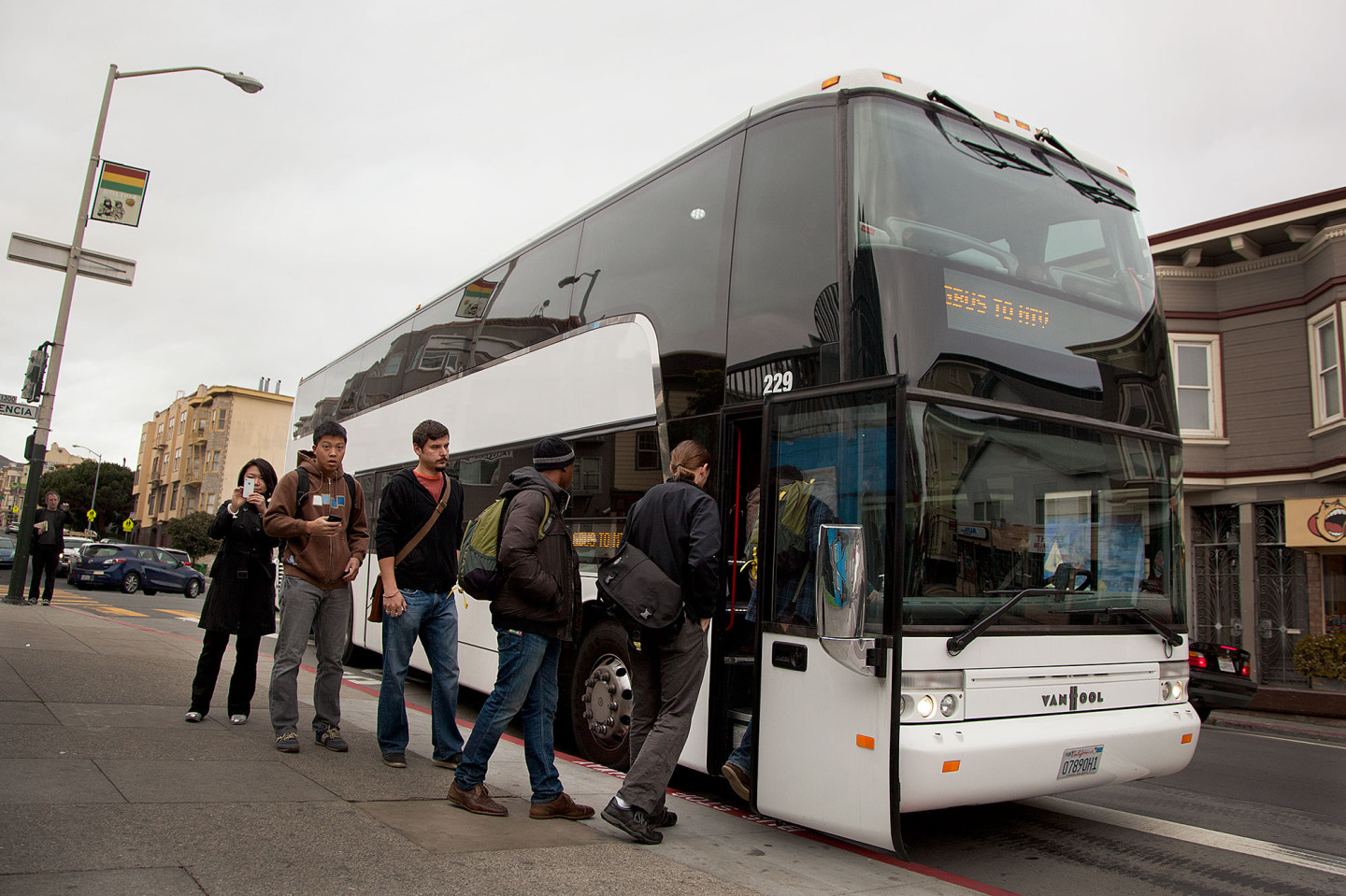
"caption": "A Google bus picks up workers at 24th and Valencia streets in the Mission District. ",
"description": "A Google bus picks up workers in San Francisco. (Mark Andrew Boyer)",
"title": "Google Bus-San Francisco",
"credit": "Mark Andrew Boyer/KQED",
"status": "inherit",
"isLoading": false,
"fetchFailed": false
},
"news_10860397": {
"type": "attachments",
"id": "news_10860397",
"meta": {
"index": "attachments_1716263798",
"site": "news",
"id": "10860397",
"found": true
},
"parent": 10859344,
"imgSizes": {
"twentyfourteen-full-width": {
"file": "https://ww2.kqed.org/app/uploads/sites/10/2016/02/iStock_000061624928_Large-1038x576.jpg",
"width": 1038,
"mimeType": "image/jpeg",
"height": 576
},
"thumbnail": {
"file": "https://ww2.kqed.org/app/uploads/sites/10/2016/02/iStock_000061624928_Large-400x255.jpg",
"width": 400,
"mimeType": "image/jpeg",
"height": 255
},
"fd-sm": {
"file": "https://ww2.kqed.org/app/uploads/sites/10/2016/02/iStock_000061624928_Large-960x612.jpg",
"width": 960,
"mimeType": "image/jpeg",
"height": 612
},
"post-thumbnail": {
"file": "https://ww2.kqed.org/app/uploads/sites/10/2016/02/iStock_000061624928_Large-672x372.jpg",
"width": 672,
"mimeType": "image/jpeg",
"height": 372
},
"kqedFullSize": {
"file": "https://ww2.kqed.org/app/uploads/sites/10/2016/02/iStock_000061624928_Large-e1455139982964.jpg",
"width": 1920,
"height": 1223
},
"large": {
"file": "https://ww2.kqed.org/app/uploads/sites/10/2016/02/iStock_000061624928_Large-1440x917.jpg",
"width": 1440,
"mimeType": "image/jpeg",
"height": 917
},
"guest-author-96": {
"file": "https://ww2.kqed.org/app/uploads/sites/10/2016/02/iStock_000061624928_Large-96x96.jpg",
"width": 96,
"mimeType": "image/jpeg",
"height": 96
},
"medium": {
"file": "https://ww2.kqed.org/app/uploads/sites/10/2016/02/iStock_000061624928_Large-800x510.jpg",
"width": 800,
"mimeType": "image/jpeg",
"height": 510
},
"guest-author-64": {
"file": "https://ww2.kqed.org/app/uploads/sites/10/2016/02/iStock_000061624928_Large-64x64.jpg",
"width": 64,
"mimeType": "image/jpeg",
"height": 64
},
"guest-author-32": {
"file": "https://ww2.kqed.org/app/uploads/sites/10/2016/02/iStock_000061624928_Large-32x32.jpg",
"width": 32,
"mimeType": "image/jpeg",
"height": 32
},
"jmtc-small-thumb": {
"file": "https://ww2.kqed.org/app/uploads/sites/10/2016/02/iStock_000061624928_Large-280x150.jpg",
"width": 280,
"mimeType": "image/jpeg",
"height": 150
},
"fd-lrg": {
"file": "https://ww2.kqed.org/app/uploads/sites/10/2016/02/iStock_000061624928_Large-1920x1223.jpg",
"width": 1920,
"mimeType": "image/jpeg",
"height": 1223
},
"fd-med": {
"file": "https://ww2.kqed.org/app/uploads/sites/10/2016/02/iStock_000061624928_Large-1180x752.jpg",
"width": 1180,
"mimeType": "image/jpeg",
"height": 752
},
"detail": {
"file": "https://ww2.kqed.org/app/uploads/sites/10/2016/02/iStock_000061624928_Large-75x75.jpg",
"width": 75,
"mimeType": "image/jpeg",
"height": 75
},
"medium_large": {
"file": "https://ww2.kqed.org/app/uploads/sites/10/2016/02/iStock_000061624928_Large-768x489.jpg",
"width": 768,
"mimeType": "image/jpeg",
"height": 489
},
"guest-author-128": {
"file": "https://ww2.kqed.org/app/uploads/sites/10/2016/02/iStock_000061624928_Large-128x128.jpg",
"width": 128,
"mimeType": "image/jpeg",
"height": 128
}
},
"publishDate": 1455139934,
"modified": 1455140015,
"caption": null,
"description": null,
"title": "Visa",
"credit": "iStockphoto",
"status": "inherit",
"isLoading": false,
"fetchFailed": false
}
},
"audioPlayerReducer": {
"postId": "stream_live",
"isPaused": true,
"isPlaying": false,
"pfsActive": false,
"pledgeModalIsOpen": true,
"playerDrawerIsOpen": false,
"liveAudioPlayStartedAt": 0,
"liveAudioPlayContext": ""
},
"authorsReducer": {
"byline_news_10882040": {
"type": "authors",
"id": "byline_news_10882040",
"meta": {
"override": true
},
"slug": "byline_news_10882040",
"name": "\u003cstrong>Larry Neumeister and Tami Abdollah\u003cbr />Associated Press\u003c/strong?",
"isLoading": false
},
"byline_news_10879093": {
"type": "authors",
"id": "byline_news_10879093",
"meta": {
"override": true
},
"slug": "byline_news_10879093",
"name": "Alina Selyukh\u003cbr /> \u003cstrong>NPR\u003c/strong>",
"isLoading": false
},
"byline_news_10878320": {
"type": "authors",
"id": "byline_news_10878320",
"meta": {
"override": true
},
"slug": "byline_news_10878320",
"name": "\u003cstrong>\u003ca href=\"http://www.npr.org/people/2100615/jon-hamilton\">Jon Hamilton\u003c/a>\u003cbr>NPR\u003c/strong>",
"isLoading": false
},
"byline_news_10874394": {
"type": "authors",
"id": "byline_news_10874394",
"meta": {
"override": true
},
"slug": "byline_news_10874394",
"name": "\u003cstrong>\u003ca href=\"https://twitter.com/latams\" target=\"_blank\">Tami Abdollah\u003c/a> and Eric Tucker\u003cbr />Associated Press\u003c/strong>",
"isLoading": false
},
"byline_news_10871157": {
"type": "authors",
"id": "byline_news_10871157",
"meta": {
"override": true
},
"slug": "byline_news_10871157",
"name": "\u003cstrong>\u003ca href=\"http://www.scpr.org/about/people/staff/brian-watt\">Brian Watt\u003c/a>\u003cbr>KPCC\u003c/strong>",
"isLoading": false
},
"byline_news_10871090": {
"type": "authors",
"id": "byline_news_10871090",
"meta": {
"override": true
},
"slug": "byline_news_10871090",
"name": "\u003cstrong>John Antczak\u003cbr />Associated Press\u003c/strong>",
"isLoading": false
},
"byline_news_10867371": {
"type": "authors",
"id": "byline_news_10867371",
"meta": {
"override": true
},
"slug": "byline_news_10867371",
"name": "\u003cstrong>\u003ca href=\"http://www.twitter.com/latams\" target=\"_blank\">Tami Abdollah\u003c/a> and \u003ca href=\"http://www.twitter.com/etuckerAP\" target=\"_blank\">Eric Tucker\u003c/a>\u003cbr />Associated Press\u003c/strong>",
"isLoading": false
},
"bgoebel": {
"type": "authors",
"id": "214",
"meta": {
"index": "authors_1716337520",
"id": "214",
"found": true
},
"name": "Bryan Goebel",
"firstName": "Bryan",
"lastName": "Goebel",
"slug": "bgoebel",
"email": "bgoebel@kqed.org",
"display_author_email": false,
"staff_mastheads": [],
"title": null,
"bio": "Bryan Goebel is a reporter focused on transportation and housing issues. He was previously the editor of Streetsblog San Francisco, and an anchor/editor at KCBS Radio. He's a lifelong Californian and has also worked at radio stations in Barstow, Redding and Sacramento.",
"avatar": "https://secure.gravatar.com/avatar/7fdd6b065bfe9a23a71bcfa80848df88?s=600&d=blank&r=g",
"twitter": "velobry",
"facebook": null,
"instagram": null,
"linkedin": null,
"sites": [
{
"site": "news",
"roles": [
"subscriber"
]
},
{
"site": "stateofhealth",
"roles": [
"subscriber"
]
}
],
"headData": {
"title": "Bryan Goebel | KQED",
"description": null,
"ogImgSrc": "https://secure.gravatar.com/avatar/7fdd6b065bfe9a23a71bcfa80848df88?s=600&d=blank&r=g",
"twImgSrc": "https://secure.gravatar.com/avatar/7fdd6b065bfe9a23a71bcfa80848df88?s=600&d=blank&r=g"
},
"isLoading": false,
"link": "/author/bgoebel"
},
"samharnett": {
"type": "authors",
"id": "253",
"meta": {
"index": "authors_1716337520",
"id": "253",
"found": true
},
"name": "Sam Harnett",
"firstName": "Sam",
"lastName": "Harnett",
"slug": "samharnett",
"email": "samharnett@gmail.com",
"display_author_email": false,
"staff_mastheads": [],
"title": "KQED Contributor",
"bio": "Sam Harnett covered tech and work at KQED. He is the co-creator of \u003cem>\u003ca href=\"http://www.theworldaccordingtosound.org\">The World According to Sound\u003c/a>,\u003c/em> a 90-second podcast that features different sounds and the stories behind them.\r\n\r\nBefore coming to KQED, Sam worked as an independent reporter who contributed regularly to \u003cem>The California Report, Marketplace,\u003c/em> \u003cem>The World \u003c/em>and NPR.",
"avatar": "https://secure.gravatar.com/avatar/2538b972ac02f2b9546c7a6c59a0f3d0?s=600&d=blank&r=g",
"twitter": "Samwharnett",
"facebook": null,
"instagram": null,
"linkedin": null,
"sites": [
{
"site": "news",
"roles": [
"edit_others_posts",
"subscriber"
]
},
{
"site": "stateofhealth",
"roles": [
"author"
]
},
{
"site": "science",
"roles": [
"editor"
]
},
{
"site": "quest",
"roles": [
"subscriber"
]
}
],
"headData": {
"title": "Sam Harnett | KQED",
"description": "KQED Contributor",
"ogImgSrc": "https://secure.gravatar.com/avatar/2538b972ac02f2b9546c7a6c59a0f3d0?s=600&d=blank&r=g",
"twImgSrc": "https://secure.gravatar.com/avatar/2538b972ac02f2b9546c7a6c59a0f3d0?s=600&d=blank&r=g"
},
"isLoading": false,
"link": "/author/samharnett"
},
"tgoldberg": {
"type": "authors",
"id": "258",
"meta": {
"index": "authors_1716337520",
"id": "258",
"found": true
},
"name": "Ted Goldberg",
"firstName": "Ted",
"lastName": "Goldberg",
"slug": "tgoldberg",
"email": "tgoldberg@kqed.org",
"display_author_email": true,
"staff_mastheads": [
"news"
],
"title": "KQED Managing Editor, News and Newscasts",
"bio": "Ted Goldberg is Managing Editor of News and Newscasts at KQED. His main reporting beat is the Bay Area's oil refining industry.\r\n\r\nPrior to joining KQED in 2014, Ted worked at CBS News and WCBS AM in New York and Bay City News and KCBS Radio in San Francisco. He graduated from Oberlin College in Ohio in 1998.",
"avatar": "https://secure.gravatar.com/avatar/30ce2e4fe89135e104f89be2394d16225b9d36c121b5b3cb7651ce642978b96f?s=600&d=blank&r=g",
"twitter": "TedrickG",
"bluesky": null,
"facebook": null,
"instagram": null,
"linkedin": null,
"sites": [
{
"site": "news",
"roles": [
"editor"
]
},
{
"site": "science",
"roles": [
"editor"
]
}
],
"headData": {
"title": "Ted Goldberg | KQED",
"description": "KQED Managing Editor, News and Newscasts",
"ogImgSrc": "https://secure.gravatar.com/avatar/30ce2e4fe89135e104f89be2394d16225b9d36c121b5b3cb7651ce642978b96f?s=600&d=blank&r=g",
"twImgSrc": "https://secure.gravatar.com/avatar/30ce2e4fe89135e104f89be2394d16225b9d36c121b5b3cb7651ce642978b96f?s=600&d=blank&r=g"
},
"isLoading": false,
"link": "/author/tgoldberg"
},
"korr": {
"type": "authors",
"id": "11200",
"meta": {
"index": "authors_1716337520",
"id": "11200",
"found": true
},
"name": "Katie Orr",
"firstName": "Katie",
"lastName": "Orr",
"slug": "korr",
"email": "korr@kqed.org",
"display_author_email": false,
"staff_mastheads": [],
"title": "KQED Contributor",
"bio": "Katie Orr was a Sacramento-based reporter for KQED's Politics and Government Desk, covering the state Capitol and a variety of issues including women in politics, voting and elections and legislation. Prior to joining KQED in 2016, Katie was state government reporter for Capital Public Radio in Sacramento. She's also worked for KPBS in San Diego, where she covered City Hall.\r\n\r\nKatie received her masters degree in political science from San Diego State University and holds a Bachelors degree in broadcast journalism from Arizona State University.\r\n\r\nIn 2015 Katie won a national Clarion Award for a series of stories she did on women in California politics. She's been honored by the Society for Professional Journalists and, in 2013, was named by \u003cem>The Washington Post\u003c/em> as one of the country's top state Capitol reporters. She's also reported for the award-winning documentary series \u003cem>The View from Here \u003c/em>and was part of the team that won national PRNDI and Gabriel Awards in 2015. She lives in Sacramento with her husband. Twitter: @1KatieOrr",
"avatar": "https://secure.gravatar.com/avatar/41a40b25845adc78f50808670860449e?s=600&d=blank&r=g",
"twitter": "1katieorr",
"facebook": null,
"instagram": null,
"linkedin": null,
"sites": [
{
"site": "news",
"roles": [
"subscriber"
]
},
{
"site": "stateofhealth",
"roles": [
"author"
]
},
{
"site": "forum",
"roles": [
"author"
]
}
],
"headData": {
"title": "Katie Orr | KQED",
"description": "KQED Contributor",
"ogImgSrc": "https://secure.gravatar.com/avatar/41a40b25845adc78f50808670860449e?s=600&d=blank&r=g",
"twImgSrc": "https://secure.gravatar.com/avatar/41a40b25845adc78f50808670860449e?s=600&d=blank&r=g"
},
"isLoading": false,
"link": "/author/korr"
}
},
"pagesReducer": {
"news_category_technology": {
"type": "terms",
"id": "news_248",
"meta": {
"index": "terms_1716263798",
"site": "news",
"id": "248",
"score": 10.931532
},
"featImg": null,
"name": "Technology",
"description": null,
"taxonomy": "category",
"headData": {
"twImgId": null,
"twTitle": null,
"ogTitle": null,
"ogImgId": null,
"twDescription": null,
"description": null,
"title": "Technology Archives | KQED News",
"ogDescription": null
},
"ttid": 256,
"slug": "technology",
"isLoading": false,
"title": "Technology",
"pageMeta": {
"site": "news",
"WpPageTemplate": "page-topic-editorial",
"currentPage": 137
},
"blocks": [
{
"blockName": "kqed/post-list",
"attrs": {
"layout": "cardArticle2",
"query": "posts/news?category=technology",
"seeMore": false,
"paginated": true,
"page": 137
}
},
{
"blockName": "kqed/ad"
}
]
}
},
"pfsSessionReducer": {},
"postsReducer": {
"stream_live": {
"type": "live",
"id": "stream_live",
"audioUrl": "https://streams.kqed.org/kqedradio",
"title": "Live Stream",
"excerpt": "Live Stream information currently unavailable.",
"link": "/radio",
"featImg": "",
"label": {
"name": "KQED Live",
"link": "/"
}
},
"stream_kqedNewscast": {
"type": "posts",
"id": "stream_kqedNewscast",
"audioUrl": "https://www.kqed.org/.stream/anon/radio/RDnews/newscast.mp3?_=1",
"title": "KQED Newscast",
"featImg": "",
"label": {
"name": "88.5 FM",
"link": "/"
}
},
"news_10882040": {
"type": "posts",
"id": "news_10882040",
"meta": {
"index": "posts_1716263798",
"site": "news",
"id": "10882040",
"score": null,
"sort": [
1456789622000
]
},
"parent": 0,
"labelTerm": {
"site": "news",
"term": 6944
},
"blocks": [],
"publishDate": 1456789622,
"format": "standard",
"disqusTitle": "Judge in N.Y. Drug Case Says FBI Can't Force Apple to Unlock iPhone",
"title": "Judge in N.Y. Drug Case Says FBI Can't Force Apple to Unlock iPhone",
"headTitle": "News Fix | KQED News",
"content": "\u003cp>NEW YORK — The U.S. Justice Department cannot force Apple to provide the FBI with access to locked iPhone data in a routine Brooklyn drug case, a federal judge ruled Monday.\u003c/p>\n\u003cp>Judge James Orenstein's written decision (\u003ca href=\"#applefbiny\">embedded below\u003c/a>) gives support to the company's position in its fight against a Southern California judge's order that it create specialized software to help the FBI hack into an iPhone linked to the San Bernardino terrorism investigation. Apple on Thursday formally objected to the order in a brief filed with the court.\u003c/p>\n\u003cp>The San Bernardino County-owned iPhone 5C was used by Syed Farook, who was a health inspector. He and his wife, Tashfeen Malik, killed 14 people during a Dec. 2 attack that was at least partly inspired by the Islamic State group.\u003c/p>\n\u003cp>Apple's opposition to the government's tactics has evoked a national debate over digital privacy rights and national security.\u003c/p>\n\u003cp>Orenstein concluded that Apple is not obligated to assist government investigators against its will and noted that Congress has not adopted legislation that would achieve the result sought by the government.\u003c/p>\n\u003cp>[ad fullwidth]\u003c/p>\n\u003cp>Orenstein said he was offering no opinion on whether in the instance of this case or others, \"the government's legitimate interest in ensuring that no door is too strong to resist lawful entry should prevail against the equally legitimate societal interests arrayed against it here.\"\u003c/p>\n\u003cp>He said the interests at stake go beyond expectations of privacy, and include the commercial interest in conducting business free of potentially harmful government intrusion and the \"far more fundamental and universal interest ... in shielding sensitive electronically stored data from the myriad harms, great and small, that unauthorized access and misuse can cause.\"\u003c/p>\n\u003cp>\"How best to balance those interests is a matter of critical importance to our society, and the need for an answer becomes more pressing daily, as the tide of technological advance flows ever farther past the boundaries of what seemed possible even a few decades ago,\" Orenstein wrote. \"But that debate must happen today, and it must take place among legislators who are equipped to consider the technological and cultural realities of a world their predecessors could not begin to conceive.\"\u003c/p>\n\u003cp>The Justice Department said in a statement that it's disappointed in the ruling and plans to appeal in coming days. It said Apple had previously agreed many times prior to assist the government and \"only changed course when the government's application for assistance was made public by the court.\"\u003c/p>\n\u003cp>Apple and their attorneys said they were reading the opinion and will comment later.\u003c/p>\n\u003cp>In October, Orenstein invited Apple to challenge the government's use of a 227-year-old law to compel the company to help it recover iPhone data in criminal cases, noting that another law on the books already covered the issue.\u003c/p>\n\u003cp>The Cupertino-based computer maker did, saying in court papers that extracting information from an iPhone \"could threaten the trust between Apple and its customers and substantially tarnish the Apple brand.\"\u003c/p>\n\u003cp>It followed up by declining to cooperate in a dozen more instances in four states involving government requests to aid criminal probes by retrieving data from individual iPhones.\u003c/p>\n\u003cp>In ruling, Orenstein wrote: \"I believe Apple has the better argument\" because the other law covering wiretaps for telecom companies \"explicitly absolves a company like Apple of any responsibility to provide the assistance the government seeks here.\"\u003c/p>\n\u003cp>Federal prosecutors say Apple has stopped short of challenging court orders judicially, except in the cases before Orenstein and the California jurist who ruled about the San Bernardino shooter's phone.\u003c/p>\n\u003cp>\"Ultimately, the question to be answered in this matter, and in others like it across the country, is not whether the government should be able to force Apple to help it unlock a specific device; it is instead whether the All Writs Act resolves that issue and many others like it yet to come,\" Orenstein wrote. \"For the reasons set forth above, I conclude that it does not.\"\u003c/p>\n\u003cp>\u003ca id=\"applefbiny\">\u003c/a>\u003c/p>\n\u003cp>\u003c/p>\n\u003cp>\u003c!-- iframe plugin v.4.3 wordpress.org/plugins/iframe/ -->\u003cbr>\n\u003ciframe class=\"scribd_iframe_embed\" src=\"https://www.scribd.com/embeds/301292148/content?start_page=1&view_mode=scroll&show_recommendations=true\" data-auto-height=\"false\" data-aspect-ratio=\"undefined\" scrolling=\"no\" id=\"doc_48281\" width=\"100%\" height=\"600\" frameborder=\"0\">\u003c/iframe>\u003c/p>\n\n",
"disqusIdentifier": "10882040 http://ww2.kqed.org/news/?p=10882040",
"disqusUrl": "https://ww2.kqed.org/news/2016/02/29/judge-in-n-y-drug-case-says-fbi-cant-force-apple-to-unlock-iphone/",
"stats": {
"hasVideo": false,
"hasChartOrMap": false,
"hasAudio": false,
"hasPolis": false,
"wordCount": 668,
"hasGoogleForm": false,
"hasGallery": false,
"hasHearkenModule": false,
"iframeSrcs": [],
"paragraphCount": 20
},
"modified": 1456792807,
"excerpt": "Ruling acknowledges importance of debate over personal privacy and national security, but says that Congress must decide issue. ",
"headData": {
"twImgId": "",
"twTitle": "",
"ogTitle": "",
"ogImgId": "",
"twDescription": "",
"description": "Ruling acknowledges importance of debate over personal privacy and national security, but says that Congress must decide issue. ",
"title": "Judge in N.Y. Drug Case Says FBI Can't Force Apple to Unlock iPhone | KQED",
"ogDescription": "",
"schema": {
"@context": "https://schema.org",
"@type": "NewsArticle",
"headline": "Judge in N.Y. Drug Case Says FBI Can't Force Apple to Unlock iPhone",
"datePublished": "2016-02-29T15:47:02-08:00",
"dateModified": "2016-02-29T16:40:07-08:00",
"image": "https://cdn.kqed.org/wp-content/uploads/2020/02/KQED-OG-Image@1x.png",
"isAccessibleForFree": "True",
"publisher": {
"@type": "NewsMediaOrganization",
"@id": "https://www.kqed.org/#organization",
"name": "KQED",
"logo": "https://cdn.kqed.org/wp-content/uploads/2020/02/KQED-OG-Image@1x.png",
"url": "https://www.kqed.org",
"sameAs": [
"https://www.facebook.com/KQED",
"https://twitter.com/KQED",
"https://www.instagram.com/kqed/",
"https://www.tiktok.com/@kqedofficial",
"https://www.linkedin.com/company/kqed",
"https://www.youtube.com/channel/UCeC0IOo7i1P_61zVUWbJ4nw"
]
}
}
},
"guestAuthors": [],
"slug": "judge-in-n-y-drug-case-says-fbi-cant-force-apple-to-unlock-iphone",
"status": "publish",
"nprByline": "\u003cstrong>Larry Neumeister and Tami Abdollah\u003cbr />Associated Press\u003c/strong?",
"path": "/news/10882040/judge-in-n-y-drug-case-says-fbi-cant-force-apple-to-unlock-iphone",
"audioTrackLength": null,
"parsedContent": [
{
"type": "contentString",
"content": "\u003cdiv class=\"post-body\">\u003cp>\u003cp>NEW YORK — The U.S. Justice Department cannot force Apple to provide the FBI with access to locked iPhone data in a routine Brooklyn drug case, a federal judge ruled Monday.\u003c/p>\n\u003cp>Judge James Orenstein's written decision (\u003ca href=\"#applefbiny\">embedded below\u003c/a>) gives support to the company's position in its fight against a Southern California judge's order that it create specialized software to help the FBI hack into an iPhone linked to the San Bernardino terrorism investigation. Apple on Thursday formally objected to the order in a brief filed with the court.\u003c/p>\n\u003cp>The San Bernardino County-owned iPhone 5C was used by Syed Farook, who was a health inspector. He and his wife, Tashfeen Malik, killed 14 people during a Dec. 2 attack that was at least partly inspired by the Islamic State group.\u003c/p>\n\u003cp>Apple's opposition to the government's tactics has evoked a national debate over digital privacy rights and national security.\u003c/p>\n\u003cp>Orenstein concluded that Apple is not obligated to assist government investigators against its will and noted that Congress has not adopted legislation that would achieve the result sought by the government.\u003c/p>\n\u003cp>\u003c/p>\u003c/div>",
"attributes": {
"named": {},
"numeric": []
}
},
{
"type": "component",
"content": "",
"name": "ad",
"attributes": {
"named": {
"label": "fullwidth"
},
"numeric": [
"fullwidth"
]
}
},
{
"type": "contentString",
"content": "\u003cdiv class=\"post-body\">\u003cp>\u003c/p>\n\u003cp>Orenstein said he was offering no opinion on whether in the instance of this case or others, \"the government's legitimate interest in ensuring that no door is too strong to resist lawful entry should prevail against the equally legitimate societal interests arrayed against it here.\"\u003c/p>\n\u003cp>He said the interests at stake go beyond expectations of privacy, and include the commercial interest in conducting business free of potentially harmful government intrusion and the \"far more fundamental and universal interest ... in shielding sensitive electronically stored data from the myriad harms, great and small, that unauthorized access and misuse can cause.\"\u003c/p>\n\u003cp>\"How best to balance those interests is a matter of critical importance to our society, and the need for an answer becomes more pressing daily, as the tide of technological advance flows ever farther past the boundaries of what seemed possible even a few decades ago,\" Orenstein wrote. \"But that debate must happen today, and it must take place among legislators who are equipped to consider the technological and cultural realities of a world their predecessors could not begin to conceive.\"\u003c/p>\n\u003cp>The Justice Department said in a statement that it's disappointed in the ruling and plans to appeal in coming days. It said Apple had previously agreed many times prior to assist the government and \"only changed course when the government's application for assistance was made public by the court.\"\u003c/p>\n\u003cp>Apple and their attorneys said they were reading the opinion and will comment later.\u003c/p>\n\u003cp>In October, Orenstein invited Apple to challenge the government's use of a 227-year-old law to compel the company to help it recover iPhone data in criminal cases, noting that another law on the books already covered the issue.\u003c/p>\n\u003cp>The Cupertino-based computer maker did, saying in court papers that extracting information from an iPhone \"could threaten the trust between Apple and its customers and substantially tarnish the Apple brand.\"\u003c/p>\n\u003cp>It followed up by declining to cooperate in a dozen more instances in four states involving government requests to aid criminal probes by retrieving data from individual iPhones.\u003c/p>\n\u003cp>In ruling, Orenstein wrote: \"I believe Apple has the better argument\" because the other law covering wiretaps for telecom companies \"explicitly absolves a company like Apple of any responsibility to provide the assistance the government seeks here.\"\u003c/p>\n\u003cp>Federal prosecutors say Apple has stopped short of challenging court orders judicially, except in the cases before Orenstein and the California jurist who ruled about the San Bernardino shooter's phone.\u003c/p>\n\u003cp>\"Ultimately, the question to be answered in this matter, and in others like it across the country, is not whether the government should be able to force Apple to help it unlock a specific device; it is instead whether the All Writs Act resolves that issue and many others like it yet to come,\" Orenstein wrote. \"For the reasons set forth above, I conclude that it does not.\"\u003c/p>\n\u003cp>\u003ca id=\"applefbiny\">\u003c/a>\u003c/p>\n\u003cp>\u003c/p>\n\u003cp>\u003c!-- iframe plugin v.4.3 wordpress.org/plugins/iframe/ -->\u003cbr>\n\u003ciframe class=\"scribd_iframe_embed\" src=\"https://www.scribd.com/embeds/301292148/content?start_page=1&view_mode=scroll&show_recommendations=true\" data-auto-height=\"false\" data-aspect-ratio=\"undefined\" scrolling=\"no\" id=\"doc_48281\" width=\"100%\" height=\"600\" frameborder=\"0\">\u003c/iframe>\u003c/p>\n\n\u003c/div>\u003c/p>",
"attributes": {
"named": {},
"numeric": []
}
}
],
"link": "/news/10882040/judge-in-n-y-drug-case-says-fbi-cant-force-apple-to-unlock-iphone",
"authors": [
"byline_news_10882040"
],
"programs": [
"news_6944"
],
"categories": [
"news_8",
"news_248"
],
"tags": [
"news_19182",
"news_425",
"news_610",
"news_1859",
"news_4289"
],
"featImg": "news_10882044",
"label": "news_6944"
},
"news_10879350": {
"type": "posts",
"id": "news_10879350",
"meta": {
"index": "posts_1716263798",
"site": "news",
"id": "10879350",
"score": null,
"sort": [
1456733147000
]
},
"parent": 0,
"labelTerm": {
"site": "news",
"term": 72
},
"blocks": [],
"publishDate": 1456733147,
"format": "standard",
"disqusTitle": "Assembly Poised to Take Up Gun Control Measures",
"title": "Assembly Poised to Take Up Gun Control Measures",
"headTitle": "The California Report | KQED News",
"content": "\u003cp>Guns are once again a hot topic in Sacramento. Tuesday the Assembly Public Safety Committee will consider \u003ca href=\"http://leginfo.legislature.ca.gov/faces/billNavClient.xhtml?bill_id=201520160AB1673\" target=\"_blank\">four\u003c/a> \u003ca href=\"http://leginfo.legislature.ca.gov/faces/billNavClient.xhtml?bill_id=201520160AB1674\" target=\"_blank\">bills\u003c/a> regulating guns. Among the measures is one by Democrat Marc Levine that would expand the state’s assault weapons ban to include firearms \u003ca href=\"http://leginfo.legislature.ca.gov/faces/billNavClient.xhtml?bill_id=201520160AB1664\" target=\"_blank\">with a button\u003c/a> that allows magazines to be easily detached.\u003c/p>\n\u003cp>“This makes it very easy to change magazines,\" says the San Rafael legislator. \"Literally in a second (you can) go from one ten-clip magazine to another one, so that shooters can fire more bullets.”\u003c/p>\n\u003cp>[soundcloud url=\"https://api.soundcloud.com/tracks/249521733\" params=\"color=ff5500&auto_play=false&hide_related=false&show_comments=true&show_user=true&show_reposts=false\" width=\"100%\" height=\"166\" iframe=\"true\" /]\u003c/p>\n\u003cp>The committee will also take up a measure that would more broadly \u003ca href=\"http://leginfo.legislature.ca.gov/faces/billNavClient.xhtml?bill_id=201520160AB1663\" target=\"_blank\">expand the definition\u003c/a> of an assault weapon. Gov. Jerry Brown vetoed a similar bill in 2013. Levine says he believes the political climate is different in the wake of mass shootings like the one in San Bernardino. But Claremont McKenna government professor Jack Pitney is not convinced.\u003c/p>\n\u003cp>“On this issue public opinion tends to be pretty entrenched,\" he says. \"The people who support stricter regulation of firearms tend to be pretty firm, and the people who oppose stricter regulation of firearms also tend to be pretty firm.”\u003c/p>\n\u003cp>[ad fullwidth]\u003c/p>\n\u003cp>\u003c/p>\n\u003cp>Lt. Gov. Gavin Newsom is choosing to bypass the Legislature in his attempt to further gun control. His \u003ca href=\"http://safetyforall.com/fulltext.htm\">proposed ballot initiative\u003c/a> would require background checks for ammunition purchases and ban possession of large-capacity magazines.\u003c/p>\n\n",
"disqusIdentifier": "10879350 http://ww2.kqed.org/news/?p=10879350",
"disqusUrl": "https://ww2.kqed.org/news/2016/02/29/assembly-poised-to-take-up-gun-control-measures/",
"stats": {
"hasVideo": false,
"hasChartOrMap": false,
"hasAudio": false,
"hasPolis": false,
"wordCount": 264,
"hasGoogleForm": false,
"hasGallery": false,
"hasHearkenModule": false,
"iframeSrcs": [],
"paragraphCount": 8
},
"modified": 1456775378,
"excerpt": "Tuesday the Assembly Public Safety Committee will consider four bills regulating guns. ",
"headData": {
"twImgId": "",
"twTitle": "",
"ogTitle": "",
"ogImgId": "",
"twDescription": "",
"description": "Tuesday the Assembly Public Safety Committee will consider four bills regulating guns. ",
"title": "Assembly Poised to Take Up Gun Control Measures | KQED",
"ogDescription": "",
"schema": {
"@context": "https://schema.org",
"@type": "NewsArticle",
"headline": "Assembly Poised to Take Up Gun Control Measures",
"datePublished": "2016-02-29T00:05:47-08:00",
"dateModified": "2016-02-29T11:49:38-08:00",
"image": "https://cdn.kqed.org/wp-content/uploads/2020/02/KQED-OG-Image@1x.png",
"isAccessibleForFree": "True",
"publisher": {
"@type": "NewsMediaOrganization",
"@id": "https://www.kqed.org/#organization",
"name": "KQED",
"logo": "https://cdn.kqed.org/wp-content/uploads/2020/02/KQED-OG-Image@1x.png",
"url": "https://www.kqed.org",
"sameAs": [
"https://www.facebook.com/KQED",
"https://twitter.com/KQED",
"https://www.instagram.com/kqed/",
"https://www.tiktok.com/@kqedofficial",
"https://www.linkedin.com/company/kqed",
"https://www.youtube.com/channel/UCeC0IOo7i1P_61zVUWbJ4nw"
]
}
}
},
"guestAuthors": [],
"slug": "assembly-poised-to-take-up-gun-control-measures",
"status": "publish",
"path": "/news/10879350/assembly-poised-to-take-up-gun-control-measures",
"audioTrackLength": null,
"parsedContent": [
{
"type": "contentString",
"content": "\u003cdiv class=\"post-body\">\u003cp>\u003cp>Guns are once again a hot topic in Sacramento. Tuesday the Assembly Public Safety Committee will consider \u003ca href=\"http://leginfo.legislature.ca.gov/faces/billNavClient.xhtml?bill_id=201520160AB1673\" target=\"_blank\">four\u003c/a> \u003ca href=\"http://leginfo.legislature.ca.gov/faces/billNavClient.xhtml?bill_id=201520160AB1674\" target=\"_blank\">bills\u003c/a> regulating guns. Among the measures is one by Democrat Marc Levine that would expand the state’s assault weapons ban to include firearms \u003ca href=\"http://leginfo.legislature.ca.gov/faces/billNavClient.xhtml?bill_id=201520160AB1664\" target=\"_blank\">with a button\u003c/a> that allows magazines to be easily detached.\u003c/p>\n\u003cp>“This makes it very easy to change magazines,\" says the San Rafael legislator. \"Literally in a second (you can) go from one ten-clip magazine to another one, so that shooters can fire more bullets.”\u003c/p>\n\u003cp>\u003c/p>\u003cp>\u003cdiv class='utils-parseShortcode-shortcodes-__shortcodes__shortcodeWrapper'>\n \u003ciframe width='100%' height='166'\n scrolling='no' frameborder='no'\n src='https://w.soundcloud.com/player/?url=https://api.soundcloud.com/tracks/249521733&visual=true&color=ff5500&auto_play=false&hide_related=false&show_comments=true&show_user=true&show_reposts=false'\n title='https://api.soundcloud.com/tracks/249521733'>\n \u003c/iframe>\n \u003c/div>\u003c/p>\u003cp>\u003c/p>\n\u003cp>The committee will also take up a measure that would more broadly \u003ca href=\"http://leginfo.legislature.ca.gov/faces/billNavClient.xhtml?bill_id=201520160AB1663\" target=\"_blank\">expand the definition\u003c/a> of an assault weapon. Gov. Jerry Brown vetoed a similar bill in 2013. Levine says he believes the political climate is different in the wake of mass shootings like the one in San Bernardino. But Claremont McKenna government professor Jack Pitney is not convinced.\u003c/p>\n\u003cp>“On this issue public opinion tends to be pretty entrenched,\" he says. \"The people who support stricter regulation of firearms tend to be pretty firm, and the people who oppose stricter regulation of firearms also tend to be pretty firm.”\u003c/p>\n\u003cp>\u003c/p>\u003c/div>",
"attributes": {
"named": {},
"numeric": []
}
},
{
"type": "component",
"content": "",
"name": "ad",
"attributes": {
"named": {
"label": "fullwidth"
},
"numeric": [
"fullwidth"
]
}
},
{
"type": "contentString",
"content": "\u003cdiv class=\"post-body\">\u003cp>\u003c/p>\n\u003cp>\u003c/p>\n\u003cp>Lt. Gov. Gavin Newsom is choosing to bypass the Legislature in his attempt to further gun control. His \u003ca href=\"http://safetyforall.com/fulltext.htm\">proposed ballot initiative\u003c/a> would require background checks for ammunition purchases and ban possession of large-capacity magazines.\u003c/p>\n\n\u003c/div>\u003c/p>",
"attributes": {
"named": {},
"numeric": []
}
}
],
"link": "/news/10879350/assembly-poised-to-take-up-gun-control-measures",
"authors": [
"11200"
],
"programs": [
"news_6944",
"news_72"
],
"categories": [
"news_6188",
"news_8",
"news_13",
"news_248"
],
"tags": [
"news_2795",
"news_17286",
"news_17041"
],
"featImg": "news_10879395",
"label": "news_72"
},
"news_10879093": {
"type": "posts",
"id": "news_10879093",
"meta": {
"index": "posts_1716263798",
"site": "news",
"id": "10879093",
"score": null,
"sort": [
1456515225000
]
},
"parent": 0,
"labelTerm": {
"site": "news",
"term": 6944
},
"blocks": [],
"publishDate": 1456515225,
"format": "image",
"disqusTitle": "Zuckerberg Tells Facebook Staff To Stop Crossing Out 'Black Lives Matter'",
"title": "Zuckerberg Tells Facebook Staff To Stop Crossing Out 'Black Lives Matter'",
"headTitle": "News Fix | KQED News",
"content": "\u003cp>Facebook CEO Mark Zuckerberg is scolding employees for what he calls \"several recent instances\" of people crossing out \"black lives matter\" on signature walls at the company's headquarters and writing \"all lives matter\" instead.\u003c/p>\n\u003cp>In a note to employees posted on a company announcement page, \u003ca href=\"http://gizmodo.com/mark-zuckerberg-asks-racist-facebook-employees-to-stop-1761272768\" target=\"_blank\">published by Gizmodo\u003c/a>, Zuckerberg says he and several other leaders at the company have previously warned employees against doing this. \"I was already very disappointed by this disrespectful behavior before, but after my communication, I now consider this malicious as well,\" Zuckerberg writes.\u003c/p>\n\u003cblockquote>\u003cp>\" 'Black lives matter' doesn't mean other lives don't. It's simply asking that the black community also achieves the justice they deserve.\u003c/p>\n\u003cp>\"We've never had rules around what people can write on our walls — we expect everybody to treat each other with respect. Regardless of the content or location, crossing out something means silencing speech, or that one person's speech is more important than another's.\"\u003c/p>\u003c/blockquote>\n\u003cp>The phrase \"black lives matter\" actually traces its origin \u003ca href=\"http://www.npr.org/2014/12/04/368408247/black-lives-matter-slogan-becomes-a-bigger-movement\" target=\"_blank\">to a conversation \u003cem>on \u003c/em>Facebook\u003c/a>. It came in reaction to the acquittal of George Zimmerman in the fatal shooting of 17-year-old Trayvon Martin. Since then, the phrase has come to signify the \u003ca href=\"http://www.npr.org/2016/01/18/463503838/civil-rights-activism-from-martin-luther-king-to-black-lives-matter\" target=\"_blank\">racial justice movement\u003c/a> that has grown in response to a series of police shootings of unarmed black men.\u003c/p>\n\u003cp>As the footprint of the \"black lives matter\" slogan has grown, the phrase \"all lives matter\" arose as a reply — and, to many, a reproach — to the original phrase. NPR's Tamara Keith has \u003ca href=\"http://www.npr.org/sections/itsallpolitics/2015/07/31/427851451/democratic-candidates-stumble-over-black-lives-matter-movement\" target=\"_blank\">reported from the campaign trail\u003c/a>, where Democratic candidates used the \"all lives matter\" refrain:\u003c/p>\n\u003cblockquote>\u003cp>\"For those at the heart of the Black Lives Matter movement, these words hit the wrong note. 'All lives matter' is a phrase adopted by those who seek to minimize or criticize the movement.\"\u003c/p>\u003c/blockquote>\n\u003cp>Zuckerberg's note says that the company is investigating the incidents because they have been \"deeply hurtful and tiresome\" for the Facebook community. Facebook has confirmed to NPR the authenticity of the internal note but has not provided further details of the investigation.\u003c/p>\n\u003cp>[ad fullwidth]\u003c/p>\n\u003cp>Of course, it's important to point out that Facebook — like much of Silicon Valley — has been struggling to diversify its workforce and remains a company that's heavily white and male.\u003c/p>\n\u003cp>Here's a chart NPR built earlier this month when Intel -- unlike other tech companies, including Facebook -- \u003ca href=\"http://www.npr.org/sections/alltechconsidered/2016/02/03/465270938/intel-discloses-diversity-data-challenges-tech-industry-to-follow-suit\" target=\"_blank\">released a highly detailed report\u003c/a> on its progress and goals in hiring women and underrepresented minorities.\u003c/p>\n\u003cp>Like others, Facebook has been working to improve the ratio and, according to Zuckerberg's memo, plans to hold a town hall next week where staff can \"educate themselves about what the Black Lives Matter movement is about.\"\u003c/p>\n\u003cp>\u003c/p>\n\u003cp>Leslie Miley, a Silicon Valley diversity advocate and \u003ca href=\"http://www.npr.org/sections/codeswitch/2015/11/06/454949422/a-q-a-with-lesley-miley-the-black-twitter-engineer-who-left-over-diversity-probl\">former Twitter engineer\u003c/a>, \u003ca href=\"http://www.huffingtonpost.com/entry/facebook-black-lives-matter_us_56cf4a38e4b0871f60ea7781\" target=\"_blank\">told the Huffington Post\u003c/a> the issue had a lot to do with the tech industry's reliance on recruiting from referrals and recruiting:\u003c/p>\n\u003cblockquote>\u003cp>\"Companies like Facebook pull talent from top schools, many of which are \u003ca href=\"https://college.harvard.edu/admissions/admissions-statistics\" target=\"_blank\">also \u003c/a>\u003ca href=\"https://admission.princeton.edu/applyingforadmission/admission-statistics\" target=\"_blank\">very \u003c/a>\u003ca href=\"https://diversityandaccess.stanford.edu/diversity/diversity-facts\" target=\"_blank\">white\u003c/a>. Then, employees refer people who look like them. If you want to change the ratio, stop referrals,\" Miley told HuffPost.\u003c/p>\u003c/blockquote>\n\u003cdiv class=\"fullattribution\">Copyright 2016 NPR. To see more, visit http://www.npr.org/.\u003cimg src=\"http://www.google-analytics.com/__utm.gif?utmac=UA-5828686-4&utmdt=Zuckerberg+Tells+Facebook+Staff+To+Stop+Crossing+Out+%27Black+Lives+Matter%27&utme=8(APIKey)9(MDAxOTAwOTE4MDEyMTkxMDAzNjczZDljZA004)\" alt=\"\">\u003c/div>\n\n",
"disqusIdentifier": "10879093 http://ww2.kqed.org/news/?p=10879093",
"disqusUrl": "https://ww2.kqed.org/news/2016/02/26/zuckerberg-tells-facebook-staff-to-stop-crossing-out-black-lives-matter/",
"stats": {
"hasVideo": false,
"hasChartOrMap": false,
"hasAudio": false,
"hasPolis": false,
"wordCount": 537,
"hasGoogleForm": false,
"hasGallery": false,
"hasHearkenModule": false,
"iframeSrcs": [],
"paragraphCount": 15
},
"modified": 1456527470,
"excerpt": "Zuckerberg says replacing the slogan on walls on the Facebook campus with \"all lives matter\" is disrespectful.",
"headData": {
"twImgId": "",
"twTitle": "",
"ogTitle": "",
"ogImgId": "",
"twDescription": "",
"description": "Zuckerberg says replacing the slogan on walls on the Facebook campus with "all lives matter" is disrespectful.",
"title": "Zuckerberg Tells Facebook Staff To Stop Crossing Out 'Black Lives Matter' | KQED",
"ogDescription": "",
"schema": {
"@context": "https://schema.org",
"@type": "NewsArticle",
"headline": "Zuckerberg Tells Facebook Staff To Stop Crossing Out 'Black Lives Matter'",
"datePublished": "2016-02-26T11:33:45-08:00",
"dateModified": "2016-02-26T14:57:50-08:00",
"image": "https://cdn.kqed.org/wp-content/uploads/2020/02/KQED-OG-Image@1x.png",
"isAccessibleForFree": "True",
"publisher": {
"@type": "NewsMediaOrganization",
"@id": "https://www.kqed.org/#organization",
"name": "KQED",
"logo": "https://cdn.kqed.org/wp-content/uploads/2020/02/KQED-OG-Image@1x.png",
"url": "https://www.kqed.org",
"sameAs": [
"https://www.facebook.com/KQED",
"https://twitter.com/KQED",
"https://www.instagram.com/kqed/",
"https://www.tiktok.com/@kqedofficial",
"https://www.linkedin.com/company/kqed",
"https://www.youtube.com/channel/UCeC0IOo7i1P_61zVUWbJ4nw"
]
}
}
},
"guestAuthors": [],
"slug": "zuckerberg-tells-facebook-staff-to-stop-crossing-out-black-lives-matter",
"status": "publish",
"nprApiLink": "http://api.npr.org/query?id=467985384&apiKey=MDAxOTAwOTE4MDEyMTkxMDAzNjczZDljZA004",
"nprByline": "Alina Selyukh\u003cbr /> \u003cstrong>NPR\u003c/strong>",
"nprStoryDate": "Fri, 26 Feb 2016 12:18:45 -0500",
"nprLastModifiedDate": "Fri, 26 Feb 2016 12:18:45 -0500",
"nprHtmlLink": "http://www.npr.org/sections/alltechconsidered/2016/02/26/467985384/zuckerberg-tells-facebook-staff-to-stop-crossing-out-black-lives-matter?ft=nprml&f=467985384",
"nprImageAgency": "AP",
"nprImageCredit": "Jeff Chiu",
"nprStoryId": "467985384",
"nprRetrievedStory": "1",
"nprPubDate": "Fri, 26 Feb 2016 12:18:00 -0500",
"path": "/news/10879093/zuckerberg-tells-facebook-staff-to-stop-crossing-out-black-lives-matter",
"audioTrackLength": null,
"parsedContent": [
{
"type": "contentString",
"content": "\u003cdiv class=\"post-body\">\u003cp>\u003cp>Facebook CEO Mark Zuckerberg is scolding employees for what he calls \"several recent instances\" of people crossing out \"black lives matter\" on signature walls at the company's headquarters and writing \"all lives matter\" instead.\u003c/p>\n\u003cp>In a note to employees posted on a company announcement page, \u003ca href=\"http://gizmodo.com/mark-zuckerberg-asks-racist-facebook-employees-to-stop-1761272768\" target=\"_blank\">published by Gizmodo\u003c/a>, Zuckerberg says he and several other leaders at the company have previously warned employees against doing this. \"I was already very disappointed by this disrespectful behavior before, but after my communication, I now consider this malicious as well,\" Zuckerberg writes.\u003c/p>\n\u003cblockquote>\u003cp>\" 'Black lives matter' doesn't mean other lives don't. It's simply asking that the black community also achieves the justice they deserve.\u003c/p>\n\u003cp>\"We've never had rules around what people can write on our walls — we expect everybody to treat each other with respect. Regardless of the content or location, crossing out something means silencing speech, or that one person's speech is more important than another's.\"\u003c/p>\u003c/blockquote>\n\u003cp>The phrase \"black lives matter\" actually traces its origin \u003ca href=\"http://www.npr.org/2014/12/04/368408247/black-lives-matter-slogan-becomes-a-bigger-movement\" target=\"_blank\">to a conversation \u003cem>on \u003c/em>Facebook\u003c/a>. It came in reaction to the acquittal of George Zimmerman in the fatal shooting of 17-year-old Trayvon Martin. Since then, the phrase has come to signify the \u003ca href=\"http://www.npr.org/2016/01/18/463503838/civil-rights-activism-from-martin-luther-king-to-black-lives-matter\" target=\"_blank\">racial justice movement\u003c/a> that has grown in response to a series of police shootings of unarmed black men.\u003c/p>\n\u003cp>As the footprint of the \"black lives matter\" slogan has grown, the phrase \"all lives matter\" arose as a reply — and, to many, a reproach — to the original phrase. NPR's Tamara Keith has \u003ca href=\"http://www.npr.org/sections/itsallpolitics/2015/07/31/427851451/democratic-candidates-stumble-over-black-lives-matter-movement\" target=\"_blank\">reported from the campaign trail\u003c/a>, where Democratic candidates used the \"all lives matter\" refrain:\u003c/p>\n\u003cblockquote>\u003cp>\"For those at the heart of the Black Lives Matter movement, these words hit the wrong note. 'All lives matter' is a phrase adopted by those who seek to minimize or criticize the movement.\"\u003c/p>\u003c/blockquote>\n\u003cp>Zuckerberg's note says that the company is investigating the incidents because they have been \"deeply hurtful and tiresome\" for the Facebook community. Facebook has confirmed to NPR the authenticity of the internal note but has not provided further details of the investigation.\u003c/p>\n\u003cp>\u003c/p>\u003c/div>",
"attributes": {
"named": {},
"numeric": []
}
},
{
"type": "component",
"content": "",
"name": "ad",
"attributes": {
"named": {
"label": "fullwidth"
},
"numeric": [
"fullwidth"
]
}
},
{
"type": "contentString",
"content": "\u003cdiv class=\"post-body\">\u003cp>\u003c/p>\n\u003cp>Of course, it's important to point out that Facebook — like much of Silicon Valley — has been struggling to diversify its workforce and remains a company that's heavily white and male.\u003c/p>\n\u003cp>Here's a chart NPR built earlier this month when Intel -- unlike other tech companies, including Facebook -- \u003ca href=\"http://www.npr.org/sections/alltechconsidered/2016/02/03/465270938/intel-discloses-diversity-data-challenges-tech-industry-to-follow-suit\" target=\"_blank\">released a highly detailed report\u003c/a> on its progress and goals in hiring women and underrepresented minorities.\u003c/p>\n\u003cp>Like others, Facebook has been working to improve the ratio and, according to Zuckerberg's memo, plans to hold a town hall next week where staff can \"educate themselves about what the Black Lives Matter movement is about.\"\u003c/p>\n\u003cp>\u003c/p>\n\u003cp>Leslie Miley, a Silicon Valley diversity advocate and \u003ca href=\"http://www.npr.org/sections/codeswitch/2015/11/06/454949422/a-q-a-with-lesley-miley-the-black-twitter-engineer-who-left-over-diversity-probl\">former Twitter engineer\u003c/a>, \u003ca href=\"http://www.huffingtonpost.com/entry/facebook-black-lives-matter_us_56cf4a38e4b0871f60ea7781\" target=\"_blank\">told the Huffington Post\u003c/a> the issue had a lot to do with the tech industry's reliance on recruiting from referrals and recruiting:\u003c/p>\n\u003cblockquote>\u003cp>\"Companies like Facebook pull talent from top schools, many of which are \u003ca href=\"https://college.harvard.edu/admissions/admissions-statistics\" target=\"_blank\">also \u003c/a>\u003ca href=\"https://admission.princeton.edu/applyingforadmission/admission-statistics\" target=\"_blank\">very \u003c/a>\u003ca href=\"https://diversityandaccess.stanford.edu/diversity/diversity-facts\" target=\"_blank\">white\u003c/a>. Then, employees refer people who look like them. If you want to change the ratio, stop referrals,\" Miley told HuffPost.\u003c/p>\u003c/blockquote>\n\u003cdiv class=\"fullattribution\">Copyright 2016 NPR. To see more, visit http://www.npr.org/.\u003cimg src=\"http://www.google-analytics.com/__utm.gif?utmac=UA-5828686-4&utmdt=Zuckerberg+Tells+Facebook+Staff+To+Stop+Crossing+Out+%27Black+Lives+Matter%27&utme=8(APIKey)9(MDAxOTAwOTE4MDEyMTkxMDAzNjczZDljZA004)\" alt=\"\">\u003c/div>\n\n\u003c/div>\u003c/p>",
"attributes": {
"named": {},
"numeric": []
}
}
],
"link": "/news/10879093/zuckerberg-tells-facebook-staff-to-stop-crossing-out-black-lives-matter",
"authors": [
"byline_news_10879093"
],
"programs": [
"news_6944"
],
"categories": [
"news_8",
"news_248"
],
"tags": [
"news_249"
],
"featImg": "news_10879096",
"label": "news_6944"
},
"news_10876772": {
"type": "posts",
"id": "news_10876772",
"meta": {
"index": "posts_1716263798",
"site": "news",
"id": "10876772",
"score": null,
"sort": [
1456474502000
]
},
"parent": 0,
"labelTerm": {
"site": "news",
"term": 72
},
"blocks": [],
"publishDate": 1456474502,
"format": "standard",
"disqusTitle": "California to Reconsider Fingerprint Checks for Uber, Lyft Drivers",
"title": "California to Reconsider Fingerprint Checks for Uber, Lyft Drivers",
"headTitle": "The California Report | KQED News",
"content": "\u003cp>The California Public Utilities Commission will consider requiring drivers for all ride services, including Uber and Lyft, to undergo fingerprint background checks, just as Uber is facing more scrutiny over its screening process.\u003c/p>\n\u003cp>In January, commissioner Liane Randolph declined to recommend more rigorous screenings for ride-service drivers. But in \u003ca href=\"http://ww2.kqed.org/news/2016/01/26/california-regulators-propose-new-round-of-rules-for-uber-lyft\" target=\"_blank\">proposing a new set of rules for transportation network companies\u003c/a>, Randolph wrote that the CPUC would issue a ruling \"posing questions about background checks and establishing the identity of drivers through methods such as fingerprinting.\"\u003c/p>\n\u003cp>Randolph did propose fingerprint checks in the revised rules for services like Shuddle, which transport unaccompanied minors. The full CPUC is scheduled to consider the proposals March 17 in what's called \"Phase II\" of the regulatory process for transportation network companies.\u003c/p>\n\u003cp>The largest ride-service company, Uber, has come under more criticism in recent days over its background checks following a mass shooting in Michigan. The attack was allegedly committed by an Uber driver, who is charged with killing six people and wounding two others.\u003c/p>\n\u003cp>[contextly_sidebar id=\"QDZtTpMY2CL6gtqNB6t1oUDnUjE67Tkt\"]\u003c/p>\n\u003cp>Company officials have said no red flags were raised about 45-year-old Jason Dalton, although a rider reported \u003ca href=\"http://www.theguardian.com/us-news/2016/feb/22/kalamazoo-shooting-spree-jason-dalton-uber-ignored-safety-complaint\" target=\"_blank\">he was \"driving dangerously\" \u003c/a>before the rampage.\u003c/p>\n\u003cp>[ad fullwidth]\u003c/p>\n\u003cp>\"No background process would have made a difference in this case because the person had no criminal history,\" Uber's chief security officer, Joe Sullivan, \u003ca href=\"https://newsroom.uber.com/uberbriefingkalamazoo/\" target=\"_blank\">told reporters in a conference call.\u003c/a>\u003c/p>\n\u003cp>Uber uses \u003ca href=\"https://checkr.com/\" target=\"_blank\">Checkr\u003c/a>, which looks at a person's criminal history for the past seven years. The ride-service company \u003ca href=\"https://newsroom.uber.com/details-on-safety/\" target=\"_blank\">has maintained\u003c/a> that all background checks available today contain flaws, even though fingerprint checks are considered by many law enforcement, transportation and taxicab industry officials to be the \"gold standard.\"\u003c/p>\n\u003cp>The kind of background checks Uber uses are the same kind of screenings any company might do on a prospective employee, but not for someone being placed in a position of trust, said Dave Sutton, the spokesman for \u003ca href=\"http://www.whosdrivingyou.org\" target=\"_blank\">Who's Driving You\u003c/a>, a public safety campaign of the Taxicab, Limousine and Paratransit Association.\u003c/p>\n\u003cp>\"Not all background checks are alike,\" said Sutton. \"What we're really talking about are fingerprint-based background checks conducted by government.\"\u003c/p>\n\u003cp>Sutton said the vast majority of large U.S. cities require fingerprint checks for taxi drivers, who have been arguing that ride services should face the same kind of background checks and training that they do.\u003c/p>\n\u003cp>Uber recently announced it would \u003ca href=\"https://www.washingtonpost.com/news/the-switch/wp/2016/02/11/uber-is-about-to-pay-its-u-s-riders-28-5-million-heres-why/\" target=\"_blank\">settle two lawsuits for $28 million\u003c/a> that accused the company of misrepresenting its background check process as \"industry-leading.\" The district attorneys of San Francisco and Los Angeles also filed suit against the company for \"misleading and false\" statements about its screening process.\u003c/p>\n\u003cp>When those \u003ca href=\"http://www.sfgate.com/business/article/DA-major-flaws-in-Uber-background-checks-allow-6453865.php\" target=\"_blank\">prosecutors filed an updated complaint\u003c/a> against Uber in August, they noted that there were 25 cases in Los Angeles where Uber's background check process failed, allowing registered sex offenders, identity thieves, burglars and a convicted murderer to become drivers.\u003c/p>\n\u003cfigure id=\"attachment_10878394\" class=\"wp-caption aligncenter\" style=\"max-width: 800px\">\u003cimg src=\"http://ww2.kqed.org/news/wp-content/uploads/sites/10/2016/02/UberLyft-800x533.jpg\" alt=\"Adnan Aloudi, a full-time Uber and Lyft driver, drives through downtown San Francisco.\" width=\"800\" height=\"533\" class=\"size-medium wp-image-10878394\" srcset=\"https://ww2.kqed.org/app/uploads/sites/10/2016/02/UberLyft-800x533.jpg 800w, https://ww2.kqed.org/app/uploads/sites/10/2016/02/UberLyft-400x267.jpg 400w, https://ww2.kqed.org/app/uploads/sites/10/2016/02/UberLyft.jpg 1920w, https://ww2.kqed.org/app/uploads/sites/10/2016/02/UberLyft-1180x787.jpg 1180w, https://ww2.kqed.org/app/uploads/sites/10/2016/02/UberLyft-960x640.jpg 960w\" sizes=\"(max-width: 800px) 100vw, 800px\">\u003cfigcaption class=\"wp-caption-text\">Adnan Aloudi, a full-time Uber and Lyft driver, drives through downtown San Francisco. \u003ccite>(Ericka Cruz Guevarra/KQED)\u003c/cite>\u003c/figcaption>\u003c/figure>\n\u003cp>\"The private background check companies employed by Uber do not have access to (California Department of Justice) and federal databases of criminal history repositories,\" the district attorneys' complaint stated. \"The background check companies employed by Uber search for criminal convictions in commercial databases that do not index their records by unique biometric identifiers.\"\u003c/p>\n\u003cp>Uber contends that fingerprint background checks are not 100 percent accurate, and can include people not actually convicted of the crimes they were accused of, a point the two district attorneys have also called \"false and misleading.\"\u003c/p>\n\u003cp>“Our problem with fingerprinting is, we think it’s discriminatory, meaning there’s a lot of people who might have been arrested who were not convicted that will be denied this opportunity,” Uber senior adviser David Plouffe said this week, according to\u003ca href=\"http://www.bostonherald.com/business/business_markets/2016/02/uber_don_t_fingerprint_our_drivers\" target=\"_blank\"> the Boston Herald\u003c/a>.\u003c/p>\n\u003cp>Uber recently announced that it would give people convicted of nonviolent felonies whose crimes were reduced to misdemeanors under California's Proposition 47, \u003ca href=\"http://www.bloomberg.com/news/articles/2016-01-13/uber-to-help-california-ex-felons-get-driver-gigs\" target=\"_blank\">an opportunity to drive\u003c/a>.\u003c/p>\n\u003caside class=\"pullquote alignright\">'It's one thing to sign up online in a couple of days. It’s quite another to be fingerprinted and go down to the police station.'\u003c/aside>\n\u003cp>Sutton believes the reason Uber is opposed to fingerprint checks is that half of Uber's 400,000 drivers in the U.S. are part-timers, driving less than 10 hours a week, and many would rather not go through the process of getting fingerprinted.\u003c/p>\n\u003cp>\"The companies are convinced that these people who drive casually will not bother to sign up if it's too cumbersome to do so,\" Sutton said. \"It's one thing to sign up online in a couple of days. It's quite another to be fingerprinted and go down to the police station.\"\u003c/p>\n\u003cp>Current California regulations require ride services to conduct criminal background checks that go back seven years, but not fingerprint checks. Sutton believes regulators have been slow to require a stricter screening process because of Uber's political power and success in beating back tougher regulations.\u003c/p>\n\u003cp>One of the biggest regulatory battles is happening in Austin, Texas, where both Uber and Lyft threatened to leave after the city council voted to require fingerprint checks. Uber then supported a successful campaign to \u003ca href=\"http://www.mystatesman.com/news/news/local-govt-politics/council-sets-may-7-ballot-on-ride-hailing/nqRgm/\" target=\"_blank\">put the issue before voters\u003c/a> this May, while signatures to recall a city councilwoman who pushed for fingerprint checks have been \u003ca href=\"http://kxan.com/2016/02/23/petition-to-recall-ann-kitchen-to-be-validated-by-clerks-office/\" target=\"_blank\">submitted to the city clerk\u003c/a>. Both Uber and Lyft have said they \u003ca href=\"http://kxan.com/2016/02/01/petition-organized-to-recall-austin-council-member-ann-kitchen/\" target=\"_blank\">do not support the recall effort\u003c/a>.\u003c/p>\n\u003cp>In California, two efforts in the state Legislature by Assemblyman Adrin Nazarian (D-Sherman Oaks) that would have required fingerprint checks died in committee. However, Assemblyman Jim Cooper hopes a bill he introduced in September requiring stricter background checks will pass this time around.\u003c/p>\n\u003cp>\"I scratch my head when I hear that Uber drivers in New York are fingerprinted,\" said Cooper, a former sheriff's captain. \"Whatever Uber's background check is, it should be consistent. And right now, in talking to other jurisdictions, it's inconsistent.\"\u003c/p>\n\u003cp>Cooper, whose daughter is an Uber driver, said he believes the CPUC hasn't required tougher background checks because it lacks resources and is \"spread very thin.\"\u003c/p>\n\u003cp>Though he agrees fingerprint checks are the gold standard, his bill doesn't explicitly require fingerprint checks because the Elk Grove Democrat said he wants to first have a dialogue with the companies. For now, his bill calls for \"comprehensive criminal background checks.\"\u003c/p>\n\u003cp>\"Their current reporting standard is subpar at best,\" said Cooper, whose bill is expected to get its first committee hearing in the Senate later this year.\u003c/p>\n\u003cp>Sutton said ride-service companies may likely change their policies on background checks when enough customers demand it.\u003c/p>\n\u003cp>[ad floatright]\u003c/p>\n\u003cp>\"Essentially, what's happening is exactly what happened in the taxi industry,\" Sutton said. \"Enough bad things happened that enough people become aware that this is absolutely a must-do, and so the political will was established.\"\u003c/p>\n\n",
"disqusIdentifier": "10876772 http://ww2.kqed.org/news/?p=10876772",
"disqusUrl": "https://ww2.kqed.org/news/2016/02/26/california-to-reconsider-fingerprint-checks-for-uber-lyft-drivers/",
"stats": {
"hasVideo": false,
"hasChartOrMap": false,
"hasAudio": false,
"hasPolis": false,
"wordCount": 1169,
"hasGoogleForm": false,
"hasGallery": false,
"hasHearkenModule": false,
"iframeSrcs": [],
"paragraphCount": 30
},
"modified": 1456530208,
"excerpt": "Critics argue more rigorous background checks are needed for ride-service drivers. ",
"headData": {
"twImgId": "",
"twTitle": "",
"ogTitle": "",
"ogImgId": "",
"twDescription": "",
"description": "Critics argue more rigorous background checks are needed for ride-service drivers. ",
"title": "California to Reconsider Fingerprint Checks for Uber, Lyft Drivers | KQED",
"ogDescription": "",
"schema": {
"@context": "https://schema.org",
"@type": "NewsArticle",
"headline": "California to Reconsider Fingerprint Checks for Uber, Lyft Drivers",
"datePublished": "2016-02-26T00:15:02-08:00",
"dateModified": "2016-02-26T15:43:28-08:00",
"image": "https://cdn.kqed.org/wp-content/uploads/2020/02/KQED-OG-Image@1x.png",
"isAccessibleForFree": "True",
"publisher": {
"@type": "NewsMediaOrganization",
"@id": "https://www.kqed.org/#organization",
"name": "KQED",
"logo": "https://cdn.kqed.org/wp-content/uploads/2020/02/KQED-OG-Image@1x.png",
"url": "https://www.kqed.org",
"sameAs": [
"https://www.facebook.com/KQED",
"https://twitter.com/KQED",
"https://www.instagram.com/kqed/",
"https://www.tiktok.com/@kqedofficial",
"https://www.linkedin.com/company/kqed",
"https://www.youtube.com/channel/UCeC0IOo7i1P_61zVUWbJ4nw"
]
}
}
},
"guestAuthors": [],
"slug": "california-to-reconsider-fingerprint-checks-for-uber-lyft-drivers",
"status": "publish",
"path": "/news/10876772/california-to-reconsider-fingerprint-checks-for-uber-lyft-drivers",
"audioTrackLength": null,
"parsedContent": [
{
"type": "contentString",
"content": "\u003cdiv class=\"post-body\">\u003cp>\u003cp>The California Public Utilities Commission will consider requiring drivers for all ride services, including Uber and Lyft, to undergo fingerprint background checks, just as Uber is facing more scrutiny over its screening process.\u003c/p>\n\u003cp>In January, commissioner Liane Randolph declined to recommend more rigorous screenings for ride-service drivers. But in \u003ca href=\"http://ww2.kqed.org/news/2016/01/26/california-regulators-propose-new-round-of-rules-for-uber-lyft\" target=\"_blank\">proposing a new set of rules for transportation network companies\u003c/a>, Randolph wrote that the CPUC would issue a ruling \"posing questions about background checks and establishing the identity of drivers through methods such as fingerprinting.\"\u003c/p>\n\u003cp>Randolph did propose fingerprint checks in the revised rules for services like Shuddle, which transport unaccompanied minors. The full CPUC is scheduled to consider the proposals March 17 in what's called \"Phase II\" of the regulatory process for transportation network companies.\u003c/p>\n\u003cp>The largest ride-service company, Uber, has come under more criticism in recent days over its background checks following a mass shooting in Michigan. The attack was allegedly committed by an Uber driver, who is charged with killing six people and wounding two others.\u003c/p>\n\u003cp>\u003c/p>\u003cp>\u003c/p>\u003cp>\u003c/p>\n\u003cp>Company officials have said no red flags were raised about 45-year-old Jason Dalton, although a rider reported \u003ca href=\"http://www.theguardian.com/us-news/2016/feb/22/kalamazoo-shooting-spree-jason-dalton-uber-ignored-safety-complaint\" target=\"_blank\">he was \"driving dangerously\" \u003c/a>before the rampage.\u003c/p>\n\u003cp>\u003c/p>\u003c/div>",
"attributes": {
"named": {},
"numeric": []
}
},
{
"type": "component",
"content": "",
"name": "ad",
"attributes": {
"named": {
"label": "fullwidth"
},
"numeric": [
"fullwidth"
]
}
},
{
"type": "contentString",
"content": "\u003cdiv class=\"post-body\">\u003cp>\u003c/p>\n\u003cp>\"No background process would have made a difference in this case because the person had no criminal history,\" Uber's chief security officer, Joe Sullivan, \u003ca href=\"https://newsroom.uber.com/uberbriefingkalamazoo/\" target=\"_blank\">told reporters in a conference call.\u003c/a>\u003c/p>\n\u003cp>Uber uses \u003ca href=\"https://checkr.com/\" target=\"_blank\">Checkr\u003c/a>, which looks at a person's criminal history for the past seven years. The ride-service company \u003ca href=\"https://newsroom.uber.com/details-on-safety/\" target=\"_blank\">has maintained\u003c/a> that all background checks available today contain flaws, even though fingerprint checks are considered by many law enforcement, transportation and taxicab industry officials to be the \"gold standard.\"\u003c/p>\n\u003cp>The kind of background checks Uber uses are the same kind of screenings any company might do on a prospective employee, but not for someone being placed in a position of trust, said Dave Sutton, the spokesman for \u003ca href=\"http://www.whosdrivingyou.org\" target=\"_blank\">Who's Driving You\u003c/a>, a public safety campaign of the Taxicab, Limousine and Paratransit Association.\u003c/p>\n\u003cp>\"Not all background checks are alike,\" said Sutton. \"What we're really talking about are fingerprint-based background checks conducted by government.\"\u003c/p>\n\u003cp>Sutton said the vast majority of large U.S. cities require fingerprint checks for taxi drivers, who have been arguing that ride services should face the same kind of background checks and training that they do.\u003c/p>\n\u003cp>Uber recently announced it would \u003ca href=\"https://www.washingtonpost.com/news/the-switch/wp/2016/02/11/uber-is-about-to-pay-its-u-s-riders-28-5-million-heres-why/\" target=\"_blank\">settle two lawsuits for $28 million\u003c/a> that accused the company of misrepresenting its background check process as \"industry-leading.\" The district attorneys of San Francisco and Los Angeles also filed suit against the company for \"misleading and false\" statements about its screening process.\u003c/p>\n\u003cp>When those \u003ca href=\"http://www.sfgate.com/business/article/DA-major-flaws-in-Uber-background-checks-allow-6453865.php\" target=\"_blank\">prosecutors filed an updated complaint\u003c/a> against Uber in August, they noted that there were 25 cases in Los Angeles where Uber's background check process failed, allowing registered sex offenders, identity thieves, burglars and a convicted murderer to become drivers.\u003c/p>\n\u003cfigure id=\"attachment_10878394\" class=\"wp-caption aligncenter\" style=\"max-width: 800px\">\u003cimg src=\"http://ww2.kqed.org/news/wp-content/uploads/sites/10/2016/02/UberLyft-800x533.jpg\" alt=\"Adnan Aloudi, a full-time Uber and Lyft driver, drives through downtown San Francisco.\" width=\"800\" height=\"533\" class=\"size-medium wp-image-10878394\" srcset=\"https://ww2.kqed.org/app/uploads/sites/10/2016/02/UberLyft-800x533.jpg 800w, https://ww2.kqed.org/app/uploads/sites/10/2016/02/UberLyft-400x267.jpg 400w, https://ww2.kqed.org/app/uploads/sites/10/2016/02/UberLyft.jpg 1920w, https://ww2.kqed.org/app/uploads/sites/10/2016/02/UberLyft-1180x787.jpg 1180w, https://ww2.kqed.org/app/uploads/sites/10/2016/02/UberLyft-960x640.jpg 960w\" sizes=\"(max-width: 800px) 100vw, 800px\">\u003cfigcaption class=\"wp-caption-text\">Adnan Aloudi, a full-time Uber and Lyft driver, drives through downtown San Francisco. \u003ccite>(Ericka Cruz Guevarra/KQED)\u003c/cite>\u003c/figcaption>\u003c/figure>\n\u003cp>\"The private background check companies employed by Uber do not have access to (California Department of Justice) and federal databases of criminal history repositories,\" the district attorneys' complaint stated. \"The background check companies employed by Uber search for criminal convictions in commercial databases that do not index their records by unique biometric identifiers.\"\u003c/p>\n\u003cp>Uber contends that fingerprint background checks are not 100 percent accurate, and can include people not actually convicted of the crimes they were accused of, a point the two district attorneys have also called \"false and misleading.\"\u003c/p>\n\u003cp>“Our problem with fingerprinting is, we think it’s discriminatory, meaning there’s a lot of people who might have been arrested who were not convicted that will be denied this opportunity,” Uber senior adviser David Plouffe said this week, according to\u003ca href=\"http://www.bostonherald.com/business/business_markets/2016/02/uber_don_t_fingerprint_our_drivers\" target=\"_blank\"> the Boston Herald\u003c/a>.\u003c/p>\n\u003cp>Uber recently announced that it would give people convicted of nonviolent felonies whose crimes were reduced to misdemeanors under California's Proposition 47, \u003ca href=\"http://www.bloomberg.com/news/articles/2016-01-13/uber-to-help-california-ex-felons-get-driver-gigs\" target=\"_blank\">an opportunity to drive\u003c/a>.\u003c/p>\n\u003caside class=\"pullquote alignright\">'It's one thing to sign up online in a couple of days. It’s quite another to be fingerprinted and go down to the police station.'\u003c/aside>\n\u003cp>Sutton believes the reason Uber is opposed to fingerprint checks is that half of Uber's 400,000 drivers in the U.S. are part-timers, driving less than 10 hours a week, and many would rather not go through the process of getting fingerprinted.\u003c/p>\n\u003cp>\"The companies are convinced that these people who drive casually will not bother to sign up if it's too cumbersome to do so,\" Sutton said. \"It's one thing to sign up online in a couple of days. It's quite another to be fingerprinted and go down to the police station.\"\u003c/p>\n\u003cp>Current California regulations require ride services to conduct criminal background checks that go back seven years, but not fingerprint checks. Sutton believes regulators have been slow to require a stricter screening process because of Uber's political power and success in beating back tougher regulations.\u003c/p>\n\u003cp>One of the biggest regulatory battles is happening in Austin, Texas, where both Uber and Lyft threatened to leave after the city council voted to require fingerprint checks. Uber then supported a successful campaign to \u003ca href=\"http://www.mystatesman.com/news/news/local-govt-politics/council-sets-may-7-ballot-on-ride-hailing/nqRgm/\" target=\"_blank\">put the issue before voters\u003c/a> this May, while signatures to recall a city councilwoman who pushed for fingerprint checks have been \u003ca href=\"http://kxan.com/2016/02/23/petition-to-recall-ann-kitchen-to-be-validated-by-clerks-office/\" target=\"_blank\">submitted to the city clerk\u003c/a>. Both Uber and Lyft have said they \u003ca href=\"http://kxan.com/2016/02/01/petition-organized-to-recall-austin-council-member-ann-kitchen/\" target=\"_blank\">do not support the recall effort\u003c/a>.\u003c/p>\n\u003cp>In California, two efforts in the state Legislature by Assemblyman Adrin Nazarian (D-Sherman Oaks) that would have required fingerprint checks died in committee. However, Assemblyman Jim Cooper hopes a bill he introduced in September requiring stricter background checks will pass this time around.\u003c/p>\n\u003cp>\"I scratch my head when I hear that Uber drivers in New York are fingerprinted,\" said Cooper, a former sheriff's captain. \"Whatever Uber's background check is, it should be consistent. And right now, in talking to other jurisdictions, it's inconsistent.\"\u003c/p>\n\u003cp>Cooper, whose daughter is an Uber driver, said he believes the CPUC hasn't required tougher background checks because it lacks resources and is \"spread very thin.\"\u003c/p>\n\u003cp>Though he agrees fingerprint checks are the gold standard, his bill doesn't explicitly require fingerprint checks because the Elk Grove Democrat said he wants to first have a dialogue with the companies. For now, his bill calls for \"comprehensive criminal background checks.\"\u003c/p>\n\u003cp>\"Their current reporting standard is subpar at best,\" said Cooper, whose bill is expected to get its first committee hearing in the Senate later this year.\u003c/p>\n\u003cp>Sutton said ride-service companies may likely change their policies on background checks when enough customers demand it.\u003c/p>\n\u003cp>\u003c/p>\u003c/div>",
"attributes": {
"named": {},
"numeric": []
}
},
{
"type": "component",
"content": "",
"name": "ad",
"attributes": {
"named": {
"label": "floatright"
},
"numeric": [
"floatright"
]
}
},
{
"type": "contentString",
"content": "\u003cdiv class=\"post-body\">\u003cp>\u003c/p>\n\u003cp>\"Essentially, what's happening is exactly what happened in the taxi industry,\" Sutton said. \"Enough bad things happened that enough people become aware that this is absolutely a must-do, and so the political will was established.\"\u003c/p>\n\n\u003c/div>\u003c/p>",
"attributes": {
"named": {},
"numeric": []
}
}
],
"link": "/news/10876772/california-to-reconsider-fingerprint-checks-for-uber-lyft-drivers",
"authors": [
"214"
],
"programs": [
"news_72"
],
"categories": [
"news_8",
"news_248",
"news_1397"
],
"tags": [
"news_4524",
"news_17286",
"news_17041",
"news_4523"
],
"featImg": "news_10876775",
"label": "news_72"
},
"news_10878320": {
"type": "posts",
"id": "news_10878320",
"meta": {
"index": "posts_1716263798",
"site": "news",
"id": "10878320",
"score": null,
"sort": [
1456449082000
]
},
"parent": 0,
"labelTerm": {},
"blocks": [],
"publishDate": 1456449082,
"format": "standard",
"disqusTitle": "Beam Me Up, Scotty? Turns Out Your Brain Is Ready for Teleportation",
"title": "Beam Me Up, Scotty? Turns Out Your Brain Is Ready for Teleportation",
"headTitle": "The California Report | KQED News",
"content": "\u003cp>Given \u003ca href=\"http://www.npr.org/sections/alltechconsidered/2015/07/29/427161157/beam-me-up-teleporting-is-real-even-if-trekkie-transport-isnt\">recent advances\u003c/a> in teleportation, it's reassuring to know that the human brain's navigation system appears to work just fine when we're beamed from place to place.\u003c/p>\n\u003cp>People who experienced virtual teleportation in a video game were able to mentally navigate to known destinations without relying on visual information or perceived motion, according to a \u003ca href=\"http://www.cell.com/neuron/fulltext/S0896-6273(16)00092-1\">study\u003c/a> published Thursday by the journal \u003cem>Neuron\u003c/em>. And during teleportation, their brains produced a distinctive electrical signal that's associated with navigation.\u003c/p>\n\u003cp>So if teleporters do start showing up, don't worry. \"Our brain will be OK with that,\" says \u003ca href=\"http://mindbrain.ucdavis.edu/people/ekstrom\">Arne Ekstrom\u003c/a>, an associate professor of psychology at the University of California, Davis, and the study's senior author.\u003c/p>\n\u003cp>The study was part of an effort to understand the role of a distinctive low-frequency electrical oscillation in the hippocampus, a part of the brain that plays an important role in navigation.\u003c/p>\n\u003cp>\"There's been all these studies over decades trying to figure out what this signal does,\" says \u003ca href=\"http://lindsayvass.com/\">Lindsay Vass\u003c/a>, a postdoctoral scholar at UC Davis and the study's lead author.\u003c/p>\n\u003cp>[ad fullwidth]\u003c/p>\n\u003cp>The oscillation occurs when a person or animal is traveling from one place to another. When the person or animal stops, so does the oscillation. But it's never been clear whether the signal is truly helping with navigation or just a related function, like movement or processing visual information.\u003c/p>\n\u003cp>\u003c!-- iframe plugin v.4.3 wordpress.org/plugins/iframe/ -->\u003cbr>\n\u003ciframe src=\"http://www.npr.org/player/embed/468110269/468149490\" width=\"100%\" height=\"290\" frameborder=\"0\" scrolling=\"no\" title=\"NPR embedded audio player\" class=\"iframe-class\">\u003c/iframe>\u003c/p>\n\u003cp>\"When you're walking around the world you have all this incoming information,\" Vass says. \"You have your feet moving and stepping on the ground. You've got landmarks and buildings that you recognize and street signs.\"\u003c/p>\n\u003cp>So the UC Davis team designed an experiment that allowed them to eliminate all that information by having people travel in a virtual environment via teleporter. \"With teleportation, you don't see anything,\" Vass says. \"And nobody feels anything. You're not walking anywhere.\"\u003c/p>\n\u003cp>Yet you are still traveling. So your brain still needs to somehow navigate itself to a particular place.\u003c/p>\n\u003cp>The team figured that if the slow oscillations in the hippocampus were associated with movement or sensory information, they would stop during teleportation. But if they were involved in navigation, they would continue.\u003c/p>\n\u003cp>To find out, the team recruited three volunteers who were awaiting surgery for severe epilepsy. As part of the treatment, surgeons had temporarily placed wires in the patient's brains that monitored electrical activity. This let the UC Davis team measure low-frequency oscillations coming from the hippocampus as they happened.\u003c/p>\n\u003cp>[contextly_sidebar id=\"ZqZdp7TzGdkN97o3jJPrcUKPZfcmMbEi\"]\u003c/p>\n\u003cp>The volunteers were asked to navigate from place to place in a virtual town. One option was to walk. But in several spots, players could enter a teleportation port that would act as a short cut to a specific spot in town.\u003c/p>\n\u003cp>\"They would pop out of the teleporter, and we would give them a new place to find,\" Vass says. \"So we would say, 'OK, now go find the pet store.' And they have to know, 'OK, based on the direction I'm facing now, do I need to turn to the right or the left or is it behind me?' \"\u003c/p>\n\u003cp>As expected, the brain oscillations in the hippocampus were present while players were moving about in the virtual environment and absent when they stopped.\u003c/p>\n\u003cp>\"So the critical question for us was what happens as soon as you enter the teleporter,\" Vass says. \"What happens to the oscillation? And what we found was it was still present.\"\u003c/p>\n\u003cp>What's more, the oscillation changed a bit depending on whether the person had been teleported a long distance or a short one.\u003c/p>\n\u003cp>And, when the volunteers arrived, they knew where they were. During teleportation, their brains had successfully navigated to the new destination.\u003c/p>\n\u003cp>\"This is what we call mental navigation,\" says \u003ca href=\"http://www.buzsakilab.com/\">Gyorgy Buzsaki\u003c/a>, a brain scientist at New York University who wasn't involved in the teleportation study. \"Somehow the brain can disengage from the environment and we are still navigating mentally.\"\u003c/p>\n\u003cp>And the study's results suggest those low-frequency oscillations are coordinating the activity of neurons involved in mental navigation, Buzsaki says.\u003c/p>\n\u003cp>\u003c/p>\n\u003cp>Copyright 2016 NPR. To see more, visit http://www.npr.org/.\u003c/p>\n\n",
"disqusIdentifier": "10878320 http://ww2.kqed.org/news/?p=10878320",
"disqusUrl": "https://ww2.kqed.org/news/2016/02/25/beam-me-up-scotty-turns-out-your-brain-is-ready-for-teleportation/",
"stats": {
"hasVideo": false,
"hasChartOrMap": false,
"hasAudio": false,
"hasPolis": false,
"wordCount": 693,
"hasGoogleForm": false,
"hasGallery": false,
"hasHearkenModule": false,
"iframeSrcs": [],
"paragraphCount": 24
},
"modified": 1456450557,
"excerpt": "UC Davis researchers found that when people experienced virtual teleportation, their brains still managed to keep them on course.",
"headData": {
"twImgId": "",
"twTitle": "",
"ogTitle": "",
"ogImgId": "",
"twDescription": "",
"description": "UC Davis researchers found that when people experienced virtual teleportation, their brains still managed to keep them on course.",
"title": "Beam Me Up, Scotty? Turns Out Your Brain Is Ready for Teleportation | KQED",
"ogDescription": "",
"schema": {
"@context": "https://schema.org",
"@type": "NewsArticle",
"headline": "Beam Me Up, Scotty? Turns Out Your Brain Is Ready for Teleportation",
"datePublished": "2016-02-25T17:11:22-08:00",
"dateModified": "2016-02-25T17:35:57-08:00",
"image": "https://cdn.kqed.org/wp-content/uploads/2020/02/KQED-OG-Image@1x.png",
"isAccessibleForFree": "True",
"publisher": {
"@type": "NewsMediaOrganization",
"@id": "https://www.kqed.org/#organization",
"name": "KQED",
"logo": "https://cdn.kqed.org/wp-content/uploads/2020/02/KQED-OG-Image@1x.png",
"url": "https://www.kqed.org",
"sameAs": [
"https://www.facebook.com/KQED",
"https://twitter.com/KQED",
"https://www.instagram.com/kqed/",
"https://www.tiktok.com/@kqedofficial",
"https://www.linkedin.com/company/kqed",
"https://www.youtube.com/channel/UCeC0IOo7i1P_61zVUWbJ4nw"
]
}
}
},
"guestAuthors": [],
"slug": "beam-me-up-scotty-turns-out-your-brain-is-ready-for-teleportation",
"status": "publish",
"nprApiLink": "http://api.npr.org/query?id=468110269&apiKey=MDAxOTAwOTE4MDEyMTkxMDAzNjczZDljZA004",
"nprStoryDate": "Thu, 25 Feb 2016 14:09:00 -0500",
"nprLastModifiedDate": "Thu, 25 Feb 2016 18:42:14 -0500",
"nprHtmlLink": "http://www.npr.org/sections/health-shots/2016/02/25/468110269/beam-me-up-scotty-turns-out-your-brain-is-ready-for-teleportation?ft=nprml&f=468110269",
"nprAudio": "http://pd.npr.org/anon.npr-mp3/npr/atc/2016/02/20160225_atc_beam_me_up_scotty_turns_out_your_brain_is_ready_for_teleportation.mp3?orgId=1&topicId=1128&d=228&p=2&story=468110269&t=progseg&e=468074273&seg=8&ft=nprml&f=468110269",
"nprImageAgency": "The Kobal Collection",
"source": "NPR",
"nprAudioM3u": "http://api.npr.org/m3u/1468149490-b797e9.m3u?orgId=1&topicId=1128&d=228&p=2&story=468110269&t=progseg&e=468074273&seg=8&ft=nprml&f=468110269",
"nprStoryId": "468110269",
"sourceUrl": "http://www.npr.org/",
"nprByline": "\u003cstrong>\u003ca href=\"http://www.npr.org/people/2100615/jon-hamilton\">Jon Hamilton\u003c/a>\u003cbr>NPR\u003c/strong>",
"nprRetrievedStory": "1",
"nprPubDate": "Thu, 25 Feb 2016 18:55:00 -0500",
"path": "/news/10878320/beam-me-up-scotty-turns-out-your-brain-is-ready-for-teleportation",
"audioUrl": "http://pd.npr.org/anon.npr-mp3/npr/atc/2016/02/20160225_atc_beam_me_up_scotty_turns_out_your_brain_is_ready_for_teleportation.mp3?orgId=1&topicId=1128&d=228&p=2&story=468110269&t=progseg&e=468074273&seg=8&ft=nprml&f=468110269",
"audioTrackLength": null,
"parsedContent": [
{
"type": "contentString",
"content": "\u003cdiv class=\"post-body\">\u003cp>\u003cp>Given \u003ca href=\"http://www.npr.org/sections/alltechconsidered/2015/07/29/427161157/beam-me-up-teleporting-is-real-even-if-trekkie-transport-isnt\">recent advances\u003c/a> in teleportation, it's reassuring to know that the human brain's navigation system appears to work just fine when we're beamed from place to place.\u003c/p>\n\u003cp>People who experienced virtual teleportation in a video game were able to mentally navigate to known destinations without relying on visual information or perceived motion, according to a \u003ca href=\"http://www.cell.com/neuron/fulltext/S0896-6273(16)00092-1\">study\u003c/a> published Thursday by the journal \u003cem>Neuron\u003c/em>. And during teleportation, their brains produced a distinctive electrical signal that's associated with navigation.\u003c/p>\n\u003cp>So if teleporters do start showing up, don't worry. \"Our brain will be OK with that,\" says \u003ca href=\"http://mindbrain.ucdavis.edu/people/ekstrom\">Arne Ekstrom\u003c/a>, an associate professor of psychology at the University of California, Davis, and the study's senior author.\u003c/p>\n\u003cp>The study was part of an effort to understand the role of a distinctive low-frequency electrical oscillation in the hippocampus, a part of the brain that plays an important role in navigation.\u003c/p>\n\u003cp>\"There's been all these studies over decades trying to figure out what this signal does,\" says \u003ca href=\"http://lindsayvass.com/\">Lindsay Vass\u003c/a>, a postdoctoral scholar at UC Davis and the study's lead author.\u003c/p>\n\u003cp>\u003c/p>\u003c/div>",
"attributes": {
"named": {},
"numeric": []
}
},
{
"type": "component",
"content": "",
"name": "ad",
"attributes": {
"named": {
"label": "fullwidth"
},
"numeric": [
"fullwidth"
]
}
},
{
"type": "contentString",
"content": "\u003cdiv class=\"post-body\">\u003cp>\u003c/p>\n\u003cp>The oscillation occurs when a person or animal is traveling from one place to another. When the person or animal stops, so does the oscillation. But it's never been clear whether the signal is truly helping with navigation or just a related function, like movement or processing visual information.\u003c/p>\n\u003cp>\u003c!-- iframe plugin v.4.3 wordpress.org/plugins/iframe/ -->\u003cbr>\n\u003ciframe src=\"http://www.npr.org/player/embed/468110269/468149490\" width=\"100%\" height=\"290\" frameborder=\"0\" scrolling=\"no\" title=\"NPR embedded audio player\" class=\"iframe-class\">\u003c/iframe>\u003c/p>\n\u003cp>\"When you're walking around the world you have all this incoming information,\" Vass says. \"You have your feet moving and stepping on the ground. You've got landmarks and buildings that you recognize and street signs.\"\u003c/p>\n\u003cp>So the UC Davis team designed an experiment that allowed them to eliminate all that information by having people travel in a virtual environment via teleporter. \"With teleportation, you don't see anything,\" Vass says. \"And nobody feels anything. You're not walking anywhere.\"\u003c/p>\n\u003cp>Yet you are still traveling. So your brain still needs to somehow navigate itself to a particular place.\u003c/p>\n\u003cp>The team figured that if the slow oscillations in the hippocampus were associated with movement or sensory information, they would stop during teleportation. But if they were involved in navigation, they would continue.\u003c/p>\n\u003cp>To find out, the team recruited three volunteers who were awaiting surgery for severe epilepsy. As part of the treatment, surgeons had temporarily placed wires in the patient's brains that monitored electrical activity. This let the UC Davis team measure low-frequency oscillations coming from the hippocampus as they happened.\u003c/p>\n\u003cp>\u003c/p>\u003cp>\u003c/p>\u003cp>\u003c/p>\n\u003cp>The volunteers were asked to navigate from place to place in a virtual town. One option was to walk. But in several spots, players could enter a teleportation port that would act as a short cut to a specific spot in town.\u003c/p>\n\u003cp>\"They would pop out of the teleporter, and we would give them a new place to find,\" Vass says. \"So we would say, 'OK, now go find the pet store.' And they have to know, 'OK, based on the direction I'm facing now, do I need to turn to the right or the left or is it behind me?' \"\u003c/p>\n\u003cp>As expected, the brain oscillations in the hippocampus were present while players were moving about in the virtual environment and absent when they stopped.\u003c/p>\n\u003cp>\"So the critical question for us was what happens as soon as you enter the teleporter,\" Vass says. \"What happens to the oscillation? And what we found was it was still present.\"\u003c/p>\n\u003cp>What's more, the oscillation changed a bit depending on whether the person had been teleported a long distance or a short one.\u003c/p>\n\u003cp>And, when the volunteers arrived, they knew where they were. During teleportation, their brains had successfully navigated to the new destination.\u003c/p>\n\u003cp>\"This is what we call mental navigation,\" says \u003ca href=\"http://www.buzsakilab.com/\">Gyorgy Buzsaki\u003c/a>, a brain scientist at New York University who wasn't involved in the teleportation study. \"Somehow the brain can disengage from the environment and we are still navigating mentally.\"\u003c/p>\n\u003cp>And the study's results suggest those low-frequency oscillations are coordinating the activity of neurons involved in mental navigation, Buzsaki says.\u003c/p>\n\u003cp>\u003c/p>\n\u003cp>Copyright 2016 NPR. To see more, visit http://www.npr.org/.\u003c/p>\n\n\u003c/div>\u003c/p>",
"attributes": {
"named": {},
"numeric": []
}
}
],
"link": "/news/10878320/beam-me-up-scotty-turns-out-your-brain-is-ready-for-teleportation",
"authors": [
"byline_news_10878320"
],
"programs": [
"news_72"
],
"categories": [
"news_8",
"news_356",
"news_248",
"news_1397"
],
"tags": [
"news_17286"
],
"affiliates": [
"news_253"
],
"featImg": "news_10878321",
"label": "source_news_10878320"
},
"news_10874394": {
"type": "posts",
"id": "news_10874394",
"meta": {
"index": "posts_1716263798",
"site": "news",
"id": "10874394",
"score": null,
"sort": [
1456158725000
]
},
"parent": 0,
"labelTerm": {
"site": "news",
"term": 72
},
"blocks": [],
"publishDate": 1456158725,
"format": "standard",
"disqusTitle": "Apple CEO Defends Decision to Fight FBI on Hacking Shooter's iPhone",
"title": "Apple CEO Defends Decision to Fight FBI on Hacking Shooter's iPhone",
"headTitle": "The California Report | KQED News",
"content": "\u003cp>WASHINGTON — Apple CEO Tim Cook acknowledged to employees Monday that \"it does not feel right\" to refuse to help the FBI hack a locked iPhone used by a gunman in the San Bernardino mass shootings. But he said that to do so would threaten data security for millions and \"everyone's civil liberties.\"\u003c/p>\n\u003cp>\"We have no tolerance or sympathy for terrorists,\" Cook wrote in \u003ca href=\"http://www.theverge.com/2016/2/22/11092028/apple-tim-cook-fbi-encryption-internal-memo\" target=\"_blank\">an early morning email\u003c/a> addressed to company employees \"When they commit unspeakable acts like the tragic attacks in San Bernardino, we work to help the authorities pursue justice for the victims.\"\u003c/p>\n\u003cp>But he reiterated the company's position that to hack the San Bernardino gunman's phone would ultimately risk \"security of hundreds of millions of law-abiding people.\"\u003c/p>\n\u003caside class=\"pullquote alignright\">'This case is about much more than a single phone or a single investigation, so when we received the government's order we knew we had to speak out.'\u003ccite>Tim Cook,\u003cbr>\nApple CEO\u003c/cite>\u003c/aside>\n\u003cp>Cook's email came just hours after FBI director James Comey said in an online post that Apple owes it to the San Bernardino victims to cooperate and said the dispute wasn't about creating legal precedent.\u003c/p>\n\u003cp>The FBI \"can't look the survivors in the eye, or ourselves in the mirror, if we don't follow this lead,\" Comey said.\u003c/p>\n\u003cp>[ad fullwidth]\u003c/p>\n\u003cp>The iPhone used by Syed Farook, who along with his wife killed 14 people in the Dec. 2 rampage, was locked. At the government's request, a federal judge has ordered Apple to help the FBI hack into the password-protected phone.\u003c/p>\n\u003cp>The case has sparked nationwide debate over digital privacy and national security. Apple, in its message to employees, appeared to be sensitive to criticism that the company is simply trying to protect its proprietary business.\u003c/p>\n\u003cp>\"Apple is a uniquely American company,\" Cook wrote. \"It does not feel right to be on the opposite side of the government in a case centering on the freedoms and liberties that government is meant to protect.\" But he said: \"This case is about much more than a single phone or a single investigation, so when we received the government's order we knew we had to speak out.\"\u003c/p>\n\u003cp>[contextly_sidebar id=\"fUJZSDLfIzkYUILHJVE7V4iPkg7CDfW0\"]\u003c/p>\n\u003cp>Comey, in a statement \u003ca href=\"https://www.lawfareblog.com/we-could-not-look-survivors-eye-if-we-did-not-follow-lead\" target=\"_blank\">posted on the Lawfare blog\u003c/a>, sought to defend the FBI demand for access to the iPhone as well as counter Apple's arguments that the request risks threatening the digital privacy of Apple customers all over the world.\u003c/p>\n\u003cp>\"We simply want the chance, with a search warrant, to try to guess the terrorist's passcode without the phone essentially self-destructing and without it taking a decade to guess correctly. That's it,\" Comey wrote in a four-paragraph statement. \"We don't want to break anyone's encryption or set a master key loose on the land.\"\u003c/p>\n\u003cp>Cook's message to employees said \"thank you for your support\" in the subject line. He told employees that the company believes abiding by the judge's order would set a dangerous precedent that would essentially create a back door to the encrypted iPhone. That would set \"a dangerous precedent that threatens everyone's civil liberties,\" he said.\u003c/p>\n\u003cp>An accompanying question-and-answer posting for customers acknowledges that while it is technically possible for Apple to do what the judge ordered, that it's \"something we believe is too dangerous to do.\"\u003c/p>\n\u003cp>Apple also points to the difficulty of keeping such a \"master key\" safe once it has been created. The government has said that Apple could keep the specialized technology it would create to help officials hack the phone — bypassing a security time delay and feature that erases all data after 10 consecutive, unsuccessful attempts to guess the unlocking passcode. This would allow the FBI to use technology to rapidly and repeatedly test numbers.\u003c/p>\n\u003cp>Cook said that if the company's engineers were to do as ordered, Apple would do its best to protect the technology, but that the company \"would be relentlessly attacked by hackers and cybercriminals.\"\u003c/p>\n\u003cp>\"The only way to guarantee such a powerful tool isn't abused and doesn't fall into the wrong hands is to never create it,\" Apple said. The company has until Friday to formally protest the ruling in court.\u003c/p>\n\u003cp>The case would not have existed if the county government that owned the iPhone had installed a feature on it that would have allowed the FBI to easily and immediately unlock the phone. San Bernardino County had bought the technology, known as mobile device management from MobileIron Inc., but never installed it on any of the inspectors' phones, including Farook's, said county spokesman David Wert said.\u003c/p>\n\u003cp>There is no countywide policy on the matter and departments make their own decisions, he said.\u003c/p>\n\u003cp>\u003c/p>\n\u003cp>The service costs $4 per month per phone.\u003c/p>\n\n",
"disqusIdentifier": "10874394 http://ww2.kqed.org/news/?p=10874394",
"disqusUrl": "https://ww2.kqed.org/news/2016/02/22/apples-tim-cook-defends-decision-to-fight-fbi-on-hacking-shooters-iphone/",
"stats": {
"hasVideo": false,
"hasChartOrMap": false,
"hasAudio": false,
"hasPolis": false,
"wordCount": 801,
"hasGoogleForm": false,
"hasGallery": false,
"hasHearkenModule": false,
"iframeSrcs": [],
"paragraphCount": 21
},
"modified": 1456192331,
"excerpt": "In the face of intensifying criticism from government, Tim Cook tells employees dispute is about more than 'a single phone or single investigation.'",
"headData": {
"twImgId": "",
"twTitle": "",
"ogTitle": "",
"ogImgId": "",
"twDescription": "",
"description": "In the face of intensifying criticism from government, Tim Cook tells employees dispute is about more than 'a single phone or single investigation.'",
"title": "Apple CEO Defends Decision to Fight FBI on Hacking Shooter's iPhone | KQED",
"ogDescription": "",
"schema": {
"@context": "https://schema.org",
"@type": "NewsArticle",
"headline": "Apple CEO Defends Decision to Fight FBI on Hacking Shooter's iPhone",
"datePublished": "2016-02-22T08:32:05-08:00",
"dateModified": "2016-02-22T17:52:11-08:00",
"image": "https://cdn.kqed.org/wp-content/uploads/2020/02/KQED-OG-Image@1x.png",
"isAccessibleForFree": "True",
"publisher": {
"@type": "NewsMediaOrganization",
"@id": "https://www.kqed.org/#organization",
"name": "KQED",
"logo": "https://cdn.kqed.org/wp-content/uploads/2020/02/KQED-OG-Image@1x.png",
"url": "https://www.kqed.org",
"sameAs": [
"https://www.facebook.com/KQED",
"https://twitter.com/KQED",
"https://www.instagram.com/kqed/",
"https://www.tiktok.com/@kqedofficial",
"https://www.linkedin.com/company/kqed",
"https://www.youtube.com/channel/UCeC0IOo7i1P_61zVUWbJ4nw"
]
}
}
},
"guestAuthors": [],
"slug": "apples-tim-cook-defends-decision-to-fight-fbi-on-hacking-shooters-iphone",
"status": "publish",
"nprByline": "\u003cstrong>\u003ca href=\"https://twitter.com/latams\" target=\"_blank\">Tami Abdollah\u003c/a> and Eric Tucker\u003cbr />Associated Press\u003c/strong>",
"path": "/news/10874394/apples-tim-cook-defends-decision-to-fight-fbi-on-hacking-shooters-iphone",
"audioTrackLength": null,
"parsedContent": [
{
"type": "contentString",
"content": "\u003cdiv class=\"post-body\">\u003cp>\u003cp>WASHINGTON — Apple CEO Tim Cook acknowledged to employees Monday that \"it does not feel right\" to refuse to help the FBI hack a locked iPhone used by a gunman in the San Bernardino mass shootings. But he said that to do so would threaten data security for millions and \"everyone's civil liberties.\"\u003c/p>\n\u003cp>\"We have no tolerance or sympathy for terrorists,\" Cook wrote in \u003ca href=\"http://www.theverge.com/2016/2/22/11092028/apple-tim-cook-fbi-encryption-internal-memo\" target=\"_blank\">an early morning email\u003c/a> addressed to company employees \"When they commit unspeakable acts like the tragic attacks in San Bernardino, we work to help the authorities pursue justice for the victims.\"\u003c/p>\n\u003cp>But he reiterated the company's position that to hack the San Bernardino gunman's phone would ultimately risk \"security of hundreds of millions of law-abiding people.\"\u003c/p>\n\u003caside class=\"pullquote alignright\">'This case is about much more than a single phone or a single investigation, so when we received the government's order we knew we had to speak out.'\u003ccite>Tim Cook,\u003cbr>\nApple CEO\u003c/cite>\u003c/aside>\n\u003cp>Cook's email came just hours after FBI director James Comey said in an online post that Apple owes it to the San Bernardino victims to cooperate and said the dispute wasn't about creating legal precedent.\u003c/p>\n\u003cp>The FBI \"can't look the survivors in the eye, or ourselves in the mirror, if we don't follow this lead,\" Comey said.\u003c/p>\n\u003cp>\u003c/p>\u003c/div>",
"attributes": {
"named": {},
"numeric": []
}
},
{
"type": "component",
"content": "",
"name": "ad",
"attributes": {
"named": {
"label": "fullwidth"
},
"numeric": [
"fullwidth"
]
}
},
{
"type": "contentString",
"content": "\u003cdiv class=\"post-body\">\u003cp>\u003c/p>\n\u003cp>The iPhone used by Syed Farook, who along with his wife killed 14 people in the Dec. 2 rampage, was locked. At the government's request, a federal judge has ordered Apple to help the FBI hack into the password-protected phone.\u003c/p>\n\u003cp>The case has sparked nationwide debate over digital privacy and national security. Apple, in its message to employees, appeared to be sensitive to criticism that the company is simply trying to protect its proprietary business.\u003c/p>\n\u003cp>\"Apple is a uniquely American company,\" Cook wrote. \"It does not feel right to be on the opposite side of the government in a case centering on the freedoms and liberties that government is meant to protect.\" But he said: \"This case is about much more than a single phone or a single investigation, so when we received the government's order we knew we had to speak out.\"\u003c/p>\n\u003cp>\u003c/p>\u003cp>\u003c/p>\u003cp>\u003c/p>\n\u003cp>Comey, in a statement \u003ca href=\"https://www.lawfareblog.com/we-could-not-look-survivors-eye-if-we-did-not-follow-lead\" target=\"_blank\">posted on the Lawfare blog\u003c/a>, sought to defend the FBI demand for access to the iPhone as well as counter Apple's arguments that the request risks threatening the digital privacy of Apple customers all over the world.\u003c/p>\n\u003cp>\"We simply want the chance, with a search warrant, to try to guess the terrorist's passcode without the phone essentially self-destructing and without it taking a decade to guess correctly. That's it,\" Comey wrote in a four-paragraph statement. \"We don't want to break anyone's encryption or set a master key loose on the land.\"\u003c/p>\n\u003cp>Cook's message to employees said \"thank you for your support\" in the subject line. He told employees that the company believes abiding by the judge's order would set a dangerous precedent that would essentially create a back door to the encrypted iPhone. That would set \"a dangerous precedent that threatens everyone's civil liberties,\" he said.\u003c/p>\n\u003cp>An accompanying question-and-answer posting for customers acknowledges that while it is technically possible for Apple to do what the judge ordered, that it's \"something we believe is too dangerous to do.\"\u003c/p>\n\u003cp>Apple also points to the difficulty of keeping such a \"master key\" safe once it has been created. The government has said that Apple could keep the specialized technology it would create to help officials hack the phone — bypassing a security time delay and feature that erases all data after 10 consecutive, unsuccessful attempts to guess the unlocking passcode. This would allow the FBI to use technology to rapidly and repeatedly test numbers.\u003c/p>\n\u003cp>Cook said that if the company's engineers were to do as ordered, Apple would do its best to protect the technology, but that the company \"would be relentlessly attacked by hackers and cybercriminals.\"\u003c/p>\n\u003cp>\"The only way to guarantee such a powerful tool isn't abused and doesn't fall into the wrong hands is to never create it,\" Apple said. The company has until Friday to formally protest the ruling in court.\u003c/p>\n\u003cp>The case would not have existed if the county government that owned the iPhone had installed a feature on it that would have allowed the FBI to easily and immediately unlock the phone. San Bernardino County had bought the technology, known as mobile device management from MobileIron Inc., but never installed it on any of the inspectors' phones, including Farook's, said county spokesman David Wert said.\u003c/p>\n\u003cp>There is no countywide policy on the matter and departments make their own decisions, he said.\u003c/p>\n\u003cp>\u003c/p>\n\u003cp>The service costs $4 per month per phone.\u003c/p>\n\n\u003c/div>\u003c/p>",
"attributes": {
"named": {},
"numeric": []
}
}
],
"link": "/news/10874394/apples-tim-cook-defends-decision-to-fight-fbi-on-hacking-shooters-iphone",
"authors": [
"byline_news_10874394"
],
"programs": [
"news_6944",
"news_72"
],
"categories": [
"news_13",
"news_248"
],
"tags": [
"news_19182",
"news_425",
"news_2717"
],
"featImg": "news_10871530",
"label": "news_72"
},
"news_10871157": {
"type": "posts",
"id": "news_10871157",
"meta": {
"index": "posts_1716263798",
"site": "news",
"id": "10871157",
"score": null,
"sort": [
1456043447000
]
},
"parent": 0,
"labelTerm": {},
"blocks": [],
"publishDate": 1456043447,
"format": "standard",
"disqusTitle": "Aging Workers Find Flexibility But Not Peace of Mind in 'Gig Economy'",
"title": "Aging Workers Find Flexibility But Not Peace of Mind in 'Gig Economy'",
"headTitle": "The California Report | KQED News",
"content": "\u003cp>As a business reporter, I've heard the term \"gig economy\" a lot.\u003c/p>\n\u003cp>I've reported a number of stories that relate to it, from the rise of Uber and Lyft to the push by some port truck drivers to be classified as employees rather than independent contractors by the companies they drive for.\u003c/p>\n\u003cp>[soundcloud url=\"https://api.soundcloud.com/tracks/247947912\" params=\"color=ff5500&auto_play=false&hide_related=false&show_comments=true&show_user=true&show_reposts=false\" width=\"100%\" height=\"166\" iframe=\"true\" /]\u003c/p>\n\u003cp>I've worked full time for the same company for the last 12 years, so my own professional exposure to the gig economy is limited. But clearly, more people are turning to \"gigs\" — freelancing, working as independent contractors — to make a living, or at least some extra money.\u003c/p>\n\u003cp>Who are these people, how many are there, and why have they chosen \"gigs\" over steady employment? My attempt to answer these questions has put me in touch with some smart and interesting people.\u003c/p>\n\u003cp>[ad fullwidth]\u003c/p>\n\u003cp>[contextly_sidebar id=\"oQ8yHlWU3xS5D6VRvYzJtgyAMFh9vk0o\"]\u003c/p>\n\u003cp>My first image of gig-economy workers might be downright stereotypical: an army of millennials who love the freedom and flexibility of Uber driving or freelance coding from their couches. But the two gig workers I hung out with recently are both in their 60s.\u003c/p>\n\u003cp>\u003cstrong>David James: Handyman, Apartment Manager, Uber driver\u003c/strong>\u003c/p>\n\u003cp>\"I can’t see at this stage in my life where having just one job is going to meet all of my needs,\" 61-year-old David James told me. He was sitting in his backyard in Sunland, where he recently started renting a home with some roommates.\u003c/p>\n\u003cp>In his past professional life, James has worked full time as a bus driver and as a manager of convenience stores and a Big Boy restaurant. He is also a licensed funeral director with 20 years' experience in the funeral industry. But now, he manages an apartment building, does handyman work and drives about 30 hours a week for Uber.\u003c/p>\n\u003cp>\u003c/p>\n\u003cp>\u003cem>\u003cstrong>\u003ca href=\"http://www.scpr.org/news/2016/02/01/57124/gig-economy-offers-aging-workers-a-flexible-place/\" target=\"_blank\">Read the full story via KPCC\u003c/a>\u003c/strong>\u003c/em>\u003c/p>\n\n",
"disqusIdentifier": "10871157 http://ww2.kqed.org/news/?p=10871157",
"disqusUrl": "https://ww2.kqed.org/news/2016/02/21/aging-workers-find-flexibility-but-not-peace-of-mind-in-gig-economy/",
"stats": {
"hasVideo": false,
"hasChartOrMap": false,
"hasAudio": false,
"hasPolis": false,
"wordCount": 342,
"hasGoogleForm": false,
"hasGallery": false,
"hasHearkenModule": false,
"iframeSrcs": [],
"paragraphCount": 13
},
"modified": 1455932892,
"excerpt": "You might think of gig workers as stereotypically millennial. So what's it like for gig workers who are in their 60s?",
"headData": {
"twImgId": "",
"twTitle": "",
"ogTitle": "",
"ogImgId": "",
"twDescription": "",
"description": "You might think of gig workers as stereotypically millennial. So what's it like for gig workers who are in their 60s?",
"title": "Aging Workers Find Flexibility But Not Peace of Mind in 'Gig Economy' | KQED",
"ogDescription": "",
"schema": {
"@context": "https://schema.org",
"@type": "NewsArticle",
"headline": "Aging Workers Find Flexibility But Not Peace of Mind in 'Gig Economy'",
"datePublished": "2016-02-21T00:30:47-08:00",
"dateModified": "2016-02-19T17:48:12-08:00",
"image": "https://cdn.kqed.org/wp-content/uploads/2020/02/KQED-OG-Image@1x.png",
"isAccessibleForFree": "True",
"publisher": {
"@type": "NewsMediaOrganization",
"@id": "https://www.kqed.org/#organization",
"name": "KQED",
"logo": "https://cdn.kqed.org/wp-content/uploads/2020/02/KQED-OG-Image@1x.png",
"url": "https://www.kqed.org",
"sameAs": [
"https://www.facebook.com/KQED",
"https://twitter.com/KQED",
"https://www.instagram.com/kqed/",
"https://www.tiktok.com/@kqedofficial",
"https://www.linkedin.com/company/kqed",
"https://www.youtube.com/channel/UCeC0IOo7i1P_61zVUWbJ4nw"
]
}
}
},
"guestAuthors": [],
"slug": "aging-workers-find-flexibility-but-not-peace-of-mind-in-gig-economy",
"status": "publish",
"sourceUrl": "http://www.scpr.org/",
"nprByline": "\u003cstrong>\u003ca href=\"http://www.scpr.org/about/people/staff/brian-watt\">Brian Watt\u003c/a>\u003cbr>KPCC\u003c/strong>",
"source": "KPCC",
"path": "/news/10871157/aging-workers-find-flexibility-but-not-peace-of-mind-in-gig-economy",
"audioTrackLength": null,
"parsedContent": [
{
"type": "contentString",
"content": "\u003cdiv class=\"post-body\">\u003cp>\u003cp>As a business reporter, I've heard the term \"gig economy\" a lot.\u003c/p>\n\u003cp>I've reported a number of stories that relate to it, from the rise of Uber and Lyft to the push by some port truck drivers to be classified as employees rather than independent contractors by the companies they drive for.\u003c/p>\n\u003cp>\u003c/p>\u003cp>\u003cdiv class='utils-parseShortcode-shortcodes-__shortcodes__shortcodeWrapper'>\n \u003ciframe width='100%' height='166'\n scrolling='no' frameborder='no'\n src='https://w.soundcloud.com/player/?url=https://api.soundcloud.com/tracks/247947912&visual=true&color=ff5500&auto_play=false&hide_related=false&show_comments=true&show_user=true&show_reposts=false'\n title='https://api.soundcloud.com/tracks/247947912'>\n \u003c/iframe>\n \u003c/div>\u003c/p>\u003cp>\u003c/p>\n\u003cp>I've worked full time for the same company for the last 12 years, so my own professional exposure to the gig economy is limited. But clearly, more people are turning to \"gigs\" — freelancing, working as independent contractors — to make a living, or at least some extra money.\u003c/p>\n\u003cp>Who are these people, how many are there, and why have they chosen \"gigs\" over steady employment? My attempt to answer these questions has put me in touch with some smart and interesting people.\u003c/p>\n\u003cp>\u003c/p>\u003c/div>",
"attributes": {
"named": {},
"numeric": []
}
},
{
"type": "component",
"content": "",
"name": "ad",
"attributes": {
"named": {
"label": "fullwidth"
},
"numeric": [
"fullwidth"
]
}
},
{
"type": "contentString",
"content": "\u003cdiv class=\"post-body\">\u003cp>\u003c/p>\n\u003cp>\u003c/p>\u003cp>\u003c/p>\u003cp>\u003c/p>\n\u003cp>My first image of gig-economy workers might be downright stereotypical: an army of millennials who love the freedom and flexibility of Uber driving or freelance coding from their couches. But the two gig workers I hung out with recently are both in their 60s.\u003c/p>\n\u003cp>\u003cstrong>David James: Handyman, Apartment Manager, Uber driver\u003c/strong>\u003c/p>\n\u003cp>\"I can’t see at this stage in my life where having just one job is going to meet all of my needs,\" 61-year-old David James told me. He was sitting in his backyard in Sunland, where he recently started renting a home with some roommates.\u003c/p>\n\u003cp>In his past professional life, James has worked full time as a bus driver and as a manager of convenience stores and a Big Boy restaurant. He is also a licensed funeral director with 20 years' experience in the funeral industry. But now, he manages an apartment building, does handyman work and drives about 30 hours a week for Uber.\u003c/p>\n\u003cp>\u003c/p>\n\u003cp>\u003cem>\u003cstrong>\u003ca href=\"http://www.scpr.org/news/2016/02/01/57124/gig-economy-offers-aging-workers-a-flexible-place/\" target=\"_blank\">Read the full story via KPCC\u003c/a>\u003c/strong>\u003c/em>\u003c/p>\n\n\u003c/div>\u003c/p>",
"attributes": {
"named": {},
"numeric": []
}
}
],
"link": "/news/10871157/aging-workers-find-flexibility-but-not-peace-of-mind-in-gig-economy",
"authors": [
"byline_news_10871157"
],
"programs": [
"news_72"
],
"categories": [
"news_1758",
"news_8",
"news_248"
],
"tags": [
"news_17994",
"news_19904",
"news_4524",
"news_2081",
"news_17286",
"news_4523"
],
"affiliates": [
"news_7055"
],
"featImg": "news_10871159",
"label": "source_news_10871157"
},
"news_10871456": {
"type": "posts",
"id": "news_10871456",
"meta": {
"index": "posts_1716263798",
"site": "news",
"id": "10871456",
"score": null,
"sort": [
1455934813000
]
},
"parent": 0,
"labelTerm": {
"site": "news",
"term": 72
},
"blocks": [],
"publishDate": 1455934813,
"format": "standard",
"disqusTitle": "Feinstein: Apple Making a Mistake in Refusing to Unlock iPhone",
"title": "Feinstein: Apple Making a Mistake in Refusing to Unlock iPhone",
"headTitle": "The California Report | KQED News",
"content": "\u003cp>California's senior senator, Dianne Feinstein, says the stakes are high in the \u003ca href=\"http://ww2.kqed.org/news/2016/02/16/judge-orders-apple-to-help-unlock-san-bernardino-shooters-iphone\" target=\"_blank\">fight over whether Apple should help the federal government\u003c/a> unlock an iPhone used by one of the San Bernardino terrorists. The Democrat wants the Cupertino tech giant to help the Department of Justice.\u003c/p>\n\u003cp>Feinstein spoke Friday at an event held by the Public Policy Institute of California in Sacramento. She says her position on the Senate Intelligence Committee gives her perspective most people don’t have.\u003c/p>\n\u003cp>“And I can tell you it is a very dangerous world,” she says. “I can tell you that there is a war going on without a war being declared.”\u003c/p>\n\u003cp>[contextly_sidebar id=\"GVAxqrCbTVLPouzMKUR4eaC7ZoKpN1VT\"]\u003c/p>\n\u003cp>Feinstein said the phone could provide valuable information about the Dec. 2 attacks that killed 14 people and wounded 22.\u003c/p>\n\u003cp>[ad fullwidth]\u003c/p>\n\u003cp>“We don’t know where everybody came from,” she says. “We don’t know if friends participated. We don’t know if it was directed from abroad, if there are others waiting.”\u003c/p>\n\u003cp>Apple CEO Tim Cook says the government's demand is an overreach of government power that could ultimately undermine consumer privacy.\u003c/p>\n\u003cp>Feinstein also serves on the Senate Judiciary Committee. And during her talk she touched on the debate over filling the current U.S. Supreme Court vacancy after the death of Antonin Scalia. She says the president is entitled to choose a nominee. And she says, historically, it’s taken an average of 68 days to confirm a Supreme Court justice.\u003c/p>\n\u003cfigure id=\"attachment_10871530\" class=\"wp-caption alignright\" style=\"max-width: 800px\">\u003cimg src=\"http://ww2.kqed.org/news/wp-content/uploads/sites/10/2016/02/TimCook-800x581.jpg\" alt=\"Apple CEO Tim Cook says the government’s demand to unlock the iPhone is an overreach of power that could ultimately undermine consumer privacy.\" width=\"800\" height=\"581\" class=\"size-medium wp-image-10871530\" srcset=\"https://ww2.kqed.org/app/uploads/sites/10/2016/02/TimCook-800x581.jpg 800w, https://ww2.kqed.org/app/uploads/sites/10/2016/02/TimCook-400x290.jpg 400w, https://ww2.kqed.org/app/uploads/sites/10/2016/02/TimCook.jpg 1920w, https://ww2.kqed.org/app/uploads/sites/10/2016/02/TimCook-1180x857.jpg 1180w, https://ww2.kqed.org/app/uploads/sites/10/2016/02/TimCook-960x697.jpg 960w\" sizes=\"(max-width: 800px) 100vw, 800px\">\u003cfigcaption class=\"wp-caption-text\">Apple CEO Tim Cook says the government’s demand to unlock the iPhone is an overreach of power that could ultimately undermine consumer privacy. \u003ccite>(Justin Sullivan/Getty Images)\u003c/cite>\u003c/figcaption>\u003c/figure>\n\u003cp>“I believe very strongly that we can do this well within the 68-day margin,” she says. “That we can have somebody in place at the very latest by the middle of the year.”\u003c/p>\n\u003cp>Feinstein says leaving the seat open would amount to a shortening of justice.\u003c/p>\n\u003cp>The 82-year-old senator declined to say whether she’ll run for a fifth term in 2018. She told reporters her health is good, but she says no one knows what the future will bring.\u003c/p>\n\u003cp>“I have to be able to get something done,” she says. “If I can’t, it’s not worth it. If I can, if I can help people, it’s worth it.”\u003c/p>\n\u003cp>\u003c/p>\n\u003cp>She has not made an endorsement in the current Senate race to replace Democratic Sen. Barbara Boxer.\u003c/p>\n\n",
"disqusIdentifier": "10871456 http://ww2.kqed.org/news/?p=10871456",
"disqusUrl": "https://ww2.kqed.org/news/2016/02/19/feinstein-apple-making-a-mistake-in-refusing-to-unlock-iphone/",
"stats": {
"hasVideo": false,
"hasChartOrMap": false,
"hasAudio": false,
"hasPolis": false,
"wordCount": 432,
"hasGoogleForm": false,
"hasGallery": false,
"hasHearkenModule": false,
"iframeSrcs": [],
"paragraphCount": 15
},
"modified": 1455934813,
"excerpt": "Senator says tech giant should help the government unlock an iPhone used by one of the San Bernardino terrorists.",
"headData": {
"twImgId": "",
"twTitle": "",
"ogTitle": "",
"ogImgId": "",
"twDescription": "",
"description": "Senator says tech giant should help the government unlock an iPhone used by one of the San Bernardino terrorists.",
"title": "Feinstein: Apple Making a Mistake in Refusing to Unlock iPhone | KQED",
"ogDescription": "",
"schema": {
"@context": "https://schema.org",
"@type": "NewsArticle",
"headline": "Feinstein: Apple Making a Mistake in Refusing to Unlock iPhone",
"datePublished": "2016-02-19T18:20:13-08:00",
"dateModified": "2016-02-19T18:20:13-08:00",
"image": "https://cdn.kqed.org/wp-content/uploads/2020/02/KQED-OG-Image@1x.png",
"isAccessibleForFree": "True",
"publisher": {
"@type": "NewsMediaOrganization",
"@id": "https://www.kqed.org/#organization",
"name": "KQED",
"logo": "https://cdn.kqed.org/wp-content/uploads/2020/02/KQED-OG-Image@1x.png",
"url": "https://www.kqed.org",
"sameAs": [
"https://www.facebook.com/KQED",
"https://twitter.com/KQED",
"https://www.instagram.com/kqed/",
"https://www.tiktok.com/@kqedofficial",
"https://www.linkedin.com/company/kqed",
"https://www.youtube.com/channel/UCeC0IOo7i1P_61zVUWbJ4nw"
]
}
}
},
"guestAuthors": [],
"slug": "feinstein-apple-making-a-mistake-in-refusing-to-unlock-iphone",
"status": "publish",
"path": "/news/10871456/feinstein-apple-making-a-mistake-in-refusing-to-unlock-iphone",
"audioTrackLength": null,
"parsedContent": [
{
"type": "contentString",
"content": "\u003cdiv class=\"post-body\">\u003cp>\u003cp>California's senior senator, Dianne Feinstein, says the stakes are high in the \u003ca href=\"http://ww2.kqed.org/news/2016/02/16/judge-orders-apple-to-help-unlock-san-bernardino-shooters-iphone\" target=\"_blank\">fight over whether Apple should help the federal government\u003c/a> unlock an iPhone used by one of the San Bernardino terrorists. The Democrat wants the Cupertino tech giant to help the Department of Justice.\u003c/p>\n\u003cp>Feinstein spoke Friday at an event held by the Public Policy Institute of California in Sacramento. She says her position on the Senate Intelligence Committee gives her perspective most people don’t have.\u003c/p>\n\u003cp>“And I can tell you it is a very dangerous world,” she says. “I can tell you that there is a war going on without a war being declared.”\u003c/p>\n\u003cp>\u003c/p>\u003cp>\u003c/p>\u003cp>\u003c/p>\n\u003cp>Feinstein said the phone could provide valuable information about the Dec. 2 attacks that killed 14 people and wounded 22.\u003c/p>\n\u003cp>\u003c/p>\u003c/div>",
"attributes": {
"named": {},
"numeric": []
}
},
{
"type": "component",
"content": "",
"name": "ad",
"attributes": {
"named": {
"label": "fullwidth"
},
"numeric": [
"fullwidth"
]
}
},
{
"type": "contentString",
"content": "\u003cdiv class=\"post-body\">\u003cp>\u003c/p>\n\u003cp>“We don’t know where everybody came from,” she says. “We don’t know if friends participated. We don’t know if it was directed from abroad, if there are others waiting.”\u003c/p>\n\u003cp>Apple CEO Tim Cook says the government's demand is an overreach of government power that could ultimately undermine consumer privacy.\u003c/p>\n\u003cp>Feinstein also serves on the Senate Judiciary Committee. And during her talk she touched on the debate over filling the current U.S. Supreme Court vacancy after the death of Antonin Scalia. She says the president is entitled to choose a nominee. And she says, historically, it’s taken an average of 68 days to confirm a Supreme Court justice.\u003c/p>\n\u003cfigure id=\"attachment_10871530\" class=\"wp-caption alignright\" style=\"max-width: 800px\">\u003cimg src=\"http://ww2.kqed.org/news/wp-content/uploads/sites/10/2016/02/TimCook-800x581.jpg\" alt=\"Apple CEO Tim Cook says the government’s demand to unlock the iPhone is an overreach of power that could ultimately undermine consumer privacy.\" width=\"800\" height=\"581\" class=\"size-medium wp-image-10871530\" srcset=\"https://ww2.kqed.org/app/uploads/sites/10/2016/02/TimCook-800x581.jpg 800w, https://ww2.kqed.org/app/uploads/sites/10/2016/02/TimCook-400x290.jpg 400w, https://ww2.kqed.org/app/uploads/sites/10/2016/02/TimCook.jpg 1920w, https://ww2.kqed.org/app/uploads/sites/10/2016/02/TimCook-1180x857.jpg 1180w, https://ww2.kqed.org/app/uploads/sites/10/2016/02/TimCook-960x697.jpg 960w\" sizes=\"(max-width: 800px) 100vw, 800px\">\u003cfigcaption class=\"wp-caption-text\">Apple CEO Tim Cook says the government’s demand to unlock the iPhone is an overreach of power that could ultimately undermine consumer privacy. \u003ccite>(Justin Sullivan/Getty Images)\u003c/cite>\u003c/figcaption>\u003c/figure>\n\u003cp>“I believe very strongly that we can do this well within the 68-day margin,” she says. “That we can have somebody in place at the very latest by the middle of the year.”\u003c/p>\n\u003cp>Feinstein says leaving the seat open would amount to a shortening of justice.\u003c/p>\n\u003cp>The 82-year-old senator declined to say whether she’ll run for a fifth term in 2018. She told reporters her health is good, but she says no one knows what the future will bring.\u003c/p>\n\u003cp>“I have to be able to get something done,” she says. “If I can’t, it’s not worth it. If I can, if I can help people, it’s worth it.”\u003c/p>\n\u003cp>\u003c/p>\n\u003cp>She has not made an endorsement in the current Senate race to replace Democratic Sen. Barbara Boxer.\u003c/p>\n\n\u003c/div>\u003c/p>",
"attributes": {
"named": {},
"numeric": []
}
}
],
"link": "/news/10871456/feinstein-apple-making-a-mistake-in-refusing-to-unlock-iphone",
"authors": [
"11200"
],
"programs": [
"news_6944",
"news_72"
],
"categories": [
"news_6188",
"news_8",
"news_13",
"news_248"
],
"tags": [
"news_19182",
"news_274",
"news_2717",
"news_17286",
"news_17041"
],
"featImg": "news_10871506",
"label": "news_72"
},
"news_10871090": {
"type": "posts",
"id": "news_10871090",
"meta": {
"index": "posts_1716263798",
"site": "news",
"id": "10871090",
"score": null,
"sort": [
1455913413000
]
},
"guestAuthors": [],
"slug": "virgin-galactic-rolls-out-replacement-for-space-tourism-craft-destroyed-in-2014",
"title": "Virgin Galactic Rolls Out Replacement for Space Tourism Craft Destroyed in 2014",
"publishDate": 1455913413,
"format": "standard",
"headTitle": "Virgin Galactic Rolls Out Replacement for Space Tourism Craft Destroyed in 2014 | KQED",
"labelTerm": {
"term": 72,
"site": "news"
},
"content": "\u003cp>MOJAVE, Kern County — Virgin Galactic is \u003ca href=\"http://www.virgingalactic.com/what-spaceshiptwos-rollout-milestone-means-and-whats-next/\" target=\"_blank\" rel=\"noopener\">rolling out\u003c/a> a new version of its SpaceShipTwo space tourism rocket as it prepares to return to flight testing for the first time since a 2014 accident destroyed the original, killed one of its pilots and set back the nascent industry.\u003c/p>\n\u003cp>The space line founded by Sir Richard Branson is unveiling the craft Friday afternoon at eastern Kern County’s Mojave Air & Space Port, where it was assembled.\u003c/p>\n\u003cp>SpaceShipTwo is designed to be flown by a crew of two and carry up to six passengers on a high-speed flight to the edge of space. At an altitude above 100 kilometers, or 62 miles, passengers will experience a few minutes of weightlessness and see the Earth below.\u003c/p>\n\u003cp>After years of development, Virgin Galactic appeared to be nearing the goal of turning ordinary civilians into astronauts when the first \u003ca href=\"http://ww2.kqed.org/news/2014/10/31/virgin-galactics-spaceshiptwo-destroyed-in-test-flight\" target=\"_blank\" rel=\"noopener\">SpaceShipTwo broke apart\u003c/a> on Oct. 31, 2014, during its fourth rocket-powered flight. Wreckage fell to the Mojave Desert floor.\u003c/p>\n\u003cfigure id=\"attachment_10871164\" class=\"wp-caption aligncenter\" style=\"max-width: 800px\">\u003cimg loading=\"lazy\" decoding=\"async\" class=\"size-medium wp-image-10871164\" src=\"http://ww2.kqed.org/news/wp-content/uploads/sites/10/2016/02/spaceshiptwocrash-a-e1414795757345-800x446.jpg\" alt=\"Part of the wreckage of Virgin Galactic's SpaceShipTwo in the Mojave Desert north of Los Angeles.\" width=\"800\" height=\"446\" srcset=\"https://cdn.kqed.org/wp-content/uploads/sites/10/2016/02/spaceshiptwocrash-a-e1414795757345-800x446.jpg 800w, https://cdn.kqed.org/wp-content/uploads/sites/10/2016/02/spaceshiptwocrash-a-e1414795757345-400x223.jpg 400w, https://cdn.kqed.org/wp-content/uploads/sites/10/2016/02/spaceshiptwocrash-a-e1414795757345-1180x658.jpg 1180w, https://cdn.kqed.org/wp-content/uploads/sites/10/2016/02/spaceshiptwocrash-a-e1414795757345-960x535.jpg 960w, https://cdn.kqed.org/wp-content/uploads/sites/10/2016/02/spaceshiptwocrash-a-e1414795757345.jpg 1440w\" sizes=\"(max-width: 800px) 100vw, 800px\">\u003cfigcaption class=\"wp-caption-text\">Part of the wreckage of Virgin Galactic’s SpaceShipTwo in the Mojave Desert north of Los Angeles. \u003ccite>(KABC screenshot)\u003c/cite>\u003c/figcaption>\u003c/figure>\n\u003cp>“When we had the accident, for about 24 hours we were wondering whether it was worth continuing, whether we should call it a day,” Branson told The Associated Press. He said engineers, astronauts and members of the public helped convince him that space travel is too important to give up on.\u003c/p>\n\u003cp>[ad fullwidth]\u003c/p>\n\u003cp>The crash investigation found that co-pilot Michael Alsbury prematurely unlocked the so-called feathering system that is intended to slow and stabilize the craft as it re-enters the atmosphere. Alsbury was killed, but pilot Peter Siebold, although seriously injured, parachuted to safety.\u003c/p>\n\u003cp>The “feathers” — a term derived from the design of a badminton shuttlecock — are tail structures that extend rearward from each wingtip. They are designed to swivel upward at an angle to create drag as the spacecraft reaches its apogee, preventing a buildup of speed and heat as the craft descends. The feathers then rotate back down to normal flying position as the craft enters the lower atmosphere.\u003c/p>\n\u003cp>\u003ca href=\"http://www.npr.org/sections/thetwo-way/2015/07/29/427473040/spaceship-2-pilot-was-thrown-from-the-vehicle-high-in-atmosphere\" target=\"_blank\" rel=\"noopener\">A National Transportation Safety Board investigation found\u003c/a> that Scaled Composites, a company that was developing SpaceShipTwo with Virgin Galactic and was responsible for its test program, should have had systems to compensate for human error. The NTSB chairman, Christopher Hart, said it wasn’t a matter of shortcuts but of not considering a crew member would make the mistake that occurred.\u003c/p>\n\u003cp>Virgin Galactic subsequently assumed full responsibility to complete the test program.\u003c/p>\n\u003cp>The company stressed in a statement Thursday its commitment to testing from the level of individual parts on up to the complete craft.\u003c/p>\n\u003cp>“Our team’s job is to plan out not just the obvious tests but also the strange and inventive ones, to conduct those tests, and to use the data from those tests to re-examine everything about our vehicle to ensure we can take the next step forward,” it said.\u003c/p>\n\u003cp>The company did not project a timeline for actually carrying space tourists, noting that “our new vehicle will remain on the ground for a while after her unveiling, as we run her through full-vehicle tests of her electrical systems and all of her moving parts.”\u003c/p>\n\u003cp>SpaceShipTwo is the successor to SpaceShipOne, the winged rocket plane that won the $10 million Ansari X Prize in 2004 by demonstrating a reusable spacecraft capable of carrying three people could make two flights within two weeks to an altitude of least 100 kilometers.\u003c/p>\n\u003cp>The prize announced in 1996 was intended to spur the development of private manned spaceflight in the same way the Orteig Prize offered in 1919 fostered trans-Atlantic aviation. Charles Lindbergh won that prize with his nonstop flight from New York to Paris in 1927.\u003c/p>\n\u003cp>Like SpaceShipOne, SpaceShipTwo is carried aloft beneath the wing of a mothership — a special jet aircraft that releases it at an altitude of about 45,000 feet. After gliding for a few moments, SpaceShipTwo’s pilots ignite the rocket engine to send the craft hurtling toward space.\u003c/p>\n\u003cp>\u003c/p>\n\u003cp>After reaching the top of its suborbital trajectory, the spacecraft begins falling back toward Earth and glides to a landing on a runway.\u003c/p>\n\n",
"blocks": [],
"excerpt": "Firm headed by Sir Richard Branson says it's not in a race and will conduct intensive testing of SpaceShipTwo before considering a passenger flight. ",
"status": "publish",
"parent": 0,
"modified": 1721108272,
"stats": {
"hasAudio": false,
"hasVideo": false,
"hasChartOrMap": false,
"iframeSrcs": [],
"hasGoogleForm": false,
"hasGallery": false,
"hasHearkenModule": false,
"hasPolis": false,
"paragraphCount": 18,
"wordCount": 715
},
"headData": {
"title": "Virgin Galactic Rolls Out Replacement for Space Tourism Craft Destroyed in 2014 | KQED",
"description": "Firm headed by Sir Richard Branson says it's not in a race and will conduct intensive testing of SpaceShipTwo before considering a passenger flight. ",
"ogTitle": "",
"ogDescription": "",
"ogImgId": "",
"twTitle": "",
"twDescription": "",
"twImgId": "",
"schema": {
"@context": "https://schema.org",
"@type": "NewsArticle",
"headline": "Virgin Galactic Rolls Out Replacement for Space Tourism Craft Destroyed in 2014",
"datePublished": "2016-02-19T12:23:33-08:00",
"dateModified": "2024-07-15T22:37:52-07:00",
"image": "https://cdn.kqed.org/wp-content/uploads/2020/02/KQED-OG-Image@1x.png",
"isAccessibleForFree": "True",
"publisher": {
"@type": "NewsMediaOrganization",
"@id": "https://www.kqed.org/#organization",
"name": "KQED",
"logo": "https://cdn.kqed.org/wp-content/uploads/2020/02/KQED-OG-Image@1x.png",
"url": "https://www.kqed.org",
"sameAs": [
"https://www.facebook.com/KQED",
"https://twitter.com/KQED",
"https://www.instagram.com/kqed/",
"https://www.tiktok.com/@kqedofficial",
"https://www.linkedin.com/company/kqed",
"https://www.youtube.com/channel/UCeC0IOo7i1P_61zVUWbJ4nw"
]
}
}
},
"sticky": false,
"nprByline": "\u003cstrong>John Antczak\u003cbr />Associated Press\u003c/strong>",
"path": "/news/10871090/virgin-galactic-rolls-out-replacement-for-space-tourism-craft-destroyed-in-2014",
"audioTrackLength": null,
"parsedContent": [
{
"type": "contentString",
"content": "\u003cdiv class=\"post-body\">\u003cp>\u003cp>MOJAVE, Kern County — Virgin Galactic is \u003ca href=\"http://www.virgingalactic.com/what-spaceshiptwos-rollout-milestone-means-and-whats-next/\" target=\"_blank\" rel=\"noopener\">rolling out\u003c/a> a new version of its SpaceShipTwo space tourism rocket as it prepares to return to flight testing for the first time since a 2014 accident destroyed the original, killed one of its pilots and set back the nascent industry.\u003c/p>\n\u003cp>The space line founded by Sir Richard Branson is unveiling the craft Friday afternoon at eastern Kern County’s Mojave Air & Space Port, where it was assembled.\u003c/p>\n\u003cp>SpaceShipTwo is designed to be flown by a crew of two and carry up to six passengers on a high-speed flight to the edge of space. At an altitude above 100 kilometers, or 62 miles, passengers will experience a few minutes of weightlessness and see the Earth below.\u003c/p>\n\u003cp>After years of development, Virgin Galactic appeared to be nearing the goal of turning ordinary civilians into astronauts when the first \u003ca href=\"http://ww2.kqed.org/news/2014/10/31/virgin-galactics-spaceshiptwo-destroyed-in-test-flight\" target=\"_blank\" rel=\"noopener\">SpaceShipTwo broke apart\u003c/a> on Oct. 31, 2014, during its fourth rocket-powered flight. Wreckage fell to the Mojave Desert floor.\u003c/p>\n\u003cfigure id=\"attachment_10871164\" class=\"wp-caption aligncenter\" style=\"max-width: 800px\">\u003cimg loading=\"lazy\" decoding=\"async\" class=\"size-medium wp-image-10871164\" src=\"http://ww2.kqed.org/news/wp-content/uploads/sites/10/2016/02/spaceshiptwocrash-a-e1414795757345-800x446.jpg\" alt=\"Part of the wreckage of Virgin Galactic's SpaceShipTwo in the Mojave Desert north of Los Angeles.\" width=\"800\" height=\"446\" srcset=\"https://cdn.kqed.org/wp-content/uploads/sites/10/2016/02/spaceshiptwocrash-a-e1414795757345-800x446.jpg 800w, https://cdn.kqed.org/wp-content/uploads/sites/10/2016/02/spaceshiptwocrash-a-e1414795757345-400x223.jpg 400w, https://cdn.kqed.org/wp-content/uploads/sites/10/2016/02/spaceshiptwocrash-a-e1414795757345-1180x658.jpg 1180w, https://cdn.kqed.org/wp-content/uploads/sites/10/2016/02/spaceshiptwocrash-a-e1414795757345-960x535.jpg 960w, https://cdn.kqed.org/wp-content/uploads/sites/10/2016/02/spaceshiptwocrash-a-e1414795757345.jpg 1440w\" sizes=\"(max-width: 800px) 100vw, 800px\">\u003cfigcaption class=\"wp-caption-text\">Part of the wreckage of Virgin Galactic’s SpaceShipTwo in the Mojave Desert north of Los Angeles. \u003ccite>(KABC screenshot)\u003c/cite>\u003c/figcaption>\u003c/figure>\n\u003cp>“When we had the accident, for about 24 hours we were wondering whether it was worth continuing, whether we should call it a day,” Branson told The Associated Press. He said engineers, astronauts and members of the public helped convince him that space travel is too important to give up on.\u003c/p>\n\u003cp>\u003c/p>\u003c/div>",
"attributes": {
"named": {},
"numeric": []
}
},
{
"type": "component",
"content": "",
"name": "ad",
"attributes": {
"named": {
"label": "fullwidth"
},
"numeric": [
"fullwidth"
]
}
},
{
"type": "contentString",
"content": "\u003cdiv class=\"post-body\">\u003cp>\u003c/p>\n\u003cp>The crash investigation found that co-pilot Michael Alsbury prematurely unlocked the so-called feathering system that is intended to slow and stabilize the craft as it re-enters the atmosphere. Alsbury was killed, but pilot Peter Siebold, although seriously injured, parachuted to safety.\u003c/p>\n\u003cp>The “feathers” — a term derived from the design of a badminton shuttlecock — are tail structures that extend rearward from each wingtip. They are designed to swivel upward at an angle to create drag as the spacecraft reaches its apogee, preventing a buildup of speed and heat as the craft descends. The feathers then rotate back down to normal flying position as the craft enters the lower atmosphere.\u003c/p>\n\u003cp>\u003ca href=\"http://www.npr.org/sections/thetwo-way/2015/07/29/427473040/spaceship-2-pilot-was-thrown-from-the-vehicle-high-in-atmosphere\" target=\"_blank\" rel=\"noopener\">A National Transportation Safety Board investigation found\u003c/a> that Scaled Composites, a company that was developing SpaceShipTwo with Virgin Galactic and was responsible for its test program, should have had systems to compensate for human error. The NTSB chairman, Christopher Hart, said it wasn’t a matter of shortcuts but of not considering a crew member would make the mistake that occurred.\u003c/p>\n\u003cp>Virgin Galactic subsequently assumed full responsibility to complete the test program.\u003c/p>\n\u003cp>The company stressed in a statement Thursday its commitment to testing from the level of individual parts on up to the complete craft.\u003c/p>\n\u003cp>“Our team’s job is to plan out not just the obvious tests but also the strange and inventive ones, to conduct those tests, and to use the data from those tests to re-examine everything about our vehicle to ensure we can take the next step forward,” it said.\u003c/p>\n\u003cp>The company did not project a timeline for actually carrying space tourists, noting that “our new vehicle will remain on the ground for a while after her unveiling, as we run her through full-vehicle tests of her electrical systems and all of her moving parts.”\u003c/p>\n\u003cp>SpaceShipTwo is the successor to SpaceShipOne, the winged rocket plane that won the $10 million Ansari X Prize in 2004 by demonstrating a reusable spacecraft capable of carrying three people could make two flights within two weeks to an altitude of least 100 kilometers.\u003c/p>\n\u003cp>The prize announced in 1996 was intended to spur the development of private manned spaceflight in the same way the Orteig Prize offered in 1919 fostered trans-Atlantic aviation. Charles Lindbergh won that prize with his nonstop flight from New York to Paris in 1927.\u003c/p>\n\u003cp>Like SpaceShipOne, SpaceShipTwo is carried aloft beneath the wing of a mothership — a special jet aircraft that releases it at an altitude of about 45,000 feet. After gliding for a few moments, SpaceShipTwo’s pilots ignite the rocket engine to send the craft hurtling toward space.\u003c/p>\n\u003cp>\u003c/p>\n\u003cp>After reaching the top of its suborbital trajectory, the spacecraft begins falling back toward Earth and glides to a landing on a runway.\u003c/p>\n\n\u003c/div>\u003c/p>",
"attributes": {
"named": {},
"numeric": []
}
}
],
"link": "/news/10871090/virgin-galactic-rolls-out-replacement-for-space-tourism-craft-destroyed-in-2014",
"authors": [
"byline_news_10871090"
],
"programs": [
"news_6944",
"news_72"
],
"categories": [
"news_356",
"news_248",
"news_1397"
],
"tags": [
"news_18386",
"news_1770",
"news_17286"
],
"featImg": "news_10871100",
"label": "news_72"
},
"news_10867371": {
"type": "posts",
"id": "news_10867371",
"meta": {
"index": "posts_1716263798",
"site": "news",
"id": "10867371",
"score": null,
"sort": [
1455680279000
]
},
"parent": 0,
"labelTerm": {
"site": "news",
"term": 72
},
"blocks": [],
"publishDate": 1455680279,
"format": "standard",
"disqusTitle": "Apple Fighting Order to Help Unlock San Bernardino Shooter's iPhone",
"title": "Apple Fighting Order to Help Unlock San Bernardino Shooter's iPhone",
"headTitle": "The California Report | KQED News",
"content": "\u003cp>\u003cem>Updated 7 a.m. Wednesday\u003c/em>\u003c/p>\n\u003cp>Apple CEO Tim Cook says his company will fight a Southern California judge's order to help the FBI unlock an encrypted iPhone belonging to one of the San Bernardino shooters.\u003c/p>\n\u003cp>The company said aiding the government could undermine encryption for hundreds of millions of other users.\u003c/p>\n\u003cp>[contextly_sidebar id=\"OcC5Lg2ef3mmMZrzJNuds7TLRmk6vSYo\"]\u003c/p>\n\u003cp>Cook's response, \u003ca href=\"http://www.apple.com/customer-letter/\" target=\"_blank\">posted on the company's website\u003c/a>, sets the stage for a legal fight between the federal government and technology companies -- a battle with broad implications for digital privacy and national security.\u003c/p>\n\u003cp>[ad fullwidth]\u003c/p>\n\u003cp>U.S. Magistrate Judge Sheri Pym in Riverside had ordered Apple to help the FBI break into an iPhone belonging to Syed Farook, one of the shooters in the Dec. 2 attack that killed 14 people. Farook and his wife, Tashfeen Malik, died in a gunbattle with police.\u003c/p>\n\u003cp>The ruling by Pym, a former federal prosecutor, requires Apple to supply software the FBI can load onto Farook's county-owned work iPhone to bypass a self-destruct feature that erases the phone's data after too many unsuccessful attempts to unlock it. The FBI wants to be able to try different combinations in rapid sequence until it finds the right one.\u003c/p>\n\u003cp>The Obama administration has embraced stronger encryption as a way to keep consumers safe on the Internet but has struggled to find a compelling example to make its case.\u003c/p>\n\u003cp>Cook said \"this moment calls for public discussion, and we want our customers and people around the country to understand what is at stake.\" He argued that the order \"has implications far beyond the legal case at hand.\" He said it could undermine encryption by using specialized software to create a back door akin to a \"master key, capable of opening hundreds of millions of locks.\"\u003c/p>\n\u003cp>\"In the wrong hands, this software — which does not exist today — would have the potential to unlock any iPhone in someone's physical possession,\" Cook wrote. \"The FBI may use different words to describe this tool, but make no mistake: Building a version of iOS that bypasses security in this way would undeniably create a back door. And while the government may argue that its use would be limited to this case, there is no way to guarantee such control.\"\u003c/p>\n\u003cp>Federal prosecutors told Pym that they can't access Farook's work phone because they don't know his passcode and Apple has not helped bypass it. Under U.S. law, a work phone is generally the property of a person's employer. The magistrate judge told Apple in Tuesday's proceeding to provide an estimate of its cost to comply with her order, suggesting that the government will be expected to pay for the work.\u003c/p>\n\u003cp>Cook's public letter sad the company has cooperated with the government investigators, doing \"everything that is both within our power and within the law to help them.\"\u003c/p>\n\u003cp>\"When the FBI has requested data that’s in our possession, we have provided it,\" Cook wrote. \"Apple complies with valid subpoenas and search warrants, as we have in the San Bernardino case. We have also made Apple engineers available to advise the FBI, and we’ve offered our best ideas on a number of investigative options at their disposal.\"\u003c/p>\n\u003cp>Apple has provided default encryption on its iPhones since 2014, allowing any device's contents to be accessed only by the user who knows the phone's passcode. Previously, the company could use an extraction tool that would physically plug into the phone and allow it to respond to search warrant requests from the government.\u003c/p>\n\u003cp>The magistrate's order requires that the software Apple provides be programmed to work only on Farook's phone, and said Apple has five days to notify the court if it believes the ruling is unreasonably burdensome.\u003c/p>\n\u003cp>It was not immediately clear what investigators believe they might find on Farook's work phone or why the information would not be available from third-party service providers, such as Google or Facebook, though investigators think the device may hold clues about whom the couple communicated with and where they may have traveled.\u003c/p>\n\u003cp>The phone was running the newest version of Apple's iPhone operating system. It was configured to erase data after 10 consecutive unsuccessful unlocking attempts. The FBI said that feature appeared to be active on Farook's iPhone as of the last time he performed a backup.\u003c/p>\n\u003cp>Farook and Malik took pains to physically destroy two personally owned cellphones, crushing them beyond the FBI's ability to recover information from them. They also removed a hard drive from their computer; it has not been found despite investigators diving for days for potential electronic evidence in a nearby lake.\u003c/p>\n\u003cp>Farook was not carrying his work iPhone during the attack. It was discovered after a subsequent search.\u003c/p>\n\u003cp>The judge didn't spell out her rationale in her three-page order, but the ruling comes amid a similar case in the U.S. District Court for the Eastern District of New York.\u003c/p>\n\u003cp>\u003c/p>\n\u003cp>Investigators are still working to piece together a missing 18 minutes in Farook and Malik's timeline from that day. Investigators have concluded they were at least partly inspired by the Islamic State group. Malik's Facebook page included a note pledging allegiance to the group's leader around the time of the attack.\u003c/p>\n\n",
"disqusIdentifier": "10867371 http://ww2.kqed.org/news/?p=10867371",
"disqusUrl": "https://ww2.kqed.org/news/2016/02/16/judge-orders-apple-to-help-unlock-san-bernardino-shooters-iphone/",
"stats": {
"hasVideo": false,
"hasChartOrMap": false,
"hasAudio": false,
"hasPolis": false,
"wordCount": 894,
"hasGoogleForm": false,
"hasGallery": false,
"hasHearkenModule": false,
"iframeSrcs": [],
"paragraphCount": 23
},
"modified": 1455935048,
"excerpt": "Government demand for help comes amid intensifying debate over tech firms' use of powerful encryption to help safeguard privacy.",
"headData": {
"twImgId": "",
"twTitle": "",
"ogTitle": "",
"ogImgId": "",
"twDescription": "",
"description": "Government demand for help comes amid intensifying debate over tech firms' use of powerful encryption to help safeguard privacy.",
"title": "Apple Fighting Order to Help Unlock San Bernardino Shooter's iPhone | KQED",
"ogDescription": "",
"schema": {
"@context": "https://schema.org",
"@type": "NewsArticle",
"headline": "Apple Fighting Order to Help Unlock San Bernardino Shooter's iPhone",
"datePublished": "2016-02-16T19:37:59-08:00",
"dateModified": "2016-02-19T18:24:08-08:00",
"image": "https://cdn.kqed.org/wp-content/uploads/2020/02/KQED-OG-Image@1x.png",
"isAccessibleForFree": "True",
"publisher": {
"@type": "NewsMediaOrganization",
"@id": "https://www.kqed.org/#organization",
"name": "KQED",
"logo": "https://cdn.kqed.org/wp-content/uploads/2020/02/KQED-OG-Image@1x.png",
"url": "https://www.kqed.org",
"sameAs": [
"https://www.facebook.com/KQED",
"https://twitter.com/KQED",
"https://www.instagram.com/kqed/",
"https://www.tiktok.com/@kqedofficial",
"https://www.linkedin.com/company/kqed",
"https://www.youtube.com/channel/UCeC0IOo7i1P_61zVUWbJ4nw"
]
}
}
},
"guestAuthors": [],
"slug": "judge-orders-apple-to-help-unlock-san-bernardino-shooters-iphone",
"status": "publish",
"nprByline": "\u003cstrong>\u003ca href=\"http://www.twitter.com/latams\" target=\"_blank\">Tami Abdollah\u003c/a> and \u003ca href=\"http://www.twitter.com/etuckerAP\" target=\"_blank\">Eric Tucker\u003c/a>\u003cbr />Associated Press\u003c/strong>",
"path": "/news/10867371/judge-orders-apple-to-help-unlock-san-bernardino-shooters-iphone",
"audioTrackLength": null,
"parsedContent": [
{
"type": "contentString",
"content": "\u003cdiv class=\"post-body\">\u003cp>\u003cp>\u003cem>Updated 7 a.m. Wednesday\u003c/em>\u003c/p>\n\u003cp>Apple CEO Tim Cook says his company will fight a Southern California judge's order to help the FBI unlock an encrypted iPhone belonging to one of the San Bernardino shooters.\u003c/p>\n\u003cp>The company said aiding the government could undermine encryption for hundreds of millions of other users.\u003c/p>\n\u003cp>\u003c/p>\u003cp>\u003c/p>\u003cp>\u003c/p>\n\u003cp>Cook's response, \u003ca href=\"http://www.apple.com/customer-letter/\" target=\"_blank\">posted on the company's website\u003c/a>, sets the stage for a legal fight between the federal government and technology companies -- a battle with broad implications for digital privacy and national security.\u003c/p>\n\u003cp>\u003c/p>\u003c/div>",
"attributes": {
"named": {},
"numeric": []
}
},
{
"type": "component",
"content": "",
"name": "ad",
"attributes": {
"named": {
"label": "fullwidth"
},
"numeric": [
"fullwidth"
]
}
},
{
"type": "contentString",
"content": "\u003cdiv class=\"post-body\">\u003cp>\u003c/p>\n\u003cp>U.S. Magistrate Judge Sheri Pym in Riverside had ordered Apple to help the FBI break into an iPhone belonging to Syed Farook, one of the shooters in the Dec. 2 attack that killed 14 people. Farook and his wife, Tashfeen Malik, died in a gunbattle with police.\u003c/p>\n\u003cp>The ruling by Pym, a former federal prosecutor, requires Apple to supply software the FBI can load onto Farook's county-owned work iPhone to bypass a self-destruct feature that erases the phone's data after too many unsuccessful attempts to unlock it. The FBI wants to be able to try different combinations in rapid sequence until it finds the right one.\u003c/p>\n\u003cp>The Obama administration has embraced stronger encryption as a way to keep consumers safe on the Internet but has struggled to find a compelling example to make its case.\u003c/p>\n\u003cp>Cook said \"this moment calls for public discussion, and we want our customers and people around the country to understand what is at stake.\" He argued that the order \"has implications far beyond the legal case at hand.\" He said it could undermine encryption by using specialized software to create a back door akin to a \"master key, capable of opening hundreds of millions of locks.\"\u003c/p>\n\u003cp>\"In the wrong hands, this software — which does not exist today — would have the potential to unlock any iPhone in someone's physical possession,\" Cook wrote. \"The FBI may use different words to describe this tool, but make no mistake: Building a version of iOS that bypasses security in this way would undeniably create a back door. And while the government may argue that its use would be limited to this case, there is no way to guarantee such control.\"\u003c/p>\n\u003cp>Federal prosecutors told Pym that they can't access Farook's work phone because they don't know his passcode and Apple has not helped bypass it. Under U.S. law, a work phone is generally the property of a person's employer. The magistrate judge told Apple in Tuesday's proceeding to provide an estimate of its cost to comply with her order, suggesting that the government will be expected to pay for the work.\u003c/p>\n\u003cp>Cook's public letter sad the company has cooperated with the government investigators, doing \"everything that is both within our power and within the law to help them.\"\u003c/p>\n\u003cp>\"When the FBI has requested data that’s in our possession, we have provided it,\" Cook wrote. \"Apple complies with valid subpoenas and search warrants, as we have in the San Bernardino case. We have also made Apple engineers available to advise the FBI, and we’ve offered our best ideas on a number of investigative options at their disposal.\"\u003c/p>\n\u003cp>Apple has provided default encryption on its iPhones since 2014, allowing any device's contents to be accessed only by the user who knows the phone's passcode. Previously, the company could use an extraction tool that would physically plug into the phone and allow it to respond to search warrant requests from the government.\u003c/p>\n\u003cp>The magistrate's order requires that the software Apple provides be programmed to work only on Farook's phone, and said Apple has five days to notify the court if it believes the ruling is unreasonably burdensome.\u003c/p>\n\u003cp>It was not immediately clear what investigators believe they might find on Farook's work phone or why the information would not be available from third-party service providers, such as Google or Facebook, though investigators think the device may hold clues about whom the couple communicated with and where they may have traveled.\u003c/p>\n\u003cp>The phone was running the newest version of Apple's iPhone operating system. It was configured to erase data after 10 consecutive unsuccessful unlocking attempts. The FBI said that feature appeared to be active on Farook's iPhone as of the last time he performed a backup.\u003c/p>\n\u003cp>Farook and Malik took pains to physically destroy two personally owned cellphones, crushing them beyond the FBI's ability to recover information from them. They also removed a hard drive from their computer; it has not been found despite investigators diving for days for potential electronic evidence in a nearby lake.\u003c/p>\n\u003cp>Farook was not carrying his work iPhone during the attack. It was discovered after a subsequent search.\u003c/p>\n\u003cp>The judge didn't spell out her rationale in her three-page order, but the ruling comes amid a similar case in the U.S. District Court for the Eastern District of New York.\u003c/p>\n\u003cp>\u003c/p>\n\u003cp>Investigators are still working to piece together a missing 18 minutes in Farook and Malik's timeline from that day. Investigators have concluded they were at least partly inspired by the Islamic State group. Malik's Facebook page included a note pledging allegiance to the group's leader around the time of the attack.\u003c/p>\n\n\u003c/div>\u003c/p>",
"attributes": {
"named": {},
"numeric": []
}
}
],
"link": "/news/10867371/judge-orders-apple-to-help-unlock-san-bernardino-shooters-iphone",
"authors": [
"byline_news_10867371"
],
"programs": [
"news_6944",
"news_72"
],
"categories": [
"news_6188",
"news_13",
"news_248"
],
"tags": [
"news_19182",
"news_2717",
"news_17286",
"news_17041"
],
"featImg": "news_10867423",
"label": "news_72"
},
"news_10860144": {
"type": "posts",
"id": "news_10860144",
"meta": {
"index": "posts_1716263798",
"site": "news",
"id": "10860144",
"score": null,
"sort": [
1455238146000
]
},
"parent": 0,
"labelTerm": {
"site": "news",
"term": 6944
},
"blocks": [],
"publishDate": 1455238146,
"format": "standard",
"disqusTitle": "San Francisco Supervisors Split Over Extension of Tech Shuttle Bus Program",
"title": "San Francisco Supervisors Split Over Extension of Tech Shuttle Bus Program",
"headTitle": "News Fix | KQED News",
"content": "\u003cp>San Francisco faces a renewed political battle over tech company shuttles plying the city's streets.\u003c/p>\n\u003cp>Members of the Board of Supervisors' moderate faction are disputing colleagues' claims that technology firms are on board with \u003ca href=\"http://ww2.kqed.org/news/2016/02/09/s-f-supervisors-deal-would-extend-tech-shuttle-bus-program\" target=\"_blank\">a tentative agreement\u003c/a> that could impose new restrictions on how the shuttle buses operate. One of the moderates, Supervisor Scott Wiener, says the real intent of the reported deal is \"to make the shuttles go away.\"\u003c/p>\n\u003cp>Earlier this week, Supervisors David Campos, Norman Yee and London Breed announced they had brokered a tentative agreement with tech companies that would grant a one-year extension for \u003ca href=\"https://www.sfmta.com/projects-planning/projects/commuter-shuttles-policy-and-pilot-program\" target=\"_blank\">a city program\u003c/a> that allows the shuttles to use Muni bus stops in return for a fee.\u003c/p>\n\u003cp>The firms involved in the talks include Google, Apple, Facebook and Genentech. Thousands of workers for those companies and others ride the shuttles every day to get to and from campuses on the Peninsula and in Silicon Valley.\u003c/p>\n\u003caside class=\"pullquote alignright\">'The proposed changes to the shuttle program by several of my colleagues are nothing more than an effort to tear down the shuttle system.'\u003ccite>Supervisor Scott Wiener\u003c/cite>\u003c/aside>\n\u003cp>The prospective deal also calls for a six-month review that would assess the shuttles' impact on air pollution and traffic congestion. The review would also consider capping the number of Muni stops the shuttles could use at 125, creating centralized stops or hubs for some shuttle routes and barring the big buses from narrow neighborhood streets.\u003c/p>\n\u003cp>[ad fullwidth]\u003c/p>\n\u003cp>The agreement would allow the San Francisco Municipal Transportation Agency to avoid, for now, a full environmental impact report on the shuttle program.\u003c/p>\n\u003cp>News of the deal provoked angry responses from Wiener and Supervisor Mark Farrell, who accused Campos et al. of trying to kill the tech shuttles by making it harder for them to operate. Farrell and Wiener were joined by Supervisor Katy Tang on Tuesday in voting against a resolution to delay action on extending the shuttle program.\u003c/p>\n\u003cp>\"There is no need to delay the program further with politically motivated, nonbinding recommendations that have not been vetted by any transportation experts,\" Farrell said in an email after the vote.\u003c/p>\n\u003cp>\"The continued delay of this vote -- and the proposed changes to the shuttle program by several of my colleagues -- are nothing more than an effort to tear down the shuttle system,\" Wiener said.\u003c/p>\n\u003cp>He said some shuttle riders would have to take at least one Muni bus to get to prospective hubs, adding more time to their commute and probably leading more of them to drive to work.\u003c/p>\n\u003cp>\"That's the intent of the supervisors who are pushing this -- to make the shuttles go away and, they hope, the tech workers with them,\" Wiener said.\u003c/p>\n\u003cp>Wiener and a spokesman for the Bay Area Council, a business lobbying group, question whether the tech companies ever agreed to the deal Campos described.\u003c/p>\n\u003cp>\"There is no formal agreement on proposed amendments to the approved shuttle program,\" said Rufus Jeffris, vice president of communications for the council. He said talks involving the tech companies, the council, the SFMTA and members of the Board of Supervisors are ongoing.\u003c/p>\n\u003cp>\"It's confounding to see how a program that is removing 2 million car trips a year from our congested roads and highways is not viewed as a major benefit for all San Francisco residents,\" said Jeffris.\u003c/p>\n\u003cp>Of the companies involved in the negotiations, only Genentech responded to requests for comment.\u003c/p>\n\u003cfigure id=\"attachment_10859170\" class=\"wp-caption alignleft\" style=\"max-width: 400px\">\u003ca href=\"http://ww2.kqed.org/news/wp-content/uploads/sites/10/2016/02/shuttlebuspermit.jpg\" rel=\"attachment wp-att-10859170\">\u003cimg class=\"size-thumbnail wp-image-10859170\" src=\"http://ww2.kqed.org/news/wp-content/uploads/sites/10/2016/02/shuttlebuspermit-400x252.jpg\" alt=\"A permit issued by the San Francisco Municipal Transportation Agency for the city's tech shuttle pilot program.\" width=\"400\" height=\"252\" srcset=\"https://ww2.kqed.org/app/uploads/sites/10/2016/02/shuttlebuspermit-400x252.jpg 400w, https://ww2.kqed.org/app/uploads/sites/10/2016/02/shuttlebuspermit-800x505.jpg 800w, https://ww2.kqed.org/app/uploads/sites/10/2016/02/shuttlebuspermit-768x485.jpg 768w, https://ww2.kqed.org/app/uploads/sites/10/2016/02/shuttlebuspermit-1440x909.jpg 1440w, https://ww2.kqed.org/app/uploads/sites/10/2016/02/shuttlebuspermit-1180x745.jpg 1180w, https://ww2.kqed.org/app/uploads/sites/10/2016/02/shuttlebuspermit-960x606.jpg 960w, https://ww2.kqed.org/app/uploads/sites/10/2016/02/shuttlebuspermit.jpg 1919w\" sizes=\"(max-width: 400px) 100vw, 400px\">\u003c/a>\u003cfigcaption class=\"wp-caption-text\">A permit issued by the San Francisco Municipal Transportation Agency for the city's tech shuttle pilot program. \u003ccite>(Dan Brekke/KQED)\u003c/cite>\u003c/figcaption>\u003c/figure>\n\u003cp>\"We are hopeful that all parties involved in ongoing discussions around the shuttle program will work together to reach a resolution that will take cars off the road and allow employees to commute to work in a practical and environmentally sustainable way,\" said Susan Wilson, a Genentech spokeswoman.\u003c/p>\n\u003cp>Campos said Thursday the talks are ongoing. \"I'm cautiously optimistic that we'll be able to finalize the tentative agreement,\" he said.\u003c/p>\n\u003cp>Program critics say the shuttles have accelerated gentrification and displacement in many San Francisco neighborhoods and have been pressing the Board of Supervisors to require an environmental review.\u003c/p>\n\u003cp>The SFMTA has studied the idea of \"hubs\" in the past.\u003c/p>\n\u003cp>The Glen Park and Balboa BART stations, Candlestick Point, Alemany Farmers' Market and the future Transbay Terminal were reviewed as potential hub locations, according to a memo the transit agency sent to the Board of Supervisors last week.\u003c/p>\n\u003cp>Tom Maguire, who heads the agency's Sustainable Streets initiative, wrote that for a hub to serve as a feasible location, it would need to have enough space for dozens of shuttles every hour, be available during morning and afternoon peak hours, and be accessible to mass transit and nearby highways.\u003c/p>\n\u003cp>\u003c/p>\n\u003cp>\"There is limited physical space, if any, to accommodate the commuter shuttle buses in one concentrated location,\" Maguire said. \"Concentrating commuter shuttles at hubs could have more intense air quality impacts and roadway congestion than the adopted program's distributed network.\"\u003c/p>\n\n",
"disqusIdentifier": "10860144 http://ww2.kqed.org/news/?p=10860144",
"disqusUrl": "https://ww2.kqed.org/news/2016/02/11/san-francisco-supervisors-split-over-extension-of-tech-shuttle-bus-program/",
"stats": {
"hasVideo": false,
"hasChartOrMap": false,
"hasAudio": false,
"hasPolis": false,
"wordCount": 827,
"hasGoogleForm": false,
"hasGallery": false,
"hasHearkenModule": false,
"iframeSrcs": [],
"paragraphCount": 24
},
"modified": 1455288891,
"excerpt": "Board moderates say colleagues are attempting to kill off a program they say benefits both tech employees and city residents. ",
"headData": {
"twImgId": "",
"twTitle": "",
"ogTitle": "",
"ogImgId": "",
"twDescription": "",
"description": "Board moderates say colleagues are attempting to kill off a program they say benefits both tech employees and city residents. ",
"title": "San Francisco Supervisors Split Over Extension of Tech Shuttle Bus Program | KQED",
"ogDescription": "",
"schema": {
"@context": "https://schema.org",
"@type": "NewsArticle",
"headline": "San Francisco Supervisors Split Over Extension of Tech Shuttle Bus Program",
"datePublished": "2016-02-11T16:49:06-08:00",
"dateModified": "2016-02-12T06:54:51-08:00",
"image": "https://cdn.kqed.org/wp-content/uploads/2020/02/KQED-OG-Image@1x.png",
"isAccessibleForFree": "True",
"publisher": {
"@type": "NewsMediaOrganization",
"@id": "https://www.kqed.org/#organization",
"name": "KQED",
"logo": "https://cdn.kqed.org/wp-content/uploads/2020/02/KQED-OG-Image@1x.png",
"url": "https://www.kqed.org",
"sameAs": [
"https://www.facebook.com/KQED",
"https://twitter.com/KQED",
"https://www.instagram.com/kqed/",
"https://www.tiktok.com/@kqedofficial",
"https://www.linkedin.com/company/kqed",
"https://www.youtube.com/channel/UCeC0IOo7i1P_61zVUWbJ4nw"
]
}
}
},
"guestAuthors": [],
"slug": "san-francisco-supervisors-split-over-extension-of-tech-shuttle-bus-program",
"status": "publish",
"path": "/news/10860144/san-francisco-supervisors-split-over-extension-of-tech-shuttle-bus-program",
"audioTrackLength": null,
"parsedContent": [
{
"type": "contentString",
"content": "\u003cdiv class=\"post-body\">\u003cp>\u003cp>San Francisco faces a renewed political battle over tech company shuttles plying the city's streets.\u003c/p>\n\u003cp>Members of the Board of Supervisors' moderate faction are disputing colleagues' claims that technology firms are on board with \u003ca href=\"http://ww2.kqed.org/news/2016/02/09/s-f-supervisors-deal-would-extend-tech-shuttle-bus-program\" target=\"_blank\">a tentative agreement\u003c/a> that could impose new restrictions on how the shuttle buses operate. One of the moderates, Supervisor Scott Wiener, says the real intent of the reported deal is \"to make the shuttles go away.\"\u003c/p>\n\u003cp>Earlier this week, Supervisors David Campos, Norman Yee and London Breed announced they had brokered a tentative agreement with tech companies that would grant a one-year extension for \u003ca href=\"https://www.sfmta.com/projects-planning/projects/commuter-shuttles-policy-and-pilot-program\" target=\"_blank\">a city program\u003c/a> that allows the shuttles to use Muni bus stops in return for a fee.\u003c/p>\n\u003cp>The firms involved in the talks include Google, Apple, Facebook and Genentech. Thousands of workers for those companies and others ride the shuttles every day to get to and from campuses on the Peninsula and in Silicon Valley.\u003c/p>\n\u003caside class=\"pullquote alignright\">'The proposed changes to the shuttle program by several of my colleagues are nothing more than an effort to tear down the shuttle system.'\u003ccite>Supervisor Scott Wiener\u003c/cite>\u003c/aside>\n\u003cp>The prospective deal also calls for a six-month review that would assess the shuttles' impact on air pollution and traffic congestion. The review would also consider capping the number of Muni stops the shuttles could use at 125, creating centralized stops or hubs for some shuttle routes and barring the big buses from narrow neighborhood streets.\u003c/p>\n\u003cp>\u003c/p>\u003c/div>",
"attributes": {
"named": {},
"numeric": []
}
},
{
"type": "component",
"content": "",
"name": "ad",
"attributes": {
"named": {
"label": "fullwidth"
},
"numeric": [
"fullwidth"
]
}
},
{
"type": "contentString",
"content": "\u003cdiv class=\"post-body\">\u003cp>\u003c/p>\n\u003cp>The agreement would allow the San Francisco Municipal Transportation Agency to avoid, for now, a full environmental impact report on the shuttle program.\u003c/p>\n\u003cp>News of the deal provoked angry responses from Wiener and Supervisor Mark Farrell, who accused Campos et al. of trying to kill the tech shuttles by making it harder for them to operate. Farrell and Wiener were joined by Supervisor Katy Tang on Tuesday in voting against a resolution to delay action on extending the shuttle program.\u003c/p>\n\u003cp>\"There is no need to delay the program further with politically motivated, nonbinding recommendations that have not been vetted by any transportation experts,\" Farrell said in an email after the vote.\u003c/p>\n\u003cp>\"The continued delay of this vote -- and the proposed changes to the shuttle program by several of my colleagues -- are nothing more than an effort to tear down the shuttle system,\" Wiener said.\u003c/p>\n\u003cp>He said some shuttle riders would have to take at least one Muni bus to get to prospective hubs, adding more time to their commute and probably leading more of them to drive to work.\u003c/p>\n\u003cp>\"That's the intent of the supervisors who are pushing this -- to make the shuttles go away and, they hope, the tech workers with them,\" Wiener said.\u003c/p>\n\u003cp>Wiener and a spokesman for the Bay Area Council, a business lobbying group, question whether the tech companies ever agreed to the deal Campos described.\u003c/p>\n\u003cp>\"There is no formal agreement on proposed amendments to the approved shuttle program,\" said Rufus Jeffris, vice president of communications for the council. He said talks involving the tech companies, the council, the SFMTA and members of the Board of Supervisors are ongoing.\u003c/p>\n\u003cp>\"It's confounding to see how a program that is removing 2 million car trips a year from our congested roads and highways is not viewed as a major benefit for all San Francisco residents,\" said Jeffris.\u003c/p>\n\u003cp>Of the companies involved in the negotiations, only Genentech responded to requests for comment.\u003c/p>\n\u003cfigure id=\"attachment_10859170\" class=\"wp-caption alignleft\" style=\"max-width: 400px\">\u003ca href=\"http://ww2.kqed.org/news/wp-content/uploads/sites/10/2016/02/shuttlebuspermit.jpg\" rel=\"attachment wp-att-10859170\">\u003cimg class=\"size-thumbnail wp-image-10859170\" src=\"http://ww2.kqed.org/news/wp-content/uploads/sites/10/2016/02/shuttlebuspermit-400x252.jpg\" alt=\"A permit issued by the San Francisco Municipal Transportation Agency for the city's tech shuttle pilot program.\" width=\"400\" height=\"252\" srcset=\"https://ww2.kqed.org/app/uploads/sites/10/2016/02/shuttlebuspermit-400x252.jpg 400w, https://ww2.kqed.org/app/uploads/sites/10/2016/02/shuttlebuspermit-800x505.jpg 800w, https://ww2.kqed.org/app/uploads/sites/10/2016/02/shuttlebuspermit-768x485.jpg 768w, https://ww2.kqed.org/app/uploads/sites/10/2016/02/shuttlebuspermit-1440x909.jpg 1440w, https://ww2.kqed.org/app/uploads/sites/10/2016/02/shuttlebuspermit-1180x745.jpg 1180w, https://ww2.kqed.org/app/uploads/sites/10/2016/02/shuttlebuspermit-960x606.jpg 960w, https://ww2.kqed.org/app/uploads/sites/10/2016/02/shuttlebuspermit.jpg 1919w\" sizes=\"(max-width: 400px) 100vw, 400px\">\u003c/a>\u003cfigcaption class=\"wp-caption-text\">A permit issued by the San Francisco Municipal Transportation Agency for the city's tech shuttle pilot program. \u003ccite>(Dan Brekke/KQED)\u003c/cite>\u003c/figcaption>\u003c/figure>\n\u003cp>\"We are hopeful that all parties involved in ongoing discussions around the shuttle program will work together to reach a resolution that will take cars off the road and allow employees to commute to work in a practical and environmentally sustainable way,\" said Susan Wilson, a Genentech spokeswoman.\u003c/p>\n\u003cp>Campos said Thursday the talks are ongoing. \"I'm cautiously optimistic that we'll be able to finalize the tentative agreement,\" he said.\u003c/p>\n\u003cp>Program critics say the shuttles have accelerated gentrification and displacement in many San Francisco neighborhoods and have been pressing the Board of Supervisors to require an environmental review.\u003c/p>\n\u003cp>The SFMTA has studied the idea of \"hubs\" in the past.\u003c/p>\n\u003cp>The Glen Park and Balboa BART stations, Candlestick Point, Alemany Farmers' Market and the future Transbay Terminal were reviewed as potential hub locations, according to a memo the transit agency sent to the Board of Supervisors last week.\u003c/p>\n\u003cp>Tom Maguire, who heads the agency's Sustainable Streets initiative, wrote that for a hub to serve as a feasible location, it would need to have enough space for dozens of shuttles every hour, be available during morning and afternoon peak hours, and be accessible to mass transit and nearby highways.\u003c/p>\n\u003cp>\u003c/p>\n\u003cp>\"There is limited physical space, if any, to accommodate the commuter shuttle buses in one concentrated location,\" Maguire said. \"Concentrating commuter shuttles at hubs could have more intense air quality impacts and roadway congestion than the adopted program's distributed network.\"\u003c/p>\n\n\u003c/div>\u003c/p>",
"attributes": {
"named": {},
"numeric": []
}
}
],
"link": "/news/10860144/san-francisco-supervisors-split-over-extension-of-tech-shuttle-bus-program",
"authors": [
"258"
],
"programs": [
"news_6944"
],
"categories": [
"news_13",
"news_248",
"news_1397"
],
"tags": [
"news_5269",
"news_38",
"news_1217"
],
"featImg": "news_10342640",
"label": "news_6944"
},
"news_10859344": {
"type": "posts",
"id": "news_10859344",
"meta": {
"index": "posts_1716263798",
"site": "news",
"id": "10859344",
"score": null,
"sort": [
1455227340000
]
},
"guestAuthors": [],
"slug": "silicon-valleys-indian-community-pushes-to-reform-h1b-visa-program",
"title": "Silicon Valley's Indian Community Pushes to Reform H1B Visa Program",
"publishDate": 1455227340,
"format": "standard",
"headTitle": "Silicon Valley’s Indian Community Pushes to Reform H1B Visa Program | KQED",
"labelTerm": {
"term": 72,
"site": "news"
},
"content": "\u003cp>The H1B visa is such a big deal for the Indian expatriate community in Silicon Valley that immigration lawyer Madhuri Nemali has been able to build her business around it. Nemali says over half of her clients are Indian nationals struggling with some aspect of the visa program.\u003c/p>\n\u003cp>The H1B is a temporary work permit that’s intended for those with highly specialized skills, like computer engineering. Workers from India receive far more H1Bs than people from any other country — some years, nearly 10 times as many as workers from China, \u003ca href=\"https://www.uscis.gov/sites/default/files/USCIS/Resources/Reports%20and%20Studies/H-1B/h-1B-characteristics-report-14.pdf\">who are second on the list\u003c/a>.\u003c/p>\n\u003cp>Hundreds of thousands of Indian expats hold H1B visas. Many live in Silicon Valley, and many feel the H1B program has major problems no one is addressing.\u003c/p>\n\u003cp>[soundcloud url=”https://api.soundcloud.com/tracks/247562281″ params=”color=ff5500&auto_play=false&hide_related=false&show_comments=true&show_user=true&show_reposts=false” width=”100%” height=”166″ iframe=”true” /]\u003c/p>\n\u003cp>Nemali says clients come to her office in San Jose with all kinds of H1B issues. Many have trouble getting one. Some who hold the visa are being taken advantage of by their employers. Others have put down roots but now can’t get a green card, which is proof of permanent residency. The H1B visa affects the whole Indian community, Nemali says.\u003c/p>\n\u003cfigure id=\"attachment_10861405\" class=\"wp-caption alignleft\" style=\"max-width: 380px\">\u003cimg loading=\"lazy\" decoding=\"async\" class=\" wp-image-10861405\" src=\"http://ww2.kqed.org/news/wp-content/uploads/sites/10/2016/02/Madhuri-Nemali-KQED-Pic-800x486.jpg\" alt=\"Madhuri Nemali says over half her clients are Indians struggling with H1B visas\" width=\"380\" height=\"231\" srcset=\"https://cdn.kqed.org/wp-content/uploads/sites/10/2016/02/Madhuri-Nemali-KQED-Pic-800x486.jpg 800w, https://cdn.kqed.org/wp-content/uploads/sites/10/2016/02/Madhuri-Nemali-KQED-Pic-400x243.jpg 400w, https://cdn.kqed.org/wp-content/uploads/sites/10/2016/02/Madhuri-Nemali-KQED-Pic-768x466.jpg 768w, https://cdn.kqed.org/wp-content/uploads/sites/10/2016/02/Madhuri-Nemali-KQED-Pic-1440x874.jpg 1440w, https://cdn.kqed.org/wp-content/uploads/sites/10/2016/02/Madhuri-Nemali-KQED-Pic-1920x1165.jpg 1920w, https://cdn.kqed.org/wp-content/uploads/sites/10/2016/02/Madhuri-Nemali-KQED-Pic-1180x716.jpg 1180w, https://cdn.kqed.org/wp-content/uploads/sites/10/2016/02/Madhuri-Nemali-KQED-Pic-960x583.jpg 960w\" sizes=\"auto, (max-width: 380px) 100vw, 380px\">\u003cfigcaption class=\"wp-caption-text\">Madhuri Nemali says over half her clients are Indians struggling with H1B visas \u003ccite>(Madhuri Nemali)\u003c/cite>\u003c/figcaption>\u003c/figure>\n\u003cp>“It’s kind of one of those solidarity things,” Nemali says. “You’re either going through it personally, or you know someone who is going through it.”\u003c/p>\n\u003cp>[ad fullwidth]\u003c/p>\n\u003cp>There is so much discontent about the visa that some Indians on H1Bs, like Avinash Conda, are trying to change the system.\u003c/p>\n\u003cp>Conda is a marketing manager. He says that, unlike with most people, the visa has worked well for him. He came from India, finished graduate school in Kentucky and got an H1B to work at a small tech company. Now his current employer is sponsoring him for a green card.\u003c/p>\n\u003cp>“I wish my story wasn’t an anomaly,” Conda says. “I wish everyone had the path as easy as I had it.”\u003c/p>\n\u003cp>First, Conda says, H1Bs are hard to get. There’s a lottery, and sometimes just one of every three or four applicants succeeds. If you do get one, you are then dependent on an employer for sponsorship. Companies have been sued for abusing this leverage, doing illegal things like forcing employees to pay thousands in visa fees, or making them sign bondage contracts so they cannot quit without paying a bunch of cash.\u003c/p>\n\u003caside class=\"pullquote alignright\">‘It’s modern-day slavery, more or less.’\u003ccite>Avinash Conda,\u003cbr>\nH1B visa holder\u003c/cite>\u003c/aside>\n\u003cp>“It’s modern-day slavery, more or less,” Conda says.\u003c/p>\n\u003cp>Conda concedes that’s a bit of an overstatement. But he says it should be easier for H1B workers to become permanent residents so that they have more power in the workplace. He is writing to legislators and organizing with other foreign workers who he says are overlooked by politicians.\u003c/p>\n\u003cp>“None of the H1Bs are voters,” Conda says. “We’re hardly heard because we don’t matter at this point.”\u003c/p>\n\u003cp>One of the biggest advocates in the Indian community for overhauling the H1B visa is not a worker, but a tech businessman — Neeraj Gupta.\u003c/p>\n\u003cp>Like Conda, Gupta was also on an H1B once. He says worker abuse is the result of a bigger problem: The visa is no longer being used just to get top talent, but instead to outsource jobs.\u003c/p>\n\u003caside class=\"pullquote alignleft\">‘As you delve deeper into the data, it’s quite clear that a large majority of the use of the program is directed toward the outsourcing industry.’ \u003ccite>Neeraj Gupta,\u003cbr>\nVenture capitalist\u003c/cite>\u003c/aside>\n\u003cp>“As you delve deeper into the data,” Gupta says, “it’s quite clear that a large majority of the use of the program is directed toward the outsourcing industry.”\u003c/p>\n\u003cp>Here is how the outsourcing works: Gupta says about 80 percent of H1B visas go to low-level IT workers at contracting companies you have probably never heard of, firms like Wipro and Infosys. This makes it harder for higher-skilled workers like Avinash Conda to win the H1B lottery.\u003c/p>\n\u003cp>Meanwhile, Gupta says American businesses lay off employees and hand over the work to IT contractors. Last year, Disney and Southern California Edison were in the news for \u003ca href=\"http://www.nytimes.com/2015/06/04/us/last-task-after-layoff-at-disney-train-foreign-replacements.html?_r=0\">replacing long-term employees with H1Bs.\u003c/a>\u003c/p>\n\u003cp>Gupta saw the tactic in action as an executive for a big outsourcing firm.\u003c/p>\n\u003cp>“I remember sitting in Washington, D.C., in 2008 with a proposal that was going to outsource 300 jobs,” he says.\u003c/p>\n\u003cp>The tech industry \u003ca href=\"http://audio.californiareport.org/archive/R201303220850/b\">has lobbied aggressively for more H1Bs\u003c/a>, saying there is not enough talent in the United States to fill jobs. Gupta doesn’t buy it. The outsourcing made him so queasy he founded his own IT staffing company, one that “in-sourced” — hired Americans and immigrants who had put down roots here.\u003c/p>\n\u003cp>“I believe there is an underutilized workforce here in the U.S.,” Gupta says, “Kids who could get much more meaningful jobs in the technology industry.”\u003c/p>\n\u003cp>Gupta has testified before Congress, where reform efforts have failed again and again. He does not think the H1B will be revamped anytime soon, especially considering that we’re in an election year.\u003c/p>\n\u003cp>Madhuri Nemali is meeting with another client, a young college grad who needs an H1B to stay in the country. Nemali explains that there are not many options if she does not win the H1B lottery. The woman is sitting with her boyfriend, taking notes, writing down the important dates and key numbers. She cannot believe her fate is up to a random lottery.\u003c/p>\n\u003cp>\u003c/p>\n\u003cp>Nemali says it makes sense that Indians are the ones speaking up about the H1B. More than anyone, they are experiencing the problems connected to this visa. Indians are on the frontlines Nemali says. It’s up to them to keep pushing for change.\u003c/p>\n\n",
"blocks": [],
"excerpt": "Both South Asian workers and immigrant entrepreneurs seek changes in system they say is overly restrictive. ",
"status": "publish",
"parent": 0,
"modified": 1740179153,
"stats": {
"hasAudio": false,
"hasVideo": false,
"hasChartOrMap": false,
"iframeSrcs": [],
"hasGoogleForm": false,
"hasGallery": false,
"hasHearkenModule": false,
"hasPolis": false,
"paragraphCount": 27,
"wordCount": 1046
},
"headData": {
"title": "Silicon Valley's Indian Community Pushes to Reform H1B Visa Program | KQED",
"description": "Both South Asian workers and immigrant entrepreneurs seek changes in system they say is overly restrictive. ",
"ogTitle": "",
"ogDescription": "",
"ogImgId": "",
"twTitle": "",
"twDescription": "",
"twImgId": "",
"schema": {
"@context": "https://schema.org",
"@type": "NewsArticle",
"headline": "Silicon Valley's Indian Community Pushes to Reform H1B Visa Program",
"datePublished": "2016-02-11T13:49:00-08:00",
"dateModified": "2025-02-21T15:05:53-08:00",
"image": "https://cdn.kqed.org/wp-content/uploads/2020/02/KQED-OG-Image@1x.png",
"isAccessibleForFree": "True",
"publisher": {
"@type": "NewsMediaOrganization",
"@id": "https://www.kqed.org/#organization",
"name": "KQED",
"logo": "https://cdn.kqed.org/wp-content/uploads/2020/02/KQED-OG-Image@1x.png",
"url": "https://www.kqed.org",
"sameAs": [
"https://www.facebook.com/KQED",
"https://twitter.com/KQED",
"https://www.instagram.com/kqed/",
"https://www.tiktok.com/@kqedofficial",
"https://www.linkedin.com/company/kqed",
"https://www.youtube.com/channel/UCeC0IOo7i1P_61zVUWbJ4nw"
]
}
}
},
"sticky": false,
"path": "/news/10859344/silicon-valleys-indian-community-pushes-to-reform-h1b-visa-program",
"audioTrackLength": null,
"parsedContent": [
{
"type": "contentString",
"content": "\u003cdiv class=\"post-body\">\u003cp>\u003cp>The H1B visa is such a big deal for the Indian expatriate community in Silicon Valley that immigration lawyer Madhuri Nemali has been able to build her business around it. Nemali says over half of her clients are Indian nationals struggling with some aspect of the visa program.\u003c/p>\n\u003cp>The H1B is a temporary work permit that’s intended for those with highly specialized skills, like computer engineering. Workers from India receive far more H1Bs than people from any other country — some years, nearly 10 times as many as workers from China, \u003ca href=\"https://www.uscis.gov/sites/default/files/USCIS/Resources/Reports%20and%20Studies/H-1B/h-1B-characteristics-report-14.pdf\">who are second on the list\u003c/a>.\u003c/p>\n\u003cp>Hundreds of thousands of Indian expats hold H1B visas. Many live in Silicon Valley, and many feel the H1B program has major problems no one is addressing.\u003c/p>\n\u003cp>\u003c/p>\u003cp>\u003cdiv class='utils-parseShortcode-shortcodes-__shortcodes__shortcodeWrapper'>\n \u003ciframe width='”100%”' height='”166″'\n scrolling='no' frameborder='no'\n src='https://w.soundcloud.com/player/?url=”https://api.soundcloud.com/tracks/247562281″&visual=true&”color=ff5500&auto_play=false&hide_related=false&show_comments=true&show_user=true&show_reposts=false”'\n title='”https://api.soundcloud.com/tracks/247562281″'>\n \u003c/iframe>\n \u003c/div>\u003c/p>\u003cp>\u003c/p>\n\u003cp>Nemali says clients come to her office in San Jose with all kinds of H1B issues. Many have trouble getting one. Some who hold the visa are being taken advantage of by their employers. Others have put down roots but now can’t get a green card, which is proof of permanent residency. The H1B visa affects the whole Indian community, Nemali says.\u003c/p>\n\u003cfigure id=\"attachment_10861405\" class=\"wp-caption alignleft\" style=\"max-width: 380px\">\u003cimg loading=\"lazy\" decoding=\"async\" class=\" wp-image-10861405\" src=\"http://ww2.kqed.org/news/wp-content/uploads/sites/10/2016/02/Madhuri-Nemali-KQED-Pic-800x486.jpg\" alt=\"Madhuri Nemali says over half her clients are Indians struggling with H1B visas\" width=\"380\" height=\"231\" srcset=\"https://cdn.kqed.org/wp-content/uploads/sites/10/2016/02/Madhuri-Nemali-KQED-Pic-800x486.jpg 800w, https://cdn.kqed.org/wp-content/uploads/sites/10/2016/02/Madhuri-Nemali-KQED-Pic-400x243.jpg 400w, https://cdn.kqed.org/wp-content/uploads/sites/10/2016/02/Madhuri-Nemali-KQED-Pic-768x466.jpg 768w, https://cdn.kqed.org/wp-content/uploads/sites/10/2016/02/Madhuri-Nemali-KQED-Pic-1440x874.jpg 1440w, https://cdn.kqed.org/wp-content/uploads/sites/10/2016/02/Madhuri-Nemali-KQED-Pic-1920x1165.jpg 1920w, https://cdn.kqed.org/wp-content/uploads/sites/10/2016/02/Madhuri-Nemali-KQED-Pic-1180x716.jpg 1180w, https://cdn.kqed.org/wp-content/uploads/sites/10/2016/02/Madhuri-Nemali-KQED-Pic-960x583.jpg 960w\" sizes=\"auto, (max-width: 380px) 100vw, 380px\">\u003cfigcaption class=\"wp-caption-text\">Madhuri Nemali says over half her clients are Indians struggling with H1B visas \u003ccite>(Madhuri Nemali)\u003c/cite>\u003c/figcaption>\u003c/figure>\n\u003cp>“It’s kind of one of those solidarity things,” Nemali says. “You’re either going through it personally, or you know someone who is going through it.”\u003c/p>\n\u003cp>\u003c/p>\u003c/div>",
"attributes": {
"named": {},
"numeric": []
}
},
{
"type": "component",
"content": "",
"name": "ad",
"attributes": {
"named": {
"label": "fullwidth"
},
"numeric": [
"fullwidth"
]
}
},
{
"type": "contentString",
"content": "\u003cdiv class=\"post-body\">\u003cp>\u003c/p>\n\u003cp>There is so much discontent about the visa that some Indians on H1Bs, like Avinash Conda, are trying to change the system.\u003c/p>\n\u003cp>Conda is a marketing manager. He says that, unlike with most people, the visa has worked well for him. He came from India, finished graduate school in Kentucky and got an H1B to work at a small tech company. Now his current employer is sponsoring him for a green card.\u003c/p>\n\u003cp>“I wish my story wasn’t an anomaly,” Conda says. “I wish everyone had the path as easy as I had it.”\u003c/p>\n\u003cp>First, Conda says, H1Bs are hard to get. There’s a lottery, and sometimes just one of every three or four applicants succeeds. If you do get one, you are then dependent on an employer for sponsorship. Companies have been sued for abusing this leverage, doing illegal things like forcing employees to pay thousands in visa fees, or making them sign bondage contracts so they cannot quit without paying a bunch of cash.\u003c/p>\n\u003caside class=\"pullquote alignright\">‘It’s modern-day slavery, more or less.’\u003ccite>Avinash Conda,\u003cbr>\nH1B visa holder\u003c/cite>\u003c/aside>\n\u003cp>“It’s modern-day slavery, more or less,” Conda says.\u003c/p>\n\u003cp>Conda concedes that’s a bit of an overstatement. But he says it should be easier for H1B workers to become permanent residents so that they have more power in the workplace. He is writing to legislators and organizing with other foreign workers who he says are overlooked by politicians.\u003c/p>\n\u003cp>“None of the H1Bs are voters,” Conda says. “We’re hardly heard because we don’t matter at this point.”\u003c/p>\n\u003cp>One of the biggest advocates in the Indian community for overhauling the H1B visa is not a worker, but a tech businessman — Neeraj Gupta.\u003c/p>\n\u003cp>Like Conda, Gupta was also on an H1B once. He says worker abuse is the result of a bigger problem: The visa is no longer being used just to get top talent, but instead to outsource jobs.\u003c/p>\n\u003caside class=\"pullquote alignleft\">‘As you delve deeper into the data, it’s quite clear that a large majority of the use of the program is directed toward the outsourcing industry.’ \u003ccite>Neeraj Gupta,\u003cbr>\nVenture capitalist\u003c/cite>\u003c/aside>\n\u003cp>“As you delve deeper into the data,” Gupta says, “it’s quite clear that a large majority of the use of the program is directed toward the outsourcing industry.”\u003c/p>\n\u003cp>Here is how the outsourcing works: Gupta says about 80 percent of H1B visas go to low-level IT workers at contracting companies you have probably never heard of, firms like Wipro and Infosys. This makes it harder for higher-skilled workers like Avinash Conda to win the H1B lottery.\u003c/p>\n\u003cp>Meanwhile, Gupta says American businesses lay off employees and hand over the work to IT contractors. Last year, Disney and Southern California Edison were in the news for \u003ca href=\"http://www.nytimes.com/2015/06/04/us/last-task-after-layoff-at-disney-train-foreign-replacements.html?_r=0\">replacing long-term employees with H1Bs.\u003c/a>\u003c/p>\n\u003cp>Gupta saw the tactic in action as an executive for a big outsourcing firm.\u003c/p>\n\u003cp>“I remember sitting in Washington, D.C., in 2008 with a proposal that was going to outsource 300 jobs,” he says.\u003c/p>\n\u003cp>The tech industry \u003ca href=\"http://audio.californiareport.org/archive/R201303220850/b\">has lobbied aggressively for more H1Bs\u003c/a>, saying there is not enough talent in the United States to fill jobs. Gupta doesn’t buy it. The outsourcing made him so queasy he founded his own IT staffing company, one that “in-sourced” — hired Americans and immigrants who had put down roots here.\u003c/p>\n\u003cp>“I believe there is an underutilized workforce here in the U.S.,” Gupta says, “Kids who could get much more meaningful jobs in the technology industry.”\u003c/p>\n\u003cp>Gupta has testified before Congress, where reform efforts have failed again and again. He does not think the H1B will be revamped anytime soon, especially considering that we’re in an election year.\u003c/p>\n\u003cp>Madhuri Nemali is meeting with another client, a young college grad who needs an H1B to stay in the country. Nemali explains that there are not many options if she does not win the H1B lottery. The woman is sitting with her boyfriend, taking notes, writing down the important dates and key numbers. She cannot believe her fate is up to a random lottery.\u003c/p>\n\u003cp>\u003c/p>\n\u003cp>Nemali says it makes sense that Indians are the ones speaking up about the H1B. More than anyone, they are experiencing the problems connected to this visa. Indians are on the frontlines Nemali says. It’s up to them to keep pushing for change.\u003c/p>\n\n\u003c/div>\u003c/p>",
"attributes": {
"named": {},
"numeric": []
}
}
],
"link": "/news/10859344/silicon-valleys-indian-community-pushes-to-reform-h1b-visa-program",
"authors": [
"253"
],
"programs": [
"news_6944",
"news_72"
],
"categories": [
"news_1758",
"news_1169",
"news_33520",
"news_248"
],
"tags": [
"news_28145",
"news_22750",
"news_22800",
"news_17286",
"news_1631"
],
"featImg": "news_10860397",
"label": "news_72"
}
},
"podcastsReducer": {
"isFetching": false,
"fetchFailed": false,
"hasFetched": false,
"podcasts": {}
},
"radioProgramsReducer": {
"isFetching": false,
"fetchFailed": false,
"hasFetched": false,
"radioPrograms": {}
},
"radioSearchSegmentsReducer": {},
"programsReducer": {
"all-things-considered": {
"id": "all-things-considered",
"title": "All Things Considered",
"info": "Every weekday, \u003cem>All Things Considered\u003c/em> hosts Robert Siegel, Audie Cornish, Ari Shapiro, and Kelly McEvers present the program's trademark mix of news, interviews, commentaries, reviews, and offbeat features. Michel Martin hosts on the weekends.",
"airtime": "MON-FRI 1pm-2pm, 4:30pm-6:30pm\u003cbr />SAT-SUN 5pm-6pm",
"imageSrc": "https://cdn.kqed.org/wp-content/uploads/2024/04/All-Things-Considered-Podcast-Tile-360x360-1.jpg",
"officialWebsiteLink": "https://www.npr.org/programs/all-things-considered/",
"meta": {
"site": "news",
"source": "npr"
},
"link": "/radio/program/all-things-considered"
},
"american-suburb-podcast": {
"id": "american-suburb-podcast",
"title": "American Suburb: The Podcast",
"tagline": "The flip side of gentrification, told through one town",
"info": "Gentrification is changing cities across America, forcing people from neighborhoods they have long called home. Call them the displaced. Now those priced out of the Bay Area are looking for a better life in an unlikely place. American Suburb follows this migration to one California town along the Delta, 45 miles from San Francisco. But is this once sleepy suburb ready for them?",
"imageSrc": "https://cdn.kqed.org/wp-content/uploads/2024/04/American-Suburb-Podcast-Tile-703x703-1.jpg",
"officialWebsiteLink": "/news/series/american-suburb-podcast",
"meta": {
"site": "news",
"source": "kqed",
"order": 19
},
"link": "/news/series/american-suburb-podcast/",
"subscribe": {
"npr": "https://rpb3r.app.goo.gl/RBrW",
"apple": "https://itunes.apple.com/WebObjects/MZStore.woa/wa/viewPodcast?mt=2&id=1287748328",
"tuneIn": "https://tunein.com/radio/American-Suburb-p1086805/",
"rss": "https://ww2.kqed.org/news/series/american-suburb-podcast/feed/podcast",
"google": "https://podcasts.google.com/feed/aHR0cHM6Ly9mZWVkcy5tZWdhcGhvbmUuZm0vS1FJTkMzMDExODgxNjA5"
}
},
"baycurious": {
"id": "baycurious",
"title": "Bay Curious",
"tagline": "Exploring the Bay Area, one question at a time",
"info": "KQED’s new podcast, Bay Curious, gets to the bottom of the mysteries — both profound and peculiar — that give the Bay Area its unique identity. And we’ll do it with your help! You ask the questions. You decide what Bay Curious investigates. And you join us on the journey to find the answers.",
"imageSrc": "https://cdn.kqed.org/wp-content/uploads/2024/04/Bay-Curious-Podcast-Tile-703x703-1.jpg",
"imageAlt": "KQED Bay Curious",
"officialWebsiteLink": "/news/series/baycurious",
"meta": {
"site": "news",
"source": "kqed",
"order": 3
},
"link": "/podcasts/baycurious",
"subscribe": {
"apple": "https://podcasts.apple.com/us/podcast/bay-curious/id1172473406",
"npr": "https://www.npr.org/podcasts/500557090/bay-curious",
"rss": "https://ww2.kqed.org/news/category/bay-curious-podcast/feed/podcast",
"amazon": "https://music.amazon.com/podcasts/9a90d476-aa04-455d-9a4c-0871ed6216d4/bay-curious",
"stitcher": "https://www.stitcher.com/podcast/kqed/bay-curious",
"spotify": "https://open.spotify.com/show/6O76IdmhixfijmhTZLIJ8k"
}
},
"bbc-world-service": {
"id": "bbc-world-service",
"title": "BBC World Service",
"info": "The day's top stories from BBC News compiled twice daily in the week, once at weekends.",
"airtime": "MON-FRI 9pm-10pm, TUE-FRI 1am-2am",
"imageSrc": "https://cdn.kqed.org/wp-content/uploads/2024/04/BBC-World-Service-Podcast-Tile-360x360-1.jpg",
"officialWebsiteLink": "https://www.bbc.co.uk/sounds/play/live:bbc_world_service",
"meta": {
"site": "news",
"source": "BBC World Service"
},
"link": "/radio/program/bbc-world-service",
"subscribe": {
"apple": "https://itunes.apple.com/us/podcast/global-news-podcast/id135067274?mt=2",
"tuneIn": "https://tunein.com/radio/BBC-World-Service-p455581/",
"rss": "https://podcasts.files.bbci.co.uk/p02nq0gn.rss"
}
},
"californiareport": {
"id": "californiareport",
"title": "The California Report",
"tagline": "California, day by day",
"info": "KQED’s statewide radio news program providing daily coverage of issues, trends and public policy decisions.",
"imageSrc": "https://cdn.kqed.org/wp-content/uploads/2024/04/The-California-Report-Podcast-Tile-703x703-1.jpg",
"imageAlt": "KQED The California Report",
"officialWebsiteLink": "/californiareport",
"meta": {
"site": "news",
"source": "kqed",
"order": 8
},
"link": "/californiareport",
"subscribe": {
"apple": "https://podcasts.apple.com/us/podcast/kqeds-the-california-report/id79681292",
"amazon": "https://music.amazon.com/podcasts/26099305-72af-4542-9dde-ac1807fe36d5/kqed-s-the-california-report",
"npr": "https://www.npr.org/podcasts/432285393/the-california-report",
"stitcher": "https://www.stitcher.com/podcast/kqedfm-kqeds-the-california-report-podcast-8838",
"rss": "https://ww2.kqed.org/news/tag/tcram/feed/podcast"
}
},
"californiareportmagazine": {
"id": "californiareportmagazine",
"title": "The California Report Magazine",
"tagline": "Your state, your stories",
"info": "Every week, The California Report Magazine takes you on a road trip for the ears: to visit the places and meet the people who make California unique. The in-depth storytelling podcast from the California Report.",
"airtime": "FRI 4:30pm-5pm, 6:30pm-7pm, 11pm-11:30pm",
"imageSrc": "https://cdn.kqed.org/wp-content/uploads/2024/04/The-California-Report-Magazine-Podcast-Tile-703x703-1.jpg",
"imageAlt": "KQED The California Report Magazine",
"officialWebsiteLink": "/californiareportmagazine",
"meta": {
"site": "news",
"source": "kqed",
"order": 10
},
"link": "/californiareportmagazine",
"subscribe": {
"apple": "https://podcasts.apple.com/us/podcast/the-california-report-magazine/id1314750545",
"google": "https://podcasts.google.com/feed/aHR0cHM6Ly9mZWVkcy5tZWdhcGhvbmUuZm0vS1FJTkM3NjkwNjk1OTAz",
"npr": "https://www.npr.org/podcasts/564733126/the-california-report-magazine",
"stitcher": "https://www.stitcher.com/podcast/kqed/the-california-report-magazine",
"rss": "https://ww2.kqed.org/news/tag/tcrmag/feed/podcast"
}
},
"city-arts": {
"id": "city-arts",
"title": "City Arts & Lectures",
"info": "A one-hour radio program to hear celebrated writers, artists and thinkers address contemporary ideas and values, often discussing the creative process. Please note: tapes or transcripts are not available",
"imageSrc": "https://ww2.kqed.org/radio/wp-content/uploads/sites/50/2018/05/cityartsandlecture-300x300.jpg",
"officialWebsiteLink": "https://www.cityarts.net/",
"airtime": "SUN 1pm-2pm, TUE 10pm, WED 1am",
"meta": {
"site": "news",
"source": "City Arts & Lectures"
},
"link": "https://www.cityarts.net",
"subscribe": {
"tuneIn": "https://tunein.com/radio/City-Arts-and-Lectures-p692/",
"rss": "https://www.cityarts.net/feed/"
}
},
"closealltabs": {
"id": "closealltabs",
"title": "Close All Tabs",
"tagline": "Your irreverent guide to the trends redefining our world",
"info": "Close All Tabs breaks down how digital culture shapes our world through thoughtful insights and irreverent humor.",
"imageSrc": "https://cdn.kqed.org/wp-content/uploads/2025/02/CAT_2_Tile-scaled.jpg",
"imageAlt": "KQED Close All Tabs",
"officialWebsiteLink": "/podcasts/closealltabs",
"meta": {
"site": "news",
"source": "kqed",
"order": 1
},
"link": "/podcasts/closealltabs",
"subscribe": {
"apple": "https://podcasts.apple.com/us/podcast/close-all-tabs/id214663465",
"rss": "https://feeds.megaphone.fm/KQINC6993880386",
"amazon": "https://music.amazon.com/podcasts/92d9d4ac-67a3-4eed-b10a-fb45d45b1ef2/close-all-tabs",
"spotify": "https://open.spotify.com/show/6LAJFHnGK1pYXYzv6SIol6?si=deb0cae19813417c"
}
},
"code-switch-life-kit": {
"id": "code-switch-life-kit",
"title": "Code Switch / Life Kit",
"info": "\u003cem>Code Switch\u003c/em>, which listeners will hear in the first part of the hour, has fearless and much-needed conversations about race. Hosted by journalists of color, the show tackles the subject of race head-on, exploring how it impacts every part of society — from politics and pop culture to history, sports and more.\u003cbr />\u003cbr />\u003cem>Life Kit\u003c/em>, which will be in the second part of the hour, guides you through spaces and feelings no one prepares you for — from finances to mental health, from workplace microaggressions to imposter syndrome, from relationships to parenting. The show features experts with real world experience and shares their knowledge. Because everyone needs a little help being human.\u003cbr />\u003cbr />\u003ca href=\"https://www.npr.org/podcasts/510312/codeswitch\">\u003cem>Code Switch\u003c/em> offical site and podcast\u003c/a>\u003cbr />\u003ca href=\"https://www.npr.org/lifekit\">\u003cem>Life Kit\u003c/em> offical site and podcast\u003c/a>\u003cbr />",
"airtime": "SUN 9pm-10pm",
"imageSrc": "https://cdn.kqed.org/wp-content/uploads/2024/04/Code-Switch-Life-Kit-Podcast-Tile-360x360-1.jpg",
"meta": {
"site": "radio",
"source": "npr"
},
"link": "/radio/program/code-switch-life-kit",
"subscribe": {
"apple": "https://podcasts.apple.com/podcast/1112190608?mt=2&at=11l79Y&ct=nprdirectory",
"google": "https://podcasts.google.com/feed/aHR0cHM6Ly93d3cubnByLm9yZy9yc3MvcG9kY2FzdC5waHA_aWQ9NTEwMzEy",
"spotify": "https://open.spotify.com/show/3bExJ9JQpkwNhoHvaIIuyV",
"rss": "https://feeds.npr.org/510312/podcast.xml"
}
},
"commonwealth-club": {
"id": "commonwealth-club",
"title": "Commonwealth Club of California Podcast",
"info": "The Commonwealth Club of California is the nation's oldest and largest public affairs forum. As a non-partisan forum, The Club brings to the public airwaves diverse viewpoints on important topics. The Club's weekly radio broadcast - the oldest in the U.S., dating back to 1924 - is carried across the nation on public radio stations and is now podcasting. Our website archive features audio of our recent programs, as well as selected speeches from our long and distinguished history. This podcast feed is usually updated twice a week and is always un-edited.",
"airtime": "THU 10pm, FRI 1am",
"imageSrc": "https://cdn.kqed.org/wp-content/uploads/2024/04/Commonwealth-Club-Podcast-Tile-360x360-1.jpg",
"officialWebsiteLink": "https://www.commonwealthclub.org/podcasts",
"meta": {
"site": "news",
"source": "Commonwealth Club of California"
},
"link": "/radio/program/commonwealth-club",
"subscribe": {
"apple": "https://itunes.apple.com/us/podcast/commonwealth-club-of-california-podcast/id976334034?mt=2",
"google": "https://podcasts.google.com/feed/aHR0cDovL3d3dy5jb21tb253ZWFsdGhjbHViLm9yZy9hdWRpby9wb2RjYXN0L3dlZWtseS54bWw",
"tuneIn": "https://tunein.com/radio/Commonwealth-Club-of-California-p1060/"
}
},
"forum": {
"id": "forum",
"title": "Forum",
"tagline": "The conversation starts here",
"info": "KQED’s live call-in program discussing local, state, national and international issues, as well as in-depth interviews.",
"airtime": "MON-FRI 9am-11am, 10pm-11pm",
"imageSrc": "https://cdn.kqed.org/wp-content/uploads/2024/04/Forum-Podcast-Tile-703x703-1.jpg",
"imageAlt": "KQED Forum with Mina Kim and Alexis Madrigal",
"officialWebsiteLink": "/forum",
"meta": {
"site": "news",
"source": "kqed",
"order": 9
},
"link": "/forum",
"subscribe": {
"apple": "https://podcasts.apple.com/us/podcast/kqeds-forum/id73329719",
"google": "https://podcasts.google.com/feed/aHR0cHM6Ly9mZWVkcy5tZWdhcGhvbmUuZm0vS1FJTkM5NTU3MzgxNjMz",
"npr": "https://www.npr.org/podcasts/432307980/forum",
"stitcher": "https://www.stitcher.com/podcast/kqedfm-kqeds-forum-podcast",
"rss": "https://feeds.megaphone.fm/KQINC9557381633"
}
},
"freakonomics-radio": {
"id": "freakonomics-radio",
"title": "Freakonomics Radio",
"info": "Freakonomics Radio is a one-hour award-winning podcast and public-radio project hosted by Stephen Dubner, with co-author Steve Levitt as a regular guest. It is produced in partnership with WNYC.",
"imageSrc": "https://ww2.kqed.org/news/wp-content/uploads/sites/10/2018/05/freakonomicsRadio.png",
"officialWebsiteLink": "http://freakonomics.com/",
"airtime": "SUN 1am-2am, SAT 3pm-4pm",
"meta": {
"site": "radio",
"source": "WNYC"
},
"link": "/radio/program/freakonomics-radio",
"subscribe": {
"npr": "https://rpb3r.app.goo.gl/4s8b",
"apple": "https://itunes.apple.com/us/podcast/freakonomics-radio/id354668519",
"tuneIn": "https://tunein.com/podcasts/WNYC-Podcasts/Freakonomics-Radio-p272293/",
"rss": "https://feeds.feedburner.com/freakonomicsradio"
}
},
"fresh-air": {
"id": "fresh-air",
"title": "Fresh Air",
"info": "Hosted by Terry Gross, \u003cem>Fresh Air from WHYY\u003c/em> is the Peabody Award-winning weekday magazine of contemporary arts and issues. One of public radio's most popular programs, Fresh Air features intimate conversations with today's biggest luminaries.",
"airtime": "MON-FRI 7pm-8pm",
"imageSrc": "https://cdn.kqed.org/wp-content/uploads/2024/04/Fresh-Air-Podcast-Tile-360x360-1.jpg",
"officialWebsiteLink": "https://www.npr.org/programs/fresh-air/",
"meta": {
"site": "radio",
"source": "npr"
},
"link": "/radio/program/fresh-air",
"subscribe": {
"npr": "https://rpb3r.app.goo.gl/4s8b",
"apple": "https://itunes.apple.com/WebObjects/MZStore.woa/wa/viewPodcast?s=143441&mt=2&id=214089682&at=11l79Y&ct=nprdirectory",
"tuneIn": "https://tunein.com/radio/Fresh-Air-p17/",
"rss": "https://feeds.npr.org/381444908/podcast.xml"
}
},
"here-and-now": {
"id": "here-and-now",
"title": "Here & Now",
"info": "A live production of NPR and WBUR Boston, in collaboration with stations across the country, Here & Now reflects the fluid world of news as it's happening in the middle of the day, with timely, in-depth news, interviews and conversation. Hosted by Robin Young, Jeremy Hobson and Tonya Mosley.",
"airtime": "MON-THU 11am-12pm",
"imageSrc": "https://cdn.kqed.org/wp-content/uploads/2024/04/Here-And-Now-Podcast-Tile-360x360-1.jpg",
"officialWebsiteLink": "http://www.wbur.org/hereandnow",
"meta": {
"site": "news",
"source": "npr"
},
"link": "/radio/program/here-and-now",
"subsdcribe": {
"apple": "https://itunes.apple.com/WebObjects/MZStore.woa/wa/viewPodcast?mt=2&id=426698661",
"tuneIn": "https://tunein.com/radio/Here--Now-p211/",
"rss": "https://feeds.npr.org/510051/podcast.xml"
}
},
"hidden-brain": {
"id": "hidden-brain",
"title": "Hidden Brain",
"info": "Shankar Vedantam uses science and storytelling to reveal the unconscious patterns that drive human behavior, shape our choices and direct our relationships.",
"imageSrc": "https://ww2.kqed.org/radio/wp-content/uploads/sites/50/2018/05/hiddenbrain.jpg",
"officialWebsiteLink": "https://www.npr.org/series/423302056/hidden-brain",
"airtime": "SUN 7pm-8pm",
"meta": {
"site": "news",
"source": "NPR"
},
"link": "/radio/program/hidden-brain",
"subscribe": {
"apple": "https://itunes.apple.com/us/podcast/hidden-brain/id1028908750?mt=2",
"tuneIn": "https://tunein.com/podcasts/Science-Podcasts/Hidden-Brain-p787503/",
"rss": "https://feeds.npr.org/510308/podcast.xml"
}
},
"how-i-built-this": {
"id": "how-i-built-this",
"title": "How I Built This with Guy Raz",
"info": "Guy Raz dives into the stories behind some of the world's best known companies. How I Built This weaves a narrative journey about innovators, entrepreneurs and idealists—and the movements they built.",
"imageSrc": "https://ww2.kqed.org/news/wp-content/uploads/sites/10/2018/05/howIBuiltThis.png",
"officialWebsiteLink": "https://www.npr.org/podcasts/510313/how-i-built-this",
"airtime": "SUN 7:30pm-8pm",
"meta": {
"site": "news",
"source": "npr"
},
"link": "/radio/program/how-i-built-this",
"subscribe": {
"npr": "https://rpb3r.app.goo.gl/3zxy",
"apple": "https://itunes.apple.com/us/podcast/how-i-built-this-with-guy-raz/id1150510297?mt=2",
"tuneIn": "https://tunein.com/podcasts/Arts--Culture-Podcasts/How-I-Built-This-p910896/",
"rss": "https://feeds.npr.org/510313/podcast.xml"
}
},
"hyphenacion": {
"id": "hyphenacion",
"title": "Hyphenación",
"tagline": "Where conversation and cultura meet",
"info": "What kind of no sabo word is Hyphenación? For us, it’s about living within a hyphenation. Like being a third-gen Mexican-American from the Texas border now living that Bay Area Chicano life. Like Xorje! Each week we bring together a couple of hyphenated Latinos to talk all about personal life choices: family, careers, relationships, belonging … everything is on the table. ",
"imageSrc": "https://cdn.kqed.org/wp-content/uploads/2025/03/Hyphenacion_FinalAssets_PodcastTile.png",
"imageAlt": "KQED Hyphenación",
"officialWebsiteLink": "/podcasts/hyphenacion",
"meta": {
"site": "news",
"source": "kqed",
"order": 15
},
"link": "/podcasts/hyphenacion",
"subscribe": {
"apple": "https://podcasts.apple.com/us/podcast/hyphenaci%C3%B3n/id1191591838",
"spotify": "https://open.spotify.com/show/2p3Fifq96nw9BPcmFdIq0o?si=39209f7b25774f38",
"youtube": "https://www.youtube.com/c/kqedarts",
"amazon": "https://music.amazon.com/podcasts/6c3dd23c-93fb-4aab-97ba-1725fa6315f1/hyphenaci%C3%B3n",
"rss": "https://feeds.megaphone.fm/KQINC2275451163"
}
},
"jerrybrown": {
"id": "jerrybrown",
"title": "The Political Mind of Jerry Brown",
"tagline": "Lessons from a lifetime in politics",
"info": "The Political Mind of Jerry Brown brings listeners the wisdom of the former Governor, Mayor, and presidential candidate. Scott Shafer interviewed Brown for more than 40 hours, covering the former governor's life and half-century in the political game – and Brown has some lessons he'd like to share. ",
"imageSrc": "https://cdn.kqed.org/wp-content/uploads/2024/04/The-Political-Mind-of-Jerry-Brown-Podcast-Tile-703x703-1.jpg",
"imageAlt": "KQED The Political Mind of Jerry Brown",
"officialWebsiteLink": "/podcasts/jerrybrown",
"meta": {
"site": "news",
"source": "kqed",
"order": 18
},
"link": "/podcasts/jerrybrown",
"subscribe": {
"npr": "https://www.npr.org/podcasts/790253322/the-political-mind-of-jerry-brown",
"apple": "https://itunes.apple.com/us/podcast/id1492194549",
"rss": "https://ww2.kqed.org/news/series/jerrybrown/feed/podcast/",
"tuneIn": "http://tun.in/pjGcK",
"stitcher": "https://www.stitcher.com/podcast/kqed/the-political-mind-of-jerry-brown",
"spotify": "https://open.spotify.com/show/54C1dmuyFyKMFttY6X2j6r?si=K8SgRCoISNK6ZbjpXrX5-w",
"amazon": "https://music.amazon.com/podcasts/44420f75-3b0e-4301-ab3b-16da6b09e543/the-political-mind-of-jerry-brown"
}
},
"latino-usa": {
"id": "latino-usa",
"title": "Latino USA",
"airtime": "MON 1am-2am, SUN 6pm-7pm",
"info": "Latino USA, the radio journal of news and culture, is the only national, English-language radio program produced from a Latino perspective.",
"imageSrc": "https://ww2.kqed.org/radio/wp-content/uploads/sites/50/2018/04/latinoUsa.jpg",
"officialWebsiteLink": "http://latinousa.org/",
"meta": {
"site": "news",
"source": "npr"
},
"link": "/radio/program/latino-usa",
"subscribe": {
"npr": "https://rpb3r.app.goo.gl/xtTd",
"apple": "https://itunes.apple.com/WebObjects/MZStore.woa/wa/viewPodcast?s=143441&mt=2&id=79681317&at=11l79Y&ct=nprdirectory",
"tuneIn": "https://tunein.com/radio/Latino-USA-p621/",
"rss": "https://feeds.npr.org/510016/podcast.xml"
}
},
"marketplace": {
"id": "marketplace",
"title": "Marketplace",
"info": "Our flagship program, helmed by Kai Ryssdal, examines what the day in money delivered, through stories, conversations, newsworthy numbers and more. Updated Monday through Friday at about 3:30 p.m. PT.",
"airtime": "MON-FRI 4pm-4:30pm, MON-WED 6:30pm-7pm",
"imageSrc": "https://cdn.kqed.org/wp-content/uploads/2024/04/Marketplace-Podcast-Tile-360x360-1.jpg",
"officialWebsiteLink": "https://www.marketplace.org/",
"meta": {
"site": "news",
"source": "American Public Media"
},
"link": "/radio/program/marketplace",
"subscribe": {
"apple": "https://itunes.apple.com/WebObjects/MZStore.woa/wa/viewPodcast?s=143441&mt=2&id=201853034&at=11l79Y&ct=nprdirectory",
"tuneIn": "https://tunein.com/radio/APM-Marketplace-p88/",
"rss": "https://feeds.publicradio.org/public_feeds/marketplace-pm/rss/rss"
}
},
"masters-of-scale": {
"id": "masters-of-scale",
"title": "Masters of Scale",
"info": "Masters of Scale is an original podcast in which LinkedIn co-founder and Greylock Partner Reid Hoffman sets out to describe and prove theories that explain how great entrepreneurs take their companies from zero to a gazillion in ingenious fashion.",
"airtime": "Every other Wednesday June 12 through October 16 at 8pm (repeats Thursdays at 2am)",
"imageSrc": "https://cdn.kqed.org/wp-content/uploads/2024/04/Masters-of-Scale-Podcast-Tile-360x360-1.jpg",
"officialWebsiteLink": "https://mastersofscale.com/",
"meta": {
"site": "radio",
"source": "WaitWhat"
},
"link": "/radio/program/masters-of-scale",
"subscribe": {
"apple": "http://mastersofscale.app.link/",
"rss": "https://rss.art19.com/masters-of-scale"
}
},
"mindshift": {
"id": "mindshift",
"title": "MindShift",
"tagline": "A podcast about the future of learning and how we raise our kids",
"info": "The MindShift podcast explores the innovations in education that are shaping how kids learn. Hosts Ki Sung and Katrina Schwartz introduce listeners to educators, researchers, parents and students who are developing effective ways to improve how kids learn. We cover topics like how fed-up administrators are developing surprising tactics to deal with classroom disruptions; how listening to podcasts are helping kids develop reading skills; the consequences of overparenting; and why interdisciplinary learning can engage students on all ends of the traditional achievement spectrum. This podcast is part of the MindShift education site, a division of KQED News. KQED is an NPR/PBS member station based in San Francisco. You can also visit the MindShift website for episodes and supplemental blog posts or tweet us \u003ca href=\"https://twitter.com/MindShiftKQED\">@MindShiftKQED\u003c/a> or visit us at \u003ca href=\"/mindshift\">MindShift.KQED.org\u003c/a>",
"imageSrc": "https://cdn.kqed.org/wp-content/uploads/2024/04/Mindshift-Podcast-Tile-703x703-1.jpg",
"imageAlt": "KQED MindShift: How We Will Learn",
"officialWebsiteLink": "/mindshift/",
"meta": {
"site": "news",
"source": "kqed",
"order": 12
},
"link": "/podcasts/mindshift",
"subscribe": {
"apple": "https://podcasts.apple.com/us/podcast/mindshift-podcast/id1078765985",
"google": "https://podcasts.google.com/feed/aHR0cHM6Ly9mZWVkcy5tZWdhcGhvbmUuZm0vS1FJTkM1NzY0NjAwNDI5",
"npr": "https://www.npr.org/podcasts/464615685/mind-shift-podcast",
"stitcher": "https://www.stitcher.com/podcast/kqed/stories-teachers-share",
"spotify": "https://open.spotify.com/show/0MxSpNYZKNprFLCl7eEtyx"
}
},
"morning-edition": {
"id": "morning-edition",
"title": "Morning Edition",
"info": "\u003cem>Morning Edition\u003c/em> takes listeners around the country and the world with multi-faceted stories and commentaries every weekday. Hosts Steve Inskeep, David Greene and Rachel Martin bring you the latest breaking news and features to prepare you for the day.",
"airtime": "MON-FRI 3am-9am",
"imageSrc": "https://cdn.kqed.org/wp-content/uploads/2024/04/Morning-Edition-Podcast-Tile-360x360-1.jpg",
"officialWebsiteLink": "https://www.npr.org/programs/morning-edition/",
"meta": {
"site": "news",
"source": "npr"
},
"link": "/radio/program/morning-edition"
},
"onourwatch": {
"id": "onourwatch",
"title": "On Our Watch",
"tagline": "Deeply-reported investigative journalism",
"info": "For decades, the process for how police police themselves has been inconsistent – if not opaque. In some states, like California, these proceedings were completely hidden. After a new police transparency law unsealed scores of internal affairs files, our reporters set out to examine these cases and the shadow world of police discipline. On Our Watch brings listeners into the rooms where officers are questioned and witnesses are interrogated to find out who this system is really protecting. Is it the officers, or the public they've sworn to serve?",
"imageSrc": "https://cdn.kqed.org/wp-content/uploads/2024/04/On-Our-Watch-Podcast-Tile-703x703-1.jpg",
"imageAlt": "On Our Watch from NPR and KQED",
"officialWebsiteLink": "/podcasts/onourwatch",
"meta": {
"site": "news",
"source": "kqed",
"order": 11
},
"link": "/podcasts/onourwatch",
"subscribe": {
"apple": "https://podcasts.apple.com/podcast/id1567098962",
"google": "https://podcasts.google.com/feed/aHR0cHM6Ly9mZWVkcy5ucHIub3JnLzUxMDM2MC9wb2RjYXN0LnhtbD9zYz1nb29nbGVwb2RjYXN0cw",
"npr": "https://rpb3r.app.goo.gl/onourwatch",
"spotify": "https://open.spotify.com/show/0OLWoyizopu6tY1XiuX70x",
"tuneIn": "https://tunein.com/radio/On-Our-Watch-p1436229/",
"stitcher": "https://www.stitcher.com/show/on-our-watch",
"rss": "https://feeds.npr.org/510360/podcast.xml"
}
},
"on-the-media": {
"id": "on-the-media",
"title": "On The Media",
"info": "Our weekly podcast explores how the media 'sausage' is made, casts an incisive eye on fluctuations in the marketplace of ideas, and examines threats to the freedom of information and expression in America and abroad. For one hour a week, the show tries to lift the veil from the process of \"making media,\" especially news media, because it's through that lens that we see the world and the world sees us",
"airtime": "SUN 2pm-3pm, MON 12am-1am",
"imageSrc": "https://ww2.kqed.org/radio/wp-content/uploads/sites/50/2018/04/onTheMedia.png",
"officialWebsiteLink": "https://www.wnycstudios.org/shows/otm",
"meta": {
"site": "news",
"source": "wnyc"
},
"link": "/radio/program/on-the-media",
"subscribe": {
"apple": "https://itunes.apple.com/us/podcast/on-the-media/id73330715?mt=2",
"tuneIn": "https://tunein.com/radio/On-the-Media-p69/",
"rss": "http://feeds.wnyc.org/onthemedia"
}
},
"pbs-newshour": {
"id": "pbs-newshour",
"title": "PBS NewsHour",
"info": "Analysis, background reports and updates from the PBS NewsHour putting today's news in context.",
"airtime": "MON-FRI 3pm-4pm",
"imageSrc": "https://cdn.kqed.org/wp-content/uploads/2024/04/PBS-News-Hour-Podcast-Tile-360x360-1.jpg",
"officialWebsiteLink": "https://www.pbs.org/newshour/",
"meta": {
"site": "news",
"source": "pbs"
},
"link": "/radio/program/pbs-newshour",
"subscribe": {
"apple": "https://itunes.apple.com/us/podcast/pbs-newshour-full-show/id394432287?mt=2",
"tuneIn": "https://tunein.com/radio/PBS-NewsHour---Full-Show-p425698/",
"rss": "https://www.pbs.org/newshour/feeds/rss/podcasts/show"
}
},
"perspectives": {
"id": "perspectives",
"title": "Perspectives",
"tagline": "KQED's series of daily listener commentaries since 1991",
"info": "KQED's series of daily listener commentaries since 1991.",
"imageSrc": "https://cdn.kqed.org/wp-content/uploads/2025/01/Perspectives_Tile_Final.jpg",
"imageAlt": "KQED Perspectives",
"officialWebsiteLink": "/perspectives/",
"meta": {
"site": "radio",
"source": "kqed",
"order": 14
},
"link": "/perspectives",
"subscribe": {
"apple": "https://podcasts.apple.com/us/podcast/id73801135",
"npr": "https://www.npr.org/podcasts/432309616/perspectives",
"rss": "https://ww2.kqed.org/perspectives/category/perspectives/feed/",
"google": "https://podcasts.google.com/feed/aHR0cHM6Ly93dzIua3FlZC5vcmcvcGVyc3BlY3RpdmVzL2NhdGVnb3J5L3BlcnNwZWN0aXZlcy9mZWVkLw"
}
},
"planet-money": {
"id": "planet-money",
"title": "Planet Money",
"info": "The economy explained. Imagine you could call up a friend and say, Meet me at the bar and tell me what's going on with the economy. Now imagine that's actually a fun evening.",
"airtime": "SUN 3pm-4pm",
"imageSrc": "https://ww2.kqed.org/radio/wp-content/uploads/sites/50/2018/04/planetmoney.jpg",
"officialWebsiteLink": "https://www.npr.org/sections/money/",
"meta": {
"site": "news",
"source": "npr"
},
"link": "/radio/program/planet-money",
"subscribe": {
"npr": "https://rpb3r.app.goo.gl/M4f5",
"apple": "https://itunes.apple.com/us/podcast/planet-money/id290783428?mt=2",
"tuneIn": "https://tunein.com/podcasts/Business--Economics-Podcasts/Planet-Money-p164680/",
"rss": "https://feeds.npr.org/510289/podcast.xml"
}
},
"politicalbreakdown": {
"id": "politicalbreakdown",
"title": "Political Breakdown",
"tagline": "Politics from a personal perspective",
"info": "Political Breakdown is a new series that explores the political intersection of California and the nation. Each week hosts Scott Shafer and Marisa Lagos are joined with a new special guest to unpack politics -- with personality — and offer an insider’s glimpse at how politics happens.",
"airtime": "THU 6:30pm-7pm",
"imageSrc": "https://cdn.kqed.org/wp-content/uploads/2024/04/Political-Breakdown-2024-Podcast-Tile-703x703-1.jpg",
"imageAlt": "KQED Political Breakdown",
"officialWebsiteLink": "/podcasts/politicalbreakdown",
"meta": {
"site": "radio",
"source": "kqed",
"order": 5
},
"link": "/podcasts/politicalbreakdown",
"subscribe": {
"apple": "https://podcasts.apple.com/us/podcast/political-breakdown/id1327641087",
"amazon": "https://music.amazon.com/podcasts/e0c2d153-ad36-4c8d-901d-f1da6a724824/political-breakdown",
"npr": "https://www.npr.org/podcasts/572155894/political-breakdown",
"stitcher": "https://www.stitcher.com/podcast/kqed/political-breakdown",
"spotify": "https://open.spotify.com/show/07RVyIjIdk2WDuVehvBMoN",
"rss": "https://ww2.kqed.org/news/tag/political-breakdown/feed/podcast"
}
},
"possible": {
"id": "possible",
"title": "Possible",
"info": "Possible is hosted by entrepreneur Reid Hoffman and writer Aria Finger. Together in Possible, Hoffman and Finger lead enlightening discussions about building a brighter collective future. The show features interviews with visionary guests like Trevor Noah, Sam Altman and Janette Sadik-Khan. Possible paints an optimistic portrait of the world we can create through science, policy, business, art and our shared humanity. It asks: What if everything goes right for once? How can we get there? Each episode also includes a short fiction story generated by advanced AI GPT-4, serving as a thought-provoking springboard to speculate how humanity could leverage technology for good.",
"airtime": "SUN 2pm",
"imageSrc": "https://cdn.kqed.org/wp-content/uploads/2024/04/Possible-Podcast-Tile-360x360-1.jpg",
"officialWebsiteLink": "https://www.possible.fm/",
"meta": {
"site": "news",
"source": "Possible"
},
"link": "/radio/program/possible",
"subscribe": {
"apple": "https://podcasts.apple.com/us/podcast/possible/id1677184070",
"spotify": "https://open.spotify.com/show/730YpdUSNlMyPQwNnyjp4k"
}
},
"pri-the-world": {
"id": "pri-the-world",
"title": "PRI's The World: Latest Edition",
"info": "Each weekday, host Marco Werman and his team of producers bring you the world's most interesting stories in an hour of radio that reminds us just how small our planet really is.",
"airtime": "MON-FRI 2pm-3pm",
"imageSrc": "https://cdn.kqed.org/wp-content/uploads/2024/04/The-World-Podcast-Tile-360x360-1.jpg",
"officialWebsiteLink": "https://www.pri.org/programs/the-world",
"meta": {
"site": "news",
"source": "PRI"
},
"link": "/radio/program/pri-the-world",
"subscribe": {
"apple": "https://itunes.apple.com/us/podcast/pris-the-world-latest-edition/id278196007?mt=2",
"tuneIn": "https://tunein.com/podcasts/News--Politics-Podcasts/PRIs-The-World-p24/",
"rss": "http://feeds.feedburner.com/pri/theworld"
}
},
"radiolab": {
"id": "radiolab",
"title": "Radiolab",
"info": "A two-time Peabody Award-winner, Radiolab is an investigation told through sounds and stories, and centered around one big idea. In the Radiolab world, information sounds like music and science and culture collide. Hosted by Jad Abumrad and Robert Krulwich, the show is designed for listeners who demand skepticism, but appreciate wonder. WNYC Studios is the producer of other leading podcasts including Freakonomics Radio, Death, Sex & Money, On the Media and many more.",
"airtime": "SUN 12am-1am, SAT 2pm-3pm",
"imageSrc": "https://ww2.kqed.org/radio/wp-content/uploads/sites/50/2018/04/radiolab1400.png",
"officialWebsiteLink": "https://www.wnycstudios.org/shows/radiolab/",
"meta": {
"site": "science",
"source": "WNYC"
},
"link": "/radio/program/radiolab",
"subscribe": {
"apple": "https://itunes.apple.com/us/podcast/radiolab/id152249110?mt=2",
"tuneIn": "https://tunein.com/radio/RadioLab-p68032/",
"rss": "https://feeds.wnyc.org/radiolab"
}
},
"reveal": {
"id": "reveal",
"title": "Reveal",
"info": "Created by The Center for Investigative Reporting and PRX, Reveal is public radios first one-hour weekly radio show and podcast dedicated to investigative reporting. Credible, fact based and without a partisan agenda, Reveal combines the power and artistry of driveway moment storytelling with data-rich reporting on critically important issues. The result is stories that inform and inspire, arming our listeners with information to right injustices, hold the powerful accountable and improve lives.Reveal is hosted by Al Letson and showcases the award-winning work of CIR and newsrooms large and small across the nation. In a radio and podcast market crowded with choices, Reveal focuses on important and often surprising stories that illuminate the world for our listeners.",
"airtime": "SAT 4pm-5pm",
"imageSrc": "https://ww2.kqed.org/radio/wp-content/uploads/sites/50/2018/04/reveal300px.png",
"officialWebsiteLink": "https://www.revealnews.org/episodes/",
"meta": {
"site": "news",
"source": "npr"
},
"link": "/radio/program/reveal",
"subscribe": {
"apple": "https://itunes.apple.com/us/podcast/reveal/id886009669",
"tuneIn": "https://tunein.com/radio/Reveal-p679597/",
"rss": "http://feeds.revealradio.org/revealpodcast"
}
},
"rightnowish": {
"id": "rightnowish",
"title": "Rightnowish",
"tagline": "Art is where you find it",
"info": "Rightnowish digs into life in the Bay Area right now… ish. Journalist Pendarvis Harshaw takes us to galleries painted on the sides of liquor stores in West Oakland. We'll dance in warehouses in the Bayview, make smoothies with kids in South Berkeley, and listen to classical music in a 1984 Cutlass Supreme in Richmond. Every week, Pen talks to movers and shakers about how the Bay Area shapes what they create, and how they shape the place we call home.",
"imageSrc": "https://cdn.kqed.org/wp-content/uploads/2024/04/Rightnowish-Podcast-Tile-500x500-1.jpg",
"imageAlt": "KQED Rightnowish with Pendarvis Harshaw",
"officialWebsiteLink": "/podcasts/rightnowish",
"meta": {
"site": "arts",
"source": "kqed",
"order": 16
},
"link": "/podcasts/rightnowish",
"subscribe": {
"npr": "https://www.npr.org/podcasts/721590300/rightnowish",
"rss": "https://ww2.kqed.org/arts/programs/rightnowish/feed/podcast",
"apple": "https://podcasts.apple.com/us/podcast/rightnowish/id1482187648",
"stitcher": "https://www.stitcher.com/podcast/kqed/rightnowish",
"google": "https://podcasts.google.com/feed/aHR0cHM6Ly9mZWVkcy5tZWdhcGhvbmUuZm0vS1FJTkMxMjU5MTY3NDc4",
"spotify": "https://open.spotify.com/show/7kEJuafTzTVan7B78ttz1I"
}
},
"science-friday": {
"id": "science-friday",
"title": "Science Friday",
"info": "Science Friday is a weekly science talk show, broadcast live over public radio stations nationwide. Each week, the show focuses on science topics that are in the news and tries to bring an educated, balanced discussion to bear on the scientific issues at hand. Panels of expert guests join host Ira Flatow, a veteran science journalist, to discuss science and to take questions from listeners during the call-in portion of the program.",
"airtime": "FRI 11am-1pm",
"imageSrc": "https://cdn.kqed.org/wp-content/uploads/2024/04/Science-Friday-Podcast-Tile-360x360-1.jpg",
"officialWebsiteLink": "https://www.wnycstudios.org/shows/science-friday",
"meta": {
"site": "news",
"source": "npr"
},
"link": "/radio/program/science-friday",
"subscribe": {
"apple": "https://itunes.apple.com/WebObjects/MZStore.woa/wa/viewPodcast?s=143441&mt=2&id=73329284&at=11l79Y&ct=nprdirectory",
"tuneIn": "https://tunein.com/radio/Science-Friday-p394/",
"rss": "http://feeds.wnyc.org/science-friday"
}
},
"snap-judgment": {
"id": "snap-judgment",
"title": "Snap Judgment",
"tagline": "Real stories with killer beats",
"info": "The Snap Judgment radio show and podcast mixes real stories with killer beats to produce cinematic, dramatic radio. Snap's musical brand of storytelling dares listeners to see the world through the eyes of another. This is storytelling... with a BEAT!! Snap first aired on public radio stations nationwide in July 2010. Today, Snap Judgment airs on over 450 public radio stations and is brought to the airwaves by KQED & PRX.",
"airtime": "SAT 1pm-2pm, 9pm-10pm",
"imageSrc": "https://cdn.kqed.org/wp-content/uploads/2024/05/Snap-Judgment-Podcast-Tile-703x703-1.jpg",
"imageAlt": "KQED Snap Judgment",
"officialWebsiteLink": "https://snapjudgment.org",
"meta": {
"site": "arts",
"source": "kqed",
"order": 4
},
"link": "https://snapjudgment.org",
"subscribe": {
"apple": "https://podcasts.apple.com/us/podcast/snap-judgment/id283657561",
"npr": "https://www.npr.org/podcasts/449018144/snap-judgment",
"stitcher": "https://www.pandora.com/podcast/snap-judgment/PC:241?source=stitcher-sunset",
"spotify": "https://open.spotify.com/show/3Cct7ZWmxHNAtLgBTqjC5v",
"rss": "https://snap.feed.snapjudgment.org/"
}
},
"soldout": {
"id": "soldout",
"title": "SOLD OUT: Rethinking Housing in America",
"tagline": "A new future for housing",
"info": "Sold Out: Rethinking Housing in America",
"imageSrc": "https://cdn.kqed.org/wp-content/uploads/2024/04/Sold-Out-Podcast-Tile-703x703-1.jpg",
"imageAlt": "KQED Sold Out: Rethinking Housing in America",
"officialWebsiteLink": "/podcasts/soldout",
"meta": {
"site": "news",
"source": "kqed",
"order": 13
},
"link": "/podcasts/soldout",
"subscribe": {
"npr": "https://www.npr.org/podcasts/911586047/s-o-l-d-o-u-t-a-new-future-for-housing",
"apple": "https://podcasts.apple.com/us/podcast/introducing-sold-out-rethinking-housing-in-america/id1531354937",
"rss": "https://feeds.megaphone.fm/soldout",
"spotify": "https://open.spotify.com/show/38dTBSk2ISFoPiyYNoKn1X",
"stitcher": "https://www.stitcher.com/podcast/kqed/sold-out-rethinking-housing-in-america",
"tunein": "https://tunein.com/radio/SOLD-OUT-Rethinking-Housing-in-America-p1365871/"
}
},
"spooked": {
"id": "spooked",
"title": "Spooked",
"tagline": "True-life supernatural stories",
"info": "",
"imageSrc": "https://cdn.kqed.org/wp-content/uploads/2024/10/Spooked-Podcast-Tile-703x703-1.jpg",
"imageAlt": "KQED Spooked",
"officialWebsiteLink": "https://spookedpodcast.org/",
"meta": {
"site": "news",
"source": "kqed",
"order": 7
},
"link": "https://spookedpodcast.org/",
"subscribe": {
"apple": "https://podcasts.apple.com/us/podcast/spooked/id1279361017",
"npr": "https://www.npr.org/podcasts/549547848/snap-judgment-presents-spooked",
"spotify": "https://open.spotify.com/show/76571Rfl3m7PLJQZKQIGCT",
"rss": "https://feeds.simplecast.com/TBotaapn"
}
},
"tech-nation": {
"id": "tech-nation",
"title": "Tech Nation Radio Podcast",
"info": "Tech Nation is a weekly public radio program, hosted by Dr. Moira Gunn. Founded in 1993, it has grown from a simple interview show to a multi-faceted production, featuring conversations with noted technology and science leaders, and a weekly science and technology-related commentary.",
"airtime": "FRI 10pm",
"imageSrc": "https://cdn.kqed.org/wp-content/uploads/2024/04/Tech-Nation-Radio-Podcast-Tile-360x360-1.jpg",
"officialWebsiteLink": "http://technation.podomatic.com/",
"meta": {
"site": "science",
"source": "Tech Nation Media"
},
"link": "/radio/program/tech-nation",
"subscribe": {
"rss": "https://technation.podomatic.com/rss2.xml"
}
},
"ted-radio-hour": {
"id": "ted-radio-hour",
"title": "TED Radio Hour",
"info": "The TED Radio Hour is a journey through fascinating ideas, astonishing inventions, fresh approaches to old problems, and new ways to think and create.",
"airtime": "SUN 3pm-4pm, SAT 10pm-11pm",
"imageSrc": "https://ww2.kqed.org/radio/wp-content/uploads/sites/50/2018/04/tedRadioHour.jpg",
"officialWebsiteLink": "https://www.npr.org/programs/ted-radio-hour/?showDate=2018-06-22",
"meta": {
"site": "news",
"source": "npr"
},
"link": "/radio/program/ted-radio-hour",
"subscribe": {
"npr": "https://rpb3r.app.goo.gl/8vsS",
"apple": "https://itunes.apple.com/WebObjects/MZStore.woa/wa/viewPodcast?s=143441&mt=2&id=523121474&at=11l79Y&ct=nprdirectory",
"tuneIn": "https://tunein.com/radio/TED-Radio-Hour-p418021/",
"rss": "https://feeds.npr.org/510298/podcast.xml"
}
},
"thebay": {
"id": "thebay",
"title": "The Bay",
"tagline": "Local news to keep you rooted",
"info": "Host Devin Katayama walks you through the biggest story of the day with reporters and newsmakers.",
"imageSrc": "https://cdn.kqed.org/wp-content/uploads/2024/04/The-Bay-Podcast-Tile-703x703-1.jpg",
"imageAlt": "KQED The Bay",
"officialWebsiteLink": "/podcasts/thebay",
"meta": {
"site": "radio",
"source": "kqed",
"order": 2
},
"link": "/podcasts/thebay",
"subscribe": {
"apple": "https://podcasts.apple.com/us/podcast/the-bay/id1350043452",
"amazon": "https://music.amazon.com/podcasts/d800ea4c-7a2c-42f2-b861-edaf78a5db0b/the-bay",
"npr": "https://www.npr.org/podcasts/586725995/the-bay",
"stitcher": "https://www.stitcher.com/podcast/kqed/the-bay",
"spotify": "https://open.spotify.com/show/4BIKBKIujizLHlIlBNaAqQ",
"rss": "https://feeds.megaphone.fm/KQINC8259786327"
}
},
"thelatest": {
"id": "thelatest",
"title": "The Latest",
"tagline": "Trusted local news in real time",
"info": "",
"imageSrc": "https://cdn.kqed.org/wp-content/uploads/2025/05/The-Latest-2025-Podcast-Tile-703x703-1.jpg",
"imageAlt": "KQED The Latest",
"officialWebsiteLink": "/thelatest",
"meta": {
"site": "news",
"source": "kqed",
"order": 6
},
"link": "/thelatest",
"subscribe": {
"apple": "https://podcasts.apple.com/us/podcast/the-latest-from-kqed/id1197721799",
"npr": "https://www.npr.org/podcasts/1257949365/the-latest-from-k-q-e-d",
"spotify": "https://open.spotify.com/show/5KIIXMgM9GTi5AepwOYvIZ?si=bd3053fec7244dba",
"rss": "https://feeds.megaphone.fm/KQINC9137121918"
}
},
"theleap": {
"id": "theleap",
"title": "The Leap",
"tagline": "What if you closed your eyes, and jumped?",
"info": "Stories about people making dramatic, risky changes, told by award-winning public radio reporter Judy Campbell.",
"imageSrc": "https://cdn.kqed.org/wp-content/uploads/2024/04/The-Leap-Podcast-Tile-703x703-1.jpg",
"imageAlt": "KQED The Leap",
"officialWebsiteLink": "/podcasts/theleap",
"meta": {
"site": "news",
"source": "kqed",
"order": 17
},
"link": "/podcasts/theleap",
"subscribe": {
"apple": "https://podcasts.apple.com/us/podcast/the-leap/id1046668171",
"npr": "https://www.npr.org/podcasts/447248267/the-leap",
"stitcher": "https://www.stitcher.com/podcast/kqed/the-leap",
"spotify": "https://open.spotify.com/show/3sSlVHHzU0ytLwuGs1SD1U",
"rss": "https://ww2.kqed.org/news/programs/the-leap/feed/podcast"
}
},
"the-moth-radio-hour": {
"id": "the-moth-radio-hour",
"title": "The Moth Radio Hour",
"info": "Since its launch in 1997, The Moth has presented thousands of true stories, told live and without notes, to standing-room-only crowds worldwide. Moth storytellers stand alone, under a spotlight, with only a microphone and a roomful of strangers. The storyteller and the audience embark on a high-wire act of shared experience which is both terrifying and exhilarating. Since 2008, The Moth podcast has featured many of our favorite stories told live on Moth stages around the country. For information on all of our programs and live events, visit themoth.org.",
"airtime": "SAT 8pm-9pm and SUN 11am-12pm",
"imageSrc": "https://ww2.kqed.org/radio/wp-content/uploads/sites/50/2018/04/theMoth.jpg",
"officialWebsiteLink": "https://themoth.org/",
"meta": {
"site": "arts",
"source": "prx"
},
"link": "/radio/program/the-moth-radio-hour",
"subscribe": {
"apple": "https://itunes.apple.com/us/podcast/the-moth-podcast/id275699983?mt=2",
"tuneIn": "https://tunein.com/radio/The-Moth-p273888/",
"rss": "http://feeds.themoth.org/themothpodcast"
}
},
"the-new-yorker-radio-hour": {
"id": "the-new-yorker-radio-hour",
"title": "The New Yorker Radio Hour",
"info": "The New Yorker Radio Hour is a weekly program presented by the magazine's editor, David Remnick, and produced by WNYC Studios and The New Yorker. Each episode features a diverse mix of interviews, profiles, storytelling, and an occasional burst of humor inspired by the magazine, and shaped by its writers, artists, and editors. This isn't a radio version of a magazine, but something all its own, reflecting the rich possibilities of audio storytelling and conversation. Theme music for the show was composed and performed by Merrill Garbus of tUnE-YArDs.",
"airtime": "SAT 10am-11am",
"imageSrc": "https://cdn.kqed.org/wp-content/uploads/2024/04/The-New-Yorker-Podcast-Tile-360x360-1.jpg",
"officialWebsiteLink": "https://www.wnycstudios.org/shows/tnyradiohour",
"meta": {
"site": "arts",
"source": "WNYC"
},
"link": "/radio/program/the-new-yorker-radio-hour",
"subscribe": {
"apple": "https://itunes.apple.com/us/podcast/id1050430296",
"tuneIn": "https://tunein.com/podcasts/WNYC-Podcasts/New-Yorker-Radio-Hour-p803804/",
"rss": "https://feeds.feedburner.com/newyorkerradiohour"
}
},
"the-sam-sanders-show": {
"id": "the-sam-sanders-show",
"title": "The Sam Sanders Show",
"info": "One of public radio's most dynamic voices, Sam Sanders helped launch The NPR Politics Podcast and hosted NPR's hit show It's Been A Minute. Now, the award-winning host returns with something brand new, The Sam Sanders Show. Every week, Sam Sanders and friends dig into the culture that shapes our lives: what's driving the biggest trends, how artists really think, and even the memes you can't stop scrolling past. Sam is beloved for his way of unpacking the world and bringing you up close to fresh currents and engaging conversations. The Sam Sanders Show is smart, funny and always a good time.",
"airtime": "FRI 12-1pm AND SAT 11am-12pm",
"imageSrc": "https://cdn.kqed.org/wp-content/uploads/2025/11/The-Sam-Sanders-Show-Podcast-Tile-400x400-1.jpg",
"officialWebsiteLink": "https://www.kcrw.com/shows/the-sam-sanders-show/latest",
"meta": {
"site": "arts",
"source": "KCRW"
},
"link": "https://www.kcrw.com/shows/the-sam-sanders-show/latest",
"subscribe": {
"rss": "https://feed.cdnstream1.com/zjb/feed/download/ac/28/59/ac28594c-e1d0-4231-8728-61865cdc80e8.xml"
}
},
"the-splendid-table": {
"id": "the-splendid-table",
"title": "The Splendid Table",
"info": "\u003cem>The Splendid Table\u003c/em> hosts our nation's conversations about cooking, sustainability and food culture.",
"imageSrc": "https://cdn.kqed.org/wp-content/uploads/2024/04/The-Splendid-Table-Podcast-Tile-360x360-1.jpg",
"officialWebsiteLink": "https://www.splendidtable.org/",
"airtime": "SUN 10-11 pm",
"meta": {
"site": "radio",
"source": "npr"
},
"link": "/radio/program/the-splendid-table"
},
"this-american-life": {
"id": "this-american-life",
"title": "This American Life",
"info": "This American Life is a weekly public radio show, heard by 2.2 million people on more than 500 stations. Another 2.5 million people download the weekly podcast. It is hosted by Ira Glass, produced in collaboration with Chicago Public Media, delivered to stations by PRX The Public Radio Exchange, and has won all of the major broadcasting awards.",
"airtime": "SAT 12pm-1pm, 7pm-8pm",
"imageSrc": "https://ww2.kqed.org/radio/wp-content/uploads/sites/50/2018/04/thisAmericanLife.png",
"officialWebsiteLink": "https://www.thisamericanlife.org/",
"meta": {
"site": "news",
"source": "wbez"
},
"link": "/radio/program/this-american-life",
"subscribe": {
"apple": "https://itunes.apple.com/WebObjects/MZStore.woa/wa/viewPodcast?s=143441&mt=2&id=201671138&at=11l79Y&ct=nprdirectory",
"rss": "https://www.thisamericanlife.org/podcast/rss.xml"
}
},
"tinydeskradio": {
"id": "tinydeskradio",
"title": "Tiny Desk Radio",
"info": "We're bringing the best of Tiny Desk to the airwaves, only on public radio.",
"airtime": "SUN 8pm and SAT 9pm",
"imageSrc": "https://cdn.kqed.org/wp-content/uploads/2025/04/300x300-For-Member-Station-Logo-Tiny-Desk-Radio-@2x.png",
"officialWebsiteLink": "https://www.npr.org/series/g-s1-52030/tiny-desk-radio",
"meta": {
"site": "news",
"source": "npr"
},
"link": "/radio/program/tinydeskradio",
"subscribe": {
"rss": "https://feeds.npr.org/g-s1-52030/rss.xml"
}
},
"wait-wait-dont-tell-me": {
"id": "wait-wait-dont-tell-me",
"title": "Wait Wait... Don't Tell Me!",
"info": "Peter Sagal and Bill Kurtis host the weekly NPR News quiz show alongside some of the best and brightest news and entertainment personalities.",
"airtime": "SUN 10am-11am, SAT 11am-12pm, SAT 6pm-7pm",
"imageSrc": "https://cdn.kqed.org/wp-content/uploads/2024/04/Wait-Wait-Podcast-Tile-300x300-1.jpg",
"officialWebsiteLink": "https://www.npr.org/programs/wait-wait-dont-tell-me/",
"meta": {
"site": "news",
"source": "npr"
},
"link": "/radio/program/wait-wait-dont-tell-me",
"subscribe": {
"npr": "https://rpb3r.app.goo.gl/Xogv",
"apple": "https://itunes.apple.com/WebObjects/MZStore.woa/wa/viewPodcast?s=143441&mt=2&id=121493804&at=11l79Y&ct=nprdirectory",
"tuneIn": "https://tunein.com/radio/Wait-Wait-Dont-Tell-Me-p46/",
"rss": "https://feeds.npr.org/344098539/podcast.xml"
}
},
"weekend-edition-saturday": {
"id": "weekend-edition-saturday",
"title": "Weekend Edition Saturday",
"info": "Weekend Edition Saturday wraps up the week's news and offers a mix of analysis and features on a wide range of topics, including arts, sports, entertainment, and human interest stories. The two-hour program is hosted by NPR's Peabody Award-winning Scott Simon.",
"airtime": "SAT 5am-10am",
"imageSrc": "https://cdn.kqed.org/wp-content/uploads/2024/04/Weekend-Edition-Podcast-Tile-360x360-1.jpg",
"officialWebsiteLink": "https://www.npr.org/programs/weekend-edition-saturday/",
"meta": {
"site": "news",
"source": "npr"
},
"link": "/radio/program/weekend-edition-saturday"
},
"weekend-edition-sunday": {
"id": "weekend-edition-sunday",
"title": "Weekend Edition Sunday",
"info": "Weekend Edition Sunday features interviews with newsmakers, artists, scientists, politicians, musicians, writers, theologians and historians. The program has covered news events from Nelson Mandela's 1990 release from a South African prison to the capture of Saddam Hussein.",
"airtime": "SUN 5am-10am",
"imageSrc": "https://cdn.kqed.org/wp-content/uploads/2024/04/Weekend-Edition-Podcast-Tile-360x360-1.jpg",
"officialWebsiteLink": "https://www.npr.org/programs/weekend-edition-sunday/",
"meta": {
"site": "news",
"source": "npr"
},
"link": "/radio/program/weekend-edition-sunday"
}
},
"racesReducer": {},
"racesGenElectionReducer": {},
"racesGenElection2026Reducer": {},
"racesGenElection2026PresidentialReducer": {},
"radioSchedulesReducer": {},
"listsReducer": {
"posts/news?category=technology": {
"isFetching": false,
"latestQuery": {
"from": 1632,
"size": 12
},
"vitalsOnly": false,
"totalRequested": 12,
"isLoading": false,
"isLoadingMore": true,
"total": {
"value": 2461,
"relation": "eq"
},
"items": [
"news_10882040",
"news_10879350",
"news_10879093",
"news_10876772",
"news_10878320",
"news_10874394",
"news_10871157",
"news_10871456",
"news_10871090",
"news_10867371",
"news_10860144",
"news_10859344"
],
"complete": true
}
},
"recallGuideReducer": {
"intros": {},
"policy": {},
"candidates": {}
},
"savedArticleReducer": {
"articles": [],
"status": {}
},
"newslettersReducer": {
"isFetching": false,
"fetchFailed": false,
"hasFetched": false,
"newsletters": {},
"isSubscribing": false,
"isUnsubscribing": false,
"subscribedNewsletters": {}
},
"termsReducer": {
"about": {
"name": "About",
"type": "terms",
"id": "about",
"slug": "about",
"link": "/about",
"taxonomy": "site"
},
"arts": {
"name": "Arts & Culture",
"grouping": [
"arts",
"pop",
"trulyca"
],
"description": "KQED Arts provides daily in-depth coverage of the Bay Area's music, art, film, performing arts, literature and arts news, as well as cultural commentary and criticism.",
"type": "terms",
"id": "arts",
"slug": "arts",
"link": "/arts",
"taxonomy": "site"
},
"artschool": {
"name": "Art School",
"parent": "arts",
"type": "terms",
"id": "artschool",
"slug": "artschool",
"link": "/artschool",
"taxonomy": "site"
},
"bayareabites": {
"name": "KQED food",
"grouping": [
"food",
"bayareabites",
"checkplease"
],
"parent": "food",
"type": "terms",
"id": "bayareabites",
"slug": "bayareabites",
"link": "/food",
"taxonomy": "site"
},
"bayareahiphop": {
"name": "Bay Area Hiphop",
"type": "terms",
"id": "bayareahiphop",
"slug": "bayareahiphop",
"link": "/bayareahiphop",
"taxonomy": "site"
},
"campaign21": {
"name": "Campaign 21",
"type": "terms",
"id": "campaign21",
"slug": "campaign21",
"link": "/campaign21",
"taxonomy": "site"
},
"careers": {
"name": "Careers",
"type": "terms",
"id": "careers",
"slug": "careers",
"link": "/careers",
"taxonomy": "site"
},
"checkplease": {
"name": "KQED food",
"grouping": [
"food",
"bayareabites",
"checkplease"
],
"parent": "food",
"type": "terms",
"id": "checkplease",
"slug": "checkplease",
"link": "/food",
"taxonomy": "site"
},
"education": {
"name": "Education",
"grouping": [
"education"
],
"type": "terms",
"id": "education",
"slug": "education",
"link": "/education",
"taxonomy": "site"
},
"elections": {
"name": "Elections",
"type": "terms",
"id": "elections",
"slug": "elections",
"link": "/elections",
"taxonomy": "site"
},
"events": {
"name": "Events",
"type": "terms",
"id": "events",
"slug": "events",
"link": "/events",
"taxonomy": "site"
},
"event": {
"name": "Event",
"alias": "events",
"type": "terms",
"id": "event",
"slug": "event",
"link": "/event",
"taxonomy": "site"
},
"filmschoolshorts": {
"name": "Film School Shorts",
"type": "terms",
"id": "filmschoolshorts",
"slug": "filmschoolshorts",
"link": "/filmschoolshorts",
"taxonomy": "site"
},
"food": {
"name": "KQED food",
"grouping": [
"food",
"bayareabites",
"checkplease"
],
"type": "terms",
"id": "food",
"slug": "food",
"link": "/food",
"taxonomy": "site"
},
"forum": {
"name": "Forum",
"relatedContentQuery": "posts/forum?",
"parent": "news",
"type": "terms",
"id": "forum",
"slug": "forum",
"link": "/forum",
"taxonomy": "site"
},
"futureofyou": {
"name": "Future of You",
"grouping": [
"science",
"futureofyou"
],
"parent": "science",
"type": "terms",
"id": "futureofyou",
"slug": "futureofyou",
"link": "/futureofyou",
"taxonomy": "site"
},
"jpepinheart": {
"name": "KQED food",
"relatedContentQuery": "posts/food,bayareabites,checkplease",
"parent": "food",
"type": "terms",
"id": "jpepinheart",
"slug": "jpepinheart",
"link": "/food",
"taxonomy": "site"
},
"liveblog": {
"name": "Live Blog",
"type": "terms",
"id": "liveblog",
"slug": "liveblog",
"link": "/liveblog",
"taxonomy": "site"
},
"livetv": {
"name": "Live TV",
"parent": "tv",
"type": "terms",
"id": "livetv",
"slug": "livetv",
"link": "/livetv",
"taxonomy": "site"
},
"lowdown": {
"name": "The Lowdown",
"relatedContentQuery": "posts/lowdown?",
"parent": "news",
"type": "terms",
"id": "lowdown",
"slug": "lowdown",
"link": "/lowdown",
"taxonomy": "site"
},
"mindshift": {
"name": "Mindshift",
"parent": "news",
"description": "MindShift explores the future of education by highlighting the innovative – and sometimes counterintuitive – ways educators and parents are helping all children succeed.",
"type": "terms",
"id": "mindshift",
"slug": "mindshift",
"link": "/mindshift",
"taxonomy": "site"
},
"news": {
"name": "News",
"grouping": [
"news",
"forum"
],
"type": "terms",
"id": "news",
"slug": "news",
"link": "/news",
"taxonomy": "site"
},
"newsletters": {
"name": "newsletters",
"type": "terms",
"id": "newsletters",
"slug": "newsletters",
"link": "/newsletters",
"taxonomy": "site"
},
"perspectives": {
"name": "Perspectives",
"parent": "radio",
"type": "terms",
"id": "perspectives",
"slug": "perspectives",
"link": "/perspectives",
"taxonomy": "site"
},
"podcasts": {
"name": "Podcasts",
"type": "terms",
"id": "podcasts",
"slug": "podcasts",
"link": "/podcasts",
"taxonomy": "site"
},
"pop": {
"name": "Pop",
"parent": "arts",
"type": "terms",
"id": "pop",
"slug": "pop",
"link": "/pop",
"taxonomy": "site"
},
"pressroom": {
"name": "Pressroom",
"type": "terms",
"id": "pressroom",
"slug": "pressroom",
"link": "/pressroom",
"taxonomy": "site"
},
"quest": {
"name": "Quest",
"parent": "science",
"type": "terms",
"id": "quest",
"slug": "quest",
"link": "/quest",
"taxonomy": "site"
},
"radio": {
"name": "Radio",
"grouping": [
"forum",
"perspectives"
],
"description": "Listen to KQED Public Radio – home of Forum and The California Report – on 88.5 FM in San Francisco, 89.3 FM in Sacramento, 88.3 FM in Santa Rosa and 88.1 FM in Martinez.",
"type": "terms",
"id": "radio",
"slug": "radio",
"link": "/radio",
"taxonomy": "site"
},
"root": {
"name": "KQED",
"image": "https://ww2.kqed.org/app/uploads/2020/02/KQED-OG-Image@1x.png",
"imageWidth": 1200,
"imageHeight": 630,
"headData": {
"title": "KQED | News, Radio, Podcasts, TV | Public Media for Northern California",
"description": "KQED provides public radio, television, and independent reporting on issues that matter to the Bay Area. We’re the NPR and PBS member station for Northern California."
},
"type": "terms",
"id": "root",
"slug": "root",
"link": "/root",
"taxonomy": "site"
},
"science": {
"name": "Science",
"grouping": [
"science",
"futureofyou"
],
"description": "KQED Science brings you award-winning science and environment coverage from the Bay Area and beyond.",
"type": "terms",
"id": "science",
"slug": "science",
"link": "/science",
"taxonomy": "site"
},
"stateofhealth": {
"name": "State of Health",
"parent": "science",
"type": "terms",
"id": "stateofhealth",
"slug": "stateofhealth",
"link": "/stateofhealth",
"taxonomy": "site"
},
"support": {
"name": "Support",
"type": "terms",
"id": "support",
"slug": "support",
"link": "/support",
"taxonomy": "site"
},
"thedolist": {
"name": "The Do List",
"parent": "arts",
"type": "terms",
"id": "thedolist",
"slug": "thedolist",
"link": "/thedolist",
"taxonomy": "site"
},
"trulyca": {
"name": "Truly CA",
"grouping": [
"arts",
"pop",
"trulyca"
],
"parent": "arts",
"type": "terms",
"id": "trulyca",
"slug": "trulyca",
"link": "/trulyca",
"taxonomy": "site"
},
"tv": {
"name": "TV",
"type": "terms",
"id": "tv",
"slug": "tv",
"link": "/tv",
"taxonomy": "site"
},
"voterguide": {
"name": "Voter Guide",
"parent": "elections",
"alias": "elections",
"type": "terms",
"id": "voterguide",
"slug": "voterguide",
"link": "/voterguide",
"taxonomy": "site"
},
"guiaelectoral": {
"name": "Guia Electoral",
"parent": "elections",
"alias": "elections",
"type": "terms",
"id": "guiaelectoral",
"slug": "guiaelectoral",
"link": "/guiaelectoral",
"taxonomy": "site"
},
"news_category_technology": {
"isLoading": true
},
"news_248": {
"type": "terms",
"id": "news_248",
"meta": {
"index": "terms_1716263798",
"site": "news",
"id": "248",
"found": true
},
"relationships": {},
"featImg": null,
"name": "Technology",
"description": null,
"taxonomy": "category",
"headData": {
"twImgId": null,
"twTitle": null,
"ogTitle": null,
"ogImgId": null,
"twDescription": null,
"description": null,
"title": "Technology Archives | KQED News",
"ogDescription": null
},
"ttid": 256,
"slug": "technology",
"isLoading": false,
"link": "/news/category/technology"
},
"source_news_10878320": {
"type": "terms",
"id": "source_news_10878320",
"meta": {
"override": true
},
"name": "NPR",
"link": "http://www.npr.org/",
"isLoading": false
},
"source_news_10871157": {
"type": "terms",
"id": "source_news_10871157",
"meta": {
"override": true
},
"name": "KPCC",
"link": "http://www.scpr.org/",
"isLoading": false
},
"news_6944": {
"type": "terms",
"id": "news_6944",
"meta": {
"index": "terms_1716263798",
"site": "news",
"id": "6944",
"found": true
},
"relationships": {},
"featImg": "https://ww2.kqed.org/app/uploads/sites/10/2014/10/News-Fix-Logo-Web-Banners-04.png",
"name": "News Fix",
"description": null,
"taxonomy": "program",
"headData": {
"twImgId": null,
"twTitle": null,
"ogTitle": null,
"ogImgId": null,
"twDescription": null,
"description": "The News Fix is a daily news podcast from KQED that breaks down the latest headlines and provides in-depth analysis of the stories that matter to the Bay Area.",
"title": "News Fix - Daily Dose of Bay Area News | KQED",
"ogDescription": null
},
"ttid": 6968,
"slug": "news-fix",
"isLoading": false,
"link": "/news/program/news-fix"
},
"news_8": {
"type": "terms",
"id": "news_8",
"meta": {
"index": "terms_1716263798",
"site": "news",
"id": "8",
"found": true
},
"relationships": {},
"featImg": null,
"name": "News",
"description": null,
"taxonomy": "category",
"headData": {
"twImgId": null,
"twTitle": null,
"ogTitle": null,
"ogImgId": null,
"twDescription": null,
"description": null,
"title": "News Archives | KQED News",
"ogDescription": null
},
"ttid": 8,
"slug": "news",
"isLoading": false,
"link": "/news/category/news"
},
"news_19182": {
"type": "terms",
"id": "news_19182",
"meta": {
"index": "terms_1716263798",
"site": "news",
"id": "19182",
"found": true
},
"relationships": {},
"featImg": null,
"name": "Apple",
"description": null,
"taxonomy": "tag",
"headData": {
"twImgId": null,
"twTitle": null,
"ogTitle": null,
"ogImgId": null,
"twDescription": null,
"description": null,
"title": "Apple Archives | KQED News",
"ogDescription": null
},
"ttid": 19199,
"slug": "apple",
"isLoading": false,
"link": "/news/tag/apple"
},
"news_425": {
"type": "terms",
"id": "news_425",
"meta": {
"index": "terms_1716263798",
"site": "news",
"id": "425",
"found": true
},
"relationships": {},
"featImg": null,
"name": "FBI",
"description": null,
"taxonomy": "tag",
"headData": {
"twImgId": null,
"twTitle": null,
"ogTitle": null,
"ogImgId": null,
"twDescription": null,
"description": null,
"title": "FBI Archives | KQED News",
"ogDescription": null
},
"ttid": 434,
"slug": "fbi",
"isLoading": false,
"link": "/news/tag/fbi"
},
"news_610": {
"type": "terms",
"id": "news_610",
"meta": {
"index": "terms_1716263798",
"site": "news",
"id": "610",
"found": true
},
"relationships": {},
"featImg": null,
"name": "iPhone",
"description": null,
"taxonomy": "tag",
"headData": {
"twImgId": null,
"twTitle": null,
"ogTitle": null,
"ogImgId": null,
"twDescription": null,
"description": null,
"title": "iPhone Archives | KQED News",
"ogDescription": null
},
"ttid": 619,
"slug": "iphone",
"isLoading": false,
"link": "/news/tag/iphone"
},
"news_1859": {
"type": "terms",
"id": "news_1859",
"meta": {
"index": "terms_1716263798",
"site": "news",
"id": "1859",
"found": true
},
"relationships": {},
"featImg": null,
"name": "privacy",
"description": null,
"taxonomy": "tag",
"headData": {
"twImgId": null,
"twTitle": null,
"ogTitle": null,
"ogImgId": null,
"twDescription": null,
"description": null,
"title": "privacy Archives | KQED News",
"ogDescription": null
},
"ttid": 1874,
"slug": "privacy",
"isLoading": false,
"link": "/news/tag/privacy"
},
"news_4289": {
"type": "terms",
"id": "news_4289",
"meta": {
"index": "terms_1716263798",
"site": "news",
"id": "4289",
"found": true
},
"relationships": {},
"featImg": null,
"name": "surveillance",
"description": null,
"taxonomy": "tag",
"headData": {
"twImgId": null,
"twTitle": null,
"ogTitle": null,
"ogImgId": null,
"twDescription": null,
"description": null,
"title": "surveillance Archives | KQED News",
"ogDescription": null
},
"ttid": 4308,
"slug": "surveillance",
"isLoading": false,
"link": "/news/tag/surveillance"
},
"news_72": {
"type": "terms",
"id": "news_72",
"meta": {
"index": "terms_1716263798",
"site": "news",
"id": "72",
"found": true
},
"relationships": {},
"featImg": "https://ww2.kqed.org/app/uploads/sites/10/2014/10/TCR-2-Logo-Web-Banners-03.png",
"name": "The California Report",
"description": null,
"taxonomy": "program",
"headData": {
"twImgId": null,
"twTitle": null,
"ogTitle": null,
"ogImgId": null,
"twDescription": null,
"description": null,
"title": "The California Report Archives | KQED News",
"ogDescription": null
},
"ttid": 6969,
"slug": "the-california-report",
"isLoading": false,
"link": "/news/program/the-california-report"
},
"news_6188": {
"type": "terms",
"id": "news_6188",
"meta": {
"index": "terms_1716263798",
"site": "news",
"id": "6188",
"found": true
},
"relationships": {},
"featImg": null,
"name": "Law and Justice",
"description": null,
"taxonomy": "category",
"headData": {
"twImgId": null,
"twTitle": null,
"ogTitle": null,
"ogImgId": null,
"twDescription": null,
"description": null,
"title": "Law and Justice Archives | KQED News",
"ogDescription": null
},
"ttid": 6212,
"slug": "law-and-justice",
"isLoading": false,
"link": "/news/category/law-and-justice"
},
"news_13": {
"type": "terms",
"id": "news_13",
"meta": {
"index": "terms_1716263798",
"site": "news",
"id": "13",
"found": true
},
"relationships": {},
"name": "Politics",
"slug": "politics",
"taxonomy": "category",
"description": null,
"featImg": null,
"headData": {
"title": "Politics | KQED News",
"description": null,
"ogTitle": null,
"ogDescription": null,
"ogImgId": null,
"twTitle": null,
"twDescription": null,
"twImgId": null
},
"ttid": 13,
"isLoading": false,
"link": "/news/category/politics"
},
"news_2795": {
"type": "terms",
"id": "news_2795",
"meta": {
"index": "terms_1716263798",
"site": "news",
"id": "2795",
"found": true
},
"relationships": {},
"featImg": null,
"name": "gun control",
"description": null,
"taxonomy": "tag",
"headData": {
"twImgId": null,
"twTitle": null,
"ogTitle": null,
"ogImgId": null,
"twDescription": null,
"description": null,
"title": "gun control Archives | KQED News",
"ogDescription": null
},
"ttid": 2813,
"slug": "gun-control",
"isLoading": false,
"link": "/news/tag/gun-control"
},
"news_17286": {
"type": "terms",
"id": "news_17286",
"meta": {
"index": "terms_1716263798",
"site": "news",
"id": "17286",
"found": true
},
"relationships": {},
"featImg": null,
"name": "tcr",
"description": null,
"taxonomy": "tag",
"headData": {
"twImgId": null,
"twTitle": null,
"ogTitle": null,
"ogImgId": null,
"twDescription": null,
"description": null,
"title": "tcr Archives | KQED News",
"ogDescription": null
},
"ttid": 17318,
"slug": "tcr",
"isLoading": false,
"link": "/news/tag/tcr"
},
"news_17041": {
"type": "terms",
"id": "news_17041",
"meta": {
"index": "terms_1716263798",
"site": "news",
"id": "17041",
"found": true
},
"relationships": {},
"featImg": null,
"name": "the-california-report-featured",
"description": null,
"taxonomy": "tag",
"headData": {
"twImgId": null,
"twTitle": null,
"ogTitle": null,
"ogImgId": null,
"twDescription": null,
"description": null,
"title": "the-california-report-featured Archives | KQED News",
"ogDescription": null
},
"ttid": 17067,
"slug": "the-california-report-featured",
"isLoading": false,
"link": "/news/tag/the-california-report-featured"
},
"news_249": {
"type": "terms",
"id": "news_249",
"meta": {
"index": "terms_1716263798",
"site": "news",
"id": "249",
"found": true
},
"relationships": {},
"featImg": null,
"name": "Facebook",
"description": null,
"taxonomy": "tag",
"headData": {
"twImgId": null,
"twTitle": null,
"ogTitle": null,
"ogImgId": null,
"twDescription": null,
"description": null,
"title": "Facebook Archives | KQED News",
"ogDescription": null
},
"ttid": 257,
"slug": "facebook",
"isLoading": false,
"link": "/news/tag/facebook"
},
"news_1397": {
"type": "terms",
"id": "news_1397",
"meta": {
"index": "terms_1716263798",
"site": "news",
"id": "1397",
"found": true
},
"relationships": {},
"featImg": null,
"name": "Transportation",
"description": null,
"taxonomy": "category",
"headData": {
"twImgId": null,
"twTitle": null,
"ogTitle": null,
"ogImgId": null,
"twDescription": null,
"description": null,
"title": "Transportation Archives | KQED News",
"ogDescription": null
},
"ttid": 1409,
"slug": "transportation",
"isLoading": false,
"link": "/news/category/transportation"
},
"news_4524": {
"type": "terms",
"id": "news_4524",
"meta": {
"index": "terms_1716263798",
"site": "news",
"id": "4524",
"found": true
},
"relationships": {},
"featImg": null,
"name": "Lyft",
"description": null,
"taxonomy": "tag",
"headData": {
"twImgId": null,
"twTitle": null,
"ogTitle": null,
"ogImgId": null,
"twDescription": null,
"description": null,
"title": "Lyft Archives | KQED News",
"ogDescription": null
},
"ttid": 4543,
"slug": "lyft",
"isLoading": false,
"link": "/news/tag/lyft"
},
"news_4523": {
"type": "terms",
"id": "news_4523",
"meta": {
"index": "terms_1716263798",
"site": "news",
"id": "4523",
"found": true
},
"relationships": {},
"featImg": null,
"name": "Uber",
"description": null,
"taxonomy": "tag",
"headData": {
"twImgId": null,
"twTitle": null,
"ogTitle": null,
"ogImgId": null,
"twDescription": null,
"description": null,
"title": "Uber Archives | KQED News",
"ogDescription": null
},
"ttid": 4542,
"slug": "uber",
"isLoading": false,
"link": "/news/tag/uber"
},
"news_356": {
"type": "terms",
"id": "news_356",
"meta": {
"index": "terms_1716263798",
"site": "news",
"id": "356",
"found": true
},
"relationships": {},
"featImg": null,
"name": "Science",
"description": null,
"taxonomy": "category",
"headData": {
"twImgId": null,
"twTitle": null,
"ogTitle": null,
"ogImgId": null,
"twDescription": null,
"description": null,
"title": "Science Archives | KQED News",
"ogDescription": null
},
"ttid": 364,
"slug": "science",
"isLoading": false,
"link": "/news/category/science"
},
"news_253": {
"type": "terms",
"id": "news_253",
"meta": {
"index": "terms_1716263798",
"site": "news",
"id": "253",
"found": true
},
"relationships": {},
"featImg": null,
"name": "NPR",
"description": null,
"taxonomy": "affiliate",
"headData": {
"twImgId": null,
"twTitle": null,
"ogTitle": null,
"ogImgId": null,
"twDescription": null,
"description": "KQED is the NPR station for the Bay Area, providing award-winning news, programming, and community engagement.",
"title": "NPR Archives - Get the Latest News and Reports from California | KQED",
"ogDescription": null
},
"ttid": 7083,
"slug": "npr",
"isLoading": false,
"link": "/news/affiliate/npr"
},
"news_2717": {
"type": "terms",
"id": "news_2717",
"meta": {
"index": "terms_1716263798",
"site": "news",
"id": "2717",
"found": true
},
"relationships": {},
"featImg": null,
"name": "San Bernardino",
"description": null,
"taxonomy": "tag",
"headData": {
"twImgId": null,
"twTitle": null,
"ogTitle": null,
"ogImgId": null,
"twDescription": null,
"description": null,
"title": "San Bernardino Archives | KQED News",
"ogDescription": null
},
"ttid": 2735,
"slug": "san-bernardino",
"isLoading": false,
"link": "/news/tag/san-bernardino"
},
"news_1758": {
"type": "terms",
"id": "news_1758",
"meta": {
"index": "terms_1716263798",
"site": "news",
"id": "1758",
"found": true
},
"relationships": {},
"featImg": null,
"name": "Economy",
"description": null,
"taxonomy": "category",
"headData": {
"twImgId": null,
"twTitle": null,
"ogTitle": null,
"ogImgId": null,
"twDescription": null,
"description": "Full coverage of the economy",
"title": "Economy Archives | KQED News",
"ogDescription": null
},
"ttid": 2648,
"slug": "economy",
"isLoading": false,
"link": "/news/category/economy"
},
"news_17994": {
"type": "terms",
"id": "news_17994",
"meta": {
"index": "terms_1716263798",
"site": "news",
"id": "17994",
"found": true
},
"relationships": {},
"featImg": null,
"name": "gig economy",
"description": null,
"taxonomy": "tag",
"headData": {
"twImgId": null,
"twTitle": null,
"ogTitle": null,
"ogImgId": null,
"twDescription": null,
"description": null,
"title": "gig economy Archives | KQED News",
"ogDescription": null
},
"ttid": 18028,
"slug": "gig-economy",
"isLoading": false,
"link": "/news/tag/gig-economy"
},
"news_19904": {
"type": "terms",
"id": "news_19904",
"meta": {
"index": "terms_1716263798",
"site": "news",
"id": "19904",
"found": true
},
"relationships": {},
"name": "Labor",
"slug": "labor",
"taxonomy": "tag",
"description": null,
"featImg": null,
"headData": {
"title": "Labor | KQED News",
"description": null,
"ogTitle": null,
"ogDescription": null,
"ogImgId": null,
"twTitle": null,
"twDescription": null,
"twImgId": null
},
"ttid": 19921,
"isLoading": false,
"link": "/news/tag/labor"
},
"news_2081": {
"type": "terms",
"id": "news_2081",
"meta": {
"index": "terms_1716263798",
"site": "news",
"id": "2081",
"found": true
},
"relationships": {},
"featImg": null,
"name": "Seniors",
"description": null,
"taxonomy": "tag",
"headData": {
"twImgId": null,
"twTitle": null,
"ogTitle": null,
"ogImgId": null,
"twDescription": null,
"description": null,
"title": "Seniors Archives | KQED News",
"ogDescription": null
},
"ttid": 2096,
"slug": "seniors",
"isLoading": false,
"link": "/news/tag/seniors"
},
"news_7055": {
"type": "terms",
"id": "news_7055",
"meta": {
"index": "terms_1716263798",
"site": "news",
"id": "7055",
"found": true
},
"relationships": {},
"featImg": null,
"name": "KPCC",
"description": null,
"taxonomy": "affiliate",
"headData": {
"twImgId": null,
"twTitle": null,
"ogTitle": null,
"ogImgId": null,
"twDescription": null,
"description": null,
"title": "KPCC Archives | KQED Arts",
"ogDescription": null
},
"ttid": 7082,
"slug": "kpcc",
"isLoading": false,
"link": "/news/affiliate/kpcc"
},
"news_274": {
"type": "terms",
"id": "news_274",
"meta": {
"index": "terms_1716263798",
"site": "news",
"id": "274",
"found": true
},
"relationships": {},
"featImg": null,
"name": "Dianne Feinstein",
"description": null,
"taxonomy": "tag",
"headData": {
"twImgId": null,
"twTitle": null,
"ogTitle": null,
"ogImgId": null,
"twDescription": null,
"description": null,
"title": "Dianne Feinstein Archives | KQED News",
"ogDescription": null
},
"ttid": 282,
"slug": "dianne-feinstein",
"isLoading": false,
"link": "/news/tag/dianne-feinstein"
},
"news_18386": {
"type": "terms",
"id": "news_18386",
"meta": {
"index": "terms_1716263798",
"site": "news",
"id": "18386",
"found": true
},
"relationships": {},
"name": "Richard Branson",
"slug": "richard-branson",
"taxonomy": "tag",
"description": null,
"featImg": null,
"headData": {
"title": "Richard Branson | KQED News",
"description": null,
"ogTitle": null,
"ogDescription": null,
"ogImgId": null,
"twTitle": null,
"twDescription": null,
"twImgId": null,
"metaRobotsNoIndex": "noindex"
},
"ttid": 18420,
"isLoading": false,
"link": "/news/tag/richard-branson"
},
"news_1770": {
"type": "terms",
"id": "news_1770",
"meta": {
"index": "terms_1716263798",
"site": "news",
"id": "1770",
"found": true
},
"relationships": {},
"featImg": null,
"name": "space",
"description": null,
"taxonomy": "tag",
"headData": {
"twImgId": null,
"twTitle": null,
"ogTitle": null,
"ogImgId": null,
"twDescription": null,
"description": null,
"title": "space Archives | KQED News",
"ogDescription": null
},
"ttid": 1785,
"slug": "space",
"isLoading": false,
"link": "/news/tag/space"
},
"news_5269": {
"type": "terms",
"id": "news_5269",
"meta": {
"index": "terms_1716263798",
"site": "news",
"id": "5269",
"found": true
},
"relationships": {},
"featImg": null,
"name": "Google buses",
"description": null,
"taxonomy": "tag",
"headData": {
"twImgId": null,
"twTitle": null,
"ogTitle": null,
"ogImgId": null,
"twDescription": null,
"description": null,
"title": "Google buses Archives | KQED News",
"ogDescription": null
},
"ttid": 5291,
"slug": "google-buses",
"isLoading": false,
"link": "/news/tag/google-buses"
},
"news_38": {
"type": "terms",
"id": "news_38",
"meta": {
"index": "terms_1716263798",
"site": "news",
"id": "38",
"found": true
},
"relationships": {},
"featImg": null,
"name": "San Francisco",
"description": null,
"taxonomy": "tag",
"headData": {
"twImgId": null,
"twTitle": null,
"ogTitle": null,
"ogImgId": null,
"twDescription": null,
"description": null,
"title": "San Francisco Archives | KQED News",
"ogDescription": null
},
"ttid": 58,
"slug": "san-francisco",
"isLoading": false,
"link": "/news/tag/san-francisco"
},
"news_1217": {
"type": "terms",
"id": "news_1217",
"meta": {
"index": "terms_1716263798",
"site": "news",
"id": "1217",
"found": true
},
"relationships": {},
"featImg": null,
"name": "Scott Wiener",
"description": null,
"taxonomy": "tag",
"headData": {
"twImgId": null,
"twTitle": null,
"ogTitle": null,
"ogImgId": null,
"twDescription": null,
"description": null,
"title": "Scott Wiener Archives | KQED News",
"ogDescription": null
},
"ttid": 1229,
"slug": "scott-wiener",
"isLoading": false,
"link": "/news/tag/scott-wiener"
},
"news_1169": {
"type": "terms",
"id": "news_1169",
"meta": {
"index": "terms_1716263798",
"site": "news",
"id": "1169",
"found": true
},
"relationships": {},
"featImg": null,
"name": "Immigration",
"description": null,
"taxonomy": "category",
"headData": {
"twImgId": null,
"twTitle": null,
"ogTitle": null,
"ogImgId": null,
"twDescription": null,
"description": null,
"title": "Immigration Archives | KQED News",
"ogDescription": null
},
"ttid": 1180,
"slug": "immigration",
"isLoading": false,
"link": "/news/category/immigration"
},
"news_33520": {
"type": "terms",
"id": "news_33520",
"meta": {
"index": "terms_1716263798",
"site": "news",
"id": "33520",
"found": true
},
"relationships": {},
"featImg": null,
"name": "Podcast",
"description": null,
"taxonomy": "category",
"headData": {
"twImgId": null,
"twTitle": null,
"ogTitle": null,
"ogImgId": null,
"twDescription": null,
"description": null,
"title": "Podcast Archives | KQED News",
"ogDescription": null
},
"ttid": 33537,
"slug": "podcast",
"isLoading": false,
"link": "/news/category/podcast"
},
"news_28145": {
"type": "terms",
"id": "news_28145",
"meta": {
"index": "terms_1716263798",
"site": "news",
"id": "28145",
"found": true
},
"relationships": {},
"featImg": null,
"name": "H1B visas",
"description": null,
"taxonomy": "tag",
"headData": {
"twImgId": null,
"twTitle": null,
"ogTitle": null,
"ogImgId": null,
"twDescription": null,
"description": null,
"title": "H1B visas Archives | KQED News",
"ogDescription": null
},
"ttid": 28162,
"slug": "h1b-visas",
"isLoading": false,
"link": "/news/tag/h1b-visas"
},
"news_22750": {
"type": "terms",
"id": "news_22750",
"meta": {
"index": "terms_1716263798",
"site": "news",
"id": "22750",
"found": true
},
"relationships": {},
"featImg": null,
"name": "Indians",
"description": null,
"taxonomy": "tag",
"headData": {
"twImgId": null,
"twTitle": null,
"ogTitle": null,
"ogImgId": null,
"twDescription": null,
"description": null,
"title": "Indians Archives | KQED News",
"ogDescription": null
},
"ttid": 22767,
"slug": "indians",
"isLoading": false,
"link": "/news/tag/indians"
},
"news_22800": {
"type": "terms",
"id": "news_22800",
"meta": {
"index": "terms_1716263798",
"site": "news",
"id": "22800",
"found": true
},
"relationships": {},
"featImg": null,
"name": "Sam Harnett",
"description": null,
"taxonomy": "tag",
"headData": {
"twImgId": null,
"twTitle": null,
"ogTitle": null,
"ogImgId": null,
"twDescription": null,
"description": null,
"title": "Sam Harnett Archives | KQED News",
"ogDescription": null
},
"ttid": 22817,
"slug": "sam-harnett",
"isLoading": false,
"link": "/news/tag/sam-harnett"
},
"news_1631": {
"type": "terms",
"id": "news_1631",
"meta": {
"index": "terms_1716263798",
"site": "news",
"id": "1631",
"found": true
},
"relationships": {},
"name": "Technology",
"slug": "technology",
"taxonomy": "tag",
"description": null,
"featImg": null,
"headData": {
"title": "Technology | KQED News",
"description": null,
"ogTitle": null,
"ogDescription": null,
"ogImgId": null,
"twTitle": null,
"twDescription": null,
"twImgId": null
},
"ttid": 1643,
"isLoading": false,
"link": "/news/tag/technology"
}
},
"userPermissionsReducer": {
"wpLoggedIn": false
},
"eventsReducer": {},
"fssReducer": {},
"tvDailyScheduleReducer": {},
"tvWeeklyScheduleReducer": {},
"tvPrimetimeScheduleReducer": {},
"tvMonthlyScheduleReducer": {},
"userAccountReducer": {
"user": {
"email": null,
"emailStatus": "EMAIL_UNVALIDATED",
"loggedStatus": "LOGGED_OUT",
"loggingChecked": false,
"articles": [],
"firstName": null,
"lastName": null,
"phoneNumber": null,
"fetchingMembership": false,
"membershipError": false,
"memberships": [
{
"id": null,
"startDate": null,
"firstName": null,
"lastName": null,
"familyNumber": null,
"memberNumber": null,
"memberSince": null,
"expirationDate": null,
"pfsEligible": false,
"isSustaining": false,
"membershipLevel": "Prospect",
"membershipStatus": "Non Member",
"lastGiftDate": null,
"renewalDate": null,
"lastDonationAmount": null
}
]
},
"authModal": {
"isOpen": false,
"view": "LANDING_VIEW"
},
"error": null
},
"youthMediaReducer": {},
"checkPleaseReducer": {
"filterData": {
"region": {
"key": "Restaurant Region",
"filters": [
"Any Region"
]
},
"cuisine": {
"key": "Restaurant Cuisine",
"filters": [
"Any Cuisine"
]
}
},
"restaurantDataById": {},
"restaurantIdsSorted": [],
"error": null
},
"userAgentReducer": {
"userAgent": "Mozilla/5.0 AppleWebKit/537.36 (KHTML, like Gecko; compatible; ClaudeBot/1.0; +claudebot@anthropic.com)",
"isBot": true
},
"requestOutcomesReducer": {
"notFound": []
}
}