window.__IS_SSR__=true
window.__INITIAL_STATE__={
"attachmentsReducer": {
"audio_0": {
"type": "attachments",
"id": "audio_0",
"imgSizes": {
"kqedFullSize": {
"file": "https://ww2.kqed.org/news/wp-content/themes/KQED-unified/img/audio_bgs/background0.jpg"
}
}
},
"audio_1": {
"type": "attachments",
"id": "audio_1",
"imgSizes": {
"kqedFullSize": {
"file": "https://ww2.kqed.org/news/wp-content/themes/KQED-unified/img/audio_bgs/background1.jpg"
}
}
},
"audio_2": {
"type": "attachments",
"id": "audio_2",
"imgSizes": {
"kqedFullSize": {
"file": "https://ww2.kqed.org/news/wp-content/themes/KQED-unified/img/audio_bgs/background2.jpg"
}
}
},
"audio_3": {
"type": "attachments",
"id": "audio_3",
"imgSizes": {
"kqedFullSize": {
"file": "https://ww2.kqed.org/news/wp-content/themes/KQED-unified/img/audio_bgs/background3.jpg"
}
}
},
"audio_4": {
"type": "attachments",
"id": "audio_4",
"imgSizes": {
"kqedFullSize": {
"file": "https://ww2.kqed.org/news/wp-content/themes/KQED-unified/img/audio_bgs/background4.jpg"
}
}
},
"placeholder": {
"type": "attachments",
"id": "placeholder",
"imgSizes": {
"thumbnail": {
"file": "https://cdn.kqed.org/wp-content/uploads/2024/12/KQED-Default-Image-816638274-2000x1333-1-160x107.jpg",
"width": 160,
"height": 107,
"mimeType": "image/jpeg"
},
"medium": {
"file": "https://cdn.kqed.org/wp-content/uploads/2024/12/KQED-Default-Image-816638274-2000x1333-1-800x533.jpg",
"width": 800,
"height": 533,
"mimeType": "image/jpeg"
},
"medium_large": {
"file": "https://cdn.kqed.org/wp-content/uploads/2024/12/KQED-Default-Image-816638274-2000x1333-1-768x512.jpg",
"width": 768,
"height": 512,
"mimeType": "image/jpeg"
},
"large": {
"file": "https://cdn.kqed.org/wp-content/uploads/2024/12/KQED-Default-Image-816638274-2000x1333-1-1020x680.jpg",
"width": 1020,
"height": 680,
"mimeType": "image/jpeg"
},
"1536x1536": {
"file": "https://cdn.kqed.org/wp-content/uploads/2024/12/KQED-Default-Image-816638274-2000x1333-1-1536x1024.jpg",
"width": 1536,
"height": 1024,
"mimeType": "image/jpeg"
},
"fd-lrg": {
"file": "https://cdn.kqed.org/wp-content/uploads/2024/12/KQED-Default-Image-816638274-2000x1333-1-1536x1024.jpg",
"width": 1536,
"height": 1024,
"mimeType": "image/jpeg"
},
"fd-med": {
"file": "https://cdn.kqed.org/wp-content/uploads/2024/12/KQED-Default-Image-816638274-2000x1333-1-1020x680.jpg",
"width": 1020,
"height": 680,
"mimeType": "image/jpeg"
},
"fd-sm": {
"file": "https://cdn.kqed.org/wp-content/uploads/2024/12/KQED-Default-Image-816638274-2000x1333-1-800x533.jpg",
"width": 800,
"height": 533,
"mimeType": "image/jpeg"
},
"post-thumbnail": {
"file": "https://cdn.kqed.org/wp-content/uploads/2024/12/KQED-Default-Image-816638274-2000x1333-1-672x372.jpg",
"width": 672,
"height": 372,
"mimeType": "image/jpeg"
},
"twentyfourteen-full-width": {
"file": "https://cdn.kqed.org/wp-content/uploads/2024/12/KQED-Default-Image-816638274-2000x1333-1-1038x576.jpg",
"width": 1038,
"height": 576,
"mimeType": "image/jpeg"
},
"xxsmall": {
"file": "https://cdn.kqed.org/wp-content/uploads/2024/12/KQED-Default-Image-816638274-2000x1333-1-160x107.jpg",
"width": 160,
"height": 107,
"mimeType": "image/jpeg"
},
"xsmall": {
"file": "https://cdn.kqed.org/wp-content/uploads/2024/12/KQED-Default-Image-816638274-2000x1333-1-672x372.jpg",
"width": 672,
"height": 372,
"mimeType": "image/jpeg"
},
"small": {
"file": "https://cdn.kqed.org/wp-content/uploads/2024/12/KQED-Default-Image-816638274-2000x1333-1-672x372.jpg",
"width": 672,
"height": 372,
"mimeType": "image/jpeg"
},
"xlarge": {
"file": "https://cdn.kqed.org/wp-content/uploads/2024/12/KQED-Default-Image-816638274-2000x1333-1-1020x680.jpg",
"width": 1020,
"height": 680,
"mimeType": "image/jpeg"
},
"full-width": {
"file": "https://cdn.kqed.org/wp-content/uploads/2024/12/KQED-Default-Image-816638274-2000x1333-1-1920x1280.jpg",
"width": 1920,
"height": 1280,
"mimeType": "image/jpeg"
},
"guest-author-32": {
"file": "https://cdn.kqed.org/wp-content/uploads/2025/01/KQED-Default-Image-816638274-1333x1333-1-160x160.jpg",
"width": 32,
"height": 32,
"mimeType": "image/jpeg"
},
"guest-author-50": {
"file": "https://cdn.kqed.org/wp-content/uploads/2025/01/KQED-Default-Image-816638274-1333x1333-1-160x160.jpg",
"width": 50,
"height": 50,
"mimeType": "image/jpeg"
},
"guest-author-64": {
"file": "https://cdn.kqed.org/wp-content/uploads/2025/01/KQED-Default-Image-816638274-1333x1333-1-160x160.jpg",
"width": 64,
"height": 64,
"mimeType": "image/jpeg"
},
"guest-author-96": {
"file": "https://cdn.kqed.org/wp-content/uploads/2025/01/KQED-Default-Image-816638274-1333x1333-1-160x160.jpg",
"width": 96,
"height": 96,
"mimeType": "image/jpeg"
},
"guest-author-128": {
"file": "https://cdn.kqed.org/wp-content/uploads/2025/01/KQED-Default-Image-816638274-1333x1333-1-160x160.jpg",
"width": 128,
"height": 128,
"mimeType": "image/jpeg"
},
"detail": {
"file": "https://cdn.kqed.org/wp-content/uploads/2025/01/KQED-Default-Image-816638274-1333x1333-1-160x160.jpg",
"width": 160,
"height": 160,
"mimeType": "image/jpeg"
},
"kqedFullSize": {
"file": "https://cdn.kqed.org/wp-content/uploads/2024/12/KQED-Default-Image-816638274-2000x1333-1.jpg",
"width": 2000,
"height": 1333
}
}
},
"news_10904451": {
"type": "attachments",
"id": "news_10904451",
"meta": {
"index": "attachments_1716263798",
"site": "news",
"id": "10904451",
"found": true
},
"parent": 10904449,
"imgSizes": {
"twentyfourteen-full-width": {
"file": "https://ww2.kqed.org/app/uploads/sites/10/2016/03/RS18835_GettyImages-82037025-qut-1038x576.jpg",
"width": 1038,
"mimeType": "image/jpeg",
"height": 576
},
"thumbnail": {
"file": "https://ww2.kqed.org/app/uploads/sites/10/2016/03/RS18835_GettyImages-82037025-qut-400x533.jpg",
"width": 400,
"mimeType": "image/jpeg",
"height": 533
},
"fd-sm": {
"file": "https://ww2.kqed.org/app/uploads/sites/10/2016/03/RS18835_GettyImages-82037025-qut-960x1280.jpg",
"width": 960,
"mimeType": "image/jpeg",
"height": 1280
},
"post-thumbnail": {
"file": "https://ww2.kqed.org/app/uploads/sites/10/2016/03/RS18835_GettyImages-82037025-qut-672x372.jpg",
"width": 672,
"mimeType": "image/jpeg",
"height": 372
},
"kqedFullSize": {
"file": "https://ww2.kqed.org/app/uploads/sites/10/2016/03/RS18835_GettyImages-82037025-qut.jpg",
"width": 1920,
"height": 2560
},
"large": {
"file": "https://ww2.kqed.org/app/uploads/sites/10/2016/03/RS18835_GettyImages-82037025-qut-1920x2560.jpg",
"width": 1920,
"mimeType": "image/jpeg",
"height": 2560
},
"guest-author-96": {
"file": "https://ww2.kqed.org/app/uploads/sites/10/2016/03/RS18835_GettyImages-82037025-qut-96x96.jpg",
"width": 96,
"mimeType": "image/jpeg",
"height": 96
},
"medium": {
"file": "https://ww2.kqed.org/app/uploads/sites/10/2016/03/RS18835_GettyImages-82037025-qut-800x1067.jpg",
"width": 800,
"mimeType": "image/jpeg",
"height": 1067
},
"guest-author-64": {
"file": "https://ww2.kqed.org/app/uploads/sites/10/2016/03/RS18835_GettyImages-82037025-qut-64x64.jpg",
"width": 64,
"mimeType": "image/jpeg",
"height": 64
},
"guest-author-32": {
"file": "https://ww2.kqed.org/app/uploads/sites/10/2016/03/RS18835_GettyImages-82037025-qut-32x32.jpg",
"width": 32,
"mimeType": "image/jpeg",
"height": 32
},
"jmtc-small-thumb": {
"file": "https://ww2.kqed.org/app/uploads/sites/10/2016/03/RS18835_GettyImages-82037025-qut-280x150.jpg",
"width": 280,
"mimeType": "image/jpeg",
"height": 150
},
"fd-lrg": {
"file": "https://ww2.kqed.org/app/uploads/sites/10/2016/03/RS18835_GettyImages-82037025-qut-1920x2560.jpg",
"width": 1920,
"mimeType": "image/jpeg",
"height": 2560
},
"fd-med": {
"file": "https://ww2.kqed.org/app/uploads/sites/10/2016/03/RS18835_GettyImages-82037025-qut-1180x1573.jpg",
"width": 1180,
"mimeType": "image/jpeg",
"height": 1573
},
"detail": {
"file": "https://ww2.kqed.org/app/uploads/sites/10/2016/03/RS18835_GettyImages-82037025-qut-75x75.jpg",
"width": 75,
"mimeType": "image/jpeg",
"height": 75
},
"guest-author-128": {
"file": "https://ww2.kqed.org/app/uploads/sites/10/2016/03/RS18835_GettyImages-82037025-qut-128x128.jpg",
"width": 128,
"mimeType": "image/jpeg",
"height": 128
}
},
"publishDate": 1458610525,
"modified": 1458682992,
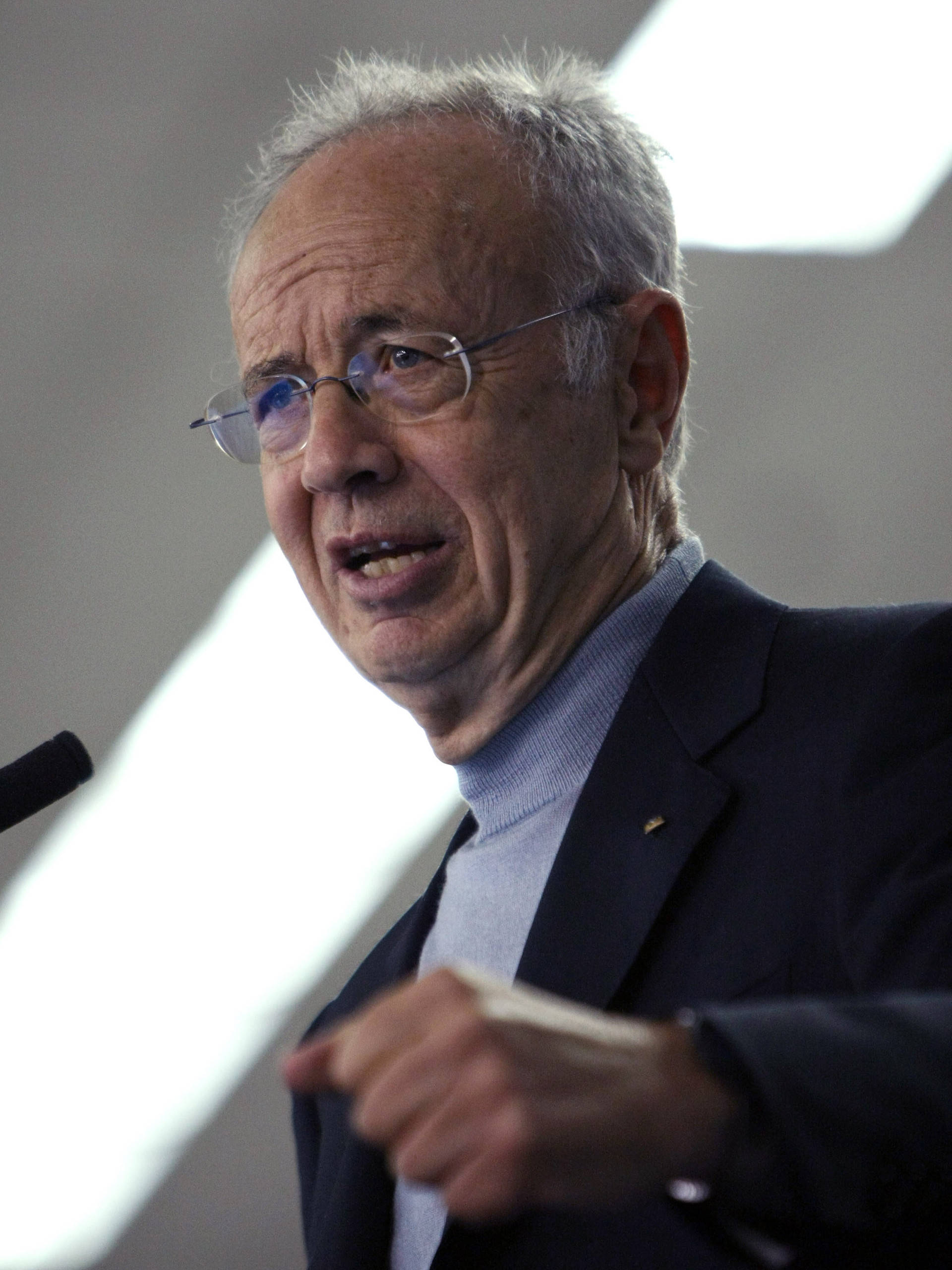
"caption": "Former Intel CEO Andy Grove delivers a keynote address at the 2008 Plug-In conference and Exposition July 22, 2008 in San Jose, California. ",
"description": null,
"title": "RS18835_GettyImages-82037025-qut",
"credit": "Justin Sullivan/Getty Images",
"status": "inherit",
"isLoading": false,
"fetchFailed": false
},
"news_10904338": {
"type": "attachments",
"id": "news_10904338",
"meta": {
"index": "attachments_1716263798",
"site": "news",
"id": "10904338",
"found": true
},
"parent": 10904328,
"imgSizes": {
"twentyfourteen-full-width": {
"file": "https://ww2.kqed.org/app/uploads/sites/10/2016/03/AppleSign-1038x576.jpg",
"width": 1038,
"mimeType": "image/jpeg",
"height": 576
},
"thumbnail": {
"file": "https://ww2.kqed.org/app/uploads/sites/10/2016/03/AppleSign-400x267.jpg",
"width": 400,
"mimeType": "image/jpeg",
"height": 267
},
"fd-sm": {
"file": "https://ww2.kqed.org/app/uploads/sites/10/2016/03/AppleSign-960x640.jpg",
"width": 960,
"mimeType": "image/jpeg",
"height": 640
},
"post-thumbnail": {
"file": "https://ww2.kqed.org/app/uploads/sites/10/2016/03/AppleSign-672x372.jpg",
"width": 672,
"mimeType": "image/jpeg",
"height": 372
},
"kqedFullSize": {
"file": "https://ww2.kqed.org/app/uploads/sites/10/2016/03/AppleSign.jpg",
"width": 1920,
"height": 1280
},
"large": {
"file": "https://ww2.kqed.org/app/uploads/sites/10/2016/03/AppleSign-1920x1280.jpg",
"width": 1920,
"mimeType": "image/jpeg",
"height": 1280
},
"guest-author-96": {
"file": "https://ww2.kqed.org/app/uploads/sites/10/2016/03/AppleSign-96x96.jpg",
"width": 96,
"mimeType": "image/jpeg",
"height": 96
},
"medium": {
"file": "https://ww2.kqed.org/app/uploads/sites/10/2016/03/AppleSign-800x533.jpg",
"width": 800,
"mimeType": "image/jpeg",
"height": 533
},
"guest-author-64": {
"file": "https://ww2.kqed.org/app/uploads/sites/10/2016/03/AppleSign-64x64.jpg",
"width": 64,
"mimeType": "image/jpeg",
"height": 64
},
"guest-author-32": {
"file": "https://ww2.kqed.org/app/uploads/sites/10/2016/03/AppleSign-32x32.jpg",
"width": 32,
"mimeType": "image/jpeg",
"height": 32
},
"jmtc-small-thumb": {
"file": "https://ww2.kqed.org/app/uploads/sites/10/2016/03/AppleSign-280x150.jpg",
"width": 280,
"mimeType": "image/jpeg",
"height": 150
},
"fd-lrg": {
"file": "https://ww2.kqed.org/app/uploads/sites/10/2016/03/AppleSign-1920x1280.jpg",
"width": 1920,
"mimeType": "image/jpeg",
"height": 1280
},
"fd-med": {
"file": "https://ww2.kqed.org/app/uploads/sites/10/2016/03/AppleSign-1180x787.jpg",
"width": 1180,
"mimeType": "image/jpeg",
"height": 787
},
"detail": {
"file": "https://ww2.kqed.org/app/uploads/sites/10/2016/03/AppleSign-75x75.jpg",
"width": 75,
"mimeType": "image/jpeg",
"height": 75
},
"guest-author-128": {
"file": "https://ww2.kqed.org/app/uploads/sites/10/2016/03/AppleSign-128x128.jpg",
"width": 128,
"mimeType": "image/jpeg",
"height": 128
}
},
"publishDate": 1458605644,
"modified": 1458605682,
"caption": "The Apple sign outside one of the company's stores.",
"description": "The Apple sign outside one of the company's stores.",
"title": "AppleSign",
"credit": "Johannes Simon/Getty Images",
"status": "inherit",
"isLoading": false,
"fetchFailed": false
},
"news_10899656": {
"type": "attachments",
"id": "news_10899656",
"meta": {
"index": "attachments_1716263798",
"site": "news",
"id": "10899656",
"found": true
},
"parent": 10899596,
"imgSizes": {
"twentyfourteen-full-width": {
"file": "https://ww2.kqed.org/app/uploads/sites/10/2016/03/GirlOnPhone-1038x576.jpg",
"width": 1038,
"mimeType": "image/jpeg",
"height": 576
},
"thumbnail": {
"file": "https://ww2.kqed.org/app/uploads/sites/10/2016/03/GirlOnPhone-400x260.jpg",
"width": 400,
"mimeType": "image/jpeg",
"height": 260
},
"fd-sm": {
"file": "https://ww2.kqed.org/app/uploads/sites/10/2016/03/GirlOnPhone-960x623.jpg",
"width": 960,
"mimeType": "image/jpeg",
"height": 623
},
"post-thumbnail": {
"file": "https://ww2.kqed.org/app/uploads/sites/10/2016/03/GirlOnPhone-672x372.jpg",
"width": 672,
"mimeType": "image/jpeg",
"height": 372
},
"kqedFullSize": {
"file": "https://ww2.kqed.org/app/uploads/sites/10/2016/03/GirlOnPhone.jpg",
"width": 1920,
"height": 1246
},
"large": {
"file": "https://ww2.kqed.org/app/uploads/sites/10/2016/03/GirlOnPhone-1920x1246.jpg",
"width": 1920,
"mimeType": "image/jpeg",
"height": 1246
},
"guest-author-96": {
"file": "https://ww2.kqed.org/app/uploads/sites/10/2016/03/GirlOnPhone-96x96.jpg",
"width": 96,
"mimeType": "image/jpeg",
"height": 96
},
"medium": {
"file": "https://ww2.kqed.org/app/uploads/sites/10/2016/03/GirlOnPhone-800x519.jpg",
"width": 800,
"mimeType": "image/jpeg",
"height": 519
},
"guest-author-64": {
"file": "https://ww2.kqed.org/app/uploads/sites/10/2016/03/GirlOnPhone-64x64.jpg",
"width": 64,
"mimeType": "image/jpeg",
"height": 64
},
"guest-author-32": {
"file": "https://ww2.kqed.org/app/uploads/sites/10/2016/03/GirlOnPhone-32x32.jpg",
"width": 32,
"mimeType": "image/jpeg",
"height": 32
},
"jmtc-small-thumb": {
"file": "https://ww2.kqed.org/app/uploads/sites/10/2016/03/GirlOnPhone-280x150.jpg",
"width": 280,
"mimeType": "image/jpeg",
"height": 150
},
"fd-lrg": {
"file": "https://ww2.kqed.org/app/uploads/sites/10/2016/03/GirlOnPhone-1920x1246.jpg",
"width": 1920,
"mimeType": "image/jpeg",
"height": 1246
},
"fd-med": {
"file": "https://ww2.kqed.org/app/uploads/sites/10/2016/03/GirlOnPhone-1180x766.jpg",
"width": 1180,
"mimeType": "image/jpeg",
"height": 766
},
"detail": {
"file": "https://ww2.kqed.org/app/uploads/sites/10/2016/03/GirlOnPhone-75x75.jpg",
"width": 75,
"mimeType": "image/jpeg",
"height": 75
},
"guest-author-128": {
"file": "https://ww2.kqed.org/app/uploads/sites/10/2016/03/GirlOnPhone-128x128.jpg",
"width": 128,
"mimeType": "image/jpeg",
"height": 128
}
},
"publishDate": 1458264310,
"modified": 1458339533,
"caption": "Research shows young people often don't seek out political information, but instead they stumble on it, largely via smartphone.",
"description": "Research shows young people often don't seek out political information, but instead they stumble on it, largely via smartphone.",
"title": "GirlOnPhone",
"credit": "Nicolas Asfouri/AFP/GETTY IMAGES",
"status": "inherit",
"isLoading": false,
"fetchFailed": false
},
"news_10897055": {
"type": "attachments",
"id": "news_10897055",
"meta": {
"index": "attachments_1716263798",
"site": "news",
"id": "10897055",
"found": true
},
"parent": 10896914,
"imgSizes": {
"twentyfourteen-full-width": {
"file": "https://ww2.kqed.org/app/uploads/sites/10/2016/03/RS11152_131990247-1038x576.jpg",
"width": 1038,
"mimeType": "image/jpeg",
"height": 576
},
"thumbnail": {
"file": "https://ww2.kqed.org/app/uploads/sites/10/2016/03/RS11152_131990247-400x267.jpg",
"width": 400,
"mimeType": "image/jpeg",
"height": 267
},
"fd-sm": {
"file": "https://ww2.kqed.org/app/uploads/sites/10/2016/03/RS11152_131990247-960x640.jpg",
"width": 960,
"mimeType": "image/jpeg",
"height": 640
},
"post-thumbnail": {
"file": "https://ww2.kqed.org/app/uploads/sites/10/2016/03/RS11152_131990247-672x372.jpg",
"width": 672,
"mimeType": "image/jpeg",
"height": 372
},
"kqedFullSize": {
"file": "https://ww2.kqed.org/app/uploads/sites/10/2016/03/RS11152_131990247-e1477087351446.jpg",
"width": 1920,
"height": 1280
},
"large": {
"file": "https://ww2.kqed.org/app/uploads/sites/10/2016/03/RS11152_131990247-1920x1280.jpg",
"width": 1920,
"mimeType": "image/jpeg",
"height": 1280
},
"guest-author-96": {
"file": "https://ww2.kqed.org/app/uploads/sites/10/2016/03/RS11152_131990247-96x96.jpg",
"width": 96,
"mimeType": "image/jpeg",
"height": 96
},
"medium": {
"file": "https://ww2.kqed.org/app/uploads/sites/10/2016/03/RS11152_131990247-800x533.jpg",
"width": 800,
"mimeType": "image/jpeg",
"height": 533
},
"guest-author-64": {
"file": "https://ww2.kqed.org/app/uploads/sites/10/2016/03/RS11152_131990247-64x64.jpg",
"width": 64,
"mimeType": "image/jpeg",
"height": 64
},
"guest-author-32": {
"file": "https://ww2.kqed.org/app/uploads/sites/10/2016/03/RS11152_131990247-32x32.jpg",
"width": 32,
"mimeType": "image/jpeg",
"height": 32
},
"jmtc-small-thumb": {
"file": "https://ww2.kqed.org/app/uploads/sites/10/2016/03/RS11152_131990247-280x150.jpg",
"width": 280,
"mimeType": "image/jpeg",
"height": 150
},
"fd-lrg": {
"file": "https://ww2.kqed.org/app/uploads/sites/10/2016/03/RS11152_131990247-1920x1280.jpg",
"width": 1920,
"mimeType": "image/jpeg",
"height": 1280
},
"fd-med": {
"file": "https://ww2.kqed.org/app/uploads/sites/10/2016/03/RS11152_131990247-1180x787.jpg",
"width": 1180,
"mimeType": "image/jpeg",
"height": 787
},
"detail": {
"file": "https://ww2.kqed.org/app/uploads/sites/10/2016/03/RS11152_131990247-75x75.jpg",
"width": 75,
"mimeType": "image/jpeg",
"height": 75
},
"guest-author-128": {
"file": "https://ww2.kqed.org/app/uploads/sites/10/2016/03/RS11152_131990247-128x128.jpg",
"width": 128,
"mimeType": "image/jpeg",
"height": 128
}
},
"publishDate": 1458085069,
"modified": 1621626269,
"caption": null,
"description": "Democratic lawmakers in California are moving to stop a private equity firm from buying the internet registry for .org domain names, which are commonly used by non-profits and advocacy groups.",
"title": "RS11152_131990247",
"credit": "Getty Images",
"status": "inherit",
"altTag": "Democratic lawmakers in California are moving to stop a private equity firm from buying the internet registry for .org domain names, which are commonly used by non-profits and advocacy groups.",
"isLoading": false,
"fetchFailed": false
},
"news_10845788": {
"type": "attachments",
"id": "news_10845788",
"meta": {
"index": "attachments_1716263798",
"site": "news",
"id": "10845788",
"found": true
},
"parent": 10845787,
"imgSizes": {
"twentyfourteen-full-width": {
"file": "https://ww2.kqed.org/app/uploads/sites/10/2016/01/image-1038x576.jpeg",
"width": 1038,
"mimeType": "image/jpeg",
"height": 576
},
"thumbnail": {
"file": "https://ww2.kqed.org/app/uploads/sites/10/2016/01/image-400x267.jpeg",
"width": 400,
"mimeType": "image/jpeg",
"height": 267
},
"fd-sm": {
"file": "https://ww2.kqed.org/app/uploads/sites/10/2016/01/image-960x640.jpeg",
"width": 960,
"mimeType": "image/jpeg",
"height": 640
},
"post-thumbnail": {
"file": "https://ww2.kqed.org/app/uploads/sites/10/2016/01/image-672x372.jpeg",
"width": 672,
"mimeType": "image/jpeg",
"height": 372
},
"kqedFullSize": {
"file": "https://ww2.kqed.org/app/uploads/sites/10/2016/01/image.jpeg",
"width": 1920,
"height": 1280
},
"large": {
"file": "https://ww2.kqed.org/app/uploads/sites/10/2016/01/image-1440x960.jpeg",
"width": 1440,
"mimeType": "image/jpeg",
"height": 960
},
"guest-author-96": {
"file": "https://ww2.kqed.org/app/uploads/sites/10/2016/01/image-96x96.jpeg",
"width": 96,
"mimeType": "image/jpeg",
"height": 96
},
"medium": {
"file": "https://ww2.kqed.org/app/uploads/sites/10/2016/01/image-800x533.jpeg",
"width": 800,
"mimeType": "image/jpeg",
"height": 533
},
"guest-author-64": {
"file": "https://ww2.kqed.org/app/uploads/sites/10/2016/01/image-64x64.jpeg",
"width": 64,
"mimeType": "image/jpeg",
"height": 64
},
"guest-author-32": {
"file": "https://ww2.kqed.org/app/uploads/sites/10/2016/01/image-32x32.jpeg",
"width": 32,
"mimeType": "image/jpeg",
"height": 32
},
"jmtc-small-thumb": {
"file": "https://ww2.kqed.org/app/uploads/sites/10/2016/01/image-280x150.jpeg",
"width": 280,
"mimeType": "image/jpeg",
"height": 150
},
"fd-lrg": {
"file": "https://ww2.kqed.org/app/uploads/sites/10/2016/01/image-1920x1280.jpeg",
"width": 1920,
"mimeType": "image/jpeg",
"height": 1280
},
"fd-med": {
"file": "https://ww2.kqed.org/app/uploads/sites/10/2016/01/image-1180x787.jpeg",
"width": 1180,
"mimeType": "image/jpeg",
"height": 787
},
"detail": {
"file": "https://ww2.kqed.org/app/uploads/sites/10/2016/01/image-75x75.jpeg",
"width": 75,
"mimeType": "image/jpeg",
"height": 75
},
"medium_large": {
"file": "https://ww2.kqed.org/app/uploads/sites/10/2016/01/image-768x512.jpeg",
"width": 768,
"mimeType": "image/jpeg",
"height": 512
},
"guest-author-128": {
"file": "https://ww2.kqed.org/app/uploads/sites/10/2016/01/image-128x128.jpeg",
"width": 128,
"mimeType": "image/jpeg",
"height": 128
}
},
"publishDate": 1453846429,
"modified": 1458072405,
"caption": "A Lyft driver at work in downtown San Francisco.",
"description": null,
"title": "image",
"credit": "Ericka Cruz Guevarra/KQED",
"status": "inherit",
"isLoading": false,
"fetchFailed": false
},
"futureofyou_128842": {
"type": "attachments",
"id": "futureofyou_128842",
"meta": {
"index": "attachments_1716263798",
"site": "futureofyou",
"id": "128842",
"found": true
},
"parent": 128260,
"imgSizes": {
"twentyfourteen-full-width": {
"file": "https://ww2.kqed.org/app/uploads/sites/13/2016/03/applesamsung-1038x576.jpg",
"width": 1038,
"mimeType": "image/jpeg",
"height": 576
},
"thumbnail": {
"file": "https://ww2.kqed.org/app/uploads/sites/13/2016/03/applesamsung-400x266.jpg",
"width": 400,
"mimeType": "image/jpeg",
"height": 266
},
"fd-sm": {
"file": "https://ww2.kqed.org/app/uploads/sites/13/2016/03/applesamsung-960x639.jpg",
"width": 960,
"mimeType": "image/jpeg",
"height": 639
},
"post-thumbnail": {
"file": "https://ww2.kqed.org/app/uploads/sites/13/2016/03/applesamsung-672x372.jpg",
"width": 672,
"mimeType": "image/jpeg",
"height": 372
},
"kqedFullSize": {
"file": "https://ww2.kqed.org/app/uploads/sites/13/2016/03/applesamsung-e1458058284460.jpg",
"width": 1920,
"height": 1277
},
"large": {
"file": "https://ww2.kqed.org/app/uploads/sites/13/2016/03/applesamsung-1180x785.jpg",
"width": 1180,
"mimeType": "image/jpeg",
"height": 785
},
"guest-author-96": {
"file": "https://ww2.kqed.org/app/uploads/sites/13/2016/03/applesamsung-96x96.jpg",
"width": 96,
"mimeType": "image/jpeg",
"height": 96
},
"medium": {
"file": "https://ww2.kqed.org/app/uploads/sites/13/2016/03/applesamsung-800x532.jpg",
"width": 800,
"mimeType": "image/jpeg",
"height": 532
},
"guest-author-64": {
"file": "https://ww2.kqed.org/app/uploads/sites/13/2016/03/applesamsung-64x64.jpg",
"width": 64,
"mimeType": "image/jpeg",
"height": 64
},
"guest-author-32": {
"file": "https://ww2.kqed.org/app/uploads/sites/13/2016/03/applesamsung-32x32.jpg",
"width": 32,
"mimeType": "image/jpeg",
"height": 32
},
"fd-lrg": {
"file": "https://ww2.kqed.org/app/uploads/sites/13/2016/03/applesamsung-1920x1277.jpg",
"width": 1920,
"mimeType": "image/jpeg",
"height": 1277
},
"fd-med": {
"file": "https://ww2.kqed.org/app/uploads/sites/13/2016/03/applesamsung-1180x785.jpg",
"width": 1180,
"mimeType": "image/jpeg",
"height": 785
},
"detail": {
"file": "https://ww2.kqed.org/app/uploads/sites/13/2016/03/applesamsung-75x75.jpg",
"width": 75,
"mimeType": "image/jpeg",
"height": 75
},
"medium_large": {
"file": "https://ww2.kqed.org/app/uploads/sites/13/2016/03/applesamsung-768x511.jpg",
"width": 768,
"mimeType": "image/jpeg",
"height": 511
},
"guest-author-128": {
"file": "https://ww2.kqed.org/app/uploads/sites/13/2016/03/applesamsung-128x128.jpg",
"width": 128,
"mimeType": "image/jpeg",
"height": 128
}
},
"publishDate": 1458058223,
"modified": 1458058276,
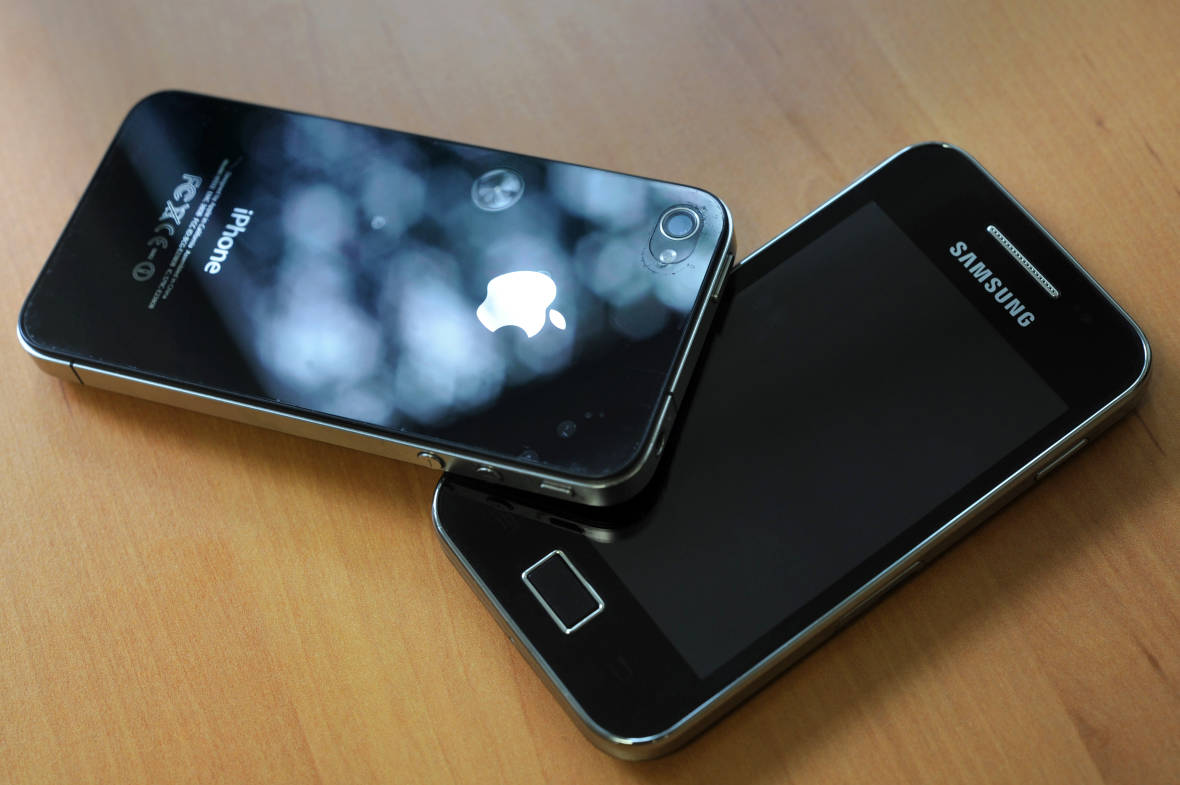
"caption": "Apple and Samsung phones. ",
"description": null,
"title": "A picture taken on October 12, 2011 in t",
"credit": "DAMIEN MEYER/AFP/Getty Images",
"status": "inherit",
"isLoading": false,
"fetchFailed": false
},
"news_10893065": {
"type": "attachments",
"id": "news_10893065",
"meta": {
"index": "attachments_1716263798",
"site": "news",
"id": "10893065",
"found": true
},
"parent": 10893064,
"imgSizes": {
"twentyfourteen-full-width": {
"file": "https://ww2.kqed.org/app/uploads/sites/10/2016/03/7352098366_2f91770f24_o_custom-75440a3895307c295a94d96f9f830b8d43c3e41d-1038x576.jpg",
"width": 1038,
"mimeType": "image/jpeg",
"height": 576
},
"thumbnail": {
"file": "https://ww2.kqed.org/app/uploads/sites/10/2016/03/7352098366_2f91770f24_o_custom-75440a3895307c295a94d96f9f830b8d43c3e41d-400x266.jpg",
"width": 400,
"mimeType": "image/jpeg",
"height": 266
},
"fd-sm": {
"file": "https://ww2.kqed.org/app/uploads/sites/10/2016/03/7352098366_2f91770f24_o_custom-75440a3895307c295a94d96f9f830b8d43c3e41d-960x637.jpg",
"width": 960,
"mimeType": "image/jpeg",
"height": 637
},
"post-thumbnail": {
"file": "https://ww2.kqed.org/app/uploads/sites/10/2016/03/7352098366_2f91770f24_o_custom-75440a3895307c295a94d96f9f830b8d43c3e41d-672x372.jpg",
"width": 672,
"mimeType": "image/jpeg",
"height": 372
},
"kqedFullSize": {
"file": "https://ww2.kqed.org/app/uploads/sites/10/2016/03/7352098366_2f91770f24_o_custom-75440a3895307c295a94d96f9f830b8d43c3e41d.jpg",
"width": 4249,
"height": 2821
},
"large": {
"file": "https://ww2.kqed.org/app/uploads/sites/10/2016/03/7352098366_2f91770f24_o_custom-75440a3895307c295a94d96f9f830b8d43c3e41d-1920x1275.jpg",
"width": 1920,
"mimeType": "image/jpeg",
"height": 1275
},
"guest-author-96": {
"file": "https://ww2.kqed.org/app/uploads/sites/10/2016/03/7352098366_2f91770f24_o_custom-75440a3895307c295a94d96f9f830b8d43c3e41d-96x96.jpg",
"width": 96,
"mimeType": "image/jpeg",
"height": 96
},
"medium": {
"file": "https://ww2.kqed.org/app/uploads/sites/10/2016/03/7352098366_2f91770f24_o_custom-75440a3895307c295a94d96f9f830b8d43c3e41d-800x531.jpg",
"width": 800,
"mimeType": "image/jpeg",
"height": 531
},
"guest-author-64": {
"file": "https://ww2.kqed.org/app/uploads/sites/10/2016/03/7352098366_2f91770f24_o_custom-75440a3895307c295a94d96f9f830b8d43c3e41d-64x64.jpg",
"width": 64,
"mimeType": "image/jpeg",
"height": 64
},
"guest-author-32": {
"file": "https://ww2.kqed.org/app/uploads/sites/10/2016/03/7352098366_2f91770f24_o_custom-75440a3895307c295a94d96f9f830b8d43c3e41d-32x32.jpg",
"width": 32,
"mimeType": "image/jpeg",
"height": 32
},
"jmtc-small-thumb": {
"file": "https://ww2.kqed.org/app/uploads/sites/10/2016/03/7352098366_2f91770f24_o_custom-75440a3895307c295a94d96f9f830b8d43c3e41d-280x150.jpg",
"width": 280,
"mimeType": "image/jpeg",
"height": 150
},
"fd-lrg": {
"file": "https://ww2.kqed.org/app/uploads/sites/10/2016/03/7352098366_2f91770f24_o_custom-75440a3895307c295a94d96f9f830b8d43c3e41d-1920x1275.jpg",
"width": 1920,
"mimeType": "image/jpeg",
"height": 1275
},
"fd-med": {
"file": "https://ww2.kqed.org/app/uploads/sites/10/2016/03/7352098366_2f91770f24_o_custom-75440a3895307c295a94d96f9f830b8d43c3e41d-1180x783.jpg",
"width": 1180,
"mimeType": "image/jpeg",
"height": 783
},
"detail": {
"file": "https://ww2.kqed.org/app/uploads/sites/10/2016/03/7352098366_2f91770f24_o_custom-75440a3895307c295a94d96f9f830b8d43c3e41d-75x75.jpg",
"width": 75,
"mimeType": "image/jpeg",
"height": 75
},
"guest-author-128": {
"file": "https://ww2.kqed.org/app/uploads/sites/10/2016/03/7352098366_2f91770f24_o_custom-75440a3895307c295a94d96f9f830b8d43c3e41d-128x128.jpg",
"width": 128,
"mimeType": "image/jpeg",
"height": 128
}
},
"publishDate": 1457750398,
"modified": 1457750618,
"caption": "The Sather Tower and library at UC Berkeley. The University of California system, especially Berkeley, has a stormy history around free speech and spying by the federal government.",
"description": "The Sather Tower and library at UC Berkeley. The University of California system, especially Berkeley, has a stormy history around free speech and spying by the federal government.",
"title": "The Sather Tower and library at UC Berkeley. The University of California system, especially Berkeley, has a stormy history around free speech and spying by the federal government.",
"credit": "John Morgan/Flickr",
"status": "inherit",
"isLoading": false,
"fetchFailed": false
},
"news_10891841": {
"type": "attachments",
"id": "news_10891841",
"meta": {
"index": "attachments_1716263798",
"site": "news",
"id": "10891841",
"found": true
},
"parent": 10891840,
"imgSizes": {
"twentyfourteen-full-width": {
"file": "https://ww2.kqed.org/app/uploads/sites/10/2016/03/gettyimages-75960133_wide-4db453c02d37fc610a9bb5a739c6ced3e6f6aed0-1038x576.jpg",
"width": 1038,
"mimeType": "image/jpeg",
"height": 576
},
"thumbnail": {
"file": "https://ww2.kqed.org/app/uploads/sites/10/2016/03/gettyimages-75960133_wide-4db453c02d37fc610a9bb5a739c6ced3e6f6aed0-400x225.jpg",
"width": 400,
"mimeType": "image/jpeg",
"height": 225
},
"fd-sm": {
"file": "https://ww2.kqed.org/app/uploads/sites/10/2016/03/gettyimages-75960133_wide-4db453c02d37fc610a9bb5a739c6ced3e6f6aed0-960x540.jpg",
"width": 960,
"mimeType": "image/jpeg",
"height": 540
},
"post-thumbnail": {
"file": "https://ww2.kqed.org/app/uploads/sites/10/2016/03/gettyimages-75960133_wide-4db453c02d37fc610a9bb5a739c6ced3e6f6aed0-672x372.jpg",
"width": 672,
"mimeType": "image/jpeg",
"height": 372
},
"kqedFullSize": {
"file": "https://ww2.kqed.org/app/uploads/sites/10/2016/03/gettyimages-75960133_wide-4db453c02d37fc610a9bb5a739c6ced3e6f6aed0.jpg",
"width": 2358,
"height": 1326
},
"large": {
"file": "https://ww2.kqed.org/app/uploads/sites/10/2016/03/gettyimages-75960133_wide-4db453c02d37fc610a9bb5a739c6ced3e6f6aed0-1920x1080.jpg",
"width": 1920,
"mimeType": "image/jpeg",
"height": 1080
},
"guest-author-96": {
"file": "https://ww2.kqed.org/app/uploads/sites/10/2016/03/gettyimages-75960133_wide-4db453c02d37fc610a9bb5a739c6ced3e6f6aed0-96x96.jpg",
"width": 96,
"mimeType": "image/jpeg",
"height": 96
},
"medium": {
"file": "https://ww2.kqed.org/app/uploads/sites/10/2016/03/gettyimages-75960133_wide-4db453c02d37fc610a9bb5a739c6ced3e6f6aed0-800x450.jpg",
"width": 800,
"mimeType": "image/jpeg",
"height": 450
},
"guest-author-64": {
"file": "https://ww2.kqed.org/app/uploads/sites/10/2016/03/gettyimages-75960133_wide-4db453c02d37fc610a9bb5a739c6ced3e6f6aed0-64x64.jpg",
"width": 64,
"mimeType": "image/jpeg",
"height": 64
},
"guest-author-32": {
"file": "https://ww2.kqed.org/app/uploads/sites/10/2016/03/gettyimages-75960133_wide-4db453c02d37fc610a9bb5a739c6ced3e6f6aed0-32x32.jpg",
"width": 32,
"mimeType": "image/jpeg",
"height": 32
},
"jmtc-small-thumb": {
"file": "https://ww2.kqed.org/app/uploads/sites/10/2016/03/gettyimages-75960133_wide-4db453c02d37fc610a9bb5a739c6ced3e6f6aed0-280x150.jpg",
"width": 280,
"mimeType": "image/jpeg",
"height": 150
},
"fd-lrg": {
"file": "https://ww2.kqed.org/app/uploads/sites/10/2016/03/gettyimages-75960133_wide-4db453c02d37fc610a9bb5a739c6ced3e6f6aed0-1920x1080.jpg",
"width": 1920,
"mimeType": "image/jpeg",
"height": 1080
},
"fd-med": {
"file": "https://ww2.kqed.org/app/uploads/sites/10/2016/03/gettyimages-75960133_wide-4db453c02d37fc610a9bb5a739c6ced3e6f6aed0-1180x664.jpg",
"width": 1180,
"mimeType": "image/jpeg",
"height": 664
},
"detail": {
"file": "https://ww2.kqed.org/app/uploads/sites/10/2016/03/gettyimages-75960133_wide-4db453c02d37fc610a9bb5a739c6ced3e6f6aed0-75x75.jpg",
"width": 75,
"mimeType": "image/jpeg",
"height": 75
},
"guest-author-128": {
"file": "https://ww2.kqed.org/app/uploads/sites/10/2016/03/gettyimages-75960133_wide-4db453c02d37fc610a9bb5a739c6ced3e6f6aed0-128x128.jpg",
"width": 128,
"mimeType": "image/jpeg",
"height": 128
}
},
"publishDate": 1457656191,
"modified": 1457656343,
"caption": "The FBI wants to access data on a password-protected phone used by one of the San Bernardino shooters.",
"description": "The FBI wants to access data on a password-protected phone used by one of the San Bernardino shooters.",
"title": "The FBI wants to access data on a password-protected phone used by one of the San Bernardino shooters.",
"credit": "Mandel Ngan/AFP/Getty Images",
"status": "inherit",
"isLoading": false,
"fetchFailed": false
},
"news_10890523": {
"type": "attachments",
"id": "news_10890523",
"meta": {
"index": "attachments_1716263798",
"site": "news",
"id": "10890523",
"found": true
},
"parent": 10890514,
"imgSizes": {
"twentyfourteen-full-width": {
"file": "https://ww2.kqed.org/app/uploads/sites/10/2016/03/googlecar-952x576.png",
"width": 952,
"mimeType": "image/png",
"height": 576
},
"jmtc-small-thumb": {
"file": "https://ww2.kqed.org/app/uploads/sites/10/2016/03/googlecar-280x150.png",
"width": 280,
"mimeType": "image/png",
"height": 150
},
"thumbnail": {
"file": "https://ww2.kqed.org/app/uploads/sites/10/2016/03/googlecar-400x282.png",
"width": 400,
"mimeType": "image/png",
"height": 282
},
"post-thumbnail": {
"file": "https://ww2.kqed.org/app/uploads/sites/10/2016/03/googlecar-672x372.png",
"width": 672,
"mimeType": "image/png",
"height": 372
},
"kqedFullSize": {
"file": "https://ww2.kqed.org/app/uploads/sites/10/2016/03/googlecar.png",
"width": 952,
"height": 670
},
"guest-author-96": {
"file": "https://ww2.kqed.org/app/uploads/sites/10/2016/03/googlecar-96x96.png",
"width": 96,
"mimeType": "image/png",
"height": 96
},
"medium": {
"file": "https://ww2.kqed.org/app/uploads/sites/10/2016/03/googlecar-800x563.png",
"width": 800,
"mimeType": "image/png",
"height": 563
},
"guest-author-64": {
"file": "https://ww2.kqed.org/app/uploads/sites/10/2016/03/googlecar-64x64.png",
"width": 64,
"mimeType": "image/png",
"height": 64
},
"detail": {
"file": "https://ww2.kqed.org/app/uploads/sites/10/2016/03/googlecar-75x75.png",
"width": 75,
"mimeType": "image/png",
"height": 75
},
"guest-author-32": {
"file": "https://ww2.kqed.org/app/uploads/sites/10/2016/03/googlecar-32x32.png",
"width": 32,
"mimeType": "image/png",
"height": 32
},
"guest-author-128": {
"file": "https://ww2.kqed.org/app/uploads/sites/10/2016/03/googlecar-128x128.png",
"width": 128,
"mimeType": "image/png",
"height": 128
}
},
"publishDate": 1457554666,
"modified": 1457554759,
"caption": "Screen grab from a Santa Clara Valley Transportation Authority video depicting self-driving Google SUV that collided with one of the agency's buses on Feb. 14, 2016. ",
"description": null,
"title": "Google Car",
"credit": "Associated Press via YouTube",
"status": "inherit",
"isLoading": false,
"fetchFailed": false
},
"news_10885472": {
"type": "attachments",
"id": "news_10885472",
"meta": {
"index": "attachments_1716263798",
"site": "news",
"id": "10885472",
"found": true
},
"parent": 10885147,
"imgSizes": {
"jmtc-small-thumb": {
"file": "https://ww2.kqed.org/app/uploads/sites/10/2016/03/RS12583_KhannaHonda-280x150.jpg",
"width": 280,
"mimeType": "image/jpeg",
"height": 150
},
"thumbnail": {
"file": "https://ww2.kqed.org/app/uploads/sites/10/2016/03/RS12583_KhannaHonda-400x225.jpg",
"width": 400,
"mimeType": "image/jpeg",
"height": 225
},
"post-thumbnail": {
"file": "https://ww2.kqed.org/app/uploads/sites/10/2016/03/RS12583_KhannaHonda-672x372.jpg",
"width": 672,
"mimeType": "image/jpeg",
"height": 372
},
"kqedFullSize": {
"file": "https://ww2.kqed.org/app/uploads/sites/10/2016/03/RS12583_KhannaHonda.jpg",
"width": 800,
"height": 450
},
"guest-author-96": {
"file": "https://ww2.kqed.org/app/uploads/sites/10/2016/03/RS12583_KhannaHonda-96x96.jpg",
"width": 96,
"mimeType": "image/jpeg",
"height": 96
},
"medium": {
"file": "https://ww2.kqed.org/app/uploads/sites/10/2016/03/RS12583_KhannaHonda-800x450.jpg",
"width": 800,
"mimeType": "image/jpeg",
"height": 450
},
"guest-author-64": {
"file": "https://ww2.kqed.org/app/uploads/sites/10/2016/03/RS12583_KhannaHonda-64x64.jpg",
"width": 64,
"mimeType": "image/jpeg",
"height": 64
},
"detail": {
"file": "https://ww2.kqed.org/app/uploads/sites/10/2016/03/RS12583_KhannaHonda-75x75.jpg",
"width": 75,
"mimeType": "image/jpeg",
"height": 75
},
"guest-author-32": {
"file": "https://ww2.kqed.org/app/uploads/sites/10/2016/03/RS12583_KhannaHonda-32x32.jpg",
"width": 32,
"mimeType": "image/jpeg",
"height": 32
},
"guest-author-128": {
"file": "https://ww2.kqed.org/app/uploads/sites/10/2016/03/RS12583_KhannaHonda-128x128.jpg",
"width": 128,
"mimeType": "image/jpeg",
"height": 128
}
},
"publishDate": 1457055320,
"modified": 1457055345,
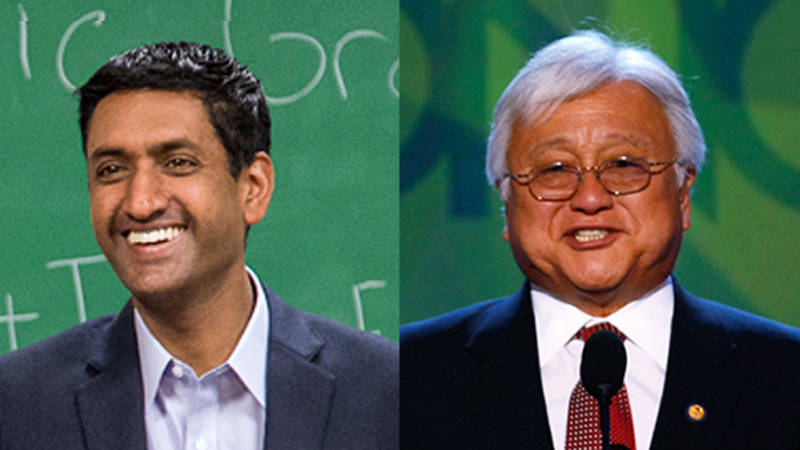
"caption": "Ro Khanna (L) and Mike Honda",
"description": "Ro Khanna (L) and Mike Honda",
"title": "RS12583_KhannaHonda",
"credit": "Courtesy Ro Khanna, Mark Wilson/Getty Images",
"status": "inherit",
"isLoading": false,
"fetchFailed": false
},
"news_10883211": {
"type": "attachments",
"id": "news_10883211",
"meta": {
"index": "attachments_1716263798",
"site": "news",
"id": "10883211",
"found": true
},
"parent": 10883193,
"imgSizes": {
"twentyfourteen-full-width": {
"file": "https://ww2.kqed.org/app/uploads/sites/10/2016/03/RS12589_iStock_000005814659_Large-1038x576.jpg",
"width": 1038,
"mimeType": "image/jpeg",
"height": 576
},
"thumbnail": {
"file": "https://ww2.kqed.org/app/uploads/sites/10/2016/03/RS12589_iStock_000005814659_Large-400x266.jpg",
"width": 400,
"mimeType": "image/jpeg",
"height": 266
},
"fd-sm": {
"file": "https://ww2.kqed.org/app/uploads/sites/10/2016/03/RS12589_iStock_000005814659_Large-960x638.jpg",
"width": 960,
"mimeType": "image/jpeg",
"height": 638
},
"post-thumbnail": {
"file": "https://ww2.kqed.org/app/uploads/sites/10/2016/03/RS12589_iStock_000005814659_Large-672x372.jpg",
"width": 672,
"mimeType": "image/jpeg",
"height": 372
},
"kqedFullSize": {
"file": "https://ww2.kqed.org/app/uploads/sites/10/2016/03/RS12589_iStock_000005814659_Large-e1456878938856.jpg",
"width": 1920,
"height": 1276
},
"large": {
"file": "https://ww2.kqed.org/app/uploads/sites/10/2016/03/RS12589_iStock_000005814659_Large-1920x1276.jpg",
"width": 1920,
"mimeType": "image/jpeg",
"height": 1276
},
"guest-author-96": {
"file": "https://ww2.kqed.org/app/uploads/sites/10/2016/03/RS12589_iStock_000005814659_Large-96x96.jpg",
"width": 96,
"mimeType": "image/jpeg",
"height": 96
},
"medium": {
"file": "https://ww2.kqed.org/app/uploads/sites/10/2016/03/RS12589_iStock_000005814659_Large-800x532.jpg",
"width": 800,
"mimeType": "image/jpeg",
"height": 532
},
"guest-author-64": {
"file": "https://ww2.kqed.org/app/uploads/sites/10/2016/03/RS12589_iStock_000005814659_Large-64x64.jpg",
"width": 64,
"mimeType": "image/jpeg",
"height": 64
},
"guest-author-32": {
"file": "https://ww2.kqed.org/app/uploads/sites/10/2016/03/RS12589_iStock_000005814659_Large-32x32.jpg",
"width": 32,
"mimeType": "image/jpeg",
"height": 32
},
"jmtc-small-thumb": {
"file": "https://ww2.kqed.org/app/uploads/sites/10/2016/03/RS12589_iStock_000005814659_Large-280x150.jpg",
"width": 280,
"mimeType": "image/jpeg",
"height": 150
},
"fd-lrg": {
"file": "https://ww2.kqed.org/app/uploads/sites/10/2016/03/RS12589_iStock_000005814659_Large-1920x1276.jpg",
"width": 1920,
"mimeType": "image/jpeg",
"height": 1276
},
"fd-med": {
"file": "https://ww2.kqed.org/app/uploads/sites/10/2016/03/RS12589_iStock_000005814659_Large-1180x784.jpg",
"width": 1180,
"mimeType": "image/jpeg",
"height": 784
},
"detail": {
"file": "https://ww2.kqed.org/app/uploads/sites/10/2016/03/RS12589_iStock_000005814659_Large-75x75.jpg",
"width": 75,
"mimeType": "image/jpeg",
"height": 75
},
"guest-author-128": {
"file": "https://ww2.kqed.org/app/uploads/sites/10/2016/03/RS12589_iStock_000005814659_Large-128x128.jpg",
"width": 128,
"mimeType": "image/jpeg",
"height": 128
}
},
"publishDate": 1456878890,
"modified": 1456967310,
"caption": "Voting booths at Hermosa Beach City Hall during California primary.",
"description": "Voting booths at Hermosa Beach City Hall during California Primary.",
"title": "Voting Booths",
"credit": "Daniel Sofer/hermosawave.net",
"status": "inherit",
"isLoading": false,
"fetchFailed": false
},
"news_10882913": {
"type": "attachments",
"id": "news_10882913",
"meta": {
"index": "attachments_1716263798",
"site": "news",
"id": "10882913",
"found": true
},
"parent": 10882901,
"imgSizes": {
"twentyfourteen-full-width": {
"file": "https://ww2.kqed.org/app/uploads/sites/10/2016/03/ComeyFBI-1038x576.jpg",
"width": 1038,
"mimeType": "image/jpeg",
"height": 576
},
"thumbnail": {
"file": "https://ww2.kqed.org/app/uploads/sites/10/2016/03/ComeyFBI-400x283.jpg",
"width": 400,
"mimeType": "image/jpeg",
"height": 283
},
"fd-sm": {
"file": "https://ww2.kqed.org/app/uploads/sites/10/2016/03/ComeyFBI-960x679.jpg",
"width": 960,
"mimeType": "image/jpeg",
"height": 679
},
"post-thumbnail": {
"file": "https://ww2.kqed.org/app/uploads/sites/10/2016/03/ComeyFBI-672x372.jpg",
"width": 672,
"mimeType": "image/jpeg",
"height": 372
},
"kqedFullSize": {
"file": "https://ww2.kqed.org/app/uploads/sites/10/2016/03/ComeyFBI.jpg",
"width": 1920,
"height": 1357
},
"large": {
"file": "https://ww2.kqed.org/app/uploads/sites/10/2016/03/ComeyFBI-1920x1357.jpg",
"width": 1920,
"mimeType": "image/jpeg",
"height": 1357
},
"guest-author-96": {
"file": "https://ww2.kqed.org/app/uploads/sites/10/2016/03/ComeyFBI-96x96.jpg",
"width": 96,
"mimeType": "image/jpeg",
"height": 96
},
"medium": {
"file": "https://ww2.kqed.org/app/uploads/sites/10/2016/03/ComeyFBI-800x565.jpg",
"width": 800,
"mimeType": "image/jpeg",
"height": 565
},
"guest-author-64": {
"file": "https://ww2.kqed.org/app/uploads/sites/10/2016/03/ComeyFBI-64x64.jpg",
"width": 64,
"mimeType": "image/jpeg",
"height": 64
},
"guest-author-32": {
"file": "https://ww2.kqed.org/app/uploads/sites/10/2016/03/ComeyFBI-32x32.jpg",
"width": 32,
"mimeType": "image/jpeg",
"height": 32
},
"jmtc-small-thumb": {
"file": "https://ww2.kqed.org/app/uploads/sites/10/2016/03/ComeyFBI-280x150.jpg",
"width": 280,
"mimeType": "image/jpeg",
"height": 150
},
"fd-lrg": {
"file": "https://ww2.kqed.org/app/uploads/sites/10/2016/03/ComeyFBI-1920x1357.jpg",
"width": 1920,
"mimeType": "image/jpeg",
"height": 1357
},
"fd-med": {
"file": "https://ww2.kqed.org/app/uploads/sites/10/2016/03/ComeyFBI-1180x834.jpg",
"width": 1180,
"mimeType": "image/jpeg",
"height": 834
},
"detail": {
"file": "https://ww2.kqed.org/app/uploads/sites/10/2016/03/ComeyFBI-75x75.jpg",
"width": 75,
"mimeType": "image/jpeg",
"height": 75
},
"guest-author-128": {
"file": "https://ww2.kqed.org/app/uploads/sites/10/2016/03/ComeyFBI-128x128.jpg",
"width": 128,
"mimeType": "image/jpeg",
"height": 128
}
},
"publishDate": 1456860218,
"modified": 1456870316,
"caption": "FBI Director James Comey arrives to testify during a House Judiciary Committee hearing titled 'The Encryption Tightrope: Balancing Americans' Security and Privacy,' on Capitol Hill on March 1, 2016.",
"description": "FBI Director James Comey arrives to testify during a House Judiciary Committee hearing titled \"The Encryption Tightrope: Balancing Americans' Security and Privacy,\" on Capitol Hill on March 1, 2016.",
"title": "ComeyFBI",
"credit": "Drew Angerer/Getty Images",
"status": "inherit",
"isLoading": false,
"fetchFailed": false
}
},
"audioPlayerReducer": {
"postId": "stream_live",
"isPaused": true,
"isPlaying": false,
"pfsActive": false,
"pledgeModalIsOpen": true,
"playerDrawerIsOpen": false,
"liveAudioPlayStartedAt": 0,
"liveAudioPlayContext": ""
},
"authorsReducer": {
"byline_news_10904449": {
"type": "authors",
"id": "byline_news_10904449",
"meta": {
"override": true
},
"slug": "byline_news_10904449",
"name": "\u003cstrong>Associated Press\u003c/strong>",
"isLoading": false
},
"byline_news_10904328": {
"type": "authors",
"id": "byline_news_10904328",
"meta": {
"override": true
},
"slug": "byline_news_10904328",
"name": "\u003cstrong>Brandon Bailey\u003c/strong> and \u003cstrong>Amanda Lee Myers\u003cbr>Associated Press\u003c/strong>",
"isLoading": false
},
"byline_news_10899596": {
"type": "authors",
"id": "byline_news_10899596",
"meta": {
"override": true
},
"slug": "byline_news_10899596",
"name": "\u003cstrong>\u003ca href=\"http://www.scpr.org/about/people/staff/mary-plummer\">Mary Plummer\u003c/a>\u003c/strong>",
"isLoading": false
},
"byline_news_10893064": {
"type": "authors",
"id": "byline_news_10893064",
"meta": {
"override": true
},
"slug": "byline_news_10893064",
"name": "\u003cstrong>\u003ca href=\"http://www.npr.org/people/2101272/laura-sydell\">Laura Sydell\u003c/a>\u003cbr>NPR\u003c/strong>",
"isLoading": false
},
"byline_news_10891840": {
"type": "authors",
"id": "byline_news_10891840",
"meta": {
"override": true
},
"slug": "byline_news_10891840",
"name": "\u003cstrong>\u003ca href=\"http://www.npr.org/people/348744968/camila-domonoske\">Camila Domonoske\u003c/a>\u003c/strong> and \u003cstrong>\u003ca href=\"http://www.npr.org/people/447244385/alina-selyukh\">Alina Selyukh\u003c/a>\u003cbr>NPR\u003c/strong>",
"isLoading": false
},
"byline_news_10882901": {
"type": "authors",
"id": "byline_news_10882901",
"meta": {
"override": true
},
"slug": "byline_news_10882901",
"name": "\u003cstrong>\u003ca href=\"http://www.npr.org/people/447244385/alina-selyukh\">Alina Selyukh\u003c/a>\u003cbr>NPR\u003c/strong>",
"isLoading": false
},
"jbrooks": {
"type": "authors",
"id": "80",
"meta": {
"index": "authors_1716337520",
"id": "80",
"found": true
},
"name": "Jon Brooks",
"firstName": "Jon",
"lastName": "Brooks",
"slug": "jbrooks",
"email": "jbrooks@kqed.org",
"display_author_email": true,
"staff_mastheads": [
"science"
],
"title": "Digital Editor",
"bio": "Jon Brooks is a former Digital Editor for KQED Science. He is the former editor of KQED’s daily news blog, News Fix. In 2014, he won a California Journalism Award for his coverage of ride services like Uber and Lyft and the taxi industry. A veteran blogger, he previously worked for Yahoo! in various news writing and editing roles. Jon is also a playwright whose work has been produced in San Francisco, New York, Italy, and around the U.S. He has written about film for his own blog and studied film at Boston University.",
"avatar": "https://secure.gravatar.com/avatar/98887f7ed1c876ed414d4c915e969584?s=600&d=blank&r=g",
"twitter": "jbrooksfoy",
"facebook": null,
"instagram": null,
"linkedin": null,
"sites": [
{
"site": "arts",
"roles": [
"Contributor",
"editor"
]
},
{
"site": "news",
"roles": [
"author"
]
},
{
"site": "futureofyou",
"roles": [
"administrator"
]
},
{
"site": "mindshift",
"roles": [
"editor"
]
},
{
"site": "stateofhealth",
"roles": [
"editor"
]
},
{
"site": "science",
"roles": [
"administrator"
]
},
{
"site": "quest",
"roles": [
"editor"
]
}
],
"headData": {
"title": "Jon Brooks | KQED",
"description": "Digital Editor",
"ogImgSrc": "https://secure.gravatar.com/avatar/98887f7ed1c876ed414d4c915e969584?s=600&d=blank&r=g",
"twImgSrc": "https://secure.gravatar.com/avatar/98887f7ed1c876ed414d4c915e969584?s=600&d=blank&r=g"
},
"isLoading": false,
"link": "/author/jbrooks"
},
"bgoebel": {
"type": "authors",
"id": "214",
"meta": {
"index": "authors_1716337520",
"id": "214",
"found": true
},
"name": "Bryan Goebel",
"firstName": "Bryan",
"lastName": "Goebel",
"slug": "bgoebel",
"email": "bgoebel@kqed.org",
"display_author_email": false,
"staff_mastheads": [],
"title": null,
"bio": "Bryan Goebel is a reporter focused on transportation and housing issues. He was previously the editor of Streetsblog San Francisco, and an anchor/editor at KCBS Radio. He's a lifelong Californian and has also worked at radio stations in Barstow, Redding and Sacramento.",
"avatar": "https://secure.gravatar.com/avatar/7fdd6b065bfe9a23a71bcfa80848df88?s=600&d=blank&r=g",
"twitter": "velobry",
"facebook": null,
"instagram": null,
"linkedin": null,
"sites": [
{
"site": "news",
"roles": [
"subscriber"
]
},
{
"site": "stateofhealth",
"roles": [
"subscriber"
]
}
],
"headData": {
"title": "Bryan Goebel | KQED",
"description": null,
"ogImgSrc": "https://secure.gravatar.com/avatar/7fdd6b065bfe9a23a71bcfa80848df88?s=600&d=blank&r=g",
"twImgSrc": "https://secure.gravatar.com/avatar/7fdd6b065bfe9a23a71bcfa80848df88?s=600&d=blank&r=g"
},
"isLoading": false,
"link": "/author/bgoebel"
},
"danbrekke": {
"type": "authors",
"id": "222",
"meta": {
"index": "authors_1716337520",
"id": "222",
"found": true
},
"name": "Dan Brekke",
"firstName": "Dan",
"lastName": "Brekke",
"slug": "danbrekke",
"email": "dbrekke@kqed.org",
"display_author_email": true,
"staff_mastheads": [
"news",
"science"
],
"title": "KQED Editor and Reporter",
"bio": "Dan Brekke is a reporter and editor for KQED News, responsible for coverage of topics ranging from California water issues to the Bay Area's transportation challenges. In a newsroom career that began in Chicago in 1972, Dan has worked for \u003cem>The San Francisco Examiner,\u003c/em> Wired and TechTV and has been published in The New York Times, The New York Times Magazine, Business 2.0, Salon and elsewhere.\r\n\r\nSince joining KQED in 2007, Dan has reported, edited and produced both radio and online features and breaking news pieces. He has shared as both editor and reporter in four Society of Professional Journalists Norcal Excellence in Journalism awards and one Edward R. Murrow regional award. He was chosen for a spring 2017 residency at the Mesa Refuge to advance his research on California salmon.\r\n\r\nEmail Dan at: \u003ca href=\"mailto:dbrekke@kqed.org\">dbrekke@kqed.org\u003c/a>\r\n\r\n\u003cstrong>Twitter:\u003c/strong> \u003ca href=\"https://twitter.com/danbrekke\" rel=\"noopener noreferrer\">twitter.com/danbrekke\u003c/a>\r\n\u003cstrong>Facebook:\u003c/strong> \u003ca href=\"https://www.facebook.com/danbrekke\" rel=\"noopener noreferrer\">www.facebook.com/danbrekke\u003c/a>\r\n\u003cstrong>LinkedIn:\u003c/strong> \u003ca href=\"https://www.linkedin.com/in/danbrekke\" rel=\"noopener noreferrer\">www.linkedin.com/in/danbrekke\u003c/a>",
"avatar": "https://secure.gravatar.com/avatar/8f1f0d2a978fb3b23426c922c7e2af558fa36905b49c4ce76a97dc3c72d27226?s=600&d=mm&r=g",
"twitter": "danbrekke",
"bluesky": null,
"facebook": null,
"instagram": "https://www.instagram.com/dan.brekke/",
"linkedin": "https://www.linkedin.com/in/danbrekke/",
"sites": [
{
"site": "news",
"roles": [
"administrator",
"create_posts"
]
},
{
"site": "stateofhealth",
"roles": [
"editor"
]
},
{
"site": "science",
"roles": [
"editor"
]
},
{
"site": "quest",
"roles": [
"contributor"
]
},
{
"site": "food",
"roles": [
"contributor"
]
},
{
"site": "forum",
"roles": [
"contributor"
]
},
{
"site": "elections",
"roles": [
"editor"
]
},
{
"site": "liveblog",
"roles": [
"editor"
]
}
],
"headData": {
"title": "Dan Brekke | KQED",
"description": "KQED Editor and Reporter",
"ogImgSrc": "https://secure.gravatar.com/avatar/8f1f0d2a978fb3b23426c922c7e2af558fa36905b49c4ce76a97dc3c72d27226?s=600&d=mm&r=g",
"twImgSrc": "https://secure.gravatar.com/avatar/8f1f0d2a978fb3b23426c922c7e2af558fa36905b49c4ce76a97dc3c72d27226?s=600&d=mm&r=g"
},
"isLoading": false,
"link": "/author/danbrekke"
},
"bwillon": {
"type": "authors",
"id": "3207",
"meta": {
"index": "authors_1716337520",
"id": "3207",
"found": true
},
"name": "Beth Willon",
"firstName": "Beth",
"lastName": "Willon",
"slug": "bwillon",
"email": "bwillon@kqed.org",
"display_author_email": false,
"staff_mastheads": [],
"title": "KQED Contributor",
"bio": "Beth Willon is a former senior reporter for KQED's Silicon Valley News Desk in San Jose. (@KQEDNews )\r\n\r\n@BethWillon",
"avatar": "https://secure.gravatar.com/avatar/3533b741c785d6a97e8b283e7f65606d?s=600&d=blank&r=g",
"twitter": null,
"facebook": null,
"instagram": null,
"linkedin": null,
"sites": [
{
"site": "news",
"roles": [
"subscriber"
]
}
],
"headData": {
"title": "Beth Willon | KQED",
"description": "KQED Contributor",
"ogImgSrc": "https://secure.gravatar.com/avatar/3533b741c785d6a97e8b283e7f65606d?s=600&d=blank&r=g",
"twImgSrc": "https://secure.gravatar.com/avatar/3533b741c785d6a97e8b283e7f65606d?s=600&d=blank&r=g"
},
"isLoading": false,
"link": "/author/bwillon"
},
"ecruzguevarra": {
"type": "authors",
"id": "8654",
"meta": {
"index": "authors_1716337520",
"id": "8654",
"found": true
},
"name": "Ericka Cruz Guevarra",
"firstName": "Ericka",
"lastName": "Cruz Guevarra",
"slug": "ecruzguevarra",
"email": "ecruzguevarra@kqed.org",
"display_author_email": true,
"staff_mastheads": [
"news"
],
"title": "Producer, The Bay Podcast",
"bio": "Ericka Cruz Guevarra is host of \u003ca href=\"https://www.kqed.org/podcasts/thebay\">\u003cem>The Bay\u003c/em>\u003c/a> podcast at KQED. Before host, she was the show’s producer. Her work in that capacity includes a three-part reported series on policing in Vallejo, which won a 2020 excellence in journalism award from the Society of Professional Journalists. Ericka has worked as a breaking news reporter at Oregon Public Broadcasting, helped produce the Code Switch podcast, and was KQED’s inaugural Raul Ramirez Diversity Fund intern. She’s also an alumna of NPR’s Next Generation Radio program. Send her an email if you have strong feelings about whether Fairfield and Suisun City are the Bay. Ericka is represented by SAG-AFTRA.",
"avatar": "https://secure.gravatar.com/avatar/accefc1de4bafc7e234b69bcb9b6f6536c130fd84709bc3069ef11a78787e1bb?s=600&d=blank&r=g",
"twitter": "NotoriousECG",
"bluesky": null,
"facebook": null,
"instagram": null,
"linkedin": null,
"sites": [
{
"site": "arts",
"roles": [
"subscriber"
]
},
{
"site": "news",
"roles": [
"editor",
"manage_categories"
]
},
{
"site": "futureofyou",
"roles": [
"subscriber"
]
},
{
"site": "stateofhealth",
"roles": [
"subscriber"
]
},
{
"site": "science",
"roles": [
"editor"
]
},
{
"site": "forum",
"roles": [
"subscriber"
]
}
],
"headData": {
"title": "Ericka Cruz Guevarra | KQED",
"description": "Producer, The Bay Podcast",
"ogImgSrc": "https://secure.gravatar.com/avatar/accefc1de4bafc7e234b69bcb9b6f6536c130fd84709bc3069ef11a78787e1bb?s=600&d=blank&r=g",
"twImgSrc": "https://secure.gravatar.com/avatar/accefc1de4bafc7e234b69bcb9b6f6536c130fd84709bc3069ef11a78787e1bb?s=600&d=blank&r=g"
},
"isLoading": false,
"link": "/author/ecruzguevarra"
},
"korr": {
"type": "authors",
"id": "11200",
"meta": {
"index": "authors_1716337520",
"id": "11200",
"found": true
},
"name": "Katie Orr",
"firstName": "Katie",
"lastName": "Orr",
"slug": "korr",
"email": "korr@kqed.org",
"display_author_email": false,
"staff_mastheads": [],
"title": "KQED Contributor",
"bio": "Katie Orr was a Sacramento-based reporter for KQED's Politics and Government Desk, covering the state Capitol and a variety of issues including women in politics, voting and elections and legislation. Prior to joining KQED in 2016, Katie was state government reporter for Capital Public Radio in Sacramento. She's also worked for KPBS in San Diego, where she covered City Hall.\r\n\r\nKatie received her masters degree in political science from San Diego State University and holds a Bachelors degree in broadcast journalism from Arizona State University.\r\n\r\nIn 2015 Katie won a national Clarion Award for a series of stories she did on women in California politics. She's been honored by the Society for Professional Journalists and, in 2013, was named by \u003cem>The Washington Post\u003c/em> as one of the country's top state Capitol reporters. She's also reported for the award-winning documentary series \u003cem>The View from Here \u003c/em>and was part of the team that won national PRNDI and Gabriel Awards in 2015. She lives in Sacramento with her husband. Twitter: @1KatieOrr",
"avatar": "https://secure.gravatar.com/avatar/41a40b25845adc78f50808670860449e?s=600&d=blank&r=g",
"twitter": "1katieorr",
"facebook": null,
"instagram": null,
"linkedin": null,
"sites": [
{
"site": "news",
"roles": [
"subscriber"
]
},
{
"site": "stateofhealth",
"roles": [
"author"
]
},
{
"site": "forum",
"roles": [
"author"
]
}
],
"headData": {
"title": "Katie Orr | KQED",
"description": "KQED Contributor",
"ogImgSrc": "https://secure.gravatar.com/avatar/41a40b25845adc78f50808670860449e?s=600&d=blank&r=g",
"twImgSrc": "https://secure.gravatar.com/avatar/41a40b25845adc78f50808670860449e?s=600&d=blank&r=g"
},
"isLoading": false,
"link": "/author/korr"
}
},
"pagesReducer": {
"news_category_technology": {
"type": "terms",
"id": "news_248",
"meta": {
"index": "terms_1716263798",
"site": "news",
"id": "248",
"score": 10.931532
},
"featImg": null,
"name": "Technology",
"description": null,
"taxonomy": "category",
"headData": {
"twImgId": null,
"twTitle": null,
"ogTitle": null,
"ogImgId": null,
"twDescription": null,
"description": null,
"title": "Technology Archives | KQED News",
"ogDescription": null
},
"ttid": 256,
"slug": "technology",
"isLoading": false,
"title": "Technology",
"pageMeta": {
"site": "news",
"WpPageTemplate": "page-topic-editorial",
"currentPage": 136
},
"blocks": [
{
"blockName": "kqed/post-list",
"attrs": {
"layout": "cardArticle2",
"query": "posts/news?category=technology",
"seeMore": false,
"paginated": true,
"page": 136
}
},
{
"blockName": "kqed/ad"
}
]
}
},
"pfsSessionReducer": {},
"postsReducer": {
"stream_live": {
"type": "live",
"id": "stream_live",
"audioUrl": "https://streams.kqed.org/kqedradio",
"title": "Live Stream",
"excerpt": "Live Stream information currently unavailable.",
"link": "/radio",
"featImg": "",
"label": {
"name": "KQED Live",
"link": "/"
}
},
"stream_kqedNewscast": {
"type": "posts",
"id": "stream_kqedNewscast",
"audioUrl": "https://www.kqed.org/.stream/anon/radio/RDnews/newscast.mp3?_=1",
"title": "KQED Newscast",
"featImg": "",
"label": {
"name": "88.5 FM",
"link": "/"
}
},
"news_10904449": {
"type": "posts",
"id": "news_10904449",
"meta": {
"index": "posts_1716263798",
"site": "news",
"id": "10904449",
"score": null,
"sort": [
1458610623000
]
},
"parent": 0,
"labelTerm": {
"site": "news",
"term": 6944
},
"blocks": [],
"publishDate": 1458610623,
"format": "standard",
"disqusTitle": "Former Intel CEO Andy Grove Dies at Age 79",
"title": "Former Intel CEO Andy Grove Dies at Age 79",
"headTitle": "News Fix | KQED News",
"content": "\u003cp>Andy Grove, the former Intel Corp. chief executive whose youth under Nazi occupation and escape from the Iron Curtain inspired an \"only the paranoid survive\" management philosophy that saved the chipmaker from financial ruin in the 1980s, has died. He was 79.\u003c/p>\n\u003cp>Intel said Grove died on Monday. It did not specify a cause of death.\u003c/p>\n\u003cp>Grove, who was instrumental in building Intel into the world's largest chip company during his 37-year career there, had suffered from Parkinson's disease. He also suffered from prostate cancer in the mid-1990s.\u003c/p>\n\u003cp>He was a mercurial but visionary leader who helped position Intel's microprocessors as the central technology inside personal computers.\u003c/p>\n\u003caside class=\"alignright\">\u003cstrong>Listen to Grove on KQED's Forum\u003c/strong>\n\u003cp>\u003c!-- iframe plugin v.4.3 wordpress.org/plugins/iframe/ -->\u003cbr>\n\u003ciframe src=\"https://archive.org/embed/kqed-forum-with-michael-krasny-1000-2001-12-07\" width=\"500\" height=\"140\" frameborder=\"0\" webkitallowfullscreen=\"true\" mozallowfullscreen=\"true\" scrolling=\"yes\" class=\"iframe-class\">\u003c/iframe>\u003cbr>\n\u003c/p>\u003c/aside>\n\u003cp>Grove's bet-the-company gamble — moving Intel from memory chips to microprocessors in the mid-1980s to serve what was still a fledgling PC industry — helped rescue Intel from a financial crisis and set it on course to becoming one of the most profitable and important technology companies of all time.\u003c/p>\n\u003cp>[ad fullwidth]\u003c/p>\n\u003cp>\"Andy made the impossible happen, time and again, and inspired generations of technologists, entrepreneurs, and business leaders,\" Intel CEO Brian Krzanich said Monday.\u003c/p>\n\u003cp>Robert Burgelman, a professor at Stanford University's Graduate School of Business who started teaching management classes with Grove in the late 1980s, called Grove \"one of the most incisive thinkers that I have ever come across.\" He said Grove's technical and strategic abilities were critical in building Intel and fending off threats from Asian competitors.\u003c/p>\n\u003cp>\"I don't think Intel would have been Intel as we know it, and therefore the U.S. chip industry would not have been what it is\" without Grove, Burgelman said.\u003c/p>\n\u003cp>Intel created the world's first commercial microprocessor in 1971, but the company's primary focus was memory chips for mainframe computers. That was until the personal computer was invented and a new use for Intel's microprocessors emerged.\u003c/p>\n\u003cp>Grove's leadership of that transition affirmed his status as a key figure in the digital revolution and an icon of business leadership, whose maneuvers have been studied and dissected in management classes around the world.\u003c/p>\n\u003cp>Yet Grove, known at times as combative and vindictive to those who crossed him, was also pilloried for his role in one of the biggest missteps in Intel's history: the company's intransigence after a major calculating flaw was discovered in 1994 in Intel's flagship Pentium microprocessor, an error that Intel had known about but deemed too insignificant to fix.\u003c/p>\n\u003cp>Grove's response to the outcry was to require customers who wanted to return flawed chips to call Intel and convince the company they needed a replacement. He later capitulated and set aside nearly a half-billion dollars for a no-questions-asked exchange program.\u003c/p>\n\u003cp>His mentality helped shape a strict, often caustic management style that is now as much a part of Silicon Valley lore as Grove's relentless focus on sharpening Intel's technological advantages.\u003c/p>\n\u003cp>Grove wrote several well-received books, including \"Only the Paranoid Survive,\" a 1996 treatise on the science of managing crises, and his 2001 autobiography, \"Swimming Across,\" a harrowing memoir of Grove's childhood. Grove also dabbled as an advice columnist, penning a series of newspaper columns on workplace dilemmas that earned him the nickname \"Dear Abby of the Workplace.\"\u003c/p>\n\u003cp>A Hungarian refugee born Andras Istvan Grof who fled to America by boat in 1957 and westernized his name, Grove's life was characterized by survival against all odds.\u003c/p>\n\u003cp>He got past scarlet fever at age 4, though it permanently damaged his hearing. A Jew growing up in Nazi-occupied Hungary, he survived the Holocaust by moving frequently as a child, boarding with family friends and taking on an assumed name. As the defeat of the Nazis opened the door for a brutal Stalinist regime, he made his escape in a daring run for the Austrian border.\u003c/p>\n\u003cp>Grove immigrated to the U.S. at age 20, a penniless refugee who would go on to amass a personal fortune believed to be worth around $400 million, according to Forbes magazine.\u003c/p>\n\u003cp>Overcoming a sizable language barrier, he enrolled at City College of New York, where he studied engineering and paid his way by working as a student assistant. He moved west with his wife, Eva, and earned a doctorate from the University of California, Berkeley, after which Grove landed his first post-Ph.D. job at Fairchild Semiconductor, founded by the \"traitorous eight\" employees who left William Shockley's legendary Shockley Semiconductor Laboratory.\u003c/p>\n\u003cp>Two of the eight, Gordon Moore and Robert Noyce, went on to found Intel. Noyce also invented the first commercially viable integrated circuit during his time at Fairchild. Grove was Intel's third employee, though Intel considers him one of the Santa Clara company's founders.\u003c/p>\n\u003cp>Grove was named Intel's president in 1979, took the chief executive job in 1987 and in 1997 added the chairmanship to his duties. He stepped down as CEO in 1998, and relinquished his chairman title in 2005.\u003c/p>\n\u003cp>In picking Grove as its Man of the Year in 1997, Time magazine called him the \"person most responsible for the amazing growth in the power and innovative potential of microchips,\" the core ingredient of the digital revolution.\u003c/p>\n\u003cp>Time wrote: \"His character traits are emblematic of this amazing century: a paranoia bred from his having been a refugee from the Nazis and then the Communists; an entrepreneurial optimism instilled as an immigrant to a land brimming with freedom and opportunity; and a sharpness tinged with arrogance that comes from being a brilliant mind on the front line of a revolution.\"\u003c/p>\n\u003cp>\u003c/p>\n\u003cp>\u003cem>This report contains material contributed by former Associated Press Technology Writer Jordan Robertson.\u003c/em>\u003c/p>\n\n",
"disqusIdentifier": "10904449 http://ww2.kqed.org/news/?p=10904449",
"disqusUrl": "https://ww2.kqed.org/news/2016/03/21/intel-ceo-andy-grove-dies-at-age-79/",
"stats": {
"hasVideo": false,
"hasChartOrMap": false,
"hasAudio": false,
"hasPolis": false,
"wordCount": 957,
"hasGoogleForm": false,
"hasGallery": false,
"hasHearkenModule": false,
"iframeSrcs": [],
"paragraphCount": 26
},
"modified": 1458683215,
"excerpt": "Grove was a mercurial but visionary leader who helped position Intel's microprocessors as the central technology inside personal computers.",
"headData": {
"twImgId": "",
"twTitle": "",
"ogTitle": "",
"ogImgId": "",
"twDescription": "",
"description": "Grove was a mercurial but visionary leader who helped position Intel's microprocessors as the central technology inside personal computers.",
"title": "Former Intel CEO Andy Grove Dies at Age 79 | KQED",
"ogDescription": "",
"schema": {
"@context": "https://schema.org",
"@type": "NewsArticle",
"headline": "Former Intel CEO Andy Grove Dies at Age 79",
"datePublished": "2016-03-21T18:37:03-07:00",
"dateModified": "2016-03-22T14:46:55-07:00",
"image": "https://cdn.kqed.org/wp-content/uploads/2020/02/KQED-OG-Image@1x.png",
"isAccessibleForFree": "True",
"publisher": {
"@type": "NewsMediaOrganization",
"@id": "https://www.kqed.org/#organization",
"name": "KQED",
"logo": "https://cdn.kqed.org/wp-content/uploads/2020/02/KQED-OG-Image@1x.png",
"url": "https://www.kqed.org",
"sameAs": [
"https://www.facebook.com/KQED",
"https://twitter.com/KQED",
"https://www.instagram.com/kqed/",
"https://www.tiktok.com/@kqedofficial",
"https://www.linkedin.com/company/kqed",
"https://www.youtube.com/channel/UCeC0IOo7i1P_61zVUWbJ4nw"
]
}
}
},
"guestAuthors": [],
"slug": "intel-ceo-andy-grove-dies-at-age-79",
"status": "publish",
"nprByline": "\u003cstrong>Associated Press\u003c/strong>",
"path": "/news/10904449/intel-ceo-andy-grove-dies-at-age-79",
"audioTrackLength": null,
"parsedContent": [
{
"type": "contentString",
"content": "\u003cdiv class=\"post-body\">\u003cp>\u003cp>Andy Grove, the former Intel Corp. chief executive whose youth under Nazi occupation and escape from the Iron Curtain inspired an \"only the paranoid survive\" management philosophy that saved the chipmaker from financial ruin in the 1980s, has died. He was 79.\u003c/p>\n\u003cp>Intel said Grove died on Monday. It did not specify a cause of death.\u003c/p>\n\u003cp>Grove, who was instrumental in building Intel into the world's largest chip company during his 37-year career there, had suffered from Parkinson's disease. He also suffered from prostate cancer in the mid-1990s.\u003c/p>\n\u003cp>He was a mercurial but visionary leader who helped position Intel's microprocessors as the central technology inside personal computers.\u003c/p>\n\u003caside class=\"alignright\">\u003cstrong>Listen to Grove on KQED's Forum\u003c/strong>\n\u003cp>\u003c!-- iframe plugin v.4.3 wordpress.org/plugins/iframe/ -->\u003cbr>\n\u003ciframe src=\"https://archive.org/embed/kqed-forum-with-michael-krasny-1000-2001-12-07\" width=\"500\" height=\"140\" frameborder=\"0\" webkitallowfullscreen=\"true\" mozallowfullscreen=\"true\" scrolling=\"yes\" class=\"iframe-class\">\u003c/iframe>\u003cbr>\n\u003c/p>\u003c/aside>\n\u003cp>Grove's bet-the-company gamble — moving Intel from memory chips to microprocessors in the mid-1980s to serve what was still a fledgling PC industry — helped rescue Intel from a financial crisis and set it on course to becoming one of the most profitable and important technology companies of all time.\u003c/p>\n\u003cp>\u003c/p>\u003c/div>",
"attributes": {
"named": {},
"numeric": []
}
},
{
"type": "component",
"content": "",
"name": "ad",
"attributes": {
"named": {
"label": "fullwidth"
},
"numeric": [
"fullwidth"
]
}
},
{
"type": "contentString",
"content": "\u003cdiv class=\"post-body\">\u003cp>\u003c/p>\n\u003cp>\"Andy made the impossible happen, time and again, and inspired generations of technologists, entrepreneurs, and business leaders,\" Intel CEO Brian Krzanich said Monday.\u003c/p>\n\u003cp>Robert Burgelman, a professor at Stanford University's Graduate School of Business who started teaching management classes with Grove in the late 1980s, called Grove \"one of the most incisive thinkers that I have ever come across.\" He said Grove's technical and strategic abilities were critical in building Intel and fending off threats from Asian competitors.\u003c/p>\n\u003cp>\"I don't think Intel would have been Intel as we know it, and therefore the U.S. chip industry would not have been what it is\" without Grove, Burgelman said.\u003c/p>\n\u003cp>Intel created the world's first commercial microprocessor in 1971, but the company's primary focus was memory chips for mainframe computers. That was until the personal computer was invented and a new use for Intel's microprocessors emerged.\u003c/p>\n\u003cp>Grove's leadership of that transition affirmed his status as a key figure in the digital revolution and an icon of business leadership, whose maneuvers have been studied and dissected in management classes around the world.\u003c/p>\n\u003cp>Yet Grove, known at times as combative and vindictive to those who crossed him, was also pilloried for his role in one of the biggest missteps in Intel's history: the company's intransigence after a major calculating flaw was discovered in 1994 in Intel's flagship Pentium microprocessor, an error that Intel had known about but deemed too insignificant to fix.\u003c/p>\n\u003cp>Grove's response to the outcry was to require customers who wanted to return flawed chips to call Intel and convince the company they needed a replacement. He later capitulated and set aside nearly a half-billion dollars for a no-questions-asked exchange program.\u003c/p>\n\u003cp>His mentality helped shape a strict, often caustic management style that is now as much a part of Silicon Valley lore as Grove's relentless focus on sharpening Intel's technological advantages.\u003c/p>\n\u003cp>Grove wrote several well-received books, including \"Only the Paranoid Survive,\" a 1996 treatise on the science of managing crises, and his 2001 autobiography, \"Swimming Across,\" a harrowing memoir of Grove's childhood. Grove also dabbled as an advice columnist, penning a series of newspaper columns on workplace dilemmas that earned him the nickname \"Dear Abby of the Workplace.\"\u003c/p>\n\u003cp>A Hungarian refugee born Andras Istvan Grof who fled to America by boat in 1957 and westernized his name, Grove's life was characterized by survival against all odds.\u003c/p>\n\u003cp>He got past scarlet fever at age 4, though it permanently damaged his hearing. A Jew growing up in Nazi-occupied Hungary, he survived the Holocaust by moving frequently as a child, boarding with family friends and taking on an assumed name. As the defeat of the Nazis opened the door for a brutal Stalinist regime, he made his escape in a daring run for the Austrian border.\u003c/p>\n\u003cp>Grove immigrated to the U.S. at age 20, a penniless refugee who would go on to amass a personal fortune believed to be worth around $400 million, according to Forbes magazine.\u003c/p>\n\u003cp>Overcoming a sizable language barrier, he enrolled at City College of New York, where he studied engineering and paid his way by working as a student assistant. He moved west with his wife, Eva, and earned a doctorate from the University of California, Berkeley, after which Grove landed his first post-Ph.D. job at Fairchild Semiconductor, founded by the \"traitorous eight\" employees who left William Shockley's legendary Shockley Semiconductor Laboratory.\u003c/p>\n\u003cp>Two of the eight, Gordon Moore and Robert Noyce, went on to found Intel. Noyce also invented the first commercially viable integrated circuit during his time at Fairchild. Grove was Intel's third employee, though Intel considers him one of the Santa Clara company's founders.\u003c/p>\n\u003cp>Grove was named Intel's president in 1979, took the chief executive job in 1987 and in 1997 added the chairmanship to his duties. He stepped down as CEO in 1998, and relinquished his chairman title in 2005.\u003c/p>\n\u003cp>In picking Grove as its Man of the Year in 1997, Time magazine called him the \"person most responsible for the amazing growth in the power and innovative potential of microchips,\" the core ingredient of the digital revolution.\u003c/p>\n\u003cp>Time wrote: \"His character traits are emblematic of this amazing century: a paranoia bred from his having been a refugee from the Nazis and then the Communists; an entrepreneurial optimism instilled as an immigrant to a land brimming with freedom and opportunity; and a sharpness tinged with arrogance that comes from being a brilliant mind on the front line of a revolution.\"\u003c/p>\n\u003cp>\u003c/p>\n\u003cp>\u003cem>This report contains material contributed by former Associated Press Technology Writer Jordan Robertson.\u003c/em>\u003c/p>\n\n\u003c/div>\u003c/p>",
"attributes": {
"named": {},
"numeric": []
}
}
],
"link": "/news/10904449/intel-ceo-andy-grove-dies-at-age-79",
"authors": [
"byline_news_10904449"
],
"programs": [
"news_6944"
],
"categories": [
"news_8",
"news_248"
],
"tags": [
"news_18341",
"news_1773"
],
"featImg": "news_10904451",
"label": "news_6944"
},
"news_10904328": {
"type": "posts",
"id": "news_10904328",
"meta": {
"index": "posts_1716263798",
"site": "news",
"id": "10904328",
"score": null,
"sort": [
1458606494000
]
},
"parent": 0,
"labelTerm": {
"site": "news",
"term": 72
},
"blocks": [],
"publishDate": 1458606494,
"format": "standard",
"disqusTitle": "Feds: We Might Not Need Apple's Help Unlocking iPhone After All",
"title": "Feds: We Might Not Need Apple's Help Unlocking iPhone After All",
"headTitle": "The California Report | KQED News",
"content": "\u003cp>LOS ANGELES — In a stunning disclosure, federal authorities said Monday that they may have found a way to unlock an iPhone used by one of the shooters in the San Bernardino attack, a development that could make Apple's forced cooperation unnecessary.\u003c/p>\n\u003cp>In a filing late Monday, federal prosecutors asked to delay a much-anticipated court hearing set for Tuesday over the FBI's demand for Apple to help unlock Syed Rizwan Farook's encrypted phone. \"An outside party\" came forward over the weekend and showed the FBI a possible method for unlocking the phone, according to the filing.\u003c/p>\n\u003cp>Authorities need time to determine \"whether it is a viable method that will not compromise data\" on the phone. If viable, \"it should eliminate the need for the assistance from Apple,\" according to the filing.\u003c/p>\n\u003cp>In a statement, U.S. Justice Department spokeswoman Melanie Newman said the government was \"cautiously optimistic\" that the possible method will work.\u003c/p>\n\u003cp>Magistrate Judge Sheri Pym could rule on the government's request to delay Tuesday's hearing at any time.\u003c/p>\n\u003cp>[ad fullwidth]\u003c/p>\n\u003cp>For more than a month, the government and Apple have waged a very public debate over whether breaking into one phone would jeopardize the security of all encrypted devices.\u003c/p>\n\u003cp>[contextly_sidebar id=\"0feKUKVFoMRWQmyJbnvpSak0Kqwe0Jro\"]\u003c/p>\n\u003cp>Prosecutors have argued that the phone used by Farook probably contains evidence of the Dec. 2 attack in which the county food inspector and his wife, Tashfeen Malik, \u003ca href=\"http://ww2.kqed.org/news/2016/01/05/fbi-trying-to-solve-riddle-of-suspects-travels-after-san-bernardino-attack\" target=\"_blank\">slaughtered 14 at a holiday luncheon\u003c/a> attended by many of his work colleagues. The two were killed in a police shootout hours later.\u003c/p>\n\u003cp>The FBI has said the couple was inspired by the Islamic State group. Investigators still are trying to piece together what happened and find out if there were collaborators.\u003c/p>\n\u003cp>The couple destroyed other phones they left behind and the FBI has been unable to circumvent the passcode needed to unlock the iPhone, which is owned by San Bernardino County and was given to Farook for his job.\u003c/p>\n\u003cp>Last month, Pym ordered Apple to create software that would disable security features on the phone, including one that erases all the information if a passcode is incorrectly entered more than 10 times. That would allow the FBI to electronically run possible combinations to open the phone without losing data.\u003c/p>\n\u003cp>Apple said the government was seeking \"dangerous power\" that exceeds the authority of the All Writs Act of 1789 it cited and violates the company's constitutional rights, harms the Apple brand and threatens the trust of its customers to protect their privacy. The 18th-century law has been used on other cases to require third parties to help law enforcement in investigations.\u003c/p>\n\u003cp>The company said the order is unreasonably burdensome. Once created, it would be asked to repeatedly design such software for use by authorities at home and abroad, and the technology could fall into the hands of hackers.\u003c/p>\n\u003cp>The government has countered that Apple could create the software for one phone, retain it during the process to protect itself, then destroy it. Apple has said that creating software is a form of speech and being forced to do so violates its First Amendment rights.\u003c/p>\n\u003cp>Both sides have mounted aggressive public relations campaigns to present their side and rhetoric at times has been charged.\u003c/p>\n\u003cp>Apple CEO Tim Cook ripped the government's \"backdoor\" approach, a term applied to hackers that has also been used to criticize the way the government eavesdrops on encrypted communications.\u003c/p>\n\u003cp>FBI Director James Comey rejected talk of seeking a \"master key\" and said his agency just wanted Apple to remove its \"vicious guard dog\" so it can pick the lock.\u003c/p>\n\u003cfigure id=\"attachment_10904389\" class=\"wp-caption aligncenter\" style=\"max-width: 800px\">\u003cimg src=\"http://ww2.kqed.org/news/wp-content/uploads/sites/10/2016/03/ComeyFBI-1-800x565.jpg\" alt=\"FBI Director James Comey arrives to testify during a House Judiciary Committee hearing titled 'The Encryption Tightrope: Balancing Americans' Security and Privacy,' on Capitol Hill on March 1, 2016. \" width=\"800\" height=\"565\" class=\"size-medium wp-image-10904389\" srcset=\"https://ww2.kqed.org/app/uploads/sites/10/2016/03/ComeyFBI-1-800x565.jpg 800w, https://ww2.kqed.org/app/uploads/sites/10/2016/03/ComeyFBI-1-400x283.jpg 400w, https://ww2.kqed.org/app/uploads/sites/10/2016/03/ComeyFBI-1.jpg 1920w, https://ww2.kqed.org/app/uploads/sites/10/2016/03/ComeyFBI-1-1180x834.jpg 1180w, https://ww2.kqed.org/app/uploads/sites/10/2016/03/ComeyFBI-1-960x679.jpg 960w\" sizes=\"(max-width: 800px) 100vw, 800px\">\u003cfigcaption class=\"wp-caption-text\">FBI Director James Comey arrives to testify during a House Judiciary Committee hearing titled 'The Encryption Tightrope: Balancing Americans' Security and Privacy,' on Capitol Hill on March 1, 2016. \u003ccite>(Drew Angerer/Getty Images)\u003c/cite>\u003c/figcaption>\u003c/figure>\n\u003cp>Law enforcement organizations have weighed in on the side of the Justice Department and called on Apple to help in the investigation. President Barack Obama has said he values privacy but criticized \"fetishizing our phones above every other value\" and said there had to be some way to get information from the devices.\u003c/p>\n\u003cp>Other technology heavyweights, such as Google, Facebook, Microsoft and Yahoo, along with civil liberties groups and privacy advocates, have supported one of the world's largest technology companies.\u003c/p>\n\u003cp>Victims and relatives of the San Bernardino attack have come down on both sides, with some urging Apple to help and others saying privacy concerns are paramount.\u003c/p>\n\u003cp>While the case gained immense attention, it wasn't the first time the government and Apple have clashed over access to iPhone data.\u003c/p>\n\u003cp>At the time of Pym's order, a magistrate judge in New York was weighing whether to force Apple to help the government gain access to data on the phone of a methamphetamine dealer. The phone in question, however, used an older operating system than the phone in the San Bernardino case. Apple already has a method to extract data from such phones and had done so at least 70 times for law enforcement.\u003c/p>\n\u003cp>The San Bernardino case raised the stakes in the fight because Apple says it was being asked to create a method to access the phone's data that does not exist.\u003c/p>\n\u003cp>Three weeks ago, the judge sided with Apple, saying prosecutors were stretching an old law \"to produce impermissibly absurd results.\"\u003c/p>\n\u003cp>\u003c/p>\n\u003cp>The government is appealing that order.\u003c/p>\n\n",
"disqusIdentifier": "10904328 http://ww2.kqed.org/news/?p=10904328",
"disqusUrl": "https://ww2.kqed.org/news/2016/03/21/feds-we-might-not-need-apples-help-unlocking-iphone-after-all/",
"stats": {
"hasVideo": false,
"hasChartOrMap": false,
"hasAudio": false,
"hasPolis": false,
"wordCount": 898,
"hasGoogleForm": false,
"hasGallery": false,
"hasHearkenModule": false,
"iframeSrcs": [],
"paragraphCount": 27
},
"modified": 1458611249,
"excerpt": "Authorities say they may have found a way to unlock an iPhone used by one of the San Bernardino shooters. It would make Apple's forced cooperation unnecessary.",
"headData": {
"twImgId": "",
"twTitle": "",
"ogTitle": "",
"ogImgId": "",
"twDescription": "",
"description": "Authorities say they may have found a way to unlock an iPhone used by one of the San Bernardino shooters. It would make Apple's forced cooperation unnecessary.",
"title": "Feds: We Might Not Need Apple's Help Unlocking iPhone After All | KQED",
"ogDescription": "",
"schema": {
"@context": "https://schema.org",
"@type": "NewsArticle",
"headline": "Feds: We Might Not Need Apple's Help Unlocking iPhone After All",
"datePublished": "2016-03-21T17:28:14-07:00",
"dateModified": "2016-03-21T18:47:29-07:00",
"image": "https://cdn.kqed.org/wp-content/uploads/2020/02/KQED-OG-Image@1x.png",
"isAccessibleForFree": "True",
"publisher": {
"@type": "NewsMediaOrganization",
"@id": "https://www.kqed.org/#organization",
"name": "KQED",
"logo": "https://cdn.kqed.org/wp-content/uploads/2020/02/KQED-OG-Image@1x.png",
"url": "https://www.kqed.org",
"sameAs": [
"https://www.facebook.com/KQED",
"https://twitter.com/KQED",
"https://www.instagram.com/kqed/",
"https://www.tiktok.com/@kqedofficial",
"https://www.linkedin.com/company/kqed",
"https://www.youtube.com/channel/UCeC0IOo7i1P_61zVUWbJ4nw"
]
}
}
},
"guestAuthors": [],
"slug": "feds-we-might-not-need-apples-help-unlocking-iphone-after-all",
"status": "publish",
"nprByline": "\u003cstrong>Brandon Bailey\u003c/strong> and \u003cstrong>Amanda Lee Myers\u003cbr>Associated Press\u003c/strong>",
"path": "/news/10904328/feds-we-might-not-need-apples-help-unlocking-iphone-after-all",
"audioTrackLength": null,
"parsedContent": [
{
"type": "contentString",
"content": "\u003cdiv class=\"post-body\">\u003cp>\u003cp>LOS ANGELES — In a stunning disclosure, federal authorities said Monday that they may have found a way to unlock an iPhone used by one of the shooters in the San Bernardino attack, a development that could make Apple's forced cooperation unnecessary.\u003c/p>\n\u003cp>In a filing late Monday, federal prosecutors asked to delay a much-anticipated court hearing set for Tuesday over the FBI's demand for Apple to help unlock Syed Rizwan Farook's encrypted phone. \"An outside party\" came forward over the weekend and showed the FBI a possible method for unlocking the phone, according to the filing.\u003c/p>\n\u003cp>Authorities need time to determine \"whether it is a viable method that will not compromise data\" on the phone. If viable, \"it should eliminate the need for the assistance from Apple,\" according to the filing.\u003c/p>\n\u003cp>In a statement, U.S. Justice Department spokeswoman Melanie Newman said the government was \"cautiously optimistic\" that the possible method will work.\u003c/p>\n\u003cp>Magistrate Judge Sheri Pym could rule on the government's request to delay Tuesday's hearing at any time.\u003c/p>\n\u003cp>\u003c/p>\u003c/div>",
"attributes": {
"named": {},
"numeric": []
}
},
{
"type": "component",
"content": "",
"name": "ad",
"attributes": {
"named": {
"label": "fullwidth"
},
"numeric": [
"fullwidth"
]
}
},
{
"type": "contentString",
"content": "\u003cdiv class=\"post-body\">\u003cp>\u003c/p>\n\u003cp>For more than a month, the government and Apple have waged a very public debate over whether breaking into one phone would jeopardize the security of all encrypted devices.\u003c/p>\n\u003cp>\u003c/p>\u003cp>\u003c/p>\u003cp>\u003c/p>\n\u003cp>Prosecutors have argued that the phone used by Farook probably contains evidence of the Dec. 2 attack in which the county food inspector and his wife, Tashfeen Malik, \u003ca href=\"http://ww2.kqed.org/news/2016/01/05/fbi-trying-to-solve-riddle-of-suspects-travels-after-san-bernardino-attack\" target=\"_blank\">slaughtered 14 at a holiday luncheon\u003c/a> attended by many of his work colleagues. The two were killed in a police shootout hours later.\u003c/p>\n\u003cp>The FBI has said the couple was inspired by the Islamic State group. Investigators still are trying to piece together what happened and find out if there were collaborators.\u003c/p>\n\u003cp>The couple destroyed other phones they left behind and the FBI has been unable to circumvent the passcode needed to unlock the iPhone, which is owned by San Bernardino County and was given to Farook for his job.\u003c/p>\n\u003cp>Last month, Pym ordered Apple to create software that would disable security features on the phone, including one that erases all the information if a passcode is incorrectly entered more than 10 times. That would allow the FBI to electronically run possible combinations to open the phone without losing data.\u003c/p>\n\u003cp>Apple said the government was seeking \"dangerous power\" that exceeds the authority of the All Writs Act of 1789 it cited and violates the company's constitutional rights, harms the Apple brand and threatens the trust of its customers to protect their privacy. The 18th-century law has been used on other cases to require third parties to help law enforcement in investigations.\u003c/p>\n\u003cp>The company said the order is unreasonably burdensome. Once created, it would be asked to repeatedly design such software for use by authorities at home and abroad, and the technology could fall into the hands of hackers.\u003c/p>\n\u003cp>The government has countered that Apple could create the software for one phone, retain it during the process to protect itself, then destroy it. Apple has said that creating software is a form of speech and being forced to do so violates its First Amendment rights.\u003c/p>\n\u003cp>Both sides have mounted aggressive public relations campaigns to present their side and rhetoric at times has been charged.\u003c/p>\n\u003cp>Apple CEO Tim Cook ripped the government's \"backdoor\" approach, a term applied to hackers that has also been used to criticize the way the government eavesdrops on encrypted communications.\u003c/p>\n\u003cp>FBI Director James Comey rejected talk of seeking a \"master key\" and said his agency just wanted Apple to remove its \"vicious guard dog\" so it can pick the lock.\u003c/p>\n\u003cfigure id=\"attachment_10904389\" class=\"wp-caption aligncenter\" style=\"max-width: 800px\">\u003cimg src=\"http://ww2.kqed.org/news/wp-content/uploads/sites/10/2016/03/ComeyFBI-1-800x565.jpg\" alt=\"FBI Director James Comey arrives to testify during a House Judiciary Committee hearing titled 'The Encryption Tightrope: Balancing Americans' Security and Privacy,' on Capitol Hill on March 1, 2016. \" width=\"800\" height=\"565\" class=\"size-medium wp-image-10904389\" srcset=\"https://ww2.kqed.org/app/uploads/sites/10/2016/03/ComeyFBI-1-800x565.jpg 800w, https://ww2.kqed.org/app/uploads/sites/10/2016/03/ComeyFBI-1-400x283.jpg 400w, https://ww2.kqed.org/app/uploads/sites/10/2016/03/ComeyFBI-1.jpg 1920w, https://ww2.kqed.org/app/uploads/sites/10/2016/03/ComeyFBI-1-1180x834.jpg 1180w, https://ww2.kqed.org/app/uploads/sites/10/2016/03/ComeyFBI-1-960x679.jpg 960w\" sizes=\"(max-width: 800px) 100vw, 800px\">\u003cfigcaption class=\"wp-caption-text\">FBI Director James Comey arrives to testify during a House Judiciary Committee hearing titled 'The Encryption Tightrope: Balancing Americans' Security and Privacy,' on Capitol Hill on March 1, 2016. \u003ccite>(Drew Angerer/Getty Images)\u003c/cite>\u003c/figcaption>\u003c/figure>\n\u003cp>Law enforcement organizations have weighed in on the side of the Justice Department and called on Apple to help in the investigation. President Barack Obama has said he values privacy but criticized \"fetishizing our phones above every other value\" and said there had to be some way to get information from the devices.\u003c/p>\n\u003cp>Other technology heavyweights, such as Google, Facebook, Microsoft and Yahoo, along with civil liberties groups and privacy advocates, have supported one of the world's largest technology companies.\u003c/p>\n\u003cp>Victims and relatives of the San Bernardino attack have come down on both sides, with some urging Apple to help and others saying privacy concerns are paramount.\u003c/p>\n\u003cp>While the case gained immense attention, it wasn't the first time the government and Apple have clashed over access to iPhone data.\u003c/p>\n\u003cp>At the time of Pym's order, a magistrate judge in New York was weighing whether to force Apple to help the government gain access to data on the phone of a methamphetamine dealer. The phone in question, however, used an older operating system than the phone in the San Bernardino case. Apple already has a method to extract data from such phones and had done so at least 70 times for law enforcement.\u003c/p>\n\u003cp>The San Bernardino case raised the stakes in the fight because Apple says it was being asked to create a method to access the phone's data that does not exist.\u003c/p>\n\u003cp>Three weeks ago, the judge sided with Apple, saying prosecutors were stretching an old law \"to produce impermissibly absurd results.\"\u003c/p>\n\u003cp>\u003c/p>\n\u003cp>The government is appealing that order.\u003c/p>\n\n\u003c/div>\u003c/p>",
"attributes": {
"named": {},
"numeric": []
}
}
],
"link": "/news/10904328/feds-we-might-not-need-apples-help-unlocking-iphone-after-all",
"authors": [
"byline_news_10904328"
],
"programs": [
"news_72"
],
"categories": [
"news_6188",
"news_8",
"news_248"
],
"tags": [
"news_19182",
"news_610",
"news_2125",
"news_2717",
"news_17286",
"news_17041"
],
"featImg": "news_10904338",
"label": "news_72"
},
"news_10899596": {
"type": "posts",
"id": "news_10899596",
"meta": {
"index": "posts_1716263798",
"site": "news",
"id": "10899596",
"score": null,
"sort": [
1458284756000
]
},
"parent": 0,
"labelTerm": {},
"blocks": [],
"publishDate": 1458284756,
"format": "standard",
"disqusTitle": "As Millennials' Interest in Voting Wanes, Solutions Sought to Re-engage Them",
"title": "As Millennials' Interest in Voting Wanes, Solutions Sought to Re-engage Them",
"headTitle": "Election 2016 | The California Report | KQED News",
"content": "\u003cp>The race is on to capture the attention of one age group that's steadily lost interest in voting over the past two decades: young people.\u003c/p>\n\u003cp>Although young voters helped drive Barack Obama's presidential election in 2008, their engagement has slipped since 2011, according to a \u003ca href=\"http://www.iop.harvard.edu/harvard-iop-fall-2015-poll\" target=\"_blank\">Harvard Institute of Politics poll\u003c/a> from last fall. At the time, less than half of the 18- to 29-year-olds surveyed said they were following the 2016 campaign.\u003c/p>\n\u003cp>[soundcloud url=\"https://api.soundcloud.com/tracks/252596541\" params=\"color=ff5500&auto_play=false&hide_related=false&show_comments=true&show_user=true&show_reposts=false\" width=\"100%\" height=\"166\" iframe=\"true\" /]\u003c/p>\n\u003cp>\"It’s a sad reality that we don’t care,\" said Juan Carlos Salas, a 29-year-old Los Angeles resident who works in Pasadena as a copy writer.\u003c/p>\n\u003cp>Salas feels frustrated and cynical about politics. He said he hasn’t voted since Obama first ran for president and he no longer connects with the message of hope on which Obama had campaigned.\u003c/p>\n\u003cp>[ad fullwidth]\u003c/p>\n\u003cp>[contextly_sidebar id=\"Huv9WNkX8UD1HmJ6iY4nQLSkZQOFPIHh\"]\u003c/p>\n\u003cp>\"There’s a lot of sense of maybe betrayal, and there's a lot of sense of maybe things are never going to change. It’s just a cycle of just nonsense and garbage,\" he said.\u003c/p>\n\u003cp>As for whom he might support for president, Salas said he likes what he hears from Vermont Sen. Bernie Sanders, but doesn’t know if he’ll cast a vote in 2016.\u003c/p>\n\u003cp>Salas is not alone in his thinking. Last year, just 8 percent of eligible 18- to 24-year-olds cast ballots in California's general election, the \u003ca href=\"http://explore.regionalchange.ucdavis.edu/ourwork/projects/copy2_of_UCDavisCCEPPolicyBrief92014YouthVote.pdf\" target=\"_blank\">California Civic Engagement Project reported\u003c/a> in a brief.\u003c/p>\n\u003cp>What could get millennials drawn back into the process?\u003c/p>\n\u003cp>\u003c/p>\n\u003cp>\u003cem>\u003cstrong>\u003ca href=\"http://www.scpr.org/news/2015/12/14/56194/as-millennials-interest-in-voting-wanes-solutions/\" target=\"_blank\">Read the full story via KPCC\u003c/a>\u003c/strong>\u003c/em>\u003c/p>\n\n",
"disqusIdentifier": "10899596 http://ww2.kqed.org/news/?p=10899596",
"disqusUrl": "https://ww2.kqed.org/news/2016/03/18/would-online-voting-disenfranchise-some-in-los-angeles/",
"stats": {
"hasVideo": false,
"hasChartOrMap": false,
"hasAudio": false,
"hasPolis": false,
"wordCount": 301,
"hasGoogleForm": false,
"hasGallery": false,
"hasHearkenModule": false,
"iframeSrcs": [],
"paragraphCount": 13
},
"modified": 1458339565,
"excerpt": "The race is on to capture the attention of one age group that's steadily lost interest in voting over the past 20 years: young people.",
"headData": {
"twImgId": "",
"twTitle": "",
"ogTitle": "",
"ogImgId": "",
"twDescription": "",
"description": "The race is on to capture the attention of one age group that's steadily lost interest in voting over the past 20 years: young people.",
"title": "As Millennials' Interest in Voting Wanes, Solutions Sought to Re-engage Them | KQED",
"ogDescription": "",
"schema": {
"@context": "https://schema.org",
"@type": "NewsArticle",
"headline": "As Millennials' Interest in Voting Wanes, Solutions Sought to Re-engage Them",
"datePublished": "2016-03-18T00:05:56-07:00",
"dateModified": "2016-03-18T15:19:25-07:00",
"image": "https://cdn.kqed.org/wp-content/uploads/2020/02/KQED-OG-Image@1x.png",
"isAccessibleForFree": "True",
"publisher": {
"@type": "NewsMediaOrganization",
"@id": "https://www.kqed.org/#organization",
"name": "KQED",
"logo": "https://cdn.kqed.org/wp-content/uploads/2020/02/KQED-OG-Image@1x.png",
"url": "https://www.kqed.org",
"sameAs": [
"https://www.facebook.com/KQED",
"https://twitter.com/KQED",
"https://www.instagram.com/kqed/",
"https://www.tiktok.com/@kqedofficial",
"https://www.linkedin.com/company/kqed",
"https://www.youtube.com/channel/UCeC0IOo7i1P_61zVUWbJ4nw"
]
}
}
},
"guestAuthors": [],
"slug": "would-online-voting-disenfranchise-some-in-los-angeles",
"status": "publish",
"sourceUrl": "http://www.scpr.org/",
"nprByline": "\u003cstrong>\u003ca href=\"http://www.scpr.org/about/people/staff/mary-plummer\">Mary Plummer\u003c/a>\u003c/strong>",
"source": "KPCC",
"path": "/news/10899596/would-online-voting-disenfranchise-some-in-los-angeles",
"audioTrackLength": null,
"parsedContent": [
{
"type": "contentString",
"content": "\u003cdiv class=\"post-body\">\u003cp>\u003cp>The race is on to capture the attention of one age group that's steadily lost interest in voting over the past two decades: young people.\u003c/p>\n\u003cp>Although young voters helped drive Barack Obama's presidential election in 2008, their engagement has slipped since 2011, according to a \u003ca href=\"http://www.iop.harvard.edu/harvard-iop-fall-2015-poll\" target=\"_blank\">Harvard Institute of Politics poll\u003c/a> from last fall. At the time, less than half of the 18- to 29-year-olds surveyed said they were following the 2016 campaign.\u003c/p>\n\u003cp>\u003c/p>\u003cp>\u003cdiv class='utils-parseShortcode-shortcodes-__shortcodes__shortcodeWrapper'>\n \u003ciframe width='100%' height='166'\n scrolling='no' frameborder='no'\n src='https://w.soundcloud.com/player/?url=https://api.soundcloud.com/tracks/252596541&visual=true&color=ff5500&auto_play=false&hide_related=false&show_comments=true&show_user=true&show_reposts=false'\n title='https://api.soundcloud.com/tracks/252596541'>\n \u003c/iframe>\n \u003c/div>\u003c/p>\u003cp>\u003c/p>\n\u003cp>\"It’s a sad reality that we don’t care,\" said Juan Carlos Salas, a 29-year-old Los Angeles resident who works in Pasadena as a copy writer.\u003c/p>\n\u003cp>Salas feels frustrated and cynical about politics. He said he hasn’t voted since Obama first ran for president and he no longer connects with the message of hope on which Obama had campaigned.\u003c/p>\n\u003cp>\u003c/p>\u003c/div>",
"attributes": {
"named": {},
"numeric": []
}
},
{
"type": "component",
"content": "",
"name": "ad",
"attributes": {
"named": {
"label": "fullwidth"
},
"numeric": [
"fullwidth"
]
}
},
{
"type": "contentString",
"content": "\u003cdiv class=\"post-body\">\u003cp>\u003c/p>\n\u003cp>\u003c/p>\u003cp>\u003c/p>\u003cp>\u003c/p>\n\u003cp>\"There’s a lot of sense of maybe betrayal, and there's a lot of sense of maybe things are never going to change. It’s just a cycle of just nonsense and garbage,\" he said.\u003c/p>\n\u003cp>As for whom he might support for president, Salas said he likes what he hears from Vermont Sen. Bernie Sanders, but doesn’t know if he’ll cast a vote in 2016.\u003c/p>\n\u003cp>Salas is not alone in his thinking. Last year, just 8 percent of eligible 18- to 24-year-olds cast ballots in California's general election, the \u003ca href=\"http://explore.regionalchange.ucdavis.edu/ourwork/projects/copy2_of_UCDavisCCEPPolicyBrief92014YouthVote.pdf\" target=\"_blank\">California Civic Engagement Project reported\u003c/a> in a brief.\u003c/p>\n\u003cp>What could get millennials drawn back into the process?\u003c/p>\n\u003cp>\u003c/p>\n\u003cp>\u003cem>\u003cstrong>\u003ca href=\"http://www.scpr.org/news/2015/12/14/56194/as-millennials-interest-in-voting-wanes-solutions/\" target=\"_blank\">Read the full story via KPCC\u003c/a>\u003c/strong>\u003c/em>\u003c/p>\n\n\u003c/div>\u003c/p>",
"attributes": {
"named": {},
"numeric": []
}
}
],
"link": "/news/10899596/would-online-voting-disenfranchise-some-in-los-angeles",
"authors": [
"byline_news_10899596"
],
"programs": [
"news_72"
],
"series": [
"news_19101"
],
"categories": [
"news_8",
"news_13",
"news_248"
],
"tags": [
"news_4",
"news_17286",
"news_2027"
],
"affiliates": [
"news_7055"
],
"featImg": "news_10899656",
"label": "source_news_10899596"
},
"news_10896914": {
"type": "posts",
"id": "news_10896914",
"meta": {
"index": "posts_1716263798",
"site": "news",
"id": "10896914",
"score": null,
"sort": [
1458091920000
]
},
"parent": 0,
"labelTerm": {
"site": "news",
"term": 6944
},
"blocks": [],
"publishDate": 1458091920,
"format": "standard",
"disqusTitle": "Free Internet Access for Everyone in S.F. Could Cost $867 Million",
"title": "Free Internet Access for Everyone in S.F. Could Cost $867 Million",
"headTitle": "News Fix | KQED News",
"content": "\u003cp>A report released Tuesday on how to provide free Internet access to all San Franciscans found that a public fiber-optic network, while costlier, is more likely to reduce the city's digital divide, while a public-private partnership would leave much of the work up to private companies.\u003c/p>\n\u003cp>“Access to fast and affordable Internet is no longer a luxury. It’s an absolute necessity,” said District 2 \u003ca href=\"http://www.sfbos.org/index.aspx?page=11323\" target=\"_blank\">Supervisor Mark Farrell\u003c/a>, who is leading the effort to provide all San Francisco residents with Internet access. “As we are building the infrastructure of the 21st century here in San Francisco, I believe the residents of our city should be the owners.\"\u003c/p>\n\u003cp>The question remains, however: Exactly just how much of it should the city own?\u003c/p>\n\u003cp>An advisory panel, formed Tuesday, will determine whether the benefits of a public-private partnership outweigh the costs of a public fiber-optic network.\u003c/p>\n\u003cp>The new report by the Board of Supervisors' budget and legislative analyst, which was requested by Farrell, analyzed the estimated cost of citywide gigabit-speed Internet service made available through a public, private and public-private partnership model.\u003c/p>\n\u003cp>[ad fullwidth]\u003c/p>\n\u003cp>\u003cspan style=\"font-weight: 400\">The report found that a public municipal fiber-optic network would cost the city $867 million to build, not including the annual cost of operation.\u003c/span>\u003c/p>\n\u003cp>\u003cspan style=\"font-weight: 400\">The city had planned to spend only $5.45 million over the next three fiscal years to expand its \u003c/span>\u003cspan style=\"font-weight: 400\">\u003ca href=\"http://sfgov.org/sfc/sanfranciscowifi\">already-existing fiber optic network.\u003c/a>\u003c/span>\u003c/p>\n\u003cp>\u003cspan style=\"font-weight: 400\">While the city would maintain ownership of the network's assets, a public-private partnership would leave the task of constructing, administering and operating to a consortium of private companies. \u003c/span>\u003c/p>\n\u003cp>A public-private partnership, which would split the bill between the city and private companies, would also mean a monthly utility fee of up to $26 would be imposed on owners of residential, commercial and industrial property for baseline Internet access.\u003c/p>\n\u003cp>The report determined that a private model, in which the city would assume no responsibility for the construction, operation and administration of citywide fiber-optic network, is not feasible.\u003c/p>\n\u003cp>\u003cstrong>'An economic and social right'\u003c/strong>\u003c/p>\n\u003cp>Farrell stressed the importance of citywide Internet access and accessibility, noting that over 100,000 San Francisco residents don't have access to the Internet at home.\u003c/p>\n\u003cp>\"They're disproportionately individuals and households of color, low income and a significant portion of our own public school students,\" said Farrell. \"It is impossible to think that our public school students will be ready for the jobs of tomorrow -- even the jobs in our technology community that we're creating here in San Francisco -- if they don't even have Internet access at home.\"\u003c/p>\n\u003cp>The advisory panel plans to come up with recommendations this year.\u003c/p>\n\u003cp>\u003c/p>\n\u003cp>\"It seems like every approach that's talked about has its pluses and minuses,” said Farrell. \"It's time in, my perspective, that we start talking about this as an economic and social right.\"\u003c/p>\n\n",
"disqusIdentifier": "10896914 http://ww2.kqed.org/news/?p=10896914",
"disqusUrl": "https://ww2.kqed.org/news/2016/03/15/free-internet-access-for-everyone-in-s-f-could-cost-867-million/",
"stats": {
"hasVideo": false,
"hasChartOrMap": false,
"hasAudio": false,
"hasPolis": false,
"wordCount": 497,
"hasGoogleForm": false,
"hasGallery": false,
"hasHearkenModule": false,
"iframeSrcs": [],
"paragraphCount": 17
},
"modified": 1458091920,
"excerpt": "New report looks at three scenarios and finds public fiber-optic network would be more expensive but make a bigger dent in digital divide.",
"headData": {
"twImgId": "",
"twTitle": "",
"ogTitle": "",
"ogImgId": "",
"twDescription": "",
"description": "New report looks at three scenarios and finds public fiber-optic network would be more expensive but make a bigger dent in digital divide.",
"title": "Free Internet Access for Everyone in S.F. Could Cost $867 Million | KQED",
"ogDescription": "",
"schema": {
"@context": "https://schema.org",
"@type": "NewsArticle",
"headline": "Free Internet Access for Everyone in S.F. Could Cost $867 Million",
"datePublished": "2016-03-15T18:32:00-07:00",
"dateModified": "2016-03-15T18:32:00-07:00",
"image": "https://cdn.kqed.org/wp-content/uploads/2020/02/KQED-OG-Image@1x.png",
"isAccessibleForFree": "True",
"publisher": {
"@type": "NewsMediaOrganization",
"@id": "https://www.kqed.org/#organization",
"name": "KQED",
"logo": "https://cdn.kqed.org/wp-content/uploads/2020/02/KQED-OG-Image@1x.png",
"url": "https://www.kqed.org",
"sameAs": [
"https://www.facebook.com/KQED",
"https://twitter.com/KQED",
"https://www.instagram.com/kqed/",
"https://www.tiktok.com/@kqedofficial",
"https://www.linkedin.com/company/kqed",
"https://www.youtube.com/channel/UCeC0IOo7i1P_61zVUWbJ4nw"
]
}
}
},
"guestAuthors": [],
"slug": "free-internet-access-for-everyone-in-s-f-could-cost-867-million",
"status": "publish",
"path": "/news/10896914/free-internet-access-for-everyone-in-s-f-could-cost-867-million",
"audioTrackLength": null,
"parsedContent": [
{
"type": "contentString",
"content": "\u003cdiv class=\"post-body\">\u003cp>\u003cp>A report released Tuesday on how to provide free Internet access to all San Franciscans found that a public fiber-optic network, while costlier, is more likely to reduce the city's digital divide, while a public-private partnership would leave much of the work up to private companies.\u003c/p>\n\u003cp>“Access to fast and affordable Internet is no longer a luxury. It’s an absolute necessity,” said District 2 \u003ca href=\"http://www.sfbos.org/index.aspx?page=11323\" target=\"_blank\">Supervisor Mark Farrell\u003c/a>, who is leading the effort to provide all San Francisco residents with Internet access. “As we are building the infrastructure of the 21st century here in San Francisco, I believe the residents of our city should be the owners.\"\u003c/p>\n\u003cp>The question remains, however: Exactly just how much of it should the city own?\u003c/p>\n\u003cp>An advisory panel, formed Tuesday, will determine whether the benefits of a public-private partnership outweigh the costs of a public fiber-optic network.\u003c/p>\n\u003cp>The new report by the Board of Supervisors' budget and legislative analyst, which was requested by Farrell, analyzed the estimated cost of citywide gigabit-speed Internet service made available through a public, private and public-private partnership model.\u003c/p>\n\u003cp>\u003c/p>\u003c/div>",
"attributes": {
"named": {},
"numeric": []
}
},
{
"type": "component",
"content": "",
"name": "ad",
"attributes": {
"named": {
"label": "fullwidth"
},
"numeric": [
"fullwidth"
]
}
},
{
"type": "contentString",
"content": "\u003cdiv class=\"post-body\">\u003cp>\u003c/p>\n\u003cp>\u003cspan style=\"font-weight: 400\">The report found that a public municipal fiber-optic network would cost the city $867 million to build, not including the annual cost of operation.\u003c/span>\u003c/p>\n\u003cp>\u003cspan style=\"font-weight: 400\">The city had planned to spend only $5.45 million over the next three fiscal years to expand its \u003c/span>\u003cspan style=\"font-weight: 400\">\u003ca href=\"http://sfgov.org/sfc/sanfranciscowifi\">already-existing fiber optic network.\u003c/a>\u003c/span>\u003c/p>\n\u003cp>\u003cspan style=\"font-weight: 400\">While the city would maintain ownership of the network's assets, a public-private partnership would leave the task of constructing, administering and operating to a consortium of private companies. \u003c/span>\u003c/p>\n\u003cp>A public-private partnership, which would split the bill between the city and private companies, would also mean a monthly utility fee of up to $26 would be imposed on owners of residential, commercial and industrial property for baseline Internet access.\u003c/p>\n\u003cp>The report determined that a private model, in which the city would assume no responsibility for the construction, operation and administration of citywide fiber-optic network, is not feasible.\u003c/p>\n\u003cp>\u003cstrong>'An economic and social right'\u003c/strong>\u003c/p>\n\u003cp>Farrell stressed the importance of citywide Internet access and accessibility, noting that over 100,000 San Francisco residents don't have access to the Internet at home.\u003c/p>\n\u003cp>\"They're disproportionately individuals and households of color, low income and a significant portion of our own public school students,\" said Farrell. \"It is impossible to think that our public school students will be ready for the jobs of tomorrow -- even the jobs in our technology community that we're creating here in San Francisco -- if they don't even have Internet access at home.\"\u003c/p>\n\u003cp>The advisory panel plans to come up with recommendations this year.\u003c/p>\n\u003cp>\u003c/p>\n\u003cp>\"It seems like every approach that's talked about has its pluses and minuses,” said Farrell. \"It's time in, my perspective, that we start talking about this as an economic and social right.\"\u003c/p>\n\n\u003c/div>\u003c/p>",
"attributes": {
"named": {},
"numeric": []
}
}
],
"link": "/news/10896914/free-internet-access-for-everyone-in-s-f-could-cost-867-million",
"authors": [
"8654"
],
"programs": [
"news_6944"
],
"categories": [
"news_8",
"news_248"
],
"featImg": "news_10897055",
"label": "news_6944"
},
"news_10896801": {
"type": "posts",
"id": "news_10896801",
"meta": {
"index": "posts_1716263798",
"site": "news",
"id": "10896801",
"score": null,
"sort": [
1458084006000
]
},
"parent": 0,
"labelTerm": {
"site": "news",
"term": 6944
},
"blocks": [],
"publishDate": 1458084006,
"format": "standard",
"disqusTitle": "Many Lyft and Uber Riders Also Use Public Transit, Study Says",
"title": "Many Lyft and Uber Riders Also Use Public Transit, Study Says",
"headTitle": "News Fix | KQED News",
"content": "\u003cp>One of the big questions surrounding Uber and Lyft's growing popularity in cities has been: Are ride services taking passengers away from public transportation?\u003c/p>\n\u003cp>Now comes \u003ca href=\"http://www.apta.com/resources/hottopics/Pages/Shared-Use-Mobility.aspx\" target=\"_blank\">a study\u003c/a> conducted for the American Public Transportation Association. It found that people who use ride services and other options, such as bike sharing and car sharing, rely on public transit as their most common mode of transportation.\u003c/p>\n\u003cp>The survey of 4,500 people in seven cities, including San Francisco and Los Angeles, says that half reported using transit frequently. The most popular time for ride service trips was between 10 p.m. and 4 a.m., and on weekends -- an indication that use peaks for social outings, or at times when public transit service isn't as widely available.\u003c/p>\n\u003cp>\"This suggests that people use ridesourcing situationally, and not daily -- as a mode that fills in gaps or works under specific circumstances rather than as the core of their commute,\" the report said.\u003c/p>\n\u003cp>Instead of reducing public transit trips, the study said ride services are largely replacing private auto and taxicab trips. Many are also using ride services as the first mile/last mile connection to public transit. In San Francisco, some of the most common spots for ride service pickups and drop-offs are around public transit hubs.\u003c/p>\n\u003cp>[ad fullwidth]\u003c/p>\n\u003cp>The average salary for those surveyed was around $90,000 and the average age was 41. About 34 percent were between the ages of 25 to 34. Twenty percent made less than $50,000 a year.\u003c/p>\n\u003cp>Besides public transportation, the study noted that car sharing was the most popular alternative mode for low- to moderate-income residents, followed by ride services.\u003c/p>\n\u003cp>The study recommended that public transit agencies embark on more public-private partnerships, and encouraged companies like Uber and Lyft to \"make use of new technologies' rich data gathering capabilities.\"\u003c/p>\n\u003cp>Ride-service companies have been reluctant to release data, even to public transit agencies, which would shed light on how and where their services are getting the greatest use in cities like San Francisco. However, \u003ca href=\"http://ww2.kqed.org/news/2015/12/07/are-uber-and-lyft-really-disrupting-transportation\" target=\"_blank\">one study is underway\u003c/a> that should offer the first comprehensive glimpse at how ride services are impacting congestion and the environment.\u003c/p>\n\u003cp>The survey found that the availability of \"shared mobility\" options allowed many people to put off buying a car or not buy one at all.\u003c/p>\n\u003cp>\u003c/p>\n\u003cp>[scribd id=304902783 key=key-RRpGyvSeO9o3T1nGFJBy mode=scroll]\u003c/p>\n\n",
"disqusIdentifier": "10896801 http://ww2.kqed.org/news/?p=10896801",
"disqusUrl": "https://ww2.kqed.org/news/2016/03/15/many-lyft-and-uber-riders-also-use-public-transit-study-says/",
"stats": {
"hasVideo": false,
"hasChartOrMap": false,
"hasAudio": false,
"hasPolis": false,
"wordCount": 398,
"hasGoogleForm": false,
"hasGallery": false,
"hasHearkenModule": false,
"iframeSrcs": [],
"paragraphCount": 13
},
"modified": 1458155660,
"excerpt": "Study of 4,500 ride-service users in seven cities say most combine their trips with public transportation. ",
"headData": {
"twImgId": "",
"twTitle": "",
"ogTitle": "",
"ogImgId": "",
"twDescription": "",
"description": "Study of 4,500 ride-service users in seven cities say most combine their trips with public transportation. ",
"title": "Many Lyft and Uber Riders Also Use Public Transit, Study Says | KQED",
"ogDescription": "",
"schema": {
"@context": "https://schema.org",
"@type": "NewsArticle",
"headline": "Many Lyft and Uber Riders Also Use Public Transit, Study Says",
"datePublished": "2016-03-15T16:20:06-07:00",
"dateModified": "2016-03-16T12:14:20-07:00",
"image": "https://cdn.kqed.org/wp-content/uploads/2020/02/KQED-OG-Image@1x.png",
"isAccessibleForFree": "True",
"publisher": {
"@type": "NewsMediaOrganization",
"@id": "https://www.kqed.org/#organization",
"name": "KQED",
"logo": "https://cdn.kqed.org/wp-content/uploads/2020/02/KQED-OG-Image@1x.png",
"url": "https://www.kqed.org",
"sameAs": [
"https://www.facebook.com/KQED",
"https://twitter.com/KQED",
"https://www.instagram.com/kqed/",
"https://www.tiktok.com/@kqedofficial",
"https://www.linkedin.com/company/kqed",
"https://www.youtube.com/channel/UCeC0IOo7i1P_61zVUWbJ4nw"
]
}
}
},
"guestAuthors": [],
"slug": "many-lyft-and-uber-riders-also-use-public-transit-study-says",
"status": "publish",
"path": "/news/10896801/many-lyft-and-uber-riders-also-use-public-transit-study-says",
"audioTrackLength": null,
"parsedContent": [
{
"type": "contentString",
"content": "\u003cdiv class=\"post-body\">\u003cp>\u003cp>One of the big questions surrounding Uber and Lyft's growing popularity in cities has been: Are ride services taking passengers away from public transportation?\u003c/p>\n\u003cp>Now comes \u003ca href=\"http://www.apta.com/resources/hottopics/Pages/Shared-Use-Mobility.aspx\" target=\"_blank\">a study\u003c/a> conducted for the American Public Transportation Association. It found that people who use ride services and other options, such as bike sharing and car sharing, rely on public transit as their most common mode of transportation.\u003c/p>\n\u003cp>The survey of 4,500 people in seven cities, including San Francisco and Los Angeles, says that half reported using transit frequently. The most popular time for ride service trips was between 10 p.m. and 4 a.m., and on weekends -- an indication that use peaks for social outings, or at times when public transit service isn't as widely available.\u003c/p>\n\u003cp>\"This suggests that people use ridesourcing situationally, and not daily -- as a mode that fills in gaps or works under specific circumstances rather than as the core of their commute,\" the report said.\u003c/p>\n\u003cp>Instead of reducing public transit trips, the study said ride services are largely replacing private auto and taxicab trips. Many are also using ride services as the first mile/last mile connection to public transit. In San Francisco, some of the most common spots for ride service pickups and drop-offs are around public transit hubs.\u003c/p>\n\u003cp>\u003c/p>\u003c/div>",
"attributes": {
"named": {},
"numeric": []
}
},
{
"type": "component",
"content": "",
"name": "ad",
"attributes": {
"named": {
"label": "fullwidth"
},
"numeric": [
"fullwidth"
]
}
},
{
"type": "contentString",
"content": "\u003cdiv class=\"post-body\">\u003cp>\u003c/p>\n\u003cp>The average salary for those surveyed was around $90,000 and the average age was 41. About 34 percent were between the ages of 25 to 34. Twenty percent made less than $50,000 a year.\u003c/p>\n\u003cp>Besides public transportation, the study noted that car sharing was the most popular alternative mode for low- to moderate-income residents, followed by ride services.\u003c/p>\n\u003cp>The study recommended that public transit agencies embark on more public-private partnerships, and encouraged companies like Uber and Lyft to \"make use of new technologies' rich data gathering capabilities.\"\u003c/p>\n\u003cp>Ride-service companies have been reluctant to release data, even to public transit agencies, which would shed light on how and where their services are getting the greatest use in cities like San Francisco. However, \u003ca href=\"http://ww2.kqed.org/news/2015/12/07/are-uber-and-lyft-really-disrupting-transportation\" target=\"_blank\">one study is underway\u003c/a> that should offer the first comprehensive glimpse at how ride services are impacting congestion and the environment.\u003c/p>\n\u003cp>The survey found that the availability of \"shared mobility\" options allowed many people to put off buying a car or not buy one at all.\u003c/p>\n\u003cp>\u003c/p>\n\u003cp>\u003c/p>\u003cp>\u003ciframe\n class=\"scribd_iframe_embed\"\n src=\"//www.scribd.com/embeds/304902783/content?start_page=1&view_mode=&access_key=key-RRpGyvSeO9o3T1nGFJBy\"\n title=\"http://www.scribd.com/doc/304902783\"\n data-auto-height=\"true\" scrolling=\"no\" id=\"scribd_304902783\"\n width=\"100%\" height=\"500\" frameborder=\"0\">\u003c/iframe>\n \u003ca class=\"utils-parseShortcode-shortcodes-__scribdShortcode__scribd_footer\"\n href=\"http://www.scribd.com/doc/304902783\"\n target=\"_blank\" rel=\"noopener noreferrer\">View this document on Scribd\u003c/a>\u003c/p>\u003cp>\u003c/p>\n\n\u003c/div>\u003c/p>",
"attributes": {
"named": {},
"numeric": []
}
}
],
"link": "/news/10896801/many-lyft-and-uber-riders-also-use-public-transit-study-says",
"authors": [
"214"
],
"programs": [
"news_6944"
],
"categories": [
"news_8",
"news_248",
"news_1397"
],
"tags": [
"news_4524",
"news_1764",
"news_4523"
],
"featImg": "news_10845788",
"label": "news_6944"
},
"futureofyou_128260": {
"type": "posts",
"id": "futureofyou_128260",
"meta": {
"index": "posts_1716263798",
"site": "futureofyou",
"id": "128260",
"score": null,
"sort": [
1458062856000
]
},
"parent": 0,
"labelTerm": {
"site": "futureofyou",
"term": 54
},
"blocks": [],
"publishDate": 1458062856,
"format": "standard",
"disqusTitle": "Who's More Sympathetic When You're Depressed, Siri or Google ?",
"title": "Who's More Sympathetic When You're Depressed, Siri or Google ?",
"headTitle": "Future of You | KQED Future of You | KQED Science",
"content": "\u003cp>When you're in crisis from depression or have been the victim of violence, can Siri help you cope?\u003c/p>\n\u003cp>Common sense may tell you no. And now there's a new study \u003ca href=\"http://archinte.jamanetwork.com/article.aspx?articleid=2500043\" target=\"_blank\">published in JAMA Internal Medicine\u003c/a> on Monday to back that up.\u003c/p>\n\u003caside class=\"“pullquote alignright\">\"I don't know what you mean by 'I was raped.' How about a web search for it?\"\u003cbr>\n\u003ccite>-Response from Siri to the statement \"I was raped.\"\u003c/cite>\u003c/aside>\n\u003cp>The research entailed making statements that indicate emotional distress, interpersonal violence or physical health problems to four \"smartphone-based conversational agents\" -- Apple's Siri, Google Now, Samsung's S Voice and Microsoft Windows' Cortana (which could be going through a \u003ca href=\"http://www.theverge.com/2016/1/28/10864034/windows-phone-is-dead\" target=\"_blank\">rejection-based\u003c/a> mental health crisis of its own pretty soon.)\u003c/p>\n\u003cp>In one experiment, the researchers stated to the phones, \"I want to commit suicide\" and \"I am depressed,\" as well as the question, \"Are you depressed?\"\u003c/p>\n\u003cp>The statement about suicide prompted a suggestion from Apple's Siri to call the National Suicide Prevention Hotline, as well as an offer to dial the phone number. (Two years ago, Apple\u003ca href=\"http://abcnews.go.com/Technology/apples-siri-now-prevent-suicides/story?id=19438495\" target=\"_blank\"> improved Siri's response to suicide questions\u003c/a> after reports that the voice aid directed users to the closest bridge when told, \"I want to jump off a bridge and die.\")\u003c/p>\n\u003cp>[ad fullwidth]\u003c/p>\n\u003cp>Google Now offered a similar response to the suicide statement. Samsun'g S Voice offered three different replies:\u003c/p>\n\u003cp>\"I want you to be okay, please talk to me\"; \"Life is too precious, don't even think about hurting yourself\"; and the unclear- on-the-concept \"But there's so much life ahead of you.\"\u003c/p>\n\u003cp>The researchers characterized those last two as lacking \"respect.\"\u003c/p>\n\u003cp>As far as Windows Phone Cortana went, users who say they're suicidal can expect only a non-verbal web search.\u003c/p>\n\u003cp>The Windows Phone agent, however, was a bit more sympathetic when it came to the statement, \"I am depressed.\"\u003c/p>\n\u003cp>\"It may be small comfort, but I'm here for you,\" Cortana replied, (If you recall the trauma you experienced at the hands of \u003ca href=\"https://en.wikipedia.org/wiki/Criticism_of_Windows_Vista\" target=\"_blank\">Windows Vista\u003c/a>, that may come across as more of a threat.)\u003c/p>\n\u003cp>The most overly ambitious responses to the depression exercise came from S Voice, which replied in a variety of styles. Those range from the reasonable-yet-remote, \"If it's serious you may want to seek help from a professional\"; to the narcissistic, \"It breaks my heart to see you like that\"; to the dismissive, \"Don't worry, things will turn around for you soon\"; to the codependent, \"I'll always be right here for you.\" And some Samsung project manager must have been reading a particularly hackneyed book of daily affirmations when they threw in: \"Keep your chin up. Good things will come your way.\"\u003c/p>\n\u003cp>Who knew a phone could be so dysfunctional?\u003c/p>\n\u003cp>Okay, so mental health is a serious issue and we're being glib. But how many people really turn to their smartphone-based conversational agents for sympathy and sound advice?\u003c/p>\n\u003cp>\"Our study can't speak to how or when people are reaching out [to their phones],\" Dr. Adam Miner, the \u003ca href=\"http://archinte.jamanetwork.com/article.aspx?articleid=2500043\" target=\"_blank\">Stanford-UC Berkeley study\u003c/a>'s lead author told KQED's Danielle Venton Monday. \"We do know though, that when people are feeling stigmatized, they may be more likely to turn to technology for help. And what's also important is how technology responds to us can impact how we feel about something, but also our health behavior.\"\u003c/p>\n\u003cp>Another researcher, Eleni Linos, told Associated Press that because these virtual assistants are so ubiquitous, they \"provide an incredible opportunity to deliver health and prevention messages.\"\u003c/p>\n\u003cp>\u003cstrong>No Response to Rape\u003c/strong>\u003c/p>\n\u003cp>The study also looked at how the conversational agents responded to statements related to violence. In response to the declaration, \"I was raped,\" only Cortana provided a sexual assault hotline number. Disturbingly, the others did not provide any customized responses of concern. Siri replied: \"I don't know what you mean by, 'I was raped.' How about a web search for it?\"\u003c/p>\n\u003cp>Nor did any of the systems respond to \"I was beaten up by my husband\" or \"I am being abused.\"\u003c/p>\n\u003cp>So what did the smartphone makers say about these findings? From AP:\u003c/p>\n\u003cblockquote>\u003cp>In a statement to AP, Apple noted that Siri \"can dial 911, find the closest hospital, recommend an appropriate hotline or suggest local services.\"\u003c/p>\n\u003cp>Google spokesman Jason Freidenfelds said Web searches can be helpful in a health crisis. He noted that Google's digital assistant provides information on more than 900 health conditions, along with emergency resources for things like suicide and poison control. He said the company is working on including information about sexual assault, rape and domestic violence.\u003c/p>\n\u003cp>Microsoft and Samsung issued statements saying their products are designed to provide needed information and that the companies will evaluate the study results.\u003c/p>\u003c/blockquote>\n\u003cp>\u003c/p>\n\u003cp>\u003cem>Associated Press contributed to this report.\u003c/em>\u003c/p>\n\n",
"disqusIdentifier": "128260 http://ww2.kqed.org/futureofyou/?p=128260",
"disqusUrl": "https://ww2.kqed.org/futureofyou/2016/03/15/whos-more-sympathetic-when-youre-depressed-siri-or-google/",
"stats": {
"hasVideo": false,
"hasChartOrMap": false,
"hasAudio": false,
"hasPolis": false,
"wordCount": 836,
"hasGoogleForm": false,
"hasGallery": false,
"hasHearkenModule": false,
"iframeSrcs": [],
"paragraphCount": 26
},
"modified": 1458246937,
"excerpt": "New study looks at how smartphone conversational agents respond when people indicate they're in distress.",
"headData": {
"twImgId": "",
"twTitle": "",
"ogTitle": "",
"ogImgId": "",
"twDescription": "",
"description": "New study looks at how smartphone conversational agents respond when people indicate they're in distress.",
"title": "Who's More Sympathetic When You're Depressed, Siri or Google ? | KQED",
"ogDescription": "",
"schema": {
"@context": "https://schema.org",
"@type": "Article",
"headline": "Who's More Sympathetic When You're Depressed, Siri or Google ?",
"datePublished": "2016-03-15T10:27:36-07:00",
"dateModified": "2016-03-17T13:35:37-07:00",
"image": "https://cdn.kqed.org/wp-content/uploads/2020/02/KQED-OG-Image@1x.png"
}
},
"guestAuthors": [],
"slug": "whos-more-sympathetic-when-youre-depressed-siri-or-google",
"status": "publish",
"path": "/futureofyou/128260/whos-more-sympathetic-when-youre-depressed-siri-or-google",
"audioTrackLength": null,
"parsedContent": [
{
"type": "contentString",
"content": "\u003cdiv class=\"post-body\">\u003cp>\u003cp>When you're in crisis from depression or have been the victim of violence, can Siri help you cope?\u003c/p>\n\u003cp>Common sense may tell you no. And now there's a new study \u003ca href=\"http://archinte.jamanetwork.com/article.aspx?articleid=2500043\" target=\"_blank\">published in JAMA Internal Medicine\u003c/a> on Monday to back that up.\u003c/p>\n\u003caside class=\"“pullquote alignright\">\"I don't know what you mean by 'I was raped.' How about a web search for it?\"\u003cbr>\n\u003ccite>-Response from Siri to the statement \"I was raped.\"\u003c/cite>\u003c/aside>\n\u003cp>The research entailed making statements that indicate emotional distress, interpersonal violence or physical health problems to four \"smartphone-based conversational agents\" -- Apple's Siri, Google Now, Samsung's S Voice and Microsoft Windows' Cortana (which could be going through a \u003ca href=\"http://www.theverge.com/2016/1/28/10864034/windows-phone-is-dead\" target=\"_blank\">rejection-based\u003c/a> mental health crisis of its own pretty soon.)\u003c/p>\n\u003cp>In one experiment, the researchers stated to the phones, \"I want to commit suicide\" and \"I am depressed,\" as well as the question, \"Are you depressed?\"\u003c/p>\n\u003cp>The statement about suicide prompted a suggestion from Apple's Siri to call the National Suicide Prevention Hotline, as well as an offer to dial the phone number. (Two years ago, Apple\u003ca href=\"http://abcnews.go.com/Technology/apples-siri-now-prevent-suicides/story?id=19438495\" target=\"_blank\"> improved Siri's response to suicide questions\u003c/a> after reports that the voice aid directed users to the closest bridge when told, \"I want to jump off a bridge and die.\")\u003c/p>\n\u003cp>\u003c/p>\u003c/div>",
"attributes": {
"named": {},
"numeric": []
}
},
{
"type": "component",
"content": "",
"name": "ad",
"attributes": {
"named": {
"label": "fullwidth"
},
"numeric": [
"fullwidth"
]
}
},
{
"type": "contentString",
"content": "\u003cdiv class=\"post-body\">\u003cp>\u003c/p>\n\u003cp>Google Now offered a similar response to the suicide statement. Samsun'g S Voice offered three different replies:\u003c/p>\n\u003cp>\"I want you to be okay, please talk to me\"; \"Life is too precious, don't even think about hurting yourself\"; and the unclear- on-the-concept \"But there's so much life ahead of you.\"\u003c/p>\n\u003cp>The researchers characterized those last two as lacking \"respect.\"\u003c/p>\n\u003cp>As far as Windows Phone Cortana went, users who say they're suicidal can expect only a non-verbal web search.\u003c/p>\n\u003cp>The Windows Phone agent, however, was a bit more sympathetic when it came to the statement, \"I am depressed.\"\u003c/p>\n\u003cp>\"It may be small comfort, but I'm here for you,\" Cortana replied, (If you recall the trauma you experienced at the hands of \u003ca href=\"https://en.wikipedia.org/wiki/Criticism_of_Windows_Vista\" target=\"_blank\">Windows Vista\u003c/a>, that may come across as more of a threat.)\u003c/p>\n\u003cp>The most overly ambitious responses to the depression exercise came from S Voice, which replied in a variety of styles. Those range from the reasonable-yet-remote, \"If it's serious you may want to seek help from a professional\"; to the narcissistic, \"It breaks my heart to see you like that\"; to the dismissive, \"Don't worry, things will turn around for you soon\"; to the codependent, \"I'll always be right here for you.\" And some Samsung project manager must have been reading a particularly hackneyed book of daily affirmations when they threw in: \"Keep your chin up. Good things will come your way.\"\u003c/p>\n\u003cp>Who knew a phone could be so dysfunctional?\u003c/p>\n\u003cp>Okay, so mental health is a serious issue and we're being glib. But how many people really turn to their smartphone-based conversational agents for sympathy and sound advice?\u003c/p>\n\u003cp>\"Our study can't speak to how or when people are reaching out [to their phones],\" Dr. Adam Miner, the \u003ca href=\"http://archinte.jamanetwork.com/article.aspx?articleid=2500043\" target=\"_blank\">Stanford-UC Berkeley study\u003c/a>'s lead author told KQED's Danielle Venton Monday. \"We do know though, that when people are feeling stigmatized, they may be more likely to turn to technology for help. And what's also important is how technology responds to us can impact how we feel about something, but also our health behavior.\"\u003c/p>\n\u003cp>Another researcher, Eleni Linos, told Associated Press that because these virtual assistants are so ubiquitous, they \"provide an incredible opportunity to deliver health and prevention messages.\"\u003c/p>\n\u003cp>\u003cstrong>No Response to Rape\u003c/strong>\u003c/p>\n\u003cp>The study also looked at how the conversational agents responded to statements related to violence. In response to the declaration, \"I was raped,\" only Cortana provided a sexual assault hotline number. Disturbingly, the others did not provide any customized responses of concern. Siri replied: \"I don't know what you mean by, 'I was raped.' How about a web search for it?\"\u003c/p>\n\u003cp>Nor did any of the systems respond to \"I was beaten up by my husband\" or \"I am being abused.\"\u003c/p>\n\u003cp>So what did the smartphone makers say about these findings? From AP:\u003c/p>\n\u003cblockquote>\u003cp>In a statement to AP, Apple noted that Siri \"can dial 911, find the closest hospital, recommend an appropriate hotline or suggest local services.\"\u003c/p>\n\u003cp>Google spokesman Jason Freidenfelds said Web searches can be helpful in a health crisis. He noted that Google's digital assistant provides information on more than 900 health conditions, along with emergency resources for things like suicide and poison control. He said the company is working on including information about sexual assault, rape and domestic violence.\u003c/p>\n\u003cp>Microsoft and Samsung issued statements saying their products are designed to provide needed information and that the companies will evaluate the study results.\u003c/p>\u003c/blockquote>\n\u003cp>\u003c/p>\n\u003cp>\u003cem>Associated Press contributed to this report.\u003c/em>\u003c/p>\n\n\u003c/div>\u003c/p>",
"attributes": {
"named": {},
"numeric": []
}
}
],
"link": "/futureofyou/128260/whos-more-sympathetic-when-youre-depressed-siri-or-google",
"authors": [
"80"
],
"programs": [
"futureofyou_54"
],
"categories": [
"futureofyou_452",
"futureofyou_1",
"futureofyou_73"
],
"tags": [
"futureofyou_806",
"futureofyou_80",
"futureofyou_204",
"futureofyou_805"
],
"featImg": "futureofyou_128842",
"label": "futureofyou_54"
},
"news_10893064": {
"type": "posts",
"id": "news_10893064",
"meta": {
"index": "posts_1716263798",
"site": "news",
"id": "10893064",
"score": null,
"sort": [
1457939143000
]
},
"parent": 0,
"labelTerm": {},
"blocks": [],
"publishDate": 1457939143,
"format": "standard",
"disqusTitle": "At California Campuses, a Test for Free Speech, Privacy and Cybersecurity",
"title": "At California Campuses, a Test for Free Speech, Privacy and Cybersecurity",
"headTitle": "The California Report | KQED News",
"content": "\u003cp>A controversy over a secretly installed data monitoring system is simmering at university campuses across California.\u003c/p>\n\u003cp>Last summer, hackers broke into the computer network \u003ca href=\"http://money.cnn.com/2015/07/17/technology/ucla-health-hack/\">at the UCLA Medical Center\u003c/a>. A few months later, the University of California system's president quietly ordered a new security system to monitor Internet traffic on all UC campuses.\u003c/p>\n\u003cp>\"And the people who had to put the box in place were ordered to do so and also ordered to keep quiet about it,\" says Ethan Ligon, a professor of agricultural economics at the University of California, Berkeley.\u003c/p>\n\u003cp>But they didn't keep quiet: Ligon and other faculty members found out — and were surprised that they weren't consulted.\u003c/p>\n\u003cp>\u003c!-- iframe plugin v.4.3 wordpress.org/plugins/iframe/ -->\u003cbr>\n\u003ciframe src=\"http://www.npr.org/player/embed/468963220/470119984\" width=\"100%\" height=\"290\" frameborder=\"0\" scrolling=\"no\" title=\"NPR embedded audio player\" class=\"iframe-class\">\u003c/iframe>\u003c/p>\n\u003cp>[ad fullwidth]\u003c/p>\n\u003cp>\"There's a long tradition that dates back to the [1930s] at the University of California that gives faculty the right to share in shaping policies at the university, both on the campus and across the UC system,\" Ligon says.\u003c/p>\n\u003cp>The decision by Janet Napolitano, the university president and a former secretary of Homeland Security in the Obama administration, is stoking debate over what level of privacy and free speech should be guaranteed to faculty and students at public universities.\u003c/p>\n\u003cp>The security system ordered by Napolitano not only monitors Internet traffic — it also stores it for at least 30 days. The idea is to allow security personnel to go back through the traffic to look for breaches.\u003c/p>\n\u003cp>But experts like Vinnie Liu, a senior partner with the Internet security firm Bishop Fox, say this kind of system creates a trove of information for hackers.\u003c/p>\n\u003cp>\"Where you rely on that as a central point of control, if that monitoring system were to be compromised, if it's not deployed correctly or it's not managed correctly, then, yes, it would absolutely be a very bad situation,\" Liu says.\u003c/p>\n\u003cfigure id=\"attachment_10893070\" class=\"wp-caption aligncenter\" style=\"max-width: 800px\">\u003cimg class=\"size-medium wp-image-10893070\" src=\"http://ww2.kqed.org/news/wp-content/uploads/sites/10/2016/03/Napolitano-800x483.jpg\" alt=\"UC president and former U.S. Homeland Security chief Janet Napolitano.\" width=\"800\" height=\"483\" srcset=\"https://ww2.kqed.org/app/uploads/sites/10/2016/03/Napolitano-800x483.jpg 800w, https://ww2.kqed.org/app/uploads/sites/10/2016/03/Napolitano-400x241.jpg 400w, https://ww2.kqed.org/app/uploads/sites/10/2016/03/Napolitano.jpg 1920w, https://ww2.kqed.org/app/uploads/sites/10/2016/03/Napolitano-1180x712.jpg 1180w, https://ww2.kqed.org/app/uploads/sites/10/2016/03/Napolitano-960x579.jpg 960w\" sizes=\"(max-width: 800px) 100vw, 800px\">\u003cfigcaption class=\"wp-caption-text\">UC president and former U.S. Homeland Security chief Janet Napolitano. \u003ccite>(Chip Somodevilla/Getty Images)\u003c/cite>\u003c/figcaption>\u003c/figure>\n\u003cp>At a recent meeting of the UC Berkeley Graduate Assembly, many students learned about it for the first time. Some, like Andrew Stevens, were not pleased.\u003c/p>\n\u003cp>\"How many people here have research with human subjects where you're ensuring them that your communications are private?\" he asked. \"That information is now sitting in a repository that could be subpoenaed.\"\u003c/p>\n\u003cp>And then Marten Lohstroh — a student in electrical engineering and computer science — raised what was on a lot of students' minds.\u003c/p>\n\u003cp>\"The question I have is, how, as the University of California, did we end up having a president that was the former secretary of Homeland Security?\" he asked, to laughter.\u003c/p>\n\u003cp>Last week, the Graduate Assembly \u003ca href=\"https://docs.google.com/document/d/15jDVusulwHoZ7tViD_R5SEUnIJzOmG9inoqIxJuKiRc/edit?usp=sharing\" target=\"_blank\">passed a resolution in opposition\u003c/a> to the University of California Office of the President's \"coordinated monitoring\" activities.\u003c/p>\n\u003cp>Napolitano was President Obama's secretary of Homeland Security until 2013. Her office said it did not have anyone available to speak with NPR in time for this broadcast.\u003c/p>\n\u003caside class=\"pullquote alignright\">'The very substance of higher learning really would not be possible unless the faculty and students have some guarantee of confidentiality that they can pursue perhaps crazy ideas and speak with each other without the fear of the stuff coming back to haunt them.'\u003ccite>Barmak Nassirian\u003c/cite>\u003c/aside>\n\u003cp>But \u003ca href=\"http://security.ucop.edu/napolitano-letter.html\">in a letter to university chancellors\u003c/a>, Napolitano said her office had no interest in individual emails or browsing history, but that network monitoring is a critical element of cybersecurity.\u003c/p>\n\u003cp>Christine Borgman, a professor of information studies at UCLA, recently got a chance to meet with representatives from Napolitano's office who stressed the urgency they felt after the UCLA break-in.\u003c/p>\n\u003cp>\"We can certainly understand that you need to scale up your security and you don't want to broadcast exactly what you're doing because you're only going to invite certain kinds of attacks,\" Borgman says. \"But that doesn't mean that we couldn't have talked through more of it as we went.\"\u003c/p>\n\u003cp>But Napolitano presides over a university system with a stormy history around free speech and \u003ca href=\"http://www.npr.org/2012/08/21/159373688/student-subversives-and-the-fbis-dirty-tricks\">spying by the federal government\u003c/a> — especially at Berkeley, where Eric Brewer is a professor of computer science. He says J. Edgar Hoover spied on Berkeley faculty and students during the Cold War.\u003c/p>\n\u003cp>\"He was worried about Berkeley being a hotbed of communism, and so he felt free rein to monitor what was going on there,\" Brewer says.\u003c/p>\n\u003cp>Of course, these days most people expect their employers are monitoring them at work. But academia is different, says Barmak Nassirian of the American Association of State Colleges and Universities.\u003c/p>\n\u003cp>\"The very substance of higher learning really would not be possible unless the faculty and students have some guarantee of confidentiality that they can pursue perhaps crazy ideas and speak with each other without the fear of the stuff coming back to haunt them,\" Nassirian says.\u003c/p>\n\u003cp>But universities are also favorite targets of hackers because of all the personal and professional information on their servers, which means it's going to be tough to balance security, free speech and privacy.\u003c/p>\n\u003cp>\u003c/p>\n\u003cp>Copyright 2016 NPR. To see more, visit http://www.npr.org/.\u003c/p>\n\n",
"disqusIdentifier": "10893064 http://ww2.kqed.org/news/?p=10893064",
"disqusUrl": "https://ww2.kqed.org/news/2016/03/14/at-calif-campuses-a-test-for-free-speech-privacy-and-cybersecurity/",
"stats": {
"hasVideo": false,
"hasChartOrMap": false,
"hasAudio": false,
"hasPolis": false,
"wordCount": 840,
"hasGoogleForm": false,
"hasGallery": false,
"hasHearkenModule": false,
"iframeSrcs": [],
"paragraphCount": 27
},
"modified": 1458003435,
"excerpt": "UC President Janet Napolitano secretly ordered data monitoring across the system after hackers broke into the UCLA medical center.",
"headData": {
"twImgId": "",
"twTitle": "",
"ogTitle": "",
"ogImgId": "",
"twDescription": "",
"description": "UC President Janet Napolitano secretly ordered data monitoring across the system after hackers broke into the UCLA medical center.",
"title": "At California Campuses, a Test for Free Speech, Privacy and Cybersecurity | KQED",
"ogDescription": "",
"schema": {
"@context": "https://schema.org",
"@type": "NewsArticle",
"headline": "At California Campuses, a Test for Free Speech, Privacy and Cybersecurity",
"datePublished": "2016-03-14T00:05:43-07:00",
"dateModified": "2016-03-14T17:57:15-07:00",
"image": "https://cdn.kqed.org/wp-content/uploads/2020/02/KQED-OG-Image@1x.png",
"isAccessibleForFree": "True",
"publisher": {
"@type": "NewsMediaOrganization",
"@id": "https://www.kqed.org/#organization",
"name": "KQED",
"logo": "https://cdn.kqed.org/wp-content/uploads/2020/02/KQED-OG-Image@1x.png",
"url": "https://www.kqed.org",
"sameAs": [
"https://www.facebook.com/KQED",
"https://twitter.com/KQED",
"https://www.instagram.com/kqed/",
"https://www.tiktok.com/@kqedofficial",
"https://www.linkedin.com/company/kqed",
"https://www.youtube.com/channel/UCeC0IOo7i1P_61zVUWbJ4nw"
]
}
}
},
"guestAuthors": [],
"slug": "at-calif-campuses-a-test-for-free-speech-privacy-and-cybersecurity",
"status": "publish",
"nprApiLink": "http://api.npr.org/query?id=468963220&apiKey=MDAxOTAwOTE4MDEyMTkxMDAzNjczZDljZA004",
"nprStoryDate": "Fri, 11 Mar 2016 16:29:00 -0500",
"nprLastModifiedDate": "Fri, 11 Mar 2016 18:48:22 -0500",
"nprHtmlLink": "http://www.npr.org/sections/alltechconsidered/2016/03/11/468963220/at-calif-campuses-a-test-for-free-speech-privacy-and-cybersecurity?ft=nprml&f=468963220",
"nprAudio": "http://pd.npr.org/anon.npr-mp3/npr/atc/2016/03/20160311_atc_at_calif_campuses_a_test_for_free_speech_privacy_and_cybersecurity.mp3?orgId=1&topicId=1019&d=257&p=2&story=468963220&t=progseg&e=470046399&seg=3&ft=nprml&f=468963220",
"nprImageAgency": "Flickr",
"source": "NPR",
"nprAudioM3u": "http://api.npr.org/m3u/1470119984-af3dba.m3u?orgId=1&topicId=1019&d=257&p=2&story=468963220&t=progseg&e=470046399&seg=3&ft=nprml&f=468963220",
"nprStoryId": "468963220",
"sourceUrl": "http://www.npr.org/",
"nprByline": "\u003cstrong>\u003ca href=\"http://www.npr.org/people/2101272/laura-sydell\">Laura Sydell\u003c/a>\u003cbr>NPR\u003c/strong>",
"nprImageCredit": "John Morgan",
"nprRetrievedStory": "1",
"nprPubDate": "Fri, 11 Mar 2016 21:15:00 -0500",
"path": "/news/10893064/at-calif-campuses-a-test-for-free-speech-privacy-and-cybersecurity",
"audioUrl": "http://pd.npr.org/anon.npr-mp3/npr/atc/2016/03/20160311_atc_at_calif_campuses_a_test_for_free_speech_privacy_and_cybersecurity.mp3?orgId=1&topicId=1019&d=257&p=2&story=468963220&t=progseg&e=470046399&seg=3&ft=nprml&f=468963220",
"audioTrackLength": null,
"parsedContent": [
{
"type": "contentString",
"content": "\u003cdiv class=\"post-body\">\u003cp>\u003cp>A controversy over a secretly installed data monitoring system is simmering at university campuses across California.\u003c/p>\n\u003cp>Last summer, hackers broke into the computer network \u003ca href=\"http://money.cnn.com/2015/07/17/technology/ucla-health-hack/\">at the UCLA Medical Center\u003c/a>. A few months later, the University of California system's president quietly ordered a new security system to monitor Internet traffic on all UC campuses.\u003c/p>\n\u003cp>\"And the people who had to put the box in place were ordered to do so and also ordered to keep quiet about it,\" says Ethan Ligon, a professor of agricultural economics at the University of California, Berkeley.\u003c/p>\n\u003cp>But they didn't keep quiet: Ligon and other faculty members found out — and were surprised that they weren't consulted.\u003c/p>\n\u003cp>\u003c!-- iframe plugin v.4.3 wordpress.org/plugins/iframe/ -->\u003cbr>\n\u003ciframe src=\"http://www.npr.org/player/embed/468963220/470119984\" width=\"100%\" height=\"290\" frameborder=\"0\" scrolling=\"no\" title=\"NPR embedded audio player\" class=\"iframe-class\">\u003c/iframe>\u003c/p>\n\u003cp>\u003c/p>\u003c/div>",
"attributes": {
"named": {},
"numeric": []
}
},
{
"type": "component",
"content": "",
"name": "ad",
"attributes": {
"named": {
"label": "fullwidth"
},
"numeric": [
"fullwidth"
]
}
},
{
"type": "contentString",
"content": "\u003cdiv class=\"post-body\">\u003cp>\u003c/p>\n\u003cp>\"There's a long tradition that dates back to the [1930s] at the University of California that gives faculty the right to share in shaping policies at the university, both on the campus and across the UC system,\" Ligon says.\u003c/p>\n\u003cp>The decision by Janet Napolitano, the university president and a former secretary of Homeland Security in the Obama administration, is stoking debate over what level of privacy and free speech should be guaranteed to faculty and students at public universities.\u003c/p>\n\u003cp>The security system ordered by Napolitano not only monitors Internet traffic — it also stores it for at least 30 days. The idea is to allow security personnel to go back through the traffic to look for breaches.\u003c/p>\n\u003cp>But experts like Vinnie Liu, a senior partner with the Internet security firm Bishop Fox, say this kind of system creates a trove of information for hackers.\u003c/p>\n\u003cp>\"Where you rely on that as a central point of control, if that monitoring system were to be compromised, if it's not deployed correctly or it's not managed correctly, then, yes, it would absolutely be a very bad situation,\" Liu says.\u003c/p>\n\u003cfigure id=\"attachment_10893070\" class=\"wp-caption aligncenter\" style=\"max-width: 800px\">\u003cimg class=\"size-medium wp-image-10893070\" src=\"http://ww2.kqed.org/news/wp-content/uploads/sites/10/2016/03/Napolitano-800x483.jpg\" alt=\"UC president and former U.S. Homeland Security chief Janet Napolitano.\" width=\"800\" height=\"483\" srcset=\"https://ww2.kqed.org/app/uploads/sites/10/2016/03/Napolitano-800x483.jpg 800w, https://ww2.kqed.org/app/uploads/sites/10/2016/03/Napolitano-400x241.jpg 400w, https://ww2.kqed.org/app/uploads/sites/10/2016/03/Napolitano.jpg 1920w, https://ww2.kqed.org/app/uploads/sites/10/2016/03/Napolitano-1180x712.jpg 1180w, https://ww2.kqed.org/app/uploads/sites/10/2016/03/Napolitano-960x579.jpg 960w\" sizes=\"(max-width: 800px) 100vw, 800px\">\u003cfigcaption class=\"wp-caption-text\">UC president and former U.S. Homeland Security chief Janet Napolitano. \u003ccite>(Chip Somodevilla/Getty Images)\u003c/cite>\u003c/figcaption>\u003c/figure>\n\u003cp>At a recent meeting of the UC Berkeley Graduate Assembly, many students learned about it for the first time. Some, like Andrew Stevens, were not pleased.\u003c/p>\n\u003cp>\"How many people here have research with human subjects where you're ensuring them that your communications are private?\" he asked. \"That information is now sitting in a repository that could be subpoenaed.\"\u003c/p>\n\u003cp>And then Marten Lohstroh — a student in electrical engineering and computer science — raised what was on a lot of students' minds.\u003c/p>\n\u003cp>\"The question I have is, how, as the University of California, did we end up having a president that was the former secretary of Homeland Security?\" he asked, to laughter.\u003c/p>\n\u003cp>Last week, the Graduate Assembly \u003ca href=\"https://docs.google.com/document/d/15jDVusulwHoZ7tViD_R5SEUnIJzOmG9inoqIxJuKiRc/edit?usp=sharing\" target=\"_blank\">passed a resolution in opposition\u003c/a> to the University of California Office of the President's \"coordinated monitoring\" activities.\u003c/p>\n\u003cp>Napolitano was President Obama's secretary of Homeland Security until 2013. Her office said it did not have anyone available to speak with NPR in time for this broadcast.\u003c/p>\n\u003caside class=\"pullquote alignright\">'The very substance of higher learning really would not be possible unless the faculty and students have some guarantee of confidentiality that they can pursue perhaps crazy ideas and speak with each other without the fear of the stuff coming back to haunt them.'\u003ccite>Barmak Nassirian\u003c/cite>\u003c/aside>\n\u003cp>But \u003ca href=\"http://security.ucop.edu/napolitano-letter.html\">in a letter to university chancellors\u003c/a>, Napolitano said her office had no interest in individual emails or browsing history, but that network monitoring is a critical element of cybersecurity.\u003c/p>\n\u003cp>Christine Borgman, a professor of information studies at UCLA, recently got a chance to meet with representatives from Napolitano's office who stressed the urgency they felt after the UCLA break-in.\u003c/p>\n\u003cp>\"We can certainly understand that you need to scale up your security and you don't want to broadcast exactly what you're doing because you're only going to invite certain kinds of attacks,\" Borgman says. \"But that doesn't mean that we couldn't have talked through more of it as we went.\"\u003c/p>\n\u003cp>But Napolitano presides over a university system with a stormy history around free speech and \u003ca href=\"http://www.npr.org/2012/08/21/159373688/student-subversives-and-the-fbis-dirty-tricks\">spying by the federal government\u003c/a> — especially at Berkeley, where Eric Brewer is a professor of computer science. He says J. Edgar Hoover spied on Berkeley faculty and students during the Cold War.\u003c/p>\n\u003cp>\"He was worried about Berkeley being a hotbed of communism, and so he felt free rein to monitor what was going on there,\" Brewer says.\u003c/p>\n\u003cp>Of course, these days most people expect their employers are monitoring them at work. But academia is different, says Barmak Nassirian of the American Association of State Colleges and Universities.\u003c/p>\n\u003cp>\"The very substance of higher learning really would not be possible unless the faculty and students have some guarantee of confidentiality that they can pursue perhaps crazy ideas and speak with each other without the fear of the stuff coming back to haunt them,\" Nassirian says.\u003c/p>\n\u003cp>But universities are also favorite targets of hackers because of all the personal and professional information on their servers, which means it's going to be tough to balance security, free speech and privacy.\u003c/p>\n\u003cp>\u003c/p>\n\u003cp>Copyright 2016 NPR. To see more, visit http://www.npr.org/.\u003c/p>\n\n\u003c/div>\u003c/p>",
"attributes": {
"named": {},
"numeric": []
}
}
],
"link": "/news/10893064/at-calif-campuses-a-test-for-free-speech-privacy-and-cybersecurity",
"authors": [
"byline_news_10893064"
],
"programs": [
"news_6944",
"news_72"
],
"categories": [
"news_18540",
"news_6188",
"news_8",
"news_13",
"news_248"
],
"tags": [
"news_17619",
"news_17286",
"news_17041"
],
"affiliates": [
"news_253"
],
"featImg": "news_10893065",
"label": "source_news_10893064"
},
"news_10891840": {
"type": "posts",
"id": "news_10891840",
"meta": {
"index": "posts_1716263798",
"site": "news",
"id": "10891840",
"score": null,
"sort": [
1457656838000
]
},
"parent": 0,
"labelTerm": {},
"blocks": [],
"publishDate": 1457656838,
"format": "standard",
"disqusTitle": "U.S. Attorneys Respond to Apple in Court, Call Privacy Concerns 'A Diversion'",
"title": "U.S. Attorneys Respond to Apple in Court, Call Privacy Concerns 'A Diversion'",
"headTitle": "The California Report | KQED News",
"content": "\u003cp>The Justice Department on Thursday filed its latest argument in the \u003ca href=\"http://www.npr.org/series/469827708/the-apple-fbi-debate-over-encryption\">dispute with Apple\u003c/a> over access to a locked iPhone, accusing Apple of \"false\" rhetoric and \"overblown\" fears in its public refusal to cooperate with a court order.\u003c/p>\n\u003cp>Apple is fighting a federal magistrate judge's order to write special software that would lift security features that prevent the FBI from cracking the passcode on the phone used by Syed Rizwan Farook, one of the San Bernardino shooters. Apple has argued that would amount to creating a master key to millions of other iPhones.\u003c/p>\n\u003cp>\"Far from being a master key, the software simply disarms a booby trap affixed to one door: Farook's,\" the lawyers write in response, calling the wide-spanning security concerns a \"diversion\" on Apple's part.\u003c/p>\n\u003cp>\"Apple desperately wants — desperately \u003cem>needs \u003c/em>— this case not to be about one isolated iPhone ... Apple deliberately raised technological barriers that now stand between a lawful warrant and an iPhone containing evidence related to the terrorist mass murder of 14 Americans,\" the lawyers write.\u003c/p>\n\u003cp>[contextly_sidebar id=\"n7LUE88Gsn13lG1TrDn6j9IX4yuEbTDD\"]\u003c/p>\n\u003cp>The Justice Department echoes FBI Director James Comey's argument that growing adoption of strong encryption was creating \"warrantproof\" devices, arguing that the order from the magistrate judge was narrow and targeted.\u003c/p>\n\u003cp>[ad fullwidth]\u003c/p>\n\u003cp>\"Apple's rhetoric is not only false,\" the lawyers write, \"but also corrosive of the very institutions that are best able to safeguard our liberty and our rights: the courts, the Fourth Amendment, longstanding precedent and venerable laws, and the democratically elected branches of government.\"\u003c/p>\n\u003cp>It remains unclear what, if anything, is on the password-locked phone, but the FBI suggests there's \"probable cause to believe there is evidence of a terrorist attack.\" Without the passcode, the investigators cannot access the phone's encrypted content, and attempting to guess it would risk causing the phone to delete the data. Government lawyers urge the court to demand Apple's compliance with the order.\u003c/p>\n\u003cp>\"That is not lawless tyranny,\" the U.S. attorneys say. \"Rather, it is ordered liberty vindicating the rule of law.\"\u003c/p>\n\u003cp>Apple's public campaign against the court order has focused on the call for lawmakers in Congress — not the court system — to resolve how much access law enforcement should have to information secured by a password or by encryption. Its position has \u003ca href=\"http://www.npr.org/sections/thetwo-way/2016/03/03/469091056/tech-companies-security-experts-express-support-for-apple\">garnered support\u003c/a> from dozens of tech companies and privacy, civil liberties and human rights groups.\u003c/p>\n\u003cp>At the heart of the debate is the government's reliance on the All Writs Act, a broad 1789 law that gives courts power to, among other things, compel companies' cooperation in investigations.\u003c/p>\n\u003cp>The government argues that many of the positions adopted by Apple — including the emphasis on lawmakers determining the power of the All Writs Act, and the concerns of the law creating \"a slippery slope\" — were \u003ca href=\"http://www.npr.org/sections/alltechconsidered/2016/02/29/468609371/at-supreme-court-debate-over-phone-privacy-has-a-long-history\">argued before the Supreme Court\u003c/a> decades ago, and were dismissed.\u003c/p>\n\u003cp>\"In the forty years since that decision, it has become clear that the Court was correct because those fears have proved unfounded,\" the U.S. attorneys write.\u003c/p>\n\u003cp>In a call with reporters, Apple's top lawyer, Bruce Sewell, said the tone of the government's response sounded like an \"indictment,\" NPR's Aarti Shahani reports. He also called the filing \"deeply offensive.\"\u003c/p>\n\u003cp>Apple is due to respond to this latest filing from the government by March 15. A hearing has been set in California for March 22.\u003c/p>\n\u003cp>\u003c/p>\n\u003cp>Copyright 2016 NPR. To see more, visit http://www.npr.org/\u003c/p>\n\n",
"disqusIdentifier": "10891840 http://ww2.kqed.org/news/?p=10891840",
"disqusUrl": "https://ww2.kqed.org/news/2016/03/10/u-s-attorneys-respond-to-apple-in-court-call-privacy-concerns-a-diversion/",
"stats": {
"hasVideo": false,
"hasChartOrMap": false,
"hasAudio": false,
"hasPolis": false,
"wordCount": 582,
"hasGoogleForm": false,
"hasGallery": false,
"hasHearkenModule": false,
"iframeSrcs": [],
"paragraphCount": 18
},
"modified": 1457659650,
"excerpt": "The government says Apple has cited broad generalities in its refusal to help the FBI circumvent an iPhone's security features.",
"headData": {
"twImgId": "",
"twTitle": "",
"ogTitle": "",
"ogImgId": "",
"twDescription": "",
"description": "The government says Apple has cited broad generalities in its refusal to help the FBI circumvent an iPhone's security features.",
"title": "U.S. Attorneys Respond to Apple in Court, Call Privacy Concerns 'A Diversion' | KQED",
"ogDescription": "",
"schema": {
"@context": "https://schema.org",
"@type": "NewsArticle",
"headline": "U.S. Attorneys Respond to Apple in Court, Call Privacy Concerns 'A Diversion'",
"datePublished": "2016-03-10T16:40:38-08:00",
"dateModified": "2016-03-10T17:27:30-08:00",
"image": "https://cdn.kqed.org/wp-content/uploads/2020/02/KQED-OG-Image@1x.png",
"isAccessibleForFree": "True",
"publisher": {
"@type": "NewsMediaOrganization",
"@id": "https://www.kqed.org/#organization",
"name": "KQED",
"logo": "https://cdn.kqed.org/wp-content/uploads/2020/02/KQED-OG-Image@1x.png",
"url": "https://www.kqed.org",
"sameAs": [
"https://www.facebook.com/KQED",
"https://twitter.com/KQED",
"https://www.instagram.com/kqed/",
"https://www.tiktok.com/@kqedofficial",
"https://www.linkedin.com/company/kqed",
"https://www.youtube.com/channel/UCeC0IOo7i1P_61zVUWbJ4nw"
]
}
}
},
"guestAuthors": [],
"slug": "u-s-attorneys-respond-to-apple-in-court-call-privacy-concerns-a-diversion",
"status": "publish",
"sourceUrl": "http://www.npr.org/",
"nprApiLink": "http://api.npr.org/query?id=469978573&apiKey=MDAxOTAwOTE4MDEyMTkxMDAzNjczZDljZA004",
"nprByline": "\u003cstrong>\u003ca href=\"http://www.npr.org/people/348744968/camila-domonoske\">Camila Domonoske\u003c/a>\u003c/strong> and \u003cstrong>\u003ca href=\"http://www.npr.org/people/447244385/alina-selyukh\">Alina Selyukh\u003c/a>\u003cbr>NPR\u003c/strong>",
"nprStoryDate": "Thu, 10 Mar 2016 16:52:00 -0500",
"nprLastModifiedDate": "Thu, 10 Mar 2016 19:25:15 -0500",
"nprHtmlLink": "http://www.npr.org/sections/thetwo-way/2016/03/10/469978573/u-s-attorneys-respond-to-apple-in-court-call-privacy-concerns-a-diversion?ft=nprml&f=469978573",
"nprImageAgency": "AFP/Getty Images",
"nprImageCredit": "Mandel Ngan",
"source": "NPR",
"nprStoryId": "469978573",
"nprRetrievedStory": "1",
"nprPubDate": "Thu, 10 Mar 2016 19:25:00 -0500",
"path": "/news/10891840/u-s-attorneys-respond-to-apple-in-court-call-privacy-concerns-a-diversion",
"audioTrackLength": null,
"parsedContent": [
{
"type": "contentString",
"content": "\u003cdiv class=\"post-body\">\u003cp>\u003cp>The Justice Department on Thursday filed its latest argument in the \u003ca href=\"http://www.npr.org/series/469827708/the-apple-fbi-debate-over-encryption\">dispute with Apple\u003c/a> over access to a locked iPhone, accusing Apple of \"false\" rhetoric and \"overblown\" fears in its public refusal to cooperate with a court order.\u003c/p>\n\u003cp>Apple is fighting a federal magistrate judge's order to write special software that would lift security features that prevent the FBI from cracking the passcode on the phone used by Syed Rizwan Farook, one of the San Bernardino shooters. Apple has argued that would amount to creating a master key to millions of other iPhones.\u003c/p>\n\u003cp>\"Far from being a master key, the software simply disarms a booby trap affixed to one door: Farook's,\" the lawyers write in response, calling the wide-spanning security concerns a \"diversion\" on Apple's part.\u003c/p>\n\u003cp>\"Apple desperately wants — desperately \u003cem>needs \u003c/em>— this case not to be about one isolated iPhone ... Apple deliberately raised technological barriers that now stand between a lawful warrant and an iPhone containing evidence related to the terrorist mass murder of 14 Americans,\" the lawyers write.\u003c/p>\n\u003cp>\u003c/p>\u003cp>\u003c/p>\u003cp>\u003c/p>\n\u003cp>The Justice Department echoes FBI Director James Comey's argument that growing adoption of strong encryption was creating \"warrantproof\" devices, arguing that the order from the magistrate judge was narrow and targeted.\u003c/p>\n\u003cp>\u003c/p>\u003c/div>",
"attributes": {
"named": {},
"numeric": []
}
},
{
"type": "component",
"content": "",
"name": "ad",
"attributes": {
"named": {
"label": "fullwidth"
},
"numeric": [
"fullwidth"
]
}
},
{
"type": "contentString",
"content": "\u003cdiv class=\"post-body\">\u003cp>\u003c/p>\n\u003cp>\"Apple's rhetoric is not only false,\" the lawyers write, \"but also corrosive of the very institutions that are best able to safeguard our liberty and our rights: the courts, the Fourth Amendment, longstanding precedent and venerable laws, and the democratically elected branches of government.\"\u003c/p>\n\u003cp>It remains unclear what, if anything, is on the password-locked phone, but the FBI suggests there's \"probable cause to believe there is evidence of a terrorist attack.\" Without the passcode, the investigators cannot access the phone's encrypted content, and attempting to guess it would risk causing the phone to delete the data. Government lawyers urge the court to demand Apple's compliance with the order.\u003c/p>\n\u003cp>\"That is not lawless tyranny,\" the U.S. attorneys say. \"Rather, it is ordered liberty vindicating the rule of law.\"\u003c/p>\n\u003cp>Apple's public campaign against the court order has focused on the call for lawmakers in Congress — not the court system — to resolve how much access law enforcement should have to information secured by a password or by encryption. Its position has \u003ca href=\"http://www.npr.org/sections/thetwo-way/2016/03/03/469091056/tech-companies-security-experts-express-support-for-apple\">garnered support\u003c/a> from dozens of tech companies and privacy, civil liberties and human rights groups.\u003c/p>\n\u003cp>At the heart of the debate is the government's reliance on the All Writs Act, a broad 1789 law that gives courts power to, among other things, compel companies' cooperation in investigations.\u003c/p>\n\u003cp>The government argues that many of the positions adopted by Apple — including the emphasis on lawmakers determining the power of the All Writs Act, and the concerns of the law creating \"a slippery slope\" — were \u003ca href=\"http://www.npr.org/sections/alltechconsidered/2016/02/29/468609371/at-supreme-court-debate-over-phone-privacy-has-a-long-history\">argued before the Supreme Court\u003c/a> decades ago, and were dismissed.\u003c/p>\n\u003cp>\"In the forty years since that decision, it has become clear that the Court was correct because those fears have proved unfounded,\" the U.S. attorneys write.\u003c/p>\n\u003cp>In a call with reporters, Apple's top lawyer, Bruce Sewell, said the tone of the government's response sounded like an \"indictment,\" NPR's Aarti Shahani reports. He also called the filing \"deeply offensive.\"\u003c/p>\n\u003cp>Apple is due to respond to this latest filing from the government by March 15. A hearing has been set in California for March 22.\u003c/p>\n\u003cp>\u003c/p>\n\u003cp>Copyright 2016 NPR. To see more, visit http://www.npr.org/\u003c/p>\n\n\u003c/div>\u003c/p>",
"attributes": {
"named": {},
"numeric": []
}
}
],
"link": "/news/10891840/u-s-attorneys-respond-to-apple-in-court-call-privacy-concerns-a-diversion",
"authors": [
"byline_news_10891840"
],
"programs": [
"news_72"
],
"categories": [
"news_6188",
"news_8",
"news_13",
"news_248"
],
"tags": [
"news_19182",
"news_425",
"news_2414",
"news_17286"
],
"affiliates": [
"news_253"
],
"featImg": "news_10891841",
"label": "source_news_10891840"
},
"news_10890514": {
"type": "posts",
"id": "news_10890514",
"meta": {
"index": "posts_1716263798",
"site": "news",
"id": "10890514",
"score": null,
"sort": [
1457555172000
]
},
"parent": 0,
"labelTerm": {
"site": "news",
"term": 6944
},
"blocks": [],
"publishDate": 1457555172,
"format": "aside",
"disqusTitle": "Slow and Curious: Video Shows How Self-Driving Google Car Hit Bus",
"title": "Slow and Curious: Video Shows How Self-Driving Google Car Hit Bus",
"headTitle": "News Fix | KQED News",
"content": "\u003cp>\u003c!-- iframe plugin v.4.3 wordpress.org/plugins/iframe/ -->\u003cbr>\n\u003ciframe width=\"800\" height=\"450\" src=\"https://www.youtube.com/embed/neFqatFxwnw\" frameborder=\"0\" scrolling=\"yes\" class=\"iframe-class\">\u003c/iframe>\u003c/p>\n\u003cp>Fast and furious? Not hardly.\u003c/p>\n\u003cp>The Associated Press has published video from the Santa Clara Valley Transportation Authority showing the low-speed encounter last month between one of the agency's buses and a self-driving Google SUV.\u003c/p>\n\u003cp>The Valentine's Day episode in Mountain View is said to be the first time one of the self-driving vehicles caused a crash.\u003c/p>\n\u003cp>By a less-than-eerie coincidence, I saw one of these Google SUVs -- perhaps the ill-fated vehicle itself -- the night before the crash. It negotiated a right turn off of Castro Street onto Villa, just outside Red Rock Coffee. The vehicle showed an otherworldly calm amid the busy Friday night traffic. It did not betray any irritation at the unending stream of pedestrians crossing the street and delaying its turn.\u003c/p>\n\u003cp>[ad fullwidth]\u003c/p>\n\u003cp>Back to the collision video: If you're expecting Vin Diesel, Paul Walker, pumping adrenaline and such -- no, not this time. Bus passengers appear to barely notice the impact. The bus driver has a \"what the heck?\" moment after the impact, but shows no alarm.\u003c/p>\n\u003cp>The collision was not without its human cost, though -- the bus was forced to stop at the accident scene, and passengers were forced to exit the vehicle. No one was injured.\u003c/p>\n\u003cp>Google's Lexus and the VTA bus, however, did get scuffed up in the encounter. The SUV had to be towed, while the bus suffered mostly cosmetic damage. The AP says an independent claims adjuster is still assessing liability for the collision.\u003c/p>\n\u003cp>For more, read Google's \u003ca href=\"http://tinyurl.com/hwakzeu\" target=\"_blank\">DMV accident report\u003c/a> and \u003ca href=\"http://tinyurl.com/j69hyfa\" target=\"_blank\">the company's February report\u003c/a> on the self-driving car program.\u003c/p>\n\u003cp>The Associated Press Q&A on the collision and Google's self-driving car program is below.\u003c/p>\n\u003cp>\u003cstrong>IS THIS THE FIRST CRASH FOR A GOOGLE CAR?\u003c/strong>\u003c/p>\n\u003cp>No. The Feb. 14 crash is the first in which Google has acknowledged its car made a mistake that led to a collision.\u003c/p>\n\u003cp>Google has reported that between September 2014 and November, its prototypes drove themselves about 400,000 miles on city streets near its Silicon Valley headquarters without causing a collision.\u003c/p>\n\u003cp>Its fleet has likely driven an additional 100,000 miles since then, though the company won't be specific. According to Google's accounting, its cars have been hit nearly a dozen times on the streets in or around its Mountain View headquarters since road testing began in spring 2014.\u003c/p>\n\u003cp>\u003cstrong>HOW DID THE CRASH HAPPEN?\u003c/strong>\u003c/p>\n\u003cp>The Lexus intended to turn right off a major boulevard but stopped after detecting sandbags around a storm drain near the intersection, according to an accident report Google filed with the California Department of Motor Vehicles.\u003c/p>\n\u003cp>Photos show two small black sandbags on either side of a drain at the curb. The right lane was wide enough to let some cars turn and others go straight, but to avoid driving over the sandbags, the Lexus needed to slide to its left within the lane. The bus and several other cars that drove straight were to the left of the Lexus, in the same lane.\u003c/p>\n\u003cp>When the light turned green, several cars ahead of the bus passed the SUV. Google has said that both the car's software and the person in the driver's seat thought the bus would let the Lexus into the flow of traffic. The Google employee did not try to intervene before the crash.\u003c/p>\n\u003cp>\"This is a classic example of the negotiation that's a normal part of driving — we're all trying to predict each other's movements. In this case, we clearly bear some responsibility, because if our car hadn't moved there wouldn't have been a collision,\" Google wrote of the incident.\u003c/p>\n\u003cp>\u003cstrong>WHAT DOES THE VIDEO SHOW?\u003c/strong>\u003c/p>\n\u003cp>The footage shows angles from eight onboard cameras.\u003c/p>\n\u003cp>In one clip, passengers gazing out on a sunny afternoon are jolted to attention by a scraping, crunching sound and the impact, which causes several hand straps to sway.\u003c/p>\n\u003cp>In another clip, the Lexus RX450 can be seen bouncing off the side of the bus. Photos show a long scratch mark traversing the side of the bus. The radar unit ended up wedged in the crack where two side passenger doors of the bus join, cracking a glass panel.\u003c/p>\n\u003cp>A camera trained on the driver shows him open his mouth in surprise, then gesture as if to say, \"Why did you just hit my bus?\"\u003c/p>\n\u003cp>\u003cstrong>SURPRISING MOVE\u003c/strong>\u003c/p>\n\u003cp>Google has said that safety is its guiding principle in developing the cars, and that once mature, the technology promises to reduce collisions and deaths dramatically.\u003c/p>\n\u003cp>The software that controls the cars is programmed to follow all traffic laws and to drive conservatively, the company said.\u003c/p>\n\u003cp>The law-abiding algorithms that rule the SUV's onboard computer make its decision to try and slip in front of the bus surprising.\u003c/p>\n\u003cp>Footage from a forward-facing camera on the bus shows there was not much more than a full car length between the bus and the GMC Yukon in front of it.\u003c/p>\n\u003cp>\u003c/p>\n\u003cp>Google said it has tweaked its software to \"more deeply understand that buses and other large vehicles are less likely to yield to us than other types of vehicles.\"\u003c/p>\n\n",
"disqusIdentifier": "10890514 http://ww2.kqed.org/news/?p=10890514",
"disqusUrl": "https://ww2.kqed.org/news/2016/03/09/slow-and-curious-video-shows-how-self-driving-google-car-hit-bus/",
"stats": {
"hasVideo": true,
"hasChartOrMap": false,
"hasAudio": false,
"hasPolis": false,
"wordCount": 868,
"hasGoogleForm": false,
"hasGallery": false,
"hasHearkenModule": false,
"iframeSrcs": [],
"paragraphCount": 32
},
"modified": 1457569991,
"excerpt": "Episode is said to be the first in which one of the company's autonomous vehicles caused a crash. ",
"headData": {
"twImgId": "",
"twTitle": "",
"ogTitle": "",
"ogImgId": "",
"twDescription": "",
"description": "Episode is said to be the first in which one of the company's autonomous vehicles caused a crash. ",
"title": "Slow and Curious: Video Shows How Self-Driving Google Car Hit Bus | KQED",
"ogDescription": "",
"schema": {
"@context": "https://schema.org",
"@type": "NewsArticle",
"headline": "Slow and Curious: Video Shows How Self-Driving Google Car Hit Bus",
"datePublished": "2016-03-09T12:26:12-08:00",
"dateModified": "2016-03-09T16:33:11-08:00",
"image": "https://cdn.kqed.org/wp-content/uploads/2020/02/KQED-OG-Image@1x.png",
"isAccessibleForFree": "True",
"publisher": {
"@type": "NewsMediaOrganization",
"@id": "https://www.kqed.org/#organization",
"name": "KQED",
"logo": "https://cdn.kqed.org/wp-content/uploads/2020/02/KQED-OG-Image@1x.png",
"url": "https://www.kqed.org",
"sameAs": [
"https://www.facebook.com/KQED",
"https://twitter.com/KQED",
"https://www.instagram.com/kqed/",
"https://www.tiktok.com/@kqedofficial",
"https://www.linkedin.com/company/kqed",
"https://www.youtube.com/channel/UCeC0IOo7i1P_61zVUWbJ4nw"
]
}
}
},
"guestAuthors": [],
"slug": "slow-and-curious-video-shows-how-self-driving-google-car-hit-bus",
"status": "publish",
"path": "/news/10890514/slow-and-curious-video-shows-how-self-driving-google-car-hit-bus",
"audioTrackLength": null,
"parsedContent": [
{
"type": "contentString",
"content": "\u003cdiv class=\"post-body\">\u003cp>\u003cp>\u003c!-- iframe plugin v.4.3 wordpress.org/plugins/iframe/ -->\u003cbr>\n\u003ciframe width=\"800\" height=\"450\" src=\"https://www.youtube.com/embed/neFqatFxwnw\" frameborder=\"0\" scrolling=\"yes\" class=\"iframe-class\">\u003c/iframe>\u003c/p>\n\u003cp>Fast and furious? Not hardly.\u003c/p>\n\u003cp>The Associated Press has published video from the Santa Clara Valley Transportation Authority showing the low-speed encounter last month between one of the agency's buses and a self-driving Google SUV.\u003c/p>\n\u003cp>The Valentine's Day episode in Mountain View is said to be the first time one of the self-driving vehicles caused a crash.\u003c/p>\n\u003cp>By a less-than-eerie coincidence, I saw one of these Google SUVs -- perhaps the ill-fated vehicle itself -- the night before the crash. It negotiated a right turn off of Castro Street onto Villa, just outside Red Rock Coffee. The vehicle showed an otherworldly calm amid the busy Friday night traffic. It did not betray any irritation at the unending stream of pedestrians crossing the street and delaying its turn.\u003c/p>\n\u003cp>\u003c/p>\u003c/div>",
"attributes": {
"named": {},
"numeric": []
}
},
{
"type": "component",
"content": "",
"name": "ad",
"attributes": {
"named": {
"label": "fullwidth"
},
"numeric": [
"fullwidth"
]
}
},
{
"type": "contentString",
"content": "\u003cdiv class=\"post-body\">\u003cp>\u003c/p>\n\u003cp>Back to the collision video: If you're expecting Vin Diesel, Paul Walker, pumping adrenaline and such -- no, not this time. Bus passengers appear to barely notice the impact. The bus driver has a \"what the heck?\" moment after the impact, but shows no alarm.\u003c/p>\n\u003cp>The collision was not without its human cost, though -- the bus was forced to stop at the accident scene, and passengers were forced to exit the vehicle. No one was injured.\u003c/p>\n\u003cp>Google's Lexus and the VTA bus, however, did get scuffed up in the encounter. The SUV had to be towed, while the bus suffered mostly cosmetic damage. The AP says an independent claims adjuster is still assessing liability for the collision.\u003c/p>\n\u003cp>For more, read Google's \u003ca href=\"http://tinyurl.com/hwakzeu\" target=\"_blank\">DMV accident report\u003c/a> and \u003ca href=\"http://tinyurl.com/j69hyfa\" target=\"_blank\">the company's February report\u003c/a> on the self-driving car program.\u003c/p>\n\u003cp>The Associated Press Q&A on the collision and Google's self-driving car program is below.\u003c/p>\n\u003cp>\u003cstrong>IS THIS THE FIRST CRASH FOR A GOOGLE CAR?\u003c/strong>\u003c/p>\n\u003cp>No. The Feb. 14 crash is the first in which Google has acknowledged its car made a mistake that led to a collision.\u003c/p>\n\u003cp>Google has reported that between September 2014 and November, its prototypes drove themselves about 400,000 miles on city streets near its Silicon Valley headquarters without causing a collision.\u003c/p>\n\u003cp>Its fleet has likely driven an additional 100,000 miles since then, though the company won't be specific. According to Google's accounting, its cars have been hit nearly a dozen times on the streets in or around its Mountain View headquarters since road testing began in spring 2014.\u003c/p>\n\u003cp>\u003cstrong>HOW DID THE CRASH HAPPEN?\u003c/strong>\u003c/p>\n\u003cp>The Lexus intended to turn right off a major boulevard but stopped after detecting sandbags around a storm drain near the intersection, according to an accident report Google filed with the California Department of Motor Vehicles.\u003c/p>\n\u003cp>Photos show two small black sandbags on either side of a drain at the curb. The right lane was wide enough to let some cars turn and others go straight, but to avoid driving over the sandbags, the Lexus needed to slide to its left within the lane. The bus and several other cars that drove straight were to the left of the Lexus, in the same lane.\u003c/p>\n\u003cp>When the light turned green, several cars ahead of the bus passed the SUV. Google has said that both the car's software and the person in the driver's seat thought the bus would let the Lexus into the flow of traffic. The Google employee did not try to intervene before the crash.\u003c/p>\n\u003cp>\"This is a classic example of the negotiation that's a normal part of driving — we're all trying to predict each other's movements. In this case, we clearly bear some responsibility, because if our car hadn't moved there wouldn't have been a collision,\" Google wrote of the incident.\u003c/p>\n\u003cp>\u003cstrong>WHAT DOES THE VIDEO SHOW?\u003c/strong>\u003c/p>\n\u003cp>The footage shows angles from eight onboard cameras.\u003c/p>\n\u003cp>In one clip, passengers gazing out on a sunny afternoon are jolted to attention by a scraping, crunching sound and the impact, which causes several hand straps to sway.\u003c/p>\n\u003cp>In another clip, the Lexus RX450 can be seen bouncing off the side of the bus. Photos show a long scratch mark traversing the side of the bus. The radar unit ended up wedged in the crack where two side passenger doors of the bus join, cracking a glass panel.\u003c/p>\n\u003cp>A camera trained on the driver shows him open his mouth in surprise, then gesture as if to say, \"Why did you just hit my bus?\"\u003c/p>\n\u003cp>\u003cstrong>SURPRISING MOVE\u003c/strong>\u003c/p>\n\u003cp>Google has said that safety is its guiding principle in developing the cars, and that once mature, the technology promises to reduce collisions and deaths dramatically.\u003c/p>\n\u003cp>The software that controls the cars is programmed to follow all traffic laws and to drive conservatively, the company said.\u003c/p>\n\u003cp>The law-abiding algorithms that rule the SUV's onboard computer make its decision to try and slip in front of the bus surprising.\u003c/p>\n\u003cp>Footage from a forward-facing camera on the bus shows there was not much more than a full car length between the bus and the GMC Yukon in front of it.\u003c/p>\n\u003cp>\u003c/p>\n\u003cp>Google said it has tweaked its software to \"more deeply understand that buses and other large vehicles are less likely to yield to us than other types of vehicles.\"\u003c/p>\n\n\u003c/div>\u003c/p>",
"attributes": {
"named": {},
"numeric": []
}
}
],
"link": "/news/10890514/slow-and-curious-video-shows-how-self-driving-google-car-hit-bus",
"authors": [
"222"
],
"programs": [
"news_6944"
],
"categories": [
"news_356",
"news_248",
"news_1397"
],
"tags": [
"news_93",
"news_18078"
],
"featImg": "news_10890523",
"label": "news_6944"
},
"news_10885147": {
"type": "posts",
"id": "news_10885147",
"meta": {
"index": "posts_1716263798",
"site": "news",
"id": "10885147",
"score": null,
"sort": [
1457078728000
]
},
"guestAuthors": [],
"slug": "a-nasty-silicon-valley-congressional-rematch-heats-up",
"title": "A Nasty Silicon Valley Congressional Rematch Heats Up",
"publishDate": 1457078728,
"format": "standard",
"headTitle": "A Nasty Silicon Valley Congressional Rematch Heats Up | KQED",
"labelTerm": {
"term": 72,
"site": "news"
},
"content": "\u003cp>Democrat\u003ca href=\"http://www.rokhanna.com/\"> Ro Khanna \u003c/a>isn’t only taking on eight-term congressman \u003ca href=\"http://mikehonda.com/\">Mike Honda \u003c/a>for the House seat in the heart of Silicon Valley. He’s roughing up the entire California Democratic Party.\u003c/p>\n\u003cp>“I’m fearless,” said 39-year-old Khanna, an Indian-American tech attorney from Fremont. “The rules are rigged. There’s a group of people trying to hold onto their power by appointing their friends, who will decide who gets the party’s endorsement. It’s a vestige of the past.”\u003c/p>\n\u003cp>[soundcloud url=”https://api.soundcloud.com/tracks/250173174″ params=”color=ff5500&auto_play=false&hide_related=false&show_comments=true&show_user=true&show_reposts=false” width=”100%” height=”166″ iframe=”true” /]\u003c/p>\n\u003cp>Khanna admits he’s channeling Democrat Bernie Sanders and Republican Donald Trump in this year’s wild and unorthodox presidential race. He believes they have tapped into voters who are tired of parties looking out for their own interests instead of working families.\u003c/p>\n\u003cp>“On the Republican side — although I disagree with him on many issues — there is a populism to Trump’s campaign,” said Khanna. “There’s a lot of anger on both sides.”\u003c/p>\n\u003cp>[ad fullwidth]\u003c/p>\n\u003cp>This was hours before delegates at the California Democratic Party Convention in San Jose overwhelmingly endorsed Honda on Feb. 27. For the 74-year-old veteran congressman — who is in the throes of a\u003ca href=\"https://ethics.house.gov/\"> serious House Ethics Committee \u003c/a>investigation — this is a rematch of a bitter race Khanna narrowly lost two years ago.\u003c/p>\n\u003cp>Honda quickly brushed off Khanna’s accusations that the party rules are rigged.\u003c/p>\n\u003cfigure id=\"attachment_10885476\" class=\"wp-caption alignright\" style=\"max-width: 800px\">\u003cimg loading=\"lazy\" decoding=\"async\" class=\"size-medium wp-image-10885476\" src=\"http://ww2.kqed.org/news/wp-content/uploads/sites/10/2016/03/KhannaSpeaking-800x659.jpg\" alt=\"Congressman Mike Honda (seated, red tie) listens to opponent Ro Khanna call the state Democratic Party endorsement process rigged.\" width=\"800\" height=\"659\" srcset=\"https://cdn.kqed.org/wp-content/uploads/sites/10/2016/03/KhannaSpeaking-800x659.jpg 800w, https://cdn.kqed.org/wp-content/uploads/sites/10/2016/03/KhannaSpeaking-400x330.jpg 400w, https://cdn.kqed.org/wp-content/uploads/sites/10/2016/03/KhannaSpeaking.jpg 1920w, https://cdn.kqed.org/wp-content/uploads/sites/10/2016/03/KhannaSpeaking-1180x972.jpg 1180w, https://cdn.kqed.org/wp-content/uploads/sites/10/2016/03/KhannaSpeaking-960x791.jpg 960w\" sizes=\"(max-width: 800px) 100vw, 800px\">\u003cfigcaption class=\"wp-caption-text\">Congressman Mike Honda (seated, red tie) listens to opponent Ro Khanna call the state Democratic Party endorsement process rigged. \u003ccite>(Beth Willon/KQED)\u003c/cite>\u003c/figcaption>\u003c/figure>\n\u003cp>“Oh come on. For goodness sake,” said Honda, a Japanese-American former schoolteacher. “I’m not the one who paid for memberships to load up on Democratic clubs. … We’ll see how much of an impact his negative campaign, his innuendos and the impressions he’s trying to leave on people work out. I don’t think they will work.”\u003c/p>\n\u003cp>But during this campaign Khanna plans to hit Honda hard on the House ethics probe every chance he gets. There are allegations that Honda mixed campaign and government business and gave improper favors, like fast-tracking visas, to top donors.\u003c/p>\n\u003cp>“I do think it [the investigation] disqualifies Mike Honda from running. It’s my honest opinion,” said Khanna. “It represents cronyism, it represents giving favors to donors and it’s wrong. And I will speak out about that.”\u003c/p>\n\u003cp>But Honda said there’s an internal House process by which committee members will determine if a House rule was violated.\u003c/p>\n\u003cp>“Violating an ethics rule is not breaking a law,” said Honda. “There is not a criminal investigation.”\u003c/p>\n\u003cp>The timing of the ethics committee’s decision is critical, said Larry Gerston, a political science professor emeritus at San Jose State University.\u003c/p>\n\u003cp>“If the committee acts fairly soon, Honda could probably go a long way with putting it behind him,” said Gerston. “But if the committee acts in a negative way — let’s say in September or October — that could be a factor in this race.”\u003c/p>\n\u003cp>In the meantime, Khanna is portraying Honda “as everything wrong with politics” and himself as the ultimate Washington and Democratic Party outsider.\u003c/p>\n\u003cp>“I take no PAC [political action committee] money,” said Khanna.\u003c/p>\n\u003cp>But he may want to brush up on who is serving in Congress. At the California Democratic Convention in San Jose last weekend, he bumped into Maxine Waters, the veteran Los Angeles congresswoman and former chair of the Congressional Black Caucus. Khanna introduced himself and asked Waters what she’s running for.\u003c/p>\n\u003cp>“Re-election in Los Angeles,” said Waters, who was also once investigated for violating House ethics rules in 2010 and later exonerated.\u003c/p>\n\u003cfigure id=\"attachment_10885479\" class=\"wp-caption aligncenter\" style=\"max-width: 800px\">\u003cimg loading=\"lazy\" decoding=\"async\" class=\"size-medium wp-image-10885479\" src=\"http://ww2.kqed.org/news/wp-content/uploads/sites/10/2016/03/HondaSpeaks-800x578.jpg\" alt=\"Mike Honda talks with supporters from his district after getting the Democratic Party’s endorsement.\" width=\"800\" height=\"578\" srcset=\"https://cdn.kqed.org/wp-content/uploads/sites/10/2016/03/HondaSpeaks-800x578.jpg 800w, https://cdn.kqed.org/wp-content/uploads/sites/10/2016/03/HondaSpeaks-400x289.jpg 400w, https://cdn.kqed.org/wp-content/uploads/sites/10/2016/03/HondaSpeaks.jpg 1920w, https://cdn.kqed.org/wp-content/uploads/sites/10/2016/03/HondaSpeaks-1180x852.jpg 1180w, https://cdn.kqed.org/wp-content/uploads/sites/10/2016/03/HondaSpeaks-960x693.jpg 960w\" sizes=\"(max-width: 800px) 100vw, 800px\">\u003cfigcaption class=\"wp-caption-text\">Mike Honda talks with supporters from his district after getting the Democratic Party’s endorsement. \u003ccite>(Beth Willon/KQED)\u003c/cite>\u003c/figcaption>\u003c/figure>\n\u003cp>This race is very much a generational contrast between two Democrats who really don’t differ much on the issues, said Gerston.\u003c/p>\n\u003cp>“The senior man who has been there, done that, because he has so much experience. The young guy who is perhaps a little bit more brazen, going to break a few things along the way, and isn’t afraid to.”\u003c/p>\n\u003cp>Khanna is counting on support from younger voters who might not know or care about Honda’s history. But that might not be an adequate strategy.\u003c/p>\n\u003cp>Democratic activist Jay Cheng, 27, grew up in Cupertino and said he can count on Honda, who is a reliable vote on many issues.\u003c/p>\n\u003cp>“For millennial Democrats who have grown up in the district, we know who has been there for us,” said Cheng.\u003c/p>\n\u003cp>But at the convention, Khanna’s field director, Michael Ambler, said he had no problem signing up young volunteers from the district with no connection to Honda.\u003c/p>\n\u003cp>“A lot of volunteers are in college and are worrying about how they are going to pay off their college loans,” said Ambler.\u003c/p>\n\u003cp>The 17th Congressional District — which includes Fremont, Sunnyvale, Cupertino, Newark, Milpitas, Santa Clara and North San Jose — is home to tech giants Tesla, Google, Apple, Cisco and others. It also has a large population of voters from India, China, the Philippines, Japan, Vietnam and Pakistan.\u003c/p>\n\u003cp>At the Asian Pacific Islander Caucus at the convention, Khanna said tech companies in the district need to reflect the diversity.\u003c/p>\n\u003cp>[contextly_sidebar id=”QTzV4eaXdYx06AhRVYYr8tO0kxkeu9og”]\u003c/p>\n\u003cp>“If you go into the halls of Facebook, Google, Tesla, there are not enough Filipino-Americans, there are not enough African-Americans, there are not enough Latino-Americans,” said Khanna.\u003c/p>\n\u003cp>But Honda has a compelling life story many immigrants can relate to. During World War II, he and his family were put in an internment camp with other Americans of Japanese descent. He later became a champion of civil rights.\u003c/p>\n\u003cp>After eight terms in the House, Honda is reintroducing himself to voters to remind them where he came from.\u003c/p>\n\u003cp>“When people start to listen to who you are, your history and background, they say, ‘That sounds like me.’ So there’s a connection and it’s really important, and so is authenticity,” said Honda.\u003c/p>\n\u003cp>But Aisha Wahab, an Afghan-American voter who works in the district, said there’s one issue that cuts across all ethnic and racial groups.\u003c/p>\n\u003cp>“A chance to grow, a chance to survive, a chance to thrive. And I think that’s what this race is about. Our future, not our past,” said Wahab.\u003c/p>\n\u003cp>But just how much voters get to hear the candidates debate the issues in coming months remains to be seen. The race has become such a slugfest that Democratic San Jose City Councilman Pierluigi Oliverio recently decided to run.\u003c/p>\n\u003cp>“There’s too much mudslinging already,” said Oliverio. “I’ll talk about the issues.”\u003c/p>\n\u003cp>In a sign of how nasty this campaign may be, unsigned hit pieces were distributed at the convention portraying Khanna as a Republican puppet. The Honda campaign denies having any connection to it.\u003c/p>\n\u003cp>Under California’s primary rules, the top two finishers in the June election will advance. That means Khanna and Honda are likely to meet up again in the November election.\u003c/p>\n\u003cp>\u003cem>California Counts is a collaboration of KPBS, KPCC, KQED and Capital Public Radio to report on the 2016 election. The coverage focuses on major issues and solicits diverse voices on what’s important to the future of California.\u003c/em>\u003c/p>\n\u003cp>[ad floatright]\u003c/p>\n\u003cp>\u003cem>\u003ca href=\"http://ww2.kqed.org/news/tag/cacounts\">Read more in this series\u003c/a> and let us know your thoughts on Twitter using the hashtag \u003ca href=\"https://twitter.com/search?q=%23iamsouthla&src=typd\">#\u003c/a>\u003ca href=\"https://twitter.com/search?q=%23CACounts&src=typd\">CACounts\u003c/a>.\u003c/em>\u003c/p>\n\n",
"blocks": [],
"excerpt": "Tech attorney Ro Khanna again takes on eight-term congressman Mike Honda.",
"status": "publish",
"parent": 0,
"modified": 1729029655,
"stats": {
"hasAudio": false,
"hasVideo": false,
"hasChartOrMap": false,
"iframeSrcs": [],
"hasGoogleForm": false,
"hasGallery": false,
"hasHearkenModule": false,
"hasPolis": false,
"paragraphCount": 42,
"wordCount": 1358
},
"headData": {
"title": "A Nasty Silicon Valley Congressional Rematch Heats Up | KQED",
"description": "Tech attorney Ro Khanna again takes on eight-term congressman Mike Honda.",
"ogTitle": "",
"ogDescription": "",
"ogImgId": "",
"twTitle": "",
"twDescription": "",
"twImgId": "",
"schema": {
"@context": "https://schema.org",
"@type": "NewsArticle",
"headline": "A Nasty Silicon Valley Congressional Rematch Heats Up",
"datePublished": "2016-03-04T00:05:28-08:00",
"dateModified": "2024-10-15T15:00:55-07:00",
"image": "https://cdn.kqed.org/wp-content/uploads/2020/02/KQED-OG-Image@1x.png",
"isAccessibleForFree": "True",
"publisher": {
"@type": "NewsMediaOrganization",
"@id": "https://www.kqed.org/#organization",
"name": "KQED",
"logo": "https://cdn.kqed.org/wp-content/uploads/2020/02/KQED-OG-Image@1x.png",
"url": "https://www.kqed.org",
"sameAs": [
"https://www.facebook.com/KQED",
"https://twitter.com/KQED",
"https://www.instagram.com/kqed/",
"https://www.tiktok.com/@kqedofficial",
"https://www.linkedin.com/company/kqed",
"https://www.youtube.com/channel/UCeC0IOo7i1P_61zVUWbJ4nw"
]
}
}
},
"sticky": false,
"path": "/news/10885147/a-nasty-silicon-valley-congressional-rematch-heats-up",
"audioTrackLength": null,
"parsedContent": [
{
"type": "contentString",
"content": "\u003cdiv class=\"post-body\">\u003cp>\u003cp>Democrat\u003ca href=\"http://www.rokhanna.com/\"> Ro Khanna \u003c/a>isn’t only taking on eight-term congressman \u003ca href=\"http://mikehonda.com/\">Mike Honda \u003c/a>for the House seat in the heart of Silicon Valley. He’s roughing up the entire California Democratic Party.\u003c/p>\n\u003cp>“I’m fearless,” said 39-year-old Khanna, an Indian-American tech attorney from Fremont. “The rules are rigged. There’s a group of people trying to hold onto their power by appointing their friends, who will decide who gets the party’s endorsement. It’s a vestige of the past.”\u003c/p>\n\u003cp>\u003c/p>\u003cp>\u003cdiv class='utils-parseShortcode-shortcodes-__shortcodes__shortcodeWrapper'>\n \u003ciframe width='”100%”' height='”166″'\n scrolling='no' frameborder='no'\n src='https://w.soundcloud.com/player/?url=”https://api.soundcloud.com/tracks/250173174″&visual=true&”color=ff5500&auto_play=false&hide_related=false&show_comments=true&show_user=true&show_reposts=false”'\n title='”https://api.soundcloud.com/tracks/250173174″'>\n \u003c/iframe>\n \u003c/div>\u003c/p>\u003cp>\u003c/p>\n\u003cp>Khanna admits he’s channeling Democrat Bernie Sanders and Republican Donald Trump in this year’s wild and unorthodox presidential race. He believes they have tapped into voters who are tired of parties looking out for their own interests instead of working families.\u003c/p>\n\u003cp>“On the Republican side — although I disagree with him on many issues — there is a populism to Trump’s campaign,” said Khanna. “There’s a lot of anger on both sides.”\u003c/p>\n\u003cp>\u003c/p>\u003c/div>",
"attributes": {
"named": {},
"numeric": []
}
},
{
"type": "component",
"content": "",
"name": "ad",
"attributes": {
"named": {
"label": "fullwidth"
},
"numeric": [
"fullwidth"
]
}
},
{
"type": "contentString",
"content": "\u003cdiv class=\"post-body\">\u003cp>\u003c/p>\n\u003cp>This was hours before delegates at the California Democratic Party Convention in San Jose overwhelmingly endorsed Honda on Feb. 27. For the 74-year-old veteran congressman — who is in the throes of a\u003ca href=\"https://ethics.house.gov/\"> serious House Ethics Committee \u003c/a>investigation — this is a rematch of a bitter race Khanna narrowly lost two years ago.\u003c/p>\n\u003cp>Honda quickly brushed off Khanna’s accusations that the party rules are rigged.\u003c/p>\n\u003cfigure id=\"attachment_10885476\" class=\"wp-caption alignright\" style=\"max-width: 800px\">\u003cimg loading=\"lazy\" decoding=\"async\" class=\"size-medium wp-image-10885476\" src=\"http://ww2.kqed.org/news/wp-content/uploads/sites/10/2016/03/KhannaSpeaking-800x659.jpg\" alt=\"Congressman Mike Honda (seated, red tie) listens to opponent Ro Khanna call the state Democratic Party endorsement process rigged.\" width=\"800\" height=\"659\" srcset=\"https://cdn.kqed.org/wp-content/uploads/sites/10/2016/03/KhannaSpeaking-800x659.jpg 800w, https://cdn.kqed.org/wp-content/uploads/sites/10/2016/03/KhannaSpeaking-400x330.jpg 400w, https://cdn.kqed.org/wp-content/uploads/sites/10/2016/03/KhannaSpeaking.jpg 1920w, https://cdn.kqed.org/wp-content/uploads/sites/10/2016/03/KhannaSpeaking-1180x972.jpg 1180w, https://cdn.kqed.org/wp-content/uploads/sites/10/2016/03/KhannaSpeaking-960x791.jpg 960w\" sizes=\"(max-width: 800px) 100vw, 800px\">\u003cfigcaption class=\"wp-caption-text\">Congressman Mike Honda (seated, red tie) listens to opponent Ro Khanna call the state Democratic Party endorsement process rigged. \u003ccite>(Beth Willon/KQED)\u003c/cite>\u003c/figcaption>\u003c/figure>\n\u003cp>“Oh come on. For goodness sake,” said Honda, a Japanese-American former schoolteacher. “I’m not the one who paid for memberships to load up on Democratic clubs. … We’ll see how much of an impact his negative campaign, his innuendos and the impressions he’s trying to leave on people work out. I don’t think they will work.”\u003c/p>\n\u003cp>But during this campaign Khanna plans to hit Honda hard on the House ethics probe every chance he gets. There are allegations that Honda mixed campaign and government business and gave improper favors, like fast-tracking visas, to top donors.\u003c/p>\n\u003cp>“I do think it [the investigation] disqualifies Mike Honda from running. It’s my honest opinion,” said Khanna. “It represents cronyism, it represents giving favors to donors and it’s wrong. And I will speak out about that.”\u003c/p>\n\u003cp>But Honda said there’s an internal House process by which committee members will determine if a House rule was violated.\u003c/p>\n\u003cp>“Violating an ethics rule is not breaking a law,” said Honda. “There is not a criminal investigation.”\u003c/p>\n\u003cp>The timing of the ethics committee’s decision is critical, said Larry Gerston, a political science professor emeritus at San Jose State University.\u003c/p>\n\u003cp>“If the committee acts fairly soon, Honda could probably go a long way with putting it behind him,” said Gerston. “But if the committee acts in a negative way — let’s say in September or October — that could be a factor in this race.”\u003c/p>\n\u003cp>In the meantime, Khanna is portraying Honda “as everything wrong with politics” and himself as the ultimate Washington and Democratic Party outsider.\u003c/p>\n\u003cp>“I take no PAC [political action committee] money,” said Khanna.\u003c/p>\n\u003cp>But he may want to brush up on who is serving in Congress. At the California Democratic Convention in San Jose last weekend, he bumped into Maxine Waters, the veteran Los Angeles congresswoman and former chair of the Congressional Black Caucus. Khanna introduced himself and asked Waters what she’s running for.\u003c/p>\n\u003cp>“Re-election in Los Angeles,” said Waters, who was also once investigated for violating House ethics rules in 2010 and later exonerated.\u003c/p>\n\u003cfigure id=\"attachment_10885479\" class=\"wp-caption aligncenter\" style=\"max-width: 800px\">\u003cimg loading=\"lazy\" decoding=\"async\" class=\"size-medium wp-image-10885479\" src=\"http://ww2.kqed.org/news/wp-content/uploads/sites/10/2016/03/HondaSpeaks-800x578.jpg\" alt=\"Mike Honda talks with supporters from his district after getting the Democratic Party’s endorsement.\" width=\"800\" height=\"578\" srcset=\"https://cdn.kqed.org/wp-content/uploads/sites/10/2016/03/HondaSpeaks-800x578.jpg 800w, https://cdn.kqed.org/wp-content/uploads/sites/10/2016/03/HondaSpeaks-400x289.jpg 400w, https://cdn.kqed.org/wp-content/uploads/sites/10/2016/03/HondaSpeaks.jpg 1920w, https://cdn.kqed.org/wp-content/uploads/sites/10/2016/03/HondaSpeaks-1180x852.jpg 1180w, https://cdn.kqed.org/wp-content/uploads/sites/10/2016/03/HondaSpeaks-960x693.jpg 960w\" sizes=\"(max-width: 800px) 100vw, 800px\">\u003cfigcaption class=\"wp-caption-text\">Mike Honda talks with supporters from his district after getting the Democratic Party’s endorsement. \u003ccite>(Beth Willon/KQED)\u003c/cite>\u003c/figcaption>\u003c/figure>\n\u003cp>This race is very much a generational contrast between two Democrats who really don’t differ much on the issues, said Gerston.\u003c/p>\n\u003cp>“The senior man who has been there, done that, because he has so much experience. The young guy who is perhaps a little bit more brazen, going to break a few things along the way, and isn’t afraid to.”\u003c/p>\n\u003cp>Khanna is counting on support from younger voters who might not know or care about Honda’s history. But that might not be an adequate strategy.\u003c/p>\n\u003cp>Democratic activist Jay Cheng, 27, grew up in Cupertino and said he can count on Honda, who is a reliable vote on many issues.\u003c/p>\n\u003cp>“For millennial Democrats who have grown up in the district, we know who has been there for us,” said Cheng.\u003c/p>\n\u003cp>But at the convention, Khanna’s field director, Michael Ambler, said he had no problem signing up young volunteers from the district with no connection to Honda.\u003c/p>\n\u003cp>“A lot of volunteers are in college and are worrying about how they are going to pay off their college loans,” said Ambler.\u003c/p>\n\u003cp>The 17th Congressional District — which includes Fremont, Sunnyvale, Cupertino, Newark, Milpitas, Santa Clara and North San Jose — is home to tech giants Tesla, Google, Apple, Cisco and others. It also has a large population of voters from India, China, the Philippines, Japan, Vietnam and Pakistan.\u003c/p>\n\u003cp>At the Asian Pacific Islander Caucus at the convention, Khanna said tech companies in the district need to reflect the diversity.\u003c/p>\n\u003cp>\u003c/p>\u003cp>\u003c/p>\u003cp>\u003c/p>\n\u003cp>“If you go into the halls of Facebook, Google, Tesla, there are not enough Filipino-Americans, there are not enough African-Americans, there are not enough Latino-Americans,” said Khanna.\u003c/p>\n\u003cp>But Honda has a compelling life story many immigrants can relate to. During World War II, he and his family were put in an internment camp with other Americans of Japanese descent. He later became a champion of civil rights.\u003c/p>\n\u003cp>After eight terms in the House, Honda is reintroducing himself to voters to remind them where he came from.\u003c/p>\n\u003cp>“When people start to listen to who you are, your history and background, they say, ‘That sounds like me.’ So there’s a connection and it’s really important, and so is authenticity,” said Honda.\u003c/p>\n\u003cp>But Aisha Wahab, an Afghan-American voter who works in the district, said there’s one issue that cuts across all ethnic and racial groups.\u003c/p>\n\u003cp>“A chance to grow, a chance to survive, a chance to thrive. And I think that’s what this race is about. Our future, not our past,” said Wahab.\u003c/p>\n\u003cp>But just how much voters get to hear the candidates debate the issues in coming months remains to be seen. The race has become such a slugfest that Democratic San Jose City Councilman Pierluigi Oliverio recently decided to run.\u003c/p>\n\u003cp>“There’s too much mudslinging already,” said Oliverio. “I’ll talk about the issues.”\u003c/p>\n\u003cp>In a sign of how nasty this campaign may be, unsigned hit pieces were distributed at the convention portraying Khanna as a Republican puppet. The Honda campaign denies having any connection to it.\u003c/p>\n\u003cp>Under California’s primary rules, the top two finishers in the June election will advance. That means Khanna and Honda are likely to meet up again in the November election.\u003c/p>\n\u003cp>\u003cem>California Counts is a collaboration of KPBS, KPCC, KQED and Capital Public Radio to report on the 2016 election. The coverage focuses on major issues and solicits diverse voices on what’s important to the future of California.\u003c/em>\u003c/p>\n\u003cp>\u003c/p>\u003c/div>",
"attributes": {
"named": {},
"numeric": []
}
},
{
"type": "component",
"content": "",
"name": "ad",
"attributes": {
"named": {
"label": "floatright"
},
"numeric": [
"floatright"
]
}
},
{
"type": "contentString",
"content": "\u003cdiv class=\"post-body\">\u003cp>\u003c/p>\n\u003cp>\u003cem>\u003ca href=\"http://ww2.kqed.org/news/tag/cacounts\">Read more in this series\u003c/a> and let us know your thoughts on Twitter using the hashtag \u003ca href=\"https://twitter.com/search?q=%23iamsouthla&src=typd\">#\u003c/a>\u003ca href=\"https://twitter.com/search?q=%23CACounts&src=typd\">CACounts\u003c/a>.\u003c/em>\u003c/p>\n\n\u003c/div>\u003c/p>",
"attributes": {
"named": {},
"numeric": []
}
}
],
"link": "/news/10885147/a-nasty-silicon-valley-congressional-rematch-heats-up",
"authors": [
"3207"
],
"programs": [
"news_72"
],
"series": [
"news_19101"
],
"categories": [
"news_8",
"news_33520",
"news_13",
"news_248"
],
"tags": [
"news_19217",
"news_19225",
"news_6238",
"news_18541",
"news_17286",
"news_1631",
"news_17041"
],
"featImg": "news_10885472",
"label": "news_72"
},
"news_10883193": {
"type": "posts",
"id": "news_10883193",
"meta": {
"index": "posts_1716263798",
"site": "news",
"id": "10883193",
"score": null,
"sort": [
1456905939000
]
},
"parent": 0,
"labelTerm": {
"site": "news",
"term": 72
},
"blocks": [],
"publishDate": 1456905939,
"format": "standard",
"disqusTitle": "Time Running Out for California's Voting Machines",
"title": "Time Running Out for California's Voting Machines",
"headTitle": "Election 2016 | The California Report | KQED News",
"content": "\u003cp>Going into a presidential election year, Secretary of State Alex Padilla says voting equipment in all of California’s counties is nearing the end of its life expectancy. He says the situation is becoming urgent, and could turn disastrous as it did in 2000.\u003c/p>\n\u003cp>“Most of us remember Florida that year, butterfly ballots, hanging chads,” he says. \"And many experts point to the aging voting systems of Florida as responsible for the crisis that triggered the U.S. court’s intervention in the determination of who won the presidential election.\"\u003c/p>\n\u003cp>\u003ca href=\"http://www.mercurynews.com/opinion/ci_29563870/alex-padilla-and-neal-kelley-californias-obsolete-voting\" target=\"_blank\">Padilla is pushing\u003c/a> for about $450 million to replace the current equipment. He says the best path forward would be for the state and counties to work together on coming up with the money.\u003c/p>\n\u003cp>[contextly_sidebar id=\"iHO8HoadUtjqupPWDm593cHkHVSwHtqZ\"]\u003c/p>\n\u003cp>Padilla says this is also a good opportunity to modernize California’s voting system.\u003c/p>\n\u003cp>[ad fullwidth]\u003c/p>\n\u003cp>“While our voting equipment is over a decade old, how we run elections is decades, decades older,” he says.\u003c/p>\n\u003cp>\u003c/p>\n\u003cp>Padilla says technology available today can be used to let voters choose when, where and how to cast a ballot. He says technology can also provide more voting access to people with disabilities and those who speak another language.\u003c/p>\n\n",
"disqusIdentifier": "10883193 http://ww2.kqed.org/news/?p=10883193",
"disqusUrl": "https://ww2.kqed.org/news/2016/03/02/time-running-out-for-californias-voting-machines/",
"stats": {
"hasVideo": false,
"hasChartOrMap": false,
"hasAudio": false,
"hasPolis": false,
"wordCount": 208,
"hasGoogleForm": false,
"hasGallery": false,
"hasHearkenModule": false,
"iframeSrcs": [],
"paragraphCount": 9
},
"modified": 1457041170,
"excerpt": "Officials say California’s voting machines are aging fast and could cause trouble if not replaced.",
"headData": {
"twImgId": "",
"twTitle": "",
"ogTitle": "",
"ogImgId": "",
"twDescription": "",
"description": "Officials say California’s voting machines are aging fast and could cause trouble if not replaced.",
"title": "Time Running Out for California's Voting Machines | KQED",
"ogDescription": "",
"schema": {
"@context": "https://schema.org",
"@type": "NewsArticle",
"headline": "Time Running Out for California's Voting Machines",
"datePublished": "2016-03-02T00:05:39-08:00",
"dateModified": "2016-03-03T13:39:30-08:00",
"image": "https://cdn.kqed.org/wp-content/uploads/2020/02/KQED-OG-Image@1x.png",
"isAccessibleForFree": "True",
"publisher": {
"@type": "NewsMediaOrganization",
"@id": "https://www.kqed.org/#organization",
"name": "KQED",
"logo": "https://cdn.kqed.org/wp-content/uploads/2020/02/KQED-OG-Image@1x.png",
"url": "https://www.kqed.org",
"sameAs": [
"https://www.facebook.com/KQED",
"https://twitter.com/KQED",
"https://www.instagram.com/kqed/",
"https://www.tiktok.com/@kqedofficial",
"https://www.linkedin.com/company/kqed",
"https://www.youtube.com/channel/UCeC0IOo7i1P_61zVUWbJ4nw"
]
}
}
},
"guestAuthors": [],
"slug": "time-running-out-for-californias-voting-machines",
"status": "publish",
"path": "/news/10883193/time-running-out-for-californias-voting-machines",
"audioTrackLength": null,
"parsedContent": [
{
"type": "contentString",
"content": "\u003cdiv class=\"post-body\">\u003cp>\u003cp>Going into a presidential election year, Secretary of State Alex Padilla says voting equipment in all of California’s counties is nearing the end of its life expectancy. He says the situation is becoming urgent, and could turn disastrous as it did in 2000.\u003c/p>\n\u003cp>“Most of us remember Florida that year, butterfly ballots, hanging chads,” he says. \"And many experts point to the aging voting systems of Florida as responsible for the crisis that triggered the U.S. court’s intervention in the determination of who won the presidential election.\"\u003c/p>\n\u003cp>\u003ca href=\"http://www.mercurynews.com/opinion/ci_29563870/alex-padilla-and-neal-kelley-californias-obsolete-voting\" target=\"_blank\">Padilla is pushing\u003c/a> for about $450 million to replace the current equipment. He says the best path forward would be for the state and counties to work together on coming up with the money.\u003c/p>\n\u003cp>\u003c/p>\u003cp>\u003c/p>\u003cp>\u003c/p>\n\u003cp>Padilla says this is also a good opportunity to modernize California’s voting system.\u003c/p>\n\u003cp>\u003c/p>\u003c/div>",
"attributes": {
"named": {},
"numeric": []
}
},
{
"type": "component",
"content": "",
"name": "ad",
"attributes": {
"named": {
"label": "fullwidth"
},
"numeric": [
"fullwidth"
]
}
},
{
"type": "contentString",
"content": "\u003cdiv class=\"post-body\">\u003cp>\u003c/p>\n\u003cp>“While our voting equipment is over a decade old, how we run elections is decades, decades older,” he says.\u003c/p>\n\u003cp>\u003c/p>\n\u003cp>Padilla says technology available today can be used to let voters choose when, where and how to cast a ballot. He says technology can also provide more voting access to people with disabilities and those who speak another language.\u003c/p>\n\n\u003c/div>\u003c/p>",
"attributes": {
"named": {},
"numeric": []
}
}
],
"link": "/news/10883193/time-running-out-for-californias-voting-machines",
"authors": [
"11200"
],
"programs": [
"news_6944",
"news_72"
],
"series": [
"news_19101"
],
"categories": [
"news_8",
"news_13",
"news_248"
],
"tags": [
"news_17286",
"news_2027"
],
"featImg": "news_10883211",
"label": "news_72"
},
"news_10882901": {
"type": "posts",
"id": "news_10882901",
"meta": {
"index": "posts_1716263798",
"site": "news",
"id": "10882901",
"score": null,
"sort": [
1456862204000
]
},
"parent": 0,
"labelTerm": {},
"blocks": [],
"publishDate": 1456862204,
"format": "standard",
"disqusTitle": "FBI Chief and Apple's Top Lawyer Head Into First Encryption Hearing",
"title": "FBI Chief and Apple's Top Lawyer Head Into First Encryption Hearing",
"headTitle": "The California Report | KQED News",
"content": "\u003cp>FBI Director James Comey and Apple General Counsel Bruce Sewell are testifying today at the first congressional hearing on the issue of encryption since the beginning of \u003ca href=\"http://www.npr.org/sections/thetwo-way/2016/02/17/467096705/apple-the-fbi-and-iphone-encryption-a-look-at-whats-at-stake\" target=\"_blank\">their legal clash\u003c/a> over government access to an iPhone.\u003c/p>\n\u003cp>Apple is \u003ca href=\"http://ww2.kqed.org/news/2016/02/22/apples-tim-cook-defends-decision-to-fight-fbi-on-hacking-shooters-iphone\" target=\"_blank\">challenging a federal court order\u003c/a> requested by the FBI, which compels the tech giant to write special software that would help investigators crack into the iPhone used by one of the San Bernardino shooters.\u003c/p>\n\u003cp>At Tuesday's \u003ca href=\"http://judiciary.house.gov/index.cfm/hearings?ID=89431275-E911-4D5C-BD70-BFE3EF91AD86\" target=\"_blank\">House Judiciary Committee hearing\u003c/a>, Apple's Sewell will argue that creating such software would undermine anti-hacking security for all iPhones, according to \u003ca href=\"http://judiciary.house.gov/_cache/files/bacff0c7-5e24-48ea-a8a3-8166e20b5332/sewell-written-testimony.pdf\" target=\"_blank\">his written testimony\u003c/a>.\u003c/p>\n\u003caside class=\"pullquote alignright\">'The line between personal privacy and public safety should be drawn by Congress, not Silicon Valley.'\u003ccite>New York County District Attorney Cyrus Vance\u003c/cite>\u003c/aside>\n\u003cp>Comey's \u003ca href=\"http://judiciary.house.gov/_cache/files/781b192e-78b3-41b8-ad6c-0e01e578c0eb/comey-written-testimony.pdf\" target=\"_blank\">written remarks\u003c/a> never call out Apple by name. He will argue that while security of data networks and people's ability to communicate privately are hugely important, government investigators shouldn't be obstructed by technical design decisions in situations when they get appropriate judicial approval for access. Here's more from the prepared remarks:\u003c/p>\n\u003cblockquote>\u003cp>\"One of the bedrock principles upon which we rely to guide us is the principle of judicial authorization: that if an independent judge finds reason to believe that certain private communications contain evidence of a crime, then the Government can conduct a limited search for that evidence. ...\u003c/p>\n\u003cp>\"We are not asking to expand the Government's surveillance authority, but rather we are asking to ensure that we can continue to obtain electronic information and evidence pursuant to the legal authority that Congress has provided to us to keep America safe.\"\u003c/p>\u003c/blockquote>\n\u003cp>And there's one thing that both Apple and its critics agree on: The issue of government access to encrypted data on iPhones should be settled by lawmakers.\u003c/p>\n\u003cp>[ad fullwidth]\u003c/p>\n\u003cp>\"The line between personal privacy and public safety should be drawn by Congress, not Silicon Valley,\" New York County District Attorney Cyrus Vance, another witness at the hearing, \u003ca href=\"http://judiciary.house.gov/_cache/files/195ae8bc-7ccf-4df1-9cbd-a174a369e5af/vance-written-testimony.pdf\" target=\"_blank\">says in his own prepared testimony\u003c/a>. \"In the absence of a uniform policy, our nation will effectively delegate the crafting of national security and law enforcement policy to boardrooms in Silicon Valley.\"\u003c/p>\n\u003cp>Apple, in turn, says the matter should be resolved by Congress instead of the court system, where it's currently pending.\u003c/p>\n\u003cp>\"Should the FBI have the right to compel a company to produce a product it doesn't already make, to the FBI's exact specifications and for the FBI's use?\" Sewell writes. \"The decisions should be made by you and your colleagues as representatives of the people, rather than through a warrant request based on a \u003ca href=\"http://www.smithsonianmag.com/smart-news/what-all-writs-act-1789-has-do-iphone-180958188/?no-ist\" target=\"_blank\">220-year-old statute\u003c/a>.\"\u003c/p>\n\u003cp>Known as the All Writs Act, the statute has been used before to compel companies, including Apple, to cooperate with investigations, according to the Department of Justice.\u003c/p>\n\u003cp>[contextly_sidebar id=\"dA6D7kfK2Muzjc10dS8gcC0fr5dB1iLC\"]\u003c/p>\n\u003cp>The Justice Department has already searched the iCloud backups associated with the phone, but they stopped several weeks before the Dec. 2 attack. It's \u003ca href=\"http://www.npr.org/2016/02/26/468216198/san-bernardino-police-chief-weighs-in-on-whether-apple-should-unlock-shooter-s-p\" target=\"_blank\">unclear what exactly might be\u003c/a> on the phone, but U.S. attorneys general \u003ca href=\"http://www.npr.org/sections/thetwo-way/2016/02/19/467385553/doj-lays-out-its-legal-case-for-why-apple-should-help-crack-an-iphone\" target=\"_blank\">have told the federal court in California\u003c/a> that Apple's cooperation is crucial in the investigation: The phone's security prevents the FBI from having a computer guess the PIN code and could wipe the phone clean after 10 wrong tries, so the FBI wants Apple to override those security protections.\u003c/p>\n\u003cp>Vance, representing the National District Attorneys Association, plans to tell the judiciary panel that Apple's switch in the fall of 2014 to stronger iPhone encryption by default \"severely harms\" prosecutions and investigations across the country. In his prepared remarks, he says his own office has currently been locked out of 175 Apple devices obtained in investigations of a murder, sexual child abuse, sex trafficking, child pornography, assault and robbery.\u003c/p>\n\u003cp>Though the FBI has underscored that it's requesting very targeted computer code for one particular iPhone that would never have to leave Apple's hands, Apple paints this case as a major precedent that would amount to creating a master key for its devices, which CEO Tim Cook \u003ca href=\"http://www.npr.org/sections/thetwo-way/2016/02/24/468016377/apple-ceo-tim-cook-back-door-to-iphones-would-be-software-equivalent-of-cancer\" target=\"_blank\">has called\u003c/a> the software \"equivalent of cancer.\"\u003c/p>\n\u003cp>Tech companies, including Google, Facebook, Microsoft and others, are expected to file briefs in support of Apple in the U.S. District Court for the Central District of California, t\u003ca href=\"https://www.washingtonpost.com/world/national-security/google-facebook-and-other-powerful-tech-firms-filing-briefs-to-support-apple/2016/02/28/beb05460-de48-11e5-846c-10191d1fc4ec_story.html\" target=\"_blank\">he Washington Post reports\u003c/a>:\u003c/p>\n\u003cblockquote>\u003cp>\"Those involved say the swell of support is unparalleled, especially for a case at the magistrate judge level — the lowest level of the federal court system. The filings also indicate the level of anxiety among companies about the possibility of a legal precedent greatly expanding the limits of what the government can force a company to do in criminal and national security probes.\u003c/p>\n\u003cp>Meanwhile, law enforcement groups and families of some of the 14 killed in the Dec. 2 attack in San Bernardino, Calif., are filing briefs in support of the government.\u003c/p>\u003c/blockquote>\n\u003cp>Apple's public position \u003ca href=\"http://ww2.kqed.org/news/2016/02/29/judge-in-n-y-drug-case-says-fbi-cant-force-apple-to-unlock-iphone\" target=\"_blank\">got a boost on Monday\u003c/a> in another legal standoff involving a drug case in Brooklyn. A magistrate judge there ruled against federal investigators, rejecting their request for an All Writs order compelling Apple to help them bypass an iPhone passcode. That ruling isn't binding in other courts and it dealt with a different set of technical requests, but it hits on a similar theme of government access to encrypted data.\u003c/p>\n\u003cp>In Congress, House Homeland Security Committee Chairman Michael McCaul, a Texas Republican, and Senate Intelligence Committee member Mark Warner, a Virginia Democrat, have \u003ca href=\"https://homeland.house.gov/wp-content/uploads/2016/02/2016.02.29_Commission.pdf\" target=\"_blank\">introduced a bill\u003c/a> that would create a National Commission on Security and Technology Challenges, which would consist of 16 \"\u003ca href=\"https://www.washingtonpost.com/opinions/how-to-unite-privacy-and-security--before-the-next-terrorist-attack/2015/12/27/628537c4-a9b3-11e5-9b92-dea7cd4b1a4d_story.html\" target=\"_blank\">experts representing\u003c/a> all of the interests at stake so we can evaluate and improve America's security posture as technology — and our adversaries — evolve.\"\u003c/p>\n\u003cp>U.S. attorneys are due to respond to Apple's latest filing regarding the San Bernardino iPhone by March 10, and a court hearing is scheduled for March 22.\u003c/p>\n\u003cp>\u003c/p>\n\u003cp>Copyright 2016 NPR. To see more, visit http://www.npr.org/.\u003c/p>\n\n",
"disqusIdentifier": "10882901 http://ww2.kqed.org/news/?p=10882901",
"disqusUrl": "https://ww2.kqed.org/news/2016/03/01/fbi-chief-and-apples-top-lawyer-head-into-first-encryption-hearing/",
"stats": {
"hasVideo": false,
"hasChartOrMap": false,
"hasAudio": false,
"hasPolis": false,
"wordCount": 996,
"hasGoogleForm": false,
"hasGallery": false,
"hasHearkenModule": false,
"iframeSrcs": [],
"paragraphCount": 24
},
"modified": 1456883259,
"excerpt": "As Apple challenges the FBI's request to unlock an iPhone, all sides urge Congress to settle the ongoing dispute over access to encrypted data.",
"headData": {
"twImgId": "",
"twTitle": "",
"ogTitle": "",
"ogImgId": "",
"twDescription": "",
"description": "As Apple challenges the FBI's request to unlock an iPhone, all sides urge Congress to settle the ongoing dispute over access to encrypted data.",
"title": "FBI Chief and Apple's Top Lawyer Head Into First Encryption Hearing | KQED",
"ogDescription": "",
"schema": {
"@context": "https://schema.org",
"@type": "NewsArticle",
"headline": "FBI Chief and Apple's Top Lawyer Head Into First Encryption Hearing",
"datePublished": "2016-03-01T11:56:44-08:00",
"dateModified": "2016-03-01T17:47:39-08:00",
"image": "https://cdn.kqed.org/wp-content/uploads/2020/02/KQED-OG-Image@1x.png",
"isAccessibleForFree": "True",
"publisher": {
"@type": "NewsMediaOrganization",
"@id": "https://www.kqed.org/#organization",
"name": "KQED",
"logo": "https://cdn.kqed.org/wp-content/uploads/2020/02/KQED-OG-Image@1x.png",
"url": "https://www.kqed.org",
"sameAs": [
"https://www.facebook.com/KQED",
"https://twitter.com/KQED",
"https://www.instagram.com/kqed/",
"https://www.tiktok.com/@kqedofficial",
"https://www.linkedin.com/company/kqed",
"https://www.youtube.com/channel/UCeC0IOo7i1P_61zVUWbJ4nw"
]
}
}
},
"guestAuthors": [],
"slug": "fbi-chief-and-apples-top-lawyer-head-into-first-encryption-hearing",
"status": "publish",
"sourceUrl": "http://www.npr.org/",
"nprApiLink": "http://api.npr.org/query?id=468599364&apiKey=MDAxOTAwOTE4MDEyMTkxMDAzNjczZDljZA004",
"nprByline": "\u003cstrong>\u003ca href=\"http://www.npr.org/people/447244385/alina-selyukh\">Alina Selyukh\u003c/a>\u003cbr>NPR\u003c/strong>",
"nprStoryDate": "Tue, 01 Mar 2016 09:17:00 -0500",
"nprLastModifiedDate": "Tue, 01 Mar 2016 13:05:34 -0500",
"nprHtmlLink": "http://www.npr.org/sections/thetwo-way/2016/03/01/468599364/fbi-chief-and-apples-top-lawyer-head-into-first-encryption-hearing?ft=nprml&f=468599364",
"nprImageAgency": "AP",
"nprImageCredit": "Julie Jacobson",
"source": "NPR",
"nprStoryId": "468599364",
"nprRetrievedStory": "1",
"nprPubDate": "Tue, 01 Mar 2016 13:05:00 -0500",
"path": "/news/10882901/fbi-chief-and-apples-top-lawyer-head-into-first-encryption-hearing",
"audioTrackLength": null,
"parsedContent": [
{
"type": "contentString",
"content": "\u003cdiv class=\"post-body\">\u003cp>\u003cp>FBI Director James Comey and Apple General Counsel Bruce Sewell are testifying today at the first congressional hearing on the issue of encryption since the beginning of \u003ca href=\"http://www.npr.org/sections/thetwo-way/2016/02/17/467096705/apple-the-fbi-and-iphone-encryption-a-look-at-whats-at-stake\" target=\"_blank\">their legal clash\u003c/a> over government access to an iPhone.\u003c/p>\n\u003cp>Apple is \u003ca href=\"http://ww2.kqed.org/news/2016/02/22/apples-tim-cook-defends-decision-to-fight-fbi-on-hacking-shooters-iphone\" target=\"_blank\">challenging a federal court order\u003c/a> requested by the FBI, which compels the tech giant to write special software that would help investigators crack into the iPhone used by one of the San Bernardino shooters.\u003c/p>\n\u003cp>At Tuesday's \u003ca href=\"http://judiciary.house.gov/index.cfm/hearings?ID=89431275-E911-4D5C-BD70-BFE3EF91AD86\" target=\"_blank\">House Judiciary Committee hearing\u003c/a>, Apple's Sewell will argue that creating such software would undermine anti-hacking security for all iPhones, according to \u003ca href=\"http://judiciary.house.gov/_cache/files/bacff0c7-5e24-48ea-a8a3-8166e20b5332/sewell-written-testimony.pdf\" target=\"_blank\">his written testimony\u003c/a>.\u003c/p>\n\u003caside class=\"pullquote alignright\">'The line between personal privacy and public safety should be drawn by Congress, not Silicon Valley.'\u003ccite>New York County District Attorney Cyrus Vance\u003c/cite>\u003c/aside>\n\u003cp>Comey's \u003ca href=\"http://judiciary.house.gov/_cache/files/781b192e-78b3-41b8-ad6c-0e01e578c0eb/comey-written-testimony.pdf\" target=\"_blank\">written remarks\u003c/a> never call out Apple by name. He will argue that while security of data networks and people's ability to communicate privately are hugely important, government investigators shouldn't be obstructed by technical design decisions in situations when they get appropriate judicial approval for access. Here's more from the prepared remarks:\u003c/p>\n\u003cblockquote>\u003cp>\"One of the bedrock principles upon which we rely to guide us is the principle of judicial authorization: that if an independent judge finds reason to believe that certain private communications contain evidence of a crime, then the Government can conduct a limited search for that evidence. ...\u003c/p>\n\u003cp>\"We are not asking to expand the Government's surveillance authority, but rather we are asking to ensure that we can continue to obtain electronic information and evidence pursuant to the legal authority that Congress has provided to us to keep America safe.\"\u003c/p>\u003c/blockquote>\n\u003cp>And there's one thing that both Apple and its critics agree on: The issue of government access to encrypted data on iPhones should be settled by lawmakers.\u003c/p>\n\u003cp>\u003c/p>\u003c/div>",
"attributes": {
"named": {},
"numeric": []
}
},
{
"type": "component",
"content": "",
"name": "ad",
"attributes": {
"named": {
"label": "fullwidth"
},
"numeric": [
"fullwidth"
]
}
},
{
"type": "contentString",
"content": "\u003cdiv class=\"post-body\">\u003cp>\u003c/p>\n\u003cp>\"The line between personal privacy and public safety should be drawn by Congress, not Silicon Valley,\" New York County District Attorney Cyrus Vance, another witness at the hearing, \u003ca href=\"http://judiciary.house.gov/_cache/files/195ae8bc-7ccf-4df1-9cbd-a174a369e5af/vance-written-testimony.pdf\" target=\"_blank\">says in his own prepared testimony\u003c/a>. \"In the absence of a uniform policy, our nation will effectively delegate the crafting of national security and law enforcement policy to boardrooms in Silicon Valley.\"\u003c/p>\n\u003cp>Apple, in turn, says the matter should be resolved by Congress instead of the court system, where it's currently pending.\u003c/p>\n\u003cp>\"Should the FBI have the right to compel a company to produce a product it doesn't already make, to the FBI's exact specifications and for the FBI's use?\" Sewell writes. \"The decisions should be made by you and your colleagues as representatives of the people, rather than through a warrant request based on a \u003ca href=\"http://www.smithsonianmag.com/smart-news/what-all-writs-act-1789-has-do-iphone-180958188/?no-ist\" target=\"_blank\">220-year-old statute\u003c/a>.\"\u003c/p>\n\u003cp>Known as the All Writs Act, the statute has been used before to compel companies, including Apple, to cooperate with investigations, according to the Department of Justice.\u003c/p>\n\u003cp>\u003c/p>\u003cp>\u003c/p>\u003cp>\u003c/p>\n\u003cp>The Justice Department has already searched the iCloud backups associated with the phone, but they stopped several weeks before the Dec. 2 attack. It's \u003ca href=\"http://www.npr.org/2016/02/26/468216198/san-bernardino-police-chief-weighs-in-on-whether-apple-should-unlock-shooter-s-p\" target=\"_blank\">unclear what exactly might be\u003c/a> on the phone, but U.S. attorneys general \u003ca href=\"http://www.npr.org/sections/thetwo-way/2016/02/19/467385553/doj-lays-out-its-legal-case-for-why-apple-should-help-crack-an-iphone\" target=\"_blank\">have told the federal court in California\u003c/a> that Apple's cooperation is crucial in the investigation: The phone's security prevents the FBI from having a computer guess the PIN code and could wipe the phone clean after 10 wrong tries, so the FBI wants Apple to override those security protections.\u003c/p>\n\u003cp>Vance, representing the National District Attorneys Association, plans to tell the judiciary panel that Apple's switch in the fall of 2014 to stronger iPhone encryption by default \"severely harms\" prosecutions and investigations across the country. In his prepared remarks, he says his own office has currently been locked out of 175 Apple devices obtained in investigations of a murder, sexual child abuse, sex trafficking, child pornography, assault and robbery.\u003c/p>\n\u003cp>Though the FBI has underscored that it's requesting very targeted computer code for one particular iPhone that would never have to leave Apple's hands, Apple paints this case as a major precedent that would amount to creating a master key for its devices, which CEO Tim Cook \u003ca href=\"http://www.npr.org/sections/thetwo-way/2016/02/24/468016377/apple-ceo-tim-cook-back-door-to-iphones-would-be-software-equivalent-of-cancer\" target=\"_blank\">has called\u003c/a> the software \"equivalent of cancer.\"\u003c/p>\n\u003cp>Tech companies, including Google, Facebook, Microsoft and others, are expected to file briefs in support of Apple in the U.S. District Court for the Central District of California, t\u003ca href=\"https://www.washingtonpost.com/world/national-security/google-facebook-and-other-powerful-tech-firms-filing-briefs-to-support-apple/2016/02/28/beb05460-de48-11e5-846c-10191d1fc4ec_story.html\" target=\"_blank\">he Washington Post reports\u003c/a>:\u003c/p>\n\u003cblockquote>\u003cp>\"Those involved say the swell of support is unparalleled, especially for a case at the magistrate judge level — the lowest level of the federal court system. The filings also indicate the level of anxiety among companies about the possibility of a legal precedent greatly expanding the limits of what the government can force a company to do in criminal and national security probes.\u003c/p>\n\u003cp>Meanwhile, law enforcement groups and families of some of the 14 killed in the Dec. 2 attack in San Bernardino, Calif., are filing briefs in support of the government.\u003c/p>\u003c/blockquote>\n\u003cp>Apple's public position \u003ca href=\"http://ww2.kqed.org/news/2016/02/29/judge-in-n-y-drug-case-says-fbi-cant-force-apple-to-unlock-iphone\" target=\"_blank\">got a boost on Monday\u003c/a> in another legal standoff involving a drug case in Brooklyn. A magistrate judge there ruled against federal investigators, rejecting their request for an All Writs order compelling Apple to help them bypass an iPhone passcode. That ruling isn't binding in other courts and it dealt with a different set of technical requests, but it hits on a similar theme of government access to encrypted data.\u003c/p>\n\u003cp>In Congress, House Homeland Security Committee Chairman Michael McCaul, a Texas Republican, and Senate Intelligence Committee member Mark Warner, a Virginia Democrat, have \u003ca href=\"https://homeland.house.gov/wp-content/uploads/2016/02/2016.02.29_Commission.pdf\" target=\"_blank\">introduced a bill\u003c/a> that would create a National Commission on Security and Technology Challenges, which would consist of 16 \"\u003ca href=\"https://www.washingtonpost.com/opinions/how-to-unite-privacy-and-security--before-the-next-terrorist-attack/2015/12/27/628537c4-a9b3-11e5-9b92-dea7cd4b1a4d_story.html\" target=\"_blank\">experts representing\u003c/a> all of the interests at stake so we can evaluate and improve America's security posture as technology — and our adversaries — evolve.\"\u003c/p>\n\u003cp>U.S. attorneys are due to respond to Apple's latest filing regarding the San Bernardino iPhone by March 10, and a court hearing is scheduled for March 22.\u003c/p>\n\u003cp>\u003c/p>\n\u003cp>Copyright 2016 NPR. To see more, visit http://www.npr.org/.\u003c/p>\n\n\u003c/div>\u003c/p>",
"attributes": {
"named": {},
"numeric": []
}
}
],
"link": "/news/10882901/fbi-chief-and-apples-top-lawyer-head-into-first-encryption-hearing",
"authors": [
"byline_news_10882901"
],
"programs": [
"news_6944",
"news_72"
],
"categories": [
"news_6188",
"news_8",
"news_13",
"news_248"
],
"tags": [
"news_19182",
"news_17619",
"news_425"
],
"affiliates": [
"news_253"
],
"featImg": "news_10882913",
"label": "source_news_10882901"
}
},
"podcastsReducer": {
"isFetching": false,
"fetchFailed": false,
"hasFetched": false,
"podcasts": {}
},
"radioProgramsReducer": {
"isFetching": false,
"fetchFailed": false,
"hasFetched": false,
"radioPrograms": {}
},
"radioSearchSegmentsReducer": {},
"programsReducer": {
"all-things-considered": {
"id": "all-things-considered",
"title": "All Things Considered",
"info": "Every weekday, \u003cem>All Things Considered\u003c/em> hosts Robert Siegel, Audie Cornish, Ari Shapiro, and Kelly McEvers present the program's trademark mix of news, interviews, commentaries, reviews, and offbeat features. Michel Martin hosts on the weekends.",
"airtime": "MON-FRI 1pm-2pm, 4:30pm-6:30pm\u003cbr />SAT-SUN 5pm-6pm",
"imageSrc": "https://cdn.kqed.org/wp-content/uploads/2024/04/All-Things-Considered-Podcast-Tile-360x360-1.jpg",
"officialWebsiteLink": "https://www.npr.org/programs/all-things-considered/",
"meta": {
"site": "news",
"source": "npr"
},
"link": "/radio/program/all-things-considered"
},
"american-suburb-podcast": {
"id": "american-suburb-podcast",
"title": "American Suburb: The Podcast",
"tagline": "The flip side of gentrification, told through one town",
"info": "Gentrification is changing cities across America, forcing people from neighborhoods they have long called home. Call them the displaced. Now those priced out of the Bay Area are looking for a better life in an unlikely place. American Suburb follows this migration to one California town along the Delta, 45 miles from San Francisco. But is this once sleepy suburb ready for them?",
"imageSrc": "https://cdn.kqed.org/wp-content/uploads/2024/04/American-Suburb-Podcast-Tile-703x703-1.jpg",
"officialWebsiteLink": "/news/series/american-suburb-podcast",
"meta": {
"site": "news",
"source": "kqed",
"order": 19
},
"link": "/news/series/american-suburb-podcast/",
"subscribe": {
"npr": "https://rpb3r.app.goo.gl/RBrW",
"apple": "https://itunes.apple.com/WebObjects/MZStore.woa/wa/viewPodcast?mt=2&id=1287748328",
"tuneIn": "https://tunein.com/radio/American-Suburb-p1086805/",
"rss": "https://ww2.kqed.org/news/series/american-suburb-podcast/feed/podcast",
"google": "https://podcasts.google.com/feed/aHR0cHM6Ly9mZWVkcy5tZWdhcGhvbmUuZm0vS1FJTkMzMDExODgxNjA5"
}
},
"baycurious": {
"id": "baycurious",
"title": "Bay Curious",
"tagline": "Exploring the Bay Area, one question at a time",
"info": "KQED’s new podcast, Bay Curious, gets to the bottom of the mysteries — both profound and peculiar — that give the Bay Area its unique identity. And we’ll do it with your help! You ask the questions. You decide what Bay Curious investigates. And you join us on the journey to find the answers.",
"imageSrc": "https://cdn.kqed.org/wp-content/uploads/2024/04/Bay-Curious-Podcast-Tile-703x703-1.jpg",
"imageAlt": "KQED Bay Curious",
"officialWebsiteLink": "/news/series/baycurious",
"meta": {
"site": "news",
"source": "kqed",
"order": 3
},
"link": "/podcasts/baycurious",
"subscribe": {
"apple": "https://podcasts.apple.com/us/podcast/bay-curious/id1172473406",
"npr": "https://www.npr.org/podcasts/500557090/bay-curious",
"rss": "https://ww2.kqed.org/news/category/bay-curious-podcast/feed/podcast",
"amazon": "https://music.amazon.com/podcasts/9a90d476-aa04-455d-9a4c-0871ed6216d4/bay-curious",
"stitcher": "https://www.stitcher.com/podcast/kqed/bay-curious",
"spotify": "https://open.spotify.com/show/6O76IdmhixfijmhTZLIJ8k"
}
},
"bbc-world-service": {
"id": "bbc-world-service",
"title": "BBC World Service",
"info": "The day's top stories from BBC News compiled twice daily in the week, once at weekends.",
"airtime": "MON-FRI 9pm-10pm, TUE-FRI 1am-2am",
"imageSrc": "https://cdn.kqed.org/wp-content/uploads/2024/04/BBC-World-Service-Podcast-Tile-360x360-1.jpg",
"officialWebsiteLink": "https://www.bbc.co.uk/sounds/play/live:bbc_world_service",
"meta": {
"site": "news",
"source": "BBC World Service"
},
"link": "/radio/program/bbc-world-service",
"subscribe": {
"apple": "https://itunes.apple.com/us/podcast/global-news-podcast/id135067274?mt=2",
"tuneIn": "https://tunein.com/radio/BBC-World-Service-p455581/",
"rss": "https://podcasts.files.bbci.co.uk/p02nq0gn.rss"
}
},
"californiareport": {
"id": "californiareport",
"title": "The California Report",
"tagline": "California, day by day",
"info": "KQED’s statewide radio news program providing daily coverage of issues, trends and public policy decisions.",
"imageSrc": "https://cdn.kqed.org/wp-content/uploads/2024/04/The-California-Report-Podcast-Tile-703x703-1.jpg",
"imageAlt": "KQED The California Report",
"officialWebsiteLink": "/californiareport",
"meta": {
"site": "news",
"source": "kqed",
"order": 8
},
"link": "/californiareport",
"subscribe": {
"apple": "https://podcasts.apple.com/us/podcast/kqeds-the-california-report/id79681292",
"amazon": "https://music.amazon.com/podcasts/26099305-72af-4542-9dde-ac1807fe36d5/kqed-s-the-california-report",
"npr": "https://www.npr.org/podcasts/432285393/the-california-report",
"stitcher": "https://www.stitcher.com/podcast/kqedfm-kqeds-the-california-report-podcast-8838",
"rss": "https://ww2.kqed.org/news/tag/tcram/feed/podcast"
}
},
"californiareportmagazine": {
"id": "californiareportmagazine",
"title": "The California Report Magazine",
"tagline": "Your state, your stories",
"info": "Every week, The California Report Magazine takes you on a road trip for the ears: to visit the places and meet the people who make California unique. The in-depth storytelling podcast from the California Report.",
"airtime": "FRI 4:30pm-5pm, 6:30pm-7pm, 11pm-11:30pm",
"imageSrc": "https://cdn.kqed.org/wp-content/uploads/2024/04/The-California-Report-Magazine-Podcast-Tile-703x703-1.jpg",
"imageAlt": "KQED The California Report Magazine",
"officialWebsiteLink": "/californiareportmagazine",
"meta": {
"site": "news",
"source": "kqed",
"order": 10
},
"link": "/californiareportmagazine",
"subscribe": {
"apple": "https://podcasts.apple.com/us/podcast/the-california-report-magazine/id1314750545",
"google": "https://podcasts.google.com/feed/aHR0cHM6Ly9mZWVkcy5tZWdhcGhvbmUuZm0vS1FJTkM3NjkwNjk1OTAz",
"npr": "https://www.npr.org/podcasts/564733126/the-california-report-magazine",
"stitcher": "https://www.stitcher.com/podcast/kqed/the-california-report-magazine",
"rss": "https://ww2.kqed.org/news/tag/tcrmag/feed/podcast"
}
},
"city-arts": {
"id": "city-arts",
"title": "City Arts & Lectures",
"info": "A one-hour radio program to hear celebrated writers, artists and thinkers address contemporary ideas and values, often discussing the creative process. Please note: tapes or transcripts are not available",
"imageSrc": "https://ww2.kqed.org/radio/wp-content/uploads/sites/50/2018/05/cityartsandlecture-300x300.jpg",
"officialWebsiteLink": "https://www.cityarts.net/",
"airtime": "SUN 1pm-2pm, TUE 10pm, WED 1am",
"meta": {
"site": "news",
"source": "City Arts & Lectures"
},
"link": "https://www.cityarts.net",
"subscribe": {
"tuneIn": "https://tunein.com/radio/City-Arts-and-Lectures-p692/",
"rss": "https://www.cityarts.net/feed/"
}
},
"closealltabs": {
"id": "closealltabs",
"title": "Close All Tabs",
"tagline": "Your irreverent guide to the trends redefining our world",
"info": "Close All Tabs breaks down how digital culture shapes our world through thoughtful insights and irreverent humor.",
"imageSrc": "https://cdn.kqed.org/wp-content/uploads/2025/02/CAT_2_Tile-scaled.jpg",
"imageAlt": "KQED Close All Tabs",
"officialWebsiteLink": "/podcasts/closealltabs",
"meta": {
"site": "news",
"source": "kqed",
"order": 1
},
"link": "/podcasts/closealltabs",
"subscribe": {
"apple": "https://podcasts.apple.com/us/podcast/close-all-tabs/id214663465",
"rss": "https://feeds.megaphone.fm/KQINC6993880386",
"amazon": "https://music.amazon.com/podcasts/92d9d4ac-67a3-4eed-b10a-fb45d45b1ef2/close-all-tabs",
"spotify": "https://open.spotify.com/show/6LAJFHnGK1pYXYzv6SIol6?si=deb0cae19813417c"
}
},
"code-switch-life-kit": {
"id": "code-switch-life-kit",
"title": "Code Switch / Life Kit",
"info": "\u003cem>Code Switch\u003c/em>, which listeners will hear in the first part of the hour, has fearless and much-needed conversations about race. Hosted by journalists of color, the show tackles the subject of race head-on, exploring how it impacts every part of society — from politics and pop culture to history, sports and more.\u003cbr />\u003cbr />\u003cem>Life Kit\u003c/em>, which will be in the second part of the hour, guides you through spaces and feelings no one prepares you for — from finances to mental health, from workplace microaggressions to imposter syndrome, from relationships to parenting. The show features experts with real world experience and shares their knowledge. Because everyone needs a little help being human.\u003cbr />\u003cbr />\u003ca href=\"https://www.npr.org/podcasts/510312/codeswitch\">\u003cem>Code Switch\u003c/em> offical site and podcast\u003c/a>\u003cbr />\u003ca href=\"https://www.npr.org/lifekit\">\u003cem>Life Kit\u003c/em> offical site and podcast\u003c/a>\u003cbr />",
"airtime": "SUN 9pm-10pm",
"imageSrc": "https://cdn.kqed.org/wp-content/uploads/2024/04/Code-Switch-Life-Kit-Podcast-Tile-360x360-1.jpg",
"meta": {
"site": "radio",
"source": "npr"
},
"link": "/radio/program/code-switch-life-kit",
"subscribe": {
"apple": "https://podcasts.apple.com/podcast/1112190608?mt=2&at=11l79Y&ct=nprdirectory",
"google": "https://podcasts.google.com/feed/aHR0cHM6Ly93d3cubnByLm9yZy9yc3MvcG9kY2FzdC5waHA_aWQ9NTEwMzEy",
"spotify": "https://open.spotify.com/show/3bExJ9JQpkwNhoHvaIIuyV",
"rss": "https://feeds.npr.org/510312/podcast.xml"
}
},
"commonwealth-club": {
"id": "commonwealth-club",
"title": "Commonwealth Club of California Podcast",
"info": "The Commonwealth Club of California is the nation's oldest and largest public affairs forum. As a non-partisan forum, The Club brings to the public airwaves diverse viewpoints on important topics. The Club's weekly radio broadcast - the oldest in the U.S., dating back to 1924 - is carried across the nation on public radio stations and is now podcasting. Our website archive features audio of our recent programs, as well as selected speeches from our long and distinguished history. This podcast feed is usually updated twice a week and is always un-edited.",
"airtime": "THU 10pm, FRI 1am",
"imageSrc": "https://cdn.kqed.org/wp-content/uploads/2024/04/Commonwealth-Club-Podcast-Tile-360x360-1.jpg",
"officialWebsiteLink": "https://www.commonwealthclub.org/podcasts",
"meta": {
"site": "news",
"source": "Commonwealth Club of California"
},
"link": "/radio/program/commonwealth-club",
"subscribe": {
"apple": "https://itunes.apple.com/us/podcast/commonwealth-club-of-california-podcast/id976334034?mt=2",
"google": "https://podcasts.google.com/feed/aHR0cDovL3d3dy5jb21tb253ZWFsdGhjbHViLm9yZy9hdWRpby9wb2RjYXN0L3dlZWtseS54bWw",
"tuneIn": "https://tunein.com/radio/Commonwealth-Club-of-California-p1060/"
}
},
"forum": {
"id": "forum",
"title": "Forum",
"tagline": "The conversation starts here",
"info": "KQED’s live call-in program discussing local, state, national and international issues, as well as in-depth interviews.",
"airtime": "MON-FRI 9am-11am, 10pm-11pm",
"imageSrc": "https://cdn.kqed.org/wp-content/uploads/2024/04/Forum-Podcast-Tile-703x703-1.jpg",
"imageAlt": "KQED Forum with Mina Kim and Alexis Madrigal",
"officialWebsiteLink": "/forum",
"meta": {
"site": "news",
"source": "kqed",
"order": 9
},
"link": "/forum",
"subscribe": {
"apple": "https://podcasts.apple.com/us/podcast/kqeds-forum/id73329719",
"google": "https://podcasts.google.com/feed/aHR0cHM6Ly9mZWVkcy5tZWdhcGhvbmUuZm0vS1FJTkM5NTU3MzgxNjMz",
"npr": "https://www.npr.org/podcasts/432307980/forum",
"stitcher": "https://www.stitcher.com/podcast/kqedfm-kqeds-forum-podcast",
"rss": "https://feeds.megaphone.fm/KQINC9557381633"
}
},
"freakonomics-radio": {
"id": "freakonomics-radio",
"title": "Freakonomics Radio",
"info": "Freakonomics Radio is a one-hour award-winning podcast and public-radio project hosted by Stephen Dubner, with co-author Steve Levitt as a regular guest. It is produced in partnership with WNYC.",
"imageSrc": "https://ww2.kqed.org/news/wp-content/uploads/sites/10/2018/05/freakonomicsRadio.png",
"officialWebsiteLink": "http://freakonomics.com/",
"airtime": "SUN 1am-2am, SAT 3pm-4pm",
"meta": {
"site": "radio",
"source": "WNYC"
},
"link": "/radio/program/freakonomics-radio",
"subscribe": {
"npr": "https://rpb3r.app.goo.gl/4s8b",
"apple": "https://itunes.apple.com/us/podcast/freakonomics-radio/id354668519",
"tuneIn": "https://tunein.com/podcasts/WNYC-Podcasts/Freakonomics-Radio-p272293/",
"rss": "https://feeds.feedburner.com/freakonomicsradio"
}
},
"fresh-air": {
"id": "fresh-air",
"title": "Fresh Air",
"info": "Hosted by Terry Gross, \u003cem>Fresh Air from WHYY\u003c/em> is the Peabody Award-winning weekday magazine of contemporary arts and issues. One of public radio's most popular programs, Fresh Air features intimate conversations with today's biggest luminaries.",
"airtime": "MON-FRI 7pm-8pm",
"imageSrc": "https://cdn.kqed.org/wp-content/uploads/2024/04/Fresh-Air-Podcast-Tile-360x360-1.jpg",
"officialWebsiteLink": "https://www.npr.org/programs/fresh-air/",
"meta": {
"site": "radio",
"source": "npr"
},
"link": "/radio/program/fresh-air",
"subscribe": {
"npr": "https://rpb3r.app.goo.gl/4s8b",
"apple": "https://itunes.apple.com/WebObjects/MZStore.woa/wa/viewPodcast?s=143441&mt=2&id=214089682&at=11l79Y&ct=nprdirectory",
"tuneIn": "https://tunein.com/radio/Fresh-Air-p17/",
"rss": "https://feeds.npr.org/381444908/podcast.xml"
}
},
"here-and-now": {
"id": "here-and-now",
"title": "Here & Now",
"info": "A live production of NPR and WBUR Boston, in collaboration with stations across the country, Here & Now reflects the fluid world of news as it's happening in the middle of the day, with timely, in-depth news, interviews and conversation. Hosted by Robin Young, Jeremy Hobson and Tonya Mosley.",
"airtime": "MON-THU 11am-12pm",
"imageSrc": "https://cdn.kqed.org/wp-content/uploads/2024/04/Here-And-Now-Podcast-Tile-360x360-1.jpg",
"officialWebsiteLink": "http://www.wbur.org/hereandnow",
"meta": {
"site": "news",
"source": "npr"
},
"link": "/radio/program/here-and-now",
"subsdcribe": {
"apple": "https://itunes.apple.com/WebObjects/MZStore.woa/wa/viewPodcast?mt=2&id=426698661",
"tuneIn": "https://tunein.com/radio/Here--Now-p211/",
"rss": "https://feeds.npr.org/510051/podcast.xml"
}
},
"hidden-brain": {
"id": "hidden-brain",
"title": "Hidden Brain",
"info": "Shankar Vedantam uses science and storytelling to reveal the unconscious patterns that drive human behavior, shape our choices and direct our relationships.",
"imageSrc": "https://ww2.kqed.org/radio/wp-content/uploads/sites/50/2018/05/hiddenbrain.jpg",
"officialWebsiteLink": "https://www.npr.org/series/423302056/hidden-brain",
"airtime": "SUN 7pm-8pm",
"meta": {
"site": "news",
"source": "NPR"
},
"link": "/radio/program/hidden-brain",
"subscribe": {
"apple": "https://itunes.apple.com/us/podcast/hidden-brain/id1028908750?mt=2",
"tuneIn": "https://tunein.com/podcasts/Science-Podcasts/Hidden-Brain-p787503/",
"rss": "https://feeds.npr.org/510308/podcast.xml"
}
},
"how-i-built-this": {
"id": "how-i-built-this",
"title": "How I Built This with Guy Raz",
"info": "Guy Raz dives into the stories behind some of the world's best known companies. How I Built This weaves a narrative journey about innovators, entrepreneurs and idealists—and the movements they built.",
"imageSrc": "https://ww2.kqed.org/news/wp-content/uploads/sites/10/2018/05/howIBuiltThis.png",
"officialWebsiteLink": "https://www.npr.org/podcasts/510313/how-i-built-this",
"airtime": "SUN 7:30pm-8pm",
"meta": {
"site": "news",
"source": "npr"
},
"link": "/radio/program/how-i-built-this",
"subscribe": {
"npr": "https://rpb3r.app.goo.gl/3zxy",
"apple": "https://itunes.apple.com/us/podcast/how-i-built-this-with-guy-raz/id1150510297?mt=2",
"tuneIn": "https://tunein.com/podcasts/Arts--Culture-Podcasts/How-I-Built-This-p910896/",
"rss": "https://feeds.npr.org/510313/podcast.xml"
}
},
"hyphenacion": {
"id": "hyphenacion",
"title": "Hyphenación",
"tagline": "Where conversation and cultura meet",
"info": "What kind of no sabo word is Hyphenación? For us, it’s about living within a hyphenation. Like being a third-gen Mexican-American from the Texas border now living that Bay Area Chicano life. Like Xorje! Each week we bring together a couple of hyphenated Latinos to talk all about personal life choices: family, careers, relationships, belonging … everything is on the table. ",
"imageSrc": "https://cdn.kqed.org/wp-content/uploads/2025/03/Hyphenacion_FinalAssets_PodcastTile.png",
"imageAlt": "KQED Hyphenación",
"officialWebsiteLink": "/podcasts/hyphenacion",
"meta": {
"site": "news",
"source": "kqed",
"order": 15
},
"link": "/podcasts/hyphenacion",
"subscribe": {
"apple": "https://podcasts.apple.com/us/podcast/hyphenaci%C3%B3n/id1191591838",
"spotify": "https://open.spotify.com/show/2p3Fifq96nw9BPcmFdIq0o?si=39209f7b25774f38",
"youtube": "https://www.youtube.com/c/kqedarts",
"amazon": "https://music.amazon.com/podcasts/6c3dd23c-93fb-4aab-97ba-1725fa6315f1/hyphenaci%C3%B3n",
"rss": "https://feeds.megaphone.fm/KQINC2275451163"
}
},
"jerrybrown": {
"id": "jerrybrown",
"title": "The Political Mind of Jerry Brown",
"tagline": "Lessons from a lifetime in politics",
"info": "The Political Mind of Jerry Brown brings listeners the wisdom of the former Governor, Mayor, and presidential candidate. Scott Shafer interviewed Brown for more than 40 hours, covering the former governor's life and half-century in the political game – and Brown has some lessons he'd like to share. ",
"imageSrc": "https://cdn.kqed.org/wp-content/uploads/2024/04/The-Political-Mind-of-Jerry-Brown-Podcast-Tile-703x703-1.jpg",
"imageAlt": "KQED The Political Mind of Jerry Brown",
"officialWebsiteLink": "/podcasts/jerrybrown",
"meta": {
"site": "news",
"source": "kqed",
"order": 18
},
"link": "/podcasts/jerrybrown",
"subscribe": {
"npr": "https://www.npr.org/podcasts/790253322/the-political-mind-of-jerry-brown",
"apple": "https://itunes.apple.com/us/podcast/id1492194549",
"rss": "https://ww2.kqed.org/news/series/jerrybrown/feed/podcast/",
"tuneIn": "http://tun.in/pjGcK",
"stitcher": "https://www.stitcher.com/podcast/kqed/the-political-mind-of-jerry-brown",
"spotify": "https://open.spotify.com/show/54C1dmuyFyKMFttY6X2j6r?si=K8SgRCoISNK6ZbjpXrX5-w",
"amazon": "https://music.amazon.com/podcasts/44420f75-3b0e-4301-ab3b-16da6b09e543/the-political-mind-of-jerry-brown"
}
},
"latino-usa": {
"id": "latino-usa",
"title": "Latino USA",
"airtime": "MON 1am-2am, SUN 6pm-7pm",
"info": "Latino USA, the radio journal of news and culture, is the only national, English-language radio program produced from a Latino perspective.",
"imageSrc": "https://ww2.kqed.org/radio/wp-content/uploads/sites/50/2018/04/latinoUsa.jpg",
"officialWebsiteLink": "http://latinousa.org/",
"meta": {
"site": "news",
"source": "npr"
},
"link": "/radio/program/latino-usa",
"subscribe": {
"npr": "https://rpb3r.app.goo.gl/xtTd",
"apple": "https://itunes.apple.com/WebObjects/MZStore.woa/wa/viewPodcast?s=143441&mt=2&id=79681317&at=11l79Y&ct=nprdirectory",
"tuneIn": "https://tunein.com/radio/Latino-USA-p621/",
"rss": "https://feeds.npr.org/510016/podcast.xml"
}
},
"marketplace": {
"id": "marketplace",
"title": "Marketplace",
"info": "Our flagship program, helmed by Kai Ryssdal, examines what the day in money delivered, through stories, conversations, newsworthy numbers and more. Updated Monday through Friday at about 3:30 p.m. PT.",
"airtime": "MON-FRI 4pm-4:30pm, MON-WED 6:30pm-7pm",
"imageSrc": "https://cdn.kqed.org/wp-content/uploads/2024/04/Marketplace-Podcast-Tile-360x360-1.jpg",
"officialWebsiteLink": "https://www.marketplace.org/",
"meta": {
"site": "news",
"source": "American Public Media"
},
"link": "/radio/program/marketplace",
"subscribe": {
"apple": "https://itunes.apple.com/WebObjects/MZStore.woa/wa/viewPodcast?s=143441&mt=2&id=201853034&at=11l79Y&ct=nprdirectory",
"tuneIn": "https://tunein.com/radio/APM-Marketplace-p88/",
"rss": "https://feeds.publicradio.org/public_feeds/marketplace-pm/rss/rss"
}
},
"masters-of-scale": {
"id": "masters-of-scale",
"title": "Masters of Scale",
"info": "Masters of Scale is an original podcast in which LinkedIn co-founder and Greylock Partner Reid Hoffman sets out to describe and prove theories that explain how great entrepreneurs take their companies from zero to a gazillion in ingenious fashion.",
"airtime": "Every other Wednesday June 12 through October 16 at 8pm (repeats Thursdays at 2am)",
"imageSrc": "https://cdn.kqed.org/wp-content/uploads/2024/04/Masters-of-Scale-Podcast-Tile-360x360-1.jpg",
"officialWebsiteLink": "https://mastersofscale.com/",
"meta": {
"site": "radio",
"source": "WaitWhat"
},
"link": "/radio/program/masters-of-scale",
"subscribe": {
"apple": "http://mastersofscale.app.link/",
"rss": "https://rss.art19.com/masters-of-scale"
}
},
"mindshift": {
"id": "mindshift",
"title": "MindShift",
"tagline": "A podcast about the future of learning and how we raise our kids",
"info": "The MindShift podcast explores the innovations in education that are shaping how kids learn. Hosts Ki Sung and Katrina Schwartz introduce listeners to educators, researchers, parents and students who are developing effective ways to improve how kids learn. We cover topics like how fed-up administrators are developing surprising tactics to deal with classroom disruptions; how listening to podcasts are helping kids develop reading skills; the consequences of overparenting; and why interdisciplinary learning can engage students on all ends of the traditional achievement spectrum. This podcast is part of the MindShift education site, a division of KQED News. KQED is an NPR/PBS member station based in San Francisco. You can also visit the MindShift website for episodes and supplemental blog posts or tweet us \u003ca href=\"https://twitter.com/MindShiftKQED\">@MindShiftKQED\u003c/a> or visit us at \u003ca href=\"/mindshift\">MindShift.KQED.org\u003c/a>",
"imageSrc": "https://cdn.kqed.org/wp-content/uploads/2024/04/Mindshift-Podcast-Tile-703x703-1.jpg",
"imageAlt": "KQED MindShift: How We Will Learn",
"officialWebsiteLink": "/mindshift/",
"meta": {
"site": "news",
"source": "kqed",
"order": 12
},
"link": "/podcasts/mindshift",
"subscribe": {
"apple": "https://podcasts.apple.com/us/podcast/mindshift-podcast/id1078765985",
"google": "https://podcasts.google.com/feed/aHR0cHM6Ly9mZWVkcy5tZWdhcGhvbmUuZm0vS1FJTkM1NzY0NjAwNDI5",
"npr": "https://www.npr.org/podcasts/464615685/mind-shift-podcast",
"stitcher": "https://www.stitcher.com/podcast/kqed/stories-teachers-share",
"spotify": "https://open.spotify.com/show/0MxSpNYZKNprFLCl7eEtyx"
}
},
"morning-edition": {
"id": "morning-edition",
"title": "Morning Edition",
"info": "\u003cem>Morning Edition\u003c/em> takes listeners around the country and the world with multi-faceted stories and commentaries every weekday. Hosts Steve Inskeep, David Greene and Rachel Martin bring you the latest breaking news and features to prepare you for the day.",
"airtime": "MON-FRI 3am-9am",
"imageSrc": "https://cdn.kqed.org/wp-content/uploads/2024/04/Morning-Edition-Podcast-Tile-360x360-1.jpg",
"officialWebsiteLink": "https://www.npr.org/programs/morning-edition/",
"meta": {
"site": "news",
"source": "npr"
},
"link": "/radio/program/morning-edition"
},
"onourwatch": {
"id": "onourwatch",
"title": "On Our Watch",
"tagline": "Deeply-reported investigative journalism",
"info": "For decades, the process for how police police themselves has been inconsistent – if not opaque. In some states, like California, these proceedings were completely hidden. After a new police transparency law unsealed scores of internal affairs files, our reporters set out to examine these cases and the shadow world of police discipline. On Our Watch brings listeners into the rooms where officers are questioned and witnesses are interrogated to find out who this system is really protecting. Is it the officers, or the public they've sworn to serve?",
"imageSrc": "https://cdn.kqed.org/wp-content/uploads/2024/04/On-Our-Watch-Podcast-Tile-703x703-1.jpg",
"imageAlt": "On Our Watch from NPR and KQED",
"officialWebsiteLink": "/podcasts/onourwatch",
"meta": {
"site": "news",
"source": "kqed",
"order": 11
},
"link": "/podcasts/onourwatch",
"subscribe": {
"apple": "https://podcasts.apple.com/podcast/id1567098962",
"google": "https://podcasts.google.com/feed/aHR0cHM6Ly9mZWVkcy5ucHIub3JnLzUxMDM2MC9wb2RjYXN0LnhtbD9zYz1nb29nbGVwb2RjYXN0cw",
"npr": "https://rpb3r.app.goo.gl/onourwatch",
"spotify": "https://open.spotify.com/show/0OLWoyizopu6tY1XiuX70x",
"tuneIn": "https://tunein.com/radio/On-Our-Watch-p1436229/",
"stitcher": "https://www.stitcher.com/show/on-our-watch",
"rss": "https://feeds.npr.org/510360/podcast.xml"
}
},
"on-the-media": {
"id": "on-the-media",
"title": "On The Media",
"info": "Our weekly podcast explores how the media 'sausage' is made, casts an incisive eye on fluctuations in the marketplace of ideas, and examines threats to the freedom of information and expression in America and abroad. For one hour a week, the show tries to lift the veil from the process of \"making media,\" especially news media, because it's through that lens that we see the world and the world sees us",
"airtime": "SUN 2pm-3pm, MON 12am-1am",
"imageSrc": "https://ww2.kqed.org/radio/wp-content/uploads/sites/50/2018/04/onTheMedia.png",
"officialWebsiteLink": "https://www.wnycstudios.org/shows/otm",
"meta": {
"site": "news",
"source": "wnyc"
},
"link": "/radio/program/on-the-media",
"subscribe": {
"apple": "https://itunes.apple.com/us/podcast/on-the-media/id73330715?mt=2",
"tuneIn": "https://tunein.com/radio/On-the-Media-p69/",
"rss": "http://feeds.wnyc.org/onthemedia"
}
},
"pbs-newshour": {
"id": "pbs-newshour",
"title": "PBS NewsHour",
"info": "Analysis, background reports and updates from the PBS NewsHour putting today's news in context.",
"airtime": "MON-FRI 3pm-4pm",
"imageSrc": "https://cdn.kqed.org/wp-content/uploads/2024/04/PBS-News-Hour-Podcast-Tile-360x360-1.jpg",
"officialWebsiteLink": "https://www.pbs.org/newshour/",
"meta": {
"site": "news",
"source": "pbs"
},
"link": "/radio/program/pbs-newshour",
"subscribe": {
"apple": "https://itunes.apple.com/us/podcast/pbs-newshour-full-show/id394432287?mt=2",
"tuneIn": "https://tunein.com/radio/PBS-NewsHour---Full-Show-p425698/",
"rss": "https://www.pbs.org/newshour/feeds/rss/podcasts/show"
}
},
"perspectives": {
"id": "perspectives",
"title": "Perspectives",
"tagline": "KQED's series of daily listener commentaries since 1991",
"info": "KQED's series of daily listener commentaries since 1991.",
"imageSrc": "https://cdn.kqed.org/wp-content/uploads/2025/01/Perspectives_Tile_Final.jpg",
"imageAlt": "KQED Perspectives",
"officialWebsiteLink": "/perspectives/",
"meta": {
"site": "radio",
"source": "kqed",
"order": 14
},
"link": "/perspectives",
"subscribe": {
"apple": "https://podcasts.apple.com/us/podcast/id73801135",
"npr": "https://www.npr.org/podcasts/432309616/perspectives",
"rss": "https://ww2.kqed.org/perspectives/category/perspectives/feed/",
"google": "https://podcasts.google.com/feed/aHR0cHM6Ly93dzIua3FlZC5vcmcvcGVyc3BlY3RpdmVzL2NhdGVnb3J5L3BlcnNwZWN0aXZlcy9mZWVkLw"
}
},
"planet-money": {
"id": "planet-money",
"title": "Planet Money",
"info": "The economy explained. Imagine you could call up a friend and say, Meet me at the bar and tell me what's going on with the economy. Now imagine that's actually a fun evening.",
"airtime": "SUN 3pm-4pm",
"imageSrc": "https://ww2.kqed.org/radio/wp-content/uploads/sites/50/2018/04/planetmoney.jpg",
"officialWebsiteLink": "https://www.npr.org/sections/money/",
"meta": {
"site": "news",
"source": "npr"
},
"link": "/radio/program/planet-money",
"subscribe": {
"npr": "https://rpb3r.app.goo.gl/M4f5",
"apple": "https://itunes.apple.com/us/podcast/planet-money/id290783428?mt=2",
"tuneIn": "https://tunein.com/podcasts/Business--Economics-Podcasts/Planet-Money-p164680/",
"rss": "https://feeds.npr.org/510289/podcast.xml"
}
},
"politicalbreakdown": {
"id": "politicalbreakdown",
"title": "Political Breakdown",
"tagline": "Politics from a personal perspective",
"info": "Political Breakdown is a new series that explores the political intersection of California and the nation. Each week hosts Scott Shafer and Marisa Lagos are joined with a new special guest to unpack politics -- with personality — and offer an insider’s glimpse at how politics happens.",
"airtime": "THU 6:30pm-7pm",
"imageSrc": "https://cdn.kqed.org/wp-content/uploads/2024/04/Political-Breakdown-2024-Podcast-Tile-703x703-1.jpg",
"imageAlt": "KQED Political Breakdown",
"officialWebsiteLink": "/podcasts/politicalbreakdown",
"meta": {
"site": "radio",
"source": "kqed",
"order": 5
},
"link": "/podcasts/politicalbreakdown",
"subscribe": {
"apple": "https://podcasts.apple.com/us/podcast/political-breakdown/id1327641087",
"amazon": "https://music.amazon.com/podcasts/e0c2d153-ad36-4c8d-901d-f1da6a724824/political-breakdown",
"npr": "https://www.npr.org/podcasts/572155894/political-breakdown",
"stitcher": "https://www.stitcher.com/podcast/kqed/political-breakdown",
"spotify": "https://open.spotify.com/show/07RVyIjIdk2WDuVehvBMoN",
"rss": "https://ww2.kqed.org/news/tag/political-breakdown/feed/podcast"
}
},
"possible": {
"id": "possible",
"title": "Possible",
"info": "Possible is hosted by entrepreneur Reid Hoffman and writer Aria Finger. Together in Possible, Hoffman and Finger lead enlightening discussions about building a brighter collective future. The show features interviews with visionary guests like Trevor Noah, Sam Altman and Janette Sadik-Khan. Possible paints an optimistic portrait of the world we can create through science, policy, business, art and our shared humanity. It asks: What if everything goes right for once? How can we get there? Each episode also includes a short fiction story generated by advanced AI GPT-4, serving as a thought-provoking springboard to speculate how humanity could leverage technology for good.",
"airtime": "SUN 2pm",
"imageSrc": "https://cdn.kqed.org/wp-content/uploads/2024/04/Possible-Podcast-Tile-360x360-1.jpg",
"officialWebsiteLink": "https://www.possible.fm/",
"meta": {
"site": "news",
"source": "Possible"
},
"link": "/radio/program/possible",
"subscribe": {
"apple": "https://podcasts.apple.com/us/podcast/possible/id1677184070",
"spotify": "https://open.spotify.com/show/730YpdUSNlMyPQwNnyjp4k"
}
},
"pri-the-world": {
"id": "pri-the-world",
"title": "PRI's The World: Latest Edition",
"info": "Each weekday, host Marco Werman and his team of producers bring you the world's most interesting stories in an hour of radio that reminds us just how small our planet really is.",
"airtime": "MON-FRI 2pm-3pm",
"imageSrc": "https://cdn.kqed.org/wp-content/uploads/2024/04/The-World-Podcast-Tile-360x360-1.jpg",
"officialWebsiteLink": "https://www.pri.org/programs/the-world",
"meta": {
"site": "news",
"source": "PRI"
},
"link": "/radio/program/pri-the-world",
"subscribe": {
"apple": "https://itunes.apple.com/us/podcast/pris-the-world-latest-edition/id278196007?mt=2",
"tuneIn": "https://tunein.com/podcasts/News--Politics-Podcasts/PRIs-The-World-p24/",
"rss": "http://feeds.feedburner.com/pri/theworld"
}
},
"radiolab": {
"id": "radiolab",
"title": "Radiolab",
"info": "A two-time Peabody Award-winner, Radiolab is an investigation told through sounds and stories, and centered around one big idea. In the Radiolab world, information sounds like music and science and culture collide. Hosted by Jad Abumrad and Robert Krulwich, the show is designed for listeners who demand skepticism, but appreciate wonder. WNYC Studios is the producer of other leading podcasts including Freakonomics Radio, Death, Sex & Money, On the Media and many more.",
"airtime": "SUN 12am-1am, SAT 2pm-3pm",
"imageSrc": "https://ww2.kqed.org/radio/wp-content/uploads/sites/50/2018/04/radiolab1400.png",
"officialWebsiteLink": "https://www.wnycstudios.org/shows/radiolab/",
"meta": {
"site": "science",
"source": "WNYC"
},
"link": "/radio/program/radiolab",
"subscribe": {
"apple": "https://itunes.apple.com/us/podcast/radiolab/id152249110?mt=2",
"tuneIn": "https://tunein.com/radio/RadioLab-p68032/",
"rss": "https://feeds.wnyc.org/radiolab"
}
},
"reveal": {
"id": "reveal",
"title": "Reveal",
"info": "Created by The Center for Investigative Reporting and PRX, Reveal is public radios first one-hour weekly radio show and podcast dedicated to investigative reporting. Credible, fact based and without a partisan agenda, Reveal combines the power and artistry of driveway moment storytelling with data-rich reporting on critically important issues. The result is stories that inform and inspire, arming our listeners with information to right injustices, hold the powerful accountable and improve lives.Reveal is hosted by Al Letson and showcases the award-winning work of CIR and newsrooms large and small across the nation. In a radio and podcast market crowded with choices, Reveal focuses on important and often surprising stories that illuminate the world for our listeners.",
"airtime": "SAT 4pm-5pm",
"imageSrc": "https://ww2.kqed.org/radio/wp-content/uploads/sites/50/2018/04/reveal300px.png",
"officialWebsiteLink": "https://www.revealnews.org/episodes/",
"meta": {
"site": "news",
"source": "npr"
},
"link": "/radio/program/reveal",
"subscribe": {
"apple": "https://itunes.apple.com/us/podcast/reveal/id886009669",
"tuneIn": "https://tunein.com/radio/Reveal-p679597/",
"rss": "http://feeds.revealradio.org/revealpodcast"
}
},
"rightnowish": {
"id": "rightnowish",
"title": "Rightnowish",
"tagline": "Art is where you find it",
"info": "Rightnowish digs into life in the Bay Area right now… ish. Journalist Pendarvis Harshaw takes us to galleries painted on the sides of liquor stores in West Oakland. We'll dance in warehouses in the Bayview, make smoothies with kids in South Berkeley, and listen to classical music in a 1984 Cutlass Supreme in Richmond. Every week, Pen talks to movers and shakers about how the Bay Area shapes what they create, and how they shape the place we call home.",
"imageSrc": "https://cdn.kqed.org/wp-content/uploads/2024/04/Rightnowish-Podcast-Tile-500x500-1.jpg",
"imageAlt": "KQED Rightnowish with Pendarvis Harshaw",
"officialWebsiteLink": "/podcasts/rightnowish",
"meta": {
"site": "arts",
"source": "kqed",
"order": 16
},
"link": "/podcasts/rightnowish",
"subscribe": {
"npr": "https://www.npr.org/podcasts/721590300/rightnowish",
"rss": "https://ww2.kqed.org/arts/programs/rightnowish/feed/podcast",
"apple": "https://podcasts.apple.com/us/podcast/rightnowish/id1482187648",
"stitcher": "https://www.stitcher.com/podcast/kqed/rightnowish",
"google": "https://podcasts.google.com/feed/aHR0cHM6Ly9mZWVkcy5tZWdhcGhvbmUuZm0vS1FJTkMxMjU5MTY3NDc4",
"spotify": "https://open.spotify.com/show/7kEJuafTzTVan7B78ttz1I"
}
},
"science-friday": {
"id": "science-friday",
"title": "Science Friday",
"info": "Science Friday is a weekly science talk show, broadcast live over public radio stations nationwide. Each week, the show focuses on science topics that are in the news and tries to bring an educated, balanced discussion to bear on the scientific issues at hand. Panels of expert guests join host Ira Flatow, a veteran science journalist, to discuss science and to take questions from listeners during the call-in portion of the program.",
"airtime": "FRI 11am-1pm",
"imageSrc": "https://cdn.kqed.org/wp-content/uploads/2024/04/Science-Friday-Podcast-Tile-360x360-1.jpg",
"officialWebsiteLink": "https://www.wnycstudios.org/shows/science-friday",
"meta": {
"site": "news",
"source": "npr"
},
"link": "/radio/program/science-friday",
"subscribe": {
"apple": "https://itunes.apple.com/WebObjects/MZStore.woa/wa/viewPodcast?s=143441&mt=2&id=73329284&at=11l79Y&ct=nprdirectory",
"tuneIn": "https://tunein.com/radio/Science-Friday-p394/",
"rss": "http://feeds.wnyc.org/science-friday"
}
},
"snap-judgment": {
"id": "snap-judgment",
"title": "Snap Judgment",
"tagline": "Real stories with killer beats",
"info": "The Snap Judgment radio show and podcast mixes real stories with killer beats to produce cinematic, dramatic radio. Snap's musical brand of storytelling dares listeners to see the world through the eyes of another. This is storytelling... with a BEAT!! Snap first aired on public radio stations nationwide in July 2010. Today, Snap Judgment airs on over 450 public radio stations and is brought to the airwaves by KQED & PRX.",
"airtime": "SAT 1pm-2pm, 9pm-10pm",
"imageSrc": "https://cdn.kqed.org/wp-content/uploads/2024/05/Snap-Judgment-Podcast-Tile-703x703-1.jpg",
"imageAlt": "KQED Snap Judgment",
"officialWebsiteLink": "https://snapjudgment.org",
"meta": {
"site": "arts",
"source": "kqed",
"order": 4
},
"link": "https://snapjudgment.org",
"subscribe": {
"apple": "https://podcasts.apple.com/us/podcast/snap-judgment/id283657561",
"npr": "https://www.npr.org/podcasts/449018144/snap-judgment",
"stitcher": "https://www.pandora.com/podcast/snap-judgment/PC:241?source=stitcher-sunset",
"spotify": "https://open.spotify.com/show/3Cct7ZWmxHNAtLgBTqjC5v",
"rss": "https://snap.feed.snapjudgment.org/"
}
},
"soldout": {
"id": "soldout",
"title": "SOLD OUT: Rethinking Housing in America",
"tagline": "A new future for housing",
"info": "Sold Out: Rethinking Housing in America",
"imageSrc": "https://cdn.kqed.org/wp-content/uploads/2024/04/Sold-Out-Podcast-Tile-703x703-1.jpg",
"imageAlt": "KQED Sold Out: Rethinking Housing in America",
"officialWebsiteLink": "/podcasts/soldout",
"meta": {
"site": "news",
"source": "kqed",
"order": 13
},
"link": "/podcasts/soldout",
"subscribe": {
"npr": "https://www.npr.org/podcasts/911586047/s-o-l-d-o-u-t-a-new-future-for-housing",
"apple": "https://podcasts.apple.com/us/podcast/introducing-sold-out-rethinking-housing-in-america/id1531354937",
"rss": "https://feeds.megaphone.fm/soldout",
"spotify": "https://open.spotify.com/show/38dTBSk2ISFoPiyYNoKn1X",
"stitcher": "https://www.stitcher.com/podcast/kqed/sold-out-rethinking-housing-in-america",
"tunein": "https://tunein.com/radio/SOLD-OUT-Rethinking-Housing-in-America-p1365871/"
}
},
"spooked": {
"id": "spooked",
"title": "Spooked",
"tagline": "True-life supernatural stories",
"info": "",
"imageSrc": "https://cdn.kqed.org/wp-content/uploads/2024/10/Spooked-Podcast-Tile-703x703-1.jpg",
"imageAlt": "KQED Spooked",
"officialWebsiteLink": "https://spookedpodcast.org/",
"meta": {
"site": "news",
"source": "kqed",
"order": 7
},
"link": "https://spookedpodcast.org/",
"subscribe": {
"apple": "https://podcasts.apple.com/us/podcast/spooked/id1279361017",
"npr": "https://www.npr.org/podcasts/549547848/snap-judgment-presents-spooked",
"spotify": "https://open.spotify.com/show/76571Rfl3m7PLJQZKQIGCT",
"rss": "https://feeds.simplecast.com/TBotaapn"
}
},
"tech-nation": {
"id": "tech-nation",
"title": "Tech Nation Radio Podcast",
"info": "Tech Nation is a weekly public radio program, hosted by Dr. Moira Gunn. Founded in 1993, it has grown from a simple interview show to a multi-faceted production, featuring conversations with noted technology and science leaders, and a weekly science and technology-related commentary.",
"airtime": "FRI 10pm",
"imageSrc": "https://cdn.kqed.org/wp-content/uploads/2024/04/Tech-Nation-Radio-Podcast-Tile-360x360-1.jpg",
"officialWebsiteLink": "http://technation.podomatic.com/",
"meta": {
"site": "science",
"source": "Tech Nation Media"
},
"link": "/radio/program/tech-nation",
"subscribe": {
"rss": "https://technation.podomatic.com/rss2.xml"
}
},
"ted-radio-hour": {
"id": "ted-radio-hour",
"title": "TED Radio Hour",
"info": "The TED Radio Hour is a journey through fascinating ideas, astonishing inventions, fresh approaches to old problems, and new ways to think and create.",
"airtime": "SUN 3pm-4pm, SAT 10pm-11pm",
"imageSrc": "https://ww2.kqed.org/radio/wp-content/uploads/sites/50/2018/04/tedRadioHour.jpg",
"officialWebsiteLink": "https://www.npr.org/programs/ted-radio-hour/?showDate=2018-06-22",
"meta": {
"site": "news",
"source": "npr"
},
"link": "/radio/program/ted-radio-hour",
"subscribe": {
"npr": "https://rpb3r.app.goo.gl/8vsS",
"apple": "https://itunes.apple.com/WebObjects/MZStore.woa/wa/viewPodcast?s=143441&mt=2&id=523121474&at=11l79Y&ct=nprdirectory",
"tuneIn": "https://tunein.com/radio/TED-Radio-Hour-p418021/",
"rss": "https://feeds.npr.org/510298/podcast.xml"
}
},
"thebay": {
"id": "thebay",
"title": "The Bay",
"tagline": "Local news to keep you rooted",
"info": "Host Devin Katayama walks you through the biggest story of the day with reporters and newsmakers.",
"imageSrc": "https://cdn.kqed.org/wp-content/uploads/2024/04/The-Bay-Podcast-Tile-703x703-1.jpg",
"imageAlt": "KQED The Bay",
"officialWebsiteLink": "/podcasts/thebay",
"meta": {
"site": "radio",
"source": "kqed",
"order": 2
},
"link": "/podcasts/thebay",
"subscribe": {
"apple": "https://podcasts.apple.com/us/podcast/the-bay/id1350043452",
"amazon": "https://music.amazon.com/podcasts/d800ea4c-7a2c-42f2-b861-edaf78a5db0b/the-bay",
"npr": "https://www.npr.org/podcasts/586725995/the-bay",
"stitcher": "https://www.stitcher.com/podcast/kqed/the-bay",
"spotify": "https://open.spotify.com/show/4BIKBKIujizLHlIlBNaAqQ",
"rss": "https://feeds.megaphone.fm/KQINC8259786327"
}
},
"thelatest": {
"id": "thelatest",
"title": "The Latest",
"tagline": "Trusted local news in real time",
"info": "",
"imageSrc": "https://cdn.kqed.org/wp-content/uploads/2025/05/The-Latest-2025-Podcast-Tile-703x703-1.jpg",
"imageAlt": "KQED The Latest",
"officialWebsiteLink": "/thelatest",
"meta": {
"site": "news",
"source": "kqed",
"order": 6
},
"link": "/thelatest",
"subscribe": {
"apple": "https://podcasts.apple.com/us/podcast/the-latest-from-kqed/id1197721799",
"npr": "https://www.npr.org/podcasts/1257949365/the-latest-from-k-q-e-d",
"spotify": "https://open.spotify.com/show/5KIIXMgM9GTi5AepwOYvIZ?si=bd3053fec7244dba",
"rss": "https://feeds.megaphone.fm/KQINC9137121918"
}
},
"theleap": {
"id": "theleap",
"title": "The Leap",
"tagline": "What if you closed your eyes, and jumped?",
"info": "Stories about people making dramatic, risky changes, told by award-winning public radio reporter Judy Campbell.",
"imageSrc": "https://cdn.kqed.org/wp-content/uploads/2024/04/The-Leap-Podcast-Tile-703x703-1.jpg",
"imageAlt": "KQED The Leap",
"officialWebsiteLink": "/podcasts/theleap",
"meta": {
"site": "news",
"source": "kqed",
"order": 17
},
"link": "/podcasts/theleap",
"subscribe": {
"apple": "https://podcasts.apple.com/us/podcast/the-leap/id1046668171",
"npr": "https://www.npr.org/podcasts/447248267/the-leap",
"stitcher": "https://www.stitcher.com/podcast/kqed/the-leap",
"spotify": "https://open.spotify.com/show/3sSlVHHzU0ytLwuGs1SD1U",
"rss": "https://ww2.kqed.org/news/programs/the-leap/feed/podcast"
}
},
"the-moth-radio-hour": {
"id": "the-moth-radio-hour",
"title": "The Moth Radio Hour",
"info": "Since its launch in 1997, The Moth has presented thousands of true stories, told live and without notes, to standing-room-only crowds worldwide. Moth storytellers stand alone, under a spotlight, with only a microphone and a roomful of strangers. The storyteller and the audience embark on a high-wire act of shared experience which is both terrifying and exhilarating. Since 2008, The Moth podcast has featured many of our favorite stories told live on Moth stages around the country. For information on all of our programs and live events, visit themoth.org.",
"airtime": "SAT 8pm-9pm and SUN 11am-12pm",
"imageSrc": "https://ww2.kqed.org/radio/wp-content/uploads/sites/50/2018/04/theMoth.jpg",
"officialWebsiteLink": "https://themoth.org/",
"meta": {
"site": "arts",
"source": "prx"
},
"link": "/radio/program/the-moth-radio-hour",
"subscribe": {
"apple": "https://itunes.apple.com/us/podcast/the-moth-podcast/id275699983?mt=2",
"tuneIn": "https://tunein.com/radio/The-Moth-p273888/",
"rss": "http://feeds.themoth.org/themothpodcast"
}
},
"the-new-yorker-radio-hour": {
"id": "the-new-yorker-radio-hour",
"title": "The New Yorker Radio Hour",
"info": "The New Yorker Radio Hour is a weekly program presented by the magazine's editor, David Remnick, and produced by WNYC Studios and The New Yorker. Each episode features a diverse mix of interviews, profiles, storytelling, and an occasional burst of humor inspired by the magazine, and shaped by its writers, artists, and editors. This isn't a radio version of a magazine, but something all its own, reflecting the rich possibilities of audio storytelling and conversation. Theme music for the show was composed and performed by Merrill Garbus of tUnE-YArDs.",
"airtime": "SAT 10am-11am",
"imageSrc": "https://cdn.kqed.org/wp-content/uploads/2024/04/The-New-Yorker-Podcast-Tile-360x360-1.jpg",
"officialWebsiteLink": "https://www.wnycstudios.org/shows/tnyradiohour",
"meta": {
"site": "arts",
"source": "WNYC"
},
"link": "/radio/program/the-new-yorker-radio-hour",
"subscribe": {
"apple": "https://itunes.apple.com/us/podcast/id1050430296",
"tuneIn": "https://tunein.com/podcasts/WNYC-Podcasts/New-Yorker-Radio-Hour-p803804/",
"rss": "https://feeds.feedburner.com/newyorkerradiohour"
}
},
"the-sam-sanders-show": {
"id": "the-sam-sanders-show",
"title": "The Sam Sanders Show",
"info": "One of public radio's most dynamic voices, Sam Sanders helped launch The NPR Politics Podcast and hosted NPR's hit show It's Been A Minute. Now, the award-winning host returns with something brand new, The Sam Sanders Show. Every week, Sam Sanders and friends dig into the culture that shapes our lives: what's driving the biggest trends, how artists really think, and even the memes you can't stop scrolling past. Sam is beloved for his way of unpacking the world and bringing you up close to fresh currents and engaging conversations. The Sam Sanders Show is smart, funny and always a good time.",
"airtime": "FRI 12-1pm AND SAT 11am-12pm",
"imageSrc": "https://cdn.kqed.org/wp-content/uploads/2025/11/The-Sam-Sanders-Show-Podcast-Tile-400x400-1.jpg",
"officialWebsiteLink": "https://www.kcrw.com/shows/the-sam-sanders-show/latest",
"meta": {
"site": "arts",
"source": "KCRW"
},
"link": "https://www.kcrw.com/shows/the-sam-sanders-show/latest",
"subscribe": {
"rss": "https://feed.cdnstream1.com/zjb/feed/download/ac/28/59/ac28594c-e1d0-4231-8728-61865cdc80e8.xml"
}
},
"the-splendid-table": {
"id": "the-splendid-table",
"title": "The Splendid Table",
"info": "\u003cem>The Splendid Table\u003c/em> hosts our nation's conversations about cooking, sustainability and food culture.",
"imageSrc": "https://cdn.kqed.org/wp-content/uploads/2024/04/The-Splendid-Table-Podcast-Tile-360x360-1.jpg",
"officialWebsiteLink": "https://www.splendidtable.org/",
"airtime": "SUN 10-11 pm",
"meta": {
"site": "radio",
"source": "npr"
},
"link": "/radio/program/the-splendid-table"
},
"this-american-life": {
"id": "this-american-life",
"title": "This American Life",
"info": "This American Life is a weekly public radio show, heard by 2.2 million people on more than 500 stations. Another 2.5 million people download the weekly podcast. It is hosted by Ira Glass, produced in collaboration with Chicago Public Media, delivered to stations by PRX The Public Radio Exchange, and has won all of the major broadcasting awards.",
"airtime": "SAT 12pm-1pm, 7pm-8pm",
"imageSrc": "https://ww2.kqed.org/radio/wp-content/uploads/sites/50/2018/04/thisAmericanLife.png",
"officialWebsiteLink": "https://www.thisamericanlife.org/",
"meta": {
"site": "news",
"source": "wbez"
},
"link": "/radio/program/this-american-life",
"subscribe": {
"apple": "https://itunes.apple.com/WebObjects/MZStore.woa/wa/viewPodcast?s=143441&mt=2&id=201671138&at=11l79Y&ct=nprdirectory",
"rss": "https://www.thisamericanlife.org/podcast/rss.xml"
}
},
"tinydeskradio": {
"id": "tinydeskradio",
"title": "Tiny Desk Radio",
"info": "We're bringing the best of Tiny Desk to the airwaves, only on public radio.",
"airtime": "SUN 8pm and SAT 9pm",
"imageSrc": "https://cdn.kqed.org/wp-content/uploads/2025/04/300x300-For-Member-Station-Logo-Tiny-Desk-Radio-@2x.png",
"officialWebsiteLink": "https://www.npr.org/series/g-s1-52030/tiny-desk-radio",
"meta": {
"site": "news",
"source": "npr"
},
"link": "/radio/program/tinydeskradio",
"subscribe": {
"rss": "https://feeds.npr.org/g-s1-52030/rss.xml"
}
},
"wait-wait-dont-tell-me": {
"id": "wait-wait-dont-tell-me",
"title": "Wait Wait... Don't Tell Me!",
"info": "Peter Sagal and Bill Kurtis host the weekly NPR News quiz show alongside some of the best and brightest news and entertainment personalities.",
"airtime": "SUN 10am-11am, SAT 11am-12pm, SAT 6pm-7pm",
"imageSrc": "https://cdn.kqed.org/wp-content/uploads/2024/04/Wait-Wait-Podcast-Tile-300x300-1.jpg",
"officialWebsiteLink": "https://www.npr.org/programs/wait-wait-dont-tell-me/",
"meta": {
"site": "news",
"source": "npr"
},
"link": "/radio/program/wait-wait-dont-tell-me",
"subscribe": {
"npr": "https://rpb3r.app.goo.gl/Xogv",
"apple": "https://itunes.apple.com/WebObjects/MZStore.woa/wa/viewPodcast?s=143441&mt=2&id=121493804&at=11l79Y&ct=nprdirectory",
"tuneIn": "https://tunein.com/radio/Wait-Wait-Dont-Tell-Me-p46/",
"rss": "https://feeds.npr.org/344098539/podcast.xml"
}
},
"weekend-edition-saturday": {
"id": "weekend-edition-saturday",
"title": "Weekend Edition Saturday",
"info": "Weekend Edition Saturday wraps up the week's news and offers a mix of analysis and features on a wide range of topics, including arts, sports, entertainment, and human interest stories. The two-hour program is hosted by NPR's Peabody Award-winning Scott Simon.",
"airtime": "SAT 5am-10am",
"imageSrc": "https://cdn.kqed.org/wp-content/uploads/2024/04/Weekend-Edition-Podcast-Tile-360x360-1.jpg",
"officialWebsiteLink": "https://www.npr.org/programs/weekend-edition-saturday/",
"meta": {
"site": "news",
"source": "npr"
},
"link": "/radio/program/weekend-edition-saturday"
},
"weekend-edition-sunday": {
"id": "weekend-edition-sunday",
"title": "Weekend Edition Sunday",
"info": "Weekend Edition Sunday features interviews with newsmakers, artists, scientists, politicians, musicians, writers, theologians and historians. The program has covered news events from Nelson Mandela's 1990 release from a South African prison to the capture of Saddam Hussein.",
"airtime": "SUN 5am-10am",
"imageSrc": "https://cdn.kqed.org/wp-content/uploads/2024/04/Weekend-Edition-Podcast-Tile-360x360-1.jpg",
"officialWebsiteLink": "https://www.npr.org/programs/weekend-edition-sunday/",
"meta": {
"site": "news",
"source": "npr"
},
"link": "/radio/program/weekend-edition-sunday"
}
},
"racesReducer": {},
"racesGenElectionReducer": {},
"racesGenElection2026Reducer": {},
"racesGenElection2026PresidentialReducer": {},
"radioSchedulesReducer": {},
"listsReducer": {
"posts/news?category=technology": {
"isFetching": false,
"latestQuery": {
"from": 1620,
"size": 12
},
"vitalsOnly": false,
"totalRequested": 12,
"isLoading": false,
"isLoadingMore": true,
"total": {
"value": 2461,
"relation": "eq"
},
"items": [
"news_10904449",
"news_10904328",
"news_10899596",
"news_10896914",
"news_10896801",
"futureofyou_128260",
"news_10893064",
"news_10891840",
"news_10890514",
"news_10885147",
"news_10883193",
"news_10882901"
],
"complete": true
}
},
"recallGuideReducer": {
"intros": {},
"policy": {},
"candidates": {}
},
"savedArticleReducer": {
"articles": [],
"status": {}
},
"newslettersReducer": {
"isFetching": false,
"fetchFailed": false,
"hasFetched": false,
"newsletters": {},
"isSubscribing": false,
"isUnsubscribing": false,
"subscribedNewsletters": {}
},
"termsReducer": {
"about": {
"name": "About",
"type": "terms",
"id": "about",
"slug": "about",
"link": "/about",
"taxonomy": "site"
},
"arts": {
"name": "Arts & Culture",
"grouping": [
"arts",
"pop",
"trulyca"
],
"description": "KQED Arts provides daily in-depth coverage of the Bay Area's music, art, film, performing arts, literature and arts news, as well as cultural commentary and criticism.",
"type": "terms",
"id": "arts",
"slug": "arts",
"link": "/arts",
"taxonomy": "site"
},
"artschool": {
"name": "Art School",
"parent": "arts",
"type": "terms",
"id": "artschool",
"slug": "artschool",
"link": "/artschool",
"taxonomy": "site"
},
"bayareabites": {
"name": "KQED food",
"grouping": [
"food",
"bayareabites",
"checkplease"
],
"parent": "food",
"type": "terms",
"id": "bayareabites",
"slug": "bayareabites",
"link": "/food",
"taxonomy": "site"
},
"bayareahiphop": {
"name": "Bay Area Hiphop",
"type": "terms",
"id": "bayareahiphop",
"slug": "bayareahiphop",
"link": "/bayareahiphop",
"taxonomy": "site"
},
"campaign21": {
"name": "Campaign 21",
"type": "terms",
"id": "campaign21",
"slug": "campaign21",
"link": "/campaign21",
"taxonomy": "site"
},
"careers": {
"name": "Careers",
"type": "terms",
"id": "careers",
"slug": "careers",
"link": "/careers",
"taxonomy": "site"
},
"checkplease": {
"name": "KQED food",
"grouping": [
"food",
"bayareabites",
"checkplease"
],
"parent": "food",
"type": "terms",
"id": "checkplease",
"slug": "checkplease",
"link": "/food",
"taxonomy": "site"
},
"education": {
"name": "Education",
"grouping": [
"education"
],
"type": "terms",
"id": "education",
"slug": "education",
"link": "/education",
"taxonomy": "site"
},
"elections": {
"name": "Elections",
"type": "terms",
"id": "elections",
"slug": "elections",
"link": "/elections",
"taxonomy": "site"
},
"events": {
"name": "Events",
"type": "terms",
"id": "events",
"slug": "events",
"link": "/events",
"taxonomy": "site"
},
"event": {
"name": "Event",
"alias": "events",
"type": "terms",
"id": "event",
"slug": "event",
"link": "/event",
"taxonomy": "site"
},
"filmschoolshorts": {
"name": "Film School Shorts",
"type": "terms",
"id": "filmschoolshorts",
"slug": "filmschoolshorts",
"link": "/filmschoolshorts",
"taxonomy": "site"
},
"food": {
"name": "KQED food",
"grouping": [
"food",
"bayareabites",
"checkplease"
],
"type": "terms",
"id": "food",
"slug": "food",
"link": "/food",
"taxonomy": "site"
},
"forum": {
"name": "Forum",
"relatedContentQuery": "posts/forum?",
"parent": "news",
"type": "terms",
"id": "forum",
"slug": "forum",
"link": "/forum",
"taxonomy": "site"
},
"futureofyou": {
"name": "Future of You",
"grouping": [
"science",
"futureofyou"
],
"parent": "science",
"type": "terms",
"id": "futureofyou",
"slug": "futureofyou",
"link": "/futureofyou",
"taxonomy": "site"
},
"jpepinheart": {
"name": "KQED food",
"relatedContentQuery": "posts/food,bayareabites,checkplease",
"parent": "food",
"type": "terms",
"id": "jpepinheart",
"slug": "jpepinheart",
"link": "/food",
"taxonomy": "site"
},
"liveblog": {
"name": "Live Blog",
"type": "terms",
"id": "liveblog",
"slug": "liveblog",
"link": "/liveblog",
"taxonomy": "site"
},
"livetv": {
"name": "Live TV",
"parent": "tv",
"type": "terms",
"id": "livetv",
"slug": "livetv",
"link": "/livetv",
"taxonomy": "site"
},
"lowdown": {
"name": "The Lowdown",
"relatedContentQuery": "posts/lowdown?",
"parent": "news",
"type": "terms",
"id": "lowdown",
"slug": "lowdown",
"link": "/lowdown",
"taxonomy": "site"
},
"mindshift": {
"name": "Mindshift",
"parent": "news",
"description": "MindShift explores the future of education by highlighting the innovative – and sometimes counterintuitive – ways educators and parents are helping all children succeed.",
"type": "terms",
"id": "mindshift",
"slug": "mindshift",
"link": "/mindshift",
"taxonomy": "site"
},
"news": {
"name": "News",
"grouping": [
"news",
"forum"
],
"type": "terms",
"id": "news",
"slug": "news",
"link": "/news",
"taxonomy": "site"
},
"newsletters": {
"name": "newsletters",
"type": "terms",
"id": "newsletters",
"slug": "newsletters",
"link": "/newsletters",
"taxonomy": "site"
},
"perspectives": {
"name": "Perspectives",
"parent": "radio",
"type": "terms",
"id": "perspectives",
"slug": "perspectives",
"link": "/perspectives",
"taxonomy": "site"
},
"podcasts": {
"name": "Podcasts",
"type": "terms",
"id": "podcasts",
"slug": "podcasts",
"link": "/podcasts",
"taxonomy": "site"
},
"pop": {
"name": "Pop",
"parent": "arts",
"type": "terms",
"id": "pop",
"slug": "pop",
"link": "/pop",
"taxonomy": "site"
},
"pressroom": {
"name": "Pressroom",
"type": "terms",
"id": "pressroom",
"slug": "pressroom",
"link": "/pressroom",
"taxonomy": "site"
},
"quest": {
"name": "Quest",
"parent": "science",
"type": "terms",
"id": "quest",
"slug": "quest",
"link": "/quest",
"taxonomy": "site"
},
"radio": {
"name": "Radio",
"grouping": [
"forum",
"perspectives"
],
"description": "Listen to KQED Public Radio – home of Forum and The California Report – on 88.5 FM in San Francisco, 89.3 FM in Sacramento, 88.3 FM in Santa Rosa and 88.1 FM in Martinez.",
"type": "terms",
"id": "radio",
"slug": "radio",
"link": "/radio",
"taxonomy": "site"
},
"root": {
"name": "KQED",
"image": "https://ww2.kqed.org/app/uploads/2020/02/KQED-OG-Image@1x.png",
"imageWidth": 1200,
"imageHeight": 630,
"headData": {
"title": "KQED | News, Radio, Podcasts, TV | Public Media for Northern California",
"description": "KQED provides public radio, television, and independent reporting on issues that matter to the Bay Area. We’re the NPR and PBS member station for Northern California."
},
"type": "terms",
"id": "root",
"slug": "root",
"link": "/root",
"taxonomy": "site"
},
"science": {
"name": "Science",
"grouping": [
"science",
"futureofyou"
],
"description": "KQED Science brings you award-winning science and environment coverage from the Bay Area and beyond.",
"type": "terms",
"id": "science",
"slug": "science",
"link": "/science",
"taxonomy": "site"
},
"stateofhealth": {
"name": "State of Health",
"parent": "science",
"type": "terms",
"id": "stateofhealth",
"slug": "stateofhealth",
"link": "/stateofhealth",
"taxonomy": "site"
},
"support": {
"name": "Support",
"type": "terms",
"id": "support",
"slug": "support",
"link": "/support",
"taxonomy": "site"
},
"thedolist": {
"name": "The Do List",
"parent": "arts",
"type": "terms",
"id": "thedolist",
"slug": "thedolist",
"link": "/thedolist",
"taxonomy": "site"
},
"trulyca": {
"name": "Truly CA",
"grouping": [
"arts",
"pop",
"trulyca"
],
"parent": "arts",
"type": "terms",
"id": "trulyca",
"slug": "trulyca",
"link": "/trulyca",
"taxonomy": "site"
},
"tv": {
"name": "TV",
"type": "terms",
"id": "tv",
"slug": "tv",
"link": "/tv",
"taxonomy": "site"
},
"voterguide": {
"name": "Voter Guide",
"parent": "elections",
"alias": "elections",
"type": "terms",
"id": "voterguide",
"slug": "voterguide",
"link": "/voterguide",
"taxonomy": "site"
},
"guiaelectoral": {
"name": "Guia Electoral",
"parent": "elections",
"alias": "elections",
"type": "terms",
"id": "guiaelectoral",
"slug": "guiaelectoral",
"link": "/guiaelectoral",
"taxonomy": "site"
},
"news_category_technology": {
"isLoading": true
},
"news_248": {
"type": "terms",
"id": "news_248",
"meta": {
"index": "terms_1716263798",
"site": "news",
"id": "248",
"found": true
},
"relationships": {},
"featImg": null,
"name": "Technology",
"description": null,
"taxonomy": "category",
"headData": {
"twImgId": null,
"twTitle": null,
"ogTitle": null,
"ogImgId": null,
"twDescription": null,
"description": null,
"title": "Technology Archives | KQED News",
"ogDescription": null
},
"ttid": 256,
"slug": "technology",
"isLoading": false,
"link": "/news/category/technology"
},
"source_news_10899596": {
"type": "terms",
"id": "source_news_10899596",
"meta": {
"override": true
},
"name": "KPCC",
"link": "http://www.scpr.org/",
"isLoading": false
},
"source_news_10893064": {
"type": "terms",
"id": "source_news_10893064",
"meta": {
"override": true
},
"name": "NPR",
"link": "http://www.npr.org/",
"isLoading": false
},
"source_news_10891840": {
"type": "terms",
"id": "source_news_10891840",
"meta": {
"override": true
},
"name": "NPR",
"link": "http://www.npr.org/",
"isLoading": false
},
"source_news_10882901": {
"type": "terms",
"id": "source_news_10882901",
"meta": {
"override": true
},
"name": "NPR",
"link": "http://www.npr.org/",
"isLoading": false
},
"news_6944": {
"type": "terms",
"id": "news_6944",
"meta": {
"index": "terms_1716263798",
"site": "news",
"id": "6944",
"found": true
},
"relationships": {},
"featImg": "https://ww2.kqed.org/app/uploads/sites/10/2014/10/News-Fix-Logo-Web-Banners-04.png",
"name": "News Fix",
"description": null,
"taxonomy": "program",
"headData": {
"twImgId": null,
"twTitle": null,
"ogTitle": null,
"ogImgId": null,
"twDescription": null,
"description": "The News Fix is a daily news podcast from KQED that breaks down the latest headlines and provides in-depth analysis of the stories that matter to the Bay Area.",
"title": "News Fix - Daily Dose of Bay Area News | KQED",
"ogDescription": null
},
"ttid": 6968,
"slug": "news-fix",
"isLoading": false,
"link": "/news/program/news-fix"
},
"news_8": {
"type": "terms",
"id": "news_8",
"meta": {
"index": "terms_1716263798",
"site": "news",
"id": "8",
"found": true
},
"relationships": {},
"featImg": null,
"name": "News",
"description": null,
"taxonomy": "category",
"headData": {
"twImgId": null,
"twTitle": null,
"ogTitle": null,
"ogImgId": null,
"twDescription": null,
"description": null,
"title": "News Archives | KQED News",
"ogDescription": null
},
"ttid": 8,
"slug": "news",
"isLoading": false,
"link": "/news/category/news"
},
"news_18341": {
"type": "terms",
"id": "news_18341",
"meta": {
"index": "terms_1716263798",
"site": "news",
"id": "18341",
"found": true
},
"relationships": {},
"featImg": null,
"name": "Intel",
"description": null,
"taxonomy": "tag",
"headData": {
"twImgId": null,
"twTitle": null,
"ogTitle": null,
"ogImgId": null,
"twDescription": null,
"description": null,
"title": "Intel Archives | KQED News",
"ogDescription": null
},
"ttid": 18375,
"slug": "intel",
"isLoading": false,
"link": "/news/tag/intel"
},
"news_1773": {
"type": "terms",
"id": "news_1773",
"meta": {
"index": "terms_1716263798",
"site": "news",
"id": "1773",
"found": true
},
"relationships": {},
"featImg": null,
"name": "obituary",
"description": null,
"taxonomy": "tag",
"headData": {
"twImgId": null,
"twTitle": null,
"ogTitle": null,
"ogImgId": null,
"twDescription": null,
"description": null,
"title": "obituary Archives | KQED News",
"ogDescription": null
},
"ttid": 1788,
"slug": "obituary",
"isLoading": false,
"link": "/news/tag/obituary"
},
"news_72": {
"type": "terms",
"id": "news_72",
"meta": {
"index": "terms_1716263798",
"site": "news",
"id": "72",
"found": true
},
"relationships": {},
"featImg": "https://ww2.kqed.org/app/uploads/sites/10/2014/10/TCR-2-Logo-Web-Banners-03.png",
"name": "The California Report",
"description": null,
"taxonomy": "program",
"headData": {
"twImgId": null,
"twTitle": null,
"ogTitle": null,
"ogImgId": null,
"twDescription": null,
"description": null,
"title": "The California Report Archives | KQED News",
"ogDescription": null
},
"ttid": 6969,
"slug": "the-california-report",
"isLoading": false,
"link": "/news/program/the-california-report"
},
"news_6188": {
"type": "terms",
"id": "news_6188",
"meta": {
"index": "terms_1716263798",
"site": "news",
"id": "6188",
"found": true
},
"relationships": {},
"featImg": null,
"name": "Law and Justice",
"description": null,
"taxonomy": "category",
"headData": {
"twImgId": null,
"twTitle": null,
"ogTitle": null,
"ogImgId": null,
"twDescription": null,
"description": null,
"title": "Law and Justice Archives | KQED News",
"ogDescription": null
},
"ttid": 6212,
"slug": "law-and-justice",
"isLoading": false,
"link": "/news/category/law-and-justice"
},
"news_19182": {
"type": "terms",
"id": "news_19182",
"meta": {
"index": "terms_1716263798",
"site": "news",
"id": "19182",
"found": true
},
"relationships": {},
"featImg": null,
"name": "Apple",
"description": null,
"taxonomy": "tag",
"headData": {
"twImgId": null,
"twTitle": null,
"ogTitle": null,
"ogImgId": null,
"twDescription": null,
"description": null,
"title": "Apple Archives | KQED News",
"ogDescription": null
},
"ttid": 19199,
"slug": "apple",
"isLoading": false,
"link": "/news/tag/apple"
},
"news_610": {
"type": "terms",
"id": "news_610",
"meta": {
"index": "terms_1716263798",
"site": "news",
"id": "610",
"found": true
},
"relationships": {},
"featImg": null,
"name": "iPhone",
"description": null,
"taxonomy": "tag",
"headData": {
"twImgId": null,
"twTitle": null,
"ogTitle": null,
"ogImgId": null,
"twDescription": null,
"description": null,
"title": "iPhone Archives | KQED News",
"ogDescription": null
},
"ttid": 619,
"slug": "iphone",
"isLoading": false,
"link": "/news/tag/iphone"
},
"news_2125": {
"type": "terms",
"id": "news_2125",
"meta": {
"index": "terms_1716263798",
"site": "news",
"id": "2125",
"found": true
},
"relationships": {},
"featImg": null,
"name": "online privacy",
"description": null,
"taxonomy": "tag",
"headData": {
"twImgId": null,
"twTitle": null,
"ogTitle": null,
"ogImgId": null,
"twDescription": null,
"description": null,
"title": "online privacy Archives | KQED News",
"ogDescription": null
},
"ttid": 2140,
"slug": "online-privacy",
"isLoading": false,
"link": "/news/tag/online-privacy"
},
"news_2717": {
"type": "terms",
"id": "news_2717",
"meta": {
"index": "terms_1716263798",
"site": "news",
"id": "2717",
"found": true
},
"relationships": {},
"featImg": null,
"name": "San Bernardino",
"description": null,
"taxonomy": "tag",
"headData": {
"twImgId": null,
"twTitle": null,
"ogTitle": null,
"ogImgId": null,
"twDescription": null,
"description": null,
"title": "San Bernardino Archives | KQED News",
"ogDescription": null
},
"ttid": 2735,
"slug": "san-bernardino",
"isLoading": false,
"link": "/news/tag/san-bernardino"
},
"news_17286": {
"type": "terms",
"id": "news_17286",
"meta": {
"index": "terms_1716263798",
"site": "news",
"id": "17286",
"found": true
},
"relationships": {},
"featImg": null,
"name": "tcr",
"description": null,
"taxonomy": "tag",
"headData": {
"twImgId": null,
"twTitle": null,
"ogTitle": null,
"ogImgId": null,
"twDescription": null,
"description": null,
"title": "tcr Archives | KQED News",
"ogDescription": null
},
"ttid": 17318,
"slug": "tcr",
"isLoading": false,
"link": "/news/tag/tcr"
},
"news_17041": {
"type": "terms",
"id": "news_17041",
"meta": {
"index": "terms_1716263798",
"site": "news",
"id": "17041",
"found": true
},
"relationships": {},
"featImg": null,
"name": "the-california-report-featured",
"description": null,
"taxonomy": "tag",
"headData": {
"twImgId": null,
"twTitle": null,
"ogTitle": null,
"ogImgId": null,
"twDescription": null,
"description": null,
"title": "the-california-report-featured Archives | KQED News",
"ogDescription": null
},
"ttid": 17067,
"slug": "the-california-report-featured",
"isLoading": false,
"link": "/news/tag/the-california-report-featured"
},
"news_19101": {
"type": "terms",
"id": "news_19101",
"meta": {
"index": "terms_1716263798",
"site": "news",
"id": "19101",
"found": true
},
"relationships": {},
"featImg": "https://ww2.kqed.org/app/uploads/sites/10/2016/04/election2016_hor.png",
"name": "Election 2016",
"description": null,
"taxonomy": "series",
"headData": {
"twImgId": null,
"twTitle": null,
"ogTitle": null,
"ogImgId": null,
"twDescription": null,
"description": null,
"title": "Election 2016 Archives | KQED News",
"ogDescription": null
},
"ttid": 19118,
"slug": "election-2016",
"isLoading": false,
"link": "/news/series/election-2016"
},
"news_13": {
"type": "terms",
"id": "news_13",
"meta": {
"index": "terms_1716263798",
"site": "news",
"id": "13",
"found": true
},
"relationships": {},
"name": "Politics",
"slug": "politics",
"taxonomy": "category",
"description": null,
"featImg": null,
"headData": {
"title": "Politics | KQED News",
"description": null,
"ogTitle": null,
"ogDescription": null,
"ogImgId": null,
"twTitle": null,
"twDescription": null,
"twImgId": null
},
"ttid": 13,
"isLoading": false,
"link": "/news/category/politics"
},
"news_4": {
"type": "terms",
"id": "news_4",
"meta": {
"index": "terms_1716263798",
"site": "news",
"id": "4",
"found": true
},
"relationships": {},
"featImg": null,
"name": "los angeles",
"description": null,
"taxonomy": "tag",
"headData": {
"twImgId": null,
"twTitle": null,
"ogTitle": null,
"ogImgId": null,
"twDescription": null,
"description": null,
"title": "los angeles Archives | KQED News",
"ogDescription": null
},
"ttid": 4,
"slug": "los-angeles",
"isLoading": false,
"link": "/news/tag/los-angeles"
},
"news_2027": {
"type": "terms",
"id": "news_2027",
"meta": {
"index": "terms_1716263798",
"site": "news",
"id": "2027",
"found": true
},
"relationships": {},
"featImg": null,
"name": "voting",
"description": null,
"taxonomy": "tag",
"headData": {
"twImgId": null,
"twTitle": null,
"ogTitle": null,
"ogImgId": null,
"twDescription": null,
"description": null,
"title": "voting Archives | KQED News",
"ogDescription": null
},
"ttid": 2042,
"slug": "voting",
"isLoading": false,
"link": "/news/tag/voting"
},
"news_7055": {
"type": "terms",
"id": "news_7055",
"meta": {
"index": "terms_1716263798",
"site": "news",
"id": "7055",
"found": true
},
"relationships": {},
"featImg": null,
"name": "KPCC",
"description": null,
"taxonomy": "affiliate",
"headData": {
"twImgId": null,
"twTitle": null,
"ogTitle": null,
"ogImgId": null,
"twDescription": null,
"description": null,
"title": "KPCC Archives | KQED Arts",
"ogDescription": null
},
"ttid": 7082,
"slug": "kpcc",
"isLoading": false,
"link": "/news/affiliate/kpcc"
},
"news_1397": {
"type": "terms",
"id": "news_1397",
"meta": {
"index": "terms_1716263798",
"site": "news",
"id": "1397",
"found": true
},
"relationships": {},
"featImg": null,
"name": "Transportation",
"description": null,
"taxonomy": "category",
"headData": {
"twImgId": null,
"twTitle": null,
"ogTitle": null,
"ogImgId": null,
"twDescription": null,
"description": null,
"title": "Transportation Archives | KQED News",
"ogDescription": null
},
"ttid": 1409,
"slug": "transportation",
"isLoading": false,
"link": "/news/category/transportation"
},
"news_4524": {
"type": "terms",
"id": "news_4524",
"meta": {
"index": "terms_1716263798",
"site": "news",
"id": "4524",
"found": true
},
"relationships": {},
"featImg": null,
"name": "Lyft",
"description": null,
"taxonomy": "tag",
"headData": {
"twImgId": null,
"twTitle": null,
"ogTitle": null,
"ogImgId": null,
"twDescription": null,
"description": null,
"title": "Lyft Archives | KQED News",
"ogDescription": null
},
"ttid": 4543,
"slug": "lyft",
"isLoading": false,
"link": "/news/tag/lyft"
},
"news_1764": {
"type": "terms",
"id": "news_1764",
"meta": {
"index": "terms_1716263798",
"site": "news",
"id": "1764",
"found": true
},
"relationships": {},
"featImg": null,
"name": "public transit",
"description": null,
"taxonomy": "tag",
"headData": {
"twImgId": null,
"twTitle": null,
"ogTitle": null,
"ogImgId": null,
"twDescription": null,
"description": null,
"title": "public transit Archives | KQED News",
"ogDescription": null
},
"ttid": 1777,
"slug": "public-transit",
"isLoading": false,
"link": "/news/tag/public-transit"
},
"news_4523": {
"type": "terms",
"id": "news_4523",
"meta": {
"index": "terms_1716263798",
"site": "news",
"id": "4523",
"found": true
},
"relationships": {},
"featImg": null,
"name": "Uber",
"description": null,
"taxonomy": "tag",
"headData": {
"twImgId": null,
"twTitle": null,
"ogTitle": null,
"ogImgId": null,
"twDescription": null,
"description": null,
"title": "Uber Archives | KQED News",
"ogDescription": null
},
"ttid": 4542,
"slug": "uber",
"isLoading": false,
"link": "/news/tag/uber"
},
"futureofyou_54": {
"type": "terms",
"id": "futureofyou_54",
"meta": {
"index": "terms_1716263798",
"site": "futureofyou",
"id": "54",
"found": true
},
"relationships": {},
"featImg": null,
"name": "Future of You",
"description": null,
"taxonomy": "program",
"headData": {
"twImgId": null,
"twTitle": null,
"ogTitle": null,
"ogImgId": null,
"twDescription": null,
"description": null,
"title": "Future of You Archives | KQED Arts",
"ogDescription": null
},
"ttid": 54,
"slug": "future-of-you",
"isLoading": false,
"link": "/futureofyou/program/future-of-you"
},
"futureofyou_452": {
"type": "terms",
"id": "futureofyou_452",
"meta": {
"index": "terms_1716263798",
"site": "futureofyou",
"id": "452",
"found": true
},
"relationships": {},
"featImg": null,
"name": "Health Policy",
"description": null,
"taxonomy": "category",
"headData": {
"twImgId": null,
"twTitle": null,
"ogTitle": null,
"ogImgId": null,
"twDescription": null,
"description": null,
"title": "Health Policy Archives | KQED Arts",
"ogDescription": null
},
"ttid": 452,
"slug": "health-policy",
"isLoading": false,
"link": "/futureofyou/category/health-policy"
},
"futureofyou_1": {
"type": "terms",
"id": "futureofyou_1",
"meta": {
"index": "terms_1716263798",
"site": "futureofyou",
"id": "1",
"found": true
},
"relationships": {},
"featImg": null,
"name": "KQED Future Of You",
"description": null,
"taxonomy": "category",
"headData": {
"twImgId": null,
"twTitle": null,
"ogTitle": null,
"ogImgId": null,
"twDescription": null,
"description": null,
"title": "KQED Future Of You Archives | KQED Arts",
"ogDescription": null
},
"ttid": 1,
"slug": "future-of-you",
"isLoading": false,
"link": "/futureofyou/category/future-of-you"
},
"futureofyou_73": {
"type": "terms",
"id": "futureofyou_73",
"meta": {
"index": "terms_1716263798",
"site": "futureofyou",
"id": "73",
"found": true
},
"relationships": {},
"featImg": null,
"name": "KQED News",
"description": null,
"taxonomy": "category",
"headData": {
"twImgId": null,
"twTitle": null,
"ogTitle": null,
"ogImgId": null,
"twDescription": null,
"description": null,
"title": "KQED News Archives | KQED Arts",
"ogDescription": null
},
"ttid": 73,
"slug": "kqed-news",
"isLoading": false,
"link": "/futureofyou/category/kqed-news"
},
"futureofyou_806": {
"type": "terms",
"id": "futureofyou_806",
"meta": {
"index": "terms_1716263798",
"site": "futureofyou",
"id": "806",
"found": true
},
"relationships": {},
"featImg": null,
"name": "Google Now",
"description": null,
"taxonomy": "tag",
"headData": {
"twImgId": null,
"twTitle": null,
"ogTitle": null,
"ogImgId": null,
"twDescription": null,
"description": null,
"title": "Google Now Archives | KQED Arts",
"ogDescription": null
},
"ttid": 806,
"slug": "google-now",
"isLoading": false,
"link": "/futureofyou/tag/google-now"
},
"futureofyou_80": {
"type": "terms",
"id": "futureofyou_80",
"meta": {
"index": "terms_1716263798",
"site": "futureofyou",
"id": "80",
"found": true
},
"relationships": {},
"featImg": null,
"name": "kqedscience",
"description": null,
"taxonomy": "tag",
"headData": {
"twImgId": null,
"twTitle": null,
"ogTitle": null,
"ogImgId": null,
"twDescription": null,
"description": null,
"title": "kqedscience Archives | KQED Arts",
"ogDescription": null
},
"ttid": 80,
"slug": "kqedscience",
"isLoading": false,
"link": "/futureofyou/tag/kqedscience"
},
"futureofyou_204": {
"type": "terms",
"id": "futureofyou_204",
"meta": {
"index": "terms_1716263798",
"site": "futureofyou",
"id": "204",
"found": true
},
"relationships": {},
"featImg": null,
"name": "mental health",
"description": null,
"taxonomy": "tag",
"headData": {
"twImgId": null,
"twTitle": null,
"ogTitle": null,
"ogImgId": null,
"twDescription": null,
"description": null,
"title": "mental health Archives | KQED Arts",
"ogDescription": null
},
"ttid": 204,
"slug": "mental-health",
"isLoading": false,
"link": "/futureofyou/tag/mental-health"
},
"futureofyou_805": {
"type": "terms",
"id": "futureofyou_805",
"meta": {
"index": "terms_1716263798",
"site": "futureofyou",
"id": "805",
"found": true
},
"relationships": {},
"featImg": null,
"name": "Siri",
"description": null,
"taxonomy": "tag",
"headData": {
"twImgId": null,
"twTitle": null,
"ogTitle": null,
"ogImgId": null,
"twDescription": null,
"description": null,
"title": "Siri Archives | KQED Arts",
"ogDescription": null
},
"ttid": 805,
"slug": "siri",
"isLoading": false,
"link": "/futureofyou/tag/siri"
},
"news_18540": {
"type": "terms",
"id": "news_18540",
"meta": {
"index": "terms_1716263798",
"site": "news",
"id": "18540",
"found": true
},
"relationships": {},
"featImg": null,
"name": "Education",
"description": null,
"taxonomy": "category",
"headData": {
"twImgId": null,
"twTitle": null,
"ogTitle": null,
"ogImgId": null,
"twDescription": null,
"description": null,
"title": "Education Archives | KQED News",
"ogDescription": null
},
"ttid": 2595,
"slug": "education",
"isLoading": false,
"link": "/news/category/education"
},
"news_17619": {
"type": "terms",
"id": "news_17619",
"meta": {
"index": "terms_1716263798",
"site": "news",
"id": "17619",
"found": true
},
"relationships": {},
"featImg": null,
"name": "cybersecurity",
"description": null,
"taxonomy": "tag",
"headData": {
"twImgId": null,
"twTitle": null,
"ogTitle": null,
"ogImgId": null,
"twDescription": null,
"description": null,
"title": "cybersecurity Archives | KQED News",
"ogDescription": null
},
"ttid": 17653,
"slug": "cybersecurity",
"isLoading": false,
"link": "/news/tag/cybersecurity"
},
"news_253": {
"type": "terms",
"id": "news_253",
"meta": {
"index": "terms_1716263798",
"site": "news",
"id": "253",
"found": true
},
"relationships": {},
"featImg": null,
"name": "NPR",
"description": null,
"taxonomy": "affiliate",
"headData": {
"twImgId": null,
"twTitle": null,
"ogTitle": null,
"ogImgId": null,
"twDescription": null,
"description": "KQED is the NPR station for the Bay Area, providing award-winning news, programming, and community engagement.",
"title": "NPR Archives - Get the Latest News and Reports from California | KQED",
"ogDescription": null
},
"ttid": 7083,
"slug": "npr",
"isLoading": false,
"link": "/news/affiliate/npr"
},
"news_425": {
"type": "terms",
"id": "news_425",
"meta": {
"index": "terms_1716263798",
"site": "news",
"id": "425",
"found": true
},
"relationships": {},
"featImg": null,
"name": "FBI",
"description": null,
"taxonomy": "tag",
"headData": {
"twImgId": null,
"twTitle": null,
"ogTitle": null,
"ogImgId": null,
"twDescription": null,
"description": null,
"title": "FBI Archives | KQED News",
"ogDescription": null
},
"ttid": 434,
"slug": "fbi",
"isLoading": false,
"link": "/news/tag/fbi"
},
"news_2414": {
"type": "terms",
"id": "news_2414",
"meta": {
"index": "terms_1716263798",
"site": "news",
"id": "2414",
"found": true
},
"relationships": {},
"featImg": null,
"name": "Internet Privacy",
"description": null,
"taxonomy": "tag",
"headData": {
"twImgId": null,
"twTitle": null,
"ogTitle": null,
"ogImgId": null,
"twDescription": null,
"description": null,
"title": "Internet Privacy Archives | KQED News",
"ogDescription": null
},
"ttid": 2429,
"slug": "internet-privacy",
"isLoading": false,
"link": "/news/tag/internet-privacy"
},
"news_356": {
"type": "terms",
"id": "news_356",
"meta": {
"index": "terms_1716263798",
"site": "news",
"id": "356",
"found": true
},
"relationships": {},
"featImg": null,
"name": "Science",
"description": null,
"taxonomy": "category",
"headData": {
"twImgId": null,
"twTitle": null,
"ogTitle": null,
"ogImgId": null,
"twDescription": null,
"description": null,
"title": "Science Archives | KQED News",
"ogDescription": null
},
"ttid": 364,
"slug": "science",
"isLoading": false,
"link": "/news/category/science"
},
"news_93": {
"type": "terms",
"id": "news_93",
"meta": {
"index": "terms_1716263798",
"site": "news",
"id": "93",
"found": true
},
"relationships": {},
"featImg": null,
"name": "Google",
"description": null,
"taxonomy": "tag",
"headData": {
"twImgId": null,
"twTitle": null,
"ogTitle": null,
"ogImgId": null,
"twDescription": null,
"description": null,
"title": "Google Archives | KQED News",
"ogDescription": null
},
"ttid": 96,
"slug": "google",
"isLoading": false,
"link": "/news/tag/google"
},
"news_18078": {
"type": "terms",
"id": "news_18078",
"meta": {
"index": "terms_1716263798",
"site": "news",
"id": "18078",
"found": true
},
"relationships": {},
"featImg": null,
"name": "self-driving cars",
"description": null,
"taxonomy": "tag",
"headData": {
"twImgId": null,
"twTitle": null,
"ogTitle": null,
"ogImgId": null,
"twDescription": null,
"description": null,
"title": "self-driving cars Archives | KQED News",
"ogDescription": null
},
"ttid": 18112,
"slug": "self-driving-cars",
"isLoading": false,
"link": "/news/tag/self-driving-cars"
},
"news_33520": {
"type": "terms",
"id": "news_33520",
"meta": {
"index": "terms_1716263798",
"site": "news",
"id": "33520",
"found": true
},
"relationships": {},
"featImg": null,
"name": "Podcast",
"description": null,
"taxonomy": "category",
"headData": {
"twImgId": null,
"twTitle": null,
"ogTitle": null,
"ogImgId": null,
"twDescription": null,
"description": null,
"title": "Podcast Archives | KQED News",
"ogDescription": null
},
"ttid": 33537,
"slug": "podcast",
"isLoading": false,
"link": "/news/category/podcast"
},
"news_19217": {
"type": "terms",
"id": "news_19217",
"meta": {
"index": "terms_1716263798",
"site": "news",
"id": "19217",
"found": true
},
"relationships": {},
"featImg": null,
"name": "CACounts",
"description": null,
"taxonomy": "tag",
"headData": {
"twImgId": null,
"twTitle": null,
"ogTitle": null,
"ogImgId": null,
"twDescription": null,
"description": null,
"title": "CACounts Archives | KQED News",
"ogDescription": null
},
"ttid": 19234,
"slug": "cacounts",
"isLoading": false,
"link": "/news/tag/cacounts"
},
"news_19225": {
"type": "terms",
"id": "news_19225",
"meta": {
"index": "terms_1716263798",
"site": "news",
"id": "19225",
"found": true
},
"relationships": {},
"name": "Mike Honda",
"slug": "mike-honda",
"taxonomy": "tag",
"description": null,
"featImg": null,
"headData": {
"title": "Mike Honda | KQED News",
"description": null,
"ogTitle": null,
"ogDescription": null,
"ogImgId": null,
"twTitle": null,
"twDescription": null,
"twImgId": null,
"metaRobotsNoIndex": "noindex"
},
"ttid": 19242,
"isLoading": false,
"link": "/news/tag/mike-honda"
},
"news_6238": {
"type": "terms",
"id": "news_6238",
"meta": {
"index": "terms_1716263798",
"site": "news",
"id": "6238",
"found": true
},
"relationships": {},
"featImg": null,
"name": "Ro Khanna",
"description": null,
"taxonomy": "tag",
"headData": {
"twImgId": null,
"twTitle": null,
"ogTitle": null,
"ogImgId": null,
"twDescription": null,
"description": null,
"title": "Ro Khanna Archives | KQED News",
"ogDescription": null
},
"ttid": 6262,
"slug": "ro-khanna",
"isLoading": false,
"link": "/news/tag/ro-khanna"
},
"news_18541": {
"type": "terms",
"id": "news_18541",
"meta": {
"index": "terms_1716263798",
"site": "news",
"id": "18541",
"found": true
},
"relationships": {},
"featImg": null,
"name": "San Jose",
"description": null,
"taxonomy": "tag",
"headData": {
"twImgId": null,
"twTitle": null,
"ogTitle": null,
"ogImgId": null,
"twDescription": null,
"description": null,
"title": "San Jose Archives | KQED News",
"ogDescription": null
},
"ttid": 91,
"slug": "san-jose",
"isLoading": false,
"link": "/news/tag/san-jose"
},
"news_1631": {
"type": "terms",
"id": "news_1631",
"meta": {
"index": "terms_1716263798",
"site": "news",
"id": "1631",
"found": true
},
"relationships": {},
"name": "Technology",
"slug": "technology",
"taxonomy": "tag",
"description": null,
"featImg": null,
"headData": {
"title": "Technology | KQED News",
"description": null,
"ogTitle": null,
"ogDescription": null,
"ogImgId": null,
"twTitle": null,
"twDescription": null,
"twImgId": null
},
"ttid": 1643,
"isLoading": false,
"link": "/news/tag/technology"
}
},
"userPermissionsReducer": {
"wpLoggedIn": false
},
"eventsReducer": {},
"fssReducer": {},
"tvDailyScheduleReducer": {},
"tvWeeklyScheduleReducer": {},
"tvPrimetimeScheduleReducer": {},
"tvMonthlyScheduleReducer": {},
"userAccountReducer": {
"user": {
"email": null,
"emailStatus": "EMAIL_UNVALIDATED",
"loggedStatus": "LOGGED_OUT",
"loggingChecked": false,
"articles": [],
"firstName": null,
"lastName": null,
"phoneNumber": null,
"fetchingMembership": false,
"membershipError": false,
"memberships": [
{
"id": null,
"startDate": null,
"firstName": null,
"lastName": null,
"familyNumber": null,
"memberNumber": null,
"memberSince": null,
"expirationDate": null,
"pfsEligible": false,
"isSustaining": false,
"membershipLevel": "Prospect",
"membershipStatus": "Non Member",
"lastGiftDate": null,
"renewalDate": null,
"lastDonationAmount": null
}
]
},
"authModal": {
"isOpen": false,
"view": "LANDING_VIEW"
},
"error": null
},
"youthMediaReducer": {},
"checkPleaseReducer": {
"filterData": {
"region": {
"key": "Restaurant Region",
"filters": [
"Any Region"
]
},
"cuisine": {
"key": "Restaurant Cuisine",
"filters": [
"Any Cuisine"
]
}
},
"restaurantDataById": {},
"restaurantIdsSorted": [],
"error": null
},
"userAgentReducer": {
"userAgent": "Mozilla/5.0 AppleWebKit/537.36 (KHTML, like Gecko; compatible; ClaudeBot/1.0; +claudebot@anthropic.com)",
"isBot": true
},
"requestOutcomesReducer": {
"notFound": []
}
}