window.__IS_SSR__=true
window.__INITIAL_STATE__={
"attachmentsReducer": {
"audio_0": {
"type": "attachments",
"id": "audio_0",
"imgSizes": {
"kqedFullSize": {
"file": "https://ww2.kqed.org/news/wp-content/themes/KQED-unified/img/audio_bgs/background0.jpg"
}
}
},
"audio_1": {
"type": "attachments",
"id": "audio_1",
"imgSizes": {
"kqedFullSize": {
"file": "https://ww2.kqed.org/news/wp-content/themes/KQED-unified/img/audio_bgs/background1.jpg"
}
}
},
"audio_2": {
"type": "attachments",
"id": "audio_2",
"imgSizes": {
"kqedFullSize": {
"file": "https://ww2.kqed.org/news/wp-content/themes/KQED-unified/img/audio_bgs/background2.jpg"
}
}
},
"audio_3": {
"type": "attachments",
"id": "audio_3",
"imgSizes": {
"kqedFullSize": {
"file": "https://ww2.kqed.org/news/wp-content/themes/KQED-unified/img/audio_bgs/background3.jpg"
}
}
},
"audio_4": {
"type": "attachments",
"id": "audio_4",
"imgSizes": {
"kqedFullSize": {
"file": "https://ww2.kqed.org/news/wp-content/themes/KQED-unified/img/audio_bgs/background4.jpg"
}
}
},
"placeholder": {
"type": "attachments",
"id": "placeholder",
"imgSizes": {
"thumbnail": {
"file": "https://cdn.kqed.org/wp-content/uploads/2024/12/KQED-Default-Image-816638274-2000x1333-1-160x107.jpg",
"width": 160,
"height": 107,
"mimeType": "image/jpeg"
},
"medium": {
"file": "https://cdn.kqed.org/wp-content/uploads/2024/12/KQED-Default-Image-816638274-2000x1333-1-800x533.jpg",
"width": 800,
"height": 533,
"mimeType": "image/jpeg"
},
"medium_large": {
"file": "https://cdn.kqed.org/wp-content/uploads/2024/12/KQED-Default-Image-816638274-2000x1333-1-768x512.jpg",
"width": 768,
"height": 512,
"mimeType": "image/jpeg"
},
"large": {
"file": "https://cdn.kqed.org/wp-content/uploads/2024/12/KQED-Default-Image-816638274-2000x1333-1-1020x680.jpg",
"width": 1020,
"height": 680,
"mimeType": "image/jpeg"
},
"1536x1536": {
"file": "https://cdn.kqed.org/wp-content/uploads/2024/12/KQED-Default-Image-816638274-2000x1333-1-1536x1024.jpg",
"width": 1536,
"height": 1024,
"mimeType": "image/jpeg"
},
"fd-lrg": {
"file": "https://cdn.kqed.org/wp-content/uploads/2024/12/KQED-Default-Image-816638274-2000x1333-1-1536x1024.jpg",
"width": 1536,
"height": 1024,
"mimeType": "image/jpeg"
},
"fd-med": {
"file": "https://cdn.kqed.org/wp-content/uploads/2024/12/KQED-Default-Image-816638274-2000x1333-1-1020x680.jpg",
"width": 1020,
"height": 680,
"mimeType": "image/jpeg"
},
"fd-sm": {
"file": "https://cdn.kqed.org/wp-content/uploads/2024/12/KQED-Default-Image-816638274-2000x1333-1-800x533.jpg",
"width": 800,
"height": 533,
"mimeType": "image/jpeg"
},
"post-thumbnail": {
"file": "https://cdn.kqed.org/wp-content/uploads/2024/12/KQED-Default-Image-816638274-2000x1333-1-672x372.jpg",
"width": 672,
"height": 372,
"mimeType": "image/jpeg"
},
"twentyfourteen-full-width": {
"file": "https://cdn.kqed.org/wp-content/uploads/2024/12/KQED-Default-Image-816638274-2000x1333-1-1038x576.jpg",
"width": 1038,
"height": 576,
"mimeType": "image/jpeg"
},
"xxsmall": {
"file": "https://cdn.kqed.org/wp-content/uploads/2024/12/KQED-Default-Image-816638274-2000x1333-1-160x107.jpg",
"width": 160,
"height": 107,
"mimeType": "image/jpeg"
},
"xsmall": {
"file": "https://cdn.kqed.org/wp-content/uploads/2024/12/KQED-Default-Image-816638274-2000x1333-1-672x372.jpg",
"width": 672,
"height": 372,
"mimeType": "image/jpeg"
},
"small": {
"file": "https://cdn.kqed.org/wp-content/uploads/2024/12/KQED-Default-Image-816638274-2000x1333-1-672x372.jpg",
"width": 672,
"height": 372,
"mimeType": "image/jpeg"
},
"xlarge": {
"file": "https://cdn.kqed.org/wp-content/uploads/2024/12/KQED-Default-Image-816638274-2000x1333-1-1020x680.jpg",
"width": 1020,
"height": 680,
"mimeType": "image/jpeg"
},
"full-width": {
"file": "https://cdn.kqed.org/wp-content/uploads/2024/12/KQED-Default-Image-816638274-2000x1333-1-1920x1280.jpg",
"width": 1920,
"height": 1280,
"mimeType": "image/jpeg"
},
"guest-author-32": {
"file": "https://cdn.kqed.org/wp-content/uploads/2025/01/KQED-Default-Image-816638274-1333x1333-1-160x160.jpg",
"width": 32,
"height": 32,
"mimeType": "image/jpeg"
},
"guest-author-50": {
"file": "https://cdn.kqed.org/wp-content/uploads/2025/01/KQED-Default-Image-816638274-1333x1333-1-160x160.jpg",
"width": 50,
"height": 50,
"mimeType": "image/jpeg"
},
"guest-author-64": {
"file": "https://cdn.kqed.org/wp-content/uploads/2025/01/KQED-Default-Image-816638274-1333x1333-1-160x160.jpg",
"width": 64,
"height": 64,
"mimeType": "image/jpeg"
},
"guest-author-96": {
"file": "https://cdn.kqed.org/wp-content/uploads/2025/01/KQED-Default-Image-816638274-1333x1333-1-160x160.jpg",
"width": 96,
"height": 96,
"mimeType": "image/jpeg"
},
"guest-author-128": {
"file": "https://cdn.kqed.org/wp-content/uploads/2025/01/KQED-Default-Image-816638274-1333x1333-1-160x160.jpg",
"width": 128,
"height": 128,
"mimeType": "image/jpeg"
},
"detail": {
"file": "https://cdn.kqed.org/wp-content/uploads/2025/01/KQED-Default-Image-816638274-1333x1333-1-160x160.jpg",
"width": 160,
"height": 160,
"mimeType": "image/jpeg"
},
"kqedFullSize": {
"file": "https://cdn.kqed.org/wp-content/uploads/2024/12/KQED-Default-Image-816638274-2000x1333-1.jpg",
"width": 2000,
"height": 1333
}
}
},
"news_11114965": {
"type": "attachments",
"id": "news_11114965",
"meta": {
"index": "attachments_1716263798",
"site": "news",
"id": "11114965",
"found": true
},
"parent": 11114946,
"imgSizes": {
"twentyfourteen-full-width": {
"file": "https://ww2.kqed.org/app/uploads/sites/10/2016/10/GettyImages-538614464-1038x576.jpg",
"width": 1038,
"mimeType": "image/jpeg",
"height": 576
},
"thumbnail": {
"file": "https://ww2.kqed.org/app/uploads/sites/10/2016/10/GettyImages-538614464-400x267.jpg",
"width": 400,
"mimeType": "image/jpeg",
"height": 267
},
"fd-sm": {
"file": "https://ww2.kqed.org/app/uploads/sites/10/2016/10/GettyImages-538614464-960x640.jpg",
"width": 960,
"mimeType": "image/jpeg",
"height": 640
},
"post-thumbnail": {
"file": "https://ww2.kqed.org/app/uploads/sites/10/2016/10/GettyImages-538614464-672x372.jpg",
"width": 672,
"mimeType": "image/jpeg",
"height": 372
},
"kqedFullSize": {
"file": "https://ww2.kqed.org/app/uploads/sites/10/2016/10/GettyImages-538614464.jpg",
"width": 5760,
"height": 3840
},
"large": {
"file": "https://ww2.kqed.org/app/uploads/sites/10/2016/10/GettyImages-538614464-1920x1280.jpg",
"width": 1920,
"mimeType": "image/jpeg",
"height": 1280
},
"guest-author-50": {
"file": "https://ww2.kqed.org/app/uploads/sites/10/2016/10/GettyImages-538614464-50x50.jpg",
"width": 50,
"mimeType": "image/jpeg",
"height": 50
},
"guest-author-96": {
"file": "https://ww2.kqed.org/app/uploads/sites/10/2016/10/GettyImages-538614464-96x96.jpg",
"width": 96,
"mimeType": "image/jpeg",
"height": 96
},
"medium": {
"file": "https://ww2.kqed.org/app/uploads/sites/10/2016/10/GettyImages-538614464-800x533.jpg",
"width": 800,
"mimeType": "image/jpeg",
"height": 533
},
"guest-author-64": {
"file": "https://ww2.kqed.org/app/uploads/sites/10/2016/10/GettyImages-538614464-64x64.jpg",
"width": 64,
"mimeType": "image/jpeg",
"height": 64
},
"guest-author-32": {
"file": "https://ww2.kqed.org/app/uploads/sites/10/2016/10/GettyImages-538614464-32x32.jpg",
"width": 32,
"mimeType": "image/jpeg",
"height": 32
},
"jmtc-small-thumb": {
"file": "https://ww2.kqed.org/app/uploads/sites/10/2016/10/GettyImages-538614464-280x150.jpg",
"width": 280,
"mimeType": "image/jpeg",
"height": 150
},
"fd-lrg": {
"file": "https://ww2.kqed.org/app/uploads/sites/10/2016/10/GettyImages-538614464-1920x1280.jpg",
"width": 1920,
"mimeType": "image/jpeg",
"height": 1280
},
"fd-med": {
"file": "https://ww2.kqed.org/app/uploads/sites/10/2016/10/GettyImages-538614464-1180x787.jpg",
"width": 1180,
"mimeType": "image/jpeg",
"height": 787
},
"detail": {
"file": "https://ww2.kqed.org/app/uploads/sites/10/2016/10/GettyImages-538614464-150x150.jpg",
"width": 150,
"mimeType": "image/jpeg",
"height": 150
},
"guest-author-128": {
"file": "https://ww2.kqed.org/app/uploads/sites/10/2016/10/GettyImages-538614464-128x128.jpg",
"width": 128,
"mimeType": "image/jpeg",
"height": 128
}
},
"publishDate": 1475537994,
"modified": 1475542865,
"caption": "Why are we still voting with paper? California primary voter Yanira Michelle slips her ballot into the ballot box at a polling station on June 7, 2016 in San Diego. ",
"description": null,
"title": "US-VOTE-CALIFORNIA",
"credit": "(Bill Wechter/AFP/Getty Images)",
"status": "inherit",
"isLoading": false,
"fetchFailed": false
},
"news_11113873": {
"type": "attachments",
"id": "news_11113873",
"meta": {
"index": "attachments_1716263798",
"site": "news",
"id": "11113873",
"found": true
},
"parent": 11113764,
"imgSizes": {
"twentyfourteen-full-width": {
"file": "https://ww2.kqed.org/app/uploads/sites/10/2016/10/161002_GaymerX_bhs17-1038x576.jpg",
"width": 1038,
"mimeType": "image/jpeg",
"height": 576
},
"thumbnail": {
"file": "https://ww2.kqed.org/app/uploads/sites/10/2016/10/161002_GaymerX_bhs17-400x267.jpg",
"width": 400,
"mimeType": "image/jpeg",
"height": 267
},
"fd-sm": {
"file": "https://ww2.kqed.org/app/uploads/sites/10/2016/10/161002_GaymerX_bhs17-960x640.jpg",
"width": 960,
"mimeType": "image/jpeg",
"height": 640
},
"post-thumbnail": {
"file": "https://ww2.kqed.org/app/uploads/sites/10/2016/10/161002_GaymerX_bhs17-672x372.jpg",
"width": 672,
"mimeType": "image/jpeg",
"height": 372
},
"kqedFullSize": {
"file": "https://ww2.kqed.org/app/uploads/sites/10/2016/10/161002_GaymerX_bhs17.jpg",
"width": 1920,
"height": 1280
},
"large": {
"file": "https://ww2.kqed.org/app/uploads/sites/10/2016/10/161002_GaymerX_bhs17-1920x1280.jpg",
"width": 1920,
"mimeType": "image/jpeg",
"height": 1280
},
"guest-author-50": {
"file": "https://ww2.kqed.org/app/uploads/sites/10/2016/10/161002_GaymerX_bhs17-50x50.jpg",
"width": 50,
"mimeType": "image/jpeg",
"height": 50
},
"guest-author-96": {
"file": "https://ww2.kqed.org/app/uploads/sites/10/2016/10/161002_GaymerX_bhs17-96x96.jpg",
"width": 96,
"mimeType": "image/jpeg",
"height": 96
},
"medium": {
"file": "https://ww2.kqed.org/app/uploads/sites/10/2016/10/161002_GaymerX_bhs17-800x533.jpg",
"width": 800,
"mimeType": "image/jpeg",
"height": 533
},
"guest-author-64": {
"file": "https://ww2.kqed.org/app/uploads/sites/10/2016/10/161002_GaymerX_bhs17-64x64.jpg",
"width": 64,
"mimeType": "image/jpeg",
"height": 64
},
"guest-author-32": {
"file": "https://ww2.kqed.org/app/uploads/sites/10/2016/10/161002_GaymerX_bhs17-32x32.jpg",
"width": 32,
"mimeType": "image/jpeg",
"height": 32
},
"jmtc-small-thumb": {
"file": "https://ww2.kqed.org/app/uploads/sites/10/2016/10/161002_GaymerX_bhs17-280x150.jpg",
"width": 280,
"mimeType": "image/jpeg",
"height": 150
},
"fd-lrg": {
"file": "https://ww2.kqed.org/app/uploads/sites/10/2016/10/161002_GaymerX_bhs17-1920x1280.jpg",
"width": 1920,
"mimeType": "image/jpeg",
"height": 1280
},
"fd-med": {
"file": "https://ww2.kqed.org/app/uploads/sites/10/2016/10/161002_GaymerX_bhs17-1180x787.jpg",
"width": 1180,
"mimeType": "image/jpeg",
"height": 787
},
"detail": {
"file": "https://ww2.kqed.org/app/uploads/sites/10/2016/10/161002_GaymerX_bhs17-150x150.jpg",
"width": 150,
"mimeType": "image/jpeg",
"height": 150
},
"guest-author-128": {
"file": "https://ww2.kqed.org/app/uploads/sites/10/2016/10/161002_GaymerX_bhs17-128x128.jpg",
"width": 128,
"mimeType": "image/jpeg",
"height": 128
}
},
"publishDate": 1475471161,
"modified": 1475471551,
"caption": "Drag queen Scarlett Letter performs on stage during the GX4 Kitty Powers Drag Show. ",
"description": "Drag queen Scarlett Letter performs on stage during the GX4 Kitty Powers Drag Show. ",
"title": "161002_GaymerX_bhs17",
"credit": "Brittany Hosea-Small/KQED",
"status": "inherit",
"isLoading": false,
"fetchFailed": false
},
"news_10840513": {
"type": "attachments",
"id": "news_10840513",
"meta": {
"index": "attachments_1716263798",
"site": "news",
"id": "10840513",
"found": true
},
"parent": 10840324,
"imgSizes": {
"twentyfourteen-full-width": {
"file": "https://ww2.kqed.org/app/uploads/sites/10/2016/01/RS3922_97547481-1038x576.jpg",
"width": 1038,
"mimeType": "image/jpeg",
"height": 576
},
"thumbnail": {
"file": "https://ww2.kqed.org/app/uploads/sites/10/2016/01/RS3922_97547481-400x268.jpg",
"width": 400,
"mimeType": "image/jpeg",
"height": 268
},
"fd-sm": {
"file": "https://ww2.kqed.org/app/uploads/sites/10/2016/01/RS3922_97547481-960x643.jpg",
"width": 960,
"mimeType": "image/jpeg",
"height": 643
},
"post-thumbnail": {
"file": "https://ww2.kqed.org/app/uploads/sites/10/2016/01/RS3922_97547481-672x372.jpg",
"width": 672,
"mimeType": "image/jpeg",
"height": 372
},
"kqedFullSize": {
"file": "https://ww2.kqed.org/app/uploads/sites/10/2016/01/RS3922_97547481-e1475177111978.jpg",
"width": 1920,
"height": 1286
},
"large": {
"file": "https://ww2.kqed.org/app/uploads/sites/10/2016/01/RS3922_97547481-1440x964.jpg",
"width": 1440,
"mimeType": "image/jpeg",
"height": 964
},
"guest-author-96": {
"file": "https://ww2.kqed.org/app/uploads/sites/10/2016/01/RS3922_97547481-96x96.jpg",
"width": 96,
"mimeType": "image/jpeg",
"height": 96
},
"medium": {
"file": "https://ww2.kqed.org/app/uploads/sites/10/2016/01/RS3922_97547481-800x536.jpg",
"width": 800,
"mimeType": "image/jpeg",
"height": 536
},
"guest-author-64": {
"file": "https://ww2.kqed.org/app/uploads/sites/10/2016/01/RS3922_97547481-64x64.jpg",
"width": 64,
"mimeType": "image/jpeg",
"height": 64
},
"guest-author-32": {
"file": "https://ww2.kqed.org/app/uploads/sites/10/2016/01/RS3922_97547481-32x32.jpg",
"width": 32,
"mimeType": "image/jpeg",
"height": 32
},
"jmtc-small-thumb": {
"file": "https://ww2.kqed.org/app/uploads/sites/10/2016/01/RS3922_97547481-280x150.jpg",
"width": 280,
"mimeType": "image/jpeg",
"height": 150
},
"fd-lrg": {
"file": "https://ww2.kqed.org/app/uploads/sites/10/2016/01/RS3922_97547481-1920x1286.jpg",
"width": 1920,
"mimeType": "image/jpeg",
"height": 1286
},
"fd-med": {
"file": "https://ww2.kqed.org/app/uploads/sites/10/2016/01/RS3922_97547481-1180x790.jpg",
"width": 1180,
"mimeType": "image/jpeg",
"height": 790
},
"detail": {
"file": "https://ww2.kqed.org/app/uploads/sites/10/2016/01/RS3922_97547481-75x75.jpg",
"width": 75,
"mimeType": "image/jpeg",
"height": 75
},
"medium_large": {
"file": "https://ww2.kqed.org/app/uploads/sites/10/2016/01/RS3922_97547481-768x514.jpg",
"width": 768,
"mimeType": "image/jpeg",
"height": 514
},
"guest-author-128": {
"file": "https://ww2.kqed.org/app/uploads/sites/10/2016/01/RS3922_97547481-128x128.jpg",
"width": 128,
"mimeType": "image/jpeg",
"height": 128
}
},
"publishDate": 1453415299,
"modified": 1453417281,
"caption": "Firefighters stand in front of a collapsed house in the Marina district after the 1989 Loma Prieta earthquake in San Francisco.",
"description": "Firemen stand in front of a collapsed house in the Marina district after the 1989 Loma Prieta earthquake in San Francisco.",
"title": null,
"credit": "Adam Teitelbaum/AFP/Getty Images",
"status": "inherit",
"isLoading": false,
"fetchFailed": false
},
"futureofyou_254127": {
"type": "attachments",
"id": "futureofyou_254127",
"meta": {
"index": "attachments_1716263798",
"site": "futureofyou",
"id": "254127",
"found": true
},
"parent": 252560,
"imgSizes": {
"twentyfourteen-full-width": {
"file": "https://ww2.kqed.org/app/uploads/sites/13/2016/09/couch-1038x576.jpg",
"width": 1038,
"mimeType": "image/jpeg",
"height": 576
},
"thumbnail": {
"file": "https://ww2.kqed.org/app/uploads/sites/13/2016/09/couch-400x267.jpg",
"width": 400,
"mimeType": "image/jpeg",
"height": 267
},
"fd-sm": {
"file": "https://ww2.kqed.org/app/uploads/sites/13/2016/09/couch-960x640.jpg",
"width": 960,
"mimeType": "image/jpeg",
"height": 640
},
"post-thumbnail": {
"file": "https://ww2.kqed.org/app/uploads/sites/13/2016/09/couch-672x372.jpg",
"width": 672,
"mimeType": "image/jpeg",
"height": 372
},
"kqedFullSize": {
"file": "https://ww2.kqed.org/app/uploads/sites/13/2016/09/couch-e1476217733925.jpg",
"width": 1920,
"height": 1280
},
"large": {
"file": "https://ww2.kqed.org/app/uploads/sites/13/2016/09/couch-1180x787.jpg",
"width": 1180,
"mimeType": "image/jpeg",
"height": 787
},
"guest-author-50": {
"file": "https://ww2.kqed.org/app/uploads/sites/13/2016/09/couch-50x50.jpg",
"width": 50,
"mimeType": "image/jpeg",
"height": 50
},
"guest-author-96": {
"file": "https://ww2.kqed.org/app/uploads/sites/13/2016/09/couch-96x96.jpg",
"width": 96,
"mimeType": "image/jpeg",
"height": 96
},
"medium": {
"file": "https://ww2.kqed.org/app/uploads/sites/13/2016/09/couch-800x533.jpg",
"width": 800,
"mimeType": "image/jpeg",
"height": 533
},
"guest-author-64": {
"file": "https://ww2.kqed.org/app/uploads/sites/13/2016/09/couch-64x64.jpg",
"width": 64,
"mimeType": "image/jpeg",
"height": 64
},
"guest-author-32": {
"file": "https://ww2.kqed.org/app/uploads/sites/13/2016/09/couch-32x32.jpg",
"width": 32,
"mimeType": "image/jpeg",
"height": 32
},
"fd-lrg": {
"file": "https://ww2.kqed.org/app/uploads/sites/13/2016/09/couch-1920x1280.jpg",
"width": 1920,
"mimeType": "image/jpeg",
"height": 1280
},
"fd-med": {
"file": "https://ww2.kqed.org/app/uploads/sites/13/2016/09/couch-1180x787.jpg",
"width": 1180,
"mimeType": "image/jpeg",
"height": 787
},
"detail": {
"file": "https://ww2.kqed.org/app/uploads/sites/13/2016/09/couch-150x150.jpg",
"width": 150,
"mimeType": "image/jpeg",
"height": 150
},
"medium_large": {
"file": "https://ww2.kqed.org/app/uploads/sites/13/2016/09/couch-768x512.jpg",
"width": 768,
"mimeType": "image/jpeg",
"height": 512
},
"guest-author-128": {
"file": "https://ww2.kqed.org/app/uploads/sites/13/2016/09/couch-128x128.jpg",
"width": 128,
"mimeType": "image/jpeg",
"height": 128
}
},
"publishDate": 1475175905,
"modified": 1527115773,
"caption": null,
"description": null,
"title": "Male friends using smartphones",
"credit": "Antonio Diaz/iStock",
"status": "inherit",
"isLoading": false,
"fetchFailed": false
},
"news_11106815": {
"type": "attachments",
"id": "news_11106815",
"meta": {
"index": "attachments_1716263798",
"site": "news",
"id": "11106815",
"found": true
},
"parent": 11100749,
"imgSizes": {
"jmtc-small-thumb": {
"file": "https://ww2.kqed.org/app/uploads/sites/10/2016/09/IMG_3269-1-280x150.jpg",
"width": 280,
"mimeType": "image/jpeg",
"height": 150
},
"thumbnail": {
"file": "https://ww2.kqed.org/app/uploads/sites/10/2016/09/IMG_3269-1-400x300.jpg",
"width": 400,
"mimeType": "image/jpeg",
"height": 300
},
"post-thumbnail": {
"file": "https://ww2.kqed.org/app/uploads/sites/10/2016/09/IMG_3269-1-640x372.jpg",
"width": 640,
"mimeType": "image/jpeg",
"height": 372
},
"kqedFullSize": {
"file": "https://ww2.kqed.org/app/uploads/sites/10/2016/09/IMG_3269-1.jpg",
"width": 640,
"height": 480
},
"guest-author-50": {
"file": "https://ww2.kqed.org/app/uploads/sites/10/2016/09/IMG_3269-1-50x50.jpg",
"width": 50,
"mimeType": "image/jpeg",
"height": 50
},
"guest-author-96": {
"file": "https://ww2.kqed.org/app/uploads/sites/10/2016/09/IMG_3269-1-96x96.jpg",
"width": 96,
"mimeType": "image/jpeg",
"height": 96
},
"guest-author-64": {
"file": "https://ww2.kqed.org/app/uploads/sites/10/2016/09/IMG_3269-1-64x64.jpg",
"width": 64,
"mimeType": "image/jpeg",
"height": 64
},
"detail": {
"file": "https://ww2.kqed.org/app/uploads/sites/10/2016/09/IMG_3269-1-150x150.jpg",
"width": 150,
"mimeType": "image/jpeg",
"height": 150
},
"guest-author-32": {
"file": "https://ww2.kqed.org/app/uploads/sites/10/2016/09/IMG_3269-1-32x32.jpg",
"width": 32,
"mimeType": "image/jpeg",
"height": 32
},
"guest-author-128": {
"file": "https://ww2.kqed.org/app/uploads/sites/10/2016/09/IMG_3269-1-128x128.jpg",
"width": 128,
"mimeType": "image/jpeg",
"height": 128
}
},
"publishDate": 1475030622,
"modified": 1475107056,
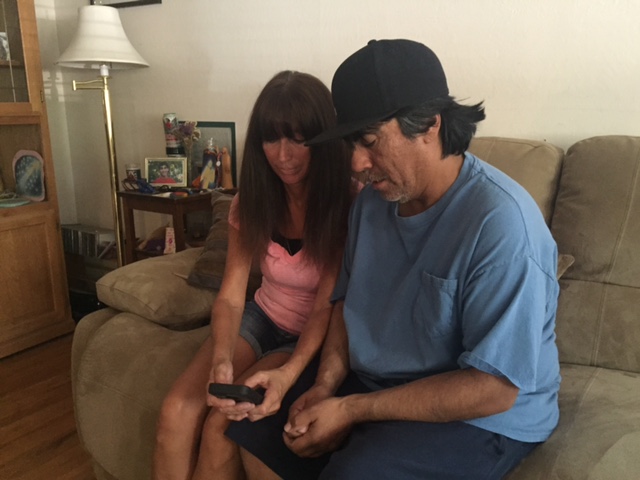
"caption": "Kymberlyrenee and Manuel Gamboa still keep their son Kyle's cellphone charged. Three years after his death, his friends still text.",
"description": null,
"title": "IMG_3269",
"credit": "Stephanie Martin Taylor/KQED",
"status": "inherit",
"isLoading": false,
"fetchFailed": false
},
"news_11106589": {
"type": "attachments",
"id": "news_11106589",
"meta": {
"index": "attachments_1716263798",
"site": "news",
"id": "11106589",
"found": true
},
"parent": 11106541,
"imgSizes": {
"jmtc-small-thumb": {
"file": "https://ww2.kqed.org/app/uploads/sites/10/2016/09/Tony-Prophet-280x150.jpg",
"width": 280,
"mimeType": "image/jpeg",
"height": 150
},
"thumbnail": {
"file": "https://ww2.kqed.org/app/uploads/sites/10/2016/09/Tony-Prophet-400x461.jpg",
"width": 400,
"mimeType": "image/jpeg",
"height": 461
},
"post-thumbnail": {
"file": "https://ww2.kqed.org/app/uploads/sites/10/2016/09/Tony-Prophet-449x372.jpg",
"width": 449,
"mimeType": "image/jpeg",
"height": 372
},
"kqedFullSize": {
"file": "https://ww2.kqed.org/app/uploads/sites/10/2016/09/Tony-Prophet.jpg",
"width": 449,
"height": 518
},
"guest-author-50": {
"file": "https://ww2.kqed.org/app/uploads/sites/10/2016/09/Tony-Prophet-50x50.jpg",
"width": 50,
"mimeType": "image/jpeg",
"height": 50
},
"guest-author-96": {
"file": "https://ww2.kqed.org/app/uploads/sites/10/2016/09/Tony-Prophet-96x96.jpg",
"width": 96,
"mimeType": "image/jpeg",
"height": 96
},
"guest-author-64": {
"file": "https://ww2.kqed.org/app/uploads/sites/10/2016/09/Tony-Prophet-64x64.jpg",
"width": 64,
"mimeType": "image/jpeg",
"height": 64
},
"detail": {
"file": "https://ww2.kqed.org/app/uploads/sites/10/2016/09/Tony-Prophet-150x150.jpg",
"width": 150,
"mimeType": "image/jpeg",
"height": 150
},
"guest-author-32": {
"file": "https://ww2.kqed.org/app/uploads/sites/10/2016/09/Tony-Prophet-32x32.jpg",
"width": 32,
"mimeType": "image/jpeg",
"height": 32
},
"guest-author-128": {
"file": "https://ww2.kqed.org/app/uploads/sites/10/2016/09/Tony-Prophet-128x128.jpg",
"width": 128,
"mimeType": "image/jpeg",
"height": 128
}
},
"publishDate": 1475020388,
"modified": 1475092428,
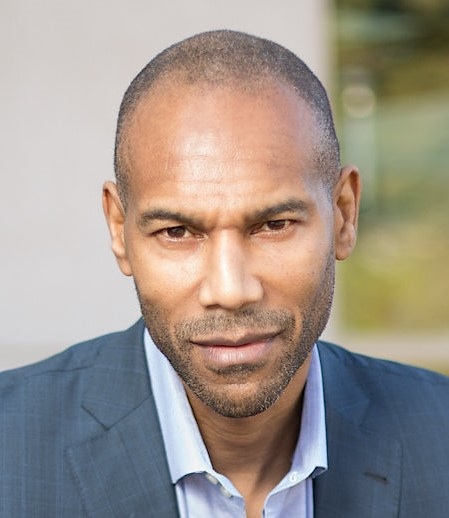
"caption": "Tony Prophet is Salesforce's first chief equality officer. He will report to CEO Marc Benioff.",
"description": null,
"title": "Tony Prophet",
"credit": "Courtesy of Salesforce",
"status": "inherit",
"isLoading": false,
"fetchFailed": false
},
"news_11106028": {
"type": "attachments",
"id": "news_11106028",
"meta": {
"index": "attachments_1716263798",
"site": "news",
"id": "11106028",
"found": true
},
"parent": 11105970,
"imgSizes": {
"twentyfourteen-full-width": {
"file": "https://ww2.kqed.org/app/uploads/sites/10/2016/09/7977825606_f94d83d22e_o-1038x576.jpg",
"width": 1038,
"mimeType": "image/jpeg",
"height": 576
},
"thumbnail": {
"file": "https://ww2.kqed.org/app/uploads/sites/10/2016/09/7977825606_f94d83d22e_o-400x267.jpg",
"width": 400,
"mimeType": "image/jpeg",
"height": 267
},
"fd-sm": {
"file": "https://ww2.kqed.org/app/uploads/sites/10/2016/09/7977825606_f94d83d22e_o-960x640.jpg",
"width": 960,
"mimeType": "image/jpeg",
"height": 640
},
"post-thumbnail": {
"file": "https://ww2.kqed.org/app/uploads/sites/10/2016/09/7977825606_f94d83d22e_o-672x372.jpg",
"width": 672,
"mimeType": "image/jpeg",
"height": 372
},
"kqedFullSize": {
"file": "https://ww2.kqed.org/app/uploads/sites/10/2016/09/7977825606_f94d83d22e_o-e1474992593796.jpg",
"width": 1920,
"height": 1280
},
"large": {
"file": "https://ww2.kqed.org/app/uploads/sites/10/2016/09/7977825606_f94d83d22e_o-1920x1280.jpg",
"width": 1920,
"mimeType": "image/jpeg",
"height": 1280
},
"guest-author-50": {
"file": "https://ww2.kqed.org/app/uploads/sites/10/2016/09/7977825606_f94d83d22e_o-50x50.jpg",
"width": 50,
"mimeType": "image/jpeg",
"height": 50
},
"guest-author-96": {
"file": "https://ww2.kqed.org/app/uploads/sites/10/2016/09/7977825606_f94d83d22e_o-96x96.jpg",
"width": 96,
"mimeType": "image/jpeg",
"height": 96
},
"medium": {
"file": "https://ww2.kqed.org/app/uploads/sites/10/2016/09/7977825606_f94d83d22e_o-800x533.jpg",
"width": 800,
"mimeType": "image/jpeg",
"height": 533
},
"guest-author-64": {
"file": "https://ww2.kqed.org/app/uploads/sites/10/2016/09/7977825606_f94d83d22e_o-64x64.jpg",
"width": 64,
"mimeType": "image/jpeg",
"height": 64
},
"guest-author-32": {
"file": "https://ww2.kqed.org/app/uploads/sites/10/2016/09/7977825606_f94d83d22e_o-32x32.jpg",
"width": 32,
"mimeType": "image/jpeg",
"height": 32
},
"jmtc-small-thumb": {
"file": "https://ww2.kqed.org/app/uploads/sites/10/2016/09/7977825606_f94d83d22e_o-280x150.jpg",
"width": 280,
"mimeType": "image/jpeg",
"height": 150
},
"fd-lrg": {
"file": "https://ww2.kqed.org/app/uploads/sites/10/2016/09/7977825606_f94d83d22e_o-1920x1280.jpg",
"width": 1920,
"mimeType": "image/jpeg",
"height": 1280
},
"fd-med": {
"file": "https://ww2.kqed.org/app/uploads/sites/10/2016/09/7977825606_f94d83d22e_o-1180x787.jpg",
"width": 1180,
"mimeType": "image/jpeg",
"height": 787
},
"detail": {
"file": "https://ww2.kqed.org/app/uploads/sites/10/2016/09/7977825606_f94d83d22e_o-150x150.jpg",
"width": 150,
"mimeType": "image/jpeg",
"height": 150
},
"guest-author-128": {
"file": "https://ww2.kqed.org/app/uploads/sites/10/2016/09/7977825606_f94d83d22e_o-128x128.jpg",
"width": 128,
"mimeType": "image/jpeg",
"height": 128
}
},
"publishDate": 1474992489,
"modified": 1474992761,
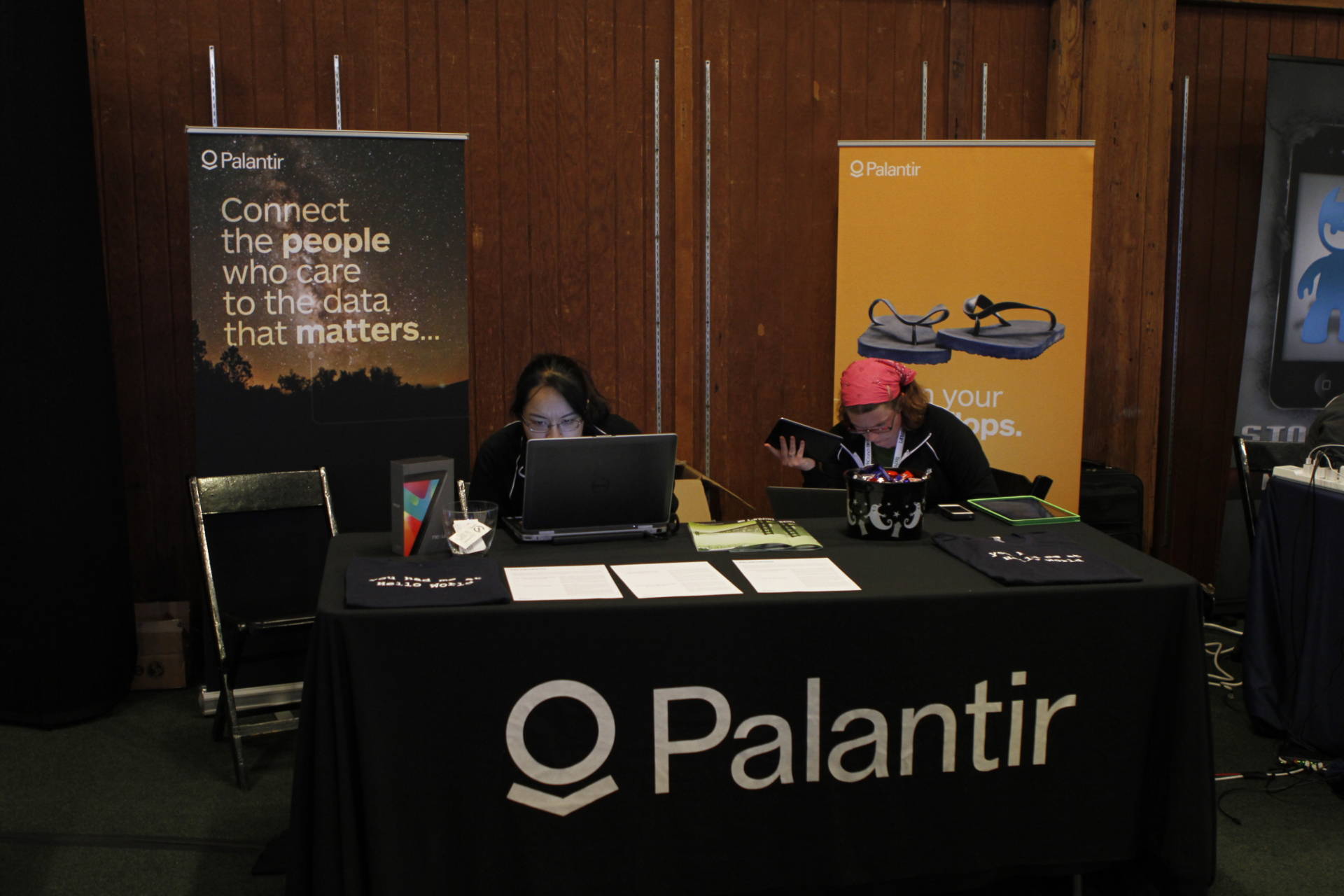
"caption": "The lawsuit said there’s a 'one in a billion' chance that Palantir’s hiring pattern occurred by chance.",
"description": null,
"title": "Palantir Tech",
"credit": "\u003ca href=\"https://www.flickr.com/photos/techcrunch/7977825606/in/photolist-9nfXAm-7UBJMs-9ng2rW-9ncW4k-9ncWw2-9ncTvX-dSkucd-9ng2gE-9ng1sd-9ng1au-9nfYx1-9nfXoo-9ncXYx-9ncTYe-9Edf17-9ncTAV-9ncYfi-9nfZK1-9ncUfg-9ng1HN-9ncVmB-5gFEWW-9ncUPz-9ncTSV-9nfZ2d-9ncVai-9ncUor-bDMquz-9ncVAB-9ncU7H-d9YrBm-9ncVWR-9ncUWi-5gBiHV-2sGKyX-9nfXPq-5gFHvC-7h8oqq-5gBkRx-5gBice-5gFFkC-5gBnXz-5gFCvb-9ncX5g-9ncVNp-5gBi2x-9nfZa7-5gBhCF-9nfZiE-CGAp49\">TechCrunch\u003c/a>/Flickr",
"status": "inherit",
"isLoading": false,
"fetchFailed": false
},
"news_11070388": {
"type": "attachments",
"id": "news_11070388",
"meta": {
"index": "attachments_1716263798",
"site": "news",
"id": "11070388",
"found": true
},
"parent": 11070386,
"imgSizes": {
"jmtc-small-thumb": {
"file": "https://ww2.kqed.org/app/uploads/sites/10/2016/09/missionstation-280x150.jpg",
"width": 280,
"mimeType": "image/jpeg",
"height": 150
},
"thumbnail": {
"file": "https://ww2.kqed.org/app/uploads/sites/10/2016/09/missionstation-400x266.jpg",
"width": 400,
"mimeType": "image/jpeg",
"height": 266
},
"post-thumbnail": {
"file": "https://ww2.kqed.org/app/uploads/sites/10/2016/09/missionstation-620x372.jpg",
"width": 620,
"mimeType": "image/jpeg",
"height": 372
},
"kqedFullSize": {
"file": "https://ww2.kqed.org/app/uploads/sites/10/2016/09/missionstation.jpg",
"width": 620,
"height": 413
},
"guest-author-50": {
"file": "https://ww2.kqed.org/app/uploads/sites/10/2016/09/missionstation-50x50.jpg",
"width": 50,
"mimeType": "image/jpeg",
"height": 50
},
"guest-author-96": {
"file": "https://ww2.kqed.org/app/uploads/sites/10/2016/09/missionstation-96x96.jpg",
"width": 96,
"mimeType": "image/jpeg",
"height": 96
},
"guest-author-64": {
"file": "https://ww2.kqed.org/app/uploads/sites/10/2016/09/missionstation-64x64.jpg",
"width": 64,
"mimeType": "image/jpeg",
"height": 64
},
"detail": {
"file": "https://ww2.kqed.org/app/uploads/sites/10/2016/09/missionstation-150x150.jpg",
"width": 150,
"mimeType": "image/jpeg",
"height": 150
},
"guest-author-32": {
"file": "https://ww2.kqed.org/app/uploads/sites/10/2016/09/missionstation-32x32.jpg",
"width": 32,
"mimeType": "image/jpeg",
"height": 32
},
"guest-author-128": {
"file": "https://ww2.kqed.org/app/uploads/sites/10/2016/09/missionstation-128x128.jpg",
"width": 128,
"mimeType": "image/jpeg",
"height": 128
}
},
"publishDate": 1472834564,
"modified": 1472834706,
"caption": "San Francisco Police Department's Mission Station.",
"description": null,
"title": "SFPD-Mission Station",
"credit": "Mission Local",
"status": "inherit",
"isLoading": false,
"fetchFailed": false
},
"news_11097528": {
"type": "attachments",
"id": "news_11097528",
"meta": {
"index": "attachments_1716263798",
"site": "news",
"id": "11097528",
"found": true
},
"parent": 11097455,
"imgSizes": {
"twentyfourteen-full-width": {
"file": "https://ww2.kqed.org/app/uploads/sites/10/2016/09/eatsa-1038x576.jpg",
"width": 1038,
"mimeType": "image/jpeg",
"height": 576
},
"thumbnail": {
"file": "https://ww2.kqed.org/app/uploads/sites/10/2016/09/eatsa-400x302.jpg",
"width": 400,
"mimeType": "image/jpeg",
"height": 302
},
"fd-sm": {
"file": "https://ww2.kqed.org/app/uploads/sites/10/2016/09/eatsa-960x726.jpg",
"width": 960,
"mimeType": "image/jpeg",
"height": 726
},
"post-thumbnail": {
"file": "https://ww2.kqed.org/app/uploads/sites/10/2016/09/eatsa-672x372.jpg",
"width": 672,
"mimeType": "image/jpeg",
"height": 372
},
"kqedFullSize": {
"file": "https://ww2.kqed.org/app/uploads/sites/10/2016/09/eatsa-e1474568237897.jpg",
"width": 1920,
"height": 1451
},
"large": {
"file": "https://ww2.kqed.org/app/uploads/sites/10/2016/09/eatsa-1920x1451.jpg",
"width": 1920,
"mimeType": "image/jpeg",
"height": 1451
},
"guest-author-50": {
"file": "https://ww2.kqed.org/app/uploads/sites/10/2016/09/eatsa-50x50.jpg",
"width": 50,
"mimeType": "image/jpeg",
"height": 50
},
"guest-author-96": {
"file": "https://ww2.kqed.org/app/uploads/sites/10/2016/09/eatsa-96x96.jpg",
"width": 96,
"mimeType": "image/jpeg",
"height": 96
},
"medium": {
"file": "https://ww2.kqed.org/app/uploads/sites/10/2016/09/eatsa-800x605.jpg",
"width": 800,
"mimeType": "image/jpeg",
"height": 605
},
"guest-author-64": {
"file": "https://ww2.kqed.org/app/uploads/sites/10/2016/09/eatsa-64x64.jpg",
"width": 64,
"mimeType": "image/jpeg",
"height": 64
},
"guest-author-32": {
"file": "https://ww2.kqed.org/app/uploads/sites/10/2016/09/eatsa-32x32.jpg",
"width": 32,
"mimeType": "image/jpeg",
"height": 32
},
"jmtc-small-thumb": {
"file": "https://ww2.kqed.org/app/uploads/sites/10/2016/09/eatsa-280x150.jpg",
"width": 280,
"mimeType": "image/jpeg",
"height": 150
},
"fd-lrg": {
"file": "https://ww2.kqed.org/app/uploads/sites/10/2016/09/eatsa-1920x1451.jpg",
"width": 1920,
"mimeType": "image/jpeg",
"height": 1451
},
"fd-med": {
"file": "https://ww2.kqed.org/app/uploads/sites/10/2016/09/eatsa-1180x892.jpg",
"width": 1180,
"mimeType": "image/jpeg",
"height": 892
},
"detail": {
"file": "https://ww2.kqed.org/app/uploads/sites/10/2016/09/eatsa-150x150.jpg",
"width": 150,
"mimeType": "image/jpeg",
"height": 150
},
"guest-author-128": {
"file": "https://ww2.kqed.org/app/uploads/sites/10/2016/09/eatsa-128x128.jpg",
"width": 128,
"mimeType": "image/jpeg",
"height": 128
}
},
"publishDate": 1474495555,
"modified": 1474568277,
"caption": "Eatsa is healthy fast-food joint in San Francisco where there are no cashiers.",
"description": null,
"title": "Eatsa in San Francisco",
"credit": "Queena Sook Kim/KQED",
"status": "inherit",
"isLoading": false,
"fetchFailed": false
},
"news_11098870": {
"type": "attachments",
"id": "news_11098870",
"meta": {
"index": "attachments_1716263798",
"site": "news",
"id": "11098870",
"found": true
},
"parent": 11098856,
"imgSizes": {
"twentyfourteen-full-width": {
"file": "https://ww2.kqed.org/app/uploads/sites/10/2016/09/2895161623_d4bfab78d1_o-1038x576.jpg",
"width": 1038,
"mimeType": "image/jpeg",
"height": 576
},
"thumbnail": {
"file": "https://ww2.kqed.org/app/uploads/sites/10/2016/09/2895161623_d4bfab78d1_o-400x268.jpg",
"width": 400,
"mimeType": "image/jpeg",
"height": 268
},
"fd-sm": {
"file": "https://ww2.kqed.org/app/uploads/sites/10/2016/09/2895161623_d4bfab78d1_o-960x643.jpg",
"width": 960,
"mimeType": "image/jpeg",
"height": 643
},
"post-thumbnail": {
"file": "https://ww2.kqed.org/app/uploads/sites/10/2016/09/2895161623_d4bfab78d1_o-672x372.jpg",
"width": 672,
"mimeType": "image/jpeg",
"height": 372
},
"kqedFullSize": {
"file": "https://ww2.kqed.org/app/uploads/sites/10/2016/09/2895161623_d4bfab78d1_o-e1474578453254.jpg",
"width": 1920,
"height": 1285
},
"large": {
"file": "https://ww2.kqed.org/app/uploads/sites/10/2016/09/2895161623_d4bfab78d1_o-1920x1285.jpg",
"width": 1920,
"mimeType": "image/jpeg",
"height": 1285
},
"guest-author-50": {
"file": "https://ww2.kqed.org/app/uploads/sites/10/2016/09/2895161623_d4bfab78d1_o-50x50.jpg",
"width": 50,
"mimeType": "image/jpeg",
"height": 50
},
"guest-author-96": {
"file": "https://ww2.kqed.org/app/uploads/sites/10/2016/09/2895161623_d4bfab78d1_o-96x96.jpg",
"width": 96,
"mimeType": "image/jpeg",
"height": 96
},
"medium": {
"file": "https://ww2.kqed.org/app/uploads/sites/10/2016/09/2895161623_d4bfab78d1_o-800x536.jpg",
"width": 800,
"mimeType": "image/jpeg",
"height": 536
},
"guest-author-64": {
"file": "https://ww2.kqed.org/app/uploads/sites/10/2016/09/2895161623_d4bfab78d1_o-64x64.jpg",
"width": 64,
"mimeType": "image/jpeg",
"height": 64
},
"guest-author-32": {
"file": "https://ww2.kqed.org/app/uploads/sites/10/2016/09/2895161623_d4bfab78d1_o-32x32.jpg",
"width": 32,
"mimeType": "image/jpeg",
"height": 32
},
"jmtc-small-thumb": {
"file": "https://ww2.kqed.org/app/uploads/sites/10/2016/09/2895161623_d4bfab78d1_o-280x150.jpg",
"width": 280,
"mimeType": "image/jpeg",
"height": 150
},
"fd-lrg": {
"file": "https://ww2.kqed.org/app/uploads/sites/10/2016/09/2895161623_d4bfab78d1_o-1920x1285.jpg",
"width": 1920,
"mimeType": "image/jpeg",
"height": 1285
},
"fd-med": {
"file": "https://ww2.kqed.org/app/uploads/sites/10/2016/09/2895161623_d4bfab78d1_o-1180x790.jpg",
"width": 1180,
"mimeType": "image/jpeg",
"height": 790
},
"detail": {
"file": "https://ww2.kqed.org/app/uploads/sites/10/2016/09/2895161623_d4bfab78d1_o-150x150.jpg",
"width": 150,
"mimeType": "image/jpeg",
"height": 150
},
"guest-author-128": {
"file": "https://ww2.kqed.org/app/uploads/sites/10/2016/09/2895161623_d4bfab78d1_o-128x128.jpg",
"width": 128,
"mimeType": "image/jpeg",
"height": 128
}
},
"publishDate": 1474573924,
"modified": 1474578534,
"caption": "Yahoo's breach dates back to 2014. ",
"description": null,
"title": "yahoo",
"credit": "\u003ca href=\"https://www.flickr.com/photos/abhisawa/2895161623/in/photolist-5pQsFH-Ha5Vt-2iMLF7-5tFFHa-htyXa-7pnAZz-6GZAK3-8Ev2az-31TH5P-75VPik-pS4sHw-2REfjt-cunLHb-EhkNv-vPkJTB-em2Fjw-4pq2tD-85KFmK-4bKQKM-64SyuN-qcZQc-ed7Jf-iDasz-qnQuCg-31DcK-aaHonp-pvFhp-fm3Ww-pVDJAQ-aFiskM-53qSLv-7GL1zB-6tU2S5-79zAHW-6tPTTZ-ekFten-cNL2Zf-cNL4WW-21g5T-4vnh3K-D8YW1-7T68i8-6o3udc-7eE1J2-X35cD-5nhRB8-26M11s-8kTbtT-8pR7Dd-A2iQh\">Abhisawa\u003c/a>/Flickr",
"status": "inherit",
"isLoading": false,
"fetchFailed": false
},
"news_11098832": {
"type": "attachments",
"id": "news_11098832",
"meta": {
"index": "attachments_1716263798",
"site": "news",
"id": "11098832",
"found": true
},
"parent": 11098550,
"imgSizes": {
"twentyfourteen-full-width": {
"file": "https://ww2.kqed.org/app/uploads/sites/10/2016/09/3086292422_d62b4645d1_o-1038x576.jpg",
"width": 1038,
"mimeType": "image/jpeg",
"height": 576
},
"thumbnail": {
"file": "https://ww2.kqed.org/app/uploads/sites/10/2016/09/3086292422_d62b4645d1_o-400x266.jpg",
"width": 400,
"mimeType": "image/jpeg",
"height": 266
},
"fd-sm": {
"file": "https://ww2.kqed.org/app/uploads/sites/10/2016/09/3086292422_d62b4645d1_o-960x638.jpg",
"width": 960,
"mimeType": "image/jpeg",
"height": 638
},
"post-thumbnail": {
"file": "https://ww2.kqed.org/app/uploads/sites/10/2016/09/3086292422_d62b4645d1_o-672x372.jpg",
"width": 672,
"mimeType": "image/jpeg",
"height": 372
},
"kqedFullSize": {
"file": "https://ww2.kqed.org/app/uploads/sites/10/2016/09/3086292422_d62b4645d1_o-e1474572745991.jpg",
"width": 1920,
"height": 1275
},
"large": {
"file": "https://ww2.kqed.org/app/uploads/sites/10/2016/09/3086292422_d62b4645d1_o-1920x1275.jpg",
"width": 1920,
"mimeType": "image/jpeg",
"height": 1275
},
"guest-author-50": {
"file": "https://ww2.kqed.org/app/uploads/sites/10/2016/09/3086292422_d62b4645d1_o-50x50.jpg",
"width": 50,
"mimeType": "image/jpeg",
"height": 50
},
"guest-author-96": {
"file": "https://ww2.kqed.org/app/uploads/sites/10/2016/09/3086292422_d62b4645d1_o-96x96.jpg",
"width": 96,
"mimeType": "image/jpeg",
"height": 96
},
"medium": {
"file": "https://ww2.kqed.org/app/uploads/sites/10/2016/09/3086292422_d62b4645d1_o-800x531.jpg",
"width": 800,
"mimeType": "image/jpeg",
"height": 531
},
"guest-author-64": {
"file": "https://ww2.kqed.org/app/uploads/sites/10/2016/09/3086292422_d62b4645d1_o-64x64.jpg",
"width": 64,
"mimeType": "image/jpeg",
"height": 64
},
"guest-author-32": {
"file": "https://ww2.kqed.org/app/uploads/sites/10/2016/09/3086292422_d62b4645d1_o-32x32.jpg",
"width": 32,
"mimeType": "image/jpeg",
"height": 32
},
"jmtc-small-thumb": {
"file": "https://ww2.kqed.org/app/uploads/sites/10/2016/09/3086292422_d62b4645d1_o-280x150.jpg",
"width": 280,
"mimeType": "image/jpeg",
"height": 150
},
"fd-lrg": {
"file": "https://ww2.kqed.org/app/uploads/sites/10/2016/09/3086292422_d62b4645d1_o-1920x1275.jpg",
"width": 1920,
"mimeType": "image/jpeg",
"height": 1275
},
"fd-med": {
"file": "https://ww2.kqed.org/app/uploads/sites/10/2016/09/3086292422_d62b4645d1_o-1180x784.jpg",
"width": 1180,
"mimeType": "image/jpeg",
"height": 784
},
"detail": {
"file": "https://ww2.kqed.org/app/uploads/sites/10/2016/09/3086292422_d62b4645d1_o-150x150.jpg",
"width": 150,
"mimeType": "image/jpeg",
"height": 150
},
"guest-author-128": {
"file": "https://ww2.kqed.org/app/uploads/sites/10/2016/09/3086292422_d62b4645d1_o-128x128.jpg",
"width": 128,
"mimeType": "image/jpeg",
"height": 128
}
},
"publishDate": 1474571837,
"modified": 1474572820,
"caption": "Yelp says a decision against the company would restrict its ability to offer a 'balanced spectrum' of views online.",
"description": null,
"title": "Yelp",
"credit": "\u003ca href=\"https://www.flickr.com/photos/rockbandit/3086292422/in/photolist-5GJ4dj-8ZyWQk-8ZC3sj-9sVaJP-8ZC3eG-8ZC3Dq-cLNghC-emCseg-f8WjWt-skRRPL-8ZyZ7v-8ZC2B7-oD9gYe-f8WfQR-omDPQt-f9bq4E-8ZC1YW-7YiQFP-m8EPrQ-jfRcuJ-f9bs2s-9WriDQ-f8WaBx-c9y3fJ-4NK6vS-c9xxKJ-f8Wgrt-it7DMh-9rq3bY-m9aR4i-f9br1N-oEUepa-jfLM7c-8ZyYAc-bCE9va-d5hRGy-9rq4aE-9rq4k1-dR37TJ-8ZC16y-4NFdmZ-e2Z4jS-e2ToHe-m9bFof-m9b2bc-9rn4Xv-omDSg9-f9bvuU-8ZC5xL-8ZyZEZ\">Dave Schumaker\u003c/a>/Flickr",
"status": "inherit",
"isLoading": false,
"fetchFailed": false
},
"news_11032435": {
"type": "attachments",
"id": "news_11032435",
"meta": {
"index": "attachments_1716263798",
"site": "news",
"id": "11032435",
"found": true
},
"parent": 11032310,
"imgSizes": {
"twentyfourteen-full-width": {
"file": "https://ww2.kqed.org/app/uploads/sites/10/2016/07/DE9A9593-e1469580258337-820x576.jpg",
"width": 820,
"mimeType": "image/jpeg",
"height": 576
},
"jmtc-small-thumb": {
"file": "https://ww2.kqed.org/app/uploads/sites/10/2016/07/DE9A9593-e1469580258337-280x150.jpg",
"width": 280,
"mimeType": "image/jpeg",
"height": 150
},
"thumbnail": {
"file": "https://ww2.kqed.org/app/uploads/sites/10/2016/07/DE9A9593-e1469580258337-400x384.jpg",
"width": 400,
"mimeType": "image/jpeg",
"height": 384
},
"post-thumbnail": {
"file": "https://ww2.kqed.org/app/uploads/sites/10/2016/07/DE9A9593-e1469580258337-672x372.jpg",
"width": 672,
"mimeType": "image/jpeg",
"height": 372
},
"kqedFullSize": {
"file": "https://ww2.kqed.org/app/uploads/sites/10/2016/07/DE9A9593-e1469580258337.jpg",
"width": 820,
"height": 787
},
"guest-author-50": {
"file": "https://ww2.kqed.org/app/uploads/sites/10/2016/07/DE9A9593-e1469580258337-50x50.jpg",
"width": 50,
"mimeType": "image/jpeg",
"height": 50
},
"guest-author-96": {
"file": "https://ww2.kqed.org/app/uploads/sites/10/2016/07/DE9A9593-e1469580258337-96x96.jpg",
"width": 96,
"mimeType": "image/jpeg",
"height": 96
},
"medium": {
"file": "https://ww2.kqed.org/app/uploads/sites/10/2016/07/DE9A9593-e1469580258337-800x768.jpg",
"width": 800,
"mimeType": "image/jpeg",
"height": 768
},
"guest-author-64": {
"file": "https://ww2.kqed.org/app/uploads/sites/10/2016/07/DE9A9593-e1469580258337-64x64.jpg",
"width": 64,
"mimeType": "image/jpeg",
"height": 64
},
"detail": {
"file": "https://ww2.kqed.org/app/uploads/sites/10/2016/07/DE9A9593-e1469580258337-150x150.jpg",
"width": 150,
"mimeType": "image/jpeg",
"height": 150
},
"guest-author-32": {
"file": "https://ww2.kqed.org/app/uploads/sites/10/2016/07/DE9A9593-e1469580258337-32x32.jpg",
"width": 32,
"mimeType": "image/jpeg",
"height": 32
},
"guest-author-128": {
"file": "https://ww2.kqed.org/app/uploads/sites/10/2016/07/DE9A9593-e1469580258337-128x128.jpg",
"width": 128,
"mimeType": "image/jpeg",
"height": 128
}
},
"publishDate": 1469577263,
"modified": 1474397357,
"caption": "Instead of using contractors, Trusted actually hires care providers like Cindy Ngo.",
"description": null,
"title": "Trusted",
"credit": "Courtesy of Trusted",
"status": "inherit",
"isLoading": false,
"fetchFailed": false
}
},
"audioPlayerReducer": {
"postId": "stream_live",
"isPaused": true,
"isPlaying": false,
"pfsActive": false,
"pledgeModalIsOpen": true,
"playerDrawerIsOpen": false,
"liveAudioPlayStartedAt": 0,
"liveAudioPlayContext": ""
},
"authorsReducer": {
"byline_news_11105970": {
"type": "authors",
"id": "byline_news_11105970",
"meta": {
"override": true
},
"slug": "byline_news_11105970",
"name": "\u003cstrong>\u003ca href=\"https://twitter.com/BrandonBailey\">Brandon Bailey\u003c/a> \u003cbr> Associated Press \u003c/strong> ",
"isLoading": false
},
"byline_news_11104570": {
"type": "authors",
"id": "byline_news_11104570",
"meta": {
"override": true
},
"slug": "byline_news_11104570",
"name": "\u003cstrong>\u003ca href=\"http://missionlocal.org/author/laurawaxmann/\">Laura Waxmann\u003c/a>\u003cbr />\u003ca href=\"http://missionlocal.org/\">Mission Local\u003c/a>\u003c/strong>",
"isLoading": false
},
"byline_news_11098856": {
"type": "authors",
"id": "byline_news_11098856",
"meta": {
"override": true
},
"slug": "byline_news_11098856",
"name": "\u003cstrong>Michael Liedtke \u003cbr> Associated Press \u003c/strong>",
"isLoading": false
},
"byline_news_11098550": {
"type": "authors",
"id": "byline_news_11098550",
"meta": {
"override": true
},
"slug": "byline_news_11098550",
"name": "\u003cstrong>\u003ca href=\"https://twitter.com/sudhint\">Sudhim Thanawala\u003c/a> \u003cbr> Associated Press \u003c/strong>",
"isLoading": false
},
"smartin": {
"type": "authors",
"id": "89",
"meta": {
"index": "authors_1716337520",
"id": "89",
"found": true
},
"name": "Stephanie Martin Taylor",
"firstName": "Stephanie Martin",
"lastName": "Taylor",
"slug": "smartin",
"email": "smartin@kqed.org",
"display_author_email": false,
"staff_mastheads": [],
"title": null,
"bio": "Stephanie Martin is a radio news reporter and anchor, and an occasional host of the \u003cem>KQED Newsroom \u003c/em>television program. While she currently focuses on housing and development issues, she has also reported on topics ranging from state and local politics to religion to arts and culture.\r\n\r\nPrior to joining KQED in 2005, Stephanie was an anchor and reporter for WFDD, the NPR affiliate in Winston-Salem, NC. She also spent several years as a television anchor, reporter and producer at various stations around the country.\r\n\r\nStephanie has received numerous awards for her reporting, including two National Headliner Awards, the Religion Newswriters Association's Best Radio Reporting Award and honors from the Associated Press and the Radio and Television Digital News Association. A series she produced from Iraq in 2005 earned a Best of Radio Award from the Society of Professional Journalists.\r\n\r\nStephanie received a graduate degree in Journalism from Columbia University. As an undergraduate at Colgate University, she worked and studied in Paris and Dijon, France, and spent a summer interning in the White House Press Office.\r\n\r\nStephanie grew up in Dallas, TX, and now lives with her husband in San Francisco.",
"avatar": "https://secure.gravatar.com/avatar/9fd3f8e9af01e14afde39822c19646e0?s=600&d=blank&r=g",
"twitter": "SMartinTaylor",
"facebook": null,
"instagram": null,
"linkedin": null,
"sites": [
{
"site": "arts",
"roles": [
"Contributor",
"subscriber"
]
},
{
"site": "news",
"roles": [
"subscriber"
]
},
{
"site": "stateofhealth",
"roles": [
"subscriber"
]
}
],
"headData": {
"title": "Stephanie Martin Taylor | KQED",
"description": null,
"ogImgSrc": "https://secure.gravatar.com/avatar/9fd3f8e9af01e14afde39822c19646e0?s=600&d=blank&r=g",
"twImgSrc": "https://secure.gravatar.com/avatar/9fd3f8e9af01e14afde39822c19646e0?s=600&d=blank&r=g"
},
"isLoading": false,
"link": "/author/smartin"
},
"kqednewsstaffandwires": {
"type": "authors",
"id": "237",
"meta": {
"index": "authors_1716337520",
"id": "237",
"found": true
},
"name": "KQED News Staff and Wires",
"firstName": "KQED News Staff and Wires",
"lastName": null,
"slug": "kqednewsstaffandwires",
"email": "onlinenewsstaff@kqed.org",
"display_author_email": false,
"staff_mastheads": [],
"title": null,
"bio": null,
"avatar": "https://secure.gravatar.com/avatar/72295af8ebbfbd19a4948f5271285664?s=600&d=blank&r=g",
"twitter": null,
"facebook": null,
"instagram": null,
"linkedin": null,
"sites": [
{
"site": "arts",
"roles": [
"contributor"
]
},
{
"site": "news",
"roles": [
"contributor"
]
},
{
"site": "lowdown",
"roles": [
"author"
]
},
{
"site": "stateofhealth",
"roles": [
"contributor"
]
},
{
"site": "food",
"roles": [
"author"
]
}
],
"headData": {
"title": "KQED News Staff and Wires | KQED",
"description": null,
"ogImgSrc": "https://secure.gravatar.com/avatar/72295af8ebbfbd19a4948f5271285664?s=600&d=blank&r=g",
"twImgSrc": "https://secure.gravatar.com/avatar/72295af8ebbfbd19a4948f5271285664?s=600&d=blank&r=g"
},
"isLoading": false,
"link": "/author/kqednewsstaffandwires"
},
"samharnett": {
"type": "authors",
"id": "253",
"meta": {
"index": "authors_1716337520",
"id": "253",
"found": true
},
"name": "Sam Harnett",
"firstName": "Sam",
"lastName": "Harnett",
"slug": "samharnett",
"email": "samharnett@gmail.com",
"display_author_email": false,
"staff_mastheads": [],
"title": "KQED Contributor",
"bio": "Sam Harnett covered tech and work at KQED. He is the co-creator of \u003cem>\u003ca href=\"http://www.theworldaccordingtosound.org\">The World According to Sound\u003c/a>,\u003c/em> a 90-second podcast that features different sounds and the stories behind them.\r\n\r\nBefore coming to KQED, Sam worked as an independent reporter who contributed regularly to \u003cem>The California Report, Marketplace,\u003c/em> \u003cem>The World \u003c/em>and NPR.",
"avatar": "https://secure.gravatar.com/avatar/2538b972ac02f2b9546c7a6c59a0f3d0?s=600&d=blank&r=g",
"twitter": "Samwharnett",
"facebook": null,
"instagram": null,
"linkedin": null,
"sites": [
{
"site": "news",
"roles": [
"edit_others_posts",
"subscriber"
]
},
{
"site": "stateofhealth",
"roles": [
"author"
]
},
{
"site": "science",
"roles": [
"editor"
]
},
{
"site": "quest",
"roles": [
"subscriber"
]
}
],
"headData": {
"title": "Sam Harnett | KQED",
"description": "KQED Contributor",
"ogImgSrc": "https://secure.gravatar.com/avatar/2538b972ac02f2b9546c7a6c59a0f3d0?s=600&d=blank&r=g",
"twImgSrc": "https://secure.gravatar.com/avatar/2538b972ac02f2b9546c7a6c59a0f3d0?s=600&d=blank&r=g"
},
"isLoading": false,
"link": "/author/samharnett"
},
"qkim": {
"type": "authors",
"id": "11099",
"meta": {
"index": "authors_1716337520",
"id": "11099",
"found": true
},
"name": "Queena Sook Kim",
"firstName": "Queena",
"lastName": "Kim",
"slug": "qkim",
"email": "qkim@kqed.org",
"display_author_email": false,
"staff_mastheads": [
"news"
],
"title": "Senior Editor",
"bio": "\u003cspan style=\"font-weight: 400;\">Queena Sook Kim is a former senior editor of the weekend desk at KQED. Before taking on that post, she was the Senior Editor of the Silicon Valley Desk and was the \u003c/span>\u003cspan style=\"font-weight: 400;\">host of The California Report. The daily morning show airs on KQED in San Francisco, one of the nation’s largest NPR affiliates, and on 30 stations across the state. In that role, she produces and reports on news, politics and life in the Golden State. Queena likes to take sideways look at the larger trends changing the state. One of her favorite stories asked\u003c/span>\u003ca href=\"https://ww2.kqed.org/news/2015/02/15/why-the-heck-do-mexican-reporters-on-public-radio-say-their-names-that-way\"> \u003cspan style=\"font-weight: 400;\">why Latino journalists “over’pronounce” their Spanish surnames\u003c/span>\u003c/a>\u003cspan style=\"font-weight: 400;\"> as a way of looking at how immigration is creating a culture shift in California.\u003c/span>\r\n\r\n\u003cspan style=\"font-weight: 400;\">Before joining The California Report, Queena was a \u003ca href=\"http://www.marketplace.org/people/queena-kim\">Senior Reporter covering technology for Marketplace\u003c/a>, the daily business show that airs on public radio. Queena covered daily tech business stories and reported on larger technology trends. She did a series of stories looking at role of social engineering in hacking and on a start-up in Silicon Valley that’s trying to use technology, instead of animals, to make meat that bleeds.\u003c/span>\r\n\r\n\u003cspan style=\"font-weight: 400;\">Queena started her career as a business journalist at the Wall Street Journal, where she spent four years covering the paper, home building and toy industries. She wrote A1 stories about the unusually aggressive tactics KB Home took against its home buyers. and the resurgence of “Cracker” architecture in Florida. She also wrote section front stories on marketing trends and\u003c/span>\r\n\r\n\u003cspan style=\"font-weight: 400;\">As a journalist, Queena has spent much of her career helping start-up editorial products. She was on the founding editorial team of The Bay Citizen, an experimental, online news site in San Francisco that was funded by the late hillbilly billionaire Warren Hellman. In 2009, Queena received a grant from the Corporation of Public Broadcasting to start-up a podcast called \u003ca href=\"https://soundcloud.com/cyberfrequencies\">CyberFrequencies\u003c/a>, which reported on the culture of technology. She also helped start-up two radio shows - Off-Ramp and Pacific Drift - for KPCC, the NPR-affiliate in Los Angeles. Off-Ramp was awarded 1st Place for news and Public Affairs programming by the PRINDI and the L.A. Press club. \u003ca href=\"https://soundcloud.com/queena-sook-kim\">Queena’s stories have appeared \u003c/a>on NPR’s Day to Day, Hearing Voices, WNYC’s Studio 360, WBUR’s Here and Now, BBC’s Global Perspectives and New York Times’ multimedia page.\u003c/span>\r\n\r\n\u003cspan style=\"font-weight: 400;\">In 1994, Queena won a Fulbright Grant to teach and study in Seoul, South Korea. She was also selected to be a Teach For America Corps Member in 1991 and taught elementary school in the Inglewood Unified School District in Southern California.\u003c/span>\r\n\r\n\u003cspan style=\"font-weight: 400;\">Queena is a frequent public speaker and has given talks at UC Berkeley, Stanford University, San Francisco State University, PRINDI conference and the Craigslist Foundation Boot Camp. Queena went to UC Berkeley’s Graduate School of Journalism and graduated cum laude from New York University with a B.A. in Politics. She grew up in Southern California and lives in Berkeley, Ca in a big fixer on which she spends most weekends, well, fixing.\u003c/span>",
"avatar": "https://secure.gravatar.com/avatar/b72382fd0db351b99f8a31939f4853fc?s=600&d=blank&r=g",
"twitter": "queenasookkim",
"facebook": null,
"instagram": null,
"linkedin": null,
"sites": [
{
"site": "news",
"roles": [
"subscriber"
]
},
{
"site": "forum",
"roles": [
"author"
]
},
{
"site": "breakingnews",
"roles": [
"editor"
]
}
],
"headData": {
"title": "Queena Sook Kim | KQED",
"description": "Senior Editor",
"ogImgSrc": "https://secure.gravatar.com/avatar/b72382fd0db351b99f8a31939f4853fc?s=600&d=blank&r=g",
"twImgSrc": "https://secure.gravatar.com/avatar/b72382fd0db351b99f8a31939f4853fc?s=600&d=blank&r=g"
},
"isLoading": false,
"link": "/author/qkim"
},
"lesleymcclurg": {
"type": "authors",
"id": "11229",
"meta": {
"index": "authors_1716337520",
"id": "11229",
"found": true
},
"name": "Lesley McClurg",
"firstName": "Lesley",
"lastName": "McClurg",
"slug": "lesleymcclurg",
"email": "lmcclurg@KQED.org",
"display_author_email": false,
"staff_mastheads": [
"news",
"science"
],
"title": "KQED Health Correspondent",
"bio": "Lesley McClurg is a health correspondent and fill-in host whose work is regularly rebroadcast on NPR and PBS programs. She’s earned multiple regional Emmy awards, a national and a regional Edward R. Murrow award, and was named Best Beat Reporter by the Association of Health Care Journalists. The Society of Professional Journalists has recognized her work several times, and the Society of Environmental Journalists spotlighted her coverage of California’s historic drought.\r\n\r\nBefore joining KQED in 2016, Lesley covered food and sustainability for Capital Public Radio, environmental issues for Colorado Public Radio, and reported for KUOW and KCTS 9 in Seattle. Away from the newsroom, she loves skiing with her daughter, mountain biking with her partner, and playing with Ollie, the family’s goldendoodle. On deadline, she runs almost entirely on chocolate chips.\r\n\r\n ",
"avatar": "https://secure.gravatar.com/avatar/bab49e972ea10c774fe0f5e29dba1722b158f7c0d58a360923d1389d380b2978?s=600&d=blank&r=g",
"twitter": "lesleywmcclurg",
"bluesky": null,
"facebook": null,
"instagram": null,
"linkedin": null,
"sites": [
{
"site": "arts",
"roles": [
"author"
]
},
{
"site": "news",
"roles": [
"editor"
]
},
{
"site": "futureofyou",
"roles": [
"editor"
]
},
{
"site": "stateofhealth",
"roles": [
"author"
]
},
{
"site": "science",
"roles": [
"editor"
]
},
{
"site": "quest",
"roles": [
"subscriber"
]
},
{
"site": "forum",
"roles": [
"administrator"
]
},
{
"site": "liveblog",
"roles": [
"author"
]
}
],
"headData": {
"title": "Lesley McClurg | KQED",
"description": "KQED Health Correspondent",
"ogImgSrc": "https://secure.gravatar.com/avatar/bab49e972ea10c774fe0f5e29dba1722b158f7c0d58a360923d1389d380b2978?s=600&d=blank&r=g",
"twImgSrc": "https://secure.gravatar.com/avatar/bab49e972ea10c774fe0f5e29dba1722b158f7c0d58a360923d1389d380b2978?s=600&d=blank&r=g"
},
"isLoading": false,
"link": "/author/lesleymcclurg"
},
"bhoseasmall": {
"type": "authors",
"id": "11256",
"meta": {
"index": "authors_1716337520",
"id": "11256",
"found": true
},
"name": "Brittany Hosea-Small",
"firstName": "Brittany",
"lastName": "Hosea-Small",
"slug": "bhoseasmall",
"email": "bhoseasmall@KQED.org",
"display_author_email": false,
"staff_mastheads": [],
"title": "KQED Contributor",
"bio": "Brittany Hosea-Small is a former KQED News visual journalism intern focusing on photography and videography. Brittany started her journalism career at UC Berkeley’s Graduate school of Journalism, where she is specializing in Photojournalism and will be graduating in May of 2017. Prior to coming to KQED Brittany worked as a photography intern for the San Francisco Chronicle where she covered news stories ranging from local bay area celebrations, to the arrival of President Barack Obama on Airforce One in San Francisco. Recently Brittany was awarded the 2016 Bob Schmidt Scholarship from the Sacramento Press Club. You can reach her by email at bhoseasmall@kqed.org or follow her on Instragram (@brittanykirstinphoto) and Twitter (@brittanykirstin).",
"avatar": "https://secure.gravatar.com/avatar/84f2bbcb9d027b6db40e86c761c8ff65?s=600&d=blank&r=g",
"twitter": "@BrittanyKirstin",
"facebook": null,
"instagram": null,
"linkedin": null,
"sites": [
{
"site": "news",
"roles": [
"subscriber"
]
}
],
"headData": {
"title": "Brittany Hosea-Small | KQED",
"description": "KQED Contributor",
"ogImgSrc": "https://secure.gravatar.com/avatar/84f2bbcb9d027b6db40e86c761c8ff65?s=600&d=blank&r=g",
"twImgSrc": "https://secure.gravatar.com/avatar/84f2bbcb9d027b6db40e86c761c8ff65?s=600&d=blank&r=g"
},
"isLoading": false,
"link": "/author/bhoseasmall"
}
},
"pagesReducer": {
"news_category_technology": {
"type": "terms",
"id": "news_248",
"meta": {
"index": "terms_1716263798",
"site": "news",
"id": "248",
"score": 10.931828
},
"featImg": null,
"name": "Technology",
"description": null,
"taxonomy": "category",
"headData": {
"twImgId": null,
"twTitle": null,
"ogTitle": null,
"ogImgId": null,
"twDescription": null,
"description": null,
"title": "Technology Archives | KQED News",
"ogDescription": null
},
"ttid": 256,
"slug": "technology",
"isLoading": false,
"title": "Technology",
"pageMeta": {
"site": "news",
"WpPageTemplate": "page-topic-editorial",
"currentPage": 130
},
"blocks": [
{
"blockName": "kqed/post-list",
"attrs": {
"layout": "cardArticle2",
"query": "posts/news?category=technology",
"seeMore": false,
"paginated": true,
"page": 130
}
},
{
"blockName": "kqed/ad"
}
]
}
},
"pfsSessionReducer": {},
"postsReducer": {
"stream_live": {
"type": "live",
"id": "stream_live",
"audioUrl": "https://streams.kqed.org/kqedradio",
"title": "Live Stream",
"excerpt": "Live Stream information currently unavailable.",
"link": "/radio",
"featImg": "",
"label": {
"name": "KQED Live",
"link": "/"
}
},
"stream_kqedNewscast": {
"type": "posts",
"id": "stream_kqedNewscast",
"audioUrl": "https://www.kqed.org/.stream/anon/radio/RDnews/newscast.mp3?_=1",
"title": "KQED Newscast",
"featImg": "",
"label": {
"name": "88.5 FM",
"link": "/"
}
},
"news_11114946": {
"type": "posts",
"id": "news_11114946",
"meta": {
"index": "posts_1716263798",
"site": "news",
"id": "11114946",
"score": null,
"sort": [
1475586013000
]
},
"parent": 0,
"labelTerm": {
"site": "news",
"term": 6944
},
"blocks": [],
"publishDate": 1475586013,
"format": "standard",
"disqusTitle": "Why Can't We Vote Online?",
"title": "Why Can't We Vote Online?",
"headTitle": "Election 2016 | News Fix | KQED News",
"content": "\u003cp>\u003cstrong>We can bank online and we can shop online so why can’t we vote online?\u003c/strong>\u003c/p>\n\u003cp>To answer that question, we first need to agree on what it means, said \u003ca href=\"https://engineering.stanford.edu/people/david-dill\">David Dill\u003c/a>, a computer science professor at Stanford and the founder of the \u003ca href=\"https://www.verifiedvoting.org/about-vvf/\">Verified Voting Foundation\u003c/a>. In other words, what do people mean when they ask: “Why can’t we vote online?”\u003c/p>\n\u003cp>“The reason people want internet voting is because they want the convenience to vote at home or vote on their smartphone,” Dill said.\u003c/p>\n\u003cp>[soundcloud url=\"https://api.soundcloud.com/tracks/286035246\" params=\"color=ff5500&auto_play=false&hide_related=false&show_comments=true&show_user=true&show_reposts=false\" width=\"100%\" height=\"166\" iframe=\"true\" /]\u003c/p>\n\u003cp>I have to agree. I want to vote online like I do everything else online. I want to vote anywhere, anytime and on any device.\u003c/p>\n\u003cp>[ad fullwidth]\u003c/p>\n\u003cp>If that’s the case, Dill said the answer is simple: We can’t vote online because our personal devices are too easy to hack.\u003c/p>\n\u003cp>[baycuriousbug]\u003c/p>\n\u003cp>“If we had online elections, we would never be able to trust the results of those elections,” Dill said. “These systems are just notoriously insecure.”\u003c/p>\n\u003cp>If you follow the news, you know that our \u003ca href=\"http://www.cnbc.com/2016/06/17/your-smartphone-could-be-hacked-without-your-knowledge.html\">smartphones \u003c/a>and personal computers are constantly getting hacked. While antivirus companies try, no software can stop all viruses. In fact, you might have a virus on your computer right now and not realize it, Dill said.\u003c/p>\n\u003cp>“Now you can imagine the impact on trying to cast a ballot on such a machine,” Dill said. “The technology does not exist for secure online voting.”\u003c/p>\n\u003cp>But aren't there places that have voted online?\u003c/p>\n\u003cp>Yes, but Dill says they’ve \u003cem>all\u003c/em> been hacked.\u003c/p>\n\u003cp>For example, in 2010, the District of Columbia piloted an internet voting system that was created to allow absentee or overseas voters to cast their ballots online. During the pilot, folks were invited to try and hack the system.\u003c/p>\n\u003cp>[youtube https://www.youtube.com/watch?v=-SGlH1goPA4&w=560&h=315]\u003c/p>\n\u003cp>At the University of Michigan, Professor \u003ca href=\"https://jhalderm.com/\">J. Alex Halderman\u003c/a> and his students took up the challenge. It took them about 36 hours to change votes. The white hat hackers changed votes and wrote in the names of evil robots and characters from sci-fi movies. The kicker? When people were finished voting, the \u003ca href=\"https://www.youtube.com/watch?v=EF--ldYIBnM\">Michigan fight song\u003c/a> came on. As it turns out, D.C. officials hadn’t noticed until a voter called to tell them about the song.\u003c/p>\n\u003cp>Dill is an unlikely soldier in the war against internet voting. He became interested in electronic voting in 2000 during the Florida recount of the Bush versus Gore election. With the failures of punch-card voting exposed, many counties were turning to electronic touch-screen voting machines.\u003c/p>\n\u003cp>Dill says he thought it was a good idea but kept hearing conspiracy theories that you can’t audit electronic votes. Dill labeled the notion a “conspiracy” because he was sure it was wrong.\u003c/p>\n\u003cp>[contextly_sidebar id=\"JyY16juSkUGL3d8mjVPhcsMaYinNCpAW\"]\u003c/p>\n\u003cp>“Being a computer scientist, I thought there must be a way to solve this problem,” Dill said.\u003c/p>\n\u003cp>As it turned out, there wasn’t a conspiracy. It was true. And here Dill encountered one of the biggest technical hurdles that need to be cleared before we can vote online in the United States. One of the central tenets of our voting system is the \u003ca href=\"https://www.britannica.com/topic/Australian-ballot\">secret ballot\u003c/a>. Right now, the technology doesn’t exist to track the integrity of anonymous ballots.\u003c/p>\n\u003cp>“Voting is a uniquely hard problem,” Dill said. “First of all, what do we want from elections? We really want to trust the result.”\u003c/p>\n\u003cp>That trust means if there’s a dispute, there’s evidence to settle it. And that’s where Dill has come full circle. While he thinks the punch-card voting system used in Florida is defective, Dill thinks the best technology for voting in the United States is paper.\u003c/p>\n\u003cp>“Paper as a technology has attributes that we can’t really reproduce electronically,” Dill said. “If paper ballots are altered, that’s relatively easy to detect. There’s a physical object and you can track the trail of custody.”\u003c/p>\n\u003cp>\u003c/p>\n\u003cp>Another benefit of paper? People understand how it works. If you see a poll worker disappearing with a box of votes, you know to be suspicious. Paper offers a level of transparency that electronic voting can’t. And Dill said, that trust in paper has been the underpinning of our electoral democracy.\u003cbr>\n\u003cem>\u003cbr>\nGot a question you want to see the Bay Curious team take on? \u003ca href=\"https://ww2.kqed.org/news/series/baycurious/\" target=\"_blank\">Submit it!\u003c/a>\u003c/em>\u003c/p>\n\n",
"disqusIdentifier": "11114946 http://ww2.kqed.org/news/?p=11114946",
"disqusUrl": "https://ww2.kqed.org/news/2016/10/04/why-cant-we-vote-online/",
"stats": {
"hasVideo": true,
"hasChartOrMap": false,
"hasAudio": false,
"hasPolis": false,
"wordCount": 802,
"hasGoogleForm": false,
"hasGallery": false,
"hasHearkenModule": false,
"iframeSrcs": [],
"paragraphCount": 26
},
"modified": 1475627431,
"excerpt": "We can use our bank and file our taxes online, but online voting poses a unique problem for computer scientists.",
"headData": {
"twImgId": "",
"twTitle": "",
"ogTitle": "",
"ogImgId": "",
"twDescription": "",
"description": "We can use our bank and file our taxes online, but online voting poses a unique problem for computer scientists.",
"title": "Why Can't We Vote Online? | KQED",
"ogDescription": "",
"schema": {
"@context": "https://schema.org",
"@type": "NewsArticle",
"headline": "Why Can't We Vote Online?",
"datePublished": "2016-10-04T06:00:13-07:00",
"dateModified": "2016-10-04T17:30:31-07:00",
"image": "https://cdn.kqed.org/wp-content/uploads/2020/02/KQED-OG-Image@1x.png",
"isAccessibleForFree": "True",
"publisher": {
"@type": "NewsMediaOrganization",
"@id": "https://www.kqed.org/#organization",
"name": "KQED",
"logo": "https://cdn.kqed.org/wp-content/uploads/2020/02/KQED-OG-Image@1x.png",
"url": "https://www.kqed.org",
"sameAs": [
"https://www.facebook.com/KQED",
"https://twitter.com/KQED",
"https://www.instagram.com/kqed/",
"https://www.tiktok.com/@kqedofficial",
"https://www.linkedin.com/company/kqed",
"https://www.youtube.com/channel/UCeC0IOo7i1P_61zVUWbJ4nw"
]
}
}
},
"guestAuthors": [],
"slug": "why-cant-we-vote-online",
"status": "publish",
"nprStoryId": "496568485",
"path": "/news/11114946/why-cant-we-vote-online",
"audioTrackLength": null,
"parsedContent": [
{
"type": "contentString",
"content": "\u003cdiv class=\"post-body\">\u003cp>\u003cp>\u003cstrong>We can bank online and we can shop online so why can’t we vote online?\u003c/strong>\u003c/p>\n\u003cp>To answer that question, we first need to agree on what it means, said \u003ca href=\"https://engineering.stanford.edu/people/david-dill\">David Dill\u003c/a>, a computer science professor at Stanford and the founder of the \u003ca href=\"https://www.verifiedvoting.org/about-vvf/\">Verified Voting Foundation\u003c/a>. In other words, what do people mean when they ask: “Why can’t we vote online?”\u003c/p>\n\u003cp>“The reason people want internet voting is because they want the convenience to vote at home or vote on their smartphone,” Dill said.\u003c/p>\n\u003cp>\u003c/p>\u003cp>\u003cdiv class='utils-parseShortcode-shortcodes-__shortcodes__shortcodeWrapper'>\n \u003ciframe width='100%' height='166'\n scrolling='no' frameborder='no'\n src='https://w.soundcloud.com/player/?url=https://api.soundcloud.com/tracks/286035246&visual=true&color=ff5500&auto_play=false&hide_related=false&show_comments=true&show_user=true&show_reposts=false'\n title='https://api.soundcloud.com/tracks/286035246'>\n \u003c/iframe>\n \u003c/div>\u003c/p>\u003cp>\u003c/p>\n\u003cp>I have to agree. I want to vote online like I do everything else online. I want to vote anywhere, anytime and on any device.\u003c/p>\n\u003cp>\u003c/p>\u003c/div>",
"attributes": {
"named": {},
"numeric": []
}
},
{
"type": "component",
"content": "",
"name": "ad",
"attributes": {
"named": {
"label": "fullwidth"
},
"numeric": [
"fullwidth"
]
}
},
{
"type": "contentString",
"content": "\u003cdiv class=\"post-body\">\u003cp>\u003c/p>\n\u003cp>If that’s the case, Dill said the answer is simple: We can’t vote online because our personal devices are too easy to hack.\u003c/p>\n\u003cp>\u003c/p>\u003cp>\u003caside class=\"alignleft utils-parseShortcode-shortcodes-__bayCuriousPodcastShortcode__bayCurious\">\u003cimg src=https://cdn.kqed.org/wp-content/uploads/2023/02/bayCuriousLogo.png alt=\"Bay Curious Podcast\" loading=\"lazy\" />\n What do you wonder about the Bay Area, its culture or people that you want KQED to investigate?\n \u003ca href=\"/news/series/baycurious\">Ask Bay Curious.\u003c/a>\u003c/aside>\u003c/p>\u003cp>\u003c/p>\n\u003cp>“If we had online elections, we would never be able to trust the results of those elections,” Dill said. “These systems are just notoriously insecure.”\u003c/p>\n\u003cp>If you follow the news, you know that our \u003ca href=\"http://www.cnbc.com/2016/06/17/your-smartphone-could-be-hacked-without-your-knowledge.html\">smartphones \u003c/a>and personal computers are constantly getting hacked. While antivirus companies try, no software can stop all viruses. In fact, you might have a virus on your computer right now and not realize it, Dill said.\u003c/p>\n\u003cp>“Now you can imagine the impact on trying to cast a ballot on such a machine,” Dill said. “The technology does not exist for secure online voting.”\u003c/p>\n\u003cp>But aren't there places that have voted online?\u003c/p>\n\u003cp>Yes, but Dill says they’ve \u003cem>all\u003c/em> been hacked.\u003c/p>\n\u003cp>For example, in 2010, the District of Columbia piloted an internet voting system that was created to allow absentee or overseas voters to cast their ballots online. During the pilot, folks were invited to try and hack the system.\u003c/p>\n\u003cp>\u003c/p>\u003cp>\u003cspan class='utils-parseShortcode-shortcodes-__youtubeShortcode__embedYoutube'>\n \u003cspan class='utils-parseShortcode-shortcodes-__youtubeShortcode__embedYoutubeInside'>\n \u003ciframe\n loading='lazy'\n class='utils-parseShortcode-shortcodes-__youtubeShortcode__youtubePlayer'\n type='text/html'\n src='//www.youtube.com/embed/-SGlH1goPA4'\n title='//www.youtube.com/embed/-SGlH1goPA4'\n allowfullscreen='true'\n style='border:0;'>\u003c/iframe>\n \u003c/span>\n \u003c/span>\u003c/p>\u003cp>\u003c/p>\n\u003cp>At the University of Michigan, Professor \u003ca href=\"https://jhalderm.com/\">J. Alex Halderman\u003c/a> and his students took up the challenge. It took them about 36 hours to change votes. The white hat hackers changed votes and wrote in the names of evil robots and characters from sci-fi movies. The kicker? When people were finished voting, the \u003ca href=\"https://www.youtube.com/watch?v=EF--ldYIBnM\">Michigan fight song\u003c/a> came on. As it turns out, D.C. officials hadn’t noticed until a voter called to tell them about the song.\u003c/p>\n\u003cp>Dill is an unlikely soldier in the war against internet voting. He became interested in electronic voting in 2000 during the Florida recount of the Bush versus Gore election. With the failures of punch-card voting exposed, many counties were turning to electronic touch-screen voting machines.\u003c/p>\n\u003cp>Dill says he thought it was a good idea but kept hearing conspiracy theories that you can’t audit electronic votes. Dill labeled the notion a “conspiracy” because he was sure it was wrong.\u003c/p>\n\u003cp>\u003c/p>\u003cp>\u003c/p>\u003cp>\u003c/p>\n\u003cp>“Being a computer scientist, I thought there must be a way to solve this problem,” Dill said.\u003c/p>\n\u003cp>As it turned out, there wasn’t a conspiracy. It was true. And here Dill encountered one of the biggest technical hurdles that need to be cleared before we can vote online in the United States. One of the central tenets of our voting system is the \u003ca href=\"https://www.britannica.com/topic/Australian-ballot\">secret ballot\u003c/a>. Right now, the technology doesn’t exist to track the integrity of anonymous ballots.\u003c/p>\n\u003cp>“Voting is a uniquely hard problem,” Dill said. “First of all, what do we want from elections? We really want to trust the result.”\u003c/p>\n\u003cp>That trust means if there’s a dispute, there’s evidence to settle it. And that’s where Dill has come full circle. While he thinks the punch-card voting system used in Florida is defective, Dill thinks the best technology for voting in the United States is paper.\u003c/p>\n\u003cp>“Paper as a technology has attributes that we can’t really reproduce electronically,” Dill said. “If paper ballots are altered, that’s relatively easy to detect. There’s a physical object and you can track the trail of custody.”\u003c/p>\n\u003cp>\u003c/p>\n\u003cp>Another benefit of paper? People understand how it works. If you see a poll worker disappearing with a box of votes, you know to be suspicious. Paper offers a level of transparency that electronic voting can’t. And Dill said, that trust in paper has been the underpinning of our electoral democracy.\u003cbr>\n\u003cem>\u003cbr>\nGot a question you want to see the Bay Curious team take on? \u003ca href=\"https://ww2.kqed.org/news/series/baycurious/\" target=\"_blank\">Submit it!\u003c/a>\u003c/em>\u003c/p>\n\n\u003c/div>\u003c/p>",
"attributes": {
"named": {},
"numeric": []
}
}
],
"link": "/news/11114946/why-cant-we-vote-online",
"authors": [
"11099"
],
"programs": [
"news_6944"
],
"series": [
"news_17986",
"news_19101"
],
"categories": [
"news_8",
"news_13",
"news_248"
],
"tags": [
"news_19217",
"news_19542"
],
"featImg": "news_11114965",
"label": "news_6944"
},
"news_11113764": {
"type": "posts",
"id": "news_11113764",
"meta": {
"index": "posts_1716263798",
"site": "news",
"id": "11113764",
"score": null,
"sort": [
1475531047000
]
},
"guestAuthors": [],
"slug": "at-lgbtq-focused-convention-gaming-is-for-everyone",
"title": "At LGBTQ-Focused Convention, Gaming Is for Everyone",
"publishDate": 1475531047,
"format": "image",
"headTitle": "At LGBTQ-Focused Convention, Gaming Is for Everyone | KQED",
"labelTerm": {
"term": 6944,
"site": "news"
},
"content": "\u003cp>From comic books to video games, nearly every character you can imagine turned up in Santa Clara over the weekend for the \u003ca href=\"http://gaymerx.com/\" target=\"_blank\" rel=\"noopener\">GaymerX GX4\u003c/a> convention.\u003c/p>\n\u003cp>The LGBTQ-focused event is in its fourth year, and drew about 2,400 people who came for the series of panels, tabletop games, vendors and live shows.\u003c/p>\n\u003cp>GaymerX is unique among gaming conventions, because it focuses on creating a safe and inclusive environment for gamers of all identities. LGBTQ gamers say they often experience harassment and discrimination within online chat rooms and at physical gaming spaces like conventions and tournaments.\u003c/p>\n\u003cfigure id=\"attachment_11113874\" class=\"wp-caption aligncenter\" style=\"max-width: 800px\">\u003cimg loading=\"lazy\" decoding=\"async\" class=\"wp-image-11113874 size-medium\" src=\"http://ww2.kqed.org/news/wp-content/uploads/sites/10/2016/10/161002_GaymerX_bhs18-800x533.jpg\" alt=\"Chakka Corn and her back up dancers perform “Final Fantasy 7.5” during the GX4 Drag Show\" width=\"800\" height=\"533\" srcset=\"https://cdn.kqed.org/wp-content/uploads/sites/10/2016/10/161002_GaymerX_bhs18-800x533.jpg 800w, https://cdn.kqed.org/wp-content/uploads/sites/10/2016/10/161002_GaymerX_bhs18-400x267.jpg 400w, https://cdn.kqed.org/wp-content/uploads/sites/10/2016/10/161002_GaymerX_bhs18.jpg 1920w, https://cdn.kqed.org/wp-content/uploads/sites/10/2016/10/161002_GaymerX_bhs18-1180x787.jpg 1180w, https://cdn.kqed.org/wp-content/uploads/sites/10/2016/10/161002_GaymerX_bhs18-960x640.jpg 960w\" sizes=\"(max-width: 800px) 100vw, 800px\">\u003cfigcaption class=\"wp-caption-text\">Chakka Corn and her backup dancers perform “Final Fantasy 7.5” during the GX4 Drag Show \u003ccite>(Brittany Hosea-Small/KQED)\u003c/cite>\u003c/figcaption>\u003c/figure>\n\u003cp>New this year was the option for attendees to choose from more than just two genders during registration or when picking up their passes.\u003c/p>\n\u003cp>“It’s really helping increase dialogue between all of us,” says Victor Phang, who came to GaymerX for the first time.\u003c/p>\n\u003cp>[ad fullwidth]\u003c/p>\n\u003cp>Phang, along with two of his friends, all \u003ca href=\"https://en.wikipedia.org/wiki/Cosplay\" target=\"_blank\" rel=\"noopener\">cosplayed\u003c/a> as gender-bent versions of “Final Fantasy” characters: Nguyen as Rinoa Heartily from “Final Fantasy VIII,” Phang as Beatrix from “Final Fantasy IX,” and Yu as Fang from “Final Fantasy XIII.”\u003c/p>\n\u003cfigure id=\"attachment_11113765\" class=\"wp-caption aligncenter\" style=\"max-width: 800px\">\u003cimg loading=\"lazy\" decoding=\"async\" class=\"size-medium wp-image-11113765\" src=\"http://ww2.kqed.org/news/wp-content/uploads/sites/10/2016/10/161002_GaymerX_bhs11-800x551.jpg\" alt=\"Tuan Nguyen (left), Victor Phang and Sherman Yu all attended GX4 together for the first time this year. All three of them cosplayed as gender-bent version of Final Fantasy characters; Nguyen as Rinoa Heartily from Final Fantasy 8, Phang as Beatrix from Final Fantasy 9, and Yu as Fang from Final Fantasy 13. \" width=\"800\" height=\"551\" srcset=\"https://cdn.kqed.org/wp-content/uploads/sites/10/2016/10/161002_GaymerX_bhs11-800x551.jpg 800w, https://cdn.kqed.org/wp-content/uploads/sites/10/2016/10/161002_GaymerX_bhs11-400x276.jpg 400w, https://cdn.kqed.org/wp-content/uploads/sites/10/2016/10/161002_GaymerX_bhs11.jpg 1920w, https://cdn.kqed.org/wp-content/uploads/sites/10/2016/10/161002_GaymerX_bhs11-1180x813.jpg 1180w, https://cdn.kqed.org/wp-content/uploads/sites/10/2016/10/161002_GaymerX_bhs11-960x662.jpg 960w\" sizes=\"(max-width: 800px) 100vw, 800px\">\u003cfigcaption class=\"wp-caption-text\">Tuan Nguyen (left), Victor Phang and Sherman Yu all attended GX4 together for the first time this year. \u003ccite>(Brittany Hosea-Small/KQED)\u003c/cite>\u003c/figcaption>\u003c/figure>\n\u003cp>“I feel that there are a lot more new people this year. It’s good to see the community coming out and having more safe spaces to be themselves,” says Michael Todd, who has been to the convention once before.\u003c/p>\n\u003cfigure id=\"attachment_11113766\" class=\"wp-caption aligncenter\" style=\"max-width: 800px\">\u003cimg loading=\"lazy\" decoding=\"async\" class=\"size-medium wp-image-11113766\" src=\"http://ww2.kqed.org/news/wp-content/uploads/sites/10/2016/10/161002_GaymerX_bhs10-800x1200.jpg\" alt=\"Michael Todd, cosplaying as Electabuzz, poses for a photo at GX4\" width=\"800\" height=\"1200\" srcset=\"https://cdn.kqed.org/wp-content/uploads/sites/10/2016/10/161002_GaymerX_bhs10-800x1200.jpg 800w, https://cdn.kqed.org/wp-content/uploads/sites/10/2016/10/161002_GaymerX_bhs10-400x600.jpg 400w, https://cdn.kqed.org/wp-content/uploads/sites/10/2016/10/161002_GaymerX_bhs10-1180x1770.jpg 1180w, https://cdn.kqed.org/wp-content/uploads/sites/10/2016/10/161002_GaymerX_bhs10-960x1440.jpg 960w, https://cdn.kqed.org/wp-content/uploads/sites/10/2016/10/161002_GaymerX_bhs10.jpg 1280w\" sizes=\"(max-width: 800px) 100vw, 800px\">\u003cfigcaption class=\"wp-caption-text\">Michael Todd, cosplaying as Electabuzz, poses for a photo at GX4. \u003ccite>(Brittany Hosea-Small/KQED)\u003c/cite>\u003c/figcaption>\u003c/figure>\n\u003cfigure id=\"attachment_11113817\" class=\"wp-caption aligncenter\" style=\"max-width: 800px\">\u003cimg loading=\"lazy\" decoding=\"async\" class=\"size-medium wp-image-11113817\" src=\"http://ww2.kqed.org/news/wp-content/uploads/sites/10/2016/10/161002_GaymerX_bhs13-800x582.jpg\" alt=\"Gil Goldstein (right), Nikki Allamanno and Starla Zamora pose for a photo in their cosplay costumes.\" width=\"800\" height=\"582\" srcset=\"https://cdn.kqed.org/wp-content/uploads/sites/10/2016/10/161002_GaymerX_bhs13-800x582.jpg 800w, https://cdn.kqed.org/wp-content/uploads/sites/10/2016/10/161002_GaymerX_bhs13-400x291.jpg 400w, https://cdn.kqed.org/wp-content/uploads/sites/10/2016/10/161002_GaymerX_bhs13.jpg 1920w, https://cdn.kqed.org/wp-content/uploads/sites/10/2016/10/161002_GaymerX_bhs13-1180x859.jpg 1180w, https://cdn.kqed.org/wp-content/uploads/sites/10/2016/10/161002_GaymerX_bhs13-960x699.jpg 960w\" sizes=\"(max-width: 800px) 100vw, 800px\">\u003cfigcaption class=\"wp-caption-text\">Gil Goldstein (right), Nikki Allamanno and Starla Zamora pose for a photo in their cosplay costumes. \u003ccite>(Brittany Hosea-Small/KQED)\u003c/cite>\u003c/figcaption>\u003c/figure>\n\u003cp>Gil Goldstein (right), Nikki Allamanno and Starla Zamora all attended GX4 in full cosplay attire. Goldstein dressed as Link from “Legend of Zelda” while Allamanno and Zamora are dressed as Fenris and Isavela from “Dragon Age 2.”\u003c/p>\n\u003cp>“It’s probably the best Con that we go to,” says Allamanno. “It’s so inclusive.”\u003c/p>\n\u003cfigure id=\"attachment_11113815\" class=\"wp-caption aligncenter\" style=\"max-width: 800px\">\u003cimg loading=\"lazy\" decoding=\"async\" class=\"wp-image-11113815 size-medium\" src=\"http://ww2.kqed.org/news/wp-content/uploads/sites/10/2016/10/161002_GaymerX_bhs08-800x533.jpg\" alt=\"Body painting artist Brandon McGill paints the hand of model Ty Monzingo at GaymerX’s GX4 convention.\" width=\"800\" height=\"533\" srcset=\"https://cdn.kqed.org/wp-content/uploads/sites/10/2016/10/161002_GaymerX_bhs08-800x533.jpg 800w, https://cdn.kqed.org/wp-content/uploads/sites/10/2016/10/161002_GaymerX_bhs08-400x267.jpg 400w, https://cdn.kqed.org/wp-content/uploads/sites/10/2016/10/161002_GaymerX_bhs08.jpg 1920w, https://cdn.kqed.org/wp-content/uploads/sites/10/2016/10/161002_GaymerX_bhs08-1180x787.jpg 1180w, https://cdn.kqed.org/wp-content/uploads/sites/10/2016/10/161002_GaymerX_bhs08-960x640.jpg 960w\" sizes=\"(max-width: 800px) 100vw, 800px\">\u003cfigcaption class=\"wp-caption-text\">Body-painting artist Brandon McGill paints the hand of model Ty Monzingo at GaymerX’s GX4 convention. \u003ccite>(Brittany Hosea-Small/KQED)\u003c/cite>\u003c/figcaption>\u003c/figure>\n\u003cp>Among the many attractions at GX4 was the expo hall and indie space where larger gaming companies such as Microsoft and Ubisoft sat alongside up-and-coming indie designers and game developers. Many artists were there as well, including body-painting artist Brandon McGill.\u003c/p>\n\u003cfigure id=\"attachment_11113816\" class=\"wp-caption aligncenter\" style=\"max-width: 800px\">\u003cimg loading=\"lazy\" decoding=\"async\" class=\"size-medium wp-image-11113816\" src=\"http://ww2.kqed.org/news/wp-content/uploads/sites/10/2016/10/161002_GaymerX_bhs07-800x525.jpg\" alt=\"Brandon McGill begins painting the hand of model Ty Monzingo. \" width=\"800\" height=\"525\" srcset=\"https://cdn.kqed.org/wp-content/uploads/sites/10/2016/10/161002_GaymerX_bhs07-800x525.jpg 800w, https://cdn.kqed.org/wp-content/uploads/sites/10/2016/10/161002_GaymerX_bhs07-400x263.jpg 400w, https://cdn.kqed.org/wp-content/uploads/sites/10/2016/10/161002_GaymerX_bhs07.jpg 1920w, https://cdn.kqed.org/wp-content/uploads/sites/10/2016/10/161002_GaymerX_bhs07-1180x774.jpg 1180w, https://cdn.kqed.org/wp-content/uploads/sites/10/2016/10/161002_GaymerX_bhs07-960x630.jpg 960w\" sizes=\"(max-width: 800px) 100vw, 800px\">\u003cfigcaption class=\"wp-caption-text\">Brandon McGill begins painting the hand of model Ty Monzingo. \u003ccite>(Brittany Hosea-Small/KQED)\u003c/cite>\u003c/figcaption>\u003c/figure>\n\u003cp>Video games like “Super Mario Smash Brothers” and “Legend of Zelda” were available to play in the Magfest Arcade.\u003c/p>\n\u003cfigure id=\"attachment_11113818\" class=\"wp-caption aligncenter\" style=\"max-width: 800px\">\u003cimg loading=\"lazy\" decoding=\"async\" class=\"size-medium wp-image-11113818\" src=\"http://ww2.kqed.org/news/wp-content/uploads/sites/10/2016/10/161002_GaymerX_bhs09-800x533.jpg\" alt=\"Jennifer Unkle (left) and Colin Dettmar play Mario Kart Double Dash in the Magfest Arcade at the GX4 convention.\" width=\"800\" height=\"533\" srcset=\"https://cdn.kqed.org/wp-content/uploads/sites/10/2016/10/161002_GaymerX_bhs09-800x533.jpg 800w, https://cdn.kqed.org/wp-content/uploads/sites/10/2016/10/161002_GaymerX_bhs09-400x267.jpg 400w, https://cdn.kqed.org/wp-content/uploads/sites/10/2016/10/161002_GaymerX_bhs09.jpg 1920w, https://cdn.kqed.org/wp-content/uploads/sites/10/2016/10/161002_GaymerX_bhs09-1180x787.jpg 1180w, https://cdn.kqed.org/wp-content/uploads/sites/10/2016/10/161002_GaymerX_bhs09-960x640.jpg 960w\" sizes=\"(max-width: 800px) 100vw, 800px\">\u003cfigcaption class=\"wp-caption-text\">Jennifer Unkle (left) and Colin Dettmar play Mario Kart Double Dash in the Magfest Arcade at the GX4 convention. \u003ccite>(Brittany Hosea-Small/KQED)\u003c/cite>\u003c/figcaption>\u003c/figure>\n\u003cfigure id=\"attachment_11113819\" class=\"wp-caption aligncenter\" style=\"max-width: 800px\">\u003cimg loading=\"lazy\" decoding=\"async\" class=\"size-medium wp-image-11113819\" src=\"http://ww2.kqed.org/news/wp-content/uploads/sites/10/2016/10/161002_GaymerX_bhs12-800x533.jpg\" alt=\"Sam (center) watches as two of her friends play video games in the Magfest Arcade. \" width=\"800\" height=\"533\" srcset=\"https://cdn.kqed.org/wp-content/uploads/sites/10/2016/10/161002_GaymerX_bhs12-800x533.jpg 800w, https://cdn.kqed.org/wp-content/uploads/sites/10/2016/10/161002_GaymerX_bhs12-400x267.jpg 400w, https://cdn.kqed.org/wp-content/uploads/sites/10/2016/10/161002_GaymerX_bhs12.jpg 1920w, https://cdn.kqed.org/wp-content/uploads/sites/10/2016/10/161002_GaymerX_bhs12-1180x787.jpg 1180w, https://cdn.kqed.org/wp-content/uploads/sites/10/2016/10/161002_GaymerX_bhs12-960x640.jpg 960w\" sizes=\"(max-width: 800px) 100vw, 800px\">\u003cfigcaption class=\"wp-caption-text\">Sam (center) watches as two of her friends play video games in the Magfest Arcade. \u003ccite>(Brittany Hosea-Small/KQED)\u003c/cite>\u003c/figcaption>\u003c/figure>\n\u003cp>For those gamers who preferred analog to digital, a giant Jenga tower was a delightful throwback to childhood. There was also a tabletop gaming room featuring multiple role-playing and board games.\u003c/p>\n\u003cfigure id=\"attachment_11113820\" class=\"wp-caption aligncenter\" style=\"max-width: 800px\">\u003cimg loading=\"lazy\" decoding=\"async\" class=\"size-medium wp-image-11113820\" src=\"http://ww2.kqed.org/news/wp-content/uploads/sites/10/2016/10/161002_GaymerX_bhs19-800x533.jpg\" alt=\"Greg Gadwood (right) plays a game of Giant Jenga with Alex Meza at the GaymerX GX4 Convention.\" width=\"800\" height=\"533\" srcset=\"https://cdn.kqed.org/wp-content/uploads/sites/10/2016/10/161002_GaymerX_bhs19-800x533.jpg 800w, https://cdn.kqed.org/wp-content/uploads/sites/10/2016/10/161002_GaymerX_bhs19-400x267.jpg 400w, https://cdn.kqed.org/wp-content/uploads/sites/10/2016/10/161002_GaymerX_bhs19.jpg 1920w, https://cdn.kqed.org/wp-content/uploads/sites/10/2016/10/161002_GaymerX_bhs19-1180x787.jpg 1180w, https://cdn.kqed.org/wp-content/uploads/sites/10/2016/10/161002_GaymerX_bhs19-960x640.jpg 960w\" sizes=\"(max-width: 800px) 100vw, 800px\">\u003cfigcaption class=\"wp-caption-text\">Greg Gadwood (right) plays a game of Giant Jenga with Alex Meza at the GaymerX GX4 Convention. \u003ccite>(Brittany Hosea-Small/KQED)\u003c/cite>\u003c/figcaption>\u003c/figure>\n\u003cp>Beyond the physical gaming, however, GaymerX offered panel discussions on a wide variety of topics. Several discussed the best practices for developing new indie games and how to use current video programming software. A few also took a deep look at how games can help build a sense of self.\u003c/p>\n\u003cp>During one panel, game critic Katherine Cross and game designer Crystal Frasier discussed how people can discover their identity through the use of games.\u003c/p>\n\u003cfigure id=\"attachment_11113821\" class=\"wp-caption aligncenter\" style=\"max-width: 800px\">\u003cimg loading=\"lazy\" decoding=\"async\" class=\"wp-image-11113821 size-medium\" src=\"http://ww2.kqed.org/news/wp-content/uploads/sites/10/2016/10/161002_GaymerX_bhs14-800x533.jpg\" alt=\"Widely published game critic Katherine Cross and writer, game developer, and graphic designer Crystal Frasier speak at a panel on finding identity through gaming.\" width=\"800\" height=\"533\" srcset=\"https://cdn.kqed.org/wp-content/uploads/sites/10/2016/10/161002_GaymerX_bhs14-800x533.jpg 800w, https://cdn.kqed.org/wp-content/uploads/sites/10/2016/10/161002_GaymerX_bhs14-400x267.jpg 400w, https://cdn.kqed.org/wp-content/uploads/sites/10/2016/10/161002_GaymerX_bhs14.jpg 1920w, https://cdn.kqed.org/wp-content/uploads/sites/10/2016/10/161002_GaymerX_bhs14-1180x787.jpg 1180w, https://cdn.kqed.org/wp-content/uploads/sites/10/2016/10/161002_GaymerX_bhs14-960x640.jpg 960w\" sizes=\"(max-width: 800px) 100vw, 800px\">\u003cfigcaption class=\"wp-caption-text\">Widely published game critic \u003ca href=\"https://quinnae.com/\" target=\"_blank\" rel=\"noopener\">Katherine Cross\u003c/a> and writer, game developer and graphic designer \u003ca href=\"https://twitter.com/amazonchique\" target=\"_blank\" rel=\"noopener\">Crystal Frasier\u003c/a> speak at a panel on finding identity through gaming. \u003ccite>(Brittany Hosea-Small/KQED)\u003c/cite>\u003c/figcaption>\u003c/figure>\n\u003cp>Both Cross and Frasier spoke about the idea that by playing games as children, players are allowed to investigate and experiment with things they may not have a term for or understanding of yet. When it comes to gender and how they perceive themselves in the world, being able to act ideas out in a video game can allow players to “try on” different personas as they develop in life.\u003c/p>\n\u003cfigure id=\"attachment_11113822\" class=\"wp-caption aligncenter\" style=\"max-width: 800px\">\u003cimg loading=\"lazy\" decoding=\"async\" class=\"wp-image-11113822 size-medium\" src=\"http://ww2.kqed.org/news/wp-content/uploads/sites/10/2016/10/161002_GaymerX_bhs02-800x533.jpg\" alt=\"Two cosplayers costumed as Janey Spring (left) and Athena the Gladiator (right) from Borderlands the Presequel hold hands and kiss on stage during the GX4 Cosplay Pageant at the GaymerX Convention. \" width=\"800\" height=\"533\" srcset=\"https://cdn.kqed.org/wp-content/uploads/sites/10/2016/10/161002_GaymerX_bhs02-800x533.jpg 800w, https://cdn.kqed.org/wp-content/uploads/sites/10/2016/10/161002_GaymerX_bhs02-400x267.jpg 400w, https://cdn.kqed.org/wp-content/uploads/sites/10/2016/10/161002_GaymerX_bhs02.jpg 1920w, https://cdn.kqed.org/wp-content/uploads/sites/10/2016/10/161002_GaymerX_bhs02-1180x787.jpg 1180w, https://cdn.kqed.org/wp-content/uploads/sites/10/2016/10/161002_GaymerX_bhs02-960x640.jpg 960w\" sizes=\"(max-width: 800px) 100vw, 800px\">\u003cfigcaption class=\"wp-caption-text\">Two cosplayers costumed as Janey Spring (left) and Athena the Gladiator (right) from “Borderlands: The Pre-Sequel” hold hands and kiss on stage during the GX4 Cosplay Pageant at the GaymerX Convention. \u003ccite>(Brittany Hosea-Small/KQED)\u003c/cite>\u003c/figcaption>\u003c/figure>\n\u003cp>The two biggest events of the convention were the Cosplay Pageant and the Kitty Powers Drag Show.\u003c/p>\n\u003cp>Drag queens and kings graced the stage during the Kitty Powers Drag Show Saturday night, offering renditions of Lady Gaga’s “Applause” and many popular video game theme songs.\u003c/p>\n\u003cp>To cap off the weekend’s convention, over 30 contestants danced, catwalked and crawled across the stage during the GX4 Cosplay Pageant on Sunday.\u003c/p>\n\u003cfigure id=\"attachment_11113823\" class=\"wp-caption aligncenter\" style=\"max-width: 800px\">\u003cimg loading=\"lazy\" decoding=\"async\" class=\"size-medium wp-image-11113823\" src=\"http://ww2.kqed.org/news/wp-content/uploads/sites/10/2016/10/161002_GaymerX_bhs03-800x584.jpg\" alt=\"Mettaton, from the indie role playing video game Undertale, cosplayed on stage during the GX4 Cosplay Pageant.\" width=\"800\" height=\"584\" srcset=\"https://cdn.kqed.org/wp-content/uploads/sites/10/2016/10/161002_GaymerX_bhs03-800x584.jpg 800w, https://cdn.kqed.org/wp-content/uploads/sites/10/2016/10/161002_GaymerX_bhs03-400x292.jpg 400w, https://cdn.kqed.org/wp-content/uploads/sites/10/2016/10/161002_GaymerX_bhs03.jpg 1920w, https://cdn.kqed.org/wp-content/uploads/sites/10/2016/10/161002_GaymerX_bhs03-1180x862.jpg 1180w, https://cdn.kqed.org/wp-content/uploads/sites/10/2016/10/161002_GaymerX_bhs03-960x701.jpg 960w\" sizes=\"(max-width: 800px) 100vw, 800px\">\u003cfigcaption class=\"wp-caption-text\">Mettaton, from the indie role playing video game “Undertale,” cosplayed on stage during the GX4 Cosplay Pageant. \u003ccite>(Brittany Hosea-Small/KQED)\u003c/cite>\u003c/figcaption>\u003c/figure>\n\u003cp>A wide variety of cosplay characters and costumes competed for prizes during the pageant. From sewing, gluing and taping costumes to shading, highlighting and outlining makeup, each one of the cosplayers brought their own personal style to their characters.\u003c/p>\n\u003cfigure id=\"attachment_11113824\" class=\"wp-caption aligncenter\" style=\"max-width: 800px\">\u003cimg loading=\"lazy\" decoding=\"async\" class=\"wp-image-11113824 size-medium\" src=\"http://ww2.kqed.org/news/wp-content/uploads/sites/10/2016/10/161002_GaymerX_bhs04-800x533.jpg\" alt=\"Cosplay character Handsome Jack, from the video game Borderlands: The Presequel, winks and waves on stage during the GX 4 Cosplay Pageant\" width=\"800\" height=\"533\" srcset=\"https://cdn.kqed.org/wp-content/uploads/sites/10/2016/10/161002_GaymerX_bhs04-800x533.jpg 800w, https://cdn.kqed.org/wp-content/uploads/sites/10/2016/10/161002_GaymerX_bhs04-400x267.jpg 400w, https://cdn.kqed.org/wp-content/uploads/sites/10/2016/10/161002_GaymerX_bhs04.jpg 1920w, https://cdn.kqed.org/wp-content/uploads/sites/10/2016/10/161002_GaymerX_bhs04-1180x787.jpg 1180w, https://cdn.kqed.org/wp-content/uploads/sites/10/2016/10/161002_GaymerX_bhs04-960x640.jpg 960w\" sizes=\"(max-width: 800px) 100vw, 800px\">\u003cfigcaption class=\"wp-caption-text\">Cosplay character Handsome Jack, from the video game “Borderlands: The Pre-Sequel,” winks and waves on stage during the GX 4 Cosplay Pageant \u003ccite>(Brittany Hosea-Small/KQED)\u003c/cite>\u003c/figcaption>\u003c/figure>\n\u003cp>\u003c/p>\n\u003cp>Gil Goldstein says, “It’s nice that they have a place that people can come and be themselves — or someone else.”\u003c/p>\n\n",
"blocks": [],
"excerpt": "GaymerX aims to create a fun, safe space for gamers who often face harassment and discrimination. The convention drew 2,400 people to Santa Clara.\r\n",
"status": "publish",
"parent": 0,
"modified": 1721151427,
"stats": {
"hasAudio": false,
"hasVideo": false,
"hasChartOrMap": false,
"iframeSrcs": [],
"hasGoogleForm": false,
"hasGallery": false,
"hasHearkenModule": false,
"hasPolis": false,
"paragraphCount": 22,
"wordCount": 979
},
"headData": {
"title": "At LGBTQ-Focused Convention, Gaming Is for Everyone | KQED",
"description": "GaymerX aims to create a fun, safe space for gamers who often face harassment and discrimination. The convention drew 2,400 people to Santa Clara.\r\n",
"ogTitle": "",
"ogDescription": "",
"ogImgId": "",
"twTitle": "",
"twDescription": "",
"twImgId": "",
"schema": {
"@context": "https://schema.org",
"@type": "NewsArticle",
"headline": "At LGBTQ-Focused Convention, Gaming Is for Everyone",
"datePublished": "2016-10-03T14:44:07-07:00",
"dateModified": "2024-07-16T10:37:07-07:00",
"image": "https://cdn.kqed.org/wp-content/uploads/2020/02/KQED-OG-Image@1x.png",
"isAccessibleForFree": "True",
"publisher": {
"@type": "NewsMediaOrganization",
"@id": "https://www.kqed.org/#organization",
"name": "KQED",
"logo": "https://cdn.kqed.org/wp-content/uploads/2020/02/KQED-OG-Image@1x.png",
"url": "https://www.kqed.org",
"sameAs": [
"https://www.facebook.com/KQED",
"https://twitter.com/KQED",
"https://www.instagram.com/kqed/",
"https://www.tiktok.com/@kqedofficial",
"https://www.linkedin.com/company/kqed",
"https://www.youtube.com/channel/UCeC0IOo7i1P_61zVUWbJ4nw"
]
}
}
},
"sticky": false,
"path": "/news/11113764/at-lgbtq-focused-convention-gaming-is-for-everyone",
"audioTrackLength": null,
"parsedContent": [
{
"type": "contentString",
"content": "\u003cdiv class=\"post-body\">\u003cp>\u003cp>From comic books to video games, nearly every character you can imagine turned up in Santa Clara over the weekend for the \u003ca href=\"http://gaymerx.com/\" target=\"_blank\" rel=\"noopener\">GaymerX GX4\u003c/a> convention.\u003c/p>\n\u003cp>The LGBTQ-focused event is in its fourth year, and drew about 2,400 people who came for the series of panels, tabletop games, vendors and live shows.\u003c/p>\n\u003cp>GaymerX is unique among gaming conventions, because it focuses on creating a safe and inclusive environment for gamers of all identities. LGBTQ gamers say they often experience harassment and discrimination within online chat rooms and at physical gaming spaces like conventions and tournaments.\u003c/p>\n\u003cfigure id=\"attachment_11113874\" class=\"wp-caption aligncenter\" style=\"max-width: 800px\">\u003cimg loading=\"lazy\" decoding=\"async\" class=\"wp-image-11113874 size-medium\" src=\"http://ww2.kqed.org/news/wp-content/uploads/sites/10/2016/10/161002_GaymerX_bhs18-800x533.jpg\" alt=\"Chakka Corn and her back up dancers perform “Final Fantasy 7.5” during the GX4 Drag Show\" width=\"800\" height=\"533\" srcset=\"https://cdn.kqed.org/wp-content/uploads/sites/10/2016/10/161002_GaymerX_bhs18-800x533.jpg 800w, https://cdn.kqed.org/wp-content/uploads/sites/10/2016/10/161002_GaymerX_bhs18-400x267.jpg 400w, https://cdn.kqed.org/wp-content/uploads/sites/10/2016/10/161002_GaymerX_bhs18.jpg 1920w, https://cdn.kqed.org/wp-content/uploads/sites/10/2016/10/161002_GaymerX_bhs18-1180x787.jpg 1180w, https://cdn.kqed.org/wp-content/uploads/sites/10/2016/10/161002_GaymerX_bhs18-960x640.jpg 960w\" sizes=\"(max-width: 800px) 100vw, 800px\">\u003cfigcaption class=\"wp-caption-text\">Chakka Corn and her backup dancers perform “Final Fantasy 7.5” during the GX4 Drag Show \u003ccite>(Brittany Hosea-Small/KQED)\u003c/cite>\u003c/figcaption>\u003c/figure>\n\u003cp>New this year was the option for attendees to choose from more than just two genders during registration or when picking up their passes.\u003c/p>\n\u003cp>“It’s really helping increase dialogue between all of us,” says Victor Phang, who came to GaymerX for the first time.\u003c/p>\n\u003cp>\u003c/p>\u003c/div>",
"attributes": {
"named": {},
"numeric": []
}
},
{
"type": "component",
"content": "",
"name": "ad",
"attributes": {
"named": {
"label": "fullwidth"
},
"numeric": [
"fullwidth"
]
}
},
{
"type": "contentString",
"content": "\u003cdiv class=\"post-body\">\u003cp>\u003c/p>\n\u003cp>Phang, along with two of his friends, all \u003ca href=\"https://en.wikipedia.org/wiki/Cosplay\" target=\"_blank\" rel=\"noopener\">cosplayed\u003c/a> as gender-bent versions of “Final Fantasy” characters: Nguyen as Rinoa Heartily from “Final Fantasy VIII,” Phang as Beatrix from “Final Fantasy IX,” and Yu as Fang from “Final Fantasy XIII.”\u003c/p>\n\u003cfigure id=\"attachment_11113765\" class=\"wp-caption aligncenter\" style=\"max-width: 800px\">\u003cimg loading=\"lazy\" decoding=\"async\" class=\"size-medium wp-image-11113765\" src=\"http://ww2.kqed.org/news/wp-content/uploads/sites/10/2016/10/161002_GaymerX_bhs11-800x551.jpg\" alt=\"Tuan Nguyen (left), Victor Phang and Sherman Yu all attended GX4 together for the first time this year. All three of them cosplayed as gender-bent version of Final Fantasy characters; Nguyen as Rinoa Heartily from Final Fantasy 8, Phang as Beatrix from Final Fantasy 9, and Yu as Fang from Final Fantasy 13. \" width=\"800\" height=\"551\" srcset=\"https://cdn.kqed.org/wp-content/uploads/sites/10/2016/10/161002_GaymerX_bhs11-800x551.jpg 800w, https://cdn.kqed.org/wp-content/uploads/sites/10/2016/10/161002_GaymerX_bhs11-400x276.jpg 400w, https://cdn.kqed.org/wp-content/uploads/sites/10/2016/10/161002_GaymerX_bhs11.jpg 1920w, https://cdn.kqed.org/wp-content/uploads/sites/10/2016/10/161002_GaymerX_bhs11-1180x813.jpg 1180w, https://cdn.kqed.org/wp-content/uploads/sites/10/2016/10/161002_GaymerX_bhs11-960x662.jpg 960w\" sizes=\"(max-width: 800px) 100vw, 800px\">\u003cfigcaption class=\"wp-caption-text\">Tuan Nguyen (left), Victor Phang and Sherman Yu all attended GX4 together for the first time this year. \u003ccite>(Brittany Hosea-Small/KQED)\u003c/cite>\u003c/figcaption>\u003c/figure>\n\u003cp>“I feel that there are a lot more new people this year. It’s good to see the community coming out and having more safe spaces to be themselves,” says Michael Todd, who has been to the convention once before.\u003c/p>\n\u003cfigure id=\"attachment_11113766\" class=\"wp-caption aligncenter\" style=\"max-width: 800px\">\u003cimg loading=\"lazy\" decoding=\"async\" class=\"size-medium wp-image-11113766\" src=\"http://ww2.kqed.org/news/wp-content/uploads/sites/10/2016/10/161002_GaymerX_bhs10-800x1200.jpg\" alt=\"Michael Todd, cosplaying as Electabuzz, poses for a photo at GX4\" width=\"800\" height=\"1200\" srcset=\"https://cdn.kqed.org/wp-content/uploads/sites/10/2016/10/161002_GaymerX_bhs10-800x1200.jpg 800w, https://cdn.kqed.org/wp-content/uploads/sites/10/2016/10/161002_GaymerX_bhs10-400x600.jpg 400w, https://cdn.kqed.org/wp-content/uploads/sites/10/2016/10/161002_GaymerX_bhs10-1180x1770.jpg 1180w, https://cdn.kqed.org/wp-content/uploads/sites/10/2016/10/161002_GaymerX_bhs10-960x1440.jpg 960w, https://cdn.kqed.org/wp-content/uploads/sites/10/2016/10/161002_GaymerX_bhs10.jpg 1280w\" sizes=\"(max-width: 800px) 100vw, 800px\">\u003cfigcaption class=\"wp-caption-text\">Michael Todd, cosplaying as Electabuzz, poses for a photo at GX4. \u003ccite>(Brittany Hosea-Small/KQED)\u003c/cite>\u003c/figcaption>\u003c/figure>\n\u003cfigure id=\"attachment_11113817\" class=\"wp-caption aligncenter\" style=\"max-width: 800px\">\u003cimg loading=\"lazy\" decoding=\"async\" class=\"size-medium wp-image-11113817\" src=\"http://ww2.kqed.org/news/wp-content/uploads/sites/10/2016/10/161002_GaymerX_bhs13-800x582.jpg\" alt=\"Gil Goldstein (right), Nikki Allamanno and Starla Zamora pose for a photo in their cosplay costumes.\" width=\"800\" height=\"582\" srcset=\"https://cdn.kqed.org/wp-content/uploads/sites/10/2016/10/161002_GaymerX_bhs13-800x582.jpg 800w, https://cdn.kqed.org/wp-content/uploads/sites/10/2016/10/161002_GaymerX_bhs13-400x291.jpg 400w, https://cdn.kqed.org/wp-content/uploads/sites/10/2016/10/161002_GaymerX_bhs13.jpg 1920w, https://cdn.kqed.org/wp-content/uploads/sites/10/2016/10/161002_GaymerX_bhs13-1180x859.jpg 1180w, https://cdn.kqed.org/wp-content/uploads/sites/10/2016/10/161002_GaymerX_bhs13-960x699.jpg 960w\" sizes=\"(max-width: 800px) 100vw, 800px\">\u003cfigcaption class=\"wp-caption-text\">Gil Goldstein (right), Nikki Allamanno and Starla Zamora pose for a photo in their cosplay costumes. \u003ccite>(Brittany Hosea-Small/KQED)\u003c/cite>\u003c/figcaption>\u003c/figure>\n\u003cp>Gil Goldstein (right), Nikki Allamanno and Starla Zamora all attended GX4 in full cosplay attire. Goldstein dressed as Link from “Legend of Zelda” while Allamanno and Zamora are dressed as Fenris and Isavela from “Dragon Age 2.”\u003c/p>\n\u003cp>“It’s probably the best Con that we go to,” says Allamanno. “It’s so inclusive.”\u003c/p>\n\u003cfigure id=\"attachment_11113815\" class=\"wp-caption aligncenter\" style=\"max-width: 800px\">\u003cimg loading=\"lazy\" decoding=\"async\" class=\"wp-image-11113815 size-medium\" src=\"http://ww2.kqed.org/news/wp-content/uploads/sites/10/2016/10/161002_GaymerX_bhs08-800x533.jpg\" alt=\"Body painting artist Brandon McGill paints the hand of model Ty Monzingo at GaymerX’s GX4 convention.\" width=\"800\" height=\"533\" srcset=\"https://cdn.kqed.org/wp-content/uploads/sites/10/2016/10/161002_GaymerX_bhs08-800x533.jpg 800w, https://cdn.kqed.org/wp-content/uploads/sites/10/2016/10/161002_GaymerX_bhs08-400x267.jpg 400w, https://cdn.kqed.org/wp-content/uploads/sites/10/2016/10/161002_GaymerX_bhs08.jpg 1920w, https://cdn.kqed.org/wp-content/uploads/sites/10/2016/10/161002_GaymerX_bhs08-1180x787.jpg 1180w, https://cdn.kqed.org/wp-content/uploads/sites/10/2016/10/161002_GaymerX_bhs08-960x640.jpg 960w\" sizes=\"(max-width: 800px) 100vw, 800px\">\u003cfigcaption class=\"wp-caption-text\">Body-painting artist Brandon McGill paints the hand of model Ty Monzingo at GaymerX’s GX4 convention. \u003ccite>(Brittany Hosea-Small/KQED)\u003c/cite>\u003c/figcaption>\u003c/figure>\n\u003cp>Among the many attractions at GX4 was the expo hall and indie space where larger gaming companies such as Microsoft and Ubisoft sat alongside up-and-coming indie designers and game developers. Many artists were there as well, including body-painting artist Brandon McGill.\u003c/p>\n\u003cfigure id=\"attachment_11113816\" class=\"wp-caption aligncenter\" style=\"max-width: 800px\">\u003cimg loading=\"lazy\" decoding=\"async\" class=\"size-medium wp-image-11113816\" src=\"http://ww2.kqed.org/news/wp-content/uploads/sites/10/2016/10/161002_GaymerX_bhs07-800x525.jpg\" alt=\"Brandon McGill begins painting the hand of model Ty Monzingo. \" width=\"800\" height=\"525\" srcset=\"https://cdn.kqed.org/wp-content/uploads/sites/10/2016/10/161002_GaymerX_bhs07-800x525.jpg 800w, https://cdn.kqed.org/wp-content/uploads/sites/10/2016/10/161002_GaymerX_bhs07-400x263.jpg 400w, https://cdn.kqed.org/wp-content/uploads/sites/10/2016/10/161002_GaymerX_bhs07.jpg 1920w, https://cdn.kqed.org/wp-content/uploads/sites/10/2016/10/161002_GaymerX_bhs07-1180x774.jpg 1180w, https://cdn.kqed.org/wp-content/uploads/sites/10/2016/10/161002_GaymerX_bhs07-960x630.jpg 960w\" sizes=\"(max-width: 800px) 100vw, 800px\">\u003cfigcaption class=\"wp-caption-text\">Brandon McGill begins painting the hand of model Ty Monzingo. \u003ccite>(Brittany Hosea-Small/KQED)\u003c/cite>\u003c/figcaption>\u003c/figure>\n\u003cp>Video games like “Super Mario Smash Brothers” and “Legend of Zelda” were available to play in the Magfest Arcade.\u003c/p>\n\u003cfigure id=\"attachment_11113818\" class=\"wp-caption aligncenter\" style=\"max-width: 800px\">\u003cimg loading=\"lazy\" decoding=\"async\" class=\"size-medium wp-image-11113818\" src=\"http://ww2.kqed.org/news/wp-content/uploads/sites/10/2016/10/161002_GaymerX_bhs09-800x533.jpg\" alt=\"Jennifer Unkle (left) and Colin Dettmar play Mario Kart Double Dash in the Magfest Arcade at the GX4 convention.\" width=\"800\" height=\"533\" srcset=\"https://cdn.kqed.org/wp-content/uploads/sites/10/2016/10/161002_GaymerX_bhs09-800x533.jpg 800w, https://cdn.kqed.org/wp-content/uploads/sites/10/2016/10/161002_GaymerX_bhs09-400x267.jpg 400w, https://cdn.kqed.org/wp-content/uploads/sites/10/2016/10/161002_GaymerX_bhs09.jpg 1920w, https://cdn.kqed.org/wp-content/uploads/sites/10/2016/10/161002_GaymerX_bhs09-1180x787.jpg 1180w, https://cdn.kqed.org/wp-content/uploads/sites/10/2016/10/161002_GaymerX_bhs09-960x640.jpg 960w\" sizes=\"(max-width: 800px) 100vw, 800px\">\u003cfigcaption class=\"wp-caption-text\">Jennifer Unkle (left) and Colin Dettmar play Mario Kart Double Dash in the Magfest Arcade at the GX4 convention. \u003ccite>(Brittany Hosea-Small/KQED)\u003c/cite>\u003c/figcaption>\u003c/figure>\n\u003cfigure id=\"attachment_11113819\" class=\"wp-caption aligncenter\" style=\"max-width: 800px\">\u003cimg loading=\"lazy\" decoding=\"async\" class=\"size-medium wp-image-11113819\" src=\"http://ww2.kqed.org/news/wp-content/uploads/sites/10/2016/10/161002_GaymerX_bhs12-800x533.jpg\" alt=\"Sam (center) watches as two of her friends play video games in the Magfest Arcade. \" width=\"800\" height=\"533\" srcset=\"https://cdn.kqed.org/wp-content/uploads/sites/10/2016/10/161002_GaymerX_bhs12-800x533.jpg 800w, https://cdn.kqed.org/wp-content/uploads/sites/10/2016/10/161002_GaymerX_bhs12-400x267.jpg 400w, https://cdn.kqed.org/wp-content/uploads/sites/10/2016/10/161002_GaymerX_bhs12.jpg 1920w, https://cdn.kqed.org/wp-content/uploads/sites/10/2016/10/161002_GaymerX_bhs12-1180x787.jpg 1180w, https://cdn.kqed.org/wp-content/uploads/sites/10/2016/10/161002_GaymerX_bhs12-960x640.jpg 960w\" sizes=\"(max-width: 800px) 100vw, 800px\">\u003cfigcaption class=\"wp-caption-text\">Sam (center) watches as two of her friends play video games in the Magfest Arcade. \u003ccite>(Brittany Hosea-Small/KQED)\u003c/cite>\u003c/figcaption>\u003c/figure>\n\u003cp>For those gamers who preferred analog to digital, a giant Jenga tower was a delightful throwback to childhood. There was also a tabletop gaming room featuring multiple role-playing and board games.\u003c/p>\n\u003cfigure id=\"attachment_11113820\" class=\"wp-caption aligncenter\" style=\"max-width: 800px\">\u003cimg loading=\"lazy\" decoding=\"async\" class=\"size-medium wp-image-11113820\" src=\"http://ww2.kqed.org/news/wp-content/uploads/sites/10/2016/10/161002_GaymerX_bhs19-800x533.jpg\" alt=\"Greg Gadwood (right) plays a game of Giant Jenga with Alex Meza at the GaymerX GX4 Convention.\" width=\"800\" height=\"533\" srcset=\"https://cdn.kqed.org/wp-content/uploads/sites/10/2016/10/161002_GaymerX_bhs19-800x533.jpg 800w, https://cdn.kqed.org/wp-content/uploads/sites/10/2016/10/161002_GaymerX_bhs19-400x267.jpg 400w, https://cdn.kqed.org/wp-content/uploads/sites/10/2016/10/161002_GaymerX_bhs19.jpg 1920w, https://cdn.kqed.org/wp-content/uploads/sites/10/2016/10/161002_GaymerX_bhs19-1180x787.jpg 1180w, https://cdn.kqed.org/wp-content/uploads/sites/10/2016/10/161002_GaymerX_bhs19-960x640.jpg 960w\" sizes=\"(max-width: 800px) 100vw, 800px\">\u003cfigcaption class=\"wp-caption-text\">Greg Gadwood (right) plays a game of Giant Jenga with Alex Meza at the GaymerX GX4 Convention. \u003ccite>(Brittany Hosea-Small/KQED)\u003c/cite>\u003c/figcaption>\u003c/figure>\n\u003cp>Beyond the physical gaming, however, GaymerX offered panel discussions on a wide variety of topics. Several discussed the best practices for developing new indie games and how to use current video programming software. A few also took a deep look at how games can help build a sense of self.\u003c/p>\n\u003cp>During one panel, game critic Katherine Cross and game designer Crystal Frasier discussed how people can discover their identity through the use of games.\u003c/p>\n\u003cfigure id=\"attachment_11113821\" class=\"wp-caption aligncenter\" style=\"max-width: 800px\">\u003cimg loading=\"lazy\" decoding=\"async\" class=\"wp-image-11113821 size-medium\" src=\"http://ww2.kqed.org/news/wp-content/uploads/sites/10/2016/10/161002_GaymerX_bhs14-800x533.jpg\" alt=\"Widely published game critic Katherine Cross and writer, game developer, and graphic designer Crystal Frasier speak at a panel on finding identity through gaming.\" width=\"800\" height=\"533\" srcset=\"https://cdn.kqed.org/wp-content/uploads/sites/10/2016/10/161002_GaymerX_bhs14-800x533.jpg 800w, https://cdn.kqed.org/wp-content/uploads/sites/10/2016/10/161002_GaymerX_bhs14-400x267.jpg 400w, https://cdn.kqed.org/wp-content/uploads/sites/10/2016/10/161002_GaymerX_bhs14.jpg 1920w, https://cdn.kqed.org/wp-content/uploads/sites/10/2016/10/161002_GaymerX_bhs14-1180x787.jpg 1180w, https://cdn.kqed.org/wp-content/uploads/sites/10/2016/10/161002_GaymerX_bhs14-960x640.jpg 960w\" sizes=\"(max-width: 800px) 100vw, 800px\">\u003cfigcaption class=\"wp-caption-text\">Widely published game critic \u003ca href=\"https://quinnae.com/\" target=\"_blank\" rel=\"noopener\">Katherine Cross\u003c/a> and writer, game developer and graphic designer \u003ca href=\"https://twitter.com/amazonchique\" target=\"_blank\" rel=\"noopener\">Crystal Frasier\u003c/a> speak at a panel on finding identity through gaming. \u003ccite>(Brittany Hosea-Small/KQED)\u003c/cite>\u003c/figcaption>\u003c/figure>\n\u003cp>Both Cross and Frasier spoke about the idea that by playing games as children, players are allowed to investigate and experiment with things they may not have a term for or understanding of yet. When it comes to gender and how they perceive themselves in the world, being able to act ideas out in a video game can allow players to “try on” different personas as they develop in life.\u003c/p>\n\u003cfigure id=\"attachment_11113822\" class=\"wp-caption aligncenter\" style=\"max-width: 800px\">\u003cimg loading=\"lazy\" decoding=\"async\" class=\"wp-image-11113822 size-medium\" src=\"http://ww2.kqed.org/news/wp-content/uploads/sites/10/2016/10/161002_GaymerX_bhs02-800x533.jpg\" alt=\"Two cosplayers costumed as Janey Spring (left) and Athena the Gladiator (right) from Borderlands the Presequel hold hands and kiss on stage during the GX4 Cosplay Pageant at the GaymerX Convention. \" width=\"800\" height=\"533\" srcset=\"https://cdn.kqed.org/wp-content/uploads/sites/10/2016/10/161002_GaymerX_bhs02-800x533.jpg 800w, https://cdn.kqed.org/wp-content/uploads/sites/10/2016/10/161002_GaymerX_bhs02-400x267.jpg 400w, https://cdn.kqed.org/wp-content/uploads/sites/10/2016/10/161002_GaymerX_bhs02.jpg 1920w, https://cdn.kqed.org/wp-content/uploads/sites/10/2016/10/161002_GaymerX_bhs02-1180x787.jpg 1180w, https://cdn.kqed.org/wp-content/uploads/sites/10/2016/10/161002_GaymerX_bhs02-960x640.jpg 960w\" sizes=\"(max-width: 800px) 100vw, 800px\">\u003cfigcaption class=\"wp-caption-text\">Two cosplayers costumed as Janey Spring (left) and Athena the Gladiator (right) from “Borderlands: The Pre-Sequel” hold hands and kiss on stage during the GX4 Cosplay Pageant at the GaymerX Convention. \u003ccite>(Brittany Hosea-Small/KQED)\u003c/cite>\u003c/figcaption>\u003c/figure>\n\u003cp>The two biggest events of the convention were the Cosplay Pageant and the Kitty Powers Drag Show.\u003c/p>\n\u003cp>Drag queens and kings graced the stage during the Kitty Powers Drag Show Saturday night, offering renditions of Lady Gaga’s “Applause” and many popular video game theme songs.\u003c/p>\n\u003cp>To cap off the weekend’s convention, over 30 contestants danced, catwalked and crawled across the stage during the GX4 Cosplay Pageant on Sunday.\u003c/p>\n\u003cfigure id=\"attachment_11113823\" class=\"wp-caption aligncenter\" style=\"max-width: 800px\">\u003cimg loading=\"lazy\" decoding=\"async\" class=\"size-medium wp-image-11113823\" src=\"http://ww2.kqed.org/news/wp-content/uploads/sites/10/2016/10/161002_GaymerX_bhs03-800x584.jpg\" alt=\"Mettaton, from the indie role playing video game Undertale, cosplayed on stage during the GX4 Cosplay Pageant.\" width=\"800\" height=\"584\" srcset=\"https://cdn.kqed.org/wp-content/uploads/sites/10/2016/10/161002_GaymerX_bhs03-800x584.jpg 800w, https://cdn.kqed.org/wp-content/uploads/sites/10/2016/10/161002_GaymerX_bhs03-400x292.jpg 400w, https://cdn.kqed.org/wp-content/uploads/sites/10/2016/10/161002_GaymerX_bhs03.jpg 1920w, https://cdn.kqed.org/wp-content/uploads/sites/10/2016/10/161002_GaymerX_bhs03-1180x862.jpg 1180w, https://cdn.kqed.org/wp-content/uploads/sites/10/2016/10/161002_GaymerX_bhs03-960x701.jpg 960w\" sizes=\"(max-width: 800px) 100vw, 800px\">\u003cfigcaption class=\"wp-caption-text\">Mettaton, from the indie role playing video game “Undertale,” cosplayed on stage during the GX4 Cosplay Pageant. \u003ccite>(Brittany Hosea-Small/KQED)\u003c/cite>\u003c/figcaption>\u003c/figure>\n\u003cp>A wide variety of cosplay characters and costumes competed for prizes during the pageant. From sewing, gluing and taping costumes to shading, highlighting and outlining makeup, each one of the cosplayers brought their own personal style to their characters.\u003c/p>\n\u003cfigure id=\"attachment_11113824\" class=\"wp-caption aligncenter\" style=\"max-width: 800px\">\u003cimg loading=\"lazy\" decoding=\"async\" class=\"wp-image-11113824 size-medium\" src=\"http://ww2.kqed.org/news/wp-content/uploads/sites/10/2016/10/161002_GaymerX_bhs04-800x533.jpg\" alt=\"Cosplay character Handsome Jack, from the video game Borderlands: The Presequel, winks and waves on stage during the GX 4 Cosplay Pageant\" width=\"800\" height=\"533\" srcset=\"https://cdn.kqed.org/wp-content/uploads/sites/10/2016/10/161002_GaymerX_bhs04-800x533.jpg 800w, https://cdn.kqed.org/wp-content/uploads/sites/10/2016/10/161002_GaymerX_bhs04-400x267.jpg 400w, https://cdn.kqed.org/wp-content/uploads/sites/10/2016/10/161002_GaymerX_bhs04.jpg 1920w, https://cdn.kqed.org/wp-content/uploads/sites/10/2016/10/161002_GaymerX_bhs04-1180x787.jpg 1180w, https://cdn.kqed.org/wp-content/uploads/sites/10/2016/10/161002_GaymerX_bhs04-960x640.jpg 960w\" sizes=\"(max-width: 800px) 100vw, 800px\">\u003cfigcaption class=\"wp-caption-text\">Cosplay character Handsome Jack, from the video game “Borderlands: The Pre-Sequel,” winks and waves on stage during the GX 4 Cosplay Pageant \u003ccite>(Brittany Hosea-Small/KQED)\u003c/cite>\u003c/figcaption>\u003c/figure>\n\u003cp>\u003c/p>\n\u003cp>Gil Goldstein says, “It’s nice that they have a place that people can come and be themselves — or someone else.”\u003c/p>\n\n\u003c/div>\u003c/p>",
"attributes": {
"named": {},
"numeric": []
}
}
],
"link": "/news/11113764/at-lgbtq-focused-convention-gaming-is-for-everyone",
"authors": [
"11256"
],
"programs": [
"news_6944"
],
"categories": [
"news_223",
"news_8",
"news_248"
],
"tags": [
"news_281",
"news_20002",
"news_82",
"news_20004",
"news_20003"
],
"featImg": "news_11113873",
"label": "news_6944"
},
"news_11109339": {
"type": "posts",
"id": "news_11109339",
"meta": {
"index": "posts_1716263798",
"site": "news",
"id": "11109339",
"score": null,
"sort": [
1475188582000
]
},
"guestAuthors": [],
"slug": "gov-brown-oks-plan-for-earthquake-early-warning-system",
"title": "Gov. Brown OKs Plan for Earthquake Early Warning System",
"publishDate": 1475188582,
"format": "standard",
"headTitle": "Gov. Brown OKs Plan for Earthquake Early Warning System | KQED",
"labelTerm": {
"term": 72,
"site": "news"
},
"content": "\u003cp>Gov. Jerry Brown has signed legislation to develop a statewide earthquake early warning system in California, after devoting $10 million to the program in the state budget he signed this year.\u003c/p>\n\u003cp>Brown announced Thursday that he signed SB 438 by state Sen. Jerry Hill, a Democrat from San Mateo.\u003c/p>\n\u003cp>The legislation sets up the early warning program, called “ShakeAlert.”\u003c/p>\n\u003cp>“It will help save lives and really protect the public before tremblors can strike. Before you get the shaking at your location, you’ll get a warning,” Hill told KQED’s Peter Jon Shuler.\u003c/p>\n\u003cp>Seismic early warning systems are designed to detect the first shock waves from a large jolt, calculate the strength and alert people before the slower but damaging waves spread. Mexico, China and Japan are among the countries already using them.\u003c/p>\n\u003cp>[ad fullwidth]\u003c/p>\n\u003cp>Ultimately, scientists plan to develop apps for mobile phones and computers that would give the public the early alerts.\u003c/p>\n\u003cp>The bill establishes a special advisory board within the Governor’s Office of Emergency Services to coordinate work already going on and shepherd the project to completion. It also lifts a ban on using funds in the state’s general fund to finance the sensors, infrastructure and public education necessary to make the system work.\u003c/p>\n\u003cp>California officials will submit a plan to the state Legislature by February 2018.\u003c/p>\n\u003cp>Hill said the system could be in operation within the next two to three years.\u003c/p>\n\u003cp>\u003c/p>\n\u003cp>\u003cem>KQED’s Peter Jon Shuler and the Associated Press contributed to this report.\u003c/em>\u003c/p>\n\n",
"blocks": [],
"excerpt": "The legislation sets up the early warning program called 'ShakeAlert,' which could be operational within two to three years.",
"status": "publish",
"parent": 0,
"modified": 1721109061,
"stats": {
"hasAudio": false,
"hasVideo": false,
"hasChartOrMap": false,
"iframeSrcs": [],
"hasGoogleForm": false,
"hasGallery": false,
"hasHearkenModule": false,
"hasPolis": false,
"paragraphCount": 12,
"wordCount": 259
},
"headData": {
"title": "Gov. Brown OKs Plan for Earthquake Early Warning System | KQED",
"description": "The legislation sets up the early warning program called 'ShakeAlert,' which could be operational within two to three years.",
"ogTitle": "",
"ogDescription": "",
"ogImgId": "",
"twTitle": "",
"twDescription": "",
"twImgId": "",
"schema": {
"@context": "https://schema.org",
"@type": "NewsArticle",
"headline": "Gov. Brown OKs Plan for Earthquake Early Warning System",
"datePublished": "2016-09-29T15:36:22-07:00",
"dateModified": "2024-07-15T22:51:01-07:00",
"image": "https://cdn.kqed.org/wp-content/uploads/2020/02/KQED-OG-Image@1x.png",
"isAccessibleForFree": "True",
"publisher": {
"@type": "NewsMediaOrganization",
"@id": "https://www.kqed.org/#organization",
"name": "KQED",
"logo": "https://cdn.kqed.org/wp-content/uploads/2020/02/KQED-OG-Image@1x.png",
"url": "https://www.kqed.org",
"sameAs": [
"https://www.facebook.com/KQED",
"https://twitter.com/KQED",
"https://www.instagram.com/kqed/",
"https://www.tiktok.com/@kqedofficial",
"https://www.linkedin.com/company/kqed",
"https://www.youtube.com/channel/UCeC0IOo7i1P_61zVUWbJ4nw"
]
}
}
},
"sticky": false,
"nprStoryId": "495991248",
"path": "/news/11109339/gov-brown-oks-plan-for-earthquake-early-warning-system",
"audioTrackLength": null,
"parsedContent": [
{
"type": "contentString",
"content": "\u003cdiv class=\"post-body\">\u003cp>\u003cp>Gov. Jerry Brown has signed legislation to develop a statewide earthquake early warning system in California, after devoting $10 million to the program in the state budget he signed this year.\u003c/p>\n\u003cp>Brown announced Thursday that he signed SB 438 by state Sen. Jerry Hill, a Democrat from San Mateo.\u003c/p>\n\u003cp>The legislation sets up the early warning program, called “ShakeAlert.”\u003c/p>\n\u003cp>“It will help save lives and really protect the public before tremblors can strike. Before you get the shaking at your location, you’ll get a warning,” Hill told KQED’s Peter Jon Shuler.\u003c/p>\n\u003cp>Seismic early warning systems are designed to detect the first shock waves from a large jolt, calculate the strength and alert people before the slower but damaging waves spread. Mexico, China and Japan are among the countries already using them.\u003c/p>\n\u003cp>\u003c/p>\u003c/div>",
"attributes": {
"named": {},
"numeric": []
}
},
{
"type": "component",
"content": "",
"name": "ad",
"attributes": {
"named": {
"label": "fullwidth"
},
"numeric": [
"fullwidth"
]
}
},
{
"type": "contentString",
"content": "\u003cdiv class=\"post-body\">\u003cp>\u003c/p>\n\u003cp>Ultimately, scientists plan to develop apps for mobile phones and computers that would give the public the early alerts.\u003c/p>\n\u003cp>The bill establishes a special advisory board within the Governor’s Office of Emergency Services to coordinate work already going on and shepherd the project to completion. It also lifts a ban on using funds in the state’s general fund to finance the sensors, infrastructure and public education necessary to make the system work.\u003c/p>\n\u003cp>California officials will submit a plan to the state Legislature by February 2018.\u003c/p>\n\u003cp>Hill said the system could be in operation within the next two to three years.\u003c/p>\n\u003cp>\u003c/p>\n\u003cp>\u003cem>KQED’s Peter Jon Shuler and the Associated Press contributed to this report.\u003c/em>\u003c/p>\n\n\u003c/div>\u003c/p>",
"attributes": {
"named": {},
"numeric": []
}
}
],
"link": "/news/11109339/gov-brown-oks-plan-for-earthquake-early-warning-system",
"authors": [
"237"
],
"programs": [
"news_6944",
"news_72"
],
"categories": [
"news_8",
"news_356",
"news_248"
],
"tags": [
"news_1012",
"news_17826",
"news_3187",
"news_17286"
],
"featImg": "news_10840513",
"label": "news_72"
},
"futureofyou_252560": {
"type": "posts",
"id": "futureofyou_252560",
"meta": {
"index": "posts_1716263798",
"site": "futureofyou",
"id": "252560",
"score": null,
"sort": [
1475175620000
]
},
"parent": 0,
"labelTerm": {},
"blocks": [],
"publishDate": 1475175620,
"format": "standard",
"disqusTitle": "Analysis: Digital Health Companies Aren't Solving the Right Problems",
"title": "Analysis: Digital Health Companies Aren't Solving the Right Problems",
"headTitle": "KQED Future of You | KQED Science",
"content": "\u003cp>Digital health is booming. The market that includes health apps and wearables will increase around \u003cem>1,200 percent\u003c/em> over the next eight years, according to one \u003ca href=\"http://www.digitaljournal.com/pr/3084642\" target=\"_blank\">forecast\u003c/a>.\u003c/p>\n\u003cp>So what's propelling this surge in demand? \"A growing proliferation of chronic diseases, namely diabetes, cancer and heart ailments ... \" the report says.\u003c/p>\n\u003caside class=\"pullquote alignright\">'We don’t need an app that counts steps, because that really just tells you that your day doesn’t naturally incorporate the time and space to walk.'\u003c/aside>\n\u003cp>Not only is this trend alarming, said the Robert Wood Johnson Foundation's Stephen Downs at the recent Stanford Medicine X conference, but many of the solutions offered by digital health companies are \u003ca href=\"https://ww2.kqed.org/futureofyou/2016/09/20/weight-loss-study-finds-fitness-tracker-is-no-help/\" target=\"_blank\">not going to help\u003c/a>.\u003c/p>\n\u003cp>In this age of the Fitbit, Downs said, digital health companies are focused on monitoring the consequences of our \u003ca href=\"http://stateofobesity.org/physical-inactivity/\" target=\"_blank\">notoriously sedentary lifestyles. \u003c/a>But what is really called for from innovators is to stop treating symptoms and start remedying the roots of the problem.\u003c/p>\n\u003cp>“The system needs to be re-engineered!” said Downs, chief technology and strategy officer of RWJF, a philanthropic organization focused on health. \"We don’t need an app that counts steps, because that really just tells you that your day doesn’t naturally incorporate the time and space to walk.\"\u003c/p>\n\u003cp>[ad fullwidth]\u003c/p>\n\u003cp>\u003cstrong>Progress = Inactivity\u003c/strong>\u003c/p>\n\u003cp>Downs is of the opinion that some of our most cherished and widely used inventions have resulted in a kind of apocalypse of inactivity: Automobiles helped create pedestrian-unfriendly suburbs; washing machines provided leisure time -- to watch more TV. And the appearance of the remote control meant we no longer even had to get up to change the channel.\u003c/p>\n\u003cp>Even our thumb muscles have been given the day off since digital assistants like Siri gained the ability to write our text messages, he noted.\u003c/p>\n\u003cp>All these things, combined with an automobile-driven, fast food culture, said Downs, have contributed to a national \u003ca href=\"http://www.diabetes.org/diabetes-basics/statistics/\">diabetes epidemic\u003c/a> and a stunning rise in \u003ca href=\"http://stateofobesity.org/obesity-rates-trends-overview/\" target=\"_blank\">obesity rates\u003c/a>.\u003c/p>\n\u003cp>\u003cb>We Need Stuff Like This \u003c/b>\u003c/p>\n\u003cp>So how to remedy the roots of the unhealthy environments we've created? Downs says engineers and designers in \u003cem>all\u003c/em> industries should be thinking about their products' effects on our health.\u003c/p>\n\u003cp>He cited the \u003ca href=\"http://cp.media.mit.edu/\" target=\"_blank\">Changing Places\u003c/a> group at the Massachusetts Institute of Technology media lab as a project that's attempting to create core solutions that fundamentally change human behavior. One of the lab's initiatives: designing ways to feed people healthier diets through \u003ca href=\"http://web.mit.edu/jiw/www/MITCityFarm/\" target=\"_blank\">urban farms\u003c/a> that make use of city spaces. (Imagine crops growing on the sides of buildings, for instance.)\u003c/p>\n\u003cfigure id=\"attachment_253672\" class=\"wp-caption aligncenter\" style=\"max-width: 800px\">\u003ca href=\"http://ww2.kqed.org/futureofyou/wp-content/uploads/sites/13/2016/09/bldgs.jpg\">\u003cimg class=\"wp-image-253672 size-medium\" src=\"http://ww2.kqed.org/futureofyou/wp-content/uploads/sites/13/2016/09/bldgs-800x581.jpg\" alt=\"Crops grown on the side of a building could help foster urban farming.\" width=\"800\" height=\"581\" srcset=\"https://ww2.kqed.org/app/uploads/sites/13/2016/09/bldgs-800x581.jpg 800w, https://ww2.kqed.org/app/uploads/sites/13/2016/09/bldgs-400x290.jpg 400w, https://ww2.kqed.org/app/uploads/sites/13/2016/09/bldgs-768x558.jpg 768w, https://ww2.kqed.org/app/uploads/sites/13/2016/09/bldgs-960x697.jpg 960w, https://ww2.kqed.org/app/uploads/sites/13/2016/09/bldgs.jpg 1000w\" sizes=\"(max-width: 800px) 100vw, 800px\">\u003c/a>\u003cfigcaption class=\"wp-caption-text\">Crops grown on the side of a building could help foster urban farming. \u003ccite>(MIT CityFARM)\u003c/cite>\u003c/figcaption>\u003c/figure>\n\u003cp>The MIT researchers claim their techniques could not only completely eliminate the massive amounts of water used by agriculture, but also render\u003cb> \u003c/b>unnecessary fertilizers and pesticides.\u003c/p>\n\u003cp>Downs also pointed to a food delivery service called \u003ca href=\"https://www.blueapron.com/?cvosrc=search-paid.google.brand30&gclid=CNS2zru1sM8CFQuqaQodXTIFng&utm_campaign=brand30&utm_medium=search-paid&utm_source=google\" target=\"_blank\">Blue Apron\u003c/a> as the kind of upstream innovation that can have a positive effect on health. The company sends a box of fresh food to your doorstep, with all the ingredients and spices to cook a meal at home. Not exactly fast food -- but \u003cem>faster\u003c/em> food with better nutrition.\u003c/p>\n\u003cp>\"This is about finding solutions for people that are more compelling than the patterns that we have established,\" he said.\u003c/p>\n\u003cp>A furniture company like the San Francisco-based \u003ca href=\"http://store.steelcase.com/\" target=\"_blank\">Steelcase\u003c/a> can have an impact, too, Downs said. The company designs chairs, lamps and tables that are intended to inspire movement, remove stress and improve focus.\u003c/p>\n\u003cp>Even ride services such as Uber and Lyft, Downs said, might lead to healthier lifestyles if they influence urban dwellers to ditch their cars altogether -- someone who no longer has a car sitting in their garage may be more inclined to walk or bike.\u003c/p>\n\u003cp>One caveat: Downs said the problem with many of these solutions is they're prohibitively expensive for most people.\u003c/p>\n\u003cp>\u003c/p>\n\u003cp>\"People who are innovating like this really need to think about price points that are available for the masses, not just the well-off folks in Silicon Valley.\"\u003c/p>\n\n",
"disqusIdentifier": "252560 http://ww2.kqed.org/futureofyou/?p=252560",
"disqusUrl": "https://ww2.kqed.org/futureofyou/2016/09/29/analysis-digital-health-companies-arent-solving-the-right-problems/",
"stats": {
"hasVideo": false,
"hasChartOrMap": false,
"hasAudio": false,
"hasPolis": false,
"wordCount": 721,
"hasGoogleForm": false,
"hasGallery": false,
"hasHearkenModule": false,
"iframeSrcs": [],
"paragraphCount": 21
},
"modified": 1476217782,
"excerpt": "Digital health companies offer a lot of monitoring devices, but they don't address core societal problems that hinder health, says the Robert Woods Johnson Foundation's chief technology officer.",
"headData": {
"twImgId": "",
"twTitle": "",
"ogTitle": "",
"ogImgId": "",
"twDescription": "",
"description": "Digital health companies offer a lot of monitoring devices, but they don't address core societal problems that hinder health, says the Robert Woods Johnson Foundation's chief technology officer.",
"title": "Analysis: Digital Health Companies Aren't Solving the Right Problems | KQED",
"ogDescription": "",
"schema": {
"@context": "https://schema.org",
"@type": "Article",
"headline": "Analysis: Digital Health Companies Aren't Solving the Right Problems",
"datePublished": "2016-09-29T12:00:20-07:00",
"dateModified": "2016-10-11T13:29:42-07:00",
"image": "https://cdn.kqed.org/wp-content/uploads/2020/02/KQED-OG-Image@1x.png"
}
},
"guestAuthors": [],
"slug": "analysis-digital-health-companies-arent-solving-the-right-problems",
"status": "publish",
"source": "Future of You",
"path": "/futureofyou/252560/analysis-digital-health-companies-arent-solving-the-right-problems",
"audioTrackLength": null,
"parsedContent": [
{
"type": "contentString",
"content": "\u003cdiv class=\"post-body\">\u003cp>\u003cp>Digital health is booming. The market that includes health apps and wearables will increase around \u003cem>1,200 percent\u003c/em> over the next eight years, according to one \u003ca href=\"http://www.digitaljournal.com/pr/3084642\" target=\"_blank\">forecast\u003c/a>.\u003c/p>\n\u003cp>So what's propelling this surge in demand? \"A growing proliferation of chronic diseases, namely diabetes, cancer and heart ailments ... \" the report says.\u003c/p>\n\u003caside class=\"pullquote alignright\">'We don’t need an app that counts steps, because that really just tells you that your day doesn’t naturally incorporate the time and space to walk.'\u003c/aside>\n\u003cp>Not only is this trend alarming, said the Robert Wood Johnson Foundation's Stephen Downs at the recent Stanford Medicine X conference, but many of the solutions offered by digital health companies are \u003ca href=\"https://ww2.kqed.org/futureofyou/2016/09/20/weight-loss-study-finds-fitness-tracker-is-no-help/\" target=\"_blank\">not going to help\u003c/a>.\u003c/p>\n\u003cp>In this age of the Fitbit, Downs said, digital health companies are focused on monitoring the consequences of our \u003ca href=\"http://stateofobesity.org/physical-inactivity/\" target=\"_blank\">notoriously sedentary lifestyles. \u003c/a>But what is really called for from innovators is to stop treating symptoms and start remedying the roots of the problem.\u003c/p>\n\u003cp>“The system needs to be re-engineered!” said Downs, chief technology and strategy officer of RWJF, a philanthropic organization focused on health. \"We don’t need an app that counts steps, because that really just tells you that your day doesn’t naturally incorporate the time and space to walk.\"\u003c/p>\n\u003cp>\u003c/p>\u003c/div>",
"attributes": {
"named": {},
"numeric": []
}
},
{
"type": "component",
"content": "",
"name": "ad",
"attributes": {
"named": {
"label": "fullwidth"
},
"numeric": [
"fullwidth"
]
}
},
{
"type": "contentString",
"content": "\u003cdiv class=\"post-body\">\u003cp>\u003c/p>\n\u003cp>\u003cstrong>Progress = Inactivity\u003c/strong>\u003c/p>\n\u003cp>Downs is of the opinion that some of our most cherished and widely used inventions have resulted in a kind of apocalypse of inactivity: Automobiles helped create pedestrian-unfriendly suburbs; washing machines provided leisure time -- to watch more TV. And the appearance of the remote control meant we no longer even had to get up to change the channel.\u003c/p>\n\u003cp>Even our thumb muscles have been given the day off since digital assistants like Siri gained the ability to write our text messages, he noted.\u003c/p>\n\u003cp>All these things, combined with an automobile-driven, fast food culture, said Downs, have contributed to a national \u003ca href=\"http://www.diabetes.org/diabetes-basics/statistics/\">diabetes epidemic\u003c/a> and a stunning rise in \u003ca href=\"http://stateofobesity.org/obesity-rates-trends-overview/\" target=\"_blank\">obesity rates\u003c/a>.\u003c/p>\n\u003cp>\u003cb>We Need Stuff Like This \u003c/b>\u003c/p>\n\u003cp>So how to remedy the roots of the unhealthy environments we've created? Downs says engineers and designers in \u003cem>all\u003c/em> industries should be thinking about their products' effects on our health.\u003c/p>\n\u003cp>He cited the \u003ca href=\"http://cp.media.mit.edu/\" target=\"_blank\">Changing Places\u003c/a> group at the Massachusetts Institute of Technology media lab as a project that's attempting to create core solutions that fundamentally change human behavior. One of the lab's initiatives: designing ways to feed people healthier diets through \u003ca href=\"http://web.mit.edu/jiw/www/MITCityFarm/\" target=\"_blank\">urban farms\u003c/a> that make use of city spaces. (Imagine crops growing on the sides of buildings, for instance.)\u003c/p>\n\u003cfigure id=\"attachment_253672\" class=\"wp-caption aligncenter\" style=\"max-width: 800px\">\u003ca href=\"http://ww2.kqed.org/futureofyou/wp-content/uploads/sites/13/2016/09/bldgs.jpg\">\u003cimg class=\"wp-image-253672 size-medium\" src=\"http://ww2.kqed.org/futureofyou/wp-content/uploads/sites/13/2016/09/bldgs-800x581.jpg\" alt=\"Crops grown on the side of a building could help foster urban farming.\" width=\"800\" height=\"581\" srcset=\"https://ww2.kqed.org/app/uploads/sites/13/2016/09/bldgs-800x581.jpg 800w, https://ww2.kqed.org/app/uploads/sites/13/2016/09/bldgs-400x290.jpg 400w, https://ww2.kqed.org/app/uploads/sites/13/2016/09/bldgs-768x558.jpg 768w, https://ww2.kqed.org/app/uploads/sites/13/2016/09/bldgs-960x697.jpg 960w, https://ww2.kqed.org/app/uploads/sites/13/2016/09/bldgs.jpg 1000w\" sizes=\"(max-width: 800px) 100vw, 800px\">\u003c/a>\u003cfigcaption class=\"wp-caption-text\">Crops grown on the side of a building could help foster urban farming. \u003ccite>(MIT CityFARM)\u003c/cite>\u003c/figcaption>\u003c/figure>\n\u003cp>The MIT researchers claim their techniques could not only completely eliminate the massive amounts of water used by agriculture, but also render\u003cb> \u003c/b>unnecessary fertilizers and pesticides.\u003c/p>\n\u003cp>Downs also pointed to a food delivery service called \u003ca href=\"https://www.blueapron.com/?cvosrc=search-paid.google.brand30&gclid=CNS2zru1sM8CFQuqaQodXTIFng&utm_campaign=brand30&utm_medium=search-paid&utm_source=google\" target=\"_blank\">Blue Apron\u003c/a> as the kind of upstream innovation that can have a positive effect on health. The company sends a box of fresh food to your doorstep, with all the ingredients and spices to cook a meal at home. Not exactly fast food -- but \u003cem>faster\u003c/em> food with better nutrition.\u003c/p>\n\u003cp>\"This is about finding solutions for people that are more compelling than the patterns that we have established,\" he said.\u003c/p>\n\u003cp>A furniture company like the San Francisco-based \u003ca href=\"http://store.steelcase.com/\" target=\"_blank\">Steelcase\u003c/a> can have an impact, too, Downs said. The company designs chairs, lamps and tables that are intended to inspire movement, remove stress and improve focus.\u003c/p>\n\u003cp>Even ride services such as Uber and Lyft, Downs said, might lead to healthier lifestyles if they influence urban dwellers to ditch their cars altogether -- someone who no longer has a car sitting in their garage may be more inclined to walk or bike.\u003c/p>\n\u003cp>One caveat: Downs said the problem with many of these solutions is they're prohibitively expensive for most people.\u003c/p>\n\u003cp>\u003c/p>\n\u003cp>\"People who are innovating like this really need to think about price points that are available for the masses, not just the well-off folks in Silicon Valley.\"\u003c/p>\n\n\u003c/div>\u003c/p>",
"attributes": {
"named": {},
"numeric": []
}
}
],
"link": "/futureofyou/252560/analysis-digital-health-companies-arent-solving-the-right-problems",
"authors": [
"11229"
],
"categories": [
"futureofyou_1060",
"futureofyou_452",
"futureofyou_73"
],
"tags": [
"futureofyou_26",
"futureofyou_35",
"futureofyou_25"
],
"featImg": "futureofyou_254127",
"label": "source_futureofyou_252560"
},
"news_11100749": {
"type": "posts",
"id": "news_11100749",
"meta": {
"index": "posts_1716263798",
"site": "news",
"id": "11100749",
"score": null,
"sort": [
1475105754000
]
},
"parent": 0,
"labelTerm": {
"site": "news",
"term": 6944
},
"blocks": [],
"publishDate": 1475105754,
"format": "standard",
"disqusTitle": "Texting for Help: Golden Gate Bridge Tries New Suicide Prevention Tool",
"title": "Texting for Help: Golden Gate Bridge Tries New Suicide Prevention Tool",
"headTitle": "News Fix | KQED News",
"content": "\u003cp>Kyle Gamboa's iPhone 5S still sits, fully charged, next to his parents' living room sofa. Every few months, the phone lights up with a text from one of his friends.\u003c/p>\n\u003cp>\"I love you brother,\" reads one message, dated June 2, 2016. \"I really don't know what happened. I miss you. I wish you were here.\"\u003c/p>\n\u003cp>[soundcloud url=\"https://api.soundcloud.com/tracks/285141913\" params=\"color=ff5500&auto_play=false&hide_related=false&show_comments=true&show_user=true&show_reposts=false\" width=\"100%\" height=\"166\" iframe=\"true\" /]\u003c/p>\n\u003cp>It's been more than three years since the outgoing, athletic 18-year old from Fair Oaks leaped to his death from the Golden Gate Bridge. His parents, Manuel and Kymberlyrenee Gamboa, are still trying to understand why. Whatever the reason, the text messages help remind the Gamboas that Kyle is still loved by his many friends.\u003c/p>\n\u003cp>\"It helps us to heal,\" says Kymberlyrenee. \"And, you know, I think it helps his friends to heal.\"\u003c/p>\n\u003cp>[ad fullwidth]\u003c/p>\n\u003cp>Kyle's father agrees. \"You know, texting and all the social media stuff, it's such a part of their life -- this is normal for them to do,\" he says. \"Even though they know Kyle is gone, they know his phone is still on.\"\u003c/p>\n\u003cfigure id=\"attachment_11108017\" class=\"wp-caption alignright\" style=\"max-width: 480px\">\u003cimg class=\"size-full wp-image-11108017\" src=\"http://ww2.kqed.org/news/wp-content/uploads/sites/10/2016/09/RS21249_IMG_3255.jpg\" alt=\"One of crisis counseling signs on the Golden Gate Bridge.\" width=\"480\" height=\"640\" srcset=\"https://ww2.kqed.org/app/uploads/sites/10/2016/09/RS21249_IMG_3255.jpg 480w, https://ww2.kqed.org/app/uploads/sites/10/2016/09/RS21249_IMG_3255-400x533.jpg 400w\" sizes=\"(max-width: 480px) 100vw, 480px\">\u003cfigcaption class=\"wp-caption-text\">One of crisis counseling signs on the Golden Gate Bridge. \u003ccite>(Stephanie Martin Taylor/KQED)\u003c/cite>\u003c/figcaption>\u003c/figure>\n\u003cp>\u003cstrong>'Startling' Increase in Young People Considering Suicide at the Bridge \u003c/strong>\u003c/p>\n\u003cp>At a Golden Gate Bridge District Board of Directors meeting in August, officials revealed an alarming statistic: The number of people under the age of 25 showing up at the bridge intending to commit suicide has increased fivefold since 2000. Bridge and California Highway Patrol officers stop most of them, but they still need more help. On average, two to three people jump each month. The majority of the suicides are people under the age of 35.\u003c/p>\n\u003cp>To address the issue, they announced another development: All along the bridge now, there are new blue-and-white signs urging people in crisis to text GGB to the number 741741. The idea is to connect young people -- or anyone who needs help -- to counselors who can calm them down, determine their location and dispatch a patrol officer who can get them to safety.\u003c/p>\n\u003cp>The bridge district has tried to secure funding for a \"safety net\" to prevent suicides, but \u003ca href=\"https://ww2.kqed.org/news/2016/09/23/golden-gate-bridge-officials-ask-for-more-time-to-fund-suicide-barrier/\" target=\"_blank\">installation has met repeated delays\u003c/a>.\u003c/p>\n\u003cp>\u003cstrong>New Text Hotline Rolled Out\u003c/strong>\u003c/p>\n\u003cp>The counselors are part of a national network called \u003ca href=\"http://www.crisistextline.org/\" target=\"_blank\">Crisis Text Line\u003c/a>. Ellen Kaster, 24, is one of its trained volunteers. On a recent evening in San Francisco, she and her supervisor -- a social worker -- hunched over their laptops, answering texts from around the nation.\u003c/p>\n\u003cp>[contextly_sidebar id=\"GcPkglXzvs6iXtVNQDC95peszX7pQA98\"]\u003c/p>\n\u003cp>\"Right now I have a texter who has been struggling with drug addiction and has gone through phases of being clean and relapsing,\" Kaster explains.\u003c/p>\n\u003cp>The young man tells her he's cutting himself with a knife and is feeling suicidal. This is a \"code orange,\" which means Kaster's supervisor will monitor the conversation, and they'll call the police if the suicide threats intensify. Fortunately, the texter agrees to put the knife in a drawer, and he calms down.\u003c/p>\n\u003cp>Most of the text conversations last about an hour, Kaster says, which may seem strange to older generations. But it's pretty normal for young people to communicate this way, she says, especially when they're emotional.\u003c/p>\n\u003cp>\"It can feel very vulnerable ... to actually dial a real phone and talk to somebody,\" Kaster says. \"There's something very impersonal about text that's very natural.\"\u003c/p>\n\u003cp>\u003cstrong>'These Could Be Our Children'\u003c/strong>\u003c/p>\n\u003cp>Inside the Golden Gate Bridge dispatch center, Bridge Patrol Capt. Lisa Locati thumbs through a binder full of photos of young people, reading off their ages.\u003c/p>\n\u003cp>\"Sixteen, 22, 25 ... the ages here are just startling,\" she says.\u003c/p>\n\u003cp>This is the Bridge Patrol's \"Be on the Lookout\" book. It's filled with printouts of Facebook pages. When concerned friends and family call because they fear a loved one has headed to the bridge to commit suicide, Locati's team, along with the California Highway Patrol, tries to find them before it's too late. The Facebook photos help them pick out faces on the crowded sidewalk, and they provide personal details that can help with a rescue.\u003c/p>\n\u003cp>\"You want so much to make the connection and convince this person that dying is not the answer,\" Locati says.\u003c/p>\n\u003cp>What really bothers Locati is how many are just kids, with little perspective on life.\u003c/p>\n\u003cp>\"They got a bad grade in class. They broke up with a boyfriend or girlfriend. There's a lot of bullying going on in the age group, and that can be devastating to some,\" she says. \"It's very exhausting. These could be our children.\"\u003c/p>\n\u003cp>The Golden Gate Bridge District has recorded more than 120 successful suicide interventions so far this year. But Locati says she could definitely use more staff -- there can be thousands of people on the bridge at one time, and she currently oversees 31 people. In the meantime, she hopes the text line will help them make even more interventions.\u003c/p>\n\u003cp>\"When Crisis Text Line approached us, they had already had -- without any advertising -- texting conversations with people that have mentioned coming to the bridge to commit suicide,\" Locati says.\u003c/p>\n\u003cp>\"Before we formed the partnership, we already had 94 conversations in which people have mentioned the Golden Gate Bridge,\" confirms Libby Craig, Bay Area director of Crisis Text Line. \"And we do have stories of people who were at the ledge and were back in their homes by the end of a conversation.\"\u003c/p>\n\u003cp>Back at the Gamboas' home, Kymberlyrenee says she doesn't know whether her son, Kyle, would have texted the hotline had the signs been posted the day he jumped. But he was on his phone that morning.\u003c/p>\n\u003cp>\"His last contact was on Facebook, and he texted,\" she says.\u003c/p>\n\u003cp>She hopes if Kyle's friends will text a phone he hasn't answered in three years, maybe kids on the bridge will text for help -- and someone will answer.\u003c/p>\n\u003cp>[ad floatright]\u003c/p>\n\u003cp>\u003cem>Editor's Note: If you or someone you know is at risk for suicide, please seek help.\u003cbr>\nFor the Crisis Text Line in the Bay Area: Text BAY to 741741\u003cbr>\nFor the Crisis Text Line Nationwide: Text HELLO to 741741\u003cbr>\nFor the National Suicide Prevention Lifeline: Call 1-800-273-8233\u003c/em>\u003c/p>\n\n",
"disqusIdentifier": "11100749 http://ww2.kqed.org/news/?p=11100749",
"disqusUrl": "https://ww2.kqed.org/news/2016/09/28/texting-for-help-golden-gate-bridge-tries-new-suicide-prevention-tool/",
"stats": {
"hasVideo": false,
"hasChartOrMap": false,
"hasAudio": false,
"hasPolis": false,
"wordCount": 1069,
"hasGoogleForm": false,
"hasGallery": false,
"hasHearkenModule": false,
"iframeSrcs": [],
"paragraphCount": 33
},
"modified": 1475210331,
"excerpt": "All along the bridge now, there are new blue-and-white signs urging people in crisis to text GGB to the number 741741.",
"headData": {
"twImgId": "",
"twTitle": "",
"ogTitle": "",
"ogImgId": "",
"twDescription": "",
"description": "All along the bridge now, there are new blue-and-white signs urging people in crisis to text GGB to the number 741741.",
"title": "Texting for Help: Golden Gate Bridge Tries New Suicide Prevention Tool | KQED",
"ogDescription": "",
"schema": {
"@context": "https://schema.org",
"@type": "NewsArticle",
"headline": "Texting for Help: Golden Gate Bridge Tries New Suicide Prevention Tool",
"datePublished": "2016-09-28T16:35:54-07:00",
"dateModified": "2016-09-29T21:38:51-07:00",
"image": "https://cdn.kqed.org/wp-content/uploads/2020/02/KQED-OG-Image@1x.png",
"isAccessibleForFree": "True",
"publisher": {
"@type": "NewsMediaOrganization",
"@id": "https://www.kqed.org/#organization",
"name": "KQED",
"logo": "https://cdn.kqed.org/wp-content/uploads/2020/02/KQED-OG-Image@1x.png",
"url": "https://www.kqed.org",
"sameAs": [
"https://www.facebook.com/KQED",
"https://twitter.com/KQED",
"https://www.instagram.com/kqed/",
"https://www.tiktok.com/@kqedofficial",
"https://www.linkedin.com/company/kqed",
"https://www.youtube.com/channel/UCeC0IOo7i1P_61zVUWbJ4nw"
]
}
}
},
"guestAuthors": [],
"slug": "texting-for-help-golden-gate-bridge-tries-new-suicide-prevention-tool",
"status": "publish",
"nprStoryId": "495851419",
"path": "/news/11100749/texting-for-help-golden-gate-bridge-tries-new-suicide-prevention-tool",
"audioTrackLength": null,
"parsedContent": [
{
"type": "contentString",
"content": "\u003cdiv class=\"post-body\">\u003cp>\u003cp>Kyle Gamboa's iPhone 5S still sits, fully charged, next to his parents' living room sofa. Every few months, the phone lights up with a text from one of his friends.\u003c/p>\n\u003cp>\"I love you brother,\" reads one message, dated June 2, 2016. \"I really don't know what happened. I miss you. I wish you were here.\"\u003c/p>\n\u003cp>\u003c/p>\u003cp>\u003cdiv class='utils-parseShortcode-shortcodes-__shortcodes__shortcodeWrapper'>\n \u003ciframe width='100%' height='166'\n scrolling='no' frameborder='no'\n src='https://w.soundcloud.com/player/?url=https://api.soundcloud.com/tracks/285141913&visual=true&color=ff5500&auto_play=false&hide_related=false&show_comments=true&show_user=true&show_reposts=false'\n title='https://api.soundcloud.com/tracks/285141913'>\n \u003c/iframe>\n \u003c/div>\u003c/p>\u003cp>\u003c/p>\n\u003cp>It's been more than three years since the outgoing, athletic 18-year old from Fair Oaks leaped to his death from the Golden Gate Bridge. His parents, Manuel and Kymberlyrenee Gamboa, are still trying to understand why. Whatever the reason, the text messages help remind the Gamboas that Kyle is still loved by his many friends.\u003c/p>\n\u003cp>\"It helps us to heal,\" says Kymberlyrenee. \"And, you know, I think it helps his friends to heal.\"\u003c/p>\n\u003cp>\u003c/p>\u003c/div>",
"attributes": {
"named": {},
"numeric": []
}
},
{
"type": "component",
"content": "",
"name": "ad",
"attributes": {
"named": {
"label": "fullwidth"
},
"numeric": [
"fullwidth"
]
}
},
{
"type": "contentString",
"content": "\u003cdiv class=\"post-body\">\u003cp>\u003c/p>\n\u003cp>Kyle's father agrees. \"You know, texting and all the social media stuff, it's such a part of their life -- this is normal for them to do,\" he says. \"Even though they know Kyle is gone, they know his phone is still on.\"\u003c/p>\n\u003cfigure id=\"attachment_11108017\" class=\"wp-caption alignright\" style=\"max-width: 480px\">\u003cimg class=\"size-full wp-image-11108017\" src=\"http://ww2.kqed.org/news/wp-content/uploads/sites/10/2016/09/RS21249_IMG_3255.jpg\" alt=\"One of crisis counseling signs on the Golden Gate Bridge.\" width=\"480\" height=\"640\" srcset=\"https://ww2.kqed.org/app/uploads/sites/10/2016/09/RS21249_IMG_3255.jpg 480w, https://ww2.kqed.org/app/uploads/sites/10/2016/09/RS21249_IMG_3255-400x533.jpg 400w\" sizes=\"(max-width: 480px) 100vw, 480px\">\u003cfigcaption class=\"wp-caption-text\">One of crisis counseling signs on the Golden Gate Bridge. \u003ccite>(Stephanie Martin Taylor/KQED)\u003c/cite>\u003c/figcaption>\u003c/figure>\n\u003cp>\u003cstrong>'Startling' Increase in Young People Considering Suicide at the Bridge \u003c/strong>\u003c/p>\n\u003cp>At a Golden Gate Bridge District Board of Directors meeting in August, officials revealed an alarming statistic: The number of people under the age of 25 showing up at the bridge intending to commit suicide has increased fivefold since 2000. Bridge and California Highway Patrol officers stop most of them, but they still need more help. On average, two to three people jump each month. The majority of the suicides are people under the age of 35.\u003c/p>\n\u003cp>To address the issue, they announced another development: All along the bridge now, there are new blue-and-white signs urging people in crisis to text GGB to the number 741741. The idea is to connect young people -- or anyone who needs help -- to counselors who can calm them down, determine their location and dispatch a patrol officer who can get them to safety.\u003c/p>\n\u003cp>The bridge district has tried to secure funding for a \"safety net\" to prevent suicides, but \u003ca href=\"https://ww2.kqed.org/news/2016/09/23/golden-gate-bridge-officials-ask-for-more-time-to-fund-suicide-barrier/\" target=\"_blank\">installation has met repeated delays\u003c/a>.\u003c/p>\n\u003cp>\u003cstrong>New Text Hotline Rolled Out\u003c/strong>\u003c/p>\n\u003cp>The counselors are part of a national network called \u003ca href=\"http://www.crisistextline.org/\" target=\"_blank\">Crisis Text Line\u003c/a>. Ellen Kaster, 24, is one of its trained volunteers. On a recent evening in San Francisco, she and her supervisor -- a social worker -- hunched over their laptops, answering texts from around the nation.\u003c/p>\n\u003cp>\u003c/p>\u003cp>\u003c/p>\u003cp>\u003c/p>\n\u003cp>\"Right now I have a texter who has been struggling with drug addiction and has gone through phases of being clean and relapsing,\" Kaster explains.\u003c/p>\n\u003cp>The young man tells her he's cutting himself with a knife and is feeling suicidal. This is a \"code orange,\" which means Kaster's supervisor will monitor the conversation, and they'll call the police if the suicide threats intensify. Fortunately, the texter agrees to put the knife in a drawer, and he calms down.\u003c/p>\n\u003cp>Most of the text conversations last about an hour, Kaster says, which may seem strange to older generations. But it's pretty normal for young people to communicate this way, she says, especially when they're emotional.\u003c/p>\n\u003cp>\"It can feel very vulnerable ... to actually dial a real phone and talk to somebody,\" Kaster says. \"There's something very impersonal about text that's very natural.\"\u003c/p>\n\u003cp>\u003cstrong>'These Could Be Our Children'\u003c/strong>\u003c/p>\n\u003cp>Inside the Golden Gate Bridge dispatch center, Bridge Patrol Capt. Lisa Locati thumbs through a binder full of photos of young people, reading off their ages.\u003c/p>\n\u003cp>\"Sixteen, 22, 25 ... the ages here are just startling,\" she says.\u003c/p>\n\u003cp>This is the Bridge Patrol's \"Be on the Lookout\" book. It's filled with printouts of Facebook pages. When concerned friends and family call because they fear a loved one has headed to the bridge to commit suicide, Locati's team, along with the California Highway Patrol, tries to find them before it's too late. The Facebook photos help them pick out faces on the crowded sidewalk, and they provide personal details that can help with a rescue.\u003c/p>\n\u003cp>\"You want so much to make the connection and convince this person that dying is not the answer,\" Locati says.\u003c/p>\n\u003cp>What really bothers Locati is how many are just kids, with little perspective on life.\u003c/p>\n\u003cp>\"They got a bad grade in class. They broke up with a boyfriend or girlfriend. There's a lot of bullying going on in the age group, and that can be devastating to some,\" she says. \"It's very exhausting. These could be our children.\"\u003c/p>\n\u003cp>The Golden Gate Bridge District has recorded more than 120 successful suicide interventions so far this year. But Locati says she could definitely use more staff -- there can be thousands of people on the bridge at one time, and she currently oversees 31 people. In the meantime, she hopes the text line will help them make even more interventions.\u003c/p>\n\u003cp>\"When Crisis Text Line approached us, they had already had -- without any advertising -- texting conversations with people that have mentioned coming to the bridge to commit suicide,\" Locati says.\u003c/p>\n\u003cp>\"Before we formed the partnership, we already had 94 conversations in which people have mentioned the Golden Gate Bridge,\" confirms Libby Craig, Bay Area director of Crisis Text Line. \"And we do have stories of people who were at the ledge and were back in their homes by the end of a conversation.\"\u003c/p>\n\u003cp>Back at the Gamboas' home, Kymberlyrenee says she doesn't know whether her son, Kyle, would have texted the hotline had the signs been posted the day he jumped. But he was on his phone that morning.\u003c/p>\n\u003cp>\"His last contact was on Facebook, and he texted,\" she says.\u003c/p>\n\u003cp>She hopes if Kyle's friends will text a phone he hasn't answered in three years, maybe kids on the bridge will text for help -- and someone will answer.\u003c/p>\n\u003cp>\u003c/p>\u003c/div>",
"attributes": {
"named": {},
"numeric": []
}
},
{
"type": "component",
"content": "",
"name": "ad",
"attributes": {
"named": {
"label": "floatright"
},
"numeric": [
"floatright"
]
}
},
{
"type": "contentString",
"content": "\u003cdiv class=\"post-body\">\u003cp>\u003c/p>\n\u003cp>\u003cem>Editor's Note: If you or someone you know is at risk for suicide, please seek help.\u003cbr>\nFor the Crisis Text Line in the Bay Area: Text BAY to 741741\u003cbr>\nFor the Crisis Text Line Nationwide: Text HELLO to 741741\u003cbr>\nFor the National Suicide Prevention Lifeline: Call 1-800-273-8233\u003c/em>\u003c/p>\n\n\u003c/div>\u003c/p>",
"attributes": {
"named": {},
"numeric": []
}
}
],
"link": "/news/11100749/texting-for-help-golden-gate-bridge-tries-new-suicide-prevention-tool",
"authors": [
"89"
],
"programs": [
"news_6944"
],
"categories": [
"news_8",
"news_248"
],
"tags": [
"news_1276",
"news_1089",
"news_2883"
],
"featImg": "news_11106815",
"label": "news_6944"
},
"news_11106541": {
"type": "posts",
"id": "news_11106541",
"meta": {
"index": "posts_1716263798",
"site": "news",
"id": "11106541",
"score": null,
"sort": [
1475093954000
]
},
"guestAuthors": [],
"slug": "some-tech-companies-hiring-chief-equality-officers-to-tackle-diversity-problem",
"title": "Some Tech Companies Hiring Chief Equality Officers to Tackle Diversity Problem",
"publishDate": 1475093954,
"format": "standard",
"headTitle": "Some Tech Companies Hiring Chief Equality Officers to Tackle Diversity Problem | KQED",
"labelTerm": {
"term": 72,
"site": "news"
},
"content": "\u003cp>Twitter has \u003ca href=\"http://www.usatoday.com/story/tech/2015/12/29/twitter-diversity-chief-apple-white-man/78036978/\" target=\"_blank\" rel=\"noopener noreferrer\">one\u003c/a>. So does \u003ca href=\"https://www.fastcompany.com/3055137/the-future-of-work/meet-pinterests-new-head-of-diversity\" target=\"_blank\" rel=\"noopener noreferrer\">Pinterest\u003c/a>. And this week, Salesforce got \u003ca href=\"https://techcrunch.com/2016/09/13/salesforce-ceo-marc-benioff-announces-new-chief-equality-officer-at-techcrunch-disrupt/\">one\u003c/a>, too: a chief equality officer.\u003c/p>\n\u003cp>\u003ca href=\"https://techcrunch.com/2016/09/15/tony-prophet-named-as-salesforces-first-chief-equality-officer/\" target=\"_blank\" rel=\"noopener noreferrer\">Tony Prophet\u003c/a> has stepped into the newly created role at Salesforce. He’s part of Salesforce’s executive leadership team and reports to CEO Marc Benioff.\u003c/p>\n\u003cp>[soundcloud url=”https://api.soundcloud.com/tracks/284968960″ params=”color=ff5500&auto_play=false&hide_related=false&show_comments=true&show_user=true&show_reposts=false” width=”100%” height=”166″ iframe=”true” /]\u003c/p>\n\u003cp>“Marc wants a partner to work with him to make sure that there’s somebody at the leadership table every day,” who is forwarding the agenda of equality, Prophet said.\u003c/p>\n\u003cp>Job titles such as chief equality officer and chief diversity officer are emerging in the tech industry as it turns to high-profile strategies to address its “diversity problem.”\u003c/p>\n\u003cfigure id=\"attachment_11106559\" class=\"wp-caption alignright\" style=\"max-width: 800px\">\u003cimg loading=\"lazy\" decoding=\"async\" class=\"wp-image-11106559 size-medium\" src=\"http://ww2.kqed.org/news/wp-content/uploads/sites/10/2016/09/Salesforce-diversity-numbers-800x477.jpg\" alt=\"Salesforce's diversity numbers as of Aug. 15, 2015. The company recently hired its first chief equality officer to try and reverse the trend. \" width=\"800\" height=\"477\" srcset=\"https://cdn.kqed.org/wp-content/uploads/sites/10/2016/09/Salesforce-diversity-numbers-800x477.jpg 800w, https://cdn.kqed.org/wp-content/uploads/sites/10/2016/09/Salesforce-diversity-numbers-400x239.jpg 400w, https://cdn.kqed.org/wp-content/uploads/sites/10/2016/09/Salesforce-diversity-numbers.jpg 845w\" sizes=\"(max-width: 800px) 100vw, 800px\">\u003cfigcaption class=\"wp-caption-text\">Salesforce’s diversity numbers as of Aug. 15, 2015. The company recently hired its first chief equality officer to try and reverse the trend. \u003ccite>(Salesforce website)\u003c/cite>\u003c/figcaption>\u003c/figure>\n\u003cp>Salesforce’s lack of racial and gender diversity reflects the tech industry at large. And like the rest of the tech industry, its diversity data have not budged. So you can understand why some critics see this trend of hiring diversity chiefs as window dressing, says \u003ca href=\"https://www.scu.edu/business/management/faculty/pozner/\" target=\"_blank\" rel=\"noopener noreferrer\">Jo-Ellen Pozner\u003c/a>, a professor at Santa Clara University’s Business School.\u003c/p>\n\u003cp>[ad fullwidth]\u003c/p>\n\u003cp>“This can be perceived as marketing and thought about cynically,” she said.\u003c/p>\n\u003cp>Pozner says there’s little evidence that the proliferation of the diversity chief position has significantly changed Silicon Valley’s workforce. However, she says there can be a value to having somebody in an organization dedicated to the issues surrounding diversity.\u003c/p>\n\u003cp>“Whether or not any individual diversity officer is making a huge difference to their organization, it’s very important for this conversation to be had,” Pozner says.\u003c/p>\n\u003cfigure id=\"attachment_11106564\" class=\"wp-caption alignnone\" style=\"max-width: 574px\">\u003cimg loading=\"lazy\" decoding=\"async\" class=\"size-full wp-image-11106564\" src=\"http://ww2.kqed.org/news/wp-content/uploads/sites/10/2016/09/Facebook-diversity-data.png\" alt=\"Facebook released these diversity numbers in July, 2016. The social network has had a Global Directory of Diversity since 2013.\" width=\"574\" height=\"382\" srcset=\"https://cdn.kqed.org/wp-content/uploads/sites/10/2016/09/Facebook-diversity-data.png 574w, https://cdn.kqed.org/wp-content/uploads/sites/10/2016/09/Facebook-diversity-data-400x266.png 400w\" sizes=\"(max-width: 574px) 100vw, 574px\">\u003cfigcaption class=\"wp-caption-text\">Facebook released these diversity numbers in July 2016. The social network has had a Global Directory of Diversity since 2013. \u003ccite>(Facebook website)\u003c/cite>\u003c/figcaption>\u003c/figure>\n\u003cp>There’s a fair amount of research that shows having candid conversations about race in the workplace brings about more creative solutions and helps retain workers of color, Pozner says.\u003c/p>\n\u003cp>The office messaging app tech company Slack has recently been getting attention for making progress in diversifying. The company’s engineering team in the U.S. is about 9 percent black.\u003c/p>\n\u003cp>\u003ca href=\"https://www.linkedin.com/in/lesliehm\" target=\"_blank\" rel=\"noopener noreferrer\">Leslie Miley\u003c/a>, the director of engineering at Slack, says the company has accomplished this, in part, by giving coding tests that don’t reveal an applicant’s name or background.\u003c/p>\n\u003cp>“So we don’t know where you went to school, we don’t know what company you worked at, we don’t know your name, we don’t know anything about you when it’s graded,” Miley said.\u003c/p>\n\u003cp>Miley, who is African-American, has been an outspoken advocate for diversity in tech. He made headlines in November for \u003ca href=\"https://techcrunch.com/2015/11/03/twitter-engineering-manager-leslie-miley-leaves-company-because-of-diversity-issues/\" target=\"_blank\" rel=\"noopener noreferrer\">leaving his engineering post\u003c/a> at Twitter because of the way it approached diversity. He took a pass on a severance package so he’d be free to speak up about his experience at the social network company.\u003c/p>\n\u003cp>Slack doesn’t have a chief diversity officer and Miley is skeptical of tech companies that are pushing to hire them. Instead, he believes that in order for diversity efforts to have real teeth, the \u003ca href=\"https://techcrunch.com/2016/02/02/slacks-erica-baker-on-heads-of-diversity-and-the-need-for-inclusion-in-tech/\" target=\"_blank\" rel=\"noopener noreferrer\">responsibility must belong to the CEO\u003c/a>.\u003c/p>\n\u003cp>“Because that’s where the buck stops,” Miley said.\u003c/p>\n\u003cp>Miley says Slack’s CEO has taken on that responsibility. And he says that’s the way it should be. Because sometimes, the only way things get done is when the big boss demands it.\u003c/p>\n\u003cp>\u003c/p>\n\u003cp>\u003cem>This story is part of our ongoing series on Techquity: Diversity, Inclusion and Equity in Silicon Valley. \u003c/em>\u003c/p>\n\n",
"blocks": [],
"excerpt": "Job titles such as chief equality officer are emerging in the tech industry as it turns to strategies to address its 'diversity problem.'",
"status": "publish",
"parent": 0,
"modified": 1721109228,
"stats": {
"hasAudio": false,
"hasVideo": false,
"hasChartOrMap": false,
"iframeSrcs": [],
"hasGoogleForm": false,
"hasGallery": false,
"hasHearkenModule": false,
"hasPolis": false,
"paragraphCount": 20,
"wordCount": 658
},
"headData": {
"title": "Some Tech Companies Hiring Chief Equality Officers to Tackle Diversity Problem | KQED",
"description": "Job titles such as chief equality officer are emerging in the tech industry as it turns to strategies to address its 'diversity problem.'",
"ogTitle": "",
"ogDescription": "",
"ogImgId": "",
"twTitle": "",
"twDescription": "",
"twImgId": "",
"schema": {
"@context": "https://schema.org",
"@type": "NewsArticle",
"headline": "Some Tech Companies Hiring Chief Equality Officers to Tackle Diversity Problem",
"datePublished": "2016-09-28T13:19:14-07:00",
"dateModified": "2024-07-15T22:53:48-07:00",
"image": "https://cdn.kqed.org/wp-content/uploads/2020/02/KQED-OG-Image@1x.png",
"isAccessibleForFree": "True",
"publisher": {
"@type": "NewsMediaOrganization",
"@id": "https://www.kqed.org/#organization",
"name": "KQED",
"logo": "https://cdn.kqed.org/wp-content/uploads/2020/02/KQED-OG-Image@1x.png",
"url": "https://www.kqed.org",
"sameAs": [
"https://www.facebook.com/KQED",
"https://twitter.com/KQED",
"https://www.instagram.com/kqed/",
"https://www.tiktok.com/@kqedofficial",
"https://www.linkedin.com/company/kqed",
"https://www.youtube.com/channel/UCeC0IOo7i1P_61zVUWbJ4nw"
]
}
}
},
"sticky": false,
"nprStoryId": "495821363",
"path": "/news/11106541/some-tech-companies-hiring-chief-equality-officers-to-tackle-diversity-problem",
"audioTrackLength": null,
"parsedContent": [
{
"type": "contentString",
"content": "\u003cdiv class=\"post-body\">\u003cp>\u003cp>Twitter has \u003ca href=\"http://www.usatoday.com/story/tech/2015/12/29/twitter-diversity-chief-apple-white-man/78036978/\" target=\"_blank\" rel=\"noopener noreferrer\">one\u003c/a>. So does \u003ca href=\"https://www.fastcompany.com/3055137/the-future-of-work/meet-pinterests-new-head-of-diversity\" target=\"_blank\" rel=\"noopener noreferrer\">Pinterest\u003c/a>. And this week, Salesforce got \u003ca href=\"https://techcrunch.com/2016/09/13/salesforce-ceo-marc-benioff-announces-new-chief-equality-officer-at-techcrunch-disrupt/\">one\u003c/a>, too: a chief equality officer.\u003c/p>\n\u003cp>\u003ca href=\"https://techcrunch.com/2016/09/15/tony-prophet-named-as-salesforces-first-chief-equality-officer/\" target=\"_blank\" rel=\"noopener noreferrer\">Tony Prophet\u003c/a> has stepped into the newly created role at Salesforce. He’s part of Salesforce’s executive leadership team and reports to CEO Marc Benioff.\u003c/p>\n\u003cp>\u003c/p>\u003cp>\u003cdiv class='utils-parseShortcode-shortcodes-__shortcodes__shortcodeWrapper'>\n \u003ciframe width='”100%”' height='”166″'\n scrolling='no' frameborder='no'\n src='https://w.soundcloud.com/player/?url=”https://api.soundcloud.com/tracks/284968960″&visual=true&”color=ff5500&auto_play=false&hide_related=false&show_comments=true&show_user=true&show_reposts=false”'\n title='”https://api.soundcloud.com/tracks/284968960″'>\n \u003c/iframe>\n \u003c/div>\u003c/p>\u003cp>\u003c/p>\n\u003cp>“Marc wants a partner to work with him to make sure that there’s somebody at the leadership table every day,” who is forwarding the agenda of equality, Prophet said.\u003c/p>\n\u003cp>Job titles such as chief equality officer and chief diversity officer are emerging in the tech industry as it turns to high-profile strategies to address its “diversity problem.”\u003c/p>\n\u003cfigure id=\"attachment_11106559\" class=\"wp-caption alignright\" style=\"max-width: 800px\">\u003cimg loading=\"lazy\" decoding=\"async\" class=\"wp-image-11106559 size-medium\" src=\"http://ww2.kqed.org/news/wp-content/uploads/sites/10/2016/09/Salesforce-diversity-numbers-800x477.jpg\" alt=\"Salesforce's diversity numbers as of Aug. 15, 2015. The company recently hired its first chief equality officer to try and reverse the trend. \" width=\"800\" height=\"477\" srcset=\"https://cdn.kqed.org/wp-content/uploads/sites/10/2016/09/Salesforce-diversity-numbers-800x477.jpg 800w, https://cdn.kqed.org/wp-content/uploads/sites/10/2016/09/Salesforce-diversity-numbers-400x239.jpg 400w, https://cdn.kqed.org/wp-content/uploads/sites/10/2016/09/Salesforce-diversity-numbers.jpg 845w\" sizes=\"(max-width: 800px) 100vw, 800px\">\u003cfigcaption class=\"wp-caption-text\">Salesforce’s diversity numbers as of Aug. 15, 2015. The company recently hired its first chief equality officer to try and reverse the trend. \u003ccite>(Salesforce website)\u003c/cite>\u003c/figcaption>\u003c/figure>\n\u003cp>Salesforce’s lack of racial and gender diversity reflects the tech industry at large. And like the rest of the tech industry, its diversity data have not budged. So you can understand why some critics see this trend of hiring diversity chiefs as window dressing, says \u003ca href=\"https://www.scu.edu/business/management/faculty/pozner/\" target=\"_blank\" rel=\"noopener noreferrer\">Jo-Ellen Pozner\u003c/a>, a professor at Santa Clara University’s Business School.\u003c/p>\n\u003cp>\u003c/p>\u003c/div>",
"attributes": {
"named": {},
"numeric": []
}
},
{
"type": "component",
"content": "",
"name": "ad",
"attributes": {
"named": {
"label": "fullwidth"
},
"numeric": [
"fullwidth"
]
}
},
{
"type": "contentString",
"content": "\u003cdiv class=\"post-body\">\u003cp>\u003c/p>\n\u003cp>“This can be perceived as marketing and thought about cynically,” she said.\u003c/p>\n\u003cp>Pozner says there’s little evidence that the proliferation of the diversity chief position has significantly changed Silicon Valley’s workforce. However, she says there can be a value to having somebody in an organization dedicated to the issues surrounding diversity.\u003c/p>\n\u003cp>“Whether or not any individual diversity officer is making a huge difference to their organization, it’s very important for this conversation to be had,” Pozner says.\u003c/p>\n\u003cfigure id=\"attachment_11106564\" class=\"wp-caption alignnone\" style=\"max-width: 574px\">\u003cimg loading=\"lazy\" decoding=\"async\" class=\"size-full wp-image-11106564\" src=\"http://ww2.kqed.org/news/wp-content/uploads/sites/10/2016/09/Facebook-diversity-data.png\" alt=\"Facebook released these diversity numbers in July, 2016. The social network has had a Global Directory of Diversity since 2013.\" width=\"574\" height=\"382\" srcset=\"https://cdn.kqed.org/wp-content/uploads/sites/10/2016/09/Facebook-diversity-data.png 574w, https://cdn.kqed.org/wp-content/uploads/sites/10/2016/09/Facebook-diversity-data-400x266.png 400w\" sizes=\"(max-width: 574px) 100vw, 574px\">\u003cfigcaption class=\"wp-caption-text\">Facebook released these diversity numbers in July 2016. The social network has had a Global Directory of Diversity since 2013. \u003ccite>(Facebook website)\u003c/cite>\u003c/figcaption>\u003c/figure>\n\u003cp>There’s a fair amount of research that shows having candid conversations about race in the workplace brings about more creative solutions and helps retain workers of color, Pozner says.\u003c/p>\n\u003cp>The office messaging app tech company Slack has recently been getting attention for making progress in diversifying. The company’s engineering team in the U.S. is about 9 percent black.\u003c/p>\n\u003cp>\u003ca href=\"https://www.linkedin.com/in/lesliehm\" target=\"_blank\" rel=\"noopener noreferrer\">Leslie Miley\u003c/a>, the director of engineering at Slack, says the company has accomplished this, in part, by giving coding tests that don’t reveal an applicant’s name or background.\u003c/p>\n\u003cp>“So we don’t know where you went to school, we don’t know what company you worked at, we don’t know your name, we don’t know anything about you when it’s graded,” Miley said.\u003c/p>\n\u003cp>Miley, who is African-American, has been an outspoken advocate for diversity in tech. He made headlines in November for \u003ca href=\"https://techcrunch.com/2015/11/03/twitter-engineering-manager-leslie-miley-leaves-company-because-of-diversity-issues/\" target=\"_blank\" rel=\"noopener noreferrer\">leaving his engineering post\u003c/a> at Twitter because of the way it approached diversity. He took a pass on a severance package so he’d be free to speak up about his experience at the social network company.\u003c/p>\n\u003cp>Slack doesn’t have a chief diversity officer and Miley is skeptical of tech companies that are pushing to hire them. Instead, he believes that in order for diversity efforts to have real teeth, the \u003ca href=\"https://techcrunch.com/2016/02/02/slacks-erica-baker-on-heads-of-diversity-and-the-need-for-inclusion-in-tech/\" target=\"_blank\" rel=\"noopener noreferrer\">responsibility must belong to the CEO\u003c/a>.\u003c/p>\n\u003cp>“Because that’s where the buck stops,” Miley said.\u003c/p>\n\u003cp>Miley says Slack’s CEO has taken on that responsibility. And he says that’s the way it should be. Because sometimes, the only way things get done is when the big boss demands it.\u003c/p>\n\u003cp>\u003c/p>\n\u003cp>\u003cem>This story is part of our ongoing series on Techquity: Diversity, Inclusion and Equity in Silicon Valley. \u003c/em>\u003c/p>\n\n\u003c/div>\u003c/p>",
"attributes": {
"named": {},
"numeric": []
}
}
],
"link": "/news/11106541/some-tech-companies-hiring-chief-equality-officers-to-tackle-diversity-problem",
"authors": [
"11099"
],
"programs": [
"news_6944",
"news_72"
],
"categories": [
"news_8",
"news_248"
],
"tags": [
"news_21114",
"news_17687",
"news_21405"
],
"featImg": "news_11106589",
"label": "news_72"
},
"news_11105970": {
"type": "posts",
"id": "news_11105970",
"meta": {
"index": "posts_1716263798",
"site": "news",
"id": "11105970",
"score": null,
"sort": [
1474992908000
]
},
"guestAuthors": [],
"slug": "department-of-labor-accuses-silicon-valley-company-of-discrimination",
"title": "Department of Labor Accuses Silicon Valley Company of Discrimination",
"publishDate": 1474992908,
"format": "standard",
"headTitle": "Department of Labor Accuses Silicon Valley Company of Discrimination | KQED",
"labelTerm": {
"term": 72,
"site": "news"
},
"content": "\u003cp>The U.S. Department of Labor has filed a lawsuit accusing a fast-growing Silicon Valley software company of systematically discriminating against Asian job applicants.\u003c/p>\n\u003cp>\u003ca href=\"https://www.palantir.com/\">Palantir Technologies\u003c/a> was co-founded by prominent tech financier Peter Thiel, with backing from an investment arm of the CIA, and was recently valued at $20 billion. The privately held company makes powerful data analytics software used by U.S. military, intelligence and law enforcement agencies, along with banks, insurance companies and other non-government clients.\u003c/p>\n\u003cp>The unusual lawsuit — which comes as Silicon Valley is grappling with broader criticism for a lack of diversity — claims Palantir “routinely eliminated” Asian job candidates during the resume-screening and telephone-interview stages of the company’s hiring process. The claims are based on a statistical analysis conducted by federal officials responsible for making sure government contractors comply with anti-discrimination rules.\u003c/p>\n\u003cp>Palantir denied the allegations Monday and said it will contest the suit. It argued in a statement that the government’s case “relies on a narrow and flawed statistical analysis relating to three job descriptions from 2010 to 2011.”\u003c/p>\n\u003cp>A spokeswoman didn’t respond to questions about the ethnic makeup of Palantir’s workforce. But the statement added: “The results of our hiring practices speak for themselves.” Palantir is a Palo Alto-based company that employs more than 1,800 people.\u003c/p>\n\u003cp>[ad fullwidth]\u003c/p>\n\u003cp>The federal lawsuit comes as leading Silicon Valley tech companies are struggling to answer criticism about a lack of diversity in staffing. One legal expert said the federal lawsuit may reflect a broader aim by the government “to shed more light and get more accountability” from the tech industry.\u003c/p>\n\u003cp>“It’s the new economy, but we still want to make sure there aren’t new forms of discrimination in these industries,” said Orly Lobel, a University of San Diego law professor who’s studied Silicon Valley hiring patterns.\u003c/p>\n\u003cp>Another leading tech company recently agreed to pay $750,000 in back wages to settle discrimination claims brought by the Labor Department, without admitting wrongdoing. Those charges involved African-Americans, Asians and Hispanics who sought inside sales jobs at an Arkansas data processing facility operated by Hewlett Packard Enterprise, the government announced last week.\u003c/p>\n\u003cp>“We are confident in our hiring processes and we will continue to promote and build a diverse and inclusive workforce,” HPE said in a statement.\u003c/p>\n\u003cp>In recent years, Apple, Google, Facebook and other prominent Silicon Valley corporations have acknowledged they employ disproportionately low numbers of women, African-Americans and Latinos, compared with the general population. Hiring figures released by those larger companies generally show that employees of South and East Asian descent are better represented.\u003c/p>\n\u003cp>The federal lawsuit against Palantir, however, focuses on Asian job candidates because they applied in relatively large numbers. Rose Darling, a senior trial attorney for the Labor Department, said the government’s analysis showed a disproportionate number of Asian applicants were rejected for positions at the company.\u003c/p>\n\u003cp>For example, the suit alleges that Asians made up 77 percent of a pool of more than 730 qualified applicants for the job of quality assurance engineer at Palantir. The company hired one Asian and six non-Asians, according to the Labor Department’s compliance office, which calculated the statistical likelihood of that result is one in 741.\u003c/p>\n\u003cp>For another position, described as an engineering intern, the lawsuit said there’s a “one in a billion” chance that Palantir’s hiring pattern occurred by chance.\u003c/p>\n\u003cp>While the analysis involved hiring statistics for 2010 and 2011, Darling said the company hasn’t shown evidence that it has changed its practices since then.\u003c/p>\n\u003cp>Appellate courts have allowed the use of statistical analyses in discrimination claims because it’s rare to find more explicit evidence, like a memo that says “Don’t hire” from a certain group, Lobel said.\u003c/p>\n\u003cp>“You used to have ‘smoking guns,’ but that’s more rare these days,” she said. “So the courts are recognizing that you can prove discrimination by showing that the odds that this would be the result, without discrimination, are just so low.”\u003c/p>\n\u003cp>The lawsuit is the first of its kind brought against a Silicon Valley company in recent years, Darling said. She declined to say if other investigations are pending.\u003c/p>\n\u003cp>\u003c/p>\n\u003cp>The suit was filed with the Labor Department’s Office of Administrative Law Judges, which is a quasi-judicial system within the department. The outcome of the case can be appealed to the regular federal court system.\u003c/p>\n\n",
"blocks": [],
"excerpt": "An analysis showed a disproportionate number of Asian applicants were rejected for positions at Palantir Technologies.",
"status": "publish",
"parent": 0,
"modified": 1729712924,
"stats": {
"hasAudio": false,
"hasVideo": false,
"hasChartOrMap": false,
"iframeSrcs": [],
"hasGoogleForm": false,
"hasGallery": false,
"hasHearkenModule": false,
"hasPolis": false,
"paragraphCount": 20,
"wordCount": 783
},
"headData": {
"title": "Department of Labor Accuses Silicon Valley Company of Discrimination | KQED",
"description": "An analysis showed a disproportionate number of Asian applicants were rejected for positions at Palantir Technologies.",
"ogTitle": "",
"ogDescription": "",
"ogImgId": "",
"twTitle": "",
"twDescription": "",
"twImgId": "",
"schema": {
"@context": "https://schema.org",
"@type": "NewsArticle",
"headline": "Department of Labor Accuses Silicon Valley Company of Discrimination",
"datePublished": "2016-09-27T09:15:08-07:00",
"dateModified": "2024-10-23T12:48:44-07:00",
"image": "https://cdn.kqed.org/wp-content/uploads/2020/02/KQED-OG-Image@1x.png",
"isAccessibleForFree": "True",
"publisher": {
"@type": "NewsMediaOrganization",
"@id": "https://www.kqed.org/#organization",
"name": "KQED",
"logo": "https://cdn.kqed.org/wp-content/uploads/2020/02/KQED-OG-Image@1x.png",
"url": "https://www.kqed.org",
"sameAs": [
"https://www.facebook.com/KQED",
"https://twitter.com/KQED",
"https://www.instagram.com/kqed/",
"https://www.tiktok.com/@kqedofficial",
"https://www.linkedin.com/company/kqed",
"https://www.youtube.com/channel/UCeC0IOo7i1P_61zVUWbJ4nw"
]
}
}
},
"sticky": false,
"nprByline": "\u003cstrong>\u003ca href=\"https://twitter.com/BrandonBailey\">Brandon Bailey\u003c/a> \u003cbr> Associated Press \u003c/strong> ",
"nprStoryId": "495641741",
"path": "/news/11105970/department-of-labor-accuses-silicon-valley-company-of-discrimination",
"audioTrackLength": null,
"parsedContent": [
{
"type": "contentString",
"content": "\u003cdiv class=\"post-body\">\u003cp>\u003cp>The U.S. Department of Labor has filed a lawsuit accusing a fast-growing Silicon Valley software company of systematically discriminating against Asian job applicants.\u003c/p>\n\u003cp>\u003ca href=\"https://www.palantir.com/\">Palantir Technologies\u003c/a> was co-founded by prominent tech financier Peter Thiel, with backing from an investment arm of the CIA, and was recently valued at $20 billion. The privately held company makes powerful data analytics software used by U.S. military, intelligence and law enforcement agencies, along with banks, insurance companies and other non-government clients.\u003c/p>\n\u003cp>The unusual lawsuit — which comes as Silicon Valley is grappling with broader criticism for a lack of diversity — claims Palantir “routinely eliminated” Asian job candidates during the resume-screening and telephone-interview stages of the company’s hiring process. The claims are based on a statistical analysis conducted by federal officials responsible for making sure government contractors comply with anti-discrimination rules.\u003c/p>\n\u003cp>Palantir denied the allegations Monday and said it will contest the suit. It argued in a statement that the government’s case “relies on a narrow and flawed statistical analysis relating to three job descriptions from 2010 to 2011.”\u003c/p>\n\u003cp>A spokeswoman didn’t respond to questions about the ethnic makeup of Palantir’s workforce. But the statement added: “The results of our hiring practices speak for themselves.” Palantir is a Palo Alto-based company that employs more than 1,800 people.\u003c/p>\n\u003cp>\u003c/p>\u003c/div>",
"attributes": {
"named": {},
"numeric": []
}
},
{
"type": "component",
"content": "",
"name": "ad",
"attributes": {
"named": {
"label": "fullwidth"
},
"numeric": [
"fullwidth"
]
}
},
{
"type": "contentString",
"content": "\u003cdiv class=\"post-body\">\u003cp>\u003c/p>\n\u003cp>The federal lawsuit comes as leading Silicon Valley tech companies are struggling to answer criticism about a lack of diversity in staffing. One legal expert said the federal lawsuit may reflect a broader aim by the government “to shed more light and get more accountability” from the tech industry.\u003c/p>\n\u003cp>“It’s the new economy, but we still want to make sure there aren’t new forms of discrimination in these industries,” said Orly Lobel, a University of San Diego law professor who’s studied Silicon Valley hiring patterns.\u003c/p>\n\u003cp>Another leading tech company recently agreed to pay $750,000 in back wages to settle discrimination claims brought by the Labor Department, without admitting wrongdoing. Those charges involved African-Americans, Asians and Hispanics who sought inside sales jobs at an Arkansas data processing facility operated by Hewlett Packard Enterprise, the government announced last week.\u003c/p>\n\u003cp>“We are confident in our hiring processes and we will continue to promote and build a diverse and inclusive workforce,” HPE said in a statement.\u003c/p>\n\u003cp>In recent years, Apple, Google, Facebook and other prominent Silicon Valley corporations have acknowledged they employ disproportionately low numbers of women, African-Americans and Latinos, compared with the general population. Hiring figures released by those larger companies generally show that employees of South and East Asian descent are better represented.\u003c/p>\n\u003cp>The federal lawsuit against Palantir, however, focuses on Asian job candidates because they applied in relatively large numbers. Rose Darling, a senior trial attorney for the Labor Department, said the government’s analysis showed a disproportionate number of Asian applicants were rejected for positions at the company.\u003c/p>\n\u003cp>For example, the suit alleges that Asians made up 77 percent of a pool of more than 730 qualified applicants for the job of quality assurance engineer at Palantir. The company hired one Asian and six non-Asians, according to the Labor Department’s compliance office, which calculated the statistical likelihood of that result is one in 741.\u003c/p>\n\u003cp>For another position, described as an engineering intern, the lawsuit said there’s a “one in a billion” chance that Palantir’s hiring pattern occurred by chance.\u003c/p>\n\u003cp>While the analysis involved hiring statistics for 2010 and 2011, Darling said the company hasn’t shown evidence that it has changed its practices since then.\u003c/p>\n\u003cp>Appellate courts have allowed the use of statistical analyses in discrimination claims because it’s rare to find more explicit evidence, like a memo that says “Don’t hire” from a certain group, Lobel said.\u003c/p>\n\u003cp>“You used to have ‘smoking guns,’ but that’s more rare these days,” she said. “So the courts are recognizing that you can prove discrimination by showing that the odds that this would be the result, without discrimination, are just so low.”\u003c/p>\n\u003cp>The lawsuit is the first of its kind brought against a Silicon Valley company in recent years, Darling said. She declined to say if other investigations are pending.\u003c/p>\n\u003cp>\u003c/p>\n\u003cp>The suit was filed with the Labor Department’s Office of Administrative Law Judges, which is a quasi-judicial system within the department. The outcome of the case can be appealed to the regular federal court system.\u003c/p>\n\n\u003c/div>\u003c/p>",
"attributes": {
"named": {},
"numeric": []
}
}
],
"link": "/news/11105970/department-of-labor-accuses-silicon-valley-company-of-discrimination",
"authors": [
"byline_news_11105970"
],
"programs": [
"news_6944",
"news_72"
],
"categories": [
"news_8",
"news_33520",
"news_248"
],
"tags": [
"news_17687",
"news_20219"
],
"featImg": "news_11106028",
"label": "news_72"
},
"news_11104570": {
"type": "posts",
"id": "news_11104570",
"meta": {
"index": "posts_1716263798",
"site": "news",
"id": "11104570",
"score": null,
"sort": [
1474912716000
]
},
"parent": 0,
"labelTerm": {
"site": "news",
"term": 6944
},
"blocks": [],
"publishDate": 1474912716,
"format": "standard",
"disqusTitle": "All Mission Station Officers Now Wearing Body Cameras",
"title": "All Mission Station Officers Now Wearing Body Cameras",
"headTitle": "News Fix | KQED News",
"content": "\u003cp>As of today, all patrolling officers at Mission Police Station in San Francisco will be outfitted with body cameras.\u003c/p>\n\u003cp>Mission Station has received 150 to 160 cameras, according to San Francisco Police Department spokesman Carlos Manfredi.\u003c/p>\n\u003cp>A total of 122 patrol officers, 23 sergeants and five lieutenants are now mandated to wear the cameras strapped to their chests during most interactions with the public.\u003c/p>\n\u003cp>The station’s captain, Daniel Perea, said that he believes the cameras “are a good thing” for the department, and will help to ensure transparency in police encounters with civilians while reducing complaints against officers.\u003c/p>\n\u003cp>“My hope is people will consider their actions knowing that [they are] being recorded,” he said. “Visual and audio will be captured and provide an objective documentation of what occurred.”\u003c/p>\n\u003cp>[ad fullwidth]\u003c/p>\n\u003cp>\u003c/p>\n\u003cp>\u003cem>Read the full story at \u003ca href=\"http://missionlocal.org/2016/09/all-mission-station-officers-now-wearing-body-cameras/\" target=\"_blank\">Mission Local\u003c/a>.\u003c/em>\u003c/p>\n\n",
"disqusIdentifier": "11104570 http://ww2.kqed.org/news/?p=11104570",
"disqusUrl": "https://ww2.kqed.org/news/2016/09/26/all-mission-station-officers-now-wearing-body-cameras/",
"stats": {
"hasVideo": false,
"hasChartOrMap": false,
"hasAudio": false,
"hasPolis": false,
"wordCount": 145,
"hasGoogleForm": false,
"hasGallery": false,
"hasHearkenModule": false,
"iframeSrcs": [],
"paragraphCount": 8
},
"modified": 1474932910,
"excerpt": "A total of 122 patrol officers, 23 sergeants and five lieutenants are now mandated to wear the cameras strapped to their chests during most interactions with the public.",
"headData": {
"twImgId": "",
"twTitle": "",
"ogTitle": "",
"ogImgId": "",
"twDescription": "",
"description": "A total of 122 patrol officers, 23 sergeants and five lieutenants are now mandated to wear the cameras strapped to their chests during most interactions with the public.",
"title": "All Mission Station Officers Now Wearing Body Cameras | KQED",
"ogDescription": "",
"schema": {
"@context": "https://schema.org",
"@type": "NewsArticle",
"headline": "All Mission Station Officers Now Wearing Body Cameras",
"datePublished": "2016-09-26T10:58:36-07:00",
"dateModified": "2016-09-26T16:35:10-07:00",
"image": "https://cdn.kqed.org/wp-content/uploads/2020/02/KQED-OG-Image@1x.png",
"isAccessibleForFree": "True",
"publisher": {
"@type": "NewsMediaOrganization",
"@id": "https://www.kqed.org/#organization",
"name": "KQED",
"logo": "https://cdn.kqed.org/wp-content/uploads/2020/02/KQED-OG-Image@1x.png",
"url": "https://www.kqed.org",
"sameAs": [
"https://www.facebook.com/KQED",
"https://twitter.com/KQED",
"https://www.instagram.com/kqed/",
"https://www.tiktok.com/@kqedofficial",
"https://www.linkedin.com/company/kqed",
"https://www.youtube.com/channel/UCeC0IOo7i1P_61zVUWbJ4nw"
]
}
}
},
"guestAuthors": [],
"slug": "all-mission-station-officers-now-wearing-body-cameras",
"status": "publish",
"nprByline": "\u003cstrong>\u003ca href=\"http://missionlocal.org/author/laurawaxmann/\">Laura Waxmann\u003c/a>\u003cbr />\u003ca href=\"http://missionlocal.org/\">Mission Local\u003c/a>\u003c/strong>",
"nprStoryId": "495500041",
"path": "/news/11104570/all-mission-station-officers-now-wearing-body-cameras",
"audioTrackLength": null,
"parsedContent": [
{
"type": "contentString",
"content": "\u003cdiv class=\"post-body\">\u003cp>\u003cp>As of today, all patrolling officers at Mission Police Station in San Francisco will be outfitted with body cameras.\u003c/p>\n\u003cp>Mission Station has received 150 to 160 cameras, according to San Francisco Police Department spokesman Carlos Manfredi.\u003c/p>\n\u003cp>A total of 122 patrol officers, 23 sergeants and five lieutenants are now mandated to wear the cameras strapped to their chests during most interactions with the public.\u003c/p>\n\u003cp>The station’s captain, Daniel Perea, said that he believes the cameras “are a good thing” for the department, and will help to ensure transparency in police encounters with civilians while reducing complaints against officers.\u003c/p>\n\u003cp>“My hope is people will consider their actions knowing that [they are] being recorded,” he said. “Visual and audio will be captured and provide an objective documentation of what occurred.”\u003c/p>\n\u003cp>\u003c/p>\u003c/div>",
"attributes": {
"named": {},
"numeric": []
}
},
{
"type": "component",
"content": "",
"name": "ad",
"attributes": {
"named": {
"label": "fullwidth"
},
"numeric": [
"fullwidth"
]
}
},
{
"type": "contentString",
"content": "\u003cdiv class=\"post-body\">\u003cp>\u003c/p>\n\u003cp>\u003c/p>\n\u003cp>\u003cem>Read the full story at \u003ca href=\"http://missionlocal.org/2016/09/all-mission-station-officers-now-wearing-body-cameras/\" target=\"_blank\">Mission Local\u003c/a>.\u003c/em>\u003c/p>\n\n\u003c/div>\u003c/p>",
"attributes": {
"named": {},
"numeric": []
}
}
],
"link": "/news/11104570/all-mission-station-officers-now-wearing-body-cameras",
"authors": [
"byline_news_11104570"
],
"programs": [
"news_6944"
],
"categories": [
"news_6188",
"news_8",
"news_248"
],
"tags": [
"news_18002",
"news_545"
],
"affiliates": [
"news_6439"
],
"featImg": "news_11070388",
"label": "news_6944"
},
"news_11097455": {
"type": "posts",
"id": "news_11097455",
"meta": {
"index": "posts_1716263798",
"site": "news",
"id": "11097455",
"score": null,
"sort": [
1474583770000
]
},
"parent": 0,
"labelTerm": {
"site": "news",
"term": 6944
},
"blocks": [],
"publishDate": 1474583770,
"format": "standard",
"disqusTitle": "If Robots Take Our Jobs? Turn to Basic Income",
"title": "If Robots Take Our Jobs? Turn to Basic Income",
"headTitle": "News Fix | KQED News",
"content": "\u003cp>When we talk about the economy, we spend a lot of time talking about jobs -- how to create more of them and how to replace the ones being lost. But what if we’re entering an automated future where there won’t be enough jobs for the people who need them? If this happens, how will people pay for food and shelter?\u003c/p>\n\u003cp>In Silicon Valley, a growing number of those in the tech sector believe that one solution may be the universal basic income. Simply put, the idea is that Uncle Sam will cut citizens a regular paycheck whether they work or not.\u003c/p>\n\u003cp>[soundcloud url=\"https://api.soundcloud.com/tracks/283983969\" params=\"color=ff5500&auto_play=false&hide_related=false&show_comments=true&show_user=true&show_reposts=false\" width=\"100%\" height=\"166\" iframe=\"true\" /]\u003c/p>\n\u003cp>\u003ca href=\"https://www.linkedin.com/in/mishachellam\">Misha Chellam\u003c/a> is a tech entrepreneur in San Francisco and is part of the burgeoning basic income movement here. He took me to \u003ca href=\"https://ww2.kqed.org/futureofyou/2015/08/18/san-franciscos-newest-fast-food-healthy-cheap-and-served-by-robots/\">eatsa\u003c/a>, a healthy fast-food joint, to show me why many in tech are coming to this conclusion.\u003c/p>\n\u003cp>The restaurant is in the SoMa neighborhood of San Francisco. If Apple opened a fast-food place, I imagine it would look sort of like eatsa. The space is bright and the decor is sparse in that trendy modern way. But when we enter the restaurant, I notice right away there are no cashiers to take our order.\u003c/p>\n\u003cp>[ad fullwidth]\u003c/p>\n\u003cp>“That’s part of the magic here,” Chellam says. “We’re not going to order from anybody. We’re going to order from computers.”\u003c/p>\n\u003cp>Chellam and I walk up to one of the iPads mounted on the wall. The first step is to swipe your credit card, which Chellam does.\u003c/p>\n\u003cp>“Now what are we going to eat?” Chellam asks after his credit card is accepted.\u003c/p>\n\u003cp>Eatsa’s thing is \u003ca href=\"https://www.eatsa.com/menu\">quinoa bowls\u003c/a>, and you can see photos of its offerings on the screen. I go for the burrito quinoa bowl and Chellam orders the kale.\u003c/p>\n\u003cp>“Yeah, I’m in San Francisco. I feel like I need to do with kale,” he says. “But oh, I don’t want that cheese.”\u003c/p>\n\u003cp>A couple of clicks later and we’re done. The process is pretty simple and intuitive if you know your way around an iPad. When our food is ready, it appears in one of the cubbyholes lining a wall of the restaurant. Each cubby has a translucent blue cover, and when your name appears on it, that means your order is up. Our food pops up in cubbyhole No. 3.\u003c/p>\n\u003cp>There are about 15 to 20 customers in here the day I visit, mostly young tech workers from the neighborhood. I see just one eatsa employee in the restaurant.\u003c/p>\n\u003cp>“I have this gut sense from having been in the valley for a while now that there will be a coming wave of automation that will get rid of a lot of jobs,” Chellam says, back at his office in downtown San Francisco.\u003c/p>\n\u003cp>It's unclear whether technology will eventually reduce the total number of jobs in the country. While technological advances make some jobs obsolete, the \u003ca href=\"https://www.theguardian.com/business/2015/aug/17/technology-created-more-jobs-than-destroyed-140-years-data-census\">past \u003c/a>has shown that tech has also created new opportunities.\u003c/p>\n\u003cp>[youtube https://www.youtube.com/watch?v=MFQw3zmTBWY&w=560&h=315]\u003c/p>\n\u003cp>But advancements in artificial intelligence are intensifying this debate. In Silicon Valley, there are lots of \u003ca href=\"http://www.nytimes.com/2016/07/18/technology/on-wheels-and-wings-artificial-intelligence-swarms-silicon-valley.html?_r=0\">experiments in automation\u003c/a>. There's the \u003ca href=\"http://www.sfchronicle.com/business/article/Robot-retail-is-here-8148122.php\">robot at Lowe’s\u003c/a> home improvement store in Sunnyvale that checks inventory. There’s the “robot butler” working at a hotel in Cupertino. And then there’s Uber, which is experimenting with \u003ca href=\"http://www.nytimes.com/2016/09/15/technology/our-reporter-goes-for-a-spin-in-a-self-driving-uber-car.html\">driverless taxis\u003c/a> and \u003ca href=\"http://www.reuters.com/article/us-uber-tech-volvo-otto-idUSKCN10T1TR\">trucking\u003c/a>.\u003c/p>\n\u003cp>“And that affects 3.5 million truck drivers, another 5 million people who service the truck-driving industry, and then all the towns and services that support trucking routes,” Chellam says. “And that’s just one example of automation.”\u003c/p>\n\u003cp>Chellam says software is eating white-collar jobs, too, and everyone from bookkeepers to doctors and lawyers will be affected.\u003c/p>\n\u003cp>Chellam criticizes politicians for not talking about this automated future. At best, he says, they talk about “retraining,” which doesn’t address the scope of the problem.\u003c/p>\n\u003cp>“Take the truck driver example,” he says. “What are you going to retrain 3.5 million people to do in a short enough period of time when whatever you’ve retrained them to do isn’t automated itself?”\u003c/p>\n\u003cp>A future in which technology eliminates human jobs is raising an alarm among some experts. But Chellam is part of a small cohort of tech entrepreneurs in the valley who think there could be a solution: The government could give people “cash” to help pay for those basic needs.\u003c/p>\n\u003cp>“It seems like we need to do something to lessen the blow, and I think basic income could be a good solution,” Chellam says.\u003c/p>\n\u003cp>Silicon Valley’s interest in the universal basic income is one part guilt and one part optimism, says \u003ca href=\"http://www.iftf.org/nataliefoster/\">Natalie Foster\u003c/a>, a fellow at the \u003ca href=\"http://www.iftf.org/home/\">Institute for the Future\u003c/a>, a nonprofit research organization in downtown Palo Alto.\u003c/p>\n\u003cp>“This is a community that likes big \u003ca href=\"http://siliconvalleyism.com/silicon-valley-quote.php?id=328\">moonshot ideas\u003c/a>,” Foster says.\u003c/p>\n\u003cp>Some technologists suggest setting the basic income at \u003ca href=\"http://www.nytimes.com/2015/05/17/books/review/rise-of-the-robots-and-shadow-work.html?_r=0\">$10,000 a year\u003c/a>. Others have proposed raising\u003ca href=\"http://climatecolab.org/plans/-/plans/contests/2015/us-carbon-price/c/proposal/1309306\"> carbon emission\u003c/a> taxes to pay for it. Foster says there hasn’t been enough research on basic income to have serious policy discussions. She says that right now tech workers are in the “inquiry and research phase.”\u003c/p>\n\u003cp>They’re holding meetups and hosting panels asking what would it mean to give people money they didn’t work for, Foster says.\u003c/p>\n\u003cp>In \u003ca href=\"https://blog.ycombinator.com/moving-forward-on-basic-income\">Oakland\u003c/a>, they’re about to find out. \u003ca href=\"http://www.ycombinator.com/\">Y Combinator\u003c/a> is funding a research project on basic income, where it will pay 100 people enough money for food and shelter -- no strings attached.\u003c/p>\n\u003cp>The prestigious tech accelerator helped launch companies like Airbnb and Reddit.\u003c/p>\n\u003cp>Y Combinator declined requests for an interview, but in a\u003ca href=\"https://blog.ycombinator.com/basic-income\"> blog post\u003c/a> its president, Sam Altman, stated that at some point in the future, as technology continues to eliminate traditional jobs, some version of basic income will be rolled out nationally.\u003c/p>\n\u003cp>The debate about whether machines are taking our jobs is beside the point, says \u003ca href=\"https://www.facebook.com/ChrisHughes\">Chris Hughes\u003c/a>. He’s a co-founder of Facebook and active in the\u003ca href=\"http://www.huffingtonpost.com/chris-hughes/the-case-for-cash-for-all_b_10004590.html\"> basic income movement\u003c/a>. He says the reality is that work has already changed.\u003c/p>\n\u003cp>“You know \u003ca href=\"http://www.forbes.com/sites/elainepofeldt/2015/05/25/shocker-40-of-workers-now-have-contingent-jobs-says-u-s-government/#5c07abdf2532\">40 percent of jobs are now contingent\u003c/a>, meaning they’re part-time, independent contractors, Uber drivers,” he says.\u003c/p>\n\u003cp>And he says that shift has left middle-class Americans economically insecure. In May, the Federal Reserve released a study that said 46 percent of Americans surveyed didn’t have enough cash to cover a \u003ca href=\"https://www.washingtonpost.com/news/wonk/wp/2016/05/25/the-shocking-number-of-americans-who-cant-cover-a-400-expense/\">$400 emergency expense\u003c/a>. That feeling of insecurity is evident in this tumultuous presidential election.\u003c/p>\n\u003cp>“I think there is a sense that our economy is broken,” Hughes says. “Rather than try to restructure our economy so it looks like the 1950s, I think we have to be honest with ourselves.”\u003c/p>\n\u003cp>Hughes says that means basic income isn’t an idea for the distant future but one we need to consider today.\u003c/p>\n\u003cp>[ad floatright]\u003c/p>\n\u003cp>\u003cem>This story is part of our ongoing series on Techquity: Diversity, Inclusion and Equity in Silicon Valley. \u003c/em>\u003c/p>\n\n",
"disqusIdentifier": "11097455 http://ww2.kqed.org/news/?p=11097455",
"disqusUrl": "https://ww2.kqed.org/news/2016/09/22/if-robots-take-our-jobs-turn-to-basic-income/",
"stats": {
"hasVideo": true,
"hasChartOrMap": false,
"hasAudio": false,
"hasPolis": false,
"wordCount": 1264,
"hasGoogleForm": false,
"hasGallery": false,
"hasHearkenModule": false,
"iframeSrcs": [],
"paragraphCount": 37
},
"modified": 1497558401,
"excerpt": "When we talk about the economy, we talk a lot about jobs. But what if in the future there aren't enough jobs for the people who need them?",
"headData": {
"twImgId": "",
"twTitle": "",
"ogTitle": "",
"ogImgId": "",
"twDescription": "",
"description": "When we talk about the economy, we talk a lot about jobs. But what if in the future there aren't enough jobs for the people who need them?",
"title": "If Robots Take Our Jobs? Turn to Basic Income | KQED",
"ogDescription": "",
"schema": {
"@context": "https://schema.org",
"@type": "NewsArticle",
"headline": "If Robots Take Our Jobs? Turn to Basic Income",
"datePublished": "2016-09-22T15:36:10-07:00",
"dateModified": "2017-06-15T13:26:41-07:00",
"image": "https://cdn.kqed.org/wp-content/uploads/2020/02/KQED-OG-Image@1x.png",
"isAccessibleForFree": "True",
"publisher": {
"@type": "NewsMediaOrganization",
"@id": "https://www.kqed.org/#organization",
"name": "KQED",
"logo": "https://cdn.kqed.org/wp-content/uploads/2020/02/KQED-OG-Image@1x.png",
"url": "https://www.kqed.org",
"sameAs": [
"https://www.facebook.com/KQED",
"https://twitter.com/KQED",
"https://www.instagram.com/kqed/",
"https://www.tiktok.com/@kqedofficial",
"https://www.linkedin.com/company/kqed",
"https://www.youtube.com/channel/UCeC0IOo7i1P_61zVUWbJ4nw"
]
}
}
},
"guestAuthors": [],
"slug": "if-robots-take-our-jobs-turn-to-basic-income",
"status": "publish",
"nprStoryId": "495101299",
"path": "/news/11097455/if-robots-take-our-jobs-turn-to-basic-income",
"audioTrackLength": null,
"parsedContent": [
{
"type": "contentString",
"content": "\u003cdiv class=\"post-body\">\u003cp>\u003cp>When we talk about the economy, we spend a lot of time talking about jobs -- how to create more of them and how to replace the ones being lost. But what if we’re entering an automated future where there won’t be enough jobs for the people who need them? If this happens, how will people pay for food and shelter?\u003c/p>\n\u003cp>In Silicon Valley, a growing number of those in the tech sector believe that one solution may be the universal basic income. Simply put, the idea is that Uncle Sam will cut citizens a regular paycheck whether they work or not.\u003c/p>\n\u003cp>\u003c/p>\u003cp>\u003cdiv class='utils-parseShortcode-shortcodes-__shortcodes__shortcodeWrapper'>\n \u003ciframe width='100%' height='166'\n scrolling='no' frameborder='no'\n src='https://w.soundcloud.com/player/?url=https://api.soundcloud.com/tracks/283983969&visual=true&color=ff5500&auto_play=false&hide_related=false&show_comments=true&show_user=true&show_reposts=false'\n title='https://api.soundcloud.com/tracks/283983969'>\n \u003c/iframe>\n \u003c/div>\u003c/p>\u003cp>\u003c/p>\n\u003cp>\u003ca href=\"https://www.linkedin.com/in/mishachellam\">Misha Chellam\u003c/a> is a tech entrepreneur in San Francisco and is part of the burgeoning basic income movement here. He took me to \u003ca href=\"https://ww2.kqed.org/futureofyou/2015/08/18/san-franciscos-newest-fast-food-healthy-cheap-and-served-by-robots/\">eatsa\u003c/a>, a healthy fast-food joint, to show me why many in tech are coming to this conclusion.\u003c/p>\n\u003cp>The restaurant is in the SoMa neighborhood of San Francisco. If Apple opened a fast-food place, I imagine it would look sort of like eatsa. The space is bright and the decor is sparse in that trendy modern way. But when we enter the restaurant, I notice right away there are no cashiers to take our order.\u003c/p>\n\u003cp>\u003c/p>\u003c/div>",
"attributes": {
"named": {},
"numeric": []
}
},
{
"type": "component",
"content": "",
"name": "ad",
"attributes": {
"named": {
"label": "fullwidth"
},
"numeric": [
"fullwidth"
]
}
},
{
"type": "contentString",
"content": "\u003cdiv class=\"post-body\">\u003cp>\u003c/p>\n\u003cp>“That’s part of the magic here,” Chellam says. “We’re not going to order from anybody. We’re going to order from computers.”\u003c/p>\n\u003cp>Chellam and I walk up to one of the iPads mounted on the wall. The first step is to swipe your credit card, which Chellam does.\u003c/p>\n\u003cp>“Now what are we going to eat?” Chellam asks after his credit card is accepted.\u003c/p>\n\u003cp>Eatsa’s thing is \u003ca href=\"https://www.eatsa.com/menu\">quinoa bowls\u003c/a>, and you can see photos of its offerings on the screen. I go for the burrito quinoa bowl and Chellam orders the kale.\u003c/p>\n\u003cp>“Yeah, I’m in San Francisco. I feel like I need to do with kale,” he says. “But oh, I don’t want that cheese.”\u003c/p>\n\u003cp>A couple of clicks later and we’re done. The process is pretty simple and intuitive if you know your way around an iPad. When our food is ready, it appears in one of the cubbyholes lining a wall of the restaurant. Each cubby has a translucent blue cover, and when your name appears on it, that means your order is up. Our food pops up in cubbyhole No. 3.\u003c/p>\n\u003cp>There are about 15 to 20 customers in here the day I visit, mostly young tech workers from the neighborhood. I see just one eatsa employee in the restaurant.\u003c/p>\n\u003cp>“I have this gut sense from having been in the valley for a while now that there will be a coming wave of automation that will get rid of a lot of jobs,” Chellam says, back at his office in downtown San Francisco.\u003c/p>\n\u003cp>It's unclear whether technology will eventually reduce the total number of jobs in the country. While technological advances make some jobs obsolete, the \u003ca href=\"https://www.theguardian.com/business/2015/aug/17/technology-created-more-jobs-than-destroyed-140-years-data-census\">past \u003c/a>has shown that tech has also created new opportunities.\u003c/p>\n\u003cp>\u003c/p>\u003cp>\u003cspan class='utils-parseShortcode-shortcodes-__youtubeShortcode__embedYoutube'>\n \u003cspan class='utils-parseShortcode-shortcodes-__youtubeShortcode__embedYoutubeInside'>\n \u003ciframe\n loading='lazy'\n class='utils-parseShortcode-shortcodes-__youtubeShortcode__youtubePlayer'\n type='text/html'\n src='//www.youtube.com/embed/MFQw3zmTBWY'\n title='//www.youtube.com/embed/MFQw3zmTBWY'\n allowfullscreen='true'\n style='border:0;'>\u003c/iframe>\n \u003c/span>\n \u003c/span>\u003c/p>\u003cp>\u003c/p>\n\u003cp>But advancements in artificial intelligence are intensifying this debate. In Silicon Valley, there are lots of \u003ca href=\"http://www.nytimes.com/2016/07/18/technology/on-wheels-and-wings-artificial-intelligence-swarms-silicon-valley.html?_r=0\">experiments in automation\u003c/a>. There's the \u003ca href=\"http://www.sfchronicle.com/business/article/Robot-retail-is-here-8148122.php\">robot at Lowe’s\u003c/a> home improvement store in Sunnyvale that checks inventory. There’s the “robot butler” working at a hotel in Cupertino. And then there’s Uber, which is experimenting with \u003ca href=\"http://www.nytimes.com/2016/09/15/technology/our-reporter-goes-for-a-spin-in-a-self-driving-uber-car.html\">driverless taxis\u003c/a> and \u003ca href=\"http://www.reuters.com/article/us-uber-tech-volvo-otto-idUSKCN10T1TR\">trucking\u003c/a>.\u003c/p>\n\u003cp>“And that affects 3.5 million truck drivers, another 5 million people who service the truck-driving industry, and then all the towns and services that support trucking routes,” Chellam says. “And that’s just one example of automation.”\u003c/p>\n\u003cp>Chellam says software is eating white-collar jobs, too, and everyone from bookkeepers to doctors and lawyers will be affected.\u003c/p>\n\u003cp>Chellam criticizes politicians for not talking about this automated future. At best, he says, they talk about “retraining,” which doesn’t address the scope of the problem.\u003c/p>\n\u003cp>“Take the truck driver example,” he says. “What are you going to retrain 3.5 million people to do in a short enough period of time when whatever you’ve retrained them to do isn’t automated itself?”\u003c/p>\n\u003cp>A future in which technology eliminates human jobs is raising an alarm among some experts. But Chellam is part of a small cohort of tech entrepreneurs in the valley who think there could be a solution: The government could give people “cash” to help pay for those basic needs.\u003c/p>\n\u003cp>“It seems like we need to do something to lessen the blow, and I think basic income could be a good solution,” Chellam says.\u003c/p>\n\u003cp>Silicon Valley’s interest in the universal basic income is one part guilt and one part optimism, says \u003ca href=\"http://www.iftf.org/nataliefoster/\">Natalie Foster\u003c/a>, a fellow at the \u003ca href=\"http://www.iftf.org/home/\">Institute for the Future\u003c/a>, a nonprofit research organization in downtown Palo Alto.\u003c/p>\n\u003cp>“This is a community that likes big \u003ca href=\"http://siliconvalleyism.com/silicon-valley-quote.php?id=328\">moonshot ideas\u003c/a>,” Foster says.\u003c/p>\n\u003cp>Some technologists suggest setting the basic income at \u003ca href=\"http://www.nytimes.com/2015/05/17/books/review/rise-of-the-robots-and-shadow-work.html?_r=0\">$10,000 a year\u003c/a>. Others have proposed raising\u003ca href=\"http://climatecolab.org/plans/-/plans/contests/2015/us-carbon-price/c/proposal/1309306\"> carbon emission\u003c/a> taxes to pay for it. Foster says there hasn’t been enough research on basic income to have serious policy discussions. She says that right now tech workers are in the “inquiry and research phase.”\u003c/p>\n\u003cp>They’re holding meetups and hosting panels asking what would it mean to give people money they didn’t work for, Foster says.\u003c/p>\n\u003cp>In \u003ca href=\"https://blog.ycombinator.com/moving-forward-on-basic-income\">Oakland\u003c/a>, they’re about to find out. \u003ca href=\"http://www.ycombinator.com/\">Y Combinator\u003c/a> is funding a research project on basic income, where it will pay 100 people enough money for food and shelter -- no strings attached.\u003c/p>\n\u003cp>The prestigious tech accelerator helped launch companies like Airbnb and Reddit.\u003c/p>\n\u003cp>Y Combinator declined requests for an interview, but in a\u003ca href=\"https://blog.ycombinator.com/basic-income\"> blog post\u003c/a> its president, Sam Altman, stated that at some point in the future, as technology continues to eliminate traditional jobs, some version of basic income will be rolled out nationally.\u003c/p>\n\u003cp>The debate about whether machines are taking our jobs is beside the point, says \u003ca href=\"https://www.facebook.com/ChrisHughes\">Chris Hughes\u003c/a>. He’s a co-founder of Facebook and active in the\u003ca href=\"http://www.huffingtonpost.com/chris-hughes/the-case-for-cash-for-all_b_10004590.html\"> basic income movement\u003c/a>. He says the reality is that work has already changed.\u003c/p>\n\u003cp>“You know \u003ca href=\"http://www.forbes.com/sites/elainepofeldt/2015/05/25/shocker-40-of-workers-now-have-contingent-jobs-says-u-s-government/#5c07abdf2532\">40 percent of jobs are now contingent\u003c/a>, meaning they’re part-time, independent contractors, Uber drivers,” he says.\u003c/p>\n\u003cp>And he says that shift has left middle-class Americans economically insecure. In May, the Federal Reserve released a study that said 46 percent of Americans surveyed didn’t have enough cash to cover a \u003ca href=\"https://www.washingtonpost.com/news/wonk/wp/2016/05/25/the-shocking-number-of-americans-who-cant-cover-a-400-expense/\">$400 emergency expense\u003c/a>. That feeling of insecurity is evident in this tumultuous presidential election.\u003c/p>\n\u003cp>“I think there is a sense that our economy is broken,” Hughes says. “Rather than try to restructure our economy so it looks like the 1950s, I think we have to be honest with ourselves.”\u003c/p>\n\u003cp>Hughes says that means basic income isn’t an idea for the distant future but one we need to consider today.\u003c/p>\n\u003cp>\u003c/p>\u003c/div>",
"attributes": {
"named": {},
"numeric": []
}
},
{
"type": "component",
"content": "",
"name": "ad",
"attributes": {
"named": {
"label": "floatright"
},
"numeric": [
"floatright"
]
}
},
{
"type": "contentString",
"content": "\u003cdiv class=\"post-body\">\u003cp>\u003c/p>\n\u003cp>\u003cem>This story is part of our ongoing series on Techquity: Diversity, Inclusion and Equity in Silicon Valley. \u003c/em>\u003c/p>\n\n\u003c/div>\u003c/p>",
"attributes": {
"named": {},
"numeric": []
}
}
],
"link": "/news/11097455/if-robots-take-our-jobs-turn-to-basic-income",
"authors": [
"11099"
],
"programs": [
"news_6944"
],
"categories": [
"news_1758",
"news_8",
"news_248"
],
"tags": [
"news_19958",
"news_21114",
"news_19961"
],
"featImg": "news_11097528",
"label": "news_6944"
},
"news_11098856": {
"type": "posts",
"id": "news_11098856",
"meta": {
"index": "posts_1716263798",
"site": "news",
"id": "11098856",
"score": null,
"sort": [
1474574304000
]
},
"guestAuthors": [],
"slug": "yahoo-says-hackers-stole-info-from-500-million-user-accounts",
"title": "Yahoo Says Hackers Stole Info From 500 Million User Accounts",
"publishDate": 1474574304,
"format": "standard",
"headTitle": "Yahoo Says Hackers Stole Info From 500 Million User Accounts | KQED",
"labelTerm": {
"term": 6944,
"site": "news"
},
"content": "\u003cp>Yahoo said hackers stole personal information from 500 million of its user accounts, a massive security breakdown it attributed to a “state-sponsored actor.” The breach disclosed Thursday, marking the latest setback for the beleaguered internet company, dates back to late 2014.\u003c/p>\n\u003cp>That’s when high-tech thieves hacked into Yahoo’s data centers, the company said. But Yahoo only recently discovered the break-in as part of an ongoing internal investigation.\u003c/p>\n\u003cp>The stolen data include users’ names, email addresses, telephone numbers, birthdates, hashed passwords and the security questions — and answers — used to verify an account holder’s identity.\u003c/p>\n\u003cp>Last month, the tech site Motherboard reported that a hacker who uses the name “Peace” boasted that he had account information belonging to 200 million Yahoo users and was trying to sell the data on the web.\u003c/p>\n\u003cp>Yahoo \u003ca href=\"https://help.yahoo.com/kb/account/SLN27925.html?impressions=true\">recommends\u003c/a> that users change their passwords if they haven’t done so since 2014. The Sunnyvale company said its investigation so far hasn’t found any evidence that information about users’ bank accounts or credit and debit cards was swiped in the hacking attack. It said it has “no evidence” that the attacker is still in Yahoo’s network.\u003c/p>\n\u003cp>[ad fullwidth]\u003c/p>\n\u003cp>News of the security lapse could cause some people to have second thoughts about relying on Yahoo’s services, raising a prickly issue for the company as it tries to sell its digital operations to Verizon Communications for $4.8 billion.\u003c/p>\n\u003cp>That deal, announced two months ago, isn’t supposed to close until early next year. That leaves Verizon with wiggle room to renegotiate the purchase price or even back out if it believes the security breach will harm Yahoo’s business. That could happen if users shun Yahoo or file lawsuits because they’re incensed by the theft of their personal information.\u003c/p>\n\u003cp>\u003c/p>\n\u003cp>Verizon said it still doesn’t know enough about the Yahoo break-in to assess the potential consequences. “We will evaluate as the investigation continues through the lens of overall Verizon interests, including consumers, customers, shareholders and related communities,” the company said in a statement.\u003c/p>\n\n",
"blocks": [],
"excerpt": "Stolen information include users' names, email addresses, telephone numbers, birthdates, hashed passwords and the security question",
"status": "publish",
"parent": 0,
"modified": 1721105456,
"stats": {
"hasAudio": false,
"hasVideo": false,
"hasChartOrMap": false,
"iframeSrcs": [],
"hasGoogleForm": false,
"hasGallery": false,
"hasHearkenModule": false,
"hasPolis": false,
"paragraphCount": 10,
"wordCount": 369
},
"headData": {
"title": "Yahoo Says Hackers Stole Info From 500 Million User Accounts | KQED",
"description": "Stolen information include users' names, email addresses, telephone numbers, birthdates, hashed passwords and the security question",
"ogTitle": "",
"ogDescription": "",
"ogImgId": "",
"twTitle": "",
"twDescription": "",
"twImgId": "",
"schema": {
"@context": "https://schema.org",
"@type": "NewsArticle",
"headline": "Yahoo Says Hackers Stole Info From 500 Million User Accounts",
"datePublished": "2016-09-22T12:58:24-07:00",
"dateModified": "2024-07-15T21:50:56-07:00",
"image": "https://cdn.kqed.org/wp-content/uploads/2020/02/KQED-OG-Image@1x.png",
"isAccessibleForFree": "True",
"publisher": {
"@type": "NewsMediaOrganization",
"@id": "https://www.kqed.org/#organization",
"name": "KQED",
"logo": "https://cdn.kqed.org/wp-content/uploads/2020/02/KQED-OG-Image@1x.png",
"url": "https://www.kqed.org",
"sameAs": [
"https://www.facebook.com/KQED",
"https://twitter.com/KQED",
"https://www.instagram.com/kqed/",
"https://www.tiktok.com/@kqedofficial",
"https://www.linkedin.com/company/kqed",
"https://www.youtube.com/channel/UCeC0IOo7i1P_61zVUWbJ4nw"
]
}
}
},
"sticky": false,
"nprByline": "\u003cstrong>Michael Liedtke \u003cbr> Associated Press \u003c/strong>",
"nprStoryId": "495071174",
"path": "/news/11098856/yahoo-says-hackers-stole-info-from-500-million-user-accounts",
"audioTrackLength": null,
"parsedContent": [
{
"type": "contentString",
"content": "\u003cdiv class=\"post-body\">\u003cp>\u003cp>Yahoo said hackers stole personal information from 500 million of its user accounts, a massive security breakdown it attributed to a “state-sponsored actor.” The breach disclosed Thursday, marking the latest setback for the beleaguered internet company, dates back to late 2014.\u003c/p>\n\u003cp>That’s when high-tech thieves hacked into Yahoo’s data centers, the company said. But Yahoo only recently discovered the break-in as part of an ongoing internal investigation.\u003c/p>\n\u003cp>The stolen data include users’ names, email addresses, telephone numbers, birthdates, hashed passwords and the security questions — and answers — used to verify an account holder’s identity.\u003c/p>\n\u003cp>Last month, the tech site Motherboard reported that a hacker who uses the name “Peace” boasted that he had account information belonging to 200 million Yahoo users and was trying to sell the data on the web.\u003c/p>\n\u003cp>Yahoo \u003ca href=\"https://help.yahoo.com/kb/account/SLN27925.html?impressions=true\">recommends\u003c/a> that users change their passwords if they haven’t done so since 2014. The Sunnyvale company said its investigation so far hasn’t found any evidence that information about users’ bank accounts or credit and debit cards was swiped in the hacking attack. It said it has “no evidence” that the attacker is still in Yahoo’s network.\u003c/p>\n\u003cp>\u003c/p>\u003c/div>",
"attributes": {
"named": {},
"numeric": []
}
},
{
"type": "component",
"content": "",
"name": "ad",
"attributes": {
"named": {
"label": "fullwidth"
},
"numeric": [
"fullwidth"
]
}
},
{
"type": "contentString",
"content": "\u003cdiv class=\"post-body\">\u003cp>\u003c/p>\n\u003cp>News of the security lapse could cause some people to have second thoughts about relying on Yahoo’s services, raising a prickly issue for the company as it tries to sell its digital operations to Verizon Communications for $4.8 billion.\u003c/p>\n\u003cp>That deal, announced two months ago, isn’t supposed to close until early next year. That leaves Verizon with wiggle room to renegotiate the purchase price or even back out if it believes the security breach will harm Yahoo’s business. That could happen if users shun Yahoo or file lawsuits because they’re incensed by the theft of their personal information.\u003c/p>\n\u003cp>\u003c/p>\n\u003cp>Verizon said it still doesn’t know enough about the Yahoo break-in to assess the potential consequences. “We will evaluate as the investigation continues through the lens of overall Verizon interests, including consumers, customers, shareholders and related communities,” the company said in a statement.\u003c/p>\n\n\u003c/div>\u003c/p>",
"attributes": {
"named": {},
"numeric": []
}
}
],
"link": "/news/11098856/yahoo-says-hackers-stole-info-from-500-million-user-accounts",
"authors": [
"byline_news_11098856"
],
"programs": [
"news_6944"
],
"categories": [
"news_248"
],
"tags": [
"news_1631",
"news_351"
],
"featImg": "news_11098870",
"label": "news_6944"
},
"news_11098550": {
"type": "posts",
"id": "news_11098550",
"meta": {
"index": "posts_1716263798",
"site": "news",
"id": "11098550",
"score": null,
"sort": [
1474572355000
]
},
"guestAuthors": [],
"slug": "yelp-may-be-forced-to-remove-defamatory-reviews",
"title": "Yelp May be Forced to Remove Defamatory Reviews",
"publishDate": 1474572355,
"format": "standard",
"headTitle": "Yelp May be Forced to Remove Defamatory Reviews | KQED",
"labelTerm": {
"term": 72,
"site": "news"
},
"content": "\u003cp>The California Supreme Court will consider a lawsuit that will determine whether San Francisco-based Yelp Inc. would be forced to remove negative reviews from its site, a move Yelp says could be “ripe for abuse.”\u003c/p>\n\u003cp>The court voted unanimously Wednesday to take up an appeal by Yelp of a lower court ruling, which upheld an order requiring the company to remove negative reviews of a San Francisco law firm.\u003c/p>\n\u003cp>Dawn Hassell, the law firm’s managing attorney, hoped to remove a Yelp review by a former client that a judge determined was defamatory.\u003c/p>\n\u003cp>Aaron Schur, Yelp’s senior director of litigation, says the lower court’s decision is “ripe for abuse, contradicts long-standing legal principles and restricts the ability of websites to provide a balanced spectrum of views online.”\u003c/p>\n\u003cp>Monique Olivier, Hassell’s attorney, said in a statement that she was not surprised the Supreme Court has taken up the case, given the amount of attention it has received.\u003c/p>\n\u003cp>[ad fullwidth]\u003c/p>\n\u003cp>[contextly_sidebar id=”jCdTPAWXXkp3Sw5uWKSdC8Fv2KQKmYfA”]\u003c/p>\n\u003cp>“This case is not one of a ‘bad review,’ ” she said. “It is a case where a court adjudicated statements to be defamatory after receiving and reviewing evidence about the falsity of those statements.”\u003c/p>\n\u003cp>Some internet companies say a ruling against Yelp could stifle free speech online and effectively gut other websites whose main function is offering consumers reviews of services and businesses.\u003c/p>\n\u003cp>In August, Facebook, Twitter and Microsoft said in a letter to the California Supreme Court that the ruling “radically departs from a large, unanimous and settled body of federal and state court precedent,” and could be used to “silence a vast quantity of protected and important speech.”\u003c/p>\n\u003cp>Hassell’s 2013 lawsuit accused a client, whom she briefly represented in a personal injury case, of defaming her on Yelp by falsely claiming that her firm failed to communicate with the client, among other things.\u003c/p>\n\u003cp>San Francisco Superior Court Judge Donald Sullivan found the statements defamatory and ordered the client and Yelp to remove them. Hassell said the client failed to answer her lawsuit or remove the posts. Hassell then sought out a court order demanding that Yelp do it.\u003c/p>\n\u003cp>A second judge and a state appeals court upheld Sullivan’s order.\u003c/p>\n\u003cp>Yelp says the judge’s order violates a 1996 federal law that courts have widely interpreted as protecting internet companies from liability for posts by third-party users and prohibiting the company from being treated as the speaker or publisher of users’ posts.\u003c/p>\n\u003cp>\u003c/p>\n\u003cp>Internet law experts expect Yelp to prevail.\u003c/p>\n\n",
"blocks": [],
"excerpt": "Yelp says a decision that forced the company to remove a defamatory review on its site could be abused.",
"status": "publish",
"parent": 0,
"modified": 1721103257,
"stats": {
"hasAudio": false,
"hasVideo": false,
"hasChartOrMap": false,
"iframeSrcs": [],
"hasGoogleForm": false,
"hasGallery": false,
"hasHearkenModule": false,
"hasPolis": false,
"paragraphCount": 16,
"wordCount": 443
},
"headData": {
"title": "Yelp May be Forced to Remove Defamatory Reviews | KQED",
"description": "Yelp says a decision that forced the company to remove a defamatory review on its site could be abused.",
"ogTitle": "",
"ogDescription": "",
"ogImgId": "",
"twTitle": "",
"twDescription": "",
"twImgId": "",
"schema": {
"@context": "https://schema.org",
"@type": "NewsArticle",
"headline": "Yelp May be Forced to Remove Defamatory Reviews",
"datePublished": "2016-09-22T12:25:55-07:00",
"dateModified": "2024-07-15T21:14:17-07:00",
"image": "https://cdn.kqed.org/wp-content/uploads/2020/02/KQED-OG-Image@1x.png",
"isAccessibleForFree": "True",
"publisher": {
"@type": "NewsMediaOrganization",
"@id": "https://www.kqed.org/#organization",
"name": "KQED",
"logo": "https://cdn.kqed.org/wp-content/uploads/2020/02/KQED-OG-Image@1x.png",
"url": "https://www.kqed.org",
"sameAs": [
"https://www.facebook.com/KQED",
"https://twitter.com/KQED",
"https://www.instagram.com/kqed/",
"https://www.tiktok.com/@kqedofficial",
"https://www.linkedin.com/company/kqed",
"https://www.youtube.com/channel/UCeC0IOo7i1P_61zVUWbJ4nw"
]
}
}
},
"sticky": false,
"nprByline": "\u003cstrong>\u003ca href=\"https://twitter.com/sudhint\">Sudhim Thanawala\u003c/a> \u003cbr> Associated Press \u003c/strong>",
"nprStoryId": "495063573",
"path": "/news/11098550/yelp-may-be-forced-to-remove-defamatory-reviews",
"audioTrackLength": null,
"parsedContent": [
{
"type": "contentString",
"content": "\u003cdiv class=\"post-body\">\u003cp>\u003cp>The California Supreme Court will consider a lawsuit that will determine whether San Francisco-based Yelp Inc. would be forced to remove negative reviews from its site, a move Yelp says could be “ripe for abuse.”\u003c/p>\n\u003cp>The court voted unanimously Wednesday to take up an appeal by Yelp of a lower court ruling, which upheld an order requiring the company to remove negative reviews of a San Francisco law firm.\u003c/p>\n\u003cp>Dawn Hassell, the law firm’s managing attorney, hoped to remove a Yelp review by a former client that a judge determined was defamatory.\u003c/p>\n\u003cp>Aaron Schur, Yelp’s senior director of litigation, says the lower court’s decision is “ripe for abuse, contradicts long-standing legal principles and restricts the ability of websites to provide a balanced spectrum of views online.”\u003c/p>\n\u003cp>Monique Olivier, Hassell’s attorney, said in a statement that she was not surprised the Supreme Court has taken up the case, given the amount of attention it has received.\u003c/p>\n\u003cp>\u003c/p>\u003c/div>",
"attributes": {
"named": {},
"numeric": []
}
},
{
"type": "component",
"content": "",
"name": "ad",
"attributes": {
"named": {
"label": "fullwidth"
},
"numeric": [
"fullwidth"
]
}
},
{
"type": "contentString",
"content": "\u003cdiv class=\"post-body\">\u003cp>\u003c/p>\n\u003cp>\u003c/p>\u003cp>\u003c/p>\u003cp>\u003c/p>\n\u003cp>“This case is not one of a ‘bad review,’ ” she said. “It is a case where a court adjudicated statements to be defamatory after receiving and reviewing evidence about the falsity of those statements.”\u003c/p>\n\u003cp>Some internet companies say a ruling against Yelp could stifle free speech online and effectively gut other websites whose main function is offering consumers reviews of services and businesses.\u003c/p>\n\u003cp>In August, Facebook, Twitter and Microsoft said in a letter to the California Supreme Court that the ruling “radically departs from a large, unanimous and settled body of federal and state court precedent,” and could be used to “silence a vast quantity of protected and important speech.”\u003c/p>\n\u003cp>Hassell’s 2013 lawsuit accused a client, whom she briefly represented in a personal injury case, of defaming her on Yelp by falsely claiming that her firm failed to communicate with the client, among other things.\u003c/p>\n\u003cp>San Francisco Superior Court Judge Donald Sullivan found the statements defamatory and ordered the client and Yelp to remove them. Hassell said the client failed to answer her lawsuit or remove the posts. Hassell then sought out a court order demanding that Yelp do it.\u003c/p>\n\u003cp>A second judge and a state appeals court upheld Sullivan’s order.\u003c/p>\n\u003cp>Yelp says the judge’s order violates a 1996 federal law that courts have widely interpreted as protecting internet companies from liability for posts by third-party users and prohibiting the company from being treated as the speaker or publisher of users’ posts.\u003c/p>\n\u003cp>\u003c/p>\n\u003cp>Internet law experts expect Yelp to prevail.\u003c/p>\n\n\u003c/div>\u003c/p>",
"attributes": {
"named": {},
"numeric": []
}
}
],
"link": "/news/11098550/yelp-may-be-forced-to-remove-defamatory-reviews",
"authors": [
"byline_news_11098550"
],
"programs": [
"news_6944",
"news_72"
],
"categories": [
"news_6188",
"news_8",
"news_248"
],
"tags": [
"news_548",
"news_1631"
],
"featImg": "news_11098832",
"label": "news_72"
},
"news_11032310": {
"type": "posts",
"id": "news_11032310",
"meta": {
"index": "posts_1716263798",
"site": "news",
"id": "11032310",
"score": null,
"sort": [
1474464623000
]
},
"guestAuthors": [],
"slug": "gig-companies-go-old-school-and-hire-workers",
"title": "Gig Companies Go Old School and Hire Workers",
"publishDate": 1474464623,
"format": "standard",
"headTitle": "Gig Companies Go Old School and Hire Workers | KQED",
"labelTerm": {
"term": 6944,
"site": "news"
},
"content": "\u003cp>Over the last few years, investors have poured money into gig companies like Uber and TaskRabbit that rely on armies of contract workers. Now, some smaller gig companies are changing course and doing what most businesses do. They’re actually hiring their workers.\u003c/p>\n\u003cp>\u003cstrong>Trust Factor\u003c/strong>\u003c/p>\n\u003cp>For some companies ditching the gig model, the decision is about making clients more comfortable with workers. \u003ca href=\"https://www.joinhonor.com/\">Honor\u003c/a>, for instance, provides elder care. You can see why someone might feel better hiring a regular employee rather than a freelancer to take care of an elder loved one.\u003c/p>\n\u003cp>But other companies moving from contractors to employees offer much more standard app-based gig work like on-demand food delivery or help shipping a package. For them, hiring employees boils down to economics. In the long run, these companies believe it will be cheaper to hire workers rather than rely on contractors.\u003c/p>\n\u003cp>We’ve got two audio pieces about the shift some gig companies are making. The first is a story about a company called Trusted, which offers on-demand child care and decided to hire all of its employees from the start. To follow up, we spoke with the CEO of Shyp, an on-demand delivery company that used to have the gig worker model but has now hired its employees. First, the story of Trusted.\u003c/p>\n\u003cp>[ad fullwidth]\u003c/p>\n\u003cp>\u003cstrong>The Economic Argument\u003c/strong>\u003c/p>\n\u003cp>The nugget of the Trusted story is that the decision to hire workers is an economic one. The CEO of Trusted, Anand Iyer, calculated he would actually save money by hiring employees instead of getting gig workers.\u003c/p>\n\u003cp>Here’s the logic. In the short term, employees cost a business more. Companies have to pay higher taxes and offer benefits like workers’ compensation. But Iyer says employees tend to stick around longer and fewer quit. There is less “churn,” or worker turnover, which means less money spent on finding and training contractors to replace the ones who stop working.\u003c/p>\n\u003cp>Iyer ran the numbers and found that employees would save him money in the long run. “The math,” Iyer says, “totally checks out.”\u003c/p>\n\u003caside class=\"pullquote alignright\">‘The math totally checks out.’ \u003ccite>Anand Iyer, CEO of Trusted\u003c/cite>\u003c/aside>\n\u003cp>Gig companies are realizing that employees can save them money. Other new businesses one might assume would go the gig-worker route have come to the same conclusion. There’s \u003ca href=\"http://www.nytimes.com/2016/02/28/magazine/managed-by-qs-good-jobs-gamble.html\" target=\"_blank\" rel=\"noopener noreferrer\">this story about Q\u003c/a>, the office cleaning and management company. And \u003ca href=\"http://www.nytimes.com/2016/07/10/technology/a-start-up-shies-away-from-the-gig-economy.html\" target=\"_blank\" rel=\"noopener noreferrer\">here’s a piece\u003c/a> about a real estate company called Redfin that hires its agents in an industry where they are usually independent and earn commissions.\u003c/p>\n\u003cp>\u003cstrong>Employee Vs. Contractor\u003c/strong>\u003c/p>\n\u003cp>Some gig workers are railing against how little they are paid and the way they are treated by their companies. Lawsuits have\u003ca href=\"https://www.theguardian.com/technology/2016/apr/13/uber-lawsuits-619-million-ride-hailing-app\" target=\"_blank\" rel=\"noopener noreferrer\"> piled up\u003c/a> against companies like Uber, TaskRabbit and others. One of the main issues is that workers believe they are being misclassified as independent contractors when they’re really employees.\u003c/p>\n\u003cp>This is an important distinction. As employees, workers have access to more benefits like workers’ comp and potentially a company health care plan. They also pay less in taxes. Independent contractors face higher tax rates. They can lower how much they pay by working some deduction magic come tax time, but that itself takes time and work. For gig workers, \u003ca href=\"http://ww2.kqed.org/news/2015/04/15/uber-lyft-gig-workers-face-tax-problems/\" target=\"_blank\" rel=\"noopener noreferrer\">it can be especially complex\u003c/a>.\u003c/p>\n\u003cp>Palak Shah is from the National Domestic Workers Alliance and oversees the \u003ca href=\"http://www.goodworkcode.org/\" target=\"_blank\" rel=\"noopener noreferrer\">Good Work Code\u003c/a>. It’s a set of guidelines for treating workers well in the digital age. Shah says employment is generally a better deal for workers than gigs are, but she says handing out W-2s does not automatically fix the generally precarious position of workers in the gig economy.\u003c/p>\n\u003cp>“The W-2 status can serve as a really important floor,” Shah says, “but there’s a lot of other dimensions like safety and shared prosperity and whether the voices of workers are heard.”\u003c/p>\n\u003cp>Shah says workers in the gig economy often aren’t getting a big share of the prosperity, have limited voice and suffer a large amount of instability. The rules can change overnight for gig workers, and they can start taking home less income or have less flexibility. See \u003ca href=\"http://ssl.marketplace.org/2016/05/10/world/instacart-workers-feel-sting-pay-restructure\" target=\"_blank\" rel=\"noopener noreferrer\">this story about Instacart\u003c/a> workers for details. The unpredictability for gig workers is the flip side of doing a job for companies where you can work just by switching on an app.\u003c/p>\n\u003cp>\u003cstrong>Switching Gears\u003c/strong>\u003c/p>\n\u003cp>Now Trusted is no Uber. It’s infinitesimal by comparison. It has a little seed money and is just getting started in the Bay Area. It remains unclear if its model will make it successful or allow the kind of growth that has made other gig companies so attractive to investors. But at the same time, some of those gig companies that drew investment have now ditched the gig model altogether.\u003c/p>\n\u003cp>Shyp and Sprig are two examples of companies that began with an “Uber for X” gig workforce model and now hire their workers. Shyp is an on-demand parcel shipping service and Sprig does food delivery. We talked with Shyp’s CEO, Kevin Gibbon, about why the company made the shift to employees and what that has meant for his business.\u003c/p>\n\u003cp>Gibbon ends the interview by bringing up another economic worry with the contractor model: lawsuits.\u003c/p>\n\u003cp>Gibbon says investors are starting to question whether a new venture can handle the kind of employment lawsuits Uber is battling. Does the new company have the funds to be sued over something like misclassifying workers?\u003c/p>\n\u003cp>Gig companies have to make the argument that the short-term economic return of a flexible, contingent workforce is worth the cost of lawsuits, churn and looming uncertainty over the legality of the gig labor model. Gibbon thinks that is a harder sell to investors than it used to be a few years ago.\u003c/p>\n\u003cp>Gibbon says the employee model works for Shyp in part because it allows for better customer service. Workers can be trained to give clients what they want. Even with something as simple as shipping a package, this is vital.\u003c/p>\n\u003cp>[ad floatright]\u003c/p>\n\u003cp>So, Gibbon has this advice for new companies offering on-demand services: Consider actually hiring your workers. It will cost more in the short term, but it could end up saving you a bunch of money in the long run.\u003c/p>\n\n",
"blocks": [],
"excerpt": "It all comes down to economics. And in the end, hiring workers can save these companies money.",
"status": "publish",
"parent": 0,
"modified": 1729029640,
"stats": {
"hasAudio": false,
"hasVideo": false,
"hasChartOrMap": false,
"iframeSrcs": [],
"hasGoogleForm": false,
"hasGallery": false,
"hasHearkenModule": false,
"hasPolis": false,
"paragraphCount": 26,
"wordCount": 1120
},
"headData": {
"title": "Gig Companies Go Old School and Hire Workers | KQED",
"description": "It all comes down to economics. And in the end, hiring workers can save these companies money.",
"ogTitle": "",
"ogDescription": "",
"ogImgId": "",
"twTitle": "",
"twDescription": "",
"twImgId": "",
"schema": {
"@context": "https://schema.org",
"@type": "NewsArticle",
"headline": "Gig Companies Go Old School and Hire Workers",
"datePublished": "2016-09-21T06:30:23-07:00",
"dateModified": "2024-10-15T15:00:40-07:00",
"image": "https://cdn.kqed.org/wp-content/uploads/2020/02/KQED-OG-Image@1x.png",
"isAccessibleForFree": "True",
"publisher": {
"@type": "NewsMediaOrganization",
"@id": "https://www.kqed.org/#organization",
"name": "KQED",
"logo": "https://cdn.kqed.org/wp-content/uploads/2020/02/KQED-OG-Image@1x.png",
"url": "https://www.kqed.org",
"sameAs": [
"https://www.facebook.com/KQED",
"https://twitter.com/KQED",
"https://www.instagram.com/kqed/",
"https://www.tiktok.com/@kqedofficial",
"https://www.linkedin.com/company/kqed",
"https://www.youtube.com/channel/UCeC0IOo7i1P_61zVUWbJ4nw"
]
}
}
},
"sticky": false,
"nprStoryId": "494861186",
"path": "/news/11032310/gig-companies-go-old-school-and-hire-workers",
"audioTrackLength": null,
"parsedContent": [
{
"type": "contentString",
"content": "\u003cdiv class=\"post-body\">\u003cp>\u003cp>Over the last few years, investors have poured money into gig companies like Uber and TaskRabbit that rely on armies of contract workers. Now, some smaller gig companies are changing course and doing what most businesses do. They’re actually hiring their workers.\u003c/p>\n\u003cp>\u003cstrong>Trust Factor\u003c/strong>\u003c/p>\n\u003cp>For some companies ditching the gig model, the decision is about making clients more comfortable with workers. \u003ca href=\"https://www.joinhonor.com/\">Honor\u003c/a>, for instance, provides elder care. You can see why someone might feel better hiring a regular employee rather than a freelancer to take care of an elder loved one.\u003c/p>\n\u003cp>But other companies moving from contractors to employees offer much more standard app-based gig work like on-demand food delivery or help shipping a package. For them, hiring employees boils down to economics. In the long run, these companies believe it will be cheaper to hire workers rather than rely on contractors.\u003c/p>\n\u003cp>We’ve got two audio pieces about the shift some gig companies are making. The first is a story about a company called Trusted, which offers on-demand child care and decided to hire all of its employees from the start. To follow up, we spoke with the CEO of Shyp, an on-demand delivery company that used to have the gig worker model but has now hired its employees. First, the story of Trusted.\u003c/p>\n\u003cp>\u003c/p>\u003c/div>",
"attributes": {
"named": {},
"numeric": []
}
},
{
"type": "component",
"content": "",
"name": "ad",
"attributes": {
"named": {
"label": "fullwidth"
},
"numeric": [
"fullwidth"
]
}
},
{
"type": "contentString",
"content": "\u003cdiv class=\"post-body\">\u003cp>\u003c/p>\n\u003cp>\u003cstrong>The Economic Argument\u003c/strong>\u003c/p>\n\u003cp>The nugget of the Trusted story is that the decision to hire workers is an economic one. The CEO of Trusted, Anand Iyer, calculated he would actually save money by hiring employees instead of getting gig workers.\u003c/p>\n\u003cp>Here’s the logic. In the short term, employees cost a business more. Companies have to pay higher taxes and offer benefits like workers’ compensation. But Iyer says employees tend to stick around longer and fewer quit. There is less “churn,” or worker turnover, which means less money spent on finding and training contractors to replace the ones who stop working.\u003c/p>\n\u003cp>Iyer ran the numbers and found that employees would save him money in the long run. “The math,” Iyer says, “totally checks out.”\u003c/p>\n\u003caside class=\"pullquote alignright\">‘The math totally checks out.’ \u003ccite>Anand Iyer, CEO of Trusted\u003c/cite>\u003c/aside>\n\u003cp>Gig companies are realizing that employees can save them money. Other new businesses one might assume would go the gig-worker route have come to the same conclusion. There’s \u003ca href=\"http://www.nytimes.com/2016/02/28/magazine/managed-by-qs-good-jobs-gamble.html\" target=\"_blank\" rel=\"noopener noreferrer\">this story about Q\u003c/a>, the office cleaning and management company. And \u003ca href=\"http://www.nytimes.com/2016/07/10/technology/a-start-up-shies-away-from-the-gig-economy.html\" target=\"_blank\" rel=\"noopener noreferrer\">here’s a piece\u003c/a> about a real estate company called Redfin that hires its agents in an industry where they are usually independent and earn commissions.\u003c/p>\n\u003cp>\u003cstrong>Employee Vs. Contractor\u003c/strong>\u003c/p>\n\u003cp>Some gig workers are railing against how little they are paid and the way they are treated by their companies. Lawsuits have\u003ca href=\"https://www.theguardian.com/technology/2016/apr/13/uber-lawsuits-619-million-ride-hailing-app\" target=\"_blank\" rel=\"noopener noreferrer\"> piled up\u003c/a> against companies like Uber, TaskRabbit and others. One of the main issues is that workers believe they are being misclassified as independent contractors when they’re really employees.\u003c/p>\n\u003cp>This is an important distinction. As employees, workers have access to more benefits like workers’ comp and potentially a company health care plan. They also pay less in taxes. Independent contractors face higher tax rates. They can lower how much they pay by working some deduction magic come tax time, but that itself takes time and work. For gig workers, \u003ca href=\"http://ww2.kqed.org/news/2015/04/15/uber-lyft-gig-workers-face-tax-problems/\" target=\"_blank\" rel=\"noopener noreferrer\">it can be especially complex\u003c/a>.\u003c/p>\n\u003cp>Palak Shah is from the National Domestic Workers Alliance and oversees the \u003ca href=\"http://www.goodworkcode.org/\" target=\"_blank\" rel=\"noopener noreferrer\">Good Work Code\u003c/a>. It’s a set of guidelines for treating workers well in the digital age. Shah says employment is generally a better deal for workers than gigs are, but she says handing out W-2s does not automatically fix the generally precarious position of workers in the gig economy.\u003c/p>\n\u003cp>“The W-2 status can serve as a really important floor,” Shah says, “but there’s a lot of other dimensions like safety and shared prosperity and whether the voices of workers are heard.”\u003c/p>\n\u003cp>Shah says workers in the gig economy often aren’t getting a big share of the prosperity, have limited voice and suffer a large amount of instability. The rules can change overnight for gig workers, and they can start taking home less income or have less flexibility. See \u003ca href=\"http://ssl.marketplace.org/2016/05/10/world/instacart-workers-feel-sting-pay-restructure\" target=\"_blank\" rel=\"noopener noreferrer\">this story about Instacart\u003c/a> workers for details. The unpredictability for gig workers is the flip side of doing a job for companies where you can work just by switching on an app.\u003c/p>\n\u003cp>\u003cstrong>Switching Gears\u003c/strong>\u003c/p>\n\u003cp>Now Trusted is no Uber. It’s infinitesimal by comparison. It has a little seed money and is just getting started in the Bay Area. It remains unclear if its model will make it successful or allow the kind of growth that has made other gig companies so attractive to investors. But at the same time, some of those gig companies that drew investment have now ditched the gig model altogether.\u003c/p>\n\u003cp>Shyp and Sprig are two examples of companies that began with an “Uber for X” gig workforce model and now hire their workers. Shyp is an on-demand parcel shipping service and Sprig does food delivery. We talked with Shyp’s CEO, Kevin Gibbon, about why the company made the shift to employees and what that has meant for his business.\u003c/p>\n\u003cp>Gibbon ends the interview by bringing up another economic worry with the contractor model: lawsuits.\u003c/p>\n\u003cp>Gibbon says investors are starting to question whether a new venture can handle the kind of employment lawsuits Uber is battling. Does the new company have the funds to be sued over something like misclassifying workers?\u003c/p>\n\u003cp>Gig companies have to make the argument that the short-term economic return of a flexible, contingent workforce is worth the cost of lawsuits, churn and looming uncertainty over the legality of the gig labor model. Gibbon thinks that is a harder sell to investors than it used to be a few years ago.\u003c/p>\n\u003cp>Gibbon says the employee model works for Shyp in part because it allows for better customer service. Workers can be trained to give clients what they want. Even with something as simple as shipping a package, this is vital.\u003c/p>\n\u003cp>\u003c/p>\u003c/div>",
"attributes": {
"named": {},
"numeric": []
}
},
{
"type": "component",
"content": "",
"name": "ad",
"attributes": {
"named": {
"label": "floatright"
},
"numeric": [
"floatright"
]
}
},
{
"type": "contentString",
"content": "\u003cdiv class=\"post-body\">\u003cp>\u003c/p>\n\u003cp>So, Gibbon has this advice for new companies offering on-demand services: Consider actually hiring your workers. It will cost more in the short term, but it could end up saving you a bunch of money in the long run.\u003c/p>\n\n\u003c/div>\u003c/p>",
"attributes": {
"named": {},
"numeric": []
}
}
],
"link": "/news/11032310/gig-companies-go-old-school-and-hire-workers",
"authors": [
"253"
],
"programs": [
"news_6944"
],
"categories": [
"news_1758",
"news_8",
"news_248"
],
"tags": [
"news_21114",
"news_17994",
"news_22800",
"news_1631",
"news_4523",
"news_6387"
],
"featImg": "news_11032435",
"label": "news_6944"
}
},
"podcastsReducer": {
"isFetching": false,
"fetchFailed": false,
"hasFetched": false,
"podcasts": {}
},
"radioProgramsReducer": {
"isFetching": false,
"fetchFailed": false,
"hasFetched": false,
"radioPrograms": {}
},
"radioSearchSegmentsReducer": {},
"programsReducer": {
"all-things-considered": {
"id": "all-things-considered",
"title": "All Things Considered",
"info": "Every weekday, \u003cem>All Things Considered\u003c/em> hosts Robert Siegel, Audie Cornish, Ari Shapiro, and Kelly McEvers present the program's trademark mix of news, interviews, commentaries, reviews, and offbeat features. Michel Martin hosts on the weekends.",
"airtime": "MON-FRI 1pm-2pm, 4:30pm-6:30pm\u003cbr />SAT-SUN 5pm-6pm",
"imageSrc": "https://cdn.kqed.org/wp-content/uploads/2024/04/All-Things-Considered-Podcast-Tile-360x360-1.jpg",
"officialWebsiteLink": "https://www.npr.org/programs/all-things-considered/",
"meta": {
"site": "news",
"source": "npr"
},
"link": "/radio/program/all-things-considered"
},
"american-suburb-podcast": {
"id": "american-suburb-podcast",
"title": "American Suburb: The Podcast",
"tagline": "The flip side of gentrification, told through one town",
"info": "Gentrification is changing cities across America, forcing people from neighborhoods they have long called home. Call them the displaced. Now those priced out of the Bay Area are looking for a better life in an unlikely place. American Suburb follows this migration to one California town along the Delta, 45 miles from San Francisco. But is this once sleepy suburb ready for them?",
"imageSrc": "https://cdn.kqed.org/wp-content/uploads/2024/04/American-Suburb-Podcast-Tile-703x703-1.jpg",
"officialWebsiteLink": "/news/series/american-suburb-podcast",
"meta": {
"site": "news",
"source": "kqed",
"order": 19
},
"link": "/news/series/american-suburb-podcast/",
"subscribe": {
"npr": "https://rpb3r.app.goo.gl/RBrW",
"apple": "https://itunes.apple.com/WebObjects/MZStore.woa/wa/viewPodcast?mt=2&id=1287748328",
"tuneIn": "https://tunein.com/radio/American-Suburb-p1086805/",
"rss": "https://ww2.kqed.org/news/series/american-suburb-podcast/feed/podcast",
"google": "https://podcasts.google.com/feed/aHR0cHM6Ly9mZWVkcy5tZWdhcGhvbmUuZm0vS1FJTkMzMDExODgxNjA5"
}
},
"baycurious": {
"id": "baycurious",
"title": "Bay Curious",
"tagline": "Exploring the Bay Area, one question at a time",
"info": "KQED’s new podcast, Bay Curious, gets to the bottom of the mysteries — both profound and peculiar — that give the Bay Area its unique identity. And we’ll do it with your help! You ask the questions. You decide what Bay Curious investigates. And you join us on the journey to find the answers.",
"imageSrc": "https://cdn.kqed.org/wp-content/uploads/2024/04/Bay-Curious-Podcast-Tile-703x703-1.jpg",
"imageAlt": "KQED Bay Curious",
"officialWebsiteLink": "/news/series/baycurious",
"meta": {
"site": "news",
"source": "kqed",
"order": 3
},
"link": "/podcasts/baycurious",
"subscribe": {
"apple": "https://podcasts.apple.com/us/podcast/bay-curious/id1172473406",
"npr": "https://www.npr.org/podcasts/500557090/bay-curious",
"rss": "https://ww2.kqed.org/news/category/bay-curious-podcast/feed/podcast",
"amazon": "https://music.amazon.com/podcasts/9a90d476-aa04-455d-9a4c-0871ed6216d4/bay-curious",
"stitcher": "https://www.stitcher.com/podcast/kqed/bay-curious",
"spotify": "https://open.spotify.com/show/6O76IdmhixfijmhTZLIJ8k"
}
},
"bbc-world-service": {
"id": "bbc-world-service",
"title": "BBC World Service",
"info": "The day's top stories from BBC News compiled twice daily in the week, once at weekends.",
"airtime": "MON-FRI 9pm-10pm, TUE-FRI 1am-2am",
"imageSrc": "https://cdn.kqed.org/wp-content/uploads/2024/04/BBC-World-Service-Podcast-Tile-360x360-1.jpg",
"officialWebsiteLink": "https://www.bbc.co.uk/sounds/play/live:bbc_world_service",
"meta": {
"site": "news",
"source": "BBC World Service"
},
"link": "/radio/program/bbc-world-service",
"subscribe": {
"apple": "https://itunes.apple.com/us/podcast/global-news-podcast/id135067274?mt=2",
"tuneIn": "https://tunein.com/radio/BBC-World-Service-p455581/",
"rss": "https://podcasts.files.bbci.co.uk/p02nq0gn.rss"
}
},
"californiareport": {
"id": "californiareport",
"title": "The California Report",
"tagline": "California, day by day",
"info": "KQED’s statewide radio news program providing daily coverage of issues, trends and public policy decisions.",
"imageSrc": "https://cdn.kqed.org/wp-content/uploads/2024/04/The-California-Report-Podcast-Tile-703x703-1.jpg",
"imageAlt": "KQED The California Report",
"officialWebsiteLink": "/californiareport",
"meta": {
"site": "news",
"source": "kqed",
"order": 8
},
"link": "/californiareport",
"subscribe": {
"apple": "https://podcasts.apple.com/us/podcast/kqeds-the-california-report/id79681292",
"amazon": "https://music.amazon.com/podcasts/26099305-72af-4542-9dde-ac1807fe36d5/kqed-s-the-california-report",
"npr": "https://www.npr.org/podcasts/432285393/the-california-report",
"stitcher": "https://www.stitcher.com/podcast/kqedfm-kqeds-the-california-report-podcast-8838",
"rss": "https://ww2.kqed.org/news/tag/tcram/feed/podcast"
}
},
"californiareportmagazine": {
"id": "californiareportmagazine",
"title": "The California Report Magazine",
"tagline": "Your state, your stories",
"info": "Every week, The California Report Magazine takes you on a road trip for the ears: to visit the places and meet the people who make California unique. The in-depth storytelling podcast from the California Report.",
"airtime": "FRI 4:30pm-5pm, 6:30pm-7pm, 11pm-11:30pm",
"imageSrc": "https://cdn.kqed.org/wp-content/uploads/2024/04/The-California-Report-Magazine-Podcast-Tile-703x703-1.jpg",
"imageAlt": "KQED The California Report Magazine",
"officialWebsiteLink": "/californiareportmagazine",
"meta": {
"site": "news",
"source": "kqed",
"order": 10
},
"link": "/californiareportmagazine",
"subscribe": {
"apple": "https://podcasts.apple.com/us/podcast/the-california-report-magazine/id1314750545",
"google": "https://podcasts.google.com/feed/aHR0cHM6Ly9mZWVkcy5tZWdhcGhvbmUuZm0vS1FJTkM3NjkwNjk1OTAz",
"npr": "https://www.npr.org/podcasts/564733126/the-california-report-magazine",
"stitcher": "https://www.stitcher.com/podcast/kqed/the-california-report-magazine",
"rss": "https://ww2.kqed.org/news/tag/tcrmag/feed/podcast"
}
},
"city-arts": {
"id": "city-arts",
"title": "City Arts & Lectures",
"info": "A one-hour radio program to hear celebrated writers, artists and thinkers address contemporary ideas and values, often discussing the creative process. Please note: tapes or transcripts are not available",
"imageSrc": "https://ww2.kqed.org/radio/wp-content/uploads/sites/50/2018/05/cityartsandlecture-300x300.jpg",
"officialWebsiteLink": "https://www.cityarts.net/",
"airtime": "SUN 1pm-2pm, TUE 10pm, WED 1am",
"meta": {
"site": "news",
"source": "City Arts & Lectures"
},
"link": "https://www.cityarts.net",
"subscribe": {
"tuneIn": "https://tunein.com/radio/City-Arts-and-Lectures-p692/",
"rss": "https://www.cityarts.net/feed/"
}
},
"closealltabs": {
"id": "closealltabs",
"title": "Close All Tabs",
"tagline": "Your irreverent guide to the trends redefining our world",
"info": "Close All Tabs breaks down how digital culture shapes our world through thoughtful insights and irreverent humor.",
"imageSrc": "https://cdn.kqed.org/wp-content/uploads/2025/02/CAT_2_Tile-scaled.jpg",
"imageAlt": "KQED Close All Tabs",
"officialWebsiteLink": "/podcasts/closealltabs",
"meta": {
"site": "news",
"source": "kqed",
"order": 1
},
"link": "/podcasts/closealltabs",
"subscribe": {
"apple": "https://podcasts.apple.com/us/podcast/close-all-tabs/id214663465",
"rss": "https://feeds.megaphone.fm/KQINC6993880386",
"amazon": "https://music.amazon.com/podcasts/92d9d4ac-67a3-4eed-b10a-fb45d45b1ef2/close-all-tabs",
"spotify": "https://open.spotify.com/show/6LAJFHnGK1pYXYzv6SIol6?si=deb0cae19813417c"
}
},
"code-switch-life-kit": {
"id": "code-switch-life-kit",
"title": "Code Switch / Life Kit",
"info": "\u003cem>Code Switch\u003c/em>, which listeners will hear in the first part of the hour, has fearless and much-needed conversations about race. Hosted by journalists of color, the show tackles the subject of race head-on, exploring how it impacts every part of society — from politics and pop culture to history, sports and more.\u003cbr />\u003cbr />\u003cem>Life Kit\u003c/em>, which will be in the second part of the hour, guides you through spaces and feelings no one prepares you for — from finances to mental health, from workplace microaggressions to imposter syndrome, from relationships to parenting. The show features experts with real world experience and shares their knowledge. Because everyone needs a little help being human.\u003cbr />\u003cbr />\u003ca href=\"https://www.npr.org/podcasts/510312/codeswitch\">\u003cem>Code Switch\u003c/em> offical site and podcast\u003c/a>\u003cbr />\u003ca href=\"https://www.npr.org/lifekit\">\u003cem>Life Kit\u003c/em> offical site and podcast\u003c/a>\u003cbr />",
"airtime": "SUN 9pm-10pm",
"imageSrc": "https://cdn.kqed.org/wp-content/uploads/2024/04/Code-Switch-Life-Kit-Podcast-Tile-360x360-1.jpg",
"meta": {
"site": "radio",
"source": "npr"
},
"link": "/radio/program/code-switch-life-kit",
"subscribe": {
"apple": "https://podcasts.apple.com/podcast/1112190608?mt=2&at=11l79Y&ct=nprdirectory",
"google": "https://podcasts.google.com/feed/aHR0cHM6Ly93d3cubnByLm9yZy9yc3MvcG9kY2FzdC5waHA_aWQ9NTEwMzEy",
"spotify": "https://open.spotify.com/show/3bExJ9JQpkwNhoHvaIIuyV",
"rss": "https://feeds.npr.org/510312/podcast.xml"
}
},
"commonwealth-club": {
"id": "commonwealth-club",
"title": "Commonwealth Club of California Podcast",
"info": "The Commonwealth Club of California is the nation's oldest and largest public affairs forum. As a non-partisan forum, The Club brings to the public airwaves diverse viewpoints on important topics. The Club's weekly radio broadcast - the oldest in the U.S., dating back to 1924 - is carried across the nation on public radio stations and is now podcasting. Our website archive features audio of our recent programs, as well as selected speeches from our long and distinguished history. This podcast feed is usually updated twice a week and is always un-edited.",
"airtime": "THU 10pm, FRI 1am",
"imageSrc": "https://cdn.kqed.org/wp-content/uploads/2024/04/Commonwealth-Club-Podcast-Tile-360x360-1.jpg",
"officialWebsiteLink": "https://www.commonwealthclub.org/podcasts",
"meta": {
"site": "news",
"source": "Commonwealth Club of California"
},
"link": "/radio/program/commonwealth-club",
"subscribe": {
"apple": "https://itunes.apple.com/us/podcast/commonwealth-club-of-california-podcast/id976334034?mt=2",
"google": "https://podcasts.google.com/feed/aHR0cDovL3d3dy5jb21tb253ZWFsdGhjbHViLm9yZy9hdWRpby9wb2RjYXN0L3dlZWtseS54bWw",
"tuneIn": "https://tunein.com/radio/Commonwealth-Club-of-California-p1060/"
}
},
"forum": {
"id": "forum",
"title": "Forum",
"tagline": "The conversation starts here",
"info": "KQED’s live call-in program discussing local, state, national and international issues, as well as in-depth interviews.",
"airtime": "MON-FRI 9am-11am, 10pm-11pm",
"imageSrc": "https://cdn.kqed.org/wp-content/uploads/2024/04/Forum-Podcast-Tile-703x703-1.jpg",
"imageAlt": "KQED Forum with Mina Kim and Alexis Madrigal",
"officialWebsiteLink": "/forum",
"meta": {
"site": "news",
"source": "kqed",
"order": 9
},
"link": "/forum",
"subscribe": {
"apple": "https://podcasts.apple.com/us/podcast/kqeds-forum/id73329719",
"google": "https://podcasts.google.com/feed/aHR0cHM6Ly9mZWVkcy5tZWdhcGhvbmUuZm0vS1FJTkM5NTU3MzgxNjMz",
"npr": "https://www.npr.org/podcasts/432307980/forum",
"stitcher": "https://www.stitcher.com/podcast/kqedfm-kqeds-forum-podcast",
"rss": "https://feeds.megaphone.fm/KQINC9557381633"
}
},
"freakonomics-radio": {
"id": "freakonomics-radio",
"title": "Freakonomics Radio",
"info": "Freakonomics Radio is a one-hour award-winning podcast and public-radio project hosted by Stephen Dubner, with co-author Steve Levitt as a regular guest. It is produced in partnership with WNYC.",
"imageSrc": "https://ww2.kqed.org/news/wp-content/uploads/sites/10/2018/05/freakonomicsRadio.png",
"officialWebsiteLink": "http://freakonomics.com/",
"airtime": "SUN 1am-2am, SAT 3pm-4pm",
"meta": {
"site": "radio",
"source": "WNYC"
},
"link": "/radio/program/freakonomics-radio",
"subscribe": {
"npr": "https://rpb3r.app.goo.gl/4s8b",
"apple": "https://itunes.apple.com/us/podcast/freakonomics-radio/id354668519",
"tuneIn": "https://tunein.com/podcasts/WNYC-Podcasts/Freakonomics-Radio-p272293/",
"rss": "https://feeds.feedburner.com/freakonomicsradio"
}
},
"fresh-air": {
"id": "fresh-air",
"title": "Fresh Air",
"info": "Hosted by Terry Gross, \u003cem>Fresh Air from WHYY\u003c/em> is the Peabody Award-winning weekday magazine of contemporary arts and issues. One of public radio's most popular programs, Fresh Air features intimate conversations with today's biggest luminaries.",
"airtime": "MON-FRI 7pm-8pm",
"imageSrc": "https://cdn.kqed.org/wp-content/uploads/2024/04/Fresh-Air-Podcast-Tile-360x360-1.jpg",
"officialWebsiteLink": "https://www.npr.org/programs/fresh-air/",
"meta": {
"site": "radio",
"source": "npr"
},
"link": "/radio/program/fresh-air",
"subscribe": {
"npr": "https://rpb3r.app.goo.gl/4s8b",
"apple": "https://itunes.apple.com/WebObjects/MZStore.woa/wa/viewPodcast?s=143441&mt=2&id=214089682&at=11l79Y&ct=nprdirectory",
"tuneIn": "https://tunein.com/radio/Fresh-Air-p17/",
"rss": "https://feeds.npr.org/381444908/podcast.xml"
}
},
"here-and-now": {
"id": "here-and-now",
"title": "Here & Now",
"info": "A live production of NPR and WBUR Boston, in collaboration with stations across the country, Here & Now reflects the fluid world of news as it's happening in the middle of the day, with timely, in-depth news, interviews and conversation. Hosted by Robin Young, Jeremy Hobson and Tonya Mosley.",
"airtime": "MON-THU 11am-12pm",
"imageSrc": "https://cdn.kqed.org/wp-content/uploads/2024/04/Here-And-Now-Podcast-Tile-360x360-1.jpg",
"officialWebsiteLink": "http://www.wbur.org/hereandnow",
"meta": {
"site": "news",
"source": "npr"
},
"link": "/radio/program/here-and-now",
"subsdcribe": {
"apple": "https://itunes.apple.com/WebObjects/MZStore.woa/wa/viewPodcast?mt=2&id=426698661",
"tuneIn": "https://tunein.com/radio/Here--Now-p211/",
"rss": "https://feeds.npr.org/510051/podcast.xml"
}
},
"hidden-brain": {
"id": "hidden-brain",
"title": "Hidden Brain",
"info": "Shankar Vedantam uses science and storytelling to reveal the unconscious patterns that drive human behavior, shape our choices and direct our relationships.",
"imageSrc": "https://ww2.kqed.org/radio/wp-content/uploads/sites/50/2018/05/hiddenbrain.jpg",
"officialWebsiteLink": "https://www.npr.org/series/423302056/hidden-brain",
"airtime": "SUN 7pm-8pm",
"meta": {
"site": "news",
"source": "NPR"
},
"link": "/radio/program/hidden-brain",
"subscribe": {
"apple": "https://itunes.apple.com/us/podcast/hidden-brain/id1028908750?mt=2",
"tuneIn": "https://tunein.com/podcasts/Science-Podcasts/Hidden-Brain-p787503/",
"rss": "https://feeds.npr.org/510308/podcast.xml"
}
},
"how-i-built-this": {
"id": "how-i-built-this",
"title": "How I Built This with Guy Raz",
"info": "Guy Raz dives into the stories behind some of the world's best known companies. How I Built This weaves a narrative journey about innovators, entrepreneurs and idealists—and the movements they built.",
"imageSrc": "https://ww2.kqed.org/news/wp-content/uploads/sites/10/2018/05/howIBuiltThis.png",
"officialWebsiteLink": "https://www.npr.org/podcasts/510313/how-i-built-this",
"airtime": "SUN 7:30pm-8pm",
"meta": {
"site": "news",
"source": "npr"
},
"link": "/radio/program/how-i-built-this",
"subscribe": {
"npr": "https://rpb3r.app.goo.gl/3zxy",
"apple": "https://itunes.apple.com/us/podcast/how-i-built-this-with-guy-raz/id1150510297?mt=2",
"tuneIn": "https://tunein.com/podcasts/Arts--Culture-Podcasts/How-I-Built-This-p910896/",
"rss": "https://feeds.npr.org/510313/podcast.xml"
}
},
"hyphenacion": {
"id": "hyphenacion",
"title": "Hyphenación",
"tagline": "Where conversation and cultura meet",
"info": "What kind of no sabo word is Hyphenación? For us, it’s about living within a hyphenation. Like being a third-gen Mexican-American from the Texas border now living that Bay Area Chicano life. Like Xorje! Each week we bring together a couple of hyphenated Latinos to talk all about personal life choices: family, careers, relationships, belonging … everything is on the table. ",
"imageSrc": "https://cdn.kqed.org/wp-content/uploads/2025/03/Hyphenacion_FinalAssets_PodcastTile.png",
"imageAlt": "KQED Hyphenación",
"officialWebsiteLink": "/podcasts/hyphenacion",
"meta": {
"site": "news",
"source": "kqed",
"order": 15
},
"link": "/podcasts/hyphenacion",
"subscribe": {
"apple": "https://podcasts.apple.com/us/podcast/hyphenaci%C3%B3n/id1191591838",
"spotify": "https://open.spotify.com/show/2p3Fifq96nw9BPcmFdIq0o?si=39209f7b25774f38",
"youtube": "https://www.youtube.com/c/kqedarts",
"amazon": "https://music.amazon.com/podcasts/6c3dd23c-93fb-4aab-97ba-1725fa6315f1/hyphenaci%C3%B3n",
"rss": "https://feeds.megaphone.fm/KQINC2275451163"
}
},
"jerrybrown": {
"id": "jerrybrown",
"title": "The Political Mind of Jerry Brown",
"tagline": "Lessons from a lifetime in politics",
"info": "The Political Mind of Jerry Brown brings listeners the wisdom of the former Governor, Mayor, and presidential candidate. Scott Shafer interviewed Brown for more than 40 hours, covering the former governor's life and half-century in the political game – and Brown has some lessons he'd like to share. ",
"imageSrc": "https://cdn.kqed.org/wp-content/uploads/2024/04/The-Political-Mind-of-Jerry-Brown-Podcast-Tile-703x703-1.jpg",
"imageAlt": "KQED The Political Mind of Jerry Brown",
"officialWebsiteLink": "/podcasts/jerrybrown",
"meta": {
"site": "news",
"source": "kqed",
"order": 18
},
"link": "/podcasts/jerrybrown",
"subscribe": {
"npr": "https://www.npr.org/podcasts/790253322/the-political-mind-of-jerry-brown",
"apple": "https://itunes.apple.com/us/podcast/id1492194549",
"rss": "https://ww2.kqed.org/news/series/jerrybrown/feed/podcast/",
"tuneIn": "http://tun.in/pjGcK",
"stitcher": "https://www.stitcher.com/podcast/kqed/the-political-mind-of-jerry-brown",
"spotify": "https://open.spotify.com/show/54C1dmuyFyKMFttY6X2j6r?si=K8SgRCoISNK6ZbjpXrX5-w",
"amazon": "https://music.amazon.com/podcasts/44420f75-3b0e-4301-ab3b-16da6b09e543/the-political-mind-of-jerry-brown"
}
},
"latino-usa": {
"id": "latino-usa",
"title": "Latino USA",
"airtime": "MON 1am-2am, SUN 6pm-7pm",
"info": "Latino USA, the radio journal of news and culture, is the only national, English-language radio program produced from a Latino perspective.",
"imageSrc": "https://ww2.kqed.org/radio/wp-content/uploads/sites/50/2018/04/latinoUsa.jpg",
"officialWebsiteLink": "http://latinousa.org/",
"meta": {
"site": "news",
"source": "npr"
},
"link": "/radio/program/latino-usa",
"subscribe": {
"npr": "https://rpb3r.app.goo.gl/xtTd",
"apple": "https://itunes.apple.com/WebObjects/MZStore.woa/wa/viewPodcast?s=143441&mt=2&id=79681317&at=11l79Y&ct=nprdirectory",
"tuneIn": "https://tunein.com/radio/Latino-USA-p621/",
"rss": "https://feeds.npr.org/510016/podcast.xml"
}
},
"marketplace": {
"id": "marketplace",
"title": "Marketplace",
"info": "Our flagship program, helmed by Kai Ryssdal, examines what the day in money delivered, through stories, conversations, newsworthy numbers and more. Updated Monday through Friday at about 3:30 p.m. PT.",
"airtime": "MON-FRI 4pm-4:30pm, MON-WED 6:30pm-7pm",
"imageSrc": "https://cdn.kqed.org/wp-content/uploads/2024/04/Marketplace-Podcast-Tile-360x360-1.jpg",
"officialWebsiteLink": "https://www.marketplace.org/",
"meta": {
"site": "news",
"source": "American Public Media"
},
"link": "/radio/program/marketplace",
"subscribe": {
"apple": "https://itunes.apple.com/WebObjects/MZStore.woa/wa/viewPodcast?s=143441&mt=2&id=201853034&at=11l79Y&ct=nprdirectory",
"tuneIn": "https://tunein.com/radio/APM-Marketplace-p88/",
"rss": "https://feeds.publicradio.org/public_feeds/marketplace-pm/rss/rss"
}
},
"masters-of-scale": {
"id": "masters-of-scale",
"title": "Masters of Scale",
"info": "Masters of Scale is an original podcast in which LinkedIn co-founder and Greylock Partner Reid Hoffman sets out to describe and prove theories that explain how great entrepreneurs take their companies from zero to a gazillion in ingenious fashion.",
"airtime": "Every other Wednesday June 12 through October 16 at 8pm (repeats Thursdays at 2am)",
"imageSrc": "https://cdn.kqed.org/wp-content/uploads/2024/04/Masters-of-Scale-Podcast-Tile-360x360-1.jpg",
"officialWebsiteLink": "https://mastersofscale.com/",
"meta": {
"site": "radio",
"source": "WaitWhat"
},
"link": "/radio/program/masters-of-scale",
"subscribe": {
"apple": "http://mastersofscale.app.link/",
"rss": "https://rss.art19.com/masters-of-scale"
}
},
"mindshift": {
"id": "mindshift",
"title": "MindShift",
"tagline": "A podcast about the future of learning and how we raise our kids",
"info": "The MindShift podcast explores the innovations in education that are shaping how kids learn. Hosts Ki Sung and Katrina Schwartz introduce listeners to educators, researchers, parents and students who are developing effective ways to improve how kids learn. We cover topics like how fed-up administrators are developing surprising tactics to deal with classroom disruptions; how listening to podcasts are helping kids develop reading skills; the consequences of overparenting; and why interdisciplinary learning can engage students on all ends of the traditional achievement spectrum. This podcast is part of the MindShift education site, a division of KQED News. KQED is an NPR/PBS member station based in San Francisco. You can also visit the MindShift website for episodes and supplemental blog posts or tweet us \u003ca href=\"https://twitter.com/MindShiftKQED\">@MindShiftKQED\u003c/a> or visit us at \u003ca href=\"/mindshift\">MindShift.KQED.org\u003c/a>",
"imageSrc": "https://cdn.kqed.org/wp-content/uploads/2024/04/Mindshift-Podcast-Tile-703x703-1.jpg",
"imageAlt": "KQED MindShift: How We Will Learn",
"officialWebsiteLink": "/mindshift/",
"meta": {
"site": "news",
"source": "kqed",
"order": 12
},
"link": "/podcasts/mindshift",
"subscribe": {
"apple": "https://podcasts.apple.com/us/podcast/mindshift-podcast/id1078765985",
"google": "https://podcasts.google.com/feed/aHR0cHM6Ly9mZWVkcy5tZWdhcGhvbmUuZm0vS1FJTkM1NzY0NjAwNDI5",
"npr": "https://www.npr.org/podcasts/464615685/mind-shift-podcast",
"stitcher": "https://www.stitcher.com/podcast/kqed/stories-teachers-share",
"spotify": "https://open.spotify.com/show/0MxSpNYZKNprFLCl7eEtyx"
}
},
"morning-edition": {
"id": "morning-edition",
"title": "Morning Edition",
"info": "\u003cem>Morning Edition\u003c/em> takes listeners around the country and the world with multi-faceted stories and commentaries every weekday. Hosts Steve Inskeep, David Greene and Rachel Martin bring you the latest breaking news and features to prepare you for the day.",
"airtime": "MON-FRI 3am-9am",
"imageSrc": "https://cdn.kqed.org/wp-content/uploads/2024/04/Morning-Edition-Podcast-Tile-360x360-1.jpg",
"officialWebsiteLink": "https://www.npr.org/programs/morning-edition/",
"meta": {
"site": "news",
"source": "npr"
},
"link": "/radio/program/morning-edition"
},
"onourwatch": {
"id": "onourwatch",
"title": "On Our Watch",
"tagline": "Deeply-reported investigative journalism",
"info": "For decades, the process for how police police themselves has been inconsistent – if not opaque. In some states, like California, these proceedings were completely hidden. After a new police transparency law unsealed scores of internal affairs files, our reporters set out to examine these cases and the shadow world of police discipline. On Our Watch brings listeners into the rooms where officers are questioned and witnesses are interrogated to find out who this system is really protecting. Is it the officers, or the public they've sworn to serve?",
"imageSrc": "https://cdn.kqed.org/wp-content/uploads/2024/04/On-Our-Watch-Podcast-Tile-703x703-1.jpg",
"imageAlt": "On Our Watch from NPR and KQED",
"officialWebsiteLink": "/podcasts/onourwatch",
"meta": {
"site": "news",
"source": "kqed",
"order": 11
},
"link": "/podcasts/onourwatch",
"subscribe": {
"apple": "https://podcasts.apple.com/podcast/id1567098962",
"google": "https://podcasts.google.com/feed/aHR0cHM6Ly9mZWVkcy5ucHIub3JnLzUxMDM2MC9wb2RjYXN0LnhtbD9zYz1nb29nbGVwb2RjYXN0cw",
"npr": "https://rpb3r.app.goo.gl/onourwatch",
"spotify": "https://open.spotify.com/show/0OLWoyizopu6tY1XiuX70x",
"tuneIn": "https://tunein.com/radio/On-Our-Watch-p1436229/",
"stitcher": "https://www.stitcher.com/show/on-our-watch",
"rss": "https://feeds.npr.org/510360/podcast.xml"
}
},
"on-the-media": {
"id": "on-the-media",
"title": "On The Media",
"info": "Our weekly podcast explores how the media 'sausage' is made, casts an incisive eye on fluctuations in the marketplace of ideas, and examines threats to the freedom of information and expression in America and abroad. For one hour a week, the show tries to lift the veil from the process of \"making media,\" especially news media, because it's through that lens that we see the world and the world sees us",
"airtime": "SUN 2pm-3pm, MON 12am-1am",
"imageSrc": "https://ww2.kqed.org/radio/wp-content/uploads/sites/50/2018/04/onTheMedia.png",
"officialWebsiteLink": "https://www.wnycstudios.org/shows/otm",
"meta": {
"site": "news",
"source": "wnyc"
},
"link": "/radio/program/on-the-media",
"subscribe": {
"apple": "https://itunes.apple.com/us/podcast/on-the-media/id73330715?mt=2",
"tuneIn": "https://tunein.com/radio/On-the-Media-p69/",
"rss": "http://feeds.wnyc.org/onthemedia"
}
},
"pbs-newshour": {
"id": "pbs-newshour",
"title": "PBS NewsHour",
"info": "Analysis, background reports and updates from the PBS NewsHour putting today's news in context.",
"airtime": "MON-FRI 3pm-4pm",
"imageSrc": "https://cdn.kqed.org/wp-content/uploads/2024/04/PBS-News-Hour-Podcast-Tile-360x360-1.jpg",
"officialWebsiteLink": "https://www.pbs.org/newshour/",
"meta": {
"site": "news",
"source": "pbs"
},
"link": "/radio/program/pbs-newshour",
"subscribe": {
"apple": "https://itunes.apple.com/us/podcast/pbs-newshour-full-show/id394432287?mt=2",
"tuneIn": "https://tunein.com/radio/PBS-NewsHour---Full-Show-p425698/",
"rss": "https://www.pbs.org/newshour/feeds/rss/podcasts/show"
}
},
"perspectives": {
"id": "perspectives",
"title": "Perspectives",
"tagline": "KQED's series of daily listener commentaries since 1991",
"info": "KQED's series of daily listener commentaries since 1991.",
"imageSrc": "https://cdn.kqed.org/wp-content/uploads/2025/01/Perspectives_Tile_Final.jpg",
"imageAlt": "KQED Perspectives",
"officialWebsiteLink": "/perspectives/",
"meta": {
"site": "radio",
"source": "kqed",
"order": 14
},
"link": "/perspectives",
"subscribe": {
"apple": "https://podcasts.apple.com/us/podcast/id73801135",
"npr": "https://www.npr.org/podcasts/432309616/perspectives",
"rss": "https://ww2.kqed.org/perspectives/category/perspectives/feed/",
"google": "https://podcasts.google.com/feed/aHR0cHM6Ly93dzIua3FlZC5vcmcvcGVyc3BlY3RpdmVzL2NhdGVnb3J5L3BlcnNwZWN0aXZlcy9mZWVkLw"
}
},
"planet-money": {
"id": "planet-money",
"title": "Planet Money",
"info": "The economy explained. Imagine you could call up a friend and say, Meet me at the bar and tell me what's going on with the economy. Now imagine that's actually a fun evening.",
"airtime": "SUN 3pm-4pm",
"imageSrc": "https://ww2.kqed.org/radio/wp-content/uploads/sites/50/2018/04/planetmoney.jpg",
"officialWebsiteLink": "https://www.npr.org/sections/money/",
"meta": {
"site": "news",
"source": "npr"
},
"link": "/radio/program/planet-money",
"subscribe": {
"npr": "https://rpb3r.app.goo.gl/M4f5",
"apple": "https://itunes.apple.com/us/podcast/planet-money/id290783428?mt=2",
"tuneIn": "https://tunein.com/podcasts/Business--Economics-Podcasts/Planet-Money-p164680/",
"rss": "https://feeds.npr.org/510289/podcast.xml"
}
},
"politicalbreakdown": {
"id": "politicalbreakdown",
"title": "Political Breakdown",
"tagline": "Politics from a personal perspective",
"info": "Political Breakdown is a new series that explores the political intersection of California and the nation. Each week hosts Scott Shafer and Marisa Lagos are joined with a new special guest to unpack politics -- with personality — and offer an insider’s glimpse at how politics happens.",
"airtime": "THU 6:30pm-7pm",
"imageSrc": "https://cdn.kqed.org/wp-content/uploads/2024/04/Political-Breakdown-2024-Podcast-Tile-703x703-1.jpg",
"imageAlt": "KQED Political Breakdown",
"officialWebsiteLink": "/podcasts/politicalbreakdown",
"meta": {
"site": "radio",
"source": "kqed",
"order": 5
},
"link": "/podcasts/politicalbreakdown",
"subscribe": {
"apple": "https://podcasts.apple.com/us/podcast/political-breakdown/id1327641087",
"amazon": "https://music.amazon.com/podcasts/e0c2d153-ad36-4c8d-901d-f1da6a724824/political-breakdown",
"npr": "https://www.npr.org/podcasts/572155894/political-breakdown",
"stitcher": "https://www.stitcher.com/podcast/kqed/political-breakdown",
"spotify": "https://open.spotify.com/show/07RVyIjIdk2WDuVehvBMoN",
"rss": "https://ww2.kqed.org/news/tag/political-breakdown/feed/podcast"
}
},
"possible": {
"id": "possible",
"title": "Possible",
"info": "Possible is hosted by entrepreneur Reid Hoffman and writer Aria Finger. Together in Possible, Hoffman and Finger lead enlightening discussions about building a brighter collective future. The show features interviews with visionary guests like Trevor Noah, Sam Altman and Janette Sadik-Khan. Possible paints an optimistic portrait of the world we can create through science, policy, business, art and our shared humanity. It asks: What if everything goes right for once? How can we get there? Each episode also includes a short fiction story generated by advanced AI GPT-4, serving as a thought-provoking springboard to speculate how humanity could leverage technology for good.",
"airtime": "SUN 2pm",
"imageSrc": "https://cdn.kqed.org/wp-content/uploads/2024/04/Possible-Podcast-Tile-360x360-1.jpg",
"officialWebsiteLink": "https://www.possible.fm/",
"meta": {
"site": "news",
"source": "Possible"
},
"link": "/radio/program/possible",
"subscribe": {
"apple": "https://podcasts.apple.com/us/podcast/possible/id1677184070",
"spotify": "https://open.spotify.com/show/730YpdUSNlMyPQwNnyjp4k"
}
},
"pri-the-world": {
"id": "pri-the-world",
"title": "PRI's The World: Latest Edition",
"info": "Each weekday, host Marco Werman and his team of producers bring you the world's most interesting stories in an hour of radio that reminds us just how small our planet really is.",
"airtime": "MON-FRI 2pm-3pm",
"imageSrc": "https://cdn.kqed.org/wp-content/uploads/2024/04/The-World-Podcast-Tile-360x360-1.jpg",
"officialWebsiteLink": "https://www.pri.org/programs/the-world",
"meta": {
"site": "news",
"source": "PRI"
},
"link": "/radio/program/pri-the-world",
"subscribe": {
"apple": "https://itunes.apple.com/us/podcast/pris-the-world-latest-edition/id278196007?mt=2",
"tuneIn": "https://tunein.com/podcasts/News--Politics-Podcasts/PRIs-The-World-p24/",
"rss": "http://feeds.feedburner.com/pri/theworld"
}
},
"radiolab": {
"id": "radiolab",
"title": "Radiolab",
"info": "A two-time Peabody Award-winner, Radiolab is an investigation told through sounds and stories, and centered around one big idea. In the Radiolab world, information sounds like music and science and culture collide. Hosted by Jad Abumrad and Robert Krulwich, the show is designed for listeners who demand skepticism, but appreciate wonder. WNYC Studios is the producer of other leading podcasts including Freakonomics Radio, Death, Sex & Money, On the Media and many more.",
"airtime": "SUN 12am-1am, SAT 2pm-3pm",
"imageSrc": "https://ww2.kqed.org/radio/wp-content/uploads/sites/50/2018/04/radiolab1400.png",
"officialWebsiteLink": "https://www.wnycstudios.org/shows/radiolab/",
"meta": {
"site": "science",
"source": "WNYC"
},
"link": "/radio/program/radiolab",
"subscribe": {
"apple": "https://itunes.apple.com/us/podcast/radiolab/id152249110?mt=2",
"tuneIn": "https://tunein.com/radio/RadioLab-p68032/",
"rss": "https://feeds.wnyc.org/radiolab"
}
},
"reveal": {
"id": "reveal",
"title": "Reveal",
"info": "Created by The Center for Investigative Reporting and PRX, Reveal is public radios first one-hour weekly radio show and podcast dedicated to investigative reporting. Credible, fact based and without a partisan agenda, Reveal combines the power and artistry of driveway moment storytelling with data-rich reporting on critically important issues. The result is stories that inform and inspire, arming our listeners with information to right injustices, hold the powerful accountable and improve lives.Reveal is hosted by Al Letson and showcases the award-winning work of CIR and newsrooms large and small across the nation. In a radio and podcast market crowded with choices, Reveal focuses on important and often surprising stories that illuminate the world for our listeners.",
"airtime": "SAT 4pm-5pm",
"imageSrc": "https://ww2.kqed.org/radio/wp-content/uploads/sites/50/2018/04/reveal300px.png",
"officialWebsiteLink": "https://www.revealnews.org/episodes/",
"meta": {
"site": "news",
"source": "npr"
},
"link": "/radio/program/reveal",
"subscribe": {
"apple": "https://itunes.apple.com/us/podcast/reveal/id886009669",
"tuneIn": "https://tunein.com/radio/Reveal-p679597/",
"rss": "http://feeds.revealradio.org/revealpodcast"
}
},
"rightnowish": {
"id": "rightnowish",
"title": "Rightnowish",
"tagline": "Art is where you find it",
"info": "Rightnowish digs into life in the Bay Area right now… ish. Journalist Pendarvis Harshaw takes us to galleries painted on the sides of liquor stores in West Oakland. We'll dance in warehouses in the Bayview, make smoothies with kids in South Berkeley, and listen to classical music in a 1984 Cutlass Supreme in Richmond. Every week, Pen talks to movers and shakers about how the Bay Area shapes what they create, and how they shape the place we call home.",
"imageSrc": "https://cdn.kqed.org/wp-content/uploads/2024/04/Rightnowish-Podcast-Tile-500x500-1.jpg",
"imageAlt": "KQED Rightnowish with Pendarvis Harshaw",
"officialWebsiteLink": "/podcasts/rightnowish",
"meta": {
"site": "arts",
"source": "kqed",
"order": 16
},
"link": "/podcasts/rightnowish",
"subscribe": {
"npr": "https://www.npr.org/podcasts/721590300/rightnowish",
"rss": "https://ww2.kqed.org/arts/programs/rightnowish/feed/podcast",
"apple": "https://podcasts.apple.com/us/podcast/rightnowish/id1482187648",
"stitcher": "https://www.stitcher.com/podcast/kqed/rightnowish",
"google": "https://podcasts.google.com/feed/aHR0cHM6Ly9mZWVkcy5tZWdhcGhvbmUuZm0vS1FJTkMxMjU5MTY3NDc4",
"spotify": "https://open.spotify.com/show/7kEJuafTzTVan7B78ttz1I"
}
},
"science-friday": {
"id": "science-friday",
"title": "Science Friday",
"info": "Science Friday is a weekly science talk show, broadcast live over public radio stations nationwide. Each week, the show focuses on science topics that are in the news and tries to bring an educated, balanced discussion to bear on the scientific issues at hand. Panels of expert guests join host Ira Flatow, a veteran science journalist, to discuss science and to take questions from listeners during the call-in portion of the program.",
"airtime": "FRI 11am-1pm",
"imageSrc": "https://cdn.kqed.org/wp-content/uploads/2024/04/Science-Friday-Podcast-Tile-360x360-1.jpg",
"officialWebsiteLink": "https://www.wnycstudios.org/shows/science-friday",
"meta": {
"site": "news",
"source": "npr"
},
"link": "/radio/program/science-friday",
"subscribe": {
"apple": "https://itunes.apple.com/WebObjects/MZStore.woa/wa/viewPodcast?s=143441&mt=2&id=73329284&at=11l79Y&ct=nprdirectory",
"tuneIn": "https://tunein.com/radio/Science-Friday-p394/",
"rss": "http://feeds.wnyc.org/science-friday"
}
},
"snap-judgment": {
"id": "snap-judgment",
"title": "Snap Judgment",
"tagline": "Real stories with killer beats",
"info": "The Snap Judgment radio show and podcast mixes real stories with killer beats to produce cinematic, dramatic radio. Snap's musical brand of storytelling dares listeners to see the world through the eyes of another. This is storytelling... with a BEAT!! Snap first aired on public radio stations nationwide in July 2010. Today, Snap Judgment airs on over 450 public radio stations and is brought to the airwaves by KQED & PRX.",
"airtime": "SAT 1pm-2pm, 9pm-10pm",
"imageSrc": "https://cdn.kqed.org/wp-content/uploads/2024/05/Snap-Judgment-Podcast-Tile-703x703-1.jpg",
"imageAlt": "KQED Snap Judgment",
"officialWebsiteLink": "https://snapjudgment.org",
"meta": {
"site": "arts",
"source": "kqed",
"order": 4
},
"link": "https://snapjudgment.org",
"subscribe": {
"apple": "https://podcasts.apple.com/us/podcast/snap-judgment/id283657561",
"npr": "https://www.npr.org/podcasts/449018144/snap-judgment",
"stitcher": "https://www.pandora.com/podcast/snap-judgment/PC:241?source=stitcher-sunset",
"spotify": "https://open.spotify.com/show/3Cct7ZWmxHNAtLgBTqjC5v",
"rss": "https://snap.feed.snapjudgment.org/"
}
},
"soldout": {
"id": "soldout",
"title": "SOLD OUT: Rethinking Housing in America",
"tagline": "A new future for housing",
"info": "Sold Out: Rethinking Housing in America",
"imageSrc": "https://cdn.kqed.org/wp-content/uploads/2024/04/Sold-Out-Podcast-Tile-703x703-1.jpg",
"imageAlt": "KQED Sold Out: Rethinking Housing in America",
"officialWebsiteLink": "/podcasts/soldout",
"meta": {
"site": "news",
"source": "kqed",
"order": 13
},
"link": "/podcasts/soldout",
"subscribe": {
"npr": "https://www.npr.org/podcasts/911586047/s-o-l-d-o-u-t-a-new-future-for-housing",
"apple": "https://podcasts.apple.com/us/podcast/introducing-sold-out-rethinking-housing-in-america/id1531354937",
"rss": "https://feeds.megaphone.fm/soldout",
"spotify": "https://open.spotify.com/show/38dTBSk2ISFoPiyYNoKn1X",
"stitcher": "https://www.stitcher.com/podcast/kqed/sold-out-rethinking-housing-in-america",
"tunein": "https://tunein.com/radio/SOLD-OUT-Rethinking-Housing-in-America-p1365871/"
}
},
"spooked": {
"id": "spooked",
"title": "Spooked",
"tagline": "True-life supernatural stories",
"info": "",
"imageSrc": "https://cdn.kqed.org/wp-content/uploads/2024/10/Spooked-Podcast-Tile-703x703-1.jpg",
"imageAlt": "KQED Spooked",
"officialWebsiteLink": "https://spookedpodcast.org/",
"meta": {
"site": "news",
"source": "kqed",
"order": 7
},
"link": "https://spookedpodcast.org/",
"subscribe": {
"apple": "https://podcasts.apple.com/us/podcast/spooked/id1279361017",
"npr": "https://www.npr.org/podcasts/549547848/snap-judgment-presents-spooked",
"spotify": "https://open.spotify.com/show/76571Rfl3m7PLJQZKQIGCT",
"rss": "https://feeds.simplecast.com/TBotaapn"
}
},
"tech-nation": {
"id": "tech-nation",
"title": "Tech Nation Radio Podcast",
"info": "Tech Nation is a weekly public radio program, hosted by Dr. Moira Gunn. Founded in 1993, it has grown from a simple interview show to a multi-faceted production, featuring conversations with noted technology and science leaders, and a weekly science and technology-related commentary.",
"airtime": "FRI 10pm",
"imageSrc": "https://cdn.kqed.org/wp-content/uploads/2024/04/Tech-Nation-Radio-Podcast-Tile-360x360-1.jpg",
"officialWebsiteLink": "http://technation.podomatic.com/",
"meta": {
"site": "science",
"source": "Tech Nation Media"
},
"link": "/radio/program/tech-nation",
"subscribe": {
"rss": "https://technation.podomatic.com/rss2.xml"
}
},
"ted-radio-hour": {
"id": "ted-radio-hour",
"title": "TED Radio Hour",
"info": "The TED Radio Hour is a journey through fascinating ideas, astonishing inventions, fresh approaches to old problems, and new ways to think and create.",
"airtime": "SUN 3pm-4pm, SAT 10pm-11pm",
"imageSrc": "https://ww2.kqed.org/radio/wp-content/uploads/sites/50/2018/04/tedRadioHour.jpg",
"officialWebsiteLink": "https://www.npr.org/programs/ted-radio-hour/?showDate=2018-06-22",
"meta": {
"site": "news",
"source": "npr"
},
"link": "/radio/program/ted-radio-hour",
"subscribe": {
"npr": "https://rpb3r.app.goo.gl/8vsS",
"apple": "https://itunes.apple.com/WebObjects/MZStore.woa/wa/viewPodcast?s=143441&mt=2&id=523121474&at=11l79Y&ct=nprdirectory",
"tuneIn": "https://tunein.com/radio/TED-Radio-Hour-p418021/",
"rss": "https://feeds.npr.org/510298/podcast.xml"
}
},
"thebay": {
"id": "thebay",
"title": "The Bay",
"tagline": "Local news to keep you rooted",
"info": "Host Devin Katayama walks you through the biggest story of the day with reporters and newsmakers.",
"imageSrc": "https://cdn.kqed.org/wp-content/uploads/2024/04/The-Bay-Podcast-Tile-703x703-1.jpg",
"imageAlt": "KQED The Bay",
"officialWebsiteLink": "/podcasts/thebay",
"meta": {
"site": "radio",
"source": "kqed",
"order": 2
},
"link": "/podcasts/thebay",
"subscribe": {
"apple": "https://podcasts.apple.com/us/podcast/the-bay/id1350043452",
"amazon": "https://music.amazon.com/podcasts/d800ea4c-7a2c-42f2-b861-edaf78a5db0b/the-bay",
"npr": "https://www.npr.org/podcasts/586725995/the-bay",
"stitcher": "https://www.stitcher.com/podcast/kqed/the-bay",
"spotify": "https://open.spotify.com/show/4BIKBKIujizLHlIlBNaAqQ",
"rss": "https://feeds.megaphone.fm/KQINC8259786327"
}
},
"thelatest": {
"id": "thelatest",
"title": "The Latest",
"tagline": "Trusted local news in real time",
"info": "",
"imageSrc": "https://cdn.kqed.org/wp-content/uploads/2025/05/The-Latest-2025-Podcast-Tile-703x703-1.jpg",
"imageAlt": "KQED The Latest",
"officialWebsiteLink": "/thelatest",
"meta": {
"site": "news",
"source": "kqed",
"order": 6
},
"link": "/thelatest",
"subscribe": {
"apple": "https://podcasts.apple.com/us/podcast/the-latest-from-kqed/id1197721799",
"npr": "https://www.npr.org/podcasts/1257949365/the-latest-from-k-q-e-d",
"spotify": "https://open.spotify.com/show/5KIIXMgM9GTi5AepwOYvIZ?si=bd3053fec7244dba",
"rss": "https://feeds.megaphone.fm/KQINC9137121918"
}
},
"theleap": {
"id": "theleap",
"title": "The Leap",
"tagline": "What if you closed your eyes, and jumped?",
"info": "Stories about people making dramatic, risky changes, told by award-winning public radio reporter Judy Campbell.",
"imageSrc": "https://cdn.kqed.org/wp-content/uploads/2024/04/The-Leap-Podcast-Tile-703x703-1.jpg",
"imageAlt": "KQED The Leap",
"officialWebsiteLink": "/podcasts/theleap",
"meta": {
"site": "news",
"source": "kqed",
"order": 17
},
"link": "/podcasts/theleap",
"subscribe": {
"apple": "https://podcasts.apple.com/us/podcast/the-leap/id1046668171",
"npr": "https://www.npr.org/podcasts/447248267/the-leap",
"stitcher": "https://www.stitcher.com/podcast/kqed/the-leap",
"spotify": "https://open.spotify.com/show/3sSlVHHzU0ytLwuGs1SD1U",
"rss": "https://ww2.kqed.org/news/programs/the-leap/feed/podcast"
}
},
"the-moth-radio-hour": {
"id": "the-moth-radio-hour",
"title": "The Moth Radio Hour",
"info": "Since its launch in 1997, The Moth has presented thousands of true stories, told live and without notes, to standing-room-only crowds worldwide. Moth storytellers stand alone, under a spotlight, with only a microphone and a roomful of strangers. The storyteller and the audience embark on a high-wire act of shared experience which is both terrifying and exhilarating. Since 2008, The Moth podcast has featured many of our favorite stories told live on Moth stages around the country. For information on all of our programs and live events, visit themoth.org.",
"airtime": "SAT 8pm-9pm and SUN 11am-12pm",
"imageSrc": "https://ww2.kqed.org/radio/wp-content/uploads/sites/50/2018/04/theMoth.jpg",
"officialWebsiteLink": "https://themoth.org/",
"meta": {
"site": "arts",
"source": "prx"
},
"link": "/radio/program/the-moth-radio-hour",
"subscribe": {
"apple": "https://itunes.apple.com/us/podcast/the-moth-podcast/id275699983?mt=2",
"tuneIn": "https://tunein.com/radio/The-Moth-p273888/",
"rss": "http://feeds.themoth.org/themothpodcast"
}
},
"the-new-yorker-radio-hour": {
"id": "the-new-yorker-radio-hour",
"title": "The New Yorker Radio Hour",
"info": "The New Yorker Radio Hour is a weekly program presented by the magazine's editor, David Remnick, and produced by WNYC Studios and The New Yorker. Each episode features a diverse mix of interviews, profiles, storytelling, and an occasional burst of humor inspired by the magazine, and shaped by its writers, artists, and editors. This isn't a radio version of a magazine, but something all its own, reflecting the rich possibilities of audio storytelling and conversation. Theme music for the show was composed and performed by Merrill Garbus of tUnE-YArDs.",
"airtime": "SAT 10am-11am",
"imageSrc": "https://cdn.kqed.org/wp-content/uploads/2024/04/The-New-Yorker-Podcast-Tile-360x360-1.jpg",
"officialWebsiteLink": "https://www.wnycstudios.org/shows/tnyradiohour",
"meta": {
"site": "arts",
"source": "WNYC"
},
"link": "/radio/program/the-new-yorker-radio-hour",
"subscribe": {
"apple": "https://itunes.apple.com/us/podcast/id1050430296",
"tuneIn": "https://tunein.com/podcasts/WNYC-Podcasts/New-Yorker-Radio-Hour-p803804/",
"rss": "https://feeds.feedburner.com/newyorkerradiohour"
}
},
"the-sam-sanders-show": {
"id": "the-sam-sanders-show",
"title": "The Sam Sanders Show",
"info": "One of public radio's most dynamic voices, Sam Sanders helped launch The NPR Politics Podcast and hosted NPR's hit show It's Been A Minute. Now, the award-winning host returns with something brand new, The Sam Sanders Show. Every week, Sam Sanders and friends dig into the culture that shapes our lives: what's driving the biggest trends, how artists really think, and even the memes you can't stop scrolling past. Sam is beloved for his way of unpacking the world and bringing you up close to fresh currents and engaging conversations. The Sam Sanders Show is smart, funny and always a good time.",
"airtime": "FRI 12-1pm AND SAT 11am-12pm",
"imageSrc": "https://cdn.kqed.org/wp-content/uploads/2025/11/The-Sam-Sanders-Show-Podcast-Tile-400x400-1.jpg",
"officialWebsiteLink": "https://www.kcrw.com/shows/the-sam-sanders-show/latest",
"meta": {
"site": "arts",
"source": "KCRW"
},
"link": "https://www.kcrw.com/shows/the-sam-sanders-show/latest",
"subscribe": {
"rss": "https://feed.cdnstream1.com/zjb/feed/download/ac/28/59/ac28594c-e1d0-4231-8728-61865cdc80e8.xml"
}
},
"the-splendid-table": {
"id": "the-splendid-table",
"title": "The Splendid Table",
"info": "\u003cem>The Splendid Table\u003c/em> hosts our nation's conversations about cooking, sustainability and food culture.",
"imageSrc": "https://cdn.kqed.org/wp-content/uploads/2024/04/The-Splendid-Table-Podcast-Tile-360x360-1.jpg",
"officialWebsiteLink": "https://www.splendidtable.org/",
"airtime": "SUN 10-11 pm",
"meta": {
"site": "radio",
"source": "npr"
},
"link": "/radio/program/the-splendid-table"
},
"this-american-life": {
"id": "this-american-life",
"title": "This American Life",
"info": "This American Life is a weekly public radio show, heard by 2.2 million people on more than 500 stations. Another 2.5 million people download the weekly podcast. It is hosted by Ira Glass, produced in collaboration with Chicago Public Media, delivered to stations by PRX The Public Radio Exchange, and has won all of the major broadcasting awards.",
"airtime": "SAT 12pm-1pm, 7pm-8pm",
"imageSrc": "https://ww2.kqed.org/radio/wp-content/uploads/sites/50/2018/04/thisAmericanLife.png",
"officialWebsiteLink": "https://www.thisamericanlife.org/",
"meta": {
"site": "news",
"source": "wbez"
},
"link": "/radio/program/this-american-life",
"subscribe": {
"apple": "https://itunes.apple.com/WebObjects/MZStore.woa/wa/viewPodcast?s=143441&mt=2&id=201671138&at=11l79Y&ct=nprdirectory",
"rss": "https://www.thisamericanlife.org/podcast/rss.xml"
}
},
"tinydeskradio": {
"id": "tinydeskradio",
"title": "Tiny Desk Radio",
"info": "We're bringing the best of Tiny Desk to the airwaves, only on public radio.",
"airtime": "SUN 8pm and SAT 9pm",
"imageSrc": "https://cdn.kqed.org/wp-content/uploads/2025/04/300x300-For-Member-Station-Logo-Tiny-Desk-Radio-@2x.png",
"officialWebsiteLink": "https://www.npr.org/series/g-s1-52030/tiny-desk-radio",
"meta": {
"site": "news",
"source": "npr"
},
"link": "/radio/program/tinydeskradio",
"subscribe": {
"rss": "https://feeds.npr.org/g-s1-52030/rss.xml"
}
},
"wait-wait-dont-tell-me": {
"id": "wait-wait-dont-tell-me",
"title": "Wait Wait... Don't Tell Me!",
"info": "Peter Sagal and Bill Kurtis host the weekly NPR News quiz show alongside some of the best and brightest news and entertainment personalities.",
"airtime": "SUN 10am-11am, SAT 11am-12pm, SAT 6pm-7pm",
"imageSrc": "https://cdn.kqed.org/wp-content/uploads/2024/04/Wait-Wait-Podcast-Tile-300x300-1.jpg",
"officialWebsiteLink": "https://www.npr.org/programs/wait-wait-dont-tell-me/",
"meta": {
"site": "news",
"source": "npr"
},
"link": "/radio/program/wait-wait-dont-tell-me",
"subscribe": {
"npr": "https://rpb3r.app.goo.gl/Xogv",
"apple": "https://itunes.apple.com/WebObjects/MZStore.woa/wa/viewPodcast?s=143441&mt=2&id=121493804&at=11l79Y&ct=nprdirectory",
"tuneIn": "https://tunein.com/radio/Wait-Wait-Dont-Tell-Me-p46/",
"rss": "https://feeds.npr.org/344098539/podcast.xml"
}
},
"weekend-edition-saturday": {
"id": "weekend-edition-saturday",
"title": "Weekend Edition Saturday",
"info": "Weekend Edition Saturday wraps up the week's news and offers a mix of analysis and features on a wide range of topics, including arts, sports, entertainment, and human interest stories. The two-hour program is hosted by NPR's Peabody Award-winning Scott Simon.",
"airtime": "SAT 5am-10am",
"imageSrc": "https://cdn.kqed.org/wp-content/uploads/2024/04/Weekend-Edition-Podcast-Tile-360x360-1.jpg",
"officialWebsiteLink": "https://www.npr.org/programs/weekend-edition-saturday/",
"meta": {
"site": "news",
"source": "npr"
},
"link": "/radio/program/weekend-edition-saturday"
},
"weekend-edition-sunday": {
"id": "weekend-edition-sunday",
"title": "Weekend Edition Sunday",
"info": "Weekend Edition Sunday features interviews with newsmakers, artists, scientists, politicians, musicians, writers, theologians and historians. The program has covered news events from Nelson Mandela's 1990 release from a South African prison to the capture of Saddam Hussein.",
"airtime": "SUN 5am-10am",
"imageSrc": "https://cdn.kqed.org/wp-content/uploads/2024/04/Weekend-Edition-Podcast-Tile-360x360-1.jpg",
"officialWebsiteLink": "https://www.npr.org/programs/weekend-edition-sunday/",
"meta": {
"site": "news",
"source": "npr"
},
"link": "/radio/program/weekend-edition-sunday"
}
},
"racesReducer": {},
"racesGenElectionReducer": {},
"racesGenElection2026Reducer": {},
"racesGenElection2026PresidentialReducer": {},
"radioSchedulesReducer": {},
"listsReducer": {
"posts/news?category=technology": {
"isFetching": false,
"latestQuery": {
"from": 1548,
"size": 12
},
"vitalsOnly": false,
"totalRequested": 12,
"isLoading": false,
"isLoadingMore": true,
"total": {
"value": 2461,
"relation": "eq"
},
"items": [
"news_11114946",
"news_11113764",
"news_11109339",
"futureofyou_252560",
"news_11100749",
"news_11106541",
"news_11105970",
"news_11104570",
"news_11097455",
"news_11098856",
"news_11098550",
"news_11032310"
],
"complete": true
}
},
"recallGuideReducer": {
"intros": {},
"policy": {},
"candidates": {}
},
"savedArticleReducer": {
"articles": [],
"status": {}
},
"newslettersReducer": {
"isFetching": false,
"fetchFailed": false,
"hasFetched": false,
"newsletters": {},
"isSubscribing": false,
"isUnsubscribing": false,
"subscribedNewsletters": {}
},
"termsReducer": {
"about": {
"name": "About",
"type": "terms",
"id": "about",
"slug": "about",
"link": "/about",
"taxonomy": "site"
},
"arts": {
"name": "Arts & Culture",
"grouping": [
"arts",
"pop",
"trulyca"
],
"description": "KQED Arts provides daily in-depth coverage of the Bay Area's music, art, film, performing arts, literature and arts news, as well as cultural commentary and criticism.",
"type": "terms",
"id": "arts",
"slug": "arts",
"link": "/arts",
"taxonomy": "site"
},
"artschool": {
"name": "Art School",
"parent": "arts",
"type": "terms",
"id": "artschool",
"slug": "artschool",
"link": "/artschool",
"taxonomy": "site"
},
"bayareabites": {
"name": "KQED food",
"grouping": [
"food",
"bayareabites",
"checkplease"
],
"parent": "food",
"type": "terms",
"id": "bayareabites",
"slug": "bayareabites",
"link": "/food",
"taxonomy": "site"
},
"bayareahiphop": {
"name": "Bay Area Hiphop",
"type": "terms",
"id": "bayareahiphop",
"slug": "bayareahiphop",
"link": "/bayareahiphop",
"taxonomy": "site"
},
"campaign21": {
"name": "Campaign 21",
"type": "terms",
"id": "campaign21",
"slug": "campaign21",
"link": "/campaign21",
"taxonomy": "site"
},
"careers": {
"name": "Careers",
"type": "terms",
"id": "careers",
"slug": "careers",
"link": "/careers",
"taxonomy": "site"
},
"checkplease": {
"name": "KQED food",
"grouping": [
"food",
"bayareabites",
"checkplease"
],
"parent": "food",
"type": "terms",
"id": "checkplease",
"slug": "checkplease",
"link": "/food",
"taxonomy": "site"
},
"education": {
"name": "Education",
"grouping": [
"education"
],
"type": "terms",
"id": "education",
"slug": "education",
"link": "/education",
"taxonomy": "site"
},
"elections": {
"name": "Elections",
"type": "terms",
"id": "elections",
"slug": "elections",
"link": "/elections",
"taxonomy": "site"
},
"events": {
"name": "Events",
"type": "terms",
"id": "events",
"slug": "events",
"link": "/events",
"taxonomy": "site"
},
"event": {
"name": "Event",
"alias": "events",
"type": "terms",
"id": "event",
"slug": "event",
"link": "/event",
"taxonomy": "site"
},
"filmschoolshorts": {
"name": "Film School Shorts",
"type": "terms",
"id": "filmschoolshorts",
"slug": "filmschoolshorts",
"link": "/filmschoolshorts",
"taxonomy": "site"
},
"food": {
"name": "KQED food",
"grouping": [
"food",
"bayareabites",
"checkplease"
],
"type": "terms",
"id": "food",
"slug": "food",
"link": "/food",
"taxonomy": "site"
},
"forum": {
"name": "Forum",
"relatedContentQuery": "posts/forum?",
"parent": "news",
"type": "terms",
"id": "forum",
"slug": "forum",
"link": "/forum",
"taxonomy": "site"
},
"futureofyou": {
"name": "Future of You",
"grouping": [
"science",
"futureofyou"
],
"parent": "science",
"type": "terms",
"id": "futureofyou",
"slug": "futureofyou",
"link": "/futureofyou",
"taxonomy": "site"
},
"jpepinheart": {
"name": "KQED food",
"relatedContentQuery": "posts/food,bayareabites,checkplease",
"parent": "food",
"type": "terms",
"id": "jpepinheart",
"slug": "jpepinheart",
"link": "/food",
"taxonomy": "site"
},
"liveblog": {
"name": "Live Blog",
"type": "terms",
"id": "liveblog",
"slug": "liveblog",
"link": "/liveblog",
"taxonomy": "site"
},
"livetv": {
"name": "Live TV",
"parent": "tv",
"type": "terms",
"id": "livetv",
"slug": "livetv",
"link": "/livetv",
"taxonomy": "site"
},
"lowdown": {
"name": "The Lowdown",
"relatedContentQuery": "posts/lowdown?",
"parent": "news",
"type": "terms",
"id": "lowdown",
"slug": "lowdown",
"link": "/lowdown",
"taxonomy": "site"
},
"mindshift": {
"name": "Mindshift",
"parent": "news",
"description": "MindShift explores the future of education by highlighting the innovative – and sometimes counterintuitive – ways educators and parents are helping all children succeed.",
"type": "terms",
"id": "mindshift",
"slug": "mindshift",
"link": "/mindshift",
"taxonomy": "site"
},
"news": {
"name": "News",
"grouping": [
"news",
"forum"
],
"type": "terms",
"id": "news",
"slug": "news",
"link": "/news",
"taxonomy": "site"
},
"newsletters": {
"name": "newsletters",
"type": "terms",
"id": "newsletters",
"slug": "newsletters",
"link": "/newsletters",
"taxonomy": "site"
},
"perspectives": {
"name": "Perspectives",
"parent": "radio",
"type": "terms",
"id": "perspectives",
"slug": "perspectives",
"link": "/perspectives",
"taxonomy": "site"
},
"podcasts": {
"name": "Podcasts",
"type": "terms",
"id": "podcasts",
"slug": "podcasts",
"link": "/podcasts",
"taxonomy": "site"
},
"pop": {
"name": "Pop",
"parent": "arts",
"type": "terms",
"id": "pop",
"slug": "pop",
"link": "/pop",
"taxonomy": "site"
},
"pressroom": {
"name": "Pressroom",
"type": "terms",
"id": "pressroom",
"slug": "pressroom",
"link": "/pressroom",
"taxonomy": "site"
},
"quest": {
"name": "Quest",
"parent": "science",
"type": "terms",
"id": "quest",
"slug": "quest",
"link": "/quest",
"taxonomy": "site"
},
"radio": {
"name": "Radio",
"grouping": [
"forum",
"perspectives"
],
"description": "Listen to KQED Public Radio – home of Forum and The California Report – on 88.5 FM in San Francisco, 89.3 FM in Sacramento, 88.3 FM in Santa Rosa and 88.1 FM in Martinez.",
"type": "terms",
"id": "radio",
"slug": "radio",
"link": "/radio",
"taxonomy": "site"
},
"root": {
"name": "KQED",
"image": "https://ww2.kqed.org/app/uploads/2020/02/KQED-OG-Image@1x.png",
"imageWidth": 1200,
"imageHeight": 630,
"headData": {
"title": "KQED | News, Radio, Podcasts, TV | Public Media for Northern California",
"description": "KQED provides public radio, television, and independent reporting on issues that matter to the Bay Area. We’re the NPR and PBS member station for Northern California."
},
"type": "terms",
"id": "root",
"slug": "root",
"link": "/root",
"taxonomy": "site"
},
"science": {
"name": "Science",
"grouping": [
"science",
"futureofyou"
],
"description": "KQED Science brings you award-winning science and environment coverage from the Bay Area and beyond.",
"type": "terms",
"id": "science",
"slug": "science",
"link": "/science",
"taxonomy": "site"
},
"stateofhealth": {
"name": "State of Health",
"parent": "science",
"type": "terms",
"id": "stateofhealth",
"slug": "stateofhealth",
"link": "/stateofhealth",
"taxonomy": "site"
},
"support": {
"name": "Support",
"type": "terms",
"id": "support",
"slug": "support",
"link": "/support",
"taxonomy": "site"
},
"thedolist": {
"name": "The Do List",
"parent": "arts",
"type": "terms",
"id": "thedolist",
"slug": "thedolist",
"link": "/thedolist",
"taxonomy": "site"
},
"trulyca": {
"name": "Truly CA",
"grouping": [
"arts",
"pop",
"trulyca"
],
"parent": "arts",
"type": "terms",
"id": "trulyca",
"slug": "trulyca",
"link": "/trulyca",
"taxonomy": "site"
},
"tv": {
"name": "TV",
"type": "terms",
"id": "tv",
"slug": "tv",
"link": "/tv",
"taxonomy": "site"
},
"voterguide": {
"name": "Voter Guide",
"parent": "elections",
"alias": "elections",
"type": "terms",
"id": "voterguide",
"slug": "voterguide",
"link": "/voterguide",
"taxonomy": "site"
},
"guiaelectoral": {
"name": "Guia Electoral",
"parent": "elections",
"alias": "elections",
"type": "terms",
"id": "guiaelectoral",
"slug": "guiaelectoral",
"link": "/guiaelectoral",
"taxonomy": "site"
},
"news_category_technology": {
"isLoading": true
},
"news_248": {
"type": "terms",
"id": "news_248",
"meta": {
"index": "terms_1716263798",
"site": "news",
"id": "248",
"found": true
},
"relationships": {},
"featImg": null,
"name": "Technology",
"description": null,
"taxonomy": "category",
"headData": {
"twImgId": null,
"twTitle": null,
"ogTitle": null,
"ogImgId": null,
"twDescription": null,
"description": null,
"title": "Technology Archives | KQED News",
"ogDescription": null
},
"ttid": 256,
"slug": "technology",
"isLoading": false,
"link": "/news/category/technology"
},
"source_futureofyou_252560": {
"type": "terms",
"id": "source_futureofyou_252560",
"meta": {
"override": true
},
"name": "Future of You",
"isLoading": false
},
"news_6944": {
"type": "terms",
"id": "news_6944",
"meta": {
"index": "terms_1716263798",
"site": "news",
"id": "6944",
"found": true
},
"relationships": {},
"featImg": "https://ww2.kqed.org/app/uploads/sites/10/2014/10/News-Fix-Logo-Web-Banners-04.png",
"name": "News Fix",
"description": null,
"taxonomy": "program",
"headData": {
"twImgId": null,
"twTitle": null,
"ogTitle": null,
"ogImgId": null,
"twDescription": null,
"description": "The News Fix is a daily news podcast from KQED that breaks down the latest headlines and provides in-depth analysis of the stories that matter to the Bay Area.",
"title": "News Fix - Daily Dose of Bay Area News | KQED",
"ogDescription": null
},
"ttid": 6968,
"slug": "news-fix",
"isLoading": false,
"link": "/news/program/news-fix"
},
"news_17986": {
"type": "terms",
"id": "news_17986",
"meta": {
"index": "terms_1716263798",
"site": "news",
"id": "17986",
"found": true
},
"relationships": {},
"featImg": "https://ww2.kqed.org/app/uploads/sites/10/2016/11/BayCuriousLogoFinal01-e1493662037229.png",
"name": "Bay Curious",
"description": "\u003ch2>A podcast exploring the Bay Area one question at a time\u003c/h2>\r\n\r\n\u003caside>\r\n\u003cdiv style=\"width: 100%; padding-right: 20px;\">\r\n\r\nKQED’s \u003cstrong>Bay Curious\u003c/strong> gets to the bottom of the mysteries — both profound and peculiar — that give the Bay Area its unique identity. And we’ll do it with your help! You ask the questions. You decide what Bay Curious investigates. And you join us on the journey to find the answers.\r\n\u003cbr />\r\n\u003cspan class=\"alignleft\">\u003ca href=\"https://itunes.apple.com/us/podcast/id1172473406\">\u003cimg width=\"75px\" src=\"https://ww2.kqed.org/news/wp-content/uploads/sites/10/2016/11/DownloadOniTunes_100x100.png\">\u003c/a> \u003ca href=\"https://goo.gl/app/playmusic?ibi=com.google.PlayMusic&isi=691797987&ius=googleplaymusic&link=https://play.google.com/music/m/Ipi2mc5aqfen4nr2daayiziiyuy?t%3DBay_Curious\">\u003cimg width=\"75px\" src=\"https://ww2.kqed.org/news/wp-content/uploads/sites/10/2016/11/Google_Play_100x100.png\">\u003c/a>\u003c/span>\u003c/div>\r\n\u003c/aside> \r\n\u003ch2>What's your question?\u003c/h2>\r\n\u003cdiv id=\"huxq6\" class=\"curiosity-module\" data-pym-src=\"//modules.wearehearken.com/kqed/curiosity_modules/133\">\u003c/div>\r\n\u003cscript src=\"//assets.wearehearken.com/production/thirdparty/p.m.js\">\u003c/script>\r\n\u003ch2>Bay Curious monthly newsletter\u003c/h2>\r\nWe're launching it soon! \u003ca href=\"https://docs.google.com/forms/d/e/1FAIpQLSdEtzbyNbSQkRHCCAkKhoGiAl3Bd0zWxhk0ZseJ1KH_o_ZDjQ/viewform\" target=\"_blank\">Sign up\u003c/a> so you don't miss it when it drops.\r\n",
"taxonomy": "series",
"headData": {
"twImgId": null,
"twTitle": null,
"ogTitle": null,
"ogImgId": null,
"twDescription": null,
"description": "A podcast exploring the Bay Area one question at a time KQED’s Bay Curious gets to the bottom of the mysteries — both profound and peculiar — that give the Bay Area its unique identity. And we’ll do it with your help! You ask the questions. You decide what Bay Curious investigates. And you join us on the journey to find the answers. What's your question? Bay Curious monthly newsletter We're launching it soon! Sign up so you don't miss it when it drops.",
"title": "Bay Curious Archives | KQED News",
"ogDescription": null
},
"ttid": 18020,
"slug": "baycurious",
"isLoading": false,
"link": "/news/series/baycurious"
},
"news_19101": {
"type": "terms",
"id": "news_19101",
"meta": {
"index": "terms_1716263798",
"site": "news",
"id": "19101",
"found": true
},
"relationships": {},
"featImg": "https://ww2.kqed.org/app/uploads/sites/10/2016/04/election2016_hor.png",
"name": "Election 2016",
"description": null,
"taxonomy": "series",
"headData": {
"twImgId": null,
"twTitle": null,
"ogTitle": null,
"ogImgId": null,
"twDescription": null,
"description": null,
"title": "Election 2016 Archives | KQED News",
"ogDescription": null
},
"ttid": 19118,
"slug": "election-2016",
"isLoading": false,
"link": "/news/series/election-2016"
},
"news_8": {
"type": "terms",
"id": "news_8",
"meta": {
"index": "terms_1716263798",
"site": "news",
"id": "8",
"found": true
},
"relationships": {},
"featImg": null,
"name": "News",
"description": null,
"taxonomy": "category",
"headData": {
"twImgId": null,
"twTitle": null,
"ogTitle": null,
"ogImgId": null,
"twDescription": null,
"description": null,
"title": "News Archives | KQED News",
"ogDescription": null
},
"ttid": 8,
"slug": "news",
"isLoading": false,
"link": "/news/category/news"
},
"news_13": {
"type": "terms",
"id": "news_13",
"meta": {
"index": "terms_1716263798",
"site": "news",
"id": "13",
"found": true
},
"relationships": {},
"name": "Politics",
"slug": "politics",
"taxonomy": "category",
"description": null,
"featImg": null,
"headData": {
"title": "Politics | KQED News",
"description": null,
"ogTitle": null,
"ogDescription": null,
"ogImgId": null,
"twTitle": null,
"twDescription": null,
"twImgId": null
},
"ttid": 13,
"isLoading": false,
"link": "/news/category/politics"
},
"news_19217": {
"type": "terms",
"id": "news_19217",
"meta": {
"index": "terms_1716263798",
"site": "news",
"id": "19217",
"found": true
},
"relationships": {},
"featImg": null,
"name": "CACounts",
"description": null,
"taxonomy": "tag",
"headData": {
"twImgId": null,
"twTitle": null,
"ogTitle": null,
"ogImgId": null,
"twDescription": null,
"description": null,
"title": "CACounts Archives | KQED News",
"ogDescription": null
},
"ttid": 19234,
"slug": "cacounts",
"isLoading": false,
"link": "/news/tag/cacounts"
},
"news_19542": {
"type": "terms",
"id": "news_19542",
"meta": {
"index": "terms_1716263798",
"site": "news",
"id": "19542",
"found": true
},
"relationships": {},
"featImg": null,
"name": "featured",
"description": null,
"taxonomy": "tag",
"headData": {
"twImgId": null,
"twTitle": null,
"ogTitle": null,
"ogImgId": null,
"twDescription": null,
"description": null,
"title": "featured Archives | KQED News",
"ogDescription": null
},
"ttid": 19559,
"slug": "featured",
"isLoading": false,
"link": "/news/tag/featured"
},
"news_223": {
"type": "terms",
"id": "news_223",
"meta": {
"index": "terms_1716263798",
"site": "news",
"id": "223",
"found": true
},
"relationships": {},
"featImg": null,
"name": "Arts and Culture",
"description": null,
"taxonomy": "category",
"headData": {
"twImgId": null,
"twTitle": null,
"ogTitle": null,
"ogImgId": null,
"twDescription": null,
"description": null,
"title": "Arts and Culture Archives | KQED News",
"ogDescription": null
},
"ttid": 231,
"slug": "arts-and-culture",
"isLoading": false,
"link": "/news/category/arts-and-culture"
},
"news_281": {
"type": "terms",
"id": "news_281",
"meta": {
"index": "terms_1716263798",
"site": "news",
"id": "281",
"found": true
},
"relationships": {},
"featImg": null,
"name": "Comic-Con",
"description": null,
"taxonomy": "tag",
"headData": {
"twImgId": null,
"twTitle": null,
"ogTitle": null,
"ogImgId": null,
"twDescription": null,
"description": null,
"title": "Comic-Con Archives | KQED News",
"ogDescription": null
},
"ttid": 289,
"slug": "comic-con",
"isLoading": false,
"link": "/news/tag/comic-con"
},
"news_20002": {
"type": "terms",
"id": "news_20002",
"meta": {
"index": "terms_1716263798",
"site": "news",
"id": "20002",
"found": true
},
"relationships": {},
"featImg": null,
"name": "gaming",
"description": null,
"taxonomy": "tag",
"headData": {
"twImgId": null,
"twTitle": null,
"ogTitle": null,
"ogImgId": null,
"twDescription": null,
"description": null,
"title": "gaming Archives | KQED News",
"ogDescription": null
},
"ttid": 20019,
"slug": "gaming",
"isLoading": false,
"link": "/news/tag/gaming"
},
"news_82": {
"type": "terms",
"id": "news_82",
"meta": {
"index": "terms_1716263798",
"site": "news",
"id": "82",
"found": true
},
"relationships": {},
"featImg": null,
"name": "LGBT",
"description": null,
"taxonomy": "tag",
"headData": {
"twImgId": null,
"twTitle": null,
"ogTitle": null,
"ogImgId": null,
"twDescription": null,
"description": null,
"title": "LGBT Archives | KQED News",
"ogDescription": null
},
"ttid": 83,
"slug": "lgbt",
"isLoading": false,
"link": "/news/tag/lgbt"
},
"news_20004": {
"type": "terms",
"id": "news_20004",
"meta": {
"index": "terms_1716263798",
"site": "news",
"id": "20004",
"found": true
},
"relationships": {},
"featImg": null,
"name": "LGBTQ",
"description": null,
"taxonomy": "tag",
"headData": {
"twImgId": null,
"twTitle": null,
"ogTitle": null,
"ogImgId": null,
"twDescription": null,
"description": null,
"title": "LGBTQ Archives | KQED News",
"ogDescription": null
},
"ttid": 20021,
"slug": "lgbtq",
"isLoading": false,
"link": "/news/tag/lgbtq"
},
"news_20003": {
"type": "terms",
"id": "news_20003",
"meta": {
"index": "terms_1716263798",
"site": "news",
"id": "20003",
"found": true
},
"relationships": {},
"featImg": null,
"name": "LGBTQ community",
"description": null,
"taxonomy": "tag",
"headData": {
"twImgId": null,
"twTitle": null,
"ogTitle": null,
"ogImgId": null,
"twDescription": null,
"description": null,
"title": "LGBTQ community Archives | KQED News",
"ogDescription": null
},
"ttid": 20020,
"slug": "lgbtq-community",
"isLoading": false,
"link": "/news/tag/lgbtq-community"
},
"news_72": {
"type": "terms",
"id": "news_72",
"meta": {
"index": "terms_1716263798",
"site": "news",
"id": "72",
"found": true
},
"relationships": {},
"featImg": "https://ww2.kqed.org/app/uploads/sites/10/2014/10/TCR-2-Logo-Web-Banners-03.png",
"name": "The California Report",
"description": null,
"taxonomy": "program",
"headData": {
"twImgId": null,
"twTitle": null,
"ogTitle": null,
"ogImgId": null,
"twDescription": null,
"description": null,
"title": "The California Report Archives | KQED News",
"ogDescription": null
},
"ttid": 6969,
"slug": "the-california-report",
"isLoading": false,
"link": "/news/program/the-california-report"
},
"news_356": {
"type": "terms",
"id": "news_356",
"meta": {
"index": "terms_1716263798",
"site": "news",
"id": "356",
"found": true
},
"relationships": {},
"featImg": null,
"name": "Science",
"description": null,
"taxonomy": "category",
"headData": {
"twImgId": null,
"twTitle": null,
"ogTitle": null,
"ogImgId": null,
"twDescription": null,
"description": null,
"title": "Science Archives | KQED News",
"ogDescription": null
},
"ttid": 364,
"slug": "science",
"isLoading": false,
"link": "/news/category/science"
},
"news_1012": {
"type": "terms",
"id": "news_1012",
"meta": {
"index": "terms_1716263798",
"site": "news",
"id": "1012",
"found": true
},
"relationships": {},
"featImg": null,
"name": "earthquake",
"description": null,
"taxonomy": "tag",
"headData": {
"twImgId": null,
"twTitle": null,
"ogTitle": null,
"ogImgId": null,
"twDescription": null,
"description": null,
"title": "earthquake Archives | KQED News",
"ogDescription": null
},
"ttid": 1022,
"slug": "earthquake",
"isLoading": false,
"link": "/news/tag/earthquake"
},
"news_17826": {
"type": "terms",
"id": "news_17826",
"meta": {
"index": "terms_1716263798",
"site": "news",
"id": "17826",
"found": true
},
"relationships": {},
"featImg": null,
"name": "earthquakes",
"description": null,
"taxonomy": "tag",
"headData": {
"twImgId": null,
"twTitle": null,
"ogTitle": null,
"ogImgId": null,
"twDescription": null,
"description": null,
"title": "earthquakes Archives | KQED News",
"ogDescription": null
},
"ttid": 17860,
"slug": "earthquakes",
"isLoading": false,
"link": "/news/tag/earthquakes"
},
"news_3187": {
"type": "terms",
"id": "news_3187",
"meta": {
"index": "terms_1716263798",
"site": "news",
"id": "3187",
"found": true
},
"relationships": {},
"featImg": null,
"name": "science",
"description": null,
"taxonomy": "tag",
"headData": {
"twImgId": null,
"twTitle": null,
"ogTitle": null,
"ogImgId": null,
"twDescription": null,
"description": null,
"title": "science Archives | KQED News",
"ogDescription": null
},
"ttid": 3205,
"slug": "science-2",
"isLoading": false,
"link": "/news/tag/science-2"
},
"news_17286": {
"type": "terms",
"id": "news_17286",
"meta": {
"index": "terms_1716263798",
"site": "news",
"id": "17286",
"found": true
},
"relationships": {},
"featImg": null,
"name": "tcr",
"description": null,
"taxonomy": "tag",
"headData": {
"twImgId": null,
"twTitle": null,
"ogTitle": null,
"ogImgId": null,
"twDescription": null,
"description": null,
"title": "tcr Archives | KQED News",
"ogDescription": null
},
"ttid": 17318,
"slug": "tcr",
"isLoading": false,
"link": "/news/tag/tcr"
},
"futureofyou_1060": {
"type": "terms",
"id": "futureofyou_1060",
"meta": {
"index": "terms_1716263798",
"site": "futureofyou",
"id": "1060",
"found": true
},
"relationships": {},
"featImg": null,
"name": "DIY Health",
"description": null,
"taxonomy": "category",
"headData": {
"twImgId": null,
"twTitle": null,
"ogTitle": null,
"ogImgId": null,
"twDescription": null,
"description": null,
"title": "DIY Health Archives | KQED Arts",
"ogDescription": null
},
"ttid": 1060,
"slug": "diy-health",
"isLoading": false,
"link": "/futureofyou/category/diy-health"
},
"futureofyou_452": {
"type": "terms",
"id": "futureofyou_452",
"meta": {
"index": "terms_1716263798",
"site": "futureofyou",
"id": "452",
"found": true
},
"relationships": {},
"featImg": null,
"name": "Health Policy",
"description": null,
"taxonomy": "category",
"headData": {
"twImgId": null,
"twTitle": null,
"ogTitle": null,
"ogImgId": null,
"twDescription": null,
"description": null,
"title": "Health Policy Archives | KQED Arts",
"ogDescription": null
},
"ttid": 452,
"slug": "health-policy",
"isLoading": false,
"link": "/futureofyou/category/health-policy"
},
"futureofyou_73": {
"type": "terms",
"id": "futureofyou_73",
"meta": {
"index": "terms_1716263798",
"site": "futureofyou",
"id": "73",
"found": true
},
"relationships": {},
"featImg": null,
"name": "KQED News",
"description": null,
"taxonomy": "category",
"headData": {
"twImgId": null,
"twTitle": null,
"ogTitle": null,
"ogImgId": null,
"twDescription": null,
"description": null,
"title": "KQED News Archives | KQED Arts",
"ogDescription": null
},
"ttid": 73,
"slug": "kqed-news",
"isLoading": false,
"link": "/futureofyou/category/kqed-news"
},
"futureofyou_26": {
"type": "terms",
"id": "futureofyou_26",
"meta": {
"index": "terms_1716263798",
"site": "futureofyou",
"id": "26",
"found": true
},
"relationships": {},
"featImg": null,
"name": "digital health",
"description": null,
"taxonomy": "tag",
"headData": {
"twImgId": null,
"twTitle": null,
"ogTitle": null,
"ogImgId": null,
"twDescription": null,
"description": null,
"title": "digital health Archives | KQED Arts",
"ogDescription": null
},
"ttid": 26,
"slug": "digital-health",
"isLoading": false,
"link": "/futureofyou/tag/digital-health"
},
"futureofyou_35": {
"type": "terms",
"id": "futureofyou_35",
"meta": {
"index": "terms_1716263798",
"site": "futureofyou",
"id": "35",
"found": true
},
"relationships": {},
"featImg": null,
"name": "technology",
"description": null,
"taxonomy": "tag",
"headData": {
"twImgId": null,
"twTitle": null,
"ogTitle": null,
"ogImgId": null,
"twDescription": null,
"description": null,
"title": "technology Archives | KQED Arts",
"ogDescription": null
},
"ttid": 35,
"slug": "technology",
"isLoading": false,
"link": "/futureofyou/tag/technology"
},
"futureofyou_25": {
"type": "terms",
"id": "futureofyou_25",
"meta": {
"index": "terms_1716263798",
"site": "futureofyou",
"id": "25",
"found": true
},
"relationships": {},
"featImg": null,
"name": "wearables",
"description": null,
"taxonomy": "tag",
"headData": {
"twImgId": null,
"twTitle": null,
"ogTitle": null,
"ogImgId": null,
"twDescription": null,
"description": null,
"title": "wearables Archives | KQED Arts",
"ogDescription": null
},
"ttid": 25,
"slug": "wearables",
"isLoading": false,
"link": "/futureofyou/tag/wearables"
},
"news_1276": {
"type": "terms",
"id": "news_1276",
"meta": {
"index": "terms_1716263798",
"site": "news",
"id": "1276",
"found": true
},
"relationships": {},
"featImg": null,
"name": "Golden Gate Bridge",
"description": null,
"taxonomy": "tag",
"headData": {
"twImgId": null,
"twTitle": null,
"ogTitle": null,
"ogImgId": null,
"twDescription": null,
"description": null,
"title": "Golden Gate Bridge Archives | KQED News",
"ogDescription": null
},
"ttid": 1288,
"slug": "golden-gate-bridge",
"isLoading": false,
"link": "/news/tag/golden-gate-bridge"
},
"news_1089": {
"type": "terms",
"id": "news_1089",
"meta": {
"index": "terms_1716263798",
"site": "news",
"id": "1089",
"found": true
},
"relationships": {},
"featImg": null,
"name": "social media",
"description": null,
"taxonomy": "tag",
"headData": {
"twImgId": null,
"twTitle": null,
"ogTitle": null,
"ogImgId": null,
"twDescription": null,
"description": null,
"title": "social media Archives | KQED News",
"ogDescription": null
},
"ttid": 1100,
"slug": "social-media",
"isLoading": false,
"link": "/news/tag/social-media"
},
"news_2883": {
"type": "terms",
"id": "news_2883",
"meta": {
"index": "terms_1716263798",
"site": "news",
"id": "2883",
"found": true
},
"relationships": {},
"featImg": null,
"name": "suicide",
"description": null,
"taxonomy": "tag",
"headData": {
"twImgId": null,
"twTitle": null,
"ogTitle": null,
"ogImgId": null,
"twDescription": null,
"description": null,
"title": "suicide Archives | KQED News",
"ogDescription": null
},
"ttid": 2901,
"slug": "suicide",
"isLoading": false,
"link": "/news/tag/suicide"
},
"news_21114": {
"type": "terms",
"id": "news_21114",
"meta": {
"index": "terms_1716263798",
"site": "news",
"id": "21114",
"found": true
},
"relationships": {},
"featImg": null,
"name": "Changing Workplace",
"description": null,
"taxonomy": "tag",
"headData": {
"twImgId": null,
"twTitle": null,
"ogTitle": null,
"ogImgId": null,
"twDescription": null,
"description": null,
"title": "Changing Workplace Archives | KQED News",
"ogDescription": null
},
"ttid": 21131,
"slug": "changing-workplace",
"isLoading": false,
"link": "/news/tag/changing-workplace"
},
"news_17687": {
"type": "terms",
"id": "news_17687",
"meta": {
"index": "terms_1716263798",
"site": "news",
"id": "17687",
"found": true
},
"relationships": {},
"featImg": null,
"name": "diversity",
"description": null,
"taxonomy": "tag",
"headData": {
"twImgId": null,
"twTitle": null,
"ogTitle": null,
"ogImgId": null,
"twDescription": null,
"description": null,
"title": "diversity Archives | KQED News",
"ogDescription": null
},
"ttid": 17721,
"slug": "diversity",
"isLoading": false,
"link": "/news/tag/diversity"
},
"news_21405": {
"type": "terms",
"id": "news_21405",
"meta": {
"index": "terms_1716263798",
"site": "news",
"id": "21405",
"found": true
},
"relationships": {},
"featImg": null,
"name": "equity",
"description": null,
"taxonomy": "tag",
"headData": {
"twImgId": null,
"twTitle": null,
"ogTitle": null,
"ogImgId": null,
"twDescription": null,
"description": null,
"title": "equity Archives | KQED News",
"ogDescription": null
},
"ttid": 21422,
"slug": "equity",
"isLoading": false,
"link": "/news/tag/equity"
},
"news_33520": {
"type": "terms",
"id": "news_33520",
"meta": {
"index": "terms_1716263798",
"site": "news",
"id": "33520",
"found": true
},
"relationships": {},
"featImg": null,
"name": "Podcast",
"description": null,
"taxonomy": "category",
"headData": {
"twImgId": null,
"twTitle": null,
"ogTitle": null,
"ogImgId": null,
"twDescription": null,
"description": null,
"title": "Podcast Archives | KQED News",
"ogDescription": null
},
"ttid": 33537,
"slug": "podcast",
"isLoading": false,
"link": "/news/category/podcast"
},
"news_20219": {
"type": "terms",
"id": "news_20219",
"meta": {
"index": "terms_1716263798",
"site": "news",
"id": "20219",
"found": true
},
"relationships": {},
"featImg": null,
"name": "race",
"description": null,
"taxonomy": "tag",
"headData": {
"twImgId": null,
"twTitle": null,
"ogTitle": null,
"ogImgId": null,
"twDescription": null,
"description": null,
"title": "race Archives | KQED News",
"ogDescription": null
},
"ttid": 20236,
"slug": "race",
"isLoading": false,
"link": "/news/tag/race"
},
"news_6188": {
"type": "terms",
"id": "news_6188",
"meta": {
"index": "terms_1716263798",
"site": "news",
"id": "6188",
"found": true
},
"relationships": {},
"featImg": null,
"name": "Law and Justice",
"description": null,
"taxonomy": "category",
"headData": {
"twImgId": null,
"twTitle": null,
"ogTitle": null,
"ogImgId": null,
"twDescription": null,
"description": null,
"title": "Law and Justice Archives | KQED News",
"ogDescription": null
},
"ttid": 6212,
"slug": "law-and-justice",
"isLoading": false,
"link": "/news/category/law-and-justice"
},
"news_18002": {
"type": "terms",
"id": "news_18002",
"meta": {
"index": "terms_1716263798",
"site": "news",
"id": "18002",
"found": true
},
"relationships": {},
"featImg": null,
"name": "body cameras",
"description": null,
"taxonomy": "tag",
"headData": {
"twImgId": null,
"twTitle": null,
"ogTitle": null,
"ogImgId": null,
"twDescription": null,
"description": null,
"title": "body cameras Archives | KQED News",
"ogDescription": null
},
"ttid": 18036,
"slug": "body-cameras",
"isLoading": false,
"link": "/news/tag/body-cameras"
},
"news_545": {
"type": "terms",
"id": "news_545",
"meta": {
"index": "terms_1716263798",
"site": "news",
"id": "545",
"found": true
},
"relationships": {},
"featImg": null,
"name": "San Francisco Police Department",
"description": null,
"taxonomy": "tag",
"headData": {
"twImgId": null,
"twTitle": null,
"ogTitle": null,
"ogImgId": null,
"twDescription": null,
"description": null,
"title": "San Francisco Police Department Archives | KQED News",
"ogDescription": null
},
"ttid": 554,
"slug": "san-francisco-police-department",
"isLoading": false,
"link": "/news/tag/san-francisco-police-department"
},
"news_6439": {
"type": "terms",
"id": "news_6439",
"meta": {
"index": "terms_1716263798",
"site": "news",
"id": "6439",
"found": true
},
"relationships": {},
"featImg": null,
"name": "Mission Local",
"description": null,
"taxonomy": "affiliate",
"headData": {
"twImgId": null,
"twTitle": null,
"ogTitle": null,
"ogImgId": null,
"twDescription": null,
"description": null,
"title": "Mission Local Archives | KQED Arts",
"ogDescription": null
},
"ttid": 7087,
"slug": "mission-local",
"isLoading": false,
"link": "/news/affiliate/mission-local"
},
"news_1758": {
"type": "terms",
"id": "news_1758",
"meta": {
"index": "terms_1716263798",
"site": "news",
"id": "1758",
"found": true
},
"relationships": {},
"featImg": null,
"name": "Economy",
"description": null,
"taxonomy": "category",
"headData": {
"twImgId": null,
"twTitle": null,
"ogTitle": null,
"ogImgId": null,
"twDescription": null,
"description": "Full coverage of the economy",
"title": "Economy Archives | KQED News",
"ogDescription": null
},
"ttid": 2648,
"slug": "economy",
"isLoading": false,
"link": "/news/category/economy"
},
"news_19958": {
"type": "terms",
"id": "news_19958",
"meta": {
"index": "terms_1716263798",
"site": "news",
"id": "19958",
"found": true
},
"relationships": {},
"name": "A Nation Engaged",
"slug": "a-nation-engaged",
"taxonomy": "tag",
"description": null,
"featImg": null,
"headData": {
"title": "A Nation Engaged | KQED News",
"description": null,
"ogTitle": null,
"ogDescription": null,
"ogImgId": null,
"twTitle": null,
"twDescription": null,
"twImgId": null,
"metaRobotsNoIndex": "noindex"
},
"ttid": 19975,
"isLoading": false,
"link": "/news/tag/a-nation-engaged"
},
"news_19961": {
"type": "terms",
"id": "news_19961",
"meta": {
"index": "terms_1716263798",
"site": "news",
"id": "19961",
"found": true
},
"relationships": {},
"featImg": null,
"name": "universal basic income",
"description": null,
"taxonomy": "tag",
"headData": {
"twImgId": null,
"twTitle": null,
"ogTitle": null,
"ogImgId": null,
"twDescription": null,
"description": null,
"title": "universal basic income Archives | KQED News",
"ogDescription": null
},
"ttid": 19978,
"slug": "universal-basic-income",
"isLoading": false,
"link": "/news/tag/universal-basic-income"
},
"news_1631": {
"type": "terms",
"id": "news_1631",
"meta": {
"index": "terms_1716263798",
"site": "news",
"id": "1631",
"found": true
},
"relationships": {},
"name": "Technology",
"slug": "technology",
"taxonomy": "tag",
"description": null,
"featImg": null,
"headData": {
"title": "Technology | KQED News",
"description": null,
"ogTitle": null,
"ogDescription": null,
"ogImgId": null,
"twTitle": null,
"twDescription": null,
"twImgId": null
},
"ttid": 1643,
"isLoading": false,
"link": "/news/tag/technology"
},
"news_351": {
"type": "terms",
"id": "news_351",
"meta": {
"index": "terms_1716263798",
"site": "news",
"id": "351",
"found": true
},
"relationships": {},
"featImg": null,
"name": "Yahoo!",
"description": null,
"taxonomy": "tag",
"headData": {
"twImgId": null,
"twTitle": null,
"ogTitle": null,
"ogImgId": null,
"twDescription": null,
"description": null,
"title": "Yahoo! Archives | KQED News",
"ogDescription": null
},
"ttid": 359,
"slug": "yahoo",
"isLoading": false,
"link": "/news/tag/yahoo"
},
"news_548": {
"type": "terms",
"id": "news_548",
"meta": {
"index": "terms_1716263798",
"site": "news",
"id": "548",
"found": true
},
"relationships": {},
"featImg": null,
"name": "California Supreme Court",
"description": null,
"taxonomy": "tag",
"headData": {
"twImgId": null,
"twTitle": null,
"ogTitle": null,
"ogImgId": null,
"twDescription": null,
"description": null,
"title": "California Supreme Court Archives | KQED News",
"ogDescription": null
},
"ttid": 557,
"slug": "california-supreme-court",
"isLoading": false,
"link": "/news/tag/california-supreme-court"
},
"news_17994": {
"type": "terms",
"id": "news_17994",
"meta": {
"index": "terms_1716263798",
"site": "news",
"id": "17994",
"found": true
},
"relationships": {},
"featImg": null,
"name": "gig economy",
"description": null,
"taxonomy": "tag",
"headData": {
"twImgId": null,
"twTitle": null,
"ogTitle": null,
"ogImgId": null,
"twDescription": null,
"description": null,
"title": "gig economy Archives | KQED News",
"ogDescription": null
},
"ttid": 18028,
"slug": "gig-economy",
"isLoading": false,
"link": "/news/tag/gig-economy"
},
"news_22800": {
"type": "terms",
"id": "news_22800",
"meta": {
"index": "terms_1716263798",
"site": "news",
"id": "22800",
"found": true
},
"relationships": {},
"featImg": null,
"name": "Sam Harnett",
"description": null,
"taxonomy": "tag",
"headData": {
"twImgId": null,
"twTitle": null,
"ogTitle": null,
"ogImgId": null,
"twDescription": null,
"description": null,
"title": "Sam Harnett Archives | KQED News",
"ogDescription": null
},
"ttid": 22817,
"slug": "sam-harnett",
"isLoading": false,
"link": "/news/tag/sam-harnett"
},
"news_4523": {
"type": "terms",
"id": "news_4523",
"meta": {
"index": "terms_1716263798",
"site": "news",
"id": "4523",
"found": true
},
"relationships": {},
"featImg": null,
"name": "Uber",
"description": null,
"taxonomy": "tag",
"headData": {
"twImgId": null,
"twTitle": null,
"ogTitle": null,
"ogImgId": null,
"twDescription": null,
"description": null,
"title": "Uber Archives | KQED News",
"ogDescription": null
},
"ttid": 4542,
"slug": "uber",
"isLoading": false,
"link": "/news/tag/uber"
},
"news_6387": {
"type": "terms",
"id": "news_6387",
"meta": {
"index": "terms_1716263798",
"site": "news",
"id": "6387",
"found": true
},
"relationships": {},
"featImg": null,
"name": "work",
"description": null,
"taxonomy": "tag",
"headData": {
"twImgId": null,
"twTitle": null,
"ogTitle": null,
"ogImgId": null,
"twDescription": null,
"description": null,
"title": "work Archives | KQED News",
"ogDescription": null
},
"ttid": 6411,
"slug": "work",
"isLoading": false,
"link": "/news/tag/work"
}
},
"userPermissionsReducer": {
"wpLoggedIn": false
},
"eventsReducer": {},
"fssReducer": {},
"tvDailyScheduleReducer": {},
"tvWeeklyScheduleReducer": {},
"tvPrimetimeScheduleReducer": {},
"tvMonthlyScheduleReducer": {},
"userAccountReducer": {
"user": {
"email": null,
"emailStatus": "EMAIL_UNVALIDATED",
"loggedStatus": "LOGGED_OUT",
"loggingChecked": false,
"articles": [],
"firstName": null,
"lastName": null,
"phoneNumber": null,
"fetchingMembership": false,
"membershipError": false,
"memberships": [
{
"id": null,
"startDate": null,
"firstName": null,
"lastName": null,
"familyNumber": null,
"memberNumber": null,
"memberSince": null,
"expirationDate": null,
"pfsEligible": false,
"isSustaining": false,
"membershipLevel": "Prospect",
"membershipStatus": "Non Member",
"lastGiftDate": null,
"renewalDate": null,
"lastDonationAmount": null
}
]
},
"authModal": {
"isOpen": false,
"view": "LANDING_VIEW"
},
"error": null
},
"youthMediaReducer": {},
"checkPleaseReducer": {
"filterData": {
"region": {
"key": "Restaurant Region",
"filters": [
"Any Region"
]
},
"cuisine": {
"key": "Restaurant Cuisine",
"filters": [
"Any Cuisine"
]
}
},
"restaurantDataById": {},
"restaurantIdsSorted": [],
"error": null
},
"userAgentReducer": {
"userAgent": "Mozilla/5.0 AppleWebKit/537.36 (KHTML, like Gecko; compatible; ClaudeBot/1.0; +claudebot@anthropic.com)",
"isBot": true
},
"requestOutcomesReducer": {
"notFound": []
}
}