window.__IS_SSR__=true
window.__INITIAL_STATE__={
"attachmentsReducer": {
"audio_0": {
"type": "attachments",
"id": "audio_0",
"imgSizes": {
"kqedFullSize": {
"file": "https://ww2.kqed.org/news/wp-content/themes/KQED-unified/img/audio_bgs/background0.jpg"
}
}
},
"audio_1": {
"type": "attachments",
"id": "audio_1",
"imgSizes": {
"kqedFullSize": {
"file": "https://ww2.kqed.org/news/wp-content/themes/KQED-unified/img/audio_bgs/background1.jpg"
}
}
},
"audio_2": {
"type": "attachments",
"id": "audio_2",
"imgSizes": {
"kqedFullSize": {
"file": "https://ww2.kqed.org/news/wp-content/themes/KQED-unified/img/audio_bgs/background2.jpg"
}
}
},
"audio_3": {
"type": "attachments",
"id": "audio_3",
"imgSizes": {
"kqedFullSize": {
"file": "https://ww2.kqed.org/news/wp-content/themes/KQED-unified/img/audio_bgs/background3.jpg"
}
}
},
"audio_4": {
"type": "attachments",
"id": "audio_4",
"imgSizes": {
"kqedFullSize": {
"file": "https://ww2.kqed.org/news/wp-content/themes/KQED-unified/img/audio_bgs/background4.jpg"
}
}
},
"placeholder": {
"type": "attachments",
"id": "placeholder",
"imgSizes": {
"thumbnail": {
"file": "https://cdn.kqed.org/wp-content/uploads/2024/12/KQED-Default-Image-816638274-2000x1333-1-160x107.jpg",
"width": 160,
"height": 107,
"mimeType": "image/jpeg"
},
"medium": {
"file": "https://cdn.kqed.org/wp-content/uploads/2024/12/KQED-Default-Image-816638274-2000x1333-1-800x533.jpg",
"width": 800,
"height": 533,
"mimeType": "image/jpeg"
},
"medium_large": {
"file": "https://cdn.kqed.org/wp-content/uploads/2024/12/KQED-Default-Image-816638274-2000x1333-1-768x512.jpg",
"width": 768,
"height": 512,
"mimeType": "image/jpeg"
},
"large": {
"file": "https://cdn.kqed.org/wp-content/uploads/2024/12/KQED-Default-Image-816638274-2000x1333-1-1020x680.jpg",
"width": 1020,
"height": 680,
"mimeType": "image/jpeg"
},
"1536x1536": {
"file": "https://cdn.kqed.org/wp-content/uploads/2024/12/KQED-Default-Image-816638274-2000x1333-1-1536x1024.jpg",
"width": 1536,
"height": 1024,
"mimeType": "image/jpeg"
},
"fd-lrg": {
"file": "https://cdn.kqed.org/wp-content/uploads/2024/12/KQED-Default-Image-816638274-2000x1333-1-1536x1024.jpg",
"width": 1536,
"height": 1024,
"mimeType": "image/jpeg"
},
"fd-med": {
"file": "https://cdn.kqed.org/wp-content/uploads/2024/12/KQED-Default-Image-816638274-2000x1333-1-1020x680.jpg",
"width": 1020,
"height": 680,
"mimeType": "image/jpeg"
},
"fd-sm": {
"file": "https://cdn.kqed.org/wp-content/uploads/2024/12/KQED-Default-Image-816638274-2000x1333-1-800x533.jpg",
"width": 800,
"height": 533,
"mimeType": "image/jpeg"
},
"post-thumbnail": {
"file": "https://cdn.kqed.org/wp-content/uploads/2024/12/KQED-Default-Image-816638274-2000x1333-1-672x372.jpg",
"width": 672,
"height": 372,
"mimeType": "image/jpeg"
},
"twentyfourteen-full-width": {
"file": "https://cdn.kqed.org/wp-content/uploads/2024/12/KQED-Default-Image-816638274-2000x1333-1-1038x576.jpg",
"width": 1038,
"height": 576,
"mimeType": "image/jpeg"
},
"xxsmall": {
"file": "https://cdn.kqed.org/wp-content/uploads/2024/12/KQED-Default-Image-816638274-2000x1333-1-160x107.jpg",
"width": 160,
"height": 107,
"mimeType": "image/jpeg"
},
"xsmall": {
"file": "https://cdn.kqed.org/wp-content/uploads/2024/12/KQED-Default-Image-816638274-2000x1333-1-672x372.jpg",
"width": 672,
"height": 372,
"mimeType": "image/jpeg"
},
"small": {
"file": "https://cdn.kqed.org/wp-content/uploads/2024/12/KQED-Default-Image-816638274-2000x1333-1-672x372.jpg",
"width": 672,
"height": 372,
"mimeType": "image/jpeg"
},
"xlarge": {
"file": "https://cdn.kqed.org/wp-content/uploads/2024/12/KQED-Default-Image-816638274-2000x1333-1-1020x680.jpg",
"width": 1020,
"height": 680,
"mimeType": "image/jpeg"
},
"full-width": {
"file": "https://cdn.kqed.org/wp-content/uploads/2024/12/KQED-Default-Image-816638274-2000x1333-1-1920x1280.jpg",
"width": 1920,
"height": 1280,
"mimeType": "image/jpeg"
},
"guest-author-32": {
"file": "https://cdn.kqed.org/wp-content/uploads/2025/01/KQED-Default-Image-816638274-1333x1333-1-160x160.jpg",
"width": 32,
"height": 32,
"mimeType": "image/jpeg"
},
"guest-author-50": {
"file": "https://cdn.kqed.org/wp-content/uploads/2025/01/KQED-Default-Image-816638274-1333x1333-1-160x160.jpg",
"width": 50,
"height": 50,
"mimeType": "image/jpeg"
},
"guest-author-64": {
"file": "https://cdn.kqed.org/wp-content/uploads/2025/01/KQED-Default-Image-816638274-1333x1333-1-160x160.jpg",
"width": 64,
"height": 64,
"mimeType": "image/jpeg"
},
"guest-author-96": {
"file": "https://cdn.kqed.org/wp-content/uploads/2025/01/KQED-Default-Image-816638274-1333x1333-1-160x160.jpg",
"width": 96,
"height": 96,
"mimeType": "image/jpeg"
},
"guest-author-128": {
"file": "https://cdn.kqed.org/wp-content/uploads/2025/01/KQED-Default-Image-816638274-1333x1333-1-160x160.jpg",
"width": 128,
"height": 128,
"mimeType": "image/jpeg"
},
"detail": {
"file": "https://cdn.kqed.org/wp-content/uploads/2025/01/KQED-Default-Image-816638274-1333x1333-1-160x160.jpg",
"width": 160,
"height": 160,
"mimeType": "image/jpeg"
},
"kqedFullSize": {
"file": "https://cdn.kqed.org/wp-content/uploads/2024/12/KQED-Default-Image-816638274-2000x1333-1.jpg",
"width": 2000,
"height": 1333
}
}
},
"news_12054533": {
"type": "attachments",
"id": "news_12054533",
"meta": {
"index": "attachments_1716263798",
"site": "news",
"id": "12054533",
"found": true
},
"title": "250902_SANLEANDROCITYHALL_GH-2-KQED",
"publishDate": 1756932385,
"status": "inherit",
"parent": 12073176,
"modified": 1770850604,
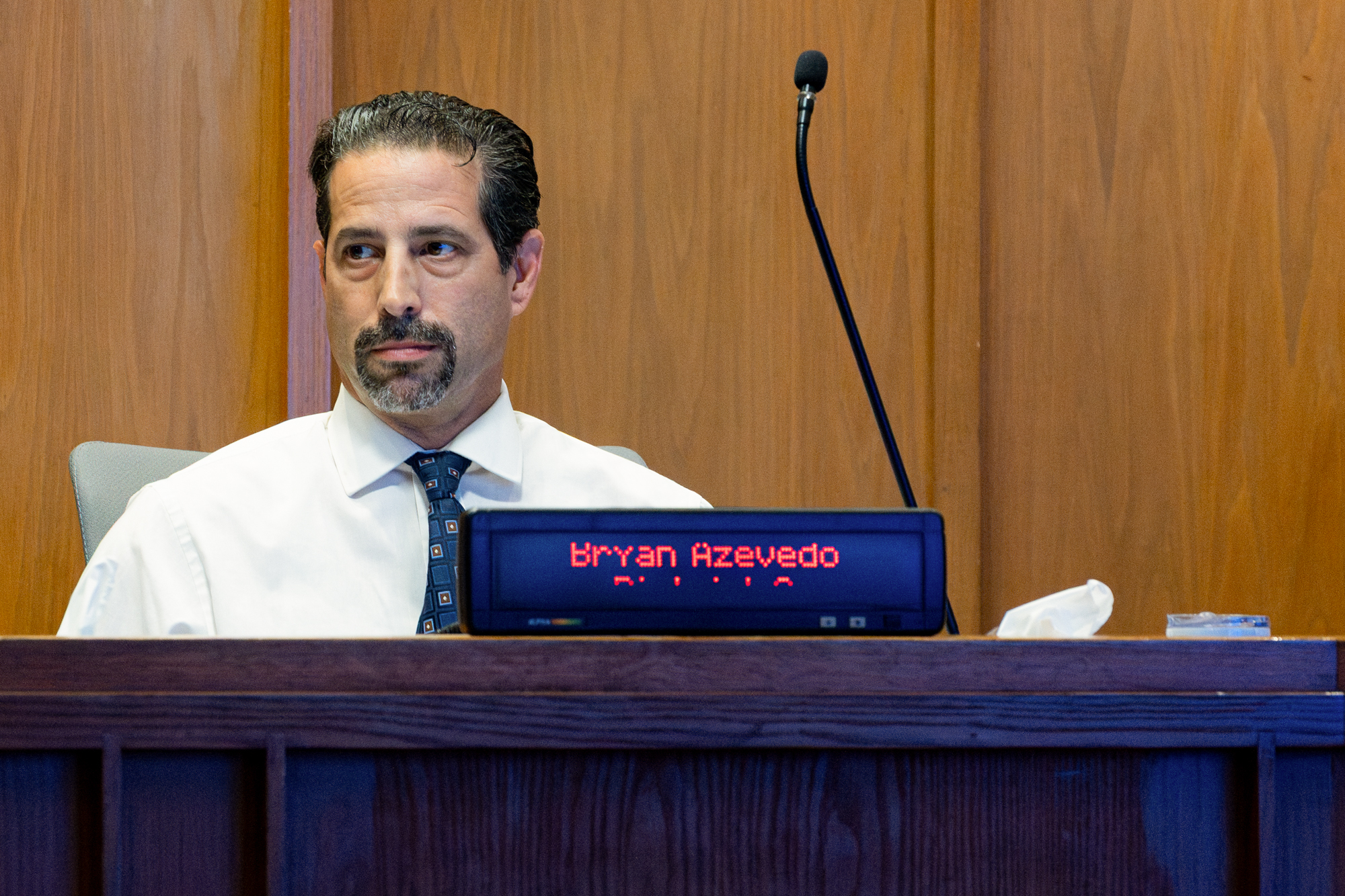
"caption": "Bryan Azevedo, San Leandro City Council member for District 2, attends a City Council meeting on Sept. 2, 2025. Azevedo was charged Tuesday with allegedly using his position to benefit a company in exchange for personal financial gain, following months of speculation about his connection to an ongoing corruption investigation involving former Oakland Mayor Sheng Thao.",
"credit": "Gustavo Hernandez/KQED",
"altTag": null,
"description": null,
"imgSizes": {
"thumbnail": {
"file": "https://cdn.kqed.org/wp-content/uploads/sites/10/2025/09/250902_SANLEANDROCITYHALL_GH-2-KQED-160x107.jpg",
"width": 160,
"height": 107,
"mimeType": "image/jpeg"
},
"1536x1536": {
"file": "https://cdn.kqed.org/wp-content/uploads/sites/10/2025/09/250902_SANLEANDROCITYHALL_GH-2-KQED-1536x1024.jpg",
"width": 1536,
"height": 1024,
"mimeType": "image/jpeg"
},
"post-thumbnail": {
"file": "https://cdn.kqed.org/wp-content/uploads/sites/10/2025/09/250902_SANLEANDROCITYHALL_GH-2-KQED-672x372.jpg",
"width": 672,
"height": 372,
"mimeType": "image/jpeg"
},
"twentyfourteen-full-width": {
"file": "https://cdn.kqed.org/wp-content/uploads/sites/10/2025/09/250902_SANLEANDROCITYHALL_GH-2-KQED-1038x576.jpg",
"width": 1038,
"height": 576,
"mimeType": "image/jpeg"
},
"kqedFullSize": {
"file": "https://cdn.kqed.org/wp-content/uploads/sites/10/2025/09/250902_SANLEANDROCITYHALL_GH-2-KQED.jpg",
"width": 2000,
"height": 1333
}
},
"isLoading": false,
"fetchFailed": false
},
"news_12062092": {
"type": "attachments",
"id": "news_12062092",
"meta": {
"index": "attachments_1716263798",
"site": "news",
"id": "12062092",
"found": true
},
"title": "251029-SNAP PRESSER-MD-02-KQED",
"publishDate": 1761771185,
"status": "inherit",
"parent": 12065576,
"modified": 1764615071,
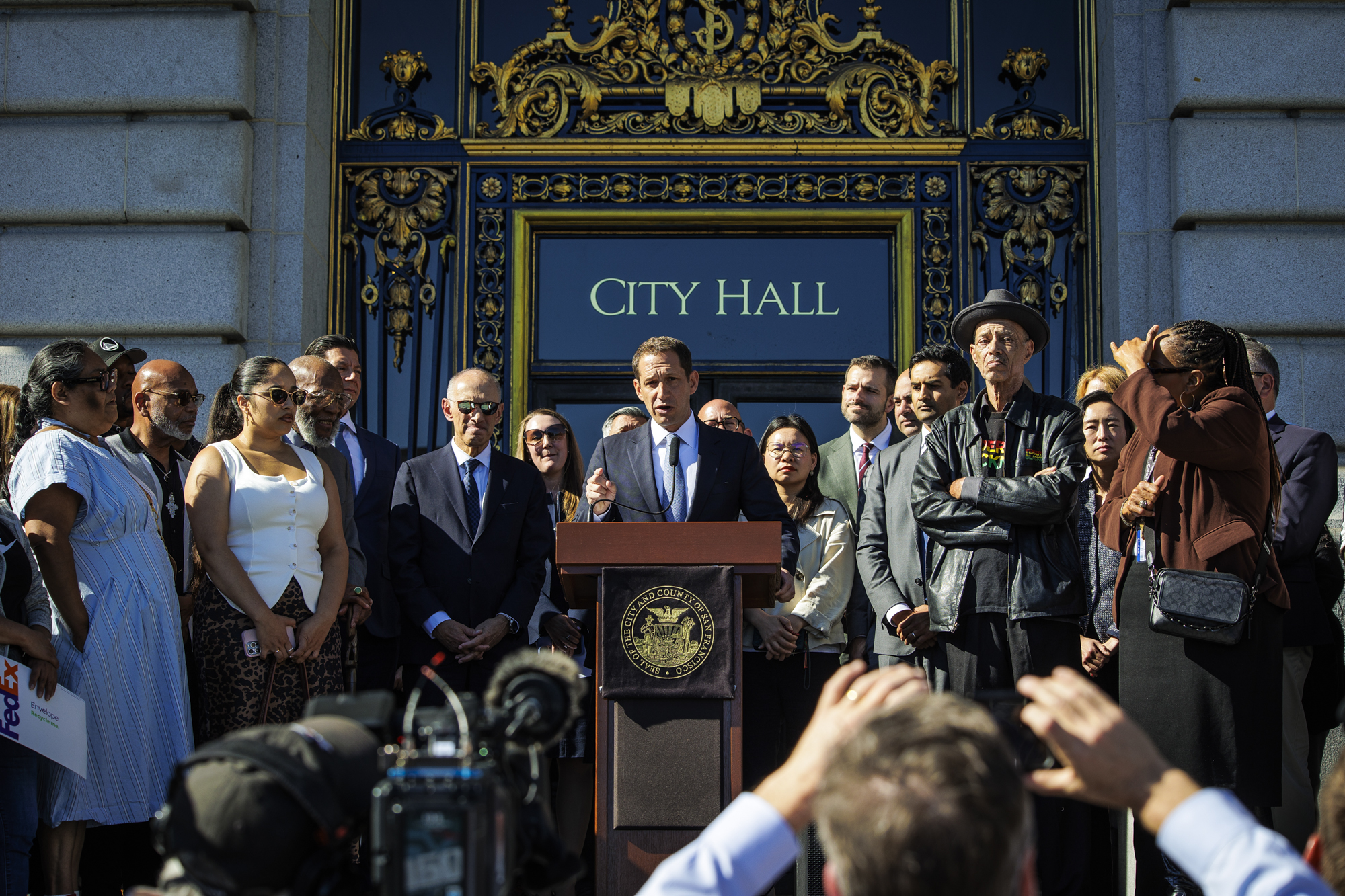
"caption": "Mayor Daniel Lurie speaks at a press event in front of San Francisco City Hall on Oct. 29, 2025.",
"credit": "Martin do Nascimento/KQED",
"altTag": null,
"description": null,
"imgSizes": {
"thumbnail": {
"file": "https://cdn.kqed.org/wp-content/uploads/sites/10/2025/10/251029-SNAP-PRESSER-MD-02-KQED-160x107.jpg",
"width": 160,
"height": 107,
"mimeType": "image/jpeg"
},
"1536x1536": {
"file": "https://cdn.kqed.org/wp-content/uploads/sites/10/2025/10/251029-SNAP-PRESSER-MD-02-KQED-1536x1024.jpg",
"width": 1536,
"height": 1024,
"mimeType": "image/jpeg"
},
"post-thumbnail": {
"file": "https://cdn.kqed.org/wp-content/uploads/sites/10/2025/10/251029-SNAP-PRESSER-MD-02-KQED-672x372.jpg",
"width": 672,
"height": 372,
"mimeType": "image/jpeg"
},
"twentyfourteen-full-width": {
"file": "https://cdn.kqed.org/wp-content/uploads/sites/10/2025/10/251029-SNAP-PRESSER-MD-02-KQED-1038x576.jpg",
"width": 1038,
"height": 576,
"mimeType": "image/jpeg"
},
"npr-cds-wide": {
"file": "https://cdn.kqed.org/wp-content/uploads/sites/10/2025/10/251029-SNAP-PRESSER-MD-02-KQED-1600x900.jpg",
"width": 1600,
"height": 900,
"mimeType": "image/jpeg"
},
"kqedFullSize": {
"file": "https://cdn.kqed.org/wp-content/uploads/sites/10/2025/10/251029-SNAP-PRESSER-MD-02-KQED.jpg",
"width": 2000,
"height": 1333
}
},
"isLoading": false,
"fetchFailed": false
},
"news_12062022": {
"type": "attachments",
"id": "news_12062022",
"meta": {
"index": "attachments_1716263798",
"site": "news",
"id": "12062022",
"found": true
},
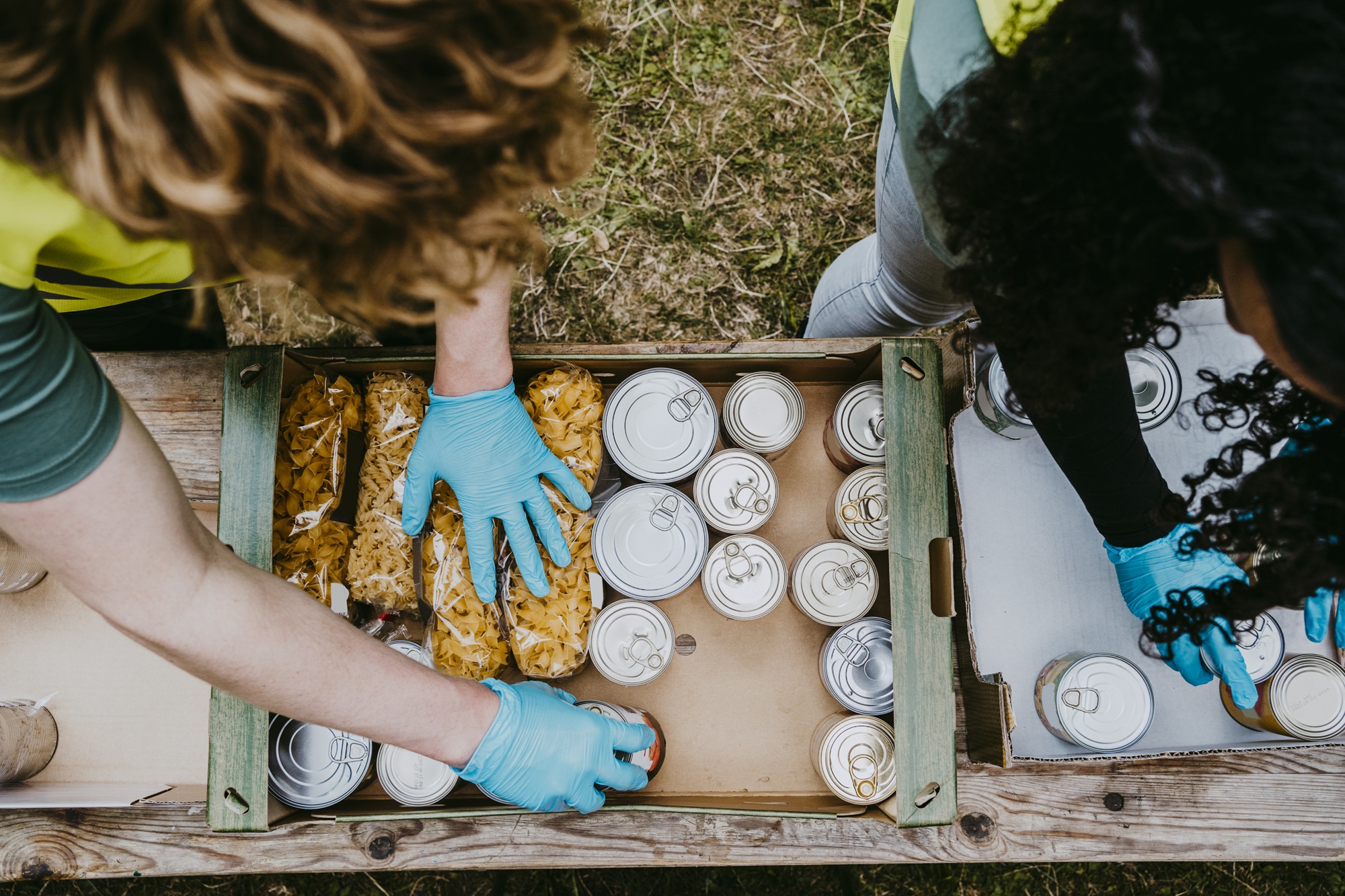
"title": "Male and female friends arranging food in cardboard boxes",
"publishDate": 1761758018,
"status": "inherit",
"parent": 12062018,
"modified": 1761758123,
"caption": null,
"credit": "Maskot/Getty Images",
"altTag": null,
"description": null,
"imgSizes": {
"thumbnail": {
"file": "https://cdn.kqed.org/wp-content/uploads/sites/10/2025/10/FoodPantryGetty1-160x107.jpg",
"width": 160,
"height": 107,
"mimeType": "image/jpeg"
},
"1536x1536": {
"file": "https://cdn.kqed.org/wp-content/uploads/sites/10/2025/10/FoodPantryGetty1-1536x1024.jpg",
"width": 1536,
"height": 1024,
"mimeType": "image/jpeg"
},
"post-thumbnail": {
"file": "https://cdn.kqed.org/wp-content/uploads/sites/10/2025/10/FoodPantryGetty1-672x372.jpg",
"width": 672,
"height": 372,
"mimeType": "image/jpeg"
},
"twentyfourteen-full-width": {
"file": "https://cdn.kqed.org/wp-content/uploads/sites/10/2025/10/FoodPantryGetty1-1038x576.jpg",
"width": 1038,
"height": 576,
"mimeType": "image/jpeg"
},
"npr-cds-wide": {
"file": "https://cdn.kqed.org/wp-content/uploads/sites/10/2025/10/FoodPantryGetty1-1600x900.jpg",
"width": 1600,
"height": 900,
"mimeType": "image/jpeg"
},
"kqedFullSize": {
"file": "https://cdn.kqed.org/wp-content/uploads/sites/10/2025/10/FoodPantryGetty1.jpg",
"width": 2000,
"height": 1333
}
},
"isLoading": false,
"fetchFailed": false
},
"news_11843813": {
"type": "attachments",
"id": "news_11843813",
"meta": {
"index": "attachments_1716263798",
"site": "news",
"id": "11843813",
"found": true
},
"parent": 11843123,
"imgSizes": {
"apple_news_ca_landscape_5_5": {
"file": "https://ww2.kqed.org/app/uploads/sites/10/2020/10/uber-lyft-protest-sign-1044x783.jpg",
"width": 1044,
"mimeType": "image/jpeg",
"height": 783
},
"apple_news_ca_square_4_0": {
"file": "https://ww2.kqed.org/app/uploads/sites/10/2020/10/uber-lyft-protest-sign-470x470.jpg",
"width": 470,
"mimeType": "image/jpeg",
"height": 470
},
"twentyfourteen-full-width": {
"file": "https://ww2.kqed.org/app/uploads/sites/10/2020/10/uber-lyft-protest-sign-1038x576.jpg",
"width": 1038,
"mimeType": "image/jpeg",
"height": 576
},
"thumbnail": {
"file": "https://ww2.kqed.org/app/uploads/sites/10/2020/10/uber-lyft-protest-sign-160x111.jpg",
"width": 160,
"mimeType": "image/jpeg",
"height": 111
},
"post-thumbnail": {
"file": "https://ww2.kqed.org/app/uploads/sites/10/2020/10/uber-lyft-protest-sign-672x372.jpg",
"width": 672,
"mimeType": "image/jpeg",
"height": 372
},
"kqedFullSize": {
"file": "https://ww2.kqed.org/app/uploads/sites/10/2020/10/uber-lyft-protest-sign.jpg",
"width": 1920,
"height": 1330
},
"apple_news_ca_landscape_4_7": {
"file": "https://ww2.kqed.org/app/uploads/sites/10/2020/10/uber-lyft-protest-sign-632x474.jpg",
"width": 632,
"mimeType": "image/jpeg",
"height": 474
},
"large": {
"file": "https://ww2.kqed.org/app/uploads/sites/10/2020/10/uber-lyft-protest-sign-1020x707.jpg",
"width": 1020,
"mimeType": "image/jpeg",
"height": 707
},
"apple_news_ca_landscape_4_0": {
"file": "https://ww2.kqed.org/app/uploads/sites/10/2020/10/uber-lyft-protest-sign-536x402.jpg",
"width": 536,
"mimeType": "image/jpeg",
"height": 402
},
"apple_news_ca_portrait_12_9": {
"file": "https://ww2.kqed.org/app/uploads/sites/10/2020/10/uber-lyft-protest-sign-1122x1330.jpg",
"width": 1122,
"mimeType": "image/jpeg",
"height": 1330
},
"medium": {
"file": "https://ww2.kqed.org/app/uploads/sites/10/2020/10/uber-lyft-protest-sign-800x554.jpg",
"width": 800,
"mimeType": "image/jpeg",
"height": 554
},
"apple_news_ca_portrait_4_0": {
"file": "https://ww2.kqed.org/app/uploads/sites/10/2020/10/uber-lyft-protest-sign-354x472.jpg",
"width": 354,
"mimeType": "image/jpeg",
"height": 472
},
"apple_news_ca_portrait_9_7": {
"file": "https://ww2.kqed.org/app/uploads/sites/10/2020/10/uber-lyft-protest-sign-840x1120.jpg",
"width": 840,
"mimeType": "image/jpeg",
"height": 1120
},
"apple_news_ca_landscape_12_9": {
"file": "https://ww2.kqed.org/app/uploads/sites/10/2020/10/uber-lyft-protest-sign-1832x1330.jpg",
"width": 1832,
"mimeType": "image/jpeg",
"height": 1330
},
"apple_news_ca_square_9_7": {
"file": "https://ww2.kqed.org/app/uploads/sites/10/2020/10/uber-lyft-protest-sign-1104x1104.jpg",
"width": 1104,
"mimeType": "image/jpeg",
"height": 1104
},
"1536x1536": {
"file": "https://ww2.kqed.org/app/uploads/sites/10/2020/10/uber-lyft-protest-sign-1536x1064.jpg",
"width": 1536,
"mimeType": "image/jpeg",
"height": 1064
},
"apple_news_ca_portrait_4_7": {
"file": "https://ww2.kqed.org/app/uploads/sites/10/2020/10/uber-lyft-protest-sign-414x552.jpg",
"width": 414,
"mimeType": "image/jpeg",
"height": 552
},
"apple_news_ca_square_12_9": {
"file": "https://ww2.kqed.org/app/uploads/sites/10/2020/10/uber-lyft-protest-sign-1472x1330.jpg",
"width": 1472,
"mimeType": "image/jpeg",
"height": 1330
},
"apple_news_ca_portrait_5_5": {
"file": "https://ww2.kqed.org/app/uploads/sites/10/2020/10/uber-lyft-protest-sign-687x916.jpg",
"width": 687,
"mimeType": "image/jpeg",
"height": 916
},
"apple_news_ca_square_4_7": {
"file": "https://ww2.kqed.org/app/uploads/sites/10/2020/10/uber-lyft-protest-sign-550x550.jpg",
"width": 550,
"mimeType": "image/jpeg",
"height": 550
},
"apple_news_ca_landscape_9_7": {
"file": "https://ww2.kqed.org/app/uploads/sites/10/2020/10/uber-lyft-protest-sign-1376x1032.jpg",
"width": 1376,
"mimeType": "image/jpeg",
"height": 1032
},
"apple_news_ca_square_5_5": {
"file": "https://ww2.kqed.org/app/uploads/sites/10/2020/10/uber-lyft-protest-sign-912x912.jpg",
"width": 912,
"mimeType": "image/jpeg",
"height": 912
}
},
"publishDate": 1603753946,
"modified": 1678823724,
"caption": "A supporter of ride-hail drivers holds a sign during a protest in front of Uber headquarters in May 2019. Prop. 22, backed by huge amounts of cash from gig companies, would create a new class of worker in California.",
"description": "A supporter of ride-hail drivers holds a sign during a protest in front of Uber headquarters in May, 2019. Prop. 22, backed by huge amounts of cash from gig companies, would create a new class of worker in California.",
"title": "uber-lyft-protest-sign",
"credit": "Justin Sullivan/Getty Images",
"status": "inherit",
"altTag": "Protesters stand on a sidewalk in front of an office, and next to a car with Lyft and Uber stickers on the back. A woman holds a sign that says: Uber: 'Pay Drivers a Living Wage.'",
"isLoading": false,
"fetchFailed": false
},
"news_12061772": {
"type": "attachments",
"id": "news_12061772",
"meta": {
"index": "attachments_1716263798",
"site": "news",
"id": "12061772",
"found": true
},
"title": "251027-CHILD CARE PRICES-MD-05-1-KQED",
"publishDate": 1761603293,
"status": "inherit",
"parent": 0,
"modified": 1761603350,
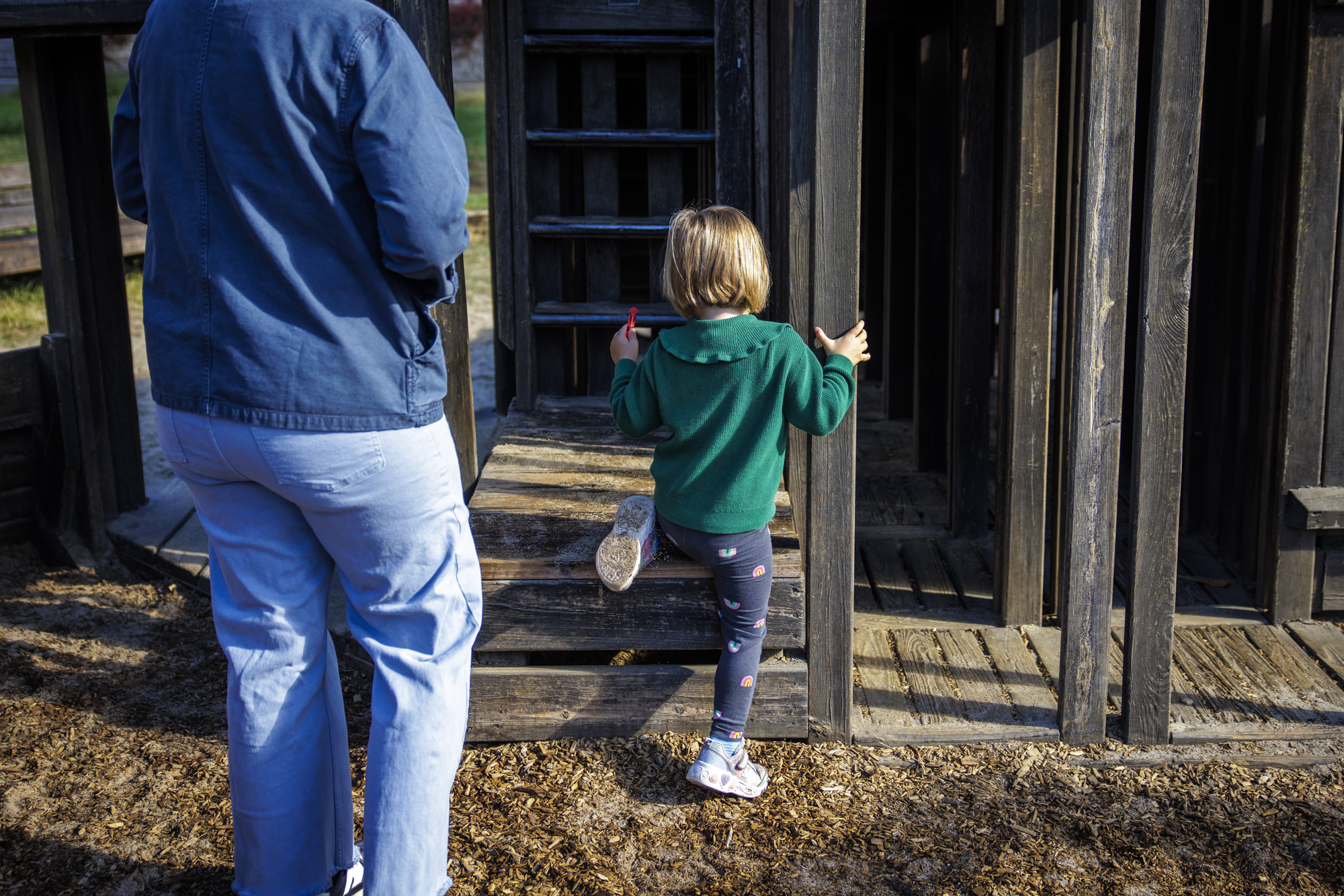
"caption": "Monica Vaughan and her daughter Hazel play in City Park in Benicia on Oct. 27, 2025.",
"credit": "Martin do Nascimento/KQED",
"altTag": null,
"description": null,
"imgSizes": {
"thumbnail": {
"file": "https://cdn.kqed.org/wp-content/uploads/sites/10/2025/10/251027-CHILD-CARE-PRICES-MD-05-1-KQED-160x107.jpg",
"width": 160,
"height": 107,
"mimeType": "image/jpeg"
},
"1536x1536": {
"file": "https://cdn.kqed.org/wp-content/uploads/sites/10/2025/10/251027-CHILD-CARE-PRICES-MD-05-1-KQED-1536x1025.jpg",
"width": 1536,
"height": 1025,
"mimeType": "image/jpeg"
},
"post-thumbnail": {
"file": "https://cdn.kqed.org/wp-content/uploads/sites/10/2025/10/251027-CHILD-CARE-PRICES-MD-05-1-KQED-672x372.jpg",
"width": 672,
"height": 372,
"mimeType": "image/jpeg"
},
"twentyfourteen-full-width": {
"file": "https://cdn.kqed.org/wp-content/uploads/sites/10/2025/10/251027-CHILD-CARE-PRICES-MD-05-1-KQED-1038x576.jpg",
"width": 1038,
"height": 576,
"mimeType": "image/jpeg"
},
"npr-cds-wide": {
"file": "https://cdn.kqed.org/wp-content/uploads/sites/10/2025/10/251027-CHILD-CARE-PRICES-MD-05-1-KQED-1600x900.jpg",
"width": 1600,
"height": 900,
"mimeType": "image/jpeg"
},
"kqedFullSize": {
"file": "https://cdn.kqed.org/wp-content/uploads/sites/10/2025/10/251027-CHILD-CARE-PRICES-MD-05-1-KQED.jpg",
"width": 2000,
"height": 1334
}
},
"isLoading": false,
"fetchFailed": false
},
"news_12042200": {
"type": "attachments",
"id": "news_12042200",
"meta": {
"index": "attachments_1716263798",
"site": "news",
"id": "12042200",
"found": true
},
"title": "008_KQED_630Sansome_02052020_1470_qed",
"publishDate": 1748630169,
"status": "inherit",
"parent": 12042197,
"modified": 1784932362,
"caption": "The U.S. Immigration & Customs Enforcement building at 630 Sansome St., in San Francisco, California, on Feb. 5, 2020.",
"credit": "Beth LaBerge/KQED",
"altTag": null,
"description": null,
"imgSizes": {
"medium": {
"file": "https://cdn.kqed.org/wp-content/uploads/sites/10/2025/05/008_KQED_630Sansome_02052020_1470_qed-800x533.jpg",
"width": 800,
"height": 533,
"mimeType": "image/jpeg"
},
"large": {
"file": "https://cdn.kqed.org/wp-content/uploads/sites/10/2025/05/008_KQED_630Sansome_02052020_1470_qed-1020x680.jpg",
"width": 1020,
"height": 680,
"mimeType": "image/jpeg"
},
"thumbnail": {
"file": "https://cdn.kqed.org/wp-content/uploads/sites/10/2025/05/008_KQED_630Sansome_02052020_1470_qed-160x107.jpg",
"width": 160,
"height": 107,
"mimeType": "image/jpeg"
},
"1536x1536": {
"file": "https://cdn.kqed.org/wp-content/uploads/sites/10/2025/05/008_KQED_630Sansome_02052020_1470_qed-1536x1024.jpg",
"width": 1536,
"height": 1024,
"mimeType": "image/jpeg"
},
"post-thumbnail": {
"file": "https://cdn.kqed.org/wp-content/uploads/sites/10/2025/05/008_KQED_630Sansome_02052020_1470_qed-672x372.jpg",
"width": 672,
"height": 372,
"mimeType": "image/jpeg"
},
"twentyfourteen-full-width": {
"file": "https://cdn.kqed.org/wp-content/uploads/sites/10/2025/05/008_KQED_630Sansome_02052020_1470_qed-1038x576.jpg",
"width": 1038,
"height": 576,
"mimeType": "image/jpeg"
},
"full-width": {
"file": "https://cdn.kqed.org/wp-content/uploads/sites/10/2025/05/008_KQED_630Sansome_02052020_1470_qed-1920x1280.jpg",
"width": 1920,
"height": 1280,
"mimeType": "image/jpeg"
},
"kqedFullSize": {
"file": "https://cdn.kqed.org/wp-content/uploads/sites/10/2025/05/008_KQED_630Sansome_02052020_1470_qed.jpg",
"width": 1999,
"height": 1333
}
},
"isLoading": false,
"fetchFailed": false
},
"news_12061982": {
"type": "attachments",
"id": "news_12061982",
"meta": {
"index": "attachments_1716263798",
"site": "news",
"id": "12061982",
"found": true
},
"title": "251028-SCCSHERIFF-JG-3_qed",
"publishDate": 1761695931,
"status": "inherit",
"parent": 12061832,
"modified": 1761695942,
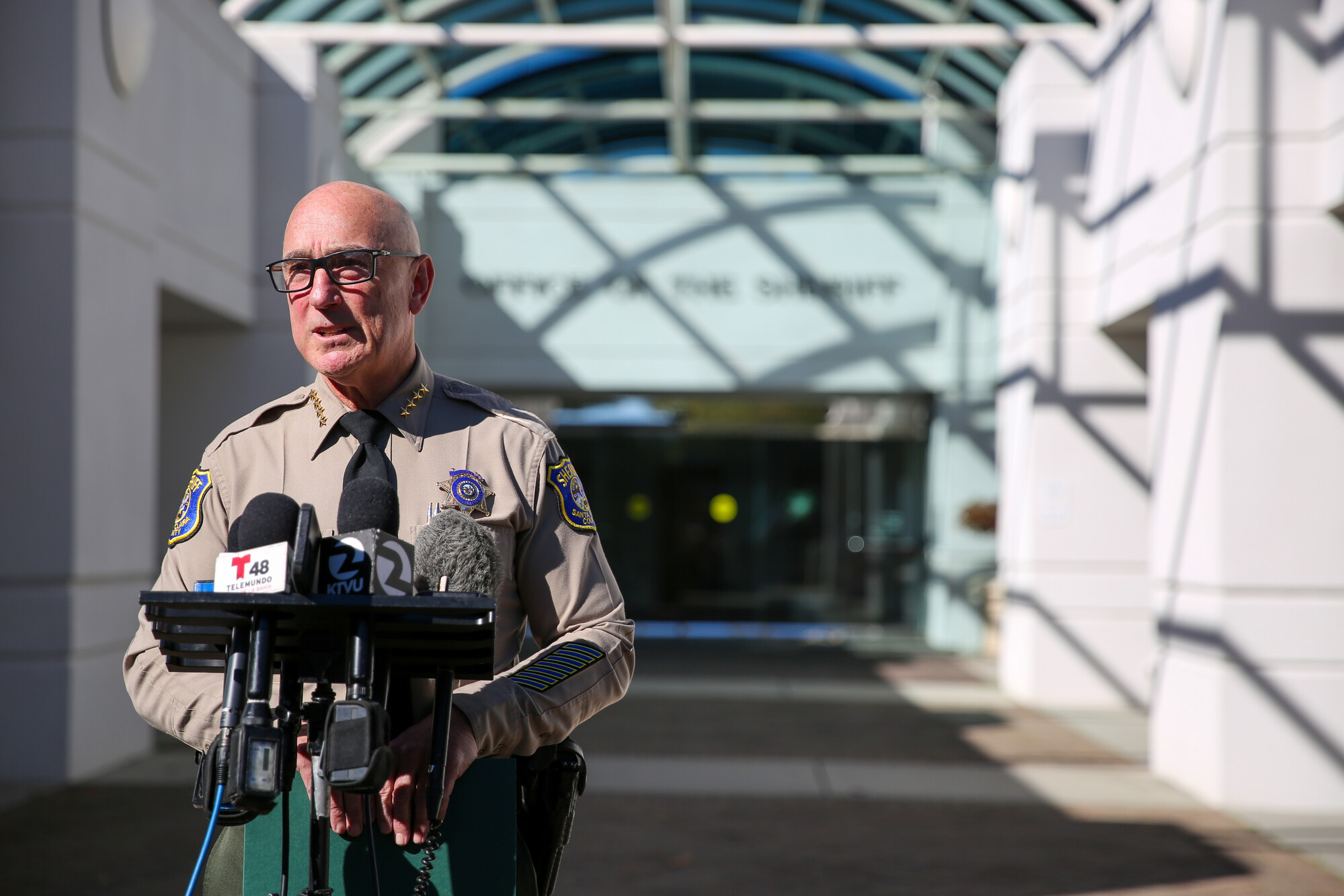
"caption": "Santa Clara County Sheriff Robert Jonsen speaks during a press conference outside of the Sheriff’s Office on Tuesday, Oct. 28, 2025.",
"credit": "Joseph Geha/KQED",
"altTag": null,
"description": null,
"imgSizes": {
"thumbnail": {
"file": "https://cdn.kqed.org/wp-content/uploads/sites/10/2025/10/251028-SCCSHERIFF-JG-3_qed-160x107.jpg",
"width": 160,
"height": 107,
"mimeType": "image/jpeg"
},
"1536x1536": {
"file": "https://cdn.kqed.org/wp-content/uploads/sites/10/2025/10/251028-SCCSHERIFF-JG-3_qed-1536x1024.jpg",
"width": 1536,
"height": 1024,
"mimeType": "image/jpeg"
},
"post-thumbnail": {
"file": "https://cdn.kqed.org/wp-content/uploads/sites/10/2025/10/251028-SCCSHERIFF-JG-3_qed-672x372.jpg",
"width": 672,
"height": 372,
"mimeType": "image/jpeg"
},
"twentyfourteen-full-width": {
"file": "https://cdn.kqed.org/wp-content/uploads/sites/10/2025/10/251028-SCCSHERIFF-JG-3_qed-1038x576.jpg",
"width": 1038,
"height": 576,
"mimeType": "image/jpeg"
},
"npr-cds-wide": {
"file": "https://cdn.kqed.org/wp-content/uploads/sites/10/2025/10/251028-SCCSHERIFF-JG-3_qed-1600x900.jpg",
"width": 1600,
"height": 900,
"mimeType": "image/jpeg"
},
"kqedFullSize": {
"file": "https://cdn.kqed.org/wp-content/uploads/sites/10/2025/10/251028-SCCSHERIFF-JG-3_qed.jpg",
"width": 1999,
"height": 1333
}
},
"isLoading": false,
"fetchFailed": false
},
"news_12061731": {
"type": "attachments",
"id": "news_12061731",
"meta": {
"index": "attachments_1716263798",
"site": "news",
"id": "12061731",
"found": true
},
"title": "20251026_FAMILYMEMBERSARRESTED_HERNANDEZ-1-KQED",
"publishDate": 1761599050,
"status": "inherit",
"parent": 0,
"modified": 1761674035,
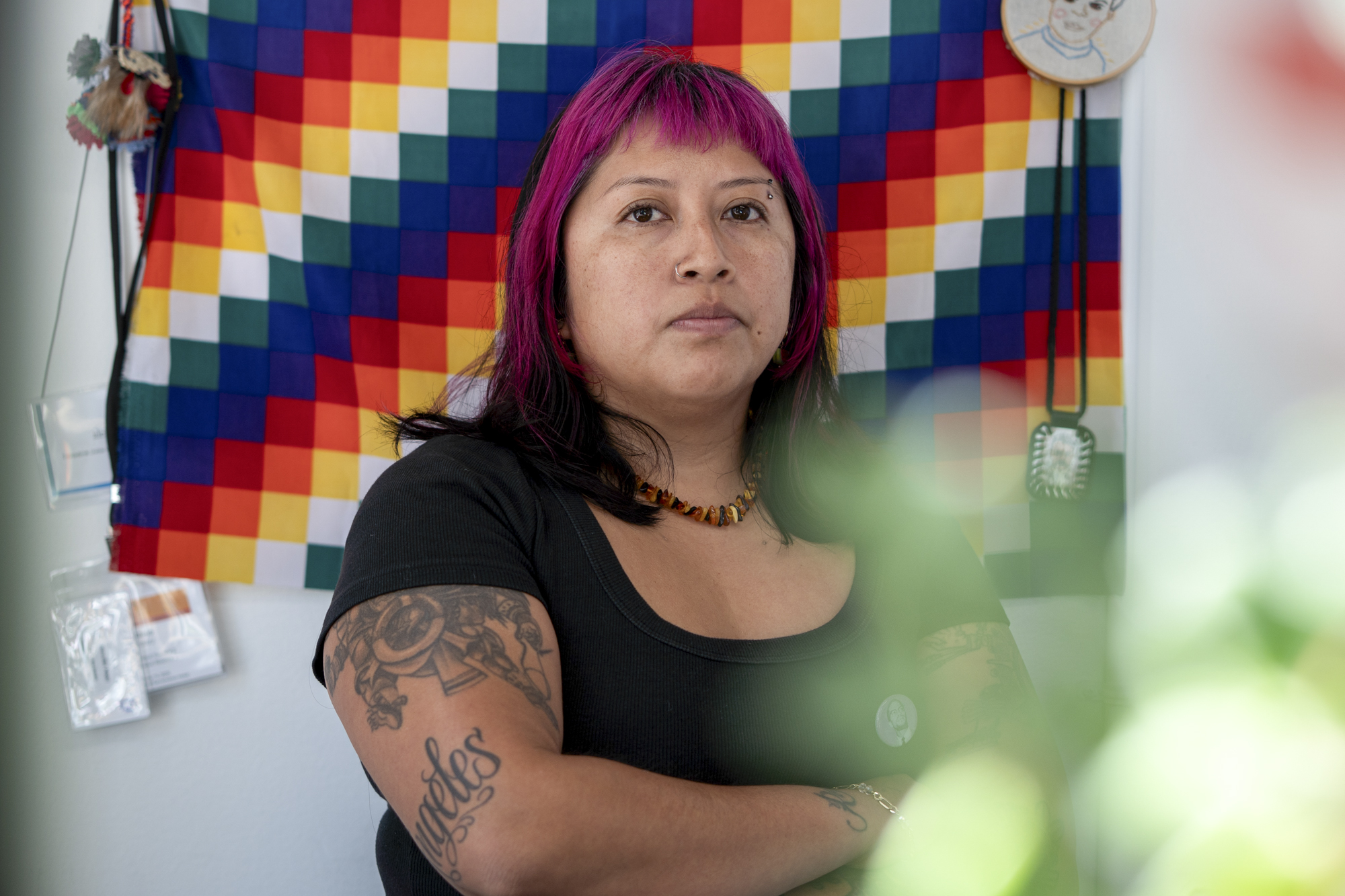
"caption": "Jennifer Alejo leads a workers’ rights organization in Oakland on Oct. 27, 2025. Alejo and her sister Citlali helped organize their family after ICE arrested 14 relatives during a June worksite raid in Los Angeles.",
"credit": "Gustavo Hernandez/KQED",
"altTag": null,
"description": null,
"imgSizes": {
"thumbnail": {
"file": "https://cdn.kqed.org/wp-content/uploads/sites/10/2025/10/20251026_FAMILYMEMBERSARRESTED_HERNANDEZ-1-KQED-160x107.jpg",
"width": 160,
"height": 107,
"mimeType": "image/jpeg"
},
"1536x1536": {
"file": "https://cdn.kqed.org/wp-content/uploads/sites/10/2025/10/20251026_FAMILYMEMBERSARRESTED_HERNANDEZ-1-KQED-1536x1024.jpg",
"width": 1536,
"height": 1024,
"mimeType": "image/jpeg"
},
"post-thumbnail": {
"file": "https://cdn.kqed.org/wp-content/uploads/sites/10/2025/10/20251026_FAMILYMEMBERSARRESTED_HERNANDEZ-1-KQED-672x372.jpg",
"width": 672,
"height": 372,
"mimeType": "image/jpeg"
},
"twentyfourteen-full-width": {
"file": "https://cdn.kqed.org/wp-content/uploads/sites/10/2025/10/20251026_FAMILYMEMBERSARRESTED_HERNANDEZ-1-KQED-1038x576.jpg",
"width": 1038,
"height": 576,
"mimeType": "image/jpeg"
},
"npr-cds-wide": {
"file": "https://cdn.kqed.org/wp-content/uploads/sites/10/2025/10/20251026_FAMILYMEMBERSARRESTED_HERNANDEZ-1-KQED-1600x900.jpg",
"width": 1600,
"height": 900,
"mimeType": "image/jpeg"
},
"kqedFullSize": {
"file": "https://cdn.kqed.org/wp-content/uploads/sites/10/2025/10/20251026_FAMILYMEMBERSARRESTED_HERNANDEZ-1-KQED.jpg",
"width": 2000,
"height": 1333
}
},
"isLoading": false,
"fetchFailed": false
},
"news_12060484": {
"type": "attachments",
"id": "news_12060484",
"meta": {
"index": "attachments_1716263798",
"site": "news",
"id": "12060484",
"found": true
},
"title": "251015-FAIRFAXRECALL-24-BL-KQED",
"publishDate": 1760744761,
"status": "inherit",
"parent": 0,
"modified": 1760745068,
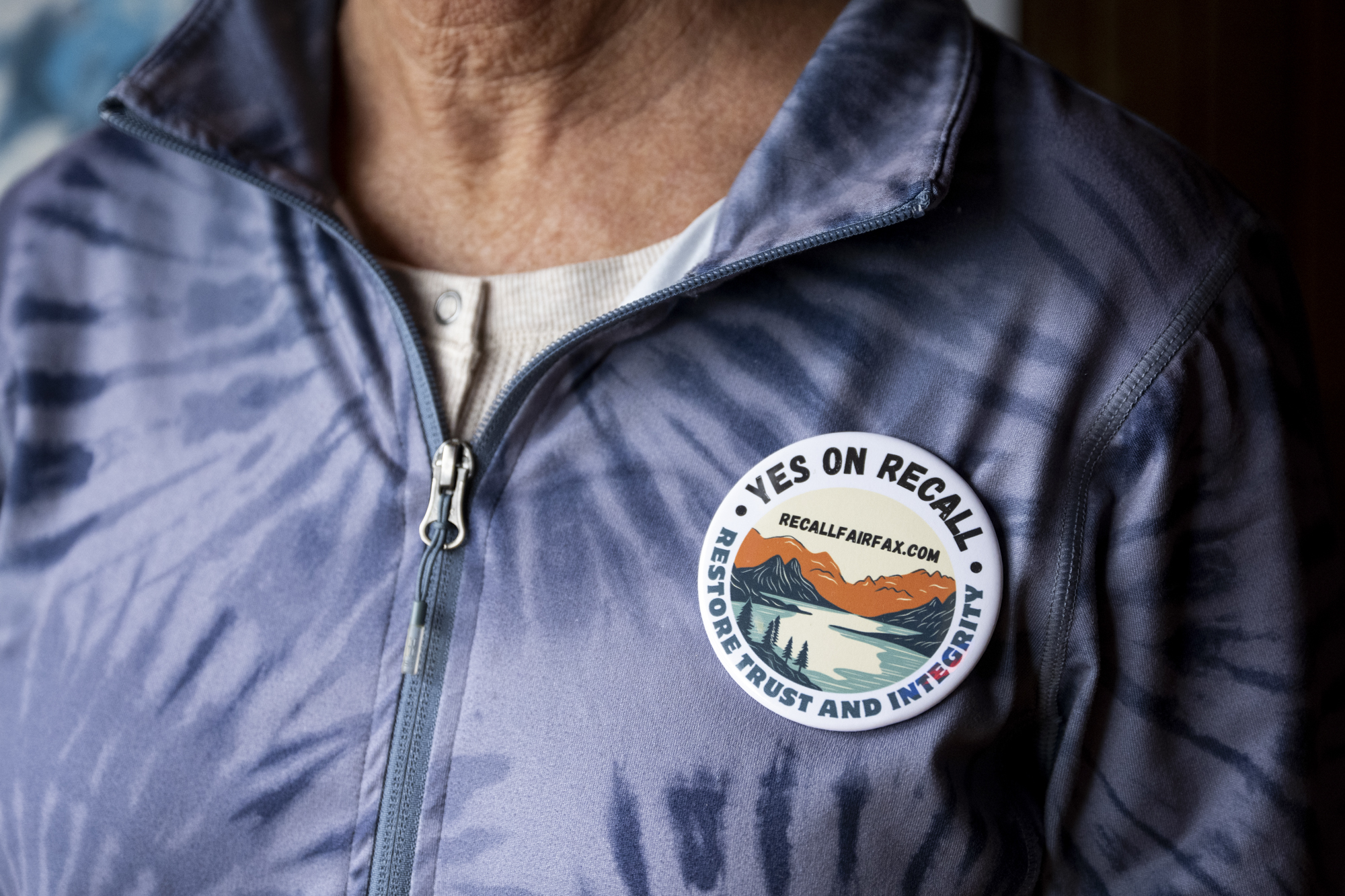
"caption": "Kathy Flores wears a pin in support of the recall of Mayor Lisel Blash and Vice Mayor Stephanie Hellman at Nave’s Bar and Grill in Fairfax on Oct. 15, 2025. A special election is scheduled for Nov. 4, 2025, amid community tensions over proposed housing development and state housing mandates.",
"credit": "Beth LaBerge/KQED",
"altTag": null,
"description": null,
"imgSizes": {
"thumbnail": {
"file": "https://cdn.kqed.org/wp-content/uploads/sites/10/2025/10/251015-FAIRFAXRECALL-24-BL-KQED-160x107.jpg",
"width": 160,
"height": 107,
"mimeType": "image/jpeg"
},
"1536x1536": {
"file": "https://cdn.kqed.org/wp-content/uploads/sites/10/2025/10/251015-FAIRFAXRECALL-24-BL-KQED-1536x1024.jpg",
"width": 1536,
"height": 1024,
"mimeType": "image/jpeg"
},
"post-thumbnail": {
"file": "https://cdn.kqed.org/wp-content/uploads/sites/10/2025/10/251015-FAIRFAXRECALL-24-BL-KQED-672x372.jpg",
"width": 672,
"height": 372,
"mimeType": "image/jpeg"
},
"twentyfourteen-full-width": {
"file": "https://cdn.kqed.org/wp-content/uploads/sites/10/2025/10/251015-FAIRFAXRECALL-24-BL-KQED-1038x576.jpg",
"width": 1038,
"height": 576,
"mimeType": "image/jpeg"
},
"kqedFullSize": {
"file": "https://cdn.kqed.org/wp-content/uploads/sites/10/2025/10/251015-FAIRFAXRECALL-24-BL-KQED.jpg",
"width": 2000,
"height": 1333
}
},
"isLoading": false,
"fetchFailed": false
},
"news_12038711": {
"type": "attachments",
"id": "news_12038711",
"meta": {
"index": "attachments_1716263798",
"site": "news",
"id": "12038711",
"found": true
},
"title": "0-KQED",
"publishDate": 1746467286,
"status": "inherit",
"parent": 0,
"modified": 1761607983,
"caption": "Gray wolves caught on a trail cam in the California backcountry.",
"credit": "Courtesy of the California Department of Fish and Wildlife",
"altTag": "Gray wolves caught on a trail cam in the California backcountry.",
"description": null,
"imgSizes": {
"medium": {
"file": "https://cdn.kqed.org/wp-content/uploads/sites/10/2025/05/0-KQED-800x533.jpg",
"width": 800,
"height": 533,
"mimeType": "image/jpeg"
},
"large": {
"file": "https://cdn.kqed.org/wp-content/uploads/sites/10/2025/05/0-KQED-1020x680.jpg",
"width": 1020,
"height": 680,
"mimeType": "image/jpeg"
},
"thumbnail": {
"file": "https://cdn.kqed.org/wp-content/uploads/sites/10/2025/05/0-KQED-160x107.jpg",
"width": 160,
"height": 107,
"mimeType": "image/jpeg"
},
"1536x1536": {
"file": "https://cdn.kqed.org/wp-content/uploads/sites/10/2025/05/0-KQED-1536x1024.jpg",
"width": 1536,
"height": 1024,
"mimeType": "image/jpeg"
},
"post-thumbnail": {
"file": "https://cdn.kqed.org/wp-content/uploads/sites/10/2025/05/0-KQED-672x372.jpg",
"width": 672,
"height": 372,
"mimeType": "image/jpeg"
},
"twentyfourteen-full-width": {
"file": "https://cdn.kqed.org/wp-content/uploads/sites/10/2025/05/0-KQED-1038x576.jpg",
"width": 1038,
"height": 576,
"mimeType": "image/jpeg"
},
"full-width": {
"file": "https://cdn.kqed.org/wp-content/uploads/sites/10/2025/05/0-KQED-1920x1280.jpg",
"width": 1920,
"height": 1280,
"mimeType": "image/jpeg"
},
"kqedFullSize": {
"file": "https://cdn.kqed.org/wp-content/uploads/sites/10/2025/05/0-KQED.jpg",
"width": 2000,
"height": 1333
}
},
"isLoading": false,
"fetchFailed": false
},
"news_12041396": {
"type": "attachments",
"id": "news_12041396",
"meta": {
"index": "attachments_1716263798",
"site": "news",
"id": "12041396",
"found": true
},
"title": "250128-SFImmigration-25-BL_qed",
"publishDate": 1747954329,
"status": "inherit",
"parent": 12041112,
"modified": 1764713928,
"caption": "San Francisco Supervisor Jackie Fielder speaks during a press conference with elected and public safety officials and labor leaders in front of City Hall in San Francisco on Jan. 28, 2025.",
"credit": "Beth LaBerge/KQED",
"altTag": null,
"description": null,
"imgSizes": {
"medium": {
"file": "https://cdn.kqed.org/wp-content/uploads/sites/10/2025/05/250128-SFImmigration-25-BL_qed-800x533.jpg",
"width": 800,
"height": 533,
"mimeType": "image/jpeg"
},
"large": {
"file": "https://cdn.kqed.org/wp-content/uploads/sites/10/2025/05/250128-SFImmigration-25-BL_qed-1020x680.jpg",
"width": 1020,
"height": 680,
"mimeType": "image/jpeg"
},
"thumbnail": {
"file": "https://cdn.kqed.org/wp-content/uploads/sites/10/2025/05/250128-SFImmigration-25-BL_qed-160x107.jpg",
"width": 160,
"height": 107,
"mimeType": "image/jpeg"
},
"1536x1536": {
"file": "https://cdn.kqed.org/wp-content/uploads/sites/10/2025/05/250128-SFImmigration-25-BL_qed-1536x1024.jpg",
"width": 1536,
"height": 1024,
"mimeType": "image/jpeg"
},
"post-thumbnail": {
"file": "https://cdn.kqed.org/wp-content/uploads/sites/10/2025/05/250128-SFImmigration-25-BL_qed-672x372.jpg",
"width": 672,
"height": 372,
"mimeType": "image/jpeg"
},
"twentyfourteen-full-width": {
"file": "https://cdn.kqed.org/wp-content/uploads/sites/10/2025/05/250128-SFImmigration-25-BL_qed-1038x576.jpg",
"width": 1038,
"height": 576,
"mimeType": "image/jpeg"
},
"full-width": {
"file": "https://cdn.kqed.org/wp-content/uploads/sites/10/2025/05/250128-SFImmigration-25-BL_qed-1920x1280.jpg",
"width": 1920,
"height": 1280,
"mimeType": "image/jpeg"
},
"kqedFullSize": {
"file": "https://cdn.kqed.org/wp-content/uploads/sites/10/2025/05/250128-SFImmigration-25-BL_qed.jpg",
"width": 2000,
"height": 1333
}
},
"isLoading": false,
"fetchFailed": false
},
"news_12061253": {
"type": "attachments",
"id": "news_12061253",
"meta": {
"index": "attachments_1716263798",
"site": "news",
"id": "12061253",
"found": true
},
"title": "251023-MAYOR LEE PRESSER-MD-05-KQED",
"publishDate": 1761245631,
"status": "inherit",
"parent": 0,
"modified": 1761245786,
"caption": "Oakland Mayor Barbara Lee speaks at a press conference at Oakland City Hall on Oct. 23, 2025.",
"credit": "Martin do Nascimento/KQED",
"altTag": null,
"description": null,
"imgSizes": {
"thumbnail": {
"file": "https://cdn.kqed.org/wp-content/uploads/sites/10/2025/10/251023-MAYOR-LEE-PRESSER-MD-05-KQED-160x107.jpg",
"width": 160,
"height": 107,
"mimeType": "image/jpeg"
},
"1536x1536": {
"file": "https://cdn.kqed.org/wp-content/uploads/sites/10/2025/10/251023-MAYOR-LEE-PRESSER-MD-05-KQED-1536x1024.jpg",
"width": 1536,
"height": 1024,
"mimeType": "image/jpeg"
},
"post-thumbnail": {
"file": "https://cdn.kqed.org/wp-content/uploads/sites/10/2025/10/251023-MAYOR-LEE-PRESSER-MD-05-KQED-672x372.jpg",
"width": 672,
"height": 372,
"mimeType": "image/jpeg"
},
"twentyfourteen-full-width": {
"file": "https://cdn.kqed.org/wp-content/uploads/sites/10/2025/10/251023-MAYOR-LEE-PRESSER-MD-05-KQED-1038x576.jpg",
"width": 1038,
"height": 576,
"mimeType": "image/jpeg"
},
"npr-cds-wide": {
"file": "https://cdn.kqed.org/wp-content/uploads/sites/10/2025/10/251023-MAYOR-LEE-PRESSER-MD-05-KQED-1600x900.jpg",
"width": 1600,
"height": 900,
"mimeType": "image/jpeg"
},
"kqedFullSize": {
"file": "https://cdn.kqed.org/wp-content/uploads/sites/10/2025/10/251023-MAYOR-LEE-PRESSER-MD-05-KQED.jpg",
"width": 2000,
"height": 1333
}
},
"isLoading": false,
"fetchFailed": false
}
},
"audioPlayerReducer": {
"postId": "stream_live",
"isPaused": true,
"isPlaying": false,
"pfsActive": false,
"pledgeModalIsOpen": true,
"playerDrawerIsOpen": false,
"liveAudioPlayStartedAt": 0,
"liveAudioPlayContext": ""
},
"authorsReducer": {
"carlysevern": {
"type": "authors",
"id": "3243",
"meta": {
"index": "authors_1716337520",
"id": "3243",
"found": true
},
"name": "Carly Severn",
"firstName": "Carly",
"lastName": "Severn",
"slug": "carlysevern",
"email": "csevern@kqed.org",
"display_author_email": false,
"staff_mastheads": [
"news"
],
"title": "Senior Editor, Audience News ",
"bio": "Carly is KQED's Senior Editor of Audience News on the Digital News team, and has reported for the California Report Magazine, Bay Curious and KQED Arts. She's formerly the host of \u003ca href=\"http://ww2.kqed.org/pop/category/the-cooler/\" rel=\"noopener noreferrer\">The Cooler\u003c/a> podcast.",
"avatar": "https://secure.gravatar.com/avatar/54037bf5c128fe678f0ef26cec97a93f2e7f220a22d7285703328f12c42c1b1d?s=600&d=blank&r=g",
"twitter": "teacupinthebay",
"bluesky": null,
"facebook": null,
"instagram": null,
"linkedin": null,
"sites": [
{
"site": "",
"roles": [
"editor"
]
},
{
"site": "arts",
"roles": [
"editor"
]
},
{
"site": "news",
"roles": [
"administrator"
]
},
{
"site": "pop",
"roles": [
"editor"
]
},
{
"site": "futureofyou",
"roles": [
"editor"
]
},
{
"site": "about",
"roles": [
"administrator"
]
},
{
"site": "mindshift",
"roles": [
"editor"
]
},
{
"site": "bayareabites",
"roles": [
"editor"
]
},
{
"site": "stateofhealth",
"roles": [
"editor"
]
},
{
"site": "science",
"roles": [
"editor"
]
},
{
"site": "food",
"roles": [
"contributor"
]
},
{
"site": "forum",
"roles": [
"editor"
]
},
{
"site": "perspectives",
"roles": [
"administrator"
]
},
{
"site": "liveblog",
"roles": [
"editor"
]
}
],
"headData": {
"title": "Carly Severn | KQED",
"description": "Senior Editor, Audience News ",
"ogImgSrc": "https://secure.gravatar.com/avatar/54037bf5c128fe678f0ef26cec97a93f2e7f220a22d7285703328f12c42c1b1d?s=600&d=blank&r=g",
"twImgSrc": "https://secure.gravatar.com/avatar/54037bf5c128fe678f0ef26cec97a93f2e7f220a22d7285703328f12c42c1b1d?s=600&d=blank&r=g"
},
"isLoading": false,
"link": "/author/carlysevern"
},
"fjhabvala": {
"type": "authors",
"id": "8659",
"meta": {
"index": "authors_1716337520",
"id": "8659",
"found": true
},
"name": "Farida Jhabvala Romero",
"firstName": "Farida",
"lastName": "Jhabvala Romero",
"slug": "fjhabvala",
"email": "fjhabvala@kqed.org",
"display_author_email": true,
"staff_mastheads": [
"news"
],
"title": "KQED Contributor",
"bio": "Farida Jhabvala Romero is a Labor Correspondent for KQED. She previously covered immigration. Farida was \u003ca href=\"https://www.ccnma.org/2022-most-influential-latina-journalists\">named\u003c/a> one of the 10 Most Influential Latina Journalists in California in 2022 by the California Chicano News Media Association. Her work has won awards from the Society of Professional Journalists (Northern California), as well as a national and regional Edward M. Murrow Award for the collaborative reporting projects “Dangerous Air” and “Graying California.” Before joining KQED, Farida worked as a producer at Radio Bilingüe, a national public radio network. Farida earned her master’s degree in journalism from Stanford University.",
"avatar": "https://secure.gravatar.com/avatar/f9f022d4e2609741874222a1e9d41f48fea74011aa7c615eef91d9a50c944ebe?s=600&d=blank&r=g",
"twitter": "FaridaJhabvala",
"bluesky": null,
"facebook": null,
"instagram": null,
"linkedin": "https://www.linkedin.com/in/faridajhabvala/",
"sites": [
{
"site": "news",
"roles": [
"editor"
]
},
{
"site": "stateofhealth",
"roles": [
"author"
]
},
{
"site": "liveblog",
"roles": [
"author"
]
}
],
"headData": {
"title": "Farida Jhabvala Romero | KQED",
"description": "KQED Contributor",
"ogImgSrc": "https://secure.gravatar.com/avatar/f9f022d4e2609741874222a1e9d41f48fea74011aa7c615eef91d9a50c944ebe?s=600&d=blank&r=g",
"twImgSrc": "https://secure.gravatar.com/avatar/f9f022d4e2609741874222a1e9d41f48fea74011aa7c615eef91d9a50c944ebe?s=600&d=blank&r=g"
},
"isLoading": false,
"link": "/author/fjhabvala"
},
"ahall": {
"type": "authors",
"id": "11490",
"meta": {
"index": "authors_1716337520",
"id": "11490",
"found": true
},
"name": "Alex Hall",
"firstName": "Alex",
"lastName": "Hall",
"slug": "ahall",
"email": "ahall@kqed.org",
"display_author_email": false,
"staff_mastheads": [
"news"
],
"title": "KQED Enterprise & Accountability Reporter",
"bio": "Alex Hall is KQED's Enterprise and Accountability Reporter. She previously covered the Central Valley for five years from KQED's bureau in Fresno. Before joining KQED, Alex was an investigative reporting fellow at Wisconsin Public Radio and the Wisconsin Center for Investigative Journalism. She has also worked as a bilingual producer for NPR's investigative unit and freelance video producer for Reuters TV on the Latin America desk. She got her start in journalism in South America, where she worked as a radio producer and Spanish-English translator for CNN Chile. Her documentary and investigation into the series of deadly COVID-19 outbreaks at Foster Farms won a national Edward R. Murrow award and was named an Investigative Reporters & Editors award finalist. Alex's reporting for Reveal on the Wisconsin dairy industry's reliance on undocumented immigrant labor was made into a film, Los Lecheros, which won a regional Edward R. Murrow award for best news documentary.",
"avatar": "https://secure.gravatar.com/avatar/04c28ad4a7caa7ac2ef39c655c4030c993a3f331481d1da4799bb76ea85b9afa?s=600&d=blank&r=g",
"twitter": "@chalexhall",
"bluesky": null,
"facebook": null,
"instagram": null,
"linkedin": null,
"sites": [
{
"site": "news",
"roles": [
"editor"
]
},
{
"site": "liveblog",
"roles": [
"author"
]
}
],
"headData": {
"title": "Alex Hall | KQED",
"description": "KQED Enterprise & Accountability Reporter",
"ogImgSrc": "https://secure.gravatar.com/avatar/04c28ad4a7caa7ac2ef39c655c4030c993a3f331481d1da4799bb76ea85b9afa?s=600&d=blank&r=g",
"twImgSrc": "https://secure.gravatar.com/avatar/04c28ad4a7caa7ac2ef39c655c4030c993a3f331481d1da4799bb76ea85b9afa?s=600&d=blank&r=g"
},
"isLoading": false,
"link": "/author/ahall"
},
"ibloom": {
"type": "authors",
"id": "11805",
"meta": {
"index": "authors_1716337520",
"id": "11805",
"found": true
},
"name": "Izzy Bloom",
"firstName": "Izzy",
"lastName": "Bloom",
"slug": "ibloom",
"email": "ibloom@kqed.org",
"display_author_email": false,
"staff_mastheads": [],
"title": "KQED Reporter & Producer",
"bio": "Izzy is a reporter and producer on KQED's California Politics & Government Desk. She joined the desk in 2024 to produce Political Breakdown, covering local and national elections and attending the RNC and DNC in Milwaukee and Chicago. \r\n\r\nBefore that, Izzy was a producer on The California Report and reported long-form stories for The California Report Magazine. She was a finalist for the Third Coast/Richard H. Driehaus Foundation Competition and was awarded for her reporting on indigenous land back by the Society of Professional Journalists. Izzy received her master's in journalism from the University of California, Berkeley.",
"avatar": "https://secure.gravatar.com/avatar/cc4d272ca430783ee1a8efac470a6b1e0fdd082c3beb61da019801d0ff751c8c?s=600&d=blank&r=g",
"twitter": null,
"bluesky": null,
"facebook": null,
"instagram": null,
"linkedin": null,
"sites": [
{
"site": "news",
"roles": [
"editor"
]
},
{
"site": "perspectives",
"roles": [
"editor"
]
}
],
"headData": {
"title": "Izzy Bloom | KQED",
"description": "KQED Reporter & Producer",
"ogImgSrc": "https://secure.gravatar.com/avatar/cc4d272ca430783ee1a8efac470a6b1e0fdd082c3beb61da019801d0ff751c8c?s=600&d=blank&r=g",
"twImgSrc": "https://secure.gravatar.com/avatar/cc4d272ca430783ee1a8efac470a6b1e0fdd082c3beb61da019801d0ff751c8c?s=600&d=blank&r=g"
},
"isLoading": false,
"link": "/author/ibloom"
},
"daisynguyen": {
"type": "authors",
"id": "11829",
"meta": {
"index": "authors_1716337520",
"id": "11829",
"found": true
},
"name": "Daisy Nguyen",
"firstName": "Daisy",
"lastName": "Nguyen",
"slug": "daisynguyen",
"email": "daisynguyen@kqed.org",
"display_author_email": true,
"staff_mastheads": [
"news"
],
"title": "KQED Contributor",
"bio": "I have covered early childhood education and child care for KQED since 2022. I focus on policies aimed at increasing access to early care and education and how they shape individual lives. I've been a journalist for more than two decades, with most of that time devoted to covering breaking news throughout California for The Associated Press. I grew up in San Francisco and studied at UC Davis and Columbia University's Graduate School of Journalism. I live in Oakland with my husband and two kids.",
"avatar": "https://secure.gravatar.com/avatar/2da2127c27f7143b53ebd419800fd55f?s=600&d=blank&r=g",
"twitter": null,
"facebook": null,
"instagram": null,
"linkedin": "https://www.linkedin.com/in/daisynguyen/",
"sites": [
{
"site": "news",
"roles": [
"author"
]
},
{
"site": "liveblog",
"roles": [
"author"
]
}
],
"headData": {
"title": "Daisy Nguyen | KQED",
"description": "KQED Contributor",
"ogImgSrc": "https://secure.gravatar.com/avatar/2da2127c27f7143b53ebd419800fd55f?s=600&d=blank&r=g",
"twImgSrc": "https://secure.gravatar.com/avatar/2da2127c27f7143b53ebd419800fd55f?s=600&d=blank&r=g"
},
"isLoading": false,
"link": "/author/daisynguyen"
},
"sjohnson": {
"type": "authors",
"id": "11840",
"meta": {
"index": "authors_1716337520",
"id": "11840",
"found": true
},
"name": "Sydney Johnson",
"firstName": "Sydney",
"lastName": "Johnson",
"slug": "sjohnson",
"email": "sjohnson@kqed.org",
"display_author_email": false,
"staff_mastheads": [
"news"
],
"title": "KQED Reporter",
"bio": "Sydney Johnson is a general assignment reporter at KQED. She previously reported on public health and city government at the San Francisco Examiner, and before that, she covered statewide education policy for EdSource. Her reporting has won multiple local, state and national awards. Sydney is a graduate of the University of California, Berkeley and lives in San Francisco.",
"avatar": "https://secure.gravatar.com/avatar/97855f2719b72ad6190b7c535fe642c8?s=600&d=blank&r=g",
"twitter": "sydneyfjohnson",
"facebook": null,
"instagram": null,
"linkedin": null,
"sites": [
{
"site": "news",
"roles": [
"editor"
]
}
],
"headData": {
"title": "Sydney Johnson | KQED",
"description": "KQED Reporter",
"ogImgSrc": "https://secure.gravatar.com/avatar/97855f2719b72ad6190b7c535fe642c8?s=600&d=blank&r=g",
"twImgSrc": "https://secure.gravatar.com/avatar/97855f2719b72ad6190b7c535fe642c8?s=600&d=blank&r=g"
},
"isLoading": false,
"link": "/author/sjohnson"
},
"jgeha": {
"type": "authors",
"id": "11906",
"meta": {
"index": "authors_1716337520",
"id": "11906",
"found": true
},
"name": "Joseph Geha",
"firstName": "Joseph",
"lastName": "Geha",
"slug": "jgeha",
"email": "jgeha@kqed.org",
"display_author_email": false,
"staff_mastheads": [
"news",
"science"
],
"title": "KQED Contributor",
"bio": null,
"avatar": "https://secure.gravatar.com/avatar/ea84d2b6dd93d6369d453edf19dd583f117cd1759d2d9c9c92f9de77017354fe?s=600&d=blank&r=g",
"twitter": null,
"bluesky": null,
"facebook": null,
"instagram": null,
"linkedin": null,
"sites": [
{
"site": "news",
"roles": [
"editor"
]
},
{
"site": "liveblog",
"roles": [
"author"
]
}
],
"headData": {
"title": "Joseph Geha | KQED",
"description": "KQED Contributor",
"ogImgSrc": "https://secure.gravatar.com/avatar/ea84d2b6dd93d6369d453edf19dd583f117cd1759d2d9c9c92f9de77017354fe?s=600&d=blank&r=g",
"twImgSrc": "https://secure.gravatar.com/avatar/ea84d2b6dd93d6369d453edf19dd583f117cd1759d2d9c9c92f9de77017354fe?s=600&d=blank&r=g"
},
"isLoading": false,
"link": "/author/jgeha"
},
"kdebenedetti": {
"type": "authors",
"id": "11913",
"meta": {
"index": "authors_1716337520",
"id": "11913",
"found": true
},
"name": "Katie DeBenedetti",
"firstName": "Katie",
"lastName": "DeBenedetti",
"slug": "kdebenedetti",
"email": "kdebenedetti@kqed.org",
"display_author_email": false,
"staff_mastheads": [
"news",
"science"
],
"title": "KQED Contributor",
"bio": "Katie DeBenedetti is a digital reporter covering daily news for the Express Desk. Prior to joining KQED as a culture reporting intern in January 2024, she covered education and city government for the Napa Valley Register.",
"avatar": "https://secure.gravatar.com/avatar/6e31073cb8f7e4214ab03f42771d0f45?s=600&d=blank&r=g",
"twitter": null,
"facebook": null,
"instagram": null,
"linkedin": null,
"sites": [
{
"site": "news",
"roles": [
"author"
]
},
{
"site": "science",
"roles": [
"author"
]
},
{
"site": "liveblog",
"roles": [
"author"
]
}
],
"headData": {
"title": "Katie DeBenedetti | KQED",
"description": "KQED Contributor",
"ogImgSrc": "https://secure.gravatar.com/avatar/6e31073cb8f7e4214ab03f42771d0f45?s=600&d=blank&r=g",
"twImgSrc": "https://secure.gravatar.com/avatar/6e31073cb8f7e4214ab03f42771d0f45?s=600&d=blank&r=g"
},
"isLoading": false,
"link": "/author/kdebenedetti"
},
"emanoukian": {
"type": "authors",
"id": "11925",
"meta": {
"index": "authors_1716337520",
"id": "11925",
"found": true
},
"name": "Elize Manoukian",
"firstName": "Elize",
"lastName": "Manoukian",
"slug": "emanoukian",
"email": "emanoukian@KQED.org",
"display_author_email": false,
"staff_mastheads": [
"news"
],
"title": "Digital News Editor",
"bio": "Elize Manoukian is an award-winning audio producer and Senior Editor on the Express Desk, KQED's digital news platform. Her work has appeared on KPFA, Interlochen Public Radio, Oregon Public Broadcast, the New York Daily News, LA Times and the San Diego Union-Tribune.",
"avatar": "https://secure.gravatar.com/avatar/4525f1a8e46ccb30933b32653d9772064cfefe3fa655eb45b3b3a80341f6bdad?s=600&d=blank&r=g",
"twitter": null,
"bluesky": null,
"facebook": null,
"instagram": null,
"linkedin": null,
"sites": [
{
"site": "arts",
"roles": [
"editor"
]
},
{
"site": "news",
"roles": [
"editor"
]
},
{
"site": "science",
"roles": [
"editor"
]
}
],
"headData": {
"title": "Elize Manoukian | KQED",
"description": "Digital News Editor",
"ogImgSrc": "https://secure.gravatar.com/avatar/4525f1a8e46ccb30933b32653d9772064cfefe3fa655eb45b3b3a80341f6bdad?s=600&d=blank&r=g",
"twImgSrc": "https://secure.gravatar.com/avatar/4525f1a8e46ccb30933b32653d9772064cfefe3fa655eb45b3b3a80341f6bdad?s=600&d=blank&r=g"
},
"isLoading": false,
"link": "/author/emanoukian"
},
"aaliahmad": {
"type": "authors",
"id": "11986",
"meta": {
"index": "authors_1716337520",
"id": "11986",
"found": true
},
"name": "Ayah Ali-Ahmad",
"firstName": "Ayah",
"lastName": "Ali-Ahmad",
"slug": "aaliahmad",
"email": "aaliahmad@KQED.org",
"display_author_email": false,
"staff_mastheads": [],
"title": "KQED Contributor",
"bio": null,
"avatar": "https://secure.gravatar.com/avatar/1cf54f187a5e1064b2cfef3f3d2f1e4f93e453395d56912aca6382a6071ec3ed?s=600&d=blank&r=g",
"twitter": "ayahaliahmad",
"bluesky": null,
"facebook": null,
"instagram": null,
"linkedin": null,
"sites": [
{
"site": "news",
"roles": [
"subscriber"
]
}
],
"headData": {
"title": "Ayah Ali-Ahmad | KQED",
"description": "KQED Contributor",
"ogImgSrc": "https://secure.gravatar.com/avatar/1cf54f187a5e1064b2cfef3f3d2f1e4f93e453395d56912aca6382a6071ec3ed?s=600&d=blank&r=g",
"twImgSrc": "https://secure.gravatar.com/avatar/1cf54f187a5e1064b2cfef3f3d2f1e4f93e453395d56912aca6382a6071ec3ed?s=600&d=blank&r=g"
},
"isLoading": false,
"link": "/author/aaliahmad"
}
},
"pagesReducer": {
"news_category_local": {
"type": "terms",
"id": "news_28250",
"meta": {
"index": "terms_1716263798",
"site": "news",
"id": "28250",
"score": 12.939859
},
"featImg": null,
"name": "Local",
"description": null,
"taxonomy": "category",
"headData": {
"twImgId": null,
"twTitle": null,
"ogTitle": null,
"ogImgId": null,
"twDescription": null,
"description": null,
"title": "Local Archives | KQED News",
"ogDescription": null
},
"ttid": 28267,
"slug": "local",
"isLoading": false,
"title": "Local",
"pageMeta": {
"site": "news",
"WpPageTemplate": "page-topic-editorial",
"currentPage": 78
},
"blocks": [
{
"blockName": "kqed/post-list",
"attrs": {
"layout": "cardArticle2",
"query": "posts/news?category=local",
"seeMore": false,
"paginated": true,
"page": 78
}
},
{
"blockName": "kqed/ad"
}
]
}
},
"pfsSessionReducer": {},
"postsReducer": {
"stream_live": {
"type": "live",
"id": "stream_live",
"audioUrl": "https://streams.kqed.org/kqedradio",
"title": "Live Stream",
"excerpt": "Live Stream information currently unavailable.",
"link": "/radio",
"featImg": "",
"label": {
"name": "KQED Live",
"link": "/"
}
},
"stream_kqedNewscast": {
"type": "posts",
"id": "stream_kqedNewscast",
"audioUrl": "https://www.kqed.org/.stream/anon/radio/RDnews/newscast.mp3?_=1",
"title": "KQED Newscast",
"featImg": "",
"label": {
"name": "88.5 FM",
"link": "/"
}
},
"news_12061916": {
"type": "posts",
"id": "news_12061916",
"meta": {
"index": "posts_1716263798",
"site": "news",
"id": "12061916",
"score": null,
"sort": [
1761775391000
]
},
"guestAuthors": [],
"slug": "federal-prosecutors-charge-san-leandro-city-councilmember-with-fraud-lying-to-investigators",
"title": "East Bay City Council Member Caught Up in Federal Investigation That Targeted Sheng Thao",
"publishDate": 1761775391,
"format": "standard",
"headTitle": "East Bay City Council Member Caught Up in Federal Investigation That Targeted Sheng Thao | KQED",
"labelTerm": {
"site": "news"
},
"content": "\u003cp>Federal prosecutors have charged \u003ca href=\"https://www.kqed.org/news/tag/san-leandro\">San Leandro\u003c/a> City Councilmember Bryan Azevedo, alleging he agreed to use his power as an elected official to benefit a company in exchange for his own personal financial gain.\u003c/p>\n\u003cp>In a document filed in federal court on Tuesday, Azevedo is charged with one count of conspiracy to commit honest services wire fraud and one count of making false statements to a government agency.\u003c/p>\n\u003cp>The charges come after months of speculation about the extent of Azevedo’s connection to an ongoing FBI corruption investigation that saw the \u003ca href=\"https://www.kqed.org/news/12022612/ex-oakland-mayor-sheng-thao-3-others-charged-with-bribery-sprawling-corruption-probe\">indictment of former Oakland Mayor Sheng Thao\u003c/a>, her partner Andre Jones, and David and Andy Duong in January.\u003c/p>\n\u003cp>[ad fullwidth]\u003c/p>\n\u003cp>U.S. attorneys allege in the filing that Azevedo and two unnamed individuals conspired to obtain a contract from the city of San Leandro for a housing company in exchange for cash and kickback payments to Azevedo.\u003c/p>\n\u003cp>They also accuse Azevedo of creating an LLC in his wife’s name and opening a bank account for the purpose of receiving illegal payments.\u003c/p>\n\u003cp>In a meeting with reporters Tuesday afternoon, San Leandro Mayor Juan Gonzalez said he had not yet spoken with Azevedo and that, as of now, he is not requesting that the council member step down.\u003c/p>\n\u003cp>“If he pleads guilty to a felony, the (San Leandro City) Charter makes clear how we proceed. Namely, he may not be a felon and be a member of the city council,” Gonzalez said. “But if he were to plead to something else that did not rise to the level of felony, then we will cross that bridge when we get there. And of course he might be exonerated by a jury of his peers.”\u003c/p>\n\u003cp>Gonzalez declined to comment on whether he had been interviewed by the FBI, saying only that the city of San Leandro cooperates with all investigations. He also referred to the situation as a “private matter” between Azevedo and the U.S. Department of Justice.\u003c/p>\n\u003cfigure id=\"attachment_12054535\" class=\"wp-caption aligncenter\" style=\"max-width: 2000px\">\u003cimg loading=\"lazy\" decoding=\"async\" class=\"size-full wp-image-12054535\" src=\"https://cdn.kqed.org/wp-content/uploads/sites/10/2025/09/250902_SANLEANDROCITYHALL_GH-8-KQED.jpg\" alt=\"\" width=\"2000\" height=\"1333\" srcset=\"https://cdn.kqed.org/wp-content/uploads/sites/10/2025/09/250902_SANLEANDROCITYHALL_GH-8-KQED.jpg 2000w, https://cdn.kqed.org/wp-content/uploads/sites/10/2025/09/250902_SANLEANDROCITYHALL_GH-8-KQED-160x107.jpg 160w, https://cdn.kqed.org/wp-content/uploads/sites/10/2025/09/250902_SANLEANDROCITYHALL_GH-8-KQED-1536x1024.jpg 1536w\" sizes=\"auto, (max-width: 2000px) 100vw, 2000px\">\u003cfigcaption class=\"wp-caption-text\">From left, San Leandro City Council members Fred Simon (District 4), Victor Aguilar (District 3) and Bryan Azevedo (District 2) listen as residents voice concerns during public comment about a federal investigation into Azevedo and recent lawsuits involving city leadership, at a council meeting on Aug. 2, 2025. \u003ccite>(Gustavo Hernandez/KQED)\u003c/cite>\u003c/figcaption>\u003c/figure>\n\u003cp>According to the filing, Azevedo attended a 2023 trip to Vietnam sponsored by a business association. Upon returning from the trip, prosecutors allege, Azevedo agreed to use his power as a San Leandro city council member to help obtain a contract for an Oakland-based housing company that aimed to manufacture modular homes made from shipping containers. In exchange, Azevedo would receive a percentage of the sales from units the city purchased, the filing alleges.\u003c/p>\n\u003cp>Azevedo has acknowledged his participation in a 2023 Vietnam trip that Thao and other East Bay officials also attended. The trip was sponsored by the Vietnamese American Business Association, led by David Duong.\u003c/p>\n\u003cp>The housing company described in the court filing is not explicitly named.[aside postID=news_12022612 hero='https://cdn.kqed.org/wp-content/uploads/sites/10/2025/01/20250117_Thao-Recall_BL_00005-1020x680.jpg'] A \u003ca href=\"https://www.kqed.org/news/12052003/san-leandro-lawsuit-documents-shed-light-on-company-at-center-of-oakland-fbi-probe\">lawsuit filed by former San Leandro City Manager\u003c/a> Francis Robustelli in June alleges Azevedo and fellow San Leandro City Councilmember Victor Aguilar invited her to the Oakland showroom of Evolutionary Homes in 2023. The visit was part of an effort by members of the Duong family, which owned the company, to lobby San Francisco Bay Area politicians to promote the establishment of tiny home developments in the area, Robustelli alleges.\u003c/p>\n\u003cp>Robustelli’s lawsuit claims a representative of Evolutionary Homes pitched an emergency homelessness ordinance to San Leandro officials that would allow the city to more quickly purchase homes like the ones the company aimed to sell. It was never enacted.\u003c/p>\n\u003cp>According to the document filed Tuesday, during the fall of 2023 and spring of 2024, Azevedo advocated for an emergency shelter ordinance that would benefit the unnamed housing company, advocated for the city to purchase units from the company and took San Leandro city officials to tour the company’s model units.\u003c/p>\n\u003cp>In November, prosecutors allege, one of the unnamed co-conspirators gave Azevedo $2,000 in cash at a dinner in Alameda in exchange for using his position as an elected official to benefit the housing company. Several days later, he allegedly deposited the money into the recently opened bank account.\u003c/p>\n\u003cfigure id=\"attachment_12054537\" class=\"wp-caption aligncenter\" style=\"max-width: 2000px\">\u003cimg loading=\"lazy\" decoding=\"async\" class=\"size-full wp-image-12054537\" src=\"https://cdn.kqed.org/wp-content/uploads/sites/10/2025/09/250902_SANLEANDROCITYHALL_GH-13-KQED.jpg\" alt=\"\" width=\"2000\" height=\"1333\" srcset=\"https://cdn.kqed.org/wp-content/uploads/sites/10/2025/09/250902_SANLEANDROCITYHALL_GH-13-KQED.jpg 2000w, https://cdn.kqed.org/wp-content/uploads/sites/10/2025/09/250902_SANLEANDROCITYHALL_GH-13-KQED-160x107.jpg 160w, https://cdn.kqed.org/wp-content/uploads/sites/10/2025/09/250902_SANLEANDROCITYHALL_GH-13-KQED-1536x1024.jpg 1536w\" sizes=\"auto, (max-width: 2000px) 100vw, 2000px\">\u003cfigcaption class=\"wp-caption-text\">San Leandro City Hall, pictured on Aug. 2, 2025. \u003ccite>(Gustavo Hernandez/KQED)\u003c/cite>\u003c/figcaption>\u003c/figure>\n\u003cp>San Leandro City Councilmember Victor Aguilar, reached by phone on Tuesday, declined to comment on the charges against Azevedo.\u003c/p>\n\u003cp>In January, FBI agents raided Azevedo’s San Leandro home, two days before Thao, Jones, and Andy and David Duong were charged with conspiracy, bribery and fraud.\u003c/p>\n\u003cp>In May, officials with the U.S. Attorney’s Office notified Azevedo via a target letter that he, too, was the subject of a federal investigation.\u003c/p>\n\u003cp>The document filed Tuesday alleges federal investigators in January asked Azevedo whether he had received cash payments from one of the co-conspirators in November 2023 and that Azevedo responded that he had not. Agents also allegedly asked Azevedo whether the co-conspirator’s family had business interests before the city of San Leandro, and he responded that it did not.\u003c/p>\n\u003cp>“These statements AZEVEDO made to the agents were false and AZEVEDO knew they were false,” the document reads.\u003c/p>\n\u003cp>\u003c/p>\n",
"blocks": [],
"excerpt": "Bryan Azevedo was charged after months of speculation about whether he was connected to an ongoing corruption investigation involving former Oakland Mayor Sheng Thao. ",
"status": "publish",
"parent": 0,
"modified": 1761781478,
"stats": {
"hasAudio": false,
"hasVideo": false,
"hasChartOrMap": false,
"iframeSrcs": [],
"hasGoogleForm": false,
"hasGallery": false,
"hasHearkenModule": false,
"hasPolis": false,
"paragraphCount": 21,
"wordCount": 907
},
"headData": {
"title": "East Bay City Council Member Caught Up in Federal Investigation That Targeted Sheng Thao | KQED",
"description": "Bryan Azevedo was charged after months of speculation about whether he was connected to an ongoing corruption investigation involving former Oakland Mayor Sheng Thao. ",
"ogTitle": "",
"ogDescription": "",
"ogImgId": "",
"twTitle": "",
"twDescription": "",
"twImgId": "",
"schema": {
"@context": "https://schema.org",
"@type": "NewsArticle",
"headline": "East Bay City Council Member Caught Up in Federal Investigation That Targeted Sheng Thao",
"datePublished": "2025-10-29T15:03:11-07:00",
"dateModified": "2025-10-29T16:44:38-07:00",
"image": "https://cdn.kqed.org/wp-content/uploads/2020/02/KQED-OG-Image@1x.png",
"isAccessibleForFree": "True",
"publisher": {
"@type": "NewsMediaOrganization",
"@id": "https://www.kqed.org/#organization",
"name": "KQED",
"logo": "https://cdn.kqed.org/wp-content/uploads/2020/02/KQED-OG-Image@1x.png",
"url": "https://www.kqed.org",
"sameAs": [
"https://www.facebook.com/KQED",
"https://twitter.com/KQED",
"https://www.instagram.com/kqed/",
"https://www.tiktok.com/@kqedofficial",
"https://www.linkedin.com/company/kqed",
"https://www.youtube.com/channel/UCeC0IOo7i1P_61zVUWbJ4nw"
]
}
}
},
"primaryCategory": {
"termId": 34167,
"slug": "criminal-justice",
"name": "Criminal Justice"
},
"sticky": false,
"nprStoryId": "kqed-12061916",
"templateType": "standard",
"featuredImageType": "standard",
"excludeFromSiteSearch": "Include",
"articleAge": "0",
"path": "/news/12061916/federal-prosecutors-charge-san-leandro-city-councilmember-with-fraud-lying-to-investigators",
"audioTrackLength": null,
"parsedContent": [
{
"type": "contentString",
"content": "\u003cdiv class=\"post-body\">\u003cp>\u003cp>Federal prosecutors have charged \u003ca href=\"https://www.kqed.org/news/tag/san-leandro\">San Leandro\u003c/a> City Councilmember Bryan Azevedo, alleging he agreed to use his power as an elected official to benefit a company in exchange for his own personal financial gain.\u003c/p>\n\u003cp>In a document filed in federal court on Tuesday, Azevedo is charged with one count of conspiracy to commit honest services wire fraud and one count of making false statements to a government agency.\u003c/p>\n\u003cp>The charges come after months of speculation about the extent of Azevedo’s connection to an ongoing FBI corruption investigation that saw the \u003ca href=\"https://www.kqed.org/news/12022612/ex-oakland-mayor-sheng-thao-3-others-charged-with-bribery-sprawling-corruption-probe\">indictment of former Oakland Mayor Sheng Thao\u003c/a>, her partner Andre Jones, and David and Andy Duong in January.\u003c/p>\n\u003cp>\u003c/p>\u003c/div>",
"attributes": {
"named": {},
"numeric": []
}
},
{
"type": "component",
"content": "",
"name": "ad",
"attributes": {
"named": {
"label": "fullwidth"
},
"numeric": [
"fullwidth"
]
}
},
{
"type": "contentString",
"content": "\u003cdiv class=\"post-body\">\u003cp>\u003c/p>\n\u003cp>U.S. attorneys allege in the filing that Azevedo and two unnamed individuals conspired to obtain a contract from the city of San Leandro for a housing company in exchange for cash and kickback payments to Azevedo.\u003c/p>\n\u003cp>They also accuse Azevedo of creating an LLC in his wife’s name and opening a bank account for the purpose of receiving illegal payments.\u003c/p>\n\u003cp>In a meeting with reporters Tuesday afternoon, San Leandro Mayor Juan Gonzalez said he had not yet spoken with Azevedo and that, as of now, he is not requesting that the council member step down.\u003c/p>\n\u003cp>“If he pleads guilty to a felony, the (San Leandro City) Charter makes clear how we proceed. Namely, he may not be a felon and be a member of the city council,” Gonzalez said. “But if he were to plead to something else that did not rise to the level of felony, then we will cross that bridge when we get there. And of course he might be exonerated by a jury of his peers.”\u003c/p>\n\u003cp>Gonzalez declined to comment on whether he had been interviewed by the FBI, saying only that the city of San Leandro cooperates with all investigations. He also referred to the situation as a “private matter” between Azevedo and the U.S. Department of Justice.\u003c/p>\n\u003cfigure id=\"attachment_12054535\" class=\"wp-caption aligncenter\" style=\"max-width: 2000px\">\u003cimg loading=\"lazy\" decoding=\"async\" class=\"size-full wp-image-12054535\" src=\"https://cdn.kqed.org/wp-content/uploads/sites/10/2025/09/250902_SANLEANDROCITYHALL_GH-8-KQED.jpg\" alt=\"\" width=\"2000\" height=\"1333\" srcset=\"https://cdn.kqed.org/wp-content/uploads/sites/10/2025/09/250902_SANLEANDROCITYHALL_GH-8-KQED.jpg 2000w, https://cdn.kqed.org/wp-content/uploads/sites/10/2025/09/250902_SANLEANDROCITYHALL_GH-8-KQED-160x107.jpg 160w, https://cdn.kqed.org/wp-content/uploads/sites/10/2025/09/250902_SANLEANDROCITYHALL_GH-8-KQED-1536x1024.jpg 1536w\" sizes=\"auto, (max-width: 2000px) 100vw, 2000px\">\u003cfigcaption class=\"wp-caption-text\">From left, San Leandro City Council members Fred Simon (District 4), Victor Aguilar (District 3) and Bryan Azevedo (District 2) listen as residents voice concerns during public comment about a federal investigation into Azevedo and recent lawsuits involving city leadership, at a council meeting on Aug. 2, 2025. \u003ccite>(Gustavo Hernandez/KQED)\u003c/cite>\u003c/figcaption>\u003c/figure>\n\u003cp>According to the filing, Azevedo attended a 2023 trip to Vietnam sponsored by a business association. Upon returning from the trip, prosecutors allege, Azevedo agreed to use his power as a San Leandro city council member to help obtain a contract for an Oakland-based housing company that aimed to manufacture modular homes made from shipping containers. In exchange, Azevedo would receive a percentage of the sales from units the city purchased, the filing alleges.\u003c/p>\n\u003cp>Azevedo has acknowledged his participation in a 2023 Vietnam trip that Thao and other East Bay officials also attended. The trip was sponsored by the Vietnamese American Business Association, led by David Duong.\u003c/p>\n\u003cp>The housing company described in the court filing is not explicitly named.\u003c/p>\u003c/div>",
"attributes": {
"named": {},
"numeric": []
}
},
{
"type": "component",
"content": "",
"name": "aside",
"attributes": {
"named": {
"postid": "news_12022612",
"hero": "https://cdn.kqed.org/wp-content/uploads/sites/10/2025/01/20250117_Thao-Recall_BL_00005-1020x680.jpg",
"label": ""
},
"numeric": []
}
},
{
"type": "contentString",
"content": "\u003cdiv class=\"post-body\">\u003cp> A \u003ca href=\"https://www.kqed.org/news/12052003/san-leandro-lawsuit-documents-shed-light-on-company-at-center-of-oakland-fbi-probe\">lawsuit filed by former San Leandro City Manager\u003c/a> Francis Robustelli in June alleges Azevedo and fellow San Leandro City Councilmember Victor Aguilar invited her to the Oakland showroom of Evolutionary Homes in 2023. The visit was part of an effort by members of the Duong family, which owned the company, to lobby San Francisco Bay Area politicians to promote the establishment of tiny home developments in the area, Robustelli alleges.\u003c/p>\n\u003cp>Robustelli’s lawsuit claims a representative of Evolutionary Homes pitched an emergency homelessness ordinance to San Leandro officials that would allow the city to more quickly purchase homes like the ones the company aimed to sell. It was never enacted.\u003c/p>\n\u003cp>According to the document filed Tuesday, during the fall of 2023 and spring of 2024, Azevedo advocated for an emergency shelter ordinance that would benefit the unnamed housing company, advocated for the city to purchase units from the company and took San Leandro city officials to tour the company’s model units.\u003c/p>\n\u003cp>In November, prosecutors allege, one of the unnamed co-conspirators gave Azevedo $2,000 in cash at a dinner in Alameda in exchange for using his position as an elected official to benefit the housing company. Several days later, he allegedly deposited the money into the recently opened bank account.\u003c/p>\n\u003cfigure id=\"attachment_12054537\" class=\"wp-caption aligncenter\" style=\"max-width: 2000px\">\u003cimg loading=\"lazy\" decoding=\"async\" class=\"size-full wp-image-12054537\" src=\"https://cdn.kqed.org/wp-content/uploads/sites/10/2025/09/250902_SANLEANDROCITYHALL_GH-13-KQED.jpg\" alt=\"\" width=\"2000\" height=\"1333\" srcset=\"https://cdn.kqed.org/wp-content/uploads/sites/10/2025/09/250902_SANLEANDROCITYHALL_GH-13-KQED.jpg 2000w, https://cdn.kqed.org/wp-content/uploads/sites/10/2025/09/250902_SANLEANDROCITYHALL_GH-13-KQED-160x107.jpg 160w, https://cdn.kqed.org/wp-content/uploads/sites/10/2025/09/250902_SANLEANDROCITYHALL_GH-13-KQED-1536x1024.jpg 1536w\" sizes=\"auto, (max-width: 2000px) 100vw, 2000px\">\u003cfigcaption class=\"wp-caption-text\">San Leandro City Hall, pictured on Aug. 2, 2025. \u003ccite>(Gustavo Hernandez/KQED)\u003c/cite>\u003c/figcaption>\u003c/figure>\n\u003cp>San Leandro City Councilmember Victor Aguilar, reached by phone on Tuesday, declined to comment on the charges against Azevedo.\u003c/p>\n\u003cp>In January, FBI agents raided Azevedo’s San Leandro home, two days before Thao, Jones, and Andy and David Duong were charged with conspiracy, bribery and fraud.\u003c/p>\n\u003cp>In May, officials with the U.S. Attorney’s Office notified Azevedo via a target letter that he, too, was the subject of a federal investigation.\u003c/p>\n\u003cp>The document filed Tuesday alleges federal investigators in January asked Azevedo whether he had received cash payments from one of the co-conspirators in November 2023 and that Azevedo responded that he had not. Agents also allegedly asked Azevedo whether the co-conspirator’s family had business interests before the city of San Leandro, and he responded that it did not.\u003c/p>\n\u003cp>“These statements AZEVEDO made to the agents were false and AZEVEDO knew they were false,” the document reads.\u003c/p>\n\u003cp>\u003c/p>\n\u003c/div>\u003c/p>",
"attributes": {
"named": {},
"numeric": []
}
}
],
"link": "/news/12061916/federal-prosecutors-charge-san-leandro-city-councilmember-with-fraud-lying-to-investigators",
"authors": [
"11490"
],
"categories": [
"news_34167",
"news_28250",
"news_8",
"news_13"
],
"tags": [
"news_1386",
"news_19522",
"news_17725",
"news_18352",
"news_425",
"news_34054",
"news_5690",
"news_17968",
"news_23276",
"news_31962"
],
"featImg": "news_12054533",
"label": "news"
},
"news_12062034": {
"type": "posts",
"id": "news_12062034",
"meta": {
"index": "posts_1716263798",
"site": "news",
"id": "12062034",
"score": null,
"sort": [
1761768484000
]
},
"guestAuthors": [],
"slug": "san-francisco-will-cover-full-snap-benefits-for-november-amid-federal-shutdown",
"title": "San Francisco Will Cover SNAP Benefits for November Amid Federal Shutdown",
"publishDate": 1761768484,
"format": "standard",
"headTitle": "San Francisco Will Cover SNAP Benefits for November Amid Federal Shutdown | KQED",
"labelTerm": {
"site": "news"
},
"content": "\u003cp>About 112,000 San Francisco residents who are expected to \u003ca href=\"https://www.kqed.org/news/12060770/snap-calfresh-food-stamps-government-shutdown-november-payments-ebt\">lose their November food stamp benefits\u003c/a> due to a suspension by the federal government will get some relief through an $18 million public-private partnership announced by Mayor Daniel Lurie Wednesday.\u003c/p>\n\u003cp>Next week, the city’s Human Services Agency will mail letters to recipients of CalFresh, California’s version of the Supplemental Nutrition Assistance Program, with instructions to access pre-paid gift cards that will cover their full benefits for November, Lurie said.\u003c/p>\n\u003cp>“Your mayor and your leaders will not let this federal government shutdown prevent you from putting food on the table for your family,” Lurie said at a press conference announcing the initiative on Wednesday.\u003c/p>\n\u003cp>[ad fullwidth]\u003c/p>\n\u003cp>Half of the initiative’s cost will come from a $400 million reserve that San Francisco lawmakers set up in this year’s budget to help the local government address potential federal and state funding cuts.\u003c/p>\n\u003cp>Crankstart, the family foundation of venture capitalist Michael Moritz and writer Harriet Heyman, paid for the other half. The cards will be redeemable at citywide grocery stores in partnership with the San Francisco-Marin Food Bank.\u003c/p>\n\u003cfigure id=\"attachment_11953000\" class=\"wp-caption aligncenter\" style=\"max-width: 2000px\">\u003cimg loading=\"lazy\" decoding=\"async\" class=\"size-full wp-image-11953000\" src=\"https://cdn.kqed.org/wp-content/uploads/sites/10/2023/06/RS66293_230613-SFMarinFoodPantry-04-BL-KQED.jpg\" alt=\"A woman with gray hair wearing a black face mask holds out cauliflower heads as a man using a can walks past in a paved outdoor area.\" width=\"2000\" height=\"1333\" srcset=\"https://cdn.kqed.org/wp-content/uploads/sites/10/2023/06/RS66293_230613-SFMarinFoodPantry-04-BL-KQED.jpg 2000w, https://cdn.kqed.org/wp-content/uploads/sites/10/2023/06/RS66293_230613-SFMarinFoodPantry-04-BL-KQED-800x533.jpg 800w, https://cdn.kqed.org/wp-content/uploads/sites/10/2023/06/RS66293_230613-SFMarinFoodPantry-04-BL-KQED-1020x680.jpg 1020w, https://cdn.kqed.org/wp-content/uploads/sites/10/2023/06/RS66293_230613-SFMarinFoodPantry-04-BL-KQED-160x107.jpg 160w, https://cdn.kqed.org/wp-content/uploads/sites/10/2023/06/RS66293_230613-SFMarinFoodPantry-04-BL-KQED-1536x1024.jpg 1536w, https://cdn.kqed.org/wp-content/uploads/sites/10/2023/06/RS66293_230613-SFMarinFoodPantry-04-BL-KQED-1920x1280.jpg 1920w\" sizes=\"auto, (max-width: 2000px) 100vw, 2000px\">\u003cfigcaption class=\"wp-caption-text\">Volunteers distribute food items at a San Francisco-Marin Food Bank pop-up pantry in the Richmond District of San Francisco on June 13, 2023. Volunteers at the food distribution events often help set up, build grocery bags, distribute food, check in participants, manage the line and help with other tasks as needed. \u003ccite>(Beth LaBerge/KQED)\u003c/cite>\u003c/figcaption>\u003c/figure>\n\u003cp>SNAP benefits are set to lapse nationwide in November for the first time since the program was created in 1964 as the federal government shutdown enters its fifth week. Millions of Californians are expected to miss out on benefits; already, some restaurants around the Bay Area are \u003ca href=\"https://www.kqed.org/arts/13982957/snap-calfresh-ebt-november-shutdown-meals-food-assistance-san-francisco-bay-area\">offering free or discounted meals\u003c/a> to affected families.\u003c/p>\n\u003cp>Thus far, no end to the shutdown appears to be in sight as Democrats and Republicans remain in a standoff over the 2026 spending plan and discussions over \u003ca href=\"https://www.kqed.org/news/12058393/bay-area-lawmakers-say-gop-to-blame-as-shutdown-threatens-affordable-care-act\">expiring federal health care subsidies\u003c/a>.[aside postID=news_12062018 hero='https://cdn.kqed.org/wp-content/uploads/sites/10/2025/10/FoodPantryGetty1.jpg']“While the situation in Washington remains uncertain, here in San Francisco, we are taking care of each other,” Lurie said Wednesday. “This city stands with our workers, our kids and our seniors, and we’ll keep doing what it takes to ensure San Franciscans remain safe and healthy.”\u003c/p>\n\u003cp>Even as San Francisco aims to close the gap, experts say the SNAP suspension could represent a loss of $20 million a month in benefits, meaning more is needed to help low-income families in the city cope with loss of food benefits while keeping up with the cost of living in the Bay Area.\u003c/p>\n\u003cp>There is an exponential amount of need at the moment that isn’t being met with the matched resources,” said Pegah Faed, executive director of Safe and Sound.\u003c/p>\n\u003cp>Faed’s organization supports \u003ca href=\"https://sffamilyservicesalliance.org/\">an alliance of family services groups\u003c/a> in San Francisco that \u003ca href=\"https://donate.safeandsound.org/campaign/739731/donate\">announced a fund to help families\u003c/a> at risk of losing access to SNAP and the federal supplemental nutrition program for women, infants and children, known as WIC. It is considering giving direct cash or vouchers.\u003c/p>\n\u003cp>Advocates from these organizations hope the fund will draw in more donations the same way they saw people pool resources to help families in need during the pandemic.\u003c/p>\n\u003cfigure id=\"attachment_12061018\" class=\"wp-caption aligncenter\" style=\"max-width: 2000px\">\u003cimg loading=\"lazy\" decoding=\"async\" class=\"wp-image-12061018 size-full\" src=\"https://cdn.kqed.org/wp-content/uploads/sites/10/2025/10/GettyImages-1031437072-scaled-e1761153823511.jpg\" alt=\"\" width=\"2000\" height=\"1334\">\u003cfigcaption class=\"wp-caption-text\">Safe and Sound joins an alliance of family service groups in San Francisco, announcing a new fund to help families at risk of losing access to SNAP and the federal WIC nutrition program. It is considering offering direct cash assistance or vouchers. \u003ccite>(Rawpixel/iStock / Getty Images Plus)\u003c/cite>\u003c/figcaption>\u003c/figure>\n\u003cp>Faed said it was too soon to announce an initial amount or a fundraising goal.\u003c/p>\n\u003cp>“The collective awareness of how important this particular moment and time is to support those who are receiving these benefits is at an all-time high,” Faed said. “Everyone is trying to do their part because no child, no individual should have to go a day without knowing where their next meal is coming from.”[aside postID=news_12061005 hero='https://cdn.kqed.org/wp-content/uploads/sites/10/2025/10/GettyImages-1457114961-2000x1333.jpg']Lurie’s announcement came a day after the Alameda County Board of Supervisors approved giving $10 million to local food banks and food assistance programs to offer some relief to residents who rely on CalFresh.\u003c/p>\n\u003cp>The indefinite delay to SNAP benefits could result in 13,000 to 19,000 more people seeking food assistance daily from the Alameda County Community Food Bank, on top of the 60,000 who already rely on it, according to its communications director, Michael Altfest.\u003c/p>\n\u003cp>California is also \u003ca href=\"https://www.kqed.org/news/12061030/california-national-guard-to-support-food-banks-as-federal-shutdown-drags-on\">deploying National Guard units\u003c/a> to food banks across the state, where there’s expected to be an influx of clients as more people go without federal support next month.\u003c/p>\n\u003cp>And on Tuesday, the state joined 21 others in \u003ca href=\"https://www.kqed.org/news/12061823/california-sues-trump-administration-over-suspension-of-snap-benefits-during-shutdown\">suing the Trump administration\u003c/a>, seeking a temporary restraining order to halt the suspension of SNAP benefits.\u003c/p>\n\u003cp>Lurie said his office would continue to monitor the federal shutdown.\u003c/p>\n\u003cp>“In my entire career, and now as mayor, it has never been acceptable to throw up our hands and expect kids, parents and seniors to just figure it out,” he said. “And in this city, we will not stand by.”\u003c/p>\n\u003cp>\u003c/p>\n",
"blocks": [],
"excerpt": "Mayor Daniel Lurie announced an $18 million public-private partnership for the roughly 112,000 San Francisco residents expected to miss next month’s federal food aid benefits.",
"status": "publish",
"parent": 0,
"modified": 1761778259,
"stats": {
"hasAudio": false,
"hasVideo": false,
"hasChartOrMap": false,
"iframeSrcs": [],
"hasGoogleForm": false,
"hasGallery": false,
"hasHearkenModule": false,
"hasPolis": false,
"paragraphCount": 20,
"wordCount": 908
},
"headData": {
"title": "San Francisco Will Cover SNAP Benefits for November Amid Federal Shutdown | KQED",
"description": "Mayor Daniel Lurie announced an $18 million public-private partnership for the roughly 112,000 San Francisco residents expected to miss next month’s federal food aid benefits.",
"ogTitle": "",
"ogDescription": "",
"ogImgId": "",
"twTitle": "",
"twDescription": "",
"twImgId": "",
"schema": {
"@context": "https://schema.org",
"@type": "NewsArticle",
"headline": "San Francisco Will Cover SNAP Benefits for November Amid Federal Shutdown",
"datePublished": "2025-10-29T13:08:04-07:00",
"dateModified": "2025-10-29T15:50:59-07:00",
"image": "https://cdn.kqed.org/wp-content/uploads/2020/02/KQED-OG-Image@1x.png",
"isAccessibleForFree": "True",
"publisher": {
"@type": "NewsMediaOrganization",
"@id": "https://www.kqed.org/#organization",
"name": "KQED",
"logo": "https://cdn.kqed.org/wp-content/uploads/2020/02/KQED-OG-Image@1x.png",
"url": "https://www.kqed.org",
"sameAs": [
"https://www.facebook.com/KQED",
"https://twitter.com/KQED",
"https://www.instagram.com/kqed/",
"https://www.tiktok.com/@kqedofficial",
"https://www.linkedin.com/company/kqed",
"https://www.youtube.com/channel/UCeC0IOo7i1P_61zVUWbJ4nw"
]
}
}
},
"primaryCategory": {
"termId": 28250,
"slug": "local",
"name": "Local"
},
"sticky": false,
"nprStoryId": "kqed-12062034",
"templateType": "standard",
"featuredImageType": "standard",
"excludeFromSiteSearch": "Include",
"articleAge": "0",
"path": "/news/12062034/san-francisco-will-cover-full-snap-benefits-for-november-amid-federal-shutdown",
"audioTrackLength": null,
"parsedContent": [
{
"type": "contentString",
"content": "\u003cdiv class=\"post-body\">\u003cp>\u003cp>About 112,000 San Francisco residents who are expected to \u003ca href=\"https://www.kqed.org/news/12060770/snap-calfresh-food-stamps-government-shutdown-november-payments-ebt\">lose their November food stamp benefits\u003c/a> due to a suspension by the federal government will get some relief through an $18 million public-private partnership announced by Mayor Daniel Lurie Wednesday.\u003c/p>\n\u003cp>Next week, the city’s Human Services Agency will mail letters to recipients of CalFresh, California’s version of the Supplemental Nutrition Assistance Program, with instructions to access pre-paid gift cards that will cover their full benefits for November, Lurie said.\u003c/p>\n\u003cp>“Your mayor and your leaders will not let this federal government shutdown prevent you from putting food on the table for your family,” Lurie said at a press conference announcing the initiative on Wednesday.\u003c/p>\n\u003cp>\u003c/p>\u003c/div>",
"attributes": {
"named": {},
"numeric": []
}
},
{
"type": "component",
"content": "",
"name": "ad",
"attributes": {
"named": {
"label": "fullwidth"
},
"numeric": [
"fullwidth"
]
}
},
{
"type": "contentString",
"content": "\u003cdiv class=\"post-body\">\u003cp>\u003c/p>\n\u003cp>Half of the initiative’s cost will come from a $400 million reserve that San Francisco lawmakers set up in this year’s budget to help the local government address potential federal and state funding cuts.\u003c/p>\n\u003cp>Crankstart, the family foundation of venture capitalist Michael Moritz and writer Harriet Heyman, paid for the other half. The cards will be redeemable at citywide grocery stores in partnership with the San Francisco-Marin Food Bank.\u003c/p>\n\u003cfigure id=\"attachment_11953000\" class=\"wp-caption aligncenter\" style=\"max-width: 2000px\">\u003cimg loading=\"lazy\" decoding=\"async\" class=\"size-full wp-image-11953000\" src=\"https://cdn.kqed.org/wp-content/uploads/sites/10/2023/06/RS66293_230613-SFMarinFoodPantry-04-BL-KQED.jpg\" alt=\"A woman with gray hair wearing a black face mask holds out cauliflower heads as a man using a can walks past in a paved outdoor area.\" width=\"2000\" height=\"1333\" srcset=\"https://cdn.kqed.org/wp-content/uploads/sites/10/2023/06/RS66293_230613-SFMarinFoodPantry-04-BL-KQED.jpg 2000w, https://cdn.kqed.org/wp-content/uploads/sites/10/2023/06/RS66293_230613-SFMarinFoodPantry-04-BL-KQED-800x533.jpg 800w, https://cdn.kqed.org/wp-content/uploads/sites/10/2023/06/RS66293_230613-SFMarinFoodPantry-04-BL-KQED-1020x680.jpg 1020w, https://cdn.kqed.org/wp-content/uploads/sites/10/2023/06/RS66293_230613-SFMarinFoodPantry-04-BL-KQED-160x107.jpg 160w, https://cdn.kqed.org/wp-content/uploads/sites/10/2023/06/RS66293_230613-SFMarinFoodPantry-04-BL-KQED-1536x1024.jpg 1536w, https://cdn.kqed.org/wp-content/uploads/sites/10/2023/06/RS66293_230613-SFMarinFoodPantry-04-BL-KQED-1920x1280.jpg 1920w\" sizes=\"auto, (max-width: 2000px) 100vw, 2000px\">\u003cfigcaption class=\"wp-caption-text\">Volunteers distribute food items at a San Francisco-Marin Food Bank pop-up pantry in the Richmond District of San Francisco on June 13, 2023. Volunteers at the food distribution events often help set up, build grocery bags, distribute food, check in participants, manage the line and help with other tasks as needed. \u003ccite>(Beth LaBerge/KQED)\u003c/cite>\u003c/figcaption>\u003c/figure>\n\u003cp>SNAP benefits are set to lapse nationwide in November for the first time since the program was created in 1964 as the federal government shutdown enters its fifth week. Millions of Californians are expected to miss out on benefits; already, some restaurants around the Bay Area are \u003ca href=\"https://www.kqed.org/arts/13982957/snap-calfresh-ebt-november-shutdown-meals-food-assistance-san-francisco-bay-area\">offering free or discounted meals\u003c/a> to affected families.\u003c/p>\n\u003cp>Thus far, no end to the shutdown appears to be in sight as Democrats and Republicans remain in a standoff over the 2026 spending plan and discussions over \u003ca href=\"https://www.kqed.org/news/12058393/bay-area-lawmakers-say-gop-to-blame-as-shutdown-threatens-affordable-care-act\">expiring federal health care subsidies\u003c/a>.\u003c/p>\u003c/div>",
"attributes": {
"named": {},
"numeric": []
}
},
{
"type": "component",
"content": "",
"name": "aside",
"attributes": {
"named": {
"postid": "news_12062018",
"hero": "https://cdn.kqed.org/wp-content/uploads/sites/10/2025/10/FoodPantryGetty1.jpg",
"label": ""
},
"numeric": []
}
},
{
"type": "contentString",
"content": "\u003cdiv class=\"post-body\">\u003cp>“While the situation in Washington remains uncertain, here in San Francisco, we are taking care of each other,” Lurie said Wednesday. “This city stands with our workers, our kids and our seniors, and we’ll keep doing what it takes to ensure San Franciscans remain safe and healthy.”\u003c/p>\n\u003cp>Even as San Francisco aims to close the gap, experts say the SNAP suspension could represent a loss of $20 million a month in benefits, meaning more is needed to help low-income families in the city cope with loss of food benefits while keeping up with the cost of living in the Bay Area.\u003c/p>\n\u003cp>There is an exponential amount of need at the moment that isn’t being met with the matched resources,” said Pegah Faed, executive director of Safe and Sound.\u003c/p>\n\u003cp>Faed’s organization supports \u003ca href=\"https://sffamilyservicesalliance.org/\">an alliance of family services groups\u003c/a> in San Francisco that \u003ca href=\"https://donate.safeandsound.org/campaign/739731/donate\">announced a fund to help families\u003c/a> at risk of losing access to SNAP and the federal supplemental nutrition program for women, infants and children, known as WIC. It is considering giving direct cash or vouchers.\u003c/p>\n\u003cp>Advocates from these organizations hope the fund will draw in more donations the same way they saw people pool resources to help families in need during the pandemic.\u003c/p>\n\u003cfigure id=\"attachment_12061018\" class=\"wp-caption aligncenter\" style=\"max-width: 2000px\">\u003cimg loading=\"lazy\" decoding=\"async\" class=\"wp-image-12061018 size-full\" src=\"https://cdn.kqed.org/wp-content/uploads/sites/10/2025/10/GettyImages-1031437072-scaled-e1761153823511.jpg\" alt=\"\" width=\"2000\" height=\"1334\">\u003cfigcaption class=\"wp-caption-text\">Safe and Sound joins an alliance of family service groups in San Francisco, announcing a new fund to help families at risk of losing access to SNAP and the federal WIC nutrition program. It is considering offering direct cash assistance or vouchers. \u003ccite>(Rawpixel/iStock / Getty Images Plus)\u003c/cite>\u003c/figcaption>\u003c/figure>\n\u003cp>Faed said it was too soon to announce an initial amount or a fundraising goal.\u003c/p>\n\u003cp>“The collective awareness of how important this particular moment and time is to support those who are receiving these benefits is at an all-time high,” Faed said. “Everyone is trying to do their part because no child, no individual should have to go a day without knowing where their next meal is coming from.”\u003c/p>\u003c/div>",
"attributes": {
"named": {},
"numeric": []
}
},
{
"type": "component",
"content": "",
"name": "aside",
"attributes": {
"named": {
"postid": "news_12061005",
"hero": "https://cdn.kqed.org/wp-content/uploads/sites/10/2025/10/GettyImages-1457114961-2000x1333.jpg",
"label": ""
},
"numeric": []
}
},
{
"type": "contentString",
"content": "\u003cdiv class=\"post-body\">\u003cp>Lurie’s announcement came a day after the Alameda County Board of Supervisors approved giving $10 million to local food banks and food assistance programs to offer some relief to residents who rely on CalFresh.\u003c/p>\n\u003cp>The indefinite delay to SNAP benefits could result in 13,000 to 19,000 more people seeking food assistance daily from the Alameda County Community Food Bank, on top of the 60,000 who already rely on it, according to its communications director, Michael Altfest.\u003c/p>\n\u003cp>California is also \u003ca href=\"https://www.kqed.org/news/12061030/california-national-guard-to-support-food-banks-as-federal-shutdown-drags-on\">deploying National Guard units\u003c/a> to food banks across the state, where there’s expected to be an influx of clients as more people go without federal support next month.\u003c/p>\n\u003cp>And on Tuesday, the state joined 21 others in \u003ca href=\"https://www.kqed.org/news/12061823/california-sues-trump-administration-over-suspension-of-snap-benefits-during-shutdown\">suing the Trump administration\u003c/a>, seeking a temporary restraining order to halt the suspension of SNAP benefits.\u003c/p>\n\u003cp>Lurie said his office would continue to monitor the federal shutdown.\u003c/p>\n\u003cp>“In my entire career, and now as mayor, it has never been acceptable to throw up our hands and expect kids, parents and seniors to just figure it out,” he said. “And in this city, we will not stand by.”\u003c/p>\n\u003cp>\u003c/p>\n\u003c/div>\u003c/p>",
"attributes": {
"named": {},
"numeric": []
}
}
],
"link": "/news/12062034/san-francisco-will-cover-full-snap-benefits-for-november-amid-federal-shutdown",
"authors": [
"11829",
"11913"
],
"categories": [
"news_457",
"news_28250",
"news_8",
"news_13"
],
"tags": [
"news_1386",
"news_34055",
"news_27626",
"news_23122",
"news_20337",
"news_21602",
"news_1204",
"news_18543",
"news_38",
"news_22992"
],
"featImg": "news_12062092",
"label": "news"
},
"news_12062018": {
"type": "posts",
"id": "news_12062018",
"meta": {
"index": "posts_1716263798",
"site": "news",
"id": "12062018",
"score": null,
"sort": [
1761764433000
]
},
"guestAuthors": [],
"slug": "how-to-volunteer-donate-food-bank-near-me-thanksgiving-free-meals-san-francisco-bay-area-snap-calfresh-delays-ebt-november-shutdown",
"title": "How to Best Support Your Local Food Bank During Shutdown SNAP Delays",
"publishDate": 1761764433,
"format": "standard",
"headTitle": "How to Best Support Your Local Food Bank During Shutdown SNAP Delays | KQED",
"labelTerm": {
"site": "news"
},
"content": "\u003cp>The \u003ca href=\"https://www.kqed.org/news/tag/government-shutdown\">government shutdown\u003c/a> has reached its second month. And the 5.5 million Californians who use CalFresh — the state’s version of the Supplemental Nutrition Assistance Program, formerly known as food stamps — have seen \u003ca href=\"https://www.kqed.org/news/12060770/snap-calfresh-food-stamps-government-shutdown-november-payments-ebt\">their November SNAP payments delayed\u003c/a>.\u003c/p>\n\u003cp>And it’s still unclear how SNAP payments will be distributed this month. On Nov. 3, President Donald Trump’s administration said it would \u003ca href=\"https://www.npr.org/2025/11/03/nx-s1-5596121/snap-food-benefits-trump-government-shutdown\">use the U.S. Department of Agriculture’s contingency fund to provide SNAP payments\u003c/a> in November after all, having previously claimed that it could not tap this fund.\u003c/p>\n\u003cp>[ad fullwidth]\u003c/p>\n\u003cp>But the White House warned that payments would still only be half of people’s regular benefits, and that there could be lengthy delays before EBT cards are reloaded. And on Nov. 4, \u003ca href=\"https://www.nytimes.com/live/2025/11/04/us/trump-shutdown-news#cities-nonprofits-food-stamp-snap-payments\">Trump again threatened to withhold SNAP payments\u003c/a> entirely — before a judge \u003ca href=\"https://apnews.com/live/donald-trump-news-updates-11-6-2025#0000019a-5af9-d003-addb-deffec620000\">ruled a second time that the White House must pay these benefits in full by Nov. 7\u003c/a>.\u003c/p>\n\u003cp>On Nov. 6, Gov. Gavin Newsom’s office confirmed that \u003ca href=\"https://www.gov.ca.gov/2025/11/06/californians-are-beginning-to-see-cash-on-their-snap-cards-following-major-win-against-the-trump-administration/\">some CalFresh recipients have begun to see benefits payments\u003c/a> arrive in full onto their EBT cards, but it’s not yet clear how these funds will continue to roll out, especially since \u003ca href=\"https://apnews.com/article/snap-food-government-shutdown-trump-a807e9f0c0a7213e203c074553dc1f9b\">the Trump administration asked a federal appeals court Friday to block the judge’s order\u003c/a>.\u003c/p>\n\u003cp>Around the Bay Area,\u003ca href=\"https://www.kqed.org/news/12061440/calfresh-snap-ebt-shutdown-find-food-banks-near-me-san-francisco-bay-area-alameda-oakland-contra-costa-newsom-national-guard\"> food banks\u003c/a> are working to meet the needs of thousands of people who have seen their access to food greatly reduced aleady, with the Thanksgiving holidays fast approaching.\u003c/p>\n\u003cp>And if you don’t need the services of a food bank right now, you might be wondering how to best support your local nonprofit providing food assistance to your neighbor, either by volunteering your time or donating to them financially.\u003c/p>\n\u003cp>Keep reading for how Bay Area food banks say you can most effectively support them during the shutdown. And remember: The quickest way to offer your support is by visiting an organization’s website and signing up there to volunteer or make a donation.\u003c/p>\n\u003cp>[ad fullwidth]\u003c/p>\n\u003ch2>Don’t feel you need to wait until the holidays to volunteer or donate\u003c/h2>\n\u003cp>“The holidays are definitely busier times when we tend to get more volunteers coming in,” said Elizabeth Gomez, vice president of impact at the \u003ca href=\"https://www.accfb.org/\">Alameda County Community Food Bank\u003c/a>. “But the truth is that we need volunteers every day of the year.”\u003c/p>\n\u003cp>And while the Thanksgiving holiday is a particularly popular time to volunteer at food banks around the country, SNAP payments are typically paid onto recipients’ EBT cards in the first ten days of the month — meaning that with the shutdown delays, many people’s urgency around accessing food will start early in November.\u003c/p>\n\u003cfigure id=\"attachment_12062023\" class=\"wp-caption aligncenter\" style=\"max-width: 2000px\">\u003cimg loading=\"lazy\" decoding=\"async\" class=\"wp-image-12062023 size-full\" src=\"https://cdn.kqed.org/wp-content/uploads/sites/10/2025/10/FoodPantryGetty2.jpg\" alt=\"\" width=\"2000\" height=\"1333\" srcset=\"https://cdn.kqed.org/wp-content/uploads/sites/10/2025/10/FoodPantryGetty2.jpg 2000w, https://cdn.kqed.org/wp-content/uploads/sites/10/2025/10/FoodPantryGetty2-160x107.jpg 160w, https://cdn.kqed.org/wp-content/uploads/sites/10/2025/10/FoodPantryGetty2-1536x1024.jpg 1536w\" sizes=\"auto, (max-width: 2000px) 100vw, 2000px\">\u003cfigcaption class=\"wp-caption-text\">Would-be volunteers should also seek out opportunities at smaller locations in their communities, such as schools, community centers, senior centers and soup kitchens. \u003ccite>(Maskot/Getty Images)\u003c/cite>\u003c/figcaption>\u003c/figure>\n\u003cp>ACCFB has already seen a 12% increase since July in people using its food distribution sites, Gomez said. And now, the CalFresh delays “couldn’t come at a worse time,” she said. “This is November: It’s a time for family, for food, for togetherness.”\u003c/p>\n\u003cp>Many people on CalFresh are particularly relying on these funds to feed their families at the holidays, noted Gomez, “especially during the winter months when not only our food prices go up, but electricity bills go up.”\u003c/p>\n\u003ch2>Be open to different volunteer roles …\u003c/h2>\n\u003cp>Food banks — and the programs they distribute to — have a wide variety of volunteer roles to be filled, from warehouse roles like stocking shelves, packing boxes and cleaning facilities to “front of house” opportunities where volunteers work directly with members of the public.\u003c/p>\n\u003cfigure id=\"attachment_11928374\" class=\"wp-caption aligncenter\" style=\"max-width: 1920px\">\u003cimg loading=\"lazy\" decoding=\"async\" class=\"size-full wp-image-11928374\" src=\"https://cdn.kqed.org/wp-content/uploads/sites/10/2022/10/RS42171_005_KQED_SanFranciscoMarinFoodBank_03182020_9168-qut.jpg\" alt=\"a volunteer sorts donated food for the SF Marin food bank\" width=\"1920\" height=\"1280\" srcset=\"https://cdn.kqed.org/wp-content/uploads/sites/10/2022/10/RS42171_005_KQED_SanFranciscoMarinFoodBank_03182020_9168-qut.jpg 1920w, https://cdn.kqed.org/wp-content/uploads/sites/10/2022/10/RS42171_005_KQED_SanFranciscoMarinFoodBank_03182020_9168-qut-800x533.jpg 800w, https://cdn.kqed.org/wp-content/uploads/sites/10/2022/10/RS42171_005_KQED_SanFranciscoMarinFoodBank_03182020_9168-qut-1020x680.jpg 1020w, https://cdn.kqed.org/wp-content/uploads/sites/10/2022/10/RS42171_005_KQED_SanFranciscoMarinFoodBank_03182020_9168-qut-160x107.jpg 160w, https://cdn.kqed.org/wp-content/uploads/sites/10/2022/10/RS42171_005_KQED_SanFranciscoMarinFoodBank_03182020_9168-qut-1536x1024.jpg 1536w\" sizes=\"auto, (max-width: 1920px) 100vw, 1920px\">\u003cfigcaption class=\"wp-caption-text\">Volunteers sort donated apples at the San Francisco-Marin Food Bank. The organization’s workers voted to unionize in 2020 following a growing sense among employees that management was ignoring institutional problems. \u003ccite>(Beth LaBerge/KQED)\u003c/cite>\u003c/figcaption>\u003c/figure>\n\u003cp>Different organizations may have different needs. Cody Jang, senior associate director of community engagement at the \u003ca href=\"https://www.sfmfoodbank.org/\">San Francisco-Marin Food Bank\u003c/a>, \u003ca href=\"https://www.kqed.org/news/12036573/volunteer-bay-area-non-profits-what-helps-opportunities\">told KQED earlier this year\u003c/a> that one of the organization’s biggest needs is for volunteers with a valid driver’s license and their own vehicle to deliver food door-to-door through\u003ca href=\"https://www.sfmfoodbank.org/programs/home-delivered-groceries-seniors/\"> the home-delivered grocery program\u003c/a>.\u003c/p>\n\u003cp>At \u003ca href=\"https://www.berkeleyfoodnetwork.org/\">Berkeley Food Network\u003c/a>, the most crucial volunteer role is that of greeter, executive director Andrew Crispin said: people who welcome clients, “letting them know what’s on the menu, letting them know that this is a safe space.”\u003c/p>\n\u003ch2>… and volunteering at different places\u003c/h2>\n\u003cp>Since\u003ca href=\"https://www.feedingamerica.org/hunger-blog/what-difference-between-food-bank-and-food-pantry\"> the SF-Marin Food Bank itself is “much more of a warehouse” \u003c/a>where “we get the food, we build a menu each week, and then we push it out to partners,” Jang also suggested would-be volunteers seek out opportunities at these smaller locations in their communities: “schools, community centers, senior centers, soup kitchens, all kinds of different places.”\u003c/p>\n\u003cp>Not only does donating volunteer hours to one of these smaller pantries help “with the chain of getting food to those in need,” your work there is more likely to impact your actual neighbors, Jang said.\u003c/p>\n\u003ch2>Know that donating money has greater impact than donating food\u003c/h2>\n\u003cp>‘We definitely need volunteers both at our distribution sites and at our warehouses, but also quite honestly, we need people’s financial support,” said Leslie Bacho, CEO of \u003ca href=\"https://www.shfb.org/\">Second Harvest of Silicon Valley\u003c/a>.[aside postID=news_12061440 hero='https://cdn.kqed.org/wp-content/uploads/sites/10/2025/06/013_KQED_SanFranciscoMarinFoodBank_03182020_9229_qed.jpg']Donating money rather than food gives food banks far more flexibility, as these nonprofits are able to negotiate special deals for the food they buy in bulk — at much better prices than you can access as a private customer at a store.\u003c/p>\n\u003cp>“We can really stretch people’s dollars far,” Bacho said. “And believe me, they are really needed in this moment.”\u003c/p>\n\u003cp>“For every dollar, we’re able to turn that into $2 of purchasing power,” ACCFB’s Gomez said.\u003c/p>\n\u003cp>“And especially at a time when CalFresh benefits are decreasing, we need to do everything that we can to secure additional funds to purchase nutritious food for our community.”\u003c/p>\n\u003ch2>See if your employer will match your donation\u003c/h2>\n\u003cp>Some companies will match whatever you donate to a food bank, so it’s worth inquiring with your employer. \u003ca href=\"https://donate.accfb.org/search/Donate\">ACCFB’s donation page \u003c/a>even allows you to type in your company’s name to see if they’ll match the amount you give.\u003c/p>\n\u003ch2>Be aware of any guidelines for donating food\u003c/h2>\n\u003cp>Food banks will typically welcome nonperishable, unopened food. And you’ll want to make sure your product can be accepted at the particular food bank you want to donate to.\u003c/p>\n\u003cp>For example, \u003ca href=\"https://www.accfb.org/wp-content/uploads/2025/05/Needed-Food-items-2025.pdf\">ACCFB has a list of foods “our community loves” \u003c/a>to guide food donations, which include:\u003c/p>\n\u003cp>[aside postID=news_12060770 hero='https://cdn.kqed.org/wp-content/uploads/sites/10/2025/10/SNAPGetty.jpg']\u003c/p>\n\u003cul>\n\u003cli>Ready-to-eat meals, especially in easy-open cans or pouches\u003c/li>\n\u003cli>Chilis, stews, ravioli and soups\u003c/li>\n\u003cli>Chicken, tuna and salmon\u003c/li>\n\u003cli>Snacks for children (like healthy lunch snacks, bars, and fruit or veggie pouches)\u003c/li>\n\u003cli>Nonperishable fruit (in cups, bowls or cans)\u003c/li>\n\u003cli>Peanut butter\u003c/li>\n\u003cli>Cereal (boxes or single-serve bowls)\u003c/li>\n\u003cli>Nutrition and protein bars\u003c/li>\n\u003c/ul>\n\u003cp>\u003ca href=\"https://www.accfb.org/wp-content/uploads/2021/10/ACCFB-General-Donation-Guidelines-new-logo-Oct21.pdf\">Items the food bank asks people \u003cem>not \u003c/em>to donate:\u003c/a>\u003c/p>\n\u003cul>\n\u003cli>Soda, carbonated drinks, energy drinks or alcohol\u003c/li>\n\u003cli>Items with major dents or damage\u003c/li>\n\u003cli>Produce that’s overripe, moldy, wilted or extremely bruised\u003c/li>\n\u003cli>Items that have been previously thawed\u003c/li>\n\u003cli>Ice cream\u003c/li>\n\u003c/ul>\n\u003cp>Some food banks may also accept products needed by the community, like detergent, period supplies, diapers or other personal care items, and \u003ca href=\"https://www.feedingamerica.org/hunger-blog/three-non-food-items-food\">Feeding America suggests \u003c/a>you contact your local organization directly to check.\u003c/p>\n\u003ch2>Host a food drive to collect physical donations …\u003c/h2>\n\u003cp>While food banks across the country paused their traditional food drives at the height of the COVID-19 pandemic, they’re once again an option for people wanting to support their local food bank with food donations.\u003c/p>\n\u003cfigure id=\"attachment_11953002\" class=\"wp-caption aligncenter\" style=\"max-width: 2000px\">\u003cimg loading=\"lazy\" decoding=\"async\" class=\"size-full wp-image-11953002\" src=\"https://cdn.kqed.org/wp-content/uploads/sites/10/2023/06/RS66300_230613-SFMarinFoodPantry-11-BL-KQED.jpg\" alt=\"A woman with white hair and a warm coat picks through a huge box of ears of corn in a paved outdoor area where lots of other people are also circulating.\" width=\"2000\" height=\"1333\" srcset=\"https://cdn.kqed.org/wp-content/uploads/sites/10/2023/06/RS66300_230613-SFMarinFoodPantry-11-BL-KQED.jpg 2000w, https://cdn.kqed.org/wp-content/uploads/sites/10/2023/06/RS66300_230613-SFMarinFoodPantry-11-BL-KQED-800x533.jpg 800w, https://cdn.kqed.org/wp-content/uploads/sites/10/2023/06/RS66300_230613-SFMarinFoodPantry-11-BL-KQED-1020x680.jpg 1020w, https://cdn.kqed.org/wp-content/uploads/sites/10/2023/06/RS66300_230613-SFMarinFoodPantry-11-BL-KQED-160x107.jpg 160w, https://cdn.kqed.org/wp-content/uploads/sites/10/2023/06/RS66300_230613-SFMarinFoodPantry-11-BL-KQED-1536x1024.jpg 1536w, https://cdn.kqed.org/wp-content/uploads/sites/10/2023/06/RS66300_230613-SFMarinFoodPantry-11-BL-KQED-1920x1280.jpg 1920w\" sizes=\"auto, (max-width: 2000px) 100vw, 2000px\">\u003cfigcaption class=\"wp-caption-text\">Volunteers distribute food items at a San Francisco-Marin Food Bank pop-up pantry in the Richmond District of San Francisco on June 13, 2023. \u003ccite>(Beth LaBerge/KQED)\u003c/cite>\u003c/figcaption>\u003c/figure>\n\u003cp>ACCFB also welcomes\u003ca href=\"https://www.accfb.org/get-involved/fundraise/food-drive/#large\"> “large-scale food drives”\u003c/a> in which groups like schools and larger businesses commit to collecting over 400 lbs. of food, i.e., at least three completely full food drive barrels.\u003c/p>\n\u003ch2>… or start a virtual food drive\u003c/h2>\n\u003cp>ACCFB has a tool that allows supporters to \u003ca href=\"https://donate.accfb.org/vfd\">host virtual food drives online\u003c/a>, inviting donors to “shop” for the food bank’s most needed fresh items, like milk, eggs and produce, which can’t be collected in a typical food drive’s barrels.\u003c/p>\n\u003cp>“Thanks to our bulk purchasing power, the money you’d spend in a grocery store to fill just one food drive barrel is enough to fill 3–4 virtual barrels,” ACCFB’s website said.\u003c/p>\n\u003cp>\u003cem>This story contains reporting from KQED’s \u003ca href=\"https://www.kqed.org/author/ffenzi\">Francesca Fenzi\u003c/a>.\u003c/em>\u003c/p>\n\u003cp>[ad floatright]\u003c/p>\n",
"blocks": [],
"excerpt": "As millions of Californians prepare to go without food benefits in November due to the government shutdown, here’s how you can support local food banks.",
"status": "publish",
"parent": 0,
"modified": 1762542465,
"stats": {
"hasAudio": false,
"hasVideo": false,
"hasChartOrMap": false,
"iframeSrcs": [],
"hasGoogleForm": false,
"hasGallery": false,
"hasHearkenModule": false,
"hasPolis": false,
"paragraphCount": 34,
"wordCount": 1535
},
"headData": {
"title": "How to Best Support Your Local Food Bank During Shutdown SNAP Delays | KQED",
"description": "As millions of Californians prepare to go without food benefits in November due to the government shutdown, here’s how you can support local food banks.",
"ogTitle": "",
"ogDescription": "",
"ogImgId": "",
"twTitle": "",
"twDescription": "",
"twImgId": "",
"schema": {
"@context": "https://schema.org",
"@type": "NewsArticle",
"headline": "How to Best Support Your Local Food Bank During Shutdown SNAP Delays",
"datePublished": "2025-10-29T12:00:33-07:00",
"dateModified": "2025-11-07T11:07:45-08:00",
"image": "https://cdn.kqed.org/wp-content/uploads/2020/02/KQED-OG-Image@1x.png",
"isAccessibleForFree": "True",
"publisher": {
"@type": "NewsMediaOrganization",
"@id": "https://www.kqed.org/#organization",
"name": "KQED",
"logo": "https://cdn.kqed.org/wp-content/uploads/2020/02/KQED-OG-Image@1x.png",
"url": "https://www.kqed.org",
"sameAs": [
"https://www.facebook.com/KQED",
"https://twitter.com/KQED",
"https://www.instagram.com/kqed/",
"https://www.tiktok.com/@kqedofficial",
"https://www.linkedin.com/company/kqed",
"https://www.youtube.com/channel/UCeC0IOo7i1P_61zVUWbJ4nw"
]
}
}
},
"primaryCategory": {
"termId": 34168,
"slug": "guides-and-explainers",
"name": "Guides and Explainers"
},
"sticky": false,
"nprStoryId": "kqed-12062018",
"templateType": "standard",
"featuredImageType": "standard",
"excludeFromSiteSearch": "Include",
"articleAge": "0",
"path": "/news/12062018/how-to-volunteer-donate-food-bank-near-me-thanksgiving-free-meals-san-francisco-bay-area-snap-calfresh-delays-ebt-november-shutdown",
"audioTrackLength": null,
"parsedContent": [
{
"type": "contentString",
"content": "\u003cdiv class=\"post-body\">\u003cp>\u003cp>The \u003ca href=\"https://www.kqed.org/news/tag/government-shutdown\">government shutdown\u003c/a> has reached its second month. And the 5.5 million Californians who use CalFresh — the state’s version of the Supplemental Nutrition Assistance Program, formerly known as food stamps — have seen \u003ca href=\"https://www.kqed.org/news/12060770/snap-calfresh-food-stamps-government-shutdown-november-payments-ebt\">their November SNAP payments delayed\u003c/a>.\u003c/p>\n\u003cp>And it’s still unclear how SNAP payments will be distributed this month. On Nov. 3, President Donald Trump’s administration said it would \u003ca href=\"https://www.npr.org/2025/11/03/nx-s1-5596121/snap-food-benefits-trump-government-shutdown\">use the U.S. Department of Agriculture’s contingency fund to provide SNAP payments\u003c/a> in November after all, having previously claimed that it could not tap this fund.\u003c/p>\n\u003cp>\u003c/p>\u003c/div>",
"attributes": {
"named": {},
"numeric": []
}
},
{
"type": "component",
"content": "",
"name": "ad",
"attributes": {
"named": {
"label": "fullwidth"
},
"numeric": [
"fullwidth"
]
}
},
{
"type": "contentString",
"content": "\u003cdiv class=\"post-body\">\u003cp>\u003c/p>\n\u003cp>But the White House warned that payments would still only be half of people’s regular benefits, and that there could be lengthy delays before EBT cards are reloaded. And on Nov. 4, \u003ca href=\"https://www.nytimes.com/live/2025/11/04/us/trump-shutdown-news#cities-nonprofits-food-stamp-snap-payments\">Trump again threatened to withhold SNAP payments\u003c/a> entirely — before a judge \u003ca href=\"https://apnews.com/live/donald-trump-news-updates-11-6-2025#0000019a-5af9-d003-addb-deffec620000\">ruled a second time that the White House must pay these benefits in full by Nov. 7\u003c/a>.\u003c/p>\n\u003cp>On Nov. 6, Gov. Gavin Newsom’s office confirmed that \u003ca href=\"https://www.gov.ca.gov/2025/11/06/californians-are-beginning-to-see-cash-on-their-snap-cards-following-major-win-against-the-trump-administration/\">some CalFresh recipients have begun to see benefits payments\u003c/a> arrive in full onto their EBT cards, but it’s not yet clear how these funds will continue to roll out, especially since \u003ca href=\"https://apnews.com/article/snap-food-government-shutdown-trump-a807e9f0c0a7213e203c074553dc1f9b\">the Trump administration asked a federal appeals court Friday to block the judge’s order\u003c/a>.\u003c/p>\n\u003cp>Around the Bay Area,\u003ca href=\"https://www.kqed.org/news/12061440/calfresh-snap-ebt-shutdown-find-food-banks-near-me-san-francisco-bay-area-alameda-oakland-contra-costa-newsom-national-guard\"> food banks\u003c/a> are working to meet the needs of thousands of people who have seen their access to food greatly reduced aleady, with the Thanksgiving holidays fast approaching.\u003c/p>\n\u003cp>And if you don’t need the services of a food bank right now, you might be wondering how to best support your local nonprofit providing food assistance to your neighbor, either by volunteering your time or donating to them financially.\u003c/p>\n\u003cp>Keep reading for how Bay Area food banks say you can most effectively support them during the shutdown. And remember: The quickest way to offer your support is by visiting an organization’s website and signing up there to volunteer or make a donation.\u003c/p>\n\u003cp>\u003c/p>\u003c/div>",
"attributes": {
"named": {},
"numeric": []
}
},
{
"type": "component",
"content": "",
"name": "ad",
"attributes": {
"named": {
"label": "fullwidth"
},
"numeric": [
"fullwidth"
]
}
},
{
"type": "contentString",
"content": "\u003cdiv class=\"post-body\">\u003cp>\u003c/p>\n\u003ch2>Don’t feel you need to wait until the holidays to volunteer or donate\u003c/h2>\n\u003cp>“The holidays are definitely busier times when we tend to get more volunteers coming in,” said Elizabeth Gomez, vice president of impact at the \u003ca href=\"https://www.accfb.org/\">Alameda County Community Food Bank\u003c/a>. “But the truth is that we need volunteers every day of the year.”\u003c/p>\n\u003cp>And while the Thanksgiving holiday is a particularly popular time to volunteer at food banks around the country, SNAP payments are typically paid onto recipients’ EBT cards in the first ten days of the month — meaning that with the shutdown delays, many people’s urgency around accessing food will start early in November.\u003c/p>\n\u003cfigure id=\"attachment_12062023\" class=\"wp-caption aligncenter\" style=\"max-width: 2000px\">\u003cimg loading=\"lazy\" decoding=\"async\" class=\"wp-image-12062023 size-full\" src=\"https://cdn.kqed.org/wp-content/uploads/sites/10/2025/10/FoodPantryGetty2.jpg\" alt=\"\" width=\"2000\" height=\"1333\" srcset=\"https://cdn.kqed.org/wp-content/uploads/sites/10/2025/10/FoodPantryGetty2.jpg 2000w, https://cdn.kqed.org/wp-content/uploads/sites/10/2025/10/FoodPantryGetty2-160x107.jpg 160w, https://cdn.kqed.org/wp-content/uploads/sites/10/2025/10/FoodPantryGetty2-1536x1024.jpg 1536w\" sizes=\"auto, (max-width: 2000px) 100vw, 2000px\">\u003cfigcaption class=\"wp-caption-text\">Would-be volunteers should also seek out opportunities at smaller locations in their communities, such as schools, community centers, senior centers and soup kitchens. \u003ccite>(Maskot/Getty Images)\u003c/cite>\u003c/figcaption>\u003c/figure>\n\u003cp>ACCFB has already seen a 12% increase since July in people using its food distribution sites, Gomez said. And now, the CalFresh delays “couldn’t come at a worse time,” she said. “This is November: It’s a time for family, for food, for togetherness.”\u003c/p>\n\u003cp>Many people on CalFresh are particularly relying on these funds to feed their families at the holidays, noted Gomez, “especially during the winter months when not only our food prices go up, but electricity bills go up.”\u003c/p>\n\u003ch2>Be open to different volunteer roles …\u003c/h2>\n\u003cp>Food banks — and the programs they distribute to — have a wide variety of volunteer roles to be filled, from warehouse roles like stocking shelves, packing boxes and cleaning facilities to “front of house” opportunities where volunteers work directly with members of the public.\u003c/p>\n\u003cfigure id=\"attachment_11928374\" class=\"wp-caption aligncenter\" style=\"max-width: 1920px\">\u003cimg loading=\"lazy\" decoding=\"async\" class=\"size-full wp-image-11928374\" src=\"https://cdn.kqed.org/wp-content/uploads/sites/10/2022/10/RS42171_005_KQED_SanFranciscoMarinFoodBank_03182020_9168-qut.jpg\" alt=\"a volunteer sorts donated food for the SF Marin food bank\" width=\"1920\" height=\"1280\" srcset=\"https://cdn.kqed.org/wp-content/uploads/sites/10/2022/10/RS42171_005_KQED_SanFranciscoMarinFoodBank_03182020_9168-qut.jpg 1920w, https://cdn.kqed.org/wp-content/uploads/sites/10/2022/10/RS42171_005_KQED_SanFranciscoMarinFoodBank_03182020_9168-qut-800x533.jpg 800w, https://cdn.kqed.org/wp-content/uploads/sites/10/2022/10/RS42171_005_KQED_SanFranciscoMarinFoodBank_03182020_9168-qut-1020x680.jpg 1020w, https://cdn.kqed.org/wp-content/uploads/sites/10/2022/10/RS42171_005_KQED_SanFranciscoMarinFoodBank_03182020_9168-qut-160x107.jpg 160w, https://cdn.kqed.org/wp-content/uploads/sites/10/2022/10/RS42171_005_KQED_SanFranciscoMarinFoodBank_03182020_9168-qut-1536x1024.jpg 1536w\" sizes=\"auto, (max-width: 1920px) 100vw, 1920px\">\u003cfigcaption class=\"wp-caption-text\">Volunteers sort donated apples at the San Francisco-Marin Food Bank. The organization’s workers voted to unionize in 2020 following a growing sense among employees that management was ignoring institutional problems. \u003ccite>(Beth LaBerge/KQED)\u003c/cite>\u003c/figcaption>\u003c/figure>\n\u003cp>Different organizations may have different needs. Cody Jang, senior associate director of community engagement at the \u003ca href=\"https://www.sfmfoodbank.org/\">San Francisco-Marin Food Bank\u003c/a>, \u003ca href=\"https://www.kqed.org/news/12036573/volunteer-bay-area-non-profits-what-helps-opportunities\">told KQED earlier this year\u003c/a> that one of the organization’s biggest needs is for volunteers with a valid driver’s license and their own vehicle to deliver food door-to-door through\u003ca href=\"https://www.sfmfoodbank.org/programs/home-delivered-groceries-seniors/\"> the home-delivered grocery program\u003c/a>.\u003c/p>\n\u003cp>At \u003ca href=\"https://www.berkeleyfoodnetwork.org/\">Berkeley Food Network\u003c/a>, the most crucial volunteer role is that of greeter, executive director Andrew Crispin said: people who welcome clients, “letting them know what’s on the menu, letting them know that this is a safe space.”\u003c/p>\n\u003ch2>… and volunteering at different places\u003c/h2>\n\u003cp>Since\u003ca href=\"https://www.feedingamerica.org/hunger-blog/what-difference-between-food-bank-and-food-pantry\"> the SF-Marin Food Bank itself is “much more of a warehouse” \u003c/a>where “we get the food, we build a menu each week, and then we push it out to partners,” Jang also suggested would-be volunteers seek out opportunities at these smaller locations in their communities: “schools, community centers, senior centers, soup kitchens, all kinds of different places.”\u003c/p>\n\u003cp>Not only does donating volunteer hours to one of these smaller pantries help “with the chain of getting food to those in need,” your work there is more likely to impact your actual neighbors, Jang said.\u003c/p>\n\u003ch2>Know that donating money has greater impact than donating food\u003c/h2>\n\u003cp>‘We definitely need volunteers both at our distribution sites and at our warehouses, but also quite honestly, we need people’s financial support,” said Leslie Bacho, CEO of \u003ca href=\"https://www.shfb.org/\">Second Harvest of Silicon Valley\u003c/a>.\u003c/p>\u003c/div>",
"attributes": {
"named": {},
"numeric": []
}
},
{
"type": "component",
"content": "",
"name": "aside",
"attributes": {
"named": {
"postid": "news_12061440",
"hero": "https://cdn.kqed.org/wp-content/uploads/sites/10/2025/06/013_KQED_SanFranciscoMarinFoodBank_03182020_9229_qed.jpg",
"label": ""
},
"numeric": []
}
},
{
"type": "contentString",
"content": "\u003cdiv class=\"post-body\">\u003cp>Donating money rather than food gives food banks far more flexibility, as these nonprofits are able to negotiate special deals for the food they buy in bulk — at much better prices than you can access as a private customer at a store.\u003c/p>\n\u003cp>“We can really stretch people’s dollars far,” Bacho said. “And believe me, they are really needed in this moment.”\u003c/p>\n\u003cp>“For every dollar, we’re able to turn that into $2 of purchasing power,” ACCFB’s Gomez said.\u003c/p>\n\u003cp>“And especially at a time when CalFresh benefits are decreasing, we need to do everything that we can to secure additional funds to purchase nutritious food for our community.”\u003c/p>\n\u003ch2>See if your employer will match your donation\u003c/h2>\n\u003cp>Some companies will match whatever you donate to a food bank, so it’s worth inquiring with your employer. \u003ca href=\"https://donate.accfb.org/search/Donate\">ACCFB’s donation page \u003c/a>even allows you to type in your company’s name to see if they’ll match the amount you give.\u003c/p>\n\u003ch2>Be aware of any guidelines for donating food\u003c/h2>\n\u003cp>Food banks will typically welcome nonperishable, unopened food. And you’ll want to make sure your product can be accepted at the particular food bank you want to donate to.\u003c/p>\n\u003cp>For example, \u003ca href=\"https://www.accfb.org/wp-content/uploads/2025/05/Needed-Food-items-2025.pdf\">ACCFB has a list of foods “our community loves” \u003c/a>to guide food donations, which include:\u003c/p>\n\u003cp>\u003c/p>\u003c/div>",
"attributes": {
"named": {},
"numeric": []
}
},
{
"type": "component",
"content": "",
"name": "aside",
"attributes": {
"named": {
"postid": "news_12060770",
"hero": "https://cdn.kqed.org/wp-content/uploads/sites/10/2025/10/SNAPGetty.jpg",
"label": ""
},
"numeric": []
}
},
{
"type": "contentString",
"content": "\u003cdiv class=\"post-body\">\u003cp>\u003c/p>\n\u003cul>\n\u003cli>Ready-to-eat meals, especially in easy-open cans or pouches\u003c/li>\n\u003cli>Chilis, stews, ravioli and soups\u003c/li>\n\u003cli>Chicken, tuna and salmon\u003c/li>\n\u003cli>Snacks for children (like healthy lunch snacks, bars, and fruit or veggie pouches)\u003c/li>\n\u003cli>Nonperishable fruit (in cups, bowls or cans)\u003c/li>\n\u003cli>Peanut butter\u003c/li>\n\u003cli>Cereal (boxes or single-serve bowls)\u003c/li>\n\u003cli>Nutrition and protein bars\u003c/li>\n\u003c/ul>\n\u003cp>\u003ca href=\"https://www.accfb.org/wp-content/uploads/2021/10/ACCFB-General-Donation-Guidelines-new-logo-Oct21.pdf\">Items the food bank asks people \u003cem>not \u003c/em>to donate:\u003c/a>\u003c/p>\n\u003cul>\n\u003cli>Soda, carbonated drinks, energy drinks or alcohol\u003c/li>\n\u003cli>Items with major dents or damage\u003c/li>\n\u003cli>Produce that’s overripe, moldy, wilted or extremely bruised\u003c/li>\n\u003cli>Items that have been previously thawed\u003c/li>\n\u003cli>Ice cream\u003c/li>\n\u003c/ul>\n\u003cp>Some food banks may also accept products needed by the community, like detergent, period supplies, diapers or other personal care items, and \u003ca href=\"https://www.feedingamerica.org/hunger-blog/three-non-food-items-food\">Feeding America suggests \u003c/a>you contact your local organization directly to check.\u003c/p>\n\u003ch2>Host a food drive to collect physical donations …\u003c/h2>\n\u003cp>While food banks across the country paused their traditional food drives at the height of the COVID-19 pandemic, they’re once again an option for people wanting to support their local food bank with food donations.\u003c/p>\n\u003cfigure id=\"attachment_11953002\" class=\"wp-caption aligncenter\" style=\"max-width: 2000px\">\u003cimg loading=\"lazy\" decoding=\"async\" class=\"size-full wp-image-11953002\" src=\"https://cdn.kqed.org/wp-content/uploads/sites/10/2023/06/RS66300_230613-SFMarinFoodPantry-11-BL-KQED.jpg\" alt=\"A woman with white hair and a warm coat picks through a huge box of ears of corn in a paved outdoor area where lots of other people are also circulating.\" width=\"2000\" height=\"1333\" srcset=\"https://cdn.kqed.org/wp-content/uploads/sites/10/2023/06/RS66300_230613-SFMarinFoodPantry-11-BL-KQED.jpg 2000w, https://cdn.kqed.org/wp-content/uploads/sites/10/2023/06/RS66300_230613-SFMarinFoodPantry-11-BL-KQED-800x533.jpg 800w, https://cdn.kqed.org/wp-content/uploads/sites/10/2023/06/RS66300_230613-SFMarinFoodPantry-11-BL-KQED-1020x680.jpg 1020w, https://cdn.kqed.org/wp-content/uploads/sites/10/2023/06/RS66300_230613-SFMarinFoodPantry-11-BL-KQED-160x107.jpg 160w, https://cdn.kqed.org/wp-content/uploads/sites/10/2023/06/RS66300_230613-SFMarinFoodPantry-11-BL-KQED-1536x1024.jpg 1536w, https://cdn.kqed.org/wp-content/uploads/sites/10/2023/06/RS66300_230613-SFMarinFoodPantry-11-BL-KQED-1920x1280.jpg 1920w\" sizes=\"auto, (max-width: 2000px) 100vw, 2000px\">\u003cfigcaption class=\"wp-caption-text\">Volunteers distribute food items at a San Francisco-Marin Food Bank pop-up pantry in the Richmond District of San Francisco on June 13, 2023. \u003ccite>(Beth LaBerge/KQED)\u003c/cite>\u003c/figcaption>\u003c/figure>\n\u003cp>ACCFB also welcomes\u003ca href=\"https://www.accfb.org/get-involved/fundraise/food-drive/#large\"> “large-scale food drives”\u003c/a> in which groups like schools and larger businesses commit to collecting over 400 lbs. of food, i.e., at least three completely full food drive barrels.\u003c/p>\n\u003ch2>… or start a virtual food drive\u003c/h2>\n\u003cp>ACCFB has a tool that allows supporters to \u003ca href=\"https://donate.accfb.org/vfd\">host virtual food drives online\u003c/a>, inviting donors to “shop” for the food bank’s most needed fresh items, like milk, eggs and produce, which can’t be collected in a typical food drive’s barrels.\u003c/p>\n\u003cp>“Thanks to our bulk purchasing power, the money you’d spend in a grocery store to fill just one food drive barrel is enough to fill 3–4 virtual barrels,” ACCFB’s website said.\u003c/p>\n\u003cp>\u003cem>This story contains reporting from KQED’s \u003ca href=\"https://www.kqed.org/author/ffenzi\">Francesca Fenzi\u003c/a>.\u003c/em>\u003c/p>\n\u003cp>\u003c/p>\u003c/div>",
"attributes": {
"named": {},
"numeric": []
}
},
{
"type": "component",
"content": "",
"name": "ad",
"attributes": {
"named": {
"label": "floatright"
},
"numeric": [
"floatright"
]
}
},
{
"type": "contentString",
"content": "\u003cdiv class=\"post-body\">\u003cp>\u003c/p>\n\u003c/div>\u003c/p>",
"attributes": {
"named": {},
"numeric": []
}
}
],
"link": "/news/12062018/how-to-volunteer-donate-food-bank-near-me-thanksgiving-free-meals-san-francisco-bay-area-snap-calfresh-delays-ebt-november-shutdown",
"authors": [
"3243"
],
"categories": [
"news_31795",
"news_24114",
"news_34168",
"news_457",
"news_28250",
"news_8",
"news_13"
],
"tags": [
"news_32707",
"news_36020",
"news_22578",
"news_18538",
"news_29806",
"news_35888",
"news_23122",
"news_20337",
"news_21602",
"news_1204",
"news_17968",
"news_22992"
],
"featImg": "news_12062022",
"label": "news"
},
"news_12061967": {
"type": "posts",
"id": "news_12061967",
"meta": {
"index": "posts_1716263798",
"site": "news",
"id": "12061967",
"score": null,
"sort": [
1761748209000
]
},
"guestAuthors": [],
"slug": "sf-supervisors-propose-tax-on-wealthy-ceos-ride-hailing-companies-for-2026-ballot",
"title": "SF Supervisors Propose Tax on Wealthy CEOs, Ride-Hailing Companies for 2026 Ballot",
"publishDate": 1761748209,
"format": "standard",
"headTitle": "SF Supervisors Propose Tax on Wealthy CEOs, Ride-Hailing Companies for 2026 Ballot | KQED",
"labelTerm": {
"site": "news"
},
"content": "\u003cp>San Francisco supervisors are looking to increase taxes on the city’s wealthiest executives and ride-hailing companies through a \u003ca href=\"https://media.api.sf.gov/documents/20251024_Gross_Receipts_Tax_Increase_for_Certain_Ride_Services.pdf?utm_campaign=power_play&utm_medium=email&utm_source=sfs_newsletter&utm_term=10_26_25\">November 2026 ballot measure\u003c/a>.\u003c/p>\n\u003cp>Supervisor Connie Chan said the move was urgent after Salesforce CEO Marc Benioff’s recent comments supporting President Donald Trump’s threats to send the National Guard to San Francisco, which triggered a \u003ca href=\"https://www.kqed.org/news/12060875/san-francisco-prepares-necessary-legal-action-if-trump-deploys-national-guard\">media firestorm\u003c/a> before Benioff \u003ca href=\"https://www.kqed.org/news/12060384/salesforce-ceo-marc-benioff-walks-back-call-for-national-guard-to-san-francisco\">walked back his remarks\u003c/a> and proved instrumental in getting Trump to abandon his plans for an immigration enforcement surge in the Bay Area.\u003c/p>\n\u003cp>“They make billions in profit off of the backs of workers in San Francisco, then they can have a throwaway line and throw the entire city into turmoil. It’s time to make sure they pay their fair share,” Chan told KQED.\u003c/p>\n\u003cp>[ad fullwidth]\u003c/p>\n\u003cp>Chan’s proposal would ask city voters to reinstate the previous structure of the city’s Overpaid Executive Tax, which imposes a tax on businesses where the highest-paid executive earns more than 100 times the median compensation of San Francisco employees.. In November 2024, voters repealed parts of the executive tax through Proposition M, a comprehensive business tax reform measure. Chan’s proposal allows other changes made in Prop M to remain intact.\u003c/p>\n\u003cp>The plan would also raise taxes on ride-hailing companies, including Uber, Lyft and Waymo, similar to Proposition L on the November 2024 ballot. Although voters approved Prop L, the proposal did not take effect because Prop M included a provision that nullified the ride-share tax.\u003c/p>\n\u003cfigure id=\"attachment_12053307\" class=\"wp-caption aligncenter\" style=\"max-width: 2000px\">\u003cimg loading=\"lazy\" decoding=\"async\" class=\"size-full wp-image-12053307\" src=\"https://cdn.kqed.org/wp-content/uploads/sites/10/2025/08/231102-DriverlessTaxi-15-BL_qed.jpg\" alt=\"\" width=\"2000\" height=\"1333\" srcset=\"https://cdn.kqed.org/wp-content/uploads/sites/10/2025/08/231102-DriverlessTaxi-15-BL_qed.jpg 2000w, https://cdn.kqed.org/wp-content/uploads/sites/10/2025/08/231102-DriverlessTaxi-15-BL_qed-160x107.jpg 160w, https://cdn.kqed.org/wp-content/uploads/sites/10/2025/08/231102-DriverlessTaxi-15-BL_qed-1536x1024.jpg 1536w\" sizes=\"auto, (max-width: 2000px) 100vw, 2000px\">\u003cfigcaption class=\"wp-caption-text\">A Waymo driverless taxi drives through Downtown San Francisco, California, on Nov. 2, 2023. \u003ccite>(Carlos Avila Gonzalez/SF Chronicle )\u003c/cite>\u003c/figcaption>\u003c/figure>\n\u003cp>The ballot measure proposal needs only a 50% majority to pass, and could generate around $150-200 million annually. It has been submitted for a hearing before the Board of Supervisors Rules Committee; however, it automatically qualifies for the November 2026 ballot because four supervisors signed on — Chan, along with Supervisors Shamann Walton, Jackie Fielder and Chyanne Chen.\u003c/p>\n\u003cp>Chan, who represents the Richmond District, said the funding, which would not be earmarked for a specific purpose, is needed as the city weathers cuts from the federal government to healthcare, food benefits and the city’s public transportation system, which is facing a deficit of more than $300 million.\u003c/p>\n\u003cp>“Our city government is being put into an impossible position to step up to the plate, which is to say that this is the time and moment that billionaires need to pay their fair share,” Chan said. “We know that since January, they’ve gotten their way with the Trump administration through tax cuts.”[aside postID=news_12060384 hero='https://cdn.kqed.org/wp-content/uploads/sites/10/2024/02/ap20336794283031_custom-78b2f9039ebb1cd87ba3c4d3edf97a3854590c5a-1020x679.jpg']Other state and local officials have meanwhile put forward other ideas to solve the city’s funding gaps. Mayor Daniel Lurie is backing a \u003ca href=\"https://www.sf.gov/news-mayor-lurie-unveils-heart-of-the-city-executive-directive-to-accelerate-san-franciscos-economic-comeback\">parcel tax that would raise funding\u003c/a> for local public transit. State Sens. Scott Wiener (D-San Francisco) and Jesse Arreguín (D-Berkeley) have put forward a \u003ca href=\"https://www.kqed.org/news/12032607/first-look-at-2026-tax-proposal-to-keep-bay-area-transit-running\">regional sales tax for the November 2026\u003c/a> ballot to fund Bay Area transit agencies.\u003c/p>\n\u003cp>Lurie has not publicly commented on the recent progressive business tax measure.\u003c/p>\n\u003cp>Earlier this year, the mayor moved to \u003ca href=\"https://www.sf.gov/news-mayor-lurie-announces-next-phase-of-waymo-operations-on-market-street-to-drive-downtowns-comeback-with-new-transportation-options-coming-to-market-street-august-26\">allow Waymo’s autonomous vehicles\u003c/a> to drive along the stretch of Market Street where cars are prohibited, stirring backlash from Uber and Lyft, as well as public transportation and bicycle advocates.\u003c/p>\n\u003cp>“This measure would hinder the city’s comeback by making rides more expensive and hurting drivers,” said CJ Macklin, director of communications at Lyft. “This would be particularly devastating for low-income communities who struggle to even access the Muni system and depend on ride-share to get around. It’s the wrong move for San Francisco.”\u003c/p>\n\u003cp>“This TNC tax hits people who most rely on our platform to move and work,” a spokesperson for Uber said in an email. “It is irresponsible and blatantly ignores the city’s affordability crisis, less than a year after voters overwhelmingly approved business tax reform [Prop M] to encourage our city’s recovery.”\u003c/p>\n\u003cp>Waymo did not immediately respond to requests for comment.\u003c/p>\n\u003cp>Supervisor Matt Dorsey, who represents downtown and Mission Bay, where many major companies and ride-share services are based, did not co-sign the paperwork for the proposal.\u003c/p>\n\u003cp>But he said he’s open to a tax on ride-hailing companies to fund public transportation, and supported Prop L in 2024.\u003c/p>\n\u003cp>“My big worry as the downtown supervisor when we ask for funding for our transit service and Muni, in particular, it needs to be a tax that’s fair, reasonable and sufficient to solve the problem,” Dorsey said. “I would like for everybody to get on the same page. Public transit is something that we can’t afford to lose.”\u003c/p>\n\u003cp>\u003c/p>\n",
"blocks": [],
"excerpt": "San Francisco supervisors say recent comments from Salesforce CEO Marc Benioff warrant the proposed hike to the city’s Overpaid Executive Tax.",
"status": "publish",
"parent": 0,
"modified": 1761763045,
"stats": {
"hasAudio": false,
"hasVideo": false,
"hasChartOrMap": false,
"iframeSrcs": [],
"hasGoogleForm": false,
"hasGallery": false,
"hasHearkenModule": false,
"hasPolis": false,
"paragraphCount": 18,
"wordCount": 832
},
"headData": {
"title": "SF Supervisors Propose Tax on Wealthy CEOs, Ride-Hailing Companies for 2026 Ballot | KQED",
"description": "San Francisco supervisors say recent comments from Salesforce CEO Marc Benioff warrant the proposed hike to the city’s Overpaid Executive Tax.",
"ogTitle": "",
"ogDescription": "",
"ogImgId": "",
"twTitle": "",
"twDescription": "",
"twImgId": "",
"schema": {
"@context": "https://schema.org",
"@type": "NewsArticle",
"headline": "SF Supervisors Propose Tax on Wealthy CEOs, Ride-Hailing Companies for 2026 Ballot",
"datePublished": "2025-10-29T07:30:09-07:00",
"dateModified": "2025-10-29T11:37:25-07:00",
"image": "https://cdn.kqed.org/wp-content/uploads/2020/02/KQED-OG-Image@1x.png",
"isAccessibleForFree": "True",
"publisher": {
"@type": "NewsMediaOrganization",
"@id": "https://www.kqed.org/#organization",
"name": "KQED",
"logo": "https://cdn.kqed.org/wp-content/uploads/2020/02/KQED-OG-Image@1x.png",
"url": "https://www.kqed.org",
"sameAs": [
"https://www.facebook.com/KQED",
"https://twitter.com/KQED",
"https://www.instagram.com/kqed/",
"https://www.tiktok.com/@kqedofficial",
"https://www.linkedin.com/company/kqed",
"https://www.youtube.com/channel/UCeC0IOo7i1P_61zVUWbJ4nw"
]
}
}
},
"primaryCategory": {
"termId": 13,
"slug": "politics",
"name": "Politics"
},
"sticky": false,
"nprStoryId": "kqed-12061967",
"templateType": "standard",
"featuredImageType": "standard",
"excludeFromSiteSearch": "Include",
"articleAge": "0",
"path": "/news/12061967/sf-supervisors-propose-tax-on-wealthy-ceos-ride-hailing-companies-for-2026-ballot",
"audioTrackLength": null,
"parsedContent": [
{
"type": "contentString",
"content": "\u003cdiv class=\"post-body\">\u003cp>\u003cp>San Francisco supervisors are looking to increase taxes on the city’s wealthiest executives and ride-hailing companies through a \u003ca href=\"https://media.api.sf.gov/documents/20251024_Gross_Receipts_Tax_Increase_for_Certain_Ride_Services.pdf?utm_campaign=power_play&utm_medium=email&utm_source=sfs_newsletter&utm_term=10_26_25\">November 2026 ballot measure\u003c/a>.\u003c/p>\n\u003cp>Supervisor Connie Chan said the move was urgent after Salesforce CEO Marc Benioff’s recent comments supporting President Donald Trump’s threats to send the National Guard to San Francisco, which triggered a \u003ca href=\"https://www.kqed.org/news/12060875/san-francisco-prepares-necessary-legal-action-if-trump-deploys-national-guard\">media firestorm\u003c/a> before Benioff \u003ca href=\"https://www.kqed.org/news/12060384/salesforce-ceo-marc-benioff-walks-back-call-for-national-guard-to-san-francisco\">walked back his remarks\u003c/a> and proved instrumental in getting Trump to abandon his plans for an immigration enforcement surge in the Bay Area.\u003c/p>\n\u003cp>“They make billions in profit off of the backs of workers in San Francisco, then they can have a throwaway line and throw the entire city into turmoil. It’s time to make sure they pay their fair share,” Chan told KQED.\u003c/p>\n\u003cp>\u003c/p>\u003c/div>",
"attributes": {
"named": {},
"numeric": []
}
},
{
"type": "component",
"content": "",
"name": "ad",
"attributes": {
"named": {
"label": "fullwidth"
},
"numeric": [
"fullwidth"
]
}
},
{
"type": "contentString",
"content": "\u003cdiv class=\"post-body\">\u003cp>\u003c/p>\n\u003cp>Chan’s proposal would ask city voters to reinstate the previous structure of the city’s Overpaid Executive Tax, which imposes a tax on businesses where the highest-paid executive earns more than 100 times the median compensation of San Francisco employees.. In November 2024, voters repealed parts of the executive tax through Proposition M, a comprehensive business tax reform measure. Chan’s proposal allows other changes made in Prop M to remain intact.\u003c/p>\n\u003cp>The plan would also raise taxes on ride-hailing companies, including Uber, Lyft and Waymo, similar to Proposition L on the November 2024 ballot. Although voters approved Prop L, the proposal did not take effect because Prop M included a provision that nullified the ride-share tax.\u003c/p>\n\u003cfigure id=\"attachment_12053307\" class=\"wp-caption aligncenter\" style=\"max-width: 2000px\">\u003cimg loading=\"lazy\" decoding=\"async\" class=\"size-full wp-image-12053307\" src=\"https://cdn.kqed.org/wp-content/uploads/sites/10/2025/08/231102-DriverlessTaxi-15-BL_qed.jpg\" alt=\"\" width=\"2000\" height=\"1333\" srcset=\"https://cdn.kqed.org/wp-content/uploads/sites/10/2025/08/231102-DriverlessTaxi-15-BL_qed.jpg 2000w, https://cdn.kqed.org/wp-content/uploads/sites/10/2025/08/231102-DriverlessTaxi-15-BL_qed-160x107.jpg 160w, https://cdn.kqed.org/wp-content/uploads/sites/10/2025/08/231102-DriverlessTaxi-15-BL_qed-1536x1024.jpg 1536w\" sizes=\"auto, (max-width: 2000px) 100vw, 2000px\">\u003cfigcaption class=\"wp-caption-text\">A Waymo driverless taxi drives through Downtown San Francisco, California, on Nov. 2, 2023. \u003ccite>(Carlos Avila Gonzalez/SF Chronicle )\u003c/cite>\u003c/figcaption>\u003c/figure>\n\u003cp>The ballot measure proposal needs only a 50% majority to pass, and could generate around $150-200 million annually. It has been submitted for a hearing before the Board of Supervisors Rules Committee; however, it automatically qualifies for the November 2026 ballot because four supervisors signed on — Chan, along with Supervisors Shamann Walton, Jackie Fielder and Chyanne Chen.\u003c/p>\n\u003cp>Chan, who represents the Richmond District, said the funding, which would not be earmarked for a specific purpose, is needed as the city weathers cuts from the federal government to healthcare, food benefits and the city’s public transportation system, which is facing a deficit of more than $300 million.\u003c/p>\n\u003cp>“Our city government is being put into an impossible position to step up to the plate, which is to say that this is the time and moment that billionaires need to pay their fair share,” Chan said. “We know that since January, they’ve gotten their way with the Trump administration through tax cuts.”\u003c/p>\u003c/div>",
"attributes": {
"named": {},
"numeric": []
}
},
{
"type": "component",
"content": "",
"name": "aside",
"attributes": {
"named": {
"postid": "news_12060384",
"hero": "https://cdn.kqed.org/wp-content/uploads/sites/10/2024/02/ap20336794283031_custom-78b2f9039ebb1cd87ba3c4d3edf97a3854590c5a-1020x679.jpg",
"label": ""
},
"numeric": []
}
},
{
"type": "contentString",
"content": "\u003cdiv class=\"post-body\">\u003cp>Other state and local officials have meanwhile put forward other ideas to solve the city’s funding gaps. Mayor Daniel Lurie is backing a \u003ca href=\"https://www.sf.gov/news-mayor-lurie-unveils-heart-of-the-city-executive-directive-to-accelerate-san-franciscos-economic-comeback\">parcel tax that would raise funding\u003c/a> for local public transit. State Sens. Scott Wiener (D-San Francisco) and Jesse Arreguín (D-Berkeley) have put forward a \u003ca href=\"https://www.kqed.org/news/12032607/first-look-at-2026-tax-proposal-to-keep-bay-area-transit-running\">regional sales tax for the November 2026\u003c/a> ballot to fund Bay Area transit agencies.\u003c/p>\n\u003cp>Lurie has not publicly commented on the recent progressive business tax measure.\u003c/p>\n\u003cp>Earlier this year, the mayor moved to \u003ca href=\"https://www.sf.gov/news-mayor-lurie-announces-next-phase-of-waymo-operations-on-market-street-to-drive-downtowns-comeback-with-new-transportation-options-coming-to-market-street-august-26\">allow Waymo’s autonomous vehicles\u003c/a> to drive along the stretch of Market Street where cars are prohibited, stirring backlash from Uber and Lyft, as well as public transportation and bicycle advocates.\u003c/p>\n\u003cp>“This measure would hinder the city’s comeback by making rides more expensive and hurting drivers,” said CJ Macklin, director of communications at Lyft. “This would be particularly devastating for low-income communities who struggle to even access the Muni system and depend on ride-share to get around. It’s the wrong move for San Francisco.”\u003c/p>\n\u003cp>“This TNC tax hits people who most rely on our platform to move and work,” a spokesperson for Uber said in an email. “It is irresponsible and blatantly ignores the city’s affordability crisis, less than a year after voters overwhelmingly approved business tax reform [Prop M] to encourage our city’s recovery.”\u003c/p>\n\u003cp>Waymo did not immediately respond to requests for comment.\u003c/p>\n\u003cp>Supervisor Matt Dorsey, who represents downtown and Mission Bay, where many major companies and ride-share services are based, did not co-sign the paperwork for the proposal.\u003c/p>\n\u003cp>But he said he’s open to a tax on ride-hailing companies to fund public transportation, and supported Prop L in 2024.\u003c/p>\n\u003cp>“My big worry as the downtown supervisor when we ask for funding for our transit service and Muni, in particular, it needs to be a tax that’s fair, reasonable and sufficient to solve the problem,” Dorsey said. “I would like for everybody to get on the same page. Public transit is something that we can’t afford to lose.”\u003c/p>\n\u003cp>\u003c/p>\n\u003c/div>\u003c/p>",
"attributes": {
"named": {},
"numeric": []
}
}
],
"link": "/news/12061967/sf-supervisors-propose-tax-on-wealthy-ceos-ride-hailing-companies-for-2026-ballot",
"authors": [
"11840"
],
"categories": [
"news_31795",
"news_1169",
"news_28250",
"news_8",
"news_13"
],
"tags": [
"news_1386",
"news_34061",
"news_20098",
"news_35606",
"news_20202",
"news_4524",
"news_17897",
"news_79",
"news_18183",
"news_23667",
"news_4756",
"news_38",
"news_4523"
],
"featImg": "news_11843813",
"label": "news"
},
"news_12061802": {
"type": "posts",
"id": "news_12061802",
"meta": {
"index": "posts_1716263798",
"site": "news",
"id": "12061802",
"score": null,
"sort": [
1761746404000
]
},
"guestAuthors": [],
"slug": "how-are-child-care-costs-affecting-the-lives-of-bay-area-families-you-told-us",
"title": "How Are Child Care Costs Affecting the Lives of Bay Area Families? You Told Us",
"publishDate": 1761746404,
"format": "standard",
"headTitle": "How Are Child Care Costs Affecting the Lives of Bay Area Families? You Told Us | KQED",
"labelTerm": {
"site": "news"
},
"content": "\u003cp>Parents pay more for child care in the \u003ca href=\"https://www.kqed.org/news/tag/bay-area\">Bay Area\u003c/a> than almost anywhere else in the country, according to the \u003ca href=\"https://www.google.com/url?q=https://www.dol.gov/agencies/wb/topics/childcare/price-by-age-care-setting-2022&sa=D&source=docs&ust=1761685582830978&usg=AOvVaw29yG_HrebGaRIn8KFMNtQG\">National Database on Childcare Prices\u003c/a>.\u003c/p>\n\u003cp>KQED recently published a story about \u003ca href=\"https://www.kqed.org/news/12055336/alameda-county-is-giving-cash-to-child-care-providers-other-bay-area-counties-are-envious\">how some Bay Area counties are addressing the crisis, and how others are looking into solutions\u003c/a>.\u003c/p>\n\u003cp>\u003ca href=\"https://www.kqed.org/news/12057125/tell-us-how-much-do-you-pay-for-child-care-in-the-bay-area\">We also asked you how much you pay for child care\u003c/a> and how it affects your financial and family-planning decisions.\u003c/p>\n\u003cp>The numbers were eye-popping, and the stories you shared were frustrating and painfully honest. Each one emphasized a common struggle to afford child care while keeping up with the cost of living in the Bay Area.\u003c/p>\n\u003cp>\u003cem>Some of these responses have been edited for length.\u003c/em>\u003c/p>\n\u003cp>[ad fullwidth]\u003c/p>\n\u003ch2>How much are Bay Area families paying monthly for child care?\u003c/h2>\n\u003cul>\n\u003cli>$2,200 for full-time toddler care\u003c/li>\n\u003c/ul>\n\u003cp>“The amount we pay in child care keeps us from looking to buy a home because we couldn’t also pay for a mortgage. We relied on family members to help with student loans for a little while.” — \u003cstrong>Colby\u003c/strong>\u003c/p>\n\u003cul>\n\u003cli>$2,400 until baby turned 1 ½, now paying $1,915 for toddler care\u003c/li>\n\u003c/ul>\n\u003cp>Honestly, I feel a little traumatized from trying to find an open day care, the stress of the cost and then the fact that we were sick all the time. It makes me much more hesitant to have a second.” — \u003cstrong>Whitney Hall\u003c/strong>\u003c/p>\n\u003cul>\n\u003cli>$2,500 for full-time infant care\u003c/li>\n\u003c/ul>\n\u003cfigure id=\"attachment_12061774\" class=\"wp-caption aligncenter\" style=\"max-width: 2000px\">\u003cimg loading=\"lazy\" decoding=\"async\" class=\"size-full wp-image-12061774\" src=\"https://cdn.kqed.org/wp-content/uploads/sites/10/2025/10/251027-CHILD-CARE-PRICES-MD-07-1-KQED.jpg\" alt=\"\" width=\"2000\" height=\"1334\" srcset=\"https://cdn.kqed.org/wp-content/uploads/sites/10/2025/10/251027-CHILD-CARE-PRICES-MD-07-1-KQED.jpg 2000w, https://cdn.kqed.org/wp-content/uploads/sites/10/2025/10/251027-CHILD-CARE-PRICES-MD-07-1-KQED-160x107.jpg 160w, https://cdn.kqed.org/wp-content/uploads/sites/10/2025/10/251027-CHILD-CARE-PRICES-MD-07-1-KQED-1536x1025.jpg 1536w\" sizes=\"auto, (max-width: 2000px) 100vw, 2000px\">\u003cfigcaption class=\"wp-caption-text\">Monica Vaughan and her daughter, Hazel, play in City Park in Benicia on Oct. 27, 2025. \u003ccite>(Martin do Nascimento/KQED)\u003c/cite>\u003c/figcaption>\u003c/figure>\n\u003cp>My partner was laid off during his paternity leave, speeding up the timeline we needed to find child care. We found a home day care that recently opened and got the last available spot. It’s perfect for us right now except for the cost, which is more than our mortgage, and this was the second cheapest option! We’re taking it a month at a time and might move to part-time care to save a bit of money. —\u003cstrong> May\u003c/strong>\u003c/p>\n\u003cul>\n\u003cli>$3,800 for in-home care for two kids, ages 4 and 2\u003c/li>\n\u003c/ul>\n\u003cp>“We decided to forego a couple of preferred child care options because their cost exceeded our budget. My husband took a lesser-paying job with a less demanding schedule to accommodate pickup and drop-off times. With two children in private child care, we are looking forward to the relative financial relief of public school.” — \u003cstrong>Jessica Hsu\u003c/strong>\u003c/p>\n\u003cul>\n\u003cli>$2315 for a 3-year-old, $575 in after-school care for a 6-year-old\u003c/li>\n\u003c/ul>\n\u003cfigure id=\"attachment_12061773\" class=\"wp-caption aligncenter\" style=\"max-width: 2000px\">\u003cimg loading=\"lazy\" decoding=\"async\" class=\"size-full wp-image-12061773\" src=\"https://cdn.kqed.org/wp-content/uploads/sites/10/2025/10/251027-CHILD-CARE-PRICES-MD-06-1-KQED.jpg\" alt=\"\" width=\"2000\" height=\"1334\" srcset=\"https://cdn.kqed.org/wp-content/uploads/sites/10/2025/10/251027-CHILD-CARE-PRICES-MD-06-1-KQED.jpg 2000w, https://cdn.kqed.org/wp-content/uploads/sites/10/2025/10/251027-CHILD-CARE-PRICES-MD-06-1-KQED-160x107.jpg 160w, https://cdn.kqed.org/wp-content/uploads/sites/10/2025/10/251027-CHILD-CARE-PRICES-MD-06-1-KQED-1536x1025.jpg 1536w\" sizes=\"auto, (max-width: 2000px) 100vw, 2000px\">\u003cfigcaption class=\"wp-caption-text\">Monica Vaughan and her daughter, Hazel, play in City Park in Benicia on Oct. 27, 2025. \u003ccite>(Martin do Nascimento/KQED)\u003c/cite>\u003c/figcaption>\u003c/figure>\n\u003cp>“Plus $100 to $150 per day for day camps, drop-in care or babysitters for the MANY professional development days and holidays when schools are closed but parents are still working. We make six figures, but we feel broke every month and are living beyond our means [because of spouse’s layoff].” — \u003cstrong>The Munoz Family \u003c/strong>\u003c/p>\n\u003cul>\n\u003cli>$5200 for two kids, ages 10 months and almost 3 years\u003c/li>\n\u003c/ul>\n\u003cp>“Luckily, we both have jobs right now that allow us to afford this, and we had a good amount of savings before becoming parents. But if one of us lost a job, keeping our kids in day care wouldn’t be feasible. Also, a career change to a more interesting but lower-paying career or going back to school isn’t really an option right now, because we have to keep our tech jobs to make day care even worth it.” — \u003cstrong>Yasmine Mortazavi\u003c/strong>\u003c/p>\n\u003ch2>How are parents trying to make it work?\u003c/h2>\n\u003cp>“Not considering buying a house, less vacations, less eating out, deciding to only have one child.” — \u003cstrong>Kala\u003c/strong>, who pays $1800 per month for part-time infant care.\u003c/p>\n\u003cp>“We try to minimize all other expenses, and to do our best to live within our means in order to pay for a day care center we feel comfortable with that best meets our child’s needs. Also, we had to wait until our first almost transitioned to TK \u003ca href=\"https://www.kqed.org/news/11989955/what-to-expect-when-enrolling-your-child-in-transitional-kindergarten\">[a free public school-based pre-kindergarten program\u003c/a>] before having a second baby since we can’t afford the cost of two overlapping at day care.” — \u003cstrong>Jeff Chan\u003c/strong>, who pays $2615 per month for his 3-year-old’s child care.\u003c/p>\n\u003cfigure id=\"attachment_12061770\" class=\"wp-caption aligncenter\" style=\"max-width: 2000px\">\u003cimg loading=\"lazy\" decoding=\"async\" class=\"size-full wp-image-12061770\" src=\"https://cdn.kqed.org/wp-content/uploads/sites/10/2025/10/251027-CHILD-CARE-PRICES-MD-03-1-KQED.jpg\" alt=\"\" width=\"2000\" height=\"1334\" srcset=\"https://cdn.kqed.org/wp-content/uploads/sites/10/2025/10/251027-CHILD-CARE-PRICES-MD-03-1-KQED.jpg 2000w, https://cdn.kqed.org/wp-content/uploads/sites/10/2025/10/251027-CHILD-CARE-PRICES-MD-03-1-KQED-160x107.jpg 160w, https://cdn.kqed.org/wp-content/uploads/sites/10/2025/10/251027-CHILD-CARE-PRICES-MD-03-1-KQED-1536x1025.jpg 1536w\" sizes=\"auto, (max-width: 2000px) 100vw, 2000px\">\u003cfigcaption class=\"wp-caption-text\">Amy Cruz adds raspberries to her son Nolan’s breakfast on Oct. 27, 2025. \u003ccite>(Martin do Nascimento/KQED)\u003c/cite>\u003c/figcaption>\u003c/figure>\n\u003cp>“We have a mix of babysitters who are college students and grandparents to help care for our toddler. We also have flexible work arrangements, but that means we rarely have time together as a family, as when one of us is not working, we’re caring for our baby and vice versa.”— \u003cstrong>Ana\u003c/strong>, who pays about $1656 per month for child care.\u003c/p>\n\u003cp>“My son was in a nanny share for the first two years of his life. I was working a six-figure nursing job, and it still didn’t feel like working was the better option. After taxes and 401K savings, half of my paycheck was going to our nanny. She deserves it and should be paid well for the work she does, but seeing that much money leave our accounts every month was tough.\u003c/p>\n\u003cp>I recently left my job, and my son’s child care costs went down significantly when he started a part-time Pre-K program. I’m covering the cost by teaching dance. When our second kid comes into the picture, I plan to be a nanny, taking care of my baby and someone else’s child, while my older is in Pre-K. This choice is both personal and financial for me. It’s more worth it to make a little less money but be able to be with my kids more. I know not everyone has this option.” — \u003cstrong>Amy Cruz\u003c/strong>, who pays $1,600 per month for three days of Pre-K for her 2 1/2 -year-old son\u003c/p>\n\u003cfigure id=\"attachment_12061829\" class=\"wp-caption aligncenter\" style=\"max-width: 1500px\">\u003cimg loading=\"lazy\" decoding=\"async\" class=\"size-full wp-image-12061829\" src=\"https://cdn.kqed.org/wp-content/uploads/sites/10/2025/10/251028-CHILD-CARE-PRICES-04-KQED.jpg\" alt=\"\" width=\"1500\" height=\"2000\" srcset=\"https://cdn.kqed.org/wp-content/uploads/sites/10/2025/10/251028-CHILD-CARE-PRICES-04-KQED.jpg 1500w, https://cdn.kqed.org/wp-content/uploads/sites/10/2025/10/251028-CHILD-CARE-PRICES-04-KQED-160x213.jpg 160w, https://cdn.kqed.org/wp-content/uploads/sites/10/2025/10/251028-CHILD-CARE-PRICES-04-KQED-1152x1536.jpg 1152w\" sizes=\"auto, (max-width: 1500px) 100vw, 1500px\">\u003cfigcaption class=\"wp-caption-text\">Meaghan Johnson with her children in San José Del Cabo, Mexico, during their 15-month road trip in 2023 and 2024. \u003ccite>(Courtesy of Cody McClintock)\u003c/cite>\u003c/figcaption>\u003c/figure>\n\u003cp>“We decided it was cheaper and better to rent out our house in the spring of 2023 and travel on a bus through the Western U.S., Canada and Mexico with our two small children before they became school age.\u003c/p>\n\u003cp>Nothing about the 15-month trip was easy, but it was so worth it to be on a huge adventure as a family, and not be spending our full-time salaries on day care. We unplugged for a while, and it was awesome. We found a neat private school in Baja, so we went back and rented a small house in San José del Cabo for $1500 for 5 months. The school was half-Spanish, half-English and outdoors. It costs $900 per month for both kids to attend. I believe day care in Santa Cruz costs us $3200 per month. Now we’re back, kids are in public school, we’re working again and feel fulfilled by our time together.” — \u003cstrong>Meaghan Johnson\u003c/strong>\u003c/p>\n\u003ch2>What advice do people have for first-time parents?\u003c/h2>\n\u003cp>“Maximize your parental leave if you have it by taking it at different times. For example, I took my full leave immediately. My spouse took three weeks after the birth and then will finish his leave when I return to work. So our baby will be almost 10 months old before needing care. Since infant care is more expensive, this saves a lot of money.” — \u003cstrong>Heidi\u003c/strong>\u003c/p>\n\u003cp>“Nanny-share as long as you can and take advantage of family groups. Also, some childcare programs offer discounts if you can teach a skill. One of us always taught music classes for a discounted rate and that requires a flexible work arrangement. Many people we know wake up early (like 3 to 4 a.m.) to work from home while the kids are sleeping or have part-time child care from like 9 a.m. to 1 p.m., then provide child care until they fall asleep. Crazy! But it works for them and they feel like it’s worth it to be present for their children instead of hiring a nanny or paying for full-time child care.” — \u003cstrong>Heather Quinones\u003c/strong>[aside postID=news_12058949 hero='https://cdn.kqed.org/wp-content/uploads/sites/10/2025/10/251008-CHILDCARE-DISCRIMINATION-MD-07-KQED.jpg']“My advice would be to tap into local Facebook mom groups. In Alameda, where I live, there is an infamous document created a few years ago with nearly every single day care option listed on a Google Sheet. It included crowdsourced details on costs, meals, schedule, age limits, languages spoken, ratios, etc. That’s how I found my day care arrangement. Also, in-home is usually cheaper than a center.” — \u003cstrong>Shiantel \u003c/strong>\u003c/p>\n\u003cp>“Make sure the day care is transparent and allows parents the choice to walk in and see at any time. We’ve seen instances of continuously understaffed day care. Try and find out if they’re flexible with drop-off and pickup times if work requires flexibility.” — \u003cstrong>Paul \u003c/strong>\u003c/p>\n\u003cp>“My number one advice for stay-at-home parents: Gift yourself child care, even just a few hours a week. It will make you a better parent. It might save your marriage. It will certainly help save your sanity. It’s OK to need a break, to take care of yourself, and to have a few hours where you can have more than two consecutive thoughts without interruption.” — \u003cstrong>Monica Vaughan\u003c/strong>, who works part-time and pays $620 a month for 2 days of child care per week.\u003c/p>\n\u003cp>“Look for community mutual aid. Finding families who are open to swapping child care, pickups from school, etc., was one of the best things we’ve done to support the sustainability of our family.” — \u003cstrong>Lesley Paige \u003c/strong>\u003c/p>\n\u003cp>“Try to get on a day care waitlist the moment you find out you are pregnant — that might help your kid get a spot, but it won’t help with the fact that affordable daycare is not something our society values, and you will have to pay a ton of money to ensure your child is being cared for while you’re at work. Hopefully, we can work to create a world where our children won’t be burdened with day care costs in the same way we are.” — \u003cstrong>Yasmine Mortazavi\u003c/strong>\u003c/p>\n\u003ch2>Tell us: How much do you pay for child care?\u003c/h2>\n\u003cp>https://docs.google.com/forms/d/e/1FAIpQLScXzIe1VspLGIBi0B8oelJqEYifr1IJZxE8U7IVVp4G77wZow/viewform?embedded=true\u003c/p>\n\u003cp>[ad floatright]\u003c/p>\n",
"blocks": [],
"excerpt": "The high cost of childcare in the Bay Area is pushing families to make tough choices about jobs, homes and whether to have more kids. ",
"status": "publish",
"parent": 0,
"modified": 1767830604,
"stats": {
"hasAudio": false,
"hasVideo": false,
"hasChartOrMap": false,
"iframeSrcs": [],
"hasGoogleForm": true,
"hasGallery": false,
"hasHearkenModule": false,
"hasPolis": false,
"paragraphCount": 26,
"wordCount": 1840
},
"headData": {
"title": "How Are Child Care Costs Affecting the Lives of Bay Area Families? You Told Us | KQED",
"description": "The high cost of childcare in the Bay Area is pushing families to make tough choices about jobs, homes and whether to have more kids. ",
"ogTitle": "",
"ogDescription": "",
"ogImgId": "",
"twTitle": "",
"twDescription": "",
"twImgId": "",
"schema": {
"@context": "https://schema.org",
"@type": "NewsArticle",
"headline": "How Are Child Care Costs Affecting the Lives of Bay Area Families? You Told Us",
"datePublished": "2025-10-29T07:00:04-07:00",
"dateModified": "2026-01-07T16:03:24-08:00",
"image": "https://cdn.kqed.org/wp-content/uploads/2020/02/KQED-OG-Image@1x.png",
"isAccessibleForFree": "True",
"publisher": {
"@type": "NewsMediaOrganization",
"@id": "https://www.kqed.org/#organization",
"name": "KQED",
"logo": "https://cdn.kqed.org/wp-content/uploads/2020/02/KQED-OG-Image@1x.png",
"url": "https://www.kqed.org",
"sameAs": [
"https://www.facebook.com/KQED",
"https://twitter.com/KQED",
"https://www.instagram.com/kqed/",
"https://www.tiktok.com/@kqedofficial",
"https://www.linkedin.com/company/kqed",
"https://www.youtube.com/channel/UCeC0IOo7i1P_61zVUWbJ4nw"
]
}
}
},
"primaryCategory": {
"termId": 18540,
"slug": "education",
"name": "Education"
},
"sticky": false,
"nprStoryId": "kqed-12061802",
"templateType": "standard",
"featuredImageType": "standard",
"excludeFromSiteSearch": "Include",
"articleAge": "0",
"path": "/news/12061802/how-are-child-care-costs-affecting-the-lives-of-bay-area-families-you-told-us",
"audioTrackLength": null,
"parsedContent": [
{
"type": "contentString",
"content": "\u003cdiv class=\"post-body\">\u003cp>\u003cp>Parents pay more for child care in the \u003ca href=\"https://www.kqed.org/news/tag/bay-area\">Bay Area\u003c/a> than almost anywhere else in the country, according to the \u003ca href=\"https://www.google.com/url?q=https://www.dol.gov/agencies/wb/topics/childcare/price-by-age-care-setting-2022&sa=D&source=docs&ust=1761685582830978&usg=AOvVaw29yG_HrebGaRIn8KFMNtQG\">National Database on Childcare Prices\u003c/a>.\u003c/p>\n\u003cp>KQED recently published a story about \u003ca href=\"https://www.kqed.org/news/12055336/alameda-county-is-giving-cash-to-child-care-providers-other-bay-area-counties-are-envious\">how some Bay Area counties are addressing the crisis, and how others are looking into solutions\u003c/a>.\u003c/p>\n\u003cp>\u003ca href=\"https://www.kqed.org/news/12057125/tell-us-how-much-do-you-pay-for-child-care-in-the-bay-area\">We also asked you how much you pay for child care\u003c/a> and how it affects your financial and family-planning decisions.\u003c/p>\n\u003cp>The numbers were eye-popping, and the stories you shared were frustrating and painfully honest. Each one emphasized a common struggle to afford child care while keeping up with the cost of living in the Bay Area.\u003c/p>\n\u003cp>\u003cem>Some of these responses have been edited for length.\u003c/em>\u003c/p>\n\u003cp>\u003c/p>\u003c/div>",
"attributes": {
"named": {},
"numeric": []
}
},
{
"type": "component",
"content": "",
"name": "ad",
"attributes": {
"named": {
"label": "fullwidth"
},
"numeric": [
"fullwidth"
]
}
},
{
"type": "contentString",
"content": "\u003cdiv class=\"post-body\">\u003cp>\u003c/p>\n\u003ch2>How much are Bay Area families paying monthly for child care?\u003c/h2>\n\u003cul>\n\u003cli>$2,200 for full-time toddler care\u003c/li>\n\u003c/ul>\n\u003cp>“The amount we pay in child care keeps us from looking to buy a home because we couldn’t also pay for a mortgage. We relied on family members to help with student loans for a little while.” — \u003cstrong>Colby\u003c/strong>\u003c/p>\n\u003cul>\n\u003cli>$2,400 until baby turned 1 ½, now paying $1,915 for toddler care\u003c/li>\n\u003c/ul>\n\u003cp>Honestly, I feel a little traumatized from trying to find an open day care, the stress of the cost and then the fact that we were sick all the time. It makes me much more hesitant to have a second.” — \u003cstrong>Whitney Hall\u003c/strong>\u003c/p>\n\u003cul>\n\u003cli>$2,500 for full-time infant care\u003c/li>\n\u003c/ul>\n\u003cfigure id=\"attachment_12061774\" class=\"wp-caption aligncenter\" style=\"max-width: 2000px\">\u003cimg loading=\"lazy\" decoding=\"async\" class=\"size-full wp-image-12061774\" src=\"https://cdn.kqed.org/wp-content/uploads/sites/10/2025/10/251027-CHILD-CARE-PRICES-MD-07-1-KQED.jpg\" alt=\"\" width=\"2000\" height=\"1334\" srcset=\"https://cdn.kqed.org/wp-content/uploads/sites/10/2025/10/251027-CHILD-CARE-PRICES-MD-07-1-KQED.jpg 2000w, https://cdn.kqed.org/wp-content/uploads/sites/10/2025/10/251027-CHILD-CARE-PRICES-MD-07-1-KQED-160x107.jpg 160w, https://cdn.kqed.org/wp-content/uploads/sites/10/2025/10/251027-CHILD-CARE-PRICES-MD-07-1-KQED-1536x1025.jpg 1536w\" sizes=\"auto, (max-width: 2000px) 100vw, 2000px\">\u003cfigcaption class=\"wp-caption-text\">Monica Vaughan and her daughter, Hazel, play in City Park in Benicia on Oct. 27, 2025. \u003ccite>(Martin do Nascimento/KQED)\u003c/cite>\u003c/figcaption>\u003c/figure>\n\u003cp>My partner was laid off during his paternity leave, speeding up the timeline we needed to find child care. We found a home day care that recently opened and got the last available spot. It’s perfect for us right now except for the cost, which is more than our mortgage, and this was the second cheapest option! We’re taking it a month at a time and might move to part-time care to save a bit of money. —\u003cstrong> May\u003c/strong>\u003c/p>\n\u003cul>\n\u003cli>$3,800 for in-home care for two kids, ages 4 and 2\u003c/li>\n\u003c/ul>\n\u003cp>“We decided to forego a couple of preferred child care options because their cost exceeded our budget. My husband took a lesser-paying job with a less demanding schedule to accommodate pickup and drop-off times. With two children in private child care, we are looking forward to the relative financial relief of public school.” — \u003cstrong>Jessica Hsu\u003c/strong>\u003c/p>\n\u003cul>\n\u003cli>$2315 for a 3-year-old, $575 in after-school care for a 6-year-old\u003c/li>\n\u003c/ul>\n\u003cfigure id=\"attachment_12061773\" class=\"wp-caption aligncenter\" style=\"max-width: 2000px\">\u003cimg loading=\"lazy\" decoding=\"async\" class=\"size-full wp-image-12061773\" src=\"https://cdn.kqed.org/wp-content/uploads/sites/10/2025/10/251027-CHILD-CARE-PRICES-MD-06-1-KQED.jpg\" alt=\"\" width=\"2000\" height=\"1334\" srcset=\"https://cdn.kqed.org/wp-content/uploads/sites/10/2025/10/251027-CHILD-CARE-PRICES-MD-06-1-KQED.jpg 2000w, https://cdn.kqed.org/wp-content/uploads/sites/10/2025/10/251027-CHILD-CARE-PRICES-MD-06-1-KQED-160x107.jpg 160w, https://cdn.kqed.org/wp-content/uploads/sites/10/2025/10/251027-CHILD-CARE-PRICES-MD-06-1-KQED-1536x1025.jpg 1536w\" sizes=\"auto, (max-width: 2000px) 100vw, 2000px\">\u003cfigcaption class=\"wp-caption-text\">Monica Vaughan and her daughter, Hazel, play in City Park in Benicia on Oct. 27, 2025. \u003ccite>(Martin do Nascimento/KQED)\u003c/cite>\u003c/figcaption>\u003c/figure>\n\u003cp>“Plus $100 to $150 per day for day camps, drop-in care or babysitters for the MANY professional development days and holidays when schools are closed but parents are still working. We make six figures, but we feel broke every month and are living beyond our means [because of spouse’s layoff].” — \u003cstrong>The Munoz Family \u003c/strong>\u003c/p>\n\u003cul>\n\u003cli>$5200 for two kids, ages 10 months and almost 3 years\u003c/li>\n\u003c/ul>\n\u003cp>“Luckily, we both have jobs right now that allow us to afford this, and we had a good amount of savings before becoming parents. But if one of us lost a job, keeping our kids in day care wouldn’t be feasible. Also, a career change to a more interesting but lower-paying career or going back to school isn’t really an option right now, because we have to keep our tech jobs to make day care even worth it.” — \u003cstrong>Yasmine Mortazavi\u003c/strong>\u003c/p>\n\u003ch2>How are parents trying to make it work?\u003c/h2>\n\u003cp>“Not considering buying a house, less vacations, less eating out, deciding to only have one child.” — \u003cstrong>Kala\u003c/strong>, who pays $1800 per month for part-time infant care.\u003c/p>\n\u003cp>“We try to minimize all other expenses, and to do our best to live within our means in order to pay for a day care center we feel comfortable with that best meets our child’s needs. Also, we had to wait until our first almost transitioned to TK \u003ca href=\"https://www.kqed.org/news/11989955/what-to-expect-when-enrolling-your-child-in-transitional-kindergarten\">[a free public school-based pre-kindergarten program\u003c/a>] before having a second baby since we can’t afford the cost of two overlapping at day care.” — \u003cstrong>Jeff Chan\u003c/strong>, who pays $2615 per month for his 3-year-old’s child care.\u003c/p>\n\u003cfigure id=\"attachment_12061770\" class=\"wp-caption aligncenter\" style=\"max-width: 2000px\">\u003cimg loading=\"lazy\" decoding=\"async\" class=\"size-full wp-image-12061770\" src=\"https://cdn.kqed.org/wp-content/uploads/sites/10/2025/10/251027-CHILD-CARE-PRICES-MD-03-1-KQED.jpg\" alt=\"\" width=\"2000\" height=\"1334\" srcset=\"https://cdn.kqed.org/wp-content/uploads/sites/10/2025/10/251027-CHILD-CARE-PRICES-MD-03-1-KQED.jpg 2000w, https://cdn.kqed.org/wp-content/uploads/sites/10/2025/10/251027-CHILD-CARE-PRICES-MD-03-1-KQED-160x107.jpg 160w, https://cdn.kqed.org/wp-content/uploads/sites/10/2025/10/251027-CHILD-CARE-PRICES-MD-03-1-KQED-1536x1025.jpg 1536w\" sizes=\"auto, (max-width: 2000px) 100vw, 2000px\">\u003cfigcaption class=\"wp-caption-text\">Amy Cruz adds raspberries to her son Nolan’s breakfast on Oct. 27, 2025. \u003ccite>(Martin do Nascimento/KQED)\u003c/cite>\u003c/figcaption>\u003c/figure>\n\u003cp>“We have a mix of babysitters who are college students and grandparents to help care for our toddler. We also have flexible work arrangements, but that means we rarely have time together as a family, as when one of us is not working, we’re caring for our baby and vice versa.”— \u003cstrong>Ana\u003c/strong>, who pays about $1656 per month for child care.\u003c/p>\n\u003cp>“My son was in a nanny share for the first two years of his life. I was working a six-figure nursing job, and it still didn’t feel like working was the better option. After taxes and 401K savings, half of my paycheck was going to our nanny. She deserves it and should be paid well for the work she does, but seeing that much money leave our accounts every month was tough.\u003c/p>\n\u003cp>I recently left my job, and my son’s child care costs went down significantly when he started a part-time Pre-K program. I’m covering the cost by teaching dance. When our second kid comes into the picture, I plan to be a nanny, taking care of my baby and someone else’s child, while my older is in Pre-K. This choice is both personal and financial for me. It’s more worth it to make a little less money but be able to be with my kids more. I know not everyone has this option.” — \u003cstrong>Amy Cruz\u003c/strong>, who pays $1,600 per month for three days of Pre-K for her 2 1/2 -year-old son\u003c/p>\n\u003cfigure id=\"attachment_12061829\" class=\"wp-caption aligncenter\" style=\"max-width: 1500px\">\u003cimg loading=\"lazy\" decoding=\"async\" class=\"size-full wp-image-12061829\" src=\"https://cdn.kqed.org/wp-content/uploads/sites/10/2025/10/251028-CHILD-CARE-PRICES-04-KQED.jpg\" alt=\"\" width=\"1500\" height=\"2000\" srcset=\"https://cdn.kqed.org/wp-content/uploads/sites/10/2025/10/251028-CHILD-CARE-PRICES-04-KQED.jpg 1500w, https://cdn.kqed.org/wp-content/uploads/sites/10/2025/10/251028-CHILD-CARE-PRICES-04-KQED-160x213.jpg 160w, https://cdn.kqed.org/wp-content/uploads/sites/10/2025/10/251028-CHILD-CARE-PRICES-04-KQED-1152x1536.jpg 1152w\" sizes=\"auto, (max-width: 1500px) 100vw, 1500px\">\u003cfigcaption class=\"wp-caption-text\">Meaghan Johnson with her children in San José Del Cabo, Mexico, during their 15-month road trip in 2023 and 2024. \u003ccite>(Courtesy of Cody McClintock)\u003c/cite>\u003c/figcaption>\u003c/figure>\n\u003cp>“We decided it was cheaper and better to rent out our house in the spring of 2023 and travel on a bus through the Western U.S., Canada and Mexico with our two small children before they became school age.\u003c/p>\n\u003cp>Nothing about the 15-month trip was easy, but it was so worth it to be on a huge adventure as a family, and not be spending our full-time salaries on day care. We unplugged for a while, and it was awesome. We found a neat private school in Baja, so we went back and rented a small house in San José del Cabo for $1500 for 5 months. The school was half-Spanish, half-English and outdoors. It costs $900 per month for both kids to attend. I believe day care in Santa Cruz costs us $3200 per month. Now we’re back, kids are in public school, we’re working again and feel fulfilled by our time together.” — \u003cstrong>Meaghan Johnson\u003c/strong>\u003c/p>\n\u003ch2>What advice do people have for first-time parents?\u003c/h2>\n\u003cp>“Maximize your parental leave if you have it by taking it at different times. For example, I took my full leave immediately. My spouse took three weeks after the birth and then will finish his leave when I return to work. So our baby will be almost 10 months old before needing care. Since infant care is more expensive, this saves a lot of money.” — \u003cstrong>Heidi\u003c/strong>\u003c/p>\n\u003cp>“Nanny-share as long as you can and take advantage of family groups. Also, some childcare programs offer discounts if you can teach a skill. One of us always taught music classes for a discounted rate and that requires a flexible work arrangement. Many people we know wake up early (like 3 to 4 a.m.) to work from home while the kids are sleeping or have part-time child care from like 9 a.m. to 1 p.m., then provide child care until they fall asleep. Crazy! But it works for them and they feel like it’s worth it to be present for their children instead of hiring a nanny or paying for full-time child care.” — \u003cstrong>Heather Quinones\u003c/strong>\u003c/p>\u003c/div>",
"attributes": {
"named": {},
"numeric": []
}
},
{
"type": "component",
"content": "",
"name": "aside",
"attributes": {
"named": {
"postid": "news_12058949",
"hero": "https://cdn.kqed.org/wp-content/uploads/sites/10/2025/10/251008-CHILDCARE-DISCRIMINATION-MD-07-KQED.jpg",
"label": ""
},
"numeric": []
}
},
{
"type": "contentString",
"content": "\u003cdiv class=\"post-body\">\u003cp>“My advice would be to tap into local Facebook mom groups. In Alameda, where I live, there is an infamous document created a few years ago with nearly every single day care option listed on a Google Sheet. It included crowdsourced details on costs, meals, schedule, age limits, languages spoken, ratios, etc. That’s how I found my day care arrangement. Also, in-home is usually cheaper than a center.” — \u003cstrong>Shiantel \u003c/strong>\u003c/p>\n\u003cp>“Make sure the day care is transparent and allows parents the choice to walk in and see at any time. We’ve seen instances of continuously understaffed day care. Try and find out if they’re flexible with drop-off and pickup times if work requires flexibility.” — \u003cstrong>Paul \u003c/strong>\u003c/p>\n\u003cp>“My number one advice for stay-at-home parents: Gift yourself child care, even just a few hours a week. It will make you a better parent. It might save your marriage. It will certainly help save your sanity. It’s OK to need a break, to take care of yourself, and to have a few hours where you can have more than two consecutive thoughts without interruption.” — \u003cstrong>Monica Vaughan\u003c/strong>, who works part-time and pays $620 a month for 2 days of child care per week.\u003c/p>\n\u003cp>“Look for community mutual aid. Finding families who are open to swapping child care, pickups from school, etc., was one of the best things we’ve done to support the sustainability of our family.” — \u003cstrong>Lesley Paige \u003c/strong>\u003c/p>\n\u003cp>“Try to get on a day care waitlist the moment you find out you are pregnant — that might help your kid get a spot, but it won’t help with the fact that affordable daycare is not something our society values, and you will have to pay a ton of money to ensure your child is being cared for while you’re at work. Hopefully, we can work to create a world where our children won’t be burdened with day care costs in the same way we are.” — \u003cstrong>Yasmine Mortazavi\u003c/strong>\u003c/p>\n\u003ch2>Tell us: How much do you pay for child care?\u003c/h2>\u003c/p>\u003cp>\u003cdiv class='utils-parseShortcode-shortcodes-__shortcodes__shortcodeWrapper'>\n \u003ciframe\n src='https://docs.google.com/forms/d/e/1FAIpQLScXzIe1VspLGIBi0B8oelJqEYifr1IJZxE8U7IVVp4G77wZow/viewform?embedded=true?embedded=true'\n title='https://docs.google.com/forms/d/e/1FAIpQLScXzIe1VspLGIBi0B8oelJqEYifr1IJZxE8U7IVVp4G77wZow/viewform?embedded=true'\n width='760' height='500'\n frameborder='0'\n marginheight='0' marginwidth='0'>\u003c/iframe>\u003c/div>\u003c/p>\u003cp>\u003cp>\u003c/p>\u003c/div>",
"attributes": {
"named": {},
"numeric": []
}
},
{
"type": "component",
"content": "",
"name": "ad",
"attributes": {
"named": {
"label": "floatright"
},
"numeric": [
"floatright"
]
}
},
{
"type": "contentString",
"content": "\u003cdiv class=\"post-body\">\u003cp>\u003c/p>\n\u003c/div>\u003c/p>",
"attributes": {
"named": {},
"numeric": []
}
}
],
"link": "/news/12061802/how-are-child-care-costs-affecting-the-lives-of-bay-area-families-you-told-us",
"authors": [
"11829"
],
"categories": [
"news_31795",
"news_18540",
"news_28250",
"news_8"
],
"tags": [
"news_26598",
"news_25647",
"news_32707",
"news_1386",
"news_18538",
"news_20754",
"news_32102",
"news_32928",
"news_29460",
"news_18545",
"news_20013",
"news_27626"
],
"featImg": "news_12061772",
"label": "news"
},
"news_12061844": {
"type": "posts",
"id": "news_12061844",
"meta": {
"index": "posts_1716263798",
"site": "news",
"id": "12061844",
"score": null,
"sort": [
1761739235000
]
},
"guestAuthors": [],
"slug": "after-trump-surge-scare-sf-supervisors-race-to-fund-immigrant-legal-defense",
"title": "After Trump Surge Scare, SF Supervisors Race to Fund Immigrant Legal Defense",
"publishDate": 1761739235,
"format": "standard",
"headTitle": "After Trump Surge Scare, SF Supervisors Race to Fund Immigrant Legal Defense | KQED",
"labelTerm": {
"site": "news"
},
"content": "\u003cp>\u003ca href=\"https://www.kqed.org/immigration\">San Francisco\u003c/a> leaders on Tuesday announced legislation that would \u003ca href=\"https://www.kqed.org/news/12061227/not-today-sf-officials-activists-vow-to-mobilize-against-immigration-enforcement\">bolster the city’s immigrant legal defense funds\u003c/a> and rapid response networks by $3.5 million.\u003c/p>\n\u003cp>This move follows the arrival of dozens of \u003ca href=\"https://www.kqed.org/news/12061191/activists-federal-agents-clash-at-coast-guard-base-during-immigration-crackdown\">federal agents in the Bay Area\u003c/a> last week, and President Donald Trump’s continued \u003ca href=\"https://www.kqed.org/news/12061080/federal-border-agents-to-arrive-in-bay-area-as-cities-brace-for-enforcement-surge\">threats\u003c/a> to send \u003ca href=\"https://www.kqed.org/news/12061209/lurie-trump-is-calling-off-plans-to-send-federal-troops-to-san-francisco\">federal troops to San Francisco\u003c/a> — deployments that were ultimately \u003ca href=\"https://www.kqed.org/news/12061545/bay-area-spared-from-federal-immigration-enforcement-surge-officials-say\">postponed\u003c/a>.\u003c/p>\n\u003cp>“Last week was very nerve-wracking for the Mission,” said District 9 Supervisor Jackie Fielder. Fielder, who represents the city’s most significant community of Latino immigrants, noted the immediate impact of the threat: “Teachers reported fewer students coming to school, Latino restaurants and small businesses fewer customers and many day laborers, domestic workers, and legal mobile vendors staying home.”\u003c/p>\n\u003cp>[ad fullwidth]\u003c/p>\n\u003cp>The $3.5 million supplement, spearheaded by Budget Chair Connie Chan, will support a critical network of legal aid organizations and the city’s \u003ca href=\"https://www.sfrrn.org/\">Rapid Response Network\u003c/a>, which provides immediate assistance and deploys immigration attorneys to courts and detention sites. The funds are expected to be administered by the Mayor’s Office of Housing and Community Development and will likely be distributed to organizations such as the SF Immigrant Legal Defense Collaborative and the SF Immigrant Legal and Education Network.\u003c/p>\n\u003cp>Other Bay Area counties have already increased funds towards immigrant legal aid services following the surge of immigration enforcement activity since Trump took office. Most recently, \u003ca href=\"https://www.kqed.org/news/12059894/alameda-county-approves-3-5-million-to-scale-up-immigrant-defense-amid-ice-surge\">Alameda County Supervisors\u003c/a> approved $3.5 million in emergency funds. [aside postID=news_12058784 hero='https://cdn.kqed.org/wp-content/uploads/sites/10/2025/10/20251026_FAMILYMEMBERSARRESTED_HERNANDEZ-1-KQED.jpg'] Six supervisors spoke outside City Hall on Tuesday alongside immigration organizations to make their case on why the budget expansion is needed amid fiscal constraints during the government shutdown. Although Trump backed off a surge last week, city leaders underscored that federal agents, such as ICE, are still active in the Bay Area. Supervisor Bilal Mahmood highlighted a recent detention of a Pakistani resident in the Tenderloin last week as proof that the community remains vulnerable.\u003c/p>\n\u003cp>“Though Trump called off the surge for now, ICE has been and will likely continue to be in San Francisco targeting people for arrest, especially in the courts,” Fielder said.\u003c/p>\n\u003cp>Mahmood stressed the importance of increasing funding to support residents: “from the threats they face today, as well as ensuring that we’re using every legislative toolkit in our disposal to make sure that residents continue to feel safe and the city has their back.”\u003c/p>\n\u003cp>In addition to the budget increase, Mahmood and Supervisor Chyanne Chen are drafting a request for legislation to create “ICE-free zones” on city-owned properties. Santa Clara County leaders are \u003ca href=\"https://www.kqed.org/news/12060893/south-bay-leaders-aim-to-create-ice-free-zones\">working on a similar proposal\u003c/a>, aimed at prohibiting immigration agents from public facilities like parking garages for their operations.\u003c/p>\n\u003cp>Supervisor Chan is set to formally present the legislation to the Board of Supervisors, with a vote expected at a later date. According to Supervisor Fielder’s Legislative Aide Ana Herrera, the officials aim to finalize the legislation by the end of the year.\u003c/p>\n\u003cp>\u003c/p>\n",
"blocks": [],
"excerpt": "San Francisco leaders seek to bolster immigrant defense funds by $3.5 million in the wake of enforcement fears that gripped the Bay Area.\r\n",
"status": "publish",
"parent": 0,
"modified": 1763421582,
"stats": {
"hasAudio": false,
"hasVideo": false,
"hasChartOrMap": false,
"iframeSrcs": [],
"hasGoogleForm": false,
"hasGallery": false,
"hasHearkenModule": false,
"hasPolis": false,
"paragraphCount": 11,
"wordCount": 520
},
"headData": {
"title": "After Trump Surge Scare, SF Supervisors Race to Fund Immigrant Legal Defense | KQED",
"description": "San Francisco leaders seek to bolster immigrant defense funds by $3.5 million in the wake of enforcement fears that gripped the Bay Area.\r\n",
"ogTitle": "",
"ogDescription": "",
"ogImgId": "",
"twTitle": "",
"twDescription": "",
"twImgId": "",
"schema": {
"@context": "https://schema.org",
"@type": "NewsArticle",
"headline": "After Trump Surge Scare, SF Supervisors Race to Fund Immigrant Legal Defense",
"datePublished": "2025-10-29T05:00:35-07:00",
"dateModified": "2025-11-17T15:19:42-08:00",
"image": "https://cdn.kqed.org/wp-content/uploads/2020/02/KQED-OG-Image@1x.png",
"isAccessibleForFree": "True",
"publisher": {
"@type": "NewsMediaOrganization",
"@id": "https://www.kqed.org/#organization",
"name": "KQED",
"logo": "https://cdn.kqed.org/wp-content/uploads/2020/02/KQED-OG-Image@1x.png",
"url": "https://www.kqed.org",
"sameAs": [
"https://www.facebook.com/KQED",
"https://twitter.com/KQED",
"https://www.instagram.com/kqed/",
"https://www.tiktok.com/@kqedofficial",
"https://www.linkedin.com/company/kqed",
"https://www.youtube.com/channel/UCeC0IOo7i1P_61zVUWbJ4nw"
]
}
}
},
"primaryCategory": {
"termId": 8,
"slug": "news",
"name": "News"
},
"sticky": false,
"nprStoryId": "kqed-12061844",
"templateType": "standard",
"featuredImageType": "standard",
"excludeFromSiteSearch": "Include",
"showOnAuthorArchivePages": "No",
"articleAge": "0",
"path": "/news/12061844/after-trump-surge-scare-sf-supervisors-race-to-fund-immigrant-legal-defense",
"audioTrackLength": null,
"parsedContent": [
{
"type": "contentString",
"content": "\u003cdiv class=\"post-body\">\u003cp>\u003cp>\u003ca href=\"https://www.kqed.org/immigration\">San Francisco\u003c/a> leaders on Tuesday announced legislation that would \u003ca href=\"https://www.kqed.org/news/12061227/not-today-sf-officials-activists-vow-to-mobilize-against-immigration-enforcement\">bolster the city’s immigrant legal defense funds\u003c/a> and rapid response networks by $3.5 million.\u003c/p>\n\u003cp>This move follows the arrival of dozens of \u003ca href=\"https://www.kqed.org/news/12061191/activists-federal-agents-clash-at-coast-guard-base-during-immigration-crackdown\">federal agents in the Bay Area\u003c/a> last week, and President Donald Trump’s continued \u003ca href=\"https://www.kqed.org/news/12061080/federal-border-agents-to-arrive-in-bay-area-as-cities-brace-for-enforcement-surge\">threats\u003c/a> to send \u003ca href=\"https://www.kqed.org/news/12061209/lurie-trump-is-calling-off-plans-to-send-federal-troops-to-san-francisco\">federal troops to San Francisco\u003c/a> — deployments that were ultimately \u003ca href=\"https://www.kqed.org/news/12061545/bay-area-spared-from-federal-immigration-enforcement-surge-officials-say\">postponed\u003c/a>.\u003c/p>\n\u003cp>“Last week was very nerve-wracking for the Mission,” said District 9 Supervisor Jackie Fielder. Fielder, who represents the city’s most significant community of Latino immigrants, noted the immediate impact of the threat: “Teachers reported fewer students coming to school, Latino restaurants and small businesses fewer customers and many day laborers, domestic workers, and legal mobile vendors staying home.”\u003c/p>\n\u003cp>\u003c/p>\u003c/div>",
"attributes": {
"named": {},
"numeric": []
}
},
{
"type": "component",
"content": "",
"name": "ad",
"attributes": {
"named": {
"label": "fullwidth"
},
"numeric": [
"fullwidth"
]
}
},
{
"type": "contentString",
"content": "\u003cdiv class=\"post-body\">\u003cp>\u003c/p>\n\u003cp>The $3.5 million supplement, spearheaded by Budget Chair Connie Chan, will support a critical network of legal aid organizations and the city’s \u003ca href=\"https://www.sfrrn.org/\">Rapid Response Network\u003c/a>, which provides immediate assistance and deploys immigration attorneys to courts and detention sites. The funds are expected to be administered by the Mayor’s Office of Housing and Community Development and will likely be distributed to organizations such as the SF Immigrant Legal Defense Collaborative and the SF Immigrant Legal and Education Network.\u003c/p>\n\u003cp>Other Bay Area counties have already increased funds towards immigrant legal aid services following the surge of immigration enforcement activity since Trump took office. Most recently, \u003ca href=\"https://www.kqed.org/news/12059894/alameda-county-approves-3-5-million-to-scale-up-immigrant-defense-amid-ice-surge\">Alameda County Supervisors\u003c/a> approved $3.5 million in emergency funds. \u003c/p>\u003c/div>",
"attributes": {
"named": {},
"numeric": []
}
},
{
"type": "component",
"content": "",
"name": "aside",
"attributes": {
"named": {
"postid": "news_12058784",
"hero": "https://cdn.kqed.org/wp-content/uploads/sites/10/2025/10/20251026_FAMILYMEMBERSARRESTED_HERNANDEZ-1-KQED.jpg",
"label": ""
},
"numeric": []
}
},
{
"type": "contentString",
"content": "\u003cdiv class=\"post-body\">\u003cp> Six supervisors spoke outside City Hall on Tuesday alongside immigration organizations to make their case on why the budget expansion is needed amid fiscal constraints during the government shutdown. Although Trump backed off a surge last week, city leaders underscored that federal agents, such as ICE, are still active in the Bay Area. Supervisor Bilal Mahmood highlighted a recent detention of a Pakistani resident in the Tenderloin last week as proof that the community remains vulnerable.\u003c/p>\n\u003cp>“Though Trump called off the surge for now, ICE has been and will likely continue to be in San Francisco targeting people for arrest, especially in the courts,” Fielder said.\u003c/p>\n\u003cp>Mahmood stressed the importance of increasing funding to support residents: “from the threats they face today, as well as ensuring that we’re using every legislative toolkit in our disposal to make sure that residents continue to feel safe and the city has their back.”\u003c/p>\n\u003cp>In addition to the budget increase, Mahmood and Supervisor Chyanne Chen are drafting a request for legislation to create “ICE-free zones” on city-owned properties. Santa Clara County leaders are \u003ca href=\"https://www.kqed.org/news/12060893/south-bay-leaders-aim-to-create-ice-free-zones\">working on a similar proposal\u003c/a>, aimed at prohibiting immigration agents from public facilities like parking garages for their operations.\u003c/p>\n\u003cp>Supervisor Chan is set to formally present the legislation to the Board of Supervisors, with a vote expected at a later date. According to Supervisor Fielder’s Legislative Aide Ana Herrera, the officials aim to finalize the legislation by the end of the year.\u003c/p>\n\u003cp>\u003c/p>\n\u003c/div>\u003c/p>",
"attributes": {
"named": {},
"numeric": []
}
}
],
"link": "/news/12061844/after-trump-surge-scare-sf-supervisors-race-to-fund-immigrant-legal-defense",
"authors": [
"11986"
],
"categories": [
"news_31795",
"news_1169",
"news_28250",
"news_8",
"news_13"
],
"tags": [
"news_1386",
"news_21200",
"news_35606",
"news_20202",
"news_38",
"news_20529"
],
"featImg": "news_12042200",
"label": "news"
},
"news_12061832": {
"type": "posts",
"id": "news_12061832",
"meta": {
"index": "posts_1716263798",
"site": "news",
"id": "12061832",
"score": null,
"sort": [
1761676075000
]
},
"guestAuthors": [],
"slug": "santa-clara-county-sheriffs-deputies-fatally-shoot-man",
"title": "Santa Clara County Sheriff’s Deputies Fatally Shoot Man",
"publishDate": 1761676075,
"format": "standard",
"headTitle": "Santa Clara County Sheriff’s Deputies Fatally Shoot Man | KQED",
"labelTerm": {
"site": "news"
},
"content": "\u003cp>\u003ca href=\"https://www.kqed.org/news/tag/santa-clara-county\">Santa Clara County\u003c/a> Sheriff’s deputies fatally shot a man they say charged at them with a knife, following a traffic stop and hourslong standoff in San José Monday night.\u003c/p>\n\u003cp>Many details about the incident are still unclear, but Sheriff Robert Jonsen commended his deputies for their work and efforts to find a peaceful outcome before the shooting.\u003c/p>\n\u003cp>Around 7:30 p.m., sheriff’s deputies stopped a car near the intersection of Fruitdale Avenue and Leigh Avenue, near the city’s Rose Glen neighborhood, for a traffic stop, though the exact reason for the stop was not clarified by authorities.\u003c/p>\n\u003cp>[ad fullwidth]\u003c/p>\n\u003cp>“The driver immediately began behaving erratically and refused to comply with commands, barricading himself inside the car,” a Tuesday morning statement from the sheriff’s office said.\u003c/p>\n\u003cp>During a more than two-hour standoff, the sheriff’s office says deputies gave the man, who has not been identified, “repeated verbal commands and attempted to de-escalate the situation.”\u003c/p>\n\u003cp>Jonsen said deputies also communicated with the man via cell phone, and that members of the Sheriff’s Psychiatric Emergency Response Team were also called in to assist. Jonsen said it’s possible the man was having a mental health crisis and may have been affected by alcohol, but said further investigation is needed to know for sure.\u003c/p>\n\u003cfigure id=\"attachment_12037903\" class=\"wp-caption aligncenter\" style=\"max-width: 2000px\">\u003cimg loading=\"lazy\" decoding=\"async\" class=\"size-full wp-image-12037903\" src=\"https://cdn.kqed.org/wp-content/uploads/sites/10/2025/04/20240324_SANTACLARASHERIFF_GC-3-KQED.jpg\" alt=\"\" width=\"2000\" height=\"1234\" srcset=\"https://cdn.kqed.org/wp-content/uploads/sites/10/2025/04/20240324_SANTACLARASHERIFF_GC-3-KQED.jpg 2000w, https://cdn.kqed.org/wp-content/uploads/sites/10/2025/04/20240324_SANTACLARASHERIFF_GC-3-KQED-800x494.jpg 800w, https://cdn.kqed.org/wp-content/uploads/sites/10/2025/04/20240324_SANTACLARASHERIFF_GC-3-KQED-1020x629.jpg 1020w, https://cdn.kqed.org/wp-content/uploads/sites/10/2025/04/20240324_SANTACLARASHERIFF_GC-3-KQED-160x99.jpg 160w, https://cdn.kqed.org/wp-content/uploads/sites/10/2025/04/20240324_SANTACLARASHERIFF_GC-3-KQED-1536x948.jpg 1536w, https://cdn.kqed.org/wp-content/uploads/sites/10/2025/04/20240324_SANTACLARASHERIFF_GC-3-KQED-1920x1185.jpg 1920w\" sizes=\"auto, (max-width: 2000px) 100vw, 2000px\">\u003cfigcaption class=\"wp-caption-text\">A Santa Clara County Sheriff patrol car drives by in San José on March 24, 2025. \u003ccite>(Gina Castro/KQED)\u003c/cite>\u003c/figcaption>\u003c/figure>\n\u003cp>The deputies eventually fired pepper balls into the car in an attempt to get the man to exit.\u003c/p>\n\u003cp>Later, the man emerged with a knife, and deputies fired more pepper balls and rubber bullets at him, and he got back into the car. He then re-emerged with the knife and charged at the deputies, Jonsen said, and they fatally shot him.\u003c/p>\n\u003cp>“From a command management standpoint, I commend my personnel. I think they did a phenomenal job trying to take advantage of every resource available to them out there at the scene for a peaceful outcome,” Jonsen said Tuesday afternoon during a press conference.\u003c/p>\n\u003cp>“My condolences to all. But sometimes that peaceful outcome just doesn’t happen.”[aside postID=news_12061916 hero='https://cdn.kqed.org/wp-content/uploads/sites/10/2025/09/250902_SANLEANDROCITYHALL_GH-2-KQED.jpg']A 2023 investigation from \u003ca href=\"https://www.kqed.org/news/11964307/most-people-injured-killed-by-san-jose-police-are-mentally-ill-or-intoxicated\">KQED\u003c/a>, the Bay Area News Group and the California Reporting Project found that the vast majority of people seriously injured or killed by police in San José were either mentally ill or intoxicated.\u003c/p>\n\u003cp>“Numerous attempts were made to slow the situation and bring it to a peaceful resolution,” the sheriff’s office said.\u003c/p>\n\u003cp>The deputies began life-saving efforts on the man as paramedics arrived, and he was taken to a nearby hospital, where he was pronounced dead at 10:16 p.m., the sheriff’s office said.\u003c/p>\n\u003cp>Jonsen didn’t identify the two deputies who shot the man, but said one of the deputies has 24 years of experience, and the other has nine years of experience, and both have been “trained extensively, especially in crisis negotiation and crisis incident command.”\u003c/p>\n\u003cp>The man “had plenty of opportunities to comply, to exit the vehicle peacefully and be taken into custody,” Jonsen said.\u003c/p>\n\u003cp>“I think there was a moment where we thought that was going to be the outcome. It turned quickly once he exited the vehicle with the knife.”\u003c/p>\n\u003cp>Jonsen said there is “tremendous coverage” of the shooting because all the deputies on scene had body-worn cameras activated, and there was a drone overhead for much of the duration of the incident.\u003c/p>\n\u003cp>Because the shooting occurred in San José, the San José Police Department is leading the investigation, the sheriff’s office said.\u003c/p>\n\u003cp>San José Police Department Assistant Chief Brian Shab said police have had prior contact with the man, but didn’t offer details.\u003c/p>\n\u003cp>The Santa Clara County District Attorney’s Office will conduct an independent review of the incident.\u003c/p>\n\u003cp>\u003c/p>\n",
"blocks": [],
"excerpt": "A more than two-hour standoff following a traffic stop ended when Santa Clara County Sheriff’s deputies fatally shot a man they say charged at them with a knife.",
"status": "publish",
"parent": 0,
"modified": 1761696043,
"stats": {
"hasAudio": false,
"hasVideo": false,
"hasChartOrMap": false,
"iframeSrcs": [],
"hasGoogleForm": false,
"hasGallery": false,
"hasHearkenModule": false,
"hasPolis": false,
"paragraphCount": 21,
"wordCount": 689
},
"headData": {
"title": "Santa Clara County Sheriff’s Deputies Fatally Shoot Man | KQED",
"description": "A more than two-hour standoff following a traffic stop ended when Santa Clara County Sheriff’s deputies fatally shot a man they say charged at them with a knife.",
"ogTitle": "",
"ogDescription": "",
"ogImgId": "",
"twTitle": "",
"twDescription": "",
"twImgId": "",
"schema": {
"@context": "https://schema.org",
"@type": "NewsArticle",
"headline": "Santa Clara County Sheriff’s Deputies Fatally Shoot Man",
"datePublished": "2025-10-28T11:27:55-07:00",
"dateModified": "2025-10-28T17:00:43-07:00",
"image": "https://cdn.kqed.org/wp-content/uploads/2020/02/KQED-OG-Image@1x.png",
"isAccessibleForFree": "True",
"publisher": {
"@type": "NewsMediaOrganization",
"@id": "https://www.kqed.org/#organization",
"name": "KQED",
"logo": "https://cdn.kqed.org/wp-content/uploads/2020/02/KQED-OG-Image@1x.png",
"url": "https://www.kqed.org",
"sameAs": [
"https://www.facebook.com/KQED",
"https://twitter.com/KQED",
"https://www.instagram.com/kqed/",
"https://www.tiktok.com/@kqedofficial",
"https://www.linkedin.com/company/kqed",
"https://www.youtube.com/channel/UCeC0IOo7i1P_61zVUWbJ4nw"
]
}
}
},
"primaryCategory": {
"termId": 34167,
"slug": "criminal-justice",
"name": "Criminal Justice"
},
"sticky": false,
"nprStoryId": "kqed-12061832",
"templateType": "standard",
"featuredImageType": "standard",
"excludeFromSiteSearch": "Include",
"articleAge": "0",
"path": "/news/12061832/santa-clara-county-sheriffs-deputies-fatally-shoot-man",
"audioTrackLength": null,
"parsedContent": [
{
"type": "contentString",
"content": "\u003cdiv class=\"post-body\">\u003cp>\u003cp>\u003ca href=\"https://www.kqed.org/news/tag/santa-clara-county\">Santa Clara County\u003c/a> Sheriff’s deputies fatally shot a man they say charged at them with a knife, following a traffic stop and hourslong standoff in San José Monday night.\u003c/p>\n\u003cp>Many details about the incident are still unclear, but Sheriff Robert Jonsen commended his deputies for their work and efforts to find a peaceful outcome before the shooting.\u003c/p>\n\u003cp>Around 7:30 p.m., sheriff’s deputies stopped a car near the intersection of Fruitdale Avenue and Leigh Avenue, near the city’s Rose Glen neighborhood, for a traffic stop, though the exact reason for the stop was not clarified by authorities.\u003c/p>\n\u003cp>\u003c/p>\u003c/div>",
"attributes": {
"named": {},
"numeric": []
}
},
{
"type": "component",
"content": "",
"name": "ad",
"attributes": {
"named": {
"label": "fullwidth"
},
"numeric": [
"fullwidth"
]
}
},
{
"type": "contentString",
"content": "\u003cdiv class=\"post-body\">\u003cp>\u003c/p>\n\u003cp>“The driver immediately began behaving erratically and refused to comply with commands, barricading himself inside the car,” a Tuesday morning statement from the sheriff’s office said.\u003c/p>\n\u003cp>During a more than two-hour standoff, the sheriff’s office says deputies gave the man, who has not been identified, “repeated verbal commands and attempted to de-escalate the situation.”\u003c/p>\n\u003cp>Jonsen said deputies also communicated with the man via cell phone, and that members of the Sheriff’s Psychiatric Emergency Response Team were also called in to assist. Jonsen said it’s possible the man was having a mental health crisis and may have been affected by alcohol, but said further investigation is needed to know for sure.\u003c/p>\n\u003cfigure id=\"attachment_12037903\" class=\"wp-caption aligncenter\" style=\"max-width: 2000px\">\u003cimg loading=\"lazy\" decoding=\"async\" class=\"size-full wp-image-12037903\" src=\"https://cdn.kqed.org/wp-content/uploads/sites/10/2025/04/20240324_SANTACLARASHERIFF_GC-3-KQED.jpg\" alt=\"\" width=\"2000\" height=\"1234\" srcset=\"https://cdn.kqed.org/wp-content/uploads/sites/10/2025/04/20240324_SANTACLARASHERIFF_GC-3-KQED.jpg 2000w, https://cdn.kqed.org/wp-content/uploads/sites/10/2025/04/20240324_SANTACLARASHERIFF_GC-3-KQED-800x494.jpg 800w, https://cdn.kqed.org/wp-content/uploads/sites/10/2025/04/20240324_SANTACLARASHERIFF_GC-3-KQED-1020x629.jpg 1020w, https://cdn.kqed.org/wp-content/uploads/sites/10/2025/04/20240324_SANTACLARASHERIFF_GC-3-KQED-160x99.jpg 160w, https://cdn.kqed.org/wp-content/uploads/sites/10/2025/04/20240324_SANTACLARASHERIFF_GC-3-KQED-1536x948.jpg 1536w, https://cdn.kqed.org/wp-content/uploads/sites/10/2025/04/20240324_SANTACLARASHERIFF_GC-3-KQED-1920x1185.jpg 1920w\" sizes=\"auto, (max-width: 2000px) 100vw, 2000px\">\u003cfigcaption class=\"wp-caption-text\">A Santa Clara County Sheriff patrol car drives by in San José on March 24, 2025. \u003ccite>(Gina Castro/KQED)\u003c/cite>\u003c/figcaption>\u003c/figure>\n\u003cp>The deputies eventually fired pepper balls into the car in an attempt to get the man to exit.\u003c/p>\n\u003cp>Later, the man emerged with a knife, and deputies fired more pepper balls and rubber bullets at him, and he got back into the car. He then re-emerged with the knife and charged at the deputies, Jonsen said, and they fatally shot him.\u003c/p>\n\u003cp>“From a command management standpoint, I commend my personnel. I think they did a phenomenal job trying to take advantage of every resource available to them out there at the scene for a peaceful outcome,” Jonsen said Tuesday afternoon during a press conference.\u003c/p>\n\u003cp>“My condolences to all. But sometimes that peaceful outcome just doesn’t happen.”\u003c/p>\u003c/div>",
"attributes": {
"named": {},
"numeric": []
}
},
{
"type": "component",
"content": "",
"name": "aside",
"attributes": {
"named": {
"postid": "news_12061916",
"hero": "https://cdn.kqed.org/wp-content/uploads/sites/10/2025/09/250902_SANLEANDROCITYHALL_GH-2-KQED.jpg",
"label": ""
},
"numeric": []
}
},
{
"type": "contentString",
"content": "\u003cdiv class=\"post-body\">\u003cp>A 2023 investigation from \u003ca href=\"https://www.kqed.org/news/11964307/most-people-injured-killed-by-san-jose-police-are-mentally-ill-or-intoxicated\">KQED\u003c/a>, the Bay Area News Group and the California Reporting Project found that the vast majority of people seriously injured or killed by police in San José were either mentally ill or intoxicated.\u003c/p>\n\u003cp>“Numerous attempts were made to slow the situation and bring it to a peaceful resolution,” the sheriff’s office said.\u003c/p>\n\u003cp>The deputies began life-saving efforts on the man as paramedics arrived, and he was taken to a nearby hospital, where he was pronounced dead at 10:16 p.m., the sheriff’s office said.\u003c/p>\n\u003cp>Jonsen didn’t identify the two deputies who shot the man, but said one of the deputies has 24 years of experience, and the other has nine years of experience, and both have been “trained extensively, especially in crisis negotiation and crisis incident command.”\u003c/p>\n\u003cp>The man “had plenty of opportunities to comply, to exit the vehicle peacefully and be taken into custody,” Jonsen said.\u003c/p>\n\u003cp>“I think there was a moment where we thought that was going to be the outcome. It turned quickly once he exited the vehicle with the knife.”\u003c/p>\n\u003cp>Jonsen said there is “tremendous coverage” of the shooting because all the deputies on scene had body-worn cameras activated, and there was a drone overhead for much of the duration of the incident.\u003c/p>\n\u003cp>Because the shooting occurred in San José, the San José Police Department is leading the investigation, the sheriff’s office said.\u003c/p>\n\u003cp>San José Police Department Assistant Chief Brian Shab said police have had prior contact with the man, but didn’t offer details.\u003c/p>\n\u003cp>The Santa Clara County District Attorney’s Office will conduct an independent review of the incident.\u003c/p>\n\u003cp>\u003c/p>\n\u003c/div>\u003c/p>",
"attributes": {
"named": {},
"numeric": []
}
}
],
"link": "/news/12061832/santa-clara-county-sheriffs-deputies-fatally-shoot-man",
"authors": [
"11906"
],
"categories": [
"news_34167",
"news_28250",
"news_8"
],
"tags": [
"news_18541",
"news_18188",
"news_21034",
"news_21285"
],
"featImg": "news_12061982",
"label": "news"
},
"news_12058784": {
"type": "posts",
"id": "news_12058784",
"meta": {
"index": "posts_1716263798",
"site": "news",
"id": "12058784",
"score": null,
"sort": [
1761672647000
]
},
"guestAuthors": [],
"slug": "oakland-sisters-lead-fight-to-free-la-relatives-from-ice-detention",
"title": "Oakland Sisters Lead Fight to Free LA Relatives From ICE Detention",
"publishDate": 1761672647,
"format": "standard",
"headTitle": "Oakland Sisters Lead Fight to Free LA Relatives From ICE Detention | KQED",
"labelTerm": {
"site": "news"
},
"content": "\u003cp>Jennifer Alejo was taking a midmorning stroll through the serene San Francisco Botanical Garden when she got a panicked call from her mother in Los Angeles. \u003ca href=\"https://www.kqed.org/news/12043346/sf-rallies-for-david-huerta-california-union-leader-arrested-in-la-immigration-raid\">Immigration and Customs Enforcement raided\u003c/a> the garment warehouse where more than a dozen of Alejo’s cousins and uncles worked.\u003c/p>\n\u003cp>The men were handcuffed, loaded into white vans and driven away as federal agents in military gear clashed with protesters outside the warehouse’s gates.\u003c/p>\n\u003cp>At first, Alejo didn’t know how many relatives were arrested or where they were taken. Over the next frantic 24 hours of phone calls and online searches, a clearer picture emerged: ICE had detained 14 of her family members in a single swoop at Ambiance Apparel on June 6.\u003c/p>\n\u003cp>[ad fullwidth]\u003c/p>\n\u003cp>“I am freaking out because I’ve been in the Bay organizing for 10 years, but I have never gone up to the immigration machine in this way,” said Alejo, who leads the Oakland-based nonprofit Trabajadores Unidos Workers United. “So I was nervous.”\u003c/p>\n\u003cp>The Alejos’ story captures the new reality of immigration enforcement under President Donald Trump: mass workplace raids returning on a scale not seen in years, sweeping up longtime residents with no criminal records and leaving families to navigate a system stacked against them.\u003c/p>\n\u003cp>Across California and the U.S., ICE arrests and detentions have climbed sharply in recent years, as the administration renews its focus on high-profile raids and deportations — forcing communities to organize legal and financial lifelines on the fly.\u003c/p>\n\u003cfigure id=\"attachment_12061732\" class=\"wp-caption aligncenter\" style=\"max-width: 2000px\">\u003cimg loading=\"lazy\" decoding=\"async\" class=\"size-full wp-image-12061732\" src=\"https://cdn.kqed.org/wp-content/uploads/sites/10/2025/10/20251026_FAMILYMEMBERSARRESTED_HERNANDEZ-3-KQED.jpg\" alt=\"\" width=\"2000\" height=\"1333\" srcset=\"https://cdn.kqed.org/wp-content/uploads/sites/10/2025/10/20251026_FAMILYMEMBERSARRESTED_HERNANDEZ-3-KQED.jpg 2000w, https://cdn.kqed.org/wp-content/uploads/sites/10/2025/10/20251026_FAMILYMEMBERSARRESTED_HERNANDEZ-3-KQED-160x107.jpg 160w, https://cdn.kqed.org/wp-content/uploads/sites/10/2025/10/20251026_FAMILYMEMBERSARRESTED_HERNANDEZ-3-KQED-1536x1024.jpg 1536w\" sizes=\"auto, (max-width: 2000px) 100vw, 2000px\">\u003cfigcaption class=\"wp-caption-text\">Jennifer Alejo works in her office in Oakland on Oct. 27, 2025. \u003ccite>(Gustavo Hernandez/KQED)\u003c/cite>\u003c/figcaption>\u003c/figure>\n\u003cp>The Bay Area has \u003ca href=\"https://www.kqed.org/news/12061545/bay-area-spared-from-federal-immigration-enforcement-surge-officials-say\">braced for aggressive immigration arrests\u003c/a> like those seen in Los Angeles and Chicago in recent months. Last week, dozens of U.S. Customs and Border Protection agents arrived at a Coast Guard base in Alameda, prompting a \u003ca href=\"https://www.kqed.org/news/12061436/2-injured-after-officers-shoot-at-truck-outside-alameda-base-following-day-of-protests\">confrontation with protesters\u003c/a>. Tensions eased after President Donald Trump \u003ca href=\"https://www.kqed.org/news/12061209/lurie-trump-is-calling-off-plans-to-send-federal-troops-to-san-francisco\">called off a planned surge\u003c/a> of federal agents targeting San Francisco on Oct. 23, and Oakland Mayor Barbara Lee said the next day that scheduled ICE and Border Patrol operations were canceled. Still, immigrant advocates, school leaders and elected officials \u003ca href=\"https://www.kqed.org/news/12055279/oakland-latino-merchants-learn-rights-as-ice-targets-worksites\">urged residents to stay prepared\u003c/a>.\u003c/p>\n\u003cp>Alejo and his younger sister, Citlali, also a staffer at the organization, knew their relatives would have a better chance at release if the family worked together. They tapped their Bay Area networks for legal aid and fundraising, and rallied relatives and close friends in L.A. to launch Lucha Zapoteca, a public campaign named for their Indigenous Zapoteca roots from Southern Mexico.\u003c/p>\n\u003cp>Nearly five months later, public awareness about the family’s plight helped raise more than \u003ca href=\"https://www.gofundme.com/f/urgent-aid-for-families-of-14-detained-members\">$370,000\u003c/a> from thousands of donors — enough to pay immigration bonds, which can range from $1,500 to more than $25,000 each, and cover rent and groceries for relatives left without breadwinners.[aside postID=news_12057190 hero='https://cdn.kqed.org/wp-content/uploads/sites/10/2025/10/251022-FRUITVALE-MERCHANTS-MD-02-KQED.jpg']Immigration attorneys in the Bay Area and Southern California worked to free 11 of the men from the Adelanto ICE detention center and secured long-term representation.\u003c/p>\n\u003cp>“We wanted people to know that they could fight back. We didn’t know what it was going to look like, but we also knew that our community does have rights,” said Alejo, 33. “But it is hard to organize your own family into action, especially when there’s just so much at stake.”\u003c/p>\n\u003cp>The family joined protests, including outside of the Adelanto facility, and packed court hearings to show support — a factor immigration judges often consider when deciding whether to release a detainee on bond.\u003c/p>\n\u003cp>One of Alejo’s relatives is still locked up at the Adelanto facility, about 90 miles from L.A. Two were deported, including a 22-year-old who, the sisters said, didn’t realize the papers he signed sealed his removal to Tijuana. The other relative, unable to endure detention conditions, voluntarily agreed to deportation.\u003c/p>\n\u003cp>ICE did not respond to requests for comment on why Ambiance Apparel, which employs about 150 employees at its warehouse and showroom, was targeted in June or about the operation’s outcome. It’s unclear whether the 2021 \u003ca href=\"https://www.justice.gov/usao-cdca/pr/los-angeles-fashion-district-company-owner-sentenced-one-year-prison-committing-customs\">sentencing\u003c/a> of the company’s owner to one year in federal prison for failing to pay more than $35 million in taxes and customs duties was connected to the raid. Ambiance has denied any wrongdoing.\u003c/p>\n\u003cp>“Ambiance is committed to following the law and to supporting its workers, many of whom have worked for the company for decades,” said Benjamin Gluck, an attorney representing the company, in a statement.\u003c/p>\n\u003cfigure id=\"attachment_12055266\" class=\"wp-caption aligncenter\" style=\"max-width: 2000px\">\u003cimg loading=\"lazy\" decoding=\"async\" class=\"size-full wp-image-12055266\" src=\"https://cdn.kqed.org/wp-content/uploads/sites/10/2025/09/GettyImages-2221046205-scaled-e1761161380689.jpg\" alt=\"\" width=\"2000\" height=\"1345\">\u003cfigcaption class=\"wp-caption-text\">A protester carries a sign reading “Immigrants Built America!” as anti-ICE demonstrators protest outside a federal building on June 19, 2025, in Los Angeles, California. \u003ccite>(Mario Tama/Getty Images)\u003c/cite>\u003c/figcaption>\u003c/figure>\n\u003cp>White House “border czar” Tom Homan said federal agents executed a search warrant at the business, which has locations in L.A.’s Fashion District and Vernon, as part of a \u003ca href=\"https://www.nbcnews.com/news/us-news/tom-homan-trump-border-czar-los-angeles-rcna211701\">criminal investigation\u003c/a> that also swept up undocumented workers. But U.S. Attorney Bill Assaily said the judicial \u003ca href=\"https://www.nbclosangeles.com/news/local/us-attorney-confirms-fbi-federal-agencies-search-warrant-downtown-los-angeles/3717411/\">warrant\u003c/a> that gained agents’ entry to the gated worksite was only for immigration enforcement.\u003c/p>\n\u003cp>California law prohibits employers from allowing ICE into their facilities unless agents present a valid judicial warrant.\u003c/p>\n\u003cp>The roughly 10,300 ICE arrests in California from January through July represent nearly double the total for all of 2024 and more than five times the arrests in 2023, according to a KQED analysis of \u003ca href=\"https://deportationdata.org/data/ice.html\">data\u003c/a> from the UC Berkeley Deportation Data Project. About 62% of this year’s arrests occurred in ICE’s Los Angeles area of responsibility, which includes Los Angeles, Orange, Riverside, San Bernardino, Ventura, Santa Barbara and San Luis Obispo counties.\u003c/p>\n\u003cp>The Trump administration said its immigration crackdown prioritizes expelling dangerous criminals, but undocumented immigrants with no criminal records are being detained as well.\u003c/p>\n\u003cp>“I’ve said a thousand times that aperture will open,” Homan told NBC News in June. “And I said, if you’re in the country illegally, you’re not off the table.”\u003c/p>\n\u003ch2>Deciding to push back\u003c/h2>\n\u003cp>After Alejo and Citlali drove to L.A. on the evening of June 6, they met with dozens of worried relatives and friends who gathered at a Quinceañera party hall someone had secured. They tallied which family members hadn’t returned home from their shifts and spoke with two Bay Area immigration attorneys Alejo had already contacted. Her first question: Could the family help by speaking up and organizing?\u003c/p>\n\u003cp>The hall had a projector. Alejo brought in Lisa Knox of the California Center for Immigrant Justice and Luis Angel Reyes Savalza of the San Francisco Public Defender’s Office via Zoom. Both attorneys, active in local immigration rapid response networks, confirmed that public pressure could boost a legal process to get the fathers and husbands out of detention. Alejo reminded her family that it would take work and courage.\u003c/p>\n\u003cfigure id=\"attachment_12061733\" class=\"wp-caption aligncenter\" style=\"max-width: 2000px\">\u003cimg loading=\"lazy\" decoding=\"async\" class=\"size-full wp-image-12061733\" src=\"https://cdn.kqed.org/wp-content/uploads/sites/10/2025/10/20251026_FAMILYMEMBERSARRESTED_HERNANDEZ-7-KQED.jpg\" alt=\"\" width=\"2000\" height=\"1333\" srcset=\"https://cdn.kqed.org/wp-content/uploads/sites/10/2025/10/20251026_FAMILYMEMBERSARRESTED_HERNANDEZ-7-KQED.jpg 2000w, https://cdn.kqed.org/wp-content/uploads/sites/10/2025/10/20251026_FAMILYMEMBERSARRESTED_HERNANDEZ-7-KQED-160x107.jpg 160w, https://cdn.kqed.org/wp-content/uploads/sites/10/2025/10/20251026_FAMILYMEMBERSARRESTED_HERNANDEZ-7-KQED-1536x1024.jpg 1536w\" sizes=\"auto, (max-width: 2000px) 100vw, 2000px\">\u003cfigcaption class=\"wp-caption-text\">Jennifer Alejo works in her office in Oakland on Oct. 27, 2025. \u003ccite>(Gustavo Hernandez/KQED)\u003c/cite>\u003c/figcaption>\u003c/figure>\n\u003cp>“I was transparent, that, hey, this is going to be a big fight. I do think we can fight back, but we need to be vocal,” Alejo, an Oakland resident who organizes low-wage cooks, builders and other workers to combat labor violations such as wage theft.\u003c/p>\n\u003cp>Her sister Citlali, 27, who works in communications, organized Lucha Zapoteca’s first \u003ca href=\"https://www.instagram.com/p/DKsClVtpDq-/\">press conference\u003c/a> that weekend. Many relatives felt anxious, Citlali said, but Yurien Contreras was the first to volunteer to talk to reporters about her father’s arrest and what it meant for her and three younger brothers.\u003c/p>\n\u003cp>On June 9, supporters held cardboard signs with photos of their 14 detained relatives outside of Ambiance’s warehouse. When it was her turn to speak, Contreras stepped onto a wooden box near a podium and faced a wall of reporters for the first time. The 20-year-old American citizen had rushed to the warehouse in time to see federal agents lead her father and roughly 40 others away the previous Friday. She demanded that immigration authorities respect the workers’ due process rights and release them.[aside postID=news_12055279 hero='https://cdn.kqed.org/wp-content/uploads/sites/10/2025/09/250903-ICETRAINING_01023_TV-KQED.jpg']“I witnessed how they put my father in handcuffs, chained him from the waist and from his ankles,” said Yurien, speaking into a bouquet of microphones. “We suffered and still suffer from this traumatizing experience emotionally, mentally, and physically…We need our father back.”\u003c/p>\n\u003cp>Contreras said her father’s absence was particularly hard on her 4-year-old brother, who has special needs and stopped eating and talking for about a week. For the three months her father was detained, Contreras found it difficult to sleep. She ultimately deferred her college enrollment to stay home and support her family full-time.\u003c/p>\n\u003cp>Their stories struck a nerve in a city reeling from aggressive immigration sweeps and the arrival of National Guard soldiers, sometimes fully armed, sent by Trump to help federal agents. TV stations and newspapers carried the Alejo family’s story — even into the ICE Processing Center in Adelanto.\u003c/p>\n\u003cp>One of Contreras’ uncles, uncertain about what would happen to his four U.S.-born children, said another detainee peeked into his cell to tell him his family was on TV. Disbelieving, he hurried to the recreation room but missed the newscast. He waited for the next one at 6 p.m. When he finally saw his eldest daughter on screen, he wondered how his shy 23-year-old had found the strength to speak fearlessly. KQED agreed to grant the man anonymity because of his pending immigration case.\u003c/p>\n\u003cp>“It helped me a lot because I saw the support both from my family members and everyone who was there,” the man, who was released from detention in late August, said in Spanish. “It gives you more courage to cope with the case because it can be very exhausting. The psychological anguish eats at you, wears you out.”\u003c/p>\n\u003cp>He worked for 15 years in L.A.’s construction and janitorial industries before handling shipping at Ambiance for the last five years. He said it’s been hard to adjust to life after detention, as he’s unable to work while fighting his immigration case. Not knowing whether he will be deported still weighs heavily on him, but he’s grateful to Lucha Zapoteca for legal representation and financial help that keep his children and wife fed and housed.\u003c/p>\n\u003ch2>Community and strangers step in to help\u003c/h2>\n\u003cp>One vocal supporter has been the Rev. Jaime Edwards-Acton, rector at St. Stephen’s Episcopal Church in Hollywood, where the family attends services. He got involved early to raise funds and coordinate donations. His parishioners, led by two sisters in their 20s, have delivered weekly boxes of groceries, diapers and household supplies to Alejo’s relatives. The church is expanding efforts to help more Angelenos affected by ICE arrests.\u003c/p>\n\u003cp>“It’s been an amazing kind of outpouring of generosity and a desire to really want to do something, to make a positive contribution to this mess that we find ourselves in right now,” said Edwards-Acton, who also wrote letters supporting the detained Ambiance workers to the immigration court.\u003c/p>\n\u003cfigure id=\"attachment_12055746\" class=\"wp-caption aligncenter\" style=\"max-width: 2000px\">\u003cimg loading=\"lazy\" decoding=\"async\" class=\"size-full wp-image-12055746\" src=\"https://cdn.kqed.org/wp-content/uploads/sites/10/2025/09/IMG_9847-scaled-e1761671224320.jpg\" alt=\"\" width=\"2000\" height=\"1500\">\u003cfigcaption class=\"wp-caption-text\">Dozens of carwash employees and their family members rallied alongside immigrant rights activists in Los Angeles on Thursday to denounce federal immigration raids at their worksites. \u003ccite>(Courtesy of Los Angeles Worker Center Network)\u003c/cite>\u003c/figcaption>\u003c/figure>\n\u003cp>He said the Alejo family’s campaign and the broader community response have inspired him. Edwards-Acton recalled an interfaith vigil at downtown L.A.’s Grand Park, attended by about 1,000 people, where speakers included Mayor Karen Bass and Contreras. He said Contreras’ powerful testimony countered fear.\u003c/p>\n\u003cp>“That’s what kind of really moves people to action. Her courage was really contagious,” he said. “It wasn’t just a testimony of despair. It was a testimony about this tragic moment, but also how we’re fighting for justice.”\u003c/p>\n\u003cp>Contreras, who had a baby in March, spent her time attending court hearings for her father and the other detained relatives while caring for her brothers, mother and her child. Her 17-year-old brother remained withdrawn but kept his grades up. One day, he said he had a new goal — to graduate with honors to make his parents proud.\u003c/p>\n\u003cp>Their efforts paid off: Contreras’ father returned home in early September.\u003c/p>\n\u003cp>“It was a lot of hard work, a lot of times where it felt impossible for my dad to be liberated,” Contreras, who hopes to one day become an ultrasound technician, said. “We are super excited that he’s back home. We are thankful for this second opportunity with my dad.”\u003c/p>\n\u003cp>Attorneys for the Alejo family, who believe their clients were unlawfully targeted, said they face a difficult path to remain in the U.S. The Trump administration recently changed its policies to make detainees who crossed the border illegally \u003ca href=\"https://www.americanimmigrationcouncil.org/blog/bia-ruling-immigration-judges-bond-mandatory-detention-undocumented-immigrants/\">ineligible\u003c/a> for bond. Dozens of immigration judges, employed by the Department of Justice, have been \u003ca href=\"https://www.npr.org/2025/09/23/nx-s1-5550915/trump-immigration-judges\">fired \u003c/a>and temporarily replaced with military lawyers who are not trained to oversee deportation hearings.\u003c/p>\n\u003cp>As the Bay Area and other regions remain on high alert for more ICE enforcement, Alejo said her family’s story — and the support it inspired from strangers — offers hope.\u003c/p>\n\u003cp>“I feel really proud of our family for doing this,” Alejo said. “It’s also been an amazing time to prove to our community that we can organize when we come together and push back.”\u003c/p>\n\u003cp>[ad floatright]\u003c/p>\n",
"blocks": [],
"excerpt": "When 14 of their relatives were detained in an ICE raid, Jennifer and Citlali Alejo launched a grassroots campaign that united attorneys, donors and activists across California to bring them home.",
"status": "publish",
"parent": 0,
"modified": 1761688958,
"stats": {
"hasAudio": false,
"hasVideo": false,
"hasChartOrMap": false,
"iframeSrcs": [],
"hasGoogleForm": false,
"hasGallery": false,
"hasHearkenModule": false,
"hasPolis": false,
"paragraphCount": 41,
"wordCount": 2350
},
"headData": {
"title": "Oakland Sisters Lead Fight to Free LA Relatives From ICE Detention | KQED",
"description": "When 14 of their relatives were detained in an ICE raid, Jennifer and Citlali Alejo launched a grassroots campaign that united attorneys, donors and activists across California to bring them home.",
"ogTitle": "",
"ogDescription": "",
"ogImgId": "",
"twTitle": "",
"twDescription": "",
"twImgId": "",
"schema": {
"@context": "https://schema.org",
"@type": "NewsArticle",
"headline": "Oakland Sisters Lead Fight to Free LA Relatives From ICE Detention",
"datePublished": "2025-10-28T10:30:47-07:00",
"dateModified": "2025-10-28T15:02:38-07:00",
"image": "https://cdn.kqed.org/wp-content/uploads/2020/02/KQED-OG-Image@1x.png",
"isAccessibleForFree": "True",
"publisher": {
"@type": "NewsMediaOrganization",
"@id": "https://www.kqed.org/#organization",
"name": "KQED",
"logo": "https://cdn.kqed.org/wp-content/uploads/2020/02/KQED-OG-Image@1x.png",
"url": "https://www.kqed.org",
"sameAs": [
"https://www.facebook.com/KQED",
"https://twitter.com/KQED",
"https://www.instagram.com/kqed/",
"https://www.tiktok.com/@kqedofficial",
"https://www.linkedin.com/company/kqed",
"https://www.youtube.com/channel/UCeC0IOo7i1P_61zVUWbJ4nw"
]
}
}
},
"primaryCategory": {
"termId": 1169,
"slug": "immigration",
"name": "Immigration"
},
"audioUrl": "https://traffic.omny.fm/d/clips/0af137ef-751e-4b19-a055-aaef00d2d578/ffca7e9f-6831-4[…]f-aaef00f5a073/e3d2f18c-8f18-4b6b-ba2f-b36f0110611c/audio.mp3",
"sticky": false,
"nprStoryId": "kqed-12058784",
"templateType": "standard",
"featuredImageType": "standard",
"excludeFromSiteSearch": "Include",
"articleAge": "0",
"path": "/news/12058784/oakland-sisters-lead-fight-to-free-la-relatives-from-ice-detention",
"audioTrackLength": null,
"parsedContent": [
{
"type": "contentString",
"content": "\u003cdiv class=\"post-body\">\u003cp>\u003cp>Jennifer Alejo was taking a midmorning stroll through the serene San Francisco Botanical Garden when she got a panicked call from her mother in Los Angeles. \u003ca href=\"https://www.kqed.org/news/12043346/sf-rallies-for-david-huerta-california-union-leader-arrested-in-la-immigration-raid\">Immigration and Customs Enforcement raided\u003c/a> the garment warehouse where more than a dozen of Alejo’s cousins and uncles worked.\u003c/p>\n\u003cp>The men were handcuffed, loaded into white vans and driven away as federal agents in military gear clashed with protesters outside the warehouse’s gates.\u003c/p>\n\u003cp>At first, Alejo didn’t know how many relatives were arrested or where they were taken. Over the next frantic 24 hours of phone calls and online searches, a clearer picture emerged: ICE had detained 14 of her family members in a single swoop at Ambiance Apparel on June 6.\u003c/p>\n\u003cp>\u003c/p>\u003c/div>",
"attributes": {
"named": {},
"numeric": []
}
},
{
"type": "component",
"content": "",
"name": "ad",
"attributes": {
"named": {
"label": "fullwidth"
},
"numeric": [
"fullwidth"
]
}
},
{
"type": "contentString",
"content": "\u003cdiv class=\"post-body\">\u003cp>\u003c/p>\n\u003cp>“I am freaking out because I’ve been in the Bay organizing for 10 years, but I have never gone up to the immigration machine in this way,” said Alejo, who leads the Oakland-based nonprofit Trabajadores Unidos Workers United. “So I was nervous.”\u003c/p>\n\u003cp>The Alejos’ story captures the new reality of immigration enforcement under President Donald Trump: mass workplace raids returning on a scale not seen in years, sweeping up longtime residents with no criminal records and leaving families to navigate a system stacked against them.\u003c/p>\n\u003cp>Across California and the U.S., ICE arrests and detentions have climbed sharply in recent years, as the administration renews its focus on high-profile raids and deportations — forcing communities to organize legal and financial lifelines on the fly.\u003c/p>\n\u003cfigure id=\"attachment_12061732\" class=\"wp-caption aligncenter\" style=\"max-width: 2000px\">\u003cimg loading=\"lazy\" decoding=\"async\" class=\"size-full wp-image-12061732\" src=\"https://cdn.kqed.org/wp-content/uploads/sites/10/2025/10/20251026_FAMILYMEMBERSARRESTED_HERNANDEZ-3-KQED.jpg\" alt=\"\" width=\"2000\" height=\"1333\" srcset=\"https://cdn.kqed.org/wp-content/uploads/sites/10/2025/10/20251026_FAMILYMEMBERSARRESTED_HERNANDEZ-3-KQED.jpg 2000w, https://cdn.kqed.org/wp-content/uploads/sites/10/2025/10/20251026_FAMILYMEMBERSARRESTED_HERNANDEZ-3-KQED-160x107.jpg 160w, https://cdn.kqed.org/wp-content/uploads/sites/10/2025/10/20251026_FAMILYMEMBERSARRESTED_HERNANDEZ-3-KQED-1536x1024.jpg 1536w\" sizes=\"auto, (max-width: 2000px) 100vw, 2000px\">\u003cfigcaption class=\"wp-caption-text\">Jennifer Alejo works in her office in Oakland on Oct. 27, 2025. \u003ccite>(Gustavo Hernandez/KQED)\u003c/cite>\u003c/figcaption>\u003c/figure>\n\u003cp>The Bay Area has \u003ca href=\"https://www.kqed.org/news/12061545/bay-area-spared-from-federal-immigration-enforcement-surge-officials-say\">braced for aggressive immigration arrests\u003c/a> like those seen in Los Angeles and Chicago in recent months. Last week, dozens of U.S. Customs and Border Protection agents arrived at a Coast Guard base in Alameda, prompting a \u003ca href=\"https://www.kqed.org/news/12061436/2-injured-after-officers-shoot-at-truck-outside-alameda-base-following-day-of-protests\">confrontation with protesters\u003c/a>. Tensions eased after President Donald Trump \u003ca href=\"https://www.kqed.org/news/12061209/lurie-trump-is-calling-off-plans-to-send-federal-troops-to-san-francisco\">called off a planned surge\u003c/a> of federal agents targeting San Francisco on Oct. 23, and Oakland Mayor Barbara Lee said the next day that scheduled ICE and Border Patrol operations were canceled. Still, immigrant advocates, school leaders and elected officials \u003ca href=\"https://www.kqed.org/news/12055279/oakland-latino-merchants-learn-rights-as-ice-targets-worksites\">urged residents to stay prepared\u003c/a>.\u003c/p>\n\u003cp>Alejo and his younger sister, Citlali, also a staffer at the organization, knew their relatives would have a better chance at release if the family worked together. They tapped their Bay Area networks for legal aid and fundraising, and rallied relatives and close friends in L.A. to launch Lucha Zapoteca, a public campaign named for their Indigenous Zapoteca roots from Southern Mexico.\u003c/p>\n\u003cp>Nearly five months later, public awareness about the family’s plight helped raise more than \u003ca href=\"https://www.gofundme.com/f/urgent-aid-for-families-of-14-detained-members\">$370,000\u003c/a> from thousands of donors — enough to pay immigration bonds, which can range from $1,500 to more than $25,000 each, and cover rent and groceries for relatives left without breadwinners.\u003c/p>\u003c/div>",
"attributes": {
"named": {},
"numeric": []
}
},
{
"type": "component",
"content": "",
"name": "aside",
"attributes": {
"named": {
"postid": "news_12057190",
"hero": "https://cdn.kqed.org/wp-content/uploads/sites/10/2025/10/251022-FRUITVALE-MERCHANTS-MD-02-KQED.jpg",
"label": ""
},
"numeric": []
}
},
{
"type": "contentString",
"content": "\u003cdiv class=\"post-body\">\u003cp>Immigration attorneys in the Bay Area and Southern California worked to free 11 of the men from the Adelanto ICE detention center and secured long-term representation.\u003c/p>\n\u003cp>“We wanted people to know that they could fight back. We didn’t know what it was going to look like, but we also knew that our community does have rights,” said Alejo, 33. “But it is hard to organize your own family into action, especially when there’s just so much at stake.”\u003c/p>\n\u003cp>The family joined protests, including outside of the Adelanto facility, and packed court hearings to show support — a factor immigration judges often consider when deciding whether to release a detainee on bond.\u003c/p>\n\u003cp>One of Alejo’s relatives is still locked up at the Adelanto facility, about 90 miles from L.A. Two were deported, including a 22-year-old who, the sisters said, didn’t realize the papers he signed sealed his removal to Tijuana. The other relative, unable to endure detention conditions, voluntarily agreed to deportation.\u003c/p>\n\u003cp>ICE did not respond to requests for comment on why Ambiance Apparel, which employs about 150 employees at its warehouse and showroom, was targeted in June or about the operation’s outcome. It’s unclear whether the 2021 \u003ca href=\"https://www.justice.gov/usao-cdca/pr/los-angeles-fashion-district-company-owner-sentenced-one-year-prison-committing-customs\">sentencing\u003c/a> of the company’s owner to one year in federal prison for failing to pay more than $35 million in taxes and customs duties was connected to the raid. Ambiance has denied any wrongdoing.\u003c/p>\n\u003cp>“Ambiance is committed to following the law and to supporting its workers, many of whom have worked for the company for decades,” said Benjamin Gluck, an attorney representing the company, in a statement.\u003c/p>\n\u003cfigure id=\"attachment_12055266\" class=\"wp-caption aligncenter\" style=\"max-width: 2000px\">\u003cimg loading=\"lazy\" decoding=\"async\" class=\"size-full wp-image-12055266\" src=\"https://cdn.kqed.org/wp-content/uploads/sites/10/2025/09/GettyImages-2221046205-scaled-e1761161380689.jpg\" alt=\"\" width=\"2000\" height=\"1345\">\u003cfigcaption class=\"wp-caption-text\">A protester carries a sign reading “Immigrants Built America!” as anti-ICE demonstrators protest outside a federal building on June 19, 2025, in Los Angeles, California. \u003ccite>(Mario Tama/Getty Images)\u003c/cite>\u003c/figcaption>\u003c/figure>\n\u003cp>White House “border czar” Tom Homan said federal agents executed a search warrant at the business, which has locations in L.A.’s Fashion District and Vernon, as part of a \u003ca href=\"https://www.nbcnews.com/news/us-news/tom-homan-trump-border-czar-los-angeles-rcna211701\">criminal investigation\u003c/a> that also swept up undocumented workers. But U.S. Attorney Bill Assaily said the judicial \u003ca href=\"https://www.nbclosangeles.com/news/local/us-attorney-confirms-fbi-federal-agencies-search-warrant-downtown-los-angeles/3717411/\">warrant\u003c/a> that gained agents’ entry to the gated worksite was only for immigration enforcement.\u003c/p>\n\u003cp>California law prohibits employers from allowing ICE into their facilities unless agents present a valid judicial warrant.\u003c/p>\n\u003cp>The roughly 10,300 ICE arrests in California from January through July represent nearly double the total for all of 2024 and more than five times the arrests in 2023, according to a KQED analysis of \u003ca href=\"https://deportationdata.org/data/ice.html\">data\u003c/a> from the UC Berkeley Deportation Data Project. About 62% of this year’s arrests occurred in ICE’s Los Angeles area of responsibility, which includes Los Angeles, Orange, Riverside, San Bernardino, Ventura, Santa Barbara and San Luis Obispo counties.\u003c/p>\n\u003cp>The Trump administration said its immigration crackdown prioritizes expelling dangerous criminals, but undocumented immigrants with no criminal records are being detained as well.\u003c/p>\n\u003cp>“I’ve said a thousand times that aperture will open,” Homan told NBC News in June. “And I said, if you’re in the country illegally, you’re not off the table.”\u003c/p>\n\u003ch2>Deciding to push back\u003c/h2>\n\u003cp>After Alejo and Citlali drove to L.A. on the evening of June 6, they met with dozens of worried relatives and friends who gathered at a Quinceañera party hall someone had secured. They tallied which family members hadn’t returned home from their shifts and spoke with two Bay Area immigration attorneys Alejo had already contacted. Her first question: Could the family help by speaking up and organizing?\u003c/p>\n\u003cp>The hall had a projector. Alejo brought in Lisa Knox of the California Center for Immigrant Justice and Luis Angel Reyes Savalza of the San Francisco Public Defender’s Office via Zoom. Both attorneys, active in local immigration rapid response networks, confirmed that public pressure could boost a legal process to get the fathers and husbands out of detention. Alejo reminded her family that it would take work and courage.\u003c/p>\n\u003cfigure id=\"attachment_12061733\" class=\"wp-caption aligncenter\" style=\"max-width: 2000px\">\u003cimg loading=\"lazy\" decoding=\"async\" class=\"size-full wp-image-12061733\" src=\"https://cdn.kqed.org/wp-content/uploads/sites/10/2025/10/20251026_FAMILYMEMBERSARRESTED_HERNANDEZ-7-KQED.jpg\" alt=\"\" width=\"2000\" height=\"1333\" srcset=\"https://cdn.kqed.org/wp-content/uploads/sites/10/2025/10/20251026_FAMILYMEMBERSARRESTED_HERNANDEZ-7-KQED.jpg 2000w, https://cdn.kqed.org/wp-content/uploads/sites/10/2025/10/20251026_FAMILYMEMBERSARRESTED_HERNANDEZ-7-KQED-160x107.jpg 160w, https://cdn.kqed.org/wp-content/uploads/sites/10/2025/10/20251026_FAMILYMEMBERSARRESTED_HERNANDEZ-7-KQED-1536x1024.jpg 1536w\" sizes=\"auto, (max-width: 2000px) 100vw, 2000px\">\u003cfigcaption class=\"wp-caption-text\">Jennifer Alejo works in her office in Oakland on Oct. 27, 2025. \u003ccite>(Gustavo Hernandez/KQED)\u003c/cite>\u003c/figcaption>\u003c/figure>\n\u003cp>“I was transparent, that, hey, this is going to be a big fight. I do think we can fight back, but we need to be vocal,” Alejo, an Oakland resident who organizes low-wage cooks, builders and other workers to combat labor violations such as wage theft.\u003c/p>\n\u003cp>Her sister Citlali, 27, who works in communications, organized Lucha Zapoteca’s first \u003ca href=\"https://www.instagram.com/p/DKsClVtpDq-/\">press conference\u003c/a> that weekend. Many relatives felt anxious, Citlali said, but Yurien Contreras was the first to volunteer to talk to reporters about her father’s arrest and what it meant for her and three younger brothers.\u003c/p>\n\u003cp>On June 9, supporters held cardboard signs with photos of their 14 detained relatives outside of Ambiance’s warehouse. When it was her turn to speak, Contreras stepped onto a wooden box near a podium and faced a wall of reporters for the first time. The 20-year-old American citizen had rushed to the warehouse in time to see federal agents lead her father and roughly 40 others away the previous Friday. She demanded that immigration authorities respect the workers’ due process rights and release them.\u003c/p>\u003c/div>",
"attributes": {
"named": {},
"numeric": []
}
},
{
"type": "component",
"content": "",
"name": "aside",
"attributes": {
"named": {
"postid": "news_12055279",
"hero": "https://cdn.kqed.org/wp-content/uploads/sites/10/2025/09/250903-ICETRAINING_01023_TV-KQED.jpg",
"label": ""
},
"numeric": []
}
},
{
"type": "contentString",
"content": "\u003cdiv class=\"post-body\">\u003cp>“I witnessed how they put my father in handcuffs, chained him from the waist and from his ankles,” said Yurien, speaking into a bouquet of microphones. “We suffered and still suffer from this traumatizing experience emotionally, mentally, and physically…We need our father back.”\u003c/p>\n\u003cp>Contreras said her father’s absence was particularly hard on her 4-year-old brother, who has special needs and stopped eating and talking for about a week. For the three months her father was detained, Contreras found it difficult to sleep. She ultimately deferred her college enrollment to stay home and support her family full-time.\u003c/p>\n\u003cp>Their stories struck a nerve in a city reeling from aggressive immigration sweeps and the arrival of National Guard soldiers, sometimes fully armed, sent by Trump to help federal agents. TV stations and newspapers carried the Alejo family’s story — even into the ICE Processing Center in Adelanto.\u003c/p>\n\u003cp>One of Contreras’ uncles, uncertain about what would happen to his four U.S.-born children, said another detainee peeked into his cell to tell him his family was on TV. Disbelieving, he hurried to the recreation room but missed the newscast. He waited for the next one at 6 p.m. When he finally saw his eldest daughter on screen, he wondered how his shy 23-year-old had found the strength to speak fearlessly. KQED agreed to grant the man anonymity because of his pending immigration case.\u003c/p>\n\u003cp>“It helped me a lot because I saw the support both from my family members and everyone who was there,” the man, who was released from detention in late August, said in Spanish. “It gives you more courage to cope with the case because it can be very exhausting. The psychological anguish eats at you, wears you out.”\u003c/p>\n\u003cp>He worked for 15 years in L.A.’s construction and janitorial industries before handling shipping at Ambiance for the last five years. He said it’s been hard to adjust to life after detention, as he’s unable to work while fighting his immigration case. Not knowing whether he will be deported still weighs heavily on him, but he’s grateful to Lucha Zapoteca for legal representation and financial help that keep his children and wife fed and housed.\u003c/p>\n\u003ch2>Community and strangers step in to help\u003c/h2>\n\u003cp>One vocal supporter has been the Rev. Jaime Edwards-Acton, rector at St. Stephen’s Episcopal Church in Hollywood, where the family attends services. He got involved early to raise funds and coordinate donations. His parishioners, led by two sisters in their 20s, have delivered weekly boxes of groceries, diapers and household supplies to Alejo’s relatives. The church is expanding efforts to help more Angelenos affected by ICE arrests.\u003c/p>\n\u003cp>“It’s been an amazing kind of outpouring of generosity and a desire to really want to do something, to make a positive contribution to this mess that we find ourselves in right now,” said Edwards-Acton, who also wrote letters supporting the detained Ambiance workers to the immigration court.\u003c/p>\n\u003cfigure id=\"attachment_12055746\" class=\"wp-caption aligncenter\" style=\"max-width: 2000px\">\u003cimg loading=\"lazy\" decoding=\"async\" class=\"size-full wp-image-12055746\" src=\"https://cdn.kqed.org/wp-content/uploads/sites/10/2025/09/IMG_9847-scaled-e1761671224320.jpg\" alt=\"\" width=\"2000\" height=\"1500\">\u003cfigcaption class=\"wp-caption-text\">Dozens of carwash employees and their family members rallied alongside immigrant rights activists in Los Angeles on Thursday to denounce federal immigration raids at their worksites. \u003ccite>(Courtesy of Los Angeles Worker Center Network)\u003c/cite>\u003c/figcaption>\u003c/figure>\n\u003cp>He said the Alejo family’s campaign and the broader community response have inspired him. Edwards-Acton recalled an interfaith vigil at downtown L.A.’s Grand Park, attended by about 1,000 people, where speakers included Mayor Karen Bass and Contreras. He said Contreras’ powerful testimony countered fear.\u003c/p>\n\u003cp>“That’s what kind of really moves people to action. Her courage was really contagious,” he said. “It wasn’t just a testimony of despair. It was a testimony about this tragic moment, but also how we’re fighting for justice.”\u003c/p>\n\u003cp>Contreras, who had a baby in March, spent her time attending court hearings for her father and the other detained relatives while caring for her brothers, mother and her child. Her 17-year-old brother remained withdrawn but kept his grades up. One day, he said he had a new goal — to graduate with honors to make his parents proud.\u003c/p>\n\u003cp>Their efforts paid off: Contreras’ father returned home in early September.\u003c/p>\n\u003cp>“It was a lot of hard work, a lot of times where it felt impossible for my dad to be liberated,” Contreras, who hopes to one day become an ultrasound technician, said. “We are super excited that he’s back home. We are thankful for this second opportunity with my dad.”\u003c/p>\n\u003cp>Attorneys for the Alejo family, who believe their clients were unlawfully targeted, said they face a difficult path to remain in the U.S. The Trump administration recently changed its policies to make detainees who crossed the border illegally \u003ca href=\"https://www.americanimmigrationcouncil.org/blog/bia-ruling-immigration-judges-bond-mandatory-detention-undocumented-immigrants/\">ineligible\u003c/a> for bond. Dozens of immigration judges, employed by the Department of Justice, have been \u003ca href=\"https://www.npr.org/2025/09/23/nx-s1-5550915/trump-immigration-judges\">fired \u003c/a>and temporarily replaced with military lawyers who are not trained to oversee deportation hearings.\u003c/p>\n\u003cp>As the Bay Area and other regions remain on high alert for more ICE enforcement, Alejo said her family’s story — and the support it inspired from strangers — offers hope.\u003c/p>\n\u003cp>“I feel really proud of our family for doing this,” Alejo said. “It’s also been an amazing time to prove to our community that we can organize when we come together and push back.”\u003c/p>\n\u003cp>\u003c/p>\u003c/div>",
"attributes": {
"named": {},
"numeric": []
}
},
{
"type": "component",
"content": "",
"name": "ad",
"attributes": {
"named": {
"label": "floatright"
},
"numeric": [
"floatright"
]
}
},
{
"type": "contentString",
"content": "\u003cdiv class=\"post-body\">\u003cp>\u003c/p>\n\u003c/div>\u003c/p>",
"attributes": {
"named": {},
"numeric": []
}
}
],
"link": "/news/12058784/oakland-sisters-lead-fight-to-free-la-relatives-from-ice-detention",
"authors": [
"8659"
],
"categories": [
"news_31795",
"news_1169",
"news_34551",
"news_28250",
"news_8",
"news_13"
],
"tags": [
"news_1386",
"news_18538",
"news_27626",
"news_35606",
"news_35825",
"news_20202",
"news_19904",
"news_4",
"news_34054",
"news_17968",
"news_20529"
],
"featImg": "news_12061731",
"label": "news"
},
"news_12061468": {
"type": "posts",
"id": "news_12061468",
"meta": {
"index": "posts_1716263798",
"site": "news",
"id": "12061468",
"score": null,
"sort": [
1761656428000
]
},
"guestAuthors": [],
"slug": "the-latest-bay-area-recall-campaign-is-over-a-six-story-apartment-building",
"title": "The Latest Bay Area Recall Campaign Is Over a 6-Story Apartment Building",
"publishDate": 1761656428,
"format": "standard",
"headTitle": "The Latest Bay Area Recall Campaign Is Over a 6-Story Apartment Building | KQED",
"labelTerm": {
"site": "news"
},
"content": "\u003cp>It’s spooky season in the \u003ca href=\"https://www.kqed.org/news/tag/marin-county\">Marin County\u003c/a> town of Fairfax, where skeletons and pumpkins take up their positions in yards, right alongside signs urging residents to “Vote Yes to Recall” or “Vote No Recalls.”\u003c/p>\n\u003cp>On Nov. 4, voters will decide whether to recall Fairfax’s mayor and vice mayor over their approval of a six-story apartment complex — a decision that’s divided this small town of about 7,500 residents.\u003c/p>\n\u003cp>The \u003ca href=\"https://storage.googleapis.com/proudcity/fairfaxca/2025/04/Notice-of-Intent-to-Circulate-a-Recall-Petition-Hellman-3-6-25.pdf\">recall petition\u003c/a> accuses Mayor Lisel Blash and Vice Mayor Stephanie Hellman of mismanaging funds, neglecting road maintenance and prioritizing their personal agendas. But at the heart of the recall is a high-density housing development proposed for a 2-acre site called School Street Plaza.\u003c/p>\n\u003cp>[ad fullwidth]\u003c/p>\n\u003cp>Last November, developer Mill Creek Residential submitted a preliminary application to build a 243-unit apartment complex at School Street Plaza, with 49 affordable housing units priced between about \u003ca href=\"https://storage.googleapis.com/proudcity/sanrafaelca/2024/07/2024-affordable-rent-schedule-50-60-65-7075-80-90-100-AMI.pdf\">$1,900 to $2,500 a month\u003c/a> for a studio. The proposal includes two levels of parking and commercial space on the ground floor.\u003c/p>\n\u003cp>Residents immediately pushed back. The development site sits on a hill at the edge of downtown Fairfax. A six-story building would tower over the town, where most buildings are one or two stories and the tallest reaches just four stories, and would block many residents’ views of the rolling hills.\u003c/p>\n\u003cfigure id=\"attachment_12060488\" class=\"wp-caption aligncenter\" style=\"max-width: 2000px\">\u003cimg loading=\"lazy\" decoding=\"async\" class=\"wp-image-12060488 size-full\" src=\"https://cdn.kqed.org/wp-content/uploads/sites/10/2025/10/251015-FAIRFAXRECALL-37-BL-KQED.jpg\" alt=\"\" width=\"2000\" height=\"1333\" srcset=\"https://cdn.kqed.org/wp-content/uploads/sites/10/2025/10/251015-FAIRFAXRECALL-37-BL-KQED.jpg 2000w, https://cdn.kqed.org/wp-content/uploads/sites/10/2025/10/251015-FAIRFAXRECALL-37-BL-KQED-160x107.jpg 160w, https://cdn.kqed.org/wp-content/uploads/sites/10/2025/10/251015-FAIRFAXRECALL-37-BL-KQED-1536x1024.jpg 1536w\" sizes=\"auto, (max-width: 2000px) 100vw, 2000px\">\u003cfigcaption class=\"wp-caption-text\">The Fairfax Theater in Fairfax, California, on Oct. 15, 2025. \u003ccite>(Beth LaBerge/KQED)\u003c/cite>\u003c/figcaption>\u003c/figure>\n\u003cp>Recall proponents blame Blash, who was elected to the council in 2022, and Hellman, who has served since 2019, for approving zoning changes to School Street Plaza that allowed the housing proposal to move forward.\u003c/p>\n\u003cp>Last year, voters replaced two council members who had approved the rezoning with Mike Ghiringhelli and Frank Egger, who both opposed taller buildings. Egger told KQED he will vote Yes on the recall.\u003c/p>\n\u003cp>Blash and Hellman argue their hands were tied. State housing mandates require Fairfax to approve a housing plan, or “housing element,” for \u003ca href=\"https://townoffairfaxca.gov/town-of-fairfax-files-regional-housing-needs-allocation-rhna-appeal/\">at least 490 new homes by 2031\u003c/a>.\u003c/p>\n\u003cfigure id=\"attachment_12061569\" class=\"wp-caption aligncenter\" style=\"max-width: 1999px\">\u003cimg loading=\"lazy\" decoding=\"async\" class=\"size-full wp-image-12061569\" src=\"https://cdn.kqed.org/wp-content/uploads/sites/10/2025/10/251015-FairfaxRecall-11-BL_qed.jpg\" alt=\"\" width=\"1999\" height=\"1333\" srcset=\"https://cdn.kqed.org/wp-content/uploads/sites/10/2025/10/251015-FairfaxRecall-11-BL_qed.jpg 1999w, https://cdn.kqed.org/wp-content/uploads/sites/10/2025/10/251015-FairfaxRecall-11-BL_qed-160x107.jpg 160w, https://cdn.kqed.org/wp-content/uploads/sites/10/2025/10/251015-FairfaxRecall-11-BL_qed-1536x1024.jpg 1536w\" sizes=\"auto, (max-width: 1999px) 100vw, 1999px\">\u003cfigcaption class=\"wp-caption-text\">A Halloween display plays on election related content in Fairfax on Oct. 15, 2025. \u003ccite>(Beth LaBerge/KQED)\u003c/cite>\u003c/figcaption>\u003c/figure>\n\u003cp>If the town fails to make progress toward meeting its required housing allocation, it could \u003ca href=\"https://assets.marincounty.gov/marincounty-prod/public/2025-06/The%20Worrisome%20Future%20of%20Marin%20Housing.pdf\">face lawsuits, fines of up to $600,000 a month and a loss of permitting and zoning authority\u003c/a>.\u003c/p>\n\u003cp>The push to unseat Blash and Hellman is the latest in a string of Bay Area recall campaigns, where frustrated residents have increasingly turned to recalls to express their dissatisfaction with political leaders.\u003c/p>\n\u003cp>The fight also underscores a fundamental shift in California housing policy, as new state laws steadily erode local control in favor of state mandates.\u003c/p>\n\u003ch2>A small town divided\u003c/h2>\n\u003cp>Fairfax, nestled in the foothills of Mount Tamalpais, is known as the cradle of mountain biking and was once an oasis for artists and musicians, who have since been priced out of the town. Many people find the charming homes along winding, redwood-forested streets a desirable place to settle down and raise kids.\u003c/p>\n\u003cp>Ian Glover, 47, who’s lived in Fairfax for five years, was among families shopping at a recent Wednesday evening farmers market in Bolinas Park. Glover had initially signed the recall petition, believing it would block the School Street apartment complex. The property’s former occupants included a school, a marijuana dispensary and community hot tubs and saunas.\u003c/p>\n\u003cfigure id=\"attachment_12060959\" class=\"wp-caption aligncenter\" style=\"max-width: 2000px\">\u003cimg loading=\"lazy\" decoding=\"async\" class=\"size-full wp-image-12060959\" src=\"https://cdn.kqed.org/wp-content/uploads/sites/10/2025/10/School-Street-Plaza-Plaza-View-2-04.16.2025-KQED.jpg\" alt=\"\" width=\"2000\" height=\"1125\" srcset=\"https://cdn.kqed.org/wp-content/uploads/sites/10/2025/10/School-Street-Plaza-Plaza-View-2-04.16.2025-KQED.jpg 2000w, https://cdn.kqed.org/wp-content/uploads/sites/10/2025/10/School-Street-Plaza-Plaza-View-2-04.16.2025-KQED-160x90.jpg 160w, https://cdn.kqed.org/wp-content/uploads/sites/10/2025/10/School-Street-Plaza-Plaza-View-2-04.16.2025-KQED-1536x864.jpg 1536w\" sizes=\"auto, (max-width: 2000px) 100vw, 2000px\">\u003cfigcaption class=\"wp-caption-text\">The proposed 6-story housing development at 95 Broadway in Fairfax includes 4 stories of apartment units, 2 levels for parking and commercial space on the ground floor. \u003ccite>(Courtesy of Stackhouse De la Peña Trachtenberg Architects)\u003c/cite>\u003c/figcaption>\u003c/figure>\n\u003cp>“I don’t want to see a big high-rise. I don’t want to see more traffic,” Glover said as he offered his 2.5-year-old son some pomegranate seeds and melon slices. Even though he believes apartments and cheap housing benefit the community, Glover said he’d prefer the site become something that preserves the town’s character. “I’d rather see it be a cool school again or … the hot tub place was funky.”\u003c/p>\n\u003cp>Many residents share his sentiment. Some call the building proposal a “monstrosity.” Even Vice Mayor Hellman agrees it’s too tall and would look out of place.\u003c/p>\n\u003cp>“Design-wise, it’s cookie-cutter, cheap, ugly, doesn’t fit within the design and aesthetic or character of the town,” Hellman said.\u003c/p>\n\u003cfigure id=\"attachment_12060487\" class=\"wp-caption aligncenter\" style=\"max-width: 2000px\">\u003cimg loading=\"lazy\" decoding=\"async\" class=\"size-full wp-image-12060487\" src=\"https://cdn.kqed.org/wp-content/uploads/sites/10/2025/10/251015-FAIRFAXRECALL-33-BL-KQED.jpg\" alt=\"\" width=\"2000\" height=\"1333\" srcset=\"https://cdn.kqed.org/wp-content/uploads/sites/10/2025/10/251015-FAIRFAXRECALL-33-BL-KQED.jpg 2000w, https://cdn.kqed.org/wp-content/uploads/sites/10/2025/10/251015-FAIRFAXRECALL-33-BL-KQED-160x107.jpg 160w, https://cdn.kqed.org/wp-content/uploads/sites/10/2025/10/251015-FAIRFAXRECALL-33-BL-KQED-1536x1024.jpg 1536w\" sizes=\"auto, (max-width: 2000px) 100vw, 2000px\">\u003cfigcaption class=\"wp-caption-text\">Vice Mayor Stephanie Hellman poses for a photo at her home in Fairfax on Oct. 15, 2025. \u003ccite>(Beth LaBerge/KQED)\u003c/cite>\u003c/figcaption>\u003c/figure>\n\u003cp>Wendy Lee, 64, has lived in Fairfax for nearly 40 years, raised three kids there and now has three grandchildren. Lee is against the recall, but like many residents, she doesn’t like the development.\u003c/p>\n\u003cp>“I don’t want to be a NIMBY because I know Marin County, we need low-income housing,” Lee said. “But I also don’t think that a six-story apartment building should be smack downtown on that little hill rise.”\u003c/p>\n\u003cp>Along with concerns about parking and traffic, recall supporters contend the project could create a “death trap” in the event of a wildfire, flood or earthquake.\u003c/p>\n\u003cp>“We have one road in and out in case of fire coming from West Marin,” said recall treasurer Sean Fitzgerald. “We have to go through four other towns to get out to the freeway.”\u003c/p>\n\u003cfigure id=\"attachment_12060483\" class=\"wp-caption aligncenter\" style=\"max-width: 2000px\">\u003cimg loading=\"lazy\" decoding=\"async\" class=\"size-full wp-image-12060483\" src=\"https://cdn.kqed.org/wp-content/uploads/sites/10/2025/10/251015-FAIRFAXRECALL-23-BL-KQED.jpg\" alt=\"\" width=\"2000\" height=\"1333\" srcset=\"https://cdn.kqed.org/wp-content/uploads/sites/10/2025/10/251015-FAIRFAXRECALL-23-BL-KQED.jpg 2000w, https://cdn.kqed.org/wp-content/uploads/sites/10/2025/10/251015-FAIRFAXRECALL-23-BL-KQED-160x107.jpg 160w, https://cdn.kqed.org/wp-content/uploads/sites/10/2025/10/251015-FAIRFAXRECALL-23-BL-KQED-1536x1024.jpg 1536w\" sizes=\"auto, (max-width: 2000px) 100vw, 2000px\">\u003cfigcaption class=\"wp-caption-text\">Michael Mackintosh (left) and Sean Fitzgerald speak with fellow supporters of the recall of Mayor Lisel Blash and Vice Mayor Stephanie Hellman at Nave’s Bar and Grill in Fairfax on Oct. 15, 2025. \u003ccite>(Beth LaBerge/KQED)\u003c/cite>\u003c/figcaption>\u003c/figure>\n\u003cp>Riley Hurd, a land use attorney representing Mill Creek, said he isn’t surprised by the town’s pushback on the School Street proposal.\u003c/p>\n\u003cp>“That’s been the Fairfax way for decades and decades,” he said. “That’s why nothing ever gets built there.”\u003c/p>\n\u003cp>The debate over the recall has driven a wedge between neighbors and strained friendships in the tight-knit community.\u003c/p>\n\u003cp>“This has totally splintered our town,” Lee said. “It’s so sad.”\u003c/p>\n\u003cp>Council meetings have turned “ugly and vitriolic,” Blash said, with people yelling, pounding chairs and waving their fists.\u003c/p>\n\u003cfigure id=\"attachment_12060480\" class=\"wp-caption aligncenter\" style=\"max-width: 2000px\">\u003cimg loading=\"lazy\" decoding=\"async\" class=\"size-full wp-image-12060480\" src=\"https://cdn.kqed.org/wp-content/uploads/sites/10/2025/10/251015-FAIRFAXRECALL-09-BL-KQED.jpg\" alt=\"\" width=\"2000\" height=\"1333\" srcset=\"https://cdn.kqed.org/wp-content/uploads/sites/10/2025/10/251015-FAIRFAXRECALL-09-BL-KQED.jpg 2000w, https://cdn.kqed.org/wp-content/uploads/sites/10/2025/10/251015-FAIRFAXRECALL-09-BL-KQED-160x107.jpg 160w, https://cdn.kqed.org/wp-content/uploads/sites/10/2025/10/251015-FAIRFAXRECALL-09-BL-KQED-1536x1024.jpg 1536w\" sizes=\"auto, (max-width: 2000px) 100vw, 2000px\">\u003cfigcaption class=\"wp-caption-text\">Fairfax Mayor Lisel Blash at her home in Fairfax on Oct. 15, 2025. \u003ccite>(Beth LaBerge/KQED)\u003c/cite>\u003c/figcaption>\u003c/figure>\n\u003cp>“People talk about gnawing on our necks, or lynching us or tar and feathering us,” Blash said.\u003c/p>\n\u003cp>“I’ve had days where it’s really taken a toll on my mental health for sure,” Hellman added. “I’ve had days where I’ve thought about quitting.”\u003c/p>\n\u003cp>Hellman installed a new security system after a few recall organizers showed up at her house. Blash stopped walking home from meetings at night and no longer goes to her favorite coffee shop, now that its windows are plastered with pro-recall signs.\u003c/p>\n\u003cp>“People hear about East Bay recalls or recalls in San Francisco, and I’m sure those are painful for the recallees, but this is a really tiny town,” she said. “It just really feels very personal.”\u003c/p>\n\u003ch2>Bay Area recall fever\u003c/h2>\n\u003cp>The campaign to oust Blash and Hellman joins a growing list of Bay Area recalls since the pandemic, including the removal of three school board members in San Francisco and the city’s \u003ca href=\"https://www.kqed.org/news/11916212/chesa-boudin-recall-sf-voters-on-track-to-oust-district-attorney\">District Attorney Chesa Boudin\u003c/a> in 2022.\u003c/p>\n\u003cp>Last year, voters recalled \u003ca href=\"https://www.kqed.org/news/11992881/recall-of-two-sunol-school-board-members-appears-headed-to-victory\">two more school board members in Sunol\u003c/a>, Alameda County \u003ca href=\"https://www.kqed.org/news/12013442/alameda-county-voters-recall-district-attorney-pamela-price\">District Attorney Pamela Price\u003c/a> and Oakland \u003ca href=\"https://www.kqed.org/news/12012357/sheng-thao-accepts-defeat-in-contentious-oakland-mayoral-recall\">Mayor Sheng Thao\u003c/a>.\u003c/p>\n\u003cfigure id=\"attachment_12060479\" class=\"wp-caption aligncenter\" style=\"max-width: 2000px\">\u003cimg loading=\"lazy\" decoding=\"async\" class=\"size-full wp-image-12060479\" src=\"https://cdn.kqed.org/wp-content/uploads/sites/10/2025/10/251015-FAIRFAXRECALL-03-BL-KQED.jpg\" alt=\"\" width=\"2000\" height=\"1333\" srcset=\"https://cdn.kqed.org/wp-content/uploads/sites/10/2025/10/251015-FAIRFAXRECALL-03-BL-KQED.jpg 2000w, https://cdn.kqed.org/wp-content/uploads/sites/10/2025/10/251015-FAIRFAXRECALL-03-BL-KQED-160x107.jpg 160w, https://cdn.kqed.org/wp-content/uploads/sites/10/2025/10/251015-FAIRFAXRECALL-03-BL-KQED-1536x1024.jpg 1536w\" sizes=\"auto, (max-width: 2000px) 100vw, 2000px\">\u003cfigcaption class=\"wp-caption-text\">Signs for and against the recall of Fairfax Mayor Lisel Blash and Vice Mayor Stephanie Hellman sit outside a 7-Eleven in Fairfax on Oct. 15, 2025. \u003ccite>(Beth LaBerge/KQED)\u003c/cite>\u003c/figcaption>\u003c/figure>\n\u003cp>In September, residents in San Francisco’s Sunset District \u003ca href=\"https://www.kqed.org/news/12056059/supervisor-joel-engardio-is-out-whats-next-for-san-franciscos-sunset-district\">recalled Supervisor Joel Engardio\u003c/a> over his support for closing part of the Great Highway to turn it into a park. His removal did not alter the highway’s closure.\u003c/p>\n\u003cp>Mark Baldassare, a director at the Public Policy Institute of California, said local recalls offer residents a tool to effect change. They’re far harder to pull off at the state level and they don’t exist at the federal level.\u003c/p>\n\u003cp>“COVID put the emphasis on local government as being both the solution and in some cases the problem,” Baldassare said. “As that’s taken place, it’s also become apparent to a lot of people that an option is the recall.”[aside postID=news_12012553 hero='https://cdn.kqed.org/wp-content/uploads/sites/10/2024/10/GETTYIMAGES-1244095544-KQED-1020x680.jpg']Fairfax recall organizers received guidance from Chris Moore and Edward Escobar, who helped lead the recalls of Price and Thao. Fitzgerald said they sought their advice after their initial petition was rejected by the town clerk and town attorney over technical errors.\u003c/p>\n\u003cp>“They came out, they shared with us what they had done successfully for free,” Fitzgerald said. “We’ve done this all 100% grassroots.”\u003c/p>\n\u003cp>Moore said he spent a few hours with recall organizers in the spring, advising them on messaging strategies, how to gather signatures and volunteers and recommending an attorney. Since then, he’s answered one or two questions a month over text.\u003c/p>\n\u003cp>“I wasn’t active in day-to-day activity,” Moore said. “I just kind of say, ‘OK, here’s what we did in that scenario.’ But largely they’ve run it up there themselves.”\u003c/p>\n\u003cp>In July, recall supporters held a rally, which Moore and Escobar attended. Escobar said he helped “orchestrate” a press conference, reaching out to reporters to cover the event.\u003c/p>\n\u003cp>“All we do is amplify the voice of the people,” Escobar said. “These folks are, they’re weeds that need to be pulled out of office.”\u003c/p>\n\u003ch2>A shift in housing policy\u003c/h2>\n\u003cp>Recall organizers often meet at Nave’s Bar, a downtown pub managed by recall leader Candace Neal-Ricker, which they jokingly call their “newsroom.”\u003c/p>\n\u003cp>“I am your local, ultra-low-income, born and raised Fairfaxian that could not afford what they are proposing there,” Neal-Ricker said as she poured drinks and rang up customers on a 1967 vintage cash register. If the development had included “truly affordable” housing with fewer stories, she said she would’ve supported it.\u003c/p>\n\u003cp>Neal-Ricker believes the mayor and vice mayor are out of touch with their constituents’ desires. In 2022, the town council approved a rent stabilization ordinance and its “just cause” eviction ordinance, which aimed to protect tenants from arbitrary evictions. At the time, Hellman was on the council, but Blash had not yet been elected. Voters \u003ca href=\"https://www.kqed.org/news/12012553/californians-appear-to-reject-many-rent-control-measures\">repealed the law\u003c/a> in last year’s election.\u003c/p>\n\u003cfigure id=\"attachment_12060485\" class=\"wp-caption aligncenter\" style=\"max-width: 2000px\">\u003cimg loading=\"lazy\" decoding=\"async\" class=\"size-full wp-image-12060485\" src=\"https://cdn.kqed.org/wp-content/uploads/sites/10/2025/10/251015-FAIRFAXRECALL-25-BL-KQED.jpg\" alt=\"\" width=\"2000\" height=\"1333\" srcset=\"https://cdn.kqed.org/wp-content/uploads/sites/10/2025/10/251015-FAIRFAXRECALL-25-BL-KQED.jpg 2000w, https://cdn.kqed.org/wp-content/uploads/sites/10/2025/10/251015-FAIRFAXRECALL-25-BL-KQED-160x107.jpg 160w, https://cdn.kqed.org/wp-content/uploads/sites/10/2025/10/251015-FAIRFAXRECALL-25-BL-KQED-1536x1024.jpg 1536w\" sizes=\"auto, (max-width: 2000px) 100vw, 2000px\">\u003cfigcaption class=\"wp-caption-text\">Fairfax Citizens Coalition Lead Candace Neal-Ricker works at Nave’s Bar and Grill in Fairfax on Oct. 15, 2025. \u003ccite>(Beth LaBerge/KQED)\u003c/cite>\u003c/figcaption>\u003c/figure>\n\u003cp>“Council members are not gods,” Neal-Ricker said. “They’ve forgotten who they work for and what they were elected to represent.”\u003c/p>\n\u003cp>She’s also critical of the development receiving “ministerial approval,” which fast-tracks developments by bypassing public hearings and review under the California Environmental Quality Act (CEQA).\u003c/p>\n\u003cp>Hellman defended her handling of the housing proposal, saying she followed state laws.\u003c/p>\n\u003cp>“All of my actions have been to protect the town from litigation, penalties and fines,” Hellman said. “I’m not happy about a lot of these laws, but I didn’t run for office to break the law. And if I have to fall on my sword for that, that’s perfectly fine.”[aside postID=news_12056059 hero='https://cdn.kqed.org/wp-content/uploads/sites/10/2025/09/250916-RecallElectionNight-33-BL.jpg']In July, Hellman said the town council received \u003ca href=\"https://townoffairfaxca.gov/documents/yimby-law-letter-06-18-25/\">letters from Yes In My Backyard\u003c/a> (YIMBY) groups and “threatening communications” from the enforcement arm of the California Department of Housing and Community Development (HCD), \u003ca href=\"https://storage.googleapis.com/proudcity/fairfaxca/2025/09/4-95-Broadway-City-letter_ministerial-process-clarification-with-exhibits_9-8-25.pdf\">reminding them that they could face enforcement action\u003c/a> if they failed to process the School Street project under ministerial approval.\u003c/p>\n\u003cp>“I truly believe that the state and lots of jurisdictions are looking at Fairfax right now as a test case,” Hellman said. “I also believe that they would love to make an example out of Marin County due to their perception that we haven’t kept up with housing demand.”\u003c/p>\n\u003cp>A \u003ca href=\"https://assets.marincounty.gov/marincounty-prod/public/2025-06/The%20Worrisome%20Future%20of%20Marin%20Housing.pdf\">Marin County Grand Jury report\u003c/a> in June noted that since 2017, lawmakers have passed over 100 pieces of legislation to shift power over housing policy to the state. “New state laws significantly reduce the ability of local jurisdictions to deny housing projects that meet objective requirements, even if there is community opposition,” the report said.\u003c/p>\n\u003cp>Lawmakers passed many of these laws in response to years of Not In My Backyard (NIMBY) communities interfering with state efforts to ease California’s housing crunch.\u003c/p>\n\u003cp>Blash said recall supporters don’t understand how much power the state has taken from local governments.\u003c/p>\n\u003cfigure id=\"attachment_12061504\" class=\"wp-caption aligncenter\" style=\"max-width: 2000px\">\u003cimg loading=\"lazy\" decoding=\"async\" class=\"wp-image-12061504 size-full\" src=\"https://cdn.kqed.org/wp-content/uploads/sites/10/2025/10/251015-FairfaxRecall-06-BL_qed.jpg\" alt=\"\" width=\"2000\" height=\"1333\" srcset=\"https://cdn.kqed.org/wp-content/uploads/sites/10/2025/10/251015-FairfaxRecall-06-BL_qed.jpg 2000w, https://cdn.kqed.org/wp-content/uploads/sites/10/2025/10/251015-FairfaxRecall-06-BL_qed-160x107.jpg 160w, https://cdn.kqed.org/wp-content/uploads/sites/10/2025/10/251015-FairfaxRecall-06-BL_qed-1536x1024.jpg 1536w\" sizes=\"auto, (max-width: 2000px) 100vw, 2000px\">\u003cfigcaption class=\"wp-caption-text\">A sign supporting the recall of Fairfax Mayor Lisel Blash and Vice Mayor Stephanie Hellman hangs in a coffee shop in Fairfax on Oct. 15, 2025. \u003ccite>(Beth LaBerge/KQED)\u003c/cite>\u003c/figcaption>\u003c/figure>\n\u003cp>“They’ve chipped away at most of our local control,” Blash said. “It used to be possible to object to something and either force the developer to give a little bit or to stop the project altogether. And that power isn’t there as much as it used to be.”\u003c/p>\n\u003cp>The grand jury report determined that the state’s requirement for the whole county to issue 14,405 permits by 2031 is “unrealistic and unlikely to be achieved.” The report cites community resistance as a major obstacle to new housing in Marin.\u003c/p>\n\u003cp>“The town has a really famous reputation for fighting development,” Blash said. “People are very proud of the small town atmosphere and very protective of it, so it’s often been hard to get just about anything built.”\u003c/p>\n\u003cp>Despite the threat of lawsuits and fines, recall proponents feel their city leaders caved to state demands too readily.\u003c/p>\n\u003cp>“You can’t let the fear of financial penalties be the deciding factor in what’s right for a town,” Fitzgerald said. “Do I think the state’s gonna come in and bankrupt every small town because we don’t meet their housing numbers? I doubt it.”\u003c/p>\n\u003cp>Recall organizers know their town has a reputation for being NIMBY. But Fitzgerald said, actually, they consider themselves more “MIMBY” — maybe in my backyard.\u003c/p>\n\u003cfigure id=\"attachment_12060486\" class=\"wp-caption aligncenter\" style=\"max-width: 2000px\">\u003cimg loading=\"lazy\" decoding=\"async\" class=\"size-full wp-image-12060486\" src=\"https://cdn.kqed.org/wp-content/uploads/sites/10/2025/10/251015-FAIRFAXRECALL-29-BL-KQED.jpg\" alt=\"\" width=\"2000\" height=\"1333\" srcset=\"https://cdn.kqed.org/wp-content/uploads/sites/10/2025/10/251015-FAIRFAXRECALL-29-BL-KQED.jpg 2000w, https://cdn.kqed.org/wp-content/uploads/sites/10/2025/10/251015-FAIRFAXRECALL-29-BL-KQED-160x107.jpg 160w, https://cdn.kqed.org/wp-content/uploads/sites/10/2025/10/251015-FAIRFAXRECALL-29-BL-KQED-1536x1024.jpg 1536w\" sizes=\"auto, (max-width: 2000px) 100vw, 2000px\">\u003cfigcaption class=\"wp-caption-text\">(From left) Kathy Flores, Michael Mackintosh and Sean Fitzgerald, supporters of the recall of Mayor Lisel Blash and Vice Mayor Stephanie Hellman, talk at Nave’s Bar and Grill in Fairfax on Oct. 15, 2025. \u003ccite>(Beth LaBerge/KQED)\u003c/cite>\u003c/figcaption>\u003c/figure>\n\u003cp>“There’s all these elements that go into why we don’t want that particular building in its current form, so I think being called NIMBY is lazy,” Fitzgerald said. “It prevents people from having constructive dialogue.”\u003c/p>\n\u003cp>Hurd, the developer’s attorney, pointed out that the School Street proposal only represents about half of Fairfax’s housing allocation, and there are currently no other multi-family housing applications in the town.\u003c/p>\n\u003cp>“If doing just half of what was allotted results in this level of outcry, I think it’s pretty clear that doing all or meeting the goal was never really on the table,” he said.\u003c/p>\n\u003cp>Less than three weeks before the election, Fairfax’s planning department sent a \u003ca href=\"https://storage.googleapis.com/proudcity/fairfaxca/2025/10/ec4f9313-95-broadway-application-consistency-review-10-16-25.pdf\">letter to the developer\u003c/a> requiring major changes to the housing proposal. The letter cited 25 deficiencies that, if not addressed in 30 days, will result in the project’s denial.\u003c/p>\n\u003cp>Hurd said he does not expect the developer to make any project changes, nor will they abandon ship.\u003c/p>\n\u003cp>“That letter violates numerous, numerous laws,” he said. He expects HCD to weigh in and “inform the town that that letter is illegal.”\u003c/p>\n\u003cp>Even if the recall fails, both Blash and Hellman said they will not seek reelection when their terms expire next November.\u003c/p>\n\u003cp>[ad floatright]\u003c/p>\n",
"blocks": [],
"excerpt": "Voters in the Marin County town of Fairfax will decide Nov. 4 whether to recall the mayor and vice mayor over their approval to rezone for a proposed six-story housing development downtown.",
"status": "publish",
"parent": 0,
"modified": 1761672224,
"stats": {
"hasAudio": false,
"hasVideo": false,
"hasChartOrMap": false,
"iframeSrcs": [],
"hasGoogleForm": false,
"hasGallery": false,
"hasHearkenModule": false,
"hasPolis": false,
"paragraphCount": 65,
"wordCount": 2777
},
"headData": {
"title": "The Latest Bay Area Recall Campaign Is Over a 6-Story Apartment Building | KQED",
"description": "Voters in the Marin County town of Fairfax will decide Nov. 4 whether to recall the mayor and vice mayor over their approval to rezone for a proposed six-story housing development downtown.",
"ogTitle": "",
"ogDescription": "",
"ogImgId": "",
"twTitle": "",
"twDescription": "",
"twImgId": "",
"schema": {
"@context": "https://schema.org",
"@type": "NewsArticle",
"headline": "The Latest Bay Area Recall Campaign Is Over a 6-Story Apartment Building",
"datePublished": "2025-10-28T06:00:28-07:00",
"dateModified": "2025-10-28T10:23:44-07:00",
"image": "https://cdn.kqed.org/wp-content/uploads/2020/02/KQED-OG-Image@1x.png",
"isAccessibleForFree": "True",
"publisher": {
"@type": "NewsMediaOrganization",
"@id": "https://www.kqed.org/#organization",
"name": "KQED",
"logo": "https://cdn.kqed.org/wp-content/uploads/2020/02/KQED-OG-Image@1x.png",
"url": "https://www.kqed.org",
"sameAs": [
"https://www.facebook.com/KQED",
"https://twitter.com/KQED",
"https://www.instagram.com/kqed/",
"https://www.tiktok.com/@kqedofficial",
"https://www.linkedin.com/company/kqed",
"https://www.youtube.com/channel/UCeC0IOo7i1P_61zVUWbJ4nw"
]
}
}
},
"primaryCategory": {
"termId": 13,
"slug": "politics",
"name": "Politics"
},
"audioUrl": "https://traffic.omny.fm/d/clips/0af137ef-751e-4b19-a055-aaef00d2d578/ffca7e9f-6831-41c5-bcaf-aaef00f5a073/11b3f3b1-e219-487b-80c3-b384011009aa/audio.mp3",
"sticky": false,
"nprStoryId": "kqed-12061468",
"templateType": "standard",
"featuredImageType": "standard",
"excludeFromSiteSearch": "Include",
"articleAge": "0",
"path": "/news/12061468/the-latest-bay-area-recall-campaign-is-over-a-six-story-apartment-building",
"audioTrackLength": null,
"parsedContent": [
{
"type": "contentString",
"content": "\u003cdiv class=\"post-body\">\u003cp>\u003cp>It’s spooky season in the \u003ca href=\"https://www.kqed.org/news/tag/marin-county\">Marin County\u003c/a> town of Fairfax, where skeletons and pumpkins take up their positions in yards, right alongside signs urging residents to “Vote Yes to Recall” or “Vote No Recalls.”\u003c/p>\n\u003cp>On Nov. 4, voters will decide whether to recall Fairfax’s mayor and vice mayor over their approval of a six-story apartment complex — a decision that’s divided this small town of about 7,500 residents.\u003c/p>\n\u003cp>The \u003ca href=\"https://storage.googleapis.com/proudcity/fairfaxca/2025/04/Notice-of-Intent-to-Circulate-a-Recall-Petition-Hellman-3-6-25.pdf\">recall petition\u003c/a> accuses Mayor Lisel Blash and Vice Mayor Stephanie Hellman of mismanaging funds, neglecting road maintenance and prioritizing their personal agendas. But at the heart of the recall is a high-density housing development proposed for a 2-acre site called School Street Plaza.\u003c/p>\n\u003cp>\u003c/p>\u003c/div>",
"attributes": {
"named": {},
"numeric": []
}
},
{
"type": "component",
"content": "",
"name": "ad",
"attributes": {
"named": {
"label": "fullwidth"
},
"numeric": [
"fullwidth"
]
}
},
{
"type": "contentString",
"content": "\u003cdiv class=\"post-body\">\u003cp>\u003c/p>\n\u003cp>Last November, developer Mill Creek Residential submitted a preliminary application to build a 243-unit apartment complex at School Street Plaza, with 49 affordable housing units priced between about \u003ca href=\"https://storage.googleapis.com/proudcity/sanrafaelca/2024/07/2024-affordable-rent-schedule-50-60-65-7075-80-90-100-AMI.pdf\">$1,900 to $2,500 a month\u003c/a> for a studio. The proposal includes two levels of parking and commercial space on the ground floor.\u003c/p>\n\u003cp>Residents immediately pushed back. The development site sits on a hill at the edge of downtown Fairfax. A six-story building would tower over the town, where most buildings are one or two stories and the tallest reaches just four stories, and would block many residents’ views of the rolling hills.\u003c/p>\n\u003cfigure id=\"attachment_12060488\" class=\"wp-caption aligncenter\" style=\"max-width: 2000px\">\u003cimg loading=\"lazy\" decoding=\"async\" class=\"wp-image-12060488 size-full\" src=\"https://cdn.kqed.org/wp-content/uploads/sites/10/2025/10/251015-FAIRFAXRECALL-37-BL-KQED.jpg\" alt=\"\" width=\"2000\" height=\"1333\" srcset=\"https://cdn.kqed.org/wp-content/uploads/sites/10/2025/10/251015-FAIRFAXRECALL-37-BL-KQED.jpg 2000w, https://cdn.kqed.org/wp-content/uploads/sites/10/2025/10/251015-FAIRFAXRECALL-37-BL-KQED-160x107.jpg 160w, https://cdn.kqed.org/wp-content/uploads/sites/10/2025/10/251015-FAIRFAXRECALL-37-BL-KQED-1536x1024.jpg 1536w\" sizes=\"auto, (max-width: 2000px) 100vw, 2000px\">\u003cfigcaption class=\"wp-caption-text\">The Fairfax Theater in Fairfax, California, on Oct. 15, 2025. \u003ccite>(Beth LaBerge/KQED)\u003c/cite>\u003c/figcaption>\u003c/figure>\n\u003cp>Recall proponents blame Blash, who was elected to the council in 2022, and Hellman, who has served since 2019, for approving zoning changes to School Street Plaza that allowed the housing proposal to move forward.\u003c/p>\n\u003cp>Last year, voters replaced two council members who had approved the rezoning with Mike Ghiringhelli and Frank Egger, who both opposed taller buildings. Egger told KQED he will vote Yes on the recall.\u003c/p>\n\u003cp>Blash and Hellman argue their hands were tied. State housing mandates require Fairfax to approve a housing plan, or “housing element,” for \u003ca href=\"https://townoffairfaxca.gov/town-of-fairfax-files-regional-housing-needs-allocation-rhna-appeal/\">at least 490 new homes by 2031\u003c/a>.\u003c/p>\n\u003cfigure id=\"attachment_12061569\" class=\"wp-caption aligncenter\" style=\"max-width: 1999px\">\u003cimg loading=\"lazy\" decoding=\"async\" class=\"size-full wp-image-12061569\" src=\"https://cdn.kqed.org/wp-content/uploads/sites/10/2025/10/251015-FairfaxRecall-11-BL_qed.jpg\" alt=\"\" width=\"1999\" height=\"1333\" srcset=\"https://cdn.kqed.org/wp-content/uploads/sites/10/2025/10/251015-FairfaxRecall-11-BL_qed.jpg 1999w, https://cdn.kqed.org/wp-content/uploads/sites/10/2025/10/251015-FairfaxRecall-11-BL_qed-160x107.jpg 160w, https://cdn.kqed.org/wp-content/uploads/sites/10/2025/10/251015-FairfaxRecall-11-BL_qed-1536x1024.jpg 1536w\" sizes=\"auto, (max-width: 1999px) 100vw, 1999px\">\u003cfigcaption class=\"wp-caption-text\">A Halloween display plays on election related content in Fairfax on Oct. 15, 2025. \u003ccite>(Beth LaBerge/KQED)\u003c/cite>\u003c/figcaption>\u003c/figure>\n\u003cp>If the town fails to make progress toward meeting its required housing allocation, it could \u003ca href=\"https://assets.marincounty.gov/marincounty-prod/public/2025-06/The%20Worrisome%20Future%20of%20Marin%20Housing.pdf\">face lawsuits, fines of up to $600,000 a month and a loss of permitting and zoning authority\u003c/a>.\u003c/p>\n\u003cp>The push to unseat Blash and Hellman is the latest in a string of Bay Area recall campaigns, where frustrated residents have increasingly turned to recalls to express their dissatisfaction with political leaders.\u003c/p>\n\u003cp>The fight also underscores a fundamental shift in California housing policy, as new state laws steadily erode local control in favor of state mandates.\u003c/p>\n\u003ch2>A small town divided\u003c/h2>\n\u003cp>Fairfax, nestled in the foothills of Mount Tamalpais, is known as the cradle of mountain biking and was once an oasis for artists and musicians, who have since been priced out of the town. Many people find the charming homes along winding, redwood-forested streets a desirable place to settle down and raise kids.\u003c/p>\n\u003cp>Ian Glover, 47, who’s lived in Fairfax for five years, was among families shopping at a recent Wednesday evening farmers market in Bolinas Park. Glover had initially signed the recall petition, believing it would block the School Street apartment complex. The property’s former occupants included a school, a marijuana dispensary and community hot tubs and saunas.\u003c/p>\n\u003cfigure id=\"attachment_12060959\" class=\"wp-caption aligncenter\" style=\"max-width: 2000px\">\u003cimg loading=\"lazy\" decoding=\"async\" class=\"size-full wp-image-12060959\" src=\"https://cdn.kqed.org/wp-content/uploads/sites/10/2025/10/School-Street-Plaza-Plaza-View-2-04.16.2025-KQED.jpg\" alt=\"\" width=\"2000\" height=\"1125\" srcset=\"https://cdn.kqed.org/wp-content/uploads/sites/10/2025/10/School-Street-Plaza-Plaza-View-2-04.16.2025-KQED.jpg 2000w, https://cdn.kqed.org/wp-content/uploads/sites/10/2025/10/School-Street-Plaza-Plaza-View-2-04.16.2025-KQED-160x90.jpg 160w, https://cdn.kqed.org/wp-content/uploads/sites/10/2025/10/School-Street-Plaza-Plaza-View-2-04.16.2025-KQED-1536x864.jpg 1536w\" sizes=\"auto, (max-width: 2000px) 100vw, 2000px\">\u003cfigcaption class=\"wp-caption-text\">The proposed 6-story housing development at 95 Broadway in Fairfax includes 4 stories of apartment units, 2 levels for parking and commercial space on the ground floor. \u003ccite>(Courtesy of Stackhouse De la Peña Trachtenberg Architects)\u003c/cite>\u003c/figcaption>\u003c/figure>\n\u003cp>“I don’t want to see a big high-rise. I don’t want to see more traffic,” Glover said as he offered his 2.5-year-old son some pomegranate seeds and melon slices. Even though he believes apartments and cheap housing benefit the community, Glover said he’d prefer the site become something that preserves the town’s character. “I’d rather see it be a cool school again or … the hot tub place was funky.”\u003c/p>\n\u003cp>Many residents share his sentiment. Some call the building proposal a “monstrosity.” Even Vice Mayor Hellman agrees it’s too tall and would look out of place.\u003c/p>\n\u003cp>“Design-wise, it’s cookie-cutter, cheap, ugly, doesn’t fit within the design and aesthetic or character of the town,” Hellman said.\u003c/p>\n\u003cfigure id=\"attachment_12060487\" class=\"wp-caption aligncenter\" style=\"max-width: 2000px\">\u003cimg loading=\"lazy\" decoding=\"async\" class=\"size-full wp-image-12060487\" src=\"https://cdn.kqed.org/wp-content/uploads/sites/10/2025/10/251015-FAIRFAXRECALL-33-BL-KQED.jpg\" alt=\"\" width=\"2000\" height=\"1333\" srcset=\"https://cdn.kqed.org/wp-content/uploads/sites/10/2025/10/251015-FAIRFAXRECALL-33-BL-KQED.jpg 2000w, https://cdn.kqed.org/wp-content/uploads/sites/10/2025/10/251015-FAIRFAXRECALL-33-BL-KQED-160x107.jpg 160w, https://cdn.kqed.org/wp-content/uploads/sites/10/2025/10/251015-FAIRFAXRECALL-33-BL-KQED-1536x1024.jpg 1536w\" sizes=\"auto, (max-width: 2000px) 100vw, 2000px\">\u003cfigcaption class=\"wp-caption-text\">Vice Mayor Stephanie Hellman poses for a photo at her home in Fairfax on Oct. 15, 2025. \u003ccite>(Beth LaBerge/KQED)\u003c/cite>\u003c/figcaption>\u003c/figure>\n\u003cp>Wendy Lee, 64, has lived in Fairfax for nearly 40 years, raised three kids there and now has three grandchildren. Lee is against the recall, but like many residents, she doesn’t like the development.\u003c/p>\n\u003cp>“I don’t want to be a NIMBY because I know Marin County, we need low-income housing,” Lee said. “But I also don’t think that a six-story apartment building should be smack downtown on that little hill rise.”\u003c/p>\n\u003cp>Along with concerns about parking and traffic, recall supporters contend the project could create a “death trap” in the event of a wildfire, flood or earthquake.\u003c/p>\n\u003cp>“We have one road in and out in case of fire coming from West Marin,” said recall treasurer Sean Fitzgerald. “We have to go through four other towns to get out to the freeway.”\u003c/p>\n\u003cfigure id=\"attachment_12060483\" class=\"wp-caption aligncenter\" style=\"max-width: 2000px\">\u003cimg loading=\"lazy\" decoding=\"async\" class=\"size-full wp-image-12060483\" src=\"https://cdn.kqed.org/wp-content/uploads/sites/10/2025/10/251015-FAIRFAXRECALL-23-BL-KQED.jpg\" alt=\"\" width=\"2000\" height=\"1333\" srcset=\"https://cdn.kqed.org/wp-content/uploads/sites/10/2025/10/251015-FAIRFAXRECALL-23-BL-KQED.jpg 2000w, https://cdn.kqed.org/wp-content/uploads/sites/10/2025/10/251015-FAIRFAXRECALL-23-BL-KQED-160x107.jpg 160w, https://cdn.kqed.org/wp-content/uploads/sites/10/2025/10/251015-FAIRFAXRECALL-23-BL-KQED-1536x1024.jpg 1536w\" sizes=\"auto, (max-width: 2000px) 100vw, 2000px\">\u003cfigcaption class=\"wp-caption-text\">Michael Mackintosh (left) and Sean Fitzgerald speak with fellow supporters of the recall of Mayor Lisel Blash and Vice Mayor Stephanie Hellman at Nave’s Bar and Grill in Fairfax on Oct. 15, 2025. \u003ccite>(Beth LaBerge/KQED)\u003c/cite>\u003c/figcaption>\u003c/figure>\n\u003cp>Riley Hurd, a land use attorney representing Mill Creek, said he isn’t surprised by the town’s pushback on the School Street proposal.\u003c/p>\n\u003cp>“That’s been the Fairfax way for decades and decades,” he said. “That’s why nothing ever gets built there.”\u003c/p>\n\u003cp>The debate over the recall has driven a wedge between neighbors and strained friendships in the tight-knit community.\u003c/p>\n\u003cp>“This has totally splintered our town,” Lee said. “It’s so sad.”\u003c/p>\n\u003cp>Council meetings have turned “ugly and vitriolic,” Blash said, with people yelling, pounding chairs and waving their fists.\u003c/p>\n\u003cfigure id=\"attachment_12060480\" class=\"wp-caption aligncenter\" style=\"max-width: 2000px\">\u003cimg loading=\"lazy\" decoding=\"async\" class=\"size-full wp-image-12060480\" src=\"https://cdn.kqed.org/wp-content/uploads/sites/10/2025/10/251015-FAIRFAXRECALL-09-BL-KQED.jpg\" alt=\"\" width=\"2000\" height=\"1333\" srcset=\"https://cdn.kqed.org/wp-content/uploads/sites/10/2025/10/251015-FAIRFAXRECALL-09-BL-KQED.jpg 2000w, https://cdn.kqed.org/wp-content/uploads/sites/10/2025/10/251015-FAIRFAXRECALL-09-BL-KQED-160x107.jpg 160w, https://cdn.kqed.org/wp-content/uploads/sites/10/2025/10/251015-FAIRFAXRECALL-09-BL-KQED-1536x1024.jpg 1536w\" sizes=\"auto, (max-width: 2000px) 100vw, 2000px\">\u003cfigcaption class=\"wp-caption-text\">Fairfax Mayor Lisel Blash at her home in Fairfax on Oct. 15, 2025. \u003ccite>(Beth LaBerge/KQED)\u003c/cite>\u003c/figcaption>\u003c/figure>\n\u003cp>“People talk about gnawing on our necks, or lynching us or tar and feathering us,” Blash said.\u003c/p>\n\u003cp>“I’ve had days where it’s really taken a toll on my mental health for sure,” Hellman added. “I’ve had days where I’ve thought about quitting.”\u003c/p>\n\u003cp>Hellman installed a new security system after a few recall organizers showed up at her house. Blash stopped walking home from meetings at night and no longer goes to her favorite coffee shop, now that its windows are plastered with pro-recall signs.\u003c/p>\n\u003cp>“People hear about East Bay recalls or recalls in San Francisco, and I’m sure those are painful for the recallees, but this is a really tiny town,” she said. “It just really feels very personal.”\u003c/p>\n\u003ch2>Bay Area recall fever\u003c/h2>\n\u003cp>The campaign to oust Blash and Hellman joins a growing list of Bay Area recalls since the pandemic, including the removal of three school board members in San Francisco and the city’s \u003ca href=\"https://www.kqed.org/news/11916212/chesa-boudin-recall-sf-voters-on-track-to-oust-district-attorney\">District Attorney Chesa Boudin\u003c/a> in 2022.\u003c/p>\n\u003cp>Last year, voters recalled \u003ca href=\"https://www.kqed.org/news/11992881/recall-of-two-sunol-school-board-members-appears-headed-to-victory\">two more school board members in Sunol\u003c/a>, Alameda County \u003ca href=\"https://www.kqed.org/news/12013442/alameda-county-voters-recall-district-attorney-pamela-price\">District Attorney Pamela Price\u003c/a> and Oakland \u003ca href=\"https://www.kqed.org/news/12012357/sheng-thao-accepts-defeat-in-contentious-oakland-mayoral-recall\">Mayor Sheng Thao\u003c/a>.\u003c/p>\n\u003cfigure id=\"attachment_12060479\" class=\"wp-caption aligncenter\" style=\"max-width: 2000px\">\u003cimg loading=\"lazy\" decoding=\"async\" class=\"size-full wp-image-12060479\" src=\"https://cdn.kqed.org/wp-content/uploads/sites/10/2025/10/251015-FAIRFAXRECALL-03-BL-KQED.jpg\" alt=\"\" width=\"2000\" height=\"1333\" srcset=\"https://cdn.kqed.org/wp-content/uploads/sites/10/2025/10/251015-FAIRFAXRECALL-03-BL-KQED.jpg 2000w, https://cdn.kqed.org/wp-content/uploads/sites/10/2025/10/251015-FAIRFAXRECALL-03-BL-KQED-160x107.jpg 160w, https://cdn.kqed.org/wp-content/uploads/sites/10/2025/10/251015-FAIRFAXRECALL-03-BL-KQED-1536x1024.jpg 1536w\" sizes=\"auto, (max-width: 2000px) 100vw, 2000px\">\u003cfigcaption class=\"wp-caption-text\">Signs for and against the recall of Fairfax Mayor Lisel Blash and Vice Mayor Stephanie Hellman sit outside a 7-Eleven in Fairfax on Oct. 15, 2025. \u003ccite>(Beth LaBerge/KQED)\u003c/cite>\u003c/figcaption>\u003c/figure>\n\u003cp>In September, residents in San Francisco’s Sunset District \u003ca href=\"https://www.kqed.org/news/12056059/supervisor-joel-engardio-is-out-whats-next-for-san-franciscos-sunset-district\">recalled Supervisor Joel Engardio\u003c/a> over his support for closing part of the Great Highway to turn it into a park. His removal did not alter the highway’s closure.\u003c/p>\n\u003cp>Mark Baldassare, a director at the Public Policy Institute of California, said local recalls offer residents a tool to effect change. They’re far harder to pull off at the state level and they don’t exist at the federal level.\u003c/p>\n\u003cp>“COVID put the emphasis on local government as being both the solution and in some cases the problem,” Baldassare said. “As that’s taken place, it’s also become apparent to a lot of people that an option is the recall.”\u003c/p>\u003c/div>",
"attributes": {
"named": {},
"numeric": []
}
},
{
"type": "component",
"content": "",
"name": "aside",
"attributes": {
"named": {
"postid": "news_12012553",
"hero": "https://cdn.kqed.org/wp-content/uploads/sites/10/2024/10/GETTYIMAGES-1244095544-KQED-1020x680.jpg",
"label": ""
},
"numeric": []
}
},
{
"type": "contentString",
"content": "\u003cdiv class=\"post-body\">\u003cp>Fairfax recall organizers received guidance from Chris Moore and Edward Escobar, who helped lead the recalls of Price and Thao. Fitzgerald said they sought their advice after their initial petition was rejected by the town clerk and town attorney over technical errors.\u003c/p>\n\u003cp>“They came out, they shared with us what they had done successfully for free,” Fitzgerald said. “We’ve done this all 100% grassroots.”\u003c/p>\n\u003cp>Moore said he spent a few hours with recall organizers in the spring, advising them on messaging strategies, how to gather signatures and volunteers and recommending an attorney. Since then, he’s answered one or two questions a month over text.\u003c/p>\n\u003cp>“I wasn’t active in day-to-day activity,” Moore said. “I just kind of say, ‘OK, here’s what we did in that scenario.’ But largely they’ve run it up there themselves.”\u003c/p>\n\u003cp>In July, recall supporters held a rally, which Moore and Escobar attended. Escobar said he helped “orchestrate” a press conference, reaching out to reporters to cover the event.\u003c/p>\n\u003cp>“All we do is amplify the voice of the people,” Escobar said. “These folks are, they’re weeds that need to be pulled out of office.”\u003c/p>\n\u003ch2>A shift in housing policy\u003c/h2>\n\u003cp>Recall organizers often meet at Nave’s Bar, a downtown pub managed by recall leader Candace Neal-Ricker, which they jokingly call their “newsroom.”\u003c/p>\n\u003cp>“I am your local, ultra-low-income, born and raised Fairfaxian that could not afford what they are proposing there,” Neal-Ricker said as she poured drinks and rang up customers on a 1967 vintage cash register. If the development had included “truly affordable” housing with fewer stories, she said she would’ve supported it.\u003c/p>\n\u003cp>Neal-Ricker believes the mayor and vice mayor are out of touch with their constituents’ desires. In 2022, the town council approved a rent stabilization ordinance and its “just cause” eviction ordinance, which aimed to protect tenants from arbitrary evictions. At the time, Hellman was on the council, but Blash had not yet been elected. Voters \u003ca href=\"https://www.kqed.org/news/12012553/californians-appear-to-reject-many-rent-control-measures\">repealed the law\u003c/a> in last year’s election.\u003c/p>\n\u003cfigure id=\"attachment_12060485\" class=\"wp-caption aligncenter\" style=\"max-width: 2000px\">\u003cimg loading=\"lazy\" decoding=\"async\" class=\"size-full wp-image-12060485\" src=\"https://cdn.kqed.org/wp-content/uploads/sites/10/2025/10/251015-FAIRFAXRECALL-25-BL-KQED.jpg\" alt=\"\" width=\"2000\" height=\"1333\" srcset=\"https://cdn.kqed.org/wp-content/uploads/sites/10/2025/10/251015-FAIRFAXRECALL-25-BL-KQED.jpg 2000w, https://cdn.kqed.org/wp-content/uploads/sites/10/2025/10/251015-FAIRFAXRECALL-25-BL-KQED-160x107.jpg 160w, https://cdn.kqed.org/wp-content/uploads/sites/10/2025/10/251015-FAIRFAXRECALL-25-BL-KQED-1536x1024.jpg 1536w\" sizes=\"auto, (max-width: 2000px) 100vw, 2000px\">\u003cfigcaption class=\"wp-caption-text\">Fairfax Citizens Coalition Lead Candace Neal-Ricker works at Nave’s Bar and Grill in Fairfax on Oct. 15, 2025. \u003ccite>(Beth LaBerge/KQED)\u003c/cite>\u003c/figcaption>\u003c/figure>\n\u003cp>“Council members are not gods,” Neal-Ricker said. “They’ve forgotten who they work for and what they were elected to represent.”\u003c/p>\n\u003cp>She’s also critical of the development receiving “ministerial approval,” which fast-tracks developments by bypassing public hearings and review under the California Environmental Quality Act (CEQA).\u003c/p>\n\u003cp>Hellman defended her handling of the housing proposal, saying she followed state laws.\u003c/p>\n\u003cp>“All of my actions have been to protect the town from litigation, penalties and fines,” Hellman said. “I’m not happy about a lot of these laws, but I didn’t run for office to break the law. And if I have to fall on my sword for that, that’s perfectly fine.”\u003c/p>\u003c/div>",
"attributes": {
"named": {},
"numeric": []
}
},
{
"type": "component",
"content": "",
"name": "aside",
"attributes": {
"named": {
"postid": "news_12056059",
"hero": "https://cdn.kqed.org/wp-content/uploads/sites/10/2025/09/250916-RecallElectionNight-33-BL.jpg",
"label": ""
},
"numeric": []
}
},
{
"type": "contentString",
"content": "\u003cdiv class=\"post-body\">\u003cp>In July, Hellman said the town council received \u003ca href=\"https://townoffairfaxca.gov/documents/yimby-law-letter-06-18-25/\">letters from Yes In My Backyard\u003c/a> (YIMBY) groups and “threatening communications” from the enforcement arm of the California Department of Housing and Community Development (HCD), \u003ca href=\"https://storage.googleapis.com/proudcity/fairfaxca/2025/09/4-95-Broadway-City-letter_ministerial-process-clarification-with-exhibits_9-8-25.pdf\">reminding them that they could face enforcement action\u003c/a> if they failed to process the School Street project under ministerial approval.\u003c/p>\n\u003cp>“I truly believe that the state and lots of jurisdictions are looking at Fairfax right now as a test case,” Hellman said. “I also believe that they would love to make an example out of Marin County due to their perception that we haven’t kept up with housing demand.”\u003c/p>\n\u003cp>A \u003ca href=\"https://assets.marincounty.gov/marincounty-prod/public/2025-06/The%20Worrisome%20Future%20of%20Marin%20Housing.pdf\">Marin County Grand Jury report\u003c/a> in June noted that since 2017, lawmakers have passed over 100 pieces of legislation to shift power over housing policy to the state. “New state laws significantly reduce the ability of local jurisdictions to deny housing projects that meet objective requirements, even if there is community opposition,” the report said.\u003c/p>\n\u003cp>Lawmakers passed many of these laws in response to years of Not In My Backyard (NIMBY) communities interfering with state efforts to ease California’s housing crunch.\u003c/p>\n\u003cp>Blash said recall supporters don’t understand how much power the state has taken from local governments.\u003c/p>\n\u003cfigure id=\"attachment_12061504\" class=\"wp-caption aligncenter\" style=\"max-width: 2000px\">\u003cimg loading=\"lazy\" decoding=\"async\" class=\"wp-image-12061504 size-full\" src=\"https://cdn.kqed.org/wp-content/uploads/sites/10/2025/10/251015-FairfaxRecall-06-BL_qed.jpg\" alt=\"\" width=\"2000\" height=\"1333\" srcset=\"https://cdn.kqed.org/wp-content/uploads/sites/10/2025/10/251015-FairfaxRecall-06-BL_qed.jpg 2000w, https://cdn.kqed.org/wp-content/uploads/sites/10/2025/10/251015-FairfaxRecall-06-BL_qed-160x107.jpg 160w, https://cdn.kqed.org/wp-content/uploads/sites/10/2025/10/251015-FairfaxRecall-06-BL_qed-1536x1024.jpg 1536w\" sizes=\"auto, (max-width: 2000px) 100vw, 2000px\">\u003cfigcaption class=\"wp-caption-text\">A sign supporting the recall of Fairfax Mayor Lisel Blash and Vice Mayor Stephanie Hellman hangs in a coffee shop in Fairfax on Oct. 15, 2025. \u003ccite>(Beth LaBerge/KQED)\u003c/cite>\u003c/figcaption>\u003c/figure>\n\u003cp>“They’ve chipped away at most of our local control,” Blash said. “It used to be possible to object to something and either force the developer to give a little bit or to stop the project altogether. And that power isn’t there as much as it used to be.”\u003c/p>\n\u003cp>The grand jury report determined that the state’s requirement for the whole county to issue 14,405 permits by 2031 is “unrealistic and unlikely to be achieved.” The report cites community resistance as a major obstacle to new housing in Marin.\u003c/p>\n\u003cp>“The town has a really famous reputation for fighting development,” Blash said. “People are very proud of the small town atmosphere and very protective of it, so it’s often been hard to get just about anything built.”\u003c/p>\n\u003cp>Despite the threat of lawsuits and fines, recall proponents feel their city leaders caved to state demands too readily.\u003c/p>\n\u003cp>“You can’t let the fear of financial penalties be the deciding factor in what’s right for a town,” Fitzgerald said. “Do I think the state’s gonna come in and bankrupt every small town because we don’t meet their housing numbers? I doubt it.”\u003c/p>\n\u003cp>Recall organizers know their town has a reputation for being NIMBY. But Fitzgerald said, actually, they consider themselves more “MIMBY” — maybe in my backyard.\u003c/p>\n\u003cfigure id=\"attachment_12060486\" class=\"wp-caption aligncenter\" style=\"max-width: 2000px\">\u003cimg loading=\"lazy\" decoding=\"async\" class=\"size-full wp-image-12060486\" src=\"https://cdn.kqed.org/wp-content/uploads/sites/10/2025/10/251015-FAIRFAXRECALL-29-BL-KQED.jpg\" alt=\"\" width=\"2000\" height=\"1333\" srcset=\"https://cdn.kqed.org/wp-content/uploads/sites/10/2025/10/251015-FAIRFAXRECALL-29-BL-KQED.jpg 2000w, https://cdn.kqed.org/wp-content/uploads/sites/10/2025/10/251015-FAIRFAXRECALL-29-BL-KQED-160x107.jpg 160w, https://cdn.kqed.org/wp-content/uploads/sites/10/2025/10/251015-FAIRFAXRECALL-29-BL-KQED-1536x1024.jpg 1536w\" sizes=\"auto, (max-width: 2000px) 100vw, 2000px\">\u003cfigcaption class=\"wp-caption-text\">(From left) Kathy Flores, Michael Mackintosh and Sean Fitzgerald, supporters of the recall of Mayor Lisel Blash and Vice Mayor Stephanie Hellman, talk at Nave’s Bar and Grill in Fairfax on Oct. 15, 2025. \u003ccite>(Beth LaBerge/KQED)\u003c/cite>\u003c/figcaption>\u003c/figure>\n\u003cp>“There’s all these elements that go into why we don’t want that particular building in its current form, so I think being called NIMBY is lazy,” Fitzgerald said. “It prevents people from having constructive dialogue.”\u003c/p>\n\u003cp>Hurd, the developer’s attorney, pointed out that the School Street proposal only represents about half of Fairfax’s housing allocation, and there are currently no other multi-family housing applications in the town.\u003c/p>\n\u003cp>“If doing just half of what was allotted results in this level of outcry, I think it’s pretty clear that doing all or meeting the goal was never really on the table,” he said.\u003c/p>\n\u003cp>Less than three weeks before the election, Fairfax’s planning department sent a \u003ca href=\"https://storage.googleapis.com/proudcity/fairfaxca/2025/10/ec4f9313-95-broadway-application-consistency-review-10-16-25.pdf\">letter to the developer\u003c/a> requiring major changes to the housing proposal. The letter cited 25 deficiencies that, if not addressed in 30 days, will result in the project’s denial.\u003c/p>\n\u003cp>Hurd said he does not expect the developer to make any project changes, nor will they abandon ship.\u003c/p>\n\u003cp>“That letter violates numerous, numerous laws,” he said. He expects HCD to weigh in and “inform the town that that letter is illegal.”\u003c/p>\n\u003cp>Even if the recall fails, both Blash and Hellman said they will not seek reelection when their terms expire next November.\u003c/p>\n\u003cp>\u003c/p>\u003c/div>",
"attributes": {
"named": {},
"numeric": []
}
},
{
"type": "component",
"content": "",
"name": "ad",
"attributes": {
"named": {
"label": "floatright"
},
"numeric": [
"floatright"
]
}
},
{
"type": "contentString",
"content": "\u003cdiv class=\"post-body\">\u003cp>\u003c/p>\n\u003c/div>\u003c/p>",
"attributes": {
"named": {},
"numeric": []
}
}
],
"link": "/news/12061468/the-latest-bay-area-recall-campaign-is-over-a-six-story-apartment-building",
"authors": [
"11805"
],
"categories": [
"news_31795",
"news_28250",
"news_8",
"news_13"
],
"tags": [
"news_3921",
"news_18538",
"news_35929",
"news_35525",
"news_27626",
"news_34377",
"news_1775",
"news_3729",
"news_17968"
],
"featImg": "news_12060484",
"label": "news"
},
"news_12061709": {
"type": "posts",
"id": "news_12061709",
"meta": {
"index": "posts_1716263798",
"site": "news",
"id": "12061709",
"score": null,
"sort": [
1761607272000
]
},
"guestAuthors": [],
"slug": "california-takes-unprecedented-step-of-killing-4-endangered-wolves-after-cattle-attacks",
"title": "California Takes Unprecedented Step of Killing 4 Endangered Wolves After Cattle Attacks",
"publishDate": 1761607272,
"format": "standard",
"headTitle": "California Takes Unprecedented Step of Killing 4 Endangered Wolves After Cattle Attacks | KQED",
"labelTerm": {
"site": "news"
},
"content": "\u003cp>When \u003ca href=\"https://www.kqed.org/news/12038703/wolves-roam-california-again-reviving-old-fears-and-new-conflicts-in-ranch-country\">gray wolves returned to California\u003c/a> after hunters wiped out the population a century ago, conservationists and state officials were \u003ca href=\"https://www.kqed.org/news/11971756/gray-wolves-returning-to-california\">delighted\u003c/a>. But as the state’s wolf numbers have grown, so has desperation among ranchers in rural northeastern counties whose\u003ca href=\"https://www.kqed.org/news/12003557/californias-gray-wolf-population-thrives-but-livestock-attacks-surge\"> livestock has increasingly come under attack\u003c/a>.\u003c/p>\n\u003cp>In Sierra County, where Supervisor Paul Roen told KQED that 95% of cattle ranchers in his district have lost cattle to attacks, state wildlife officials have taken an unprecedented step to deal with the problem.\u003c/p>\n\u003cp>“We feed all predators to a certain extent, but we can not be the steakhouse, open every night for them to come and consume. It is just not sustainable,” said Roen, who is also a rancher.\u003c/p>\n\u003cp>[ad fullwidth]\u003c/p>\n\u003cp>After first trying to divert the wolf attacks in other ways, California Department of Fish and Wildlife officials announced Friday that they had euthanized four wolves in the \u003ca href=\"https://www.pacificwolves.org/thebeyemseyopack/\">Beyem Seyo\u003c/a> pack. It marks the first time the state has lethally removed wolves under the California Endangered Species Act.\u003c/p>\n\u003cp>The pack included a breeding pair, as well as another female and male. A juvenile wolf was also accidentally targeted and killed, mistaken for the breeding male.\u003c/p>\n\u003cfigure id=\"attachment_12038722\" class=\"wp-caption aligncenter\" style=\"max-width: 1774px\">\u003cimg loading=\"lazy\" decoding=\"async\" class=\"size-full wp-image-12038722\" src=\"https://cdn.kqed.org/wp-content/uploads/sites/10/2025/05/0-1-KQED_1.jpg\" alt=\"\" width=\"1774\" height=\"1183\" srcset=\"https://cdn.kqed.org/wp-content/uploads/sites/10/2025/05/0-1-KQED_1.jpg 1774w, https://cdn.kqed.org/wp-content/uploads/sites/10/2025/05/0-1-KQED_1-800x533.jpg 800w, https://cdn.kqed.org/wp-content/uploads/sites/10/2025/05/0-1-KQED_1-1020x680.jpg 1020w, https://cdn.kqed.org/wp-content/uploads/sites/10/2025/05/0-1-KQED_1-160x107.jpg 160w, https://cdn.kqed.org/wp-content/uploads/sites/10/2025/05/0-1-KQED_1-1536x1024.jpg 1536w\" sizes=\"auto, (max-width: 1774px) 100vw, 1774px\">\u003cfigcaption class=\"wp-caption-text\">A gray wolf caught on a trail camera in the California backcountry. \u003ccite>(Courtesy of California Department of Fish and Wildlife)\u003c/cite>\u003c/figcaption>\u003c/figure>\n\u003cp>“Wolves are one of the state’s most iconic species and co-existence is our collective future, but that comes with tremendous responsibility and sometimes hard decisions,” CDFW Director Charlton Bonham said Friday in an emailed statement. “The Beyem Seyo pack became so reliant on cattle at an unprecedented level, and we could not break the cycle, which ultimately is not good for the long-term recovery of wolves or for people.”\u003c/p>\n\u003cp>The state’s investigations in the Sierra Valley area found that between March 28 and Sept. 10, the pack was collectively responsible for 70 total livestock losses, representing 63% of the state’s total. This, said CDFW officials, means the wolves were responsible for one of the highest concentrations of cattle deaths among the Western states.\u003c/p>\n\u003cp>Gray wolves naturally prey on wild ungulates, like deer and elk. However, as the state has changed, so have their tastes, adapting to the new landscape. These particular wolves, the state said, had become conditioned to cattle as a primary food source, a behavior that “persisted and was being passed on to their offspring.”[aside postID=science_1998802 hero='https://cdn.kqed.org/wp-content/uploads/sites/35/2025/09/250916_SEAOTTERS_GH-3-KQED.jpg']State officials pursued alternative strategies for months before making the decision. This included “hazing,” or techniques intended to scare wolves off without causing them harm. The U.S. Department of Agriculture sent a team operating drones carrying speakers playing \u003ca href=\"https://www.nbcnews.com/news/us-news/drones-blasting-acdc-are-helping-biologists-protect-cattle-wolves-rcna228262\">AC/DC\u003c/a>, and other loud noises.\u003c/p>\n\u003cp>State officials sent a “\u003ca href=\"https://wildlife.ca.gov/News/Archive/cdfw-launching-pilot-effort-to-reduce-gray-wolf-attacks-on-livestock\">summer strike team\u003c/a>,” providing ranchers with round-the-clock support. And ranchers locally were “committed,” Roen said, many of them sleeping in their fields all summer, trying to “dissuade and haze wolves out of the livestock.”\u003c/p>\n\u003cp>“It’s a shame that it had to only come to that,” Roen said. “Nobody’s happy about what happened, but everybody’s relieved that something was done to help stop the siege that we were living in.”\u003c/p>\n\u003cp>Wolves are listed as a recovering endangered species, which means it’s illegal to kill them under state and federal law.\u003c/p>\n\u003cp>Along with other California predators, like the grizzly bear, wolves were hunted into extirpation during European colonization and settlement of the West. This all changed in December 2011, when a gray wolf named OR-7 crossed into California’s Siskiyou County, the first confirmed wild wolf spotted in the state since 1924.\u003c/p>\n\u003cfigure id=\"attachment_10780879\" class=\"wp-caption aligncenter\" style=\"max-width: 1920px\">\u003cimg loading=\"lazy\" decoding=\"async\" class=\"size-full wp-image-10780879\" src=\"https://cdn.kqed.org/wp-content/uploads/sites/10/2015/12/ShastaPackPups.jpg\" alt=\"Several gray wolf pups, dubbed the Shasta Pack, were captured by a remote camera in Siskiyou County this past August. They were the first gray wolf pups found in the state in nearly a century.\" width=\"1920\" height=\"1183\" srcset=\"https://cdn.kqed.org/wp-content/uploads/sites/10/2015/12/ShastaPackPups.jpg 1920w, https://cdn.kqed.org/wp-content/uploads/sites/10/2015/12/ShastaPackPups-400x246.jpg 400w, https://cdn.kqed.org/wp-content/uploads/sites/10/2015/12/ShastaPackPups-800x493.jpg 800w, https://cdn.kqed.org/wp-content/uploads/sites/10/2015/12/ShastaPackPups-1440x887.jpg 1440w, https://cdn.kqed.org/wp-content/uploads/sites/10/2015/12/ShastaPackPups-1180x727.jpg 1180w, https://cdn.kqed.org/wp-content/uploads/sites/10/2015/12/ShastaPackPups-960x592.jpg 960w\" sizes=\"auto, (max-width: 1920px) 100vw, 1920px\">\u003cfigcaption class=\"wp-caption-text\">Several gray wolf pups, dubbed the Shasta Pack, were captured by a remote camera in Siskiyou County this past August. They were the first gray wolf pups found in the state in nearly a century. \u003ccite>(Courtesy of the California Department of Fish and Wildlife)\u003c/cite>\u003c/figcaption>\u003c/figure>\n\u003cp>Ten packs of wolves now live in California, all descendants of the famed wolf reintroduction to Yellowstone National Park in 1995. The return of the apex predator after a 70-year absence ushered in a noticeable and profound impact on the local ecology, “changing the rivers,” as a viral 2014 \u003ca href=\"https://www.youtube.com/watch?v=ysa5OBhXz-Q\">video\u003c/a> put it.\u003c/p>\n\u003cp>Kaggie Orrick, the director of the California Wolf Project at UC Berkeley, said that any loss of life in the state is tragic, whether it’s the death of the wolves or the loss of cattle in the Sierra Valley.\u003c/p>\n\u003cp>Balancing the protection of individual animals with the success of a species as a whole, she said, is a constant struggle within conservation work.\u003c/p>\n\u003cp>“The removal of one pack is not necessarily going to be detrimental for wolf recovery across the state,” she said. “We are going to continue to see other packs populate and disperse throughout all of California. That also speaks to the fact that we need to really be focused on improving management and the science of wolves in the state, because they’re only going to just keep coming.”\u003c/p>\n\u003cp>\u003cem>KQED’s \u003c/em>\u003ca href=\"https://www.kqed.org/author/dventon\">\u003cem>Danielle Venton\u003c/em>\u003c/a>\u003cem> contributed to this report. \u003c/em>\u003c/p>\n\u003cp>\u003c/p>\n",
"blocks": [],
"excerpt": "This is the first time the state has lethally removed wolves under the California Endangered Species Act. ",
"status": "publish",
"parent": 0,
"modified": 1761609141,
"stats": {
"hasAudio": false,
"hasVideo": false,
"hasChartOrMap": false,
"iframeSrcs": [],
"hasGoogleForm": false,
"hasGallery": false,
"hasHearkenModule": false,
"hasPolis": false,
"paragraphCount": 19,
"wordCount": 888
},
"headData": {
"title": "California Takes Unprecedented Step of Killing 4 Endangered Wolves After Cattle Attacks | KQED",
"description": "This is the first time the state has lethally removed wolves under the California Endangered Species Act. ",
"ogTitle": "",
"ogDescription": "",
"ogImgId": "",
"twTitle": "",
"twDescription": "",
"twImgId": "",
"schema": {
"@context": "https://schema.org",
"@type": "NewsArticle",
"headline": "California Takes Unprecedented Step of Killing 4 Endangered Wolves After Cattle Attacks",
"datePublished": "2025-10-27T16:21:12-07:00",
"dateModified": "2025-10-27T16:52:21-07:00",
"image": "https://cdn.kqed.org/wp-content/uploads/2020/02/KQED-OG-Image@1x.png",
"isAccessibleForFree": "True",
"publisher": {
"@type": "NewsMediaOrganization",
"@id": "https://www.kqed.org/#organization",
"name": "KQED",
"logo": "https://cdn.kqed.org/wp-content/uploads/2020/02/KQED-OG-Image@1x.png",
"url": "https://www.kqed.org",
"sameAs": [
"https://www.facebook.com/KQED",
"https://twitter.com/KQED",
"https://www.instagram.com/kqed/",
"https://www.tiktok.com/@kqedofficial",
"https://www.linkedin.com/company/kqed",
"https://www.youtube.com/channel/UCeC0IOo7i1P_61zVUWbJ4nw"
]
}
}
},
"primaryCategory": {
"termId": 31795,
"slug": "california",
"name": "California"
},
"sticky": false,
"nprStoryId": "kqed-12061709",
"templateType": "standard",
"featuredImageType": "standard",
"excludeFromSiteSearch": "Include",
"articleAge": "0",
"path": "/news/12061709/california-takes-unprecedented-step-of-killing-4-endangered-wolves-after-cattle-attacks",
"audioTrackLength": null,
"parsedContent": [
{
"type": "contentString",
"content": "\u003cdiv class=\"post-body\">\u003cp>\u003cp>When \u003ca href=\"https://www.kqed.org/news/12038703/wolves-roam-california-again-reviving-old-fears-and-new-conflicts-in-ranch-country\">gray wolves returned to California\u003c/a> after hunters wiped out the population a century ago, conservationists and state officials were \u003ca href=\"https://www.kqed.org/news/11971756/gray-wolves-returning-to-california\">delighted\u003c/a>. But as the state’s wolf numbers have grown, so has desperation among ranchers in rural northeastern counties whose\u003ca href=\"https://www.kqed.org/news/12003557/californias-gray-wolf-population-thrives-but-livestock-attacks-surge\"> livestock has increasingly come under attack\u003c/a>.\u003c/p>\n\u003cp>In Sierra County, where Supervisor Paul Roen told KQED that 95% of cattle ranchers in his district have lost cattle to attacks, state wildlife officials have taken an unprecedented step to deal with the problem.\u003c/p>\n\u003cp>“We feed all predators to a certain extent, but we can not be the steakhouse, open every night for them to come and consume. It is just not sustainable,” said Roen, who is also a rancher.\u003c/p>\n\u003cp>\u003c/p>\u003c/div>",
"attributes": {
"named": {},
"numeric": []
}
},
{
"type": "component",
"content": "",
"name": "ad",
"attributes": {
"named": {
"label": "fullwidth"
},
"numeric": [
"fullwidth"
]
}
},
{
"type": "contentString",
"content": "\u003cdiv class=\"post-body\">\u003cp>\u003c/p>\n\u003cp>After first trying to divert the wolf attacks in other ways, California Department of Fish and Wildlife officials announced Friday that they had euthanized four wolves in the \u003ca href=\"https://www.pacificwolves.org/thebeyemseyopack/\">Beyem Seyo\u003c/a> pack. It marks the first time the state has lethally removed wolves under the California Endangered Species Act.\u003c/p>\n\u003cp>The pack included a breeding pair, as well as another female and male. A juvenile wolf was also accidentally targeted and killed, mistaken for the breeding male.\u003c/p>\n\u003cfigure id=\"attachment_12038722\" class=\"wp-caption aligncenter\" style=\"max-width: 1774px\">\u003cimg loading=\"lazy\" decoding=\"async\" class=\"size-full wp-image-12038722\" src=\"https://cdn.kqed.org/wp-content/uploads/sites/10/2025/05/0-1-KQED_1.jpg\" alt=\"\" width=\"1774\" height=\"1183\" srcset=\"https://cdn.kqed.org/wp-content/uploads/sites/10/2025/05/0-1-KQED_1.jpg 1774w, https://cdn.kqed.org/wp-content/uploads/sites/10/2025/05/0-1-KQED_1-800x533.jpg 800w, https://cdn.kqed.org/wp-content/uploads/sites/10/2025/05/0-1-KQED_1-1020x680.jpg 1020w, https://cdn.kqed.org/wp-content/uploads/sites/10/2025/05/0-1-KQED_1-160x107.jpg 160w, https://cdn.kqed.org/wp-content/uploads/sites/10/2025/05/0-1-KQED_1-1536x1024.jpg 1536w\" sizes=\"auto, (max-width: 1774px) 100vw, 1774px\">\u003cfigcaption class=\"wp-caption-text\">A gray wolf caught on a trail camera in the California backcountry. \u003ccite>(Courtesy of California Department of Fish and Wildlife)\u003c/cite>\u003c/figcaption>\u003c/figure>\n\u003cp>“Wolves are one of the state’s most iconic species and co-existence is our collective future, but that comes with tremendous responsibility and sometimes hard decisions,” CDFW Director Charlton Bonham said Friday in an emailed statement. “The Beyem Seyo pack became so reliant on cattle at an unprecedented level, and we could not break the cycle, which ultimately is not good for the long-term recovery of wolves or for people.”\u003c/p>\n\u003cp>The state’s investigations in the Sierra Valley area found that between March 28 and Sept. 10, the pack was collectively responsible for 70 total livestock losses, representing 63% of the state’s total. This, said CDFW officials, means the wolves were responsible for one of the highest concentrations of cattle deaths among the Western states.\u003c/p>\n\u003cp>Gray wolves naturally prey on wild ungulates, like deer and elk. However, as the state has changed, so have their tastes, adapting to the new landscape. These particular wolves, the state said, had become conditioned to cattle as a primary food source, a behavior that “persisted and was being passed on to their offspring.”\u003c/p>\u003c/div>",
"attributes": {
"named": {},
"numeric": []
}
},
{
"type": "component",
"content": "",
"name": "aside",
"attributes": {
"named": {
"postid": "science_1998802",
"hero": "https://cdn.kqed.org/wp-content/uploads/sites/35/2025/09/250916_SEAOTTERS_GH-3-KQED.jpg",
"label": ""
},
"numeric": []
}
},
{
"type": "contentString",
"content": "\u003cdiv class=\"post-body\">\u003cp>State officials pursued alternative strategies for months before making the decision. This included “hazing,” or techniques intended to scare wolves off without causing them harm. The U.S. Department of Agriculture sent a team operating drones carrying speakers playing \u003ca href=\"https://www.nbcnews.com/news/us-news/drones-blasting-acdc-are-helping-biologists-protect-cattle-wolves-rcna228262\">AC/DC\u003c/a>, and other loud noises.\u003c/p>\n\u003cp>State officials sent a “\u003ca href=\"https://wildlife.ca.gov/News/Archive/cdfw-launching-pilot-effort-to-reduce-gray-wolf-attacks-on-livestock\">summer strike team\u003c/a>,” providing ranchers with round-the-clock support. And ranchers locally were “committed,” Roen said, many of them sleeping in their fields all summer, trying to “dissuade and haze wolves out of the livestock.”\u003c/p>\n\u003cp>“It’s a shame that it had to only come to that,” Roen said. “Nobody’s happy about what happened, but everybody’s relieved that something was done to help stop the siege that we were living in.”\u003c/p>\n\u003cp>Wolves are listed as a recovering endangered species, which means it’s illegal to kill them under state and federal law.\u003c/p>\n\u003cp>Along with other California predators, like the grizzly bear, wolves were hunted into extirpation during European colonization and settlement of the West. This all changed in December 2011, when a gray wolf named OR-7 crossed into California’s Siskiyou County, the first confirmed wild wolf spotted in the state since 1924.\u003c/p>\n\u003cfigure id=\"attachment_10780879\" class=\"wp-caption aligncenter\" style=\"max-width: 1920px\">\u003cimg loading=\"lazy\" decoding=\"async\" class=\"size-full wp-image-10780879\" src=\"https://cdn.kqed.org/wp-content/uploads/sites/10/2015/12/ShastaPackPups.jpg\" alt=\"Several gray wolf pups, dubbed the Shasta Pack, were captured by a remote camera in Siskiyou County this past August. They were the first gray wolf pups found in the state in nearly a century.\" width=\"1920\" height=\"1183\" srcset=\"https://cdn.kqed.org/wp-content/uploads/sites/10/2015/12/ShastaPackPups.jpg 1920w, https://cdn.kqed.org/wp-content/uploads/sites/10/2015/12/ShastaPackPups-400x246.jpg 400w, https://cdn.kqed.org/wp-content/uploads/sites/10/2015/12/ShastaPackPups-800x493.jpg 800w, https://cdn.kqed.org/wp-content/uploads/sites/10/2015/12/ShastaPackPups-1440x887.jpg 1440w, https://cdn.kqed.org/wp-content/uploads/sites/10/2015/12/ShastaPackPups-1180x727.jpg 1180w, https://cdn.kqed.org/wp-content/uploads/sites/10/2015/12/ShastaPackPups-960x592.jpg 960w\" sizes=\"auto, (max-width: 1920px) 100vw, 1920px\">\u003cfigcaption class=\"wp-caption-text\">Several gray wolf pups, dubbed the Shasta Pack, were captured by a remote camera in Siskiyou County this past August. They were the first gray wolf pups found in the state in nearly a century. \u003ccite>(Courtesy of the California Department of Fish and Wildlife)\u003c/cite>\u003c/figcaption>\u003c/figure>\n\u003cp>Ten packs of wolves now live in California, all descendants of the famed wolf reintroduction to Yellowstone National Park in 1995. The return of the apex predator after a 70-year absence ushered in a noticeable and profound impact on the local ecology, “changing the rivers,” as a viral 2014 \u003ca href=\"https://www.youtube.com/watch?v=ysa5OBhXz-Q\">video\u003c/a> put it.\u003c/p>\n\u003cp>Kaggie Orrick, the director of the California Wolf Project at UC Berkeley, said that any loss of life in the state is tragic, whether it’s the death of the wolves or the loss of cattle in the Sierra Valley.\u003c/p>\n\u003cp>Balancing the protection of individual animals with the success of a species as a whole, she said, is a constant struggle within conservation work.\u003c/p>\n\u003cp>“The removal of one pack is not necessarily going to be detrimental for wolf recovery across the state,” she said. “We are going to continue to see other packs populate and disperse throughout all of California. That also speaks to the fact that we need to really be focused on improving management and the science of wolves in the state, because they’re only going to just keep coming.”\u003c/p>\n\u003cp>\u003cem>KQED’s \u003c/em>\u003ca href=\"https://www.kqed.org/author/dventon\">\u003cem>Danielle Venton\u003c/em>\u003c/a>\u003cem> contributed to this report. \u003c/em>\u003c/p>\n\u003cp>\u003c/p>\n\u003c/div>\u003c/p>",
"attributes": {
"named": {},
"numeric": []
}
}
],
"link": "/news/12061709/california-takes-unprecedented-step-of-killing-4-endangered-wolves-after-cattle-attacks",
"authors": [
"11925"
],
"categories": [
"news_31795",
"news_34165",
"news_28250",
"news_8",
"news_356"
],
"tags": [
"news_18132",
"news_1386",
"news_18538",
"news_20767",
"news_19204",
"news_255",
"news_20023",
"news_27626",
"news_28199",
"news_35403",
"news_4747",
"news_1421",
"news_3825"
],
"featImg": "news_12038711",
"label": "news"
},
"news_12061453": {
"type": "posts",
"id": "news_12061453",
"meta": {
"index": "posts_1716263798",
"site": "news",
"id": "12061453",
"score": null,
"sort": [
1761347071000
]
},
"guestAuthors": [],
"slug": "sf-supervisors-push-back-on-luries-call-to-increase-federal-law-enforcement-over-fentanyl",
"title": "SF Supervisors Push Back on Lurie’s Call to Increase Federal Law Enforcement Over Fentanyl",
"publishDate": 1761347071,
"format": "standard",
"headTitle": "SF Supervisors Push Back on Lurie’s Call to Increase Federal Law Enforcement Over Fentanyl | KQED",
"labelTerm": {
"site": "news"
},
"content": "\u003cp>Mayor Daniel Lurie took a victory lap on Thursday after successfully convincing \u003ca href=\"https://www.kqed.org/news/12061209/lurie-trump-is-calling-off-plans-to-send-federal-troops-to-san-francisco\">President Donald Trump to walk back plans\u003c/a> for a \u003ca href=\"https://www.kqed.org/news/12061080/federal-border-agents-to-arrive-in-bay-area-as-cities-brace-for-enforcement-surge\">federal immigration enforcement surge\u003c/a> in San Francisco — with some observers praising his political acumen.\u003c/p>\n\u003cp>But several city leaders are angered by the mayor telling the president during a late-night phone call this week that he still welcomes support from other federal law enforcement agencies like the Federal Bureau of Investigation and the Drug Enforcement Administration.\u003c/p>\n\u003cp>Supervisors representing neighborhoods with dense immigrant populations were quick to criticize Lurie for calling for additional federal law enforcement under the Trump administration, worried such cooperation could ultimately lead to more immigration-related arrests.\u003c/p>\n\u003cp>[ad fullwidth]\u003c/p>\n\u003cp>Supervisor Jackie Fielder, whose district includes the diverse Mission District, has been particularly vocal.\u003c/p>\n\u003cp>“I take issue with the mayor meeting with Pam Bondi and his statements to welcome ATF, FBI, DEA under Trump’s leadership, because they’ve all been deputized to carry out immigration enforcement,” Fielder said. “They are looking for any reason to criminalize immigrants, and lumping them in with drug dealers is only helping them with that task of having a mass deportation machine.”\u003c/p>\n\u003cp>On Thursday, Lurie, who has \u003ca href=\"https://www.kqed.org/news/12023569/lurie-tiptoes-around-trump-as-sf-leaders-challenge-executive-orders\">refrained from saying Trump’s name publicly\u003c/a>, said he spoke directly to Attorney General Pam Bondi about working with agencies like the FBI, DEA and ATF on drug enforcement.\u003c/p>\n\u003cfigure id=\"attachment_12061109\" class=\"wp-caption aligncenter\" style=\"max-width: 2000px\">\u003cimg loading=\"lazy\" decoding=\"async\" class=\"size-full wp-image-12061109\" src=\"https://cdn.kqed.org/wp-content/uploads/sites/10/2025/10/251007_Urban-Alchemy-Rally_-2_qed-1.jpg\" alt=\"\" width=\"2000\" height=\"1333\" srcset=\"https://cdn.kqed.org/wp-content/uploads/sites/10/2025/10/251007_Urban-Alchemy-Rally_-2_qed-1.jpg 2000w, https://cdn.kqed.org/wp-content/uploads/sites/10/2025/10/251007_Urban-Alchemy-Rally_-2_qed-1-160x107.jpg 160w, https://cdn.kqed.org/wp-content/uploads/sites/10/2025/10/251007_Urban-Alchemy-Rally_-2_qed-1-1536x1024.jpg 1536w\" sizes=\"auto, (max-width: 2000px) 100vw, 2000px\">\u003cfigcaption class=\"wp-caption-text\">Mayor Daniel Lurie speaks at a rally on the steps of City Hall in San Francisco on Oct. 7, 2025. \u003ccite>(Gustavo Hernandez/KQED)\u003c/cite>\u003c/figcaption>\u003c/figure>\n\u003cp>“She echoed her willingness to partner with our local law enforcement to combat fentanyl and hold drug traffickers accountable,” Lurie said in a speech announcing Trump had changed his mind.\u003c/p>\n\u003cp>The president’s swift pivot, after weeks of threatening to send in the National Guard, comes amid a backdrop of increasing arrests by Immigration and Customs Enforcement agents often directly outside San Francisco’s immigration court.\u003c/p>\n\u003cp>Moments after Lurie’s press conference on Thursday, announcing that Trump had backed off, Supervisor Bilal Mahmood, who represents the Tenderloin, told reporters that one of his constituents had recently been arrested by ICE outside the city’s immigration courthouse.[aside postID=news_12061545 hero='https://cdn.kqed.org/wp-content/uploads/sites/10/2025/10/251023-MAYOR-LEE-PRESSER-MD-05-KQED.jpg']“A man from Pakistan, which was the home country where my family is originally from, was detained at immigration court. These tactics create trauma and erode trust in the public institutions intended to serve and protect all residents,” Mahmood said. “[Trump] may be holding back for now, but whether it’s 100 agents or one, this is unacceptable.”\u003c/p>\n\u003cp>Yet the mayor’s dealings with the Trump administration come as a relief to many who worried troops on the ground in San Francisco would only inspire more fear and chaos.\u003c/p>\n\u003cp>“Mayor Lurie deserves credit. There’s no doubt that he initiated some of these conversations, and it seems like a deliberate strategy to enlist the support of people such as Marc Benioff, a rich businessman, that Trump might listen to,” said Jason McDaniel, a politics professor at San Francisco State University.\u003c/p>\n\u003cp>Last week, Salesforce CEO Marc Benioff, who formerly supported Democratic candidates, came under fire for praising Trump and supporting calls to send the National Guard to San Francisco. Lurie spoke directly with Benioff, who later \u003ca href=\"https://www.kqed.org/news/12060384/salesforce-ceo-marc-benioff-walks-back-call-for-national-guard-to-san-francisco\">walked back his remarks and apologized\u003c/a>.\u003c/p>\n\u003cp>As tensions this week over a potential National Guard deployment loomed, Lurie repeatedly \u003ca href=\"https://www.kqed.org/news/12061106/sf-mayor-directs-police-to-protect-immigrants-protestors-ahead-of-anticipated-raids\">affirmed the city’s sanctuary status\u003c/a>, meaning local police cannot aid federal immigration enforcement. But the city also can’t interfere with these agencies operating in San Francisco, either.\u003c/p>\n\u003cfigure id=\"attachment_12038606\" class=\"wp-caption aligncenter\" style=\"max-width: 2000px\">\u003cimg loading=\"lazy\" decoding=\"async\" class=\"size-full wp-image-12038606\" src=\"https://cdn.kqed.org/wp-content/uploads/sites/10/2025/05/250502-TENDERLOINTRIAGECENTER-19-BL-KQED.jpg\" alt=\"\" width=\"2000\" height=\"1333\" srcset=\"https://cdn.kqed.org/wp-content/uploads/sites/10/2025/05/250502-TENDERLOINTRIAGECENTER-19-BL-KQED.jpg 2000w, https://cdn.kqed.org/wp-content/uploads/sites/10/2025/05/250502-TENDERLOINTRIAGECENTER-19-BL-KQED-800x533.jpg 800w, https://cdn.kqed.org/wp-content/uploads/sites/10/2025/05/250502-TENDERLOINTRIAGECENTER-19-BL-KQED-1020x680.jpg 1020w, https://cdn.kqed.org/wp-content/uploads/sites/10/2025/05/250502-TENDERLOINTRIAGECENTER-19-BL-KQED-160x107.jpg 160w, https://cdn.kqed.org/wp-content/uploads/sites/10/2025/05/250502-TENDERLOINTRIAGECENTER-19-BL-KQED-1536x1024.jpg 1536w, https://cdn.kqed.org/wp-content/uploads/sites/10/2025/05/250502-TENDERLOINTRIAGECENTER-19-BL-KQED-1920x1280.jpg 1920w\" sizes=\"auto, (max-width: 2000px) 100vw, 2000px\">\u003cfigcaption class=\"wp-caption-text\">A San Francisco Police Department officer drives through the Tenderloin neighborhood of San Francisco on May 2, 2025. \u003ccite>(Beth LaBerge/KQED)\u003c/cite>\u003c/figcaption>\u003c/figure>\n\u003cp>The city already partners with agencies like the FBI, DEA and ATF as part of a \u003ca href=\"https://omny.fm/shows/kqed-segmented-audio/hendricks-sf-fentanyl-sanctuary\">multi-agency crackdown on fentanyl dealing in the Tenderloin\u003c/a>. These agencies also assist with immigration enforcement, have the power to arrest and can turn people over to ICE for potential deportation.\u003c/p>\n\u003cp>Some city leaders want to see more of that.\u003c/p>\n\u003cp>“If drug dealers are undocumented immigrants and committing a crime in our city, they should be deported,” said Supervisor Matt Dorsey, who represents the South of Market neighborhood.\u003c/p>\n\u003cp>The U.S. attorney general’s office has cut back on street-level drug-dealing cases, Dorsey said.\u003c/p>\n\u003cp>“That was disappointing … having a good, strong cooperative federal partnership could mean a big difference,” Dorsey said, applauding the mayor’s negotiation with the president.\u003c/p>\n\u003cfigure id=\"attachment_12034108\" class=\"wp-caption aligncenter\" style=\"max-width: 2000px\">\u003cimg loading=\"lazy\" decoding=\"async\" class=\"size-full wp-image-12034108\" src=\"https://cdn.kqed.org/wp-content/uploads/sites/10/2025/04/240410-BilalMahmood-002-BL_qed.jpg\" alt=\"\" width=\"2000\" height=\"1333\" srcset=\"https://cdn.kqed.org/wp-content/uploads/sites/10/2025/04/240410-BilalMahmood-002-BL_qed.jpg 2000w, https://cdn.kqed.org/wp-content/uploads/sites/10/2025/04/240410-BilalMahmood-002-BL_qed-800x533.jpg 800w, https://cdn.kqed.org/wp-content/uploads/sites/10/2025/04/240410-BilalMahmood-002-BL_qed-1020x680.jpg 1020w, https://cdn.kqed.org/wp-content/uploads/sites/10/2025/04/240410-BilalMahmood-002-BL_qed-160x107.jpg 160w, https://cdn.kqed.org/wp-content/uploads/sites/10/2025/04/240410-BilalMahmood-002-BL_qed-1536x1024.jpg 1536w, https://cdn.kqed.org/wp-content/uploads/sites/10/2025/04/240410-BilalMahmood-002-BL_qed-1920x1280.jpg 1920w\" sizes=\"auto, (max-width: 2000px) 100vw, 2000px\">\u003cfigcaption class=\"wp-caption-text\">District 5 Supervisor Bilal Mahmood speaks with District 6 Supervisor Matt Dorsey before a press conference about strategies to end open-air drug markets in San Francisco, on April 10, 2024. \u003ccite>(Beth LaBerge/KQED)\u003c/cite>\u003c/figcaption>\u003c/figure>\n\u003cp>Previous administrations have also brought in state resources like the California Highway Patrol to assist with drug trafficking. Last year, Lurie made combating outdoor drug use and dealing a key component of his mayoral campaign.\u003c/p>\n\u003cp>“Asking for help from federal and state governments to bring more resources to bear is certainly something that I can see being a popular position and one that is consistent with the positions that Lurie has laid out,” McDaniel said of Lurie’s messaging.\u003c/p>\n\u003cp>Drug arrests and citations have increased in San Francisco this year, according to city data, and the first-term mayor claimed that the support of federal law enforcement has been helpful in that mission.\u003c/p>\n\u003cp>“We have an ongoing partnership … to tackle fentanyl,” Lurie said when asked about concerns that increased law enforcement from other federal agencies could threaten immigrants. “We’ve made progress, but we still have a lot of work to do on this front. Fentanyl is a scourge in our city, and we will work with anybody that will help us end the fentanyl crisis on our streets.”\u003c/p>\n\u003cfigure id=\"attachment_12061292\" class=\"wp-caption aligncenter\" style=\"max-width: 2000px\">\u003cimg loading=\"lazy\" decoding=\"async\" class=\"size-full wp-image-12061292\" src=\"https://cdn.kqed.org/wp-content/uploads/sites/10/2025/10/20251023_SF-CITY-HALL_HERNANDEZ-6-KQED.jpg\" alt=\"\" width=\"2000\" height=\"1333\" srcset=\"https://cdn.kqed.org/wp-content/uploads/sites/10/2025/10/20251023_SF-CITY-HALL_HERNANDEZ-6-KQED.jpg 2000w, https://cdn.kqed.org/wp-content/uploads/sites/10/2025/10/20251023_SF-CITY-HALL_HERNANDEZ-6-KQED-160x107.jpg 160w, https://cdn.kqed.org/wp-content/uploads/sites/10/2025/10/20251023_SF-CITY-HALL_HERNANDEZ-6-KQED-1536x1024.jpg 1536w\" sizes=\"auto, (max-width: 2000px) 100vw, 2000px\">\u003cfigcaption class=\"wp-caption-text\">Hundreds gathered on the steps of San Francisco City Hall for a press conference organized by faith, labor and immigrant rights groups opposing federal intervention and calling for community protection and solidarity on Oct 23, 2025. \u003ccite>(Gustavo Hernandez/KQED)\u003c/cite>\u003c/figcaption>\u003c/figure>\n\u003cp>During his address Thursday, Lurie stood flanked by the city’s public safety leaders, who supported the mayor’s calls for more cooperation with federal law enforcement agencies on drug issues. Trump also \u003ca href=\"https://truthsocial.com/@realDonaldTrump/posts/115424560133045127\">posted to Truth Social, praising Lurie\u003c/a> for the city’s progress on crime.\u003c/p>\n\u003cp>But outside City Hall, at a rally with labor unions, nurses echoed Fielder’s concerns. Many feared that immigrants with no connections to the drug trade could be targeted and racially profiled.\u003c/p>\n\u003cp>Others said increasing law enforcement to handle street-level drug challenges, including fentanyl dealing and overdoses, could have adverse public health effects.[aside postID=news_12061209 hero='https://cdn.kqed.org/wp-content/uploads/sites/10/2025/06/20250428_WarrantlessSearches_GC-29_qed.jpg']“It would just exacerbate the problem,” said Amy Erb, a registered ICU nurse in San Francisco and member of the California Nurses Association board of directors. “If we need any help from the feds, it’s to help give us health care, housing and education. Things that would support this community so that those who have been displaced won’t seek to escape with drugs.”\u003c/p>\n\u003cp>Shortly after Lurie’s announcement that the National Guard was called off, Fielder and other supervisors on Thursday announced legislation to increase funding for legal aid and other services for the immigrant community.\u003c/p>\n\u003cp>“The mayor can’t have it both ways,” said Supervisor Shamann Walton, echoing Fielder’s concerns. “We have a moral obligation to not allow for federal troops or anyone to come in and attack our communities. We know that the leadership of this country right now at the federal level, most certainly, wants to attack our residents here in San Francisco.”\u003c/p>\n\u003cp>McDaniel, the San Francisco State professor, said Lurie’s strategy with Trump is also enhanced by the fact that the mayor comes from a wealthy background and has strong business ties.\u003c/p>\n\u003cp>“There are many leaders in our country who are not given that benefit of the doubt from Trump. People like our former mayor, London Breed, who also had some working relationships with Marc Benioff,” McDaniel said. He also warned that Trump’s good graces are often slippery.\u003c/p>\n\u003cp>“Trump is known for turning on people with the slightest provocation,” he said, “or even lack thereof.”\u003c/p>\n\u003cp>[ad floatright]\u003c/p>\n",
"blocks": [],
"excerpt": "The mayor’s dealings with Trump come as a relief to many who feared troops on the ground in San Francisco would only inspire more fear and chaos.",
"status": "publish",
"parent": 0,
"modified": 1761348992,
"stats": {
"hasAudio": false,
"hasVideo": false,
"hasChartOrMap": false,
"iframeSrcs": [],
"hasGoogleForm": false,
"hasGallery": false,
"hasHearkenModule": false,
"hasPolis": false,
"paragraphCount": 32,
"wordCount": 1440
},
"headData": {
"title": "SF Supervisors Push Back on Lurie’s Call to Increase Federal Law Enforcement Over Fentanyl | KQED",
"description": "The mayor’s dealings with Trump come as a relief to many who feared troops on the ground in San Francisco would only inspire more fear and chaos.",
"ogTitle": "",
"ogDescription": "",
"ogImgId": "",
"twTitle": "",
"twDescription": "",
"twImgId": "",
"schema": {
"@context": "https://schema.org",
"@type": "NewsArticle",
"headline": "SF Supervisors Push Back on Lurie’s Call to Increase Federal Law Enforcement Over Fentanyl",
"datePublished": "2025-10-24T16:04:31-07:00",
"dateModified": "2025-10-24T16:36:32-07:00",
"image": "https://cdn.kqed.org/wp-content/uploads/2020/02/KQED-OG-Image@1x.png",
"isAccessibleForFree": "True",
"publisher": {
"@type": "NewsMediaOrganization",
"@id": "https://www.kqed.org/#organization",
"name": "KQED",
"logo": "https://cdn.kqed.org/wp-content/uploads/2020/02/KQED-OG-Image@1x.png",
"url": "https://www.kqed.org",
"sameAs": [
"https://www.facebook.com/KQED",
"https://twitter.com/KQED",
"https://www.instagram.com/kqed/",
"https://www.tiktok.com/@kqedofficial",
"https://www.linkedin.com/company/kqed",
"https://www.youtube.com/channel/UCeC0IOo7i1P_61zVUWbJ4nw"
]
}
}
},
"primaryCategory": {
"termId": 13,
"slug": "politics",
"name": "Politics"
},
"sticky": false,
"nprStoryId": "kqed-12061453",
"templateType": "standard",
"featuredImageType": "standard",
"excludeFromSiteSearch": "Include",
"articleAge": "0",
"path": "/news/12061453/sf-supervisors-push-back-on-luries-call-to-increase-federal-law-enforcement-over-fentanyl",
"audioTrackLength": null,
"parsedContent": [
{
"type": "contentString",
"content": "\u003cdiv class=\"post-body\">\u003cp>\u003cp>Mayor Daniel Lurie took a victory lap on Thursday after successfully convincing \u003ca href=\"https://www.kqed.org/news/12061209/lurie-trump-is-calling-off-plans-to-send-federal-troops-to-san-francisco\">President Donald Trump to walk back plans\u003c/a> for a \u003ca href=\"https://www.kqed.org/news/12061080/federal-border-agents-to-arrive-in-bay-area-as-cities-brace-for-enforcement-surge\">federal immigration enforcement surge\u003c/a> in San Francisco — with some observers praising his political acumen.\u003c/p>\n\u003cp>But several city leaders are angered by the mayor telling the president during a late-night phone call this week that he still welcomes support from other federal law enforcement agencies like the Federal Bureau of Investigation and the Drug Enforcement Administration.\u003c/p>\n\u003cp>Supervisors representing neighborhoods with dense immigrant populations were quick to criticize Lurie for calling for additional federal law enforcement under the Trump administration, worried such cooperation could ultimately lead to more immigration-related arrests.\u003c/p>\n\u003cp>\u003c/p>\u003c/div>",
"attributes": {
"named": {},
"numeric": []
}
},
{
"type": "component",
"content": "",
"name": "ad",
"attributes": {
"named": {
"label": "fullwidth"
},
"numeric": [
"fullwidth"
]
}
},
{
"type": "contentString",
"content": "\u003cdiv class=\"post-body\">\u003cp>\u003c/p>\n\u003cp>Supervisor Jackie Fielder, whose district includes the diverse Mission District, has been particularly vocal.\u003c/p>\n\u003cp>“I take issue with the mayor meeting with Pam Bondi and his statements to welcome ATF, FBI, DEA under Trump’s leadership, because they’ve all been deputized to carry out immigration enforcement,” Fielder said. “They are looking for any reason to criminalize immigrants, and lumping them in with drug dealers is only helping them with that task of having a mass deportation machine.”\u003c/p>\n\u003cp>On Thursday, Lurie, who has \u003ca href=\"https://www.kqed.org/news/12023569/lurie-tiptoes-around-trump-as-sf-leaders-challenge-executive-orders\">refrained from saying Trump’s name publicly\u003c/a>, said he spoke directly to Attorney General Pam Bondi about working with agencies like the FBI, DEA and ATF on drug enforcement.\u003c/p>\n\u003cfigure id=\"attachment_12061109\" class=\"wp-caption aligncenter\" style=\"max-width: 2000px\">\u003cimg loading=\"lazy\" decoding=\"async\" class=\"size-full wp-image-12061109\" src=\"https://cdn.kqed.org/wp-content/uploads/sites/10/2025/10/251007_Urban-Alchemy-Rally_-2_qed-1.jpg\" alt=\"\" width=\"2000\" height=\"1333\" srcset=\"https://cdn.kqed.org/wp-content/uploads/sites/10/2025/10/251007_Urban-Alchemy-Rally_-2_qed-1.jpg 2000w, https://cdn.kqed.org/wp-content/uploads/sites/10/2025/10/251007_Urban-Alchemy-Rally_-2_qed-1-160x107.jpg 160w, https://cdn.kqed.org/wp-content/uploads/sites/10/2025/10/251007_Urban-Alchemy-Rally_-2_qed-1-1536x1024.jpg 1536w\" sizes=\"auto, (max-width: 2000px) 100vw, 2000px\">\u003cfigcaption class=\"wp-caption-text\">Mayor Daniel Lurie speaks at a rally on the steps of City Hall in San Francisco on Oct. 7, 2025. \u003ccite>(Gustavo Hernandez/KQED)\u003c/cite>\u003c/figcaption>\u003c/figure>\n\u003cp>“She echoed her willingness to partner with our local law enforcement to combat fentanyl and hold drug traffickers accountable,” Lurie said in a speech announcing Trump had changed his mind.\u003c/p>\n\u003cp>The president’s swift pivot, after weeks of threatening to send in the National Guard, comes amid a backdrop of increasing arrests by Immigration and Customs Enforcement agents often directly outside San Francisco’s immigration court.\u003c/p>\n\u003cp>Moments after Lurie’s press conference on Thursday, announcing that Trump had backed off, Supervisor Bilal Mahmood, who represents the Tenderloin, told reporters that one of his constituents had recently been arrested by ICE outside the city’s immigration courthouse.\u003c/p>\u003c/div>",
"attributes": {
"named": {},
"numeric": []
}
},
{
"type": "component",
"content": "",
"name": "aside",
"attributes": {
"named": {
"postid": "news_12061545",
"hero": "https://cdn.kqed.org/wp-content/uploads/sites/10/2025/10/251023-MAYOR-LEE-PRESSER-MD-05-KQED.jpg",
"label": ""
},
"numeric": []
}
},
{
"type": "contentString",
"content": "\u003cdiv class=\"post-body\">\u003cp>“A man from Pakistan, which was the home country where my family is originally from, was detained at immigration court. These tactics create trauma and erode trust in the public institutions intended to serve and protect all residents,” Mahmood said. “[Trump] may be holding back for now, but whether it’s 100 agents or one, this is unacceptable.”\u003c/p>\n\u003cp>Yet the mayor’s dealings with the Trump administration come as a relief to many who worried troops on the ground in San Francisco would only inspire more fear and chaos.\u003c/p>\n\u003cp>“Mayor Lurie deserves credit. There’s no doubt that he initiated some of these conversations, and it seems like a deliberate strategy to enlist the support of people such as Marc Benioff, a rich businessman, that Trump might listen to,” said Jason McDaniel, a politics professor at San Francisco State University.\u003c/p>\n\u003cp>Last week, Salesforce CEO Marc Benioff, who formerly supported Democratic candidates, came under fire for praising Trump and supporting calls to send the National Guard to San Francisco. Lurie spoke directly with Benioff, who later \u003ca href=\"https://www.kqed.org/news/12060384/salesforce-ceo-marc-benioff-walks-back-call-for-national-guard-to-san-francisco\">walked back his remarks and apologized\u003c/a>.\u003c/p>\n\u003cp>As tensions this week over a potential National Guard deployment loomed, Lurie repeatedly \u003ca href=\"https://www.kqed.org/news/12061106/sf-mayor-directs-police-to-protect-immigrants-protestors-ahead-of-anticipated-raids\">affirmed the city’s sanctuary status\u003c/a>, meaning local police cannot aid federal immigration enforcement. But the city also can’t interfere with these agencies operating in San Francisco, either.\u003c/p>\n\u003cfigure id=\"attachment_12038606\" class=\"wp-caption aligncenter\" style=\"max-width: 2000px\">\u003cimg loading=\"lazy\" decoding=\"async\" class=\"size-full wp-image-12038606\" src=\"https://cdn.kqed.org/wp-content/uploads/sites/10/2025/05/250502-TENDERLOINTRIAGECENTER-19-BL-KQED.jpg\" alt=\"\" width=\"2000\" height=\"1333\" srcset=\"https://cdn.kqed.org/wp-content/uploads/sites/10/2025/05/250502-TENDERLOINTRIAGECENTER-19-BL-KQED.jpg 2000w, https://cdn.kqed.org/wp-content/uploads/sites/10/2025/05/250502-TENDERLOINTRIAGECENTER-19-BL-KQED-800x533.jpg 800w, https://cdn.kqed.org/wp-content/uploads/sites/10/2025/05/250502-TENDERLOINTRIAGECENTER-19-BL-KQED-1020x680.jpg 1020w, https://cdn.kqed.org/wp-content/uploads/sites/10/2025/05/250502-TENDERLOINTRIAGECENTER-19-BL-KQED-160x107.jpg 160w, https://cdn.kqed.org/wp-content/uploads/sites/10/2025/05/250502-TENDERLOINTRIAGECENTER-19-BL-KQED-1536x1024.jpg 1536w, https://cdn.kqed.org/wp-content/uploads/sites/10/2025/05/250502-TENDERLOINTRIAGECENTER-19-BL-KQED-1920x1280.jpg 1920w\" sizes=\"auto, (max-width: 2000px) 100vw, 2000px\">\u003cfigcaption class=\"wp-caption-text\">A San Francisco Police Department officer drives through the Tenderloin neighborhood of San Francisco on May 2, 2025. \u003ccite>(Beth LaBerge/KQED)\u003c/cite>\u003c/figcaption>\u003c/figure>\n\u003cp>The city already partners with agencies like the FBI, DEA and ATF as part of a \u003ca href=\"https://omny.fm/shows/kqed-segmented-audio/hendricks-sf-fentanyl-sanctuary\">multi-agency crackdown on fentanyl dealing in the Tenderloin\u003c/a>. These agencies also assist with immigration enforcement, have the power to arrest and can turn people over to ICE for potential deportation.\u003c/p>\n\u003cp>Some city leaders want to see more of that.\u003c/p>\n\u003cp>“If drug dealers are undocumented immigrants and committing a crime in our city, they should be deported,” said Supervisor Matt Dorsey, who represents the South of Market neighborhood.\u003c/p>\n\u003cp>The U.S. attorney general’s office has cut back on street-level drug-dealing cases, Dorsey said.\u003c/p>\n\u003cp>“That was disappointing … having a good, strong cooperative federal partnership could mean a big difference,” Dorsey said, applauding the mayor’s negotiation with the president.\u003c/p>\n\u003cfigure id=\"attachment_12034108\" class=\"wp-caption aligncenter\" style=\"max-width: 2000px\">\u003cimg loading=\"lazy\" decoding=\"async\" class=\"size-full wp-image-12034108\" src=\"https://cdn.kqed.org/wp-content/uploads/sites/10/2025/04/240410-BilalMahmood-002-BL_qed.jpg\" alt=\"\" width=\"2000\" height=\"1333\" srcset=\"https://cdn.kqed.org/wp-content/uploads/sites/10/2025/04/240410-BilalMahmood-002-BL_qed.jpg 2000w, https://cdn.kqed.org/wp-content/uploads/sites/10/2025/04/240410-BilalMahmood-002-BL_qed-800x533.jpg 800w, https://cdn.kqed.org/wp-content/uploads/sites/10/2025/04/240410-BilalMahmood-002-BL_qed-1020x680.jpg 1020w, https://cdn.kqed.org/wp-content/uploads/sites/10/2025/04/240410-BilalMahmood-002-BL_qed-160x107.jpg 160w, https://cdn.kqed.org/wp-content/uploads/sites/10/2025/04/240410-BilalMahmood-002-BL_qed-1536x1024.jpg 1536w, https://cdn.kqed.org/wp-content/uploads/sites/10/2025/04/240410-BilalMahmood-002-BL_qed-1920x1280.jpg 1920w\" sizes=\"auto, (max-width: 2000px) 100vw, 2000px\">\u003cfigcaption class=\"wp-caption-text\">District 5 Supervisor Bilal Mahmood speaks with District 6 Supervisor Matt Dorsey before a press conference about strategies to end open-air drug markets in San Francisco, on April 10, 2024. \u003ccite>(Beth LaBerge/KQED)\u003c/cite>\u003c/figcaption>\u003c/figure>\n\u003cp>Previous administrations have also brought in state resources like the California Highway Patrol to assist with drug trafficking. Last year, Lurie made combating outdoor drug use and dealing a key component of his mayoral campaign.\u003c/p>\n\u003cp>“Asking for help from federal and state governments to bring more resources to bear is certainly something that I can see being a popular position and one that is consistent with the positions that Lurie has laid out,” McDaniel said of Lurie’s messaging.\u003c/p>\n\u003cp>Drug arrests and citations have increased in San Francisco this year, according to city data, and the first-term mayor claimed that the support of federal law enforcement has been helpful in that mission.\u003c/p>\n\u003cp>“We have an ongoing partnership … to tackle fentanyl,” Lurie said when asked about concerns that increased law enforcement from other federal agencies could threaten immigrants. “We’ve made progress, but we still have a lot of work to do on this front. Fentanyl is a scourge in our city, and we will work with anybody that will help us end the fentanyl crisis on our streets.”\u003c/p>\n\u003cfigure id=\"attachment_12061292\" class=\"wp-caption aligncenter\" style=\"max-width: 2000px\">\u003cimg loading=\"lazy\" decoding=\"async\" class=\"size-full wp-image-12061292\" src=\"https://cdn.kqed.org/wp-content/uploads/sites/10/2025/10/20251023_SF-CITY-HALL_HERNANDEZ-6-KQED.jpg\" alt=\"\" width=\"2000\" height=\"1333\" srcset=\"https://cdn.kqed.org/wp-content/uploads/sites/10/2025/10/20251023_SF-CITY-HALL_HERNANDEZ-6-KQED.jpg 2000w, https://cdn.kqed.org/wp-content/uploads/sites/10/2025/10/20251023_SF-CITY-HALL_HERNANDEZ-6-KQED-160x107.jpg 160w, https://cdn.kqed.org/wp-content/uploads/sites/10/2025/10/20251023_SF-CITY-HALL_HERNANDEZ-6-KQED-1536x1024.jpg 1536w\" sizes=\"auto, (max-width: 2000px) 100vw, 2000px\">\u003cfigcaption class=\"wp-caption-text\">Hundreds gathered on the steps of San Francisco City Hall for a press conference organized by faith, labor and immigrant rights groups opposing federal intervention and calling for community protection and solidarity on Oct 23, 2025. \u003ccite>(Gustavo Hernandez/KQED)\u003c/cite>\u003c/figcaption>\u003c/figure>\n\u003cp>During his address Thursday, Lurie stood flanked by the city’s public safety leaders, who supported the mayor’s calls for more cooperation with federal law enforcement agencies on drug issues. Trump also \u003ca href=\"https://truthsocial.com/@realDonaldTrump/posts/115424560133045127\">posted to Truth Social, praising Lurie\u003c/a> for the city’s progress on crime.\u003c/p>\n\u003cp>But outside City Hall, at a rally with labor unions, nurses echoed Fielder’s concerns. Many feared that immigrants with no connections to the drug trade could be targeted and racially profiled.\u003c/p>\n\u003cp>Others said increasing law enforcement to handle street-level drug challenges, including fentanyl dealing and overdoses, could have adverse public health effects.\u003c/p>\u003c/div>",
"attributes": {
"named": {},
"numeric": []
}
},
{
"type": "component",
"content": "",
"name": "aside",
"attributes": {
"named": {
"postid": "news_12061209",
"hero": "https://cdn.kqed.org/wp-content/uploads/sites/10/2025/06/20250428_WarrantlessSearches_GC-29_qed.jpg",
"label": ""
},
"numeric": []
}
},
{
"type": "contentString",
"content": "\u003cdiv class=\"post-body\">\u003cp>“It would just exacerbate the problem,” said Amy Erb, a registered ICU nurse in San Francisco and member of the California Nurses Association board of directors. “If we need any help from the feds, it’s to help give us health care, housing and education. Things that would support this community so that those who have been displaced won’t seek to escape with drugs.”\u003c/p>\n\u003cp>Shortly after Lurie’s announcement that the National Guard was called off, Fielder and other supervisors on Thursday announced legislation to increase funding for legal aid and other services for the immigrant community.\u003c/p>\n\u003cp>“The mayor can’t have it both ways,” said Supervisor Shamann Walton, echoing Fielder’s concerns. “We have a moral obligation to not allow for federal troops or anyone to come in and attack our communities. We know that the leadership of this country right now at the federal level, most certainly, wants to attack our residents here in San Francisco.”\u003c/p>\n\u003cp>McDaniel, the San Francisco State professor, said Lurie’s strategy with Trump is also enhanced by the fact that the mayor comes from a wealthy background and has strong business ties.\u003c/p>\n\u003cp>“There are many leaders in our country who are not given that benefit of the doubt from Trump. People like our former mayor, London Breed, who also had some working relationships with Marc Benioff,” McDaniel said. He also warned that Trump’s good graces are often slippery.\u003c/p>\n\u003cp>“Trump is known for turning on people with the slightest provocation,” he said, “or even lack thereof.”\u003c/p>\n\u003cp>\u003c/p>\u003c/div>",
"attributes": {
"named": {},
"numeric": []
}
},
{
"type": "component",
"content": "",
"name": "ad",
"attributes": {
"named": {
"label": "floatright"
},
"numeric": [
"floatright"
]
}
},
{
"type": "contentString",
"content": "\u003cdiv class=\"post-body\">\u003cp>\u003c/p>\n\u003c/div>\u003c/p>",
"attributes": {
"named": {},
"numeric": []
}
}
],
"link": "/news/12061453/sf-supervisors-push-back-on-luries-call-to-increase-federal-law-enforcement-over-fentanyl",
"authors": [
"11840"
],
"categories": [
"news_31795",
"news_1169",
"news_28250",
"news_8",
"news_13"
],
"tags": [
"news_18538",
"news_34055",
"news_1323",
"news_25968",
"news_17999",
"news_425",
"news_36003",
"news_23051",
"news_20202",
"news_19903",
"news_22774",
"news_17968",
"news_38",
"news_196",
"news_3181"
],
"featImg": "news_12041396",
"label": "news"
},
"news_12061545": {
"type": "posts",
"id": "news_12061545",
"meta": {
"index": "posts_1716263798",
"site": "news",
"id": "12061545",
"score": null,
"sort": [
1761337957000
]
},
"guestAuthors": [],
"slug": "bay-area-spared-from-federal-immigration-enforcement-surge-officials-say",
"title": "Bay Area Spared From Federal Immigration Enforcement ‘Surge,’ Officials Say",
"publishDate": 1761337957,
"format": "standard",
"headTitle": "Bay Area Spared From Federal Immigration Enforcement ‘Surge,’ Officials Say | KQED",
"labelTerm": {
"site": "news"
},
"content": "\u003cp>A major \u003ca href=\"https://www.kqed.org/news/12061080/federal-border-agents-to-arrive-in-bay-area-as-cities-brace-for-enforcement-surge\">escalation of immigration enforcement\u003c/a> expected in the Bay Area has been canceled, Oakland Mayor Barbara Lee confirmed Friday, a day after President Donald Trump called off a planned “surge” of federal officials into San Francisco.\u003c/p>\n\u003cp>The news comes after U.S. Customs and Border Protection officials began to \u003ca href=\"https://www.kqed.org/news/12061436/2-injured-after-officers-shoot-at-truck-outside-alameda-base-following-day-of-protests\">arrive this week at Alameda’s Coast Guard Island\u003c/a>, where they had planned to set up a “place of operation,” according to the Coast Guard. On Thursday, San Francisco Mayor Daniel Lurie said that after a phone call with Trump, the president would \u003ca href=\"https://www.kqed.org/news/12061209/lurie-trump-is-calling-off-plans-to-send-federal-troops-to-san-francisco\">not go through with plans to bring federal officials into the city\u003c/a> this weekend, but whether the cancellation applied to the wider Bay Area was initially unclear.\u003c/p>\n\u003cp>Now, Lee said, it appears the region will avoid an immigration enforcement surge, at least for now.\u003c/p>\n\u003cp>[ad fullwidth]\u003c/p>\n\u003cp>“I spoke with Alameda County Sheriff Yesenia Sanchez, who confirmed through her communications with ICE that Border Patrol operations are canceled for the greater Bay Area — which includes Oakland — at this time,” Lee said in a statement.\u003c/p>\n\u003cp>Sanchez said San Francisco’s ICE field director for removal operations, Sergio Albarran, told her that the direction from the Trump administration was to cancel planned enforcement actions.\u003c/p>\n\u003cp>Still, she said she believes the city should remain ready for an operation at any time.\u003c/p>\n\u003cfigure id=\"attachment_12061195\" class=\"wp-caption aligncenter\" style=\"max-width: 2000px\">\u003cimg loading=\"lazy\" decoding=\"async\" class=\"size-full wp-image-12061195\" src=\"https://cdn.kqed.org/wp-content/uploads/sites/10/2025/10/251023-COASTGUARD-02-BL-KQED.jpg\" alt=\"\" width=\"2000\" height=\"1333\" srcset=\"https://cdn.kqed.org/wp-content/uploads/sites/10/2025/10/251023-COASTGUARD-02-BL-KQED.jpg 2000w, https://cdn.kqed.org/wp-content/uploads/sites/10/2025/10/251023-COASTGUARD-02-BL-KQED-160x107.jpg 160w, https://cdn.kqed.org/wp-content/uploads/sites/10/2025/10/251023-COASTGUARD-02-BL-KQED-1536x1024.jpg 1536w\" sizes=\"auto, (max-width: 2000px) 100vw, 2000px\">\u003cfigcaption class=\"wp-caption-text\">U.S. Coast Guard security stand guard as demonstrators gather in front of the entrance to a U.S. Coast Guard base in Oakland on Oct. 23, 2025. \u003ccite>(Beth LaBerge/KQED)\u003c/cite>\u003c/figcaption>\u003c/figure>\n\u003cp>“They’re canceled for now. That doesn’t mean that they won’t come back,” Sanchez told KQED. “I think that we should be ready for operations to go at any point in time.\u003c/p>\n\u003cp>“I’ll just say quite candidly, I’m not put at ease by that,” she continued.\u003c/p>\n\u003cp>Trump has been \u003ca href=\"https://www.kqed.org/news/12060033/trump-calls-out-san-francisco-as-next-target-for-national-guard-deployment\">homing in on the Bay Area\u003c/a> as his next target for expanded immigration enforcement and National Guard deployment for weeks, on Sunday telling Fox News that forces would go into San Francisco.\u003c/p>\n\u003cp>Fears escalated Wednesday, after the Coast Guard confirmed that up to 100 Customs and Border Protection officials would begin staging at the agency’s Alameda base.[aside postID=news_12061436 hero='https://cdn.kqed.org/wp-content/uploads/sites/10/2025/10/251024-CoastGuard-11-BL_qed.jpg']In other cities, expanded immigration enforcement has been followed by Trump sending National Guard troops to Los Angeles; Washington, D.C.; Chicago; and Portland, Ore. Though he has cited alleged spikes in crime and violent protests against immigration enforcement operations as justification, with little evidence to show for it, the deployments have all targeted Democrat-led cities and raised criticisms of abuse of power.\u003c/p>\n\u003cp>Gov. Gavin Newsom called the move part of the “authoritarian playbook” being used by Trump’s administration.\u003c/p>\n\u003cp>“You send first masked men to the cities that you want to militarize … communities are torn asunder, it creates anxiety and stress, and that manifests into expressions of free speech. And then you use those expressions and those images as the justification to send the guard and suppress free speech, suppress free expression,” he said during a press conference Wednesday.\u003c/p>\n\u003cp>As CBP-marked vehicles arrived in Oakland on Thursday, hundreds of protesters gathered at the bridge access to Coast Guard Island to block their path, spurring scuffles with law enforcement agents that injured at least two protesters.\u003c/p>\n\u003cp>Late Thursday night, \u003ca href=\"https://www.kqed.org/news/12061436/2-injured-after-officers-shoot-at-truck-outside-alameda-base-following-day-of-protests\">two people were shot\u003c/a> and injured by law enforcement officials after a U-Haul truck attempted to back onto the bridge to the base.\u003c/p>\n\u003cfigure id=\"attachment_12061451\" class=\"wp-caption aligncenter\" style=\"max-width: 2000px\">\u003cimg loading=\"lazy\" decoding=\"async\" class=\"size-full wp-image-12061451\" src=\"https://cdn.kqed.org/wp-content/uploads/sites/10/2025/10/251024-CoastGuard-06-BL_qed.jpg\" alt=\"\" width=\"2000\" height=\"1333\" srcset=\"https://cdn.kqed.org/wp-content/uploads/sites/10/2025/10/251024-CoastGuard-06-BL_qed.jpg 2000w, https://cdn.kqed.org/wp-content/uploads/sites/10/2025/10/251024-CoastGuard-06-BL_qed-160x107.jpg 160w, https://cdn.kqed.org/wp-content/uploads/sites/10/2025/10/251024-CoastGuard-06-BL_qed-1536x1024.jpg 1536w\" sizes=\"auto, (max-width: 2000px) 100vw, 2000px\">\u003cfigcaption class=\"wp-caption-text\">U.S. Coast Guard security personnel stand at the intersection of Dennison Street and Embarcadero in front of Coast Guard Island in Oakland on Oct. 24, 2025, as demonstrators return following a shooting late last night in which security personnel opened fire on a U-Haul near the base. \u003ccite>(Beth LaBerge/KQED)\u003c/cite>\u003c/figcaption>\u003c/figure>\n\u003cp>A smaller protest reconvened near the island Friday morning, where at least one person was sprayed by pepper balls.\u003c/p>\n\u003cp>Sanchez said she was unsure how many federal agents did arrive on Coast Guard Island, or whether they had departed.\u003c/p>\n\u003cp>Alameda County District Attorney Ursula Jones Dickson said that she was concerned the federal agents were baiting Oakland, and that the situation remains fluid.\u003c/p>\n\u003cp>“Oakland is easy to point the finger at because people think we’re a violent city and that we’re lawless — we’re not,” she told reporters Friday. “It is just an easy example for the administration to come after people, specifically people of color, in a democratic city. That’s what I expect. Do I know that? No, that’s what my gut says.”\u003c/p>\n\u003cp>\u003cem>KQED’s \u003c/em>\u003ca href=\"https://www.kqed.org/author/ahall\">\u003cem>Alex Hall\u003c/em>\u003c/a>\u003cem> contributed to this report. \u003c/em>\u003c/p>\n\u003cp>\u003c/p>\n",
"blocks": [],
"excerpt": "After border agents began to arrive this week in Alameda, Oakland Mayor Barbara Lee said the county sheriff told her planned enforcement actions for the region are canceled.",
"status": "publish",
"parent": 0,
"modified": 1761338438,
"stats": {
"hasAudio": false,
"hasVideo": false,
"hasChartOrMap": false,
"iframeSrcs": [],
"hasGoogleForm": false,
"hasGallery": false,
"hasHearkenModule": false,
"hasPolis": false,
"paragraphCount": 21,
"wordCount": 814
},
"headData": {
"title": "Bay Area Spared From Federal Immigration Enforcement ‘Surge,’ Officials Say | KQED",
"description": "After border agents began to arrive this week in Alameda, Oakland Mayor Barbara Lee said the county sheriff told her planned enforcement actions for the region are canceled.",
"ogTitle": "",
"ogDescription": "",
"ogImgId": "",
"twTitle": "",
"twDescription": "",
"twImgId": "",
"schema": {
"@context": "https://schema.org",
"@type": "NewsArticle",
"headline": "Bay Area Spared From Federal Immigration Enforcement ‘Surge,’ Officials Say",
"datePublished": "2025-10-24T13:32:37-07:00",
"dateModified": "2025-10-24T13:40:38-07:00",
"image": "https://cdn.kqed.org/wp-content/uploads/2020/02/KQED-OG-Image@1x.png",
"isAccessibleForFree": "True",
"publisher": {
"@type": "NewsMediaOrganization",
"@id": "https://www.kqed.org/#organization",
"name": "KQED",
"logo": "https://cdn.kqed.org/wp-content/uploads/2020/02/KQED-OG-Image@1x.png",
"url": "https://www.kqed.org",
"sameAs": [
"https://www.facebook.com/KQED",
"https://twitter.com/KQED",
"https://www.instagram.com/kqed/",
"https://www.tiktok.com/@kqedofficial",
"https://www.linkedin.com/company/kqed",
"https://www.youtube.com/channel/UCeC0IOo7i1P_61zVUWbJ4nw"
]
}
}
},
"primaryCategory": {
"termId": 1169,
"slug": "immigration",
"name": "Immigration"
},
"sticky": false,
"nprStoryId": "kqed-12061545",
"templateType": "standard",
"featuredImageType": "standard",
"excludeFromSiteSearch": "Include",
"articleAge": "0",
"path": "/news/12061545/bay-area-spared-from-federal-immigration-enforcement-surge-officials-say",
"audioTrackLength": null,
"parsedContent": [
{
"type": "contentString",
"content": "\u003cdiv class=\"post-body\">\u003cp>\u003cp>A major \u003ca href=\"https://www.kqed.org/news/12061080/federal-border-agents-to-arrive-in-bay-area-as-cities-brace-for-enforcement-surge\">escalation of immigration enforcement\u003c/a> expected in the Bay Area has been canceled, Oakland Mayor Barbara Lee confirmed Friday, a day after President Donald Trump called off a planned “surge” of federal officials into San Francisco.\u003c/p>\n\u003cp>The news comes after U.S. Customs and Border Protection officials began to \u003ca href=\"https://www.kqed.org/news/12061436/2-injured-after-officers-shoot-at-truck-outside-alameda-base-following-day-of-protests\">arrive this week at Alameda’s Coast Guard Island\u003c/a>, where they had planned to set up a “place of operation,” according to the Coast Guard. On Thursday, San Francisco Mayor Daniel Lurie said that after a phone call with Trump, the president would \u003ca href=\"https://www.kqed.org/news/12061209/lurie-trump-is-calling-off-plans-to-send-federal-troops-to-san-francisco\">not go through with plans to bring federal officials into the city\u003c/a> this weekend, but whether the cancellation applied to the wider Bay Area was initially unclear.\u003c/p>\n\u003cp>Now, Lee said, it appears the region will avoid an immigration enforcement surge, at least for now.\u003c/p>\n\u003cp>\u003c/p>\u003c/div>",
"attributes": {
"named": {},
"numeric": []
}
},
{
"type": "component",
"content": "",
"name": "ad",
"attributes": {
"named": {
"label": "fullwidth"
},
"numeric": [
"fullwidth"
]
}
},
{
"type": "contentString",
"content": "\u003cdiv class=\"post-body\">\u003cp>\u003c/p>\n\u003cp>“I spoke with Alameda County Sheriff Yesenia Sanchez, who confirmed through her communications with ICE that Border Patrol operations are canceled for the greater Bay Area — which includes Oakland — at this time,” Lee said in a statement.\u003c/p>\n\u003cp>Sanchez said San Francisco’s ICE field director for removal operations, Sergio Albarran, told her that the direction from the Trump administration was to cancel planned enforcement actions.\u003c/p>\n\u003cp>Still, she said she believes the city should remain ready for an operation at any time.\u003c/p>\n\u003cfigure id=\"attachment_12061195\" class=\"wp-caption aligncenter\" style=\"max-width: 2000px\">\u003cimg loading=\"lazy\" decoding=\"async\" class=\"size-full wp-image-12061195\" src=\"https://cdn.kqed.org/wp-content/uploads/sites/10/2025/10/251023-COASTGUARD-02-BL-KQED.jpg\" alt=\"\" width=\"2000\" height=\"1333\" srcset=\"https://cdn.kqed.org/wp-content/uploads/sites/10/2025/10/251023-COASTGUARD-02-BL-KQED.jpg 2000w, https://cdn.kqed.org/wp-content/uploads/sites/10/2025/10/251023-COASTGUARD-02-BL-KQED-160x107.jpg 160w, https://cdn.kqed.org/wp-content/uploads/sites/10/2025/10/251023-COASTGUARD-02-BL-KQED-1536x1024.jpg 1536w\" sizes=\"auto, (max-width: 2000px) 100vw, 2000px\">\u003cfigcaption class=\"wp-caption-text\">U.S. Coast Guard security stand guard as demonstrators gather in front of the entrance to a U.S. Coast Guard base in Oakland on Oct. 23, 2025. \u003ccite>(Beth LaBerge/KQED)\u003c/cite>\u003c/figcaption>\u003c/figure>\n\u003cp>“They’re canceled for now. That doesn’t mean that they won’t come back,” Sanchez told KQED. “I think that we should be ready for operations to go at any point in time.\u003c/p>\n\u003cp>“I’ll just say quite candidly, I’m not put at ease by that,” she continued.\u003c/p>\n\u003cp>Trump has been \u003ca href=\"https://www.kqed.org/news/12060033/trump-calls-out-san-francisco-as-next-target-for-national-guard-deployment\">homing in on the Bay Area\u003c/a> as his next target for expanded immigration enforcement and National Guard deployment for weeks, on Sunday telling Fox News that forces would go into San Francisco.\u003c/p>\n\u003cp>Fears escalated Wednesday, after the Coast Guard confirmed that up to 100 Customs and Border Protection officials would begin staging at the agency’s Alameda base.\u003c/p>\u003c/div>",
"attributes": {
"named": {},
"numeric": []
}
},
{
"type": "component",
"content": "",
"name": "aside",
"attributes": {
"named": {
"postid": "news_12061436",
"hero": "https://cdn.kqed.org/wp-content/uploads/sites/10/2025/10/251024-CoastGuard-11-BL_qed.jpg",
"label": ""
},
"numeric": []
}
},
{
"type": "contentString",
"content": "\u003cdiv class=\"post-body\">\u003cp>In other cities, expanded immigration enforcement has been followed by Trump sending National Guard troops to Los Angeles; Washington, D.C.; Chicago; and Portland, Ore. Though he has cited alleged spikes in crime and violent protests against immigration enforcement operations as justification, with little evidence to show for it, the deployments have all targeted Democrat-led cities and raised criticisms of abuse of power.\u003c/p>\n\u003cp>Gov. Gavin Newsom called the move part of the “authoritarian playbook” being used by Trump’s administration.\u003c/p>\n\u003cp>“You send first masked men to the cities that you want to militarize … communities are torn asunder, it creates anxiety and stress, and that manifests into expressions of free speech. And then you use those expressions and those images as the justification to send the guard and suppress free speech, suppress free expression,” he said during a press conference Wednesday.\u003c/p>\n\u003cp>As CBP-marked vehicles arrived in Oakland on Thursday, hundreds of protesters gathered at the bridge access to Coast Guard Island to block their path, spurring scuffles with law enforcement agents that injured at least two protesters.\u003c/p>\n\u003cp>Late Thursday night, \u003ca href=\"https://www.kqed.org/news/12061436/2-injured-after-officers-shoot-at-truck-outside-alameda-base-following-day-of-protests\">two people were shot\u003c/a> and injured by law enforcement officials after a U-Haul truck attempted to back onto the bridge to the base.\u003c/p>\n\u003cfigure id=\"attachment_12061451\" class=\"wp-caption aligncenter\" style=\"max-width: 2000px\">\u003cimg loading=\"lazy\" decoding=\"async\" class=\"size-full wp-image-12061451\" src=\"https://cdn.kqed.org/wp-content/uploads/sites/10/2025/10/251024-CoastGuard-06-BL_qed.jpg\" alt=\"\" width=\"2000\" height=\"1333\" srcset=\"https://cdn.kqed.org/wp-content/uploads/sites/10/2025/10/251024-CoastGuard-06-BL_qed.jpg 2000w, https://cdn.kqed.org/wp-content/uploads/sites/10/2025/10/251024-CoastGuard-06-BL_qed-160x107.jpg 160w, https://cdn.kqed.org/wp-content/uploads/sites/10/2025/10/251024-CoastGuard-06-BL_qed-1536x1024.jpg 1536w\" sizes=\"auto, (max-width: 2000px) 100vw, 2000px\">\u003cfigcaption class=\"wp-caption-text\">U.S. Coast Guard security personnel stand at the intersection of Dennison Street and Embarcadero in front of Coast Guard Island in Oakland on Oct. 24, 2025, as demonstrators return following a shooting late last night in which security personnel opened fire on a U-Haul near the base. \u003ccite>(Beth LaBerge/KQED)\u003c/cite>\u003c/figcaption>\u003c/figure>\n\u003cp>A smaller protest reconvened near the island Friday morning, where at least one person was sprayed by pepper balls.\u003c/p>\n\u003cp>Sanchez said she was unsure how many federal agents did arrive on Coast Guard Island, or whether they had departed.\u003c/p>\n\u003cp>Alameda County District Attorney Ursula Jones Dickson said that she was concerned the federal agents were baiting Oakland, and that the situation remains fluid.\u003c/p>\n\u003cp>“Oakland is easy to point the finger at because people think we’re a violent city and that we’re lawless — we’re not,” she told reporters Friday. “It is just an easy example for the administration to come after people, specifically people of color, in a democratic city. That’s what I expect. Do I know that? No, that’s what my gut says.”\u003c/p>\n\u003cp>\u003cem>KQED’s \u003c/em>\u003ca href=\"https://www.kqed.org/author/ahall\">\u003cem>Alex Hall\u003c/em>\u003c/a>\u003cem> contributed to this report. \u003c/em>\u003c/p>\n\u003cp>\u003c/p>\n\u003c/div>\u003c/p>",
"attributes": {
"named": {},
"numeric": []
}
}
],
"link": "/news/12061545/bay-area-spared-from-federal-immigration-enforcement-surge-officials-say",
"authors": [
"11913"
],
"categories": [
"news_31795",
"news_1169",
"news_28250",
"news_8",
"news_13"
],
"tags": [
"news_22185",
"news_1386",
"news_18538",
"news_21200",
"news_1323",
"news_27626",
"news_34377",
"news_20202",
"news_34054",
"news_17968",
"news_20529"
],
"featImg": "news_12061253",
"label": "news"
}
},
"podcastsReducer": {
"isFetching": false,
"fetchFailed": false,
"hasFetched": false,
"podcasts": {}
},
"radioProgramsReducer": {
"isFetching": false,
"fetchFailed": false,
"hasFetched": false,
"radioPrograms": {}
},
"radioSearchSegmentsReducer": {},
"programsReducer": {
"all-things-considered": {
"id": "all-things-considered",
"title": "All Things Considered",
"info": "Every weekday, \u003cem>All Things Considered\u003c/em> hosts Robert Siegel, Audie Cornish, Ari Shapiro, and Kelly McEvers present the program's trademark mix of news, interviews, commentaries, reviews, and offbeat features. Michel Martin hosts on the weekends.",
"airtime": "MON-FRI 1pm-2pm, 4:30pm-6:30pm\u003cbr />SAT-SUN 5pm-6pm",
"imageSrc": "https://cdn.kqed.org/wp-content/uploads/2024/04/All-Things-Considered-Podcast-Tile-360x360-1.jpg",
"officialWebsiteLink": "https://www.npr.org/programs/all-things-considered/",
"meta": {
"site": "news",
"source": "npr"
},
"link": "/radio/program/all-things-considered"
},
"american-suburb-podcast": {
"id": "american-suburb-podcast",
"title": "American Suburb: The Podcast",
"tagline": "The flip side of gentrification, told through one town",
"info": "Gentrification is changing cities across America, forcing people from neighborhoods they have long called home. Call them the displaced. Now those priced out of the Bay Area are looking for a better life in an unlikely place. American Suburb follows this migration to one California town along the Delta, 45 miles from San Francisco. But is this once sleepy suburb ready for them?",
"imageSrc": "https://cdn.kqed.org/wp-content/uploads/2024/04/American-Suburb-Podcast-Tile-703x703-1.jpg",
"officialWebsiteLink": "/news/series/american-suburb-podcast",
"meta": {
"site": "news",
"source": "kqed",
"order": 19
},
"link": "/news/series/american-suburb-podcast/",
"subscribe": {
"npr": "https://rpb3r.app.goo.gl/RBrW",
"apple": "https://itunes.apple.com/WebObjects/MZStore.woa/wa/viewPodcast?mt=2&id=1287748328",
"tuneIn": "https://tunein.com/radio/American-Suburb-p1086805/",
"rss": "https://ww2.kqed.org/news/series/american-suburb-podcast/feed/podcast",
"google": "https://podcasts.google.com/feed/aHR0cHM6Ly9mZWVkcy5tZWdhcGhvbmUuZm0vS1FJTkMzMDExODgxNjA5"
}
},
"baycurious": {
"id": "baycurious",
"title": "Bay Curious",
"tagline": "Exploring the Bay Area, one question at a time",
"info": "KQED’s new podcast, Bay Curious, gets to the bottom of the mysteries — both profound and peculiar — that give the Bay Area its unique identity. And we’ll do it with your help! You ask the questions. You decide what Bay Curious investigates. And you join us on the journey to find the answers.",
"imageSrc": "https://cdn.kqed.org/wp-content/uploads/2024/04/Bay-Curious-Podcast-Tile-703x703-1.jpg",
"imageAlt": "KQED Bay Curious",
"officialWebsiteLink": "/news/series/baycurious",
"meta": {
"site": "news",
"source": "kqed",
"order": 3
},
"link": "/podcasts/baycurious",
"subscribe": {
"apple": "https://podcasts.apple.com/us/podcast/bay-curious/id1172473406",
"npr": "https://www.npr.org/podcasts/500557090/bay-curious",
"rss": "https://ww2.kqed.org/news/category/bay-curious-podcast/feed/podcast",
"amazon": "https://music.amazon.com/podcasts/9a90d476-aa04-455d-9a4c-0871ed6216d4/bay-curious",
"stitcher": "https://www.stitcher.com/podcast/kqed/bay-curious",
"spotify": "https://open.spotify.com/show/6O76IdmhixfijmhTZLIJ8k"
}
},
"bbc-world-service": {
"id": "bbc-world-service",
"title": "BBC World Service",
"info": "The day's top stories from BBC News compiled twice daily in the week, once at weekends.",
"airtime": "MON-FRI 9pm-10pm, TUE-FRI 1am-2am",
"imageSrc": "https://cdn.kqed.org/wp-content/uploads/2024/04/BBC-World-Service-Podcast-Tile-360x360-1.jpg",
"officialWebsiteLink": "https://www.bbc.co.uk/sounds/play/live:bbc_world_service",
"meta": {
"site": "news",
"source": "BBC World Service"
},
"link": "/radio/program/bbc-world-service",
"subscribe": {
"apple": "https://itunes.apple.com/us/podcast/global-news-podcast/id135067274?mt=2",
"tuneIn": "https://tunein.com/radio/BBC-World-Service-p455581/",
"rss": "https://podcasts.files.bbci.co.uk/p02nq0gn.rss"
}
},
"californiareport": {
"id": "californiareport",
"title": "The California Report",
"tagline": "California, day by day",
"info": "KQED’s statewide radio news program providing daily coverage of issues, trends and public policy decisions.",
"imageSrc": "https://cdn.kqed.org/wp-content/uploads/2024/04/The-California-Report-Podcast-Tile-703x703-1.jpg",
"imageAlt": "KQED The California Report",
"officialWebsiteLink": "/californiareport",
"meta": {
"site": "news",
"source": "kqed",
"order": 8
},
"link": "/californiareport",
"subscribe": {
"apple": "https://podcasts.apple.com/us/podcast/kqeds-the-california-report/id79681292",
"amazon": "https://music.amazon.com/podcasts/26099305-72af-4542-9dde-ac1807fe36d5/kqed-s-the-california-report",
"npr": "https://www.npr.org/podcasts/432285393/the-california-report",
"stitcher": "https://www.stitcher.com/podcast/kqedfm-kqeds-the-california-report-podcast-8838",
"rss": "https://ww2.kqed.org/news/tag/tcram/feed/podcast"
}
},
"californiareportmagazine": {
"id": "californiareportmagazine",
"title": "The California Report Magazine",
"tagline": "Your state, your stories",
"info": "Every week, The California Report Magazine takes you on a road trip for the ears: to visit the places and meet the people who make California unique. The in-depth storytelling podcast from the California Report.",
"airtime": "FRI 4:30pm-5pm, 6:30pm-7pm, 11pm-11:30pm",
"imageSrc": "https://cdn.kqed.org/wp-content/uploads/2024/04/The-California-Report-Magazine-Podcast-Tile-703x703-1.jpg",
"imageAlt": "KQED The California Report Magazine",
"officialWebsiteLink": "/californiareportmagazine",
"meta": {
"site": "news",
"source": "kqed",
"order": 10
},
"link": "/californiareportmagazine",
"subscribe": {
"apple": "https://podcasts.apple.com/us/podcast/the-california-report-magazine/id1314750545",
"google": "https://podcasts.google.com/feed/aHR0cHM6Ly9mZWVkcy5tZWdhcGhvbmUuZm0vS1FJTkM3NjkwNjk1OTAz",
"npr": "https://www.npr.org/podcasts/564733126/the-california-report-magazine",
"stitcher": "https://www.stitcher.com/podcast/kqed/the-california-report-magazine",
"rss": "https://ww2.kqed.org/news/tag/tcrmag/feed/podcast"
}
},
"city-arts": {
"id": "city-arts",
"title": "City Arts & Lectures",
"info": "A one-hour radio program to hear celebrated writers, artists and thinkers address contemporary ideas and values, often discussing the creative process. Please note: tapes or transcripts are not available",
"imageSrc": "https://ww2.kqed.org/radio/wp-content/uploads/sites/50/2018/05/cityartsandlecture-300x300.jpg",
"officialWebsiteLink": "https://www.cityarts.net/",
"airtime": "SUN 1pm-2pm, TUE 10pm, WED 1am",
"meta": {
"site": "news",
"source": "City Arts & Lectures"
},
"link": "https://www.cityarts.net",
"subscribe": {
"tuneIn": "https://tunein.com/radio/City-Arts-and-Lectures-p692/",
"rss": "https://www.cityarts.net/feed/"
}
},
"closealltabs": {
"id": "closealltabs",
"title": "Close All Tabs",
"tagline": "Your irreverent guide to the trends redefining our world",
"info": "Close All Tabs breaks down how digital culture shapes our world through thoughtful insights and irreverent humor.",
"imageSrc": "https://cdn.kqed.org/wp-content/uploads/2025/02/CAT_2_Tile-scaled.jpg",
"imageAlt": "KQED Close All Tabs",
"officialWebsiteLink": "/podcasts/closealltabs",
"meta": {
"site": "news",
"source": "kqed",
"order": 1
},
"link": "/podcasts/closealltabs",
"subscribe": {
"apple": "https://podcasts.apple.com/us/podcast/close-all-tabs/id214663465",
"rss": "https://feeds.megaphone.fm/KQINC6993880386",
"amazon": "https://music.amazon.com/podcasts/92d9d4ac-67a3-4eed-b10a-fb45d45b1ef2/close-all-tabs",
"spotify": "https://open.spotify.com/show/6LAJFHnGK1pYXYzv6SIol6?si=deb0cae19813417c"
}
},
"code-switch-life-kit": {
"id": "code-switch-life-kit",
"title": "Code Switch / Life Kit",
"info": "\u003cem>Code Switch\u003c/em>, which listeners will hear in the first part of the hour, has fearless and much-needed conversations about race. Hosted by journalists of color, the show tackles the subject of race head-on, exploring how it impacts every part of society — from politics and pop culture to history, sports and more.\u003cbr />\u003cbr />\u003cem>Life Kit\u003c/em>, which will be in the second part of the hour, guides you through spaces and feelings no one prepares you for — from finances to mental health, from workplace microaggressions to imposter syndrome, from relationships to parenting. The show features experts with real world experience and shares their knowledge. Because everyone needs a little help being human.\u003cbr />\u003cbr />\u003ca href=\"https://www.npr.org/podcasts/510312/codeswitch\">\u003cem>Code Switch\u003c/em> offical site and podcast\u003c/a>\u003cbr />\u003ca href=\"https://www.npr.org/lifekit\">\u003cem>Life Kit\u003c/em> offical site and podcast\u003c/a>\u003cbr />",
"airtime": "SUN 9pm-10pm",
"imageSrc": "https://cdn.kqed.org/wp-content/uploads/2024/04/Code-Switch-Life-Kit-Podcast-Tile-360x360-1.jpg",
"meta": {
"site": "radio",
"source": "npr"
},
"link": "/radio/program/code-switch-life-kit",
"subscribe": {
"apple": "https://podcasts.apple.com/podcast/1112190608?mt=2&at=11l79Y&ct=nprdirectory",
"google": "https://podcasts.google.com/feed/aHR0cHM6Ly93d3cubnByLm9yZy9yc3MvcG9kY2FzdC5waHA_aWQ9NTEwMzEy",
"spotify": "https://open.spotify.com/show/3bExJ9JQpkwNhoHvaIIuyV",
"rss": "https://feeds.npr.org/510312/podcast.xml"
}
},
"commonwealth-club": {
"id": "commonwealth-club",
"title": "Commonwealth Club of California Podcast",
"info": "The Commonwealth Club of California is the nation's oldest and largest public affairs forum. As a non-partisan forum, The Club brings to the public airwaves diverse viewpoints on important topics. The Club's weekly radio broadcast - the oldest in the U.S., dating back to 1924 - is carried across the nation on public radio stations and is now podcasting. Our website archive features audio of our recent programs, as well as selected speeches from our long and distinguished history. This podcast feed is usually updated twice a week and is always un-edited.",
"airtime": "THU 10pm, FRI 1am",
"imageSrc": "https://cdn.kqed.org/wp-content/uploads/2024/04/Commonwealth-Club-Podcast-Tile-360x360-1.jpg",
"officialWebsiteLink": "https://www.commonwealthclub.org/podcasts",
"meta": {
"site": "news",
"source": "Commonwealth Club of California"
},
"link": "/radio/program/commonwealth-club",
"subscribe": {
"apple": "https://itunes.apple.com/us/podcast/commonwealth-club-of-california-podcast/id976334034?mt=2",
"google": "https://podcasts.google.com/feed/aHR0cDovL3d3dy5jb21tb253ZWFsdGhjbHViLm9yZy9hdWRpby9wb2RjYXN0L3dlZWtseS54bWw",
"tuneIn": "https://tunein.com/radio/Commonwealth-Club-of-California-p1060/"
}
},
"forum": {
"id": "forum",
"title": "Forum",
"tagline": "The conversation starts here",
"info": "KQED’s live call-in program discussing local, state, national and international issues, as well as in-depth interviews.",
"airtime": "MON-FRI 9am-11am, 10pm-11pm",
"imageSrc": "https://cdn.kqed.org/wp-content/uploads/2024/04/Forum-Podcast-Tile-703x703-1.jpg",
"imageAlt": "KQED Forum with Mina Kim and Alexis Madrigal",
"officialWebsiteLink": "/forum",
"meta": {
"site": "news",
"source": "kqed",
"order": 9
},
"link": "/forum",
"subscribe": {
"apple": "https://podcasts.apple.com/us/podcast/kqeds-forum/id73329719",
"google": "https://podcasts.google.com/feed/aHR0cHM6Ly9mZWVkcy5tZWdhcGhvbmUuZm0vS1FJTkM5NTU3MzgxNjMz",
"npr": "https://www.npr.org/podcasts/432307980/forum",
"stitcher": "https://www.stitcher.com/podcast/kqedfm-kqeds-forum-podcast",
"rss": "https://feeds.megaphone.fm/KQINC9557381633"
}
},
"freakonomics-radio": {
"id": "freakonomics-radio",
"title": "Freakonomics Radio",
"info": "Freakonomics Radio is a one-hour award-winning podcast and public-radio project hosted by Stephen Dubner, with co-author Steve Levitt as a regular guest. It is produced in partnership with WNYC.",
"imageSrc": "https://ww2.kqed.org/news/wp-content/uploads/sites/10/2018/05/freakonomicsRadio.png",
"officialWebsiteLink": "http://freakonomics.com/",
"airtime": "SUN 1am-2am, SAT 3pm-4pm",
"meta": {
"site": "radio",
"source": "WNYC"
},
"link": "/radio/program/freakonomics-radio",
"subscribe": {
"npr": "https://rpb3r.app.goo.gl/4s8b",
"apple": "https://itunes.apple.com/us/podcast/freakonomics-radio/id354668519",
"tuneIn": "https://tunein.com/podcasts/WNYC-Podcasts/Freakonomics-Radio-p272293/",
"rss": "https://feeds.feedburner.com/freakonomicsradio"
}
},
"fresh-air": {
"id": "fresh-air",
"title": "Fresh Air",
"info": "Hosted by Terry Gross, \u003cem>Fresh Air from WHYY\u003c/em> is the Peabody Award-winning weekday magazine of contemporary arts and issues. One of public radio's most popular programs, Fresh Air features intimate conversations with today's biggest luminaries.",
"airtime": "MON-FRI 7pm-8pm",
"imageSrc": "https://cdn.kqed.org/wp-content/uploads/2024/04/Fresh-Air-Podcast-Tile-360x360-1.jpg",
"officialWebsiteLink": "https://www.npr.org/programs/fresh-air/",
"meta": {
"site": "radio",
"source": "npr"
},
"link": "/radio/program/fresh-air",
"subscribe": {
"npr": "https://rpb3r.app.goo.gl/4s8b",
"apple": "https://itunes.apple.com/WebObjects/MZStore.woa/wa/viewPodcast?s=143441&mt=2&id=214089682&at=11l79Y&ct=nprdirectory",
"tuneIn": "https://tunein.com/radio/Fresh-Air-p17/",
"rss": "https://feeds.npr.org/381444908/podcast.xml"
}
},
"here-and-now": {
"id": "here-and-now",
"title": "Here & Now",
"info": "A live production of NPR and WBUR Boston, in collaboration with stations across the country, Here & Now reflects the fluid world of news as it's happening in the middle of the day, with timely, in-depth news, interviews and conversation. Hosted by Robin Young, Jeremy Hobson and Tonya Mosley.",
"airtime": "MON-THU 11am-12pm",
"imageSrc": "https://cdn.kqed.org/wp-content/uploads/2024/04/Here-And-Now-Podcast-Tile-360x360-1.jpg",
"officialWebsiteLink": "http://www.wbur.org/hereandnow",
"meta": {
"site": "news",
"source": "npr"
},
"link": "/radio/program/here-and-now",
"subsdcribe": {
"apple": "https://itunes.apple.com/WebObjects/MZStore.woa/wa/viewPodcast?mt=2&id=426698661",
"tuneIn": "https://tunein.com/radio/Here--Now-p211/",
"rss": "https://feeds.npr.org/510051/podcast.xml"
}
},
"hidden-brain": {
"id": "hidden-brain",
"title": "Hidden Brain",
"info": "Shankar Vedantam uses science and storytelling to reveal the unconscious patterns that drive human behavior, shape our choices and direct our relationships.",
"imageSrc": "https://ww2.kqed.org/radio/wp-content/uploads/sites/50/2018/05/hiddenbrain.jpg",
"officialWebsiteLink": "https://www.npr.org/series/423302056/hidden-brain",
"airtime": "SUN 7pm-8pm",
"meta": {
"site": "news",
"source": "NPR"
},
"link": "/radio/program/hidden-brain",
"subscribe": {
"apple": "https://itunes.apple.com/us/podcast/hidden-brain/id1028908750?mt=2",
"tuneIn": "https://tunein.com/podcasts/Science-Podcasts/Hidden-Brain-p787503/",
"rss": "https://feeds.npr.org/510308/podcast.xml"
}
},
"how-i-built-this": {
"id": "how-i-built-this",
"title": "How I Built This with Guy Raz",
"info": "Guy Raz dives into the stories behind some of the world's best known companies. How I Built This weaves a narrative journey about innovators, entrepreneurs and idealists—and the movements they built.",
"imageSrc": "https://ww2.kqed.org/news/wp-content/uploads/sites/10/2018/05/howIBuiltThis.png",
"officialWebsiteLink": "https://www.npr.org/podcasts/510313/how-i-built-this",
"airtime": "SUN 7:30pm-8pm",
"meta": {
"site": "news",
"source": "npr"
},
"link": "/radio/program/how-i-built-this",
"subscribe": {
"npr": "https://rpb3r.app.goo.gl/3zxy",
"apple": "https://itunes.apple.com/us/podcast/how-i-built-this-with-guy-raz/id1150510297?mt=2",
"tuneIn": "https://tunein.com/podcasts/Arts--Culture-Podcasts/How-I-Built-This-p910896/",
"rss": "https://feeds.npr.org/510313/podcast.xml"
}
},
"hyphenacion": {
"id": "hyphenacion",
"title": "Hyphenación",
"tagline": "Where conversation and cultura meet",
"info": "What kind of no sabo word is Hyphenación? For us, it’s about living within a hyphenation. Like being a third-gen Mexican-American from the Texas border now living that Bay Area Chicano life. Like Xorje! Each week we bring together a couple of hyphenated Latinos to talk all about personal life choices: family, careers, relationships, belonging … everything is on the table. ",
"imageSrc": "https://cdn.kqed.org/wp-content/uploads/2025/03/Hyphenacion_FinalAssets_PodcastTile.png",
"imageAlt": "KQED Hyphenación",
"officialWebsiteLink": "/podcasts/hyphenacion",
"meta": {
"site": "news",
"source": "kqed",
"order": 15
},
"link": "/podcasts/hyphenacion",
"subscribe": {
"apple": "https://podcasts.apple.com/us/podcast/hyphenaci%C3%B3n/id1191591838",
"spotify": "https://open.spotify.com/show/2p3Fifq96nw9BPcmFdIq0o?si=39209f7b25774f38",
"youtube": "https://www.youtube.com/c/kqedarts",
"amazon": "https://music.amazon.com/podcasts/6c3dd23c-93fb-4aab-97ba-1725fa6315f1/hyphenaci%C3%B3n",
"rss": "https://feeds.megaphone.fm/KQINC2275451163"
}
},
"jerrybrown": {
"id": "jerrybrown",
"title": "The Political Mind of Jerry Brown",
"tagline": "Lessons from a lifetime in politics",
"info": "The Political Mind of Jerry Brown brings listeners the wisdom of the former Governor, Mayor, and presidential candidate. Scott Shafer interviewed Brown for more than 40 hours, covering the former governor's life and half-century in the political game – and Brown has some lessons he'd like to share. ",
"imageSrc": "https://cdn.kqed.org/wp-content/uploads/2024/04/The-Political-Mind-of-Jerry-Brown-Podcast-Tile-703x703-1.jpg",
"imageAlt": "KQED The Political Mind of Jerry Brown",
"officialWebsiteLink": "/podcasts/jerrybrown",
"meta": {
"site": "news",
"source": "kqed",
"order": 18
},
"link": "/podcasts/jerrybrown",
"subscribe": {
"npr": "https://www.npr.org/podcasts/790253322/the-political-mind-of-jerry-brown",
"apple": "https://itunes.apple.com/us/podcast/id1492194549",
"rss": "https://ww2.kqed.org/news/series/jerrybrown/feed/podcast/",
"tuneIn": "http://tun.in/pjGcK",
"stitcher": "https://www.stitcher.com/podcast/kqed/the-political-mind-of-jerry-brown",
"spotify": "https://open.spotify.com/show/54C1dmuyFyKMFttY6X2j6r?si=K8SgRCoISNK6ZbjpXrX5-w",
"amazon": "https://music.amazon.com/podcasts/44420f75-3b0e-4301-ab3b-16da6b09e543/the-political-mind-of-jerry-brown"
}
},
"latino-usa": {
"id": "latino-usa",
"title": "Latino USA",
"airtime": "MON 1am-2am, SUN 6pm-7pm",
"info": "Latino USA, the radio journal of news and culture, is the only national, English-language radio program produced from a Latino perspective.",
"imageSrc": "https://ww2.kqed.org/radio/wp-content/uploads/sites/50/2018/04/latinoUsa.jpg",
"officialWebsiteLink": "http://latinousa.org/",
"meta": {
"site": "news",
"source": "npr"
},
"link": "/radio/program/latino-usa",
"subscribe": {
"npr": "https://rpb3r.app.goo.gl/xtTd",
"apple": "https://itunes.apple.com/WebObjects/MZStore.woa/wa/viewPodcast?s=143441&mt=2&id=79681317&at=11l79Y&ct=nprdirectory",
"tuneIn": "https://tunein.com/radio/Latino-USA-p621/",
"rss": "https://feeds.npr.org/510016/podcast.xml"
}
},
"marketplace": {
"id": "marketplace",
"title": "Marketplace",
"info": "Our flagship program, helmed by Kai Ryssdal, examines what the day in money delivered, through stories, conversations, newsworthy numbers and more. Updated Monday through Friday at about 3:30 p.m. PT.",
"airtime": "MON-FRI 4pm-4:30pm, MON-WED 6:30pm-7pm",
"imageSrc": "https://cdn.kqed.org/wp-content/uploads/2024/04/Marketplace-Podcast-Tile-360x360-1.jpg",
"officialWebsiteLink": "https://www.marketplace.org/",
"meta": {
"site": "news",
"source": "American Public Media"
},
"link": "/radio/program/marketplace",
"subscribe": {
"apple": "https://itunes.apple.com/WebObjects/MZStore.woa/wa/viewPodcast?s=143441&mt=2&id=201853034&at=11l79Y&ct=nprdirectory",
"tuneIn": "https://tunein.com/radio/APM-Marketplace-p88/",
"rss": "https://feeds.publicradio.org/public_feeds/marketplace-pm/rss/rss"
}
},
"masters-of-scale": {
"id": "masters-of-scale",
"title": "Masters of Scale",
"info": "Masters of Scale is an original podcast in which LinkedIn co-founder and Greylock Partner Reid Hoffman sets out to describe and prove theories that explain how great entrepreneurs take their companies from zero to a gazillion in ingenious fashion.",
"airtime": "Every other Wednesday June 12 through October 16 at 8pm (repeats Thursdays at 2am)",
"imageSrc": "https://cdn.kqed.org/wp-content/uploads/2024/04/Masters-of-Scale-Podcast-Tile-360x360-1.jpg",
"officialWebsiteLink": "https://mastersofscale.com/",
"meta": {
"site": "radio",
"source": "WaitWhat"
},
"link": "/radio/program/masters-of-scale",
"subscribe": {
"apple": "http://mastersofscale.app.link/",
"rss": "https://rss.art19.com/masters-of-scale"
}
},
"mindshift": {
"id": "mindshift",
"title": "MindShift",
"tagline": "A podcast about the future of learning and how we raise our kids",
"info": "The MindShift podcast explores the innovations in education that are shaping how kids learn. Hosts Ki Sung and Katrina Schwartz introduce listeners to educators, researchers, parents and students who are developing effective ways to improve how kids learn. We cover topics like how fed-up administrators are developing surprising tactics to deal with classroom disruptions; how listening to podcasts are helping kids develop reading skills; the consequences of overparenting; and why interdisciplinary learning can engage students on all ends of the traditional achievement spectrum. This podcast is part of the MindShift education site, a division of KQED News. KQED is an NPR/PBS member station based in San Francisco. You can also visit the MindShift website for episodes and supplemental blog posts or tweet us \u003ca href=\"https://twitter.com/MindShiftKQED\">@MindShiftKQED\u003c/a> or visit us at \u003ca href=\"/mindshift\">MindShift.KQED.org\u003c/a>",
"imageSrc": "https://cdn.kqed.org/wp-content/uploads/2024/04/Mindshift-Podcast-Tile-703x703-1.jpg",
"imageAlt": "KQED MindShift: How We Will Learn",
"officialWebsiteLink": "/mindshift/",
"meta": {
"site": "news",
"source": "kqed",
"order": 12
},
"link": "/podcasts/mindshift",
"subscribe": {
"apple": "https://podcasts.apple.com/us/podcast/mindshift-podcast/id1078765985",
"google": "https://podcasts.google.com/feed/aHR0cHM6Ly9mZWVkcy5tZWdhcGhvbmUuZm0vS1FJTkM1NzY0NjAwNDI5",
"npr": "https://www.npr.org/podcasts/464615685/mind-shift-podcast",
"stitcher": "https://www.stitcher.com/podcast/kqed/stories-teachers-share",
"spotify": "https://open.spotify.com/show/0MxSpNYZKNprFLCl7eEtyx"
}
},
"morning-edition": {
"id": "morning-edition",
"title": "Morning Edition",
"info": "\u003cem>Morning Edition\u003c/em> takes listeners around the country and the world with multi-faceted stories and commentaries every weekday. Hosts Steve Inskeep, David Greene and Rachel Martin bring you the latest breaking news and features to prepare you for the day.",
"airtime": "MON-FRI 3am-9am",
"imageSrc": "https://cdn.kqed.org/wp-content/uploads/2024/04/Morning-Edition-Podcast-Tile-360x360-1.jpg",
"officialWebsiteLink": "https://www.npr.org/programs/morning-edition/",
"meta": {
"site": "news",
"source": "npr"
},
"link": "/radio/program/morning-edition"
},
"onourwatch": {
"id": "onourwatch",
"title": "On Our Watch",
"tagline": "Deeply-reported investigative journalism",
"info": "For decades, the process for how police police themselves has been inconsistent – if not opaque. In some states, like California, these proceedings were completely hidden. After a new police transparency law unsealed scores of internal affairs files, our reporters set out to examine these cases and the shadow world of police discipline. On Our Watch brings listeners into the rooms where officers are questioned and witnesses are interrogated to find out who this system is really protecting. Is it the officers, or the public they've sworn to serve?",
"imageSrc": "https://cdn.kqed.org/wp-content/uploads/2024/04/On-Our-Watch-Podcast-Tile-703x703-1.jpg",
"imageAlt": "On Our Watch from NPR and KQED",
"officialWebsiteLink": "/podcasts/onourwatch",
"meta": {
"site": "news",
"source": "kqed",
"order": 11
},
"link": "/podcasts/onourwatch",
"subscribe": {
"apple": "https://podcasts.apple.com/podcast/id1567098962",
"google": "https://podcasts.google.com/feed/aHR0cHM6Ly9mZWVkcy5ucHIub3JnLzUxMDM2MC9wb2RjYXN0LnhtbD9zYz1nb29nbGVwb2RjYXN0cw",
"npr": "https://rpb3r.app.goo.gl/onourwatch",
"spotify": "https://open.spotify.com/show/0OLWoyizopu6tY1XiuX70x",
"tuneIn": "https://tunein.com/radio/On-Our-Watch-p1436229/",
"stitcher": "https://www.stitcher.com/show/on-our-watch",
"rss": "https://feeds.npr.org/510360/podcast.xml"
}
},
"on-the-media": {
"id": "on-the-media",
"title": "On The Media",
"info": "Our weekly podcast explores how the media 'sausage' is made, casts an incisive eye on fluctuations in the marketplace of ideas, and examines threats to the freedom of information and expression in America and abroad. For one hour a week, the show tries to lift the veil from the process of \"making media,\" especially news media, because it's through that lens that we see the world and the world sees us",
"airtime": "SUN 2pm-3pm, MON 12am-1am",
"imageSrc": "https://ww2.kqed.org/radio/wp-content/uploads/sites/50/2018/04/onTheMedia.png",
"officialWebsiteLink": "https://www.wnycstudios.org/shows/otm",
"meta": {
"site": "news",
"source": "wnyc"
},
"link": "/radio/program/on-the-media",
"subscribe": {
"apple": "https://itunes.apple.com/us/podcast/on-the-media/id73330715?mt=2",
"tuneIn": "https://tunein.com/radio/On-the-Media-p69/",
"rss": "http://feeds.wnyc.org/onthemedia"
}
},
"pbs-newshour": {
"id": "pbs-newshour",
"title": "PBS NewsHour",
"info": "Analysis, background reports and updates from the PBS NewsHour putting today's news in context.",
"airtime": "MON-FRI 3pm-4pm",
"imageSrc": "https://cdn.kqed.org/wp-content/uploads/2024/04/PBS-News-Hour-Podcast-Tile-360x360-1.jpg",
"officialWebsiteLink": "https://www.pbs.org/newshour/",
"meta": {
"site": "news",
"source": "pbs"
},
"link": "/radio/program/pbs-newshour",
"subscribe": {
"apple": "https://itunes.apple.com/us/podcast/pbs-newshour-full-show/id394432287?mt=2",
"tuneIn": "https://tunein.com/radio/PBS-NewsHour---Full-Show-p425698/",
"rss": "https://www.pbs.org/newshour/feeds/rss/podcasts/show"
}
},
"perspectives": {
"id": "perspectives",
"title": "Perspectives",
"tagline": "KQED's series of daily listener commentaries since 1991",
"info": "KQED's series of daily listener commentaries since 1991.",
"imageSrc": "https://cdn.kqed.org/wp-content/uploads/2025/01/Perspectives_Tile_Final.jpg",
"imageAlt": "KQED Perspectives",
"officialWebsiteLink": "/perspectives/",
"meta": {
"site": "radio",
"source": "kqed",
"order": 14
},
"link": "/perspectives",
"subscribe": {
"apple": "https://podcasts.apple.com/us/podcast/id73801135",
"npr": "https://www.npr.org/podcasts/432309616/perspectives",
"rss": "https://ww2.kqed.org/perspectives/category/perspectives/feed/",
"google": "https://podcasts.google.com/feed/aHR0cHM6Ly93dzIua3FlZC5vcmcvcGVyc3BlY3RpdmVzL2NhdGVnb3J5L3BlcnNwZWN0aXZlcy9mZWVkLw"
}
},
"planet-money": {
"id": "planet-money",
"title": "Planet Money",
"info": "The economy explained. Imagine you could call up a friend and say, Meet me at the bar and tell me what's going on with the economy. Now imagine that's actually a fun evening.",
"airtime": "SUN 3pm-4pm",
"imageSrc": "https://ww2.kqed.org/radio/wp-content/uploads/sites/50/2018/04/planetmoney.jpg",
"officialWebsiteLink": "https://www.npr.org/sections/money/",
"meta": {
"site": "news",
"source": "npr"
},
"link": "/radio/program/planet-money",
"subscribe": {
"npr": "https://rpb3r.app.goo.gl/M4f5",
"apple": "https://itunes.apple.com/us/podcast/planet-money/id290783428?mt=2",
"tuneIn": "https://tunein.com/podcasts/Business--Economics-Podcasts/Planet-Money-p164680/",
"rss": "https://feeds.npr.org/510289/podcast.xml"
}
},
"politicalbreakdown": {
"id": "politicalbreakdown",
"title": "Political Breakdown",
"tagline": "Politics from a personal perspective",
"info": "Political Breakdown is a new series that explores the political intersection of California and the nation. Each week hosts Scott Shafer and Marisa Lagos are joined with a new special guest to unpack politics -- with personality — and offer an insider’s glimpse at how politics happens.",
"airtime": "THU 6:30pm-7pm",
"imageSrc": "https://cdn.kqed.org/wp-content/uploads/2024/04/Political-Breakdown-2024-Podcast-Tile-703x703-1.jpg",
"imageAlt": "KQED Political Breakdown",
"officialWebsiteLink": "/podcasts/politicalbreakdown",
"meta": {
"site": "radio",
"source": "kqed",
"order": 5
},
"link": "/podcasts/politicalbreakdown",
"subscribe": {
"apple": "https://podcasts.apple.com/us/podcast/political-breakdown/id1327641087",
"amazon": "https://music.amazon.com/podcasts/e0c2d153-ad36-4c8d-901d-f1da6a724824/political-breakdown",
"npr": "https://www.npr.org/podcasts/572155894/political-breakdown",
"stitcher": "https://www.stitcher.com/podcast/kqed/political-breakdown",
"spotify": "https://open.spotify.com/show/07RVyIjIdk2WDuVehvBMoN",
"rss": "https://ww2.kqed.org/news/tag/political-breakdown/feed/podcast"
}
},
"possible": {
"id": "possible",
"title": "Possible",
"info": "Possible is hosted by entrepreneur Reid Hoffman and writer Aria Finger. Together in Possible, Hoffman and Finger lead enlightening discussions about building a brighter collective future. The show features interviews with visionary guests like Trevor Noah, Sam Altman and Janette Sadik-Khan. Possible paints an optimistic portrait of the world we can create through science, policy, business, art and our shared humanity. It asks: What if everything goes right for once? How can we get there? Each episode also includes a short fiction story generated by advanced AI GPT-4, serving as a thought-provoking springboard to speculate how humanity could leverage technology for good.",
"airtime": "SUN 2pm",
"imageSrc": "https://cdn.kqed.org/wp-content/uploads/2024/04/Possible-Podcast-Tile-360x360-1.jpg",
"officialWebsiteLink": "https://www.possible.fm/",
"meta": {
"site": "news",
"source": "Possible"
},
"link": "/radio/program/possible",
"subscribe": {
"apple": "https://podcasts.apple.com/us/podcast/possible/id1677184070",
"spotify": "https://open.spotify.com/show/730YpdUSNlMyPQwNnyjp4k"
}
},
"pri-the-world": {
"id": "pri-the-world",
"title": "PRI's The World: Latest Edition",
"info": "Each weekday, host Marco Werman and his team of producers bring you the world's most interesting stories in an hour of radio that reminds us just how small our planet really is.",
"airtime": "MON-FRI 2pm-3pm",
"imageSrc": "https://cdn.kqed.org/wp-content/uploads/2024/04/The-World-Podcast-Tile-360x360-1.jpg",
"officialWebsiteLink": "https://www.pri.org/programs/the-world",
"meta": {
"site": "news",
"source": "PRI"
},
"link": "/radio/program/pri-the-world",
"subscribe": {
"apple": "https://itunes.apple.com/us/podcast/pris-the-world-latest-edition/id278196007?mt=2",
"tuneIn": "https://tunein.com/podcasts/News--Politics-Podcasts/PRIs-The-World-p24/",
"rss": "http://feeds.feedburner.com/pri/theworld"
}
},
"radiolab": {
"id": "radiolab",
"title": "Radiolab",
"info": "A two-time Peabody Award-winner, Radiolab is an investigation told through sounds and stories, and centered around one big idea. In the Radiolab world, information sounds like music and science and culture collide. Hosted by Jad Abumrad and Robert Krulwich, the show is designed for listeners who demand skepticism, but appreciate wonder. WNYC Studios is the producer of other leading podcasts including Freakonomics Radio, Death, Sex & Money, On the Media and many more.",
"airtime": "SUN 12am-1am, SAT 2pm-3pm",
"imageSrc": "https://ww2.kqed.org/radio/wp-content/uploads/sites/50/2018/04/radiolab1400.png",
"officialWebsiteLink": "https://www.wnycstudios.org/shows/radiolab/",
"meta": {
"site": "science",
"source": "WNYC"
},
"link": "/radio/program/radiolab",
"subscribe": {
"apple": "https://itunes.apple.com/us/podcast/radiolab/id152249110?mt=2",
"tuneIn": "https://tunein.com/radio/RadioLab-p68032/",
"rss": "https://feeds.wnyc.org/radiolab"
}
},
"reveal": {
"id": "reveal",
"title": "Reveal",
"info": "Created by The Center for Investigative Reporting and PRX, Reveal is public radios first one-hour weekly radio show and podcast dedicated to investigative reporting. Credible, fact based and without a partisan agenda, Reveal combines the power and artistry of driveway moment storytelling with data-rich reporting on critically important issues. The result is stories that inform and inspire, arming our listeners with information to right injustices, hold the powerful accountable and improve lives.Reveal is hosted by Al Letson and showcases the award-winning work of CIR and newsrooms large and small across the nation. In a radio and podcast market crowded with choices, Reveal focuses on important and often surprising stories that illuminate the world for our listeners.",
"airtime": "SAT 4pm-5pm",
"imageSrc": "https://ww2.kqed.org/radio/wp-content/uploads/sites/50/2018/04/reveal300px.png",
"officialWebsiteLink": "https://www.revealnews.org/episodes/",
"meta": {
"site": "news",
"source": "npr"
},
"link": "/radio/program/reveal",
"subscribe": {
"apple": "https://itunes.apple.com/us/podcast/reveal/id886009669",
"tuneIn": "https://tunein.com/radio/Reveal-p679597/",
"rss": "http://feeds.revealradio.org/revealpodcast"
}
},
"rightnowish": {
"id": "rightnowish",
"title": "Rightnowish",
"tagline": "Art is where you find it",
"info": "Rightnowish digs into life in the Bay Area right now… ish. Journalist Pendarvis Harshaw takes us to galleries painted on the sides of liquor stores in West Oakland. We'll dance in warehouses in the Bayview, make smoothies with kids in South Berkeley, and listen to classical music in a 1984 Cutlass Supreme in Richmond. Every week, Pen talks to movers and shakers about how the Bay Area shapes what they create, and how they shape the place we call home.",
"imageSrc": "https://cdn.kqed.org/wp-content/uploads/2024/04/Rightnowish-Podcast-Tile-500x500-1.jpg",
"imageAlt": "KQED Rightnowish with Pendarvis Harshaw",
"officialWebsiteLink": "/podcasts/rightnowish",
"meta": {
"site": "arts",
"source": "kqed",
"order": 16
},
"link": "/podcasts/rightnowish",
"subscribe": {
"npr": "https://www.npr.org/podcasts/721590300/rightnowish",
"rss": "https://ww2.kqed.org/arts/programs/rightnowish/feed/podcast",
"apple": "https://podcasts.apple.com/us/podcast/rightnowish/id1482187648",
"stitcher": "https://www.stitcher.com/podcast/kqed/rightnowish",
"google": "https://podcasts.google.com/feed/aHR0cHM6Ly9mZWVkcy5tZWdhcGhvbmUuZm0vS1FJTkMxMjU5MTY3NDc4",
"spotify": "https://open.spotify.com/show/7kEJuafTzTVan7B78ttz1I"
}
},
"science-friday": {
"id": "science-friday",
"title": "Science Friday",
"info": "Science Friday is a weekly science talk show, broadcast live over public radio stations nationwide. Each week, the show focuses on science topics that are in the news and tries to bring an educated, balanced discussion to bear on the scientific issues at hand. Panels of expert guests join host Ira Flatow, a veteran science journalist, to discuss science and to take questions from listeners during the call-in portion of the program.",
"airtime": "FRI 11am-1pm",
"imageSrc": "https://cdn.kqed.org/wp-content/uploads/2024/04/Science-Friday-Podcast-Tile-360x360-1.jpg",
"officialWebsiteLink": "https://www.wnycstudios.org/shows/science-friday",
"meta": {
"site": "news",
"source": "npr"
},
"link": "/radio/program/science-friday",
"subscribe": {
"apple": "https://itunes.apple.com/WebObjects/MZStore.woa/wa/viewPodcast?s=143441&mt=2&id=73329284&at=11l79Y&ct=nprdirectory",
"tuneIn": "https://tunein.com/radio/Science-Friday-p394/",
"rss": "http://feeds.wnyc.org/science-friday"
}
},
"snap-judgment": {
"id": "snap-judgment",
"title": "Snap Judgment",
"tagline": "Real stories with killer beats",
"info": "The Snap Judgment radio show and podcast mixes real stories with killer beats to produce cinematic, dramatic radio. Snap's musical brand of storytelling dares listeners to see the world through the eyes of another. This is storytelling... with a BEAT!! Snap first aired on public radio stations nationwide in July 2010. Today, Snap Judgment airs on over 450 public radio stations and is brought to the airwaves by KQED & PRX.",
"airtime": "SAT 1pm-2pm, 9pm-10pm",
"imageSrc": "https://cdn.kqed.org/wp-content/uploads/2024/05/Snap-Judgment-Podcast-Tile-703x703-1.jpg",
"imageAlt": "KQED Snap Judgment",
"officialWebsiteLink": "https://snapjudgment.org",
"meta": {
"site": "arts",
"source": "kqed",
"order": 4
},
"link": "https://snapjudgment.org",
"subscribe": {
"apple": "https://podcasts.apple.com/us/podcast/snap-judgment/id283657561",
"npr": "https://www.npr.org/podcasts/449018144/snap-judgment",
"stitcher": "https://www.pandora.com/podcast/snap-judgment/PC:241?source=stitcher-sunset",
"spotify": "https://open.spotify.com/show/3Cct7ZWmxHNAtLgBTqjC5v",
"rss": "https://snap.feed.snapjudgment.org/"
}
},
"soldout": {
"id": "soldout",
"title": "SOLD OUT: Rethinking Housing in America",
"tagline": "A new future for housing",
"info": "Sold Out: Rethinking Housing in America",
"imageSrc": "https://cdn.kqed.org/wp-content/uploads/2024/04/Sold-Out-Podcast-Tile-703x703-1.jpg",
"imageAlt": "KQED Sold Out: Rethinking Housing in America",
"officialWebsiteLink": "/podcasts/soldout",
"meta": {
"site": "news",
"source": "kqed",
"order": 13
},
"link": "/podcasts/soldout",
"subscribe": {
"npr": "https://www.npr.org/podcasts/911586047/s-o-l-d-o-u-t-a-new-future-for-housing",
"apple": "https://podcasts.apple.com/us/podcast/introducing-sold-out-rethinking-housing-in-america/id1531354937",
"rss": "https://feeds.megaphone.fm/soldout",
"spotify": "https://open.spotify.com/show/38dTBSk2ISFoPiyYNoKn1X",
"stitcher": "https://www.stitcher.com/podcast/kqed/sold-out-rethinking-housing-in-america",
"tunein": "https://tunein.com/radio/SOLD-OUT-Rethinking-Housing-in-America-p1365871/"
}
},
"spooked": {
"id": "spooked",
"title": "Spooked",
"tagline": "True-life supernatural stories",
"info": "",
"imageSrc": "https://cdn.kqed.org/wp-content/uploads/2024/10/Spooked-Podcast-Tile-703x703-1.jpg",
"imageAlt": "KQED Spooked",
"officialWebsiteLink": "https://spookedpodcast.org/",
"meta": {
"site": "news",
"source": "kqed",
"order": 7
},
"link": "https://spookedpodcast.org/",
"subscribe": {
"apple": "https://podcasts.apple.com/us/podcast/spooked/id1279361017",
"npr": "https://www.npr.org/podcasts/549547848/snap-judgment-presents-spooked",
"spotify": "https://open.spotify.com/show/76571Rfl3m7PLJQZKQIGCT",
"rss": "https://feeds.simplecast.com/TBotaapn"
}
},
"tech-nation": {
"id": "tech-nation",
"title": "Tech Nation Radio Podcast",
"info": "Tech Nation is a weekly public radio program, hosted by Dr. Moira Gunn. Founded in 1993, it has grown from a simple interview show to a multi-faceted production, featuring conversations with noted technology and science leaders, and a weekly science and technology-related commentary.",
"airtime": "FRI 10pm",
"imageSrc": "https://cdn.kqed.org/wp-content/uploads/2024/04/Tech-Nation-Radio-Podcast-Tile-360x360-1.jpg",
"officialWebsiteLink": "http://technation.podomatic.com/",
"meta": {
"site": "science",
"source": "Tech Nation Media"
},
"link": "/radio/program/tech-nation",
"subscribe": {
"rss": "https://technation.podomatic.com/rss2.xml"
}
},
"ted-radio-hour": {
"id": "ted-radio-hour",
"title": "TED Radio Hour",
"info": "The TED Radio Hour is a journey through fascinating ideas, astonishing inventions, fresh approaches to old problems, and new ways to think and create.",
"airtime": "SUN 3pm-4pm, SAT 10pm-11pm",
"imageSrc": "https://ww2.kqed.org/radio/wp-content/uploads/sites/50/2018/04/tedRadioHour.jpg",
"officialWebsiteLink": "https://www.npr.org/programs/ted-radio-hour/?showDate=2018-06-22",
"meta": {
"site": "news",
"source": "npr"
},
"link": "/radio/program/ted-radio-hour",
"subscribe": {
"npr": "https://rpb3r.app.goo.gl/8vsS",
"apple": "https://itunes.apple.com/WebObjects/MZStore.woa/wa/viewPodcast?s=143441&mt=2&id=523121474&at=11l79Y&ct=nprdirectory",
"tuneIn": "https://tunein.com/radio/TED-Radio-Hour-p418021/",
"rss": "https://feeds.npr.org/510298/podcast.xml"
}
},
"thebay": {
"id": "thebay",
"title": "The Bay",
"tagline": "Local news to keep you rooted",
"info": "Host Devin Katayama walks you through the biggest story of the day with reporters and newsmakers.",
"imageSrc": "https://cdn.kqed.org/wp-content/uploads/2024/04/The-Bay-Podcast-Tile-703x703-1.jpg",
"imageAlt": "KQED The Bay",
"officialWebsiteLink": "/podcasts/thebay",
"meta": {
"site": "radio",
"source": "kqed",
"order": 2
},
"link": "/podcasts/thebay",
"subscribe": {
"apple": "https://podcasts.apple.com/us/podcast/the-bay/id1350043452",
"amazon": "https://music.amazon.com/podcasts/d800ea4c-7a2c-42f2-b861-edaf78a5db0b/the-bay",
"npr": "https://www.npr.org/podcasts/586725995/the-bay",
"stitcher": "https://www.stitcher.com/podcast/kqed/the-bay",
"spotify": "https://open.spotify.com/show/4BIKBKIujizLHlIlBNaAqQ",
"rss": "https://feeds.megaphone.fm/KQINC8259786327"
}
},
"thelatest": {
"id": "thelatest",
"title": "The Latest",
"tagline": "Trusted local news in real time",
"info": "",
"imageSrc": "https://cdn.kqed.org/wp-content/uploads/2025/05/The-Latest-2025-Podcast-Tile-703x703-1.jpg",
"imageAlt": "KQED The Latest",
"officialWebsiteLink": "/thelatest",
"meta": {
"site": "news",
"source": "kqed",
"order": 6
},
"link": "/thelatest",
"subscribe": {
"apple": "https://podcasts.apple.com/us/podcast/the-latest-from-kqed/id1197721799",
"npr": "https://www.npr.org/podcasts/1257949365/the-latest-from-k-q-e-d",
"spotify": "https://open.spotify.com/show/5KIIXMgM9GTi5AepwOYvIZ?si=bd3053fec7244dba",
"rss": "https://feeds.megaphone.fm/KQINC9137121918"
}
},
"theleap": {
"id": "theleap",
"title": "The Leap",
"tagline": "What if you closed your eyes, and jumped?",
"info": "Stories about people making dramatic, risky changes, told by award-winning public radio reporter Judy Campbell.",
"imageSrc": "https://cdn.kqed.org/wp-content/uploads/2024/04/The-Leap-Podcast-Tile-703x703-1.jpg",
"imageAlt": "KQED The Leap",
"officialWebsiteLink": "/podcasts/theleap",
"meta": {
"site": "news",
"source": "kqed",
"order": 17
},
"link": "/podcasts/theleap",
"subscribe": {
"apple": "https://podcasts.apple.com/us/podcast/the-leap/id1046668171",
"npr": "https://www.npr.org/podcasts/447248267/the-leap",
"stitcher": "https://www.stitcher.com/podcast/kqed/the-leap",
"spotify": "https://open.spotify.com/show/3sSlVHHzU0ytLwuGs1SD1U",
"rss": "https://ww2.kqed.org/news/programs/the-leap/feed/podcast"
}
},
"the-moth-radio-hour": {
"id": "the-moth-radio-hour",
"title": "The Moth Radio Hour",
"info": "Since its launch in 1997, The Moth has presented thousands of true stories, told live and without notes, to standing-room-only crowds worldwide. Moth storytellers stand alone, under a spotlight, with only a microphone and a roomful of strangers. The storyteller and the audience embark on a high-wire act of shared experience which is both terrifying and exhilarating. Since 2008, The Moth podcast has featured many of our favorite stories told live on Moth stages around the country. For information on all of our programs and live events, visit themoth.org.",
"airtime": "SAT 8pm-9pm and SUN 11am-12pm",
"imageSrc": "https://ww2.kqed.org/radio/wp-content/uploads/sites/50/2018/04/theMoth.jpg",
"officialWebsiteLink": "https://themoth.org/",
"meta": {
"site": "arts",
"source": "prx"
},
"link": "/radio/program/the-moth-radio-hour",
"subscribe": {
"apple": "https://itunes.apple.com/us/podcast/the-moth-podcast/id275699983?mt=2",
"tuneIn": "https://tunein.com/radio/The-Moth-p273888/",
"rss": "http://feeds.themoth.org/themothpodcast"
}
},
"the-new-yorker-radio-hour": {
"id": "the-new-yorker-radio-hour",
"title": "The New Yorker Radio Hour",
"info": "The New Yorker Radio Hour is a weekly program presented by the magazine's editor, David Remnick, and produced by WNYC Studios and The New Yorker. Each episode features a diverse mix of interviews, profiles, storytelling, and an occasional burst of humor inspired by the magazine, and shaped by its writers, artists, and editors. This isn't a radio version of a magazine, but something all its own, reflecting the rich possibilities of audio storytelling and conversation. Theme music for the show was composed and performed by Merrill Garbus of tUnE-YArDs.",
"airtime": "SAT 10am-11am",
"imageSrc": "https://cdn.kqed.org/wp-content/uploads/2024/04/The-New-Yorker-Podcast-Tile-360x360-1.jpg",
"officialWebsiteLink": "https://www.wnycstudios.org/shows/tnyradiohour",
"meta": {
"site": "arts",
"source": "WNYC"
},
"link": "/radio/program/the-new-yorker-radio-hour",
"subscribe": {
"apple": "https://itunes.apple.com/us/podcast/id1050430296",
"tuneIn": "https://tunein.com/podcasts/WNYC-Podcasts/New-Yorker-Radio-Hour-p803804/",
"rss": "https://feeds.feedburner.com/newyorkerradiohour"
}
},
"the-sam-sanders-show": {
"id": "the-sam-sanders-show",
"title": "The Sam Sanders Show",
"info": "One of public radio's most dynamic voices, Sam Sanders helped launch The NPR Politics Podcast and hosted NPR's hit show It's Been A Minute. Now, the award-winning host returns with something brand new, The Sam Sanders Show. Every week, Sam Sanders and friends dig into the culture that shapes our lives: what's driving the biggest trends, how artists really think, and even the memes you can't stop scrolling past. Sam is beloved for his way of unpacking the world and bringing you up close to fresh currents and engaging conversations. The Sam Sanders Show is smart, funny and always a good time.",
"airtime": "FRI 12-1pm AND SAT 11am-12pm",
"imageSrc": "https://cdn.kqed.org/wp-content/uploads/2025/11/The-Sam-Sanders-Show-Podcast-Tile-400x400-1.jpg",
"officialWebsiteLink": "https://www.kcrw.com/shows/the-sam-sanders-show/latest",
"meta": {
"site": "arts",
"source": "KCRW"
},
"link": "https://www.kcrw.com/shows/the-sam-sanders-show/latest",
"subscribe": {
"rss": "https://feed.cdnstream1.com/zjb/feed/download/ac/28/59/ac28594c-e1d0-4231-8728-61865cdc80e8.xml"
}
},
"the-splendid-table": {
"id": "the-splendid-table",
"title": "The Splendid Table",
"info": "\u003cem>The Splendid Table\u003c/em> hosts our nation's conversations about cooking, sustainability and food culture.",
"imageSrc": "https://cdn.kqed.org/wp-content/uploads/2024/04/The-Splendid-Table-Podcast-Tile-360x360-1.jpg",
"officialWebsiteLink": "https://www.splendidtable.org/",
"airtime": "SUN 10-11 pm",
"meta": {
"site": "radio",
"source": "npr"
},
"link": "/radio/program/the-splendid-table"
},
"this-american-life": {
"id": "this-american-life",
"title": "This American Life",
"info": "This American Life is a weekly public radio show, heard by 2.2 million people on more than 500 stations. Another 2.5 million people download the weekly podcast. It is hosted by Ira Glass, produced in collaboration with Chicago Public Media, delivered to stations by PRX The Public Radio Exchange, and has won all of the major broadcasting awards.",
"airtime": "SAT 12pm-1pm, 7pm-8pm",
"imageSrc": "https://ww2.kqed.org/radio/wp-content/uploads/sites/50/2018/04/thisAmericanLife.png",
"officialWebsiteLink": "https://www.thisamericanlife.org/",
"meta": {
"site": "news",
"source": "wbez"
},
"link": "/radio/program/this-american-life",
"subscribe": {
"apple": "https://itunes.apple.com/WebObjects/MZStore.woa/wa/viewPodcast?s=143441&mt=2&id=201671138&at=11l79Y&ct=nprdirectory",
"rss": "https://www.thisamericanlife.org/podcast/rss.xml"
}
},
"tinydeskradio": {
"id": "tinydeskradio",
"title": "Tiny Desk Radio",
"info": "We're bringing the best of Tiny Desk to the airwaves, only on public radio.",
"airtime": "SUN 8pm and SAT 9pm",
"imageSrc": "https://cdn.kqed.org/wp-content/uploads/2025/04/300x300-For-Member-Station-Logo-Tiny-Desk-Radio-@2x.png",
"officialWebsiteLink": "https://www.npr.org/series/g-s1-52030/tiny-desk-radio",
"meta": {
"site": "news",
"source": "npr"
},
"link": "/radio/program/tinydeskradio",
"subscribe": {
"rss": "https://feeds.npr.org/g-s1-52030/rss.xml"
}
},
"wait-wait-dont-tell-me": {
"id": "wait-wait-dont-tell-me",
"title": "Wait Wait... Don't Tell Me!",
"info": "Peter Sagal and Bill Kurtis host the weekly NPR News quiz show alongside some of the best and brightest news and entertainment personalities.",
"airtime": "SUN 10am-11am, SAT 11am-12pm, SAT 6pm-7pm",
"imageSrc": "https://cdn.kqed.org/wp-content/uploads/2024/04/Wait-Wait-Podcast-Tile-300x300-1.jpg",
"officialWebsiteLink": "https://www.npr.org/programs/wait-wait-dont-tell-me/",
"meta": {
"site": "news",
"source": "npr"
},
"link": "/radio/program/wait-wait-dont-tell-me",
"subscribe": {
"npr": "https://rpb3r.app.goo.gl/Xogv",
"apple": "https://itunes.apple.com/WebObjects/MZStore.woa/wa/viewPodcast?s=143441&mt=2&id=121493804&at=11l79Y&ct=nprdirectory",
"tuneIn": "https://tunein.com/radio/Wait-Wait-Dont-Tell-Me-p46/",
"rss": "https://feeds.npr.org/344098539/podcast.xml"
}
},
"weekend-edition-saturday": {
"id": "weekend-edition-saturday",
"title": "Weekend Edition Saturday",
"info": "Weekend Edition Saturday wraps up the week's news and offers a mix of analysis and features on a wide range of topics, including arts, sports, entertainment, and human interest stories. The two-hour program is hosted by NPR's Peabody Award-winning Scott Simon.",
"airtime": "SAT 5am-10am",
"imageSrc": "https://cdn.kqed.org/wp-content/uploads/2024/04/Weekend-Edition-Podcast-Tile-360x360-1.jpg",
"officialWebsiteLink": "https://www.npr.org/programs/weekend-edition-saturday/",
"meta": {
"site": "news",
"source": "npr"
},
"link": "/radio/program/weekend-edition-saturday"
},
"weekend-edition-sunday": {
"id": "weekend-edition-sunday",
"title": "Weekend Edition Sunday",
"info": "Weekend Edition Sunday features interviews with newsmakers, artists, scientists, politicians, musicians, writers, theologians and historians. The program has covered news events from Nelson Mandela's 1990 release from a South African prison to the capture of Saddam Hussein.",
"airtime": "SUN 5am-10am",
"imageSrc": "https://cdn.kqed.org/wp-content/uploads/2024/04/Weekend-Edition-Podcast-Tile-360x360-1.jpg",
"officialWebsiteLink": "https://www.npr.org/programs/weekend-edition-sunday/",
"meta": {
"site": "news",
"source": "npr"
},
"link": "/radio/program/weekend-edition-sunday"
}
},
"racesReducer": {},
"racesGenElectionReducer": {},
"racesGenElection2026Reducer": {},
"racesGenElection2026PresidentialReducer": {},
"radioSchedulesReducer": {},
"listsReducer": {
"posts/news?category=local": {
"isFetching": false,
"latestQuery": {
"from": 924,
"size": 12
},
"vitalsOnly": false,
"totalRequested": 12,
"isLoading": false,
"isLoadingMore": true,
"total": {
"value": 1972,
"relation": "eq"
},
"items": [
"news_12061916",
"news_12062034",
"news_12062018",
"news_12061967",
"news_12061802",
"news_12061844",
"news_12061832",
"news_12058784",
"news_12061468",
"news_12061709",
"news_12061453",
"news_12061545"
],
"complete": true
}
},
"recallGuideReducer": {
"intros": {},
"policy": {},
"candidates": {}
},
"savedArticleReducer": {
"articles": [],
"status": {}
},
"newslettersReducer": {
"isFetching": false,
"fetchFailed": false,
"hasFetched": false,
"newsletters": {},
"isSubscribing": false,
"isUnsubscribing": false,
"subscribedNewsletters": {}
},
"termsReducer": {
"about": {
"name": "About",
"type": "terms",
"id": "about",
"slug": "about",
"link": "/about",
"taxonomy": "site"
},
"arts": {
"name": "Arts & Culture",
"grouping": [
"arts",
"pop",
"trulyca"
],
"description": "KQED Arts provides daily in-depth coverage of the Bay Area's music, art, film, performing arts, literature and arts news, as well as cultural commentary and criticism.",
"type": "terms",
"id": "arts",
"slug": "arts",
"link": "/arts",
"taxonomy": "site"
},
"artschool": {
"name": "Art School",
"parent": "arts",
"type": "terms",
"id": "artschool",
"slug": "artschool",
"link": "/artschool",
"taxonomy": "site"
},
"bayareabites": {
"name": "KQED food",
"grouping": [
"food",
"bayareabites",
"checkplease"
],
"parent": "food",
"type": "terms",
"id": "bayareabites",
"slug": "bayareabites",
"link": "/food",
"taxonomy": "site"
},
"bayareahiphop": {
"name": "Bay Area Hiphop",
"type": "terms",
"id": "bayareahiphop",
"slug": "bayareahiphop",
"link": "/bayareahiphop",
"taxonomy": "site"
},
"campaign21": {
"name": "Campaign 21",
"type": "terms",
"id": "campaign21",
"slug": "campaign21",
"link": "/campaign21",
"taxonomy": "site"
},
"careers": {
"name": "Careers",
"type": "terms",
"id": "careers",
"slug": "careers",
"link": "/careers",
"taxonomy": "site"
},
"checkplease": {
"name": "KQED food",
"grouping": [
"food",
"bayareabites",
"checkplease"
],
"parent": "food",
"type": "terms",
"id": "checkplease",
"slug": "checkplease",
"link": "/food",
"taxonomy": "site"
},
"education": {
"name": "Education",
"grouping": [
"education"
],
"type": "terms",
"id": "education",
"slug": "education",
"link": "/education",
"taxonomy": "site"
},
"elections": {
"name": "Elections",
"type": "terms",
"id": "elections",
"slug": "elections",
"link": "/elections",
"taxonomy": "site"
},
"events": {
"name": "Events",
"type": "terms",
"id": "events",
"slug": "events",
"link": "/events",
"taxonomy": "site"
},
"event": {
"name": "Event",
"alias": "events",
"type": "terms",
"id": "event",
"slug": "event",
"link": "/event",
"taxonomy": "site"
},
"filmschoolshorts": {
"name": "Film School Shorts",
"type": "terms",
"id": "filmschoolshorts",
"slug": "filmschoolshorts",
"link": "/filmschoolshorts",
"taxonomy": "site"
},
"food": {
"name": "KQED food",
"grouping": [
"food",
"bayareabites",
"checkplease"
],
"type": "terms",
"id": "food",
"slug": "food",
"link": "/food",
"taxonomy": "site"
},
"forum": {
"name": "Forum",
"relatedContentQuery": "posts/forum?",
"parent": "news",
"type": "terms",
"id": "forum",
"slug": "forum",
"link": "/forum",
"taxonomy": "site"
},
"futureofyou": {
"name": "Future of You",
"grouping": [
"science",
"futureofyou"
],
"parent": "science",
"type": "terms",
"id": "futureofyou",
"slug": "futureofyou",
"link": "/futureofyou",
"taxonomy": "site"
},
"jpepinheart": {
"name": "KQED food",
"relatedContentQuery": "posts/food,bayareabites,checkplease",
"parent": "food",
"type": "terms",
"id": "jpepinheart",
"slug": "jpepinheart",
"link": "/food",
"taxonomy": "site"
},
"liveblog": {
"name": "Live Blog",
"type": "terms",
"id": "liveblog",
"slug": "liveblog",
"link": "/liveblog",
"taxonomy": "site"
},
"livetv": {
"name": "Live TV",
"parent": "tv",
"type": "terms",
"id": "livetv",
"slug": "livetv",
"link": "/livetv",
"taxonomy": "site"
},
"lowdown": {
"name": "The Lowdown",
"relatedContentQuery": "posts/lowdown?",
"parent": "news",
"type": "terms",
"id": "lowdown",
"slug": "lowdown",
"link": "/lowdown",
"taxonomy": "site"
},
"mindshift": {
"name": "Mindshift",
"parent": "news",
"description": "MindShift explores the future of education by highlighting the innovative – and sometimes counterintuitive – ways educators and parents are helping all children succeed.",
"type": "terms",
"id": "mindshift",
"slug": "mindshift",
"link": "/mindshift",
"taxonomy": "site"
},
"news": {
"name": "News",
"grouping": [
"news",
"forum"
],
"type": "terms",
"id": "news",
"slug": "news",
"link": "/news",
"taxonomy": "site"
},
"newsletters": {
"name": "newsletters",
"type": "terms",
"id": "newsletters",
"slug": "newsletters",
"link": "/newsletters",
"taxonomy": "site"
},
"perspectives": {
"name": "Perspectives",
"parent": "radio",
"type": "terms",
"id": "perspectives",
"slug": "perspectives",
"link": "/perspectives",
"taxonomy": "site"
},
"podcasts": {
"name": "Podcasts",
"type": "terms",
"id": "podcasts",
"slug": "podcasts",
"link": "/podcasts",
"taxonomy": "site"
},
"pop": {
"name": "Pop",
"parent": "arts",
"type": "terms",
"id": "pop",
"slug": "pop",
"link": "/pop",
"taxonomy": "site"
},
"pressroom": {
"name": "Pressroom",
"type": "terms",
"id": "pressroom",
"slug": "pressroom",
"link": "/pressroom",
"taxonomy": "site"
},
"quest": {
"name": "Quest",
"parent": "science",
"type": "terms",
"id": "quest",
"slug": "quest",
"link": "/quest",
"taxonomy": "site"
},
"radio": {
"name": "Radio",
"grouping": [
"forum",
"perspectives"
],
"description": "Listen to KQED Public Radio – home of Forum and The California Report – on 88.5 FM in San Francisco, 89.3 FM in Sacramento, 88.3 FM in Santa Rosa and 88.1 FM in Martinez.",
"type": "terms",
"id": "radio",
"slug": "radio",
"link": "/radio",
"taxonomy": "site"
},
"root": {
"name": "KQED",
"image": "https://ww2.kqed.org/app/uploads/2020/02/KQED-OG-Image@1x.png",
"imageWidth": 1200,
"imageHeight": 630,
"headData": {
"title": "KQED | News, Radio, Podcasts, TV | Public Media for Northern California",
"description": "KQED provides public radio, television, and independent reporting on issues that matter to the Bay Area. We’re the NPR and PBS member station for Northern California."
},
"type": "terms",
"id": "root",
"slug": "root",
"link": "/root",
"taxonomy": "site"
},
"science": {
"name": "Science",
"grouping": [
"science",
"futureofyou"
],
"description": "KQED Science brings you award-winning science and environment coverage from the Bay Area and beyond.",
"type": "terms",
"id": "science",
"slug": "science",
"link": "/science",
"taxonomy": "site"
},
"stateofhealth": {
"name": "State of Health",
"parent": "science",
"type": "terms",
"id": "stateofhealth",
"slug": "stateofhealth",
"link": "/stateofhealth",
"taxonomy": "site"
},
"support": {
"name": "Support",
"type": "terms",
"id": "support",
"slug": "support",
"link": "/support",
"taxonomy": "site"
},
"thedolist": {
"name": "The Do List",
"parent": "arts",
"type": "terms",
"id": "thedolist",
"slug": "thedolist",
"link": "/thedolist",
"taxonomy": "site"
},
"trulyca": {
"name": "Truly CA",
"grouping": [
"arts",
"pop",
"trulyca"
],
"parent": "arts",
"type": "terms",
"id": "trulyca",
"slug": "trulyca",
"link": "/trulyca",
"taxonomy": "site"
},
"tv": {
"name": "TV",
"type": "terms",
"id": "tv",
"slug": "tv",
"link": "/tv",
"taxonomy": "site"
},
"voterguide": {
"name": "Voter Guide",
"parent": "elections",
"alias": "elections",
"type": "terms",
"id": "voterguide",
"slug": "voterguide",
"link": "/voterguide",
"taxonomy": "site"
},
"guiaelectoral": {
"name": "Guia Electoral",
"parent": "elections",
"alias": "elections",
"type": "terms",
"id": "guiaelectoral",
"slug": "guiaelectoral",
"link": "/guiaelectoral",
"taxonomy": "site"
},
"news_category_local": {
"isLoading": true
},
"news_28250": {
"type": "terms",
"id": "news_28250",
"meta": {
"index": "terms_1716263798",
"site": "news",
"id": "28250",
"found": true
},
"relationships": {},
"featImg": null,
"name": "Local",
"description": null,
"taxonomy": "category",
"headData": {
"twImgId": null,
"twTitle": null,
"ogTitle": null,
"ogImgId": null,
"twDescription": null,
"description": null,
"title": "Local Archives | KQED News",
"ogDescription": null
},
"ttid": 28267,
"slug": "local",
"isLoading": false,
"link": "/news/category/local"
},
"news_34167": {
"type": "terms",
"id": "news_34167",
"meta": {
"index": "terms_1716263798",
"site": "news",
"id": "34167",
"found": true
},
"relationships": {},
"name": "Criminal Justice",
"slug": "criminal-justice",
"taxonomy": "category",
"description": null,
"featImg": null,
"headData": {
"title": "Criminal Justice Archives | KQED News",
"description": null,
"ogTitle": null,
"ogDescription": null,
"ogImgId": null,
"twTitle": null,
"twDescription": null,
"twImgId": null
},
"ttid": 34184,
"isLoading": false,
"link": "/news/category/criminal-justice"
},
"news_8": {
"type": "terms",
"id": "news_8",
"meta": {
"index": "terms_1716263798",
"site": "news",
"id": "8",
"found": true
},
"relationships": {},
"featImg": null,
"name": "News",
"description": null,
"taxonomy": "category",
"headData": {
"twImgId": null,
"twTitle": null,
"ogTitle": null,
"ogImgId": null,
"twDescription": null,
"description": null,
"title": "News Archives | KQED News",
"ogDescription": null
},
"ttid": 8,
"slug": "news",
"isLoading": false,
"link": "/news/category/news"
},
"news_13": {
"type": "terms",
"id": "news_13",
"meta": {
"index": "terms_1716263798",
"site": "news",
"id": "13",
"found": true
},
"relationships": {},
"name": "Politics",
"slug": "politics",
"taxonomy": "category",
"description": null,
"featImg": null,
"headData": {
"title": "Politics | KQED News",
"description": null,
"ogTitle": null,
"ogDescription": null,
"ogImgId": null,
"twTitle": null,
"twDescription": null,
"twImgId": null
},
"ttid": 13,
"isLoading": false,
"link": "/news/category/politics"
},
"news_1386": {
"type": "terms",
"id": "news_1386",
"meta": {
"index": "terms_1716263798",
"site": "news",
"id": "1386",
"found": true
},
"relationships": {},
"featImg": null,
"name": "Bay Area",
"description": null,
"taxonomy": "tag",
"headData": {
"twImgId": null,
"twTitle": null,
"ogTitle": null,
"ogImgId": null,
"twDescription": null,
"description": null,
"title": "Bay Area Archives | KQED News",
"ogDescription": null
},
"ttid": 1398,
"slug": "bay-area",
"isLoading": false,
"link": "/news/tag/bay-area"
},
"news_19522": {
"type": "terms",
"id": "news_19522",
"meta": {
"index": "terms_1716263798",
"site": "news",
"id": "19522",
"found": true
},
"relationships": {},
"featImg": null,
"name": "corruption",
"description": null,
"taxonomy": "tag",
"headData": {
"twImgId": null,
"twTitle": null,
"ogTitle": null,
"ogImgId": null,
"twDescription": null,
"description": null,
"title": "corruption Archives | KQED News",
"ogDescription": null
},
"ttid": 19539,
"slug": "corruption",
"isLoading": false,
"link": "/news/tag/corruption"
},
"news_17725": {
"type": "terms",
"id": "news_17725",
"meta": {
"index": "terms_1716263798",
"site": "news",
"id": "17725",
"found": true
},
"relationships": {},
"featImg": null,
"name": "criminal justice",
"description": null,
"taxonomy": "tag",
"headData": {
"twImgId": null,
"twTitle": null,
"ogTitle": null,
"ogImgId": null,
"twDescription": null,
"description": null,
"title": "criminal justice Archives | KQED News",
"ogDescription": null
},
"ttid": 17759,
"slug": "criminal-justice",
"isLoading": false,
"link": "/news/tag/criminal-justice"
},
"news_18352": {
"type": "terms",
"id": "news_18352",
"meta": {
"index": "terms_1716263798",
"site": "news",
"id": "18352",
"found": true
},
"relationships": {},
"featImg": null,
"name": "East Bay",
"description": null,
"taxonomy": "tag",
"headData": {
"twImgId": null,
"twTitle": null,
"ogTitle": null,
"ogImgId": null,
"twDescription": null,
"description": null,
"title": "East Bay Archives | KQED News",
"ogDescription": null
},
"ttid": 18386,
"slug": "east-bay",
"isLoading": false,
"link": "/news/tag/east-bay"
},
"news_425": {
"type": "terms",
"id": "news_425",
"meta": {
"index": "terms_1716263798",
"site": "news",
"id": "425",
"found": true
},
"relationships": {},
"featImg": null,
"name": "FBI",
"description": null,
"taxonomy": "tag",
"headData": {
"twImgId": null,
"twTitle": null,
"ogTitle": null,
"ogImgId": null,
"twDescription": null,
"description": null,
"title": "FBI Archives | KQED News",
"ogDescription": null
},
"ttid": 434,
"slug": "fbi",
"isLoading": false,
"link": "/news/tag/fbi"
},
"news_34054": {
"type": "terms",
"id": "news_34054",
"meta": {
"index": "terms_1716263798",
"site": "news",
"id": "34054",
"found": true
},
"relationships": {},
"featImg": null,
"name": "oakland",
"description": null,
"taxonomy": "tag",
"headData": {
"twImgId": null,
"twTitle": null,
"ogTitle": null,
"ogImgId": null,
"twDescription": null,
"description": null,
"title": "oakland Archives | KQED News",
"ogDescription": null
},
"ttid": 34071,
"slug": "oakland",
"isLoading": false,
"link": "/news/tag/oakland"
},
"news_5690": {
"type": "terms",
"id": "news_5690",
"meta": {
"index": "terms_1716263798",
"site": "news",
"id": "5690",
"found": true
},
"relationships": {},
"featImg": null,
"name": "political corruption",
"description": null,
"taxonomy": "tag",
"headData": {
"twImgId": null,
"twTitle": null,
"ogTitle": null,
"ogImgId": null,
"twDescription": null,
"description": null,
"title": "political corruption Archives | KQED News",
"ogDescription": null
},
"ttid": 5714,
"slug": "political-corruption",
"isLoading": false,
"link": "/news/tag/political-corruption"
},
"news_17968": {
"type": "terms",
"id": "news_17968",
"meta": {
"index": "terms_1716263798",
"site": "news",
"id": "17968",
"found": true
},
"relationships": {},
"name": "Politics",
"slug": "politics",
"taxonomy": "tag",
"description": null,
"featImg": null,
"headData": {
"title": "Politics | KQED News",
"description": null,
"ogTitle": null,
"ogDescription": null,
"ogImgId": null,
"twTitle": null,
"twDescription": null,
"twImgId": null
},
"ttid": 18002,
"isLoading": false,
"link": "/news/tag/politics"
},
"news_23276": {
"type": "terms",
"id": "news_23276",
"meta": {
"index": "terms_1716263798",
"site": "news",
"id": "23276",
"found": true
},
"relationships": {},
"featImg": null,
"name": "San Leandro",
"description": null,
"taxonomy": "tag",
"headData": {
"twImgId": null,
"twTitle": null,
"ogTitle": null,
"ogImgId": null,
"twDescription": null,
"description": null,
"title": "San Leandro Archives | KQED News",
"ogDescription": null
},
"ttid": 23293,
"slug": "san-leandro",
"isLoading": false,
"link": "/news/tag/san-leandro"
},
"news_31962": {
"type": "terms",
"id": "news_31962",
"meta": {
"index": "terms_1716263798",
"site": "news",
"id": "31962",
"found": true
},
"relationships": {},
"name": "Sheng Thao",
"slug": "sheng-thao",
"taxonomy": "tag",
"description": null,
"featImg": null,
"headData": {
"title": "Sheng Thao Archives | KQED News",
"description": null,
"ogTitle": null,
"ogDescription": null,
"ogImgId": null,
"twTitle": null,
"twDescription": null,
"twImgId": null
},
"ttid": 31979,
"isLoading": false,
"link": "/news/tag/sheng-thao"
},
"news_33745": {
"type": "terms",
"id": "news_33745",
"meta": {
"index": "terms_1716263798",
"site": "news",
"id": "33745",
"found": true
},
"relationships": {},
"featImg": null,
"name": "Criminal Justice",
"description": null,
"taxonomy": "interest",
"headData": {
"twImgId": null,
"twTitle": null,
"ogTitle": null,
"ogImgId": null,
"twDescription": null,
"description": null,
"title": "Criminal Justice Archives | KQED News",
"ogDescription": null
},
"ttid": 33762,
"slug": "criminal-justice",
"isLoading": false,
"link": "/news/interest/criminal-justice"
},
"news_33734": {
"type": "terms",
"id": "news_33734",
"meta": {
"index": "terms_1716263798",
"site": "news",
"id": "33734",
"found": true
},
"relationships": {},
"featImg": null,
"name": "Local Politics",
"description": null,
"taxonomy": "interest",
"headData": {
"twImgId": null,
"twTitle": null,
"ogTitle": null,
"ogImgId": null,
"twDescription": null,
"description": null,
"title": "Local Politics Archives | KQED News",
"ogDescription": null
},
"ttid": 33751,
"slug": "local-politics",
"isLoading": false,
"link": "/news/interest/local-politics"
},
"news_33733": {
"type": "terms",
"id": "news_33733",
"meta": {
"index": "terms_1716263798",
"site": "news",
"id": "33733",
"found": true
},
"relationships": {},
"featImg": null,
"name": "News",
"description": null,
"taxonomy": "interest",
"headData": {
"twImgId": null,
"twTitle": null,
"ogTitle": null,
"ogImgId": null,
"twDescription": null,
"description": null,
"title": "News Archives | KQED News",
"ogDescription": null
},
"ttid": 33750,
"slug": "news",
"isLoading": false,
"link": "/news/interest/news"
},
"news_457": {
"type": "terms",
"id": "news_457",
"meta": {
"index": "terms_1716263798",
"site": "news",
"id": "457",
"found": true
},
"relationships": {},
"featImg": null,
"name": "Health",
"description": null,
"taxonomy": "category",
"headData": {
"twImgId": null,
"twTitle": null,
"ogTitle": null,
"ogImgId": null,
"twDescription": null,
"description": null,
"title": "Health Archives | KQED News",
"ogDescription": null
},
"ttid": 16998,
"slug": "health",
"isLoading": false,
"link": "/news/category/health"
},
"news_34055": {
"type": "terms",
"id": "news_34055",
"meta": {
"index": "terms_1716263798",
"site": "news",
"id": "34055",
"found": true
},
"relationships": {},
"name": "Daniel Lurie",
"slug": "daniel-lurie",
"taxonomy": "tag",
"description": null,
"featImg": null,
"headData": {
"title": "Daniel Lurie | KQED News",
"description": null,
"ogTitle": null,
"ogDescription": null,
"ogImgId": null,
"twTitle": null,
"twDescription": null,
"twImgId": null
},
"ttid": 34072,
"isLoading": false,
"link": "/news/tag/daniel-lurie"
},
"news_27626": {
"type": "terms",
"id": "news_27626",
"meta": {
"index": "terms_1716263798",
"site": "news",
"id": "27626",
"found": true
},
"relationships": {},
"featImg": null,
"name": "featured-news",
"description": null,
"taxonomy": "tag",
"headData": {
"twImgId": null,
"twTitle": null,
"ogTitle": null,
"ogImgId": null,
"twDescription": null,
"description": null,
"title": "featured-news Archives | KQED News",
"ogDescription": null
},
"ttid": 27643,
"slug": "featured-news",
"isLoading": false,
"link": "/news/tag/featured-news"
},
"news_23122": {
"type": "terms",
"id": "news_23122",
"meta": {
"index": "terms_1716263798",
"site": "news",
"id": "23122",
"found": true
},
"relationships": {},
"featImg": null,
"name": "food assistance",
"description": null,
"taxonomy": "tag",
"headData": {
"twImgId": null,
"twTitle": null,
"ogTitle": null,
"ogImgId": null,
"twDescription": null,
"description": null,
"title": "food assistance Archives | KQED News",
"ogDescription": null
},
"ttid": 23139,
"slug": "food-assistance",
"isLoading": false,
"link": "/news/tag/food-assistance"
},
"news_20337": {
"type": "terms",
"id": "news_20337",
"meta": {
"index": "terms_1716263798",
"site": "news",
"id": "20337",
"found": true
},
"relationships": {},
"featImg": null,
"name": "food banks",
"description": null,
"taxonomy": "tag",
"headData": {
"twImgId": null,
"twTitle": null,
"ogTitle": null,
"ogImgId": null,
"twDescription": null,
"description": null,
"title": "food banks Archives | KQED News",
"ogDescription": null
},
"ttid": 20354,
"slug": "food-banks",
"isLoading": false,
"link": "/news/tag/food-banks"
},
"news_21602": {
"type": "terms",
"id": "news_21602",
"meta": {
"index": "terms_1716263798",
"site": "news",
"id": "21602",
"found": true
},
"relationships": {},
"featImg": null,
"name": "food insecurity",
"description": null,
"taxonomy": "tag",
"headData": {
"twImgId": null,
"twTitle": null,
"ogTitle": null,
"ogImgId": null,
"twDescription": null,
"description": null,
"title": "food insecurity Archives | KQED News",
"ogDescription": null
},
"ttid": 21619,
"slug": "food-insecurity",
"isLoading": false,
"link": "/news/tag/food-insecurity"
},
"news_1204": {
"type": "terms",
"id": "news_1204",
"meta": {
"index": "terms_1716263798",
"site": "news",
"id": "1204",
"found": true
},
"relationships": {},
"featImg": null,
"name": "government shutdown",
"description": null,
"taxonomy": "tag",
"headData": {
"twImgId": null,
"twTitle": null,
"ogTitle": null,
"ogImgId": null,
"twDescription": null,
"description": null,
"title": "government shutdown Archives | KQED News",
"ogDescription": null
},
"ttid": 1216,
"slug": "government-shutdown",
"isLoading": false,
"link": "/news/tag/government-shutdown"
},
"news_18543": {
"type": "terms",
"id": "news_18543",
"meta": {
"index": "terms_1716263798",
"site": "news",
"id": "18543",
"found": true
},
"relationships": {},
"featImg": null,
"name": "Health",
"description": null,
"taxonomy": "tag",
"headData": {
"twImgId": null,
"twTitle": null,
"ogTitle": null,
"ogImgId": null,
"twDescription": null,
"description": null,
"title": "Health Archives | KQED News",
"ogDescription": null
},
"ttid": 466,
"slug": "health",
"isLoading": false,
"link": "/news/tag/health"
},
"news_38": {
"type": "terms",
"id": "news_38",
"meta": {
"index": "terms_1716263798",
"site": "news",
"id": "38",
"found": true
},
"relationships": {},
"featImg": null,
"name": "San Francisco",
"description": null,
"taxonomy": "tag",
"headData": {
"twImgId": null,
"twTitle": null,
"ogTitle": null,
"ogImgId": null,
"twDescription": null,
"description": null,
"title": "San Francisco Archives | KQED News",
"ogDescription": null
},
"ttid": 58,
"slug": "san-francisco",
"isLoading": false,
"link": "/news/tag/san-francisco"
},
"news_22992": {
"type": "terms",
"id": "news_22992",
"meta": {
"index": "terms_1716263798",
"site": "news",
"id": "22992",
"found": true
},
"relationships": {},
"featImg": null,
"name": "snap",
"description": null,
"taxonomy": "tag",
"headData": {
"twImgId": null,
"twTitle": null,
"ogTitle": null,
"ogImgId": null,
"twDescription": null,
"description": null,
"title": "snap Archives | KQED News",
"ogDescription": null
},
"ttid": 23009,
"slug": "snap",
"isLoading": false,
"link": "/news/tag/snap"
},
"news_33747": {
"type": "terms",
"id": "news_33747",
"meta": {
"index": "terms_1716263798",
"site": "news",
"id": "33747",
"found": true
},
"relationships": {},
"featImg": null,
"name": "Health",
"description": null,
"taxonomy": "interest",
"headData": {
"twImgId": null,
"twTitle": null,
"ogTitle": null,
"ogImgId": null,
"twDescription": null,
"description": null,
"title": "Health Archives | KQED News",
"ogDescription": null
},
"ttid": 33764,
"slug": "health",
"isLoading": false,
"link": "/news/interest/health"
},
"news_33729": {
"type": "terms",
"id": "news_33729",
"meta": {
"index": "terms_1716263798",
"site": "news",
"id": "33729",
"found": true
},
"relationships": {},
"featImg": null,
"name": "San Francisco",
"description": null,
"taxonomy": "interest",
"headData": {
"twImgId": null,
"twTitle": null,
"ogTitle": null,
"ogImgId": null,
"twDescription": null,
"description": null,
"title": "San Francisco Archives | KQED News",
"ogDescription": null
},
"ttid": 33746,
"slug": "san-francisco",
"isLoading": false,
"link": "/news/interest/san-francisco"
},
"news_31795": {
"type": "terms",
"id": "news_31795",
"meta": {
"index": "terms_1716263798",
"site": "news",
"id": "31795",
"found": true
},
"relationships": {},
"featImg": null,
"name": "California",
"description": null,
"taxonomy": "category",
"headData": {
"twImgId": null,
"twTitle": null,
"ogTitle": null,
"ogImgId": null,
"twDescription": null,
"description": null,
"title": "California Archives | KQED News",
"ogDescription": null
},
"ttid": 31812,
"slug": "california",
"isLoading": false,
"link": "/news/category/california"
},
"news_24114": {
"type": "terms",
"id": "news_24114",
"meta": {
"index": "terms_1716263798",
"site": "news",
"id": "24114",
"found": true
},
"relationships": {},
"featImg": null,
"name": "Food",
"description": null,
"taxonomy": "category",
"headData": {
"twImgId": null,
"twTitle": null,
"ogTitle": null,
"ogImgId": null,
"twDescription": null,
"description": null,
"title": "Food Archives | KQED News",
"ogDescription": null
},
"ttid": 24131,
"slug": "food",
"isLoading": false,
"link": "/news/category/food"
},
"news_34168": {
"type": "terms",
"id": "news_34168",
"meta": {
"index": "terms_1716263798",
"site": "news",
"id": "34168",
"found": true
},
"relationships": {},
"name": "Guides and Explainers",
"slug": "guides-and-explainers",
"taxonomy": "category",
"description": null,
"featImg": null,
"headData": {
"title": "Guides and Explainers Archives | KQED News",
"description": null,
"ogTitle": null,
"ogDescription": null,
"ogImgId": null,
"twTitle": null,
"twDescription": null,
"twImgId": null
},
"ttid": 34185,
"isLoading": false,
"link": "/news/category/guides-and-explainers"
},
"news_32707": {
"type": "terms",
"id": "news_32707",
"meta": {
"index": "terms_1716263798",
"site": "news",
"id": "32707",
"found": true
},
"relationships": {},
"featImg": null,
"name": "audience-news",
"description": null,
"taxonomy": "tag",
"headData": {
"twImgId": null,
"twTitle": null,
"ogTitle": null,
"ogImgId": null,
"twDescription": null,
"description": null,
"title": "audience-news Archives | KQED News",
"ogDescription": null
},
"ttid": 32724,
"slug": "audience-news",
"isLoading": false,
"link": "/news/tag/audience-news"
},
"news_36020": {
"type": "terms",
"id": "news_36020",
"meta": {
"index": "terms_1716263798",
"site": "news",
"id": "36020",
"found": true
},
"relationships": {},
"name": "audience-shutdown",
"slug": "audience-shutdown",
"taxonomy": "tag",
"description": null,
"featImg": null,
"headData": {
"title": "audience-shutdown | KQED News",
"description": null,
"ogTitle": null,
"ogDescription": null,
"ogImgId": null,
"twTitle": null,
"twDescription": null,
"twImgId": null
},
"ttid": 36037,
"isLoading": false,
"link": "/news/tag/audience-shutdown"
},
"news_22578": {
"type": "terms",
"id": "news_22578",
"meta": {
"index": "terms_1716263798",
"site": "news",
"id": "22578",
"found": true
},
"relationships": {},
"featImg": null,
"name": "CalFresh",
"description": null,
"taxonomy": "tag",
"headData": {
"twImgId": null,
"twTitle": null,
"ogTitle": null,
"ogImgId": null,
"twDescription": null,
"description": null,
"title": "CalFresh Archives | KQED News",
"ogDescription": null
},
"ttid": 22595,
"slug": "calfresh",
"isLoading": false,
"link": "/news/tag/calfresh"
},
"news_18538": {
"type": "terms",
"id": "news_18538",
"meta": {
"index": "terms_1716263798",
"site": "news",
"id": "18538",
"found": true
},
"relationships": {},
"featImg": null,
"name": "California",
"description": null,
"taxonomy": "tag",
"headData": {
"twImgId": null,
"twTitle": null,
"ogTitle": null,
"ogImgId": null,
"twDescription": null,
"description": null,
"title": "California Archives | KQED News",
"ogDescription": null
},
"ttid": 31,
"slug": "california",
"isLoading": false,
"link": "/news/tag/california"
},
"news_29806": {
"type": "terms",
"id": "news_29806",
"meta": {
"index": "terms_1716263798",
"site": "news",
"id": "29806",
"found": true
},
"relationships": {},
"name": "EBT",
"slug": "ebt",
"taxonomy": "tag",
"description": null,
"featImg": null,
"headData": {
"title": "EBT | KQED News",
"description": null,
"ogTitle": null,
"ogDescription": null,
"ogImgId": null,
"twTitle": null,
"twDescription": null,
"twImgId": null,
"metaRobotsNoIndex": "noindex"
},
"ttid": 29823,
"isLoading": false,
"link": "/news/tag/ebt"
},
"news_35888": {
"type": "terms",
"id": "news_35888",
"meta": {
"index": "terms_1716263798",
"site": "news",
"id": "35888",
"found": true
},
"relationships": {},
"name": "featured-audience-news",
"slug": "featured-audience-news",
"taxonomy": "tag",
"description": null,
"featImg": null,
"headData": {
"title": "featured-audience-news | KQED News",
"description": null,
"ogTitle": null,
"ogDescription": null,
"ogImgId": null,
"twTitle": null,
"twDescription": null,
"twImgId": null
},
"ttid": 35905,
"isLoading": false,
"link": "/news/tag/featured-audience-news"
},
"news_33735": {
"type": "terms",
"id": "news_33735",
"meta": {
"index": "terms_1716263798",
"site": "news",
"id": "33735",
"found": true
},
"relationships": {},
"featImg": null,
"name": "Food and Drink",
"description": null,
"taxonomy": "interest",
"headData": {
"twImgId": null,
"twTitle": null,
"ogTitle": null,
"ogImgId": null,
"twDescription": null,
"description": null,
"title": "Food and Drink Archives | KQED News",
"ogDescription": null
},
"ttid": 33752,
"slug": "food-and-drink",
"isLoading": false,
"link": "/news/interest/food-and-drink"
},
"news_1169": {
"type": "terms",
"id": "news_1169",
"meta": {
"index": "terms_1716263798",
"site": "news",
"id": "1169",
"found": true
},
"relationships": {},
"featImg": null,
"name": "Immigration",
"description": null,
"taxonomy": "category",
"headData": {
"twImgId": null,
"twTitle": null,
"ogTitle": null,
"ogImgId": null,
"twDescription": null,
"description": null,
"title": "Immigration Archives | KQED News",
"ogDescription": null
},
"ttid": 1180,
"slug": "immigration",
"isLoading": false,
"link": "/news/category/immigration"
},
"news_34061": {
"type": "terms",
"id": "news_34061",
"meta": {
"index": "terms_1716263798",
"site": "news",
"id": "34061",
"found": true
},
"relationships": {},
"featImg": null,
"name": "billionaires",
"description": null,
"taxonomy": "tag",
"headData": {
"twImgId": null,
"twTitle": null,
"ogTitle": null,
"ogImgId": null,
"twDescription": null,
"description": null,
"title": "billionaires Archives | KQED News",
"ogDescription": null
},
"ttid": 34078,
"slug": "billionaires",
"isLoading": false,
"link": "/news/tag/billionaires"
},
"news_20098": {
"type": "terms",
"id": "news_20098",
"meta": {
"index": "terms_1716263798",
"site": "news",
"id": "20098",
"found": true
},
"relationships": {},
"featImg": null,
"name": "California National Guard",
"description": null,
"taxonomy": "tag",
"headData": {
"twImgId": null,
"twTitle": null,
"ogTitle": null,
"ogImgId": null,
"twDescription": null,
"description": null,
"title": "California National Guard Archives | KQED News",
"ogDescription": null
},
"ttid": 20115,
"slug": "california-national-guard",
"isLoading": false,
"link": "/news/tag/california-national-guard"
},
"news_35606": {
"type": "terms",
"id": "news_35606",
"meta": {
"index": "terms_1716263798",
"site": "news",
"id": "35606",
"found": true
},
"relationships": {},
"name": "ICE raids",
"slug": "ice-raids",
"taxonomy": "tag",
"description": null,
"featImg": null,
"headData": {
"title": "ICE raids | KQED News",
"description": null,
"ogTitle": null,
"ogDescription": null,
"ogImgId": null,
"twTitle": null,
"twDescription": null,
"twImgId": null
},
"ttid": 35623,
"isLoading": false,
"link": "/news/tag/ice-raids"
},
"news_20202": {
"type": "terms",
"id": "news_20202",
"meta": {
"index": "terms_1716263798",
"site": "news",
"id": "20202",
"found": true
},
"relationships": {},
"featImg": null,
"name": "immigration",
"description": null,
"taxonomy": "tag",
"headData": {
"twImgId": null,
"twTitle": null,
"ogTitle": null,
"ogImgId": null,
"twDescription": null,
"description": null,
"title": "immigration Archives | KQED News",
"ogDescription": null
},
"ttid": 20219,
"slug": "immigration",
"isLoading": false,
"link": "/news/tag/immigration"
},
"news_4524": {
"type": "terms",
"id": "news_4524",
"meta": {
"index": "terms_1716263798",
"site": "news",
"id": "4524",
"found": true
},
"relationships": {},
"featImg": null,
"name": "Lyft",
"description": null,
"taxonomy": "tag",
"headData": {
"twImgId": null,
"twTitle": null,
"ogTitle": null,
"ogImgId": null,
"twDescription": null,
"description": null,
"title": "Lyft Archives | KQED News",
"ogDescription": null
},
"ttid": 4543,
"slug": "lyft",
"isLoading": false,
"link": "/news/tag/lyft"
},
"news_17897": {
"type": "terms",
"id": "news_17897",
"meta": {
"index": "terms_1716263798",
"site": "news",
"id": "17897",
"found": true
},
"relationships": {},
"featImg": null,
"name": "Marc Benioff",
"description": null,
"taxonomy": "tag",
"headData": {
"twImgId": null,
"twTitle": null,
"ogTitle": null,
"ogImgId": null,
"twDescription": null,
"description": null,
"title": "Marc Benioff Archives | KQED News",
"ogDescription": null
},
"ttid": 17931,
"slug": "marc-benioff",
"isLoading": false,
"link": "/news/tag/marc-benioff"
},
"news_79": {
"type": "terms",
"id": "news_79",
"meta": {
"index": "terms_1716263798",
"site": "news",
"id": "79",
"found": true
},
"relationships": {},
"featImg": null,
"name": "National Guard",
"description": null,
"taxonomy": "tag",
"headData": {
"twImgId": null,
"twTitle": null,
"ogTitle": null,
"ogImgId": null,
"twDescription": null,
"description": null,
"title": "National Guard Archives | KQED News",
"ogDescription": null
},
"ttid": 80,
"slug": "national-guard",
"isLoading": false,
"link": "/news/tag/national-guard"
},
"news_18183": {
"type": "terms",
"id": "news_18183",
"meta": {
"index": "terms_1716263798",
"site": "news",
"id": "18183",
"found": true
},
"relationships": {},
"featImg": null,
"name": "ride services",
"description": null,
"taxonomy": "tag",
"headData": {
"twImgId": null,
"twTitle": null,
"ogTitle": null,
"ogImgId": null,
"twDescription": null,
"description": null,
"title": "ride services Archives | KQED News",
"ogDescription": null
},
"ttid": 18217,
"slug": "ride-services",
"isLoading": false,
"link": "/news/tag/ride-services"
},
"news_23667": {
"type": "terms",
"id": "news_23667",
"meta": {
"index": "terms_1716263798",
"site": "news",
"id": "23667",
"found": true
},
"relationships": {},
"featImg": null,
"name": "ride-hailing",
"description": null,
"taxonomy": "tag",
"headData": {
"twImgId": null,
"twTitle": null,
"ogTitle": null,
"ogImgId": null,
"twDescription": null,
"description": null,
"title": "ride-hailing Archives | KQED News",
"ogDescription": null
},
"ttid": 23684,
"slug": "ride-hailing",
"isLoading": false,
"link": "/news/tag/ride-hailing"
},
"news_4756": {
"type": "terms",
"id": "news_4756",
"meta": {
"index": "terms_1716263798",
"site": "news",
"id": "4756",
"found": true
},
"relationships": {},
"featImg": null,
"name": "ride-sharing",
"description": null,
"taxonomy": "tag",
"headData": {
"twImgId": null,
"twTitle": null,
"ogTitle": null,
"ogImgId": null,
"twDescription": null,
"description": null,
"title": "ride-sharing Archives | KQED News",
"ogDescription": null
},
"ttid": 4775,
"slug": "ride-sharing",
"isLoading": false,
"link": "/news/tag/ride-sharing"
},
"news_4523": {
"type": "terms",
"id": "news_4523",
"meta": {
"index": "terms_1716263798",
"site": "news",
"id": "4523",
"found": true
},
"relationships": {},
"featImg": null,
"name": "Uber",
"description": null,
"taxonomy": "tag",
"headData": {
"twImgId": null,
"twTitle": null,
"ogTitle": null,
"ogImgId": null,
"twDescription": null,
"description": null,
"title": "Uber Archives | KQED News",
"ogDescription": null
},
"ttid": 4542,
"slug": "uber",
"isLoading": false,
"link": "/news/tag/uber"
},
"news_18540": {
"type": "terms",
"id": "news_18540",
"meta": {
"index": "terms_1716263798",
"site": "news",
"id": "18540",
"found": true
},
"relationships": {},
"featImg": null,
"name": "Education",
"description": null,
"taxonomy": "category",
"headData": {
"twImgId": null,
"twTitle": null,
"ogTitle": null,
"ogImgId": null,
"twDescription": null,
"description": null,
"title": "Education Archives | KQED News",
"ogDescription": null
},
"ttid": 2595,
"slug": "education",
"isLoading": false,
"link": "/news/category/education"
},
"news_26598": {
"type": "terms",
"id": "news_26598",
"meta": {
"index": "terms_1716263798",
"site": "news",
"id": "26598",
"found": true
},
"relationships": {},
"name": "affordability",
"slug": "affordability",
"taxonomy": "tag",
"description": null,
"featImg": null,
"headData": {
"title": "affordability | KQED News",
"description": null,
"ogTitle": null,
"ogDescription": null,
"ogImgId": null,
"twTitle": null,
"twDescription": null,
"twImgId": null,
"metaRobotsNoIndex": "noindex"
},
"ttid": 26615,
"isLoading": false,
"link": "/news/tag/affordability"
},
"news_25647": {
"type": "terms",
"id": "news_25647",
"meta": {
"index": "terms_1716263798",
"site": "news",
"id": "25647",
"found": true
},
"relationships": {},
"name": "affordable child care",
"slug": "affordable-child-care",
"taxonomy": "tag",
"description": null,
"featImg": null,
"headData": {
"title": "affordable child care | KQED News",
"description": null,
"ogTitle": null,
"ogDescription": null,
"ogImgId": null,
"twTitle": null,
"twDescription": null,
"twImgId": null,
"metaRobotsNoIndex": "noindex"
},
"ttid": 25664,
"isLoading": false,
"link": "/news/tag/affordable-child-care"
},
"news_20754": {
"type": "terms",
"id": "news_20754",
"meta": {
"index": "terms_1716263798",
"site": "news",
"id": "20754",
"found": true
},
"relationships": {},
"featImg": null,
"name": "child care",
"description": null,
"taxonomy": "tag",
"headData": {
"twImgId": null,
"twTitle": null,
"ogTitle": null,
"ogImgId": null,
"twDescription": null,
"description": null,
"title": "child care Archives | KQED News",
"ogDescription": null
},
"ttid": 20771,
"slug": "child-care",
"isLoading": false,
"link": "/news/tag/child-care"
},
"news_32102": {
"type": "terms",
"id": "news_32102",
"meta": {
"index": "terms_1716263798",
"site": "news",
"id": "32102",
"found": true
},
"relationships": {},
"featImg": null,
"name": "early childhood education and care",
"description": null,
"taxonomy": "tag",
"headData": {
"twImgId": null,
"twTitle": null,
"ogTitle": null,
"ogImgId": null,
"twDescription": null,
"description": null,
"title": "early childhood education and care Archives | KQED News",
"ogDescription": null
},
"ttid": 32119,
"slug": "early-childhood-education-and-care",
"isLoading": false,
"link": "/news/tag/early-childhood-education-and-care"
},
"news_32928": {
"type": "terms",
"id": "news_32928",
"meta": {
"index": "terms_1716263798",
"site": "news",
"id": "32928",
"found": true
},
"relationships": {},
"featImg": null,
"name": "early childhood services",
"description": null,
"taxonomy": "tag",
"headData": {
"twImgId": null,
"twTitle": null,
"ogTitle": null,
"ogImgId": null,
"twDescription": null,
"description": null,
"title": "early childhood services Archives | KQED News",
"ogDescription": null
},
"ttid": 32945,
"slug": "early-childhood-services",
"isLoading": false,
"link": "/news/tag/early-childhood-services"
},
"news_29460": {
"type": "terms",
"id": "news_29460",
"meta": {
"index": "terms_1716263798",
"site": "news",
"id": "29460",
"found": true
},
"relationships": {},
"featImg": null,
"name": "early education",
"description": null,
"taxonomy": "tag",
"headData": {
"twImgId": null,
"twTitle": null,
"ogTitle": null,
"ogImgId": null,
"twDescription": null,
"description": null,
"title": "early education Archives | KQED News",
"ogDescription": null
},
"ttid": 29477,
"slug": "early-education",
"isLoading": false,
"link": "/news/tag/early-education"
},
"news_18545": {
"type": "terms",
"id": "news_18545",
"meta": {
"index": "terms_1716263798",
"site": "news",
"id": "18545",
"found": true
},
"relationships": {},
"featImg": null,
"name": "Economy",
"description": null,
"taxonomy": "tag",
"headData": {
"twImgId": null,
"twTitle": null,
"ogTitle": null,
"ogImgId": null,
"twDescription": null,
"description": null,
"title": "Economy Archives | KQED News",
"ogDescription": null
},
"ttid": 1771,
"slug": "economy",
"isLoading": false,
"link": "/news/tag/economy"
},
"news_20013": {
"type": "terms",
"id": "news_20013",
"meta": {
"index": "terms_1716263798",
"site": "news",
"id": "20013",
"found": true
},
"relationships": {},
"featImg": null,
"name": "education",
"description": null,
"taxonomy": "tag",
"headData": {
"twImgId": null,
"twTitle": null,
"ogTitle": null,
"ogImgId": null,
"twDescription": null,
"description": null,
"title": "education Archives | KQED News",
"ogDescription": null
},
"ttid": 20030,
"slug": "education",
"isLoading": false,
"link": "/news/tag/education"
},
"news_33738": {
"type": "terms",
"id": "news_33738",
"meta": {
"index": "terms_1716263798",
"site": "news",
"id": "33738",
"found": true
},
"relationships": {},
"featImg": null,
"name": "California",
"description": null,
"taxonomy": "interest",
"headData": {
"twImgId": null,
"twTitle": null,
"ogTitle": null,
"ogImgId": null,
"twDescription": null,
"description": null,
"title": "California Archives | KQED News",
"ogDescription": null
},
"ttid": 33755,
"slug": "california",
"isLoading": false,
"link": "/news/interest/california"
},
"news_33746": {
"type": "terms",
"id": "news_33746",
"meta": {
"index": "terms_1716263798",
"site": "news",
"id": "33746",
"found": true
},
"relationships": {},
"featImg": null,
"name": "Education",
"description": null,
"taxonomy": "interest",
"headData": {
"twImgId": null,
"twTitle": null,
"ogTitle": null,
"ogImgId": null,
"twDescription": null,
"description": null,
"title": "Education Archives | KQED News",
"ogDescription": null
},
"ttid": 33763,
"slug": "education",
"isLoading": false,
"link": "/news/interest/education"
},
"news_21200": {
"type": "terms",
"id": "news_21200",
"meta": {
"index": "terms_1716263798",
"site": "news",
"id": "21200",
"found": true
},
"relationships": {},
"featImg": null,
"name": "Customs and Border Protection",
"description": null,
"taxonomy": "tag",
"headData": {
"twImgId": null,
"twTitle": null,
"ogTitle": null,
"ogImgId": null,
"twDescription": null,
"description": null,
"title": "Customs and Border Protection Archives | KQED News",
"ogDescription": null
},
"ttid": 21217,
"slug": "customs-and-border-protection",
"isLoading": false,
"link": "/news/tag/customs-and-border-protection"
},
"news_20529": {
"type": "terms",
"id": "news_20529",
"meta": {
"index": "terms_1716263798",
"site": "news",
"id": "20529",
"found": true
},
"relationships": {},
"featImg": null,
"name": "U.S. Immigration and Customs Enforcement",
"description": null,
"taxonomy": "tag",
"headData": {
"twImgId": null,
"twTitle": null,
"ogTitle": null,
"ogImgId": null,
"twDescription": null,
"description": null,
"title": "U.S. Immigration and Customs Enforcement Archives | KQED News",
"ogDescription": null
},
"ttid": 20546,
"slug": "u-s-immigration-and-customs-enforcement",
"isLoading": false,
"link": "/news/tag/u-s-immigration-and-customs-enforcement"
},
"news_33748": {
"type": "terms",
"id": "news_33748",
"meta": {
"index": "terms_1716263798",
"site": "news",
"id": "33748",
"found": true
},
"relationships": {},
"featImg": null,
"name": "Immigration",
"description": null,
"taxonomy": "interest",
"headData": {
"twImgId": null,
"twTitle": null,
"ogTitle": null,
"ogImgId": null,
"twDescription": null,
"description": null,
"title": "Immigration Archives | KQED News",
"ogDescription": null
},
"ttid": 33765,
"slug": "immigration",
"isLoading": false,
"link": "/news/interest/immigration"
},
"news_18541": {
"type": "terms",
"id": "news_18541",
"meta": {
"index": "terms_1716263798",
"site": "news",
"id": "18541",
"found": true
},
"relationships": {},
"featImg": null,
"name": "San Jose",
"description": null,
"taxonomy": "tag",
"headData": {
"twImgId": null,
"twTitle": null,
"ogTitle": null,
"ogImgId": null,
"twDescription": null,
"description": null,
"title": "San Jose Archives | KQED News",
"ogDescription": null
},
"ttid": 91,
"slug": "san-jose",
"isLoading": false,
"link": "/news/tag/san-jose"
},
"news_18188": {
"type": "terms",
"id": "news_18188",
"meta": {
"index": "terms_1716263798",
"site": "news",
"id": "18188",
"found": true
},
"relationships": {},
"featImg": null,
"name": "Santa Clara County",
"description": null,
"taxonomy": "tag",
"headData": {
"twImgId": null,
"twTitle": null,
"ogTitle": null,
"ogImgId": null,
"twDescription": null,
"description": null,
"title": "Santa Clara County Archives | KQED News",
"ogDescription": null
},
"ttid": 18222,
"slug": "santa-clara-county",
"isLoading": false,
"link": "/news/tag/santa-clara-county"
},
"news_21034": {
"type": "terms",
"id": "news_21034",
"meta": {
"index": "terms_1716263798",
"site": "news",
"id": "21034",
"found": true
},
"relationships": {},
"featImg": null,
"name": "Santa Clara County Sheriff's Office",
"description": null,
"taxonomy": "tag",
"headData": {
"twImgId": null,
"twTitle": null,
"ogTitle": null,
"ogImgId": null,
"twDescription": null,
"description": null,
"title": "Santa Clara County Sheriff's Office Archives | KQED News",
"ogDescription": null
},
"ttid": 21051,
"slug": "santa-clara-county-sheriffs-office",
"isLoading": false,
"link": "/news/tag/santa-clara-county-sheriffs-office"
},
"news_21285": {
"type": "terms",
"id": "news_21285",
"meta": {
"index": "terms_1716263798",
"site": "news",
"id": "21285",
"found": true
},
"relationships": {},
"featImg": null,
"name": "South Bay",
"description": null,
"taxonomy": "tag",
"headData": {
"twImgId": null,
"twTitle": null,
"ogTitle": null,
"ogImgId": null,
"twDescription": null,
"description": null,
"title": "South Bay Archives | KQED News",
"ogDescription": null
},
"ttid": 21302,
"slug": "south-bay",
"isLoading": false,
"link": "/news/tag/south-bay"
},
"news_33731": {
"type": "terms",
"id": "news_33731",
"meta": {
"index": "terms_1716263798",
"site": "news",
"id": "33731",
"found": true
},
"relationships": {},
"featImg": null,
"name": "South Bay",
"description": null,
"taxonomy": "interest",
"headData": {
"twImgId": null,
"twTitle": null,
"ogTitle": null,
"ogImgId": null,
"twDescription": null,
"description": null,
"title": "South Bay Archives | KQED News",
"ogDescription": null
},
"ttid": 33748,
"slug": "south-bay",
"isLoading": false,
"link": "/news/interest/south-bay"
},
"news_34551": {
"type": "terms",
"id": "news_34551",
"meta": {
"index": "terms_1716263798",
"site": "news",
"id": "34551",
"found": true
},
"relationships": {},
"name": "Labor",
"slug": "labor",
"taxonomy": "category",
"description": "We examine worker safety, workplace regulation, employment trends and union organizing.",
"featImg": null,
"headData": {
"title": "Labor | KQED News",
"description": "We examine worker safety, workplace regulation, employment trends and union organizing.",
"ogTitle": null,
"ogDescription": null,
"ogImgId": null,
"twTitle": null,
"twDescription": null,
"twImgId": null
},
"ttid": 34568,
"isLoading": false,
"link": "/news/category/labor"
},
"news_35825": {
"type": "terms",
"id": "news_35825",
"meta": {
"index": "terms_1716263798",
"site": "news",
"id": "35825",
"found": true
},
"relationships": {},
"name": "immigrant workers",
"slug": "immigrant-workers",
"taxonomy": "tag",
"description": null,
"featImg": null,
"headData": {
"title": "immigrant workers | KQED News",
"description": null,
"ogTitle": null,
"ogDescription": null,
"ogImgId": null,
"twTitle": null,
"twDescription": null,
"twImgId": null
},
"ttid": 35842,
"isLoading": false,
"link": "/news/tag/immigrant-workers"
},
"news_19904": {
"type": "terms",
"id": "news_19904",
"meta": {
"index": "terms_1716263798",
"site": "news",
"id": "19904",
"found": true
},
"relationships": {},
"name": "Labor",
"slug": "labor",
"taxonomy": "tag",
"description": null,
"featImg": null,
"headData": {
"title": "Labor | KQED News",
"description": null,
"ogTitle": null,
"ogDescription": null,
"ogImgId": null,
"twTitle": null,
"twDescription": null,
"twImgId": null
},
"ttid": 19921,
"isLoading": false,
"link": "/news/tag/labor"
},
"news_4": {
"type": "terms",
"id": "news_4",
"meta": {
"index": "terms_1716263798",
"site": "news",
"id": "4",
"found": true
},
"relationships": {},
"featImg": null,
"name": "los angeles",
"description": null,
"taxonomy": "tag",
"headData": {
"twImgId": null,
"twTitle": null,
"ogTitle": null,
"ogImgId": null,
"twDescription": null,
"description": null,
"title": "los angeles Archives | KQED News",
"ogDescription": null
},
"ttid": 4,
"slug": "los-angeles",
"isLoading": false,
"link": "/news/tag/los-angeles"
},
"news_3921": {
"type": "terms",
"id": "news_3921",
"meta": {
"index": "terms_1716263798",
"site": "news",
"id": "3921",
"found": true
},
"relationships": {},
"featImg": null,
"name": "affordable housing",
"description": null,
"taxonomy": "tag",
"headData": {
"twImgId": null,
"twTitle": null,
"ogTitle": null,
"ogImgId": null,
"twDescription": null,
"description": null,
"title": "affordable housing Archives | KQED News",
"ogDescription": null
},
"ttid": 3940,
"slug": "affordable-housing",
"isLoading": false,
"link": "/news/tag/affordable-housing"
},
"news_35929": {
"type": "terms",
"id": "news_35929",
"meta": {
"index": "terms_1716263798",
"site": "news",
"id": "35929",
"found": true
},
"relationships": {},
"name": "Election 2025",
"slug": "election-2025",
"taxonomy": "tag",
"description": null,
"featImg": null,
"headData": {
"title": "Election 2025 | KQED News",
"description": null,
"ogTitle": null,
"ogDescription": null,
"ogImgId": null,
"twTitle": null,
"twDescription": null,
"twImgId": null
},
"ttid": 35946,
"isLoading": false,
"link": "/news/tag/election-2025"
},
"news_35525": {
"type": "terms",
"id": "news_35525",
"meta": {
"index": "terms_1716263798",
"site": "news",
"id": "35525",
"found": true
},
"relationships": {},
"name": "fairfax",
"slug": "fairfax",
"taxonomy": "tag",
"description": null,
"featImg": null,
"headData": {
"title": "fairfax | KQED News",
"description": null,
"ogTitle": null,
"ogDescription": null,
"ogImgId": null,
"twTitle": null,
"twDescription": null,
"twImgId": null
},
"ttid": 35542,
"isLoading": false,
"link": "/news/tag/fairfax"
},
"news_34377": {
"type": "terms",
"id": "news_34377",
"meta": {
"index": "terms_1716263798",
"site": "news",
"id": "34377",
"found": true
},
"relationships": {},
"name": "featured-politics",
"slug": "featured-politics",
"taxonomy": "tag",
"description": null,
"featImg": null,
"headData": {
"title": "featured-politics Archives | KQED News",
"description": null,
"ogTitle": null,
"ogDescription": null,
"ogImgId": null,
"twTitle": null,
"twDescription": null,
"twImgId": null
},
"ttid": 34394,
"isLoading": false,
"link": "/news/tag/featured-politics"
},
"news_1775": {
"type": "terms",
"id": "news_1775",
"meta": {
"index": "terms_1716263798",
"site": "news",
"id": "1775",
"found": true
},
"relationships": {},
"featImg": null,
"name": "housing",
"description": null,
"taxonomy": "tag",
"headData": {
"twImgId": null,
"twTitle": null,
"ogTitle": null,
"ogImgId": null,
"twDescription": null,
"description": null,
"title": "housing Archives | KQED News",
"ogDescription": null
},
"ttid": 1790,
"slug": "housing",
"isLoading": false,
"link": "/news/tag/housing"
},
"news_3729": {
"type": "terms",
"id": "news_3729",
"meta": {
"index": "terms_1716263798",
"site": "news",
"id": "3729",
"found": true
},
"relationships": {},
"featImg": null,
"name": "Marin County",
"description": null,
"taxonomy": "tag",
"headData": {
"twImgId": null,
"twTitle": null,
"ogTitle": null,
"ogImgId": null,
"twDescription": null,
"description": null,
"title": "Marin County Archives | KQED News",
"ogDescription": null
},
"ttid": 3747,
"slug": "marin-county",
"isLoading": false,
"link": "/news/tag/marin-county"
},
"news_34165": {
"type": "terms",
"id": "news_34165",
"meta": {
"index": "terms_1716263798",
"site": "news",
"id": "34165",
"found": true
},
"relationships": {},
"name": "Climate",
"slug": "climate",
"taxonomy": "category",
"description": null,
"featImg": null,
"headData": {
"title": "Climate Archives | KQED News",
"description": null,
"ogTitle": null,
"ogDescription": null,
"ogImgId": null,
"twTitle": null,
"twDescription": null,
"twImgId": null
},
"ttid": 34182,
"isLoading": false,
"link": "/news/category/climate"
},
"news_356": {
"type": "terms",
"id": "news_356",
"meta": {
"index": "terms_1716263798",
"site": "news",
"id": "356",
"found": true
},
"relationships": {},
"featImg": null,
"name": "Science",
"description": null,
"taxonomy": "category",
"headData": {
"twImgId": null,
"twTitle": null,
"ogTitle": null,
"ogImgId": null,
"twDescription": null,
"description": null,
"title": "Science Archives | KQED News",
"ogDescription": null
},
"ttid": 364,
"slug": "science",
"isLoading": false,
"link": "/news/category/science"
},
"news_18132": {
"type": "terms",
"id": "news_18132",
"meta": {
"index": "terms_1716263798",
"site": "news",
"id": "18132",
"found": true
},
"relationships": {},
"featImg": null,
"name": "animals",
"description": null,
"taxonomy": "tag",
"headData": {
"twImgId": null,
"twTitle": null,
"ogTitle": null,
"ogImgId": null,
"twDescription": null,
"description": null,
"title": "animals Archives | KQED News",
"ogDescription": null
},
"ttid": 18166,
"slug": "animals",
"isLoading": false,
"link": "/news/tag/animals"
},
"news_20767": {
"type": "terms",
"id": "news_20767",
"meta": {
"index": "terms_1716263798",
"site": "news",
"id": "20767",
"found": true
},
"relationships": {},
"featImg": null,
"name": "california department of fish and wildlife",
"description": null,
"taxonomy": "tag",
"headData": {
"twImgId": null,
"twTitle": null,
"ogTitle": null,
"ogImgId": null,
"twDescription": null,
"description": null,
"title": "california department of fish and wildlife Archives | KQED News",
"ogDescription": null
},
"ttid": 20784,
"slug": "california-department-of-fish-and-wildlife",
"isLoading": false,
"link": "/news/tag/california-department-of-fish-and-wildlife"
},
"news_19204": {
"type": "terms",
"id": "news_19204",
"meta": {
"index": "terms_1716263798",
"site": "news",
"id": "19204",
"found": true
},
"relationships": {},
"featImg": null,
"name": "climate",
"description": null,
"taxonomy": "tag",
"headData": {
"twImgId": null,
"twTitle": null,
"ogTitle": null,
"ogImgId": null,
"twDescription": null,
"description": null,
"title": "climate Archives | KQED News",
"ogDescription": null
},
"ttid": 19221,
"slug": "climate",
"isLoading": false,
"link": "/news/tag/climate"
},
"news_255": {
"type": "terms",
"id": "news_255",
"meta": {
"index": "terms_1716263798",
"site": "news",
"id": "255",
"found": true
},
"relationships": {},
"featImg": null,
"name": "climate change",
"description": null,
"taxonomy": "tag",
"headData": {
"twImgId": null,
"twTitle": null,
"ogTitle": null,
"ogImgId": null,
"twDescription": null,
"description": null,
"title": "climate change Archives | KQED News",
"ogDescription": null
},
"ttid": 263,
"slug": "climate-change",
"isLoading": false,
"link": "/news/tag/climate-change"
},
"news_20023": {
"type": "terms",
"id": "news_20023",
"meta": {
"index": "terms_1716263798",
"site": "news",
"id": "20023",
"found": true
},
"relationships": {},
"featImg": null,
"name": "environment",
"description": null,
"taxonomy": "tag",
"headData": {
"twImgId": null,
"twTitle": null,
"ogTitle": null,
"ogImgId": null,
"twDescription": null,
"description": null,
"title": "environment Archives | KQED News",
"ogDescription": null
},
"ttid": 20040,
"slug": "environment",
"isLoading": false,
"link": "/news/tag/environment"
},
"news_28199": {
"type": "terms",
"id": "news_28199",
"meta": {
"index": "terms_1716263798",
"site": "news",
"id": "28199",
"found": true
},
"relationships": {},
"featImg": null,
"name": "featured-science",
"description": null,
"taxonomy": "tag",
"headData": {
"twImgId": null,
"twTitle": null,
"ogTitle": null,
"ogImgId": null,
"twDescription": null,
"description": null,
"title": "featured-science Archives | KQED News",
"ogDescription": null
},
"ttid": 28216,
"slug": "featured-science",
"isLoading": false,
"link": "/news/tag/featured-science"
},
"news_35403": {
"type": "terms",
"id": "news_35403",
"meta": {
"index": "terms_1716263798",
"site": "news",
"id": "35403",
"found": true
},
"relationships": {},
"name": "gray wolves",
"slug": "gray-wolves",
"taxonomy": "tag",
"description": null,
"featImg": null,
"headData": {
"title": "gray wolves | KQED News",
"description": null,
"ogTitle": null,
"ogDescription": null,
"ogImgId": null,
"twTitle": null,
"twDescription": null,
"twImgId": null
},
"ttid": 35420,
"isLoading": false,
"link": "/news/tag/gray-wolves"
},
"news_4747": {
"type": "terms",
"id": "news_4747",
"meta": {
"index": "terms_1716263798",
"site": "news",
"id": "4747",
"found": true
},
"relationships": {},
"featImg": null,
"name": "Sierra Nevada",
"description": null,
"taxonomy": "tag",
"headData": {
"twImgId": null,
"twTitle": null,
"ogTitle": null,
"ogImgId": null,
"twDescription": null,
"description": null,
"title": "Sierra Nevada Archives | KQED News",
"ogDescription": null
},
"ttid": 4766,
"slug": "sierra-nevada",
"isLoading": false,
"link": "/news/tag/sierra-nevada"
},
"news_1421": {
"type": "terms",
"id": "news_1421",
"meta": {
"index": "terms_1716263798",
"site": "news",
"id": "1421",
"found": true
},
"relationships": {},
"featImg": null,
"name": "wildlife",
"description": null,
"taxonomy": "tag",
"headData": {
"twImgId": null,
"twTitle": null,
"ogTitle": null,
"ogImgId": null,
"twDescription": null,
"description": null,
"title": "wildlife Archives | KQED News",
"ogDescription": null
},
"ttid": 1433,
"slug": "wildlife",
"isLoading": false,
"link": "/news/tag/wildlife"
},
"news_3825": {
"type": "terms",
"id": "news_3825",
"meta": {
"index": "terms_1716263798",
"site": "news",
"id": "3825",
"found": true
},
"relationships": {},
"featImg": null,
"name": "wolves",
"description": null,
"taxonomy": "tag",
"headData": {
"twImgId": null,
"twTitle": null,
"ogTitle": null,
"ogImgId": null,
"twDescription": null,
"description": null,
"title": "wolves Archives | KQED News",
"ogDescription": null
},
"ttid": 3844,
"slug": "wolves",
"isLoading": false,
"link": "/news/tag/wolves"
},
"news_33750": {
"type": "terms",
"id": "news_33750",
"meta": {
"index": "terms_1716263798",
"site": "news",
"id": "33750",
"found": true
},
"relationships": {},
"featImg": null,
"name": "Climate",
"description": null,
"taxonomy": "interest",
"headData": {
"twImgId": null,
"twTitle": null,
"ogTitle": null,
"ogImgId": null,
"twDescription": null,
"description": null,
"title": "Climate Archives | KQED News",
"ogDescription": null
},
"ttid": 33767,
"slug": "climate",
"isLoading": false,
"link": "/news/interest/climate"
},
"news_1323": {
"type": "terms",
"id": "news_1323",
"meta": {
"index": "terms_1716263798",
"site": "news",
"id": "1323",
"found": true
},
"relationships": {},
"featImg": null,
"name": "Donald Trump",
"description": null,
"taxonomy": "tag",
"headData": {
"twImgId": null,
"twTitle": null,
"ogTitle": null,
"ogImgId": null,
"twDescription": null,
"description": null,
"title": "Donald Trump Archives | KQED News",
"ogDescription": null
},
"ttid": 1335,
"slug": "donald-trump",
"isLoading": false,
"link": "/news/tag/donald-trump"
},
"news_25968": {
"type": "terms",
"id": "news_25968",
"meta": {
"index": "terms_1716263798",
"site": "news",
"id": "25968",
"found": true
},
"relationships": {},
"featImg": null,
"name": "drug addiction",
"description": null,
"taxonomy": "tag",
"headData": {
"twImgId": null,
"twTitle": null,
"ogTitle": null,
"ogImgId": null,
"twDescription": null,
"description": null,
"title": "drug addiction Archives | KQED News",
"ogDescription": null
},
"ttid": 25985,
"slug": "drug-addiction",
"isLoading": false,
"link": "/news/tag/drug-addiction"
},
"news_17999": {
"type": "terms",
"id": "news_17999",
"meta": {
"index": "terms_1716263798",
"site": "news",
"id": "17999",
"found": true
},
"relationships": {},
"featImg": null,
"name": "drug laws",
"description": null,
"taxonomy": "tag",
"headData": {
"twImgId": null,
"twTitle": null,
"ogTitle": null,
"ogImgId": null,
"twDescription": null,
"description": null,
"title": "drug laws Archives | KQED News",
"ogDescription": null
},
"ttid": 18033,
"slug": "drug-laws",
"isLoading": false,
"link": "/news/tag/drug-laws"
},
"news_36003": {
"type": "terms",
"id": "news_36003",
"meta": {
"index": "terms_1716263798",
"site": "news",
"id": "36003",
"found": true
},
"relationships": {},
"name": "federal agents",
"slug": "federal-agents",
"taxonomy": "tag",
"description": null,
"featImg": null,
"headData": {
"title": "federal agents | KQED News",
"description": null,
"ogTitle": null,
"ogDescription": null,
"ogImgId": null,
"twTitle": null,
"twDescription": null,
"twImgId": null
},
"ttid": 36020,
"isLoading": false,
"link": "/news/tag/federal-agents"
},
"news_23051": {
"type": "terms",
"id": "news_23051",
"meta": {
"index": "terms_1716263798",
"site": "news",
"id": "23051",
"found": true
},
"relationships": {},
"featImg": null,
"name": "fentanyl",
"description": null,
"taxonomy": "tag",
"headData": {
"twImgId": null,
"twTitle": null,
"ogTitle": null,
"ogImgId": null,
"twDescription": null,
"description": null,
"title": "fentanyl Archives | KQED News",
"ogDescription": null
},
"ttid": 23068,
"slug": "fentanyl",
"isLoading": false,
"link": "/news/tag/fentanyl"
},
"news_19903": {
"type": "terms",
"id": "news_19903",
"meta": {
"index": "terms_1716263798",
"site": "news",
"id": "19903",
"found": true
},
"relationships": {},
"featImg": null,
"name": "law enforcement",
"description": null,
"taxonomy": "tag",
"headData": {
"twImgId": null,
"twTitle": null,
"ogTitle": null,
"ogImgId": null,
"twDescription": null,
"description": null,
"title": "law enforcement Archives | KQED News",
"ogDescription": null
},
"ttid": 19920,
"slug": "law-enforcement",
"isLoading": false,
"link": "/news/tag/law-enforcement"
},
"news_22774": {
"type": "terms",
"id": "news_22774",
"meta": {
"index": "terms_1716263798",
"site": "news",
"id": "22774",
"found": true
},
"relationships": {},
"featImg": null,
"name": "opioids",
"description": null,
"taxonomy": "tag",
"headData": {
"twImgId": null,
"twTitle": null,
"ogTitle": null,
"ogImgId": null,
"twDescription": null,
"description": null,
"title": "opioids Archives | KQED News",
"ogDescription": null
},
"ttid": 22791,
"slug": "opioids",
"isLoading": false,
"link": "/news/tag/opioids"
},
"news_196": {
"type": "terms",
"id": "news_196",
"meta": {
"index": "terms_1716263798",
"site": "news",
"id": "196",
"found": true
},
"relationships": {},
"featImg": null,
"name": "San Francisco Board of Supervisors",
"description": null,
"taxonomy": "tag",
"headData": {
"twImgId": null,
"twTitle": null,
"ogTitle": null,
"ogImgId": null,
"twDescription": null,
"description": null,
"title": "San Francisco Board of Supervisors Archives | KQED News",
"ogDescription": null
},
"ttid": 204,
"slug": "san-francisco-board-of-supervisors",
"isLoading": false,
"link": "/news/tag/san-francisco-board-of-supervisors"
},
"news_3181": {
"type": "terms",
"id": "news_3181",
"meta": {
"index": "terms_1716263798",
"site": "news",
"id": "3181",
"found": true
},
"relationships": {},
"featImg": null,
"name": "Tenderloin",
"description": null,
"taxonomy": "tag",
"headData": {
"twImgId": null,
"twTitle": null,
"ogTitle": null,
"ogImgId": null,
"twDescription": null,
"description": null,
"title": "Tenderloin Archives | KQED News",
"ogDescription": null
},
"ttid": 3199,
"slug": "tenderloin",
"isLoading": false,
"link": "/news/tag/tenderloin"
},
"news_22185": {
"type": "terms",
"id": "news_22185",
"meta": {
"index": "terms_1716263798",
"site": "news",
"id": "22185",
"found": true
},
"relationships": {},
"featImg": null,
"name": "Barbara Lee",
"description": null,
"taxonomy": "tag",
"headData": {
"twImgId": null,
"twTitle": null,
"ogTitle": null,
"ogImgId": null,
"twDescription": null,
"description": null,
"title": "Barbara Lee Archives | KQED News",
"ogDescription": null
},
"ttid": 22202,
"slug": "barbara-lee",
"isLoading": false,
"link": "/news/tag/barbara-lee"
}
},
"userPermissionsReducer": {
"wpLoggedIn": false
},
"eventsReducer": {},
"fssReducer": {},
"tvDailyScheduleReducer": {},
"tvWeeklyScheduleReducer": {},
"tvPrimetimeScheduleReducer": {},
"tvMonthlyScheduleReducer": {},
"userAccountReducer": {
"user": {
"email": null,
"emailStatus": "EMAIL_UNVALIDATED",
"loggedStatus": "LOGGED_OUT",
"loggingChecked": false,
"articles": [],
"firstName": null,
"lastName": null,
"phoneNumber": null,
"fetchingMembership": false,
"membershipError": false,
"memberships": [
{
"id": null,
"startDate": null,
"firstName": null,
"lastName": null,
"familyNumber": null,
"memberNumber": null,
"memberSince": null,
"expirationDate": null,
"pfsEligible": false,
"isSustaining": false,
"membershipLevel": "Prospect",
"membershipStatus": "Non Member",
"lastGiftDate": null,
"renewalDate": null,
"lastDonationAmount": null
}
]
},
"authModal": {
"isOpen": false,
"view": "LANDING_VIEW"
},
"error": null
},
"youthMediaReducer": {},
"checkPleaseReducer": {
"filterData": {
"region": {
"key": "Restaurant Region",
"filters": [
"Any Region"
]
},
"cuisine": {
"key": "Restaurant Cuisine",
"filters": [
"Any Cuisine"
]
}
},
"restaurantDataById": {},
"restaurantIdsSorted": [],
"error": null
},
"userAgentReducer": {
"userAgent": "Mozilla/5.0 AppleWebKit/537.36 (KHTML, like Gecko; compatible; ClaudeBot/1.0; +claudebot@anthropic.com)",
"isBot": true
},
"requestOutcomesReducer": {
"notFound": []
}
}