window.__IS_SSR__=true
window.__INITIAL_STATE__={
"attachmentsReducer": {
"audio_0": {
"type": "attachments",
"id": "audio_0",
"imgSizes": {
"kqedFullSize": {
"file": "https://ww2.kqed.org/news/wp-content/themes/KQED-unified/img/audio_bgs/background0.jpg"
}
}
},
"audio_1": {
"type": "attachments",
"id": "audio_1",
"imgSizes": {
"kqedFullSize": {
"file": "https://ww2.kqed.org/news/wp-content/themes/KQED-unified/img/audio_bgs/background1.jpg"
}
}
},
"audio_2": {
"type": "attachments",
"id": "audio_2",
"imgSizes": {
"kqedFullSize": {
"file": "https://ww2.kqed.org/news/wp-content/themes/KQED-unified/img/audio_bgs/background2.jpg"
}
}
},
"audio_3": {
"type": "attachments",
"id": "audio_3",
"imgSizes": {
"kqedFullSize": {
"file": "https://ww2.kqed.org/news/wp-content/themes/KQED-unified/img/audio_bgs/background3.jpg"
}
}
},
"audio_4": {
"type": "attachments",
"id": "audio_4",
"imgSizes": {
"kqedFullSize": {
"file": "https://ww2.kqed.org/news/wp-content/themes/KQED-unified/img/audio_bgs/background4.jpg"
}
}
},
"placeholder": {
"type": "attachments",
"id": "placeholder",
"imgSizes": {
"thumbnail": {
"file": "https://cdn.kqed.org/wp-content/uploads/2024/12/KQED-Default-Image-816638274-2000x1333-1-160x107.jpg",
"width": 160,
"height": 107,
"mimeType": "image/jpeg"
},
"medium": {
"file": "https://cdn.kqed.org/wp-content/uploads/2024/12/KQED-Default-Image-816638274-2000x1333-1-800x533.jpg",
"width": 800,
"height": 533,
"mimeType": "image/jpeg"
},
"medium_large": {
"file": "https://cdn.kqed.org/wp-content/uploads/2024/12/KQED-Default-Image-816638274-2000x1333-1-768x512.jpg",
"width": 768,
"height": 512,
"mimeType": "image/jpeg"
},
"large": {
"file": "https://cdn.kqed.org/wp-content/uploads/2024/12/KQED-Default-Image-816638274-2000x1333-1-1020x680.jpg",
"width": 1020,
"height": 680,
"mimeType": "image/jpeg"
},
"1536x1536": {
"file": "https://cdn.kqed.org/wp-content/uploads/2024/12/KQED-Default-Image-816638274-2000x1333-1-1536x1024.jpg",
"width": 1536,
"height": 1024,
"mimeType": "image/jpeg"
},
"fd-lrg": {
"file": "https://cdn.kqed.org/wp-content/uploads/2024/12/KQED-Default-Image-816638274-2000x1333-1-1536x1024.jpg",
"width": 1536,
"height": 1024,
"mimeType": "image/jpeg"
},
"fd-med": {
"file": "https://cdn.kqed.org/wp-content/uploads/2024/12/KQED-Default-Image-816638274-2000x1333-1-1020x680.jpg",
"width": 1020,
"height": 680,
"mimeType": "image/jpeg"
},
"fd-sm": {
"file": "https://cdn.kqed.org/wp-content/uploads/2024/12/KQED-Default-Image-816638274-2000x1333-1-800x533.jpg",
"width": 800,
"height": 533,
"mimeType": "image/jpeg"
},
"post-thumbnail": {
"file": "https://cdn.kqed.org/wp-content/uploads/2024/12/KQED-Default-Image-816638274-2000x1333-1-672x372.jpg",
"width": 672,
"height": 372,
"mimeType": "image/jpeg"
},
"twentyfourteen-full-width": {
"file": "https://cdn.kqed.org/wp-content/uploads/2024/12/KQED-Default-Image-816638274-2000x1333-1-1038x576.jpg",
"width": 1038,
"height": 576,
"mimeType": "image/jpeg"
},
"xxsmall": {
"file": "https://cdn.kqed.org/wp-content/uploads/2024/12/KQED-Default-Image-816638274-2000x1333-1-160x107.jpg",
"width": 160,
"height": 107,
"mimeType": "image/jpeg"
},
"xsmall": {
"file": "https://cdn.kqed.org/wp-content/uploads/2024/12/KQED-Default-Image-816638274-2000x1333-1-672x372.jpg",
"width": 672,
"height": 372,
"mimeType": "image/jpeg"
},
"small": {
"file": "https://cdn.kqed.org/wp-content/uploads/2024/12/KQED-Default-Image-816638274-2000x1333-1-672x372.jpg",
"width": 672,
"height": 372,
"mimeType": "image/jpeg"
},
"xlarge": {
"file": "https://cdn.kqed.org/wp-content/uploads/2024/12/KQED-Default-Image-816638274-2000x1333-1-1020x680.jpg",
"width": 1020,
"height": 680,
"mimeType": "image/jpeg"
},
"full-width": {
"file": "https://cdn.kqed.org/wp-content/uploads/2024/12/KQED-Default-Image-816638274-2000x1333-1-1920x1280.jpg",
"width": 1920,
"height": 1280,
"mimeType": "image/jpeg"
},
"guest-author-32": {
"file": "https://cdn.kqed.org/wp-content/uploads/2025/01/KQED-Default-Image-816638274-1333x1333-1-160x160.jpg",
"width": 32,
"height": 32,
"mimeType": "image/jpeg"
},
"guest-author-50": {
"file": "https://cdn.kqed.org/wp-content/uploads/2025/01/KQED-Default-Image-816638274-1333x1333-1-160x160.jpg",
"width": 50,
"height": 50,
"mimeType": "image/jpeg"
},
"guest-author-64": {
"file": "https://cdn.kqed.org/wp-content/uploads/2025/01/KQED-Default-Image-816638274-1333x1333-1-160x160.jpg",
"width": 64,
"height": 64,
"mimeType": "image/jpeg"
},
"guest-author-96": {
"file": "https://cdn.kqed.org/wp-content/uploads/2025/01/KQED-Default-Image-816638274-1333x1333-1-160x160.jpg",
"width": 96,
"height": 96,
"mimeType": "image/jpeg"
},
"guest-author-128": {
"file": "https://cdn.kqed.org/wp-content/uploads/2025/01/KQED-Default-Image-816638274-1333x1333-1-160x160.jpg",
"width": 128,
"height": 128,
"mimeType": "image/jpeg"
},
"detail": {
"file": "https://cdn.kqed.org/wp-content/uploads/2025/01/KQED-Default-Image-816638274-1333x1333-1-160x160.jpg",
"width": 160,
"height": 160,
"mimeType": "image/jpeg"
},
"kqedFullSize": {
"file": "https://cdn.kqed.org/wp-content/uploads/2024/12/KQED-Default-Image-816638274-2000x1333-1.jpg",
"width": 2000,
"height": 1333
}
}
},
"news_11726081": {
"type": "attachments",
"id": "news_11726081",
"meta": {
"index": "attachments_1716263798",
"site": "news",
"id": "11726081",
"found": true
},
"title": "Los Angeles City Council Votes To Ban Medical Marijuana Dispensaries",
"publishDate": 1550105027,
"status": "inherit",
"parent": 11726034,
"modified": 1773693624,
"caption": "“If we don’t innovate and adapt, we risk watching California’s legal cannabis industry continue to collapse,” Assemblymember Matt Haney said at City Hall Monday.",
"credit": "David McNew/Getty Images",
"altTag": null,
"description": "Supporters say fully opening the doors of the U.S. banking system to the legal marijuana industry would reduce crime risks and resolve a litany of challenges for cannabis companies, from paying taxes to getting a loan.",
"imgSizes": {
"thumbnail": {
"file": "https://cdn.kqed.org/wp-content/uploads/sites/10/2019/02/RS4903_marajuanasales-160x107.jpg",
"width": 160,
"height": 107,
"mimeType": "image/jpeg"
},
"medium": {
"file": "https://cdn.kqed.org/wp-content/uploads/sites/10/2019/02/RS4903_marajuanasales-800x533.jpg",
"width": 800,
"height": 533,
"mimeType": "image/jpeg"
},
"large": {
"file": "https://cdn.kqed.org/wp-content/uploads/sites/10/2019/02/RS4903_marajuanasales-1020x680.jpg",
"width": 1020,
"height": 680,
"mimeType": "image/jpeg"
},
"complete_open_graph": {
"file": "https://cdn.kqed.org/wp-content/uploads/sites/10/2019/02/RS4903_marajuanasales-1200x800.jpg",
"width": 1200,
"height": 800,
"mimeType": "image/jpeg"
},
"post-thumbnail": {
"file": "https://cdn.kqed.org/wp-content/uploads/sites/10/2019/02/RS4903_marajuanasales-672x372.jpg",
"width": 672,
"height": 372,
"mimeType": "image/jpeg"
},
"twentyfourteen-full-width": {
"file": "https://cdn.kqed.org/wp-content/uploads/sites/10/2019/02/RS4903_marajuanasales-1038x576.jpg",
"width": 1038,
"height": 576,
"mimeType": "image/jpeg"
},
"full-width": {
"file": "https://cdn.kqed.org/wp-content/uploads/sites/10/2019/02/RS4903_marajuanasales-1920x1280.jpg",
"width": 1920,
"height": 1280,
"mimeType": "image/jpeg"
},
"guest-author-32": {
"file": "https://cdn.kqed.org/wp-content/uploads/sites/10/2019/02/RS4903_marajuanasales-32x32.jpg",
"width": 32,
"height": 32,
"mimeType": "image/jpeg"
},
"guest-author-50": {
"file": "https://cdn.kqed.org/wp-content/uploads/sites/10/2019/02/RS4903_marajuanasales-50x50.jpg",
"width": 50,
"height": 50,
"mimeType": "image/jpeg"
},
"guest-author-64": {
"file": "https://cdn.kqed.org/wp-content/uploads/sites/10/2019/02/RS4903_marajuanasales-64x64.jpg",
"width": 64,
"height": 64,
"mimeType": "image/jpeg"
},
"guest-author-96": {
"file": "https://cdn.kqed.org/wp-content/uploads/sites/10/2019/02/RS4903_marajuanasales-96x96.jpg",
"width": 96,
"height": 96,
"mimeType": "image/jpeg"
},
"guest-author-128": {
"file": "https://cdn.kqed.org/wp-content/uploads/sites/10/2019/02/RS4903_marajuanasales-128x128.jpg",
"width": 128,
"height": 128,
"mimeType": "image/jpeg"
},
"detail": {
"file": "https://cdn.kqed.org/wp-content/uploads/sites/10/2019/02/RS4903_marajuanasales-150x150.jpg",
"width": 150,
"height": 150,
"mimeType": "image/jpeg"
},
"kqedFullSize": {
"file": "https://cdn.kqed.org/wp-content/uploads/sites/10/2019/02/RS4903_marajuanasales-e1550105105781.jpg",
"width": 1920,
"height": 1280
}
},
"isLoading": false,
"fetchFailed": false
},
"news_12076153": {
"type": "attachments",
"id": "news_12076153",
"meta": {
"index": "attachments_1716263798",
"site": "news",
"id": "12076153",
"found": true
},
"title": "260106-PREVENTINGPRESCHOOLFADEOUT-14-BL-KQED",
"publishDate": 1773264551,
"status": "inherit",
"parent": 0,
"modified": 1773264564,
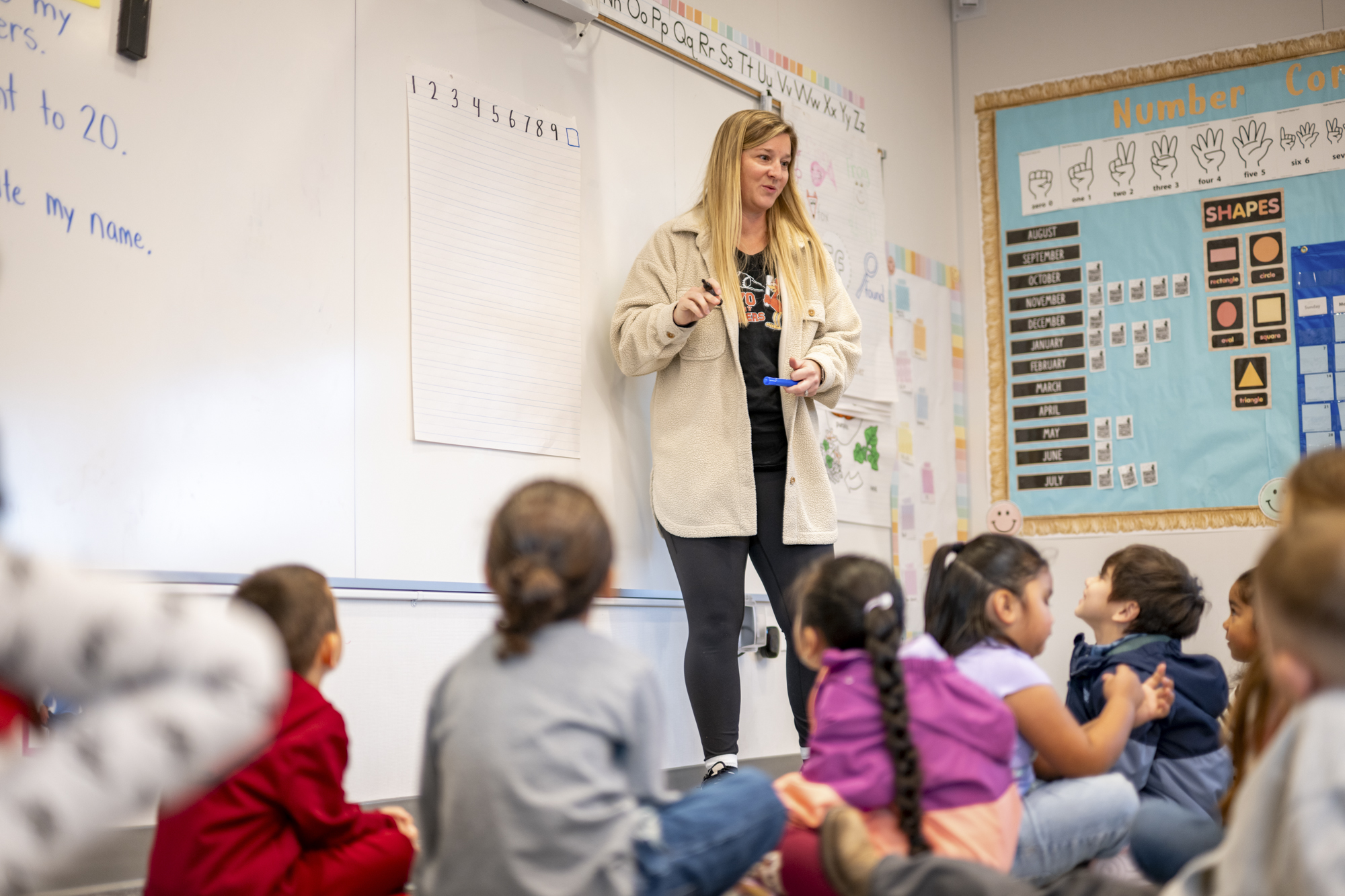
"caption": "Transitional kindergarten teacher Kristi Fowler teaches class at Yokayo Elementary School in Ukiah on Jan. 6, 2026.",
"credit": "Beth LaBerge/KQED",
"altTag": null,
"description": null,
"imgSizes": {
"thumbnail": {
"file": "https://cdn.kqed.org/wp-content/uploads/sites/10/2026/03/260106-PREVENTINGPRESCHOOLFADEOUT-14-BL-KQED-160x107.jpg",
"width": 160,
"height": 107,
"mimeType": "image/jpeg"
},
"1536x1536": {
"file": "https://cdn.kqed.org/wp-content/uploads/sites/10/2026/03/260106-PREVENTINGPRESCHOOLFADEOUT-14-BL-KQED-1536x1024.jpg",
"width": 1536,
"height": 1024,
"mimeType": "image/jpeg"
},
"post-thumbnail": {
"file": "https://cdn.kqed.org/wp-content/uploads/sites/10/2026/03/260106-PREVENTINGPRESCHOOLFADEOUT-14-BL-KQED-672x372.jpg",
"width": 672,
"height": 372,
"mimeType": "image/jpeg"
},
"twentyfourteen-full-width": {
"file": "https://cdn.kqed.org/wp-content/uploads/sites/10/2026/03/260106-PREVENTINGPRESCHOOLFADEOUT-14-BL-KQED-1038x576.jpg",
"width": 1038,
"height": 576,
"mimeType": "image/jpeg"
},
"npr-cds-wide": {
"file": "https://cdn.kqed.org/wp-content/uploads/sites/10/2026/03/260106-PREVENTINGPRESCHOOLFADEOUT-14-BL-KQED-1200x675.jpg",
"width": 1200,
"height": 675,
"mimeType": "image/jpeg"
},
"kqedFullSize": {
"file": "https://cdn.kqed.org/wp-content/uploads/sites/10/2026/03/260106-PREVENTINGPRESCHOOLFADEOUT-14-BL-KQED.jpg",
"width": 2000,
"height": 1333
}
},
"isLoading": false,
"fetchFailed": false
},
"news_12075477": {
"type": "attachments",
"id": "news_12075477",
"meta": {
"index": "attachments_1716263798",
"site": "news",
"id": "12075477",
"found": true
},
"title": "260304-Secrets of GGP-MD-DIP 01",
"publishDate": 1772719283,
"status": "inherit",
"parent": 0,
"modified": 1772719322,
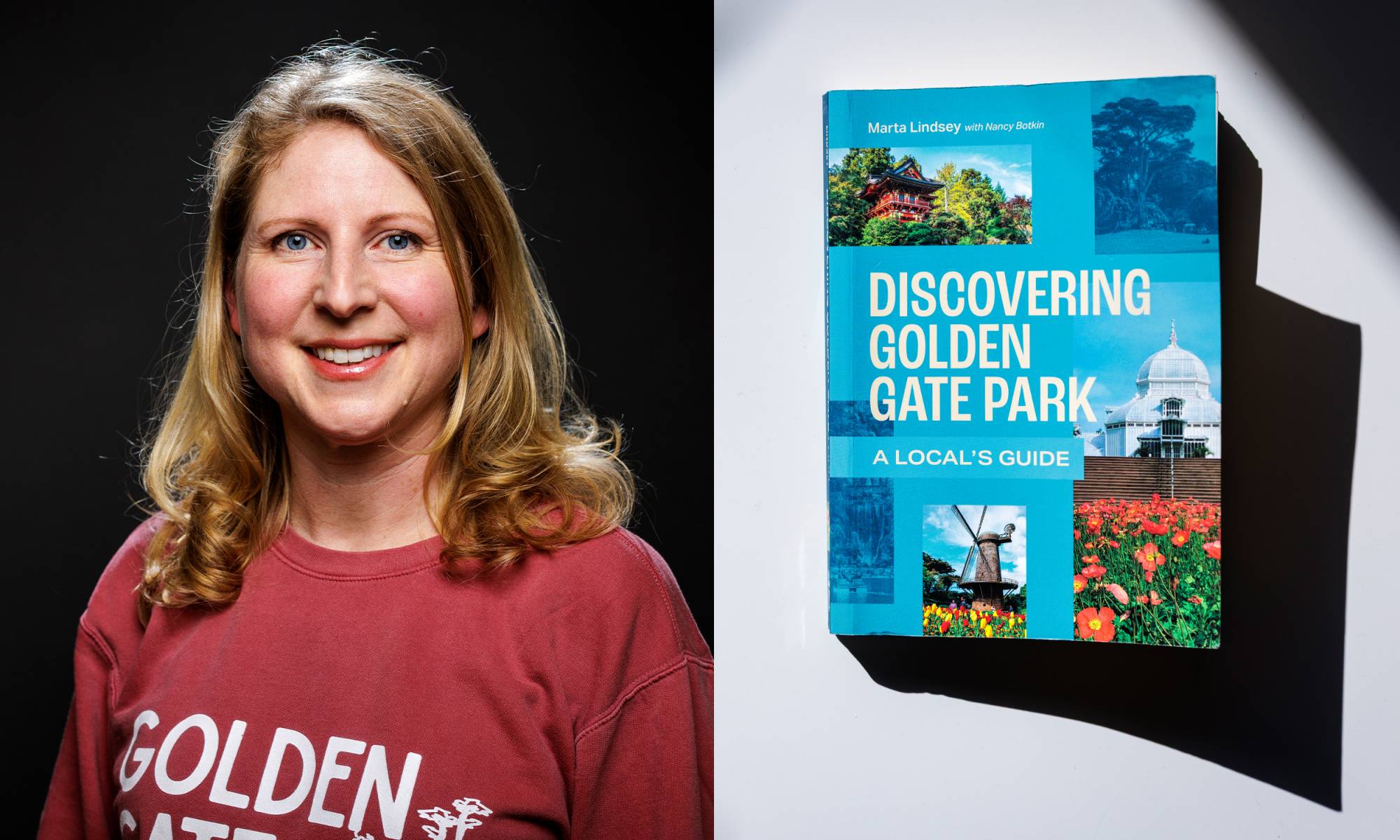
"caption": "Marta Lindsey, author of Discovering Golden Gate Park, at KQED in San Francisco on Mar. 4, 2026.",
"credit": "Martin do Nascimento/KQED",
"altTag": null,
"description": null,
"imgSizes": {
"medium": {
"file": "https://cdn.kqed.org/wp-content/uploads/sites/10/2026/03/260304-Secrets-of-GGP-MD-DIP-01-2000x1200.jpg",
"width": 2000,
"height": 1200,
"mimeType": "image/jpeg"
},
"large": {
"file": "https://cdn.kqed.org/wp-content/uploads/sites/10/2026/03/260304-Secrets-of-GGP-MD-DIP-01-2000x1200.jpg",
"width": 2000,
"height": 1200,
"mimeType": "image/jpeg"
},
"thumbnail": {
"file": "https://cdn.kqed.org/wp-content/uploads/sites/10/2026/03/260304-Secrets-of-GGP-MD-DIP-01-160x96.jpg",
"width": 160,
"height": 96,
"mimeType": "image/jpeg"
},
"1536x1536": {
"file": "https://cdn.kqed.org/wp-content/uploads/sites/10/2026/03/260304-Secrets-of-GGP-MD-DIP-01-1536x922.jpg",
"width": 1536,
"height": 922,
"mimeType": "image/jpeg"
},
"2048x2048": {
"file": "https://cdn.kqed.org/wp-content/uploads/sites/10/2026/03/260304-Secrets-of-GGP-MD-DIP-01-2048x1229.jpg",
"width": 2048,
"height": 1229,
"mimeType": "image/jpeg"
},
"post-thumbnail": {
"file": "https://cdn.kqed.org/wp-content/uploads/sites/10/2026/03/260304-Secrets-of-GGP-MD-DIP-01-672x372.jpg",
"width": 672,
"height": 372,
"mimeType": "image/jpeg"
},
"twentyfourteen-full-width": {
"file": "https://cdn.kqed.org/wp-content/uploads/sites/10/2026/03/260304-Secrets-of-GGP-MD-DIP-01-1038x576.jpg",
"width": 1038,
"height": 576,
"mimeType": "image/jpeg"
},
"full-width": {
"file": "https://cdn.kqed.org/wp-content/uploads/sites/10/2026/03/260304-Secrets-of-GGP-MD-DIP-01-2000x1200.jpg",
"width": 2000,
"height": 1200,
"mimeType": "image/jpeg"
},
"npr-cds-wide": {
"file": "https://cdn.kqed.org/wp-content/uploads/sites/10/2026/03/260304-Secrets-of-GGP-MD-DIP-01-1200x675.jpg",
"width": 1200,
"height": 675,
"mimeType": "image/jpeg"
},
"kqedFullSize": {
"file": "https://cdn.kqed.org/wp-content/uploads/sites/10/2026/03/260304-Secrets-of-GGP-MD-DIP-01.jpg",
"width": 2500,
"height": 1500
}
},
"isLoading": false,
"fetchFailed": false
},
"news_12065779": {
"type": "attachments",
"id": "news_12065779",
"meta": {
"index": "attachments_1716263798",
"site": "news",
"id": "12065779",
"found": true
},
"title": "251202-OAKSPEEDCAMERAS-19-BL-KQED",
"publishDate": 1764714288,
"status": "inherit",
"parent": 12065712,
"modified": 1773358090,
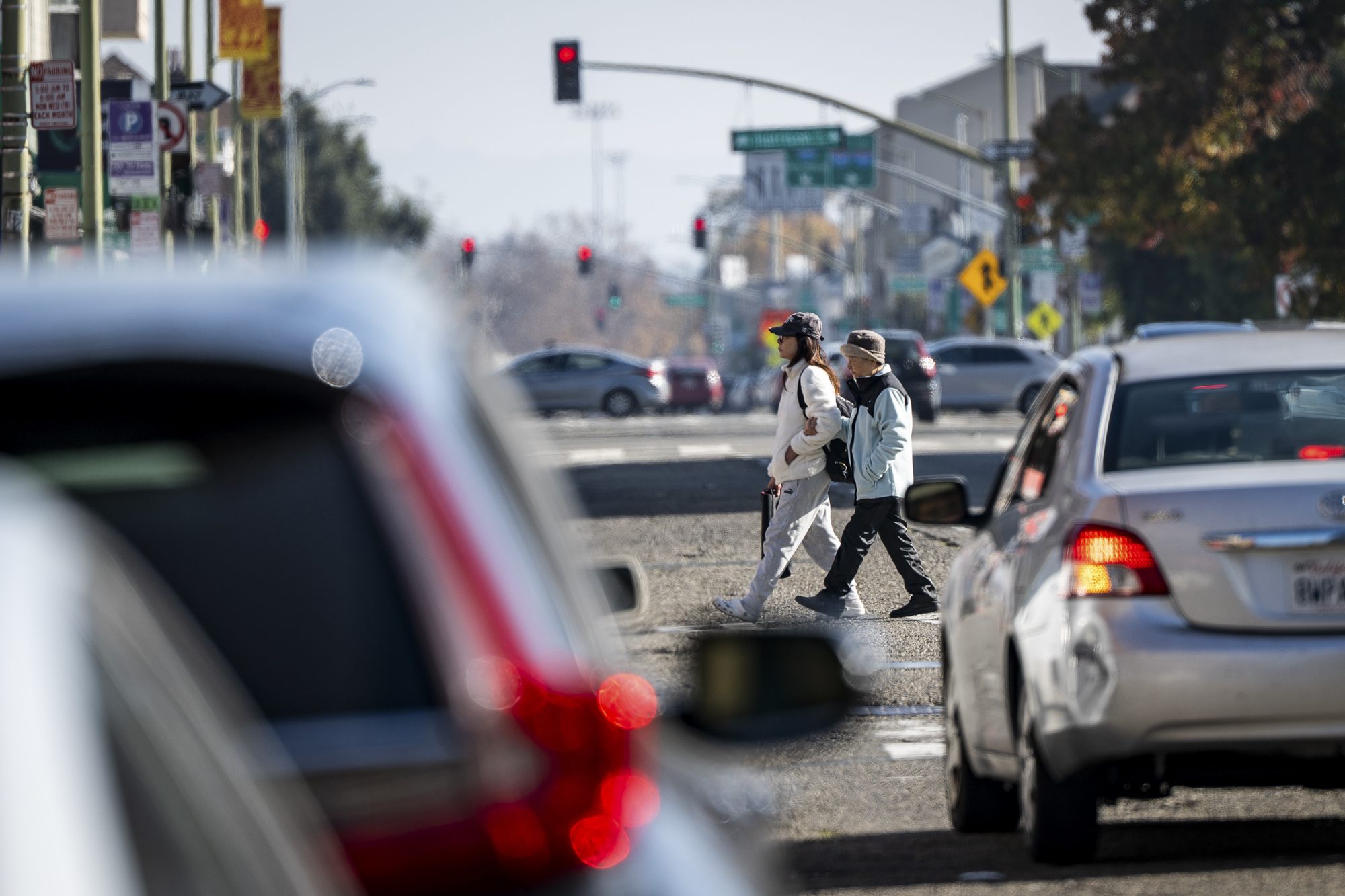
"caption": "Pedestrians cross at the intersection of Franklin and Seventh Streets in Oakland on Dec. 2, 2025, near where a speed-camera pilot program will install a camera on Seventh Street between Broadway and Franklin.",
"credit": "Beth LaBerge/KQED",
"altTag": null,
"description": null,
"imgSizes": {
"thumbnail": {
"file": "https://cdn.kqed.org/wp-content/uploads/sites/10/2025/12/251202-OAKSPEEDCAMERAS-19-BL-KQED-160x107.jpg",
"width": 160,
"height": 107,
"mimeType": "image/jpeg"
},
"1536x1536": {
"file": "https://cdn.kqed.org/wp-content/uploads/sites/10/2025/12/251202-OAKSPEEDCAMERAS-19-BL-KQED-1536x1024.jpg",
"width": 1536,
"height": 1024,
"mimeType": "image/jpeg"
},
"post-thumbnail": {
"file": "https://cdn.kqed.org/wp-content/uploads/sites/10/2025/12/251202-OAKSPEEDCAMERAS-19-BL-KQED-672x372.jpg",
"width": 672,
"height": 372,
"mimeType": "image/jpeg"
},
"twentyfourteen-full-width": {
"file": "https://cdn.kqed.org/wp-content/uploads/sites/10/2025/12/251202-OAKSPEEDCAMERAS-19-BL-KQED-1038x576.jpg",
"width": 1038,
"height": 576,
"mimeType": "image/jpeg"
},
"npr-cds-wide": {
"file": "https://cdn.kqed.org/wp-content/uploads/sites/10/2025/12/251202-OAKSPEEDCAMERAS-19-BL-KQED-1200x675.jpg",
"width": 1200,
"height": 675,
"mimeType": "image/jpeg"
},
"kqedFullSize": {
"file": "https://cdn.kqed.org/wp-content/uploads/sites/10/2025/12/251202-OAKSPEEDCAMERAS-19-BL-KQED.jpg",
"width": 2000,
"height": 1333
}
},
"isLoading": false,
"fetchFailed": false
},
"news_12076352": {
"type": "attachments",
"id": "news_12076352",
"meta": {
"index": "attachments_1716263798",
"site": "news",
"id": "12076352",
"found": true
},
"title": "260312-ALYSALIURALLY-17-BL-KQED",
"publishDate": 1773354538,
"status": "inherit",
"parent": 12076170,
"modified": 1773354705,
"caption": "Fans cheer during a celebration for Olympic gold medalist Alysa Liu at Frank Ogawa Plaza in Oakland on March 12, 2026.",
"credit": "Beth LaBerge/KQED",
"altTag": null,
"description": null,
"imgSizes": {
"thumbnail": {
"file": "https://cdn.kqed.org/wp-content/uploads/sites/10/2026/03/260312-ALYSALIURALLY-17-BL-KQED-160x107.jpg",
"width": 160,
"height": 107,
"mimeType": "image/jpeg"
},
"1536x1536": {
"file": "https://cdn.kqed.org/wp-content/uploads/sites/10/2026/03/260312-ALYSALIURALLY-17-BL-KQED-1536x1024.jpg",
"width": 1536,
"height": 1024,
"mimeType": "image/jpeg"
},
"post-thumbnail": {
"file": "https://cdn.kqed.org/wp-content/uploads/sites/10/2026/03/260312-ALYSALIURALLY-17-BL-KQED-672x372.jpg",
"width": 672,
"height": 372,
"mimeType": "image/jpeg"
},
"twentyfourteen-full-width": {
"file": "https://cdn.kqed.org/wp-content/uploads/sites/10/2026/03/260312-ALYSALIURALLY-17-BL-KQED-1038x576.jpg",
"width": 1038,
"height": 576,
"mimeType": "image/jpeg"
},
"npr-cds-wide": {
"file": "https://cdn.kqed.org/wp-content/uploads/sites/10/2026/03/260312-ALYSALIURALLY-17-BL-KQED-1200x675.jpg",
"width": 1200,
"height": 675,
"mimeType": "image/jpeg"
},
"kqedFullSize": {
"file": "https://cdn.kqed.org/wp-content/uploads/sites/10/2026/03/260312-ALYSALIURALLY-17-BL-KQED.jpg",
"width": 2000,
"height": 1333
}
},
"isLoading": false,
"fetchFailed": false
},
"news_12037951": {
"type": "attachments",
"id": "news_12037951",
"meta": {
"index": "attachments_1716263798",
"site": "news",
"id": "12037951",
"found": true
},
"title": "20250428_WARRANTLESSSEARCHES_GC-27-KQED",
"publishDate": 1745872938,
"status": "inherit",
"parent": 12039092,
"modified": 1746647464,
"caption": "Mayor Daniel Lurie attends a press conference announcing the San Francisco Sheriff’s Office’s plan to resume warrantless searches of criminal defendants who have been released and awaiting trial, outside of City Hall on April 28, 2025.",
"credit": "Gina Castro/KQED",
"altTag": null,
"description": null,
"imgSizes": {
"medium": {
"file": "https://cdn.kqed.org/wp-content/uploads/sites/10/2025/04/20250428_WARRANTLESSSEARCHES_GC-27-KQED-800x533.jpg",
"width": 800,
"height": 533,
"mimeType": "image/jpeg"
},
"large": {
"file": "https://cdn.kqed.org/wp-content/uploads/sites/10/2025/04/20250428_WARRANTLESSSEARCHES_GC-27-KQED-1020x680.jpg",
"width": 1020,
"height": 680,
"mimeType": "image/jpeg"
},
"thumbnail": {
"file": "https://cdn.kqed.org/wp-content/uploads/sites/10/2025/04/20250428_WARRANTLESSSEARCHES_GC-27-KQED-160x107.jpg",
"width": 160,
"height": 107,
"mimeType": "image/jpeg"
},
"1536x1536": {
"file": "https://cdn.kqed.org/wp-content/uploads/sites/10/2025/04/20250428_WARRANTLESSSEARCHES_GC-27-KQED-1536x1024.jpg",
"width": 1536,
"height": 1024,
"mimeType": "image/jpeg"
},
"post-thumbnail": {
"file": "https://cdn.kqed.org/wp-content/uploads/sites/10/2025/04/20250428_WARRANTLESSSEARCHES_GC-27-KQED-672x372.jpg",
"width": 672,
"height": 372,
"mimeType": "image/jpeg"
},
"twentyfourteen-full-width": {
"file": "https://cdn.kqed.org/wp-content/uploads/sites/10/2025/04/20250428_WARRANTLESSSEARCHES_GC-27-KQED-1038x576.jpg",
"width": 1038,
"height": 576,
"mimeType": "image/jpeg"
},
"full-width": {
"file": "https://cdn.kqed.org/wp-content/uploads/sites/10/2025/04/20250428_WARRANTLESSSEARCHES_GC-27-KQED-1920x1280.jpg",
"width": 1920,
"height": 1280,
"mimeType": "image/jpeg"
},
"kqedFullSize": {
"file": "https://cdn.kqed.org/wp-content/uploads/sites/10/2025/04/20250428_WARRANTLESSSEARCHES_GC-27-KQED.jpg",
"width": 2000,
"height": 1333
}
},
"isLoading": false,
"fetchFailed": false
},
"news_12076355": {
"type": "attachments",
"id": "news_12076355",
"meta": {
"index": "attachments_1716263798",
"site": "news",
"id": "12076355",
"found": true
},
"title": "260312-ALYSALIURALLY-34-BL-KQED",
"publishDate": 1773354550,
"status": "inherit",
"parent": 0,
"modified": 1773354581,
"caption": "Olympic gold medalist Alysa Liu poses with TURFinc dancers during a celebration in her honor at Frank Ogawa Plaza in Oakland on March 12, 2026.",
"credit": "Beth LaBerge/KQED",
"altTag": null,
"description": null,
"imgSizes": {
"thumbnail": {
"file": "https://cdn.kqed.org/wp-content/uploads/sites/10/2026/03/260312-ALYSALIURALLY-34-BL-KQED-160x107.jpg",
"width": 160,
"height": 107,
"mimeType": "image/jpeg"
},
"1536x1536": {
"file": "https://cdn.kqed.org/wp-content/uploads/sites/10/2026/03/260312-ALYSALIURALLY-34-BL-KQED-1536x1024.jpg",
"width": 1536,
"height": 1024,
"mimeType": "image/jpeg"
},
"post-thumbnail": {
"file": "https://cdn.kqed.org/wp-content/uploads/sites/10/2026/03/260312-ALYSALIURALLY-34-BL-KQED-672x372.jpg",
"width": 672,
"height": 372,
"mimeType": "image/jpeg"
},
"twentyfourteen-full-width": {
"file": "https://cdn.kqed.org/wp-content/uploads/sites/10/2026/03/260312-ALYSALIURALLY-34-BL-KQED-1038x576.jpg",
"width": 1038,
"height": 576,
"mimeType": "image/jpeg"
},
"npr-cds-wide": {
"file": "https://cdn.kqed.org/wp-content/uploads/sites/10/2026/03/260312-ALYSALIURALLY-34-BL-KQED-1200x675.jpg",
"width": 1200,
"height": 675,
"mimeType": "image/jpeg"
},
"kqedFullSize": {
"file": "https://cdn.kqed.org/wp-content/uploads/sites/10/2026/03/260312-ALYSALIURALLY-34-BL-KQED.jpg",
"width": 2000,
"height": 1333
}
},
"isLoading": false,
"fetchFailed": false
},
"news_12075952": {
"type": "attachments",
"id": "news_12075952",
"meta": {
"index": "attachments_1716263798",
"site": "news",
"id": "12075952",
"found": true
},
"title": "260310-ALYSA LIU COACH-MD-03-KQED",
"publishDate": 1773172122,
"status": "inherit",
"parent": 0,
"modified": 1773172294,
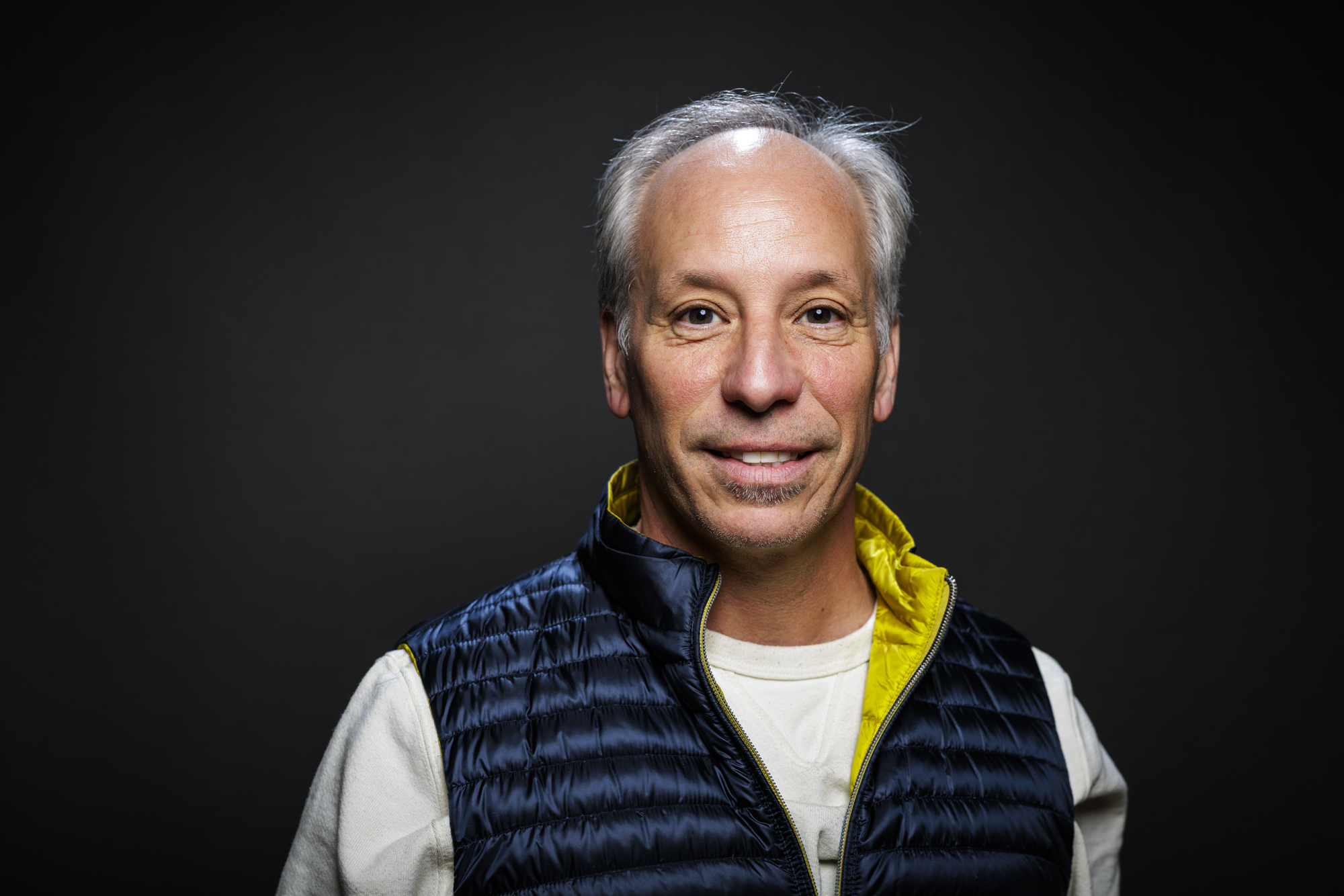
"caption": "Phillip DiGuglielmo, Alysa Liu's coach, at KQED in San Francisco on March 10, 2026.",
"credit": "Martin do Nascimento/KQED",
"altTag": null,
"description": null,
"imgSizes": {
"thumbnail": {
"file": "https://cdn.kqed.org/wp-content/uploads/sites/10/2026/03/260310-ALYSA-LIU-COACH-MD-03-KQED-160x107.jpg",
"width": 160,
"height": 107,
"mimeType": "image/jpeg"
},
"1536x1536": {
"file": "https://cdn.kqed.org/wp-content/uploads/sites/10/2026/03/260310-ALYSA-LIU-COACH-MD-03-KQED-1536x1025.jpg",
"width": 1536,
"height": 1025,
"mimeType": "image/jpeg"
},
"post-thumbnail": {
"file": "https://cdn.kqed.org/wp-content/uploads/sites/10/2026/03/260310-ALYSA-LIU-COACH-MD-03-KQED-672x372.jpg",
"width": 672,
"height": 372,
"mimeType": "image/jpeg"
},
"twentyfourteen-full-width": {
"file": "https://cdn.kqed.org/wp-content/uploads/sites/10/2026/03/260310-ALYSA-LIU-COACH-MD-03-KQED-1038x576.jpg",
"width": 1038,
"height": 576,
"mimeType": "image/jpeg"
},
"npr-cds-wide": {
"file": "https://cdn.kqed.org/wp-content/uploads/sites/10/2026/03/260310-ALYSA-LIU-COACH-MD-03-KQED-1200x675.jpg",
"width": 1200,
"height": 675,
"mimeType": "image/jpeg"
},
"kqedFullSize": {
"file": "https://cdn.kqed.org/wp-content/uploads/sites/10/2026/03/260310-ALYSA-LIU-COACH-MD-03-KQED.jpg",
"width": 2000,
"height": 1334
}
},
"isLoading": false,
"fetchFailed": false
},
"news_12076113": {
"type": "attachments",
"id": "news_12076113",
"meta": {
"index": "attachments_1716263798",
"site": "news",
"id": "12076113",
"found": true
},
"title": "031026_ALYSA LIU OAKLAND ICE _GH_006-KQED",
"publishDate": 1773255280,
"status": "inherit",
"parent": 0,
"modified": 1773255294,
"caption": "Haya Marie Hayes practices during a skating session on March 10, 2026, at the Oakland Ice Center in Oakland.",
"credit": "Gustavo Hernandez/KQED",
"altTag": null,
"description": null,
"imgSizes": {
"thumbnail": {
"file": "https://cdn.kqed.org/wp-content/uploads/sites/10/2026/03/031026_ALYSA-LIU-OAKLAND-ICE-_GH_006-KQED-160x107.jpg",
"width": 160,
"height": 107,
"mimeType": "image/jpeg"
},
"1536x1536": {
"file": "https://cdn.kqed.org/wp-content/uploads/sites/10/2026/03/031026_ALYSA-LIU-OAKLAND-ICE-_GH_006-KQED-1536x1024.jpg",
"width": 1536,
"height": 1024,
"mimeType": "image/jpeg"
},
"post-thumbnail": {
"file": "https://cdn.kqed.org/wp-content/uploads/sites/10/2026/03/031026_ALYSA-LIU-OAKLAND-ICE-_GH_006-KQED-672x372.jpg",
"width": 672,
"height": 372,
"mimeType": "image/jpeg"
},
"twentyfourteen-full-width": {
"file": "https://cdn.kqed.org/wp-content/uploads/sites/10/2026/03/031026_ALYSA-LIU-OAKLAND-ICE-_GH_006-KQED-1038x576.jpg",
"width": 1038,
"height": 576,
"mimeType": "image/jpeg"
},
"npr-cds-wide": {
"file": "https://cdn.kqed.org/wp-content/uploads/sites/10/2026/03/031026_ALYSA-LIU-OAKLAND-ICE-_GH_006-KQED-1200x675.jpg",
"width": 1200,
"height": 675,
"mimeType": "image/jpeg"
},
"kqedFullSize": {
"file": "https://cdn.kqed.org/wp-content/uploads/sites/10/2026/03/031026_ALYSA-LIU-OAKLAND-ICE-_GH_006-KQED.jpg",
"width": 2000,
"height": 1333
}
},
"isLoading": false,
"fetchFailed": false
},
"news_12067023": {
"type": "attachments",
"id": "news_12067023",
"meta": {
"index": "attachments_1716263798",
"site": "news",
"id": "12067023",
"found": true
},
"title": "251212-JET PLAYGROUND-MD-09-KQED",
"publishDate": 1765583456,
"status": "inherit",
"parent": 0,
"modified": 1765583484,
"caption": "The restored Vought F-8 Crusader at the Pacific Coast Air Museum in Santa Rosa on Dec. 12, 2025.",
"credit": "Martin do Nascimento/KQED",
"altTag": null,
"description": null,
"imgSizes": {
"thumbnail": {
"file": "https://cdn.kqed.org/wp-content/uploads/sites/10/2025/12/251212-JET-PLAYGROUND-MD-09-KQED-160x107.jpg",
"width": 160,
"height": 107,
"mimeType": "image/jpeg"
},
"1536x1536": {
"file": "https://cdn.kqed.org/wp-content/uploads/sites/10/2025/12/251212-JET-PLAYGROUND-MD-09-KQED-1536x1025.jpg",
"width": 1536,
"height": 1025,
"mimeType": "image/jpeg"
},
"post-thumbnail": {
"file": "https://cdn.kqed.org/wp-content/uploads/sites/10/2025/12/251212-JET-PLAYGROUND-MD-09-KQED-672x372.jpg",
"width": 672,
"height": 372,
"mimeType": "image/jpeg"
},
"twentyfourteen-full-width": {
"file": "https://cdn.kqed.org/wp-content/uploads/sites/10/2025/12/251212-JET-PLAYGROUND-MD-09-KQED-1038x576.jpg",
"width": 1038,
"height": 576,
"mimeType": "image/jpeg"
},
"npr-cds-wide": {
"file": "https://cdn.kqed.org/wp-content/uploads/sites/10/2025/12/251212-JET-PLAYGROUND-MD-09-KQED-1200x675.jpg",
"width": 1200,
"height": 675,
"mimeType": "image/jpeg"
},
"kqedFullSize": {
"file": "https://cdn.kqed.org/wp-content/uploads/sites/10/2025/12/251212-JET-PLAYGROUND-MD-09-KQED.jpg",
"width": 2000,
"height": 1334
}
},
"isLoading": false,
"fetchFailed": false
},
"news_12075087": {
"type": "attachments",
"id": "news_12075087",
"meta": {
"index": "attachments_1716263798",
"site": "news",
"id": "12075087",
"found": true
},
"title": "260301-INTERFAITHIFTAR00609_TV-KQED",
"publishDate": 1772480773,
"status": "inherit",
"parent": 0,
"modified": 1772480807,
"caption": "Rand Khasawneh (left) and Sumaiya Asif (right) eat their iftar dinner, the second meal of the day during Ramadan, together in San Francisco on March 1, 2026. Iftar dinners during Ramadan are used as a vehicle for charity and activism.",
"credit": "Tâm Vũ/KQED",
"altTag": null,
"description": null,
"imgSizes": {
"thumbnail": {
"file": "https://cdn.kqed.org/wp-content/uploads/sites/10/2026/03/260301-INTERFAITHIFTAR00609_TV-KQED-160x107.jpg",
"width": 160,
"height": 107,
"mimeType": "image/jpeg"
},
"1536x1536": {
"file": "https://cdn.kqed.org/wp-content/uploads/sites/10/2026/03/260301-INTERFAITHIFTAR00609_TV-KQED-1536x1025.jpg",
"width": 1536,
"height": 1025,
"mimeType": "image/jpeg"
},
"post-thumbnail": {
"file": "https://cdn.kqed.org/wp-content/uploads/sites/10/2026/03/260301-INTERFAITHIFTAR00609_TV-KQED-672x372.jpg",
"width": 672,
"height": 372,
"mimeType": "image/jpeg"
},
"twentyfourteen-full-width": {
"file": "https://cdn.kqed.org/wp-content/uploads/sites/10/2026/03/260301-INTERFAITHIFTAR00609_TV-KQED-1038x576.jpg",
"width": 1038,
"height": 576,
"mimeType": "image/jpeg"
},
"npr-cds-wide": {
"file": "https://cdn.kqed.org/wp-content/uploads/sites/10/2026/03/260301-INTERFAITHIFTAR00609_TV-KQED-1200x675.jpg",
"width": 1200,
"height": 675,
"mimeType": "image/jpeg"
},
"kqedFullSize": {
"file": "https://cdn.kqed.org/wp-content/uploads/sites/10/2026/03/260301-INTERFAITHIFTAR00609_TV-KQED.jpg",
"width": 2000,
"height": 1334
}
},
"isLoading": false,
"fetchFailed": false
},
"news_12054821": {
"type": "attachments",
"id": "news_12054821",
"meta": {
"index": "attachments_1716263798",
"site": "news",
"id": "12054821",
"found": true
},
"title": "250905-BARTOutage-03-BL_qed",
"publishDate": 1757096088,
"status": "inherit",
"parent": 12054754,
"modified": 1757096099,
"caption": "Tape blocks the entrance at the 24th Street BART station in San Francisco on Sept. 5, 2025, during an outage.",
"credit": "Beth LaBerge/KQED",
"altTag": null,
"description": null,
"imgSizes": {
"thumbnail": {
"file": "https://cdn.kqed.org/wp-content/uploads/sites/10/2025/09/250905-BARTOutage-03-BL_qed-160x107.jpg",
"width": 160,
"height": 107,
"mimeType": "image/jpeg"
},
"1536x1536": {
"file": "https://cdn.kqed.org/wp-content/uploads/sites/10/2025/09/250905-BARTOutage-03-BL_qed-1536x1024.jpg",
"width": 1536,
"height": 1024,
"mimeType": "image/jpeg"
},
"post-thumbnail": {
"file": "https://cdn.kqed.org/wp-content/uploads/sites/10/2025/09/250905-BARTOutage-03-BL_qed-672x372.jpg",
"width": 672,
"height": 372,
"mimeType": "image/jpeg"
},
"twentyfourteen-full-width": {
"file": "https://cdn.kqed.org/wp-content/uploads/sites/10/2025/09/250905-BARTOutage-03-BL_qed-1038x576.jpg",
"width": 1038,
"height": 576,
"mimeType": "image/jpeg"
},
"kqedFullSize": {
"file": "https://cdn.kqed.org/wp-content/uploads/sites/10/2025/09/250905-BARTOutage-03-BL_qed.jpg",
"width": 2000,
"height": 1333
}
},
"isLoading": false,
"fetchFailed": false
}
},
"audioPlayerReducer": {
"postId": "stream_live",
"isPaused": true,
"isPlaying": false,
"pfsActive": false,
"pledgeModalIsOpen": true,
"playerDrawerIsOpen": false,
"liveAudioPlayStartedAt": 0,
"liveAudioPlayContext": ""
},
"authorsReducer": {
"ohubertallen": {
"type": "authors",
"id": "102",
"meta": {
"index": "authors_1716337520",
"id": "102",
"found": true
},
"name": "Olivia Allen-Price",
"firstName": "Olivia",
"lastName": "Allen-Price",
"slug": "ohubertallen",
"email": "oallenprice@kqed.org",
"display_author_email": false,
"staff_mastheads": [
"news"
],
"title": "Senior Editor",
"bio": "Olivia Allen-Price is senior editor and host of the award-winning Bay Curious podcast. Prior to joining KQED in 2013, Olivia worked at The Baltimore Sun and The Virginian-Pilot in Norfolk, Va. She holds degrees in journalism and political science from Elon University. Her work has earned awards from the Society of Professional Journalists, the Hearst Foundation and Hearken. She loves to talk about running and curly hair.\r\n\r\nFollow: \u003ca href=\"https://twitter.com/oallenprice\">@oallenprice\u003c/a>\r\nEmail: \u003ca href=\"mailto:oallenprice@kqed.org\">oallenprice@kqed.org\u003c/a>",
"avatar": "https://secure.gravatar.com/avatar/07f7803c1f6be56f3be58ef276dfa64dce898502e0554408ef4858451a8294f7?s=600&d=blank&r=g",
"twitter": "oallenprice",
"bluesky": null,
"facebook": null,
"instagram": null,
"linkedin": null,
"sites": [
{
"site": "",
"roles": [
"editor"
]
},
{
"site": "arts",
"roles": [
"subscriber"
]
},
{
"site": "news",
"roles": [
"administrator"
]
},
{
"site": "pop",
"roles": [
"administrator"
]
},
{
"site": "bayareabites",
"roles": [
"contributor"
]
},
{
"site": "stateofhealth",
"roles": [
"administrator"
]
},
{
"site": "science",
"roles": [
"editor"
]
}
],
"headData": {
"title": "Olivia Allen-Price | KQED",
"description": "Senior Editor",
"ogImgSrc": "https://secure.gravatar.com/avatar/07f7803c1f6be56f3be58ef276dfa64dce898502e0554408ef4858451a8294f7?s=600&d=blank&r=g",
"twImgSrc": "https://secure.gravatar.com/avatar/07f7803c1f6be56f3be58ef276dfa64dce898502e0554408ef4858451a8294f7?s=600&d=blank&r=g"
},
"isLoading": false,
"link": "/author/ohubertallen"
},
"katrinaschwartz": {
"type": "authors",
"id": "234",
"meta": {
"index": "authors_1716337520",
"id": "234",
"found": true
},
"name": "Katrina Schwartz",
"firstName": "Katrina",
"lastName": "Schwartz",
"slug": "katrinaschwartz",
"email": "kschwartz@kqed.org",
"display_author_email": false,
"staff_mastheads": [
"news"
],
"title": "Producer",
"bio": "Katrina Schwartz is a journalist based in San Francisco. She's worked at KPCC public radio in LA and has reported on air and online for KQED since 2010. She covered how teaching and learning is changing for MindShift between 2012 and 2020. She is the co-host of the MindShift podcast and now produces KQED's Bay Curious podcast.",
"avatar": "https://secure.gravatar.com/avatar/edb4ee79070447a018538c9aae6eeecf28786515b8a0c30e43b6b7dce5aa44c8?s=600&d=blank&r=g",
"twitter": "kschwart",
"bluesky": null,
"facebook": null,
"instagram": null,
"linkedin": null,
"sites": [
{
"site": "",
"roles": [
"editor"
]
},
{
"site": "news",
"roles": [
"editor"
]
},
{
"site": "mindshift",
"roles": [
"administrator"
]
},
{
"site": "stateofhealth",
"roles": [
"author"
]
},
{
"site": "science",
"roles": [
"editor"
]
}
],
"headData": {
"title": "Katrina Schwartz | KQED",
"description": "Producer",
"ogImgSrc": "https://secure.gravatar.com/avatar/edb4ee79070447a018538c9aae6eeecf28786515b8a0c30e43b6b7dce5aa44c8?s=600&d=blank&r=g",
"twImgSrc": "https://secure.gravatar.com/avatar/edb4ee79070447a018538c9aae6eeecf28786515b8a0c30e43b6b7dce5aa44c8?s=600&d=blank&r=g"
},
"isLoading": false,
"link": "/author/katrinaschwartz"
},
"ecruzguevarra": {
"type": "authors",
"id": "8654",
"meta": {
"index": "authors_1716337520",
"id": "8654",
"found": true
},
"name": "Ericka Cruz Guevarra",
"firstName": "Ericka",
"lastName": "Cruz Guevarra",
"slug": "ecruzguevarra",
"email": "ecruzguevarra@kqed.org",
"display_author_email": true,
"staff_mastheads": [
"news"
],
"title": "Producer, The Bay Podcast",
"bio": "Ericka Cruz Guevarra is host of \u003ca href=\"https://www.kqed.org/podcasts/thebay\">\u003cem>The Bay\u003c/em>\u003c/a> podcast at KQED. Before host, she was the show’s producer. Her work in that capacity includes a three-part reported series on policing in Vallejo, which won a 2020 excellence in journalism award from the Society of Professional Journalists. Ericka has worked as a breaking news reporter at Oregon Public Broadcasting, helped produce the Code Switch podcast, and was KQED’s inaugural Raul Ramirez Diversity Fund intern. She’s also an alumna of NPR’s Next Generation Radio program. Send her an email if you have strong feelings about whether Fairfield and Suisun City are the Bay. Ericka is represented by SAG-AFTRA.",
"avatar": "https://secure.gravatar.com/avatar/accefc1de4bafc7e234b69bcb9b6f6536c130fd84709bc3069ef11a78787e1bb?s=600&d=blank&r=g",
"twitter": "NotoriousECG",
"bluesky": null,
"facebook": null,
"instagram": null,
"linkedin": null,
"sites": [
{
"site": "arts",
"roles": [
"subscriber"
]
},
{
"site": "news",
"roles": [
"editor",
"manage_categories"
]
},
{
"site": "futureofyou",
"roles": [
"subscriber"
]
},
{
"site": "stateofhealth",
"roles": [
"subscriber"
]
},
{
"site": "science",
"roles": [
"editor"
]
},
{
"site": "forum",
"roles": [
"subscriber"
]
}
],
"headData": {
"title": "Ericka Cruz Guevarra | KQED",
"description": "Producer, The Bay Podcast",
"ogImgSrc": "https://secure.gravatar.com/avatar/accefc1de4bafc7e234b69bcb9b6f6536c130fd84709bc3069ef11a78787e1bb?s=600&d=blank&r=g",
"twImgSrc": "https://secure.gravatar.com/avatar/accefc1de4bafc7e234b69bcb9b6f6536c130fd84709bc3069ef11a78787e1bb?s=600&d=blank&r=g"
},
"isLoading": false,
"link": "/author/ecruzguevarra"
},
"bwatt": {
"type": "authors",
"id": "11238",
"meta": {
"index": "authors_1716337520",
"id": "11238",
"found": true
},
"name": "Brian Watt",
"firstName": "Brian",
"lastName": "Watt",
"slug": "bwatt",
"email": "bwatt@KQED.org",
"display_author_email": false,
"staff_mastheads": [
"news"
],
"title": "Morning News Anchor",
"bio": "Brian Watt is KQED's morning radio news anchor. He joined the KQED News team in April of 2016. Prior to that, he worked as a Reporter for KPCC in Los Angeles and a producer at \u003cem>Marketplace.\u003c/em>\r\n\r\nDuring eight years at KPCC, Brian covered business and economics, and his work won several awards. In 2008, he won the Los Angeles Press Club’s first-place award for Business and Financial Reporting, Broadcast. He’s also received honorable mention and been first runner up for the Press Club’s Radio Journalist of the Year. He won two Golden Mike awards from the Radio and TV News Association of Southern California.\r\n\r\nBrian holds degrees in theater from Yale University and the Sorbonne, and has worked as an actor in France, Italy, Brazil, Hungary and . . . Hollywood. He appeared in a few television shows, including \u003cem>The West Wing, Judging Amy\u003c/em> and \u003cem>The District.\u003c/em>\r\n\r\nEmail: bwatt@KQED.org Twitter: @RadioBWatt",
"avatar": "https://secure.gravatar.com/avatar/55393ff57ed34e2be773ba4789dd6a19?s=600&d=blank&r=g",
"twitter": "@RadioBWatt",
"facebook": null,
"instagram": null,
"linkedin": null,
"sites": [
{
"site": "arts",
"roles": [
"contributor"
]
},
{
"site": "news",
"roles": [
"editor"
]
}
],
"headData": {
"title": "Brian Watt | KQED",
"description": "Morning News Anchor",
"ogImgSrc": "https://secure.gravatar.com/avatar/55393ff57ed34e2be773ba4789dd6a19?s=600&d=blank&r=g",
"twImgSrc": "https://secure.gravatar.com/avatar/55393ff57ed34e2be773ba4789dd6a19?s=600&d=blank&r=g"
},
"isLoading": false,
"link": "/author/bwatt"
},
"amontecillo": {
"type": "authors",
"id": "11649",
"meta": {
"index": "authors_1716337520",
"id": "11649",
"found": true
},
"name": "Alan Montecillo",
"firstName": "Alan",
"lastName": "Montecillo",
"slug": "amontecillo",
"email": "amontecillo@kqed.org",
"display_author_email": false,
"staff_mastheads": [
"news"
],
"title": "KQED Contributor",
"bio": "Alan Montecillo is the senior editor of \u003cem>\u003ca href=\"http://kqed.org/thebay\">The Bay\u003c/a>, \u003c/em> KQED's local news podcast. Before moving to the Bay Area, he worked as a senior talk show producer for WILL in Champaign-Urbana, Illinois and at Oregon Public Broadcasting in Portland, Oregon. He has won journalism awards from the Society of Professional Journalists Northern California, the Public Media Journalists Association, The Signal Awards, and has also received a regional Edward R. Murrow award. Alan is a Filipino American from Hong Kong and a graduate of Reed College.",
"avatar": "https://secure.gravatar.com/avatar/268f53a2066899ea9efdd8a5900218b17c822d9862cbc9326cccec53ef41d349?s=600&d=blank&r=g",
"twitter": "alanmontecillo",
"bluesky": null,
"facebook": null,
"instagram": null,
"linkedin": null,
"sites": [
{
"site": "",
"roles": [
"editor"
]
},
{
"site": "news",
"roles": [
"editor",
"manage_categories"
]
}
],
"headData": {
"title": "Alan Montecillo | KQED",
"description": "KQED Contributor",
"ogImgSrc": "https://secure.gravatar.com/avatar/268f53a2066899ea9efdd8a5900218b17c822d9862cbc9326cccec53ef41d349?s=600&d=blank&r=g",
"twImgSrc": "https://secure.gravatar.com/avatar/268f53a2066899ea9efdd8a5900218b17c822d9862cbc9326cccec53ef41d349?s=600&d=blank&r=g"
},
"isLoading": false,
"link": "/author/amontecillo"
},
"ccabreralomeli": {
"type": "authors",
"id": "11708",
"meta": {
"index": "authors_1716337520",
"id": "11708",
"found": true
},
"name": "Carlos Cabrera-Lomelí",
"firstName": "Carlos",
"lastName": "Cabrera-Lomelí",
"slug": "ccabreralomeli",
"email": "ccabreralomeli@KQED.org",
"display_author_email": true,
"staff_mastheads": [
"news"
],
"title": "Community Reporter",
"bio": "Carlos Cabrera-Lomelí is a community reporter with KQED's digital engagement team. He also reports and co-produces for KQED's bilingual news hub KQED en Español. He grew up in San Francisco's Mission District and has previously worked with Univision, 48 Hills and REFORMA in Mexico City.",
"avatar": "https://secure.gravatar.com/avatar/c309be9665e484f887b818c89e273ecc673004f426f36b24d00a4d813a2e0518?s=600&d=blank&r=g",
"twitter": "@LomeliCabrera",
"bluesky": null,
"facebook": null,
"instagram": null,
"linkedin": null,
"sites": [
{
"site": "arts",
"roles": [
"editor"
]
},
{
"site": "news",
"roles": [
"editor"
]
},
{
"site": "about",
"roles": [
"editor"
]
},
{
"site": "science",
"roles": [
"editor"
]
},
{
"site": "perspectives",
"roles": [
"editor"
]
},
{
"site": "elections",
"roles": [
"editor"
]
},
{
"site": "liveblog",
"roles": [
"contributor"
]
}
],
"headData": {
"title": "Carlos Cabrera-Lomelí | KQED",
"description": "Community Reporter",
"ogImgSrc": "https://secure.gravatar.com/avatar/c309be9665e484f887b818c89e273ecc673004f426f36b24d00a4d813a2e0518?s=600&d=blank&r=g",
"twImgSrc": "https://secure.gravatar.com/avatar/c309be9665e484f887b818c89e273ecc673004f426f36b24d00a4d813a2e0518?s=600&d=blank&r=g"
},
"isLoading": false,
"link": "/author/ccabreralomeli"
},
"agonzalez": {
"type": "authors",
"id": "11724",
"meta": {
"index": "authors_1716337520",
"id": "11724",
"found": true
},
"name": "Alexander Gonzalez",
"firstName": "Alexander",
"lastName": "Gonzalez",
"slug": "agonzalez",
"email": "AlexanderGonzalez@KQED.org",
"display_author_email": false,
"staff_mastheads": [
"news"
],
"title": "KQED Contributor",
"bio": null,
"avatar": "https://secure.gravatar.com/avatar/9e291ed34e154df4c662edf858b641d70b4859939bfe40be478408f9dfd057d2?s=600&d=blank&r=g",
"twitter": null,
"bluesky": null,
"facebook": null,
"instagram": null,
"linkedin": null,
"sites": [
{
"site": "arts",
"roles": [
"editor"
]
},
{
"site": "news",
"roles": [
"editor"
]
},
{
"site": "science",
"roles": [
"editor"
]
}
],
"headData": {
"title": "Alexander Gonzalez | KQED",
"description": "KQED Contributor",
"ogImgSrc": "https://secure.gravatar.com/avatar/9e291ed34e154df4c662edf858b641d70b4859939bfe40be478408f9dfd057d2?s=600&d=blank&r=g",
"twImgSrc": "https://secure.gravatar.com/avatar/9e291ed34e154df4c662edf858b641d70b4859939bfe40be478408f9dfd057d2?s=600&d=blank&r=g"
},
"isLoading": false,
"link": "/author/agonzalez"
},
"adahlstromeckman": {
"type": "authors",
"id": "11785",
"meta": {
"index": "authors_1716337520",
"id": "11785",
"found": true
},
"name": "Azul Dahlstrom-Eckman",
"firstName": "Azul",
"lastName": "Dahlstrom-Eckman",
"slug": "adahlstromeckman",
"email": "adahlstrom-eckman@kqed.org",
"display_author_email": true,
"staff_mastheads": [],
"title": "Reporter",
"bio": "Azul is a reporter for KQED focusing on transportation and features. He joined KQED in 2021 as an alumna of KALW's Audio Academy radio journalism training program.",
"avatar": "https://secure.gravatar.com/avatar/9cb750298435add7815a777f55bf1f46845c1386bb8452555c60a7b820b5aba3?s=600&d=blank&r=g",
"twitter": "@zuliemann",
"bluesky": "@azul415.bsky.social",
"facebook": null,
"instagram": null,
"linkedin": null,
"sites": [
{
"site": "arts",
"roles": [
"editor"
]
},
{
"site": "news",
"roles": [
"editor"
]
},
{
"site": "science",
"roles": [
"editor"
]
},
{
"site": "liveblog",
"roles": [
"author"
]
}
],
"headData": {
"title": "Azul Dahlstrom-Eckman | KQED",
"description": "Reporter",
"ogImgSrc": "https://secure.gravatar.com/avatar/9cb750298435add7815a777f55bf1f46845c1386bb8452555c60a7b820b5aba3?s=600&d=blank&r=g",
"twImgSrc": "https://secure.gravatar.com/avatar/9cb750298435add7815a777f55bf1f46845c1386bb8452555c60a7b820b5aba3?s=600&d=blank&r=g"
},
"isLoading": false,
"link": "/author/adahlstromeckman"
},
"daisynguyen": {
"type": "authors",
"id": "11829",
"meta": {
"index": "authors_1716337520",
"id": "11829",
"found": true
},
"name": "Daisy Nguyen",
"firstName": "Daisy",
"lastName": "Nguyen",
"slug": "daisynguyen",
"email": "daisynguyen@kqed.org",
"display_author_email": true,
"staff_mastheads": [
"news"
],
"title": "KQED Contributor",
"bio": "I have covered early childhood education and child care for KQED since 2022. I focus on policies aimed at increasing access to early care and education and how they shape individual lives. I've been a journalist for more than two decades, with most of that time devoted to covering breaking news throughout California for The Associated Press. I grew up in San Francisco and studied at UC Davis and Columbia University's Graduate School of Journalism. I live in Oakland with my husband and two kids.",
"avatar": "https://secure.gravatar.com/avatar/2da2127c27f7143b53ebd419800fd55f?s=600&d=blank&r=g",
"twitter": null,
"facebook": null,
"instagram": null,
"linkedin": "https://www.linkedin.com/in/daisynguyen/",
"sites": [
{
"site": "news",
"roles": [
"author"
]
},
{
"site": "liveblog",
"roles": [
"author"
]
}
],
"headData": {
"title": "Daisy Nguyen | KQED",
"description": "KQED Contributor",
"ogImgSrc": "https://secure.gravatar.com/avatar/2da2127c27f7143b53ebd419800fd55f?s=600&d=blank&r=g",
"twImgSrc": "https://secure.gravatar.com/avatar/2da2127c27f7143b53ebd419800fd55f?s=600&d=blank&r=g"
},
"isLoading": false,
"link": "/author/daisynguyen"
},
"jessicakariisa": {
"type": "authors",
"id": "11831",
"meta": {
"index": "authors_1716337520",
"id": "11831",
"found": true
},
"name": "Jessica Kariisa",
"firstName": "Jessica",
"lastName": "Kariisa",
"slug": "jessicakariisa",
"email": "jkariisa@kqed.org",
"display_author_email": false,
"staff_mastheads": [],
"title": "Producer, The Bay",
"bio": "Jessica Kariisa is the producer of The Bay. She first joined KQED as an intern for The California Report Magazine, after which she became an on-call producer. She reported a Bay Curious episode on the use of rap lyrics in criminal trials which won a Society of Professional Journalists award in 2023 for Excellence in Features Journalism and the 2023 Signal Award for Best Conversation Starter. She’s worked on podcasts for Snap Judgment and American Public Media. Before embarking on her audio career, she was a music journalist.\r\n\r\nJessica Kariisa is represented by SAG-AFTRA.",
"avatar": "https://secure.gravatar.com/avatar/522e97b28ac0b3d411621c0fde8f3419c7b71ea2c5c262c57c4bb600963f328c?s=600&d=blank&r=g",
"twitter": null,
"bluesky": null,
"facebook": null,
"instagram": null,
"linkedin": null,
"sites": [
{
"site": "arts",
"roles": [
"author"
]
},
{
"site": "news",
"roles": [
"editor",
"manage_categories"
]
}
],
"headData": {
"title": "Jessica Kariisa | KQED",
"description": "Producer, The Bay",
"ogImgSrc": "https://secure.gravatar.com/avatar/522e97b28ac0b3d411621c0fde8f3419c7b71ea2c5c262c57c4bb600963f328c?s=600&d=blank&r=g",
"twImgSrc": "https://secure.gravatar.com/avatar/522e97b28ac0b3d411621c0fde8f3419c7b71ea2c5c262c57c4bb600963f328c?s=600&d=blank&r=g"
},
"isLoading": false,
"link": "/author/jessicakariisa"
},
"sjohnson": {
"type": "authors",
"id": "11840",
"meta": {
"index": "authors_1716337520",
"id": "11840",
"found": true
},
"name": "Sydney Johnson",
"firstName": "Sydney",
"lastName": "Johnson",
"slug": "sjohnson",
"email": "sjohnson@kqed.org",
"display_author_email": false,
"staff_mastheads": [
"news"
],
"title": "KQED Reporter",
"bio": "Sydney Johnson is a general assignment reporter at KQED. She previously reported on public health and city government at the San Francisco Examiner, and before that, she covered statewide education policy for EdSource. Her reporting has won multiple local, state and national awards. Sydney is a graduate of the University of California, Berkeley and lives in San Francisco.",
"avatar": "https://secure.gravatar.com/avatar/97855f2719b72ad6190b7c535fe642c8?s=600&d=blank&r=g",
"twitter": "sydneyfjohnson",
"facebook": null,
"instagram": null,
"linkedin": null,
"sites": [
{
"site": "news",
"roles": [
"editor"
]
}
],
"headData": {
"title": "Sydney Johnson | KQED",
"description": "KQED Reporter",
"ogImgSrc": "https://secure.gravatar.com/avatar/97855f2719b72ad6190b7c535fe642c8?s=600&d=blank&r=g",
"twImgSrc": "https://secure.gravatar.com/avatar/97855f2719b72ad6190b7c535fe642c8?s=600&d=blank&r=g"
},
"isLoading": false,
"link": "/author/sjohnson"
},
"nkhan": {
"type": "authors",
"id": "11867",
"meta": {
"index": "authors_1716337520",
"id": "11867",
"found": true
},
"name": "Nisa Khan",
"firstName": "Nisa",
"lastName": "Khan",
"slug": "nkhan",
"email": "nkhan@kqed.org",
"display_author_email": false,
"staff_mastheads": [],
"title": "KQED Contributor",
"bio": "Nisa Khan is a reporter for KQED's Audience News Desk. She was formerly a data reporter at Michigan Radio. She earned a Bachelor of Science in Information from the University of Michigan and a Master of Arts in Communication from Stanford University.",
"avatar": "https://secure.gravatar.com/avatar/8720459eef081ff64582b3506b124d58523e80e120704a0cbd9892533c914991?s=600&d=blank&r=g",
"twitter": "mnisakhan",
"bluesky": null,
"facebook": null,
"instagram": null,
"linkedin": null,
"sites": [
{
"site": "arts",
"roles": [
"editor"
]
},
{
"site": "news",
"roles": [
"editor"
]
},
{
"site": "science",
"roles": [
"editor",
"author"
]
},
{
"site": "forum",
"roles": [
"editor"
]
},
{
"site": "liveblog",
"roles": [
"contributor"
]
}
],
"headData": {
"title": "Nisa Khan | KQED",
"description": "KQED Contributor",
"ogImgSrc": "https://secure.gravatar.com/avatar/8720459eef081ff64582b3506b124d58523e80e120704a0cbd9892533c914991?s=600&d=blank&r=g",
"twImgSrc": "https://secure.gravatar.com/avatar/8720459eef081ff64582b3506b124d58523e80e120704a0cbd9892533c914991?s=600&d=blank&r=g"
},
"isLoading": false,
"link": "/author/nkhan"
},
"kdebenedetti": {
"type": "authors",
"id": "11913",
"meta": {
"index": "authors_1716337520",
"id": "11913",
"found": true
},
"name": "Katie DeBenedetti",
"firstName": "Katie",
"lastName": "DeBenedetti",
"slug": "kdebenedetti",
"email": "kdebenedetti@kqed.org",
"display_author_email": false,
"staff_mastheads": [
"news",
"science"
],
"title": "KQED Contributor",
"bio": "Katie DeBenedetti is a digital reporter covering daily news for the Express Desk. Prior to joining KQED as a culture reporting intern in January 2024, she covered education and city government for the Napa Valley Register.",
"avatar": "https://secure.gravatar.com/avatar/6e31073cb8f7e4214ab03f42771d0f45?s=600&d=blank&r=g",
"twitter": null,
"facebook": null,
"instagram": null,
"linkedin": null,
"sites": [
{
"site": "news",
"roles": [
"author"
]
},
{
"site": "science",
"roles": [
"author"
]
},
{
"site": "liveblog",
"roles": [
"author"
]
}
],
"headData": {
"title": "Katie DeBenedetti | KQED",
"description": "KQED Contributor",
"ogImgSrc": "https://secure.gravatar.com/avatar/6e31073cb8f7e4214ab03f42771d0f45?s=600&d=blank&r=g",
"twImgSrc": "https://secure.gravatar.com/avatar/6e31073cb8f7e4214ab03f42771d0f45?s=600&d=blank&r=g"
},
"isLoading": false,
"link": "/author/kdebenedetti"
},
"psibulo": {
"type": "authors",
"id": "11995",
"meta": {
"index": "authors_1716337520",
"id": "11995",
"found": true
},
"name": "Paula Sibulo",
"firstName": "Paula",
"lastName": "Sibulo",
"slug": "psibulo",
"email": "psibulo@kqed.org",
"display_author_email": false,
"staff_mastheads": [
"news"
],
"title": "KQED Contributor",
"bio": "Paula Sibulo is a reporter at KQED. She graduated from San Francisco State University, where she studied broadcast journalism and served as the editor-in-chief of its student-run newspaper, \u003cem>Golden Gate Xpress\u003c/em>. Her work has been recognized with awards from Society of Professional Journalists NorCal, College Media Association, Associated Collegiate Press, and Best of SNO.",
"avatar": "https://secure.gravatar.com/avatar/0548c07ed39b61edb3e76faad378e49a997fd03a43541c27edf5392b1e0738f6?s=600&d=blank&r=g",
"twitter": null,
"bluesky": null,
"facebook": null,
"instagram": null,
"linkedin": null,
"sites": [
{
"site": "news",
"roles": [
"contributor"
]
}
],
"headData": {
"title": "Paula Sibulo | KQED",
"description": "KQED Contributor",
"ogImgSrc": "https://secure.gravatar.com/avatar/0548c07ed39b61edb3e76faad378e49a997fd03a43541c27edf5392b1e0738f6?s=600&d=blank&r=g",
"twImgSrc": "https://secure.gravatar.com/avatar/0548c07ed39b61edb3e76faad378e49a997fd03a43541c27edf5392b1e0738f6?s=600&d=blank&r=g"
},
"isLoading": false,
"link": "/author/psibulo"
}
},
"pagesReducer": {
"news_category_local": {
"type": "terms",
"id": "news_28250",
"meta": {
"index": "terms_1716263798",
"site": "news",
"id": "28250",
"score": 12.93969
},
"featImg": null,
"name": "Local",
"description": null,
"taxonomy": "category",
"headData": {
"twImgId": null,
"twTitle": null,
"ogTitle": null,
"ogImgId": null,
"twDescription": null,
"description": null,
"title": "Local Archives | KQED News",
"ogDescription": null
},
"ttid": 28267,
"slug": "local",
"isLoading": false,
"title": "Local",
"pageMeta": {
"site": "news",
"WpPageTemplate": "page-topic-editorial",
"currentPage": 49
},
"blocks": [
{
"blockName": "kqed/post-list",
"attrs": {
"layout": "cardArticle2",
"query": "posts/news?category=local",
"seeMore": false,
"paginated": true,
"page": 49
}
},
{
"blockName": "kqed/ad"
}
]
}
},
"pfsSessionReducer": {},
"postsReducer": {
"stream_live": {
"type": "live",
"id": "stream_live",
"audioUrl": "https://streams.kqed.org/kqedradio",
"title": "Live Stream",
"excerpt": "Live Stream information currently unavailable.",
"link": "/radio",
"featImg": "",
"label": {
"name": "KQED Live",
"link": "/"
}
},
"stream_kqedNewscast": {
"type": "posts",
"id": "stream_kqedNewscast",
"audioUrl": "https://www.kqed.org/.stream/anon/radio/RDnews/newscast.mp3?_=1",
"title": "KQED Newscast",
"featImg": "",
"label": {
"name": "88.5 FM",
"link": "/"
}
},
"news_12076584": {
"type": "posts",
"id": "news_12076584",
"meta": {
"index": "posts_1716263798",
"site": "news",
"id": "12076584",
"score": null,
"sort": [
1773693436000
]
},
"guestAuthors": [],
"slug": "san-francisco-leaders-hope-to-spark-citys-cannabis-scene",
"title": "San Francisco Leaders Hope to Spark City’s Cannabis Scene",
"publishDate": 1773693436,
"format": "standard",
"headTitle": "San Francisco Leaders Hope to Spark City’s Cannabis Scene | KQED",
"labelTerm": {
"site": "news"
},
"content": "\u003cp>The sale of \u003ca href=\"https://www.kqed.org/news/tag/cannabis\">cannabis\u003c/a>, prepared food, coffee and live entertainment — all in one place — has been legal in California for over a year.\u003c/p>\n\u003cp>But while San Francisco has long been marijuana-friendly, the city has yet to approve cannabis cafes for operation, officials said Monday.\u003c/p>\n\u003cp>At City Hall, Supervisor Rafael Mandelman announced Monday an ordinance that would enact \u003ca href=\"https://calmatters.digitaldemocracy.org/bills/ca_202320240ab1775\">AB 1775\u003c/a> — The Control, Regulate and Tax Adult Use of Marijuana Act — on the city level.\u003c/p>\n\u003cp>[ad fullwidth]\u003c/p>\n\u003cp>California operates the world’s largest legal cannabis market — with \u003ca href=\"https://www.cannabis.ca.gov/resources/data-dashboard/daily-sales-customer-type-item-category-report/\">$29 billion \u003c/a>in cumulative sales since 2020, according to state numbers. Yet the state only captures \u003ca href=\"https://www.dankreports.com/california-cannabis-market-failure-analysis/#:~:text=Why%20California%20Fails:%20Three%20Structural,Angeles:%20The%20Enforcement%20Black%20Hole\">less than two-thirds \u003c/a>of the total market, while illegal operations flourish.\u003c/p>\n\u003cp>“We have our legal cannabis industry retailers following all the rules, following all the laws, paying the taxes in competition with people who just don’t have to deal with any of that,” Mandelman said at a press conference on Monday. “It’s important to provide new pathways for the legal industry to survive and thrive.”\u003c/p>\n\u003cfigure id=\"attachment_12034721\" class=\"wp-caption aligncenter\" style=\"max-width: 2000px\">\u003cimg loading=\"lazy\" decoding=\"async\" class=\"size-full wp-image-12034721\" src=\"https://cdn.kqed.org/wp-content/uploads/sites/10/2025/04/250218-SFDowntown-12-BL_qed.jpg\" alt=\"\" width=\"2000\" height=\"1333\" srcset=\"https://cdn.kqed.org/wp-content/uploads/sites/10/2025/04/250218-SFDowntown-12-BL_qed.jpg 2000w, https://cdn.kqed.org/wp-content/uploads/sites/10/2025/04/250218-SFDowntown-12-BL_qed-800x533.jpg 800w, https://cdn.kqed.org/wp-content/uploads/sites/10/2025/04/250218-SFDowntown-12-BL_qed-1020x680.jpg 1020w, https://cdn.kqed.org/wp-content/uploads/sites/10/2025/04/250218-SFDowntown-12-BL_qed-160x107.jpg 160w, https://cdn.kqed.org/wp-content/uploads/sites/10/2025/04/250218-SFDowntown-12-BL_qed-1536x1024.jpg 1536w, https://cdn.kqed.org/wp-content/uploads/sites/10/2025/04/250218-SFDowntown-12-BL_qed-1920x1280.jpg 1920w\" sizes=\"auto, (max-width: 2000px) 100vw, 2000px\">\u003cfigcaption class=\"wp-caption-text\">Assemblymember Matt Haney speaks during a press conference in Union Square, San Francisco, on Feb. 18, 2025, announcing legislation to increase nightlife in Downtown San Francisco to help the recovery of the neighborhood. \u003ccite>(Beth LaBerge/KQED)\u003c/cite>\u003c/figcaption>\u003c/figure>\n\u003cp>Assemblymember Matt Haney, who authored the state law, said he’s supported efforts like this since \u003ca href=\"https://courts.ca.gov/programs-initiatives/criminal-justice-services/proposition-64-adult-use-marijuana-act\">Proposition 64\u003c/a>, which legalized cannabis for recreational use in California since 2016.\u003c/p>\n\u003cp>“If we don’t innovate and adapt like we are doing today, we risk watching California’s legal cannabis industry continue to collapse,” Haney said. “This has tremendous value in jobs and revenue for our state.”\u003c/p>\n\u003cp>Will Dolan, owner of cannabis businesses in the Outer Sunset and Mission districts, said local legislation will allow him and other community members to have “a space at the crossroads of cannabis and hospitality.”[aside postID=news_12048931 hero='https://cdn.kqed.org/wp-content/uploads/sites/10/2025/07/070125-Camarillo-Aftermath-LV-CM-06-copy.jpg']“The community can gather, consume cannabis and enjoy such things as coffee, light bites, a snack, and entertainment such as music and standup comedy,” Dolan said. “I’m incredibly excited for this opportunity, not just for my business but for the industry as a whole and specifically for our local industry here in San Francisco.”\u003c/p>\n\u003cp>San Diego, West Hollywood and Sacramento already operate cannabis cafes of their own.\u003c/p>\n\u003cp>Lawmakers cited health and safety laws as the main reasons why the bill has not yet gone into effect in San Francisco. The ordinance would amend the city code governing those domains, along with tax and business laws, to make it easier for cannabis cafes in San Francisco to get approved.\u003c/p>\n\u003cp>Mandelman thanked San Francisco’s Director of Nightlife Initiatives Ben Van Houten for amending the existing legislation in efforts to reduce obstacles businesses may face from local government and “clear the path to open real cannabis cafes.”\u003c/p>\n\u003cp>The ordinance would additionally require sites to have clear signage of consumption, training on second-hand smoke and ventilation and prohibit loitering.\u003c/p>\n\u003cp>\u003c/p>\n",
"blocks": [],
"excerpt": "“If we don’t innovate and adapt, we risk watching California’s legal cannabis industry continue to collapse,” Assemblymember Matt Haney said at City Hall on Monday.",
"status": "publish",
"parent": 0,
"modified": 1774369133,
"stats": {
"hasAudio": false,
"hasVideo": false,
"hasChartOrMap": false,
"iframeSrcs": [],
"hasGoogleForm": false,
"hasGallery": false,
"hasHearkenModule": false,
"hasPolis": false,
"paragraphCount": 14,
"wordCount": 534
},
"headData": {
"title": "San Francisco Leaders Hope to Spark City’s Cannabis Scene | KQED",
"description": "“If we don’t innovate and adapt, we risk watching California’s legal cannabis industry continue to collapse,” Assemblymember Matt Haney said at City Hall on Monday.",
"ogTitle": "",
"ogDescription": "",
"ogImgId": "",
"twTitle": "",
"twDescription": "",
"twImgId": "",
"schema": {
"@context": "https://schema.org",
"@type": "NewsArticle",
"headline": "San Francisco Leaders Hope to Spark City’s Cannabis Scene",
"datePublished": "2026-03-16T13:37:16-07:00",
"dateModified": "2026-03-24T09:18:53-07:00",
"image": "https://cdn.kqed.org/wp-content/uploads/2020/02/KQED-OG-Image@1x.png",
"isAccessibleForFree": "True",
"publisher": {
"@type": "NewsMediaOrganization",
"@id": "https://www.kqed.org/#organization",
"name": "KQED",
"logo": "https://cdn.kqed.org/wp-content/uploads/2020/02/KQED-OG-Image@1x.png",
"url": "https://www.kqed.org",
"sameAs": [
"https://www.facebook.com/KQED",
"https://twitter.com/KQED",
"https://www.instagram.com/kqed/",
"https://www.tiktok.com/@kqedofficial",
"https://www.linkedin.com/company/kqed",
"https://www.youtube.com/channel/UCeC0IOo7i1P_61zVUWbJ4nw"
]
}
}
},
"primaryCategory": {
"termId": 28250,
"slug": "local",
"name": "Local"
},
"sticky": false,
"nprStoryId": "kqed-12076584",
"templateType": "standard",
"featuredImageType": "standard",
"excludeFromSiteSearch": "Include",
"showOnAuthorArchivePages": "No",
"articleAge": "0",
"path": "/news/12076584/san-francisco-leaders-hope-to-spark-citys-cannabis-scene",
"audioTrackLength": null,
"parsedContent": [
{
"type": "contentString",
"content": "\u003cdiv class=\"post-body\">\u003cp>\u003cp>The sale of \u003ca href=\"https://www.kqed.org/news/tag/cannabis\">cannabis\u003c/a>, prepared food, coffee and live entertainment — all in one place — has been legal in California for over a year.\u003c/p>\n\u003cp>But while San Francisco has long been marijuana-friendly, the city has yet to approve cannabis cafes for operation, officials said Monday.\u003c/p>\n\u003cp>At City Hall, Supervisor Rafael Mandelman announced Monday an ordinance that would enact \u003ca href=\"https://calmatters.digitaldemocracy.org/bills/ca_202320240ab1775\">AB 1775\u003c/a> — The Control, Regulate and Tax Adult Use of Marijuana Act — on the city level.\u003c/p>\n\u003cp>\u003c/p>\u003c/div>",
"attributes": {
"named": {},
"numeric": []
}
},
{
"type": "component",
"content": "",
"name": "ad",
"attributes": {
"named": {
"label": "fullwidth"
},
"numeric": [
"fullwidth"
]
}
},
{
"type": "contentString",
"content": "\u003cdiv class=\"post-body\">\u003cp>\u003c/p>\n\u003cp>California operates the world’s largest legal cannabis market — with \u003ca href=\"https://www.cannabis.ca.gov/resources/data-dashboard/daily-sales-customer-type-item-category-report/\">$29 billion \u003c/a>in cumulative sales since 2020, according to state numbers. Yet the state only captures \u003ca href=\"https://www.dankreports.com/california-cannabis-market-failure-analysis/#:~:text=Why%20California%20Fails:%20Three%20Structural,Angeles:%20The%20Enforcement%20Black%20Hole\">less than two-thirds \u003c/a>of the total market, while illegal operations flourish.\u003c/p>\n\u003cp>“We have our legal cannabis industry retailers following all the rules, following all the laws, paying the taxes in competition with people who just don’t have to deal with any of that,” Mandelman said at a press conference on Monday. “It’s important to provide new pathways for the legal industry to survive and thrive.”\u003c/p>\n\u003cfigure id=\"attachment_12034721\" class=\"wp-caption aligncenter\" style=\"max-width: 2000px\">\u003cimg loading=\"lazy\" decoding=\"async\" class=\"size-full wp-image-12034721\" src=\"https://cdn.kqed.org/wp-content/uploads/sites/10/2025/04/250218-SFDowntown-12-BL_qed.jpg\" alt=\"\" width=\"2000\" height=\"1333\" srcset=\"https://cdn.kqed.org/wp-content/uploads/sites/10/2025/04/250218-SFDowntown-12-BL_qed.jpg 2000w, https://cdn.kqed.org/wp-content/uploads/sites/10/2025/04/250218-SFDowntown-12-BL_qed-800x533.jpg 800w, https://cdn.kqed.org/wp-content/uploads/sites/10/2025/04/250218-SFDowntown-12-BL_qed-1020x680.jpg 1020w, https://cdn.kqed.org/wp-content/uploads/sites/10/2025/04/250218-SFDowntown-12-BL_qed-160x107.jpg 160w, https://cdn.kqed.org/wp-content/uploads/sites/10/2025/04/250218-SFDowntown-12-BL_qed-1536x1024.jpg 1536w, https://cdn.kqed.org/wp-content/uploads/sites/10/2025/04/250218-SFDowntown-12-BL_qed-1920x1280.jpg 1920w\" sizes=\"auto, (max-width: 2000px) 100vw, 2000px\">\u003cfigcaption class=\"wp-caption-text\">Assemblymember Matt Haney speaks during a press conference in Union Square, San Francisco, on Feb. 18, 2025, announcing legislation to increase nightlife in Downtown San Francisco to help the recovery of the neighborhood. \u003ccite>(Beth LaBerge/KQED)\u003c/cite>\u003c/figcaption>\u003c/figure>\n\u003cp>Assemblymember Matt Haney, who authored the state law, said he’s supported efforts like this since \u003ca href=\"https://courts.ca.gov/programs-initiatives/criminal-justice-services/proposition-64-adult-use-marijuana-act\">Proposition 64\u003c/a>, which legalized cannabis for recreational use in California since 2016.\u003c/p>\n\u003cp>“If we don’t innovate and adapt like we are doing today, we risk watching California’s legal cannabis industry continue to collapse,” Haney said. “This has tremendous value in jobs and revenue for our state.”\u003c/p>\n\u003cp>Will Dolan, owner of cannabis businesses in the Outer Sunset and Mission districts, said local legislation will allow him and other community members to have “a space at the crossroads of cannabis and hospitality.”\u003c/p>\u003c/div>",
"attributes": {
"named": {},
"numeric": []
}
},
{
"type": "component",
"content": "",
"name": "aside",
"attributes": {
"named": {
"postid": "news_12048931",
"hero": "https://cdn.kqed.org/wp-content/uploads/sites/10/2025/07/070125-Camarillo-Aftermath-LV-CM-06-copy.jpg",
"label": ""
},
"numeric": []
}
},
{
"type": "contentString",
"content": "\u003cdiv class=\"post-body\">\u003cp>“The community can gather, consume cannabis and enjoy such things as coffee, light bites, a snack, and entertainment such as music and standup comedy,” Dolan said. “I’m incredibly excited for this opportunity, not just for my business but for the industry as a whole and specifically for our local industry here in San Francisco.”\u003c/p>\n\u003cp>San Diego, West Hollywood and Sacramento already operate cannabis cafes of their own.\u003c/p>\n\u003cp>Lawmakers cited health and safety laws as the main reasons why the bill has not yet gone into effect in San Francisco. The ordinance would amend the city code governing those domains, along with tax and business laws, to make it easier for cannabis cafes in San Francisco to get approved.\u003c/p>\n\u003cp>Mandelman thanked San Francisco’s Director of Nightlife Initiatives Ben Van Houten for amending the existing legislation in efforts to reduce obstacles businesses may face from local government and “clear the path to open real cannabis cafes.”\u003c/p>\n\u003cp>The ordinance would additionally require sites to have clear signage of consumption, training on second-hand smoke and ventilation and prohibit loitering.\u003c/p>\n\u003cp>\u003c/p>\n\u003c/div>\u003c/p>",
"attributes": {
"named": {},
"numeric": []
}
}
],
"link": "/news/12076584/san-francisco-leaders-hope-to-spark-citys-cannabis-scene",
"authors": [
"11995"
],
"categories": [
"news_28250",
"news_8"
],
"tags": [
"news_1386",
"news_19963",
"news_34085",
"news_21926",
"news_25468",
"news_25113",
"news_38"
],
"featImg": "news_11726081",
"label": "news"
},
"news_12076468": {
"type": "posts",
"id": "news_12076468",
"meta": {
"index": "posts_1716263798",
"site": "news",
"id": "12076468",
"score": null,
"sort": [
1773669635000
]
},
"guestAuthors": [],
"slug": "california-invested-big-in-transitional-kindergarten-how-one-school-is-making-the-most-of-it",
"title": "California Invested Big in Transitional Kindergarten. How 1 School Is Making the Most of It",
"publishDate": 1773669635,
"format": "standard",
"headTitle": "California Invested Big in Transitional Kindergarten. How 1 School Is Making the Most of It | KQED",
"labelTerm": {
"site": "news"
},
"content": "\u003cp>In Kristi Fowler’s \u003ca href=\"https://www.kqed.org/news/tag/transitional-kindergarten\">transitional kindergarten\u003c/a> classroom, 4-year-olds learn math by counting steps as they jump and by sorting objects by shape or color.\u003c/p>\n\u003cp>They can skip-count by 10s to get up to 100 and recognize patterns in a numerical sequence.\u003c/p>\n\u003cp>\u003cem>“\u003c/em>I used to think that TK [students] were just babies, and they can’t do that kind of stuff,” Fowler said. “They can, and they love it, and they’re excited to do it, and they’re really good at it.”\u003c/p>\n\u003cp>Getting these students to learn through play is one goal at Yokayo Elementary School, where Fowler works, in the North Coast city of Ukiah. Another is to ensure the skills they gain in TK will last throughout elementary school.\u003c/p>\n\u003cp>[ad fullwidth]\u003c/p>\n\u003cp>The district is one of dozens in California hoping to maximize the benefits of transitional kindergarten, which this year became \u003ca href=\"https://www.kqed.org/news/11989955/what-to-expect-when-enrolling-your-child-in-transitional-kindergarten\">free and available for all 4-year-olds across the state\u003c/a>. Gov. Gavin Newsom called the \u003ca href=\"https://calbudgetcenter.org/resources/how-california-is-expanding-transitional-kindergarten/\">$15 billion rollout\u003c/a> “a huge opportunity to invest in our kids and their future” and narrow the \u003ca href=\"https://www.ap.org/news-highlights/spotlights/2026/kindergarten-readiness-varies-widely-by-income-new-data-shows-cities-are-stepping-in-to-help/\">gap in kindergarten readiness\u003c/a> — such as the ability to socialize, pay attention and regulate emotions — between kids from lower-income and higher-income families.\u003c/p>\n\u003cp>But the enthusiasm for TK is tempered by concerns that the investment won’t pay off if the program’s benefits fade over time. Studies have shown that children who attend preschool start kindergarten with a measurable advantage over classmates who didn’t participate, but those gains seem to disappear by roughly the third grade. In Tennessee, a multi-year study found that 4-year-olds who attended a public pre-kindergarten program fared worse academically by the time they reached sixth grade than those who didn’t participate.\u003c/p>\n\u003cfigure id=\"attachment_12076149\" class=\"wp-caption aligncenter\" style=\"max-width: 2000px\">\u003cimg loading=\"lazy\" decoding=\"async\" class=\"size-full wp-image-12076149\" src=\"https://cdn.kqed.org/wp-content/uploads/sites/10/2026/03/260106-PREVENTINGPRESCHOOLFADEOUT-04-BL-KQED.jpg\" alt=\"\" width=\"2000\" height=\"1333\" srcset=\"https://cdn.kqed.org/wp-content/uploads/sites/10/2026/03/260106-PREVENTINGPRESCHOOLFADEOUT-04-BL-KQED.jpg 2000w, https://cdn.kqed.org/wp-content/uploads/sites/10/2026/03/260106-PREVENTINGPRESCHOOLFADEOUT-04-BL-KQED-160x107.jpg 160w, https://cdn.kqed.org/wp-content/uploads/sites/10/2026/03/260106-PREVENTINGPRESCHOOLFADEOUT-04-BL-KQED-1536x1024.jpg 1536w\" sizes=\"auto, (max-width: 2000px) 100vw, 2000px\">\u003cfigcaption class=\"wp-caption-text\">Students work on a math question in their second grade class with teacher Yadira DeLuna at Yokayo Elementary School in Ukiah on Jan. 6, 2026. \u003ccite>(Beth LaBerge/KQED)\u003c/cite>\u003c/figcaption>\u003c/figure>\n\u003cp>California \u003ca href=\"https://laist.com/news/education/early-childhood-education-pre-k/california-legislature-newsom-transitional-kindergarten-budget-research\">doesn’t have a plan to evaluate\u003c/a> the effectiveness of universal TK. And while the California Department of Education has guidelines on \u003ca href=\"https://www.cde.ca.gov/sp/cd/re/psfoundations.asp\">what students should learn, \u003c/a>there is no mandated curriculum — leaving TK programs potentially vulnerable to repeating the pitfalls in Tennessee’s program.\u003c/p>\n\u003cp>Some districts are seeking out best practices to avoid the same fate.\u003c/p>\n\u003cp>At Ukiah Unified, a high-poverty school district where a large percentage of its 5,800 students are in foster care or are English learners from Spanish-speaking households, administrators are determined to ensure the TK students are set up for success later on. They’re supporting an initiative at Yokayo Elementary, where teachers emphasize learning math skills in TK and building on what students know as they move to the next grade.\u003c/p>\n\u003cp>The school is focusing on math because more than 60% of California students \u003ca href=\"https://edsource.org/2025/california-students-struggle-math-english/742613#:~:text=%E2%80%9CProficient%20is%20a%20pretty%20high,and%20transparency%20from%20the%20state.\">are not proficient in the subject\u003c/a>, and studies show that students’ early math skills predict their academic achievement in middle and even high school.[aside postID=news_12052609 hero='https://cdn.kqed.org/wp-content/uploads/sites/10/2025/08/240520-TKParentsDilemma-32-BL_qed.jpg']“If they don’t get that foundation, then it’s a house of cards,” said Deborah Stipek, an expert on early childhood and elementary education at Stanford’s Graduate School of Education. “And as they make an effort to learn more advanced math, it falls apart because they don’t really have that basic understanding.”\u003c/p>\n\u003cp>When students are forced to reach too high when they start a new grade, they can feel lost and frustrated. If they repeat something they already know, they can lose interest in learning, Stipek said.\u003c/p>\n\u003cp>At Yokayo, teachers from TK to third grade get together to align their curriculum and standards to ensure students make academic progress from one grade to the next.\u003c/p>\n\u003cp>It’s a type of collaboration that might seem intuitive, but that runs counter to the way schools are typically organized. Teachers usually talk to their colleagues from the same grade level and follow pre-designed lesson plans.\u003c/p>\n\u003cp>Steven Kellner, director of district leadership and state policy for the nonprofit California Education Partners, said that creates a “herky-jerky” learning experience for students.\u003c/p>\n\u003cp>“‘Kindergarten’s this way and first grade’s that way,’ and they have nothing to do with each other,” he said of districts’ typical approach. “Transitional kindergarten is great, but if it’s not connected to the other grades, it’s not super helpful.”\u003c/p>\n\u003cp>Ed Partners, which is dedicated to improving student outcomes in under-resourced districts, is helping dozens of school districts across the state develop what it calls “preschool through third grade coherence.”\u003c/p>\n\u003cfigure id=\"attachment_12076152\" class=\"wp-caption aligncenter\" style=\"max-width: 2000px\">\u003cimg loading=\"lazy\" decoding=\"async\" class=\"size-full wp-image-12076152\" src=\"https://cdn.kqed.org/wp-content/uploads/sites/10/2026/03/260106-PREVENTINGPRESCHOOLFADEOUT-13-BL-KQED.jpg\" alt=\"\" width=\"2000\" height=\"1333\" srcset=\"https://cdn.kqed.org/wp-content/uploads/sites/10/2026/03/260106-PREVENTINGPRESCHOOLFADEOUT-13-BL-KQED.jpg 2000w, https://cdn.kqed.org/wp-content/uploads/sites/10/2026/03/260106-PREVENTINGPRESCHOOLFADEOUT-13-BL-KQED-160x107.jpg 160w, https://cdn.kqed.org/wp-content/uploads/sites/10/2026/03/260106-PREVENTINGPRESCHOOLFADEOUT-13-BL-KQED-1536x1024.jpg 1536w\" sizes=\"auto, (max-width: 2000px) 100vw, 2000px\">\u003cfigcaption class=\"wp-caption-text\">Students run during gym class at Yokayo Elementary School in Ukiah on Jan. 6, 2026. \u003ccite>(Beth LaBerge/KQED)\u003c/cite>\u003c/figcaption>\u003c/figure>\n\u003cp>The nonprofit pairs \u003ca href=\"https://centerx.gseis.ucla.edu/math-project/\">university experts\u003c/a> with teams of teachers, principals and school district leaders to share math teaching strategies that work across the early elementary school years. The teams receive ongoing coaching to improve the way they teach math, based on how much progress students make between the beginning and end of each school year. Stipek is an advisor to the nonprofit.\u003c/p>\n\u003cp>Yokayo Elementary is in the third year of implementing this strategy. In Fowler’s classroom, for example, students play a game called “How many ways?” where they’re asked to represent the number 4 and share their reasoning with classmates. Some students drew four dots or four hearts, while others wrote their names four times on the whiteboard.\u003c/p>\n\u003cp>By the time they get to second grade, in teacher Yadira De Luna’s classroom, they’ll perform the same task but with increasing difficulty. One recent morning, she asked her students to show multiple ways to represent the number 175. Some drew 175 circles or bars, while others filled their sheet of paper with as many addition or subtraction formulas they could think of that end in 175.\u003c/p>\n\u003cp>This exercise lets students see that there is more than one way to get to the right answer. It also encourages them to articulate their reasoning in front of their peers.\u003c/p>\n\u003cfigure id=\"attachment_12076151\" class=\"wp-caption aligncenter\" style=\"max-width: 2000px\">\u003cimg loading=\"lazy\" decoding=\"async\" class=\"size-full wp-image-12076151\" src=\"https://cdn.kqed.org/wp-content/uploads/sites/10/2026/03/260106-PREVENTINGPRESCHOOLFADEOUT-10-BL-KQED.jpg\" alt=\"\" width=\"2000\" height=\"1333\" srcset=\"https://cdn.kqed.org/wp-content/uploads/sites/10/2026/03/260106-PREVENTINGPRESCHOOLFADEOUT-10-BL-KQED.jpg 2000w, https://cdn.kqed.org/wp-content/uploads/sites/10/2026/03/260106-PREVENTINGPRESCHOOLFADEOUT-10-BL-KQED-160x107.jpg 160w, https://cdn.kqed.org/wp-content/uploads/sites/10/2026/03/260106-PREVENTINGPRESCHOOLFADEOUT-10-BL-KQED-1536x1024.jpg 1536w\" sizes=\"auto, (max-width: 2000px) 100vw, 2000px\">\u003cfigcaption class=\"wp-caption-text\">Principal Dana Milani speaks with second grade students about a math question in their class at Yokayo Elementary School in Ukiah on Jan. 6, 2026. \u003ccite>(Beth LaBerge/KQED)\u003c/cite>\u003c/figcaption>\u003c/figure>\n\u003cp>“By allowing them to play with numbers and to look at patterns and to see what they look like in the real world, that’s where you’re going to get that love of math,” said Dana Milani, the school’s principal.\u003c/p>\n\u003cp>Milani spent 15 years teaching fifth grade at Yokayo Elementary before switching to administration. She said having transitional kindergarten at her school has made her appreciate the opportunity to nurture young children’s love of learning, while being careful not to stifle it.\u003c/p>\n\u003cp>“We’re not making [math lessons] too long, we’re not having them get to where they’re like, ‘Ugh, do we have to do math again?’” she said. “It’s this really fun time where they get to use problem-solving skills. When you’re 4, problem-solving is a big deal, and if they can figure out how to problem-solve socially, they can do it academically.”\u003c/p>\n\u003cp>Researchers say engaging in math activities early on teaches young kids cognitive skills (like memorizing and organizing) that can be applied to other areas of life.\u003c/p>\n\u003cfigure id=\"attachment_12076150\" class=\"wp-caption aligncenter\" style=\"max-width: 2000px\">\u003cimg loading=\"lazy\" decoding=\"async\" class=\"size-full wp-image-12076150\" src=\"https://cdn.kqed.org/wp-content/uploads/sites/10/2026/03/260106-PREVENTINGPRESCHOOLFADEOUT-05-BL-KQED.jpg\" alt=\"\" width=\"2000\" height=\"1333\" srcset=\"https://cdn.kqed.org/wp-content/uploads/sites/10/2026/03/260106-PREVENTINGPRESCHOOLFADEOUT-05-BL-KQED.jpg 2000w, https://cdn.kqed.org/wp-content/uploads/sites/10/2026/03/260106-PREVENTINGPRESCHOOLFADEOUT-05-BL-KQED-160x107.jpg 160w, https://cdn.kqed.org/wp-content/uploads/sites/10/2026/03/260106-PREVENTINGPRESCHOOLFADEOUT-05-BL-KQED-1536x1024.jpg 1536w\" sizes=\"auto, (max-width: 2000px) 100vw, 2000px\">\u003cfigcaption class=\"wp-caption-text\">Students work on a math question in their second grade class with teacher Yadira DeLuna at Yokayo Elementary School in Ukiah on Jan. 6, 2026. \u003ccite>(Beth LaBerge/KQED)\u003c/cite>\u003c/figcaption>\u003c/figure>\n\u003cp>Recently, \u003ca href=\"https://edsource.org/2026/clarifying-transitional-kindergartens-curriculum-keeps-kids-playing/751419\">the state proposed redefining transitional kindergarten\u003c/a> in official documents to clarify that, instead of using a “modified kindergarten curriculum,” TK instruction should prioritize play as a form of learning. The California Department of Education also encourages school districts to align \u003ca href=\"https://www.cde.ca.gov/ci/gs/p3/#:~:text=Successful%20P%2D3%20alignment%20requires%20cross%2Dsector,families%2C%20and%20continuity%20of%20pathways.\">preschool to third grade\u003c/a> teachings.\u003c/p>\n\u003cp>But with no standard statewide curriculum, Stipek said she’s heard a variety of stories about what goes on in TK classrooms — from a “drill and kill” approach, where “all the kids do is sit and do worksheets” to the “incredibly wonderful, playful learning that’s going on.”\u003c/p>\n\u003cp>She said one reason Tennessee’s Pre-K program failed kids was that it rigidly focused on knowing letters and numbers, instead of exploring learning through interaction and play.\u003c/p>\n\u003cp>An evaluation of the fully expanded program would help California state leaders and educators figure out how to fine-tune TK, Stipek said. So far, the Legislature has not committed funding for a study.[aside postID=news_11989955 hero='https://cdn.kqed.org/wp-content/uploads/sites/10/2024/06/240520-TKPARENTSDILEMMA-07-BL-KQED-1020x680.jpg']In the meantime, the Ukiah Unified School District plans to track its students’ progress from this first year of universal TK, and Ed Partners will evaluate the districts that implemented preschool through third grade alignment.\u003c/p>\n\u003cp>The district’s superintendent, Deborah Kubin, said so far, TK seems to be working. Ukiah Unified used its state funding to add a new building and playground just for 4-year-olds on Yokayo’s sprawling campus. Each of the two spacious classrooms has a teacher and a teacher’s aide, and classes are capped at no more than 20 students to ensure the kids get the attention that they need.\u003c/p>\n\u003cp>Students who attended the program when the district began offering it scored 7% higher on their third grade assessments last year than students who didn’t go to TK.\u003c/p>\n\u003cp>Launching the program “definitely has been a challenge, but as we’re seeing in our results, the students are doing better,” Kubin said.\u003c/p>\n\u003cp>Parent Katie Sims said at the beginning of the school year, her son, Sawyer, had a hard time transitioning from a small day care to Fowler’s classroom.\u003c/p>\n\u003cp>“But once he settled in, he did have a great experience with the teachers,” Sims said. “He absolutely loves going to school now.”\u003c/p>\n\u003cp>TK wasn’t an option when her older son, who’s in seventh grade, began his educational journey.\u003c/p>\n\u003cp>“My youngest son is going to have an easier transition into kindergarten and actual academics, versus my older son, who just got kind of thrown in and didn’t know what to expect,” Sims said.\u003c/p>\n\u003cp>[ad floatright]\u003c/p>\n",
"blocks": [],
"excerpt": "The enthusiasm for California’s free preschool program for 4-year-olds is tempered by concerns that its benefits may fade over time, and that the state doesn’t have a plan to evaluate it. ",
"status": "publish",
"parent": 0,
"modified": 1773692013,
"stats": {
"hasAudio": false,
"hasVideo": false,
"hasChartOrMap": false,
"iframeSrcs": [],
"hasGoogleForm": false,
"hasGallery": false,
"hasHearkenModule": false,
"hasPolis": false,
"paragraphCount": 37,
"wordCount": 1778
},
"headData": {
"title": "California Invested Big in Transitional Kindergarten. How 1 School Is Making the Most of It | KQED",
"description": "The enthusiasm for California’s free preschool program for 4-year-olds is tempered by concerns that its benefits may fade over time, and that the state doesn’t have a plan to evaluate it. ",
"ogTitle": "",
"ogDescription": "",
"ogImgId": "",
"twTitle": "",
"twDescription": "",
"twImgId": "",
"schema": {
"@context": "https://schema.org",
"@type": "NewsArticle",
"headline": "California Invested Big in Transitional Kindergarten. How 1 School Is Making the Most of It",
"datePublished": "2026-03-16T07:00:35-07:00",
"dateModified": "2026-03-16T13:13:33-07:00",
"image": "https://cdn.kqed.org/wp-content/uploads/2020/02/KQED-OG-Image@1x.png",
"isAccessibleForFree": "True",
"publisher": {
"@type": "NewsMediaOrganization",
"@id": "https://www.kqed.org/#organization",
"name": "KQED",
"logo": "https://cdn.kqed.org/wp-content/uploads/2020/02/KQED-OG-Image@1x.png",
"url": "https://www.kqed.org",
"sameAs": [
"https://www.facebook.com/KQED",
"https://twitter.com/KQED",
"https://www.instagram.com/kqed/",
"https://www.tiktok.com/@kqedofficial",
"https://www.linkedin.com/company/kqed",
"https://www.youtube.com/channel/UCeC0IOo7i1P_61zVUWbJ4nw"
]
}
}
},
"primaryCategory": {
"termId": 18540,
"slug": "education",
"name": "Education"
},
"audioUrl": "https://traffic.omny.fm/d/clips/0af137ef-751e-4b19-a055-aaef00d2d578/ffca7e9f-6831-41c5-bcaf-aaef00f5a073/5c47d84e-4864-4a22-b8b7-b40f01133626/audio.mp3",
"sticky": false,
"nprStoryId": "kqed-12076468",
"templateType": "standard",
"featuredImageType": "standard",
"excludeFromSiteSearch": "Include",
"articleAge": "0",
"path": "/news/12076468/california-invested-big-in-transitional-kindergarten-how-one-school-is-making-the-most-of-it",
"audioTrackLength": null,
"parsedContent": [
{
"type": "contentString",
"content": "\u003cdiv class=\"post-body\">\u003cp>\u003cp>In Kristi Fowler’s \u003ca href=\"https://www.kqed.org/news/tag/transitional-kindergarten\">transitional kindergarten\u003c/a> classroom, 4-year-olds learn math by counting steps as they jump and by sorting objects by shape or color.\u003c/p>\n\u003cp>They can skip-count by 10s to get up to 100 and recognize patterns in a numerical sequence.\u003c/p>\n\u003cp>\u003cem>“\u003c/em>I used to think that TK [students] were just babies, and they can’t do that kind of stuff,” Fowler said. “They can, and they love it, and they’re excited to do it, and they’re really good at it.”\u003c/p>\n\u003cp>Getting these students to learn through play is one goal at Yokayo Elementary School, where Fowler works, in the North Coast city of Ukiah. Another is to ensure the skills they gain in TK will last throughout elementary school.\u003c/p>\n\u003cp>\u003c/p>\u003c/div>",
"attributes": {
"named": {},
"numeric": []
}
},
{
"type": "component",
"content": "",
"name": "ad",
"attributes": {
"named": {
"label": "fullwidth"
},
"numeric": [
"fullwidth"
]
}
},
{
"type": "contentString",
"content": "\u003cdiv class=\"post-body\">\u003cp>\u003c/p>\n\u003cp>The district is one of dozens in California hoping to maximize the benefits of transitional kindergarten, which this year became \u003ca href=\"https://www.kqed.org/news/11989955/what-to-expect-when-enrolling-your-child-in-transitional-kindergarten\">free and available for all 4-year-olds across the state\u003c/a>. Gov. Gavin Newsom called the \u003ca href=\"https://calbudgetcenter.org/resources/how-california-is-expanding-transitional-kindergarten/\">$15 billion rollout\u003c/a> “a huge opportunity to invest in our kids and their future” and narrow the \u003ca href=\"https://www.ap.org/news-highlights/spotlights/2026/kindergarten-readiness-varies-widely-by-income-new-data-shows-cities-are-stepping-in-to-help/\">gap in kindergarten readiness\u003c/a> — such as the ability to socialize, pay attention and regulate emotions — between kids from lower-income and higher-income families.\u003c/p>\n\u003cp>But the enthusiasm for TK is tempered by concerns that the investment won’t pay off if the program’s benefits fade over time. Studies have shown that children who attend preschool start kindergarten with a measurable advantage over classmates who didn’t participate, but those gains seem to disappear by roughly the third grade. In Tennessee, a multi-year study found that 4-year-olds who attended a public pre-kindergarten program fared worse academically by the time they reached sixth grade than those who didn’t participate.\u003c/p>\n\u003cfigure id=\"attachment_12076149\" class=\"wp-caption aligncenter\" style=\"max-width: 2000px\">\u003cimg loading=\"lazy\" decoding=\"async\" class=\"size-full wp-image-12076149\" src=\"https://cdn.kqed.org/wp-content/uploads/sites/10/2026/03/260106-PREVENTINGPRESCHOOLFADEOUT-04-BL-KQED.jpg\" alt=\"\" width=\"2000\" height=\"1333\" srcset=\"https://cdn.kqed.org/wp-content/uploads/sites/10/2026/03/260106-PREVENTINGPRESCHOOLFADEOUT-04-BL-KQED.jpg 2000w, https://cdn.kqed.org/wp-content/uploads/sites/10/2026/03/260106-PREVENTINGPRESCHOOLFADEOUT-04-BL-KQED-160x107.jpg 160w, https://cdn.kqed.org/wp-content/uploads/sites/10/2026/03/260106-PREVENTINGPRESCHOOLFADEOUT-04-BL-KQED-1536x1024.jpg 1536w\" sizes=\"auto, (max-width: 2000px) 100vw, 2000px\">\u003cfigcaption class=\"wp-caption-text\">Students work on a math question in their second grade class with teacher Yadira DeLuna at Yokayo Elementary School in Ukiah on Jan. 6, 2026. \u003ccite>(Beth LaBerge/KQED)\u003c/cite>\u003c/figcaption>\u003c/figure>\n\u003cp>California \u003ca href=\"https://laist.com/news/education/early-childhood-education-pre-k/california-legislature-newsom-transitional-kindergarten-budget-research\">doesn’t have a plan to evaluate\u003c/a> the effectiveness of universal TK. And while the California Department of Education has guidelines on \u003ca href=\"https://www.cde.ca.gov/sp/cd/re/psfoundations.asp\">what students should learn, \u003c/a>there is no mandated curriculum — leaving TK programs potentially vulnerable to repeating the pitfalls in Tennessee’s program.\u003c/p>\n\u003cp>Some districts are seeking out best practices to avoid the same fate.\u003c/p>\n\u003cp>At Ukiah Unified, a high-poverty school district where a large percentage of its 5,800 students are in foster care or are English learners from Spanish-speaking households, administrators are determined to ensure the TK students are set up for success later on. They’re supporting an initiative at Yokayo Elementary, where teachers emphasize learning math skills in TK and building on what students know as they move to the next grade.\u003c/p>\n\u003cp>The school is focusing on math because more than 60% of California students \u003ca href=\"https://edsource.org/2025/california-students-struggle-math-english/742613#:~:text=%E2%80%9CProficient%20is%20a%20pretty%20high,and%20transparency%20from%20the%20state.\">are not proficient in the subject\u003c/a>, and studies show that students’ early math skills predict their academic achievement in middle and even high school.\u003c/p>\u003c/div>",
"attributes": {
"named": {},
"numeric": []
}
},
{
"type": "component",
"content": "",
"name": "aside",
"attributes": {
"named": {
"postid": "news_12052609",
"hero": "https://cdn.kqed.org/wp-content/uploads/sites/10/2025/08/240520-TKParentsDilemma-32-BL_qed.jpg",
"label": ""
},
"numeric": []
}
},
{
"type": "contentString",
"content": "\u003cdiv class=\"post-body\">\u003cp>“If they don’t get that foundation, then it’s a house of cards,” said Deborah Stipek, an expert on early childhood and elementary education at Stanford’s Graduate School of Education. “And as they make an effort to learn more advanced math, it falls apart because they don’t really have that basic understanding.”\u003c/p>\n\u003cp>When students are forced to reach too high when they start a new grade, they can feel lost and frustrated. If they repeat something they already know, they can lose interest in learning, Stipek said.\u003c/p>\n\u003cp>At Yokayo, teachers from TK to third grade get together to align their curriculum and standards to ensure students make academic progress from one grade to the next.\u003c/p>\n\u003cp>It’s a type of collaboration that might seem intuitive, but that runs counter to the way schools are typically organized. Teachers usually talk to their colleagues from the same grade level and follow pre-designed lesson plans.\u003c/p>\n\u003cp>Steven Kellner, director of district leadership and state policy for the nonprofit California Education Partners, said that creates a “herky-jerky” learning experience for students.\u003c/p>\n\u003cp>“‘Kindergarten’s this way and first grade’s that way,’ and they have nothing to do with each other,” he said of districts’ typical approach. “Transitional kindergarten is great, but if it’s not connected to the other grades, it’s not super helpful.”\u003c/p>\n\u003cp>Ed Partners, which is dedicated to improving student outcomes in under-resourced districts, is helping dozens of school districts across the state develop what it calls “preschool through third grade coherence.”\u003c/p>\n\u003cfigure id=\"attachment_12076152\" class=\"wp-caption aligncenter\" style=\"max-width: 2000px\">\u003cimg loading=\"lazy\" decoding=\"async\" class=\"size-full wp-image-12076152\" src=\"https://cdn.kqed.org/wp-content/uploads/sites/10/2026/03/260106-PREVENTINGPRESCHOOLFADEOUT-13-BL-KQED.jpg\" alt=\"\" width=\"2000\" height=\"1333\" srcset=\"https://cdn.kqed.org/wp-content/uploads/sites/10/2026/03/260106-PREVENTINGPRESCHOOLFADEOUT-13-BL-KQED.jpg 2000w, https://cdn.kqed.org/wp-content/uploads/sites/10/2026/03/260106-PREVENTINGPRESCHOOLFADEOUT-13-BL-KQED-160x107.jpg 160w, https://cdn.kqed.org/wp-content/uploads/sites/10/2026/03/260106-PREVENTINGPRESCHOOLFADEOUT-13-BL-KQED-1536x1024.jpg 1536w\" sizes=\"auto, (max-width: 2000px) 100vw, 2000px\">\u003cfigcaption class=\"wp-caption-text\">Students run during gym class at Yokayo Elementary School in Ukiah on Jan. 6, 2026. \u003ccite>(Beth LaBerge/KQED)\u003c/cite>\u003c/figcaption>\u003c/figure>\n\u003cp>The nonprofit pairs \u003ca href=\"https://centerx.gseis.ucla.edu/math-project/\">university experts\u003c/a> with teams of teachers, principals and school district leaders to share math teaching strategies that work across the early elementary school years. The teams receive ongoing coaching to improve the way they teach math, based on how much progress students make between the beginning and end of each school year. Stipek is an advisor to the nonprofit.\u003c/p>\n\u003cp>Yokayo Elementary is in the third year of implementing this strategy. In Fowler’s classroom, for example, students play a game called “How many ways?” where they’re asked to represent the number 4 and share their reasoning with classmates. Some students drew four dots or four hearts, while others wrote their names four times on the whiteboard.\u003c/p>\n\u003cp>By the time they get to second grade, in teacher Yadira De Luna’s classroom, they’ll perform the same task but with increasing difficulty. One recent morning, she asked her students to show multiple ways to represent the number 175. Some drew 175 circles or bars, while others filled their sheet of paper with as many addition or subtraction formulas they could think of that end in 175.\u003c/p>\n\u003cp>This exercise lets students see that there is more than one way to get to the right answer. It also encourages them to articulate their reasoning in front of their peers.\u003c/p>\n\u003cfigure id=\"attachment_12076151\" class=\"wp-caption aligncenter\" style=\"max-width: 2000px\">\u003cimg loading=\"lazy\" decoding=\"async\" class=\"size-full wp-image-12076151\" src=\"https://cdn.kqed.org/wp-content/uploads/sites/10/2026/03/260106-PREVENTINGPRESCHOOLFADEOUT-10-BL-KQED.jpg\" alt=\"\" width=\"2000\" height=\"1333\" srcset=\"https://cdn.kqed.org/wp-content/uploads/sites/10/2026/03/260106-PREVENTINGPRESCHOOLFADEOUT-10-BL-KQED.jpg 2000w, https://cdn.kqed.org/wp-content/uploads/sites/10/2026/03/260106-PREVENTINGPRESCHOOLFADEOUT-10-BL-KQED-160x107.jpg 160w, https://cdn.kqed.org/wp-content/uploads/sites/10/2026/03/260106-PREVENTINGPRESCHOOLFADEOUT-10-BL-KQED-1536x1024.jpg 1536w\" sizes=\"auto, (max-width: 2000px) 100vw, 2000px\">\u003cfigcaption class=\"wp-caption-text\">Principal Dana Milani speaks with second grade students about a math question in their class at Yokayo Elementary School in Ukiah on Jan. 6, 2026. \u003ccite>(Beth LaBerge/KQED)\u003c/cite>\u003c/figcaption>\u003c/figure>\n\u003cp>“By allowing them to play with numbers and to look at patterns and to see what they look like in the real world, that’s where you’re going to get that love of math,” said Dana Milani, the school’s principal.\u003c/p>\n\u003cp>Milani spent 15 years teaching fifth grade at Yokayo Elementary before switching to administration. She said having transitional kindergarten at her school has made her appreciate the opportunity to nurture young children’s love of learning, while being careful not to stifle it.\u003c/p>\n\u003cp>“We’re not making [math lessons] too long, we’re not having them get to where they’re like, ‘Ugh, do we have to do math again?’” she said. “It’s this really fun time where they get to use problem-solving skills. When you’re 4, problem-solving is a big deal, and if they can figure out how to problem-solve socially, they can do it academically.”\u003c/p>\n\u003cp>Researchers say engaging in math activities early on teaches young kids cognitive skills (like memorizing and organizing) that can be applied to other areas of life.\u003c/p>\n\u003cfigure id=\"attachment_12076150\" class=\"wp-caption aligncenter\" style=\"max-width: 2000px\">\u003cimg loading=\"lazy\" decoding=\"async\" class=\"size-full wp-image-12076150\" src=\"https://cdn.kqed.org/wp-content/uploads/sites/10/2026/03/260106-PREVENTINGPRESCHOOLFADEOUT-05-BL-KQED.jpg\" alt=\"\" width=\"2000\" height=\"1333\" srcset=\"https://cdn.kqed.org/wp-content/uploads/sites/10/2026/03/260106-PREVENTINGPRESCHOOLFADEOUT-05-BL-KQED.jpg 2000w, https://cdn.kqed.org/wp-content/uploads/sites/10/2026/03/260106-PREVENTINGPRESCHOOLFADEOUT-05-BL-KQED-160x107.jpg 160w, https://cdn.kqed.org/wp-content/uploads/sites/10/2026/03/260106-PREVENTINGPRESCHOOLFADEOUT-05-BL-KQED-1536x1024.jpg 1536w\" sizes=\"auto, (max-width: 2000px) 100vw, 2000px\">\u003cfigcaption class=\"wp-caption-text\">Students work on a math question in their second grade class with teacher Yadira DeLuna at Yokayo Elementary School in Ukiah on Jan. 6, 2026. \u003ccite>(Beth LaBerge/KQED)\u003c/cite>\u003c/figcaption>\u003c/figure>\n\u003cp>Recently, \u003ca href=\"https://edsource.org/2026/clarifying-transitional-kindergartens-curriculum-keeps-kids-playing/751419\">the state proposed redefining transitional kindergarten\u003c/a> in official documents to clarify that, instead of using a “modified kindergarten curriculum,” TK instruction should prioritize play as a form of learning. The California Department of Education also encourages school districts to align \u003ca href=\"https://www.cde.ca.gov/ci/gs/p3/#:~:text=Successful%20P%2D3%20alignment%20requires%20cross%2Dsector,families%2C%20and%20continuity%20of%20pathways.\">preschool to third grade\u003c/a> teachings.\u003c/p>\n\u003cp>But with no standard statewide curriculum, Stipek said she’s heard a variety of stories about what goes on in TK classrooms — from a “drill and kill” approach, where “all the kids do is sit and do worksheets” to the “incredibly wonderful, playful learning that’s going on.”\u003c/p>\n\u003cp>She said one reason Tennessee’s Pre-K program failed kids was that it rigidly focused on knowing letters and numbers, instead of exploring learning through interaction and play.\u003c/p>\n\u003cp>An evaluation of the fully expanded program would help California state leaders and educators figure out how to fine-tune TK, Stipek said. So far, the Legislature has not committed funding for a study.\u003c/p>\u003c/div>",
"attributes": {
"named": {},
"numeric": []
}
},
{
"type": "component",
"content": "",
"name": "aside",
"attributes": {
"named": {
"postid": "news_11989955",
"hero": "https://cdn.kqed.org/wp-content/uploads/sites/10/2024/06/240520-TKPARENTSDILEMMA-07-BL-KQED-1020x680.jpg",
"label": ""
},
"numeric": []
}
},
{
"type": "contentString",
"content": "\u003cdiv class=\"post-body\">\u003cp>In the meantime, the Ukiah Unified School District plans to track its students’ progress from this first year of universal TK, and Ed Partners will evaluate the districts that implemented preschool through third grade alignment.\u003c/p>\n\u003cp>The district’s superintendent, Deborah Kubin, said so far, TK seems to be working. Ukiah Unified used its state funding to add a new building and playground just for 4-year-olds on Yokayo’s sprawling campus. Each of the two spacious classrooms has a teacher and a teacher’s aide, and classes are capped at no more than 20 students to ensure the kids get the attention that they need.\u003c/p>\n\u003cp>Students who attended the program when the district began offering it scored 7% higher on their third grade assessments last year than students who didn’t go to TK.\u003c/p>\n\u003cp>Launching the program “definitely has been a challenge, but as we’re seeing in our results, the students are doing better,” Kubin said.\u003c/p>\n\u003cp>Parent Katie Sims said at the beginning of the school year, her son, Sawyer, had a hard time transitioning from a small day care to Fowler’s classroom.\u003c/p>\n\u003cp>“But once he settled in, he did have a great experience with the teachers,” Sims said. “He absolutely loves going to school now.”\u003c/p>\n\u003cp>TK wasn’t an option when her older son, who’s in seventh grade, began his educational journey.\u003c/p>\n\u003cp>“My youngest son is going to have an easier transition into kindergarten and actual academics, versus my older son, who just got kind of thrown in and didn’t know what to expect,” Sims said.\u003c/p>\n\u003cp>\u003c/p>\u003c/div>",
"attributes": {
"named": {},
"numeric": []
}
},
{
"type": "component",
"content": "",
"name": "ad",
"attributes": {
"named": {
"label": "floatright"
},
"numeric": [
"floatright"
]
}
},
{
"type": "contentString",
"content": "\u003cdiv class=\"post-body\">\u003cp>\u003c/p>\n\u003c/div>\u003c/p>",
"attributes": {
"named": {},
"numeric": []
}
}
],
"link": "/news/12076468/california-invested-big-in-transitional-kindergarten-how-one-school-is-making-the-most-of-it",
"authors": [
"11829"
],
"categories": [
"news_31795",
"news_18540",
"news_28250",
"news_8"
],
"tags": [
"news_1386",
"news_18538",
"news_2043",
"news_32102",
"news_32928",
"news_29460",
"news_20013",
"news_27626",
"news_17763",
"news_2252"
],
"featImg": "news_12076153",
"label": "news"
},
"news_12076302": {
"type": "posts",
"id": "news_12076302",
"meta": {
"index": "posts_1716263798",
"site": "news",
"id": "12076302",
"score": null,
"sort": [
1773655200000
]
},
"guestAuthors": [],
"slug": "golden-gate-park-secrets-even-locals-might-not-know",
"title": "Golden Gate Park Secrets Even Locals Might Not Know",
"publishDate": 1773655200,
"format": "standard",
"headTitle": "Golden Gate Park Secrets Even Locals Might Not Know | KQED",
"labelTerm": {},
"content": "\u003cp>\u003cb>Olivia Allen-Price: \u003c/b>\u003cspan style=\"font-weight: 400;\">I moved to San Francisco in the summer of 2013 with a giant patch the size of a maxi pad covering my left eye. \u003c/span>\u003c/p>\n\u003cp>\u003ci>\u003cspan style=\"font-weight: 400;\">Music starts\u003c/span>\u003c/i>\u003c/p>\n\u003cp>\u003cb>Olivia Allen-Price: \u003c/b>\u003cspan style=\"font-weight: 400;\">Just a week before my move, I had eye surgery to repair a partially detached retina, a condition that could have left me blind. The first month or so after surgery was tough. Anytime my pulse got a little elevated, I would feel it pounding in my eye. And so my first month in San Francisco was profoundly dark and lonely. I spent most of it lying in bed, listening to audiobooks in a darkened room. \u003c/span>\u003c/p>\n\u003cp>\u003cspan style=\"font-weight: 400;\">As healing progressed, though, I started to venture outside. First on short walks to the coffee shop, but soon on little runs through Golden Gate Park. I started off on the main thoroughfares. I’d pass by the Conservatory of Flowers, loop around Blue Heron Lake, stop to admire the bison. \u003c/span>\u003c/p>\n\u003cp>\u003cspan style=\"font-weight: 400;\">As my body recovered, my runs grew longer. And it was the sense of discovery in the park that propelled me to add a mile or two here or there on my run each day. Follow an uncertain path into the woods only to find a new garden I’d never seen. My run stretched out first to six miles, then eight miles, 10 miles, and finally 13.1 miles when I kicked my way across the finish line of my very first half marathon which, fittingly, finished in Golden Gate Park. \u003c/span>\u003c/p>\n\u003cp>[ad fullwidth]\u003c/p>\n\u003cp>\u003ci>\u003cspan style=\"font-weight: 400;\">Music ends\u003c/span>\u003c/i>\u003c/p>\n\u003cp>\u003cb>Olivia Allen-Price: \u003c/b>\u003cspan style=\"font-weight: 400;\">The park revived me, gave me a space to rebuild myself after feeling pretty broken. And that’s why I’m excited to share today’s episode where we dig in on how it was created more than 150 years ago. \u003c/span>\u003c/p>\n\u003cp>\u003cspan style=\"font-weight: 400;\">But first, let me introduce our special guest. Marta Lindsay has combed over every dell, every stone, every pathway to write a new book, \u003c/span>\u003ci>\u003cspan style=\"font-weight: 400;\">Discovering Golden Gate Park, a Local’s Guide\u003c/span>\u003c/i>\u003cspan style=\"font-weight: 400;\">. And she’s here to share some hot tips about the park today. Welcome, Marta. \u003c/span>\u003c/p>\n\u003cp>\u003cb>Marta Lindsey: \u003c/b>\u003cspan style=\"font-weight: 400;\">Thank you so much for having me. This is a delight. \u003c/span>\u003c/p>\n\u003cp>\u003cb>Olivia Allen-Price:\u003c/b>\u003cspan style=\"font-weight: 400;\"> I’m so glad you could join us. What is it that captured your imagination about Golden Gate Park enough to spend all the time that I know it takes to write a book about it?\u003c/span>\u003c/p>\n\u003cp>\u003cb>Marta Lindsey: \u003c/b>\u003cspan style=\"font-weight: 400;\">Well, end of the day, I just really love Golden Gate Park, but I got into it in part because of having a fussy baby. If she was having one of those days where she’s super fussy, like you just have to get outside, right? And for us outside basically was Golden Gate park in the inner sunset area. And I think as I started to spend so much more time in the park, I just saw there was so much more to it than first meets the eye.\u003c/span>\u003c/p>\n\u003cp>\u003c!-- iframe plugin v.4.3 wordpress.org/plugins/iframe/ -->\u003cbr>\n\u003ciframe loading=\"lazy\" frameborder=\"0\" height=\"200\" scrolling=\"no\" src=\"https://playlist.megaphone.fm?e=KQINC1625030704&light=true\" width=\"100%\" class=\"iframe-class\">\u003c/iframe>\u003c/p>\n\u003cp>\u003cb>Olivia Allen-Price: \u003c/b>\u003cspan style=\"font-weight: 400;\">Your book has so much information about the different spaces within the park, but today you’ve brought a few things to talk about that even the most devout park lovers might not know. Let’s start with some of those unique stones found in the park.\u003c/span>\u003c/p>\n\u003cp>\u003cb>Marta Lindsey: \u003c/b>\u003cspan style=\"font-weight: 400;\">The monastery stones. Yes. Once you know about these, then you’re always looking for them and it’s really fun because they are scattered all around the park. Go back in medieval times everyone, and we’re in Spain…\u003c/span>\u003c/p>\n\u003cp>\u003cb>Olivia Allen-Price:\u003c/b>\u003cspan style=\"font-weight: 400;\"> Around the year 1,200 at a monastery overlooking the Tagus River.\u003c/span>\u003c/p>\n\u003cp>\u003cb>Marta Lindsey: \u003c/b>\u003cspan style=\"font-weight: 400;\">And there is this incredibly beautiful series of buildings, kind of castle-like. And they were all made by hand by these monks who hand-carved all these limestones, thousands and thousands of stones.\u003c/span>\u003c/p>\n\u003cp>\u003cb>Olivia Allen-Price: \u003c/b>\u003cspan style=\"font-weight: 400;\">The monastery built of these beautiful stones flourished for hundreds of years until the 1830s, but was shut down by royal decree.\u003c/span>\u003c/p>\n\u003cp>\u003cb>Marta Lindsey: \u003c/b>\u003cspan style=\"font-weight: 400;\">And over the years, it was not used, and it was kind of falling apart. And enter William Randolph Hearst. He was, like, kind of the ultimate rich guy of the era. He owned the San Francisco Examiner. \u003c/span>\u003c/p>\n\u003cp>\u003cb>Olivia Allen-Price: \u003c/b>\u003cspan style=\"font-weight: 400;\">And, of course, Hearst Castle, the sprawling estate down in San Simeon. \u003c/span>\u003c/p>\n\u003cp>\u003cb>Marta Lindsey: \u003c/b>\u003cspan style=\"font-weight: 400;\">He had someone who had scoped out this old monastery in Spain and was like, I think we should take the whole thing apart! Ship it to America and build another amazing castle, but in Northern California this time. 11 ships had to transport the stones of these multiple ancient buildings all the way to San Francisco. \u003c/span>\u003c/p>\n\u003cp>\u003cspan style=\"font-weight: 400;\">The Depression takes enough wind out of the sails of Hearst’s fortune that this is an impossible thing. And so he ends up selling the stones to the city of San Francisco in 1941. So these stones are just sitting in this warehouse in San Francisco and they’re all marked by the way, when they took them apart, it was like, we got to be able to reassemble them. So they were marked.\u003c/span>\u003c/p>\n\u003cp>\u003cb>Olivia Allen-Price: \u003c/b>\u003cspan style=\"font-weight: 400;\">essentially packed in wooden crates with instructions on the outside. \u003c/span>\u003c/p>\n\u003cp>\u003cb>Marta Lindsey: \u003c/b>\u003cspan style=\"font-weight: 400;\">Then there’s this idea to build a medieval art museum in Golden Gate Park using the stones. The stones are moved to Golden Gate Park, and then right away there’s a fire. And then there’s some more fires, which burned the markings off. This made it, at the time, impossible to reassemble. Then you’ve just got all these monastery stones sitting in Golden Gate park and what’s gonna happen to them. And eventually they just start using them for gardening. There’s a ton of them in the botanical gardens used in a variety of ways. And then also sometimes you’ll just find one here or there along a path. Some of them are really ornately carved and have like. You know, rounded edges and lots of, like, designs in them. If you go right into the main gate at the botanical garden, immediately to your left, they’ve built this whole wall and structure using them, and so you get to see kind of a variety of the design.\u003c/span>\u003c/p>\n\u003cp>[aside postID=news_11915008 hero='https://cdn.kqed.org/wp-content/uploads/sites/10/2022/05/Conservatory-of-flowers.jpg']\u003c/p>\n\u003cp>\u003cb>Olivia Allen-Price: \u003c/b>\u003cspan style=\"font-weight: 400;\">And also how neat to be able to touch these stones and think about the journey they took to get there.\u003c/span>\u003c/p>\n\u003cp>\u003cb>Marta Lindsey: \u003c/b>\u003cspan style=\"font-weight: 400;\">Them every day and have no idea that they’re walking by this medieval treasure.\u003c/span>\u003c/p>\n\u003cp>\u003ci>\u003cspan style=\"font-weight: 400;\">Music starts\u003c/span>\u003c/i>\u003c/p>\n\u003cp>\u003cb>Olivia Allen-Price: \u003c/b>\u003cspan style=\"font-weight: 400;\">A lot of folks are probably familiar with the Beach Chalet, the restaurant at the very end of the park that borders on Ocean Beach. They have a lovely view of the Pacific, if you can get a spot in the dining room, which is tricky on the weekends, some solid food, but it can also get pretty crowded on a sunny day. I have heard that you have a tip about somewhere else to try just a short walk away.\u003c/span>\u003c/p>\n\u003cp>\u003cb>Marta Lindsey: \u003c/b>\u003cspan style=\"font-weight: 400;\">It’s the golf clubhouse. I do not golf, but when I went there for researching the book, I was like, oh my gosh, this is a little hidden secret. They redid it a couple years ago and the patio is beautiful. And because of the way they redid the golf course, you can now see through the trees to the ocean, which I think is one of the very few places in the park that you’re actually like having ocean-ness in the background. And they have got this little clubhouse and they’re like serving up. Bill’s burger dog, trademark, which is one of three places you can get a Bill’s Burger Dog, which is basically a hamburger shaped like the size, like a hot dog bun size, but even better. \u003c/span>\u003c/p>\n\u003cp>\u003cb>Olivia Allen-Price: \u003c/b>\u003cspan style=\"font-weight: 400;\">Did they put it in a hot dog bun?\u003c/span>\u003c/p>\n\u003cp>\u003cb>Marta Lindsey: \u003c/b>I\u003cspan style=\"font-weight: 400;\">t’s on a hot dog bun.\u003c/span>\u003c/p>\n\u003cp>\u003cb>Olivia Allen-Price: \u003c/b>Then i\u003cspan style=\"font-weight: 400;\">t’s a burger?\u003c/span>\u003c/p>\n\u003cp>\u003cb>Marta Lindsey: \u003c/b>I\u003cspan style=\"font-weight: 400;\">t is a burger.\u003c/span>\u003c/p>\n\u003cp>\u003cb>Olivia Allen-Price: \u003c/b>\u003cspan style=\"font-weight: 400;\">Do you put burger toppings on it or hot dog toppings on?\u003c/span>\u003c/p>\n\u003cp>\u003cb>Marta Lindsey: \u003c/b>\u003cspan style=\"font-weight: 400;\">Yeah, I think you could go either way.\u003c/span>\u003c/p>\n\u003cp>\u003cb>Olivia Allen-Price: \u003c/b>\u003cspan style=\"font-weight: 400;\">During the height of the COVID-19 shutdowns, the park really became, I think, a sanctuary for a lot of people, maybe including yourself. It was a way to get out of your house. It was way to interact with other people in a way that was, you know, a bit safer. Do something with your body. In this book, you mentioned that some people really started to make the park their own during that time. Can you tell us about some of those folks?\u003c/span>\u003c/p>\n\u003cp>\u003cb>Marta Lindsey: \u003c/b>\u003cspan style=\"font-weight: 400;\">I would say quietly during the pandemic, some parts of the park really were transformed in these really magical ways and a lot of people don’t know about them. One of them is if you’re walking along JFK Promenade and you get almost to the whale sculpture that’s in the middle of JFK promenade, on your right side would be 14th Avenue Meadow, which is where they have the beer garden in the summer with the free live music. And then right past that is, you’ll see like a lot of succulents and stuff. And this woman, Marta, happens to share my name.\u003c/span>\u003c/p>\n\u003cp>\u003cspan style=\"font-weight: 400;\">During the pandemic. She’s like, ‘I was, you know, it was two weeks in, I was depressed, I had a house cleaning business and I couldn’t do that anymore.’ And she’s like I just started going to the park and then there was a rec and park gardener and I told them I was a hard worker and I needed something to do. And so she started tending that area and it’s totally transformed it. And again, like. You’ve got to get off the main path and then you’ll be on these little magical trails and it’s so pretty back there. And she has said, if you see her there, and she’s always wearing this large brimmed hat, like she has extra gloves, and you can go help her anytime.\u003c/span>\u003c/p>\n\u003cp>\u003cb>Olivia Allen-Price: \u003c/b>\u003cspan style=\"font-weight: 400;\">The little paths that she’s created are especially cool because it looks like there’s just bushes lining the sidewalk there, but if you follow the woodchip paths that she has created back sort of beyond the bushes, there’s a whole little world back there that you can’t see from the main road. \u003c/span>\u003c/p>\n\u003cp>[aside postID=news_11915065 hero='https://cdn.kqed.org/wp-content/uploads/sites/10/2022/05/GettyImages-1322040719-scaled-e1653522839658.jpg']\u003c/p>\n\u003cp>\u003cspan style=\"font-weight: 400;\">One name that people have probably heard a lot related to Golden Gate Park is John McLaren. He was an early park superintendent who served for more than 50 years, and he did a lot to make the park the special place it is today. His fingerprints are really all over it. He comes up a lot in your book. Can you tell us what it is about him that captured your imagination.\u003c/span>\u003c/p>\n\u003cp>\u003cb>Marta Lindsey: \u003c/b>\u003cspan style=\"font-weight: 400;\">So John McLaren oversaw the park starting in 1890. And William Hammond Hall created the canvas, but then John McLaren was the artist and he really ran with it. And at that time he took over half of the park still had nothing had happened to it yet. Half of the Park, the dunes had been reclaimed and things were starting to be planted, but that was still a whole half of park to deal with, and John McLaren oversaw it all. \u003c/span>\u003c/p>\n\u003cp>\u003cspan style=\"font-weight: 400;\">His vision for the park was just right on, with wanting it to really feel like an escape into nature. And he had to fight a lot of fights during those years to try to hold to that. But he also was this master gardener with this just eye for design that was. Really special for the time too because the parks that existed at that time were mostly European parks but nature doesn’t run in a straight line was one of his quotes. His favorite thing was the dells. He loved to have flowers growing within a grove of trees somewhere so it’s like you stumble on to this little magical scene right and because he was on the job for so long he was really able to realize that. I just think of how much of what we think of as the look and feel of the park it’s John McLaren.\u003c/span>\u003c/p>\n\u003cp>\u003cb>Olivia Allen-Price: \u003c/b>\u003cspan style=\"font-weight: 400;\">You can find much more about John McLaren in Marta’s book, \u003c/span>\u003ci>\u003cspan style=\"font-weight: 400;\">Discovering Golden Gate Park, A Local’s Guide\u003c/span>\u003c/i>\u003cspan style=\"font-weight: 400;\">. Find it wherever books are sold. Marta Lindsay, thank you so much for talking with us today. \u003c/span>\u003c/p>\n\u003cp>\u003cb>Marta Lindsey:\u003c/b>\u003cspan style=\"font-weight: 400;\">Thank you so for having me. \u003c/span>\u003c/p>\n\u003cp>\u003cb>Olivia Allen-Price: \u003c/b>\u003cspan style=\"font-weight: 400;\">When we return, The Making of Golden Gate park. Stay with us. \u003c/span>\u003c/p>\n\u003cp>\u003ci>\u003cspan style=\"font-weight: 400;\">Sponsor message\u003c/span>\u003c/i>\u003c/p>\n\u003cp>\u003cb>Olivia Allen-Price: \u003c/b>\u003cspan style=\"font-weight: 400;\">Next up, producer Katrina Schwartz and I are exploring the early history of how Golden Gate Park was built.\u003c/span>\u003c/p>\n\u003cp>\u003cb>Katrina Schwartz: \u003c/b>\u003cspan style=\"font-weight: 400;\">There are a lot of stories about how this park came to be. One tale goes that only a magical combination of horse manure and spit was enough to tame the sandy soil and make it rich enough for plants to grow.\u003c/span>\u003c/p>\n\u003cp>\u003cspan style=\"font-weight: 400;\"> \u003c/span>\u003cb>Olivia Allen-Price: \u003c/b>\u003cspan style=\"font-weight: 400;\">Now, I’m no gardener, but even to me, that sounds a little far-fetched. To find some definitive answers, we headed over to the northeast corner of the park. \u003c/span>\u003c/p>\n\u003cp>\u003cb>Katrina Schwartz in scene:\u003c/b>\u003cspan style=\"font-weight: 400;\"> So this little path says Oak Woodland Path. should we go up there? \u003c/span>\u003c/p>\n\u003cp>\u003cb>Nicole Meldahl: \u003c/b>\u003cspan style=\"font-weight: 400;\">Yeah, let’s check it out. Yeah.\u003c/span>\u003c/p>\n\u003cp>\u003cb>Olivia Allen-Price: \u003c/b>\u003cspan style=\"font-weight: 400;\">The trees we walked through were here before anything else in the park. It’s one of the few areas that remains relatively unchanged.\u003c/span>\u003c/p>\n\u003cp>\u003cb>Nicole Meldahl: \u003c/b>\u003cspan style=\"font-weight: 400;\">This is an old-growth forest. These would be descendants of the trees that were cut down for firewood during the gold rush. It predated the park, it predated European colonization here.\u003c/span>\u003c/p>\n\u003cp>\u003cb>Katrina Schwartz: \u003c/b>\u003cspan style=\"font-weight: 400;\">We’re here with Nicole Meldahl, the executive director of the Western Neighborhoods Project, a community history nonprofit focused on the west side of San Francisco.\u003c/span>\u003c/p>\n\u003cp>\u003cb>Nicole Meldahl: \u003c/b>\u003cspan style=\"font-weight: 400;\">It’s just behind the conservatory flowers, kind of hidden.\u003c/span>\u003c/p>\n\u003cp>\u003cb>Katrina Schwartz: \u003c/b>\u003cspan style=\"font-weight: 400;\">We decided to start here because it was this corner of the park where trees grew naturally that gave park creators the confidence they could make the rest of the Park green.\u003c/span>\u003c/p>\n\u003cp>\u003cspan style=\"font-weight: 400;\"> \u003c/span>\u003cb>Olivia Allen-Price: \u003c/b>\u003cspan style=\"font-weight: 400;\">As beautiful as the Oak Grove is, we are still surrounded by the city. \u003c/span>\u003c/p>\n\u003cp>\u003cb>Katrina Schwartz: \u003c/b>\u003cspan style=\"font-weight: 400;\">Trucks that back up are the worst. \u003c/span>\u003c/p>\n\u003cp>\u003cb>Olivia Allen-Price: \u003c/b>\u003cspan style=\"font-weight: 400;\">We kept going deeper and deeper into the park, hoping to find a quiet spot for our interview.\u003c/span>\u003c/p>\n\u003cp>\u003cb>Katrina Schwartz in scene: \u003c/b>\u003cspan style=\"font-weight: 400;\">Sorry, we’re off-roading a little. I thought it was a path, but then it became not a path.\u003c/span>\u003cspan style=\"font-weight: 400;\"> \u003c/span>\u003c/p>\n\u003cp>\u003cb>Katrina Schwartz: \u003c/b>\u003cspan style=\"font-weight: 400;\">Nicole says what we now know as Golden Gate Park, a lush place with winding pathways, protected dells and lots of recreation, wasn’t even part of the city at first.\u003c/span>\u003c/p>\n\u003cp>\u003cb>Olivia Allen-Price: \u003c/b>\u003cspan style=\"font-weight: 400;\">What did this place look like at the beginning of the gold rush?\u003c/span>\u003c/p>\n\u003cp>\u003cb>Nicole Meldahl: \u003c/b>\u003cspan style=\"font-weight: 400;\">An 1853 map of this area, called it the Great Sand Bank. So yeah, it was very empty, isolated. There were a few scattered beach cottages for some adventurous folks. There were homesteaders out here.\u003c/span>\u003cspan style=\"font-weight: 400;\"> \u003c/span>\u003c/p>\n\u003cp>\u003cb>Katrina Schwartz: \u003c/b>\u003cspan style=\"font-weight: 400;\">San Francisco’s population skyrocketed during the years after the gold rush, and city leaders had big ambitions. But first, they needed more space. In the Outside Lands Act of 1866, the western half of the city became part of San Francisco.\u003c/span>\u003c/p>\n\u003cp>\u003cb>Nicole Meldahl: \u003c/b>\u003cspan style=\"font-weight: 400;\">San Francisco has always thought of itself as like a great, amazing city, right? And it is, we definitely know it is. But really it was the new kid in town. So at some point they decided they needed a park that was befitting of the amazing city that they hoped to build this into.\u003c/span>\u003cspan style=\"font-weight: 400;\"> \u003c/span>\u003c/p>\n\u003cp>\u003cb>Katrina Schwartz: \u003c/b>\u003cspan style=\"font-weight: 400;\">As luck would have it, the landscape architect Frederick Law Olmsted, famous for designing Central Park in New York, was traveling in California. City leaders asked for his opinion about building the new park in the newly acquired Outside Lands.\u003c/span>\u003c/p>\n\u003cp>\u003cb>Nicole Meldahl: \u003c/b>\u003cspan style=\"font-weight: 400;\">And he was like, oh no, no, you can never build a park here. Trees won’t grow in these sand dunes, so I recommend the other side of the city.\u003c/span>\u003c/p>\n\u003cp>\u003cb>Katrina Schwartz: \u003c/b>\u003cspan style=\"font-weight: 400;\">City leaders did not like that recommendation, so instead of following Olmsted’s advice, they found someone else who promised he could transform the dunes into forest. A young surveyor from Stockton named William Hammond Hall.\u003c/span>\u003c/p>\n\u003cp>\u003cb>Olivia Allen-Price: \u003c/b>\u003cspan style=\"font-weight: 400;\">So how did Hammond Hall turn the Great Sandy Bank into this park that we know and love?\u003c/span>\u003c/p>\n\u003cp>\u003cspan style=\"font-weight: 400;\"> \u003c/span>\u003cb>Katrina Schwartz: \u003c/b>\u003cspan style=\"font-weight: 400;\">Well, there’s a legend about that.\u003c/span>\u003c/p>\n\u003cp>\u003cb>Nicole Meldahl: \u003c/b>\u003cspan style=\"font-weight: 400;\">Some with less veritable facts…\u003c/span>\u003c/p>\n\u003cp>\u003cb>Katrina Schwartz: \u003c/b>\u003cspan style=\"font-weight: 400;\">Legend goes Hammond Hall is out with his team surveying the land after the city designated it for the park in 1870.\u003c/span>\u003c/p>\n\u003cp>\u003cb>Nicole Meldahl: \u003c/b>\u003cspan style=\"font-weight: 400;\">They’ve got their horses with them\u003c/span> \u003cspan style=\"font-weight: 400;\">and one of the horse’s feed buckets that hangs around their nose drops, and the barley that’s in their feed spills out into the sand. \u003c/span>\u003c/p>\n\u003cp>\u003cb>Katrina Schwartz: \u003c/b>\u003cspan style=\"font-weight: 400;\">And then, of course, you need a little fertilizer. \u003c/span>\u003c/p>\n\u003cp>\u003cspan style=\"font-weight: 400;\">You know, manure from the same horse that the barley fell out of the feed bag from landed directly on top of this little patch. \u003c/span>\u003c/p>\n\u003cp>\u003cb>Katrina Schwartz: \u003c/b>\u003cspan style=\"font-weight: 400;\">When Hammond hog comes back through that area in a week or so, the quick growing barley from the horse’s bucket has already taken root and is growing. And William Hammond Hall goes…\u003c/span>\u003c/p>\n\u003cp>\u003cb>Nicole Meldahl: \u003c/b>\u003cspan style=\"font-weight: 400;\">This is going to be the secret recipe for how we tame these dunes, because if you combine the quick growing barley with native lupine here, that will sort of stabilize the dunes long enough to allow for these trees that he wanted to put through the park as wind breaks to grow.\u003c/span>\u003c/p>\n\u003cp>\u003cb>Olivia Allen-Price: \u003c/b>\u003cspan style=\"font-weight: 400;\">It’s all a little convenient, isn’t it? Nicole thinks elements of this story are true, but the mythical telling leaves out some context. First, historians have recently discovered that there was a farm on the eastern edge of the park that grew barley.\u003c/span>\u003c/p>\n\u003cp>\u003cb>Katrina Schwartz: \u003c/b>\u003cspan style=\"font-weight: 400;\">So, Hammond Hall probably already knew barley could grow here. And second, the process of reclaiming sand by starting with small, quick-growing grasses to build up topsoil before planting trees on top of them was already a well-established practice in Europe. As for the horse manure part of the legend, that is where we get to street sweepers. And no, I’m not talking about the kind that get you a parking ticket.\u003c/span>\u003c/p>\n\u003cp>\u003cb>Nicole Meldahl: \u003c/b>\u003cspan style=\"font-weight: 400;\">It was common practice for the city to use horse manure they collected in the streets because this is still an era where people used horses on a daily basis so it was a sort of thrifty way to fertilize city parks and areas around town.\u003c/span>\u003c/p>\n\u003cp>\u003cb>Olivia Allen-Price: \u003c/b>\u003cspan style=\"font-weight: 400;\">So that’s how acres and acres of sand dunes were transformed into forest. No spit, but there was definitely manure.\u003c/span>\u003c/p>\n\u003cp>\u003cb>Katrina Schwartz: \u003c/b>\u003cspan style=\"font-weight: 400;\">We were just about to ask Nicole about the park’s many hills and dells, when who should come strolling by but the guy who literally wrote a book on Golden Gate Park’s history? \u003c/span>\u003c/p>\n\u003cp>\u003cb>Nicole Meldahl: \u003c/b>\u003cspan style=\"font-weight: 400;\">Chris Pollock?\u003c/span>\u003c/p>\n\u003cp>\u003cspan style=\"font-weight: 400;\"> \u003c/span>\u003cb>Katrina Schwartz: \u003c/b>\u003cspan style=\"font-weight: 400;\">Oh my god! Hi! We’re from Be Curious. \u003c/span>\u003c/p>\n\u003cp>\u003cb>Nicole Meldahl \u003c/b>\u003cspan style=\"font-weight: 400;\">The park’s historian in the park. \u003c/span>\u003c/p>\n\u003cp>\u003cb>Katrina Schwartz: \u003c/b>\u003cspan style=\"font-weight: 400;\">Hi! Lovely to meet you.\u003c/span>\u003c/p>\n\u003cp>\u003cb>Christopher Pollock: \u003c/b>\u003cspan style=\"font-weight: 400;\">What a coincidence!\u003c/span>\u003c/p>\n\u003cp>\u003cb>Olivia Allen-Price: \u003c/b>\u003cspan style=\"font-weight: 400;\">It’s a happy meeting because in addition to the land reclamation technique Nicole has been describing, Hammond Hall did something else pretty ingenious when he was superintendent of the park. Chris Pollack calls it respecting the genius of the place.\u003c/span>\u003c/p>\n\u003cp>\u003cb>Christopher Pollock: \u003c/b>\u003cspan style=\"font-weight: 400;\">And what the genius of the place means is utilizing what you’ve got to work with to the best ability you can.\u003c/span>\u003c/p>\n\u003cp>\u003cb>Olivia Allen-Price: \u003c/b>\u003cspan style=\"font-weight: 400;\">Basically respect that the landscape looks the way it does for a reason.\u003c/span>\u003cspan style=\"font-weight: 400;\"> \u003c/span>\u003c/p>\n\u003cp>\u003cb>Christopher Pollock: \u003c/b>\u003cspan style=\"font-weight: 400;\">What that meant was a very efficient way of using the sand dunes as the existing topography, for the most part, to create this undulating, kind of interesting landscape, because to have it just flat would have been rather boring and counterintuitive to the idea of sustainable environment.\u003c/span>\u003c/p>\n\u003cp>\u003cb>Olivia Allen-Price: \u003c/b>\u003cspan style=\"font-weight: 400;\">They knew that the wind coming off the ocean was their worst enemy. If they leveled the park, the wind would continue to push sand eastward and kill new plantings.\u003c/span>\u003c/p>\n\u003cp>\u003cb>Christopher Pollock: \u003c/b>\u003cspan style=\"font-weight: 400;\">In the area behind the sand dune, it wouldn’t be so windy there, and it might be more hospitable to plant something there as opposed to on the windy side of the sand dunes. So there was a lot of selection being done.\u003c/span>\u003c/p>\n\u003cp>\u003cb>Olivia Allen-Price: \u003c/b>\u003cspan style=\"font-weight: 400;\">The hidden dells, small hills, and winding paths in the park are the result of using the genius of the place in the design.\u003c/span>\u003c/p>\n\u003cp>\u003cspan style=\"font-weight: 400;\"> \u003c/span>\u003cb>Katrina Schwartz: \u003c/b>\u003cspan style=\"font-weight: 400;\">So Hammond Hall started greening the eastern end of the park, slowly moving westward. But he simultaneously took on the far west end near the beach. Stopping the sand dunes from encroaching was critical to the success of the project. Here’s Nicole again.\u003c/span>\u003c/p>\n\u003cp>\u003cb>Nicole Meldahl: \u003c/b>\u003cspan style=\"font-weight: 400;\">Like okay we’re gonna build a fence and we’re going to put the planks really close together and the dunes will come up and it will hit against that fence. \u003c/span>\u003c/p>\n\u003cp>\u003cb>Olivia Allen-Price: \u003c/b>\u003cspan style=\"font-weight: 400;\">As the sand piled up it made a windbreak \u003c/span>\u003c/p>\n\u003cp>\u003cb>Nicole Meldahl: \u003c/b>\u003cspan style=\"font-weight: 400;\">And on the other side of the fence you know where the dunes aren’t we’re start planning all these things and it’ll start growing up and the Dunes will up to the top of the fence and then we’ll build the fence higher.\u003c/span>\u003c/p>\n\u003cp>\u003cb>Olivia Allen-Price: \u003c/b>\u003cspan style=\"font-weight: 400;\">Today, at the far western end of the park, you can still see Hammond Hall’s idea at work. Large trees and bushes protect the intersections of the Park from the sand that comes whipping across the Great Highway, and little sand dunes sometimes pile up at the park’s edges.\u003c/span>\u003c/p>\n\u003cp>\u003cb>Katrina Schwartz: \u003c/b>\u003cspan style=\"font-weight: 400;\">Within five years, San Franciscans were delighted by their new park. An 1875 article in the San Francisco Examiner said,\u003c/span>\u003c/p>\n\u003cp>\u003cb>Newspaper clip: \u003c/b>\u003cspan style=\"font-weight: 400;\">Calling to mind the inhospitable desolate aspect of the region a few years since, we cannot but regard with favor the result.\u003c/span>\u003c/p>\n\u003cp>\u003cb>Katrina Schwartz: \u003c/b>\u003cspan style=\"font-weight: 400;\">Hammond Hall had the sand mostly under control, but something else had become unruly. The politics of the park.\u003c/span>\u003c/p>\n\u003cp>\u003cb>Nicole Meldahl: \u003c/b>\u003cspan style=\"font-weight: 400;\">In general, there was a lot of graft in the city at the time, and William Hammond Hall didn’t like it. So he tried to control what he could with his powers.\u003c/span>\u003c/p>\n\u003cp>\u003cb>Katrina Schwartz: \u003c/b>\u003cspan style=\"font-weight: 400;\">Superintendent of the park. He fired a blacksmith for padding his contract. A blacksmith who, unfortunately for Hammond Hall, ended up becoming a state legislator. He sought his revenge by blocking funding for the park and accused Hammond hall of misusing park resources.\u003c/span>\u003c/p>\n\u003cp>\u003cb>Nicole Meldahl: \u003c/b>\u003cspan style=\"font-weight: 400;\">The allegations were completely false. However, William Hammond Hall had enough. In 1876, he resigns and the entire Park Commission resigns because they’re so disgusted by what they’re seeing as politics getting in the way of a beautiful city park that the city wanted.\u003c/span>\u003c/p>\n\u003cp>\u003cb>Katrina Schwartz: \u003c/b>\u003cspan style=\"font-weight: 400;\">The years that followed were bad ones for Golden Gate Park. Hammond Hall’s plans were neglected.\u003c/span>\u003cspan style=\"font-weight: 400;\"> \u003c/span>\u003c/p>\n\u003cp>\u003cb>Nicole Meldahl: \u003c/b>\u003cspan style=\"font-weight: 400;\">All of this sort of falls to the wayside because there’s no money and more people who come to power on the Commission aren’t there for the right reason.\u003c/span>\u003c/p>\n\u003cp>\u003cspan style=\"font-weight: 400;\"> \u003c/span>\u003cb>Katrina Schwartz: \u003c/b>\u003cspan style=\"font-weight: 400;\">Many men with railroad interests were appointed to the Park Commission and lo and behold a railroad gets built to the park — and is barely taxed. And more buildings are popping up. \u003c/span>\u003c/p>\n\u003cp>\u003cb>Nicole Meldahl: \u003c/b>\u003cspan style=\"font-weight: 400;\">All these things start to materialize that aren’t the wilderness that was initially envisioned here.\u003c/span>\u003c/p>\n\u003cp>\u003cb>Olivia Allen-Price: \u003c/b>\u003cspan style=\"font-weight: 400;\">Though some of the park’s most beloved attractions did come from this time period.\u003c/span>\u003cspan style=\"font-weight: 400;\"> \u003c/span>\u003c/p>\n\u003cp>\u003cb>Nicole Meldahl: \u003c/b>\u003cspan style=\"font-weight: 400;\">You have the Conservatory of Flowers, which was a bunch of very wealthy men who purchased it from another wealthy man, James Lick, who had passed away and gifted it to the city that put it here.\u003c/span>\u003c/p>\n\u003cp>\u003cb>Katrina Schwartz: \u003c/b>\u003cspan style=\"font-weight: 400;\">Without a fierce defender of the initial vision for the park, tensions arose over what the park should be. A wild green space where people could connect with nature, or a cultural center to showcase the growing wealth and power of the city.\u003c/span>\u003c/p>\n\u003cp>\u003cb>Olivia Allen-Price: \u003c/b>\u003cspan style=\"font-weight: 400;\">In 1890, the Park Commission promoted a man named John McLaren from assistant superintendent up to superintendent.\u003c/span>\u003c/p>\n\u003cp>\u003cb>Nicole Meldahl: \u003c/b>\u003cspan style=\"font-weight: 400;\">John McLaren, I think he’s one of the most universally beloved city employees of all time. They built him a giant house. McLaren Lodge was built in 1896 specifically for him.\u003c/span>\u003c/p>\n\u003cp>\u003cspan style=\"font-weight: 400;\"> \u003c/span>\u003cb>Katrina Schwartz: \u003c/b>\u003cspan style=\"font-weight: 400;\">Many people think John McLaren was the first superintendent of the park. He wasn’t, but he did continue to build it up in line with the vision Hammond Hall set forward.\u003c/span>\u003c/p>\n\u003cp>\u003cb>Olivia Allen-Price: \u003c/b>\u003cspan style=\"font-weight: 400;\">He just did it without making so many enemies.\u003c/span>\u003c/p>\n\u003cp>\u003cspan style=\"font-weight: 400;\"> \u003c/span>\u003cb>Nicole Meldahl:\u003c/b>\u003cspan style=\"font-weight: 400;\"> This is the most famous story you’re ever gonna hear when it comes to John McLaren, is he hated statues in the park, hated them. So he would let them put it wherever it was. They’ve always made a big deal. And then John McLarin would very quietly plant things around the monuments that would grow up over time and totally obscure them so you couldn’t see them. \u003c/span>\u003c/p>\n\u003cp>\u003cb>Olivia Allen-Price \u003c/b>\u003cspan style=\"font-weight: 400;\">You can still find statues nearly hidden by bushes around the music concourse today.\u003c/span>\u003c/p>\n\u003cp>\u003cb>Katrina Schwartz: \u003c/b>\u003cspan style=\"font-weight: 400;\">McLaren worked in the park for more than 50 years, overseeing its transformation into the urban gem it is today. Millions of people visit the park each year.\u003c/span>\u003c/p>\n\u003cp>\u003cb>Olivia Allen-Price: \u003c/b>\u003cspan style=\"font-weight: 400;\">William Hammond Hall, on the other hand, often gets forgotten. But the two men had a lot in common.\u003c/span>\u003c/p>\n\u003cp>\u003cb>Nicole Meldahl: \u003c/b>\u003cspan style=\"font-weight: 400;\">They really stuck to their principles. They didn’t like graft. They didn’t like to see people throwing their weight around for other reasons than making this park better.\u003c/span>\u003c/p>\n\u003cp>\u003cb>Olivia Allen-Price: \u003c/b>\u003cspan style=\"font-weight: 400;\">They were truly public servants who loved the park. Hammond Hall once wrote:\u003c/span>\u003c/p>\n\u003cp>\u003cb>Voice over: \u003c/b>\u003cspan style=\"font-weight: 400;\">With drives and rides for the rich, and pleasant rambles for the poor, quiet retreats for those who would be to themselves, and thronged promenades for the gaily disposed, and open grounds for lovers of boisterous sports, and tracks adapted to the special wants of children. The modern urban park is, indeed, the municipality’s open-air assembly room, acceptable, alike to all, and pleasing to each of her citizens.\u003c/span>\u003c/p>\n\u003cp>\u003cb>Katrina Schwartz: \u003c/b>\u003cspan style=\"font-weight: 400;\">During our day in the park, it was inspiring to see how vibrant this place is. We saw school kids volunteering, cyclists whizzing by, couples out for a romantic stroll, and folks enjoying a quiet moment on a bench.\u003c/span>\u003c/p>\n\u003cp>\u003cb>Olivia Allen-Price: \u003c/b>\u003cspan style=\"font-weight: 400;\">It was\u003c/span> \u003cspan style=\"font-weight: 400;\">clear the park is a place for everyone, just like Hammond Hall imagined it.\u003c/span>\u003c/p>\n\u003cp>\u003cb>Katrina Schwartz: \u003c/b>\u003cspan style=\"font-weight: 400;\">I’m Katrina Schwartz.\u003c/span>\u003c/p>\n\u003cp>\u003cspan style=\"font-weight: 400;\">Olivia Allen Price: And I’m Olivia Allen Price. \u003c/span>\u003c/p>\n\u003cp>\u003cb>Katrina Schwartz: \u003c/b>\u003cspan style=\"font-weight: 400;\">Special thanks to Chris Pollock, whose book, San Francisco’s Golden Gate Park, 1,017 Acres of Stories, has all kinds of fun facts about the park.\u003c/span>\u003c/p>\n\u003cp>\u003cspan style=\"font-weight: 400;\"> \u003c/span>\u003cb>Olivia Allen-Price: \u003c/b>\u003cspan style=\"font-weight: 400;\">And Nicole Meldahl, who you can hear on the Outside Lands San Francisco Podcast. They go deep on the history of the city western neighborhoods. \u003c/span>\u003c/p>\n\u003cp>\u003cb>Katrina Schwartz: \u003c/b>\u003cspan style=\"font-weight: 400;\">And thanks to Brendan Willard, Sebastian Mino-Buccelli, Kiana Mogadam, Sarah Rose Leonard, Lance Gardner.\u003c/span>\u003c/p>\n\u003cp>\u003cb>Olivia Allen-Price: \u003c/b>\u003cspan style=\"font-weight: 400;\">Rebekah Kao, Christopher Beale, Katie Springer, Maha Sanad, Jen Chien, and Ethan Tovan Lindsay. \u003c/span>\u003c/p>\n\u003cp>\u003cspan style=\"font-weight: 400;\">We have a few Bay Curious events coming up. First up is \u003c/span>\u003ca href=\"https://www.kqed.org/event/6151\">\u003cspan style=\"font-weight: 400;\">Bay Curious Trivia\u003c/span>\u003c/a>\u003cspan style=\"font-weight: 400;\"> on April 8th here at KQED’s headquarters in the Mission District. If you’ve been following the show for a while, you know to scoop up tickets quickly because they will sell out. Details at kqed.org slash live. \u003c/span>\u003c/p>\n\u003cp>\u003cspan style=\"font-weight: 400;\">The other event we have coming up is a brand new one for us, and it’s in Golden Gate Park at the \u003c/span>\u003ca href=\"https://www.kqed.org/event/6232\">\u003cspan style=\"font-weight: 400;\">Conservatory of Flowers on June 20th and 21st\u003c/span>\u003c/a>\u003cspan style=\"font-weight: 400;\">. We are creating a historically-themed, immersive experience that is going to bring the past of this beautiful building and all its incredible exhibits to life. Join us for an interactive game that will allow you to explore the history of the conservatory and the people who created it. Space is limited. There are timed tours that will be running throughout the evening on both nights. So go ahead and register. That’s also at kqed.org slash live. Hope to see you there. \u003c/span>\u003c/p>\n\u003cp>\u003cspan style=\"font-weight: 400;\">Some members of the KQED podcast team are represented by the Screen Actors Guild American Federation of Television and Radio Artists, San Francisco, Northern California Local. \u003c/span>\u003c/p>\n\u003cp>\u003cspan style=\"font-weight: 400;\">Thanks for listening.\u003c/span>\u003c/p>\n\u003cp>[ad floatright]\u003c/p>\n\u003cp>[baycuriousquestion]\u003c/p>\n\n",
"blocks": [],
"excerpt": "Even the most dedicated lovers of San Francisco's Golden Gate Park may find hidden history and new beautiful spots to explore.",
"status": "publish",
"parent": 0,
"modified": 1773684062,
"stats": {
"hasAudio": true,
"hasVideo": false,
"hasChartOrMap": false,
"iframeSrcs": [],
"hasGoogleForm": false,
"hasGallery": false,
"hasHearkenModule": true,
"hasPolis": false,
"paragraphCount": 130,
"wordCount": 5037
},
"headData": {
"title": "Golden Gate Park Secrets Even Locals Might Not Know | KQED",
"description": "Even the most dedicated lovers of San Francisco's Golden Gate Park may find hidden history and new beautiful spots to explore.",
"ogTitle": "",
"ogDescription": "",
"ogImgId": "",
"twTitle": "",
"twDescription": "",
"twImgId": "",
"schema": {
"@context": "https://schema.org",
"@type": "NewsArticle",
"headline": "Golden Gate Park Secrets Even Locals Might Not Know",
"datePublished": "2026-03-16T03:00:00-07:00",
"dateModified": "2026-03-16T11:01:02-07:00",
"image": "https://cdn.kqed.org/wp-content/uploads/2020/02/KQED-OG-Image@1x.png",
"isAccessibleForFree": "True",
"publisher": {
"@type": "NewsMediaOrganization",
"@id": "https://www.kqed.org/#organization",
"name": "KQED",
"logo": "https://cdn.kqed.org/wp-content/uploads/2020/02/KQED-OG-Image@1x.png",
"url": "https://www.kqed.org",
"sameAs": [
"https://www.facebook.com/KQED",
"https://twitter.com/KQED",
"https://www.instagram.com/kqed/",
"https://www.tiktok.com/@kqedofficial",
"https://www.linkedin.com/company/kqed",
"https://www.youtube.com/channel/UCeC0IOo7i1P_61zVUWbJ4nw"
]
}
}
},
"primaryCategory": {
"termId": 223,
"slug": "arts-and-culture",
"name": "Arts and Culture"
},
"source": "Bay Curious",
"sourceUrl": "https://www.kqed.org/podcasts/baycurious/",
"audioUrl": "https://dcs-cached.megaphone.fm/KQINC1625030704.mp3?key=411c36395d60351aad7cca001d5e10b7&request_event_id=e1e2cb42-9109-415c-89b4-40e1c71f7ecd&session_id=e1e2cb42-9109-415c-89b4-40e1c71f7ecd&timetoken=1773349627_98BF54C3C23F3CB6EFA1FFC4C3F3279F",
"sticky": false,
"templateType": "standard",
"featuredImageType": "standard",
"excludeFromSiteSearch": "Include",
"articleAge": "0",
"path": "/news/12076302/golden-gate-park-secrets-even-locals-might-not-know",
"audioTrackLength": null,
"parsedContent": [
{
"type": "contentString",
"content": "\u003cdiv class=\"post-body\">\u003cp>\u003cp>\u003cb>Olivia Allen-Price: \u003c/b>\u003cspan style=\"font-weight: 400;\">I moved to San Francisco in the summer of 2013 with a giant patch the size of a maxi pad covering my left eye. \u003c/span>\u003c/p>\n\u003cp>\u003ci>\u003cspan style=\"font-weight: 400;\">Music starts\u003c/span>\u003c/i>\u003c/p>\n\u003cp>\u003cb>Olivia Allen-Price: \u003c/b>\u003cspan style=\"font-weight: 400;\">Just a week before my move, I had eye surgery to repair a partially detached retina, a condition that could have left me blind. The first month or so after surgery was tough. Anytime my pulse got a little elevated, I would feel it pounding in my eye. And so my first month in San Francisco was profoundly dark and lonely. I spent most of it lying in bed, listening to audiobooks in a darkened room. \u003c/span>\u003c/p>\n\u003cp>\u003cspan style=\"font-weight: 400;\">As healing progressed, though, I started to venture outside. First on short walks to the coffee shop, but soon on little runs through Golden Gate Park. I started off on the main thoroughfares. I’d pass by the Conservatory of Flowers, loop around Blue Heron Lake, stop to admire the bison. \u003c/span>\u003c/p>\n\u003cp>\u003cspan style=\"font-weight: 400;\">As my body recovered, my runs grew longer. And it was the sense of discovery in the park that propelled me to add a mile or two here or there on my run each day. Follow an uncertain path into the woods only to find a new garden I’d never seen. My run stretched out first to six miles, then eight miles, 10 miles, and finally 13.1 miles when I kicked my way across the finish line of my very first half marathon which, fittingly, finished in Golden Gate Park. \u003c/span>\u003c/p>\n\u003cp>\u003c/p>\u003c/div>",
"attributes": {
"named": {},
"numeric": []
}
},
{
"type": "component",
"content": "",
"name": "ad",
"attributes": {
"named": {
"label": "fullwidth"
},
"numeric": [
"fullwidth"
]
}
},
{
"type": "contentString",
"content": "\u003cdiv class=\"post-body\">\u003cp>\u003c/p>\n\u003cp>\u003ci>\u003cspan style=\"font-weight: 400;\">Music ends\u003c/span>\u003c/i>\u003c/p>\n\u003cp>\u003cb>Olivia Allen-Price: \u003c/b>\u003cspan style=\"font-weight: 400;\">The park revived me, gave me a space to rebuild myself after feeling pretty broken. And that’s why I’m excited to share today’s episode where we dig in on how it was created more than 150 years ago. \u003c/span>\u003c/p>\n\u003cp>\u003cspan style=\"font-weight: 400;\">But first, let me introduce our special guest. Marta Lindsay has combed over every dell, every stone, every pathway to write a new book, \u003c/span>\u003ci>\u003cspan style=\"font-weight: 400;\">Discovering Golden Gate Park, a Local’s Guide\u003c/span>\u003c/i>\u003cspan style=\"font-weight: 400;\">. And she’s here to share some hot tips about the park today. Welcome, Marta. \u003c/span>\u003c/p>\n\u003cp>\u003cb>Marta Lindsey: \u003c/b>\u003cspan style=\"font-weight: 400;\">Thank you so much for having me. This is a delight. \u003c/span>\u003c/p>\n\u003cp>\u003cb>Olivia Allen-Price:\u003c/b>\u003cspan style=\"font-weight: 400;\"> I’m so glad you could join us. What is it that captured your imagination about Golden Gate Park enough to spend all the time that I know it takes to write a book about it?\u003c/span>\u003c/p>\n\u003cp>\u003cb>Marta Lindsey: \u003c/b>\u003cspan style=\"font-weight: 400;\">Well, end of the day, I just really love Golden Gate Park, but I got into it in part because of having a fussy baby. If she was having one of those days where she’s super fussy, like you just have to get outside, right? And for us outside basically was Golden Gate park in the inner sunset area. And I think as I started to spend so much more time in the park, I just saw there was so much more to it than first meets the eye.\u003c/span>\u003c/p>\n\u003cp>\u003c!-- iframe plugin v.4.3 wordpress.org/plugins/iframe/ -->\u003cbr>\n\u003ciframe loading=\"lazy\" frameborder=\"0\" height=\"200\" scrolling=\"no\" src=\"https://playlist.megaphone.fm?e=KQINC1625030704&light=true\" width=\"100%\" class=\"iframe-class\">\u003c/iframe>\u003c/p>\n\u003cp>\u003cb>Olivia Allen-Price: \u003c/b>\u003cspan style=\"font-weight: 400;\">Your book has so much information about the different spaces within the park, but today you’ve brought a few things to talk about that even the most devout park lovers might not know. Let’s start with some of those unique stones found in the park.\u003c/span>\u003c/p>\n\u003cp>\u003cb>Marta Lindsey: \u003c/b>\u003cspan style=\"font-weight: 400;\">The monastery stones. Yes. Once you know about these, then you’re always looking for them and it’s really fun because they are scattered all around the park. Go back in medieval times everyone, and we’re in Spain…\u003c/span>\u003c/p>\n\u003cp>\u003cb>Olivia Allen-Price:\u003c/b>\u003cspan style=\"font-weight: 400;\"> Around the year 1,200 at a monastery overlooking the Tagus River.\u003c/span>\u003c/p>\n\u003cp>\u003cb>Marta Lindsey: \u003c/b>\u003cspan style=\"font-weight: 400;\">And there is this incredibly beautiful series of buildings, kind of castle-like. And they were all made by hand by these monks who hand-carved all these limestones, thousands and thousands of stones.\u003c/span>\u003c/p>\n\u003cp>\u003cb>Olivia Allen-Price: \u003c/b>\u003cspan style=\"font-weight: 400;\">The monastery built of these beautiful stones flourished for hundreds of years until the 1830s, but was shut down by royal decree.\u003c/span>\u003c/p>\n\u003cp>\u003cb>Marta Lindsey: \u003c/b>\u003cspan style=\"font-weight: 400;\">And over the years, it was not used, and it was kind of falling apart. And enter William Randolph Hearst. He was, like, kind of the ultimate rich guy of the era. He owned the San Francisco Examiner. \u003c/span>\u003c/p>\n\u003cp>\u003cb>Olivia Allen-Price: \u003c/b>\u003cspan style=\"font-weight: 400;\">And, of course, Hearst Castle, the sprawling estate down in San Simeon. \u003c/span>\u003c/p>\n\u003cp>\u003cb>Marta Lindsey: \u003c/b>\u003cspan style=\"font-weight: 400;\">He had someone who had scoped out this old monastery in Spain and was like, I think we should take the whole thing apart! Ship it to America and build another amazing castle, but in Northern California this time. 11 ships had to transport the stones of these multiple ancient buildings all the way to San Francisco. \u003c/span>\u003c/p>\n\u003cp>\u003cspan style=\"font-weight: 400;\">The Depression takes enough wind out of the sails of Hearst’s fortune that this is an impossible thing. And so he ends up selling the stones to the city of San Francisco in 1941. So these stones are just sitting in this warehouse in San Francisco and they’re all marked by the way, when they took them apart, it was like, we got to be able to reassemble them. So they were marked.\u003c/span>\u003c/p>\n\u003cp>\u003cb>Olivia Allen-Price: \u003c/b>\u003cspan style=\"font-weight: 400;\">essentially packed in wooden crates with instructions on the outside. \u003c/span>\u003c/p>\n\u003cp>\u003cb>Marta Lindsey: \u003c/b>\u003cspan style=\"font-weight: 400;\">Then there’s this idea to build a medieval art museum in Golden Gate Park using the stones. The stones are moved to Golden Gate Park, and then right away there’s a fire. And then there’s some more fires, which burned the markings off. This made it, at the time, impossible to reassemble. Then you’ve just got all these monastery stones sitting in Golden Gate park and what’s gonna happen to them. And eventually they just start using them for gardening. There’s a ton of them in the botanical gardens used in a variety of ways. And then also sometimes you’ll just find one here or there along a path. Some of them are really ornately carved and have like. You know, rounded edges and lots of, like, designs in them. If you go right into the main gate at the botanical garden, immediately to your left, they’ve built this whole wall and structure using them, and so you get to see kind of a variety of the design.\u003c/span>\u003c/p>\n\u003cp>\u003c/p>\u003c/div>",
"attributes": {
"named": {},
"numeric": []
}
},
{
"type": "component",
"content": "",
"name": "aside",
"attributes": {
"named": {
"postid": "news_11915008",
"hero": "https://cdn.kqed.org/wp-content/uploads/sites/10/2022/05/Conservatory-of-flowers.jpg",
"label": ""
},
"numeric": []
}
},
{
"type": "contentString",
"content": "\u003cdiv class=\"post-body\">\u003cp>\u003c/p>\n\u003cp>\u003cb>Olivia Allen-Price: \u003c/b>\u003cspan style=\"font-weight: 400;\">And also how neat to be able to touch these stones and think about the journey they took to get there.\u003c/span>\u003c/p>\n\u003cp>\u003cb>Marta Lindsey: \u003c/b>\u003cspan style=\"font-weight: 400;\">Them every day and have no idea that they’re walking by this medieval treasure.\u003c/span>\u003c/p>\n\u003cp>\u003ci>\u003cspan style=\"font-weight: 400;\">Music starts\u003c/span>\u003c/i>\u003c/p>\n\u003cp>\u003cb>Olivia Allen-Price: \u003c/b>\u003cspan style=\"font-weight: 400;\">A lot of folks are probably familiar with the Beach Chalet, the restaurant at the very end of the park that borders on Ocean Beach. They have a lovely view of the Pacific, if you can get a spot in the dining room, which is tricky on the weekends, some solid food, but it can also get pretty crowded on a sunny day. I have heard that you have a tip about somewhere else to try just a short walk away.\u003c/span>\u003c/p>\n\u003cp>\u003cb>Marta Lindsey: \u003c/b>\u003cspan style=\"font-weight: 400;\">It’s the golf clubhouse. I do not golf, but when I went there for researching the book, I was like, oh my gosh, this is a little hidden secret. They redid it a couple years ago and the patio is beautiful. And because of the way they redid the golf course, you can now see through the trees to the ocean, which I think is one of the very few places in the park that you’re actually like having ocean-ness in the background. And they have got this little clubhouse and they’re like serving up. Bill’s burger dog, trademark, which is one of three places you can get a Bill’s Burger Dog, which is basically a hamburger shaped like the size, like a hot dog bun size, but even better. \u003c/span>\u003c/p>\n\u003cp>\u003cb>Olivia Allen-Price: \u003c/b>\u003cspan style=\"font-weight: 400;\">Did they put it in a hot dog bun?\u003c/span>\u003c/p>\n\u003cp>\u003cb>Marta Lindsey: \u003c/b>I\u003cspan style=\"font-weight: 400;\">t’s on a hot dog bun.\u003c/span>\u003c/p>\n\u003cp>\u003cb>Olivia Allen-Price: \u003c/b>Then i\u003cspan style=\"font-weight: 400;\">t’s a burger?\u003c/span>\u003c/p>\n\u003cp>\u003cb>Marta Lindsey: \u003c/b>I\u003cspan style=\"font-weight: 400;\">t is a burger.\u003c/span>\u003c/p>\n\u003cp>\u003cb>Olivia Allen-Price: \u003c/b>\u003cspan style=\"font-weight: 400;\">Do you put burger toppings on it or hot dog toppings on?\u003c/span>\u003c/p>\n\u003cp>\u003cb>Marta Lindsey: \u003c/b>\u003cspan style=\"font-weight: 400;\">Yeah, I think you could go either way.\u003c/span>\u003c/p>\n\u003cp>\u003cb>Olivia Allen-Price: \u003c/b>\u003cspan style=\"font-weight: 400;\">During the height of the COVID-19 shutdowns, the park really became, I think, a sanctuary for a lot of people, maybe including yourself. It was a way to get out of your house. It was way to interact with other people in a way that was, you know, a bit safer. Do something with your body. In this book, you mentioned that some people really started to make the park their own during that time. Can you tell us about some of those folks?\u003c/span>\u003c/p>\n\u003cp>\u003cb>Marta Lindsey: \u003c/b>\u003cspan style=\"font-weight: 400;\">I would say quietly during the pandemic, some parts of the park really were transformed in these really magical ways and a lot of people don’t know about them. One of them is if you’re walking along JFK Promenade and you get almost to the whale sculpture that’s in the middle of JFK promenade, on your right side would be 14th Avenue Meadow, which is where they have the beer garden in the summer with the free live music. And then right past that is, you’ll see like a lot of succulents and stuff. And this woman, Marta, happens to share my name.\u003c/span>\u003c/p>\n\u003cp>\u003cspan style=\"font-weight: 400;\">During the pandemic. She’s like, ‘I was, you know, it was two weeks in, I was depressed, I had a house cleaning business and I couldn’t do that anymore.’ And she’s like I just started going to the park and then there was a rec and park gardener and I told them I was a hard worker and I needed something to do. And so she started tending that area and it’s totally transformed it. And again, like. You’ve got to get off the main path and then you’ll be on these little magical trails and it’s so pretty back there. And she has said, if you see her there, and she’s always wearing this large brimmed hat, like she has extra gloves, and you can go help her anytime.\u003c/span>\u003c/p>\n\u003cp>\u003cb>Olivia Allen-Price: \u003c/b>\u003cspan style=\"font-weight: 400;\">The little paths that she’s created are especially cool because it looks like there’s just bushes lining the sidewalk there, but if you follow the woodchip paths that she has created back sort of beyond the bushes, there’s a whole little world back there that you can’t see from the main road. \u003c/span>\u003c/p>\n\u003cp>\u003c/p>\u003c/div>",
"attributes": {
"named": {},
"numeric": []
}
},
{
"type": "component",
"content": "",
"name": "aside",
"attributes": {
"named": {
"postid": "news_11915065",
"hero": "https://cdn.kqed.org/wp-content/uploads/sites/10/2022/05/GettyImages-1322040719-scaled-e1653522839658.jpg",
"label": ""
},
"numeric": []
}
},
{
"type": "contentString",
"content": "\u003cdiv class=\"post-body\">\u003cp>\u003c/p>\n\u003cp>\u003cspan style=\"font-weight: 400;\">One name that people have probably heard a lot related to Golden Gate Park is John McLaren. He was an early park superintendent who served for more than 50 years, and he did a lot to make the park the special place it is today. His fingerprints are really all over it. He comes up a lot in your book. Can you tell us what it is about him that captured your imagination.\u003c/span>\u003c/p>\n\u003cp>\u003cb>Marta Lindsey: \u003c/b>\u003cspan style=\"font-weight: 400;\">So John McLaren oversaw the park starting in 1890. And William Hammond Hall created the canvas, but then John McLaren was the artist and he really ran with it. And at that time he took over half of the park still had nothing had happened to it yet. Half of the Park, the dunes had been reclaimed and things were starting to be planted, but that was still a whole half of park to deal with, and John McLaren oversaw it all. \u003c/span>\u003c/p>\n\u003cp>\u003cspan style=\"font-weight: 400;\">His vision for the park was just right on, with wanting it to really feel like an escape into nature. And he had to fight a lot of fights during those years to try to hold to that. But he also was this master gardener with this just eye for design that was. Really special for the time too because the parks that existed at that time were mostly European parks but nature doesn’t run in a straight line was one of his quotes. His favorite thing was the dells. He loved to have flowers growing within a grove of trees somewhere so it’s like you stumble on to this little magical scene right and because he was on the job for so long he was really able to realize that. I just think of how much of what we think of as the look and feel of the park it’s John McLaren.\u003c/span>\u003c/p>\n\u003cp>\u003cb>Olivia Allen-Price: \u003c/b>\u003cspan style=\"font-weight: 400;\">You can find much more about John McLaren in Marta’s book, \u003c/span>\u003ci>\u003cspan style=\"font-weight: 400;\">Discovering Golden Gate Park, A Local’s Guide\u003c/span>\u003c/i>\u003cspan style=\"font-weight: 400;\">. Find it wherever books are sold. Marta Lindsay, thank you so much for talking with us today. \u003c/span>\u003c/p>\n\u003cp>\u003cb>Marta Lindsey:\u003c/b>\u003cspan style=\"font-weight: 400;\">Thank you so for having me. \u003c/span>\u003c/p>\n\u003cp>\u003cb>Olivia Allen-Price: \u003c/b>\u003cspan style=\"font-weight: 400;\">When we return, The Making of Golden Gate park. Stay with us. \u003c/span>\u003c/p>\n\u003cp>\u003ci>\u003cspan style=\"font-weight: 400;\">Sponsor message\u003c/span>\u003c/i>\u003c/p>\n\u003cp>\u003cb>Olivia Allen-Price: \u003c/b>\u003cspan style=\"font-weight: 400;\">Next up, producer Katrina Schwartz and I are exploring the early history of how Golden Gate Park was built.\u003c/span>\u003c/p>\n\u003cp>\u003cb>Katrina Schwartz: \u003c/b>\u003cspan style=\"font-weight: 400;\">There are a lot of stories about how this park came to be. One tale goes that only a magical combination of horse manure and spit was enough to tame the sandy soil and make it rich enough for plants to grow.\u003c/span>\u003c/p>\n\u003cp>\u003cspan style=\"font-weight: 400;\"> \u003c/span>\u003cb>Olivia Allen-Price: \u003c/b>\u003cspan style=\"font-weight: 400;\">Now, I’m no gardener, but even to me, that sounds a little far-fetched. To find some definitive answers, we headed over to the northeast corner of the park. \u003c/span>\u003c/p>\n\u003cp>\u003cb>Katrina Schwartz in scene:\u003c/b>\u003cspan style=\"font-weight: 400;\"> So this little path says Oak Woodland Path. should we go up there? \u003c/span>\u003c/p>\n\u003cp>\u003cb>Nicole Meldahl: \u003c/b>\u003cspan style=\"font-weight: 400;\">Yeah, let’s check it out. Yeah.\u003c/span>\u003c/p>\n\u003cp>\u003cb>Olivia Allen-Price: \u003c/b>\u003cspan style=\"font-weight: 400;\">The trees we walked through were here before anything else in the park. It’s one of the few areas that remains relatively unchanged.\u003c/span>\u003c/p>\n\u003cp>\u003cb>Nicole Meldahl: \u003c/b>\u003cspan style=\"font-weight: 400;\">This is an old-growth forest. These would be descendants of the trees that were cut down for firewood during the gold rush. It predated the park, it predated European colonization here.\u003c/span>\u003c/p>\n\u003cp>\u003cb>Katrina Schwartz: \u003c/b>\u003cspan style=\"font-weight: 400;\">We’re here with Nicole Meldahl, the executive director of the Western Neighborhoods Project, a community history nonprofit focused on the west side of San Francisco.\u003c/span>\u003c/p>\n\u003cp>\u003cb>Nicole Meldahl: \u003c/b>\u003cspan style=\"font-weight: 400;\">It’s just behind the conservatory flowers, kind of hidden.\u003c/span>\u003c/p>\n\u003cp>\u003cb>Katrina Schwartz: \u003c/b>\u003cspan style=\"font-weight: 400;\">We decided to start here because it was this corner of the park where trees grew naturally that gave park creators the confidence they could make the rest of the Park green.\u003c/span>\u003c/p>\n\u003cp>\u003cspan style=\"font-weight: 400;\"> \u003c/span>\u003cb>Olivia Allen-Price: \u003c/b>\u003cspan style=\"font-weight: 400;\">As beautiful as the Oak Grove is, we are still surrounded by the city. \u003c/span>\u003c/p>\n\u003cp>\u003cb>Katrina Schwartz: \u003c/b>\u003cspan style=\"font-weight: 400;\">Trucks that back up are the worst. \u003c/span>\u003c/p>\n\u003cp>\u003cb>Olivia Allen-Price: \u003c/b>\u003cspan style=\"font-weight: 400;\">We kept going deeper and deeper into the park, hoping to find a quiet spot for our interview.\u003c/span>\u003c/p>\n\u003cp>\u003cb>Katrina Schwartz in scene: \u003c/b>\u003cspan style=\"font-weight: 400;\">Sorry, we’re off-roading a little. I thought it was a path, but then it became not a path.\u003c/span>\u003cspan style=\"font-weight: 400;\"> \u003c/span>\u003c/p>\n\u003cp>\u003cb>Katrina Schwartz: \u003c/b>\u003cspan style=\"font-weight: 400;\">Nicole says what we now know as Golden Gate Park, a lush place with winding pathways, protected dells and lots of recreation, wasn’t even part of the city at first.\u003c/span>\u003c/p>\n\u003cp>\u003cb>Olivia Allen-Price: \u003c/b>\u003cspan style=\"font-weight: 400;\">What did this place look like at the beginning of the gold rush?\u003c/span>\u003c/p>\n\u003cp>\u003cb>Nicole Meldahl: \u003c/b>\u003cspan style=\"font-weight: 400;\">An 1853 map of this area, called it the Great Sand Bank. So yeah, it was very empty, isolated. There were a few scattered beach cottages for some adventurous folks. There were homesteaders out here.\u003c/span>\u003cspan style=\"font-weight: 400;\"> \u003c/span>\u003c/p>\n\u003cp>\u003cb>Katrina Schwartz: \u003c/b>\u003cspan style=\"font-weight: 400;\">San Francisco’s population skyrocketed during the years after the gold rush, and city leaders had big ambitions. But first, they needed more space. In the Outside Lands Act of 1866, the western half of the city became part of San Francisco.\u003c/span>\u003c/p>\n\u003cp>\u003cb>Nicole Meldahl: \u003c/b>\u003cspan style=\"font-weight: 400;\">San Francisco has always thought of itself as like a great, amazing city, right? And it is, we definitely know it is. But really it was the new kid in town. So at some point they decided they needed a park that was befitting of the amazing city that they hoped to build this into.\u003c/span>\u003cspan style=\"font-weight: 400;\"> \u003c/span>\u003c/p>\n\u003cp>\u003cb>Katrina Schwartz: \u003c/b>\u003cspan style=\"font-weight: 400;\">As luck would have it, the landscape architect Frederick Law Olmsted, famous for designing Central Park in New York, was traveling in California. City leaders asked for his opinion about building the new park in the newly acquired Outside Lands.\u003c/span>\u003c/p>\n\u003cp>\u003cb>Nicole Meldahl: \u003c/b>\u003cspan style=\"font-weight: 400;\">And he was like, oh no, no, you can never build a park here. Trees won’t grow in these sand dunes, so I recommend the other side of the city.\u003c/span>\u003c/p>\n\u003cp>\u003cb>Katrina Schwartz: \u003c/b>\u003cspan style=\"font-weight: 400;\">City leaders did not like that recommendation, so instead of following Olmsted’s advice, they found someone else who promised he could transform the dunes into forest. A young surveyor from Stockton named William Hammond Hall.\u003c/span>\u003c/p>\n\u003cp>\u003cb>Olivia Allen-Price: \u003c/b>\u003cspan style=\"font-weight: 400;\">So how did Hammond Hall turn the Great Sandy Bank into this park that we know and love?\u003c/span>\u003c/p>\n\u003cp>\u003cspan style=\"font-weight: 400;\"> \u003c/span>\u003cb>Katrina Schwartz: \u003c/b>\u003cspan style=\"font-weight: 400;\">Well, there’s a legend about that.\u003c/span>\u003c/p>\n\u003cp>\u003cb>Nicole Meldahl: \u003c/b>\u003cspan style=\"font-weight: 400;\">Some with less veritable facts…\u003c/span>\u003c/p>\n\u003cp>\u003cb>Katrina Schwartz: \u003c/b>\u003cspan style=\"font-weight: 400;\">Legend goes Hammond Hall is out with his team surveying the land after the city designated it for the park in 1870.\u003c/span>\u003c/p>\n\u003cp>\u003cb>Nicole Meldahl: \u003c/b>\u003cspan style=\"font-weight: 400;\">They’ve got their horses with them\u003c/span> \u003cspan style=\"font-weight: 400;\">and one of the horse’s feed buckets that hangs around their nose drops, and the barley that’s in their feed spills out into the sand. \u003c/span>\u003c/p>\n\u003cp>\u003cb>Katrina Schwartz: \u003c/b>\u003cspan style=\"font-weight: 400;\">And then, of course, you need a little fertilizer. \u003c/span>\u003c/p>\n\u003cp>\u003cspan style=\"font-weight: 400;\">You know, manure from the same horse that the barley fell out of the feed bag from landed directly on top of this little patch. \u003c/span>\u003c/p>\n\u003cp>\u003cb>Katrina Schwartz: \u003c/b>\u003cspan style=\"font-weight: 400;\">When Hammond hog comes back through that area in a week or so, the quick growing barley from the horse’s bucket has already taken root and is growing. And William Hammond Hall goes…\u003c/span>\u003c/p>\n\u003cp>\u003cb>Nicole Meldahl: \u003c/b>\u003cspan style=\"font-weight: 400;\">This is going to be the secret recipe for how we tame these dunes, because if you combine the quick growing barley with native lupine here, that will sort of stabilize the dunes long enough to allow for these trees that he wanted to put through the park as wind breaks to grow.\u003c/span>\u003c/p>\n\u003cp>\u003cb>Olivia Allen-Price: \u003c/b>\u003cspan style=\"font-weight: 400;\">It’s all a little convenient, isn’t it? Nicole thinks elements of this story are true, but the mythical telling leaves out some context. First, historians have recently discovered that there was a farm on the eastern edge of the park that grew barley.\u003c/span>\u003c/p>\n\u003cp>\u003cb>Katrina Schwartz: \u003c/b>\u003cspan style=\"font-weight: 400;\">So, Hammond Hall probably already knew barley could grow here. And second, the process of reclaiming sand by starting with small, quick-growing grasses to build up topsoil before planting trees on top of them was already a well-established practice in Europe. As for the horse manure part of the legend, that is where we get to street sweepers. And no, I’m not talking about the kind that get you a parking ticket.\u003c/span>\u003c/p>\n\u003cp>\u003cb>Nicole Meldahl: \u003c/b>\u003cspan style=\"font-weight: 400;\">It was common practice for the city to use horse manure they collected in the streets because this is still an era where people used horses on a daily basis so it was a sort of thrifty way to fertilize city parks and areas around town.\u003c/span>\u003c/p>\n\u003cp>\u003cb>Olivia Allen-Price: \u003c/b>\u003cspan style=\"font-weight: 400;\">So that’s how acres and acres of sand dunes were transformed into forest. No spit, but there was definitely manure.\u003c/span>\u003c/p>\n\u003cp>\u003cb>Katrina Schwartz: \u003c/b>\u003cspan style=\"font-weight: 400;\">We were just about to ask Nicole about the park’s many hills and dells, when who should come strolling by but the guy who literally wrote a book on Golden Gate Park’s history? \u003c/span>\u003c/p>\n\u003cp>\u003cb>Nicole Meldahl: \u003c/b>\u003cspan style=\"font-weight: 400;\">Chris Pollock?\u003c/span>\u003c/p>\n\u003cp>\u003cspan style=\"font-weight: 400;\"> \u003c/span>\u003cb>Katrina Schwartz: \u003c/b>\u003cspan style=\"font-weight: 400;\">Oh my god! Hi! We’re from Be Curious. \u003c/span>\u003c/p>\n\u003cp>\u003cb>Nicole Meldahl \u003c/b>\u003cspan style=\"font-weight: 400;\">The park’s historian in the park. \u003c/span>\u003c/p>\n\u003cp>\u003cb>Katrina Schwartz: \u003c/b>\u003cspan style=\"font-weight: 400;\">Hi! Lovely to meet you.\u003c/span>\u003c/p>\n\u003cp>\u003cb>Christopher Pollock: \u003c/b>\u003cspan style=\"font-weight: 400;\">What a coincidence!\u003c/span>\u003c/p>\n\u003cp>\u003cb>Olivia Allen-Price: \u003c/b>\u003cspan style=\"font-weight: 400;\">It’s a happy meeting because in addition to the land reclamation technique Nicole has been describing, Hammond Hall did something else pretty ingenious when he was superintendent of the park. Chris Pollack calls it respecting the genius of the place.\u003c/span>\u003c/p>\n\u003cp>\u003cb>Christopher Pollock: \u003c/b>\u003cspan style=\"font-weight: 400;\">And what the genius of the place means is utilizing what you’ve got to work with to the best ability you can.\u003c/span>\u003c/p>\n\u003cp>\u003cb>Olivia Allen-Price: \u003c/b>\u003cspan style=\"font-weight: 400;\">Basically respect that the landscape looks the way it does for a reason.\u003c/span>\u003cspan style=\"font-weight: 400;\"> \u003c/span>\u003c/p>\n\u003cp>\u003cb>Christopher Pollock: \u003c/b>\u003cspan style=\"font-weight: 400;\">What that meant was a very efficient way of using the sand dunes as the existing topography, for the most part, to create this undulating, kind of interesting landscape, because to have it just flat would have been rather boring and counterintuitive to the idea of sustainable environment.\u003c/span>\u003c/p>\n\u003cp>\u003cb>Olivia Allen-Price: \u003c/b>\u003cspan style=\"font-weight: 400;\">They knew that the wind coming off the ocean was their worst enemy. If they leveled the park, the wind would continue to push sand eastward and kill new plantings.\u003c/span>\u003c/p>\n\u003cp>\u003cb>Christopher Pollock: \u003c/b>\u003cspan style=\"font-weight: 400;\">In the area behind the sand dune, it wouldn’t be so windy there, and it might be more hospitable to plant something there as opposed to on the windy side of the sand dunes. So there was a lot of selection being done.\u003c/span>\u003c/p>\n\u003cp>\u003cb>Olivia Allen-Price: \u003c/b>\u003cspan style=\"font-weight: 400;\">The hidden dells, small hills, and winding paths in the park are the result of using the genius of the place in the design.\u003c/span>\u003c/p>\n\u003cp>\u003cspan style=\"font-weight: 400;\"> \u003c/span>\u003cb>Katrina Schwartz: \u003c/b>\u003cspan style=\"font-weight: 400;\">So Hammond Hall started greening the eastern end of the park, slowly moving westward. But he simultaneously took on the far west end near the beach. Stopping the sand dunes from encroaching was critical to the success of the project. Here’s Nicole again.\u003c/span>\u003c/p>\n\u003cp>\u003cb>Nicole Meldahl: \u003c/b>\u003cspan style=\"font-weight: 400;\">Like okay we’re gonna build a fence and we’re going to put the planks really close together and the dunes will come up and it will hit against that fence. \u003c/span>\u003c/p>\n\u003cp>\u003cb>Olivia Allen-Price: \u003c/b>\u003cspan style=\"font-weight: 400;\">As the sand piled up it made a windbreak \u003c/span>\u003c/p>\n\u003cp>\u003cb>Nicole Meldahl: \u003c/b>\u003cspan style=\"font-weight: 400;\">And on the other side of the fence you know where the dunes aren’t we’re start planning all these things and it’ll start growing up and the Dunes will up to the top of the fence and then we’ll build the fence higher.\u003c/span>\u003c/p>\n\u003cp>\u003cb>Olivia Allen-Price: \u003c/b>\u003cspan style=\"font-weight: 400;\">Today, at the far western end of the park, you can still see Hammond Hall’s idea at work. Large trees and bushes protect the intersections of the Park from the sand that comes whipping across the Great Highway, and little sand dunes sometimes pile up at the park’s edges.\u003c/span>\u003c/p>\n\u003cp>\u003cb>Katrina Schwartz: \u003c/b>\u003cspan style=\"font-weight: 400;\">Within five years, San Franciscans were delighted by their new park. An 1875 article in the San Francisco Examiner said,\u003c/span>\u003c/p>\n\u003cp>\u003cb>Newspaper clip: \u003c/b>\u003cspan style=\"font-weight: 400;\">Calling to mind the inhospitable desolate aspect of the region a few years since, we cannot but regard with favor the result.\u003c/span>\u003c/p>\n\u003cp>\u003cb>Katrina Schwartz: \u003c/b>\u003cspan style=\"font-weight: 400;\">Hammond Hall had the sand mostly under control, but something else had become unruly. The politics of the park.\u003c/span>\u003c/p>\n\u003cp>\u003cb>Nicole Meldahl: \u003c/b>\u003cspan style=\"font-weight: 400;\">In general, there was a lot of graft in the city at the time, and William Hammond Hall didn’t like it. So he tried to control what he could with his powers.\u003c/span>\u003c/p>\n\u003cp>\u003cb>Katrina Schwartz: \u003c/b>\u003cspan style=\"font-weight: 400;\">Superintendent of the park. He fired a blacksmith for padding his contract. A blacksmith who, unfortunately for Hammond Hall, ended up becoming a state legislator. He sought his revenge by blocking funding for the park and accused Hammond hall of misusing park resources.\u003c/span>\u003c/p>\n\u003cp>\u003cb>Nicole Meldahl: \u003c/b>\u003cspan style=\"font-weight: 400;\">The allegations were completely false. However, William Hammond Hall had enough. In 1876, he resigns and the entire Park Commission resigns because they’re so disgusted by what they’re seeing as politics getting in the way of a beautiful city park that the city wanted.\u003c/span>\u003c/p>\n\u003cp>\u003cb>Katrina Schwartz: \u003c/b>\u003cspan style=\"font-weight: 400;\">The years that followed were bad ones for Golden Gate Park. Hammond Hall’s plans were neglected.\u003c/span>\u003cspan style=\"font-weight: 400;\"> \u003c/span>\u003c/p>\n\u003cp>\u003cb>Nicole Meldahl: \u003c/b>\u003cspan style=\"font-weight: 400;\">All of this sort of falls to the wayside because there’s no money and more people who come to power on the Commission aren’t there for the right reason.\u003c/span>\u003c/p>\n\u003cp>\u003cspan style=\"font-weight: 400;\"> \u003c/span>\u003cb>Katrina Schwartz: \u003c/b>\u003cspan style=\"font-weight: 400;\">Many men with railroad interests were appointed to the Park Commission and lo and behold a railroad gets built to the park — and is barely taxed. And more buildings are popping up. \u003c/span>\u003c/p>\n\u003cp>\u003cb>Nicole Meldahl: \u003c/b>\u003cspan style=\"font-weight: 400;\">All these things start to materialize that aren’t the wilderness that was initially envisioned here.\u003c/span>\u003c/p>\n\u003cp>\u003cb>Olivia Allen-Price: \u003c/b>\u003cspan style=\"font-weight: 400;\">Though some of the park’s most beloved attractions did come from this time period.\u003c/span>\u003cspan style=\"font-weight: 400;\"> \u003c/span>\u003c/p>\n\u003cp>\u003cb>Nicole Meldahl: \u003c/b>\u003cspan style=\"font-weight: 400;\">You have the Conservatory of Flowers, which was a bunch of very wealthy men who purchased it from another wealthy man, James Lick, who had passed away and gifted it to the city that put it here.\u003c/span>\u003c/p>\n\u003cp>\u003cb>Katrina Schwartz: \u003c/b>\u003cspan style=\"font-weight: 400;\">Without a fierce defender of the initial vision for the park, tensions arose over what the park should be. A wild green space where people could connect with nature, or a cultural center to showcase the growing wealth and power of the city.\u003c/span>\u003c/p>\n\u003cp>\u003cb>Olivia Allen-Price: \u003c/b>\u003cspan style=\"font-weight: 400;\">In 1890, the Park Commission promoted a man named John McLaren from assistant superintendent up to superintendent.\u003c/span>\u003c/p>\n\u003cp>\u003cb>Nicole Meldahl: \u003c/b>\u003cspan style=\"font-weight: 400;\">John McLaren, I think he’s one of the most universally beloved city employees of all time. They built him a giant house. McLaren Lodge was built in 1896 specifically for him.\u003c/span>\u003c/p>\n\u003cp>\u003cspan style=\"font-weight: 400;\"> \u003c/span>\u003cb>Katrina Schwartz: \u003c/b>\u003cspan style=\"font-weight: 400;\">Many people think John McLaren was the first superintendent of the park. He wasn’t, but he did continue to build it up in line with the vision Hammond Hall set forward.\u003c/span>\u003c/p>\n\u003cp>\u003cb>Olivia Allen-Price: \u003c/b>\u003cspan style=\"font-weight: 400;\">He just did it without making so many enemies.\u003c/span>\u003c/p>\n\u003cp>\u003cspan style=\"font-weight: 400;\"> \u003c/span>\u003cb>Nicole Meldahl:\u003c/b>\u003cspan style=\"font-weight: 400;\"> This is the most famous story you’re ever gonna hear when it comes to John McLaren, is he hated statues in the park, hated them. So he would let them put it wherever it was. They’ve always made a big deal. And then John McLarin would very quietly plant things around the monuments that would grow up over time and totally obscure them so you couldn’t see them. \u003c/span>\u003c/p>\n\u003cp>\u003cb>Olivia Allen-Price \u003c/b>\u003cspan style=\"font-weight: 400;\">You can still find statues nearly hidden by bushes around the music concourse today.\u003c/span>\u003c/p>\n\u003cp>\u003cb>Katrina Schwartz: \u003c/b>\u003cspan style=\"font-weight: 400;\">McLaren worked in the park for more than 50 years, overseeing its transformation into the urban gem it is today. Millions of people visit the park each year.\u003c/span>\u003c/p>\n\u003cp>\u003cb>Olivia Allen-Price: \u003c/b>\u003cspan style=\"font-weight: 400;\">William Hammond Hall, on the other hand, often gets forgotten. But the two men had a lot in common.\u003c/span>\u003c/p>\n\u003cp>\u003cb>Nicole Meldahl: \u003c/b>\u003cspan style=\"font-weight: 400;\">They really stuck to their principles. They didn’t like graft. They didn’t like to see people throwing their weight around for other reasons than making this park better.\u003c/span>\u003c/p>\n\u003cp>\u003cb>Olivia Allen-Price: \u003c/b>\u003cspan style=\"font-weight: 400;\">They were truly public servants who loved the park. Hammond Hall once wrote:\u003c/span>\u003c/p>\n\u003cp>\u003cb>Voice over: \u003c/b>\u003cspan style=\"font-weight: 400;\">With drives and rides for the rich, and pleasant rambles for the poor, quiet retreats for those who would be to themselves, and thronged promenades for the gaily disposed, and open grounds for lovers of boisterous sports, and tracks adapted to the special wants of children. The modern urban park is, indeed, the municipality’s open-air assembly room, acceptable, alike to all, and pleasing to each of her citizens.\u003c/span>\u003c/p>\n\u003cp>\u003cb>Katrina Schwartz: \u003c/b>\u003cspan style=\"font-weight: 400;\">During our day in the park, it was inspiring to see how vibrant this place is. We saw school kids volunteering, cyclists whizzing by, couples out for a romantic stroll, and folks enjoying a quiet moment on a bench.\u003c/span>\u003c/p>\n\u003cp>\u003cb>Olivia Allen-Price: \u003c/b>\u003cspan style=\"font-weight: 400;\">It was\u003c/span> \u003cspan style=\"font-weight: 400;\">clear the park is a place for everyone, just like Hammond Hall imagined it.\u003c/span>\u003c/p>\n\u003cp>\u003cb>Katrina Schwartz: \u003c/b>\u003cspan style=\"font-weight: 400;\">I’m Katrina Schwartz.\u003c/span>\u003c/p>\n\u003cp>\u003cspan style=\"font-weight: 400;\">Olivia Allen Price: And I’m Olivia Allen Price. \u003c/span>\u003c/p>\n\u003cp>\u003cb>Katrina Schwartz: \u003c/b>\u003cspan style=\"font-weight: 400;\">Special thanks to Chris Pollock, whose book, San Francisco’s Golden Gate Park, 1,017 Acres of Stories, has all kinds of fun facts about the park.\u003c/span>\u003c/p>\n\u003cp>\u003cspan style=\"font-weight: 400;\"> \u003c/span>\u003cb>Olivia Allen-Price: \u003c/b>\u003cspan style=\"font-weight: 400;\">And Nicole Meldahl, who you can hear on the Outside Lands San Francisco Podcast. They go deep on the history of the city western neighborhoods. \u003c/span>\u003c/p>\n\u003cp>\u003cb>Katrina Schwartz: \u003c/b>\u003cspan style=\"font-weight: 400;\">And thanks to Brendan Willard, Sebastian Mino-Buccelli, Kiana Mogadam, Sarah Rose Leonard, Lance Gardner.\u003c/span>\u003c/p>\n\u003cp>\u003cb>Olivia Allen-Price: \u003c/b>\u003cspan style=\"font-weight: 400;\">Rebekah Kao, Christopher Beale, Katie Springer, Maha Sanad, Jen Chien, and Ethan Tovan Lindsay. \u003c/span>\u003c/p>\n\u003cp>\u003cspan style=\"font-weight: 400;\">We have a few Bay Curious events coming up. First up is \u003c/span>\u003ca href=\"https://www.kqed.org/event/6151\">\u003cspan style=\"font-weight: 400;\">Bay Curious Trivia\u003c/span>\u003c/a>\u003cspan style=\"font-weight: 400;\"> on April 8th here at KQED’s headquarters in the Mission District. If you’ve been following the show for a while, you know to scoop up tickets quickly because they will sell out. Details at kqed.org slash live. \u003c/span>\u003c/p>\n\u003cp>\u003cspan style=\"font-weight: 400;\">The other event we have coming up is a brand new one for us, and it’s in Golden Gate Park at the \u003c/span>\u003ca href=\"https://www.kqed.org/event/6232\">\u003cspan style=\"font-weight: 400;\">Conservatory of Flowers on June 20th and 21st\u003c/span>\u003c/a>\u003cspan style=\"font-weight: 400;\">. We are creating a historically-themed, immersive experience that is going to bring the past of this beautiful building and all its incredible exhibits to life. Join us for an interactive game that will allow you to explore the history of the conservatory and the people who created it. Space is limited. There are timed tours that will be running throughout the evening on both nights. So go ahead and register. That’s also at kqed.org slash live. Hope to see you there. \u003c/span>\u003c/p>\n\u003cp>\u003cspan style=\"font-weight: 400;\">Some members of the KQED podcast team are represented by the Screen Actors Guild American Federation of Television and Radio Artists, San Francisco, Northern California Local. \u003c/span>\u003c/p>\n\u003cp>\u003cspan style=\"font-weight: 400;\">Thanks for listening.\u003c/span>\u003c/p>\n\u003cp>\u003c/p>\u003c/div>",
"attributes": {
"named": {},
"numeric": []
}
},
{
"type": "component",
"content": "",
"name": "ad",
"attributes": {
"named": {
"label": "floatright"
},
"numeric": [
"floatright"
]
}
},
{
"type": "contentString",
"content": "\u003cdiv class=\"post-body\">\u003cp>\u003c/p>\n\u003cp>\u003c/p>\u003c/div>",
"attributes": {
"named": {},
"numeric": []
}
},
{
"type": "component",
"content": "",
"name": "baycuriousquestion",
"attributes": {
"named": {
"label": ""
},
"numeric": []
}
},
{
"type": "contentString",
"content": "\u003cdiv class=\"post-body\">\u003cp>\u003c/p>\n\n\u003c/div>\u003c/p>",
"attributes": {
"named": {},
"numeric": []
}
}
],
"link": "/news/12076302/golden-gate-park-secrets-even-locals-might-not-know",
"authors": [
"234",
"102"
],
"programs": [
"news_33523",
"news_34552"
],
"series": [
"news_17986"
],
"categories": [
"news_223",
"news_19906",
"news_28250"
],
"tags": [
"news_823"
],
"featImg": "news_12075477",
"label": "source_news_12076302"
},
"news_12075751": {
"type": "posts",
"id": "news_12075751",
"meta": {
"index": "posts_1716263798",
"site": "news",
"id": "12075751",
"score": null,
"sort": [
1773406898000
]
},
"guestAuthors": [],
"slug": "oaklands-speed-cameras-start-ticketing-sunday-here-are-the-hot-spots",
"title": "Oakland’s Speed Cameras Start Ticketing Sunday. Here Are the Hot Spots",
"publishDate": 1773406898,
"format": "standard",
"headTitle": "Oakland’s Speed Cameras Start Ticketing Sunday. Here Are the Hot Spots | KQED",
"labelTerm": {
"site": "news"
},
"content": "\u003cp>Since switching on five weeks ago, \u003ca href=\"https://www.kqed.org/news/tag/oakland\">Oakland\u003c/a>’s 35 automated speed cameras have caught drivers speeding 140,445 times, according to a report released Friday by the Oakland Department of Transportation. That’s an average of 3,601 speeders per day.\u003c/p>\n\u003cp>If those numbers are any indicator, Oaklanders are about to receive a flood of citations when the cameras begin issuing fines this Sunday.\u003c/p>\n\u003cp>Oakland’s speed cameras, placed at 18 spots across town, have been issuing $0 warnings throughout the city since Jan. 14. But when the 60-day warning period ends this weekend, drivers traveling 11 mph or more over the speed limit at those locations will be mailed tickets starting at $50.\u003c/p>\n\u003cp>[ad fullwidth]\u003c/p>\n\u003cp>The citations will make Oakland the second Bay Area city, after San Francisco, to use automated speed cameras to fine speeding drivers, as part of a statewide effort to discourage dangerous driving and improve street safety.\u003c/p>\n\u003cp>The cameras will be in place for up to five years, per \u003ca href=\"https://leginfo.legislature.ca.gov/faces/billNavClient.xhtml?bill_id=202320240AB645\">AB 645\u003c/a>, a 2023 law which authorized six California cities — including San José, Los Angeles, Glendale and Long Beach — to pilot the camera systems.\u003c/p>\n\u003cp>\u003c!-- iframe plugin v.4.3 wordpress.org/plugins/iframe/ -->\u003cbr>\n\u003ciframe loading=\"lazy\" width=\"700\" height=\"700\" allow=\"local-network-access; geolocation\" title=\"Oakland Speed Cameras\" src=\"https://www.arcgis.com/apps/mapviewer/index.html?configurableview=true&webmap=a981ea6d40354679961649eb75ce78ad&theme=light&heading=true&legend=true&scroll=false¢er=-122.22883709299894,37.787819162784366&scale=72223.819286\" scrolling=\"yes\" class=\"iframe-class\" frameborder=\"0\">\u003c/iframe>\u003c/p>\n\u003cp>“We’re on a quest for safer streets,” said Josh Rowan, the director of Oakland’s Department of Transportation. “ This is just one more tool for trying to get speeds down.”\u003c/p>\n\u003cp>The city has said speeding is one of the most common causes of severe and fatal crashes in Oakland. Oakland recorded 23 traffic fatalities last year, down from recent highs of 36 deaths in 2022 and 2020. Out of all transportation modes, pedestrians are consistently among the highest number of Oakland’s traffic victims.\u003c/p>\n\u003cp>At all but one location, drivers issued warnings by the cameras were traveling about 11 to 15 mph over the speed limit, the report showed. The exception was Foothill Boulevard, between 19th and 20th Avenue, where the speeding drivers traveled an average of 19 miles per hour over the speed limit.\u003c/p>\n\u003cp>\u003c!-- iframe plugin v.4.3 wordpress.org/plugins/iframe/ -->\u003cbr>\n\u003ciframe loading=\"lazy\" title=\"Speed Camera Locations with Most Warnings Issued\" aria-label=\"Grouped Bars\" id=\"datawrapper-chart-yB2Lj\" src=\"https://datawrapper.dwcdn.net/yB2Lj/4/\" scrolling=\"no\" frameborder=\"0\" style=\"border: none;\" width=\"600\" height=\"568\" data-external=\"1\" class=\"iframe-class\">\u003c/iframe>\u003c/p>\n\u003cp>The southbound-facing camera at 73rd Avenue between Krause Avenue and Fresno Street recorded the most speeders out of all the cameras, an average of 320 per day.\u003c/p>\n\u003cp>There are some bright spots in the data. Across all camera locations, just 1.5% of all drivers were issued warnings for speeding, according to the report.\u003c/p>\n\u003cp>“ We’re spending a lot of money dealing with crashes, infrastructure damage and safety issues that’s being caused by a very small subset of drivers,” Rowan said.\u003c/p>\n\u003cp>\u003c!-- iframe plugin v.4.3 wordpress.org/plugins/iframe/ -->\u003cbr>\n\u003ciframe loading=\"lazy\" title=\"Speed Camera Locations with Highest MPH Over Limit\" aria-label=\"Table\" id=\"datawrapper-chart-cwcNs\" src=\"https://datawrapper.dwcdn.net/cwcNs/4/\" scrolling=\"no\" frameborder=\"0\" style=\"border: none;\" width=\"600\" height=\"725\" data-external=\"1\" class=\"iframe-class\">\u003c/iframe>\u003c/p>\n\u003cp>He said he expects the city to use the data from the speed camera program to inform where to make capital investments to city streets.\u003c/p>\n\u003cp>“ I think this will enable us to say, ‘this is an area that really needs attention,’ and if we can address it here, we can keep bending the crash curve downward,” Rowan said.\u003c/p>\n\u003cp>Across the water, San Francisco has reported that the cameras have been effective at reducing speeding at camera locations. In a sample study of 15 camera locations, the San Francisco Municipal Transportation Agency reported a\u003ca href=\"https://www.sfmta.com/blog/our-speed-cameras-are-working-initial-evaluation-shows-drivers-are-slowing-down\"> 72% reduction\u003c/a> in speeding since the first cameras were activated last March.[aside postID=news_12065712 hero='https://cdn.kqed.org/wp-content/uploads/sites/10/2025/12/251202-OAKSPEEDCAMERAS-02-BL-KQED.jpg']San Francisco reported 140,956 warnings to speeding drivers in the first 38 days all their cameras were operational, just over 500 more than Oakland, according to a KQED analysis of city data.\u003c/p>\n\u003cp>The SFMTA said the number of warnings was likely an \u003ca href=\"https://www.sfmta.com/blog/our-speed-cameras-are-working-initial-evaluation-shows-drivers-are-slowing-down#:~:text=Note%20about%20the%20warning%20and,the%20launch%20of%20this%20program.\">undercount \u003c/a>due to issues with data gathering. San Francisco has two fewer cameras than Oakland.\u003c/p>\n\u003cp>As in San Francisco, Oakland contracted the Arizona-based technology company Verra Mobility to administer the program. When one of the cameras detects a speeding driver, the camera captures the license plate and a citation is mailed to the owner, according to the city. Citation amounts are on a sliding scale, from $50 to as much as $500 for drivers traveling more than 100 mph.\u003c/p>\n\u003cp>Rowan said the city will monitor if overall citations are decreasing over time, and what percentage of speeders get more than one citation, to assess if the program is effective in changing driver behavior.\u003c/p>\n\u003cp>“ I really would like to see reduced speeds over time and reduced citations over time. We really want to drive this as close to zero as we can,” Rowan said.\u003c/p>\n\u003cp>The city plans to release additional data on the program this summer.\u003c/p>\n\u003cp>\u003c/p>\n",
"blocks": [],
"excerpt": "The cameras issued warnings to around 3,600 speeding drivers per day over a five-week period. The city expects to use the data to make streets safer.",
"status": "publish",
"parent": 0,
"modified": 1773425221,
"stats": {
"hasAudio": false,
"hasVideo": false,
"hasChartOrMap": true,
"iframeSrcs": [
"https://www.arcgis.com/apps/mapviewer/index.html",
"https://datawrapper.dwcdn.net/yB2Lj/4/",
"https://datawrapper.dwcdn.net/cwcNs/4/"
],
"hasGoogleForm": false,
"hasGallery": false,
"hasHearkenModule": false,
"hasPolis": false,
"paragraphCount": 24,
"wordCount": 759
},
"headData": {
"title": "Oakland’s Speed Cameras Start Ticketing Sunday. Here Are the Hot Spots | KQED",
"description": "The cameras issued warnings to around 3,600 speeding drivers per day over a five-week period. The city expects to use the data to make streets safer.",
"ogTitle": "",
"ogDescription": "",
"ogImgId": "",
"twTitle": "",
"twDescription": "",
"twImgId": "",
"schema": {
"@context": "https://schema.org",
"@type": "NewsArticle",
"headline": "Oakland’s Speed Cameras Start Ticketing Sunday. Here Are the Hot Spots",
"datePublished": "2026-03-13T06:01:38-07:00",
"dateModified": "2026-03-13T11:07:01-07:00",
"image": "https://cdn.kqed.org/wp-content/uploads/2020/02/KQED-OG-Image@1x.png",
"isAccessibleForFree": "True",
"publisher": {
"@type": "NewsMediaOrganization",
"@id": "https://www.kqed.org/#organization",
"name": "KQED",
"logo": "https://cdn.kqed.org/wp-content/uploads/2020/02/KQED-OG-Image@1x.png",
"url": "https://www.kqed.org",
"sameAs": [
"https://www.facebook.com/KQED",
"https://twitter.com/KQED",
"https://www.instagram.com/kqed/",
"https://www.tiktok.com/@kqedofficial",
"https://www.linkedin.com/company/kqed",
"https://www.youtube.com/channel/UCeC0IOo7i1P_61zVUWbJ4nw"
]
}
}
},
"primaryCategory": {
"termId": 1397,
"slug": "transportation",
"name": "Transportation"
},
"sticky": false,
"nprStoryId": "kqed-12075751",
"templateType": "standard",
"featuredImageType": "standard",
"excludeFromSiteSearch": "Include",
"articleAge": "0",
"path": "/news/12075751/oaklands-speed-cameras-start-ticketing-sunday-here-are-the-hot-spots",
"audioTrackLength": null,
"parsedContent": [
{
"type": "contentString",
"content": "\u003cdiv class=\"post-body\">\u003cp>\u003cp>Since switching on five weeks ago, \u003ca href=\"https://www.kqed.org/news/tag/oakland\">Oakland\u003c/a>’s 35 automated speed cameras have caught drivers speeding 140,445 times, according to a report released Friday by the Oakland Department of Transportation. That’s an average of 3,601 speeders per day.\u003c/p>\n\u003cp>If those numbers are any indicator, Oaklanders are about to receive a flood of citations when the cameras begin issuing fines this Sunday.\u003c/p>\n\u003cp>Oakland’s speed cameras, placed at 18 spots across town, have been issuing $0 warnings throughout the city since Jan. 14. But when the 60-day warning period ends this weekend, drivers traveling 11 mph or more over the speed limit at those locations will be mailed tickets starting at $50.\u003c/p>\n\u003cp>\u003c/p>\u003c/div>",
"attributes": {
"named": {},
"numeric": []
}
},
{
"type": "component",
"content": "",
"name": "ad",
"attributes": {
"named": {
"label": "fullwidth"
},
"numeric": [
"fullwidth"
]
}
},
{
"type": "contentString",
"content": "\u003cdiv class=\"post-body\">\u003cp>\u003c/p>\n\u003cp>The citations will make Oakland the second Bay Area city, after San Francisco, to use automated speed cameras to fine speeding drivers, as part of a statewide effort to discourage dangerous driving and improve street safety.\u003c/p>\n\u003cp>The cameras will be in place for up to five years, per \u003ca href=\"https://leginfo.legislature.ca.gov/faces/billNavClient.xhtml?bill_id=202320240AB645\">AB 645\u003c/a>, a 2023 law which authorized six California cities — including San José, Los Angeles, Glendale and Long Beach — to pilot the camera systems.\u003c/p>\n\u003cp>\u003c!-- iframe plugin v.4.3 wordpress.org/plugins/iframe/ -->\u003cbr>\n\u003ciframe loading=\"lazy\" width=\"700\" height=\"700\" allow=\"local-network-access; geolocation\" title=\"Oakland Speed Cameras\" src=\"https://www.arcgis.com/apps/mapviewer/index.html?configurableview=true&webmap=a981ea6d40354679961649eb75ce78ad&theme=light&heading=true&legend=true&scroll=false¢er=-122.22883709299894,37.787819162784366&scale=72223.819286\" scrolling=\"yes\" class=\"iframe-class\" frameborder=\"0\">\u003c/iframe>\u003c/p>\n\u003cp>“We’re on a quest for safer streets,” said Josh Rowan, the director of Oakland’s Department of Transportation. “ This is just one more tool for trying to get speeds down.”\u003c/p>\n\u003cp>The city has said speeding is one of the most common causes of severe and fatal crashes in Oakland. Oakland recorded 23 traffic fatalities last year, down from recent highs of 36 deaths in 2022 and 2020. Out of all transportation modes, pedestrians are consistently among the highest number of Oakland’s traffic victims.\u003c/p>\n\u003cp>At all but one location, drivers issued warnings by the cameras were traveling about 11 to 15 mph over the speed limit, the report showed. The exception was Foothill Boulevard, between 19th and 20th Avenue, where the speeding drivers traveled an average of 19 miles per hour over the speed limit.\u003c/p>\n\u003cp>\u003c!-- iframe plugin v.4.3 wordpress.org/plugins/iframe/ -->\u003cbr>\n\u003ciframe loading=\"lazy\" title=\"Speed Camera Locations with Most Warnings Issued\" aria-label=\"Grouped Bars\" id=\"datawrapper-chart-yB2Lj\" src=\"https://datawrapper.dwcdn.net/yB2Lj/4/\" scrolling=\"no\" frameborder=\"0\" style=\"border: none;\" width=\"600\" height=\"568\" data-external=\"1\" class=\"iframe-class\">\u003c/iframe>\u003c/p>\n\u003cp>The southbound-facing camera at 73rd Avenue between Krause Avenue and Fresno Street recorded the most speeders out of all the cameras, an average of 320 per day.\u003c/p>\n\u003cp>There are some bright spots in the data. Across all camera locations, just 1.5% of all drivers were issued warnings for speeding, according to the report.\u003c/p>\n\u003cp>“ We’re spending a lot of money dealing with crashes, infrastructure damage and safety issues that’s being caused by a very small subset of drivers,” Rowan said.\u003c/p>\n\u003cp>\u003c!-- iframe plugin v.4.3 wordpress.org/plugins/iframe/ -->\u003cbr>\n\u003ciframe loading=\"lazy\" title=\"Speed Camera Locations with Highest MPH Over Limit\" aria-label=\"Table\" id=\"datawrapper-chart-cwcNs\" src=\"https://datawrapper.dwcdn.net/cwcNs/4/\" scrolling=\"no\" frameborder=\"0\" style=\"border: none;\" width=\"600\" height=\"725\" data-external=\"1\" class=\"iframe-class\">\u003c/iframe>\u003c/p>\n\u003cp>He said he expects the city to use the data from the speed camera program to inform where to make capital investments to city streets.\u003c/p>\n\u003cp>“ I think this will enable us to say, ‘this is an area that really needs attention,’ and if we can address it here, we can keep bending the crash curve downward,” Rowan said.\u003c/p>\n\u003cp>Across the water, San Francisco has reported that the cameras have been effective at reducing speeding at camera locations. In a sample study of 15 camera locations, the San Francisco Municipal Transportation Agency reported a\u003ca href=\"https://www.sfmta.com/blog/our-speed-cameras-are-working-initial-evaluation-shows-drivers-are-slowing-down\"> 72% reduction\u003c/a> in speeding since the first cameras were activated last March.\u003c/p>\u003c/div>",
"attributes": {
"named": {},
"numeric": []
}
},
{
"type": "component",
"content": "",
"name": "aside",
"attributes": {
"named": {
"postid": "news_12065712",
"hero": "https://cdn.kqed.org/wp-content/uploads/sites/10/2025/12/251202-OAKSPEEDCAMERAS-02-BL-KQED.jpg",
"label": ""
},
"numeric": []
}
},
{
"type": "contentString",
"content": "\u003cdiv class=\"post-body\">\u003cp>San Francisco reported 140,956 warnings to speeding drivers in the first 38 days all their cameras were operational, just over 500 more than Oakland, according to a KQED analysis of city data.\u003c/p>\n\u003cp>The SFMTA said the number of warnings was likely an \u003ca href=\"https://www.sfmta.com/blog/our-speed-cameras-are-working-initial-evaluation-shows-drivers-are-slowing-down#:~:text=Note%20about%20the%20warning%20and,the%20launch%20of%20this%20program.\">undercount \u003c/a>due to issues with data gathering. San Francisco has two fewer cameras than Oakland.\u003c/p>\n\u003cp>As in San Francisco, Oakland contracted the Arizona-based technology company Verra Mobility to administer the program. When one of the cameras detects a speeding driver, the camera captures the license plate and a citation is mailed to the owner, according to the city. Citation amounts are on a sliding scale, from $50 to as much as $500 for drivers traveling more than 100 mph.\u003c/p>\n\u003cp>Rowan said the city will monitor if overall citations are decreasing over time, and what percentage of speeders get more than one citation, to assess if the program is effective in changing driver behavior.\u003c/p>\n\u003cp>“ I really would like to see reduced speeds over time and reduced citations over time. We really want to drive this as close to zero as we can,” Rowan said.\u003c/p>\n\u003cp>The city plans to release additional data on the program this summer.\u003c/p>\n\u003cp>\u003c/p>\n\u003c/div>\u003c/p>",
"attributes": {
"named": {},
"numeric": []
}
}
],
"link": "/news/12075751/oaklands-speed-cameras-start-ticketing-sunday-here-are-the-hot-spots",
"authors": [
"11785"
],
"categories": [
"news_28250",
"news_8",
"news_1397"
],
"tags": [
"news_260",
"news_32939",
"news_18352",
"news_36201",
"news_34054",
"news_412",
"news_416",
"news_22456",
"news_20517"
],
"featImg": "news_12065779",
"label": "news"
},
"news_12076324": {
"type": "posts",
"id": "news_12076324",
"meta": {
"index": "posts_1716263798",
"site": "news",
"id": "12076324",
"score": null,
"sort": [
1773396043000
]
},
"guestAuthors": [],
"slug": "alysa-lius-bay-area-homecoming",
"title": "Alysa Liu’s Bay Area Homecoming",
"publishDate": 1773396043,
"format": "audio",
"headTitle": "Alysa Liu’s Bay Area Homecoming | KQED",
"labelTerm": {},
"content": "\u003cp>On Thursday, thousands of people gathered in Oakland to welcome home Olympic figure skater and gold medalist Alysa Liu, who won the women’s singles gold medal in the 2026 Winter Olympics last month. Liu, who was born in Richmond and grew up training in Oakland, is the first American woman to win gold in her sport since 2002.\u003c/p>\n\u003cp>\u003c!-- iframe plugin v.4.3 wordpress.org/plugins/iframe/ -->\u003cbr>\n\u003ciframe loading=\"lazy\" frameborder=\"0\" height=\"200\" scrolling=\"no\" src=\"https://playlist.megaphone.fm?e=KQINC7295745346&light=true\" width=\"100%\" class=\"iframe-class\">\u003c/iframe>\u003c/p>\n\u003cp>\u003ci>Some members of the KQED podcast team are represented by The Screen Actors Guild, American Federation of Television and Radio Artists, San Francisco-Northern California Local.\u003c/i>\u003c/p>\n\u003cp>\u003ci>This is a computer-generated transcript. While our team has reviewed it, there may be errors.\u003c/i>\u003c/p>\n\u003cp>\u003cstrong>Ericka Cruz Guevarra \u003c/strong>[00:00:00] I’m Ericka Cruz Guevarra and welcome to The Bay, local news to keep you rooted. On Thursday, Oakland celebrated and welcomed home Olympic figure skater and gold medalist Alysa Liu, the first American woman to win figure skating gold in 24 years.\u003c/p>\n\u003cp>[ad fullwidth]\u003c/p>\n\u003cp>\u003cstrong>Announcer \u003c/strong>[00:00:30] It is like she’s just playing on the ice, not even performing anymore. The joy, the passion, and she’s figured out how to compete without carrying the weight of it. She stays so loose and completely herself out there. That’s a secret every athlete wants to solve.\u003c/p>\n\u003cp>\u003cstrong>Ericka Cruz Guevarra \u003c/strong>[00:00:52] Her iconic blonde and brown haloed hair, that smiley piercing she did herself, and the Bay Area confidence and charm that she brings to interviews and the Olympic rink, all this has made Alysa Liu a hometown hero for the old and young, like eight-year-old Joyce Ilangovan, who skates at the Oakland Ice Center where Alysa trains.\u003c/p>\n\u003cp>\u003cstrong>Joyce Ilangovan \u003c/strong>[00:01:20] Skaters aren’t as like positive as her on the ice and she’s always so fun and happy and she is never hiding herself and it feels really fun to watch.\u003c/p>\n\u003cp>\u003cstrong>Ericka Cruz Guevarra \u003c/strong>[00:01:33] On Thursday, thousands gathered outside Oakland City Hall to celebrate Alysa Liu’s homecoming. So today, we’re gonna take you to that homecoming party in Oakland.\u003c/p>\n\u003cp>\u003cstrong>Juan Carlos Lara \u003c/strong>[00:01:55] I’m here outside of Oakland City Hall where thousands of people have gathered to welcome Olympic gold medalist figure skater Alysa Liu back to her hometown. Liu gave a press conference inside earlier this morning where she talked about how proud she is to be representing Oakland and the broader Bay Area and how grateful she is for the outpouring of support that she’s received. This event is really lively. According to city officials they put out about 5,000 tickets and they sold out. The sun is shining, it’s warm, the energy is and it’s really become a showcasing of Oakland talent and culture. Sway Calloway, a radio personality who’s from Oakland, is emceeing the event. There have also been performances from the Fremont High School drum line and from the Oakland School for the Arts, where Liu attended. And in the words of Oakland Mayor Barbara Lee, the plaza is full, the energy is real, and the love for Oakland is loud. For KQED News in Oakland, I’m Juan Carlos Lara.\u003c/p>\n\u003cp>\u003cstrong>D Sharp \u003c/strong>[00:02:49] I want y’all to get loud for my big brother, Sway Calloway!\u003c/p>\n\u003cp>\u003cstrong>Sway Calloway \u003c/strong>[00:02:55] Make some noise! Come on, come on, Come on! Come on Bay Area! Bay Area, Bay Area Bay Area When I say Oakland, you say pride, Oakland! Oakland! When I said Oakland, You say pride Oakland! Oakland! When I say town, you say business, town! Town, town, man give it up for Oakland, California, the best city on the planet. Come on man, roll up D-Sharp man. Now just to be clear, I’ma take my time up here today. I know it’s hot, but we got a lot of, we got lot of important people here today to celebrate Alysa Liu. She told me how to say her name correctly, Alysa Liu. Okay, so I wanted to make sure I said it correctly.\u003c/p>\n\u003cp>\u003cstrong>Lateefah Simon \u003c/strong>[00:04:00] Welcome to the stage, Barbara Lee, the mayor of Oakland.\u003c/p>\n\u003cp>\u003cstrong>Barbara Lee \u003c/strong>[00:04:05] Oakland, California. Let me ask you something. Are we proud today or what? Just look around you. The plaza is full, the energy is real, and the love for Oakland is loud, because when Oakland celebrates one of our own, we show up. So now, it’s my honor to celebrate and to bring forward Alysa in a special way, and I’m presenting her today with a key to the city of Oakland. Key to the City of Oakland, all right? Champions come from Oakland welcome our gold medal champion our Olympic gold medal Champion Alysa.\u003c/p>\n\u003cp>\u003cstrong>Alysa Liu \u003c/strong>[00:04:55] Oh, what’s up, Oakland! Hello! Oh my god, thank you. This is for y’all, all right? Yeah, I don’t have a speech prepared, but I don t need one. I want to thank you all so much for showing up and showing out. This is crazy! Um, I see so many people, hi! I love Oakland. I’ve been here all my life. I literally walk through here every day to get to the city center for lunch from the rink over there. And I could not be more proud to represent Oakland out on the big stage at Olympics. And I wanna thank y’all for the support and the love. I feel it. So thank you guys.\u003c/p>\n\u003cp>\u003cstrong>Alysa Liu \u003c/strong>[00:06:10] That’s the key. The key to Oakland!\u003c/p>\n\u003cp>\u003cstrong>Sway Calloway \u003c/strong>[00:06:13] Hold that key up. She owns the key to the city now. We’re about to party.\u003c/p>\n\u003cp>\u003cstrong>Alysa Liu \u003c/strong>[00:06:20] Thank you.\u003c/p>\n\u003cp>\u003cstrong>Jennifer Lee \u003c/strong>[00:06:31] Jennifer Lee, J-E-N-N I-F-E R. There’s my daughters, my mom, my cousin, my husband, my friends, his friends, his daughter, so it’s a whole big group.\u003c/p>\n\u003cp>\u003cstrong>Juan Carlos Lara \u003c/strong>[00:06:42] Whose idea was it to get a big group of y’all together out here?\u003c/p>\n\u003cp>\u003cstrong>Jennifer Lee \u003c/strong>[00:06:45] Well, for my family, once we saw it posted, you know, I mean, the kids should probably technically be in school, but I thought it was just really, it’s a really powerful story for them of just not giving up and also pursuing what you love for the sake of what you love. So.\u003c/p>\n\u003cp>\u003cstrong>Juan Carlos Lara \u003c/strong>[00:07:02] And you said your mom was here. Do you mind if I ask mom a question? Mom, can I ask you a question. Can I ask you a question?\u003c/p>\n\u003cp>\u003cstrong>Cynthia Lee \u003c/strong>[00:07:07] I’m so glad to be here. Yeah, because Alysa not just inspire her age, the young persons. She also inspire the parents age like me. Yeah, I hope I can be like her, have her overflow smiling, her confidence, her joy. Yeah, I really love them I was so inspired by her, yeah, so happy to be here.\u003c/p>\n\u003cp>\u003cstrong>Sway Calloway \u003c/strong>[00:07:45] One of these women that are coming to the stage today. I’ve known her for years, but I’ve know her record for decades. She represents California’s 12th congressional district, including Oakland, California. Please give it up for Congresswoman Lateefah Simon.\u003c/p>\n\u003cp>\u003cstrong>Lateefah Simon \u003c/strong>[00:08:06] Look at Oakland, California! It was an honor for me just one week ago to stand on the floor of the United States Congress to give love to Alysa Liu. And what I said there, I’ll say again, she is the hope of all that is good in a time. Where governments are dropping bombs on babies, in a time where young people are not being listened to, in a times where immigrants are being taken from their homes, we have a young sister who has showed us what it means to live life with excellence and beauty on her own terms. To all of us here in Oakland, we know that she is our hero, but what I will tell you, brothers and sisters and siblings, she is an American hero.\u003c/p>\n\u003cp>\u003cstrong>Simon O’Brien \u003c/strong>[00:09:21] My name is Simon O’Brien.\u003c/p>\n\u003cp>\u003cstrong>Gus Johansen \u003c/strong>[00:09:23] My name is Gus Johansen.\u003c/p>\n\u003cp>\u003cstrong>Oliver Hajduk \u003c/strong>[00:09:25] My name is Oliver Hayduk.\u003c/p>\n\u003cp>\u003cstrong>Simon O’Brien \u003c/strong>[00:09:26] Well, we’re here for the Alysa Liu thing. She went to OSA, she was an OSA alumni, and all three of us go to OASA currently. And so it’s really exciting because, you know, one of our alumni, I mean, literally is the world champion in figure skating. So that’s really cool. That’s what brings us out today.\u003c/p>\n\u003cp>\u003cstrong>Juan Carlos Lara \u003c/strong>[00:09:44] Are you not supposed to be in school right now?\u003c/p>\n\u003cp>\u003cstrong>Simon O’Brien \u003c/strong>[00:09:46] Oh the whole school came. The whole school? Everybody.\u003c/p>\n\u003cp>\u003cstrong>Oliver Hajduk \u003c/strong>[00:09:49] Yeah, so it was kind of a special day for OSA, you know, cause she, she, like, she had educational, like she got education from OSA. The ice Center, which is right next door, which you go to for PE sometimes, it’s just kind of like a special moment for OSA.\u003c/p>\n\u003cp>\u003cstrong>Gus Johansen \u003c/strong>[00:10:02] She really inspires all, we have a lot of skaters at our school, almost everybody ice skates. We ice skate every Tuesday and Thursday and it’s just really awesome that we get to be here.\u003c/p>\n\u003cp>\u003cstrong>Oliver Hajduk \u003c/strong>[00:10:14] You know, it’s just cool to see all of Oakland come out with everything that’s been happening, filming, and then just all getting together, just like everyone.\u003c/p>\n\u003cp>\u003cstrong>Sway Calloway \u003c/strong>[00:10:24] Now, there were some people who couldn’t make it, but there were people who changed their schedule to be here today. She’s the first Asian-American to win the Winter Olympic gold, two-time world champion, 1992 Olympic gold medalist. I remember watching her and being so extremely proud. Give it up for Kristi Yamaguchi!\u003c/p>\n\u003cp>\u003cstrong>Kristi Yamaguchi \u003c/strong>[00:10:48] So we want to celebrate and welcome our gold medal sister, someone who’s made us and the entire country so so so proud, Alysa Liu. She started skating right here in Oakland, just a block away, Oakland Ice, that way, that way. I know that rink well. And that was the foundation that carried her all the way to the Olympic stage. And as a fellow East Bay girl, all I can say is yes, represent!\u003c/p>\n\u003cp>\u003cstrong>Alysa Liu \u003c/strong>[00:11:25] Thank you!\u003c/p>\n\u003cp>\u003cstrong>Randy Kuan \u003c/strong>[00:11:36] My name is Randy Kwan\u003c/p>\n\u003cp>\u003cstrong>Alexis Kuan \u003c/strong>[00:11:38] Alexis A-L-E-X-I-S\u003c/p>\n\u003cp>\u003cstrong>Juan Carlos Lara \u003c/strong>[00:11:43] What brings you out here today what made you want to come out to this?\u003c/p>\n\u003cp>\u003cstrong>Alexis Kuan \u003c/strong>[00:11:46] I mean, it’s Alysa Liu. How could we not? She’s so cool. She’s a Bay Area baddie. My dad’s from Oakland. I grew up in Oakland.\u003c/p>\n\u003cp>\u003cstrong>Randy Kuan \u003c/strong>[00:11:51] I grew up in Oakland. I’ve been here for a long time.\u003c/p>\n\u003cp>\u003cstrong>Alexis Kuan \u003c/strong>[00:11:54] Yeah, but I mean between her, Zendaya, Kehlani, we got to support the Bay. It’s so cool to see everybody from the Bay on like a larger stage. And also her doing it at such a high level and having such a great mindset is absolutely amazing.\u003c/p>\n\u003cp>\u003cstrong>Juan Carlos Lara \u003c/strong>[00:12:08] You know, I guess like, is there any lesson in that for you? Like, is that something you’ve thought about with yourself in terms of like, you know, how hard to push in a specific thing, how hard it’s too hard, and when to take a break and things like that?\u003c/p>\n\u003cp>\u003cstrong>Alexis Kuan \u003c/strong>[00:12:21] Yeah, of course. I mean, I think that her story, as you said, is really inspiring and then just to like have that mindset of not overworking yourself and knowing when to take a break is just I feel like really groundbreaking, especially in sports.\u003c/p>\n\u003cp>\u003cstrong>Sway Calloway \u003c/strong>[00:12:38] All right, all right. Alysa, you want to say anything in closing? One final word.\u003c/p>\n\u003cp>\u003cstrong>Alysa Liu \u003c/strong>[00:12:45] It’s Oakland.\u003c/p>\n\u003cp>[ad floatright]\u003c/p>\n\u003cp>\u003cstrong>Sway Calloway \u003c/strong>[00:12:48] TOWN BUSINESS!\u003c/p>\n\n\n",
"blocks": [],
"excerpt": "On Thursday, thousands of people gathered in Oakland to welcome home Olympic figure skater and gold medalist Alysa Liu.",
"status": "publish",
"parent": 0,
"modified": 1773427686,
"stats": {
"hasAudio": true,
"hasVideo": false,
"hasChartOrMap": false,
"iframeSrcs": [],
"hasGoogleForm": false,
"hasGallery": false,
"hasHearkenModule": false,
"hasPolis": false,
"paragraphCount": 50,
"wordCount": 2139
},
"headData": {
"title": "Alysa Liu’s Bay Area Homecoming | KQED",
"description": "On Thursday, thousands of people gathered in Oakland to welcome home Olympic figure skater and gold medalist Alysa Liu.",
"ogTitle": "",
"ogDescription": "",
"ogImgId": "",
"twTitle": "",
"twDescription": "",
"twImgId": "",
"schema": {
"@context": "https://schema.org",
"@type": "NewsArticle",
"headline": "Alysa Liu’s Bay Area Homecoming",
"datePublished": "2026-03-13T03:00:43-07:00",
"dateModified": "2026-03-13T11:48:06-07:00",
"image": "https://cdn.kqed.org/wp-content/uploads/2020/02/KQED-OG-Image@1x.png",
"isAccessibleForFree": "True",
"publisher": {
"@type": "NewsMediaOrganization",
"@id": "https://www.kqed.org/#organization",
"name": "KQED",
"logo": "https://cdn.kqed.org/wp-content/uploads/2020/02/KQED-OG-Image@1x.png",
"url": "https://www.kqed.org",
"sameAs": [
"https://www.facebook.com/KQED",
"https://twitter.com/KQED",
"https://www.instagram.com/kqed/",
"https://www.tiktok.com/@kqedofficial",
"https://www.linkedin.com/company/kqed",
"https://www.youtube.com/channel/UCeC0IOo7i1P_61zVUWbJ4nw"
]
}
}
},
"primaryCategory": {
"termId": 28250,
"slug": "local",
"name": "Local"
},
"source": "The Bay",
"sourceUrl": "https://www.kqed.org/podcasts/thebay",
"audioUrl": "https://www.podtrac.com/pts/redirect.mp3/traffic.megaphone.fm/KQINC7295745346.mp3",
"sticky": false,
"nprStoryId": "kqed-12076324",
"templateType": "standard",
"featuredImageType": "standard",
"excludeFromSiteSearch": "Include",
"articleAge": "0",
"path": "/news/12076324/alysa-lius-bay-area-homecoming",
"audioTrackLength": null,
"parsedContent": [
{
"type": "contentString",
"content": "\u003cdiv class=\"post-body\">\u003cp>\u003cp>On Thursday, thousands of people gathered in Oakland to welcome home Olympic figure skater and gold medalist Alysa Liu, who won the women’s singles gold medal in the 2026 Winter Olympics last month. Liu, who was born in Richmond and grew up training in Oakland, is the first American woman to win gold in her sport since 2002.\u003c/p>\n\u003cp>\u003c!-- iframe plugin v.4.3 wordpress.org/plugins/iframe/ -->\u003cbr>\n\u003ciframe loading=\"lazy\" frameborder=\"0\" height=\"200\" scrolling=\"no\" src=\"https://playlist.megaphone.fm?e=KQINC7295745346&light=true\" width=\"100%\" class=\"iframe-class\">\u003c/iframe>\u003c/p>\n\u003cp>\u003ci>Some members of the KQED podcast team are represented by The Screen Actors Guild, American Federation of Television and Radio Artists, San Francisco-Northern California Local.\u003c/i>\u003c/p>\n\u003cp>\u003ci>This is a computer-generated transcript. While our team has reviewed it, there may be errors.\u003c/i>\u003c/p>\n\u003cp>\u003cstrong>Ericka Cruz Guevarra \u003c/strong>[00:00:00] I’m Ericka Cruz Guevarra and welcome to The Bay, local news to keep you rooted. On Thursday, Oakland celebrated and welcomed home Olympic figure skater and gold medalist Alysa Liu, the first American woman to win figure skating gold in 24 years.\u003c/p>\n\u003cp>\u003c/p>\u003c/div>",
"attributes": {
"named": {},
"numeric": []
}
},
{
"type": "component",
"content": "",
"name": "ad",
"attributes": {
"named": {
"label": "fullwidth"
},
"numeric": [
"fullwidth"
]
}
},
{
"type": "contentString",
"content": "\u003cdiv class=\"post-body\">\u003cp>\u003c/p>\n\u003cp>\u003cstrong>Announcer \u003c/strong>[00:00:30] It is like she’s just playing on the ice, not even performing anymore. The joy, the passion, and she’s figured out how to compete without carrying the weight of it. She stays so loose and completely herself out there. That’s a secret every athlete wants to solve.\u003c/p>\n\u003cp>\u003cstrong>Ericka Cruz Guevarra \u003c/strong>[00:00:52] Her iconic blonde and brown haloed hair, that smiley piercing she did herself, and the Bay Area confidence and charm that she brings to interviews and the Olympic rink, all this has made Alysa Liu a hometown hero for the old and young, like eight-year-old Joyce Ilangovan, who skates at the Oakland Ice Center where Alysa trains.\u003c/p>\n\u003cp>\u003cstrong>Joyce Ilangovan \u003c/strong>[00:01:20] Skaters aren’t as like positive as her on the ice and she’s always so fun and happy and she is never hiding herself and it feels really fun to watch.\u003c/p>\n\u003cp>\u003cstrong>Ericka Cruz Guevarra \u003c/strong>[00:01:33] On Thursday, thousands gathered outside Oakland City Hall to celebrate Alysa Liu’s homecoming. So today, we’re gonna take you to that homecoming party in Oakland.\u003c/p>\n\u003cp>\u003cstrong>Juan Carlos Lara \u003c/strong>[00:01:55] I’m here outside of Oakland City Hall where thousands of people have gathered to welcome Olympic gold medalist figure skater Alysa Liu back to her hometown. Liu gave a press conference inside earlier this morning where she talked about how proud she is to be representing Oakland and the broader Bay Area and how grateful she is for the outpouring of support that she’s received. This event is really lively. According to city officials they put out about 5,000 tickets and they sold out. The sun is shining, it’s warm, the energy is and it’s really become a showcasing of Oakland talent and culture. Sway Calloway, a radio personality who’s from Oakland, is emceeing the event. There have also been performances from the Fremont High School drum line and from the Oakland School for the Arts, where Liu attended. And in the words of Oakland Mayor Barbara Lee, the plaza is full, the energy is real, and the love for Oakland is loud. For KQED News in Oakland, I’m Juan Carlos Lara.\u003c/p>\n\u003cp>\u003cstrong>D Sharp \u003c/strong>[00:02:49] I want y’all to get loud for my big brother, Sway Calloway!\u003c/p>\n\u003cp>\u003cstrong>Sway Calloway \u003c/strong>[00:02:55] Make some noise! Come on, come on, Come on! Come on Bay Area! Bay Area, Bay Area Bay Area When I say Oakland, you say pride, Oakland! Oakland! When I said Oakland, You say pride Oakland! Oakland! When I say town, you say business, town! Town, town, man give it up for Oakland, California, the best city on the planet. Come on man, roll up D-Sharp man. Now just to be clear, I’ma take my time up here today. I know it’s hot, but we got a lot of, we got lot of important people here today to celebrate Alysa Liu. She told me how to say her name correctly, Alysa Liu. Okay, so I wanted to make sure I said it correctly.\u003c/p>\n\u003cp>\u003cstrong>Lateefah Simon \u003c/strong>[00:04:00] Welcome to the stage, Barbara Lee, the mayor of Oakland.\u003c/p>\n\u003cp>\u003cstrong>Barbara Lee \u003c/strong>[00:04:05] Oakland, California. Let me ask you something. Are we proud today or what? Just look around you. The plaza is full, the energy is real, and the love for Oakland is loud, because when Oakland celebrates one of our own, we show up. So now, it’s my honor to celebrate and to bring forward Alysa in a special way, and I’m presenting her today with a key to the city of Oakland. Key to the City of Oakland, all right? Champions come from Oakland welcome our gold medal champion our Olympic gold medal Champion Alysa.\u003c/p>\n\u003cp>\u003cstrong>Alysa Liu \u003c/strong>[00:04:55] Oh, what’s up, Oakland! Hello! Oh my god, thank you. This is for y’all, all right? Yeah, I don’t have a speech prepared, but I don t need one. I want to thank you all so much for showing up and showing out. This is crazy! Um, I see so many people, hi! I love Oakland. I’ve been here all my life. I literally walk through here every day to get to the city center for lunch from the rink over there. And I could not be more proud to represent Oakland out on the big stage at Olympics. And I wanna thank y’all for the support and the love. I feel it. So thank you guys.\u003c/p>\n\u003cp>\u003cstrong>Alysa Liu \u003c/strong>[00:06:10] That’s the key. The key to Oakland!\u003c/p>\n\u003cp>\u003cstrong>Sway Calloway \u003c/strong>[00:06:13] Hold that key up. She owns the key to the city now. We’re about to party.\u003c/p>\n\u003cp>\u003cstrong>Alysa Liu \u003c/strong>[00:06:20] Thank you.\u003c/p>\n\u003cp>\u003cstrong>Jennifer Lee \u003c/strong>[00:06:31] Jennifer Lee, J-E-N-N I-F-E R. There’s my daughters, my mom, my cousin, my husband, my friends, his friends, his daughter, so it’s a whole big group.\u003c/p>\n\u003cp>\u003cstrong>Juan Carlos Lara \u003c/strong>[00:06:42] Whose idea was it to get a big group of y’all together out here?\u003c/p>\n\u003cp>\u003cstrong>Jennifer Lee \u003c/strong>[00:06:45] Well, for my family, once we saw it posted, you know, I mean, the kids should probably technically be in school, but I thought it was just really, it’s a really powerful story for them of just not giving up and also pursuing what you love for the sake of what you love. So.\u003c/p>\n\u003cp>\u003cstrong>Juan Carlos Lara \u003c/strong>[00:07:02] And you said your mom was here. Do you mind if I ask mom a question? Mom, can I ask you a question. Can I ask you a question?\u003c/p>\n\u003cp>\u003cstrong>Cynthia Lee \u003c/strong>[00:07:07] I’m so glad to be here. Yeah, because Alysa not just inspire her age, the young persons. She also inspire the parents age like me. Yeah, I hope I can be like her, have her overflow smiling, her confidence, her joy. Yeah, I really love them I was so inspired by her, yeah, so happy to be here.\u003c/p>\n\u003cp>\u003cstrong>Sway Calloway \u003c/strong>[00:07:45] One of these women that are coming to the stage today. I’ve known her for years, but I’ve know her record for decades. She represents California’s 12th congressional district, including Oakland, California. Please give it up for Congresswoman Lateefah Simon.\u003c/p>\n\u003cp>\u003cstrong>Lateefah Simon \u003c/strong>[00:08:06] Look at Oakland, California! It was an honor for me just one week ago to stand on the floor of the United States Congress to give love to Alysa Liu. And what I said there, I’ll say again, she is the hope of all that is good in a time. Where governments are dropping bombs on babies, in a time where young people are not being listened to, in a times where immigrants are being taken from their homes, we have a young sister who has showed us what it means to live life with excellence and beauty on her own terms. To all of us here in Oakland, we know that she is our hero, but what I will tell you, brothers and sisters and siblings, she is an American hero.\u003c/p>\n\u003cp>\u003cstrong>Simon O’Brien \u003c/strong>[00:09:21] My name is Simon O’Brien.\u003c/p>\n\u003cp>\u003cstrong>Gus Johansen \u003c/strong>[00:09:23] My name is Gus Johansen.\u003c/p>\n\u003cp>\u003cstrong>Oliver Hajduk \u003c/strong>[00:09:25] My name is Oliver Hayduk.\u003c/p>\n\u003cp>\u003cstrong>Simon O’Brien \u003c/strong>[00:09:26] Well, we’re here for the Alysa Liu thing. She went to OSA, she was an OSA alumni, and all three of us go to OASA currently. And so it’s really exciting because, you know, one of our alumni, I mean, literally is the world champion in figure skating. So that’s really cool. That’s what brings us out today.\u003c/p>\n\u003cp>\u003cstrong>Juan Carlos Lara \u003c/strong>[00:09:44] Are you not supposed to be in school right now?\u003c/p>\n\u003cp>\u003cstrong>Simon O’Brien \u003c/strong>[00:09:46] Oh the whole school came. The whole school? Everybody.\u003c/p>\n\u003cp>\u003cstrong>Oliver Hajduk \u003c/strong>[00:09:49] Yeah, so it was kind of a special day for OSA, you know, cause she, she, like, she had educational, like she got education from OSA. The ice Center, which is right next door, which you go to for PE sometimes, it’s just kind of like a special moment for OSA.\u003c/p>\n\u003cp>\u003cstrong>Gus Johansen \u003c/strong>[00:10:02] She really inspires all, we have a lot of skaters at our school, almost everybody ice skates. We ice skate every Tuesday and Thursday and it’s just really awesome that we get to be here.\u003c/p>\n\u003cp>\u003cstrong>Oliver Hajduk \u003c/strong>[00:10:14] You know, it’s just cool to see all of Oakland come out with everything that’s been happening, filming, and then just all getting together, just like everyone.\u003c/p>\n\u003cp>\u003cstrong>Sway Calloway \u003c/strong>[00:10:24] Now, there were some people who couldn’t make it, but there were people who changed their schedule to be here today. She’s the first Asian-American to win the Winter Olympic gold, two-time world champion, 1992 Olympic gold medalist. I remember watching her and being so extremely proud. Give it up for Kristi Yamaguchi!\u003c/p>\n\u003cp>\u003cstrong>Kristi Yamaguchi \u003c/strong>[00:10:48] So we want to celebrate and welcome our gold medal sister, someone who’s made us and the entire country so so so proud, Alysa Liu. She started skating right here in Oakland, just a block away, Oakland Ice, that way, that way. I know that rink well. And that was the foundation that carried her all the way to the Olympic stage. And as a fellow East Bay girl, all I can say is yes, represent!\u003c/p>\n\u003cp>\u003cstrong>Alysa Liu \u003c/strong>[00:11:25] Thank you!\u003c/p>\n\u003cp>\u003cstrong>Randy Kuan \u003c/strong>[00:11:36] My name is Randy Kwan\u003c/p>\n\u003cp>\u003cstrong>Alexis Kuan \u003c/strong>[00:11:38] Alexis A-L-E-X-I-S\u003c/p>\n\u003cp>\u003cstrong>Juan Carlos Lara \u003c/strong>[00:11:43] What brings you out here today what made you want to come out to this?\u003c/p>\n\u003cp>\u003cstrong>Alexis Kuan \u003c/strong>[00:11:46] I mean, it’s Alysa Liu. How could we not? She’s so cool. She’s a Bay Area baddie. My dad’s from Oakland. I grew up in Oakland.\u003c/p>\n\u003cp>\u003cstrong>Randy Kuan \u003c/strong>[00:11:51] I grew up in Oakland. I’ve been here for a long time.\u003c/p>\n\u003cp>\u003cstrong>Alexis Kuan \u003c/strong>[00:11:54] Yeah, but I mean between her, Zendaya, Kehlani, we got to support the Bay. It’s so cool to see everybody from the Bay on like a larger stage. And also her doing it at such a high level and having such a great mindset is absolutely amazing.\u003c/p>\n\u003cp>\u003cstrong>Juan Carlos Lara \u003c/strong>[00:12:08] You know, I guess like, is there any lesson in that for you? Like, is that something you’ve thought about with yourself in terms of like, you know, how hard to push in a specific thing, how hard it’s too hard, and when to take a break and things like that?\u003c/p>\n\u003cp>\u003cstrong>Alexis Kuan \u003c/strong>[00:12:21] Yeah, of course. I mean, I think that her story, as you said, is really inspiring and then just to like have that mindset of not overworking yourself and knowing when to take a break is just I feel like really groundbreaking, especially in sports.\u003c/p>\n\u003cp>\u003cstrong>Sway Calloway \u003c/strong>[00:12:38] All right, all right. Alysa, you want to say anything in closing? One final word.\u003c/p>\n\u003cp>\u003cstrong>Alysa Liu \u003c/strong>[00:12:45] It’s Oakland.\u003c/p>\n\u003cp>\u003c/p>\u003c/div>",
"attributes": {
"named": {},
"numeric": []
}
},
{
"type": "component",
"content": "",
"name": "ad",
"attributes": {
"named": {
"label": "floatright"
},
"numeric": [
"floatright"
]
}
},
{
"type": "contentString",
"content": "\u003cdiv class=\"post-body\">\u003cp>\u003c/p>\n\u003cp>\u003cstrong>Sway Calloway \u003c/strong>[00:12:48] TOWN BUSINESS!\u003c/p>\n\n\n\u003c/div>\u003c/p>",
"attributes": {
"named": {},
"numeric": []
}
}
],
"link": "/news/12076324/alysa-lius-bay-area-homecoming",
"authors": [
"8654",
"11831",
"11649"
],
"categories": [
"news_28250",
"news_8"
],
"tags": [
"news_33812",
"news_34054",
"news_2808",
"news_34078",
"news_22598",
"news_5637"
],
"featImg": "news_12076352",
"label": "source_news_12076324"
},
"news_12076293": {
"type": "posts",
"id": "news_12076293",
"meta": {
"index": "posts_1716263798",
"site": "news",
"id": "12076293",
"score": null,
"sort": [
1773354617000
]
},
"guestAuthors": [],
"slug": "san-francisco-receives-100-million-prop-1-windfall-to-expand-treatment-beds",
"title": "San Francisco Receives $100 Million Proposition 1 Windfall to Expand Treatment Beds",
"publishDate": 1773354617,
"format": "standard",
"headTitle": "San Francisco Receives $100 Million Proposition 1 Windfall to Expand Treatment Beds | KQED",
"labelTerm": {
"site": "news"
},
"content": "\u003cp>As San Francisco faces a looming budget deficit, city leaders are breathing a momentary sigh of relief thanks to around $100 million in new state funding that will go toward expanding local psychiatric and addiction treatment beds.\u003c/p>\n\u003cp>The latest funding comes from \u003ca href=\"https://www.kqed.org/news/11980415/newsom-celebrates-proposition-1-victory-after-sleepless-weeks\">Proposition 1\u003c/a>, a $6.4 billion bond that California voters passed in 2024, and will specifically fund additional beds at three different locations in San Francisco.\u003c/p>\n\u003cp>It comes as the city is also proposing to cut millions of dollars across departments, including public health, to close a nearly $900 million budget shortfall and amid federal funding cuts.\u003c/p>\n\u003cp>[ad fullwidth]\u003c/p>\n\u003cp>“These investments strengthen our city’s ability to respond with compassion and accountability. Facing a serious budget deficit as we are here in the city, we are leveraging every possible funding source,” Lurie said as he announced the funding on Thursday. “We’re not simply pouring money into something that’s broken, but investing in solutions that get people off the streets, into treatment and on a path to recovery.”\u003c/p>\n\u003cp>Already, California has distributed nearly $4.17 billion across the state in one-time Proposition 1 dollars to support nearly 7,000 residential treatment beds and 27,500 outpatient treatment slots, although \u003ca href=\"https://www.kqed.org/news/12076232/projects-under-initial-prop-1-funding-hit-delays\">some projects have been delayed\u003c/a>.\u003c/p>\n\u003cfigure id=\"attachment_12036369\" class=\"wp-caption aligncenter\" style=\"max-width: 2000px\">\u003cimg loading=\"lazy\" decoding=\"async\" class=\"size-full wp-image-12036369\" src=\"https://cdn.kqed.org/wp-content/uploads/sites/10/2025/04/019_KQED_EmbarcaderoNavigationCenter_01302020_7872_qed.jpg\" alt=\"\" width=\"2000\" height=\"1331\" srcset=\"https://cdn.kqed.org/wp-content/uploads/sites/10/2025/04/019_KQED_EmbarcaderoNavigationCenter_01302020_7872_qed.jpg 2000w, https://cdn.kqed.org/wp-content/uploads/sites/10/2025/04/019_KQED_EmbarcaderoNavigationCenter_01302020_7872_qed-800x532.jpg 800w, https://cdn.kqed.org/wp-content/uploads/sites/10/2025/04/019_KQED_EmbarcaderoNavigationCenter_01302020_7872_qed-1020x679.jpg 1020w, https://cdn.kqed.org/wp-content/uploads/sites/10/2025/04/019_KQED_EmbarcaderoNavigationCenter_01302020_7872_qed-160x106.jpg 160w, https://cdn.kqed.org/wp-content/uploads/sites/10/2025/04/019_KQED_EmbarcaderoNavigationCenter_01302020_7872_qed-1536x1022.jpg 1536w, https://cdn.kqed.org/wp-content/uploads/sites/10/2025/04/019_KQED_EmbarcaderoNavigationCenter_01302020_7872_qed-1920x1278.jpg 1920w\" sizes=\"auto, (max-width: 2000px) 100vw, 2000px\">\u003cfigcaption class=\"wp-caption-text\">The dormitory at the Embarcadero SAFE Navigation Center at the corner of Embarcadero and Beale Street in San Francisco on Jan. 30, 2020. San Francisco plans to expand a program pairing shelter beds at the Adante Hotel on Geary Street in Lower Nob Hill with access to addiction treatment, to intervene in the city’s drug crisis. \u003ccite>(Beth LaBerge/KQED)\u003c/cite>\u003c/figcaption>\u003c/figure>\n\u003cp>San Francisco received funding for 73 new locked and dual diagnosis treatment beds through the bond program last year.\u003c/p>\n\u003cp>In this latest funding round, local health officials plan to put $70.2 million toward 50 sub-acute beds and six acute psychiatric beds at UCSF Health Hyde Hospital, $14.2 million toward 44 treatment beds on Treasure Island and $11.2 million toward opening a sobering center in an unused city property at 1660 Mission St.\u003c/p>\n\u003cp>Health Director Daniel Tsai said the funding is desperately needed. The city has a dearth of adequate and \u003ca href=\"https://www.findtreatment-sf.org/\">available beds\u003c/a>, which means that people who are ready for treatment must often leave the city.[aside postID=news_12075619 hero='https://cdn.kqed.org/wp-content/uploads/sites/10/2025/12/250418-SFPDFile-46-BL_qed.jpg']The move can pull them away from their support network, making their recovery even more difficult, or it can deter them from treatment entirely. “There are simply not enough beds. We are sending people as far as Santa Barbara for this level of care,” Tsai said on Thursday. “In many cases, folks are left on the street because there is no appropriate level of care.”\u003c/p>\n\u003cp>Construction for the new beds on Treasure Island is slated to begin in winter of 2026 at a 64,000-square-foot, six-story building located at Tradewinds Avenue and Mackey Lane. About 172 existing recovery beds on Treasure Island will also be relocated from the former U.S. Navy housing on the island to the site that is slated to be redeveloped.\u003c/p>\n\u003cp>Timelines for the other two projects were not specified, but Tsai said they will begin “as fast as humanely possible.”\u003c/p>\n\u003cp>City officials added that the vision for the site at 1660 Mission St. includes a sobering center that also serves as a hub for other public health care services, like pharmacy pick-ups, case worker meetings and other health assessments.\u003c/p>\n\u003cp>It would be the second sobering center that Lurie’s administration has attempted, after the city recently announced the upcoming opening of the so-called \u003ca href=\"https://www.kqed.org/news/12073638/san-francisco-moves-ahead-with-sobering-center-despite-legal-risk-memo\">RESET Center\u003c/a>, where police are expected to drop off people they arrest for outdoor drug use, rather than taking them to jail for booking.\u003c/p>\n\u003cfigure id=\"attachment_12038603\" class=\"wp-caption aligncenter\" style=\"max-width: 2000px\">\u003cimg loading=\"lazy\" decoding=\"async\" class=\"size-full wp-image-12038603\" src=\"https://cdn.kqed.org/wp-content/uploads/sites/10/2025/05/250502-TENDERLOINTRIAGECENTER-02-BL-KQED.jpg\" alt=\"\" width=\"2000\" height=\"1333\" srcset=\"https://cdn.kqed.org/wp-content/uploads/sites/10/2025/05/250502-TENDERLOINTRIAGECENTER-02-BL-KQED.jpg 2000w, https://cdn.kqed.org/wp-content/uploads/sites/10/2025/05/250502-TENDERLOINTRIAGECENTER-02-BL-KQED-800x533.jpg 800w, https://cdn.kqed.org/wp-content/uploads/sites/10/2025/05/250502-TENDERLOINTRIAGECENTER-02-BL-KQED-1020x680.jpg 1020w, https://cdn.kqed.org/wp-content/uploads/sites/10/2025/05/250502-TENDERLOINTRIAGECENTER-02-BL-KQED-160x107.jpg 160w, https://cdn.kqed.org/wp-content/uploads/sites/10/2025/05/250502-TENDERLOINTRIAGECENTER-02-BL-KQED-1536x1024.jpg 1536w, https://cdn.kqed.org/wp-content/uploads/sites/10/2025/05/250502-TENDERLOINTRIAGECENTER-02-BL-KQED-1920x1280.jpg 1920w\" sizes=\"auto, (max-width: 2000px) 100vw, 2000px\">\u003cfigcaption class=\"wp-caption-text\">A new behavioral health center at 822 Geary St., opened by the Department of Public Health, in San Francisco on May 2, 2025, is geared toward treating unhoused individuals experiencing a behavioral health crisis. \u003ccite>(Beth LaBerge/KQED)\u003c/cite>\u003c/figcaption>\u003c/figure>\n\u003cp>However, if someone has an outstanding warrant or other reason for arrest along with drug use, they could still be booked into jail. Some studies have shown that the risk of fatal and non-fatal \u003ca href=\"https://pmc.ncbi.nlm.nih.gov/articles/PMC10795482/\">overdose dramatically increases\u003c/a> following a release from jail or prison. That, along with Lurie’s controversial decision to \u003ca href=\"https://www.kqed.org/news/12032239/overdoses-climb-lurie-orders-scaling-back-harm-reduction-programs\">scale back many of the city’s harm reduction\u003c/a> public health programs, has alarmed some addiction experts and advocates.\u003c/p>\n\u003cp>The new funding comes almost a year after Lurie opened a \u003ca href=\"https://www.kqed.org/news/12038376/tenderloin-welcomes-mental-health-clinic-demands-broader-city-action-on-homelessness\">mental health crisis center at 822 Geary St.\u003c/a>, also intended for first responders to drop off people struggling on the street. Individuals can also walk in themselves for a quiet space to relax and get connected with medical professionals.\u003c/p>\n\u003cp>“These programs will provide much-needed mental health services to some of our most vulnerable individuals in the community and support them on their road to recovery,” Crestwood CEO Patty Bloom said in a statement.\u003c/p>\n\u003cp>The health organization will operate the new 50 locked beds at Health Hyde Hospital for people under mental health conservatorship, and it currently oversees the stabilization center at 822 Geary St.\u003c/p>\n\u003cfigure id=\"attachment_12026726\" class=\"wp-caption aligncenter\" style=\"max-width: 2000px\">\u003cimg loading=\"lazy\" decoding=\"async\" class=\"size-full wp-image-12026726\" src=\"https://cdn.kqed.org/wp-content/uploads/sites/10/2025/02/20250211_SFPOLICETRIAGE_GC-20-KQED.jpg\" alt=\"\" width=\"2000\" height=\"1333\" srcset=\"https://cdn.kqed.org/wp-content/uploads/sites/10/2025/02/20250211_SFPOLICETRIAGE_GC-20-KQED.jpg 2000w, https://cdn.kqed.org/wp-content/uploads/sites/10/2025/02/20250211_SFPOLICETRIAGE_GC-20-KQED-800x533.jpg 800w, https://cdn.kqed.org/wp-content/uploads/sites/10/2025/02/20250211_SFPOLICETRIAGE_GC-20-KQED-1020x680.jpg 1020w, https://cdn.kqed.org/wp-content/uploads/sites/10/2025/02/20250211_SFPOLICETRIAGE_GC-20-KQED-160x107.jpg 160w, https://cdn.kqed.org/wp-content/uploads/sites/10/2025/02/20250211_SFPOLICETRIAGE_GC-20-KQED-1536x1024.jpg 1536w, https://cdn.kqed.org/wp-content/uploads/sites/10/2025/02/20250211_SFPOLICETRIAGE_GC-20-KQED-1920x1280.jpg 1920w\" sizes=\"auto, (max-width: 2000px) 100vw, 2000px\">\u003cfigcaption class=\"wp-caption-text\">James Patrick McDonald on Sixth Street in San Francisco after visiting the outdoor triage center to get a shelter space on Feb. 11, 2025. He has a broken hip. “I’ve been on the streets so long, I just want off,” he said. “I just want to cry.” \u003ccite>(Gina Castro/KQED)\u003c/cite>\u003c/figcaption>\u003c/figure>\n\u003cp>Lurie’s \u003ca href=\"https://www.kqed.org/news/12028499/can-sfs-new-triage-centers-help-solve-the-addiction-crisis\">police-friendly triage center on Sixth Street\u003c/a>, however, did not have the same success and has quietly tapered off services such as offering a place to sit and get a hot coffee on the often-hectic South of Market neighborhood stretch, or sign up for social services.\u003c/p>\n\u003cp>Meanwhile, overdose rates have fluctuated on a month-to-month basis but \u003ca href=\"https://www.sf.gov/data--preliminary-unintentional-drug-overdose-deaths\">remain high in San Francisco\u003c/a>, with fentanyl still one of the most common substances involved in accidental overdose death.\u003c/p>\n\u003cp>On Thursday, the mayor touted the progress the city has made on street-level conditions, one of the key issues he campaigned on before entering office. Last month, the city saw a drop in tent encampments and more people participating in Journey Home, a program that covers transportation out of the city for unhoused people.\u003c/p>\n\u003cp>“We know that we have challenges on our streets, but with this momentum, we will continue to push for results for the people of San Francisco,” Lurie said. “We must keep going.”\u003c/p>\n\u003cp>[ad floatright]\u003c/p>\n",
"blocks": [],
"excerpt": "San Francisco received funding for 73 new locked and dual diagnosis treatment beds through the bond program last year.",
"status": "publish",
"parent": 0,
"modified": 1773430574,
"stats": {
"hasAudio": false,
"hasVideo": false,
"hasChartOrMap": false,
"iframeSrcs": [],
"hasGoogleForm": false,
"hasGallery": false,
"hasHearkenModule": false,
"hasPolis": false,
"paragraphCount": 22,
"wordCount": 1109
},
"headData": {
"title": "San Francisco Receives $100 Million Proposition 1 Windfall to Expand Treatment Beds | KQED",
"description": "San Francisco received funding for 73 new locked and dual diagnosis treatment beds through the bond program last year.",
"ogTitle": "",
"ogDescription": "",
"ogImgId": "",
"twTitle": "",
"twDescription": "",
"twImgId": "",
"schema": {
"@context": "https://schema.org",
"@type": "NewsArticle",
"headline": "San Francisco Receives $100 Million Proposition 1 Windfall to Expand Treatment Beds",
"datePublished": "2026-03-12T15:30:17-07:00",
"dateModified": "2026-03-13T12:36:14-07:00",
"image": "https://cdn.kqed.org/wp-content/uploads/2020/02/KQED-OG-Image@1x.png",
"isAccessibleForFree": "True",
"publisher": {
"@type": "NewsMediaOrganization",
"@id": "https://www.kqed.org/#organization",
"name": "KQED",
"logo": "https://cdn.kqed.org/wp-content/uploads/2020/02/KQED-OG-Image@1x.png",
"url": "https://www.kqed.org",
"sameAs": [
"https://www.facebook.com/KQED",
"https://twitter.com/KQED",
"https://www.instagram.com/kqed/",
"https://www.tiktok.com/@kqedofficial",
"https://www.linkedin.com/company/kqed",
"https://www.youtube.com/channel/UCeC0IOo7i1P_61zVUWbJ4nw"
]
}
}
},
"primaryCategory": {
"termId": 28250,
"slug": "local",
"name": "Local"
},
"sticky": false,
"nprStoryId": "kqed-12076293",
"templateType": "standard",
"featuredImageType": "standard",
"excludeFromSiteSearch": "Include",
"articleAge": "0",
"path": "/news/12076293/san-francisco-receives-100-million-prop-1-windfall-to-expand-treatment-beds",
"audioTrackLength": null,
"parsedContent": [
{
"type": "contentString",
"content": "\u003cdiv class=\"post-body\">\u003cp>\u003cp>As San Francisco faces a looming budget deficit, city leaders are breathing a momentary sigh of relief thanks to around $100 million in new state funding that will go toward expanding local psychiatric and addiction treatment beds.\u003c/p>\n\u003cp>The latest funding comes from \u003ca href=\"https://www.kqed.org/news/11980415/newsom-celebrates-proposition-1-victory-after-sleepless-weeks\">Proposition 1\u003c/a>, a $6.4 billion bond that California voters passed in 2024, and will specifically fund additional beds at three different locations in San Francisco.\u003c/p>\n\u003cp>It comes as the city is also proposing to cut millions of dollars across departments, including public health, to close a nearly $900 million budget shortfall and amid federal funding cuts.\u003c/p>\n\u003cp>\u003c/p>\u003c/div>",
"attributes": {
"named": {},
"numeric": []
}
},
{
"type": "component",
"content": "",
"name": "ad",
"attributes": {
"named": {
"label": "fullwidth"
},
"numeric": [
"fullwidth"
]
}
},
{
"type": "contentString",
"content": "\u003cdiv class=\"post-body\">\u003cp>\u003c/p>\n\u003cp>“These investments strengthen our city’s ability to respond with compassion and accountability. Facing a serious budget deficit as we are here in the city, we are leveraging every possible funding source,” Lurie said as he announced the funding on Thursday. “We’re not simply pouring money into something that’s broken, but investing in solutions that get people off the streets, into treatment and on a path to recovery.”\u003c/p>\n\u003cp>Already, California has distributed nearly $4.17 billion across the state in one-time Proposition 1 dollars to support nearly 7,000 residential treatment beds and 27,500 outpatient treatment slots, although \u003ca href=\"https://www.kqed.org/news/12076232/projects-under-initial-prop-1-funding-hit-delays\">some projects have been delayed\u003c/a>.\u003c/p>\n\u003cfigure id=\"attachment_12036369\" class=\"wp-caption aligncenter\" style=\"max-width: 2000px\">\u003cimg loading=\"lazy\" decoding=\"async\" class=\"size-full wp-image-12036369\" src=\"https://cdn.kqed.org/wp-content/uploads/sites/10/2025/04/019_KQED_EmbarcaderoNavigationCenter_01302020_7872_qed.jpg\" alt=\"\" width=\"2000\" height=\"1331\" srcset=\"https://cdn.kqed.org/wp-content/uploads/sites/10/2025/04/019_KQED_EmbarcaderoNavigationCenter_01302020_7872_qed.jpg 2000w, https://cdn.kqed.org/wp-content/uploads/sites/10/2025/04/019_KQED_EmbarcaderoNavigationCenter_01302020_7872_qed-800x532.jpg 800w, https://cdn.kqed.org/wp-content/uploads/sites/10/2025/04/019_KQED_EmbarcaderoNavigationCenter_01302020_7872_qed-1020x679.jpg 1020w, https://cdn.kqed.org/wp-content/uploads/sites/10/2025/04/019_KQED_EmbarcaderoNavigationCenter_01302020_7872_qed-160x106.jpg 160w, https://cdn.kqed.org/wp-content/uploads/sites/10/2025/04/019_KQED_EmbarcaderoNavigationCenter_01302020_7872_qed-1536x1022.jpg 1536w, https://cdn.kqed.org/wp-content/uploads/sites/10/2025/04/019_KQED_EmbarcaderoNavigationCenter_01302020_7872_qed-1920x1278.jpg 1920w\" sizes=\"auto, (max-width: 2000px) 100vw, 2000px\">\u003cfigcaption class=\"wp-caption-text\">The dormitory at the Embarcadero SAFE Navigation Center at the corner of Embarcadero and Beale Street in San Francisco on Jan. 30, 2020. San Francisco plans to expand a program pairing shelter beds at the Adante Hotel on Geary Street in Lower Nob Hill with access to addiction treatment, to intervene in the city’s drug crisis. \u003ccite>(Beth LaBerge/KQED)\u003c/cite>\u003c/figcaption>\u003c/figure>\n\u003cp>San Francisco received funding for 73 new locked and dual diagnosis treatment beds through the bond program last year.\u003c/p>\n\u003cp>In this latest funding round, local health officials plan to put $70.2 million toward 50 sub-acute beds and six acute psychiatric beds at UCSF Health Hyde Hospital, $14.2 million toward 44 treatment beds on Treasure Island and $11.2 million toward opening a sobering center in an unused city property at 1660 Mission St.\u003c/p>\n\u003cp>Health Director Daniel Tsai said the funding is desperately needed. The city has a dearth of adequate and \u003ca href=\"https://www.findtreatment-sf.org/\">available beds\u003c/a>, which means that people who are ready for treatment must often leave the city.\u003c/p>\u003c/div>",
"attributes": {
"named": {},
"numeric": []
}
},
{
"type": "component",
"content": "",
"name": "aside",
"attributes": {
"named": {
"postid": "news_12075619",
"hero": "https://cdn.kqed.org/wp-content/uploads/sites/10/2025/12/250418-SFPDFile-46-BL_qed.jpg",
"label": ""
},
"numeric": []
}
},
{
"type": "contentString",
"content": "\u003cdiv class=\"post-body\">\u003cp>The move can pull them away from their support network, making their recovery even more difficult, or it can deter them from treatment entirely. “There are simply not enough beds. We are sending people as far as Santa Barbara for this level of care,” Tsai said on Thursday. “In many cases, folks are left on the street because there is no appropriate level of care.”\u003c/p>\n\u003cp>Construction for the new beds on Treasure Island is slated to begin in winter of 2026 at a 64,000-square-foot, six-story building located at Tradewinds Avenue and Mackey Lane. About 172 existing recovery beds on Treasure Island will also be relocated from the former U.S. Navy housing on the island to the site that is slated to be redeveloped.\u003c/p>\n\u003cp>Timelines for the other two projects were not specified, but Tsai said they will begin “as fast as humanely possible.”\u003c/p>\n\u003cp>City officials added that the vision for the site at 1660 Mission St. includes a sobering center that also serves as a hub for other public health care services, like pharmacy pick-ups, case worker meetings and other health assessments.\u003c/p>\n\u003cp>It would be the second sobering center that Lurie’s administration has attempted, after the city recently announced the upcoming opening of the so-called \u003ca href=\"https://www.kqed.org/news/12073638/san-francisco-moves-ahead-with-sobering-center-despite-legal-risk-memo\">RESET Center\u003c/a>, where police are expected to drop off people they arrest for outdoor drug use, rather than taking them to jail for booking.\u003c/p>\n\u003cfigure id=\"attachment_12038603\" class=\"wp-caption aligncenter\" style=\"max-width: 2000px\">\u003cimg loading=\"lazy\" decoding=\"async\" class=\"size-full wp-image-12038603\" src=\"https://cdn.kqed.org/wp-content/uploads/sites/10/2025/05/250502-TENDERLOINTRIAGECENTER-02-BL-KQED.jpg\" alt=\"\" width=\"2000\" height=\"1333\" srcset=\"https://cdn.kqed.org/wp-content/uploads/sites/10/2025/05/250502-TENDERLOINTRIAGECENTER-02-BL-KQED.jpg 2000w, https://cdn.kqed.org/wp-content/uploads/sites/10/2025/05/250502-TENDERLOINTRIAGECENTER-02-BL-KQED-800x533.jpg 800w, https://cdn.kqed.org/wp-content/uploads/sites/10/2025/05/250502-TENDERLOINTRIAGECENTER-02-BL-KQED-1020x680.jpg 1020w, https://cdn.kqed.org/wp-content/uploads/sites/10/2025/05/250502-TENDERLOINTRIAGECENTER-02-BL-KQED-160x107.jpg 160w, https://cdn.kqed.org/wp-content/uploads/sites/10/2025/05/250502-TENDERLOINTRIAGECENTER-02-BL-KQED-1536x1024.jpg 1536w, https://cdn.kqed.org/wp-content/uploads/sites/10/2025/05/250502-TENDERLOINTRIAGECENTER-02-BL-KQED-1920x1280.jpg 1920w\" sizes=\"auto, (max-width: 2000px) 100vw, 2000px\">\u003cfigcaption class=\"wp-caption-text\">A new behavioral health center at 822 Geary St., opened by the Department of Public Health, in San Francisco on May 2, 2025, is geared toward treating unhoused individuals experiencing a behavioral health crisis. \u003ccite>(Beth LaBerge/KQED)\u003c/cite>\u003c/figcaption>\u003c/figure>\n\u003cp>However, if someone has an outstanding warrant or other reason for arrest along with drug use, they could still be booked into jail. Some studies have shown that the risk of fatal and non-fatal \u003ca href=\"https://pmc.ncbi.nlm.nih.gov/articles/PMC10795482/\">overdose dramatically increases\u003c/a> following a release from jail or prison. That, along with Lurie’s controversial decision to \u003ca href=\"https://www.kqed.org/news/12032239/overdoses-climb-lurie-orders-scaling-back-harm-reduction-programs\">scale back many of the city’s harm reduction\u003c/a> public health programs, has alarmed some addiction experts and advocates.\u003c/p>\n\u003cp>The new funding comes almost a year after Lurie opened a \u003ca href=\"https://www.kqed.org/news/12038376/tenderloin-welcomes-mental-health-clinic-demands-broader-city-action-on-homelessness\">mental health crisis center at 822 Geary St.\u003c/a>, also intended for first responders to drop off people struggling on the street. Individuals can also walk in themselves for a quiet space to relax and get connected with medical professionals.\u003c/p>\n\u003cp>“These programs will provide much-needed mental health services to some of our most vulnerable individuals in the community and support them on their road to recovery,” Crestwood CEO Patty Bloom said in a statement.\u003c/p>\n\u003cp>The health organization will operate the new 50 locked beds at Health Hyde Hospital for people under mental health conservatorship, and it currently oversees the stabilization center at 822 Geary St.\u003c/p>\n\u003cfigure id=\"attachment_12026726\" class=\"wp-caption aligncenter\" style=\"max-width: 2000px\">\u003cimg loading=\"lazy\" decoding=\"async\" class=\"size-full wp-image-12026726\" src=\"https://cdn.kqed.org/wp-content/uploads/sites/10/2025/02/20250211_SFPOLICETRIAGE_GC-20-KQED.jpg\" alt=\"\" width=\"2000\" height=\"1333\" srcset=\"https://cdn.kqed.org/wp-content/uploads/sites/10/2025/02/20250211_SFPOLICETRIAGE_GC-20-KQED.jpg 2000w, https://cdn.kqed.org/wp-content/uploads/sites/10/2025/02/20250211_SFPOLICETRIAGE_GC-20-KQED-800x533.jpg 800w, https://cdn.kqed.org/wp-content/uploads/sites/10/2025/02/20250211_SFPOLICETRIAGE_GC-20-KQED-1020x680.jpg 1020w, https://cdn.kqed.org/wp-content/uploads/sites/10/2025/02/20250211_SFPOLICETRIAGE_GC-20-KQED-160x107.jpg 160w, https://cdn.kqed.org/wp-content/uploads/sites/10/2025/02/20250211_SFPOLICETRIAGE_GC-20-KQED-1536x1024.jpg 1536w, https://cdn.kqed.org/wp-content/uploads/sites/10/2025/02/20250211_SFPOLICETRIAGE_GC-20-KQED-1920x1280.jpg 1920w\" sizes=\"auto, (max-width: 2000px) 100vw, 2000px\">\u003cfigcaption class=\"wp-caption-text\">James Patrick McDonald on Sixth Street in San Francisco after visiting the outdoor triage center to get a shelter space on Feb. 11, 2025. He has a broken hip. “I’ve been on the streets so long, I just want off,” he said. “I just want to cry.” \u003ccite>(Gina Castro/KQED)\u003c/cite>\u003c/figcaption>\u003c/figure>\n\u003cp>Lurie’s \u003ca href=\"https://www.kqed.org/news/12028499/can-sfs-new-triage-centers-help-solve-the-addiction-crisis\">police-friendly triage center on Sixth Street\u003c/a>, however, did not have the same success and has quietly tapered off services such as offering a place to sit and get a hot coffee on the often-hectic South of Market neighborhood stretch, or sign up for social services.\u003c/p>\n\u003cp>Meanwhile, overdose rates have fluctuated on a month-to-month basis but \u003ca href=\"https://www.sf.gov/data--preliminary-unintentional-drug-overdose-deaths\">remain high in San Francisco\u003c/a>, with fentanyl still one of the most common substances involved in accidental overdose death.\u003c/p>\n\u003cp>On Thursday, the mayor touted the progress the city has made on street-level conditions, one of the key issues he campaigned on before entering office. Last month, the city saw a drop in tent encampments and more people participating in Journey Home, a program that covers transportation out of the city for unhoused people.\u003c/p>\n\u003cp>“We know that we have challenges on our streets, but with this momentum, we will continue to push for results for the people of San Francisco,” Lurie said. “We must keep going.”\u003c/p>\n\u003cp>\u003c/p>\u003c/div>",
"attributes": {
"named": {},
"numeric": []
}
},
{
"type": "component",
"content": "",
"name": "ad",
"attributes": {
"named": {
"label": "floatright"
},
"numeric": [
"floatright"
]
}
},
{
"type": "contentString",
"content": "\u003cdiv class=\"post-body\">\u003cp>\u003c/p>\n\u003c/div>\u003c/p>",
"attributes": {
"named": {},
"numeric": []
}
}
],
"link": "/news/12076293/san-francisco-receives-100-million-prop-1-windfall-to-expand-treatment-beds",
"authors": [
"11840"
],
"categories": [
"news_28250",
"news_8",
"news_13"
],
"tags": [
"news_34055",
"news_18543",
"news_1775",
"news_17968",
"news_31304",
"news_38"
],
"featImg": "news_12037951",
"label": "news"
},
"news_12076170": {
"type": "posts",
"id": "news_12076170",
"meta": {
"index": "posts_1716263798",
"site": "news",
"id": "12076170",
"score": null,
"sort": [
1773346864000
]
},
"guestAuthors": [],
"slug": "alysia-liu-is-back-and-the-bay-area-is-ready-to-party",
"title": "Alysa Liu Is Back, and the Bay Area Is Ready to Party",
"publishDate": 1773346864,
"format": "standard",
"headTitle": "Alysa Liu Is Back, and the Bay Area Is Ready to Party | KQED",
"labelTerm": {
"site": "news"
},
"content": "\u003cp>Olympic gold medalist Alysa Liu’s \u003ca href=\"https://www.kqed.org/arts/13987402/alysa-liu-party-homecoming-oakland\">highly-anticipated homecoming\u003c/a> is finally here, and the Town is ready to party.\u003c/p>\n\u003cp>Thousands flooded sunny downtown Oakland for a sold-out rally Thursday. The event was emceed by local radio personality Sway Calloway, and featured performances from the Fremont High School drumline, speeches from local athletes like Steph Curry and a rendition of Liu’s free skate song, “MacArthur Park,” by a student from Liu’s alma mater, Oakland School of the Arts.\u003c/p>\n\u003cp>Fans erupted in cheers when Liu took the stage just after noon, and Oakland Mayor Barbara Lee presented the figure skater with an oversized key to the city.\u003c/p>\n\u003cp>[ad fullwidth]\u003c/p>\n\u003cp>“I could not be more proud to represent Oakland,” Liu told the crowd.\u003c/p>\n\u003cp>“This is for y’all,” she said, holding up her gold medal.\u003c/p>\n\u003cp>Liu has been \u003ca href=\"https://www.kqed.org/news/12075740/at-her-home-rink-gold-medalist-alysa-liu-inspires-oakland-fans-to-pick-up-skates\">revered by Bay Area skaters for years\u003c/a>, but shot to global fame during the Milan Cortina Winter Olympics, where she scored two gold medals, and won the U.S. its first in individual women’s figure skating since 2002.\u003c/p>\n\u003cfigure id=\"attachment_12076357\" class=\"wp-caption aligncenter\" style=\"max-width: 2000px\">\u003ca href=\"https://cdn.kqed.org/wp-content/uploads/sites/10/2026/03/260312-ALYSALIURALLY-37-BL-KQED.jpg\">\u003cimg loading=\"lazy\" decoding=\"async\" class=\"size-full wp-image-12076357\" src=\"https://cdn.kqed.org/wp-content/uploads/sites/10/2026/03/260312-ALYSALIURALLY-37-BL-KQED.jpg\" alt=\"\" width=\"2000\" height=\"1333\" srcset=\"https://cdn.kqed.org/wp-content/uploads/sites/10/2026/03/260312-ALYSALIURALLY-37-BL-KQED.jpg 2000w, https://cdn.kqed.org/wp-content/uploads/sites/10/2026/03/260312-ALYSALIURALLY-37-BL-KQED-160x107.jpg 160w, https://cdn.kqed.org/wp-content/uploads/sites/10/2026/03/260312-ALYSALIURALLY-37-BL-KQED-1536x1024.jpg 1536w\" sizes=\"auto, (max-width: 2000px) 100vw, 2000px\">\u003c/a>\u003cfigcaption class=\"wp-caption-text\">Kehlani, Olympic gold medalist Alysa Liu, mayor Barbara Lee, Sway Calloway stand on stage during a celebration in Liu’s honor at Frank Ogawa Plaza in Oakland on March 12, 2026. \u003ccite>(Beth LaBerge/KQED)\u003c/cite>\u003c/figcaption>\u003c/figure>\n\u003cp>In addition to her clean triple jumps, Liu captivated fans with her bubbly, relaxed demeanor, both on and off the ice.\u003c/p>\n\u003cp>“I hope I can be like her, have her overflow smiling, her confidence, her joy,” said Cynthia Lee, who was at the sold-out rally with her daughter, granddaughters and extended family on Thursday.\u003c/p>\n\u003cp>Liu, who was born in Richmond and grew up training at the Oakland Ice Center, competed on the national stage at just seven years old. She became the youngest woman to land a triple Axel in international competition, and the first ever to combine it with another of the sport’s most elite moves — a quadruple jump.[aside postID=news_12075740 hero='https://cdn.kqed.org/wp-content/uploads/sites/10/2026/03/031026_ALYSA-LIU-OAKLAND-ICE-_GH_006-KQED.jpg']The skater made her Olympic debut at 16, and after placing seventh in the individual competition in Beijing in 2022, and third in the world championship later that year, announced her retirement.\u003c/p>\n\u003cp>That hiatus was short-lived, though.\u003c/p>\n\u003cp>“I took a whole new life path. I gained a lot of clarity and sense of self,” Liu said of the two-year period during a press conference inside Oakland City Hall Thursday.\u003c/p>\n\u003cp>She re-emerged in 2024, and skated to a world championship win in 2025 with a new approach, \u003ca href=\"https://www.kqed.org/news/12076055/alysa-lius-figure-skating-coach-from-san-francisco-says-her-next-lesson-is-fame\">focused on\u003c/a> sharing her artistry, rather than on the rigidity and rules often associated with the sport.\u003c/p>\n\u003cp>“Alysa showed the world what it means to compete with heart,” Olympic figure skater Kristi Yamaguchi, who trained at the same rink as Liu, said at the celebration. “She stepped out onto the ice with such confidence, joy and, most importantly, with her true self.”\u003c/p>\n\u003cp>Glenn Martin, the general manager at Oakland Ice Center, said Liu’s approach brought out a different side of other skaters, too.\u003c/p>\n\u003cp>“You wouldn’t normally see them smiling and relaxing … Alysa just brings that out of everyone,” he told KQED earlier this week.\u003c/p>\n\u003cfigure id=\"attachment_12076351\" class=\"wp-caption aligncenter\" style=\"max-width: 2000px\">\u003ca href=\"https://cdn.kqed.org/wp-content/uploads/sites/10/2026/03/260312-ALYSALIURALLY-15-BL-KQED.jpg\">\u003cimg loading=\"lazy\" decoding=\"async\" class=\"size-full wp-image-12076351\" src=\"https://cdn.kqed.org/wp-content/uploads/sites/10/2026/03/260312-ALYSALIURALLY-15-BL-KQED.jpg\" alt=\"\" width=\"2000\" height=\"1333\" srcset=\"https://cdn.kqed.org/wp-content/uploads/sites/10/2026/03/260312-ALYSALIURALLY-15-BL-KQED.jpg 2000w, https://cdn.kqed.org/wp-content/uploads/sites/10/2026/03/260312-ALYSALIURALLY-15-BL-KQED-160x107.jpg 160w, https://cdn.kqed.org/wp-content/uploads/sites/10/2026/03/260312-ALYSALIURALLY-15-BL-KQED-1536x1024.jpg 1536w\" sizes=\"auto, (max-width: 2000px) 100vw, 2000px\">\u003c/a>\u003cfigcaption class=\"wp-caption-text\">Fans cheer during a celebration for Olympic gold medalist Alysa Liu at Frank Ogawa Plaza in Oakland on March 12, 2026. \u003ccite>(Beth LaBerge/KQED)\u003c/cite>\u003c/figcaption>\u003c/figure>\n\u003cp>Liu also gave a shoutout to Oakland, and the \u003ca href=\"https://www.kqed.org/news/12074589/olympic-star-alysa-liu-is-back-in-the-bay-and-oakland-is-ready-to-celebrate\">Bay Area celebrated her success\u003c/a>. Oakland ice cream shop Fentons Creamery started scooping “Alysa’s Gold.” BART gave the “rider and local legend” a shoutout on social media and Lee praised her as a “hometown hero.”\u003c/p>\n\u003cp>Three weeks later, that joy is still palpable.\u003c/p>\n\u003cp>“We watched [Alysa’s performance] probably three times in a row,” Cynthia’s daughter, Jennifer, said from Thursday’s rally. She told KQED she and her five- and eight-year-old daughters teared up during the program. “My family, my girls, all of us have been really, really inspired and encouraged by what Alysa has done and her story. And so we just want to come out and support her and celebrate her.”\u003c/p>\n\u003cp>Thursday’s lineup, which featured local high school student speakers, Oakland-born \u003ca href=\"https://www.kqed.org/arts/13932887/turf-dancing-oakland-street-dance\">turf dancing\u003c/a> and dragon dancers from U.S. Shaolin Kung Fu, based\u003ca href=\"https://www.usshaolinkungfu.com/\"> in the city’s Chinatown\u003c/a>, didn’t disappoint.\u003c/p>\n\u003cfigure id=\"attachment_12076354\" class=\"wp-caption aligncenter\" style=\"max-width: 2000px\">\u003ca href=\"https://cdn.kqed.org/wp-content/uploads/sites/10/2026/03/260312-ALYSALIURALLY-28-BL-KQED.jpg\">\u003cimg loading=\"lazy\" decoding=\"async\" class=\"size-full wp-image-12076354\" src=\"https://cdn.kqed.org/wp-content/uploads/sites/10/2026/03/260312-ALYSALIURALLY-28-BL-KQED.jpg\" alt=\"\" width=\"2000\" height=\"1333\" srcset=\"https://cdn.kqed.org/wp-content/uploads/sites/10/2026/03/260312-ALYSALIURALLY-28-BL-KQED.jpg 2000w, https://cdn.kqed.org/wp-content/uploads/sites/10/2026/03/260312-ALYSALIURALLY-28-BL-KQED-160x107.jpg 160w, https://cdn.kqed.org/wp-content/uploads/sites/10/2026/03/260312-ALYSALIURALLY-28-BL-KQED-1536x1024.jpg 1536w\" sizes=\"auto, (max-width: 2000px) 100vw, 2000px\">\u003c/a>\u003cfigcaption class=\"wp-caption-text\">U.S. Shaolin Kung Fu Traditional dragon dancers from Oakland Chinatown during a celebration for Olympic gold medalist Alysa Liu at Frank Ogawa Plaza in Oakland on March 12, 2026. \u003ccite>(Beth LaBerge/KQED)\u003c/cite>\u003c/figcaption>\u003c/figure>\n\u003cfigure id=\"attachment_12076358\" class=\"wp-caption aligncenter\" style=\"max-width: 2000px\">\u003ca href=\"https://cdn.kqed.org/wp-content/uploads/sites/10/2026/03/260312-ALYSALIURALLY-40-BL-KQED.jpg\">\u003cimg loading=\"lazy\" decoding=\"async\" class=\"size-full wp-image-12076358\" src=\"https://cdn.kqed.org/wp-content/uploads/sites/10/2026/03/260312-ALYSALIURALLY-40-BL-KQED.jpg\" alt=\"\" width=\"2000\" height=\"1333\" srcset=\"https://cdn.kqed.org/wp-content/uploads/sites/10/2026/03/260312-ALYSALIURALLY-40-BL-KQED.jpg 2000w, https://cdn.kqed.org/wp-content/uploads/sites/10/2026/03/260312-ALYSALIURALLY-40-BL-KQED-160x107.jpg 160w, https://cdn.kqed.org/wp-content/uploads/sites/10/2026/03/260312-ALYSALIURALLY-40-BL-KQED-1536x1024.jpg 1536w\" sizes=\"auto, (max-width: 2000px) 100vw, 2000px\">\u003c/a>\u003cfigcaption class=\"wp-caption-text\">Olympic gold medalist Alysa Liu holds a key to the City of Oakland during a celebration in her honor at Frank Ogawa Plaza in Oakland on March 12, 2026. \u003ccite>(Beth LaBerge/KQED)\u003c/cite>\u003c/figcaption>\u003c/figure>\n\u003cp>Oakland School of the Arts eighth grader Oliver Hajduck told KQED “the whole school came,” to the celebration.\u003c/p>\n\u003cp>“We have a lot of skaters at our school, almost everybody ice skates,” said fellow student Gus Johansen. “We ice skate every Tuesday and Thursday, and it’s just really awesome that we get to be here.”\u003c/p>\n\u003cp>Stephen and Karen Ng came out to the event from the East Bay community of Alamo. They said as immigrants from Hong Kong, who came to the U.S. more than 20 years ago, they connected with Liu’s story.\u003c/p>\n\u003cp>“I know that her father is an immigrant here, we are also immigrants here,” Karen said. Liu’s father Arthur immigrated to the U.S. from China’s Sichuan Province at 25. And, she added, her “son also [went] through sports and I was the mother traveling with him, going to different cultures.”\u003c/p>\n\u003cfigure id=\"attachment_12076352\" class=\"wp-caption aligncenter\" style=\"max-width: 2000px\">\u003ca href=\"https://cdn.kqed.org/wp-content/uploads/sites/10/2026/03/260312-ALYSALIURALLY-17-BL-KQED.jpg\">\u003cimg loading=\"lazy\" decoding=\"async\" class=\"size-full wp-image-12076352\" src=\"https://cdn.kqed.org/wp-content/uploads/sites/10/2026/03/260312-ALYSALIURALLY-17-BL-KQED.jpg\" alt=\"\" width=\"2000\" height=\"1333\" srcset=\"https://cdn.kqed.org/wp-content/uploads/sites/10/2026/03/260312-ALYSALIURALLY-17-BL-KQED.jpg 2000w, https://cdn.kqed.org/wp-content/uploads/sites/10/2026/03/260312-ALYSALIURALLY-17-BL-KQED-160x107.jpg 160w, https://cdn.kqed.org/wp-content/uploads/sites/10/2026/03/260312-ALYSALIURALLY-17-BL-KQED-1536x1024.jpg 1536w\" sizes=\"auto, (max-width: 2000px) 100vw, 2000px\">\u003c/a>\u003cfigcaption class=\"wp-caption-text\">Fans cheer during a celebration for Olympic gold medalist Alysa Liu at Frank Ogawa Plaza in Oakland on March 12, 2026. \u003ccite>(Beth LaBerge/KQED)\u003c/cite>\u003c/figcaption>\u003c/figure>\n\u003cp>“I think it’s important for young people to learn from her example, just be yourself, know what you’re all about and try to pursue your dream,” Stephen added. “I think this is America, this is an American dream.”\u003c/p>\n\u003cp>Also among the crowd was Sam McCollister, who brought his two daughters to the event.\u003c/p>\n\u003cp>“I think it’s really important for young girls to be able to see a positive role model,” he told KQED. McCollister said he hopes his daughters’ takeaway will be that you “can be a positive influencer in your community.\u003c/p>\n\u003cp>“Oakland is a city of artists, a city of creators,” he continued.\u003c/p>\n\u003cp>\u003cem>KQED’s \u003c/em>\u003ca href=\"https://www.kqed.org/author/jlara\">\u003cem>Juan Carlos Lara\u003c/em>\u003c/a>\u003cem> contributed to this report.\u003c/em>\u003c/p>\n\u003cp>[ad floatright]\u003c/p>\n",
"blocks": [],
"excerpt": "Thousands flooded downtown Oakland for a sold-out rally on Thursday, where Mayor Barbara Lee presented the Olympic gold medalist with a key to the city.",
"status": "publish",
"parent": 0,
"modified": 1773869294,
"stats": {
"hasAudio": false,
"hasVideo": false,
"hasChartOrMap": false,
"iframeSrcs": [],
"hasGoogleForm": false,
"hasGallery": false,
"hasHearkenModule": false,
"hasPolis": false,
"paragraphCount": 30,
"wordCount": 1149
},
"headData": {
"title": "Alysa Liu Is Back, and the Bay Area Is Ready to Party | KQED",
"description": "Thousands flooded downtown Oakland for a sold-out rally on Thursday, where Mayor Barbara Lee presented the Olympic gold medalist with a key to the city.",
"ogTitle": "",
"ogDescription": "",
"ogImgId": "",
"twTitle": "",
"twDescription": "",
"twImgId": "",
"schema": {
"@context": "https://schema.org",
"@type": "NewsArticle",
"headline": "Alysa Liu Is Back, and the Bay Area Is Ready to Party",
"datePublished": "2026-03-12T13:21:04-07:00",
"dateModified": "2026-03-18T14:28:14-07:00",
"image": "https://cdn.kqed.org/wp-content/uploads/2020/02/KQED-OG-Image@1x.png",
"isAccessibleForFree": "True",
"publisher": {
"@type": "NewsMediaOrganization",
"@id": "https://www.kqed.org/#organization",
"name": "KQED",
"logo": "https://cdn.kqed.org/wp-content/uploads/2020/02/KQED-OG-Image@1x.png",
"url": "https://www.kqed.org",
"sameAs": [
"https://www.facebook.com/KQED",
"https://twitter.com/KQED",
"https://www.instagram.com/kqed/",
"https://www.tiktok.com/@kqedofficial",
"https://www.linkedin.com/company/kqed",
"https://www.youtube.com/channel/UCeC0IOo7i1P_61zVUWbJ4nw"
]
}
}
},
"primaryCategory": {
"termId": 28250,
"slug": "local",
"name": "Local"
},
"sticky": false,
"nprStoryId": "kqed-12076170",
"templateType": "standard",
"featuredImageType": "standard",
"excludeFromSiteSearch": "Include",
"articleAge": "0",
"path": "/news/12076170/alysia-liu-is-back-and-the-bay-area-is-ready-to-party",
"audioTrackLength": null,
"parsedContent": [
{
"type": "contentString",
"content": "\u003cdiv class=\"post-body\">\u003cp>\u003cp>Olympic gold medalist Alysa Liu’s \u003ca href=\"https://www.kqed.org/arts/13987402/alysa-liu-party-homecoming-oakland\">highly-anticipated homecoming\u003c/a> is finally here, and the Town is ready to party.\u003c/p>\n\u003cp>Thousands flooded sunny downtown Oakland for a sold-out rally Thursday. The event was emceed by local radio personality Sway Calloway, and featured performances from the Fremont High School drumline, speeches from local athletes like Steph Curry and a rendition of Liu’s free skate song, “MacArthur Park,” by a student from Liu’s alma mater, Oakland School of the Arts.\u003c/p>\n\u003cp>Fans erupted in cheers when Liu took the stage just after noon, and Oakland Mayor Barbara Lee presented the figure skater with an oversized key to the city.\u003c/p>\n\u003cp>\u003c/p>\u003c/div>",
"attributes": {
"named": {},
"numeric": []
}
},
{
"type": "component",
"content": "",
"name": "ad",
"attributes": {
"named": {
"label": "fullwidth"
},
"numeric": [
"fullwidth"
]
}
},
{
"type": "contentString",
"content": "\u003cdiv class=\"post-body\">\u003cp>\u003c/p>\n\u003cp>“I could not be more proud to represent Oakland,” Liu told the crowd.\u003c/p>\n\u003cp>“This is for y’all,” she said, holding up her gold medal.\u003c/p>\n\u003cp>Liu has been \u003ca href=\"https://www.kqed.org/news/12075740/at-her-home-rink-gold-medalist-alysa-liu-inspires-oakland-fans-to-pick-up-skates\">revered by Bay Area skaters for years\u003c/a>, but shot to global fame during the Milan Cortina Winter Olympics, where she scored two gold medals, and won the U.S. its first in individual women’s figure skating since 2002.\u003c/p>\n\u003cfigure id=\"attachment_12076357\" class=\"wp-caption aligncenter\" style=\"max-width: 2000px\">\u003ca href=\"https://cdn.kqed.org/wp-content/uploads/sites/10/2026/03/260312-ALYSALIURALLY-37-BL-KQED.jpg\">\u003cimg loading=\"lazy\" decoding=\"async\" class=\"size-full wp-image-12076357\" src=\"https://cdn.kqed.org/wp-content/uploads/sites/10/2026/03/260312-ALYSALIURALLY-37-BL-KQED.jpg\" alt=\"\" width=\"2000\" height=\"1333\" srcset=\"https://cdn.kqed.org/wp-content/uploads/sites/10/2026/03/260312-ALYSALIURALLY-37-BL-KQED.jpg 2000w, https://cdn.kqed.org/wp-content/uploads/sites/10/2026/03/260312-ALYSALIURALLY-37-BL-KQED-160x107.jpg 160w, https://cdn.kqed.org/wp-content/uploads/sites/10/2026/03/260312-ALYSALIURALLY-37-BL-KQED-1536x1024.jpg 1536w\" sizes=\"auto, (max-width: 2000px) 100vw, 2000px\">\u003c/a>\u003cfigcaption class=\"wp-caption-text\">Kehlani, Olympic gold medalist Alysa Liu, mayor Barbara Lee, Sway Calloway stand on stage during a celebration in Liu’s honor at Frank Ogawa Plaza in Oakland on March 12, 2026. \u003ccite>(Beth LaBerge/KQED)\u003c/cite>\u003c/figcaption>\u003c/figure>\n\u003cp>In addition to her clean triple jumps, Liu captivated fans with her bubbly, relaxed demeanor, both on and off the ice.\u003c/p>\n\u003cp>“I hope I can be like her, have her overflow smiling, her confidence, her joy,” said Cynthia Lee, who was at the sold-out rally with her daughter, granddaughters and extended family on Thursday.\u003c/p>\n\u003cp>Liu, who was born in Richmond and grew up training at the Oakland Ice Center, competed on the national stage at just seven years old. She became the youngest woman to land a triple Axel in international competition, and the first ever to combine it with another of the sport’s most elite moves — a quadruple jump.\u003c/p>\u003c/div>",
"attributes": {
"named": {},
"numeric": []
}
},
{
"type": "component",
"content": "",
"name": "aside",
"attributes": {
"named": {
"postid": "news_12075740",
"hero": "https://cdn.kqed.org/wp-content/uploads/sites/10/2026/03/031026_ALYSA-LIU-OAKLAND-ICE-_GH_006-KQED.jpg",
"label": ""
},
"numeric": []
}
},
{
"type": "contentString",
"content": "\u003cdiv class=\"post-body\">\u003cp>The skater made her Olympic debut at 16, and after placing seventh in the individual competition in Beijing in 2022, and third in the world championship later that year, announced her retirement.\u003c/p>\n\u003cp>That hiatus was short-lived, though.\u003c/p>\n\u003cp>“I took a whole new life path. I gained a lot of clarity and sense of self,” Liu said of the two-year period during a press conference inside Oakland City Hall Thursday.\u003c/p>\n\u003cp>She re-emerged in 2024, and skated to a world championship win in 2025 with a new approach, \u003ca href=\"https://www.kqed.org/news/12076055/alysa-lius-figure-skating-coach-from-san-francisco-says-her-next-lesson-is-fame\">focused on\u003c/a> sharing her artistry, rather than on the rigidity and rules often associated with the sport.\u003c/p>\n\u003cp>“Alysa showed the world what it means to compete with heart,” Olympic figure skater Kristi Yamaguchi, who trained at the same rink as Liu, said at the celebration. “She stepped out onto the ice with such confidence, joy and, most importantly, with her true self.”\u003c/p>\n\u003cp>Glenn Martin, the general manager at Oakland Ice Center, said Liu’s approach brought out a different side of other skaters, too.\u003c/p>\n\u003cp>“You wouldn’t normally see them smiling and relaxing … Alysa just brings that out of everyone,” he told KQED earlier this week.\u003c/p>\n\u003cfigure id=\"attachment_12076351\" class=\"wp-caption aligncenter\" style=\"max-width: 2000px\">\u003ca href=\"https://cdn.kqed.org/wp-content/uploads/sites/10/2026/03/260312-ALYSALIURALLY-15-BL-KQED.jpg\">\u003cimg loading=\"lazy\" decoding=\"async\" class=\"size-full wp-image-12076351\" src=\"https://cdn.kqed.org/wp-content/uploads/sites/10/2026/03/260312-ALYSALIURALLY-15-BL-KQED.jpg\" alt=\"\" width=\"2000\" height=\"1333\" srcset=\"https://cdn.kqed.org/wp-content/uploads/sites/10/2026/03/260312-ALYSALIURALLY-15-BL-KQED.jpg 2000w, https://cdn.kqed.org/wp-content/uploads/sites/10/2026/03/260312-ALYSALIURALLY-15-BL-KQED-160x107.jpg 160w, https://cdn.kqed.org/wp-content/uploads/sites/10/2026/03/260312-ALYSALIURALLY-15-BL-KQED-1536x1024.jpg 1536w\" sizes=\"auto, (max-width: 2000px) 100vw, 2000px\">\u003c/a>\u003cfigcaption class=\"wp-caption-text\">Fans cheer during a celebration for Olympic gold medalist Alysa Liu at Frank Ogawa Plaza in Oakland on March 12, 2026. \u003ccite>(Beth LaBerge/KQED)\u003c/cite>\u003c/figcaption>\u003c/figure>\n\u003cp>Liu also gave a shoutout to Oakland, and the \u003ca href=\"https://www.kqed.org/news/12074589/olympic-star-alysa-liu-is-back-in-the-bay-and-oakland-is-ready-to-celebrate\">Bay Area celebrated her success\u003c/a>. Oakland ice cream shop Fentons Creamery started scooping “Alysa’s Gold.” BART gave the “rider and local legend” a shoutout on social media and Lee praised her as a “hometown hero.”\u003c/p>\n\u003cp>Three weeks later, that joy is still palpable.\u003c/p>\n\u003cp>“We watched [Alysa’s performance] probably three times in a row,” Cynthia’s daughter, Jennifer, said from Thursday’s rally. She told KQED she and her five- and eight-year-old daughters teared up during the program. “My family, my girls, all of us have been really, really inspired and encouraged by what Alysa has done and her story. And so we just want to come out and support her and celebrate her.”\u003c/p>\n\u003cp>Thursday’s lineup, which featured local high school student speakers, Oakland-born \u003ca href=\"https://www.kqed.org/arts/13932887/turf-dancing-oakland-street-dance\">turf dancing\u003c/a> and dragon dancers from U.S. Shaolin Kung Fu, based\u003ca href=\"https://www.usshaolinkungfu.com/\"> in the city’s Chinatown\u003c/a>, didn’t disappoint.\u003c/p>\n\u003cfigure id=\"attachment_12076354\" class=\"wp-caption aligncenter\" style=\"max-width: 2000px\">\u003ca href=\"https://cdn.kqed.org/wp-content/uploads/sites/10/2026/03/260312-ALYSALIURALLY-28-BL-KQED.jpg\">\u003cimg loading=\"lazy\" decoding=\"async\" class=\"size-full wp-image-12076354\" src=\"https://cdn.kqed.org/wp-content/uploads/sites/10/2026/03/260312-ALYSALIURALLY-28-BL-KQED.jpg\" alt=\"\" width=\"2000\" height=\"1333\" srcset=\"https://cdn.kqed.org/wp-content/uploads/sites/10/2026/03/260312-ALYSALIURALLY-28-BL-KQED.jpg 2000w, https://cdn.kqed.org/wp-content/uploads/sites/10/2026/03/260312-ALYSALIURALLY-28-BL-KQED-160x107.jpg 160w, https://cdn.kqed.org/wp-content/uploads/sites/10/2026/03/260312-ALYSALIURALLY-28-BL-KQED-1536x1024.jpg 1536w\" sizes=\"auto, (max-width: 2000px) 100vw, 2000px\">\u003c/a>\u003cfigcaption class=\"wp-caption-text\">U.S. Shaolin Kung Fu Traditional dragon dancers from Oakland Chinatown during a celebration for Olympic gold medalist Alysa Liu at Frank Ogawa Plaza in Oakland on March 12, 2026. \u003ccite>(Beth LaBerge/KQED)\u003c/cite>\u003c/figcaption>\u003c/figure>\n\u003cfigure id=\"attachment_12076358\" class=\"wp-caption aligncenter\" style=\"max-width: 2000px\">\u003ca href=\"https://cdn.kqed.org/wp-content/uploads/sites/10/2026/03/260312-ALYSALIURALLY-40-BL-KQED.jpg\">\u003cimg loading=\"lazy\" decoding=\"async\" class=\"size-full wp-image-12076358\" src=\"https://cdn.kqed.org/wp-content/uploads/sites/10/2026/03/260312-ALYSALIURALLY-40-BL-KQED.jpg\" alt=\"\" width=\"2000\" height=\"1333\" srcset=\"https://cdn.kqed.org/wp-content/uploads/sites/10/2026/03/260312-ALYSALIURALLY-40-BL-KQED.jpg 2000w, https://cdn.kqed.org/wp-content/uploads/sites/10/2026/03/260312-ALYSALIURALLY-40-BL-KQED-160x107.jpg 160w, https://cdn.kqed.org/wp-content/uploads/sites/10/2026/03/260312-ALYSALIURALLY-40-BL-KQED-1536x1024.jpg 1536w\" sizes=\"auto, (max-width: 2000px) 100vw, 2000px\">\u003c/a>\u003cfigcaption class=\"wp-caption-text\">Olympic gold medalist Alysa Liu holds a key to the City of Oakland during a celebration in her honor at Frank Ogawa Plaza in Oakland on March 12, 2026. \u003ccite>(Beth LaBerge/KQED)\u003c/cite>\u003c/figcaption>\u003c/figure>\n\u003cp>Oakland School of the Arts eighth grader Oliver Hajduck told KQED “the whole school came,” to the celebration.\u003c/p>\n\u003cp>“We have a lot of skaters at our school, almost everybody ice skates,” said fellow student Gus Johansen. “We ice skate every Tuesday and Thursday, and it’s just really awesome that we get to be here.”\u003c/p>\n\u003cp>Stephen and Karen Ng came out to the event from the East Bay community of Alamo. They said as immigrants from Hong Kong, who came to the U.S. more than 20 years ago, they connected with Liu’s story.\u003c/p>\n\u003cp>“I know that her father is an immigrant here, we are also immigrants here,” Karen said. Liu’s father Arthur immigrated to the U.S. from China’s Sichuan Province at 25. And, she added, her “son also [went] through sports and I was the mother traveling with him, going to different cultures.”\u003c/p>\n\u003cfigure id=\"attachment_12076352\" class=\"wp-caption aligncenter\" style=\"max-width: 2000px\">\u003ca href=\"https://cdn.kqed.org/wp-content/uploads/sites/10/2026/03/260312-ALYSALIURALLY-17-BL-KQED.jpg\">\u003cimg loading=\"lazy\" decoding=\"async\" class=\"size-full wp-image-12076352\" src=\"https://cdn.kqed.org/wp-content/uploads/sites/10/2026/03/260312-ALYSALIURALLY-17-BL-KQED.jpg\" alt=\"\" width=\"2000\" height=\"1333\" srcset=\"https://cdn.kqed.org/wp-content/uploads/sites/10/2026/03/260312-ALYSALIURALLY-17-BL-KQED.jpg 2000w, https://cdn.kqed.org/wp-content/uploads/sites/10/2026/03/260312-ALYSALIURALLY-17-BL-KQED-160x107.jpg 160w, https://cdn.kqed.org/wp-content/uploads/sites/10/2026/03/260312-ALYSALIURALLY-17-BL-KQED-1536x1024.jpg 1536w\" sizes=\"auto, (max-width: 2000px) 100vw, 2000px\">\u003c/a>\u003cfigcaption class=\"wp-caption-text\">Fans cheer during a celebration for Olympic gold medalist Alysa Liu at Frank Ogawa Plaza in Oakland on March 12, 2026. \u003ccite>(Beth LaBerge/KQED)\u003c/cite>\u003c/figcaption>\u003c/figure>\n\u003cp>“I think it’s important for young people to learn from her example, just be yourself, know what you’re all about and try to pursue your dream,” Stephen added. “I think this is America, this is an American dream.”\u003c/p>\n\u003cp>Also among the crowd was Sam McCollister, who brought his two daughters to the event.\u003c/p>\n\u003cp>“I think it’s really important for young girls to be able to see a positive role model,” he told KQED. McCollister said he hopes his daughters’ takeaway will be that you “can be a positive influencer in your community.\u003c/p>\n\u003cp>“Oakland is a city of artists, a city of creators,” he continued.\u003c/p>\n\u003cp>\u003cem>KQED’s \u003c/em>\u003ca href=\"https://www.kqed.org/author/jlara\">\u003cem>Juan Carlos Lara\u003c/em>\u003c/a>\u003cem> contributed to this report.\u003c/em>\u003c/p>\n\u003cp>\u003c/p>\u003c/div>",
"attributes": {
"named": {},
"numeric": []
}
},
{
"type": "component",
"content": "",
"name": "ad",
"attributes": {
"named": {
"label": "floatright"
},
"numeric": [
"floatright"
]
}
},
{
"type": "contentString",
"content": "\u003cdiv class=\"post-body\">\u003cp>\u003c/p>\n\u003c/div>\u003c/p>",
"attributes": {
"named": {},
"numeric": []
}
}
],
"link": "/news/12076170/alysia-liu-is-back-and-the-bay-area-is-ready-to-party",
"authors": [
"11913"
],
"categories": [
"news_28250",
"news_8"
],
"tags": [
"news_34081",
"news_27626",
"news_17996",
"news_34054",
"news_2808",
"news_5637"
],
"featImg": "news_12076355",
"label": "news"
},
"news_12076055": {
"type": "posts",
"id": "news_12076055",
"meta": {
"index": "posts_1716263798",
"site": "news",
"id": "12076055",
"score": null,
"sort": [
1773331234000
]
},
"guestAuthors": [],
"slug": "alysa-lius-figure-skating-coach-from-san-francisco-says-her-next-lesson-is-fame",
"title": "Alysa Liu’s Figure Skating Coach From San Francisco Says Her Next Lesson … Is Fame?",
"publishDate": 1773331234,
"format": "standard",
"headTitle": "Alysa Liu’s Figure Skating Coach From San Francisco Says Her Next Lesson … Is Fame? | KQED",
"labelTerm": {
"site": "news"
},
"content": "\u003cp>Longtime \u003ca href=\"https://www.kqed.org/news/tag/san-francisco\">San Francisco\u003c/a> figure skating coach Phillip DiGuglielmo recalled the day when his former athlete, \u003ca href=\"https://www.kqed.org/news/12074589/olympic-star-alysa-liu-is-back-in-the-bay-and-oakland-is-ready-to-celebrate\">Alysa Liu\u003c/a>, asked to FaceTime. He said she asked him about getting back on the ice, two years after she had announced her retirement from the sport.\u003c/p>\n\u003cp>DiGuglielmo said he tried to talk her out of it.\u003c/p>\n\u003cp>“My heart sank a little bit because I knew what it means for an athlete who is at that level to come back,” he told KQED. “I was afraid that she wouldn’t be able to succeed and do something even better than that.”\u003c/p>\n\u003cp>[ad fullwidth]\u003c/p>\n\u003cp>Liu, the youngest woman to land a triple axel in international competition and the first woman to combine a quadruple jump with a triple axel, came out of retirement in 2024.\u003c/p>\n\u003cp>In collaboration with coach DiGuglielmo and choreographer Massimo Scali, the team charted a star-making course at the 2026 Milan Winter Games that helped the 20-year-old, who grew up in Richmond and trained in Oakland, become the first U.S. woman to \u003ca href=\"https://www.kqed.org/news/12073916/oaklands-alysa-liu-gives-the-us-its-first-womens-figure-skating-olympic-gold-in-24-years\">win an Olympic gold in her sport\u003c/a> in the last 24 years.\u003c/p>\n\u003cp>“Alysa has that rare confluence of hard work, excellent jump technique, excellent performance ability and an ability to not see competition as this make-or-break moment for her, [rather] that competition is an opportunity to share her art with the audience,” he said.\u003c/p>\n\u003cfigure id=\"attachment_12076106\" class=\"wp-caption aligncenter\" style=\"max-width: 2000px\">\u003cimg loading=\"lazy\" decoding=\"async\" class=\"size-full wp-image-12076106\" src=\"https://cdn.kqed.org/wp-content/uploads/sites/10/2026/03/031026_ALYSA-LIU-OAKLAND-ICE-_GH_011-KQED.jpg\" alt=\"\" width=\"2000\" height=\"1333\" srcset=\"https://cdn.kqed.org/wp-content/uploads/sites/10/2026/03/031026_ALYSA-LIU-OAKLAND-ICE-_GH_011-KQED.jpg 2000w, https://cdn.kqed.org/wp-content/uploads/sites/10/2026/03/031026_ALYSA-LIU-OAKLAND-ICE-_GH_011-KQED-160x107.jpg 160w, https://cdn.kqed.org/wp-content/uploads/sites/10/2026/03/031026_ALYSA-LIU-OAKLAND-ICE-_GH_011-KQED-1536x1024.jpg 1536w\" sizes=\"auto, (max-width: 2000px) 100vw, 2000px\">\u003cfigcaption class=\"wp-caption-text\">Coach Phillip DiGuglielmo watches Haya Marie Hayes practice on March 10, 2026, at the Oakland Ice Center in Oakland. \u003ccite>(Gustavo Hernandez/KQED)\u003c/cite>\u003c/figcaption>\u003c/figure>\n\u003cp>DiGuglielmo talked about the rise of Liu’s stardom with KQED morning host \u003ca href=\"https://www.kqed.org/author/bwatt\">Brian Watt\u003c/a>, as the city of Oakland gears up for a Thursday \u003ca href=\"https://www.kqed.org/news/12075928/alysa-liu-celebration-oakland-city-hall-free-tickets-sold-out-parking-bag-policy-no-parade\">pep rally\u003c/a> to celebrate Liu. Their conversation has been edited for brevity and clarity.\u003c/p>\n\u003cp>\u003cstrong>Brian Watt:\u003c/strong> In what way did you notice a difference in Alysa Liu between pre- and post-retirement?\u003c/p>\n\u003cp>\u003cstrong>Phillip DiGuglielmo:\u003c/strong> Before she retired, she was your little model athlete. She did exactly what every coach ever asked her to. She tried as hard as she could. She succeeded at almost everything she tried. But I don’t think that we ever got to see who Alysa Liu was.[aside postID=arts_13987431 hero='https://cdn.kqed.org/wp-content/uploads/sites/2/2026/03/alysia-liu.png']Now, when she’s come back, the magic about her is that you get to see who she is as the athlete. There were around 13,000 people in the [Milano Ice Skating Arena].\u003c/p>\n\u003cp>Those are the people she was performing for, but she was also performing for her family and for the millions of people watching on TV or Instagram or wherever they consume their media. She feels like she just wants to show her art, and it comes across in a different way than the other athletes that we have in our sport.\u003c/p>\n\u003cp>\u003cstrong>What is it about her style? She’s called the queen of the triple axels, but what else is she doing?\u003c/strong>\u003c/p>\n\u003cp>Because she’s taken ownership of her sport, of her performances, of her training, it just comes from inside of her. It’s not about the coaches and not the training facility. It’s only about Alysa trying to do the best that she can, and all of our whole team supporting her.\u003c/p>\n\u003cp>\u003cstrong>Take us back to the Winter Olympics in Milan. What moment stands out to you?\u003c/strong>\u003c/p>\n\u003cp>Alyssa in this crazy gold sequined dress that looks like she just walked out of Studio 54 in 1978. Donna Summer’s “MacArthur Park” is playing, and the whole crowd gets into that vibe.\u003c/p>\n\u003cp>It’s like she is skating around, floating on the ice, doing these difficult triple combinations. The spins, the step sequences and the split jumps are all perfectly on the music.\u003c/p>\n\u003cp>https://www.youtube.com/watch?v=Dg0h9iZ1ZAg\u003c/p>\n\u003cp>The audience feels like they are part of it. At the end, she grabs her foot and pulls it above her head, and it turns into like a disco ball.\u003c/p>\n\u003cp>She ends in this pose with her right arm up with her finger pointing straight up to the sky, No.1.\u003c/p>\n\u003cp>\u003cstrong>Now that that has all happened, what are you hearing from her? She’s become a star known around the world. And I imagine that there’s more joy that comes with that, but also a lot of pressure.\u003c/strong>\u003c/p>\n\u003cp>She is worried for these next few months. Being recognized on the street, everywhere she goes. She’ll be able to handle it with time, but it’s going to be a challenge.\u003c/p>\n\u003cp>She’s very busy, and she’s bringing a lot of attention to figure skating. Alysa has some new lessons to learn — how to balance this kind of attention. I don’t want to say “fame,” but maybe it is fame.\u003c/p>\n\u003cp>\u003ci>Clarification: Alysa Liu has \u003c/i>\u003ci>\u003ca href=\"https://www.instagram.com/p/DVWjM5VEl1_/?img_index=2&igsh=ZjNiYTJpdjc3M28y\" target=\"_blank\" rel=\"noopener noreferrer\">said on social media\u003c/a>\u003c/i>\u003ci> that her family moved around a lot to various places, including Richmond. Liu has said she spent most of her life in Oakland.\u003c/i>\u003c/p>\n\u003cp>\u003c/p>\n",
"blocks": [],
"excerpt": "Bay Area instructor Phillip DiGuglielmo reflects on the rise of the Olympian’s stardom, following her two-year retirement.",
"status": "publish",
"parent": 0,
"modified": 1773340109,
"stats": {
"hasAudio": false,
"hasVideo": true,
"hasChartOrMap": false,
"iframeSrcs": [],
"hasGoogleForm": false,
"hasGallery": false,
"hasHearkenModule": false,
"hasPolis": false,
"paragraphCount": 23,
"wordCount": 855
},
"headData": {
"title": "Alysa Liu’s Figure Skating Coach From San Francisco Says Her Next Lesson … Is Fame? | KQED",
"description": "Bay Area instructor Phillip DiGuglielmo reflects on the rise of the Olympian’s stardom, following her two-year retirement.",
"ogTitle": "",
"ogDescription": "",
"ogImgId": "",
"twTitle": "",
"twDescription": "",
"twImgId": "",
"schema": {
"@context": "https://schema.org",
"@type": "NewsArticle",
"headline": "Alysa Liu’s Figure Skating Coach From San Francisco Says Her Next Lesson … Is Fame?",
"datePublished": "2026-03-12T09:00:34-07:00",
"dateModified": "2026-03-12T11:28:29-07:00",
"image": "https://cdn.kqed.org/wp-content/uploads/2020/02/KQED-OG-Image@1x.png",
"isAccessibleForFree": "True",
"publisher": {
"@type": "NewsMediaOrganization",
"@id": "https://www.kqed.org/#organization",
"name": "KQED",
"logo": "https://cdn.kqed.org/wp-content/uploads/2020/02/KQED-OG-Image@1x.png",
"url": "https://www.kqed.org",
"sameAs": [
"https://www.facebook.com/KQED",
"https://twitter.com/KQED",
"https://www.instagram.com/kqed/",
"https://www.tiktok.com/@kqedofficial",
"https://www.linkedin.com/company/kqed",
"https://www.youtube.com/channel/UCeC0IOo7i1P_61zVUWbJ4nw"
]
}
}
},
"primaryCategory": {
"termId": 28250,
"slug": "local",
"name": "Local"
},
"audioUrl": "https://traffic.omny.fm/d/clips/0af137ef-751e-4b19-a055-aaef00d2d578/ffca7e9f-6831-41c5-bcaf-aaef00f5a073/cc0ace8a-5f27-4532-abc0-b40b012797aa/audio.mp3",
"sticky": false,
"nprStoryId": "kqed-12076055",
"templateType": "standard",
"featuredImageType": "standard",
"excludeFromSiteSearch": "Include",
"articleAge": "0",
"path": "/news/12076055/alysa-lius-figure-skating-coach-from-san-francisco-says-her-next-lesson-is-fame",
"audioTrackLength": null,
"parsedContent": [
{
"type": "contentString",
"content": "\u003cdiv class=\"post-body\">\u003cp>\u003cp>Longtime \u003ca href=\"https://www.kqed.org/news/tag/san-francisco\">San Francisco\u003c/a> figure skating coach Phillip DiGuglielmo recalled the day when his former athlete, \u003ca href=\"https://www.kqed.org/news/12074589/olympic-star-alysa-liu-is-back-in-the-bay-and-oakland-is-ready-to-celebrate\">Alysa Liu\u003c/a>, asked to FaceTime. He said she asked him about getting back on the ice, two years after she had announced her retirement from the sport.\u003c/p>\n\u003cp>DiGuglielmo said he tried to talk her out of it.\u003c/p>\n\u003cp>“My heart sank a little bit because I knew what it means for an athlete who is at that level to come back,” he told KQED. “I was afraid that she wouldn’t be able to succeed and do something even better than that.”\u003c/p>\n\u003cp>\u003c/p>\u003c/div>",
"attributes": {
"named": {},
"numeric": []
}
},
{
"type": "component",
"content": "",
"name": "ad",
"attributes": {
"named": {
"label": "fullwidth"
},
"numeric": [
"fullwidth"
]
}
},
{
"type": "contentString",
"content": "\u003cdiv class=\"post-body\">\u003cp>\u003c/p>\n\u003cp>Liu, the youngest woman to land a triple axel in international competition and the first woman to combine a quadruple jump with a triple axel, came out of retirement in 2024.\u003c/p>\n\u003cp>In collaboration with coach DiGuglielmo and choreographer Massimo Scali, the team charted a star-making course at the 2026 Milan Winter Games that helped the 20-year-old, who grew up in Richmond and trained in Oakland, become the first U.S. woman to \u003ca href=\"https://www.kqed.org/news/12073916/oaklands-alysa-liu-gives-the-us-its-first-womens-figure-skating-olympic-gold-in-24-years\">win an Olympic gold in her sport\u003c/a> in the last 24 years.\u003c/p>\n\u003cp>“Alysa has that rare confluence of hard work, excellent jump technique, excellent performance ability and an ability to not see competition as this make-or-break moment for her, [rather] that competition is an opportunity to share her art with the audience,” he said.\u003c/p>\n\u003cfigure id=\"attachment_12076106\" class=\"wp-caption aligncenter\" style=\"max-width: 2000px\">\u003cimg loading=\"lazy\" decoding=\"async\" class=\"size-full wp-image-12076106\" src=\"https://cdn.kqed.org/wp-content/uploads/sites/10/2026/03/031026_ALYSA-LIU-OAKLAND-ICE-_GH_011-KQED.jpg\" alt=\"\" width=\"2000\" height=\"1333\" srcset=\"https://cdn.kqed.org/wp-content/uploads/sites/10/2026/03/031026_ALYSA-LIU-OAKLAND-ICE-_GH_011-KQED.jpg 2000w, https://cdn.kqed.org/wp-content/uploads/sites/10/2026/03/031026_ALYSA-LIU-OAKLAND-ICE-_GH_011-KQED-160x107.jpg 160w, https://cdn.kqed.org/wp-content/uploads/sites/10/2026/03/031026_ALYSA-LIU-OAKLAND-ICE-_GH_011-KQED-1536x1024.jpg 1536w\" sizes=\"auto, (max-width: 2000px) 100vw, 2000px\">\u003cfigcaption class=\"wp-caption-text\">Coach Phillip DiGuglielmo watches Haya Marie Hayes practice on March 10, 2026, at the Oakland Ice Center in Oakland. \u003ccite>(Gustavo Hernandez/KQED)\u003c/cite>\u003c/figcaption>\u003c/figure>\n\u003cp>DiGuglielmo talked about the rise of Liu’s stardom with KQED morning host \u003ca href=\"https://www.kqed.org/author/bwatt\">Brian Watt\u003c/a>, as the city of Oakland gears up for a Thursday \u003ca href=\"https://www.kqed.org/news/12075928/alysa-liu-celebration-oakland-city-hall-free-tickets-sold-out-parking-bag-policy-no-parade\">pep rally\u003c/a> to celebrate Liu. Their conversation has been edited for brevity and clarity.\u003c/p>\n\u003cp>\u003cstrong>Brian Watt:\u003c/strong> In what way did you notice a difference in Alysa Liu between pre- and post-retirement?\u003c/p>\n\u003cp>\u003cstrong>Phillip DiGuglielmo:\u003c/strong> Before she retired, she was your little model athlete. She did exactly what every coach ever asked her to. She tried as hard as she could. She succeeded at almost everything she tried. But I don’t think that we ever got to see who Alysa Liu was.\u003c/p>\u003c/div>",
"attributes": {
"named": {},
"numeric": []
}
},
{
"type": "component",
"content": "",
"name": "aside",
"attributes": {
"named": {
"postid": "arts_13987431",
"hero": "https://cdn.kqed.org/wp-content/uploads/sites/2/2026/03/alysia-liu.png",
"label": ""
},
"numeric": []
}
},
{
"type": "contentString",
"content": "\u003cdiv class=\"post-body\">\u003cp>Now, when she’s come back, the magic about her is that you get to see who she is as the athlete. There were around 13,000 people in the [Milano Ice Skating Arena].\u003c/p>\n\u003cp>Those are the people she was performing for, but she was also performing for her family and for the millions of people watching on TV or Instagram or wherever they consume their media. She feels like she just wants to show her art, and it comes across in a different way than the other athletes that we have in our sport.\u003c/p>\n\u003cp>\u003cstrong>What is it about her style? She’s called the queen of the triple axels, but what else is she doing?\u003c/strong>\u003c/p>\n\u003cp>Because she’s taken ownership of her sport, of her performances, of her training, it just comes from inside of her. It’s not about the coaches and not the training facility. It’s only about Alysa trying to do the best that she can, and all of our whole team supporting her.\u003c/p>\n\u003cp>\u003cstrong>Take us back to the Winter Olympics in Milan. What moment stands out to you?\u003c/strong>\u003c/p>\n\u003cp>Alyssa in this crazy gold sequined dress that looks like she just walked out of Studio 54 in 1978. Donna Summer’s “MacArthur Park” is playing, and the whole crowd gets into that vibe.\u003c/p>\n\u003cp>It’s like she is skating around, floating on the ice, doing these difficult triple combinations. The spins, the step sequences and the split jumps are all perfectly on the music.\u003c/p>\u003c/p>\u003cp>\u003cspan class='utils-parseShortcode-shortcodes-__youtubeShortcode__embedYoutube'>\n \u003cspan class='utils-parseShortcode-shortcodes-__youtubeShortcode__embedYoutubeInside'>\n \u003ciframe\n loading='lazy'\n class='utils-parseShortcode-shortcodes-__youtubeShortcode__youtubePlayer'\n type='text/html'\n src='//www.youtube.com/embed/Dg0h9iZ1ZAg'\n title='//www.youtube.com/embed/Dg0h9iZ1ZAg'\n allowfullscreen='true'\n style='border:0;'>\u003c/iframe>\n \u003c/span>\n \u003c/span>\u003c/p>\u003cp>\u003cp>The audience feels like they are part of it. At the end, she grabs her foot and pulls it above her head, and it turns into like a disco ball.\u003c/p>\n\u003cp>She ends in this pose with her right arm up with her finger pointing straight up to the sky, No.1.\u003c/p>\n\u003cp>\u003cstrong>Now that that has all happened, what are you hearing from her? She’s become a star known around the world. And I imagine that there’s more joy that comes with that, but also a lot of pressure.\u003c/strong>\u003c/p>\n\u003cp>She is worried for these next few months. Being recognized on the street, everywhere she goes. She’ll be able to handle it with time, but it’s going to be a challenge.\u003c/p>\n\u003cp>She’s very busy, and she’s bringing a lot of attention to figure skating. Alysa has some new lessons to learn — how to balance this kind of attention. I don’t want to say “fame,” but maybe it is fame.\u003c/p>\n\u003cp>\u003ci>Clarification: Alysa Liu has \u003c/i>\u003ci>\u003ca href=\"https://www.instagram.com/p/DVWjM5VEl1_/?img_index=2&igsh=ZjNiYTJpdjc3M28y\" target=\"_blank\" rel=\"noopener noreferrer\">said on social media\u003c/a>\u003c/i>\u003ci> that her family moved around a lot to various places, including Richmond. Liu has said she spent most of her life in Oakland.\u003c/i>\u003c/p>\n\u003cp>\u003c/p>\n\u003c/div>\u003c/p>",
"attributes": {
"named": {},
"numeric": []
}
}
],
"link": "/news/12076055/alysa-lius-figure-skating-coach-from-san-francisco-says-her-next-lesson-is-fame",
"authors": [
"11724",
"11238"
],
"categories": [
"news_28250",
"news_8",
"news_10"
],
"tags": [
"news_1386",
"news_34054",
"news_2808",
"news_38",
"news_34078",
"news_5637"
],
"featImg": "news_12075952",
"label": "news"
},
"news_12075740": {
"type": "posts",
"id": "news_12075740",
"meta": {
"index": "posts_1716263798",
"site": "news",
"id": "12075740",
"score": null,
"sort": [
1773313219000
]
},
"guestAuthors": [],
"slug": "at-her-home-rink-gold-medalist-alysa-liu-inspires-oakland-fans-to-pick-up-skates",
"title": "At Her Home Rink, Gold-Medalist Alysa Liu Inspires Oakland Fans to Pick Up Skates",
"publishDate": 1773313219,
"format": "standard",
"headTitle": "At Her Home Rink, Gold-Medalist Alysa Liu Inspires Oakland Fans to Pick Up Skates | KQED",
"labelTerm": {
"site": "news"
},
"content": "\u003cp>On Tuesday afternoon, Mia Pace laced up her skates at the \u003ca href=\"https://www.kqed.org/news/tag/oakland\">Oakland\u003c/a> Ice Center. The 11-year-old figure skater was antsy to get on the ice and run her program to the Barbie version of \u003cem>Perfect Day\u003c/em> by Hoku.\u003c/p>\n\u003cp>Pace said she’s working on perfecting her salchow, a jump from the back of one foot to the other, as she prepares for her first competition this summer. She’s been taking lessons multiple times a week at the East Bay rink for about a year and a half, ever since she was introduced to videos of \u003ca href=\"https://www.kqed.org/news/12074589/olympic-star-alysa-liu-is-back-in-the-bay-and-oakland-is-ready-to-celebrate\">Olympic gold medalist Alysa Liu’s\u003c/a> figure skating performances.\u003c/p>\n\u003cp>“Somebody told me about Alysa Liu and how she skates, and I was just amazed by it,” she said. “I started watching all of her performances, and I was like, ‘I need to do this.’”\u003c/p>\n\u003cp>[ad fullwidth]\u003c/p>\n\u003cp>Pace said she wanted to take lessons at Oakland Ice Center because of Liu. It has been the Olympic star’s home rink and main training ground since she first enrolled in its “Learn to Skate” group lessons more than 15 years ago.\u003c/p>\n\u003cp>Pace also started taking group lessons through the same program and was quickly hooked.\u003c/p>\n\u003cp>“When I get on the ice, I feel like all my problems are gone for the day and I just am out there in my own world,” she told KQED.\u003c/p>\n\u003cfigure id=\"attachment_12076107\" class=\"wp-caption aligncenter\" style=\"max-width: 2000px\">\u003cimg loading=\"lazy\" decoding=\"async\" class=\"size-full wp-image-12076107\" src=\"https://cdn.kqed.org/wp-content/uploads/sites/10/2026/03/031026_ALYSA-LIU-OAKLAND-ICE-_GH_018-KQED.jpg\" alt=\"\" width=\"2000\" height=\"1333\" srcset=\"https://cdn.kqed.org/wp-content/uploads/sites/10/2026/03/031026_ALYSA-LIU-OAKLAND-ICE-_GH_018-KQED.jpg 2000w, https://cdn.kqed.org/wp-content/uploads/sites/10/2026/03/031026_ALYSA-LIU-OAKLAND-ICE-_GH_018-KQED-160x107.jpg 160w, https://cdn.kqed.org/wp-content/uploads/sites/10/2026/03/031026_ALYSA-LIU-OAKLAND-ICE-_GH_018-KQED-1536x1024.jpg 1536w\" sizes=\"auto, (max-width: 2000px) 100vw, 2000px\">\u003cfigcaption class=\"wp-caption-text\">Memorabilia celebrating Olympic champion Alysa Liu hangs inside the Oakland Ice Center on March 10, 2026, in Oakland. \u003ccite>(Gustavo Hernandez/KQED)\u003c/cite>\u003c/figcaption>\u003c/figure>\n\u003cp>Just inside the rink’s front doors in downtown Oakland, columns leading to the front desk and skate rental booths are plastered with Liu’s photo.\u003c/p>\n\u003cp>Larger-than-life printouts of her face pop out from porthole windows around the lobby, and a series of banners highlighting milestones of her career are draped from the ceiling above the ice.\u003c/p>\n\u003cp>On Thursday, Oakland is preparing to celebrate Liu’s homecoming from the Olympics, where she rose to global fame after earning the first gold in individual women’s skating for the U.S. since 2002, with a citywide rally expecting a turnout of 7,000 people. For the young skaters at Oakland Ice Center, though, she’s been a hometown hero for years.\u003c/p>\n\u003cp>“Alysa really inspires me,” said Haya Hayes, who has been taking lessons since she was four-and-a-half.\u003c/p>\n\u003cfigure id=\"attachment_12076106\" class=\"wp-caption aligncenter\" style=\"max-width: 2000px\">\u003cimg loading=\"lazy\" decoding=\"async\" class=\"size-full wp-image-12076106\" src=\"https://cdn.kqed.org/wp-content/uploads/sites/10/2026/03/031026_ALYSA-LIU-OAKLAND-ICE-_GH_011-KQED.jpg\" alt=\"\" width=\"2000\" height=\"1333\" srcset=\"https://cdn.kqed.org/wp-content/uploads/sites/10/2026/03/031026_ALYSA-LIU-OAKLAND-ICE-_GH_011-KQED.jpg 2000w, https://cdn.kqed.org/wp-content/uploads/sites/10/2026/03/031026_ALYSA-LIU-OAKLAND-ICE-_GH_011-KQED-160x107.jpg 160w, https://cdn.kqed.org/wp-content/uploads/sites/10/2026/03/031026_ALYSA-LIU-OAKLAND-ICE-_GH_011-KQED-1536x1024.jpg 1536w\" sizes=\"auto, (max-width: 2000px) 100vw, 2000px\">\u003cfigcaption class=\"wp-caption-text\">Coach Phillip DiGuglielmo watches Haya Marie Hayes practice on March 10, 2026, at the Oakland Ice Center in Oakland. \u003ccite>(Gustavo Hernandez/KQED)\u003c/cite>\u003c/figcaption>\u003c/figure>\n\u003cp>Hayes trains with Liu’s coaches, Phillip DiGuglielmo and Massimo Scali, through St. Moritz Ice Skating Club, which has been in the East Bay for almost a century, and has been based at Oakland Ice Center since 2006. Olympic and world champion Kristi Yamaguchi also rose through the club’s ranks.\u003c/p>\n\u003cp>Hayes said she wanted to start skating after her mom showed her videos of Liu, including her favorite: “Her program when she was eight years old,” she told KQED.\u003c/p>\n\u003cp>Last spring, when she was also eight, Hayes said she got first place in her own competition, performing to \u003cem>Fix You \u003c/em>by Coldplay.\u003c/p>\n\u003cp>Since Liu skyrocketed to stardom in Milan earlier this year, making headlines with her bubbly demeanor, unique style and fun music choices, her influence has had ripples in the Bay Area’s ice skating community.\u003c/p>\n\u003cfigure id=\"attachment_12076103\" class=\"wp-caption aligncenter\" style=\"max-width: 2000px\">\u003cimg loading=\"lazy\" decoding=\"async\" class=\"size-full wp-image-12076103\" src=\"https://cdn.kqed.org/wp-content/uploads/sites/10/2026/03/031026_ALYSA-LIU-OAKLAND-ICE-_GH_002-KQED.jpg\" alt=\"\" width=\"2000\" height=\"1333\" srcset=\"https://cdn.kqed.org/wp-content/uploads/sites/10/2026/03/031026_ALYSA-LIU-OAKLAND-ICE-_GH_002-KQED.jpg 2000w, https://cdn.kqed.org/wp-content/uploads/sites/10/2026/03/031026_ALYSA-LIU-OAKLAND-ICE-_GH_002-KQED-160x107.jpg 160w, https://cdn.kqed.org/wp-content/uploads/sites/10/2026/03/031026_ALYSA-LIU-OAKLAND-ICE-_GH_002-KQED-1536x1024.jpg 1536w\" sizes=\"auto, (max-width: 2000px) 100vw, 2000px\">\u003cfigcaption class=\"wp-caption-text\">Glenn Martin, general manager of the Oakland Ice Center, sits in his office on March 10, 2026, in Oakland. Martin oversees the rink where Olympic champion Alysa Liu trained as a child and continues to practice today. \u003ccite>(Gustavo Hernandez/KQED)\u003c/cite>\u003c/figcaption>\u003c/figure>\n\u003cp>Pace said more people have been coming to skate at Oakland Ice Center, and the rink’s general manager, Glenn Martin, told KQED that there have been lots of fresh faces around, hoping to learn to skate or just catch a glimpse of Liu.\u003c/p>\n\u003cp>“It’s just been fully excitement,” he said from his office, where the windowsill is lined with more blown-up printouts of Liu’s face, along with framed photos of her as a young skater and other memorabilia from her career.[aside postID=news_12074589 hero='https://cdn.kqed.org/wp-content/uploads/sites/10/2026/02/AlysaLiuGetty3.jpg']The enthusiasm isn’t unusual, he said. Every Olympic cycle, the center sees a boost of a couple of hundred people enrolling in its programs, from hockey and curling to ice skating.\u003c/p>\n\u003cp>\u003cspan style=\"font-weight: 400\">“We did watch parties while she was there, and we had a room full of people watching it live on TV. It was a great time and that energy has just carried right on through,” he said. \u003c/span>\u003c/p>\n\u003cp>Just after 5 p.m., the center geared up for its first Learn to Skate classes of the evening. The rink transformed from a quiet bustle of regulars taking private lessons and free skating to a lively flood of young athletes crowded around the lobby’s benches and floors, lacing up bright white skates and pulling on ear muffs and gloves.\u003c/p>\n\u003cp>Kids hobbled around on thin blades, greeting friends and impatiently clutching the walls of the rink, watching the Zamboni machine smooth over the ice.\u003c/p>\n\u003cp>“Figure skating definitely grows after the Olympics, because I feel that there’s people that get inspired after watching,” said Laura Lipetsky, who has been coaching group and private lessons at Oakland Ice Center since 1995. She taught Liu’s first group lessons in 2010 and worked with her in private lessons for a decade.\u003c/p>\n\u003cfigure id=\"attachment_12076105\" class=\"wp-caption aligncenter\" style=\"max-width: 2000px\">\u003cimg loading=\"lazy\" decoding=\"async\" class=\"size-full wp-image-12076105\" src=\"https://cdn.kqed.org/wp-content/uploads/sites/10/2026/03/031026_ALYSA-LIU-OAKLAND-ICE-_GH_010-KQED.jpg\" alt=\"\" width=\"2000\" height=\"1333\" srcset=\"https://cdn.kqed.org/wp-content/uploads/sites/10/2026/03/031026_ALYSA-LIU-OAKLAND-ICE-_GH_010-KQED.jpg 2000w, https://cdn.kqed.org/wp-content/uploads/sites/10/2026/03/031026_ALYSA-LIU-OAKLAND-ICE-_GH_010-KQED-160x107.jpg 160w, https://cdn.kqed.org/wp-content/uploads/sites/10/2026/03/031026_ALYSA-LIU-OAKLAND-ICE-_GH_010-KQED-1536x1024.jpg 1536w\" sizes=\"auto, (max-width: 2000px) 100vw, 2000px\">\u003cfigcaption class=\"wp-caption-text\">Banners celebrating Olympic champion Alysa Liu hang above the rink on March 10, 2026, at the Oakland Ice Center in Oakland. \u003ccite>(Gustavo Hernandez/KQED)\u003c/cite>\u003c/figcaption>\u003c/figure>\n\u003cp>Liu, she said, “has been inspiring a lot of kids [to think] ‘Wow, it’s possible, and it’s someone that came from the Bay Area, the Oakland Ice Center.’” She said she’s had young students come to her and say, “I want to be a champion, too.”\u003c/p>\n\u003cp>Joyce Elangovan, 8, began skating two years ago in the same group lessons. Her mom had been a skater growing up in Minnesota, but said she had tried to keep that under wraps until Joyce started watching the sport on TV, and begged to take classes.\u003c/p>\n\u003cp>“I just figured I’d let her give it a shot and see if she liked it. And she has,” Kristen \u003cspan style=\"font-weight: 400\">Odegaard\u003c/span> told KQED. “She’s really driven it herself. Like, despite my love for it, she really loves it herself.”\u003c/p>\n\u003cfigure id=\"attachment_12076102\" class=\"wp-caption aligncenter\" style=\"max-width: 2000px\">\u003cimg loading=\"lazy\" decoding=\"async\" class=\"size-full wp-image-12076102\" src=\"https://cdn.kqed.org/wp-content/uploads/sites/10/2026/03/031026_ALYSA-LIU-OAKLAND-ICE-_GH_001-KQED.jpg\" alt=\"\" width=\"2000\" height=\"1333\" srcset=\"https://cdn.kqed.org/wp-content/uploads/sites/10/2026/03/031026_ALYSA-LIU-OAKLAND-ICE-_GH_001-KQED.jpg 2000w, https://cdn.kqed.org/wp-content/uploads/sites/10/2026/03/031026_ALYSA-LIU-OAKLAND-ICE-_GH_001-KQED-160x107.jpg 160w, https://cdn.kqed.org/wp-content/uploads/sites/10/2026/03/031026_ALYSA-LIU-OAKLAND-ICE-_GH_001-KQED-1536x1024.jpg 1536w\" sizes=\"auto, (max-width: 2000px) 100vw, 2000px\">\u003cfigcaption class=\"wp-caption-text\">The exterior of the Oakland Ice Center on March 10, 2026, in Oakland. The rink is where Olympic gold medalist Alysa Liu trained for years as a young skater. \u003ccite>(Gustavo Hernandez/KQED)\u003c/cite>\u003c/figcaption>\u003c/figure>\n\u003cp>Now, \u003cspan style=\"font-weight: 400\">Elangovan\u003c/span> also takes private lessons with Liu’s coach, DiGuglielmo, and has caught the competitive bug. Joyce grinned, remembering her last competition, when she ended her routine with a two-foot spin.\u003c/p>\n\u003cp>“It felt really good,” she said, to see her coaches and family excited for her.\u003c/p>\n\u003cp>\u003cspan style=\"font-weight: 400\">Elangovan\u003c/span> also loves getting to watch other skaters practicing at the rink — especially Liu.\u003c/p>\n\u003cp>“Most skaters aren’t as positive as her on the ice,” she said. “She’s always so fun and happy, and she is never hiding herself. It feels really fun to watch.”\u003c/p>\n\u003cp>[ad floatright]\u003c/p>\n",
"blocks": [],
"excerpt": "As the Bay Area celebrates the Olympian’s homecoming, young skaters at Oakland’s Ice Center dream of following her path.",
"status": "publish",
"parent": 0,
"modified": 1773348486,
"stats": {
"hasAudio": false,
"hasVideo": false,
"hasChartOrMap": false,
"iframeSrcs": [],
"hasGoogleForm": false,
"hasGallery": false,
"hasHearkenModule": false,
"hasPolis": false,
"paragraphCount": 29,
"wordCount": 1256
},
"headData": {
"title": "At Her Home Rink, Gold-Medalist Alysa Liu Inspires Oakland Fans to Pick Up Skates | KQED",
"description": "As the Bay Area celebrates the Olympian’s homecoming, young skaters at Oakland’s Ice Center dream of following her path.",
"ogTitle": "",
"ogDescription": "",
"ogImgId": "",
"twTitle": "",
"twDescription": "",
"twImgId": "",
"schema": {
"@context": "https://schema.org",
"@type": "NewsArticle",
"headline": "At Her Home Rink, Gold-Medalist Alysa Liu Inspires Oakland Fans to Pick Up Skates",
"datePublished": "2026-03-12T04:00:19-07:00",
"dateModified": "2026-03-12T13:48:06-07:00",
"image": "https://cdn.kqed.org/wp-content/uploads/2020/02/KQED-OG-Image@1x.png",
"isAccessibleForFree": "True",
"publisher": {
"@type": "NewsMediaOrganization",
"@id": "https://www.kqed.org/#organization",
"name": "KQED",
"logo": "https://cdn.kqed.org/wp-content/uploads/2020/02/KQED-OG-Image@1x.png",
"url": "https://www.kqed.org",
"sameAs": [
"https://www.facebook.com/KQED",
"https://twitter.com/KQED",
"https://www.instagram.com/kqed/",
"https://www.tiktok.com/@kqedofficial",
"https://www.linkedin.com/company/kqed",
"https://www.youtube.com/channel/UCeC0IOo7i1P_61zVUWbJ4nw"
]
}
}
},
"primaryCategory": {
"termId": 28250,
"slug": "local",
"name": "Local"
},
"audioUrl": "https://traffic.omny.fm/d/clips/0af137ef-751e-4b19-a055-aaef00d2d578/ffca7e9f-6831-41c5-bcaf-aaef00f5a073/7770bbec-b8c4-48ee-8d13-b40b01102a0f/audio.mp3",
"sticky": false,
"nprStoryId": "kqed-12075740",
"templateType": "standard",
"featuredImageType": "standard",
"excludeFromSiteSearch": "Include",
"articleAge": "0",
"path": "/news/12075740/at-her-home-rink-gold-medalist-alysa-liu-inspires-oakland-fans-to-pick-up-skates",
"audioTrackLength": null,
"parsedContent": [
{
"type": "contentString",
"content": "\u003cdiv class=\"post-body\">\u003cp>\u003cp>On Tuesday afternoon, Mia Pace laced up her skates at the \u003ca href=\"https://www.kqed.org/news/tag/oakland\">Oakland\u003c/a> Ice Center. The 11-year-old figure skater was antsy to get on the ice and run her program to the Barbie version of \u003cem>Perfect Day\u003c/em> by Hoku.\u003c/p>\n\u003cp>Pace said she’s working on perfecting her salchow, a jump from the back of one foot to the other, as she prepares for her first competition this summer. She’s been taking lessons multiple times a week at the East Bay rink for about a year and a half, ever since she was introduced to videos of \u003ca href=\"https://www.kqed.org/news/12074589/olympic-star-alysa-liu-is-back-in-the-bay-and-oakland-is-ready-to-celebrate\">Olympic gold medalist Alysa Liu’s\u003c/a> figure skating performances.\u003c/p>\n\u003cp>“Somebody told me about Alysa Liu and how she skates, and I was just amazed by it,” she said. “I started watching all of her performances, and I was like, ‘I need to do this.’”\u003c/p>\n\u003cp>\u003c/p>\u003c/div>",
"attributes": {
"named": {},
"numeric": []
}
},
{
"type": "component",
"content": "",
"name": "ad",
"attributes": {
"named": {
"label": "fullwidth"
},
"numeric": [
"fullwidth"
]
}
},
{
"type": "contentString",
"content": "\u003cdiv class=\"post-body\">\u003cp>\u003c/p>\n\u003cp>Pace said she wanted to take lessons at Oakland Ice Center because of Liu. It has been the Olympic star’s home rink and main training ground since she first enrolled in its “Learn to Skate” group lessons more than 15 years ago.\u003c/p>\n\u003cp>Pace also started taking group lessons through the same program and was quickly hooked.\u003c/p>\n\u003cp>“When I get on the ice, I feel like all my problems are gone for the day and I just am out there in my own world,” she told KQED.\u003c/p>\n\u003cfigure id=\"attachment_12076107\" class=\"wp-caption aligncenter\" style=\"max-width: 2000px\">\u003cimg loading=\"lazy\" decoding=\"async\" class=\"size-full wp-image-12076107\" src=\"https://cdn.kqed.org/wp-content/uploads/sites/10/2026/03/031026_ALYSA-LIU-OAKLAND-ICE-_GH_018-KQED.jpg\" alt=\"\" width=\"2000\" height=\"1333\" srcset=\"https://cdn.kqed.org/wp-content/uploads/sites/10/2026/03/031026_ALYSA-LIU-OAKLAND-ICE-_GH_018-KQED.jpg 2000w, https://cdn.kqed.org/wp-content/uploads/sites/10/2026/03/031026_ALYSA-LIU-OAKLAND-ICE-_GH_018-KQED-160x107.jpg 160w, https://cdn.kqed.org/wp-content/uploads/sites/10/2026/03/031026_ALYSA-LIU-OAKLAND-ICE-_GH_018-KQED-1536x1024.jpg 1536w\" sizes=\"auto, (max-width: 2000px) 100vw, 2000px\">\u003cfigcaption class=\"wp-caption-text\">Memorabilia celebrating Olympic champion Alysa Liu hangs inside the Oakland Ice Center on March 10, 2026, in Oakland. \u003ccite>(Gustavo Hernandez/KQED)\u003c/cite>\u003c/figcaption>\u003c/figure>\n\u003cp>Just inside the rink’s front doors in downtown Oakland, columns leading to the front desk and skate rental booths are plastered with Liu’s photo.\u003c/p>\n\u003cp>Larger-than-life printouts of her face pop out from porthole windows around the lobby, and a series of banners highlighting milestones of her career are draped from the ceiling above the ice.\u003c/p>\n\u003cp>On Thursday, Oakland is preparing to celebrate Liu’s homecoming from the Olympics, where she rose to global fame after earning the first gold in individual women’s skating for the U.S. since 2002, with a citywide rally expecting a turnout of 7,000 people. For the young skaters at Oakland Ice Center, though, she’s been a hometown hero for years.\u003c/p>\n\u003cp>“Alysa really inspires me,” said Haya Hayes, who has been taking lessons since she was four-and-a-half.\u003c/p>\n\u003cfigure id=\"attachment_12076106\" class=\"wp-caption aligncenter\" style=\"max-width: 2000px\">\u003cimg loading=\"lazy\" decoding=\"async\" class=\"size-full wp-image-12076106\" src=\"https://cdn.kqed.org/wp-content/uploads/sites/10/2026/03/031026_ALYSA-LIU-OAKLAND-ICE-_GH_011-KQED.jpg\" alt=\"\" width=\"2000\" height=\"1333\" srcset=\"https://cdn.kqed.org/wp-content/uploads/sites/10/2026/03/031026_ALYSA-LIU-OAKLAND-ICE-_GH_011-KQED.jpg 2000w, https://cdn.kqed.org/wp-content/uploads/sites/10/2026/03/031026_ALYSA-LIU-OAKLAND-ICE-_GH_011-KQED-160x107.jpg 160w, https://cdn.kqed.org/wp-content/uploads/sites/10/2026/03/031026_ALYSA-LIU-OAKLAND-ICE-_GH_011-KQED-1536x1024.jpg 1536w\" sizes=\"auto, (max-width: 2000px) 100vw, 2000px\">\u003cfigcaption class=\"wp-caption-text\">Coach Phillip DiGuglielmo watches Haya Marie Hayes practice on March 10, 2026, at the Oakland Ice Center in Oakland. \u003ccite>(Gustavo Hernandez/KQED)\u003c/cite>\u003c/figcaption>\u003c/figure>\n\u003cp>Hayes trains with Liu’s coaches, Phillip DiGuglielmo and Massimo Scali, through St. Moritz Ice Skating Club, which has been in the East Bay for almost a century, and has been based at Oakland Ice Center since 2006. Olympic and world champion Kristi Yamaguchi also rose through the club’s ranks.\u003c/p>\n\u003cp>Hayes said she wanted to start skating after her mom showed her videos of Liu, including her favorite: “Her program when she was eight years old,” she told KQED.\u003c/p>\n\u003cp>Last spring, when she was also eight, Hayes said she got first place in her own competition, performing to \u003cem>Fix You \u003c/em>by Coldplay.\u003c/p>\n\u003cp>Since Liu skyrocketed to stardom in Milan earlier this year, making headlines with her bubbly demeanor, unique style and fun music choices, her influence has had ripples in the Bay Area’s ice skating community.\u003c/p>\n\u003cfigure id=\"attachment_12076103\" class=\"wp-caption aligncenter\" style=\"max-width: 2000px\">\u003cimg loading=\"lazy\" decoding=\"async\" class=\"size-full wp-image-12076103\" src=\"https://cdn.kqed.org/wp-content/uploads/sites/10/2026/03/031026_ALYSA-LIU-OAKLAND-ICE-_GH_002-KQED.jpg\" alt=\"\" width=\"2000\" height=\"1333\" srcset=\"https://cdn.kqed.org/wp-content/uploads/sites/10/2026/03/031026_ALYSA-LIU-OAKLAND-ICE-_GH_002-KQED.jpg 2000w, https://cdn.kqed.org/wp-content/uploads/sites/10/2026/03/031026_ALYSA-LIU-OAKLAND-ICE-_GH_002-KQED-160x107.jpg 160w, https://cdn.kqed.org/wp-content/uploads/sites/10/2026/03/031026_ALYSA-LIU-OAKLAND-ICE-_GH_002-KQED-1536x1024.jpg 1536w\" sizes=\"auto, (max-width: 2000px) 100vw, 2000px\">\u003cfigcaption class=\"wp-caption-text\">Glenn Martin, general manager of the Oakland Ice Center, sits in his office on March 10, 2026, in Oakland. Martin oversees the rink where Olympic champion Alysa Liu trained as a child and continues to practice today. \u003ccite>(Gustavo Hernandez/KQED)\u003c/cite>\u003c/figcaption>\u003c/figure>\n\u003cp>Pace said more people have been coming to skate at Oakland Ice Center, and the rink’s general manager, Glenn Martin, told KQED that there have been lots of fresh faces around, hoping to learn to skate or just catch a glimpse of Liu.\u003c/p>\n\u003cp>“It’s just been fully excitement,” he said from his office, where the windowsill is lined with more blown-up printouts of Liu’s face, along with framed photos of her as a young skater and other memorabilia from her career.\u003c/p>\u003c/div>",
"attributes": {
"named": {},
"numeric": []
}
},
{
"type": "component",
"content": "",
"name": "aside",
"attributes": {
"named": {
"postid": "news_12074589",
"hero": "https://cdn.kqed.org/wp-content/uploads/sites/10/2026/02/AlysaLiuGetty3.jpg",
"label": ""
},
"numeric": []
}
},
{
"type": "contentString",
"content": "\u003cdiv class=\"post-body\">\u003cp>The enthusiasm isn’t unusual, he said. Every Olympic cycle, the center sees a boost of a couple of hundred people enrolling in its programs, from hockey and curling to ice skating.\u003c/p>\n\u003cp>\u003cspan style=\"font-weight: 400\">“We did watch parties while she was there, and we had a room full of people watching it live on TV. It was a great time and that energy has just carried right on through,” he said. \u003c/span>\u003c/p>\n\u003cp>Just after 5 p.m., the center geared up for its first Learn to Skate classes of the evening. The rink transformed from a quiet bustle of regulars taking private lessons and free skating to a lively flood of young athletes crowded around the lobby’s benches and floors, lacing up bright white skates and pulling on ear muffs and gloves.\u003c/p>\n\u003cp>Kids hobbled around on thin blades, greeting friends and impatiently clutching the walls of the rink, watching the Zamboni machine smooth over the ice.\u003c/p>\n\u003cp>“Figure skating definitely grows after the Olympics, because I feel that there’s people that get inspired after watching,” said Laura Lipetsky, who has been coaching group and private lessons at Oakland Ice Center since 1995. She taught Liu’s first group lessons in 2010 and worked with her in private lessons for a decade.\u003c/p>\n\u003cfigure id=\"attachment_12076105\" class=\"wp-caption aligncenter\" style=\"max-width: 2000px\">\u003cimg loading=\"lazy\" decoding=\"async\" class=\"size-full wp-image-12076105\" src=\"https://cdn.kqed.org/wp-content/uploads/sites/10/2026/03/031026_ALYSA-LIU-OAKLAND-ICE-_GH_010-KQED.jpg\" alt=\"\" width=\"2000\" height=\"1333\" srcset=\"https://cdn.kqed.org/wp-content/uploads/sites/10/2026/03/031026_ALYSA-LIU-OAKLAND-ICE-_GH_010-KQED.jpg 2000w, https://cdn.kqed.org/wp-content/uploads/sites/10/2026/03/031026_ALYSA-LIU-OAKLAND-ICE-_GH_010-KQED-160x107.jpg 160w, https://cdn.kqed.org/wp-content/uploads/sites/10/2026/03/031026_ALYSA-LIU-OAKLAND-ICE-_GH_010-KQED-1536x1024.jpg 1536w\" sizes=\"auto, (max-width: 2000px) 100vw, 2000px\">\u003cfigcaption class=\"wp-caption-text\">Banners celebrating Olympic champion Alysa Liu hang above the rink on March 10, 2026, at the Oakland Ice Center in Oakland. \u003ccite>(Gustavo Hernandez/KQED)\u003c/cite>\u003c/figcaption>\u003c/figure>\n\u003cp>Liu, she said, “has been inspiring a lot of kids [to think] ‘Wow, it’s possible, and it’s someone that came from the Bay Area, the Oakland Ice Center.’” She said she’s had young students come to her and say, “I want to be a champion, too.”\u003c/p>\n\u003cp>Joyce Elangovan, 8, began skating two years ago in the same group lessons. Her mom had been a skater growing up in Minnesota, but said she had tried to keep that under wraps until Joyce started watching the sport on TV, and begged to take classes.\u003c/p>\n\u003cp>“I just figured I’d let her give it a shot and see if she liked it. And she has,” Kristen \u003cspan style=\"font-weight: 400\">Odegaard\u003c/span> told KQED. “She’s really driven it herself. Like, despite my love for it, she really loves it herself.”\u003c/p>\n\u003cfigure id=\"attachment_12076102\" class=\"wp-caption aligncenter\" style=\"max-width: 2000px\">\u003cimg loading=\"lazy\" decoding=\"async\" class=\"size-full wp-image-12076102\" src=\"https://cdn.kqed.org/wp-content/uploads/sites/10/2026/03/031026_ALYSA-LIU-OAKLAND-ICE-_GH_001-KQED.jpg\" alt=\"\" width=\"2000\" height=\"1333\" srcset=\"https://cdn.kqed.org/wp-content/uploads/sites/10/2026/03/031026_ALYSA-LIU-OAKLAND-ICE-_GH_001-KQED.jpg 2000w, https://cdn.kqed.org/wp-content/uploads/sites/10/2026/03/031026_ALYSA-LIU-OAKLAND-ICE-_GH_001-KQED-160x107.jpg 160w, https://cdn.kqed.org/wp-content/uploads/sites/10/2026/03/031026_ALYSA-LIU-OAKLAND-ICE-_GH_001-KQED-1536x1024.jpg 1536w\" sizes=\"auto, (max-width: 2000px) 100vw, 2000px\">\u003cfigcaption class=\"wp-caption-text\">The exterior of the Oakland Ice Center on March 10, 2026, in Oakland. The rink is where Olympic gold medalist Alysa Liu trained for years as a young skater. \u003ccite>(Gustavo Hernandez/KQED)\u003c/cite>\u003c/figcaption>\u003c/figure>\n\u003cp>Now, \u003cspan style=\"font-weight: 400\">Elangovan\u003c/span> also takes private lessons with Liu’s coach, DiGuglielmo, and has caught the competitive bug. Joyce grinned, remembering her last competition, when she ended her routine with a two-foot spin.\u003c/p>\n\u003cp>“It felt really good,” she said, to see her coaches and family excited for her.\u003c/p>\n\u003cp>\u003cspan style=\"font-weight: 400\">Elangovan\u003c/span> also loves getting to watch other skaters practicing at the rink — especially Liu.\u003c/p>\n\u003cp>“Most skaters aren’t as positive as her on the ice,” she said. “She’s always so fun and happy, and she is never hiding herself. It feels really fun to watch.”\u003c/p>\n\u003cp>\u003c/p>\u003c/div>",
"attributes": {
"named": {},
"numeric": []
}
},
{
"type": "component",
"content": "",
"name": "ad",
"attributes": {
"named": {
"label": "floatright"
},
"numeric": [
"floatright"
]
}
},
{
"type": "contentString",
"content": "\u003cdiv class=\"post-body\">\u003cp>\u003c/p>\n\u003c/div>\u003c/p>",
"attributes": {
"named": {},
"numeric": []
}
}
],
"link": "/news/12075740/at-her-home-rink-gold-medalist-alysa-liu-inspires-oakland-fans-to-pick-up-skates",
"authors": [
"11913"
],
"categories": [
"news_28250",
"news_10"
],
"tags": [
"news_33130",
"news_27626",
"news_34054",
"news_2808",
"news_34078",
"news_5637"
],
"featImg": "news_12076113",
"label": "news"
},
"news_12076077": {
"type": "posts",
"id": "news_12076077",
"meta": {
"index": "posts_1716263798",
"site": "news",
"id": "12076077",
"score": null,
"sort": [
1773309645000
]
},
"guestAuthors": [],
"slug": "the-navy-jet-generations-of-san-francisco-kids-played-on",
"title": "The Navy Jet Generations of San Francisco Kids Played On",
"publishDate": 1773309645,
"format": "standard",
"headTitle": "The Navy Jet Generations of San Francisco Kids Played On | KQED",
"labelTerm": {},
"content": "\u003cp>\u003cem>\u003ca href=\"#Viewthefullepisodetranscript\">View the full episode transcript.\u003c/a>\u003c/em>\u003c/p>\n\u003cp>When Dennis O’Neill was a kid growing up in the Outer Sunset neighborhood of\u003ca href=\"https://www.kqed.org/news/tag/san-francisco\"> San Francisco\u003c/a>, his world largely consisted of several blocks to either side of his home. In one direction was his school, Saint Cecilia’s, and in the other was Carl Larsen Park, which had all the usual fun and games plus something a little extra special — a real Navy jet.\u003c/p>\n\u003cp>“It was fantastic, I have to say,” O’Neill said. “I still remember. I’m 64 years old. I remember specifically sitting in that cockpit and being a pilot.”\u003c/p>\n\u003cp>And he’s certainly not the only one. Every time a picture of the Larsen Park plane gets posted to history groups on Facebook, the comments blow up with hundreds of people fondly remembering playing on the jet.\u003c/p>\n\u003cp>“That was a meeting place, after school,” O’Neill remembered. “‘Meet at the airplane.’ That was common. And when you started getting girlfriends or hanging out with girls, that was a safe place to hang out.”\u003c/p>\n\u003cp>[ad fullwidth]\u003c/p>\n\u003cp>Each kid who played in Larsen Park remembers \u003ca href=\"https://www.outsidelands.org/larsen_park_jets.php\">“their plane” clearly\u003c/a>, but over a period of 35 years, there were actually three different Navy jets in that park. The last one was placed in 1975 — and the nose of it was painted with shark’s teeth. It was there the longest and was known to many as “The Shark in the Park.”\u003c/p>\n\u003cp>That’s the plane our \u003ca href=\"http://www.baycurious.org\">Bay Curious\u003c/a> question asker, Aaron Van Lieu, played on when he was little.\u003c/p>\n\u003cp>“It’s some of my earliest memories,” said Van Lieu, who thinks he was 5 for 6. “My brother, dad and I we [went] there in the late 80s.”\u003c/p>\n\u003cfigure id=\"attachment_12067017\" class=\"wp-caption aligncenter\" style=\"max-width: 2000px\">\u003cimg loading=\"lazy\" decoding=\"async\" class=\"size-full wp-image-12067017\" src=\"https://cdn.kqed.org/wp-content/uploads/sites/10/2025/12/251212-JET-PLAYGROUND-MD-02-KQED.jpg\" alt=\"\" width=\"2000\" height=\"1334\" srcset=\"https://cdn.kqed.org/wp-content/uploads/sites/10/2025/12/251212-JET-PLAYGROUND-MD-02-KQED.jpg 2000w, https://cdn.kqed.org/wp-content/uploads/sites/10/2025/12/251212-JET-PLAYGROUND-MD-02-KQED-160x107.jpg 160w, https://cdn.kqed.org/wp-content/uploads/sites/10/2025/12/251212-JET-PLAYGROUND-MD-02-KQED-1536x1025.jpg 1536w\" sizes=\"auto, (max-width: 2000px) 100vw, 2000px\">\u003cfigcaption class=\"wp-caption-text\">Aaron Van Lieu looks up at the Vought F-8 Crusader with Janet Doto at the Pacific Coast Air Museum in Santa Rosa on Dec. 12, 2025. \u003ccite>(Martin do Nascimento/KQED)\u003c/cite>\u003c/figcaption>\u003c/figure>\n\u003cp>Van Lieu remembers stopping at the park with his dad and brother as a treat after a Saturday morning spent going to open houses with his dad, who was a realtor. The jet was the kids’ reward for behaving.\u003c/p>\n\u003cp>“Playing tag, but there’s a jet involved, and hide and seek,” Van Lieu reminisced.\u003c/p>\n\u003cp>But despite these fond memories, Aaron also remembers watching the jet slowly fall apart.\u003c/p>\n\u003cfigure id=\"attachment_12067018\" class=\"wp-caption aligncenter\" style=\"max-width: 2000px\">\u003cimg loading=\"lazy\" decoding=\"async\" class=\"wp-image-12067018 size-full\" src=\"https://cdn.kqed.org/wp-content/uploads/sites/10/2025/12/251212-JET-PLAYGROUND-MD-03-KQED.jpg\" alt=\"\" width=\"2000\" height=\"1334\" srcset=\"https://cdn.kqed.org/wp-content/uploads/sites/10/2025/12/251212-JET-PLAYGROUND-MD-03-KQED.jpg 2000w, https://cdn.kqed.org/wp-content/uploads/sites/10/2025/12/251212-JET-PLAYGROUND-MD-03-KQED-160x107.jpg 160w, https://cdn.kqed.org/wp-content/uploads/sites/10/2025/12/251212-JET-PLAYGROUND-MD-03-KQED-1536x1025.jpg 1536w\" sizes=\"auto, (max-width: 2000px) 100vw, 2000px\">\u003cfigcaption class=\"wp-caption-text\">Aaron Van Lieu looks at a display showing photos of the Vought F-8 Crusader from when it was located at Carl Larsen Park in San Francisco, and its removal from the park at the Pacific Coast Air Museum in Santa Rosa on Dec. 12, 2025. \u003ccite>(Martin do Nascimento/KQED)\u003c/cite>\u003c/figcaption>\u003c/figure>\n\u003cp>“Little by little, the wings and parts of the jet just started falling off and disappearing,” Van Lieu said. “And then, eventually, it was kind of like this skeleton.”\u003c/p>\n\u003cp>And then one day it was gone. Aaron has spent the better part of 30 years wondering where it landed.\u003c/p>\n\u003cp>He wants to know: “What happened to the jet and why did it get taken out — aside from being covered in graffiti? I just wanna know where it went from there.”\u003c/p>\n\u003ch2>How did a Navy jet end up in Larsen Park in the first place?\u003c/h2>\n\u003cp>Larsen Park opened in 1926 after Danish immigrant and Tivoli Cafe owner Carl Larsen donated the land. At the time, the concept of a playground was fairly new. \u003ca href=\"https://savingplaces.org/stories/how-we-came-to-play-the-history-of-playgrounds/\">They came into fashion at the turn of the century \u003c/a>when people started to realize that children weren’t just mini adults, but developing beings that learned through play.\u003c/p>\n\u003cp>“Kids were getting into trouble because they didn’t have enough to do in off-hours of school,” said Christopher Pollock, historian in residence for the San Francisco Recreation and Parks Department.\u003c/p>\n\u003cp>In the early days, every park had a Recreation Director who kept play equipment in their office, organized games and kept an eye on the kids when they were at the park.\u003c/p>\n\u003cfigure id=\"attachment_12076067\" class=\"wp-caption aligncenter\" style=\"max-width: 2000px\">\u003cimg loading=\"lazy\" decoding=\"async\" class=\"size-full wp-image-12076067\" src=\"https://cdn.kqed.org/wp-content/uploads/sites/10/2026/03/260311-Jet-Playground-Archival-03-KQED.jpg\" alt=\"\" width=\"2000\" height=\"1254\" srcset=\"https://cdn.kqed.org/wp-content/uploads/sites/10/2026/03/260311-Jet-Playground-Archival-03-KQED.jpg 2000w, https://cdn.kqed.org/wp-content/uploads/sites/10/2026/03/260311-Jet-Playground-Archival-03-KQED-160x100.jpg 160w, https://cdn.kqed.org/wp-content/uploads/sites/10/2026/03/260311-Jet-Playground-Archival-03-KQED-1536x963.jpg 1536w\" sizes=\"auto, (max-width: 2000px) 100vw, 2000px\">\u003cfigcaption class=\"wp-caption-text\">Children play on the first Larsen Park jet circa 1964. \u003ccite>(Courtesy of San Francisco History Center/San Francisco Public Library)\u003c/cite>\u003c/figcaption>\u003c/figure>\n\u003cp>The first jet came to Larsen Park in 1958.\u003c/p>\n\u003cp>“That period is called the jet age because we have rockets being developed,” Pollock said. “People want to go to the moon, and people started designing playground equipment to look like jet planes and rockets and things like that.”\u003c/p>\n\u003cp>Pollock said even back then, San Francisco didn’t want to be like everywhere else. The general manager of Rec and Park at the time heard that there were surplus jets at \u003ca href=\"https://www.moffettfieldmuseum.org/\">Moffett Field \u003c/a>in Mountain View.\u003c/p>\n\u003cp>“And so that becomes our very first plaything in a playground, but it’s the real thing,” Pollock said. “Our kids were going to learn the real straight skinny on stuff, not some representation.”\u003c/p>\n\u003cp>They took the engine out of the jet, put it on a truck and dragged it up the freeway to the park with a California Highway Patrol escort. But once in the park, kids were hard on it.\u003c/p>\n\u003cfigure id=\"attachment_12076061\" class=\"wp-caption aligncenter\" style=\"max-width: 2000px\">\u003cimg loading=\"lazy\" decoding=\"async\" class=\"size-full wp-image-12076061\" src=\"https://cdn.kqed.org/wp-content/uploads/sites/10/2026/03/260311-Jet-Playground-Archival-01-KQED.jpg\" alt=\"\" width=\"2000\" height=\"1387\" srcset=\"https://cdn.kqed.org/wp-content/uploads/sites/10/2026/03/260311-Jet-Playground-Archival-01-KQED.jpg 2000w, https://cdn.kqed.org/wp-content/uploads/sites/10/2026/03/260311-Jet-Playground-Archival-01-KQED-160x111.jpg 160w, https://cdn.kqed.org/wp-content/uploads/sites/10/2026/03/260311-Jet-Playground-Archival-01-KQED-1536x1065.jpg 1536w\" sizes=\"auto, (max-width: 2000px) 100vw, 2000px\">\u003cfigcaption class=\"wp-caption-text\">The third and final Larsen Park jet, a 1956 F-8 Crusader, just before being removed from the park by Pacific Coast Air Museum volunteers. \u003ccite>(Courtesy of Pacific Coast Air Museum)\u003c/cite>\u003c/figcaption>\u003c/figure>\n\u003cp>“About every 10 years, these jets had to be replaced because the kids wore them down so much,” Pollock said.\u003c/p>\n\u003cp>The second jet in Larsen Park came from the Alameda Naval Base and was placed in the park in 1967. But the longest tenured jet — the “Shark in the Park” our question asker loved — arrived in dramatic fashion in 1975.\u003c/p>\n\u003cp>A \u003cem>San Francisco Chronicle\u003c/em> article from Jan. 15, 1975, details its route:\u003c/p>\n\u003cp>“A marine helicopter carrying a surplus Navy fighter in its sling, flew under the Golden Gate Bridge yesterday morning — after it had cruised under the Bay Bridge. The old F-8 Crusader was taken from Alameda Naval Air Station to the parking lot of the San Francisco Zoo. … The engineless plane will be used, as was its predecessor, as a giant toy in which San Francisco children may take flights of imagination.”\u003c/p>\n\u003cp>After landing at the Zoo, workers towed the jet two and a half miles northeast, going up Sloat Boulevard and down 19th Avenue to Larsen Park. And there it stayed for 18 years.\u003c/p>\n\u003cp>But by the early 1990s, the F-8 Crusader had seen better days, and city leaders were learning more about the hazards to kids that it posed.\u003c/p>\n\u003cfigure id=\"attachment_12070945\" class=\"wp-caption aligncenter\" style=\"max-width: 2000px\">\u003cimg loading=\"lazy\" decoding=\"async\" class=\"size-full wp-image-12070945\" src=\"https://cdn.kqed.org/wp-content/uploads/sites/10/2026/01/260123-JET-PLAYGROUND-MD-01-KQED.jpg\" alt=\"\" width=\"2000\" height=\"1334\" srcset=\"https://cdn.kqed.org/wp-content/uploads/sites/10/2026/01/260123-JET-PLAYGROUND-MD-01-KQED.jpg 2000w, https://cdn.kqed.org/wp-content/uploads/sites/10/2026/01/260123-JET-PLAYGROUND-MD-01-KQED-160x107.jpg 160w, https://cdn.kqed.org/wp-content/uploads/sites/10/2026/01/260123-JET-PLAYGROUND-MD-01-KQED-1536x1025.jpg 1536w\" sizes=\"auto, (max-width: 2000px) 100vw, 2000px\">\u003cfigcaption class=\"wp-caption-text\">The jet play structure that replaced the Vought F-8 Crusader at Carl Larsen Park in San Francisco on Jan. 23, 2026. \u003ccite>(Martin do Nascimento/KQED)\u003c/cite>\u003c/figcaption>\u003c/figure>\n\u003cp>“When this first started, people weren’t thinking so much about safety,” Pollock said.\u003c/p>\n\u003cp>“But as the years went by, safety became a much bigger issue. It was found that the paint on these jets was lead-based, and it was being discovered in later years that this was toxic to children.”\u003c/p>\n\u003cp>In 1993, city leaders had the Navy take the jet back.\u003c/p>\n\u003cp>Larsen Park was without a jet for 22 years. In 2015, Larsen Park playground got a makeover, and community leaders insisted that the new play structure look like a jet plane. It’s no longer the real deal, but kids still like it.\u003c/p>\n\u003ch2>So, what happened to the Shark in the Park?\u003c/h2>\n\u003cp>Jim Mattison used to commute from Santa Rosa to a job in Daly City. When he was idling in traffic on 19th Avenue, he’d look over at Larsen Park and see the plane.\u003c/p>\n\u003cp>“I look over there, and I say, ‘What’s the city gonna do to that piece of junk? That looks terrible,’” Mattison remembered. “And it’s just the irony that 30 years later, guess what I’m doing?”\u003c/p>\n\u003cp>Retired from the workforce now, and an Air Force veteran, Mattison is a volunteer at the \u003ca href=\"https://pacificcoastairmuseum.org/\">Pacific Coast Air Museum (PCAM)\u003c/a>, where the Shark in the Park ended up.\u003c/p>\n\u003cfigure id=\"attachment_12067090\" class=\"wp-caption aligncenter\" style=\"max-width: 2000px\">\u003cimg loading=\"lazy\" decoding=\"async\" class=\"size-full wp-image-12067090\" src=\"https://cdn.kqed.org/wp-content/uploads/sites/10/2025/12/251212-JET-PLAYGROUND-MD-04-KQED-1.jpg\" alt=\"\" width=\"2000\" height=\"1334\" srcset=\"https://cdn.kqed.org/wp-content/uploads/sites/10/2025/12/251212-JET-PLAYGROUND-MD-04-KQED-1.jpg 2000w, https://cdn.kqed.org/wp-content/uploads/sites/10/2025/12/251212-JET-PLAYGROUND-MD-04-KQED-1-160x107.jpg 160w, https://cdn.kqed.org/wp-content/uploads/sites/10/2025/12/251212-JET-PLAYGROUND-MD-04-KQED-1-1536x1025.jpg 1536w\" sizes=\"auto, (max-width: 2000px) 100vw, 2000px\">\u003cfigcaption class=\"wp-caption-text\">Jim Mattison, the Pacific Coast Air Museum volunteer responsible for restoring the Vought F-8 Crusader, talks to Aaron Van Lieu about the restoration process at the Pacific Coast Air Museum in Santa Rosa on Dec. 12, 2025. \u003ccite>(Martin do Nascimento/KQED)\u003c/cite>\u003c/figcaption>\u003c/figure>\n\u003cp>The way he tells it, San Francisco leaders were bugging the Navy to take the plane away because it was hazardous. Then, the Navy basically begged the museum to take the F-8 Crusader off their hands, promising that if they did, more aircraft might come the museum’s way.\u003c/p>\n\u003cp>“I like to say this was the catalyst,” Mattison said. “This started our association with the Navy. We developed a really close association because we started getting more and more assets. So that’s how we wound up becoming a museum, because we took this.”\u003c/p>\n\u003cp>Now, the museum has an impressive set of aircraft to visit at its open-air site. Some planes flew during War War II, Korea and Vietnam. They have a plane that was one of the first responders to the 9/11 attacks in New York City in 2001. Each volunteer has their favorites — often related to the branch of the military where they served.[aside postID=news_12074947 hero='https://cdn.kqed.org/wp-content/uploads/sites/10/2026/02/260221-SUNNYSIDECONSERVATORY00252_TV-KQED.jpg']“We are not a velvet rope air museum,” Mattison said. “We encourage people to touch them.”\u003c/p>\n\u003cp>When the F-8 Crusader first arrived at the museum in 1993, a crew did a ton of work to reverse some of the things San Francisco Rec and Park had done to make the plane safer for kids. Park workers had filled the body of the plane with concrete to prevent kids from crawling through it — the PCAM crew had to jackhammer it out. And, the body of the plane had been buried in the sand — another safety measure to soften the landing when kids fell off.\u003c/p>\n\u003cp>“The entire section of the fuselage where the engine and all the internal components were was filled with sand,” said Guy Crow, a PCAM volunteer who worked on the plane when it first arrived. “About seven yards of sand we scraped, swept, shoveled, vacuumed. And it took us a couple of weeks to get it all out.”\u003c/p>\n\u003cp>That original team got the plane looking presentable and painted it with the telltale shark mouth for which it was known. They even had T-shirts made up with “Shark in the Park” on them.\u003c/p>\n\u003cp>But after more than two decades on display in the field at the museum, the weather had taken its toll on the F-8. Museum staff removed it from the display in 2012 and started revamping it once again in 2014.\u003c/p>\n\u003cp>“We treat [them like] they’re full-size model airplanes,” Mattison said.\u003c/p>\n\u003cp>Mattison’s team removed still more sand, fixed the rudder and reskinned the wings and flaps, patched the fuselage and gave it a new paint job.\u003c/p>\n\u003cfigure id=\"attachment_12067024\" class=\"wp-caption aligncenter\" style=\"max-width: 2000px\">\u003cimg loading=\"lazy\" decoding=\"async\" class=\"size-full wp-image-12067024\" src=\"https://cdn.kqed.org/wp-content/uploads/sites/10/2025/12/251212-JET-PLAYGROUND-MD-10-KQED.jpg\" alt=\"\" width=\"2000\" height=\"1334\" srcset=\"https://cdn.kqed.org/wp-content/uploads/sites/10/2025/12/251212-JET-PLAYGROUND-MD-10-KQED.jpg 2000w, https://cdn.kqed.org/wp-content/uploads/sites/10/2025/12/251212-JET-PLAYGROUND-MD-10-KQED-160x107.jpg 160w, https://cdn.kqed.org/wp-content/uploads/sites/10/2025/12/251212-JET-PLAYGROUND-MD-10-KQED-1536x1025.jpg 1536w\" sizes=\"auto, (max-width: 2000px) 100vw, 2000px\">\u003cfigcaption class=\"wp-caption-text\">Museum visitor Michael Wilkins reads about the F-5E Tiger II at the Pacific Coast Air Museum in Santa Rosa on Dec. 12, 2025. \u003ccite>(Martin do Nascimento/KQED)\u003c/cite>\u003c/figcaption>\u003c/figure>\n\u003cp>“I chose to paint it in the Marine Corps colors,” Mattison said. “That was the last squadron it flew out of.”\u003c/p>\n\u003cp>The F-8 Crusader was built in 1956 as a “supersonic dayfighter. It was fast. I think it was [one of] the first Navy aircraft that achieved a thousand miles an hour. It’s very maneuverable, and the pilots loved flying it,” he said.\u003c/p>\n\u003cp>Our question asker, Aaron Van Lieu, accompanied me on the trip to the museum. He remembered the jet immediately, although he said it looked bigger than he remembered.\u003c/p>\n\u003cp>“It’s just a rush and flush of emotions and memories,” he said. “I’m on top of the world, being able to see it again. ‘Cause I’ve always wondered what happened to it.”\u003c/p>\n\u003cp>\u003cem>The Pacific Coast Air Museum is open \u003c/em>\u003ca href=\"https://pacificcoastairmuseum.org/visit-us/#hours_admin\">\u003cem>Thursday-Sunday, 10 a.m.-4 p.m.\u003c/em>\u003c/a>\u003cem> It’s\u003c/em> \u003cem>located at the Charles M Schulz — Sonoma County Airport, off Airport Boulevard on the corner of N. Laughlin Road. and Becker Boulevard.\u003c/em>\u003c/p>\n\u003cp>[baycuriousquestion]\u003c/p>\n\u003ch2>\u003ca id=\"Viewthefullepisodetranscript\">\u003c/a>Episode transcript\u003c/h2>\n\u003cp>\u003cstrong>Olivia Allen-Price:\u003c/strong> Things were different for San Francisco kids back in the 1960s and ’70s. For one, there was a lot more freedom.\u003c/p>\n\u003cp>\u003cstrong>Dennis O’Neill: \u003c/strong>In those days, there were no cars parked on the street for the most part. And there were kids everywhere. You know, there were six or seven kids on my block. My name’s Dennis O’Neill. I grew up on 18th Avenue from about 1963 to 1980.\u003c/p>\n\u003cp>\u003cstrong>Olivia Allen-Price: \u003c/strong>Dennis and the other neighborhood kids spent a lot of time at nearby Larsen Park. It’s right on busy 19th Avenue at Vicente Street.\u003c/p>\n\u003cp>\u003cstrong>Dennis O’Neill: \u003c/strong>We were seven or eight. And our parents, you know, allowed us to cross 19th Avenue, the highway, on a green light and go to the park.\u003c/p>\n\u003cp>\u003cstrong>Olivia Allen-Price: \u003c/strong>Back then, every city park had a park director. They would organize games, keep an eye on the kids and maintain play equipment. But Larsen Park also had something that made it extra special. A real Navy jet.\u003c/p>\n\u003cp>\u003cstrong>Dennis O’Neill: \u003c/strong>It felt like an actual jet landed in Larsen Park.\u003c/p>\n\u003cp>\u003cstrong>Olivia Allen-Price: \u003c/strong>And wow, was that jet beloved by the neighborhood kids!\u003c/p>\n\u003cp>\u003cstrong>Dennis O’Neill: \u003c/strong>It was fantastic, I have to say. I still remember. I’m 64 years old. I remember specifically sitting in that cockpit and being a pilot, you know.\u003c/p>\n\u003cp>Olivia Allen-Price: Our question asker this week, Aaron Van Lieu, also spent a lot of time at the plane in Larsen Park.\u003c/p>\n\u003cp>\u003cstrong>Aaron Van Lieu:\u003c/strong> It’s some of my earliest memories. My brother, dad and I were going there in the late ’80s, like ’88-’89. So I was like 4, 5, 6.\u003c/p>\n\u003cp>\u003cstrong>Olivia Allen-Price: \u003c/strong>Over a period of 35 years, there were actually three different Navy jets in that park. The last one was placed in 1975, and the nose of it was painted with shark’s teeth. It was there the longest and was known to many as “The Shark in the Park.”\u003c/p>\n\u003cp>That’s the plane Aaron remembers.\u003c/p>\n\u003cp>\u003cstrong>Aaron Van Lieu: \u003c/strong>Playing tag, but there’s a jet involved. And hide and seek and you know, just running around it. My dad, you know, trying to explain what certain things were because for a long time the canopy was there, and you could see inside of it, and it had all the gauges and stuff.\u003c/p>\n\u003cp>\u003cstrong>Olivia Allen-Price: \u003c/strong>But Aaron also remembers how the jet slowly started falling apart.\u003c/p>\n\u003cp>\u003cstrong>Aaron Van Lieu: \u003c/strong>Little by little, the wings and parts of the jet just started falling off and going and disappearing. So, and then eventually it was like kind of like this, like skeleton.\u003c/p>\n\u003cp>\u003cstrong>Olivia Allen-Price: \u003c/strong>And then, one day, it was gone.\u003c/p>\n\u003cp>Aaron has spent decades wondering what happened to that jet that he loved so much. He even credits it, in small part, with his love of aviation and a short stint as a flight attendant. He wants to know:\u003c/p>\n\u003cp>\u003cstrong>Aaron Van Lieu: \u003c/strong>What happened to the jet, and why did it get taken out, aside from being covered in graffiti? So I just wanna know where it went from there, you know?\u003c/p>\n\u003cp>\u003cstrong>Katrina Schwartz: \u003c/strong>And, I want to know who thought a jet in a playground was a good idea in the first place.\u003c/p>\n\u003cp>\u003cstrong>Olivia Allen-Price:\u003c/strong> Bay Curious editor and producer, Katrina Schwartz, always the pragmatic one.\u003c/p>\n\u003cp>\u003cstrong>Katrina Schwartz: \u003c/strong>A real fighter jet has to be one of the most expensive pieces of playground equipment ever!\u003c/p>\n\u003cp>\u003cstrong>Olivia Allen-Price:\u003c/strong> So, I did a little math, and the plane cost about 2 million to build originally, which is nearly $24 million today.\u003c/p>\n\u003cp>\u003cem>Sounds of pickleball\u003c/em>\u003c/p>\n\u003cp>\u003cstrong>Katrina Schwartz: \u003c/strong>Our modern obsessions on display at the park are a little more mundane … and a lot less expensive.\u003c/p>\n\u003cp>\u003cem>Pickleball sounds\u003c/em>\u003c/p>\n\u003cp>\u003cstrong>Katrina Schwartz: \u003c/strong>The near constant pop and thwack of the very popular pickleball courts has been the soundtrack to Larsen Park since they opened in 2023.\u003c/p>\n\u003cp>I visited with Christopher Pollock, historian in residence for the San Francisco Recreation and Parks Department, to learn a little more about this park.\u003c/p>\n\u003cp>\u003cstrong>Christopher Pollock: \u003c/strong>So Carl L Larsen is a Danish immigrant who was a cafe owner in downtown San Francisco. He owned the Tivoli Cafe and he was quite a large landowner in San Francisco.\u003c/p>\n\u003cp>\u003cstrong>Katrina Schwartz: \u003c/strong>Larsen gave the city a parcel of land to create a park before this west side neighborhood was even fully built. The park opened in 1926. Bisected by Vicente Street, one side had tennis courts and playground equipment and the other side had an open field and a swimming pool, now called Sava Pool.\u003c/p>\n\u003cp>\u003cstrong>Christopher Pollock: \u003c/strong>He, as a developer, certainly had the vision that San Francisco was going to grow and that things would grow to be what they are today.\u003c/p>\n\u003cp>\u003cstrong>Katrina Schwartz: \u003c/strong>At this point, playgrounds were a fairly new idea. They only came into fashion in the early 1900s as a tool to keep kids off the streets.\u003c/p>\n\u003cp>\u003cstrong>Christopher Pollock: \u003c/strong>Kids were getting into trouble because they didn’t have enough to do in off hours of school. Yeah, they had their playgrounds within the schools, but those were closed when school was not open.\u003c/p>\n\u003cp>\u003cstrong>Katrina Schwartz: \u003c/strong>The first Navy jet came to Larsen Park in 1958. It was during the Cold War and people were obsessed with going to the moon.\u003c/p>\n\u003cp>\u003cstrong>Archival video 1: \u003c/strong>In October 1957, the world entered the Space Age. At that time, a multistage rocket took off from Russia – Sputnik 1.\u003c/p>\n\u003cp>\u003cstrong>Archival video 2: \u003c/strong>More and more teenagers are giving up rock and roll for Rocket Rolls.\u003c/p>\n\u003cp>\u003cstrong>Christopher Pollock: \u003c/strong>People want to go to the moon, and so it becomes a very popular kind of thing that people started designing playground equipment to look like jet planes and rockets and things like that.\u003c/p>\n\u003cp>\u003cstrong>Katrina Schwartz: \u003c/strong>Space exploration was a national obsession. But you know, San Francisco, it had to approach the trend a little differently.\u003c/p>\n\u003cp>\u003cstrong>Christopher Pollock: \u003c/strong>There was surplus jet down at Moffat Field in Mountain View and that it could be had for a song. It just had to be brought to San Francisco. So that becomes our very first plaything in a playground, but it’s the real thing. Our kids were going to learn, you know, the real straight skinny on stuff, not some representation.\u003c/p>\n\u003cp>\u003cstrong>Katrina Schwartz: \u003c/strong>It’s easy to forget that back then, San Francisco was a Navy town. The city was surrounded by Naval stations and there were jets like this one in playgrounds in Bayview, Sunnyvale and San Leandro.\u003c/p>\n\u003cp>But as any parent knows, kids are hard on stuff. Even military grade materials were no match for their grubby little hands.\u003c/p>\n\u003cp>\u003cstrong>Christopher Pollock: \u003c/strong>About every 10 years these jets had to be replaced because the kids wore them down so much.\u003c/p>\n\u003cp>\u003cstrong>Katrina Schwartz: \u003c/strong>The \u003cem>second\u003c/em> jet in Larsen Park came from the Alameda Naval Base and was placed in the park in 1967. But the longest tenured jet — the “shark in the park” our question asker loved — arrived in dramatic fashion eight years later, in 1975.\u003c/p>\n\u003cp>\u003cstrong>Newspaper read: \u003c/strong>A marine helicopter carrying a surplus Navy fighter in its sling, flew under the Golden Gate Bridge yesterday morning — after it had cruised under the Bay Bridge. The old F-8 Crusader was taken from Alameda Naval Air Station to the parking lot of the San Francisco Zoo.\u003c/p>\n\u003cp>\u003cstrong>Katrina Schwartz: \u003c/strong>They then towed the jet two and a half miles northeast … going up Sloat Boulevard and down 19th Avenue to Larsen Park.\u003c/p>\n\u003cp>\u003cstrong>Newspaper read: \u003c/strong>The engineless plane will be used, as was its predecessor, as a giant toy in which San Francisco children may take flights of imagination.\u003c/p>\n\u003cp>\u003cstrong>Katrina Schwartz: \u003c/strong>And there it stayed, delighting generations of children … for 18 years.\u003c/p>\n\u003cp>\u003cstrong>Christopher Pollock:\u003c/strong> When this first started, people weren’t thinking so much about safety, but as the years went by, safety became a much bigger issue.\u003c/p>\n\u003cp>\u003cstrong>Katrina Schwartz: \u003c/strong>The first two planes were propped up, with ladders to climb into the cockpits. Kids would crawl on the wings, fall off and break arms and legs. And, the metal was sharp — many a kid got a nasty gash playing on the jets.\u003c/p>\n\u003cp>\u003cstrong>Christopher Pollock: \u003c/strong>Not only that but it was found that the paint on these jets was lead-based and it was being discovered in later years that this was toxic to children. It was decided in 1993 to remove the last of the three jets. And so we were without a jet for a very long time in this park.\u003c/p>\n\u003cp>\u003cstrong>Katrina Schwartz: \u003c/strong>After 22 jetless years, Larsen Park got an all new playground in 2015, one complete with a play structure that looks like a jet. It may not be the \u003cem>real\u003c/em> thing, but kids still like it.\u003c/p>\n\u003cp>By the time the shark in the park was removed, it was a hunk of junk. The wings were gone, the nose ripped off and it was covered in graffiti.\u003c/p>\n\u003cp>\u003cstrong>Aaron Van Lieu: \u003c/strong>My last memory of it is being like a skeleton. So I would hope that it was maybe fixed a little bit.\u003c/p>\n\u003cp>\u003cstrong>Katrina Schwartz: \u003c/strong>It was in that forlorn state that Aaron, our question asker, last saw the plane. Until I met up with him at the Pacific Coast Air Museum to show him what had become of it. That’s coming up, after this short break.\u003c/p>\n\u003cp>\u003cem>Sponsor Message\u003c/em>\u003c/p>\n\u003cp>\u003cstrong>Katrina Schwartz: \u003c/strong>Aaron Van Lieu has always wondered what happened to the jet in San Francisco’s Larsen Park that made such an impression on him as a child. And it turns out, its new home isn’t too far away, at the Pacific Coast Air Museum in Santa Rosa.\u003c/p>\n\u003cp>\u003cstrong>Janet Doto: \u003c/strong>OK, we ready?\u003c/p>\n\u003cp>\u003cstrong>Katrina Schwartz: \u003c/strong>I guess so.\u003c/p>\n\u003cp>\u003cstrong>Janet Doto: \u003c/strong>All right.\u003c/p>\n\u003cp>\u003cstrong>Katrina Schwartz: \u003c/strong>Aaron and I meet up at the museum and hop in a golf cart for a quick tour with Janet Doto, an Airforce veteran and volunteer here.\u003c/p>\n\u003cp>\u003cstrong>Janet Doto: \u003c/strong>These are the two top gun aircraft, the F-14 Tomcat and then the F-18 Viper.\u003c/p>\n\u003cp>\u003cstrong>Aaron Van Lieu: \u003c/strong>The Tomcat was one of my favorite jets.\u003c/p>\n\u003cp>\u003cstrong>Janet Dotto:\u003c/strong> Oh, it’s a beautiful jet. My favorite’s the F4, but yeah, I’m partial. 23 years in the Air Force, you can’t love a navy aircraft.\u003c/p>\n\u003cp>\u003cstrong>Katrina Schwartz: \u003c/strong>The museum is a small but mighty operation. Almost all outdoors, they have 37 restored aircraft. One plane fought in WWII, another was a first responder to the 911 attacks and of course, parked out on the tarmac they’ve got the Shark in the Park.\u003c/p>\n\u003cp>\u003cstrong>Janet Doto: \u003c/strong>And there she is, the F-8.\u003c/p>\n\u003cp>\u003cstrong>Aaron Van Lieu: \u003c/strong>This one right here.\u003c/p>\n\u003cp>\u003cstrong>Janet Doto: \u003c/strong>That’s the one.\u003c/p>\n\u003cp>\u003cstrong>Aaron Van Lieu: \u003c/strong>Whoa!\u003c/p>\n\u003cp>\u003cstrong>Katrina Schwartz: \u003c/strong>Is it how you remember it looking?\u003c/p>\n\u003cp>\u003cstrong>Aaron Van Lieu: \u003c/strong>Yeah, very much. Yeah, the canopy, it actually looks bigger than I remember.\u003c/p>\n\u003cp>\u003cstrong>Janet Doto: \u003c/strong>That’s probably because there’s more of it.\u003c/p>\n\u003cp>\u003cem>Laughter\u003c/em>\u003c/p>\n\u003cp>\u003cstrong>Katrina Schwartz: \u003c/strong>This F-8 jet is the very one that generations of San Francisco kids played on.\u003c/p>\n\u003cp>\u003cstrong>Jim Mattison: \u003c/strong>Aaron, okay, I’m Jim Mattison. I’m the crew chief. And I’m proud to say I’m responsible for how this came out.\u003c/p>\n\u003cp>\u003cstrong>Katrina Schwartz: \u003c/strong>Jim is also an Air Force veteran and volunteer. But his memories of the Shark in the Park go way back to when he used to be stuck in traffic on 19th Avenue, commuting to Daly City.\u003c/p>\n\u003cp>\u003cstrong>Jim Mattison: \u003c/strong>I look over there, and I say, What’s the city gonna do to that piece of junk? That looks terrible. And it’s just the irony that 30 years later, guess what I’m doing?\u003c/p>\n\u003cp>\u003cstrong>Katrina Schwartz: \u003c/strong>Jim and his team have lovingly restored this 1956 F-8. The paint scheme is mostly gray with accents of red and navy blue.\u003c/p>\n\u003cp>\u003cstrong>Jim Mattison: \u003c/strong>I chose to paint it in the Marine Corps colors. Why? Because that was the last squadron it flew out of. And this was such an amazing paint scheme, I saw that and thought, I know what I want to do.\u003c/p>\n\u003cp>\u003cstrong>Katrina Schwartz: \u003c/strong>The Navy basically begged the museum to take the plane. San Francisco officials wanted the dangerous eyesore gone, especially because by the 90s, the Navy’s presence in the Bay Area had waned.\u003c/p>\n\u003cp>\u003cstrong>Jim Mattison: \u003c/strong>They got a big crane and a low boy truck. Dug it out of the sand, took it apart.\u003c/p>\n\u003cp>\u003cstrong>Katrina Schwartz: \u003c/strong>And like so many jets before it, put it on a truck and drove it up to Santa Rosa\u003c/p>\n\u003cp>\u003cstrong>Jim Mattison: \u003c/strong>And then just like a model airplane, put it all back together. My teammate, he was working on the belly. And every once in a while, he’s busy banging and drilling holes. He’d get a face full of Larson Park sand.\u003c/p>\n\u003cp>\u003cstrong>Katrina Schwartz: \u003c/strong>The museum initially didn’t want to take this plane, but now, it’s one of the most popular attractions. Many visitors who remember playing on the F-8 as kids never knew much about what the jet did before it became playground equipment. That history is something Jim is passionate about sharing.\u003c/p>\n\u003cp>\u003cstrong>Jim Mattison: \u003c/strong>This was designed as a supersonic day fighter for the Navy.\u003c/p>\n\u003cp>\u003cstrong>Katrina Schwartz: \u003c/strong>It would land on incredibly short runways … just 500 feet … on floating aircraft carriers.\u003c/p>\n\u003cp>\u003cstrong>Jim Mattison: \u003c/strong>And it was fast. Very maneuverable and the pilots loved flying it.\u003c/p>\n\u003cp>\u003cstrong>Katrina Schwartz in scene: \u003c/strong>I’m curious, Aaron, what do you think now that you’ve seen it?\u003c/p>\n\u003cp>\u003cstrong>Aaron Van Lieu: \u003c/strong>There’s been a rush and flush of emotions and and memories, you know. I’m on top of the world being able to see it again, really. ‘Cause I’ve always wondered what happened to it.\u003c/p>\n\u003cp>\u003cstrong>Katrina Schwartz: \u003c/strong>And if you remember playing on this jet and have always wondered what happened to it … the Pacific Coast Air Museum is waiting for you.\u003c/p>\n\u003cp>\u003cstrong>Olivia Allen-Price: \u003c/strong>That was Bay Curious editor and producer, Katrina Schwartz.\u003c/p>\n\u003cp>You can still play on some real Navy equipment if you go to Lincoln and 45th Avenue Playground in Golden Gate Park. There’s a blue boat there that was donated by the Navy … and it’s the real deal.\u003c/p>\n\u003cp>Are you loving having more Bay Curious episodes in your podcast feed? If so, you can get even more Bay Curious in your life via the Bay Curious newsletter! Head to our website to sign up. As always, at \u003ca href=\"http://baycurious.org\">BayCurious.org\u003c/a>.\u003c/p>\n\u003cp>BC is made in SF at member-supported KQED.\u003c/p>\n\u003cp>Our show is made by Katrina Schwartz, Christopher Beale and me, Olivia Allen Price.\u003c/p>\n\u003cp>Extra support from Maha Sanad, Katie Sprenger, Jen Chien, Ethan Toven-Lindsey and everyone at team KQED.\u003c/p>\n\u003cp>Some members of the KQED podcast team are represented by the Screen Actors Guild, American Federation of Television and Radio Artists, San Francisco, Northern California local.\u003c/p>\n\u003cp>I’m Olivia Allen-Price. Cleared for takeoff.\u003c/p>\n\u003cp>[ad floatright]\u003c/p>\n",
"blocks": [],
"excerpt": "Generations of San Francisco kids grew up playing on real Navy jets in Larsen Park. But what happened to the last plane after it was removed in 1993?",
"status": "publish",
"parent": 0,
"modified": 1773874749,
"stats": {
"hasAudio": false,
"hasVideo": false,
"hasChartOrMap": false,
"iframeSrcs": [],
"hasGoogleForm": false,
"hasGallery": false,
"hasHearkenModule": true,
"hasPolis": false,
"paragraphCount": 148,
"wordCount": 4682
},
"headData": {
"title": "The Navy Jet Generations of San Francisco Kids Played On | KQED",
"description": "Generations of San Francisco kids grew up playing on real Navy jets in Larsen Park. But what happened to the last plane after it was removed in 1993?",
"ogTitle": "",
"ogDescription": "",
"ogImgId": "",
"twTitle": "",
"twDescription": "",
"twImgId": "",
"schema": {
"@context": "https://schema.org",
"@type": "NewsArticle",
"headline": "The Navy Jet Generations of San Francisco Kids Played On",
"datePublished": "2026-03-12T03:00:45-07:00",
"dateModified": "2026-03-18T15:59:09-07:00",
"image": "https://cdn.kqed.org/wp-content/uploads/2020/02/KQED-OG-Image@1x.png",
"isAccessibleForFree": "True",
"publisher": {
"@type": "NewsMediaOrganization",
"@id": "https://www.kqed.org/#organization",
"name": "KQED",
"logo": "https://cdn.kqed.org/wp-content/uploads/2020/02/KQED-OG-Image@1x.png",
"url": "https://www.kqed.org",
"sameAs": [
"https://www.facebook.com/KQED",
"https://twitter.com/KQED",
"https://www.instagram.com/kqed/",
"https://www.tiktok.com/@kqedofficial",
"https://www.linkedin.com/company/kqed",
"https://www.youtube.com/channel/UCeC0IOo7i1P_61zVUWbJ4nw"
]
}
}
},
"primaryCategory": {
"termId": 33520,
"slug": "podcast",
"name": "Podcast"
},
"source": "Bay Curious",
"sourceUrl": "https://www.kqed.org/podcasts/baycurious",
"audioUrl": "https://dcs-spotify.megaphone.fm/KQINC7127393477.mp3?key=02f563046cdd5beebeac36cae5242a6e&request_event_id=b1248e26-2939-4856-8f0e-24ca07a19622&session_id=b1248e26-2939-4856-8f0e-24ca07a19622&timetoken=1773278988_7046DBDDB133229498F917E95EC330A7",
"sticky": false,
"nprStoryId": "kqed-12076077",
"templateType": "standard",
"featuredImageType": "standard",
"excludeFromSiteSearch": "Include",
"articleAge": "0",
"path": "/news/12076077/the-navy-jet-generations-of-san-francisco-kids-played-on",
"audioTrackLength": null,
"parsedContent": [
{
"type": "contentString",
"content": "\u003cdiv class=\"post-body\">\u003cp>\u003cp>\u003cem>\u003ca href=\"#Viewthefullepisodetranscript\">View the full episode transcript.\u003c/a>\u003c/em>\u003c/p>\n\u003cp>When Dennis O’Neill was a kid growing up in the Outer Sunset neighborhood of\u003ca href=\"https://www.kqed.org/news/tag/san-francisco\"> San Francisco\u003c/a>, his world largely consisted of several blocks to either side of his home. In one direction was his school, Saint Cecilia’s, and in the other was Carl Larsen Park, which had all the usual fun and games plus something a little extra special — a real Navy jet.\u003c/p>\n\u003cp>“It was fantastic, I have to say,” O’Neill said. “I still remember. I’m 64 years old. I remember specifically sitting in that cockpit and being a pilot.”\u003c/p>\n\u003cp>And he’s certainly not the only one. Every time a picture of the Larsen Park plane gets posted to history groups on Facebook, the comments blow up with hundreds of people fondly remembering playing on the jet.\u003c/p>\n\u003cp>“That was a meeting place, after school,” O’Neill remembered. “‘Meet at the airplane.’ That was common. And when you started getting girlfriends or hanging out with girls, that was a safe place to hang out.”\u003c/p>\n\u003cp>\u003c/p>\u003c/div>",
"attributes": {
"named": {},
"numeric": []
}
},
{
"type": "component",
"content": "",
"name": "ad",
"attributes": {
"named": {
"label": "fullwidth"
},
"numeric": [
"fullwidth"
]
}
},
{
"type": "contentString",
"content": "\u003cdiv class=\"post-body\">\u003cp>\u003c/p>\n\u003cp>Each kid who played in Larsen Park remembers \u003ca href=\"https://www.outsidelands.org/larsen_park_jets.php\">“their plane” clearly\u003c/a>, but over a period of 35 years, there were actually three different Navy jets in that park. The last one was placed in 1975 — and the nose of it was painted with shark’s teeth. It was there the longest and was known to many as “The Shark in the Park.”\u003c/p>\n\u003cp>That’s the plane our \u003ca href=\"http://www.baycurious.org\">Bay Curious\u003c/a> question asker, Aaron Van Lieu, played on when he was little.\u003c/p>\n\u003cp>“It’s some of my earliest memories,” said Van Lieu, who thinks he was 5 for 6. “My brother, dad and I we [went] there in the late 80s.”\u003c/p>\n\u003cfigure id=\"attachment_12067017\" class=\"wp-caption aligncenter\" style=\"max-width: 2000px\">\u003cimg loading=\"lazy\" decoding=\"async\" class=\"size-full wp-image-12067017\" src=\"https://cdn.kqed.org/wp-content/uploads/sites/10/2025/12/251212-JET-PLAYGROUND-MD-02-KQED.jpg\" alt=\"\" width=\"2000\" height=\"1334\" srcset=\"https://cdn.kqed.org/wp-content/uploads/sites/10/2025/12/251212-JET-PLAYGROUND-MD-02-KQED.jpg 2000w, https://cdn.kqed.org/wp-content/uploads/sites/10/2025/12/251212-JET-PLAYGROUND-MD-02-KQED-160x107.jpg 160w, https://cdn.kqed.org/wp-content/uploads/sites/10/2025/12/251212-JET-PLAYGROUND-MD-02-KQED-1536x1025.jpg 1536w\" sizes=\"auto, (max-width: 2000px) 100vw, 2000px\">\u003cfigcaption class=\"wp-caption-text\">Aaron Van Lieu looks up at the Vought F-8 Crusader with Janet Doto at the Pacific Coast Air Museum in Santa Rosa on Dec. 12, 2025. \u003ccite>(Martin do Nascimento/KQED)\u003c/cite>\u003c/figcaption>\u003c/figure>\n\u003cp>Van Lieu remembers stopping at the park with his dad and brother as a treat after a Saturday morning spent going to open houses with his dad, who was a realtor. The jet was the kids’ reward for behaving.\u003c/p>\n\u003cp>“Playing tag, but there’s a jet involved, and hide and seek,” Van Lieu reminisced.\u003c/p>\n\u003cp>But despite these fond memories, Aaron also remembers watching the jet slowly fall apart.\u003c/p>\n\u003cfigure id=\"attachment_12067018\" class=\"wp-caption aligncenter\" style=\"max-width: 2000px\">\u003cimg loading=\"lazy\" decoding=\"async\" class=\"wp-image-12067018 size-full\" src=\"https://cdn.kqed.org/wp-content/uploads/sites/10/2025/12/251212-JET-PLAYGROUND-MD-03-KQED.jpg\" alt=\"\" width=\"2000\" height=\"1334\" srcset=\"https://cdn.kqed.org/wp-content/uploads/sites/10/2025/12/251212-JET-PLAYGROUND-MD-03-KQED.jpg 2000w, https://cdn.kqed.org/wp-content/uploads/sites/10/2025/12/251212-JET-PLAYGROUND-MD-03-KQED-160x107.jpg 160w, https://cdn.kqed.org/wp-content/uploads/sites/10/2025/12/251212-JET-PLAYGROUND-MD-03-KQED-1536x1025.jpg 1536w\" sizes=\"auto, (max-width: 2000px) 100vw, 2000px\">\u003cfigcaption class=\"wp-caption-text\">Aaron Van Lieu looks at a display showing photos of the Vought F-8 Crusader from when it was located at Carl Larsen Park in San Francisco, and its removal from the park at the Pacific Coast Air Museum in Santa Rosa on Dec. 12, 2025. \u003ccite>(Martin do Nascimento/KQED)\u003c/cite>\u003c/figcaption>\u003c/figure>\n\u003cp>“Little by little, the wings and parts of the jet just started falling off and disappearing,” Van Lieu said. “And then, eventually, it was kind of like this skeleton.”\u003c/p>\n\u003cp>And then one day it was gone. Aaron has spent the better part of 30 years wondering where it landed.\u003c/p>\n\u003cp>He wants to know: “What happened to the jet and why did it get taken out — aside from being covered in graffiti? I just wanna know where it went from there.”\u003c/p>\n\u003ch2>How did a Navy jet end up in Larsen Park in the first place?\u003c/h2>\n\u003cp>Larsen Park opened in 1926 after Danish immigrant and Tivoli Cafe owner Carl Larsen donated the land. At the time, the concept of a playground was fairly new. \u003ca href=\"https://savingplaces.org/stories/how-we-came-to-play-the-history-of-playgrounds/\">They came into fashion at the turn of the century \u003c/a>when people started to realize that children weren’t just mini adults, but developing beings that learned through play.\u003c/p>\n\u003cp>“Kids were getting into trouble because they didn’t have enough to do in off-hours of school,” said Christopher Pollock, historian in residence for the San Francisco Recreation and Parks Department.\u003c/p>\n\u003cp>In the early days, every park had a Recreation Director who kept play equipment in their office, organized games and kept an eye on the kids when they were at the park.\u003c/p>\n\u003cfigure id=\"attachment_12076067\" class=\"wp-caption aligncenter\" style=\"max-width: 2000px\">\u003cimg loading=\"lazy\" decoding=\"async\" class=\"size-full wp-image-12076067\" src=\"https://cdn.kqed.org/wp-content/uploads/sites/10/2026/03/260311-Jet-Playground-Archival-03-KQED.jpg\" alt=\"\" width=\"2000\" height=\"1254\" srcset=\"https://cdn.kqed.org/wp-content/uploads/sites/10/2026/03/260311-Jet-Playground-Archival-03-KQED.jpg 2000w, https://cdn.kqed.org/wp-content/uploads/sites/10/2026/03/260311-Jet-Playground-Archival-03-KQED-160x100.jpg 160w, https://cdn.kqed.org/wp-content/uploads/sites/10/2026/03/260311-Jet-Playground-Archival-03-KQED-1536x963.jpg 1536w\" sizes=\"auto, (max-width: 2000px) 100vw, 2000px\">\u003cfigcaption class=\"wp-caption-text\">Children play on the first Larsen Park jet circa 1964. \u003ccite>(Courtesy of San Francisco History Center/San Francisco Public Library)\u003c/cite>\u003c/figcaption>\u003c/figure>\n\u003cp>The first jet came to Larsen Park in 1958.\u003c/p>\n\u003cp>“That period is called the jet age because we have rockets being developed,” Pollock said. “People want to go to the moon, and people started designing playground equipment to look like jet planes and rockets and things like that.”\u003c/p>\n\u003cp>Pollock said even back then, San Francisco didn’t want to be like everywhere else. The general manager of Rec and Park at the time heard that there were surplus jets at \u003ca href=\"https://www.moffettfieldmuseum.org/\">Moffett Field \u003c/a>in Mountain View.\u003c/p>\n\u003cp>“And so that becomes our very first plaything in a playground, but it’s the real thing,” Pollock said. “Our kids were going to learn the real straight skinny on stuff, not some representation.”\u003c/p>\n\u003cp>They took the engine out of the jet, put it on a truck and dragged it up the freeway to the park with a California Highway Patrol escort. But once in the park, kids were hard on it.\u003c/p>\n\u003cfigure id=\"attachment_12076061\" class=\"wp-caption aligncenter\" style=\"max-width: 2000px\">\u003cimg loading=\"lazy\" decoding=\"async\" class=\"size-full wp-image-12076061\" src=\"https://cdn.kqed.org/wp-content/uploads/sites/10/2026/03/260311-Jet-Playground-Archival-01-KQED.jpg\" alt=\"\" width=\"2000\" height=\"1387\" srcset=\"https://cdn.kqed.org/wp-content/uploads/sites/10/2026/03/260311-Jet-Playground-Archival-01-KQED.jpg 2000w, https://cdn.kqed.org/wp-content/uploads/sites/10/2026/03/260311-Jet-Playground-Archival-01-KQED-160x111.jpg 160w, https://cdn.kqed.org/wp-content/uploads/sites/10/2026/03/260311-Jet-Playground-Archival-01-KQED-1536x1065.jpg 1536w\" sizes=\"auto, (max-width: 2000px) 100vw, 2000px\">\u003cfigcaption class=\"wp-caption-text\">The third and final Larsen Park jet, a 1956 F-8 Crusader, just before being removed from the park by Pacific Coast Air Museum volunteers. \u003ccite>(Courtesy of Pacific Coast Air Museum)\u003c/cite>\u003c/figcaption>\u003c/figure>\n\u003cp>“About every 10 years, these jets had to be replaced because the kids wore them down so much,” Pollock said.\u003c/p>\n\u003cp>The second jet in Larsen Park came from the Alameda Naval Base and was placed in the park in 1967. But the longest tenured jet — the “Shark in the Park” our question asker loved — arrived in dramatic fashion in 1975.\u003c/p>\n\u003cp>A \u003cem>San Francisco Chronicle\u003c/em> article from Jan. 15, 1975, details its route:\u003c/p>\n\u003cp>“A marine helicopter carrying a surplus Navy fighter in its sling, flew under the Golden Gate Bridge yesterday morning — after it had cruised under the Bay Bridge. The old F-8 Crusader was taken from Alameda Naval Air Station to the parking lot of the San Francisco Zoo. … The engineless plane will be used, as was its predecessor, as a giant toy in which San Francisco children may take flights of imagination.”\u003c/p>\n\u003cp>After landing at the Zoo, workers towed the jet two and a half miles northeast, going up Sloat Boulevard and down 19th Avenue to Larsen Park. And there it stayed for 18 years.\u003c/p>\n\u003cp>But by the early 1990s, the F-8 Crusader had seen better days, and city leaders were learning more about the hazards to kids that it posed.\u003c/p>\n\u003cfigure id=\"attachment_12070945\" class=\"wp-caption aligncenter\" style=\"max-width: 2000px\">\u003cimg loading=\"lazy\" decoding=\"async\" class=\"size-full wp-image-12070945\" src=\"https://cdn.kqed.org/wp-content/uploads/sites/10/2026/01/260123-JET-PLAYGROUND-MD-01-KQED.jpg\" alt=\"\" width=\"2000\" height=\"1334\" srcset=\"https://cdn.kqed.org/wp-content/uploads/sites/10/2026/01/260123-JET-PLAYGROUND-MD-01-KQED.jpg 2000w, https://cdn.kqed.org/wp-content/uploads/sites/10/2026/01/260123-JET-PLAYGROUND-MD-01-KQED-160x107.jpg 160w, https://cdn.kqed.org/wp-content/uploads/sites/10/2026/01/260123-JET-PLAYGROUND-MD-01-KQED-1536x1025.jpg 1536w\" sizes=\"auto, (max-width: 2000px) 100vw, 2000px\">\u003cfigcaption class=\"wp-caption-text\">The jet play structure that replaced the Vought F-8 Crusader at Carl Larsen Park in San Francisco on Jan. 23, 2026. \u003ccite>(Martin do Nascimento/KQED)\u003c/cite>\u003c/figcaption>\u003c/figure>\n\u003cp>“When this first started, people weren’t thinking so much about safety,” Pollock said.\u003c/p>\n\u003cp>“But as the years went by, safety became a much bigger issue. It was found that the paint on these jets was lead-based, and it was being discovered in later years that this was toxic to children.”\u003c/p>\n\u003cp>In 1993, city leaders had the Navy take the jet back.\u003c/p>\n\u003cp>Larsen Park was without a jet for 22 years. In 2015, Larsen Park playground got a makeover, and community leaders insisted that the new play structure look like a jet plane. It’s no longer the real deal, but kids still like it.\u003c/p>\n\u003ch2>So, what happened to the Shark in the Park?\u003c/h2>\n\u003cp>Jim Mattison used to commute from Santa Rosa to a job in Daly City. When he was idling in traffic on 19th Avenue, he’d look over at Larsen Park and see the plane.\u003c/p>\n\u003cp>“I look over there, and I say, ‘What’s the city gonna do to that piece of junk? That looks terrible,’” Mattison remembered. “And it’s just the irony that 30 years later, guess what I’m doing?”\u003c/p>\n\u003cp>Retired from the workforce now, and an Air Force veteran, Mattison is a volunteer at the \u003ca href=\"https://pacificcoastairmuseum.org/\">Pacific Coast Air Museum (PCAM)\u003c/a>, where the Shark in the Park ended up.\u003c/p>\n\u003cfigure id=\"attachment_12067090\" class=\"wp-caption aligncenter\" style=\"max-width: 2000px\">\u003cimg loading=\"lazy\" decoding=\"async\" class=\"size-full wp-image-12067090\" src=\"https://cdn.kqed.org/wp-content/uploads/sites/10/2025/12/251212-JET-PLAYGROUND-MD-04-KQED-1.jpg\" alt=\"\" width=\"2000\" height=\"1334\" srcset=\"https://cdn.kqed.org/wp-content/uploads/sites/10/2025/12/251212-JET-PLAYGROUND-MD-04-KQED-1.jpg 2000w, https://cdn.kqed.org/wp-content/uploads/sites/10/2025/12/251212-JET-PLAYGROUND-MD-04-KQED-1-160x107.jpg 160w, https://cdn.kqed.org/wp-content/uploads/sites/10/2025/12/251212-JET-PLAYGROUND-MD-04-KQED-1-1536x1025.jpg 1536w\" sizes=\"auto, (max-width: 2000px) 100vw, 2000px\">\u003cfigcaption class=\"wp-caption-text\">Jim Mattison, the Pacific Coast Air Museum volunteer responsible for restoring the Vought F-8 Crusader, talks to Aaron Van Lieu about the restoration process at the Pacific Coast Air Museum in Santa Rosa on Dec. 12, 2025. \u003ccite>(Martin do Nascimento/KQED)\u003c/cite>\u003c/figcaption>\u003c/figure>\n\u003cp>The way he tells it, San Francisco leaders were bugging the Navy to take the plane away because it was hazardous. Then, the Navy basically begged the museum to take the F-8 Crusader off their hands, promising that if they did, more aircraft might come the museum’s way.\u003c/p>\n\u003cp>“I like to say this was the catalyst,” Mattison said. “This started our association with the Navy. We developed a really close association because we started getting more and more assets. So that’s how we wound up becoming a museum, because we took this.”\u003c/p>\n\u003cp>Now, the museum has an impressive set of aircraft to visit at its open-air site. Some planes flew during War War II, Korea and Vietnam. They have a plane that was one of the first responders to the 9/11 attacks in New York City in 2001. Each volunteer has their favorites — often related to the branch of the military where they served.\u003c/p>\u003c/div>",
"attributes": {
"named": {},
"numeric": []
}
},
{
"type": "component",
"content": "",
"name": "aside",
"attributes": {
"named": {
"postid": "news_12074947",
"hero": "https://cdn.kqed.org/wp-content/uploads/sites/10/2026/02/260221-SUNNYSIDECONSERVATORY00252_TV-KQED.jpg",
"label": ""
},
"numeric": []
}
},
{
"type": "contentString",
"content": "\u003cdiv class=\"post-body\">\u003cp>“We are not a velvet rope air museum,” Mattison said. “We encourage people to touch them.”\u003c/p>\n\u003cp>When the F-8 Crusader first arrived at the museum in 1993, a crew did a ton of work to reverse some of the things San Francisco Rec and Park had done to make the plane safer for kids. Park workers had filled the body of the plane with concrete to prevent kids from crawling through it — the PCAM crew had to jackhammer it out. And, the body of the plane had been buried in the sand — another safety measure to soften the landing when kids fell off.\u003c/p>\n\u003cp>“The entire section of the fuselage where the engine and all the internal components were was filled with sand,” said Guy Crow, a PCAM volunteer who worked on the plane when it first arrived. “About seven yards of sand we scraped, swept, shoveled, vacuumed. And it took us a couple of weeks to get it all out.”\u003c/p>\n\u003cp>That original team got the plane looking presentable and painted it with the telltale shark mouth for which it was known. They even had T-shirts made up with “Shark in the Park” on them.\u003c/p>\n\u003cp>But after more than two decades on display in the field at the museum, the weather had taken its toll on the F-8. Museum staff removed it from the display in 2012 and started revamping it once again in 2014.\u003c/p>\n\u003cp>“We treat [them like] they’re full-size model airplanes,” Mattison said.\u003c/p>\n\u003cp>Mattison’s team removed still more sand, fixed the rudder and reskinned the wings and flaps, patched the fuselage and gave it a new paint job.\u003c/p>\n\u003cfigure id=\"attachment_12067024\" class=\"wp-caption aligncenter\" style=\"max-width: 2000px\">\u003cimg loading=\"lazy\" decoding=\"async\" class=\"size-full wp-image-12067024\" src=\"https://cdn.kqed.org/wp-content/uploads/sites/10/2025/12/251212-JET-PLAYGROUND-MD-10-KQED.jpg\" alt=\"\" width=\"2000\" height=\"1334\" srcset=\"https://cdn.kqed.org/wp-content/uploads/sites/10/2025/12/251212-JET-PLAYGROUND-MD-10-KQED.jpg 2000w, https://cdn.kqed.org/wp-content/uploads/sites/10/2025/12/251212-JET-PLAYGROUND-MD-10-KQED-160x107.jpg 160w, https://cdn.kqed.org/wp-content/uploads/sites/10/2025/12/251212-JET-PLAYGROUND-MD-10-KQED-1536x1025.jpg 1536w\" sizes=\"auto, (max-width: 2000px) 100vw, 2000px\">\u003cfigcaption class=\"wp-caption-text\">Museum visitor Michael Wilkins reads about the F-5E Tiger II at the Pacific Coast Air Museum in Santa Rosa on Dec. 12, 2025. \u003ccite>(Martin do Nascimento/KQED)\u003c/cite>\u003c/figcaption>\u003c/figure>\n\u003cp>“I chose to paint it in the Marine Corps colors,” Mattison said. “That was the last squadron it flew out of.”\u003c/p>\n\u003cp>The F-8 Crusader was built in 1956 as a “supersonic dayfighter. It was fast. I think it was [one of] the first Navy aircraft that achieved a thousand miles an hour. It’s very maneuverable, and the pilots loved flying it,” he said.\u003c/p>\n\u003cp>Our question asker, Aaron Van Lieu, accompanied me on the trip to the museum. He remembered the jet immediately, although he said it looked bigger than he remembered.\u003c/p>\n\u003cp>“It’s just a rush and flush of emotions and memories,” he said. “I’m on top of the world, being able to see it again. ‘Cause I’ve always wondered what happened to it.”\u003c/p>\n\u003cp>\u003cem>The Pacific Coast Air Museum is open \u003c/em>\u003ca href=\"https://pacificcoastairmuseum.org/visit-us/#hours_admin\">\u003cem>Thursday-Sunday, 10 a.m.-4 p.m.\u003c/em>\u003c/a>\u003cem> It’s\u003c/em> \u003cem>located at the Charles M Schulz — Sonoma County Airport, off Airport Boulevard on the corner of N. Laughlin Road. and Becker Boulevard.\u003c/em>\u003c/p>\n\u003cp>\u003c/p>\u003c/div>",
"attributes": {
"named": {},
"numeric": []
}
},
{
"type": "component",
"content": "",
"name": "baycuriousquestion",
"attributes": {
"named": {
"label": ""
},
"numeric": []
}
},
{
"type": "contentString",
"content": "\u003cdiv class=\"post-body\">\u003cp>\u003c/p>\n\u003ch2>\u003ca id=\"Viewthefullepisodetranscript\">\u003c/a>Episode transcript\u003c/h2>\n\u003cp>\u003cstrong>Olivia Allen-Price:\u003c/strong> Things were different for San Francisco kids back in the 1960s and ’70s. For one, there was a lot more freedom.\u003c/p>\n\u003cp>\u003cstrong>Dennis O’Neill: \u003c/strong>In those days, there were no cars parked on the street for the most part. And there were kids everywhere. You know, there were six or seven kids on my block. My name’s Dennis O’Neill. I grew up on 18th Avenue from about 1963 to 1980.\u003c/p>\n\u003cp>\u003cstrong>Olivia Allen-Price: \u003c/strong>Dennis and the other neighborhood kids spent a lot of time at nearby Larsen Park. It’s right on busy 19th Avenue at Vicente Street.\u003c/p>\n\u003cp>\u003cstrong>Dennis O’Neill: \u003c/strong>We were seven or eight. And our parents, you know, allowed us to cross 19th Avenue, the highway, on a green light and go to the park.\u003c/p>\n\u003cp>\u003cstrong>Olivia Allen-Price: \u003c/strong>Back then, every city park had a park director. They would organize games, keep an eye on the kids and maintain play equipment. But Larsen Park also had something that made it extra special. A real Navy jet.\u003c/p>\n\u003cp>\u003cstrong>Dennis O’Neill: \u003c/strong>It felt like an actual jet landed in Larsen Park.\u003c/p>\n\u003cp>\u003cstrong>Olivia Allen-Price: \u003c/strong>And wow, was that jet beloved by the neighborhood kids!\u003c/p>\n\u003cp>\u003cstrong>Dennis O’Neill: \u003c/strong>It was fantastic, I have to say. I still remember. I’m 64 years old. I remember specifically sitting in that cockpit and being a pilot, you know.\u003c/p>\n\u003cp>Olivia Allen-Price: Our question asker this week, Aaron Van Lieu, also spent a lot of time at the plane in Larsen Park.\u003c/p>\n\u003cp>\u003cstrong>Aaron Van Lieu:\u003c/strong> It’s some of my earliest memories. My brother, dad and I were going there in the late ’80s, like ’88-’89. So I was like 4, 5, 6.\u003c/p>\n\u003cp>\u003cstrong>Olivia Allen-Price: \u003c/strong>Over a period of 35 years, there were actually three different Navy jets in that park. The last one was placed in 1975, and the nose of it was painted with shark’s teeth. It was there the longest and was known to many as “The Shark in the Park.”\u003c/p>\n\u003cp>That’s the plane Aaron remembers.\u003c/p>\n\u003cp>\u003cstrong>Aaron Van Lieu: \u003c/strong>Playing tag, but there’s a jet involved. And hide and seek and you know, just running around it. My dad, you know, trying to explain what certain things were because for a long time the canopy was there, and you could see inside of it, and it had all the gauges and stuff.\u003c/p>\n\u003cp>\u003cstrong>Olivia Allen-Price: \u003c/strong>But Aaron also remembers how the jet slowly started falling apart.\u003c/p>\n\u003cp>\u003cstrong>Aaron Van Lieu: \u003c/strong>Little by little, the wings and parts of the jet just started falling off and going and disappearing. So, and then eventually it was like kind of like this, like skeleton.\u003c/p>\n\u003cp>\u003cstrong>Olivia Allen-Price: \u003c/strong>And then, one day, it was gone.\u003c/p>\n\u003cp>Aaron has spent decades wondering what happened to that jet that he loved so much. He even credits it, in small part, with his love of aviation and a short stint as a flight attendant. He wants to know:\u003c/p>\n\u003cp>\u003cstrong>Aaron Van Lieu: \u003c/strong>What happened to the jet, and why did it get taken out, aside from being covered in graffiti? So I just wanna know where it went from there, you know?\u003c/p>\n\u003cp>\u003cstrong>Katrina Schwartz: \u003c/strong>And, I want to know who thought a jet in a playground was a good idea in the first place.\u003c/p>\n\u003cp>\u003cstrong>Olivia Allen-Price:\u003c/strong> Bay Curious editor and producer, Katrina Schwartz, always the pragmatic one.\u003c/p>\n\u003cp>\u003cstrong>Katrina Schwartz: \u003c/strong>A real fighter jet has to be one of the most expensive pieces of playground equipment ever!\u003c/p>\n\u003cp>\u003cstrong>Olivia Allen-Price:\u003c/strong> So, I did a little math, and the plane cost about 2 million to build originally, which is nearly $24 million today.\u003c/p>\n\u003cp>\u003cem>Sounds of pickleball\u003c/em>\u003c/p>\n\u003cp>\u003cstrong>Katrina Schwartz: \u003c/strong>Our modern obsessions on display at the park are a little more mundane … and a lot less expensive.\u003c/p>\n\u003cp>\u003cem>Pickleball sounds\u003c/em>\u003c/p>\n\u003cp>\u003cstrong>Katrina Schwartz: \u003c/strong>The near constant pop and thwack of the very popular pickleball courts has been the soundtrack to Larsen Park since they opened in 2023.\u003c/p>\n\u003cp>I visited with Christopher Pollock, historian in residence for the San Francisco Recreation and Parks Department, to learn a little more about this park.\u003c/p>\n\u003cp>\u003cstrong>Christopher Pollock: \u003c/strong>So Carl L Larsen is a Danish immigrant who was a cafe owner in downtown San Francisco. He owned the Tivoli Cafe and he was quite a large landowner in San Francisco.\u003c/p>\n\u003cp>\u003cstrong>Katrina Schwartz: \u003c/strong>Larsen gave the city a parcel of land to create a park before this west side neighborhood was even fully built. The park opened in 1926. Bisected by Vicente Street, one side had tennis courts and playground equipment and the other side had an open field and a swimming pool, now called Sava Pool.\u003c/p>\n\u003cp>\u003cstrong>Christopher Pollock: \u003c/strong>He, as a developer, certainly had the vision that San Francisco was going to grow and that things would grow to be what they are today.\u003c/p>\n\u003cp>\u003cstrong>Katrina Schwartz: \u003c/strong>At this point, playgrounds were a fairly new idea. They only came into fashion in the early 1900s as a tool to keep kids off the streets.\u003c/p>\n\u003cp>\u003cstrong>Christopher Pollock: \u003c/strong>Kids were getting into trouble because they didn’t have enough to do in off hours of school. Yeah, they had their playgrounds within the schools, but those were closed when school was not open.\u003c/p>\n\u003cp>\u003cstrong>Katrina Schwartz: \u003c/strong>The first Navy jet came to Larsen Park in 1958. It was during the Cold War and people were obsessed with going to the moon.\u003c/p>\n\u003cp>\u003cstrong>Archival video 1: \u003c/strong>In October 1957, the world entered the Space Age. At that time, a multistage rocket took off from Russia – Sputnik 1.\u003c/p>\n\u003cp>\u003cstrong>Archival video 2: \u003c/strong>More and more teenagers are giving up rock and roll for Rocket Rolls.\u003c/p>\n\u003cp>\u003cstrong>Christopher Pollock: \u003c/strong>People want to go to the moon, and so it becomes a very popular kind of thing that people started designing playground equipment to look like jet planes and rockets and things like that.\u003c/p>\n\u003cp>\u003cstrong>Katrina Schwartz: \u003c/strong>Space exploration was a national obsession. But you know, San Francisco, it had to approach the trend a little differently.\u003c/p>\n\u003cp>\u003cstrong>Christopher Pollock: \u003c/strong>There was surplus jet down at Moffat Field in Mountain View and that it could be had for a song. It just had to be brought to San Francisco. So that becomes our very first plaything in a playground, but it’s the real thing. Our kids were going to learn, you know, the real straight skinny on stuff, not some representation.\u003c/p>\n\u003cp>\u003cstrong>Katrina Schwartz: \u003c/strong>It’s easy to forget that back then, San Francisco was a Navy town. The city was surrounded by Naval stations and there were jets like this one in playgrounds in Bayview, Sunnyvale and San Leandro.\u003c/p>\n\u003cp>But as any parent knows, kids are hard on stuff. Even military grade materials were no match for their grubby little hands.\u003c/p>\n\u003cp>\u003cstrong>Christopher Pollock: \u003c/strong>About every 10 years these jets had to be replaced because the kids wore them down so much.\u003c/p>\n\u003cp>\u003cstrong>Katrina Schwartz: \u003c/strong>The \u003cem>second\u003c/em> jet in Larsen Park came from the Alameda Naval Base and was placed in the park in 1967. But the longest tenured jet — the “shark in the park” our question asker loved — arrived in dramatic fashion eight years later, in 1975.\u003c/p>\n\u003cp>\u003cstrong>Newspaper read: \u003c/strong>A marine helicopter carrying a surplus Navy fighter in its sling, flew under the Golden Gate Bridge yesterday morning — after it had cruised under the Bay Bridge. The old F-8 Crusader was taken from Alameda Naval Air Station to the parking lot of the San Francisco Zoo.\u003c/p>\n\u003cp>\u003cstrong>Katrina Schwartz: \u003c/strong>They then towed the jet two and a half miles northeast … going up Sloat Boulevard and down 19th Avenue to Larsen Park.\u003c/p>\n\u003cp>\u003cstrong>Newspaper read: \u003c/strong>The engineless plane will be used, as was its predecessor, as a giant toy in which San Francisco children may take flights of imagination.\u003c/p>\n\u003cp>\u003cstrong>Katrina Schwartz: \u003c/strong>And there it stayed, delighting generations of children … for 18 years.\u003c/p>\n\u003cp>\u003cstrong>Christopher Pollock:\u003c/strong> When this first started, people weren’t thinking so much about safety, but as the years went by, safety became a much bigger issue.\u003c/p>\n\u003cp>\u003cstrong>Katrina Schwartz: \u003c/strong>The first two planes were propped up, with ladders to climb into the cockpits. Kids would crawl on the wings, fall off and break arms and legs. And, the metal was sharp — many a kid got a nasty gash playing on the jets.\u003c/p>\n\u003cp>\u003cstrong>Christopher Pollock: \u003c/strong>Not only that but it was found that the paint on these jets was lead-based and it was being discovered in later years that this was toxic to children. It was decided in 1993 to remove the last of the three jets. And so we were without a jet for a very long time in this park.\u003c/p>\n\u003cp>\u003cstrong>Katrina Schwartz: \u003c/strong>After 22 jetless years, Larsen Park got an all new playground in 2015, one complete with a play structure that looks like a jet. It may not be the \u003cem>real\u003c/em> thing, but kids still like it.\u003c/p>\n\u003cp>By the time the shark in the park was removed, it was a hunk of junk. The wings were gone, the nose ripped off and it was covered in graffiti.\u003c/p>\n\u003cp>\u003cstrong>Aaron Van Lieu: \u003c/strong>My last memory of it is being like a skeleton. So I would hope that it was maybe fixed a little bit.\u003c/p>\n\u003cp>\u003cstrong>Katrina Schwartz: \u003c/strong>It was in that forlorn state that Aaron, our question asker, last saw the plane. Until I met up with him at the Pacific Coast Air Museum to show him what had become of it. That’s coming up, after this short break.\u003c/p>\n\u003cp>\u003cem>Sponsor Message\u003c/em>\u003c/p>\n\u003cp>\u003cstrong>Katrina Schwartz: \u003c/strong>Aaron Van Lieu has always wondered what happened to the jet in San Francisco’s Larsen Park that made such an impression on him as a child. And it turns out, its new home isn’t too far away, at the Pacific Coast Air Museum in Santa Rosa.\u003c/p>\n\u003cp>\u003cstrong>Janet Doto: \u003c/strong>OK, we ready?\u003c/p>\n\u003cp>\u003cstrong>Katrina Schwartz: \u003c/strong>I guess so.\u003c/p>\n\u003cp>\u003cstrong>Janet Doto: \u003c/strong>All right.\u003c/p>\n\u003cp>\u003cstrong>Katrina Schwartz: \u003c/strong>Aaron and I meet up at the museum and hop in a golf cart for a quick tour with Janet Doto, an Airforce veteran and volunteer here.\u003c/p>\n\u003cp>\u003cstrong>Janet Doto: \u003c/strong>These are the two top gun aircraft, the F-14 Tomcat and then the F-18 Viper.\u003c/p>\n\u003cp>\u003cstrong>Aaron Van Lieu: \u003c/strong>The Tomcat was one of my favorite jets.\u003c/p>\n\u003cp>\u003cstrong>Janet Dotto:\u003c/strong> Oh, it’s a beautiful jet. My favorite’s the F4, but yeah, I’m partial. 23 years in the Air Force, you can’t love a navy aircraft.\u003c/p>\n\u003cp>\u003cstrong>Katrina Schwartz: \u003c/strong>The museum is a small but mighty operation. Almost all outdoors, they have 37 restored aircraft. One plane fought in WWII, another was a first responder to the 911 attacks and of course, parked out on the tarmac they’ve got the Shark in the Park.\u003c/p>\n\u003cp>\u003cstrong>Janet Doto: \u003c/strong>And there she is, the F-8.\u003c/p>\n\u003cp>\u003cstrong>Aaron Van Lieu: \u003c/strong>This one right here.\u003c/p>\n\u003cp>\u003cstrong>Janet Doto: \u003c/strong>That’s the one.\u003c/p>\n\u003cp>\u003cstrong>Aaron Van Lieu: \u003c/strong>Whoa!\u003c/p>\n\u003cp>\u003cstrong>Katrina Schwartz: \u003c/strong>Is it how you remember it looking?\u003c/p>\n\u003cp>\u003cstrong>Aaron Van Lieu: \u003c/strong>Yeah, very much. Yeah, the canopy, it actually looks bigger than I remember.\u003c/p>\n\u003cp>\u003cstrong>Janet Doto: \u003c/strong>That’s probably because there’s more of it.\u003c/p>\n\u003cp>\u003cem>Laughter\u003c/em>\u003c/p>\n\u003cp>\u003cstrong>Katrina Schwartz: \u003c/strong>This F-8 jet is the very one that generations of San Francisco kids played on.\u003c/p>\n\u003cp>\u003cstrong>Jim Mattison: \u003c/strong>Aaron, okay, I’m Jim Mattison. I’m the crew chief. And I’m proud to say I’m responsible for how this came out.\u003c/p>\n\u003cp>\u003cstrong>Katrina Schwartz: \u003c/strong>Jim is also an Air Force veteran and volunteer. But his memories of the Shark in the Park go way back to when he used to be stuck in traffic on 19th Avenue, commuting to Daly City.\u003c/p>\n\u003cp>\u003cstrong>Jim Mattison: \u003c/strong>I look over there, and I say, What’s the city gonna do to that piece of junk? That looks terrible. And it’s just the irony that 30 years later, guess what I’m doing?\u003c/p>\n\u003cp>\u003cstrong>Katrina Schwartz: \u003c/strong>Jim and his team have lovingly restored this 1956 F-8. The paint scheme is mostly gray with accents of red and navy blue.\u003c/p>\n\u003cp>\u003cstrong>Jim Mattison: \u003c/strong>I chose to paint it in the Marine Corps colors. Why? Because that was the last squadron it flew out of. And this was such an amazing paint scheme, I saw that and thought, I know what I want to do.\u003c/p>\n\u003cp>\u003cstrong>Katrina Schwartz: \u003c/strong>The Navy basically begged the museum to take the plane. San Francisco officials wanted the dangerous eyesore gone, especially because by the 90s, the Navy’s presence in the Bay Area had waned.\u003c/p>\n\u003cp>\u003cstrong>Jim Mattison: \u003c/strong>They got a big crane and a low boy truck. Dug it out of the sand, took it apart.\u003c/p>\n\u003cp>\u003cstrong>Katrina Schwartz: \u003c/strong>And like so many jets before it, put it on a truck and drove it up to Santa Rosa\u003c/p>\n\u003cp>\u003cstrong>Jim Mattison: \u003c/strong>And then just like a model airplane, put it all back together. My teammate, he was working on the belly. And every once in a while, he’s busy banging and drilling holes. He’d get a face full of Larson Park sand.\u003c/p>\n\u003cp>\u003cstrong>Katrina Schwartz: \u003c/strong>The museum initially didn’t want to take this plane, but now, it’s one of the most popular attractions. Many visitors who remember playing on the F-8 as kids never knew much about what the jet did before it became playground equipment. That history is something Jim is passionate about sharing.\u003c/p>\n\u003cp>\u003cstrong>Jim Mattison: \u003c/strong>This was designed as a supersonic day fighter for the Navy.\u003c/p>\n\u003cp>\u003cstrong>Katrina Schwartz: \u003c/strong>It would land on incredibly short runways … just 500 feet … on floating aircraft carriers.\u003c/p>\n\u003cp>\u003cstrong>Jim Mattison: \u003c/strong>And it was fast. Very maneuverable and the pilots loved flying it.\u003c/p>\n\u003cp>\u003cstrong>Katrina Schwartz in scene: \u003c/strong>I’m curious, Aaron, what do you think now that you’ve seen it?\u003c/p>\n\u003cp>\u003cstrong>Aaron Van Lieu: \u003c/strong>There’s been a rush and flush of emotions and and memories, you know. I’m on top of the world being able to see it again, really. ‘Cause I’ve always wondered what happened to it.\u003c/p>\n\u003cp>\u003cstrong>Katrina Schwartz: \u003c/strong>And if you remember playing on this jet and have always wondered what happened to it … the Pacific Coast Air Museum is waiting for you.\u003c/p>\n\u003cp>\u003cstrong>Olivia Allen-Price: \u003c/strong>That was Bay Curious editor and producer, Katrina Schwartz.\u003c/p>\n\u003cp>You can still play on some real Navy equipment if you go to Lincoln and 45th Avenue Playground in Golden Gate Park. There’s a blue boat there that was donated by the Navy … and it’s the real deal.\u003c/p>\n\u003cp>Are you loving having more Bay Curious episodes in your podcast feed? If so, you can get even more Bay Curious in your life via the Bay Curious newsletter! Head to our website to sign up. As always, at \u003ca href=\"http://baycurious.org\">BayCurious.org\u003c/a>.\u003c/p>\n\u003cp>BC is made in SF at member-supported KQED.\u003c/p>\n\u003cp>Our show is made by Katrina Schwartz, Christopher Beale and me, Olivia Allen Price.\u003c/p>\n\u003cp>Extra support from Maha Sanad, Katie Sprenger, Jen Chien, Ethan Toven-Lindsey and everyone at team KQED.\u003c/p>\n\u003cp>Some members of the KQED podcast team are represented by the Screen Actors Guild, American Federation of Television and Radio Artists, San Francisco, Northern California local.\u003c/p>\n\u003cp>I’m Olivia Allen-Price. Cleared for takeoff.\u003c/p>\n\u003cp>\u003c/p>\u003c/div>",
"attributes": {
"named": {},
"numeric": []
}
},
{
"type": "component",
"content": "",
"name": "ad",
"attributes": {
"named": {
"label": "floatright"
},
"numeric": [
"floatright"
]
}
},
{
"type": "contentString",
"content": "\u003cdiv class=\"post-body\">\u003cp>\u003c/p>\n\u003c/div>\u003c/p>",
"attributes": {
"named": {},
"numeric": []
}
}
],
"link": "/news/12076077/the-navy-jet-generations-of-san-francisco-kids-played-on",
"authors": [
"234"
],
"programs": [
"news_33523",
"news_34552"
],
"series": [
"news_17986"
],
"categories": [
"news_31795",
"news_28250",
"news_8",
"news_33520"
],
"tags": [
"news_1386",
"news_3631",
"news_18426",
"news_18538",
"news_2043",
"news_23333",
"news_27626",
"news_160",
"news_17762",
"news_2905",
"news_38",
"news_6627",
"news_31584"
],
"featImg": "news_12067023",
"label": "source_news_12076077"
},
"news_12075745": {
"type": "posts",
"id": "news_12075745",
"meta": {
"index": "posts_1716263798",
"site": "news",
"id": "12075745",
"score": null,
"sort": [
1773237611000
]
},
"guestAuthors": [],
"slug": "bay-area-muslims-ramp-up-charity-drives-fundraisers-during-ramadan",
"title": "Bay Area Muslims Ramp Up Charity Drives, Fundraisers During Ramadan",
"publishDate": 1773237611,
"format": "standard",
"headTitle": "Bay Area Muslims Ramp Up Charity Drives, Fundraisers During Ramadan | KQED",
"labelTerm": {
"site": "news"
},
"content": "\u003cp>At a recent Sunday \u003ca href=\"https://www.kqed.org/news/12073604/2026-ramadan-mubarak-where-to-find-iftar-suhoor-san-francisco-bay-area\">iftar in San Francisco\u003c/a>, Sarah Aamir was thrilled to announce that someone donated a whopping $5,000 to the charity of the evening.\u003c/p>\n\u003cp>“Thank you for thinking of the people of Sudan. One dollar is a lot in Sudan. 5K?” she said, addressing a crowd of 200 in a wide office space in the city’s Mission District.\u003c/p>\n\u003cp>The funds would help \u003ca href=\"https://sadagaat-usa.org/\">Sadagaat USA\u003c/a>, a humanitarian organization that supports community kitchens in Sudan — a nation dealing with \u003ca href=\"https://www.youtube.com/watch?v=pR57UUiMGDs\">a years-long civil war\u003c/a> and what the \u003ca href=\"https://www.emro.who.int/sdn/sudan-news/attacks-push-sudans-health-system-to-the-brink.html\">United Nations\u003c/a> has called the world’s largest humanitarian crisis, setting off widespread displacement, hunger and violence.\u003c/p>\n\u003cp>[ad fullwidth]\u003c/p>\n\u003cp>In the Bay Area, the crowd applauded, giddy after breaking their Ramadan fast together over plates of chicken shawarma, gima, a savory minced meat dish, salad and rice. While the holy month is known for late-night meals and gatherings, another major component of this period is charity.\u003c/p>\n\u003cp>“I think a lot about people back home,” Aamir said. “I have this food, and they don’t, and it’s very easy to feel guilty.”\u003c/p>\n\u003cfigure id=\"attachment_12075987\" class=\"wp-caption aligncenter\" style=\"max-width: 1999px\">\u003cimg loading=\"lazy\" decoding=\"async\" class=\"size-full wp-image-12075987\" src=\"https://cdn.kqed.org/wp-content/uploads/sites/10/2026/03/260301-interfaithiftar00156_TV_qed.jpg\" alt=\"\" width=\"1999\" height=\"1333\" srcset=\"https://cdn.kqed.org/wp-content/uploads/sites/10/2026/03/260301-interfaithiftar00156_TV_qed.jpg 1999w, https://cdn.kqed.org/wp-content/uploads/sites/10/2026/03/260301-interfaithiftar00156_TV_qed-160x107.jpg 160w, https://cdn.kqed.org/wp-content/uploads/sites/10/2026/03/260301-interfaithiftar00156_TV_qed-1536x1024.jpg 1536w\" sizes=\"auto, (max-width: 1999px) 100vw, 1999px\">\u003cfigcaption class=\"wp-caption-text\">Sarah Aamir, from the Nafeer Collective, fundraises for humanitarian aid in Sudan during iftar, the second meal of the day during Ramadan, in San Francisco on March 1, 2026. Iftar dinners during Ramadan are used as a vehicle for charity and activism. \u003ccite>(Tâm Vũ/KQED)\u003c/cite>\u003c/figcaption>\u003c/figure>\n\u003cp>But it has helped her, this Ramadan, to “get some people moving, get some people interested in learning about Sudan.” The March 1 iftar ultimately raised over $140,000.\u003c/p>\n\u003cp>This year, Muslims and community members across the Bay Area have attended iftar dinners for a range of causes, from \u003ca href=\"https://partiful.com/e/0K52xHUiJ5EKqcBV5x2J\">money for Gazans\u003c/a> to \u003ca href=\"https://www.instagram.com/p/DVIQRRfDlT3/\">clean water access in Pakistan\u003c/a>.\u003c/p>\n\u003cp>Haneen Sidahmed, one of the presenters at the San Francisco “An Iftar In Sudan,” said the act of fasting can help foster community among Muslims and reflect more globally.[aside postID=news_12073604 hero='https://cdn.kqed.org/wp-content/uploads/sites/10/2026/02/RamadanGetty.jpg']“It’s almost like an equalizer,” Sidahmed said. “The ethos of Ramadan is usually, ‘How do we give back generosity,’ especially with folks who are affected by all kinds of calamities and crises. That’s really where the fundraising spirit comes through and why the Ramadan fundraisers are so powerful.”\u003c/p>\n\u003cp>Ilham Abuanga, who was born in Sudan and now lives in Antioch, said she attended the San Francisco iftar to show support for her people. It’s been difficult to be away from her relatives during the ongoing war — a thought that she said keeps her up at night.\u003c/p>\n\u003cp>“Sometimes, it feels like you are lost. Sometimes, it feels you’re disconnected,” said Abuanga, whose family runs \u003ca href=\"https://www.sarrascharity.org/\">a charity\u003c/a> for pregnant women in Sudan, in honor of her late sister. “The only thing we can do is pray and give dua and aid them financially. But it’s very sad, and it’s heartbreaking.”\u003c/p>\n\u003cp>Iftar dinners have also been a way for people of various faiths to break bread with each other and, as a result, get to know one another.\u003c/p>\n\u003cp>In Palo Alto, St. Mark’s Episcopal Church recently hosted an interfaith iftar with the American Muslim Voice Foundation, an advocacy organization that has regularly hosted the event after Sept. 11, 2001, and the rise of anti-Muslim sentiment in the U.S. The event drew 180 people, according to the organizers.\u003c/p>\n\u003cfigure id=\"attachment_12075990\" class=\"wp-caption aligncenter\" style=\"max-width: 1999px\">\u003cimg loading=\"lazy\" decoding=\"async\" class=\"size-full wp-image-12075990\" src=\"https://cdn.kqed.org/wp-content/uploads/sites/10/2026/03/260301-interfaithiftar00580_TV_qed.jpg\" alt=\"\" width=\"1999\" height=\"1333\" srcset=\"https://cdn.kqed.org/wp-content/uploads/sites/10/2026/03/260301-interfaithiftar00580_TV_qed.jpg 1999w, https://cdn.kqed.org/wp-content/uploads/sites/10/2026/03/260301-interfaithiftar00580_TV_qed-160x107.jpg 160w, https://cdn.kqed.org/wp-content/uploads/sites/10/2026/03/260301-interfaithiftar00580_TV_qed-1536x1024.jpg 1536w\" sizes=\"auto, (max-width: 1999px) 100vw, 1999px\">\u003cfigcaption class=\"wp-caption-text\">Ilham Abuanga eats her iftar dinner, the second meal of the day during Ramadan, in San Francisco on March 1, 2026. \u003ccite>(Tâm Vũ/KQED)\u003c/cite>\u003c/figcaption>\u003c/figure>\n\u003cp>“I always encourage people … please sit with somebody you don’t know. That’s the whole idea, we are providing these experiences,” said Samina Sundas, one of the organizers, who has been hosting interfaith iftar dinners in her home since 2003. “Our mission is replacing a culture of fear, despair and division with a culture of hope, inclusion and peace.”\u003c/p>\n\u003cp>The Sunday iftar to gather people of all different backgrounds felt especially meaningful, since it was also the weekend the U.S. ordered strikes on Iran, leading to subsequent violence in the region, said Rev. Nancy Ross, the associate rector of St. Mark’s.\u003c/p>\n\u003cp>“There were so many people who were so happy to be together,” Ross said.\u003c/p>\n\u003cfigure id=\"attachment_12075083\" class=\"wp-caption aligncenter\" style=\"max-width: 2000px\">\u003cimg loading=\"lazy\" decoding=\"async\" class=\"wp-image-12075083 size-full\" src=\"https://cdn.kqed.org/wp-content/uploads/sites/10/2026/03/260301-INTERFAITHIFTAR00457_TV-KQED.jpg\" alt=\"\" width=\"2000\" height=\"1334\" srcset=\"https://cdn.kqed.org/wp-content/uploads/sites/10/2026/03/260301-INTERFAITHIFTAR00457_TV-KQED.jpg 2000w, https://cdn.kqed.org/wp-content/uploads/sites/10/2026/03/260301-INTERFAITHIFTAR00457_TV-KQED-160x107.jpg 160w, https://cdn.kqed.org/wp-content/uploads/sites/10/2026/03/260301-INTERFAITHIFTAR00457_TV-KQED-1536x1025.jpg 1536w\" sizes=\"auto, (max-width: 2000px) 100vw, 2000px\">\u003cfigcaption class=\"wp-caption-text\">An attendee enjoys his iftar dinner, the second meal of the day during Ramadan, in San Francisco on March 1, 2026. \u003ccite>(Tâm Vũ/KQED)\u003c/cite>\u003c/figcaption>\u003c/figure>\n\u003cp>For the San Francisco Bay Area branch of the Council on American-Islamic Relations, Ramadan is an opportunity to educate people about their rights, particularly during a time of \u003ca href=\"https://www.kqed.org/immigration\">increased immigration enforcement\u003c/a> by the Trump administration, Executive Director Zahra Billoo said.\u003c/p>\n\u003cp>Earlier this year, according to the advocacy group, it helped \u003ca href=\"https://ca.cair.com/press-release/cair-sfba-secures-release-of-client-after-federal-court-grants-habeas-petition-against-unlawful-ice-detention/\">release\u003c/a> a client who was taken into ICE detention and had a pending immigration court date.\u003c/p>\n\u003cp>Billoo said CAIR has seen an increase in requests for immigration-related support.\u003c/p>\n\u003cfigure id=\"attachment_12075082\" class=\"wp-caption aligncenter\" style=\"max-width: 2000px\">\u003cimg loading=\"lazy\" decoding=\"async\" class=\"size-full wp-image-12075082\" src=\"https://cdn.kqed.org/wp-content/uploads/sites/10/2026/03/260301-INTERFAITHIFTAR00383_TV-KQED.jpg\" alt=\"\" width=\"2000\" height=\"1334\" srcset=\"https://cdn.kqed.org/wp-content/uploads/sites/10/2026/03/260301-INTERFAITHIFTAR00383_TV-KQED.jpg 2000w, https://cdn.kqed.org/wp-content/uploads/sites/10/2026/03/260301-INTERFAITHIFTAR00383_TV-KQED-160x107.jpg 160w, https://cdn.kqed.org/wp-content/uploads/sites/10/2026/03/260301-INTERFAITHIFTAR00383_TV-KQED-1536x1025.jpg 1536w\" sizes=\"auto, (max-width: 2000px) 100vw, 2000px\">\u003cfigcaption class=\"wp-caption-text\">Attendees pray Maghrib, an Islamic prayer done after sunset, before iftar, the second meal of the day during Ramadan, in San Francisco on March 1, 2026. \u003ccite>(Tâm Vũ/KQED)\u003c/cite>\u003c/figcaption>\u003c/figure>\n\u003cp>In the lead-up to Ramadan, she added, anxious questions began to arise from the Muslim community, including, “Is it safe to come to the mosque? What can individuals do to remain safe, and what can mosques do to protect themselves?”\u003c/p>\n\u003cp>In response, during the holy month, Billoo and CAIR representatives have visited over 50 different mosques across the Bay Area during iftar and night prayers, about the services the group offers and how they can get help if they are “confronted with the civil rights violation or immigration enforcement.”\u003c/p>\n\u003cp>“The vicious way in which this administration has been attacking minority communities does contribute to the need to deepen our relationships and bonds across communities,” Billoo said. “In Ramadan, Muslims increase their worship, and so we increase our outreach to protect them as they do so and reach them as they congregate.”\u003c/p>\n\u003cp>\u003c/p>\n",
"blocks": [],
"excerpt": "Several iftar dinners have doubled as activism and fundraisers, raising thousands of dollars for humanitarian relief in Muslim-majority countries.",
"status": "publish",
"parent": 0,
"modified": 1773248659,
"stats": {
"hasAudio": false,
"hasVideo": false,
"hasChartOrMap": false,
"iframeSrcs": [],
"hasGoogleForm": false,
"hasGallery": false,
"hasHearkenModule": false,
"hasPolis": false,
"paragraphCount": 23,
"wordCount": 1044
},
"headData": {
"title": "Bay Area Muslims Ramp Up Charity Drives, Fundraisers During Ramadan | KQED",
"description": "Several iftar dinners have doubled as activism and fundraisers, raising thousands of dollars for humanitarian relief in Muslim-majority countries.",
"ogTitle": "",
"ogDescription": "",
"ogImgId": "",
"twTitle": "",
"twDescription": "",
"twImgId": "",
"schema": {
"@context": "https://schema.org",
"@type": "NewsArticle",
"headline": "Bay Area Muslims Ramp Up Charity Drives, Fundraisers During Ramadan",
"datePublished": "2026-03-11T07:00:11-07:00",
"dateModified": "2026-03-11T10:04:19-07:00",
"image": "https://cdn.kqed.org/wp-content/uploads/2020/02/KQED-OG-Image@1x.png",
"isAccessibleForFree": "True",
"publisher": {
"@type": "NewsMediaOrganization",
"@id": "https://www.kqed.org/#organization",
"name": "KQED",
"logo": "https://cdn.kqed.org/wp-content/uploads/2020/02/KQED-OG-Image@1x.png",
"url": "https://www.kqed.org",
"sameAs": [
"https://www.facebook.com/KQED",
"https://twitter.com/KQED",
"https://www.instagram.com/kqed/",
"https://www.tiktok.com/@kqedofficial",
"https://www.linkedin.com/company/kqed",
"https://www.youtube.com/channel/UCeC0IOo7i1P_61zVUWbJ4nw"
]
}
}
},
"primaryCategory": {
"termId": 28250,
"slug": "local",
"name": "Local"
},
"audioUrl": "https://traffic.omny.fm/d/clips/0af137ef-751e-4b19-a055-aaef00d2d578/ffca7e9f-6831-41c5-bcaf-aaef00f5a073/e513837a-1aec-4981-b0d2-b40a01120fc0/audio.mp3",
"sticky": false,
"nprStoryId": "kqed-12075745",
"templateType": "standard",
"featuredImageType": "standard",
"excludeFromSiteSearch": "Include",
"articleAge": "0",
"path": "/news/12075745/bay-area-muslims-ramp-up-charity-drives-fundraisers-during-ramadan",
"audioTrackLength": null,
"parsedContent": [
{
"type": "contentString",
"content": "\u003cdiv class=\"post-body\">\u003cp>\u003cp>At a recent Sunday \u003ca href=\"https://www.kqed.org/news/12073604/2026-ramadan-mubarak-where-to-find-iftar-suhoor-san-francisco-bay-area\">iftar in San Francisco\u003c/a>, Sarah Aamir was thrilled to announce that someone donated a whopping $5,000 to the charity of the evening.\u003c/p>\n\u003cp>“Thank you for thinking of the people of Sudan. One dollar is a lot in Sudan. 5K?” she said, addressing a crowd of 200 in a wide office space in the city’s Mission District.\u003c/p>\n\u003cp>The funds would help \u003ca href=\"https://sadagaat-usa.org/\">Sadagaat USA\u003c/a>, a humanitarian organization that supports community kitchens in Sudan — a nation dealing with \u003ca href=\"https://www.youtube.com/watch?v=pR57UUiMGDs\">a years-long civil war\u003c/a> and what the \u003ca href=\"https://www.emro.who.int/sdn/sudan-news/attacks-push-sudans-health-system-to-the-brink.html\">United Nations\u003c/a> has called the world’s largest humanitarian crisis, setting off widespread displacement, hunger and violence.\u003c/p>\n\u003cp>\u003c/p>\u003c/div>",
"attributes": {
"named": {},
"numeric": []
}
},
{
"type": "component",
"content": "",
"name": "ad",
"attributes": {
"named": {
"label": "fullwidth"
},
"numeric": [
"fullwidth"
]
}
},
{
"type": "contentString",
"content": "\u003cdiv class=\"post-body\">\u003cp>\u003c/p>\n\u003cp>In the Bay Area, the crowd applauded, giddy after breaking their Ramadan fast together over plates of chicken shawarma, gima, a savory minced meat dish, salad and rice. While the holy month is known for late-night meals and gatherings, another major component of this period is charity.\u003c/p>\n\u003cp>“I think a lot about people back home,” Aamir said. “I have this food, and they don’t, and it’s very easy to feel guilty.”\u003c/p>\n\u003cfigure id=\"attachment_12075987\" class=\"wp-caption aligncenter\" style=\"max-width: 1999px\">\u003cimg loading=\"lazy\" decoding=\"async\" class=\"size-full wp-image-12075987\" src=\"https://cdn.kqed.org/wp-content/uploads/sites/10/2026/03/260301-interfaithiftar00156_TV_qed.jpg\" alt=\"\" width=\"1999\" height=\"1333\" srcset=\"https://cdn.kqed.org/wp-content/uploads/sites/10/2026/03/260301-interfaithiftar00156_TV_qed.jpg 1999w, https://cdn.kqed.org/wp-content/uploads/sites/10/2026/03/260301-interfaithiftar00156_TV_qed-160x107.jpg 160w, https://cdn.kqed.org/wp-content/uploads/sites/10/2026/03/260301-interfaithiftar00156_TV_qed-1536x1024.jpg 1536w\" sizes=\"auto, (max-width: 1999px) 100vw, 1999px\">\u003cfigcaption class=\"wp-caption-text\">Sarah Aamir, from the Nafeer Collective, fundraises for humanitarian aid in Sudan during iftar, the second meal of the day during Ramadan, in San Francisco on March 1, 2026. Iftar dinners during Ramadan are used as a vehicle for charity and activism. \u003ccite>(Tâm Vũ/KQED)\u003c/cite>\u003c/figcaption>\u003c/figure>\n\u003cp>But it has helped her, this Ramadan, to “get some people moving, get some people interested in learning about Sudan.” The March 1 iftar ultimately raised over $140,000.\u003c/p>\n\u003cp>This year, Muslims and community members across the Bay Area have attended iftar dinners for a range of causes, from \u003ca href=\"https://partiful.com/e/0K52xHUiJ5EKqcBV5x2J\">money for Gazans\u003c/a> to \u003ca href=\"https://www.instagram.com/p/DVIQRRfDlT3/\">clean water access in Pakistan\u003c/a>.\u003c/p>\n\u003cp>Haneen Sidahmed, one of the presenters at the San Francisco “An Iftar In Sudan,” said the act of fasting can help foster community among Muslims and reflect more globally.\u003c/p>\u003c/div>",
"attributes": {
"named": {},
"numeric": []
}
},
{
"type": "component",
"content": "",
"name": "aside",
"attributes": {
"named": {
"postid": "news_12073604",
"hero": "https://cdn.kqed.org/wp-content/uploads/sites/10/2026/02/RamadanGetty.jpg",
"label": ""
},
"numeric": []
}
},
{
"type": "contentString",
"content": "\u003cdiv class=\"post-body\">\u003cp>“It’s almost like an equalizer,” Sidahmed said. “The ethos of Ramadan is usually, ‘How do we give back generosity,’ especially with folks who are affected by all kinds of calamities and crises. That’s really where the fundraising spirit comes through and why the Ramadan fundraisers are so powerful.”\u003c/p>\n\u003cp>Ilham Abuanga, who was born in Sudan and now lives in Antioch, said she attended the San Francisco iftar to show support for her people. It’s been difficult to be away from her relatives during the ongoing war — a thought that she said keeps her up at night.\u003c/p>\n\u003cp>“Sometimes, it feels like you are lost. Sometimes, it feels you’re disconnected,” said Abuanga, whose family runs \u003ca href=\"https://www.sarrascharity.org/\">a charity\u003c/a> for pregnant women in Sudan, in honor of her late sister. “The only thing we can do is pray and give dua and aid them financially. But it’s very sad, and it’s heartbreaking.”\u003c/p>\n\u003cp>Iftar dinners have also been a way for people of various faiths to break bread with each other and, as a result, get to know one another.\u003c/p>\n\u003cp>In Palo Alto, St. Mark’s Episcopal Church recently hosted an interfaith iftar with the American Muslim Voice Foundation, an advocacy organization that has regularly hosted the event after Sept. 11, 2001, and the rise of anti-Muslim sentiment in the U.S. The event drew 180 people, according to the organizers.\u003c/p>\n\u003cfigure id=\"attachment_12075990\" class=\"wp-caption aligncenter\" style=\"max-width: 1999px\">\u003cimg loading=\"lazy\" decoding=\"async\" class=\"size-full wp-image-12075990\" src=\"https://cdn.kqed.org/wp-content/uploads/sites/10/2026/03/260301-interfaithiftar00580_TV_qed.jpg\" alt=\"\" width=\"1999\" height=\"1333\" srcset=\"https://cdn.kqed.org/wp-content/uploads/sites/10/2026/03/260301-interfaithiftar00580_TV_qed.jpg 1999w, https://cdn.kqed.org/wp-content/uploads/sites/10/2026/03/260301-interfaithiftar00580_TV_qed-160x107.jpg 160w, https://cdn.kqed.org/wp-content/uploads/sites/10/2026/03/260301-interfaithiftar00580_TV_qed-1536x1024.jpg 1536w\" sizes=\"auto, (max-width: 1999px) 100vw, 1999px\">\u003cfigcaption class=\"wp-caption-text\">Ilham Abuanga eats her iftar dinner, the second meal of the day during Ramadan, in San Francisco on March 1, 2026. \u003ccite>(Tâm Vũ/KQED)\u003c/cite>\u003c/figcaption>\u003c/figure>\n\u003cp>“I always encourage people … please sit with somebody you don’t know. That’s the whole idea, we are providing these experiences,” said Samina Sundas, one of the organizers, who has been hosting interfaith iftar dinners in her home since 2003. “Our mission is replacing a culture of fear, despair and division with a culture of hope, inclusion and peace.”\u003c/p>\n\u003cp>The Sunday iftar to gather people of all different backgrounds felt especially meaningful, since it was also the weekend the U.S. ordered strikes on Iran, leading to subsequent violence in the region, said Rev. Nancy Ross, the associate rector of St. Mark’s.\u003c/p>\n\u003cp>“There were so many people who were so happy to be together,” Ross said.\u003c/p>\n\u003cfigure id=\"attachment_12075083\" class=\"wp-caption aligncenter\" style=\"max-width: 2000px\">\u003cimg loading=\"lazy\" decoding=\"async\" class=\"wp-image-12075083 size-full\" src=\"https://cdn.kqed.org/wp-content/uploads/sites/10/2026/03/260301-INTERFAITHIFTAR00457_TV-KQED.jpg\" alt=\"\" width=\"2000\" height=\"1334\" srcset=\"https://cdn.kqed.org/wp-content/uploads/sites/10/2026/03/260301-INTERFAITHIFTAR00457_TV-KQED.jpg 2000w, https://cdn.kqed.org/wp-content/uploads/sites/10/2026/03/260301-INTERFAITHIFTAR00457_TV-KQED-160x107.jpg 160w, https://cdn.kqed.org/wp-content/uploads/sites/10/2026/03/260301-INTERFAITHIFTAR00457_TV-KQED-1536x1025.jpg 1536w\" sizes=\"auto, (max-width: 2000px) 100vw, 2000px\">\u003cfigcaption class=\"wp-caption-text\">An attendee enjoys his iftar dinner, the second meal of the day during Ramadan, in San Francisco on March 1, 2026. \u003ccite>(Tâm Vũ/KQED)\u003c/cite>\u003c/figcaption>\u003c/figure>\n\u003cp>For the San Francisco Bay Area branch of the Council on American-Islamic Relations, Ramadan is an opportunity to educate people about their rights, particularly during a time of \u003ca href=\"https://www.kqed.org/immigration\">increased immigration enforcement\u003c/a> by the Trump administration, Executive Director Zahra Billoo said.\u003c/p>\n\u003cp>Earlier this year, according to the advocacy group, it helped \u003ca href=\"https://ca.cair.com/press-release/cair-sfba-secures-release-of-client-after-federal-court-grants-habeas-petition-against-unlawful-ice-detention/\">release\u003c/a> a client who was taken into ICE detention and had a pending immigration court date.\u003c/p>\n\u003cp>Billoo said CAIR has seen an increase in requests for immigration-related support.\u003c/p>\n\u003cfigure id=\"attachment_12075082\" class=\"wp-caption aligncenter\" style=\"max-width: 2000px\">\u003cimg loading=\"lazy\" decoding=\"async\" class=\"size-full wp-image-12075082\" src=\"https://cdn.kqed.org/wp-content/uploads/sites/10/2026/03/260301-INTERFAITHIFTAR00383_TV-KQED.jpg\" alt=\"\" width=\"2000\" height=\"1334\" srcset=\"https://cdn.kqed.org/wp-content/uploads/sites/10/2026/03/260301-INTERFAITHIFTAR00383_TV-KQED.jpg 2000w, https://cdn.kqed.org/wp-content/uploads/sites/10/2026/03/260301-INTERFAITHIFTAR00383_TV-KQED-160x107.jpg 160w, https://cdn.kqed.org/wp-content/uploads/sites/10/2026/03/260301-INTERFAITHIFTAR00383_TV-KQED-1536x1025.jpg 1536w\" sizes=\"auto, (max-width: 2000px) 100vw, 2000px\">\u003cfigcaption class=\"wp-caption-text\">Attendees pray Maghrib, an Islamic prayer done after sunset, before iftar, the second meal of the day during Ramadan, in San Francisco on March 1, 2026. \u003ccite>(Tâm Vũ/KQED)\u003c/cite>\u003c/figcaption>\u003c/figure>\n\u003cp>In the lead-up to Ramadan, she added, anxious questions began to arise from the Muslim community, including, “Is it safe to come to the mosque? What can individuals do to remain safe, and what can mosques do to protect themselves?”\u003c/p>\n\u003cp>In response, during the holy month, Billoo and CAIR representatives have visited over 50 different mosques across the Bay Area during iftar and night prayers, about the services the group offers and how they can get help if they are “confronted with the civil rights violation or immigration enforcement.”\u003c/p>\n\u003cp>“The vicious way in which this administration has been attacking minority communities does contribute to the need to deepen our relationships and bonds across communities,” Billoo said. “In Ramadan, Muslims increase their worship, and so we increase our outreach to protect them as they do so and reach them as they congregate.”\u003c/p>\n\u003cp>\u003c/p>\n\u003c/div>\u003c/p>",
"attributes": {
"named": {},
"numeric": []
}
}
],
"link": "/news/12075745/bay-area-muslims-ramp-up-charity-drives-fundraisers-during-ramadan",
"authors": [
"11867"
],
"categories": [
"news_34169",
"news_24114",
"news_28250"
],
"tags": [
"news_32707",
"news_1386",
"news_35888",
"news_27626",
"news_4272",
"news_1767",
"news_856"
],
"featImg": "news_12075087",
"label": "news"
},
"news_12075737": {
"type": "posts",
"id": "news_12075737",
"meta": {
"index": "posts_1716263798",
"site": "news",
"id": "12075737",
"score": null,
"sort": [
1773226832000
]
},
"guestAuthors": [],
"slug": "bart-schedule-delays-closure-transbay-service-alternative-how-to-cross-bay-when-bart-stops-ac-transit-ferry-caltrain",
"title": "How Can I Cross the Bay When BART Is Down?",
"publishDate": 1773226832,
"format": "standard",
"headTitle": "How Can I Cross the Bay When BART Is Down? | KQED",
"labelTerm": {
"site": "news"
},
"content": "\u003cp>\u003cspan style=\"font-weight: 400\">Dealing with a \u003c/span>\u003ca href=\"https://www.kqed.org/news/tag/bart\">\u003cspan style=\"font-weight: 400\">BART\u003c/span>\u003c/a>\u003cspan style=\"font-weight: 400\"> shutdown anywhere is not a good way to start the day. Or end it. Or really spend any portion of it. \u003c/span>\u003c/p>\n\u003cp>\u003cspan style=\"font-weight: 400\">According to the transit agency’s \u003c/span>\u003ca href=\"https://www.bart.gov/about/reports/ridership\">\u003cspan style=\"font-weight: 400\">own data\u003c/span>\u003c/a>\u003cspan style=\"font-weight: 400\">, hundreds of thousands of commuters depend on BART to get from one side of the bay to the other.\u003c/span>\u003c/p>\n\u003cp>[ad fullwidth]\u003c/p>\n\u003cp>\u003cspan style=\"font-weight: 400\">So when the Transbay Tube shuts down — meaning that no trains can cross the bay from San Francisco to the East Bay, or vice versa — the impact on how folks move around the region is massive.\u003c/span>\u003c/p>\n\u003cp>\u003cspan style=\"font-weight: 400\">And it’s not a super-rare issue. BART riders have already seen two \u003c/span>\u003ca href=\"https://www.kqed.org/news/12074729/network-fail-disrupts-transbay-bart-service-delaying-morning-commuters\">\u003cspan style=\"font-weight: 400\">TransBay tunnel closures\u003c/span>\u003c/a>\u003cspan style=\"font-weight: 400\"> this year, leaving would-be passengers \u003c/span>\u003ca href=\"https://www.kqed.org/news/12074259/west-oakland-rv-fire-cause-of-hours-long-bart-transbay-tube-shutdown\">\u003cspan style=\"font-weight: 400\">waiting for hours\u003c/span>\u003c/a>\u003cspan style=\"font-weight: 400\"> for service to resume. \u003c/span>\u003c/p>\n\u003cp>https://twitter.com/SFBART/status/2025727091463852415\u003c/p>\n\u003cp>\u003cspan style=\"font-weight: 400\">When this happens, calling a taxi or using a rideshare like Uber or Lyft to cross the Bay Bridge isn’t an option available to everyone. \u003c/span>\u003c/p>\n\u003cp>\u003cspan style=\"font-weight: 400\">But there’s some good news: When Transbay BART service shuts down, the Bay Area’s public transit network offers a few alternatives to waiting for a crowded shuttle, including the region’s ferry and bus routes — even if they might not necessarily be the quickest way back across the bay, and require a longer walk from your BART station. \u003c/span>\u003c/p>\n\u003cfigure id=\"attachment_12034008\" class=\"wp-caption aligncenter\" style=\"max-width: 1989px\">\u003cimg loading=\"lazy\" decoding=\"async\" class=\"size-full wp-image-12034008\" src=\"https://cdn.kqed.org/wp-content/uploads/sites/10/2025/04/bartnostrike20130804_qed.jpg\" alt=\"\" width=\"1989\" height=\"1333\" srcset=\"https://cdn.kqed.org/wp-content/uploads/sites/10/2025/04/bartnostrike20130804_qed.jpg 1989w, https://cdn.kqed.org/wp-content/uploads/sites/10/2025/04/bartnostrike20130804_qed-800x536.jpg 800w, https://cdn.kqed.org/wp-content/uploads/sites/10/2025/04/bartnostrike20130804_qed-1020x684.jpg 1020w, https://cdn.kqed.org/wp-content/uploads/sites/10/2025/04/bartnostrike20130804_qed-160x107.jpg 160w, https://cdn.kqed.org/wp-content/uploads/sites/10/2025/04/bartnostrike20130804_qed-1536x1029.jpg 1536w, https://cdn.kqed.org/wp-content/uploads/sites/10/2025/04/bartnostrike20130804_qed-1920x1287.jpg 1920w\" sizes=\"auto, (max-width: 1989px) 100vw, 1989px\">\u003cfigcaption class=\"wp-caption-text\">Bay Area Rapid Transit commuters stand on the platform as a train pulls into the Powell Street station in San Francisco. \u003ccite>(Justin Sullivan/Getty Images)\u003c/cite>\u003c/figcaption>\u003c/figure>\n\u003cp>\u003cspan style=\"font-weight: 400\">We’ve rounded up the following list of your alternatives based on which BART station they’re closest to, for you to bookmark and use the next time Transbay service is down. \u003c/span>\u003c/p>\n\u003cp>\u003cspan style=\"font-weight: 400\">Click or tap on the Bay Area region where you’re \u003c/span>\u003ci>\u003cspan style=\"font-weight: 400\">starting \u003c/span>\u003c/i>\u003cspan style=\"font-weight: 400\">your journey to find recommendations nearby.\u003c/span>\u003c/p>\n\u003cp>\u003cstrong>\u003ca href=\"#SanFranciscothePeninsulaBARTstationsincluding\">San Francisco & the Peninsula BART stations, including:\u003c/a>\u003c/strong>\u003c/p>\n\u003cul>\n\u003cli style=\"font-weight: 400\">\u003cspan style=\"font-weight: 400\">Embarcadero\u003c/span>\u003c/li>\n\u003cli style=\"font-weight: 400\">\u003cspan style=\"font-weight: 400\">Powell Street\u003c/span>\u003c/li>\n\u003cli style=\"font-weight: 400\">\u003cspan style=\"font-weight: 400\">24th Street Mission\u003c/span>\u003c/li>\n\u003cli style=\"font-weight: 400\">\u003cspan style=\"font-weight: 400\">Daly City\u003c/span>\u003c/li>\n\u003c/ul>\n\u003cp>\u003cstrong>\u003ca href=\"#OaklandBARTstationsincluding\">Oakland BART stations, including:\u003c/a>\u003c/strong>\u003c/p>\n\u003cul>\n\u003cli style=\"font-weight: 400\">\u003cspan style=\"font-weight: 400\">MacArthur\u003c/span>\u003c/li>\n\u003cli style=\"font-weight: 400\">\u003cspan style=\"font-weight: 400\">Rockridge\u003c/span>\u003c/li>\n\u003cli style=\"font-weight: 400\">\u003cspan style=\"font-weight: 400\">19th Street and 12th Street stations\u003c/span>\u003c/li>\n\u003cli style=\"font-weight: 400\">\u003cspan style=\"font-weight: 400\">Lake Merritt\u003c/span>\u003c/li>\n\u003cli style=\"font-weight: 400\">\u003cspan style=\"font-weight: 400\">West Oakland\u003c/span>\u003c/li>\n\u003c/ul>\n\u003cp>\u003cstrong>\u003ca href=\"#OtherEastBayBARTstationsincluding\">Other East Bay BART stations, including:\u003cbr>\n\u003c/a>\u003c/strong>\u003c/p>\n\u003cul>\n\u003cli style=\"font-weight: 400\">\u003cspan style=\"font-weight: 400\">Richmond\u003c/span>\u003c/li>\n\u003cli style=\"font-weight: 400\">\u003cspan style=\"font-weight: 400\">El Cerrito stations \u003c/span>\u003c/li>\n\u003cli style=\"font-weight: 400\">\u003cspan style=\"font-weight: 400\">Downtown Berkeley\u003c/span>\u003c/li>\n\u003cli style=\"font-weight: 400\">\u003cspan style=\"font-weight: 400\">San Leandro\u003c/span>\u003c/li>\n\u003cli style=\"font-weight: 400\">\u003cspan style=\"font-weight: 400\">Hayward\u003c/span>\u003c/li>\n\u003cli style=\"font-weight: 400\">\u003cspan style=\"font-weight: 400\">Fremont\u003c/span>\u003c/li>\n\u003c/ul>\n\u003ch2>\u003ca id=\"SanFranciscothePeninsulaBARTstationsincluding\">\u003c/a>I want to cross the Bay from San Francisco or the Peninsula\u003c/h2>\n\u003cp>\u003cspan style=\"font-weight: 400\">Assuming that BART trains are still running through San Francisco, you can take any train to Montgomery Street station to access the city’s \u003c/span>\u003ca href=\"https://www.sfmta.com/projects/salesforce-transit-center\">\u003cspan style=\"font-weight: 400\">Salesforce Transit Center\u003c/span>\u003c/a>\u003cspan style=\"font-weight: 400\"> nearby. \u003c/span>\u003c/p>\n\u003cp>\u003cspan style=\"font-weight: 400\">If you’re planning to catch a ferry, you can get off at Embarcadero station. \u003c/span>\u003c/p>\n\u003cfigure id=\"attachment_12063708\" class=\"wp-caption aligncenter\" style=\"max-width: 1999px\">\u003cimg loading=\"lazy\" decoding=\"async\" class=\"size-full wp-image-12063708\" src=\"https://cdn.kqed.org/wp-content/uploads/sites/10/2025/11/240111-TransitFile-06-BL_qed.jpg\" alt=\"\" width=\"1999\" height=\"1333\" srcset=\"https://cdn.kqed.org/wp-content/uploads/sites/10/2025/11/240111-TransitFile-06-BL_qed.jpg 1999w, https://cdn.kqed.org/wp-content/uploads/sites/10/2025/11/240111-TransitFile-06-BL_qed-160x107.jpg 160w, https://cdn.kqed.org/wp-content/uploads/sites/10/2025/11/240111-TransitFile-06-BL_qed-1536x1024.jpg 1536w\" sizes=\"auto, (max-width: 1999px) 100vw, 1999px\">\u003cfigcaption class=\"wp-caption-text\">A MUNI train stops at the Embarcadero station in San Francisco on Jan. 11, 2024. \u003ccite>(Beth LaBerge/KQED)\u003c/cite>\u003c/figcaption>\u003c/figure>\n\u003cp>\u003cspan style=\"font-weight: 400\">If trains are \u003c/span>\u003ci>\u003cspan style=\"font-weight: 400\">not \u003c/span>\u003c/i>\u003cspan style=\"font-weight: 400\">running through the city, you can hop on a 14, 14R or 49 bus that connects most BART stations in San Francisco (to make roughly the same journey within the city that you would have done using BART, to get you to one of the connecting transit agencies below).\u003c/span>\u003c/p>\n\u003cp>\u003cstrong>Taking AC Transit across the Bay Bridge \u003c/strong>\u003c/p>\n\u003cp>\u003cspan style=\"font-weight: 400\">While San Francisco-bound AC Transit buses will have different starting points, all East Bay-bound routes will start at Salesforce Transit Center. The Transbay \u003c/span>\u003ca href=\"https://www.actransit.org/bus-lines-schedules/NL\">\u003cspan style=\"font-weight: 400\">NL\u003c/span>\u003c/a>\u003cspan style=\"font-weight: 400\">, \u003c/span>\u003ca href=\"https://www.actransit.org/bus-lines-schedules/O\">\u003cspan style=\"font-weight: 400\">O\u003c/span>\u003c/a>\u003cspan style=\"font-weight: 400\">, \u003c/span>\u003ca href=\"https://www.actransit.org/bus-lines-schedules/F\">\u003cspan style=\"font-weight: 400\">F\u003c/span>\u003c/a>\u003cspan style=\"font-weight: 400\">, \u003c/span>\u003ca href=\"https://www.actransit.org/bus-lines-schedules/J\">\u003cspan style=\"font-weight: 400\">J\u003c/span>\u003c/a>\u003cspan style=\"font-weight: 400\">, \u003c/span>\u003ca href=\"https://www.actransit.org/bus-lines-schedules/L\">\u003cspan style=\"font-weight: 400\">L\u003c/span>\u003c/a>\u003cspan style=\"font-weight: 400\"> and \u003c/span>\u003ca href=\"https://www.actransit.org/bus-lines-schedules/W\">\u003cspan style=\"font-weight: 400\">W\u003c/span>\u003c/a>\u003cspan style=\"font-weight: 400\"> lines will make stops at or near BART stations, while others — like the \u003c/span>\u003ca href=\"https://www.actransit.org/bus-lines-schedules/P\">\u003cspan style=\"font-weight: 400\">P\u003c/span>\u003c/a>\u003cspan style=\"font-weight: 400\"> — also cross the bay but will pass through areas not served by BART.\u003c/span>\u003c/p>\n\u003cp>\u003cstrong>Taking the San Francisco Bay Ferry across the bay\u003c/strong>\u003c/p>\n\u003cp>\u003cspan style=\"font-weight: 400\">All East Bay-bound ferries set sail from the San Francisco Ferry Building, near the Embarcadero BART/Muni station.\u003c/span>\u003c/p>\n\u003cfigure id=\"attachment_12039604\" class=\"wp-caption aligncenter\" style=\"max-width: 2000px\">\u003cimg loading=\"lazy\" decoding=\"async\" class=\"size-full wp-image-12039604\" src=\"https://cdn.kqed.org/wp-content/uploads/sites/10/2025/05/241213-PortFlood-59_qed.jpg\" alt=\"\" width=\"2000\" height=\"1333\" srcset=\"https://cdn.kqed.org/wp-content/uploads/sites/10/2025/05/241213-PortFlood-59_qed.jpg 2000w, https://cdn.kqed.org/wp-content/uploads/sites/10/2025/05/241213-PortFlood-59_qed-800x533.jpg 800w, https://cdn.kqed.org/wp-content/uploads/sites/10/2025/05/241213-PortFlood-59_qed-1020x680.jpg 1020w, https://cdn.kqed.org/wp-content/uploads/sites/10/2025/05/241213-PortFlood-59_qed-160x107.jpg 160w, https://cdn.kqed.org/wp-content/uploads/sites/10/2025/05/241213-PortFlood-59_qed-1536x1024.jpg 1536w, https://cdn.kqed.org/wp-content/uploads/sites/10/2025/05/241213-PortFlood-59_qed-1920x1280.jpg 1920w\" sizes=\"auto, (max-width: 2000px) 100vw, 2000px\">\u003cfigcaption class=\"wp-caption-text\">A San Francisco Bay Ferry pulls into the Golden Gate Ferry Terminal in San Francisco on Dec. 13, 2024. \u003ccite>(Beth LaBerge/KQED)\u003c/cite>\u003c/figcaption>\u003c/figure>\n\u003cp>\u003cspan style=\"font-weight: 400\">On all days of the week, there are ferries that can take you to the Oakland Ferry Terminal in Jack London Square, a 20-minute walk from 12th Street station and roughly a 25-minute walk from 19th Street station. Other destinations are Richmond, Vallejo and Alameda Island.\u003c/span>\u003c/p>\n\u003cp>\u003cspan style=\"font-weight: 400\">You can buy an actual ferry ticket in the Ferry Building, pay with your Clipper card or \u003c/span>\u003ca href=\"https://www.kqed.org/news/12065714/clipper-card-new-bart-caltrain-login-next-generation-discounts\">\u003cspan style=\"font-weight: 400\">tap on and off using a credit or debit card\u003c/span>\u003c/a>\u003cspan style=\"font-weight: 400\">.\u003c/span>\u003c/p>\n\u003cp>\u003cstrong>Taking Caltrain south to go \u003ci>around \u003c/i>the bay\u003c/strong>\u003c/p>\n\u003cp>\u003cspan style=\"font-weight: 400\">A significantly longer option that will require taking the southbound Caltrain to the end of the line at San José Diridon station. From there, you can hop on the 500 Rapid VTA bus line that goes straight to Berryessa BART, usually a 20-minute ride.\u003c/span>\u003c/p>\n\u003cfigure id=\"attachment_12076190\" class=\"wp-caption aligncenter\" style=\"max-width: 2000px\">\u003cimg loading=\"lazy\" decoding=\"async\" class=\"size-full wp-image-12076190\" src=\"https://cdn.kqed.org/wp-content/uploads/sites/10/2026/03/3W0A6625-2.jpg\" alt=\"\" width=\"2000\" height=\"1333\" srcset=\"https://cdn.kqed.org/wp-content/uploads/sites/10/2026/03/3W0A6625-2.jpg 2000w, https://cdn.kqed.org/wp-content/uploads/sites/10/2026/03/3W0A6625-2-160x107.jpg 160w, https://cdn.kqed.org/wp-content/uploads/sites/10/2026/03/3W0A6625-2-1536x1024.jpg 1536w\" sizes=\"auto, (max-width: 2000px) 100vw, 2000px\">\u003cfigcaption class=\"wp-caption-text\">One of Caltrain’s electric trains, which may offer BART users a way to go around the Bay in the event of a Transbay Tube shutdown. \u003ccite>(Courtesy of Caltrain)\u003c/cite>\u003c/figcaption>\u003c/figure>\n\u003cp>\u003cspan style=\"font-weight: 400\">This option also assumes \u003c/span>\u003ca href=\"https://www.bart.gov/system-map\">\u003cspan style=\"font-weight: 400\">BART’s orange line\u003c/span>\u003c/a>\u003cspan style=\"font-weight: 400\"> — which connects San José with Richmond and offers stops at or further connections to all East Bay stations — is still running.\u003c/span>\u003c/p>\n\u003cp>\u003cstrong>A bonus option for folks starting their commute from South San Francisco\u003c/strong>\u003c/p>\n\u003cp>\u003cspan style=\"font-weight: 400\">The South San Francisco ferry connects the South San Francisco Ferry Terminal to Oakland’s Jack London Square, which is near 12th Street and 19th Street BART stations.\u003c/span>\u003c/p>\n\u003cfigure id=\"attachment_12063162\" class=\"wp-caption aligncenter\" style=\"max-width: 2000px\">\u003cimg loading=\"lazy\" decoding=\"async\" class=\"size-full wp-image-12063162\" src=\"https://cdn.kqed.org/wp-content/uploads/sites/10/2025/11/20251103_SB304_Folo_GH-6_qed.jpg\" alt=\"\" width=\"2000\" height=\"1333\" srcset=\"https://cdn.kqed.org/wp-content/uploads/sites/10/2025/11/20251103_SB304_Folo_GH-6_qed.jpg 2000w, https://cdn.kqed.org/wp-content/uploads/sites/10/2025/11/20251103_SB304_Folo_GH-6_qed-160x107.jpg 160w, https://cdn.kqed.org/wp-content/uploads/sites/10/2025/11/20251103_SB304_Folo_GH-6_qed-1536x1024.jpg 1536w\" sizes=\"auto, (max-width: 2000px) 100vw, 2000px\">\u003cfigcaption class=\"wp-caption-text\">The city-owned parking structure at 255 Second St. on Nov. 3, 2025, in Oakland. The garage serves ferry commuters and visitors to Jack London Square. \u003ccite>(Gustavo Hernandez/KQED)\u003c/cite>\u003c/figcaption>\u003c/figure>\n\u003cp>\u003cspan style=\"font-weight: 400\">South San Francisco ferry service is only available on weekdays, with three ferries scheduled for the morning and one in the afternoon. You can ride the 130 SamTrans bus from South San Francisco BART to the Ferry Terminal.\u003c/span>\u003c/p>\n\u003ch2>\u003ca id=\"OaklandBARTstationsincluding\">\u003c/a>I want to cross the bay from Oakland\u003c/h2>\n\u003cp>\u003cstrong>Taking AC Transit across the Bay Bridge\u003c/strong>\u003c/p>\n\u003cul>\n\u003cli style=\"font-weight: 400\">\u003ca href=\"https://www.actransit.org/bus-lines-schedules/NL\">\u003cspan style=\"font-weight: 400\">NL line\u003c/span>\u003c/a>\u003cspan style=\"font-weight: 400\">: An option for commuters waiting at 12th Street and 19th Street stations. Runs from early mornings till past midnight, seven days a week.\u003c/span>\u003c/li>\n\u003cli style=\"font-weight: 400\">\u003ca href=\"https://www.actransit.org/bus-lines-schedules/O\">\u003cspan style=\"font-weight: 400\">O line\u003c/span>\u003c/a>\u003cspan style=\"font-weight: 400\">: An option for commuters waiting at Fruitvale and Lake Merritt stations. Runs from early mornings till past midnight, seven days a week.\u003c/span>\u003c/li>\n\u003cli style=\"font-weight: 400\">\u003ca href=\"https://www.actransit.org/bus-lines-schedules/W\">\u003cspan style=\"font-weight: 400\">W line\u003c/span>\u003c/a>\u003cspan style=\"font-weight: 400\">: An option for commuters waiting at Lake Merritt and 12th Street stations. Note: Only runs on weekdays during morning and evening commute times.\u003c/span>\u003c/li>\n\u003cli style=\"font-weight: 400\">\u003ca href=\"https://www.actransit.org/bus-lines-schedules/800\">\u003cspan style=\"font-weight: 400\">800 All Nighter line\u003c/span>\u003c/a>\u003cspan style=\"font-weight: 400\">: an option for late-night commuters waiting at Richmond, El Cerrito del Norte, El Cerrito Plaza, Downtown Berkeley, Ashby, MacArthur, 19th Street, 12th Street and West Oakland stations. This route actually starts at Richmond station around the same time that the last BART train leaves and moves through multiple East Bay cities while BART stops running overnight. Runs until early mornings, seven days a week.\u003c/span>\u003c/li>\n\u003c/ul>\n\u003cp>\u003cb>Taking the San Francisco Bay Ferry across the bay\u003c/b>\u003c/p>\n\u003cp>\u003ca href=\"http://sanfranciscobayferry.com/routes-schedules/oakland-alameda/\">\u003cspan style=\"font-weight: 400\">Oakland & Alameda ferry\u003c/span>\u003c/a>\u003cspan style=\"font-weight: 400\">: An option for commuters waiting at 12th Street and 19th Street Oakland stations. Ferries depart every 30 minutes from the Oakland Ferry Terminal in Jack London Square, which is a 20-minute walk from the 12th Street BART station and roughly a 25-minute walk from the 19th Street BART station. You can also ride the 72, 72L or 72M AC Transit bus from either BART station to Jack London Square for a faster journey. This ferry is available seven days a week.\u003c/span>\u003c/p>\n\u003cp>\u003ca href=\"https://sanfranciscobayferry.com/routes-schedules/alameda-seaplane/#map-scroll\">\u003cspan style=\"font-weight: 400\">Alameda Seaplane ferry\u003c/span>\u003c/a>\u003cspan style=\"font-weight: 400\">: A weekdays-only option for commuters waiting at 12th Street and Lake Merritt stations.[aside postID=news_12073883 hero='https://cdn.kqed.org/wp-content/uploads/sites/10/2026/02/021826_LATEBUSES-_GH_014-KQED.jpg']Ferries leave the Seaplane Lagoon Ferry Terminal in Alameda from 6:30 a.m. to 8:25 p.m. The 96 AC Transit bus stops at both 12th Street and Lake Merritt stations before heading to the ferry terminal.\u003c/span>\u003c/p>\n\u003cp>\u003ca href=\"https://sanfranciscobayferry.com/routes-schedules/harbor-bay/\">\u003cspan style=\"font-weight: 400\">Harbor Bay ferry\u003c/span>\u003c/a>\u003cspan style=\"font-weight: 400\">: A weekdays-only option for commuters waiting at Fruitvale station. You can ride the 31 AC Transit Bus from Fruitvale to Harbor Bay Ferry Terminal on Alameda island, which should take between 25-30 minutes. Ferries then leave the Harbor Bay Ferry Terminal to San Francisco’s Ferry Building between 6:30 a.m. and 7:55 p.m.\u003c/span>\u003c/p>\n\u003cp>\u003ca href=\"https://sanfranciscobayferry.com/routes-schedules/south-san-francisco/\">\u003cspan style=\"font-weight: 400\">South San Francisco ferry\u003c/span>\u003c/a>\u003cspan style=\"font-weight: 400\">: an option for commuters waiting at 12th Street and 19th Street stations trying to reach South San Francisco, and vice versa. Service in both directions is much more limited, with three ferries scheduled for the morning and only one in the afternoon. You can walk from the downtown Oakland stations or ride the 72, 72L or 72M bus for a quicker journey. This ferry is available only on weekdays.\u003c/span>\u003c/p>\n\u003ch2>\u003ca id=\"OtherEastBayBARTstationsincluding\">\u003c/a>I want to cross the bay from other East Bay BART stations\u003c/h2>\n\u003cp>\u003cb>Taking AC Transit across the Bay Bridge\u003c/b>\u003c/p>\n\u003cul>\n\u003cli style=\"font-weight: 400\">\u003cspan style=\"font-weight: 400\">F line: An option for commuters waiting at Downtown Berkeley and Ashby stations. Runs from early mornings till past midnight, seven days a week.\u003c/span>\u003c/li>\n\u003cli style=\"font-weight: 400\">\u003cspan style=\"font-weight: 400\">J line: Another option for commuters waiting at Downtown Berkeley and Ashby stations. Only runs on weekdays during morning and evening commute times.\u003c/span>\u003c/li>\n\u003cli style=\"font-weight: 400\">\u003cspan style=\"font-weight: 400\">L line: An option for those at El Cerrito del Norte and El Cerrito Plaza stations (and a \u003c/span>\u003ci>\u003cspan style=\"font-weight: 400\">potential\u003c/span>\u003c/i>\u003cspan style=\"font-weight: 400\"> option for commuters waiting at Richmond, as this bus route is a 10-minute drive or 45-minute walk from that station). Note: Only runs on weekdays during morning and evening commute times.\u003c/span>\u003c/li>\n\u003cli style=\"font-weight: 400\">\u003cspan style=\"font-weight: 400\">800 line: An option for late-night commuters at Richmond, El Cerrito del Norte, El Cerrito Plaza, Downtown Berkeley, Ashby, MacArthur, 19th Street, 12th Street and West Oakland stations. This route actually starts at Richmond station around the same time that the last BART train leaves and moves through multiple East Bay cities while BART stops running overnight. Runs until early mornings, seven days a week.\u003c/span>\u003c/li>\n\u003c/ul>\n\u003cp>\u003cb>San Francisco Bay Ferry\u003c/b>\u003c/p>\n\u003cp>\u003cspan style=\"font-weight: 400\">While not located super close to the Richmond BART station, the \u003c/span>\u003ca href=\"https://sanfranciscobayferry.com/routes-schedules/richmond/\">\u003cspan style=\"font-weight: 400\">Richmond Ferry Terminal\u003c/span>\u003c/a>\u003cspan style=\"font-weight: 400\"> is where San Francisco-bound ferries are available 6:30 a.m.–8:40 p.m on weekdays only. You can reach the Richmond Ferry from BART by riding the 74 AC Transit, which should take between 10 and 15 minutes. \u003c/span>\u003c/p>\n\u003cp>\u003cb>Golden Gate Transit from El Cerrito del Norte BART\u003c/b>\u003c/p>\n\u003cp>\u003cspan style=\"font-weight: 400\">A suggestion from KQED’s Dan Brekke for those who are more adventurous. At El Cerrito del Norte station, there’s also a stop for the Golden Gate Transit 580 bus, which moves through Richmond before crossing the Richmond-San Rafael Bridge. After a roughly 40-minute ride, the bus will reach the San Rafael Transit Center, where you can transfer to the San Francisco-bound Golden Gate Transit 101 bus.\u003c/span>\u003c/p>\n\u003cfigure id=\"attachment_11971763\" class=\"wp-caption aligncenter\" style=\"max-width: 2000px\">\u003cimg loading=\"lazy\" decoding=\"async\" class=\"size-full wp-image-11971763\" src=\"https://cdn.kqed.org/wp-content/uploads/sites/10/2024/01/240103-RSR-BIKE-LANE-MD-03-KQED.jpg\" alt=\"A bike lane on a large bridge on which cars are also driving.\" width=\"2000\" height=\"1333\" srcset=\"https://cdn.kqed.org/wp-content/uploads/sites/10/2024/01/240103-RSR-BIKE-LANE-MD-03-KQED.jpg 2000w, https://cdn.kqed.org/wp-content/uploads/sites/10/2024/01/240103-RSR-BIKE-LANE-MD-03-KQED-800x533.jpg 800w, https://cdn.kqed.org/wp-content/uploads/sites/10/2024/01/240103-RSR-BIKE-LANE-MD-03-KQED-1020x680.jpg 1020w, https://cdn.kqed.org/wp-content/uploads/sites/10/2024/01/240103-RSR-BIKE-LANE-MD-03-KQED-160x107.jpg 160w, https://cdn.kqed.org/wp-content/uploads/sites/10/2024/01/240103-RSR-BIKE-LANE-MD-03-KQED-1536x1024.jpg 1536w, https://cdn.kqed.org/wp-content/uploads/sites/10/2024/01/240103-RSR-BIKE-LANE-MD-03-KQED-1920x1280.jpg 1920w\" sizes=\"auto, (max-width: 2000px) 100vw, 2000px\">\u003cfigcaption class=\"wp-caption-text\">The upper deck of the Richmond-San Rafael Bridge on Jan. 3, 2024. \u003ccite>(Martin do Nascimento/KQED)\u003c/cite>\u003c/figcaption>\u003c/figure>\n\u003cp>\u003cspan style=\"font-weight: 400\">Once in San Francisco, the 101 makes frequent stops along the city’s Lombard, Van Ness and Mission streets as it approaches the Salesforce Transit Center, its final destination.\u003c/span>\u003c/p>\n\u003cp>\u003cb>Taking BART south to Caltrain to get around the bay\u003c/b>\u003c/p>\n\u003cp>\u003cspan style=\"font-weight: 400\">Confirm with BART staff that the Berryessa-bound \u003c/span>\u003ca href=\"https://www.bart.gov/system-map\">\u003cspan style=\"font-weight: 400\">orange line\u003c/span>\u003c/a>\u003cspan style=\"font-weight: 400\"> is currently running. If so, ride the southbound train to Berryessa BART. From there, you can hop on the 500 Rapid VTA bus line that goes straight to San José Diridon station, usually a 20-minute ride. You can then take Caltrain all the way up to most cities in the peninsula and San Francisco.\u003c/span>\u003c/p>\n\u003cp>\u003ci>\u003cspan style=\"font-weight: 400\">KQED’s \u003c/span>\u003c/i>\u003ca href=\"https://www.kqed.org/author/danbrekke\">\u003ci>\u003cspan style=\"font-weight: 400\">Dan Brekke\u003c/span>\u003c/i>\u003c/a>\u003ci>\u003cspan style=\"font-weight: 400\"> contributed to this report.\u003c/span>\u003c/i>\u003c/p>\n\u003cp>[ad floatright]\u003c/p>\n",
"blocks": [],
"excerpt": "If you’re in the East Bay and trying to get to San Francisco — or vice versa — there’s a whole network of buses, ferries and trains that can help you get where you need to go when Transbay Tube BART service fails.",
"status": "publish",
"parent": 0,
"modified": 1773272622,
"stats": {
"hasAudio": false,
"hasVideo": false,
"hasChartOrMap": false,
"iframeSrcs": [],
"hasGoogleForm": false,
"hasGallery": false,
"hasHearkenModule": false,
"hasPolis": false,
"paragraphCount": 43,
"wordCount": 1827
},
"headData": {
"title": "How Can I Cross the Bay When BART Is Down? | KQED",
"description": "If you’re in the East Bay and trying to get to San Francisco — or vice versa — there’s a whole network of buses, ferries and trains that can help you get where you need to go when Transbay Tube BART service fails.",
"ogTitle": "",
"ogDescription": "",
"ogImgId": "",
"twTitle": "",
"twDescription": "",
"twImgId": "",
"schema": {
"@context": "https://schema.org",
"@type": "NewsArticle",
"headline": "How Can I Cross the Bay When BART Is Down?",
"datePublished": "2026-03-11T04:00:32-07:00",
"dateModified": "2026-03-11T16:43:42-07:00",
"image": "https://cdn.kqed.org/wp-content/uploads/2020/02/KQED-OG-Image@1x.png",
"isAccessibleForFree": "True",
"publisher": {
"@type": "NewsMediaOrganization",
"@id": "https://www.kqed.org/#organization",
"name": "KQED",
"logo": "https://cdn.kqed.org/wp-content/uploads/2020/02/KQED-OG-Image@1x.png",
"url": "https://www.kqed.org",
"sameAs": [
"https://www.facebook.com/KQED",
"https://twitter.com/KQED",
"https://www.instagram.com/kqed/",
"https://www.tiktok.com/@kqedofficial",
"https://www.linkedin.com/company/kqed",
"https://www.youtube.com/channel/UCeC0IOo7i1P_61zVUWbJ4nw"
]
}
}
},
"primaryCategory": {
"termId": 1397,
"slug": "transportation",
"name": "Transportation"
},
"sticky": false,
"nprStoryId": "kqed-12075737",
"templateType": "standard",
"featuredImageType": "standard",
"excludeFromSiteSearch": "Include",
"articleAge": "0",
"path": "/news/12075737/bart-schedule-delays-closure-transbay-service-alternative-how-to-cross-bay-when-bart-stops-ac-transit-ferry-caltrain",
"audioTrackLength": null,
"parsedContent": [
{
"type": "contentString",
"content": "\u003cdiv class=\"post-body\">\u003cp>\u003cp>\u003cspan style=\"font-weight: 400\">Dealing with a \u003c/span>\u003ca href=\"https://www.kqed.org/news/tag/bart\">\u003cspan style=\"font-weight: 400\">BART\u003c/span>\u003c/a>\u003cspan style=\"font-weight: 400\"> shutdown anywhere is not a good way to start the day. Or end it. Or really spend any portion of it. \u003c/span>\u003c/p>\n\u003cp>\u003cspan style=\"font-weight: 400\">According to the transit agency’s \u003c/span>\u003ca href=\"https://www.bart.gov/about/reports/ridership\">\u003cspan style=\"font-weight: 400\">own data\u003c/span>\u003c/a>\u003cspan style=\"font-weight: 400\">, hundreds of thousands of commuters depend on BART to get from one side of the bay to the other.\u003c/span>\u003c/p>\n\u003cp>\u003c/p>\u003c/div>",
"attributes": {
"named": {},
"numeric": []
}
},
{
"type": "component",
"content": "",
"name": "ad",
"attributes": {
"named": {
"label": "fullwidth"
},
"numeric": [
"fullwidth"
]
}
},
{
"type": "contentString",
"content": "\u003cdiv class=\"post-body\">\u003cp>\u003c/p>\n\u003cp>\u003cspan style=\"font-weight: 400\">So when the Transbay Tube shuts down — meaning that no trains can cross the bay from San Francisco to the East Bay, or vice versa — the impact on how folks move around the region is massive.\u003c/span>\u003c/p>\n\u003cp>\u003cspan style=\"font-weight: 400\">And it’s not a super-rare issue. BART riders have already seen two \u003c/span>\u003ca href=\"https://www.kqed.org/news/12074729/network-fail-disrupts-transbay-bart-service-delaying-morning-commuters\">\u003cspan style=\"font-weight: 400\">TransBay tunnel closures\u003c/span>\u003c/a>\u003cspan style=\"font-weight: 400\"> this year, leaving would-be passengers \u003c/span>\u003ca href=\"https://www.kqed.org/news/12074259/west-oakland-rv-fire-cause-of-hours-long-bart-transbay-tube-shutdown\">\u003cspan style=\"font-weight: 400\">waiting for hours\u003c/span>\u003c/a>\u003cspan style=\"font-weight: 400\"> for service to resume. \u003c/span>\u003c/p>\u003c/p>\u003c/div>",
"attributes": {
"named": {},
"numeric": []
}
},
{
"type": "component",
"content": "",
"name": "singleTwitterStatus",
"attributes": {
"named": {
"id": "2025727091463852415"
},
"numeric": []
}
},
{
"type": "contentString",
"content": "\u003cdiv class=\"post-body\">\u003cp>\n\u003cp>\u003cspan style=\"font-weight: 400\">When this happens, calling a taxi or using a rideshare like Uber or Lyft to cross the Bay Bridge isn’t an option available to everyone. \u003c/span>\u003c/p>\n\u003cp>\u003cspan style=\"font-weight: 400\">But there’s some good news: When Transbay BART service shuts down, the Bay Area’s public transit network offers a few alternatives to waiting for a crowded shuttle, including the region’s ferry and bus routes — even if they might not necessarily be the quickest way back across the bay, and require a longer walk from your BART station. \u003c/span>\u003c/p>\n\u003cfigure id=\"attachment_12034008\" class=\"wp-caption aligncenter\" style=\"max-width: 1989px\">\u003cimg loading=\"lazy\" decoding=\"async\" class=\"size-full wp-image-12034008\" src=\"https://cdn.kqed.org/wp-content/uploads/sites/10/2025/04/bartnostrike20130804_qed.jpg\" alt=\"\" width=\"1989\" height=\"1333\" srcset=\"https://cdn.kqed.org/wp-content/uploads/sites/10/2025/04/bartnostrike20130804_qed.jpg 1989w, https://cdn.kqed.org/wp-content/uploads/sites/10/2025/04/bartnostrike20130804_qed-800x536.jpg 800w, https://cdn.kqed.org/wp-content/uploads/sites/10/2025/04/bartnostrike20130804_qed-1020x684.jpg 1020w, https://cdn.kqed.org/wp-content/uploads/sites/10/2025/04/bartnostrike20130804_qed-160x107.jpg 160w, https://cdn.kqed.org/wp-content/uploads/sites/10/2025/04/bartnostrike20130804_qed-1536x1029.jpg 1536w, https://cdn.kqed.org/wp-content/uploads/sites/10/2025/04/bartnostrike20130804_qed-1920x1287.jpg 1920w\" sizes=\"auto, (max-width: 1989px) 100vw, 1989px\">\u003cfigcaption class=\"wp-caption-text\">Bay Area Rapid Transit commuters stand on the platform as a train pulls into the Powell Street station in San Francisco. \u003ccite>(Justin Sullivan/Getty Images)\u003c/cite>\u003c/figcaption>\u003c/figure>\n\u003cp>\u003cspan style=\"font-weight: 400\">We’ve rounded up the following list of your alternatives based on which BART station they’re closest to, for you to bookmark and use the next time Transbay service is down. \u003c/span>\u003c/p>\n\u003cp>\u003cspan style=\"font-weight: 400\">Click or tap on the Bay Area region where you’re \u003c/span>\u003ci>\u003cspan style=\"font-weight: 400\">starting \u003c/span>\u003c/i>\u003cspan style=\"font-weight: 400\">your journey to find recommendations nearby.\u003c/span>\u003c/p>\n\u003cp>\u003cstrong>\u003ca href=\"#SanFranciscothePeninsulaBARTstationsincluding\">San Francisco & the Peninsula BART stations, including:\u003c/a>\u003c/strong>\u003c/p>\n\u003cul>\n\u003cli style=\"font-weight: 400\">\u003cspan style=\"font-weight: 400\">Embarcadero\u003c/span>\u003c/li>\n\u003cli style=\"font-weight: 400\">\u003cspan style=\"font-weight: 400\">Powell Street\u003c/span>\u003c/li>\n\u003cli style=\"font-weight: 400\">\u003cspan style=\"font-weight: 400\">24th Street Mission\u003c/span>\u003c/li>\n\u003cli style=\"font-weight: 400\">\u003cspan style=\"font-weight: 400\">Daly City\u003c/span>\u003c/li>\n\u003c/ul>\n\u003cp>\u003cstrong>\u003ca href=\"#OaklandBARTstationsincluding\">Oakland BART stations, including:\u003c/a>\u003c/strong>\u003c/p>\n\u003cul>\n\u003cli style=\"font-weight: 400\">\u003cspan style=\"font-weight: 400\">MacArthur\u003c/span>\u003c/li>\n\u003cli style=\"font-weight: 400\">\u003cspan style=\"font-weight: 400\">Rockridge\u003c/span>\u003c/li>\n\u003cli style=\"font-weight: 400\">\u003cspan style=\"font-weight: 400\">19th Street and 12th Street stations\u003c/span>\u003c/li>\n\u003cli style=\"font-weight: 400\">\u003cspan style=\"font-weight: 400\">Lake Merritt\u003c/span>\u003c/li>\n\u003cli style=\"font-weight: 400\">\u003cspan style=\"font-weight: 400\">West Oakland\u003c/span>\u003c/li>\n\u003c/ul>\n\u003cp>\u003cstrong>\u003ca href=\"#OtherEastBayBARTstationsincluding\">Other East Bay BART stations, including:\u003cbr>\n\u003c/a>\u003c/strong>\u003c/p>\n\u003cul>\n\u003cli style=\"font-weight: 400\">\u003cspan style=\"font-weight: 400\">Richmond\u003c/span>\u003c/li>\n\u003cli style=\"font-weight: 400\">\u003cspan style=\"font-weight: 400\">El Cerrito stations \u003c/span>\u003c/li>\n\u003cli style=\"font-weight: 400\">\u003cspan style=\"font-weight: 400\">Downtown Berkeley\u003c/span>\u003c/li>\n\u003cli style=\"font-weight: 400\">\u003cspan style=\"font-weight: 400\">San Leandro\u003c/span>\u003c/li>\n\u003cli style=\"font-weight: 400\">\u003cspan style=\"font-weight: 400\">Hayward\u003c/span>\u003c/li>\n\u003cli style=\"font-weight: 400\">\u003cspan style=\"font-weight: 400\">Fremont\u003c/span>\u003c/li>\n\u003c/ul>\n\u003ch2>\u003ca id=\"SanFranciscothePeninsulaBARTstationsincluding\">\u003c/a>I want to cross the Bay from San Francisco or the Peninsula\u003c/h2>\n\u003cp>\u003cspan style=\"font-weight: 400\">Assuming that BART trains are still running through San Francisco, you can take any train to Montgomery Street station to access the city’s \u003c/span>\u003ca href=\"https://www.sfmta.com/projects/salesforce-transit-center\">\u003cspan style=\"font-weight: 400\">Salesforce Transit Center\u003c/span>\u003c/a>\u003cspan style=\"font-weight: 400\"> nearby. \u003c/span>\u003c/p>\n\u003cp>\u003cspan style=\"font-weight: 400\">If you’re planning to catch a ferry, you can get off at Embarcadero station. \u003c/span>\u003c/p>\n\u003cfigure id=\"attachment_12063708\" class=\"wp-caption aligncenter\" style=\"max-width: 1999px\">\u003cimg loading=\"lazy\" decoding=\"async\" class=\"size-full wp-image-12063708\" src=\"https://cdn.kqed.org/wp-content/uploads/sites/10/2025/11/240111-TransitFile-06-BL_qed.jpg\" alt=\"\" width=\"1999\" height=\"1333\" srcset=\"https://cdn.kqed.org/wp-content/uploads/sites/10/2025/11/240111-TransitFile-06-BL_qed.jpg 1999w, https://cdn.kqed.org/wp-content/uploads/sites/10/2025/11/240111-TransitFile-06-BL_qed-160x107.jpg 160w, https://cdn.kqed.org/wp-content/uploads/sites/10/2025/11/240111-TransitFile-06-BL_qed-1536x1024.jpg 1536w\" sizes=\"auto, (max-width: 1999px) 100vw, 1999px\">\u003cfigcaption class=\"wp-caption-text\">A MUNI train stops at the Embarcadero station in San Francisco on Jan. 11, 2024. \u003ccite>(Beth LaBerge/KQED)\u003c/cite>\u003c/figcaption>\u003c/figure>\n\u003cp>\u003cspan style=\"font-weight: 400\">If trains are \u003c/span>\u003ci>\u003cspan style=\"font-weight: 400\">not \u003c/span>\u003c/i>\u003cspan style=\"font-weight: 400\">running through the city, you can hop on a 14, 14R or 49 bus that connects most BART stations in San Francisco (to make roughly the same journey within the city that you would have done using BART, to get you to one of the connecting transit agencies below).\u003c/span>\u003c/p>\n\u003cp>\u003cstrong>Taking AC Transit across the Bay Bridge \u003c/strong>\u003c/p>\n\u003cp>\u003cspan style=\"font-weight: 400\">While San Francisco-bound AC Transit buses will have different starting points, all East Bay-bound routes will start at Salesforce Transit Center. The Transbay \u003c/span>\u003ca href=\"https://www.actransit.org/bus-lines-schedules/NL\">\u003cspan style=\"font-weight: 400\">NL\u003c/span>\u003c/a>\u003cspan style=\"font-weight: 400\">, \u003c/span>\u003ca href=\"https://www.actransit.org/bus-lines-schedules/O\">\u003cspan style=\"font-weight: 400\">O\u003c/span>\u003c/a>\u003cspan style=\"font-weight: 400\">, \u003c/span>\u003ca href=\"https://www.actransit.org/bus-lines-schedules/F\">\u003cspan style=\"font-weight: 400\">F\u003c/span>\u003c/a>\u003cspan style=\"font-weight: 400\">, \u003c/span>\u003ca href=\"https://www.actransit.org/bus-lines-schedules/J\">\u003cspan style=\"font-weight: 400\">J\u003c/span>\u003c/a>\u003cspan style=\"font-weight: 400\">, \u003c/span>\u003ca href=\"https://www.actransit.org/bus-lines-schedules/L\">\u003cspan style=\"font-weight: 400\">L\u003c/span>\u003c/a>\u003cspan style=\"font-weight: 400\"> and \u003c/span>\u003ca href=\"https://www.actransit.org/bus-lines-schedules/W\">\u003cspan style=\"font-weight: 400\">W\u003c/span>\u003c/a>\u003cspan style=\"font-weight: 400\"> lines will make stops at or near BART stations, while others — like the \u003c/span>\u003ca href=\"https://www.actransit.org/bus-lines-schedules/P\">\u003cspan style=\"font-weight: 400\">P\u003c/span>\u003c/a>\u003cspan style=\"font-weight: 400\"> — also cross the bay but will pass through areas not served by BART.\u003c/span>\u003c/p>\n\u003cp>\u003cstrong>Taking the San Francisco Bay Ferry across the bay\u003c/strong>\u003c/p>\n\u003cp>\u003cspan style=\"font-weight: 400\">All East Bay-bound ferries set sail from the San Francisco Ferry Building, near the Embarcadero BART/Muni station.\u003c/span>\u003c/p>\n\u003cfigure id=\"attachment_12039604\" class=\"wp-caption aligncenter\" style=\"max-width: 2000px\">\u003cimg loading=\"lazy\" decoding=\"async\" class=\"size-full wp-image-12039604\" src=\"https://cdn.kqed.org/wp-content/uploads/sites/10/2025/05/241213-PortFlood-59_qed.jpg\" alt=\"\" width=\"2000\" height=\"1333\" srcset=\"https://cdn.kqed.org/wp-content/uploads/sites/10/2025/05/241213-PortFlood-59_qed.jpg 2000w, https://cdn.kqed.org/wp-content/uploads/sites/10/2025/05/241213-PortFlood-59_qed-800x533.jpg 800w, https://cdn.kqed.org/wp-content/uploads/sites/10/2025/05/241213-PortFlood-59_qed-1020x680.jpg 1020w, https://cdn.kqed.org/wp-content/uploads/sites/10/2025/05/241213-PortFlood-59_qed-160x107.jpg 160w, https://cdn.kqed.org/wp-content/uploads/sites/10/2025/05/241213-PortFlood-59_qed-1536x1024.jpg 1536w, https://cdn.kqed.org/wp-content/uploads/sites/10/2025/05/241213-PortFlood-59_qed-1920x1280.jpg 1920w\" sizes=\"auto, (max-width: 2000px) 100vw, 2000px\">\u003cfigcaption class=\"wp-caption-text\">A San Francisco Bay Ferry pulls into the Golden Gate Ferry Terminal in San Francisco on Dec. 13, 2024. \u003ccite>(Beth LaBerge/KQED)\u003c/cite>\u003c/figcaption>\u003c/figure>\n\u003cp>\u003cspan style=\"font-weight: 400\">On all days of the week, there are ferries that can take you to the Oakland Ferry Terminal in Jack London Square, a 20-minute walk from 12th Street station and roughly a 25-minute walk from 19th Street station. Other destinations are Richmond, Vallejo and Alameda Island.\u003c/span>\u003c/p>\n\u003cp>\u003cspan style=\"font-weight: 400\">You can buy an actual ferry ticket in the Ferry Building, pay with your Clipper card or \u003c/span>\u003ca href=\"https://www.kqed.org/news/12065714/clipper-card-new-bart-caltrain-login-next-generation-discounts\">\u003cspan style=\"font-weight: 400\">tap on and off using a credit or debit card\u003c/span>\u003c/a>\u003cspan style=\"font-weight: 400\">.\u003c/span>\u003c/p>\n\u003cp>\u003cstrong>Taking Caltrain south to go \u003ci>around \u003c/i>the bay\u003c/strong>\u003c/p>\n\u003cp>\u003cspan style=\"font-weight: 400\">A significantly longer option that will require taking the southbound Caltrain to the end of the line at San José Diridon station. From there, you can hop on the 500 Rapid VTA bus line that goes straight to Berryessa BART, usually a 20-minute ride.\u003c/span>\u003c/p>\n\u003cfigure id=\"attachment_12076190\" class=\"wp-caption aligncenter\" style=\"max-width: 2000px\">\u003cimg loading=\"lazy\" decoding=\"async\" class=\"size-full wp-image-12076190\" src=\"https://cdn.kqed.org/wp-content/uploads/sites/10/2026/03/3W0A6625-2.jpg\" alt=\"\" width=\"2000\" height=\"1333\" srcset=\"https://cdn.kqed.org/wp-content/uploads/sites/10/2026/03/3W0A6625-2.jpg 2000w, https://cdn.kqed.org/wp-content/uploads/sites/10/2026/03/3W0A6625-2-160x107.jpg 160w, https://cdn.kqed.org/wp-content/uploads/sites/10/2026/03/3W0A6625-2-1536x1024.jpg 1536w\" sizes=\"auto, (max-width: 2000px) 100vw, 2000px\">\u003cfigcaption class=\"wp-caption-text\">One of Caltrain’s electric trains, which may offer BART users a way to go around the Bay in the event of a Transbay Tube shutdown. \u003ccite>(Courtesy of Caltrain)\u003c/cite>\u003c/figcaption>\u003c/figure>\n\u003cp>\u003cspan style=\"font-weight: 400\">This option also assumes \u003c/span>\u003ca href=\"https://www.bart.gov/system-map\">\u003cspan style=\"font-weight: 400\">BART’s orange line\u003c/span>\u003c/a>\u003cspan style=\"font-weight: 400\"> — which connects San José with Richmond and offers stops at or further connections to all East Bay stations — is still running.\u003c/span>\u003c/p>\n\u003cp>\u003cstrong>A bonus option for folks starting their commute from South San Francisco\u003c/strong>\u003c/p>\n\u003cp>\u003cspan style=\"font-weight: 400\">The South San Francisco ferry connects the South San Francisco Ferry Terminal to Oakland’s Jack London Square, which is near 12th Street and 19th Street BART stations.\u003c/span>\u003c/p>\n\u003cfigure id=\"attachment_12063162\" class=\"wp-caption aligncenter\" style=\"max-width: 2000px\">\u003cimg loading=\"lazy\" decoding=\"async\" class=\"size-full wp-image-12063162\" src=\"https://cdn.kqed.org/wp-content/uploads/sites/10/2025/11/20251103_SB304_Folo_GH-6_qed.jpg\" alt=\"\" width=\"2000\" height=\"1333\" srcset=\"https://cdn.kqed.org/wp-content/uploads/sites/10/2025/11/20251103_SB304_Folo_GH-6_qed.jpg 2000w, https://cdn.kqed.org/wp-content/uploads/sites/10/2025/11/20251103_SB304_Folo_GH-6_qed-160x107.jpg 160w, https://cdn.kqed.org/wp-content/uploads/sites/10/2025/11/20251103_SB304_Folo_GH-6_qed-1536x1024.jpg 1536w\" sizes=\"auto, (max-width: 2000px) 100vw, 2000px\">\u003cfigcaption class=\"wp-caption-text\">The city-owned parking structure at 255 Second St. on Nov. 3, 2025, in Oakland. The garage serves ferry commuters and visitors to Jack London Square. \u003ccite>(Gustavo Hernandez/KQED)\u003c/cite>\u003c/figcaption>\u003c/figure>\n\u003cp>\u003cspan style=\"font-weight: 400\">South San Francisco ferry service is only available on weekdays, with three ferries scheduled for the morning and one in the afternoon. You can ride the 130 SamTrans bus from South San Francisco BART to the Ferry Terminal.\u003c/span>\u003c/p>\n\u003ch2>\u003ca id=\"OaklandBARTstationsincluding\">\u003c/a>I want to cross the bay from Oakland\u003c/h2>\n\u003cp>\u003cstrong>Taking AC Transit across the Bay Bridge\u003c/strong>\u003c/p>\n\u003cul>\n\u003cli style=\"font-weight: 400\">\u003ca href=\"https://www.actransit.org/bus-lines-schedules/NL\">\u003cspan style=\"font-weight: 400\">NL line\u003c/span>\u003c/a>\u003cspan style=\"font-weight: 400\">: An option for commuters waiting at 12th Street and 19th Street stations. Runs from early mornings till past midnight, seven days a week.\u003c/span>\u003c/li>\n\u003cli style=\"font-weight: 400\">\u003ca href=\"https://www.actransit.org/bus-lines-schedules/O\">\u003cspan style=\"font-weight: 400\">O line\u003c/span>\u003c/a>\u003cspan style=\"font-weight: 400\">: An option for commuters waiting at Fruitvale and Lake Merritt stations. Runs from early mornings till past midnight, seven days a week.\u003c/span>\u003c/li>\n\u003cli style=\"font-weight: 400\">\u003ca href=\"https://www.actransit.org/bus-lines-schedules/W\">\u003cspan style=\"font-weight: 400\">W line\u003c/span>\u003c/a>\u003cspan style=\"font-weight: 400\">: An option for commuters waiting at Lake Merritt and 12th Street stations. Note: Only runs on weekdays during morning and evening commute times.\u003c/span>\u003c/li>\n\u003cli style=\"font-weight: 400\">\u003ca href=\"https://www.actransit.org/bus-lines-schedules/800\">\u003cspan style=\"font-weight: 400\">800 All Nighter line\u003c/span>\u003c/a>\u003cspan style=\"font-weight: 400\">: an option for late-night commuters waiting at Richmond, El Cerrito del Norte, El Cerrito Plaza, Downtown Berkeley, Ashby, MacArthur, 19th Street, 12th Street and West Oakland stations. This route actually starts at Richmond station around the same time that the last BART train leaves and moves through multiple East Bay cities while BART stops running overnight. Runs until early mornings, seven days a week.\u003c/span>\u003c/li>\n\u003c/ul>\n\u003cp>\u003cb>Taking the San Francisco Bay Ferry across the bay\u003c/b>\u003c/p>\n\u003cp>\u003ca href=\"http://sanfranciscobayferry.com/routes-schedules/oakland-alameda/\">\u003cspan style=\"font-weight: 400\">Oakland & Alameda ferry\u003c/span>\u003c/a>\u003cspan style=\"font-weight: 400\">: An option for commuters waiting at 12th Street and 19th Street Oakland stations. Ferries depart every 30 minutes from the Oakland Ferry Terminal in Jack London Square, which is a 20-minute walk from the 12th Street BART station and roughly a 25-minute walk from the 19th Street BART station. You can also ride the 72, 72L or 72M AC Transit bus from either BART station to Jack London Square for a faster journey. This ferry is available seven days a week.\u003c/span>\u003c/p>\n\u003cp>\u003ca href=\"https://sanfranciscobayferry.com/routes-schedules/alameda-seaplane/#map-scroll\">\u003cspan style=\"font-weight: 400\">Alameda Seaplane ferry\u003c/span>\u003c/a>\u003cspan style=\"font-weight: 400\">: A weekdays-only option for commuters waiting at 12th Street and Lake Merritt stations.\u003c/p>\u003c/div>",
"attributes": {
"named": {},
"numeric": []
}
},
{
"type": "component",
"content": "",
"name": "aside",
"attributes": {
"named": {
"postid": "news_12073883",
"hero": "https://cdn.kqed.org/wp-content/uploads/sites/10/2026/02/021826_LATEBUSES-_GH_014-KQED.jpg",
"label": ""
},
"numeric": []
}
},
{
"type": "contentString",
"content": "\u003cdiv class=\"post-body\">\u003cp>Ferries leave the Seaplane Lagoon Ferry Terminal in Alameda from 6:30 a.m. to 8:25 p.m. The 96 AC Transit bus stops at both 12th Street and Lake Merritt stations before heading to the ferry terminal.\u003c/span>\u003c/p>\n\u003cp>\u003ca href=\"https://sanfranciscobayferry.com/routes-schedules/harbor-bay/\">\u003cspan style=\"font-weight: 400\">Harbor Bay ferry\u003c/span>\u003c/a>\u003cspan style=\"font-weight: 400\">: A weekdays-only option for commuters waiting at Fruitvale station. You can ride the 31 AC Transit Bus from Fruitvale to Harbor Bay Ferry Terminal on Alameda island, which should take between 25-30 minutes. Ferries then leave the Harbor Bay Ferry Terminal to San Francisco’s Ferry Building between 6:30 a.m. and 7:55 p.m.\u003c/span>\u003c/p>\n\u003cp>\u003ca href=\"https://sanfranciscobayferry.com/routes-schedules/south-san-francisco/\">\u003cspan style=\"font-weight: 400\">South San Francisco ferry\u003c/span>\u003c/a>\u003cspan style=\"font-weight: 400\">: an option for commuters waiting at 12th Street and 19th Street stations trying to reach South San Francisco, and vice versa. Service in both directions is much more limited, with three ferries scheduled for the morning and only one in the afternoon. You can walk from the downtown Oakland stations or ride the 72, 72L or 72M bus for a quicker journey. This ferry is available only on weekdays.\u003c/span>\u003c/p>\n\u003ch2>\u003ca id=\"OtherEastBayBARTstationsincluding\">\u003c/a>I want to cross the bay from other East Bay BART stations\u003c/h2>\n\u003cp>\u003cb>Taking AC Transit across the Bay Bridge\u003c/b>\u003c/p>\n\u003cul>\n\u003cli style=\"font-weight: 400\">\u003cspan style=\"font-weight: 400\">F line: An option for commuters waiting at Downtown Berkeley and Ashby stations. Runs from early mornings till past midnight, seven days a week.\u003c/span>\u003c/li>\n\u003cli style=\"font-weight: 400\">\u003cspan style=\"font-weight: 400\">J line: Another option for commuters waiting at Downtown Berkeley and Ashby stations. Only runs on weekdays during morning and evening commute times.\u003c/span>\u003c/li>\n\u003cli style=\"font-weight: 400\">\u003cspan style=\"font-weight: 400\">L line: An option for those at El Cerrito del Norte and El Cerrito Plaza stations (and a \u003c/span>\u003ci>\u003cspan style=\"font-weight: 400\">potential\u003c/span>\u003c/i>\u003cspan style=\"font-weight: 400\"> option for commuters waiting at Richmond, as this bus route is a 10-minute drive or 45-minute walk from that station). Note: Only runs on weekdays during morning and evening commute times.\u003c/span>\u003c/li>\n\u003cli style=\"font-weight: 400\">\u003cspan style=\"font-weight: 400\">800 line: An option for late-night commuters at Richmond, El Cerrito del Norte, El Cerrito Plaza, Downtown Berkeley, Ashby, MacArthur, 19th Street, 12th Street and West Oakland stations. This route actually starts at Richmond station around the same time that the last BART train leaves and moves through multiple East Bay cities while BART stops running overnight. Runs until early mornings, seven days a week.\u003c/span>\u003c/li>\n\u003c/ul>\n\u003cp>\u003cb>San Francisco Bay Ferry\u003c/b>\u003c/p>\n\u003cp>\u003cspan style=\"font-weight: 400\">While not located super close to the Richmond BART station, the \u003c/span>\u003ca href=\"https://sanfranciscobayferry.com/routes-schedules/richmond/\">\u003cspan style=\"font-weight: 400\">Richmond Ferry Terminal\u003c/span>\u003c/a>\u003cspan style=\"font-weight: 400\"> is where San Francisco-bound ferries are available 6:30 a.m.–8:40 p.m on weekdays only. You can reach the Richmond Ferry from BART by riding the 74 AC Transit, which should take between 10 and 15 minutes. \u003c/span>\u003c/p>\n\u003cp>\u003cb>Golden Gate Transit from El Cerrito del Norte BART\u003c/b>\u003c/p>\n\u003cp>\u003cspan style=\"font-weight: 400\">A suggestion from KQED’s Dan Brekke for those who are more adventurous. At El Cerrito del Norte station, there’s also a stop for the Golden Gate Transit 580 bus, which moves through Richmond before crossing the Richmond-San Rafael Bridge. After a roughly 40-minute ride, the bus will reach the San Rafael Transit Center, where you can transfer to the San Francisco-bound Golden Gate Transit 101 bus.\u003c/span>\u003c/p>\n\u003cfigure id=\"attachment_11971763\" class=\"wp-caption aligncenter\" style=\"max-width: 2000px\">\u003cimg loading=\"lazy\" decoding=\"async\" class=\"size-full wp-image-11971763\" src=\"https://cdn.kqed.org/wp-content/uploads/sites/10/2024/01/240103-RSR-BIKE-LANE-MD-03-KQED.jpg\" alt=\"A bike lane on a large bridge on which cars are also driving.\" width=\"2000\" height=\"1333\" srcset=\"https://cdn.kqed.org/wp-content/uploads/sites/10/2024/01/240103-RSR-BIKE-LANE-MD-03-KQED.jpg 2000w, https://cdn.kqed.org/wp-content/uploads/sites/10/2024/01/240103-RSR-BIKE-LANE-MD-03-KQED-800x533.jpg 800w, https://cdn.kqed.org/wp-content/uploads/sites/10/2024/01/240103-RSR-BIKE-LANE-MD-03-KQED-1020x680.jpg 1020w, https://cdn.kqed.org/wp-content/uploads/sites/10/2024/01/240103-RSR-BIKE-LANE-MD-03-KQED-160x107.jpg 160w, https://cdn.kqed.org/wp-content/uploads/sites/10/2024/01/240103-RSR-BIKE-LANE-MD-03-KQED-1536x1024.jpg 1536w, https://cdn.kqed.org/wp-content/uploads/sites/10/2024/01/240103-RSR-BIKE-LANE-MD-03-KQED-1920x1280.jpg 1920w\" sizes=\"auto, (max-width: 2000px) 100vw, 2000px\">\u003cfigcaption class=\"wp-caption-text\">The upper deck of the Richmond-San Rafael Bridge on Jan. 3, 2024. \u003ccite>(Martin do Nascimento/KQED)\u003c/cite>\u003c/figcaption>\u003c/figure>\n\u003cp>\u003cspan style=\"font-weight: 400\">Once in San Francisco, the 101 makes frequent stops along the city’s Lombard, Van Ness and Mission streets as it approaches the Salesforce Transit Center, its final destination.\u003c/span>\u003c/p>\n\u003cp>\u003cb>Taking BART south to Caltrain to get around the bay\u003c/b>\u003c/p>\n\u003cp>\u003cspan style=\"font-weight: 400\">Confirm with BART staff that the Berryessa-bound \u003c/span>\u003ca href=\"https://www.bart.gov/system-map\">\u003cspan style=\"font-weight: 400\">orange line\u003c/span>\u003c/a>\u003cspan style=\"font-weight: 400\"> is currently running. If so, ride the southbound train to Berryessa BART. From there, you can hop on the 500 Rapid VTA bus line that goes straight to San José Diridon station, usually a 20-minute ride. You can then take Caltrain all the way up to most cities in the peninsula and San Francisco.\u003c/span>\u003c/p>\n\u003cp>\u003ci>\u003cspan style=\"font-weight: 400\">KQED’s \u003c/span>\u003c/i>\u003ca href=\"https://www.kqed.org/author/danbrekke\">\u003ci>\u003cspan style=\"font-weight: 400\">Dan Brekke\u003c/span>\u003c/i>\u003c/a>\u003ci>\u003cspan style=\"font-weight: 400\"> contributed to this report.\u003c/span>\u003c/i>\u003c/p>\n\u003cp>\u003c/p>\u003c/div>",
"attributes": {
"named": {},
"numeric": []
}
},
{
"type": "component",
"content": "",
"name": "ad",
"attributes": {
"named": {
"label": "floatright"
},
"numeric": [
"floatright"
]
}
},
{
"type": "contentString",
"content": "\u003cdiv class=\"post-body\">\u003cp>\u003c/p>\n\u003c/div>\u003c/p>",
"attributes": {
"named": {},
"numeric": []
}
}
],
"link": "/news/12075737/bart-schedule-delays-closure-transbay-service-alternative-how-to-cross-bay-when-bart-stops-ac-transit-ferry-caltrain",
"authors": [
"11708"
],
"categories": [
"news_31795",
"news_28250",
"news_1397"
],
"tags": [
"news_32707",
"news_269",
"news_1386",
"news_35888",
"news_27626",
"news_2493",
"news_20517"
],
"featImg": "news_12054821",
"label": "news"
}
},
"podcastsReducer": {
"isFetching": false,
"fetchFailed": false,
"hasFetched": false,
"podcasts": {}
},
"radioProgramsReducer": {
"isFetching": false,
"fetchFailed": false,
"hasFetched": false,
"radioPrograms": {}
},
"radioSearchSegmentsReducer": {},
"programsReducer": {
"all-things-considered": {
"id": "all-things-considered",
"title": "All Things Considered",
"info": "Every weekday, \u003cem>All Things Considered\u003c/em> hosts Robert Siegel, Audie Cornish, Ari Shapiro, and Kelly McEvers present the program's trademark mix of news, interviews, commentaries, reviews, and offbeat features. Michel Martin hosts on the weekends.",
"airtime": "MON-FRI 1pm-2pm, 4:30pm-6:30pm\u003cbr />SAT-SUN 5pm-6pm",
"imageSrc": "https://cdn.kqed.org/wp-content/uploads/2024/04/All-Things-Considered-Podcast-Tile-360x360-1.jpg",
"officialWebsiteLink": "https://www.npr.org/programs/all-things-considered/",
"meta": {
"site": "news",
"source": "npr"
},
"link": "/radio/program/all-things-considered"
},
"american-suburb-podcast": {
"id": "american-suburb-podcast",
"title": "American Suburb: The Podcast",
"tagline": "The flip side of gentrification, told through one town",
"info": "Gentrification is changing cities across America, forcing people from neighborhoods they have long called home. Call them the displaced. Now those priced out of the Bay Area are looking for a better life in an unlikely place. American Suburb follows this migration to one California town along the Delta, 45 miles from San Francisco. But is this once sleepy suburb ready for them?",
"imageSrc": "https://cdn.kqed.org/wp-content/uploads/2024/04/American-Suburb-Podcast-Tile-703x703-1.jpg",
"officialWebsiteLink": "/news/series/american-suburb-podcast",
"meta": {
"site": "news",
"source": "kqed",
"order": 19
},
"link": "/news/series/american-suburb-podcast/",
"subscribe": {
"npr": "https://rpb3r.app.goo.gl/RBrW",
"apple": "https://itunes.apple.com/WebObjects/MZStore.woa/wa/viewPodcast?mt=2&id=1287748328",
"tuneIn": "https://tunein.com/radio/American-Suburb-p1086805/",
"rss": "https://ww2.kqed.org/news/series/american-suburb-podcast/feed/podcast",
"google": "https://podcasts.google.com/feed/aHR0cHM6Ly9mZWVkcy5tZWdhcGhvbmUuZm0vS1FJTkMzMDExODgxNjA5"
}
},
"baycurious": {
"id": "baycurious",
"title": "Bay Curious",
"tagline": "Exploring the Bay Area, one question at a time",
"info": "KQED’s new podcast, Bay Curious, gets to the bottom of the mysteries — both profound and peculiar — that give the Bay Area its unique identity. And we’ll do it with your help! You ask the questions. You decide what Bay Curious investigates. And you join us on the journey to find the answers.",
"imageSrc": "https://cdn.kqed.org/wp-content/uploads/2024/04/Bay-Curious-Podcast-Tile-703x703-1.jpg",
"imageAlt": "KQED Bay Curious",
"officialWebsiteLink": "/news/series/baycurious",
"meta": {
"site": "news",
"source": "kqed",
"order": 3
},
"link": "/podcasts/baycurious",
"subscribe": {
"apple": "https://podcasts.apple.com/us/podcast/bay-curious/id1172473406",
"npr": "https://www.npr.org/podcasts/500557090/bay-curious",
"rss": "https://ww2.kqed.org/news/category/bay-curious-podcast/feed/podcast",
"amazon": "https://music.amazon.com/podcasts/9a90d476-aa04-455d-9a4c-0871ed6216d4/bay-curious",
"stitcher": "https://www.stitcher.com/podcast/kqed/bay-curious",
"spotify": "https://open.spotify.com/show/6O76IdmhixfijmhTZLIJ8k"
}
},
"bbc-world-service": {
"id": "bbc-world-service",
"title": "BBC World Service",
"info": "The day's top stories from BBC News compiled twice daily in the week, once at weekends.",
"airtime": "MON-FRI 9pm-10pm, TUE-FRI 1am-2am",
"imageSrc": "https://cdn.kqed.org/wp-content/uploads/2024/04/BBC-World-Service-Podcast-Tile-360x360-1.jpg",
"officialWebsiteLink": "https://www.bbc.co.uk/sounds/play/live:bbc_world_service",
"meta": {
"site": "news",
"source": "BBC World Service"
},
"link": "/radio/program/bbc-world-service",
"subscribe": {
"apple": "https://itunes.apple.com/us/podcast/global-news-podcast/id135067274?mt=2",
"tuneIn": "https://tunein.com/radio/BBC-World-Service-p455581/",
"rss": "https://podcasts.files.bbci.co.uk/p02nq0gn.rss"
}
},
"californiareport": {
"id": "californiareport",
"title": "The California Report",
"tagline": "California, day by day",
"info": "KQED’s statewide radio news program providing daily coverage of issues, trends and public policy decisions.",
"imageSrc": "https://cdn.kqed.org/wp-content/uploads/2024/04/The-California-Report-Podcast-Tile-703x703-1.jpg",
"imageAlt": "KQED The California Report",
"officialWebsiteLink": "/californiareport",
"meta": {
"site": "news",
"source": "kqed",
"order": 8
},
"link": "/californiareport",
"subscribe": {
"apple": "https://podcasts.apple.com/us/podcast/kqeds-the-california-report/id79681292",
"amazon": "https://music.amazon.com/podcasts/26099305-72af-4542-9dde-ac1807fe36d5/kqed-s-the-california-report",
"npr": "https://www.npr.org/podcasts/432285393/the-california-report",
"stitcher": "https://www.stitcher.com/podcast/kqedfm-kqeds-the-california-report-podcast-8838",
"rss": "https://ww2.kqed.org/news/tag/tcram/feed/podcast"
}
},
"californiareportmagazine": {
"id": "californiareportmagazine",
"title": "The California Report Magazine",
"tagline": "Your state, your stories",
"info": "Every week, The California Report Magazine takes you on a road trip for the ears: to visit the places and meet the people who make California unique. The in-depth storytelling podcast from the California Report.",
"airtime": "FRI 4:30pm-5pm, 6:30pm-7pm, 11pm-11:30pm",
"imageSrc": "https://cdn.kqed.org/wp-content/uploads/2024/04/The-California-Report-Magazine-Podcast-Tile-703x703-1.jpg",
"imageAlt": "KQED The California Report Magazine",
"officialWebsiteLink": "/californiareportmagazine",
"meta": {
"site": "news",
"source": "kqed",
"order": 10
},
"link": "/californiareportmagazine",
"subscribe": {
"apple": "https://podcasts.apple.com/us/podcast/the-california-report-magazine/id1314750545",
"google": "https://podcasts.google.com/feed/aHR0cHM6Ly9mZWVkcy5tZWdhcGhvbmUuZm0vS1FJTkM3NjkwNjk1OTAz",
"npr": "https://www.npr.org/podcasts/564733126/the-california-report-magazine",
"stitcher": "https://www.stitcher.com/podcast/kqed/the-california-report-magazine",
"rss": "https://ww2.kqed.org/news/tag/tcrmag/feed/podcast"
}
},
"city-arts": {
"id": "city-arts",
"title": "City Arts & Lectures",
"info": "A one-hour radio program to hear celebrated writers, artists and thinkers address contemporary ideas and values, often discussing the creative process. Please note: tapes or transcripts are not available",
"imageSrc": "https://ww2.kqed.org/radio/wp-content/uploads/sites/50/2018/05/cityartsandlecture-300x300.jpg",
"officialWebsiteLink": "https://www.cityarts.net/",
"airtime": "SUN 1pm-2pm, TUE 10pm, WED 1am",
"meta": {
"site": "news",
"source": "City Arts & Lectures"
},
"link": "https://www.cityarts.net",
"subscribe": {
"tuneIn": "https://tunein.com/radio/City-Arts-and-Lectures-p692/",
"rss": "https://www.cityarts.net/feed/"
}
},
"closealltabs": {
"id": "closealltabs",
"title": "Close All Tabs",
"tagline": "Your irreverent guide to the trends redefining our world",
"info": "Close All Tabs breaks down how digital culture shapes our world through thoughtful insights and irreverent humor.",
"imageSrc": "https://cdn.kqed.org/wp-content/uploads/2025/02/CAT_2_Tile-scaled.jpg",
"imageAlt": "KQED Close All Tabs",
"officialWebsiteLink": "/podcasts/closealltabs",
"meta": {
"site": "news",
"source": "kqed",
"order": 1
},
"link": "/podcasts/closealltabs",
"subscribe": {
"apple": "https://podcasts.apple.com/us/podcast/close-all-tabs/id214663465",
"rss": "https://feeds.megaphone.fm/KQINC6993880386",
"amazon": "https://music.amazon.com/podcasts/92d9d4ac-67a3-4eed-b10a-fb45d45b1ef2/close-all-tabs",
"spotify": "https://open.spotify.com/show/6LAJFHnGK1pYXYzv6SIol6?si=deb0cae19813417c"
}
},
"code-switch-life-kit": {
"id": "code-switch-life-kit",
"title": "Code Switch / Life Kit",
"info": "\u003cem>Code Switch\u003c/em>, which listeners will hear in the first part of the hour, has fearless and much-needed conversations about race. Hosted by journalists of color, the show tackles the subject of race head-on, exploring how it impacts every part of society — from politics and pop culture to history, sports and more.\u003cbr />\u003cbr />\u003cem>Life Kit\u003c/em>, which will be in the second part of the hour, guides you through spaces and feelings no one prepares you for — from finances to mental health, from workplace microaggressions to imposter syndrome, from relationships to parenting. The show features experts with real world experience and shares their knowledge. Because everyone needs a little help being human.\u003cbr />\u003cbr />\u003ca href=\"https://www.npr.org/podcasts/510312/codeswitch\">\u003cem>Code Switch\u003c/em> offical site and podcast\u003c/a>\u003cbr />\u003ca href=\"https://www.npr.org/lifekit\">\u003cem>Life Kit\u003c/em> offical site and podcast\u003c/a>\u003cbr />",
"airtime": "SUN 9pm-10pm",
"imageSrc": "https://cdn.kqed.org/wp-content/uploads/2024/04/Code-Switch-Life-Kit-Podcast-Tile-360x360-1.jpg",
"meta": {
"site": "radio",
"source": "npr"
},
"link": "/radio/program/code-switch-life-kit",
"subscribe": {
"apple": "https://podcasts.apple.com/podcast/1112190608?mt=2&at=11l79Y&ct=nprdirectory",
"google": "https://podcasts.google.com/feed/aHR0cHM6Ly93d3cubnByLm9yZy9yc3MvcG9kY2FzdC5waHA_aWQ9NTEwMzEy",
"spotify": "https://open.spotify.com/show/3bExJ9JQpkwNhoHvaIIuyV",
"rss": "https://feeds.npr.org/510312/podcast.xml"
}
},
"commonwealth-club": {
"id": "commonwealth-club",
"title": "Commonwealth Club of California Podcast",
"info": "The Commonwealth Club of California is the nation's oldest and largest public affairs forum. As a non-partisan forum, The Club brings to the public airwaves diverse viewpoints on important topics. The Club's weekly radio broadcast - the oldest in the U.S., dating back to 1924 - is carried across the nation on public radio stations and is now podcasting. Our website archive features audio of our recent programs, as well as selected speeches from our long and distinguished history. This podcast feed is usually updated twice a week and is always un-edited.",
"airtime": "THU 10pm, FRI 1am",
"imageSrc": "https://cdn.kqed.org/wp-content/uploads/2024/04/Commonwealth-Club-Podcast-Tile-360x360-1.jpg",
"officialWebsiteLink": "https://www.commonwealthclub.org/podcasts",
"meta": {
"site": "news",
"source": "Commonwealth Club of California"
},
"link": "/radio/program/commonwealth-club",
"subscribe": {
"apple": "https://itunes.apple.com/us/podcast/commonwealth-club-of-california-podcast/id976334034?mt=2",
"google": "https://podcasts.google.com/feed/aHR0cDovL3d3dy5jb21tb253ZWFsdGhjbHViLm9yZy9hdWRpby9wb2RjYXN0L3dlZWtseS54bWw",
"tuneIn": "https://tunein.com/radio/Commonwealth-Club-of-California-p1060/"
}
},
"forum": {
"id": "forum",
"title": "Forum",
"tagline": "The conversation starts here",
"info": "KQED’s live call-in program discussing local, state, national and international issues, as well as in-depth interviews.",
"airtime": "MON-FRI 9am-11am, 10pm-11pm",
"imageSrc": "https://cdn.kqed.org/wp-content/uploads/2024/04/Forum-Podcast-Tile-703x703-1.jpg",
"imageAlt": "KQED Forum with Mina Kim and Alexis Madrigal",
"officialWebsiteLink": "/forum",
"meta": {
"site": "news",
"source": "kqed",
"order": 9
},
"link": "/forum",
"subscribe": {
"apple": "https://podcasts.apple.com/us/podcast/kqeds-forum/id73329719",
"google": "https://podcasts.google.com/feed/aHR0cHM6Ly9mZWVkcy5tZWdhcGhvbmUuZm0vS1FJTkM5NTU3MzgxNjMz",
"npr": "https://www.npr.org/podcasts/432307980/forum",
"stitcher": "https://www.stitcher.com/podcast/kqedfm-kqeds-forum-podcast",
"rss": "https://feeds.megaphone.fm/KQINC9557381633"
}
},
"freakonomics-radio": {
"id": "freakonomics-radio",
"title": "Freakonomics Radio",
"info": "Freakonomics Radio is a one-hour award-winning podcast and public-radio project hosted by Stephen Dubner, with co-author Steve Levitt as a regular guest. It is produced in partnership with WNYC.",
"imageSrc": "https://ww2.kqed.org/news/wp-content/uploads/sites/10/2018/05/freakonomicsRadio.png",
"officialWebsiteLink": "http://freakonomics.com/",
"airtime": "SUN 1am-2am, SAT 3pm-4pm",
"meta": {
"site": "radio",
"source": "WNYC"
},
"link": "/radio/program/freakonomics-radio",
"subscribe": {
"npr": "https://rpb3r.app.goo.gl/4s8b",
"apple": "https://itunes.apple.com/us/podcast/freakonomics-radio/id354668519",
"tuneIn": "https://tunein.com/podcasts/WNYC-Podcasts/Freakonomics-Radio-p272293/",
"rss": "https://feeds.feedburner.com/freakonomicsradio"
}
},
"fresh-air": {
"id": "fresh-air",
"title": "Fresh Air",
"info": "Hosted by Terry Gross, \u003cem>Fresh Air from WHYY\u003c/em> is the Peabody Award-winning weekday magazine of contemporary arts and issues. One of public radio's most popular programs, Fresh Air features intimate conversations with today's biggest luminaries.",
"airtime": "MON-FRI 7pm-8pm",
"imageSrc": "https://cdn.kqed.org/wp-content/uploads/2024/04/Fresh-Air-Podcast-Tile-360x360-1.jpg",
"officialWebsiteLink": "https://www.npr.org/programs/fresh-air/",
"meta": {
"site": "radio",
"source": "npr"
},
"link": "/radio/program/fresh-air",
"subscribe": {
"npr": "https://rpb3r.app.goo.gl/4s8b",
"apple": "https://itunes.apple.com/WebObjects/MZStore.woa/wa/viewPodcast?s=143441&mt=2&id=214089682&at=11l79Y&ct=nprdirectory",
"tuneIn": "https://tunein.com/radio/Fresh-Air-p17/",
"rss": "https://feeds.npr.org/381444908/podcast.xml"
}
},
"here-and-now": {
"id": "here-and-now",
"title": "Here & Now",
"info": "A live production of NPR and WBUR Boston, in collaboration with stations across the country, Here & Now reflects the fluid world of news as it's happening in the middle of the day, with timely, in-depth news, interviews and conversation. Hosted by Robin Young, Jeremy Hobson and Tonya Mosley.",
"airtime": "MON-THU 11am-12pm",
"imageSrc": "https://cdn.kqed.org/wp-content/uploads/2024/04/Here-And-Now-Podcast-Tile-360x360-1.jpg",
"officialWebsiteLink": "http://www.wbur.org/hereandnow",
"meta": {
"site": "news",
"source": "npr"
},
"link": "/radio/program/here-and-now",
"subsdcribe": {
"apple": "https://itunes.apple.com/WebObjects/MZStore.woa/wa/viewPodcast?mt=2&id=426698661",
"tuneIn": "https://tunein.com/radio/Here--Now-p211/",
"rss": "https://feeds.npr.org/510051/podcast.xml"
}
},
"hidden-brain": {
"id": "hidden-brain",
"title": "Hidden Brain",
"info": "Shankar Vedantam uses science and storytelling to reveal the unconscious patterns that drive human behavior, shape our choices and direct our relationships.",
"imageSrc": "https://ww2.kqed.org/radio/wp-content/uploads/sites/50/2018/05/hiddenbrain.jpg",
"officialWebsiteLink": "https://www.npr.org/series/423302056/hidden-brain",
"airtime": "SUN 7pm-8pm",
"meta": {
"site": "news",
"source": "NPR"
},
"link": "/radio/program/hidden-brain",
"subscribe": {
"apple": "https://itunes.apple.com/us/podcast/hidden-brain/id1028908750?mt=2",
"tuneIn": "https://tunein.com/podcasts/Science-Podcasts/Hidden-Brain-p787503/",
"rss": "https://feeds.npr.org/510308/podcast.xml"
}
},
"how-i-built-this": {
"id": "how-i-built-this",
"title": "How I Built This with Guy Raz",
"info": "Guy Raz dives into the stories behind some of the world's best known companies. How I Built This weaves a narrative journey about innovators, entrepreneurs and idealists—and the movements they built.",
"imageSrc": "https://ww2.kqed.org/news/wp-content/uploads/sites/10/2018/05/howIBuiltThis.png",
"officialWebsiteLink": "https://www.npr.org/podcasts/510313/how-i-built-this",
"airtime": "SUN 7:30pm-8pm",
"meta": {
"site": "news",
"source": "npr"
},
"link": "/radio/program/how-i-built-this",
"subscribe": {
"npr": "https://rpb3r.app.goo.gl/3zxy",
"apple": "https://itunes.apple.com/us/podcast/how-i-built-this-with-guy-raz/id1150510297?mt=2",
"tuneIn": "https://tunein.com/podcasts/Arts--Culture-Podcasts/How-I-Built-This-p910896/",
"rss": "https://feeds.npr.org/510313/podcast.xml"
}
},
"hyphenacion": {
"id": "hyphenacion",
"title": "Hyphenación",
"tagline": "Where conversation and cultura meet",
"info": "What kind of no sabo word is Hyphenación? For us, it’s about living within a hyphenation. Like being a third-gen Mexican-American from the Texas border now living that Bay Area Chicano life. Like Xorje! Each week we bring together a couple of hyphenated Latinos to talk all about personal life choices: family, careers, relationships, belonging … everything is on the table. ",
"imageSrc": "https://cdn.kqed.org/wp-content/uploads/2025/03/Hyphenacion_FinalAssets_PodcastTile.png",
"imageAlt": "KQED Hyphenación",
"officialWebsiteLink": "/podcasts/hyphenacion",
"meta": {
"site": "news",
"source": "kqed",
"order": 15
},
"link": "/podcasts/hyphenacion",
"subscribe": {
"apple": "https://podcasts.apple.com/us/podcast/hyphenaci%C3%B3n/id1191591838",
"spotify": "https://open.spotify.com/show/2p3Fifq96nw9BPcmFdIq0o?si=39209f7b25774f38",
"youtube": "https://www.youtube.com/c/kqedarts",
"amazon": "https://music.amazon.com/podcasts/6c3dd23c-93fb-4aab-97ba-1725fa6315f1/hyphenaci%C3%B3n",
"rss": "https://feeds.megaphone.fm/KQINC2275451163"
}
},
"jerrybrown": {
"id": "jerrybrown",
"title": "The Political Mind of Jerry Brown",
"tagline": "Lessons from a lifetime in politics",
"info": "The Political Mind of Jerry Brown brings listeners the wisdom of the former Governor, Mayor, and presidential candidate. Scott Shafer interviewed Brown for more than 40 hours, covering the former governor's life and half-century in the political game – and Brown has some lessons he'd like to share. ",
"imageSrc": "https://cdn.kqed.org/wp-content/uploads/2024/04/The-Political-Mind-of-Jerry-Brown-Podcast-Tile-703x703-1.jpg",
"imageAlt": "KQED The Political Mind of Jerry Brown",
"officialWebsiteLink": "/podcasts/jerrybrown",
"meta": {
"site": "news",
"source": "kqed",
"order": 18
},
"link": "/podcasts/jerrybrown",
"subscribe": {
"npr": "https://www.npr.org/podcasts/790253322/the-political-mind-of-jerry-brown",
"apple": "https://itunes.apple.com/us/podcast/id1492194549",
"rss": "https://ww2.kqed.org/news/series/jerrybrown/feed/podcast/",
"tuneIn": "http://tun.in/pjGcK",
"stitcher": "https://www.stitcher.com/podcast/kqed/the-political-mind-of-jerry-brown",
"spotify": "https://open.spotify.com/show/54C1dmuyFyKMFttY6X2j6r?si=K8SgRCoISNK6ZbjpXrX5-w",
"amazon": "https://music.amazon.com/podcasts/44420f75-3b0e-4301-ab3b-16da6b09e543/the-political-mind-of-jerry-brown"
}
},
"latino-usa": {
"id": "latino-usa",
"title": "Latino USA",
"airtime": "MON 1am-2am, SUN 6pm-7pm",
"info": "Latino USA, the radio journal of news and culture, is the only national, English-language radio program produced from a Latino perspective.",
"imageSrc": "https://ww2.kqed.org/radio/wp-content/uploads/sites/50/2018/04/latinoUsa.jpg",
"officialWebsiteLink": "http://latinousa.org/",
"meta": {
"site": "news",
"source": "npr"
},
"link": "/radio/program/latino-usa",
"subscribe": {
"npr": "https://rpb3r.app.goo.gl/xtTd",
"apple": "https://itunes.apple.com/WebObjects/MZStore.woa/wa/viewPodcast?s=143441&mt=2&id=79681317&at=11l79Y&ct=nprdirectory",
"tuneIn": "https://tunein.com/radio/Latino-USA-p621/",
"rss": "https://feeds.npr.org/510016/podcast.xml"
}
},
"marketplace": {
"id": "marketplace",
"title": "Marketplace",
"info": "Our flagship program, helmed by Kai Ryssdal, examines what the day in money delivered, through stories, conversations, newsworthy numbers and more. Updated Monday through Friday at about 3:30 p.m. PT.",
"airtime": "MON-FRI 4pm-4:30pm, MON-WED 6:30pm-7pm",
"imageSrc": "https://cdn.kqed.org/wp-content/uploads/2024/04/Marketplace-Podcast-Tile-360x360-1.jpg",
"officialWebsiteLink": "https://www.marketplace.org/",
"meta": {
"site": "news",
"source": "American Public Media"
},
"link": "/radio/program/marketplace",
"subscribe": {
"apple": "https://itunes.apple.com/WebObjects/MZStore.woa/wa/viewPodcast?s=143441&mt=2&id=201853034&at=11l79Y&ct=nprdirectory",
"tuneIn": "https://tunein.com/radio/APM-Marketplace-p88/",
"rss": "https://feeds.publicradio.org/public_feeds/marketplace-pm/rss/rss"
}
},
"masters-of-scale": {
"id": "masters-of-scale",
"title": "Masters of Scale",
"info": "Masters of Scale is an original podcast in which LinkedIn co-founder and Greylock Partner Reid Hoffman sets out to describe and prove theories that explain how great entrepreneurs take their companies from zero to a gazillion in ingenious fashion.",
"airtime": "Every other Wednesday June 12 through October 16 at 8pm (repeats Thursdays at 2am)",
"imageSrc": "https://cdn.kqed.org/wp-content/uploads/2024/04/Masters-of-Scale-Podcast-Tile-360x360-1.jpg",
"officialWebsiteLink": "https://mastersofscale.com/",
"meta": {
"site": "radio",
"source": "WaitWhat"
},
"link": "/radio/program/masters-of-scale",
"subscribe": {
"apple": "http://mastersofscale.app.link/",
"rss": "https://rss.art19.com/masters-of-scale"
}
},
"mindshift": {
"id": "mindshift",
"title": "MindShift",
"tagline": "A podcast about the future of learning and how we raise our kids",
"info": "The MindShift podcast explores the innovations in education that are shaping how kids learn. Hosts Ki Sung and Katrina Schwartz introduce listeners to educators, researchers, parents and students who are developing effective ways to improve how kids learn. We cover topics like how fed-up administrators are developing surprising tactics to deal with classroom disruptions; how listening to podcasts are helping kids develop reading skills; the consequences of overparenting; and why interdisciplinary learning can engage students on all ends of the traditional achievement spectrum. This podcast is part of the MindShift education site, a division of KQED News. KQED is an NPR/PBS member station based in San Francisco. You can also visit the MindShift website for episodes and supplemental blog posts or tweet us \u003ca href=\"https://twitter.com/MindShiftKQED\">@MindShiftKQED\u003c/a> or visit us at \u003ca href=\"/mindshift\">MindShift.KQED.org\u003c/a>",
"imageSrc": "https://cdn.kqed.org/wp-content/uploads/2024/04/Mindshift-Podcast-Tile-703x703-1.jpg",
"imageAlt": "KQED MindShift: How We Will Learn",
"officialWebsiteLink": "/mindshift/",
"meta": {
"site": "news",
"source": "kqed",
"order": 12
},
"link": "/podcasts/mindshift",
"subscribe": {
"apple": "https://podcasts.apple.com/us/podcast/mindshift-podcast/id1078765985",
"google": "https://podcasts.google.com/feed/aHR0cHM6Ly9mZWVkcy5tZWdhcGhvbmUuZm0vS1FJTkM1NzY0NjAwNDI5",
"npr": "https://www.npr.org/podcasts/464615685/mind-shift-podcast",
"stitcher": "https://www.stitcher.com/podcast/kqed/stories-teachers-share",
"spotify": "https://open.spotify.com/show/0MxSpNYZKNprFLCl7eEtyx"
}
},
"morning-edition": {
"id": "morning-edition",
"title": "Morning Edition",
"info": "\u003cem>Morning Edition\u003c/em> takes listeners around the country and the world with multi-faceted stories and commentaries every weekday. Hosts Steve Inskeep, David Greene and Rachel Martin bring you the latest breaking news and features to prepare you for the day.",
"airtime": "MON-FRI 3am-9am",
"imageSrc": "https://cdn.kqed.org/wp-content/uploads/2024/04/Morning-Edition-Podcast-Tile-360x360-1.jpg",
"officialWebsiteLink": "https://www.npr.org/programs/morning-edition/",
"meta": {
"site": "news",
"source": "npr"
},
"link": "/radio/program/morning-edition"
},
"onourwatch": {
"id": "onourwatch",
"title": "On Our Watch",
"tagline": "Deeply-reported investigative journalism",
"info": "For decades, the process for how police police themselves has been inconsistent – if not opaque. In some states, like California, these proceedings were completely hidden. After a new police transparency law unsealed scores of internal affairs files, our reporters set out to examine these cases and the shadow world of police discipline. On Our Watch brings listeners into the rooms where officers are questioned and witnesses are interrogated to find out who this system is really protecting. Is it the officers, or the public they've sworn to serve?",
"imageSrc": "https://cdn.kqed.org/wp-content/uploads/2024/04/On-Our-Watch-Podcast-Tile-703x703-1.jpg",
"imageAlt": "On Our Watch from NPR and KQED",
"officialWebsiteLink": "/podcasts/onourwatch",
"meta": {
"site": "news",
"source": "kqed",
"order": 11
},
"link": "/podcasts/onourwatch",
"subscribe": {
"apple": "https://podcasts.apple.com/podcast/id1567098962",
"google": "https://podcasts.google.com/feed/aHR0cHM6Ly9mZWVkcy5ucHIub3JnLzUxMDM2MC9wb2RjYXN0LnhtbD9zYz1nb29nbGVwb2RjYXN0cw",
"npr": "https://rpb3r.app.goo.gl/onourwatch",
"spotify": "https://open.spotify.com/show/0OLWoyizopu6tY1XiuX70x",
"tuneIn": "https://tunein.com/radio/On-Our-Watch-p1436229/",
"stitcher": "https://www.stitcher.com/show/on-our-watch",
"rss": "https://feeds.npr.org/510360/podcast.xml"
}
},
"on-the-media": {
"id": "on-the-media",
"title": "On The Media",
"info": "Our weekly podcast explores how the media 'sausage' is made, casts an incisive eye on fluctuations in the marketplace of ideas, and examines threats to the freedom of information and expression in America and abroad. For one hour a week, the show tries to lift the veil from the process of \"making media,\" especially news media, because it's through that lens that we see the world and the world sees us",
"airtime": "SUN 2pm-3pm, MON 12am-1am",
"imageSrc": "https://ww2.kqed.org/radio/wp-content/uploads/sites/50/2018/04/onTheMedia.png",
"officialWebsiteLink": "https://www.wnycstudios.org/shows/otm",
"meta": {
"site": "news",
"source": "wnyc"
},
"link": "/radio/program/on-the-media",
"subscribe": {
"apple": "https://itunes.apple.com/us/podcast/on-the-media/id73330715?mt=2",
"tuneIn": "https://tunein.com/radio/On-the-Media-p69/",
"rss": "http://feeds.wnyc.org/onthemedia"
}
},
"pbs-newshour": {
"id": "pbs-newshour",
"title": "PBS NewsHour",
"info": "Analysis, background reports and updates from the PBS NewsHour putting today's news in context.",
"airtime": "MON-FRI 3pm-4pm",
"imageSrc": "https://cdn.kqed.org/wp-content/uploads/2024/04/PBS-News-Hour-Podcast-Tile-360x360-1.jpg",
"officialWebsiteLink": "https://www.pbs.org/newshour/",
"meta": {
"site": "news",
"source": "pbs"
},
"link": "/radio/program/pbs-newshour",
"subscribe": {
"apple": "https://itunes.apple.com/us/podcast/pbs-newshour-full-show/id394432287?mt=2",
"tuneIn": "https://tunein.com/radio/PBS-NewsHour---Full-Show-p425698/",
"rss": "https://www.pbs.org/newshour/feeds/rss/podcasts/show"
}
},
"perspectives": {
"id": "perspectives",
"title": "Perspectives",
"tagline": "KQED's series of daily listener commentaries since 1991",
"info": "KQED's series of daily listener commentaries since 1991.",
"imageSrc": "https://cdn.kqed.org/wp-content/uploads/2025/01/Perspectives_Tile_Final.jpg",
"imageAlt": "KQED Perspectives",
"officialWebsiteLink": "/perspectives/",
"meta": {
"site": "radio",
"source": "kqed",
"order": 14
},
"link": "/perspectives",
"subscribe": {
"apple": "https://podcasts.apple.com/us/podcast/id73801135",
"npr": "https://www.npr.org/podcasts/432309616/perspectives",
"rss": "https://ww2.kqed.org/perspectives/category/perspectives/feed/",
"google": "https://podcasts.google.com/feed/aHR0cHM6Ly93dzIua3FlZC5vcmcvcGVyc3BlY3RpdmVzL2NhdGVnb3J5L3BlcnNwZWN0aXZlcy9mZWVkLw"
}
},
"planet-money": {
"id": "planet-money",
"title": "Planet Money",
"info": "The economy explained. Imagine you could call up a friend and say, Meet me at the bar and tell me what's going on with the economy. Now imagine that's actually a fun evening.",
"airtime": "SUN 3pm-4pm",
"imageSrc": "https://ww2.kqed.org/radio/wp-content/uploads/sites/50/2018/04/planetmoney.jpg",
"officialWebsiteLink": "https://www.npr.org/sections/money/",
"meta": {
"site": "news",
"source": "npr"
},
"link": "/radio/program/planet-money",
"subscribe": {
"npr": "https://rpb3r.app.goo.gl/M4f5",
"apple": "https://itunes.apple.com/us/podcast/planet-money/id290783428?mt=2",
"tuneIn": "https://tunein.com/podcasts/Business--Economics-Podcasts/Planet-Money-p164680/",
"rss": "https://feeds.npr.org/510289/podcast.xml"
}
},
"politicalbreakdown": {
"id": "politicalbreakdown",
"title": "Political Breakdown",
"tagline": "Politics from a personal perspective",
"info": "Political Breakdown is a new series that explores the political intersection of California and the nation. Each week hosts Scott Shafer and Marisa Lagos are joined with a new special guest to unpack politics -- with personality — and offer an insider’s glimpse at how politics happens.",
"airtime": "THU 6:30pm-7pm",
"imageSrc": "https://cdn.kqed.org/wp-content/uploads/2024/04/Political-Breakdown-2024-Podcast-Tile-703x703-1.jpg",
"imageAlt": "KQED Political Breakdown",
"officialWebsiteLink": "/podcasts/politicalbreakdown",
"meta": {
"site": "radio",
"source": "kqed",
"order": 5
},
"link": "/podcasts/politicalbreakdown",
"subscribe": {
"apple": "https://podcasts.apple.com/us/podcast/political-breakdown/id1327641087",
"amazon": "https://music.amazon.com/podcasts/e0c2d153-ad36-4c8d-901d-f1da6a724824/political-breakdown",
"npr": "https://www.npr.org/podcasts/572155894/political-breakdown",
"stitcher": "https://www.stitcher.com/podcast/kqed/political-breakdown",
"spotify": "https://open.spotify.com/show/07RVyIjIdk2WDuVehvBMoN",
"rss": "https://ww2.kqed.org/news/tag/political-breakdown/feed/podcast"
}
},
"possible": {
"id": "possible",
"title": "Possible",
"info": "Possible is hosted by entrepreneur Reid Hoffman and writer Aria Finger. Together in Possible, Hoffman and Finger lead enlightening discussions about building a brighter collective future. The show features interviews with visionary guests like Trevor Noah, Sam Altman and Janette Sadik-Khan. Possible paints an optimistic portrait of the world we can create through science, policy, business, art and our shared humanity. It asks: What if everything goes right for once? How can we get there? Each episode also includes a short fiction story generated by advanced AI GPT-4, serving as a thought-provoking springboard to speculate how humanity could leverage technology for good.",
"airtime": "SUN 2pm",
"imageSrc": "https://cdn.kqed.org/wp-content/uploads/2024/04/Possible-Podcast-Tile-360x360-1.jpg",
"officialWebsiteLink": "https://www.possible.fm/",
"meta": {
"site": "news",
"source": "Possible"
},
"link": "/radio/program/possible",
"subscribe": {
"apple": "https://podcasts.apple.com/us/podcast/possible/id1677184070",
"spotify": "https://open.spotify.com/show/730YpdUSNlMyPQwNnyjp4k"
}
},
"pri-the-world": {
"id": "pri-the-world",
"title": "PRI's The World: Latest Edition",
"info": "Each weekday, host Marco Werman and his team of producers bring you the world's most interesting stories in an hour of radio that reminds us just how small our planet really is.",
"airtime": "MON-FRI 2pm-3pm",
"imageSrc": "https://cdn.kqed.org/wp-content/uploads/2024/04/The-World-Podcast-Tile-360x360-1.jpg",
"officialWebsiteLink": "https://www.pri.org/programs/the-world",
"meta": {
"site": "news",
"source": "PRI"
},
"link": "/radio/program/pri-the-world",
"subscribe": {
"apple": "https://itunes.apple.com/us/podcast/pris-the-world-latest-edition/id278196007?mt=2",
"tuneIn": "https://tunein.com/podcasts/News--Politics-Podcasts/PRIs-The-World-p24/",
"rss": "http://feeds.feedburner.com/pri/theworld"
}
},
"radiolab": {
"id": "radiolab",
"title": "Radiolab",
"info": "A two-time Peabody Award-winner, Radiolab is an investigation told through sounds and stories, and centered around one big idea. In the Radiolab world, information sounds like music and science and culture collide. Hosted by Jad Abumrad and Robert Krulwich, the show is designed for listeners who demand skepticism, but appreciate wonder. WNYC Studios is the producer of other leading podcasts including Freakonomics Radio, Death, Sex & Money, On the Media and many more.",
"airtime": "SUN 12am-1am, SAT 2pm-3pm",
"imageSrc": "https://ww2.kqed.org/radio/wp-content/uploads/sites/50/2018/04/radiolab1400.png",
"officialWebsiteLink": "https://www.wnycstudios.org/shows/radiolab/",
"meta": {
"site": "science",
"source": "WNYC"
},
"link": "/radio/program/radiolab",
"subscribe": {
"apple": "https://itunes.apple.com/us/podcast/radiolab/id152249110?mt=2",
"tuneIn": "https://tunein.com/radio/RadioLab-p68032/",
"rss": "https://feeds.wnyc.org/radiolab"
}
},
"reveal": {
"id": "reveal",
"title": "Reveal",
"info": "Created by The Center for Investigative Reporting and PRX, Reveal is public radios first one-hour weekly radio show and podcast dedicated to investigative reporting. Credible, fact based and without a partisan agenda, Reveal combines the power and artistry of driveway moment storytelling with data-rich reporting on critically important issues. The result is stories that inform and inspire, arming our listeners with information to right injustices, hold the powerful accountable and improve lives.Reveal is hosted by Al Letson and showcases the award-winning work of CIR and newsrooms large and small across the nation. In a radio and podcast market crowded with choices, Reveal focuses on important and often surprising stories that illuminate the world for our listeners.",
"airtime": "SAT 4pm-5pm",
"imageSrc": "https://ww2.kqed.org/radio/wp-content/uploads/sites/50/2018/04/reveal300px.png",
"officialWebsiteLink": "https://www.revealnews.org/episodes/",
"meta": {
"site": "news",
"source": "npr"
},
"link": "/radio/program/reveal",
"subscribe": {
"apple": "https://itunes.apple.com/us/podcast/reveal/id886009669",
"tuneIn": "https://tunein.com/radio/Reveal-p679597/",
"rss": "http://feeds.revealradio.org/revealpodcast"
}
},
"rightnowish": {
"id": "rightnowish",
"title": "Rightnowish",
"tagline": "Art is where you find it",
"info": "Rightnowish digs into life in the Bay Area right now… ish. Journalist Pendarvis Harshaw takes us to galleries painted on the sides of liquor stores in West Oakland. We'll dance in warehouses in the Bayview, make smoothies with kids in South Berkeley, and listen to classical music in a 1984 Cutlass Supreme in Richmond. Every week, Pen talks to movers and shakers about how the Bay Area shapes what they create, and how they shape the place we call home.",
"imageSrc": "https://cdn.kqed.org/wp-content/uploads/2024/04/Rightnowish-Podcast-Tile-500x500-1.jpg",
"imageAlt": "KQED Rightnowish with Pendarvis Harshaw",
"officialWebsiteLink": "/podcasts/rightnowish",
"meta": {
"site": "arts",
"source": "kqed",
"order": 16
},
"link": "/podcasts/rightnowish",
"subscribe": {
"npr": "https://www.npr.org/podcasts/721590300/rightnowish",
"rss": "https://ww2.kqed.org/arts/programs/rightnowish/feed/podcast",
"apple": "https://podcasts.apple.com/us/podcast/rightnowish/id1482187648",
"stitcher": "https://www.stitcher.com/podcast/kqed/rightnowish",
"google": "https://podcasts.google.com/feed/aHR0cHM6Ly9mZWVkcy5tZWdhcGhvbmUuZm0vS1FJTkMxMjU5MTY3NDc4",
"spotify": "https://open.spotify.com/show/7kEJuafTzTVan7B78ttz1I"
}
},
"science-friday": {
"id": "science-friday",
"title": "Science Friday",
"info": "Science Friday is a weekly science talk show, broadcast live over public radio stations nationwide. Each week, the show focuses on science topics that are in the news and tries to bring an educated, balanced discussion to bear on the scientific issues at hand. Panels of expert guests join host Ira Flatow, a veteran science journalist, to discuss science and to take questions from listeners during the call-in portion of the program.",
"airtime": "FRI 11am-1pm",
"imageSrc": "https://cdn.kqed.org/wp-content/uploads/2024/04/Science-Friday-Podcast-Tile-360x360-1.jpg",
"officialWebsiteLink": "https://www.wnycstudios.org/shows/science-friday",
"meta": {
"site": "news",
"source": "npr"
},
"link": "/radio/program/science-friday",
"subscribe": {
"apple": "https://itunes.apple.com/WebObjects/MZStore.woa/wa/viewPodcast?s=143441&mt=2&id=73329284&at=11l79Y&ct=nprdirectory",
"tuneIn": "https://tunein.com/radio/Science-Friday-p394/",
"rss": "http://feeds.wnyc.org/science-friday"
}
},
"snap-judgment": {
"id": "snap-judgment",
"title": "Snap Judgment",
"tagline": "Real stories with killer beats",
"info": "The Snap Judgment radio show and podcast mixes real stories with killer beats to produce cinematic, dramatic radio. Snap's musical brand of storytelling dares listeners to see the world through the eyes of another. This is storytelling... with a BEAT!! Snap first aired on public radio stations nationwide in July 2010. Today, Snap Judgment airs on over 450 public radio stations and is brought to the airwaves by KQED & PRX.",
"airtime": "SAT 1pm-2pm, 9pm-10pm",
"imageSrc": "https://cdn.kqed.org/wp-content/uploads/2024/05/Snap-Judgment-Podcast-Tile-703x703-1.jpg",
"imageAlt": "KQED Snap Judgment",
"officialWebsiteLink": "https://snapjudgment.org",
"meta": {
"site": "arts",
"source": "kqed",
"order": 4
},
"link": "https://snapjudgment.org",
"subscribe": {
"apple": "https://podcasts.apple.com/us/podcast/snap-judgment/id283657561",
"npr": "https://www.npr.org/podcasts/449018144/snap-judgment",
"stitcher": "https://www.pandora.com/podcast/snap-judgment/PC:241?source=stitcher-sunset",
"spotify": "https://open.spotify.com/show/3Cct7ZWmxHNAtLgBTqjC5v",
"rss": "https://snap.feed.snapjudgment.org/"
}
},
"soldout": {
"id": "soldout",
"title": "SOLD OUT: Rethinking Housing in America",
"tagline": "A new future for housing",
"info": "Sold Out: Rethinking Housing in America",
"imageSrc": "https://cdn.kqed.org/wp-content/uploads/2024/04/Sold-Out-Podcast-Tile-703x703-1.jpg",
"imageAlt": "KQED Sold Out: Rethinking Housing in America",
"officialWebsiteLink": "/podcasts/soldout",
"meta": {
"site": "news",
"source": "kqed",
"order": 13
},
"link": "/podcasts/soldout",
"subscribe": {
"npr": "https://www.npr.org/podcasts/911586047/s-o-l-d-o-u-t-a-new-future-for-housing",
"apple": "https://podcasts.apple.com/us/podcast/introducing-sold-out-rethinking-housing-in-america/id1531354937",
"rss": "https://feeds.megaphone.fm/soldout",
"spotify": "https://open.spotify.com/show/38dTBSk2ISFoPiyYNoKn1X",
"stitcher": "https://www.stitcher.com/podcast/kqed/sold-out-rethinking-housing-in-america",
"tunein": "https://tunein.com/radio/SOLD-OUT-Rethinking-Housing-in-America-p1365871/"
}
},
"spooked": {
"id": "spooked",
"title": "Spooked",
"tagline": "True-life supernatural stories",
"info": "",
"imageSrc": "https://cdn.kqed.org/wp-content/uploads/2024/10/Spooked-Podcast-Tile-703x703-1.jpg",
"imageAlt": "KQED Spooked",
"officialWebsiteLink": "https://spookedpodcast.org/",
"meta": {
"site": "news",
"source": "kqed",
"order": 7
},
"link": "https://spookedpodcast.org/",
"subscribe": {
"apple": "https://podcasts.apple.com/us/podcast/spooked/id1279361017",
"npr": "https://www.npr.org/podcasts/549547848/snap-judgment-presents-spooked",
"spotify": "https://open.spotify.com/show/76571Rfl3m7PLJQZKQIGCT",
"rss": "https://feeds.simplecast.com/TBotaapn"
}
},
"tech-nation": {
"id": "tech-nation",
"title": "Tech Nation Radio Podcast",
"info": "Tech Nation is a weekly public radio program, hosted by Dr. Moira Gunn. Founded in 1993, it has grown from a simple interview show to a multi-faceted production, featuring conversations with noted technology and science leaders, and a weekly science and technology-related commentary.",
"airtime": "FRI 10pm",
"imageSrc": "https://cdn.kqed.org/wp-content/uploads/2024/04/Tech-Nation-Radio-Podcast-Tile-360x360-1.jpg",
"officialWebsiteLink": "http://technation.podomatic.com/",
"meta": {
"site": "science",
"source": "Tech Nation Media"
},
"link": "/radio/program/tech-nation",
"subscribe": {
"rss": "https://technation.podomatic.com/rss2.xml"
}
},
"ted-radio-hour": {
"id": "ted-radio-hour",
"title": "TED Radio Hour",
"info": "The TED Radio Hour is a journey through fascinating ideas, astonishing inventions, fresh approaches to old problems, and new ways to think and create.",
"airtime": "SUN 3pm-4pm, SAT 10pm-11pm",
"imageSrc": "https://ww2.kqed.org/radio/wp-content/uploads/sites/50/2018/04/tedRadioHour.jpg",
"officialWebsiteLink": "https://www.npr.org/programs/ted-radio-hour/?showDate=2018-06-22",
"meta": {
"site": "news",
"source": "npr"
},
"link": "/radio/program/ted-radio-hour",
"subscribe": {
"npr": "https://rpb3r.app.goo.gl/8vsS",
"apple": "https://itunes.apple.com/WebObjects/MZStore.woa/wa/viewPodcast?s=143441&mt=2&id=523121474&at=11l79Y&ct=nprdirectory",
"tuneIn": "https://tunein.com/radio/TED-Radio-Hour-p418021/",
"rss": "https://feeds.npr.org/510298/podcast.xml"
}
},
"thebay": {
"id": "thebay",
"title": "The Bay",
"tagline": "Local news to keep you rooted",
"info": "Host Devin Katayama walks you through the biggest story of the day with reporters and newsmakers.",
"imageSrc": "https://cdn.kqed.org/wp-content/uploads/2024/04/The-Bay-Podcast-Tile-703x703-1.jpg",
"imageAlt": "KQED The Bay",
"officialWebsiteLink": "/podcasts/thebay",
"meta": {
"site": "radio",
"source": "kqed",
"order": 2
},
"link": "/podcasts/thebay",
"subscribe": {
"apple": "https://podcasts.apple.com/us/podcast/the-bay/id1350043452",
"amazon": "https://music.amazon.com/podcasts/d800ea4c-7a2c-42f2-b861-edaf78a5db0b/the-bay",
"npr": "https://www.npr.org/podcasts/586725995/the-bay",
"stitcher": "https://www.stitcher.com/podcast/kqed/the-bay",
"spotify": "https://open.spotify.com/show/4BIKBKIujizLHlIlBNaAqQ",
"rss": "https://feeds.megaphone.fm/KQINC8259786327"
}
},
"thelatest": {
"id": "thelatest",
"title": "The Latest",
"tagline": "Trusted local news in real time",
"info": "",
"imageSrc": "https://cdn.kqed.org/wp-content/uploads/2025/05/The-Latest-2025-Podcast-Tile-703x703-1.jpg",
"imageAlt": "KQED The Latest",
"officialWebsiteLink": "/thelatest",
"meta": {
"site": "news",
"source": "kqed",
"order": 6
},
"link": "/thelatest",
"subscribe": {
"apple": "https://podcasts.apple.com/us/podcast/the-latest-from-kqed/id1197721799",
"npr": "https://www.npr.org/podcasts/1257949365/the-latest-from-k-q-e-d",
"spotify": "https://open.spotify.com/show/5KIIXMgM9GTi5AepwOYvIZ?si=bd3053fec7244dba",
"rss": "https://feeds.megaphone.fm/KQINC9137121918"
}
},
"theleap": {
"id": "theleap",
"title": "The Leap",
"tagline": "What if you closed your eyes, and jumped?",
"info": "Stories about people making dramatic, risky changes, told by award-winning public radio reporter Judy Campbell.",
"imageSrc": "https://cdn.kqed.org/wp-content/uploads/2024/04/The-Leap-Podcast-Tile-703x703-1.jpg",
"imageAlt": "KQED The Leap",
"officialWebsiteLink": "/podcasts/theleap",
"meta": {
"site": "news",
"source": "kqed",
"order": 17
},
"link": "/podcasts/theleap",
"subscribe": {
"apple": "https://podcasts.apple.com/us/podcast/the-leap/id1046668171",
"npr": "https://www.npr.org/podcasts/447248267/the-leap",
"stitcher": "https://www.stitcher.com/podcast/kqed/the-leap",
"spotify": "https://open.spotify.com/show/3sSlVHHzU0ytLwuGs1SD1U",
"rss": "https://ww2.kqed.org/news/programs/the-leap/feed/podcast"
}
},
"the-moth-radio-hour": {
"id": "the-moth-radio-hour",
"title": "The Moth Radio Hour",
"info": "Since its launch in 1997, The Moth has presented thousands of true stories, told live and without notes, to standing-room-only crowds worldwide. Moth storytellers stand alone, under a spotlight, with only a microphone and a roomful of strangers. The storyteller and the audience embark on a high-wire act of shared experience which is both terrifying and exhilarating. Since 2008, The Moth podcast has featured many of our favorite stories told live on Moth stages around the country. For information on all of our programs and live events, visit themoth.org.",
"airtime": "SAT 8pm-9pm and SUN 11am-12pm",
"imageSrc": "https://ww2.kqed.org/radio/wp-content/uploads/sites/50/2018/04/theMoth.jpg",
"officialWebsiteLink": "https://themoth.org/",
"meta": {
"site": "arts",
"source": "prx"
},
"link": "/radio/program/the-moth-radio-hour",
"subscribe": {
"apple": "https://itunes.apple.com/us/podcast/the-moth-podcast/id275699983?mt=2",
"tuneIn": "https://tunein.com/radio/The-Moth-p273888/",
"rss": "http://feeds.themoth.org/themothpodcast"
}
},
"the-new-yorker-radio-hour": {
"id": "the-new-yorker-radio-hour",
"title": "The New Yorker Radio Hour",
"info": "The New Yorker Radio Hour is a weekly program presented by the magazine's editor, David Remnick, and produced by WNYC Studios and The New Yorker. Each episode features a diverse mix of interviews, profiles, storytelling, and an occasional burst of humor inspired by the magazine, and shaped by its writers, artists, and editors. This isn't a radio version of a magazine, but something all its own, reflecting the rich possibilities of audio storytelling and conversation. Theme music for the show was composed and performed by Merrill Garbus of tUnE-YArDs.",
"airtime": "SAT 10am-11am",
"imageSrc": "https://cdn.kqed.org/wp-content/uploads/2024/04/The-New-Yorker-Podcast-Tile-360x360-1.jpg",
"officialWebsiteLink": "https://www.wnycstudios.org/shows/tnyradiohour",
"meta": {
"site": "arts",
"source": "WNYC"
},
"link": "/radio/program/the-new-yorker-radio-hour",
"subscribe": {
"apple": "https://itunes.apple.com/us/podcast/id1050430296",
"tuneIn": "https://tunein.com/podcasts/WNYC-Podcasts/New-Yorker-Radio-Hour-p803804/",
"rss": "https://feeds.feedburner.com/newyorkerradiohour"
}
},
"the-sam-sanders-show": {
"id": "the-sam-sanders-show",
"title": "The Sam Sanders Show",
"info": "One of public radio's most dynamic voices, Sam Sanders helped launch The NPR Politics Podcast and hosted NPR's hit show It's Been A Minute. Now, the award-winning host returns with something brand new, The Sam Sanders Show. Every week, Sam Sanders and friends dig into the culture that shapes our lives: what's driving the biggest trends, how artists really think, and even the memes you can't stop scrolling past. Sam is beloved for his way of unpacking the world and bringing you up close to fresh currents and engaging conversations. The Sam Sanders Show is smart, funny and always a good time.",
"airtime": "FRI 12-1pm AND SAT 11am-12pm",
"imageSrc": "https://cdn.kqed.org/wp-content/uploads/2025/11/The-Sam-Sanders-Show-Podcast-Tile-400x400-1.jpg",
"officialWebsiteLink": "https://www.kcrw.com/shows/the-sam-sanders-show/latest",
"meta": {
"site": "arts",
"source": "KCRW"
},
"link": "https://www.kcrw.com/shows/the-sam-sanders-show/latest",
"subscribe": {
"rss": "https://feed.cdnstream1.com/zjb/feed/download/ac/28/59/ac28594c-e1d0-4231-8728-61865cdc80e8.xml"
}
},
"the-splendid-table": {
"id": "the-splendid-table",
"title": "The Splendid Table",
"info": "\u003cem>The Splendid Table\u003c/em> hosts our nation's conversations about cooking, sustainability and food culture.",
"imageSrc": "https://cdn.kqed.org/wp-content/uploads/2024/04/The-Splendid-Table-Podcast-Tile-360x360-1.jpg",
"officialWebsiteLink": "https://www.splendidtable.org/",
"airtime": "SUN 10-11 pm",
"meta": {
"site": "radio",
"source": "npr"
},
"link": "/radio/program/the-splendid-table"
},
"this-american-life": {
"id": "this-american-life",
"title": "This American Life",
"info": "This American Life is a weekly public radio show, heard by 2.2 million people on more than 500 stations. Another 2.5 million people download the weekly podcast. It is hosted by Ira Glass, produced in collaboration with Chicago Public Media, delivered to stations by PRX The Public Radio Exchange, and has won all of the major broadcasting awards.",
"airtime": "SAT 12pm-1pm, 7pm-8pm",
"imageSrc": "https://ww2.kqed.org/radio/wp-content/uploads/sites/50/2018/04/thisAmericanLife.png",
"officialWebsiteLink": "https://www.thisamericanlife.org/",
"meta": {
"site": "news",
"source": "wbez"
},
"link": "/radio/program/this-american-life",
"subscribe": {
"apple": "https://itunes.apple.com/WebObjects/MZStore.woa/wa/viewPodcast?s=143441&mt=2&id=201671138&at=11l79Y&ct=nprdirectory",
"rss": "https://www.thisamericanlife.org/podcast/rss.xml"
}
},
"tinydeskradio": {
"id": "tinydeskradio",
"title": "Tiny Desk Radio",
"info": "We're bringing the best of Tiny Desk to the airwaves, only on public radio.",
"airtime": "SUN 8pm and SAT 9pm",
"imageSrc": "https://cdn.kqed.org/wp-content/uploads/2025/04/300x300-For-Member-Station-Logo-Tiny-Desk-Radio-@2x.png",
"officialWebsiteLink": "https://www.npr.org/series/g-s1-52030/tiny-desk-radio",
"meta": {
"site": "news",
"source": "npr"
},
"link": "/radio/program/tinydeskradio",
"subscribe": {
"rss": "https://feeds.npr.org/g-s1-52030/rss.xml"
}
},
"wait-wait-dont-tell-me": {
"id": "wait-wait-dont-tell-me",
"title": "Wait Wait... Don't Tell Me!",
"info": "Peter Sagal and Bill Kurtis host the weekly NPR News quiz show alongside some of the best and brightest news and entertainment personalities.",
"airtime": "SUN 10am-11am, SAT 11am-12pm, SAT 6pm-7pm",
"imageSrc": "https://cdn.kqed.org/wp-content/uploads/2024/04/Wait-Wait-Podcast-Tile-300x300-1.jpg",
"officialWebsiteLink": "https://www.npr.org/programs/wait-wait-dont-tell-me/",
"meta": {
"site": "news",
"source": "npr"
},
"link": "/radio/program/wait-wait-dont-tell-me",
"subscribe": {
"npr": "https://rpb3r.app.goo.gl/Xogv",
"apple": "https://itunes.apple.com/WebObjects/MZStore.woa/wa/viewPodcast?s=143441&mt=2&id=121493804&at=11l79Y&ct=nprdirectory",
"tuneIn": "https://tunein.com/radio/Wait-Wait-Dont-Tell-Me-p46/",
"rss": "https://feeds.npr.org/344098539/podcast.xml"
}
},
"weekend-edition-saturday": {
"id": "weekend-edition-saturday",
"title": "Weekend Edition Saturday",
"info": "Weekend Edition Saturday wraps up the week's news and offers a mix of analysis and features on a wide range of topics, including arts, sports, entertainment, and human interest stories. The two-hour program is hosted by NPR's Peabody Award-winning Scott Simon.",
"airtime": "SAT 5am-10am",
"imageSrc": "https://cdn.kqed.org/wp-content/uploads/2024/04/Weekend-Edition-Podcast-Tile-360x360-1.jpg",
"officialWebsiteLink": "https://www.npr.org/programs/weekend-edition-saturday/",
"meta": {
"site": "news",
"source": "npr"
},
"link": "/radio/program/weekend-edition-saturday"
},
"weekend-edition-sunday": {
"id": "weekend-edition-sunday",
"title": "Weekend Edition Sunday",
"info": "Weekend Edition Sunday features interviews with newsmakers, artists, scientists, politicians, musicians, writers, theologians and historians. The program has covered news events from Nelson Mandela's 1990 release from a South African prison to the capture of Saddam Hussein.",
"airtime": "SUN 5am-10am",
"imageSrc": "https://cdn.kqed.org/wp-content/uploads/2024/04/Weekend-Edition-Podcast-Tile-360x360-1.jpg",
"officialWebsiteLink": "https://www.npr.org/programs/weekend-edition-sunday/",
"meta": {
"site": "news",
"source": "npr"
},
"link": "/radio/program/weekend-edition-sunday"
}
},
"racesReducer": {},
"racesGenElectionReducer": {},
"racesGenElection2026Reducer": {},
"radioSchedulesReducer": {},
"listsReducer": {
"posts/news?category=local": {
"isFetching": false,
"latestQuery": {
"from": 576,
"size": 12
},
"vitalsOnly": false,
"totalRequested": 12,
"isLoading": false,
"isLoadingMore": true,
"total": {
"value": 1968,
"relation": "eq"
},
"items": [
"news_12076584",
"news_12076468",
"news_12076302",
"news_12075751",
"news_12076324",
"news_12076293",
"news_12076170",
"news_12076055",
"news_12075740",
"news_12076077",
"news_12075745",
"news_12075737"
],
"complete": true
}
},
"recallGuideReducer": {
"intros": {},
"policy": {},
"candidates": {}
},
"savedArticleReducer": {
"articles": [],
"status": {}
},
"newslettersReducer": {
"isFetching": false,
"fetchFailed": false,
"hasFetched": false,
"newsletters": {},
"isSubscribing": false,
"isUnsubscribing": false,
"subscribedNewsletters": {}
},
"termsReducer": {
"about": {
"name": "About",
"type": "terms",
"id": "about",
"slug": "about",
"link": "/about",
"taxonomy": "site"
},
"arts": {
"name": "Arts & Culture",
"grouping": [
"arts",
"pop",
"trulyca"
],
"description": "KQED Arts provides daily in-depth coverage of the Bay Area's music, art, film, performing arts, literature and arts news, as well as cultural commentary and criticism.",
"type": "terms",
"id": "arts",
"slug": "arts",
"link": "/arts",
"taxonomy": "site"
},
"artschool": {
"name": "Art School",
"parent": "arts",
"type": "terms",
"id": "artschool",
"slug": "artschool",
"link": "/artschool",
"taxonomy": "site"
},
"bayareabites": {
"name": "KQED food",
"grouping": [
"food",
"bayareabites",
"checkplease"
],
"parent": "food",
"type": "terms",
"id": "bayareabites",
"slug": "bayareabites",
"link": "/food",
"taxonomy": "site"
},
"bayareahiphop": {
"name": "Bay Area Hiphop",
"type": "terms",
"id": "bayareahiphop",
"slug": "bayareahiphop",
"link": "/bayareahiphop",
"taxonomy": "site"
},
"campaign21": {
"name": "Campaign 21",
"type": "terms",
"id": "campaign21",
"slug": "campaign21",
"link": "/campaign21",
"taxonomy": "site"
},
"careers": {
"name": "Careers",
"type": "terms",
"id": "careers",
"slug": "careers",
"link": "/careers",
"taxonomy": "site"
},
"checkplease": {
"name": "KQED food",
"grouping": [
"food",
"bayareabites",
"checkplease"
],
"parent": "food",
"type": "terms",
"id": "checkplease",
"slug": "checkplease",
"link": "/food",
"taxonomy": "site"
},
"education": {
"name": "Education",
"grouping": [
"education"
],
"type": "terms",
"id": "education",
"slug": "education",
"link": "/education",
"taxonomy": "site"
},
"elections": {
"name": "Elections",
"type": "terms",
"id": "elections",
"slug": "elections",
"link": "/elections",
"taxonomy": "site"
},
"events": {
"name": "Events",
"type": "terms",
"id": "events",
"slug": "events",
"link": "/events",
"taxonomy": "site"
},
"event": {
"name": "Event",
"alias": "events",
"type": "terms",
"id": "event",
"slug": "event",
"link": "/event",
"taxonomy": "site"
},
"filmschoolshorts": {
"name": "Film School Shorts",
"type": "terms",
"id": "filmschoolshorts",
"slug": "filmschoolshorts",
"link": "/filmschoolshorts",
"taxonomy": "site"
},
"food": {
"name": "KQED food",
"grouping": [
"food",
"bayareabites",
"checkplease"
],
"type": "terms",
"id": "food",
"slug": "food",
"link": "/food",
"taxonomy": "site"
},
"forum": {
"name": "Forum",
"relatedContentQuery": "posts/forum?",
"parent": "news",
"type": "terms",
"id": "forum",
"slug": "forum",
"link": "/forum",
"taxonomy": "site"
},
"futureofyou": {
"name": "Future of You",
"grouping": [
"science",
"futureofyou"
],
"parent": "science",
"type": "terms",
"id": "futureofyou",
"slug": "futureofyou",
"link": "/futureofyou",
"taxonomy": "site"
},
"jpepinheart": {
"name": "KQED food",
"relatedContentQuery": "posts/food,bayareabites,checkplease",
"parent": "food",
"type": "terms",
"id": "jpepinheart",
"slug": "jpepinheart",
"link": "/food",
"taxonomy": "site"
},
"liveblog": {
"name": "Live Blog",
"type": "terms",
"id": "liveblog",
"slug": "liveblog",
"link": "/liveblog",
"taxonomy": "site"
},
"livetv": {
"name": "Live TV",
"parent": "tv",
"type": "terms",
"id": "livetv",
"slug": "livetv",
"link": "/livetv",
"taxonomy": "site"
},
"lowdown": {
"name": "The Lowdown",
"relatedContentQuery": "posts/lowdown?",
"parent": "news",
"type": "terms",
"id": "lowdown",
"slug": "lowdown",
"link": "/lowdown",
"taxonomy": "site"
},
"mindshift": {
"name": "Mindshift",
"parent": "news",
"description": "MindShift explores the future of education by highlighting the innovative – and sometimes counterintuitive – ways educators and parents are helping all children succeed.",
"type": "terms",
"id": "mindshift",
"slug": "mindshift",
"link": "/mindshift",
"taxonomy": "site"
},
"news": {
"name": "News",
"grouping": [
"news",
"forum"
],
"type": "terms",
"id": "news",
"slug": "news",
"link": "/news",
"taxonomy": "site"
},
"newsletters": {
"name": "newsletters",
"type": "terms",
"id": "newsletters",
"slug": "newsletters",
"link": "/newsletters",
"taxonomy": "site"
},
"perspectives": {
"name": "Perspectives",
"parent": "radio",
"type": "terms",
"id": "perspectives",
"slug": "perspectives",
"link": "/perspectives",
"taxonomy": "site"
},
"podcasts": {
"name": "Podcasts",
"type": "terms",
"id": "podcasts",
"slug": "podcasts",
"link": "/podcasts",
"taxonomy": "site"
},
"pop": {
"name": "Pop",
"parent": "arts",
"type": "terms",
"id": "pop",
"slug": "pop",
"link": "/pop",
"taxonomy": "site"
},
"pressroom": {
"name": "Pressroom",
"type": "terms",
"id": "pressroom",
"slug": "pressroom",
"link": "/pressroom",
"taxonomy": "site"
},
"quest": {
"name": "Quest",
"parent": "science",
"type": "terms",
"id": "quest",
"slug": "quest",
"link": "/quest",
"taxonomy": "site"
},
"radio": {
"name": "Radio",
"grouping": [
"forum",
"perspectives"
],
"description": "Listen to KQED Public Radio – home of Forum and The California Report – on 88.5 FM in San Francisco, 89.3 FM in Sacramento, 88.3 FM in Santa Rosa and 88.1 FM in Martinez.",
"type": "terms",
"id": "radio",
"slug": "radio",
"link": "/radio",
"taxonomy": "site"
},
"root": {
"name": "KQED",
"image": "https://ww2.kqed.org/app/uploads/2020/02/KQED-OG-Image@1x.png",
"imageWidth": 1200,
"imageHeight": 630,
"headData": {
"title": "KQED | News, Radio, Podcasts, TV | Public Media for Northern California",
"description": "KQED provides public radio, television, and independent reporting on issues that matter to the Bay Area. We’re the NPR and PBS member station for Northern California."
},
"type": "terms",
"id": "root",
"slug": "root",
"link": "/root",
"taxonomy": "site"
},
"science": {
"name": "Science",
"grouping": [
"science",
"futureofyou"
],
"description": "KQED Science brings you award-winning science and environment coverage from the Bay Area and beyond.",
"type": "terms",
"id": "science",
"slug": "science",
"link": "/science",
"taxonomy": "site"
},
"stateofhealth": {
"name": "State of Health",
"parent": "science",
"type": "terms",
"id": "stateofhealth",
"slug": "stateofhealth",
"link": "/stateofhealth",
"taxonomy": "site"
},
"support": {
"name": "Support",
"type": "terms",
"id": "support",
"slug": "support",
"link": "/support",
"taxonomy": "site"
},
"thedolist": {
"name": "The Do List",
"parent": "arts",
"type": "terms",
"id": "thedolist",
"slug": "thedolist",
"link": "/thedolist",
"taxonomy": "site"
},
"trulyca": {
"name": "Truly CA",
"grouping": [
"arts",
"pop",
"trulyca"
],
"parent": "arts",
"type": "terms",
"id": "trulyca",
"slug": "trulyca",
"link": "/trulyca",
"taxonomy": "site"
},
"tv": {
"name": "TV",
"type": "terms",
"id": "tv",
"slug": "tv",
"link": "/tv",
"taxonomy": "site"
},
"voterguide": {
"name": "Voter Guide",
"parent": "elections",
"alias": "elections",
"type": "terms",
"id": "voterguide",
"slug": "voterguide",
"link": "/voterguide",
"taxonomy": "site"
},
"guiaelectoral": {
"name": "Guia Electoral",
"parent": "elections",
"alias": "elections",
"type": "terms",
"id": "guiaelectoral",
"slug": "guiaelectoral",
"link": "/guiaelectoral",
"taxonomy": "site"
},
"news_category_local": {
"isLoading": true
},
"news_28250": {
"type": "terms",
"id": "news_28250",
"meta": {
"index": "terms_1716263798",
"site": "news",
"id": "28250",
"found": true
},
"relationships": {},
"featImg": null,
"name": "Local",
"description": null,
"taxonomy": "category",
"headData": {
"twImgId": null,
"twTitle": null,
"ogTitle": null,
"ogImgId": null,
"twDescription": null,
"description": null,
"title": "Local Archives | KQED News",
"ogDescription": null
},
"ttid": 28267,
"slug": "local",
"isLoading": false,
"link": "/news/category/local"
},
"source_news_12076302": {
"type": "terms",
"id": "source_news_12076302",
"meta": {
"override": true
},
"name": "Bay Curious",
"link": "https://www.kqed.org/podcasts/baycurious/",
"isLoading": false
},
"source_news_12076324": {
"type": "terms",
"id": "source_news_12076324",
"meta": {
"override": true
},
"name": "The Bay",
"link": "https://www.kqed.org/podcasts/thebay",
"isLoading": false
},
"source_news_12076077": {
"type": "terms",
"id": "source_news_12076077",
"meta": {
"override": true
},
"name": "Bay Curious",
"link": "https://www.kqed.org/podcasts/baycurious",
"isLoading": false
},
"news_8": {
"type": "terms",
"id": "news_8",
"meta": {
"index": "terms_1716263798",
"site": "news",
"id": "8",
"found": true
},
"relationships": {},
"featImg": null,
"name": "News",
"description": null,
"taxonomy": "category",
"headData": {
"twImgId": null,
"twTitle": null,
"ogTitle": null,
"ogImgId": null,
"twDescription": null,
"description": null,
"title": "News Archives | KQED News",
"ogDescription": null
},
"ttid": 8,
"slug": "news",
"isLoading": false,
"link": "/news/category/news"
},
"news_1386": {
"type": "terms",
"id": "news_1386",
"meta": {
"index": "terms_1716263798",
"site": "news",
"id": "1386",
"found": true
},
"relationships": {},
"featImg": null,
"name": "Bay Area",
"description": null,
"taxonomy": "tag",
"headData": {
"twImgId": null,
"twTitle": null,
"ogTitle": null,
"ogImgId": null,
"twDescription": null,
"description": null,
"title": "Bay Area Archives | KQED News",
"ogDescription": null
},
"ttid": 1398,
"slug": "bay-area",
"isLoading": false,
"link": "/news/tag/bay-area"
},
"news_19963": {
"type": "terms",
"id": "news_19963",
"meta": {
"index": "terms_1716263798",
"site": "news",
"id": "19963",
"found": true
},
"relationships": {},
"featImg": null,
"name": "Cannabis",
"description": null,
"taxonomy": "tag",
"headData": {
"twImgId": null,
"twTitle": null,
"ogTitle": null,
"ogImgId": null,
"twDescription": null,
"description": null,
"title": "Cannabis Archives | KQED News",
"ogDescription": null
},
"ttid": 19980,
"slug": "cannabis",
"isLoading": false,
"link": "/news/tag/cannabis"
},
"news_34085": {
"type": "terms",
"id": "news_34085",
"meta": {
"index": "terms_1716263798",
"site": "news",
"id": "34085",
"found": true
},
"relationships": {},
"name": "Cannabis Cafes",
"slug": "cannabis-cafes",
"taxonomy": "tag",
"description": null,
"featImg": null,
"headData": {
"title": "Cannabis Cafes | KQED News",
"description": null,
"ogTitle": null,
"ogDescription": null,
"ogImgId": null,
"twTitle": null,
"twDescription": null,
"twImgId": null,
"metaRobotsNoIndex": "noindex"
},
"ttid": 34102,
"isLoading": false,
"link": "/news/tag/cannabis-cafes"
},
"news_21926": {
"type": "terms",
"id": "news_21926",
"meta": {
"index": "terms_1716263798",
"site": "news",
"id": "21926",
"found": true
},
"relationships": {},
"featImg": null,
"name": "legal cannabis",
"description": null,
"taxonomy": "tag",
"headData": {
"twImgId": null,
"twTitle": null,
"ogTitle": null,
"ogImgId": null,
"twDescription": null,
"description": null,
"title": "legal cannabis Archives | KQED News",
"ogDescription": null
},
"ttid": 21943,
"slug": "legal-cannabis",
"isLoading": false,
"link": "/news/tag/legal-cannabis"
},
"news_25468": {
"type": "terms",
"id": "news_25468",
"meta": {
"index": "terms_1716263798",
"site": "news",
"id": "25468",
"found": true
},
"relationships": {},
"featImg": null,
"name": "Matt Haney",
"description": null,
"taxonomy": "tag",
"headData": {
"twImgId": null,
"twTitle": null,
"ogTitle": null,
"ogImgId": null,
"twDescription": null,
"description": null,
"title": "Matt Haney Archives | KQED News",
"ogDescription": null
},
"ttid": 25485,
"slug": "matt-haney",
"isLoading": false,
"link": "/news/tag/matt-haney"
},
"news_25113": {
"type": "terms",
"id": "news_25113",
"meta": {
"index": "terms_1716263798",
"site": "news",
"id": "25113",
"found": true
},
"relationships": {},
"featImg": null,
"name": "Rafael Mandelman",
"description": null,
"taxonomy": "tag",
"headData": {
"twImgId": null,
"twTitle": null,
"ogTitle": null,
"ogImgId": null,
"twDescription": null,
"description": null,
"title": "Rafael Mandelman Archives | KQED News",
"ogDescription": null
},
"ttid": 25130,
"slug": "rafael-mandelman",
"isLoading": false,
"link": "/news/tag/rafael-mandelman"
},
"news_38": {
"type": "terms",
"id": "news_38",
"meta": {
"index": "terms_1716263798",
"site": "news",
"id": "38",
"found": true
},
"relationships": {},
"featImg": null,
"name": "San Francisco",
"description": null,
"taxonomy": "tag",
"headData": {
"twImgId": null,
"twTitle": null,
"ogTitle": null,
"ogImgId": null,
"twDescription": null,
"description": null,
"title": "San Francisco Archives | KQED News",
"ogDescription": null
},
"ttid": 58,
"slug": "san-francisco",
"isLoading": false,
"link": "/news/tag/san-francisco"
},
"news_33733": {
"type": "terms",
"id": "news_33733",
"meta": {
"index": "terms_1716263798",
"site": "news",
"id": "33733",
"found": true
},
"relationships": {},
"featImg": null,
"name": "News",
"description": null,
"taxonomy": "interest",
"headData": {
"twImgId": null,
"twTitle": null,
"ogTitle": null,
"ogImgId": null,
"twDescription": null,
"description": null,
"title": "News Archives | KQED News",
"ogDescription": null
},
"ttid": 33750,
"slug": "news",
"isLoading": false,
"link": "/news/interest/news"
},
"news_33729": {
"type": "terms",
"id": "news_33729",
"meta": {
"index": "terms_1716263798",
"site": "news",
"id": "33729",
"found": true
},
"relationships": {},
"featImg": null,
"name": "San Francisco",
"description": null,
"taxonomy": "interest",
"headData": {
"twImgId": null,
"twTitle": null,
"ogTitle": null,
"ogImgId": null,
"twDescription": null,
"description": null,
"title": "San Francisco Archives | KQED News",
"ogDescription": null
},
"ttid": 33746,
"slug": "san-francisco",
"isLoading": false,
"link": "/news/interest/san-francisco"
},
"news_31795": {
"type": "terms",
"id": "news_31795",
"meta": {
"index": "terms_1716263798",
"site": "news",
"id": "31795",
"found": true
},
"relationships": {},
"featImg": null,
"name": "California",
"description": null,
"taxonomy": "category",
"headData": {
"twImgId": null,
"twTitle": null,
"ogTitle": null,
"ogImgId": null,
"twDescription": null,
"description": null,
"title": "California Archives | KQED News",
"ogDescription": null
},
"ttid": 31812,
"slug": "california",
"isLoading": false,
"link": "/news/category/california"
},
"news_18540": {
"type": "terms",
"id": "news_18540",
"meta": {
"index": "terms_1716263798",
"site": "news",
"id": "18540",
"found": true
},
"relationships": {},
"featImg": null,
"name": "Education",
"description": null,
"taxonomy": "category",
"headData": {
"twImgId": null,
"twTitle": null,
"ogTitle": null,
"ogImgId": null,
"twDescription": null,
"description": null,
"title": "Education Archives | KQED News",
"ogDescription": null
},
"ttid": 2595,
"slug": "education",
"isLoading": false,
"link": "/news/category/education"
},
"news_18538": {
"type": "terms",
"id": "news_18538",
"meta": {
"index": "terms_1716263798",
"site": "news",
"id": "18538",
"found": true
},
"relationships": {},
"featImg": null,
"name": "California",
"description": null,
"taxonomy": "tag",
"headData": {
"twImgId": null,
"twTitle": null,
"ogTitle": null,
"ogImgId": null,
"twDescription": null,
"description": null,
"title": "California Archives | KQED News",
"ogDescription": null
},
"ttid": 31,
"slug": "california",
"isLoading": false,
"link": "/news/tag/california"
},
"news_2043": {
"type": "terms",
"id": "news_2043",
"meta": {
"index": "terms_1716263798",
"site": "news",
"id": "2043",
"found": true
},
"relationships": {},
"featImg": null,
"name": "children",
"description": null,
"taxonomy": "tag",
"headData": {
"twImgId": null,
"twTitle": null,
"ogTitle": null,
"ogImgId": null,
"twDescription": null,
"description": null,
"title": "children Archives | KQED News",
"ogDescription": null
},
"ttid": 2058,
"slug": "children",
"isLoading": false,
"link": "/news/tag/children"
},
"news_32102": {
"type": "terms",
"id": "news_32102",
"meta": {
"index": "terms_1716263798",
"site": "news",
"id": "32102",
"found": true
},
"relationships": {},
"featImg": null,
"name": "early childhood education and care",
"description": null,
"taxonomy": "tag",
"headData": {
"twImgId": null,
"twTitle": null,
"ogTitle": null,
"ogImgId": null,
"twDescription": null,
"description": null,
"title": "early childhood education and care Archives | KQED News",
"ogDescription": null
},
"ttid": 32119,
"slug": "early-childhood-education-and-care",
"isLoading": false,
"link": "/news/tag/early-childhood-education-and-care"
},
"news_32928": {
"type": "terms",
"id": "news_32928",
"meta": {
"index": "terms_1716263798",
"site": "news",
"id": "32928",
"found": true
},
"relationships": {},
"featImg": null,
"name": "early childhood services",
"description": null,
"taxonomy": "tag",
"headData": {
"twImgId": null,
"twTitle": null,
"ogTitle": null,
"ogImgId": null,
"twDescription": null,
"description": null,
"title": "early childhood services Archives | KQED News",
"ogDescription": null
},
"ttid": 32945,
"slug": "early-childhood-services",
"isLoading": false,
"link": "/news/tag/early-childhood-services"
},
"news_29460": {
"type": "terms",
"id": "news_29460",
"meta": {
"index": "terms_1716263798",
"site": "news",
"id": "29460",
"found": true
},
"relationships": {},
"featImg": null,
"name": "early education",
"description": null,
"taxonomy": "tag",
"headData": {
"twImgId": null,
"twTitle": null,
"ogTitle": null,
"ogImgId": null,
"twDescription": null,
"description": null,
"title": "early education Archives | KQED News",
"ogDescription": null
},
"ttid": 29477,
"slug": "early-education",
"isLoading": false,
"link": "/news/tag/early-education"
},
"news_20013": {
"type": "terms",
"id": "news_20013",
"meta": {
"index": "terms_1716263798",
"site": "news",
"id": "20013",
"found": true
},
"relationships": {},
"featImg": null,
"name": "education",
"description": null,
"taxonomy": "tag",
"headData": {
"twImgId": null,
"twTitle": null,
"ogTitle": null,
"ogImgId": null,
"twDescription": null,
"description": null,
"title": "education Archives | KQED News",
"ogDescription": null
},
"ttid": 20030,
"slug": "education",
"isLoading": false,
"link": "/news/tag/education"
},
"news_27626": {
"type": "terms",
"id": "news_27626",
"meta": {
"index": "terms_1716263798",
"site": "news",
"id": "27626",
"found": true
},
"relationships": {},
"featImg": null,
"name": "featured-news",
"description": null,
"taxonomy": "tag",
"headData": {
"twImgId": null,
"twTitle": null,
"ogTitle": null,
"ogImgId": null,
"twDescription": null,
"description": null,
"title": "featured-news Archives | KQED News",
"ogDescription": null
},
"ttid": 27643,
"slug": "featured-news",
"isLoading": false,
"link": "/news/tag/featured-news"
},
"news_17763": {
"type": "terms",
"id": "news_17763",
"meta": {
"index": "terms_1716263798",
"site": "news",
"id": "17763",
"found": true
},
"relationships": {},
"featImg": null,
"name": "preschool",
"description": null,
"taxonomy": "tag",
"headData": {
"twImgId": null,
"twTitle": null,
"ogTitle": null,
"ogImgId": null,
"twDescription": null,
"description": null,
"title": "preschool Archives | KQED News",
"ogDescription": null
},
"ttid": 17797,
"slug": "preschool",
"isLoading": false,
"link": "/news/tag/preschool"
},
"news_2252": {
"type": "terms",
"id": "news_2252",
"meta": {
"index": "terms_1716263798",
"site": "news",
"id": "2252",
"found": true
},
"relationships": {},
"featImg": null,
"name": "transitional kindergarten",
"description": null,
"taxonomy": "tag",
"headData": {
"twImgId": null,
"twTitle": null,
"ogTitle": null,
"ogImgId": null,
"twDescription": null,
"description": null,
"title": "transitional kindergarten Archives | KQED News",
"ogDescription": null
},
"ttid": 2267,
"slug": "transitional-kindergarten",
"isLoading": false,
"link": "/news/tag/transitional-kindergarten"
},
"news_33738": {
"type": "terms",
"id": "news_33738",
"meta": {
"index": "terms_1716263798",
"site": "news",
"id": "33738",
"found": true
},
"relationships": {},
"featImg": null,
"name": "California",
"description": null,
"taxonomy": "interest",
"headData": {
"twImgId": null,
"twTitle": null,
"ogTitle": null,
"ogImgId": null,
"twDescription": null,
"description": null,
"title": "California Archives | KQED News",
"ogDescription": null
},
"ttid": 33755,
"slug": "california",
"isLoading": false,
"link": "/news/interest/california"
},
"news_33746": {
"type": "terms",
"id": "news_33746",
"meta": {
"index": "terms_1716263798",
"site": "news",
"id": "33746",
"found": true
},
"relationships": {},
"featImg": null,
"name": "Education",
"description": null,
"taxonomy": "interest",
"headData": {
"twImgId": null,
"twTitle": null,
"ogTitle": null,
"ogImgId": null,
"twDescription": null,
"description": null,
"title": "Education Archives | KQED News",
"ogDescription": null
},
"ttid": 33763,
"slug": "education",
"isLoading": false,
"link": "/news/interest/education"
},
"news_33523": {
"type": "terms",
"id": "news_33523",
"meta": {
"index": "terms_1716263798",
"site": "news",
"id": "33523",
"found": true
},
"relationships": {},
"featImg": null,
"name": "Bay Curious",
"description": null,
"taxonomy": "program",
"headData": {
"twImgId": null,
"twTitle": null,
"ogTitle": null,
"ogImgId": null,
"twDescription": null,
"description": null,
"title": "Bay Curious Archives | KQED News",
"ogDescription": null
},
"ttid": 33540,
"slug": "bay-curious",
"isLoading": false,
"link": "/news/program/bay-curious"
},
"news_34552": {
"type": "terms",
"id": "news_34552",
"meta": {
"index": "terms_1716263798",
"site": "news",
"id": "34552",
"found": true
},
"relationships": {},
"name": "baycurious",
"slug": "baycurious",
"taxonomy": "program",
"description": null,
"featImg": null,
"headData": {
"title": "baycurious | KQED News",
"description": null,
"ogTitle": null,
"ogDescription": null,
"ogImgId": null,
"twTitle": null,
"twDescription": null,
"twImgId": null
},
"ttid": 34569,
"isLoading": false,
"link": "/news/program/baycurious"
},
"news_17986": {
"type": "terms",
"id": "news_17986",
"meta": {
"index": "terms_1716263798",
"site": "news",
"id": "17986",
"found": true
},
"relationships": {},
"featImg": "https://ww2.kqed.org/app/uploads/sites/10/2016/11/BayCuriousLogoFinal01-e1493662037229.png",
"name": "Bay Curious",
"description": "\u003ch2>A podcast exploring the Bay Area one question at a time\u003c/h2>\r\n\r\n\u003caside>\r\n\u003cdiv style=\"width: 100%; padding-right: 20px;\">\r\n\r\nKQED’s \u003cstrong>Bay Curious\u003c/strong> gets to the bottom of the mysteries — both profound and peculiar — that give the Bay Area its unique identity. And we’ll do it with your help! You ask the questions. You decide what Bay Curious investigates. And you join us on the journey to find the answers.\r\n\u003cbr />\r\n\u003cspan class=\"alignleft\">\u003ca href=\"https://itunes.apple.com/us/podcast/id1172473406\">\u003cimg width=\"75px\" src=\"https://ww2.kqed.org/news/wp-content/uploads/sites/10/2016/11/DownloadOniTunes_100x100.png\">\u003c/a> \u003ca href=\"https://goo.gl/app/playmusic?ibi=com.google.PlayMusic&isi=691797987&ius=googleplaymusic&link=https://play.google.com/music/m/Ipi2mc5aqfen4nr2daayiziiyuy?t%3DBay_Curious\">\u003cimg width=\"75px\" src=\"https://ww2.kqed.org/news/wp-content/uploads/sites/10/2016/11/Google_Play_100x100.png\">\u003c/a>\u003c/span>\u003c/div>\r\n\u003c/aside> \r\n\u003ch2>What's your question?\u003c/h2>\r\n\u003cdiv id=\"huxq6\" class=\"curiosity-module\" data-pym-src=\"//modules.wearehearken.com/kqed/curiosity_modules/133\">\u003c/div>\r\n\u003cscript src=\"//assets.wearehearken.com/production/thirdparty/p.m.js\">\u003c/script>\r\n\u003ch2>Bay Curious monthly newsletter\u003c/h2>\r\nWe're launching it soon! \u003ca href=\"https://docs.google.com/forms/d/e/1FAIpQLSdEtzbyNbSQkRHCCAkKhoGiAl3Bd0zWxhk0ZseJ1KH_o_ZDjQ/viewform\" target=\"_blank\">Sign up\u003c/a> so you don't miss it when it drops.\r\n",
"taxonomy": "series",
"headData": {
"twImgId": null,
"twTitle": null,
"ogTitle": null,
"ogImgId": null,
"twDescription": null,
"description": "A podcast exploring the Bay Area one question at a time KQED’s Bay Curious gets to the bottom of the mysteries — both profound and peculiar — that give the Bay Area its unique identity. And we’ll do it with your help! You ask the questions. You decide what Bay Curious investigates. And you join us on the journey to find the answers. What's your question? Bay Curious monthly newsletter We're launching it soon! Sign up so you don't miss it when it drops.",
"title": "Bay Curious Archives | KQED News",
"ogDescription": null
},
"ttid": 18020,
"slug": "baycurious",
"isLoading": false,
"link": "/news/series/baycurious"
},
"news_223": {
"type": "terms",
"id": "news_223",
"meta": {
"index": "terms_1716263798",
"site": "news",
"id": "223",
"found": true
},
"relationships": {},
"featImg": null,
"name": "Arts and Culture",
"description": null,
"taxonomy": "category",
"headData": {
"twImgId": null,
"twTitle": null,
"ogTitle": null,
"ogImgId": null,
"twDescription": null,
"description": null,
"title": "Arts and Culture Archives | KQED News",
"ogDescription": null
},
"ttid": 231,
"slug": "arts-and-culture",
"isLoading": false,
"link": "/news/category/arts-and-culture"
},
"news_19906": {
"type": "terms",
"id": "news_19906",
"meta": {
"index": "terms_1716263798",
"site": "news",
"id": "19906",
"found": true
},
"relationships": {},
"featImg": null,
"name": "Environment",
"description": null,
"taxonomy": "category",
"headData": {
"twImgId": null,
"twTitle": null,
"ogTitle": null,
"ogImgId": null,
"twDescription": null,
"description": null,
"title": "Environment Archives | KQED News",
"ogDescription": null
},
"ttid": 19923,
"slug": "environment",
"isLoading": false,
"link": "/news/category/environment"
},
"news_823": {
"type": "terms",
"id": "news_823",
"meta": {
"index": "terms_1716263798",
"site": "news",
"id": "823",
"found": true
},
"relationships": {},
"featImg": null,
"name": "Golden Gate Park",
"description": null,
"taxonomy": "tag",
"headData": {
"twImgId": null,
"twTitle": null,
"ogTitle": null,
"ogImgId": null,
"twDescription": null,
"description": null,
"title": "Golden Gate Park Archives | KQED News",
"ogDescription": null
},
"ttid": 833,
"slug": "golden-gate-park",
"isLoading": false,
"link": "/news/tag/golden-gate-park"
},
"news_1397": {
"type": "terms",
"id": "news_1397",
"meta": {
"index": "terms_1716263798",
"site": "news",
"id": "1397",
"found": true
},
"relationships": {},
"featImg": null,
"name": "Transportation",
"description": null,
"taxonomy": "category",
"headData": {
"twImgId": null,
"twTitle": null,
"ogTitle": null,
"ogImgId": null,
"twDescription": null,
"description": null,
"title": "Transportation Archives | KQED News",
"ogDescription": null
},
"ttid": 1409,
"slug": "transportation",
"isLoading": false,
"link": "/news/category/transportation"
},
"news_260": {
"type": "terms",
"id": "news_260",
"meta": {
"index": "terms_1716263798",
"site": "news",
"id": "260",
"found": true
},
"relationships": {},
"featImg": null,
"name": "Alameda County",
"description": null,
"taxonomy": "tag",
"headData": {
"twImgId": null,
"twTitle": null,
"ogTitle": null,
"ogImgId": null,
"twDescription": null,
"description": null,
"title": "Alameda County Archives | KQED News",
"ogDescription": null
},
"ttid": 268,
"slug": "alameda-county",
"isLoading": false,
"link": "/news/tag/alameda-county"
},
"news_32939": {
"type": "terms",
"id": "news_32939",
"meta": {
"index": "terms_1716263798",
"site": "news",
"id": "32939",
"found": true
},
"relationships": {},
"featImg": null,
"name": "automated speeding tickets",
"description": null,
"taxonomy": "tag",
"headData": {
"twImgId": null,
"twTitle": null,
"ogTitle": null,
"ogImgId": null,
"twDescription": null,
"description": null,
"title": "automated speeding tickets Archives | KQED News",
"ogDescription": null
},
"ttid": 32956,
"slug": "automated-speeding-tickets",
"isLoading": false,
"link": "/news/tag/automated-speeding-tickets"
},
"news_18352": {
"type": "terms",
"id": "news_18352",
"meta": {
"index": "terms_1716263798",
"site": "news",
"id": "18352",
"found": true
},
"relationships": {},
"featImg": null,
"name": "East Bay",
"description": null,
"taxonomy": "tag",
"headData": {
"twImgId": null,
"twTitle": null,
"ogTitle": null,
"ogImgId": null,
"twDescription": null,
"description": null,
"title": "East Bay Archives | KQED News",
"ogDescription": null
},
"ttid": 18386,
"slug": "east-bay",
"isLoading": false,
"link": "/news/tag/east-bay"
},
"news_36201": {
"type": "terms",
"id": "news_36201",
"meta": {
"index": "terms_1716263798",
"site": "news",
"id": "36201",
"found": true
},
"relationships": {},
"name": "Flock Safety",
"slug": "flock-safety",
"taxonomy": "tag",
"description": null,
"featImg": null,
"headData": {
"title": "Flock Safety | KQED News",
"description": null,
"ogTitle": null,
"ogDescription": null,
"ogImgId": null,
"twTitle": null,
"twDescription": null,
"twImgId": null
},
"ttid": 36218,
"isLoading": false,
"link": "/news/tag/flock-safety"
},
"news_34054": {
"type": "terms",
"id": "news_34054",
"meta": {
"index": "terms_1716263798",
"site": "news",
"id": "34054",
"found": true
},
"relationships": {},
"featImg": null,
"name": "oakland",
"description": null,
"taxonomy": "tag",
"headData": {
"twImgId": null,
"twTitle": null,
"ogTitle": null,
"ogImgId": null,
"twDescription": null,
"description": null,
"title": "oakland Archives | KQED News",
"ogDescription": null
},
"ttid": 34071,
"slug": "oakland",
"isLoading": false,
"link": "/news/tag/oakland"
},
"news_412": {
"type": "terms",
"id": "news_412",
"meta": {
"index": "terms_1716263798",
"site": "news",
"id": "412",
"found": true
},
"relationships": {},
"featImg": null,
"name": "Oakland police",
"description": null,
"taxonomy": "tag",
"headData": {
"twImgId": null,
"twTitle": null,
"ogTitle": null,
"ogImgId": null,
"twDescription": null,
"description": null,
"title": "Oakland police Archives | KQED News",
"ogDescription": null
},
"ttid": 421,
"slug": "oakland-police",
"isLoading": false,
"link": "/news/tag/oakland-police"
},
"news_416": {
"type": "terms",
"id": "news_416",
"meta": {
"index": "terms_1716263798",
"site": "news",
"id": "416",
"found": true
},
"relationships": {},
"featImg": null,
"name": "Oakland Police Department",
"description": null,
"taxonomy": "tag",
"headData": {
"twImgId": null,
"twTitle": null,
"ogTitle": null,
"ogImgId": null,
"twDescription": null,
"description": null,
"title": "Oakland Police Department Archives | KQED News",
"ogDescription": null
},
"ttid": 425,
"slug": "oakland-police-department",
"isLoading": false,
"link": "/news/tag/oakland-police-department"
},
"news_22456": {
"type": "terms",
"id": "news_22456",
"meta": {
"index": "terms_1716263798",
"site": "news",
"id": "22456",
"found": true
},
"relationships": {},
"featImg": null,
"name": "public safety",
"description": null,
"taxonomy": "tag",
"headData": {
"twImgId": null,
"twTitle": null,
"ogTitle": null,
"ogImgId": null,
"twDescription": null,
"description": null,
"title": "public safety Archives | KQED News",
"ogDescription": null
},
"ttid": 22473,
"slug": "public-safety",
"isLoading": false,
"link": "/news/tag/public-safety"
},
"news_20517": {
"type": "terms",
"id": "news_20517",
"meta": {
"index": "terms_1716263798",
"site": "news",
"id": "20517",
"found": true
},
"relationships": {},
"featImg": null,
"name": "transportation",
"description": null,
"taxonomy": "tag",
"headData": {
"twImgId": null,
"twTitle": null,
"ogTitle": null,
"ogImgId": null,
"twDescription": null,
"description": null,
"title": "transportation Archives | KQED News",
"ogDescription": null
},
"ttid": 20534,
"slug": "transportation",
"isLoading": false,
"link": "/news/tag/transportation"
},
"news_33741": {
"type": "terms",
"id": "news_33741",
"meta": {
"index": "terms_1716263798",
"site": "news",
"id": "33741",
"found": true
},
"relationships": {},
"featImg": null,
"name": "East Bay",
"description": null,
"taxonomy": "interest",
"headData": {
"twImgId": null,
"twTitle": null,
"ogTitle": null,
"ogImgId": null,
"twDescription": null,
"description": null,
"title": "East Bay Archives | KQED News",
"ogDescription": null
},
"ttid": 33758,
"slug": "east-bay",
"isLoading": false,
"link": "/news/interest/east-bay"
},
"news_33730": {
"type": "terms",
"id": "news_33730",
"meta": {
"index": "terms_1716263798",
"site": "news",
"id": "33730",
"found": true
},
"relationships": {},
"featImg": null,
"name": "Oakland",
"description": null,
"taxonomy": "interest",
"headData": {
"twImgId": null,
"twTitle": null,
"ogTitle": null,
"ogImgId": null,
"twDescription": null,
"description": null,
"title": "Oakland Archives | KQED News",
"ogDescription": null
},
"ttid": 33747,
"slug": "oakland",
"isLoading": false,
"link": "/news/interest/oakland"
},
"news_33812": {
"type": "terms",
"id": "news_33812",
"meta": {
"index": "terms_1716263798",
"site": "news",
"id": "33812",
"found": true
},
"relationships": {},
"featImg": null,
"name": "Interests",
"description": null,
"taxonomy": "tag",
"headData": {
"twImgId": null,
"twTitle": null,
"ogTitle": null,
"ogImgId": null,
"twDescription": null,
"description": null,
"title": "Interests Archives | KQED News",
"ogDescription": null
},
"ttid": 33829,
"slug": "interests",
"isLoading": false,
"link": "/news/tag/interests"
},
"news_2808": {
"type": "terms",
"id": "news_2808",
"meta": {
"index": "terms_1716263798",
"site": "news",
"id": "2808",
"found": true
},
"relationships": {},
"featImg": null,
"name": "Olympics",
"description": null,
"taxonomy": "tag",
"headData": {
"twImgId": null,
"twTitle": null,
"ogTitle": null,
"ogImgId": null,
"twDescription": null,
"description": null,
"title": "Olympics Archives | KQED News",
"ogDescription": null
},
"ttid": 2826,
"slug": "olympics",
"isLoading": false,
"link": "/news/tag/olympics"
},
"news_34078": {
"type": "terms",
"id": "news_34078",
"meta": {
"index": "terms_1716263798",
"site": "news",
"id": "34078",
"found": true
},
"relationships": {},
"featImg": null,
"name": "sports",
"description": null,
"taxonomy": "tag",
"headData": {
"twImgId": null,
"twTitle": null,
"ogTitle": null,
"ogImgId": null,
"twDescription": null,
"description": null,
"title": "sports Archives | KQED News",
"ogDescription": null
},
"ttid": 34095,
"slug": "sports",
"isLoading": false,
"link": "/news/tag/sports"
},
"news_22598": {
"type": "terms",
"id": "news_22598",
"meta": {
"index": "terms_1716263798",
"site": "news",
"id": "22598",
"found": true
},
"relationships": {},
"featImg": null,
"name": "The Bay",
"description": "\u003cimg class=\"alignnone size-medium wp-image-11638190\" src=\"https://ww2.kqed.org/news/wp-content/uploads/sites/10/2018/02/TheBay_1200x6301.png\" alt=\"\" />\r\n\u003cbr/>\r\n\r\nEvery good story starts local. So that’s where we start. \u003ci>The Bay\u003c/i> is storytelling for daily news. KQED host Devin Katayama talks with reporters to help us make sense of what’s happening in the Bay Area. One story. One conversation. One idea.\r\n\r\n\u003cstrong>Subscribe to The Bay:\u003c/strong>\r\n\r\n\u003ca href=\"https://itunes.apple.com/us/podcast/the-bay/id1350043452?mt=2\">\u003cimg src=\"https://ww2.kqed.org/news/wp-content/uploads/sites/10/2018/01/Listen_on_Apple_Podcasts_sRGB_US-e1515635079510.png\" />\u003c/a>",
"taxonomy": "tag",
"headData": {
"twImgId": null,
"twTitle": null,
"ogTitle": null,
"ogImgId": null,
"twDescription": null,
"description": "Every good story starts local. So that’s where we start. The Bay is storytelling for daily news. KQED host Devin Katayama talks with reporters to help us make sense of what’s happening in the Bay Area. One story. One conversation. One idea. Subscribe to The Bay:",
"title": "The Bay Archives | KQED News",
"ogDescription": null
},
"ttid": 22615,
"slug": "the-bay",
"isLoading": false,
"link": "/news/tag/the-bay"
},
"news_5637": {
"type": "terms",
"id": "news_5637",
"meta": {
"index": "terms_1716263798",
"site": "news",
"id": "5637",
"found": true
},
"relationships": {},
"featImg": null,
"name": "Winter Olympics",
"description": null,
"taxonomy": "tag",
"headData": {
"twImgId": null,
"twTitle": null,
"ogTitle": null,
"ogImgId": null,
"twDescription": null,
"description": null,
"title": "Winter Olympics Archives | KQED News",
"ogDescription": null
},
"ttid": 5661,
"slug": "winter-olympics",
"isLoading": false,
"link": "/news/tag/winter-olympics"
},
"news_13": {
"type": "terms",
"id": "news_13",
"meta": {
"index": "terms_1716263798",
"site": "news",
"id": "13",
"found": true
},
"relationships": {},
"name": "Politics",
"slug": "politics",
"taxonomy": "category",
"description": null,
"featImg": null,
"headData": {
"title": "Politics | KQED News",
"description": null,
"ogTitle": null,
"ogDescription": null,
"ogImgId": null,
"twTitle": null,
"twDescription": null,
"twImgId": null
},
"ttid": 13,
"isLoading": false,
"link": "/news/category/politics"
},
"news_34055": {
"type": "terms",
"id": "news_34055",
"meta": {
"index": "terms_1716263798",
"site": "news",
"id": "34055",
"found": true
},
"relationships": {},
"name": "Daniel Lurie",
"slug": "daniel-lurie",
"taxonomy": "tag",
"description": null,
"featImg": null,
"headData": {
"title": "Daniel Lurie | KQED News",
"description": null,
"ogTitle": null,
"ogDescription": null,
"ogImgId": null,
"twTitle": null,
"twDescription": null,
"twImgId": null
},
"ttid": 34072,
"isLoading": false,
"link": "/news/tag/daniel-lurie"
},
"news_18543": {
"type": "terms",
"id": "news_18543",
"meta": {
"index": "terms_1716263798",
"site": "news",
"id": "18543",
"found": true
},
"relationships": {},
"featImg": null,
"name": "Health",
"description": null,
"taxonomy": "tag",
"headData": {
"twImgId": null,
"twTitle": null,
"ogTitle": null,
"ogImgId": null,
"twDescription": null,
"description": null,
"title": "Health Archives | KQED News",
"ogDescription": null
},
"ttid": 466,
"slug": "health",
"isLoading": false,
"link": "/news/tag/health"
},
"news_1775": {
"type": "terms",
"id": "news_1775",
"meta": {
"index": "terms_1716263798",
"site": "news",
"id": "1775",
"found": true
},
"relationships": {},
"featImg": null,
"name": "housing",
"description": null,
"taxonomy": "tag",
"headData": {
"twImgId": null,
"twTitle": null,
"ogTitle": null,
"ogImgId": null,
"twDescription": null,
"description": null,
"title": "housing Archives | KQED News",
"ogDescription": null
},
"ttid": 1790,
"slug": "housing",
"isLoading": false,
"link": "/news/tag/housing"
},
"news_17968": {
"type": "terms",
"id": "news_17968",
"meta": {
"index": "terms_1716263798",
"site": "news",
"id": "17968",
"found": true
},
"relationships": {},
"name": "Politics",
"slug": "politics",
"taxonomy": "tag",
"description": null,
"featImg": null,
"headData": {
"title": "Politics | KQED News",
"description": null,
"ogTitle": null,
"ogDescription": null,
"ogImgId": null,
"twTitle": null,
"twDescription": null,
"twImgId": null
},
"ttid": 18002,
"isLoading": false,
"link": "/news/tag/politics"
},
"news_31304": {
"type": "terms",
"id": "news_31304",
"meta": {
"index": "terms_1716263798",
"site": "news",
"id": "31304",
"found": true
},
"relationships": {},
"name": "prop 1",
"slug": "prop-1",
"taxonomy": "tag",
"description": null,
"featImg": null,
"headData": {
"title": "prop 1 | KQED News",
"description": null,
"ogTitle": null,
"ogDescription": null,
"ogImgId": null,
"twTitle": null,
"twDescription": null,
"twImgId": null,
"metaRobotsNoIndex": "noindex"
},
"ttid": 31321,
"isLoading": false,
"link": "/news/tag/prop-1"
},
"news_34081": {
"type": "terms",
"id": "news_34081",
"meta": {
"index": "terms_1716263798",
"site": "news",
"id": "34081",
"found": true
},
"relationships": {},
"featImg": null,
"name": "events",
"description": null,
"taxonomy": "tag",
"headData": {
"twImgId": null,
"twTitle": null,
"ogTitle": null,
"ogImgId": null,
"twDescription": null,
"description": null,
"title": "events Archives | KQED News",
"ogDescription": null
},
"ttid": 34098,
"slug": "events",
"isLoading": false,
"link": "/news/tag/events"
},
"news_17996": {
"type": "terms",
"id": "news_17996",
"meta": {
"index": "terms_1716263798",
"site": "news",
"id": "17996",
"found": true
},
"relationships": {},
"featImg": null,
"name": "News",
"description": null,
"taxonomy": "tag",
"headData": {
"twImgId": null,
"twTitle": null,
"ogTitle": null,
"ogImgId": null,
"twDescription": null,
"description": null,
"title": "News Archives | KQED News",
"ogDescription": null
},
"ttid": 18030,
"slug": "news",
"isLoading": false,
"link": "/news/tag/news"
},
"news_33740": {
"type": "terms",
"id": "news_33740",
"meta": {
"index": "terms_1716263798",
"site": "news",
"id": "33740",
"found": true
},
"relationships": {},
"featImg": null,
"name": "Events",
"description": null,
"taxonomy": "interest",
"headData": {
"twImgId": null,
"twTitle": null,
"ogTitle": null,
"ogImgId": null,
"twDescription": null,
"description": null,
"title": "Events Archives | KQED News",
"ogDescription": null
},
"ttid": 33757,
"slug": "events",
"isLoading": false,
"link": "/news/interest/events"
},
"news_10": {
"type": "terms",
"id": "news_10",
"meta": {
"index": "terms_1716263798",
"site": "news",
"id": "10",
"found": true
},
"relationships": {},
"featImg": null,
"name": "Sports",
"description": null,
"taxonomy": "category",
"headData": {
"twImgId": null,
"twTitle": null,
"ogTitle": null,
"ogImgId": null,
"twDescription": null,
"description": null,
"title": "Sports Archives | KQED News",
"ogDescription": null
},
"ttid": 10,
"slug": "sports",
"isLoading": false,
"link": "/news/category/sports"
},
"news_33130": {
"type": "terms",
"id": "news_33130",
"meta": {
"index": "terms_1716263798",
"site": "news",
"id": "33130",
"found": true
},
"relationships": {},
"featImg": null,
"name": "Bay Area sports",
"description": null,
"taxonomy": "tag",
"headData": {
"twImgId": null,
"twTitle": null,
"ogTitle": null,
"ogImgId": null,
"twDescription": null,
"description": null,
"title": "Bay Area sports Archives | KQED News",
"ogDescription": null
},
"ttid": 33147,
"slug": "bay-area-sports",
"isLoading": false,
"link": "/news/tag/bay-area-sports"
},
"news_33520": {
"type": "terms",
"id": "news_33520",
"meta": {
"index": "terms_1716263798",
"site": "news",
"id": "33520",
"found": true
},
"relationships": {},
"featImg": null,
"name": "Podcast",
"description": null,
"taxonomy": "category",
"headData": {
"twImgId": null,
"twTitle": null,
"ogTitle": null,
"ogImgId": null,
"twDescription": null,
"description": null,
"title": "Podcast Archives | KQED News",
"ogDescription": null
},
"ttid": 33537,
"slug": "podcast",
"isLoading": false,
"link": "/news/category/podcast"
},
"news_3631": {
"type": "terms",
"id": "news_3631",
"meta": {
"index": "terms_1716263798",
"site": "news",
"id": "3631",
"found": true
},
"relationships": {},
"featImg": null,
"name": "Bay Area History",
"description": null,
"taxonomy": "tag",
"headData": {
"twImgId": null,
"twTitle": null,
"ogTitle": null,
"ogImgId": null,
"twDescription": null,
"description": null,
"title": "Bay Area History Archives | KQED News",
"ogDescription": null
},
"ttid": 3649,
"slug": "bay-area-history",
"isLoading": false,
"link": "/news/tag/bay-area-history"
},
"news_18426": {
"type": "terms",
"id": "news_18426",
"meta": {
"index": "terms_1716263798",
"site": "news",
"id": "18426",
"found": true
},
"relationships": {},
"featImg": null,
"name": "Bay Curious",
"description": null,
"taxonomy": "tag",
"headData": {
"twImgId": null,
"twTitle": null,
"ogTitle": null,
"ogImgId": null,
"twDescription": null,
"description": null,
"title": "Bay Curious Archives | KQED News",
"ogDescription": null
},
"ttid": 18460,
"slug": "bay-curious",
"isLoading": false,
"link": "/news/tag/bay-curious"
},
"news_23333": {
"type": "terms",
"id": "news_23333",
"meta": {
"index": "terms_1716263798",
"site": "news",
"id": "23333",
"found": true
},
"relationships": {},
"featImg": null,
"name": "families",
"description": null,
"taxonomy": "tag",
"headData": {
"twImgId": null,
"twTitle": null,
"ogTitle": null,
"ogImgId": null,
"twDescription": null,
"description": null,
"title": "families Archives | KQED News",
"ogDescription": null
},
"ttid": 23350,
"slug": "families",
"isLoading": false,
"link": "/news/tag/families"
},
"news_160": {
"type": "terms",
"id": "news_160",
"meta": {
"index": "terms_1716263798",
"site": "news",
"id": "160",
"found": true
},
"relationships": {},
"featImg": null,
"name": "history",
"description": null,
"taxonomy": "tag",
"headData": {
"twImgId": null,
"twTitle": null,
"ogTitle": null,
"ogImgId": null,
"twDescription": null,
"description": null,
"title": "history Archives | KQED News",
"ogDescription": null
},
"ttid": 167,
"slug": "history",
"isLoading": false,
"link": "/news/tag/history"
},
"news_17762": {
"type": "terms",
"id": "news_17762",
"meta": {
"index": "terms_1716263798",
"site": "news",
"id": "17762",
"found": true
},
"relationships": {},
"featImg": null,
"name": "kids",
"description": null,
"taxonomy": "tag",
"headData": {
"twImgId": null,
"twTitle": null,
"ogTitle": null,
"ogImgId": null,
"twDescription": null,
"description": null,
"title": "kids Archives | KQED News",
"ogDescription": null
},
"ttid": 17796,
"slug": "kids",
"isLoading": false,
"link": "/news/tag/kids"
},
"news_2905": {
"type": "terms",
"id": "news_2905",
"meta": {
"index": "terms_1716263798",
"site": "news",
"id": "2905",
"found": true
},
"relationships": {},
"featImg": null,
"name": "parks",
"description": null,
"taxonomy": "tag",
"headData": {
"twImgId": null,
"twTitle": null,
"ogTitle": null,
"ogImgId": null,
"twDescription": null,
"description": null,
"title": "parks Archives | KQED News",
"ogDescription": null
},
"ttid": 2923,
"slug": "parks",
"isLoading": false,
"link": "/news/tag/parks"
},
"news_6627": {
"type": "terms",
"id": "news_6627",
"meta": {
"index": "terms_1716263798",
"site": "news",
"id": "6627",
"found": true
},
"relationships": {},
"featImg": null,
"name": "San Francisco history",
"description": null,
"taxonomy": "tag",
"headData": {
"twImgId": null,
"twTitle": null,
"ogTitle": null,
"ogImgId": null,
"twDescription": null,
"description": null,
"title": "San Francisco history Archives | KQED News",
"ogDescription": null
},
"ttid": 6651,
"slug": "san-francisco-history",
"isLoading": false,
"link": "/news/tag/san-francisco-history"
},
"news_31584": {
"type": "terms",
"id": "news_31584",
"meta": {
"index": "terms_1716263798",
"site": "news",
"id": "31584",
"found": true
},
"relationships": {},
"featImg": null,
"name": "sunset district",
"description": null,
"taxonomy": "tag",
"headData": {
"twImgId": null,
"twTitle": null,
"ogTitle": null,
"ogImgId": null,
"twDescription": null,
"description": null,
"title": "sunset district Archives | KQED News",
"ogDescription": null
},
"ttid": 31601,
"slug": "sunset-district",
"isLoading": false,
"link": "/news/tag/sunset-district"
},
"news_34169": {
"type": "terms",
"id": "news_34169",
"meta": {
"index": "terms_1716263798",
"site": "news",
"id": "34169",
"found": true
},
"relationships": {},
"name": "Cultural Commentary",
"slug": "cultural-commentary",
"taxonomy": "category",
"description": null,
"featImg": null,
"headData": {
"title": "Cultural Commentary Archives | KQED News",
"description": null,
"ogTitle": null,
"ogDescription": null,
"ogImgId": null,
"twTitle": null,
"twDescription": null,
"twImgId": null
},
"ttid": 34186,
"isLoading": false,
"link": "/news/category/cultural-commentary"
},
"news_24114": {
"type": "terms",
"id": "news_24114",
"meta": {
"index": "terms_1716263798",
"site": "news",
"id": "24114",
"found": true
},
"relationships": {},
"featImg": null,
"name": "Food",
"description": null,
"taxonomy": "category",
"headData": {
"twImgId": null,
"twTitle": null,
"ogTitle": null,
"ogImgId": null,
"twDescription": null,
"description": null,
"title": "Food Archives | KQED News",
"ogDescription": null
},
"ttid": 24131,
"slug": "food",
"isLoading": false,
"link": "/news/category/food"
},
"news_32707": {
"type": "terms",
"id": "news_32707",
"meta": {
"index": "terms_1716263798",
"site": "news",
"id": "32707",
"found": true
},
"relationships": {},
"featImg": null,
"name": "audience-news",
"description": null,
"taxonomy": "tag",
"headData": {
"twImgId": null,
"twTitle": null,
"ogTitle": null,
"ogImgId": null,
"twDescription": null,
"description": null,
"title": "audience-news Archives | KQED News",
"ogDescription": null
},
"ttid": 32724,
"slug": "audience-news",
"isLoading": false,
"link": "/news/tag/audience-news"
},
"news_35888": {
"type": "terms",
"id": "news_35888",
"meta": {
"index": "terms_1716263798",
"site": "news",
"id": "35888",
"found": true
},
"relationships": {},
"name": "featured-audience-news",
"slug": "featured-audience-news",
"taxonomy": "tag",
"description": null,
"featImg": null,
"headData": {
"title": "featured-audience-news | KQED News",
"description": null,
"ogTitle": null,
"ogDescription": null,
"ogImgId": null,
"twTitle": null,
"twDescription": null,
"twImgId": null
},
"ttid": 35905,
"isLoading": false,
"link": "/news/tag/featured-audience-news"
},
"news_4272": {
"type": "terms",
"id": "news_4272",
"meta": {
"index": "terms_1716263798",
"site": "news",
"id": "4272",
"found": true
},
"relationships": {},
"featImg": null,
"name": "Muslims",
"description": null,
"taxonomy": "tag",
"headData": {
"twImgId": null,
"twTitle": null,
"ogTitle": null,
"ogImgId": null,
"twDescription": null,
"description": null,
"title": "Muslims Archives | KQED News",
"ogDescription": null
},
"ttid": 4291,
"slug": "muslims",
"isLoading": false,
"link": "/news/tag/muslims"
},
"news_1767": {
"type": "terms",
"id": "news_1767",
"meta": {
"index": "terms_1716263798",
"site": "news",
"id": "1767",
"found": true
},
"relationships": {},
"featImg": null,
"name": "Ramadan",
"description": null,
"taxonomy": "tag",
"headData": {
"twImgId": null,
"twTitle": null,
"ogTitle": null,
"ogImgId": null,
"twDescription": null,
"description": null,
"title": "Ramadan Archives | KQED News",
"ogDescription": null
},
"ttid": 1781,
"slug": "ramadan",
"isLoading": false,
"link": "/news/tag/ramadan"
},
"news_856": {
"type": "terms",
"id": "news_856",
"meta": {
"index": "terms_1716263798",
"site": "news",
"id": "856",
"found": true
},
"relationships": {},
"featImg": null,
"name": "Religion",
"description": null,
"taxonomy": "tag",
"headData": {
"twImgId": null,
"twTitle": null,
"ogTitle": null,
"ogImgId": null,
"twDescription": null,
"description": null,
"title": "Religion Archives | KQED News",
"ogDescription": null
},
"ttid": 866,
"slug": "religion",
"isLoading": false,
"link": "/news/tag/religion"
},
"news_33735": {
"type": "terms",
"id": "news_33735",
"meta": {
"index": "terms_1716263798",
"site": "news",
"id": "33735",
"found": true
},
"relationships": {},
"featImg": null,
"name": "Food and Drink",
"description": null,
"taxonomy": "interest",
"headData": {
"twImgId": null,
"twTitle": null,
"ogTitle": null,
"ogImgId": null,
"twDescription": null,
"description": null,
"title": "Food and Drink Archives | KQED News",
"ogDescription": null
},
"ttid": 33752,
"slug": "food-and-drink",
"isLoading": false,
"link": "/news/interest/food-and-drink"
},
"news_269": {
"type": "terms",
"id": "news_269",
"meta": {
"index": "terms_1716263798",
"site": "news",
"id": "269",
"found": true
},
"relationships": {},
"featImg": null,
"name": "BART",
"description": null,
"taxonomy": "tag",
"headData": {
"twImgId": null,
"twTitle": null,
"ogTitle": null,
"ogImgId": null,
"twDescription": null,
"description": null,
"title": "BART Archives | KQED News",
"ogDescription": null
},
"ttid": 277,
"slug": "bart",
"isLoading": false,
"link": "/news/tag/bart"
},
"news_2493": {
"type": "terms",
"id": "news_2493",
"meta": {
"index": "terms_1716263798",
"site": "news",
"id": "2493",
"found": true
},
"relationships": {},
"name": "Golden Gate Ferry",
"slug": "golden-gate-ferry",
"taxonomy": "tag",
"description": null,
"featImg": null,
"headData": {
"title": "Golden Gate Ferry | KQED News",
"description": null,
"ogTitle": null,
"ogDescription": null,
"ogImgId": null,
"twTitle": null,
"twDescription": null,
"twImgId": null,
"metaRobotsNoIndex": "noindex"
},
"ttid": 2508,
"isLoading": false,
"link": "/news/tag/golden-gate-ferry"
}
},
"userPermissionsReducer": {
"wpLoggedIn": false
},
"eventsReducer": {},
"fssReducer": {},
"tvDailyScheduleReducer": {},
"tvWeeklyScheduleReducer": {},
"tvPrimetimeScheduleReducer": {},
"tvMonthlyScheduleReducer": {},
"userAccountReducer": {
"user": {
"email": null,
"emailStatus": "EMAIL_UNVALIDATED",
"loggedStatus": "LOGGED_OUT",
"loggingChecked": false,
"articles": [],
"firstName": null,
"lastName": null,
"phoneNumber": null,
"fetchingMembership": false,
"membershipError": false,
"memberships": [
{
"id": null,
"startDate": null,
"firstName": null,
"lastName": null,
"familyNumber": null,
"memberNumber": null,
"memberSince": null,
"expirationDate": null,
"pfsEligible": false,
"isSustaining": false,
"membershipLevel": "Prospect",
"membershipStatus": "Non Member",
"lastGiftDate": null,
"renewalDate": null,
"lastDonationAmount": null
}
]
},
"authModal": {
"isOpen": false,
"view": "LANDING_VIEW"
},
"error": null
},
"youthMediaReducer": {},
"checkPleaseReducer": {
"filterData": {
"region": {
"key": "Restaurant Region",
"filters": [
"Any Region"
]
},
"cuisine": {
"key": "Restaurant Cuisine",
"filters": [
"Any Cuisine"
]
}
},
"restaurantDataById": {},
"restaurantIdsSorted": [],
"error": null
},
"userAgentReducer": {
"userAgent": "Mozilla/5.0 AppleWebKit/537.36 (KHTML, like Gecko; compatible; ClaudeBot/1.0; +claudebot@anthropic.com)",
"isBot": true
},
"requestOutcomesReducer": {
"notFound": []
}
}