window.__IS_SSR__=true
window.__INITIAL_STATE__={
"attachmentsReducer": {
"audio_0": {
"type": "attachments",
"id": "audio_0",
"imgSizes": {
"kqedFullSize": {
"file": "https://ww2.kqed.org/news/wp-content/themes/KQED-unified/img/audio_bgs/background0.jpg"
}
}
},
"audio_1": {
"type": "attachments",
"id": "audio_1",
"imgSizes": {
"kqedFullSize": {
"file": "https://ww2.kqed.org/news/wp-content/themes/KQED-unified/img/audio_bgs/background1.jpg"
}
}
},
"audio_2": {
"type": "attachments",
"id": "audio_2",
"imgSizes": {
"kqedFullSize": {
"file": "https://ww2.kqed.org/news/wp-content/themes/KQED-unified/img/audio_bgs/background2.jpg"
}
}
},
"audio_3": {
"type": "attachments",
"id": "audio_3",
"imgSizes": {
"kqedFullSize": {
"file": "https://ww2.kqed.org/news/wp-content/themes/KQED-unified/img/audio_bgs/background3.jpg"
}
}
},
"audio_4": {
"type": "attachments",
"id": "audio_4",
"imgSizes": {
"kqedFullSize": {
"file": "https://ww2.kqed.org/news/wp-content/themes/KQED-unified/img/audio_bgs/background4.jpg"
}
}
},
"placeholder": {
"type": "attachments",
"id": "placeholder",
"imgSizes": {
"thumbnail": {
"file": "https://cdn.kqed.org/wp-content/uploads/2024/12/KQED-Default-Image-816638274-2000x1333-1-160x107.jpg",
"width": 160,
"height": 107,
"mimeType": "image/jpeg"
},
"medium": {
"file": "https://cdn.kqed.org/wp-content/uploads/2024/12/KQED-Default-Image-816638274-2000x1333-1-800x533.jpg",
"width": 800,
"height": 533,
"mimeType": "image/jpeg"
},
"medium_large": {
"file": "https://cdn.kqed.org/wp-content/uploads/2024/12/KQED-Default-Image-816638274-2000x1333-1-768x512.jpg",
"width": 768,
"height": 512,
"mimeType": "image/jpeg"
},
"large": {
"file": "https://cdn.kqed.org/wp-content/uploads/2024/12/KQED-Default-Image-816638274-2000x1333-1-1020x680.jpg",
"width": 1020,
"height": 680,
"mimeType": "image/jpeg"
},
"1536x1536": {
"file": "https://cdn.kqed.org/wp-content/uploads/2024/12/KQED-Default-Image-816638274-2000x1333-1-1536x1024.jpg",
"width": 1536,
"height": 1024,
"mimeType": "image/jpeg"
},
"fd-lrg": {
"file": "https://cdn.kqed.org/wp-content/uploads/2024/12/KQED-Default-Image-816638274-2000x1333-1-1536x1024.jpg",
"width": 1536,
"height": 1024,
"mimeType": "image/jpeg"
},
"fd-med": {
"file": "https://cdn.kqed.org/wp-content/uploads/2024/12/KQED-Default-Image-816638274-2000x1333-1-1020x680.jpg",
"width": 1020,
"height": 680,
"mimeType": "image/jpeg"
},
"fd-sm": {
"file": "https://cdn.kqed.org/wp-content/uploads/2024/12/KQED-Default-Image-816638274-2000x1333-1-800x533.jpg",
"width": 800,
"height": 533,
"mimeType": "image/jpeg"
},
"post-thumbnail": {
"file": "https://cdn.kqed.org/wp-content/uploads/2024/12/KQED-Default-Image-816638274-2000x1333-1-672x372.jpg",
"width": 672,
"height": 372,
"mimeType": "image/jpeg"
},
"twentyfourteen-full-width": {
"file": "https://cdn.kqed.org/wp-content/uploads/2024/12/KQED-Default-Image-816638274-2000x1333-1-1038x576.jpg",
"width": 1038,
"height": 576,
"mimeType": "image/jpeg"
},
"xxsmall": {
"file": "https://cdn.kqed.org/wp-content/uploads/2024/12/KQED-Default-Image-816638274-2000x1333-1-160x107.jpg",
"width": 160,
"height": 107,
"mimeType": "image/jpeg"
},
"xsmall": {
"file": "https://cdn.kqed.org/wp-content/uploads/2024/12/KQED-Default-Image-816638274-2000x1333-1-672x372.jpg",
"width": 672,
"height": 372,
"mimeType": "image/jpeg"
},
"small": {
"file": "https://cdn.kqed.org/wp-content/uploads/2024/12/KQED-Default-Image-816638274-2000x1333-1-672x372.jpg",
"width": 672,
"height": 372,
"mimeType": "image/jpeg"
},
"xlarge": {
"file": "https://cdn.kqed.org/wp-content/uploads/2024/12/KQED-Default-Image-816638274-2000x1333-1-1020x680.jpg",
"width": 1020,
"height": 680,
"mimeType": "image/jpeg"
},
"full-width": {
"file": "https://cdn.kqed.org/wp-content/uploads/2024/12/KQED-Default-Image-816638274-2000x1333-1-1920x1280.jpg",
"width": 1920,
"height": 1280,
"mimeType": "image/jpeg"
},
"guest-author-32": {
"file": "https://cdn.kqed.org/wp-content/uploads/2025/01/KQED-Default-Image-816638274-1333x1333-1-160x160.jpg",
"width": 32,
"height": 32,
"mimeType": "image/jpeg"
},
"guest-author-50": {
"file": "https://cdn.kqed.org/wp-content/uploads/2025/01/KQED-Default-Image-816638274-1333x1333-1-160x160.jpg",
"width": 50,
"height": 50,
"mimeType": "image/jpeg"
},
"guest-author-64": {
"file": "https://cdn.kqed.org/wp-content/uploads/2025/01/KQED-Default-Image-816638274-1333x1333-1-160x160.jpg",
"width": 64,
"height": 64,
"mimeType": "image/jpeg"
},
"guest-author-96": {
"file": "https://cdn.kqed.org/wp-content/uploads/2025/01/KQED-Default-Image-816638274-1333x1333-1-160x160.jpg",
"width": 96,
"height": 96,
"mimeType": "image/jpeg"
},
"guest-author-128": {
"file": "https://cdn.kqed.org/wp-content/uploads/2025/01/KQED-Default-Image-816638274-1333x1333-1-160x160.jpg",
"width": 128,
"height": 128,
"mimeType": "image/jpeg"
},
"detail": {
"file": "https://cdn.kqed.org/wp-content/uploads/2025/01/KQED-Default-Image-816638274-1333x1333-1-160x160.jpg",
"width": 160,
"height": 160,
"mimeType": "image/jpeg"
},
"kqedFullSize": {
"file": "https://cdn.kqed.org/wp-content/uploads/2024/12/KQED-Default-Image-816638274-2000x1333-1.jpg",
"width": 2000,
"height": 1333
}
}
},
"news_12081852": {
"type": "attachments",
"id": "news_12081852",
"meta": {
"index": "attachments_1716263798",
"site": "news",
"id": "12081852",
"found": true
},
"title": "240624-THAO FBI PRESSER-MD-05_qed",
"publishDate": 1777504029,
"status": "inherit",
"parent": 12081746,
"modified": 1783981723,
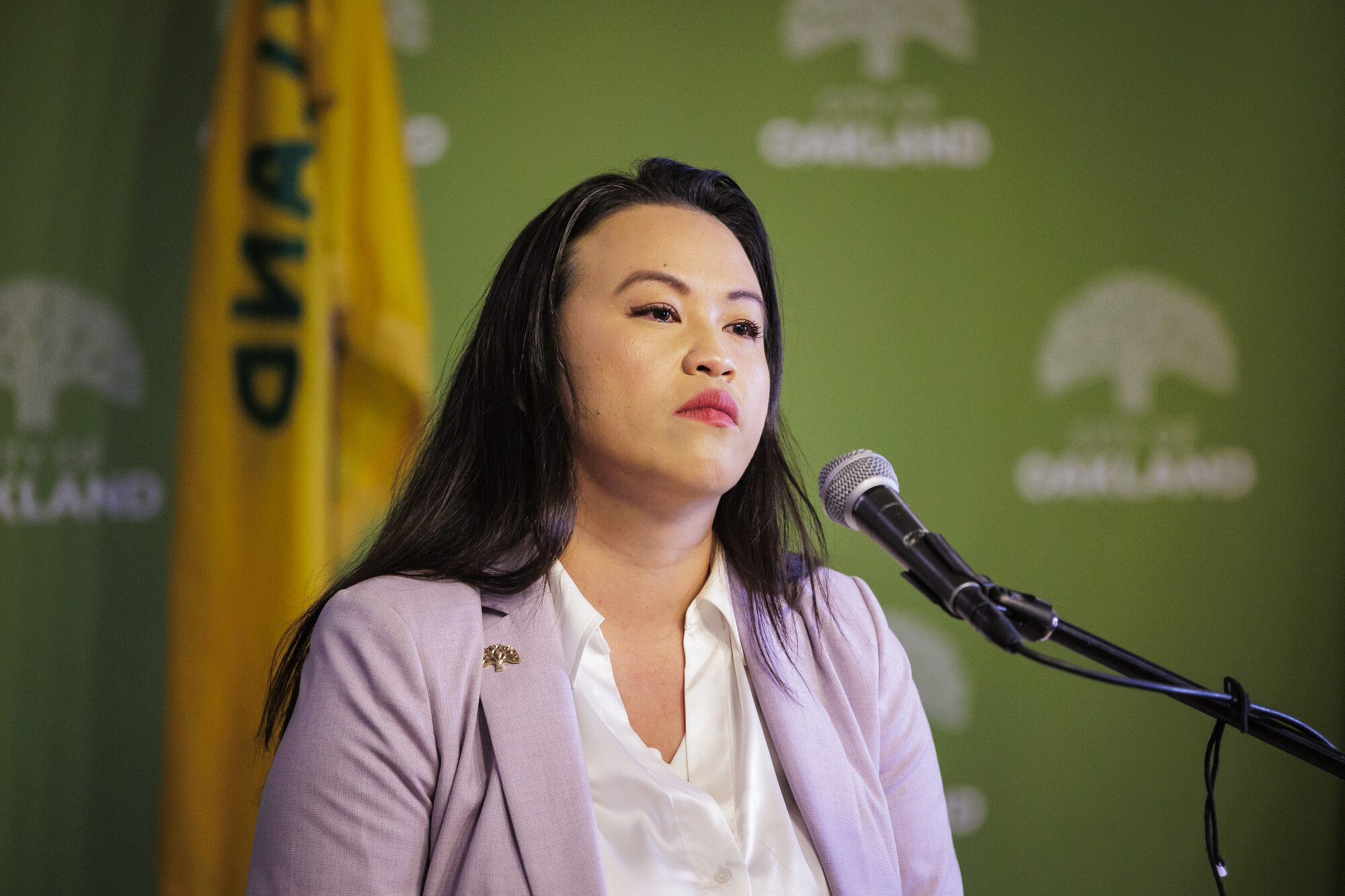
"caption": "Former Oakland Mayor Sheng Thao holds at a press conference at Oakland City Hall on June 24, 2024. Mario Juarez was named for the first time publicly in connection to the case in an order issued by a federal judge. ",
"credit": "Martin do Nascimento/KQED",
"altTag": null,
"description": null,
"imgSizes": {
"thumbnail": {
"file": "https://cdn.kqed.org/wp-content/uploads/sites/10/2026/04/240624-THAO-FBI-PRESSER-MD-05_qed-160x107.jpg",
"width": 160,
"height": 107,
"mimeType": "image/jpeg"
},
"1536x1536": {
"file": "https://cdn.kqed.org/wp-content/uploads/sites/10/2026/04/240624-THAO-FBI-PRESSER-MD-05_qed-1536x1024.jpg",
"width": 1536,
"height": 1024,
"mimeType": "image/jpeg"
},
"post-thumbnail": {
"file": "https://cdn.kqed.org/wp-content/uploads/sites/10/2026/04/240624-THAO-FBI-PRESSER-MD-05_qed-672x372.jpg",
"width": 672,
"height": 372,
"mimeType": "image/jpeg"
},
"twentyfourteen-full-width": {
"file": "https://cdn.kqed.org/wp-content/uploads/sites/10/2026/04/240624-THAO-FBI-PRESSER-MD-05_qed-1038x576.jpg",
"width": 1038,
"height": 576,
"mimeType": "image/jpeg"
},
"npr-cds-wide": {
"file": "https://cdn.kqed.org/wp-content/uploads/sites/10/2026/04/240624-THAO-FBI-PRESSER-MD-05_qed-1200x675.jpg",
"width": 1200,
"height": 675,
"mimeType": "image/jpeg"
},
"npr-cds-square": {
"file": "https://cdn.kqed.org/wp-content/uploads/sites/10/2026/04/240624-THAO-FBI-PRESSER-MD-05_qed-600x600.jpg",
"width": 600,
"height": 600,
"mimeType": "image/jpeg"
},
"kqedFullSize": {
"file": "https://cdn.kqed.org/wp-content/uploads/sites/10/2026/04/240624-THAO-FBI-PRESSER-MD-05_qed.jpg",
"width": 2000,
"height": 1333
}
},
"isLoading": false,
"fetchFailed": false
},
"news_12048319": {
"type": "attachments",
"id": "news_12048319",
"meta": {
"index": "attachments_1716263798",
"site": "news",
"id": "12048319",
"found": true
},
"title": "Inside the hallways of Buena Vista Horace Mann K-8 school in San Francisco, Calif. This San Francisco public school is considering opening a family homeless shelter in one of the gyms to house students and their families who are homeless or need emergenc",
"publishDate": 1752686412,
"status": "inherit",
"parent": 12048313,
"modified": 1777501948,
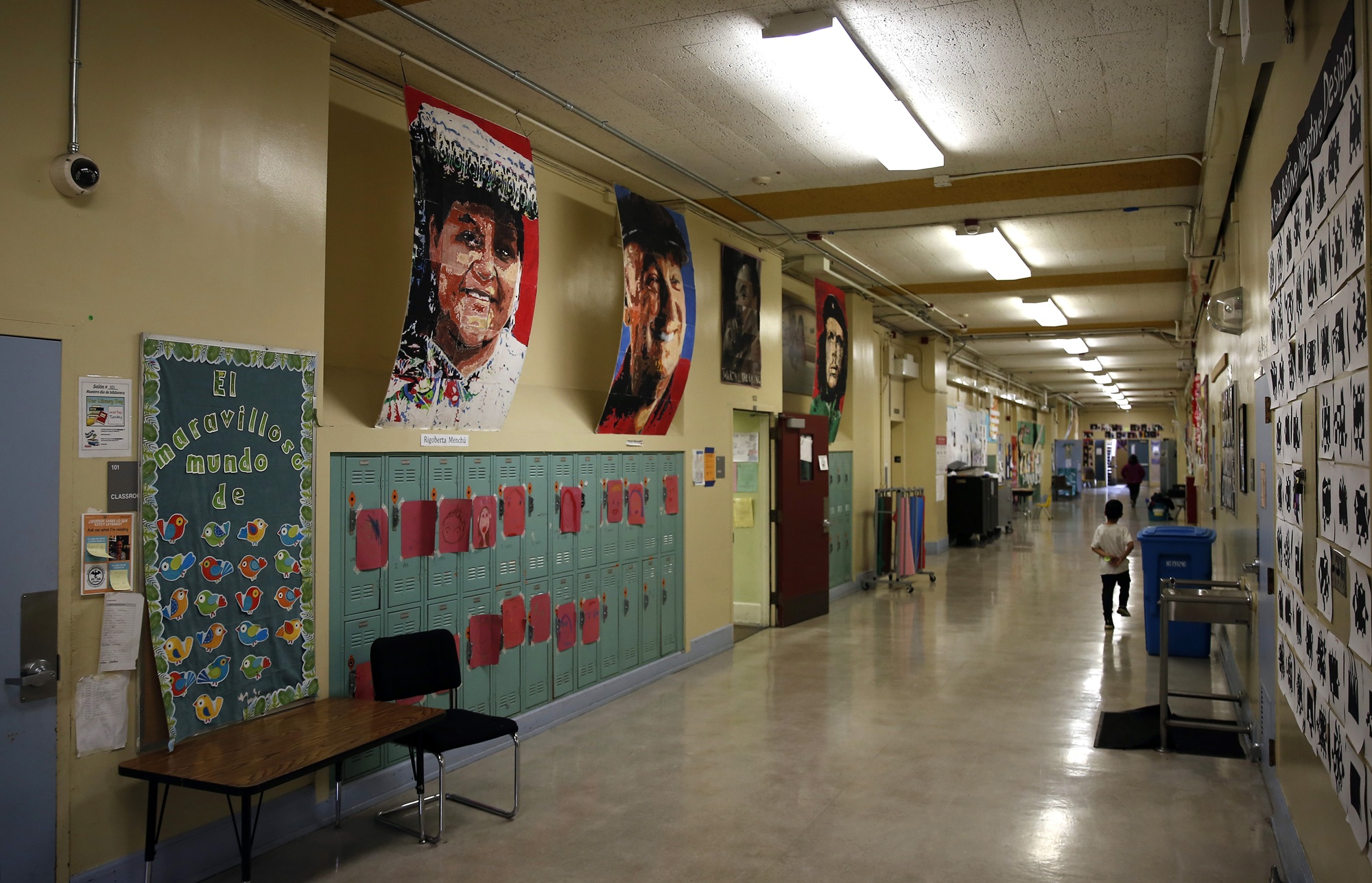
"caption": "Inside the hallways of Buena Vista Horace Mann K-8 school in San Francisco, California. ",
"credit": "Michael Macor/The San Francisco Chronicle via Getty Images",
"altTag": null,
"description": null,
"imgSizes": {
"thumbnail": {
"file": "https://cdn.kqed.org/wp-content/uploads/sites/10/2025/07/SanFranciscoK8SchoolGetty-160x103.jpg",
"width": 160,
"height": 103,
"mimeType": "image/jpeg"
},
"1536x1536": {
"file": "https://cdn.kqed.org/wp-content/uploads/sites/10/2025/07/SanFranciscoK8SchoolGetty-1536x988.jpg",
"width": 1536,
"height": 988,
"mimeType": "image/jpeg"
},
"post-thumbnail": {
"file": "https://cdn.kqed.org/wp-content/uploads/sites/10/2025/07/SanFranciscoK8SchoolGetty-672x372.jpg",
"width": 672,
"height": 372,
"mimeType": "image/jpeg"
},
"twentyfourteen-full-width": {
"file": "https://cdn.kqed.org/wp-content/uploads/sites/10/2025/07/SanFranciscoK8SchoolGetty-1038x576.jpg",
"width": 1038,
"height": 576,
"mimeType": "image/jpeg"
},
"kqedFullSize": {
"file": "https://cdn.kqed.org/wp-content/uploads/sites/10/2025/07/SanFranciscoK8SchoolGetty.jpg",
"width": 2000,
"height": 1287
}
},
"isLoading": false,
"fetchFailed": false
},
"news_12081691": {
"type": "attachments",
"id": "news_12081691",
"meta": {
"index": "attachments_1716263798",
"site": "news",
"id": "12081691",
"found": true
},
"title": "260428-SFSPEEDCAMERAS-22-BL-KQED",
"publishDate": 1777419172,
"status": "inherit",
"parent": 0,
"modified": 1777419195,
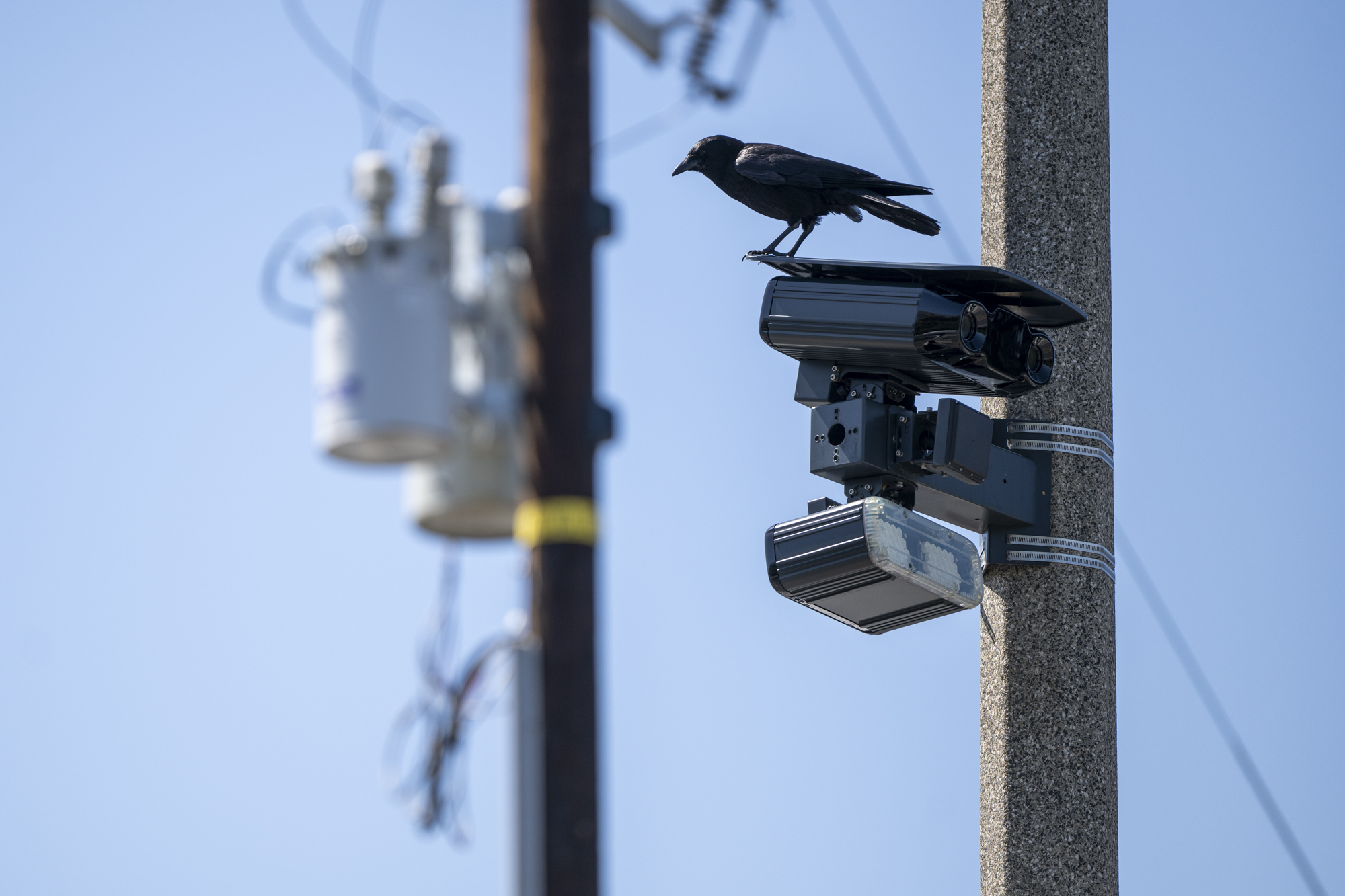
"caption": "A speed camera on Alemany Boulevard monitors traffic between Farragut and Naglee avenues in San Francisco on April 28, 2026, as part of a city pilot program to reduce speeding and traffic injuries.",
"credit": "Beth LaBerge/KQED",
"altTag": null,
"description": null,
"imgSizes": {
"thumbnail": {
"file": "https://cdn.kqed.org/wp-content/uploads/sites/10/2026/04/260428-SFSPEEDCAMERAS-22-BL-KQED-160x107.jpg",
"width": 160,
"height": 107,
"mimeType": "image/jpeg"
},
"1536x1536": {
"file": "https://cdn.kqed.org/wp-content/uploads/sites/10/2026/04/260428-SFSPEEDCAMERAS-22-BL-KQED-1536x1024.jpg",
"width": 1536,
"height": 1024,
"mimeType": "image/jpeg"
},
"post-thumbnail": {
"file": "https://cdn.kqed.org/wp-content/uploads/sites/10/2026/04/260428-SFSPEEDCAMERAS-22-BL-KQED-672x372.jpg",
"width": 672,
"height": 372,
"mimeType": "image/jpeg"
},
"twentyfourteen-full-width": {
"file": "https://cdn.kqed.org/wp-content/uploads/sites/10/2026/04/260428-SFSPEEDCAMERAS-22-BL-KQED-1038x576.jpg",
"width": 1038,
"height": 576,
"mimeType": "image/jpeg"
},
"npr-cds-wide": {
"file": "https://cdn.kqed.org/wp-content/uploads/sites/10/2026/04/260428-SFSPEEDCAMERAS-22-BL-KQED-1200x675.jpg",
"width": 1200,
"height": 675,
"mimeType": "image/jpeg"
},
"npr-cds-square": {
"file": "https://cdn.kqed.org/wp-content/uploads/sites/10/2026/04/260428-SFSPEEDCAMERAS-22-BL-KQED-600x600.jpg",
"width": 600,
"height": 600,
"mimeType": "image/jpeg"
},
"kqedFullSize": {
"file": "https://cdn.kqed.org/wp-content/uploads/sites/10/2026/04/260428-SFSPEEDCAMERAS-22-BL-KQED.jpg",
"width": 2000,
"height": 1333
}
},
"isLoading": false,
"fetchFailed": false
},
"news_12081648": {
"type": "attachments",
"id": "news_12081648",
"meta": {
"index": "attachments_1716263798",
"site": "news",
"id": "12081648",
"found": true
},
"title": "260428-TRANSITRIDERSHIPREBOUND00494_TV-KQED",
"publishDate": 1777410533,
"status": "inherit",
"parent": 12090116,
"modified": 1783617241,
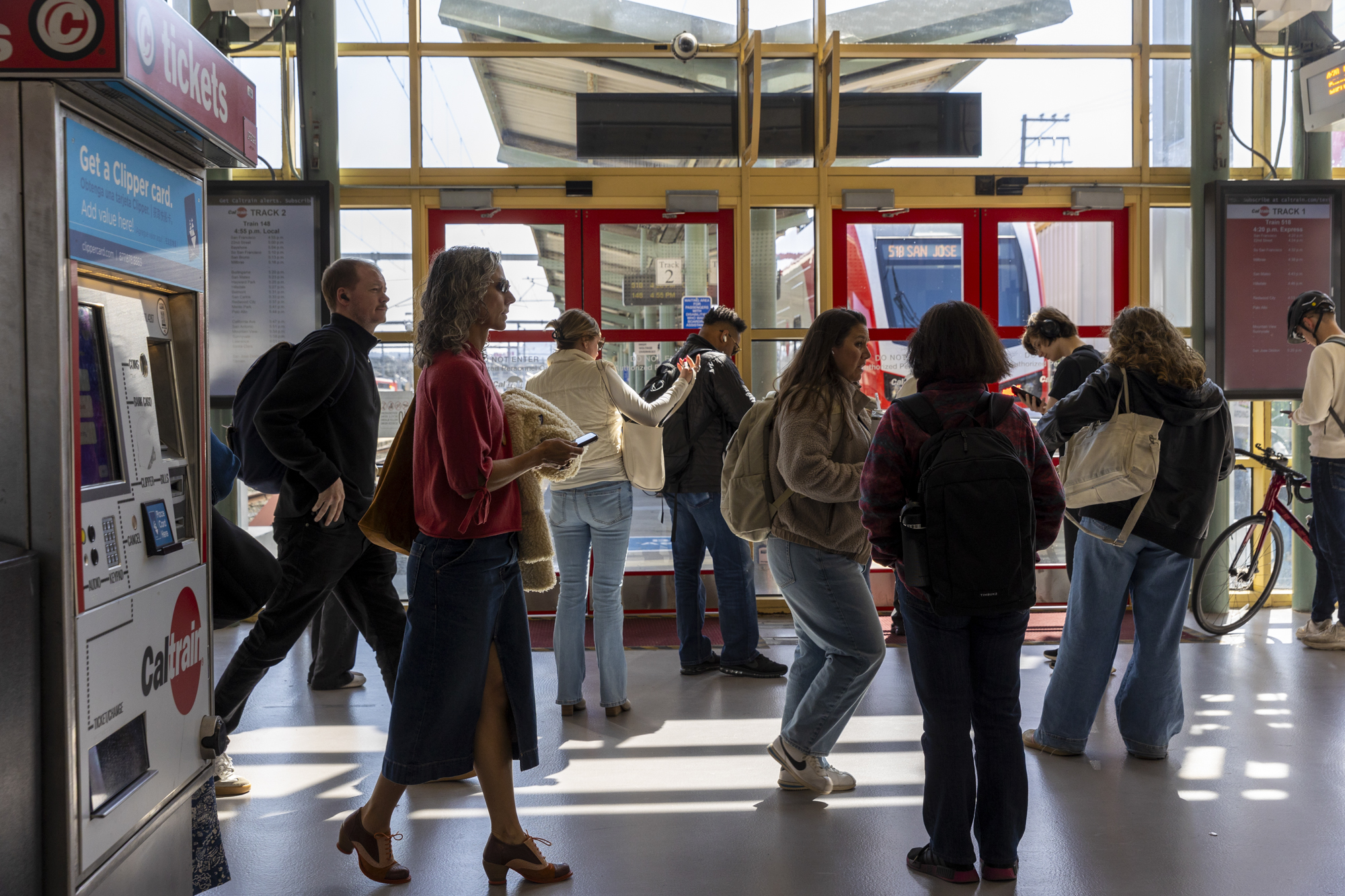
"caption": "Transit riders walk through the Caltrain station on King Street and Fourth Street in San Francisco on April 27, 2026.",
"credit": "Tâm Vũ/KQED",
"altTag": null,
"description": null,
"imgSizes": {
"thumbnail": {
"file": "https://cdn.kqed.org/wp-content/uploads/sites/10/2026/04/260428-TRANSITRIDERSHIPREBOUND00494_TV-KQED-160x107.jpg",
"width": 160,
"height": 107,
"mimeType": "image/jpeg"
},
"1536x1536": {
"file": "https://cdn.kqed.org/wp-content/uploads/sites/10/2026/04/260428-TRANSITRIDERSHIPREBOUND00494_TV-KQED-1536x1024.jpg",
"width": 1536,
"height": 1024,
"mimeType": "image/jpeg"
},
"post-thumbnail": {
"file": "https://cdn.kqed.org/wp-content/uploads/sites/10/2026/04/260428-TRANSITRIDERSHIPREBOUND00494_TV-KQED-672x372.jpg",
"width": 672,
"height": 372,
"mimeType": "image/jpeg"
},
"twentyfourteen-full-width": {
"file": "https://cdn.kqed.org/wp-content/uploads/sites/10/2026/04/260428-TRANSITRIDERSHIPREBOUND00494_TV-KQED-1038x576.jpg",
"width": 1038,
"height": 576,
"mimeType": "image/jpeg"
},
"npr-cds-wide": {
"file": "https://cdn.kqed.org/wp-content/uploads/sites/10/2026/04/260428-TRANSITRIDERSHIPREBOUND00494_TV-KQED-1200x675.jpg",
"width": 1200,
"height": 675,
"mimeType": "image/jpeg"
},
"npr-cds-square": {
"file": "https://cdn.kqed.org/wp-content/uploads/sites/10/2026/04/260428-TRANSITRIDERSHIPREBOUND00494_TV-KQED-600x600.jpg",
"width": 600,
"height": 600,
"mimeType": "image/jpeg"
},
"kqedFullSize": {
"file": "https://cdn.kqed.org/wp-content/uploads/sites/10/2026/04/260428-TRANSITRIDERSHIPREBOUND00494_TV-KQED.jpg",
"width": 2000,
"height": 1333
}
},
"isLoading": false,
"fetchFailed": false
},
"news_12081639": {
"type": "attachments",
"id": "news_12081639",
"meta": {
"index": "attachments_1716263798",
"site": "news",
"id": "12081639",
"found": true
},
"title": "260428-MUSK ALTMAN-VB-02-KQED",
"publishDate": 1777410140,
"status": "inherit",
"parent": 12081603,
"modified": 1777422271,
"caption": "Elon Musk (left) takes the stand in the trial in which Elon Musk claims that Sam Altman and OpenAI abandoned their founding promise to develop AI for the benefit of humanity, rather than solely for profit, in Oakland on April 28, 2026.",
"credit": "Vicki Behringer for KQED",
"altTag": null,
"description": null,
"imgSizes": {
"thumbnail": {
"file": "https://cdn.kqed.org/wp-content/uploads/sites/10/2026/04/260428-MUSK-ALTMAN-VB-02-KQED-160x90.jpg",
"width": 160,
"height": 90,
"mimeType": "image/jpeg"
},
"1536x1536": {
"file": "https://cdn.kqed.org/wp-content/uploads/sites/10/2026/04/260428-MUSK-ALTMAN-VB-02-KQED-1536x864.jpg",
"width": 1536,
"height": 864,
"mimeType": "image/jpeg"
},
"post-thumbnail": {
"file": "https://cdn.kqed.org/wp-content/uploads/sites/10/2026/04/260428-MUSK-ALTMAN-VB-02-KQED-672x372.jpg",
"width": 672,
"height": 372,
"mimeType": "image/jpeg"
},
"twentyfourteen-full-width": {
"file": "https://cdn.kqed.org/wp-content/uploads/sites/10/2026/04/260428-MUSK-ALTMAN-VB-02-KQED-1038x576.jpg",
"width": 1038,
"height": 576,
"mimeType": "image/jpeg"
},
"npr-cds-wide": {
"file": "https://cdn.kqed.org/wp-content/uploads/sites/10/2026/04/260428-MUSK-ALTMAN-VB-02-KQED-1200x675.jpg",
"width": 1200,
"height": 675,
"mimeType": "image/jpeg"
},
"npr-cds-square": {
"file": "https://cdn.kqed.org/wp-content/uploads/sites/10/2026/04/260428-MUSK-ALTMAN-VB-02-KQED-600x600.jpg",
"width": 600,
"height": 600,
"mimeType": "image/jpeg"
},
"kqedFullSize": {
"file": "https://cdn.kqed.org/wp-content/uploads/sites/10/2026/04/260428-MUSK-ALTMAN-VB-02-KQED.jpg",
"width": 2000,
"height": 1125
}
},
"isLoading": false,
"fetchFailed": false
},
"news_12046383": {
"type": "attachments",
"id": "news_12046383",
"meta": {
"index": "attachments_1716263798",
"site": "news",
"id": "12046383",
"found": true
},
"title": "240412-OAKAirport-009-BL_qed",
"publishDate": 1751057311,
"status": "inherit",
"parent": 12046379,
"modified": 1751057324,
"caption": "A sign for the Oakland International Airport hangs above a BART station at the airport in Oakland on April 12, 2024.",
"credit": "Beth LaBerge/KQED",
"altTag": null,
"description": null,
"imgSizes": {
"thumbnail": {
"file": "https://cdn.kqed.org/wp-content/uploads/sites/10/2025/06/240412-OAKAirport-009-BL_qed-160x107.jpg",
"width": 160,
"height": 107,
"mimeType": "image/jpeg"
},
"1536x1536": {
"file": "https://cdn.kqed.org/wp-content/uploads/sites/10/2025/06/240412-OAKAirport-009-BL_qed-1536x1024.jpg",
"width": 1536,
"height": 1024,
"mimeType": "image/jpeg"
},
"post-thumbnail": {
"file": "https://cdn.kqed.org/wp-content/uploads/sites/10/2025/06/240412-OAKAirport-009-BL_qed-672x372.jpg",
"width": 672,
"height": 372,
"mimeType": "image/jpeg"
},
"twentyfourteen-full-width": {
"file": "https://cdn.kqed.org/wp-content/uploads/sites/10/2025/06/240412-OAKAirport-009-BL_qed-1038x576.jpg",
"width": 1038,
"height": 576,
"mimeType": "image/jpeg"
},
"kqedFullSize": {
"file": "https://cdn.kqed.org/wp-content/uploads/sites/10/2025/06/240412-OAKAirport-009-BL_qed.jpg",
"width": 2000,
"height": 1333
}
},
"isLoading": false,
"fetchFailed": false
},
"news_12081658": {
"type": "attachments",
"id": "news_12081658",
"meta": {
"index": "attachments_1716263798",
"site": "news",
"id": "12081658",
"found": true
},
"title": "_MG_6573_qed",
"publishDate": 1777410826,
"status": "inherit",
"parent": 12081460,
"modified": 1777411924,
"caption": "A view of a residential part of Antioch with Mount Diablo standing in the background.",
"credit": "Deborah Svoboda/KQED",
"altTag": null,
"description": null,
"imgSizes": {
"thumbnail": {
"file": "https://cdn.kqed.org/wp-content/uploads/sites/10/2026/04/MG_6573_qed-160x107.jpg",
"width": 160,
"height": 107,
"mimeType": "image/jpeg"
},
"1536x1536": {
"file": "https://cdn.kqed.org/wp-content/uploads/sites/10/2026/04/MG_6573_qed-1536x1024.jpg",
"width": 1536,
"height": 1024,
"mimeType": "image/jpeg"
},
"post-thumbnail": {
"file": "https://cdn.kqed.org/wp-content/uploads/sites/10/2026/04/MG_6573_qed-672x372.jpg",
"width": 672,
"height": 372,
"mimeType": "image/jpeg"
},
"twentyfourteen-full-width": {
"file": "https://cdn.kqed.org/wp-content/uploads/sites/10/2026/04/MG_6573_qed-1038x576.jpg",
"width": 1038,
"height": 576,
"mimeType": "image/jpeg"
},
"npr-cds-wide": {
"file": "https://cdn.kqed.org/wp-content/uploads/sites/10/2026/04/MG_6573_qed-1200x675.jpg",
"width": 1200,
"height": 675,
"mimeType": "image/jpeg"
},
"npr-cds-square": {
"file": "https://cdn.kqed.org/wp-content/uploads/sites/10/2026/04/MG_6573_qed-600x600.jpg",
"width": 600,
"height": 600,
"mimeType": "image/jpeg"
},
"kqedFullSize": {
"file": "https://cdn.kqed.org/wp-content/uploads/sites/10/2026/04/MG_6573_qed.jpg",
"width": 2000,
"height": 1333
}
},
"isLoading": false,
"fetchFailed": false
},
"news_12048727": {
"type": "attachments",
"id": "news_12048727",
"meta": {
"index": "attachments_1716263798",
"site": "news",
"id": "12048727",
"found": true
},
"title": "250702-OAKLAND POLICE DEPARTMENT-MD-01_qed",
"publishDate": 1752858990,
"status": "inherit",
"parent": 12048706,
"modified": 1752859091,
"caption": "An Oakland Police Department vehicle parked on July 1, 2025.",
"credit": "Martin do Nascimento/KQED",
"altTag": null,
"description": null,
"imgSizes": {
"thumbnail": {
"file": "https://cdn.kqed.org/wp-content/uploads/sites/10/2025/07/250702-OAKLAND-POLICE-DEPARTMENT-MD-01_qed-160x107.jpg",
"width": 160,
"height": 107,
"mimeType": "image/jpeg"
},
"1536x1536": {
"file": "https://cdn.kqed.org/wp-content/uploads/sites/10/2025/07/250702-OAKLAND-POLICE-DEPARTMENT-MD-01_qed-1536x1024.jpg",
"width": 1536,
"height": 1024,
"mimeType": "image/jpeg"
},
"post-thumbnail": {
"file": "https://cdn.kqed.org/wp-content/uploads/sites/10/2025/07/250702-OAKLAND-POLICE-DEPARTMENT-MD-01_qed-672x372.jpg",
"width": 672,
"height": 372,
"mimeType": "image/jpeg"
},
"twentyfourteen-full-width": {
"file": "https://cdn.kqed.org/wp-content/uploads/sites/10/2025/07/250702-OAKLAND-POLICE-DEPARTMENT-MD-01_qed-1038x576.jpg",
"width": 1038,
"height": 576,
"mimeType": "image/jpeg"
},
"kqedFullSize": {
"file": "https://cdn.kqed.org/wp-content/uploads/sites/10/2025/07/250702-OAKLAND-POLICE-DEPARTMENT-MD-01_qed.jpg",
"width": 1999,
"height": 1333
}
},
"isLoading": false,
"fetchFailed": false
},
"news_12048478": {
"type": "attachments",
"id": "news_12048478",
"meta": {
"index": "attachments_1716263798",
"site": "news",
"id": "12048478",
"found": true
},
"title": "250716_Compton'sCafeteriaBuilding_GH_qed",
"publishDate": 1752728285,
"status": "inherit",
"parent": 0,
"modified": 1753208198,
"caption": "111 Taylor St., the former Compton’s Cafeteria site now operated as a GEO Group halfway house, stands in San Francisco’s Tenderloin on July 16, 2025.",
"credit": "Gustavo Hernandez/KQED",
"altTag": null,
"description": null,
"imgSizes": {
"thumbnail": {
"file": "https://cdn.kqed.org/wp-content/uploads/sites/10/2025/07/250716_ComptonsCafeteriaBuilding_GH_qed-160x107.jpg",
"width": 160,
"height": 107,
"mimeType": "image/jpeg"
},
"1536x1536": {
"file": "https://cdn.kqed.org/wp-content/uploads/sites/10/2025/07/250716_ComptonsCafeteriaBuilding_GH_qed-1536x1024.jpg",
"width": 1536,
"height": 1024,
"mimeType": "image/jpeg"
},
"post-thumbnail": {
"file": "https://cdn.kqed.org/wp-content/uploads/sites/10/2025/07/250716_ComptonsCafeteriaBuilding_GH_qed-672x372.jpg",
"width": 672,
"height": 372,
"mimeType": "image/jpeg"
},
"twentyfourteen-full-width": {
"file": "https://cdn.kqed.org/wp-content/uploads/sites/10/2025/07/250716_ComptonsCafeteriaBuilding_GH_qed-1038x576.jpg",
"width": 1038,
"height": 576,
"mimeType": "image/jpeg"
},
"kqedFullSize": {
"file": "https://cdn.kqed.org/wp-content/uploads/sites/10/2025/07/250716_ComptonsCafeteriaBuilding_GH_qed.jpg",
"width": 1999,
"height": 1333
}
},
"isLoading": false,
"fetchFailed": false
},
"news_12081537": {
"type": "attachments",
"id": "news_12081537",
"meta": {
"index": "attachments_1716263798",
"site": "news",
"id": "12081537",
"found": true
},
"title": "260427-CONSTRUCTIONWORKERS-19-BL-KQED",
"publishDate": 1777323932,
"status": "inherit",
"parent": 0,
"modified": 1777331473,
"caption": "Construction workers and supporters march through Oakland to the Lion Creek Crossings, an affordable housing complex, on April 27, 2026, as part of a demonstration calling for more than $300,000 in unpaid wages from Bay Area contractors Milestone Roofing and Saarman Construction.",
"credit": "Beth LaBerge/KQED",
"altTag": null,
"description": null,
"imgSizes": {
"thumbnail": {
"file": "https://cdn.kqed.org/wp-content/uploads/sites/10/2026/04/260427-CONSTRUCTIONWORKERS-19-BL-KQED-160x107.jpg",
"width": 160,
"height": 107,
"mimeType": "image/jpeg"
},
"1536x1536": {
"file": "https://cdn.kqed.org/wp-content/uploads/sites/10/2026/04/260427-CONSTRUCTIONWORKERS-19-BL-KQED-1536x1024.jpg",
"width": 1536,
"height": 1024,
"mimeType": "image/jpeg"
},
"post-thumbnail": {
"file": "https://cdn.kqed.org/wp-content/uploads/sites/10/2026/04/260427-CONSTRUCTIONWORKERS-19-BL-KQED-672x372.jpg",
"width": 672,
"height": 372,
"mimeType": "image/jpeg"
},
"twentyfourteen-full-width": {
"file": "https://cdn.kqed.org/wp-content/uploads/sites/10/2026/04/260427-CONSTRUCTIONWORKERS-19-BL-KQED-1038x576.jpg",
"width": 1038,
"height": 576,
"mimeType": "image/jpeg"
},
"npr-cds-wide": {
"file": "https://cdn.kqed.org/wp-content/uploads/sites/10/2026/04/260427-CONSTRUCTIONWORKERS-19-BL-KQED-1200x675.jpg",
"width": 1200,
"height": 675,
"mimeType": "image/jpeg"
},
"npr-cds-square": {
"file": "https://cdn.kqed.org/wp-content/uploads/sites/10/2026/04/260427-CONSTRUCTIONWORKERS-19-BL-KQED-600x600.jpg",
"width": 600,
"height": 600,
"mimeType": "image/jpeg"
},
"kqedFullSize": {
"file": "https://cdn.kqed.org/wp-content/uploads/sites/10/2026/04/260427-CONSTRUCTIONWORKERS-19-BL-KQED.jpg",
"width": 2000,
"height": 1333
}
},
"isLoading": false,
"fetchFailed": false
},
"news_12081402": {
"type": "attachments",
"id": "news_12081402",
"meta": {
"index": "attachments_1716263798",
"site": "news",
"id": "12081402",
"found": true
},
"title": "UCBNoPhones4",
"publishDate": 1777073735,
"status": "inherit",
"parent": 12081336,
"modified": 1777074238,
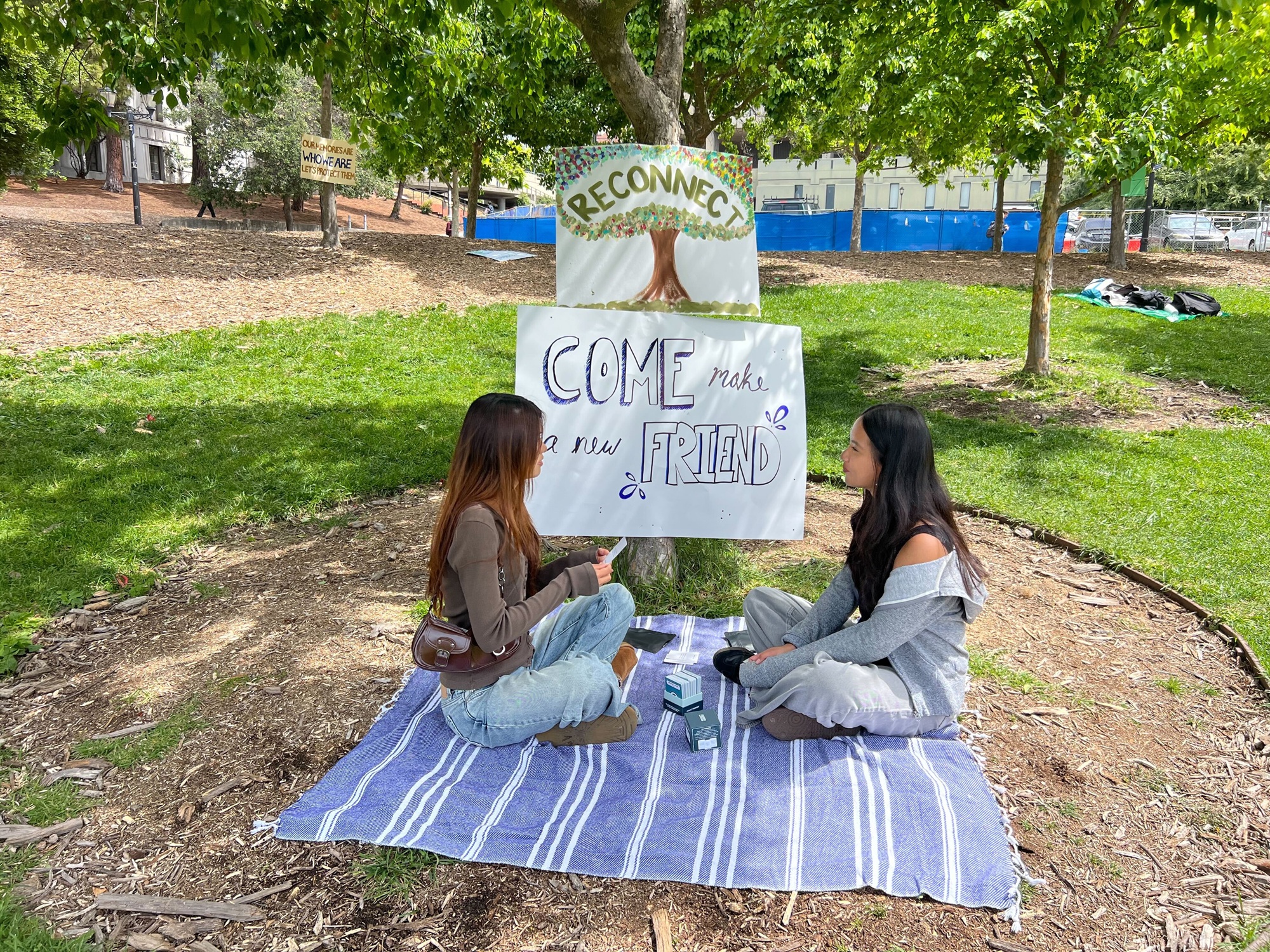
"caption": "Students at UC Berkeley set up handwritten signs and played a variety of games during a phone-free party on campus on Friday, April 24, 2026.",
"credit": "Eliza Peppel/KQED",
"altTag": null,
"description": null,
"imgSizes": {
"thumbnail": {
"file": "https://cdn.kqed.org/wp-content/uploads/sites/10/2026/04/UCBNoPhones4-160x120.jpg",
"width": 160,
"height": 120,
"mimeType": "image/jpeg"
},
"1536x1536": {
"file": "https://cdn.kqed.org/wp-content/uploads/sites/10/2026/04/UCBNoPhones4-1536x1152.jpg",
"width": 1536,
"height": 1152,
"mimeType": "image/jpeg"
},
"post-thumbnail": {
"file": "https://cdn.kqed.org/wp-content/uploads/sites/10/2026/04/UCBNoPhones4-672x372.jpg",
"width": 672,
"height": 372,
"mimeType": "image/jpeg"
},
"twentyfourteen-full-width": {
"file": "https://cdn.kqed.org/wp-content/uploads/sites/10/2026/04/UCBNoPhones4-1038x576.jpg",
"width": 1038,
"height": 576,
"mimeType": "image/jpeg"
},
"npr-cds-wide": {
"file": "https://cdn.kqed.org/wp-content/uploads/sites/10/2026/04/UCBNoPhones4-1200x675.jpg",
"width": 1200,
"height": 675,
"mimeType": "image/jpeg"
},
"npr-cds-square": {
"file": "https://cdn.kqed.org/wp-content/uploads/sites/10/2026/04/UCBNoPhones4-600x600.jpg",
"width": 600,
"height": 600,
"mimeType": "image/jpeg"
},
"kqedFullSize": {
"file": "https://cdn.kqed.org/wp-content/uploads/sites/10/2026/04/UCBNoPhones4.jpg",
"width": 2000,
"height": 1500
}
},
"isLoading": false,
"fetchFailed": false
},
"news_11969941": {
"type": "attachments",
"id": "news_11969941",
"meta": {
"index": "attachments_1716263798",
"site": "news",
"id": "11969941",
"found": true
},
"parent": 0,
"imgSizes": {
"twentyfourteen-full-width": {
"file": "https://cdn.kqed.org/wp-content/uploads/sites/10/2023/12/231214-SF-OVERDOSE-GETTY-SS-KQED-1038x576.jpg",
"width": 1038,
"mimeType": "image/jpeg",
"height": 576
},
"thumbnail": {
"file": "https://cdn.kqed.org/wp-content/uploads/sites/10/2023/12/231214-SF-OVERDOSE-GETTY-SS-KQED-160x107.jpg",
"width": 160,
"mimeType": "image/jpeg",
"height": 107
},
"post-thumbnail": {
"file": "https://cdn.kqed.org/wp-content/uploads/sites/10/2023/12/231214-SF-OVERDOSE-GETTY-SS-KQED-672x372.jpg",
"width": 672,
"mimeType": "image/jpeg",
"height": 372
},
"kqedFullSize": {
"file": "https://cdn.kqed.org/wp-content/uploads/sites/10/2023/12/231214-SF-OVERDOSE-GETTY-SS-KQED.jpg",
"width": 2000,
"height": 1334
},
"large": {
"file": "https://cdn.kqed.org/wp-content/uploads/sites/10/2023/12/231214-SF-OVERDOSE-GETTY-SS-KQED-1020x680.jpg",
"width": 1020,
"mimeType": "image/jpeg",
"height": 680
},
"1536x1536": {
"file": "https://cdn.kqed.org/wp-content/uploads/sites/10/2023/12/231214-SF-OVERDOSE-GETTY-SS-KQED-1536x1025.jpg",
"width": 1536,
"mimeType": "image/jpeg",
"height": 1025
},
"full-width": {
"file": "https://cdn.kqed.org/wp-content/uploads/sites/10/2023/12/231214-SF-OVERDOSE-GETTY-SS-KQED-1920x1281.jpg",
"width": 1920,
"mimeType": "image/jpeg",
"height": 1281
},
"medium": {
"file": "https://cdn.kqed.org/wp-content/uploads/sites/10/2023/12/231214-SF-OVERDOSE-GETTY-SS-KQED-800x534.jpg",
"width": 800,
"mimeType": "image/jpeg",
"height": 534
}
},
"publishDate": 1702603508,
"modified": 1710287802,
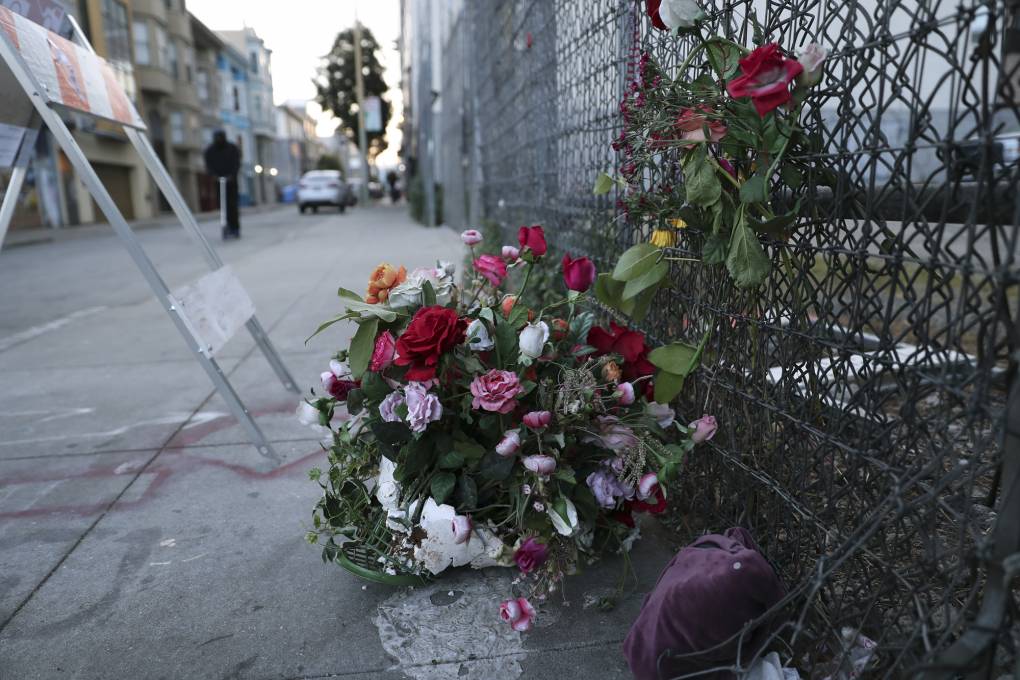
"caption": "Flowers lay on the sidewalk where a 16-year-old girl died from a possible overdose in the SoMa neighborhood of San Francisco on Feb. 20, 2022.",
"description": null,
"title": "teendeath0220",
"credit": "Scott Strazzante/San Francisco Chronicle via Getty Images",
"status": "inherit",
"altTag": "A bouquet of flowers lays on the sidewalk beside a chainlink fence in an urban setting.",
"isLoading": false,
"fetchFailed": false
}
},
"audioPlayerReducer": {
"postId": "stream_live",
"isPaused": true,
"isPlaying": false,
"pfsActive": false,
"pledgeModalIsOpen": true,
"playerDrawerIsOpen": false,
"liveAudioPlayStartedAt": 0,
"liveAudioPlayContext": ""
},
"authorsReducer": {
"rachael-myrow": {
"type": "authors",
"id": "251",
"meta": {
"index": "authors_1716337520",
"id": "251",
"found": true
},
"name": "Rachael Myrow",
"firstName": "Rachael",
"lastName": "Myrow",
"slug": "rachael-myrow",
"email": "rmyrow@kqed.org",
"display_author_email": true,
"staff_mastheads": [
"news"
],
"title": "Senior Editor of KQED's Silicon Valley News Desk",
"bio": "• I write and edit stories about how Silicon Valley power and policies shape everyday life in California. I’m also passionate about making Bay Area history and culture more accessible to a broad public. • I’ve been a journalist for most of my life, starting in high school with The Franklin Press in Los Angeles, where I grew up. While earning my first degree in English at UC Berkeley, I got my start in public radio at KALX-FM. After completing a second degree in journalism at Cal, I landed my first professional job at Marketplace, then moved on to KPCC (now LAist), and then KQED, where I hosted The California Report for more than seven years. • My reporting has appeared on NPR, The World, WBUR’s \u003ci>Here & Now\u003c/i>, and the BBC. I also guest host for KQED’s \u003ci>Forum\u003c/i>, as well as the Commonwealth Club in San Francisco. • I speak periodically on media, democracy and technology issues, and do voiceover work for documentaries and educational video projects. • Outside of the studio, you'll find me hiking Bay Area trails and whipping up Insta-ready meals in my kitchen. • I do not accept gifts, money, or favors from anyone connected to my reporting, I don't pay people for information, and I do not support or donate to political causes. • I strive to treat the people I report on with fairness, honesty, and respect. I also recognize there are often multiple sides to a story and work to verify information through multiple sources and documentation. If I get something wrong, I correct it.",
"avatar": "https://secure.gravatar.com/avatar/3ed8a3c5f26025e4a805ba634cda8cd764906b97438a6d9ce216b044e340da4e?s=600&d=blank&r=g",
"twitter": "rachaelmyrow",
"bluesky": null,
"facebook": null,
"instagram": null,
"linkedin": "https://www.linkedin.com/in/rachaelmyrow/",
"sites": [
{
"site": "arts",
"roles": [
"administrator"
]
},
{
"site": "news",
"roles": [
"edit_others_posts",
"editor"
]
},
{
"site": "futureofyou",
"roles": [
"editor"
]
},
{
"site": "bayareabites",
"roles": [
"editor"
]
},
{
"site": "stateofhealth",
"roles": [
"editor"
]
},
{
"site": "science",
"roles": [
"editor"
]
},
{
"site": "food",
"roles": [
"editor"
]
},
{
"site": "forum",
"roles": [
"editor"
]
},
{
"site": "liveblog",
"roles": [
"author"
]
}
],
"headData": {
"title": "Rachael Myrow | KQED",
"description": "Senior Editor of KQED's Silicon Valley News Desk",
"ogImgSrc": "https://secure.gravatar.com/avatar/3ed8a3c5f26025e4a805ba634cda8cd764906b97438a6d9ce216b044e340da4e?s=600&d=blank&r=g",
"twImgSrc": "https://secure.gravatar.com/avatar/3ed8a3c5f26025e4a805ba634cda8cd764906b97438a6d9ce216b044e340da4e?s=600&d=blank&r=g"
},
"isLoading": false,
"link": "/author/rachael-myrow"
},
"fjhabvala": {
"type": "authors",
"id": "8659",
"meta": {
"index": "authors_1716337520",
"id": "8659",
"found": true
},
"name": "Farida Jhabvala Romero",
"firstName": "Farida",
"lastName": "Jhabvala Romero",
"slug": "fjhabvala",
"email": "fjhabvala@kqed.org",
"display_author_email": true,
"staff_mastheads": [
"news"
],
"title": "KQED Contributor",
"bio": "Farida Jhabvala Romero is a Labor Correspondent for KQED. She previously covered immigration. Farida was \u003ca href=\"https://www.ccnma.org/2022-most-influential-latina-journalists\">named\u003c/a> one of the 10 Most Influential Latina Journalists in California in 2022 by the California Chicano News Media Association. Her work has won awards from the Society of Professional Journalists (Northern California), as well as a national and regional Edward M. Murrow Award for the collaborative reporting projects “Dangerous Air” and “Graying California.” Before joining KQED, Farida worked as a producer at Radio Bilingüe, a national public radio network. Farida earned her master’s degree in journalism from Stanford University.",
"avatar": "https://secure.gravatar.com/avatar/f9f022d4e2609741874222a1e9d41f48fea74011aa7c615eef91d9a50c944ebe?s=600&d=blank&r=g",
"twitter": "FaridaJhabvala",
"bluesky": null,
"facebook": null,
"instagram": null,
"linkedin": "https://www.linkedin.com/in/faridajhabvala/",
"sites": [
{
"site": "news",
"roles": [
"editor"
]
},
{
"site": "stateofhealth",
"roles": [
"author"
]
},
{
"site": "liveblog",
"roles": [
"author"
]
}
],
"headData": {
"title": "Farida Jhabvala Romero | KQED",
"description": "KQED Contributor",
"ogImgSrc": "https://secure.gravatar.com/avatar/f9f022d4e2609741874222a1e9d41f48fea74011aa7c615eef91d9a50c944ebe?s=600&d=blank&r=g",
"twImgSrc": "https://secure.gravatar.com/avatar/f9f022d4e2609741874222a1e9d41f48fea74011aa7c615eef91d9a50c944ebe?s=600&d=blank&r=g"
},
"isLoading": false,
"link": "/author/fjhabvala"
},
"ahall": {
"type": "authors",
"id": "11490",
"meta": {
"index": "authors_1716337520",
"id": "11490",
"found": true
},
"name": "Alex Hall",
"firstName": "Alex",
"lastName": "Hall",
"slug": "ahall",
"email": "ahall@kqed.org",
"display_author_email": false,
"staff_mastheads": [
"news"
],
"title": "KQED Enterprise & Accountability Reporter",
"bio": "Alex Hall is KQED's Enterprise and Accountability Reporter. She previously covered the Central Valley for five years from KQED's bureau in Fresno. Before joining KQED, Alex was an investigative reporting fellow at Wisconsin Public Radio and the Wisconsin Center for Investigative Journalism. She has also worked as a bilingual producer for NPR's investigative unit and freelance video producer for Reuters TV on the Latin America desk. She got her start in journalism in South America, where she worked as a radio producer and Spanish-English translator for CNN Chile. Her documentary and investigation into the series of deadly COVID-19 outbreaks at Foster Farms won a national Edward R. Murrow award and was named an Investigative Reporters & Editors award finalist. Alex's reporting for Reveal on the Wisconsin dairy industry's reliance on undocumented immigrant labor was made into a film, Los Lecheros, which won a regional Edward R. Murrow award for best news documentary.",
"avatar": "https://secure.gravatar.com/avatar/defcbeb88b0bf591ff9af41f22644051?s=600&d=blank&r=g",
"twitter": "@chalexhall",
"facebook": null,
"instagram": null,
"linkedin": null,
"sites": [
{
"site": "news",
"roles": [
"editor"
]
},
{
"site": "liveblog",
"roles": [
"author"
]
}
],
"headData": {
"title": "Alex Hall | KQED",
"description": "KQED Enterprise & Accountability Reporter",
"ogImgSrc": "https://secure.gravatar.com/avatar/defcbeb88b0bf591ff9af41f22644051?s=600&d=blank&r=g",
"twImgSrc": "https://secure.gravatar.com/avatar/defcbeb88b0bf591ff9af41f22644051?s=600&d=blank&r=g"
},
"isLoading": false,
"link": "/author/ahall"
},
"jlara": {
"type": "authors",
"id": "11761",
"meta": {
"index": "authors_1716337520",
"id": "11761",
"found": true
},
"name": "Juan Carlos Lara",
"firstName": "Juan Carlos",
"lastName": "Lara",
"slug": "jlara",
"email": "jlara@kqed.org",
"display_author_email": false,
"staff_mastheads": [],
"title": "KQED Contributor",
"bio": null,
"avatar": "https://secure.gravatar.com/avatar/19e2052b9b05657c5ff2af2121846e9c?s=600&d=blank&r=g",
"twitter": null,
"facebook": null,
"instagram": null,
"linkedin": null,
"sites": [
{
"site": "arts",
"roles": [
"editor"
]
},
{
"site": "news",
"roles": [
"editor"
]
},
{
"site": "forum",
"roles": [
"editor"
]
},
{
"site": "liveblog",
"roles": [
"contributor"
]
}
],
"headData": {
"title": "Juan Carlos Lara | KQED",
"description": "KQED Contributor",
"ogImgSrc": "https://secure.gravatar.com/avatar/19e2052b9b05657c5ff2af2121846e9c?s=600&d=blank&r=g",
"twImgSrc": "https://secure.gravatar.com/avatar/19e2052b9b05657c5ff2af2121846e9c?s=600&d=blank&r=g"
},
"isLoading": false,
"link": "/author/jlara"
},
"adahlstromeckman": {
"type": "authors",
"id": "11785",
"meta": {
"index": "authors_1716337520",
"id": "11785",
"found": true
},
"name": "Azul Dahlstrom-Eckman",
"firstName": "Azul",
"lastName": "Dahlstrom-Eckman",
"slug": "adahlstromeckman",
"email": "adahlstrom-eckman@kqed.org",
"display_author_email": true,
"staff_mastheads": [],
"title": "Reporter",
"bio": "Azul is a reporter for KQED focusing on transportation and features. He joined KQED in 2021 as an alumna of KALW's Audio Academy radio journalism training program.",
"avatar": "https://secure.gravatar.com/avatar/9cb750298435add7815a777f55bf1f46845c1386bb8452555c60a7b820b5aba3?s=600&d=blank&r=g",
"twitter": "@zuliemann",
"bluesky": "@azul415.bsky.social",
"facebook": null,
"instagram": null,
"linkedin": null,
"sites": [
{
"site": "arts",
"roles": [
"editor"
]
},
{
"site": "news",
"roles": [
"editor"
]
},
{
"site": "science",
"roles": [
"editor"
]
},
{
"site": "liveblog",
"roles": [
"author"
]
}
],
"headData": {
"title": "Azul Dahlstrom-Eckman | KQED",
"description": "Reporter",
"ogImgSrc": "https://secure.gravatar.com/avatar/9cb750298435add7815a777f55bf1f46845c1386bb8452555c60a7b820b5aba3?s=600&d=blank&r=g",
"twImgSrc": "https://secure.gravatar.com/avatar/9cb750298435add7815a777f55bf1f46845c1386bb8452555c60a7b820b5aba3?s=600&d=blank&r=g"
},
"isLoading": false,
"link": "/author/adahlstromeckman"
},
"kdebenedetti": {
"type": "authors",
"id": "11913",
"meta": {
"index": "authors_1716337520",
"id": "11913",
"found": true
},
"name": "Katie DeBenedetti",
"firstName": "Katie",
"lastName": "DeBenedetti",
"slug": "kdebenedetti",
"email": "kdebenedetti@kqed.org",
"display_author_email": false,
"staff_mastheads": [
"news",
"science"
],
"title": "KQED Contributor",
"bio": "Katie DeBenedetti is a digital reporter covering daily news for the Express Desk. Prior to joining KQED as a culture reporting intern in January 2024, she covered education and city government for the Napa Valley Register.",
"avatar": "https://secure.gravatar.com/avatar/6e31073cb8f7e4214ab03f42771d0f45?s=600&d=blank&r=g",
"twitter": null,
"facebook": null,
"instagram": null,
"linkedin": null,
"sites": [
{
"site": "news",
"roles": [
"author"
]
},
{
"site": "science",
"roles": [
"author"
]
},
{
"site": "liveblog",
"roles": [
"author"
]
}
],
"headData": {
"title": "Katie DeBenedetti | KQED",
"description": "KQED Contributor",
"ogImgSrc": "https://secure.gravatar.com/avatar/6e31073cb8f7e4214ab03f42771d0f45?s=600&d=blank&r=g",
"twImgSrc": "https://secure.gravatar.com/avatar/6e31073cb8f7e4214ab03f42771d0f45?s=600&d=blank&r=g"
},
"isLoading": false,
"link": "/author/kdebenedetti"
},
"gzada": {
"type": "authors",
"id": "11929",
"meta": {
"index": "authors_1716337520",
"id": "11929",
"found": true
},
"name": "Gilare Zada",
"firstName": "Gilare",
"lastName": "Zada",
"slug": "gzada",
"email": "gzada@kqed.org",
"display_author_email": true,
"staff_mastheads": [
"news"
],
"title": null,
"bio": "Gilare Zada is a Kurdish-American from San Diego, CA. Storytelling, fitness, and binge reading are some of her passions outside of news reporting. Her work has appeared in Mission Local, the Peninsula Press, the San Francisco Press Club, and more. She also writes as a class correspondent for the Stanford Magazine - go Card!",
"avatar": "https://secure.gravatar.com/avatar/33a75f2b947669a488a805edec3fbf3838c1cedaedda710e983770633b4d6a75?s=600&d=blank&r=g",
"twitter": null,
"bluesky": null,
"facebook": null,
"instagram": null,
"linkedin": null,
"sites": [
{
"site": "",
"roles": [
"editor"
]
},
{
"site": "arts",
"roles": [
"editor"
]
},
{
"site": "news",
"roles": [
"administrator"
]
},
{
"site": "science",
"roles": [
"editor"
]
}
],
"headData": {
"title": "Gilare Zada | KQED",
"description": null,
"ogImgSrc": "https://secure.gravatar.com/avatar/33a75f2b947669a488a805edec3fbf3838c1cedaedda710e983770633b4d6a75?s=600&d=blank&r=g",
"twImgSrc": "https://secure.gravatar.com/avatar/33a75f2b947669a488a805edec3fbf3838c1cedaedda710e983770633b4d6a75?s=600&d=blank&r=g"
},
"isLoading": false,
"link": "/author/gzada"
},
"epeppel": {
"type": "authors",
"id": "11989",
"meta": {
"index": "authors_1716337520",
"id": "11989",
"found": true
},
"name": "Eliza Peppel",
"firstName": "Eliza",
"lastName": "Peppel",
"slug": "epeppel",
"email": "epeppel@kqed.org",
"display_author_email": false,
"staff_mastheads": [],
"title": null,
"bio": "Eliza is an award-winning journalist living in Oakland. She was previously a reporting fellow at KALW, where she reported daily news and long-form radio features. Eliza studied journalism at Fordham University in The Bronx during the COVID-19 pandemic. She grew up mainly in California and spent a few childhood years in Aix en Provence, France.",
"avatar": "https://secure.gravatar.com/avatar/20d9e17a06ee787c11052e6096319dd583b6376233d02383dab5eaeb874d5f56?s=600&d=blank&r=g",
"twitter": null,
"bluesky": null,
"facebook": null,
"instagram": null,
"linkedin": null,
"sites": [
{
"site": "news",
"roles": [
"subscriber"
]
},
{
"site": "science",
"roles": [
"subscriber"
]
}
],
"headData": {
"title": "Eliza Peppel | KQED",
"description": null,
"ogImgSrc": "https://secure.gravatar.com/avatar/20d9e17a06ee787c11052e6096319dd583b6376233d02383dab5eaeb874d5f56?s=600&d=blank&r=g",
"twImgSrc": "https://secure.gravatar.com/avatar/20d9e17a06ee787c11052e6096319dd583b6376233d02383dab5eaeb874d5f56?s=600&d=blank&r=g"
},
"isLoading": false,
"link": "/author/epeppel"
}
},
"pagesReducer": {
"news_category_local": {
"type": "terms",
"id": "news_28250",
"meta": {
"index": "terms_1716263798",
"site": "news",
"id": "28250",
"score": 12.939732
},
"featImg": null,
"name": "Local",
"description": null,
"taxonomy": "category",
"headData": {
"twImgId": null,
"twTitle": null,
"ogTitle": null,
"ogImgId": null,
"twDescription": null,
"description": null,
"title": "Local Archives | KQED News",
"ogDescription": null
},
"ttid": 28267,
"slug": "local",
"isLoading": false,
"title": "Local",
"pageMeta": {
"site": "news",
"WpPageTemplate": "page-topic-editorial",
"currentPage": 39
},
"blocks": [
{
"blockName": "kqed/post-list",
"attrs": {
"layout": "cardArticle2",
"query": "posts/news?category=local",
"seeMore": false,
"paginated": true,
"page": 39
}
},
{
"blockName": "kqed/ad"
}
]
}
},
"pfsSessionReducer": {},
"postsReducer": {
"stream_live": {
"type": "live",
"id": "stream_live",
"audioUrl": "https://streams.kqed.org/kqedradio",
"title": "Live Stream",
"excerpt": "Live Stream information currently unavailable.",
"link": "/radio",
"featImg": "",
"label": {
"name": "KQED Live",
"link": "/"
}
},
"stream_kqedNewscast": {
"type": "posts",
"id": "stream_kqedNewscast",
"audioUrl": "https://www.kqed.org/.stream/anon/radio/RDnews/newscast.mp3?_=1",
"title": "KQED Newscast",
"featImg": "",
"label": {
"name": "88.5 FM",
"link": "/"
}
},
"news_12081746": {
"type": "posts",
"id": "news_12081746",
"meta": {
"index": "posts_1716263798",
"site": "news",
"id": "12081746",
"score": null,
"sort": [
1777504510000
]
},
"guestAuthors": [],
"slug": "sheng-thao-corruption-case-judge-confirms-identity-of-key-fbi-informant",
"title": "Sheng Thao Corruption Case: Judge Confirms Identity of Key FBI Informant",
"publishDate": 1777504510,
"format": "standard",
"headTitle": "Sheng Thao Corruption Case: Judge Confirms Identity of Key FBI Informant | KQED",
"labelTerm": {
"site": "news"
},
"content": "\u003cp>A federal judge in Oakland has publicly revealed the identity of a key FBI informant in the corruption case against former Oakland Mayor Sheng Thao: \u003ca href=\"https://www.kqed.org/news/12071314/fbi-informant-tested-corruption-case-against-oaklands-former-mayor\">Mario Juarez\u003c/a>, a longtime Oakland businessman and former city council candidate.\u003c/p>\n\u003cp>Juarez is named in an order issued Monday and unsealed Tuesday, denying \u003ca href=\"https://www.kqed.org/news/12062614/defense-in-oakland-corruption-case-files-motion-targeting-key-informants-credibility\">several motions\u003c/a> to suppress evidence in the case. The motions had questioned Juarez’s credibility as an informant and the FBI’s reliance on his statements to secure search warrants.\u003c/p>\n\u003cp>According to court records, Juarez began working with the FBI in 2024, mere weeks before agents conducted highly publicized raids on Thao and the other defendants’ homes.\u003c/p>\n\u003cp>[ad fullwidth]\u003c/p>\n\u003cp>While his presence has loomed large in the case, he had yet to be publicly identified.\u003c/p>\n\u003cp>Thao was charged with bribery, conspiracy and fraud in an eight-count indictment in January last year. Her longtime partner, Andre Jones, and father and son recycling executives David and Andy Duong, were also charged.\u003c/p>\n\u003cp>The Duongs own California Waste Solutions, Oakland’s current curbside recycling contractor.\u003c/p>\n\u003cfigure id=\"attachment_12081856\" class=\"wp-caption aligncenter\" style=\"max-width: 1999px\">\u003cimg loading=\"lazy\" decoding=\"async\" class=\"size-full wp-image-12081856\" src=\"https://cdn.kqed.org/wp-content/uploads/sites/10/2026/04/011026_KingofTrash-_GH_005_qed.jpg\" alt=\"\" width=\"1999\" height=\"1333\" srcset=\"https://cdn.kqed.org/wp-content/uploads/sites/10/2026/04/011026_KingofTrash-_GH_005_qed.jpg 1999w, https://cdn.kqed.org/wp-content/uploads/sites/10/2026/04/011026_KingofTrash-_GH_005_qed-160x107.jpg 160w, https://cdn.kqed.org/wp-content/uploads/sites/10/2026/04/011026_KingofTrash-_GH_005_qed-1536x1024.jpg 1536w\" sizes=\"auto, (max-width: 1999px) 100vw, 1999px\">\u003cfigcaption class=\"wp-caption-text\">Andy Duong speaks with guests after the screening of The King of Trash on Jan. 10, 2026, at Regal Jack London in Oakland. \u003ccite>(Gustavo Hernandez/KQED)\u003c/cite>\u003c/figcaption>\u003c/figure>\n\u003cp>The indictment alleges a pay-to-play scheme in which the Duongs made payments to Jones through a no-show job and financed political mailers attacking Thao’s opponents in the 2022 mayoral race. In exchange, Thao promised to extend the Duongs’ recycling contract and commit the city to purchasing shipping containers converted into housing for the homeless from a company the Duongs co-owned, according to federal prosecutors.\u003c/p>\n\u003cp>The indictment also describes a fifth person who was allegedly involved in the scheme but has not been charged. That individual, now confirmed to be Juarez, is identified in the indictment as “CO-CONSPIRATOR 1.”\u003c/p>\n\u003cp>The motions, filed by Thao and the other defendants, had accused the FBI of failing to leave out key information about Juarez’s past in affidavits used to secure search warrants of their homes, vehicles and businesses.[aside postID=news_12071314 hero='https://cdn.kqed.org/wp-content/uploads/sites/10/2026/01/IMG_1338-2000x1500.jpg']In their motions, the defendants alleged the FBI failed to disclose that Juarez has a decades-long track record of defrauding business partners and what they described as a “documented counter-attack history” of alleging misconduct by others in response to accusations and lawsuits lodged against him.\u003c/p>\n\u003cp>“A simple search of Co-Conspirator 1’s name through the Alameda County Superior Court records reveals that he has been sued approximately 33 times between 1992 and 2022, including numerous fraud cases involving former business partners,” one motion reads.\u003c/p>\n\u003cp>Juarez, they alleged, was continuing that pattern in this case. They requested an evidentiary hearing where they could question the FBI agents who wrote the affidavits.\u003c/p>\n\u003cp>Prosecutors had pushed back on that argument, saying they had amassed significant documentary evidence of the alleged corruption scheme well before interviewing Juarez, and that his statements were included merely for “context and completeness.”\u003c/p>\n\u003cp>In her order, U.S. District Court Judge Yvonne Gonzalez Rogers denied the defendants’ request.\u003c/p>\n\u003cp>“Defendants present no credible evidence that the government intended to deceive or acted with reckless disregard,” she wrote. “The motion is deniable on this basis alone.”\u003c/p>\n\u003cfigure id=\"attachment_12037105\" class=\"wp-caption aligncenter\" style=\"max-width: 2000px\">\u003cimg loading=\"lazy\" decoding=\"async\" class=\"size-full wp-image-12037105\" src=\"https://cdn.kqed.org/wp-content/uploads/sites/10/2025/04/230816-Dublin-Womens-Prison-Suit-MD-01_qed.jpg\" alt=\"\" width=\"2000\" height=\"1333\" srcset=\"https://cdn.kqed.org/wp-content/uploads/sites/10/2025/04/230816-Dublin-Womens-Prison-Suit-MD-01_qed.jpg 2000w, https://cdn.kqed.org/wp-content/uploads/sites/10/2025/04/230816-Dublin-Womens-Prison-Suit-MD-01_qed-800x533.jpg 800w, https://cdn.kqed.org/wp-content/uploads/sites/10/2025/04/230816-Dublin-Womens-Prison-Suit-MD-01_qed-1020x680.jpg 1020w, https://cdn.kqed.org/wp-content/uploads/sites/10/2025/04/230816-Dublin-Womens-Prison-Suit-MD-01_qed-160x107.jpg 160w, https://cdn.kqed.org/wp-content/uploads/sites/10/2025/04/230816-Dublin-Womens-Prison-Suit-MD-01_qed-1536x1024.jpg 1536w, https://cdn.kqed.org/wp-content/uploads/sites/10/2025/04/230816-Dublin-Womens-Prison-Suit-MD-01_qed-1920x1280.jpg 1920w\" sizes=\"auto, (max-width: 2000px) 100vw, 2000px\">\u003cfigcaption class=\"wp-caption-text\">The Federal Courthouse in Oakland on Aug. 16, 2023. \u003ccite>(Martin do Nascimento/KQED)\u003c/cite>\u003c/figcaption>\u003c/figure>\n\u003cp>One warrant, she wrote, included “significant documentary evidence tying David Duong, Andy Duong, Thao, Jones, and Juarez to the alleged corruption scheme, including messages and notes from Juarez’s iCloud account, financial records showing the allegedly corrupt payments, phone records showing significant communication regarding those payments, and other documentary evidence relating to the scheme.”\u003c/p>\n\u003cp>Attorneys for Thao, Jones and David and Andy Duong either declined to comment on the order or did not return KQED’s calls requesting comment.\u003c/p>\n\u003cp>Juarez also did not respond to a text message requesting comment.\u003c/p>\n\u003cp>Criminal defense attorney Jay Rorty said the judge’s decision could change the calculus for the defendants, who still have the option to accept a plea deal before the case goes to trial.\u003c/p>\n\u003cp>“Each client will now need to make difficult choices as to whether it is in their interest to resolve the case or take the risk of a more severe penalty in the event they are convicted at trial,” he said.\u003c/p>\n\u003cp>\u003c/p>\n",
"blocks": [],
"excerpt": "Mario Juarez was publicly named for the first time in connection with the case in an order issued by a federal judge.",
"status": "publish",
"parent": 0,
"modified": 1777919074,
"stats": {
"hasAudio": false,
"hasVideo": false,
"hasChartOrMap": false,
"iframeSrcs": [],
"hasGoogleForm": false,
"hasGallery": false,
"hasHearkenModule": false,
"hasPolis": false,
"paragraphCount": 21,
"wordCount": 747
},
"headData": {
"title": "Sheng Thao Corruption Case: Judge Confirms Identity of Key FBI Informant | KQED",
"description": "Mario Juarez was publicly named for the first time in connection with the case in an order issued by a federal judge.",
"ogTitle": "",
"ogDescription": "",
"ogImgId": "",
"twTitle": "",
"twDescription": "",
"twImgId": "",
"schema": {
"@context": "https://schema.org",
"@type": "NewsArticle",
"headline": "Sheng Thao Corruption Case: Judge Confirms Identity of Key FBI Informant",
"datePublished": "2026-04-29T16:15:10-07:00",
"dateModified": "2026-05-04T11:24:34-07:00",
"image": "https://cdn.kqed.org/wp-content/uploads/2020/02/KQED-OG-Image@1x.png",
"isAccessibleForFree": "True",
"publisher": {
"@type": "NewsMediaOrganization",
"@id": "https://www.kqed.org/#organization",
"name": "KQED",
"logo": "https://cdn.kqed.org/wp-content/uploads/2020/02/KQED-OG-Image@1x.png",
"url": "https://www.kqed.org",
"sameAs": [
"https://www.facebook.com/KQED",
"https://twitter.com/KQED",
"https://www.instagram.com/kqed/",
"https://www.tiktok.com/@kqedofficial",
"https://www.linkedin.com/company/kqed",
"https://www.youtube.com/channel/UCeC0IOo7i1P_61zVUWbJ4nw"
]
}
}
},
"primaryCategory": {
"termId": 34167,
"slug": "criminal-justice",
"name": "Criminal Justice"
},
"sticky": false,
"nprStoryId": "kqed-12081746",
"templateType": "standard",
"featuredImageType": "standard",
"excludeFromSiteSearch": "Include",
"articleAge": "0",
"path": "/news/12081746/sheng-thao-corruption-case-judge-confirms-identity-of-key-fbi-informant",
"audioTrackLength": null,
"parsedContent": [
{
"type": "contentString",
"content": "\u003cdiv class=\"post-body\">\u003cp>\u003cp>A federal judge in Oakland has publicly revealed the identity of a key FBI informant in the corruption case against former Oakland Mayor Sheng Thao: \u003ca href=\"https://www.kqed.org/news/12071314/fbi-informant-tested-corruption-case-against-oaklands-former-mayor\">Mario Juarez\u003c/a>, a longtime Oakland businessman and former city council candidate.\u003c/p>\n\u003cp>Juarez is named in an order issued Monday and unsealed Tuesday, denying \u003ca href=\"https://www.kqed.org/news/12062614/defense-in-oakland-corruption-case-files-motion-targeting-key-informants-credibility\">several motions\u003c/a> to suppress evidence in the case. The motions had questioned Juarez’s credibility as an informant and the FBI’s reliance on his statements to secure search warrants.\u003c/p>\n\u003cp>According to court records, Juarez began working with the FBI in 2024, mere weeks before agents conducted highly publicized raids on Thao and the other defendants’ homes.\u003c/p>\n\u003cp>\u003c/p>\u003c/div>",
"attributes": {
"named": {},
"numeric": []
}
},
{
"type": "component",
"content": "",
"name": "ad",
"attributes": {
"named": {
"label": "fullwidth"
},
"numeric": [
"fullwidth"
]
}
},
{
"type": "contentString",
"content": "\u003cdiv class=\"post-body\">\u003cp>\u003c/p>\n\u003cp>While his presence has loomed large in the case, he had yet to be publicly identified.\u003c/p>\n\u003cp>Thao was charged with bribery, conspiracy and fraud in an eight-count indictment in January last year. Her longtime partner, Andre Jones, and father and son recycling executives David and Andy Duong, were also charged.\u003c/p>\n\u003cp>The Duongs own California Waste Solutions, Oakland’s current curbside recycling contractor.\u003c/p>\n\u003cfigure id=\"attachment_12081856\" class=\"wp-caption aligncenter\" style=\"max-width: 1999px\">\u003cimg loading=\"lazy\" decoding=\"async\" class=\"size-full wp-image-12081856\" src=\"https://cdn.kqed.org/wp-content/uploads/sites/10/2026/04/011026_KingofTrash-_GH_005_qed.jpg\" alt=\"\" width=\"1999\" height=\"1333\" srcset=\"https://cdn.kqed.org/wp-content/uploads/sites/10/2026/04/011026_KingofTrash-_GH_005_qed.jpg 1999w, https://cdn.kqed.org/wp-content/uploads/sites/10/2026/04/011026_KingofTrash-_GH_005_qed-160x107.jpg 160w, https://cdn.kqed.org/wp-content/uploads/sites/10/2026/04/011026_KingofTrash-_GH_005_qed-1536x1024.jpg 1536w\" sizes=\"auto, (max-width: 1999px) 100vw, 1999px\">\u003cfigcaption class=\"wp-caption-text\">Andy Duong speaks with guests after the screening of The King of Trash on Jan. 10, 2026, at Regal Jack London in Oakland. \u003ccite>(Gustavo Hernandez/KQED)\u003c/cite>\u003c/figcaption>\u003c/figure>\n\u003cp>The indictment alleges a pay-to-play scheme in which the Duongs made payments to Jones through a no-show job and financed political mailers attacking Thao’s opponents in the 2022 mayoral race. In exchange, Thao promised to extend the Duongs’ recycling contract and commit the city to purchasing shipping containers converted into housing for the homeless from a company the Duongs co-owned, according to federal prosecutors.\u003c/p>\n\u003cp>The indictment also describes a fifth person who was allegedly involved in the scheme but has not been charged. That individual, now confirmed to be Juarez, is identified in the indictment as “CO-CONSPIRATOR 1.”\u003c/p>\n\u003cp>The motions, filed by Thao and the other defendants, had accused the FBI of failing to leave out key information about Juarez’s past in affidavits used to secure search warrants of their homes, vehicles and businesses.\u003c/p>\u003c/div>",
"attributes": {
"named": {},
"numeric": []
}
},
{
"type": "component",
"content": "",
"name": "aside",
"attributes": {
"named": {
"postid": "news_12071314",
"hero": "https://cdn.kqed.org/wp-content/uploads/sites/10/2026/01/IMG_1338-2000x1500.jpg",
"label": ""
},
"numeric": []
}
},
{
"type": "contentString",
"content": "\u003cdiv class=\"post-body\">\u003cp>In their motions, the defendants alleged the FBI failed to disclose that Juarez has a decades-long track record of defrauding business partners and what they described as a “documented counter-attack history” of alleging misconduct by others in response to accusations and lawsuits lodged against him.\u003c/p>\n\u003cp>“A simple search of Co-Conspirator 1’s name through the Alameda County Superior Court records reveals that he has been sued approximately 33 times between 1992 and 2022, including numerous fraud cases involving former business partners,” one motion reads.\u003c/p>\n\u003cp>Juarez, they alleged, was continuing that pattern in this case. They requested an evidentiary hearing where they could question the FBI agents who wrote the affidavits.\u003c/p>\n\u003cp>Prosecutors had pushed back on that argument, saying they had amassed significant documentary evidence of the alleged corruption scheme well before interviewing Juarez, and that his statements were included merely for “context and completeness.”\u003c/p>\n\u003cp>In her order, U.S. District Court Judge Yvonne Gonzalez Rogers denied the defendants’ request.\u003c/p>\n\u003cp>“Defendants present no credible evidence that the government intended to deceive or acted with reckless disregard,” she wrote. “The motion is deniable on this basis alone.”\u003c/p>\n\u003cfigure id=\"attachment_12037105\" class=\"wp-caption aligncenter\" style=\"max-width: 2000px\">\u003cimg loading=\"lazy\" decoding=\"async\" class=\"size-full wp-image-12037105\" src=\"https://cdn.kqed.org/wp-content/uploads/sites/10/2025/04/230816-Dublin-Womens-Prison-Suit-MD-01_qed.jpg\" alt=\"\" width=\"2000\" height=\"1333\" srcset=\"https://cdn.kqed.org/wp-content/uploads/sites/10/2025/04/230816-Dublin-Womens-Prison-Suit-MD-01_qed.jpg 2000w, https://cdn.kqed.org/wp-content/uploads/sites/10/2025/04/230816-Dublin-Womens-Prison-Suit-MD-01_qed-800x533.jpg 800w, https://cdn.kqed.org/wp-content/uploads/sites/10/2025/04/230816-Dublin-Womens-Prison-Suit-MD-01_qed-1020x680.jpg 1020w, https://cdn.kqed.org/wp-content/uploads/sites/10/2025/04/230816-Dublin-Womens-Prison-Suit-MD-01_qed-160x107.jpg 160w, https://cdn.kqed.org/wp-content/uploads/sites/10/2025/04/230816-Dublin-Womens-Prison-Suit-MD-01_qed-1536x1024.jpg 1536w, https://cdn.kqed.org/wp-content/uploads/sites/10/2025/04/230816-Dublin-Womens-Prison-Suit-MD-01_qed-1920x1280.jpg 1920w\" sizes=\"auto, (max-width: 2000px) 100vw, 2000px\">\u003cfigcaption class=\"wp-caption-text\">The Federal Courthouse in Oakland on Aug. 16, 2023. \u003ccite>(Martin do Nascimento/KQED)\u003c/cite>\u003c/figcaption>\u003c/figure>\n\u003cp>One warrant, she wrote, included “significant documentary evidence tying David Duong, Andy Duong, Thao, Jones, and Juarez to the alleged corruption scheme, including messages and notes from Juarez’s iCloud account, financial records showing the allegedly corrupt payments, phone records showing significant communication regarding those payments, and other documentary evidence relating to the scheme.”\u003c/p>\n\u003cp>Attorneys for Thao, Jones and David and Andy Duong either declined to comment on the order or did not return KQED’s calls requesting comment.\u003c/p>\n\u003cp>Juarez also did not respond to a text message requesting comment.\u003c/p>\n\u003cp>Criminal defense attorney Jay Rorty said the judge’s decision could change the calculus for the defendants, who still have the option to accept a plea deal before the case goes to trial.\u003c/p>\n\u003cp>“Each client will now need to make difficult choices as to whether it is in their interest to resolve the case or take the risk of a more severe penalty in the event they are convicted at trial,” he said.\u003c/p>\n\u003cp>\u003c/p>\n\u003c/div>\u003c/p>",
"attributes": {
"named": {},
"numeric": []
}
}
],
"link": "/news/12081746/sheng-thao-corruption-case-judge-confirms-identity-of-key-fbi-informant",
"authors": [
"11490"
],
"categories": [
"news_34167",
"news_28250",
"news_8"
],
"tags": [
"news_17725",
"news_425",
"news_19954",
"news_34054",
"news_34661",
"news_31962"
],
"featImg": "news_12081852",
"label": "news"
},
"news_12081794": {
"type": "posts",
"id": "news_12081794",
"meta": {
"index": "posts_1716263798",
"site": "news",
"id": "12081794",
"score": null,
"sort": [
1777499337000
]
},
"guestAuthors": [],
"slug": "sfusd-new-ethnic-studies-curriculum-adopted-over-controversy-and-some-parents-complaints",
"title": "SFUSD New Ethnic Studies Curriculum Adopted Over Controversy and Some Parents’ Complaints",
"publishDate": 1777499337,
"format": "standard",
"headTitle": "SFUSD New Ethnic Studies Curriculum Adopted Over Controversy and Some Parents’ Complaints | KQED",
"labelTerm": {
"site": "news"
},
"content": "\u003cp>After years of controversy over course content, San Francisco’s public school district approved a new, permanent ethnic studies curriculum on Tuesday.\u003c/p>\n\u003cp>But pushback over ethnic studies isn’t over, as the vote renewed calls to review the district’s two-semester course mandate.\u003c/p>\n\u003cp>Long considered a pioneer in the subject matter, the San Francisco Unified School District has offered its homegrown curriculum for high schoolers since 2010 — first as an elective, and beginning in 2024, as a graduation requirement taught to all ninth graders.\u003c/p>\n\u003cp>Last summer, after some parents and a national education group raised concerns about some of its lesson plans, SFUSD briefly considered pausing the requirement, and later opted to set aside its own curriculum in favor of piloting \u003cem>Voices: An Ethnic Studies Survey. \u003c/em>The program, which is now nearing the end of its yearlong trial run, is also in \u003ca href=\"https://www.sfusd.edu/departments/curriculum-instruction/2025-2026-ethnic-studies-plan/voices-ethnic-studies-survey\">use\u003c/a> in other California school districts, like San Leandro, as well as nationally, according to SFUSD’s website.\u003c/p>\n\u003cp>[ad fullwidth]\u003c/p>\n\u003cp>The decision came after Parents Defending Education, a group which has opposed lessons about racism, social justice, sexual orientation and gender identity, obtained and published excerpts from a trove of SFUSD ethnic studies teachers’ lesson plans, curriculum and miscellaneous documents — including one activity that asked students to role-play as Israeli soldiers putting Palestinians into refugee camps and another slide deck comparing the civil rights movements to the Red Guards, an often-violent youth movement supporting Mao Zedong during China’s cultural revolution in the 1960s.\u003c/p>\n\u003cp>Opponents said the course was biased and “activist-driven.” Ethnic studies teachers KQED spoke with at the time said they had never seen the documents or taught those lessons.\u003c/p>\n\u003cp>Initially, Superintendent Maria Su said that throughout this school year, the district would both audit its own curriculum and pilot \u003cem>Voices\u003c/em>, making a decision ahead of the 2027-28 academic year for how to move forward.\u003c/p>\n\u003cfigure id=\"attachment_12046127\" class=\"wp-caption aligncenter\" style=\"max-width: 2000px\">\u003cimg loading=\"lazy\" decoding=\"async\" class=\"size-full wp-image-12046127\" src=\"https://cdn.kqed.org/wp-content/uploads/sites/10/2025/06/250421-SFUSDCentralCuts-09-BL_qed.jpg\" alt=\"\" width=\"2000\" height=\"1333\" srcset=\"https://cdn.kqed.org/wp-content/uploads/sites/10/2025/06/250421-SFUSDCentralCuts-09-BL_qed.jpg 2000w, https://cdn.kqed.org/wp-content/uploads/sites/10/2025/06/250421-SFUSDCentralCuts-09-BL_qed-160x107.jpg 160w, https://cdn.kqed.org/wp-content/uploads/sites/10/2025/06/250421-SFUSDCentralCuts-09-BL_qed-1536x1024.jpg 1536w\" sizes=\"auto, (max-width: 2000px) 100vw, 2000px\">\u003cfigcaption class=\"wp-caption-text\">San Francisco Unified School District Superintendent Dr. Maria Su speaks during a press conference at the school district offices in San Francisco on April 21, 2025. \u003ccite>(Beth LaBerge/KQED)\u003c/cite>\u003c/figcaption>\u003c/figure>\n\u003cp>During Wednesday night’s meeting, assistant superintendent of curriculum Devin Krugman said that the audit of SFUSD’s course, conducted by nonprofit group WestEd, found that it “partially” met expectations and required improvement in terms of coherence and connecting explicitly to the state’s model ethnic studies curriculum.\u003c/p>\n\u003cp>“Based on those audit findings, we, SFUSD, decided not to move the SFUSD ethnic studies curriculum forward to evaluation,” Krugman said.\u003c/p>\n\u003cp>The district said that, meanwhile, it conducted a thorough review of \u003cem>Voices\u003c/em> throughout this academic year through parent, student and teacher surveys, interviews and focus groups and classroom observations.\u003c/p>\n\u003cp>“The overall feedback was very strong standards alignment,” Krugman said.[aside postID=news_12080441 hero='https://cdn.kqed.org/wp-content/uploads/sites/10/2026/04/250818-SFUSDFirstDay-37_qed.jpg']But critics say the curriculum selection process for ethnic studies should have been more akin to that for history and social science — which includes reviews of more than a dozen textbooks for different grade levels.\u003c/p>\n\u003cp>“I ask you not to rubber-stamp the one thing we considered. These students deserve better,” parent Sara Hall said during the meeting’s public comment period.\u003c/p>\n\u003cp>The \u003ca href=\"https://www.friendsoflowell.org/ethnic-studies\">Friends of Lowell Foundation\u003c/a>, a nonprofit that played a central role in the debate over merit-based admissions at Lowell High School, also raised procedural concerns, sending a demand letter to the district asking it to postpone the vote.\u003c/p>\n\u003cp>On its website, it notes the lack of other curriculum for comparison, and said the way that SFUSD agendized the vote — folded into the same agenda item as other history and social science materials — lacked transparency. The board’s agenda does not explicitly mention that it would include approving the ethnic studies course.\u003c/p>\n\u003cp>The demand letter also calls on SFUSD to make the full curriculum publicly available.\u003c/p>\n\u003cp>Board member Supryia Ray, who voted against adopting \u003cem>Voices\u003c/em> as a pilot last July and again Wednesday night, said she hadn’t been able to access the full curriculum prior to the vote. Board Vice President Jaime Huling said that there was a physical copy of the textbook at SFUSD’s headquarters, and the materials were accessible to the general public through a two-week free trial. She said she’d also requested a full digital copy from the publisher prior to last year’s vote on the pilot, and was granted access.\u003c/p>\n\u003cp>In addition to procedural issues, Ray also voiced concerns about the curriculum’s content, calling it “politicized.” The board member also questioned whether its roots in “liberated ethnic studies,” which focuses on power and oppression, could impair students’ critical thinking.\u003c/p>\n\u003cfigure id=\"attachment_12072896\" class=\"wp-caption aligncenter\" style=\"max-width: 2000px\">\u003cimg loading=\"lazy\" decoding=\"async\" class=\"size-full wp-image-12072896\" src=\"https://cdn.kqed.org/wp-content/uploads/sites/10/2026/02/260209-SFUSDSTRIKE-22-BL-KQED.jpg\" alt=\"\" width=\"2000\" height=\"1333\" srcset=\"https://cdn.kqed.org/wp-content/uploads/sites/10/2026/02/260209-SFUSDSTRIKE-22-BL-KQED.jpg 2000w, https://cdn.kqed.org/wp-content/uploads/sites/10/2026/02/260209-SFUSDSTRIKE-22-BL-KQED-160x107.jpg 160w, https://cdn.kqed.org/wp-content/uploads/sites/10/2026/02/260209-SFUSDSTRIKE-22-BL-KQED-1536x1024.jpg 1536w\" sizes=\"auto, (max-width: 2000px) 100vw, 2000px\">\u003cfigcaption class=\"wp-caption-text\">Marion, 10, glues a project at Mission Science Workshop in the Excelsior neighborhood of San Francisco on Feb. 9, 2026, during an SFUSD teachers’ strike that closed all district schools. \u003ccite>(Beth LaBerge/KQED)\u003c/cite>\u003c/figcaption>\u003c/figure>\n\u003cp>“I wonder how many kids will dare to disagree with the \u003cem>Voices\u003c/em> framing that they’re given,” she said.\u003c/p>\n\u003cp>She also cited reporting by the \u003ca href=\"https://sfstandard.com/2026/04/27/sfusd-ethnic-studies-curriculum-review/\">\u003cem>San Francisco Standard\u003c/em>\u003c/a> that said multiple parents who’d been part of the committee that evaluated the curriculum this spring felt that their opposition wasn’t heard.\u003c/p>\n\u003cp>Still, the overwhelming majority of students, parents and educators who spoke during the meeting supported the curriculum adoption.\u003c/p>\n\u003cp>Many students spoke about their experiences in the course, making them feel heard, and board member Matt Alexander noted studies showing that the course has improved academic outcomes for students.[aside postID=news_12054363 hero='https://cdn.kqed.org/wp-content/uploads/sites/10/2025/08/250418-SFUSD-04-BL_qed.jpg']“It’s great to see that the district and the board said … ‘We’re not going to make an ideological issue out of this, we’re actually going to look at the data,’” he said, during the meeting. “I want to thank you for in a difficult and challenging context to not fall prey to the drama and to stay focused on the basics. And ethnic studies is the basics. San Francisco should be really proud.”\u003c/p>\n\u003cp>The program was approved, along with the new history and social science courses for elementary and high schools. The district said in its review of curriculum options for the middle school level, it did not identify any programs that surpassed the performance of its current one, but would continue to review newly released instructional materials.\u003c/p>\n\u003cp>While the board approval could mark the end of debate over ethnic studies curriculum in SFUSD, looming questions remain about the course’s future.\u003c/p>\n\u003cp>During the meeting, Ray called for the board to agendize a discussion of the district’s current two-semester ethnic studies mandate, which was made a graduation requirement in 2021. A few parents who spoke during the meeting called for the course requirement to be lessened to one semester, and Ray said commissioners had received “hundreds” of emails to the same effect in the days prior.\u003c/p>\n\u003cp>In 2021, California passed a one-semester ethnic studies requirement for high schoolers beginning with the class of 2030, but it’s now been stalled without funding.\u003c/p>\n\u003cp>Most of the board members seemed supportive of the current yearlong requirement, and only Commissioner Parag Gupta said he would support a conversation about the two-semester mandate, but was not sure now was the right time.\u003c/p>\n\u003cp>Both the history and ethnic studies curriculum changes are set to take effect next fall.\u003c/p>\n\u003cp>[ad floatright]\u003c/p>\n",
"blocks": [],
"excerpt": "Those parents and San Francisco school board allies could set their sights on the district’s two-semester education requirement next.",
"status": "publish",
"parent": 0,
"modified": 1777592747,
"stats": {
"hasAudio": false,
"hasVideo": false,
"hasChartOrMap": false,
"iframeSrcs": [],
"hasGoogleForm": false,
"hasGallery": false,
"hasHearkenModule": false,
"hasPolis": false,
"paragraphCount": 29,
"wordCount": 1284
},
"headData": {
"title": "SFUSD New Ethnic Studies Curriculum Adopted Over Controversy and Some Parents’ Complaints | KQED",
"description": "Those parents and San Francisco school board allies could set their sights on the district’s two-semester education requirement next.",
"ogTitle": "",
"ogDescription": "",
"ogImgId": "",
"twTitle": "",
"twDescription": "",
"twImgId": "",
"schema": {
"@context": "https://schema.org",
"@type": "NewsArticle",
"headline": "SFUSD New Ethnic Studies Curriculum Adopted Over Controversy and Some Parents’ Complaints",
"datePublished": "2026-04-29T14:48:57-07:00",
"dateModified": "2026-04-30T16:45:47-07:00",
"image": "https://cdn.kqed.org/wp-content/uploads/2020/02/KQED-OG-Image@1x.png",
"isAccessibleForFree": "True",
"publisher": {
"@type": "NewsMediaOrganization",
"@id": "https://www.kqed.org/#organization",
"name": "KQED",
"logo": "https://cdn.kqed.org/wp-content/uploads/2020/02/KQED-OG-Image@1x.png",
"url": "https://www.kqed.org",
"sameAs": [
"https://www.facebook.com/KQED",
"https://twitter.com/KQED",
"https://www.instagram.com/kqed/",
"https://www.tiktok.com/@kqedofficial",
"https://www.linkedin.com/company/kqed",
"https://www.youtube.com/channel/UCeC0IOo7i1P_61zVUWbJ4nw"
]
}
}
},
"primaryCategory": {
"termId": 18540,
"slug": "education",
"name": "Education"
},
"sticky": false,
"nprStoryId": "kqed-12081794",
"templateType": "standard",
"featuredImageType": "standard",
"excludeFromSiteSearch": "Include",
"articleAge": "0",
"path": "/news/12081794/sfusd-new-ethnic-studies-curriculum-adopted-over-controversy-and-some-parents-complaints",
"audioTrackLength": null,
"parsedContent": [
{
"type": "contentString",
"content": "\u003cdiv class=\"post-body\">\u003cp>\u003cp>After years of controversy over course content, San Francisco’s public school district approved a new, permanent ethnic studies curriculum on Tuesday.\u003c/p>\n\u003cp>But pushback over ethnic studies isn’t over, as the vote renewed calls to review the district’s two-semester course mandate.\u003c/p>\n\u003cp>Long considered a pioneer in the subject matter, the San Francisco Unified School District has offered its homegrown curriculum for high schoolers since 2010 — first as an elective, and beginning in 2024, as a graduation requirement taught to all ninth graders.\u003c/p>\n\u003cp>Last summer, after some parents and a national education group raised concerns about some of its lesson plans, SFUSD briefly considered pausing the requirement, and later opted to set aside its own curriculum in favor of piloting \u003cem>Voices: An Ethnic Studies Survey. \u003c/em>The program, which is now nearing the end of its yearlong trial run, is also in \u003ca href=\"https://www.sfusd.edu/departments/curriculum-instruction/2025-2026-ethnic-studies-plan/voices-ethnic-studies-survey\">use\u003c/a> in other California school districts, like San Leandro, as well as nationally, according to SFUSD’s website.\u003c/p>\n\u003cp>\u003c/p>\u003c/div>",
"attributes": {
"named": {},
"numeric": []
}
},
{
"type": "component",
"content": "",
"name": "ad",
"attributes": {
"named": {
"label": "fullwidth"
},
"numeric": [
"fullwidth"
]
}
},
{
"type": "contentString",
"content": "\u003cdiv class=\"post-body\">\u003cp>\u003c/p>\n\u003cp>The decision came after Parents Defending Education, a group which has opposed lessons about racism, social justice, sexual orientation and gender identity, obtained and published excerpts from a trove of SFUSD ethnic studies teachers’ lesson plans, curriculum and miscellaneous documents — including one activity that asked students to role-play as Israeli soldiers putting Palestinians into refugee camps and another slide deck comparing the civil rights movements to the Red Guards, an often-violent youth movement supporting Mao Zedong during China’s cultural revolution in the 1960s.\u003c/p>\n\u003cp>Opponents said the course was biased and “activist-driven.” Ethnic studies teachers KQED spoke with at the time said they had never seen the documents or taught those lessons.\u003c/p>\n\u003cp>Initially, Superintendent Maria Su said that throughout this school year, the district would both audit its own curriculum and pilot \u003cem>Voices\u003c/em>, making a decision ahead of the 2027-28 academic year for how to move forward.\u003c/p>\n\u003cfigure id=\"attachment_12046127\" class=\"wp-caption aligncenter\" style=\"max-width: 2000px\">\u003cimg loading=\"lazy\" decoding=\"async\" class=\"size-full wp-image-12046127\" src=\"https://cdn.kqed.org/wp-content/uploads/sites/10/2025/06/250421-SFUSDCentralCuts-09-BL_qed.jpg\" alt=\"\" width=\"2000\" height=\"1333\" srcset=\"https://cdn.kqed.org/wp-content/uploads/sites/10/2025/06/250421-SFUSDCentralCuts-09-BL_qed.jpg 2000w, https://cdn.kqed.org/wp-content/uploads/sites/10/2025/06/250421-SFUSDCentralCuts-09-BL_qed-160x107.jpg 160w, https://cdn.kqed.org/wp-content/uploads/sites/10/2025/06/250421-SFUSDCentralCuts-09-BL_qed-1536x1024.jpg 1536w\" sizes=\"auto, (max-width: 2000px) 100vw, 2000px\">\u003cfigcaption class=\"wp-caption-text\">San Francisco Unified School District Superintendent Dr. Maria Su speaks during a press conference at the school district offices in San Francisco on April 21, 2025. \u003ccite>(Beth LaBerge/KQED)\u003c/cite>\u003c/figcaption>\u003c/figure>\n\u003cp>During Wednesday night’s meeting, assistant superintendent of curriculum Devin Krugman said that the audit of SFUSD’s course, conducted by nonprofit group WestEd, found that it “partially” met expectations and required improvement in terms of coherence and connecting explicitly to the state’s model ethnic studies curriculum.\u003c/p>\n\u003cp>“Based on those audit findings, we, SFUSD, decided not to move the SFUSD ethnic studies curriculum forward to evaluation,” Krugman said.\u003c/p>\n\u003cp>The district said that, meanwhile, it conducted a thorough review of \u003cem>Voices\u003c/em> throughout this academic year through parent, student and teacher surveys, interviews and focus groups and classroom observations.\u003c/p>\n\u003cp>“The overall feedback was very strong standards alignment,” Krugman said.\u003c/p>\u003c/div>",
"attributes": {
"named": {},
"numeric": []
}
},
{
"type": "component",
"content": "",
"name": "aside",
"attributes": {
"named": {
"postid": "news_12080441",
"hero": "https://cdn.kqed.org/wp-content/uploads/sites/10/2026/04/250818-SFUSDFirstDay-37_qed.jpg",
"label": ""
},
"numeric": []
}
},
{
"type": "contentString",
"content": "\u003cdiv class=\"post-body\">\u003cp>But critics say the curriculum selection process for ethnic studies should have been more akin to that for history and social science — which includes reviews of more than a dozen textbooks for different grade levels.\u003c/p>\n\u003cp>“I ask you not to rubber-stamp the one thing we considered. These students deserve better,” parent Sara Hall said during the meeting’s public comment period.\u003c/p>\n\u003cp>The \u003ca href=\"https://www.friendsoflowell.org/ethnic-studies\">Friends of Lowell Foundation\u003c/a>, a nonprofit that played a central role in the debate over merit-based admissions at Lowell High School, also raised procedural concerns, sending a demand letter to the district asking it to postpone the vote.\u003c/p>\n\u003cp>On its website, it notes the lack of other curriculum for comparison, and said the way that SFUSD agendized the vote — folded into the same agenda item as other history and social science materials — lacked transparency. The board’s agenda does not explicitly mention that it would include approving the ethnic studies course.\u003c/p>\n\u003cp>The demand letter also calls on SFUSD to make the full curriculum publicly available.\u003c/p>\n\u003cp>Board member Supryia Ray, who voted against adopting \u003cem>Voices\u003c/em> as a pilot last July and again Wednesday night, said she hadn’t been able to access the full curriculum prior to the vote. Board Vice President Jaime Huling said that there was a physical copy of the textbook at SFUSD’s headquarters, and the materials were accessible to the general public through a two-week free trial. She said she’d also requested a full digital copy from the publisher prior to last year’s vote on the pilot, and was granted access.\u003c/p>\n\u003cp>In addition to procedural issues, Ray also voiced concerns about the curriculum’s content, calling it “politicized.” The board member also questioned whether its roots in “liberated ethnic studies,” which focuses on power and oppression, could impair students’ critical thinking.\u003c/p>\n\u003cfigure id=\"attachment_12072896\" class=\"wp-caption aligncenter\" style=\"max-width: 2000px\">\u003cimg loading=\"lazy\" decoding=\"async\" class=\"size-full wp-image-12072896\" src=\"https://cdn.kqed.org/wp-content/uploads/sites/10/2026/02/260209-SFUSDSTRIKE-22-BL-KQED.jpg\" alt=\"\" width=\"2000\" height=\"1333\" srcset=\"https://cdn.kqed.org/wp-content/uploads/sites/10/2026/02/260209-SFUSDSTRIKE-22-BL-KQED.jpg 2000w, https://cdn.kqed.org/wp-content/uploads/sites/10/2026/02/260209-SFUSDSTRIKE-22-BL-KQED-160x107.jpg 160w, https://cdn.kqed.org/wp-content/uploads/sites/10/2026/02/260209-SFUSDSTRIKE-22-BL-KQED-1536x1024.jpg 1536w\" sizes=\"auto, (max-width: 2000px) 100vw, 2000px\">\u003cfigcaption class=\"wp-caption-text\">Marion, 10, glues a project at Mission Science Workshop in the Excelsior neighborhood of San Francisco on Feb. 9, 2026, during an SFUSD teachers’ strike that closed all district schools. \u003ccite>(Beth LaBerge/KQED)\u003c/cite>\u003c/figcaption>\u003c/figure>\n\u003cp>“I wonder how many kids will dare to disagree with the \u003cem>Voices\u003c/em> framing that they’re given,” she said.\u003c/p>\n\u003cp>She also cited reporting by the \u003ca href=\"https://sfstandard.com/2026/04/27/sfusd-ethnic-studies-curriculum-review/\">\u003cem>San Francisco Standard\u003c/em>\u003c/a> that said multiple parents who’d been part of the committee that evaluated the curriculum this spring felt that their opposition wasn’t heard.\u003c/p>\n\u003cp>Still, the overwhelming majority of students, parents and educators who spoke during the meeting supported the curriculum adoption.\u003c/p>\n\u003cp>Many students spoke about their experiences in the course, making them feel heard, and board member Matt Alexander noted studies showing that the course has improved academic outcomes for students.\u003c/p>\u003c/div>",
"attributes": {
"named": {},
"numeric": []
}
},
{
"type": "component",
"content": "",
"name": "aside",
"attributes": {
"named": {
"postid": "news_12054363",
"hero": "https://cdn.kqed.org/wp-content/uploads/sites/10/2025/08/250418-SFUSD-04-BL_qed.jpg",
"label": ""
},
"numeric": []
}
},
{
"type": "contentString",
"content": "\u003cdiv class=\"post-body\">\u003cp>“It’s great to see that the district and the board said … ‘We’re not going to make an ideological issue out of this, we’re actually going to look at the data,’” he said, during the meeting. “I want to thank you for in a difficult and challenging context to not fall prey to the drama and to stay focused on the basics. And ethnic studies is the basics. San Francisco should be really proud.”\u003c/p>\n\u003cp>The program was approved, along with the new history and social science courses for elementary and high schools. The district said in its review of curriculum options for the middle school level, it did not identify any programs that surpassed the performance of its current one, but would continue to review newly released instructional materials.\u003c/p>\n\u003cp>While the board approval could mark the end of debate over ethnic studies curriculum in SFUSD, looming questions remain about the course’s future.\u003c/p>\n\u003cp>During the meeting, Ray called for the board to agendize a discussion of the district’s current two-semester ethnic studies mandate, which was made a graduation requirement in 2021. A few parents who spoke during the meeting called for the course requirement to be lessened to one semester, and Ray said commissioners had received “hundreds” of emails to the same effect in the days prior.\u003c/p>\n\u003cp>In 2021, California passed a one-semester ethnic studies requirement for high schoolers beginning with the class of 2030, but it’s now been stalled without funding.\u003c/p>\n\u003cp>Most of the board members seemed supportive of the current yearlong requirement, and only Commissioner Parag Gupta said he would support a conversation about the two-semester mandate, but was not sure now was the right time.\u003c/p>\n\u003cp>Both the history and ethnic studies curriculum changes are set to take effect next fall.\u003c/p>\n\u003cp>\u003c/p>\u003c/div>",
"attributes": {
"named": {},
"numeric": []
}
},
{
"type": "component",
"content": "",
"name": "ad",
"attributes": {
"named": {
"label": "floatright"
},
"numeric": [
"floatright"
]
}
},
{
"type": "contentString",
"content": "\u003cdiv class=\"post-body\">\u003cp>\u003c/p>\n\u003c/div>\u003c/p>",
"attributes": {
"named": {},
"numeric": []
}
}
],
"link": "/news/12081794/sfusd-new-ethnic-studies-curriculum-adopted-over-controversy-and-some-parents-complaints",
"authors": [
"11913"
],
"categories": [
"news_18540",
"news_28250",
"news_8"
],
"tags": [
"news_22973",
"news_20013",
"news_19203",
"news_38",
"news_3946",
"news_1290"
],
"featImg": "news_12048319",
"label": "news"
},
"news_12081618": {
"type": "posts",
"id": "news_12081618",
"meta": {
"index": "posts_1716263798",
"site": "news",
"id": "12081618",
"score": null,
"sort": [
1777498021000
]
},
"guestAuthors": [],
"slug": "one-year-in-advocates-launch-campaign-to-expand-sfs-speed-camera-program",
"title": "1 Year in, Advocates Launch Campaign to Expand SF’s Speed Camera Program",
"publishDate": 1777498021,
"format": "standard",
"headTitle": "1 Year in, Advocates Launch Campaign to Expand SF’s Speed Camera Program | KQED",
"labelTerm": {
"site": "news"
},
"content": "\u003cp>Hailing the results of a new report showing \u003ca href=\"https://www.kqed.org/news/12050882/sfs-speed-cameras-a-good-first-step-but-bittersweet-for-families-of-speeding-victims\">automated speed cameras\u003c/a> are reducing dangerous speeding in San Francisco, city leaders and traffic safety advocates on Wednesday kicked off a campaign to expand the program.\u003c/p>\n\u003cp>Since the first of the city’s speed cameras, which are spread out across 33 locations in the city, were installed in March 2025, the share of drivers traveling 10 mph or more above the speed limit has dropped by nearly 80% across camera locations, compared to pre-implementation levels, according to a report by the San Francisco Municipal Transportation Agency.\u003c/p>\n\u003cp>“ San Francisco is proving that this is a technology that works, it’s saving lives, and it’s time to double down and get more of it,” said San Francisco District Six Supervisor Matt Dorsey, who said he plans to introduce a resolution to the city’s Board of Supervisors on Tuesday reaffirming support for the program and highlighting its success.\u003c/p>\n\u003cp>[ad fullwidth]\u003c/p>\n\u003cp>The cameras began issuing citations starting at $50 to drivers traveling 11 mph or more over the speed limit in August 2025, following a several-month warning period, when $0 citations were issued.\u003c/p>\n\u003cp>The speed camera program was authorized by AB 645, a 2023 law which allowed six California cities — including \u003ca href=\"https://www.kqed.org/news/12075751/oaklands-speed-cameras-start-ticketing-sunday-here-are-the-hot-spots\">Oakland\u003c/a>, San Jose, Los Angeles, Glendale and Long Beach — to pilot automated speed cameras for five years, in a bid to make streets safer. Speeding is a primary factor in traffic collisions that cause serious injury or death in San Francisco, according to the SFMTA. An average of 29 people have died in traffic collisions in the city each year since 2014.\u003c/p>\n\u003cp>The pedestrian safety advocacy non-profit Walk San Francisco said it’s beginning to explore ways to expand and strengthen automated speed camera programs in both San Francisco and across the state, including making the pilot permanent or increasing the number of cameras.\u003c/p>\n\u003cfigure id=\"attachment_12081689\" class=\"wp-caption aligncenter\" style=\"max-width: 2000px\">\u003cimg loading=\"lazy\" decoding=\"async\" class=\"size-full wp-image-12081689\" src=\"https://cdn.kqed.org/wp-content/uploads/sites/10/2026/04/260428-SFSPEEDCAMERAS-14-BL-KQED.jpg\" alt=\"\" width=\"2000\" height=\"1333\" srcset=\"https://cdn.kqed.org/wp-content/uploads/sites/10/2026/04/260428-SFSPEEDCAMERAS-14-BL-KQED.jpg 2000w, https://cdn.kqed.org/wp-content/uploads/sites/10/2026/04/260428-SFSPEEDCAMERAS-14-BL-KQED-160x107.jpg 160w, https://cdn.kqed.org/wp-content/uploads/sites/10/2026/04/260428-SFSPEEDCAMERAS-14-BL-KQED-1536x1024.jpg 1536w\" sizes=\"auto, (max-width: 2000px) 100vw, 2000px\">\u003cfigcaption class=\"wp-caption-text\">Vehicles drive on 10th Street between Harrison and Folsom streets in San Francisco on April 28, 2026, where a speed camera is part of a city pilot program to reduce speeding and traffic injuries. \u003ccite>(Beth LaBerge/KQED)\u003c/cite>\u003c/figcaption>\u003c/figure>\n\u003cp>”Drivers need to slow down, and the great news is that because of this technology, they are,” said Jodie Medeiros, executive director of Walk San Francisco.\u003c/p>\n\u003cp>SFMTA officials said the cameras issued more than 163,900 citations and over 553,600 warnings as of the end of March.\u003c/p>\n\u003cp>The number of warnings and citations issued by the cameras steadily decreased from August 2025 to January, but has since ticked up, hitting a high of nearly 53,000 in March, the highest yet since all cameras started citing drivers.\u003c/p>\n\u003cp>The SFMTA said a range of factors, including traffic volume, major events like the Super Bowl, construction activity and ongoing refinements to the technology, can influence the citation rate.[aside postID=news_12050882 hero='https://cdn.kqed.org/wp-content/uploads/sites/10/2025/08/250805_SPEED-CAMERAS-FOLO_-0003_GH-KQED.jpg']SFMTA Streets Division Director Viktoriya Wise said the agency isn’t measuring success by the number of citations issued, but rather if drivers are slowing down.\u003c/p>\n\u003cp>In August 2025, 43% of drivers who received a citation were traveling 16-20 mph over the speed limit, but by last month, that number had dropped to 24%. Meanwhile, the percentage of people who received a ticket for driving 11-15 mph over the speed limit climbed in August 2025 from 49% to 71% in March 2026.\u003c/p>\n\u003cp>“ If we all slow down a little bit, and if our behavior is adjusted through this program, that is a success,” Wise said.\u003c/p>\n\u003cp>For Lori Lai, a survivor of a 2023 traffic collision involving a speeding driver in the city’s Excelsior neighborhood, the speed camera program is a way to keep other people from getting hurt.\u003c/p>\n\u003cp>“I had made it a little more than halfway to the median in the middle of Alemany Boulevard, when out of nowhere, a driver making a left turn struck me, throwing my body up over the hood of his car, and my head slammed against the windshield,” Lai said. “ It was loud enough that people heard it from their homes.”\u003c/p>\n\u003cp>Lai is a member of Families for Safe Streets, a group of people who have been directly affected by traffic crashes. She said the incident forced her to go on disability, which cut her pay. It took her over a year to recover, she said, but she counts herself as one of the lucky ones.\u003c/p>\n\u003cp>“ When I look around our city, it is clear that we need more prevention when it comes to keeping people safe. When I see a speed camera, I see lives saved and tragedies averted,” Lai said.\u003c/p>\n\u003cfigure id=\"attachment_12081688\" class=\"wp-caption aligncenter\" style=\"max-width: 2000px\">\u003cimg loading=\"lazy\" decoding=\"async\" class=\"size-full wp-image-12081688\" src=\"https://cdn.kqed.org/wp-content/uploads/sites/10/2026/04/260428-SFSPEEDCAMERAS-12-BL-KQED.jpg\" alt=\"\" width=\"2000\" height=\"1333\" srcset=\"https://cdn.kqed.org/wp-content/uploads/sites/10/2026/04/260428-SFSPEEDCAMERAS-12-BL-KQED.jpg 2000w, https://cdn.kqed.org/wp-content/uploads/sites/10/2026/04/260428-SFSPEEDCAMERAS-12-BL-KQED-160x107.jpg 160w, https://cdn.kqed.org/wp-content/uploads/sites/10/2026/04/260428-SFSPEEDCAMERAS-12-BL-KQED-1536x1024.jpg 1536w\" sizes=\"auto, (max-width: 2000px) 100vw, 2000px\">\u003cfigcaption class=\"wp-caption-text\">A speed camera on 10th Street monitors traffic between Harrison and Folsom streets in San Francisco on April 28, 2026, as part of a city pilot program to reduce speeding and traffic injuries. \u003ccite>(Beth LaBerge/KQED)\u003c/cite>\u003c/figcaption>\u003c/figure>\n\u003cp>Oakland joined San Francisco in implementing its speed camera program earlier this year, while San Jose is planning to install its cameras later this year. No matter when San Jose begins its five-year pilot, the programs have a hard cutoff date of January 2032.\u003c/p>\n\u003cp>Dorsey said he was surprised at how difficult it was to get AB 645 passed, noting that it took six attempts over eight years in the California legislature.\u003c/p>\n\u003cp>“It was revelatory to me here in the bubble of San Francisco. I don’t think we fully appreciate that this is a great, big, car-driving state, and we really had an uphill battle for many years,” Dorsey said.\u003c/p>\n\u003cp>\u003c/p>\n",
"blocks": [],
"excerpt": "Street safety advocates in San Francisco said a new report on the first year of automated speed cameras is proof that the state needs to invest further in the program.",
"status": "publish",
"parent": 0,
"modified": 1777502632,
"stats": {
"hasAudio": false,
"hasVideo": false,
"hasChartOrMap": false,
"iframeSrcs": [],
"hasGoogleForm": false,
"hasGallery": false,
"hasHearkenModule": false,
"hasPolis": false,
"paragraphCount": 21,
"wordCount": 957
},
"headData": {
"title": "1 Year in, Advocates Launch Campaign to Expand SF’s Speed Camera Program | KQED",
"description": "Street safety advocates in San Francisco said a new report on the first year of automated speed cameras is proof that the state needs to invest further in the program.",
"ogTitle": "",
"ogDescription": "",
"ogImgId": "",
"twTitle": "",
"twDescription": "",
"twImgId": "",
"schema": {
"@context": "https://schema.org",
"@type": "NewsArticle",
"headline": "1 Year in, Advocates Launch Campaign to Expand SF’s Speed Camera Program",
"datePublished": "2026-04-29T14:27:01-07:00",
"dateModified": "2026-04-29T15:43:52-07:00",
"image": "https://cdn.kqed.org/wp-content/uploads/2020/02/KQED-OG-Image@1x.png",
"isAccessibleForFree": "True",
"publisher": {
"@type": "NewsMediaOrganization",
"@id": "https://www.kqed.org/#organization",
"name": "KQED",
"logo": "https://cdn.kqed.org/wp-content/uploads/2020/02/KQED-OG-Image@1x.png",
"url": "https://www.kqed.org",
"sameAs": [
"https://www.facebook.com/KQED",
"https://twitter.com/KQED",
"https://www.instagram.com/kqed/",
"https://www.tiktok.com/@kqedofficial",
"https://www.linkedin.com/company/kqed",
"https://www.youtube.com/channel/UCeC0IOo7i1P_61zVUWbJ4nw"
]
}
}
},
"primaryCategory": {
"termId": 1397,
"slug": "transportation",
"name": "Transportation"
},
"sticky": false,
"nprStoryId": "kqed-12081618",
"templateType": "standard",
"featuredImageType": "standard",
"excludeFromSiteSearch": "Include",
"articleAge": "0",
"path": "/news/12081618/one-year-in-advocates-launch-campaign-to-expand-sfs-speed-camera-program",
"audioTrackLength": null,
"parsedContent": [
{
"type": "contentString",
"content": "\u003cdiv class=\"post-body\">\u003cp>\u003cp>Hailing the results of a new report showing \u003ca href=\"https://www.kqed.org/news/12050882/sfs-speed-cameras-a-good-first-step-but-bittersweet-for-families-of-speeding-victims\">automated speed cameras\u003c/a> are reducing dangerous speeding in San Francisco, city leaders and traffic safety advocates on Wednesday kicked off a campaign to expand the program.\u003c/p>\n\u003cp>Since the first of the city’s speed cameras, which are spread out across 33 locations in the city, were installed in March 2025, the share of drivers traveling 10 mph or more above the speed limit has dropped by nearly 80% across camera locations, compared to pre-implementation levels, according to a report by the San Francisco Municipal Transportation Agency.\u003c/p>\n\u003cp>“ San Francisco is proving that this is a technology that works, it’s saving lives, and it’s time to double down and get more of it,” said San Francisco District Six Supervisor Matt Dorsey, who said he plans to introduce a resolution to the city’s Board of Supervisors on Tuesday reaffirming support for the program and highlighting its success.\u003c/p>\n\u003cp>\u003c/p>\u003c/div>",
"attributes": {
"named": {},
"numeric": []
}
},
{
"type": "component",
"content": "",
"name": "ad",
"attributes": {
"named": {
"label": "fullwidth"
},
"numeric": [
"fullwidth"
]
}
},
{
"type": "contentString",
"content": "\u003cdiv class=\"post-body\">\u003cp>\u003c/p>\n\u003cp>The cameras began issuing citations starting at $50 to drivers traveling 11 mph or more over the speed limit in August 2025, following a several-month warning period, when $0 citations were issued.\u003c/p>\n\u003cp>The speed camera program was authorized by AB 645, a 2023 law which allowed six California cities — including \u003ca href=\"https://www.kqed.org/news/12075751/oaklands-speed-cameras-start-ticketing-sunday-here-are-the-hot-spots\">Oakland\u003c/a>, San Jose, Los Angeles, Glendale and Long Beach — to pilot automated speed cameras for five years, in a bid to make streets safer. Speeding is a primary factor in traffic collisions that cause serious injury or death in San Francisco, according to the SFMTA. An average of 29 people have died in traffic collisions in the city each year since 2014.\u003c/p>\n\u003cp>The pedestrian safety advocacy non-profit Walk San Francisco said it’s beginning to explore ways to expand and strengthen automated speed camera programs in both San Francisco and across the state, including making the pilot permanent or increasing the number of cameras.\u003c/p>\n\u003cfigure id=\"attachment_12081689\" class=\"wp-caption aligncenter\" style=\"max-width: 2000px\">\u003cimg loading=\"lazy\" decoding=\"async\" class=\"size-full wp-image-12081689\" src=\"https://cdn.kqed.org/wp-content/uploads/sites/10/2026/04/260428-SFSPEEDCAMERAS-14-BL-KQED.jpg\" alt=\"\" width=\"2000\" height=\"1333\" srcset=\"https://cdn.kqed.org/wp-content/uploads/sites/10/2026/04/260428-SFSPEEDCAMERAS-14-BL-KQED.jpg 2000w, https://cdn.kqed.org/wp-content/uploads/sites/10/2026/04/260428-SFSPEEDCAMERAS-14-BL-KQED-160x107.jpg 160w, https://cdn.kqed.org/wp-content/uploads/sites/10/2026/04/260428-SFSPEEDCAMERAS-14-BL-KQED-1536x1024.jpg 1536w\" sizes=\"auto, (max-width: 2000px) 100vw, 2000px\">\u003cfigcaption class=\"wp-caption-text\">Vehicles drive on 10th Street between Harrison and Folsom streets in San Francisco on April 28, 2026, where a speed camera is part of a city pilot program to reduce speeding and traffic injuries. \u003ccite>(Beth LaBerge/KQED)\u003c/cite>\u003c/figcaption>\u003c/figure>\n\u003cp>”Drivers need to slow down, and the great news is that because of this technology, they are,” said Jodie Medeiros, executive director of Walk San Francisco.\u003c/p>\n\u003cp>SFMTA officials said the cameras issued more than 163,900 citations and over 553,600 warnings as of the end of March.\u003c/p>\n\u003cp>The number of warnings and citations issued by the cameras steadily decreased from August 2025 to January, but has since ticked up, hitting a high of nearly 53,000 in March, the highest yet since all cameras started citing drivers.\u003c/p>\n\u003cp>The SFMTA said a range of factors, including traffic volume, major events like the Super Bowl, construction activity and ongoing refinements to the technology, can influence the citation rate.\u003c/p>\u003c/div>",
"attributes": {
"named": {},
"numeric": []
}
},
{
"type": "component",
"content": "",
"name": "aside",
"attributes": {
"named": {
"postid": "news_12050882",
"hero": "https://cdn.kqed.org/wp-content/uploads/sites/10/2025/08/250805_SPEED-CAMERAS-FOLO_-0003_GH-KQED.jpg",
"label": ""
},
"numeric": []
}
},
{
"type": "contentString",
"content": "\u003cdiv class=\"post-body\">\u003cp>SFMTA Streets Division Director Viktoriya Wise said the agency isn’t measuring success by the number of citations issued, but rather if drivers are slowing down.\u003c/p>\n\u003cp>In August 2025, 43% of drivers who received a citation were traveling 16-20 mph over the speed limit, but by last month, that number had dropped to 24%. Meanwhile, the percentage of people who received a ticket for driving 11-15 mph over the speed limit climbed in August 2025 from 49% to 71% in March 2026.\u003c/p>\n\u003cp>“ If we all slow down a little bit, and if our behavior is adjusted through this program, that is a success,” Wise said.\u003c/p>\n\u003cp>For Lori Lai, a survivor of a 2023 traffic collision involving a speeding driver in the city’s Excelsior neighborhood, the speed camera program is a way to keep other people from getting hurt.\u003c/p>\n\u003cp>“I had made it a little more than halfway to the median in the middle of Alemany Boulevard, when out of nowhere, a driver making a left turn struck me, throwing my body up over the hood of his car, and my head slammed against the windshield,” Lai said. “ It was loud enough that people heard it from their homes.”\u003c/p>\n\u003cp>Lai is a member of Families for Safe Streets, a group of people who have been directly affected by traffic crashes. She said the incident forced her to go on disability, which cut her pay. It took her over a year to recover, she said, but she counts herself as one of the lucky ones.\u003c/p>\n\u003cp>“ When I look around our city, it is clear that we need more prevention when it comes to keeping people safe. When I see a speed camera, I see lives saved and tragedies averted,” Lai said.\u003c/p>\n\u003cfigure id=\"attachment_12081688\" class=\"wp-caption aligncenter\" style=\"max-width: 2000px\">\u003cimg loading=\"lazy\" decoding=\"async\" class=\"size-full wp-image-12081688\" src=\"https://cdn.kqed.org/wp-content/uploads/sites/10/2026/04/260428-SFSPEEDCAMERAS-12-BL-KQED.jpg\" alt=\"\" width=\"2000\" height=\"1333\" srcset=\"https://cdn.kqed.org/wp-content/uploads/sites/10/2026/04/260428-SFSPEEDCAMERAS-12-BL-KQED.jpg 2000w, https://cdn.kqed.org/wp-content/uploads/sites/10/2026/04/260428-SFSPEEDCAMERAS-12-BL-KQED-160x107.jpg 160w, https://cdn.kqed.org/wp-content/uploads/sites/10/2026/04/260428-SFSPEEDCAMERAS-12-BL-KQED-1536x1024.jpg 1536w\" sizes=\"auto, (max-width: 2000px) 100vw, 2000px\">\u003cfigcaption class=\"wp-caption-text\">A speed camera on 10th Street monitors traffic between Harrison and Folsom streets in San Francisco on April 28, 2026, as part of a city pilot program to reduce speeding and traffic injuries. \u003ccite>(Beth LaBerge/KQED)\u003c/cite>\u003c/figcaption>\u003c/figure>\n\u003cp>Oakland joined San Francisco in implementing its speed camera program earlier this year, while San Jose is planning to install its cameras later this year. No matter when San Jose begins its five-year pilot, the programs have a hard cutoff date of January 2032.\u003c/p>\n\u003cp>Dorsey said he was surprised at how difficult it was to get AB 645 passed, noting that it took six attempts over eight years in the California legislature.\u003c/p>\n\u003cp>“It was revelatory to me here in the bubble of San Francisco. I don’t think we fully appreciate that this is a great, big, car-driving state, and we really had an uphill battle for many years,” Dorsey said.\u003c/p>\n\u003cp>\u003c/p>\n\u003c/div>\u003c/p>",
"attributes": {
"named": {},
"numeric": []
}
}
],
"link": "/news/12081618/one-year-in-advocates-launch-campaign-to-expand-sfs-speed-camera-program",
"authors": [
"11785"
],
"categories": [
"news_28250",
"news_8",
"news_1397"
],
"tags": [
"news_36200",
"news_32939",
"news_1386",
"news_38",
"news_20517"
],
"featImg": "news_12081691",
"label": "news"
},
"news_12081663": {
"type": "posts",
"id": "news_12081663",
"meta": {
"index": "posts_1716263798",
"site": "news",
"id": "12081663",
"score": null,
"sort": [
1777460422000
]
},
"guestAuthors": [],
"slug": "the-ohtani-effect-and-more-whats-behind-bay-area-transits-comeback",
"title": "The ‘Ohtani Effect’ and More: What’s Behind Bay Area Transit’s Comeback",
"publishDate": 1777460422,
"format": "standard",
"headTitle": "The ‘Ohtani Effect’ and More: What’s Behind Bay Area Transit’s Comeback | KQED",
"labelTerm": {
"site": "news"
},
"content": "\u003cp>It’s been the kind of spring Bay Area transit agencies have been hoping for.\u003c/p>\n\u003cp>BART, Caltrain and Muni reported record-breaking post-pandemic ridership in March, as they continue to claw their way back from drops in usage and revenue wrought by the pandemic and hybrid work schedules. There’s no one reason for the uptick, but explanations range from \u003ca href=\"https://www.kqed.org/news/12077385/12077385\">higher fuel prices\u003c/a> due to the war in Iran, an unseasonably warm March, and an earlier-than-usual start of the Giants’ season, to name a few.\u003c/p>\n\u003cp>“We’re calling it the Ohtani effect,” said BART General Manager Robert Powers, referencing the draw of the Dodgers star player after the agency in April came close to smashing its record for busiest post-pandemic day, when the Dodgers were in town to play the Giants.\u003c/p>\n\u003cp>[ad fullwidth]\u003c/p>\n\u003cp>The agency did hit that milestone nearly a month earlier, however, on March 25, with 227,300 exits, coinciding with the Giants Opening Day — a feat that, in turn, broke the previous record set in February, during Super Bowl LX week.\u003c/p>\n\u003cp>The San Francisco Municipal Transportation Agency, which operates Muni, the city’s bus, light rail and streetcar service, reports total ridership hit 85% of pre-pandemic levels in March, with weekend ridership at 99% compared to the year prior. Caltrain saw a 33% jump — an increase of nearly 300,000 more people riding the rail line serving San Francisco and areas south.\u003c/p>\n\u003cp>AC Transit spokesperson Robert Lyles said March ridership data was still not available due to “software issues with a vendor that is currently impacting several key performance indicators.”\u003c/p>\n\u003cfigure id=\"attachment_12081652\" class=\"wp-caption aligncenter\" style=\"max-width: 2000px\">\u003cimg loading=\"lazy\" decoding=\"async\" class=\"size-full wp-image-12081652\" src=\"https://cdn.kqed.org/wp-content/uploads/sites/10/2026/04/260428-TRANSITRIDERSHIPREBOUND00540_TV-KQED.jpg\" alt=\"\" width=\"2000\" height=\"1333\" srcset=\"https://cdn.kqed.org/wp-content/uploads/sites/10/2026/04/260428-TRANSITRIDERSHIPREBOUND00540_TV-KQED.jpg 2000w, https://cdn.kqed.org/wp-content/uploads/sites/10/2026/04/260428-TRANSITRIDERSHIPREBOUND00540_TV-KQED-160x107.jpg 160w, https://cdn.kqed.org/wp-content/uploads/sites/10/2026/04/260428-TRANSITRIDERSHIPREBOUND00540_TV-KQED-1536x1024.jpg 1536w\" sizes=\"auto, (max-width: 2000px) 100vw, 2000px\">\u003cfigcaption class=\"wp-caption-text\">Transit riders exit a Muni train on King Street and Fourth Street in San Francisco on April 27, 2026. \u003ccite>(Tâm Vũ/KQED)\u003c/cite>\u003c/figcaption>\u003c/figure>\n\u003cp>The added revenue from the surge still falls far short of fixing the agencies’ looming budget deficits, but agency officials said they welcomed the news.\u003c/p>\n\u003cp>“ Typically, March is when things begin to creep up. But this isn’t a creep. This is a jump,” said Dan Lieberman, a spokesman for Caltrain. “ If this is what it feels like to just be warming up, we are going to have an outstanding summer.”\u003c/p>\n\u003cp>With AAA marking the average price of gas in San Francisco at $6.13 for a gallon of regular, it’s likely that some commuters are deciding to switch from driving to riding public transit, according to Michael Anderson, who researches transportation economics at UC Berkeley. But dramatic impacts on public transit ridership would take time and depend on how long fuel prices remain elevated, he said.\u003c/p>\n\u003cp>“ You might get an immediate group of switchers who are pretty flexible, but the majority of people who might change modes might need to rework their schedules or where they live before they would be able to substitute away from driving to taking transit,” Anderson said. “ There’s a lot of people for whom it’s not really feasible to just ditch the car.”\u003c/p>\n\u003cfigure id=\"attachment_12081646\" class=\"wp-caption aligncenter\" style=\"max-width: 2000px\">\u003cimg loading=\"lazy\" decoding=\"async\" class=\"size-full wp-image-12081646\" src=\"https://cdn.kqed.org/wp-content/uploads/sites/10/2026/04/260428-TRANSITRIDERSHIPREBOUND00304_TV-KQED.jpg\" alt=\"\" width=\"2000\" height=\"1333\" srcset=\"https://cdn.kqed.org/wp-content/uploads/sites/10/2026/04/260428-TRANSITRIDERSHIPREBOUND00304_TV-KQED.jpg 2000w, https://cdn.kqed.org/wp-content/uploads/sites/10/2026/04/260428-TRANSITRIDERSHIPREBOUND00304_TV-KQED-160x107.jpg 160w, https://cdn.kqed.org/wp-content/uploads/sites/10/2026/04/260428-TRANSITRIDERSHIPREBOUND00304_TV-KQED-1536x1024.jpg 1536w\" sizes=\"auto, (max-width: 2000px) 100vw, 2000px\">\u003cfigcaption class=\"wp-caption-text\">Andrew Jardner poses for a portrait at the Caltrain station on King Street and Fourth Street in San Francisco on April 27, 2026. \u003ccite>(Tâm Vũ/KQED)\u003c/cite>\u003c/figcaption>\u003c/figure>\n\u003cp>Andrew Jardner, 32, started taking Caltrain six months ago, when he got a job working in software development in San Francisco. The Hillsdale resident now takes Caltrain and Muni to get to and from work three days a week, leaving his car at home.\u003c/p>\n\u003cp>“ Having the option to take the train was one of the reasons I accepted the job,” Jardner said. “I would’ve been more hesitant if I had to drive into the city.”\u003c/p>\n\u003cp>Muni’s ridership gains were driven by more people taking the agency’s Metro service, which hit a post-pandemic record of 74% of 2019 levels in March, according to Michael Roccaforte, spokesperson for the SFMTA.\u003c/p>\n\u003cp>“This is a big deal. Up to this point, the highest performing bus lines have been carrying system growth with Muni Metro ridership, and downtown being the missing piece of the puzzle,” Roccaforte said.\u003c/p>\n\u003cfigure id=\"attachment_12081653\" class=\"wp-caption aligncenter\" style=\"max-width: 2000px\">\u003cimg loading=\"lazy\" decoding=\"async\" class=\"size-full wp-image-12081653\" src=\"https://cdn.kqed.org/wp-content/uploads/sites/10/2026/04/260428-TRANSITRIDERSHIPREBOUND00587_TV-KQED.jpg\" alt=\"\" width=\"2000\" height=\"1333\" srcset=\"https://cdn.kqed.org/wp-content/uploads/sites/10/2026/04/260428-TRANSITRIDERSHIPREBOUND00587_TV-KQED.jpg 2000w, https://cdn.kqed.org/wp-content/uploads/sites/10/2026/04/260428-TRANSITRIDERSHIPREBOUND00587_TV-KQED-160x107.jpg 160w, https://cdn.kqed.org/wp-content/uploads/sites/10/2026/04/260428-TRANSITRIDERSHIPREBOUND00587_TV-KQED-1536x1024.jpg 1536w\" sizes=\"auto, (max-width: 2000px) 100vw, 2000px\">\u003cfigcaption class=\"wp-caption-text\">Fernando Zermeno poses for a portrait at a Muni station on King Street and Fourth Street in San Francisco on April 27, 2026. \u003ccite>(Tâm Vũ/KQED)\u003c/cite>\u003c/figcaption>\u003c/figure>\n\u003cp>Roccaforte said the increases were proof that the agency’s Muni Forward \u003ca href=\"https://www.sfmta.com/projects/muni-forward\">initiative\u003c/a>, which aims to make the service faster, safer and more reliable, was working to increase ridership.\u003c/p>\n\u003cp>Fernando Zermeno moved to downtown San Francisco a year ago from Mexico and said he rides the T-Third Street line every day to take his daughter to and from daycare, and that he prefers the light rail over the bus.\u003c/p>\n\u003cp>“ It’s more convenient and spacious,” he said.\u003c/p>\n\u003cp>BART has reported a steady monthly year-over-year growth in ridership of about 10%-13%. But March saw that number jump to nearly 20%. Still, BART’s average weekday ridership is about half of what it was before the pandemic, according to monthly ridership reports.[aside postID=news_12081471 hero='https://cdn.kqed.org/wp-content/uploads/sites/10/2026/04/260416-COSTOFDRIVING00282_TV-KQED.jpg']Caltrain, SFMTA and BART are all facing severe pandemic-related budget deficits beginning in the next fiscal year and are warning of steep service cuts unless voters in five Bay Area counties approve a \u003ca href=\"https://www.kqed.org/news/12070685/campaign-to-avert-bay-area-public-transit-death-spiral-gets-underway\">regional sales tax measure\u003c/a> to provide additional funding.\u003c/p>\n\u003cp>Volunteers are currently collecting signatures to get the measure on the November ballot, as well as a separate \u003ca href=\"https://www.kqed.org/news/12074874/amid-bid-to-save-bay-area-transit-muni-gets-a-campaign-of-its-own\">San Francisco-specific parcel tax measure\u003c/a>.\u003c/p>\n\u003cp>“ Even though we’re seeing multiple records for post-pandemic ridership, our fare revenue is still falling far short of what we need to sustain our operations,” said Anna Duckworth, a spokesperson for BART, which is facing a $376 million budget deficit in the next fiscal year. “Continued growth in ridership alone is not enough to close the funding gap.”\u003c/p>\n\u003cp>The same is true of the SFMTA, which has also been affected by less parking revenue and allocations from the city’s general fund, Roccaforte said.\u003c/p>\n\u003cp>“ The pandemic really devastated our revenue sources,” he said. “There’s no way that we can bridge that gap through fares alone.”\u003c/p>\n\u003cp>All three agencies have warned of drastic cuts in service if the regional sales tax measure doesn’t pass.\u003c/p>\n\u003cfigure id=\"attachment_12081645\" class=\"wp-caption aligncenter\" style=\"max-width: 2000px\">\u003cimg loading=\"lazy\" decoding=\"async\" class=\"size-full wp-image-12081645\" src=\"https://cdn.kqed.org/wp-content/uploads/sites/10/2026/04/260428-TRANSITRIDERSHIPREBOUND00197_TV-KQED.jpg\" alt=\"\" width=\"2000\" height=\"1333\" srcset=\"https://cdn.kqed.org/wp-content/uploads/sites/10/2026/04/260428-TRANSITRIDERSHIPREBOUND00197_TV-KQED.jpg 2000w, https://cdn.kqed.org/wp-content/uploads/sites/10/2026/04/260428-TRANSITRIDERSHIPREBOUND00197_TV-KQED-160x107.jpg 160w, https://cdn.kqed.org/wp-content/uploads/sites/10/2026/04/260428-TRANSITRIDERSHIPREBOUND00197_TV-KQED-1536x1024.jpg 1536w\" sizes=\"auto, (max-width: 2000px) 100vw, 2000px\">\u003cfigcaption class=\"wp-caption-text\">Trains are stationed at the Caltrain station on King Street and Fourth Street in San Francisco on April 27, 2026. \u003ccite>(Tâm Vũ/KQED)\u003c/cite>\u003c/figcaption>\u003c/figure>\n\u003cp>Rhea Kaur started taking Caltrain nine months ago, after graduating from college and landing a job at UC San Francisco working as a clinical research coordinator at its cancer center. She commutes from Gilroy three days a week.\u003c/p>\n\u003cp>“ I drove for the first month or so, and it was pretty miserable. The ETA will say one thing, and then you get there two hours later. It was just very inconsistent and unreliable. So for that reason, I felt like Caltrain was better for me,” Kaur said.\u003c/p>\n\u003cp>If Caltrain were to reduce service or become less reliable, she said she’d be forced to drive and would probably reconsider her employment.\u003c/p>\n\u003cp>“The burnout from transporting myself for that far, for that long would honestly make me start looking for a new job,” Kaur said.\u003c/p>\n\u003cp>[ad floatright]\u003c/p>\n",
"blocks": [],
"excerpt": "BART, Muni and Caltrain report major increases in ridership this spring. The agencies say that’s due to nice weather, better service and the Ohtani Effect, among other reasons.",
"status": "publish",
"parent": 0,
"modified": 1777422144,
"stats": {
"hasAudio": false,
"hasVideo": false,
"hasChartOrMap": false,
"iframeSrcs": [],
"hasGoogleForm": false,
"hasGallery": false,
"hasHearkenModule": false,
"hasPolis": false,
"paragraphCount": 29,
"wordCount": 1260
},
"headData": {
"title": "The ‘Ohtani Effect’ and More: What’s Behind Bay Area Transit’s Comeback | KQED",
"description": "BART, Muni and Caltrain report major increases in ridership this spring. The agencies say that’s due to nice weather, better service and the Ohtani Effect, among other reasons.",
"ogTitle": "",
"ogDescription": "",
"ogImgId": "",
"twTitle": "",
"twDescription": "",
"twImgId": "",
"schema": {
"@context": "https://schema.org",
"@type": "NewsArticle",
"headline": "The ‘Ohtani Effect’ and More: What’s Behind Bay Area Transit’s Comeback",
"datePublished": "2026-04-29T04:00:22-07:00",
"dateModified": "2026-04-28T17:22:24-07:00",
"image": "https://cdn.kqed.org/wp-content/uploads/2020/02/KQED-OG-Image@1x.png",
"isAccessibleForFree": "True",
"publisher": {
"@type": "NewsMediaOrganization",
"@id": "https://www.kqed.org/#organization",
"name": "KQED",
"logo": "https://cdn.kqed.org/wp-content/uploads/2020/02/KQED-OG-Image@1x.png",
"url": "https://www.kqed.org",
"sameAs": [
"https://www.facebook.com/KQED",
"https://twitter.com/KQED",
"https://www.instagram.com/kqed/",
"https://www.tiktok.com/@kqedofficial",
"https://www.linkedin.com/company/kqed",
"https://www.youtube.com/channel/UCeC0IOo7i1P_61zVUWbJ4nw"
]
}
}
},
"primaryCategory": {
"termId": 1397,
"slug": "transportation",
"name": "Transportation"
},
"sticky": false,
"templateType": "standard",
"featuredImageType": "standard",
"excludeFromSiteSearch": "Include",
"articleAge": "0",
"path": "/news/12081663/the-ohtani-effect-and-more-whats-behind-bay-area-transits-comeback",
"audioTrackLength": null,
"parsedContent": [
{
"type": "contentString",
"content": "\u003cdiv class=\"post-body\">\u003cp>\u003cp>It’s been the kind of spring Bay Area transit agencies have been hoping for.\u003c/p>\n\u003cp>BART, Caltrain and Muni reported record-breaking post-pandemic ridership in March, as they continue to claw their way back from drops in usage and revenue wrought by the pandemic and hybrid work schedules. There’s no one reason for the uptick, but explanations range from \u003ca href=\"https://www.kqed.org/news/12077385/12077385\">higher fuel prices\u003c/a> due to the war in Iran, an unseasonably warm March, and an earlier-than-usual start of the Giants’ season, to name a few.\u003c/p>\n\u003cp>“We’re calling it the Ohtani effect,” said BART General Manager Robert Powers, referencing the draw of the Dodgers star player after the agency in April came close to smashing its record for busiest post-pandemic day, when the Dodgers were in town to play the Giants.\u003c/p>\n\u003cp>\u003c/p>\u003c/div>",
"attributes": {
"named": {},
"numeric": []
}
},
{
"type": "component",
"content": "",
"name": "ad",
"attributes": {
"named": {
"label": "fullwidth"
},
"numeric": [
"fullwidth"
]
}
},
{
"type": "contentString",
"content": "\u003cdiv class=\"post-body\">\u003cp>\u003c/p>\n\u003cp>The agency did hit that milestone nearly a month earlier, however, on March 25, with 227,300 exits, coinciding with the Giants Opening Day — a feat that, in turn, broke the previous record set in February, during Super Bowl LX week.\u003c/p>\n\u003cp>The San Francisco Municipal Transportation Agency, which operates Muni, the city’s bus, light rail and streetcar service, reports total ridership hit 85% of pre-pandemic levels in March, with weekend ridership at 99% compared to the year prior. Caltrain saw a 33% jump — an increase of nearly 300,000 more people riding the rail line serving San Francisco and areas south.\u003c/p>\n\u003cp>AC Transit spokesperson Robert Lyles said March ridership data was still not available due to “software issues with a vendor that is currently impacting several key performance indicators.”\u003c/p>\n\u003cfigure id=\"attachment_12081652\" class=\"wp-caption aligncenter\" style=\"max-width: 2000px\">\u003cimg loading=\"lazy\" decoding=\"async\" class=\"size-full wp-image-12081652\" src=\"https://cdn.kqed.org/wp-content/uploads/sites/10/2026/04/260428-TRANSITRIDERSHIPREBOUND00540_TV-KQED.jpg\" alt=\"\" width=\"2000\" height=\"1333\" srcset=\"https://cdn.kqed.org/wp-content/uploads/sites/10/2026/04/260428-TRANSITRIDERSHIPREBOUND00540_TV-KQED.jpg 2000w, https://cdn.kqed.org/wp-content/uploads/sites/10/2026/04/260428-TRANSITRIDERSHIPREBOUND00540_TV-KQED-160x107.jpg 160w, https://cdn.kqed.org/wp-content/uploads/sites/10/2026/04/260428-TRANSITRIDERSHIPREBOUND00540_TV-KQED-1536x1024.jpg 1536w\" sizes=\"auto, (max-width: 2000px) 100vw, 2000px\">\u003cfigcaption class=\"wp-caption-text\">Transit riders exit a Muni train on King Street and Fourth Street in San Francisco on April 27, 2026. \u003ccite>(Tâm Vũ/KQED)\u003c/cite>\u003c/figcaption>\u003c/figure>\n\u003cp>The added revenue from the surge still falls far short of fixing the agencies’ looming budget deficits, but agency officials said they welcomed the news.\u003c/p>\n\u003cp>“ Typically, March is when things begin to creep up. But this isn’t a creep. This is a jump,” said Dan Lieberman, a spokesman for Caltrain. “ If this is what it feels like to just be warming up, we are going to have an outstanding summer.”\u003c/p>\n\u003cp>With AAA marking the average price of gas in San Francisco at $6.13 for a gallon of regular, it’s likely that some commuters are deciding to switch from driving to riding public transit, according to Michael Anderson, who researches transportation economics at UC Berkeley. But dramatic impacts on public transit ridership would take time and depend on how long fuel prices remain elevated, he said.\u003c/p>\n\u003cp>“ You might get an immediate group of switchers who are pretty flexible, but the majority of people who might change modes might need to rework their schedules or where they live before they would be able to substitute away from driving to taking transit,” Anderson said. “ There’s a lot of people for whom it’s not really feasible to just ditch the car.”\u003c/p>\n\u003cfigure id=\"attachment_12081646\" class=\"wp-caption aligncenter\" style=\"max-width: 2000px\">\u003cimg loading=\"lazy\" decoding=\"async\" class=\"size-full wp-image-12081646\" src=\"https://cdn.kqed.org/wp-content/uploads/sites/10/2026/04/260428-TRANSITRIDERSHIPREBOUND00304_TV-KQED.jpg\" alt=\"\" width=\"2000\" height=\"1333\" srcset=\"https://cdn.kqed.org/wp-content/uploads/sites/10/2026/04/260428-TRANSITRIDERSHIPREBOUND00304_TV-KQED.jpg 2000w, https://cdn.kqed.org/wp-content/uploads/sites/10/2026/04/260428-TRANSITRIDERSHIPREBOUND00304_TV-KQED-160x107.jpg 160w, https://cdn.kqed.org/wp-content/uploads/sites/10/2026/04/260428-TRANSITRIDERSHIPREBOUND00304_TV-KQED-1536x1024.jpg 1536w\" sizes=\"auto, (max-width: 2000px) 100vw, 2000px\">\u003cfigcaption class=\"wp-caption-text\">Andrew Jardner poses for a portrait at the Caltrain station on King Street and Fourth Street in San Francisco on April 27, 2026. \u003ccite>(Tâm Vũ/KQED)\u003c/cite>\u003c/figcaption>\u003c/figure>\n\u003cp>Andrew Jardner, 32, started taking Caltrain six months ago, when he got a job working in software development in San Francisco. The Hillsdale resident now takes Caltrain and Muni to get to and from work three days a week, leaving his car at home.\u003c/p>\n\u003cp>“ Having the option to take the train was one of the reasons I accepted the job,” Jardner said. “I would’ve been more hesitant if I had to drive into the city.”\u003c/p>\n\u003cp>Muni’s ridership gains were driven by more people taking the agency’s Metro service, which hit a post-pandemic record of 74% of 2019 levels in March, according to Michael Roccaforte, spokesperson for the SFMTA.\u003c/p>\n\u003cp>“This is a big deal. Up to this point, the highest performing bus lines have been carrying system growth with Muni Metro ridership, and downtown being the missing piece of the puzzle,” Roccaforte said.\u003c/p>\n\u003cfigure id=\"attachment_12081653\" class=\"wp-caption aligncenter\" style=\"max-width: 2000px\">\u003cimg loading=\"lazy\" decoding=\"async\" class=\"size-full wp-image-12081653\" src=\"https://cdn.kqed.org/wp-content/uploads/sites/10/2026/04/260428-TRANSITRIDERSHIPREBOUND00587_TV-KQED.jpg\" alt=\"\" width=\"2000\" height=\"1333\" srcset=\"https://cdn.kqed.org/wp-content/uploads/sites/10/2026/04/260428-TRANSITRIDERSHIPREBOUND00587_TV-KQED.jpg 2000w, https://cdn.kqed.org/wp-content/uploads/sites/10/2026/04/260428-TRANSITRIDERSHIPREBOUND00587_TV-KQED-160x107.jpg 160w, https://cdn.kqed.org/wp-content/uploads/sites/10/2026/04/260428-TRANSITRIDERSHIPREBOUND00587_TV-KQED-1536x1024.jpg 1536w\" sizes=\"auto, (max-width: 2000px) 100vw, 2000px\">\u003cfigcaption class=\"wp-caption-text\">Fernando Zermeno poses for a portrait at a Muni station on King Street and Fourth Street in San Francisco on April 27, 2026. \u003ccite>(Tâm Vũ/KQED)\u003c/cite>\u003c/figcaption>\u003c/figure>\n\u003cp>Roccaforte said the increases were proof that the agency’s Muni Forward \u003ca href=\"https://www.sfmta.com/projects/muni-forward\">initiative\u003c/a>, which aims to make the service faster, safer and more reliable, was working to increase ridership.\u003c/p>\n\u003cp>Fernando Zermeno moved to downtown San Francisco a year ago from Mexico and said he rides the T-Third Street line every day to take his daughter to and from daycare, and that he prefers the light rail over the bus.\u003c/p>\n\u003cp>“ It’s more convenient and spacious,” he said.\u003c/p>\n\u003cp>BART has reported a steady monthly year-over-year growth in ridership of about 10%-13%. But March saw that number jump to nearly 20%. Still, BART’s average weekday ridership is about half of what it was before the pandemic, according to monthly ridership reports.\u003c/p>\u003c/div>",
"attributes": {
"named": {},
"numeric": []
}
},
{
"type": "component",
"content": "",
"name": "aside",
"attributes": {
"named": {
"postid": "news_12081471",
"hero": "https://cdn.kqed.org/wp-content/uploads/sites/10/2026/04/260416-COSTOFDRIVING00282_TV-KQED.jpg",
"label": ""
},
"numeric": []
}
},
{
"type": "contentString",
"content": "\u003cdiv class=\"post-body\">\u003cp>Caltrain, SFMTA and BART are all facing severe pandemic-related budget deficits beginning in the next fiscal year and are warning of steep service cuts unless voters in five Bay Area counties approve a \u003ca href=\"https://www.kqed.org/news/12070685/campaign-to-avert-bay-area-public-transit-death-spiral-gets-underway\">regional sales tax measure\u003c/a> to provide additional funding.\u003c/p>\n\u003cp>Volunteers are currently collecting signatures to get the measure on the November ballot, as well as a separate \u003ca href=\"https://www.kqed.org/news/12074874/amid-bid-to-save-bay-area-transit-muni-gets-a-campaign-of-its-own\">San Francisco-specific parcel tax measure\u003c/a>.\u003c/p>\n\u003cp>“ Even though we’re seeing multiple records for post-pandemic ridership, our fare revenue is still falling far short of what we need to sustain our operations,” said Anna Duckworth, a spokesperson for BART, which is facing a $376 million budget deficit in the next fiscal year. “Continued growth in ridership alone is not enough to close the funding gap.”\u003c/p>\n\u003cp>The same is true of the SFMTA, which has also been affected by less parking revenue and allocations from the city’s general fund, Roccaforte said.\u003c/p>\n\u003cp>“ The pandemic really devastated our revenue sources,” he said. “There’s no way that we can bridge that gap through fares alone.”\u003c/p>\n\u003cp>All three agencies have warned of drastic cuts in service if the regional sales tax measure doesn’t pass.\u003c/p>\n\u003cfigure id=\"attachment_12081645\" class=\"wp-caption aligncenter\" style=\"max-width: 2000px\">\u003cimg loading=\"lazy\" decoding=\"async\" class=\"size-full wp-image-12081645\" src=\"https://cdn.kqed.org/wp-content/uploads/sites/10/2026/04/260428-TRANSITRIDERSHIPREBOUND00197_TV-KQED.jpg\" alt=\"\" width=\"2000\" height=\"1333\" srcset=\"https://cdn.kqed.org/wp-content/uploads/sites/10/2026/04/260428-TRANSITRIDERSHIPREBOUND00197_TV-KQED.jpg 2000w, https://cdn.kqed.org/wp-content/uploads/sites/10/2026/04/260428-TRANSITRIDERSHIPREBOUND00197_TV-KQED-160x107.jpg 160w, https://cdn.kqed.org/wp-content/uploads/sites/10/2026/04/260428-TRANSITRIDERSHIPREBOUND00197_TV-KQED-1536x1024.jpg 1536w\" sizes=\"auto, (max-width: 2000px) 100vw, 2000px\">\u003cfigcaption class=\"wp-caption-text\">Trains are stationed at the Caltrain station on King Street and Fourth Street in San Francisco on April 27, 2026. \u003ccite>(Tâm Vũ/KQED)\u003c/cite>\u003c/figcaption>\u003c/figure>\n\u003cp>Rhea Kaur started taking Caltrain nine months ago, after graduating from college and landing a job at UC San Francisco working as a clinical research coordinator at its cancer center. She commutes from Gilroy three days a week.\u003c/p>\n\u003cp>“ I drove for the first month or so, and it was pretty miserable. The ETA will say one thing, and then you get there two hours later. It was just very inconsistent and unreliable. So for that reason, I felt like Caltrain was better for me,” Kaur said.\u003c/p>\n\u003cp>If Caltrain were to reduce service or become less reliable, she said she’d be forced to drive and would probably reconsider her employment.\u003c/p>\n\u003cp>“The burnout from transporting myself for that far, for that long would honestly make me start looking for a new job,” Kaur said.\u003c/p>\n\u003cp>\u003c/p>\u003c/div>",
"attributes": {
"named": {},
"numeric": []
}
},
{
"type": "component",
"content": "",
"name": "ad",
"attributes": {
"named": {
"label": "floatright"
},
"numeric": [
"floatright"
]
}
},
{
"type": "contentString",
"content": "\u003cdiv class=\"post-body\">\u003cp>\u003c/p>\n\u003c/div>\u003c/p>",
"attributes": {
"named": {},
"numeric": []
}
}
],
"link": "/news/12081663/the-ohtani-effect-and-more-whats-behind-bay-area-transits-comeback",
"authors": [
"11785"
],
"categories": [
"news_28250",
"news_8",
"news_1397"
],
"tags": [
"news_269",
"news_1386",
"news_17768",
"news_27626",
"news_1764",
"news_1533",
"news_20517"
],
"featImg": "news_12081648",
"label": "news"
},
"news_12081603": {
"type": "posts",
"id": "news_12081603",
"meta": {
"index": "posts_1716263798",
"site": "news",
"id": "12081603",
"score": null,
"sort": [
1777421165000
]
},
"guestAuthors": [],
"slug": "elon-musk-takes-aim-at-openai-as-trial-begins-its-not-ok-to-steal-a-charity",
"title": "Elon Musk Takes Aim at OpenAI as Trial Begins: ‘It’s Not OK to Steal a Charity’",
"publishDate": 1777421165,
"format": "standard",
"headTitle": "Elon Musk Takes Aim at OpenAI as Trial Begins: ‘It’s Not OK to Steal a Charity’ | KQED",
"labelTerm": {
"site": "news"
},
"content": "\u003cp>In a federal courtroom in Oakland on Tuesday, attorneys for tech elites Sam Altman and Elon Musk set the stage for a \u003ca href=\"https://www.kqed.org/news/12081290/how-to-unscramble-an-omelet-in-silicon-valley-the-musk-v-altman-trial-that-will-try\">landmark case to determine whether OpenAI\u003c/a>, one of the most powerful artificial intelligence companies in the world, was founded on a lie.\u003c/p>\n\u003cp>At issue is whether the company’s stated mission — to lead AI development to benefit the common good — was authentic or a deceptive pitch designed to attract talent and investment. \u003ca href=\"https://www.kqed.org/forum/2010101912956/its-elon-musks-world-were-just-living-in-it\">Musk\u003c/a> alleges that co-founders Altman and Greg Brockman, who remains Altman’s second-in-command, participated in a “long con” to enrich themselves at his expense, after the three co-founded OpenAI as a nonprofit in 2015.\u003c/p>\n\u003cp>“They’re going to make this lawsuit very complicated, but it’s very simple,” Musk said of OpenAI on the stand on Tuesday afternoon. “It’s not OK to steal a charity.”\u003c/p>\n\u003cp>[ad fullwidth]\u003c/p>\n\u003cp>He departed the company after a falling out and \u003ca href=\"https://www.courtlistener.com/docket/69013420/musk-v-altman/\">sued the company\u003c/a> in 2024, alleging that OpenAI had breached charitable trust by restructuring as a for-profit company, now valued at more than $800 billion.\u003c/p>\n\u003cp>But Altman’s attorneys called the Tesla CEO’s behavior “a tale of two Musks,” shifting from pushing for OpenAI to become a for-profit company under his control, to caring about its nonprofit status only after launching competitor xAI in 2023. They argue OpenAI’s decision to adopt a for-profit structure was integral to its survival.\u003c/p>\n\u003cp>“We’re here because Mr. Musk didn’t get his way,” William Savitt, Altman’s lead attorney, said Tuesday. “And because he’s a competitor, he’ll do anything he can to attack OpenAI.”\u003c/p>\n\u003cfigure id=\"attachment_12081686\" class=\"wp-caption aligncenter\" style=\"max-width: 2000px\">\u003cimg loading=\"lazy\" decoding=\"async\" class=\"size-full wp-image-12081686\" src=\"https://cdn.kqed.org/wp-content/uploads/sites/10/2026/04/260428-MUSK-ALTMAN-VB-04-KQED.jpg\" alt=\"\" width=\"2000\" height=\"1125\" srcset=\"https://cdn.kqed.org/wp-content/uploads/sites/10/2026/04/260428-MUSK-ALTMAN-VB-04-KQED.jpg 2000w, https://cdn.kqed.org/wp-content/uploads/sites/10/2026/04/260428-MUSK-ALTMAN-VB-04-KQED-160x90.jpg 160w, https://cdn.kqed.org/wp-content/uploads/sites/10/2026/04/260428-MUSK-ALTMAN-VB-04-KQED-1536x864.jpg 1536w, https://cdn.kqed.org/wp-content/uploads/sites/10/2026/04/260428-MUSK-ALTMAN-VB-04-KQED-1200x675.jpg 1200w\" sizes=\"auto, (max-width: 2000px) 100vw, 2000px\">\u003cfigcaption class=\"wp-caption-text\">Steve Molo, Elon Musk’s attorney, presents opening statements in the trial in which Elon Musk (center-right) claims that Sam Altman (right) and OpenAI abandoned their founding promise to develop AI for the benefit of humanity, rather than solely for profit, in Oakland on April 28, 2026. \u003ccite>(Vicki Behringer for KQED)\u003c/cite>\u003c/figcaption>\u003c/figure>\n\u003cp>Steven Molo, Musk’s counsel, told the jury that when Musk, Altman and Brockman set out to found an AI nonprofit, their goals were to develop the technology safely and for the \u003ca href=\"https://www.kqed.org/news/12034916/about-benefiting-humanity-calls-grow-for-openai-to-make-good-on-its-promises\">benefit of humanity\u003c/a>.\u003c/p>\n\u003cp>“It wasn’t a technology to get rich,” he said.\u003c/p>\n\u003cp>After operating as a strict nonprofit for years, OpenAI added a for-profit arm in 2019, which executives said was necessary to obtain the funding needed to develop artificial general intelligence — a more advanced AI technology that surpasses human intelligence, according to court filings.\u003c/p>\n\u003cp>In early conversations about how the for-profit entity would work, Molo said, the structure was likened to a museum gift shop whose revenue funds the institution’s galleries and operations. Brockman and Altman reassured Musk that they were still committed to the nonprofit structure, he said.\u003c/p>\n\u003cp>But behind the scenes, Molo alleges that the other co-founders had more lucrative desires.[aside postID=news_12081290 hero='https://cdn.kqed.org/wp-content/uploads/sites/10/2026/04/260422-ALTMANMUSK-MD-01-KQED.jpg']In court filings, he cited a journal in which Brockman wrote that “it would be nice to be making the billions … we’ve been thinking that maybe we should just flip to a for-profit. making the money for us sounds great and all.”\u003c/p>\n\u003cp>Brockman also wrote that he and another top OpenAI executive, Ilya Sutskever, “cannot say that we are committed to the non-profit. don’t wanna say that we’re committed. If three months later we’re doing B-Corp [a certification for for-profit corporations with social and environmental missions], then it was a lie.”\u003c/p>\n\u003cp>Years later, after Musk had departed OpenAI, the company was “no longer operating for the good of humanity,” Molo said.\u003c/p>\n\u003cp>“The museum store sold the Picassos,” he said.\u003c/p>\n\u003cp>Musk’s lawsuit claims OpenAI breached charitable trust and alleges unjust enrichment, which means that one party unfairly benefits at the expense of another. He also accuses Microsoft, which is the company’s largest financial backer and until this week held the exclusive rights to license and sell its technology, of aiding and abetting OpenAI’s breach of charitable trust.\u003c/p>\n\u003cp>OpenAI’s defense, meanwhile, alleges that Musk’s suit is less motivated by a desire to do good than it is by vengeance for his former colleagues, whose company is now eyeing an initial public offering valued at up to $1 trillion.\u003c/p>\n\u003cp>“Musk sat on his claims for years,” Savitt said. “He knew everything that was happening when it was happening. My clients had the nerve to go out and succeed without him.”\u003c/p>\n\u003cp>He also pointed out that Musk launched xAI a year before bringing the lawsuit, which would make OpenAI his competitor.\u003c/p>\n\u003cfigure id=\"attachment_12081681\" class=\"wp-caption aligncenter\" style=\"max-width: 2000px\">\u003cimg loading=\"lazy\" decoding=\"async\" class=\"size-full wp-image-12081681\" src=\"https://cdn.kqed.org/wp-content/uploads/sites/10/2026/04/260428-MUSK-ALTMAN-VB-03-KQED-1.jpg\" alt=\"\" width=\"2000\" height=\"1125\" srcset=\"https://cdn.kqed.org/wp-content/uploads/sites/10/2026/04/260428-MUSK-ALTMAN-VB-03-KQED-1.jpg 2000w, https://cdn.kqed.org/wp-content/uploads/sites/10/2026/04/260428-MUSK-ALTMAN-VB-03-KQED-1-160x90.jpg 160w, https://cdn.kqed.org/wp-content/uploads/sites/10/2026/04/260428-MUSK-ALTMAN-VB-03-KQED-1-1536x864.jpg 1536w, https://cdn.kqed.org/wp-content/uploads/sites/10/2026/04/260428-MUSK-ALTMAN-VB-03-KQED-1-1200x675.jpg 1200w\" sizes=\"auto, (max-width: 2000px) 100vw, 2000px\">\u003cfigcaption class=\"wp-caption-text\">Representing Microsoft, Russell Coan (left) speaks as Elon Musk watches in the trial in which Elon Musk claims that Sam Altman and OpenAI abandoned their founding promise to develop AI for the benefit of humanity, rather than solely for profit, in Oakland on April 28, 2026. \u003ccite>(Vicki Behringer for KQED)\u003c/cite>\u003c/figcaption>\u003c/figure>\n\u003cp>Savitt pointed to moments early in OpenAI’s development, when Musk suggested that it would be “probably better” for the company to operate as a “standard C corp[oration] with a parallel nonprofit.” He initially promised to cover the balance of the funding it needed, but reneged when he didn’t get to control the company, Savitt told the jury.\u003c/p>\n\u003cp>Musk was in the middle of the conversations about pivoting from a nonprofit, Savitt said. As early as the summer of 2017, he insisted on holding a majority equity stake in any for-profit entity, as well as controlling its board of directors and serving as CEO, according to OpenAI’s court filings.\u003c/p>\n\u003cp>In the fall of that year, after Brockman and Sutskever emailed Musk with concerns about the for-profit structure he proposed, the discussions collapsed, OpenAI alleges. After that, Musk stopped making significant quarterly funding contributions, and he left the company less than six months later.\u003c/p>\n\u003cp>Around that time, Brockman and Altman moved to pursue a for-profit arm — a decision their attorneys say they told Musk about prior to his departure from the board.[aside postID=news_12079896 hero='https://cdn.kqed.org/wp-content/uploads/sites/10/2026/04/Daniel-Moreno-Gama-AP.jpg']Savitt said in court that Musk had given the company less than 4% of the funding he’d promised. While OpenAI had gotten contributions from other donors, he said, those “kept the lights on, but it wasn’t nearly enough to stay on the cutting edge.”\u003c/p>\n\u003cp>“They needed to get the money from somewhere, or else the project collapsed,” he said, alleging that donors weren’t willing to make the billion-dollar contributions that OpenAI needed without an expectation of return.\u003c/p>\n\u003cp>Since OpenAI established its first for-profit subsidiary, which capped investor returns at 100 times their investment, its business has exploded. It’s now a public benefit corporation, required to consider its mission statement but not necessarily to prioritize it.\u003c/p>\n\u003cp>Over the years, its mission statement has been changed several times. In 2023, according to the nonprofit parent organization’s \u003ca href=\"https://cdn.theconversation.com/static_files/files/4099/2023-IRS990-OpenAI.pdf?1770819990\">IRS disclosure form\u003c/a>, it sought to build AI that “safely benefits humanity, unconstrained by a need to generate financial return.” But last year, \u003ca href=\"https://app.candid.org/profile/9571629/openai-81-0861541?activeTab=7\">that same form\u003c/a> included a shorter mission statement — one that removed the word “safely” and any mention of finances, Tufts University business professor Alnoor Ebrahim \u003ca href=\"https://theconversation.com/openai-has-deleted-the-word-safely-from-its-mission-and-its-new-structure-is-a-test-for-whether-ai-serves-society-or-shareholders-274467\">wrote in \u003cem>The Conversation\u003c/em>\u003c/a>, an academic news outlet.\u003c/p>\n\u003cp>Former OpenAI employees have left and started a competitor, Anthropic, citing concerns over safety and the company’s direction. In 2023, OpenAI executives and board members, including Sutskever, staged a coup to briefly oust Altman as CEO. They said there’d been a breakdown in trust between him and the board, and that Altman engaged in a pattern of deception and wasn’t “consistently candid in his communications.”\u003c/p>\n\u003cp>Whether Altman’s and OpenAI’s pitch to develop their technology for the benefit of the world is an example of that deception is part of what jurors will aim to root out in the current trial.\u003c/p>\n\u003cp>“I didn’t want to pave the road to hell with good intentions,” Musk said on the stand on Tuesday afternoon. “If you have somebody who’s not trustworthy in charge of AI, I think that’s very dangerous for the whole world.”\u003c/p>\n\u003cp>[ad floatright]\u003c/p>\n",
"blocks": [],
"excerpt": "In a federal courtroom in Oakland, attorneys for tech elites Sam Altman and Elon Musk painted very different pictures of the early years of OpenAI and its mission to benefit the common good.",
"status": "publish",
"parent": 0,
"modified": 1777482966,
"stats": {
"hasAudio": false,
"hasVideo": false,
"hasChartOrMap": false,
"iframeSrcs": [],
"hasGoogleForm": false,
"hasGallery": false,
"hasHearkenModule": false,
"hasPolis": false,
"paragraphCount": 30,
"wordCount": 1473
},
"headData": {
"title": "Elon Musk Takes Aim at OpenAI as Trial Begins: ‘It’s Not OK to Steal a Charity’ | KQED",
"description": "In a federal courtroom in Oakland, attorneys for tech elites Sam Altman and Elon Musk painted very different pictures of the early years of OpenAI and its mission to benefit the common good.",
"ogTitle": "",
"ogDescription": "",
"ogImgId": "",
"twTitle": "",
"twDescription": "",
"twImgId": "",
"schema": {
"@context": "https://schema.org",
"@type": "NewsArticle",
"headline": "Elon Musk Takes Aim at OpenAI as Trial Begins: ‘It’s Not OK to Steal a Charity’",
"datePublished": "2026-04-28T17:06:05-07:00",
"dateModified": "2026-04-29T10:16:06-07:00",
"image": "https://cdn.kqed.org/wp-content/uploads/2020/02/KQED-OG-Image@1x.png",
"isAccessibleForFree": "True",
"publisher": {
"@type": "NewsMediaOrganization",
"@id": "https://www.kqed.org/#organization",
"name": "KQED",
"logo": "https://cdn.kqed.org/wp-content/uploads/2020/02/KQED-OG-Image@1x.png",
"url": "https://www.kqed.org",
"sameAs": [
"https://www.facebook.com/KQED",
"https://twitter.com/KQED",
"https://www.instagram.com/kqed/",
"https://www.tiktok.com/@kqedofficial",
"https://www.linkedin.com/company/kqed",
"https://www.youtube.com/channel/UCeC0IOo7i1P_61zVUWbJ4nw"
]
}
}
},
"primaryCategory": {
"termId": 248,
"slug": "technology",
"name": "Technology"
},
"audioUrl": "https://traffic.omny.fm/d/clips/0af137ef-751e-4b19-a055-aaef00d2d578/87fdd794-f90e-4280-920f-ab89016e8062/3ac84f6e-ca1f-4213-bd14-b43a01848097/audio.mp3",
"sticky": false,
"nprStoryId": "kqed-12081603",
"templateType": "standard",
"featuredImageType": "standard",
"excludeFromSiteSearch": "Include",
"articleAge": "0",
"path": "/news/12081603/elon-musk-takes-aim-at-openai-as-trial-begins-its-not-ok-to-steal-a-charity",
"audioTrackLength": null,
"parsedContent": [
{
"type": "contentString",
"content": "\u003cdiv class=\"post-body\">\u003cp>\u003cp>In a federal courtroom in Oakland on Tuesday, attorneys for tech elites Sam Altman and Elon Musk set the stage for a \u003ca href=\"https://www.kqed.org/news/12081290/how-to-unscramble-an-omelet-in-silicon-valley-the-musk-v-altman-trial-that-will-try\">landmark case to determine whether OpenAI\u003c/a>, one of the most powerful artificial intelligence companies in the world, was founded on a lie.\u003c/p>\n\u003cp>At issue is whether the company’s stated mission — to lead AI development to benefit the common good — was authentic or a deceptive pitch designed to attract talent and investment. \u003ca href=\"https://www.kqed.org/forum/2010101912956/its-elon-musks-world-were-just-living-in-it\">Musk\u003c/a> alleges that co-founders Altman and Greg Brockman, who remains Altman’s second-in-command, participated in a “long con” to enrich themselves at his expense, after the three co-founded OpenAI as a nonprofit in 2015.\u003c/p>\n\u003cp>“They’re going to make this lawsuit very complicated, but it’s very simple,” Musk said of OpenAI on the stand on Tuesday afternoon. “It’s not OK to steal a charity.”\u003c/p>\n\u003cp>\u003c/p>\u003c/div>",
"attributes": {
"named": {},
"numeric": []
}
},
{
"type": "component",
"content": "",
"name": "ad",
"attributes": {
"named": {
"label": "fullwidth"
},
"numeric": [
"fullwidth"
]
}
},
{
"type": "contentString",
"content": "\u003cdiv class=\"post-body\">\u003cp>\u003c/p>\n\u003cp>He departed the company after a falling out and \u003ca href=\"https://www.courtlistener.com/docket/69013420/musk-v-altman/\">sued the company\u003c/a> in 2024, alleging that OpenAI had breached charitable trust by restructuring as a for-profit company, now valued at more than $800 billion.\u003c/p>\n\u003cp>But Altman’s attorneys called the Tesla CEO’s behavior “a tale of two Musks,” shifting from pushing for OpenAI to become a for-profit company under his control, to caring about its nonprofit status only after launching competitor xAI in 2023. They argue OpenAI’s decision to adopt a for-profit structure was integral to its survival.\u003c/p>\n\u003cp>“We’re here because Mr. Musk didn’t get his way,” William Savitt, Altman’s lead attorney, said Tuesday. “And because he’s a competitor, he’ll do anything he can to attack OpenAI.”\u003c/p>\n\u003cfigure id=\"attachment_12081686\" class=\"wp-caption aligncenter\" style=\"max-width: 2000px\">\u003cimg loading=\"lazy\" decoding=\"async\" class=\"size-full wp-image-12081686\" src=\"https://cdn.kqed.org/wp-content/uploads/sites/10/2026/04/260428-MUSK-ALTMAN-VB-04-KQED.jpg\" alt=\"\" width=\"2000\" height=\"1125\" srcset=\"https://cdn.kqed.org/wp-content/uploads/sites/10/2026/04/260428-MUSK-ALTMAN-VB-04-KQED.jpg 2000w, https://cdn.kqed.org/wp-content/uploads/sites/10/2026/04/260428-MUSK-ALTMAN-VB-04-KQED-160x90.jpg 160w, https://cdn.kqed.org/wp-content/uploads/sites/10/2026/04/260428-MUSK-ALTMAN-VB-04-KQED-1536x864.jpg 1536w, https://cdn.kqed.org/wp-content/uploads/sites/10/2026/04/260428-MUSK-ALTMAN-VB-04-KQED-1200x675.jpg 1200w\" sizes=\"auto, (max-width: 2000px) 100vw, 2000px\">\u003cfigcaption class=\"wp-caption-text\">Steve Molo, Elon Musk’s attorney, presents opening statements in the trial in which Elon Musk (center-right) claims that Sam Altman (right) and OpenAI abandoned their founding promise to develop AI for the benefit of humanity, rather than solely for profit, in Oakland on April 28, 2026. \u003ccite>(Vicki Behringer for KQED)\u003c/cite>\u003c/figcaption>\u003c/figure>\n\u003cp>Steven Molo, Musk’s counsel, told the jury that when Musk, Altman and Brockman set out to found an AI nonprofit, their goals were to develop the technology safely and for the \u003ca href=\"https://www.kqed.org/news/12034916/about-benefiting-humanity-calls-grow-for-openai-to-make-good-on-its-promises\">benefit of humanity\u003c/a>.\u003c/p>\n\u003cp>“It wasn’t a technology to get rich,” he said.\u003c/p>\n\u003cp>After operating as a strict nonprofit for years, OpenAI added a for-profit arm in 2019, which executives said was necessary to obtain the funding needed to develop artificial general intelligence — a more advanced AI technology that surpasses human intelligence, according to court filings.\u003c/p>\n\u003cp>In early conversations about how the for-profit entity would work, Molo said, the structure was likened to a museum gift shop whose revenue funds the institution’s galleries and operations. Brockman and Altman reassured Musk that they were still committed to the nonprofit structure, he said.\u003c/p>\n\u003cp>But behind the scenes, Molo alleges that the other co-founders had more lucrative desires.\u003c/p>\u003c/div>",
"attributes": {
"named": {},
"numeric": []
}
},
{
"type": "component",
"content": "",
"name": "aside",
"attributes": {
"named": {
"postid": "news_12081290",
"hero": "https://cdn.kqed.org/wp-content/uploads/sites/10/2026/04/260422-ALTMANMUSK-MD-01-KQED.jpg",
"label": ""
},
"numeric": []
}
},
{
"type": "contentString",
"content": "\u003cdiv class=\"post-body\">\u003cp>In court filings, he cited a journal in which Brockman wrote that “it would be nice to be making the billions … we’ve been thinking that maybe we should just flip to a for-profit. making the money for us sounds great and all.”\u003c/p>\n\u003cp>Brockman also wrote that he and another top OpenAI executive, Ilya Sutskever, “cannot say that we are committed to the non-profit. don’t wanna say that we’re committed. If three months later we’re doing B-Corp [a certification for for-profit corporations with social and environmental missions], then it was a lie.”\u003c/p>\n\u003cp>Years later, after Musk had departed OpenAI, the company was “no longer operating for the good of humanity,” Molo said.\u003c/p>\n\u003cp>“The museum store sold the Picassos,” he said.\u003c/p>\n\u003cp>Musk’s lawsuit claims OpenAI breached charitable trust and alleges unjust enrichment, which means that one party unfairly benefits at the expense of another. He also accuses Microsoft, which is the company’s largest financial backer and until this week held the exclusive rights to license and sell its technology, of aiding and abetting OpenAI’s breach of charitable trust.\u003c/p>\n\u003cp>OpenAI’s defense, meanwhile, alleges that Musk’s suit is less motivated by a desire to do good than it is by vengeance for his former colleagues, whose company is now eyeing an initial public offering valued at up to $1 trillion.\u003c/p>\n\u003cp>“Musk sat on his claims for years,” Savitt said. “He knew everything that was happening when it was happening. My clients had the nerve to go out and succeed without him.”\u003c/p>\n\u003cp>He also pointed out that Musk launched xAI a year before bringing the lawsuit, which would make OpenAI his competitor.\u003c/p>\n\u003cfigure id=\"attachment_12081681\" class=\"wp-caption aligncenter\" style=\"max-width: 2000px\">\u003cimg loading=\"lazy\" decoding=\"async\" class=\"size-full wp-image-12081681\" src=\"https://cdn.kqed.org/wp-content/uploads/sites/10/2026/04/260428-MUSK-ALTMAN-VB-03-KQED-1.jpg\" alt=\"\" width=\"2000\" height=\"1125\" srcset=\"https://cdn.kqed.org/wp-content/uploads/sites/10/2026/04/260428-MUSK-ALTMAN-VB-03-KQED-1.jpg 2000w, https://cdn.kqed.org/wp-content/uploads/sites/10/2026/04/260428-MUSK-ALTMAN-VB-03-KQED-1-160x90.jpg 160w, https://cdn.kqed.org/wp-content/uploads/sites/10/2026/04/260428-MUSK-ALTMAN-VB-03-KQED-1-1536x864.jpg 1536w, https://cdn.kqed.org/wp-content/uploads/sites/10/2026/04/260428-MUSK-ALTMAN-VB-03-KQED-1-1200x675.jpg 1200w\" sizes=\"auto, (max-width: 2000px) 100vw, 2000px\">\u003cfigcaption class=\"wp-caption-text\">Representing Microsoft, Russell Coan (left) speaks as Elon Musk watches in the trial in which Elon Musk claims that Sam Altman and OpenAI abandoned their founding promise to develop AI for the benefit of humanity, rather than solely for profit, in Oakland on April 28, 2026. \u003ccite>(Vicki Behringer for KQED)\u003c/cite>\u003c/figcaption>\u003c/figure>\n\u003cp>Savitt pointed to moments early in OpenAI’s development, when Musk suggested that it would be “probably better” for the company to operate as a “standard C corp[oration] with a parallel nonprofit.” He initially promised to cover the balance of the funding it needed, but reneged when he didn’t get to control the company, Savitt told the jury.\u003c/p>\n\u003cp>Musk was in the middle of the conversations about pivoting from a nonprofit, Savitt said. As early as the summer of 2017, he insisted on holding a majority equity stake in any for-profit entity, as well as controlling its board of directors and serving as CEO, according to OpenAI’s court filings.\u003c/p>\n\u003cp>In the fall of that year, after Brockman and Sutskever emailed Musk with concerns about the for-profit structure he proposed, the discussions collapsed, OpenAI alleges. After that, Musk stopped making significant quarterly funding contributions, and he left the company less than six months later.\u003c/p>\n\u003cp>Around that time, Brockman and Altman moved to pursue a for-profit arm — a decision their attorneys say they told Musk about prior to his departure from the board.\u003c/p>\u003c/div>",
"attributes": {
"named": {},
"numeric": []
}
},
{
"type": "component",
"content": "",
"name": "aside",
"attributes": {
"named": {
"postid": "news_12079896",
"hero": "https://cdn.kqed.org/wp-content/uploads/sites/10/2026/04/Daniel-Moreno-Gama-AP.jpg",
"label": ""
},
"numeric": []
}
},
{
"type": "contentString",
"content": "\u003cdiv class=\"post-body\">\u003cp>Savitt said in court that Musk had given the company less than 4% of the funding he’d promised. While OpenAI had gotten contributions from other donors, he said, those “kept the lights on, but it wasn’t nearly enough to stay on the cutting edge.”\u003c/p>\n\u003cp>“They needed to get the money from somewhere, or else the project collapsed,” he said, alleging that donors weren’t willing to make the billion-dollar contributions that OpenAI needed without an expectation of return.\u003c/p>\n\u003cp>Since OpenAI established its first for-profit subsidiary, which capped investor returns at 100 times their investment, its business has exploded. It’s now a public benefit corporation, required to consider its mission statement but not necessarily to prioritize it.\u003c/p>\n\u003cp>Over the years, its mission statement has been changed several times. In 2023, according to the nonprofit parent organization’s \u003ca href=\"https://cdn.theconversation.com/static_files/files/4099/2023-IRS990-OpenAI.pdf?1770819990\">IRS disclosure form\u003c/a>, it sought to build AI that “safely benefits humanity, unconstrained by a need to generate financial return.” But last year, \u003ca href=\"https://app.candid.org/profile/9571629/openai-81-0861541?activeTab=7\">that same form\u003c/a> included a shorter mission statement — one that removed the word “safely” and any mention of finances, Tufts University business professor Alnoor Ebrahim \u003ca href=\"https://theconversation.com/openai-has-deleted-the-word-safely-from-its-mission-and-its-new-structure-is-a-test-for-whether-ai-serves-society-or-shareholders-274467\">wrote in \u003cem>The Conversation\u003c/em>\u003c/a>, an academic news outlet.\u003c/p>\n\u003cp>Former OpenAI employees have left and started a competitor, Anthropic, citing concerns over safety and the company’s direction. In 2023, OpenAI executives and board members, including Sutskever, staged a coup to briefly oust Altman as CEO. They said there’d been a breakdown in trust between him and the board, and that Altman engaged in a pattern of deception and wasn’t “consistently candid in his communications.”\u003c/p>\n\u003cp>Whether Altman’s and OpenAI’s pitch to develop their technology for the benefit of the world is an example of that deception is part of what jurors will aim to root out in the current trial.\u003c/p>\n\u003cp>“I didn’t want to pave the road to hell with good intentions,” Musk said on the stand on Tuesday afternoon. “If you have somebody who’s not trustworthy in charge of AI, I think that’s very dangerous for the whole world.”\u003c/p>\n\u003cp>\u003c/p>\u003c/div>",
"attributes": {
"named": {},
"numeric": []
}
},
{
"type": "component",
"content": "",
"name": "ad",
"attributes": {
"named": {
"label": "floatright"
},
"numeric": [
"floatright"
]
}
},
{
"type": "contentString",
"content": "\u003cdiv class=\"post-body\">\u003cp>\u003c/p>\n\u003c/div>\u003c/p>",
"attributes": {
"named": {},
"numeric": []
}
}
],
"link": "/news/12081603/elon-musk-takes-aim-at-openai-as-trial-begins-its-not-ok-to-steal-a-charity",
"authors": [
"11913",
"251"
],
"categories": [
"news_6188",
"news_28250",
"news_8",
"news_248"
],
"tags": [
"news_34755",
"news_32668",
"news_18352",
"news_3897",
"news_27626",
"news_19954",
"news_34054",
"news_33542",
"news_33543",
"news_34586",
"news_1631"
],
"featImg": "news_12081639",
"label": "news"
},
"news_12081612": {
"type": "posts",
"id": "news_12081612",
"meta": {
"index": "posts_1716263798",
"site": "news",
"id": "12081612",
"score": null,
"sort": [
1777414231000
]
},
"guestAuthors": [],
"slug": "oaklands-airport-name-dispute-finally-lands-after-2-years-of-legal-turbulence",
"title": "Oakland's Airport Name Dispute Finally Lands After 2 Years of Legal Turbulence",
"publishDate": 1777414231,
"format": "standard",
"headTitle": "Oakland’s Airport Name Dispute Finally Lands After 2 Years of Legal Turbulence | KQED",
"labelTerm": {
"site": "news"
},
"content": "\u003cp>After a two-year legal battle and several rebrands, the \u003ca href=\"https://www.kqed.org/news/tag/san-francisco-bay-oakland-international-airport\">Oakland San Francisco Bay Airport \u003c/a>is here to stay — the name, that is.\u003c/p>\n\u003cp>The city of San Francisco and the Port of Oakland announced a settlement on Tuesday, announcing that both parties will drop their lawsuits over a trademark dispute related to the airport’s renaming.\u003c/p>\n\u003cp>“We’re proud Oakland fought for, and preserved the right to retain our airport’s full name that puts Oakland first and recognizes OAK’s location on the San Francisco Bay,” said Mary Richardson, attorney for the Port of Oakland. “We believe more awareness of the airports in the region benefits all consumers.”\u003c/p>\n\u003cp>[ad fullwidth]\u003c/p>\n\u003cp>In April 2024, the Oakland airport \u003ca href=\"https://www.kqed.org/news/11983384/san-francisco-sues-oakland-over-plan-to-change-airport-name\">caused a stir \u003c/a>with its decision to rename itself, citing a need to “raise more geographic awareness” and draw more traffic to the less-frequented traveling hub across the Bay.\u003c/p>\n\u003cp>The original choice? “The San Francisco Bay Oakland International Airport.”\u003c/p>\n\u003cp>A week after the rechristening, City Attorney David Chiu \u003ca href=\"https://www.kqed.org/news/11983384/san-francisco-sues-oakland-over-plan-to-change-airport-name\">swiftly slapped the Port\u003c/a> with a lawsuit, telling KQED at the time that “Oakland intentionally designed their new rename to divert those who were unfamiliar with Bay Area geography.”\u003c/p>\n\u003cfigure id=\"attachment_12000413\" class=\"wp-caption aligncenter\" style=\"max-width: 2000px\">\u003cimg loading=\"lazy\" decoding=\"async\" class=\"size-full wp-image-12000413\" src=\"https://cdn.kqed.org/wp-content/uploads/sites/10/2024/08/240815-CITYATTORNEYDEEPFAKES-06-BL-KQED.jpg\" alt=\"\" width=\"2000\" height=\"1333\" srcset=\"https://cdn.kqed.org/wp-content/uploads/sites/10/2024/08/240815-CITYATTORNEYDEEPFAKES-06-BL-KQED.jpg 2000w, https://cdn.kqed.org/wp-content/uploads/sites/10/2024/08/240815-CITYATTORNEYDEEPFAKES-06-BL-KQED-800x533.jpg 800w, https://cdn.kqed.org/wp-content/uploads/sites/10/2024/08/240815-CITYATTORNEYDEEPFAKES-06-BL-KQED-1020x680.jpg 1020w, https://cdn.kqed.org/wp-content/uploads/sites/10/2024/08/240815-CITYATTORNEYDEEPFAKES-06-BL-KQED-160x107.jpg 160w, https://cdn.kqed.org/wp-content/uploads/sites/10/2024/08/240815-CITYATTORNEYDEEPFAKES-06-BL-KQED-1536x1024.jpg 1536w, https://cdn.kqed.org/wp-content/uploads/sites/10/2024/08/240815-CITYATTORNEYDEEPFAKES-06-BL-KQED-1920x1280.jpg 1920w\" sizes=\"auto, (max-width: 2000px) 100vw, 2000px\">\u003cfigcaption class=\"wp-caption-text\">City Attorney David Chiu speaks during a press conference at City Hall in San Francisco on Aug. 15, 2024. \u003ccite>(Beth LaBerge/KQED)\u003c/cite>\u003c/figcaption>\u003c/figure>\n\u003cp>He also alleged that the airport intended to “mislead the public in suggesting that Oakland might have a business relationship with SFO, which it does not.”\u003c/p>\n\u003cp>A federal district judge ruled in favor of San Francisco, awarding a preliminary injunction that prevented Oakland from proceeding with its new name, but the Port of Oakland wasn’t ready to raise the white flag just yet — it filed an appeal through the Ninth Circuit court, and presented a \u003ca href=\"https://www.kqed.org/news/11985629/its-official-oakland-port-once-again-votes-to-change-airport-name-to-san-francisco-bay-oakland-international-airport\">new name\u003c/a>: The Oakland San Francisco Bay Airport.\u003c/p>\n\u003cp>Switching the first two terms around, however, did not cut it with San Francisco city officials, who \u003ca href=\"https://www.kqed.org/news/12047645/now-its-the-oakland-san-francisco-bay-airport-sfo-still-isnt-happy\">balked\u003c/a> at the adjustment as relatively the same as the prior name.[aside postID=news_12079892 hero='https://cdn.kqed.org/wp-content/uploads/sites/10/2024/12/240412-OAKAirport-007-BL_qed-1-1020x680.jpg']But as of Tuesday, the city seemed to come around — in a statement, Chiu celebrated the resolution, calling it one “that accomplishes Oakland’s goals while still protecting the San Francisco International Airport trademark.”\u003c/p>\n\u003cp>San Francisco International Airport’s director, Mike Nakornkhet, echoed Chiu’s remarks, saying that the agreement “provides clarity for travelers to make informed decisions about travel through our respective airports.”\u003c/p>\n\u003cp>According to Tuesday’s agreement, the Oakland airport may keep this current iteration under several conditions.\u003c/p>\n\u003cp>First, the words “San Francisco” cannot appear larger than “Oakland” on its displays and marketing materials.\u003c/p>\n\u003cp>In online advertising, the airport must refrain from using keywords such as “San Francisco Airport,” “SF Airport,” and “San Francisco International Airport,” terms related to the origin of San Francisco’s trademark infringement claims against Oakland airport’s renaming.\u003c/p>\n\u003cp>And finally, Oakland’s airport agreed not to add “SF” to its existing IATA code, which means that it’s still just OAK.\u003c/p>\n\u003cp>\u003c/p>\n",
"blocks": [],
"excerpt": "The Port of Oakland and the city of San Francisco have finally settled a trademark infringement lawsuit over the East Bay airport’s name.",
"status": "publish",
"parent": 0,
"modified": 1777415470,
"stats": {
"hasAudio": false,
"hasVideo": false,
"hasChartOrMap": false,
"iframeSrcs": [],
"hasGoogleForm": false,
"hasGallery": false,
"hasHearkenModule": false,
"hasPolis": false,
"paragraphCount": 16,
"wordCount": 554
},
"headData": {
"title": "Oakland's Airport Name Dispute Finally Lands After 2 Years of Legal Turbulence | KQED",
"description": "The Port of Oakland and the city of San Francisco have finally settled a trademark infringement lawsuit over the East Bay airport’s name.",
"ogTitle": "",
"ogDescription": "",
"ogImgId": "",
"twTitle": "",
"twDescription": "",
"twImgId": "",
"schema": {
"@context": "https://schema.org",
"@type": "NewsArticle",
"headline": "Oakland's Airport Name Dispute Finally Lands After 2 Years of Legal Turbulence",
"datePublished": "2026-04-28T15:10:31-07:00",
"dateModified": "2026-04-28T15:31:10-07:00",
"image": "https://cdn.kqed.org/wp-content/uploads/2020/02/KQED-OG-Image@1x.png",
"isAccessibleForFree": "True",
"publisher": {
"@type": "NewsMediaOrganization",
"@id": "https://www.kqed.org/#organization",
"name": "KQED",
"logo": "https://cdn.kqed.org/wp-content/uploads/2020/02/KQED-OG-Image@1x.png",
"url": "https://www.kqed.org",
"sameAs": [
"https://www.facebook.com/KQED",
"https://twitter.com/KQED",
"https://www.instagram.com/kqed/",
"https://www.tiktok.com/@kqedofficial",
"https://www.linkedin.com/company/kqed",
"https://www.youtube.com/channel/UCeC0IOo7i1P_61zVUWbJ4nw"
]
}
}
},
"primaryCategory": {
"termId": 1397,
"slug": "transportation",
"name": "Transportation"
},
"sticky": false,
"nprStoryId": "kqed-12081612",
"templateType": "standard",
"featuredImageType": "standard",
"excludeFromSiteSearch": "Include",
"articleAge": "0",
"path": "/news/12081612/oaklands-airport-name-dispute-finally-lands-after-2-years-of-legal-turbulence",
"audioTrackLength": null,
"parsedContent": [
{
"type": "contentString",
"content": "\u003cdiv class=\"post-body\">\u003cp>\u003cp>After a two-year legal battle and several rebrands, the \u003ca href=\"https://www.kqed.org/news/tag/san-francisco-bay-oakland-international-airport\">Oakland San Francisco Bay Airport \u003c/a>is here to stay — the name, that is.\u003c/p>\n\u003cp>The city of San Francisco and the Port of Oakland announced a settlement on Tuesday, announcing that both parties will drop their lawsuits over a trademark dispute related to the airport’s renaming.\u003c/p>\n\u003cp>“We’re proud Oakland fought for, and preserved the right to retain our airport’s full name that puts Oakland first and recognizes OAK’s location on the San Francisco Bay,” said Mary Richardson, attorney for the Port of Oakland. “We believe more awareness of the airports in the region benefits all consumers.”\u003c/p>\n\u003cp>\u003c/p>\u003c/div>",
"attributes": {
"named": {},
"numeric": []
}
},
{
"type": "component",
"content": "",
"name": "ad",
"attributes": {
"named": {
"label": "fullwidth"
},
"numeric": [
"fullwidth"
]
}
},
{
"type": "contentString",
"content": "\u003cdiv class=\"post-body\">\u003cp>\u003c/p>\n\u003cp>In April 2024, the Oakland airport \u003ca href=\"https://www.kqed.org/news/11983384/san-francisco-sues-oakland-over-plan-to-change-airport-name\">caused a stir \u003c/a>with its decision to rename itself, citing a need to “raise more geographic awareness” and draw more traffic to the less-frequented traveling hub across the Bay.\u003c/p>\n\u003cp>The original choice? “The San Francisco Bay Oakland International Airport.”\u003c/p>\n\u003cp>A week after the rechristening, City Attorney David Chiu \u003ca href=\"https://www.kqed.org/news/11983384/san-francisco-sues-oakland-over-plan-to-change-airport-name\">swiftly slapped the Port\u003c/a> with a lawsuit, telling KQED at the time that “Oakland intentionally designed their new rename to divert those who were unfamiliar with Bay Area geography.”\u003c/p>\n\u003cfigure id=\"attachment_12000413\" class=\"wp-caption aligncenter\" style=\"max-width: 2000px\">\u003cimg loading=\"lazy\" decoding=\"async\" class=\"size-full wp-image-12000413\" src=\"https://cdn.kqed.org/wp-content/uploads/sites/10/2024/08/240815-CITYATTORNEYDEEPFAKES-06-BL-KQED.jpg\" alt=\"\" width=\"2000\" height=\"1333\" srcset=\"https://cdn.kqed.org/wp-content/uploads/sites/10/2024/08/240815-CITYATTORNEYDEEPFAKES-06-BL-KQED.jpg 2000w, https://cdn.kqed.org/wp-content/uploads/sites/10/2024/08/240815-CITYATTORNEYDEEPFAKES-06-BL-KQED-800x533.jpg 800w, https://cdn.kqed.org/wp-content/uploads/sites/10/2024/08/240815-CITYATTORNEYDEEPFAKES-06-BL-KQED-1020x680.jpg 1020w, https://cdn.kqed.org/wp-content/uploads/sites/10/2024/08/240815-CITYATTORNEYDEEPFAKES-06-BL-KQED-160x107.jpg 160w, https://cdn.kqed.org/wp-content/uploads/sites/10/2024/08/240815-CITYATTORNEYDEEPFAKES-06-BL-KQED-1536x1024.jpg 1536w, https://cdn.kqed.org/wp-content/uploads/sites/10/2024/08/240815-CITYATTORNEYDEEPFAKES-06-BL-KQED-1920x1280.jpg 1920w\" sizes=\"auto, (max-width: 2000px) 100vw, 2000px\">\u003cfigcaption class=\"wp-caption-text\">City Attorney David Chiu speaks during a press conference at City Hall in San Francisco on Aug. 15, 2024. \u003ccite>(Beth LaBerge/KQED)\u003c/cite>\u003c/figcaption>\u003c/figure>\n\u003cp>He also alleged that the airport intended to “mislead the public in suggesting that Oakland might have a business relationship with SFO, which it does not.”\u003c/p>\n\u003cp>A federal district judge ruled in favor of San Francisco, awarding a preliminary injunction that prevented Oakland from proceeding with its new name, but the Port of Oakland wasn’t ready to raise the white flag just yet — it filed an appeal through the Ninth Circuit court, and presented a \u003ca href=\"https://www.kqed.org/news/11985629/its-official-oakland-port-once-again-votes-to-change-airport-name-to-san-francisco-bay-oakland-international-airport\">new name\u003c/a>: The Oakland San Francisco Bay Airport.\u003c/p>\n\u003cp>Switching the first two terms around, however, did not cut it with San Francisco city officials, who \u003ca href=\"https://www.kqed.org/news/12047645/now-its-the-oakland-san-francisco-bay-airport-sfo-still-isnt-happy\">balked\u003c/a> at the adjustment as relatively the same as the prior name.\u003c/p>\u003c/div>",
"attributes": {
"named": {},
"numeric": []
}
},
{
"type": "component",
"content": "",
"name": "aside",
"attributes": {
"named": {
"postid": "news_12079892",
"hero": "https://cdn.kqed.org/wp-content/uploads/sites/10/2024/12/240412-OAKAirport-007-BL_qed-1-1020x680.jpg",
"label": ""
},
"numeric": []
}
},
{
"type": "contentString",
"content": "\u003cdiv class=\"post-body\">\u003cp>But as of Tuesday, the city seemed to come around — in a statement, Chiu celebrated the resolution, calling it one “that accomplishes Oakland’s goals while still protecting the San Francisco International Airport trademark.”\u003c/p>\n\u003cp>San Francisco International Airport’s director, Mike Nakornkhet, echoed Chiu’s remarks, saying that the agreement “provides clarity for travelers to make informed decisions about travel through our respective airports.”\u003c/p>\n\u003cp>According to Tuesday’s agreement, the Oakland airport may keep this current iteration under several conditions.\u003c/p>\n\u003cp>First, the words “San Francisco” cannot appear larger than “Oakland” on its displays and marketing materials.\u003c/p>\n\u003cp>In online advertising, the airport must refrain from using keywords such as “San Francisco Airport,” “SF Airport,” and “San Francisco International Airport,” terms related to the origin of San Francisco’s trademark infringement claims against Oakland airport’s renaming.\u003c/p>\n\u003cp>And finally, Oakland’s airport agreed not to add “SF” to its existing IATA code, which means that it’s still just OAK.\u003c/p>\n\u003cp>\u003c/p>\n\u003c/div>\u003c/p>",
"attributes": {
"named": {},
"numeric": []
}
}
],
"link": "/news/12081612/oaklands-airport-name-dispute-finally-lands-after-2-years-of-legal-turbulence",
"authors": [
"11929"
],
"categories": [
"news_28250",
"news_8",
"news_1397"
],
"tags": [
"news_20281",
"news_34054",
"news_33915",
"news_38",
"news_34040",
"news_451",
"news_20517",
"news_1855"
],
"featImg": "news_12046383",
"label": "news"
},
"news_12081460": {
"type": "posts",
"id": "news_12081460",
"meta": {
"index": "posts_1716263798",
"site": "news",
"id": "12081460",
"score": null,
"sort": [
1777411284000
]
},
"guestAuthors": [],
"slug": "california-bill-ending-tax-break-for-corporate-landlords-fails-to-advance",
"title": "California Bill Ending Tax Break for Corporate Landlords Fails to Advance",
"publishDate": 1777411284,
"format": "standard",
"headTitle": "California Bill Ending Tax Break for Corporate Landlords Fails to Advance | KQED",
"labelTerm": {
"site": "news"
},
"content": "\u003cp>A bill that would have ended tax breaks for owners of 50 or more single-family homes has stalled in the state legislature, despite an earlier promise from the governor to curb corporate overreach.\u003c/p>\n\u003cp>“It’s hard to explain how a bill like this doesn’t move forward,” said Assemblymember Matt Haney, D-San Francisco, who introduced the bill. “Cracking down on corporations buying up homes and gaming the tax code is not a fringe idea; it’s overwhelmingly popular and deeply bipartisan.”\u003c/p>\n\u003cp>Right now, if an individual or company sells a home and then buys another soon after, they can defer paying taxes on the profits from that sale. AB 1611 would have eliminated that benefit for owners of 50 or more single-family homes — whether they own the homes directly or indirectly. The Assembly Revenue and Taxation Committee voted to hold the bill on Monday, essentially killing it.\u003c/p>\n\u003cp>[ad fullwidth]\u003c/p>\n\u003cp>In a unique moment of alignment, both President Donald Trump and California Gov. Gavin Newsom in recent months have expressed support for reining in corporate purchases of single-family homes.\u003c/p>\n\u003cp>In January, Trump \u003ca href=\"https://www.whitehouse.gov/presidential-actions/2026/01/stopping-wall-street-from-competing-with-main-street-homebuyers/\">signed an executive order\u003c/a> directing agencies to promote home sales to individual owner-occupants and the Treasury Secretary to review rules related to large investors acquiring single-family homes.\u003c/p>\n\u003cp>Newsom, that same week in his State of the State speech, criticized institutional investors “snatching up homes by the hundreds and thousands at a time, crushing the dream of home ownership, and forcing rents too damn high for everyone else.”\u003c/p>\n\u003cfigure id=\"attachment_12069110\" class=\"wp-caption aligncenter\" style=\"max-width: 2000px\">\u003cimg loading=\"lazy\" decoding=\"async\" class=\"size-full wp-image-12069110\" src=\"https://cdn.kqed.org/wp-content/uploads/sites/10/2026/01/GavinNewsomStateoftheState2026AP2.jpg\" alt=\"\" width=\"2000\" height=\"1333\" srcset=\"https://cdn.kqed.org/wp-content/uploads/sites/10/2026/01/GavinNewsomStateoftheState2026AP2.jpg 2000w, https://cdn.kqed.org/wp-content/uploads/sites/10/2026/01/GavinNewsomStateoftheState2026AP2-160x107.jpg 160w, https://cdn.kqed.org/wp-content/uploads/sites/10/2026/01/GavinNewsomStateoftheState2026AP2-1536x1024.jpg 1536w\" sizes=\"auto, (max-width: 2000px) 100vw, 2000px\">\u003cfigcaption class=\"wp-caption-text\">California Gov. Gavin Newsom, above right, speaks during his State of the State address on Thursday, Jan. 8, 2026, in Sacramento, California. \u003ccite>(Godofredo A. Vásquez/AP Photo)\u003c/cite>\u003c/figcaption>\u003c/figure>\n\u003cp>“Over the next few weeks, we will work with the Legislature to combat this monopolistic behavior, strengthen accountability, and level the playing field for working families,” Newsom said. “That means more oversight and enforcement and potentially changing the state tax code to make this work.”\u003c/p>\n\u003cp>Newsom’s office declined to comment on the bill’s failure, saying the office doesn’t typically comment on pending legislation.\u003c/p>\n\u003cp>“The governor called on the Legislature to act in his State of the State. This bill was us doing exactly that,” Haney said.\u003c/p>\n\u003cp>A coalition of business and real estate associations led by the California Apartment Association had opposed it. Debra Carlton, a lobbyist and spokesperson for the association, said her organization shares “the goal of improving housing affordability” with the author, but warned about the bill’s “unintended consequences.”[aside postID=news_12069094 hero='https://cdn.kqed.org/wp-content/uploads/sites/10/2026/01/GavinNewsomStateoftheState2026AP.jpg']“AB 1611 would have impacted not just investment activity in housing, but also public pension systems and millions of Californians who rely on them,” she said. “Preserving stable, long-term investment in housing is essential to both affordability and economic security.”\u003c/p>\n\u003cp>\u003ca href=\"https://www.documentcloud.org/documents/28081280-ab-1611/\" target=\"_blank\" rel=\"noopener\">In a March 25 letter\u003c/a>, the coalition — which includes the California Chamber of Commerce, the California Business Properties Association, the California Mortgage Bankers Association and the California Building Industry Association — wrote that many public pension systems, including CalPERS and CalSTRS, pool their retirement savings in Real Estate Investment Trusts (REITs). Eliminating the tax benefit would remove “a tool that these retirement systems use to provide safe returns for individuals and families,” they said.\u003c/p>\n\u003cp>In an interview on Monday before AB 1611 was held in committee, Carlton told KQED that Haney’s bill would do nothing to promote affordable housing.\u003c/p>\n\u003cp>“And if Mr. Haney claims that it’s going to help our budget, this is budget dust,” she said. “This is nothing. It’s really going to, I think, harm the shareholders overall.”\u003c/p>\n\u003cp>A spokesperson for the National Rental Home Council, a lobbying group for large landlords of single-family homes, said before the bill stalled that it would have chilled housing investment at a time when the state urgently needs more options.\u003c/p>\n\u003cp>“Single-family rentals provide hardworking Americans with access to quality homes in good neighborhoods. We look forward to working with lawmakers to advance proposals that increase housing investment, promote responsible development, and support pathways to homeownership,” the spokesperson told KQED.\u003c/p>\n\u003cfigure id=\"attachment_12001627\" class=\"wp-caption aligncenter\" style=\"max-width: 2000px\">\u003cimg loading=\"lazy\" decoding=\"async\" class=\"size-full wp-image-12001627\" src=\"https://cdn.kqed.org/wp-content/uploads/sites/10/2024/08/006_KQED_AlamedaAffordableHousing_01122023_qed.jpg\" alt=\"\" width=\"2000\" height=\"1333\" srcset=\"https://cdn.kqed.org/wp-content/uploads/sites/10/2024/08/006_KQED_AlamedaAffordableHousing_01122023_qed.jpg 2000w, https://cdn.kqed.org/wp-content/uploads/sites/10/2024/08/006_KQED_AlamedaAffordableHousing_01122023_qed-800x533.jpg 800w, https://cdn.kqed.org/wp-content/uploads/sites/10/2024/08/006_KQED_AlamedaAffordableHousing_01122023_qed-1020x680.jpg 1020w, https://cdn.kqed.org/wp-content/uploads/sites/10/2024/08/006_KQED_AlamedaAffordableHousing_01122023_qed-160x107.jpg 160w, https://cdn.kqed.org/wp-content/uploads/sites/10/2024/08/006_KQED_AlamedaAffordableHousing_01122023_qed-1536x1024.jpg 1536w, https://cdn.kqed.org/wp-content/uploads/sites/10/2024/08/006_KQED_AlamedaAffordableHousing_01122023_qed-1920x1280.jpg 1920w\" sizes=\"auto, (max-width: 2000px) 100vw, 2000px\">\u003cfigcaption class=\"wp-caption-text\">Single-family homes in Alameda on Jan. 12, 2023. \u003ccite>(Beth LaBerge/KQED)\u003c/cite>\u003c/figcaption>\u003c/figure>\n\u003cp>Assemblymember Alex Lee, D-Milpitas, last year introduced a separate bill, AB 1240, which would ban investors who own more than 1,000 single-family homes from purchasing additional properties and turning them into rentals.\u003c/p>\n\u003cp>The bill narrowly cleared the Assembly and is now in the Senate Judiciary Committee, Lee said.\u003c/p>\n\u003cp>\u003cstrong>“\u003c/strong>I think there is way too much protection of the Wall Street landlord class,” Lee said in a phone interview on Tuesday. “This is an issue that has incredible bipartisan support of all Americans and of regular Americans and Californians alike who do not want to see Wall Street and private equity move in and swoop in and take over the housing market in that way.”\u003c/p>\n\u003cp>Referring to AB 1611, Lee said, “I think it’s an incredible travesty, and it’s a big disappointment.”\u003c/p>\n\u003cp>\u003c/p>\n",
"blocks": [],
"excerpt": "Despite an earlier promise from Gov. Gavin Newsom to curb corporate overreach, a bill to eliminate a tax break for owners of 50 or more single-family homes failed to advance out of a key committee this week.",
"status": "publish",
"parent": 0,
"modified": 1777413357,
"stats": {
"hasAudio": false,
"hasVideo": false,
"hasChartOrMap": false,
"iframeSrcs": [],
"hasGoogleForm": false,
"hasGallery": false,
"hasHearkenModule": false,
"hasPolis": false,
"paragraphCount": 21,
"wordCount": 886
},
"headData": {
"title": "California Bill Ending Tax Break for Corporate Landlords Fails to Advance | KQED",
"description": "Despite an earlier promise from Gov. Gavin Newsom to curb corporate overreach, a bill to eliminate a tax break for owners of 50 or more single-family homes failed to advance out of a key committee this week.",
"ogTitle": "",
"ogDescription": "",
"ogImgId": "",
"twTitle": "",
"twDescription": "",
"twImgId": "",
"schema": {
"@context": "https://schema.org",
"@type": "NewsArticle",
"headline": "California Bill Ending Tax Break for Corporate Landlords Fails to Advance",
"datePublished": "2026-04-28T14:21:24-07:00",
"dateModified": "2026-04-28T14:55:57-07:00",
"image": "https://cdn.kqed.org/wp-content/uploads/2020/02/KQED-OG-Image@1x.png",
"isAccessibleForFree": "True",
"publisher": {
"@type": "NewsMediaOrganization",
"@id": "https://www.kqed.org/#organization",
"name": "KQED",
"logo": "https://cdn.kqed.org/wp-content/uploads/2020/02/KQED-OG-Image@1x.png",
"url": "https://www.kqed.org",
"sameAs": [
"https://www.facebook.com/KQED",
"https://twitter.com/KQED",
"https://www.instagram.com/kqed/",
"https://www.tiktok.com/@kqedofficial",
"https://www.linkedin.com/company/kqed",
"https://www.youtube.com/channel/UCeC0IOo7i1P_61zVUWbJ4nw"
]
}
}
},
"primaryCategory": {
"termId": 6266,
"slug": "housing",
"name": "Housing"
},
"sticky": false,
"nprStoryId": "kqed-12081460",
"templateType": "standard",
"featuredImageType": "standard",
"excludeFromSiteSearch": "Include",
"articleAge": "0",
"path": "/news/12081460/california-bill-ending-tax-break-for-corporate-landlords-fails-to-advance",
"audioTrackLength": null,
"parsedContent": [
{
"type": "contentString",
"content": "\u003cdiv class=\"post-body\">\u003cp>\u003cp>A bill that would have ended tax breaks for owners of 50 or more single-family homes has stalled in the state legislature, despite an earlier promise from the governor to curb corporate overreach.\u003c/p>\n\u003cp>“It’s hard to explain how a bill like this doesn’t move forward,” said Assemblymember Matt Haney, D-San Francisco, who introduced the bill. “Cracking down on corporations buying up homes and gaming the tax code is not a fringe idea; it’s overwhelmingly popular and deeply bipartisan.”\u003c/p>\n\u003cp>Right now, if an individual or company sells a home and then buys another soon after, they can defer paying taxes on the profits from that sale. AB 1611 would have eliminated that benefit for owners of 50 or more single-family homes — whether they own the homes directly or indirectly. The Assembly Revenue and Taxation Committee voted to hold the bill on Monday, essentially killing it.\u003c/p>\n\u003cp>\u003c/p>\u003c/div>",
"attributes": {
"named": {},
"numeric": []
}
},
{
"type": "component",
"content": "",
"name": "ad",
"attributes": {
"named": {
"label": "fullwidth"
},
"numeric": [
"fullwidth"
]
}
},
{
"type": "contentString",
"content": "\u003cdiv class=\"post-body\">\u003cp>\u003c/p>\n\u003cp>In a unique moment of alignment, both President Donald Trump and California Gov. Gavin Newsom in recent months have expressed support for reining in corporate purchases of single-family homes.\u003c/p>\n\u003cp>In January, Trump \u003ca href=\"https://www.whitehouse.gov/presidential-actions/2026/01/stopping-wall-street-from-competing-with-main-street-homebuyers/\">signed an executive order\u003c/a> directing agencies to promote home sales to individual owner-occupants and the Treasury Secretary to review rules related to large investors acquiring single-family homes.\u003c/p>\n\u003cp>Newsom, that same week in his State of the State speech, criticized institutional investors “snatching up homes by the hundreds and thousands at a time, crushing the dream of home ownership, and forcing rents too damn high for everyone else.”\u003c/p>\n\u003cfigure id=\"attachment_12069110\" class=\"wp-caption aligncenter\" style=\"max-width: 2000px\">\u003cimg loading=\"lazy\" decoding=\"async\" class=\"size-full wp-image-12069110\" src=\"https://cdn.kqed.org/wp-content/uploads/sites/10/2026/01/GavinNewsomStateoftheState2026AP2.jpg\" alt=\"\" width=\"2000\" height=\"1333\" srcset=\"https://cdn.kqed.org/wp-content/uploads/sites/10/2026/01/GavinNewsomStateoftheState2026AP2.jpg 2000w, https://cdn.kqed.org/wp-content/uploads/sites/10/2026/01/GavinNewsomStateoftheState2026AP2-160x107.jpg 160w, https://cdn.kqed.org/wp-content/uploads/sites/10/2026/01/GavinNewsomStateoftheState2026AP2-1536x1024.jpg 1536w\" sizes=\"auto, (max-width: 2000px) 100vw, 2000px\">\u003cfigcaption class=\"wp-caption-text\">California Gov. Gavin Newsom, above right, speaks during his State of the State address on Thursday, Jan. 8, 2026, in Sacramento, California. \u003ccite>(Godofredo A. Vásquez/AP Photo)\u003c/cite>\u003c/figcaption>\u003c/figure>\n\u003cp>“Over the next few weeks, we will work with the Legislature to combat this monopolistic behavior, strengthen accountability, and level the playing field for working families,” Newsom said. “That means more oversight and enforcement and potentially changing the state tax code to make this work.”\u003c/p>\n\u003cp>Newsom’s office declined to comment on the bill’s failure, saying the office doesn’t typically comment on pending legislation.\u003c/p>\n\u003cp>“The governor called on the Legislature to act in his State of the State. This bill was us doing exactly that,” Haney said.\u003c/p>\n\u003cp>A coalition of business and real estate associations led by the California Apartment Association had opposed it. Debra Carlton, a lobbyist and spokesperson for the association, said her organization shares “the goal of improving housing affordability” with the author, but warned about the bill’s “unintended consequences.”\u003c/p>\u003c/div>",
"attributes": {
"named": {},
"numeric": []
}
},
{
"type": "component",
"content": "",
"name": "aside",
"attributes": {
"named": {
"postid": "news_12069094",
"hero": "https://cdn.kqed.org/wp-content/uploads/sites/10/2026/01/GavinNewsomStateoftheState2026AP.jpg",
"label": ""
},
"numeric": []
}
},
{
"type": "contentString",
"content": "\u003cdiv class=\"post-body\">\u003cp>“AB 1611 would have impacted not just investment activity in housing, but also public pension systems and millions of Californians who rely on them,” she said. “Preserving stable, long-term investment in housing is essential to both affordability and economic security.”\u003c/p>\n\u003cp>\u003ca href=\"https://www.documentcloud.org/documents/28081280-ab-1611/\" target=\"_blank\" rel=\"noopener\">In a March 25 letter\u003c/a>, the coalition — which includes the California Chamber of Commerce, the California Business Properties Association, the California Mortgage Bankers Association and the California Building Industry Association — wrote that many public pension systems, including CalPERS and CalSTRS, pool their retirement savings in Real Estate Investment Trusts (REITs). Eliminating the tax benefit would remove “a tool that these retirement systems use to provide safe returns for individuals and families,” they said.\u003c/p>\n\u003cp>In an interview on Monday before AB 1611 was held in committee, Carlton told KQED that Haney’s bill would do nothing to promote affordable housing.\u003c/p>\n\u003cp>“And if Mr. Haney claims that it’s going to help our budget, this is budget dust,” she said. “This is nothing. It’s really going to, I think, harm the shareholders overall.”\u003c/p>\n\u003cp>A spokesperson for the National Rental Home Council, a lobbying group for large landlords of single-family homes, said before the bill stalled that it would have chilled housing investment at a time when the state urgently needs more options.\u003c/p>\n\u003cp>“Single-family rentals provide hardworking Americans with access to quality homes in good neighborhoods. We look forward to working with lawmakers to advance proposals that increase housing investment, promote responsible development, and support pathways to homeownership,” the spokesperson told KQED.\u003c/p>\n\u003cfigure id=\"attachment_12001627\" class=\"wp-caption aligncenter\" style=\"max-width: 2000px\">\u003cimg loading=\"lazy\" decoding=\"async\" class=\"size-full wp-image-12001627\" src=\"https://cdn.kqed.org/wp-content/uploads/sites/10/2024/08/006_KQED_AlamedaAffordableHousing_01122023_qed.jpg\" alt=\"\" width=\"2000\" height=\"1333\" srcset=\"https://cdn.kqed.org/wp-content/uploads/sites/10/2024/08/006_KQED_AlamedaAffordableHousing_01122023_qed.jpg 2000w, https://cdn.kqed.org/wp-content/uploads/sites/10/2024/08/006_KQED_AlamedaAffordableHousing_01122023_qed-800x533.jpg 800w, https://cdn.kqed.org/wp-content/uploads/sites/10/2024/08/006_KQED_AlamedaAffordableHousing_01122023_qed-1020x680.jpg 1020w, https://cdn.kqed.org/wp-content/uploads/sites/10/2024/08/006_KQED_AlamedaAffordableHousing_01122023_qed-160x107.jpg 160w, https://cdn.kqed.org/wp-content/uploads/sites/10/2024/08/006_KQED_AlamedaAffordableHousing_01122023_qed-1536x1024.jpg 1536w, https://cdn.kqed.org/wp-content/uploads/sites/10/2024/08/006_KQED_AlamedaAffordableHousing_01122023_qed-1920x1280.jpg 1920w\" sizes=\"auto, (max-width: 2000px) 100vw, 2000px\">\u003cfigcaption class=\"wp-caption-text\">Single-family homes in Alameda on Jan. 12, 2023. \u003ccite>(Beth LaBerge/KQED)\u003c/cite>\u003c/figcaption>\u003c/figure>\n\u003cp>Assemblymember Alex Lee, D-Milpitas, last year introduced a separate bill, AB 1240, which would ban investors who own more than 1,000 single-family homes from purchasing additional properties and turning them into rentals.\u003c/p>\n\u003cp>The bill narrowly cleared the Assembly and is now in the Senate Judiciary Committee, Lee said.\u003c/p>\n\u003cp>\u003cstrong>“\u003c/strong>I think there is way too much protection of the Wall Street landlord class,” Lee said in a phone interview on Tuesday. “This is an issue that has incredible bipartisan support of all Americans and of regular Americans and Californians alike who do not want to see Wall Street and private equity move in and swoop in and take over the housing market in that way.”\u003c/p>\n\u003cp>Referring to AB 1611, Lee said, “I think it’s an incredible travesty, and it’s a big disappointment.”\u003c/p>\n\u003cp>\u003c/p>\n\u003c/div>\u003c/p>",
"attributes": {
"named": {},
"numeric": []
}
}
],
"link": "/news/12081460/california-bill-ending-tax-break-for-corporate-landlords-fails-to-advance",
"authors": [
"11490"
],
"categories": [
"news_6266",
"news_28250",
"news_8"
],
"tags": [
"news_3921",
"news_1386",
"news_18538",
"news_16",
"news_1775",
"news_28957",
"news_20967",
"news_36360"
],
"featImg": "news_12081658",
"label": "news"
},
"news_12081584": {
"type": "posts",
"id": "news_12081584",
"meta": {
"index": "posts_1716263798",
"site": "news",
"id": "12081584",
"score": null,
"sort": [
1777395664000
]
},
"guestAuthors": [],
"slug": "oakland-police-kill-man-who-was-reportedly-pointing-gun-at-people-in-the-street",
"title": "Oakland Police Kill Man Who Was Reportedly Pointing Gun at People in the Street",
"publishDate": 1777395664,
"format": "standard",
"headTitle": "Oakland Police Kill Man Who Was Reportedly Pointing Gun at People in the Street | KQED",
"labelTerm": {
"site": "news"
},
"content": "\u003cp>\u003ca href=\"https://www.kqed.org/news/tag/oakland-police-department\">Oakland police\u003c/a> fatally shot a man in the Webster neighborhood on Monday afternoon, according to a spokesperson for the department.\u003c/p>\n\u003cp>Just before 4 p.m., the Oakland Police Department said it responded to multiple reports from residents in the area of Auseon Avenue and Olive Street, who said the man was standing in the street, pointing a handgun at pedestrians and motorists.\u003c/p>\n\u003cp>Officers found the man a block west and said he pointed a firearm at them as they approached. He continued moving west, to a yard on the next street, and again pointed his firearm at officers, according to OPD.\u003c/p>\n\u003cp>[ad fullwidth]\u003c/p>\n\u003cp>Multiple officers then shot him, according to interim Police Chief James Beere. He was taken to a hospital, where he died.\u003c/p>\n\u003cp>Officers “were able to initially make contact with the suspect, but as said, he ended up pointing the firearm at the police officers as well, at which point they discharged their firearms and struck the suspect,” Beere told reporters on Monday.\u003c/p>\n\u003cp>It’s not clear how many officers fired at the man, or whether he discharged his weapon. OPD said those involved will be placed on paid administrative leave.\u003c/p>\n\u003cp>The department has launched a criminal and administrative investigation, and the Alameda County district attorney’s office and Community Police Review Agency are conducting their own.\u003c/p>\n\u003cp>Monday’s shooting was the first by Oakland police so far this year.\u003c/p>\n\u003cp>\u003c/p>\n",
"blocks": [],
"excerpt": "Officers said the man pointed his gun at them before they opened fire in Oakland’s Webster neighborhood.",
"status": "publish",
"parent": 0,
"modified": 1777480730,
"stats": {
"hasAudio": false,
"hasVideo": false,
"hasChartOrMap": false,
"iframeSrcs": [],
"hasGoogleForm": false,
"hasGallery": false,
"hasHearkenModule": false,
"hasPolis": false,
"paragraphCount": 10,
"wordCount": 237
},
"headData": {
"title": "Oakland Police Kill Man Who Was Reportedly Pointing Gun at People in the Street | KQED",
"description": "Officers said the man pointed his gun at them before they opened fire in Oakland’s Webster neighborhood.",
"ogTitle": "",
"ogDescription": "",
"ogImgId": "",
"twTitle": "",
"twDescription": "",
"twImgId": "",
"schema": {
"@context": "https://schema.org",
"@type": "NewsArticle",
"headline": "Oakland Police Kill Man Who Was Reportedly Pointing Gun at People in the Street",
"datePublished": "2026-04-28T10:01:04-07:00",
"dateModified": "2026-04-29T09:38:50-07:00",
"image": "https://cdn.kqed.org/wp-content/uploads/2020/02/KQED-OG-Image@1x.png",
"isAccessibleForFree": "True",
"publisher": {
"@type": "NewsMediaOrganization",
"@id": "https://www.kqed.org/#organization",
"name": "KQED",
"logo": "https://cdn.kqed.org/wp-content/uploads/2020/02/KQED-OG-Image@1x.png",
"url": "https://www.kqed.org",
"sameAs": [
"https://www.facebook.com/KQED",
"https://twitter.com/KQED",
"https://www.instagram.com/kqed/",
"https://www.tiktok.com/@kqedofficial",
"https://www.linkedin.com/company/kqed",
"https://www.youtube.com/channel/UCeC0IOo7i1P_61zVUWbJ4nw"
]
}
}
},
"primaryCategory": {
"termId": 28250,
"slug": "local",
"name": "Local"
},
"sticky": false,
"nprStoryId": "kqed-12081584",
"templateType": "standard",
"featuredImageType": "standard",
"excludeFromSiteSearch": "Include",
"articleAge": "0",
"path": "/news/12081584/oakland-police-kill-man-who-was-reportedly-pointing-gun-at-people-in-the-street",
"audioTrackLength": null,
"parsedContent": [
{
"type": "contentString",
"content": "\u003cdiv class=\"post-body\">\u003cp>\u003cp>\u003ca href=\"https://www.kqed.org/news/tag/oakland-police-department\">Oakland police\u003c/a> fatally shot a man in the Webster neighborhood on Monday afternoon, according to a spokesperson for the department.\u003c/p>\n\u003cp>Just before 4 p.m., the Oakland Police Department said it responded to multiple reports from residents in the area of Auseon Avenue and Olive Street, who said the man was standing in the street, pointing a handgun at pedestrians and motorists.\u003c/p>\n\u003cp>Officers found the man a block west and said he pointed a firearm at them as they approached. He continued moving west, to a yard on the next street, and again pointed his firearm at officers, according to OPD.\u003c/p>\n\u003cp>\u003c/p>\u003c/div>",
"attributes": {
"named": {},
"numeric": []
}
},
{
"type": "component",
"content": "",
"name": "ad",
"attributes": {
"named": {
"label": "fullwidth"
},
"numeric": [
"fullwidth"
]
}
},
{
"type": "contentString",
"content": "\u003cdiv class=\"post-body\">\u003cp>\u003c/p>\n\u003cp>Multiple officers then shot him, according to interim Police Chief James Beere. He was taken to a hospital, where he died.\u003c/p>\n\u003cp>Officers “were able to initially make contact with the suspect, but as said, he ended up pointing the firearm at the police officers as well, at which point they discharged their firearms and struck the suspect,” Beere told reporters on Monday.\u003c/p>\n\u003cp>It’s not clear how many officers fired at the man, or whether he discharged his weapon. OPD said those involved will be placed on paid administrative leave.\u003c/p>\n\u003cp>The department has launched a criminal and administrative investigation, and the Alameda County district attorney’s office and Community Police Review Agency are conducting their own.\u003c/p>\n\u003cp>Monday’s shooting was the first by Oakland police so far this year.\u003c/p>\n\u003cp>\u003c/p>\n\u003c/div>\u003c/p>",
"attributes": {
"named": {},
"numeric": []
}
}
],
"link": "/news/12081584/oakland-police-kill-man-who-was-reportedly-pointing-gun-at-people-in-the-street",
"authors": [
"11913"
],
"categories": [
"news_34167",
"news_28250",
"news_8"
],
"tags": [
"news_260",
"news_17725",
"news_18352",
"news_35784",
"news_4245",
"news_34054",
"news_412",
"news_416",
"news_6104",
"news_1526",
"news_28089"
],
"featImg": "news_12048727",
"label": "news"
},
"news_12081517": {
"type": "posts",
"id": "news_12081517",
"meta": {
"index": "posts_1716263798",
"site": "news",
"id": "12081517",
"score": null,
"sort": [
1777381253000
]
},
"guestAuthors": [],
"slug": "sf-site-of-comptons-cafeteria-uprising-could-get-expanded-historic-designation",
"title": "SF Site of Compton’s Cafeteria Uprising Could Get Expanded Historic Designation",
"publishDate": 1777381253,
"format": "standard",
"headTitle": "SF Site of Compton’s Cafeteria Uprising Could Get Expanded Historic Designation | KQED",
"labelTerm": {
"site": "news"
},
"content": "\u003cp>A San Francisco supervisor is aiming to expand the local historic designation of the building that was once home to \u003ca href=\"https://www.kqed.org/arts/tag/comptons-cafeteria-riot\">Compton’s Cafeteria\u003c/a>, where one of the first uprisings for transgender rights against police took place in 1966.\u003c/p>\n\u003cp>The ordinance, introduced Tuesday by Supervisor Bilal Mahmood, who represents the city’s Transgender District in the Tenderloin, would require city approval for the owners of 111 Taylor St. to make changes to the building’s exterior.\u003c/p>\n\u003cp>“This is about ensuring that the history of trans resistance in the Tenderloin is preserved with the integrity it deserves,” Mahmood said in a statement. “This legislation ensures our local protections reflect the full significance of the historic Compton’s Cafeteria site.”\u003c/p>\n\u003cp>Last year, a coalition of transgender activists \u003ca href=\"https://www.kqed.org/arts/13978869/trans-activists-vow-to-liberate-comptons-after-sf-board-of-appeals-loss\">attempted to oust a private prison corporation\u003c/a> that operates a transitional housing facility for people on parole at the site. Their appeal was officially a zoning dispute — the activists alleged that Geo Reentry Services, a subsidiary of Geo Group, was operating the building outside the scope of its zoned use for group housing.\u003c/p>\n\u003cp>[ad fullwidth]\u003c/p>\n\u003cp>But the deeper root of the appeal was Geo Group’s reputation and business practices. The activists argued that the company, which also operates Immigration and Customs Enforcement detention centers and is accused by former tenants of running the Tenderloin facility as a prison-like environment, is misaligned with the space’s roots in queer activism.\u003c/p>\n\u003cp>In the 1960s, the building at the corner of Taylor and Turk streets was home to Gene Compton’s Cafeteria, a late-night diner that was a popular hangout spot for trans women and queer people. Police often raided it, and in August 1966, diners rioted.\u003c/p>\n\u003cfigure id=\"attachment_12063234\" class=\"wp-caption aligncenter\" style=\"max-width: 2000px\">\u003cimg loading=\"lazy\" decoding=\"async\" class=\"size-full wp-image-12063234\" src=\"https://cdn.kqed.org/wp-content/uploads/sites/10/2025/11/250716_ComptonsCafeteriaBuilding_GH-2_qed.jpg\" alt=\"\" width=\"2000\" height=\"1333\" srcset=\"https://cdn.kqed.org/wp-content/uploads/sites/10/2025/11/250716_ComptonsCafeteriaBuilding_GH-2_qed.jpg 2000w, https://cdn.kqed.org/wp-content/uploads/sites/10/2025/11/250716_ComptonsCafeteriaBuilding_GH-2_qed-160x107.jpg 160w, https://cdn.kqed.org/wp-content/uploads/sites/10/2025/11/250716_ComptonsCafeteriaBuilding_GH-2_qed-1536x1024.jpg 1536w\" sizes=\"auto, (max-width: 2000px) 100vw, 2000px\">\u003cfigcaption class=\"wp-caption-text\">111 Taylor St., the former Compton’s Cafeteria site now operated as a GEO Group halfway house, stands in San Francisco’s Tenderloin on July 16, 2025. \u003ccite>(Gustavo Hernandez/KQED)\u003c/cite>\u003c/figcaption>\u003c/figure>\n\u003cp>The event — three years before the Stonewall Inn Riot in New York City — led to the city being the first in the U.S. to launch social services for the trans community.\u003c/p>\n\u003cp>The building is now the ending point for the annual Trans March during Pride, and sits at the center of the city’s Transgender District.\u003c/p>\n\u003cp>Breonna McCree, the co-executive director of the Transgender District, said the building’s current use by Geo Group is “miles from where it should be.”\u003c/p>\n\u003cp>“It should be a space where trans and nonbinary [people] can come to seek refuge, seek housing, seek shelter,” she told KQED. “It should be a place where trans and nonbinary people can design the space for the youth, because that’s where it all started for San Francisco.”[aside postID=news_12069545 hero='https://cdn.kqed.org/wp-content/uploads/sites/10/2026/01/260102-hazelsinnraid00040_TV_qed.jpg']Ultimately, the city’s Board of Appeals voted 4-1 in favor of Geo Group, with multiple commissioners saying that while they agreed with the activists’ perspective, that wasn’t the question they were required to answer.\u003c/p>\n\u003cp>“If we had a proposition on the city buying the property and handing it over to the trans community as a community center, I would vote the same way that a lot of folks in this room would,” Commissioner Jose Lopez said at the July 2025 hearing. “But that’s not what’s on the table for us.”\u003c/p>\n\u003cp>Mahmood said since Geo Group owns the building, the city isn’t able to demand that the company change its use. But the ordinance will ensure that Geo Group is unable to make cosmetic changes to its exterior, preserving, at least, the physical space that’s considered a major landmark for the queer community.\u003c/p>\n\u003cp>Since 2022, the city has designated the intersection of Turk and Taylor, as well as portions of the building exterior, as a landmark. The building was also added to the National Register of Historic Places in 2025, making it the first federally recognized historic site associated with the transgender rights movement. But activists have said those designations don’t go far enough.\u003c/p>\n\u003cp>“What we have in terms of landmarking [now] is really a partial landmarking,” Mahmood told KQED. “We really feel that in light of what’s happening in the community that we could lose key historical features, and this is about preventing erasure of the full story of what happened here.”\u003c/p>\n\u003cp>The ordinance will have to go before the Land Use and Transportation Committee in the coming weeks. Mahmood said he hopes the proposal will be heard in late June or early July.\u003c/p>\n\u003cp>\u003cem>KQED’s \u003c/em>\u003ca href=\"https://www.kqed.org/author/nvoynovskaya\">\u003cem>Nastia Voynovskaya\u003c/em>\u003c/a>\u003cem> contributed to this report.\u003c/em>\u003c/p>\n\u003cp>\u003c/p>\n",
"blocks": [],
"excerpt": "A San Francisco supervisor’s proposal would require city approval for changes to the exterior of the building, where a private prison company now runs a transitional housing site.",
"status": "publish",
"parent": 0,
"modified": 1777479597,
"stats": {
"hasAudio": false,
"hasVideo": false,
"hasChartOrMap": false,
"iframeSrcs": [],
"hasGoogleForm": false,
"hasGallery": false,
"hasHearkenModule": false,
"hasPolis": false,
"paragraphCount": 18,
"wordCount": 806
},
"headData": {
"title": "SF Site of Compton’s Cafeteria Uprising Could Get Expanded Historic Designation | KQED",
"description": "A San Francisco supervisor’s proposal would require city approval for changes to the exterior of the building, where a private prison company now runs a transitional housing site.",
"ogTitle": "",
"ogDescription": "",
"ogImgId": "",
"twTitle": "",
"twDescription": "",
"twImgId": "",
"schema": {
"@context": "https://schema.org",
"@type": "NewsArticle",
"headline": "SF Site of Compton’s Cafeteria Uprising Could Get Expanded Historic Designation",
"datePublished": "2026-04-28T06:00:53-07:00",
"dateModified": "2026-04-29T09:19:57-07:00",
"image": "https://cdn.kqed.org/wp-content/uploads/2020/02/KQED-OG-Image@1x.png",
"isAccessibleForFree": "True",
"publisher": {
"@type": "NewsMediaOrganization",
"@id": "https://www.kqed.org/#organization",
"name": "KQED",
"logo": "https://cdn.kqed.org/wp-content/uploads/2020/02/KQED-OG-Image@1x.png",
"url": "https://www.kqed.org",
"sameAs": [
"https://www.facebook.com/KQED",
"https://twitter.com/KQED",
"https://www.instagram.com/kqed/",
"https://www.tiktok.com/@kqedofficial",
"https://www.linkedin.com/company/kqed",
"https://www.youtube.com/channel/UCeC0IOo7i1P_61zVUWbJ4nw"
]
}
}
},
"primaryCategory": {
"termId": 28250,
"slug": "local",
"name": "Local"
},
"sticky": false,
"nprStoryId": "kqed-12081517",
"templateType": "standard",
"featuredImageType": "standard",
"excludeFromSiteSearch": "Include",
"articleAge": "0",
"path": "/news/12081517/sf-site-of-comptons-cafeteria-uprising-could-get-expanded-historic-designation",
"audioTrackLength": null,
"parsedContent": [
{
"type": "contentString",
"content": "\u003cdiv class=\"post-body\">\u003cp>\u003cp>A San Francisco supervisor is aiming to expand the local historic designation of the building that was once home to \u003ca href=\"https://www.kqed.org/arts/tag/comptons-cafeteria-riot\">Compton’s Cafeteria\u003c/a>, where one of the first uprisings for transgender rights against police took place in 1966.\u003c/p>\n\u003cp>The ordinance, introduced Tuesday by Supervisor Bilal Mahmood, who represents the city’s Transgender District in the Tenderloin, would require city approval for the owners of 111 Taylor St. to make changes to the building’s exterior.\u003c/p>\n\u003cp>“This is about ensuring that the history of trans resistance in the Tenderloin is preserved with the integrity it deserves,” Mahmood said in a statement. “This legislation ensures our local protections reflect the full significance of the historic Compton’s Cafeteria site.”\u003c/p>\n\u003cp>Last year, a coalition of transgender activists \u003ca href=\"https://www.kqed.org/arts/13978869/trans-activists-vow-to-liberate-comptons-after-sf-board-of-appeals-loss\">attempted to oust a private prison corporation\u003c/a> that operates a transitional housing facility for people on parole at the site. Their appeal was officially a zoning dispute — the activists alleged that Geo Reentry Services, a subsidiary of Geo Group, was operating the building outside the scope of its zoned use for group housing.\u003c/p>\n\u003cp>\u003c/p>\u003c/div>",
"attributes": {
"named": {},
"numeric": []
}
},
{
"type": "component",
"content": "",
"name": "ad",
"attributes": {
"named": {
"label": "fullwidth"
},
"numeric": [
"fullwidth"
]
}
},
{
"type": "contentString",
"content": "\u003cdiv class=\"post-body\">\u003cp>\u003c/p>\n\u003cp>But the deeper root of the appeal was Geo Group’s reputation and business practices. The activists argued that the company, which also operates Immigration and Customs Enforcement detention centers and is accused by former tenants of running the Tenderloin facility as a prison-like environment, is misaligned with the space’s roots in queer activism.\u003c/p>\n\u003cp>In the 1960s, the building at the corner of Taylor and Turk streets was home to Gene Compton’s Cafeteria, a late-night diner that was a popular hangout spot for trans women and queer people. Police often raided it, and in August 1966, diners rioted.\u003c/p>\n\u003cfigure id=\"attachment_12063234\" class=\"wp-caption aligncenter\" style=\"max-width: 2000px\">\u003cimg loading=\"lazy\" decoding=\"async\" class=\"size-full wp-image-12063234\" src=\"https://cdn.kqed.org/wp-content/uploads/sites/10/2025/11/250716_ComptonsCafeteriaBuilding_GH-2_qed.jpg\" alt=\"\" width=\"2000\" height=\"1333\" srcset=\"https://cdn.kqed.org/wp-content/uploads/sites/10/2025/11/250716_ComptonsCafeteriaBuilding_GH-2_qed.jpg 2000w, https://cdn.kqed.org/wp-content/uploads/sites/10/2025/11/250716_ComptonsCafeteriaBuilding_GH-2_qed-160x107.jpg 160w, https://cdn.kqed.org/wp-content/uploads/sites/10/2025/11/250716_ComptonsCafeteriaBuilding_GH-2_qed-1536x1024.jpg 1536w\" sizes=\"auto, (max-width: 2000px) 100vw, 2000px\">\u003cfigcaption class=\"wp-caption-text\">111 Taylor St., the former Compton’s Cafeteria site now operated as a GEO Group halfway house, stands in San Francisco’s Tenderloin on July 16, 2025. \u003ccite>(Gustavo Hernandez/KQED)\u003c/cite>\u003c/figcaption>\u003c/figure>\n\u003cp>The event — three years before the Stonewall Inn Riot in New York City — led to the city being the first in the U.S. to launch social services for the trans community.\u003c/p>\n\u003cp>The building is now the ending point for the annual Trans March during Pride, and sits at the center of the city’s Transgender District.\u003c/p>\n\u003cp>Breonna McCree, the co-executive director of the Transgender District, said the building’s current use by Geo Group is “miles from where it should be.”\u003c/p>\n\u003cp>“It should be a space where trans and nonbinary [people] can come to seek refuge, seek housing, seek shelter,” she told KQED. “It should be a place where trans and nonbinary people can design the space for the youth, because that’s where it all started for San Francisco.”\u003c/p>\u003c/div>",
"attributes": {
"named": {},
"numeric": []
}
},
{
"type": "component",
"content": "",
"name": "aside",
"attributes": {
"named": {
"postid": "news_12069545",
"hero": "https://cdn.kqed.org/wp-content/uploads/sites/10/2026/01/260102-hazelsinnraid00040_TV_qed.jpg",
"label": ""
},
"numeric": []
}
},
{
"type": "contentString",
"content": "\u003cdiv class=\"post-body\">\u003cp>Ultimately, the city’s Board of Appeals voted 4-1 in favor of Geo Group, with multiple commissioners saying that while they agreed with the activists’ perspective, that wasn’t the question they were required to answer.\u003c/p>\n\u003cp>“If we had a proposition on the city buying the property and handing it over to the trans community as a community center, I would vote the same way that a lot of folks in this room would,” Commissioner Jose Lopez said at the July 2025 hearing. “But that’s not what’s on the table for us.”\u003c/p>\n\u003cp>Mahmood said since Geo Group owns the building, the city isn’t able to demand that the company change its use. But the ordinance will ensure that Geo Group is unable to make cosmetic changes to its exterior, preserving, at least, the physical space that’s considered a major landmark for the queer community.\u003c/p>\n\u003cp>Since 2022, the city has designated the intersection of Turk and Taylor, as well as portions of the building exterior, as a landmark. The building was also added to the National Register of Historic Places in 2025, making it the first federally recognized historic site associated with the transgender rights movement. But activists have said those designations don’t go far enough.\u003c/p>\n\u003cp>“What we have in terms of landmarking [now] is really a partial landmarking,” Mahmood told KQED. “We really feel that in light of what’s happening in the community that we could lose key historical features, and this is about preventing erasure of the full story of what happened here.”\u003c/p>\n\u003cp>The ordinance will have to go before the Land Use and Transportation Committee in the coming weeks. Mahmood said he hopes the proposal will be heard in late June or early July.\u003c/p>\n\u003cp>\u003cem>KQED’s \u003c/em>\u003ca href=\"https://www.kqed.org/author/nvoynovskaya\">\u003cem>Nastia Voynovskaya\u003c/em>\u003c/a>\u003cem> contributed to this report.\u003c/em>\u003c/p>\n\u003cp>\u003c/p>\n\u003c/div>\u003c/p>",
"attributes": {
"named": {},
"numeric": []
}
}
],
"link": "/news/12081517/sf-site-of-comptons-cafeteria-uprising-could-get-expanded-historic-designation",
"authors": [
"11913"
],
"categories": [
"news_223",
"news_28250",
"news_8"
],
"tags": [
"news_32662",
"news_35666",
"news_23544",
"news_20004",
"news_20003",
"news_38",
"news_6627"
],
"featImg": "news_12048478",
"label": "news"
},
"news_12081466": {
"type": "posts",
"id": "news_12081466",
"meta": {
"index": "posts_1716263798",
"site": "news",
"id": "12081466",
"score": null,
"sort": [
1777336744000
]
},
"guestAuthors": [],
"slug": "oakland-laborers-allege-over-300000-in-wage-theft-at-public-housing-redevelopment",
"title": "Oakland Laborers Allege Over $300,000 in Wage Theft at Public Housing Redevelopment",
"publishDate": 1777336744,
"format": "standard",
"headTitle": "Oakland Laborers Allege Over $300,000 in Wage Theft at Public Housing Redevelopment | KQED",
"labelTerm": {
"site": "news"
},
"content": "\u003cp>In East Oakland, several construction workers allege that they are owed more than $300,000 in total wages for their roofing \u003ca href=\"https://www.kqed.org/news/tag/labor\">labor\u003c/a> on a large, publicly funded affordable housing development.\u003c/p>\n\u003cp>Partially funded by the Oakland Housing Authority, the renovation project took place last year at Lion Creek Crossings, which has hundreds of affordable housing units near the Coliseum BART station.\u003c/p>\n\u003cp>At least 21 workers said that they were underpaid for weeks, and in some cases months, by Milestone Roofing, a subcontractor of Alameda-based Saarman Construction Ltd. Since last October, more than 10 of those laborers have filed complaints with the California Labor Commissioner’s Office to try to recover pay, according to a legal aid group assisting them.\u003c/p>\n\u003cp>[ad fullwidth]\u003c/p>\n\u003cp>At a press conference on Monday, organized by the nonprofit Trabajadores Unidos Workers United, some of the workers said they struggled to support their families and were forced to deplete their savings while receiving partial or no paychecks from Milestone.\u003c/p>\n\u003cp>“It was extremely difficult when rent came due — especially when it came to paying for gas just to get to work,” said Jesus Martinez, 32, in Spanish. “At the same time, it was incredibly frustrating not having an income — particularly because I was dependent on this job.”\u003c/p>\n\u003cp>Martinez, the father of a 9-year-old girl, estimates his due wages at $18,000.\u003c/p>\n\u003cfigure id=\"attachment_12081538\" class=\"wp-caption alignnone\" style=\"max-width: 2000px\">\u003cimg loading=\"lazy\" decoding=\"async\" class=\"size-full wp-image-12081538\" src=\"https://cdn.kqed.org/wp-content/uploads/sites/10/2026/04/260427-CONSTRUCTIONWORKERS-22-BL-KQED.jpg\" alt=\"\" width=\"2000\" height=\"1333\" srcset=\"https://cdn.kqed.org/wp-content/uploads/sites/10/2026/04/260427-CONSTRUCTIONWORKERS-22-BL-KQED.jpg 2000w, https://cdn.kqed.org/wp-content/uploads/sites/10/2026/04/260427-CONSTRUCTIONWORKERS-22-BL-KQED-160x107.jpg 160w, https://cdn.kqed.org/wp-content/uploads/sites/10/2026/04/260427-CONSTRUCTIONWORKERS-22-BL-KQED-1536x1024.jpg 1536w\" sizes=\"auto, (max-width: 2000px) 100vw, 2000px\">\u003cfigcaption class=\"wp-caption-text\">Construction workers and supporters march through Oakland to the Lion Creek Crossings, an affordable housing complex, on April 27, 2026, as part of a demonstration calling for more than $300,000 in unpaid wages from Bay Area contractors Milestone Roofing and Saarman Construction. \u003ccite>(Beth LaBerge/KQED)\u003c/cite>\u003c/figcaption>\u003c/figure>\n\u003cp>His father, 54-year-old Eusebio Martinez, a foreman in the project, said he himself lost sleep and saw his diabetes worsen because of the alleged wage theft. Despite fielding questions from other roofers who were not receiving their full paychecks, Martinez said he got no clear answers.\u003c/p>\n\u003cp>“The stress made me sick…. I had such severe anxiety that the doctor prescribed medication for it,” said the elder Martinez, who has worked as a roofer for 25 years. “Wage theft is unfair; it is undignified. I felt frustrated. I had no money to bring home.”\u003c/p>\n\u003cp>As part of Monday’s announcement, more than a dozen workers and supporters marched to Saarman’s offices to deliver a follow-up letter demanding they be properly paid.\u003c/p>\n\u003cp>In a statement, a Milestone Roofing representative said the Tracy-based company is investigating the accuracy of the workers’ allegations.[aside postID=news_12046137 hero='https://cdn.kqed.org/wp-content/uploads/sites/10/2025/06/250626-OAKLAND-DAY-LABORERS-MD-06-KQED.jpg']“Negotiations with Saarman Construction, the contracting party, are ongoing,” the spokesperson said, adding that the company is “not in a position to offer further comment” until those matters are settled.\u003c/p>\n\u003cp>General contractor Saarman Construction said the workers alleging underpayment were hired by its subcontractor Milestone Roofing, not Saarman. The construction firm, founded more than 40 years ago, said that it’s also reviewing the allegations against Milestone.\u003c/p>\n\u003cp>“We take wage compliance on all our projects seriously and expect all our subcontractors to do the same,” the company said. “We are working to verify the facts and are engaging with counsel for the workers to address their claims.”\u003c/p>\n\u003cp>A spokesperson with the Labor Commissioner’s Office, which is tasked with enforcing labor laws, confirmed it has received complaints involving Saarman Construction and Milestone Roofing, but declined to comment further.\u003c/p>\n\u003cp>The roofers worked in two phases of the \u003ca href=\"https://www.relatedcalifornia.com/our-company/properties/lion-creek-crossings\">Lion Creek Crossings\u003c/a> project, involving 261 affordable housing units at the site of an older public housing complex called Coliseum Gardens. The transit-oriented development now features a large public park and community center.\u003c/p>\n\u003cp>Alexx Campbell, a senior staff attorney with Legal Aid at Work who represents some of the roofers claiming unpaid wages, said the city referred their query to the project’s private developer, Related California.\u003c/p>\n\u003cp>Campbell said that Related California seems to have deflected any responsibility to Saarman, which oversaw the project, and its subcontractor Milestone.\u003c/p>\n\u003cfigure id=\"attachment_12081535\" class=\"wp-caption aligncenter\" style=\"max-width: 2000px\">\u003cimg loading=\"lazy\" decoding=\"async\" class=\"size-full wp-image-12081535\" src=\"https://cdn.kqed.org/wp-content/uploads/sites/10/2026/04/260427-CONSTRUCTIONWORKERS-06-BL-KQED.jpg\" alt=\"\" width=\"2000\" height=\"1333\" srcset=\"https://cdn.kqed.org/wp-content/uploads/sites/10/2026/04/260427-CONSTRUCTIONWORKERS-06-BL-KQED.jpg 2000w, https://cdn.kqed.org/wp-content/uploads/sites/10/2026/04/260427-CONSTRUCTIONWORKERS-06-BL-KQED-160x107.jpg 160w, https://cdn.kqed.org/wp-content/uploads/sites/10/2026/04/260427-CONSTRUCTIONWORKERS-06-BL-KQED-1536x1024.jpg 1536w\" sizes=\"auto, (max-width: 2000px) 100vw, 2000px\">\u003cfigcaption class=\"wp-caption-text\">Construction workers and supporters march through Oakland to the Lion Creek Crossings, an affordable housing complex, on April 27, 2026, as part of a demonstration calling for more than $300,000 in unpaid wages from Bay Area contractors Milestone Roofing and Saarman Construction. \u003ccite>(Beth LaBerge/KQED)\u003c/cite>\u003c/figcaption>\u003c/figure>\n\u003cp>He added that the workers, undertaking difficult and often dangerous roofing tasks, were entitled to a prevailing wage of $74.78 per hour that they failed to receive. Employers in public works projects are required to pay \u003ca href=\"https://www.dir.ca.gov/public-works/prevailing-wage.html\">prevailing wage\u003c/a> rates set by state regulators, which are higher than the minimum wage for all other workers.\u003c/p>\n\u003cp>Campbell pointed to the publicly funded nature of the project, saying that “it used taxpayer money, and when that happens, it’s even more important that the employers who hire workers to work on that kind of project follow the law.”\u003c/p>\n\u003cp>The Oakland Housing Authority said in a statement that projects like Lion Creek Crossings provide meaningful job opportunities for Oakland workers and hundreds of affordable homes, adding that its development partners hire construction firms that operate separately from the housing authority.\u003c/p>\n\u003cp>“The Oakland Housing Authority (OHA) takes concerns about wage compliance seriously and expects all contractors and subcontractors working on developments that receive public funding to follow all applicable labor laws,” the statement said.\u003c/p>\n\u003cfigure id=\"attachment_12081534\" class=\"wp-caption aligncenter\" style=\"max-width: 2000px\">\u003cimg loading=\"lazy\" decoding=\"async\" class=\"size-full wp-image-12081534\" src=\"https://cdn.kqed.org/wp-content/uploads/sites/10/2026/04/260427-CONSTRUCTIONWORKERS-01-BL-KQED.jpg\" alt=\"\" width=\"2000\" height=\"1333\" srcset=\"https://cdn.kqed.org/wp-content/uploads/sites/10/2026/04/260427-CONSTRUCTIONWORKERS-01-BL-KQED.jpg 2000w, https://cdn.kqed.org/wp-content/uploads/sites/10/2026/04/260427-CONSTRUCTIONWORKERS-01-BL-KQED-160x107.jpg 160w, https://cdn.kqed.org/wp-content/uploads/sites/10/2026/04/260427-CONSTRUCTIONWORKERS-01-BL-KQED-1536x1024.jpg 1536w\" sizes=\"auto, (max-width: 2000px) 100vw, 2000px\">\u003cfigcaption class=\"wp-caption-text\">Construction workers and supporters march through Oakland to the Lion Creek Crossings, an affordable housing complex, on April 27, 2026, as part of a demonstration calling for more than $300,000 in unpaid wages from Bay Area contractors Milestone Roofing and Saarman Construction. \u003ccite>(Beth LaBerge/KQED)\u003c/cite>\u003c/figcaption>\u003c/figure>\n\u003cp>Saarman and Milestone have been involved in previous worker complaints, including other public works projects, Campbell said.\u003c/p>\n\u003cp>In 2023, Saarman Construction agreed to pay a $150,000 settlement to resolve a 2018 lawsuit, filed in San Francisco Superior Court by three workers who alleged that the company failed to pay them and others both prevailing and overtime wages.\u003c/p>\n\u003cp>“I would think that the city of Oakland, the Oakland Housing Authority, would want to see workers on a project like this, on a public housing project, be paid properly,” Campbell said.\u003c/p>\n\u003cp>\u003c/p>\n",
"blocks": [],
"excerpt": "More than 20 workers said they received partial or no pay over the course of weeks and months, with one complainant estimating $18,000 owed for his roofing labor.",
"status": "publish",
"parent": 0,
"modified": 1777409158,
"stats": {
"hasAudio": false,
"hasVideo": false,
"hasChartOrMap": false,
"iframeSrcs": [],
"hasGoogleForm": false,
"hasGallery": false,
"hasHearkenModule": false,
"hasPolis": false,
"paragraphCount": 25,
"wordCount": 1057
},
"headData": {
"title": "Oakland Laborers Allege Over $300,000 in Wage Theft at Public Housing Redevelopment | KQED",
"description": "More than 20 workers said they received partial or no pay over the course of weeks and months, with one complainant estimating $18,000 owed for his roofing labor.",
"ogTitle": "",
"ogDescription": "",
"ogImgId": "",
"twTitle": "",
"twDescription": "",
"twImgId": "",
"schema": {
"@context": "https://schema.org",
"@type": "NewsArticle",
"headline": "Oakland Laborers Allege Over $300,000 in Wage Theft at Public Housing Redevelopment",
"datePublished": "2026-04-27T17:39:04-07:00",
"dateModified": "2026-04-28T13:45:58-07:00",
"image": "https://cdn.kqed.org/wp-content/uploads/2020/02/KQED-OG-Image@1x.png",
"isAccessibleForFree": "True",
"publisher": {
"@type": "NewsMediaOrganization",
"@id": "https://www.kqed.org/#organization",
"name": "KQED",
"logo": "https://cdn.kqed.org/wp-content/uploads/2020/02/KQED-OG-Image@1x.png",
"url": "https://www.kqed.org",
"sameAs": [
"https://www.facebook.com/KQED",
"https://twitter.com/KQED",
"https://www.instagram.com/kqed/",
"https://www.tiktok.com/@kqedofficial",
"https://www.linkedin.com/company/kqed",
"https://www.youtube.com/channel/UCeC0IOo7i1P_61zVUWbJ4nw"
]
}
}
},
"primaryCategory": {
"termId": 34551,
"slug": "labor",
"name": "Labor"
},
"sticky": false,
"nprStoryId": "kqed-12081466",
"templateType": "standard",
"featuredImageType": "standard",
"excludeFromSiteSearch": "Include",
"articleAge": "0",
"path": "/news/12081466/oakland-laborers-allege-over-300000-in-wage-theft-at-public-housing-redevelopment",
"audioTrackLength": null,
"parsedContent": [
{
"type": "contentString",
"content": "\u003cdiv class=\"post-body\">\u003cp>\u003cp>In East Oakland, several construction workers allege that they are owed more than $300,000 in total wages for their roofing \u003ca href=\"https://www.kqed.org/news/tag/labor\">labor\u003c/a> on a large, publicly funded affordable housing development.\u003c/p>\n\u003cp>Partially funded by the Oakland Housing Authority, the renovation project took place last year at Lion Creek Crossings, which has hundreds of affordable housing units near the Coliseum BART station.\u003c/p>\n\u003cp>At least 21 workers said that they were underpaid for weeks, and in some cases months, by Milestone Roofing, a subcontractor of Alameda-based Saarman Construction Ltd. Since last October, more than 10 of those laborers have filed complaints with the California Labor Commissioner’s Office to try to recover pay, according to a legal aid group assisting them.\u003c/p>\n\u003cp>\u003c/p>\u003c/div>",
"attributes": {
"named": {},
"numeric": []
}
},
{
"type": "component",
"content": "",
"name": "ad",
"attributes": {
"named": {
"label": "fullwidth"
},
"numeric": [
"fullwidth"
]
}
},
{
"type": "contentString",
"content": "\u003cdiv class=\"post-body\">\u003cp>\u003c/p>\n\u003cp>At a press conference on Monday, organized by the nonprofit Trabajadores Unidos Workers United, some of the workers said they struggled to support their families and were forced to deplete their savings while receiving partial or no paychecks from Milestone.\u003c/p>\n\u003cp>“It was extremely difficult when rent came due — especially when it came to paying for gas just to get to work,” said Jesus Martinez, 32, in Spanish. “At the same time, it was incredibly frustrating not having an income — particularly because I was dependent on this job.”\u003c/p>\n\u003cp>Martinez, the father of a 9-year-old girl, estimates his due wages at $18,000.\u003c/p>\n\u003cfigure id=\"attachment_12081538\" class=\"wp-caption alignnone\" style=\"max-width: 2000px\">\u003cimg loading=\"lazy\" decoding=\"async\" class=\"size-full wp-image-12081538\" src=\"https://cdn.kqed.org/wp-content/uploads/sites/10/2026/04/260427-CONSTRUCTIONWORKERS-22-BL-KQED.jpg\" alt=\"\" width=\"2000\" height=\"1333\" srcset=\"https://cdn.kqed.org/wp-content/uploads/sites/10/2026/04/260427-CONSTRUCTIONWORKERS-22-BL-KQED.jpg 2000w, https://cdn.kqed.org/wp-content/uploads/sites/10/2026/04/260427-CONSTRUCTIONWORKERS-22-BL-KQED-160x107.jpg 160w, https://cdn.kqed.org/wp-content/uploads/sites/10/2026/04/260427-CONSTRUCTIONWORKERS-22-BL-KQED-1536x1024.jpg 1536w\" sizes=\"auto, (max-width: 2000px) 100vw, 2000px\">\u003cfigcaption class=\"wp-caption-text\">Construction workers and supporters march through Oakland to the Lion Creek Crossings, an affordable housing complex, on April 27, 2026, as part of a demonstration calling for more than $300,000 in unpaid wages from Bay Area contractors Milestone Roofing and Saarman Construction. \u003ccite>(Beth LaBerge/KQED)\u003c/cite>\u003c/figcaption>\u003c/figure>\n\u003cp>His father, 54-year-old Eusebio Martinez, a foreman in the project, said he himself lost sleep and saw his diabetes worsen because of the alleged wage theft. Despite fielding questions from other roofers who were not receiving their full paychecks, Martinez said he got no clear answers.\u003c/p>\n\u003cp>“The stress made me sick…. I had such severe anxiety that the doctor prescribed medication for it,” said the elder Martinez, who has worked as a roofer for 25 years. “Wage theft is unfair; it is undignified. I felt frustrated. I had no money to bring home.”\u003c/p>\n\u003cp>As part of Monday’s announcement, more than a dozen workers and supporters marched to Saarman’s offices to deliver a follow-up letter demanding they be properly paid.\u003c/p>\n\u003cp>In a statement, a Milestone Roofing representative said the Tracy-based company is investigating the accuracy of the workers’ allegations.\u003c/p>\u003c/div>",
"attributes": {
"named": {},
"numeric": []
}
},
{
"type": "component",
"content": "",
"name": "aside",
"attributes": {
"named": {
"postid": "news_12046137",
"hero": "https://cdn.kqed.org/wp-content/uploads/sites/10/2025/06/250626-OAKLAND-DAY-LABORERS-MD-06-KQED.jpg",
"label": ""
},
"numeric": []
}
},
{
"type": "contentString",
"content": "\u003cdiv class=\"post-body\">\u003cp>“Negotiations with Saarman Construction, the contracting party, are ongoing,” the spokesperson said, adding that the company is “not in a position to offer further comment” until those matters are settled.\u003c/p>\n\u003cp>General contractor Saarman Construction said the workers alleging underpayment were hired by its subcontractor Milestone Roofing, not Saarman. The construction firm, founded more than 40 years ago, said that it’s also reviewing the allegations against Milestone.\u003c/p>\n\u003cp>“We take wage compliance on all our projects seriously and expect all our subcontractors to do the same,” the company said. “We are working to verify the facts and are engaging with counsel for the workers to address their claims.”\u003c/p>\n\u003cp>A spokesperson with the Labor Commissioner’s Office, which is tasked with enforcing labor laws, confirmed it has received complaints involving Saarman Construction and Milestone Roofing, but declined to comment further.\u003c/p>\n\u003cp>The roofers worked in two phases of the \u003ca href=\"https://www.relatedcalifornia.com/our-company/properties/lion-creek-crossings\">Lion Creek Crossings\u003c/a> project, involving 261 affordable housing units at the site of an older public housing complex called Coliseum Gardens. The transit-oriented development now features a large public park and community center.\u003c/p>\n\u003cp>Alexx Campbell, a senior staff attorney with Legal Aid at Work who represents some of the roofers claiming unpaid wages, said the city referred their query to the project’s private developer, Related California.\u003c/p>\n\u003cp>Campbell said that Related California seems to have deflected any responsibility to Saarman, which oversaw the project, and its subcontractor Milestone.\u003c/p>\n\u003cfigure id=\"attachment_12081535\" class=\"wp-caption aligncenter\" style=\"max-width: 2000px\">\u003cimg loading=\"lazy\" decoding=\"async\" class=\"size-full wp-image-12081535\" src=\"https://cdn.kqed.org/wp-content/uploads/sites/10/2026/04/260427-CONSTRUCTIONWORKERS-06-BL-KQED.jpg\" alt=\"\" width=\"2000\" height=\"1333\" srcset=\"https://cdn.kqed.org/wp-content/uploads/sites/10/2026/04/260427-CONSTRUCTIONWORKERS-06-BL-KQED.jpg 2000w, https://cdn.kqed.org/wp-content/uploads/sites/10/2026/04/260427-CONSTRUCTIONWORKERS-06-BL-KQED-160x107.jpg 160w, https://cdn.kqed.org/wp-content/uploads/sites/10/2026/04/260427-CONSTRUCTIONWORKERS-06-BL-KQED-1536x1024.jpg 1536w\" sizes=\"auto, (max-width: 2000px) 100vw, 2000px\">\u003cfigcaption class=\"wp-caption-text\">Construction workers and supporters march through Oakland to the Lion Creek Crossings, an affordable housing complex, on April 27, 2026, as part of a demonstration calling for more than $300,000 in unpaid wages from Bay Area contractors Milestone Roofing and Saarman Construction. \u003ccite>(Beth LaBerge/KQED)\u003c/cite>\u003c/figcaption>\u003c/figure>\n\u003cp>He added that the workers, undertaking difficult and often dangerous roofing tasks, were entitled to a prevailing wage of $74.78 per hour that they failed to receive. Employers in public works projects are required to pay \u003ca href=\"https://www.dir.ca.gov/public-works/prevailing-wage.html\">prevailing wage\u003c/a> rates set by state regulators, which are higher than the minimum wage for all other workers.\u003c/p>\n\u003cp>Campbell pointed to the publicly funded nature of the project, saying that “it used taxpayer money, and when that happens, it’s even more important that the employers who hire workers to work on that kind of project follow the law.”\u003c/p>\n\u003cp>The Oakland Housing Authority said in a statement that projects like Lion Creek Crossings provide meaningful job opportunities for Oakland workers and hundreds of affordable homes, adding that its development partners hire construction firms that operate separately from the housing authority.\u003c/p>\n\u003cp>“The Oakland Housing Authority (OHA) takes concerns about wage compliance seriously and expects all contractors and subcontractors working on developments that receive public funding to follow all applicable labor laws,” the statement said.\u003c/p>\n\u003cfigure id=\"attachment_12081534\" class=\"wp-caption aligncenter\" style=\"max-width: 2000px\">\u003cimg loading=\"lazy\" decoding=\"async\" class=\"size-full wp-image-12081534\" src=\"https://cdn.kqed.org/wp-content/uploads/sites/10/2026/04/260427-CONSTRUCTIONWORKERS-01-BL-KQED.jpg\" alt=\"\" width=\"2000\" height=\"1333\" srcset=\"https://cdn.kqed.org/wp-content/uploads/sites/10/2026/04/260427-CONSTRUCTIONWORKERS-01-BL-KQED.jpg 2000w, https://cdn.kqed.org/wp-content/uploads/sites/10/2026/04/260427-CONSTRUCTIONWORKERS-01-BL-KQED-160x107.jpg 160w, https://cdn.kqed.org/wp-content/uploads/sites/10/2026/04/260427-CONSTRUCTIONWORKERS-01-BL-KQED-1536x1024.jpg 1536w\" sizes=\"auto, (max-width: 2000px) 100vw, 2000px\">\u003cfigcaption class=\"wp-caption-text\">Construction workers and supporters march through Oakland to the Lion Creek Crossings, an affordable housing complex, on April 27, 2026, as part of a demonstration calling for more than $300,000 in unpaid wages from Bay Area contractors Milestone Roofing and Saarman Construction. \u003ccite>(Beth LaBerge/KQED)\u003c/cite>\u003c/figcaption>\u003c/figure>\n\u003cp>Saarman and Milestone have been involved in previous worker complaints, including other public works projects, Campbell said.\u003c/p>\n\u003cp>In 2023, Saarman Construction agreed to pay a $150,000 settlement to resolve a 2018 lawsuit, filed in San Francisco Superior Court by three workers who alleged that the company failed to pay them and others both prevailing and overtime wages.\u003c/p>\n\u003cp>“I would think that the city of Oakland, the Oakland Housing Authority, would want to see workers on a project like this, on a public housing project, be paid properly,” Campbell said.\u003c/p>\n\u003cp>\u003c/p>\n\u003c/div>\u003c/p>",
"attributes": {
"named": {},
"numeric": []
}
}
],
"link": "/news/12081466/oakland-laborers-allege-over-300000-in-wage-theft-at-public-housing-redevelopment",
"authors": [
"8659"
],
"categories": [
"news_31795",
"news_6266",
"news_34551",
"news_28250",
"news_8"
],
"tags": [
"news_3921",
"news_260",
"news_1386",
"news_18538",
"news_27626",
"news_1775",
"news_19904",
"news_34054",
"news_18208",
"news_3733"
],
"featImg": "news_12081537",
"label": "news"
},
"news_12081336": {
"type": "posts",
"id": "news_12081336",
"meta": {
"index": "posts_1716263798",
"site": "news",
"id": "12081336",
"score": null,
"sort": [
1777129237000
]
},
"guestAuthors": [],
"slug": "these-uc-berkeley-students-are-leading-the-fight-against-phones",
"title": "These UC Berkeley Students Are Leading the Fight Against Phones",
"publishDate": 1777129237,
"format": "standard",
"headTitle": "These UC Berkeley Students Are Leading the Fight Against Phones | KQED",
"labelTerm": {
"site": "news"
},
"content": "\u003cp>On a sunny Friday afternoon at Memorial Glade, the center of \u003ca href=\"https://www.kqed.org/news/tag/uc-berkeley\">UC Berkeley’s campus\u003c/a>, students set up volleyball nets, cornhole, picnic blankets and a makeshift plywood stage for live music.\u003c/p>\n\u003cp>Their goal? To throw a phone-free party.\u003c/p>\n\u003cp>Music blasted from a speaker near a snack table. Colorful, handwritten signs read messages like “Favorite app? Delete it,” and “Take back your mind.”\u003c/p>\n\u003cp>[ad fullwidth]\u003c/p>\n\u003cp>At a check-in table, students had the option to seal their cell phones in a plastic bag. Nearby, students propped up gravestones cut out of posterboard, each bearing the logo of a different social media app.\u003c/p>\n\u003cp>The event was hosted by \u003ca href=\"https://www.projectreboot.school/\">Project Reboot\u003c/a>, an organization born on Berkeley’s campus, with the mission of helping young people “reset their tech habits, reclaim their time and regain their focus.”\u003c/p>\n\u003cp>The project began in the form of a semester-long class that helped students reduce their screen time.\u003c/p>\n\u003cfigure id=\"attachment_12081401\" class=\"wp-caption aligncenter\" style=\"max-width: 2000px\">\u003cimg loading=\"lazy\" decoding=\"async\" class=\"wp-image-12081401 size-full\" src=\"https://cdn.kqed.org/wp-content/uploads/sites/10/2026/04/UCBNoPhones1.jpg\" alt=\"\" width=\"2000\" height=\"1500\" srcset=\"https://cdn.kqed.org/wp-content/uploads/sites/10/2026/04/UCBNoPhones1.jpg 2000w, https://cdn.kqed.org/wp-content/uploads/sites/10/2026/04/UCBNoPhones1-160x120.jpg 160w, https://cdn.kqed.org/wp-content/uploads/sites/10/2026/04/UCBNoPhones1-1536x1152.jpg 1536w\" sizes=\"auto, (max-width: 2000px) 100vw, 2000px\">\u003cfigcaption class=\"wp-caption-text\">A handmade sign reads “Live With Intention” at a phone-free event at UC Berkeley on Friday, April 24, 2026. \u003ccite>(Eliza Peppel/KQED)\u003c/cite>\u003c/figcaption>\u003c/figure>\n\u003cp>“I feel like [screen] addiction has kind of been our birthright,” said Dawson Kelly, a third-year student and one of the event’s hosts. Kelly said he’s working on a thesis about digital dependence. “We need more infrastructure for our generation to take back our time, take back our agency, and look at all the things that have been stolen from us, and not let this be the anxious generation that we’ve been made out to be.”\u003c/p>\n\u003cp>Sahar Yousef, a Berkeley neuroscientist and lecturer who serves on Project Reboot’s research advisory board, said her students are increasingly pushing back “against the default of being on their phones, constantly scrolling.\u003c/p>\n\u003cp>“This is truly a demonstration that they’ve wanted to put together,” Yousef said, “to demonstrate what has really been taken from them.”[aside postID=news_12078253 hero='https://cdn.kqed.org/wp-content/uploads/sites/10/2024/01/240104-PEOPLES-PARK-MD-05-1020x680.jpg']According to a survey of UC Berkeley undergraduates, 78% of students reported that they believe their phone use “prevents them from thinking deeply, being creative, or engaging fully with ideas.”\u003c/p>\n\u003cp>Third-year students Ashlyn Torres and Izzy Newman said they found out about Friday’s event from a flier, instead of through the usual social media channels. Torres said she left her phone at home before joining.\u003c/p>\n\u003cp>“It was different this morning because I was able to recognize there is life around me,” she said. “And we probably should talk to each other more and just listen to what the world has to offer rather than just what our phones have to offer.”\u003c/p>\n\u003cp>Jonny Vasquez is a third-year student and advocate for reduced screen time on campus. To reach other students, he said, he started standing in a busy area of campus holding a sign that read, “Lowest screentime contest.”\u003c/p>\n\u003cp>“People would either completely ignore the sign,” Vasquez said, “or they would come up and say, ‘Oh my goodness, I’ve been waiting for someone to help us with this.’”\u003c/p>\n\u003cp>Vasquez said that since he deleted his social media accounts, he’s stopped comparing himself to others and experiences greater overall satisfaction with his life. He said he hopes to continue to share that with others.\u003c/p>\n\u003cfigure id=\"attachment_12081399\" class=\"wp-caption aligncenter\" style=\"max-width: 2000px\">\u003cimg loading=\"lazy\" decoding=\"async\" class=\"size-full wp-image-12081399\" src=\"https://cdn.kqed.org/wp-content/uploads/sites/10/2026/04/UCBNoPhones3.jpg\" alt=\"\" width=\"2000\" height=\"1500\" srcset=\"https://cdn.kqed.org/wp-content/uploads/sites/10/2026/04/UCBNoPhones3.jpg 2000w, https://cdn.kqed.org/wp-content/uploads/sites/10/2026/04/UCBNoPhones3-160x120.jpg 160w, https://cdn.kqed.org/wp-content/uploads/sites/10/2026/04/UCBNoPhones3-1536x1152.jpg 1536w\" sizes=\"auto, (max-width: 2000px) 100vw, 2000px\">\u003cfigcaption class=\"wp-caption-text\">Students rally during a game of volleyball on the grass at a phone-free gathering at UC Berkeley on Friday, April 24, 2026. \u003ccite>(Eliza Peppel/KQED)\u003c/cite>\u003c/figcaption>\u003c/figure>\n\u003cp>Several students offered each other tips about creating some distance with their phones, including plugging it in out of reach overnight, turning it completely off while socializing, and leaning on a community with like-minded goals to hold each other accountable.\u003c/p>\n\u003cp>Kelly said that the movement the students hope to create is about their personal agency.\u003c/p>\n\u003cp>“These are the peak years of our lives, and they’ve been stolen from us by companies that are making billions and billions of dollars every single year to take as much of our time as possible. We have to fight back, and we fight back by connecting and engaging in a life that we should have been living from the beginning.”\u003c/p>\n\u003cp>\u003c/p>\n",
"blocks": [],
"excerpt": "They’re deleting their social media accounts and reducing their screen time. And they want you to join them.",
"status": "publish",
"parent": 0,
"modified": 1777309134,
"stats": {
"hasAudio": false,
"hasVideo": false,
"hasChartOrMap": false,
"iframeSrcs": [],
"hasGoogleForm": false,
"hasGallery": false,
"hasHearkenModule": false,
"hasPolis": false,
"paragraphCount": 19,
"wordCount": 738
},
"headData": {
"title": "These UC Berkeley Students Are Leading the Fight Against Phones | KQED",
"description": "They’re deleting their social media accounts and reducing their screen time. And they want you to join them.",
"ogTitle": "",
"ogDescription": "",
"ogImgId": "",
"twTitle": "",
"twDescription": "",
"twImgId": "",
"schema": {
"@context": "https://schema.org",
"@type": "NewsArticle",
"headline": "These UC Berkeley Students Are Leading the Fight Against Phones",
"datePublished": "2026-04-25T08:00:37-07:00",
"dateModified": "2026-04-27T09:58:54-07:00",
"image": "https://cdn.kqed.org/wp-content/uploads/2020/02/KQED-OG-Image@1x.png",
"isAccessibleForFree": "True",
"publisher": {
"@type": "NewsMediaOrganization",
"@id": "https://www.kqed.org/#organization",
"name": "KQED",
"logo": "https://cdn.kqed.org/wp-content/uploads/2020/02/KQED-OG-Image@1x.png",
"url": "https://www.kqed.org",
"sameAs": [
"https://www.facebook.com/KQED",
"https://twitter.com/KQED",
"https://www.instagram.com/kqed/",
"https://www.tiktok.com/@kqedofficial",
"https://www.linkedin.com/company/kqed",
"https://www.youtube.com/channel/UCeC0IOo7i1P_61zVUWbJ4nw"
]
}
}
},
"primaryCategory": {
"termId": 18540,
"slug": "education",
"name": "Education"
},
"audioUrl": "https://traffic.omny.fm/d/clips/0af137ef-751e-4b19-a055-aaef00d2d578/ffca7e9f-6831-41c5-bcaf-aaef00f5a073/20814760-e003-42de-97f3-b43901162922/audio.mp3",
"sticky": false,
"nprStoryId": "kqed-12081336",
"templateType": "standard",
"featuredImageType": "standard",
"excludeFromSiteSearch": "Include",
"articleAge": "0",
"path": "/news/12081336/these-uc-berkeley-students-are-leading-the-fight-against-phones",
"audioTrackLength": null,
"parsedContent": [
{
"type": "contentString",
"content": "\u003cdiv class=\"post-body\">\u003cp>\u003cp>On a sunny Friday afternoon at Memorial Glade, the center of \u003ca href=\"https://www.kqed.org/news/tag/uc-berkeley\">UC Berkeley’s campus\u003c/a>, students set up volleyball nets, cornhole, picnic blankets and a makeshift plywood stage for live music.\u003c/p>\n\u003cp>Their goal? To throw a phone-free party.\u003c/p>\n\u003cp>Music blasted from a speaker near a snack table. Colorful, handwritten signs read messages like “Favorite app? Delete it,” and “Take back your mind.”\u003c/p>\n\u003cp>\u003c/p>\u003c/div>",
"attributes": {
"named": {},
"numeric": []
}
},
{
"type": "component",
"content": "",
"name": "ad",
"attributes": {
"named": {
"label": "fullwidth"
},
"numeric": [
"fullwidth"
]
}
},
{
"type": "contentString",
"content": "\u003cdiv class=\"post-body\">\u003cp>\u003c/p>\n\u003cp>At a check-in table, students had the option to seal their cell phones in a plastic bag. Nearby, students propped up gravestones cut out of posterboard, each bearing the logo of a different social media app.\u003c/p>\n\u003cp>The event was hosted by \u003ca href=\"https://www.projectreboot.school/\">Project Reboot\u003c/a>, an organization born on Berkeley’s campus, with the mission of helping young people “reset their tech habits, reclaim their time and regain their focus.”\u003c/p>\n\u003cp>The project began in the form of a semester-long class that helped students reduce their screen time.\u003c/p>\n\u003cfigure id=\"attachment_12081401\" class=\"wp-caption aligncenter\" style=\"max-width: 2000px\">\u003cimg loading=\"lazy\" decoding=\"async\" class=\"wp-image-12081401 size-full\" src=\"https://cdn.kqed.org/wp-content/uploads/sites/10/2026/04/UCBNoPhones1.jpg\" alt=\"\" width=\"2000\" height=\"1500\" srcset=\"https://cdn.kqed.org/wp-content/uploads/sites/10/2026/04/UCBNoPhones1.jpg 2000w, https://cdn.kqed.org/wp-content/uploads/sites/10/2026/04/UCBNoPhones1-160x120.jpg 160w, https://cdn.kqed.org/wp-content/uploads/sites/10/2026/04/UCBNoPhones1-1536x1152.jpg 1536w\" sizes=\"auto, (max-width: 2000px) 100vw, 2000px\">\u003cfigcaption class=\"wp-caption-text\">A handmade sign reads “Live With Intention” at a phone-free event at UC Berkeley on Friday, April 24, 2026. \u003ccite>(Eliza Peppel/KQED)\u003c/cite>\u003c/figcaption>\u003c/figure>\n\u003cp>“I feel like [screen] addiction has kind of been our birthright,” said Dawson Kelly, a third-year student and one of the event’s hosts. Kelly said he’s working on a thesis about digital dependence. “We need more infrastructure for our generation to take back our time, take back our agency, and look at all the things that have been stolen from us, and not let this be the anxious generation that we’ve been made out to be.”\u003c/p>\n\u003cp>Sahar Yousef, a Berkeley neuroscientist and lecturer who serves on Project Reboot’s research advisory board, said her students are increasingly pushing back “against the default of being on their phones, constantly scrolling.\u003c/p>\n\u003cp>“This is truly a demonstration that they’ve wanted to put together,” Yousef said, “to demonstrate what has really been taken from them.”\u003c/p>\u003c/div>",
"attributes": {
"named": {},
"numeric": []
}
},
{
"type": "component",
"content": "",
"name": "aside",
"attributes": {
"named": {
"postid": "news_12078253",
"hero": "https://cdn.kqed.org/wp-content/uploads/sites/10/2024/01/240104-PEOPLES-PARK-MD-05-1020x680.jpg",
"label": ""
},
"numeric": []
}
},
{
"type": "contentString",
"content": "\u003cdiv class=\"post-body\">\u003cp>According to a survey of UC Berkeley undergraduates, 78% of students reported that they believe their phone use “prevents them from thinking deeply, being creative, or engaging fully with ideas.”\u003c/p>\n\u003cp>Third-year students Ashlyn Torres and Izzy Newman said they found out about Friday’s event from a flier, instead of through the usual social media channels. Torres said she left her phone at home before joining.\u003c/p>\n\u003cp>“It was different this morning because I was able to recognize there is life around me,” she said. “And we probably should talk to each other more and just listen to what the world has to offer rather than just what our phones have to offer.”\u003c/p>\n\u003cp>Jonny Vasquez is a third-year student and advocate for reduced screen time on campus. To reach other students, he said, he started standing in a busy area of campus holding a sign that read, “Lowest screentime contest.”\u003c/p>\n\u003cp>“People would either completely ignore the sign,” Vasquez said, “or they would come up and say, ‘Oh my goodness, I’ve been waiting for someone to help us with this.’”\u003c/p>\n\u003cp>Vasquez said that since he deleted his social media accounts, he’s stopped comparing himself to others and experiences greater overall satisfaction with his life. He said he hopes to continue to share that with others.\u003c/p>\n\u003cfigure id=\"attachment_12081399\" class=\"wp-caption aligncenter\" style=\"max-width: 2000px\">\u003cimg loading=\"lazy\" decoding=\"async\" class=\"size-full wp-image-12081399\" src=\"https://cdn.kqed.org/wp-content/uploads/sites/10/2026/04/UCBNoPhones3.jpg\" alt=\"\" width=\"2000\" height=\"1500\" srcset=\"https://cdn.kqed.org/wp-content/uploads/sites/10/2026/04/UCBNoPhones3.jpg 2000w, https://cdn.kqed.org/wp-content/uploads/sites/10/2026/04/UCBNoPhones3-160x120.jpg 160w, https://cdn.kqed.org/wp-content/uploads/sites/10/2026/04/UCBNoPhones3-1536x1152.jpg 1536w\" sizes=\"auto, (max-width: 2000px) 100vw, 2000px\">\u003cfigcaption class=\"wp-caption-text\">Students rally during a game of volleyball on the grass at a phone-free gathering at UC Berkeley on Friday, April 24, 2026. \u003ccite>(Eliza Peppel/KQED)\u003c/cite>\u003c/figcaption>\u003c/figure>\n\u003cp>Several students offered each other tips about creating some distance with their phones, including plugging it in out of reach overnight, turning it completely off while socializing, and leaning on a community with like-minded goals to hold each other accountable.\u003c/p>\n\u003cp>Kelly said that the movement the students hope to create is about their personal agency.\u003c/p>\n\u003cp>“These are the peak years of our lives, and they’ve been stolen from us by companies that are making billions and billions of dollars every single year to take as much of our time as possible. We have to fight back, and we fight back by connecting and engaging in a life that we should have been living from the beginning.”\u003c/p>\n\u003cp>\u003c/p>\n\u003c/div>\u003c/p>",
"attributes": {
"named": {},
"numeric": []
}
}
],
"link": "/news/12081336/these-uc-berkeley-students-are-leading-the-fight-against-phones",
"authors": [
"11989"
],
"categories": [
"news_18540",
"news_457",
"news_28250",
"news_8"
],
"tags": [
"news_129",
"news_35288",
"news_36084",
"news_20013",
"news_27626",
"news_18543",
"news_2109",
"news_4950",
"news_1089",
"news_1631",
"news_17597"
],
"featImg": "news_12081402",
"label": "news"
},
"news_12081330": {
"type": "posts",
"id": "news_12081330",
"meta": {
"index": "posts_1716263798",
"site": "news",
"id": "12081330",
"score": null,
"sort": [
1777072141000
]
},
"guestAuthors": [],
"slug": "while-sf-sees-fewer-fatal-overdoses-death-rate-is-still-among-the-countrys-worst",
"title": "While SF Sees Fewer Fatal Overdoses, Death Rate Is Still Among the Country’s Worst",
"publishDate": 1777072141,
"format": "standard",
"headTitle": "While SF Sees Fewer Fatal Overdoses, Death Rate Is Still Among the Country’s Worst | KQED",
"labelTerm": {
"site": "news"
},
"content": "\u003cp>San Francisco’s number of fatal \u003ca href=\"https://www.kqed.org/news/tag/drug-overdoses\">drug overdoses\u003c/a> in March continued a trend of year-over-year declines, public health officials said Friday, even as recent federal data shows the city’s death rate leads most U.S. metropolitan areas.\u003c/p>\n\u003cp>Last month, 49 people died of accidental drug overdoses in San Francisco, according to the latest figures, bringing the total in the first three months of the year to 148.\u003c/p>\n\u003cp>A majority of those who died in March were 55 or older, and about half of the deaths occurred in the ZIP codes covering the Mission District and the Tenderloin/Civic Center area.\u003c/p>\n\u003cp>[ad fullwidth]\u003c/p>\n\u003cp>The figures represent declines compared to the last few years, both for the month of March and for the year-to-date total, according to Department of Public Health data.\u003c/p>\n\u003cp>“As I always say, I’m certainly pleased that the trajectory on the numbers are moving in the right direction, but every single one of those 49 overdose deaths is unacceptable, it’s preventable,” Public Health Director Daniel Tsai said Friday. “And whilst we have made progress, these numbers are still far too high, and we have much more to do together.”\u003c/p>\n\u003cp>Tsai also disclosed Friday that one person suffered a fatal overdose this month involving a new synthetic opioid called cychlorphine that city officials have, to his knowledge, never encountered before.\u003c/p>\n\u003cfigure id=\"attachment_12000177\" class=\"wp-caption aligncenter\" style=\"max-width: 2000px\">\u003cimg loading=\"lazy\" decoding=\"async\" class=\"size-full wp-image-12000177\" src=\"https://cdn.kqed.org/wp-content/uploads/sites/10/2024/08/230831-SAFE-USE-POP-UP-MD-05_qed.jpg\" alt=\"\" width=\"2000\" height=\"1333\" srcset=\"https://cdn.kqed.org/wp-content/uploads/sites/10/2024/08/230831-SAFE-USE-POP-UP-MD-05_qed.jpg 2000w, https://cdn.kqed.org/wp-content/uploads/sites/10/2024/08/230831-SAFE-USE-POP-UP-MD-05_qed-800x533.jpg 800w, https://cdn.kqed.org/wp-content/uploads/sites/10/2024/08/230831-SAFE-USE-POP-UP-MD-05_qed-1020x680.jpg 1020w, https://cdn.kqed.org/wp-content/uploads/sites/10/2024/08/230831-SAFE-USE-POP-UP-MD-05_qed-160x107.jpg 160w, https://cdn.kqed.org/wp-content/uploads/sites/10/2024/08/230831-SAFE-USE-POP-UP-MD-05_qed-1536x1024.jpg 1536w, https://cdn.kqed.org/wp-content/uploads/sites/10/2024/08/230831-SAFE-USE-POP-UP-MD-05_qed-1920x1280.jpg 1920w\" sizes=\"auto, (max-width: 2000px) 100vw, 2000px\">\u003cfigcaption class=\"wp-caption-text\">Boxes of Narcan, the overdose prevention drug, at a safe drug use pop-up site created by volunteers with Concerned Public Response in San Francisco on Aug. 31, 2023. \u003ccite>(Martin do Nascimento/KQED)\u003c/cite>\u003c/figcaption>\u003c/figure>\n\u003cp>Public health officials said the drug started emerging mostly in Europe two years ago and appeared in Canada last year.\u003c/p>\n\u003cp>“It’s more potent than fentanyl. And importantly, it’s not detected on the available fentanyl test strips that are out there, so it is very important to really try to avoid counterfeit pills altogether,” addiction medicine specialist Dr. Phillip Coffin said.\u003c/p>\n\u003cp>Coffin added that naloxone, also known under the brand name Narcan, is still effective in reversing overdose from this new synthetic opioid, just as it is with fentanyl.\u003c/p>\n\u003cp>While the city’s overdose deaths are on the decline after a spike in 2023, when nearly 100 of every 100,000 residents died of an overdose, San Francisco still holds one of the highest death rates of any metropolis in the country, according to federal data.[aside postID=news_12033622 hero='https://cdn.kqed.org/wp-content/uploads/sites/10/2025/01/240903-OverdoseResponse-56-BL_qed-1020x680.jpg']“We had probably the worst drug problem almost any city had seen in 2023,” Stanford psychiatry professor and drug policy expert Keith Humphreys said. “Since that time, we’re down about a third, which was certainly excellent, but a third from such a high amount is still horrifying.”\u003c/p>\n\u003cp>Humphreys attributed part of the decline to a “disruption in the federal supply throughout North America, beginning in the middle of 2023, probably due to interdiction in China.”\u003c/p>\n\u003cp>And while numbers dropped significantly in 2024 following that disruption, the decline in 2025 was much smaller. The city continued making progress, but that progress appeared to slow.\u003c/p>\n\u003cp>Humphreys said the persistent drug use in San Francisco points to entrenched drug markets that, although disrupted, could reorganize and bounce back.\u003c/p>\n\u003cp>“If that happens, that’s going to be very hard, not just for San Francisco, but for the entire country,” Humphreys said.\u003c/p>\n\u003cp>The Stanford professor also argued that Mayor Daniel Lurie’s shift toward emphasizing recovery and somewhat leaning away from harm reduction has been a factor in recent progress.\u003c/p>\n\u003cp>“As important as overdose prevention is, we should aspire to more than keeping people alive for the next 24 hours,” Humphreys said. “Trying to get new treatment beds online, trying new service models \u003ca href=\"https://www.kqed.org/news/12073638/san-francisco-moves-ahead-with-sobering-center-despite-legal-risk-memo\">like the Reset Center\u003c/a>. That has been good.”\u003c/p>\n\u003cfigure id=\"attachment_11995962\" class=\"wp-caption aligncenter\" style=\"max-width: 2000px\">\u003cimg loading=\"lazy\" decoding=\"async\" class=\"size-full wp-image-11995962\" src=\"https://cdn.kqed.org/wp-content/uploads/sites/10/2024/07/SFOverdoseDeathDecline.jpg\" alt=\"\" width=\"2000\" height=\"1333\" srcset=\"https://cdn.kqed.org/wp-content/uploads/sites/10/2024/07/SFOverdoseDeathDecline.jpg 2000w, https://cdn.kqed.org/wp-content/uploads/sites/10/2024/07/SFOverdoseDeathDecline-800x533.jpg 800w, https://cdn.kqed.org/wp-content/uploads/sites/10/2024/07/SFOverdoseDeathDecline-1020x680.jpg 1020w, https://cdn.kqed.org/wp-content/uploads/sites/10/2024/07/SFOverdoseDeathDecline-160x107.jpg 160w, https://cdn.kqed.org/wp-content/uploads/sites/10/2024/07/SFOverdoseDeathDecline-1536x1024.jpg 1536w, https://cdn.kqed.org/wp-content/uploads/sites/10/2024/07/SFOverdoseDeathDecline-1920x1280.jpg 1920w\" sizes=\"auto, (max-width: 2000px) 100vw, 2000px\">\u003cfigcaption class=\"wp-caption-text\">A harm reduction program representative speaks with people on a popular alleyway in the Tenderloin neighborhood to hand out Narcan, fentanyl detection packets and tinfoil to those who need them as a part of drug addiction outreach in San Francisco. \u003ccite>(Nick Otto/Washington Post via Getty Images)\u003c/cite>\u003c/figcaption>\u003c/figure>\n\u003cp>While San Francisco works to continue bringing down overdose death rates, the mayor’s office is also moving to cut spending within the Department of Public Health by $40 million over the next two years, partially in response to declines in funding from the Trump administration.\u003c/p>\n\u003cp>According to a memo filed with the city’s Health Commission, the department intends to reach that goal by eliminating over 120 full-time positions and cutting contracts with service providers, including peer counseling and harm reduction services.\u003c/p>\n\u003cp>In the same memo, Public Health Department officials note that Lurie’s office “also asked that harm reduction services that have negative collateral impacts on our communities be reevaluated.”\u003c/p>\n\u003cp>Records show the majority of people working in positions slated for elimination are being redeployed elsewhere in the department, with less than 10 staff members being laid off. Roughly 60% of eliminated positions are currently vacant.\u003c/p>\n\u003cp>“Those are very, very difficult discussions and they’re not things that I otherwise would have wanted to do at all, but for the enormity of the budget challenge and the hole that the Trump Medicaid cuts and some of the state Medicaid cuts have really put the city in,” Tsai said.\u003c/p>\n\u003cp>\u003c/p>\n",
"blocks": [],
"excerpt": "San Francisco recorded 49 deaths by accidental drug overdose last month, bringing the year’s total so far to 148. Both figures represent declines compared to recent years.",
"status": "publish",
"parent": 0,
"modified": 1777075554,
"stats": {
"hasAudio": false,
"hasVideo": false,
"hasChartOrMap": false,
"iframeSrcs": [],
"hasGoogleForm": false,
"hasGallery": false,
"hasHearkenModule": false,
"hasPolis": false,
"paragraphCount": 23,
"wordCount": 920
},
"headData": {
"title": "While SF Sees Fewer Fatal Overdoses, Death Rate Is Still Among the Country’s Worst | KQED",
"description": "San Francisco recorded 49 deaths by accidental drug overdose last month, bringing the year’s total so far to 148. Both figures represent declines compared to recent years.",
"ogTitle": "",
"ogDescription": "",
"ogImgId": "",
"twTitle": "",
"twDescription": "",
"twImgId": "",
"schema": {
"@context": "https://schema.org",
"@type": "NewsArticle",
"headline": "While SF Sees Fewer Fatal Overdoses, Death Rate Is Still Among the Country’s Worst",
"datePublished": "2026-04-24T16:09:01-07:00",
"dateModified": "2026-04-24T17:05:54-07:00",
"image": "https://cdn.kqed.org/wp-content/uploads/2020/02/KQED-OG-Image@1x.png",
"isAccessibleForFree": "True",
"publisher": {
"@type": "NewsMediaOrganization",
"@id": "https://www.kqed.org/#organization",
"name": "KQED",
"logo": "https://cdn.kqed.org/wp-content/uploads/2020/02/KQED-OG-Image@1x.png",
"url": "https://www.kqed.org",
"sameAs": [
"https://www.facebook.com/KQED",
"https://twitter.com/KQED",
"https://www.instagram.com/kqed/",
"https://www.tiktok.com/@kqedofficial",
"https://www.linkedin.com/company/kqed",
"https://www.youtube.com/channel/UCeC0IOo7i1P_61zVUWbJ4nw"
]
}
}
},
"primaryCategory": {
"termId": 28250,
"slug": "local",
"name": "Local"
},
"sticky": false,
"nprStoryId": "kqed-12081330",
"templateType": "standard",
"featuredImageType": "standard",
"excludeFromSiteSearch": "Include",
"articleAge": "0",
"path": "/news/12081330/while-sf-sees-fewer-fatal-overdoses-death-rate-is-still-among-the-countrys-worst",
"audioTrackLength": null,
"parsedContent": [
{
"type": "contentString",
"content": "\u003cdiv class=\"post-body\">\u003cp>\u003cp>San Francisco’s number of fatal \u003ca href=\"https://www.kqed.org/news/tag/drug-overdoses\">drug overdoses\u003c/a> in March continued a trend of year-over-year declines, public health officials said Friday, even as recent federal data shows the city’s death rate leads most U.S. metropolitan areas.\u003c/p>\n\u003cp>Last month, 49 people died of accidental drug overdoses in San Francisco, according to the latest figures, bringing the total in the first three months of the year to 148.\u003c/p>\n\u003cp>A majority of those who died in March were 55 or older, and about half of the deaths occurred in the ZIP codes covering the Mission District and the Tenderloin/Civic Center area.\u003c/p>\n\u003cp>\u003c/p>\u003c/div>",
"attributes": {
"named": {},
"numeric": []
}
},
{
"type": "component",
"content": "",
"name": "ad",
"attributes": {
"named": {
"label": "fullwidth"
},
"numeric": [
"fullwidth"
]
}
},
{
"type": "contentString",
"content": "\u003cdiv class=\"post-body\">\u003cp>\u003c/p>\n\u003cp>The figures represent declines compared to the last few years, both for the month of March and for the year-to-date total, according to Department of Public Health data.\u003c/p>\n\u003cp>“As I always say, I’m certainly pleased that the trajectory on the numbers are moving in the right direction, but every single one of those 49 overdose deaths is unacceptable, it’s preventable,” Public Health Director Daniel Tsai said Friday. “And whilst we have made progress, these numbers are still far too high, and we have much more to do together.”\u003c/p>\n\u003cp>Tsai also disclosed Friday that one person suffered a fatal overdose this month involving a new synthetic opioid called cychlorphine that city officials have, to his knowledge, never encountered before.\u003c/p>\n\u003cfigure id=\"attachment_12000177\" class=\"wp-caption aligncenter\" style=\"max-width: 2000px\">\u003cimg loading=\"lazy\" decoding=\"async\" class=\"size-full wp-image-12000177\" src=\"https://cdn.kqed.org/wp-content/uploads/sites/10/2024/08/230831-SAFE-USE-POP-UP-MD-05_qed.jpg\" alt=\"\" width=\"2000\" height=\"1333\" srcset=\"https://cdn.kqed.org/wp-content/uploads/sites/10/2024/08/230831-SAFE-USE-POP-UP-MD-05_qed.jpg 2000w, https://cdn.kqed.org/wp-content/uploads/sites/10/2024/08/230831-SAFE-USE-POP-UP-MD-05_qed-800x533.jpg 800w, https://cdn.kqed.org/wp-content/uploads/sites/10/2024/08/230831-SAFE-USE-POP-UP-MD-05_qed-1020x680.jpg 1020w, https://cdn.kqed.org/wp-content/uploads/sites/10/2024/08/230831-SAFE-USE-POP-UP-MD-05_qed-160x107.jpg 160w, https://cdn.kqed.org/wp-content/uploads/sites/10/2024/08/230831-SAFE-USE-POP-UP-MD-05_qed-1536x1024.jpg 1536w, https://cdn.kqed.org/wp-content/uploads/sites/10/2024/08/230831-SAFE-USE-POP-UP-MD-05_qed-1920x1280.jpg 1920w\" sizes=\"auto, (max-width: 2000px) 100vw, 2000px\">\u003cfigcaption class=\"wp-caption-text\">Boxes of Narcan, the overdose prevention drug, at a safe drug use pop-up site created by volunteers with Concerned Public Response in San Francisco on Aug. 31, 2023. \u003ccite>(Martin do Nascimento/KQED)\u003c/cite>\u003c/figcaption>\u003c/figure>\n\u003cp>Public health officials said the drug started emerging mostly in Europe two years ago and appeared in Canada last year.\u003c/p>\n\u003cp>“It’s more potent than fentanyl. And importantly, it’s not detected on the available fentanyl test strips that are out there, so it is very important to really try to avoid counterfeit pills altogether,” addiction medicine specialist Dr. Phillip Coffin said.\u003c/p>\n\u003cp>Coffin added that naloxone, also known under the brand name Narcan, is still effective in reversing overdose from this new synthetic opioid, just as it is with fentanyl.\u003c/p>\n\u003cp>While the city’s overdose deaths are on the decline after a spike in 2023, when nearly 100 of every 100,000 residents died of an overdose, San Francisco still holds one of the highest death rates of any metropolis in the country, according to federal data.\u003c/p>\u003c/div>",
"attributes": {
"named": {},
"numeric": []
}
},
{
"type": "component",
"content": "",
"name": "aside",
"attributes": {
"named": {
"postid": "news_12033622",
"hero": "https://cdn.kqed.org/wp-content/uploads/sites/10/2025/01/240903-OverdoseResponse-56-BL_qed-1020x680.jpg",
"label": ""
},
"numeric": []
}
},
{
"type": "contentString",
"content": "\u003cdiv class=\"post-body\">\u003cp>“We had probably the worst drug problem almost any city had seen in 2023,” Stanford psychiatry professor and drug policy expert Keith Humphreys said. “Since that time, we’re down about a third, which was certainly excellent, but a third from such a high amount is still horrifying.”\u003c/p>\n\u003cp>Humphreys attributed part of the decline to a “disruption in the federal supply throughout North America, beginning in the middle of 2023, probably due to interdiction in China.”\u003c/p>\n\u003cp>And while numbers dropped significantly in 2024 following that disruption, the decline in 2025 was much smaller. The city continued making progress, but that progress appeared to slow.\u003c/p>\n\u003cp>Humphreys said the persistent drug use in San Francisco points to entrenched drug markets that, although disrupted, could reorganize and bounce back.\u003c/p>\n\u003cp>“If that happens, that’s going to be very hard, not just for San Francisco, but for the entire country,” Humphreys said.\u003c/p>\n\u003cp>The Stanford professor also argued that Mayor Daniel Lurie’s shift toward emphasizing recovery and somewhat leaning away from harm reduction has been a factor in recent progress.\u003c/p>\n\u003cp>“As important as overdose prevention is, we should aspire to more than keeping people alive for the next 24 hours,” Humphreys said. “Trying to get new treatment beds online, trying new service models \u003ca href=\"https://www.kqed.org/news/12073638/san-francisco-moves-ahead-with-sobering-center-despite-legal-risk-memo\">like the Reset Center\u003c/a>. That has been good.”\u003c/p>\n\u003cfigure id=\"attachment_11995962\" class=\"wp-caption aligncenter\" style=\"max-width: 2000px\">\u003cimg loading=\"lazy\" decoding=\"async\" class=\"size-full wp-image-11995962\" src=\"https://cdn.kqed.org/wp-content/uploads/sites/10/2024/07/SFOverdoseDeathDecline.jpg\" alt=\"\" width=\"2000\" height=\"1333\" srcset=\"https://cdn.kqed.org/wp-content/uploads/sites/10/2024/07/SFOverdoseDeathDecline.jpg 2000w, https://cdn.kqed.org/wp-content/uploads/sites/10/2024/07/SFOverdoseDeathDecline-800x533.jpg 800w, https://cdn.kqed.org/wp-content/uploads/sites/10/2024/07/SFOverdoseDeathDecline-1020x680.jpg 1020w, https://cdn.kqed.org/wp-content/uploads/sites/10/2024/07/SFOverdoseDeathDecline-160x107.jpg 160w, https://cdn.kqed.org/wp-content/uploads/sites/10/2024/07/SFOverdoseDeathDecline-1536x1024.jpg 1536w, https://cdn.kqed.org/wp-content/uploads/sites/10/2024/07/SFOverdoseDeathDecline-1920x1280.jpg 1920w\" sizes=\"auto, (max-width: 2000px) 100vw, 2000px\">\u003cfigcaption class=\"wp-caption-text\">A harm reduction program representative speaks with people on a popular alleyway in the Tenderloin neighborhood to hand out Narcan, fentanyl detection packets and tinfoil to those who need them as a part of drug addiction outreach in San Francisco. \u003ccite>(Nick Otto/Washington Post via Getty Images)\u003c/cite>\u003c/figcaption>\u003c/figure>\n\u003cp>While San Francisco works to continue bringing down overdose death rates, the mayor’s office is also moving to cut spending within the Department of Public Health by $40 million over the next two years, partially in response to declines in funding from the Trump administration.\u003c/p>\n\u003cp>According to a memo filed with the city’s Health Commission, the department intends to reach that goal by eliminating over 120 full-time positions and cutting contracts with service providers, including peer counseling and harm reduction services.\u003c/p>\n\u003cp>In the same memo, Public Health Department officials note that Lurie’s office “also asked that harm reduction services that have negative collateral impacts on our communities be reevaluated.”\u003c/p>\n\u003cp>Records show the majority of people working in positions slated for elimination are being redeployed elsewhere in the department, with less than 10 staff members being laid off. Roughly 60% of eliminated positions are currently vacant.\u003c/p>\n\u003cp>“Those are very, very difficult discussions and they’re not things that I otherwise would have wanted to do at all, but for the enormity of the budget challenge and the hole that the Trump Medicaid cuts and some of the state Medicaid cuts have really put the city in,” Tsai said.\u003c/p>\n\u003cp>\u003c/p>\n\u003c/div>\u003c/p>",
"attributes": {
"named": {},
"numeric": []
}
}
],
"link": "/news/12081330/while-sf-sees-fewer-fatal-overdoses-death-rate-is-still-among-the-countrys-worst",
"authors": [
"11761"
],
"categories": [
"news_457",
"news_28250",
"news_8"
],
"tags": [
"news_34055",
"news_25968",
"news_30249",
"news_29524",
"news_18543",
"news_19960",
"news_22456",
"news_38"
],
"featImg": "news_11969941",
"label": "news"
}
},
"podcastsReducer": {
"isFetching": false,
"fetchFailed": false,
"hasFetched": false,
"podcasts": {}
},
"radioProgramsReducer": {
"isFetching": false,
"fetchFailed": false,
"hasFetched": false,
"radioPrograms": {}
},
"radioSearchSegmentsReducer": {},
"programsReducer": {
"all-things-considered": {
"id": "all-things-considered",
"title": "All Things Considered",
"info": "Every weekday, \u003cem>All Things Considered\u003c/em> hosts Robert Siegel, Audie Cornish, Ari Shapiro, and Kelly McEvers present the program's trademark mix of news, interviews, commentaries, reviews, and offbeat features. Michel Martin hosts on the weekends.",
"airtime": "MON-FRI 1pm-2pm, 4:30pm-6:30pm\u003cbr />SAT-SUN 5pm-6pm",
"imageSrc": "https://cdn.kqed.org/wp-content/uploads/2024/04/All-Things-Considered-Podcast-Tile-360x360-1.jpg",
"officialWebsiteLink": "https://www.npr.org/programs/all-things-considered/",
"meta": {
"site": "news",
"source": "npr"
},
"link": "/radio/program/all-things-considered"
},
"american-suburb-podcast": {
"id": "american-suburb-podcast",
"title": "American Suburb: The Podcast",
"tagline": "The flip side of gentrification, told through one town",
"info": "Gentrification is changing cities across America, forcing people from neighborhoods they have long called home. Call them the displaced. Now those priced out of the Bay Area are looking for a better life in an unlikely place. American Suburb follows this migration to one California town along the Delta, 45 miles from San Francisco. But is this once sleepy suburb ready for them?",
"imageSrc": "https://cdn.kqed.org/wp-content/uploads/2024/04/American-Suburb-Podcast-Tile-703x703-1.jpg",
"officialWebsiteLink": "/news/series/american-suburb-podcast",
"meta": {
"site": "news",
"source": "kqed",
"order": 19
},
"link": "/news/series/american-suburb-podcast/",
"subscribe": {
"npr": "https://rpb3r.app.goo.gl/RBrW",
"apple": "https://itunes.apple.com/WebObjects/MZStore.woa/wa/viewPodcast?mt=2&id=1287748328",
"tuneIn": "https://tunein.com/radio/American-Suburb-p1086805/",
"rss": "https://ww2.kqed.org/news/series/american-suburb-podcast/feed/podcast",
"google": "https://podcasts.google.com/feed/aHR0cHM6Ly9mZWVkcy5tZWdhcGhvbmUuZm0vS1FJTkMzMDExODgxNjA5"
}
},
"baycurious": {
"id": "baycurious",
"title": "Bay Curious",
"tagline": "Exploring the Bay Area, one question at a time",
"info": "KQED’s new podcast, Bay Curious, gets to the bottom of the mysteries — both profound and peculiar — that give the Bay Area its unique identity. And we’ll do it with your help! You ask the questions. You decide what Bay Curious investigates. And you join us on the journey to find the answers.",
"imageSrc": "https://cdn.kqed.org/wp-content/uploads/2024/04/Bay-Curious-Podcast-Tile-703x703-1.jpg",
"imageAlt": "KQED Bay Curious",
"officialWebsiteLink": "/news/series/baycurious",
"meta": {
"site": "news",
"source": "kqed",
"order": 3
},
"link": "/podcasts/baycurious",
"subscribe": {
"apple": "https://podcasts.apple.com/us/podcast/bay-curious/id1172473406",
"npr": "https://www.npr.org/podcasts/500557090/bay-curious",
"rss": "https://ww2.kqed.org/news/category/bay-curious-podcast/feed/podcast",
"amazon": "https://music.amazon.com/podcasts/9a90d476-aa04-455d-9a4c-0871ed6216d4/bay-curious",
"stitcher": "https://www.stitcher.com/podcast/kqed/bay-curious",
"spotify": "https://open.spotify.com/show/6O76IdmhixfijmhTZLIJ8k"
}
},
"bbc-world-service": {
"id": "bbc-world-service",
"title": "BBC World Service",
"info": "The day's top stories from BBC News compiled twice daily in the week, once at weekends.",
"airtime": "MON-FRI 9pm-10pm, TUE-FRI 1am-2am",
"imageSrc": "https://cdn.kqed.org/wp-content/uploads/2024/04/BBC-World-Service-Podcast-Tile-360x360-1.jpg",
"officialWebsiteLink": "https://www.bbc.co.uk/sounds/play/live:bbc_world_service",
"meta": {
"site": "news",
"source": "BBC World Service"
},
"link": "/radio/program/bbc-world-service",
"subscribe": {
"apple": "https://itunes.apple.com/us/podcast/global-news-podcast/id135067274?mt=2",
"tuneIn": "https://tunein.com/radio/BBC-World-Service-p455581/",
"rss": "https://podcasts.files.bbci.co.uk/p02nq0gn.rss"
}
},
"californiareport": {
"id": "californiareport",
"title": "The California Report",
"tagline": "California, day by day",
"info": "KQED’s statewide radio news program providing daily coverage of issues, trends and public policy decisions.",
"imageSrc": "https://cdn.kqed.org/wp-content/uploads/2024/04/The-California-Report-Podcast-Tile-703x703-1.jpg",
"imageAlt": "KQED The California Report",
"officialWebsiteLink": "/californiareport",
"meta": {
"site": "news",
"source": "kqed",
"order": 8
},
"link": "/californiareport",
"subscribe": {
"apple": "https://podcasts.apple.com/us/podcast/kqeds-the-california-report/id79681292",
"amazon": "https://music.amazon.com/podcasts/26099305-72af-4542-9dde-ac1807fe36d5/kqed-s-the-california-report",
"npr": "https://www.npr.org/podcasts/432285393/the-california-report",
"stitcher": "https://www.stitcher.com/podcast/kqedfm-kqeds-the-california-report-podcast-8838",
"rss": "https://ww2.kqed.org/news/tag/tcram/feed/podcast"
}
},
"californiareportmagazine": {
"id": "californiareportmagazine",
"title": "The California Report Magazine",
"tagline": "Your state, your stories",
"info": "Every week, The California Report Magazine takes you on a road trip for the ears: to visit the places and meet the people who make California unique. The in-depth storytelling podcast from the California Report.",
"airtime": "FRI 4:30pm-5pm, 6:30pm-7pm, 11pm-11:30pm",
"imageSrc": "https://cdn.kqed.org/wp-content/uploads/2024/04/The-California-Report-Magazine-Podcast-Tile-703x703-1.jpg",
"imageAlt": "KQED The California Report Magazine",
"officialWebsiteLink": "/californiareportmagazine",
"meta": {
"site": "news",
"source": "kqed",
"order": 10
},
"link": "/californiareportmagazine",
"subscribe": {
"apple": "https://podcasts.apple.com/us/podcast/the-california-report-magazine/id1314750545",
"google": "https://podcasts.google.com/feed/aHR0cHM6Ly9mZWVkcy5tZWdhcGhvbmUuZm0vS1FJTkM3NjkwNjk1OTAz",
"npr": "https://www.npr.org/podcasts/564733126/the-california-report-magazine",
"stitcher": "https://www.stitcher.com/podcast/kqed/the-california-report-magazine",
"rss": "https://ww2.kqed.org/news/tag/tcrmag/feed/podcast"
}
},
"city-arts": {
"id": "city-arts",
"title": "City Arts & Lectures",
"info": "A one-hour radio program to hear celebrated writers, artists and thinkers address contemporary ideas and values, often discussing the creative process. Please note: tapes or transcripts are not available",
"imageSrc": "https://ww2.kqed.org/radio/wp-content/uploads/sites/50/2018/05/cityartsandlecture-300x300.jpg",
"officialWebsiteLink": "https://www.cityarts.net/",
"airtime": "SUN 1pm-2pm, TUE 10pm, WED 1am",
"meta": {
"site": "news",
"source": "City Arts & Lectures"
},
"link": "https://www.cityarts.net",
"subscribe": {
"tuneIn": "https://tunein.com/radio/City-Arts-and-Lectures-p692/",
"rss": "https://www.cityarts.net/feed/"
}
},
"closealltabs": {
"id": "closealltabs",
"title": "Close All Tabs",
"tagline": "Your irreverent guide to the trends redefining our world",
"info": "Close All Tabs breaks down how digital culture shapes our world through thoughtful insights and irreverent humor.",
"imageSrc": "https://cdn.kqed.org/wp-content/uploads/2025/02/CAT_2_Tile-scaled.jpg",
"imageAlt": "KQED Close All Tabs",
"officialWebsiteLink": "/podcasts/closealltabs",
"meta": {
"site": "news",
"source": "kqed",
"order": 1
},
"link": "/podcasts/closealltabs",
"subscribe": {
"apple": "https://podcasts.apple.com/us/podcast/close-all-tabs/id214663465",
"rss": "https://feeds.megaphone.fm/KQINC6993880386",
"amazon": "https://music.amazon.com/podcasts/92d9d4ac-67a3-4eed-b10a-fb45d45b1ef2/close-all-tabs",
"spotify": "https://open.spotify.com/show/6LAJFHnGK1pYXYzv6SIol6?si=deb0cae19813417c"
}
},
"code-switch-life-kit": {
"id": "code-switch-life-kit",
"title": "Code Switch / Life Kit",
"info": "\u003cem>Code Switch\u003c/em>, which listeners will hear in the first part of the hour, has fearless and much-needed conversations about race. Hosted by journalists of color, the show tackles the subject of race head-on, exploring how it impacts every part of society — from politics and pop culture to history, sports and more.\u003cbr />\u003cbr />\u003cem>Life Kit\u003c/em>, which will be in the second part of the hour, guides you through spaces and feelings no one prepares you for — from finances to mental health, from workplace microaggressions to imposter syndrome, from relationships to parenting. The show features experts with real world experience and shares their knowledge. Because everyone needs a little help being human.\u003cbr />\u003cbr />\u003ca href=\"https://www.npr.org/podcasts/510312/codeswitch\">\u003cem>Code Switch\u003c/em> offical site and podcast\u003c/a>\u003cbr />\u003ca href=\"https://www.npr.org/lifekit\">\u003cem>Life Kit\u003c/em> offical site and podcast\u003c/a>\u003cbr />",
"airtime": "SUN 9pm-10pm",
"imageSrc": "https://cdn.kqed.org/wp-content/uploads/2024/04/Code-Switch-Life-Kit-Podcast-Tile-360x360-1.jpg",
"meta": {
"site": "radio",
"source": "npr"
},
"link": "/radio/program/code-switch-life-kit",
"subscribe": {
"apple": "https://podcasts.apple.com/podcast/1112190608?mt=2&at=11l79Y&ct=nprdirectory",
"google": "https://podcasts.google.com/feed/aHR0cHM6Ly93d3cubnByLm9yZy9yc3MvcG9kY2FzdC5waHA_aWQ9NTEwMzEy",
"spotify": "https://open.spotify.com/show/3bExJ9JQpkwNhoHvaIIuyV",
"rss": "https://feeds.npr.org/510312/podcast.xml"
}
},
"commonwealth-club": {
"id": "commonwealth-club",
"title": "Commonwealth Club of California Podcast",
"info": "The Commonwealth Club of California is the nation's oldest and largest public affairs forum. As a non-partisan forum, The Club brings to the public airwaves diverse viewpoints on important topics. The Club's weekly radio broadcast - the oldest in the U.S., dating back to 1924 - is carried across the nation on public radio stations and is now podcasting. Our website archive features audio of our recent programs, as well as selected speeches from our long and distinguished history. This podcast feed is usually updated twice a week and is always un-edited.",
"airtime": "THU 10pm, FRI 1am",
"imageSrc": "https://cdn.kqed.org/wp-content/uploads/2024/04/Commonwealth-Club-Podcast-Tile-360x360-1.jpg",
"officialWebsiteLink": "https://www.commonwealthclub.org/podcasts",
"meta": {
"site": "news",
"source": "Commonwealth Club of California"
},
"link": "/radio/program/commonwealth-club",
"subscribe": {
"apple": "https://itunes.apple.com/us/podcast/commonwealth-club-of-california-podcast/id976334034?mt=2",
"google": "https://podcasts.google.com/feed/aHR0cDovL3d3dy5jb21tb253ZWFsdGhjbHViLm9yZy9hdWRpby9wb2RjYXN0L3dlZWtseS54bWw",
"tuneIn": "https://tunein.com/radio/Commonwealth-Club-of-California-p1060/"
}
},
"forum": {
"id": "forum",
"title": "Forum",
"tagline": "The conversation starts here",
"info": "KQED’s live call-in program discussing local, state, national and international issues, as well as in-depth interviews.",
"airtime": "MON-FRI 9am-11am, 10pm-11pm",
"imageSrc": "https://cdn.kqed.org/wp-content/uploads/2024/04/Forum-Podcast-Tile-703x703-1.jpg",
"imageAlt": "KQED Forum with Mina Kim and Alexis Madrigal",
"officialWebsiteLink": "/forum",
"meta": {
"site": "news",
"source": "kqed",
"order": 9
},
"link": "/forum",
"subscribe": {
"apple": "https://podcasts.apple.com/us/podcast/kqeds-forum/id73329719",
"google": "https://podcasts.google.com/feed/aHR0cHM6Ly9mZWVkcy5tZWdhcGhvbmUuZm0vS1FJTkM5NTU3MzgxNjMz",
"npr": "https://www.npr.org/podcasts/432307980/forum",
"stitcher": "https://www.stitcher.com/podcast/kqedfm-kqeds-forum-podcast",
"rss": "https://feeds.megaphone.fm/KQINC9557381633"
}
},
"freakonomics-radio": {
"id": "freakonomics-radio",
"title": "Freakonomics Radio",
"info": "Freakonomics Radio is a one-hour award-winning podcast and public-radio project hosted by Stephen Dubner, with co-author Steve Levitt as a regular guest. It is produced in partnership with WNYC.",
"imageSrc": "https://ww2.kqed.org/news/wp-content/uploads/sites/10/2018/05/freakonomicsRadio.png",
"officialWebsiteLink": "http://freakonomics.com/",
"airtime": "SUN 1am-2am, SAT 3pm-4pm",
"meta": {
"site": "radio",
"source": "WNYC"
},
"link": "/radio/program/freakonomics-radio",
"subscribe": {
"npr": "https://rpb3r.app.goo.gl/4s8b",
"apple": "https://itunes.apple.com/us/podcast/freakonomics-radio/id354668519",
"tuneIn": "https://tunein.com/podcasts/WNYC-Podcasts/Freakonomics-Radio-p272293/",
"rss": "https://feeds.feedburner.com/freakonomicsradio"
}
},
"fresh-air": {
"id": "fresh-air",
"title": "Fresh Air",
"info": "Hosted by Terry Gross, \u003cem>Fresh Air from WHYY\u003c/em> is the Peabody Award-winning weekday magazine of contemporary arts and issues. One of public radio's most popular programs, Fresh Air features intimate conversations with today's biggest luminaries.",
"airtime": "MON-FRI 7pm-8pm",
"imageSrc": "https://cdn.kqed.org/wp-content/uploads/2024/04/Fresh-Air-Podcast-Tile-360x360-1.jpg",
"officialWebsiteLink": "https://www.npr.org/programs/fresh-air/",
"meta": {
"site": "radio",
"source": "npr"
},
"link": "/radio/program/fresh-air",
"subscribe": {
"npr": "https://rpb3r.app.goo.gl/4s8b",
"apple": "https://itunes.apple.com/WebObjects/MZStore.woa/wa/viewPodcast?s=143441&mt=2&id=214089682&at=11l79Y&ct=nprdirectory",
"tuneIn": "https://tunein.com/radio/Fresh-Air-p17/",
"rss": "https://feeds.npr.org/381444908/podcast.xml"
}
},
"here-and-now": {
"id": "here-and-now",
"title": "Here & Now",
"info": "A live production of NPR and WBUR Boston, in collaboration with stations across the country, Here & Now reflects the fluid world of news as it's happening in the middle of the day, with timely, in-depth news, interviews and conversation. Hosted by Robin Young, Jeremy Hobson and Tonya Mosley.",
"airtime": "MON-THU 11am-12pm",
"imageSrc": "https://cdn.kqed.org/wp-content/uploads/2024/04/Here-And-Now-Podcast-Tile-360x360-1.jpg",
"officialWebsiteLink": "http://www.wbur.org/hereandnow",
"meta": {
"site": "news",
"source": "npr"
},
"link": "/radio/program/here-and-now",
"subsdcribe": {
"apple": "https://itunes.apple.com/WebObjects/MZStore.woa/wa/viewPodcast?mt=2&id=426698661",
"tuneIn": "https://tunein.com/radio/Here--Now-p211/",
"rss": "https://feeds.npr.org/510051/podcast.xml"
}
},
"hidden-brain": {
"id": "hidden-brain",
"title": "Hidden Brain",
"info": "Shankar Vedantam uses science and storytelling to reveal the unconscious patterns that drive human behavior, shape our choices and direct our relationships.",
"imageSrc": "https://ww2.kqed.org/radio/wp-content/uploads/sites/50/2018/05/hiddenbrain.jpg",
"officialWebsiteLink": "https://www.npr.org/series/423302056/hidden-brain",
"airtime": "SUN 7pm-8pm",
"meta": {
"site": "news",
"source": "NPR"
},
"link": "/radio/program/hidden-brain",
"subscribe": {
"apple": "https://itunes.apple.com/us/podcast/hidden-brain/id1028908750?mt=2",
"tuneIn": "https://tunein.com/podcasts/Science-Podcasts/Hidden-Brain-p787503/",
"rss": "https://feeds.npr.org/510308/podcast.xml"
}
},
"how-i-built-this": {
"id": "how-i-built-this",
"title": "How I Built This with Guy Raz",
"info": "Guy Raz dives into the stories behind some of the world's best known companies. How I Built This weaves a narrative journey about innovators, entrepreneurs and idealists—and the movements they built.",
"imageSrc": "https://ww2.kqed.org/news/wp-content/uploads/sites/10/2018/05/howIBuiltThis.png",
"officialWebsiteLink": "https://www.npr.org/podcasts/510313/how-i-built-this",
"airtime": "SUN 7:30pm-8pm",
"meta": {
"site": "news",
"source": "npr"
},
"link": "/radio/program/how-i-built-this",
"subscribe": {
"npr": "https://rpb3r.app.goo.gl/3zxy",
"apple": "https://itunes.apple.com/us/podcast/how-i-built-this-with-guy-raz/id1150510297?mt=2",
"tuneIn": "https://tunein.com/podcasts/Arts--Culture-Podcasts/How-I-Built-This-p910896/",
"rss": "https://feeds.npr.org/510313/podcast.xml"
}
},
"hyphenacion": {
"id": "hyphenacion",
"title": "Hyphenación",
"tagline": "Where conversation and cultura meet",
"info": "What kind of no sabo word is Hyphenación? For us, it’s about living within a hyphenation. Like being a third-gen Mexican-American from the Texas border now living that Bay Area Chicano life. Like Xorje! Each week we bring together a couple of hyphenated Latinos to talk all about personal life choices: family, careers, relationships, belonging … everything is on the table. ",
"imageSrc": "https://cdn.kqed.org/wp-content/uploads/2025/03/Hyphenacion_FinalAssets_PodcastTile.png",
"imageAlt": "KQED Hyphenación",
"officialWebsiteLink": "/podcasts/hyphenacion",
"meta": {
"site": "news",
"source": "kqed",
"order": 15
},
"link": "/podcasts/hyphenacion",
"subscribe": {
"apple": "https://podcasts.apple.com/us/podcast/hyphenaci%C3%B3n/id1191591838",
"spotify": "https://open.spotify.com/show/2p3Fifq96nw9BPcmFdIq0o?si=39209f7b25774f38",
"youtube": "https://www.youtube.com/c/kqedarts",
"amazon": "https://music.amazon.com/podcasts/6c3dd23c-93fb-4aab-97ba-1725fa6315f1/hyphenaci%C3%B3n",
"rss": "https://feeds.megaphone.fm/KQINC2275451163"
}
},
"jerrybrown": {
"id": "jerrybrown",
"title": "The Political Mind of Jerry Brown",
"tagline": "Lessons from a lifetime in politics",
"info": "The Political Mind of Jerry Brown brings listeners the wisdom of the former Governor, Mayor, and presidential candidate. Scott Shafer interviewed Brown for more than 40 hours, covering the former governor's life and half-century in the political game – and Brown has some lessons he'd like to share. ",
"imageSrc": "https://cdn.kqed.org/wp-content/uploads/2024/04/The-Political-Mind-of-Jerry-Brown-Podcast-Tile-703x703-1.jpg",
"imageAlt": "KQED The Political Mind of Jerry Brown",
"officialWebsiteLink": "/podcasts/jerrybrown",
"meta": {
"site": "news",
"source": "kqed",
"order": 18
},
"link": "/podcasts/jerrybrown",
"subscribe": {
"npr": "https://www.npr.org/podcasts/790253322/the-political-mind-of-jerry-brown",
"apple": "https://itunes.apple.com/us/podcast/id1492194549",
"rss": "https://ww2.kqed.org/news/series/jerrybrown/feed/podcast/",
"tuneIn": "http://tun.in/pjGcK",
"stitcher": "https://www.stitcher.com/podcast/kqed/the-political-mind-of-jerry-brown",
"spotify": "https://open.spotify.com/show/54C1dmuyFyKMFttY6X2j6r?si=K8SgRCoISNK6ZbjpXrX5-w",
"amazon": "https://music.amazon.com/podcasts/44420f75-3b0e-4301-ab3b-16da6b09e543/the-political-mind-of-jerry-brown"
}
},
"latino-usa": {
"id": "latino-usa",
"title": "Latino USA",
"airtime": "MON 1am-2am, SUN 6pm-7pm",
"info": "Latino USA, the radio journal of news and culture, is the only national, English-language radio program produced from a Latino perspective.",
"imageSrc": "https://ww2.kqed.org/radio/wp-content/uploads/sites/50/2018/04/latinoUsa.jpg",
"officialWebsiteLink": "http://latinousa.org/",
"meta": {
"site": "news",
"source": "npr"
},
"link": "/radio/program/latino-usa",
"subscribe": {
"npr": "https://rpb3r.app.goo.gl/xtTd",
"apple": "https://itunes.apple.com/WebObjects/MZStore.woa/wa/viewPodcast?s=143441&mt=2&id=79681317&at=11l79Y&ct=nprdirectory",
"tuneIn": "https://tunein.com/radio/Latino-USA-p621/",
"rss": "https://feeds.npr.org/510016/podcast.xml"
}
},
"marketplace": {
"id": "marketplace",
"title": "Marketplace",
"info": "Our flagship program, helmed by Kai Ryssdal, examines what the day in money delivered, through stories, conversations, newsworthy numbers and more. Updated Monday through Friday at about 3:30 p.m. PT.",
"airtime": "MON-FRI 4pm-4:30pm, MON-WED 6:30pm-7pm",
"imageSrc": "https://cdn.kqed.org/wp-content/uploads/2024/04/Marketplace-Podcast-Tile-360x360-1.jpg",
"officialWebsiteLink": "https://www.marketplace.org/",
"meta": {
"site": "news",
"source": "American Public Media"
},
"link": "/radio/program/marketplace",
"subscribe": {
"apple": "https://itunes.apple.com/WebObjects/MZStore.woa/wa/viewPodcast?s=143441&mt=2&id=201853034&at=11l79Y&ct=nprdirectory",
"tuneIn": "https://tunein.com/radio/APM-Marketplace-p88/",
"rss": "https://feeds.publicradio.org/public_feeds/marketplace-pm/rss/rss"
}
},
"masters-of-scale": {
"id": "masters-of-scale",
"title": "Masters of Scale",
"info": "Masters of Scale is an original podcast in which LinkedIn co-founder and Greylock Partner Reid Hoffman sets out to describe and prove theories that explain how great entrepreneurs take their companies from zero to a gazillion in ingenious fashion.",
"airtime": "Every other Wednesday June 12 through October 16 at 8pm (repeats Thursdays at 2am)",
"imageSrc": "https://cdn.kqed.org/wp-content/uploads/2024/04/Masters-of-Scale-Podcast-Tile-360x360-1.jpg",
"officialWebsiteLink": "https://mastersofscale.com/",
"meta": {
"site": "radio",
"source": "WaitWhat"
},
"link": "/radio/program/masters-of-scale",
"subscribe": {
"apple": "http://mastersofscale.app.link/",
"rss": "https://rss.art19.com/masters-of-scale"
}
},
"mindshift": {
"id": "mindshift",
"title": "MindShift",
"tagline": "A podcast about the future of learning and how we raise our kids",
"info": "The MindShift podcast explores the innovations in education that are shaping how kids learn. Hosts Ki Sung and Katrina Schwartz introduce listeners to educators, researchers, parents and students who are developing effective ways to improve how kids learn. We cover topics like how fed-up administrators are developing surprising tactics to deal with classroom disruptions; how listening to podcasts are helping kids develop reading skills; the consequences of overparenting; and why interdisciplinary learning can engage students on all ends of the traditional achievement spectrum. This podcast is part of the MindShift education site, a division of KQED News. KQED is an NPR/PBS member station based in San Francisco. You can also visit the MindShift website for episodes and supplemental blog posts or tweet us \u003ca href=\"https://twitter.com/MindShiftKQED\">@MindShiftKQED\u003c/a> or visit us at \u003ca href=\"/mindshift\">MindShift.KQED.org\u003c/a>",
"imageSrc": "https://cdn.kqed.org/wp-content/uploads/2024/04/Mindshift-Podcast-Tile-703x703-1.jpg",
"imageAlt": "KQED MindShift: How We Will Learn",
"officialWebsiteLink": "/mindshift/",
"meta": {
"site": "news",
"source": "kqed",
"order": 12
},
"link": "/podcasts/mindshift",
"subscribe": {
"apple": "https://podcasts.apple.com/us/podcast/mindshift-podcast/id1078765985",
"google": "https://podcasts.google.com/feed/aHR0cHM6Ly9mZWVkcy5tZWdhcGhvbmUuZm0vS1FJTkM1NzY0NjAwNDI5",
"npr": "https://www.npr.org/podcasts/464615685/mind-shift-podcast",
"stitcher": "https://www.stitcher.com/podcast/kqed/stories-teachers-share",
"spotify": "https://open.spotify.com/show/0MxSpNYZKNprFLCl7eEtyx"
}
},
"morning-edition": {
"id": "morning-edition",
"title": "Morning Edition",
"info": "\u003cem>Morning Edition\u003c/em> takes listeners around the country and the world with multi-faceted stories and commentaries every weekday. Hosts Steve Inskeep, David Greene and Rachel Martin bring you the latest breaking news and features to prepare you for the day.",
"airtime": "MON-FRI 3am-9am",
"imageSrc": "https://cdn.kqed.org/wp-content/uploads/2024/04/Morning-Edition-Podcast-Tile-360x360-1.jpg",
"officialWebsiteLink": "https://www.npr.org/programs/morning-edition/",
"meta": {
"site": "news",
"source": "npr"
},
"link": "/radio/program/morning-edition"
},
"onourwatch": {
"id": "onourwatch",
"title": "On Our Watch",
"tagline": "Deeply-reported investigative journalism",
"info": "For decades, the process for how police police themselves has been inconsistent – if not opaque. In some states, like California, these proceedings were completely hidden. After a new police transparency law unsealed scores of internal affairs files, our reporters set out to examine these cases and the shadow world of police discipline. On Our Watch brings listeners into the rooms where officers are questioned and witnesses are interrogated to find out who this system is really protecting. Is it the officers, or the public they've sworn to serve?",
"imageSrc": "https://cdn.kqed.org/wp-content/uploads/2024/04/On-Our-Watch-Podcast-Tile-703x703-1.jpg",
"imageAlt": "On Our Watch from NPR and KQED",
"officialWebsiteLink": "/podcasts/onourwatch",
"meta": {
"site": "news",
"source": "kqed",
"order": 11
},
"link": "/podcasts/onourwatch",
"subscribe": {
"apple": "https://podcasts.apple.com/podcast/id1567098962",
"google": "https://podcasts.google.com/feed/aHR0cHM6Ly9mZWVkcy5ucHIub3JnLzUxMDM2MC9wb2RjYXN0LnhtbD9zYz1nb29nbGVwb2RjYXN0cw",
"npr": "https://rpb3r.app.goo.gl/onourwatch",
"spotify": "https://open.spotify.com/show/0OLWoyizopu6tY1XiuX70x",
"tuneIn": "https://tunein.com/radio/On-Our-Watch-p1436229/",
"stitcher": "https://www.stitcher.com/show/on-our-watch",
"rss": "https://feeds.npr.org/510360/podcast.xml"
}
},
"on-the-media": {
"id": "on-the-media",
"title": "On The Media",
"info": "Our weekly podcast explores how the media 'sausage' is made, casts an incisive eye on fluctuations in the marketplace of ideas, and examines threats to the freedom of information and expression in America and abroad. For one hour a week, the show tries to lift the veil from the process of \"making media,\" especially news media, because it's through that lens that we see the world and the world sees us",
"airtime": "SUN 2pm-3pm, MON 12am-1am",
"imageSrc": "https://ww2.kqed.org/radio/wp-content/uploads/sites/50/2018/04/onTheMedia.png",
"officialWebsiteLink": "https://www.wnycstudios.org/shows/otm",
"meta": {
"site": "news",
"source": "wnyc"
},
"link": "/radio/program/on-the-media",
"subscribe": {
"apple": "https://itunes.apple.com/us/podcast/on-the-media/id73330715?mt=2",
"tuneIn": "https://tunein.com/radio/On-the-Media-p69/",
"rss": "http://feeds.wnyc.org/onthemedia"
}
},
"pbs-newshour": {
"id": "pbs-newshour",
"title": "PBS NewsHour",
"info": "Analysis, background reports and updates from the PBS NewsHour putting today's news in context.",
"airtime": "MON-FRI 3pm-4pm",
"imageSrc": "https://cdn.kqed.org/wp-content/uploads/2024/04/PBS-News-Hour-Podcast-Tile-360x360-1.jpg",
"officialWebsiteLink": "https://www.pbs.org/newshour/",
"meta": {
"site": "news",
"source": "pbs"
},
"link": "/radio/program/pbs-newshour",
"subscribe": {
"apple": "https://itunes.apple.com/us/podcast/pbs-newshour-full-show/id394432287?mt=2",
"tuneIn": "https://tunein.com/radio/PBS-NewsHour---Full-Show-p425698/",
"rss": "https://www.pbs.org/newshour/feeds/rss/podcasts/show"
}
},
"perspectives": {
"id": "perspectives",
"title": "Perspectives",
"tagline": "KQED's series of daily listener commentaries since 1991",
"info": "KQED's series of daily listener commentaries since 1991.",
"imageSrc": "https://cdn.kqed.org/wp-content/uploads/2025/01/Perspectives_Tile_Final.jpg",
"imageAlt": "KQED Perspectives",
"officialWebsiteLink": "/perspectives/",
"meta": {
"site": "radio",
"source": "kqed",
"order": 14
},
"link": "/perspectives",
"subscribe": {
"apple": "https://podcasts.apple.com/us/podcast/id73801135",
"npr": "https://www.npr.org/podcasts/432309616/perspectives",
"rss": "https://ww2.kqed.org/perspectives/category/perspectives/feed/",
"google": "https://podcasts.google.com/feed/aHR0cHM6Ly93dzIua3FlZC5vcmcvcGVyc3BlY3RpdmVzL2NhdGVnb3J5L3BlcnNwZWN0aXZlcy9mZWVkLw"
}
},
"planet-money": {
"id": "planet-money",
"title": "Planet Money",
"info": "The economy explained. Imagine you could call up a friend and say, Meet me at the bar and tell me what's going on with the economy. Now imagine that's actually a fun evening.",
"airtime": "SUN 3pm-4pm",
"imageSrc": "https://ww2.kqed.org/radio/wp-content/uploads/sites/50/2018/04/planetmoney.jpg",
"officialWebsiteLink": "https://www.npr.org/sections/money/",
"meta": {
"site": "news",
"source": "npr"
},
"link": "/radio/program/planet-money",
"subscribe": {
"npr": "https://rpb3r.app.goo.gl/M4f5",
"apple": "https://itunes.apple.com/us/podcast/planet-money/id290783428?mt=2",
"tuneIn": "https://tunein.com/podcasts/Business--Economics-Podcasts/Planet-Money-p164680/",
"rss": "https://feeds.npr.org/510289/podcast.xml"
}
},
"politicalbreakdown": {
"id": "politicalbreakdown",
"title": "Political Breakdown",
"tagline": "Politics from a personal perspective",
"info": "Political Breakdown is a new series that explores the political intersection of California and the nation. Each week hosts Scott Shafer and Marisa Lagos are joined with a new special guest to unpack politics -- with personality — and offer an insider’s glimpse at how politics happens.",
"airtime": "THU 6:30pm-7pm",
"imageSrc": "https://cdn.kqed.org/wp-content/uploads/2024/04/Political-Breakdown-2024-Podcast-Tile-703x703-1.jpg",
"imageAlt": "KQED Political Breakdown",
"officialWebsiteLink": "/podcasts/politicalbreakdown",
"meta": {
"site": "radio",
"source": "kqed",
"order": 5
},
"link": "/podcasts/politicalbreakdown",
"subscribe": {
"apple": "https://podcasts.apple.com/us/podcast/political-breakdown/id1327641087",
"amazon": "https://music.amazon.com/podcasts/e0c2d153-ad36-4c8d-901d-f1da6a724824/political-breakdown",
"npr": "https://www.npr.org/podcasts/572155894/political-breakdown",
"stitcher": "https://www.stitcher.com/podcast/kqed/political-breakdown",
"spotify": "https://open.spotify.com/show/07RVyIjIdk2WDuVehvBMoN",
"rss": "https://ww2.kqed.org/news/tag/political-breakdown/feed/podcast"
}
},
"possible": {
"id": "possible",
"title": "Possible",
"info": "Possible is hosted by entrepreneur Reid Hoffman and writer Aria Finger. Together in Possible, Hoffman and Finger lead enlightening discussions about building a brighter collective future. The show features interviews with visionary guests like Trevor Noah, Sam Altman and Janette Sadik-Khan. Possible paints an optimistic portrait of the world we can create through science, policy, business, art and our shared humanity. It asks: What if everything goes right for once? How can we get there? Each episode also includes a short fiction story generated by advanced AI GPT-4, serving as a thought-provoking springboard to speculate how humanity could leverage technology for good.",
"airtime": "SUN 2pm",
"imageSrc": "https://cdn.kqed.org/wp-content/uploads/2024/04/Possible-Podcast-Tile-360x360-1.jpg",
"officialWebsiteLink": "https://www.possible.fm/",
"meta": {
"site": "news",
"source": "Possible"
},
"link": "/radio/program/possible",
"subscribe": {
"apple": "https://podcasts.apple.com/us/podcast/possible/id1677184070",
"spotify": "https://open.spotify.com/show/730YpdUSNlMyPQwNnyjp4k"
}
},
"pri-the-world": {
"id": "pri-the-world",
"title": "PRI's The World: Latest Edition",
"info": "Each weekday, host Marco Werman and his team of producers bring you the world's most interesting stories in an hour of radio that reminds us just how small our planet really is.",
"airtime": "MON-FRI 2pm-3pm",
"imageSrc": "https://cdn.kqed.org/wp-content/uploads/2024/04/The-World-Podcast-Tile-360x360-1.jpg",
"officialWebsiteLink": "https://www.pri.org/programs/the-world",
"meta": {
"site": "news",
"source": "PRI"
},
"link": "/radio/program/pri-the-world",
"subscribe": {
"apple": "https://itunes.apple.com/us/podcast/pris-the-world-latest-edition/id278196007?mt=2",
"tuneIn": "https://tunein.com/podcasts/News--Politics-Podcasts/PRIs-The-World-p24/",
"rss": "http://feeds.feedburner.com/pri/theworld"
}
},
"radiolab": {
"id": "radiolab",
"title": "Radiolab",
"info": "A two-time Peabody Award-winner, Radiolab is an investigation told through sounds and stories, and centered around one big idea. In the Radiolab world, information sounds like music and science and culture collide. Hosted by Jad Abumrad and Robert Krulwich, the show is designed for listeners who demand skepticism, but appreciate wonder. WNYC Studios is the producer of other leading podcasts including Freakonomics Radio, Death, Sex & Money, On the Media and many more.",
"airtime": "SUN 12am-1am, SAT 2pm-3pm",
"imageSrc": "https://ww2.kqed.org/radio/wp-content/uploads/sites/50/2018/04/radiolab1400.png",
"officialWebsiteLink": "https://www.wnycstudios.org/shows/radiolab/",
"meta": {
"site": "science",
"source": "WNYC"
},
"link": "/radio/program/radiolab",
"subscribe": {
"apple": "https://itunes.apple.com/us/podcast/radiolab/id152249110?mt=2",
"tuneIn": "https://tunein.com/radio/RadioLab-p68032/",
"rss": "https://feeds.wnyc.org/radiolab"
}
},
"reveal": {
"id": "reveal",
"title": "Reveal",
"info": "Created by The Center for Investigative Reporting and PRX, Reveal is public radios first one-hour weekly radio show and podcast dedicated to investigative reporting. Credible, fact based and without a partisan agenda, Reveal combines the power and artistry of driveway moment storytelling with data-rich reporting on critically important issues. The result is stories that inform and inspire, arming our listeners with information to right injustices, hold the powerful accountable and improve lives.Reveal is hosted by Al Letson and showcases the award-winning work of CIR and newsrooms large and small across the nation. In a radio and podcast market crowded with choices, Reveal focuses on important and often surprising stories that illuminate the world for our listeners.",
"airtime": "SAT 4pm-5pm",
"imageSrc": "https://ww2.kqed.org/radio/wp-content/uploads/sites/50/2018/04/reveal300px.png",
"officialWebsiteLink": "https://www.revealnews.org/episodes/",
"meta": {
"site": "news",
"source": "npr"
},
"link": "/radio/program/reveal",
"subscribe": {
"apple": "https://itunes.apple.com/us/podcast/reveal/id886009669",
"tuneIn": "https://tunein.com/radio/Reveal-p679597/",
"rss": "http://feeds.revealradio.org/revealpodcast"
}
},
"rightnowish": {
"id": "rightnowish",
"title": "Rightnowish",
"tagline": "Art is where you find it",
"info": "Rightnowish digs into life in the Bay Area right now… ish. Journalist Pendarvis Harshaw takes us to galleries painted on the sides of liquor stores in West Oakland. We'll dance in warehouses in the Bayview, make smoothies with kids in South Berkeley, and listen to classical music in a 1984 Cutlass Supreme in Richmond. Every week, Pen talks to movers and shakers about how the Bay Area shapes what they create, and how they shape the place we call home.",
"imageSrc": "https://cdn.kqed.org/wp-content/uploads/2024/04/Rightnowish-Podcast-Tile-500x500-1.jpg",
"imageAlt": "KQED Rightnowish with Pendarvis Harshaw",
"officialWebsiteLink": "/podcasts/rightnowish",
"meta": {
"site": "arts",
"source": "kqed",
"order": 16
},
"link": "/podcasts/rightnowish",
"subscribe": {
"npr": "https://www.npr.org/podcasts/721590300/rightnowish",
"rss": "https://ww2.kqed.org/arts/programs/rightnowish/feed/podcast",
"apple": "https://podcasts.apple.com/us/podcast/rightnowish/id1482187648",
"stitcher": "https://www.stitcher.com/podcast/kqed/rightnowish",
"google": "https://podcasts.google.com/feed/aHR0cHM6Ly9mZWVkcy5tZWdhcGhvbmUuZm0vS1FJTkMxMjU5MTY3NDc4",
"spotify": "https://open.spotify.com/show/7kEJuafTzTVan7B78ttz1I"
}
},
"science-friday": {
"id": "science-friday",
"title": "Science Friday",
"info": "Science Friday is a weekly science talk show, broadcast live over public radio stations nationwide. Each week, the show focuses on science topics that are in the news and tries to bring an educated, balanced discussion to bear on the scientific issues at hand. Panels of expert guests join host Ira Flatow, a veteran science journalist, to discuss science and to take questions from listeners during the call-in portion of the program.",
"airtime": "FRI 11am-1pm",
"imageSrc": "https://cdn.kqed.org/wp-content/uploads/2024/04/Science-Friday-Podcast-Tile-360x360-1.jpg",
"officialWebsiteLink": "https://www.wnycstudios.org/shows/science-friday",
"meta": {
"site": "news",
"source": "npr"
},
"link": "/radio/program/science-friday",
"subscribe": {
"apple": "https://itunes.apple.com/WebObjects/MZStore.woa/wa/viewPodcast?s=143441&mt=2&id=73329284&at=11l79Y&ct=nprdirectory",
"tuneIn": "https://tunein.com/radio/Science-Friday-p394/",
"rss": "http://feeds.wnyc.org/science-friday"
}
},
"snap-judgment": {
"id": "snap-judgment",
"title": "Snap Judgment",
"tagline": "Real stories with killer beats",
"info": "The Snap Judgment radio show and podcast mixes real stories with killer beats to produce cinematic, dramatic radio. Snap's musical brand of storytelling dares listeners to see the world through the eyes of another. This is storytelling... with a BEAT!! Snap first aired on public radio stations nationwide in July 2010. Today, Snap Judgment airs on over 450 public radio stations and is brought to the airwaves by KQED & PRX.",
"airtime": "SAT 1pm-2pm, 9pm-10pm",
"imageSrc": "https://cdn.kqed.org/wp-content/uploads/2024/05/Snap-Judgment-Podcast-Tile-703x703-1.jpg",
"imageAlt": "KQED Snap Judgment",
"officialWebsiteLink": "https://snapjudgment.org",
"meta": {
"site": "arts",
"source": "kqed",
"order": 4
},
"link": "https://snapjudgment.org",
"subscribe": {
"apple": "https://podcasts.apple.com/us/podcast/snap-judgment/id283657561",
"npr": "https://www.npr.org/podcasts/449018144/snap-judgment",
"stitcher": "https://www.pandora.com/podcast/snap-judgment/PC:241?source=stitcher-sunset",
"spotify": "https://open.spotify.com/show/3Cct7ZWmxHNAtLgBTqjC5v",
"rss": "https://snap.feed.snapjudgment.org/"
}
},
"soldout": {
"id": "soldout",
"title": "SOLD OUT: Rethinking Housing in America",
"tagline": "A new future for housing",
"info": "Sold Out: Rethinking Housing in America",
"imageSrc": "https://cdn.kqed.org/wp-content/uploads/2024/04/Sold-Out-Podcast-Tile-703x703-1.jpg",
"imageAlt": "KQED Sold Out: Rethinking Housing in America",
"officialWebsiteLink": "/podcasts/soldout",
"meta": {
"site": "news",
"source": "kqed",
"order": 13
},
"link": "/podcasts/soldout",
"subscribe": {
"npr": "https://www.npr.org/podcasts/911586047/s-o-l-d-o-u-t-a-new-future-for-housing",
"apple": "https://podcasts.apple.com/us/podcast/introducing-sold-out-rethinking-housing-in-america/id1531354937",
"rss": "https://feeds.megaphone.fm/soldout",
"spotify": "https://open.spotify.com/show/38dTBSk2ISFoPiyYNoKn1X",
"stitcher": "https://www.stitcher.com/podcast/kqed/sold-out-rethinking-housing-in-america",
"tunein": "https://tunein.com/radio/SOLD-OUT-Rethinking-Housing-in-America-p1365871/"
}
},
"spooked": {
"id": "spooked",
"title": "Spooked",
"tagline": "True-life supernatural stories",
"info": "",
"imageSrc": "https://cdn.kqed.org/wp-content/uploads/2024/10/Spooked-Podcast-Tile-703x703-1.jpg",
"imageAlt": "KQED Spooked",
"officialWebsiteLink": "https://spookedpodcast.org/",
"meta": {
"site": "news",
"source": "kqed",
"order": 7
},
"link": "https://spookedpodcast.org/",
"subscribe": {
"apple": "https://podcasts.apple.com/us/podcast/spooked/id1279361017",
"npr": "https://www.npr.org/podcasts/549547848/snap-judgment-presents-spooked",
"spotify": "https://open.spotify.com/show/76571Rfl3m7PLJQZKQIGCT",
"rss": "https://feeds.simplecast.com/TBotaapn"
}
},
"tech-nation": {
"id": "tech-nation",
"title": "Tech Nation Radio Podcast",
"info": "Tech Nation is a weekly public radio program, hosted by Dr. Moira Gunn. Founded in 1993, it has grown from a simple interview show to a multi-faceted production, featuring conversations with noted technology and science leaders, and a weekly science and technology-related commentary.",
"airtime": "FRI 10pm",
"imageSrc": "https://cdn.kqed.org/wp-content/uploads/2024/04/Tech-Nation-Radio-Podcast-Tile-360x360-1.jpg",
"officialWebsiteLink": "http://technation.podomatic.com/",
"meta": {
"site": "science",
"source": "Tech Nation Media"
},
"link": "/radio/program/tech-nation",
"subscribe": {
"rss": "https://technation.podomatic.com/rss2.xml"
}
},
"ted-radio-hour": {
"id": "ted-radio-hour",
"title": "TED Radio Hour",
"info": "The TED Radio Hour is a journey through fascinating ideas, astonishing inventions, fresh approaches to old problems, and new ways to think and create.",
"airtime": "SUN 3pm-4pm, SAT 10pm-11pm",
"imageSrc": "https://ww2.kqed.org/radio/wp-content/uploads/sites/50/2018/04/tedRadioHour.jpg",
"officialWebsiteLink": "https://www.npr.org/programs/ted-radio-hour/?showDate=2018-06-22",
"meta": {
"site": "news",
"source": "npr"
},
"link": "/radio/program/ted-radio-hour",
"subscribe": {
"npr": "https://rpb3r.app.goo.gl/8vsS",
"apple": "https://itunes.apple.com/WebObjects/MZStore.woa/wa/viewPodcast?s=143441&mt=2&id=523121474&at=11l79Y&ct=nprdirectory",
"tuneIn": "https://tunein.com/radio/TED-Radio-Hour-p418021/",
"rss": "https://feeds.npr.org/510298/podcast.xml"
}
},
"thebay": {
"id": "thebay",
"title": "The Bay",
"tagline": "Local news to keep you rooted",
"info": "Host Devin Katayama walks you through the biggest story of the day with reporters and newsmakers.",
"imageSrc": "https://cdn.kqed.org/wp-content/uploads/2024/04/The-Bay-Podcast-Tile-703x703-1.jpg",
"imageAlt": "KQED The Bay",
"officialWebsiteLink": "/podcasts/thebay",
"meta": {
"site": "radio",
"source": "kqed",
"order": 2
},
"link": "/podcasts/thebay",
"subscribe": {
"apple": "https://podcasts.apple.com/us/podcast/the-bay/id1350043452",
"amazon": "https://music.amazon.com/podcasts/d800ea4c-7a2c-42f2-b861-edaf78a5db0b/the-bay",
"npr": "https://www.npr.org/podcasts/586725995/the-bay",
"stitcher": "https://www.stitcher.com/podcast/kqed/the-bay",
"spotify": "https://open.spotify.com/show/4BIKBKIujizLHlIlBNaAqQ",
"rss": "https://feeds.megaphone.fm/KQINC8259786327"
}
},
"thelatest": {
"id": "thelatest",
"title": "The Latest",
"tagline": "Trusted local news in real time",
"info": "",
"imageSrc": "https://cdn.kqed.org/wp-content/uploads/2025/05/The-Latest-2025-Podcast-Tile-703x703-1.jpg",
"imageAlt": "KQED The Latest",
"officialWebsiteLink": "/thelatest",
"meta": {
"site": "news",
"source": "kqed",
"order": 6
},
"link": "/thelatest",
"subscribe": {
"apple": "https://podcasts.apple.com/us/podcast/the-latest-from-kqed/id1197721799",
"npr": "https://www.npr.org/podcasts/1257949365/the-latest-from-k-q-e-d",
"spotify": "https://open.spotify.com/show/5KIIXMgM9GTi5AepwOYvIZ?si=bd3053fec7244dba",
"rss": "https://feeds.megaphone.fm/KQINC9137121918"
}
},
"theleap": {
"id": "theleap",
"title": "The Leap",
"tagline": "What if you closed your eyes, and jumped?",
"info": "Stories about people making dramatic, risky changes, told by award-winning public radio reporter Judy Campbell.",
"imageSrc": "https://cdn.kqed.org/wp-content/uploads/2024/04/The-Leap-Podcast-Tile-703x703-1.jpg",
"imageAlt": "KQED The Leap",
"officialWebsiteLink": "/podcasts/theleap",
"meta": {
"site": "news",
"source": "kqed",
"order": 17
},
"link": "/podcasts/theleap",
"subscribe": {
"apple": "https://podcasts.apple.com/us/podcast/the-leap/id1046668171",
"npr": "https://www.npr.org/podcasts/447248267/the-leap",
"stitcher": "https://www.stitcher.com/podcast/kqed/the-leap",
"spotify": "https://open.spotify.com/show/3sSlVHHzU0ytLwuGs1SD1U",
"rss": "https://ww2.kqed.org/news/programs/the-leap/feed/podcast"
}
},
"the-moth-radio-hour": {
"id": "the-moth-radio-hour",
"title": "The Moth Radio Hour",
"info": "Since its launch in 1997, The Moth has presented thousands of true stories, told live and without notes, to standing-room-only crowds worldwide. Moth storytellers stand alone, under a spotlight, with only a microphone and a roomful of strangers. The storyteller and the audience embark on a high-wire act of shared experience which is both terrifying and exhilarating. Since 2008, The Moth podcast has featured many of our favorite stories told live on Moth stages around the country. For information on all of our programs and live events, visit themoth.org.",
"airtime": "SAT 8pm-9pm and SUN 11am-12pm",
"imageSrc": "https://ww2.kqed.org/radio/wp-content/uploads/sites/50/2018/04/theMoth.jpg",
"officialWebsiteLink": "https://themoth.org/",
"meta": {
"site": "arts",
"source": "prx"
},
"link": "/radio/program/the-moth-radio-hour",
"subscribe": {
"apple": "https://itunes.apple.com/us/podcast/the-moth-podcast/id275699983?mt=2",
"tuneIn": "https://tunein.com/radio/The-Moth-p273888/",
"rss": "http://feeds.themoth.org/themothpodcast"
}
},
"the-new-yorker-radio-hour": {
"id": "the-new-yorker-radio-hour",
"title": "The New Yorker Radio Hour",
"info": "The New Yorker Radio Hour is a weekly program presented by the magazine's editor, David Remnick, and produced by WNYC Studios and The New Yorker. Each episode features a diverse mix of interviews, profiles, storytelling, and an occasional burst of humor inspired by the magazine, and shaped by its writers, artists, and editors. This isn't a radio version of a magazine, but something all its own, reflecting the rich possibilities of audio storytelling and conversation. Theme music for the show was composed and performed by Merrill Garbus of tUnE-YArDs.",
"airtime": "SAT 10am-11am",
"imageSrc": "https://cdn.kqed.org/wp-content/uploads/2024/04/The-New-Yorker-Podcast-Tile-360x360-1.jpg",
"officialWebsiteLink": "https://www.wnycstudios.org/shows/tnyradiohour",
"meta": {
"site": "arts",
"source": "WNYC"
},
"link": "/radio/program/the-new-yorker-radio-hour",
"subscribe": {
"apple": "https://itunes.apple.com/us/podcast/id1050430296",
"tuneIn": "https://tunein.com/podcasts/WNYC-Podcasts/New-Yorker-Radio-Hour-p803804/",
"rss": "https://feeds.feedburner.com/newyorkerradiohour"
}
},
"the-sam-sanders-show": {
"id": "the-sam-sanders-show",
"title": "The Sam Sanders Show",
"info": "One of public radio's most dynamic voices, Sam Sanders helped launch The NPR Politics Podcast and hosted NPR's hit show It's Been A Minute. Now, the award-winning host returns with something brand new, The Sam Sanders Show. Every week, Sam Sanders and friends dig into the culture that shapes our lives: what's driving the biggest trends, how artists really think, and even the memes you can't stop scrolling past. Sam is beloved for his way of unpacking the world and bringing you up close to fresh currents and engaging conversations. The Sam Sanders Show is smart, funny and always a good time.",
"airtime": "FRI 12-1pm AND SAT 11am-12pm",
"imageSrc": "https://cdn.kqed.org/wp-content/uploads/2025/11/The-Sam-Sanders-Show-Podcast-Tile-400x400-1.jpg",
"officialWebsiteLink": "https://www.kcrw.com/shows/the-sam-sanders-show/latest",
"meta": {
"site": "arts",
"source": "KCRW"
},
"link": "https://www.kcrw.com/shows/the-sam-sanders-show/latest",
"subscribe": {
"rss": "https://feed.cdnstream1.com/zjb/feed/download/ac/28/59/ac28594c-e1d0-4231-8728-61865cdc80e8.xml"
}
},
"the-splendid-table": {
"id": "the-splendid-table",
"title": "The Splendid Table",
"info": "\u003cem>The Splendid Table\u003c/em> hosts our nation's conversations about cooking, sustainability and food culture.",
"imageSrc": "https://cdn.kqed.org/wp-content/uploads/2024/04/The-Splendid-Table-Podcast-Tile-360x360-1.jpg",
"officialWebsiteLink": "https://www.splendidtable.org/",
"airtime": "SUN 10-11 pm",
"meta": {
"site": "radio",
"source": "npr"
},
"link": "/radio/program/the-splendid-table"
},
"this-american-life": {
"id": "this-american-life",
"title": "This American Life",
"info": "This American Life is a weekly public radio show, heard by 2.2 million people on more than 500 stations. Another 2.5 million people download the weekly podcast. It is hosted by Ira Glass, produced in collaboration with Chicago Public Media, delivered to stations by PRX The Public Radio Exchange, and has won all of the major broadcasting awards.",
"airtime": "SAT 12pm-1pm, 7pm-8pm",
"imageSrc": "https://ww2.kqed.org/radio/wp-content/uploads/sites/50/2018/04/thisAmericanLife.png",
"officialWebsiteLink": "https://www.thisamericanlife.org/",
"meta": {
"site": "news",
"source": "wbez"
},
"link": "/radio/program/this-american-life",
"subscribe": {
"apple": "https://itunes.apple.com/WebObjects/MZStore.woa/wa/viewPodcast?s=143441&mt=2&id=201671138&at=11l79Y&ct=nprdirectory",
"rss": "https://www.thisamericanlife.org/podcast/rss.xml"
}
},
"tinydeskradio": {
"id": "tinydeskradio",
"title": "Tiny Desk Radio",
"info": "We're bringing the best of Tiny Desk to the airwaves, only on public radio.",
"airtime": "SUN 8pm and SAT 9pm",
"imageSrc": "https://cdn.kqed.org/wp-content/uploads/2025/04/300x300-For-Member-Station-Logo-Tiny-Desk-Radio-@2x.png",
"officialWebsiteLink": "https://www.npr.org/series/g-s1-52030/tiny-desk-radio",
"meta": {
"site": "news",
"source": "npr"
},
"link": "/radio/program/tinydeskradio",
"subscribe": {
"rss": "https://feeds.npr.org/g-s1-52030/rss.xml"
}
},
"wait-wait-dont-tell-me": {
"id": "wait-wait-dont-tell-me",
"title": "Wait Wait... Don't Tell Me!",
"info": "Peter Sagal and Bill Kurtis host the weekly NPR News quiz show alongside some of the best and brightest news and entertainment personalities.",
"airtime": "SUN 10am-11am, SAT 11am-12pm, SAT 6pm-7pm",
"imageSrc": "https://cdn.kqed.org/wp-content/uploads/2024/04/Wait-Wait-Podcast-Tile-300x300-1.jpg",
"officialWebsiteLink": "https://www.npr.org/programs/wait-wait-dont-tell-me/",
"meta": {
"site": "news",
"source": "npr"
},
"link": "/radio/program/wait-wait-dont-tell-me",
"subscribe": {
"npr": "https://rpb3r.app.goo.gl/Xogv",
"apple": "https://itunes.apple.com/WebObjects/MZStore.woa/wa/viewPodcast?s=143441&mt=2&id=121493804&at=11l79Y&ct=nprdirectory",
"tuneIn": "https://tunein.com/radio/Wait-Wait-Dont-Tell-Me-p46/",
"rss": "https://feeds.npr.org/344098539/podcast.xml"
}
},
"weekend-edition-saturday": {
"id": "weekend-edition-saturday",
"title": "Weekend Edition Saturday",
"info": "Weekend Edition Saturday wraps up the week's news and offers a mix of analysis and features on a wide range of topics, including arts, sports, entertainment, and human interest stories. The two-hour program is hosted by NPR's Peabody Award-winning Scott Simon.",
"airtime": "SAT 5am-10am",
"imageSrc": "https://cdn.kqed.org/wp-content/uploads/2024/04/Weekend-Edition-Podcast-Tile-360x360-1.jpg",
"officialWebsiteLink": "https://www.npr.org/programs/weekend-edition-saturday/",
"meta": {
"site": "news",
"source": "npr"
},
"link": "/radio/program/weekend-edition-saturday"
},
"weekend-edition-sunday": {
"id": "weekend-edition-sunday",
"title": "Weekend Edition Sunday",
"info": "Weekend Edition Sunday features interviews with newsmakers, artists, scientists, politicians, musicians, writers, theologians and historians. The program has covered news events from Nelson Mandela's 1990 release from a South African prison to the capture of Saddam Hussein.",
"airtime": "SUN 5am-10am",
"imageSrc": "https://cdn.kqed.org/wp-content/uploads/2024/04/Weekend-Edition-Podcast-Tile-360x360-1.jpg",
"officialWebsiteLink": "https://www.npr.org/programs/weekend-edition-sunday/",
"meta": {
"site": "news",
"source": "npr"
},
"link": "/radio/program/weekend-edition-sunday"
}
},
"racesReducer": {},
"racesGenElectionReducer": {},
"racesGenElection2026Reducer": {},
"radioSchedulesReducer": {},
"listsReducer": {
"posts/news?category=local": {
"isFetching": false,
"latestQuery": {
"from": 456,
"size": 12
},
"vitalsOnly": false,
"totalRequested": 12,
"isLoading": false,
"isLoadingMore": true,
"total": {
"value": 1967,
"relation": "eq"
},
"items": [
"news_12081746",
"news_12081794",
"news_12081618",
"news_12081663",
"news_12081603",
"news_12081612",
"news_12081460",
"news_12081584",
"news_12081517",
"news_12081466",
"news_12081336",
"news_12081330"
],
"complete": true
}
},
"recallGuideReducer": {
"intros": {},
"policy": {},
"candidates": {}
},
"savedArticleReducer": {
"articles": [],
"status": {}
},
"newslettersReducer": {
"isFetching": false,
"fetchFailed": false,
"hasFetched": false,
"newsletters": {},
"isSubscribing": false,
"isUnsubscribing": false,
"subscribedNewsletters": {}
},
"termsReducer": {
"about": {
"name": "About",
"type": "terms",
"id": "about",
"slug": "about",
"link": "/about",
"taxonomy": "site"
},
"arts": {
"name": "Arts & Culture",
"grouping": [
"arts",
"pop",
"trulyca"
],
"description": "KQED Arts provides daily in-depth coverage of the Bay Area's music, art, film, performing arts, literature and arts news, as well as cultural commentary and criticism.",
"type": "terms",
"id": "arts",
"slug": "arts",
"link": "/arts",
"taxonomy": "site"
},
"artschool": {
"name": "Art School",
"parent": "arts",
"type": "terms",
"id": "artschool",
"slug": "artschool",
"link": "/artschool",
"taxonomy": "site"
},
"bayareabites": {
"name": "KQED food",
"grouping": [
"food",
"bayareabites",
"checkplease"
],
"parent": "food",
"type": "terms",
"id": "bayareabites",
"slug": "bayareabites",
"link": "/food",
"taxonomy": "site"
},
"bayareahiphop": {
"name": "Bay Area Hiphop",
"type": "terms",
"id": "bayareahiphop",
"slug": "bayareahiphop",
"link": "/bayareahiphop",
"taxonomy": "site"
},
"campaign21": {
"name": "Campaign 21",
"type": "terms",
"id": "campaign21",
"slug": "campaign21",
"link": "/campaign21",
"taxonomy": "site"
},
"careers": {
"name": "Careers",
"type": "terms",
"id": "careers",
"slug": "careers",
"link": "/careers",
"taxonomy": "site"
},
"checkplease": {
"name": "KQED food",
"grouping": [
"food",
"bayareabites",
"checkplease"
],
"parent": "food",
"type": "terms",
"id": "checkplease",
"slug": "checkplease",
"link": "/food",
"taxonomy": "site"
},
"education": {
"name": "Education",
"grouping": [
"education"
],
"type": "terms",
"id": "education",
"slug": "education",
"link": "/education",
"taxonomy": "site"
},
"elections": {
"name": "Elections",
"type": "terms",
"id": "elections",
"slug": "elections",
"link": "/elections",
"taxonomy": "site"
},
"events": {
"name": "Events",
"type": "terms",
"id": "events",
"slug": "events",
"link": "/events",
"taxonomy": "site"
},
"event": {
"name": "Event",
"alias": "events",
"type": "terms",
"id": "event",
"slug": "event",
"link": "/event",
"taxonomy": "site"
},
"filmschoolshorts": {
"name": "Film School Shorts",
"type": "terms",
"id": "filmschoolshorts",
"slug": "filmschoolshorts",
"link": "/filmschoolshorts",
"taxonomy": "site"
},
"food": {
"name": "KQED food",
"grouping": [
"food",
"bayareabites",
"checkplease"
],
"type": "terms",
"id": "food",
"slug": "food",
"link": "/food",
"taxonomy": "site"
},
"forum": {
"name": "Forum",
"relatedContentQuery": "posts/forum?",
"parent": "news",
"type": "terms",
"id": "forum",
"slug": "forum",
"link": "/forum",
"taxonomy": "site"
},
"futureofyou": {
"name": "Future of You",
"grouping": [
"science",
"futureofyou"
],
"parent": "science",
"type": "terms",
"id": "futureofyou",
"slug": "futureofyou",
"link": "/futureofyou",
"taxonomy": "site"
},
"jpepinheart": {
"name": "KQED food",
"relatedContentQuery": "posts/food,bayareabites,checkplease",
"parent": "food",
"type": "terms",
"id": "jpepinheart",
"slug": "jpepinheart",
"link": "/food",
"taxonomy": "site"
},
"liveblog": {
"name": "Live Blog",
"type": "terms",
"id": "liveblog",
"slug": "liveblog",
"link": "/liveblog",
"taxonomy": "site"
},
"livetv": {
"name": "Live TV",
"parent": "tv",
"type": "terms",
"id": "livetv",
"slug": "livetv",
"link": "/livetv",
"taxonomy": "site"
},
"lowdown": {
"name": "The Lowdown",
"relatedContentQuery": "posts/lowdown?",
"parent": "news",
"type": "terms",
"id": "lowdown",
"slug": "lowdown",
"link": "/lowdown",
"taxonomy": "site"
},
"mindshift": {
"name": "Mindshift",
"parent": "news",
"description": "MindShift explores the future of education by highlighting the innovative – and sometimes counterintuitive – ways educators and parents are helping all children succeed.",
"type": "terms",
"id": "mindshift",
"slug": "mindshift",
"link": "/mindshift",
"taxonomy": "site"
},
"news": {
"name": "News",
"grouping": [
"news",
"forum"
],
"type": "terms",
"id": "news",
"slug": "news",
"link": "/news",
"taxonomy": "site"
},
"newsletters": {
"name": "newsletters",
"type": "terms",
"id": "newsletters",
"slug": "newsletters",
"link": "/newsletters",
"taxonomy": "site"
},
"perspectives": {
"name": "Perspectives",
"parent": "radio",
"type": "terms",
"id": "perspectives",
"slug": "perspectives",
"link": "/perspectives",
"taxonomy": "site"
},
"podcasts": {
"name": "Podcasts",
"type": "terms",
"id": "podcasts",
"slug": "podcasts",
"link": "/podcasts",
"taxonomy": "site"
},
"pop": {
"name": "Pop",
"parent": "arts",
"type": "terms",
"id": "pop",
"slug": "pop",
"link": "/pop",
"taxonomy": "site"
},
"pressroom": {
"name": "Pressroom",
"type": "terms",
"id": "pressroom",
"slug": "pressroom",
"link": "/pressroom",
"taxonomy": "site"
},
"quest": {
"name": "Quest",
"parent": "science",
"type": "terms",
"id": "quest",
"slug": "quest",
"link": "/quest",
"taxonomy": "site"
},
"radio": {
"name": "Radio",
"grouping": [
"forum",
"perspectives"
],
"description": "Listen to KQED Public Radio – home of Forum and The California Report – on 88.5 FM in San Francisco, 89.3 FM in Sacramento, 88.3 FM in Santa Rosa and 88.1 FM in Martinez.",
"type": "terms",
"id": "radio",
"slug": "radio",
"link": "/radio",
"taxonomy": "site"
},
"root": {
"name": "KQED",
"image": "https://ww2.kqed.org/app/uploads/2020/02/KQED-OG-Image@1x.png",
"imageWidth": 1200,
"imageHeight": 630,
"headData": {
"title": "KQED | News, Radio, Podcasts, TV | Public Media for Northern California",
"description": "KQED provides public radio, television, and independent reporting on issues that matter to the Bay Area. We’re the NPR and PBS member station for Northern California."
},
"type": "terms",
"id": "root",
"slug": "root",
"link": "/root",
"taxonomy": "site"
},
"science": {
"name": "Science",
"grouping": [
"science",
"futureofyou"
],
"description": "KQED Science brings you award-winning science and environment coverage from the Bay Area and beyond.",
"type": "terms",
"id": "science",
"slug": "science",
"link": "/science",
"taxonomy": "site"
},
"stateofhealth": {
"name": "State of Health",
"parent": "science",
"type": "terms",
"id": "stateofhealth",
"slug": "stateofhealth",
"link": "/stateofhealth",
"taxonomy": "site"
},
"support": {
"name": "Support",
"type": "terms",
"id": "support",
"slug": "support",
"link": "/support",
"taxonomy": "site"
},
"thedolist": {
"name": "The Do List",
"parent": "arts",
"type": "terms",
"id": "thedolist",
"slug": "thedolist",
"link": "/thedolist",
"taxonomy": "site"
},
"trulyca": {
"name": "Truly CA",
"grouping": [
"arts",
"pop",
"trulyca"
],
"parent": "arts",
"type": "terms",
"id": "trulyca",
"slug": "trulyca",
"link": "/trulyca",
"taxonomy": "site"
},
"tv": {
"name": "TV",
"type": "terms",
"id": "tv",
"slug": "tv",
"link": "/tv",
"taxonomy": "site"
},
"voterguide": {
"name": "Voter Guide",
"parent": "elections",
"alias": "elections",
"type": "terms",
"id": "voterguide",
"slug": "voterguide",
"link": "/voterguide",
"taxonomy": "site"
},
"guiaelectoral": {
"name": "Guia Electoral",
"parent": "elections",
"alias": "elections",
"type": "terms",
"id": "guiaelectoral",
"slug": "guiaelectoral",
"link": "/guiaelectoral",
"taxonomy": "site"
},
"news_category_local": {
"isLoading": true
},
"news_28250": {
"type": "terms",
"id": "news_28250",
"meta": {
"index": "terms_1716263798",
"site": "news",
"id": "28250",
"found": true
},
"relationships": {},
"featImg": null,
"name": "Local",
"description": null,
"taxonomy": "category",
"headData": {
"twImgId": null,
"twTitle": null,
"ogTitle": null,
"ogImgId": null,
"twDescription": null,
"description": null,
"title": "Local Archives | KQED News",
"ogDescription": null
},
"ttid": 28267,
"slug": "local",
"isLoading": false,
"link": "/news/category/local"
},
"news_34167": {
"type": "terms",
"id": "news_34167",
"meta": {
"index": "terms_1716263798",
"site": "news",
"id": "34167",
"found": true
},
"relationships": {},
"name": "Criminal Justice",
"slug": "criminal-justice",
"taxonomy": "category",
"description": null,
"featImg": null,
"headData": {
"title": "Criminal Justice Archives | KQED News",
"description": null,
"ogTitle": null,
"ogDescription": null,
"ogImgId": null,
"twTitle": null,
"twDescription": null,
"twImgId": null
},
"ttid": 34184,
"isLoading": false,
"link": "/news/category/criminal-justice"
},
"news_8": {
"type": "terms",
"id": "news_8",
"meta": {
"index": "terms_1716263798",
"site": "news",
"id": "8",
"found": true
},
"relationships": {},
"featImg": null,
"name": "News",
"description": null,
"taxonomy": "category",
"headData": {
"twImgId": null,
"twTitle": null,
"ogTitle": null,
"ogImgId": null,
"twDescription": null,
"description": null,
"title": "News Archives | KQED News",
"ogDescription": null
},
"ttid": 8,
"slug": "news",
"isLoading": false,
"link": "/news/category/news"
},
"news_17725": {
"type": "terms",
"id": "news_17725",
"meta": {
"index": "terms_1716263798",
"site": "news",
"id": "17725",
"found": true
},
"relationships": {},
"featImg": null,
"name": "criminal justice",
"description": null,
"taxonomy": "tag",
"headData": {
"twImgId": null,
"twTitle": null,
"ogTitle": null,
"ogImgId": null,
"twDescription": null,
"description": null,
"title": "criminal justice Archives | KQED News",
"ogDescription": null
},
"ttid": 17759,
"slug": "criminal-justice",
"isLoading": false,
"link": "/news/tag/criminal-justice"
},
"news_425": {
"type": "terms",
"id": "news_425",
"meta": {
"index": "terms_1716263798",
"site": "news",
"id": "425",
"found": true
},
"relationships": {},
"featImg": null,
"name": "FBI",
"description": null,
"taxonomy": "tag",
"headData": {
"twImgId": null,
"twTitle": null,
"ogTitle": null,
"ogImgId": null,
"twDescription": null,
"description": null,
"title": "FBI Archives | KQED News",
"ogDescription": null
},
"ttid": 434,
"slug": "fbi",
"isLoading": false,
"link": "/news/tag/fbi"
},
"news_19954": {
"type": "terms",
"id": "news_19954",
"meta": {
"index": "terms_1716263798",
"site": "news",
"id": "19954",
"found": true
},
"relationships": {},
"featImg": null,
"name": "Law and Justice",
"description": null,
"taxonomy": "tag",
"headData": {
"twImgId": null,
"twTitle": null,
"ogTitle": null,
"ogImgId": null,
"twDescription": null,
"description": null,
"title": "Law and Justice Archives | KQED News",
"ogDescription": null
},
"ttid": 19971,
"slug": "law-and-justice",
"isLoading": false,
"link": "/news/tag/law-and-justice"
},
"news_34054": {
"type": "terms",
"id": "news_34054",
"meta": {
"index": "terms_1716263798",
"site": "news",
"id": "34054",
"found": true
},
"relationships": {},
"featImg": null,
"name": "oakland",
"description": null,
"taxonomy": "tag",
"headData": {
"twImgId": null,
"twTitle": null,
"ogTitle": null,
"ogImgId": null,
"twDescription": null,
"description": null,
"title": "oakland Archives | KQED News",
"ogDescription": null
},
"ttid": 34071,
"slug": "oakland",
"isLoading": false,
"link": "/news/tag/oakland"
},
"news_34661": {
"type": "terms",
"id": "news_34661",
"meta": {
"index": "terms_1716263798",
"site": "news",
"id": "34661",
"found": true
},
"relationships": {},
"name": "Oakland Mayor",
"slug": "oakland-mayor",
"taxonomy": "tag",
"description": null,
"featImg": null,
"headData": {
"title": "Oakland Mayor | KQED News",
"description": null,
"ogTitle": null,
"ogDescription": null,
"ogImgId": null,
"twTitle": null,
"twDescription": null,
"twImgId": null
},
"ttid": 34678,
"isLoading": false,
"link": "/news/tag/oakland-mayor"
},
"news_31962": {
"type": "terms",
"id": "news_31962",
"meta": {
"index": "terms_1716263798",
"site": "news",
"id": "31962",
"found": true
},
"relationships": {},
"name": "Sheng Thao",
"slug": "sheng-thao",
"taxonomy": "tag",
"description": null,
"featImg": null,
"headData": {
"title": "Sheng Thao Archives | KQED News",
"description": null,
"ogTitle": null,
"ogDescription": null,
"ogImgId": null,
"twTitle": null,
"twDescription": null,
"twImgId": null
},
"ttid": 31979,
"isLoading": false,
"link": "/news/tag/sheng-thao"
},
"news_33745": {
"type": "terms",
"id": "news_33745",
"meta": {
"index": "terms_1716263798",
"site": "news",
"id": "33745",
"found": true
},
"relationships": {},
"featImg": null,
"name": "Criminal Justice",
"description": null,
"taxonomy": "interest",
"headData": {
"twImgId": null,
"twTitle": null,
"ogTitle": null,
"ogImgId": null,
"twDescription": null,
"description": null,
"title": "Criminal Justice Archives | KQED News",
"ogDescription": null
},
"ttid": 33762,
"slug": "criminal-justice",
"isLoading": false,
"link": "/news/interest/criminal-justice"
},
"news_33733": {
"type": "terms",
"id": "news_33733",
"meta": {
"index": "terms_1716263798",
"site": "news",
"id": "33733",
"found": true
},
"relationships": {},
"featImg": null,
"name": "News",
"description": null,
"taxonomy": "interest",
"headData": {
"twImgId": null,
"twTitle": null,
"ogTitle": null,
"ogImgId": null,
"twDescription": null,
"description": null,
"title": "News Archives | KQED News",
"ogDescription": null
},
"ttid": 33750,
"slug": "news",
"isLoading": false,
"link": "/news/interest/news"
},
"news_33730": {
"type": "terms",
"id": "news_33730",
"meta": {
"index": "terms_1716263798",
"site": "news",
"id": "33730",
"found": true
},
"relationships": {},
"featImg": null,
"name": "Oakland",
"description": null,
"taxonomy": "interest",
"headData": {
"twImgId": null,
"twTitle": null,
"ogTitle": null,
"ogImgId": null,
"twDescription": null,
"description": null,
"title": "Oakland Archives | KQED News",
"ogDescription": null
},
"ttid": 33747,
"slug": "oakland",
"isLoading": false,
"link": "/news/interest/oakland"
},
"news_18540": {
"type": "terms",
"id": "news_18540",
"meta": {
"index": "terms_1716263798",
"site": "news",
"id": "18540",
"found": true
},
"relationships": {},
"featImg": null,
"name": "Education",
"description": null,
"taxonomy": "category",
"headData": {
"twImgId": null,
"twTitle": null,
"ogTitle": null,
"ogImgId": null,
"twDescription": null,
"description": null,
"title": "Education Archives | KQED News",
"ogDescription": null
},
"ttid": 2595,
"slug": "education",
"isLoading": false,
"link": "/news/category/education"
},
"news_22973": {
"type": "terms",
"id": "news_22973",
"meta": {
"index": "terms_1716263798",
"site": "news",
"id": "22973",
"found": true
},
"relationships": {},
"featImg": null,
"name": "culture",
"description": null,
"taxonomy": "tag",
"headData": {
"twImgId": null,
"twTitle": null,
"ogTitle": null,
"ogImgId": null,
"twDescription": null,
"description": null,
"title": "culture Archives | KQED News",
"ogDescription": null
},
"ttid": 22990,
"slug": "culture",
"isLoading": false,
"link": "/news/tag/culture"
},
"news_20013": {
"type": "terms",
"id": "news_20013",
"meta": {
"index": "terms_1716263798",
"site": "news",
"id": "20013",
"found": true
},
"relationships": {},
"featImg": null,
"name": "education",
"description": null,
"taxonomy": "tag",
"headData": {
"twImgId": null,
"twTitle": null,
"ogTitle": null,
"ogImgId": null,
"twDescription": null,
"description": null,
"title": "education Archives | KQED News",
"ogDescription": null
},
"ttid": 20030,
"slug": "education",
"isLoading": false,
"link": "/news/tag/education"
},
"news_19203": {
"type": "terms",
"id": "news_19203",
"meta": {
"index": "terms_1716263798",
"site": "news",
"id": "19203",
"found": true
},
"relationships": {},
"featImg": null,
"name": "ethnic studies",
"description": null,
"taxonomy": "tag",
"headData": {
"twImgId": null,
"twTitle": null,
"ogTitle": null,
"ogImgId": null,
"twDescription": null,
"description": null,
"title": "ethnic studies Archives | KQED News",
"ogDescription": null
},
"ttid": 19220,
"slug": "ethnic-studies",
"isLoading": false,
"link": "/news/tag/ethnic-studies"
},
"news_38": {
"type": "terms",
"id": "news_38",
"meta": {
"index": "terms_1716263798",
"site": "news",
"id": "38",
"found": true
},
"relationships": {},
"featImg": null,
"name": "San Francisco",
"description": null,
"taxonomy": "tag",
"headData": {
"twImgId": null,
"twTitle": null,
"ogTitle": null,
"ogImgId": null,
"twDescription": null,
"description": null,
"title": "San Francisco Archives | KQED News",
"ogDescription": null
},
"ttid": 58,
"slug": "san-francisco",
"isLoading": false,
"link": "/news/tag/san-francisco"
},
"news_3946": {
"type": "terms",
"id": "news_3946",
"meta": {
"index": "terms_1716263798",
"site": "news",
"id": "3946",
"found": true
},
"relationships": {},
"featImg": null,
"name": "San Francisco Unified School District",
"description": null,
"taxonomy": "tag",
"headData": {
"twImgId": null,
"twTitle": null,
"ogTitle": null,
"ogImgId": null,
"twDescription": null,
"description": null,
"title": "San Francisco Unified School District Archives | KQED News",
"ogDescription": null
},
"ttid": 3965,
"slug": "san-francisco-unified-school-district",
"isLoading": false,
"link": "/news/tag/san-francisco-unified-school-district"
},
"news_1290": {
"type": "terms",
"id": "news_1290",
"meta": {
"index": "terms_1716263798",
"site": "news",
"id": "1290",
"found": true
},
"relationships": {},
"featImg": null,
"name": "SFUSD",
"description": null,
"taxonomy": "tag",
"headData": {
"twImgId": null,
"twTitle": null,
"ogTitle": null,
"ogImgId": null,
"twDescription": null,
"description": null,
"title": "SFUSD Archives | KQED News",
"ogDescription": null
},
"ttid": 1302,
"slug": "sfusd",
"isLoading": false,
"link": "/news/tag/sfusd"
},
"news_33746": {
"type": "terms",
"id": "news_33746",
"meta": {
"index": "terms_1716263798",
"site": "news",
"id": "33746",
"found": true
},
"relationships": {},
"featImg": null,
"name": "Education",
"description": null,
"taxonomy": "interest",
"headData": {
"twImgId": null,
"twTitle": null,
"ogTitle": null,
"ogImgId": null,
"twDescription": null,
"description": null,
"title": "Education Archives | KQED News",
"ogDescription": null
},
"ttid": 33763,
"slug": "education",
"isLoading": false,
"link": "/news/interest/education"
},
"news_33729": {
"type": "terms",
"id": "news_33729",
"meta": {
"index": "terms_1716263798",
"site": "news",
"id": "33729",
"found": true
},
"relationships": {},
"featImg": null,
"name": "San Francisco",
"description": null,
"taxonomy": "interest",
"headData": {
"twImgId": null,
"twTitle": null,
"ogTitle": null,
"ogImgId": null,
"twDescription": null,
"description": null,
"title": "San Francisco Archives | KQED News",
"ogDescription": null
},
"ttid": 33746,
"slug": "san-francisco",
"isLoading": false,
"link": "/news/interest/san-francisco"
},
"news_1397": {
"type": "terms",
"id": "news_1397",
"meta": {
"index": "terms_1716263798",
"site": "news",
"id": "1397",
"found": true
},
"relationships": {},
"featImg": null,
"name": "Transportation",
"description": null,
"taxonomy": "category",
"headData": {
"twImgId": null,
"twTitle": null,
"ogTitle": null,
"ogImgId": null,
"twDescription": null,
"description": null,
"title": "Transportation Archives | KQED News",
"ogDescription": null
},
"ttid": 1409,
"slug": "transportation",
"isLoading": false,
"link": "/news/category/transportation"
},
"news_36200": {
"type": "terms",
"id": "news_36200",
"meta": {
"index": "terms_1716263798",
"site": "news",
"id": "36200",
"found": true
},
"relationships": {},
"name": "automated license plate readers",
"slug": "automated-license-plate-readers",
"taxonomy": "tag",
"description": null,
"featImg": null,
"headData": {
"title": "automated license plate readers | KQED News",
"description": null,
"ogTitle": null,
"ogDescription": null,
"ogImgId": null,
"twTitle": null,
"twDescription": null,
"twImgId": null
},
"ttid": 36217,
"isLoading": false,
"link": "/news/tag/automated-license-plate-readers"
},
"news_32939": {
"type": "terms",
"id": "news_32939",
"meta": {
"index": "terms_1716263798",
"site": "news",
"id": "32939",
"found": true
},
"relationships": {},
"featImg": null,
"name": "automated speeding tickets",
"description": null,
"taxonomy": "tag",
"headData": {
"twImgId": null,
"twTitle": null,
"ogTitle": null,
"ogImgId": null,
"twDescription": null,
"description": null,
"title": "automated speeding tickets Archives | KQED News",
"ogDescription": null
},
"ttid": 32956,
"slug": "automated-speeding-tickets",
"isLoading": false,
"link": "/news/tag/automated-speeding-tickets"
},
"news_1386": {
"type": "terms",
"id": "news_1386",
"meta": {
"index": "terms_1716263798",
"site": "news",
"id": "1386",
"found": true
},
"relationships": {},
"featImg": null,
"name": "Bay Area",
"description": null,
"taxonomy": "tag",
"headData": {
"twImgId": null,
"twTitle": null,
"ogTitle": null,
"ogImgId": null,
"twDescription": null,
"description": null,
"title": "Bay Area Archives | KQED News",
"ogDescription": null
},
"ttid": 1398,
"slug": "bay-area",
"isLoading": false,
"link": "/news/tag/bay-area"
},
"news_20517": {
"type": "terms",
"id": "news_20517",
"meta": {
"index": "terms_1716263798",
"site": "news",
"id": "20517",
"found": true
},
"relationships": {},
"featImg": null,
"name": "transportation",
"description": null,
"taxonomy": "tag",
"headData": {
"twImgId": null,
"twTitle": null,
"ogTitle": null,
"ogImgId": null,
"twDescription": null,
"description": null,
"title": "transportation Archives | KQED News",
"ogDescription": null
},
"ttid": 20534,
"slug": "transportation",
"isLoading": false,
"link": "/news/tag/transportation"
},
"news_269": {
"type": "terms",
"id": "news_269",
"meta": {
"index": "terms_1716263798",
"site": "news",
"id": "269",
"found": true
},
"relationships": {},
"featImg": null,
"name": "BART",
"description": null,
"taxonomy": "tag",
"headData": {
"twImgId": null,
"twTitle": null,
"ogTitle": null,
"ogImgId": null,
"twDescription": null,
"description": null,
"title": "BART Archives | KQED News",
"ogDescription": null
},
"ttid": 277,
"slug": "bart",
"isLoading": false,
"link": "/news/tag/bart"
},
"news_17768": {
"type": "terms",
"id": "news_17768",
"meta": {
"index": "terms_1716263798",
"site": "news",
"id": "17768",
"found": true
},
"relationships": {},
"featImg": null,
"name": "commuting",
"description": null,
"taxonomy": "tag",
"headData": {
"twImgId": null,
"twTitle": null,
"ogTitle": null,
"ogImgId": null,
"twDescription": null,
"description": null,
"title": "commuting Archives | KQED News",
"ogDescription": null
},
"ttid": 17802,
"slug": "commuting",
"isLoading": false,
"link": "/news/tag/commuting"
},
"news_27626": {
"type": "terms",
"id": "news_27626",
"meta": {
"index": "terms_1716263798",
"site": "news",
"id": "27626",
"found": true
},
"relationships": {},
"featImg": null,
"name": "featured-news",
"description": null,
"taxonomy": "tag",
"headData": {
"twImgId": null,
"twTitle": null,
"ogTitle": null,
"ogImgId": null,
"twDescription": null,
"description": null,
"title": "featured-news Archives | KQED News",
"ogDescription": null
},
"ttid": 27643,
"slug": "featured-news",
"isLoading": false,
"link": "/news/tag/featured-news"
},
"news_1764": {
"type": "terms",
"id": "news_1764",
"meta": {
"index": "terms_1716263798",
"site": "news",
"id": "1764",
"found": true
},
"relationships": {},
"featImg": null,
"name": "public transit",
"description": null,
"taxonomy": "tag",
"headData": {
"twImgId": null,
"twTitle": null,
"ogTitle": null,
"ogImgId": null,
"twDescription": null,
"description": null,
"title": "public transit Archives | KQED News",
"ogDescription": null
},
"ttid": 1777,
"slug": "public-transit",
"isLoading": false,
"link": "/news/tag/public-transit"
},
"news_1533": {
"type": "terms",
"id": "news_1533",
"meta": {
"index": "terms_1716263798",
"site": "news",
"id": "1533",
"found": true
},
"relationships": {},
"featImg": null,
"name": "public transportation",
"description": null,
"taxonomy": "tag",
"headData": {
"twImgId": null,
"twTitle": null,
"ogTitle": null,
"ogImgId": null,
"twDescription": null,
"description": null,
"title": "public transportation Archives | KQED News",
"ogDescription": null
},
"ttid": 1545,
"slug": "public-transportation",
"isLoading": false,
"link": "/news/tag/public-transportation"
},
"news_6188": {
"type": "terms",
"id": "news_6188",
"meta": {
"index": "terms_1716263798",
"site": "news",
"id": "6188",
"found": true
},
"relationships": {},
"featImg": null,
"name": "Law and Justice",
"description": null,
"taxonomy": "category",
"headData": {
"twImgId": null,
"twTitle": null,
"ogTitle": null,
"ogImgId": null,
"twDescription": null,
"description": null,
"title": "Law and Justice Archives | KQED News",
"ogDescription": null
},
"ttid": 6212,
"slug": "law-and-justice",
"isLoading": false,
"link": "/news/category/law-and-justice"
},
"news_248": {
"type": "terms",
"id": "news_248",
"meta": {
"index": "terms_1716263798",
"site": "news",
"id": "248",
"found": true
},
"relationships": {},
"featImg": null,
"name": "Technology",
"description": null,
"taxonomy": "category",
"headData": {
"twImgId": null,
"twTitle": null,
"ogTitle": null,
"ogImgId": null,
"twDescription": null,
"description": null,
"title": "Technology Archives | KQED News",
"ogDescription": null
},
"ttid": 256,
"slug": "technology",
"isLoading": false,
"link": "/news/category/technology"
},
"news_34755": {
"type": "terms",
"id": "news_34755",
"meta": {
"index": "terms_1716263798",
"site": "news",
"id": "34755",
"found": true
},
"relationships": {},
"name": "artificial intelligence",
"slug": "artificial-intelligence",
"taxonomy": "tag",
"description": null,
"featImg": null,
"headData": {
"title": "artificial intelligence | KQED News",
"description": null,
"ogTitle": null,
"ogDescription": null,
"ogImgId": null,
"twTitle": null,
"twDescription": null,
"twImgId": null
},
"ttid": 34772,
"isLoading": false,
"link": "/news/tag/artificial-intelligence"
},
"news_32668": {
"type": "terms",
"id": "news_32668",
"meta": {
"index": "terms_1716263798",
"site": "news",
"id": "32668",
"found": true
},
"relationships": {},
"featImg": null,
"name": "ChatGPT",
"description": null,
"taxonomy": "tag",
"headData": {
"twImgId": null,
"twTitle": null,
"ogTitle": null,
"ogImgId": null,
"twDescription": null,
"description": null,
"title": "ChatGPT Archives | KQED News",
"ogDescription": null
},
"ttid": 32685,
"slug": "chatgpt",
"isLoading": false,
"link": "/news/tag/chatgpt"
},
"news_18352": {
"type": "terms",
"id": "news_18352",
"meta": {
"index": "terms_1716263798",
"site": "news",
"id": "18352",
"found": true
},
"relationships": {},
"featImg": null,
"name": "East Bay",
"description": null,
"taxonomy": "tag",
"headData": {
"twImgId": null,
"twTitle": null,
"ogTitle": null,
"ogImgId": null,
"twDescription": null,
"description": null,
"title": "East Bay Archives | KQED News",
"ogDescription": null
},
"ttid": 18386,
"slug": "east-bay",
"isLoading": false,
"link": "/news/tag/east-bay"
},
"news_3897": {
"type": "terms",
"id": "news_3897",
"meta": {
"index": "terms_1716263798",
"site": "news",
"id": "3897",
"found": true
},
"relationships": {},
"featImg": null,
"name": "Elon Musk",
"description": null,
"taxonomy": "tag",
"headData": {
"twImgId": null,
"twTitle": null,
"ogTitle": null,
"ogImgId": null,
"twDescription": null,
"description": null,
"title": "Elon Musk Archives | KQED News",
"ogDescription": null
},
"ttid": 3916,
"slug": "elon-musk",
"isLoading": false,
"link": "/news/tag/elon-musk"
},
"news_33542": {
"type": "terms",
"id": "news_33542",
"meta": {
"index": "terms_1716263798",
"site": "news",
"id": "33542",
"found": true
},
"relationships": {},
"featImg": null,
"name": "OpenAI",
"description": null,
"taxonomy": "tag",
"headData": {
"twImgId": null,
"twTitle": null,
"ogTitle": null,
"ogImgId": null,
"twDescription": null,
"description": null,
"title": "OpenAI Archives | KQED News",
"ogDescription": null
},
"ttid": 33559,
"slug": "openai",
"isLoading": false,
"link": "/news/tag/openai"
},
"news_33543": {
"type": "terms",
"id": "news_33543",
"meta": {
"index": "terms_1716263798",
"site": "news",
"id": "33543",
"found": true
},
"relationships": {},
"name": "Sam Altman",
"slug": "sam-altman",
"taxonomy": "tag",
"description": null,
"featImg": null,
"headData": {
"title": "Sam Altman | KQED News",
"description": null,
"ogTitle": null,
"ogDescription": null,
"ogImgId": null,
"twTitle": null,
"twDescription": null,
"twImgId": null,
"metaRobotsNoIndex": "noindex"
},
"ttid": 33560,
"isLoading": false,
"link": "/news/tag/sam-altman"
},
"news_34586": {
"type": "terms",
"id": "news_34586",
"meta": {
"index": "terms_1716263798",
"site": "news",
"id": "34586",
"found": true
},
"relationships": {},
"name": "Silicon Valley",
"slug": "silicon-valley",
"taxonomy": "tag",
"description": null,
"featImg": null,
"headData": {
"title": "Silicon Valley | KQED News",
"description": null,
"ogTitle": null,
"ogDescription": null,
"ogImgId": null,
"twTitle": null,
"twDescription": null,
"twImgId": null
},
"ttid": 34603,
"isLoading": false,
"link": "/news/tag/silicon-valley"
},
"news_1631": {
"type": "terms",
"id": "news_1631",
"meta": {
"index": "terms_1716263798",
"site": "news",
"id": "1631",
"found": true
},
"relationships": {},
"name": "Technology",
"slug": "technology",
"taxonomy": "tag",
"description": null,
"featImg": null,
"headData": {
"title": "Technology | KQED News",
"description": null,
"ogTitle": null,
"ogDescription": null,
"ogImgId": null,
"twTitle": null,
"twDescription": null,
"twImgId": null
},
"ttid": 1643,
"isLoading": false,
"link": "/news/tag/technology"
},
"news_33732": {
"type": "terms",
"id": "news_33732",
"meta": {
"index": "terms_1716263798",
"site": "news",
"id": "33732",
"found": true
},
"relationships": {},
"featImg": null,
"name": "Technology",
"description": null,
"taxonomy": "interest",
"headData": {
"twImgId": null,
"twTitle": null,
"ogTitle": null,
"ogImgId": null,
"twDescription": null,
"description": null,
"title": "Technology Archives | KQED News",
"ogDescription": null
},
"ttid": 33749,
"slug": "technology",
"isLoading": false,
"link": "/news/interest/technology"
},
"news_20281": {
"type": "terms",
"id": "news_20281",
"meta": {
"index": "terms_1716263798",
"site": "news",
"id": "20281",
"found": true
},
"relationships": {},
"featImg": null,
"name": "air travel",
"description": null,
"taxonomy": "tag",
"headData": {
"twImgId": null,
"twTitle": null,
"ogTitle": null,
"ogImgId": null,
"twDescription": null,
"description": null,
"title": "air travel Archives | KQED News",
"ogDescription": null
},
"ttid": 20298,
"slug": "air-travel",
"isLoading": false,
"link": "/news/tag/air-travel"
},
"news_33915": {
"type": "terms",
"id": "news_33915",
"meta": {
"index": "terms_1716263798",
"site": "news",
"id": "33915",
"found": true
},
"relationships": {},
"featImg": null,
"name": "Oakland Airport",
"description": null,
"taxonomy": "tag",
"headData": {
"twImgId": null,
"twTitle": null,
"ogTitle": null,
"ogImgId": null,
"twDescription": null,
"description": null,
"title": "Oakland Airport Archives | KQED News",
"ogDescription": null
},
"ttid": 33932,
"slug": "oakland-airport",
"isLoading": false,
"link": "/news/tag/oakland-airport"
},
"news_34040": {
"type": "terms",
"id": "news_34040",
"meta": {
"index": "terms_1716263798",
"site": "news",
"id": "34040",
"found": true
},
"relationships": {},
"featImg": null,
"name": "San Francisco Bay Oakland International Airport",
"description": null,
"taxonomy": "tag",
"headData": {
"twImgId": null,
"twTitle": null,
"ogTitle": null,
"ogImgId": null,
"twDescription": null,
"description": null,
"title": "San Francisco Bay Oakland International Airport Archives | KQED News",
"ogDescription": null
},
"ttid": 34057,
"slug": "san-francisco-bay-oakland-international-airport",
"isLoading": false,
"link": "/news/tag/san-francisco-bay-oakland-international-airport"
},
"news_451": {
"type": "terms",
"id": "news_451",
"meta": {
"index": "terms_1716263798",
"site": "news",
"id": "451",
"found": true
},
"relationships": {},
"featImg": null,
"name": "SFO",
"description": null,
"taxonomy": "tag",
"headData": {
"twImgId": null,
"twTitle": null,
"ogTitle": null,
"ogImgId": null,
"twDescription": null,
"description": null,
"title": "SFO Archives | KQED News",
"ogDescription": null
},
"ttid": 460,
"slug": "sfo",
"isLoading": false,
"link": "/news/tag/sfo"
},
"news_1855": {
"type": "terms",
"id": "news_1855",
"meta": {
"index": "terms_1716263798",
"site": "news",
"id": "1855",
"found": true
},
"relationships": {},
"featImg": null,
"name": "travel",
"description": null,
"taxonomy": "tag",
"headData": {
"twImgId": null,
"twTitle": null,
"ogTitle": null,
"ogImgId": null,
"twDescription": null,
"description": null,
"title": "travel Archives | KQED News",
"ogDescription": null
},
"ttid": 1870,
"slug": "travel",
"isLoading": false,
"link": "/news/tag/travel"
},
"news_6266": {
"type": "terms",
"id": "news_6266",
"meta": {
"index": "terms_1716263798",
"site": "news",
"id": "6266",
"found": true
},
"relationships": {},
"featImg": null,
"name": "Housing",
"description": null,
"taxonomy": "category",
"headData": {
"twImgId": null,
"twTitle": null,
"ogTitle": null,
"ogImgId": null,
"twDescription": null,
"description": null,
"title": "Housing Archives | KQED News",
"ogDescription": null
},
"ttid": 6290,
"slug": "housing",
"isLoading": false,
"link": "/news/category/housing"
},
"news_3921": {
"type": "terms",
"id": "news_3921",
"meta": {
"index": "terms_1716263798",
"site": "news",
"id": "3921",
"found": true
},
"relationships": {},
"featImg": null,
"name": "affordable housing",
"description": null,
"taxonomy": "tag",
"headData": {
"twImgId": null,
"twTitle": null,
"ogTitle": null,
"ogImgId": null,
"twDescription": null,
"description": null,
"title": "affordable housing Archives | KQED News",
"ogDescription": null
},
"ttid": 3940,
"slug": "affordable-housing",
"isLoading": false,
"link": "/news/tag/affordable-housing"
},
"news_18538": {
"type": "terms",
"id": "news_18538",
"meta": {
"index": "terms_1716263798",
"site": "news",
"id": "18538",
"found": true
},
"relationships": {},
"featImg": null,
"name": "California",
"description": null,
"taxonomy": "tag",
"headData": {
"twImgId": null,
"twTitle": null,
"ogTitle": null,
"ogImgId": null,
"twDescription": null,
"description": null,
"title": "California Archives | KQED News",
"ogDescription": null
},
"ttid": 31,
"slug": "california",
"isLoading": false,
"link": "/news/tag/california"
},
"news_16": {
"type": "terms",
"id": "news_16",
"meta": {
"index": "terms_1716263798",
"site": "news",
"id": "16",
"found": true
},
"relationships": {},
"featImg": null,
"name": "Gavin Newsom",
"description": null,
"taxonomy": "tag",
"headData": {
"twImgId": null,
"twTitle": null,
"ogTitle": null,
"ogImgId": null,
"twDescription": null,
"description": null,
"title": "Gavin Newsom Archives | KQED News",
"ogDescription": null
},
"ttid": 16,
"slug": "gavin-newsom",
"isLoading": false,
"link": "/news/tag/gavin-newsom"
},
"news_1775": {
"type": "terms",
"id": "news_1775",
"meta": {
"index": "terms_1716263798",
"site": "news",
"id": "1775",
"found": true
},
"relationships": {},
"featImg": null,
"name": "housing",
"description": null,
"taxonomy": "tag",
"headData": {
"twImgId": null,
"twTitle": null,
"ogTitle": null,
"ogImgId": null,
"twDescription": null,
"description": null,
"title": "housing Archives | KQED News",
"ogDescription": null
},
"ttid": 1790,
"slug": "housing",
"isLoading": false,
"link": "/news/tag/housing"
},
"news_28957": {
"type": "terms",
"id": "news_28957",
"meta": {
"index": "terms_1716263798",
"site": "news",
"id": "28957",
"found": true
},
"relationships": {},
"featImg": null,
"name": "landlords",
"description": null,
"taxonomy": "tag",
"headData": {
"twImgId": null,
"twTitle": null,
"ogTitle": null,
"ogImgId": null,
"twDescription": null,
"description": null,
"title": "landlords Archives | KQED News",
"ogDescription": null
},
"ttid": 28974,
"slug": "landlords",
"isLoading": false,
"link": "/news/tag/landlords"
},
"news_20967": {
"type": "terms",
"id": "news_20967",
"meta": {
"index": "terms_1716263798",
"site": "news",
"id": "20967",
"found": true
},
"relationships": {},
"featImg": null,
"name": "Rent",
"description": null,
"taxonomy": "tag",
"headData": {
"twImgId": null,
"twTitle": null,
"ogTitle": null,
"ogImgId": null,
"twDescription": null,
"description": null,
"title": "Rent Archives | KQED News",
"ogDescription": null
},
"ttid": 20984,
"slug": "rent",
"isLoading": false,
"link": "/news/tag/rent"
},
"news_36360": {
"type": "terms",
"id": "news_36360",
"meta": {
"index": "terms_1716263798",
"site": "news",
"id": "36360",
"found": true
},
"relationships": {},
"name": "renter protections",
"slug": "renter-protections",
"taxonomy": "tag",
"description": null,
"featImg": null,
"headData": {
"title": "renter protections | KQED News",
"description": null,
"ogTitle": null,
"ogDescription": null,
"ogImgId": null,
"twTitle": null,
"twDescription": null,
"twImgId": null
},
"ttid": 36377,
"isLoading": false,
"link": "/news/tag/renter-protections"
},
"news_33738": {
"type": "terms",
"id": "news_33738",
"meta": {
"index": "terms_1716263798",
"site": "news",
"id": "33738",
"found": true
},
"relationships": {},
"featImg": null,
"name": "California",
"description": null,
"taxonomy": "interest",
"headData": {
"twImgId": null,
"twTitle": null,
"ogTitle": null,
"ogImgId": null,
"twDescription": null,
"description": null,
"title": "California Archives | KQED News",
"ogDescription": null
},
"ttid": 33755,
"slug": "california",
"isLoading": false,
"link": "/news/interest/california"
},
"news_33739": {
"type": "terms",
"id": "news_33739",
"meta": {
"index": "terms_1716263798",
"site": "news",
"id": "33739",
"found": true
},
"relationships": {},
"featImg": null,
"name": "Housing",
"description": null,
"taxonomy": "interest",
"headData": {
"twImgId": null,
"twTitle": null,
"ogTitle": null,
"ogImgId": null,
"twDescription": null,
"description": null,
"title": "Housing Archives | KQED News",
"ogDescription": null
},
"ttid": 33756,
"slug": "housing",
"isLoading": false,
"link": "/news/interest/housing"
},
"news_260": {
"type": "terms",
"id": "news_260",
"meta": {
"index": "terms_1716263798",
"site": "news",
"id": "260",
"found": true
},
"relationships": {},
"featImg": null,
"name": "Alameda County",
"description": null,
"taxonomy": "tag",
"headData": {
"twImgId": null,
"twTitle": null,
"ogTitle": null,
"ogImgId": null,
"twDescription": null,
"description": null,
"title": "Alameda County Archives | KQED News",
"ogDescription": null
},
"ttid": 268,
"slug": "alameda-county",
"isLoading": false,
"link": "/news/tag/alameda-county"
},
"news_35784": {
"type": "terms",
"id": "news_35784",
"meta": {
"index": "terms_1716263798",
"site": "news",
"id": "35784",
"found": true
},
"relationships": {},
"name": "gun violence",
"slug": "gun-violence",
"taxonomy": "tag",
"description": null,
"featImg": null,
"headData": {
"title": "gun violence | KQED News",
"description": null,
"ogTitle": null,
"ogDescription": null,
"ogImgId": null,
"twTitle": null,
"twDescription": null,
"twImgId": null
},
"ttid": 35801,
"isLoading": false,
"link": "/news/tag/gun-violence"
},
"news_4245": {
"type": "terms",
"id": "news_4245",
"meta": {
"index": "terms_1716263798",
"site": "news",
"id": "4245",
"found": true
},
"relationships": {},
"featImg": null,
"name": "gunshots",
"description": null,
"taxonomy": "tag",
"headData": {
"twImgId": null,
"twTitle": null,
"ogTitle": null,
"ogImgId": null,
"twDescription": null,
"description": null,
"title": "gunshots Archives | KQED News",
"ogDescription": null
},
"ttid": 4264,
"slug": "gunshots",
"isLoading": false,
"link": "/news/tag/gunshots"
},
"news_412": {
"type": "terms",
"id": "news_412",
"meta": {
"index": "terms_1716263798",
"site": "news",
"id": "412",
"found": true
},
"relationships": {},
"featImg": null,
"name": "Oakland police",
"description": null,
"taxonomy": "tag",
"headData": {
"twImgId": null,
"twTitle": null,
"ogTitle": null,
"ogImgId": null,
"twDescription": null,
"description": null,
"title": "Oakland police Archives | KQED News",
"ogDescription": null
},
"ttid": 421,
"slug": "oakland-police",
"isLoading": false,
"link": "/news/tag/oakland-police"
},
"news_416": {
"type": "terms",
"id": "news_416",
"meta": {
"index": "terms_1716263798",
"site": "news",
"id": "416",
"found": true
},
"relationships": {},
"featImg": null,
"name": "Oakland Police Department",
"description": null,
"taxonomy": "tag",
"headData": {
"twImgId": null,
"twTitle": null,
"ogTitle": null,
"ogImgId": null,
"twDescription": null,
"description": null,
"title": "Oakland Police Department Archives | KQED News",
"ogDescription": null
},
"ttid": 425,
"slug": "oakland-police-department",
"isLoading": false,
"link": "/news/tag/oakland-police-department"
},
"news_6104": {
"type": "terms",
"id": "news_6104",
"meta": {
"index": "terms_1716263798",
"site": "news",
"id": "6104",
"found": true
},
"relationships": {},
"featImg": null,
"name": "officer involved shootings",
"description": null,
"taxonomy": "tag",
"headData": {
"twImgId": null,
"twTitle": null,
"ogTitle": null,
"ogImgId": null,
"twDescription": null,
"description": null,
"title": "officer involved shootings Archives | KQED News",
"ogDescription": null
},
"ttid": 6128,
"slug": "officer-involved-shootings",
"isLoading": false,
"link": "/news/tag/officer-involved-shootings"
},
"news_1526": {
"type": "terms",
"id": "news_1526",
"meta": {
"index": "terms_1716263798",
"site": "news",
"id": "1526",
"found": true
},
"relationships": {},
"featImg": null,
"name": "OPD",
"description": null,
"taxonomy": "tag",
"headData": {
"twImgId": null,
"twTitle": null,
"ogTitle": null,
"ogImgId": null,
"twDescription": null,
"description": null,
"title": "OPD Archives | KQED News",
"ogDescription": null
},
"ttid": 1538,
"slug": "opd",
"isLoading": false,
"link": "/news/tag/opd"
},
"news_28089": {
"type": "terms",
"id": "news_28089",
"meta": {
"index": "terms_1716263798",
"site": "news",
"id": "28089",
"found": true
},
"relationships": {},
"featImg": null,
"name": "police killings",
"description": null,
"taxonomy": "tag",
"headData": {
"twImgId": null,
"twTitle": null,
"ogTitle": null,
"ogImgId": null,
"twDescription": null,
"description": null,
"title": "police killings Archives | KQED News",
"ogDescription": null
},
"ttid": 28106,
"slug": "police-killings",
"isLoading": false,
"link": "/news/tag/police-killings"
},
"news_223": {
"type": "terms",
"id": "news_223",
"meta": {
"index": "terms_1716263798",
"site": "news",
"id": "223",
"found": true
},
"relationships": {},
"featImg": null,
"name": "Arts and Culture",
"description": null,
"taxonomy": "category",
"headData": {
"twImgId": null,
"twTitle": null,
"ogTitle": null,
"ogImgId": null,
"twDescription": null,
"description": null,
"title": "Arts and Culture Archives | KQED News",
"ogDescription": null
},
"ttid": 231,
"slug": "arts-and-culture",
"isLoading": false,
"link": "/news/category/arts-and-culture"
},
"news_32662": {
"type": "terms",
"id": "news_32662",
"meta": {
"index": "terms_1716263798",
"site": "news",
"id": "32662",
"found": true
},
"relationships": {},
"featImg": null,
"name": "arts and culture",
"description": null,
"taxonomy": "tag",
"headData": {
"twImgId": null,
"twTitle": null,
"ogTitle": null,
"ogImgId": null,
"twDescription": null,
"description": null,
"title": "arts and culture Archives | KQED News",
"ogDescription": null
},
"ttid": 32679,
"slug": "arts-and-culture",
"isLoading": false,
"link": "/news/tag/arts-and-culture"
},
"news_35666": {
"type": "terms",
"id": "news_35666",
"meta": {
"index": "terms_1716263798",
"site": "news",
"id": "35666",
"found": true
},
"relationships": {},
"name": "bilal mahmood",
"slug": "bilal-mahmood",
"taxonomy": "tag",
"description": null,
"featImg": null,
"headData": {
"title": "bilal mahmood | KQED News",
"description": null,
"ogTitle": null,
"ogDescription": null,
"ogImgId": null,
"twTitle": null,
"twDescription": null,
"twImgId": null
},
"ttid": 35683,
"isLoading": false,
"link": "/news/tag/bilal-mahmood"
},
"news_23544": {
"type": "terms",
"id": "news_23544",
"meta": {
"index": "terms_1716263798",
"site": "news",
"id": "23544",
"found": true
},
"relationships": {},
"featImg": null,
"name": "Compton's Cafeteria Riot",
"description": null,
"taxonomy": "tag",
"headData": {
"twImgId": null,
"twTitle": null,
"ogTitle": null,
"ogImgId": null,
"twDescription": null,
"description": null,
"title": "Compton's Cafeteria Riot Archives | KQED News",
"ogDescription": null
},
"ttid": 23561,
"slug": "comptons-cafeteria-riot",
"isLoading": false,
"link": "/news/tag/comptons-cafeteria-riot"
},
"news_20004": {
"type": "terms",
"id": "news_20004",
"meta": {
"index": "terms_1716263798",
"site": "news",
"id": "20004",
"found": true
},
"relationships": {},
"featImg": null,
"name": "LGBTQ",
"description": null,
"taxonomy": "tag",
"headData": {
"twImgId": null,
"twTitle": null,
"ogTitle": null,
"ogImgId": null,
"twDescription": null,
"description": null,
"title": "LGBTQ Archives | KQED News",
"ogDescription": null
},
"ttid": 20021,
"slug": "lgbtq",
"isLoading": false,
"link": "/news/tag/lgbtq"
},
"news_20003": {
"type": "terms",
"id": "news_20003",
"meta": {
"index": "terms_1716263798",
"site": "news",
"id": "20003",
"found": true
},
"relationships": {},
"featImg": null,
"name": "LGBTQ community",
"description": null,
"taxonomy": "tag",
"headData": {
"twImgId": null,
"twTitle": null,
"ogTitle": null,
"ogImgId": null,
"twDescription": null,
"description": null,
"title": "LGBTQ community Archives | KQED News",
"ogDescription": null
},
"ttid": 20020,
"slug": "lgbtq-community",
"isLoading": false,
"link": "/news/tag/lgbtq-community"
},
"news_6627": {
"type": "terms",
"id": "news_6627",
"meta": {
"index": "terms_1716263798",
"site": "news",
"id": "6627",
"found": true
},
"relationships": {},
"featImg": null,
"name": "San Francisco history",
"description": null,
"taxonomy": "tag",
"headData": {
"twImgId": null,
"twTitle": null,
"ogTitle": null,
"ogImgId": null,
"twDescription": null,
"description": null,
"title": "San Francisco history Archives | KQED News",
"ogDescription": null
},
"ttid": 6651,
"slug": "san-francisco-history",
"isLoading": false,
"link": "/news/tag/san-francisco-history"
},
"news_31795": {
"type": "terms",
"id": "news_31795",
"meta": {
"index": "terms_1716263798",
"site": "news",
"id": "31795",
"found": true
},
"relationships": {},
"featImg": null,
"name": "California",
"description": null,
"taxonomy": "category",
"headData": {
"twImgId": null,
"twTitle": null,
"ogTitle": null,
"ogImgId": null,
"twDescription": null,
"description": null,
"title": "California Archives | KQED News",
"ogDescription": null
},
"ttid": 31812,
"slug": "california",
"isLoading": false,
"link": "/news/category/california"
},
"news_34551": {
"type": "terms",
"id": "news_34551",
"meta": {
"index": "terms_1716263798",
"site": "news",
"id": "34551",
"found": true
},
"relationships": {},
"name": "Labor",
"slug": "labor",
"taxonomy": "category",
"description": "We examine worker safety, workplace regulation, employment trends and union organizing.",
"featImg": null,
"headData": {
"title": "Labor | KQED News",
"description": "We examine worker safety, workplace regulation, employment trends and union organizing.",
"ogTitle": null,
"ogDescription": null,
"ogImgId": null,
"twTitle": null,
"twDescription": null,
"twImgId": null
},
"ttid": 34568,
"isLoading": false,
"link": "/news/category/labor"
},
"news_19904": {
"type": "terms",
"id": "news_19904",
"meta": {
"index": "terms_1716263798",
"site": "news",
"id": "19904",
"found": true
},
"relationships": {},
"name": "Labor",
"slug": "labor",
"taxonomy": "tag",
"description": null,
"featImg": null,
"headData": {
"title": "Labor | KQED News",
"description": null,
"ogTitle": null,
"ogDescription": null,
"ogImgId": null,
"twTitle": null,
"twDescription": null,
"twImgId": null
},
"ttid": 19921,
"isLoading": false,
"link": "/news/tag/labor"
},
"news_18208": {
"type": "terms",
"id": "news_18208",
"meta": {
"index": "terms_1716263798",
"site": "news",
"id": "18208",
"found": true
},
"relationships": {},
"featImg": null,
"name": "wage theft",
"description": null,
"taxonomy": "tag",
"headData": {
"twImgId": null,
"twTitle": null,
"ogTitle": null,
"ogImgId": null,
"twDescription": null,
"description": null,
"title": "wage theft Archives | KQED News",
"ogDescription": null
},
"ttid": 18242,
"slug": "wage-theft",
"isLoading": false,
"link": "/news/tag/wage-theft"
},
"news_3733": {
"type": "terms",
"id": "news_3733",
"meta": {
"index": "terms_1716263798",
"site": "news",
"id": "3733",
"found": true
},
"relationships": {},
"featImg": null,
"name": "wages",
"description": null,
"taxonomy": "tag",
"headData": {
"twImgId": null,
"twTitle": null,
"ogTitle": null,
"ogImgId": null,
"twDescription": null,
"description": null,
"title": "wages Archives | KQED News",
"ogDescription": null
},
"ttid": 3751,
"slug": "wages",
"isLoading": false,
"link": "/news/tag/wages"
},
"news_457": {
"type": "terms",
"id": "news_457",
"meta": {
"index": "terms_1716263798",
"site": "news",
"id": "457",
"found": true
},
"relationships": {},
"featImg": null,
"name": "Health",
"description": null,
"taxonomy": "category",
"headData": {
"twImgId": null,
"twTitle": null,
"ogTitle": null,
"ogImgId": null,
"twDescription": null,
"description": null,
"title": "Health Archives | KQED News",
"ogDescription": null
},
"ttid": 16998,
"slug": "health",
"isLoading": false,
"link": "/news/category/health"
},
"news_129": {
"type": "terms",
"id": "news_129",
"meta": {
"index": "terms_1716263798",
"site": "news",
"id": "129",
"found": true
},
"relationships": {},
"featImg": null,
"name": "Berkeley",
"description": null,
"taxonomy": "tag",
"headData": {
"twImgId": null,
"twTitle": null,
"ogTitle": null,
"ogImgId": null,
"twDescription": null,
"description": null,
"title": "Berkeley Archives | KQED News",
"ogDescription": null
},
"ttid": 133,
"slug": "berkeley",
"isLoading": false,
"link": "/news/tag/berkeley"
},
"news_35288": {
"type": "terms",
"id": "news_35288",
"meta": {
"index": "terms_1716263798",
"site": "news",
"id": "35288",
"found": true
},
"relationships": {},
"name": "Cal students",
"slug": "cal-students",
"taxonomy": "tag",
"description": null,
"featImg": null,
"headData": {
"title": "Cal students | KQED News",
"description": null,
"ogTitle": null,
"ogDescription": null,
"ogImgId": null,
"twTitle": null,
"twDescription": null,
"twImgId": null
},
"ttid": 35305,
"isLoading": false,
"link": "/news/tag/cal-students"
},
"news_36084": {
"type": "terms",
"id": "news_36084",
"meta": {
"index": "terms_1716263798",
"site": "news",
"id": "36084",
"found": true
},
"relationships": {},
"name": "college students",
"slug": "college-students",
"taxonomy": "tag",
"description": null,
"featImg": null,
"headData": {
"title": "college students | KQED News",
"description": null,
"ogTitle": null,
"ogDescription": null,
"ogImgId": null,
"twTitle": null,
"twDescription": null,
"twImgId": null
},
"ttid": 36101,
"isLoading": false,
"link": "/news/tag/college-students"
},
"news_18543": {
"type": "terms",
"id": "news_18543",
"meta": {
"index": "terms_1716263798",
"site": "news",
"id": "18543",
"found": true
},
"relationships": {},
"featImg": null,
"name": "Health",
"description": null,
"taxonomy": "tag",
"headData": {
"twImgId": null,
"twTitle": null,
"ogTitle": null,
"ogImgId": null,
"twDescription": null,
"description": null,
"title": "Health Archives | KQED News",
"ogDescription": null
},
"ttid": 466,
"slug": "health",
"isLoading": false,
"link": "/news/tag/health"
},
"news_2109": {
"type": "terms",
"id": "news_2109",
"meta": {
"index": "terms_1716263798",
"site": "news",
"id": "2109",
"found": true
},
"relationships": {},
"featImg": null,
"name": "mental health",
"description": null,
"taxonomy": "tag",
"headData": {
"twImgId": null,
"twTitle": null,
"ogTitle": null,
"ogImgId": null,
"twDescription": null,
"description": null,
"title": "mental health Archives | KQED News",
"ogDescription": null
},
"ttid": 2124,
"slug": "mental-health",
"isLoading": false,
"link": "/news/tag/mental-health"
},
"news_4950": {
"type": "terms",
"id": "news_4950",
"meta": {
"index": "terms_1716263798",
"site": "news",
"id": "4950",
"found": true
},
"relationships": {},
"featImg": null,
"name": "smartphones",
"description": null,
"taxonomy": "tag",
"headData": {
"twImgId": null,
"twTitle": null,
"ogTitle": null,
"ogImgId": null,
"twDescription": null,
"description": null,
"title": "smartphones Archives | KQED News",
"ogDescription": null
},
"ttid": 4969,
"slug": "smartphones",
"isLoading": false,
"link": "/news/tag/smartphones"
},
"news_1089": {
"type": "terms",
"id": "news_1089",
"meta": {
"index": "terms_1716263798",
"site": "news",
"id": "1089",
"found": true
},
"relationships": {},
"featImg": null,
"name": "social media",
"description": null,
"taxonomy": "tag",
"headData": {
"twImgId": null,
"twTitle": null,
"ogTitle": null,
"ogImgId": null,
"twDescription": null,
"description": null,
"title": "social media Archives | KQED News",
"ogDescription": null
},
"ttid": 1100,
"slug": "social-media",
"isLoading": false,
"link": "/news/tag/social-media"
},
"news_17597": {
"type": "terms",
"id": "news_17597",
"meta": {
"index": "terms_1716263798",
"site": "news",
"id": "17597",
"found": true
},
"relationships": {},
"featImg": null,
"name": "UC Berkeley",
"description": null,
"taxonomy": "tag",
"headData": {
"twImgId": null,
"twTitle": null,
"ogTitle": null,
"ogImgId": null,
"twDescription": null,
"description": null,
"title": "UC Berkeley Archives | KQED News",
"ogDescription": null
},
"ttid": 17631,
"slug": "uc-berkeley",
"isLoading": false,
"link": "/news/tag/uc-berkeley"
},
"news_33742": {
"type": "terms",
"id": "news_33742",
"meta": {
"index": "terms_1716263798",
"site": "news",
"id": "33742",
"found": true
},
"relationships": {},
"featImg": null,
"name": "Berkeley",
"description": null,
"taxonomy": "interest",
"headData": {
"twImgId": null,
"twTitle": null,
"ogTitle": null,
"ogImgId": null,
"twDescription": null,
"description": null,
"title": "Berkeley Archives | KQED News",
"ogDescription": null
},
"ttid": 33759,
"slug": "berkeley",
"isLoading": false,
"link": "/news/interest/berkeley"
},
"news_34055": {
"type": "terms",
"id": "news_34055",
"meta": {
"index": "terms_1716263798",
"site": "news",
"id": "34055",
"found": true
},
"relationships": {},
"name": "Daniel Lurie",
"slug": "daniel-lurie",
"taxonomy": "tag",
"description": null,
"featImg": null,
"headData": {
"title": "Daniel Lurie | KQED News",
"description": null,
"ogTitle": null,
"ogDescription": null,
"ogImgId": null,
"twTitle": null,
"twDescription": null,
"twImgId": null
},
"ttid": 34072,
"isLoading": false,
"link": "/news/tag/daniel-lurie"
},
"news_25968": {
"type": "terms",
"id": "news_25968",
"meta": {
"index": "terms_1716263798",
"site": "news",
"id": "25968",
"found": true
},
"relationships": {},
"featImg": null,
"name": "drug addiction",
"description": null,
"taxonomy": "tag",
"headData": {
"twImgId": null,
"twTitle": null,
"ogTitle": null,
"ogImgId": null,
"twDescription": null,
"description": null,
"title": "drug addiction Archives | KQED News",
"ogDescription": null
},
"ttid": 25985,
"slug": "drug-addiction",
"isLoading": false,
"link": "/news/tag/drug-addiction"
},
"news_30249": {
"type": "terms",
"id": "news_30249",
"meta": {
"index": "terms_1716263798",
"site": "news",
"id": "30249",
"found": true
},
"relationships": {},
"featImg": null,
"name": "drug overdoses",
"description": null,
"taxonomy": "tag",
"headData": {
"twImgId": null,
"twTitle": null,
"ogTitle": null,
"ogImgId": null,
"twDescription": null,
"description": null,
"title": "drug overdoses Archives | KQED News",
"ogDescription": null
},
"ttid": 30266,
"slug": "drug-overdoses",
"isLoading": false,
"link": "/news/tag/drug-overdoses"
},
"news_29524": {
"type": "terms",
"id": "news_29524",
"meta": {
"index": "terms_1716263798",
"site": "news",
"id": "29524",
"found": true
},
"relationships": {},
"featImg": null,
"name": "Fentanyl overdoses",
"description": null,
"taxonomy": "tag",
"headData": {
"twImgId": null,
"twTitle": null,
"ogTitle": null,
"ogImgId": null,
"twDescription": null,
"description": null,
"title": "Fentanyl overdoses Archives | KQED News",
"ogDescription": null
},
"ttid": 29541,
"slug": "fentanyl-overdoses",
"isLoading": false,
"link": "/news/tag/fentanyl-overdoses"
},
"news_19960": {
"type": "terms",
"id": "news_19960",
"meta": {
"index": "terms_1716263798",
"site": "news",
"id": "19960",
"found": true
},
"relationships": {},
"featImg": null,
"name": "public health",
"description": null,
"taxonomy": "tag",
"headData": {
"twImgId": null,
"twTitle": null,
"ogTitle": null,
"ogImgId": null,
"twDescription": null,
"description": null,
"title": "public health Archives | KQED News",
"ogDescription": null
},
"ttid": 19977,
"slug": "public-health",
"isLoading": false,
"link": "/news/tag/public-health"
},
"news_22456": {
"type": "terms",
"id": "news_22456",
"meta": {
"index": "terms_1716263798",
"site": "news",
"id": "22456",
"found": true
},
"relationships": {},
"featImg": null,
"name": "public safety",
"description": null,
"taxonomy": "tag",
"headData": {
"twImgId": null,
"twTitle": null,
"ogTitle": null,
"ogImgId": null,
"twDescription": null,
"description": null,
"title": "public safety Archives | KQED News",
"ogDescription": null
},
"ttid": 22473,
"slug": "public-safety",
"isLoading": false,
"link": "/news/tag/public-safety"
},
"news_33747": {
"type": "terms",
"id": "news_33747",
"meta": {
"index": "terms_1716263798",
"site": "news",
"id": "33747",
"found": true
},
"relationships": {},
"featImg": null,
"name": "Health",
"description": null,
"taxonomy": "interest",
"headData": {
"twImgId": null,
"twTitle": null,
"ogTitle": null,
"ogImgId": null,
"twDescription": null,
"description": null,
"title": "Health Archives | KQED News",
"ogDescription": null
},
"ttid": 33764,
"slug": "health",
"isLoading": false,
"link": "/news/interest/health"
}
},
"userPermissionsReducer": {
"wpLoggedIn": false
},
"eventsReducer": {},
"fssReducer": {},
"tvDailyScheduleReducer": {},
"tvWeeklyScheduleReducer": {},
"tvPrimetimeScheduleReducer": {},
"tvMonthlyScheduleReducer": {},
"userAccountReducer": {
"user": {
"email": null,
"emailStatus": "EMAIL_UNVALIDATED",
"loggedStatus": "LOGGED_OUT",
"loggingChecked": false,
"articles": [],
"firstName": null,
"lastName": null,
"phoneNumber": null,
"fetchingMembership": false,
"membershipError": false,
"memberships": [
{
"id": null,
"startDate": null,
"firstName": null,
"lastName": null,
"familyNumber": null,
"memberNumber": null,
"memberSince": null,
"expirationDate": null,
"pfsEligible": false,
"isSustaining": false,
"membershipLevel": "Prospect",
"membershipStatus": "Non Member",
"lastGiftDate": null,
"renewalDate": null,
"lastDonationAmount": null
}
]
},
"authModal": {
"isOpen": false,
"view": "LANDING_VIEW"
},
"error": null
},
"youthMediaReducer": {},
"checkPleaseReducer": {
"filterData": {
"region": {
"key": "Restaurant Region",
"filters": [
"Any Region"
]
},
"cuisine": {
"key": "Restaurant Cuisine",
"filters": [
"Any Cuisine"
]
}
},
"restaurantDataById": {},
"restaurantIdsSorted": [],
"error": null
},
"userAgentReducer": {
"userAgent": "Mozilla/5.0 AppleWebKit/537.36 (KHTML, like Gecko; compatible; ClaudeBot/1.0; +claudebot@anthropic.com)",
"isBot": true
},
"requestOutcomesReducer": {
"notFound": []
}
}