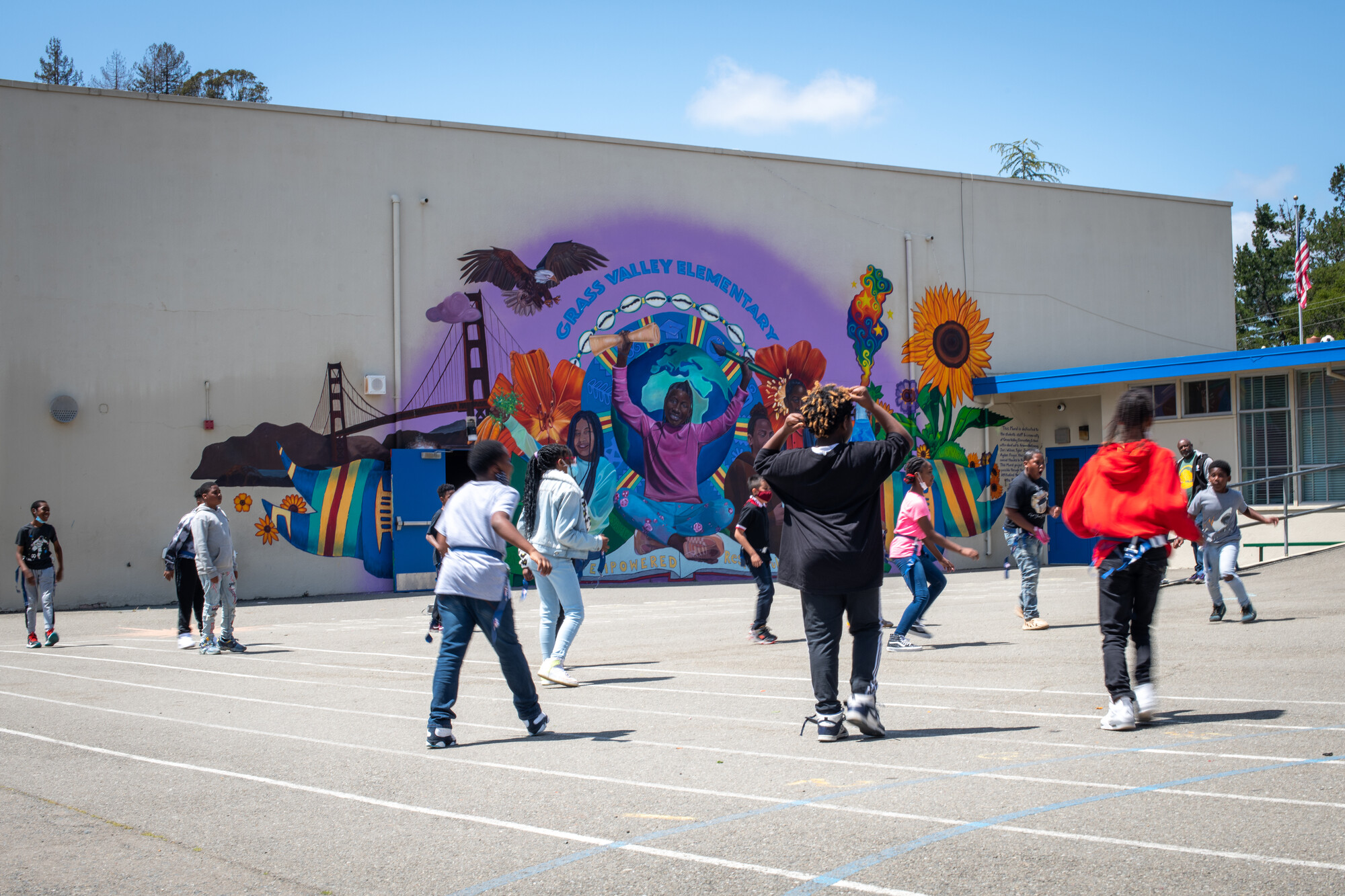
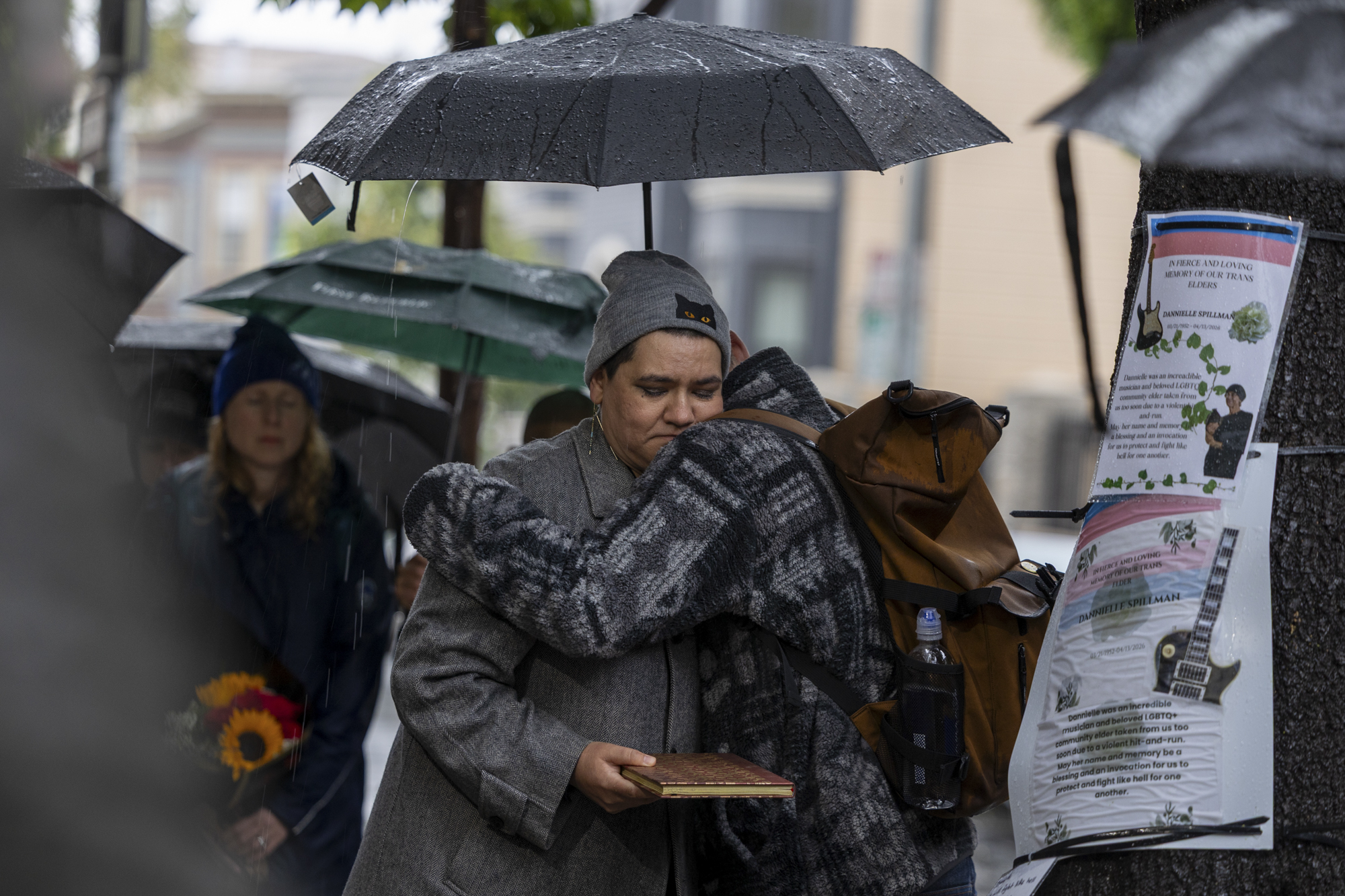
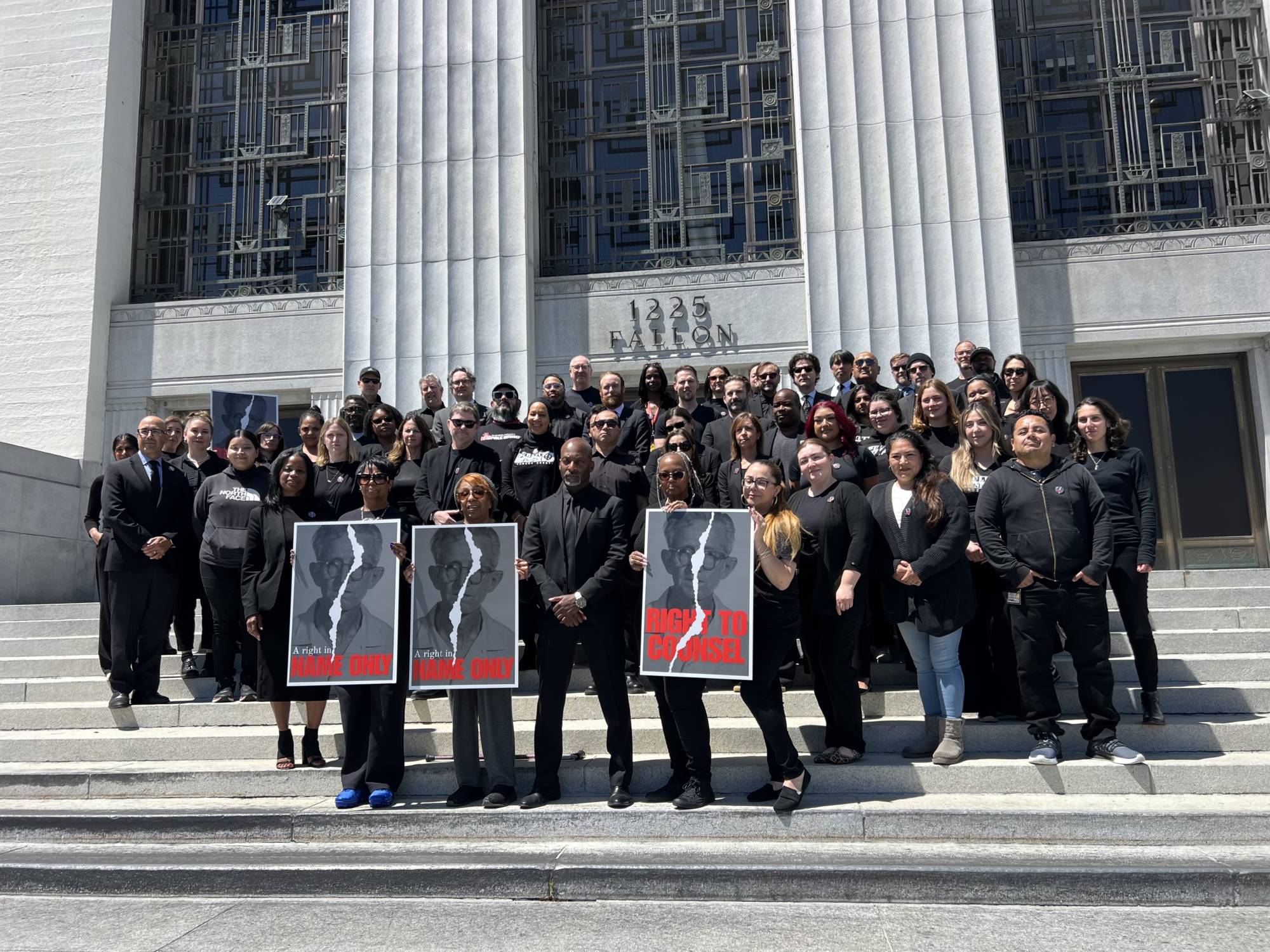
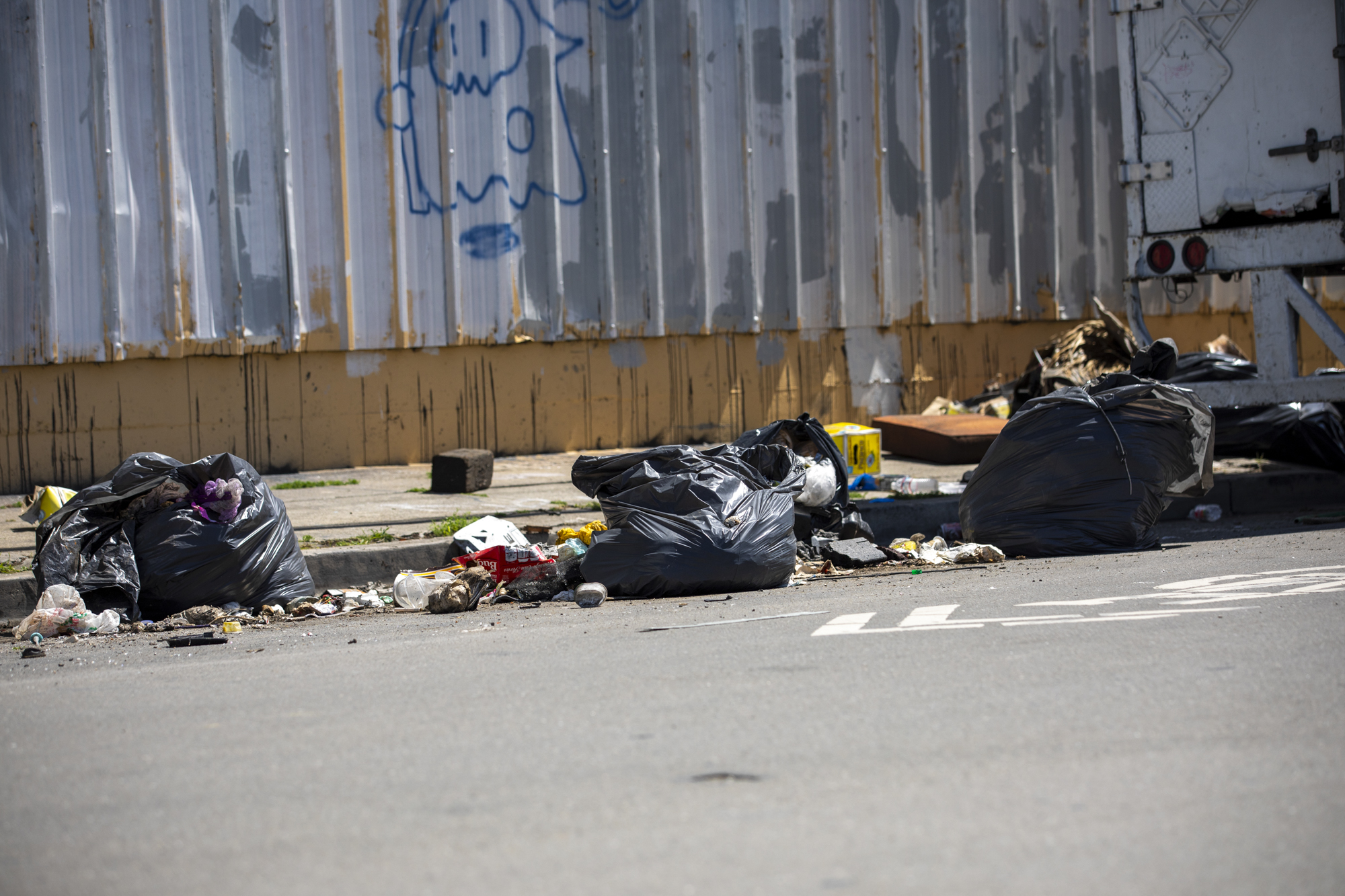
window.__IS_SSR__=true
window.__INITIAL_STATE__={
"attachmentsReducer": {
"audio_0": {
"type": "attachments",
"id": "audio_0",
"imgSizes": {
"kqedFullSize": {
"file": "https://ww2.kqed.org/news/wp-content/themes/KQED-unified/img/audio_bgs/background0.jpg"
}
}
},
"audio_1": {
"type": "attachments",
"id": "audio_1",
"imgSizes": {
"kqedFullSize": {
"file": "https://ww2.kqed.org/news/wp-content/themes/KQED-unified/img/audio_bgs/background1.jpg"
}
}
},
"audio_2": {
"type": "attachments",
"id": "audio_2",
"imgSizes": {
"kqedFullSize": {
"file": "https://ww2.kqed.org/news/wp-content/themes/KQED-unified/img/audio_bgs/background2.jpg"
}
}
},
"audio_3": {
"type": "attachments",
"id": "audio_3",
"imgSizes": {
"kqedFullSize": {
"file": "https://ww2.kqed.org/news/wp-content/themes/KQED-unified/img/audio_bgs/background3.jpg"
}
}
},
"audio_4": {
"type": "attachments",
"id": "audio_4",
"imgSizes": {
"kqedFullSize": {
"file": "https://ww2.kqed.org/news/wp-content/themes/KQED-unified/img/audio_bgs/background4.jpg"
}
}
},
"placeholder": {
"type": "attachments",
"id": "placeholder",
"imgSizes": {
"thumbnail": {
"file": "https://cdn.kqed.org/wp-content/uploads/2024/12/KQED-Default-Image-816638274-2000x1333-1-160x107.jpg",
"width": 160,
"height": 107,
"mimeType": "image/jpeg"
},
"medium": {
"file": "https://cdn.kqed.org/wp-content/uploads/2024/12/KQED-Default-Image-816638274-2000x1333-1-800x533.jpg",
"width": 800,
"height": 533,
"mimeType": "image/jpeg"
},
"medium_large": {
"file": "https://cdn.kqed.org/wp-content/uploads/2024/12/KQED-Default-Image-816638274-2000x1333-1-768x512.jpg",
"width": 768,
"height": 512,
"mimeType": "image/jpeg"
},
"large": {
"file": "https://cdn.kqed.org/wp-content/uploads/2024/12/KQED-Default-Image-816638274-2000x1333-1-1020x680.jpg",
"width": 1020,
"height": 680,
"mimeType": "image/jpeg"
},
"1536x1536": {
"file": "https://cdn.kqed.org/wp-content/uploads/2024/12/KQED-Default-Image-816638274-2000x1333-1-1536x1024.jpg",
"width": 1536,
"height": 1024,
"mimeType": "image/jpeg"
},
"fd-lrg": {
"file": "https://cdn.kqed.org/wp-content/uploads/2024/12/KQED-Default-Image-816638274-2000x1333-1-1536x1024.jpg",
"width": 1536,
"height": 1024,
"mimeType": "image/jpeg"
},
"fd-med": {
"file": "https://cdn.kqed.org/wp-content/uploads/2024/12/KQED-Default-Image-816638274-2000x1333-1-1020x680.jpg",
"width": 1020,
"height": 680,
"mimeType": "image/jpeg"
},
"fd-sm": {
"file": "https://cdn.kqed.org/wp-content/uploads/2024/12/KQED-Default-Image-816638274-2000x1333-1-800x533.jpg",
"width": 800,
"height": 533,
"mimeType": "image/jpeg"
},
"post-thumbnail": {
"file": "https://cdn.kqed.org/wp-content/uploads/2024/12/KQED-Default-Image-816638274-2000x1333-1-672x372.jpg",
"width": 672,
"height": 372,
"mimeType": "image/jpeg"
},
"twentyfourteen-full-width": {
"file": "https://cdn.kqed.org/wp-content/uploads/2024/12/KQED-Default-Image-816638274-2000x1333-1-1038x576.jpg",
"width": 1038,
"height": 576,
"mimeType": "image/jpeg"
},
"xxsmall": {
"file": "https://cdn.kqed.org/wp-content/uploads/2024/12/KQED-Default-Image-816638274-2000x1333-1-160x107.jpg",
"width": 160,
"height": 107,
"mimeType": "image/jpeg"
},
"xsmall": {
"file": "https://cdn.kqed.org/wp-content/uploads/2024/12/KQED-Default-Image-816638274-2000x1333-1-672x372.jpg",
"width": 672,
"height": 372,
"mimeType": "image/jpeg"
},
"small": {
"file": "https://cdn.kqed.org/wp-content/uploads/2024/12/KQED-Default-Image-816638274-2000x1333-1-672x372.jpg",
"width": 672,
"height": 372,
"mimeType": "image/jpeg"
},
"xlarge": {
"file": "https://cdn.kqed.org/wp-content/uploads/2024/12/KQED-Default-Image-816638274-2000x1333-1-1020x680.jpg",
"width": 1020,
"height": 680,
"mimeType": "image/jpeg"
},
"full-width": {
"file": "https://cdn.kqed.org/wp-content/uploads/2024/12/KQED-Default-Image-816638274-2000x1333-1-1920x1280.jpg",
"width": 1920,
"height": 1280,
"mimeType": "image/jpeg"
},
"guest-author-32": {
"file": "https://cdn.kqed.org/wp-content/uploads/2025/01/KQED-Default-Image-816638274-1333x1333-1-160x160.jpg",
"width": 32,
"height": 32,
"mimeType": "image/jpeg"
},
"guest-author-50": {
"file": "https://cdn.kqed.org/wp-content/uploads/2025/01/KQED-Default-Image-816638274-1333x1333-1-160x160.jpg",
"width": 50,
"height": 50,
"mimeType": "image/jpeg"
},
"guest-author-64": {
"file": "https://cdn.kqed.org/wp-content/uploads/2025/01/KQED-Default-Image-816638274-1333x1333-1-160x160.jpg",
"width": 64,
"height": 64,
"mimeType": "image/jpeg"
},
"guest-author-96": {
"file": "https://cdn.kqed.org/wp-content/uploads/2025/01/KQED-Default-Image-816638274-1333x1333-1-160x160.jpg",
"width": 96,
"height": 96,
"mimeType": "image/jpeg"
},
"guest-author-128": {
"file": "https://cdn.kqed.org/wp-content/uploads/2025/01/KQED-Default-Image-816638274-1333x1333-1-160x160.jpg",
"width": 128,
"height": 128,
"mimeType": "image/jpeg"
},
"detail": {
"file": "https://cdn.kqed.org/wp-content/uploads/2025/01/KQED-Default-Image-816638274-1333x1333-1-160x160.jpg",
"width": 160,
"height": 160,
"mimeType": "image/jpeg"
},
"kqedFullSize": {
"file": "https://cdn.kqed.org/wp-content/uploads/2024/12/KQED-Default-Image-816638274-2000x1333-1.jpg",
"width": 2000,
"height": 1333
}
}
},
"news_12080868": {
"type": "attachments",
"id": "news_12080868",
"meta": {
"index": "attachments_1716263798",
"site": "news",
"id": "12080868",
"found": true
},
"title": "027_KQED_GrassValleyElementarySchoolOakland_04282022_qed",
"publishDate": 1776877683,
"status": "inherit",
"parent": 12080861,
"modified": 1776877695,
"caption": "Students play a game during recess at Grass Valley Elementary School in Oakland on April 28, 2022. More than 40 Oakland school principals also joined the chorus Friday, calling on the district to make hard choices and pay its bills. \r\n",
"credit": "Beth LaBerge/KQED",
"altTag": null,
"description": null,
"imgSizes": {
"thumbnail": {
"file": "https://cdn.kqed.org/wp-content/uploads/sites/10/2026/04/027_KQED_GrassValleyElementarySchoolOakland_04282022_qed-160x107.jpg",
"width": 160,
"height": 107,
"mimeType": "image/jpeg"
},
"1536x1536": {
"file": "https://cdn.kqed.org/wp-content/uploads/sites/10/2026/04/027_KQED_GrassValleyElementarySchoolOakland_04282022_qed-1536x1024.jpg",
"width": 1536,
"height": 1024,
"mimeType": "image/jpeg"
},
"post-thumbnail": {
"file": "https://cdn.kqed.org/wp-content/uploads/sites/10/2026/04/027_KQED_GrassValleyElementarySchoolOakland_04282022_qed-672x372.jpg",
"width": 672,
"height": 372,
"mimeType": "image/jpeg"
},
"twentyfourteen-full-width": {
"file": "https://cdn.kqed.org/wp-content/uploads/sites/10/2026/04/027_KQED_GrassValleyElementarySchoolOakland_04282022_qed-1038x576.jpg",
"width": 1038,
"height": 576,
"mimeType": "image/jpeg"
},
"npr-cds-wide": {
"file": "https://cdn.kqed.org/wp-content/uploads/sites/10/2026/04/027_KQED_GrassValleyElementarySchoolOakland_04282022_qed-1200x675.jpg",
"width": 1200,
"height": 675,
"mimeType": "image/jpeg"
},
"npr-cds-square": {
"file": "https://cdn.kqed.org/wp-content/uploads/sites/10/2026/04/027_KQED_GrassValleyElementarySchoolOakland_04282022_qed-600x600.jpg",
"width": 600,
"height": 600,
"mimeType": "image/jpeg"
},
"kqedFullSize": {
"file": "https://cdn.kqed.org/wp-content/uploads/sites/10/2026/04/027_KQED_GrassValleyElementarySchoolOakland_04282022_qed.jpg",
"width": 2000,
"height": 1333
}
},
"isLoading": false,
"fetchFailed": false
},
"news_12081306": {
"type": "attachments",
"id": "news_12081306",
"meta": {
"index": "attachments_1716263798",
"site": "news",
"id": "12081306",
"found": true
},
"title": "Photo Illustration - Anthropic Launches Project Glasswing",
"publishDate": 1777053839,
"status": "inherit",
"parent": 12081279,
"modified": 1777053863,
"caption": "A smartphone displays the Anthropic logo with the Project Glasswing webpage in the background, in Creteil, France, on April 8, 2026. Anthropic announces the launch of Project Glasswing, a cybersecurity initiative based on the Claude Mythos model to detect and remediate vulnerabilities in critical open-source software. (Photo by Samuel Boivin/NurPhoto via Getty Images)",
"credit": "Samuel Boivin/NurPhoto via Getty Images",
"altTag": null,
"description": null,
"imgSizes": {
"thumbnail": {
"file": "https://cdn.kqed.org/wp-content/uploads/sites/10/2026/04/AnthropicGetty-160x106.jpg",
"width": 160,
"height": 106,
"mimeType": "image/jpeg"
},
"1536x1536": {
"file": "https://cdn.kqed.org/wp-content/uploads/sites/10/2026/04/AnthropicGetty-1536x1021.jpg",
"width": 1536,
"height": 1021,
"mimeType": "image/jpeg"
},
"post-thumbnail": {
"file": "https://cdn.kqed.org/wp-content/uploads/sites/10/2026/04/AnthropicGetty-672x372.jpg",
"width": 672,
"height": 372,
"mimeType": "image/jpeg"
},
"twentyfourteen-full-width": {
"file": "https://cdn.kqed.org/wp-content/uploads/sites/10/2026/04/AnthropicGetty-1038x576.jpg",
"width": 1038,
"height": 576,
"mimeType": "image/jpeg"
},
"npr-cds-wide": {
"file": "https://cdn.kqed.org/wp-content/uploads/sites/10/2026/04/AnthropicGetty-1200x675.jpg",
"width": 1200,
"height": 675,
"mimeType": "image/jpeg"
},
"npr-cds-square": {
"file": "https://cdn.kqed.org/wp-content/uploads/sites/10/2026/04/AnthropicGetty-600x600.jpg",
"width": 600,
"height": 600,
"mimeType": "image/jpeg"
},
"kqedFullSize": {
"file": "https://cdn.kqed.org/wp-content/uploads/sites/10/2026/04/AnthropicGetty.jpg",
"width": 2000,
"height": 1330
}
},
"isLoading": false,
"fetchFailed": false
},
"news_12080713": {
"type": "attachments",
"id": "news_12080713",
"meta": {
"index": "attachments_1716263798",
"site": "news",
"id": "12080713",
"found": true
},
"title": "042026DANNIELLE SPILLMAN VIGIL _GH_006-KQED",
"publishDate": 1776797047,
"status": "inherit",
"parent": 0,
"modified": 1777074130,
"caption": "Lea McGeever (left) hugs Derrick Guerra at a vigil for Dannielle Spillman in San Francisco, April 20, 2026.",
"credit": "Gustavo Hernandez/KQED",
"altTag": null,
"description": null,
"imgSizes": {
"thumbnail": {
"file": "https://cdn.kqed.org/wp-content/uploads/sites/10/2026/04/042026DANNIELLE-SPILLMAN-VIGIL-_GH_006-KQED-160x107.jpg",
"width": 160,
"height": 107,
"mimeType": "image/jpeg"
},
"1536x1536": {
"file": "https://cdn.kqed.org/wp-content/uploads/sites/10/2026/04/042026DANNIELLE-SPILLMAN-VIGIL-_GH_006-KQED-1536x1024.jpg",
"width": 1536,
"height": 1024,
"mimeType": "image/jpeg"
},
"post-thumbnail": {
"file": "https://cdn.kqed.org/wp-content/uploads/sites/10/2026/04/042026DANNIELLE-SPILLMAN-VIGIL-_GH_006-KQED-672x372.jpg",
"width": 672,
"height": 372,
"mimeType": "image/jpeg"
},
"twentyfourteen-full-width": {
"file": "https://cdn.kqed.org/wp-content/uploads/sites/10/2026/04/042026DANNIELLE-SPILLMAN-VIGIL-_GH_006-KQED-1038x576.jpg",
"width": 1038,
"height": 576,
"mimeType": "image/jpeg"
},
"npr-cds-wide": {
"file": "https://cdn.kqed.org/wp-content/uploads/sites/10/2026/04/042026DANNIELLE-SPILLMAN-VIGIL-_GH_006-KQED-1200x675.jpg",
"width": 1200,
"height": 675,
"mimeType": "image/jpeg"
},
"npr-cds-square": {
"file": "https://cdn.kqed.org/wp-content/uploads/sites/10/2026/04/042026DANNIELLE-SPILLMAN-VIGIL-_GH_006-KQED-600x600.jpg",
"width": 600,
"height": 600,
"mimeType": "image/jpeg"
},
"kqedFullSize": {
"file": "https://cdn.kqed.org/wp-content/uploads/sites/10/2026/04/042026DANNIELLE-SPILLMAN-VIGIL-_GH_006-KQED.jpg",
"width": 2000,
"height": 1333
}
},
"isLoading": false,
"fetchFailed": false
},
"news_12081129": {
"type": "attachments",
"id": "news_12081129",
"meta": {
"index": "attachments_1716263798",
"site": "news",
"id": "12081129",
"found": true
},
"title": "Literary-Dates-Hangouts",
"publishDate": 1776968430,
"status": "inherit",
"parent": 12081122,
"modified": 1776972240,
"caption": "There are many places for book lovers to get together around the Bay Area — and we’ve rounded them up.",
"credit": "Darren Tu/KQED",
"altTag": null,
"description": null,
"imgSizes": {
"thumbnail": {
"file": "https://cdn.kqed.org/wp-content/uploads/sites/10/2026/04/Literary-Dates-Hangouts-160x103.jpg",
"width": 160,
"height": 103,
"mimeType": "image/jpeg"
},
"1536x1536": {
"file": "https://cdn.kqed.org/wp-content/uploads/sites/10/2026/04/Literary-Dates-Hangouts-1536x992.jpg",
"width": 1536,
"height": 992,
"mimeType": "image/jpeg"
},
"post-thumbnail": {
"file": "https://cdn.kqed.org/wp-content/uploads/sites/10/2026/04/Literary-Dates-Hangouts-672x372.jpg",
"width": 672,
"height": 372,
"mimeType": "image/jpeg"
},
"twentyfourteen-full-width": {
"file": "https://cdn.kqed.org/wp-content/uploads/sites/10/2026/04/Literary-Dates-Hangouts-1038x576.jpg",
"width": 1038,
"height": 576,
"mimeType": "image/jpeg"
},
"npr-cds-wide": {
"file": "https://cdn.kqed.org/wp-content/uploads/sites/10/2026/04/Literary-Dates-Hangouts-1200x675.jpg",
"width": 1200,
"height": 675,
"mimeType": "image/jpeg"
},
"npr-cds-square": {
"file": "https://cdn.kqed.org/wp-content/uploads/sites/10/2026/04/Literary-Dates-Hangouts-600x600.jpg",
"width": 600,
"height": 600,
"mimeType": "image/jpeg"
},
"kqedFullSize": {
"file": "https://cdn.kqed.org/wp-content/uploads/sites/10/2026/04/Literary-Dates-Hangouts.jpg",
"width": 1920,
"height": 1240
}
},
"isLoading": false,
"fetchFailed": false
},
"news_12055236": {
"type": "attachments",
"id": "news_12055236",
"meta": {
"index": "attachments_1716263798",
"site": "news",
"id": "12055236",
"found": true
},
"title": "250908-VAILLANCOURTFOUNTAINREMOVAL-05-BL-KQED",
"publishDate": 1757374286,
"status": "inherit",
"parent": 12055275,
"modified": 1757635115,
"caption": "The Vaillancourt Fountain in the Embarcadero Plaza in San Francisco on Sept. 8, 2025. The 40-foot concrete fountain was designed by artist Armand Vaillancourt and installed in 1971.",
"credit": "Beth LaBerge/KQED",
"altTag": null,
"description": null,
"imgSizes": {
"thumbnail": {
"file": "https://cdn.kqed.org/wp-content/uploads/sites/10/2025/09/250908-VAILLANCOURTFOUNTAINREMOVAL-05-BL-KQED-160x107.jpg",
"width": 160,
"height": 107,
"mimeType": "image/jpeg"
},
"1536x1536": {
"file": "https://cdn.kqed.org/wp-content/uploads/sites/10/2025/09/250908-VAILLANCOURTFOUNTAINREMOVAL-05-BL-KQED-1536x1024.jpg",
"width": 1536,
"height": 1024,
"mimeType": "image/jpeg"
},
"post-thumbnail": {
"file": "https://cdn.kqed.org/wp-content/uploads/sites/10/2025/09/250908-VAILLANCOURTFOUNTAINREMOVAL-05-BL-KQED-672x372.jpg",
"width": 672,
"height": 372,
"mimeType": "image/jpeg"
},
"twentyfourteen-full-width": {
"file": "https://cdn.kqed.org/wp-content/uploads/sites/10/2025/09/250908-VAILLANCOURTFOUNTAINREMOVAL-05-BL-KQED-1038x576.jpg",
"width": 1038,
"height": 576,
"mimeType": "image/jpeg"
},
"kqedFullSize": {
"file": "https://cdn.kqed.org/wp-content/uploads/sites/10/2025/09/250908-VAILLANCOURTFOUNTAINREMOVAL-05-BL-KQED.jpg",
"width": 2000,
"height": 1333
}
},
"isLoading": false,
"fetchFailed": false
},
"news_12081199": {
"type": "attachments",
"id": "news_12081199",
"meta": {
"index": "attachments_1716263798",
"site": "news",
"id": "12081199",
"found": true
},
"title": "IMG_7154",
"publishDate": 1776984021,
"status": "inherit",
"parent": 0,
"modified": 1776985914,
"caption": "Alameda County Public Defenders, wearing black, stand on the steps of the Alameda County Courthouse in downtown Oakland on April 23, 2026. ",
"credit": "Eliza Peppel/KQED",
"altTag": null,
"description": null,
"imgSizes": {
"medium": {
"file": "https://cdn.kqed.org/wp-content/uploads/sites/10/2026/04/IMG_7154-2000x1500.jpeg",
"width": 2000,
"height": 1500,
"mimeType": "image/jpeg"
},
"large": {
"file": "https://cdn.kqed.org/wp-content/uploads/sites/10/2026/04/IMG_7154-2000x1500.jpeg",
"width": 2000,
"height": 1500,
"mimeType": "image/jpeg"
},
"thumbnail": {
"file": "https://cdn.kqed.org/wp-content/uploads/sites/10/2026/04/IMG_7154-160x120.jpeg",
"width": 160,
"height": 120,
"mimeType": "image/jpeg"
},
"1536x1536": {
"file": "https://cdn.kqed.org/wp-content/uploads/sites/10/2026/04/IMG_7154-1536x1152.jpeg",
"width": 1536,
"height": 1152,
"mimeType": "image/jpeg"
},
"2048x2048": {
"file": "https://cdn.kqed.org/wp-content/uploads/sites/10/2026/04/IMG_7154-2048x1536.jpeg",
"width": 2048,
"height": 1536,
"mimeType": "image/jpeg"
},
"post-thumbnail": {
"file": "https://cdn.kqed.org/wp-content/uploads/sites/10/2026/04/IMG_7154-672x372.jpeg",
"width": 672,
"height": 372,
"mimeType": "image/jpeg"
},
"twentyfourteen-full-width": {
"file": "https://cdn.kqed.org/wp-content/uploads/sites/10/2026/04/IMG_7154-1038x576.jpeg",
"width": 1038,
"height": 576,
"mimeType": "image/jpeg"
},
"full-width": {
"file": "https://cdn.kqed.org/wp-content/uploads/sites/10/2026/04/IMG_7154-2000x1500.jpeg",
"width": 2000,
"height": 1500,
"mimeType": "image/jpeg"
},
"npr-cds-wide": {
"file": "https://cdn.kqed.org/wp-content/uploads/sites/10/2026/04/IMG_7154-1200x675.jpeg",
"width": 1200,
"height": 675,
"mimeType": "image/jpeg"
},
"npr-cds-square": {
"file": "https://cdn.kqed.org/wp-content/uploads/sites/10/2026/04/IMG_7154-600x600.jpeg",
"width": 600,
"height": 600,
"mimeType": "image/jpeg"
},
"kqedFullSize": {
"file": "https://cdn.kqed.org/wp-content/uploads/sites/10/2026/04/IMG_7154-scaled-e1776985240474.jpeg",
"width": 2000,
"height": 1500
}
},
"isLoading": false,
"fetchFailed": false
},
"news_12081167": {
"type": "attachments",
"id": "news_12081167",
"meta": {
"index": "attachments_1716263798",
"site": "news",
"id": "12081167",
"found": true
},
"title": "260423-OAKLANDILLEGALDUMP00086_TV-KQED",
"publishDate": 1776975690,
"status": "inherit",
"parent": 0,
"modified": 1776975701,
"caption": "Bags of trash on the ground on 48th Avenue and East 12th Street near an illegal dumping ground in Oakland on April 23, 2026.",
"credit": "Tâm Vũ/KQED",
"altTag": null,
"description": null,
"imgSizes": {
"thumbnail": {
"file": "https://cdn.kqed.org/wp-content/uploads/sites/10/2026/04/260423-OAKLANDILLEGALDUMP00086_TV-KQED-160x107.jpg",
"width": 160,
"height": 107,
"mimeType": "image/jpeg"
},
"1536x1536": {
"file": "https://cdn.kqed.org/wp-content/uploads/sites/10/2026/04/260423-OAKLANDILLEGALDUMP00086_TV-KQED-1536x1024.jpg",
"width": 1536,
"height": 1024,
"mimeType": "image/jpeg"
},
"post-thumbnail": {
"file": "https://cdn.kqed.org/wp-content/uploads/sites/10/2026/04/260423-OAKLANDILLEGALDUMP00086_TV-KQED-672x372.jpg",
"width": 672,
"height": 372,
"mimeType": "image/jpeg"
},
"twentyfourteen-full-width": {
"file": "https://cdn.kqed.org/wp-content/uploads/sites/10/2026/04/260423-OAKLANDILLEGALDUMP00086_TV-KQED-1038x576.jpg",
"width": 1038,
"height": 576,
"mimeType": "image/jpeg"
},
"npr-cds-wide": {
"file": "https://cdn.kqed.org/wp-content/uploads/sites/10/2026/04/260423-OAKLANDILLEGALDUMP00086_TV-KQED-1200x675.jpg",
"width": 1200,
"height": 675,
"mimeType": "image/jpeg"
},
"npr-cds-square": {
"file": "https://cdn.kqed.org/wp-content/uploads/sites/10/2026/04/260423-OAKLANDILLEGALDUMP00086_TV-KQED-600x600.jpg",
"width": 600,
"height": 600,
"mimeType": "image/jpeg"
},
"kqedFullSize": {
"file": "https://cdn.kqed.org/wp-content/uploads/sites/10/2026/04/260423-OAKLANDILLEGALDUMP00086_TV-KQED.jpg",
"width": 2000,
"height": 1333
}
},
"isLoading": false,
"fetchFailed": false
},
"news_12081021": {
"type": "attachments",
"id": "news_12081021",
"meta": {
"index": "attachments_1716263798",
"site": "news",
"id": "12081021",
"found": true
},
"title": "260422-SFAFFORDABILITYHEARING00587_TV-KQED",
"publishDate": 1776899065,
"status": "inherit",
"parent": 0,
"modified": 1776968137,
"caption": "Bertha Villalobos (center right) attends a press conference hosted by SF People’s Budget Coalition, where community organizations speak out against major budget cuts to organizations that support low-income families at San Francisco City Hall in San Francisco on April 22, 2026.",
"credit": "Tâm Vũ/KQED",
"altTag": null,
"description": null,
"imgSizes": {
"thumbnail": {
"file": "https://cdn.kqed.org/wp-content/uploads/sites/10/2026/04/260422-SFAFFORDABILITYHEARING00587_TV-KQED-160x107.jpg",
"width": 160,
"height": 107,
"mimeType": "image/jpeg"
},
"1536x1536": {
"file": "https://cdn.kqed.org/wp-content/uploads/sites/10/2026/04/260422-SFAFFORDABILITYHEARING00587_TV-KQED-1536x1024.jpg",
"width": 1536,
"height": 1024,
"mimeType": "image/jpeg"
},
"post-thumbnail": {
"file": "https://cdn.kqed.org/wp-content/uploads/sites/10/2026/04/260422-SFAFFORDABILITYHEARING00587_TV-KQED-672x372.jpg",
"width": 672,
"height": 372,
"mimeType": "image/jpeg"
},
"twentyfourteen-full-width": {
"file": "https://cdn.kqed.org/wp-content/uploads/sites/10/2026/04/260422-SFAFFORDABILITYHEARING00587_TV-KQED-1038x576.jpg",
"width": 1038,
"height": 576,
"mimeType": "image/jpeg"
},
"npr-cds-wide": {
"file": "https://cdn.kqed.org/wp-content/uploads/sites/10/2026/04/260422-SFAFFORDABILITYHEARING00587_TV-KQED-1200x675.jpg",
"width": 1200,
"height": 675,
"mimeType": "image/jpeg"
},
"npr-cds-square": {
"file": "https://cdn.kqed.org/wp-content/uploads/sites/10/2026/04/260422-SFAFFORDABILITYHEARING00587_TV-KQED-600x600.jpg",
"width": 600,
"height": 600,
"mimeType": "image/jpeg"
},
"kqedFullSize": {
"file": "https://cdn.kqed.org/wp-content/uploads/sites/10/2026/04/260422-SFAFFORDABILITYHEARING00587_TV-KQED.jpg",
"width": 2000,
"height": 1333
}
},
"isLoading": false,
"fetchFailed": false
},
"news_12015328": {
"type": "attachments",
"id": "news_12015328",
"meta": {
"index": "attachments_1716263798",
"site": "news",
"id": "12015328",
"found": true
},
"title": "IMG_5013",
"publishDate": 1732219814,
"status": "inherit",
"parent": 12015320,
"modified": 1776903053,
"caption": "Transportation officials survey two new Bayview Community Shuttle vans in San Francisco's Bayview-Hunters Point neighborhood on Nov. 20, 2024. ",
"credit": "Gilare Zada/KQED",
"altTag": "A small group of people stands outside next to two purple and yellow vans that say 'Bayview Community Shuttle.'",
"description": null,
"imgSizes": {
"medium": {
"file": "https://cdn.kqed.org/wp-content/uploads/sites/10/2024/11/IMG_5013-800x517.jpg",
"width": 800,
"height": 517,
"mimeType": "image/jpeg"
},
"large": {
"file": "https://cdn.kqed.org/wp-content/uploads/sites/10/2024/11/IMG_5013-1020x659.jpg",
"width": 1020,
"height": 659,
"mimeType": "image/jpeg"
},
"thumbnail": {
"file": "https://cdn.kqed.org/wp-content/uploads/sites/10/2024/11/IMG_5013-160x103.jpg",
"width": 160,
"height": 103,
"mimeType": "image/jpeg"
},
"1536x1536": {
"file": "https://cdn.kqed.org/wp-content/uploads/sites/10/2024/11/IMG_5013-1536x992.jpg",
"width": 1536,
"height": 992,
"mimeType": "image/jpeg"
},
"2048x2048": {
"file": "https://cdn.kqed.org/wp-content/uploads/sites/10/2024/11/IMG_5013-2048x1323.jpg",
"width": 2048,
"height": 1323,
"mimeType": "image/jpeg"
},
"post-thumbnail": {
"file": "https://cdn.kqed.org/wp-content/uploads/sites/10/2024/11/IMG_5013-672x372.jpg",
"width": 672,
"height": 372,
"mimeType": "image/jpeg"
},
"twentyfourteen-full-width": {
"file": "https://cdn.kqed.org/wp-content/uploads/sites/10/2024/11/IMG_5013-1038x576.jpg",
"width": 1038,
"height": 576,
"mimeType": "image/jpeg"
},
"full-width": {
"file": "https://cdn.kqed.org/wp-content/uploads/sites/10/2024/11/IMG_5013-1920x1240.jpg",
"width": 1920,
"height": 1240,
"mimeType": "image/jpeg"
},
"kqedFullSize": {
"file": "https://cdn.kqed.org/wp-content/uploads/sites/10/2024/11/IMG_5013-scaled-e1776896997415.jpg",
"width": 2000,
"height": 1291
}
},
"isLoading": false,
"fetchFailed": false
},
"news_12080783": {
"type": "attachments",
"id": "news_12080783",
"meta": {
"index": "attachments_1716263798",
"site": "news",
"id": "12080783",
"found": true
},
"title": "260421-OAKLANDDIOCESEBELLWEATHER-08-BL-KQED",
"publishDate": 1776811442,
"status": "inherit",
"parent": 12080731,
"modified": 1776897915,
"caption": "Our Lady of the Rosary Church, a Roman Catholic parish in the Diocese of Oakland, in Union City, on April 21, 2026.",
"credit": "Beth LaBerge/KQED",
"altTag": null,
"description": null,
"imgSizes": {
"thumbnail": {
"file": "https://cdn.kqed.org/wp-content/uploads/sites/10/2026/04/260421-OAKLANDDIOCESEBELLWEATHER-08-BL-KQED-160x107.jpg",
"width": 160,
"height": 107,
"mimeType": "image/jpeg"
},
"1536x1536": {
"file": "https://cdn.kqed.org/wp-content/uploads/sites/10/2026/04/260421-OAKLANDDIOCESEBELLWEATHER-08-BL-KQED-1536x1024.jpg",
"width": 1536,
"height": 1024,
"mimeType": "image/jpeg"
},
"post-thumbnail": {
"file": "https://cdn.kqed.org/wp-content/uploads/sites/10/2026/04/260421-OAKLANDDIOCESEBELLWEATHER-08-BL-KQED-672x372.jpg",
"width": 672,
"height": 372,
"mimeType": "image/jpeg"
},
"twentyfourteen-full-width": {
"file": "https://cdn.kqed.org/wp-content/uploads/sites/10/2026/04/260421-OAKLANDDIOCESEBELLWEATHER-08-BL-KQED-1038x576.jpg",
"width": 1038,
"height": 576,
"mimeType": "image/jpeg"
},
"npr-cds-wide": {
"file": "https://cdn.kqed.org/wp-content/uploads/sites/10/2026/04/260421-OAKLANDDIOCESEBELLWEATHER-08-BL-KQED-1200x675.jpg",
"width": 1200,
"height": 675,
"mimeType": "image/jpeg"
},
"npr-cds-square": {
"file": "https://cdn.kqed.org/wp-content/uploads/sites/10/2026/04/260421-OAKLANDDIOCESEBELLWEATHER-08-BL-KQED-600x600.jpg",
"width": 600,
"height": 600,
"mimeType": "image/jpeg"
},
"kqedFullSize": {
"file": "https://cdn.kqed.org/wp-content/uploads/sites/10/2026/04/260421-OAKLANDDIOCESEBELLWEATHER-08-BL-KQED.jpg",
"width": 2000,
"height": 1333
}
},
"isLoading": false,
"fetchFailed": false
},
"news_12080900": {
"type": "attachments",
"id": "news_12080900",
"meta": {
"index": "attachments_1716263798",
"site": "news",
"id": "12080900",
"found": true
},
"title": "006_KQED_SanFrancisco_GeneralHospital_03102020_6321_qed",
"publishDate": 1776880039,
"status": "inherit",
"parent": 12080895,
"modified": 1776884964,
"caption": "Zuckerberg San Francisco General Hospital on Tuesday, March 10, 2020.",
"credit": "Beth LaBerge/KQED",
"altTag": null,
"description": null,
"imgSizes": {
"thumbnail": {
"file": "https://cdn.kqed.org/wp-content/uploads/sites/10/2026/04/006_KQED_SanFrancisco_GeneralHospital_03102020_6321_qed-160x107.jpg",
"width": 160,
"height": 107,
"mimeType": "image/jpeg"
},
"1536x1536": {
"file": "https://cdn.kqed.org/wp-content/uploads/sites/10/2026/04/006_KQED_SanFrancisco_GeneralHospital_03102020_6321_qed-1536x1024.jpg",
"width": 1536,
"height": 1024,
"mimeType": "image/jpeg"
},
"post-thumbnail": {
"file": "https://cdn.kqed.org/wp-content/uploads/sites/10/2026/04/006_KQED_SanFrancisco_GeneralHospital_03102020_6321_qed-672x372.jpg",
"width": 672,
"height": 372,
"mimeType": "image/jpeg"
},
"twentyfourteen-full-width": {
"file": "https://cdn.kqed.org/wp-content/uploads/sites/10/2026/04/006_KQED_SanFrancisco_GeneralHospital_03102020_6321_qed-1038x576.jpg",
"width": 1038,
"height": 576,
"mimeType": "image/jpeg"
},
"npr-cds-wide": {
"file": "https://cdn.kqed.org/wp-content/uploads/sites/10/2026/04/006_KQED_SanFrancisco_GeneralHospital_03102020_6321_qed-1200x675.jpg",
"width": 1200,
"height": 675,
"mimeType": "image/jpeg"
},
"npr-cds-square": {
"file": "https://cdn.kqed.org/wp-content/uploads/sites/10/2026/04/006_KQED_SanFrancisco_GeneralHospital_03102020_6321_qed-600x600.jpg",
"width": 600,
"height": 600,
"mimeType": "image/jpeg"
},
"kqedFullSize": {
"file": "https://cdn.kqed.org/wp-content/uploads/sites/10/2026/04/006_KQED_SanFrancisco_GeneralHospital_03102020_6321_qed.jpg",
"width": 2000,
"height": 1333
}
},
"isLoading": false,
"fetchFailed": false
},
"news_12080748": {
"type": "attachments",
"id": "news_12080748",
"meta": {
"index": "attachments_1716263798",
"site": "news",
"id": "12080748",
"found": true
},
"title": "FRANCE-LITERATURE-CULTURE-FESTIVAL",
"publishDate": 1776804085,
"status": "inherit",
"parent": 12080674,
"modified": 1776808194,
"caption": "This photograph, taken on Sept. 20, 2023, shows a bookshelf set up in the street during the 25th edition of the \"Les Correspondances\" literary festival in Manosque, southern France. ",
"credit": "Joel Saget/AFP via Getty Images",
"altTag": null,
"description": null,
"imgSizes": {
"thumbnail": {
"file": "https://cdn.kqed.org/wp-content/uploads/sites/10/2026/04/BooksGetty-160x107.jpg",
"width": 160,
"height": 107,
"mimeType": "image/jpeg"
},
"1536x1536": {
"file": "https://cdn.kqed.org/wp-content/uploads/sites/10/2026/04/BooksGetty-1536x1024.jpg",
"width": 1536,
"height": 1024,
"mimeType": "image/jpeg"
},
"post-thumbnail": {
"file": "https://cdn.kqed.org/wp-content/uploads/sites/10/2026/04/BooksGetty-672x372.jpg",
"width": 672,
"height": 372,
"mimeType": "image/jpeg"
},
"twentyfourteen-full-width": {
"file": "https://cdn.kqed.org/wp-content/uploads/sites/10/2026/04/BooksGetty-1038x576.jpg",
"width": 1038,
"height": 576,
"mimeType": "image/jpeg"
},
"npr-cds-wide": {
"file": "https://cdn.kqed.org/wp-content/uploads/sites/10/2026/04/BooksGetty-1200x675.jpg",
"width": 1200,
"height": 675,
"mimeType": "image/jpeg"
},
"npr-cds-square": {
"file": "https://cdn.kqed.org/wp-content/uploads/sites/10/2026/04/BooksGetty-600x600.jpg",
"width": 600,
"height": 600,
"mimeType": "image/jpeg"
},
"kqedFullSize": {
"file": "https://cdn.kqed.org/wp-content/uploads/sites/10/2026/04/BooksGetty.jpg",
"width": 2000,
"height": 1333
}
},
"isLoading": false,
"fetchFailed": false
}
},
"audioPlayerReducer": {
"postId": "stream_live",
"isPaused": true,
"isPlaying": false,
"pfsActive": false,
"pledgeModalIsOpen": true,
"playerDrawerIsOpen": false,
"liveAudioPlayStartedAt": 0,
"liveAudioPlayContext": ""
},
"authorsReducer": {
"minakim": {
"type": "authors",
"id": "243",
"meta": {
"index": "authors_1716337520",
"id": "243",
"found": true
},
"name": "Mina Kim",
"firstName": "Mina",
"lastName": "Kim",
"slug": "minakim",
"email": "mkim@kqed.org",
"display_author_email": false,
"staff_mastheads": [
"news"
],
"title": "Host, Forum",
"bio": "Mina Kim is host of the 10 a.m. statewide hour of Forum; a live daily talk show for curious Californians on issues that matter to the state and nation, with a particular emphasis on race and equity.\r\n\r\nBefore joining the Forum team, Mina was KQED’s evening news anchor, and health reporter for The California Report. Her award-winning work has included natural disasters in Napa and gun violence in Oakland. Mina grew up in St. John’s, Newfoundland.",
"avatar": "https://secure.gravatar.com/avatar/145ce657a2d08cb86d93686beb958982?s=600&d=blank&r=g",
"twitter": "mkimreporter",
"facebook": null,
"instagram": null,
"linkedin": null,
"sites": [
{
"site": "news",
"roles": [
"contributor"
]
},
{
"site": "stateofhealth",
"roles": [
"author"
]
},
{
"site": "forum",
"roles": [
"editor"
]
}
],
"headData": {
"title": "Mina Kim | KQED",
"description": "Host, Forum",
"ogImgSrc": "https://secure.gravatar.com/avatar/145ce657a2d08cb86d93686beb958982?s=600&d=blank&r=g",
"twImgSrc": "https://secure.gravatar.com/avatar/145ce657a2d08cb86d93686beb958982?s=600&d=blank&r=g"
},
"isLoading": false,
"link": "/author/minakim"
},
"lakshmi": {
"type": "authors",
"id": "3245",
"meta": {
"index": "authors_1716337520",
"id": "3245",
"found": true
},
"name": "Lakshmi Sarah",
"firstName": "Lakshmi",
"lastName": "Sarah",
"slug": "lakshmi",
"email": "lakisarah@gmail.com",
"display_author_email": false,
"staff_mastheads": [],
"title": null,
"bio": "Born and raised in California, Lakshmi is an educator and journalist with a focus on South Asia, gender, race and the arts. Over the past few years, she has worked with newspapers, radio and magazines from Botswana to Los Angeles. She has written and produced for various audiences, including Mic, Global Voices, Al Jazeera Online, AJ+ and KQED Arts. Lakshmi is a graduate of Pitzer College where she studied Global Communications and Studio Arts.",
"avatar": "https://secure.gravatar.com/avatar/30f520a9238d29ba9187c2a405e0f85d?s=600&d=blank&r=g",
"twitter": "lakitalki",
"facebook": null,
"instagram": null,
"linkedin": null,
"sites": [
{
"site": "arts",
"roles": [
"editor"
]
},
{
"site": "pop",
"roles": [
"contributor"
]
},
{
"site": "science",
"roles": [
"editor"
]
}
],
"headData": {
"title": "Lakshmi Sarah | KQED",
"description": null,
"ogImgSrc": "https://secure.gravatar.com/avatar/30f520a9238d29ba9187c2a405e0f85d?s=600&d=blank&r=g",
"twImgSrc": "https://secure.gravatar.com/avatar/30f520a9238d29ba9187c2a405e0f85d?s=600&d=blank&r=g"
},
"isLoading": false,
"link": "/author/lakshmi"
},
"ccabreralomeli": {
"type": "authors",
"id": "11708",
"meta": {
"index": "authors_1716337520",
"id": "11708",
"found": true
},
"name": "Carlos Cabrera-Lomelí",
"firstName": "Carlos",
"lastName": "Cabrera-Lomelí",
"slug": "ccabreralomeli",
"email": "ccabreralomeli@KQED.org",
"display_author_email": true,
"staff_mastheads": [
"news"
],
"title": "Community Reporter",
"bio": "Carlos Cabrera-Lomelí is a community reporter with KQED's digital engagement team. He also reports and co-produces for KQED's bilingual news hub KQED en Español. He grew up in San Francisco's Mission District and has previously worked with Univision, 48 Hills and REFORMA in Mexico City.",
"avatar": "https://secure.gravatar.com/avatar/c309be9665e484f887b818c89e273ecc673004f426f36b24d00a4d813a2e0518?s=600&d=blank&r=g",
"twitter": "@LomeliCabrera",
"bluesky": null,
"facebook": null,
"instagram": null,
"linkedin": null,
"sites": [
{
"site": "arts",
"roles": [
"editor"
]
},
{
"site": "news",
"roles": [
"editor"
]
},
{
"site": "about",
"roles": [
"editor"
]
},
{
"site": "science",
"roles": [
"editor"
]
},
{
"site": "perspectives",
"roles": [
"editor"
]
},
{
"site": "elections",
"roles": [
"editor"
]
},
{
"site": "liveblog",
"roles": [
"contributor"
]
}
],
"headData": {
"title": "Carlos Cabrera-Lomelí | KQED",
"description": "Community Reporter",
"ogImgSrc": "https://secure.gravatar.com/avatar/c309be9665e484f887b818c89e273ecc673004f426f36b24d00a4d813a2e0518?s=600&d=blank&r=g",
"twImgSrc": "https://secure.gravatar.com/avatar/c309be9665e484f887b818c89e273ecc673004f426f36b24d00a4d813a2e0518?s=600&d=blank&r=g"
},
"isLoading": false,
"link": "/author/ccabreralomeli"
},
"jlara": {
"type": "authors",
"id": "11761",
"meta": {
"index": "authors_1716337520",
"id": "11761",
"found": true
},
"name": "Juan Carlos Lara",
"firstName": "Juan Carlos",
"lastName": "Lara",
"slug": "jlara",
"email": "jlara@kqed.org",
"display_author_email": false,
"staff_mastheads": [],
"title": "KQED Contributor",
"bio": null,
"avatar": "https://secure.gravatar.com/avatar/19e2052b9b05657c5ff2af2121846e9c?s=600&d=blank&r=g",
"twitter": null,
"facebook": null,
"instagram": null,
"linkedin": null,
"sites": [
{
"site": "arts",
"roles": [
"editor"
]
},
{
"site": "news",
"roles": [
"editor"
]
},
{
"site": "forum",
"roles": [
"editor"
]
},
{
"site": "liveblog",
"roles": [
"contributor"
]
}
],
"headData": {
"title": "Juan Carlos Lara | KQED",
"description": "KQED Contributor",
"ogImgSrc": "https://secure.gravatar.com/avatar/19e2052b9b05657c5ff2af2121846e9c?s=600&d=blank&r=g",
"twImgSrc": "https://secure.gravatar.com/avatar/19e2052b9b05657c5ff2af2121846e9c?s=600&d=blank&r=g"
},
"isLoading": false,
"link": "/author/jlara"
},
"sjohnson": {
"type": "authors",
"id": "11840",
"meta": {
"index": "authors_1716337520",
"id": "11840",
"found": true
},
"name": "Sydney Johnson",
"firstName": "Sydney",
"lastName": "Johnson",
"slug": "sjohnson",
"email": "sjohnson@kqed.org",
"display_author_email": false,
"staff_mastheads": [
"news"
],
"title": "KQED Reporter",
"bio": "Sydney Johnson is a general assignment reporter at KQED. She previously reported on public health and city government at the San Francisco Examiner, and before that, she covered statewide education policy for EdSource. Her reporting has won multiple local, state and national awards. Sydney is a graduate of the University of California, Berkeley and lives in San Francisco.",
"avatar": "https://secure.gravatar.com/avatar/97855f2719b72ad6190b7c535fe642c8?s=600&d=blank&r=g",
"twitter": "sydneyfjohnson",
"facebook": null,
"instagram": null,
"linkedin": null,
"sites": [
{
"site": "news",
"roles": [
"editor"
]
}
],
"headData": {
"title": "Sydney Johnson | KQED",
"description": "KQED Reporter",
"ogImgSrc": "https://secure.gravatar.com/avatar/97855f2719b72ad6190b7c535fe642c8?s=600&d=blank&r=g",
"twImgSrc": "https://secure.gravatar.com/avatar/97855f2719b72ad6190b7c535fe642c8?s=600&d=blank&r=g"
},
"isLoading": false,
"link": "/author/sjohnson"
},
"nkhan": {
"type": "authors",
"id": "11867",
"meta": {
"index": "authors_1716337520",
"id": "11867",
"found": true
},
"name": "Nisa Khan",
"firstName": "Nisa",
"lastName": "Khan",
"slug": "nkhan",
"email": "nkhan@kqed.org",
"display_author_email": false,
"staff_mastheads": [],
"title": "KQED Contributor",
"bio": "Nisa Khan is a reporter for KQED's Audience News Desk. She was formerly a data reporter at Michigan Radio. She earned a Bachelor of Science in Information from the University of Michigan and a Master of Arts in Communication from Stanford University.",
"avatar": "https://secure.gravatar.com/avatar/8720459eef081ff64582b3506b124d58523e80e120704a0cbd9892533c914991?s=600&d=blank&r=g",
"twitter": "mnisakhan",
"bluesky": null,
"facebook": null,
"instagram": null,
"linkedin": null,
"sites": [
{
"site": "arts",
"roles": [
"editor"
]
},
{
"site": "news",
"roles": [
"editor"
]
},
{
"site": "science",
"roles": [
"editor",
"author"
]
},
{
"site": "forum",
"roles": [
"editor"
]
},
{
"site": "liveblog",
"roles": [
"contributor"
]
}
],
"headData": {
"title": "Nisa Khan | KQED",
"description": "KQED Contributor",
"ogImgSrc": "https://secure.gravatar.com/avatar/8720459eef081ff64582b3506b124d58523e80e120704a0cbd9892533c914991?s=600&d=blank&r=g",
"twImgSrc": "https://secure.gravatar.com/avatar/8720459eef081ff64582b3506b124d58523e80e120704a0cbd9892533c914991?s=600&d=blank&r=g"
},
"isLoading": false,
"link": "/author/nkhan"
},
"kdebenedetti": {
"type": "authors",
"id": "11913",
"meta": {
"index": "authors_1716337520",
"id": "11913",
"found": true
},
"name": "Katie DeBenedetti",
"firstName": "Katie",
"lastName": "DeBenedetti",
"slug": "kdebenedetti",
"email": "kdebenedetti@kqed.org",
"display_author_email": false,
"staff_mastheads": [
"news",
"science"
],
"title": "KQED Contributor",
"bio": "Katie DeBenedetti is a digital reporter covering daily news for the Express Desk. Prior to joining KQED as a culture reporting intern in January 2024, she covered education and city government for the Napa Valley Register.",
"avatar": "https://secure.gravatar.com/avatar/6e31073cb8f7e4214ab03f42771d0f45?s=600&d=blank&r=g",
"twitter": null,
"facebook": null,
"instagram": null,
"linkedin": null,
"sites": [
{
"site": "news",
"roles": [
"author"
]
},
{
"site": "science",
"roles": [
"author"
]
},
{
"site": "liveblog",
"roles": [
"author"
]
}
],
"headData": {
"title": "Katie DeBenedetti | KQED",
"description": "KQED Contributor",
"ogImgSrc": "https://secure.gravatar.com/avatar/6e31073cb8f7e4214ab03f42771d0f45?s=600&d=blank&r=g",
"twImgSrc": "https://secure.gravatar.com/avatar/6e31073cb8f7e4214ab03f42771d0f45?s=600&d=blank&r=g"
},
"isLoading": false,
"link": "/author/kdebenedetti"
},
"epeppel": {
"type": "authors",
"id": "11989",
"meta": {
"index": "authors_1716337520",
"id": "11989",
"found": true
},
"name": "Eliza Peppel",
"firstName": "Eliza",
"lastName": "Peppel",
"slug": "epeppel",
"email": "epeppel@kqed.org",
"display_author_email": false,
"staff_mastheads": [],
"title": null,
"bio": "Eliza is an award-winning journalist living in Oakland. She was previously a reporting fellow at KALW, where she reported daily news and long-form radio features. Eliza studied journalism at Fordham University in The Bronx during the COVID-19 pandemic. She grew up mainly in California and spent a few childhood years in Aix en Provence, France.",
"avatar": "https://secure.gravatar.com/avatar/20d9e17a06ee787c11052e6096319dd583b6376233d02383dab5eaeb874d5f56?s=600&d=blank&r=g",
"twitter": null,
"bluesky": null,
"facebook": null,
"instagram": null,
"linkedin": null,
"sites": [
{
"site": "news",
"roles": [
"subscriber"
]
},
{
"site": "science",
"roles": [
"subscriber"
]
}
],
"headData": {
"title": "Eliza Peppel | KQED",
"description": null,
"ogImgSrc": "https://secure.gravatar.com/avatar/20d9e17a06ee787c11052e6096319dd583b6376233d02383dab5eaeb874d5f56?s=600&d=blank&r=g",
"twImgSrc": "https://secure.gravatar.com/avatar/20d9e17a06ee787c11052e6096319dd583b6376233d02383dab5eaeb874d5f56?s=600&d=blank&r=g"
},
"isLoading": false,
"link": "/author/epeppel"
}
},
"pagesReducer": {
"news_category_local": {
"type": "terms",
"id": "news_28250",
"meta": {
"index": "terms_1716263798",
"site": "news",
"id": "28250",
"score": 12.93969
},
"featImg": null,
"name": "Local",
"description": null,
"taxonomy": "category",
"headData": {
"twImgId": null,
"twTitle": null,
"ogTitle": null,
"ogImgId": null,
"twDescription": null,
"description": null,
"title": "Local Archives | KQED News",
"ogDescription": null
},
"ttid": 28267,
"slug": "local",
"isLoading": false,
"title": "Local",
"pageMeta": {
"site": "news",
"WpPageTemplate": "page-topic-editorial",
"currentPage": 40
},
"blocks": [
{
"blockName": "kqed/post-list",
"attrs": {
"layout": "cardArticle2",
"query": "posts/news?category=local",
"seeMore": false,
"paginated": true,
"page": 40
}
},
{
"blockName": "kqed/ad"
}
]
}
},
"pfsSessionReducer": {},
"postsReducer": {
"stream_live": {
"type": "live",
"id": "stream_live",
"audioUrl": "https://streams.kqed.org/kqedradio",
"title": "Live Stream",
"excerpt": "Live Stream information currently unavailable.",
"link": "/radio",
"featImg": "",
"label": {
"name": "KQED Live",
"link": "/"
}
},
"stream_kqedNewscast": {
"type": "posts",
"id": "stream_kqedNewscast",
"audioUrl": "https://www.kqed.org/.stream/anon/radio/RDnews/newscast.mp3?_=1",
"title": "KQED Newscast",
"featImg": "",
"label": {
"name": "88.5 FM",
"link": "/"
}
},
"news_12080861": {
"type": "posts",
"id": "news_12080861",
"meta": {
"index": "posts_1716263798",
"site": "news",
"id": "12080861",
"score": null,
"sort": [
1777065732000
]
},
"guestAuthors": [],
"slug": "oakland-unified-has-no-plan-for-fiscal-solvency-top-alameda-county-schools-chief-warns",
"title": "Oakland Unified Has ‘No Plan’ for Financial Future, Top Alameda County Schools Chief Warns",
"publishDate": 1777065732,
"format": "standard",
"headTitle": "Oakland Unified Has ‘No Plan’ for Financial Future, Top Alameda County Schools Chief Warns | KQED",
"labelTerm": {
"site": "news"
},
"content": "\u003cp>After Alameda County officials again called out \u003ca href=\"https://www.kqed.org/news/tag/oakland-unified-school-district\">Oakland Unified School District\u003c/a> for lacking a long-term financial plan last week, dozens of district principals raised their own concerns in a letter to the school board on Friday, questioning its ability to govern the district effectively.\u003c/p>\n\u003cp>The letter, signed by more than 40 school leaders and sent to interim Superintendent Denise Saddler and the school board, urged the district to renew its search for a permanent superintendent and take up the issue of school closures.\u003c/p>\n\u003cp>“As educators, we are concerned that recent decisions — negotiated by Talent and Legal and supported by the Board — have neglected informed stakeholder input, sidelining important voices from across our system,” the letter reads. “We want to work in partnership with a superintendent and a board of directors who are unequivocally committed to creating the conditions that will foster the academic progress of our students, create transparency in decision-making, and achieve fiscal stability.”\u003c/p>\n\u003cp>[ad fullwidth]\u003c/p>\n\u003cp>The letter comes after Alameda County Superintendent Alysse Castro offered sharp criticism of the district’s financial decision-making last week. On Thursday, Board President Jennifer Brouhard confirmed the board had delayed its search for a permanent superintendent.\u003c/p>\n\u003cp>While the district has said it is on track to balance its 2026-2027 budget, it still needs to identify tens of millions in cuts to bridge a significant shortfall. Long term, Castro said, OUSD lacks a plan for stability.\u003c/p>\n\u003cp>“The district appears to have moved directly to balancing the budget with a series of cuts, without the intermediary step of adopting a coherent fiscal solvency plan,” Castro wrote. “While much better than inaction in the face of insolvency, a series of cuts is not the same thing as a plan for fiscal solvency.”\u003c/p>\n\u003cfigure id=\"attachment_12037997\" class=\"wp-caption aligncenter\" style=\"max-width: 2000px\">\u003cimg loading=\"lazy\" decoding=\"async\" class=\"size-full wp-image-12037997\" src=\"https://cdn.kqed.org/wp-content/uploads/sites/10/2025/04/250428-OUSD-OFFICE-FILE-MD-01-KQED.jpg\" alt=\"\" width=\"2000\" height=\"1333\" srcset=\"https://cdn.kqed.org/wp-content/uploads/sites/10/2025/04/250428-OUSD-OFFICE-FILE-MD-01-KQED.jpg 2000w, https://cdn.kqed.org/wp-content/uploads/sites/10/2025/04/250428-OUSD-OFFICE-FILE-MD-01-KQED-800x533.jpg 800w, https://cdn.kqed.org/wp-content/uploads/sites/10/2025/04/250428-OUSD-OFFICE-FILE-MD-01-KQED-1020x680.jpg 1020w, https://cdn.kqed.org/wp-content/uploads/sites/10/2025/04/250428-OUSD-OFFICE-FILE-MD-01-KQED-160x107.jpg 160w, https://cdn.kqed.org/wp-content/uploads/sites/10/2025/04/250428-OUSD-OFFICE-FILE-MD-01-KQED-1536x1024.jpg 1536w, https://cdn.kqed.org/wp-content/uploads/sites/10/2025/04/250428-OUSD-OFFICE-FILE-MD-01-KQED-1920x1280.jpg 1920w\" sizes=\"auto, (max-width: 2000px) 100vw, 2000px\">\u003cfigcaption class=\"wp-caption-text\">The Oakland Unified School District Offices in Oakland on April 28, 2025. \u003ccite>(Martin do Nascimento/KQED)\u003c/cite>\u003c/figcaption>\u003c/figure>\n\u003cp>The principals echoed this concern, noting that 70% of OUSD students currently read below grade level.\u003c/p>\n\u003cp>“If the district is unable to adopt a balanced budget for the 2026-2027 fiscal year, we will face additional reductions that will not allow us to combat our academic gaps,” the letter reads. It goes on to call the district’s current “stabilization strategy” — which relies on redistributing some supplemental funds to cover more standard expenses — “an example of flawed short-term, hasty decision-making.”\u003c/p>\n\u003cp>Last summer, OUSD exited state oversight, more than 20 years after it declared bankruptcy and was bailed out by a $100 million loan from the state. But even before the district officially regained local control, county officials began warning that the school board needed to make long-term financial changes in the face of a budget crisis.\u003c/p>\n\u003cp>In recent years, the district has plugged growing budget holes through rounds of short-term budget cuts and spending down reserve funds from more than $115 million in 2025 to just under $30 million this spring. Without about $93 million in cuts over the next two school years, which Castro said in her letter, OUSD has yet to identify, the district’s fund balance could dip into the negative in the coming years. [aside postID=news_12067547 hero='https://cdn.kqed.org/wp-content/uploads/sites/10/2025/06/250428-OUSD-OFFICE-FILE-MD-04_qed.jpg']Castro said that OUSD has made “major financial decisions — like layoffs, budget cuts, and labor agreements — without fully knowing or showing their total cost. Because of this, there is no single clear picture of the district’s finances right now.”\u003c/p>\n\u003cp>Since February, the district has approved plans to \u003ca href=\"https://www.kqed.org/news/12074794/oakland-schools-teachers-union-reach-deal-avert-strike\">cut nearly 400 staff positions\u003c/a> through early retirement buyouts, elimination of vacant positions, and layoffs for an estimated savings of about $11 million annually. It also reached new contract agreements with its two largest labor unions, the Service Employees International Union and the Oakland Education Association, which could add tens of millions of dollars to its payroll.\u003c/p>\n\u003cp>The district agreed to 11% raises for most educators, as well as other demands like class size caps, to avert a potential strike. OUSD has estimated that the raises could cost more than $55 million alone. Board member Mike Hutchinson believes that the SEIU deal will cost another $17 million.\u003c/p>\n\u003cp>But, he said, “it’s true that it still hasn’t been fully costed out.”\u003c/p>\n\u003cp>It is not the first time the \u003ca href=\"https://www.kqed.org/news/12055977/ousd-just-got-control-of-its-finances-back-from-the-state-its-already-in-major-trouble\">county superintendent has told OUSD in writing \u003c/a>that patterns of dysfunction could drive it back into receivership. For years, she and district officials have warned that it — like many across the state and Bay Area — needs to make significant changes to its year-over-year spending, as enrollment declines and operational and personnel costs rise.\u003c/p>\n\u003cp>Since 2023, the school board has directed district officials to come up with three different budget balancing plans to eliminate its structural deficit, which has included possible school closures, resource consolidations and staff reductions.\u003c/p>\n\u003cfigure id=\"attachment_12042892\" class=\"wp-caption aligncenter\" style=\"max-width: 2000px\">\u003cimg loading=\"lazy\" decoding=\"async\" class=\"size-full wp-image-12042892\" src=\"https://cdn.kqed.org/wp-content/uploads/sites/10/2025/06/20241211-OUSDMergerVote-JY-026_qed-1.jpg\" alt=\"\" width=\"2000\" height=\"1333\" srcset=\"https://cdn.kqed.org/wp-content/uploads/sites/10/2025/06/20241211-OUSDMergerVote-JY-026_qed-1.jpg 2000w, https://cdn.kqed.org/wp-content/uploads/sites/10/2025/06/20241211-OUSDMergerVote-JY-026_qed-1-800x533.jpg 800w, https://cdn.kqed.org/wp-content/uploads/sites/10/2025/06/20241211-OUSDMergerVote-JY-026_qed-1-1020x680.jpg 1020w, https://cdn.kqed.org/wp-content/uploads/sites/10/2025/06/20241211-OUSDMergerVote-JY-026_qed-1-160x107.jpg 160w, https://cdn.kqed.org/wp-content/uploads/sites/10/2025/06/20241211-OUSDMergerVote-JY-026_qed-1-1536x1024.jpg 1536w, https://cdn.kqed.org/wp-content/uploads/sites/10/2025/06/20241211-OUSDMergerVote-JY-026_qed-1-1920x1280.jpg 1920w\" sizes=\"auto, (max-width: 2000px) 100vw, 2000px\">\u003cfigcaption class=\"wp-caption-text\">The Oakland Unified School District Board listens to public comment during a meeting at La Escuelita Elementary School in Oakland, California, on Dec. 11, 2024. Students, families, educators, and community members raised their concerns about a proposed merger of their schools. \u003ccite>(Juliana Yamada/KQED)\u003c/cite>\u003c/figcaption>\u003c/figure>\n\u003cp>None of those initiatives have been implemented. In 2023, the board reversed a plan to close schools; in 2024, it failed to take any action on another merger proposal; and last year, it reneged on $95 million in ongoing budget cuts through layoffs and service reductions.\u003c/p>\n\u003cp>“The district has a pattern of initiating and discontinuing major planning efforts,” Castro wrote. “The absence of a stable, consistently implemented plan undermines long-term fiscal stability and community trust.”\u003c/p>\n\u003cp>In their letter, the principals said that the district “can no longer afford to postpone difficult decisions,” including about how many schools it operates.\u003c/p>\n\u003cp>In a rare and unpopular move, they called on the school board to take up the issue of school closures directly: “The experts have been clear with us: we operate too many schools for a district of 33,755 students … If we neglect this work, we will continuously starve our schools of the resources we need,” they wrote.\u003c/p>\n\u003cfigure id=\"attachment_12029339\" class=\"wp-caption aligncenter\" style=\"max-width: 2000px\">\u003cimg loading=\"lazy\" decoding=\"async\" class=\"size-full wp-image-12029339\" src=\"https://cdn.kqed.org/wp-content/uploads/sites/10/2025/02/20241211-OUSDMergerVote-JY-013_qed.jpg\" alt=\"\" width=\"2000\" height=\"1333\" srcset=\"https://cdn.kqed.org/wp-content/uploads/sites/10/2025/02/20241211-OUSDMergerVote-JY-013_qed.jpg 2000w, https://cdn.kqed.org/wp-content/uploads/sites/10/2025/02/20241211-OUSDMergerVote-JY-013_qed-800x533.jpg 800w, https://cdn.kqed.org/wp-content/uploads/sites/10/2025/02/20241211-OUSDMergerVote-JY-013_qed-1020x680.jpg 1020w, https://cdn.kqed.org/wp-content/uploads/sites/10/2025/02/20241211-OUSDMergerVote-JY-013_qed-160x107.jpg 160w, https://cdn.kqed.org/wp-content/uploads/sites/10/2025/02/20241211-OUSDMergerVote-JY-013_qed-1536x1024.jpg 1536w, https://cdn.kqed.org/wp-content/uploads/sites/10/2025/02/20241211-OUSDMergerVote-JY-013_qed-1920x1280.jpg 1920w\" sizes=\"auto, (max-width: 2000px) 100vw, 2000px\">\u003cfigcaption class=\"wp-caption-text\">Alexandria Poole, right, comforts Navie Davis, left, as she becomes emotional while making a public comment to the Oakland Unified School District Board about a proposed merger during a meeting at La Escuelita Elementary School in Oakland, California, on Dec. 11, 2024. \u003ccite>(Juliana Yamada/KQED)\u003c/cite>\u003c/figcaption>\u003c/figure>\n\u003cp>The principals also noted in their letter that they had not received any update on the permanent superintendent search or that it had been delayed, despite the board seemingly reaching that decision months ago.\u003c/p>\n\u003cp>“In a time of transition and fiscal crisis, hiring leadership with a depth of experience in fiscal crisis management is tantamount,” the school administrators wrote.\u003c/p>\n\u003cp>Last year, \u003ca href=\"https://www.kqed.org/news/12037315/oakland-school-board-votes-remove-superintendent-sparking-worries-instability\">longtime superintendent Kyla Johnson-Trammell\u003c/a> departed the district suddenly, seemingly forced out two years before her contract was set to end. In the fall, the district’s top budget officer, Lisa Grant-Dawson, resigned days after interim Superintendent Denise Saddler — backed by the teachers’ union and a slim board majority — appeared to undermine her budget-balancing proposal.\u003c/p>\n\u003cp>The district originally planned to hire a new permanent superintendent before next fall, and contracted with a search firm in November, but that plan has stalled.\u003c/p>\n\u003cfigure id=\"attachment_12041367\" class=\"wp-caption aligncenter\" style=\"max-width: 2000px\">\u003cimg loading=\"lazy\" decoding=\"async\" class=\"size-full wp-image-12041367\" src=\"https://cdn.kqed.org/wp-content/uploads/sites/10/2025/05/20250423_OUSDSupe_GC-18_qed.jpg\" alt=\"\" width=\"2000\" height=\"1316\" srcset=\"https://cdn.kqed.org/wp-content/uploads/sites/10/2025/05/20250423_OUSDSupe_GC-18_qed.jpg 2000w, https://cdn.kqed.org/wp-content/uploads/sites/10/2025/05/20250423_OUSDSupe_GC-18_qed-800x526.jpg 800w, https://cdn.kqed.org/wp-content/uploads/sites/10/2025/05/20250423_OUSDSupe_GC-18_qed-1020x671.jpg 1020w, https://cdn.kqed.org/wp-content/uploads/sites/10/2025/05/20250423_OUSDSupe_GC-18_qed-160x105.jpg 160w, https://cdn.kqed.org/wp-content/uploads/sites/10/2025/05/20250423_OUSDSupe_GC-18_qed-1536x1011.jpg 1536w, https://cdn.kqed.org/wp-content/uploads/sites/10/2025/05/20250423_OUSDSupe_GC-18_qed-1920x1263.jpg 1920w\" sizes=\"auto, (max-width: 2000px) 100vw, 2000px\">\u003cfigcaption class=\"wp-caption-text\">Oakland Unified School District board president, Jennifer Brouhard, speaks during a meeting at Metwest High School in Oakland on April 23, 2025. \u003ccite>(Gina Castro/KQED)\u003c/cite>\u003c/figcaption>\u003c/figure>\n\u003cp>Board President Jennifer Brouhard said the board now plans to begin its recruitment process next fall, ahead of the 2027-2028 school year.\u003c/p>\n\u003cp>According to Brouhard, when the board began discussing the superintendent search in January, “most of us felt that we really needed to pay attention to the budget work,” she said.\u003c/p>\n\u003cp>“No work was done, no money has been paid for the work [to] the search firm for the superintendent search,” Brouhard continued. “Hopefully, we’ll be resuming that in the early part of the fall.\u003c/p>\n\u003cp>Saddler’s current contract expires in June of this year and is likely to be extended.\u003c/p>\n\u003cp>Castro also pointed to conflicts among the school board as adding to district instability: “Recent board actions related to fiscal oversight have frequently been decided by narrow 4-3 votes, reflecting a significant divide on key decisions.”[aside postID=news_12078453 hero='https://cdn.kqed.org/wp-content/uploads/sites/10/2026/04/260402-OakTeacherHousing-32-BL_qed.jpg']A four-member majority aligned with the teacher’s union has voted together on key decisions last year, including removing Johnson-Trammell as superintendent, hiring \u003ca href=\"https://www.kqed.org/news/12042255/oaklands-school-board-picks-crisis-tested-leader-as-interim-superintendent\">Saddler in May\u003c/a> and \u003ca href=\"https://www.kqed.org/news/12064579/oaklands-school-district-must-cut-100-million-its-proposed-plan-doesnt-get-close\">adding strict guidelines\u003c/a> around the district’s budgeting process. That majority includes Brouhard as well as Vice President Valarie Bachelor, Rachel Latta and VanCedric Williams.\u003c/p>\n\u003cp>“We are poised to be the first district anyone’s ever heard of to regain local control and then lose it again within a year,” Hutchinson said. “If we don’t pass a balanced budget, County Superintendent Castro and the state will have no option other than to step in and take over our finances.”\u003c/p>\n\u003cp>Castro’s letter includes a “going concern notice,” which marks an escalation toward financial oversight. It places demands on the district by the end of the month, including that the district must encumber all of its contracts through June, update its expenditures and receivables, and submit two separate two-year cashflow projections from July of last year through June 2027 by the end of this month.\u003c/p>\n\u003cp>It will also need to present a third interim financial report in June, prior to adopting its budget for next year.\u003c/p>\n\u003cp>In a letter to the board of education Monday, Saddler said, “We take this notice seriously as we continue to develop and implement plans for improvement.\u003c/p>\n\u003cp>But, she said, the board has adopted a fiscal stabilization plan, and said the district was “building toward the long-range excellence plan Oakland’s children deserve.”\u003c/p>\n\u003cp>[ad floatright]\u003c/p>\n",
"blocks": [],
"excerpt": "More than 40 Oakland school principals also joined the chorus Friday, calling on the district to make hard choices and pay its bills. ",
"status": "publish",
"parent": 0,
"modified": 1777077054,
"stats": {
"hasAudio": false,
"hasVideo": false,
"hasChartOrMap": false,
"iframeSrcs": [],
"hasGoogleForm": false,
"hasGallery": false,
"hasHearkenModule": false,
"hasPolis": false,
"paragraphCount": 35,
"wordCount": 1709
},
"headData": {
"title": "Oakland Unified Has ‘No Plan’ for Financial Future, Top Alameda County Schools Chief Warns | KQED",
"description": "More than 40 Oakland school principals also joined the chorus Friday, calling on the district to make hard choices and pay its bills. ",
"ogTitle": "",
"ogDescription": "",
"ogImgId": "",
"twTitle": "",
"twDescription": "",
"twImgId": "",
"schema": {
"@context": "https://schema.org",
"@type": "NewsArticle",
"headline": "Oakland Unified Has ‘No Plan’ for Financial Future, Top Alameda County Schools Chief Warns",
"datePublished": "2026-04-24T14:22:12-07:00",
"dateModified": "2026-04-24T17:30:54-07:00",
"image": "https://cdn.kqed.org/wp-content/uploads/2020/02/KQED-OG-Image@1x.png",
"isAccessibleForFree": "True",
"publisher": {
"@type": "NewsMediaOrganization",
"@id": "https://www.kqed.org/#organization",
"name": "KQED",
"logo": "https://cdn.kqed.org/wp-content/uploads/2020/02/KQED-OG-Image@1x.png",
"url": "https://www.kqed.org",
"sameAs": [
"https://www.facebook.com/KQED",
"https://twitter.com/KQED",
"https://www.instagram.com/kqed/",
"https://www.tiktok.com/@kqedofficial",
"https://www.linkedin.com/company/kqed",
"https://www.youtube.com/channel/UCeC0IOo7i1P_61zVUWbJ4nw"
]
}
}
},
"primaryCategory": {
"termId": 18540,
"slug": "education",
"name": "Education"
},
"sticky": false,
"nprStoryId": "kqed-12080861",
"templateType": "standard",
"featuredImageType": "standard",
"excludeFromSiteSearch": "Include",
"articleAge": "0",
"path": "/news/12080861/oakland-unified-has-no-plan-for-fiscal-solvency-top-alameda-county-schools-chief-warns",
"audioTrackLength": null,
"parsedContent": [
{
"type": "contentString",
"content": "\u003cdiv class=\"post-body\">\u003cp>\u003cp>After Alameda County officials again called out \u003ca href=\"https://www.kqed.org/news/tag/oakland-unified-school-district\">Oakland Unified School District\u003c/a> for lacking a long-term financial plan last week, dozens of district principals raised their own concerns in a letter to the school board on Friday, questioning its ability to govern the district effectively.\u003c/p>\n\u003cp>The letter, signed by more than 40 school leaders and sent to interim Superintendent Denise Saddler and the school board, urged the district to renew its search for a permanent superintendent and take up the issue of school closures.\u003c/p>\n\u003cp>“As educators, we are concerned that recent decisions — negotiated by Talent and Legal and supported by the Board — have neglected informed stakeholder input, sidelining important voices from across our system,” the letter reads. “We want to work in partnership with a superintendent and a board of directors who are unequivocally committed to creating the conditions that will foster the academic progress of our students, create transparency in decision-making, and achieve fiscal stability.”\u003c/p>\n\u003cp>\u003c/p>\u003c/div>",
"attributes": {
"named": {},
"numeric": []
}
},
{
"type": "component",
"content": "",
"name": "ad",
"attributes": {
"named": {
"label": "fullwidth"
},
"numeric": [
"fullwidth"
]
}
},
{
"type": "contentString",
"content": "\u003cdiv class=\"post-body\">\u003cp>\u003c/p>\n\u003cp>The letter comes after Alameda County Superintendent Alysse Castro offered sharp criticism of the district’s financial decision-making last week. On Thursday, Board President Jennifer Brouhard confirmed the board had delayed its search for a permanent superintendent.\u003c/p>\n\u003cp>While the district has said it is on track to balance its 2026-2027 budget, it still needs to identify tens of millions in cuts to bridge a significant shortfall. Long term, Castro said, OUSD lacks a plan for stability.\u003c/p>\n\u003cp>“The district appears to have moved directly to balancing the budget with a series of cuts, without the intermediary step of adopting a coherent fiscal solvency plan,” Castro wrote. “While much better than inaction in the face of insolvency, a series of cuts is not the same thing as a plan for fiscal solvency.”\u003c/p>\n\u003cfigure id=\"attachment_12037997\" class=\"wp-caption aligncenter\" style=\"max-width: 2000px\">\u003cimg loading=\"lazy\" decoding=\"async\" class=\"size-full wp-image-12037997\" src=\"https://cdn.kqed.org/wp-content/uploads/sites/10/2025/04/250428-OUSD-OFFICE-FILE-MD-01-KQED.jpg\" alt=\"\" width=\"2000\" height=\"1333\" srcset=\"https://cdn.kqed.org/wp-content/uploads/sites/10/2025/04/250428-OUSD-OFFICE-FILE-MD-01-KQED.jpg 2000w, https://cdn.kqed.org/wp-content/uploads/sites/10/2025/04/250428-OUSD-OFFICE-FILE-MD-01-KQED-800x533.jpg 800w, https://cdn.kqed.org/wp-content/uploads/sites/10/2025/04/250428-OUSD-OFFICE-FILE-MD-01-KQED-1020x680.jpg 1020w, https://cdn.kqed.org/wp-content/uploads/sites/10/2025/04/250428-OUSD-OFFICE-FILE-MD-01-KQED-160x107.jpg 160w, https://cdn.kqed.org/wp-content/uploads/sites/10/2025/04/250428-OUSD-OFFICE-FILE-MD-01-KQED-1536x1024.jpg 1536w, https://cdn.kqed.org/wp-content/uploads/sites/10/2025/04/250428-OUSD-OFFICE-FILE-MD-01-KQED-1920x1280.jpg 1920w\" sizes=\"auto, (max-width: 2000px) 100vw, 2000px\">\u003cfigcaption class=\"wp-caption-text\">The Oakland Unified School District Offices in Oakland on April 28, 2025. \u003ccite>(Martin do Nascimento/KQED)\u003c/cite>\u003c/figcaption>\u003c/figure>\n\u003cp>The principals echoed this concern, noting that 70% of OUSD students currently read below grade level.\u003c/p>\n\u003cp>“If the district is unable to adopt a balanced budget for the 2026-2027 fiscal year, we will face additional reductions that will not allow us to combat our academic gaps,” the letter reads. It goes on to call the district’s current “stabilization strategy” — which relies on redistributing some supplemental funds to cover more standard expenses — “an example of flawed short-term, hasty decision-making.”\u003c/p>\n\u003cp>Last summer, OUSD exited state oversight, more than 20 years after it declared bankruptcy and was bailed out by a $100 million loan from the state. But even before the district officially regained local control, county officials began warning that the school board needed to make long-term financial changes in the face of a budget crisis.\u003c/p>\n\u003cp>In recent years, the district has plugged growing budget holes through rounds of short-term budget cuts and spending down reserve funds from more than $115 million in 2025 to just under $30 million this spring. Without about $93 million in cuts over the next two school years, which Castro said in her letter, OUSD has yet to identify, the district’s fund balance could dip into the negative in the coming years. \u003c/p>\u003c/div>",
"attributes": {
"named": {},
"numeric": []
}
},
{
"type": "component",
"content": "",
"name": "aside",
"attributes": {
"named": {
"postid": "news_12067547",
"hero": "https://cdn.kqed.org/wp-content/uploads/sites/10/2025/06/250428-OUSD-OFFICE-FILE-MD-04_qed.jpg",
"label": ""
},
"numeric": []
}
},
{
"type": "contentString",
"content": "\u003cdiv class=\"post-body\">\u003cp>Castro said that OUSD has made “major financial decisions — like layoffs, budget cuts, and labor agreements — without fully knowing or showing their total cost. Because of this, there is no single clear picture of the district’s finances right now.”\u003c/p>\n\u003cp>Since February, the district has approved plans to \u003ca href=\"https://www.kqed.org/news/12074794/oakland-schools-teachers-union-reach-deal-avert-strike\">cut nearly 400 staff positions\u003c/a> through early retirement buyouts, elimination of vacant positions, and layoffs for an estimated savings of about $11 million annually. It also reached new contract agreements with its two largest labor unions, the Service Employees International Union and the Oakland Education Association, which could add tens of millions of dollars to its payroll.\u003c/p>\n\u003cp>The district agreed to 11% raises for most educators, as well as other demands like class size caps, to avert a potential strike. OUSD has estimated that the raises could cost more than $55 million alone. Board member Mike Hutchinson believes that the SEIU deal will cost another $17 million.\u003c/p>\n\u003cp>But, he said, “it’s true that it still hasn’t been fully costed out.”\u003c/p>\n\u003cp>It is not the first time the \u003ca href=\"https://www.kqed.org/news/12055977/ousd-just-got-control-of-its-finances-back-from-the-state-its-already-in-major-trouble\">county superintendent has told OUSD in writing \u003c/a>that patterns of dysfunction could drive it back into receivership. For years, she and district officials have warned that it — like many across the state and Bay Area — needs to make significant changes to its year-over-year spending, as enrollment declines and operational and personnel costs rise.\u003c/p>\n\u003cp>Since 2023, the school board has directed district officials to come up with three different budget balancing plans to eliminate its structural deficit, which has included possible school closures, resource consolidations and staff reductions.\u003c/p>\n\u003cfigure id=\"attachment_12042892\" class=\"wp-caption aligncenter\" style=\"max-width: 2000px\">\u003cimg loading=\"lazy\" decoding=\"async\" class=\"size-full wp-image-12042892\" src=\"https://cdn.kqed.org/wp-content/uploads/sites/10/2025/06/20241211-OUSDMergerVote-JY-026_qed-1.jpg\" alt=\"\" width=\"2000\" height=\"1333\" srcset=\"https://cdn.kqed.org/wp-content/uploads/sites/10/2025/06/20241211-OUSDMergerVote-JY-026_qed-1.jpg 2000w, https://cdn.kqed.org/wp-content/uploads/sites/10/2025/06/20241211-OUSDMergerVote-JY-026_qed-1-800x533.jpg 800w, https://cdn.kqed.org/wp-content/uploads/sites/10/2025/06/20241211-OUSDMergerVote-JY-026_qed-1-1020x680.jpg 1020w, https://cdn.kqed.org/wp-content/uploads/sites/10/2025/06/20241211-OUSDMergerVote-JY-026_qed-1-160x107.jpg 160w, https://cdn.kqed.org/wp-content/uploads/sites/10/2025/06/20241211-OUSDMergerVote-JY-026_qed-1-1536x1024.jpg 1536w, https://cdn.kqed.org/wp-content/uploads/sites/10/2025/06/20241211-OUSDMergerVote-JY-026_qed-1-1920x1280.jpg 1920w\" sizes=\"auto, (max-width: 2000px) 100vw, 2000px\">\u003cfigcaption class=\"wp-caption-text\">The Oakland Unified School District Board listens to public comment during a meeting at La Escuelita Elementary School in Oakland, California, on Dec. 11, 2024. Students, families, educators, and community members raised their concerns about a proposed merger of their schools. \u003ccite>(Juliana Yamada/KQED)\u003c/cite>\u003c/figcaption>\u003c/figure>\n\u003cp>None of those initiatives have been implemented. In 2023, the board reversed a plan to close schools; in 2024, it failed to take any action on another merger proposal; and last year, it reneged on $95 million in ongoing budget cuts through layoffs and service reductions.\u003c/p>\n\u003cp>“The district has a pattern of initiating and discontinuing major planning efforts,” Castro wrote. “The absence of a stable, consistently implemented plan undermines long-term fiscal stability and community trust.”\u003c/p>\n\u003cp>In their letter, the principals said that the district “can no longer afford to postpone difficult decisions,” including about how many schools it operates.\u003c/p>\n\u003cp>In a rare and unpopular move, they called on the school board to take up the issue of school closures directly: “The experts have been clear with us: we operate too many schools for a district of 33,755 students … If we neglect this work, we will continuously starve our schools of the resources we need,” they wrote.\u003c/p>\n\u003cfigure id=\"attachment_12029339\" class=\"wp-caption aligncenter\" style=\"max-width: 2000px\">\u003cimg loading=\"lazy\" decoding=\"async\" class=\"size-full wp-image-12029339\" src=\"https://cdn.kqed.org/wp-content/uploads/sites/10/2025/02/20241211-OUSDMergerVote-JY-013_qed.jpg\" alt=\"\" width=\"2000\" height=\"1333\" srcset=\"https://cdn.kqed.org/wp-content/uploads/sites/10/2025/02/20241211-OUSDMergerVote-JY-013_qed.jpg 2000w, https://cdn.kqed.org/wp-content/uploads/sites/10/2025/02/20241211-OUSDMergerVote-JY-013_qed-800x533.jpg 800w, https://cdn.kqed.org/wp-content/uploads/sites/10/2025/02/20241211-OUSDMergerVote-JY-013_qed-1020x680.jpg 1020w, https://cdn.kqed.org/wp-content/uploads/sites/10/2025/02/20241211-OUSDMergerVote-JY-013_qed-160x107.jpg 160w, https://cdn.kqed.org/wp-content/uploads/sites/10/2025/02/20241211-OUSDMergerVote-JY-013_qed-1536x1024.jpg 1536w, https://cdn.kqed.org/wp-content/uploads/sites/10/2025/02/20241211-OUSDMergerVote-JY-013_qed-1920x1280.jpg 1920w\" sizes=\"auto, (max-width: 2000px) 100vw, 2000px\">\u003cfigcaption class=\"wp-caption-text\">Alexandria Poole, right, comforts Navie Davis, left, as she becomes emotional while making a public comment to the Oakland Unified School District Board about a proposed merger during a meeting at La Escuelita Elementary School in Oakland, California, on Dec. 11, 2024. \u003ccite>(Juliana Yamada/KQED)\u003c/cite>\u003c/figcaption>\u003c/figure>\n\u003cp>The principals also noted in their letter that they had not received any update on the permanent superintendent search or that it had been delayed, despite the board seemingly reaching that decision months ago.\u003c/p>\n\u003cp>“In a time of transition and fiscal crisis, hiring leadership with a depth of experience in fiscal crisis management is tantamount,” the school administrators wrote.\u003c/p>\n\u003cp>Last year, \u003ca href=\"https://www.kqed.org/news/12037315/oakland-school-board-votes-remove-superintendent-sparking-worries-instability\">longtime superintendent Kyla Johnson-Trammell\u003c/a> departed the district suddenly, seemingly forced out two years before her contract was set to end. In the fall, the district’s top budget officer, Lisa Grant-Dawson, resigned days after interim Superintendent Denise Saddler — backed by the teachers’ union and a slim board majority — appeared to undermine her budget-balancing proposal.\u003c/p>\n\u003cp>The district originally planned to hire a new permanent superintendent before next fall, and contracted with a search firm in November, but that plan has stalled.\u003c/p>\n\u003cfigure id=\"attachment_12041367\" class=\"wp-caption aligncenter\" style=\"max-width: 2000px\">\u003cimg loading=\"lazy\" decoding=\"async\" class=\"size-full wp-image-12041367\" src=\"https://cdn.kqed.org/wp-content/uploads/sites/10/2025/05/20250423_OUSDSupe_GC-18_qed.jpg\" alt=\"\" width=\"2000\" height=\"1316\" srcset=\"https://cdn.kqed.org/wp-content/uploads/sites/10/2025/05/20250423_OUSDSupe_GC-18_qed.jpg 2000w, https://cdn.kqed.org/wp-content/uploads/sites/10/2025/05/20250423_OUSDSupe_GC-18_qed-800x526.jpg 800w, https://cdn.kqed.org/wp-content/uploads/sites/10/2025/05/20250423_OUSDSupe_GC-18_qed-1020x671.jpg 1020w, https://cdn.kqed.org/wp-content/uploads/sites/10/2025/05/20250423_OUSDSupe_GC-18_qed-160x105.jpg 160w, https://cdn.kqed.org/wp-content/uploads/sites/10/2025/05/20250423_OUSDSupe_GC-18_qed-1536x1011.jpg 1536w, https://cdn.kqed.org/wp-content/uploads/sites/10/2025/05/20250423_OUSDSupe_GC-18_qed-1920x1263.jpg 1920w\" sizes=\"auto, (max-width: 2000px) 100vw, 2000px\">\u003cfigcaption class=\"wp-caption-text\">Oakland Unified School District board president, Jennifer Brouhard, speaks during a meeting at Metwest High School in Oakland on April 23, 2025. \u003ccite>(Gina Castro/KQED)\u003c/cite>\u003c/figcaption>\u003c/figure>\n\u003cp>Board President Jennifer Brouhard said the board now plans to begin its recruitment process next fall, ahead of the 2027-2028 school year.\u003c/p>\n\u003cp>According to Brouhard, when the board began discussing the superintendent search in January, “most of us felt that we really needed to pay attention to the budget work,” she said.\u003c/p>\n\u003cp>“No work was done, no money has been paid for the work [to] the search firm for the superintendent search,” Brouhard continued. “Hopefully, we’ll be resuming that in the early part of the fall.\u003c/p>\n\u003cp>Saddler’s current contract expires in June of this year and is likely to be extended.\u003c/p>\n\u003cp>Castro also pointed to conflicts among the school board as adding to district instability: “Recent board actions related to fiscal oversight have frequently been decided by narrow 4-3 votes, reflecting a significant divide on key decisions.”\u003c/p>\u003c/div>",
"attributes": {
"named": {},
"numeric": []
}
},
{
"type": "component",
"content": "",
"name": "aside",
"attributes": {
"named": {
"postid": "news_12078453",
"hero": "https://cdn.kqed.org/wp-content/uploads/sites/10/2026/04/260402-OakTeacherHousing-32-BL_qed.jpg",
"label": ""
},
"numeric": []
}
},
{
"type": "contentString",
"content": "\u003cdiv class=\"post-body\">\u003cp>A four-member majority aligned with the teacher’s union has voted together on key decisions last year, including removing Johnson-Trammell as superintendent, hiring \u003ca href=\"https://www.kqed.org/news/12042255/oaklands-school-board-picks-crisis-tested-leader-as-interim-superintendent\">Saddler in May\u003c/a> and \u003ca href=\"https://www.kqed.org/news/12064579/oaklands-school-district-must-cut-100-million-its-proposed-plan-doesnt-get-close\">adding strict guidelines\u003c/a> around the district’s budgeting process. That majority includes Brouhard as well as Vice President Valarie Bachelor, Rachel Latta and VanCedric Williams.\u003c/p>\n\u003cp>“We are poised to be the first district anyone’s ever heard of to regain local control and then lose it again within a year,” Hutchinson said. “If we don’t pass a balanced budget, County Superintendent Castro and the state will have no option other than to step in and take over our finances.”\u003c/p>\n\u003cp>Castro’s letter includes a “going concern notice,” which marks an escalation toward financial oversight. It places demands on the district by the end of the month, including that the district must encumber all of its contracts through June, update its expenditures and receivables, and submit two separate two-year cashflow projections from July of last year through June 2027 by the end of this month.\u003c/p>\n\u003cp>It will also need to present a third interim financial report in June, prior to adopting its budget for next year.\u003c/p>\n\u003cp>In a letter to the board of education Monday, Saddler said, “We take this notice seriously as we continue to develop and implement plans for improvement.\u003c/p>\n\u003cp>But, she said, the board has adopted a fiscal stabilization plan, and said the district was “building toward the long-range excellence plan Oakland’s children deserve.”\u003c/p>\n\u003cp>\u003c/p>\u003c/div>",
"attributes": {
"named": {},
"numeric": []
}
},
{
"type": "component",
"content": "",
"name": "ad",
"attributes": {
"named": {
"label": "floatright"
},
"numeric": [
"floatright"
]
}
},
{
"type": "contentString",
"content": "\u003cdiv class=\"post-body\">\u003cp>\u003c/p>\n\u003c/div>\u003c/p>",
"attributes": {
"named": {},
"numeric": []
}
}
],
"link": "/news/12080861/oakland-unified-has-no-plan-for-fiscal-solvency-top-alameda-county-schools-chief-warns",
"authors": [
"11913"
],
"categories": [
"news_18540",
"news_28250",
"news_8"
],
"tags": [
"news_260",
"news_20013",
"news_27626",
"news_34054",
"news_24851",
"news_1826",
"news_3366"
],
"featImg": "news_12080868",
"label": "news"
},
"news_12081279": {
"type": "posts",
"id": "news_12081279",
"meta": {
"index": "posts_1716263798",
"site": "news",
"id": "12081279",
"score": null,
"sort": [
1777055475000
]
},
"guestAuthors": [],
"slug": "anthropic-mythos-claude-unauthorized-breach-investigation-cybersecurity",
"title": "After a Potential Mythos Breach, Why Do Developers Use Such Powerful AI Models?",
"publishDate": 1777055475,
"format": "standard",
"headTitle": "After a Potential Mythos Breach, Why Do Developers Use Such Powerful AI Models? | KQED",
"labelTerm": {
"site": "news"
},
"content": "\u003cp>\u003ca href=\"https://www.kqed.org/news/tag/ai\">Artificial intelligence\u003c/a> is making life easier for some — and a lot harder for others. San Francisco-based AI firm Anthropic — which also developed the chatbot Claude — earlier this month released Mythos, a powerful model \u003ca href=\"https://red.anthropic.com/2026/mythos-preview/\">developers claim\u003c/a> can identify and exploit “vulnerabilities in every major operating system and every major web browser when directed by a user to do so.”\u003c/p>\n\u003cp>Anthropic has only given a few companies — among them JPMorgan Chase, cybersecurity giant CrowdStrike and fellow AI developers Google and Amazon — access to Mythos as part of what it’s calling “Project Glasswing.” The goal of this partnership, Anthropic \u003ca href=\"https://www.anthropic.com/glasswing\">said\u003c/a>, is to use Mythos to prevent hackers (who \u003ca href=\"https://www.axios.com/2025/11/13/anthropic-china-claude-code-cyberattack\">are using\u003c/a> their own powerful AI models) from targeting the weak spots in the software that helps these massive corporations run.\u003c/p>\n\u003cp>But despite the high level of secrecy surrounding its model, Anthropic confirmed to KQED on Thursday that it is currently investigating a report of “unauthorized access” to Mythos through one of the third-party vendors helping develop the software. The company has not found any evidence yet that Anthropic systems have been affected or that the reported activity extends beyond the third-party vendor environment.\u003c/p>\n\u003cp>[ad fullwidth]\u003c/p>\n\u003cp>Even before this latest incident, \u003ca href=\"https://www.cbc.ca/news/business/mythos-anthropic-ai-explainer-9.7171597\">multiple cybersecurity experts\u003c/a> and \u003ca href=\"https://www.reuters.com/business/finance/bessent-powell-warn-bank-ceos-about-anthropic-model-risks-bloomberg-news-reports-2026-04-10/\">global leaders\u003c/a> raised concerns about the power of Mythos and the potential consequences if this software fell into the wrong hands.\u003c/p>\n\u003cp>Earlier this week, KQED’s Forum \u003ca href=\"https://www.kqed.org/forum/2010101913607/anthropics-new-ai-mythos-is-a-cybersecurity-game-changer\">spoke with\u003c/a> Alex Stamos, computer science lecturer at Stanford University and chief product officer for San Francisco-based AI firm Corridor, to understand why developers still move forward with creating such powerful technology despite the potential risks.\u003c/p>\n\u003cp>Keep reading for the takeaways from his conversation with KQED’s Mina Kim, including insights on how folks who are not software engineers can sift through all the buzz surrounding this quickly evolving technology.\u003c/p>\n\u003cp>\u003cstrong>Skip ahead to:\u003c/strong>\u003c/p>\n\u003cul>\n\u003cli>\u003ca href=\"#WhyarecybersecurityexpertssoworriedaboutMythos\">Why are cybersecurity experts so worried about Mythos?\u003c/a>\u003c/li>\n\u003cli>\u003ca href=\"#WhywouldAnthropiclimitwhocanusethistechnology\">Why would Anthropic limit who can use this technology?\u003c/a>\u003c/li>\n\u003cli>\u003ca href=\"#IsthefederalgovernmentalsousingMythos\">Is the federal government also using Mythos?\u003c/a>\u003c/li>\n\u003cli>\u003ca href=\"#Whyusesuchapowerfulbutunpredictabletechnologyatall\">Why use such a powerful — but unpredictable — technology at all?\u003c/a>\u003c/li>\n\u003c/ul>\n\u003cp>\u003cem>This conversation has been edited for length and clarity.\u003c/em>\u003c/p>\n\u003cp>\u003cstrong>Mina Kim: What is Mythos capable of?\u003c/strong>\u003c/p>\n\u003cp>\u003cstrong>Alex Stamos:\u003c/strong> Mythos is a model that Anthropic has not released publicly. They’ve provided it to a very small number of large companies to use privately, as well as to some very important open-source projects to use.\u003c/p>\n\u003cp>Anthropic believes Mythos marks a large-scale change from the AI capabilities that have existed in the past. They’ve now been able to find thousands of vulnerabilities instead of just dozens or hundreds.\u003c/p>\n\u003cp>What we’ve seen in the past is that these things are really good at finding bugs, and they’re much faster than humans. But now Mythos is even better than the best human security consultants and security engineers.\u003c/p>\n\u003cfigure id=\"attachment_12081283\" class=\"wp-caption aligncenter\" style=\"max-width: 2000px\">\u003cimg loading=\"lazy\" decoding=\"async\" class=\"size-full wp-image-12081283\" src=\"https://cdn.kqed.org/wp-content/uploads/sites/10/2026/04/AnthropicAP.jpg\" alt=\"\" width=\"2000\" height=\"1333\" srcset=\"https://cdn.kqed.org/wp-content/uploads/sites/10/2026/04/AnthropicAP.jpg 2000w, https://cdn.kqed.org/wp-content/uploads/sites/10/2026/04/AnthropicAP-160x107.jpg 160w, https://cdn.kqed.org/wp-content/uploads/sites/10/2026/04/AnthropicAP-1536x1024.jpg 1536w\" sizes=\"auto, (max-width: 2000px) 100vw, 2000px\">\u003cfigcaption class=\"wp-caption-text\">The Anthropic website and the company’s logo are displayed on a computer screen in New York on Feb. 26, 2026. \u003ccite>(Patrick Sison/AP Photo)\u003c/cite>\u003c/figcaption>\u003c/figure>\n\u003cp>\u003cstrong>\u003ca id=\"WhyarecybersecurityexpertssoworriedaboutMythos\">\u003c/a>You’re describing an incredible tool to find bugs, holes and issues that we have not seen before so that we can defend against them. So why is it scaring people so much?\u003c/strong>\u003c/p>\n\u003cp>It’s scaring people because the first step in attacking a system is finding flaws in that system. In the cybersecurity world, we use a term called the kill chain. This is a term we borrowed from the military.\u003c/p>\n\u003cp>When the military uses it, it refers to discovering an asset, doing reconnaissance, and figuring out how to deliver a weapon on a target.\u003c/p>\n\u003cp>In the cyber world, the kill chain involves reconnaissance, finding a flaw in a system used by a target, weaponizing that flaw, delivering the exploit, establishing command and control of the system, exploring the network, moving through it, and then doing whatever you want — whether that’s stealing data, shutting down a system, or encrypting it for ransom.\u003c/p>\n\u003cp>Major AI companies, like Anthropic and OpenAI, have released threat reports — building on earlier efforts from companies like Facebook and Google— that show how people use these platforms for malicious activity.\u003c/p>\n\u003cp>Those reports show that advanced threat actors are using AI to automate other parts of the attack process, like exploring networks, breaking in and establishing control channels.[aside postID=news_12076608 hero='https://cdn.kqed.org/wp-content/uploads/sites/10/2026/03/Billboard-AI-Illustration_6.jpg']What we’re seeing is attackers taking tasks that used to require human effort — and therefore had limits — and using AI to make them faster and cheaper.\u003c/p>\n\u003cp>\u003cstrong>And I imagine that our ability to patch or defend against these activities pales in comparison, or am I wrong? Do the patches exist, and are they easy to implement?\u003c/strong>\u003c/p>\n\u003cp>This is where AI can help. AI can find flaws, and it can also write patches. That’s the good news. That’s why Anthropic is providing Mythos to companies and open-source maintainers — not just to find bugs, but to fix them.\u003c/p>\n\u003cp>What we’re trying to do as an industry right now is fix vulnerabilities before adversaries can exploit them. There’s a race underway. The most advanced models — what we call foundation models, like those from Anthropic, OpenAI and Google — are currently ahead of open-weight models, many of which are developed by Chinese companies.\u003c/p>\n\u003cp>\u003cstrong>A listener writes: ‘Anthropic is releasing their models as a warning, but there’s no federal or state guidelines on this. Are we close to government regulatory action at all?’\u003c/strong>\u003c/p>\n\u003cp>The current administration \u003ca href=\"https://www.politico.com/news/2026/04/23/trump-picked-a-fight-with-anthropic-now-the-administration-is-backing-off-00889241\">came down on Anthropic\u003c/a> because they thought they were too ethical … Of the major AI labs, I think Anthropic is the one with the most deep-seated ethical frameworks. I think we’re fortunate that they have the models that are the best at bug-finding, and they’re setting a good standard here.\u003c/p>\n\u003cp>\u003cstrong>\u003ca id=\"IsthefederalgovernmentalsousingMythos\">\u003c/a>Do you know the extent to which the federal government is also using Mythos to search for and patch its own security vulnerabilities?\u003c/strong>\u003c/p>\n\u003cp>My understanding is that U.S. Cyber Command has been testing Mythos. Now the fascinating question is: How is the U.S. government going to use it?\u003c/p>\n\u003cp>In the National Security Agency, after the \u003ca href=\"https://www.theguardian.com/world/interactive/2013/nov/01/snowden-nsa-files-surveillance-revelations-decoded#section/1\">Snowden disclosures\u003c/a>, there is the creation of this thing called the \u003ca href=\"https://trumpwhitehouse.archives.gov/sites/whitehouse.gov/files/images/External%20-%20Unclassified%20VEP%20Charter%20FINAL.PDF\">Vulnerabilities Equities Process\u003c/a>, which is the process by which NSA and U.S.\u003c/p>\n\u003cfigure id=\"attachment_12079281\" class=\"wp-caption aligncenter\" style=\"max-width: 1980px\">\u003cimg loading=\"lazy\" decoding=\"async\" class=\"size-full wp-image-12079281\" src=\"https://cdn.kqed.org/wp-content/uploads/sites/10/2026/04/Hegseth-Side-by-Side-c.jpg\" alt=\"\" width=\"1980\" height=\"1460\" srcset=\"https://cdn.kqed.org/wp-content/uploads/sites/10/2026/04/Hegseth-Side-by-Side-c.jpg 1980w, https://cdn.kqed.org/wp-content/uploads/sites/10/2026/04/Hegseth-Side-by-Side-c-160x118.jpg 160w, https://cdn.kqed.org/wp-content/uploads/sites/10/2026/04/Hegseth-Side-by-Side-c-1536x1133.jpg 1536w\" sizes=\"auto, (max-width: 1980px) 100vw, 1980px\">\u003cfigcaption class=\"wp-caption-text\">Left: Anthropic co-founder and CEO Dario Amodei speaks at INBOUND 2025 on Sept. 4, 2025, in San Francisco, California. Right: Defense Secretary Pete Hegseth listens during a Pentagon briefing on April 8, 2026, in Arlington, Virginia. \u003ccite>(Chance Yeh/Getty Images for HubSpot; Andrew Harnik/Getty Images)\u003c/cite>\u003c/figcaption>\u003c/figure>\n\u003cp>Cyber Command — which have both a defensive responsibility and an offensive responsibility — are supposed to think about if we know of a bug, do we use it against America’s enemies, or do we get it fixed to defend America?\u003c/p>\n\u003cp>Are they only gonna use Mythos to find bugs to be used against America’s enemies, or are they going to use it for defensive purposes? And what is Anthropic’s response going to be?\u003c/p>\n\u003cp>Will Anthropic put restrictions so you can only use Mythos for defensive purposes —or will they allow Mythos to be used for offensive purposes?\u003c/p>\n\u003cp>\u003cstrong>Can they even control that once they let them have access to it?\u003c/strong>\u003c/p>\n\u003cp>I don’t know. I don’t think so. For the most part, my understanding is Anthropic’s models that the NSA is using and Cyber Command are probably running in \u003ca href=\"https://aws.amazon.com/bedrock/\">Amazon Bedrock\u003c/a> … what’s called Amazon’s top secret cloud, which means that Anthropic’s employees — at least those without top secret clearance — will not have access to any of the logs there.\u003c/p>\n\u003cp>\u003cstrong>\u003ca id=\"WhywouldAnthropiclimitwhocanusethistechnology\">\u003c/a>A listener writes: ‘If Anthropic lacks capacity to handle Mythos right now, why release it at all? If they want big companies to evaluate it, why publicize it? Seems fishy.’\u003c/strong>\u003c/p>\n\u003cp>I don’t think it’s fishy. This is a normal part of any release process is that you have a small set of testers. They’re also improving it by doing this. Anthropic gets feedback on this.\u003c/p>\n\u003cp>These people find bugs. They also find false positives. If Mythos finds a bug and JPMorgan Chase says, ‘This isn’t a real bug,’ then that goes back into the training set for the next build of Mythos. Anthropic, I think, truly believes they’re doing the right thing here by getting these bugs fixed.\u003c/p>\n\u003cp>\u003cstrong>\u003ca id=\"Whyusesuchapowerfulbutunpredictabletechnologyatall\">\u003c/a>There’s really no going back once this tool is out there, right? But I can hear people asking, why even build these tools in the first place? Why are they even free to do this in the first place if they’re so dangerous and can create such havoc? Is it just inevitable?\u003c/strong>\u003c/p>\n\u003cp>We’re getting philosophical. This is the core conflict at the heart of Anthropic, but also other AI companies’ reason for existence … Part of the argument here is it’s just math. Once these ideas were released, it was inevitable people would have this progress.[aside postID=forum_2010101913607 hero='https://cdn.kqed.org/wp-content/uploads/sites/43/2026/04/GettyImages-2269887514-2000x1331.jpg']It’s not like the atomic bomb, where you have to have uranium and a huge industrial base. This just requires laptops and graphics cards. Other countries, other people, other companies will be doing it.\u003c/p>\n\u003cp>If you believe that you can build an ethical framework to do it well, then you believe that you should do it first and do it correctly. In this case, you could try to mitigate the harm by finding all these bugs and getting them fixed or fixing the software first before other people do it and actually do it harmfully.\u003c/p>\n\u003cp>\u003cstrong>A listener writes: ‘You’re talking about cyberattacks on a large scale with large companies or countries. But what about me? Should I be worried about people hacking into my personal computer or phone or something?’ What can we do?\u003c/strong>\u003c/p>\n\u003cp>About Mythos, nothing. That’s not something that individual people should be dealing with. The way normal people are hacked in 2026 is the same way normal people were hacked in 2016, 2006 and maybe even 1996. The number one way normal people are hacked is they use the same password in every single website all day.\u003c/p>\n\u003cp>Get a password manager and put all your passwords in there. Have it generate random passwords and then have one really good password, and then you can write it down. I know people say don’t write down passwords, but that’s really stupid because nobody can steal the password in your pocket from Russia. If it’s in your wallet or your purse, they can’t reach from five thousand miles away and take it out of your wallet or purse. Nobody mugs you for your password.\u003c/p>\n\u003cp>\u003cstrong>What are we likely to see in the next couple of years with these models rolling out? What should we be prepared for in this sort of initial period?\u003c/strong>\u003c/p>\n\u003cp>Our product road map at Corridor is three months long right now. Because if you plan beyond three months, everything has changed in our industry. For the first time ever, technology is building technology. From a security perspective, a lot depends on which of two futures we’re living in.\u003c/p>\n\u003cp>In the optimistic future, the bug curve flattens out. The superhuman capabilities end up not inventing entirely new classes of vulnerabilities. At least the types of bugs are the kinds we’ve seen before. There’s a finite number of them, and we’re just draining the swamp.\u003c/p>\n\u003cp>The pessimistic future is that these new things invent things that I don’t know exist. The hard part is, I can’t really guess because I am predicting superhuman capabilities here. For superhuman models that are gonna be invented by the models that exist right now. In the pessimistic view, we are going to have to work with AI to rebuild the systems that our lives rely upon, using memory-safe and type-safe languages, using formal models.\u003c/p>\n\u003cp>[ad floatright]\u003c/p>\n",
"blocks": [],
"excerpt": "AI firm Anthropic is investigating a potential breach of its new model, Mythos. But developers say that developing such powerful AI technology is necessary to prevent future — and potentially more dangerous — cyberattacks.",
"status": "publish",
"parent": 0,
"modified": 1777059958,
"stats": {
"hasAudio": false,
"hasVideo": false,
"hasChartOrMap": false,
"iframeSrcs": [],
"hasGoogleForm": false,
"hasGallery": false,
"hasHearkenModule": false,
"hasPolis": false,
"paragraphCount": 46,
"wordCount": 2087
},
"headData": {
"title": "After a Potential Mythos Breach, Why Do Developers Use Such Powerful AI Models? | KQED",
"description": "AI firm Anthropic is investigating a potential breach of its new model, Mythos. But developers say that developing such powerful AI technology is necessary to prevent future — and potentially more dangerous — cyberattacks.",
"ogTitle": "",
"ogDescription": "",
"ogImgId": "",
"twTitle": "",
"twDescription": "",
"twImgId": "",
"schema": {
"@context": "https://schema.org",
"@type": "NewsArticle",
"headline": "After a Potential Mythos Breach, Why Do Developers Use Such Powerful AI Models?",
"datePublished": "2026-04-24T11:31:15-07:00",
"dateModified": "2026-04-24T12:45:58-07:00",
"image": "https://cdn.kqed.org/wp-content/uploads/2020/02/KQED-OG-Image@1x.png",
"isAccessibleForFree": "True",
"publisher": {
"@type": "NewsMediaOrganization",
"@id": "https://www.kqed.org/#organization",
"name": "KQED",
"logo": "https://cdn.kqed.org/wp-content/uploads/2020/02/KQED-OG-Image@1x.png",
"url": "https://www.kqed.org",
"sameAs": [
"https://www.facebook.com/KQED",
"https://twitter.com/KQED",
"https://www.instagram.com/kqed/",
"https://www.tiktok.com/@kqedofficial",
"https://www.linkedin.com/company/kqed",
"https://www.youtube.com/channel/UCeC0IOo7i1P_61zVUWbJ4nw"
]
}
}
},
"primaryCategory": {
"termId": 248,
"slug": "technology",
"name": "Technology"
},
"sticky": false,
"nprStoryId": "kqed-12081279",
"templateType": "standard",
"featuredImageType": "standard",
"excludeFromSiteSearch": "Include",
"articleAge": "0",
"path": "/news/12081279/anthropic-mythos-claude-unauthorized-breach-investigation-cybersecurity",
"audioTrackLength": null,
"parsedContent": [
{
"type": "contentString",
"content": "\u003cdiv class=\"post-body\">\u003cp>\u003cp>\u003ca href=\"https://www.kqed.org/news/tag/ai\">Artificial intelligence\u003c/a> is making life easier for some — and a lot harder for others. San Francisco-based AI firm Anthropic — which also developed the chatbot Claude — earlier this month released Mythos, a powerful model \u003ca href=\"https://red.anthropic.com/2026/mythos-preview/\">developers claim\u003c/a> can identify and exploit “vulnerabilities in every major operating system and every major web browser when directed by a user to do so.”\u003c/p>\n\u003cp>Anthropic has only given a few companies — among them JPMorgan Chase, cybersecurity giant CrowdStrike and fellow AI developers Google and Amazon — access to Mythos as part of what it’s calling “Project Glasswing.” The goal of this partnership, Anthropic \u003ca href=\"https://www.anthropic.com/glasswing\">said\u003c/a>, is to use Mythos to prevent hackers (who \u003ca href=\"https://www.axios.com/2025/11/13/anthropic-china-claude-code-cyberattack\">are using\u003c/a> their own powerful AI models) from targeting the weak spots in the software that helps these massive corporations run.\u003c/p>\n\u003cp>But despite the high level of secrecy surrounding its model, Anthropic confirmed to KQED on Thursday that it is currently investigating a report of “unauthorized access” to Mythos through one of the third-party vendors helping develop the software. The company has not found any evidence yet that Anthropic systems have been affected or that the reported activity extends beyond the third-party vendor environment.\u003c/p>\n\u003cp>\u003c/p>\u003c/div>",
"attributes": {
"named": {},
"numeric": []
}
},
{
"type": "component",
"content": "",
"name": "ad",
"attributes": {
"named": {
"label": "fullwidth"
},
"numeric": [
"fullwidth"
]
}
},
{
"type": "contentString",
"content": "\u003cdiv class=\"post-body\">\u003cp>\u003c/p>\n\u003cp>Even before this latest incident, \u003ca href=\"https://www.cbc.ca/news/business/mythos-anthropic-ai-explainer-9.7171597\">multiple cybersecurity experts\u003c/a> and \u003ca href=\"https://www.reuters.com/business/finance/bessent-powell-warn-bank-ceos-about-anthropic-model-risks-bloomberg-news-reports-2026-04-10/\">global leaders\u003c/a> raised concerns about the power of Mythos and the potential consequences if this software fell into the wrong hands.\u003c/p>\n\u003cp>Earlier this week, KQED’s Forum \u003ca href=\"https://www.kqed.org/forum/2010101913607/anthropics-new-ai-mythos-is-a-cybersecurity-game-changer\">spoke with\u003c/a> Alex Stamos, computer science lecturer at Stanford University and chief product officer for San Francisco-based AI firm Corridor, to understand why developers still move forward with creating such powerful technology despite the potential risks.\u003c/p>\n\u003cp>Keep reading for the takeaways from his conversation with KQED’s Mina Kim, including insights on how folks who are not software engineers can sift through all the buzz surrounding this quickly evolving technology.\u003c/p>\n\u003cp>\u003cstrong>Skip ahead to:\u003c/strong>\u003c/p>\n\u003cul>\n\u003cli>\u003ca href=\"#WhyarecybersecurityexpertssoworriedaboutMythos\">Why are cybersecurity experts so worried about Mythos?\u003c/a>\u003c/li>\n\u003cli>\u003ca href=\"#WhywouldAnthropiclimitwhocanusethistechnology\">Why would Anthropic limit who can use this technology?\u003c/a>\u003c/li>\n\u003cli>\u003ca href=\"#IsthefederalgovernmentalsousingMythos\">Is the federal government also using Mythos?\u003c/a>\u003c/li>\n\u003cli>\u003ca href=\"#Whyusesuchapowerfulbutunpredictabletechnologyatall\">Why use such a powerful — but unpredictable — technology at all?\u003c/a>\u003c/li>\n\u003c/ul>\n\u003cp>\u003cem>This conversation has been edited for length and clarity.\u003c/em>\u003c/p>\n\u003cp>\u003cstrong>Mina Kim: What is Mythos capable of?\u003c/strong>\u003c/p>\n\u003cp>\u003cstrong>Alex Stamos:\u003c/strong> Mythos is a model that Anthropic has not released publicly. They’ve provided it to a very small number of large companies to use privately, as well as to some very important open-source projects to use.\u003c/p>\n\u003cp>Anthropic believes Mythos marks a large-scale change from the AI capabilities that have existed in the past. They’ve now been able to find thousands of vulnerabilities instead of just dozens or hundreds.\u003c/p>\n\u003cp>What we’ve seen in the past is that these things are really good at finding bugs, and they’re much faster than humans. But now Mythos is even better than the best human security consultants and security engineers.\u003c/p>\n\u003cfigure id=\"attachment_12081283\" class=\"wp-caption aligncenter\" style=\"max-width: 2000px\">\u003cimg loading=\"lazy\" decoding=\"async\" class=\"size-full wp-image-12081283\" src=\"https://cdn.kqed.org/wp-content/uploads/sites/10/2026/04/AnthropicAP.jpg\" alt=\"\" width=\"2000\" height=\"1333\" srcset=\"https://cdn.kqed.org/wp-content/uploads/sites/10/2026/04/AnthropicAP.jpg 2000w, https://cdn.kqed.org/wp-content/uploads/sites/10/2026/04/AnthropicAP-160x107.jpg 160w, https://cdn.kqed.org/wp-content/uploads/sites/10/2026/04/AnthropicAP-1536x1024.jpg 1536w\" sizes=\"auto, (max-width: 2000px) 100vw, 2000px\">\u003cfigcaption class=\"wp-caption-text\">The Anthropic website and the company’s logo are displayed on a computer screen in New York on Feb. 26, 2026. \u003ccite>(Patrick Sison/AP Photo)\u003c/cite>\u003c/figcaption>\u003c/figure>\n\u003cp>\u003cstrong>\u003ca id=\"WhyarecybersecurityexpertssoworriedaboutMythos\">\u003c/a>You’re describing an incredible tool to find bugs, holes and issues that we have not seen before so that we can defend against them. So why is it scaring people so much?\u003c/strong>\u003c/p>\n\u003cp>It’s scaring people because the first step in attacking a system is finding flaws in that system. In the cybersecurity world, we use a term called the kill chain. This is a term we borrowed from the military.\u003c/p>\n\u003cp>When the military uses it, it refers to discovering an asset, doing reconnaissance, and figuring out how to deliver a weapon on a target.\u003c/p>\n\u003cp>In the cyber world, the kill chain involves reconnaissance, finding a flaw in a system used by a target, weaponizing that flaw, delivering the exploit, establishing command and control of the system, exploring the network, moving through it, and then doing whatever you want — whether that’s stealing data, shutting down a system, or encrypting it for ransom.\u003c/p>\n\u003cp>Major AI companies, like Anthropic and OpenAI, have released threat reports — building on earlier efforts from companies like Facebook and Google— that show how people use these platforms for malicious activity.\u003c/p>\n\u003cp>Those reports show that advanced threat actors are using AI to automate other parts of the attack process, like exploring networks, breaking in and establishing control channels.\u003c/p>\u003c/div>",
"attributes": {
"named": {},
"numeric": []
}
},
{
"type": "component",
"content": "",
"name": "aside",
"attributes": {
"named": {
"postid": "news_12076608",
"hero": "https://cdn.kqed.org/wp-content/uploads/sites/10/2026/03/Billboard-AI-Illustration_6.jpg",
"label": ""
},
"numeric": []
}
},
{
"type": "contentString",
"content": "\u003cdiv class=\"post-body\">\u003cp>What we’re seeing is attackers taking tasks that used to require human effort — and therefore had limits — and using AI to make them faster and cheaper.\u003c/p>\n\u003cp>\u003cstrong>And I imagine that our ability to patch or defend against these activities pales in comparison, or am I wrong? Do the patches exist, and are they easy to implement?\u003c/strong>\u003c/p>\n\u003cp>This is where AI can help. AI can find flaws, and it can also write patches. That’s the good news. That’s why Anthropic is providing Mythos to companies and open-source maintainers — not just to find bugs, but to fix them.\u003c/p>\n\u003cp>What we’re trying to do as an industry right now is fix vulnerabilities before adversaries can exploit them. There’s a race underway. The most advanced models — what we call foundation models, like those from Anthropic, OpenAI and Google — are currently ahead of open-weight models, many of which are developed by Chinese companies.\u003c/p>\n\u003cp>\u003cstrong>A listener writes: ‘Anthropic is releasing their models as a warning, but there’s no federal or state guidelines on this. Are we close to government regulatory action at all?’\u003c/strong>\u003c/p>\n\u003cp>The current administration \u003ca href=\"https://www.politico.com/news/2026/04/23/trump-picked-a-fight-with-anthropic-now-the-administration-is-backing-off-00889241\">came down on Anthropic\u003c/a> because they thought they were too ethical … Of the major AI labs, I think Anthropic is the one with the most deep-seated ethical frameworks. I think we’re fortunate that they have the models that are the best at bug-finding, and they’re setting a good standard here.\u003c/p>\n\u003cp>\u003cstrong>\u003ca id=\"IsthefederalgovernmentalsousingMythos\">\u003c/a>Do you know the extent to which the federal government is also using Mythos to search for and patch its own security vulnerabilities?\u003c/strong>\u003c/p>\n\u003cp>My understanding is that U.S. Cyber Command has been testing Mythos. Now the fascinating question is: How is the U.S. government going to use it?\u003c/p>\n\u003cp>In the National Security Agency, after the \u003ca href=\"https://www.theguardian.com/world/interactive/2013/nov/01/snowden-nsa-files-surveillance-revelations-decoded#section/1\">Snowden disclosures\u003c/a>, there is the creation of this thing called the \u003ca href=\"https://trumpwhitehouse.archives.gov/sites/whitehouse.gov/files/images/External%20-%20Unclassified%20VEP%20Charter%20FINAL.PDF\">Vulnerabilities Equities Process\u003c/a>, which is the process by which NSA and U.S.\u003c/p>\n\u003cfigure id=\"attachment_12079281\" class=\"wp-caption aligncenter\" style=\"max-width: 1980px\">\u003cimg loading=\"lazy\" decoding=\"async\" class=\"size-full wp-image-12079281\" src=\"https://cdn.kqed.org/wp-content/uploads/sites/10/2026/04/Hegseth-Side-by-Side-c.jpg\" alt=\"\" width=\"1980\" height=\"1460\" srcset=\"https://cdn.kqed.org/wp-content/uploads/sites/10/2026/04/Hegseth-Side-by-Side-c.jpg 1980w, https://cdn.kqed.org/wp-content/uploads/sites/10/2026/04/Hegseth-Side-by-Side-c-160x118.jpg 160w, https://cdn.kqed.org/wp-content/uploads/sites/10/2026/04/Hegseth-Side-by-Side-c-1536x1133.jpg 1536w\" sizes=\"auto, (max-width: 1980px) 100vw, 1980px\">\u003cfigcaption class=\"wp-caption-text\">Left: Anthropic co-founder and CEO Dario Amodei speaks at INBOUND 2025 on Sept. 4, 2025, in San Francisco, California. Right: Defense Secretary Pete Hegseth listens during a Pentagon briefing on April 8, 2026, in Arlington, Virginia. \u003ccite>(Chance Yeh/Getty Images for HubSpot; Andrew Harnik/Getty Images)\u003c/cite>\u003c/figcaption>\u003c/figure>\n\u003cp>Cyber Command — which have both a defensive responsibility and an offensive responsibility — are supposed to think about if we know of a bug, do we use it against America’s enemies, or do we get it fixed to defend America?\u003c/p>\n\u003cp>Are they only gonna use Mythos to find bugs to be used against America’s enemies, or are they going to use it for defensive purposes? And what is Anthropic’s response going to be?\u003c/p>\n\u003cp>Will Anthropic put restrictions so you can only use Mythos for defensive purposes —or will they allow Mythos to be used for offensive purposes?\u003c/p>\n\u003cp>\u003cstrong>Can they even control that once they let them have access to it?\u003c/strong>\u003c/p>\n\u003cp>I don’t know. I don’t think so. For the most part, my understanding is Anthropic’s models that the NSA is using and Cyber Command are probably running in \u003ca href=\"https://aws.amazon.com/bedrock/\">Amazon Bedrock\u003c/a> … what’s called Amazon’s top secret cloud, which means that Anthropic’s employees — at least those without top secret clearance — will not have access to any of the logs there.\u003c/p>\n\u003cp>\u003cstrong>\u003ca id=\"WhywouldAnthropiclimitwhocanusethistechnology\">\u003c/a>A listener writes: ‘If Anthropic lacks capacity to handle Mythos right now, why release it at all? If they want big companies to evaluate it, why publicize it? Seems fishy.’\u003c/strong>\u003c/p>\n\u003cp>I don’t think it’s fishy. This is a normal part of any release process is that you have a small set of testers. They’re also improving it by doing this. Anthropic gets feedback on this.\u003c/p>\n\u003cp>These people find bugs. They also find false positives. If Mythos finds a bug and JPMorgan Chase says, ‘This isn’t a real bug,’ then that goes back into the training set for the next build of Mythos. Anthropic, I think, truly believes they’re doing the right thing here by getting these bugs fixed.\u003c/p>\n\u003cp>\u003cstrong>\u003ca id=\"Whyusesuchapowerfulbutunpredictabletechnologyatall\">\u003c/a>There’s really no going back once this tool is out there, right? But I can hear people asking, why even build these tools in the first place? Why are they even free to do this in the first place if they’re so dangerous and can create such havoc? Is it just inevitable?\u003c/strong>\u003c/p>\n\u003cp>We’re getting philosophical. This is the core conflict at the heart of Anthropic, but also other AI companies’ reason for existence … Part of the argument here is it’s just math. Once these ideas were released, it was inevitable people would have this progress.\u003c/p>\u003c/div>",
"attributes": {
"named": {},
"numeric": []
}
},
{
"type": "component",
"content": "",
"name": "aside",
"attributes": {
"named": {
"postid": "forum_2010101913607",
"hero": "https://cdn.kqed.org/wp-content/uploads/sites/43/2026/04/GettyImages-2269887514-2000x1331.jpg",
"label": ""
},
"numeric": []
}
},
{
"type": "contentString",
"content": "\u003cdiv class=\"post-body\">\u003cp>It’s not like the atomic bomb, where you have to have uranium and a huge industrial base. This just requires laptops and graphics cards. Other countries, other people, other companies will be doing it.\u003c/p>\n\u003cp>If you believe that you can build an ethical framework to do it well, then you believe that you should do it first and do it correctly. In this case, you could try to mitigate the harm by finding all these bugs and getting them fixed or fixing the software first before other people do it and actually do it harmfully.\u003c/p>\n\u003cp>\u003cstrong>A listener writes: ‘You’re talking about cyberattacks on a large scale with large companies or countries. But what about me? Should I be worried about people hacking into my personal computer or phone or something?’ What can we do?\u003c/strong>\u003c/p>\n\u003cp>About Mythos, nothing. That’s not something that individual people should be dealing with. The way normal people are hacked in 2026 is the same way normal people were hacked in 2016, 2006 and maybe even 1996. The number one way normal people are hacked is they use the same password in every single website all day.\u003c/p>\n\u003cp>Get a password manager and put all your passwords in there. Have it generate random passwords and then have one really good password, and then you can write it down. I know people say don’t write down passwords, but that’s really stupid because nobody can steal the password in your pocket from Russia. If it’s in your wallet or your purse, they can’t reach from five thousand miles away and take it out of your wallet or purse. Nobody mugs you for your password.\u003c/p>\n\u003cp>\u003cstrong>What are we likely to see in the next couple of years with these models rolling out? What should we be prepared for in this sort of initial period?\u003c/strong>\u003c/p>\n\u003cp>Our product road map at Corridor is three months long right now. Because if you plan beyond three months, everything has changed in our industry. For the first time ever, technology is building technology. From a security perspective, a lot depends on which of two futures we’re living in.\u003c/p>\n\u003cp>In the optimistic future, the bug curve flattens out. The superhuman capabilities end up not inventing entirely new classes of vulnerabilities. At least the types of bugs are the kinds we’ve seen before. There’s a finite number of them, and we’re just draining the swamp.\u003c/p>\n\u003cp>The pessimistic future is that these new things invent things that I don’t know exist. The hard part is, I can’t really guess because I am predicting superhuman capabilities here. For superhuman models that are gonna be invented by the models that exist right now. In the pessimistic view, we are going to have to work with AI to rebuild the systems that our lives rely upon, using memory-safe and type-safe languages, using formal models.\u003c/p>\n\u003cp>\u003c/p>\u003c/div>",
"attributes": {
"named": {},
"numeric": []
}
},
{
"type": "component",
"content": "",
"name": "ad",
"attributes": {
"named": {
"label": "floatright"
},
"numeric": [
"floatright"
]
}
},
{
"type": "contentString",
"content": "\u003cdiv class=\"post-body\">\u003cp>\u003c/p>\n\u003c/div>\u003c/p>",
"attributes": {
"named": {},
"numeric": []
}
}
],
"link": "/news/12081279/anthropic-mythos-claude-unauthorized-breach-investigation-cybersecurity",
"authors": [
"11708",
"243"
],
"categories": [
"news_28250",
"news_8",
"news_248"
],
"tags": [
"news_25184",
"news_32664",
"news_34755",
"news_1386",
"news_17619",
"news_1323",
"news_15",
"news_34586",
"news_1631",
"news_20058",
"news_21417"
],
"featImg": "news_12081306",
"label": "news"
},
"news_12080923": {
"type": "posts",
"id": "news_12080923",
"meta": {
"index": "posts_1716263798",
"site": "news",
"id": "12080923",
"score": null,
"sort": [
1777048376000
]
},
"guestAuthors": [],
"slug": "woman-killed-in-alleged-hit-and-run-was-a-kind-soul-not-a-threat-friends-say",
"title": "Woman Killed in Alleged Hit-and-Run Was a Kind Soul, Not a Threat, Friends Say",
"publishDate": 1777048376,
"format": "standard",
"headTitle": "Woman Killed in Alleged Hit-and-Run Was a Kind Soul, Not a Threat, Friends Say | KQED",
"labelTerm": {
"site": "news"
},
"content": "\u003cp>After Dannielle Spillman, 74, was \u003ca href=\"https://www.kqed.org/news/12080023/san-francisco-police-to-investigate-fatal-soma-hit-and-run-as-a-murder\">killed in an alleged hit-and-run\u003c/a> on Mission Street this month, the story that followed sounded nothing like the woman known to her loved ones.\u003c/p>\n\u003cp>An attorney for 30-year-old Valentino Amil, who pleaded not guilty to murder charges Friday, alleged that Spillman had posed a threat to Amil before he accelerated his black Mercedes into her, knocking her onto the car’s front windshield before crushing her under its tires. In court on Friday, the attorney described Spillman as an “agitator” and “belligerent.”\u003c/p>\n\u003cp>But in the two weeks since her death, a community of loving friends and family has shared a \u003ca href=\"https://www.kqed.org/news/12080217/victim-of-alleged-sf-hit-and-run-murder-is-remembered-as-a-beloved-trans-elder\">different image of Spillman\u003c/a> — as a woman with decades’ worth of stories of far-flung travels, as a guitarist with a love for playing and listening to rock-and-roll music, and as a beloved elder in the transgender community with sincere benevolence and empathy for those in her orbit.\u003c/p>\n\u003cp>“She was so kind, so nice, someone [who], if she’s around, it’s going to be a good vibe,” said Matt Stevens, a friend and employee at Real Guitars, a guitar shop where Spillman frequently hung out. “She was loved, and it’s a huge loss for the world.”\u003c/p>\n\u003cp>[ad fullwidth]\u003c/p>\n\u003cp>On Monday, about 20 people donned rain jackets and bundled together under umbrellas to pay tribute to Spillman outside Real Guitars in the South of Market neighborhood, honoring her as a “member of the crew.”\u003c/p>\n\u003cp>For years, she’d spend multiple long afternoons a week in the small, crowded shop, bonding with Stevens over their mutual love for oddball guitars and the Grateful Dead, offering up supplements and remedies to another employee who was a new dad with a constant sniffle, and teaching budding guitarists about the instrument. A few years ago, she planned the store’s first holiday party.\u003c/p>\n\u003cp>“She just sort of pitched her tent here one day, and that was that,” said Jesse Cobb, a manager at the store. “We were all really happy to have her. She’s just such a kind, empathetic person who just brought a lot of care and warmth to this store.”\u003c/p>\n\u003cfigure id=\"attachment_12080714\" class=\"wp-caption aligncenter\" style=\"max-width: 2000px\">\u003cimg loading=\"lazy\" decoding=\"async\" class=\"size-full wp-image-12080714\" src=\"https://cdn.kqed.org/wp-content/uploads/sites/10/2026/04/042026DANNIELLE-SPILLMAN-VIGIL-_GH_012-KQED.jpg\" alt=\"\" width=\"2000\" height=\"1333\" srcset=\"https://cdn.kqed.org/wp-content/uploads/sites/10/2026/04/042026DANNIELLE-SPILLMAN-VIGIL-_GH_012-KQED.jpg 2000w, https://cdn.kqed.org/wp-content/uploads/sites/10/2026/04/042026DANNIELLE-SPILLMAN-VIGIL-_GH_012-KQED-160x107.jpg 160w, https://cdn.kqed.org/wp-content/uploads/sites/10/2026/04/042026DANNIELLE-SPILLMAN-VIGIL-_GH_012-KQED-1536x1024.jpg 1536w\" sizes=\"auto, (max-width: 2000px) 100vw, 2000px\">\u003cfigcaption class=\"wp-caption-text\">Mourners embrace at a vigil for Dannielle Spillman in San Francisco, April 20, 2026. \u003ccite>(Gustavo Hernandez/KQED)\u003c/cite>\u003c/figcaption>\u003c/figure>\n\u003cp>Cobb said Spillman began coming into Real Guitars occasionally more than a decade ago. They grew closer after the store reopened following the pandemic and Spillman’s visits became more frequent. She was known to come in about every other day while out on her daily walking route, which swept around the city from Rainbow Grocery in the Mission to Real Guitars, and sometimes up to the Guitar Center on Van Ness Avenue and California Street.\u003c/p>\n\u003cp>Cobb remembers watching Spillman become great friends with Real Guitars’ owners, Ben Levin and his father, Chris Cobb.\u003c/p>\n\u003cp>“They’re two old crusty dudes that just have been sitting behind this counter for half of their life. They’ve built up a certain exterior over the years, and she just broke that wide open,” he said, laughing.\u003c/p>\n\u003cp>“She’d call Ben and say, ‘Are you there by yourself? Do you need me to come down and help out?’” said Kelley Stoltz, another part-time employee and longtime customer.\u003c/p>\n\u003cp>Some days, she’d spend just a few minutes in Real Guitars, but on others, she lingered for hours.[aside postID=news_12080217 hero='https://cdn.kqed.org/wp-content/uploads/sites/10/2026/04/260416-hit-and-run-victim-01-KQED.jpg']“Dannielle was into it for the exchange,” Stoltz said. “Learning about people and letting them know about her and trading riffs, talking about different guitars, different pedals, different amps, different sounds.”\u003c/p>\n\u003cp>On a Friday afternoon, Spillman would often be in the back of the store with two other regulars, teenage girls who come weekly to play guitars, sing and make TikToks.\u003c/p>\n\u003cp>“She was back there teaching them guitar and talking to them about music, educating them and also educating herself on what they were into,” Stoltz said.\u003c/p>\n\u003cp>Other days, she’d take on the role of a “self-appointed employee, intern, knowledge base,” pointing customers toward something they were looking for, he said.\u003c/p>\n\u003cp>Cobb said that since her passing, he’s been thinking about times when Spillman, who was over 6 feet tall, would climb on top of the rows of amps displayed throughout the small, narrow shop to grab a guitar off the wall.\u003c/p>\n\u003cp>“When you would talk to Dannielle, you’d start with music, and … fact would just sort of come out slowly. She had a lot of great stories to tell,” Stoltz said.\u003c/p>\n\u003cp>Spillman grew up as an Air Force brat and discovered the Berkeley psychedelic rock band Country Joe and the Fish as a kid in the 1960s. She fell in love with ’60s rock-and-roll music and began playing the guitar very young.\u003c/p>\n\u003cp>Later in life, she lived for a time in Iceland before eventually settling in San Francisco. She loved kids, eating healthy foods and going on extremely long walks to explore the city.\u003c/p>\n\u003cfigure id=\"attachment_12080715\" class=\"wp-caption aligncenter\" style=\"max-width: 2000px\">\u003cimg loading=\"lazy\" decoding=\"async\" class=\"size-full wp-image-12080715\" src=\"https://cdn.kqed.org/wp-content/uploads/sites/10/2026/04/042026DANNIELLE-SPILLMAN-VIGIL-_GH_014-KQED.jpg\" alt=\"\" width=\"2000\" height=\"1333\" srcset=\"https://cdn.kqed.org/wp-content/uploads/sites/10/2026/04/042026DANNIELLE-SPILLMAN-VIGIL-_GH_014-KQED.jpg 2000w, https://cdn.kqed.org/wp-content/uploads/sites/10/2026/04/042026DANNIELLE-SPILLMAN-VIGIL-_GH_014-KQED-160x107.jpg 160w, https://cdn.kqed.org/wp-content/uploads/sites/10/2026/04/042026DANNIELLE-SPILLMAN-VIGIL-_GH_014-KQED-1536x1024.jpg 1536w\" sizes=\"auto, (max-width: 2000px) 100vw, 2000px\">\u003cfigcaption class=\"wp-caption-text\">People gather under umbrellas near a memorial for Dannielle Spillman in San Francisco, April 20, 2026. \u003ccite>(Gustavo Hernandez/KQED)\u003c/cite>\u003c/figcaption>\u003c/figure>\n\u003cp>“It’s really tiring being around her because she just loves walking a lot,” said Jenny-Lou Cabanag, who described Spillman as part of her family.\u003c/p>\n\u003cp>Cabanag and her mother, Theresa, grew close with Spillman after immigrating from the Philippines in 2014, and Theresa became Spillman’s caregiver about two years later.\u003c/p>\n\u003cp>“Dannielle was a very pivotal person for my mom to have a footing here in America,” Cabanag said. Theresa got Spillman’s help studying for the citizenship exam, and when her relationship with Cabanag’s father became tenuous, Spillman offered her a place to stay.\u003c/p>\n\u003cp>Before Spillman died, she had lived with Theresa for about a decade. Often, on weekends, Cabanag would swap apartments with her mom, staying with Spillman while Theresa was off of work. Spillman was there for Cabanag’s graduation from San Francisco State University and the family’s celebratory lunch at their go-to spot, Burma Love.\u003c/p>\n\u003cp>“Dannielle is a huge reason why I kept pushing; she was always just so proud of me,” Cabanag said. “My mom wanted to keep working for her until she really grew old. She was like family to us.”\u003c/p>\n\u003cfigure id=\"attachment_12080712\" class=\"wp-caption aligncenter\" style=\"max-width: 2000px\">\u003cimg loading=\"lazy\" decoding=\"async\" class=\"size-full wp-image-12080712\" src=\"https://cdn.kqed.org/wp-content/uploads/sites/10/2026/04/042026DANNIELLE-SPILLMAN-VIGIL-_GH_001-KQED.jpg\" alt=\"\" width=\"2000\" height=\"1333\" srcset=\"https://cdn.kqed.org/wp-content/uploads/sites/10/2026/04/042026DANNIELLE-SPILLMAN-VIGIL-_GH_001-KQED.jpg 2000w, https://cdn.kqed.org/wp-content/uploads/sites/10/2026/04/042026DANNIELLE-SPILLMAN-VIGIL-_GH_001-KQED-160x107.jpg 160w, https://cdn.kqed.org/wp-content/uploads/sites/10/2026/04/042026DANNIELLE-SPILLMAN-VIGIL-_GH_001-KQED-1536x1024.jpg 1536w\" sizes=\"auto, (max-width: 2000px) 100vw, 2000px\">\u003cfigcaption class=\"wp-caption-text\">A person walks past a sign marking the site of a fatal hit-and-run that killed Dannielle Spillman outside Real Guitars in San Francisco, April 20, 2026. \u003ccite>(Gustavo Hernandez/KQED)\u003c/cite>\u003c/figcaption>\u003c/figure>\n\u003cp>Spillman would often take photos of Theresa and her partner out on walks, or bring home a trinket from the thrift store that reminded her of someone she loved. When the family went to the beach, Spillman would return home with shells to frame.\u003c/p>\n\u003cp>Derrick Guerra, another friend who met Spillman weekly for tea, said she was a “natural caregiver.”\u003c/p>\n\u003cp>He said that before she died, they had often discussed her experiences as a transgender woman in San Francisco — and recent feelings of heightened anti-trans aggression. For the community to lose such a beloved elder, he said, is a huge loss.\u003c/p>\n\u003cp>“I don’t know if [the suspect] was aware of her gender identity or if that played into it at all, but … it’s still a very horrible thing that happened to an elder in our community,” he said. “She was such a compassionate, loving person.”[aside postID=news_12080041 hero='https://cdn.kqed.org/wp-content/uploads/sites/10/2026/04/BrookeJenkinsAltmanGetty1.jpg']On Friday, Amil’s attorney Seth Morris argued for his release pending trial, saying that when he hit Spillman with his vehicle, his actions were “rooted in panic” and that he left the scene to get his family to a safer location.\u003c/p>\n\u003cp>New video footage shows that after he initially drove away, he returned and got out of his car. Both Amil and his wife approached the victim.\u003c/p>\n\u003cp>But prosecutors allege he jogged back to the car and again drove away after hearing a siren. He was later apprehended by police driving southbound on Highway 101 — away from the home address of his wife and children.\u003c/p>\n\u003cp>They also said Amil had repeatedly lied about the circumstances of the incident. Morris has alleged that Amil believed Spillman might have poured gasoline on the car, but he told law enforcement he saw her drink out of the bottle she spilled.\u003c/p>\n\u003cp>Amil has also alleged that Spillman banged on the windows where his children were sitting and was behind the vehicle when he started to pull away — claims that have been disputed by witness accounts and surveillance video.\u003c/p>\n\u003cp>Judge Leanne Dumas denied bail, citing his fleeing the scene and the violence of the action. When he was remanded into custody, Amil cried and called out to about 10 family members, including his wife and children, who were in the courtroom.\u003c/p>\n\u003cp>He’s due back in court May 6 for a preliminary hearing.\u003c/p>\n\u003cp>[ad floatright]\u003c/p>\n",
"blocks": [],
"excerpt": "After Dannielle Spillman was hit while walking in front of a car, a defense attorney said she was aggressive. That’s nothing like the woman known to her loved ones, they said.",
"status": "publish",
"parent": 0,
"modified": 1777074132,
"stats": {
"hasAudio": false,
"hasVideo": false,
"hasChartOrMap": false,
"iframeSrcs": [],
"hasGoogleForm": false,
"hasGallery": false,
"hasHearkenModule": false,
"hasPolis": false,
"paragraphCount": 36,
"wordCount": 1572
},
"headData": {
"title": "Woman Killed in Alleged Hit-and-Run Was a Kind Soul, Not a Threat, Friends Say | KQED",
"description": "After Dannielle Spillman was hit while walking in front of a car, a defense attorney said she was aggressive. That’s nothing like the woman known to her loved ones, they said.",
"ogTitle": "",
"ogDescription": "",
"ogImgId": "",
"twTitle": "",
"twDescription": "",
"twImgId": "",
"schema": {
"@context": "https://schema.org",
"@type": "NewsArticle",
"headline": "Woman Killed in Alleged Hit-and-Run Was a Kind Soul, Not a Threat, Friends Say",
"datePublished": "2026-04-24T09:32:56-07:00",
"dateModified": "2026-04-24T16:42:12-07:00",
"image": "https://cdn.kqed.org/wp-content/uploads/2020/02/KQED-OG-Image@1x.png",
"isAccessibleForFree": "True",
"publisher": {
"@type": "NewsMediaOrganization",
"@id": "https://www.kqed.org/#organization",
"name": "KQED",
"logo": "https://cdn.kqed.org/wp-content/uploads/2020/02/KQED-OG-Image@1x.png",
"url": "https://www.kqed.org",
"sameAs": [
"https://www.facebook.com/KQED",
"https://twitter.com/KQED",
"https://www.instagram.com/kqed/",
"https://www.tiktok.com/@kqedofficial",
"https://www.linkedin.com/company/kqed",
"https://www.youtube.com/channel/UCeC0IOo7i1P_61zVUWbJ4nw"
]
}
}
},
"primaryCategory": {
"termId": 34167,
"slug": "criminal-justice",
"name": "Criminal Justice"
},
"sticky": false,
"nprStoryId": "kqed-12080923",
"templateType": "standard",
"featuredImageType": "standard",
"excludeFromSiteSearch": "Include",
"articleAge": "0",
"path": "/news/12080923/woman-killed-in-alleged-hit-and-run-was-a-kind-soul-not-a-threat-friends-say",
"audioTrackLength": null,
"parsedContent": [
{
"type": "contentString",
"content": "\u003cdiv class=\"post-body\">\u003cp>\u003cp>After Dannielle Spillman, 74, was \u003ca href=\"https://www.kqed.org/news/12080023/san-francisco-police-to-investigate-fatal-soma-hit-and-run-as-a-murder\">killed in an alleged hit-and-run\u003c/a> on Mission Street this month, the story that followed sounded nothing like the woman known to her loved ones.\u003c/p>\n\u003cp>An attorney for 30-year-old Valentino Amil, who pleaded not guilty to murder charges Friday, alleged that Spillman had posed a threat to Amil before he accelerated his black Mercedes into her, knocking her onto the car’s front windshield before crushing her under its tires. In court on Friday, the attorney described Spillman as an “agitator” and “belligerent.”\u003c/p>\n\u003cp>But in the two weeks since her death, a community of loving friends and family has shared a \u003ca href=\"https://www.kqed.org/news/12080217/victim-of-alleged-sf-hit-and-run-murder-is-remembered-as-a-beloved-trans-elder\">different image of Spillman\u003c/a> — as a woman with decades’ worth of stories of far-flung travels, as a guitarist with a love for playing and listening to rock-and-roll music, and as a beloved elder in the transgender community with sincere benevolence and empathy for those in her orbit.\u003c/p>\n\u003cp>“She was so kind, so nice, someone [who], if she’s around, it’s going to be a good vibe,” said Matt Stevens, a friend and employee at Real Guitars, a guitar shop where Spillman frequently hung out. “She was loved, and it’s a huge loss for the world.”\u003c/p>\n\u003cp>\u003c/p>\u003c/div>",
"attributes": {
"named": {},
"numeric": []
}
},
{
"type": "component",
"content": "",
"name": "ad",
"attributes": {
"named": {
"label": "fullwidth"
},
"numeric": [
"fullwidth"
]
}
},
{
"type": "contentString",
"content": "\u003cdiv class=\"post-body\">\u003cp>\u003c/p>\n\u003cp>On Monday, about 20 people donned rain jackets and bundled together under umbrellas to pay tribute to Spillman outside Real Guitars in the South of Market neighborhood, honoring her as a “member of the crew.”\u003c/p>\n\u003cp>For years, she’d spend multiple long afternoons a week in the small, crowded shop, bonding with Stevens over their mutual love for oddball guitars and the Grateful Dead, offering up supplements and remedies to another employee who was a new dad with a constant sniffle, and teaching budding guitarists about the instrument. A few years ago, she planned the store’s first holiday party.\u003c/p>\n\u003cp>“She just sort of pitched her tent here one day, and that was that,” said Jesse Cobb, a manager at the store. “We were all really happy to have her. She’s just such a kind, empathetic person who just brought a lot of care and warmth to this store.”\u003c/p>\n\u003cfigure id=\"attachment_12080714\" class=\"wp-caption aligncenter\" style=\"max-width: 2000px\">\u003cimg loading=\"lazy\" decoding=\"async\" class=\"size-full wp-image-12080714\" src=\"https://cdn.kqed.org/wp-content/uploads/sites/10/2026/04/042026DANNIELLE-SPILLMAN-VIGIL-_GH_012-KQED.jpg\" alt=\"\" width=\"2000\" height=\"1333\" srcset=\"https://cdn.kqed.org/wp-content/uploads/sites/10/2026/04/042026DANNIELLE-SPILLMAN-VIGIL-_GH_012-KQED.jpg 2000w, https://cdn.kqed.org/wp-content/uploads/sites/10/2026/04/042026DANNIELLE-SPILLMAN-VIGIL-_GH_012-KQED-160x107.jpg 160w, https://cdn.kqed.org/wp-content/uploads/sites/10/2026/04/042026DANNIELLE-SPILLMAN-VIGIL-_GH_012-KQED-1536x1024.jpg 1536w\" sizes=\"auto, (max-width: 2000px) 100vw, 2000px\">\u003cfigcaption class=\"wp-caption-text\">Mourners embrace at a vigil for Dannielle Spillman in San Francisco, April 20, 2026. \u003ccite>(Gustavo Hernandez/KQED)\u003c/cite>\u003c/figcaption>\u003c/figure>\n\u003cp>Cobb said Spillman began coming into Real Guitars occasionally more than a decade ago. They grew closer after the store reopened following the pandemic and Spillman’s visits became more frequent. She was known to come in about every other day while out on her daily walking route, which swept around the city from Rainbow Grocery in the Mission to Real Guitars, and sometimes up to the Guitar Center on Van Ness Avenue and California Street.\u003c/p>\n\u003cp>Cobb remembers watching Spillman become great friends with Real Guitars’ owners, Ben Levin and his father, Chris Cobb.\u003c/p>\n\u003cp>“They’re two old crusty dudes that just have been sitting behind this counter for half of their life. They’ve built up a certain exterior over the years, and she just broke that wide open,” he said, laughing.\u003c/p>\n\u003cp>“She’d call Ben and say, ‘Are you there by yourself? Do you need me to come down and help out?’” said Kelley Stoltz, another part-time employee and longtime customer.\u003c/p>\n\u003cp>Some days, she’d spend just a few minutes in Real Guitars, but on others, she lingered for hours.\u003c/p>\u003c/div>",
"attributes": {
"named": {},
"numeric": []
}
},
{
"type": "component",
"content": "",
"name": "aside",
"attributes": {
"named": {
"postid": "news_12080217",
"hero": "https://cdn.kqed.org/wp-content/uploads/sites/10/2026/04/260416-hit-and-run-victim-01-KQED.jpg",
"label": ""
},
"numeric": []
}
},
{
"type": "contentString",
"content": "\u003cdiv class=\"post-body\">\u003cp>“Dannielle was into it for the exchange,” Stoltz said. “Learning about people and letting them know about her and trading riffs, talking about different guitars, different pedals, different amps, different sounds.”\u003c/p>\n\u003cp>On a Friday afternoon, Spillman would often be in the back of the store with two other regulars, teenage girls who come weekly to play guitars, sing and make TikToks.\u003c/p>\n\u003cp>“She was back there teaching them guitar and talking to them about music, educating them and also educating herself on what they were into,” Stoltz said.\u003c/p>\n\u003cp>Other days, she’d take on the role of a “self-appointed employee, intern, knowledge base,” pointing customers toward something they were looking for, he said.\u003c/p>\n\u003cp>Cobb said that since her passing, he’s been thinking about times when Spillman, who was over 6 feet tall, would climb on top of the rows of amps displayed throughout the small, narrow shop to grab a guitar off the wall.\u003c/p>\n\u003cp>“When you would talk to Dannielle, you’d start with music, and … fact would just sort of come out slowly. She had a lot of great stories to tell,” Stoltz said.\u003c/p>\n\u003cp>Spillman grew up as an Air Force brat and discovered the Berkeley psychedelic rock band Country Joe and the Fish as a kid in the 1960s. She fell in love with ’60s rock-and-roll music and began playing the guitar very young.\u003c/p>\n\u003cp>Later in life, she lived for a time in Iceland before eventually settling in San Francisco. She loved kids, eating healthy foods and going on extremely long walks to explore the city.\u003c/p>\n\u003cfigure id=\"attachment_12080715\" class=\"wp-caption aligncenter\" style=\"max-width: 2000px\">\u003cimg loading=\"lazy\" decoding=\"async\" class=\"size-full wp-image-12080715\" src=\"https://cdn.kqed.org/wp-content/uploads/sites/10/2026/04/042026DANNIELLE-SPILLMAN-VIGIL-_GH_014-KQED.jpg\" alt=\"\" width=\"2000\" height=\"1333\" srcset=\"https://cdn.kqed.org/wp-content/uploads/sites/10/2026/04/042026DANNIELLE-SPILLMAN-VIGIL-_GH_014-KQED.jpg 2000w, https://cdn.kqed.org/wp-content/uploads/sites/10/2026/04/042026DANNIELLE-SPILLMAN-VIGIL-_GH_014-KQED-160x107.jpg 160w, https://cdn.kqed.org/wp-content/uploads/sites/10/2026/04/042026DANNIELLE-SPILLMAN-VIGIL-_GH_014-KQED-1536x1024.jpg 1536w\" sizes=\"auto, (max-width: 2000px) 100vw, 2000px\">\u003cfigcaption class=\"wp-caption-text\">People gather under umbrellas near a memorial for Dannielle Spillman in San Francisco, April 20, 2026. \u003ccite>(Gustavo Hernandez/KQED)\u003c/cite>\u003c/figcaption>\u003c/figure>\n\u003cp>“It’s really tiring being around her because she just loves walking a lot,” said Jenny-Lou Cabanag, who described Spillman as part of her family.\u003c/p>\n\u003cp>Cabanag and her mother, Theresa, grew close with Spillman after immigrating from the Philippines in 2014, and Theresa became Spillman’s caregiver about two years later.\u003c/p>\n\u003cp>“Dannielle was a very pivotal person for my mom to have a footing here in America,” Cabanag said. Theresa got Spillman’s help studying for the citizenship exam, and when her relationship with Cabanag’s father became tenuous, Spillman offered her a place to stay.\u003c/p>\n\u003cp>Before Spillman died, she had lived with Theresa for about a decade. Often, on weekends, Cabanag would swap apartments with her mom, staying with Spillman while Theresa was off of work. Spillman was there for Cabanag’s graduation from San Francisco State University and the family’s celebratory lunch at their go-to spot, Burma Love.\u003c/p>\n\u003cp>“Dannielle is a huge reason why I kept pushing; she was always just so proud of me,” Cabanag said. “My mom wanted to keep working for her until she really grew old. She was like family to us.”\u003c/p>\n\u003cfigure id=\"attachment_12080712\" class=\"wp-caption aligncenter\" style=\"max-width: 2000px\">\u003cimg loading=\"lazy\" decoding=\"async\" class=\"size-full wp-image-12080712\" src=\"https://cdn.kqed.org/wp-content/uploads/sites/10/2026/04/042026DANNIELLE-SPILLMAN-VIGIL-_GH_001-KQED.jpg\" alt=\"\" width=\"2000\" height=\"1333\" srcset=\"https://cdn.kqed.org/wp-content/uploads/sites/10/2026/04/042026DANNIELLE-SPILLMAN-VIGIL-_GH_001-KQED.jpg 2000w, https://cdn.kqed.org/wp-content/uploads/sites/10/2026/04/042026DANNIELLE-SPILLMAN-VIGIL-_GH_001-KQED-160x107.jpg 160w, https://cdn.kqed.org/wp-content/uploads/sites/10/2026/04/042026DANNIELLE-SPILLMAN-VIGIL-_GH_001-KQED-1536x1024.jpg 1536w\" sizes=\"auto, (max-width: 2000px) 100vw, 2000px\">\u003cfigcaption class=\"wp-caption-text\">A person walks past a sign marking the site of a fatal hit-and-run that killed Dannielle Spillman outside Real Guitars in San Francisco, April 20, 2026. \u003ccite>(Gustavo Hernandez/KQED)\u003c/cite>\u003c/figcaption>\u003c/figure>\n\u003cp>Spillman would often take photos of Theresa and her partner out on walks, or bring home a trinket from the thrift store that reminded her of someone she loved. When the family went to the beach, Spillman would return home with shells to frame.\u003c/p>\n\u003cp>Derrick Guerra, another friend who met Spillman weekly for tea, said she was a “natural caregiver.”\u003c/p>\n\u003cp>He said that before she died, they had often discussed her experiences as a transgender woman in San Francisco — and recent feelings of heightened anti-trans aggression. For the community to lose such a beloved elder, he said, is a huge loss.\u003c/p>\n\u003cp>“I don’t know if [the suspect] was aware of her gender identity or if that played into it at all, but … it’s still a very horrible thing that happened to an elder in our community,” he said. “She was such a compassionate, loving person.”\u003c/p>\u003c/div>",
"attributes": {
"named": {},
"numeric": []
}
},
{
"type": "component",
"content": "",
"name": "aside",
"attributes": {
"named": {
"postid": "news_12080041",
"hero": "https://cdn.kqed.org/wp-content/uploads/sites/10/2026/04/BrookeJenkinsAltmanGetty1.jpg",
"label": ""
},
"numeric": []
}
},
{
"type": "contentString",
"content": "\u003cdiv class=\"post-body\">\u003cp>On Friday, Amil’s attorney Seth Morris argued for his release pending trial, saying that when he hit Spillman with his vehicle, his actions were “rooted in panic” and that he left the scene to get his family to a safer location.\u003c/p>\n\u003cp>New video footage shows that after he initially drove away, he returned and got out of his car. Both Amil and his wife approached the victim.\u003c/p>\n\u003cp>But prosecutors allege he jogged back to the car and again drove away after hearing a siren. He was later apprehended by police driving southbound on Highway 101 — away from the home address of his wife and children.\u003c/p>\n\u003cp>They also said Amil had repeatedly lied about the circumstances of the incident. Morris has alleged that Amil believed Spillman might have poured gasoline on the car, but he told law enforcement he saw her drink out of the bottle she spilled.\u003c/p>\n\u003cp>Amil has also alleged that Spillman banged on the windows where his children were sitting and was behind the vehicle when he started to pull away — claims that have been disputed by witness accounts and surveillance video.\u003c/p>\n\u003cp>Judge Leanne Dumas denied bail, citing his fleeing the scene and the violence of the action. When he was remanded into custody, Amil cried and called out to about 10 family members, including his wife and children, who were in the courtroom.\u003c/p>\n\u003cp>He’s due back in court May 6 for a preliminary hearing.\u003c/p>\n\u003cp>\u003c/p>\u003c/div>",
"attributes": {
"named": {},
"numeric": []
}
},
{
"type": "component",
"content": "",
"name": "ad",
"attributes": {
"named": {
"label": "floatright"
},
"numeric": [
"floatright"
]
}
},
{
"type": "contentString",
"content": "\u003cdiv class=\"post-body\">\u003cp>\u003c/p>\n\u003c/div>\u003c/p>",
"attributes": {
"named": {},
"numeric": []
}
}
],
"link": "/news/12080923/woman-killed-in-alleged-hit-and-run-was-a-kind-soul-not-a-threat-friends-say",
"authors": [
"11913"
],
"categories": [
"news_34167",
"news_28250",
"news_8"
],
"tags": [
"news_17626",
"news_17725",
"news_22434",
"news_3265",
"news_5535",
"news_22456",
"news_38",
"news_35357"
],
"featImg": "news_12080713",
"label": "news"
},
"news_12081122": {
"type": "posts",
"id": "news_12081122",
"meta": {
"index": "posts_1716263798",
"site": "news",
"id": "12081122",
"score": null,
"sort": [
1777028440000
]
},
"guestAuthors": [],
"slug": "bay-area-book-lovers-we-have-highly-literary-date-or-friend-hang-ideas-for-your-weekend",
"title": "Bay Area Book Lovers: We Have Highly Literary Date (or Friend Hang) Ideas for Your Weekend",
"publishDate": 1777028440,
"format": "standard",
"headTitle": "Bay Area Book Lovers: We Have Highly Literary Date (or Friend Hang) Ideas for Your Weekend | KQED",
"labelTerm": {
"site": "news"
},
"content": "\u003cp>“May you strive all your lives to meet this commitment, with the same love and devotion that you now possess. And may you always promise to abide by all library rules.”\u003c/p>\n\u003cp>As wedding vows go, Annie Pho and Damian Elias’ weren’t the kind you always hear. But then, not everyone’s wedding takes place at the San Francisco Public Library.\u003c/p>\n\u003cp>“Strive to keep your library cards active,” continued their officiant, Per Sia, San Francisco’s own Drag Laureate. “And promise to always help each other return your borrowed books and materials on time.”\u003c/p>\n\u003cp>[ad fullwidth]\u003c/p>\n\u003cp>These words couldn’t have been more fitting for literature lovers Pho and Elias for their ceremony at the SFPL’s main branch in Civic Center.\u003c/p>\n\u003cp>The two are avid readers and collectors of books, said Pho, who’s also a librarian at the University of San Francisco. “Libraries seem to be an apt place to start this new phase of our lives together,” Elias said, with a grin.\u003c/p>\n\u003cfigure id=\"attachment_12078850\" class=\"wp-caption aligncenter\" style=\"max-width: 1999px\">\u003cimg loading=\"lazy\" decoding=\"async\" class=\"size-full wp-image-12078850\" src=\"https://cdn.kqed.org/wp-content/uploads/sites/10/2026/04/260403-SFLibraryWeddings-15-BL_qed.jpg\" alt=\"\" width=\"1999\" height=\"1333\" srcset=\"https://cdn.kqed.org/wp-content/uploads/sites/10/2026/04/260403-SFLibraryWeddings-15-BL_qed.jpg 1999w, https://cdn.kqed.org/wp-content/uploads/sites/10/2026/04/260403-SFLibraryWeddings-15-BL_qed-160x107.jpg 160w, https://cdn.kqed.org/wp-content/uploads/sites/10/2026/04/260403-SFLibraryWeddings-15-BL_qed-1536x1024.jpg 1536w\" sizes=\"auto, (max-width: 1999px) 100vw, 1999px\">\u003cfigcaption class=\"wp-caption-text\">Annie Pho and Damian Elias say their vows during a wedding ceremony officiated by Per Sia at the San Francisco Public Library Main Library on April 3, 2026. The ceremony was part of a limited series of weddings hosted during the library’s 30th anniversary celebration, offering couples a chance to marry in a unique civic space. \u003ccite>(Beth LaBerge/KQED)\u003c/cite>\u003c/figcaption>\u003c/figure>\n\u003cp>Pho and Elias were one of the lucky few couples selected to get married at the library this month, as part of SFPL’s 30th anniversary celebrations.\u003c/p>\n\u003cp>Small, intimate ceremonies were held throughout the main branch before the library officially opened to the public, allowing couples and their families to gather and pose for photos among the bookshelves.\u003c/p>\n\u003cul>\n\u003cli>\u003cstrong>Jump straight to: \u003ca href=\"#LiterarythemeddateideasaroundtheBayArea\">Literary-themed date ideas around the Bay Area\u003c/a>\u003c/strong>\u003c/li>\n\u003c/ul>\n\u003cp>“It’s such an amazing place to get married,” Pho said. “I feel on top of the world.”\u003c/p>\n\u003cp>Sadly, if you’re dreaming of your own SFPL wedding amid the bookstacks one day, the library doesn’t regularly offer these ceremonies, although they hope to make it an annual tradition.\u003c/p>\n\u003cfigure id=\"attachment_12078852\" class=\"wp-caption aligncenter\" style=\"max-width: 1465px\">\u003cimg loading=\"lazy\" decoding=\"async\" class=\"size-full wp-image-12078852\" src=\"https://cdn.kqed.org/wp-content/uploads/sites/10/2026/04/260403-SFLibraryWeddings-05a-BL_qed.jpg\" alt=\"\" width=\"1465\" height=\"975\" srcset=\"https://cdn.kqed.org/wp-content/uploads/sites/10/2026/04/260403-SFLibraryWeddings-05a-BL_qed.jpg 1465w, https://cdn.kqed.org/wp-content/uploads/sites/10/2026/04/260403-SFLibraryWeddings-05a-BL_qed-160x106.jpg 160w\" sizes=\"auto, (max-width: 1465px) 100vw, 1465px\">\u003cfigcaption class=\"wp-caption-text\">EmmaLou Moore and Matthew Triska say their vows during a wedding ceremony at the San Francisco Public Library Main Library on April 3, 2026. The ceremony was part of a limited series of weddings hosted during the library’s 30th anniversary celebration, offering couples a chance to marry in a unique civic space. \u003ccite>(Beth LaBerge/KQED)\u003c/cite>\u003c/figcaption>\u003c/figure>\n\u003cp>But since countless couples (and friends) connect through a shared love of reading, books can be a truly excellent way to get to know someone — and even plan a date around.\u003c/p>\n\u003cp>So to celebrate National Library Week this week, we’ve drawn together some of the best literary date ideas around the Bay Area as recommended by the book lovers of KQED. (Which, by the way, could all work equally well as a friend date or a blissful solo outing.)\u003c/p>\n\u003ch2>\u003ca id=\"LiterarythemeddateideasaroundtheBayArea\">\u003c/a>Browse a San Francisco bookstore together — then take your books to the park\u003c/h2>\n\u003cp>While people might make fun of San Francisco residents for \u003ca href=\"https://www.instagram.com/reel/DWsI1ubDayz/?igsh=NTc4MTIwNjQ2YQ==\">always hanging out on that one hill\u003c/a>, setting up a picnic with a newly purchased book \u003cem>is\u003c/em> an excellent first, second, and — if things are going well — third date.\u003c/p>\n\u003cp>Here are just some bookstores within walking distance of San Francisco’s beautiful parks:\u003c/p>\n\u003cp>\u003cstrong>Bookstores near Golden Gate Park\u003c/strong>\u003c/p>\n\u003cul>\n\u003cli>\u003ca href=\"https://gggp.org/shop/\">Gardens of Golden Gate Park\u003c/a> has its own bookstore \u003cem>in\u003c/em> the park, near Lincoln Way and Ninth Avenue. \u003ca href=\"https://gggp.org/learn/library-collection/\">The Helen Crocker Russell Library of Horticulture\u003c/a> is also nearby.\u003c/li>\n\u003cli>\u003ca href=\"https://greenapplebooks.com/\">Green Apple Books on the Park\u003c/a> is around a minute walk from the Ninth Street entrance to Golden Gate Park.\u003c/li>\n\u003cli>\u003ca href=\"https://borderlands-books.com/v2/index.html\">Borderlands Books\u003c/a> (science fiction and fantasy focused) is around a 3-minute walk from the Stanyan Street entrance to Golden Gate Park.\u003c/li>\n\u003cli>\u003ca href=\"https://blackbirdsf.com/\">Blackbird Bookstore and Cafe\u003c/a> is around a 6-minute walk from the closest entrance on Lincoln Way to Golden Gate Park.\u003c/li>\n\u003cli>\u003ca href=\"https://booksmith.com/\">The Booksmith\u003c/a> is around a 7-minute walk away from the closest entrance on Stanyan Street to Golden Gate Park.\u003c/li>\n\u003cli>\u003ca href=\"https://www.globusbooks.com/\">Globus Books\u003c/a> is around a 7-minute walk away from the closest entrance on Fulton Street to Golden Gate Park.\u003c/li>\n\u003cli>\u003ca href=\"https://boundtogether.org/\">Bound Together Bookstore\u003c/a> is around an 11-minute walk from the closest entrance on Stanyan Street to Golden Gate Park — but is just around the corner from Buena Vista Park, too.\u003c/li>\n\u003c/ul>\n\u003cfigure id=\"attachment_11636883\" class=\"wp-caption aligncenter\" style=\"max-width: 1920px\">\u003cimg loading=\"lazy\" decoding=\"async\" class=\"size-full wp-image-11636883\" src=\"https://cdn.kqed.org/wp-content/uploads/sites/10/2017/12/RS28550_P1050829-qut.jpg\" alt=\"\" width=\"1920\" height=\"1440\" srcset=\"https://cdn.kqed.org/wp-content/uploads/sites/10/2017/12/RS28550_P1050829-qut.jpg 1920w, https://cdn.kqed.org/wp-content/uploads/sites/10/2017/12/RS28550_P1050829-qut-160x120.jpg 160w, https://cdn.kqed.org/wp-content/uploads/sites/10/2017/12/RS28550_P1050829-qut-800x600.jpg 800w, https://cdn.kqed.org/wp-content/uploads/sites/10/2017/12/RS28550_P1050829-qut-1020x765.jpg 1020w, https://cdn.kqed.org/wp-content/uploads/sites/10/2017/12/RS28550_P1050829-qut-1180x885.jpg 1180w, https://cdn.kqed.org/wp-content/uploads/sites/10/2017/12/RS28550_P1050829-qut-960x720.jpg 960w, https://cdn.kqed.org/wp-content/uploads/sites/10/2017/12/RS28550_P1050829-qut-240x180.jpg 240w, https://cdn.kqed.org/wp-content/uploads/sites/10/2017/12/RS28550_P1050829-qut-375x281.jpg 375w, https://cdn.kqed.org/wp-content/uploads/sites/10/2017/12/RS28550_P1050829-qut-520x390.jpg 520w\" sizes=\"auto, (max-width: 1920px) 100vw, 1920px\">\u003cfigcaption class=\"wp-caption-text\">Omnivore packs thousands of books into a tiny room that used to be a butcher shop. \u003ccite>(Suzie Racho/KQED)\u003c/cite>\u003c/figcaption>\u003c/figure>\n\u003cp>\u003cstrong>Bookstores near Dolores Park \u003c/strong>\u003c/p>\n\u003cul>\n\u003cli>\u003ca href=\"https://www.dogearedbooks.com/\">Dog Eared Books\u003c/a> is around a 6-minute walk away from the closest entrance to Dolores Park.\u003c/li>\n\u003cli>\u003ca href=\"http://fabulosabooks.com\">Fabulosa Books\u003c/a> is around a 10-minute walk away from the closest entrance to Dolores Park.\u003c/li>\n\u003cli>\u003ca href=\"https://www.theinternationallibraryofyoungauthors.org/\">The International Library of Young Authors\u003c/a>, which also houses copies of literature magazines like \u003ca href=\"https://www.mcsweeneys.net/\">McSweeney’s\u003c/a> (founded by \u003ca href=\"https://www.kqed.org/arts/13969159/dave-eggers-international-youth-library-san-francisco\">the Bay Area’s Dave Eggers\u003c/a>) and the \u003ca href=\"https://www.thebeliever.net/\">\u003cem>Believer\u003c/em>\u003c/a>, is around a 7-minute walk away from the closest entrance to Dolores Park.\u003c/li>\n\u003c/ul>\n\u003cp>\u003cstrong>Other notable ‘bookstore and park’ combos in San Francisco\u003c/strong>\u003c/p>\n\u003cp>A special mention must go to Ina Coolbrith Park, a small space with beautiful city views named after \u003ca href=\"https://www.youtube.com/watch?v=vlfR1eeDoME\">the state’s first poet laureate\u003c/a>, with North Beach’s \u003ca href=\"https://citylights.com/\">City Lights Bookstore\u003c/a> only 12 minutes away.\u003c/p>\n\u003cp>Alternatively, you could take your City Lights haul to Washington Square Park, a little way up Columbus Avenue. Afterward, you can hit \u003ca href=\"https://www.instagram.com/vesuviobarsf/\">Vesuvio Cafe\u003c/a>, a spot frequented by figures like \u003ca href=\"https://www.timeout.com/san-francisco/bars/vesuvio\">Jack Kerouac and Allen Ginsberg\u003c/a>, right next door.\u003c/p>\n\u003cfigure id=\"attachment_12081136\" class=\"wp-caption aligncenter\" style=\"max-width: 2000px\">\u003cimg loading=\"lazy\" decoding=\"async\" class=\"size-full wp-image-12081136\" src=\"https://cdn.kqed.org/wp-content/uploads/sites/10/2026/04/RomanceGetty.jpg\" alt=\"\" width=\"2000\" height=\"1293\" srcset=\"https://cdn.kqed.org/wp-content/uploads/sites/10/2026/04/RomanceGetty.jpg 2000w, https://cdn.kqed.org/wp-content/uploads/sites/10/2026/04/RomanceGetty-160x103.jpg 160w, https://cdn.kqed.org/wp-content/uploads/sites/10/2026/04/RomanceGetty-1536x993.jpg 1536w\" sizes=\"auto, (max-width: 2000px) 100vw, 2000px\">\u003cfigcaption class=\"wp-caption-text\">People relaxing in the grass at Dolores Park in San Francisco. \u003ccite>(Lonely Planet/Getty Images)\u003c/cite>\u003c/figcaption>\u003c/figure>\n\u003cp>\u003ca href=\"https://greenapplebooks.com/welcome-browser-books\">Browser Books\u003c/a> is a few blocks from Alta Plaza Park and Lafayette Park, and around a 20-minute walk from the Presidio. (And for a book without the price tag, the \u003ca href=\"https://sfpl.org/locations/presidio\">Presidio branch of the library\u003c/a> is around an 8-minute walk from the Presidio, too.)\u003c/p>\n\u003cp>\u003ca href=\"https://christophersbooks.com/\">Christopher’s Books\u003c/a> in Potrero Hill is around a 17-minute walk away from \u003ca href=\"https://sfrecpark.org/Facilities/Facility/Details/McKinley-Square-352\">McKinley Square\u003c/a>.\u003c/p>\n\u003cp>In Glen Park, \u003ca href=\"https://birdbeckett.com/\">Bird & Beckett Books & Records\u003c/a> is around a 3-minute walk away from the Glen Park Greenway. And if your date runs really long, you can return to \u003ca href=\"https://birdbeckett.com/events/\">the storefront for their evening jazz shows\u003c/a>.\u003c/p>\n\u003ch2>Go to a book-themed bar\u003c/h2>\n\u003cp>Books and coffee are undoubtedly a classic date combo. But if you’re hoping for more of an evening out, KQED staffers recommend several fancy bars in the Bay Area that either double as a bookstore or are decked out to resemble one, including:\u003c/p>\n\u003cfigure id=\"attachment_12081140\" class=\"wp-caption aligncenter\" style=\"max-width: 2000px\">\u003cimg loading=\"lazy\" decoding=\"async\" class=\"size-full wp-image-12081140\" src=\"https://cdn.kqed.org/wp-content/uploads/sites/10/2026/04/BookSociety_Jan2025_001.jpg\" alt=\"\" width=\"2000\" height=\"1333\" srcset=\"https://cdn.kqed.org/wp-content/uploads/sites/10/2026/04/BookSociety_Jan2025_001.jpg 2000w, https://cdn.kqed.org/wp-content/uploads/sites/10/2026/04/BookSociety_Jan2025_001-160x107.jpg 160w, https://cdn.kqed.org/wp-content/uploads/sites/10/2026/04/BookSociety_Jan2025_001-1536x1024.jpg 1536w\" sizes=\"auto, (max-width: 2000px) 100vw, 2000px\">\u003cfigcaption class=\"wp-caption-text\">Book Society is a wine lounge based in Berkeley. \u003ccite>(Courtesy of Kara Brodgesell via Book Society. )\u003c/cite>\u003c/figcaption>\u003c/figure>\n\u003cul>\n\u003cli>\u003ca href=\"https://www.booksociety.social/\">Book Society\u003c/a> in Berkeley\u003c/li>\n\u003cli>\u003ca href=\"https://www.cliosbooks.com/\">Clio’s\u003c/a> in Oakland\u003c/li>\n\u003cli>\u003ca href=\"https://www.depotcafeandbookstore.com/\">Mill Valley Depot Café & Bookstore\u003c/a> in Mill Valley (where you can also swing by one of the prettiest libraries in the Bay, \u003ca href=\"https://www.millvalleylibrary.org/\">the Mill Valley Public Library\u003c/a>, which is\u003ca href=\"https://www.cityofmillvalley.gov/430/Library-Hours-and-Location\"> open until 8 p.m.\u003c/a> most weekdays)\u003c/li>\n\u003cli>\u003ca href=\"https://www.bourbonandbranch.com/library\">Bourbon & Branch’s\u003c/a> \u003ca href=\"https://www.thrillist.com/drink/san-francisco/the-tenderloin/how-to-get-into-bourbon-and-branch-main-bar-library-russels-room-ipswitch-wilson\">secret library\u003c/a> in San Francisco\u003c/li>\n\u003cli>\u003ca href=\"https://www.novelasf.com/\">Novela\u003c/a> in San Francisco\u003c/li>\n\u003cli>\u003ca href=\"https://www.localeditionsf.com/\">Local Edition\u003c/a> in San Francisco (although admittedly more journalism-themed than book-themed)\u003c/li>\n\u003cli>\u003ca href=\"https://www.badanimalbooks.com/\">Bad Animal\u003c/a> in Santa Cruz\u003c/li>\n\u003c/ul>\n\u003ch2>Browse for a cookbook, then put it to use\u003c/h2>\n\u003cp>\u003ca href=\"https://omnivorebooks.myshopify.com/\">Omnivore Books on Food\u003c/a>, located in San Francisco, has an entire itinerary dedicated to cookbooks from all different types of styles, cuisines and cultures.\u003c/p>\n\u003cp>Here, you can really hit the romance jackpot by going to a bookstore together \u003cem>and \u003c/em>cooking a fancy (or even not-so-fancy) dinner.\u003c/p>\n\u003ch2>Go on a self-guided writers’ houses tour\u003c/h2>\n\u003cp>Take \u003ca href=\"https://www.youtube.com/watch?v=KWoTyfPsqbE\">Sabrina Carpenter’s suggestion\u003c/a> (kind of) and retrace literary history by visiting the former Bay Area houses of famed writers. Just remember: Someone new is almost certainly now living in these houses, so urge your date to be cool while you peer together at these places from a respectful, sizable distance.\u003c/p>\n\u003cp>For example, there’s famed author and poet Maya Angelou, who \u003ca href=\"https://electricliterature.com/walking-the-east-bay-in-the-footsteps-of-maya-angelou-june-jordan-pat-parker/#:~:text=Maya%20Angelou%20lived%20in%20Berkeley%20in%20the,your%20spirits%20*%20She%20made%20things%20identifiable\">lived in Berkeley\u003c/a> at \u003ca href=\"https://www.zillow.com/homedetails/620-Colusa-Ave-Berkeley-CA-94707/24846626_zpid/\">620 Colusa Ave\u003c/a>. (Angelou also has \u003ca href=\"https://www.sfartscommission.org/content/dr-maya-angelou-monument\">a monument\u003c/a> dedicated to her in front of the SFPL main branch.)\u003c/p>\n\u003cp>\u003cem>Electric Literature \u003c/em>also has a thorough essay walking through \u003ca href=\"https://electricliterature.com/walking-the-east-bay-in-the-footsteps-of-maya-angelou-june-jordan-pat-parker/#:~:text=Maya%20Angelou%20lived%20in%20Berkeley%20in%20the,your%20spirits%20*%20She%20made%20things%20identifiable\">Angelou’s East Bay haunts\u003c/a>, which similarly delves into the lives of beloved Bay Area-based poets June Jordan and Pat Parker.[aside postID=arts_13985233 hero='https://cdn.kqed.org/wp-content/uploads/sites/2/2026/01/new-2026-books.png']Other notable literary figures you could “tour” locally include:\u003c/p>\n\u003cul>\n\u003cli>Alice Walker of \u003cem>The Color Purple\u003c/em> lived on \u003ca href=\"https://www.sfgate.com/realestate/article/Author-s-sanctuary-in-the-Berkeley-hills-6922876.php\">670 San Luis Road\u003c/a> in North Berkeley.\u003c/li>\n\u003cli>Chilean author Isabel Allende \u003ca href=\"https://www.wsj.com/articles/author-isabel-allende-lists-her-own-house-of-the-spirits-1468508052\">named her San Rafael house\u003c/a> after her first, best-selling novel, \u003cem>The House of the Spirits\u003c/em>, located on \u003ca href=\"https://www.marinij.com/2016/07/12/isabel-allendes-marin-home-up-for-sale/\">92 Fernwood Drive\u003c/a>.\u003c/li>\n\u003cli>\u003ca href=\"https://steinbeckhouse.com/\">John Steinbeck’s birthplace and childhood hom\u003c/a>e are now a restaurant, located on 132 Central Ave., in Salinas.\u003c/li>\n\u003c/ul>\n\u003cp>And if you’re a fan of science fiction and fantasy, you’re especially spoiled in the Bay when it comes to the homes of literary figures.\u003c/p>\n\u003cp>Some of these houses include:\u003c/p>\n\u003cul>\n\u003cli>\u003ca href=\"https://lithub.com/take-a-virtual-tour-through-ursula-k-le-guins-gorgeous-california-home/\">Ursula K. Le Guin’s childhood home\u003c/a> on 1325 Arch St., in Berkeley. You can take a peek inside the house on \u003ca href=\"https://lithub.com/take-a-virtual-tour-through-ursula-k-le-guins-gorgeous-california-home/\">a virtual tour\u003c/a>.\u003c/li>\n\u003cli>\u003ca href=\"https://www.facebook.com/annericefanpage/photos/dearest-people-of-the-page-this-is-christopher-sharing-with-you-some-artwork-ass/1111251843703584/\">3887 17th St., in the Castro District\u003c/a>, where horror queen Anne Rice lived. The house at the beginning of the \u003cem>Interview with the Vampire \u003c/em>is also located on \u003ca href=\"http://www.historyshomes.com/detail.cfm?id=555\">Divisadero Street\u003c/a>.\u003c/li>\n\u003cli>Frank Herbert began his epic science fiction series \u003cem>Dune \u003c/em>in \u003ca href=\"https://www.sfgate.com/books/article/house-where-Frank-Herbert-wrote-Dune-for-sale-16473392.php\">San Francisco’s Potrero Hill on 412 Mississippi\u003c/a>.\u003c/li>\n\u003cli>Philip K. Dick lived on \u003ca href=\"https://jamesholmes.org/part-1-philip-k-dick-1971-interview/\">707 Hacienda Way\u003c/a> in Santa Venetia — the same home that was \u003ca href=\"https://www.dispatchesmag.com/stories/reappraisal-philip-k-dick\">infamously broken into in 1971\u003c/a>.\u003c/li>\n\u003c/ul>\n\u003cp>Top off your tour with a visit to a sci-fi themed bookstore like \u003ca href=\"https://www.borderlands-books.com/\">Borderlands\u003c/a> in San Francisco, where you could grab a copy of \u003cem>Project Hail Mary\u003c/em>, written by \u003ca href=\"https://www.diablomag.com/people-style/andy-weirs-journey-from-east-bay-to-bestseller-list/article_6d44785b-62cc-460e-a596-84f545652c0f.html\">Livermore-raised author Andy Weir,\u003c/a> which inspired \u003ca href=\"https://www.npr.org/2026/03/20/nx-s1-5753061/project-hail-mary-is-a-space-comedy-that-comes-off-as-glib-and-earthbound\">the current hit movie adaptation starring Ryan Gosling\u003c/a>.\u003c/p>\n\u003cp>Speaking of sci-fi, if you are feeling particularly ambitious, you could also try to map out the journey in Octavia Butler’s \u003ca href=\"https://dn790003.ca.archive.org/0/items/Black-History-Month-Library-20210825/Butler%2C%20Octavia%20-%20Parable%20of%20the%20Sower.pdf\">\u003cem>Parable of the Sower\u003c/em>\u003c/a>, which ends in the Bay Area.\u003c/p>\n\u003cp>Want even more ideas? Some further-afield literary homes:\u003c/p>\n\u003cul>\n\u003cli>Essential Californian essayist Joan Didion grew up in Sacramento on \u003ca href=\"https://www.sacbee.com/news/local/history/article217929745.html\">2000 22nd St\u003c/a>.\u003c/li>\n\u003cli>\u003ca href=\"https://www.torhouse.org/\">The Tor House\u003c/a>, home of poet Robinson Jeffers, is in Carmel\u003c/li>\n\u003cli>Not really a house by any means, but the stunning, otherworldly\u003ca href=\"https://hearstcastle.org/\"> Hearst Castle\u003c/a>, a museum in San Simeon.\u003c/li>\n\u003c/ul>\n\u003ch2>Pretend to be in Austenland\u003c/h2>\n\u003cp>As an expert in all things romance novels, A Novel Affair’s Le said she also “always” recommends customers visit the scenic \u003ca href=\"https://filoli.org/\">Fioli Estate.\u003c/a>\u003c/p>\n\u003cp>It’s around a 20-minute drive away from the bookstore — an historic estate with sprawling landscape gardens that brings pure \u003ca href=\"https://en.wikipedia.org/wiki/Pemberley\">Pemberley\u003c/a> vibes to the Peninsula.\u003c/p>\n\u003cfigure id=\"attachment_12081141\" class=\"wp-caption aligncenter\" style=\"max-width: 2000px\">\u003cimg loading=\"lazy\" decoding=\"async\" class=\"size-full wp-image-12081141\" src=\"https://cdn.kqed.org/wp-content/uploads/sites/10/2026/04/Filoli-AlbertDros-9.jpg\" alt=\"\" width=\"2000\" height=\"1333\" srcset=\"https://cdn.kqed.org/wp-content/uploads/sites/10/2026/04/Filoli-AlbertDros-9.jpg 2000w, https://cdn.kqed.org/wp-content/uploads/sites/10/2026/04/Filoli-AlbertDros-9-160x107.jpg 160w, https://cdn.kqed.org/wp-content/uploads/sites/10/2026/04/Filoli-AlbertDros-9-1536x1024.jpg 1536w\" sizes=\"auto, (max-width: 2000px) 100vw, 2000px\">\u003cfigcaption class=\"wp-caption-text\">Fioli, in Woodside, is an historic estate with landscape gardens that brings pure Pemberley vibes to the Peninsula. \u003ccite>(Courtesy of Albert Dros via Fioli)\u003c/cite>\u003c/figcaption>\u003c/figure>\n\u003cp>“You cannot beat the Fioli gardens during this time of the year,” she said. “I love recommending it to my customers to go on a bookish date there.”\u003c/p>\n\u003cp>At \u003ca href=\"https://51772.blackbaudhosting.com/51772/tickets?tab=2&txobjid=85164de0-552f-49c6-8ba5-ce4be2af4d14\">around $45 for adults\u003c/a>, Filoli is a slightly pricier option for a date, making it perhaps more suitable for a fourth or fifth date with someone you’re sure you actually like. But people with a SNAP (CalFresh) \u003ca href=\"https://filoli.org/visit/#!\">EBT card or a Discover and Go pass from the library\u003c/a> can get free and reduced admission.\u003c/p>\n\u003ch2>Cut to the chase and visit a romance-themed bookstore\u003c/h2>\n\u003cp>\u003ca href=\"https://www.instagram.com/anovelaffairbookcafe/\">A Novel Affair\u003c/a> in Los Altos is a new storefront dedicated only to romance novels that co-founder Yung Le called “a love letter to the bookish community.”\u003c/p>\n\u003cp>The bookstore also hosts \u003ca href=\"https://www.instagram.com/anovelaffairbookcafe/\">events\u003c/a>, like its \u003cem>Bridgerton\u003c/em>-themed afternoon tea, DJ sets, book swaps and silent readings. But on an average day, Lee said it’s common to see couples frequent the space.\u003c/p>\n\u003cp>“It’s so cute,” Le said to KQED. “I have seen couples come by to take their significant others on a bookish date” and “make a day out of it” by visiting small businesses in a “cozy town like Los Altos.”\u003c/p>\n\u003cp>“And obviously, a romance bookshop is the perfect date,” she added.\u003c/p>\n\u003cp>Over in Petaluma, you’ll find \u003ca href=\"https://www.instagram.com/thevelvetchapterbookshop/\">The Velvet Chapter\u003c/a>, a storefront specifically dedicated to the \u003ca href=\"https://www.goodreads.com/shelf/show/romantasy\">popular romantasy genre\u003c/a>.\u003c/p>\n\u003cp>And there’ll be a new romance bookstore opening in San Francisco’s Castro District in late April, called \u003ca href=\"https://www.instagram.com/p/DXK94ZwmTAY/?img_index=2&igsh=NTc4MTIwNjQ2YQ%3D%3D\">The Love Potion Library\u003c/a>.\u003c/p>\n\u003ch2>Plan a North Bay day at the \u003cem>Peanuts \u003c/em>museum\u003c/h2>\n\u003cp>It’s a comic book, so it counts! \u003cem>Peanuts\u003c/em> lovers can head to the Charles M. Schulz Museum and Research Center in Santa Rosa, which has a lovely exhibit and statues of the comic’s cast of characters. Best of all, there’s a super cute \u003ca href=\"https://www.kqed.org/news/12018736/snoopys-home-ice-a-santa-rosa-holiday-tradition\">ice skating rink\u003c/a> with a restaurant right next door. This reporter recommends a delicious combo of grilled cheese and tomato soup, and hot chocolate right after.\u003c/p>\n\u003cp>Just be wary that you may lose your prospective partner to \u003ca href=\"https://www.youtube.com/watch?v=vm53CzqgWow&list=RDvm53CzqgWow&start_radio=1\">the irresistible charms of Joe Cool\u003c/a>.\u003c/p>\n\u003ch2>Take in the sea breeze at the Cliff House\u003c/h2>\n\u003cp>San Francisco’s Cliff House, perched on \u003ca href=\"https://www.nps.gov/goga/planyourvisit/landsend.htm\">Lands End,\u003c/a> has worn many faces — and why not make the journey to see how it currently looks?\u003c/p>\n\u003cp>While the Cliff House was an exclusive gathering spot for \u003ca href=\"https://www.nps.gov/goga/learn/historyculture/vestiges-cliff-house.htm\">many wealthy and notable figures\u003c/a>, the house also served as inspiration for writers like Mark Twain, who, according to \u003ca href=\"https://www.nps.gov/goga/learn/historyculture/vestiges-cliff-house.htm\">the National Park Service,\u003c/a> wrote one of his first articles about visiting the spot.\u003c/p>\n\u003cfigure id=\"attachment_12081143\" class=\"wp-caption aligncenter\" style=\"max-width: 2000px\">\u003cimg loading=\"lazy\" decoding=\"async\" class=\"size-full wp-image-12081143\" src=\"https://cdn.kqed.org/wp-content/uploads/sites/10/2026/04/San_Francisco_-_The_New_Cliff_House._On_the_Road_of_a_Thousand_Wonders_pcard-print-pub-pc-71a.jpg\" alt=\"\" width=\"2000\" height=\"1278\" srcset=\"https://cdn.kqed.org/wp-content/uploads/sites/10/2026/04/San_Francisco_-_The_New_Cliff_House._On_the_Road_of_a_Thousand_Wonders_pcard-print-pub-pc-71a.jpg 2000w, https://cdn.kqed.org/wp-content/uploads/sites/10/2026/04/San_Francisco_-_The_New_Cliff_House._On_the_Road_of_a_Thousand_Wonders_pcard-print-pub-pc-71a-160x102.jpg 160w, https://cdn.kqed.org/wp-content/uploads/sites/10/2026/04/San_Francisco_-_The_New_Cliff_House._On_the_Road_of_a_Thousand_Wonders_pcard-print-pub-pc-71a-1536x982.jpg 1536w\" sizes=\"auto, (max-width: 2000px) 100vw, 2000px\">\u003cfigcaption class=\"wp-caption-text\">The Cliff House in San Francisco pictured on a postcard in 1909. \u003ccite>(Wikimedia Commons)\u003c/cite>\u003c/figcaption>\u003c/figure>\n\u003cp>In \u003ca href=\"https://www.nps.gov/goga/learn/historyculture/vestiges-cliff-house.htm\">1864\u003c/a>, he wrote, “If one tire of the drudgeries and scenes of the city, and would breathe the fresh air of the sea, let him take the cars and omnibuses, or, better still, a buggy and pleasant steed, and, ere the sea breeze sets in, glide out to the Cliff House.”\u003c/p>\n\u003cp>Keep in mind that as of 2020, the building isn’t actually\u003ca href=\"https://sfstandard.com/2025/09/20/future-cliff-house-precipice/\"> open to visitors and is currently vacant\u003c/a>. But since it’s surrounded by some of the best views of the Pacific Ocean around, it’s probably still worth the (fun) trek.\u003c/p>\n\u003ch2>Visit the Mechanics’ Institute\u003c/h2>\n\u003cp>If \u003cem>A Series of Unfortunate Events\u003c/em> by Lemony Snicket — a.k.a \u003ca href=\"https://www.kqed.org/forum/410221000/daniel-handler\">Daniel Handler\u003c/a> of San Francisco — was as much of a cultural touchstone for you growing up as it was for this reporter, this pick’s for you.\u003c/p>\n\u003cp>The historic \u003ca href=\"https://www.milibrary.org/\">Mechanics’ Institute\u003c/a> in San Francisco captures some of the ornate, gothic-meets-noir vibes in the series. Along with taking a stroll through the gorgeous building with its spiral staircase, you and your date can also check out the events hosted at the Mechanics’ Institute, including \u003ca href=\"https://www.milibrary.org/chess/\">chess matches\u003c/a> and \u003ca href=\"https://www.milibrary.org/cultural-programs/movies/\">movie nights\u003c/a>.\u003c/p>\n\u003ch2>Retrace characters’ locations in Bay Area scenes\u003c/h2>\n\u003cp>If you and your partner want to follow in the footsteps of your favorite characters, trekking through Bay Area locations in your favorite books can be a major adventure.\u003c/p>\n\u003cp>You might consider:\u003c/p>\n\u003cul>\n\u003cli>Dining at \u003ca href=\"https://sfbaytimes.com/historic-johns-grill-115-years-and-counting/\">John’s Grill\u003c/a> in San Francisco, featured in Dashiell Hammett’s \u003cem>The Maltese Falcon, \u003c/em>as protagonist Sam Spade’s go-to watering hole.\u003cem> \u003c/em>\u003c/li>\n\u003cli>Walking down \u003ca href=\"https://voicemap.me/tour/san-francisco/san-francisco-s-chinatown-a-food-culture-and-history-walk/sites/right-on-waverly-place\">Waverly Place\u003c/a> in the city’s Chinatown, the street featured in Amy Tan’s \u003cem>The Joy Luck Club \u003c/em>(in which one of \u003ca href=\"https://lifeinmyyears.com/2019/05/25/my-san-francisco-chinatown-joy-luck-bruce-lee-and-a-rickshaw/\">the characters\u003c/a> is even named after the street).\u003c/li>\n\u003cli>The International Hotel in San Francisco, the \u003ca href=\"https://www.ihotel-sf.org/\">heart of the Asian American activist movement\u003c/a> and \u003ca href=\"https://www.goodreads.com/book/show/7084002-i-hotel\">the setting for the novel \u003cem>I Hotel\u003c/em>\u003c/a> by Karen Tei Yamashita.\u003c/li>\n\u003cli>Strolling down \u003ca href=\"https://canneryrow.com/experience/where-is-cannery-row-located/\">Cannery Row\u003c/a> in Monterey, named after John Steinbeck’s novel set on the city’s waterfront.\u003c/li>\n\u003cli>A \u003ca href=\"https://tomineguide.weebly.com/california-locations.html\">thorough rundown\u003c/a> of East Bay cafes and local businesses that served as settings in Adrian Tomine’s graphic novel, \u003cem>Shortcomings.\u003c/em>\u003c/li>\n\u003c/ul>\n\u003ch2>Take your date to a literary festival\u003c/h2>\n\u003cp>The Bay Area hosts a wide variety of lit and zine festivals, which are packed with retailers, writers and artists. Mark these dates on your calendar:\u003c/p>\n\u003cul>\n\u003cli>The \u003cstrong>\u003ca href=\"https://www.baybookfest.org/\">Bay Area Book Festival\u003c/a>\u003c/strong> from May 29 to 31\u003c/li>\n\u003cli>\u003cstrong>\u003ca href=\"https://sfartbookfair.com/\">San Francisco Art Book Fair\u003c/a>\u003c/strong> from July 23 to 26\u003c/li>\n\u003cli>\u003ca href=\"https://www.sfzinefest.org/\">SF Zine Fest\u003c/a> on Sept. 6\u003c/li>\n\u003cli>\u003ca href=\"https://filbookfestival.org/\">Filipino American International Book Festival\u003c/a> from Oct. 17 to 18\u003c/li>\n\u003cli>\u003ca href=\"https://www.litquake.org/upcoming-events\">Litquake\u003c/a> with dates to be announced\u003c/li>\n\u003c/ul>\n\u003cp>The Jack London State Historic Park will also be celebrating the author’s birthday with \u003ca href=\"https://jacklondonpark.com/150th-birthday/\">a festival on May 17\u003c/a>.\u003c/p>\n\u003cp>\u003cem>KQED’s Sonja Pasch, Josh Decolongon, Beth Huizenga, Lori Halloran, Aileen Tat, Sara Gaiser and Carly Severn contributed to this report. \u003c/em>\u003c/p>\n\u003cp>[ad floatright]\u003c/p>\n",
"blocks": [],
"excerpt": "KQED staffers share some of the best literary spots in the Bay Area for dates of all kinds: romantic, friend or solo.",
"status": "publish",
"parent": 0,
"modified": 1776975230,
"stats": {
"hasAudio": false,
"hasVideo": false,
"hasChartOrMap": false,
"iframeSrcs": [],
"hasGoogleForm": false,
"hasGallery": false,
"hasHearkenModule": false,
"hasPolis": false,
"paragraphCount": 57,
"wordCount": 2772
},
"headData": {
"title": "Bay Area Book Lovers: We Have Highly Literary Date (or Friend Hang) Ideas for Your Weekend | KQED",
"description": "KQED staffers share some of the best literary spots in the Bay Area for dates of all kinds: romantic, friend or solo.",
"ogTitle": "",
"ogDescription": "",
"ogImgId": "",
"twTitle": "",
"twDescription": "",
"twImgId": "",
"schema": {
"@context": "https://schema.org",
"@type": "NewsArticle",
"headline": "Bay Area Book Lovers: We Have Highly Literary Date (or Friend Hang) Ideas for Your Weekend",
"datePublished": "2026-04-24T04:00:40-07:00",
"dateModified": "2026-04-23T13:13:50-07:00",
"image": "https://cdn.kqed.org/wp-content/uploads/2020/02/KQED-OG-Image@1x.png",
"isAccessibleForFree": "True",
"publisher": {
"@type": "NewsMediaOrganization",
"@id": "https://www.kqed.org/#organization",
"name": "KQED",
"logo": "https://cdn.kqed.org/wp-content/uploads/2020/02/KQED-OG-Image@1x.png",
"url": "https://www.kqed.org",
"sameAs": [
"https://www.facebook.com/KQED",
"https://twitter.com/KQED",
"https://www.instagram.com/kqed/",
"https://www.tiktok.com/@kqedofficial",
"https://www.linkedin.com/company/kqed",
"https://www.youtube.com/channel/UCeC0IOo7i1P_61zVUWbJ4nw"
]
}
}
},
"primaryCategory": {
"termId": 34168,
"slug": "guides-and-explainers",
"name": "Guides and Explainers"
},
"audioUrl": "https://traffic.omny.fm/d/clips/0af137ef-751e-4b19-a055-aaef00d2d578/ffca7e9f-6831-41c5-bcaf-aaef00f5a073/b6cddc82-ae04-478c-9e83-b4350116baaa/audio.mp3",
"sticky": false,
"templateType": "standard",
"featuredImageType": "standard",
"excludeFromSiteSearch": "Include",
"articleAge": "0",
"path": "/news/12081122/bay-area-book-lovers-we-have-highly-literary-date-or-friend-hang-ideas-for-your-weekend",
"audioTrackLength": null,
"parsedContent": [
{
"type": "contentString",
"content": "\u003cdiv class=\"post-body\">\u003cp>\u003cp>“May you strive all your lives to meet this commitment, with the same love and devotion that you now possess. And may you always promise to abide by all library rules.”\u003c/p>\n\u003cp>As wedding vows go, Annie Pho and Damian Elias’ weren’t the kind you always hear. But then, not everyone’s wedding takes place at the San Francisco Public Library.\u003c/p>\n\u003cp>“Strive to keep your library cards active,” continued their officiant, Per Sia, San Francisco’s own Drag Laureate. “And promise to always help each other return your borrowed books and materials on time.”\u003c/p>\n\u003cp>\u003c/p>\u003c/div>",
"attributes": {
"named": {},
"numeric": []
}
},
{
"type": "component",
"content": "",
"name": "ad",
"attributes": {
"named": {
"label": "fullwidth"
},
"numeric": [
"fullwidth"
]
}
},
{
"type": "contentString",
"content": "\u003cdiv class=\"post-body\">\u003cp>\u003c/p>\n\u003cp>These words couldn’t have been more fitting for literature lovers Pho and Elias for their ceremony at the SFPL’s main branch in Civic Center.\u003c/p>\n\u003cp>The two are avid readers and collectors of books, said Pho, who’s also a librarian at the University of San Francisco. “Libraries seem to be an apt place to start this new phase of our lives together,” Elias said, with a grin.\u003c/p>\n\u003cfigure id=\"attachment_12078850\" class=\"wp-caption aligncenter\" style=\"max-width: 1999px\">\u003cimg loading=\"lazy\" decoding=\"async\" class=\"size-full wp-image-12078850\" src=\"https://cdn.kqed.org/wp-content/uploads/sites/10/2026/04/260403-SFLibraryWeddings-15-BL_qed.jpg\" alt=\"\" width=\"1999\" height=\"1333\" srcset=\"https://cdn.kqed.org/wp-content/uploads/sites/10/2026/04/260403-SFLibraryWeddings-15-BL_qed.jpg 1999w, https://cdn.kqed.org/wp-content/uploads/sites/10/2026/04/260403-SFLibraryWeddings-15-BL_qed-160x107.jpg 160w, https://cdn.kqed.org/wp-content/uploads/sites/10/2026/04/260403-SFLibraryWeddings-15-BL_qed-1536x1024.jpg 1536w\" sizes=\"auto, (max-width: 1999px) 100vw, 1999px\">\u003cfigcaption class=\"wp-caption-text\">Annie Pho and Damian Elias say their vows during a wedding ceremony officiated by Per Sia at the San Francisco Public Library Main Library on April 3, 2026. The ceremony was part of a limited series of weddings hosted during the library’s 30th anniversary celebration, offering couples a chance to marry in a unique civic space. \u003ccite>(Beth LaBerge/KQED)\u003c/cite>\u003c/figcaption>\u003c/figure>\n\u003cp>Pho and Elias were one of the lucky few couples selected to get married at the library this month, as part of SFPL’s 30th anniversary celebrations.\u003c/p>\n\u003cp>Small, intimate ceremonies were held throughout the main branch before the library officially opened to the public, allowing couples and their families to gather and pose for photos among the bookshelves.\u003c/p>\n\u003cul>\n\u003cli>\u003cstrong>Jump straight to: \u003ca href=\"#LiterarythemeddateideasaroundtheBayArea\">Literary-themed date ideas around the Bay Area\u003c/a>\u003c/strong>\u003c/li>\n\u003c/ul>\n\u003cp>“It’s such an amazing place to get married,” Pho said. “I feel on top of the world.”\u003c/p>\n\u003cp>Sadly, if you’re dreaming of your own SFPL wedding amid the bookstacks one day, the library doesn’t regularly offer these ceremonies, although they hope to make it an annual tradition.\u003c/p>\n\u003cfigure id=\"attachment_12078852\" class=\"wp-caption aligncenter\" style=\"max-width: 1465px\">\u003cimg loading=\"lazy\" decoding=\"async\" class=\"size-full wp-image-12078852\" src=\"https://cdn.kqed.org/wp-content/uploads/sites/10/2026/04/260403-SFLibraryWeddings-05a-BL_qed.jpg\" alt=\"\" width=\"1465\" height=\"975\" srcset=\"https://cdn.kqed.org/wp-content/uploads/sites/10/2026/04/260403-SFLibraryWeddings-05a-BL_qed.jpg 1465w, https://cdn.kqed.org/wp-content/uploads/sites/10/2026/04/260403-SFLibraryWeddings-05a-BL_qed-160x106.jpg 160w\" sizes=\"auto, (max-width: 1465px) 100vw, 1465px\">\u003cfigcaption class=\"wp-caption-text\">EmmaLou Moore and Matthew Triska say their vows during a wedding ceremony at the San Francisco Public Library Main Library on April 3, 2026. The ceremony was part of a limited series of weddings hosted during the library’s 30th anniversary celebration, offering couples a chance to marry in a unique civic space. \u003ccite>(Beth LaBerge/KQED)\u003c/cite>\u003c/figcaption>\u003c/figure>\n\u003cp>But since countless couples (and friends) connect through a shared love of reading, books can be a truly excellent way to get to know someone — and even plan a date around.\u003c/p>\n\u003cp>So to celebrate National Library Week this week, we’ve drawn together some of the best literary date ideas around the Bay Area as recommended by the book lovers of KQED. (Which, by the way, could all work equally well as a friend date or a blissful solo outing.)\u003c/p>\n\u003ch2>\u003ca id=\"LiterarythemeddateideasaroundtheBayArea\">\u003c/a>Browse a San Francisco bookstore together — then take your books to the park\u003c/h2>\n\u003cp>While people might make fun of San Francisco residents for \u003ca href=\"https://www.instagram.com/reel/DWsI1ubDayz/?igsh=NTc4MTIwNjQ2YQ==\">always hanging out on that one hill\u003c/a>, setting up a picnic with a newly purchased book \u003cem>is\u003c/em> an excellent first, second, and — if things are going well — third date.\u003c/p>\n\u003cp>Here are just some bookstores within walking distance of San Francisco’s beautiful parks:\u003c/p>\n\u003cp>\u003cstrong>Bookstores near Golden Gate Park\u003c/strong>\u003c/p>\n\u003cul>\n\u003cli>\u003ca href=\"https://gggp.org/shop/\">Gardens of Golden Gate Park\u003c/a> has its own bookstore \u003cem>in\u003c/em> the park, near Lincoln Way and Ninth Avenue. \u003ca href=\"https://gggp.org/learn/library-collection/\">The Helen Crocker Russell Library of Horticulture\u003c/a> is also nearby.\u003c/li>\n\u003cli>\u003ca href=\"https://greenapplebooks.com/\">Green Apple Books on the Park\u003c/a> is around a minute walk from the Ninth Street entrance to Golden Gate Park.\u003c/li>\n\u003cli>\u003ca href=\"https://borderlands-books.com/v2/index.html\">Borderlands Books\u003c/a> (science fiction and fantasy focused) is around a 3-minute walk from the Stanyan Street entrance to Golden Gate Park.\u003c/li>\n\u003cli>\u003ca href=\"https://blackbirdsf.com/\">Blackbird Bookstore and Cafe\u003c/a> is around a 6-minute walk from the closest entrance on Lincoln Way to Golden Gate Park.\u003c/li>\n\u003cli>\u003ca href=\"https://booksmith.com/\">The Booksmith\u003c/a> is around a 7-minute walk away from the closest entrance on Stanyan Street to Golden Gate Park.\u003c/li>\n\u003cli>\u003ca href=\"https://www.globusbooks.com/\">Globus Books\u003c/a> is around a 7-minute walk away from the closest entrance on Fulton Street to Golden Gate Park.\u003c/li>\n\u003cli>\u003ca href=\"https://boundtogether.org/\">Bound Together Bookstore\u003c/a> is around an 11-minute walk from the closest entrance on Stanyan Street to Golden Gate Park — but is just around the corner from Buena Vista Park, too.\u003c/li>\n\u003c/ul>\n\u003cfigure id=\"attachment_11636883\" class=\"wp-caption aligncenter\" style=\"max-width: 1920px\">\u003cimg loading=\"lazy\" decoding=\"async\" class=\"size-full wp-image-11636883\" src=\"https://cdn.kqed.org/wp-content/uploads/sites/10/2017/12/RS28550_P1050829-qut.jpg\" alt=\"\" width=\"1920\" height=\"1440\" srcset=\"https://cdn.kqed.org/wp-content/uploads/sites/10/2017/12/RS28550_P1050829-qut.jpg 1920w, https://cdn.kqed.org/wp-content/uploads/sites/10/2017/12/RS28550_P1050829-qut-160x120.jpg 160w, https://cdn.kqed.org/wp-content/uploads/sites/10/2017/12/RS28550_P1050829-qut-800x600.jpg 800w, https://cdn.kqed.org/wp-content/uploads/sites/10/2017/12/RS28550_P1050829-qut-1020x765.jpg 1020w, https://cdn.kqed.org/wp-content/uploads/sites/10/2017/12/RS28550_P1050829-qut-1180x885.jpg 1180w, https://cdn.kqed.org/wp-content/uploads/sites/10/2017/12/RS28550_P1050829-qut-960x720.jpg 960w, https://cdn.kqed.org/wp-content/uploads/sites/10/2017/12/RS28550_P1050829-qut-240x180.jpg 240w, https://cdn.kqed.org/wp-content/uploads/sites/10/2017/12/RS28550_P1050829-qut-375x281.jpg 375w, https://cdn.kqed.org/wp-content/uploads/sites/10/2017/12/RS28550_P1050829-qut-520x390.jpg 520w\" sizes=\"auto, (max-width: 1920px) 100vw, 1920px\">\u003cfigcaption class=\"wp-caption-text\">Omnivore packs thousands of books into a tiny room that used to be a butcher shop. \u003ccite>(Suzie Racho/KQED)\u003c/cite>\u003c/figcaption>\u003c/figure>\n\u003cp>\u003cstrong>Bookstores near Dolores Park \u003c/strong>\u003c/p>\n\u003cul>\n\u003cli>\u003ca href=\"https://www.dogearedbooks.com/\">Dog Eared Books\u003c/a> is around a 6-minute walk away from the closest entrance to Dolores Park.\u003c/li>\n\u003cli>\u003ca href=\"http://fabulosabooks.com\">Fabulosa Books\u003c/a> is around a 10-minute walk away from the closest entrance to Dolores Park.\u003c/li>\n\u003cli>\u003ca href=\"https://www.theinternationallibraryofyoungauthors.org/\">The International Library of Young Authors\u003c/a>, which also houses copies of literature magazines like \u003ca href=\"https://www.mcsweeneys.net/\">McSweeney’s\u003c/a> (founded by \u003ca href=\"https://www.kqed.org/arts/13969159/dave-eggers-international-youth-library-san-francisco\">the Bay Area’s Dave Eggers\u003c/a>) and the \u003ca href=\"https://www.thebeliever.net/\">\u003cem>Believer\u003c/em>\u003c/a>, is around a 7-minute walk away from the closest entrance to Dolores Park.\u003c/li>\n\u003c/ul>\n\u003cp>\u003cstrong>Other notable ‘bookstore and park’ combos in San Francisco\u003c/strong>\u003c/p>\n\u003cp>A special mention must go to Ina Coolbrith Park, a small space with beautiful city views named after \u003ca href=\"https://www.youtube.com/watch?v=vlfR1eeDoME\">the state’s first poet laureate\u003c/a>, with North Beach’s \u003ca href=\"https://citylights.com/\">City Lights Bookstore\u003c/a> only 12 minutes away.\u003c/p>\n\u003cp>Alternatively, you could take your City Lights haul to Washington Square Park, a little way up Columbus Avenue. Afterward, you can hit \u003ca href=\"https://www.instagram.com/vesuviobarsf/\">Vesuvio Cafe\u003c/a>, a spot frequented by figures like \u003ca href=\"https://www.timeout.com/san-francisco/bars/vesuvio\">Jack Kerouac and Allen Ginsberg\u003c/a>, right next door.\u003c/p>\n\u003cfigure id=\"attachment_12081136\" class=\"wp-caption aligncenter\" style=\"max-width: 2000px\">\u003cimg loading=\"lazy\" decoding=\"async\" class=\"size-full wp-image-12081136\" src=\"https://cdn.kqed.org/wp-content/uploads/sites/10/2026/04/RomanceGetty.jpg\" alt=\"\" width=\"2000\" height=\"1293\" srcset=\"https://cdn.kqed.org/wp-content/uploads/sites/10/2026/04/RomanceGetty.jpg 2000w, https://cdn.kqed.org/wp-content/uploads/sites/10/2026/04/RomanceGetty-160x103.jpg 160w, https://cdn.kqed.org/wp-content/uploads/sites/10/2026/04/RomanceGetty-1536x993.jpg 1536w\" sizes=\"auto, (max-width: 2000px) 100vw, 2000px\">\u003cfigcaption class=\"wp-caption-text\">People relaxing in the grass at Dolores Park in San Francisco. \u003ccite>(Lonely Planet/Getty Images)\u003c/cite>\u003c/figcaption>\u003c/figure>\n\u003cp>\u003ca href=\"https://greenapplebooks.com/welcome-browser-books\">Browser Books\u003c/a> is a few blocks from Alta Plaza Park and Lafayette Park, and around a 20-minute walk from the Presidio. (And for a book without the price tag, the \u003ca href=\"https://sfpl.org/locations/presidio\">Presidio branch of the library\u003c/a> is around an 8-minute walk from the Presidio, too.)\u003c/p>\n\u003cp>\u003ca href=\"https://christophersbooks.com/\">Christopher’s Books\u003c/a> in Potrero Hill is around a 17-minute walk away from \u003ca href=\"https://sfrecpark.org/Facilities/Facility/Details/McKinley-Square-352\">McKinley Square\u003c/a>.\u003c/p>\n\u003cp>In Glen Park, \u003ca href=\"https://birdbeckett.com/\">Bird & Beckett Books & Records\u003c/a> is around a 3-minute walk away from the Glen Park Greenway. And if your date runs really long, you can return to \u003ca href=\"https://birdbeckett.com/events/\">the storefront for their evening jazz shows\u003c/a>.\u003c/p>\n\u003ch2>Go to a book-themed bar\u003c/h2>\n\u003cp>Books and coffee are undoubtedly a classic date combo. But if you’re hoping for more of an evening out, KQED staffers recommend several fancy bars in the Bay Area that either double as a bookstore or are decked out to resemble one, including:\u003c/p>\n\u003cfigure id=\"attachment_12081140\" class=\"wp-caption aligncenter\" style=\"max-width: 2000px\">\u003cimg loading=\"lazy\" decoding=\"async\" class=\"size-full wp-image-12081140\" src=\"https://cdn.kqed.org/wp-content/uploads/sites/10/2026/04/BookSociety_Jan2025_001.jpg\" alt=\"\" width=\"2000\" height=\"1333\" srcset=\"https://cdn.kqed.org/wp-content/uploads/sites/10/2026/04/BookSociety_Jan2025_001.jpg 2000w, https://cdn.kqed.org/wp-content/uploads/sites/10/2026/04/BookSociety_Jan2025_001-160x107.jpg 160w, https://cdn.kqed.org/wp-content/uploads/sites/10/2026/04/BookSociety_Jan2025_001-1536x1024.jpg 1536w\" sizes=\"auto, (max-width: 2000px) 100vw, 2000px\">\u003cfigcaption class=\"wp-caption-text\">Book Society is a wine lounge based in Berkeley. \u003ccite>(Courtesy of Kara Brodgesell via Book Society. )\u003c/cite>\u003c/figcaption>\u003c/figure>\n\u003cul>\n\u003cli>\u003ca href=\"https://www.booksociety.social/\">Book Society\u003c/a> in Berkeley\u003c/li>\n\u003cli>\u003ca href=\"https://www.cliosbooks.com/\">Clio’s\u003c/a> in Oakland\u003c/li>\n\u003cli>\u003ca href=\"https://www.depotcafeandbookstore.com/\">Mill Valley Depot Café & Bookstore\u003c/a> in Mill Valley (where you can also swing by one of the prettiest libraries in the Bay, \u003ca href=\"https://www.millvalleylibrary.org/\">the Mill Valley Public Library\u003c/a>, which is\u003ca href=\"https://www.cityofmillvalley.gov/430/Library-Hours-and-Location\"> open until 8 p.m.\u003c/a> most weekdays)\u003c/li>\n\u003cli>\u003ca href=\"https://www.bourbonandbranch.com/library\">Bourbon & Branch’s\u003c/a> \u003ca href=\"https://www.thrillist.com/drink/san-francisco/the-tenderloin/how-to-get-into-bourbon-and-branch-main-bar-library-russels-room-ipswitch-wilson\">secret library\u003c/a> in San Francisco\u003c/li>\n\u003cli>\u003ca href=\"https://www.novelasf.com/\">Novela\u003c/a> in San Francisco\u003c/li>\n\u003cli>\u003ca href=\"https://www.localeditionsf.com/\">Local Edition\u003c/a> in San Francisco (although admittedly more journalism-themed than book-themed)\u003c/li>\n\u003cli>\u003ca href=\"https://www.badanimalbooks.com/\">Bad Animal\u003c/a> in Santa Cruz\u003c/li>\n\u003c/ul>\n\u003ch2>Browse for a cookbook, then put it to use\u003c/h2>\n\u003cp>\u003ca href=\"https://omnivorebooks.myshopify.com/\">Omnivore Books on Food\u003c/a>, located in San Francisco, has an entire itinerary dedicated to cookbooks from all different types of styles, cuisines and cultures.\u003c/p>\n\u003cp>Here, you can really hit the romance jackpot by going to a bookstore together \u003cem>and \u003c/em>cooking a fancy (or even not-so-fancy) dinner.\u003c/p>\n\u003ch2>Go on a self-guided writers’ houses tour\u003c/h2>\n\u003cp>Take \u003ca href=\"https://www.youtube.com/watch?v=KWoTyfPsqbE\">Sabrina Carpenter’s suggestion\u003c/a> (kind of) and retrace literary history by visiting the former Bay Area houses of famed writers. Just remember: Someone new is almost certainly now living in these houses, so urge your date to be cool while you peer together at these places from a respectful, sizable distance.\u003c/p>\n\u003cp>For example, there’s famed author and poet Maya Angelou, who \u003ca href=\"https://electricliterature.com/walking-the-east-bay-in-the-footsteps-of-maya-angelou-june-jordan-pat-parker/#:~:text=Maya%20Angelou%20lived%20in%20Berkeley%20in%20the,your%20spirits%20*%20She%20made%20things%20identifiable\">lived in Berkeley\u003c/a> at \u003ca href=\"https://www.zillow.com/homedetails/620-Colusa-Ave-Berkeley-CA-94707/24846626_zpid/\">620 Colusa Ave\u003c/a>. (Angelou also has \u003ca href=\"https://www.sfartscommission.org/content/dr-maya-angelou-monument\">a monument\u003c/a> dedicated to her in front of the SFPL main branch.)\u003c/p>\n\u003cp>\u003cem>Electric Literature \u003c/em>also has a thorough essay walking through \u003ca href=\"https://electricliterature.com/walking-the-east-bay-in-the-footsteps-of-maya-angelou-june-jordan-pat-parker/#:~:text=Maya%20Angelou%20lived%20in%20Berkeley%20in%20the,your%20spirits%20*%20She%20made%20things%20identifiable\">Angelou’s East Bay haunts\u003c/a>, which similarly delves into the lives of beloved Bay Area-based poets June Jordan and Pat Parker.\u003c/p>\u003c/div>",
"attributes": {
"named": {},
"numeric": []
}
},
{
"type": "component",
"content": "",
"name": "aside",
"attributes": {
"named": {
"postid": "arts_13985233",
"hero": "https://cdn.kqed.org/wp-content/uploads/sites/2/2026/01/new-2026-books.png",
"label": ""
},
"numeric": []
}
},
{
"type": "contentString",
"content": "\u003cdiv class=\"post-body\">\u003cp>Other notable literary figures you could “tour” locally include:\u003c/p>\n\u003cul>\n\u003cli>Alice Walker of \u003cem>The Color Purple\u003c/em> lived on \u003ca href=\"https://www.sfgate.com/realestate/article/Author-s-sanctuary-in-the-Berkeley-hills-6922876.php\">670 San Luis Road\u003c/a> in North Berkeley.\u003c/li>\n\u003cli>Chilean author Isabel Allende \u003ca href=\"https://www.wsj.com/articles/author-isabel-allende-lists-her-own-house-of-the-spirits-1468508052\">named her San Rafael house\u003c/a> after her first, best-selling novel, \u003cem>The House of the Spirits\u003c/em>, located on \u003ca href=\"https://www.marinij.com/2016/07/12/isabel-allendes-marin-home-up-for-sale/\">92 Fernwood Drive\u003c/a>.\u003c/li>\n\u003cli>\u003ca href=\"https://steinbeckhouse.com/\">John Steinbeck’s birthplace and childhood hom\u003c/a>e are now a restaurant, located on 132 Central Ave., in Salinas.\u003c/li>\n\u003c/ul>\n\u003cp>And if you’re a fan of science fiction and fantasy, you’re especially spoiled in the Bay when it comes to the homes of literary figures.\u003c/p>\n\u003cp>Some of these houses include:\u003c/p>\n\u003cul>\n\u003cli>\u003ca href=\"https://lithub.com/take-a-virtual-tour-through-ursula-k-le-guins-gorgeous-california-home/\">Ursula K. Le Guin’s childhood home\u003c/a> on 1325 Arch St., in Berkeley. You can take a peek inside the house on \u003ca href=\"https://lithub.com/take-a-virtual-tour-through-ursula-k-le-guins-gorgeous-california-home/\">a virtual tour\u003c/a>.\u003c/li>\n\u003cli>\u003ca href=\"https://www.facebook.com/annericefanpage/photos/dearest-people-of-the-page-this-is-christopher-sharing-with-you-some-artwork-ass/1111251843703584/\">3887 17th St., in the Castro District\u003c/a>, where horror queen Anne Rice lived. The house at the beginning of the \u003cem>Interview with the Vampire \u003c/em>is also located on \u003ca href=\"http://www.historyshomes.com/detail.cfm?id=555\">Divisadero Street\u003c/a>.\u003c/li>\n\u003cli>Frank Herbert began his epic science fiction series \u003cem>Dune \u003c/em>in \u003ca href=\"https://www.sfgate.com/books/article/house-where-Frank-Herbert-wrote-Dune-for-sale-16473392.php\">San Francisco’s Potrero Hill on 412 Mississippi\u003c/a>.\u003c/li>\n\u003cli>Philip K. Dick lived on \u003ca href=\"https://jamesholmes.org/part-1-philip-k-dick-1971-interview/\">707 Hacienda Way\u003c/a> in Santa Venetia — the same home that was \u003ca href=\"https://www.dispatchesmag.com/stories/reappraisal-philip-k-dick\">infamously broken into in 1971\u003c/a>.\u003c/li>\n\u003c/ul>\n\u003cp>Top off your tour with a visit to a sci-fi themed bookstore like \u003ca href=\"https://www.borderlands-books.com/\">Borderlands\u003c/a> in San Francisco, where you could grab a copy of \u003cem>Project Hail Mary\u003c/em>, written by \u003ca href=\"https://www.diablomag.com/people-style/andy-weirs-journey-from-east-bay-to-bestseller-list/article_6d44785b-62cc-460e-a596-84f545652c0f.html\">Livermore-raised author Andy Weir,\u003c/a> which inspired \u003ca href=\"https://www.npr.org/2026/03/20/nx-s1-5753061/project-hail-mary-is-a-space-comedy-that-comes-off-as-glib-and-earthbound\">the current hit movie adaptation starring Ryan Gosling\u003c/a>.\u003c/p>\n\u003cp>Speaking of sci-fi, if you are feeling particularly ambitious, you could also try to map out the journey in Octavia Butler’s \u003ca href=\"https://dn790003.ca.archive.org/0/items/Black-History-Month-Library-20210825/Butler%2C%20Octavia%20-%20Parable%20of%20the%20Sower.pdf\">\u003cem>Parable of the Sower\u003c/em>\u003c/a>, which ends in the Bay Area.\u003c/p>\n\u003cp>Want even more ideas? Some further-afield literary homes:\u003c/p>\n\u003cul>\n\u003cli>Essential Californian essayist Joan Didion grew up in Sacramento on \u003ca href=\"https://www.sacbee.com/news/local/history/article217929745.html\">2000 22nd St\u003c/a>.\u003c/li>\n\u003cli>\u003ca href=\"https://www.torhouse.org/\">The Tor House\u003c/a>, home of poet Robinson Jeffers, is in Carmel\u003c/li>\n\u003cli>Not really a house by any means, but the stunning, otherworldly\u003ca href=\"https://hearstcastle.org/\"> Hearst Castle\u003c/a>, a museum in San Simeon.\u003c/li>\n\u003c/ul>\n\u003ch2>Pretend to be in Austenland\u003c/h2>\n\u003cp>As an expert in all things romance novels, A Novel Affair’s Le said she also “always” recommends customers visit the scenic \u003ca href=\"https://filoli.org/\">Fioli Estate.\u003c/a>\u003c/p>\n\u003cp>It’s around a 20-minute drive away from the bookstore — an historic estate with sprawling landscape gardens that brings pure \u003ca href=\"https://en.wikipedia.org/wiki/Pemberley\">Pemberley\u003c/a> vibes to the Peninsula.\u003c/p>\n\u003cfigure id=\"attachment_12081141\" class=\"wp-caption aligncenter\" style=\"max-width: 2000px\">\u003cimg loading=\"lazy\" decoding=\"async\" class=\"size-full wp-image-12081141\" src=\"https://cdn.kqed.org/wp-content/uploads/sites/10/2026/04/Filoli-AlbertDros-9.jpg\" alt=\"\" width=\"2000\" height=\"1333\" srcset=\"https://cdn.kqed.org/wp-content/uploads/sites/10/2026/04/Filoli-AlbertDros-9.jpg 2000w, https://cdn.kqed.org/wp-content/uploads/sites/10/2026/04/Filoli-AlbertDros-9-160x107.jpg 160w, https://cdn.kqed.org/wp-content/uploads/sites/10/2026/04/Filoli-AlbertDros-9-1536x1024.jpg 1536w\" sizes=\"auto, (max-width: 2000px) 100vw, 2000px\">\u003cfigcaption class=\"wp-caption-text\">Fioli, in Woodside, is an historic estate with landscape gardens that brings pure Pemberley vibes to the Peninsula. \u003ccite>(Courtesy of Albert Dros via Fioli)\u003c/cite>\u003c/figcaption>\u003c/figure>\n\u003cp>“You cannot beat the Fioli gardens during this time of the year,” she said. “I love recommending it to my customers to go on a bookish date there.”\u003c/p>\n\u003cp>At \u003ca href=\"https://51772.blackbaudhosting.com/51772/tickets?tab=2&txobjid=85164de0-552f-49c6-8ba5-ce4be2af4d14\">around $45 for adults\u003c/a>, Filoli is a slightly pricier option for a date, making it perhaps more suitable for a fourth or fifth date with someone you’re sure you actually like. But people with a SNAP (CalFresh) \u003ca href=\"https://filoli.org/visit/#!\">EBT card or a Discover and Go pass from the library\u003c/a> can get free and reduced admission.\u003c/p>\n\u003ch2>Cut to the chase and visit a romance-themed bookstore\u003c/h2>\n\u003cp>\u003ca href=\"https://www.instagram.com/anovelaffairbookcafe/\">A Novel Affair\u003c/a> in Los Altos is a new storefront dedicated only to romance novels that co-founder Yung Le called “a love letter to the bookish community.”\u003c/p>\n\u003cp>The bookstore also hosts \u003ca href=\"https://www.instagram.com/anovelaffairbookcafe/\">events\u003c/a>, like its \u003cem>Bridgerton\u003c/em>-themed afternoon tea, DJ sets, book swaps and silent readings. But on an average day, Lee said it’s common to see couples frequent the space.\u003c/p>\n\u003cp>“It’s so cute,” Le said to KQED. “I have seen couples come by to take their significant others on a bookish date” and “make a day out of it” by visiting small businesses in a “cozy town like Los Altos.”\u003c/p>\n\u003cp>“And obviously, a romance bookshop is the perfect date,” she added.\u003c/p>\n\u003cp>Over in Petaluma, you’ll find \u003ca href=\"https://www.instagram.com/thevelvetchapterbookshop/\">The Velvet Chapter\u003c/a>, a storefront specifically dedicated to the \u003ca href=\"https://www.goodreads.com/shelf/show/romantasy\">popular romantasy genre\u003c/a>.\u003c/p>\n\u003cp>And there’ll be a new romance bookstore opening in San Francisco’s Castro District in late April, called \u003ca href=\"https://www.instagram.com/p/DXK94ZwmTAY/?img_index=2&igsh=NTc4MTIwNjQ2YQ%3D%3D\">The Love Potion Library\u003c/a>.\u003c/p>\n\u003ch2>Plan a North Bay day at the \u003cem>Peanuts \u003c/em>museum\u003c/h2>\n\u003cp>It’s a comic book, so it counts! \u003cem>Peanuts\u003c/em> lovers can head to the Charles M. Schulz Museum and Research Center in Santa Rosa, which has a lovely exhibit and statues of the comic’s cast of characters. Best of all, there’s a super cute \u003ca href=\"https://www.kqed.org/news/12018736/snoopys-home-ice-a-santa-rosa-holiday-tradition\">ice skating rink\u003c/a> with a restaurant right next door. This reporter recommends a delicious combo of grilled cheese and tomato soup, and hot chocolate right after.\u003c/p>\n\u003cp>Just be wary that you may lose your prospective partner to \u003ca href=\"https://www.youtube.com/watch?v=vm53CzqgWow&list=RDvm53CzqgWow&start_radio=1\">the irresistible charms of Joe Cool\u003c/a>.\u003c/p>\n\u003ch2>Take in the sea breeze at the Cliff House\u003c/h2>\n\u003cp>San Francisco’s Cliff House, perched on \u003ca href=\"https://www.nps.gov/goga/planyourvisit/landsend.htm\">Lands End,\u003c/a> has worn many faces — and why not make the journey to see how it currently looks?\u003c/p>\n\u003cp>While the Cliff House was an exclusive gathering spot for \u003ca href=\"https://www.nps.gov/goga/learn/historyculture/vestiges-cliff-house.htm\">many wealthy and notable figures\u003c/a>, the house also served as inspiration for writers like Mark Twain, who, according to \u003ca href=\"https://www.nps.gov/goga/learn/historyculture/vestiges-cliff-house.htm\">the National Park Service,\u003c/a> wrote one of his first articles about visiting the spot.\u003c/p>\n\u003cfigure id=\"attachment_12081143\" class=\"wp-caption aligncenter\" style=\"max-width: 2000px\">\u003cimg loading=\"lazy\" decoding=\"async\" class=\"size-full wp-image-12081143\" src=\"https://cdn.kqed.org/wp-content/uploads/sites/10/2026/04/San_Francisco_-_The_New_Cliff_House._On_the_Road_of_a_Thousand_Wonders_pcard-print-pub-pc-71a.jpg\" alt=\"\" width=\"2000\" height=\"1278\" srcset=\"https://cdn.kqed.org/wp-content/uploads/sites/10/2026/04/San_Francisco_-_The_New_Cliff_House._On_the_Road_of_a_Thousand_Wonders_pcard-print-pub-pc-71a.jpg 2000w, https://cdn.kqed.org/wp-content/uploads/sites/10/2026/04/San_Francisco_-_The_New_Cliff_House._On_the_Road_of_a_Thousand_Wonders_pcard-print-pub-pc-71a-160x102.jpg 160w, https://cdn.kqed.org/wp-content/uploads/sites/10/2026/04/San_Francisco_-_The_New_Cliff_House._On_the_Road_of_a_Thousand_Wonders_pcard-print-pub-pc-71a-1536x982.jpg 1536w\" sizes=\"auto, (max-width: 2000px) 100vw, 2000px\">\u003cfigcaption class=\"wp-caption-text\">The Cliff House in San Francisco pictured on a postcard in 1909. \u003ccite>(Wikimedia Commons)\u003c/cite>\u003c/figcaption>\u003c/figure>\n\u003cp>In \u003ca href=\"https://www.nps.gov/goga/learn/historyculture/vestiges-cliff-house.htm\">1864\u003c/a>, he wrote, “If one tire of the drudgeries and scenes of the city, and would breathe the fresh air of the sea, let him take the cars and omnibuses, or, better still, a buggy and pleasant steed, and, ere the sea breeze sets in, glide out to the Cliff House.”\u003c/p>\n\u003cp>Keep in mind that as of 2020, the building isn’t actually\u003ca href=\"https://sfstandard.com/2025/09/20/future-cliff-house-precipice/\"> open to visitors and is currently vacant\u003c/a>. But since it’s surrounded by some of the best views of the Pacific Ocean around, it’s probably still worth the (fun) trek.\u003c/p>\n\u003ch2>Visit the Mechanics’ Institute\u003c/h2>\n\u003cp>If \u003cem>A Series of Unfortunate Events\u003c/em> by Lemony Snicket — a.k.a \u003ca href=\"https://www.kqed.org/forum/410221000/daniel-handler\">Daniel Handler\u003c/a> of San Francisco — was as much of a cultural touchstone for you growing up as it was for this reporter, this pick’s for you.\u003c/p>\n\u003cp>The historic \u003ca href=\"https://www.milibrary.org/\">Mechanics’ Institute\u003c/a> in San Francisco captures some of the ornate, gothic-meets-noir vibes in the series. Along with taking a stroll through the gorgeous building with its spiral staircase, you and your date can also check out the events hosted at the Mechanics’ Institute, including \u003ca href=\"https://www.milibrary.org/chess/\">chess matches\u003c/a> and \u003ca href=\"https://www.milibrary.org/cultural-programs/movies/\">movie nights\u003c/a>.\u003c/p>\n\u003ch2>Retrace characters’ locations in Bay Area scenes\u003c/h2>\n\u003cp>If you and your partner want to follow in the footsteps of your favorite characters, trekking through Bay Area locations in your favorite books can be a major adventure.\u003c/p>\n\u003cp>You might consider:\u003c/p>\n\u003cul>\n\u003cli>Dining at \u003ca href=\"https://sfbaytimes.com/historic-johns-grill-115-years-and-counting/\">John’s Grill\u003c/a> in San Francisco, featured in Dashiell Hammett’s \u003cem>The Maltese Falcon, \u003c/em>as protagonist Sam Spade’s go-to watering hole.\u003cem> \u003c/em>\u003c/li>\n\u003cli>Walking down \u003ca href=\"https://voicemap.me/tour/san-francisco/san-francisco-s-chinatown-a-food-culture-and-history-walk/sites/right-on-waverly-place\">Waverly Place\u003c/a> in the city’s Chinatown, the street featured in Amy Tan’s \u003cem>The Joy Luck Club \u003c/em>(in which one of \u003ca href=\"https://lifeinmyyears.com/2019/05/25/my-san-francisco-chinatown-joy-luck-bruce-lee-and-a-rickshaw/\">the characters\u003c/a> is even named after the street).\u003c/li>\n\u003cli>The International Hotel in San Francisco, the \u003ca href=\"https://www.ihotel-sf.org/\">heart of the Asian American activist movement\u003c/a> and \u003ca href=\"https://www.goodreads.com/book/show/7084002-i-hotel\">the setting for the novel \u003cem>I Hotel\u003c/em>\u003c/a> by Karen Tei Yamashita.\u003c/li>\n\u003cli>Strolling down \u003ca href=\"https://canneryrow.com/experience/where-is-cannery-row-located/\">Cannery Row\u003c/a> in Monterey, named after John Steinbeck’s novel set on the city’s waterfront.\u003c/li>\n\u003cli>A \u003ca href=\"https://tomineguide.weebly.com/california-locations.html\">thorough rundown\u003c/a> of East Bay cafes and local businesses that served as settings in Adrian Tomine’s graphic novel, \u003cem>Shortcomings.\u003c/em>\u003c/li>\n\u003c/ul>\n\u003ch2>Take your date to a literary festival\u003c/h2>\n\u003cp>The Bay Area hosts a wide variety of lit and zine festivals, which are packed with retailers, writers and artists. Mark these dates on your calendar:\u003c/p>\n\u003cul>\n\u003cli>The \u003cstrong>\u003ca href=\"https://www.baybookfest.org/\">Bay Area Book Festival\u003c/a>\u003c/strong> from May 29 to 31\u003c/li>\n\u003cli>\u003cstrong>\u003ca href=\"https://sfartbookfair.com/\">San Francisco Art Book Fair\u003c/a>\u003c/strong> from July 23 to 26\u003c/li>\n\u003cli>\u003ca href=\"https://www.sfzinefest.org/\">SF Zine Fest\u003c/a> on Sept. 6\u003c/li>\n\u003cli>\u003ca href=\"https://filbookfestival.org/\">Filipino American International Book Festival\u003c/a> from Oct. 17 to 18\u003c/li>\n\u003cli>\u003ca href=\"https://www.litquake.org/upcoming-events\">Litquake\u003c/a> with dates to be announced\u003c/li>\n\u003c/ul>\n\u003cp>The Jack London State Historic Park will also be celebrating the author’s birthday with \u003ca href=\"https://jacklondonpark.com/150th-birthday/\">a festival on May 17\u003c/a>.\u003c/p>\n\u003cp>\u003cem>KQED’s Sonja Pasch, Josh Decolongon, Beth Huizenga, Lori Halloran, Aileen Tat, Sara Gaiser and Carly Severn contributed to this report. \u003c/em>\u003c/p>\n\u003cp>\u003c/p>\u003c/div>",
"attributes": {
"named": {},
"numeric": []
}
},
{
"type": "component",
"content": "",
"name": "ad",
"attributes": {
"named": {
"label": "floatright"
},
"numeric": [
"floatright"
]
}
},
{
"type": "contentString",
"content": "\u003cdiv class=\"post-body\">\u003cp>\u003c/p>\n\u003c/div>\u003c/p>",
"attributes": {
"named": {},
"numeric": []
}
}
],
"link": "/news/12081122/bay-area-book-lovers-we-have-highly-literary-date-or-friend-hang-ideas-for-your-weekend",
"authors": [
"11867",
"3245"
],
"categories": [
"news_34168",
"news_28250",
"news_8"
],
"tags": [
"news_32707",
"news_1386",
"news_18880",
"news_34081",
"news_35888",
"news_27626",
"news_22557"
],
"featImg": "news_12081129",
"label": "news"
},
"news_12081169": {
"type": "posts",
"id": "news_12081169",
"meta": {
"index": "posts_1716263798",
"site": "news",
"id": "12081169",
"score": null,
"sort": [
1776987076000
]
},
"guestAuthors": [],
"slug": "san-francisco-will-start-dismantling-the-vaillancourt-fountain-on-monday",
"title": "San Francisco Will Start Dismantling the Vaillancourt Fountain on Monday",
"publishDate": 1776987076,
"format": "standard",
"headTitle": "San Francisco Will Start Dismantling the Vaillancourt Fountain on Monday | KQED",
"labelTerm": {
"site": "news"
},
"content": "\u003cp>After a monthslong battle over the fate of \u003ca href=\"https://www.kqed.org/news/12079227/judge-rules-san-francisco-can-remove-embattled-brutalist-fountain\">the Embarcadero’s Vaillancourt Fountain\u003c/a>, San Francisco officials said they will begin disassembly next week.\u003c/p>\n\u003cp>The removal of the \u003ca href=\"https://www.kqed.org/news/12069424/iconic-often-reviled-sf-fountain-is-down-to-its-last-chance-to-stave-off-removal\">embattled public art piece \u003c/a>has been hotly contested since it was approved via an emergency exemption from environmental review last fall, and supporters have a pending legal challenge to keep it in place. But the city’s Recreation and Park Department said workers will begin labeling the fountain’s parts and bringing equipment onsite on Monday, kicking off the removal process.\u003c/p>\n\u003cp>Built by sculptor Armand Vaillancourt in the early 1970s, the Embarcadero Plaza fountain has been controversial since its debut — loved by some art historians and San Francisco skateboarders, while others have compared its appearance to dog poop and dynamited debris.\u003c/p>\n\u003cp>[ad fullwidth]\u003c/p>\n\u003cp>In recent years, the sculpture has suffered from significant corrosion and deterioration, and has been inoperable as a fountain since May 2024. The department said the structure also contains hazardous materials such as asbestos and lead.\u003c/p>\n\u003cp>In October, Rec and Parks declared it an imminent threat to public safety and obtained emergency permission to remove it, bypassing the typical California Environmental Quality Act review needed to remove such a landmark. The San Francisco Arts Commission, which oversees the fountain as part of the city’s civic art collection, also approved the removal.\u003c/p>\n\u003cfigure id=\"attachment_12055238\" class=\"wp-caption aligncenter\" style=\"max-width: 2000px\">\u003cimg loading=\"lazy\" decoding=\"async\" class=\"size-full wp-image-12055238\" src=\"https://cdn.kqed.org/wp-content/uploads/sites/10/2025/09/250908-VAILLANCOURTFOUNTAINREMOVAL-10-BL-KQED.jpg\" alt=\"\" width=\"2000\" height=\"1333\" srcset=\"https://cdn.kqed.org/wp-content/uploads/sites/10/2025/09/250908-VAILLANCOURTFOUNTAINREMOVAL-10-BL-KQED.jpg 2000w, https://cdn.kqed.org/wp-content/uploads/sites/10/2025/09/250908-VAILLANCOURTFOUNTAINREMOVAL-10-BL-KQED-160x107.jpg 160w, https://cdn.kqed.org/wp-content/uploads/sites/10/2025/09/250908-VAILLANCOURTFOUNTAINREMOVAL-10-BL-KQED-1536x1024.jpg 1536w\" sizes=\"auto, (max-width: 2000px) 100vw, 2000px\">\u003cfigcaption class=\"wp-caption-text\">The Vaillancourt Fountain in the Embarcadero Plaza in San Francisco on Sept. 8, 2025. \u003ccite>(Beth LaBerge/KQED)\u003c/cite>\u003c/figcaption>\u003c/figure>\n\u003cp>A coalition of fountain supporters, including nonprofit groups Docomomo US/Northern California and the Cultural Landscape Foundation, along with skateboarders and some art fans, have tried a number of ways to halt the fountain’s removal, first asking the Board of Supervisors in January to require the environmental review process before disassembly can move forward, and later filing a legal complaint with the San Francisco Superior Court asking for the same.\u003c/p>\n\u003cp>Earlier this month, Superior Court Judge Jeffrey Ross denied their preliminary injunction, which would have temporarily halted the removal while the legal case plays out. The hearing date for the legal case is set for August, but following the preliminary ruling, the city attorney’s office said, “There is nothing legal preventing the city from moving forward.”\u003c/p>\n\u003cp>Susan Brandt-Hawley, an attorney representing the fountain’s supporters, has said, though, that there is no emergency, and the city should leave the sculpture in place until the legal case concludes.[aside postID=news_12055275 hero='https://cdn.kqed.org/wp-content/uploads/sites/10/2025/09/250910-VAILLANCOURT-FOUNTAIN-REMOVAL-MD-01-KQED.jpg']“Yes, the fountain’s condition requires action,” she told KQED earlier this month. “The city has conceded that adequate security can keep the public out of the fountain, and then there’s no danger to the public. The legal case can go ahead to see whether public CEQA review is required or not.”\u003c/p>\n\u003cp>Still, the removal process set to begin next week will be led by Silverado Contractors, under the supervision of San Francisco Public Works, Recreation and Parks and in consultation with the Arts Commission.\u003c/p>\n\u003cp>BXP, a real estate development group that is currently working on a larger renovation of the Embarcadero Plaza and neighboring Sue Biermann Park, is also involved.\u003c/p>\n\u003cp>Rec and Parks spokesperson Tamara Aparton said that in May, workers will begin an “exploratory pilot” to study one or two arms of the structure, which she said is necessary since the sculpture doesn’t match its design drawings.\u003c/p>\n\u003cp>“This process allows engineers and preservation experts to study the structure in real time and adjust methods as work progresses,” Aparton said via email.\u003c/p>\n\u003cp>After the initial phase, crews will transition to a more “efficient removal” process, expected to take several months. During that time, Rec and Parks said the Embarcadero Plaza will remain open, and park rangers will provide security in the area.\u003c/p>\n\u003cp>\u003c/p>\n",
"blocks": [],
"excerpt": "The public art piece’s supporters have a pending legal challenge to keep it in place, but workers will start the removal process next week. ",
"status": "publish",
"parent": 0,
"modified": 1778020737,
"stats": {
"hasAudio": false,
"hasVideo": false,
"hasChartOrMap": false,
"iframeSrcs": [],
"hasGoogleForm": false,
"hasGallery": false,
"hasHearkenModule": false,
"hasPolis": false,
"paragraphCount": 15,
"wordCount": 660
},
"headData": {
"title": "San Francisco Will Start Dismantling the Vaillancourt Fountain on Monday | KQED",
"description": "The public art piece’s supporters have a pending legal challenge to keep it in place, but workers will start the removal process next week. ",
"ogTitle": "",
"ogDescription": "",
"ogImgId": "",
"twTitle": "",
"twDescription": "",
"twImgId": "",
"schema": {
"@context": "https://schema.org",
"@type": "NewsArticle",
"headline": "San Francisco Will Start Dismantling the Vaillancourt Fountain on Monday",
"datePublished": "2026-04-23T16:31:16-07:00",
"dateModified": "2026-05-05T15:38:57-07:00",
"image": "https://cdn.kqed.org/wp-content/uploads/2020/02/KQED-OG-Image@1x.png",
"isAccessibleForFree": "True",
"publisher": {
"@type": "NewsMediaOrganization",
"@id": "https://www.kqed.org/#organization",
"name": "KQED",
"logo": "https://cdn.kqed.org/wp-content/uploads/2020/02/KQED-OG-Image@1x.png",
"url": "https://www.kqed.org",
"sameAs": [
"https://www.facebook.com/KQED",
"https://twitter.com/KQED",
"https://www.instagram.com/kqed/",
"https://www.tiktok.com/@kqedofficial",
"https://www.linkedin.com/company/kqed",
"https://www.youtube.com/channel/UCeC0IOo7i1P_61zVUWbJ4nw"
]
}
}
},
"primaryCategory": {
"termId": 28250,
"slug": "local",
"name": "Local"
},
"audioUrl": "https://traffic.omny.fm/d/clips/0af137ef-751e-4b19-a055-aaef00d2d578/ffca7e9f-6831-41c5-bcaf-aaef00f5a073/5293066c-dd25-45aa-b98a-b44101127adb/audio.mp3",
"sticky": false,
"nprStoryId": "kqed-12081169",
"templateType": "standard",
"featuredImageType": "standard",
"excludeFromSiteSearch": "Include",
"articleAge": "0",
"path": "/news/12081169/san-francisco-will-start-dismantling-the-vaillancourt-fountain-on-monday",
"audioTrackLength": null,
"parsedContent": [
{
"type": "contentString",
"content": "\u003cdiv class=\"post-body\">\u003cp>\u003cp>After a monthslong battle over the fate of \u003ca href=\"https://www.kqed.org/news/12079227/judge-rules-san-francisco-can-remove-embattled-brutalist-fountain\">the Embarcadero’s Vaillancourt Fountain\u003c/a>, San Francisco officials said they will begin disassembly next week.\u003c/p>\n\u003cp>The removal of the \u003ca href=\"https://www.kqed.org/news/12069424/iconic-often-reviled-sf-fountain-is-down-to-its-last-chance-to-stave-off-removal\">embattled public art piece \u003c/a>has been hotly contested since it was approved via an emergency exemption from environmental review last fall, and supporters have a pending legal challenge to keep it in place. But the city’s Recreation and Park Department said workers will begin labeling the fountain’s parts and bringing equipment onsite on Monday, kicking off the removal process.\u003c/p>\n\u003cp>Built by sculptor Armand Vaillancourt in the early 1970s, the Embarcadero Plaza fountain has been controversial since its debut — loved by some art historians and San Francisco skateboarders, while others have compared its appearance to dog poop and dynamited debris.\u003c/p>\n\u003cp>\u003c/p>\u003c/div>",
"attributes": {
"named": {},
"numeric": []
}
},
{
"type": "component",
"content": "",
"name": "ad",
"attributes": {
"named": {
"label": "fullwidth"
},
"numeric": [
"fullwidth"
]
}
},
{
"type": "contentString",
"content": "\u003cdiv class=\"post-body\">\u003cp>\u003c/p>\n\u003cp>In recent years, the sculpture has suffered from significant corrosion and deterioration, and has been inoperable as a fountain since May 2024. The department said the structure also contains hazardous materials such as asbestos and lead.\u003c/p>\n\u003cp>In October, Rec and Parks declared it an imminent threat to public safety and obtained emergency permission to remove it, bypassing the typical California Environmental Quality Act review needed to remove such a landmark. The San Francisco Arts Commission, which oversees the fountain as part of the city’s civic art collection, also approved the removal.\u003c/p>\n\u003cfigure id=\"attachment_12055238\" class=\"wp-caption aligncenter\" style=\"max-width: 2000px\">\u003cimg loading=\"lazy\" decoding=\"async\" class=\"size-full wp-image-12055238\" src=\"https://cdn.kqed.org/wp-content/uploads/sites/10/2025/09/250908-VAILLANCOURTFOUNTAINREMOVAL-10-BL-KQED.jpg\" alt=\"\" width=\"2000\" height=\"1333\" srcset=\"https://cdn.kqed.org/wp-content/uploads/sites/10/2025/09/250908-VAILLANCOURTFOUNTAINREMOVAL-10-BL-KQED.jpg 2000w, https://cdn.kqed.org/wp-content/uploads/sites/10/2025/09/250908-VAILLANCOURTFOUNTAINREMOVAL-10-BL-KQED-160x107.jpg 160w, https://cdn.kqed.org/wp-content/uploads/sites/10/2025/09/250908-VAILLANCOURTFOUNTAINREMOVAL-10-BL-KQED-1536x1024.jpg 1536w\" sizes=\"auto, (max-width: 2000px) 100vw, 2000px\">\u003cfigcaption class=\"wp-caption-text\">The Vaillancourt Fountain in the Embarcadero Plaza in San Francisco on Sept. 8, 2025. \u003ccite>(Beth LaBerge/KQED)\u003c/cite>\u003c/figcaption>\u003c/figure>\n\u003cp>A coalition of fountain supporters, including nonprofit groups Docomomo US/Northern California and the Cultural Landscape Foundation, along with skateboarders and some art fans, have tried a number of ways to halt the fountain’s removal, first asking the Board of Supervisors in January to require the environmental review process before disassembly can move forward, and later filing a legal complaint with the San Francisco Superior Court asking for the same.\u003c/p>\n\u003cp>Earlier this month, Superior Court Judge Jeffrey Ross denied their preliminary injunction, which would have temporarily halted the removal while the legal case plays out. The hearing date for the legal case is set for August, but following the preliminary ruling, the city attorney’s office said, “There is nothing legal preventing the city from moving forward.”\u003c/p>\n\u003cp>Susan Brandt-Hawley, an attorney representing the fountain’s supporters, has said, though, that there is no emergency, and the city should leave the sculpture in place until the legal case concludes.\u003c/p>\u003c/div>",
"attributes": {
"named": {},
"numeric": []
}
},
{
"type": "component",
"content": "",
"name": "aside",
"attributes": {
"named": {
"postid": "news_12055275",
"hero": "https://cdn.kqed.org/wp-content/uploads/sites/10/2025/09/250910-VAILLANCOURT-FOUNTAIN-REMOVAL-MD-01-KQED.jpg",
"label": ""
},
"numeric": []
}
},
{
"type": "contentString",
"content": "\u003cdiv class=\"post-body\">\u003cp>“Yes, the fountain’s condition requires action,” she told KQED earlier this month. “The city has conceded that adequate security can keep the public out of the fountain, and then there’s no danger to the public. The legal case can go ahead to see whether public CEQA review is required or not.”\u003c/p>\n\u003cp>Still, the removal process set to begin next week will be led by Silverado Contractors, under the supervision of San Francisco Public Works, Recreation and Parks and in consultation with the Arts Commission.\u003c/p>\n\u003cp>BXP, a real estate development group that is currently working on a larger renovation of the Embarcadero Plaza and neighboring Sue Biermann Park, is also involved.\u003c/p>\n\u003cp>Rec and Parks spokesperson Tamara Aparton said that in May, workers will begin an “exploratory pilot” to study one or two arms of the structure, which she said is necessary since the sculpture doesn’t match its design drawings.\u003c/p>\n\u003cp>“This process allows engineers and preservation experts to study the structure in real time and adjust methods as work progresses,” Aparton said via email.\u003c/p>\n\u003cp>After the initial phase, crews will transition to a more “efficient removal” process, expected to take several months. During that time, Rec and Parks said the Embarcadero Plaza will remain open, and park rangers will provide security in the area.\u003c/p>\n\u003cp>\u003c/p>\n\u003c/div>\u003c/p>",
"attributes": {
"named": {},
"numeric": []
}
}
],
"link": "/news/12081169/san-francisco-will-start-dismantling-the-vaillancourt-fountain-on-monday",
"authors": [
"11913"
],
"categories": [
"news_223",
"news_28250",
"news_8"
],
"tags": [
"news_19133",
"news_32662",
"news_2674",
"news_38"
],
"featImg": "news_12055236",
"label": "news"
},
"news_12081160": {
"type": "posts",
"id": "news_12081160",
"meta": {
"index": "posts_1716263798",
"site": "news",
"id": "12081160",
"score": null,
"sort": [
1776985332000
]
},
"guestAuthors": [],
"slug": "alameda-county-public-defender-right-to-counsel-is-dead",
"title": "Alameda County Public Defender: ‘Right to Counsel Is Dead’",
"publishDate": 1776985332,
"format": "standard",
"headTitle": "Alameda County Public Defender: ‘Right to Counsel Is Dead’ | KQED",
"labelTerm": {
"site": "news"
},
"content": "\u003cp>Public defenders across \u003ca href=\"https://www.kqed.org/news/tag/california\">California\u003c/a> wore all black on Thursday to call attention to what they said is a chronic underfunding of their service.\u003c/p>\n\u003cp>Standing on the steps of the Alameda Courthouse, the county’s top public defender, Brendon Woods, called the current lack of resources for public defenders “a constitutional crisis.”\u003c/p>\n\u003cp>“When a judge is able to dictate what our workload should be as public defenders, in my mind, the right to counsel is effectively dead,” Woods said.\u003c/p>\n\u003cp>[ad fullwidth]\u003c/p>\n\u003cp>Attorneys gathered on the steps of the Alameda Courthouse dressed in all black, holding signs depicting a torn image of Clarence Earl Gideon, a man accused of felony breaking and entering in Florida state court in 1961.\u003c/p>\n\u003cp>After being denied legal counsel and being forced to represent himself, Gideon’s appeal made it to the Supreme Court, solidifying a defendant’s right to be provided a lawyer if they can’t afford one in state felony cases.\u003c/p>\n\u003cp>The right to counsel is protected in the Sixth Amendment of the U.S. Constitution.\u003c/p>\n\u003cp>Since 2023, the public defender’s office reported a 44% increase in new felony files in 2025 — from 3,266 to 4,708.[aside postID=news_12077413 hero='https://cdn.kqed.org/wp-content/uploads/sites/10/2025/02/250224-SFPD-POLICE-COMMISSIONER-PROTEST-MD-23-1020x680.jpg']Across the Bay Area, public defenders have reported that the number of criminal cases filed has been steadily rising, while their offices’ budgets have not.\u003c/p>\n\u003cp>Tensions came to a head in San Francisco last month when Public Defender Mano Raju was \u003ca href=\"https://www.kqed.org/news/12075775/san-francisco-public-defender-faces-contempt-charges-after-refusing-new-cases\">held in contempt of court\u003c/a> after refusing to take on new cases one day a week starting last May, citing understaffing and a lack of adequate resources to provide due process. Raju is facing a fine of $26,000 and plans to appeal.\u003c/p>\n\u003cp>Raju’s office highlighted a recent study linking excessive workloads with a violation of court ethics.\u003c/p>\n\u003cp>Woods said he asked the Alameda County Board of Supervisors for more lawyers, investigators and support staff. According to the 2023 National Public Defense Workload Study, Alameda County Superior Court would need to add an additional 104 attorneys to meet the study’s staffing benchmarks.\u003c/p>\n\u003cp>“Our clients are suffering more, and nobody seems to be listening,” Alameda Chief Assistant Public Defender Aundrea Brown said on Thursday, dressed in all black. “It’s not an ‘us versus them’. If they suffer, we all suffer.”\u003c/p>\n\u003cp>Courts in other California cities are experiencing similar strains, including Los Angeles, San Diego and Sacramento.\u003c/p>\n\u003cp>\u003c/p>\n",
"blocks": [],
"excerpt": "As friction between public defenders and the courts increases throughout the Bay Area, attorneys called attention to staffing and funding issues. ",
"status": "publish",
"parent": 0,
"modified": 1776986812,
"stats": {
"hasAudio": false,
"hasVideo": false,
"hasChartOrMap": false,
"iframeSrcs": [],
"hasGoogleForm": false,
"hasGallery": false,
"hasHearkenModule": false,
"hasPolis": false,
"paragraphCount": 14,
"wordCount": 438
},
"headData": {
"title": "Alameda County Public Defender: ‘Right to Counsel Is Dead’ | KQED",
"description": "As friction between public defenders and the courts increases throughout the Bay Area, attorneys called attention to staffing and funding issues. ",
"ogTitle": "",
"ogDescription": "",
"ogImgId": "",
"twTitle": "",
"twDescription": "",
"twImgId": "",
"schema": {
"@context": "https://schema.org",
"@type": "NewsArticle",
"headline": "Alameda County Public Defender: ‘Right to Counsel Is Dead’",
"datePublished": "2026-04-23T16:02:12-07:00",
"dateModified": "2026-04-23T16:26:52-07:00",
"image": "https://cdn.kqed.org/wp-content/uploads/2020/02/KQED-OG-Image@1x.png",
"isAccessibleForFree": "True",
"publisher": {
"@type": "NewsMediaOrganization",
"@id": "https://www.kqed.org/#organization",
"name": "KQED",
"logo": "https://cdn.kqed.org/wp-content/uploads/2020/02/KQED-OG-Image@1x.png",
"url": "https://www.kqed.org",
"sameAs": [
"https://www.facebook.com/KQED",
"https://twitter.com/KQED",
"https://www.instagram.com/kqed/",
"https://www.tiktok.com/@kqedofficial",
"https://www.linkedin.com/company/kqed",
"https://www.youtube.com/channel/UCeC0IOo7i1P_61zVUWbJ4nw"
]
}
}
},
"primaryCategory": {
"termId": 34551,
"slug": "labor",
"name": "Labor"
},
"sticky": false,
"nprStoryId": "kqed-12081160",
"templateType": "standard",
"featuredImageType": "standard",
"excludeFromSiteSearch": "Include",
"articleAge": "0",
"path": "/news/12081160/alameda-county-public-defender-right-to-counsel-is-dead",
"audioTrackLength": null,
"parsedContent": [
{
"type": "contentString",
"content": "\u003cdiv class=\"post-body\">\u003cp>\u003cp>Public defenders across \u003ca href=\"https://www.kqed.org/news/tag/california\">California\u003c/a> wore all black on Thursday to call attention to what they said is a chronic underfunding of their service.\u003c/p>\n\u003cp>Standing on the steps of the Alameda Courthouse, the county’s top public defender, Brendon Woods, called the current lack of resources for public defenders “a constitutional crisis.”\u003c/p>\n\u003cp>“When a judge is able to dictate what our workload should be as public defenders, in my mind, the right to counsel is effectively dead,” Woods said.\u003c/p>\n\u003cp>\u003c/p>\u003c/div>",
"attributes": {
"named": {},
"numeric": []
}
},
{
"type": "component",
"content": "",
"name": "ad",
"attributes": {
"named": {
"label": "fullwidth"
},
"numeric": [
"fullwidth"
]
}
},
{
"type": "contentString",
"content": "\u003cdiv class=\"post-body\">\u003cp>\u003c/p>\n\u003cp>Attorneys gathered on the steps of the Alameda Courthouse dressed in all black, holding signs depicting a torn image of Clarence Earl Gideon, a man accused of felony breaking and entering in Florida state court in 1961.\u003c/p>\n\u003cp>After being denied legal counsel and being forced to represent himself, Gideon’s appeal made it to the Supreme Court, solidifying a defendant’s right to be provided a lawyer if they can’t afford one in state felony cases.\u003c/p>\n\u003cp>The right to counsel is protected in the Sixth Amendment of the U.S. Constitution.\u003c/p>\n\u003cp>Since 2023, the public defender’s office reported a 44% increase in new felony files in 2025 — from 3,266 to 4,708.\u003c/p>\u003c/div>",
"attributes": {
"named": {},
"numeric": []
}
},
{
"type": "component",
"content": "",
"name": "aside",
"attributes": {
"named": {
"postid": "news_12077413",
"hero": "https://cdn.kqed.org/wp-content/uploads/sites/10/2025/02/250224-SFPD-POLICE-COMMISSIONER-PROTEST-MD-23-1020x680.jpg",
"label": ""
},
"numeric": []
}
},
{
"type": "contentString",
"content": "\u003cdiv class=\"post-body\">\u003cp>Across the Bay Area, public defenders have reported that the number of criminal cases filed has been steadily rising, while their offices’ budgets have not.\u003c/p>\n\u003cp>Tensions came to a head in San Francisco last month when Public Defender Mano Raju was \u003ca href=\"https://www.kqed.org/news/12075775/san-francisco-public-defender-faces-contempt-charges-after-refusing-new-cases\">held in contempt of court\u003c/a> after refusing to take on new cases one day a week starting last May, citing understaffing and a lack of adequate resources to provide due process. Raju is facing a fine of $26,000 and plans to appeal.\u003c/p>\n\u003cp>Raju’s office highlighted a recent study linking excessive workloads with a violation of court ethics.\u003c/p>\n\u003cp>Woods said he asked the Alameda County Board of Supervisors for more lawyers, investigators and support staff. According to the 2023 National Public Defense Workload Study, Alameda County Superior Court would need to add an additional 104 attorneys to meet the study’s staffing benchmarks.\u003c/p>\n\u003cp>“Our clients are suffering more, and nobody seems to be listening,” Alameda Chief Assistant Public Defender Aundrea Brown said on Thursday, dressed in all black. “It’s not an ‘us versus them’. If they suffer, we all suffer.”\u003c/p>\n\u003cp>Courts in other California cities are experiencing similar strains, including Los Angeles, San Diego and Sacramento.\u003c/p>\n\u003cp>\u003c/p>\n\u003c/div>\u003c/p>",
"attributes": {
"named": {},
"numeric": []
}
}
],
"link": "/news/12081160/alameda-county-public-defender-right-to-counsel-is-dead",
"authors": [
"11989"
],
"categories": [
"news_34551",
"news_6188",
"news_28250",
"news_8"
],
"tags": [
"news_260",
"news_19904",
"news_19954",
"news_34054",
"news_745",
"news_38",
"news_959",
"news_25891"
],
"featImg": "news_12081199",
"label": "news"
},
"news_12081003": {
"type": "posts",
"id": "news_12081003",
"meta": {
"index": "posts_1716263798",
"site": "news",
"id": "12081003",
"score": null,
"sort": [
1776979098000
]
},
"guestAuthors": [],
"slug": "illegal-dumping-is-a-big-problem-in-oakland-a-new-report-has-ideas-to-clean-up-the-mess",
"title": "Illegal Dumping Is a Big Problem in Oakland. A New Report Has Ideas to Clean Up the Mess",
"publishDate": 1776979098,
"format": "standard",
"headTitle": "Illegal Dumping Is a Big Problem in Oakland. A New Report Has Ideas to Clean Up the Mess | KQED",
"labelTerm": {
"site": "news"
},
"content": "\u003cp>\u003ca href=\"https://www.kqed.org/news/tag/oakland\">Oakland’s\u003c/a> illegal dumping problem has long vexed city officials.\u003c/p>\n\u003cp>And cleaning up the mess has become more expensive in recent years, costing the city nearly $14 million in the 2024-25 fiscal year — about $10 million more than the decade prior.\u003c/p>\n\u003cp>A new report from the city auditor offers suggestions for tackling the problem: by making legal waste removal more affordable and accessible, while increasing penalties and enforcement efforts against violators.\u003c/p>\n\u003cp>The report, published Thursday, noted that trash pickup rates are between 23%-40% higher than in neighboring jurisdictions, while penalties for violations are significantly lower than in other large cities in the Bay Area.\u003c/p>\n\u003cp>[ad fullwidth]\u003c/p>\n\u003cp>Ultimately, the report’s recommendations heavily focus on ramping up enforcement, including creating protocols for referring some cases to criminal investigators, expanding online 311 reporting to other languages and ensuring proper training for enforcement staff.\u003c/p>\n\u003cp>In the 2024-25 fiscal year, city crews with Keep Oakland Clean and Beautiful picked up over seven million pounds of illegally dumped trash, down from over 10 million the previous year, according to the report.\u003c/p>\n\u003cp>The report also noted that much of the illegal waste “appears to be largely residential in origin.”\u003c/p>\n\u003cfigure id=\"attachment_12081162\" class=\"wp-caption aligncenter\" style=\"max-width: 2000px\">\u003cimg loading=\"lazy\" decoding=\"async\" class=\"size-full wp-image-12081162\" src=\"https://cdn.kqed.org/wp-content/uploads/sites/10/2026/04/260423-OAKLANDILLEGALDUMP00075_TV-KQED.jpg\" alt=\"\" width=\"2000\" height=\"1333\" srcset=\"https://cdn.kqed.org/wp-content/uploads/sites/10/2026/04/260423-OAKLANDILLEGALDUMP00075_TV-KQED.jpg 2000w, https://cdn.kqed.org/wp-content/uploads/sites/10/2026/04/260423-OAKLANDILLEGALDUMP00075_TV-KQED-160x107.jpg 160w, https://cdn.kqed.org/wp-content/uploads/sites/10/2026/04/260423-OAKLANDILLEGALDUMP00075_TV-KQED-1536x1024.jpg 1536w\" sizes=\"auto, (max-width: 2000px) 100vw, 2000px\">\u003cfigcaption class=\"wp-caption-text\">A sign which reads, “No Dumping, No Encampments” on 85th Avenue and Enterprise Way in Oakland on April 23, 2026. \u003ccite>(Tâm Vũ/KQED)\u003c/cite>\u003c/figcaption>\u003c/figure>\n\u003cp>“I’m well aware that we have unscrupulous contractors that dump in our city, people who don’t even live in Oakland dump in our city,” Oakland City Auditor Michael C. Houston said. “To learn that a lot of our illegal dumping problem is homegrown from residents dumping onto our public rights of way, that was a bit of a surprise.”\u003c/p>\n\u003cp>Residents and city officials alike agree that the problem is pervasive and particularly severe.\u003c/p>\n\u003cp>“I know that dumping is a huge quality-of-life concern in Oakland, and it drives away investment. It drives away business. It drives down people’s feelings about their community,” Councilmember Zac Unger said.\u003c/p>\n\u003cp>Andy Wang started picking up trash across the Bay Area roughly five years ago, out of boredom during the COVID-19 pandemic and inspired by online videos of others engaged in community service projects.[aside postID=news_12050096 hero='https://cdn.kqed.org/wp-content/uploads/sites/10/2025/08/250808-CAP-AND-TRADE-ENVIRO-JUSTICE-MD-04-KQED.jpg']“I had to frequently drive on 580 across the Altamont Pass, and that place was covered in trash and bulky items,” Wang said. “It was just a sad sight to behold, because that’s one of the major highways that people take to come to the Bay Area, and I thought it’s an utter shame that this is how we’re greeting people, with trash.”\u003c/p>\n\u003cp>In the years since, Wang has spent countless hours picking up bagfuls of trash. He now runs social media accounts \u003ca href=\"https://www.instagram.com/pengweather/\">documenting his work\u003c/a> and regularly organizes group cleanup events.\u003c/p>\n\u003cp>Wang said he believes the issue of illegal dumping in Oakland has gotten slightly better since he started his cleanup work, but he said that may not be true for every part of the city.\u003c/p>\n\u003cp>“I’ve also talked to other residents, especially those who live in certain parts of East Oakland; they’ve been telling me it’s getting worse,” Wang said.\u003c/p>\n\u003cp>To crack down on serial dumpers, Unger and Mayor Barbara Lee co-sponsored a local ordinance last month that would increase local fines and close loopholes that have allowed violators to escape penalties. Under the new policy, first-time offenses will incur a fine of $1,500, doubling to $3,000 for second offenses and $5,000 for every future offense.\u003c/p>\n\u003cp>Aside from punitive measures, the city could also pursue efforts to increase access for residents, Wang said.\u003c/p>\n\u003cfigure id=\"attachment_12015107\" class=\"wp-caption aligncenter\" style=\"max-width: 2000px\">\u003cimg loading=\"lazy\" decoding=\"async\" class=\"wp-image-12015107 size-full\" src=\"https://cdn.kqed.org/wp-content/uploads/sites/10/2024/11/OaklandGetty.jpg\" alt=\"\" width=\"2000\" height=\"1123\" srcset=\"https://cdn.kqed.org/wp-content/uploads/sites/10/2024/11/OaklandGetty.jpg 2000w, https://cdn.kqed.org/wp-content/uploads/sites/10/2024/11/OaklandGetty-800x449.jpg 800w, https://cdn.kqed.org/wp-content/uploads/sites/10/2024/11/OaklandGetty-1020x573.jpg 1020w, https://cdn.kqed.org/wp-content/uploads/sites/10/2024/11/OaklandGetty-160x90.jpg 160w, https://cdn.kqed.org/wp-content/uploads/sites/10/2024/11/OaklandGetty-1536x862.jpg 1536w, https://cdn.kqed.org/wp-content/uploads/sites/10/2024/11/OaklandGetty-1920x1078.jpg 1920w\" sizes=\"auto, (max-width: 2000px) 100vw, 2000px\">\u003cfigcaption class=\"wp-caption-text\">Oakland doesn’t make it easy or cheap for residents to dump their trash, officials and residents said. \u003ccite>(Joe Sohm/Visions of America/Universal Images Group via Getty Images)\u003c/cite>\u003c/figcaption>\u003c/figure>\n\u003cp>“People that live in East Oakland tend to be more economically challenged … the fact that trash fees in Oakland are some of the highest in the Bay Area, it presents financial stress for these families,” Wang said.\u003c/p>\n\u003cp>The auditor’s report seems to support this with recommendations that the city offer subsidized service for low-income residents and either renegotiate with the waste management contractor for better terms or find a new company to work with.\u003c/p>\n\u003cp>The city also offers free bulky item pick up twice per year, but Wang said many people he talks to aren’t even aware of that option.[aside postID=news_12079903 hero='https://cdn.kqed.org/wp-content/uploads/sites/10/2024/05/GettyImages-1247572601-1020x680.jpg']Residents in multifamily buildings are especially likely to underutilize the service, according to the report.\u003c/p>\n\u003cp>Houston said that’s likely due in part to the fact that the city’s hauler, Waste Management, is contractually obligated to offer appointments within two weeks for single-family homes, but for multifamily buildings, the requirement is within a month.\u003c/p>\n\u003cp>“Two weeks is already kind of a long time to be able to anticipate the need for a bulky pickup in some cases,” Houston said. “If you’re in a multifamily unit, you have to request that service a month in advance. That’s just not doable for a lot of Oaklanders.”\u003c/p>\n\u003cp>Unger said he’s currently in talks with Waste Management about renegotiating some terms of the city’s contract.\u003c/p>\n\u003cp>“Most people want to do the right thing, and we need to make it easier for them to do the right thing,” Unger said. “I want to increase the availability and the number of our bulky waste pickup days. I want to increase the size of home trash cans.”\u003c/p>\n\u003cp>The city’s contract expires in 2030, but Unger said he’s hopeful that both sides can work out some changes before then.\u003c/p>\n\u003cp>\u003c/p>\n",
"blocks": [],
"excerpt": "Oakland doesn’t make it easy or cheap for residents to dump their trash, officials and residents said.",
"status": "publish",
"parent": 0,
"modified": 1776980861,
"stats": {
"hasAudio": false,
"hasVideo": false,
"hasChartOrMap": false,
"iframeSrcs": [],
"hasGoogleForm": false,
"hasGallery": false,
"hasHearkenModule": false,
"hasPolis": false,
"paragraphCount": 26,
"wordCount": 1027
},
"headData": {
"title": "Illegal Dumping Is a Big Problem in Oakland. A New Report Has Ideas to Clean Up the Mess | KQED",
"description": "Oakland doesn’t make it easy or cheap for residents to dump their trash, officials and residents said.",
"ogTitle": "",
"ogDescription": "",
"ogImgId": "",
"twTitle": "",
"twDescription": "",
"twImgId": "",
"schema": {
"@context": "https://schema.org",
"@type": "NewsArticle",
"headline": "Illegal Dumping Is a Big Problem in Oakland. A New Report Has Ideas to Clean Up the Mess",
"datePublished": "2026-04-23T14:18:18-07:00",
"dateModified": "2026-04-23T14:47:41-07:00",
"image": "https://cdn.kqed.org/wp-content/uploads/2020/02/KQED-OG-Image@1x.png",
"isAccessibleForFree": "True",
"publisher": {
"@type": "NewsMediaOrganization",
"@id": "https://www.kqed.org/#organization",
"name": "KQED",
"logo": "https://cdn.kqed.org/wp-content/uploads/2020/02/KQED-OG-Image@1x.png",
"url": "https://www.kqed.org",
"sameAs": [
"https://www.facebook.com/KQED",
"https://twitter.com/KQED",
"https://www.instagram.com/kqed/",
"https://www.tiktok.com/@kqedofficial",
"https://www.linkedin.com/company/kqed",
"https://www.youtube.com/channel/UCeC0IOo7i1P_61zVUWbJ4nw"
]
}
}
},
"primaryCategory": {
"termId": 28250,
"slug": "local",
"name": "Local"
},
"sticky": false,
"nprStoryId": "kqed-12081003",
"templateType": "standard",
"featuredImageType": "standard",
"excludeFromSiteSearch": "Include",
"articleAge": "0",
"path": "/news/12081003/illegal-dumping-is-a-big-problem-in-oakland-a-new-report-has-ideas-to-clean-up-the-mess",
"audioTrackLength": null,
"parsedContent": [
{
"type": "contentString",
"content": "\u003cdiv class=\"post-body\">\u003cp>\u003cp>\u003ca href=\"https://www.kqed.org/news/tag/oakland\">Oakland’s\u003c/a> illegal dumping problem has long vexed city officials.\u003c/p>\n\u003cp>And cleaning up the mess has become more expensive in recent years, costing the city nearly $14 million in the 2024-25 fiscal year — about $10 million more than the decade prior.\u003c/p>\n\u003cp>A new report from the city auditor offers suggestions for tackling the problem: by making legal waste removal more affordable and accessible, while increasing penalties and enforcement efforts against violators.\u003c/p>\n\u003cp>The report, published Thursday, noted that trash pickup rates are between 23%-40% higher than in neighboring jurisdictions, while penalties for violations are significantly lower than in other large cities in the Bay Area.\u003c/p>\n\u003cp>\u003c/p>\u003c/div>",
"attributes": {
"named": {},
"numeric": []
}
},
{
"type": "component",
"content": "",
"name": "ad",
"attributes": {
"named": {
"label": "fullwidth"
},
"numeric": [
"fullwidth"
]
}
},
{
"type": "contentString",
"content": "\u003cdiv class=\"post-body\">\u003cp>\u003c/p>\n\u003cp>Ultimately, the report’s recommendations heavily focus on ramping up enforcement, including creating protocols for referring some cases to criminal investigators, expanding online 311 reporting to other languages and ensuring proper training for enforcement staff.\u003c/p>\n\u003cp>In the 2024-25 fiscal year, city crews with Keep Oakland Clean and Beautiful picked up over seven million pounds of illegally dumped trash, down from over 10 million the previous year, according to the report.\u003c/p>\n\u003cp>The report also noted that much of the illegal waste “appears to be largely residential in origin.”\u003c/p>\n\u003cfigure id=\"attachment_12081162\" class=\"wp-caption aligncenter\" style=\"max-width: 2000px\">\u003cimg loading=\"lazy\" decoding=\"async\" class=\"size-full wp-image-12081162\" src=\"https://cdn.kqed.org/wp-content/uploads/sites/10/2026/04/260423-OAKLANDILLEGALDUMP00075_TV-KQED.jpg\" alt=\"\" width=\"2000\" height=\"1333\" srcset=\"https://cdn.kqed.org/wp-content/uploads/sites/10/2026/04/260423-OAKLANDILLEGALDUMP00075_TV-KQED.jpg 2000w, https://cdn.kqed.org/wp-content/uploads/sites/10/2026/04/260423-OAKLANDILLEGALDUMP00075_TV-KQED-160x107.jpg 160w, https://cdn.kqed.org/wp-content/uploads/sites/10/2026/04/260423-OAKLANDILLEGALDUMP00075_TV-KQED-1536x1024.jpg 1536w\" sizes=\"auto, (max-width: 2000px) 100vw, 2000px\">\u003cfigcaption class=\"wp-caption-text\">A sign which reads, “No Dumping, No Encampments” on 85th Avenue and Enterprise Way in Oakland on April 23, 2026. \u003ccite>(Tâm Vũ/KQED)\u003c/cite>\u003c/figcaption>\u003c/figure>\n\u003cp>“I’m well aware that we have unscrupulous contractors that dump in our city, people who don’t even live in Oakland dump in our city,” Oakland City Auditor Michael C. Houston said. “To learn that a lot of our illegal dumping problem is homegrown from residents dumping onto our public rights of way, that was a bit of a surprise.”\u003c/p>\n\u003cp>Residents and city officials alike agree that the problem is pervasive and particularly severe.\u003c/p>\n\u003cp>“I know that dumping is a huge quality-of-life concern in Oakland, and it drives away investment. It drives away business. It drives down people’s feelings about their community,” Councilmember Zac Unger said.\u003c/p>\n\u003cp>Andy Wang started picking up trash across the Bay Area roughly five years ago, out of boredom during the COVID-19 pandemic and inspired by online videos of others engaged in community service projects.\u003c/p>\u003c/div>",
"attributes": {
"named": {},
"numeric": []
}
},
{
"type": "component",
"content": "",
"name": "aside",
"attributes": {
"named": {
"postid": "news_12050096",
"hero": "https://cdn.kqed.org/wp-content/uploads/sites/10/2025/08/250808-CAP-AND-TRADE-ENVIRO-JUSTICE-MD-04-KQED.jpg",
"label": ""
},
"numeric": []
}
},
{
"type": "contentString",
"content": "\u003cdiv class=\"post-body\">\u003cp>“I had to frequently drive on 580 across the Altamont Pass, and that place was covered in trash and bulky items,” Wang said. “It was just a sad sight to behold, because that’s one of the major highways that people take to come to the Bay Area, and I thought it’s an utter shame that this is how we’re greeting people, with trash.”\u003c/p>\n\u003cp>In the years since, Wang has spent countless hours picking up bagfuls of trash. He now runs social media accounts \u003ca href=\"https://www.instagram.com/pengweather/\">documenting his work\u003c/a> and regularly organizes group cleanup events.\u003c/p>\n\u003cp>Wang said he believes the issue of illegal dumping in Oakland has gotten slightly better since he started his cleanup work, but he said that may not be true for every part of the city.\u003c/p>\n\u003cp>“I’ve also talked to other residents, especially those who live in certain parts of East Oakland; they’ve been telling me it’s getting worse,” Wang said.\u003c/p>\n\u003cp>To crack down on serial dumpers, Unger and Mayor Barbara Lee co-sponsored a local ordinance last month that would increase local fines and close loopholes that have allowed violators to escape penalties. Under the new policy, first-time offenses will incur a fine of $1,500, doubling to $3,000 for second offenses and $5,000 for every future offense.\u003c/p>\n\u003cp>Aside from punitive measures, the city could also pursue efforts to increase access for residents, Wang said.\u003c/p>\n\u003cfigure id=\"attachment_12015107\" class=\"wp-caption aligncenter\" style=\"max-width: 2000px\">\u003cimg loading=\"lazy\" decoding=\"async\" class=\"wp-image-12015107 size-full\" src=\"https://cdn.kqed.org/wp-content/uploads/sites/10/2024/11/OaklandGetty.jpg\" alt=\"\" width=\"2000\" height=\"1123\" srcset=\"https://cdn.kqed.org/wp-content/uploads/sites/10/2024/11/OaklandGetty.jpg 2000w, https://cdn.kqed.org/wp-content/uploads/sites/10/2024/11/OaklandGetty-800x449.jpg 800w, https://cdn.kqed.org/wp-content/uploads/sites/10/2024/11/OaklandGetty-1020x573.jpg 1020w, https://cdn.kqed.org/wp-content/uploads/sites/10/2024/11/OaklandGetty-160x90.jpg 160w, https://cdn.kqed.org/wp-content/uploads/sites/10/2024/11/OaklandGetty-1536x862.jpg 1536w, https://cdn.kqed.org/wp-content/uploads/sites/10/2024/11/OaklandGetty-1920x1078.jpg 1920w\" sizes=\"auto, (max-width: 2000px) 100vw, 2000px\">\u003cfigcaption class=\"wp-caption-text\">Oakland doesn’t make it easy or cheap for residents to dump their trash, officials and residents said. \u003ccite>(Joe Sohm/Visions of America/Universal Images Group via Getty Images)\u003c/cite>\u003c/figcaption>\u003c/figure>\n\u003cp>“People that live in East Oakland tend to be more economically challenged … the fact that trash fees in Oakland are some of the highest in the Bay Area, it presents financial stress for these families,” Wang said.\u003c/p>\n\u003cp>The auditor’s report seems to support this with recommendations that the city offer subsidized service for low-income residents and either renegotiate with the waste management contractor for better terms or find a new company to work with.\u003c/p>\n\u003cp>The city also offers free bulky item pick up twice per year, but Wang said many people he talks to aren’t even aware of that option.\u003c/p>\u003c/div>",
"attributes": {
"named": {},
"numeric": []
}
},
{
"type": "component",
"content": "",
"name": "aside",
"attributes": {
"named": {
"postid": "news_12079903",
"hero": "https://cdn.kqed.org/wp-content/uploads/sites/10/2024/05/GettyImages-1247572601-1020x680.jpg",
"label": ""
},
"numeric": []
}
},
{
"type": "contentString",
"content": "\u003cdiv class=\"post-body\">\u003cp>Residents in multifamily buildings are especially likely to underutilize the service, according to the report.\u003c/p>\n\u003cp>Houston said that’s likely due in part to the fact that the city’s hauler, Waste Management, is contractually obligated to offer appointments within two weeks for single-family homes, but for multifamily buildings, the requirement is within a month.\u003c/p>\n\u003cp>“Two weeks is already kind of a long time to be able to anticipate the need for a bulky pickup in some cases,” Houston said. “If you’re in a multifamily unit, you have to request that service a month in advance. That’s just not doable for a lot of Oaklanders.”\u003c/p>\n\u003cp>Unger said he’s currently in talks with Waste Management about renegotiating some terms of the city’s contract.\u003c/p>\n\u003cp>“Most people want to do the right thing, and we need to make it easier for them to do the right thing,” Unger said. “I want to increase the availability and the number of our bulky waste pickup days. I want to increase the size of home trash cans.”\u003c/p>\n\u003cp>The city’s contract expires in 2030, but Unger said he’s hopeful that both sides can work out some changes before then.\u003c/p>\n\u003cp>\u003c/p>\n\u003c/div>\u003c/p>",
"attributes": {
"named": {},
"numeric": []
}
}
],
"link": "/news/12081003/illegal-dumping-is-a-big-problem-in-oakland-a-new-report-has-ideas-to-clean-up-the-mess",
"authors": [
"11761"
],
"categories": [
"news_28250",
"news_8"
],
"tags": [
"news_18352",
"news_34054",
"news_1568"
],
"featImg": "news_12081167",
"label": "news"
},
"news_12080889": {
"type": "posts",
"id": "news_12080889",
"meta": {
"index": "posts_1716263798",
"site": "news",
"id": "12080889",
"score": null,
"sort": [
1776967253000
]
},
"guestAuthors": [],
"slug": "with-cost-of-living-rising-cuts-to-housing-programs-put-san-francisco-on-edge",
"title": "With Cost of Living Rising, Cuts to Affordability Programs Put San Francisco on Edge",
"publishDate": 1776967253,
"format": "standard",
"headTitle": "With Cost of Living Rising, Cuts to Affordability Programs Put San Francisco on Edge | KQED",
"labelTerm": {
"site": "news"
},
"content": "\u003cp>Mohamed Hadjab has worked as a security guard in downtown \u003ca href=\"https://www.kqed.org/news/tag/san-francisco\">San Francisco\u003c/a> for nearly seven years. But as the cost of living has gone up, remaining in the city where he works has gotten harder and harder.\u003c/p>\n\u003cp>During difficult times, he’s turned to organizations like La Raza Community Center for support covering basic needs.\u003c/p>\n\u003cp>“When my wife had surgery, I couldn’t work full time,” he told KQED after speaking at a hearing on affordability in San Francisco at the Budget and Appropriations Committee on Wednesday. “They helped support me with a few months of rent, utilities and diapers for my three kids.”\u003c/p>\n\u003cp>[ad fullwidth]\u003c/p>\n\u003cp>But many organizations like the one Hadjab turned to are facing cuts to essential programs as the city stares down a \u003ca href=\"https://media.api.sf.gov/documents/March_Update_FY_26-27_through_FY_29-30_FINAL.pdf\">$643 million budget deficit\u003c/a> over the next two years. Mayor Daniel Lurie has directed departments to cut $400 million, including $100 million in personnel expenses.\u003c/p>\n\u003cp>The city has already issued 127 pink slip notices to workers across more than a dozen departments, and up to 500 total layoffs are expected over the coming months.\u003c/p>\n\u003cfigure id=\"attachment_12081019\" class=\"wp-caption aligncenter\" style=\"max-width: 2000px\">\u003cimg loading=\"lazy\" decoding=\"async\" class=\"size-full wp-image-12081019\" src=\"https://cdn.kqed.org/wp-content/uploads/sites/10/2026/04/260422-SFAFFORDABILITYHEARING00033_TV-KQED.jpg\" alt=\"\" width=\"2000\" height=\"1333\" srcset=\"https://cdn.kqed.org/wp-content/uploads/sites/10/2026/04/260422-SFAFFORDABILITYHEARING00033_TV-KQED.jpg 2000w, https://cdn.kqed.org/wp-content/uploads/sites/10/2026/04/260422-SFAFFORDABILITYHEARING00033_TV-KQED-160x107.jpg 160w, https://cdn.kqed.org/wp-content/uploads/sites/10/2026/04/260422-SFAFFORDABILITYHEARING00033_TV-KQED-1536x1024.jpg 1536w\" sizes=\"auto, (max-width: 2000px) 100vw, 2000px\">\u003cfigcaption class=\"wp-caption-text\">Supervisors Danny Sauter (left) and Alan Wong (right) attend a meeting in the legislative chamber where city budgets are being discussed at San Francisco City Hall in San Francisco on April 22, 2026. \u003ccite>(Tâm Vũ/KQED)\u003c/cite>\u003c/figcaption>\u003c/figure>\n\u003cp>As part of the spending reductions, the city is looking to slash \u003ca href=\"https://sfgov.legistar.com/View.ashx?M=F&ID=15407759&GUID=6538ABB9-D75F-4651-BBE0-B501E1C9108B\">$8.5 million\u003c/a> from the Mayor’s Office of Housing and Community Development budget, which funds community-based programs and also supports residents with homebuying opportunities, rental programs and other affordable housing funding.\u003c/p>\n\u003cp>Officials in the office say they have around $104 million across 12 grant funding portfolios for the upcoming fiscal year.\u003c/p>\n\u003cp>Supervisor Chyanne Chen, who led the affordability hearing, is pushing back against the proposed cuts to the city’s community-based programs.[aside postID=news_12080289 hero='https://cdn.kqed.org/wp-content/uploads/sites/10/2026/04/260420-SLEEP-PODS-MD-01-KQED_1.jpg']“I have seen firsthand how these organizations worked to stabilize working families in my district,” Chen said. “Without them, I fear that we will see increased homelessness, job loss.”\u003c/p>\n\u003cp>Nonprofit workers and service providers are also fighting the proposed cuts, which they said will only make the increasingly expensive city less affordable to low- and middle-income families, who help run many of the city’s essential services, by cutting off safety nets.\u003c/p>\n\u003cp>Leaders at La Raza said they are facing over $660,000 in proposed cuts to programs like their Family Resource Center, which provides basic needs for low-income and many immigrant families.\u003c/p>\n\u003cp>“San Francisco has increasingly become one of the most expensive cities to live in … I’ve witnessed my community, the Latino, low-income and hard-working community, continue to be pushed out and displaced from this city,” said Ethena Caldas, chief of staff at La Raza, at Wednesday’s hearing. “We help sustain these families with food, diapers, financial assistance, housing stabilization and enrollment in services that will sustain them in the long term.”\u003c/p>\n\u003cp>The budget is still up for negotiation, and Lurie has until June 1 to submit his proposal to the full Board of Supervisors.\u003c/p>\n\u003cp>The mayor has acknowledged that the proposed cuts will be difficult. But he has repeatedly said that reductions will be necessary to balance the budget, especially in light of state and federal funding cuts that have impacted the city.\u003c/p>\n\u003cfigure id=\"attachment_12081022\" class=\"wp-caption aligncenter\" style=\"max-width: 2000px\">\u003cimg loading=\"lazy\" decoding=\"async\" class=\"wp-image-12081022 size-full\" src=\"https://cdn.kqed.org/wp-content/uploads/sites/10/2026/04/260422-SFAFFORDABILITYHEARING00663_TV-KQED.jpg\" alt=\"\" width=\"2000\" height=\"1333\" srcset=\"https://cdn.kqed.org/wp-content/uploads/sites/10/2026/04/260422-SFAFFORDABILITYHEARING00663_TV-KQED.jpg 2000w, https://cdn.kqed.org/wp-content/uploads/sites/10/2026/04/260422-SFAFFORDABILITYHEARING00663_TV-KQED-160x107.jpg 160w, https://cdn.kqed.org/wp-content/uploads/sites/10/2026/04/260422-SFAFFORDABILITYHEARING00663_TV-KQED-1536x1024.jpg 1536w\" sizes=\"auto, (max-width: 2000px) 100vw, 2000px\">\u003cfigcaption class=\"wp-caption-text\">Rosemary Gardner, of the SF LGBT Center, speaks at a press conference hosted by SF People’s Budget Coalition, where community organizations speak out against major budget cuts to organizations that support low-income families at San Francisco City Hall in San Francisco on April 22, 2026. \u003ccite>(Tâm Vũ/KQED)\u003c/cite>\u003c/figcaption>\u003c/figure>\n\u003cp>“The city has to stop spending more money than we have. Temporary fixes may buy time, but tackling the structural deficit is the best thing we can do to set up our city for a broad-based, durable recovery,” Lurie said at a recent Board of Supervisors meeting. “Federal and state cuts to health care and safety net funding have set us back, and our deficit will reach one billion dollars in the coming years if we do not act further.”\u003c/p>\n\u003cp>Affordability has increasingly become a buzzword for Democrats looking to connect with their base leading up to the midterm elections this November.\u003c/p>\n\u003cp>“Our office has been continuing to advocate to push forward family affordability, affordability across San Francisco for all of our residents,” said Dan Adams, director of the Mayor’s Office of Housing and Community Development. “It’s a difficult conversation to talk about diminishing budgets, but I want to emphasize our ongoing commitment to affordability and advancing that as a goal for the city.”\u003c/p>\n\u003cp>Average rents in San Francisco, currently around \u003ca href=\"https://www.zillow.com/rental-manager/market-trends/san-francisco-ca/?bedrooms=1\">$3,600 for a one-bedroom\u003c/a>, are among the fastest-growing in the country amid a boom in artificial intelligence companies, according to the \u003ca href=\"https://media.api.sf.gov/documents/Status_of_the_San_Francisco_Economy_January_2026.pdf\">San Francisco Office of the Controller\u003c/a>. Housing prices are also increasing faster than the state average.\u003c/p>\n\u003cfigure id=\"attachment_12081023\" class=\"wp-caption aligncenter\" style=\"max-width: 2000px\">\u003cimg loading=\"lazy\" decoding=\"async\" class=\"wp-image-12081023 size-full\" src=\"https://cdn.kqed.org/wp-content/uploads/sites/10/2026/04/260422-SFAFFORDABILITYHEARING00771_TV-KQED.jpg\" alt=\"\" width=\"2000\" height=\"1333\" srcset=\"https://cdn.kqed.org/wp-content/uploads/sites/10/2026/04/260422-SFAFFORDABILITYHEARING00771_TV-KQED.jpg 2000w, https://cdn.kqed.org/wp-content/uploads/sites/10/2026/04/260422-SFAFFORDABILITYHEARING00771_TV-KQED-160x107.jpg 160w, https://cdn.kqed.org/wp-content/uploads/sites/10/2026/04/260422-SFAFFORDABILITYHEARING00771_TV-KQED-1536x1024.jpg 1536w\" sizes=\"auto, (max-width: 2000px) 100vw, 2000px\">\u003cfigcaption class=\"wp-caption-text\">Ronika McClain speaks at a press conference hosted by SF People’s Budget Coalition, where community organizations speak out against major budget cuts to organizations that support low-income families at San Francisco City Hall in San Francisco on April 22, 2026. \u003ccite>(Tâm Vũ/KQED)\u003c/cite>\u003c/figcaption>\u003c/figure>\n\u003cp>At the same time, the federal government has slashed funding for basic needs services like CalFresh and MediCal, which help thousands of San Franciscans make ends meet.\u003c/p>\n\u003cp>Last December, Lurie successfully passed one of his key legislative efforts, the Family Zoning Plan, which allows the city to build taller and more dense buildings, particularly in residential neighborhoods.\u003c/p>\n\u003cp>Supporters say the plan clears the way for developers to finally build the thousands of units that the city needs in order to remain in good standing with state mandates, while increasing housing supply to drive down the cost.\u003c/p>\n\u003cp>But critics say that the plan encourages market-rate development over affordable or public housing, risking repeating histories of displacement and gentrification that have happened during the city’s past development booms.\u003c/p>\n\u003cfigure id=\"attachment_12081020\" class=\"wp-caption aligncenter\" style=\"max-width: 2000px\">\u003cimg loading=\"lazy\" decoding=\"async\" class=\"size-full wp-image-12081020\" src=\"https://cdn.kqed.org/wp-content/uploads/sites/10/2026/04/260422-SFAFFORDABILITYHEARING00092_TV-KQED.jpg\" alt=\"\" width=\"2000\" height=\"1333\" srcset=\"https://cdn.kqed.org/wp-content/uploads/sites/10/2026/04/260422-SFAFFORDABILITYHEARING00092_TV-KQED.jpg 2000w, https://cdn.kqed.org/wp-content/uploads/sites/10/2026/04/260422-SFAFFORDABILITYHEARING00092_TV-KQED-160x107.jpg 160w, https://cdn.kqed.org/wp-content/uploads/sites/10/2026/04/260422-SFAFFORDABILITYHEARING00092_TV-KQED-1536x1024.jpg 1536w\" sizes=\"auto, (max-width: 2000px) 100vw, 2000px\">\u003cfigcaption class=\"wp-caption-text\">Supervisor Shamann Walton (center), representative of district 10, speaks at a meeting in the legislative chamber where city budgets are being discussed at San Francisco City Hall in San Francisco on April 22, 2026. \u003ccite>(Tâm Vũ/KQED)\u003c/cite>\u003c/figcaption>\u003c/figure>\n\u003cp>“The family zoning plans also encourage developers to build small units, and the requirements for larger units are insufficient,” Jeantelle Laberinto of the Racial Equity in All Planning Coalition advocacy group said at the Wednesday hearing. “Despite being touted as a main solution to the housing needs of families, the recently passed family zoning plan under our current housing element is not going to deliver the affordable housing our families need.”\u003c/p>\n\u003cp>Chen said she’s still seeking answers about the city’s longer-term strategy for its lowest-income residents who will lose access to services that keep the city affordable.\u003c/p>\n\u003cp>“It is especially important that we are considering any significant impact to the social safety net and the most vulnerable population that it serves,” she said. “The budget that we all agree to, it is a statement of our San Francisco values.”\u003c/p>\n\u003cp>[ad floatright]\u003c/p>\n",
"blocks": [],
"excerpt": "Residents and nonprofit workers who are facing cuts to basic needs services say the city could lose some of its affordability lifelines. ",
"status": "publish",
"parent": 0,
"modified": 1777310022,
"stats": {
"hasAudio": false,
"hasVideo": false,
"hasChartOrMap": false,
"iframeSrcs": [],
"hasGoogleForm": false,
"hasGallery": false,
"hasHearkenModule": false,
"hasPolis": false,
"paragraphCount": 26,
"wordCount": 1241
},
"headData": {
"title": "With Cost of Living Rising, Cuts to Affordability Programs Put San Francisco on Edge | KQED",
"description": "Residents and nonprofit workers who are facing cuts to basic needs services say the city could lose some of its affordability lifelines. ",
"ogTitle": "",
"ogDescription": "",
"ogImgId": "",
"twTitle": "",
"twDescription": "",
"twImgId": "",
"schema": {
"@context": "https://schema.org",
"@type": "NewsArticle",
"headline": "With Cost of Living Rising, Cuts to Affordability Programs Put San Francisco on Edge",
"datePublished": "2026-04-23T11:00:53-07:00",
"dateModified": "2026-04-27T10:13:42-07:00",
"image": "https://cdn.kqed.org/wp-content/uploads/2020/02/KQED-OG-Image@1x.png",
"isAccessibleForFree": "True",
"publisher": {
"@type": "NewsMediaOrganization",
"@id": "https://www.kqed.org/#organization",
"name": "KQED",
"logo": "https://cdn.kqed.org/wp-content/uploads/2020/02/KQED-OG-Image@1x.png",
"url": "https://www.kqed.org",
"sameAs": [
"https://www.facebook.com/KQED",
"https://twitter.com/KQED",
"https://www.instagram.com/kqed/",
"https://www.tiktok.com/@kqedofficial",
"https://www.linkedin.com/company/kqed",
"https://www.youtube.com/channel/UCeC0IOo7i1P_61zVUWbJ4nw"
]
}
}
},
"primaryCategory": {
"termId": 6266,
"slug": "housing",
"name": "Housing"
},
"sticky": false,
"nprStoryId": "kqed-12080889",
"templateType": "standard",
"featuredImageType": "standard",
"excludeFromSiteSearch": "Include",
"articleAge": "0",
"path": "/news/12080889/with-cost-of-living-rising-cuts-to-housing-programs-put-san-francisco-on-edge",
"audioTrackLength": null,
"parsedContent": [
{
"type": "contentString",
"content": "\u003cdiv class=\"post-body\">\u003cp>\u003cp>Mohamed Hadjab has worked as a security guard in downtown \u003ca href=\"https://www.kqed.org/news/tag/san-francisco\">San Francisco\u003c/a> for nearly seven years. But as the cost of living has gone up, remaining in the city where he works has gotten harder and harder.\u003c/p>\n\u003cp>During difficult times, he’s turned to organizations like La Raza Community Center for support covering basic needs.\u003c/p>\n\u003cp>“When my wife had surgery, I couldn’t work full time,” he told KQED after speaking at a hearing on affordability in San Francisco at the Budget and Appropriations Committee on Wednesday. “They helped support me with a few months of rent, utilities and diapers for my three kids.”\u003c/p>\n\u003cp>\u003c/p>\u003c/div>",
"attributes": {
"named": {},
"numeric": []
}
},
{
"type": "component",
"content": "",
"name": "ad",
"attributes": {
"named": {
"label": "fullwidth"
},
"numeric": [
"fullwidth"
]
}
},
{
"type": "contentString",
"content": "\u003cdiv class=\"post-body\">\u003cp>\u003c/p>\n\u003cp>But many organizations like the one Hadjab turned to are facing cuts to essential programs as the city stares down a \u003ca href=\"https://media.api.sf.gov/documents/March_Update_FY_26-27_through_FY_29-30_FINAL.pdf\">$643 million budget deficit\u003c/a> over the next two years. Mayor Daniel Lurie has directed departments to cut $400 million, including $100 million in personnel expenses.\u003c/p>\n\u003cp>The city has already issued 127 pink slip notices to workers across more than a dozen departments, and up to 500 total layoffs are expected over the coming months.\u003c/p>\n\u003cfigure id=\"attachment_12081019\" class=\"wp-caption aligncenter\" style=\"max-width: 2000px\">\u003cimg loading=\"lazy\" decoding=\"async\" class=\"size-full wp-image-12081019\" src=\"https://cdn.kqed.org/wp-content/uploads/sites/10/2026/04/260422-SFAFFORDABILITYHEARING00033_TV-KQED.jpg\" alt=\"\" width=\"2000\" height=\"1333\" srcset=\"https://cdn.kqed.org/wp-content/uploads/sites/10/2026/04/260422-SFAFFORDABILITYHEARING00033_TV-KQED.jpg 2000w, https://cdn.kqed.org/wp-content/uploads/sites/10/2026/04/260422-SFAFFORDABILITYHEARING00033_TV-KQED-160x107.jpg 160w, https://cdn.kqed.org/wp-content/uploads/sites/10/2026/04/260422-SFAFFORDABILITYHEARING00033_TV-KQED-1536x1024.jpg 1536w\" sizes=\"auto, (max-width: 2000px) 100vw, 2000px\">\u003cfigcaption class=\"wp-caption-text\">Supervisors Danny Sauter (left) and Alan Wong (right) attend a meeting in the legislative chamber where city budgets are being discussed at San Francisco City Hall in San Francisco on April 22, 2026. \u003ccite>(Tâm Vũ/KQED)\u003c/cite>\u003c/figcaption>\u003c/figure>\n\u003cp>As part of the spending reductions, the city is looking to slash \u003ca href=\"https://sfgov.legistar.com/View.ashx?M=F&ID=15407759&GUID=6538ABB9-D75F-4651-BBE0-B501E1C9108B\">$8.5 million\u003c/a> from the Mayor’s Office of Housing and Community Development budget, which funds community-based programs and also supports residents with homebuying opportunities, rental programs and other affordable housing funding.\u003c/p>\n\u003cp>Officials in the office say they have around $104 million across 12 grant funding portfolios for the upcoming fiscal year.\u003c/p>\n\u003cp>Supervisor Chyanne Chen, who led the affordability hearing, is pushing back against the proposed cuts to the city’s community-based programs.\u003c/p>\u003c/div>",
"attributes": {
"named": {},
"numeric": []
}
},
{
"type": "component",
"content": "",
"name": "aside",
"attributes": {
"named": {
"postid": "news_12080289",
"hero": "https://cdn.kqed.org/wp-content/uploads/sites/10/2026/04/260420-SLEEP-PODS-MD-01-KQED_1.jpg",
"label": ""
},
"numeric": []
}
},
{
"type": "contentString",
"content": "\u003cdiv class=\"post-body\">\u003cp>“I have seen firsthand how these organizations worked to stabilize working families in my district,” Chen said. “Without them, I fear that we will see increased homelessness, job loss.”\u003c/p>\n\u003cp>Nonprofit workers and service providers are also fighting the proposed cuts, which they said will only make the increasingly expensive city less affordable to low- and middle-income families, who help run many of the city’s essential services, by cutting off safety nets.\u003c/p>\n\u003cp>Leaders at La Raza said they are facing over $660,000 in proposed cuts to programs like their Family Resource Center, which provides basic needs for low-income and many immigrant families.\u003c/p>\n\u003cp>“San Francisco has increasingly become one of the most expensive cities to live in … I’ve witnessed my community, the Latino, low-income and hard-working community, continue to be pushed out and displaced from this city,” said Ethena Caldas, chief of staff at La Raza, at Wednesday’s hearing. “We help sustain these families with food, diapers, financial assistance, housing stabilization and enrollment in services that will sustain them in the long term.”\u003c/p>\n\u003cp>The budget is still up for negotiation, and Lurie has until June 1 to submit his proposal to the full Board of Supervisors.\u003c/p>\n\u003cp>The mayor has acknowledged that the proposed cuts will be difficult. But he has repeatedly said that reductions will be necessary to balance the budget, especially in light of state and federal funding cuts that have impacted the city.\u003c/p>\n\u003cfigure id=\"attachment_12081022\" class=\"wp-caption aligncenter\" style=\"max-width: 2000px\">\u003cimg loading=\"lazy\" decoding=\"async\" class=\"wp-image-12081022 size-full\" src=\"https://cdn.kqed.org/wp-content/uploads/sites/10/2026/04/260422-SFAFFORDABILITYHEARING00663_TV-KQED.jpg\" alt=\"\" width=\"2000\" height=\"1333\" srcset=\"https://cdn.kqed.org/wp-content/uploads/sites/10/2026/04/260422-SFAFFORDABILITYHEARING00663_TV-KQED.jpg 2000w, https://cdn.kqed.org/wp-content/uploads/sites/10/2026/04/260422-SFAFFORDABILITYHEARING00663_TV-KQED-160x107.jpg 160w, https://cdn.kqed.org/wp-content/uploads/sites/10/2026/04/260422-SFAFFORDABILITYHEARING00663_TV-KQED-1536x1024.jpg 1536w\" sizes=\"auto, (max-width: 2000px) 100vw, 2000px\">\u003cfigcaption class=\"wp-caption-text\">Rosemary Gardner, of the SF LGBT Center, speaks at a press conference hosted by SF People’s Budget Coalition, where community organizations speak out against major budget cuts to organizations that support low-income families at San Francisco City Hall in San Francisco on April 22, 2026. \u003ccite>(Tâm Vũ/KQED)\u003c/cite>\u003c/figcaption>\u003c/figure>\n\u003cp>“The city has to stop spending more money than we have. Temporary fixes may buy time, but tackling the structural deficit is the best thing we can do to set up our city for a broad-based, durable recovery,” Lurie said at a recent Board of Supervisors meeting. “Federal and state cuts to health care and safety net funding have set us back, and our deficit will reach one billion dollars in the coming years if we do not act further.”\u003c/p>\n\u003cp>Affordability has increasingly become a buzzword for Democrats looking to connect with their base leading up to the midterm elections this November.\u003c/p>\n\u003cp>“Our office has been continuing to advocate to push forward family affordability, affordability across San Francisco for all of our residents,” said Dan Adams, director of the Mayor’s Office of Housing and Community Development. “It’s a difficult conversation to talk about diminishing budgets, but I want to emphasize our ongoing commitment to affordability and advancing that as a goal for the city.”\u003c/p>\n\u003cp>Average rents in San Francisco, currently around \u003ca href=\"https://www.zillow.com/rental-manager/market-trends/san-francisco-ca/?bedrooms=1\">$3,600 for a one-bedroom\u003c/a>, are among the fastest-growing in the country amid a boom in artificial intelligence companies, according to the \u003ca href=\"https://media.api.sf.gov/documents/Status_of_the_San_Francisco_Economy_January_2026.pdf\">San Francisco Office of the Controller\u003c/a>. Housing prices are also increasing faster than the state average.\u003c/p>\n\u003cfigure id=\"attachment_12081023\" class=\"wp-caption aligncenter\" style=\"max-width: 2000px\">\u003cimg loading=\"lazy\" decoding=\"async\" class=\"wp-image-12081023 size-full\" src=\"https://cdn.kqed.org/wp-content/uploads/sites/10/2026/04/260422-SFAFFORDABILITYHEARING00771_TV-KQED.jpg\" alt=\"\" width=\"2000\" height=\"1333\" srcset=\"https://cdn.kqed.org/wp-content/uploads/sites/10/2026/04/260422-SFAFFORDABILITYHEARING00771_TV-KQED.jpg 2000w, https://cdn.kqed.org/wp-content/uploads/sites/10/2026/04/260422-SFAFFORDABILITYHEARING00771_TV-KQED-160x107.jpg 160w, https://cdn.kqed.org/wp-content/uploads/sites/10/2026/04/260422-SFAFFORDABILITYHEARING00771_TV-KQED-1536x1024.jpg 1536w\" sizes=\"auto, (max-width: 2000px) 100vw, 2000px\">\u003cfigcaption class=\"wp-caption-text\">Ronika McClain speaks at a press conference hosted by SF People’s Budget Coalition, where community organizations speak out against major budget cuts to organizations that support low-income families at San Francisco City Hall in San Francisco on April 22, 2026. \u003ccite>(Tâm Vũ/KQED)\u003c/cite>\u003c/figcaption>\u003c/figure>\n\u003cp>At the same time, the federal government has slashed funding for basic needs services like CalFresh and MediCal, which help thousands of San Franciscans make ends meet.\u003c/p>\n\u003cp>Last December, Lurie successfully passed one of his key legislative efforts, the Family Zoning Plan, which allows the city to build taller and more dense buildings, particularly in residential neighborhoods.\u003c/p>\n\u003cp>Supporters say the plan clears the way for developers to finally build the thousands of units that the city needs in order to remain in good standing with state mandates, while increasing housing supply to drive down the cost.\u003c/p>\n\u003cp>But critics say that the plan encourages market-rate development over affordable or public housing, risking repeating histories of displacement and gentrification that have happened during the city’s past development booms.\u003c/p>\n\u003cfigure id=\"attachment_12081020\" class=\"wp-caption aligncenter\" style=\"max-width: 2000px\">\u003cimg loading=\"lazy\" decoding=\"async\" class=\"size-full wp-image-12081020\" src=\"https://cdn.kqed.org/wp-content/uploads/sites/10/2026/04/260422-SFAFFORDABILITYHEARING00092_TV-KQED.jpg\" alt=\"\" width=\"2000\" height=\"1333\" srcset=\"https://cdn.kqed.org/wp-content/uploads/sites/10/2026/04/260422-SFAFFORDABILITYHEARING00092_TV-KQED.jpg 2000w, https://cdn.kqed.org/wp-content/uploads/sites/10/2026/04/260422-SFAFFORDABILITYHEARING00092_TV-KQED-160x107.jpg 160w, https://cdn.kqed.org/wp-content/uploads/sites/10/2026/04/260422-SFAFFORDABILITYHEARING00092_TV-KQED-1536x1024.jpg 1536w\" sizes=\"auto, (max-width: 2000px) 100vw, 2000px\">\u003cfigcaption class=\"wp-caption-text\">Supervisor Shamann Walton (center), representative of district 10, speaks at a meeting in the legislative chamber where city budgets are being discussed at San Francisco City Hall in San Francisco on April 22, 2026. \u003ccite>(Tâm Vũ/KQED)\u003c/cite>\u003c/figcaption>\u003c/figure>\n\u003cp>“The family zoning plans also encourage developers to build small units, and the requirements for larger units are insufficient,” Jeantelle Laberinto of the Racial Equity in All Planning Coalition advocacy group said at the Wednesday hearing. “Despite being touted as a main solution to the housing needs of families, the recently passed family zoning plan under our current housing element is not going to deliver the affordable housing our families need.”\u003c/p>\n\u003cp>Chen said she’s still seeking answers about the city’s longer-term strategy for its lowest-income residents who will lose access to services that keep the city affordable.\u003c/p>\n\u003cp>“It is especially important that we are considering any significant impact to the social safety net and the most vulnerable population that it serves,” she said. “The budget that we all agree to, it is a statement of our San Francisco values.”\u003c/p>\n\u003cp>\u003c/p>\u003c/div>",
"attributes": {
"named": {},
"numeric": []
}
},
{
"type": "component",
"content": "",
"name": "ad",
"attributes": {
"named": {
"label": "floatright"
},
"numeric": [
"floatright"
]
}
},
{
"type": "contentString",
"content": "\u003cdiv class=\"post-body\">\u003cp>\u003c/p>\n\u003c/div>\u003c/p>",
"attributes": {
"named": {},
"numeric": []
}
}
],
"link": "/news/12080889/with-cost-of-living-rising-cuts-to-housing-programs-put-san-francisco-on-edge",
"authors": [
"11840"
],
"categories": [
"news_6266",
"news_28250",
"news_8"
],
"tags": [
"news_26598",
"news_3921",
"news_3854",
"news_34055",
"news_23122",
"news_1775",
"news_27208",
"news_35718",
"news_35193",
"news_38",
"news_3733"
],
"featImg": "news_12081021",
"label": "news"
},
"news_12080996": {
"type": "posts",
"id": "news_12080996",
"meta": {
"index": "posts_1716263798",
"site": "news",
"id": "12080996",
"score": null,
"sort": [
1776902604000
]
},
"guestAuthors": [],
"slug": "beloved-bayview-neighborhood-shuttles-will-run-another-year",
"title": "Beloved Bayview Neighborhood Shuttles Will Run Another Year",
"publishDate": 1776902604,
"format": "standard",
"headTitle": "Beloved Bayview Neighborhood Shuttles Will Run Another Year | KQED",
"labelTerm": {
"site": "news"
},
"content": "\u003cp>If you are ever in the southeast corner of \u003ca href=\"https://www.kqed.org/news/tag/san-francisco\">San Francisco\u003c/a>, you may have noticed a fleet of \u003ca href=\"https://www.kqed.org/news/12015320/san-francisco-launches-on-demand-shuttle-service-in-bayview-hunters-point\">purple-and-orange \u003c/a>vans picking up and dropping people off.\u003c/p>\n\u003cp>These shuttles are a special service run by the San Francisco Municipal Transportation Agency, in an effort to bridge mobility gaps in the Bayview-Hunters Point neighborhood.\u003c/p>\n\u003cp>And the shuttles will continue running through November 2027, thanks to funding recently extended by the \u003ca href=\"https://ww2.arb.ca.gov/\">California Air Resources Board\u003c/a>.\u003c/p>\n\u003cp>[ad fullwidth]\u003c/p>\n\u003cp>“That actually makes me happy,” said shuttle passenger Ashley Milburn, catching a ride on Wednesday morning. “Just [for] the community as a whole and individuals needing rides to doctor’s appointments, or even just the grocery store.”\u003c/p>\n\u003cp>A previous $10.5 million grant allowed city officials to launch the Bayview Community Shuttle in 2024. Residents can order a shuttle anywhere in the area, as well as to \u003ca href=\"https://www.sfmta.com/projects/bayview-community-shuttle\">several destinations outside the neighborhood\u003c/a>, including the 24th Street BART station — all for the cost of a Muni fare.\u003c/p>\n\u003cp>Michael Roccaforte, a spokesperson for the SFMTA, said the neighborhood “has historically lacked adequate transit connections” and “overall received a historic disinvestment in government services,” creating service gaps.[aside postID=news_12080707 hero='https://cdn.kqed.org/wp-content/uploads/sites/10/2026/04/BARTSFGetty.jpg']Milburn said she started using the shuttle more in the last month due to car troubles and has found it a useful resource. Especially since Bayview, she said, does not have as many bus routes as other neighborhoods in the city.\u003c/p>\n\u003cp>Milburn said she has used the shuttle for household tasks like laundry.\u003c/p>\n\u003cp>“It’s all so convenient, because, like I said, the community needs this type of service,” Milburn said, although she added that she wished it were available more hours of the day.\u003c/p>\n\u003cp>All of the vehicles in the shuttle program are electric.\u003c/p>\n\u003cp>Roccaforte said \u003ca href=\"https://www.kqed.org/news/12060929/pge-tower-symbol-of-environmental-racism-removed-from-bayview-hunters-point\">the neighborhood’s history of industry\u003c/a> has created an overburden of \u003ca href=\"https://criticalurbanenvironments.ucsc.edu/articles/the-breathers-of-bayview-hill-redevelopment-and-environmental-justice-in-southeast-san-francisco/\">health problems\u003c/a> “in terms of respiratory illnesses for the community here.” “This shuttle service is zero emission and helps to actively reduce carbon emissions in the Bayview neighborhood,” he said.\u003c/p>\n\u003cp>CARB considered those unique circumstances in the agency’s efforts to launch service.\u003c/p>\n\u003cp>“The funding from the Air Resources Board is so important because without a grant award like this, we wouldn’t be able to operate this service at the level we provide because of our financial constraints,” Roccaforte said.\u003c/p>\n\u003cp>According to March data provided by SFMTA, ridership for the shuttle has increased by 53% since last year, with around 200 riders a day.\u003c/p>\n\u003cp>\u003c/p>\n",
"blocks": [],
"excerpt": "The California Air Resources Board extended its funding for the unique public transportation option through November 2027.",
"status": "publish",
"parent": 0,
"modified": 1776974134,
"stats": {
"hasAudio": false,
"hasVideo": false,
"hasChartOrMap": false,
"iframeSrcs": [],
"hasGoogleForm": false,
"hasGallery": false,
"hasHearkenModule": false,
"hasPolis": false,
"paragraphCount": 15,
"wordCount": 443
},
"headData": {
"title": "Beloved Bayview Neighborhood Shuttles Will Run Another Year | KQED",
"description": "The California Air Resources Board extended its funding for the unique public transportation option through November 2027.",
"ogTitle": "",
"ogDescription": "",
"ogImgId": "",
"twTitle": "",
"twDescription": "",
"twImgId": "",
"schema": {
"@context": "https://schema.org",
"@type": "NewsArticle",
"headline": "Beloved Bayview Neighborhood Shuttles Will Run Another Year",
"datePublished": "2026-04-22T17:03:24-07:00",
"dateModified": "2026-04-23T12:55:34-07:00",
"image": "https://cdn.kqed.org/wp-content/uploads/2020/02/KQED-OG-Image@1x.png",
"isAccessibleForFree": "True",
"publisher": {
"@type": "NewsMediaOrganization",
"@id": "https://www.kqed.org/#organization",
"name": "KQED",
"logo": "https://cdn.kqed.org/wp-content/uploads/2020/02/KQED-OG-Image@1x.png",
"url": "https://www.kqed.org",
"sameAs": [
"https://www.facebook.com/KQED",
"https://twitter.com/KQED",
"https://www.instagram.com/kqed/",
"https://www.tiktok.com/@kqedofficial",
"https://www.linkedin.com/company/kqed",
"https://www.youtube.com/channel/UCeC0IOo7i1P_61zVUWbJ4nw"
]
}
}
},
"primaryCategory": {
"termId": 1397,
"slug": "transportation",
"name": "Transportation"
},
"audioUrl": "https://traffic.omny.fm/d/clips/0af137ef-751e-4b19-a055-aaef00d2d578/ffca7e9f-6831-41c5-bcaf-aaef00f5a073/85533b20-2b18-4f94-a476-b43501468639/audio.mp3",
"sticky": false,
"nprStoryId": "kqed-12080996",
"templateType": "standard",
"featuredImageType": "standard",
"excludeFromSiteSearch": "Include",
"articleAge": "0",
"path": "/news/12080996/beloved-bayview-neighborhood-shuttles-will-run-another-year",
"audioTrackLength": null,
"parsedContent": [
{
"type": "contentString",
"content": "\u003cdiv class=\"post-body\">\u003cp>\u003cp>If you are ever in the southeast corner of \u003ca href=\"https://www.kqed.org/news/tag/san-francisco\">San Francisco\u003c/a>, you may have noticed a fleet of \u003ca href=\"https://www.kqed.org/news/12015320/san-francisco-launches-on-demand-shuttle-service-in-bayview-hunters-point\">purple-and-orange \u003c/a>vans picking up and dropping people off.\u003c/p>\n\u003cp>These shuttles are a special service run by the San Francisco Municipal Transportation Agency, in an effort to bridge mobility gaps in the Bayview-Hunters Point neighborhood.\u003c/p>\n\u003cp>And the shuttles will continue running through November 2027, thanks to funding recently extended by the \u003ca href=\"https://ww2.arb.ca.gov/\">California Air Resources Board\u003c/a>.\u003c/p>\n\u003cp>\u003c/p>\u003c/div>",
"attributes": {
"named": {},
"numeric": []
}
},
{
"type": "component",
"content": "",
"name": "ad",
"attributes": {
"named": {
"label": "fullwidth"
},
"numeric": [
"fullwidth"
]
}
},
{
"type": "contentString",
"content": "\u003cdiv class=\"post-body\">\u003cp>\u003c/p>\n\u003cp>“That actually makes me happy,” said shuttle passenger Ashley Milburn, catching a ride on Wednesday morning. “Just [for] the community as a whole and individuals needing rides to doctor’s appointments, or even just the grocery store.”\u003c/p>\n\u003cp>A previous $10.5 million grant allowed city officials to launch the Bayview Community Shuttle in 2024. Residents can order a shuttle anywhere in the area, as well as to \u003ca href=\"https://www.sfmta.com/projects/bayview-community-shuttle\">several destinations outside the neighborhood\u003c/a>, including the 24th Street BART station — all for the cost of a Muni fare.\u003c/p>\n\u003cp>Michael Roccaforte, a spokesperson for the SFMTA, said the neighborhood “has historically lacked adequate transit connections” and “overall received a historic disinvestment in government services,” creating service gaps.\u003c/p>\u003c/div>",
"attributes": {
"named": {},
"numeric": []
}
},
{
"type": "component",
"content": "",
"name": "aside",
"attributes": {
"named": {
"postid": "news_12080707",
"hero": "https://cdn.kqed.org/wp-content/uploads/sites/10/2026/04/BARTSFGetty.jpg",
"label": ""
},
"numeric": []
}
},
{
"type": "contentString",
"content": "\u003cdiv class=\"post-body\">\u003cp>Milburn said she started using the shuttle more in the last month due to car troubles and has found it a useful resource. Especially since Bayview, she said, does not have as many bus routes as other neighborhoods in the city.\u003c/p>\n\u003cp>Milburn said she has used the shuttle for household tasks like laundry.\u003c/p>\n\u003cp>“It’s all so convenient, because, like I said, the community needs this type of service,” Milburn said, although she added that she wished it were available more hours of the day.\u003c/p>\n\u003cp>All of the vehicles in the shuttle program are electric.\u003c/p>\n\u003cp>Roccaforte said \u003ca href=\"https://www.kqed.org/news/12060929/pge-tower-symbol-of-environmental-racism-removed-from-bayview-hunters-point\">the neighborhood’s history of industry\u003c/a> has created an overburden of \u003ca href=\"https://criticalurbanenvironments.ucsc.edu/articles/the-breathers-of-bayview-hill-redevelopment-and-environmental-justice-in-southeast-san-francisco/\">health problems\u003c/a> “in terms of respiratory illnesses for the community here.” “This shuttle service is zero emission and helps to actively reduce carbon emissions in the Bayview neighborhood,” he said.\u003c/p>\n\u003cp>CARB considered those unique circumstances in the agency’s efforts to launch service.\u003c/p>\n\u003cp>“The funding from the Air Resources Board is so important because without a grant award like this, we wouldn’t be able to operate this service at the level we provide because of our financial constraints,” Roccaforte said.\u003c/p>\n\u003cp>According to March data provided by SFMTA, ridership for the shuttle has increased by 53% since last year, with around 200 riders a day.\u003c/p>\n\u003cp>\u003c/p>\n\u003c/div>\u003c/p>",
"attributes": {
"named": {},
"numeric": []
}
}
],
"link": "/news/12080996/beloved-bayview-neighborhood-shuttles-will-run-another-year",
"authors": [
"11867"
],
"categories": [
"news_28250",
"news_8",
"news_1397"
],
"tags": [
"news_1700",
"news_38",
"news_3198",
"news_20517"
],
"featImg": "news_12015328",
"label": "news"
},
"news_12080965": {
"type": "posts",
"id": "news_12080965",
"meta": {
"index": "posts_1716263798",
"site": "news",
"id": "12080965",
"score": null,
"sort": [
1776895574000
]
},
"guestAuthors": [],
"slug": "jury-awards-16-million-to-man-abused-by-east-bay-priest-as-a-child",
"title": "Jury Awards $16 Million to Man Abused by East Bay Priest as a Child",
"publishDate": 1776895574,
"format": "standard",
"headTitle": "Jury Awards $16 Million to Man Abused by East Bay Priest as a Child | KQED",
"labelTerm": {
"site": "news"
},
"content": "\u003cp>An Alameda County jury on Wednesday awarded $16 million in damages to a man who was \u003ca href=\"https://www.kqed.org/news/12080731/bay-area-jury-to-deliberate-historic-catholic-clergy-abuse-case\">sexually abused by his priest\u003c/a> more than 50 years ago when he was a child, setting what will likely be a precedent used in hundreds of similar claims.\u003c/p>\n\u003cp>The verdict is believed to be California’s first in a Catholic clergy abuse case since a change in state law led to a flood of litigation in 2019. It is expected to have far-reaching consequences for the hundreds of cases against the Roman Catholic Diocese of Oakland that have been tied up in bankruptcy proceedings for years.\u003c/p>\n\u003cp>“It tells everyone, including the bishops and the Roman Catholic officials … and other survivors that society, as represented by a jury, is tired of this,” said attorney Rick Simons, the lead plaintiffs’ liaison counsel. “They are yelling that it’s time for change, it’s to make places safe again, and it’s time to recognize just how destructive sexual abuse of a child is, especially by a power figure such as a priest.”\u003c/p>\n\u003cp>[ad fullwidth]\u003c/p>\n\u003cp>The bellwether case centered on a 61-year-old man who was repeatedly molested as a 10-year-old altar boy in Union City. He’s one of dozens who have brought cases against the Rev. Stephen Kiesle, who was first convicted of lewd conduct in 1978.\u003c/p>\n\u003cp>The Diocese of Oakland does not dispute that the abuse occurred or that it failed to properly supervise Kiesle, who was defrocked in 1987 and sentenced to six years in prison in 2004 on additional molestation charges. Currently, he is incarcerated on a separate vehicular manslaughter conviction.\u003c/p>\n\u003cp>The victim filed his case against Kiesle in 2019, after a change in state law temporarily lifted the statute of limitations on childhood sexual abuse claims. In response, thousands of lawsuits alleging abuse dating back decades were filed against the Catholic Church and other religious institutions, the Boy Scouts of America, schools and nonprofit organizations. The Diocese of Oakland alone \u003ca href=\"https://www.kqed.org/news/12019043/youll-go-to-hell-if-you-tell-anyone-survivors-recount-childhood-sexual-abuse-at-oakland-diocese\">faces more than 350 such allegations\u003c/a>.\u003c/p>\n\u003cfigure id=\"attachment_12080708\" class=\"wp-caption aligncenter\" style=\"max-width: 2000px\">\u003cimg loading=\"lazy\" decoding=\"async\" class=\"size-full wp-image-12080708\" src=\"https://cdn.kqed.org/wp-content/uploads/sites/10/2026/04/230727-Oakland-Diocese-Sexual-Abuse-MHN-05.jpg\" alt=\"\" width=\"2000\" height=\"1333\" srcset=\"https://cdn.kqed.org/wp-content/uploads/sites/10/2026/04/230727-Oakland-Diocese-Sexual-Abuse-MHN-05.jpg 2000w, https://cdn.kqed.org/wp-content/uploads/sites/10/2026/04/230727-Oakland-Diocese-Sexual-Abuse-MHN-05-160x107.jpg 160w, https://cdn.kqed.org/wp-content/uploads/sites/10/2026/04/230727-Oakland-Diocese-Sexual-Abuse-MHN-05-1536x1024.jpg 1536w\" sizes=\"auto, (max-width: 2000px) 100vw, 2000px\">\u003cfigcaption class=\"wp-caption-text\">The Cathedral of Christ the Light and Catholic Diocese of Oakland in Oakland on July 28, 2023. \u003ccite>(Martin do Nascimento/KQED)\u003c/cite>\u003c/figcaption>\u003c/figure>\n\u003cp>Expecting potentially hundreds of millions of dollars in liabilities stemming from those cases, the diocese filed for Chapter 11 bankruptcy protections in 2023, \u003ca href=\"https://www.kqed.org/news/11957801/east-bay-priests-accused-of-abuse-still-active\">putting a legal hold\u003c/a> on most of the proceedings. Still, a handful were allowed to move to trial, serving as an indicator of how juries will respond to the allegations and decide on their consequences.\u003c/p>\n\u003cp>“The idea is this case, and if necessary, a couple of other trials, will help everybody involved get ideas as to ranges of values for cases, and that in turn should help settle the many, many cases that have not yet been settled,” Simons told KQED before the verdict.\u003c/p>\n\u003cp>He had asked the jury to award the victim $18 million in damages, while the Diocese of Oakland had asked for a much smaller sum, around $400,000.\u003c/p>\n\u003cp>“It’s pretty much closer to my number than it is to theirs,” Simons said. “It helps everybody, and that’s a great feeling to know that through my client, a most special person, I brought a little bit of light into what has been a seven-year path of darkness in this litigation.”[aside postID=news_12080731 hero='https://cdn.kqed.org/wp-content/uploads/sites/10/2026/04/260421-OAKLANDDIOCESEBELLWEATHER-07-BL-KQED.jpg']\u003c/p>\n\u003cp>The Diocese of Oakland said that it sought a global settlement of all of the lawsuits to “ensure a fair and equitable outcome for all survivors” and that awards like Wednesday’s “underscore the necessity of the bankruptcy process.”\u003c/p>\n\u003cp>The verdict includes $12 million for past harm and an additional $4 million for future harm, said Simons, who represents about 80 plaintiffs in Northern California and serves as liaison counsel coordinating the interests of all plaintiffs in the complex litigation.\u003c/p>\n\u003cp>Throughout the trial, the victim testified for hours, recounting the harrowing abuse to the jury. He said that for years he’d buried the trauma he was subjected to as a young boy, but the 10-year-old who’d experienced it “stays with me,” according to the \u003ca href=\"https://www.mercurynews.com/2026/04/20/oakland-diocese-catholic-abuse-lawsuit-kiesle/\">\u003cem>Mercury News\u003c/em>\u003c/a>\u003cem>. \u003c/em>\u003c/p>\n\u003cp>Simons echoed this sentiment, adding that his client has struggled with post-traumatic stress disorder and major depressive disorder for decades. While attorneys for the diocese argued in court that the victim’s mental health couldn’t be entirely attributed to the abuse, pointing to other traumas in his past, a clinical psychologist hired by the victim’s attorney linked the mental health challenges to his childhood experiences.\u003c/p>\n\u003cp>While the jury has awarded the damages, they’ll not be collectible from the diocese directly due to an ongoing bankruptcy stay. Insurance coverage is not subject to the stay and could provide a source of compensation for victims.\u003c/p>\n\u003cp>In the meantime, the next of the bellwether cases moving to trial in Oakland is set to begin in June. Simons said that the hundreds that remain “are at the mercy of the bankruptcy system.”\u003c/p>\n\u003cp>\u003cem>KQED’s \u003c/em>\u003ca href=\"https://www.kqed.org/author/aaliahmad\">\u003cem>Ayah Ali-Ahmad\u003c/em>\u003c/a>\u003cem> contributed to this report.\u003c/em>\u003c/p>\n\u003cp>\u003c/p>\n",
"blocks": [],
"excerpt": "The verdict in a bellwether case against the Roman Catholic Diocese of Oakland is expected to have far-reaching consequences for hundreds of abuse cases tied up in bankruptcy proceedings.",
"status": "publish",
"parent": 0,
"modified": 1776980481,
"stats": {
"hasAudio": false,
"hasVideo": false,
"hasChartOrMap": false,
"iframeSrcs": [],
"hasGoogleForm": false,
"hasGallery": false,
"hasHearkenModule": false,
"hasPolis": false,
"paragraphCount": 19,
"wordCount": 887
},
"headData": {
"title": "Jury Awards $16 Million to Man Abused by East Bay Priest as a Child | KQED",
"description": "The verdict in a bellwether case against the Roman Catholic Diocese of Oakland is expected to have far-reaching consequences for hundreds of abuse cases tied up in bankruptcy proceedings.",
"ogTitle": "",
"ogDescription": "",
"ogImgId": "",
"twTitle": "",
"twDescription": "",
"twImgId": "",
"schema": {
"@context": "https://schema.org",
"@type": "NewsArticle",
"headline": "Jury Awards $16 Million to Man Abused by East Bay Priest as a Child",
"datePublished": "2026-04-22T15:06:14-07:00",
"dateModified": "2026-04-23T14:41:21-07:00",
"image": "https://cdn.kqed.org/wp-content/uploads/2020/02/KQED-OG-Image@1x.png",
"isAccessibleForFree": "True",
"publisher": {
"@type": "NewsMediaOrganization",
"@id": "https://www.kqed.org/#organization",
"name": "KQED",
"logo": "https://cdn.kqed.org/wp-content/uploads/2020/02/KQED-OG-Image@1x.png",
"url": "https://www.kqed.org",
"sameAs": [
"https://www.facebook.com/KQED",
"https://twitter.com/KQED",
"https://www.instagram.com/kqed/",
"https://www.tiktok.com/@kqedofficial",
"https://www.linkedin.com/company/kqed",
"https://www.youtube.com/channel/UCeC0IOo7i1P_61zVUWbJ4nw"
]
}
}
},
"primaryCategory": {
"termId": 34167,
"slug": "criminal-justice",
"name": "Criminal Justice"
},
"sticky": false,
"nprStoryId": "kqed-12080965",
"templateType": "standard",
"featuredImageType": "standard",
"excludeFromSiteSearch": "Include",
"articleAge": "0",
"path": "/news/12080965/jury-awards-16-million-to-man-abused-by-east-bay-priest-as-a-child",
"audioTrackLength": null,
"parsedContent": [
{
"type": "contentString",
"content": "\u003cdiv class=\"post-body\">\u003cp>\u003cp>An Alameda County jury on Wednesday awarded $16 million in damages to a man who was \u003ca href=\"https://www.kqed.org/news/12080731/bay-area-jury-to-deliberate-historic-catholic-clergy-abuse-case\">sexually abused by his priest\u003c/a> more than 50 years ago when he was a child, setting what will likely be a precedent used in hundreds of similar claims.\u003c/p>\n\u003cp>The verdict is believed to be California’s first in a Catholic clergy abuse case since a change in state law led to a flood of litigation in 2019. It is expected to have far-reaching consequences for the hundreds of cases against the Roman Catholic Diocese of Oakland that have been tied up in bankruptcy proceedings for years.\u003c/p>\n\u003cp>“It tells everyone, including the bishops and the Roman Catholic officials … and other survivors that society, as represented by a jury, is tired of this,” said attorney Rick Simons, the lead plaintiffs’ liaison counsel. “They are yelling that it’s time for change, it’s to make places safe again, and it’s time to recognize just how destructive sexual abuse of a child is, especially by a power figure such as a priest.”\u003c/p>\n\u003cp>\u003c/p>\u003c/div>",
"attributes": {
"named": {},
"numeric": []
}
},
{
"type": "component",
"content": "",
"name": "ad",
"attributes": {
"named": {
"label": "fullwidth"
},
"numeric": [
"fullwidth"
]
}
},
{
"type": "contentString",
"content": "\u003cdiv class=\"post-body\">\u003cp>\u003c/p>\n\u003cp>The bellwether case centered on a 61-year-old man who was repeatedly molested as a 10-year-old altar boy in Union City. He’s one of dozens who have brought cases against the Rev. Stephen Kiesle, who was first convicted of lewd conduct in 1978.\u003c/p>\n\u003cp>The Diocese of Oakland does not dispute that the abuse occurred or that it failed to properly supervise Kiesle, who was defrocked in 1987 and sentenced to six years in prison in 2004 on additional molestation charges. Currently, he is incarcerated on a separate vehicular manslaughter conviction.\u003c/p>\n\u003cp>The victim filed his case against Kiesle in 2019, after a change in state law temporarily lifted the statute of limitations on childhood sexual abuse claims. In response, thousands of lawsuits alleging abuse dating back decades were filed against the Catholic Church and other religious institutions, the Boy Scouts of America, schools and nonprofit organizations. The Diocese of Oakland alone \u003ca href=\"https://www.kqed.org/news/12019043/youll-go-to-hell-if-you-tell-anyone-survivors-recount-childhood-sexual-abuse-at-oakland-diocese\">faces more than 350 such allegations\u003c/a>.\u003c/p>\n\u003cfigure id=\"attachment_12080708\" class=\"wp-caption aligncenter\" style=\"max-width: 2000px\">\u003cimg loading=\"lazy\" decoding=\"async\" class=\"size-full wp-image-12080708\" src=\"https://cdn.kqed.org/wp-content/uploads/sites/10/2026/04/230727-Oakland-Diocese-Sexual-Abuse-MHN-05.jpg\" alt=\"\" width=\"2000\" height=\"1333\" srcset=\"https://cdn.kqed.org/wp-content/uploads/sites/10/2026/04/230727-Oakland-Diocese-Sexual-Abuse-MHN-05.jpg 2000w, https://cdn.kqed.org/wp-content/uploads/sites/10/2026/04/230727-Oakland-Diocese-Sexual-Abuse-MHN-05-160x107.jpg 160w, https://cdn.kqed.org/wp-content/uploads/sites/10/2026/04/230727-Oakland-Diocese-Sexual-Abuse-MHN-05-1536x1024.jpg 1536w\" sizes=\"auto, (max-width: 2000px) 100vw, 2000px\">\u003cfigcaption class=\"wp-caption-text\">The Cathedral of Christ the Light and Catholic Diocese of Oakland in Oakland on July 28, 2023. \u003ccite>(Martin do Nascimento/KQED)\u003c/cite>\u003c/figcaption>\u003c/figure>\n\u003cp>Expecting potentially hundreds of millions of dollars in liabilities stemming from those cases, the diocese filed for Chapter 11 bankruptcy protections in 2023, \u003ca href=\"https://www.kqed.org/news/11957801/east-bay-priests-accused-of-abuse-still-active\">putting a legal hold\u003c/a> on most of the proceedings. Still, a handful were allowed to move to trial, serving as an indicator of how juries will respond to the allegations and decide on their consequences.\u003c/p>\n\u003cp>“The idea is this case, and if necessary, a couple of other trials, will help everybody involved get ideas as to ranges of values for cases, and that in turn should help settle the many, many cases that have not yet been settled,” Simons told KQED before the verdict.\u003c/p>\n\u003cp>He had asked the jury to award the victim $18 million in damages, while the Diocese of Oakland had asked for a much smaller sum, around $400,000.\u003c/p>\n\u003cp>“It’s pretty much closer to my number than it is to theirs,” Simons said. “It helps everybody, and that’s a great feeling to know that through my client, a most special person, I brought a little bit of light into what has been a seven-year path of darkness in this litigation.”\u003c/p>\u003c/div>",
"attributes": {
"named": {},
"numeric": []
}
},
{
"type": "component",
"content": "",
"name": "aside",
"attributes": {
"named": {
"postid": "news_12080731",
"hero": "https://cdn.kqed.org/wp-content/uploads/sites/10/2026/04/260421-OAKLANDDIOCESEBELLWEATHER-07-BL-KQED.jpg",
"label": ""
},
"numeric": []
}
},
{
"type": "contentString",
"content": "\u003cdiv class=\"post-body\">\u003cp>\u003c/p>\n\u003cp>The Diocese of Oakland said that it sought a global settlement of all of the lawsuits to “ensure a fair and equitable outcome for all survivors” and that awards like Wednesday’s “underscore the necessity of the bankruptcy process.”\u003c/p>\n\u003cp>The verdict includes $12 million for past harm and an additional $4 million for future harm, said Simons, who represents about 80 plaintiffs in Northern California and serves as liaison counsel coordinating the interests of all plaintiffs in the complex litigation.\u003c/p>\n\u003cp>Throughout the trial, the victim testified for hours, recounting the harrowing abuse to the jury. He said that for years he’d buried the trauma he was subjected to as a young boy, but the 10-year-old who’d experienced it “stays with me,” according to the \u003ca href=\"https://www.mercurynews.com/2026/04/20/oakland-diocese-catholic-abuse-lawsuit-kiesle/\">\u003cem>Mercury News\u003c/em>\u003c/a>\u003cem>. \u003c/em>\u003c/p>\n\u003cp>Simons echoed this sentiment, adding that his client has struggled with post-traumatic stress disorder and major depressive disorder for decades. While attorneys for the diocese argued in court that the victim’s mental health couldn’t be entirely attributed to the abuse, pointing to other traumas in his past, a clinical psychologist hired by the victim’s attorney linked the mental health challenges to his childhood experiences.\u003c/p>\n\u003cp>While the jury has awarded the damages, they’ll not be collectible from the diocese directly due to an ongoing bankruptcy stay. Insurance coverage is not subject to the stay and could provide a source of compensation for victims.\u003c/p>\n\u003cp>In the meantime, the next of the bellwether cases moving to trial in Oakland is set to begin in June. Simons said that the hundreds that remain “are at the mercy of the bankruptcy system.”\u003c/p>\n\u003cp>\u003cem>KQED’s \u003c/em>\u003ca href=\"https://www.kqed.org/author/aaliahmad\">\u003cem>Ayah Ali-Ahmad\u003c/em>\u003c/a>\u003cem> contributed to this report.\u003c/em>\u003c/p>\n\u003cp>\u003c/p>\n\u003c/div>\u003c/p>",
"attributes": {
"named": {},
"numeric": []
}
}
],
"link": "/news/12080965/jury-awards-16-million-to-man-abused-by-east-bay-priest-as-a-child",
"authors": [
"11913"
],
"categories": [
"news_34167",
"news_28250",
"news_8"
],
"tags": [
"news_1177",
"news_25609",
"news_5559",
"news_21641",
"news_17626",
"news_17725",
"news_27626",
"news_34054",
"news_4361",
"news_856",
"news_2700",
"news_24079",
"news_1527"
],
"featImg": "news_12080783",
"label": "news"
},
"news_12080895": {
"type": "posts",
"id": "news_12080895",
"meta": {
"index": "posts_1716263798",
"site": "news",
"id": "12080895",
"score": null,
"sort": [
1776882008000
]
},
"guestAuthors": [],
"slug": "san-francisco-directs-15-million-to-health-department-security-after-fatal-stabbing",
"title": "San Francisco Directs $15 Million to Health Department Security After Fatal Stabbing",
"publishDate": 1776882008,
"format": "standard",
"headTitle": "San Francisco Directs $15 Million to Health Department Security After Fatal Stabbing | KQED",
"labelTerm": {
"site": "news"
},
"content": "\u003cp>\u003ca href=\"https://www.kqed.org/news/tag/san-francisco\">San Francisco\u003c/a> officials say they will commit $15 million annually to modernize security infrastructure and hire four additional staff for the Department of Public Health security team following the fatal stabbing of a social worker in December.\u003c/p>\n\u003cp>That’s according to a new report released Wednesday that pointed to a lack of \u003ca href=\"https://www.kqed.org/forum/2010101912297/fatal-ucsf-stabbing-heightens-concerns-about-health-worker-safety\">adequate safety protections\u003c/a> leading up to the death of Alberto Rangel, who was killed by a patient at Ward 86, the city’s historic HIV/AIDS clinic at Zuckerberg San Francisco General Hospital. The funding promise comes as San Francisco is facing a \u003ca href=\"https://www.kqed.org/news/12079126/more-layoffs-ahead-as-san-franciscos-budget-woes-persist\">massive budget deficit\u003c/a> and is cutting positions and funding across departments, including public health.\u003c/p>\n\u003cp>“We are committed to maintaining safe and secure environments for the staff, patients and visitors who rely on our care every day,” Director of Health Daniel Tsai said. “We can and must do more. This assessment and these investments will have a lasting impact on the safety and well-being of all who walk through our doors. Alberto was a beloved social worker at Ward 86, and we will continue to honor his memory.”\u003c/p>\n\u003cp>[ad fullwidth]\u003c/p>\n\u003cp>The 13-page report presented a list of recommendations for the hospital and health department in response to the stabbing. It calls for a more consistent process for threat risk escalation and follow-up, more clarity on how different security and law enforcement should respond to threats, and psychological support for staff. It also identified the need for better security measures at Ward 86, including weapons detection and panic buttons for staff.\u003c/p>\n\u003cp>“We heard from many staff members within ZSFG and our partner clinical sites about ways to make meaningful and lasting improvements to safety,” said Dr. Susan Ehrlich, the CEO of Zuckerberg San Francisco General Hospital. “Staff also reminded us not to forget the importance of making sure our patients feel welcome. We need to remain accessible to our vulnerable city residents, while instituting changes that protect everyone who walks through our doors.”\u003c/p>\n\u003cp>The health department said it has already developed a 24/7 threat management team to better coordinate risk assessments, weapons detection systems and security staff at all DPH sites.\u003c/p>\n\u003cfigure id=\"attachment_12066544\" class=\"wp-caption aligncenter\" style=\"max-width: 2000px\">\u003cimg loading=\"lazy\" decoding=\"async\" class=\"size-full wp-image-12066544\" src=\"https://cdn.kqed.org/wp-content/uploads/sites/10/2025/12/251209-SFGENERALMEMORIAL-01-BL-KQED.jpg\" alt=\"\" width=\"2000\" height=\"1333\" srcset=\"https://cdn.kqed.org/wp-content/uploads/sites/10/2025/12/251209-SFGENERALMEMORIAL-01-BL-KQED.jpg 2000w, https://cdn.kqed.org/wp-content/uploads/sites/10/2025/12/251209-SFGENERALMEMORIAL-01-BL-KQED-160x107.jpg 160w, https://cdn.kqed.org/wp-content/uploads/sites/10/2025/12/251209-SFGENERALMEMORIAL-01-BL-KQED-1536x1024.jpg 1536w\" sizes=\"auto, (max-width: 2000px) 100vw, 2000px\">\u003cfigcaption class=\"wp-caption-text\">A memorial for social worker Alberto Rangel, who was fatally stabbed on Dec. 4 at Zuckerberg San Francisco General Hospital, outside the hospital on Dec. 9, 2025. \u003ccite>(Beth LaBerge/KQED)\u003c/cite>\u003c/figcaption>\u003c/figure>\n\u003cp>The report provided a detailed timeline of events, including how staff reported the patient’s dangerous behavior in the weeks before he stabbed Rangel.\u003c/p>\n\u003cp>According to the timeline, the man, Wilfredo Tortolero-Arriechi, who has pleaded not guilty to a murder charge, exhibited “elevated behaviors” during an appointment with his doctor around Nov. 20, prompting the physician and nursing leadership to share their concerns with DPH security.\u003c/p>\n\u003cp>Security attempted to contact him but was unable to reach him, and a sheriff’s lieutenant conducted a criminal history check that showed no warrants. On the day of the stabbing, a sheriff’s deputy was in Ward 86, but not in the reception area where the incident occurred.[aside postID=news_12075387 hero='https://cdn.kqed.org/wp-content/uploads/sites/10/2026/03/030526_-SOCIAL-WORKER-SAFETY-_GH_018-KQED.jpg']The assailant arrived around 1:30 looking to speak with his doctor, but was connected with Rangel and stabbed him from behind with a knife at 1:36 p.m. A Code Blue — which hospitals call when someone is having a life-threatening medical emergency — was paged at 1:44 p.m., and he arrived in the emergency department at 2:03 p.m.\u003c/p>\n\u003cp>The investigation revealed that one of Rangel’s colleagues at SF General first intervened in the attack, not a sheriff’s deputy.\u003c/p>\n\u003cp>Ward 86 staff previously told KQED that they were dismayed by the city’s public response immediately following the tragic incident, particularly around how the San Francisco Sheriff’s union posted images online claiming that one of their deputies prevented a “mass stabbing” through swift intervention.\u003c/p>\n\u003cp>Ward 86 social worker Alejandro Alvarez was the first person to pull the attacker off of Rangel.\u003c/p>\n\u003cp>“Staff had to repeatedly direct the deputy to remove the attacker from the scene,” Alvarez said at a public rally in March outside the administrative offices for USCF, which oversees SF General alongside DPH.\u003c/p>\n\u003cp>“When staff have to guide the sheriff to a life-threatening moment, that tells us something in this system is not working. That did not align with the public narrative that was shared that day by the Sheriff’s Association.”\u003c/p>\n\u003cfigure id=\"attachment_12068510\" class=\"wp-caption aligncenter\" style=\"max-width: 2000px\">\u003cimg loading=\"lazy\" decoding=\"async\" class=\"wp-image-12068510 size-full\" src=\"https://cdn.kqed.org/wp-content/uploads/sites/10/2025/12/251230-SFSocialWorker-11-BL_qed.jpg\" alt=\"\" width=\"2000\" height=\"1333\" srcset=\"https://cdn.kqed.org/wp-content/uploads/sites/10/2025/12/251230-SFSocialWorker-11-BL_qed.jpg 2000w, https://cdn.kqed.org/wp-content/uploads/sites/10/2025/12/251230-SFSocialWorker-11-BL_qed-160x107.jpg 160w, https://cdn.kqed.org/wp-content/uploads/sites/10/2025/12/251230-SFSocialWorker-11-BL_qed-1536x1024.jpg 1536w\" sizes=\"auto, (max-width: 2000px) 100vw, 2000px\">\u003cfigcaption class=\"wp-caption-text\">Alex Alvarez, a clinical social worker, stands on a parking garage at UCSF Parnassus campus in San Francisco on Dec. 30, 2025. He said the view from the gym helps him recover, reflect and think following the fatal stabbing of his colleague Alberto Rangel at Zuckerberg San Francisco General Hospital on Dec. 4, 2025. \u003ccite>(Beth LaBerge/KQED)\u003c/cite>\u003c/figcaption>\u003c/figure>\n\u003cp>On Wednesday, after the audit was released, Alvarez said he was feeling “disillusioned” and that the approach leadership had taken felt “top-down” and not collaborative. He’d like to see more financial support for affected employees.\u003c/p>\n\u003cp>Many staff at Ward 86 affected by the loss of their colleague are still struggling with what comes next, for patient safety and for their own well-being as health care professionals. Many have \u003ca href=\"https://www.kqed.org/news/12075387/hospital-security-debate-swirls-after-san-francisco-social-worker-stabbing\">demanded that UCSF and DPH commit\u003c/a> to increased staffing to balance case loads and improve options for necessary time off and mental health care following the incident.\u003c/p>\n\u003cp>A \u003ca href=\"https://www.kqed.org/news/12075387/hospital-security-debate-swirls-after-san-francisco-social-worker-stabbing\">survey conducted by the union representing UCSF social workers\u003c/a> found that the vast majority have either directly experienced or seen violence, and half said they have been sexually assaulted or harassed.\u003c/p>\n\u003cp>“I live in the aftermath, the hyper vigilance, the disturbed sleep,” Alvarez said. “What comes after that moment is not something you clock out of. It doesn’t end when the shift ends. It doesn’t stay in the building. It doesn’t follow policy timelines.”\u003c/p>\n\u003cp>\u003c/p>\n",
"blocks": [],
"excerpt": "The 13-page report presented a list of recommendations for the hospital and health department in response to the stabbing at SF General. ",
"status": "publish",
"parent": 0,
"modified": 1777396076,
"stats": {
"hasAudio": false,
"hasVideo": false,
"hasChartOrMap": false,
"iframeSrcs": [],
"hasGoogleForm": false,
"hasGallery": false,
"hasHearkenModule": false,
"hasPolis": false,
"paragraphCount": 20,
"wordCount": 1022
},
"headData": {
"title": "San Francisco Directs $15 Million to Health Department Security After Fatal Stabbing | KQED",
"description": "The 13-page report presented a list of recommendations for the hospital and health department in response to the stabbing at SF General. ",
"ogTitle": "",
"ogDescription": "",
"ogImgId": "",
"twTitle": "",
"twDescription": "",
"twImgId": "",
"schema": {
"@context": "https://schema.org",
"@type": "NewsArticle",
"headline": "San Francisco Directs $15 Million to Health Department Security After Fatal Stabbing",
"datePublished": "2026-04-22T11:20:08-07:00",
"dateModified": "2026-04-28T10:07:56-07:00",
"image": "https://cdn.kqed.org/wp-content/uploads/2020/02/KQED-OG-Image@1x.png",
"isAccessibleForFree": "True",
"publisher": {
"@type": "NewsMediaOrganization",
"@id": "https://www.kqed.org/#organization",
"name": "KQED",
"logo": "https://cdn.kqed.org/wp-content/uploads/2020/02/KQED-OG-Image@1x.png",
"url": "https://www.kqed.org",
"sameAs": [
"https://www.facebook.com/KQED",
"https://twitter.com/KQED",
"https://www.instagram.com/kqed/",
"https://www.tiktok.com/@kqedofficial",
"https://www.linkedin.com/company/kqed",
"https://www.youtube.com/channel/UCeC0IOo7i1P_61zVUWbJ4nw"
]
}
}
},
"primaryCategory": {
"termId": 28250,
"slug": "local",
"name": "Local"
},
"audioUrl": "https://traffic.omny.fm/d/clips/0af137ef-751e-4b19-a055-aaef00d2d578/ffca7e9f-6831-41c5-bcaf-aaef00f5a073/75ba191c-d2e5-4cd1-b40e-b43a010fea2f/audio.mp3",
"sticky": false,
"nprStoryId": "kqed-12080895",
"templateType": "standard",
"featuredImageType": "standard",
"excludeFromSiteSearch": "Include",
"articleAge": "0",
"path": "/news/12080895/san-francisco-directs-15-million-to-health-department-security-after-fatal-stabbing",
"audioTrackLength": null,
"parsedContent": [
{
"type": "contentString",
"content": "\u003cdiv class=\"post-body\">\u003cp>\u003cp>\u003ca href=\"https://www.kqed.org/news/tag/san-francisco\">San Francisco\u003c/a> officials say they will commit $15 million annually to modernize security infrastructure and hire four additional staff for the Department of Public Health security team following the fatal stabbing of a social worker in December.\u003c/p>\n\u003cp>That’s according to a new report released Wednesday that pointed to a lack of \u003ca href=\"https://www.kqed.org/forum/2010101912297/fatal-ucsf-stabbing-heightens-concerns-about-health-worker-safety\">adequate safety protections\u003c/a> leading up to the death of Alberto Rangel, who was killed by a patient at Ward 86, the city’s historic HIV/AIDS clinic at Zuckerberg San Francisco General Hospital. The funding promise comes as San Francisco is facing a \u003ca href=\"https://www.kqed.org/news/12079126/more-layoffs-ahead-as-san-franciscos-budget-woes-persist\">massive budget deficit\u003c/a> and is cutting positions and funding across departments, including public health.\u003c/p>\n\u003cp>“We are committed to maintaining safe and secure environments for the staff, patients and visitors who rely on our care every day,” Director of Health Daniel Tsai said. “We can and must do more. This assessment and these investments will have a lasting impact on the safety and well-being of all who walk through our doors. Alberto was a beloved social worker at Ward 86, and we will continue to honor his memory.”\u003c/p>\n\u003cp>\u003c/p>\u003c/div>",
"attributes": {
"named": {},
"numeric": []
}
},
{
"type": "component",
"content": "",
"name": "ad",
"attributes": {
"named": {
"label": "fullwidth"
},
"numeric": [
"fullwidth"
]
}
},
{
"type": "contentString",
"content": "\u003cdiv class=\"post-body\">\u003cp>\u003c/p>\n\u003cp>The 13-page report presented a list of recommendations for the hospital and health department in response to the stabbing. It calls for a more consistent process for threat risk escalation and follow-up, more clarity on how different security and law enforcement should respond to threats, and psychological support for staff. It also identified the need for better security measures at Ward 86, including weapons detection and panic buttons for staff.\u003c/p>\n\u003cp>“We heard from many staff members within ZSFG and our partner clinical sites about ways to make meaningful and lasting improvements to safety,” said Dr. Susan Ehrlich, the CEO of Zuckerberg San Francisco General Hospital. “Staff also reminded us not to forget the importance of making sure our patients feel welcome. We need to remain accessible to our vulnerable city residents, while instituting changes that protect everyone who walks through our doors.”\u003c/p>\n\u003cp>The health department said it has already developed a 24/7 threat management team to better coordinate risk assessments, weapons detection systems and security staff at all DPH sites.\u003c/p>\n\u003cfigure id=\"attachment_12066544\" class=\"wp-caption aligncenter\" style=\"max-width: 2000px\">\u003cimg loading=\"lazy\" decoding=\"async\" class=\"size-full wp-image-12066544\" src=\"https://cdn.kqed.org/wp-content/uploads/sites/10/2025/12/251209-SFGENERALMEMORIAL-01-BL-KQED.jpg\" alt=\"\" width=\"2000\" height=\"1333\" srcset=\"https://cdn.kqed.org/wp-content/uploads/sites/10/2025/12/251209-SFGENERALMEMORIAL-01-BL-KQED.jpg 2000w, https://cdn.kqed.org/wp-content/uploads/sites/10/2025/12/251209-SFGENERALMEMORIAL-01-BL-KQED-160x107.jpg 160w, https://cdn.kqed.org/wp-content/uploads/sites/10/2025/12/251209-SFGENERALMEMORIAL-01-BL-KQED-1536x1024.jpg 1536w\" sizes=\"auto, (max-width: 2000px) 100vw, 2000px\">\u003cfigcaption class=\"wp-caption-text\">A memorial for social worker Alberto Rangel, who was fatally stabbed on Dec. 4 at Zuckerberg San Francisco General Hospital, outside the hospital on Dec. 9, 2025. \u003ccite>(Beth LaBerge/KQED)\u003c/cite>\u003c/figcaption>\u003c/figure>\n\u003cp>The report provided a detailed timeline of events, including how staff reported the patient’s dangerous behavior in the weeks before he stabbed Rangel.\u003c/p>\n\u003cp>According to the timeline, the man, Wilfredo Tortolero-Arriechi, who has pleaded not guilty to a murder charge, exhibited “elevated behaviors” during an appointment with his doctor around Nov. 20, prompting the physician and nursing leadership to share their concerns with DPH security.\u003c/p>\n\u003cp>Security attempted to contact him but was unable to reach him, and a sheriff’s lieutenant conducted a criminal history check that showed no warrants. On the day of the stabbing, a sheriff’s deputy was in Ward 86, but not in the reception area where the incident occurred.\u003c/p>\u003c/div>",
"attributes": {
"named": {},
"numeric": []
}
},
{
"type": "component",
"content": "",
"name": "aside",
"attributes": {
"named": {
"postid": "news_12075387",
"hero": "https://cdn.kqed.org/wp-content/uploads/sites/10/2026/03/030526_-SOCIAL-WORKER-SAFETY-_GH_018-KQED.jpg",
"label": ""
},
"numeric": []
}
},
{
"type": "contentString",
"content": "\u003cdiv class=\"post-body\">\u003cp>The assailant arrived around 1:30 looking to speak with his doctor, but was connected with Rangel and stabbed him from behind with a knife at 1:36 p.m. A Code Blue — which hospitals call when someone is having a life-threatening medical emergency — was paged at 1:44 p.m., and he arrived in the emergency department at 2:03 p.m.\u003c/p>\n\u003cp>The investigation revealed that one of Rangel’s colleagues at SF General first intervened in the attack, not a sheriff’s deputy.\u003c/p>\n\u003cp>Ward 86 staff previously told KQED that they were dismayed by the city’s public response immediately following the tragic incident, particularly around how the San Francisco Sheriff’s union posted images online claiming that one of their deputies prevented a “mass stabbing” through swift intervention.\u003c/p>\n\u003cp>Ward 86 social worker Alejandro Alvarez was the first person to pull the attacker off of Rangel.\u003c/p>\n\u003cp>“Staff had to repeatedly direct the deputy to remove the attacker from the scene,” Alvarez said at a public rally in March outside the administrative offices for USCF, which oversees SF General alongside DPH.\u003c/p>\n\u003cp>“When staff have to guide the sheriff to a life-threatening moment, that tells us something in this system is not working. That did not align with the public narrative that was shared that day by the Sheriff’s Association.”\u003c/p>\n\u003cfigure id=\"attachment_12068510\" class=\"wp-caption aligncenter\" style=\"max-width: 2000px\">\u003cimg loading=\"lazy\" decoding=\"async\" class=\"wp-image-12068510 size-full\" src=\"https://cdn.kqed.org/wp-content/uploads/sites/10/2025/12/251230-SFSocialWorker-11-BL_qed.jpg\" alt=\"\" width=\"2000\" height=\"1333\" srcset=\"https://cdn.kqed.org/wp-content/uploads/sites/10/2025/12/251230-SFSocialWorker-11-BL_qed.jpg 2000w, https://cdn.kqed.org/wp-content/uploads/sites/10/2025/12/251230-SFSocialWorker-11-BL_qed-160x107.jpg 160w, https://cdn.kqed.org/wp-content/uploads/sites/10/2025/12/251230-SFSocialWorker-11-BL_qed-1536x1024.jpg 1536w\" sizes=\"auto, (max-width: 2000px) 100vw, 2000px\">\u003cfigcaption class=\"wp-caption-text\">Alex Alvarez, a clinical social worker, stands on a parking garage at UCSF Parnassus campus in San Francisco on Dec. 30, 2025. He said the view from the gym helps him recover, reflect and think following the fatal stabbing of his colleague Alberto Rangel at Zuckerberg San Francisco General Hospital on Dec. 4, 2025. \u003ccite>(Beth LaBerge/KQED)\u003c/cite>\u003c/figcaption>\u003c/figure>\n\u003cp>On Wednesday, after the audit was released, Alvarez said he was feeling “disillusioned” and that the approach leadership had taken felt “top-down” and not collaborative. He’d like to see more financial support for affected employees.\u003c/p>\n\u003cp>Many staff at Ward 86 affected by the loss of their colleague are still struggling with what comes next, for patient safety and for their own well-being as health care professionals. Many have \u003ca href=\"https://www.kqed.org/news/12075387/hospital-security-debate-swirls-after-san-francisco-social-worker-stabbing\">demanded that UCSF and DPH commit\u003c/a> to increased staffing to balance case loads and improve options for necessary time off and mental health care following the incident.\u003c/p>\n\u003cp>A \u003ca href=\"https://www.kqed.org/news/12075387/hospital-security-debate-swirls-after-san-francisco-social-worker-stabbing\">survey conducted by the union representing UCSF social workers\u003c/a> found that the vast majority have either directly experienced or seen violence, and half said they have been sexually assaulted or harassed.\u003c/p>\n\u003cp>“I live in the aftermath, the hyper vigilance, the disturbed sleep,” Alvarez said. “What comes after that moment is not something you clock out of. It doesn’t end when the shift ends. It doesn’t stay in the building. It doesn’t follow policy timelines.”\u003c/p>\n\u003cp>\u003c/p>\n\u003c/div>\u003c/p>",
"attributes": {
"named": {},
"numeric": []
}
}
],
"link": "/news/12080895/san-francisco-directs-15-million-to-health-department-security-after-fatal-stabbing",
"authors": [
"11840"
],
"categories": [
"news_34551",
"news_28250",
"news_8"
],
"tags": [
"news_34420",
"news_38",
"news_20220",
"news_23007",
"news_23063"
],
"featImg": "news_12080900",
"label": "news"
},
"news_12080674": {
"type": "posts",
"id": "news_12080674",
"meta": {
"index": "posts_1716263798",
"site": "news",
"id": "12080674",
"score": null,
"sort": [
1776866419000
]
},
"guestAuthors": [],
"slug": "want-to-spring-clean-your-bookshelf-where-to-sell-or-donate-used-books-in-the-bay-area",
"title": "Want to Spring Clean Your Bookshelf? Where to Sell or Donate Used Books in the Bay Area",
"publishDate": 1776866419,
"format": "standard",
"headTitle": "Want to Spring Clean Your Bookshelf? Where to Sell or Donate Used Books in the Bay Area | KQED",
"labelTerm": {
"site": "news"
},
"content": "\u003cp>With the hope of creating my own \u003ca href=\"https://youtu.be/U1Kf2EqZm5k?si=n5pyftpuUBaHP_WL&t=81\">personal version of Belle’s dreamy library\u003c/a>, I tend to hold onto every book I buy.\u003c/p>\n\u003cp>But a small space and a quickly buckling shelf (and a loved one pointing out that I was hoarding some books even I agreed were particularly bad) have finally convinced me to start letting things go.\u003c/p>\n\u003cp>I decided to start purging the shelf little by little, so as not to overwhelm myself. But it was embarrassing to admit to myself how \u003cem>hard\u003c/em> the process turned out to be.\u003c/p>\n\u003cp>Traci Mitchell, a branch librarian for Butte County in Northern California and the host of \u003ca href=\"https://www.buttecounty.net/2085/Library-ish-the-Butte-County-Library-Pod\">the podcast Libraryish\u003c/a>, reassured me that this was a common problem among readers.\u003c/p>\n\u003cp>[ad fullwidth]\u003c/p>\n\u003cp>“We’re all a little guilty of taking inanimate objects and applying feelings and animism,” she said. “That they’re real things, that they have thoughts, feelings, etc.”\u003c/p>\n\u003cp>And for books, especially, she added, “people put so much of their personal identity into” what they read.\u003c/p>\n\u003cp>But luckily, the process did become a bit easier when I learned that the Bay Area has a host of ways to donate, trade and sell your books — whether through Buy Nothing channels, local book stores or donating to libraries.\u003c/p>\n\u003cp>Keep reading to learn some of the ways to declutter your bookshelf and donate your books in the best, guilt-free way — just in time for the spring cleaning season.\u003c/p>\n\u003ch2>Why you may want to declutter your bookshelf\u003c/h2>\n\u003cp>There are many reasons someone would have a hard time letting go of items in their collection: a personal connection to a story, an appreciation for the ideas \u003cem>in\u003c/em> a book or the fact that the book may have cost a lot of money.\u003c/p>\n\u003cp>All of those “little factors in your subconscious layer up” and make it difficult to clear out the shelf, Mitchell explained.\u003c/p>\n\u003cp>But she emphasized that “a book you donate isn’t going to be torn up. People really respect books. And books change people’s lives. So if you’re not connecting to a book that you have, you shouldn’t feel guilty about letting that book go.”\u003c/p>\n\u003cfigure id=\"attachment_12033581\" class=\"wp-caption aligncenter\" style=\"max-width: 2000px\">\u003cimg loading=\"lazy\" decoding=\"async\" class=\"wp-image-12033581 size-full\" src=\"https://cdn.kqed.org/wp-content/uploads/sites/10/2025/03/250328-REI-LABOR-DISPUTE-MD-08-KQED.jpg\" alt=\"\" width=\"2000\" height=\"1333\" srcset=\"https://cdn.kqed.org/wp-content/uploads/sites/10/2025/03/250328-REI-LABOR-DISPUTE-MD-08-KQED.jpg 2000w, https://cdn.kqed.org/wp-content/uploads/sites/10/2025/03/250328-REI-LABOR-DISPUTE-MD-08-KQED-800x533.jpg 800w, https://cdn.kqed.org/wp-content/uploads/sites/10/2025/03/250328-REI-LABOR-DISPUTE-MD-08-KQED-1020x680.jpg 1020w, https://cdn.kqed.org/wp-content/uploads/sites/10/2025/03/250328-REI-LABOR-DISPUTE-MD-08-KQED-160x107.jpg 160w, https://cdn.kqed.org/wp-content/uploads/sites/10/2025/03/250328-REI-LABOR-DISPUTE-MD-08-KQED-1536x1024.jpg 1536w, https://cdn.kqed.org/wp-content/uploads/sites/10/2025/03/250328-REI-LABOR-DISPUTE-MD-08-KQED-1920x1280.jpg 1920w\" sizes=\"auto, (max-width: 2000px) 100vw, 2000px\">\u003cfigcaption class=\"wp-caption-text\">Hiking and camping books in an Oakland home on March 28, 2025. \u003ccite>(Martin do Nascimento/KQED)\u003c/cite>\u003c/figcaption>\u003c/figure>\n\u003cp>Decluttering also helps with creating more space for books you \u003cem>do \u003c/em>enjoy — or for other items to fit in your home. And if you are sharing a space with someone, it gives you and your housemates — friends, roommates, partners, family — the opportunity to both be reflected in the space, Mitchell said.\u003c/p>\n\u003cp>Another benefit decluttering offers is the chance to let go of old ideas and find some closure.\u003c/p>\n\u003cp>“Sometimes people have books that reflect themselves in the past. And maybe it’s time to let those ideas and those things go,” Mitchell said.\u003c/p>\n\u003cp>For example, “a lot of people get self-help books to get themselves through a very difficult time … Maybe you’ve gotten through that time, and you don’t need to carry those books anymore. It’s kind of like carrying the old baggage with you.”\u003c/p>\n\u003cp>The piece of guidance that hit closest to home for \u003cem>me\u003c/em>, however, was Mitchell explaining that bookshelves \u003cem>can\u003c/em> be a dynamic piece of your home.\u003c/p>\n\u003cp>“Your collection can grow with you, and change with you as you grow and change,” she said. “And it doesn’t have to reflect \u003cem>all \u003c/em>of who you’ve ever been throughout time. It can be you right now.”\u003c/p>\n\u003ch2>How to figure out which books to take out\u003c/h2>\n\u003cp>If you are convinced it’s time to declutter the shelf, Mitchell provided the following five quick tips on where to start:\u003c/p>\n\u003cp>\u003cstrong>The books you didn’t pick personally\u003c/strong>\u003c/p>\n\u003cp>“The best places to start really are sort of those books that wound up in your possession that you didn’t choose,” she said.\u003c/p>\n\u003cp>These can be books you got as gifts, or novels you picked up randomly, without a lot of intention. They are the books a reader is least invested in, especially when they haven’t read them, she said.\u003c/p>\n\u003cp>“There is probably someone out there that would appreciate that book and would find value in that book more than you do,” Mitchell said.\u003c/p>\n\u003cfigure id=\"attachment_12068073\" class=\"wp-caption aligncenter\" style=\"max-width: 2000px\">\u003cimg loading=\"lazy\" decoding=\"async\" class=\"size-full wp-image-12068073\" src=\"https://cdn.kqed.org/wp-content/uploads/sites/10/2025/12/251217-sfstateofdowntown00096seqn_TV_qed.jpg\" alt=\"\" width=\"2000\" height=\"1333\" srcset=\"https://cdn.kqed.org/wp-content/uploads/sites/10/2025/12/251217-sfstateofdowntown00096seqn_TV_qed.jpg 2000w, https://cdn.kqed.org/wp-content/uploads/sites/10/2025/12/251217-sfstateofdowntown00096seqn_TV_qed-160x107.jpg 160w, https://cdn.kqed.org/wp-content/uploads/sites/10/2025/12/251217-sfstateofdowntown00096seqn_TV_qed-1536x1024.jpg 1536w\" sizes=\"auto, (max-width: 2000px) 100vw, 2000px\">\u003cfigcaption class=\"wp-caption-text\">A vacant to vibrant business, The Best Bookstore, stands on Powell Street in San Francisco on Dec. 17, 2025. \u003ccite>(Tâm Vũ/KQED)\u003c/cite>\u003c/figcaption>\u003c/figure>\n\u003cp>\u003cstrong>Hobby and guidebooks\u003c/strong>\u003c/p>\n\u003cp>Maybe cleaning out your shelf is a good time to think about all of those new skills you didn’t pick up.\u003c/p>\n\u003cp>“Look at those books that you bought thinking, ‘I’m \u003cem>definitely \u003c/em>going to learn to knit this year.’” Mitchell suggested. “Think about a time limit. Have you had that book for three months? For six months? For a year? Longer?”\u003c/p>\n\u003cp>If you don’t see yourself getting around to that hobby in the foreseeable future, it could be time to let go.\u003c/p>\n\u003cp>\u003cstrong>Duplicates\u003c/strong>\u003c/p>\n\u003cp>This may feel like an obvious option, but it’s worth doing a little audit of your shelf for titles that appear more than once.\u003c/p>\n\u003cp>“It’s surprising how many times people have duplicates in their collections because you didn’t recognize the title or the cover,’ Mitchell said.\u003c/p>\n\u003cp>\u003cstrong>Damaged books \u003c/strong>\u003c/p>\n\u003cp>Mitchell said another option to clear out the shelf is going through the books that “aren’t in the best shape, that you think might be falling apart, or that are due for a replacement.”[aside postID=news_12070692 hero='https://cdn.kqed.org/wp-content/uploads/sites/10/2026/01/01112026_BAY-AREA-PUBLIC-LIBRARY-SALES-_GH_010-KQED.jpg']“When a book is left in a garage or an attic, they get moist, and the pages start to wrinkle, or they get infested with bugs — which happens very easily — or they’re even just dusty or smelly,” Mitchell explained.\u003c/p>\n\u003cp>But those may be best for \u003cem>recycling \u003c/em>versus donating.\u003c/p>\n\u003cp>“My director has a great guideline for measuring the condition of a book: Would you take that book into bed with you to read it?” she said. “If you would not take the book into bed with you to read it, then maybe it’s time to recycle that book.”\u003c/p>\n\u003cp>According to \u003ca href=\"https://www.recology.com/faq/sf-recycling/?cookie-consent-set=true\">Recology in San Francisco\u003c/a>, soft cover books, phone books and notebooks can be recycled.\u003c/p>\n\u003cp>(This scenario reminded me of an episode in the rebooted season of “King of the Hill,” where everyone’s favorite Texan mom Peggy Hill sets up\u003ca href=\"https://www.youtube.com/watch?v=U8IhAWlIBao\"> a little free library outside her home\u003c/a> that inadvertently starts \u003ca href=\"https://www.youtube.com/watch?v=EdfYYBUIpeo\">a neighborhood-wide bed bug infestation.\u003c/a> This made me so paranoid that I thought I needed to \u003ca href=\"https://www.countryliving.com/shopping/antiques/a65821700/freezing-thrifted-books-bug-hack/\">start freezing books to kill potential bugs\u003c/a>.)\u003c/p>\n\u003cp>\u003cstrong>To-be-read pile\u003c/strong>\u003c/p>\n\u003cp>Perhaps one of the harder decisions to make, alas.\u003c/p>\n\u003cp>But Mitchell also suggested sifting through your to-be-read pile and asking yourself if you really \u003cem>are\u003c/em> going to read those books. Hard questions!\u003c/p>\n\u003cp>And now: the ways to get rid of said books:\u003c/p>\n\u003ch2>Option 1: Go to a book swap\u003c/h2>\n\u003cp>In the pursuit of clearing out \u003cem>my\u003c/em> shelf, I found out about book swaps — and they quickly became my favorite way of parting with (and acquiring) books.\u003c/p>\n\u003cp>I went to my first book swap in San Francisco’s Dolores Park, hosted by Oakland resident and children’s author Karina Zhou, who was lounging on a picnic blanket with a display of books, graphic novels and magazines.\u003c/p>\n\u003cp>It was also Zhou’s first book swap, and most of the visiting readers were strangers, she said.\u003c/p>\n\u003cfigure id=\"attachment_12080767\" class=\"wp-caption aligncenter\" style=\"max-width: 2000px\">\u003cimg loading=\"lazy\" decoding=\"async\" class=\"size-full wp-image-12080767\" src=\"https://cdn.kqed.org/wp-content/uploads/sites/10/2026/04/005_KQED_Weather_DoloresPark_02262020_4360_qed-1.jpg\" alt=\"\" width=\"2000\" height=\"1333\" srcset=\"https://cdn.kqed.org/wp-content/uploads/sites/10/2026/04/005_KQED_Weather_DoloresPark_02262020_4360_qed-1.jpg 2000w, https://cdn.kqed.org/wp-content/uploads/sites/10/2026/04/005_KQED_Weather_DoloresPark_02262020_4360_qed-1-160x107.jpg 160w, https://cdn.kqed.org/wp-content/uploads/sites/10/2026/04/005_KQED_Weather_DoloresPark_02262020_4360_qed-1-1536x1024.jpg 1536w\" sizes=\"auto, (max-width: 2000px) 100vw, 2000px\">\u003cfigcaption class=\"wp-caption-text\">People dot the hills of Dolores Park on a 70-degree afternoon in San Francisco’s Mission District on Feb. 26, 2020. \u003ccite>(Beth LaBerge/KQED)\u003c/cite>\u003c/figcaption>\u003c/figure>\n\u003cp>“I wanted to find ways to expand my book taste,” she said. “I thought this was a great way to just bring friends and strangers together, get a personal recommendation.”\u003c/p>\n\u003cp>In hopes of impressing other readers, I actually traded in a book I \u003cem>liked\u003c/em> (“Kids Run the Show,” by Delphine de Vigan), and, in return, picked up a copy of McSweeney’s literary magazine.\u003c/p>\n\u003cp>I found the event through \u003ca href=\"https://www.kqed.org/news/12074872/tips-for-hosting-parties-san-francisco-bay-area-making-friends-party-food-decorations-music\">Partiful\u003c/a>, which has an explore page that points to similar local events. Other ways to find book swaps include Facebook, Instagram and Eventbrite.\u003c/p>\n\u003cp>Local bookstores and libraries, including \u003ca href=\"https://www.anovelaffairbookcafe.com/\">A Novel Affair\u003c/a> in Los Altos and \u003ca href=\"https://www.facebook.com/480Primrose/photos/were-doing-11-swaps-this-year-one-each-month-except-for-december-we-added-two-ne/1322323483261537/\">the Burlingame Public Library\u003c/a>, also host their own book swaps.\u003c/p>\n\u003ch2>Option 2: Sell or trade at your local bookstore\u003c/h2>\n\u003cp>Many local bookstores in the Bay Area will let you sell your used books or trade them for store credit.\u003c/p>\n\u003cp>Keep in mind that each bookstore will have its own specific policies on how to hand in your items. For example, some may want you to call ahead; some are okay with drop-ins. Some want you to pack the books in a bag or a box; some will only accept one or two books at a time.\u003c/p>\n\u003cp>It is best to check on the store’s website ahead of time and see what their expectations are for selling books.\u003c/p>\n\u003cp>It’s worth noting that it is important to go into selling your books with tempered expectations. Bookstores across the country are feeling the financial strain of a rapidly changing industry, and may not have \u003ca href=\"https://ptreyesbooks.com/used-books\">the ability to buy anything at all\u003c/a>.\u003c/p>\n\u003cfigure id=\"attachment_12083703\" class=\"wp-caption aligncenter\" style=\"max-width: 1980px\">\u003cimg loading=\"lazy\" decoding=\"async\" class=\"size-full wp-image-12083703\" src=\"https://cdn.kqed.org/wp-content/uploads/sites/10/2026/04/GettyImages-2235813137.jpg\" alt=\"\" width=\"1980\" height=\"1321\" srcset=\"https://cdn.kqed.org/wp-content/uploads/sites/10/2026/04/GettyImages-2235813137.jpg 1980w, https://cdn.kqed.org/wp-content/uploads/sites/10/2026/04/GettyImages-2235813137-160x107.jpg 160w, https://cdn.kqed.org/wp-content/uploads/sites/10/2026/04/GettyImages-2235813137-1536x1025.jpg 1536w\" sizes=\"auto, (max-width: 1980px) 100vw, 1980px\">\u003cfigcaption class=\"wp-caption-text\">Hanging sign for Dog Eared Books bookstore with black dog graphic and security camera on teal-trimmed facade, in the Mission District, San Francisco, California, Sept. 11, 2025. \u003ccite>(Smith Collection/Gado via Getty Images)\u003c/cite>\u003c/figcaption>\u003c/figure>\n\u003cdiv class=\"mceTemp\">\u003c/div>\n\u003cp>\u003cspan style=\"font-weight: 400;\">For reference, when I brought 11 of my books to Scott Soriano, a bookseller with \u003c/span>\u003ca href=\"https://www.dogearedbooks.com/\">\u003cspan style=\"font-weight: 400;\">Dog Eared Books\u003c/span>\u003c/a>\u003cspan style=\"font-weight: 400;\"> on San Francisco’s Valencia Street, he took three of them. \u003c/span>\u003cspan style=\"font-weight: 400;\">I was offered $11 in cash or $16 in trade. Soriano also went through my books very \u003c/span>\u003ci>\u003cspan style=\"font-weight: 400;\">quickly,\u003c/span>\u003c/i>\u003cspan style=\"font-weight: 400;\"> probably less than five minutes, thanks to instincts he has picked up from working in the industry for decades.\u003c/span>\u003c/p>\n\u003cp>\u003cspan style=\"font-weight: 400;\">“It’s very rare that we pick up every single book,” he said. “We get offered so many books every day.”\u003c/span>\u003c/p>\n\u003cp>\u003cspan style=\"font-weight: 400;\">In a city like San Francisco, where storefronts are relatively small, booksellers need to be “pretty picky about what we pick up,” he said. He also tries to monitor the pulse of the literary scene.\u003c/span>\u003c/p>\n\u003cp>\u003cspan style=\"font-weight: 400;\">“We generally don’t pick up books that we already have copies of,” he said. “There are exceptions like Toni Morrison’s \u003c/span>\u003ci>\u003cspan style=\"font-weight: 400;\">Beloved\u003c/span>\u003c/i>\u003cspan style=\"font-weight: 400;\">, which we could sell all day long. Or Murakami.”\u003c/span>\u003c/p>\n\u003cp>\u003cspan style=\"font-weight: 400;\">Other books that sellers like Soriano may not pick up include books that were recently released as paperbacks, books that “kind of had their day,” like \u003c/span>\u003ca href=\"https://www.dummies.com/\">\u003cspan style=\"font-weight: 400;\">the \u003c/span>\u003ci>\u003cspan style=\"font-weight: 400;\">For Dummies\u003c/span>\u003c/i>\u003cspan style=\"font-weight: 400;\"> series\u003c/span>\u003c/a>\u003cspan style=\"font-weight: 400;\"> or authors with recent controversies, like \u003c/span>\u003ca href=\"https://www.vulture.com/article/neil-gaiman-allegations-controversy-amanda-palmer-sandman-madoc.html\">\u003cspan style=\"font-weight: 400;\">Neil Gaiman\u003c/span>\u003c/a>\u003cspan style=\"font-weight: 400;\">. \u003c/span>\u003c/p>\n\u003cp>\u003cspan style=\"font-weight: 400;\">“There’s a little bit of magic, but there’s some art, and there’s some quote-unquote science behind it,” he said. “There’s a lot of trial and error and stuff like that. That’s if you wanna have a good bookstore.” \u003c/span>\u003c/p>\n\u003cp>Here are just \u003cem>some \u003c/em>of the stores in the Bay Area that accept books:\u003c/p>\n\u003cp>\u003cstrong>San Francisco\u003c/strong>\u003c/p>\n\u003cul>\n\u003cli>\u003ca href=\"https://greenapplebooks.com/sell-us-your-books\">Green Apple\u003c/a>, specifically the 506 Clement St. location. Green Apple only buys books and does \u003cem>not\u003c/em> accept donations.\u003c/li>\n\u003cli>\u003ca href=\"https://www.dogearedbooks.com/we-buy-books\">Dog Eared Books Valencia\u003c/a>. If they do not opt to buy your books, you can drop them off for free in a box located outside the bookstore.\u003c/li>\n\u003cli>\u003ca href=\"https://borderlands-books.com/v2/sell-books/\">Borderland Books\u003c/a>, for cash or store credit, and specifically science fiction, fantasy, mystery and horror books.\u003c/li>\n\u003cli>\u003ca href=\"https://noevalleybooks.com/annex-bernies-nvb-collab\">Noe Valley Books and Bernie’s Coffee Shop\u003c/a> accept donations for their shared cafe space, The Annex.\u003c/li>\n\u003cli>\u003ca href=\"https://www.fabulosabooks.com/selltrade.html#/\">Fabulosa Books\u003c/a>, usually for store credit, but may pay for special books. If they do not opt to buy your books, you can drop them off for free in a box located outside the store.\u003c/li>\n\u003cli>\u003ca href=\"https://www.russianhillbookstore.com/selling-your-books\">Russian Hill Bookstore\u003c/a>, for cash or store credit.\u003c/li>\n\u003c/ul>\n\u003cfigure id=\"attachment_11666707\" class=\"wp-caption aligncenter\" style=\"max-width: 1920px\">\u003cimg loading=\"lazy\" decoding=\"async\" class=\"size-full wp-image-11666707\" src=\"https://cdn.kqed.org/wp-content/uploads/sites/10/2018/05/RS30673_Image-uploaded-from-iOS-qut-2.jpg\" alt=\"Zachary Schwerin-Dari and his dad Aman Daro look at comics at The Escapist Comic Bookstore. Every year Zachary and his dad go to Free Comic Book Day and then to the library afterwards.\" width=\"1920\" height=\"1440\" srcset=\"https://cdn.kqed.org/wp-content/uploads/sites/10/2018/05/RS30673_Image-uploaded-from-iOS-qut-2.jpg 1920w, https://cdn.kqed.org/wp-content/uploads/sites/10/2018/05/RS30673_Image-uploaded-from-iOS-qut-2-160x120.jpg 160w, https://cdn.kqed.org/wp-content/uploads/sites/10/2018/05/RS30673_Image-uploaded-from-iOS-qut-2-800x600.jpg 800w, https://cdn.kqed.org/wp-content/uploads/sites/10/2018/05/RS30673_Image-uploaded-from-iOS-qut-2-1020x765.jpg 1020w, https://cdn.kqed.org/wp-content/uploads/sites/10/2018/05/RS30673_Image-uploaded-from-iOS-qut-2-1200x900.jpg 1200w, https://cdn.kqed.org/wp-content/uploads/sites/10/2018/05/RS30673_Image-uploaded-from-iOS-qut-2-1180x885.jpg 1180w, https://cdn.kqed.org/wp-content/uploads/sites/10/2018/05/RS30673_Image-uploaded-from-iOS-qut-2-960x720.jpg 960w, https://cdn.kqed.org/wp-content/uploads/sites/10/2018/05/RS30673_Image-uploaded-from-iOS-qut-2-240x180.jpg 240w, https://cdn.kqed.org/wp-content/uploads/sites/10/2018/05/RS30673_Image-uploaded-from-iOS-qut-2-375x281.jpg 375w, https://cdn.kqed.org/wp-content/uploads/sites/10/2018/05/RS30673_Image-uploaded-from-iOS-qut-2-520x390.jpg 520w\" sizes=\"auto, (max-width: 1920px) 100vw, 1920px\">\u003cfigcaption class=\"wp-caption-text\">Zachary Schwerin-Dari and his dad, Aman Daro, look at comics at The Escapist Comic Bookstore. Every year, Zachary and his dad go to Free Comic Book Day and then to the library afterward. \u003ccite>(Caroline Champlin/KQED)\u003c/cite>\u003c/figcaption>\u003c/figure>\n\u003cp>\u003cstrong>East Bay\u003c/strong>\u003c/p>\n\u003cul>\n\u003cli>\u003ca href=\"https://www.waldenpondbooks.com/buying.html\">Walden Pond Books\u003c/a> in Oakland, for cash or store credit.\u003c/li>\n\u003cli>\u003ca href=\"https://pegasusbookstore.com/we-trade-books\">Pegasus Books\u003c/a> in Berkeley and Oakland, for store credit.\u003c/li>\n\u003cli>\u003ca href=\"https://www.tallyhobookstore.com/sell-your-books\">Tally Ho! Books\u003c/a> in Oakland, usually for store credit, but may buy desirable titles.\u003c/li>\n\u003cli>\u003ca href=\"https://booksonb.com/tradesell-used-books\">Books on B\u003c/a> in Hayward, for cash or store credit. Be sure to monitor the Instagram page for what type of books they are seeking. For example, earlier this month, the store was \u003ca href=\"https://www.instagram.com/booksonb/p/DVSQBzDkW9B/\">seeking children’s picture books\u003c/a>, specifically.\u003c/li>\n\u003cli>\u003ca href=\"http://www.escapistcomics.com/\">The Escapist\u003c/a>, for cash, in Berkeley, specifically for vintage comics and graphic novels.\u003c/li>\n\u003cli>\u003ca href=\"https://www.hpb.com/stuff-we-buy.html\">Half Price Books\u003c/a>, for cash, in Fremont and Dublin.\u003c/li>\n\u003c/ul>\n\u003cp>\u003cstrong>Peninsula/South Bay\u003c/strong>\u003c/p>\n\u003cul>\n\u003cli>\u003ca href=\"https://peninsulabooks.org/donate-books/\">Peninsula Books\u003c/a> in Daly City, which only accepts donations.\u003c/li>\n\u003cli>\u003ca href=\"https://www.bstreetbooks.com/sell-your-books.php\">B Street Books\u003c/a>, for cash or store credit, in Burlingame.\u003c/li>\n\u003cli>\u003ca href=\"https://www.bellsbooks.com/home/contact\">Bell’s Books\u003c/a> buys specifically \u003ca href=\"https://www.bellsbooks.com/home/contact\">“fine books and collections”\u003c/a> in Palo Alto.\u003c/li>\n\u003cli>\u003ca href=\"https://www.leighsbooks.com/TradeYourBooks\">Leigh’s Favorite Books\u003c/a>, for store credit, in Sunnyvale.\u003c/li>\n\u003cli>\u003ca href=\"https://www.recyclebookstore.com/\">Recycle Bookstore\u003c/a>, which buys and trades books, in Campbell.\u003c/li>\n\u003c/ul>\n\u003cp>\u003cstrong>North Bay\u003c/strong>\u003c/p>\n\u003cul>\n\u003cli>\u003ca href=\"https://www.treehorn.com/\">Treehorn Books\u003c/a>, for cash, in Santa Rosa.\u003c/li>\n\u003cli>\u003ca href=\"https://www.paperbacksunlimited.net/policies.html\">Paperbacks Unlimited\u003c/a>, for store credit, in Santa Rosa.\u003c/li>\n\u003cli>\u003ca href=\"https://www.2ndchancesusedbooks.com/\">Second Chances Used Book\u003c/a>, for cash, in Sebastopol.\u003c/li>\n\u003cli>\u003ca href=\"https://readersbooks.com/used-book-policy\">Readers’ Books\u003c/a>, for store credit, in Sonoma.\u003c/li>\n\u003c/ul>\n\u003ch2>Option 3: Going through online retailers and Buy Nothing channels\u003c/h2>\n\u003cp>Perhaps the easiest way to sell or donate your used books is by posting them online.\u003c/p>\n\u003cp>In this reporter’s experience, selling books online isn’t \u003cem>super \u003c/em>lucrative — you definitely won’t be making your hardcover’s money back — and you will likely have to offer some deals so people will bite. But the more exclusive or special the book, the more likely someone will be willing to pay a bit more for a special cover or a signed copy.\u003c/p>\n\u003cp>There are online retailers and websites you can use. But keep in mind, you will likely be responsible for shipping and \u003ca href=\"https://www.youtube.com/watch?v=_eHk1M-Y5CM\">packing costs\u003c/a>.\u003c/p>\n\u003cfigure id=\"attachment_11666705\" class=\"wp-caption aligncenter\" style=\"max-width: 1920px\">\u003cimg loading=\"lazy\" decoding=\"async\" class=\"size-full wp-image-11666705\" src=\"https://cdn.kqed.org/wp-content/uploads/sites/10/2018/05/RS30678_Image-uploaded-from-iOS-4-qut.jpg\" alt=\"Comics ranging from Star Wars to The Only Living Boy are free to pick up at the Escapist Comic Bookstore in Berkeley.\" width=\"1920\" height=\"1440\" srcset=\"https://cdn.kqed.org/wp-content/uploads/sites/10/2018/05/RS30678_Image-uploaded-from-iOS-4-qut.jpg 1920w, https://cdn.kqed.org/wp-content/uploads/sites/10/2018/05/RS30678_Image-uploaded-from-iOS-4-qut-160x120.jpg 160w, https://cdn.kqed.org/wp-content/uploads/sites/10/2018/05/RS30678_Image-uploaded-from-iOS-4-qut-800x600.jpg 800w, https://cdn.kqed.org/wp-content/uploads/sites/10/2018/05/RS30678_Image-uploaded-from-iOS-4-qut-1020x765.jpg 1020w, https://cdn.kqed.org/wp-content/uploads/sites/10/2018/05/RS30678_Image-uploaded-from-iOS-4-qut-1200x900.jpg 1200w, https://cdn.kqed.org/wp-content/uploads/sites/10/2018/05/RS30678_Image-uploaded-from-iOS-4-qut-1180x885.jpg 1180w, https://cdn.kqed.org/wp-content/uploads/sites/10/2018/05/RS30678_Image-uploaded-from-iOS-4-qut-960x720.jpg 960w, https://cdn.kqed.org/wp-content/uploads/sites/10/2018/05/RS30678_Image-uploaded-from-iOS-4-qut-240x180.jpg 240w, https://cdn.kqed.org/wp-content/uploads/sites/10/2018/05/RS30678_Image-uploaded-from-iOS-4-qut-375x281.jpg 375w, https://cdn.kqed.org/wp-content/uploads/sites/10/2018/05/RS30678_Image-uploaded-from-iOS-4-qut-520x390.jpg 520w\" sizes=\"auto, (max-width: 1920px) 100vw, 1920px\">\u003cfigcaption class=\"wp-caption-text\">Comics ranging from Star Wars to The Only Living Boy are free to pick up at the Escapist Comic Bookstore in Berkeley. \u003ccite>(Caroline Champlin/KQED)\u003c/cite>\u003c/figcaption>\u003c/figure>\n\u003cp>Websites (with links to their selling guides) where you can sell your books include:\u003c/p>\n\u003cul>\n\u003cli>\u003ca href=\"https://bookscouter.com/faq\">BookScouter\u003c/a>\u003c/li>\n\u003cli>\u003ca href=\"https://www.hpb.com/\">Half Price Books\u003c/a>\u003c/li>\n\u003cli>\u003ca href=\"https://www.worldofbooks.com/\">World of Books\u003c/a>\u003c/li>\n\u003cli>\u003ca href=\"https://www.powells.com/sell-books\">Powell’s Books\u003c/a>\u003c/li>\n\u003cli>\u003ca href=\"https://pangobooks.com/?srsltid=AfmBOoruM50Lae3EqRqYqcnVnae6rBDgvrLuvsRESWP4CPiyO1RzUW5a\">Pangobooks\u003c/a>\u003c/li>\n\u003cli>\u003ca href=\"https://bookscouter.com/blog/how-to-sell-books-on-ebay/\">eBay\u003c/a>\u003c/li>\n\u003cli>\u003ca href=\"https://sell.amazon.com/learn/how-to-sell-books\">Amazon\u003c/a>\u003c/li>\n\u003c/ul>\n\u003cp>This reporter has a lot of experience going through local Facebook groups and marketplaces to list and hand off books. In my experience, it is best to have a \u003cem>lot\u003c/em> of books available to give away, so potential buyers have a wide variety to choose from and bulk-buy. (If you meet in person for any hand-offs, make sure you do it in a public place!)\u003c/p>\n\u003cp>Facebook and other online groups, like Discord channels and \u003ca href=\"https://buynothingproject.org/\">apps\u003c/a>, will also likely have \u003ca href=\"https://www.facebook.com/groups/buynothingsanfranciscosf/\">“Buy Nothing” channels,\u003c/a> where you can put your things up for grabs, for free.\u003c/p>\n\u003cp>Your own circles may also be a great space to reach out and see who is interested. For example, a workspace may have a Buy Nothing channel where you can hand your things off to a coworker.\u003c/p>\n\u003ch2>Option 4: Donate to libraries\u003c/h2>\n\u003cp>If you are comfortable parting with your books strictly as a donation, your local library is a great spot to hand off used books.\u003c/p>\n\u003cp>Most libraries will have an associated volunteer-led organization, usually with the name “Friends of,” that handles donations and fundraising for its local branch, Mitchell said.\u003c/p>\n\u003cfigure id=\"attachment_12069406\" class=\"wp-caption aligncenter\" style=\"max-width: 2000px\">\u003cimg loading=\"lazy\" decoding=\"async\" class=\"size-full wp-image-12069406\" src=\"https://cdn.kqed.org/wp-content/uploads/sites/10/2026/01/01112026_BAY-AREA-PUBLIC-LIBRARY-SALES-_GH_014-KQED.jpg\" alt=\"\" width=\"2000\" height=\"1333\" srcset=\"https://cdn.kqed.org/wp-content/uploads/sites/10/2026/01/01112026_BAY-AREA-PUBLIC-LIBRARY-SALES-_GH_014-KQED.jpg 2000w, https://cdn.kqed.org/wp-content/uploads/sites/10/2026/01/01112026_BAY-AREA-PUBLIC-LIBRARY-SALES-_GH_014-KQED-160x107.jpg 160w, https://cdn.kqed.org/wp-content/uploads/sites/10/2026/01/01112026_BAY-AREA-PUBLIC-LIBRARY-SALES-_GH_014-KQED-1536x1024.jpg 1536w\" sizes=\"auto, (max-width: 2000px) 100vw, 2000px\">\u003cfigcaption class=\"wp-caption-text\">A hand-painted sign directs visitors to the Friends of the Palo Alto Library book sale on Jan. 11, 2026, in Palo Alto. \u003ccite>(Gustavo Hernandez/KQED)\u003c/cite>\u003c/figcaption>\u003c/figure>\n\u003cp>For example, you can donate your books through the \u003ca href=\"https://www.friendssfpl.org/donatebooks.html\">Friends of the San Francisco Public Library System\u003c/a>, the \u003ca href=\"https://www.fopl.org/donation-guidelines\">Friends of the Oakland Public Library\u003c/a>, or \u003ca href=\"https://www.marinlibraryfriends.org/book-donations\">The Book Place\u003c/a> on behalf of the Friends of Marin County Free Library. But other libraries, like \u003ca href=\"https://www.fslonline.org/donate-books\">the Saratoga Library\u003c/a>, may accept them directly.\u003c/p>\n\u003cp>Mitchell said it is a good idea to reach out to your library to see what they may be able to accept.\u003c/p>\n\u003cp>Many libraries, she explained, see “a lot of genre fiction” donated to their collections. Some may seek cookbooks and textbooks.\u003c/p>\n\u003cfigure id=\"attachment_12080765\" class=\"wp-caption aligncenter\" style=\"max-width: 1777px\">\u003cimg loading=\"lazy\" decoding=\"async\" class=\"size-full wp-image-12080765\" src=\"https://cdn.kqed.org/wp-content/uploads/sites/10/2026/04/paleterolibrary4_qed.jpg\" alt=\"\" width=\"1777\" height=\"1333\" srcset=\"https://cdn.kqed.org/wp-content/uploads/sites/10/2026/04/paleterolibrary4_qed.jpg 1777w, https://cdn.kqed.org/wp-content/uploads/sites/10/2026/04/paleterolibrary4_qed-160x120.jpg 160w, https://cdn.kqed.org/wp-content/uploads/sites/10/2026/04/paleterolibrary4_qed-1536x1152.jpg 1536w\" sizes=\"auto, (max-width: 1777px) 100vw, 1777px\">\u003cfigcaption class=\"wp-caption-text\">Kids browse the books in the Salinas Public Library’s Paletero cart. \u003ccite>(Krista Almanzan for KQED)\u003c/cite>\u003c/figcaption>\u003c/figure>\n\u003cp>But “often people make the mistake that a library is an archive — so that we’re interested in old books and bringing them in and adding them.”\u003c/p>\n\u003cp>“And that’s not really what public libraries do,” she said. “We’re serving the public that wants things for the moment and right now. And so certain older items, there’s no archival space.”\u003c/p>\n\u003ch2>Option 5: Reach out to schools and young readers\u003c/h2>\n\u003cp>There are also many Bay Area nonprofits with a mission to provide more books to children, teens and students to close \u003ca href=\"https://edsource.org/2025/californias-chronic-literacy-crisis-requires-solutions-drawn-from-research/730278\">the literacy gap\u003c/a>.\u003c/p>\n\u003cp>According to Access Books Bay Area in San Francisco, the state \u003ca href=\"https://www.accessbooksbayarea.org/donate\">“provides no dedicated funding for school libraries,”\u003c/a> which are \u003ca href=\"https://ed100.org/blog/school-libraries\">funded mostly by local governments\u003c/a>, and “out-of-date library materials often do not reflect the cultures of the students attending schools today.”\u003c/p>\n\u003cfigure id=\"attachment_12080761\" class=\"wp-caption aligncenter\" style=\"max-width: 2000px\">\u003cimg loading=\"lazy\" decoding=\"async\" class=\"size-full wp-image-12080761\" src=\"https://cdn.kqed.org/wp-content/uploads/sites/10/2026/04/028_KQED_Berkeley_JeffersonElementarySchool_02282020_4690_qed.jpg\" alt=\"\" width=\"2000\" height=\"1333\" srcset=\"https://cdn.kqed.org/wp-content/uploads/sites/10/2026/04/028_KQED_Berkeley_JeffersonElementarySchool_02282020_4690_qed.jpg 2000w, https://cdn.kqed.org/wp-content/uploads/sites/10/2026/04/028_KQED_Berkeley_JeffersonElementarySchool_02282020_4690_qed-160x107.jpg 160w, https://cdn.kqed.org/wp-content/uploads/sites/10/2026/04/028_KQED_Berkeley_JeffersonElementarySchool_02282020_4690_qed-1536x1024.jpg 1536w\" sizes=\"auto, (max-width: 2000px) 100vw, 2000px\">\u003cfigcaption class=\"wp-caption-text\">The library at Jefferson Elementary School in Berkeley on Feb. 28, 2020. \u003ccite>(Beth LaBerge/KQED)\u003c/cite>\u003c/figcaption>\u003c/figure>\n\u003cp>Organizations for young readers include:\u003c/p>\n\u003cul>\n\u003cli>\u003ca href=\"https://www.bookwagonsf.org/\">The Book Wagon\u003c/a> for San Francisco elementary schools\u003c/li>\n\u003cli>\u003ca href=\"https://www.childrensbookproject.org/give-books/\">Children’s Book Project\u003c/a>, which has a location for drop off at 2166 Palou Avenue in San Francisco\u003c/li>\n\u003cli>\u003ca href=\"https://www.accessbooksbayarea.org/events/donate-books\">Access Books Bay Area\u003c/a>\u003c/li>\n\u003cli>\u003ca href=\"https://www.eastbaychildrensbookproject.org/donate-now/donate-books/\">East Bay Children’s Book Project\u003c/a>\u003c/li>\n\u003cli>\u003ca href=\"https://www.projectcicerobayarea.org/\">Project Cicero Bay Area\u003c/a>\u003c/li>\n\u003cli>\u003ca href=\"https://med.stanford.edu/childhealthequity/engagement/earlyeducation/kinder-ready-clinics.html\">Stanford Medicine’s library\u003c/a>, which provides materials to health centers in the area\u003c/li>\n\u003cli>\u003ca href=\"https://scvmc.scvh.org/healthcare-services/pediatrics/child-life-inpatient-services/wish-list-donations\">Santa Clara Valley Medical Center\u003c/a>\u003c/li>\n\u003c/ul>\n\u003ch2>Option 6: Find a little library\u003c/h2>\n\u003cp>You probably have seen these very quaint little pop-ups in Bay Area neighborhoods — often looking like a birdhouse for books.\u003c/p>\n\u003cp>There can be a great opportunity to load off one or two books to your neighborhood, but probably not more than that, considering how compact the libraries are.\u003c/p>\n\u003cp>You can use \u003ca href=\"https://littlefreelibrary.org/map/\">this map online to find a little library near you\u003c/a>.\u003c/p>\n\u003ch2>Option 7: Donate to incarcerated people\u003c/h2>\n\u003cp>The \u003ca href=\"https://www.prisonlit.org/donate/\">Prisoners Literature Project\u003c/a>, based in the San Francisco Bay Area, also accepts book donations for incarcerated people and has \u003ca href=\"https://www.prisonlit.org/donate/\">a short guide\u003c/a> on how people can reach out to the organization with offers.\u003c/p>\n\u003cp>Keep in mind that any books you consider giving to prisons would need to be of \u003cem>very \u003c/em>good quality. According to the nonprofit’s website, “prisons are increasingly restrictive about book quality, with many accepting only new books in paperback.”\u003c/p>\n\u003cp>Genres requested the most by individuals include cookbooks, fitness, fantasy, science fiction, graphic novels, spirituality, self-help books, how-to manuals, business and meditation.\u003c/p>\n\u003cp>Other organizations that serve incarcerated individuals in California and across the country include:\u003c/p>\n\u003cul>\n\u003cli>\u003ca href=\"https://freedomreads.org/\">Freedom Reads\u003c/a>\u003c/li>\n\u003cli>\u003ca href=\"https://www.bookstoprisoners.net/donate-books\">Books to Prisoners\u003c/a>\u003c/li>\n\u003cli>\u003ca href=\"http://dcbookstoprisoners.org/donate-books/\">DC Books to Prisons\u003c/a>\u003c/li>\n\u003cli>\u003ca href=\"https://wpbp.org/donate_books/\">Women’s Prison Book Project\u003c/a>\u003c/li>\n\u003cli>\u003ca href=\"https://prisonbookprogram.org/donate-books/\">Prison Book Program\u003c/a>\u003c/li>\n\u003cli>\u003ca href=\"https://lgbtbookstoprisoners.org/donate/\">LGBT Books to Prisoners\u003c/a>\u003c/li>\n\u003c/ul>\n\u003cp>[ad floatright]\u003c/p>\n",
"blocks": [],
"excerpt": "If you are ready to let go of your precious (or not-so-precious) books, the Bay Area has plenty of opportunities to give them a new home.",
"status": "publish",
"parent": 0,
"modified": 1779224919,
"stats": {
"hasAudio": false,
"hasVideo": false,
"hasChartOrMap": false,
"iframeSrcs": [],
"hasGoogleForm": false,
"hasGallery": false,
"hasHearkenModule": false,
"hasPolis": false,
"paragraphCount": 87,
"wordCount": 3220
},
"headData": {
"title": "Want to Spring Clean Your Bookshelf? Where to Sell or Donate Used Books in the Bay Area | KQED",
"description": "If you are ready to let go of your precious (or not-so-precious) books, the Bay Area has plenty of opportunities to give them a new home.",
"ogTitle": "",
"ogDescription": "",
"ogImgId": "",
"twTitle": "",
"twDescription": "",
"twImgId": "",
"schema": {
"@context": "https://schema.org",
"@type": "NewsArticle",
"headline": "Want to Spring Clean Your Bookshelf? Where to Sell or Donate Used Books in the Bay Area",
"datePublished": "2026-04-22T07:00:19-07:00",
"dateModified": "2026-05-19T14:08:39-07:00",
"image": "https://cdn.kqed.org/wp-content/uploads/2020/02/KQED-OG-Image@1x.png",
"isAccessibleForFree": "True",
"publisher": {
"@type": "NewsMediaOrganization",
"@id": "https://www.kqed.org/#organization",
"name": "KQED",
"logo": "https://cdn.kqed.org/wp-content/uploads/2020/02/KQED-OG-Image@1x.png",
"url": "https://www.kqed.org",
"sameAs": [
"https://www.facebook.com/KQED",
"https://twitter.com/KQED",
"https://www.instagram.com/kqed/",
"https://www.tiktok.com/@kqedofficial",
"https://www.linkedin.com/company/kqed",
"https://www.youtube.com/channel/UCeC0IOo7i1P_61zVUWbJ4nw"
]
}
}
},
"primaryCategory": {
"termId": 34168,
"slug": "guides-and-explainers",
"name": "Guides and Explainers"
},
"audioUrl": "https://traffic.omny.fm/d/clips/0af137ef-751e-4b19-a055-aaef00d2d578/ffca7e9f-6831-41c5-bcaf-aaef00f5a073/d19a26c5-bf7f-46c5-9c14-b44e0113fe0a/audio.mp3",
"sticky": false,
"nprStoryId": "kqed-12080674",
"templateType": "standard",
"featuredImageType": "standard",
"excludeFromSiteSearch": "Include",
"articleAge": "0",
"path": "/news/12080674/want-to-spring-clean-your-bookshelf-where-to-sell-or-donate-used-books-in-the-bay-area",
"audioTrackLength": null,
"parsedContent": [
{
"type": "contentString",
"content": "\u003cdiv class=\"post-body\">\u003cp>\u003cp>With the hope of creating my own \u003ca href=\"https://youtu.be/U1Kf2EqZm5k?si=n5pyftpuUBaHP_WL&t=81\">personal version of Belle’s dreamy library\u003c/a>, I tend to hold onto every book I buy.\u003c/p>\n\u003cp>But a small space and a quickly buckling shelf (and a loved one pointing out that I was hoarding some books even I agreed were particularly bad) have finally convinced me to start letting things go.\u003c/p>\n\u003cp>I decided to start purging the shelf little by little, so as not to overwhelm myself. But it was embarrassing to admit to myself how \u003cem>hard\u003c/em> the process turned out to be.\u003c/p>\n\u003cp>Traci Mitchell, a branch librarian for Butte County in Northern California and the host of \u003ca href=\"https://www.buttecounty.net/2085/Library-ish-the-Butte-County-Library-Pod\">the podcast Libraryish\u003c/a>, reassured me that this was a common problem among readers.\u003c/p>\n\u003cp>\u003c/p>\u003c/div>",
"attributes": {
"named": {},
"numeric": []
}
},
{
"type": "component",
"content": "",
"name": "ad",
"attributes": {
"named": {
"label": "fullwidth"
},
"numeric": [
"fullwidth"
]
}
},
{
"type": "contentString",
"content": "\u003cdiv class=\"post-body\">\u003cp>\u003c/p>\n\u003cp>“We’re all a little guilty of taking inanimate objects and applying feelings and animism,” she said. “That they’re real things, that they have thoughts, feelings, etc.”\u003c/p>\n\u003cp>And for books, especially, she added, “people put so much of their personal identity into” what they read.\u003c/p>\n\u003cp>But luckily, the process did become a bit easier when I learned that the Bay Area has a host of ways to donate, trade and sell your books — whether through Buy Nothing channels, local book stores or donating to libraries.\u003c/p>\n\u003cp>Keep reading to learn some of the ways to declutter your bookshelf and donate your books in the best, guilt-free way — just in time for the spring cleaning season.\u003c/p>\n\u003ch2>Why you may want to declutter your bookshelf\u003c/h2>\n\u003cp>There are many reasons someone would have a hard time letting go of items in their collection: a personal connection to a story, an appreciation for the ideas \u003cem>in\u003c/em> a book or the fact that the book may have cost a lot of money.\u003c/p>\n\u003cp>All of those “little factors in your subconscious layer up” and make it difficult to clear out the shelf, Mitchell explained.\u003c/p>\n\u003cp>But she emphasized that “a book you donate isn’t going to be torn up. People really respect books. And books change people’s lives. So if you’re not connecting to a book that you have, you shouldn’t feel guilty about letting that book go.”\u003c/p>\n\u003cfigure id=\"attachment_12033581\" class=\"wp-caption aligncenter\" style=\"max-width: 2000px\">\u003cimg loading=\"lazy\" decoding=\"async\" class=\"wp-image-12033581 size-full\" src=\"https://cdn.kqed.org/wp-content/uploads/sites/10/2025/03/250328-REI-LABOR-DISPUTE-MD-08-KQED.jpg\" alt=\"\" width=\"2000\" height=\"1333\" srcset=\"https://cdn.kqed.org/wp-content/uploads/sites/10/2025/03/250328-REI-LABOR-DISPUTE-MD-08-KQED.jpg 2000w, https://cdn.kqed.org/wp-content/uploads/sites/10/2025/03/250328-REI-LABOR-DISPUTE-MD-08-KQED-800x533.jpg 800w, https://cdn.kqed.org/wp-content/uploads/sites/10/2025/03/250328-REI-LABOR-DISPUTE-MD-08-KQED-1020x680.jpg 1020w, https://cdn.kqed.org/wp-content/uploads/sites/10/2025/03/250328-REI-LABOR-DISPUTE-MD-08-KQED-160x107.jpg 160w, https://cdn.kqed.org/wp-content/uploads/sites/10/2025/03/250328-REI-LABOR-DISPUTE-MD-08-KQED-1536x1024.jpg 1536w, https://cdn.kqed.org/wp-content/uploads/sites/10/2025/03/250328-REI-LABOR-DISPUTE-MD-08-KQED-1920x1280.jpg 1920w\" sizes=\"auto, (max-width: 2000px) 100vw, 2000px\">\u003cfigcaption class=\"wp-caption-text\">Hiking and camping books in an Oakland home on March 28, 2025. \u003ccite>(Martin do Nascimento/KQED)\u003c/cite>\u003c/figcaption>\u003c/figure>\n\u003cp>Decluttering also helps with creating more space for books you \u003cem>do \u003c/em>enjoy — or for other items to fit in your home. And if you are sharing a space with someone, it gives you and your housemates — friends, roommates, partners, family — the opportunity to both be reflected in the space, Mitchell said.\u003c/p>\n\u003cp>Another benefit decluttering offers is the chance to let go of old ideas and find some closure.\u003c/p>\n\u003cp>“Sometimes people have books that reflect themselves in the past. And maybe it’s time to let those ideas and those things go,” Mitchell said.\u003c/p>\n\u003cp>For example, “a lot of people get self-help books to get themselves through a very difficult time … Maybe you’ve gotten through that time, and you don’t need to carry those books anymore. It’s kind of like carrying the old baggage with you.”\u003c/p>\n\u003cp>The piece of guidance that hit closest to home for \u003cem>me\u003c/em>, however, was Mitchell explaining that bookshelves \u003cem>can\u003c/em> be a dynamic piece of your home.\u003c/p>\n\u003cp>“Your collection can grow with you, and change with you as you grow and change,” she said. “And it doesn’t have to reflect \u003cem>all \u003c/em>of who you’ve ever been throughout time. It can be you right now.”\u003c/p>\n\u003ch2>How to figure out which books to take out\u003c/h2>\n\u003cp>If you are convinced it’s time to declutter the shelf, Mitchell provided the following five quick tips on where to start:\u003c/p>\n\u003cp>\u003cstrong>The books you didn’t pick personally\u003c/strong>\u003c/p>\n\u003cp>“The best places to start really are sort of those books that wound up in your possession that you didn’t choose,” she said.\u003c/p>\n\u003cp>These can be books you got as gifts, or novels you picked up randomly, without a lot of intention. They are the books a reader is least invested in, especially when they haven’t read them, she said.\u003c/p>\n\u003cp>“There is probably someone out there that would appreciate that book and would find value in that book more than you do,” Mitchell said.\u003c/p>\n\u003cfigure id=\"attachment_12068073\" class=\"wp-caption aligncenter\" style=\"max-width: 2000px\">\u003cimg loading=\"lazy\" decoding=\"async\" class=\"size-full wp-image-12068073\" src=\"https://cdn.kqed.org/wp-content/uploads/sites/10/2025/12/251217-sfstateofdowntown00096seqn_TV_qed.jpg\" alt=\"\" width=\"2000\" height=\"1333\" srcset=\"https://cdn.kqed.org/wp-content/uploads/sites/10/2025/12/251217-sfstateofdowntown00096seqn_TV_qed.jpg 2000w, https://cdn.kqed.org/wp-content/uploads/sites/10/2025/12/251217-sfstateofdowntown00096seqn_TV_qed-160x107.jpg 160w, https://cdn.kqed.org/wp-content/uploads/sites/10/2025/12/251217-sfstateofdowntown00096seqn_TV_qed-1536x1024.jpg 1536w\" sizes=\"auto, (max-width: 2000px) 100vw, 2000px\">\u003cfigcaption class=\"wp-caption-text\">A vacant to vibrant business, The Best Bookstore, stands on Powell Street in San Francisco on Dec. 17, 2025. \u003ccite>(Tâm Vũ/KQED)\u003c/cite>\u003c/figcaption>\u003c/figure>\n\u003cp>\u003cstrong>Hobby and guidebooks\u003c/strong>\u003c/p>\n\u003cp>Maybe cleaning out your shelf is a good time to think about all of those new skills you didn’t pick up.\u003c/p>\n\u003cp>“Look at those books that you bought thinking, ‘I’m \u003cem>definitely \u003c/em>going to learn to knit this year.’” Mitchell suggested. “Think about a time limit. Have you had that book for three months? For six months? For a year? Longer?”\u003c/p>\n\u003cp>If you don’t see yourself getting around to that hobby in the foreseeable future, it could be time to let go.\u003c/p>\n\u003cp>\u003cstrong>Duplicates\u003c/strong>\u003c/p>\n\u003cp>This may feel like an obvious option, but it’s worth doing a little audit of your shelf for titles that appear more than once.\u003c/p>\n\u003cp>“It’s surprising how many times people have duplicates in their collections because you didn’t recognize the title or the cover,’ Mitchell said.\u003c/p>\n\u003cp>\u003cstrong>Damaged books \u003c/strong>\u003c/p>\n\u003cp>Mitchell said another option to clear out the shelf is going through the books that “aren’t in the best shape, that you think might be falling apart, or that are due for a replacement.”\u003c/p>\u003c/div>",
"attributes": {
"named": {},
"numeric": []
}
},
{
"type": "component",
"content": "",
"name": "aside",
"attributes": {
"named": {
"postid": "news_12070692",
"hero": "https://cdn.kqed.org/wp-content/uploads/sites/10/2026/01/01112026_BAY-AREA-PUBLIC-LIBRARY-SALES-_GH_010-KQED.jpg",
"label": ""
},
"numeric": []
}
},
{
"type": "contentString",
"content": "\u003cdiv class=\"post-body\">\u003cp>“When a book is left in a garage or an attic, they get moist, and the pages start to wrinkle, or they get infested with bugs — which happens very easily — or they’re even just dusty or smelly,” Mitchell explained.\u003c/p>\n\u003cp>But those may be best for \u003cem>recycling \u003c/em>versus donating.\u003c/p>\n\u003cp>“My director has a great guideline for measuring the condition of a book: Would you take that book into bed with you to read it?” she said. “If you would not take the book into bed with you to read it, then maybe it’s time to recycle that book.”\u003c/p>\n\u003cp>According to \u003ca href=\"https://www.recology.com/faq/sf-recycling/?cookie-consent-set=true\">Recology in San Francisco\u003c/a>, soft cover books, phone books and notebooks can be recycled.\u003c/p>\n\u003cp>(This scenario reminded me of an episode in the rebooted season of “King of the Hill,” where everyone’s favorite Texan mom Peggy Hill sets up\u003ca href=\"https://www.youtube.com/watch?v=U8IhAWlIBao\"> a little free library outside her home\u003c/a> that inadvertently starts \u003ca href=\"https://www.youtube.com/watch?v=EdfYYBUIpeo\">a neighborhood-wide bed bug infestation.\u003c/a> This made me so paranoid that I thought I needed to \u003ca href=\"https://www.countryliving.com/shopping/antiques/a65821700/freezing-thrifted-books-bug-hack/\">start freezing books to kill potential bugs\u003c/a>.)\u003c/p>\n\u003cp>\u003cstrong>To-be-read pile\u003c/strong>\u003c/p>\n\u003cp>Perhaps one of the harder decisions to make, alas.\u003c/p>\n\u003cp>But Mitchell also suggested sifting through your to-be-read pile and asking yourself if you really \u003cem>are\u003c/em> going to read those books. Hard questions!\u003c/p>\n\u003cp>And now: the ways to get rid of said books:\u003c/p>\n\u003ch2>Option 1: Go to a book swap\u003c/h2>\n\u003cp>In the pursuit of clearing out \u003cem>my\u003c/em> shelf, I found out about book swaps — and they quickly became my favorite way of parting with (and acquiring) books.\u003c/p>\n\u003cp>I went to my first book swap in San Francisco’s Dolores Park, hosted by Oakland resident and children’s author Karina Zhou, who was lounging on a picnic blanket with a display of books, graphic novels and magazines.\u003c/p>\n\u003cp>It was also Zhou’s first book swap, and most of the visiting readers were strangers, she said.\u003c/p>\n\u003cfigure id=\"attachment_12080767\" class=\"wp-caption aligncenter\" style=\"max-width: 2000px\">\u003cimg loading=\"lazy\" decoding=\"async\" class=\"size-full wp-image-12080767\" src=\"https://cdn.kqed.org/wp-content/uploads/sites/10/2026/04/005_KQED_Weather_DoloresPark_02262020_4360_qed-1.jpg\" alt=\"\" width=\"2000\" height=\"1333\" srcset=\"https://cdn.kqed.org/wp-content/uploads/sites/10/2026/04/005_KQED_Weather_DoloresPark_02262020_4360_qed-1.jpg 2000w, https://cdn.kqed.org/wp-content/uploads/sites/10/2026/04/005_KQED_Weather_DoloresPark_02262020_4360_qed-1-160x107.jpg 160w, https://cdn.kqed.org/wp-content/uploads/sites/10/2026/04/005_KQED_Weather_DoloresPark_02262020_4360_qed-1-1536x1024.jpg 1536w\" sizes=\"auto, (max-width: 2000px) 100vw, 2000px\">\u003cfigcaption class=\"wp-caption-text\">People dot the hills of Dolores Park on a 70-degree afternoon in San Francisco’s Mission District on Feb. 26, 2020. \u003ccite>(Beth LaBerge/KQED)\u003c/cite>\u003c/figcaption>\u003c/figure>\n\u003cp>“I wanted to find ways to expand my book taste,” she said. “I thought this was a great way to just bring friends and strangers together, get a personal recommendation.”\u003c/p>\n\u003cp>In hopes of impressing other readers, I actually traded in a book I \u003cem>liked\u003c/em> (“Kids Run the Show,” by Delphine de Vigan), and, in return, picked up a copy of McSweeney’s literary magazine.\u003c/p>\n\u003cp>I found the event through \u003ca href=\"https://www.kqed.org/news/12074872/tips-for-hosting-parties-san-francisco-bay-area-making-friends-party-food-decorations-music\">Partiful\u003c/a>, which has an explore page that points to similar local events. Other ways to find book swaps include Facebook, Instagram and Eventbrite.\u003c/p>\n\u003cp>Local bookstores and libraries, including \u003ca href=\"https://www.anovelaffairbookcafe.com/\">A Novel Affair\u003c/a> in Los Altos and \u003ca href=\"https://www.facebook.com/480Primrose/photos/were-doing-11-swaps-this-year-one-each-month-except-for-december-we-added-two-ne/1322323483261537/\">the Burlingame Public Library\u003c/a>, also host their own book swaps.\u003c/p>\n\u003ch2>Option 2: Sell or trade at your local bookstore\u003c/h2>\n\u003cp>Many local bookstores in the Bay Area will let you sell your used books or trade them for store credit.\u003c/p>\n\u003cp>Keep in mind that each bookstore will have its own specific policies on how to hand in your items. For example, some may want you to call ahead; some are okay with drop-ins. Some want you to pack the books in a bag or a box; some will only accept one or two books at a time.\u003c/p>\n\u003cp>It is best to check on the store’s website ahead of time and see what their expectations are for selling books.\u003c/p>\n\u003cp>It’s worth noting that it is important to go into selling your books with tempered expectations. Bookstores across the country are feeling the financial strain of a rapidly changing industry, and may not have \u003ca href=\"https://ptreyesbooks.com/used-books\">the ability to buy anything at all\u003c/a>.\u003c/p>\n\u003cfigure id=\"attachment_12083703\" class=\"wp-caption aligncenter\" style=\"max-width: 1980px\">\u003cimg loading=\"lazy\" decoding=\"async\" class=\"size-full wp-image-12083703\" src=\"https://cdn.kqed.org/wp-content/uploads/sites/10/2026/04/GettyImages-2235813137.jpg\" alt=\"\" width=\"1980\" height=\"1321\" srcset=\"https://cdn.kqed.org/wp-content/uploads/sites/10/2026/04/GettyImages-2235813137.jpg 1980w, https://cdn.kqed.org/wp-content/uploads/sites/10/2026/04/GettyImages-2235813137-160x107.jpg 160w, https://cdn.kqed.org/wp-content/uploads/sites/10/2026/04/GettyImages-2235813137-1536x1025.jpg 1536w\" sizes=\"auto, (max-width: 1980px) 100vw, 1980px\">\u003cfigcaption class=\"wp-caption-text\">Hanging sign for Dog Eared Books bookstore with black dog graphic and security camera on teal-trimmed facade, in the Mission District, San Francisco, California, Sept. 11, 2025. \u003ccite>(Smith Collection/Gado via Getty Images)\u003c/cite>\u003c/figcaption>\u003c/figure>\n\u003cdiv class=\"mceTemp\">\u003c/div>\n\u003cp>\u003cspan style=\"font-weight: 400;\">For reference, when I brought 11 of my books to Scott Soriano, a bookseller with \u003c/span>\u003ca href=\"https://www.dogearedbooks.com/\">\u003cspan style=\"font-weight: 400;\">Dog Eared Books\u003c/span>\u003c/a>\u003cspan style=\"font-weight: 400;\"> on San Francisco’s Valencia Street, he took three of them. \u003c/span>\u003cspan style=\"font-weight: 400;\">I was offered $11 in cash or $16 in trade. Soriano also went through my books very \u003c/span>\u003ci>\u003cspan style=\"font-weight: 400;\">quickly,\u003c/span>\u003c/i>\u003cspan style=\"font-weight: 400;\"> probably less than five minutes, thanks to instincts he has picked up from working in the industry for decades.\u003c/span>\u003c/p>\n\u003cp>\u003cspan style=\"font-weight: 400;\">“It’s very rare that we pick up every single book,” he said. “We get offered so many books every day.”\u003c/span>\u003c/p>\n\u003cp>\u003cspan style=\"font-weight: 400;\">In a city like San Francisco, where storefronts are relatively small, booksellers need to be “pretty picky about what we pick up,” he said. He also tries to monitor the pulse of the literary scene.\u003c/span>\u003c/p>\n\u003cp>\u003cspan style=\"font-weight: 400;\">“We generally don’t pick up books that we already have copies of,” he said. “There are exceptions like Toni Morrison’s \u003c/span>\u003ci>\u003cspan style=\"font-weight: 400;\">Beloved\u003c/span>\u003c/i>\u003cspan style=\"font-weight: 400;\">, which we could sell all day long. Or Murakami.”\u003c/span>\u003c/p>\n\u003cp>\u003cspan style=\"font-weight: 400;\">Other books that sellers like Soriano may not pick up include books that were recently released as paperbacks, books that “kind of had their day,” like \u003c/span>\u003ca href=\"https://www.dummies.com/\">\u003cspan style=\"font-weight: 400;\">the \u003c/span>\u003ci>\u003cspan style=\"font-weight: 400;\">For Dummies\u003c/span>\u003c/i>\u003cspan style=\"font-weight: 400;\"> series\u003c/span>\u003c/a>\u003cspan style=\"font-weight: 400;\"> or authors with recent controversies, like \u003c/span>\u003ca href=\"https://www.vulture.com/article/neil-gaiman-allegations-controversy-amanda-palmer-sandman-madoc.html\">\u003cspan style=\"font-weight: 400;\">Neil Gaiman\u003c/span>\u003c/a>\u003cspan style=\"font-weight: 400;\">. \u003c/span>\u003c/p>\n\u003cp>\u003cspan style=\"font-weight: 400;\">“There’s a little bit of magic, but there’s some art, and there’s some quote-unquote science behind it,” he said. “There’s a lot of trial and error and stuff like that. That’s if you wanna have a good bookstore.” \u003c/span>\u003c/p>\n\u003cp>Here are just \u003cem>some \u003c/em>of the stores in the Bay Area that accept books:\u003c/p>\n\u003cp>\u003cstrong>San Francisco\u003c/strong>\u003c/p>\n\u003cul>\n\u003cli>\u003ca href=\"https://greenapplebooks.com/sell-us-your-books\">Green Apple\u003c/a>, specifically the 506 Clement St. location. Green Apple only buys books and does \u003cem>not\u003c/em> accept donations.\u003c/li>\n\u003cli>\u003ca href=\"https://www.dogearedbooks.com/we-buy-books\">Dog Eared Books Valencia\u003c/a>. If they do not opt to buy your books, you can drop them off for free in a box located outside the bookstore.\u003c/li>\n\u003cli>\u003ca href=\"https://borderlands-books.com/v2/sell-books/\">Borderland Books\u003c/a>, for cash or store credit, and specifically science fiction, fantasy, mystery and horror books.\u003c/li>\n\u003cli>\u003ca href=\"https://noevalleybooks.com/annex-bernies-nvb-collab\">Noe Valley Books and Bernie’s Coffee Shop\u003c/a> accept donations for their shared cafe space, The Annex.\u003c/li>\n\u003cli>\u003ca href=\"https://www.fabulosabooks.com/selltrade.html#/\">Fabulosa Books\u003c/a>, usually for store credit, but may pay for special books. If they do not opt to buy your books, you can drop them off for free in a box located outside the store.\u003c/li>\n\u003cli>\u003ca href=\"https://www.russianhillbookstore.com/selling-your-books\">Russian Hill Bookstore\u003c/a>, for cash or store credit.\u003c/li>\n\u003c/ul>\n\u003cfigure id=\"attachment_11666707\" class=\"wp-caption aligncenter\" style=\"max-width: 1920px\">\u003cimg loading=\"lazy\" decoding=\"async\" class=\"size-full wp-image-11666707\" src=\"https://cdn.kqed.org/wp-content/uploads/sites/10/2018/05/RS30673_Image-uploaded-from-iOS-qut-2.jpg\" alt=\"Zachary Schwerin-Dari and his dad Aman Daro look at comics at The Escapist Comic Bookstore. Every year Zachary and his dad go to Free Comic Book Day and then to the library afterwards.\" width=\"1920\" height=\"1440\" srcset=\"https://cdn.kqed.org/wp-content/uploads/sites/10/2018/05/RS30673_Image-uploaded-from-iOS-qut-2.jpg 1920w, https://cdn.kqed.org/wp-content/uploads/sites/10/2018/05/RS30673_Image-uploaded-from-iOS-qut-2-160x120.jpg 160w, https://cdn.kqed.org/wp-content/uploads/sites/10/2018/05/RS30673_Image-uploaded-from-iOS-qut-2-800x600.jpg 800w, https://cdn.kqed.org/wp-content/uploads/sites/10/2018/05/RS30673_Image-uploaded-from-iOS-qut-2-1020x765.jpg 1020w, https://cdn.kqed.org/wp-content/uploads/sites/10/2018/05/RS30673_Image-uploaded-from-iOS-qut-2-1200x900.jpg 1200w, https://cdn.kqed.org/wp-content/uploads/sites/10/2018/05/RS30673_Image-uploaded-from-iOS-qut-2-1180x885.jpg 1180w, https://cdn.kqed.org/wp-content/uploads/sites/10/2018/05/RS30673_Image-uploaded-from-iOS-qut-2-960x720.jpg 960w, https://cdn.kqed.org/wp-content/uploads/sites/10/2018/05/RS30673_Image-uploaded-from-iOS-qut-2-240x180.jpg 240w, https://cdn.kqed.org/wp-content/uploads/sites/10/2018/05/RS30673_Image-uploaded-from-iOS-qut-2-375x281.jpg 375w, https://cdn.kqed.org/wp-content/uploads/sites/10/2018/05/RS30673_Image-uploaded-from-iOS-qut-2-520x390.jpg 520w\" sizes=\"auto, (max-width: 1920px) 100vw, 1920px\">\u003cfigcaption class=\"wp-caption-text\">Zachary Schwerin-Dari and his dad, Aman Daro, look at comics at The Escapist Comic Bookstore. Every year, Zachary and his dad go to Free Comic Book Day and then to the library afterward. \u003ccite>(Caroline Champlin/KQED)\u003c/cite>\u003c/figcaption>\u003c/figure>\n\u003cp>\u003cstrong>East Bay\u003c/strong>\u003c/p>\n\u003cul>\n\u003cli>\u003ca href=\"https://www.waldenpondbooks.com/buying.html\">Walden Pond Books\u003c/a> in Oakland, for cash or store credit.\u003c/li>\n\u003cli>\u003ca href=\"https://pegasusbookstore.com/we-trade-books\">Pegasus Books\u003c/a> in Berkeley and Oakland, for store credit.\u003c/li>\n\u003cli>\u003ca href=\"https://www.tallyhobookstore.com/sell-your-books\">Tally Ho! Books\u003c/a> in Oakland, usually for store credit, but may buy desirable titles.\u003c/li>\n\u003cli>\u003ca href=\"https://booksonb.com/tradesell-used-books\">Books on B\u003c/a> in Hayward, for cash or store credit. Be sure to monitor the Instagram page for what type of books they are seeking. For example, earlier this month, the store was \u003ca href=\"https://www.instagram.com/booksonb/p/DVSQBzDkW9B/\">seeking children’s picture books\u003c/a>, specifically.\u003c/li>\n\u003cli>\u003ca href=\"http://www.escapistcomics.com/\">The Escapist\u003c/a>, for cash, in Berkeley, specifically for vintage comics and graphic novels.\u003c/li>\n\u003cli>\u003ca href=\"https://www.hpb.com/stuff-we-buy.html\">Half Price Books\u003c/a>, for cash, in Fremont and Dublin.\u003c/li>\n\u003c/ul>\n\u003cp>\u003cstrong>Peninsula/South Bay\u003c/strong>\u003c/p>\n\u003cul>\n\u003cli>\u003ca href=\"https://peninsulabooks.org/donate-books/\">Peninsula Books\u003c/a> in Daly City, which only accepts donations.\u003c/li>\n\u003cli>\u003ca href=\"https://www.bstreetbooks.com/sell-your-books.php\">B Street Books\u003c/a>, for cash or store credit, in Burlingame.\u003c/li>\n\u003cli>\u003ca href=\"https://www.bellsbooks.com/home/contact\">Bell’s Books\u003c/a> buys specifically \u003ca href=\"https://www.bellsbooks.com/home/contact\">“fine books and collections”\u003c/a> in Palo Alto.\u003c/li>\n\u003cli>\u003ca href=\"https://www.leighsbooks.com/TradeYourBooks\">Leigh’s Favorite Books\u003c/a>, for store credit, in Sunnyvale.\u003c/li>\n\u003cli>\u003ca href=\"https://www.recyclebookstore.com/\">Recycle Bookstore\u003c/a>, which buys and trades books, in Campbell.\u003c/li>\n\u003c/ul>\n\u003cp>\u003cstrong>North Bay\u003c/strong>\u003c/p>\n\u003cul>\n\u003cli>\u003ca href=\"https://www.treehorn.com/\">Treehorn Books\u003c/a>, for cash, in Santa Rosa.\u003c/li>\n\u003cli>\u003ca href=\"https://www.paperbacksunlimited.net/policies.html\">Paperbacks Unlimited\u003c/a>, for store credit, in Santa Rosa.\u003c/li>\n\u003cli>\u003ca href=\"https://www.2ndchancesusedbooks.com/\">Second Chances Used Book\u003c/a>, for cash, in Sebastopol.\u003c/li>\n\u003cli>\u003ca href=\"https://readersbooks.com/used-book-policy\">Readers’ Books\u003c/a>, for store credit, in Sonoma.\u003c/li>\n\u003c/ul>\n\u003ch2>Option 3: Going through online retailers and Buy Nothing channels\u003c/h2>\n\u003cp>Perhaps the easiest way to sell or donate your used books is by posting them online.\u003c/p>\n\u003cp>In this reporter’s experience, selling books online isn’t \u003cem>super \u003c/em>lucrative — you definitely won’t be making your hardcover’s money back — and you will likely have to offer some deals so people will bite. But the more exclusive or special the book, the more likely someone will be willing to pay a bit more for a special cover or a signed copy.\u003c/p>\n\u003cp>There are online retailers and websites you can use. But keep in mind, you will likely be responsible for shipping and \u003ca href=\"https://www.youtube.com/watch?v=_eHk1M-Y5CM\">packing costs\u003c/a>.\u003c/p>\n\u003cfigure id=\"attachment_11666705\" class=\"wp-caption aligncenter\" style=\"max-width: 1920px\">\u003cimg loading=\"lazy\" decoding=\"async\" class=\"size-full wp-image-11666705\" src=\"https://cdn.kqed.org/wp-content/uploads/sites/10/2018/05/RS30678_Image-uploaded-from-iOS-4-qut.jpg\" alt=\"Comics ranging from Star Wars to The Only Living Boy are free to pick up at the Escapist Comic Bookstore in Berkeley.\" width=\"1920\" height=\"1440\" srcset=\"https://cdn.kqed.org/wp-content/uploads/sites/10/2018/05/RS30678_Image-uploaded-from-iOS-4-qut.jpg 1920w, https://cdn.kqed.org/wp-content/uploads/sites/10/2018/05/RS30678_Image-uploaded-from-iOS-4-qut-160x120.jpg 160w, https://cdn.kqed.org/wp-content/uploads/sites/10/2018/05/RS30678_Image-uploaded-from-iOS-4-qut-800x600.jpg 800w, https://cdn.kqed.org/wp-content/uploads/sites/10/2018/05/RS30678_Image-uploaded-from-iOS-4-qut-1020x765.jpg 1020w, https://cdn.kqed.org/wp-content/uploads/sites/10/2018/05/RS30678_Image-uploaded-from-iOS-4-qut-1200x900.jpg 1200w, https://cdn.kqed.org/wp-content/uploads/sites/10/2018/05/RS30678_Image-uploaded-from-iOS-4-qut-1180x885.jpg 1180w, https://cdn.kqed.org/wp-content/uploads/sites/10/2018/05/RS30678_Image-uploaded-from-iOS-4-qut-960x720.jpg 960w, https://cdn.kqed.org/wp-content/uploads/sites/10/2018/05/RS30678_Image-uploaded-from-iOS-4-qut-240x180.jpg 240w, https://cdn.kqed.org/wp-content/uploads/sites/10/2018/05/RS30678_Image-uploaded-from-iOS-4-qut-375x281.jpg 375w, https://cdn.kqed.org/wp-content/uploads/sites/10/2018/05/RS30678_Image-uploaded-from-iOS-4-qut-520x390.jpg 520w\" sizes=\"auto, (max-width: 1920px) 100vw, 1920px\">\u003cfigcaption class=\"wp-caption-text\">Comics ranging from Star Wars to The Only Living Boy are free to pick up at the Escapist Comic Bookstore in Berkeley. \u003ccite>(Caroline Champlin/KQED)\u003c/cite>\u003c/figcaption>\u003c/figure>\n\u003cp>Websites (with links to their selling guides) where you can sell your books include:\u003c/p>\n\u003cul>\n\u003cli>\u003ca href=\"https://bookscouter.com/faq\">BookScouter\u003c/a>\u003c/li>\n\u003cli>\u003ca href=\"https://www.hpb.com/\">Half Price Books\u003c/a>\u003c/li>\n\u003cli>\u003ca href=\"https://www.worldofbooks.com/\">World of Books\u003c/a>\u003c/li>\n\u003cli>\u003ca href=\"https://www.powells.com/sell-books\">Powell’s Books\u003c/a>\u003c/li>\n\u003cli>\u003ca href=\"https://pangobooks.com/?srsltid=AfmBOoruM50Lae3EqRqYqcnVnae6rBDgvrLuvsRESWP4CPiyO1RzUW5a\">Pangobooks\u003c/a>\u003c/li>\n\u003cli>\u003ca href=\"https://bookscouter.com/blog/how-to-sell-books-on-ebay/\">eBay\u003c/a>\u003c/li>\n\u003cli>\u003ca href=\"https://sell.amazon.com/learn/how-to-sell-books\">Amazon\u003c/a>\u003c/li>\n\u003c/ul>\n\u003cp>This reporter has a lot of experience going through local Facebook groups and marketplaces to list and hand off books. In my experience, it is best to have a \u003cem>lot\u003c/em> of books available to give away, so potential buyers have a wide variety to choose from and bulk-buy. (If you meet in person for any hand-offs, make sure you do it in a public place!)\u003c/p>\n\u003cp>Facebook and other online groups, like Discord channels and \u003ca href=\"https://buynothingproject.org/\">apps\u003c/a>, will also likely have \u003ca href=\"https://www.facebook.com/groups/buynothingsanfranciscosf/\">“Buy Nothing” channels,\u003c/a> where you can put your things up for grabs, for free.\u003c/p>\n\u003cp>Your own circles may also be a great space to reach out and see who is interested. For example, a workspace may have a Buy Nothing channel where you can hand your things off to a coworker.\u003c/p>\n\u003ch2>Option 4: Donate to libraries\u003c/h2>\n\u003cp>If you are comfortable parting with your books strictly as a donation, your local library is a great spot to hand off used books.\u003c/p>\n\u003cp>Most libraries will have an associated volunteer-led organization, usually with the name “Friends of,” that handles donations and fundraising for its local branch, Mitchell said.\u003c/p>\n\u003cfigure id=\"attachment_12069406\" class=\"wp-caption aligncenter\" style=\"max-width: 2000px\">\u003cimg loading=\"lazy\" decoding=\"async\" class=\"size-full wp-image-12069406\" src=\"https://cdn.kqed.org/wp-content/uploads/sites/10/2026/01/01112026_BAY-AREA-PUBLIC-LIBRARY-SALES-_GH_014-KQED.jpg\" alt=\"\" width=\"2000\" height=\"1333\" srcset=\"https://cdn.kqed.org/wp-content/uploads/sites/10/2026/01/01112026_BAY-AREA-PUBLIC-LIBRARY-SALES-_GH_014-KQED.jpg 2000w, https://cdn.kqed.org/wp-content/uploads/sites/10/2026/01/01112026_BAY-AREA-PUBLIC-LIBRARY-SALES-_GH_014-KQED-160x107.jpg 160w, https://cdn.kqed.org/wp-content/uploads/sites/10/2026/01/01112026_BAY-AREA-PUBLIC-LIBRARY-SALES-_GH_014-KQED-1536x1024.jpg 1536w\" sizes=\"auto, (max-width: 2000px) 100vw, 2000px\">\u003cfigcaption class=\"wp-caption-text\">A hand-painted sign directs visitors to the Friends of the Palo Alto Library book sale on Jan. 11, 2026, in Palo Alto. \u003ccite>(Gustavo Hernandez/KQED)\u003c/cite>\u003c/figcaption>\u003c/figure>\n\u003cp>For example, you can donate your books through the \u003ca href=\"https://www.friendssfpl.org/donatebooks.html\">Friends of the San Francisco Public Library System\u003c/a>, the \u003ca href=\"https://www.fopl.org/donation-guidelines\">Friends of the Oakland Public Library\u003c/a>, or \u003ca href=\"https://www.marinlibraryfriends.org/book-donations\">The Book Place\u003c/a> on behalf of the Friends of Marin County Free Library. But other libraries, like \u003ca href=\"https://www.fslonline.org/donate-books\">the Saratoga Library\u003c/a>, may accept them directly.\u003c/p>\n\u003cp>Mitchell said it is a good idea to reach out to your library to see what they may be able to accept.\u003c/p>\n\u003cp>Many libraries, she explained, see “a lot of genre fiction” donated to their collections. Some may seek cookbooks and textbooks.\u003c/p>\n\u003cfigure id=\"attachment_12080765\" class=\"wp-caption aligncenter\" style=\"max-width: 1777px\">\u003cimg loading=\"lazy\" decoding=\"async\" class=\"size-full wp-image-12080765\" src=\"https://cdn.kqed.org/wp-content/uploads/sites/10/2026/04/paleterolibrary4_qed.jpg\" alt=\"\" width=\"1777\" height=\"1333\" srcset=\"https://cdn.kqed.org/wp-content/uploads/sites/10/2026/04/paleterolibrary4_qed.jpg 1777w, https://cdn.kqed.org/wp-content/uploads/sites/10/2026/04/paleterolibrary4_qed-160x120.jpg 160w, https://cdn.kqed.org/wp-content/uploads/sites/10/2026/04/paleterolibrary4_qed-1536x1152.jpg 1536w\" sizes=\"auto, (max-width: 1777px) 100vw, 1777px\">\u003cfigcaption class=\"wp-caption-text\">Kids browse the books in the Salinas Public Library’s Paletero cart. \u003ccite>(Krista Almanzan for KQED)\u003c/cite>\u003c/figcaption>\u003c/figure>\n\u003cp>But “often people make the mistake that a library is an archive — so that we’re interested in old books and bringing them in and adding them.”\u003c/p>\n\u003cp>“And that’s not really what public libraries do,” she said. “We’re serving the public that wants things for the moment and right now. And so certain older items, there’s no archival space.”\u003c/p>\n\u003ch2>Option 5: Reach out to schools and young readers\u003c/h2>\n\u003cp>There are also many Bay Area nonprofits with a mission to provide more books to children, teens and students to close \u003ca href=\"https://edsource.org/2025/californias-chronic-literacy-crisis-requires-solutions-drawn-from-research/730278\">the literacy gap\u003c/a>.\u003c/p>\n\u003cp>According to Access Books Bay Area in San Francisco, the state \u003ca href=\"https://www.accessbooksbayarea.org/donate\">“provides no dedicated funding for school libraries,”\u003c/a> which are \u003ca href=\"https://ed100.org/blog/school-libraries\">funded mostly by local governments\u003c/a>, and “out-of-date library materials often do not reflect the cultures of the students attending schools today.”\u003c/p>\n\u003cfigure id=\"attachment_12080761\" class=\"wp-caption aligncenter\" style=\"max-width: 2000px\">\u003cimg loading=\"lazy\" decoding=\"async\" class=\"size-full wp-image-12080761\" src=\"https://cdn.kqed.org/wp-content/uploads/sites/10/2026/04/028_KQED_Berkeley_JeffersonElementarySchool_02282020_4690_qed.jpg\" alt=\"\" width=\"2000\" height=\"1333\" srcset=\"https://cdn.kqed.org/wp-content/uploads/sites/10/2026/04/028_KQED_Berkeley_JeffersonElementarySchool_02282020_4690_qed.jpg 2000w, https://cdn.kqed.org/wp-content/uploads/sites/10/2026/04/028_KQED_Berkeley_JeffersonElementarySchool_02282020_4690_qed-160x107.jpg 160w, https://cdn.kqed.org/wp-content/uploads/sites/10/2026/04/028_KQED_Berkeley_JeffersonElementarySchool_02282020_4690_qed-1536x1024.jpg 1536w\" sizes=\"auto, (max-width: 2000px) 100vw, 2000px\">\u003cfigcaption class=\"wp-caption-text\">The library at Jefferson Elementary School in Berkeley on Feb. 28, 2020. \u003ccite>(Beth LaBerge/KQED)\u003c/cite>\u003c/figcaption>\u003c/figure>\n\u003cp>Organizations for young readers include:\u003c/p>\n\u003cul>\n\u003cli>\u003ca href=\"https://www.bookwagonsf.org/\">The Book Wagon\u003c/a> for San Francisco elementary schools\u003c/li>\n\u003cli>\u003ca href=\"https://www.childrensbookproject.org/give-books/\">Children’s Book Project\u003c/a>, which has a location for drop off at 2166 Palou Avenue in San Francisco\u003c/li>\n\u003cli>\u003ca href=\"https://www.accessbooksbayarea.org/events/donate-books\">Access Books Bay Area\u003c/a>\u003c/li>\n\u003cli>\u003ca href=\"https://www.eastbaychildrensbookproject.org/donate-now/donate-books/\">East Bay Children’s Book Project\u003c/a>\u003c/li>\n\u003cli>\u003ca href=\"https://www.projectcicerobayarea.org/\">Project Cicero Bay Area\u003c/a>\u003c/li>\n\u003cli>\u003ca href=\"https://med.stanford.edu/childhealthequity/engagement/earlyeducation/kinder-ready-clinics.html\">Stanford Medicine’s library\u003c/a>, which provides materials to health centers in the area\u003c/li>\n\u003cli>\u003ca href=\"https://scvmc.scvh.org/healthcare-services/pediatrics/child-life-inpatient-services/wish-list-donations\">Santa Clara Valley Medical Center\u003c/a>\u003c/li>\n\u003c/ul>\n\u003ch2>Option 6: Find a little library\u003c/h2>\n\u003cp>You probably have seen these very quaint little pop-ups in Bay Area neighborhoods — often looking like a birdhouse for books.\u003c/p>\n\u003cp>There can be a great opportunity to load off one or two books to your neighborhood, but probably not more than that, considering how compact the libraries are.\u003c/p>\n\u003cp>You can use \u003ca href=\"https://littlefreelibrary.org/map/\">this map online to find a little library near you\u003c/a>.\u003c/p>\n\u003ch2>Option 7: Donate to incarcerated people\u003c/h2>\n\u003cp>The \u003ca href=\"https://www.prisonlit.org/donate/\">Prisoners Literature Project\u003c/a>, based in the San Francisco Bay Area, also accepts book donations for incarcerated people and has \u003ca href=\"https://www.prisonlit.org/donate/\">a short guide\u003c/a> on how people can reach out to the organization with offers.\u003c/p>\n\u003cp>Keep in mind that any books you consider giving to prisons would need to be of \u003cem>very \u003c/em>good quality. According to the nonprofit’s website, “prisons are increasingly restrictive about book quality, with many accepting only new books in paperback.”\u003c/p>\n\u003cp>Genres requested the most by individuals include cookbooks, fitness, fantasy, science fiction, graphic novels, spirituality, self-help books, how-to manuals, business and meditation.\u003c/p>\n\u003cp>Other organizations that serve incarcerated individuals in California and across the country include:\u003c/p>\n\u003cul>\n\u003cli>\u003ca href=\"https://freedomreads.org/\">Freedom Reads\u003c/a>\u003c/li>\n\u003cli>\u003ca href=\"https://www.bookstoprisoners.net/donate-books\">Books to Prisoners\u003c/a>\u003c/li>\n\u003cli>\u003ca href=\"http://dcbookstoprisoners.org/donate-books/\">DC Books to Prisons\u003c/a>\u003c/li>\n\u003cli>\u003ca href=\"https://wpbp.org/donate_books/\">Women’s Prison Book Project\u003c/a>\u003c/li>\n\u003cli>\u003ca href=\"https://prisonbookprogram.org/donate-books/\">Prison Book Program\u003c/a>\u003c/li>\n\u003cli>\u003ca href=\"https://lgbtbookstoprisoners.org/donate/\">LGBT Books to Prisoners\u003c/a>\u003c/li>\n\u003c/ul>\n\u003cp>\u003c/p>\u003c/div>",
"attributes": {
"named": {},
"numeric": []
}
},
{
"type": "component",
"content": "",
"name": "ad",
"attributes": {
"named": {
"label": "floatright"
},
"numeric": [
"floatright"
]
}
},
{
"type": "contentString",
"content": "\u003cdiv class=\"post-body\">\u003cp>\u003c/p>\n\u003c/div>\u003c/p>",
"attributes": {
"named": {},
"numeric": []
}
}
],
"link": "/news/12080674/want-to-spring-clean-your-bookshelf-where-to-sell-or-donate-used-books-in-the-bay-area",
"authors": [
"11867"
],
"categories": [
"news_34168",
"news_28250",
"news_8"
],
"tags": [
"news_32707",
"news_1386",
"news_18880",
"news_36313",
"news_21777",
"news_35888",
"news_18179",
"news_382"
],
"featImg": "news_12080748",
"label": "news"
}
},
"podcastsReducer": {
"isFetching": false,
"fetchFailed": false,
"hasFetched": false,
"podcasts": {}
},
"radioProgramsReducer": {
"isFetching": false,
"fetchFailed": false,
"hasFetched": false,
"radioPrograms": {}
},
"radioSearchSegmentsReducer": {},
"programsReducer": {
"all-things-considered": {
"id": "all-things-considered",
"title": "All Things Considered",
"info": "Every weekday, \u003cem>All Things Considered\u003c/em> hosts Robert Siegel, Audie Cornish, Ari Shapiro, and Kelly McEvers present the program's trademark mix of news, interviews, commentaries, reviews, and offbeat features. Michel Martin hosts on the weekends.",
"airtime": "MON-FRI 1pm-2pm, 4:30pm-6:30pm\u003cbr />SAT-SUN 5pm-6pm",
"imageSrc": "https://cdn.kqed.org/wp-content/uploads/2024/04/All-Things-Considered-Podcast-Tile-360x360-1.jpg",
"officialWebsiteLink": "https://www.npr.org/programs/all-things-considered/",
"meta": {
"site": "news",
"source": "npr"
},
"link": "/radio/program/all-things-considered"
},
"american-suburb-podcast": {
"id": "american-suburb-podcast",
"title": "American Suburb: The Podcast",
"tagline": "The flip side of gentrification, told through one town",
"info": "Gentrification is changing cities across America, forcing people from neighborhoods they have long called home. Call them the displaced. Now those priced out of the Bay Area are looking for a better life in an unlikely place. American Suburb follows this migration to one California town along the Delta, 45 miles from San Francisco. But is this once sleepy suburb ready for them?",
"imageSrc": "https://cdn.kqed.org/wp-content/uploads/2024/04/American-Suburb-Podcast-Tile-703x703-1.jpg",
"officialWebsiteLink": "/news/series/american-suburb-podcast",
"meta": {
"site": "news",
"source": "kqed",
"order": 19
},
"link": "/news/series/american-suburb-podcast/",
"subscribe": {
"npr": "https://rpb3r.app.goo.gl/RBrW",
"apple": "https://itunes.apple.com/WebObjects/MZStore.woa/wa/viewPodcast?mt=2&id=1287748328",
"tuneIn": "https://tunein.com/radio/American-Suburb-p1086805/",
"rss": "https://ww2.kqed.org/news/series/american-suburb-podcast/feed/podcast",
"google": "https://podcasts.google.com/feed/aHR0cHM6Ly9mZWVkcy5tZWdhcGhvbmUuZm0vS1FJTkMzMDExODgxNjA5"
}
},
"baycurious": {
"id": "baycurious",
"title": "Bay Curious",
"tagline": "Exploring the Bay Area, one question at a time",
"info": "KQED’s new podcast, Bay Curious, gets to the bottom of the mysteries — both profound and peculiar — that give the Bay Area its unique identity. And we’ll do it with your help! You ask the questions. You decide what Bay Curious investigates. And you join us on the journey to find the answers.",
"imageSrc": "https://cdn.kqed.org/wp-content/uploads/2024/04/Bay-Curious-Podcast-Tile-703x703-1.jpg",
"imageAlt": "KQED Bay Curious",
"officialWebsiteLink": "/news/series/baycurious",
"meta": {
"site": "news",
"source": "kqed",
"order": 3
},
"link": "/podcasts/baycurious",
"subscribe": {
"apple": "https://podcasts.apple.com/us/podcast/bay-curious/id1172473406",
"npr": "https://www.npr.org/podcasts/500557090/bay-curious",
"rss": "https://ww2.kqed.org/news/category/bay-curious-podcast/feed/podcast",
"amazon": "https://music.amazon.com/podcasts/9a90d476-aa04-455d-9a4c-0871ed6216d4/bay-curious",
"stitcher": "https://www.stitcher.com/podcast/kqed/bay-curious",
"spotify": "https://open.spotify.com/show/6O76IdmhixfijmhTZLIJ8k"
}
},
"bbc-world-service": {
"id": "bbc-world-service",
"title": "BBC World Service",
"info": "The day's top stories from BBC News compiled twice daily in the week, once at weekends.",
"airtime": "MON-FRI 9pm-10pm, TUE-FRI 1am-2am",
"imageSrc": "https://cdn.kqed.org/wp-content/uploads/2024/04/BBC-World-Service-Podcast-Tile-360x360-1.jpg",
"officialWebsiteLink": "https://www.bbc.co.uk/sounds/play/live:bbc_world_service",
"meta": {
"site": "news",
"source": "BBC World Service"
},
"link": "/radio/program/bbc-world-service",
"subscribe": {
"apple": "https://itunes.apple.com/us/podcast/global-news-podcast/id135067274?mt=2",
"tuneIn": "https://tunein.com/radio/BBC-World-Service-p455581/",
"rss": "https://podcasts.files.bbci.co.uk/p02nq0gn.rss"
}
},
"californiareport": {
"id": "californiareport",
"title": "The California Report",
"tagline": "California, day by day",
"info": "KQED’s statewide radio news program providing daily coverage of issues, trends and public policy decisions.",
"imageSrc": "https://cdn.kqed.org/wp-content/uploads/2024/04/The-California-Report-Podcast-Tile-703x703-1.jpg",
"imageAlt": "KQED The California Report",
"officialWebsiteLink": "/californiareport",
"meta": {
"site": "news",
"source": "kqed",
"order": 8
},
"link": "/californiareport",
"subscribe": {
"apple": "https://podcasts.apple.com/us/podcast/kqeds-the-california-report/id79681292",
"amazon": "https://music.amazon.com/podcasts/26099305-72af-4542-9dde-ac1807fe36d5/kqed-s-the-california-report",
"npr": "https://www.npr.org/podcasts/432285393/the-california-report",
"stitcher": "https://www.stitcher.com/podcast/kqedfm-kqeds-the-california-report-podcast-8838",
"rss": "https://ww2.kqed.org/news/tag/tcram/feed/podcast"
}
},
"californiareportmagazine": {
"id": "californiareportmagazine",
"title": "The California Report Magazine",
"tagline": "Your state, your stories",
"info": "Every week, The California Report Magazine takes you on a road trip for the ears: to visit the places and meet the people who make California unique. The in-depth storytelling podcast from the California Report.",
"airtime": "FRI 4:30pm-5pm, 6:30pm-7pm, 11pm-11:30pm",
"imageSrc": "https://cdn.kqed.org/wp-content/uploads/2024/04/The-California-Report-Magazine-Podcast-Tile-703x703-1.jpg",
"imageAlt": "KQED The California Report Magazine",
"officialWebsiteLink": "/californiareportmagazine",
"meta": {
"site": "news",
"source": "kqed",
"order": 10
},
"link": "/californiareportmagazine",
"subscribe": {
"apple": "https://podcasts.apple.com/us/podcast/the-california-report-magazine/id1314750545",
"google": "https://podcasts.google.com/feed/aHR0cHM6Ly9mZWVkcy5tZWdhcGhvbmUuZm0vS1FJTkM3NjkwNjk1OTAz",
"npr": "https://www.npr.org/podcasts/564733126/the-california-report-magazine",
"stitcher": "https://www.stitcher.com/podcast/kqed/the-california-report-magazine",
"rss": "https://ww2.kqed.org/news/tag/tcrmag/feed/podcast"
}
},
"city-arts": {
"id": "city-arts",
"title": "City Arts & Lectures",
"info": "A one-hour radio program to hear celebrated writers, artists and thinkers address contemporary ideas and values, often discussing the creative process. Please note: tapes or transcripts are not available",
"imageSrc": "https://ww2.kqed.org/radio/wp-content/uploads/sites/50/2018/05/cityartsandlecture-300x300.jpg",
"officialWebsiteLink": "https://www.cityarts.net/",
"airtime": "SUN 1pm-2pm, TUE 10pm, WED 1am",
"meta": {
"site": "news",
"source": "City Arts & Lectures"
},
"link": "https://www.cityarts.net",
"subscribe": {
"tuneIn": "https://tunein.com/radio/City-Arts-and-Lectures-p692/",
"rss": "https://www.cityarts.net/feed/"
}
},
"closealltabs": {
"id": "closealltabs",
"title": "Close All Tabs",
"tagline": "Your irreverent guide to the trends redefining our world",
"info": "Close All Tabs breaks down how digital culture shapes our world through thoughtful insights and irreverent humor.",
"imageSrc": "https://cdn.kqed.org/wp-content/uploads/2025/02/CAT_2_Tile-scaled.jpg",
"imageAlt": "KQED Close All Tabs",
"officialWebsiteLink": "/podcasts/closealltabs",
"meta": {
"site": "news",
"source": "kqed",
"order": 1
},
"link": "/podcasts/closealltabs",
"subscribe": {
"apple": "https://podcasts.apple.com/us/podcast/close-all-tabs/id214663465",
"rss": "https://feeds.megaphone.fm/KQINC6993880386",
"amazon": "https://music.amazon.com/podcasts/92d9d4ac-67a3-4eed-b10a-fb45d45b1ef2/close-all-tabs",
"spotify": "https://open.spotify.com/show/6LAJFHnGK1pYXYzv6SIol6?si=deb0cae19813417c"
}
},
"code-switch-life-kit": {
"id": "code-switch-life-kit",
"title": "Code Switch / Life Kit",
"info": "\u003cem>Code Switch\u003c/em>, which listeners will hear in the first part of the hour, has fearless and much-needed conversations about race. Hosted by journalists of color, the show tackles the subject of race head-on, exploring how it impacts every part of society — from politics and pop culture to history, sports and more.\u003cbr />\u003cbr />\u003cem>Life Kit\u003c/em>, which will be in the second part of the hour, guides you through spaces and feelings no one prepares you for — from finances to mental health, from workplace microaggressions to imposter syndrome, from relationships to parenting. The show features experts with real world experience and shares their knowledge. Because everyone needs a little help being human.\u003cbr />\u003cbr />\u003ca href=\"https://www.npr.org/podcasts/510312/codeswitch\">\u003cem>Code Switch\u003c/em> offical site and podcast\u003c/a>\u003cbr />\u003ca href=\"https://www.npr.org/lifekit\">\u003cem>Life Kit\u003c/em> offical site and podcast\u003c/a>\u003cbr />",
"airtime": "SUN 9pm-10pm",
"imageSrc": "https://cdn.kqed.org/wp-content/uploads/2024/04/Code-Switch-Life-Kit-Podcast-Tile-360x360-1.jpg",
"meta": {
"site": "radio",
"source": "npr"
},
"link": "/radio/program/code-switch-life-kit",
"subscribe": {
"apple": "https://podcasts.apple.com/podcast/1112190608?mt=2&at=11l79Y&ct=nprdirectory",
"google": "https://podcasts.google.com/feed/aHR0cHM6Ly93d3cubnByLm9yZy9yc3MvcG9kY2FzdC5waHA_aWQ9NTEwMzEy",
"spotify": "https://open.spotify.com/show/3bExJ9JQpkwNhoHvaIIuyV",
"rss": "https://feeds.npr.org/510312/podcast.xml"
}
},
"commonwealth-club": {
"id": "commonwealth-club",
"title": "Commonwealth Club of California Podcast",
"info": "The Commonwealth Club of California is the nation's oldest and largest public affairs forum. As a non-partisan forum, The Club brings to the public airwaves diverse viewpoints on important topics. The Club's weekly radio broadcast - the oldest in the U.S., dating back to 1924 - is carried across the nation on public radio stations and is now podcasting. Our website archive features audio of our recent programs, as well as selected speeches from our long and distinguished history. This podcast feed is usually updated twice a week and is always un-edited.",
"airtime": "THU 10pm, FRI 1am",
"imageSrc": "https://cdn.kqed.org/wp-content/uploads/2024/04/Commonwealth-Club-Podcast-Tile-360x360-1.jpg",
"officialWebsiteLink": "https://www.commonwealthclub.org/podcasts",
"meta": {
"site": "news",
"source": "Commonwealth Club of California"
},
"link": "/radio/program/commonwealth-club",
"subscribe": {
"apple": "https://itunes.apple.com/us/podcast/commonwealth-club-of-california-podcast/id976334034?mt=2",
"google": "https://podcasts.google.com/feed/aHR0cDovL3d3dy5jb21tb253ZWFsdGhjbHViLm9yZy9hdWRpby9wb2RjYXN0L3dlZWtseS54bWw",
"tuneIn": "https://tunein.com/radio/Commonwealth-Club-of-California-p1060/"
}
},
"forum": {
"id": "forum",
"title": "Forum",
"tagline": "The conversation starts here",
"info": "KQED’s live call-in program discussing local, state, national and international issues, as well as in-depth interviews.",
"airtime": "MON-FRI 9am-11am, 10pm-11pm",
"imageSrc": "https://cdn.kqed.org/wp-content/uploads/2024/04/Forum-Podcast-Tile-703x703-1.jpg",
"imageAlt": "KQED Forum with Mina Kim and Alexis Madrigal",
"officialWebsiteLink": "/forum",
"meta": {
"site": "news",
"source": "kqed",
"order": 9
},
"link": "/forum",
"subscribe": {
"apple": "https://podcasts.apple.com/us/podcast/kqeds-forum/id73329719",
"google": "https://podcasts.google.com/feed/aHR0cHM6Ly9mZWVkcy5tZWdhcGhvbmUuZm0vS1FJTkM5NTU3MzgxNjMz",
"npr": "https://www.npr.org/podcasts/432307980/forum",
"stitcher": "https://www.stitcher.com/podcast/kqedfm-kqeds-forum-podcast",
"rss": "https://feeds.megaphone.fm/KQINC9557381633"
}
},
"freakonomics-radio": {
"id": "freakonomics-radio",
"title": "Freakonomics Radio",
"info": "Freakonomics Radio is a one-hour award-winning podcast and public-radio project hosted by Stephen Dubner, with co-author Steve Levitt as a regular guest. It is produced in partnership with WNYC.",
"imageSrc": "https://ww2.kqed.org/news/wp-content/uploads/sites/10/2018/05/freakonomicsRadio.png",
"officialWebsiteLink": "http://freakonomics.com/",
"airtime": "SUN 1am-2am, SAT 3pm-4pm",
"meta": {
"site": "radio",
"source": "WNYC"
},
"link": "/radio/program/freakonomics-radio",
"subscribe": {
"npr": "https://rpb3r.app.goo.gl/4s8b",
"apple": "https://itunes.apple.com/us/podcast/freakonomics-radio/id354668519",
"tuneIn": "https://tunein.com/podcasts/WNYC-Podcasts/Freakonomics-Radio-p272293/",
"rss": "https://feeds.feedburner.com/freakonomicsradio"
}
},
"fresh-air": {
"id": "fresh-air",
"title": "Fresh Air",
"info": "Hosted by Terry Gross, \u003cem>Fresh Air from WHYY\u003c/em> is the Peabody Award-winning weekday magazine of contemporary arts and issues. One of public radio's most popular programs, Fresh Air features intimate conversations with today's biggest luminaries.",
"airtime": "MON-FRI 7pm-8pm",
"imageSrc": "https://cdn.kqed.org/wp-content/uploads/2024/04/Fresh-Air-Podcast-Tile-360x360-1.jpg",
"officialWebsiteLink": "https://www.npr.org/programs/fresh-air/",
"meta": {
"site": "radio",
"source": "npr"
},
"link": "/radio/program/fresh-air",
"subscribe": {
"npr": "https://rpb3r.app.goo.gl/4s8b",
"apple": "https://itunes.apple.com/WebObjects/MZStore.woa/wa/viewPodcast?s=143441&mt=2&id=214089682&at=11l79Y&ct=nprdirectory",
"tuneIn": "https://tunein.com/radio/Fresh-Air-p17/",
"rss": "https://feeds.npr.org/381444908/podcast.xml"
}
},
"here-and-now": {
"id": "here-and-now",
"title": "Here & Now",
"info": "A live production of NPR and WBUR Boston, in collaboration with stations across the country, Here & Now reflects the fluid world of news as it's happening in the middle of the day, with timely, in-depth news, interviews and conversation. Hosted by Robin Young, Jeremy Hobson and Tonya Mosley.",
"airtime": "MON-THU 11am-12pm",
"imageSrc": "https://cdn.kqed.org/wp-content/uploads/2024/04/Here-And-Now-Podcast-Tile-360x360-1.jpg",
"officialWebsiteLink": "http://www.wbur.org/hereandnow",
"meta": {
"site": "news",
"source": "npr"
},
"link": "/radio/program/here-and-now",
"subsdcribe": {
"apple": "https://itunes.apple.com/WebObjects/MZStore.woa/wa/viewPodcast?mt=2&id=426698661",
"tuneIn": "https://tunein.com/radio/Here--Now-p211/",
"rss": "https://feeds.npr.org/510051/podcast.xml"
}
},
"hidden-brain": {
"id": "hidden-brain",
"title": "Hidden Brain",
"info": "Shankar Vedantam uses science and storytelling to reveal the unconscious patterns that drive human behavior, shape our choices and direct our relationships.",
"imageSrc": "https://ww2.kqed.org/radio/wp-content/uploads/sites/50/2018/05/hiddenbrain.jpg",
"officialWebsiteLink": "https://www.npr.org/series/423302056/hidden-brain",
"airtime": "SUN 7pm-8pm",
"meta": {
"site": "news",
"source": "NPR"
},
"link": "/radio/program/hidden-brain",
"subscribe": {
"apple": "https://itunes.apple.com/us/podcast/hidden-brain/id1028908750?mt=2",
"tuneIn": "https://tunein.com/podcasts/Science-Podcasts/Hidden-Brain-p787503/",
"rss": "https://feeds.npr.org/510308/podcast.xml"
}
},
"how-i-built-this": {
"id": "how-i-built-this",
"title": "How I Built This with Guy Raz",
"info": "Guy Raz dives into the stories behind some of the world's best known companies. How I Built This weaves a narrative journey about innovators, entrepreneurs and idealists—and the movements they built.",
"imageSrc": "https://ww2.kqed.org/news/wp-content/uploads/sites/10/2018/05/howIBuiltThis.png",
"officialWebsiteLink": "https://www.npr.org/podcasts/510313/how-i-built-this",
"airtime": "SUN 7:30pm-8pm",
"meta": {
"site": "news",
"source": "npr"
},
"link": "/radio/program/how-i-built-this",
"subscribe": {
"npr": "https://rpb3r.app.goo.gl/3zxy",
"apple": "https://itunes.apple.com/us/podcast/how-i-built-this-with-guy-raz/id1150510297?mt=2",
"tuneIn": "https://tunein.com/podcasts/Arts--Culture-Podcasts/How-I-Built-This-p910896/",
"rss": "https://feeds.npr.org/510313/podcast.xml"
}
},
"hyphenacion": {
"id": "hyphenacion",
"title": "Hyphenación",
"tagline": "Where conversation and cultura meet",
"info": "What kind of no sabo word is Hyphenación? For us, it’s about living within a hyphenation. Like being a third-gen Mexican-American from the Texas border now living that Bay Area Chicano life. Like Xorje! Each week we bring together a couple of hyphenated Latinos to talk all about personal life choices: family, careers, relationships, belonging … everything is on the table. ",
"imageSrc": "https://cdn.kqed.org/wp-content/uploads/2025/03/Hyphenacion_FinalAssets_PodcastTile.png",
"imageAlt": "KQED Hyphenación",
"officialWebsiteLink": "/podcasts/hyphenacion",
"meta": {
"site": "news",
"source": "kqed",
"order": 15
},
"link": "/podcasts/hyphenacion",
"subscribe": {
"apple": "https://podcasts.apple.com/us/podcast/hyphenaci%C3%B3n/id1191591838",
"spotify": "https://open.spotify.com/show/2p3Fifq96nw9BPcmFdIq0o?si=39209f7b25774f38",
"youtube": "https://www.youtube.com/c/kqedarts",
"amazon": "https://music.amazon.com/podcasts/6c3dd23c-93fb-4aab-97ba-1725fa6315f1/hyphenaci%C3%B3n",
"rss": "https://feeds.megaphone.fm/KQINC2275451163"
}
},
"jerrybrown": {
"id": "jerrybrown",
"title": "The Political Mind of Jerry Brown",
"tagline": "Lessons from a lifetime in politics",
"info": "The Political Mind of Jerry Brown brings listeners the wisdom of the former Governor, Mayor, and presidential candidate. Scott Shafer interviewed Brown for more than 40 hours, covering the former governor's life and half-century in the political game – and Brown has some lessons he'd like to share. ",
"imageSrc": "https://cdn.kqed.org/wp-content/uploads/2024/04/The-Political-Mind-of-Jerry-Brown-Podcast-Tile-703x703-1.jpg",
"imageAlt": "KQED The Political Mind of Jerry Brown",
"officialWebsiteLink": "/podcasts/jerrybrown",
"meta": {
"site": "news",
"source": "kqed",
"order": 18
},
"link": "/podcasts/jerrybrown",
"subscribe": {
"npr": "https://www.npr.org/podcasts/790253322/the-political-mind-of-jerry-brown",
"apple": "https://itunes.apple.com/us/podcast/id1492194549",
"rss": "https://ww2.kqed.org/news/series/jerrybrown/feed/podcast/",
"tuneIn": "http://tun.in/pjGcK",
"stitcher": "https://www.stitcher.com/podcast/kqed/the-political-mind-of-jerry-brown",
"spotify": "https://open.spotify.com/show/54C1dmuyFyKMFttY6X2j6r?si=K8SgRCoISNK6ZbjpXrX5-w",
"amazon": "https://music.amazon.com/podcasts/44420f75-3b0e-4301-ab3b-16da6b09e543/the-political-mind-of-jerry-brown"
}
},
"latino-usa": {
"id": "latino-usa",
"title": "Latino USA",
"airtime": "MON 1am-2am, SUN 6pm-7pm",
"info": "Latino USA, the radio journal of news and culture, is the only national, English-language radio program produced from a Latino perspective.",
"imageSrc": "https://ww2.kqed.org/radio/wp-content/uploads/sites/50/2018/04/latinoUsa.jpg",
"officialWebsiteLink": "http://latinousa.org/",
"meta": {
"site": "news",
"source": "npr"
},
"link": "/radio/program/latino-usa",
"subscribe": {
"npr": "https://rpb3r.app.goo.gl/xtTd",
"apple": "https://itunes.apple.com/WebObjects/MZStore.woa/wa/viewPodcast?s=143441&mt=2&id=79681317&at=11l79Y&ct=nprdirectory",
"tuneIn": "https://tunein.com/radio/Latino-USA-p621/",
"rss": "https://feeds.npr.org/510016/podcast.xml"
}
},
"marketplace": {
"id": "marketplace",
"title": "Marketplace",
"info": "Our flagship program, helmed by Kai Ryssdal, examines what the day in money delivered, through stories, conversations, newsworthy numbers and more. Updated Monday through Friday at about 3:30 p.m. PT.",
"airtime": "MON-FRI 4pm-4:30pm, MON-WED 6:30pm-7pm",
"imageSrc": "https://cdn.kqed.org/wp-content/uploads/2024/04/Marketplace-Podcast-Tile-360x360-1.jpg",
"officialWebsiteLink": "https://www.marketplace.org/",
"meta": {
"site": "news",
"source": "American Public Media"
},
"link": "/radio/program/marketplace",
"subscribe": {
"apple": "https://itunes.apple.com/WebObjects/MZStore.woa/wa/viewPodcast?s=143441&mt=2&id=201853034&at=11l79Y&ct=nprdirectory",
"tuneIn": "https://tunein.com/radio/APM-Marketplace-p88/",
"rss": "https://feeds.publicradio.org/public_feeds/marketplace-pm/rss/rss"
}
},
"masters-of-scale": {
"id": "masters-of-scale",
"title": "Masters of Scale",
"info": "Masters of Scale is an original podcast in which LinkedIn co-founder and Greylock Partner Reid Hoffman sets out to describe and prove theories that explain how great entrepreneurs take their companies from zero to a gazillion in ingenious fashion.",
"airtime": "Every other Wednesday June 12 through October 16 at 8pm (repeats Thursdays at 2am)",
"imageSrc": "https://cdn.kqed.org/wp-content/uploads/2024/04/Masters-of-Scale-Podcast-Tile-360x360-1.jpg",
"officialWebsiteLink": "https://mastersofscale.com/",
"meta": {
"site": "radio",
"source": "WaitWhat"
},
"link": "/radio/program/masters-of-scale",
"subscribe": {
"apple": "http://mastersofscale.app.link/",
"rss": "https://rss.art19.com/masters-of-scale"
}
},
"mindshift": {
"id": "mindshift",
"title": "MindShift",
"tagline": "A podcast about the future of learning and how we raise our kids",
"info": "The MindShift podcast explores the innovations in education that are shaping how kids learn. Hosts Ki Sung and Katrina Schwartz introduce listeners to educators, researchers, parents and students who are developing effective ways to improve how kids learn. We cover topics like how fed-up administrators are developing surprising tactics to deal with classroom disruptions; how listening to podcasts are helping kids develop reading skills; the consequences of overparenting; and why interdisciplinary learning can engage students on all ends of the traditional achievement spectrum. This podcast is part of the MindShift education site, a division of KQED News. KQED is an NPR/PBS member station based in San Francisco. You can also visit the MindShift website for episodes and supplemental blog posts or tweet us \u003ca href=\"https://twitter.com/MindShiftKQED\">@MindShiftKQED\u003c/a> or visit us at \u003ca href=\"/mindshift\">MindShift.KQED.org\u003c/a>",
"imageSrc": "https://cdn.kqed.org/wp-content/uploads/2024/04/Mindshift-Podcast-Tile-703x703-1.jpg",
"imageAlt": "KQED MindShift: How We Will Learn",
"officialWebsiteLink": "/mindshift/",
"meta": {
"site": "news",
"source": "kqed",
"order": 12
},
"link": "/podcasts/mindshift",
"subscribe": {
"apple": "https://podcasts.apple.com/us/podcast/mindshift-podcast/id1078765985",
"google": "https://podcasts.google.com/feed/aHR0cHM6Ly9mZWVkcy5tZWdhcGhvbmUuZm0vS1FJTkM1NzY0NjAwNDI5",
"npr": "https://www.npr.org/podcasts/464615685/mind-shift-podcast",
"stitcher": "https://www.stitcher.com/podcast/kqed/stories-teachers-share",
"spotify": "https://open.spotify.com/show/0MxSpNYZKNprFLCl7eEtyx"
}
},
"morning-edition": {
"id": "morning-edition",
"title": "Morning Edition",
"info": "\u003cem>Morning Edition\u003c/em> takes listeners around the country and the world with multi-faceted stories and commentaries every weekday. Hosts Steve Inskeep, David Greene and Rachel Martin bring you the latest breaking news and features to prepare you for the day.",
"airtime": "MON-FRI 3am-9am",
"imageSrc": "https://cdn.kqed.org/wp-content/uploads/2024/04/Morning-Edition-Podcast-Tile-360x360-1.jpg",
"officialWebsiteLink": "https://www.npr.org/programs/morning-edition/",
"meta": {
"site": "news",
"source": "npr"
},
"link": "/radio/program/morning-edition"
},
"onourwatch": {
"id": "onourwatch",
"title": "On Our Watch",
"tagline": "Deeply-reported investigative journalism",
"info": "For decades, the process for how police police themselves has been inconsistent – if not opaque. In some states, like California, these proceedings were completely hidden. After a new police transparency law unsealed scores of internal affairs files, our reporters set out to examine these cases and the shadow world of police discipline. On Our Watch brings listeners into the rooms where officers are questioned and witnesses are interrogated to find out who this system is really protecting. Is it the officers, or the public they've sworn to serve?",
"imageSrc": "https://cdn.kqed.org/wp-content/uploads/2024/04/On-Our-Watch-Podcast-Tile-703x703-1.jpg",
"imageAlt": "On Our Watch from NPR and KQED",
"officialWebsiteLink": "/podcasts/onourwatch",
"meta": {
"site": "news",
"source": "kqed",
"order": 11
},
"link": "/podcasts/onourwatch",
"subscribe": {
"apple": "https://podcasts.apple.com/podcast/id1567098962",
"google": "https://podcasts.google.com/feed/aHR0cHM6Ly9mZWVkcy5ucHIub3JnLzUxMDM2MC9wb2RjYXN0LnhtbD9zYz1nb29nbGVwb2RjYXN0cw",
"npr": "https://rpb3r.app.goo.gl/onourwatch",
"spotify": "https://open.spotify.com/show/0OLWoyizopu6tY1XiuX70x",
"tuneIn": "https://tunein.com/radio/On-Our-Watch-p1436229/",
"stitcher": "https://www.stitcher.com/show/on-our-watch",
"rss": "https://feeds.npr.org/510360/podcast.xml"
}
},
"on-the-media": {
"id": "on-the-media",
"title": "On The Media",
"info": "Our weekly podcast explores how the media 'sausage' is made, casts an incisive eye on fluctuations in the marketplace of ideas, and examines threats to the freedom of information and expression in America and abroad. For one hour a week, the show tries to lift the veil from the process of \"making media,\" especially news media, because it's through that lens that we see the world and the world sees us",
"airtime": "SUN 2pm-3pm, MON 12am-1am",
"imageSrc": "https://ww2.kqed.org/radio/wp-content/uploads/sites/50/2018/04/onTheMedia.png",
"officialWebsiteLink": "https://www.wnycstudios.org/shows/otm",
"meta": {
"site": "news",
"source": "wnyc"
},
"link": "/radio/program/on-the-media",
"subscribe": {
"apple": "https://itunes.apple.com/us/podcast/on-the-media/id73330715?mt=2",
"tuneIn": "https://tunein.com/radio/On-the-Media-p69/",
"rss": "http://feeds.wnyc.org/onthemedia"
}
},
"pbs-newshour": {
"id": "pbs-newshour",
"title": "PBS NewsHour",
"info": "Analysis, background reports and updates from the PBS NewsHour putting today's news in context.",
"airtime": "MON-FRI 3pm-4pm",
"imageSrc": "https://cdn.kqed.org/wp-content/uploads/2024/04/PBS-News-Hour-Podcast-Tile-360x360-1.jpg",
"officialWebsiteLink": "https://www.pbs.org/newshour/",
"meta": {
"site": "news",
"source": "pbs"
},
"link": "/radio/program/pbs-newshour",
"subscribe": {
"apple": "https://itunes.apple.com/us/podcast/pbs-newshour-full-show/id394432287?mt=2",
"tuneIn": "https://tunein.com/radio/PBS-NewsHour---Full-Show-p425698/",
"rss": "https://www.pbs.org/newshour/feeds/rss/podcasts/show"
}
},
"perspectives": {
"id": "perspectives",
"title": "Perspectives",
"tagline": "KQED's series of daily listener commentaries since 1991",
"info": "KQED's series of daily listener commentaries since 1991.",
"imageSrc": "https://cdn.kqed.org/wp-content/uploads/2025/01/Perspectives_Tile_Final.jpg",
"imageAlt": "KQED Perspectives",
"officialWebsiteLink": "/perspectives/",
"meta": {
"site": "radio",
"source": "kqed",
"order": 14
},
"link": "/perspectives",
"subscribe": {
"apple": "https://podcasts.apple.com/us/podcast/id73801135",
"npr": "https://www.npr.org/podcasts/432309616/perspectives",
"rss": "https://ww2.kqed.org/perspectives/category/perspectives/feed/",
"google": "https://podcasts.google.com/feed/aHR0cHM6Ly93dzIua3FlZC5vcmcvcGVyc3BlY3RpdmVzL2NhdGVnb3J5L3BlcnNwZWN0aXZlcy9mZWVkLw"
}
},
"planet-money": {
"id": "planet-money",
"title": "Planet Money",
"info": "The economy explained. Imagine you could call up a friend and say, Meet me at the bar and tell me what's going on with the economy. Now imagine that's actually a fun evening.",
"airtime": "SUN 3pm-4pm",
"imageSrc": "https://ww2.kqed.org/radio/wp-content/uploads/sites/50/2018/04/planetmoney.jpg",
"officialWebsiteLink": "https://www.npr.org/sections/money/",
"meta": {
"site": "news",
"source": "npr"
},
"link": "/radio/program/planet-money",
"subscribe": {
"npr": "https://rpb3r.app.goo.gl/M4f5",
"apple": "https://itunes.apple.com/us/podcast/planet-money/id290783428?mt=2",
"tuneIn": "https://tunein.com/podcasts/Business--Economics-Podcasts/Planet-Money-p164680/",
"rss": "https://feeds.npr.org/510289/podcast.xml"
}
},
"politicalbreakdown": {
"id": "politicalbreakdown",
"title": "Political Breakdown",
"tagline": "Politics from a personal perspective",
"info": "Political Breakdown is a new series that explores the political intersection of California and the nation. Each week hosts Scott Shafer and Marisa Lagos are joined with a new special guest to unpack politics -- with personality — and offer an insider’s glimpse at how politics happens.",
"airtime": "THU 6:30pm-7pm",
"imageSrc": "https://cdn.kqed.org/wp-content/uploads/2024/04/Political-Breakdown-2024-Podcast-Tile-703x703-1.jpg",
"imageAlt": "KQED Political Breakdown",
"officialWebsiteLink": "/podcasts/politicalbreakdown",
"meta": {
"site": "radio",
"source": "kqed",
"order": 5
},
"link": "/podcasts/politicalbreakdown",
"subscribe": {
"apple": "https://podcasts.apple.com/us/podcast/political-breakdown/id1327641087",
"amazon": "https://music.amazon.com/podcasts/e0c2d153-ad36-4c8d-901d-f1da6a724824/political-breakdown",
"npr": "https://www.npr.org/podcasts/572155894/political-breakdown",
"stitcher": "https://www.stitcher.com/podcast/kqed/political-breakdown",
"spotify": "https://open.spotify.com/show/07RVyIjIdk2WDuVehvBMoN",
"rss": "https://ww2.kqed.org/news/tag/political-breakdown/feed/podcast"
}
},
"possible": {
"id": "possible",
"title": "Possible",
"info": "Possible is hosted by entrepreneur Reid Hoffman and writer Aria Finger. Together in Possible, Hoffman and Finger lead enlightening discussions about building a brighter collective future. The show features interviews with visionary guests like Trevor Noah, Sam Altman and Janette Sadik-Khan. Possible paints an optimistic portrait of the world we can create through science, policy, business, art and our shared humanity. It asks: What if everything goes right for once? How can we get there? Each episode also includes a short fiction story generated by advanced AI GPT-4, serving as a thought-provoking springboard to speculate how humanity could leverage technology for good.",
"airtime": "SUN 2pm",
"imageSrc": "https://cdn.kqed.org/wp-content/uploads/2024/04/Possible-Podcast-Tile-360x360-1.jpg",
"officialWebsiteLink": "https://www.possible.fm/",
"meta": {
"site": "news",
"source": "Possible"
},
"link": "/radio/program/possible",
"subscribe": {
"apple": "https://podcasts.apple.com/us/podcast/possible/id1677184070",
"spotify": "https://open.spotify.com/show/730YpdUSNlMyPQwNnyjp4k"
}
},
"pri-the-world": {
"id": "pri-the-world",
"title": "PRI's The World: Latest Edition",
"info": "Each weekday, host Marco Werman and his team of producers bring you the world's most interesting stories in an hour of radio that reminds us just how small our planet really is.",
"airtime": "MON-FRI 2pm-3pm",
"imageSrc": "https://cdn.kqed.org/wp-content/uploads/2024/04/The-World-Podcast-Tile-360x360-1.jpg",
"officialWebsiteLink": "https://www.pri.org/programs/the-world",
"meta": {
"site": "news",
"source": "PRI"
},
"link": "/radio/program/pri-the-world",
"subscribe": {
"apple": "https://itunes.apple.com/us/podcast/pris-the-world-latest-edition/id278196007?mt=2",
"tuneIn": "https://tunein.com/podcasts/News--Politics-Podcasts/PRIs-The-World-p24/",
"rss": "http://feeds.feedburner.com/pri/theworld"
}
},
"radiolab": {
"id": "radiolab",
"title": "Radiolab",
"info": "A two-time Peabody Award-winner, Radiolab is an investigation told through sounds and stories, and centered around one big idea. In the Radiolab world, information sounds like music and science and culture collide. Hosted by Jad Abumrad and Robert Krulwich, the show is designed for listeners who demand skepticism, but appreciate wonder. WNYC Studios is the producer of other leading podcasts including Freakonomics Radio, Death, Sex & Money, On the Media and many more.",
"airtime": "SUN 12am-1am, SAT 2pm-3pm",
"imageSrc": "https://ww2.kqed.org/radio/wp-content/uploads/sites/50/2018/04/radiolab1400.png",
"officialWebsiteLink": "https://www.wnycstudios.org/shows/radiolab/",
"meta": {
"site": "science",
"source": "WNYC"
},
"link": "/radio/program/radiolab",
"subscribe": {
"apple": "https://itunes.apple.com/us/podcast/radiolab/id152249110?mt=2",
"tuneIn": "https://tunein.com/radio/RadioLab-p68032/",
"rss": "https://feeds.wnyc.org/radiolab"
}
},
"reveal": {
"id": "reveal",
"title": "Reveal",
"info": "Created by The Center for Investigative Reporting and PRX, Reveal is public radios first one-hour weekly radio show and podcast dedicated to investigative reporting. Credible, fact based and without a partisan agenda, Reveal combines the power and artistry of driveway moment storytelling with data-rich reporting on critically important issues. The result is stories that inform and inspire, arming our listeners with information to right injustices, hold the powerful accountable and improve lives.Reveal is hosted by Al Letson and showcases the award-winning work of CIR and newsrooms large and small across the nation. In a radio and podcast market crowded with choices, Reveal focuses on important and often surprising stories that illuminate the world for our listeners.",
"airtime": "SAT 4pm-5pm",
"imageSrc": "https://ww2.kqed.org/radio/wp-content/uploads/sites/50/2018/04/reveal300px.png",
"officialWebsiteLink": "https://www.revealnews.org/episodes/",
"meta": {
"site": "news",
"source": "npr"
},
"link": "/radio/program/reveal",
"subscribe": {
"apple": "https://itunes.apple.com/us/podcast/reveal/id886009669",
"tuneIn": "https://tunein.com/radio/Reveal-p679597/",
"rss": "http://feeds.revealradio.org/revealpodcast"
}
},
"rightnowish": {
"id": "rightnowish",
"title": "Rightnowish",
"tagline": "Art is where you find it",
"info": "Rightnowish digs into life in the Bay Area right now… ish. Journalist Pendarvis Harshaw takes us to galleries painted on the sides of liquor stores in West Oakland. We'll dance in warehouses in the Bayview, make smoothies with kids in South Berkeley, and listen to classical music in a 1984 Cutlass Supreme in Richmond. Every week, Pen talks to movers and shakers about how the Bay Area shapes what they create, and how they shape the place we call home.",
"imageSrc": "https://cdn.kqed.org/wp-content/uploads/2024/04/Rightnowish-Podcast-Tile-500x500-1.jpg",
"imageAlt": "KQED Rightnowish with Pendarvis Harshaw",
"officialWebsiteLink": "/podcasts/rightnowish",
"meta": {
"site": "arts",
"source": "kqed",
"order": 16
},
"link": "/podcasts/rightnowish",
"subscribe": {
"npr": "https://www.npr.org/podcasts/721590300/rightnowish",
"rss": "https://ww2.kqed.org/arts/programs/rightnowish/feed/podcast",
"apple": "https://podcasts.apple.com/us/podcast/rightnowish/id1482187648",
"stitcher": "https://www.stitcher.com/podcast/kqed/rightnowish",
"google": "https://podcasts.google.com/feed/aHR0cHM6Ly9mZWVkcy5tZWdhcGhvbmUuZm0vS1FJTkMxMjU5MTY3NDc4",
"spotify": "https://open.spotify.com/show/7kEJuafTzTVan7B78ttz1I"
}
},
"science-friday": {
"id": "science-friday",
"title": "Science Friday",
"info": "Science Friday is a weekly science talk show, broadcast live over public radio stations nationwide. Each week, the show focuses on science topics that are in the news and tries to bring an educated, balanced discussion to bear on the scientific issues at hand. Panels of expert guests join host Ira Flatow, a veteran science journalist, to discuss science and to take questions from listeners during the call-in portion of the program.",
"airtime": "FRI 11am-1pm",
"imageSrc": "https://cdn.kqed.org/wp-content/uploads/2024/04/Science-Friday-Podcast-Tile-360x360-1.jpg",
"officialWebsiteLink": "https://www.wnycstudios.org/shows/science-friday",
"meta": {
"site": "news",
"source": "npr"
},
"link": "/radio/program/science-friday",
"subscribe": {
"apple": "https://itunes.apple.com/WebObjects/MZStore.woa/wa/viewPodcast?s=143441&mt=2&id=73329284&at=11l79Y&ct=nprdirectory",
"tuneIn": "https://tunein.com/radio/Science-Friday-p394/",
"rss": "http://feeds.wnyc.org/science-friday"
}
},
"snap-judgment": {
"id": "snap-judgment",
"title": "Snap Judgment",
"tagline": "Real stories with killer beats",
"info": "The Snap Judgment radio show and podcast mixes real stories with killer beats to produce cinematic, dramatic radio. Snap's musical brand of storytelling dares listeners to see the world through the eyes of another. This is storytelling... with a BEAT!! Snap first aired on public radio stations nationwide in July 2010. Today, Snap Judgment airs on over 450 public radio stations and is brought to the airwaves by KQED & PRX.",
"airtime": "SAT 1pm-2pm, 9pm-10pm",
"imageSrc": "https://cdn.kqed.org/wp-content/uploads/2024/05/Snap-Judgment-Podcast-Tile-703x703-1.jpg",
"imageAlt": "KQED Snap Judgment",
"officialWebsiteLink": "https://snapjudgment.org",
"meta": {
"site": "arts",
"source": "kqed",
"order": 4
},
"link": "https://snapjudgment.org",
"subscribe": {
"apple": "https://podcasts.apple.com/us/podcast/snap-judgment/id283657561",
"npr": "https://www.npr.org/podcasts/449018144/snap-judgment",
"stitcher": "https://www.pandora.com/podcast/snap-judgment/PC:241?source=stitcher-sunset",
"spotify": "https://open.spotify.com/show/3Cct7ZWmxHNAtLgBTqjC5v",
"rss": "https://snap.feed.snapjudgment.org/"
}
},
"soldout": {
"id": "soldout",
"title": "SOLD OUT: Rethinking Housing in America",
"tagline": "A new future for housing",
"info": "Sold Out: Rethinking Housing in America",
"imageSrc": "https://cdn.kqed.org/wp-content/uploads/2024/04/Sold-Out-Podcast-Tile-703x703-1.jpg",
"imageAlt": "KQED Sold Out: Rethinking Housing in America",
"officialWebsiteLink": "/podcasts/soldout",
"meta": {
"site": "news",
"source": "kqed",
"order": 13
},
"link": "/podcasts/soldout",
"subscribe": {
"npr": "https://www.npr.org/podcasts/911586047/s-o-l-d-o-u-t-a-new-future-for-housing",
"apple": "https://podcasts.apple.com/us/podcast/introducing-sold-out-rethinking-housing-in-america/id1531354937",
"rss": "https://feeds.megaphone.fm/soldout",
"spotify": "https://open.spotify.com/show/38dTBSk2ISFoPiyYNoKn1X",
"stitcher": "https://www.stitcher.com/podcast/kqed/sold-out-rethinking-housing-in-america",
"tunein": "https://tunein.com/radio/SOLD-OUT-Rethinking-Housing-in-America-p1365871/"
}
},
"spooked": {
"id": "spooked",
"title": "Spooked",
"tagline": "True-life supernatural stories",
"info": "",
"imageSrc": "https://cdn.kqed.org/wp-content/uploads/2024/10/Spooked-Podcast-Tile-703x703-1.jpg",
"imageAlt": "KQED Spooked",
"officialWebsiteLink": "https://spookedpodcast.org/",
"meta": {
"site": "news",
"source": "kqed",
"order": 7
},
"link": "https://spookedpodcast.org/",
"subscribe": {
"apple": "https://podcasts.apple.com/us/podcast/spooked/id1279361017",
"npr": "https://www.npr.org/podcasts/549547848/snap-judgment-presents-spooked",
"spotify": "https://open.spotify.com/show/76571Rfl3m7PLJQZKQIGCT",
"rss": "https://feeds.simplecast.com/TBotaapn"
}
},
"tech-nation": {
"id": "tech-nation",
"title": "Tech Nation Radio Podcast",
"info": "Tech Nation is a weekly public radio program, hosted by Dr. Moira Gunn. Founded in 1993, it has grown from a simple interview show to a multi-faceted production, featuring conversations with noted technology and science leaders, and a weekly science and technology-related commentary.",
"airtime": "FRI 10pm",
"imageSrc": "https://cdn.kqed.org/wp-content/uploads/2024/04/Tech-Nation-Radio-Podcast-Tile-360x360-1.jpg",
"officialWebsiteLink": "http://technation.podomatic.com/",
"meta": {
"site": "science",
"source": "Tech Nation Media"
},
"link": "/radio/program/tech-nation",
"subscribe": {
"rss": "https://technation.podomatic.com/rss2.xml"
}
},
"ted-radio-hour": {
"id": "ted-radio-hour",
"title": "TED Radio Hour",
"info": "The TED Radio Hour is a journey through fascinating ideas, astonishing inventions, fresh approaches to old problems, and new ways to think and create.",
"airtime": "SUN 3pm-4pm, SAT 10pm-11pm",
"imageSrc": "https://ww2.kqed.org/radio/wp-content/uploads/sites/50/2018/04/tedRadioHour.jpg",
"officialWebsiteLink": "https://www.npr.org/programs/ted-radio-hour/?showDate=2018-06-22",
"meta": {
"site": "news",
"source": "npr"
},
"link": "/radio/program/ted-radio-hour",
"subscribe": {
"npr": "https://rpb3r.app.goo.gl/8vsS",
"apple": "https://itunes.apple.com/WebObjects/MZStore.woa/wa/viewPodcast?s=143441&mt=2&id=523121474&at=11l79Y&ct=nprdirectory",
"tuneIn": "https://tunein.com/radio/TED-Radio-Hour-p418021/",
"rss": "https://feeds.npr.org/510298/podcast.xml"
}
},
"thebay": {
"id": "thebay",
"title": "The Bay",
"tagline": "Local news to keep you rooted",
"info": "Host Devin Katayama walks you through the biggest story of the day with reporters and newsmakers.",
"imageSrc": "https://cdn.kqed.org/wp-content/uploads/2024/04/The-Bay-Podcast-Tile-703x703-1.jpg",
"imageAlt": "KQED The Bay",
"officialWebsiteLink": "/podcasts/thebay",
"meta": {
"site": "radio",
"source": "kqed",
"order": 2
},
"link": "/podcasts/thebay",
"subscribe": {
"apple": "https://podcasts.apple.com/us/podcast/the-bay/id1350043452",
"amazon": "https://music.amazon.com/podcasts/d800ea4c-7a2c-42f2-b861-edaf78a5db0b/the-bay",
"npr": "https://www.npr.org/podcasts/586725995/the-bay",
"stitcher": "https://www.stitcher.com/podcast/kqed/the-bay",
"spotify": "https://open.spotify.com/show/4BIKBKIujizLHlIlBNaAqQ",
"rss": "https://feeds.megaphone.fm/KQINC8259786327"
}
},
"thelatest": {
"id": "thelatest",
"title": "The Latest",
"tagline": "Trusted local news in real time",
"info": "",
"imageSrc": "https://cdn.kqed.org/wp-content/uploads/2025/05/The-Latest-2025-Podcast-Tile-703x703-1.jpg",
"imageAlt": "KQED The Latest",
"officialWebsiteLink": "/thelatest",
"meta": {
"site": "news",
"source": "kqed",
"order": 6
},
"link": "/thelatest",
"subscribe": {
"apple": "https://podcasts.apple.com/us/podcast/the-latest-from-kqed/id1197721799",
"npr": "https://www.npr.org/podcasts/1257949365/the-latest-from-k-q-e-d",
"spotify": "https://open.spotify.com/show/5KIIXMgM9GTi5AepwOYvIZ?si=bd3053fec7244dba",
"rss": "https://feeds.megaphone.fm/KQINC9137121918"
}
},
"theleap": {
"id": "theleap",
"title": "The Leap",
"tagline": "What if you closed your eyes, and jumped?",
"info": "Stories about people making dramatic, risky changes, told by award-winning public radio reporter Judy Campbell.",
"imageSrc": "https://cdn.kqed.org/wp-content/uploads/2024/04/The-Leap-Podcast-Tile-703x703-1.jpg",
"imageAlt": "KQED The Leap",
"officialWebsiteLink": "/podcasts/theleap",
"meta": {
"site": "news",
"source": "kqed",
"order": 17
},
"link": "/podcasts/theleap",
"subscribe": {
"apple": "https://podcasts.apple.com/us/podcast/the-leap/id1046668171",
"npr": "https://www.npr.org/podcasts/447248267/the-leap",
"stitcher": "https://www.stitcher.com/podcast/kqed/the-leap",
"spotify": "https://open.spotify.com/show/3sSlVHHzU0ytLwuGs1SD1U",
"rss": "https://ww2.kqed.org/news/programs/the-leap/feed/podcast"
}
},
"the-moth-radio-hour": {
"id": "the-moth-radio-hour",
"title": "The Moth Radio Hour",
"info": "Since its launch in 1997, The Moth has presented thousands of true stories, told live and without notes, to standing-room-only crowds worldwide. Moth storytellers stand alone, under a spotlight, with only a microphone and a roomful of strangers. The storyteller and the audience embark on a high-wire act of shared experience which is both terrifying and exhilarating. Since 2008, The Moth podcast has featured many of our favorite stories told live on Moth stages around the country. For information on all of our programs and live events, visit themoth.org.",
"airtime": "SAT 8pm-9pm and SUN 11am-12pm",
"imageSrc": "https://ww2.kqed.org/radio/wp-content/uploads/sites/50/2018/04/theMoth.jpg",
"officialWebsiteLink": "https://themoth.org/",
"meta": {
"site": "arts",
"source": "prx"
},
"link": "/radio/program/the-moth-radio-hour",
"subscribe": {
"apple": "https://itunes.apple.com/us/podcast/the-moth-podcast/id275699983?mt=2",
"tuneIn": "https://tunein.com/radio/The-Moth-p273888/",
"rss": "http://feeds.themoth.org/themothpodcast"
}
},
"the-new-yorker-radio-hour": {
"id": "the-new-yorker-radio-hour",
"title": "The New Yorker Radio Hour",
"info": "The New Yorker Radio Hour is a weekly program presented by the magazine's editor, David Remnick, and produced by WNYC Studios and The New Yorker. Each episode features a diverse mix of interviews, profiles, storytelling, and an occasional burst of humor inspired by the magazine, and shaped by its writers, artists, and editors. This isn't a radio version of a magazine, but something all its own, reflecting the rich possibilities of audio storytelling and conversation. Theme music for the show was composed and performed by Merrill Garbus of tUnE-YArDs.",
"airtime": "SAT 10am-11am",
"imageSrc": "https://cdn.kqed.org/wp-content/uploads/2024/04/The-New-Yorker-Podcast-Tile-360x360-1.jpg",
"officialWebsiteLink": "https://www.wnycstudios.org/shows/tnyradiohour",
"meta": {
"site": "arts",
"source": "WNYC"
},
"link": "/radio/program/the-new-yorker-radio-hour",
"subscribe": {
"apple": "https://itunes.apple.com/us/podcast/id1050430296",
"tuneIn": "https://tunein.com/podcasts/WNYC-Podcasts/New-Yorker-Radio-Hour-p803804/",
"rss": "https://feeds.feedburner.com/newyorkerradiohour"
}
},
"the-sam-sanders-show": {
"id": "the-sam-sanders-show",
"title": "The Sam Sanders Show",
"info": "One of public radio's most dynamic voices, Sam Sanders helped launch The NPR Politics Podcast and hosted NPR's hit show It's Been A Minute. Now, the award-winning host returns with something brand new, The Sam Sanders Show. Every week, Sam Sanders and friends dig into the culture that shapes our lives: what's driving the biggest trends, how artists really think, and even the memes you can't stop scrolling past. Sam is beloved for his way of unpacking the world and bringing you up close to fresh currents and engaging conversations. The Sam Sanders Show is smart, funny and always a good time.",
"airtime": "FRI 12-1pm AND SAT 11am-12pm",
"imageSrc": "https://cdn.kqed.org/wp-content/uploads/2025/11/The-Sam-Sanders-Show-Podcast-Tile-400x400-1.jpg",
"officialWebsiteLink": "https://www.kcrw.com/shows/the-sam-sanders-show/latest",
"meta": {
"site": "arts",
"source": "KCRW"
},
"link": "https://www.kcrw.com/shows/the-sam-sanders-show/latest",
"subscribe": {
"rss": "https://feed.cdnstream1.com/zjb/feed/download/ac/28/59/ac28594c-e1d0-4231-8728-61865cdc80e8.xml"
}
},
"the-splendid-table": {
"id": "the-splendid-table",
"title": "The Splendid Table",
"info": "\u003cem>The Splendid Table\u003c/em> hosts our nation's conversations about cooking, sustainability and food culture.",
"imageSrc": "https://cdn.kqed.org/wp-content/uploads/2024/04/The-Splendid-Table-Podcast-Tile-360x360-1.jpg",
"officialWebsiteLink": "https://www.splendidtable.org/",
"airtime": "SUN 10-11 pm",
"meta": {
"site": "radio",
"source": "npr"
},
"link": "/radio/program/the-splendid-table"
},
"this-american-life": {
"id": "this-american-life",
"title": "This American Life",
"info": "This American Life is a weekly public radio show, heard by 2.2 million people on more than 500 stations. Another 2.5 million people download the weekly podcast. It is hosted by Ira Glass, produced in collaboration with Chicago Public Media, delivered to stations by PRX The Public Radio Exchange, and has won all of the major broadcasting awards.",
"airtime": "SAT 12pm-1pm, 7pm-8pm",
"imageSrc": "https://ww2.kqed.org/radio/wp-content/uploads/sites/50/2018/04/thisAmericanLife.png",
"officialWebsiteLink": "https://www.thisamericanlife.org/",
"meta": {
"site": "news",
"source": "wbez"
},
"link": "/radio/program/this-american-life",
"subscribe": {
"apple": "https://itunes.apple.com/WebObjects/MZStore.woa/wa/viewPodcast?s=143441&mt=2&id=201671138&at=11l79Y&ct=nprdirectory",
"rss": "https://www.thisamericanlife.org/podcast/rss.xml"
}
},
"tinydeskradio": {
"id": "tinydeskradio",
"title": "Tiny Desk Radio",
"info": "We're bringing the best of Tiny Desk to the airwaves, only on public radio.",
"airtime": "SUN 8pm and SAT 9pm",
"imageSrc": "https://cdn.kqed.org/wp-content/uploads/2025/04/300x300-For-Member-Station-Logo-Tiny-Desk-Radio-@2x.png",
"officialWebsiteLink": "https://www.npr.org/series/g-s1-52030/tiny-desk-radio",
"meta": {
"site": "news",
"source": "npr"
},
"link": "/radio/program/tinydeskradio",
"subscribe": {
"rss": "https://feeds.npr.org/g-s1-52030/rss.xml"
}
},
"wait-wait-dont-tell-me": {
"id": "wait-wait-dont-tell-me",
"title": "Wait Wait... Don't Tell Me!",
"info": "Peter Sagal and Bill Kurtis host the weekly NPR News quiz show alongside some of the best and brightest news and entertainment personalities.",
"airtime": "SUN 10am-11am, SAT 11am-12pm, SAT 6pm-7pm",
"imageSrc": "https://cdn.kqed.org/wp-content/uploads/2024/04/Wait-Wait-Podcast-Tile-300x300-1.jpg",
"officialWebsiteLink": "https://www.npr.org/programs/wait-wait-dont-tell-me/",
"meta": {
"site": "news",
"source": "npr"
},
"link": "/radio/program/wait-wait-dont-tell-me",
"subscribe": {
"npr": "https://rpb3r.app.goo.gl/Xogv",
"apple": "https://itunes.apple.com/WebObjects/MZStore.woa/wa/viewPodcast?s=143441&mt=2&id=121493804&at=11l79Y&ct=nprdirectory",
"tuneIn": "https://tunein.com/radio/Wait-Wait-Dont-Tell-Me-p46/",
"rss": "https://feeds.npr.org/344098539/podcast.xml"
}
},
"weekend-edition-saturday": {
"id": "weekend-edition-saturday",
"title": "Weekend Edition Saturday",
"info": "Weekend Edition Saturday wraps up the week's news and offers a mix of analysis and features on a wide range of topics, including arts, sports, entertainment, and human interest stories. The two-hour program is hosted by NPR's Peabody Award-winning Scott Simon.",
"airtime": "SAT 5am-10am",
"imageSrc": "https://cdn.kqed.org/wp-content/uploads/2024/04/Weekend-Edition-Podcast-Tile-360x360-1.jpg",
"officialWebsiteLink": "https://www.npr.org/programs/weekend-edition-saturday/",
"meta": {
"site": "news",
"source": "npr"
},
"link": "/radio/program/weekend-edition-saturday"
},
"weekend-edition-sunday": {
"id": "weekend-edition-sunday",
"title": "Weekend Edition Sunday",
"info": "Weekend Edition Sunday features interviews with newsmakers, artists, scientists, politicians, musicians, writers, theologians and historians. The program has covered news events from Nelson Mandela's 1990 release from a South African prison to the capture of Saddam Hussein.",
"airtime": "SUN 5am-10am",
"imageSrc": "https://cdn.kqed.org/wp-content/uploads/2024/04/Weekend-Edition-Podcast-Tile-360x360-1.jpg",
"officialWebsiteLink": "https://www.npr.org/programs/weekend-edition-sunday/",
"meta": {
"site": "news",
"source": "npr"
},
"link": "/radio/program/weekend-edition-sunday"
}
},
"racesReducer": {},
"racesGenElectionReducer": {},
"racesGenElection2026Reducer": {},
"radioSchedulesReducer": {},
"listsReducer": {
"posts/news?category=local": {
"isFetching": false,
"latestQuery": {
"from": 468,
"size": 12
},
"vitalsOnly": false,
"totalRequested": 12,
"isLoading": false,
"isLoadingMore": true,
"total": {
"value": 1967,
"relation": "eq"
},
"items": [
"news_12080861",
"news_12081279",
"news_12080923",
"news_12081122",
"news_12081169",
"news_12081160",
"news_12081003",
"news_12080889",
"news_12080996",
"news_12080965",
"news_12080895",
"news_12080674"
],
"complete": true
}
},
"recallGuideReducer": {
"intros": {},
"policy": {},
"candidates": {}
},
"savedArticleReducer": {
"articles": [],
"status": {}
},
"newslettersReducer": {
"isFetching": false,
"fetchFailed": false,
"hasFetched": false,
"newsletters": {},
"isSubscribing": false,
"isUnsubscribing": false,
"subscribedNewsletters": {}
},
"termsReducer": {
"about": {
"name": "About",
"type": "terms",
"id": "about",
"slug": "about",
"link": "/about",
"taxonomy": "site"
},
"arts": {
"name": "Arts & Culture",
"grouping": [
"arts",
"pop",
"trulyca"
],
"description": "KQED Arts provides daily in-depth coverage of the Bay Area's music, art, film, performing arts, literature and arts news, as well as cultural commentary and criticism.",
"type": "terms",
"id": "arts",
"slug": "arts",
"link": "/arts",
"taxonomy": "site"
},
"artschool": {
"name": "Art School",
"parent": "arts",
"type": "terms",
"id": "artschool",
"slug": "artschool",
"link": "/artschool",
"taxonomy": "site"
},
"bayareabites": {
"name": "KQED food",
"grouping": [
"food",
"bayareabites",
"checkplease"
],
"parent": "food",
"type": "terms",
"id": "bayareabites",
"slug": "bayareabites",
"link": "/food",
"taxonomy": "site"
},
"bayareahiphop": {
"name": "Bay Area Hiphop",
"type": "terms",
"id": "bayareahiphop",
"slug": "bayareahiphop",
"link": "/bayareahiphop",
"taxonomy": "site"
},
"campaign21": {
"name": "Campaign 21",
"type": "terms",
"id": "campaign21",
"slug": "campaign21",
"link": "/campaign21",
"taxonomy": "site"
},
"careers": {
"name": "Careers",
"type": "terms",
"id": "careers",
"slug": "careers",
"link": "/careers",
"taxonomy": "site"
},
"checkplease": {
"name": "KQED food",
"grouping": [
"food",
"bayareabites",
"checkplease"
],
"parent": "food",
"type": "terms",
"id": "checkplease",
"slug": "checkplease",
"link": "/food",
"taxonomy": "site"
},
"education": {
"name": "Education",
"grouping": [
"education"
],
"type": "terms",
"id": "education",
"slug": "education",
"link": "/education",
"taxonomy": "site"
},
"elections": {
"name": "Elections",
"type": "terms",
"id": "elections",
"slug": "elections",
"link": "/elections",
"taxonomy": "site"
},
"events": {
"name": "Events",
"type": "terms",
"id": "events",
"slug": "events",
"link": "/events",
"taxonomy": "site"
},
"event": {
"name": "Event",
"alias": "events",
"type": "terms",
"id": "event",
"slug": "event",
"link": "/event",
"taxonomy": "site"
},
"filmschoolshorts": {
"name": "Film School Shorts",
"type": "terms",
"id": "filmschoolshorts",
"slug": "filmschoolshorts",
"link": "/filmschoolshorts",
"taxonomy": "site"
},
"food": {
"name": "KQED food",
"grouping": [
"food",
"bayareabites",
"checkplease"
],
"type": "terms",
"id": "food",
"slug": "food",
"link": "/food",
"taxonomy": "site"
},
"forum": {
"name": "Forum",
"relatedContentQuery": "posts/forum?",
"parent": "news",
"type": "terms",
"id": "forum",
"slug": "forum",
"link": "/forum",
"taxonomy": "site"
},
"futureofyou": {
"name": "Future of You",
"grouping": [
"science",
"futureofyou"
],
"parent": "science",
"type": "terms",
"id": "futureofyou",
"slug": "futureofyou",
"link": "/futureofyou",
"taxonomy": "site"
},
"jpepinheart": {
"name": "KQED food",
"relatedContentQuery": "posts/food,bayareabites,checkplease",
"parent": "food",
"type": "terms",
"id": "jpepinheart",
"slug": "jpepinheart",
"link": "/food",
"taxonomy": "site"
},
"liveblog": {
"name": "Live Blog",
"type": "terms",
"id": "liveblog",
"slug": "liveblog",
"link": "/liveblog",
"taxonomy": "site"
},
"livetv": {
"name": "Live TV",
"parent": "tv",
"type": "terms",
"id": "livetv",
"slug": "livetv",
"link": "/livetv",
"taxonomy": "site"
},
"lowdown": {
"name": "The Lowdown",
"relatedContentQuery": "posts/lowdown?",
"parent": "news",
"type": "terms",
"id": "lowdown",
"slug": "lowdown",
"link": "/lowdown",
"taxonomy": "site"
},
"mindshift": {
"name": "Mindshift",
"parent": "news",
"description": "MindShift explores the future of education by highlighting the innovative – and sometimes counterintuitive – ways educators and parents are helping all children succeed.",
"type": "terms",
"id": "mindshift",
"slug": "mindshift",
"link": "/mindshift",
"taxonomy": "site"
},
"news": {
"name": "News",
"grouping": [
"news",
"forum"
],
"type": "terms",
"id": "news",
"slug": "news",
"link": "/news",
"taxonomy": "site"
},
"newsletters": {
"name": "newsletters",
"type": "terms",
"id": "newsletters",
"slug": "newsletters",
"link": "/newsletters",
"taxonomy": "site"
},
"perspectives": {
"name": "Perspectives",
"parent": "radio",
"type": "terms",
"id": "perspectives",
"slug": "perspectives",
"link": "/perspectives",
"taxonomy": "site"
},
"podcasts": {
"name": "Podcasts",
"type": "terms",
"id": "podcasts",
"slug": "podcasts",
"link": "/podcasts",
"taxonomy": "site"
},
"pop": {
"name": "Pop",
"parent": "arts",
"type": "terms",
"id": "pop",
"slug": "pop",
"link": "/pop",
"taxonomy": "site"
},
"pressroom": {
"name": "Pressroom",
"type": "terms",
"id": "pressroom",
"slug": "pressroom",
"link": "/pressroom",
"taxonomy": "site"
},
"quest": {
"name": "Quest",
"parent": "science",
"type": "terms",
"id": "quest",
"slug": "quest",
"link": "/quest",
"taxonomy": "site"
},
"radio": {
"name": "Radio",
"grouping": [
"forum",
"perspectives"
],
"description": "Listen to KQED Public Radio – home of Forum and The California Report – on 88.5 FM in San Francisco, 89.3 FM in Sacramento, 88.3 FM in Santa Rosa and 88.1 FM in Martinez.",
"type": "terms",
"id": "radio",
"slug": "radio",
"link": "/radio",
"taxonomy": "site"
},
"root": {
"name": "KQED",
"image": "https://ww2.kqed.org/app/uploads/2020/02/KQED-OG-Image@1x.png",
"imageWidth": 1200,
"imageHeight": 630,
"headData": {
"title": "KQED | News, Radio, Podcasts, TV | Public Media for Northern California",
"description": "KQED provides public radio, television, and independent reporting on issues that matter to the Bay Area. We’re the NPR and PBS member station for Northern California."
},
"type": "terms",
"id": "root",
"slug": "root",
"link": "/root",
"taxonomy": "site"
},
"science": {
"name": "Science",
"grouping": [
"science",
"futureofyou"
],
"description": "KQED Science brings you award-winning science and environment coverage from the Bay Area and beyond.",
"type": "terms",
"id": "science",
"slug": "science",
"link": "/science",
"taxonomy": "site"
},
"stateofhealth": {
"name": "State of Health",
"parent": "science",
"type": "terms",
"id": "stateofhealth",
"slug": "stateofhealth",
"link": "/stateofhealth",
"taxonomy": "site"
},
"support": {
"name": "Support",
"type": "terms",
"id": "support",
"slug": "support",
"link": "/support",
"taxonomy": "site"
},
"thedolist": {
"name": "The Do List",
"parent": "arts",
"type": "terms",
"id": "thedolist",
"slug": "thedolist",
"link": "/thedolist",
"taxonomy": "site"
},
"trulyca": {
"name": "Truly CA",
"grouping": [
"arts",
"pop",
"trulyca"
],
"parent": "arts",
"type": "terms",
"id": "trulyca",
"slug": "trulyca",
"link": "/trulyca",
"taxonomy": "site"
},
"tv": {
"name": "TV",
"type": "terms",
"id": "tv",
"slug": "tv",
"link": "/tv",
"taxonomy": "site"
},
"voterguide": {
"name": "Voter Guide",
"parent": "elections",
"alias": "elections",
"type": "terms",
"id": "voterguide",
"slug": "voterguide",
"link": "/voterguide",
"taxonomy": "site"
},
"guiaelectoral": {
"name": "Guia Electoral",
"parent": "elections",
"alias": "elections",
"type": "terms",
"id": "guiaelectoral",
"slug": "guiaelectoral",
"link": "/guiaelectoral",
"taxonomy": "site"
},
"news_category_local": {
"isLoading": true
},
"news_28250": {
"type": "terms",
"id": "news_28250",
"meta": {
"index": "terms_1716263798",
"site": "news",
"id": "28250",
"found": true
},
"relationships": {},
"featImg": null,
"name": "Local",
"description": null,
"taxonomy": "category",
"headData": {
"twImgId": null,
"twTitle": null,
"ogTitle": null,
"ogImgId": null,
"twDescription": null,
"description": null,
"title": "Local Archives | KQED News",
"ogDescription": null
},
"ttid": 28267,
"slug": "local",
"isLoading": false,
"link": "/news/category/local"
},
"news_18540": {
"type": "terms",
"id": "news_18540",
"meta": {
"index": "terms_1716263798",
"site": "news",
"id": "18540",
"found": true
},
"relationships": {},
"featImg": null,
"name": "Education",
"description": null,
"taxonomy": "category",
"headData": {
"twImgId": null,
"twTitle": null,
"ogTitle": null,
"ogImgId": null,
"twDescription": null,
"description": null,
"title": "Education Archives | KQED News",
"ogDescription": null
},
"ttid": 2595,
"slug": "education",
"isLoading": false,
"link": "/news/category/education"
},
"news_8": {
"type": "terms",
"id": "news_8",
"meta": {
"index": "terms_1716263798",
"site": "news",
"id": "8",
"found": true
},
"relationships": {},
"featImg": null,
"name": "News",
"description": null,
"taxonomy": "category",
"headData": {
"twImgId": null,
"twTitle": null,
"ogTitle": null,
"ogImgId": null,
"twDescription": null,
"description": null,
"title": "News Archives | KQED News",
"ogDescription": null
},
"ttid": 8,
"slug": "news",
"isLoading": false,
"link": "/news/category/news"
},
"news_260": {
"type": "terms",
"id": "news_260",
"meta": {
"index": "terms_1716263798",
"site": "news",
"id": "260",
"found": true
},
"relationships": {},
"featImg": null,
"name": "Alameda County",
"description": null,
"taxonomy": "tag",
"headData": {
"twImgId": null,
"twTitle": null,
"ogTitle": null,
"ogImgId": null,
"twDescription": null,
"description": null,
"title": "Alameda County Archives | KQED News",
"ogDescription": null
},
"ttid": 268,
"slug": "alameda-county",
"isLoading": false,
"link": "/news/tag/alameda-county"
},
"news_20013": {
"type": "terms",
"id": "news_20013",
"meta": {
"index": "terms_1716263798",
"site": "news",
"id": "20013",
"found": true
},
"relationships": {},
"featImg": null,
"name": "education",
"description": null,
"taxonomy": "tag",
"headData": {
"twImgId": null,
"twTitle": null,
"ogTitle": null,
"ogImgId": null,
"twDescription": null,
"description": null,
"title": "education Archives | KQED News",
"ogDescription": null
},
"ttid": 20030,
"slug": "education",
"isLoading": false,
"link": "/news/tag/education"
},
"news_27626": {
"type": "terms",
"id": "news_27626",
"meta": {
"index": "terms_1716263798",
"site": "news",
"id": "27626",
"found": true
},
"relationships": {},
"featImg": null,
"name": "featured-news",
"description": null,
"taxonomy": "tag",
"headData": {
"twImgId": null,
"twTitle": null,
"ogTitle": null,
"ogImgId": null,
"twDescription": null,
"description": null,
"title": "featured-news Archives | KQED News",
"ogDescription": null
},
"ttid": 27643,
"slug": "featured-news",
"isLoading": false,
"link": "/news/tag/featured-news"
},
"news_34054": {
"type": "terms",
"id": "news_34054",
"meta": {
"index": "terms_1716263798",
"site": "news",
"id": "34054",
"found": true
},
"relationships": {},
"featImg": null,
"name": "oakland",
"description": null,
"taxonomy": "tag",
"headData": {
"twImgId": null,
"twTitle": null,
"ogTitle": null,
"ogImgId": null,
"twDescription": null,
"description": null,
"title": "oakland Archives | KQED News",
"ogDescription": null
},
"ttid": 34071,
"slug": "oakland",
"isLoading": false,
"link": "/news/tag/oakland"
},
"news_24851": {
"type": "terms",
"id": "news_24851",
"meta": {
"index": "terms_1716263798",
"site": "news",
"id": "24851",
"found": true
},
"relationships": {},
"featImg": null,
"name": "Oakland teachers",
"description": null,
"taxonomy": "tag",
"headData": {
"twImgId": null,
"twTitle": null,
"ogTitle": null,
"ogImgId": null,
"twDescription": null,
"description": null,
"title": "Oakland teachers Archives | KQED News",
"ogDescription": null
},
"ttid": 24868,
"slug": "oakland-teachers",
"isLoading": false,
"link": "/news/tag/oakland-teachers"
},
"news_1826": {
"type": "terms",
"id": "news_1826",
"meta": {
"index": "terms_1716263798",
"site": "news",
"id": "1826",
"found": true
},
"relationships": {},
"featImg": null,
"name": "Oakland Unified School District",
"description": null,
"taxonomy": "tag",
"headData": {
"twImgId": null,
"twTitle": null,
"ogTitle": null,
"ogImgId": null,
"twDescription": null,
"description": null,
"title": "Oakland Unified School District Archives | KQED News",
"ogDescription": null
},
"ttid": 1841,
"slug": "oakland-unified-school-district",
"isLoading": false,
"link": "/news/tag/oakland-unified-school-district"
},
"news_3366": {
"type": "terms",
"id": "news_3366",
"meta": {
"index": "terms_1716263798",
"site": "news",
"id": "3366",
"found": true
},
"relationships": {},
"featImg": null,
"name": "OUSD",
"description": null,
"taxonomy": "tag",
"headData": {
"twImgId": null,
"twTitle": null,
"ogTitle": null,
"ogImgId": null,
"twDescription": null,
"description": null,
"title": "OUSD Archives | KQED News",
"ogDescription": null
},
"ttid": 3384,
"slug": "ousd",
"isLoading": false,
"link": "/news/tag/ousd"
},
"news_33746": {
"type": "terms",
"id": "news_33746",
"meta": {
"index": "terms_1716263798",
"site": "news",
"id": "33746",
"found": true
},
"relationships": {},
"featImg": null,
"name": "Education",
"description": null,
"taxonomy": "interest",
"headData": {
"twImgId": null,
"twTitle": null,
"ogTitle": null,
"ogImgId": null,
"twDescription": null,
"description": null,
"title": "Education Archives | KQED News",
"ogDescription": null
},
"ttid": 33763,
"slug": "education",
"isLoading": false,
"link": "/news/interest/education"
},
"news_33733": {
"type": "terms",
"id": "news_33733",
"meta": {
"index": "terms_1716263798",
"site": "news",
"id": "33733",
"found": true
},
"relationships": {},
"featImg": null,
"name": "News",
"description": null,
"taxonomy": "interest",
"headData": {
"twImgId": null,
"twTitle": null,
"ogTitle": null,
"ogImgId": null,
"twDescription": null,
"description": null,
"title": "News Archives | KQED News",
"ogDescription": null
},
"ttid": 33750,
"slug": "news",
"isLoading": false,
"link": "/news/interest/news"
},
"news_33730": {
"type": "terms",
"id": "news_33730",
"meta": {
"index": "terms_1716263798",
"site": "news",
"id": "33730",
"found": true
},
"relationships": {},
"featImg": null,
"name": "Oakland",
"description": null,
"taxonomy": "interest",
"headData": {
"twImgId": null,
"twTitle": null,
"ogTitle": null,
"ogImgId": null,
"twDescription": null,
"description": null,
"title": "Oakland Archives | KQED News",
"ogDescription": null
},
"ttid": 33747,
"slug": "oakland",
"isLoading": false,
"link": "/news/interest/oakland"
},
"news_248": {
"type": "terms",
"id": "news_248",
"meta": {
"index": "terms_1716263798",
"site": "news",
"id": "248",
"found": true
},
"relationships": {},
"featImg": null,
"name": "Technology",
"description": null,
"taxonomy": "category",
"headData": {
"twImgId": null,
"twTitle": null,
"ogTitle": null,
"ogImgId": null,
"twDescription": null,
"description": null,
"title": "Technology Archives | KQED News",
"ogDescription": null
},
"ttid": 256,
"slug": "technology",
"isLoading": false,
"link": "/news/category/technology"
},
"news_25184": {
"type": "terms",
"id": "news_25184",
"meta": {
"index": "terms_1716263798",
"site": "news",
"id": "25184",
"found": true
},
"relationships": {},
"featImg": null,
"name": "AI",
"description": null,
"taxonomy": "tag",
"headData": {
"twImgId": null,
"twTitle": null,
"ogTitle": null,
"ogImgId": null,
"twDescription": null,
"description": null,
"title": "AI Archives | KQED News",
"ogDescription": null
},
"ttid": 25201,
"slug": "ai",
"isLoading": false,
"link": "/news/tag/ai"
},
"news_32664": {
"type": "terms",
"id": "news_32664",
"meta": {
"index": "terms_1716263798",
"site": "news",
"id": "32664",
"found": true
},
"relationships": {},
"name": "AI software",
"slug": "ai-software",
"taxonomy": "tag",
"description": null,
"featImg": null,
"headData": {
"title": "AI software | KQED News",
"description": null,
"ogTitle": null,
"ogDescription": null,
"ogImgId": null,
"twTitle": null,
"twDescription": null,
"twImgId": null
},
"ttid": 32681,
"isLoading": false,
"link": "/news/tag/ai-software"
},
"news_34755": {
"type": "terms",
"id": "news_34755",
"meta": {
"index": "terms_1716263798",
"site": "news",
"id": "34755",
"found": true
},
"relationships": {},
"name": "artificial intelligence",
"slug": "artificial-intelligence",
"taxonomy": "tag",
"description": null,
"featImg": null,
"headData": {
"title": "artificial intelligence | KQED News",
"description": null,
"ogTitle": null,
"ogDescription": null,
"ogImgId": null,
"twTitle": null,
"twDescription": null,
"twImgId": null
},
"ttid": 34772,
"isLoading": false,
"link": "/news/tag/artificial-intelligence"
},
"news_1386": {
"type": "terms",
"id": "news_1386",
"meta": {
"index": "terms_1716263798",
"site": "news",
"id": "1386",
"found": true
},
"relationships": {},
"featImg": null,
"name": "Bay Area",
"description": null,
"taxonomy": "tag",
"headData": {
"twImgId": null,
"twTitle": null,
"ogTitle": null,
"ogImgId": null,
"twDescription": null,
"description": null,
"title": "Bay Area Archives | KQED News",
"ogDescription": null
},
"ttid": 1398,
"slug": "bay-area",
"isLoading": false,
"link": "/news/tag/bay-area"
},
"news_17619": {
"type": "terms",
"id": "news_17619",
"meta": {
"index": "terms_1716263798",
"site": "news",
"id": "17619",
"found": true
},
"relationships": {},
"featImg": null,
"name": "cybersecurity",
"description": null,
"taxonomy": "tag",
"headData": {
"twImgId": null,
"twTitle": null,
"ogTitle": null,
"ogImgId": null,
"twDescription": null,
"description": null,
"title": "cybersecurity Archives | KQED News",
"ogDescription": null
},
"ttid": 17653,
"slug": "cybersecurity",
"isLoading": false,
"link": "/news/tag/cybersecurity"
},
"news_1323": {
"type": "terms",
"id": "news_1323",
"meta": {
"index": "terms_1716263798",
"site": "news",
"id": "1323",
"found": true
},
"relationships": {},
"featImg": null,
"name": "Donald Trump",
"description": null,
"taxonomy": "tag",
"headData": {
"twImgId": null,
"twTitle": null,
"ogTitle": null,
"ogImgId": null,
"twDescription": null,
"description": null,
"title": "Donald Trump Archives | KQED News",
"ogDescription": null
},
"ttid": 1335,
"slug": "donald-trump",
"isLoading": false,
"link": "/news/tag/donald-trump"
},
"news_15": {
"type": "terms",
"id": "news_15",
"meta": {
"index": "terms_1716263798",
"site": "news",
"id": "15",
"found": true
},
"relationships": {},
"featImg": null,
"name": "Forum",
"description": null,
"taxonomy": "tag",
"headData": {
"twImgId": null,
"twTitle": null,
"ogTitle": null,
"ogImgId": null,
"twDescription": null,
"description": null,
"title": "Forum Archives | KQED News",
"ogDescription": null
},
"ttid": 15,
"slug": "forum",
"isLoading": false,
"link": "/news/tag/forum"
},
"news_34586": {
"type": "terms",
"id": "news_34586",
"meta": {
"index": "terms_1716263798",
"site": "news",
"id": "34586",
"found": true
},
"relationships": {},
"name": "Silicon Valley",
"slug": "silicon-valley",
"taxonomy": "tag",
"description": null,
"featImg": null,
"headData": {
"title": "Silicon Valley | KQED News",
"description": null,
"ogTitle": null,
"ogDescription": null,
"ogImgId": null,
"twTitle": null,
"twDescription": null,
"twImgId": null
},
"ttid": 34603,
"isLoading": false,
"link": "/news/tag/silicon-valley"
},
"news_1631": {
"type": "terms",
"id": "news_1631",
"meta": {
"index": "terms_1716263798",
"site": "news",
"id": "1631",
"found": true
},
"relationships": {},
"name": "Technology",
"slug": "technology",
"taxonomy": "tag",
"description": null,
"featImg": null,
"headData": {
"title": "Technology | KQED News",
"description": null,
"ogTitle": null,
"ogDescription": null,
"ogImgId": null,
"twTitle": null,
"twDescription": null,
"twImgId": null
},
"ttid": 1643,
"isLoading": false,
"link": "/news/tag/technology"
},
"news_20058": {
"type": "terms",
"id": "news_20058",
"meta": {
"index": "terms_1716263798",
"site": "news",
"id": "20058",
"found": true
},
"relationships": {},
"featImg": null,
"name": "U.S. Department of Justice",
"description": null,
"taxonomy": "tag",
"headData": {
"twImgId": null,
"twTitle": null,
"ogTitle": null,
"ogImgId": null,
"twDescription": null,
"description": null,
"title": "U.S. Department of Justice Archives | KQED News",
"ogDescription": null
},
"ttid": 20075,
"slug": "u-s-department-of-justice",
"isLoading": false,
"link": "/news/tag/u-s-department-of-justice"
},
"news_21417": {
"type": "terms",
"id": "news_21417",
"meta": {
"index": "terms_1716263798",
"site": "news",
"id": "21417",
"found": true
},
"relationships": {},
"featImg": null,
"name": "U.S. Military",
"description": null,
"taxonomy": "tag",
"headData": {
"twImgId": null,
"twTitle": null,
"ogTitle": null,
"ogImgId": null,
"twDescription": null,
"description": null,
"title": "U.S. Military Archives | KQED News",
"ogDescription": null
},
"ttid": 21434,
"slug": "u-s-military",
"isLoading": false,
"link": "/news/tag/u-s-military"
},
"news_33732": {
"type": "terms",
"id": "news_33732",
"meta": {
"index": "terms_1716263798",
"site": "news",
"id": "33732",
"found": true
},
"relationships": {},
"featImg": null,
"name": "Technology",
"description": null,
"taxonomy": "interest",
"headData": {
"twImgId": null,
"twTitle": null,
"ogTitle": null,
"ogImgId": null,
"twDescription": null,
"description": null,
"title": "Technology Archives | KQED News",
"ogDescription": null
},
"ttid": 33749,
"slug": "technology",
"isLoading": false,
"link": "/news/interest/technology"
},
"news_34167": {
"type": "terms",
"id": "news_34167",
"meta": {
"index": "terms_1716263798",
"site": "news",
"id": "34167",
"found": true
},
"relationships": {},
"name": "Criminal Justice",
"slug": "criminal-justice",
"taxonomy": "category",
"description": null,
"featImg": null,
"headData": {
"title": "Criminal Justice Archives | KQED News",
"description": null,
"ogTitle": null,
"ogDescription": null,
"ogImgId": null,
"twTitle": null,
"twDescription": null,
"twImgId": null
},
"ttid": 34184,
"isLoading": false,
"link": "/news/category/criminal-justice"
},
"news_17626": {
"type": "terms",
"id": "news_17626",
"meta": {
"index": "terms_1716263798",
"site": "news",
"id": "17626",
"found": true
},
"relationships": {},
"featImg": null,
"name": "crime",
"description": null,
"taxonomy": "tag",
"headData": {
"twImgId": null,
"twTitle": null,
"ogTitle": null,
"ogImgId": null,
"twDescription": null,
"description": null,
"title": "crime Archives | KQED News",
"ogDescription": null
},
"ttid": 17660,
"slug": "crime",
"isLoading": false,
"link": "/news/tag/crime"
},
"news_17725": {
"type": "terms",
"id": "news_17725",
"meta": {
"index": "terms_1716263798",
"site": "news",
"id": "17725",
"found": true
},
"relationships": {},
"featImg": null,
"name": "criminal justice",
"description": null,
"taxonomy": "tag",
"headData": {
"twImgId": null,
"twTitle": null,
"ogTitle": null,
"ogImgId": null,
"twDescription": null,
"description": null,
"title": "criminal justice Archives | KQED News",
"ogDescription": null
},
"ttid": 17759,
"slug": "criminal-justice",
"isLoading": false,
"link": "/news/tag/criminal-justice"
},
"news_22434": {
"type": "terms",
"id": "news_22434",
"meta": {
"index": "terms_1716263798",
"site": "news",
"id": "22434",
"found": true
},
"relationships": {},
"featImg": null,
"name": "death",
"description": null,
"taxonomy": "tag",
"headData": {
"twImgId": null,
"twTitle": null,
"ogTitle": null,
"ogImgId": null,
"twDescription": null,
"description": null,
"title": "death Archives | KQED News",
"ogDescription": null
},
"ttid": 22451,
"slug": "death",
"isLoading": false,
"link": "/news/tag/death"
},
"news_3265": {
"type": "terms",
"id": "news_3265",
"meta": {
"index": "terms_1716263798",
"site": "news",
"id": "3265",
"found": true
},
"relationships": {},
"name": "murders",
"slug": "murders",
"taxonomy": "tag",
"description": null,
"featImg": null,
"headData": {
"title": "murders | KQED News",
"description": null,
"ogTitle": null,
"ogDescription": null,
"ogImgId": null,
"twTitle": null,
"twDescription": null,
"twImgId": null,
"metaRobotsNoIndex": "noindex"
},
"ttid": 3283,
"isLoading": false,
"link": "/news/tag/murders"
},
"news_5535": {
"type": "terms",
"id": "news_5535",
"meta": {
"index": "terms_1716263798",
"site": "news",
"id": "5535",
"found": true
},
"relationships": {},
"featImg": null,
"name": "pedestrian safety",
"description": null,
"taxonomy": "tag",
"headData": {
"twImgId": null,
"twTitle": null,
"ogTitle": null,
"ogImgId": null,
"twDescription": null,
"description": null,
"title": "pedestrian safety Archives | KQED News",
"ogDescription": null
},
"ttid": 5558,
"slug": "pedestrian-safety",
"isLoading": false,
"link": "/news/tag/pedestrian-safety"
},
"news_22456": {
"type": "terms",
"id": "news_22456",
"meta": {
"index": "terms_1716263798",
"site": "news",
"id": "22456",
"found": true
},
"relationships": {},
"featImg": null,
"name": "public safety",
"description": null,
"taxonomy": "tag",
"headData": {
"twImgId": null,
"twTitle": null,
"ogTitle": null,
"ogImgId": null,
"twDescription": null,
"description": null,
"title": "public safety Archives | KQED News",
"ogDescription": null
},
"ttid": 22473,
"slug": "public-safety",
"isLoading": false,
"link": "/news/tag/public-safety"
},
"news_38": {
"type": "terms",
"id": "news_38",
"meta": {
"index": "terms_1716263798",
"site": "news",
"id": "38",
"found": true
},
"relationships": {},
"featImg": null,
"name": "San Francisco",
"description": null,
"taxonomy": "tag",
"headData": {
"twImgId": null,
"twTitle": null,
"ogTitle": null,
"ogImgId": null,
"twDescription": null,
"description": null,
"title": "San Francisco Archives | KQED News",
"ogDescription": null
},
"ttid": 58,
"slug": "san-francisco",
"isLoading": false,
"link": "/news/tag/san-francisco"
},
"news_35357": {
"type": "terms",
"id": "news_35357",
"meta": {
"index": "terms_1716263798",
"site": "news",
"id": "35357",
"found": true
},
"relationships": {},
"name": "vehicular manslaughter",
"slug": "vehicular-manslaughter",
"taxonomy": "tag",
"description": null,
"featImg": null,
"headData": {
"title": "vehicular manslaughter | KQED News",
"description": null,
"ogTitle": null,
"ogDescription": null,
"ogImgId": null,
"twTitle": null,
"twDescription": null,
"twImgId": null
},
"ttid": 35374,
"isLoading": false,
"link": "/news/tag/vehicular-manslaughter"
},
"news_33745": {
"type": "terms",
"id": "news_33745",
"meta": {
"index": "terms_1716263798",
"site": "news",
"id": "33745",
"found": true
},
"relationships": {},
"featImg": null,
"name": "Criminal Justice",
"description": null,
"taxonomy": "interest",
"headData": {
"twImgId": null,
"twTitle": null,
"ogTitle": null,
"ogImgId": null,
"twDescription": null,
"description": null,
"title": "Criminal Justice Archives | KQED News",
"ogDescription": null
},
"ttid": 33762,
"slug": "criminal-justice",
"isLoading": false,
"link": "/news/interest/criminal-justice"
},
"news_33729": {
"type": "terms",
"id": "news_33729",
"meta": {
"index": "terms_1716263798",
"site": "news",
"id": "33729",
"found": true
},
"relationships": {},
"featImg": null,
"name": "San Francisco",
"description": null,
"taxonomy": "interest",
"headData": {
"twImgId": null,
"twTitle": null,
"ogTitle": null,
"ogImgId": null,
"twDescription": null,
"description": null,
"title": "San Francisco Archives | KQED News",
"ogDescription": null
},
"ttid": 33746,
"slug": "san-francisco",
"isLoading": false,
"link": "/news/interest/san-francisco"
},
"news_34168": {
"type": "terms",
"id": "news_34168",
"meta": {
"index": "terms_1716263798",
"site": "news",
"id": "34168",
"found": true
},
"relationships": {},
"name": "Guides and Explainers",
"slug": "guides-and-explainers",
"taxonomy": "category",
"description": null,
"featImg": null,
"headData": {
"title": "Guides and Explainers Archives | KQED News",
"description": null,
"ogTitle": null,
"ogDescription": null,
"ogImgId": null,
"twTitle": null,
"twDescription": null,
"twImgId": null
},
"ttid": 34185,
"isLoading": false,
"link": "/news/category/guides-and-explainers"
},
"news_32707": {
"type": "terms",
"id": "news_32707",
"meta": {
"index": "terms_1716263798",
"site": "news",
"id": "32707",
"found": true
},
"relationships": {},
"featImg": null,
"name": "audience-news",
"description": null,
"taxonomy": "tag",
"headData": {
"twImgId": null,
"twTitle": null,
"ogTitle": null,
"ogImgId": null,
"twDescription": null,
"description": null,
"title": "audience-news Archives | KQED News",
"ogDescription": null
},
"ttid": 32724,
"slug": "audience-news",
"isLoading": false,
"link": "/news/tag/audience-news"
},
"news_18880": {
"type": "terms",
"id": "news_18880",
"meta": {
"index": "terms_1716263798",
"site": "news",
"id": "18880",
"found": true
},
"relationships": {},
"featImg": null,
"name": "books",
"description": null,
"taxonomy": "tag",
"headData": {
"twImgId": null,
"twTitle": null,
"ogTitle": null,
"ogImgId": null,
"twDescription": null,
"description": null,
"title": "books Archives | KQED News",
"ogDescription": null
},
"ttid": 18897,
"slug": "books",
"isLoading": false,
"link": "/news/tag/books"
},
"news_34081": {
"type": "terms",
"id": "news_34081",
"meta": {
"index": "terms_1716263798",
"site": "news",
"id": "34081",
"found": true
},
"relationships": {},
"featImg": null,
"name": "events",
"description": null,
"taxonomy": "tag",
"headData": {
"twImgId": null,
"twTitle": null,
"ogTitle": null,
"ogImgId": null,
"twDescription": null,
"description": null,
"title": "events Archives | KQED News",
"ogDescription": null
},
"ttid": 34098,
"slug": "events",
"isLoading": false,
"link": "/news/tag/events"
},
"news_35888": {
"type": "terms",
"id": "news_35888",
"meta": {
"index": "terms_1716263798",
"site": "news",
"id": "35888",
"found": true
},
"relationships": {},
"name": "featured-audience-news",
"slug": "featured-audience-news",
"taxonomy": "tag",
"description": null,
"featImg": null,
"headData": {
"title": "featured-audience-news | KQED News",
"description": null,
"ogTitle": null,
"ogDescription": null,
"ogImgId": null,
"twTitle": null,
"twDescription": null,
"twImgId": null
},
"ttid": 35905,
"isLoading": false,
"link": "/news/tag/featured-audience-news"
},
"news_22557": {
"type": "terms",
"id": "news_22557",
"meta": {
"index": "terms_1716263798",
"site": "news",
"id": "22557",
"found": true
},
"relationships": {},
"featImg": null,
"name": "Literature",
"description": null,
"taxonomy": "tag",
"headData": {
"twImgId": null,
"twTitle": null,
"ogTitle": null,
"ogImgId": null,
"twDescription": null,
"description": null,
"title": "Literature Archives | KQED News",
"ogDescription": null
},
"ttid": 22574,
"slug": "literature",
"isLoading": false,
"link": "/news/tag/literature"
},
"news_33740": {
"type": "terms",
"id": "news_33740",
"meta": {
"index": "terms_1716263798",
"site": "news",
"id": "33740",
"found": true
},
"relationships": {},
"featImg": null,
"name": "Events",
"description": null,
"taxonomy": "interest",
"headData": {
"twImgId": null,
"twTitle": null,
"ogTitle": null,
"ogImgId": null,
"twDescription": null,
"description": null,
"title": "Events Archives | KQED News",
"ogDescription": null
},
"ttid": 33757,
"slug": "events",
"isLoading": false,
"link": "/news/interest/events"
},
"news_223": {
"type": "terms",
"id": "news_223",
"meta": {
"index": "terms_1716263798",
"site": "news",
"id": "223",
"found": true
},
"relationships": {},
"featImg": null,
"name": "Arts and Culture",
"description": null,
"taxonomy": "category",
"headData": {
"twImgId": null,
"twTitle": null,
"ogTitle": null,
"ogImgId": null,
"twDescription": null,
"description": null,
"title": "Arts and Culture Archives | KQED News",
"ogDescription": null
},
"ttid": 231,
"slug": "arts-and-culture",
"isLoading": false,
"link": "/news/category/arts-and-culture"
},
"news_19133": {
"type": "terms",
"id": "news_19133",
"meta": {
"index": "terms_1716263798",
"site": "news",
"id": "19133",
"found": true
},
"relationships": {},
"featImg": null,
"name": "Arts",
"description": null,
"taxonomy": "tag",
"headData": {
"twImgId": null,
"twTitle": null,
"ogTitle": null,
"ogImgId": null,
"twDescription": null,
"description": null,
"title": "Arts Archives | KQED News",
"ogDescription": null
},
"ttid": 19150,
"slug": "arts",
"isLoading": false,
"link": "/news/tag/arts"
},
"news_32662": {
"type": "terms",
"id": "news_32662",
"meta": {
"index": "terms_1716263798",
"site": "news",
"id": "32662",
"found": true
},
"relationships": {},
"featImg": null,
"name": "arts and culture",
"description": null,
"taxonomy": "tag",
"headData": {
"twImgId": null,
"twTitle": null,
"ogTitle": null,
"ogImgId": null,
"twDescription": null,
"description": null,
"title": "arts and culture Archives | KQED News",
"ogDescription": null
},
"ttid": 32679,
"slug": "arts-and-culture",
"isLoading": false,
"link": "/news/tag/arts-and-culture"
},
"news_2674": {
"type": "terms",
"id": "news_2674",
"meta": {
"index": "terms_1716263798",
"site": "news",
"id": "2674",
"found": true
},
"relationships": {},
"featImg": null,
"name": "Embarcadero",
"description": null,
"taxonomy": "tag",
"headData": {
"twImgId": null,
"twTitle": null,
"ogTitle": null,
"ogImgId": null,
"twDescription": null,
"description": null,
"title": "Embarcadero Archives | KQED News",
"ogDescription": null
},
"ttid": 2691,
"slug": "embarcadero",
"isLoading": false,
"link": "/news/tag/embarcadero"
},
"news_33736": {
"type": "terms",
"id": "news_33736",
"meta": {
"index": "terms_1716263798",
"site": "news",
"id": "33736",
"found": true
},
"relationships": {},
"featImg": null,
"name": "Arts and Culture",
"description": null,
"taxonomy": "interest",
"headData": {
"twImgId": null,
"twTitle": null,
"ogTitle": null,
"ogImgId": null,
"twDescription": null,
"description": null,
"title": "Arts and Culture Archives | KQED News",
"ogDescription": null
},
"ttid": 33753,
"slug": "arts-and-culture",
"isLoading": false,
"link": "/news/interest/arts-and-culture"
},
"news_34551": {
"type": "terms",
"id": "news_34551",
"meta": {
"index": "terms_1716263798",
"site": "news",
"id": "34551",
"found": true
},
"relationships": {},
"name": "Labor",
"slug": "labor",
"taxonomy": "category",
"description": "We examine worker safety, workplace regulation, employment trends and union organizing.",
"featImg": null,
"headData": {
"title": "Labor | KQED News",
"description": "We examine worker safety, workplace regulation, employment trends and union organizing.",
"ogTitle": null,
"ogDescription": null,
"ogImgId": null,
"twTitle": null,
"twDescription": null,
"twImgId": null
},
"ttid": 34568,
"isLoading": false,
"link": "/news/category/labor"
},
"news_6188": {
"type": "terms",
"id": "news_6188",
"meta": {
"index": "terms_1716263798",
"site": "news",
"id": "6188",
"found": true
},
"relationships": {},
"featImg": null,
"name": "Law and Justice",
"description": null,
"taxonomy": "category",
"headData": {
"twImgId": null,
"twTitle": null,
"ogTitle": null,
"ogImgId": null,
"twDescription": null,
"description": null,
"title": "Law and Justice Archives | KQED News",
"ogDescription": null
},
"ttid": 6212,
"slug": "law-and-justice",
"isLoading": false,
"link": "/news/category/law-and-justice"
},
"news_19904": {
"type": "terms",
"id": "news_19904",
"meta": {
"index": "terms_1716263798",
"site": "news",
"id": "19904",
"found": true
},
"relationships": {},
"name": "Labor",
"slug": "labor",
"taxonomy": "tag",
"description": null,
"featImg": null,
"headData": {
"title": "Labor | KQED News",
"description": null,
"ogTitle": null,
"ogDescription": null,
"ogImgId": null,
"twTitle": null,
"twDescription": null,
"twImgId": null
},
"ttid": 19921,
"isLoading": false,
"link": "/news/tag/labor"
},
"news_19954": {
"type": "terms",
"id": "news_19954",
"meta": {
"index": "terms_1716263798",
"site": "news",
"id": "19954",
"found": true
},
"relationships": {},
"featImg": null,
"name": "Law and Justice",
"description": null,
"taxonomy": "tag",
"headData": {
"twImgId": null,
"twTitle": null,
"ogTitle": null,
"ogImgId": null,
"twDescription": null,
"description": null,
"title": "Law and Justice Archives | KQED News",
"ogDescription": null
},
"ttid": 19971,
"slug": "law-and-justice",
"isLoading": false,
"link": "/news/tag/law-and-justice"
},
"news_745": {
"type": "terms",
"id": "news_745",
"meta": {
"index": "terms_1716263798",
"site": "news",
"id": "745",
"found": true
},
"relationships": {},
"featImg": null,
"name": "protests",
"description": null,
"taxonomy": "tag",
"headData": {
"twImgId": null,
"twTitle": null,
"ogTitle": null,
"ogImgId": null,
"twDescription": null,
"description": null,
"title": "protests Archives | KQED News",
"ogDescription": null
},
"ttid": 754,
"slug": "protests",
"isLoading": false,
"link": "/news/tag/protests"
},
"news_959": {
"type": "terms",
"id": "news_959",
"meta": {
"index": "terms_1716263798",
"site": "news",
"id": "959",
"found": true
},
"relationships": {},
"featImg": null,
"name": "San Francisco Public Defender",
"description": null,
"taxonomy": "tag",
"headData": {
"twImgId": null,
"twTitle": null,
"ogTitle": null,
"ogImgId": null,
"twDescription": null,
"description": null,
"title": "San Francisco Public Defender Archives | KQED News",
"ogDescription": null
},
"ttid": 969,
"slug": "san-francisco-public-defender",
"isLoading": false,
"link": "/news/tag/san-francisco-public-defender"
},
"news_25891": {
"type": "terms",
"id": "news_25891",
"meta": {
"index": "terms_1716263798",
"site": "news",
"id": "25891",
"found": true
},
"relationships": {},
"name": "San Francisco Public Defender’s Office",
"slug": "san-francisco-public-defenders-office",
"taxonomy": "tag",
"description": null,
"featImg": null,
"headData": {
"title": "San Francisco Public Defender’s Office | KQED News",
"description": null,
"ogTitle": null,
"ogDescription": null,
"ogImgId": null,
"twTitle": null,
"twDescription": null,
"twImgId": null,
"metaRobotsNoIndex": "noindex"
},
"ttid": 25908,
"isLoading": false,
"link": "/news/tag/san-francisco-public-defenders-office"
},
"news_33734": {
"type": "terms",
"id": "news_33734",
"meta": {
"index": "terms_1716263798",
"site": "news",
"id": "33734",
"found": true
},
"relationships": {},
"featImg": null,
"name": "Local Politics",
"description": null,
"taxonomy": "interest",
"headData": {
"twImgId": null,
"twTitle": null,
"ogTitle": null,
"ogImgId": null,
"twDescription": null,
"description": null,
"title": "Local Politics Archives | KQED News",
"ogDescription": null
},
"ttid": 33751,
"slug": "local-politics",
"isLoading": false,
"link": "/news/interest/local-politics"
},
"news_18352": {
"type": "terms",
"id": "news_18352",
"meta": {
"index": "terms_1716263798",
"site": "news",
"id": "18352",
"found": true
},
"relationships": {},
"featImg": null,
"name": "East Bay",
"description": null,
"taxonomy": "tag",
"headData": {
"twImgId": null,
"twTitle": null,
"ogTitle": null,
"ogImgId": null,
"twDescription": null,
"description": null,
"title": "East Bay Archives | KQED News",
"ogDescription": null
},
"ttid": 18386,
"slug": "east-bay",
"isLoading": false,
"link": "/news/tag/east-bay"
},
"news_1568": {
"type": "terms",
"id": "news_1568",
"meta": {
"index": "terms_1716263798",
"site": "news",
"id": "1568",
"found": true
},
"relationships": {},
"featImg": null,
"name": "trash",
"description": null,
"taxonomy": "tag",
"headData": {
"twImgId": null,
"twTitle": null,
"ogTitle": null,
"ogImgId": null,
"twDescription": null,
"description": null,
"title": "trash Archives | KQED News",
"ogDescription": null
},
"ttid": 1580,
"slug": "trash",
"isLoading": false,
"link": "/news/tag/trash"
},
"news_33741": {
"type": "terms",
"id": "news_33741",
"meta": {
"index": "terms_1716263798",
"site": "news",
"id": "33741",
"found": true
},
"relationships": {},
"featImg": null,
"name": "East Bay",
"description": null,
"taxonomy": "interest",
"headData": {
"twImgId": null,
"twTitle": null,
"ogTitle": null,
"ogImgId": null,
"twDescription": null,
"description": null,
"title": "East Bay Archives | KQED News",
"ogDescription": null
},
"ttid": 33758,
"slug": "east-bay",
"isLoading": false,
"link": "/news/interest/east-bay"
},
"news_6266": {
"type": "terms",
"id": "news_6266",
"meta": {
"index": "terms_1716263798",
"site": "news",
"id": "6266",
"found": true
},
"relationships": {},
"featImg": null,
"name": "Housing",
"description": null,
"taxonomy": "category",
"headData": {
"twImgId": null,
"twTitle": null,
"ogTitle": null,
"ogImgId": null,
"twDescription": null,
"description": null,
"title": "Housing Archives | KQED News",
"ogDescription": null
},
"ttid": 6290,
"slug": "housing",
"isLoading": false,
"link": "/news/category/housing"
},
"news_26598": {
"type": "terms",
"id": "news_26598",
"meta": {
"index": "terms_1716263798",
"site": "news",
"id": "26598",
"found": true
},
"relationships": {},
"name": "affordability",
"slug": "affordability",
"taxonomy": "tag",
"description": null,
"featImg": null,
"headData": {
"title": "affordability | KQED News",
"description": null,
"ogTitle": null,
"ogDescription": null,
"ogImgId": null,
"twTitle": null,
"twDescription": null,
"twImgId": null,
"metaRobotsNoIndex": "noindex"
},
"ttid": 26615,
"isLoading": false,
"link": "/news/tag/affordability"
},
"news_3921": {
"type": "terms",
"id": "news_3921",
"meta": {
"index": "terms_1716263798",
"site": "news",
"id": "3921",
"found": true
},
"relationships": {},
"featImg": null,
"name": "affordable housing",
"description": null,
"taxonomy": "tag",
"headData": {
"twImgId": null,
"twTitle": null,
"ogTitle": null,
"ogImgId": null,
"twDescription": null,
"description": null,
"title": "affordable housing Archives | KQED News",
"ogDescription": null
},
"ttid": 3940,
"slug": "affordable-housing",
"isLoading": false,
"link": "/news/tag/affordable-housing"
},
"news_3854": {
"type": "terms",
"id": "news_3854",
"meta": {
"index": "terms_1716263798",
"site": "news",
"id": "3854",
"found": true
},
"relationships": {},
"featImg": null,
"name": "budget cuts",
"description": null,
"taxonomy": "tag",
"headData": {
"twImgId": null,
"twTitle": null,
"ogTitle": null,
"ogImgId": null,
"twDescription": null,
"description": null,
"title": "budget cuts Archives | KQED News",
"ogDescription": null
},
"ttid": 3873,
"slug": "budget-cuts",
"isLoading": false,
"link": "/news/tag/budget-cuts"
},
"news_34055": {
"type": "terms",
"id": "news_34055",
"meta": {
"index": "terms_1716263798",
"site": "news",
"id": "34055",
"found": true
},
"relationships": {},
"name": "Daniel Lurie",
"slug": "daniel-lurie",
"taxonomy": "tag",
"description": null,
"featImg": null,
"headData": {
"title": "Daniel Lurie | KQED News",
"description": null,
"ogTitle": null,
"ogDescription": null,
"ogImgId": null,
"twTitle": null,
"twDescription": null,
"twImgId": null
},
"ttid": 34072,
"isLoading": false,
"link": "/news/tag/daniel-lurie"
},
"news_23122": {
"type": "terms",
"id": "news_23122",
"meta": {
"index": "terms_1716263798",
"site": "news",
"id": "23122",
"found": true
},
"relationships": {},
"featImg": null,
"name": "food assistance",
"description": null,
"taxonomy": "tag",
"headData": {
"twImgId": null,
"twTitle": null,
"ogTitle": null,
"ogImgId": null,
"twDescription": null,
"description": null,
"title": "food assistance Archives | KQED News",
"ogDescription": null
},
"ttid": 23139,
"slug": "food-assistance",
"isLoading": false,
"link": "/news/tag/food-assistance"
},
"news_1775": {
"type": "terms",
"id": "news_1775",
"meta": {
"index": "terms_1716263798",
"site": "news",
"id": "1775",
"found": true
},
"relationships": {},
"featImg": null,
"name": "housing",
"description": null,
"taxonomy": "tag",
"headData": {
"twImgId": null,
"twTitle": null,
"ogTitle": null,
"ogImgId": null,
"twDescription": null,
"description": null,
"title": "housing Archives | KQED News",
"ogDescription": null
},
"ttid": 1790,
"slug": "housing",
"isLoading": false,
"link": "/news/tag/housing"
},
"news_27208": {
"type": "terms",
"id": "news_27208",
"meta": {
"index": "terms_1716263798",
"site": "news",
"id": "27208",
"found": true
},
"relationships": {},
"featImg": null,
"name": "housing affordability",
"description": null,
"taxonomy": "tag",
"headData": {
"twImgId": null,
"twTitle": null,
"ogTitle": null,
"ogImgId": null,
"twDescription": null,
"description": null,
"title": "housing affordability Archives | KQED News",
"ogDescription": null
},
"ttid": 27225,
"slug": "housing-affordability",
"isLoading": false,
"link": "/news/tag/housing-affordability"
},
"news_35718": {
"type": "terms",
"id": "news_35718",
"meta": {
"index": "terms_1716263798",
"site": "news",
"id": "35718",
"found": true
},
"relationships": {},
"name": "housing assistance",
"slug": "housing-assistance",
"taxonomy": "tag",
"description": null,
"featImg": null,
"headData": {
"title": "housing assistance | KQED News",
"description": null,
"ogTitle": null,
"ogDescription": null,
"ogImgId": null,
"twTitle": null,
"twDescription": null,
"twImgId": null
},
"ttid": 35735,
"isLoading": false,
"link": "/news/tag/housing-assistance"
},
"news_35193": {
"type": "terms",
"id": "news_35193",
"meta": {
"index": "terms_1716263798",
"site": "news",
"id": "35193",
"found": true
},
"relationships": {},
"name": "rental assistance",
"slug": "rental-assistance",
"taxonomy": "tag",
"description": null,
"featImg": null,
"headData": {
"title": "rental assistance | KQED News",
"description": null,
"ogTitle": null,
"ogDescription": null,
"ogImgId": null,
"twTitle": null,
"twDescription": null,
"twImgId": null
},
"ttid": 35210,
"isLoading": false,
"link": "/news/tag/rental-assistance"
},
"news_3733": {
"type": "terms",
"id": "news_3733",
"meta": {
"index": "terms_1716263798",
"site": "news",
"id": "3733",
"found": true
},
"relationships": {},
"featImg": null,
"name": "wages",
"description": null,
"taxonomy": "tag",
"headData": {
"twImgId": null,
"twTitle": null,
"ogTitle": null,
"ogImgId": null,
"twDescription": null,
"description": null,
"title": "wages Archives | KQED News",
"ogDescription": null
},
"ttid": 3751,
"slug": "wages",
"isLoading": false,
"link": "/news/tag/wages"
},
"news_33739": {
"type": "terms",
"id": "news_33739",
"meta": {
"index": "terms_1716263798",
"site": "news",
"id": "33739",
"found": true
},
"relationships": {},
"featImg": null,
"name": "Housing",
"description": null,
"taxonomy": "interest",
"headData": {
"twImgId": null,
"twTitle": null,
"ogTitle": null,
"ogImgId": null,
"twDescription": null,
"description": null,
"title": "Housing Archives | KQED News",
"ogDescription": null
},
"ttid": 33756,
"slug": "housing",
"isLoading": false,
"link": "/news/interest/housing"
},
"news_1397": {
"type": "terms",
"id": "news_1397",
"meta": {
"index": "terms_1716263798",
"site": "news",
"id": "1397",
"found": true
},
"relationships": {},
"featImg": null,
"name": "Transportation",
"description": null,
"taxonomy": "category",
"headData": {
"twImgId": null,
"twTitle": null,
"ogTitle": null,
"ogImgId": null,
"twDescription": null,
"description": null,
"title": "Transportation Archives | KQED News",
"ogDescription": null
},
"ttid": 1409,
"slug": "transportation",
"isLoading": false,
"link": "/news/category/transportation"
},
"news_1700": {
"type": "terms",
"id": "news_1700",
"meta": {
"index": "terms_1716263798",
"site": "news",
"id": "1700",
"found": true
},
"relationships": {},
"featImg": null,
"name": "Bayview Hunters Point",
"description": null,
"taxonomy": "tag",
"headData": {
"twImgId": null,
"twTitle": null,
"ogTitle": null,
"ogImgId": null,
"twDescription": null,
"description": null,
"title": "Bayview Hunters Point Archives | KQED News",
"ogDescription": null
},
"ttid": 1712,
"slug": "bayview-hunters-point",
"isLoading": false,
"link": "/news/tag/bayview-hunters-point"
},
"news_3198": {
"type": "terms",
"id": "news_3198",
"meta": {
"index": "terms_1716263798",
"site": "news",
"id": "3198",
"found": true
},
"relationships": {},
"name": "shuttle",
"slug": "shuttle",
"taxonomy": "tag",
"description": null,
"featImg": null,
"headData": {
"title": "shuttle | KQED News",
"description": null,
"ogTitle": null,
"ogDescription": null,
"ogImgId": null,
"twTitle": null,
"twDescription": null,
"twImgId": null,
"metaRobotsNoIndex": "noindex"
},
"ttid": 3216,
"isLoading": false,
"link": "/news/tag/shuttle"
},
"news_20517": {
"type": "terms",
"id": "news_20517",
"meta": {
"index": "terms_1716263798",
"site": "news",
"id": "20517",
"found": true
},
"relationships": {},
"featImg": null,
"name": "transportation",
"description": null,
"taxonomy": "tag",
"headData": {
"twImgId": null,
"twTitle": null,
"ogTitle": null,
"ogImgId": null,
"twDescription": null,
"description": null,
"title": "transportation Archives | KQED News",
"ogDescription": null
},
"ttid": 20534,
"slug": "transportation",
"isLoading": false,
"link": "/news/tag/transportation"
},
"news_1177": {
"type": "terms",
"id": "news_1177",
"meta": {
"index": "terms_1716263798",
"site": "news",
"id": "1177",
"found": true
},
"relationships": {},
"featImg": null,
"name": "Catholic Church",
"description": null,
"taxonomy": "tag",
"headData": {
"twImgId": null,
"twTitle": null,
"ogTitle": null,
"ogImgId": null,
"twDescription": null,
"description": null,
"title": "Catholic Church Archives | KQED News",
"ogDescription": null
},
"ttid": 1188,
"slug": "catholic-church",
"isLoading": false,
"link": "/news/tag/catholic-church"
},
"news_25609": {
"type": "terms",
"id": "news_25609",
"meta": {
"index": "terms_1716263798",
"site": "news",
"id": "25609",
"found": true
},
"relationships": {},
"featImg": null,
"name": "Catholic Church sexual abuse",
"description": null,
"taxonomy": "tag",
"headData": {
"twImgId": null,
"twTitle": null,
"ogTitle": null,
"ogImgId": null,
"twDescription": null,
"description": null,
"title": "Catholic Church sexual abuse Archives | KQED News",
"ogDescription": null
},
"ttid": 25626,
"slug": "catholic-church-sexual-abuse",
"isLoading": false,
"link": "/news/tag/catholic-church-sexual-abuse"
},
"news_5559": {
"type": "terms",
"id": "news_5559",
"meta": {
"index": "terms_1716263798",
"site": "news",
"id": "5559",
"found": true
},
"relationships": {},
"featImg": null,
"name": "child abuse",
"description": null,
"taxonomy": "tag",
"headData": {
"twImgId": null,
"twTitle": null,
"ogTitle": null,
"ogImgId": null,
"twDescription": null,
"description": null,
"title": "child abuse Archives | KQED News",
"ogDescription": null
},
"ttid": 5582,
"slug": "child-abuse",
"isLoading": false,
"link": "/news/tag/child-abuse"
},
"news_21641": {
"type": "terms",
"id": "news_21641",
"meta": {
"index": "terms_1716263798",
"site": "news",
"id": "21641",
"found": true
},
"relationships": {},
"featImg": null,
"name": "churches",
"description": null,
"taxonomy": "tag",
"headData": {
"twImgId": null,
"twTitle": null,
"ogTitle": null,
"ogImgId": null,
"twDescription": null,
"description": null,
"title": "churches Archives | KQED News",
"ogDescription": null
},
"ttid": 21658,
"slug": "churches",
"isLoading": false,
"link": "/news/tag/churches"
},
"news_4361": {
"type": "terms",
"id": "news_4361",
"meta": {
"index": "terms_1716263798",
"site": "news",
"id": "4361",
"found": true
},
"relationships": {},
"featImg": null,
"name": "Oakland diocese",
"description": null,
"taxonomy": "tag",
"headData": {
"twImgId": null,
"twTitle": null,
"ogTitle": null,
"ogImgId": null,
"twDescription": null,
"description": null,
"title": "Oakland diocese Archives | KQED News",
"ogDescription": null
},
"ttid": 4380,
"slug": "oakland-diocese",
"isLoading": false,
"link": "/news/tag/oakland-diocese"
},
"news_856": {
"type": "terms",
"id": "news_856",
"meta": {
"index": "terms_1716263798",
"site": "news",
"id": "856",
"found": true
},
"relationships": {},
"featImg": null,
"name": "Religion",
"description": null,
"taxonomy": "tag",
"headData": {
"twImgId": null,
"twTitle": null,
"ogTitle": null,
"ogImgId": null,
"twDescription": null,
"description": null,
"title": "Religion Archives | KQED News",
"ogDescription": null
},
"ttid": 866,
"slug": "religion",
"isLoading": false,
"link": "/news/tag/religion"
},
"news_2700": {
"type": "terms",
"id": "news_2700",
"meta": {
"index": "terms_1716263798",
"site": "news",
"id": "2700",
"found": true
},
"relationships": {},
"featImg": null,
"name": "sexual abuse",
"description": null,
"taxonomy": "tag",
"headData": {
"twImgId": null,
"twTitle": null,
"ogTitle": null,
"ogImgId": null,
"twDescription": null,
"description": null,
"title": "sexual abuse Archives | KQED News",
"ogDescription": null
},
"ttid": 2718,
"slug": "sexual-abuse",
"isLoading": false,
"link": "/news/tag/sexual-abuse"
},
"news_24079": {
"type": "terms",
"id": "news_24079",
"meta": {
"index": "terms_1716263798",
"site": "news",
"id": "24079",
"found": true
},
"relationships": {},
"featImg": null,
"name": "sexual abuse by priests",
"description": null,
"taxonomy": "tag",
"headData": {
"twImgId": null,
"twTitle": null,
"ogTitle": null,
"ogImgId": null,
"twDescription": null,
"description": null,
"title": "sexual abuse by priests Archives | KQED News",
"ogDescription": null
},
"ttid": 24096,
"slug": "sexual-abuse-by-priests",
"isLoading": false,
"link": "/news/tag/sexual-abuse-by-priests"
},
"news_1527": {
"type": "terms",
"id": "news_1527",
"meta": {
"index": "terms_1716263798",
"site": "news",
"id": "1527",
"found": true
},
"relationships": {},
"featImg": null,
"name": "sexual assault",
"description": null,
"taxonomy": "tag",
"headData": {
"twImgId": null,
"twTitle": null,
"ogTitle": null,
"ogImgId": null,
"twDescription": null,
"description": null,
"title": "sexual assault Archives | KQED News",
"ogDescription": null
},
"ttid": 1539,
"slug": "sexual-assault",
"isLoading": false,
"link": "/news/tag/sexual-assault"
},
"news_34420": {
"type": "terms",
"id": "news_34420",
"meta": {
"index": "terms_1716263798",
"site": "news",
"id": "34420",
"found": true
},
"relationships": {},
"name": "audit",
"slug": "audit",
"taxonomy": "tag",
"description": null,
"featImg": null,
"headData": {
"title": "audit | KQED News",
"description": null,
"ogTitle": null,
"ogDescription": null,
"ogImgId": null,
"twTitle": null,
"twDescription": null,
"twImgId": null
},
"ttid": 34437,
"isLoading": false,
"link": "/news/tag/audit"
},
"news_20220": {
"type": "terms",
"id": "news_20220",
"meta": {
"index": "terms_1716263798",
"site": "news",
"id": "20220",
"found": true
},
"relationships": {},
"featImg": null,
"name": "San Francisco General Hospital",
"description": null,
"taxonomy": "tag",
"headData": {
"twImgId": null,
"twTitle": null,
"ogTitle": null,
"ogImgId": null,
"twDescription": null,
"description": null,
"title": "San Francisco General Hospital Archives | KQED News",
"ogDescription": null
},
"ttid": 20237,
"slug": "san-francisco-general-hospital",
"isLoading": false,
"link": "/news/tag/san-francisco-general-hospital"
},
"news_23007": {
"type": "terms",
"id": "news_23007",
"meta": {
"index": "terms_1716263798",
"site": "news",
"id": "23007",
"found": true
},
"relationships": {},
"featImg": null,
"name": "worker safety",
"description": null,
"taxonomy": "tag",
"headData": {
"twImgId": null,
"twTitle": null,
"ogTitle": null,
"ogImgId": null,
"twDescription": null,
"description": null,
"title": "worker safety Archives | KQED News",
"ogDescription": null
},
"ttid": 23024,
"slug": "worker-safety",
"isLoading": false,
"link": "/news/tag/worker-safety"
},
"news_23063": {
"type": "terms",
"id": "news_23063",
"meta": {
"index": "terms_1716263798",
"site": "news",
"id": "23063",
"found": true
},
"relationships": {},
"featImg": null,
"name": "workplace safety",
"description": null,
"taxonomy": "tag",
"headData": {
"twImgId": null,
"twTitle": null,
"ogTitle": null,
"ogImgId": null,
"twDescription": null,
"description": null,
"title": "workplace safety Archives | KQED News",
"ogDescription": null
},
"ttid": 23080,
"slug": "workplace-safety",
"isLoading": false,
"link": "/news/tag/workplace-safety"
},
"news_36313": {
"type": "terms",
"id": "news_36313",
"meta": {
"index": "terms_1716263798",
"site": "news",
"id": "36313",
"found": true
},
"relationships": {},
"name": "children's books",
"slug": "childrens-books",
"taxonomy": "tag",
"description": null,
"featImg": null,
"headData": {
"title": "children's books | KQED News",
"description": null,
"ogTitle": null,
"ogDescription": null,
"ogImgId": null,
"twTitle": null,
"twDescription": null,
"twImgId": null
},
"ttid": 36330,
"isLoading": false,
"link": "/news/tag/childrens-books"
},
"news_21777": {
"type": "terms",
"id": "news_21777",
"meta": {
"index": "terms_1716263798",
"site": "news",
"id": "21777",
"found": true
},
"relationships": {},
"featImg": null,
"name": "donations",
"description": null,
"taxonomy": "tag",
"headData": {
"twImgId": null,
"twTitle": null,
"ogTitle": null,
"ogImgId": null,
"twDescription": null,
"description": null,
"title": "donations Archives | KQED News",
"ogDescription": null
},
"ttid": 21794,
"slug": "donations",
"isLoading": false,
"link": "/news/tag/donations"
},
"news_18179": {
"type": "terms",
"id": "news_18179",
"meta": {
"index": "terms_1716263798",
"site": "news",
"id": "18179",
"found": true
},
"relationships": {},
"featImg": null,
"name": "libraries",
"description": null,
"taxonomy": "tag",
"headData": {
"twImgId": null,
"twTitle": null,
"ogTitle": null,
"ogImgId": null,
"twDescription": null,
"description": null,
"title": "libraries Archives | KQED News",
"ogDescription": null
},
"ttid": 18213,
"slug": "libraries",
"isLoading": false,
"link": "/news/tag/libraries"
},
"news_382": {
"type": "terms",
"id": "news_382",
"meta": {
"index": "terms_1716263798",
"site": "news",
"id": "382",
"found": true
},
"relationships": {},
"featImg": null,
"name": "recycling",
"description": null,
"taxonomy": "tag",
"headData": {
"twImgId": null,
"twTitle": null,
"ogTitle": null,
"ogImgId": null,
"twDescription": null,
"description": null,
"title": "recycling Archives | KQED News",
"ogDescription": null
},
"ttid": 390,
"slug": "recycling",
"isLoading": false,
"link": "/news/tag/recycling"
},
"news_33742": {
"type": "terms",
"id": "news_33742",
"meta": {
"index": "terms_1716263798",
"site": "news",
"id": "33742",
"found": true
},
"relationships": {},
"featImg": null,
"name": "Berkeley",
"description": null,
"taxonomy": "interest",
"headData": {
"twImgId": null,
"twTitle": null,
"ogTitle": null,
"ogImgId": null,
"twDescription": null,
"description": null,
"title": "Berkeley Archives | KQED News",
"ogDescription": null
},
"ttid": 33759,
"slug": "berkeley",
"isLoading": false,
"link": "/news/interest/berkeley"
}
},
"userPermissionsReducer": {
"wpLoggedIn": false
},
"eventsReducer": {},
"fssReducer": {},
"tvDailyScheduleReducer": {},
"tvWeeklyScheduleReducer": {},
"tvPrimetimeScheduleReducer": {},
"tvMonthlyScheduleReducer": {},
"userAccountReducer": {
"user": {
"email": null,
"emailStatus": "EMAIL_UNVALIDATED",
"loggedStatus": "LOGGED_OUT",
"loggingChecked": false,
"articles": [],
"firstName": null,
"lastName": null,
"phoneNumber": null,
"fetchingMembership": false,
"membershipError": false,
"memberships": [
{
"id": null,
"startDate": null,
"firstName": null,
"lastName": null,
"familyNumber": null,
"memberNumber": null,
"memberSince": null,
"expirationDate": null,
"pfsEligible": false,
"isSustaining": false,
"membershipLevel": "Prospect",
"membershipStatus": "Non Member",
"lastGiftDate": null,
"renewalDate": null,
"lastDonationAmount": null
}
]
},
"authModal": {
"isOpen": false,
"view": "LANDING_VIEW"
},
"error": null
},
"youthMediaReducer": {},
"checkPleaseReducer": {
"filterData": {
"region": {
"key": "Restaurant Region",
"filters": [
"Any Region"
]
},
"cuisine": {
"key": "Restaurant Cuisine",
"filters": [
"Any Cuisine"
]
}
},
"restaurantDataById": {},
"restaurantIdsSorted": [],
"error": null
},
"userAgentReducer": {
"userAgent": "Mozilla/5.0 AppleWebKit/537.36 (KHTML, like Gecko; compatible; ClaudeBot/1.0; +claudebot@anthropic.com)",
"isBot": true
},
"requestOutcomesReducer": {
"notFound": []
}
}