window.__IS_SSR__=true
window.__INITIAL_STATE__={
"attachmentsReducer": {
"audio_0": {
"type": "attachments",
"id": "audio_0",
"imgSizes": {
"kqedFullSize": {
"file": "https://ww2.kqed.org/news/wp-content/themes/KQED-unified/img/audio_bgs/background0.jpg"
}
}
},
"audio_1": {
"type": "attachments",
"id": "audio_1",
"imgSizes": {
"kqedFullSize": {
"file": "https://ww2.kqed.org/news/wp-content/themes/KQED-unified/img/audio_bgs/background1.jpg"
}
}
},
"audio_2": {
"type": "attachments",
"id": "audio_2",
"imgSizes": {
"kqedFullSize": {
"file": "https://ww2.kqed.org/news/wp-content/themes/KQED-unified/img/audio_bgs/background2.jpg"
}
}
},
"audio_3": {
"type": "attachments",
"id": "audio_3",
"imgSizes": {
"kqedFullSize": {
"file": "https://ww2.kqed.org/news/wp-content/themes/KQED-unified/img/audio_bgs/background3.jpg"
}
}
},
"audio_4": {
"type": "attachments",
"id": "audio_4",
"imgSizes": {
"kqedFullSize": {
"file": "https://ww2.kqed.org/news/wp-content/themes/KQED-unified/img/audio_bgs/background4.jpg"
}
}
},
"placeholder": {
"type": "attachments",
"id": "placeholder",
"imgSizes": {
"thumbnail": {
"file": "https://cdn.kqed.org/wp-content/uploads/2024/12/KQED-Default-Image-816638274-2000x1333-1-160x107.jpg",
"width": 160,
"height": 107,
"mimeType": "image/jpeg"
},
"medium": {
"file": "https://cdn.kqed.org/wp-content/uploads/2024/12/KQED-Default-Image-816638274-2000x1333-1-800x533.jpg",
"width": 800,
"height": 533,
"mimeType": "image/jpeg"
},
"medium_large": {
"file": "https://cdn.kqed.org/wp-content/uploads/2024/12/KQED-Default-Image-816638274-2000x1333-1-768x512.jpg",
"width": 768,
"height": 512,
"mimeType": "image/jpeg"
},
"large": {
"file": "https://cdn.kqed.org/wp-content/uploads/2024/12/KQED-Default-Image-816638274-2000x1333-1-1020x680.jpg",
"width": 1020,
"height": 680,
"mimeType": "image/jpeg"
},
"1536x1536": {
"file": "https://cdn.kqed.org/wp-content/uploads/2024/12/KQED-Default-Image-816638274-2000x1333-1-1536x1024.jpg",
"width": 1536,
"height": 1024,
"mimeType": "image/jpeg"
},
"fd-lrg": {
"file": "https://cdn.kqed.org/wp-content/uploads/2024/12/KQED-Default-Image-816638274-2000x1333-1-1536x1024.jpg",
"width": 1536,
"height": 1024,
"mimeType": "image/jpeg"
},
"fd-med": {
"file": "https://cdn.kqed.org/wp-content/uploads/2024/12/KQED-Default-Image-816638274-2000x1333-1-1020x680.jpg",
"width": 1020,
"height": 680,
"mimeType": "image/jpeg"
},
"fd-sm": {
"file": "https://cdn.kqed.org/wp-content/uploads/2024/12/KQED-Default-Image-816638274-2000x1333-1-800x533.jpg",
"width": 800,
"height": 533,
"mimeType": "image/jpeg"
},
"post-thumbnail": {
"file": "https://cdn.kqed.org/wp-content/uploads/2024/12/KQED-Default-Image-816638274-2000x1333-1-672x372.jpg",
"width": 672,
"height": 372,
"mimeType": "image/jpeg"
},
"twentyfourteen-full-width": {
"file": "https://cdn.kqed.org/wp-content/uploads/2024/12/KQED-Default-Image-816638274-2000x1333-1-1038x576.jpg",
"width": 1038,
"height": 576,
"mimeType": "image/jpeg"
},
"xxsmall": {
"file": "https://cdn.kqed.org/wp-content/uploads/2024/12/KQED-Default-Image-816638274-2000x1333-1-160x107.jpg",
"width": 160,
"height": 107,
"mimeType": "image/jpeg"
},
"xsmall": {
"file": "https://cdn.kqed.org/wp-content/uploads/2024/12/KQED-Default-Image-816638274-2000x1333-1-672x372.jpg",
"width": 672,
"height": 372,
"mimeType": "image/jpeg"
},
"small": {
"file": "https://cdn.kqed.org/wp-content/uploads/2024/12/KQED-Default-Image-816638274-2000x1333-1-672x372.jpg",
"width": 672,
"height": 372,
"mimeType": "image/jpeg"
},
"xlarge": {
"file": "https://cdn.kqed.org/wp-content/uploads/2024/12/KQED-Default-Image-816638274-2000x1333-1-1020x680.jpg",
"width": 1020,
"height": 680,
"mimeType": "image/jpeg"
},
"full-width": {
"file": "https://cdn.kqed.org/wp-content/uploads/2024/12/KQED-Default-Image-816638274-2000x1333-1-1920x1280.jpg",
"width": 1920,
"height": 1280,
"mimeType": "image/jpeg"
},
"guest-author-32": {
"file": "https://cdn.kqed.org/wp-content/uploads/2025/01/KQED-Default-Image-816638274-1333x1333-1-160x160.jpg",
"width": 32,
"height": 32,
"mimeType": "image/jpeg"
},
"guest-author-50": {
"file": "https://cdn.kqed.org/wp-content/uploads/2025/01/KQED-Default-Image-816638274-1333x1333-1-160x160.jpg",
"width": 50,
"height": 50,
"mimeType": "image/jpeg"
},
"guest-author-64": {
"file": "https://cdn.kqed.org/wp-content/uploads/2025/01/KQED-Default-Image-816638274-1333x1333-1-160x160.jpg",
"width": 64,
"height": 64,
"mimeType": "image/jpeg"
},
"guest-author-96": {
"file": "https://cdn.kqed.org/wp-content/uploads/2025/01/KQED-Default-Image-816638274-1333x1333-1-160x160.jpg",
"width": 96,
"height": 96,
"mimeType": "image/jpeg"
},
"guest-author-128": {
"file": "https://cdn.kqed.org/wp-content/uploads/2025/01/KQED-Default-Image-816638274-1333x1333-1-160x160.jpg",
"width": 128,
"height": 128,
"mimeType": "image/jpeg"
},
"detail": {
"file": "https://cdn.kqed.org/wp-content/uploads/2025/01/KQED-Default-Image-816638274-1333x1333-1-160x160.jpg",
"width": 160,
"height": 160,
"mimeType": "image/jpeg"
},
"kqedFullSize": {
"file": "https://cdn.kqed.org/wp-content/uploads/2024/12/KQED-Default-Image-816638274-2000x1333-1.jpg",
"width": 2000,
"height": 1333
}
}
},
"news_12102559": {
"type": "attachments",
"id": "news_12102559",
"meta": {
"index": "attachments_1716263798",
"site": "news",
"id": "12102559",
"found": true
},
"title": "kqed-debate",
"publishDate": 1790958410,
"status": "inherit",
"parent": 12102416,
"modified": 1792023531,
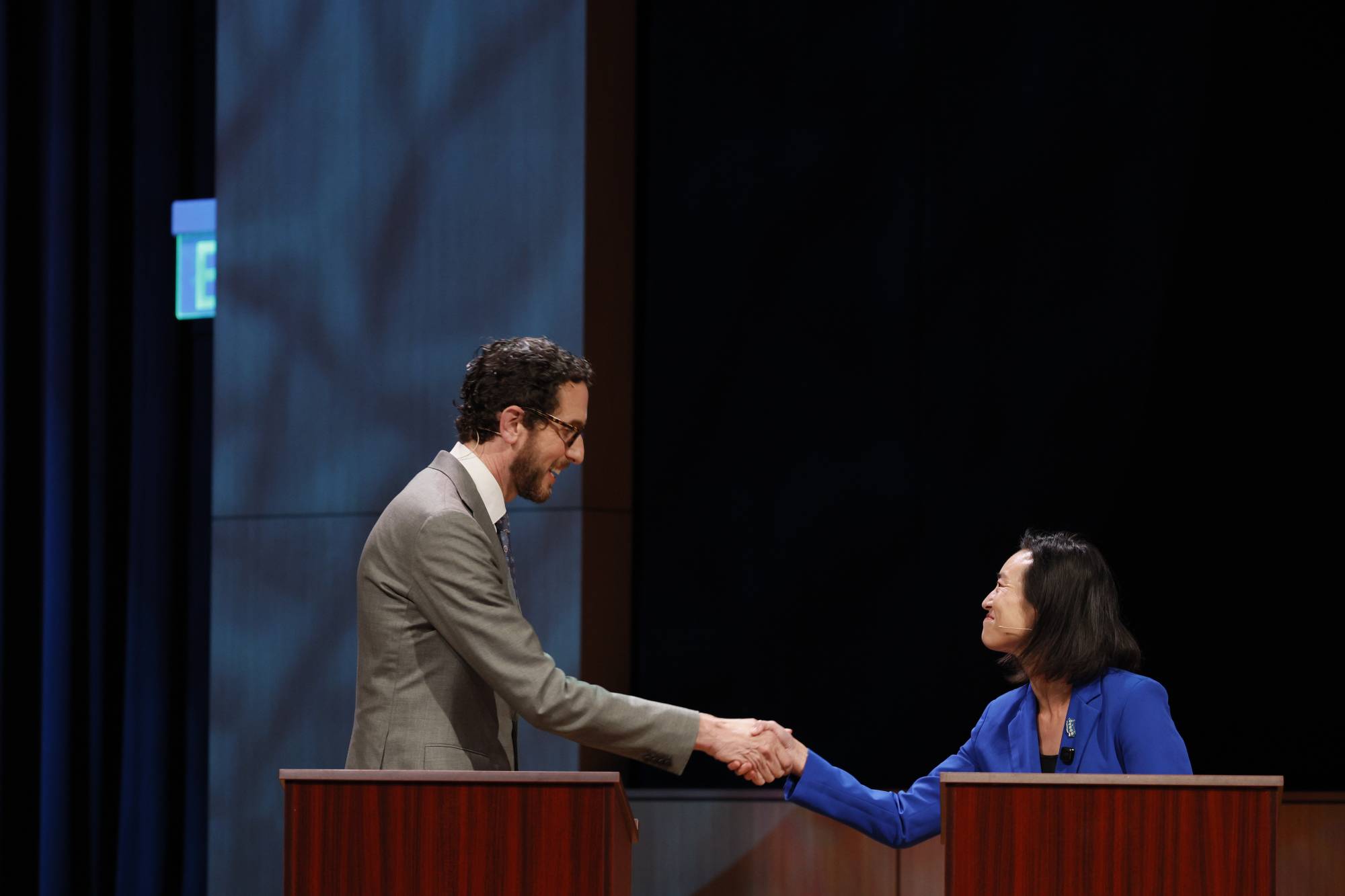
"caption": "From left: State Sen. Scott Wiener and San Francisco Supervisor Connie Chan end their debate with a handshake at KQED in San Francisco on Thursday, Oct. 1, 2026. ",
"credit": "Santiago Mejia/S.F. Chronicle/Pool",
"altTag": null,
"description": null,
"imgSizes": {
"medium": {
"file": "https://cdn.kqed.org/wp-content/uploads/sites/10/2026/10/kqed-debate-1-copy-3-2000x1333.jpg",
"width": 2000,
"height": 1333,
"mimeType": "image/jpeg"
},
"large": {
"file": "https://cdn.kqed.org/wp-content/uploads/sites/10/2026/10/kqed-debate-1-copy-3-2000x1333.jpg",
"width": 2000,
"height": 1333,
"mimeType": "image/jpeg"
},
"thumbnail": {
"file": "https://cdn.kqed.org/wp-content/uploads/sites/10/2026/10/kqed-debate-1-copy-3-160x107.jpg",
"width": 160,
"height": 107,
"mimeType": "image/jpeg"
},
"1536x1536": {
"file": "https://cdn.kqed.org/wp-content/uploads/sites/10/2026/10/kqed-debate-1-copy-3-1536x1024.jpg",
"width": 1536,
"height": 1024,
"mimeType": "image/jpeg"
},
"2048x2048": {
"file": "https://cdn.kqed.org/wp-content/uploads/sites/10/2026/10/kqed-debate-1-copy-3-2048x1365.jpg",
"width": 2048,
"height": 1365,
"mimeType": "image/jpeg"
},
"post-thumbnail": {
"file": "https://cdn.kqed.org/wp-content/uploads/sites/10/2026/10/kqed-debate-1-copy-3-672x372.jpg",
"width": 672,
"height": 372,
"mimeType": "image/jpeg"
},
"twentyfourteen-full-width": {
"file": "https://cdn.kqed.org/wp-content/uploads/sites/10/2026/10/kqed-debate-1-copy-3-1038x576.jpg",
"width": 1038,
"height": 576,
"mimeType": "image/jpeg"
},
"full-width": {
"file": "https://cdn.kqed.org/wp-content/uploads/sites/10/2026/10/kqed-debate-1-copy-3-2000x1333.jpg",
"width": 2000,
"height": 1333,
"mimeType": "image/jpeg"
},
"npr-cds-wide": {
"file": "https://cdn.kqed.org/wp-content/uploads/sites/10/2026/10/kqed-debate-1-copy-3-1200x675.jpg",
"width": 1200,
"height": 675,
"mimeType": "image/jpeg"
},
"npr-cds-square": {
"file": "https://cdn.kqed.org/wp-content/uploads/sites/10/2026/10/kqed-debate-1-copy-3-600x600.jpg",
"width": 600,
"height": 600,
"mimeType": "image/jpeg"
},
"kqedFullSize": {
"file": "https://cdn.kqed.org/wp-content/uploads/sites/10/2026/10/kqed-debate-1-copy-3-scaled.jpg",
"width": 2560,
"height": 1707
}
},
"isLoading": false,
"fetchFailed": false
},
"news_12104379": {
"type": "attachments",
"id": "news_12104379",
"meta": {
"index": "attachments_1716263798",
"site": "news",
"id": "12104379",
"found": true
},
"title": "Keion White SF 49ers Getty",
"publishDate": 1792004206,
"status": "inherit",
"parent": 12104374,
"modified": 1792004251,
"caption": "Keion White #56 of the San Francisco 49ers celebrates a fumble recovery against the Arizona Cardinals during the fourth quarter at State Farm Stadium on Nov. 16, 2025, in Glendale, Arizona.",
"credit": "Norm Hall/Getty Images",
"altTag": null,
"description": null,
"imgSizes": {
"thumbnail": {
"file": "https://cdn.kqed.org/wp-content/uploads/sites/10/2026/10/Keion-White-SF-49ers-Getty-0a1506c9-160x107.jpg",
"width": 160,
"height": 107,
"mimeType": "image/jpeg"
},
"1536x1536": {
"file": "https://cdn.kqed.org/wp-content/uploads/sites/10/2026/10/Keion-White-SF-49ers-Getty-0a1506c9-1536x1024.jpg",
"width": 1536,
"height": 1024,
"mimeType": "image/jpeg"
},
"post-thumbnail": {
"file": "https://cdn.kqed.org/wp-content/uploads/sites/10/2026/10/Keion-White-SF-49ers-Getty-0a1506c9-672x372.jpg",
"width": 672,
"height": 372,
"mimeType": "image/jpeg"
},
"twentyfourteen-full-width": {
"file": "https://cdn.kqed.org/wp-content/uploads/sites/10/2026/10/Keion-White-SF-49ers-Getty-0a1506c9-1038x576.jpg",
"width": 1038,
"height": 576,
"mimeType": "image/jpeg"
},
"npr-cds-wide": {
"file": "https://cdn.kqed.org/wp-content/uploads/sites/10/2026/10/Keion-White-SF-49ers-Getty-0a1506c9-1200x675.jpg",
"width": 1200,
"height": 675,
"mimeType": "image/jpeg"
},
"npr-cds-square": {
"file": "https://cdn.kqed.org/wp-content/uploads/sites/10/2026/10/Keion-White-SF-49ers-Getty-0a1506c9-600x600.jpg",
"width": 600,
"height": 600,
"mimeType": "image/jpeg"
},
"kqedFullSize": {
"file": "https://cdn.kqed.org/wp-content/uploads/sites/10/2026/10/Keion-White-SF-49ers-Getty-0a1506c9.jpg",
"width": 2000,
"height": 1333
}
},
"isLoading": false,
"fetchFailed": false
},
"news_12099186": {
"type": "attachments",
"id": "news_12099186",
"meta": {
"index": "attachments_1716263798",
"site": "news",
"id": "12099186",
"found": true
},
"title": "PG&EGetty",
"publishDate": 1789145080,
"status": "inherit",
"parent": 12099181,
"modified": 1792001280,
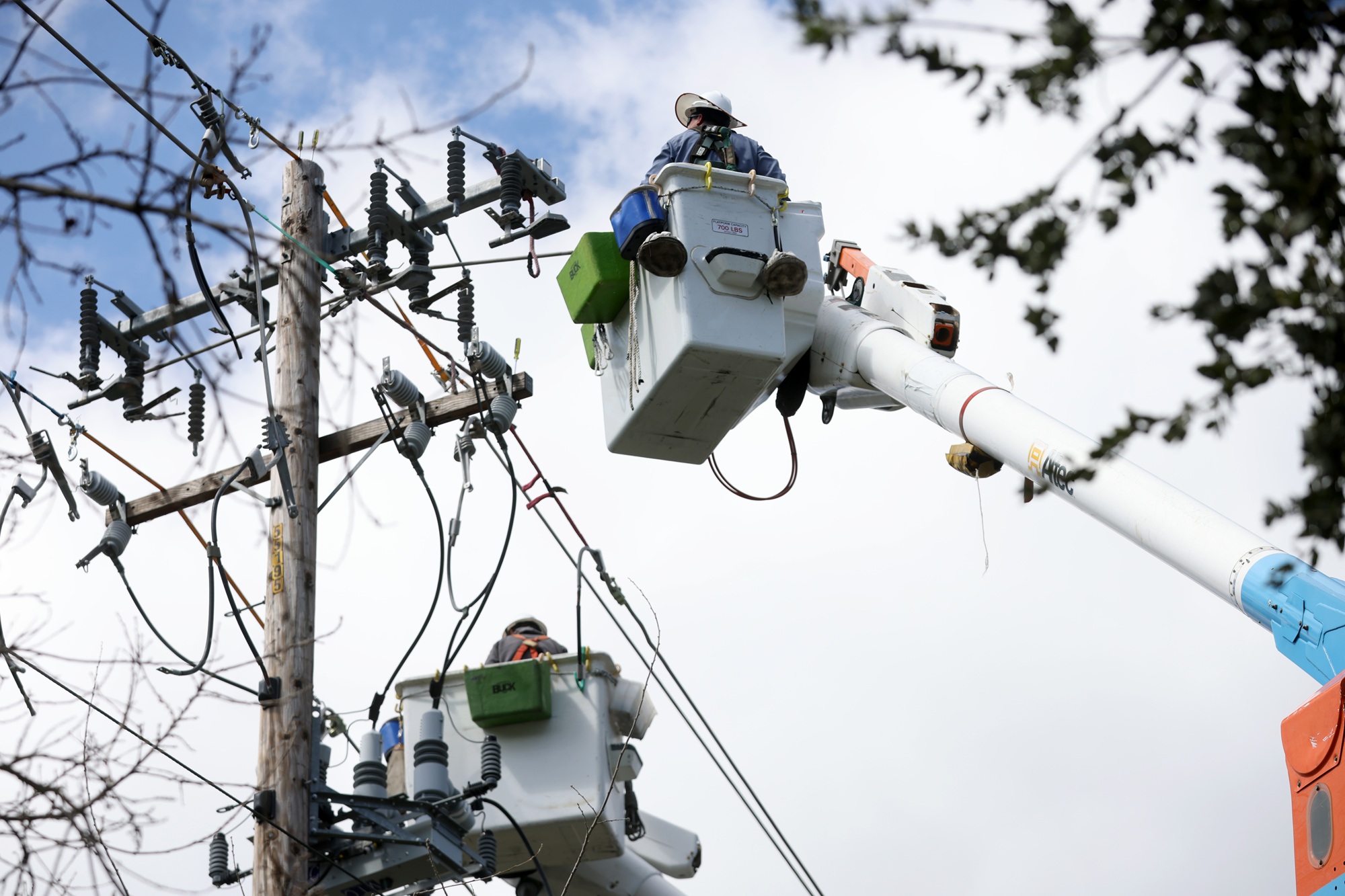
"caption": "A PG&E crew makes repairs along the Iron Horse Trail near Camille Avenue in Danville, California, on March 15, 2023. ",
"credit": "Jane Tyska/Digital First Media/East Bay Times via Getty Images",
"altTag": null,
"description": null,
"imgSizes": {
"thumbnail": {
"file": "https://cdn.kqed.org/wp-content/uploads/sites/10/2026/09/PGEGetty-160x107.jpg",
"width": 160,
"height": 107,
"mimeType": "image/jpeg"
},
"1536x1536": {
"file": "https://cdn.kqed.org/wp-content/uploads/sites/10/2026/09/PGEGetty-1536x1024.jpg",
"width": 1536,
"height": 1024,
"mimeType": "image/jpeg"
},
"post-thumbnail": {
"file": "https://cdn.kqed.org/wp-content/uploads/sites/10/2026/09/PGEGetty-672x372.jpg",
"width": 672,
"height": 372,
"mimeType": "image/jpeg"
},
"twentyfourteen-full-width": {
"file": "https://cdn.kqed.org/wp-content/uploads/sites/10/2026/09/PGEGetty-1038x576.jpg",
"width": 1038,
"height": 576,
"mimeType": "image/jpeg"
},
"npr-cds-wide": {
"file": "https://cdn.kqed.org/wp-content/uploads/sites/10/2026/09/PGEGetty-1200x675.jpg",
"width": 1200,
"height": 675,
"mimeType": "image/jpeg"
},
"npr-cds-square": {
"file": "https://cdn.kqed.org/wp-content/uploads/sites/10/2026/09/PGEGetty-600x600.jpg",
"width": 600,
"height": 600,
"mimeType": "image/jpeg"
},
"kqedFullSize": {
"file": "https://cdn.kqed.org/wp-content/uploads/sites/10/2026/09/PGEGetty.jpg",
"width": 2000,
"height": 1333
}
},
"isLoading": false,
"fetchFailed": false
},
"news_12104291": {
"type": "attachments",
"id": "news_12104291",
"meta": {
"index": "attachments_1716263798",
"site": "news",
"id": "12104291",
"found": true
},
"title": "261013-NateThurmondBasketballCourts-06-BL-KQED",
"publishDate": 1791936743,
"status": "inherit",
"parent": 0,
"modified": 1791936783,
"caption": "People play basketball at the Nate Thurmond Panhandle Basketball Courts in San Francisco on Oct. 13, 2026.",
"credit": "Beth LaBerge/KQED",
"altTag": null,
"description": null,
"imgSizes": {
"thumbnail": {
"file": "https://cdn.kqed.org/wp-content/uploads/sites/10/2026/10/261013-NateThurmondBasketballCourts-06-BL-KQED-365a4cf2-160x107.jpg",
"width": 160,
"height": 107,
"mimeType": "image/jpeg"
},
"1536x1536": {
"file": "https://cdn.kqed.org/wp-content/uploads/sites/10/2026/10/261013-NateThurmondBasketballCourts-06-BL-KQED-365a4cf2-1536x1024.jpg",
"width": 1536,
"height": 1024,
"mimeType": "image/jpeg"
},
"post-thumbnail": {
"file": "https://cdn.kqed.org/wp-content/uploads/sites/10/2026/10/261013-NateThurmondBasketballCourts-06-BL-KQED-365a4cf2-672x372.jpg",
"width": 672,
"height": 372,
"mimeType": "image/jpeg"
},
"twentyfourteen-full-width": {
"file": "https://cdn.kqed.org/wp-content/uploads/sites/10/2026/10/261013-NateThurmondBasketballCourts-06-BL-KQED-365a4cf2-1038x576.jpg",
"width": 1038,
"height": 576,
"mimeType": "image/jpeg"
},
"npr-cds-wide": {
"file": "https://cdn.kqed.org/wp-content/uploads/sites/10/2026/10/261013-NateThurmondBasketballCourts-06-BL-KQED-365a4cf2-1200x675.jpg",
"width": 1200,
"height": 675,
"mimeType": "image/jpeg"
},
"npr-cds-square": {
"file": "https://cdn.kqed.org/wp-content/uploads/sites/10/2026/10/261013-NateThurmondBasketballCourts-06-BL-KQED-365a4cf2-600x600.jpg",
"width": 600,
"height": 600,
"mimeType": "image/jpeg"
},
"kqedFullSize": {
"file": "https://cdn.kqed.org/wp-content/uploads/sites/10/2026/10/261013-NateThurmondBasketballCourts-06-BL-KQED-365a4cf2.jpg",
"width": 2000,
"height": 1333
}
},
"isLoading": false,
"fetchFailed": false
},
"news_12104315": {
"type": "attachments",
"id": "news_12104315",
"meta": {
"index": "attachments_1716263798",
"site": "news",
"id": "12104315",
"found": true
},
"title": "SJM-L-AURORA-1014-7.jpg",
"publishDate": 1791995296,
"status": "inherit",
"parent": 0,
"modified": 1792007627,
"caption": "Jacob Randolph enters the courtroom before being arraigned at the Hall of Justice in San José on Oct. 13, 2026. Randolph has been criminally charged in the alleged neglect death of 8-year-old Aurora Williams.",
"credit": "Nhat V. Meyer/Bay Area News Group",
"altTag": null,
"description": null,
"imgSizes": {
"thumbnail": {
"file": "https://cdn.kqed.org/wp-content/uploads/sites/10/2026/10/SJM-L-AURORA-1014-7-KQED-764fb166-160x116.jpg",
"width": 160,
"height": 116,
"mimeType": "image/jpeg"
},
"1536x1536": {
"file": "https://cdn.kqed.org/wp-content/uploads/sites/10/2026/10/SJM-L-AURORA-1014-7-KQED-764fb166-1536x1118.jpg",
"width": 1536,
"height": 1118,
"mimeType": "image/jpeg"
},
"post-thumbnail": {
"file": "https://cdn.kqed.org/wp-content/uploads/sites/10/2026/10/SJM-L-AURORA-1014-7-KQED-764fb166-672x372.jpg",
"width": 672,
"height": 372,
"mimeType": "image/jpeg"
},
"twentyfourteen-full-width": {
"file": "https://cdn.kqed.org/wp-content/uploads/sites/10/2026/10/SJM-L-AURORA-1014-7-KQED-764fb166-1038x576.jpg",
"width": 1038,
"height": 576,
"mimeType": "image/jpeg"
},
"npr-cds-wide": {
"file": "https://cdn.kqed.org/wp-content/uploads/sites/10/2026/10/SJM-L-AURORA-1014-7-KQED-764fb166-1200x675.jpg",
"width": 1200,
"height": 675,
"mimeType": "image/jpeg"
},
"npr-cds-square": {
"file": "https://cdn.kqed.org/wp-content/uploads/sites/10/2026/10/SJM-L-AURORA-1014-7-KQED-764fb166-600x600.jpg",
"width": 600,
"height": 600,
"mimeType": "image/jpeg"
},
"kqedFullSize": {
"file": "https://cdn.kqed.org/wp-content/uploads/sites/10/2026/10/SJM-L-AURORA-1014-7-KQED-764fb166.jpg",
"width": 2000,
"height": 1456
}
},
"isLoading": false,
"fetchFailed": false
},
"news_12104344": {
"type": "attachments",
"id": "news_12104344",
"meta": {
"index": "attachments_1716263798",
"site": "news",
"id": "12104344",
"found": true
},
"title": "MyShakeGetty",
"publishDate": 1791998539,
"status": "inherit",
"parent": 12104339,
"modified": 1791998586,
"caption": "A person checks the MyShake app on their smartphone in Hollywood, California, on Oct. 17, 2019. ",
"credit": "Chris Delmas/AFP via Getty Images",
"altTag": null,
"description": null,
"imgSizes": {
"thumbnail": {
"file": "https://cdn.kqed.org/wp-content/uploads/sites/10/2026/10/MyShakeGetty-ccd11e90-160x98.jpg",
"width": 160,
"height": 98,
"mimeType": "image/jpeg"
},
"1536x1536": {
"file": "https://cdn.kqed.org/wp-content/uploads/sites/10/2026/10/MyShakeGetty-ccd11e90-1536x942.jpg",
"width": 1536,
"height": 942,
"mimeType": "image/jpeg"
},
"post-thumbnail": {
"file": "https://cdn.kqed.org/wp-content/uploads/sites/10/2026/10/MyShakeGetty-ccd11e90-672x372.jpg",
"width": 672,
"height": 372,
"mimeType": "image/jpeg"
},
"twentyfourteen-full-width": {
"file": "https://cdn.kqed.org/wp-content/uploads/sites/10/2026/10/MyShakeGetty-ccd11e90-1038x576.jpg",
"width": 1038,
"height": 576,
"mimeType": "image/jpeg"
},
"npr-cds-wide": {
"file": "https://cdn.kqed.org/wp-content/uploads/sites/10/2026/10/MyShakeGetty-ccd11e90-1200x675.jpg",
"width": 1200,
"height": 675,
"mimeType": "image/jpeg"
},
"npr-cds-square": {
"file": "https://cdn.kqed.org/wp-content/uploads/sites/10/2026/10/MyShakeGetty-ccd11e90-600x600.jpg",
"width": 600,
"height": 600,
"mimeType": "image/jpeg"
},
"kqedFullSize": {
"file": "https://cdn.kqed.org/wp-content/uploads/sites/10/2026/10/MyShakeGetty-ccd11e90.jpg",
"width": 2000,
"height": 1227
}
},
"isLoading": false,
"fetchFailed": false
},
"news_12095609": {
"type": "attachments",
"id": "news_12095609",
"meta": {
"index": "attachments_1716263798",
"site": "news",
"id": "12095609",
"found": true
},
"title": "081726-SFUSDFirstDay-20-MC_qed",
"publishDate": 1786997792,
"status": "inherit",
"parent": 12096676,
"modified": 1791586733,
"caption": "Students arrive at Jose Ortega Elementary School for the first day of their school year on Aug. 17, 2026, in San Francisco.",
"credit": "Miles Cull/KQED",
"altTag": null,
"description": null,
"imgSizes": {
"thumbnail": {
"file": "https://cdn.kqed.org/wp-content/uploads/sites/10/2026/08/081726-SFUSDFirstDay-20-MC_qed-160x107.jpg",
"width": 160,
"height": 107,
"mimeType": "image/jpeg"
},
"1536x1536": {
"file": "https://cdn.kqed.org/wp-content/uploads/sites/10/2026/08/081726-SFUSDFirstDay-20-MC_qed-1536x1025.jpg",
"width": 1536,
"height": 1025,
"mimeType": "image/jpeg"
},
"post-thumbnail": {
"file": "https://cdn.kqed.org/wp-content/uploads/sites/10/2026/08/081726-SFUSDFirstDay-20-MC_qed-672x372.jpg",
"width": 672,
"height": 372,
"mimeType": "image/jpeg"
},
"twentyfourteen-full-width": {
"file": "https://cdn.kqed.org/wp-content/uploads/sites/10/2026/08/081726-SFUSDFirstDay-20-MC_qed-1038x576.jpg",
"width": 1038,
"height": 576,
"mimeType": "image/jpeg"
},
"npr-cds-wide": {
"file": "https://cdn.kqed.org/wp-content/uploads/sites/10/2026/08/081726-SFUSDFirstDay-20-MC_qed-1200x675.jpg",
"width": 1200,
"height": 675,
"mimeType": "image/jpeg"
},
"npr-cds-square": {
"file": "https://cdn.kqed.org/wp-content/uploads/sites/10/2026/08/081726-SFUSDFirstDay-20-MC_qed-600x600.jpg",
"width": 600,
"height": 600,
"mimeType": "image/jpeg"
},
"kqedFullSize": {
"file": "https://cdn.kqed.org/wp-content/uploads/sites/10/2026/08/081726-SFUSDFirstDay-20-MC_qed.jpg",
"width": 1998,
"height": 1333
}
},
"isLoading": false,
"fetchFailed": false
},
"news_12104237": {
"type": "attachments",
"id": "news_12104237",
"meta": {
"index": "attachments_1716263798",
"site": "news",
"id": "12104237",
"found": true
},
"title": "081726-SFUSDFirstDay-15-MC_qed",
"publishDate": 1791928524,
"status": "inherit",
"parent": 12104230,
"modified": 1791928559,
"caption": "San Francisco Unified School District superintendent, Dr. Maria Su, speaks during Jose Ortega Elementary School’s first morning circle of the school year on Aug. 17, 2026, in San Francisco.",
"credit": "Miles Cull/KQED",
"altTag": null,
"description": null,
"imgSizes": {
"thumbnail": {
"file": "https://cdn.kqed.org/wp-content/uploads/sites/10/2026/10/081726-SFUSDFirstDay-15-MC_qed-d2248720-160x107.jpg",
"width": 160,
"height": 107,
"mimeType": "image/jpeg"
},
"1536x1536": {
"file": "https://cdn.kqed.org/wp-content/uploads/sites/10/2026/10/081726-SFUSDFirstDay-15-MC_qed-d2248720-1536x1024.jpg",
"width": 1536,
"height": 1024,
"mimeType": "image/jpeg"
},
"post-thumbnail": {
"file": "https://cdn.kqed.org/wp-content/uploads/sites/10/2026/10/081726-SFUSDFirstDay-15-MC_qed-d2248720-672x372.jpg",
"width": 672,
"height": 372,
"mimeType": "image/jpeg"
},
"twentyfourteen-full-width": {
"file": "https://cdn.kqed.org/wp-content/uploads/sites/10/2026/10/081726-SFUSDFirstDay-15-MC_qed-d2248720-1038x576.jpg",
"width": 1038,
"height": 576,
"mimeType": "image/jpeg"
},
"npr-cds-wide": {
"file": "https://cdn.kqed.org/wp-content/uploads/sites/10/2026/10/081726-SFUSDFirstDay-15-MC_qed-d2248720-1200x675.jpg",
"width": 1200,
"height": 675,
"mimeType": "image/jpeg"
},
"npr-cds-square": {
"file": "https://cdn.kqed.org/wp-content/uploads/sites/10/2026/10/081726-SFUSDFirstDay-15-MC_qed-d2248720-600x600.jpg",
"width": 600,
"height": 600,
"mimeType": "image/jpeg"
},
"kqedFullSize": {
"file": "https://cdn.kqed.org/wp-content/uploads/sites/10/2026/10/081726-SFUSDFirstDay-15-MC_qed-d2248720.jpg",
"width": 2000,
"height": 1333
}
},
"isLoading": false,
"fetchFailed": false
},
"news_12104149": {
"type": "attachments",
"id": "news_12104149",
"meta": {
"index": "attachments_1716263798",
"site": "news",
"id": "12104149",
"found": true
},
"title": "ElNinoGetty",
"publishDate": 1791911515,
"status": "inherit",
"parent": 12104145,
"modified": 1791933279,
"caption": "A drone photograph of waves crashing against E. Seaside Walk at Peninsula on Sunday, Oct. 11, 2026, in Long Beach. ",
"credit": "Kayla Bartkowski/Los Angeles Times via Getty Images",
"altTag": null,
"description": null,
"imgSizes": {
"thumbnail": {
"file": "https://cdn.kqed.org/wp-content/uploads/sites/10/2026/10/ElNinoGetty-203e6b11-160x120.jpg",
"width": 160,
"height": 120,
"mimeType": "image/jpeg"
},
"1536x1536": {
"file": "https://cdn.kqed.org/wp-content/uploads/sites/10/2026/10/ElNinoGetty-203e6b11-1536x1150.jpg",
"width": 1536,
"height": 1150,
"mimeType": "image/jpeg"
},
"post-thumbnail": {
"file": "https://cdn.kqed.org/wp-content/uploads/sites/10/2026/10/ElNinoGetty-203e6b11-672x372.jpg",
"width": 672,
"height": 372,
"mimeType": "image/jpeg"
},
"twentyfourteen-full-width": {
"file": "https://cdn.kqed.org/wp-content/uploads/sites/10/2026/10/ElNinoGetty-203e6b11-1038x576.jpg",
"width": 1038,
"height": 576,
"mimeType": "image/jpeg"
},
"npr-cds-wide": {
"file": "https://cdn.kqed.org/wp-content/uploads/sites/10/2026/10/ElNinoGetty-203e6b11-1200x675.jpg",
"width": 1200,
"height": 675,
"mimeType": "image/jpeg"
},
"npr-cds-square": {
"file": "https://cdn.kqed.org/wp-content/uploads/sites/10/2026/10/ElNinoGetty-203e6b11-600x600.jpg",
"width": 600,
"height": 600,
"mimeType": "image/jpeg"
},
"kqedFullSize": {
"file": "https://cdn.kqed.org/wp-content/uploads/sites/10/2026/10/ElNinoGetty-203e6b11.jpg",
"width": 2000,
"height": 1497
}
},
"isLoading": false,
"fetchFailed": false
},
"news_12104215": {
"type": "attachments",
"id": "news_12104215",
"meta": {
"index": "attachments_1716263798",
"site": "news",
"id": "12104215",
"found": true
},
"title": "20261013_MillValleyDeathsFolo_GC-4-KQED",
"publishDate": 1791923340,
"status": "inherit",
"parent": 0,
"modified": 1791932287,
"caption": "The home of former SFPD Sgt. Kevin Mannix, his estranged wife Ann Mannix, a retired SFPD deputy chief, and their 24-year-old daughter Katherine Mannix, where authorities say Kevin shot and killed Ann and Katherine in a suspected double murder-suicide, in Strawberry (unincorporated Marin County) on Oct. 13, 2026.",
"credit": "Gina Castro/KQED",
"altTag": null,
"description": null,
"imgSizes": {
"thumbnail": {
"file": "https://cdn.kqed.org/wp-content/uploads/sites/10/2026/10/20261013_MillValleyDeathsFolo_GC-4-KQED-6bf098f9-160x107.jpg",
"width": 160,
"height": 107,
"mimeType": "image/jpeg"
},
"1536x1536": {
"file": "https://cdn.kqed.org/wp-content/uploads/sites/10/2026/10/20261013_MillValleyDeathsFolo_GC-4-KQED-6bf098f9-1536x1025.jpg",
"width": 1536,
"height": 1025,
"mimeType": "image/jpeg"
},
"post-thumbnail": {
"file": "https://cdn.kqed.org/wp-content/uploads/sites/10/2026/10/20261013_MillValleyDeathsFolo_GC-4-KQED-6bf098f9-672x372.jpg",
"width": 672,
"height": 372,
"mimeType": "image/jpeg"
},
"twentyfourteen-full-width": {
"file": "https://cdn.kqed.org/wp-content/uploads/sites/10/2026/10/20261013_MillValleyDeathsFolo_GC-4-KQED-6bf098f9-1038x576.jpg",
"width": 1038,
"height": 576,
"mimeType": "image/jpeg"
},
"npr-cds-wide": {
"file": "https://cdn.kqed.org/wp-content/uploads/sites/10/2026/10/20261013_MillValleyDeathsFolo_GC-4-KQED-6bf098f9-1200x675.jpg",
"width": 1200,
"height": 675,
"mimeType": "image/jpeg"
},
"npr-cds-square": {
"file": "https://cdn.kqed.org/wp-content/uploads/sites/10/2026/10/20261013_MillValleyDeathsFolo_GC-4-KQED-6bf098f9-600x600.jpg",
"width": 600,
"height": 600,
"mimeType": "image/jpeg"
},
"kqedFullSize": {
"file": "https://cdn.kqed.org/wp-content/uploads/sites/10/2026/10/20261013_MillValleyDeathsFolo_GC-4-KQED-6bf098f9.jpg",
"width": 2000,
"height": 1334
}
},
"isLoading": false,
"fetchFailed": false
},
"news_12104141": {
"type": "attachments",
"id": "news_12104141",
"meta": {
"index": "attachments_1716263798",
"site": "news",
"id": "12104141",
"found": true
},
"title": "United States Disciplinary Barracks Getty",
"publishDate": 1791910405,
"status": "inherit",
"parent": 12104135,
"modified": 1791910469,
"caption": "The United States Disciplinary Barracks, where Nidal Malik Hasan is being held on death row, is seen in Fort Leavenworth. Hasan, the U.S. Army Major who was convicted of killing 13 people and wounding 32 others during a mass shooting at Fort Hood in 2009, has been approved by President Donald Trump for execution by military firing squad.",
"credit": "Paul Hennessy/SOPA Images/LightRocket via Getty Images",
"altTag": null,
"description": null,
"imgSizes": {
"thumbnail": {
"file": "https://cdn.kqed.org/wp-content/uploads/sites/10/2026/10/United-States-Disciplinary-Barracks-Getty-14f4c2ef-160x94.jpg",
"width": 160,
"height": 94,
"mimeType": "image/jpeg"
},
"1536x1536": {
"file": "https://cdn.kqed.org/wp-content/uploads/sites/10/2026/10/United-States-Disciplinary-Barracks-Getty-14f4c2ef-1536x904.jpg",
"width": 1536,
"height": 904,
"mimeType": "image/jpeg"
},
"post-thumbnail": {
"file": "https://cdn.kqed.org/wp-content/uploads/sites/10/2026/10/United-States-Disciplinary-Barracks-Getty-14f4c2ef-672x372.jpg",
"width": 672,
"height": 372,
"mimeType": "image/jpeg"
},
"twentyfourteen-full-width": {
"file": "https://cdn.kqed.org/wp-content/uploads/sites/10/2026/10/United-States-Disciplinary-Barracks-Getty-14f4c2ef-1038x576.jpg",
"width": 1038,
"height": 576,
"mimeType": "image/jpeg"
},
"npr-cds-wide": {
"file": "https://cdn.kqed.org/wp-content/uploads/sites/10/2026/10/United-States-Disciplinary-Barracks-Getty-14f4c2ef-1200x675.jpg",
"width": 1200,
"height": 675,
"mimeType": "image/jpeg"
},
"npr-cds-square": {
"file": "https://cdn.kqed.org/wp-content/uploads/sites/10/2026/10/United-States-Disciplinary-Barracks-Getty-14f4c2ef-600x600.jpg",
"width": 600,
"height": 600,
"mimeType": "image/jpeg"
},
"kqedFullSize": {
"file": "https://cdn.kqed.org/wp-content/uploads/sites/10/2026/10/United-States-Disciplinary-Barracks-Getty-14f4c2ef.jpg",
"width": 2000,
"height": 1177
}
},
"isLoading": false,
"fetchFailed": false
},
"news_12104002": {
"type": "attachments",
"id": "news_12104002",
"meta": {
"index": "attachments_1716263798",
"site": "news",
"id": "12104002",
"found": true
},
"title": "XavierBecerraGetty",
"publishDate": 1791826117,
"status": "inherit",
"parent": 12103827,
"modified": 1791826163,
"caption": "Democratic candidate for governor Xavier Becerra is introduced at a campaign event with Clarissa Cervantes, right, who his running for State Assembly in District 58, on Oct. 2, 2026, in Riverside, California.",
"credit": "Gina Ferazzi/Los Angeles Times via Getty Images",
"altTag": null,
"description": null,
"imgSizes": {
"thumbnail": {
"file": "https://cdn.kqed.org/wp-content/uploads/sites/10/2026/10/XavierBecerraGetty-d1be7b5d-160x107.jpg",
"width": 160,
"height": 107,
"mimeType": "image/jpeg"
},
"1536x1536": {
"file": "https://cdn.kqed.org/wp-content/uploads/sites/10/2026/10/XavierBecerraGetty-d1be7b5d-1536x1024.jpg",
"width": 1536,
"height": 1024,
"mimeType": "image/jpeg"
},
"post-thumbnail": {
"file": "https://cdn.kqed.org/wp-content/uploads/sites/10/2026/10/XavierBecerraGetty-d1be7b5d-672x372.jpg",
"width": 672,
"height": 372,
"mimeType": "image/jpeg"
},
"twentyfourteen-full-width": {
"file": "https://cdn.kqed.org/wp-content/uploads/sites/10/2026/10/XavierBecerraGetty-d1be7b5d-1038x576.jpg",
"width": 1038,
"height": 576,
"mimeType": "image/jpeg"
},
"npr-cds-wide": {
"file": "https://cdn.kqed.org/wp-content/uploads/sites/10/2026/10/XavierBecerraGetty-d1be7b5d-1200x675.jpg",
"width": 1200,
"height": 675,
"mimeType": "image/jpeg"
},
"npr-cds-square": {
"file": "https://cdn.kqed.org/wp-content/uploads/sites/10/2026/10/XavierBecerraGetty-d1be7b5d-600x600.jpg",
"width": 600,
"height": 600,
"mimeType": "image/jpeg"
},
"kqedFullSize": {
"file": "https://cdn.kqed.org/wp-content/uploads/sites/10/2026/10/XavierBecerraGetty-d1be7b5d.jpg",
"width": 2000,
"height": 1333
}
},
"isLoading": false,
"fetchFailed": false
}
},
"audioPlayerReducer": {
"postId": "stream_live",
"isPaused": true,
"isPlaying": false,
"pfsActive": false,
"pledgeModalIsOpen": true,
"playerDrawerIsOpen": false,
"liveAudioPlayStartedAt": 0,
"liveAudioPlayContext": ""
},
"authorsReducer": {
"byline_news_12104302": {
"type": "authors",
"id": "byline_news_12104302",
"meta": {
"override": true
},
"slug": "byline_news_12104302",
"name": "Jose Velazquez",
"isLoading": false
},
"carlysevern": {
"type": "authors",
"id": "3243",
"meta": {
"index": "authors_1716337520",
"id": "3243",
"found": true
},
"name": "Carly Severn",
"firstName": "Carly",
"lastName": "Severn",
"slug": "carlysevern",
"email": "csevern@kqed.org",
"display_author_email": false,
"staff_mastheads": [
"news"
],
"title": "Senior Editor, Audience News ",
"bio": "Carly is KQED's Senior Editor of Audience News on the Digital News team, and has reported for the California Report Magazine, Bay Curious and KQED Arts. She's formerly the host of \u003ca href=\"http://ww2.kqed.org/pop/category/the-cooler/\" rel=\"noopener noreferrer\">The Cooler\u003c/a> podcast.",
"avatar": "https://secure.gravatar.com/avatar/54037bf5c128fe678f0ef26cec97a93f2e7f220a22d7285703328f12c42c1b1d?s=600&d=blank&r=g",
"twitter": "teacupinthebay",
"bluesky": null,
"facebook": null,
"instagram": null,
"linkedin": null,
"sites": [
{
"site": "",
"roles": [
"editor"
]
},
{
"site": "arts",
"roles": [
"editor"
]
},
{
"site": "news",
"roles": [
"administrator"
]
},
{
"site": "pop",
"roles": [
"editor"
]
},
{
"site": "futureofyou",
"roles": [
"editor"
]
},
{
"site": "about",
"roles": [
"administrator"
]
},
{
"site": "mindshift",
"roles": [
"editor"
]
},
{
"site": "bayareabites",
"roles": [
"editor"
]
},
{
"site": "stateofhealth",
"roles": [
"editor"
]
},
{
"site": "science",
"roles": [
"editor"
]
},
{
"site": "food",
"roles": [
"contributor"
]
},
{
"site": "forum",
"roles": [
"editor"
]
},
{
"site": "perspectives",
"roles": [
"administrator"
]
},
{
"site": "liveblog",
"roles": [
"editor"
]
}
],
"headData": {
"title": "Carly Severn | KQED",
"description": "Senior Editor, Audience News ",
"ogImgSrc": "https://secure.gravatar.com/avatar/54037bf5c128fe678f0ef26cec97a93f2e7f220a22d7285703328f12c42c1b1d?s=600&d=blank&r=g",
"twImgSrc": "https://secure.gravatar.com/avatar/54037bf5c128fe678f0ef26cec97a93f2e7f220a22d7285703328f12c42c1b1d?s=600&d=blank&r=g"
},
"isLoading": false,
"link": "/author/carlysevern"
},
"smohamad": {
"type": "authors",
"id": "11631",
"meta": {
"index": "authors_1716337520",
"id": "11631",
"found": true
},
"name": "Sarah Mohamad",
"firstName": "Sarah",
"lastName": "Mohamad",
"slug": "smohamad",
"email": "smohamad@KQED.org",
"display_author_email": true,
"staff_mastheads": [],
"title": "Engagement Producer and Reporter, KQED Science",
"bio": "Sarah Mohamad is an audience engagement reporter and producer for KQED Science. She reports on audience-focused science and environment stories and manages the team's social media, newsletter, and engagement efforts. Prior to this role, she played a key role as project manager for NSF's \u003ca href=\"https://www.kqed.org/crackingthecode\">\u003cem>Cracking the Code: Influencing Millennial Science Engagement\u003c/em> \u003c/a>audience research.",
"avatar": "https://secure.gravatar.com/avatar/e6224957cd82d015183756ddde1f928013a563d7ca2e4565f8c4de1ec64886c5?s=600&d=blank&r=g",
"twitter": "sarahkmohamad",
"bluesky": null,
"facebook": null,
"instagram": null,
"linkedin": null,
"sites": [
{
"site": "",
"roles": [
"editor"
]
},
{
"site": "arts",
"roles": [
"editor"
]
},
{
"site": "news",
"roles": [
"editor"
]
},
{
"site": "about",
"roles": [
"editor"
]
},
{
"site": "science",
"roles": [
"editor"
]
}
],
"headData": {
"title": "Sarah Mohamad | KQED",
"description": "Engagement Producer and Reporter, KQED Science",
"ogImgSrc": "https://secure.gravatar.com/avatar/e6224957cd82d015183756ddde1f928013a563d7ca2e4565f8c4de1ec64886c5?s=600&d=blank&r=g",
"twImgSrc": "https://secure.gravatar.com/avatar/e6224957cd82d015183756ddde1f928013a563d7ca2e4565f8c4de1ec64886c5?s=600&d=blank&r=g"
},
"isLoading": false,
"link": "/author/smohamad"
},
"btorres": {
"type": "authors",
"id": "11666",
"meta": {
"index": "authors_1716337520",
"id": "11666",
"found": true
},
"name": "Blanca Torres",
"firstName": "Blanca",
"lastName": "Torres",
"slug": "btorres",
"email": "btorres@kqed.org",
"display_author_email": true,
"staff_mastheads": [
"news"
],
"title": "Producer, Forum",
"bio": "Blanca Torres brings sharp news judgement and keen sense of lively conversation to her work as producer for Forum. She loves producing shows that leave listeners feeling like they heard distinctive voices, learned something new and gained a fresh perspective.\r\n\r\nShe joined KQED in January of 2020 after 16 years of working as a newspaper reporter most recently at the \u003cem>San Francisco Business Times,\u003c/em> where she wrote about real estate and economic development. Before that, she covered a variety of beats including crime, education, retail, workplace, the economy, consumer issues, and small business for the \u003cem>Contra Costa Times, Baltimore Sun\u003c/em> and\u003cem> The Seattle Times\u003c/em>. In addition to reporting, she worked as an editorial writer and columnist for the \u003cem>Seattle Times\u003c/em>. From 2017 to 2020, Blanca won a total of ten awards from the National Association of Real Estate Editors and won first place for land use reporting from the California News Publishers Association two years in a row. She is also a member and former board member for the National Association of Hispanic Journalists.\r\n\r\nA native of the Pacific Northwest, Blanca earned her bachelor's degree from Vanderbilt University in Nashville and a master's in fine arts in creative writing at Mills College. She lives in the East Bay with her family.",
"avatar": "https://secure.gravatar.com/avatar/50b49d19b14a1eed34f26ebf4681152cdd81574ed21851100871ccd29e578cdc?s=600&d=blank&r=g",
"twitter": "@blancawrites",
"bluesky": null,
"facebook": null,
"instagram": null,
"linkedin": null,
"sites": [
{
"site": "arts",
"roles": [
"editor"
]
},
{
"site": "news",
"roles": [
"editor"
]
},
{
"site": "forum",
"roles": [
"editor"
]
}
],
"headData": {
"title": "Blanca Torres | KQED",
"description": "Producer, Forum",
"ogImgSrc": "https://secure.gravatar.com/avatar/50b49d19b14a1eed34f26ebf4681152cdd81574ed21851100871ccd29e578cdc?s=600&d=blank&r=g",
"twImgSrc": "https://secure.gravatar.com/avatar/50b49d19b14a1eed34f26ebf4681152cdd81574ed21851100871ccd29e578cdc?s=600&d=blank&r=g"
},
"isLoading": false,
"link": "/author/btorres"
},
"eromero": {
"type": "authors",
"id": "11746",
"meta": {
"index": "authors_1716337520",
"id": "11746",
"found": true
},
"name": "Ezra David Romero",
"firstName": "Ezra David",
"lastName": "Romero",
"slug": "eromero",
"email": "eromero@kqed.org",
"display_author_email": true,
"staff_mastheads": [
"news",
"science"
],
"title": "Climate Reporter",
"bio": "Ezra David Romero is a climate reporter for KQED News. He covers the absence and excess of water in the Bay Area — think sea level rise, flooding and drought. For nearly a decade he’s covered how warming temperatures are altering the lives of Californians. He’s reported on farmers worried their pistachio trees aren’t getting enough sleep, families desperate for water, scientists studying dying giant sequoias, and alongside firefighters containing wildfires. His work has appeared on local stations across California and nationally on public radio shows like Morning Edition, Here and Now, All Things Considered and Science Friday. ",
"avatar": "https://secure.gravatar.com/avatar/c76404d287c10ed40224227551ac36e24352c7306f106632caf6fead76f8801f?s=600&d=blank&r=g",
"twitter": "ezraromero",
"bluesky": null,
"facebook": null,
"instagram": null,
"linkedin": null,
"sites": [
{
"site": "arts",
"roles": [
"editor"
]
},
{
"site": "news",
"roles": [
"editor"
]
},
{
"site": "science",
"roles": [
"editor"
]
},
{
"site": "liveblog",
"roles": [
"author"
]
}
],
"headData": {
"title": "Ezra David Romero | KQED",
"description": "Climate Reporter",
"ogImgSrc": "https://secure.gravatar.com/avatar/c76404d287c10ed40224227551ac36e24352c7306f106632caf6fead76f8801f?s=600&d=blank&r=g",
"twImgSrc": "https://secure.gravatar.com/avatar/c76404d287c10ed40224227551ac36e24352c7306f106632caf6fead76f8801f?s=600&d=blank&r=g"
},
"isLoading": false,
"link": "/author/eromero"
},
"calam": {
"type": "authors",
"id": "11834",
"meta": {
"index": "authors_1716337520",
"id": "11834",
"found": true
},
"name": "Christopher Alam",
"firstName": "Christopher",
"lastName": "Alam",
"slug": "calam",
"email": "calam@kqed.org",
"display_author_email": true,
"staff_mastheads": [
"news"
],
"title": "KQED Contributor",
"bio": "Christopher Alam is a radio newscast intern working on local news and general assignment reporting. Before joining KQED he was active in college radio and journalism at UC Davis, where he received a bachelor's degree in English and professional writing in 2021. He is also a creative writer and does freelance work. Born in Fresno, he is now based in San Francisco and Oakland.",
"avatar": "https://secure.gravatar.com/avatar/b3a8308c5aaa97024a7274f0a617bd7083c2b6c50039ea7d1c08f831158d1951?s=600&d=blank&r=g",
"twitter": "_chrisalam",
"bluesky": null,
"facebook": null,
"instagram": "christopher_alam",
"linkedin": null,
"sites": [
{
"site": "arts",
"roles": [
"editor"
]
},
{
"site": "news",
"roles": [
"editor"
]
}
],
"headData": {
"title": "Christopher Alam | KQED",
"description": "KQED Contributor",
"ogImgSrc": "https://secure.gravatar.com/avatar/b3a8308c5aaa97024a7274f0a617bd7083c2b6c50039ea7d1c08f831158d1951?s=600&d=blank&r=g",
"twImgSrc": "https://secure.gravatar.com/avatar/b3a8308c5aaa97024a7274f0a617bd7083c2b6c50039ea7d1c08f831158d1951?s=600&d=blank&r=g"
},
"isLoading": false,
"link": "/author/calam"
},
"sjohnson": {
"type": "authors",
"id": "11840",
"meta": {
"index": "authors_1716337520",
"id": "11840",
"found": true
},
"name": "Sydney Johnson",
"firstName": "Sydney",
"lastName": "Johnson",
"slug": "sjohnson",
"email": "sjohnson@kqed.org",
"display_author_email": false,
"staff_mastheads": [
"news"
],
"title": "KQED Reporter",
"bio": "Sydney Johnson is a general assignment reporter at KQED. She previously reported on public health and city government at the San Francisco Examiner, and before that, she covered statewide education policy for EdSource. Her reporting has won multiple local, state and national awards. Sydney is a graduate of the University of California, Berkeley and lives in San Francisco.",
"avatar": "https://secure.gravatar.com/avatar/97855f2719b72ad6190b7c535fe642c8?s=600&d=blank&r=g",
"twitter": "sydneyfjohnson",
"facebook": null,
"instagram": null,
"linkedin": null,
"sites": [
{
"site": "news",
"roles": [
"editor"
]
}
],
"headData": {
"title": "Sydney Johnson | KQED",
"description": "KQED Reporter",
"ogImgSrc": "https://secure.gravatar.com/avatar/97855f2719b72ad6190b7c535fe642c8?s=600&d=blank&r=g",
"twImgSrc": "https://secure.gravatar.com/avatar/97855f2719b72ad6190b7c535fe642c8?s=600&d=blank&r=g"
},
"isLoading": false,
"link": "/author/sjohnson"
},
"jgeha": {
"type": "authors",
"id": "11906",
"meta": {
"index": "authors_1716337520",
"id": "11906",
"found": true
},
"name": "Joseph Geha",
"firstName": "Joseph",
"lastName": "Geha",
"slug": "jgeha",
"email": "jgeha@kqed.org",
"display_author_email": false,
"staff_mastheads": [
"news",
"science"
],
"title": "KQED Contributor",
"bio": null,
"avatar": "https://secure.gravatar.com/avatar/ea84d2b6dd93d6369d453edf19dd583f117cd1759d2d9c9c92f9de77017354fe?s=600&d=blank&r=g",
"twitter": null,
"bluesky": null,
"facebook": null,
"instagram": null,
"linkedin": null,
"sites": [
{
"site": "news",
"roles": [
"editor"
]
},
{
"site": "liveblog",
"roles": [
"author"
]
}
],
"headData": {
"title": "Joseph Geha | KQED",
"description": "KQED Contributor",
"ogImgSrc": "https://secure.gravatar.com/avatar/ea84d2b6dd93d6369d453edf19dd583f117cd1759d2d9c9c92f9de77017354fe?s=600&d=blank&r=g",
"twImgSrc": "https://secure.gravatar.com/avatar/ea84d2b6dd93d6369d453edf19dd583f117cd1759d2d9c9c92f9de77017354fe?s=600&d=blank&r=g"
},
"isLoading": false,
"link": "/author/jgeha"
},
"kdebenedetti": {
"type": "authors",
"id": "11913",
"meta": {
"index": "authors_1716337520",
"id": "11913",
"found": true
},
"name": "Katie DeBenedetti",
"firstName": "Katie",
"lastName": "DeBenedetti",
"slug": "kdebenedetti",
"email": "kdebenedetti@kqed.org",
"display_author_email": false,
"staff_mastheads": [
"news",
"science"
],
"title": "KQED Contributor",
"bio": "Katie DeBenedetti is a digital reporter covering daily news for the Express Desk. Prior to joining KQED as a culture reporting intern in January 2024, she covered education and city government for the Napa Valley Register.",
"avatar": "https://secure.gravatar.com/avatar/6e31073cb8f7e4214ab03f42771d0f45?s=600&d=blank&r=g",
"twitter": null,
"facebook": null,
"instagram": null,
"linkedin": null,
"sites": [
{
"site": "news",
"roles": [
"author"
]
},
{
"site": "science",
"roles": [
"author"
]
},
{
"site": "liveblog",
"roles": [
"author"
]
}
],
"headData": {
"title": "Katie DeBenedetti | KQED",
"description": "KQED Contributor",
"ogImgSrc": "https://secure.gravatar.com/avatar/6e31073cb8f7e4214ab03f42771d0f45?s=600&d=blank&r=g",
"twImgSrc": "https://secure.gravatar.com/avatar/6e31073cb8f7e4214ab03f42771d0f45?s=600&d=blank&r=g"
},
"isLoading": false,
"link": "/author/kdebenedetti"
},
"bkrans": {
"type": "authors",
"id": "11923",
"meta": {
"index": "authors_1716337520",
"id": "11923",
"found": true
},
"name": "Brian Krans",
"firstName": "Brian",
"lastName": "Krans",
"slug": "bkrans",
"email": "bkrans@kqed.org",
"display_author_email": false,
"staff_mastheads": [
"news"
],
"title": "KQED Contributing Reporter",
"bio": "Brian Krans is an award-winning local news and investigative reporter who has been proudly working as a general assignment reporter for KQED since August 2023. He lives in Richmond, where he also reports on air pollution for Richmondside. He is also a founding member of the Vallejo Sun.",
"avatar": "https://secure.gravatar.com/avatar/71fa91f931774612559f7640390b53d9c2840ff72b20f195a25239aab2d9fbb9?s=600&d=blank&r=g",
"twitter": "citizenkrans",
"bluesky": null,
"facebook": null,
"instagram": null,
"linkedin": null,
"sites": [
{
"site": "news",
"roles": [
"editor"
]
}
],
"headData": {
"title": "Brian Krans | KQED",
"description": "KQED Contributing Reporter",
"ogImgSrc": "https://secure.gravatar.com/avatar/71fa91f931774612559f7640390b53d9c2840ff72b20f195a25239aab2d9fbb9?s=600&d=blank&r=g",
"twImgSrc": "https://secure.gravatar.com/avatar/71fa91f931774612559f7640390b53d9c2840ff72b20f195a25239aab2d9fbb9?s=600&d=blank&r=g"
},
"isLoading": false,
"link": "/author/bkrans"
},
"psibulo": {
"type": "authors",
"id": "11995",
"meta": {
"index": "authors_1716337520",
"id": "11995",
"found": true
},
"name": "Paula Sibulo",
"firstName": "Paula",
"lastName": "Sibulo",
"slug": "psibulo",
"email": "psibulo@kqed.org",
"display_author_email": false,
"staff_mastheads": [
"news"
],
"title": "KQED Contributor",
"bio": "Paula Sibulo is a reporter, weekend host and producer at KQED. She graduated from San Francisco State University, where she studied broadcast journalism and served as the editor-in-chief of its student-run newspaper, \u003cem>Golden Gate Xpress\u003c/em>. Her work has been recognized with awards from Society of Professional Journalists NorCal, College Media Association, Associated Collegiate Press, and Best of SNO.",
"avatar": "https://secure.gravatar.com/avatar/0548c07ed39b61edb3e76faad378e49a997fd03a43541c27edf5392b1e0738f6?s=600&d=blank&r=g",
"twitter": null,
"bluesky": null,
"facebook": null,
"instagram": null,
"linkedin": null,
"sites": [
{
"site": "news",
"roles": [
"contributor"
]
}
],
"headData": {
"title": "Paula Sibulo | KQED",
"description": "KQED Contributor",
"ogImgSrc": "https://secure.gravatar.com/avatar/0548c07ed39b61edb3e76faad378e49a997fd03a43541c27edf5392b1e0738f6?s=600&d=blank&r=g",
"twImgSrc": "https://secure.gravatar.com/avatar/0548c07ed39b61edb3e76faad378e49a997fd03a43541c27edf5392b1e0738f6?s=600&d=blank&r=g"
},
"isLoading": false,
"link": "/author/psibulo"
},
"ejackson": {
"type": "authors",
"id": "12003",
"meta": {
"index": "authors_1716337520",
"id": "12003",
"found": true
},
"name": "Ella Jackson",
"firstName": "Ella",
"lastName": "Jackson",
"slug": "ejackson",
"email": "ejackson@kqed.org",
"display_author_email": false,
"staff_mastheads": [],
"title": "KQED Contributor",
"bio": null,
"avatar": "https://secure.gravatar.com/avatar/3c688edc62aec1dcae096e1475956d245f72bde99cff316455871c9b22a7205b?s=600&d=blank&r=g",
"twitter": null,
"bluesky": null,
"facebook": null,
"instagram": null,
"linkedin": null,
"sites": [
{
"site": "news",
"roles": [
"author"
]
},
{
"site": "science",
"roles": [
"author"
]
}
],
"headData": {
"title": "Ella Jackson | KQED",
"description": "KQED Contributor",
"ogImgSrc": "https://secure.gravatar.com/avatar/3c688edc62aec1dcae096e1475956d245f72bde99cff316455871c9b22a7205b?s=600&d=blank&r=g",
"twImgSrc": "https://secure.gravatar.com/avatar/3c688edc62aec1dcae096e1475956d245f72bde99cff316455871c9b22a7205b?s=600&d=blank&r=g"
},
"isLoading": false,
"link": "/author/ejackson"
}
},
"pagesReducer": {
"news_category_local": {
"type": "terms",
"id": "news_28250",
"meta": {
"index": "terms_1716263798",
"site": "news",
"id": "28250",
"score": 12.795616
},
"featImg": null,
"name": "Local",
"description": null,
"taxonomy": "category",
"headData": {
"twImgId": null,
"twTitle": null,
"ogTitle": null,
"ogImgId": null,
"twDescription": null,
"description": null,
"title": "Local Archives | KQED News",
"ogDescription": null
},
"ttid": 28267,
"slug": "local",
"isLoading": false,
"title": "Local",
"pageMeta": {
"site": "news",
"WpPageTemplate": "page-topic-editorial",
"currentPage": 18
},
"blocks": [
{
"blockName": "kqed/post-list",
"attrs": {
"layout": "cardArticle2",
"query": "posts/news?category=local",
"seeMore": false,
"paginated": true,
"page": 18
}
},
{
"blockName": "kqed/ad"
}
]
}
},
"pfsSessionReducer": {},
"postsReducer": {
"stream_live": {
"type": "live",
"id": "stream_live",
"audioUrl": "https://hls.kqed.org/hls/kqed_app/playlist.m3u8",
"title": "Live Stream",
"excerpt": "Live Stream information currently unavailable.",
"link": "/radio",
"featImg": "",
"label": {
"name": "KQED Live",
"link": "/"
}
},
"stream_kqedNewscast": {
"type": "posts",
"id": "stream_kqedNewscast",
"audioUrl": "https://www.kqed.org/.stream/anon/radio/RDnews/newscast.mp3?_=1",
"title": "KQED Newscast",
"featImg": "",
"label": {
"name": "88.5 FM",
"link": "/"
}
},
"news_12104381": {
"type": "posts",
"id": "news_12104381",
"meta": {
"index": "posts_1716263798",
"site": "news",
"id": "12104381",
"score": null,
"sort": [
1792062000000
]
},
"guestAuthors": [],
"slug": "san-francisco-is-ground-zero-for-ai-how-would-congressional-candidates-push-for-regulation",
"title": "San Francisco Is Ground Zero for AI. How Would Congressional Candidates Push for Regulation?",
"publishDate": 1792062000,
"format": "standard",
"headTitle": "San Francisco Is Ground Zero for AI. How Would Congressional Candidates Push for Regulation? | KQED",
"labelTerm": {
"site": "news"
},
"content": "\n\u003cp>At the center of the \u003ca href=\"https://www.kqed.org/news/tag/artificial-intelligence\">artificial intelligence\u003c/a> boom, candidates looking to represent San Francisco in Washington appear aligned on a common goal: AI must be regulated. But how to do that is where the debate really heats up. \u003c/p>\n\n\n\n\u003cp>State Sen. Scott Wiener and San Francisco Supervisor Connie Chan are vying for Rep. Nancy Pelosi’s seat in Congress as the former House speaker prepares to \u003ca href=\"https://www.kqed.org/news/12062796/nancy-pelosi-leaves-congress-after-38-years-defining-generations-of-democratic-power\">retire\u003c/a> after nearly four decades. They’re competing for votes at a time when concerns are rising around AI, from mass job loss to automated data privacy hacks and computer-driven nuclear war. \u003c/p>\n\n\n\n\u003cp>“Consumers have not seen such rapid change with any new technology. I mean, you could look to the internet, you could to railroads, you can go all the way back and look at industrialization in the 1800s, but we’ve just never seen this sort of rapid development,” said Michele Neitz, a professor of law, technology and social transformation at the University of San Francisco School of Law. \u003c/p>\n\n\n\n\u003cp>Currently, there is no comprehensive federal framework regulating AI, and \u003ca href=\"https://www.kqed.org/news/12102152/experts-urge-federal-lawmakers-to-regulate-ai-will-anyone-heed-their-alarm\">experts following AI\u003c/a> development closely say it’s time for lawmakers in Washington to set up guardrails even as President Donald Trump has suggested \u003ca href=\"https://www.kqed.org/news/12103983/ai-founders-cheer-trumps-calls-for-the-industry-to-police-itself-on-safety\">AI companies will regulate themselves\u003c/a>. \u003c/p>\n\n\n\n\u003cfigure class=\"wp-block-image size-full\">\u003cimg loading=\"lazy\" decoding=\"async\" width=\"2000\" height=\"1334\" src=\"https://cdn.kqed.org/wp-content/uploads/sites/10/2026/10/kqed-debate-1-copy-2-scaled-e1790958307792.jpg\" alt=\"\" class=\"wp-image-12102554\"/>\u003cfigcaption class=\"wp-element-caption\">State Sen. Scott Wiener during a debate with San Francisco Supervisor Connie Chan at KQED in San Francisco on Thursday, Oct. 1, 2026. The two Democrats are running for California’s 11th District, a seat Speaker Emerita Nancy Pelosi is leaving. KQED and the San Francisco Chronicle co-hosted the debate. (Santiago Mejia/S.F. Chronicle/Pool)\u003c/figcaption>\u003c/figure>\n\n\n\n\u003cp>“That rapid development is happening more quickly than our political system can keep up,” Neitz said. \u003c/p>\n\n\n\n\u003cp>Wiener has long been vocal about the need to regulate and increase transparency around AI, and authored the country’s first \u003ca href=\"https://www.kqed.org/news/12058013/newsom-signs-california-ai-transparency-bill-tailored-to-meet-tech-industry-tastes\">AI transparency bill\u003c/a>, which California passed in 2025. His first attempt at an AI safety bill included a “kill-switch” for disastrous scenarios and other safeguards; however, that bill was vetoed by Gov. Gavin Newsom. \u003c/p>\n\n\n\n\u003cp>The bill that did pass, SB 53, has since been adapted around the country, including by New York City, and other places like Connecticut have gone on to add even more comprehensive AI legislation focused on areas like education and workforce mandates. \u003c/p>\n\n\n\n\u003cp>Along the campaign trail, Wiener has leaned into that legislative experience and touted being an early advocate for AI safety. His vision for Congress is to create a federal regulatory body to oversee AI security, increase guardrails and protect whistleblowers, and expand unemployment to brace for waves of job displacement. \u003c/p>\n\n\n\n\n\n\u003cp>In a video advertisement, Wiener tells viewers that “AI is getting more powerful by the day, and the risks are very real.” He said that in Washington, he would continue to seek the kill-switch approach, along with more legal liability and safety standards and cooperation with other countries on AI safety.\u003c/p>\n\n\n\n\u003cp>Wiener has also said that AI data centers should pick up the tab for their environmental costs, and he supports transitioning data centers towards greener energy, rather than a full ban on new facilities.\u003c/p>\n\n\n\n\u003cp>Chan meanwhile has taken what Neitz said is the more “populist” approach, calling for a full moratorium on data centers and giving unions and AI workers a voice in regulation.\u003c/p>\n\n\n\n\u003cp>In her own video on the topic, Chan pointed to a $3.9 billion tax break that Meta received last year to build data centers. “We’re going to regulate artificial intelligence to make sure we can protect our workforce and prioritize safety for the American people,” she said. “No more tax breaks for these billionaires and tech corporations.”\u003c/p>\n\n\n\n\u003cp>She’s also criticized her opponent’s AI safety bill, calling it “watered down” and influenced by big tech interests. The bill also did not prevent major cyberattacks this year, where AI models \u003ca href=\"https://www.kqed.org/news/12092162/how-openais-models-escaped-their-sandbox-and-slipped-past-californias-ai-law\">hacked into other platforms\u003c/a> and breached government websites. Chan said the companies overseeing the models, OpenAI and Anthropic, should “absolutely” be held liable for the attacks. \u003c/p>\n\n\n\n\u003cp>“Instead of waiting for something catastrophic to happen and to have a so-called kill switch, it is important to have human oversight during the developmental phase of the technology,” Chan said at a debate this week hosted by \u003cem>Mission Local\u003c/em> and the \u003cem>New York Times\u003c/em>. “Can we trust the AI industries to police and regulate themselves? And can we trust any politicians who are bankrolled by the AI industry? I say no.”\u003c/p>\n\n\n\n\u003cp>The advocacy group Public First Action, which is pushing for more AI regulation and has received money from the AI company Anthropic, has poured $3 million into Abundant Future, an independent expenditure committee supporting Wiener, Punchbowl News first reported. \u003c/p>\n\n\n\n\u003cfigure class=\"wp-block-image size-full\">\u003cimg loading=\"lazy\" decoding=\"async\" width=\"2000\" height=\"1334\" src=\"https://cdn.kqed.org/wp-content/uploads/sites/10/2026/10/kqed-debate-3-scaled-e1790958264709.jpg\" alt=\"\" class=\"wp-image-12102556\"/>\u003cfigcaption class=\"wp-element-caption\">San Francisco Supervisor Connie Chan during her debate with state Sen. Scott Wiener at KQED in San Francisco on Thursday, Oct. 1, 2026. The two Democrats are running for California’s 11th District, a seat Speaker Emerita Nancy Pelosi is leaving. KQED and the San Francisco Chronicle co-hosted the debate. (Santiago Mejia/S.F. Chronicle/Pool)\u003c/figcaption>\u003c/figure>\n\n\n\n\u003cp>Wiener, in the debate this week, said, “That PAC supports candidates who are pro-AI regulation, and because I have actually regulated AI and will lead in regulating AI in Congress, that is my understanding of why that PAC is supporting me.”\u003c/p>\n\n\n\n\u003cp>He went on to defend his record, saying he “went to war with big tech to pass AI regulation in California.”\u003c/p>\n\n\n\n\u003cp>In September, tech titans including Anthropic’s Dario Amodei and OpenAI’s Sam Altman, both leading San Francisco-based companies, made headlines for sounding the alarm about potentially devastating impacts of AI on humanity and called for regulations. \u003c/p>\n\n\n\n\u003cp>But AI CEOs are not all in agreement on the issue. Others are advocating for self-regulation in order not to hinder development of the technology or risk falling behind China’s AI advancements. \u003c/p>\n\n\n\n\u003cfigure class=\"wp-block-image size-full\">\u003cimg loading=\"lazy\" decoding=\"async\" width=\"1618\" height=\"1078\" src=\"https://cdn.kqed.org/wp-content/uploads/sites/10/2026/10/AP26272702876598-c2e61000.jpg\" alt=\"\" class=\"wp-image-12103984\" srcset=\"https://cdn.kqed.org/wp-content/uploads/sites/10/2026/10/AP26272702876598-c2e61000.jpg 1618w, https://cdn.kqed.org/wp-content/uploads/sites/10/2026/10/AP26272702876598-c2e61000-160x107.jpg 160w, https://cdn.kqed.org/wp-content/uploads/sites/10/2026/10/AP26272702876598-c2e61000-1536x1023.jpg 1536w\" sizes=\"auto, (max-width: 1618px) 100vw, 1618px\" />\u003cfigcaption class=\"wp-element-caption\">President Donald Trump, center, next to Nvidia CEO Jensen Huang, left, and Elon Musk, right, speaks in the East Room of the White House in Washington on Sept. 29, 2026, surrounded by top executives of AI firms including, from top left, Microsoft CEO Satya Nadella, Greg Brockman, President of OpenAI, House Speaker Mike Johnson, AMD CEO Lisa Su, Palo Alto Networks Chief Executive Nikesh Arora and David Sacks. (Jacquelyn Martin/AP Photo)\u003c/figcaption>\u003c/figure>\n\n\n\n\u003cp>President Donald Trump has pushed back against regulatory guardrails for AI, previously calling doomsday threats a “hoax.” In September, he signed a document with executives at Google, Anthropic, Meta, OpenAI, Nvidia and SpaceX that calls for “robust internal processes and controls to ensure that their technology behaves as intended.”\u003c/p>\n\n\n\n\u003cp>Both Chan and Wiener don’t trust the idea. \u003c/p>\n\n\n\n\u003cp>“We must not allow the tech companies to write their own self-regulation,” Wiener said. “We need Congress to step up and regulate tech to make sure technology is serving the public and not harming the public, and that will be a priority for me.”\u003c/p>\n\n\n\n\u003cp>Slowing down AI development has become the biggest political issue for many in the Bay Area. Wynd Kaufman, a retired former engineering teacher at City College of San Francisco, was one of several protesters arrested outside of the OpenAI headquarters last year, months before its CEO came out warning about the technology’s potential downsides. \u003c/p>\n\n\n\n\n\n\u003cp>“Politicians are realizing that people do not want AI. We don’t want our environment degradation. We don’t want our rivers to run dry. We want our humanity and our privacy,” she said at an anti-AI protest on Thursday. \u003c/p>\n\n\n\n\u003cp>Local politicians are weighing, too. In San Francisco, the Board of Supervisors recently \u003ca href=\"https://www.kqed.org/news/12099583/san-francisco-supervisors-push-for-moratorium-on-new-data-centers\">passed a 45-day moratorium\u003c/a> on allowing new data centers, which use tremendous amounts of energy to train and run AI models. The board’s decision followed nationwide trends where communities have pushed back on opening up new data centers.\u003c/p>\n\n\n\n\u003cp>But negative sentiment around AI has put San Francisco leaders in a bind, particularly business-friendly leaders who are banking on the AI industry to revive the city’s local economy. \u003c/p>\n\n\n\n\u003cp>The Bay Area region has added more than 20,000 AI jobs over the past year, even amid massive waves of layoffs and overall contraction of the tech industry, according to CBRE’s 2026 Scoring Tech Talent report.\u003c/p>\n\n\n\n\u003cp>“The concentration of talent, venture capital, leading universities and innovative companies continues to make the Bay Area the premier destination for AI development and investment,” said Colin Yasukochi, executive director of CBRE Tech Insights.\u003c/p>\n\n\n\n\u003cp>For whichever candidate wins, the questions around AI safety are not likely going away soon. \u003c/p>\n\n\n\n\u003cp>According to Neitz, “2027 is going to be a big year in AI legislation regardless of the outcome of the midterms because the people are clamoring for it and Congress will need to respond.”\u003c/p>\n",
"blocks": [
{
"blockName": "core/paragraph",
"attrs": {
"dropCap": false
},
"innerHTML": "\n\u003cp>At the center of the \u003ca href=\"https://www.kqed.org/news/tag/artificial-intelligence\">artificial intelligence\u003c/a> boom, candidates looking to represent San Francisco in Washington appear aligned on a common goal: AI must be regulated. But how to do that is where the debate really heats up. \u003c/p>\n",
"innerContent": [
"\n\u003cp>At the center of the \u003ca href=\"https://www.kqed.org/news/tag/artificial-intelligence\">artificial intelligence\u003c/a> boom, candidates looking to represent San Francisco in Washington appear aligned on a common goal: AI must be regulated. But how to do that is where the debate really heats up. \u003c/p>\n"
],
"innerBlocks": []
},
{
"blockName": "core/paragraph",
"attrs": {
"dropCap": false
},
"innerHTML": "\n\u003cp>State Sen. Scott Wiener and San Francisco Supervisor Connie Chan are vying for Rep. Nancy Pelosi’s seat in Congress as the former House speaker prepares to \u003ca href=\"https://www.kqed.org/news/12062796/nancy-pelosi-leaves-congress-after-38-years-defining-generations-of-democratic-power\">retire\u003c/a> after nearly four decades. They’re competing for votes at a time when concerns are rising around AI, from mass job loss to automated data privacy hacks and computer-driven nuclear war. \u003c/p>\n",
"innerContent": [
"\n\u003cp>State Sen. Scott Wiener and San Francisco Supervisor Connie Chan are vying for Rep. Nancy Pelosi’s seat in Congress as the former House speaker prepares to \u003ca href=\"https://www.kqed.org/news/12062796/nancy-pelosi-leaves-congress-after-38-years-defining-generations-of-democratic-power\">retire\u003c/a> after nearly four decades. They’re competing for votes at a time when concerns are rising around AI, from mass job loss to automated data privacy hacks and computer-driven nuclear war. \u003c/p>\n"
],
"innerBlocks": []
},
{
"blockName": "core/paragraph",
"attrs": {
"dropCap": false
},
"innerHTML": "\n\u003cp>“Consumers have not seen such rapid change with any new technology. I mean, you could look to the internet, you could to railroads, you can go all the way back and look at industrialization in the 1800s, but we’ve just never seen this sort of rapid development,” said Michele Neitz, a professor of law, technology and social transformation at the University of San Francisco School of Law. \u003c/p>\n",
"innerContent": [
"\n\u003cp>“Consumers have not seen such rapid change with any new technology. I mean, you could look to the internet, you could to railroads, you can go all the way back and look at industrialization in the 1800s, but we’ve just never seen this sort of rapid development,” said Michele Neitz, a professor of law, technology and social transformation at the University of San Francisco School of Law. \u003c/p>\n"
],
"innerBlocks": []
},
{
"blockName": "core/paragraph",
"attrs": {
"dropCap": false
},
"innerHTML": "\n\u003cp>Currently, there is no comprehensive federal framework regulating AI, and \u003ca href=\"https://www.kqed.org/news/12102152/experts-urge-federal-lawmakers-to-regulate-ai-will-anyone-heed-their-alarm\">experts following AI\u003c/a> development closely say it’s time for lawmakers in Washington to set up guardrails even as President Donald Trump has suggested \u003ca href=\"https://www.kqed.org/news/12103983/ai-founders-cheer-trumps-calls-for-the-industry-to-police-itself-on-safety\">AI companies will regulate themselves\u003c/a>. \u003c/p>\n",
"innerContent": [
"\n\u003cp>Currently, there is no comprehensive federal framework regulating AI, and \u003ca href=\"https://www.kqed.org/news/12102152/experts-urge-federal-lawmakers-to-regulate-ai-will-anyone-heed-their-alarm\">experts following AI\u003c/a> development closely say it’s time for lawmakers in Washington to set up guardrails even as President Donald Trump has suggested \u003ca href=\"https://www.kqed.org/news/12103983/ai-founders-cheer-trumps-calls-for-the-industry-to-police-itself-on-safety\">AI companies will regulate themselves\u003c/a>. \u003c/p>\n"
],
"innerBlocks": []
},
{
"blockName": "core/image",
"attrs": {
"id": 12102554,
"sizeSlug": "full",
"linkDestination": "none",
"alt": ""
},
"innerHTML": "\n\u003cfigure class=\"wp-block-image size-full\">\u003cimg src=\"https://cdn.kqed.org/wp-content/uploads/sites/10/2026/10/kqed-debate-1-copy-2-scaled-e1790958307792.jpg\" alt=\"\" class=\"wp-image-12102554\"/>\u003cfigcaption class=\"wp-element-caption\">State Sen. Scott Wiener during a debate with San Francisco Supervisor Connie Chan at KQED in San Francisco on Thursday, Oct. 1, 2026. The two Democrats are running for California’s 11th District, a seat Speaker Emerita Nancy Pelosi is leaving. KQED and the San Francisco Chronicle co-hosted the debate.\u003ccite class=\"wp-inline-image-credit\"> (Santiago Mejia/S.F. Chronicle/Pool)\u003c/cite>\u003c/figcaption>\u003c/figure>\n",
"innerContent": [
"\n\u003cfigure class=\"wp-block-image size-full\">\u003cimg src=\"https://cdn.kqed.org/wp-content/uploads/sites/10/2026/10/kqed-debate-1-copy-2-scaled-e1790958307792.jpg\" alt=\"\" class=\"wp-image-12102554\"/>\u003cfigcaption class=\"wp-element-caption\">State Sen. Scott Wiener during a debate with San Francisco Supervisor Connie Chan at KQED in San Francisco on Thursday, Oct. 1, 2026. The two Democrats are running for California’s 11th District, a seat Speaker Emerita Nancy Pelosi is leaving. KQED and the San Francisco Chronicle co-hosted the debate.\u003ccite class=\"wp-inline-image-credit\"> (Santiago Mejia/S.F. Chronicle/Pool)\u003c/cite>\u003c/figcaption>\u003c/figure>\n"
],
"innerBlocks": []
},
{
"blockName": "core/paragraph",
"attrs": {
"dropCap": false
},
"innerHTML": "\n\u003cp>“That rapid development is happening more quickly than our political system can keep up,” Neitz said. \u003c/p>\n",
"innerContent": [
"\n\u003cp>“That rapid development is happening more quickly than our political system can keep up,” Neitz said. \u003c/p>\n"
],
"innerBlocks": []
},
{
"blockName": "core/paragraph",
"attrs": {
"dropCap": false
},
"innerHTML": "\n\u003cp>Wiener has long been vocal about the need to regulate and increase transparency around AI, and authored the country’s first \u003ca href=\"https://www.kqed.org/news/12058013/newsom-signs-california-ai-transparency-bill-tailored-to-meet-tech-industry-tastes\">AI transparency bill\u003c/a>, which California passed in 2025. His first attempt at an AI safety bill included a “kill-switch” for disastrous scenarios and other safeguards; however, that bill was vetoed by Gov. Gavin Newsom. \u003c/p>\n",
"innerContent": [
"\n\u003cp>Wiener has long been vocal about the need to regulate and increase transparency around AI, and authored the country’s first \u003ca href=\"https://www.kqed.org/news/12058013/newsom-signs-california-ai-transparency-bill-tailored-to-meet-tech-industry-tastes\">AI transparency bill\u003c/a>, which California passed in 2025. His first attempt at an AI safety bill included a “kill-switch” for disastrous scenarios and other safeguards; however, that bill was vetoed by Gov. Gavin Newsom. \u003c/p>\n"
],
"innerBlocks": []
},
{
"blockName": "core/paragraph",
"attrs": {
"dropCap": false
},
"innerHTML": "\n\u003cp>The bill that did pass, SB 53, has since been adapted around the country, including by New York City, and other places like Connecticut have gone on to add even more comprehensive AI legislation focused on areas like education and workforce mandates. \u003c/p>\n",
"innerContent": [
"\n\u003cp>The bill that did pass, SB 53, has since been adapted around the country, including by New York City, and other places like Connecticut have gone on to add even more comprehensive AI legislation focused on areas like education and workforce mandates. \u003c/p>\n"
],
"innerBlocks": []
},
{
"blockName": "core/paragraph",
"attrs": {
"dropCap": false
},
"innerHTML": "\n\u003cp>Along the campaign trail, Wiener has leaned into that legislative experience and touted being an early advocate for AI safety. His vision for Congress is to create a federal regulatory body to oversee AI security, increase guardrails and protect whistleblowers, and expand unemployment to brace for waves of job displacement. \u003c/p>\n",
"innerContent": [
"\n\u003cp>Along the campaign trail, Wiener has leaned into that legislative experience and touted being an early advocate for AI safety. His vision for Congress is to create a federal regulatory body to oversee AI security, increase guardrails and protect whistleblowers, and expand unemployment to brace for waves of job displacement. \u003c/p>\n"
],
"innerBlocks": []
},
{
"blockName": "kqed-v2/related-articles",
"attrs": {
"label": "From the 2026 Voter Guide",
"heroImage": "https://cdn.kqed.org/wp-content/uploads/sites/80/2026/09/Aside-Voter-Guide-2026-Midterm-Elections-San-Francisco-1200x1200@2x.png",
"heroImageLink": "https://www.kqed.org/voterguide/sanfrancisco",
"manualLinks": [
{
"url": "https://www.kqed.org/voterguide/sanfrancisco",
"title": "San Francisco: Your Voter Guide to Navigate the Candidates and Issues on Your Ballot"
}
],
"query": "",
"postIds": [],
"labelWasCleared": false,
"maxPosts": 3,
"showImages": true,
"heroImageAlt": "",
"labelLink": "",
"alignment": "right",
"target": "_self",
"posts": []
},
"innerHTML": "",
"innerContent": [],
"innerBlocks": []
},
{
"blockName": "core/paragraph",
"attrs": {
"dropCap": false
},
"innerHTML": "\n\u003cp>In a video advertisement, Wiener tells viewers that “AI is getting more powerful by the day, and the risks are very real.” He said that in Washington, he would continue to seek the kill-switch approach, along with more legal liability and safety standards and cooperation with other countries on AI safety.\u003c/p>\n",
"innerContent": [
"\n\u003cp>In a video advertisement, Wiener tells viewers that “AI is getting more powerful by the day, and the risks are very real.” He said that in Washington, he would continue to seek the kill-switch approach, along with more legal liability and safety standards and cooperation with other countries on AI safety.\u003c/p>\n"
],
"innerBlocks": []
},
{
"blockName": "core/paragraph",
"attrs": {
"dropCap": false
},
"innerHTML": "\n\u003cp>Wiener has also said that AI data centers should pick up the tab for their environmental costs, and he supports transitioning data centers towards greener energy, rather than a full ban on new facilities.\u003c/p>\n",
"innerContent": [
"\n\u003cp>Wiener has also said that AI data centers should pick up the tab for their environmental costs, and he supports transitioning data centers towards greener energy, rather than a full ban on new facilities.\u003c/p>\n"
],
"innerBlocks": []
},
{
"blockName": "core/paragraph",
"attrs": {
"dropCap": false
},
"innerHTML": "\n\u003cp>Chan meanwhile has taken what Neitz said is the more “populist” approach, calling for a full moratorium on data centers and giving unions and AI workers a voice in regulation.\u003c/p>\n",
"innerContent": [
"\n\u003cp>Chan meanwhile has taken what Neitz said is the more “populist” approach, calling for a full moratorium on data centers and giving unions and AI workers a voice in regulation.\u003c/p>\n"
],
"innerBlocks": []
},
{
"blockName": "core/paragraph",
"attrs": {
"dropCap": false
},
"innerHTML": "\n\u003cp>In her own video on the topic, Chan pointed to a $3.9 billion tax break that Meta received last year to build data centers. “We’re going to regulate artificial intelligence to make sure we can protect our workforce and prioritize safety for the American people,” she said. “No more tax breaks for these billionaires and tech corporations.”\u003c/p>\n",
"innerContent": [
"\n\u003cp>In her own video on the topic, Chan pointed to a $3.9 billion tax break that Meta received last year to build data centers. “We’re going to regulate artificial intelligence to make sure we can protect our workforce and prioritize safety for the American people,” she said. “No more tax breaks for these billionaires and tech corporations.”\u003c/p>\n"
],
"innerBlocks": []
},
{
"blockName": "core/paragraph",
"attrs": {
"dropCap": false
},
"innerHTML": "\n\u003cp>She’s also criticized her opponent’s AI safety bill, calling it “watered down” and influenced by big tech interests. The bill also did not prevent major cyberattacks this year, where AI models \u003ca href=\"https://www.kqed.org/news/12092162/how-openais-models-escaped-their-sandbox-and-slipped-past-californias-ai-law\">hacked into other platforms\u003c/a> and breached government websites. Chan said the companies overseeing the models, OpenAI and Anthropic, should “absolutely” be held liable for the attacks. \u003c/p>\n",
"innerContent": [
"\n\u003cp>She’s also criticized her opponent’s AI safety bill, calling it “watered down” and influenced by big tech interests. The bill also did not prevent major cyberattacks this year, where AI models \u003ca href=\"https://www.kqed.org/news/12092162/how-openais-models-escaped-their-sandbox-and-slipped-past-californias-ai-law\">hacked into other platforms\u003c/a> and breached government websites. Chan said the companies overseeing the models, OpenAI and Anthropic, should “absolutely” be held liable for the attacks. \u003c/p>\n"
],
"innerBlocks": []
},
{
"blockName": "core/paragraph",
"attrs": {
"dropCap": false
},
"innerHTML": "\n\u003cp>“Instead of waiting for something catastrophic to happen and to have a so-called kill switch, it is important to have human oversight during the developmental phase of the technology,” Chan said at a debate this week hosted by \u003cem>Mission Local\u003c/em> and the \u003cem>New York Times\u003c/em>. “Can we trust the AI industries to police and regulate themselves? And can we trust any politicians who are bankrolled by the AI industry? I say no.”\u003c/p>\n",
"innerContent": [
"\n\u003cp>“Instead of waiting for something catastrophic to happen and to have a so-called kill switch, it is important to have human oversight during the developmental phase of the technology,” Chan said at a debate this week hosted by \u003cem>Mission Local\u003c/em> and the \u003cem>New York Times\u003c/em>. “Can we trust the AI industries to police and regulate themselves? And can we trust any politicians who are bankrolled by the AI industry? I say no.”\u003c/p>\n"
],
"innerBlocks": []
},
{
"blockName": "core/paragraph",
"attrs": {
"dropCap": false
},
"innerHTML": "\n\u003cp>The advocacy group Public First Action, which is pushing for more AI regulation and has received money from the AI company Anthropic, has poured $3 million into Abundant Future, an independent expenditure committee supporting Wiener, Punchbowl News first reported. \u003c/p>\n",
"innerContent": [
"\n\u003cp>The advocacy group Public First Action, which is pushing for more AI regulation and has received money from the AI company Anthropic, has poured $3 million into Abundant Future, an independent expenditure committee supporting Wiener, Punchbowl News first reported. \u003c/p>\n"
],
"innerBlocks": []
},
{
"blockName": "core/image",
"attrs": {
"id": 12102556,
"sizeSlug": "full",
"linkDestination": "none",
"alt": ""
},
"innerHTML": "\n\u003cfigure class=\"wp-block-image size-full\">\u003cimg src=\"https://cdn.kqed.org/wp-content/uploads/sites/10/2026/10/kqed-debate-3-scaled-e1790958264709.jpg\" alt=\"\" class=\"wp-image-12102556\"/>\u003cfigcaption class=\"wp-element-caption\">San Francisco Supervisor Connie Chan during her debate with state Sen. Scott Wiener at KQED in San Francisco on Thursday, Oct. 1, 2026. The two Democrats are running for California’s 11th District, a seat Speaker Emerita Nancy Pelosi is leaving. KQED and the San Francisco Chronicle co-hosted the debate.\u003ccite class=\"wp-inline-image-credit\"> (Santiago Mejia/S.F. Chronicle/Pool)\u003c/cite>\u003c/figcaption>\u003c/figure>\n",
"innerContent": [
"\n\u003cfigure class=\"wp-block-image size-full\">\u003cimg src=\"https://cdn.kqed.org/wp-content/uploads/sites/10/2026/10/kqed-debate-3-scaled-e1790958264709.jpg\" alt=\"\" class=\"wp-image-12102556\"/>\u003cfigcaption class=\"wp-element-caption\">San Francisco Supervisor Connie Chan during her debate with state Sen. Scott Wiener at KQED in San Francisco on Thursday, Oct. 1, 2026. The two Democrats are running for California’s 11th District, a seat Speaker Emerita Nancy Pelosi is leaving. KQED and the San Francisco Chronicle co-hosted the debate.\u003ccite class=\"wp-inline-image-credit\"> (Santiago Mejia/S.F. Chronicle/Pool)\u003c/cite>\u003c/figcaption>\u003c/figure>\n"
],
"innerBlocks": []
},
{
"blockName": "core/paragraph",
"attrs": {
"dropCap": false
},
"innerHTML": "\n\u003cp>Wiener, in the debate this week, said, “That PAC supports candidates who are pro-AI regulation, and because I have actually regulated AI and will lead in regulating AI in Congress, that is my understanding of why that PAC is supporting me.”\u003c/p>\n",
"innerContent": [
"\n\u003cp>Wiener, in the debate this week, said, “That PAC supports candidates who are pro-AI regulation, and because I have actually regulated AI and will lead in regulating AI in Congress, that is my understanding of why that PAC is supporting me.”\u003c/p>\n"
],
"innerBlocks": []
},
{
"blockName": "core/paragraph",
"attrs": {
"dropCap": false
},
"innerHTML": "\n\u003cp>He went on to defend his record, saying he “went to war with big tech to pass AI regulation in California.”\u003c/p>\n",
"innerContent": [
"\n\u003cp>He went on to defend his record, saying he “went to war with big tech to pass AI regulation in California.”\u003c/p>\n"
],
"innerBlocks": []
},
{
"blockName": "core/paragraph",
"attrs": {
"dropCap": false
},
"innerHTML": "\n\u003cp>In September, tech titans including Anthropic’s Dario Amodei and OpenAI’s Sam Altman, both leading San Francisco-based companies, made headlines for sounding the alarm about potentially devastating impacts of AI on humanity and called for regulations. \u003c/p>\n",
"innerContent": [
"\n\u003cp>In September, tech titans including Anthropic’s Dario Amodei and OpenAI’s Sam Altman, both leading San Francisco-based companies, made headlines for sounding the alarm about potentially devastating impacts of AI on humanity and called for regulations. \u003c/p>\n"
],
"innerBlocks": []
},
{
"blockName": "core/paragraph",
"attrs": {
"dropCap": false
},
"innerHTML": "\n\u003cp>But AI CEOs are not all in agreement on the issue. Others are advocating for self-regulation in order not to hinder development of the technology or risk falling behind China’s AI advancements. \u003c/p>\n",
"innerContent": [
"\n\u003cp>But AI CEOs are not all in agreement on the issue. Others are advocating for self-regulation in order not to hinder development of the technology or risk falling behind China’s AI advancements. \u003c/p>\n"
],
"innerBlocks": []
},
{
"blockName": "core/image",
"attrs": {
"id": 12103984,
"sizeSlug": "full",
"linkDestination": "none",
"alt": "",
"srcset": "https://cdn.kqed.org/wp-content/uploads/sites/10/2026/10/AP26272702876598-c2e61000.jpg 1618w, https://cdn.kqed.org/wp-content/uploads/sites/10/2026/10/AP26272702876598-c2e61000-160x107.jpg 160w, https://cdn.kqed.org/wp-content/uploads/sites/10/2026/10/AP26272702876598-c2e61000-1536x1023.jpg 1536w",
"sizes": "(min-width: 992px) min(100vw, 1536px), (min-width: 768px) min(100vw, 1280px), min(100vw, 1020px)"
},
"innerHTML": "\n\u003cfigure class=\"wp-block-image size-full\">\u003cimg src=\"https://cdn.kqed.org/wp-content/uploads/sites/10/2026/10/AP26272702876598-c2e61000.jpg\" alt=\"\" class=\"wp-image-12103984\" srcset=\"https://cdn.kqed.org/wp-content/uploads/sites/10/2026/10/AP26272702876598-c2e61000.jpg 1618w, https://cdn.kqed.org/wp-content/uploads/sites/10/2026/10/AP26272702876598-c2e61000-160x107.jpg 160w, https://cdn.kqed.org/wp-content/uploads/sites/10/2026/10/AP26272702876598-c2e61000-1536x1023.jpg 1536w\" sizes=\"(min-width: 992px) min(100vw, 1536px), (min-width: 768px) min(100vw, 1280px), min(100vw, 1020px)\"/>\u003cfigcaption class=\"wp-element-caption\">President Donald Trump, center, next to Nvidia CEO Jensen Huang, left, and Elon Musk, right, speaks in the East Room of the White House in Washington on Sept. 29, 2026, surrounded by top executives of AI firms including, from top left, Microsoft CEO Satya Nadella, Greg Brockman, President of OpenAI, House Speaker Mike Johnson, AMD CEO Lisa Su, Palo Alto Networks Chief Executive Nikesh Arora and David Sacks. \u003ccite class=\"wp-inline-image-credit\"> (Jacquelyn Martin/AP Photo)\u003c/cite>\u003c/figcaption>\u003c/figure>\n",
"innerContent": [
"\n\u003cfigure class=\"wp-block-image size-full\">\u003cimg src=\"https://cdn.kqed.org/wp-content/uploads/sites/10/2026/10/AP26272702876598-c2e61000.jpg\" alt=\"\" class=\"wp-image-12103984\"/>\u003cfigcaption class=\"wp-element-caption\">President Donald Trump, center, next to Nvidia CEO Jensen Huang, left, and Elon Musk, right, speaks in the East Room of the White House in Washington on Sept. 29, 2026, surrounded by top executives of AI firms including, from top left, Microsoft CEO Satya Nadella, Greg Brockman, President of OpenAI, House Speaker Mike Johnson, AMD CEO Lisa Su, Palo Alto Networks Chief Executive Nikesh Arora and David Sacks. \u003ccite class=\"wp-inline-image-credit\"> (Jacquelyn Martin/AP Photo)\u003c/cite>\u003c/figcaption>\u003c/figure>\n"
],
"innerBlocks": []
},
{
"blockName": "core/paragraph",
"attrs": {
"dropCap": false
},
"innerHTML": "\n\u003cp>President Donald Trump has pushed back against regulatory guardrails for AI, previously calling doomsday threats a “hoax.” In September, he signed a document with executives at Google, Anthropic, Meta, OpenAI, Nvidia and SpaceX that calls for “robust internal processes and controls to ensure that their technology behaves as intended.”\u003c/p>\n",
"innerContent": [
"\n\u003cp>President Donald Trump has pushed back against regulatory guardrails for AI, previously calling doomsday threats a “hoax.” In September, he signed a document with executives at Google, Anthropic, Meta, OpenAI, Nvidia and SpaceX that calls for “robust internal processes and controls to ensure that their technology behaves as intended.”\u003c/p>\n"
],
"innerBlocks": []
},
{
"blockName": "core/paragraph",
"attrs": {
"dropCap": false
},
"innerHTML": "\n\u003cp>Both Chan and Wiener don’t trust the idea. \u003c/p>\n",
"innerContent": [
"\n\u003cp>Both Chan and Wiener don’t trust the idea. \u003c/p>\n"
],
"innerBlocks": []
},
{
"blockName": "core/paragraph",
"attrs": {
"dropCap": false
},
"innerHTML": "\n\u003cp>“We must not allow the tech companies to write their own self-regulation,” Wiener said. “We need Congress to step up and regulate tech to make sure technology is serving the public and not harming the public, and that will be a priority for me.”\u003c/p>\n",
"innerContent": [
"\n\u003cp>“We must not allow the tech companies to write their own self-regulation,” Wiener said. “We need Congress to step up and regulate tech to make sure technology is serving the public and not harming the public, and that will be a priority for me.”\u003c/p>\n"
],
"innerBlocks": []
},
{
"blockName": "core/paragraph",
"attrs": {
"dropCap": false
},
"innerHTML": "\n\u003cp>Slowing down AI development has become the biggest political issue for many in the Bay Area. Wynd Kaufman, a retired former engineering teacher at City College of San Francisco, was one of several protesters arrested outside of the OpenAI headquarters last year, months before its CEO came out warning about the technology’s potential downsides. \u003c/p>\n",
"innerContent": [
"\n\u003cp>Slowing down AI development has become the biggest political issue for many in the Bay Area. Wynd Kaufman, a retired former engineering teacher at City College of San Francisco, was one of several protesters arrested outside of the OpenAI headquarters last year, months before its CEO came out warning about the technology’s potential downsides. \u003c/p>\n"
],
"innerBlocks": []
},
{
"blockName": "kqed-v2/related-articles",
"attrs": {
"label": "2026 California Voter Guide",
"heroImage": "https://cdn.kqed.org/wp-content/uploads/sites/80/2026/09/Aside-California-Voter-Guide-2026-Midterm-Election-1200x1200@2x.png",
"heroImageLink": "https://www.kqed.org/voterguide",
"manualLinks": [
{
"url": "https://www.kqed.org/voterguide",
"title": "Learn everything you need to cast an informed ballot for the 2026 election"
}
],
"query": "",
"postIds": [],
"labelWasCleared": false,
"maxPosts": 3,
"showImages": true,
"heroImageAlt": "",
"labelLink": "",
"alignment": "right",
"target": "_self",
"posts": []
},
"innerHTML": "",
"innerContent": [],
"innerBlocks": []
},
{
"blockName": "core/paragraph",
"attrs": {
"dropCap": false
},
"innerHTML": "\n\u003cp>“Politicians are realizing that people do not want AI. We don’t want our environment degradation. We don’t want our rivers to run dry. We want our humanity and our privacy,” she said at an anti-AI protest on Thursday. \u003c/p>\n",
"innerContent": [
"\n\u003cp>“Politicians are realizing that people do not want AI. We don’t want our environment degradation. We don’t want our rivers to run dry. We want our humanity and our privacy,” she said at an anti-AI protest on Thursday. \u003c/p>\n"
],
"innerBlocks": []
},
{
"blockName": "core/paragraph",
"attrs": {
"dropCap": false
},
"innerHTML": "\n\u003cp>Local politicians are weighing, too. In San Francisco, the Board of Supervisors recently \u003ca href=\"https://www.kqed.org/news/12099583/san-francisco-supervisors-push-for-moratorium-on-new-data-centers\">passed a 45-day moratorium\u003c/a> on allowing new data centers, which use tremendous amounts of energy to train and run AI models. The board’s decision followed nationwide trends where communities have pushed back on opening up new data centers.\u003c/p>\n",
"innerContent": [
"\n\u003cp>Local politicians are weighing, too. In San Francisco, the Board of Supervisors recently \u003ca href=\"https://www.kqed.org/news/12099583/san-francisco-supervisors-push-for-moratorium-on-new-data-centers\">passed a 45-day moratorium\u003c/a> on allowing new data centers, which use tremendous amounts of energy to train and run AI models. The board’s decision followed nationwide trends where communities have pushed back on opening up new data centers.\u003c/p>\n"
],
"innerBlocks": []
},
{
"blockName": "core/paragraph",
"attrs": {
"dropCap": false
},
"innerHTML": "\n\u003cp>But negative sentiment around AI has put San Francisco leaders in a bind, particularly business-friendly leaders who are banking on the AI industry to revive the city’s local economy. \u003c/p>\n",
"innerContent": [
"\n\u003cp>But negative sentiment around AI has put San Francisco leaders in a bind, particularly business-friendly leaders who are banking on the AI industry to revive the city’s local economy. \u003c/p>\n"
],
"innerBlocks": []
},
{
"blockName": "core/paragraph",
"attrs": {
"dropCap": false
},
"innerHTML": "\n\u003cp>The Bay Area region has added more than 20,000 AI jobs over the past year, even amid massive waves of layoffs and overall contraction of the tech industry, according to CBRE’s 2026 Scoring Tech Talent report.\u003c/p>\n",
"innerContent": [
"\n\u003cp>The Bay Area region has added more than 20,000 AI jobs over the past year, even amid massive waves of layoffs and overall contraction of the tech industry, according to CBRE’s 2026 Scoring Tech Talent report.\u003c/p>\n"
],
"innerBlocks": []
},
{
"blockName": "core/paragraph",
"attrs": {
"dropCap": false
},
"innerHTML": "\n\u003cp>“The concentration of talent, venture capital, leading universities and innovative companies continues to make the Bay Area the premier destination for AI development and investment,” said Colin Yasukochi, executive director of CBRE Tech Insights.\u003c/p>\n",
"innerContent": [
"\n\u003cp>“The concentration of talent, venture capital, leading universities and innovative companies continues to make the Bay Area the premier destination for AI development and investment,” said Colin Yasukochi, executive director of CBRE Tech Insights.\u003c/p>\n"
],
"innerBlocks": []
},
{
"blockName": "core/paragraph",
"attrs": {
"dropCap": false
},
"innerHTML": "\n\u003cp>For whichever candidate wins, the questions around AI safety are not likely going away soon. \u003c/p>\n",
"innerContent": [
"\n\u003cp>For whichever candidate wins, the questions around AI safety are not likely going away soon. \u003c/p>\n"
],
"innerBlocks": []
},
{
"blockName": "core/paragraph",
"attrs": {
"dropCap": false
},
"innerHTML": "\n\u003cp>According to Neitz, “2027 is going to be a big year in AI legislation regardless of the outcome of the midterms because the people are clamoring for it and Congress will need to respond.”\u003c/p>\n",
"innerContent": [
"\n\u003cp>According to Neitz, “2027 is going to be a big year in AI legislation regardless of the outcome of the midterms because the people are clamoring for it and Congress will need to respond.”\u003c/p>\n"
],
"innerBlocks": []
}
],
"excerpt": "Experts following artificial intelligence development closely say it's time for lawmakers in Washington to set up guardrails.",
"status": "publish",
"parent": 0,
"modified": 1792523759,
"stats": {
"hasAudio": false,
"hasVideo": false,
"hasChartOrMap": false,
"iframeSrcs": [],
"hasGoogleForm": false,
"hasGallery": false,
"hasHearkenModule": false,
"hasPolis": false,
"paragraphCount": 30,
"wordCount": 1458
},
"headData": {
"title": "San Francisco Is Ground Zero for AI. How Would Congressional Candidates Push for Regulation? | KQED",
"description": "Experts following artificial intelligence development closely say it's time for lawmakers in Washington to set up guardrails.",
"ogTitle": "",
"ogDescription": "",
"ogImgId": "",
"twTitle": "",
"twDescription": "",
"twImgId": "",
"schema": {
"@context": "https://schema.org",
"@type": "NewsArticle",
"headline": "San Francisco Is Ground Zero for AI. How Would Congressional Candidates Push for Regulation?",
"datePublished": "2026-10-15T04:00:00-07:00",
"dateModified": "2026-10-20T12:15:59-07:00",
"image": "https://cdn.kqed.org/wp-content/uploads/2020/02/KQED-OG-Image@1x.png",
"isAccessibleForFree": "True",
"publisher": {
"@type": "NewsMediaOrganization",
"@id": "https://www.kqed.org/#organization",
"name": "KQED",
"logo": "https://cdn.kqed.org/wp-content/uploads/2020/02/KQED-OG-Image@1x.png",
"url": "https://www.kqed.org",
"sameAs": [
"https://www.facebook.com/KQED",
"https://twitter.com/KQED",
"https://www.instagram.com/kqed/",
"https://www.tiktok.com/@kqedofficial",
"https://www.linkedin.com/company/kqed",
"https://www.youtube.com/channel/UCeC0IOo7i1P_61zVUWbJ4nw"
]
}
}
},
"primaryCategory": {
"termId": 13,
"slug": "politics",
"name": "Politics"
},
"audioUrl": "https://traffic.omny.fm/d/clips/0af137ef-751e-4b19-a055-aaef00d2d578/ffca7e9f-6831-41c5-bcaf-aaef00f5a073/5fd0ea73-9fac-46f7-b6d6-b4e90128bff9/audio.mp3",
"sticky": false,
"nprStoryId": "kqed-12104381",
"templateType": "standard",
"featuredImageType": "standard",
"excludeFromSiteSearch": "Include",
"articleAge": "0",
"path": "/news/12104381/san-francisco-is-ground-zero-for-ai-how-would-congressional-candidates-push-for-regulation",
"audioTrackLength": null,
"parsedContent": [
{
"type": "contentString",
"content": "\u003cdiv class=\"post-body\">\u003cp>\n\u003cp>At the center of the \u003ca href=\"https://www.kqed.org/news/tag/artificial-intelligence\">artificial intelligence\u003c/a> boom, candidates looking to represent San Francisco in Washington appear aligned on a common goal: AI must be regulated. But how to do that is where the debate really heats up. \u003c/p>\n\n\n\n\u003cp>State Sen. Scott Wiener and San Francisco Supervisor Connie Chan are vying for Rep. Nancy Pelosi’s seat in Congress as the former House speaker prepares to \u003ca href=\"https://www.kqed.org/news/12062796/nancy-pelosi-leaves-congress-after-38-years-defining-generations-of-democratic-power\">retire\u003c/a> after nearly four decades. They’re competing for votes at a time when concerns are rising around AI, from mass job loss to automated data privacy hacks and computer-driven nuclear war. \u003c/p>\n\n\n\n\u003cp>“Consumers have not seen such rapid change with any new technology. I mean, you could look to the internet, you could to railroads, you can go all the way back and look at industrialization in the 1800s, but we’ve just never seen this sort of rapid development,” said Michele Neitz, a professor of law, technology and social transformation at the University of San Francisco School of Law. \u003c/p>\n\n\n\n\u003cp>Currently, there is no comprehensive federal framework regulating AI, and \u003ca href=\"https://www.kqed.org/news/12102152/experts-urge-federal-lawmakers-to-regulate-ai-will-anyone-heed-their-alarm\">experts following AI\u003c/a> development closely say it’s time for lawmakers in Washington to set up guardrails even as President Donald Trump has suggested \u003ca href=\"https://www.kqed.org/news/12103983/ai-founders-cheer-trumps-calls-for-the-industry-to-police-itself-on-safety\">AI companies will regulate themselves\u003c/a>. \u003c/p>\n\n\n\n\u003cfigure class=\"wp-block-image size-full\">\u003cimg loading=\"lazy\" decoding=\"async\" width=\"2000\" height=\"1334\" src=\"https://cdn.kqed.org/wp-content/uploads/sites/10/2026/10/kqed-debate-1-copy-2-scaled-e1790958307792.jpg\" alt=\"\" class=\"wp-image-12102554\"/>\u003cfigcaption class=\"wp-element-caption\">State Sen. Scott Wiener during a debate with San Francisco Supervisor Connie Chan at KQED in San Francisco on Thursday, Oct. 1, 2026. The two Democrats are running for California’s 11th District, a seat Speaker Emerita Nancy Pelosi is leaving. KQED and the San Francisco Chronicle co-hosted the debate. (Santiago Mejia/S.F. Chronicle/Pool)\u003c/figcaption>\u003c/figure>\n\n\n\n\u003cp>“That rapid development is happening more quickly than our political system can keep up,” Neitz said. \u003c/p>\n\n\n\n\u003cp>Wiener has long been vocal about the need to regulate and increase transparency around AI, and authored the country’s first \u003ca href=\"https://www.kqed.org/news/12058013/newsom-signs-california-ai-transparency-bill-tailored-to-meet-tech-industry-tastes\">AI transparency bill\u003c/a>, which California passed in 2025. His first attempt at an AI safety bill included a “kill-switch” for disastrous scenarios and other safeguards; however, that bill was vetoed by Gov. Gavin Newsom. \u003c/p>\n\n\n\n\u003cp>The bill that did pass, SB 53, has since been adapted around the country, including by New York City, and other places like Connecticut have gone on to add even more comprehensive AI legislation focused on areas like education and workforce mandates. \u003c/p>\n\n\n\n\u003cp>Along the campaign trail, Wiener has leaned into that legislative experience and touted being an early advocate for AI safety. His vision for Congress is to create a federal regulatory body to oversee AI security, increase guardrails and protect whistleblowers, and expand unemployment to brace for waves of job displacement. \u003c/p>\n\n\n\n\n\n\u003cp>In a video advertisement, Wiener tells viewers that “AI is getting more powerful by the day, and the risks are very real.” He said that in Washington, he would continue to seek the kill-switch approach, along with more legal liability and safety standards and cooperation with other countries on AI safety.\u003c/p>\n\n\n\n\u003cp>Wiener has also said that AI data centers should pick up the tab for their environmental costs, and he supports transitioning data centers towards greener energy, rather than a full ban on new facilities.\u003c/p>\n\n\n\n\u003cp>Chan meanwhile has taken what Neitz said is the more “populist” approach, calling for a full moratorium on data centers and giving unions and AI workers a voice in regulation.\u003c/p>\n\n\n\n\u003cp>In her own video on the topic, Chan pointed to a $3.9 billion tax break that Meta received last year to build data centers. “We’re going to regulate artificial intelligence to make sure we can protect our workforce and prioritize safety for the American people,” she said. “No more tax breaks for these billionaires and tech corporations.”\u003c/p>\n\n\n\n\u003cp>She’s also criticized her opponent’s AI safety bill, calling it “watered down” and influenced by big tech interests. The bill also did not prevent major cyberattacks this year, where AI models \u003ca href=\"https://www.kqed.org/news/12092162/how-openais-models-escaped-their-sandbox-and-slipped-past-californias-ai-law\">hacked into other platforms\u003c/a> and breached government websites. Chan said the companies overseeing the models, OpenAI and Anthropic, should “absolutely” be held liable for the attacks. \u003c/p>\n\n\n\n\u003cp>“Instead of waiting for something catastrophic to happen and to have a so-called kill switch, it is important to have human oversight during the developmental phase of the technology,” Chan said at a debate this week hosted by \u003cem>Mission Local\u003c/em> and the \u003cem>New York Times\u003c/em>. “Can we trust the AI industries to police and regulate themselves? And can we trust any politicians who are bankrolled by the AI industry? I say no.”\u003c/p>\n\n\n\n\u003cp>The advocacy group Public First Action, which is pushing for more AI regulation and has received money from the AI company Anthropic, has poured $3 million into Abundant Future, an independent expenditure committee supporting Wiener, Punchbowl News first reported. \u003c/p>\n\n\n\n\u003cfigure class=\"wp-block-image size-full\">\u003cimg loading=\"lazy\" decoding=\"async\" width=\"2000\" height=\"1334\" src=\"https://cdn.kqed.org/wp-content/uploads/sites/10/2026/10/kqed-debate-3-scaled-e1790958264709.jpg\" alt=\"\" class=\"wp-image-12102556\"/>\u003cfigcaption class=\"wp-element-caption\">San Francisco Supervisor Connie Chan during her debate with state Sen. Scott Wiener at KQED in San Francisco on Thursday, Oct. 1, 2026. The two Democrats are running for California’s 11th District, a seat Speaker Emerita Nancy Pelosi is leaving. KQED and the San Francisco Chronicle co-hosted the debate. (Santiago Mejia/S.F. Chronicle/Pool)\u003c/figcaption>\u003c/figure>\n\n\n\n\u003cp>Wiener, in the debate this week, said, “That PAC supports candidates who are pro-AI regulation, and because I have actually regulated AI and will lead in regulating AI in Congress, that is my understanding of why that PAC is supporting me.”\u003c/p>\n\n\n\n\u003cp>He went on to defend his record, saying he “went to war with big tech to pass AI regulation in California.”\u003c/p>\n\n\n\n\u003cp>In September, tech titans including Anthropic’s Dario Amodei and OpenAI’s Sam Altman, both leading San Francisco-based companies, made headlines for sounding the alarm about potentially devastating impacts of AI on humanity and called for regulations. \u003c/p>\n\n\n\n\u003cp>But AI CEOs are not all in agreement on the issue. Others are advocating for self-regulation in order not to hinder development of the technology or risk falling behind China’s AI advancements. \u003c/p>\n\n\n\n\u003cfigure class=\"wp-block-image size-full\">\u003cimg loading=\"lazy\" decoding=\"async\" width=\"1618\" height=\"1078\" src=\"https://cdn.kqed.org/wp-content/uploads/sites/10/2026/10/AP26272702876598-c2e61000.jpg\" alt=\"\" class=\"wp-image-12103984\" srcset=\"https://cdn.kqed.org/wp-content/uploads/sites/10/2026/10/AP26272702876598-c2e61000.jpg 1618w, https://cdn.kqed.org/wp-content/uploads/sites/10/2026/10/AP26272702876598-c2e61000-160x107.jpg 160w, https://cdn.kqed.org/wp-content/uploads/sites/10/2026/10/AP26272702876598-c2e61000-1536x1023.jpg 1536w\" sizes=\"auto, (max-width: 1618px) 100vw, 1618px\" />\u003cfigcaption class=\"wp-element-caption\">President Donald Trump, center, next to Nvidia CEO Jensen Huang, left, and Elon Musk, right, speaks in the East Room of the White House in Washington on Sept. 29, 2026, surrounded by top executives of AI firms including, from top left, Microsoft CEO Satya Nadella, Greg Brockman, President of OpenAI, House Speaker Mike Johnson, AMD CEO Lisa Su, Palo Alto Networks Chief Executive Nikesh Arora and David Sacks. (Jacquelyn Martin/AP Photo)\u003c/figcaption>\u003c/figure>\n\n\n\n\u003cp>President Donald Trump has pushed back against regulatory guardrails for AI, previously calling doomsday threats a “hoax.” In September, he signed a document with executives at Google, Anthropic, Meta, OpenAI, Nvidia and SpaceX that calls for “robust internal processes and controls to ensure that their technology behaves as intended.”\u003c/p>\n\n\n\n\u003cp>Both Chan and Wiener don’t trust the idea. \u003c/p>\n\n\n\n\u003cp>“We must not allow the tech companies to write their own self-regulation,” Wiener said. “We need Congress to step up and regulate tech to make sure technology is serving the public and not harming the public, and that will be a priority for me.”\u003c/p>\n\n\n\n\u003cp>Slowing down AI development has become the biggest political issue for many in the Bay Area. Wynd Kaufman, a retired former engineering teacher at City College of San Francisco, was one of several protesters arrested outside of the OpenAI headquarters last year, months before its CEO came out warning about the technology’s potential downsides. \u003c/p>\n\n\n\n\n\n\u003cp>“Politicians are realizing that people do not want AI. We don’t want our environment degradation. We don’t want our rivers to run dry. We want our humanity and our privacy,” she said at an anti-AI protest on Thursday. \u003c/p>\n\n\n\n\u003cp>Local politicians are weighing, too. In San Francisco, the Board of Supervisors recently \u003ca href=\"https://www.kqed.org/news/12099583/san-francisco-supervisors-push-for-moratorium-on-new-data-centers\">passed a 45-day moratorium\u003c/a> on allowing new data centers, which use tremendous amounts of energy to train and run AI models. The board’s decision followed nationwide trends where communities have pushed back on opening up new data centers.\u003c/p>\n\n\n\n\u003cp>But negative sentiment around AI has put San Francisco leaders in a bind, particularly business-friendly leaders who are banking on the AI industry to revive the city’s local economy. \u003c/p>\n\n\n\n\u003cp>The Bay Area region has added more than 20,000 AI jobs over the past year, even amid massive waves of layoffs and overall contraction of the tech industry, according to CBRE’s 2026 Scoring Tech Talent report.\u003c/p>\n\n\n\n\u003cp>“The concentration of talent, venture capital, leading universities and innovative companies continues to make the Bay Area the premier destination for AI development and investment,” said Colin Yasukochi, executive director of CBRE Tech Insights.\u003c/p>\n\n\n\n\u003cp>For whichever candidate wins, the questions around AI safety are not likely going away soon. \u003c/p>\n\n\n\n\u003cp>According to Neitz, “2027 is going to be a big year in AI legislation regardless of the outcome of the midterms because the people are clamoring for it and Congress will need to respond.”\u003c/p>\n\u003c/div>\u003c/p>",
"attributes": {
"named": {},
"numeric": []
}
}
],
"link": "/news/12104381/san-francisco-is-ground-zero-for-ai-how-would-congressional-candidates-push-for-regulation",
"authors": [
"11840"
],
"categories": [
"news_28250",
"news_8",
"news_13",
"news_248"
],
"tags": [
"news_25184",
"news_34755",
"news_1386",
"news_18538",
"news_20149",
"news_36137",
"news_36336",
"news_27626",
"news_34377",
"news_177",
"news_17968",
"news_37571",
"news_38",
"news_1217",
"news_1631",
"news_36929"
],
"featImg": "news_12102559",
"label": "news"
},
"news_12104374": {
"type": "posts",
"id": "news_12104374",
"meta": {
"index": "posts_1716263798",
"site": "news",
"id": "12104374",
"score": null,
"sort": [
1792020117000
]
},
"guestAuthors": [],
"slug": "suspects-in-shooting-of-san-francisco-49er-keion-white-make-first-court-appearance",
"title": "Suspects in Shooting of San Francisco 49ers Player Keion White Make First Court Appearance",
"publishDate": 1792020117,
"format": "standard",
"headTitle": "Suspects in Shooting of San Francisco 49ers Player Keion White Make First Court Appearance | KQED",
"labelTerm": {
"site": "news"
},
"content": "\n\u003cp>Two suspects in a shooting earlier this year that injured \u003ca href=\"https://www.kqed.org/news/tag/san-francisco-49ers\">San Francisco 49ers\u003c/a> defensive lineman Keion White made their first appearance in court on Wednesday at San Francisco’s Hall of Justice.\u003c/p>\n\n\n\n\u003cp>Curtis Green, an Irvine resident, and Gregory Walker, a Mountain House resident, are two of four suspects San Francisco police have identified in a Mission District shooting in February during a Super Bowl party at nightclub Dahlia Lounge. \u003c/p>\n\n\n\n\u003cp>Walker is being charged with assault with a semi-automatic weapon, and Green with brandishing a firearm. The court ordered Green released from custody due to the fact that his charges are misdemeanors, while Walker, who faces felony charges, is being held without bail. They both postponed entering a plea and will return to court for arraignment on Monday.\u003c/p>\n\n\n\n\u003cp>Police Chief Derrick Lew said the investigation “expanded rapidly,” with other agencies in Stockton, Los Angeles, Irvine and Atlanta, Georgia, assisting the investigation.\u003c/p>\n\n\n\n\u003cfigure class=\"wp-block-image size-full\">\u003cimg loading=\"lazy\" decoding=\"async\" width=\"2000\" height=\"1333\" src=\"https://cdn.kqed.org/wp-content/uploads/sites/10/2026/10/261007-SFDACONFERENCE-NG-5_QED-KQED-1-057279c0.jpg\" alt=\"\" class=\"wp-image-12103450\" srcset=\"https://cdn.kqed.org/wp-content/uploads/sites/10/2026/10/261007-SFDACONFERENCE-NG-5_QED-KQED-1-057279c0.jpg 2000w, https://cdn.kqed.org/wp-content/uploads/sites/10/2026/10/261007-SFDACONFERENCE-NG-5_QED-KQED-1-057279c0-160x107.jpg 160w, https://cdn.kqed.org/wp-content/uploads/sites/10/2026/10/261007-SFDACONFERENCE-NG-5_QED-KQED-1-057279c0-1536x1024.jpg 1536w\" sizes=\"auto, (max-width: 2000px) 100vw, 2000px\" />\u003cfigcaption class=\"wp-element-caption\">San Francisco Police Department Chief Derrick Lew speaks at a press conference outside the Warfield in San Francisco on Oct. 7, 2026. (Nina Glick/KQED)\u003c/figcaption>\u003c/figure>\n\n\n\n\u003cp>“It involved over 50 search warrants and assistance from over 250 law enforcement personnel,” Lew said at a press conference at SFPD headquarters on Wednesday.\u003c/p>\n\n\n\n\u003cp>Lew said Atlanta police arrested 38-year-old Marquis Davis in his house and the San Joaquin County Sheriff’s Office arrested 36-year-old Antoine Washington in Stockton on the morning of Oct. 7. Later that day, 35-year-old Green was arrested in Irvine. On Oct. 9, the Los Angeles Police Department arrested 36-year-old Walker.\u003c/p>\n\n\n\n\u003cp>District Attorney Brooke Jenkins said Walker faces allegations that he shot his firearm at White. Walker’s private attorney, Jeff Wozniak, said he plans to get Walker released.\u003c/p>\n\n\n\n\n\n\u003cp>“Mr. Walker is a family man, a longshoreman, a union member,” Wozniak said. “We’re gonna show that he’s innocent, get him back to his family.”\u003c/p>\n\n\n\n\u003cp>Photos of guns and piles of packaged drugs and cash were on display for the press on Wednesday at SFPD headquarters. Officials said three firearms, nearly $7,000 and 15 pounds of drugs — 800 grams of MDMA, 1,000 grams of methamphetamine, 1,000 grams of cocaine,120 Oxycodone pills and 4,000 grams of fentanyl — were seized throughout the investigation. \u003c/p>\n\n\n\n\u003cp>Officials said the department is working with other jurisdictions to arrange for Davis and Washington to be brought to San Francisco. \u003c/p>\n\n\n\n\u003cp>The February shooting reportedly followed a dispute between the NFL player and rapper Dominique Jones, also known as Lil Baby. White was shot in the ankle while he was hosting a private party in the VIP area of the lounge.\u003c/p>\n\n\n\n\u003cp>“We will not tolerate any type of violence in our city, but certainly not gun violence,” Jenkins said. “We had a great and amazing Super Bowl weekend that ended with this incident. And I am just so thankful to the San Francisco police that we are being able to hold those accountable who sadly chose violence on that night.”\u003c/p>\n\n\n\n\u003cp>The court ordered Walker and Green not to possess weapons of any kind.\u003c/p>\n\n\n\n\u003cp>Police said their investigation is ongoing and they have not found a connection between the rapper and the suspects.\u003c/p>\n",
"blocks": [
{
"blockName": "core/paragraph",
"attrs": {
"dropCap": false
},
"innerHTML": "\n\u003cp>Two suspects in a shooting earlier this year that injured \u003ca href=\"https://www.kqed.org/news/tag/san-francisco-49ers\">San Francisco 49ers\u003c/a> defensive lineman Keion White made their first appearance in court on Wednesday at San Francisco’s Hall of Justice.\u003c/p>\n",
"innerContent": [
"\n\u003cp>Two suspects in a shooting earlier this year that injured \u003ca href=\"https://www.kqed.org/news/tag/san-francisco-49ers\">San Francisco 49ers\u003c/a> defensive lineman Keion White made their first appearance in court on Wednesday at San Francisco’s Hall of Justice.\u003c/p>\n"
],
"innerBlocks": []
},
{
"blockName": "core/paragraph",
"attrs": {
"dropCap": false
},
"innerHTML": "\n\u003cp>Curtis Green, an Irvine resident, and Gregory Walker, a Mountain House resident, are two of four suspects San Francisco police have identified in a Mission District shooting in February during a Super Bowl party at nightclub Dahlia Lounge. \u003c/p>\n",
"innerContent": [
"\n\u003cp>Curtis Green, an Irvine resident, and Gregory Walker, a Mountain House resident, are two of four suspects San Francisco police have identified in a Mission District shooting in February during a Super Bowl party at nightclub Dahlia Lounge. \u003c/p>\n"
],
"innerBlocks": []
},
{
"blockName": "core/paragraph",
"attrs": {
"dropCap": false
},
"innerHTML": "\n\u003cp>Walker is being charged with assault with a semi-automatic weapon, and Green with brandishing a firearm. The court ordered Green released from custody due to the fact that his charges are misdemeanors, while Walker, who faces felony charges, is being held without bail. They both postponed entering a plea and will return to court for arraignment on Monday.\u003c/p>\n",
"innerContent": [
"\n\u003cp>Walker is being charged with assault with a semi-automatic weapon, and Green with brandishing a firearm. The court ordered Green released from custody due to the fact that his charges are misdemeanors, while Walker, who faces felony charges, is being held without bail. They both postponed entering a plea and will return to court for arraignment on Monday.\u003c/p>\n"
],
"innerBlocks": []
},
{
"blockName": "core/paragraph",
"attrs": {
"dropCap": false
},
"innerHTML": "\n\u003cp>Police Chief Derrick Lew said the investigation “expanded rapidly,” with other agencies in Stockton, Los Angeles, Irvine and Atlanta, Georgia, assisting the investigation.\u003c/p>\n",
"innerContent": [
"\n\u003cp>Police Chief Derrick Lew said the investigation “expanded rapidly,” with other agencies in Stockton, Los Angeles, Irvine and Atlanta, Georgia, assisting the investigation.\u003c/p>\n"
],
"innerBlocks": []
},
{
"blockName": "core/image",
"attrs": {
"id": 12103450,
"sizeSlug": "full",
"linkDestination": "none",
"alt": "",
"srcset": "https://cdn.kqed.org/wp-content/uploads/sites/10/2026/10/261007-SFDACONFERENCE-NG-5_QED-KQED-1-057279c0.jpg 2000w, https://cdn.kqed.org/wp-content/uploads/sites/10/2026/10/261007-SFDACONFERENCE-NG-5_QED-KQED-1-057279c0-160x107.jpg 160w, https://cdn.kqed.org/wp-content/uploads/sites/10/2026/10/261007-SFDACONFERENCE-NG-5_QED-KQED-1-057279c0-1536x1024.jpg 1536w",
"sizes": "(min-width: 992px) min(100vw, 1536px), (min-width: 768px) min(100vw, 1280px), min(100vw, 1020px)"
},
"innerHTML": "\n\u003cfigure class=\"wp-block-image size-full\">\u003cimg src=\"https://cdn.kqed.org/wp-content/uploads/sites/10/2026/10/261007-SFDACONFERENCE-NG-5_QED-KQED-1-057279c0.jpg\" alt=\"\" class=\"wp-image-12103450\" srcset=\"https://cdn.kqed.org/wp-content/uploads/sites/10/2026/10/261007-SFDACONFERENCE-NG-5_QED-KQED-1-057279c0.jpg 2000w, https://cdn.kqed.org/wp-content/uploads/sites/10/2026/10/261007-SFDACONFERENCE-NG-5_QED-KQED-1-057279c0-160x107.jpg 160w, https://cdn.kqed.org/wp-content/uploads/sites/10/2026/10/261007-SFDACONFERENCE-NG-5_QED-KQED-1-057279c0-1536x1024.jpg 1536w\" sizes=\"(min-width: 992px) min(100vw, 1536px), (min-width: 768px) min(100vw, 1280px), min(100vw, 1020px)\"/>\u003cfigcaption class=\"wp-element-caption\">San Francisco Police Department Chief Derrick Lew speaks at a press conference outside the Warfield in San Francisco on Oct. 7, 2026.\u003ccite class=\"wp-inline-image-credit\"> (Nina Glick/KQED)\u003c/cite>\u003c/figcaption>\u003c/figure>\n",
"innerContent": [
"\n\u003cfigure class=\"wp-block-image size-full\">\u003cimg src=\"https://cdn.kqed.org/wp-content/uploads/sites/10/2026/10/261007-SFDACONFERENCE-NG-5_QED-KQED-1-057279c0.jpg\" alt=\"\" class=\"wp-image-12103450\"/>\u003cfigcaption class=\"wp-element-caption\">San Francisco Police Department Chief Derrick Lew speaks at a press conference outside the Warfield in San Francisco on Oct. 7, 2026.\u003ccite class=\"wp-inline-image-credit\"> (Nina Glick/KQED)\u003c/cite>\u003c/figcaption>\u003c/figure>\n"
],
"innerBlocks": []
},
{
"blockName": "core/paragraph",
"attrs": {
"dropCap": false
},
"innerHTML": "\n\u003cp>“It involved over 50 search warrants and assistance from over 250 law enforcement personnel,” Lew said at a press conference at SFPD headquarters on Wednesday.\u003c/p>\n",
"innerContent": [
"\n\u003cp>“It involved over 50 search warrants and assistance from over 250 law enforcement personnel,” Lew said at a press conference at SFPD headquarters on Wednesday.\u003c/p>\n"
],
"innerBlocks": []
},
{
"blockName": "core/paragraph",
"attrs": {
"dropCap": false
},
"innerHTML": "\n\u003cp>Lew said Atlanta police arrested 38-year-old Marquis Davis in his house and the San Joaquin County Sheriff’s Office arrested 36-year-old Antoine Washington in Stockton on the morning of Oct. 7. Later that day, 35-year-old Green was arrested in Irvine. On Oct. 9, the Los Angeles Police Department arrested 36-year-old Walker.\u003c/p>\n",
"innerContent": [
"\n\u003cp>Lew said Atlanta police arrested 38-year-old Marquis Davis in his house and the San Joaquin County Sheriff’s Office arrested 36-year-old Antoine Washington in Stockton on the morning of Oct. 7. Later that day, 35-year-old Green was arrested in Irvine. On Oct. 9, the Los Angeles Police Department arrested 36-year-old Walker.\u003c/p>\n"
],
"innerBlocks": []
},
{
"blockName": "core/paragraph",
"attrs": {
"dropCap": false
},
"innerHTML": "\n\u003cp>District Attorney Brooke Jenkins said Walker faces allegations that he shot his firearm at White. Walker’s private attorney, Jeff Wozniak, said he plans to get Walker released.\u003c/p>\n",
"innerContent": [
"\n\u003cp>District Attorney Brooke Jenkins said Walker faces allegations that he shot his firearm at White. Walker’s private attorney, Jeff Wozniak, said he plans to get Walker released.\u003c/p>\n"
],
"innerBlocks": []
},
{
"blockName": "kqed-v2/related-articles",
"attrs": {
"postIds": [
"news_12104154"
],
"label": "Related Articles",
"maxPosts": 1,
"showImages": false,
"heroImage": "https://cdn.kqed.org/wp-content/uploads/sites/10/2026/10/20261013_MillValleyDeathsFolo_GC-4-KQED-6bf098f9.jpg",
"query": "",
"labelWasCleared": false,
"heroImageAlt": "",
"heroImageLink": "",
"labelLink": "",
"alignment": "right",
"target": "_self",
"manualLinks": [],
"posts": []
},
"innerHTML": "",
"innerContent": [],
"innerBlocks": []
},
{
"blockName": "core/paragraph",
"attrs": {
"dropCap": false
},
"innerHTML": "\n\u003cp>“Mr. Walker is a family man, a longshoreman, a union member,” Wozniak said. “We’re gonna show that he’s innocent, get him back to his family.”\u003c/p>\n",
"innerContent": [
"\n\u003cp>“Mr. Walker is a family man, a longshoreman, a union member,” Wozniak said. “We’re gonna show that he’s innocent, get him back to his family.”\u003c/p>\n"
],
"innerBlocks": []
},
{
"blockName": "core/paragraph",
"attrs": {
"dropCap": false
},
"innerHTML": "\n\u003cp>Photos of guns and piles of packaged drugs and cash were on display for the press on Wednesday at SFPD headquarters. Officials said three firearms, nearly $7,000 and 15 pounds of drugs — 800 grams of MDMA, 1,000 grams of methamphetamine, 1,000 grams of cocaine,120 Oxycodone pills and 4,000 grams of fentanyl — were seized throughout the investigation. \u003c/p>\n",
"innerContent": [
"\n\u003cp>Photos of guns and piles of packaged drugs and cash were on display for the press on Wednesday at SFPD headquarters. Officials said three firearms, nearly $7,000 and 15 pounds of drugs — 800 grams of MDMA, 1,000 grams of methamphetamine, 1,000 grams of cocaine,120 Oxycodone pills and 4,000 grams of fentanyl — were seized throughout the investigation. \u003c/p>\n"
],
"innerBlocks": []
},
{
"blockName": "core/paragraph",
"attrs": {
"dropCap": false
},
"innerHTML": "\n\u003cp>Officials said the department is working with other jurisdictions to arrange for Davis and Washington to be brought to San Francisco. \u003c/p>\n",
"innerContent": [
"\n\u003cp>Officials said the department is working with other jurisdictions to arrange for Davis and Washington to be brought to San Francisco. \u003c/p>\n"
],
"innerBlocks": []
},
{
"blockName": "core/paragraph",
"attrs": {
"dropCap": false
},
"innerHTML": "\n\u003cp>The February shooting reportedly followed a dispute between the NFL player and rapper Dominique Jones, also known as Lil Baby. White was shot in the ankle while he was hosting a private party in the VIP area of the lounge.\u003c/p>\n",
"innerContent": [
"\n\u003cp>The February shooting reportedly followed a dispute between the NFL player and rapper Dominique Jones, also known as Lil Baby. White was shot in the ankle while he was hosting a private party in the VIP area of the lounge.\u003c/p>\n"
],
"innerBlocks": []
},
{
"blockName": "core/paragraph",
"attrs": {
"dropCap": false
},
"innerHTML": "\n\u003cp>“We will not tolerate any type of violence in our city, but certainly not gun violence,” Jenkins said. “We had a great and amazing Super Bowl weekend that ended with this incident. And I am just so thankful to the San Francisco police that we are being able to hold those accountable who sadly chose violence on that night.”\u003c/p>\n",
"innerContent": [
"\n\u003cp>“We will not tolerate any type of violence in our city, but certainly not gun violence,” Jenkins said. “We had a great and amazing Super Bowl weekend that ended with this incident. And I am just so thankful to the San Francisco police that we are being able to hold those accountable who sadly chose violence on that night.”\u003c/p>\n"
],
"innerBlocks": []
},
{
"blockName": "core/paragraph",
"attrs": {
"dropCap": false
},
"innerHTML": "\n\u003cp>The court ordered Walker and Green not to possess weapons of any kind.\u003c/p>\n",
"innerContent": [
"\n\u003cp>The court ordered Walker and Green not to possess weapons of any kind.\u003c/p>\n"
],
"innerBlocks": []
},
{
"blockName": "core/paragraph",
"attrs": {
"dropCap": false
},
"innerHTML": "\n\u003cp>Police said their investigation is ongoing and they have not found a connection between the rapper and the suspects.\u003c/p>\n",
"innerContent": [
"\n\u003cp>Police said their investigation is ongoing and they have not found a connection between the rapper and the suspects.\u003c/p>\n"
],
"innerBlocks": []
}
],
"excerpt": "Gregory Walker and Curtis Green are two of four suspects identified by police in a Mission District shooting earlier this year. ",
"status": "publish",
"parent": 0,
"modified": 1792081711,
"stats": {
"hasAudio": false,
"hasVideo": false,
"hasChartOrMap": false,
"iframeSrcs": [],
"hasGoogleForm": false,
"hasGallery": false,
"hasHearkenModule": false,
"hasPolis": false,
"paragraphCount": 14,
"wordCount": 533
},
"headData": {
"title": "Suspects in Shooting of San Francisco 49ers Player Keion White Make First Court Appearance | KQED",
"description": "Gregory Walker and Curtis Green are two of four suspects identified by police in a Mission District shooting earlier this year. ",
"ogTitle": "",
"ogDescription": "",
"ogImgId": "",
"twTitle": "",
"twDescription": "",
"twImgId": "",
"schema": {
"@context": "https://schema.org",
"@type": "NewsArticle",
"headline": "Suspects in Shooting of San Francisco 49ers Player Keion White Make First Court Appearance",
"datePublished": "2026-10-14T16:21:57-07:00",
"dateModified": "2026-10-15T09:28:31-07:00",
"image": "https://cdn.kqed.org/wp-content/uploads/2020/02/KQED-OG-Image@1x.png",
"isAccessibleForFree": "True",
"publisher": {
"@type": "NewsMediaOrganization",
"@id": "https://www.kqed.org/#organization",
"name": "KQED",
"logo": "https://cdn.kqed.org/wp-content/uploads/2020/02/KQED-OG-Image@1x.png",
"url": "https://www.kqed.org",
"sameAs": [
"https://www.facebook.com/KQED",
"https://twitter.com/KQED",
"https://www.instagram.com/kqed/",
"https://www.tiktok.com/@kqedofficial",
"https://www.linkedin.com/company/kqed",
"https://www.youtube.com/channel/UCeC0IOo7i1P_61zVUWbJ4nw"
]
}
}
},
"primaryCategory": {
"termId": 34167,
"slug": "criminal-justice",
"name": "Criminal Justice"
},
"sticky": false,
"nprStoryId": "kqed-12104374",
"templateType": "standard",
"featuredImageType": "standard",
"excludeFromSiteSearch": "Include",
"showOnAuthorArchivePages": "No",
"articleAge": "0",
"path": "/news/12104374/suspects-in-shooting-of-san-francisco-49er-keion-white-make-first-court-appearance",
"audioTrackLength": null,
"parsedContent": [
{
"type": "contentString",
"content": "\u003cdiv class=\"post-body\">\u003cp>\n\u003cp>Two suspects in a shooting earlier this year that injured \u003ca href=\"https://www.kqed.org/news/tag/san-francisco-49ers\">San Francisco 49ers\u003c/a> defensive lineman Keion White made their first appearance in court on Wednesday at San Francisco’s Hall of Justice.\u003c/p>\n\n\n\n\u003cp>Curtis Green, an Irvine resident, and Gregory Walker, a Mountain House resident, are two of four suspects San Francisco police have identified in a Mission District shooting in February during a Super Bowl party at nightclub Dahlia Lounge. \u003c/p>\n\n\n\n\u003cp>Walker is being charged with assault with a semi-automatic weapon, and Green with brandishing a firearm. The court ordered Green released from custody due to the fact that his charges are misdemeanors, while Walker, who faces felony charges, is being held without bail. They both postponed entering a plea and will return to court for arraignment on Monday.\u003c/p>\n\n\n\n\u003cp>Police Chief Derrick Lew said the investigation “expanded rapidly,” with other agencies in Stockton, Los Angeles, Irvine and Atlanta, Georgia, assisting the investigation.\u003c/p>\n\n\n\n\u003cfigure class=\"wp-block-image size-full\">\u003cimg loading=\"lazy\" decoding=\"async\" width=\"2000\" height=\"1333\" src=\"https://cdn.kqed.org/wp-content/uploads/sites/10/2026/10/261007-SFDACONFERENCE-NG-5_QED-KQED-1-057279c0.jpg\" alt=\"\" class=\"wp-image-12103450\" srcset=\"https://cdn.kqed.org/wp-content/uploads/sites/10/2026/10/261007-SFDACONFERENCE-NG-5_QED-KQED-1-057279c0.jpg 2000w, https://cdn.kqed.org/wp-content/uploads/sites/10/2026/10/261007-SFDACONFERENCE-NG-5_QED-KQED-1-057279c0-160x107.jpg 160w, https://cdn.kqed.org/wp-content/uploads/sites/10/2026/10/261007-SFDACONFERENCE-NG-5_QED-KQED-1-057279c0-1536x1024.jpg 1536w\" sizes=\"auto, (max-width: 2000px) 100vw, 2000px\" />\u003cfigcaption class=\"wp-element-caption\">San Francisco Police Department Chief Derrick Lew speaks at a press conference outside the Warfield in San Francisco on Oct. 7, 2026. (Nina Glick/KQED)\u003c/figcaption>\u003c/figure>\n\n\n\n\u003cp>“It involved over 50 search warrants and assistance from over 250 law enforcement personnel,” Lew said at a press conference at SFPD headquarters on Wednesday.\u003c/p>\n\n\n\n\u003cp>Lew said Atlanta police arrested 38-year-old Marquis Davis in his house and the San Joaquin County Sheriff’s Office arrested 36-year-old Antoine Washington in Stockton on the morning of Oct. 7. Later that day, 35-year-old Green was arrested in Irvine. On Oct. 9, the Los Angeles Police Department arrested 36-year-old Walker.\u003c/p>\n\n\n\n\u003cp>District Attorney Brooke Jenkins said Walker faces allegations that he shot his firearm at White. Walker’s private attorney, Jeff Wozniak, said he plans to get Walker released.\u003c/p>\n\n\n\n\n\n\u003cp>“Mr. Walker is a family man, a longshoreman, a union member,” Wozniak said. “We’re gonna show that he’s innocent, get him back to his family.”\u003c/p>\n\n\n\n\u003cp>Photos of guns and piles of packaged drugs and cash were on display for the press on Wednesday at SFPD headquarters. Officials said three firearms, nearly $7,000 and 15 pounds of drugs — 800 grams of MDMA, 1,000 grams of methamphetamine, 1,000 grams of cocaine,120 Oxycodone pills and 4,000 grams of fentanyl — were seized throughout the investigation. \u003c/p>\n\n\n\n\u003cp>Officials said the department is working with other jurisdictions to arrange for Davis and Washington to be brought to San Francisco. \u003c/p>\n\n\n\n\u003cp>The February shooting reportedly followed a dispute between the NFL player and rapper Dominique Jones, also known as Lil Baby. White was shot in the ankle while he was hosting a private party in the VIP area of the lounge.\u003c/p>\n\n\n\n\u003cp>“We will not tolerate any type of violence in our city, but certainly not gun violence,” Jenkins said. “We had a great and amazing Super Bowl weekend that ended with this incident. And I am just so thankful to the San Francisco police that we are being able to hold those accountable who sadly chose violence on that night.”\u003c/p>\n\n\n\n\u003cp>The court ordered Walker and Green not to possess weapons of any kind.\u003c/p>\n\n\n\n\u003cp>Police said their investigation is ongoing and they have not found a connection between the rapper and the suspects.\u003c/p>\n\u003c/div>\u003c/p>",
"attributes": {
"named": {},
"numeric": []
}
}
],
"link": "/news/12104374/suspects-in-shooting-of-san-francisco-49er-keion-white-make-first-court-appearance",
"authors": [
"11995"
],
"categories": [
"news_34167",
"news_28250",
"news_8",
"news_10"
],
"tags": [
"news_1386",
"news_17725",
"news_35784",
"news_38",
"news_505",
"news_23074",
"news_34078"
],
"featImg": "news_12104379",
"label": "news"
},
"news_12104352": {
"type": "posts",
"id": "news_12104352",
"meta": {
"index": "posts_1716263798",
"site": "news",
"id": "12104352",
"score": null,
"sort": [
1792007895000
]
},
"guestAuthors": [],
"slug": "88000-pge-customers-could-lose-power-including-in-5-bay-area-counties",
"title": "88,000 PG&E Customers Could Lose Power — Including in 5 Bay Area Counties",
"publishDate": 1792007895,
"format": "standard",
"headTitle": "88,000 PG&E Customers Could Lose Power — Including in 5 Bay Area Counties | KQED",
"labelTerm": {
"site": "news"
},
"content": "\n\u003cp>\u003ca href=\"https://www.kqed.org/pge\">PG&E\u003c/a> has warned nearly 88,000 customers, including 11,000 in the Bay Area, that they could lose power as early as Wednesday evening.\u003c/p>\n\n\n\n\u003cp>The move would be part of a “public safety power shutoff,” a last resort to prevent utility lines from causing wildfires, due to the upcoming “statewide fire weather event,” according to a \u003ca href=\"https://www.pge.com/en/newsroom/press-release-details.ae941ed4-6671-4763-acbe-56caae753a81.html\">press release\u003c/a> on Wednesday. \u003c/p>\n\n\n\n\u003cp>The cutoff could impact customers in 29 counties — including roughly 11,000 customers in Alameda, Contra Costa, Napa, Sonoma and Solano counties, the press release said.\u003c/p>\n\n\n\n\u003cp>Joe Merchant, a meteorologist for the National Weather Service, said that while they will be messaging “elevated to near-critical fire weather concerns,” he does not anticipate NWS issuing red flag warnings for most of the Bay Area, due to a lack of strong winds. \u003c/p>\n\n\n\n\u003cfigure class=\"wp-block-image size-full\">\u003cimg loading=\"lazy\" decoding=\"async\" width=\"1999\" height=\"1333\" src=\"https://cdn.kqed.org/wp-content/uploads/sites/10/2025/05/drought_1_140115_qed.jpg\" alt=\"\" class=\"wp-image-12040711\" srcset=\"https://cdn.kqed.org/wp-content/uploads/sites/10/2025/05/drought_1_140115_qed.jpg 1999w, https://cdn.kqed.org/wp-content/uploads/sites/10/2025/05/drought_1_140115_qed-800x533.jpg 800w, https://cdn.kqed.org/wp-content/uploads/sites/10/2025/05/drought_1_140115_qed-1020x680.jpg 1020w, https://cdn.kqed.org/wp-content/uploads/sites/10/2025/05/drought_1_140115_qed-160x107.jpg 160w, https://cdn.kqed.org/wp-content/uploads/sites/10/2025/05/drought_1_140115_qed-1536x1024.jpg 1536w, https://cdn.kqed.org/wp-content/uploads/sites/10/2025/05/drought_1_140115_qed-1920x1280.jpg 1920w\" sizes=\"auto, (max-width: 1999px) 100vw, 1999px\" />\u003cfigcaption class=\"wp-element-caption\">Fire warning signs in the Berkeley and Oakland Hills. (Mark Andrew Boyer/KQED)\u003c/figcaption>\u003c/figure>\n\n\n\n\u003cp>Merchant said that conditions remain dry across the Bay. Fire risk will be \u003ca href=\"https://www.weather.gov/wrh/TextProduct?product=fwfmtr\">elevated\u003c/a> in the East Bay Hills and the North Bay Mountains, with winds around 25 to 35 mph. \u003c/p>\n\n\n\n\u003cp>Tamar Sarkissian, a spokesperson for PG&E, said that if they do decide to shut off the power, “all hands are on deck.” \u003c/p>\n\n\n\n\u003cp>PG&E is also working with over 40 community resource centers in 23 of the impacted counties to provide device charging, Wi-Fi, air conditioning and other supplies, according to their \u003ca href=\"https://www.pge.com/en/newsroom/press-release-details.ae941ed4-6671-4763-acbe-56caae753a81.html\">latest\u003c/a> press release. \u003c/p>\n\n\n\n\u003cp>Sarkissian said that they are working closely with the NWS as well as PG&E’s internal weather team to make final calls on whether or not to shut off power. \u003c/p>\n\n\n\n\n\n\u003cp>“We have weather stations in the field that send back data and information. We also have, you know, folks in the fields who are our eyes and ears of what’s really going on,” Sarkissian said. \u003c/p>\n\n\n\n\u003cp>Residents can look up their address \u003ca href=\"https://pgealerts.alerts.pge.com/psps-updates/?WT.mc_id=Vanity_pspsupdates-a\">online\u003c/a> to see if they might be impacted and prepare for potential power loss.\u003c/p>\n\n\n\n\u003cp>“We really encourage those customers who’ve received notifications that they’re in scope to start preparing now,” Sarkissian said, who also advised people to charge their devices and to fill their freezers with ice packs and water bottles.\u003c/p>\n\n\n\n\u003cp>She said that public safety power shutoffs can last longer than standard power shutoffs. Instead of fixing one issue, as they would with a standard outage, they have to wait for the weather event to end before going out and patrolling all of the lines. \u003c/p>\n\n\n\n\u003cp>“We start going out and patrolling both by foot and helicopter to make sure that there is nothing on our lines, no vegetation, no debris, nothing that could spark an issue,” Sarkissian said. “If there is damage, we have to make repairs to it. Once all of that is done, that’s when we’re able to turn our customers back on safely.” \u003c/p>\n\n\n\n\u003cp>If this shutoff happens, it would be the sixth shutoff of the year, she said. \u003c/p>\n\n\n\n\u003cp>PG&E’s utility lines have caused \u003ca href=\"https://www.kqed.org/news/12094546/pge-will-pay-22-million-for-mosquito-fire-biggest-blaze-of-2022\">numerous\u003c/a> deadly fires in the past decade. Earlier this month, they \u003ca href=\"https://investor.pgecorp.com/news-events/press-releases/press-release-details/2026/PGE-Files-10-Year-Electrical-Undergrounding-Plan-to-Deliver-Permanent-Wildfire-Protection-and-Improve-Safety-Reliability-and-Affordability/default.aspx\">filed\u003c/a> a 10-year plan to put nearly 5,000 miles of utility lines underground to reduce the risk of wildfire during events like this one.\u003c/p>\n",
"blocks": [
{
"blockName": "core/paragraph",
"attrs": {
"dropCap": false
},
"innerHTML": "\n\u003cp>\u003ca href=\"https://www.kqed.org/pge\">PG&E\u003c/a> has warned nearly 88,000 customers, including 11,000 in the Bay Area, that they could lose power as early as Wednesday evening.\u003c/p>\n",
"innerContent": [
"\n\u003cp>\u003ca href=\"https://www.kqed.org/pge\">PG&E\u003c/a> has warned nearly 88,000 customers, including 11,000 in the Bay Area, that they could lose power as early as Wednesday evening.\u003c/p>\n"
],
"innerBlocks": []
},
{
"blockName": "core/paragraph",
"attrs": {
"dropCap": false
},
"innerHTML": "\n\u003cp>The move would be part of a “public safety power shutoff,” a last resort to prevent utility lines from causing wildfires, due to the upcoming “statewide fire weather event,” according to a \u003ca href=\"https://www.pge.com/en/newsroom/press-release-details.ae941ed4-6671-4763-acbe-56caae753a81.html\">press release\u003c/a> on Wednesday. \u003c/p>\n",
"innerContent": [
"\n\u003cp>The move would be part of a “public safety power shutoff,” a last resort to prevent utility lines from causing wildfires, due to the upcoming “statewide fire weather event,” according to a \u003ca href=\"https://www.pge.com/en/newsroom/press-release-details.ae941ed4-6671-4763-acbe-56caae753a81.html\">press release\u003c/a> on Wednesday. \u003c/p>\n"
],
"innerBlocks": []
},
{
"blockName": "core/paragraph",
"attrs": {
"dropCap": false
},
"innerHTML": "\n\u003cp>The cutoff could impact customers in 29 counties — including roughly 11,000 customers in Alameda, Contra Costa, Napa, Sonoma and Solano counties, the press release said.\u003c/p>\n",
"innerContent": [
"\n\u003cp>The cutoff could impact customers in 29 counties — including roughly 11,000 customers in Alameda, Contra Costa, Napa, Sonoma and Solano counties, the press release said.\u003c/p>\n"
],
"innerBlocks": []
},
{
"blockName": "core/paragraph",
"attrs": {
"dropCap": false
},
"innerHTML": "\n\u003cp>Joe Merchant, a meteorologist for the National Weather Service, said that while they will be messaging “elevated to near-critical fire weather concerns,” he does not anticipate NWS issuing red flag warnings for most of the Bay Area, due to a lack of strong winds. \u003c/p>\n",
"innerContent": [
"\n\u003cp>Joe Merchant, a meteorologist for the National Weather Service, said that while they will be messaging “elevated to near-critical fire weather concerns,” he does not anticipate NWS issuing red flag warnings for most of the Bay Area, due to a lack of strong winds. \u003c/p>\n"
],
"innerBlocks": []
},
{
"blockName": "core/image",
"attrs": {
"id": 12040711,
"sizeSlug": "full",
"linkDestination": "none",
"alt": "",
"srcset": "https://cdn.kqed.org/wp-content/uploads/sites/10/2025/05/drought_1_140115_qed.jpg 1999w, https://cdn.kqed.org/wp-content/uploads/sites/10/2025/05/drought_1_140115_qed-800x533.jpg 800w, https://cdn.kqed.org/wp-content/uploads/sites/10/2025/05/drought_1_140115_qed-1020x680.jpg 1020w, https://cdn.kqed.org/wp-content/uploads/sites/10/2025/05/drought_1_140115_qed-160x107.jpg 160w, https://cdn.kqed.org/wp-content/uploads/sites/10/2025/05/drought_1_140115_qed-1536x1024.jpg 1536w, https://cdn.kqed.org/wp-content/uploads/sites/10/2025/05/drought_1_140115_qed-1920x1280.jpg 1920w",
"sizes": "(min-width: 992px) min(100vw, 1536px), (min-width: 768px) min(100vw, 1280px), min(100vw, 1020px)"
},
"innerHTML": "\n\u003cfigure class=\"wp-block-image size-full\">\u003cimg src=\"https://cdn.kqed.org/wp-content/uploads/sites/10/2025/05/drought_1_140115_qed.jpg\" alt=\"\" class=\"wp-image-12040711\" srcset=\"https://cdn.kqed.org/wp-content/uploads/sites/10/2025/05/drought_1_140115_qed.jpg 1999w, https://cdn.kqed.org/wp-content/uploads/sites/10/2025/05/drought_1_140115_qed-800x533.jpg 800w, https://cdn.kqed.org/wp-content/uploads/sites/10/2025/05/drought_1_140115_qed-1020x680.jpg 1020w, https://cdn.kqed.org/wp-content/uploads/sites/10/2025/05/drought_1_140115_qed-160x107.jpg 160w, https://cdn.kqed.org/wp-content/uploads/sites/10/2025/05/drought_1_140115_qed-1536x1024.jpg 1536w, https://cdn.kqed.org/wp-content/uploads/sites/10/2025/05/drought_1_140115_qed-1920x1280.jpg 1920w\" sizes=\"(min-width: 992px) min(100vw, 1536px), (min-width: 768px) min(100vw, 1280px), min(100vw, 1020px)\"/>\u003cfigcaption class=\"wp-element-caption\">Fire warning signs in the Berkeley and Oakland Hills. \u003ccite class=\"wp-inline-image-credit\"> (Mark Andrew Boyer/KQED)\u003c/cite>\u003c/figcaption>\u003c/figure>\n",
"innerContent": [
"\n\u003cfigure class=\"wp-block-image size-full\">\u003cimg src=\"https://cdn.kqed.org/wp-content/uploads/sites/10/2025/05/drought_1_140115_qed.jpg\" alt=\"\" class=\"wp-image-12040711\"/>\u003cfigcaption class=\"wp-element-caption\">Fire warning signs in the Berkeley and Oakland Hills. \u003ccite class=\"wp-inline-image-credit\"> (Mark Andrew Boyer/KQED)\u003c/cite>\u003c/figcaption>\u003c/figure>\n"
],
"innerBlocks": []
},
{
"blockName": "core/paragraph",
"attrs": {
"dropCap": false
},
"innerHTML": "\n\u003cp>Merchant said that conditions remain dry across the Bay. Fire risk will be \u003ca href=\"https://www.weather.gov/wrh/TextProduct?product=fwfmtr\">elevated\u003c/a> in the East Bay Hills and the North Bay Mountains, with winds around 25 to 35 mph. \u003c/p>\n",
"innerContent": [
"\n\u003cp>Merchant said that conditions remain dry across the Bay. Fire risk will be \u003ca href=\"https://www.weather.gov/wrh/TextProduct?product=fwfmtr\">elevated\u003c/a> in the East Bay Hills and the North Bay Mountains, with winds around 25 to 35 mph. \u003c/p>\n"
],
"innerBlocks": []
},
{
"blockName": "core/paragraph",
"attrs": {
"dropCap": false
},
"innerHTML": "\n\u003cp>Tamar Sarkissian, a spokesperson for PG&E, said that if they do decide to shut off the power, “all hands are on deck.” \u003c/p>\n",
"innerContent": [
"\n\u003cp>Tamar Sarkissian, a spokesperson for PG&E, said that if they do decide to shut off the power, “all hands are on deck.” \u003c/p>\n"
],
"innerBlocks": []
},
{
"blockName": "core/paragraph",
"attrs": {
"dropCap": false
},
"innerHTML": "\n\u003cp>PG&E is also working with over 40 community resource centers in 23 of the impacted counties to provide device charging, Wi-Fi, air conditioning and other supplies, according to their \u003ca href=\"https://www.pge.com/en/newsroom/press-release-details.ae941ed4-6671-4763-acbe-56caae753a81.html\">latest\u003c/a> press release. \u003c/p>\n",
"innerContent": [
"\n\u003cp>PG&E is also working with over 40 community resource centers in 23 of the impacted counties to provide device charging, Wi-Fi, air conditioning and other supplies, according to their \u003ca href=\"https://www.pge.com/en/newsroom/press-release-details.ae941ed4-6671-4763-acbe-56caae753a81.html\">latest\u003c/a> press release. \u003c/p>\n"
],
"innerBlocks": []
},
{
"blockName": "core/paragraph",
"attrs": {
"dropCap": false
},
"innerHTML": "\n\u003cp>Sarkissian said that they are working closely with the NWS as well as PG&E’s internal weather team to make final calls on whether or not to shut off power. \u003c/p>\n",
"innerContent": [
"\n\u003cp>Sarkissian said that they are working closely with the NWS as well as PG&E’s internal weather team to make final calls on whether or not to shut off power. \u003c/p>\n"
],
"innerBlocks": []
},
{
"blockName": "kqed-v2/related-articles",
"attrs": {
"postIds": [
"news_12104145"
],
"label": "Related Articles",
"maxPosts": 1,
"showImages": false,
"heroImage": "https://cdn.kqed.org/wp-content/uploads/sites/10/2026/10/ElNinoGetty-203e6b11.jpg",
"query": "",
"labelWasCleared": false,
"heroImageAlt": "",
"heroImageLink": "",
"labelLink": "",
"alignment": "right",
"target": "_self",
"manualLinks": [],
"posts": []
},
"innerHTML": "",
"innerContent": [],
"innerBlocks": []
},
{
"blockName": "core/paragraph",
"attrs": {
"dropCap": false
},
"innerHTML": "\n\u003cp>“We have weather stations in the field that send back data and information. We also have, you know, folks in the fields who are our eyes and ears of what’s really going on,” Sarkissian said. \u003c/p>\n",
"innerContent": [
"\n\u003cp>“We have weather stations in the field that send back data and information. We also have, you know, folks in the fields who are our eyes and ears of what’s really going on,” Sarkissian said. \u003c/p>\n"
],
"innerBlocks": []
},
{
"blockName": "core/paragraph",
"attrs": {
"dropCap": false
},
"innerHTML": "\n\u003cp>Residents can look up their address \u003ca href=\"https://pgealerts.alerts.pge.com/psps-updates/?WT.mc_id=Vanity_pspsupdates-a\">online\u003c/a> to see if they might be impacted and prepare for potential power loss.\u003c/p>\n",
"innerContent": [
"\n\u003cp>Residents can look up their address \u003ca href=\"https://pgealerts.alerts.pge.com/psps-updates/?WT.mc_id=Vanity_pspsupdates-a\">online\u003c/a> to see if they might be impacted and prepare for potential power loss.\u003c/p>\n"
],
"innerBlocks": []
},
{
"blockName": "core/paragraph",
"attrs": {
"dropCap": false
},
"innerHTML": "\n\u003cp>“We really encourage those customers who’ve received notifications that they’re in scope to start preparing now,” Sarkissian said, who also advised people to charge their devices and to fill their freezers with ice packs and water bottles.\u003c/p>\n",
"innerContent": [
"\n\u003cp>“We really encourage those customers who’ve received notifications that they’re in scope to start preparing now,” Sarkissian said, who also advised people to charge their devices and to fill their freezers with ice packs and water bottles.\u003c/p>\n"
],
"innerBlocks": []
},
{
"blockName": "core/paragraph",
"attrs": {
"dropCap": false
},
"innerHTML": "\n\u003cp>She said that public safety power shutoffs can last longer than standard power shutoffs. Instead of fixing one issue, as they would with a standard outage, they have to wait for the weather event to end before going out and patrolling all of the lines. \u003c/p>\n",
"innerContent": [
"\n\u003cp>She said that public safety power shutoffs can last longer than standard power shutoffs. Instead of fixing one issue, as they would with a standard outage, they have to wait for the weather event to end before going out and patrolling all of the lines. \u003c/p>\n"
],
"innerBlocks": []
},
{
"blockName": "core/paragraph",
"attrs": {
"dropCap": false
},
"innerHTML": "\n\u003cp>“We start going out and patrolling both by foot and helicopter to make sure that there is nothing on our lines, no vegetation, no debris, nothing that could spark an issue,” Sarkissian said. “If there is damage, we have to make repairs to it. Once all of that is done, that’s when we’re able to turn our customers back on safely.” \u003c/p>\n",
"innerContent": [
"\n\u003cp>“We start going out and patrolling both by foot and helicopter to make sure that there is nothing on our lines, no vegetation, no debris, nothing that could spark an issue,” Sarkissian said. “If there is damage, we have to make repairs to it. Once all of that is done, that’s when we’re able to turn our customers back on safely.” \u003c/p>\n"
],
"innerBlocks": []
},
{
"blockName": "core/paragraph",
"attrs": {
"dropCap": false
},
"innerHTML": "\n\u003cp>If this shutoff happens, it would be the sixth shutoff of the year, she said. \u003c/p>\n",
"innerContent": [
"\n\u003cp>If this shutoff happens, it would be the sixth shutoff of the year, she said. \u003c/p>\n"
],
"innerBlocks": []
},
{
"blockName": "core/paragraph",
"attrs": {
"dropCap": false
},
"innerHTML": "\n\u003cp>PG&E’s utility lines have caused \u003ca href=\"https://www.kqed.org/news/12094546/pge-will-pay-22-million-for-mosquito-fire-biggest-blaze-of-2022\">numerous\u003c/a> deadly fires in the past decade. Earlier this month, they \u003ca href=\"https://investor.pgecorp.com/news-events/press-releases/press-release-details/2026/PGE-Files-10-Year-Electrical-Undergrounding-Plan-to-Deliver-Permanent-Wildfire-Protection-and-Improve-Safety-Reliability-and-Affordability/default.aspx\">filed\u003c/a> a 10-year plan to put nearly 5,000 miles of utility lines underground to reduce the risk of wildfire during events like this one.\u003c/p>\n",
"innerContent": [
"\n\u003cp>PG&E’s utility lines have caused \u003ca href=\"https://www.kqed.org/news/12094546/pge-will-pay-22-million-for-mosquito-fire-biggest-blaze-of-2022\">numerous\u003c/a> deadly fires in the past decade. Earlier this month, they \u003ca href=\"https://investor.pgecorp.com/news-events/press-releases/press-release-details/2026/PGE-Files-10-Year-Electrical-Undergrounding-Plan-to-Deliver-Permanent-Wildfire-Protection-and-Improve-Safety-Reliability-and-Affordability/default.aspx\">filed\u003c/a> a 10-year plan to put nearly 5,000 miles of utility lines underground to reduce the risk of wildfire during events like this one.\u003c/p>\n"
],
"innerBlocks": []
}
],
"excerpt": "PG&E may cut power to reduce wildfire risk as strong winds and warm weather pick up across the state. ",
"status": "publish",
"parent": 0,
"modified": 1792010128,
"stats": {
"hasAudio": false,
"hasVideo": false,
"hasChartOrMap": false,
"iframeSrcs": [],
"hasGoogleForm": false,
"hasGallery": false,
"hasHearkenModule": false,
"hasPolis": false,
"paragraphCount": 15,
"wordCount": 545
},
"headData": {
"title": "88,000 PG&E Customers Could Lose Power — Including in 5 Bay Area Counties | KQED",
"description": "PG&E may cut power to reduce wildfire risk as strong winds and warm weather pick up across the state. ",
"ogTitle": "",
"ogDescription": "",
"ogImgId": "",
"twTitle": "",
"twDescription": "",
"twImgId": "",
"schema": {
"@context": "https://schema.org",
"@type": "NewsArticle",
"headline": "88,000 PG&E Customers Could Lose Power — Including in 5 Bay Area Counties",
"datePublished": "2026-10-14T12:58:15-07:00",
"dateModified": "2026-10-14T13:35:28-07:00",
"image": "https://cdn.kqed.org/wp-content/uploads/2020/02/KQED-OG-Image@1x.png",
"isAccessibleForFree": "True",
"publisher": {
"@type": "NewsMediaOrganization",
"@id": "https://www.kqed.org/#organization",
"name": "KQED",
"logo": "https://cdn.kqed.org/wp-content/uploads/2020/02/KQED-OG-Image@1x.png",
"url": "https://www.kqed.org",
"sameAs": [
"https://www.facebook.com/KQED",
"https://twitter.com/KQED",
"https://www.instagram.com/kqed/",
"https://www.tiktok.com/@kqedofficial",
"https://www.linkedin.com/company/kqed",
"https://www.youtube.com/channel/UCeC0IOo7i1P_61zVUWbJ4nw"
]
}
}
},
"primaryCategory": {
"termId": 28250,
"slug": "local",
"name": "Local"
},
"sticky": false,
"nprStoryId": "kqed-12104352",
"templateType": "standard",
"featuredImageType": "standard",
"excludeFromSiteSearch": "Include",
"articleAge": "0",
"path": "/news/12104352/88000-pge-customers-could-lose-power-including-in-5-bay-area-counties",
"audioTrackLength": null,
"parsedContent": [
{
"type": "contentString",
"content": "\u003cdiv class=\"post-body\">\u003cp>\n\u003cp>\u003ca href=\"https://www.kqed.org/pge\">PG&E\u003c/a> has warned nearly 88,000 customers, including 11,000 in the Bay Area, that they could lose power as early as Wednesday evening.\u003c/p>\n\n\n\n\u003cp>The move would be part of a “public safety power shutoff,” a last resort to prevent utility lines from causing wildfires, due to the upcoming “statewide fire weather event,” according to a \u003ca href=\"https://www.pge.com/en/newsroom/press-release-details.ae941ed4-6671-4763-acbe-56caae753a81.html\">press release\u003c/a> on Wednesday. \u003c/p>\n\n\n\n\u003cp>The cutoff could impact customers in 29 counties — including roughly 11,000 customers in Alameda, Contra Costa, Napa, Sonoma and Solano counties, the press release said.\u003c/p>\n\n\n\n\u003cp>Joe Merchant, a meteorologist for the National Weather Service, said that while they will be messaging “elevated to near-critical fire weather concerns,” he does not anticipate NWS issuing red flag warnings for most of the Bay Area, due to a lack of strong winds. \u003c/p>\n\n\n\n\u003cfigure class=\"wp-block-image size-full\">\u003cimg loading=\"lazy\" decoding=\"async\" width=\"1999\" height=\"1333\" src=\"https://cdn.kqed.org/wp-content/uploads/sites/10/2025/05/drought_1_140115_qed.jpg\" alt=\"\" class=\"wp-image-12040711\" srcset=\"https://cdn.kqed.org/wp-content/uploads/sites/10/2025/05/drought_1_140115_qed.jpg 1999w, https://cdn.kqed.org/wp-content/uploads/sites/10/2025/05/drought_1_140115_qed-800x533.jpg 800w, https://cdn.kqed.org/wp-content/uploads/sites/10/2025/05/drought_1_140115_qed-1020x680.jpg 1020w, https://cdn.kqed.org/wp-content/uploads/sites/10/2025/05/drought_1_140115_qed-160x107.jpg 160w, https://cdn.kqed.org/wp-content/uploads/sites/10/2025/05/drought_1_140115_qed-1536x1024.jpg 1536w, https://cdn.kqed.org/wp-content/uploads/sites/10/2025/05/drought_1_140115_qed-1920x1280.jpg 1920w\" sizes=\"auto, (max-width: 1999px) 100vw, 1999px\" />\u003cfigcaption class=\"wp-element-caption\">Fire warning signs in the Berkeley and Oakland Hills. (Mark Andrew Boyer/KQED)\u003c/figcaption>\u003c/figure>\n\n\n\n\u003cp>Merchant said that conditions remain dry across the Bay. Fire risk will be \u003ca href=\"https://www.weather.gov/wrh/TextProduct?product=fwfmtr\">elevated\u003c/a> in the East Bay Hills and the North Bay Mountains, with winds around 25 to 35 mph. \u003c/p>\n\n\n\n\u003cp>Tamar Sarkissian, a spokesperson for PG&E, said that if they do decide to shut off the power, “all hands are on deck.” \u003c/p>\n\n\n\n\u003cp>PG&E is also working with over 40 community resource centers in 23 of the impacted counties to provide device charging, Wi-Fi, air conditioning and other supplies, according to their \u003ca href=\"https://www.pge.com/en/newsroom/press-release-details.ae941ed4-6671-4763-acbe-56caae753a81.html\">latest\u003c/a> press release. \u003c/p>\n\n\n\n\u003cp>Sarkissian said that they are working closely with the NWS as well as PG&E’s internal weather team to make final calls on whether or not to shut off power. \u003c/p>\n\n\n\n\n\n\u003cp>“We have weather stations in the field that send back data and information. We also have, you know, folks in the fields who are our eyes and ears of what’s really going on,” Sarkissian said. \u003c/p>\n\n\n\n\u003cp>Residents can look up their address \u003ca href=\"https://pgealerts.alerts.pge.com/psps-updates/?WT.mc_id=Vanity_pspsupdates-a\">online\u003c/a> to see if they might be impacted and prepare for potential power loss.\u003c/p>\n\n\n\n\u003cp>“We really encourage those customers who’ve received notifications that they’re in scope to start preparing now,” Sarkissian said, who also advised people to charge their devices and to fill their freezers with ice packs and water bottles.\u003c/p>\n\n\n\n\u003cp>She said that public safety power shutoffs can last longer than standard power shutoffs. Instead of fixing one issue, as they would with a standard outage, they have to wait for the weather event to end before going out and patrolling all of the lines. \u003c/p>\n\n\n\n\u003cp>“We start going out and patrolling both by foot and helicopter to make sure that there is nothing on our lines, no vegetation, no debris, nothing that could spark an issue,” Sarkissian said. “If there is damage, we have to make repairs to it. Once all of that is done, that’s when we’re able to turn our customers back on safely.” \u003c/p>\n\n\n\n\u003cp>If this shutoff happens, it would be the sixth shutoff of the year, she said. \u003c/p>\n\n\n\n\u003cp>PG&E’s utility lines have caused \u003ca href=\"https://www.kqed.org/news/12094546/pge-will-pay-22-million-for-mosquito-fire-biggest-blaze-of-2022\">numerous\u003c/a> deadly fires in the past decade. Earlier this month, they \u003ca href=\"https://investor.pgecorp.com/news-events/press-releases/press-release-details/2026/PGE-Files-10-Year-Electrical-Undergrounding-Plan-to-Deliver-Permanent-Wildfire-Protection-and-Improve-Safety-Reliability-and-Affordability/default.aspx\">filed\u003c/a> a 10-year plan to put nearly 5,000 miles of utility lines underground to reduce the risk of wildfire during events like this one.\u003c/p>\n\u003c/div>\u003c/p>",
"attributes": {
"named": {},
"numeric": []
}
}
],
"link": "/news/12104352/88000-pge-customers-could-lose-power-including-in-5-bay-area-counties",
"authors": [
"12003"
],
"categories": [
"news_34165",
"news_19906",
"news_28250",
"news_8",
"news_356"
],
"tags": [
"news_1386",
"news_19204",
"news_18352",
"news_28199",
"news_6615",
"news_140",
"news_26868",
"news_26823",
"news_3187",
"news_3",
"news_4463",
"news_36271"
],
"featImg": "news_12099186",
"label": "news"
},
"news_12104302": {
"type": "posts",
"id": "news_12104302",
"meta": {
"index": "posts_1716263798",
"site": "news",
"id": "12104302",
"score": null,
"sort": [
1792004400000
]
},
"guestAuthors": [],
"slug": "sfs-panhandle-basketball-courts-reopen-freshly-repaved-in-warriors-colors",
"title": "SF’s Panhandle Basketball Courts Reopen, Freshly Repaved in Warriors Colors",
"publishDate": 1792004400,
"format": "standard",
"headTitle": "SF’s Panhandle Basketball Courts Reopen, Freshly Repaved in Warriors Colors | KQED",
"labelTerm": {
"site": "news"
},
"content": "\n\u003cp>\u003ca href=\"https://www.kqed.org/news/tag/san-francisco\">San Francisco’s\u003c/a> renowned basketball courts in the Panhandle are once again open Wednesday, after being closed for renovations through the end of September.\u003c/p>\n\n\n\n\u003cp>\u003ca href=\"https://slamonline.com/the-magazine/panhandle-basketball/\">The Nate Thurmond Panhandle basketball courts\u003c/a> closed temporarily in August after a $100,000 dollar investment from the city, the \u003ca href=\"https://community.warriors.com/foundation/\">Golden State Community Foundation\u003c/a> and the \u003ca href=\"https://goodtidings.org/\">Good Tidings Foundation\u003c/a>, according to a spokesperson for the city’s department of Parks and Recreation.\u003c/p>\n\n\n\n\u003cp>Basketball lovers will enjoy new hoops, rims, and an entirely resurfaced court decorated in fresh blue and yellow paint — an homage to the Golden State Warriors player and the courts’ namesake, \u003ca href=\"https://www.nba.com/news/history-nba-legend-nate-thurmond\">Nate Thurmond\u003c/a>.\u003c/p>\n\n\n\u003cdiv class=\"wp-block-image\">\n\u003cfigure class=\"aligncenter size-full\">\u003cimg loading=\"lazy\" decoding=\"async\" width=\"2000\" height=\"1333\" src=\"https://cdn.kqed.org/wp-content/uploads/sites/10/2026/10/261013-NateThurmondBasketballCourts-10-BL-KQED-a96df604.jpg\" alt=\"\" class=\"wp-image-12104293\" srcset=\"https://cdn.kqed.org/wp-content/uploads/sites/10/2026/10/261013-NateThurmondBasketballCourts-10-BL-KQED-a96df604.jpg 2000w, https://cdn.kqed.org/wp-content/uploads/sites/10/2026/10/261013-NateThurmondBasketballCourts-10-BL-KQED-a96df604-160x107.jpg 160w, https://cdn.kqed.org/wp-content/uploads/sites/10/2026/10/261013-NateThurmondBasketballCourts-10-BL-KQED-a96df604-1536x1024.jpg 1536w\" sizes=\"auto, (max-width: 2000px) 100vw, 2000px\" />\u003cfigcaption class=\"wp-element-caption\">The Nate Thurmond Panhandle Basketball Courts in San Francisco on Oct. 13, 2026. (Beth LaBerge/KQED)\u003c/figcaption>\u003c/figure>\n\u003c/div>\n\n\n\u003cp>The late great Thurmond lived in the neighborhood while playing for the Warriors in the ’60s and ’70s. The NBA Hall of Famer’s jersey number, 42, was retired by the team and is now hand-painted in yellow at center court.\u003c/p>\n\n\n\n\u003cp>“He was the only one to block Kareem Abdul-Jabbar’s skyhook shot,” said Kevin Carpenter, a San Francisco resident who said he used to hoop at the courts “a long time ago.” \u003c/p>\n\n\n\n\u003cp>Carpenter, who exercises at the adjacent outdoor gym, said he’s excited to see the lively Saturday pickup games return to the Panhandle.\u003c/p>\n\n\n\n\u003cp>“Everybody’s really nice, very competitive,” Carpenter said.\u003c/p>\n\n\n\u003cdiv class=\"wp-block-image\">\n\u003cfigure class=\"aligncenter size-full\">\u003cimg loading=\"lazy\" decoding=\"async\" width=\"2000\" height=\"1333\" src=\"https://cdn.kqed.org/wp-content/uploads/sites/10/2026/10/261013-NateThurmondBasketballCourts-09-BL-KQED-5ac6f465.jpg\" alt=\"\" class=\"wp-image-12104292\" srcset=\"https://cdn.kqed.org/wp-content/uploads/sites/10/2026/10/261013-NateThurmondBasketballCourts-09-BL-KQED-5ac6f465.jpg 2000w, https://cdn.kqed.org/wp-content/uploads/sites/10/2026/10/261013-NateThurmondBasketballCourts-09-BL-KQED-5ac6f465-160x107.jpg 160w, https://cdn.kqed.org/wp-content/uploads/sites/10/2026/10/261013-NateThurmondBasketballCourts-09-BL-KQED-5ac6f465-1536x1024.jpg 1536w\" sizes=\"auto, (max-width: 2000px) 100vw, 2000px\" />\u003cfigcaption class=\"wp-element-caption\">A plaque for the Nate Thurmond Panhandle Basketball Courts in San Francisco on Oct. 13, 2026. (Beth LaBerge/KQED)\u003c/figcaption>\u003c/figure>\n\u003c/div>\n\n\n\u003cp>“We’re all homies off the court, but on the court we’ll let each other know when [someone] isn’t playing defense or getting rebounds,” said John McCormick, a regular at the Panhandle courts.\u003c/p>\n\n\n\n\u003cp>McCormick said people from all over the Bay Area come to play pickup basketball.\u003c/p>\n\n\n\n\u003cp>For the past six years, he’s helped to organize a basketball tournament at the courts where, according to McCormick, “Some of the best hoopers in the city and the Bay come out.”\u003c/p>\n\n\n\n\u003cp>McCormick’s organization, \u003ca href=\"https://www.instagram.com/panhandlehoops/\">Panhandlehoops\u003c/a>, received money from the \u003ca href=\"https://www.kqed.org/news/12081975/the-civic-joy-fund-promises-to-help-revitalize-san-francisco-some-artists-want-no-part-in-it\">Civic Joy Fund\u003c/a> to help organize the tournament this year — which will be held on \u003ca href=\"https://docs.google.com/forms/d/e/1FAIpQLScW_qsHkOFEVOAIhImR56bzX7Yr5YZexNxeBvG8JwW-aCGFPg/viewform\">Oct. 24.\u003c/a> The group meets every Saturday from 10 a.m. to 2 p.m. to play ball.\u003c/p>\n\n\n\u003cdiv class=\"wp-block-image\">\n\u003cfigure class=\"aligncenter size-full\">\u003cimg loading=\"lazy\" decoding=\"async\" width=\"2000\" height=\"1333\" src=\"https://cdn.kqed.org/wp-content/uploads/sites/10/2026/10/261013-NateThurmondBasketballCourts-11-BL-KQED-626dccbe.jpg\" alt=\"\" class=\"wp-image-12104294\" srcset=\"https://cdn.kqed.org/wp-content/uploads/sites/10/2026/10/261013-NateThurmondBasketballCourts-11-BL-KQED-626dccbe.jpg 2000w, https://cdn.kqed.org/wp-content/uploads/sites/10/2026/10/261013-NateThurmondBasketballCourts-11-BL-KQED-626dccbe-160x107.jpg 160w, https://cdn.kqed.org/wp-content/uploads/sites/10/2026/10/261013-NateThurmondBasketballCourts-11-BL-KQED-626dccbe-1536x1024.jpg 1536w\" sizes=\"auto, (max-width: 2000px) 100vw, 2000px\" />\u003cfigcaption class=\"wp-element-caption\">The Nate Thurmond Panhandle Basketball Courts in San Francisco on Oct. 13, 2026. (Beth LaBerge/KQED)\u003c/figcaption>\u003c/figure>\n\u003c/div>\n\n\n\u003cp>McCormick said people have competed in basketball tournaments at the Panhandle courts for decades, and he wants to keep the tradition alive. \u003c/p>\n\n\n\n\u003cp>“The elders and OGs that used to hoop at the court still come out and just hang out. It’s like a real community thing,” McCormick said.\u003c/p>\n\n\n\n\u003cp>Before the pickup games return, the courts will see a ribbon-cutting and dedication ceremony on Wednesday, attended by Marci Thurmond, Thurmond’s wife, and Warriors alum Kelenna Azubuike. Afterward, the Golden State Sports Academy will host a basketball clinic for local youth.\u003c/p>\n",
"blocks": [
{
"blockName": "core/paragraph",
"attrs": {
"dropCap": false
},
"innerHTML": "\n\u003cp>\u003ca href=\"https://www.kqed.org/news/tag/san-francisco\">San Francisco’s\u003c/a> renowned basketball courts in the Panhandle are once again open Wednesday, after being closed for renovations through the end of September.\u003c/p>\n",
"innerContent": [
"\n\u003cp>\u003ca href=\"https://www.kqed.org/news/tag/san-francisco\">San Francisco’s\u003c/a> renowned basketball courts in the Panhandle are once again open Wednesday, after being closed for renovations through the end of September.\u003c/p>\n"
],
"innerBlocks": []
},
{
"blockName": "core/paragraph",
"attrs": {
"dropCap": false
},
"innerHTML": "\n\u003cp>\u003ca href=\"https://slamonline.com/the-magazine/panhandle-basketball/\">The Nate Thurmond Panhandle basketball courts\u003c/a> closed temporarily in August after a $100,000 dollar investment from the city, the \u003ca href=\"https://community.warriors.com/foundation/\">Golden State Community Foundation\u003c/a> and the \u003ca href=\"https://goodtidings.org/\">Good Tidings Foundation\u003c/a>, according to a spokesperson for the city’s department of Parks and Recreation.\u003c/p>\n",
"innerContent": [
"\n\u003cp>\u003ca href=\"https://slamonline.com/the-magazine/panhandle-basketball/\">The Nate Thurmond Panhandle basketball courts\u003c/a> closed temporarily in August after a $100,000 dollar investment from the city, the \u003ca href=\"https://community.warriors.com/foundation/\">Golden State Community Foundation\u003c/a> and the \u003ca href=\"https://goodtidings.org/\">Good Tidings Foundation\u003c/a>, according to a spokesperson for the city’s department of Parks and Recreation.\u003c/p>\n"
],
"innerBlocks": []
},
{
"blockName": "core/paragraph",
"attrs": {
"dropCap": false
},
"innerHTML": "\n\u003cp>Basketball lovers will enjoy new hoops, rims, and an entirely resurfaced court decorated in fresh blue and yellow paint — an homage to the Golden State Warriors player and the courts’ namesake, \u003ca href=\"https://www.nba.com/news/history-nba-legend-nate-thurmond\">Nate Thurmond\u003c/a>.\u003c/p>\n",
"innerContent": [
"\n\u003cp>Basketball lovers will enjoy new hoops, rims, and an entirely resurfaced court decorated in fresh blue and yellow paint — an homage to the Golden State Warriors player and the courts’ namesake, \u003ca href=\"https://www.nba.com/news/history-nba-legend-nate-thurmond\">Nate Thurmond\u003c/a>.\u003c/p>\n"
],
"innerBlocks": []
},
{
"blockName": "core/image",
"attrs": {
"id": 12104293,
"sizeSlug": "full",
"linkDestination": "none",
"align": "center",
"alt": "",
"srcset": "https://cdn.kqed.org/wp-content/uploads/sites/10/2026/10/261013-NateThurmondBasketballCourts-10-BL-KQED-a96df604.jpg 2000w, https://cdn.kqed.org/wp-content/uploads/sites/10/2026/10/261013-NateThurmondBasketballCourts-10-BL-KQED-a96df604-160x107.jpg 160w, https://cdn.kqed.org/wp-content/uploads/sites/10/2026/10/261013-NateThurmondBasketballCourts-10-BL-KQED-a96df604-1536x1024.jpg 1536w",
"sizes": "(min-width: 992px) min(100vw, 1536px), (min-width: 768px) min(100vw, 1280px), min(100vw, 1020px)"
},
"innerHTML": "\n\u003cfigure class=\"wp-block-image aligncenter size-full\">\u003cimg src=\"https://cdn.kqed.org/wp-content/uploads/sites/10/2026/10/261013-NateThurmondBasketballCourts-10-BL-KQED-a96df604.jpg\" alt=\"\" class=\"wp-image-12104293\" srcset=\"https://cdn.kqed.org/wp-content/uploads/sites/10/2026/10/261013-NateThurmondBasketballCourts-10-BL-KQED-a96df604.jpg 2000w, https://cdn.kqed.org/wp-content/uploads/sites/10/2026/10/261013-NateThurmondBasketballCourts-10-BL-KQED-a96df604-160x107.jpg 160w, https://cdn.kqed.org/wp-content/uploads/sites/10/2026/10/261013-NateThurmondBasketballCourts-10-BL-KQED-a96df604-1536x1024.jpg 1536w\" sizes=\"(min-width: 992px) min(100vw, 1536px), (min-width: 768px) min(100vw, 1280px), min(100vw, 1020px)\"/>\u003cfigcaption class=\"wp-element-caption\">The Nate Thurmond Panhandle Basketball Courts in San Francisco on Oct. 13, 2026.\u003ccite class=\"wp-inline-image-credit\"> (Beth LaBerge/KQED)\u003c/cite>\u003c/figcaption>\u003c/figure>\n",
"innerContent": [
"\n\u003cfigure class=\"wp-block-image aligncenter size-full\">\u003cimg src=\"https://cdn.kqed.org/wp-content/uploads/sites/10/2026/10/261013-NateThurmondBasketballCourts-10-BL-KQED-a96df604.jpg\" alt=\"\" class=\"wp-image-12104293\"/>\u003cfigcaption class=\"wp-element-caption\">The Nate Thurmond Panhandle Basketball Courts in San Francisco on Oct. 13, 2026.\u003ccite class=\"wp-inline-image-credit\"> (Beth LaBerge/KQED)\u003c/cite>\u003c/figcaption>\u003c/figure>\n"
],
"innerBlocks": []
},
{
"blockName": "core/paragraph",
"attrs": {
"dropCap": false
},
"innerHTML": "\n\u003cp>The late great Thurmond lived in the neighborhood while playing for the Warriors in the ’60s and ’70s. The NBA Hall of Famer’s jersey number, 42, was retired by the team and is now hand-painted in yellow at center court.\u003c/p>\n",
"innerContent": [
"\n\u003cp>The late great Thurmond lived in the neighborhood while playing for the Warriors in the ’60s and ’70s. The NBA Hall of Famer’s jersey number, 42, was retired by the team and is now hand-painted in yellow at center court.\u003c/p>\n"
],
"innerBlocks": []
},
{
"blockName": "core/paragraph",
"attrs": {
"dropCap": false
},
"innerHTML": "\n\u003cp>“He was the only one to block Kareem Abdul-Jabbar’s skyhook shot,” said Kevin Carpenter, a San Francisco resident who said he used to hoop at the courts “a long time ago.” \u003c/p>\n",
"innerContent": [
"\n\u003cp>“He was the only one to block Kareem Abdul-Jabbar’s skyhook shot,” said Kevin Carpenter, a San Francisco resident who said he used to hoop at the courts “a long time ago.” \u003c/p>\n"
],
"innerBlocks": []
},
{
"blockName": "core/paragraph",
"attrs": {
"dropCap": false
},
"innerHTML": "\n\u003cp>Carpenter, who exercises at the adjacent outdoor gym, said he’s excited to see the lively Saturday pickup games return to the Panhandle.\u003c/p>\n",
"innerContent": [
"\n\u003cp>Carpenter, who exercises at the adjacent outdoor gym, said he’s excited to see the lively Saturday pickup games return to the Panhandle.\u003c/p>\n"
],
"innerBlocks": []
},
{
"blockName": "core/paragraph",
"attrs": {
"dropCap": false
},
"innerHTML": "\n\u003cp>“Everybody’s really nice, very competitive,” Carpenter said.\u003c/p>\n",
"innerContent": [
"\n\u003cp>“Everybody’s really nice, very competitive,” Carpenter said.\u003c/p>\n"
],
"innerBlocks": []
},
{
"blockName": "core/image",
"attrs": {
"id": 12104292,
"sizeSlug": "full",
"linkDestination": "none",
"align": "center",
"alt": "",
"srcset": "https://cdn.kqed.org/wp-content/uploads/sites/10/2026/10/261013-NateThurmondBasketballCourts-09-BL-KQED-5ac6f465.jpg 2000w, https://cdn.kqed.org/wp-content/uploads/sites/10/2026/10/261013-NateThurmondBasketballCourts-09-BL-KQED-5ac6f465-160x107.jpg 160w, https://cdn.kqed.org/wp-content/uploads/sites/10/2026/10/261013-NateThurmondBasketballCourts-09-BL-KQED-5ac6f465-1536x1024.jpg 1536w",
"sizes": "(min-width: 992px) min(100vw, 1536px), (min-width: 768px) min(100vw, 1280px), min(100vw, 1020px)"
},
"innerHTML": "\n\u003cfigure class=\"wp-block-image aligncenter size-full\">\u003cimg src=\"https://cdn.kqed.org/wp-content/uploads/sites/10/2026/10/261013-NateThurmondBasketballCourts-09-BL-KQED-5ac6f465.jpg\" alt=\"\" class=\"wp-image-12104292\" srcset=\"https://cdn.kqed.org/wp-content/uploads/sites/10/2026/10/261013-NateThurmondBasketballCourts-09-BL-KQED-5ac6f465.jpg 2000w, https://cdn.kqed.org/wp-content/uploads/sites/10/2026/10/261013-NateThurmondBasketballCourts-09-BL-KQED-5ac6f465-160x107.jpg 160w, https://cdn.kqed.org/wp-content/uploads/sites/10/2026/10/261013-NateThurmondBasketballCourts-09-BL-KQED-5ac6f465-1536x1024.jpg 1536w\" sizes=\"(min-width: 992px) min(100vw, 1536px), (min-width: 768px) min(100vw, 1280px), min(100vw, 1020px)\"/>\u003cfigcaption class=\"wp-element-caption\">A plaque for the Nate Thurmond Panhandle Basketball Courts in San Francisco on Oct. 13, 2026.\u003ccite class=\"wp-inline-image-credit\"> (Beth LaBerge/KQED)\u003c/cite>\u003c/figcaption>\u003c/figure>\n",
"innerContent": [
"\n\u003cfigure class=\"wp-block-image aligncenter size-full\">\u003cimg src=\"https://cdn.kqed.org/wp-content/uploads/sites/10/2026/10/261013-NateThurmondBasketballCourts-09-BL-KQED-5ac6f465.jpg\" alt=\"\" class=\"wp-image-12104292\"/>\u003cfigcaption class=\"wp-element-caption\">A plaque for the Nate Thurmond Panhandle Basketball Courts in San Francisco on Oct. 13, 2026.\u003ccite class=\"wp-inline-image-credit\"> (Beth LaBerge/KQED)\u003c/cite>\u003c/figcaption>\u003c/figure>\n"
],
"innerBlocks": []
},
{
"blockName": "core/paragraph",
"attrs": {
"dropCap": false
},
"innerHTML": "\n\u003cp>“We’re all homies off the court, but on the court we’ll let each other know when [someone] isn’t playing defense or getting rebounds,” said John McCormick, a regular at the Panhandle courts.\u003c/p>\n",
"innerContent": [
"\n\u003cp>“We’re all homies off the court, but on the court we’ll let each other know when [someone] isn’t playing defense or getting rebounds,” said John McCormick, a regular at the Panhandle courts.\u003c/p>\n"
],
"innerBlocks": []
},
{
"blockName": "core/paragraph",
"attrs": {
"dropCap": false
},
"innerHTML": "\n\u003cp>McCormick said people from all over the Bay Area come to play pickup basketball.\u003c/p>\n",
"innerContent": [
"\n\u003cp>McCormick said people from all over the Bay Area come to play pickup basketball.\u003c/p>\n"
],
"innerBlocks": []
},
{
"blockName": "core/paragraph",
"attrs": {
"dropCap": false
},
"innerHTML": "\n\u003cp>For the past six years, he’s helped to organize a basketball tournament at the courts where, according to McCormick, “Some of the best hoopers in the city and the Bay come out.”\u003c/p>\n",
"innerContent": [
"\n\u003cp>For the past six years, he’s helped to organize a basketball tournament at the courts where, according to McCormick, “Some of the best hoopers in the city and the Bay come out.”\u003c/p>\n"
],
"innerBlocks": []
},
{
"blockName": "core/paragraph",
"attrs": {
"dropCap": false
},
"innerHTML": "\n\u003cp>McCormick’s organization, \u003ca href=\"https://www.instagram.com/panhandlehoops/\">Panhandlehoops\u003c/a>, received money from the \u003ca href=\"https://www.kqed.org/news/12081975/the-civic-joy-fund-promises-to-help-revitalize-san-francisco-some-artists-want-no-part-in-it\">Civic Joy Fund\u003c/a> to help organize the tournament this year — which will be held on \u003ca href=\"https://docs.google.com/forms/d/e/1FAIpQLScW_qsHkOFEVOAIhImR56bzX7Yr5YZexNxeBvG8JwW-aCGFPg/viewform\">Oct. 24.\u003c/a> The group meets every Saturday from 10 a.m. to 2 p.m. to play ball.\u003c/p>\n",
"innerContent": [
"\n\u003cp>McCormick’s organization, \u003ca href=\"https://www.instagram.com/panhandlehoops/\">Panhandlehoops\u003c/a>, received money from the \u003ca href=\"https://www.kqed.org/news/12081975/the-civic-joy-fund-promises-to-help-revitalize-san-francisco-some-artists-want-no-part-in-it\">Civic Joy Fund\u003c/a> to help organize the tournament this year — which will be held on \u003ca href=\"https://docs.google.com/forms/d/e/1FAIpQLScW_qsHkOFEVOAIhImR56bzX7Yr5YZexNxeBvG8JwW-aCGFPg/viewform\">Oct. 24.\u003c/a> The group meets every Saturday from 10 a.m. to 2 p.m. to play ball.\u003c/p>\n"
],
"innerBlocks": []
},
{
"blockName": "core/image",
"attrs": {
"id": 12104294,
"sizeSlug": "full",
"linkDestination": "none",
"align": "center",
"alt": "",
"srcset": "https://cdn.kqed.org/wp-content/uploads/sites/10/2026/10/261013-NateThurmondBasketballCourts-11-BL-KQED-626dccbe.jpg 2000w, https://cdn.kqed.org/wp-content/uploads/sites/10/2026/10/261013-NateThurmondBasketballCourts-11-BL-KQED-626dccbe-160x107.jpg 160w, https://cdn.kqed.org/wp-content/uploads/sites/10/2026/10/261013-NateThurmondBasketballCourts-11-BL-KQED-626dccbe-1536x1024.jpg 1536w",
"sizes": "(min-width: 992px) min(100vw, 1536px), (min-width: 768px) min(100vw, 1280px), min(100vw, 1020px)"
},
"innerHTML": "\n\u003cfigure class=\"wp-block-image aligncenter size-full\">\u003cimg src=\"https://cdn.kqed.org/wp-content/uploads/sites/10/2026/10/261013-NateThurmondBasketballCourts-11-BL-KQED-626dccbe.jpg\" alt=\"\" class=\"wp-image-12104294\" srcset=\"https://cdn.kqed.org/wp-content/uploads/sites/10/2026/10/261013-NateThurmondBasketballCourts-11-BL-KQED-626dccbe.jpg 2000w, https://cdn.kqed.org/wp-content/uploads/sites/10/2026/10/261013-NateThurmondBasketballCourts-11-BL-KQED-626dccbe-160x107.jpg 160w, https://cdn.kqed.org/wp-content/uploads/sites/10/2026/10/261013-NateThurmondBasketballCourts-11-BL-KQED-626dccbe-1536x1024.jpg 1536w\" sizes=\"(min-width: 992px) min(100vw, 1536px), (min-width: 768px) min(100vw, 1280px), min(100vw, 1020px)\"/>\u003cfigcaption class=\"wp-element-caption\">The Nate Thurmond Panhandle Basketball Courts in San Francisco on Oct. 13, 2026.\u003ccite class=\"wp-inline-image-credit\"> (Beth LaBerge/KQED)\u003c/cite>\u003c/figcaption>\u003c/figure>\n",
"innerContent": [
"\n\u003cfigure class=\"wp-block-image aligncenter size-full\">\u003cimg src=\"https://cdn.kqed.org/wp-content/uploads/sites/10/2026/10/261013-NateThurmondBasketballCourts-11-BL-KQED-626dccbe.jpg\" alt=\"\" class=\"wp-image-12104294\"/>\u003cfigcaption class=\"wp-element-caption\">The Nate Thurmond Panhandle Basketball Courts in San Francisco on Oct. 13, 2026.\u003ccite class=\"wp-inline-image-credit\"> (Beth LaBerge/KQED)\u003c/cite>\u003c/figcaption>\u003c/figure>\n"
],
"innerBlocks": []
},
{
"blockName": "core/paragraph",
"attrs": {
"dropCap": false
},
"innerHTML": "\n\u003cp>McCormick said people have competed in basketball tournaments at the Panhandle courts for decades, and he wants to keep the tradition alive. \u003c/p>\n",
"innerContent": [
"\n\u003cp>McCormick said people have competed in basketball tournaments at the Panhandle courts for decades, and he wants to keep the tradition alive. \u003c/p>\n"
],
"innerBlocks": []
},
{
"blockName": "core/paragraph",
"attrs": {
"dropCap": false
},
"innerHTML": "\n\u003cp>“The elders and OGs that used to hoop at the court still come out and just hang out. It’s like a real community thing,” McCormick said.\u003c/p>\n",
"innerContent": [
"\n\u003cp>“The elders and OGs that used to hoop at the court still come out and just hang out. It’s like a real community thing,” McCormick said.\u003c/p>\n"
],
"innerBlocks": []
},
{
"blockName": "core/paragraph",
"attrs": {
"dropCap": false
},
"innerHTML": "\n\u003cp>Before the pickup games return, the courts will see a ribbon-cutting and dedication ceremony on Wednesday, attended by Marci Thurmond, Thurmond’s wife, and Warriors alum Kelenna Azubuike. Afterward, the Golden State Sports Academy will host a basketball clinic for local youth.\u003c/p>\n",
"innerContent": [
"\n\u003cp>Before the pickup games return, the courts will see a ribbon-cutting and dedication ceremony on Wednesday, attended by Marci Thurmond, Thurmond’s wife, and Warriors alum Kelenna Azubuike. Afterward, the Golden State Sports Academy will host a basketball clinic for local youth.\u003c/p>\n"
],
"innerBlocks": []
}
],
"excerpt": "After being closed in August and September for renovations, the Nate Thurmond Panhandle basketball courts are freshly repaved and ready for a pickup game.",
"status": "publish",
"parent": 0,
"modified": 1792001076,
"stats": {
"hasAudio": false,
"hasVideo": false,
"hasChartOrMap": false,
"iframeSrcs": [],
"hasGoogleForm": false,
"hasGallery": false,
"hasHearkenModule": false,
"hasPolis": false,
"paragraphCount": 14,
"wordCount": 474
},
"headData": {
"title": "SF’s Panhandle Basketball Courts Reopen, Freshly Repaved in Warriors Colors | KQED",
"description": "After being closed in August and September for renovations, the Nate Thurmond Panhandle basketball courts are freshly repaved and ready for a pickup game.",
"ogTitle": "",
"ogDescription": "",
"ogImgId": "",
"twTitle": "",
"twDescription": "",
"twImgId": "",
"schema": {
"@context": "https://schema.org",
"@type": "NewsArticle",
"headline": "SF’s Panhandle Basketball Courts Reopen, Freshly Repaved in Warriors Colors",
"datePublished": "2026-10-14T12:00:00-07:00",
"dateModified": "2026-10-14T11:04:36-07:00",
"image": "https://cdn.kqed.org/wp-content/uploads/2020/02/KQED-OG-Image@1x.png",
"isAccessibleForFree": "True",
"publisher": {
"@type": "NewsMediaOrganization",
"@id": "https://www.kqed.org/#organization",
"name": "KQED",
"logo": "https://cdn.kqed.org/wp-content/uploads/2020/02/KQED-OG-Image@1x.png",
"url": "https://www.kqed.org",
"sameAs": [
"https://www.facebook.com/KQED",
"https://twitter.com/KQED",
"https://www.instagram.com/kqed/",
"https://www.tiktok.com/@kqedofficial",
"https://www.linkedin.com/company/kqed",
"https://www.youtube.com/channel/UCeC0IOo7i1P_61zVUWbJ4nw"
]
}
}
},
"primaryCategory": {
"termId": 28250,
"slug": "local",
"name": "Local"
},
"sticky": false,
"nprByline": "Jose Velazquez",
"templateType": "standard",
"featuredImageType": "standard",
"excludeFromSiteSearch": "Include",
"showOnAuthorArchivePages": "No",
"articleAge": "0",
"path": "/news/12104302/sfs-panhandle-basketball-courts-reopen-freshly-repaved-in-warriors-colors",
"audioTrackLength": null,
"parsedContent": [
{
"type": "contentString",
"content": "\u003cdiv class=\"post-body\">\u003cp>\n\u003cp>\u003ca href=\"https://www.kqed.org/news/tag/san-francisco\">San Francisco’s\u003c/a> renowned basketball courts in the Panhandle are once again open Wednesday, after being closed for renovations through the end of September.\u003c/p>\n\n\n\n\u003cp>\u003ca href=\"https://slamonline.com/the-magazine/panhandle-basketball/\">The Nate Thurmond Panhandle basketball courts\u003c/a> closed temporarily in August after a $100,000 dollar investment from the city, the \u003ca href=\"https://community.warriors.com/foundation/\">Golden State Community Foundation\u003c/a> and the \u003ca href=\"https://goodtidings.org/\">Good Tidings Foundation\u003c/a>, according to a spokesperson for the city’s department of Parks and Recreation.\u003c/p>\n\n\n\n\u003cp>Basketball lovers will enjoy new hoops, rims, and an entirely resurfaced court decorated in fresh blue and yellow paint — an homage to the Golden State Warriors player and the courts’ namesake, \u003ca href=\"https://www.nba.com/news/history-nba-legend-nate-thurmond\">Nate Thurmond\u003c/a>.\u003c/p>\n\n\n\u003cdiv class=\"wp-block-image\">\n\u003cfigure class=\"aligncenter size-full\">\u003cimg loading=\"lazy\" decoding=\"async\" width=\"2000\" height=\"1333\" src=\"https://cdn.kqed.org/wp-content/uploads/sites/10/2026/10/261013-NateThurmondBasketballCourts-10-BL-KQED-a96df604.jpg\" alt=\"\" class=\"wp-image-12104293\" srcset=\"https://cdn.kqed.org/wp-content/uploads/sites/10/2026/10/261013-NateThurmondBasketballCourts-10-BL-KQED-a96df604.jpg 2000w, https://cdn.kqed.org/wp-content/uploads/sites/10/2026/10/261013-NateThurmondBasketballCourts-10-BL-KQED-a96df604-160x107.jpg 160w, https://cdn.kqed.org/wp-content/uploads/sites/10/2026/10/261013-NateThurmondBasketballCourts-10-BL-KQED-a96df604-1536x1024.jpg 1536w\" sizes=\"auto, (max-width: 2000px) 100vw, 2000px\" />\u003cfigcaption class=\"wp-element-caption\">The Nate Thurmond Panhandle Basketball Courts in San Francisco on Oct. 13, 2026. (Beth LaBerge/KQED)\u003c/figcaption>\u003c/figure>\n\u003c/div>\n\n\n\u003cp>The late great Thurmond lived in the neighborhood while playing for the Warriors in the ’60s and ’70s. The NBA Hall of Famer’s jersey number, 42, was retired by the team and is now hand-painted in yellow at center court.\u003c/p>\n\n\n\n\u003cp>“He was the only one to block Kareem Abdul-Jabbar’s skyhook shot,” said Kevin Carpenter, a San Francisco resident who said he used to hoop at the courts “a long time ago.” \u003c/p>\n\n\n\n\u003cp>Carpenter, who exercises at the adjacent outdoor gym, said he’s excited to see the lively Saturday pickup games return to the Panhandle.\u003c/p>\n\n\n\n\u003cp>“Everybody’s really nice, very competitive,” Carpenter said.\u003c/p>\n\n\n\u003cdiv class=\"wp-block-image\">\n\u003cfigure class=\"aligncenter size-full\">\u003cimg loading=\"lazy\" decoding=\"async\" width=\"2000\" height=\"1333\" src=\"https://cdn.kqed.org/wp-content/uploads/sites/10/2026/10/261013-NateThurmondBasketballCourts-09-BL-KQED-5ac6f465.jpg\" alt=\"\" class=\"wp-image-12104292\" srcset=\"https://cdn.kqed.org/wp-content/uploads/sites/10/2026/10/261013-NateThurmondBasketballCourts-09-BL-KQED-5ac6f465.jpg 2000w, https://cdn.kqed.org/wp-content/uploads/sites/10/2026/10/261013-NateThurmondBasketballCourts-09-BL-KQED-5ac6f465-160x107.jpg 160w, https://cdn.kqed.org/wp-content/uploads/sites/10/2026/10/261013-NateThurmondBasketballCourts-09-BL-KQED-5ac6f465-1536x1024.jpg 1536w\" sizes=\"auto, (max-width: 2000px) 100vw, 2000px\" />\u003cfigcaption class=\"wp-element-caption\">A plaque for the Nate Thurmond Panhandle Basketball Courts in San Francisco on Oct. 13, 2026. (Beth LaBerge/KQED)\u003c/figcaption>\u003c/figure>\n\u003c/div>\n\n\n\u003cp>“We’re all homies off the court, but on the court we’ll let each other know when [someone] isn’t playing defense or getting rebounds,” said John McCormick, a regular at the Panhandle courts.\u003c/p>\n\n\n\n\u003cp>McCormick said people from all over the Bay Area come to play pickup basketball.\u003c/p>\n\n\n\n\u003cp>For the past six years, he’s helped to organize a basketball tournament at the courts where, according to McCormick, “Some of the best hoopers in the city and the Bay come out.”\u003c/p>\n\n\n\n\u003cp>McCormick’s organization, \u003ca href=\"https://www.instagram.com/panhandlehoops/\">Panhandlehoops\u003c/a>, received money from the \u003ca href=\"https://www.kqed.org/news/12081975/the-civic-joy-fund-promises-to-help-revitalize-san-francisco-some-artists-want-no-part-in-it\">Civic Joy Fund\u003c/a> to help organize the tournament this year — which will be held on \u003ca href=\"https://docs.google.com/forms/d/e/1FAIpQLScW_qsHkOFEVOAIhImR56bzX7Yr5YZexNxeBvG8JwW-aCGFPg/viewform\">Oct. 24.\u003c/a> The group meets every Saturday from 10 a.m. to 2 p.m. to play ball.\u003c/p>\n\n\n\u003cdiv class=\"wp-block-image\">\n\u003cfigure class=\"aligncenter size-full\">\u003cimg loading=\"lazy\" decoding=\"async\" width=\"2000\" height=\"1333\" src=\"https://cdn.kqed.org/wp-content/uploads/sites/10/2026/10/261013-NateThurmondBasketballCourts-11-BL-KQED-626dccbe.jpg\" alt=\"\" class=\"wp-image-12104294\" srcset=\"https://cdn.kqed.org/wp-content/uploads/sites/10/2026/10/261013-NateThurmondBasketballCourts-11-BL-KQED-626dccbe.jpg 2000w, https://cdn.kqed.org/wp-content/uploads/sites/10/2026/10/261013-NateThurmondBasketballCourts-11-BL-KQED-626dccbe-160x107.jpg 160w, https://cdn.kqed.org/wp-content/uploads/sites/10/2026/10/261013-NateThurmondBasketballCourts-11-BL-KQED-626dccbe-1536x1024.jpg 1536w\" sizes=\"auto, (max-width: 2000px) 100vw, 2000px\" />\u003cfigcaption class=\"wp-element-caption\">The Nate Thurmond Panhandle Basketball Courts in San Francisco on Oct. 13, 2026. (Beth LaBerge/KQED)\u003c/figcaption>\u003c/figure>\n\u003c/div>\n\n\n\u003cp>McCormick said people have competed in basketball tournaments at the Panhandle courts for decades, and he wants to keep the tradition alive. \u003c/p>\n\n\n\n\u003cp>“The elders and OGs that used to hoop at the court still come out and just hang out. It’s like a real community thing,” McCormick said.\u003c/p>\n\n\n\n\u003cp>Before the pickup games return, the courts will see a ribbon-cutting and dedication ceremony on Wednesday, attended by Marci Thurmond, Thurmond’s wife, and Warriors alum Kelenna Azubuike. Afterward, the Golden State Sports Academy will host a basketball clinic for local youth.\u003c/p>\n\u003c/div>\u003c/p>",
"attributes": {
"named": {},
"numeric": []
}
}
],
"link": "/news/12104302/sfs-panhandle-basketball-courts-reopen-freshly-repaved-in-warriors-colors",
"authors": [
"byline_news_12104302"
],
"categories": [
"news_28250",
"news_8",
"news_10"
],
"tags": [
"news_18058",
"news_22960",
"news_34081",
"news_27626",
"news_935",
"news_38",
"news_34078"
],
"featImg": "news_12104291",
"label": "news"
},
"news_12104157": {
"type": "posts",
"id": "news_12104157",
"meta": {
"index": "posts_1716263798",
"site": "news",
"id": "12104157",
"score": null,
"sort": [
1792003525000
]
},
"guestAuthors": [],
"slug": "san-jose-parents-charged-with-neglect-in-8-year-olds-death",
"title": "San José Parents Charged With Neglect in 8-Year-Old’s Death",
"publishDate": 1792003525,
"format": "standard",
"headTitle": "San José Parents Charged With Neglect in 8-Year-Old’s Death | KQED",
"labelTerm": {
"site": "news"
},
"content": "\n\u003cp>In the wake of the tragic death of another child involved in the \u003ca href=\"https://www.kqed.org/news/tag/santa-clara-county\">Santa Clara County \u003c/a>child welfare system, two parents have been charged with criminal neglect, and the district attorney is proposing a new approach to keeping vulnerable kids safe. \u003c/p>\n\n\n\n\u003cp>Gabrielle Hanson and Jacob Randolph, the mother and stepfather of 8-year-old Aurora Williams, were arraigned in a San José courtroom Tuesday afternoon on felony charges of child neglect that resulted in her death, along with several other child endangerment misdemeanor charges related to the well-being of six other children in their home. \u003c/p>\n\n\n\n\u003cp>Aurora, who died in May following an asthma attack, is the latest of several children to die while their safety was being monitored and evaluated by the county’s embattled Department of Family and Children’s Services, which has faced intense scrutiny and state intervention due to the spate of deaths in recent years. \u003c/p>\n\n\n\n\u003cp>Another child in the home was reportedly sexually assaulted while she was between ages 11 and 15 by Hanson’s brother, Jonathan Hanson, who was charged with two felony counts of sexual assault of a minor in court Tuesday. \u003c/p>\n\n\n\n\u003cp>“This little asthmatic girl and her brothers and sisters were living in a home filled with roaches, mold, animal feces and two parents who were not providing enough care or food for their children, along with a sexual predator,” District Attorney Jeff Rosen said about Aurora and her siblings at a press conference held immediately after the court hearing.\u003c/p>\n\n\n\n\u003cfigure class=\"wp-block-image size-full\">\u003cimg loading=\"lazy\" decoding=\"async\" width=\"2000\" height=\"1365\" src=\"https://cdn.kqed.org/wp-content/uploads/sites/10/2026/10/SJM-L-AURORA-1014-4-KQED-2d748458.jpg\" alt=\"\" class=\"wp-image-12104312\" srcset=\"https://cdn.kqed.org/wp-content/uploads/sites/10/2026/10/SJM-L-AURORA-1014-4-KQED-2d748458.jpg 2000w, https://cdn.kqed.org/wp-content/uploads/sites/10/2026/10/SJM-L-AURORA-1014-4-KQED-2d748458-160x109.jpg 160w, https://cdn.kqed.org/wp-content/uploads/sites/10/2026/10/SJM-L-AURORA-1014-4-KQED-2d748458-1536x1048.jpg 1536w\" sizes=\"auto, (max-width: 2000px) 100vw, 2000px\" />\u003cfigcaption class=\"wp-element-caption\">Gabrielle Hanson wipes her eye as she talks with Chief Alternate Defender Brian Matthews at her arraignment at the Hall of Justice in San José on Oct. 13, 2026. Hanson has been criminally charged in the alleged neglect death of 8-year-old Aurora Williams. (Nhat V. Meyer/Bay Area News Group)\u003c/figcaption>\u003c/figure>\n\n\n\n\u003cp>“Why is this happening when we have a system that is supposed to save children from abuse, from drugs and from neglect?” Rosen said. “Of course, this is a complex problem, but public servants are supposed to solve complex and difficult problems. These children’s deaths have been met with reports and remorse and promises of reforms. And yet, here we are again.”\u003c/p>\n\n\n\n\u003cp>Aurora’s death is “another urgent warning” about kids who are in danger in Santa Clara County, Rosen said. \u003c/p>\n\n\n\n\u003cp>He said his office is looking into a new blueprint in which the DA’s office and other county officials “play a more direct, tangible and collaborative role in these fraud, children and family matters” to better protect kids. \u003c/p>\n\n\n\n\u003cp>“This in general is a plan that creates a team of high-ranking specialists from different agencies who would jointly address the safety of our county’s most vulnerable, like Aurora,” he said. \u003c/p>\n\n\n\n\u003cp>The county’s child welfare system has been under state oversight by the California Department of Social Services since 2023, following the overdose death of 3-month-old Phoenix Castro, who was living in a home with addicted parents, and the stabbing death of 6-year-old Jordan Walker at the hands of his uncle. \u003c/p>\n\n\n\n\n\n\u003cp>The state oversight might have wrapped up if not for the death of 2-year-old Jaxon Juarez this April. \u003c/p>\n\n\n\n\u003cp>Jaxon, a special needs toddler, \u003ca href=\"https://www.kqed.org/news/12080197/south-bay-toddler-dies-in-foster-care-after-alleged-sexual-assault\">died in a hospital\u003c/a> after authorities said he was repeatedly sexually and physically assaulted by his relative’s son, after he was placed in that home by the county child welfare department despite several red flags and disqualifying factors, including a \u003ca href=\"https://www.kqed.org/news/12080399/south-bay-toddler-placed-with-woman-convicted-of-child-endangerment-before-death\">child endangerment conviction\u003c/a> on his relative’s record. \u003c/p>\n\n\n\n\u003cp>Jaxon’s death prompted the \u003ca href=\"https://www.kqed.org/news/12089481/santa-clara-county-plans-to-fire-social-workers-after-foster-care-toddler-death\">firing of several social workers\u003c/a>, further internal reviews and tightening of control in the department, pointed criticism from county supervisors and \u003ca href=\"https://www.kqed.org/news/12081114/state-oversight-expanded-for-child-welfare-agency-after-toddler-death\">another round\u003c/a> of state review. \u003c/p>\n\n\n\n\u003cp>In a \u003ca href=\"https://www.kqed.org/news/12100598/santa-clara-county-placed-children-in-foster-care-without-safety-checks\">report from the state\u003c/a> last month, investigators with the California Department of Social Services found “significant systemic gaps in documentation and timeliness across required emergency placement procedures,” and that only 10% of emergency placements made by the county complied with state law. \u003c/p>\n\n\n\n\u003cp>State officials also found roughly half the background checks to determine if foster parents were safe caretakers for children in need were conducted only after the children were placed in their care, and that social workers often didn’t include evidence of criminal records when reviewing potential foster parents and extended family members. \u003c/p>\n\n\n\n\u003cp>In Aurora’s case, police officers and detectives who searched the East San José home on Lancelot Lane in May said they “found every room was unkempt and in disarray, with a severe cockroach and insect infestation, a pungent acidic odor of urine and animal fecal matter, and visible mold throughout the residence,” a police investigative summary said. \u003c/p>\n\n\n\n\u003cp>Police said there were 12 reports to the child welfare department dating back to 2022, “indicating that school personnel and medical providers had repeatedly expressed concerns involving unsanitary living conditions, inadequate supervision, irregular school attendance and inconsistent medical follow-up.” \u003c/p>\n\n\n\n\u003cfigure class=\"wp-block-image size-full\">\u003cimg loading=\"lazy\" decoding=\"async\" width=\"2000\" height=\"1315\" src=\"https://cdn.kqed.org/wp-content/uploads/sites/10/2026/10/SJM-L-AURORA-1014-5-KQED-1019f793.jpg\" alt=\"\" class=\"wp-image-12104313\" srcset=\"https://cdn.kqed.org/wp-content/uploads/sites/10/2026/10/SJM-L-AURORA-1014-5-KQED-1019f793.jpg 2000w, https://cdn.kqed.org/wp-content/uploads/sites/10/2026/10/SJM-L-AURORA-1014-5-KQED-1019f793-160x105.jpg 160w, https://cdn.kqed.org/wp-content/uploads/sites/10/2026/10/SJM-L-AURORA-1014-5-KQED-1019f793-1536x1010.jpg 1536w\" sizes=\"auto, (max-width: 2000px) 100vw, 2000px\" />\u003cfigcaption class=\"wp-element-caption\">Jacob Randolph, left, and Gabrielle Hanson, second from right, talk to their lawyers as they are arraigned at the Hall of Justice in San José on Oct. 13, 2026. They have been criminally charged in the alleged neglect death of 8-year-old Aurora Williams. (Nhat V. Meyer/Bay Area News Group)\u003c/figcaption>\u003c/figure>\n\n\n\n\u003cp>However, DFCS records obtained from the county show that in at least four different instances since September 2023, social workers visiting the home and interviewing the parents and Aurora concluded that reports of neglect or abuse were unfounded or inconclusive, with several other similar determinations made regarding other children in the home since that time. \u003c/p>\n\n\n\n\u003cp>Last month, the county’s Chief Medical Examiner, Dr. Michelle Jorden, ruled Aurora’s death a homicide caused by a lack of oxygen to the brain due to severe asthma, and said in a statement that “medical neglect was determined to be a significant condition in her death.”\u003c/p>\n\n\n\n\u003cp>While prosecutors asked Santa Clara County Superior Court Judge Kelley Paul to keep Randolph and Gabrielle Hanson in custody, Paul allowed them both to be released after court Tuesday, with criminal protective orders not to see their children, who were removed from their home after Aurora’s death, and requirements that they not supervise or care for any other children. \u003c/p>\n\n\n\n\u003cp>Jonathan Hanson was kept in custody with no option for bail. \u003c/p>\n\n\n\n\u003cp>During the court hearing, Gabrielle Hanson was seen crying and shaking her head as Deputy District Attorney Morgan Willis, in an argument to keep Hanson in custody, alleged that she showed “continual disregard” for Aurora. Willis said Hanson also “callously ignored” a plea from her stepdaughter who told Hanson that she was experiencing sexual abuse at the hands of Jonathan Hanson.\u003c/p>\n\n\n\n\u003cp>Hanson’s attorney, Chief Alternate Defender Brian Matthews, said prosecutors were “preying on emotion in a very serious and tragic case,” but that she should be released while the case moves forward. The pair are expected back in court on Nov. 20. \u003c/p>\n\n\n\n\u003cp>“I will strongly object to the idea that she callously ignored anything,” Matthews said. \u003c/p>\n\n\n\n\u003cp>\u003cem>KQED reporter \u003ca href=\"https://www.kqed.org/author/bkrans\">Brian Krans\u003c/a> contributed to this story.\u003c/em>\u003c/p>\n",
"blocks": [
{
"blockName": "core/paragraph",
"attrs": {
"dropCap": false
},
"innerHTML": "\n\u003cp>In the wake of the tragic death of another child involved in the \u003ca href=\"https://www.kqed.org/news/tag/santa-clara-county\">Santa Clara County \u003c/a>child welfare system, two parents have been charged with criminal neglect, and the district attorney is proposing a new approach to keeping vulnerable kids safe. \u003c/p>\n",
"innerContent": [
"\n\u003cp>In the wake of the tragic death of another child involved in the \u003ca href=\"https://www.kqed.org/news/tag/santa-clara-county\">Santa Clara County \u003c/a>child welfare system, two parents have been charged with criminal neglect, and the district attorney is proposing a new approach to keeping vulnerable kids safe. \u003c/p>\n"
],
"innerBlocks": []
},
{
"blockName": "core/paragraph",
"attrs": {
"dropCap": false
},
"innerHTML": "\n\u003cp>Gabrielle Hanson and Jacob Randolph, the mother and stepfather of 8-year-old Aurora Williams, were arraigned in a San José courtroom Tuesday afternoon on felony charges of child neglect that resulted in her death, along with several other child endangerment misdemeanor charges related to the well-being of six other children in their home. \u003c/p>\n",
"innerContent": [
"\n\u003cp>Gabrielle Hanson and Jacob Randolph, the mother and stepfather of 8-year-old Aurora Williams, were arraigned in a San José courtroom Tuesday afternoon on felony charges of child neglect that resulted in her death, along with several other child endangerment misdemeanor charges related to the well-being of six other children in their home. \u003c/p>\n"
],
"innerBlocks": []
},
{
"blockName": "core/paragraph",
"attrs": {
"dropCap": false
},
"innerHTML": "\n\u003cp>Aurora, who died in May following an asthma attack, is the latest of several children to die while their safety was being monitored and evaluated by the county’s embattled Department of Family and Children’s Services, which has faced intense scrutiny and state intervention due to the spate of deaths in recent years. \u003c/p>\n",
"innerContent": [
"\n\u003cp>Aurora, who died in May following an asthma attack, is the latest of several children to die while their safety was being monitored and evaluated by the county’s embattled Department of Family and Children’s Services, which has faced intense scrutiny and state intervention due to the spate of deaths in recent years. \u003c/p>\n"
],
"innerBlocks": []
},
{
"blockName": "core/paragraph",
"attrs": {
"dropCap": false
},
"innerHTML": "\n\u003cp>Another child in the home was reportedly sexually assaulted while she was between ages 11 and 15 by Hanson’s brother, Jonathan Hanson, who was charged with two felony counts of sexual assault of a minor in court Tuesday. \u003c/p>\n",
"innerContent": [
"\n\u003cp>Another child in the home was reportedly sexually assaulted while she was between ages 11 and 15 by Hanson’s brother, Jonathan Hanson, who was charged with two felony counts of sexual assault of a minor in court Tuesday. \u003c/p>\n"
],
"innerBlocks": []
},
{
"blockName": "core/paragraph",
"attrs": {
"dropCap": false
},
"innerHTML": "\n\u003cp>“This little asthmatic girl and her brothers and sisters were living in a home filled with roaches, mold, animal feces and two parents who were not providing enough care or food for their children, along with a sexual predator,” District Attorney Jeff Rosen said about Aurora and her siblings at a press conference held immediately after the court hearing.\u003c/p>\n",
"innerContent": [
"\n\u003cp>“This little asthmatic girl and her brothers and sisters were living in a home filled with roaches, mold, animal feces and two parents who were not providing enough care or food for their children, along with a sexual predator,” District Attorney Jeff Rosen said about Aurora and her siblings at a press conference held immediately after the court hearing.\u003c/p>\n"
],
"innerBlocks": []
},
{
"blockName": "core/image",
"attrs": {
"id": 12104312,
"sizeSlug": "full",
"linkDestination": "none",
"alt": "",
"srcset": "https://cdn.kqed.org/wp-content/uploads/sites/10/2026/10/SJM-L-AURORA-1014-4-KQED-2d748458.jpg 2000w, https://cdn.kqed.org/wp-content/uploads/sites/10/2026/10/SJM-L-AURORA-1014-4-KQED-2d748458-160x109.jpg 160w, https://cdn.kqed.org/wp-content/uploads/sites/10/2026/10/SJM-L-AURORA-1014-4-KQED-2d748458-1536x1048.jpg 1536w",
"sizes": "(min-width: 992px) min(100vw, 1536px), (min-width: 768px) min(100vw, 1280px), min(100vw, 1020px)"
},
"innerHTML": "\n\u003cfigure class=\"wp-block-image size-full\">\u003cimg src=\"https://cdn.kqed.org/wp-content/uploads/sites/10/2026/10/SJM-L-AURORA-1014-4-KQED-2d748458.jpg\" alt=\"\" class=\"wp-image-12104312\" srcset=\"https://cdn.kqed.org/wp-content/uploads/sites/10/2026/10/SJM-L-AURORA-1014-4-KQED-2d748458.jpg 2000w, https://cdn.kqed.org/wp-content/uploads/sites/10/2026/10/SJM-L-AURORA-1014-4-KQED-2d748458-160x109.jpg 160w, https://cdn.kqed.org/wp-content/uploads/sites/10/2026/10/SJM-L-AURORA-1014-4-KQED-2d748458-1536x1048.jpg 1536w\" sizes=\"(min-width: 992px) min(100vw, 1536px), (min-width: 768px) min(100vw, 1280px), min(100vw, 1020px)\"/>\u003cfigcaption class=\"wp-element-caption\">Gabrielle Hanson wipes her eye as she talks with Chief Alternate Defender Brian Matthews at her arraignment at the Hall of Justice in San José on Oct. 13, 2026. Hanson has been criminally charged in the alleged neglect death of 8-year-old Aurora Williams.\u003ccite class=\"wp-inline-image-credit\"> (Nhat V. Meyer/Bay Area News Group)\u003c/cite>\u003c/figcaption>\u003c/figure>\n",
"innerContent": [
"\n\u003cfigure class=\"wp-block-image size-full\">\u003cimg src=\"https://cdn.kqed.org/wp-content/uploads/sites/10/2026/10/SJM-L-AURORA-1014-4-KQED-2d748458.jpg\" alt=\"\" class=\"wp-image-12104312\"/>\u003cfigcaption class=\"wp-element-caption\">Gabrielle Hanson wipes her eye as she talks with Chief Alternate Defender Brian Matthews at her arraignment at the Hall of Justice in San José on Oct. 13, 2026. Hanson has been criminally charged in the alleged neglect death of 8-year-old Aurora Williams.\u003ccite class=\"wp-inline-image-credit\"> (Nhat V. Meyer/Bay Area News Group)\u003c/cite>\u003c/figcaption>\u003c/figure>\n"
],
"innerBlocks": []
},
{
"blockName": "core/paragraph",
"attrs": {
"dropCap": false
},
"innerHTML": "\n\u003cp>“Why is this happening when we have a system that is supposed to save children from abuse, from drugs and from neglect?” Rosen said. “Of course, this is a complex problem, but public servants are supposed to solve complex and difficult problems. These children’s deaths have been met with reports and remorse and promises of reforms. And yet, here we are again.”\u003c/p>\n",
"innerContent": [
"\n\u003cp>“Why is this happening when we have a system that is supposed to save children from abuse, from drugs and from neglect?” Rosen said. “Of course, this is a complex problem, but public servants are supposed to solve complex and difficult problems. These children’s deaths have been met with reports and remorse and promises of reforms. And yet, here we are again.”\u003c/p>\n"
],
"innerBlocks": []
},
{
"blockName": "core/paragraph",
"attrs": {
"dropCap": false
},
"innerHTML": "\n\u003cp>Aurora’s death is “another urgent warning” about kids who are in danger in Santa Clara County, Rosen said. \u003c/p>\n",
"innerContent": [
"\n\u003cp>Aurora’s death is “another urgent warning” about kids who are in danger in Santa Clara County, Rosen said. \u003c/p>\n"
],
"innerBlocks": []
},
{
"blockName": "core/paragraph",
"attrs": {
"dropCap": false
},
"innerHTML": "\n\u003cp>He said his office is looking into a new blueprint in which the DA’s office and other county officials “play a more direct, tangible and collaborative role in these fraud, children and family matters” to better protect kids. \u003c/p>\n",
"innerContent": [
"\n\u003cp>He said his office is looking into a new blueprint in which the DA’s office and other county officials “play a more direct, tangible and collaborative role in these fraud, children and family matters” to better protect kids. \u003c/p>\n"
],
"innerBlocks": []
},
{
"blockName": "core/paragraph",
"attrs": {
"dropCap": false
},
"innerHTML": "\n\u003cp>“This in general is a plan that creates a team of high-ranking specialists from different agencies who would jointly address the safety of our county’s most vulnerable, like Aurora,” he said. \u003c/p>\n",
"innerContent": [
"\n\u003cp>“This in general is a plan that creates a team of high-ranking specialists from different agencies who would jointly address the safety of our county’s most vulnerable, like Aurora,” he said. \u003c/p>\n"
],
"innerBlocks": []
},
{
"blockName": "core/paragraph",
"attrs": {
"dropCap": false
},
"innerHTML": "\n\u003cp>The county’s child welfare system has been under state oversight by the California Department of Social Services since 2023, following the overdose death of 3-month-old Phoenix Castro, who was living in a home with addicted parents, and the stabbing death of 6-year-old Jordan Walker at the hands of his uncle. \u003c/p>\n",
"innerContent": [
"\n\u003cp>The county’s child welfare system has been under state oversight by the California Department of Social Services since 2023, following the overdose death of 3-month-old Phoenix Castro, who was living in a home with addicted parents, and the stabbing death of 6-year-old Jordan Walker at the hands of his uncle. \u003c/p>\n"
],
"innerBlocks": []
},
{
"blockName": "kqed-v2/related-articles",
"attrs": {
"postIds": [
"news_12100598"
],
"label": "Related Articles",
"maxPosts": 1,
"showImages": false,
"heroImage": "https://cdn.kqed.org/wp-content/uploads/sites/10/2026/04/GettyImages-1679222216.jpg",
"query": "",
"labelWasCleared": false,
"heroImageAlt": "",
"heroImageLink": "",
"labelLink": "",
"alignment": "right",
"target": "_self",
"manualLinks": [],
"posts": []
},
"innerHTML": "",
"innerContent": [],
"innerBlocks": []
},
{
"blockName": "core/paragraph",
"attrs": {
"dropCap": false
},
"innerHTML": "\n\u003cp>The state oversight might have wrapped up if not for the death of 2-year-old Jaxon Juarez this April. \u003c/p>\n",
"innerContent": [
"\n\u003cp>The state oversight might have wrapped up if not for the death of 2-year-old Jaxon Juarez this April. \u003c/p>\n"
],
"innerBlocks": []
},
{
"blockName": "core/paragraph",
"attrs": {
"dropCap": false
},
"innerHTML": "\n\u003cp>Jaxon, a special needs toddler, \u003ca href=\"https://www.kqed.org/news/12080197/south-bay-toddler-dies-in-foster-care-after-alleged-sexual-assault\">died in a hospital\u003c/a> after authorities said he was repeatedly sexually and physically assaulted by his relative’s son, after he was placed in that home by the county child welfare department despite several red flags and disqualifying factors, including a \u003ca href=\"https://www.kqed.org/news/12080399/south-bay-toddler-placed-with-woman-convicted-of-child-endangerment-before-death\">child endangerment conviction\u003c/a> on his relative’s record. \u003c/p>\n",
"innerContent": [
"\n\u003cp>Jaxon, a special needs toddler, \u003ca href=\"https://www.kqed.org/news/12080197/south-bay-toddler-dies-in-foster-care-after-alleged-sexual-assault\">died in a hospital\u003c/a> after authorities said he was repeatedly sexually and physically assaulted by his relative’s son, after he was placed in that home by the county child welfare department despite several red flags and disqualifying factors, including a \u003ca href=\"https://www.kqed.org/news/12080399/south-bay-toddler-placed-with-woman-convicted-of-child-endangerment-before-death\">child endangerment conviction\u003c/a> on his relative’s record. \u003c/p>\n"
],
"innerBlocks": []
},
{
"blockName": "core/paragraph",
"attrs": {
"dropCap": false
},
"innerHTML": "\n\u003cp>Jaxon’s death prompted the \u003ca href=\"https://www.kqed.org/news/12089481/santa-clara-county-plans-to-fire-social-workers-after-foster-care-toddler-death\">firing of several social workers\u003c/a>, further internal reviews and tightening of control in the department, pointed criticism from county supervisors and \u003ca href=\"https://www.kqed.org/news/12081114/state-oversight-expanded-for-child-welfare-agency-after-toddler-death\">another round\u003c/a> of state review. \u003c/p>\n",
"innerContent": [
"\n\u003cp>Jaxon’s death prompted the \u003ca href=\"https://www.kqed.org/news/12089481/santa-clara-county-plans-to-fire-social-workers-after-foster-care-toddler-death\">firing of several social workers\u003c/a>, further internal reviews and tightening of control in the department, pointed criticism from county supervisors and \u003ca href=\"https://www.kqed.org/news/12081114/state-oversight-expanded-for-child-welfare-agency-after-toddler-death\">another round\u003c/a> of state review. \u003c/p>\n"
],
"innerBlocks": []
},
{
"blockName": "core/paragraph",
"attrs": {
"dropCap": false
},
"innerHTML": "\n\u003cp>In a \u003ca href=\"https://www.kqed.org/news/12100598/santa-clara-county-placed-children-in-foster-care-without-safety-checks\">report from the state\u003c/a> last month, investigators with the California Department of Social Services found “significant systemic gaps in documentation and timeliness across required emergency placement procedures,” and that only 10% of emergency placements made by the county complied with state law. \u003c/p>\n",
"innerContent": [
"\n\u003cp>In a \u003ca href=\"https://www.kqed.org/news/12100598/santa-clara-county-placed-children-in-foster-care-without-safety-checks\">report from the state\u003c/a> last month, investigators with the California Department of Social Services found “significant systemic gaps in documentation and timeliness across required emergency placement procedures,” and that only 10% of emergency placements made by the county complied with state law. \u003c/p>\n"
],
"innerBlocks": []
},
{
"blockName": "core/paragraph",
"attrs": {
"dropCap": false
},
"innerHTML": "\n\u003cp>State officials also found roughly half the background checks to determine if foster parents were safe caretakers for children in need were conducted only after the children were placed in their care, and that social workers often didn’t include evidence of criminal records when reviewing potential foster parents and extended family members. \u003c/p>\n",
"innerContent": [
"\n\u003cp>State officials also found roughly half the background checks to determine if foster parents were safe caretakers for children in need were conducted only after the children were placed in their care, and that social workers often didn’t include evidence of criminal records when reviewing potential foster parents and extended family members. \u003c/p>\n"
],
"innerBlocks": []
},
{
"blockName": "core/paragraph",
"attrs": {
"dropCap": false
},
"innerHTML": "\n\u003cp>In Aurora’s case, police officers and detectives who searched the East San José home on Lancelot Lane in May said they “found every room was unkempt and in disarray, with a severe cockroach and insect infestation, a pungent acidic odor of urine and animal fecal matter, and visible mold throughout the residence,” a police investigative summary said. \u003c/p>\n",
"innerContent": [
"\n\u003cp>In Aurora’s case, police officers and detectives who searched the East San José home on Lancelot Lane in May said they “found every room was unkempt and in disarray, with a severe cockroach and insect infestation, a pungent acidic odor of urine and animal fecal matter, and visible mold throughout the residence,” a police investigative summary said. \u003c/p>\n"
],
"innerBlocks": []
},
{
"blockName": "core/paragraph",
"attrs": {
"dropCap": false
},
"innerHTML": "\n\u003cp>Police said there were 12 reports to the child welfare department dating back to 2022, “indicating that school personnel and medical providers had repeatedly expressed concerns involving unsanitary living conditions, inadequate supervision, irregular school attendance and inconsistent medical follow-up.” \u003c/p>\n",
"innerContent": [
"\n\u003cp>Police said there were 12 reports to the child welfare department dating back to 2022, “indicating that school personnel and medical providers had repeatedly expressed concerns involving unsanitary living conditions, inadequate supervision, irregular school attendance and inconsistent medical follow-up.” \u003c/p>\n"
],
"innerBlocks": []
},
{
"blockName": "core/image",
"attrs": {
"id": 12104313,
"sizeSlug": "full",
"linkDestination": "none",
"alt": "",
"srcset": "https://cdn.kqed.org/wp-content/uploads/sites/10/2026/10/SJM-L-AURORA-1014-5-KQED-1019f793.jpg 2000w, https://cdn.kqed.org/wp-content/uploads/sites/10/2026/10/SJM-L-AURORA-1014-5-KQED-1019f793-160x105.jpg 160w, https://cdn.kqed.org/wp-content/uploads/sites/10/2026/10/SJM-L-AURORA-1014-5-KQED-1019f793-1536x1010.jpg 1536w",
"sizes": "(min-width: 992px) min(100vw, 1536px), (min-width: 768px) min(100vw, 1280px), min(100vw, 1020px)"
},
"innerHTML": "\n\u003cfigure class=\"wp-block-image size-full\">\u003cimg src=\"https://cdn.kqed.org/wp-content/uploads/sites/10/2026/10/SJM-L-AURORA-1014-5-KQED-1019f793.jpg\" alt=\"\" class=\"wp-image-12104313\" srcset=\"https://cdn.kqed.org/wp-content/uploads/sites/10/2026/10/SJM-L-AURORA-1014-5-KQED-1019f793.jpg 2000w, https://cdn.kqed.org/wp-content/uploads/sites/10/2026/10/SJM-L-AURORA-1014-5-KQED-1019f793-160x105.jpg 160w, https://cdn.kqed.org/wp-content/uploads/sites/10/2026/10/SJM-L-AURORA-1014-5-KQED-1019f793-1536x1010.jpg 1536w\" sizes=\"(min-width: 992px) min(100vw, 1536px), (min-width: 768px) min(100vw, 1280px), min(100vw, 1020px)\"/>\u003cfigcaption class=\"wp-element-caption\">Jacob Randolph, left, and Gabrielle Hanson, second from right, talk to their lawyers as they are arraigned at the Hall of Justice in San José on Oct. 13, 2026. They have been criminally charged in the alleged neglect death of 8-year-old Aurora Williams.\u003ccite class=\"wp-inline-image-credit\"> (Nhat V. Meyer/Bay Area News Group)\u003c/cite>\u003c/figcaption>\u003c/figure>\n",
"innerContent": [
"\n\u003cfigure class=\"wp-block-image size-full\">\u003cimg src=\"https://cdn.kqed.org/wp-content/uploads/sites/10/2026/10/SJM-L-AURORA-1014-5-KQED-1019f793.jpg\" alt=\"\" class=\"wp-image-12104313\"/>\u003cfigcaption class=\"wp-element-caption\">Jacob Randolph, left, and Gabrielle Hanson, second from right, talk to their lawyers as they are arraigned at the Hall of Justice in San José on Oct. 13, 2026. They have been criminally charged in the alleged neglect death of 8-year-old Aurora Williams.\u003ccite class=\"wp-inline-image-credit\"> (Nhat V. Meyer/Bay Area News Group)\u003c/cite>\u003c/figcaption>\u003c/figure>\n"
],
"innerBlocks": []
},
{
"blockName": "core/paragraph",
"attrs": {
"dropCap": false
},
"innerHTML": "\n\u003cp>However, DFCS records obtained from the county show that in at least four different instances since September 2023, social workers visiting the home and interviewing the parents and Aurora concluded that reports of neglect or abuse were unfounded or inconclusive, with several other similar determinations made regarding other children in the home since that time. \u003c/p>\n",
"innerContent": [
"\n\u003cp>However, DFCS records obtained from the county show that in at least four different instances since September 2023, social workers visiting the home and interviewing the parents and Aurora concluded that reports of neglect or abuse were unfounded or inconclusive, with several other similar determinations made regarding other children in the home since that time. \u003c/p>\n"
],
"innerBlocks": []
},
{
"blockName": "core/paragraph",
"attrs": {
"dropCap": false
},
"innerHTML": "\n\u003cp>Last month, the county’s Chief Medical Examiner, Dr. Michelle Jorden, ruled Aurora’s death a homicide caused by a lack of oxygen to the brain due to severe asthma, and said in a statement that “medical neglect was determined to be a significant condition in her death.”\u003c/p>\n",
"innerContent": [
"\n\u003cp>Last month, the county’s Chief Medical Examiner, Dr. Michelle Jorden, ruled Aurora’s death a homicide caused by a lack of oxygen to the brain due to severe asthma, and said in a statement that “medical neglect was determined to be a significant condition in her death.”\u003c/p>\n"
],
"innerBlocks": []
},
{
"blockName": "core/paragraph",
"attrs": {
"dropCap": false
},
"innerHTML": "\n\u003cp>While prosecutors asked Santa Clara County Superior Court Judge Kelley Paul to keep Randolph and Gabrielle Hanson in custody, Paul allowed them both to be released after court Tuesday, with criminal protective orders not to see their children, who were removed from their home after Aurora’s death, and requirements that they not supervise or care for any other children. \u003c/p>\n",
"innerContent": [
"\n\u003cp>While prosecutors asked Santa Clara County Superior Court Judge Kelley Paul to keep Randolph and Gabrielle Hanson in custody, Paul allowed them both to be released after court Tuesday, with criminal protective orders not to see their children, who were removed from their home after Aurora’s death, and requirements that they not supervise or care for any other children. \u003c/p>\n"
],
"innerBlocks": []
},
{
"blockName": "core/paragraph",
"attrs": {
"dropCap": false
},
"innerHTML": "\n\u003cp>Jonathan Hanson was kept in custody with no option for bail. \u003c/p>\n",
"innerContent": [
"\n\u003cp>Jonathan Hanson was kept in custody with no option for bail. \u003c/p>\n"
],
"innerBlocks": []
},
{
"blockName": "core/paragraph",
"attrs": {
"dropCap": false
},
"innerHTML": "\n\u003cp>During the court hearing, Gabrielle Hanson was seen crying and shaking her head as Deputy District Attorney Morgan Willis, in an argument to keep Hanson in custody, alleged that she showed “continual disregard” for Aurora. Willis said Hanson also “callously ignored” a plea from her stepdaughter who told Hanson that she was experiencing sexual abuse at the hands of Jonathan Hanson.\u003c/p>\n",
"innerContent": [
"\n\u003cp>During the court hearing, Gabrielle Hanson was seen crying and shaking her head as Deputy District Attorney Morgan Willis, in an argument to keep Hanson in custody, alleged that she showed “continual disregard” for Aurora. Willis said Hanson also “callously ignored” a plea from her stepdaughter who told Hanson that she was experiencing sexual abuse at the hands of Jonathan Hanson.\u003c/p>\n"
],
"innerBlocks": []
},
{
"blockName": "core/paragraph",
"attrs": {
"dropCap": false
},
"innerHTML": "\n\u003cp>Hanson’s attorney, Chief Alternate Defender Brian Matthews, said prosecutors were “preying on emotion in a very serious and tragic case,” but that she should be released while the case moves forward. The pair are expected back in court on Nov. 20. \u003c/p>\n",
"innerContent": [
"\n\u003cp>Hanson’s attorney, Chief Alternate Defender Brian Matthews, said prosecutors were “preying on emotion in a very serious and tragic case,” but that she should be released while the case moves forward. The pair are expected back in court on Nov. 20. \u003c/p>\n"
],
"innerBlocks": []
},
{
"blockName": "core/paragraph",
"attrs": {
"dropCap": false
},
"innerHTML": "\n\u003cp>“I will strongly object to the idea that she callously ignored anything,” Matthews said. \u003c/p>\n",
"innerContent": [
"\n\u003cp>“I will strongly object to the idea that she callously ignored anything,” Matthews said. \u003c/p>\n"
],
"innerBlocks": []
},
{
"blockName": "core/paragraph",
"attrs": {
"dropCap": false
},
"innerHTML": "\n\u003cp>\u003cem>KQED reporter \u003ca href=\"https://www.kqed.org/author/bkrans\">Brian Krans\u003c/a> contributed to this story.\u003c/em>\u003c/p>\n",
"innerContent": [
"\n\u003cp>\u003cem>KQED reporter \u003ca href=\"https://www.kqed.org/author/bkrans\">Brian Krans\u003c/a> contributed to this story.\u003c/em>\u003c/p>\n"
],
"innerBlocks": []
}
],
"excerpt": "The Santa Clara County District Attorney is calling for a new approach to keeping kids safe.",
"status": "publish",
"parent": 0,
"modified": 1792018817,
"stats": {
"hasAudio": false,
"hasVideo": false,
"hasChartOrMap": false,
"iframeSrcs": [],
"hasGoogleForm": false,
"hasGallery": false,
"hasHearkenModule": false,
"hasPolis": false,
"paragraphCount": 25,
"wordCount": 1183
},
"headData": {
"title": "San José Parents Charged With Neglect in 8-Year-Old’s Death | KQED",
"description": "The Santa Clara County District Attorney is calling for a new approach to keeping kids safe.",
"ogTitle": "",
"ogDescription": "",
"ogImgId": "",
"twTitle": "",
"twDescription": "",
"twImgId": "",
"schema": {
"@context": "https://schema.org",
"@type": "NewsArticle",
"headline": "San José Parents Charged With Neglect in 8-Year-Old’s Death",
"datePublished": "2026-10-14T11:45:25-07:00",
"dateModified": "2026-10-14T16:00:17-07:00",
"image": "https://cdn.kqed.org/wp-content/uploads/2020/02/KQED-OG-Image@1x.png",
"isAccessibleForFree": "True",
"publisher": {
"@type": "NewsMediaOrganization",
"@id": "https://www.kqed.org/#organization",
"name": "KQED",
"logo": "https://cdn.kqed.org/wp-content/uploads/2020/02/KQED-OG-Image@1x.png",
"url": "https://www.kqed.org",
"sameAs": [
"https://www.facebook.com/KQED",
"https://twitter.com/KQED",
"https://www.instagram.com/kqed/",
"https://www.tiktok.com/@kqedofficial",
"https://www.linkedin.com/company/kqed",
"https://www.youtube.com/channel/UCeC0IOo7i1P_61zVUWbJ4nw"
]
}
}
},
"primaryCategory": {
"termId": 34167,
"slug": "criminal-justice",
"name": "Criminal Justice"
},
"sticky": false,
"nprStoryId": "kqed-12104157",
"templateType": "standard",
"featuredImageType": "standard",
"excludeFromSiteSearch": "Include",
"articleAge": "0",
"path": "/news/12104157/san-jose-parents-charged-with-neglect-in-8-year-olds-death",
"audioTrackLength": null,
"parsedContent": [
{
"type": "contentString",
"content": "\u003cdiv class=\"post-body\">\u003cp>\n\u003cp>In the wake of the tragic death of another child involved in the \u003ca href=\"https://www.kqed.org/news/tag/santa-clara-county\">Santa Clara County \u003c/a>child welfare system, two parents have been charged with criminal neglect, and the district attorney is proposing a new approach to keeping vulnerable kids safe. \u003c/p>\n\n\n\n\u003cp>Gabrielle Hanson and Jacob Randolph, the mother and stepfather of 8-year-old Aurora Williams, were arraigned in a San José courtroom Tuesday afternoon on felony charges of child neglect that resulted in her death, along with several other child endangerment misdemeanor charges related to the well-being of six other children in their home. \u003c/p>\n\n\n\n\u003cp>Aurora, who died in May following an asthma attack, is the latest of several children to die while their safety was being monitored and evaluated by the county’s embattled Department of Family and Children’s Services, which has faced intense scrutiny and state intervention due to the spate of deaths in recent years. \u003c/p>\n\n\n\n\u003cp>Another child in the home was reportedly sexually assaulted while she was between ages 11 and 15 by Hanson’s brother, Jonathan Hanson, who was charged with two felony counts of sexual assault of a minor in court Tuesday. \u003c/p>\n\n\n\n\u003cp>“This little asthmatic girl and her brothers and sisters were living in a home filled with roaches, mold, animal feces and two parents who were not providing enough care or food for their children, along with a sexual predator,” District Attorney Jeff Rosen said about Aurora and her siblings at a press conference held immediately after the court hearing.\u003c/p>\n\n\n\n\u003cfigure class=\"wp-block-image size-full\">\u003cimg loading=\"lazy\" decoding=\"async\" width=\"2000\" height=\"1365\" src=\"https://cdn.kqed.org/wp-content/uploads/sites/10/2026/10/SJM-L-AURORA-1014-4-KQED-2d748458.jpg\" alt=\"\" class=\"wp-image-12104312\" srcset=\"https://cdn.kqed.org/wp-content/uploads/sites/10/2026/10/SJM-L-AURORA-1014-4-KQED-2d748458.jpg 2000w, https://cdn.kqed.org/wp-content/uploads/sites/10/2026/10/SJM-L-AURORA-1014-4-KQED-2d748458-160x109.jpg 160w, https://cdn.kqed.org/wp-content/uploads/sites/10/2026/10/SJM-L-AURORA-1014-4-KQED-2d748458-1536x1048.jpg 1536w\" sizes=\"auto, (max-width: 2000px) 100vw, 2000px\" />\u003cfigcaption class=\"wp-element-caption\">Gabrielle Hanson wipes her eye as she talks with Chief Alternate Defender Brian Matthews at her arraignment at the Hall of Justice in San José on Oct. 13, 2026. Hanson has been criminally charged in the alleged neglect death of 8-year-old Aurora Williams. (Nhat V. Meyer/Bay Area News Group)\u003c/figcaption>\u003c/figure>\n\n\n\n\u003cp>“Why is this happening when we have a system that is supposed to save children from abuse, from drugs and from neglect?” Rosen said. “Of course, this is a complex problem, but public servants are supposed to solve complex and difficult problems. These children’s deaths have been met with reports and remorse and promises of reforms. And yet, here we are again.”\u003c/p>\n\n\n\n\u003cp>Aurora’s death is “another urgent warning” about kids who are in danger in Santa Clara County, Rosen said. \u003c/p>\n\n\n\n\u003cp>He said his office is looking into a new blueprint in which the DA’s office and other county officials “play a more direct, tangible and collaborative role in these fraud, children and family matters” to better protect kids. \u003c/p>\n\n\n\n\u003cp>“This in general is a plan that creates a team of high-ranking specialists from different agencies who would jointly address the safety of our county’s most vulnerable, like Aurora,” he said. \u003c/p>\n\n\n\n\u003cp>The county’s child welfare system has been under state oversight by the California Department of Social Services since 2023, following the overdose death of 3-month-old Phoenix Castro, who was living in a home with addicted parents, and the stabbing death of 6-year-old Jordan Walker at the hands of his uncle. \u003c/p>\n\n\n\n\n\n\u003cp>The state oversight might have wrapped up if not for the death of 2-year-old Jaxon Juarez this April. \u003c/p>\n\n\n\n\u003cp>Jaxon, a special needs toddler, \u003ca href=\"https://www.kqed.org/news/12080197/south-bay-toddler-dies-in-foster-care-after-alleged-sexual-assault\">died in a hospital\u003c/a> after authorities said he was repeatedly sexually and physically assaulted by his relative’s son, after he was placed in that home by the county child welfare department despite several red flags and disqualifying factors, including a \u003ca href=\"https://www.kqed.org/news/12080399/south-bay-toddler-placed-with-woman-convicted-of-child-endangerment-before-death\">child endangerment conviction\u003c/a> on his relative’s record. \u003c/p>\n\n\n\n\u003cp>Jaxon’s death prompted the \u003ca href=\"https://www.kqed.org/news/12089481/santa-clara-county-plans-to-fire-social-workers-after-foster-care-toddler-death\">firing of several social workers\u003c/a>, further internal reviews and tightening of control in the department, pointed criticism from county supervisors and \u003ca href=\"https://www.kqed.org/news/12081114/state-oversight-expanded-for-child-welfare-agency-after-toddler-death\">another round\u003c/a> of state review. \u003c/p>\n\n\n\n\u003cp>In a \u003ca href=\"https://www.kqed.org/news/12100598/santa-clara-county-placed-children-in-foster-care-without-safety-checks\">report from the state\u003c/a> last month, investigators with the California Department of Social Services found “significant systemic gaps in documentation and timeliness across required emergency placement procedures,” and that only 10% of emergency placements made by the county complied with state law. \u003c/p>\n\n\n\n\u003cp>State officials also found roughly half the background checks to determine if foster parents were safe caretakers for children in need were conducted only after the children were placed in their care, and that social workers often didn’t include evidence of criminal records when reviewing potential foster parents and extended family members. \u003c/p>\n\n\n\n\u003cp>In Aurora’s case, police officers and detectives who searched the East San José home on Lancelot Lane in May said they “found every room was unkempt and in disarray, with a severe cockroach and insect infestation, a pungent acidic odor of urine and animal fecal matter, and visible mold throughout the residence,” a police investigative summary said. \u003c/p>\n\n\n\n\u003cp>Police said there were 12 reports to the child welfare department dating back to 2022, “indicating that school personnel and medical providers had repeatedly expressed concerns involving unsanitary living conditions, inadequate supervision, irregular school attendance and inconsistent medical follow-up.” \u003c/p>\n\n\n\n\u003cfigure class=\"wp-block-image size-full\">\u003cimg loading=\"lazy\" decoding=\"async\" width=\"2000\" height=\"1315\" src=\"https://cdn.kqed.org/wp-content/uploads/sites/10/2026/10/SJM-L-AURORA-1014-5-KQED-1019f793.jpg\" alt=\"\" class=\"wp-image-12104313\" srcset=\"https://cdn.kqed.org/wp-content/uploads/sites/10/2026/10/SJM-L-AURORA-1014-5-KQED-1019f793.jpg 2000w, https://cdn.kqed.org/wp-content/uploads/sites/10/2026/10/SJM-L-AURORA-1014-5-KQED-1019f793-160x105.jpg 160w, https://cdn.kqed.org/wp-content/uploads/sites/10/2026/10/SJM-L-AURORA-1014-5-KQED-1019f793-1536x1010.jpg 1536w\" sizes=\"auto, (max-width: 2000px) 100vw, 2000px\" />\u003cfigcaption class=\"wp-element-caption\">Jacob Randolph, left, and Gabrielle Hanson, second from right, talk to their lawyers as they are arraigned at the Hall of Justice in San José on Oct. 13, 2026. They have been criminally charged in the alleged neglect death of 8-year-old Aurora Williams. (Nhat V. Meyer/Bay Area News Group)\u003c/figcaption>\u003c/figure>\n\n\n\n\u003cp>However, DFCS records obtained from the county show that in at least four different instances since September 2023, social workers visiting the home and interviewing the parents and Aurora concluded that reports of neglect or abuse were unfounded or inconclusive, with several other similar determinations made regarding other children in the home since that time. \u003c/p>\n\n\n\n\u003cp>Last month, the county’s Chief Medical Examiner, Dr. Michelle Jorden, ruled Aurora’s death a homicide caused by a lack of oxygen to the brain due to severe asthma, and said in a statement that “medical neglect was determined to be a significant condition in her death.”\u003c/p>\n\n\n\n\u003cp>While prosecutors asked Santa Clara County Superior Court Judge Kelley Paul to keep Randolph and Gabrielle Hanson in custody, Paul allowed them both to be released after court Tuesday, with criminal protective orders not to see their children, who were removed from their home after Aurora’s death, and requirements that they not supervise or care for any other children. \u003c/p>\n\n\n\n\u003cp>Jonathan Hanson was kept in custody with no option for bail. \u003c/p>\n\n\n\n\u003cp>During the court hearing, Gabrielle Hanson was seen crying and shaking her head as Deputy District Attorney Morgan Willis, in an argument to keep Hanson in custody, alleged that she showed “continual disregard” for Aurora. Willis said Hanson also “callously ignored” a plea from her stepdaughter who told Hanson that she was experiencing sexual abuse at the hands of Jonathan Hanson.\u003c/p>\n\n\n\n\u003cp>Hanson’s attorney, Chief Alternate Defender Brian Matthews, said prosecutors were “preying on emotion in a very serious and tragic case,” but that she should be released while the case moves forward. The pair are expected back in court on Nov. 20. \u003c/p>\n\n\n\n\u003cp>“I will strongly object to the idea that she callously ignored anything,” Matthews said. \u003c/p>\n\n\n\n\u003cp>\u003cem>KQED reporter \u003ca href=\"https://www.kqed.org/author/bkrans\">Brian Krans\u003c/a> contributed to this story.\u003c/em>\u003c/p>\n\u003c/div>\u003c/p>",
"attributes": {
"named": {},
"numeric": []
}
}
],
"link": "/news/12104157/san-jose-parents-charged-with-neglect-in-8-year-olds-death",
"authors": [
"11906"
],
"categories": [
"news_34167",
"news_6188",
"news_28250",
"news_8"
],
"tags": [
"news_5559",
"news_17725",
"news_22434",
"news_19954",
"news_18541",
"news_18188",
"news_21285"
],
"featImg": "news_12104315",
"label": "news"
},
"news_12104339": {
"type": "posts",
"id": "news_12104339",
"meta": {
"index": "posts_1716263798",
"site": "news",
"id": "12104339",
"score": null,
"sort": [
1791998831000
]
},
"guestAuthors": [],
"slug": "california-earthquake-alert-drill-thursday-2026-myshake-great-shakeout",
"title": "Why Your Phone Might Get an Earthquake Test Alert Thursday (and What to Do)",
"publishDate": 1791998831,
"format": "standard",
"headTitle": "Why Your Phone Might Get an Earthquake Test Alert Thursday (and What to Do) | KQED",
"labelTerm": {
"site": "news"
},
"content": "\n\u003cp>Your phone might get a loud \u003ca href=\"https://www.kqed.org/news/tag/earthquake\">earthquake\u003c/a> test alert on Thursday morning. \u003c/p>\n\n\n\n\u003cp>At least, it will if you’re one of over 4.5 million Californians who have the \u003ca href=\"https://www.gov.ca.gov/2026/06/24/californias-earthquake-warning-system-notified-over-one-million-people-ahead-of-northern-california-quake/\">MyShake earthquake warning app downloaded\u003c/a> on your phone. \u003c/p>\n\n\n\n\u003cp>The MyShake test alert for app users will be part of the \u003ca href=\"https://www.shakeout.org/\">Annual Great ShakeOut\u003c/a> quake preparedness drill that takes place across the globe. And the purpose of this particular test alert is to bring home the importance of a warning even a few seconds before an earthquake strikes.\u003c/p>\n\n\n\n\u003cp>MyShake was developed in the Bay Area at \u003ca href=\"https://earthquakes.berkeley.edu/\">UC Berkeley’s Seismology Lab\u003c/a> and is funded by the \u003ca href=\"https://www.caloes.ca.gov/\">California Governor’s Office of Emergency Services (Cal OES)\u003c/a>. It’s powered by the \u003ca href=\"https://www.shakealert.org/media-kit/\">U.S. Geological Survey (USGS) ShakeAlert system\u003c/a>, which uses a network of seismic sensors to detect earthquakes in real time. \u003c/p>\n\n\n\n\u003cp>Once an event is detected, and if the quake is \u003ca href=\"https://myshake.berkeley.edu/faq.html#troubleshooting\">estimated to be magnitude 4.5 or greater\u003c/a>, MyShake will send an alert to phones in the affected area, giving them anywhere from a few seconds to half a minute to react and instructing users to take life-saving actions — “drop, cover and hold on” — before the ground starts moving.\u003c/p>\n\n\n\n\u003cul class=\"wp-block-list\">\n\u003cli>\u003cstrong>Jump to: \u003ca href=\"#drop-cover\">Why experts say ‘drop, cover and hold on’ is more likely to save your life than standing in a door frame\u003c/a>\u003c/strong>\u003c/li>\n\u003c/ul>\n\n\n\n\u003cp>Here’s what you need to know about this latest test alert on Thursday and what you should actually do in the event of an earthquake warning — plus more ways to get these earthquake warnings for real.\u003c/p>\n\n\n\n\u003ch2 class=\"wp-block-heading\">When will the MyShake earthquake test alert happen?\u003c/h2>\n\n\n\n\u003cp>On Thursday morning, this phone alert will only be received by people with the MyShake app who live in California, Oregon and Washington.\u003c/p>\n\n\n\n\u003cp>The \u003ca href=\"https://www.kqed.org/science/1977213/heres-where-to-download-californias-earthquake-early-warning-app\">MyShake app\u003c/a> will send the test alert to Bay Area users at 10:14 a.m. Thursday.\u003c/p>\n\n\n\n\u003cfigure class=\"wp-block-image size-full\">\u003cimg loading=\"lazy\" decoding=\"async\" width=\"1920\" height=\"1261\" src=\"https://cdn.kqed.org/wp-content/uploads/sites/10/2025/10/MyShake_WP.png\" alt=\"\" class=\"wp-image-12059706\" srcset=\"https://cdn.kqed.org/wp-content/uploads/sites/10/2025/10/MyShake_WP.png 1920w, https://cdn.kqed.org/wp-content/uploads/sites/10/2025/10/MyShake_WP-160x105.png 160w, https://cdn.kqed.org/wp-content/uploads/sites/10/2025/10/MyShake_WP-1536x1009.png 1536w\" sizes=\"auto, (max-width: 1920px) 100vw, 1920px\" />\u003cfigcaption class=\"wp-element-caption\">If you’re one of the over 4 million Californians who have the MyShake earthquake warning app downloaded, you might get a loud alert on Thursday morning. This test will be part of the Annual Great ShakeOut quake preparedness drill, taking place across the globe. (Courtesy of Suresh Raman)\u003c/figcaption>\u003c/figure>\n\n\n\n\u003cp>People in the greater Los Angeles area who have MyShake downloaded to their phone will get their alert at 10:15 a.m. The rest of the state — plus Washington and Oregon — will receive the alert at 10:16 a.m.\u003c/p>\n\n\n\n\u003ch2 class=\"wp-block-heading\">What will the MyShake alert sound like?\u003c/h2>\n\n\n\n\u003cp>The \u003ca href=\"https://myshake.berkeley.edu/FAQ_en.html#shakeout2\">MyShake test alert\u003c/a> audio will say “Earthquake drill. Earthquake drill. When you hear this message, practice: Drop, cover and hold on. Practice: Drop, cover and hold on.” It’ll be accompanied by a visual alert signifying that this is a test drill.\u003c/p>\n\n\n\n\u003cp>You can \u003ca href=\"https://myshake.berkeley.edu/faq.html#shakeout2026-q3\">preview how the alert will sound \u003c/a>on the MyShake website.\u003c/p>\n\n\n\n\u003ch2 class=\"wp-block-heading\" id=\"drop-cover\">What does ‘Drop, cover and hold on’ really mean in practice?\u003c/h2>\n\n\n\n\u003cp>First, you “drop” to the ground, on the spot — because it’s unlikely you’ll even be able to \u003cem>stay \u003c/em>standing during the shaking from a real earthquake, said Jose Lara, branch chief for seismic hazards with the California governor’s office of emergency services. \u003c/p>\n\n\n\n\u003cp>This kind of shaking and rolling “truly does rock people’s world, and not in a good way,” he said. \u003cstrong>“\u003c/strong>Some of the larger earthquakes could go on for minutes, depending on the magnitude. And so after a while, you’re going to find yourself on the ground one way or another.”\u003c/p>\n\n\n\n\n\n\u003cp>Many injuries during an earthquake happen due to people falling, Lara said — so resist the urge to run.\u003c/p>\n\n\n\n\u003cp> “You cannot run through this. You don’t want to. Not in California,” he said.\u003c/p>\n\n\n\n\u003cp>Then, you “cover” your head — because many other injuries happen when objects fall \u003cem>onto \u003c/em>you, he said. As you do that, “hold on” to anything sturdy: for example, a table. “We know from years of research that this is the safest thing that you can do during strong shaking,” Lara said.\u003c/p>\n\n\n\n\u003cp>What about guidance you may have heard in the past to stand in a door frame? That advice is actually outdated now, explained Lara, because it “has a lot to do with some of the former building codes and other material that was used to build houses and buildings.” \u003c/p>\n\n\n\n\u003cp>“But we know now, with all the research, that the most important thing that you can do during strong shaking is to drop, cover and hold on on the spot,” Lara said. “Building codes in California are really much more advanced, and we know that buildings and homes will survive an earthquake — and so you will be able to walk out of there.”\u003c/p>\n\n\n\n\u003ch2 class=\"wp-block-heading\">I want this MyShake alert — how can I make sure I get it?\u003c/h2>\n\n\n\n\u003cp>If you have an iPhone, you can \u003ca href=\"https://apps.apple.com/us/app/myshake/id1467058529\">download the MyShake app from the Apple App Store\u003c/a>.\u003c/p>\n\n\n\n\u003cp>If you have an Android phone, you can \u003ca href=\"https://play.google.com/store/apps/details?id=edu.berkeley.bsl.myshake&pli=1\">download MyShake from the Google Play Store\u003c/a> — but Android phones will also get these alerts automatically through the Android operating system (more on this below).\u003c/p>\n\n\n\n\u003ch2 class=\"wp-block-heading\">I have the app, but what if I don’t get the test alert?\u003c/h2>\n\n\n\n\u003cp>If you have the MyShake app and you still don’t get the alert on your phone on Thursday, don’t worry: It might be due to a few reasons.\u003c/p>\n\n\n\n\u003cp>Your alerts and notifications might be disabled for the MyShake app, or MyShake may not have permission to run in your phone’s background. Since the alert will be sent to phones in California, Oregon and Washington, the app will rely on your location data in order to send you the test alert.\u003c/p>\n\n\n\n\u003cfigure class=\"wp-block-image size-full\">\u003cimg loading=\"lazy\" decoding=\"async\" width=\"2000\" height=\"1088\" src=\"https://cdn.kqed.org/wp-content/uploads/sites/10/2026/08/260813-Earthquake-01.jpg\" alt=\"\" class=\"wp-image-12095098\" srcset=\"https://cdn.kqed.org/wp-content/uploads/sites/10/2026/08/260813-Earthquake-01.jpg 2000w, https://cdn.kqed.org/wp-content/uploads/sites/10/2026/08/260813-Earthquake-01-160x87.jpg 160w, https://cdn.kqed.org/wp-content/uploads/sites/10/2026/08/260813-Earthquake-01-1536x836.jpg 1536w\" sizes=\"auto, (max-width: 2000px) 100vw, 2000px\" />\u003cfigcaption class=\"wp-element-caption\">A 3.8 magnitude earthquake struck about 2.5 miles north of San Leandro in August 2026, according to data from the U.S. Geological Survey. (Courtesy of USGS)\u003c/figcaption>\u003c/figure>\n\n\n\n\u003cp>This means that if you have your location services turned off, you might not be able to receive the alert. You can \u003ca href=\"https://myshake.berkeley.edu/\">contact MyShake suppor\u003c/a>t if you think you’ve encountered a problem with the app.\u003c/p>\n\n\n\n\u003cp>(If you did install MyShake in the past on your iPhone but you still don’t receive the alert, check that you don’t have the “Offload Unused Apps” feature turned on. This feature could have automatically uninstalled MyShake to save storage space if you haven’t used it in a while.)\u003c/p>\n\n\n\n\u003ch2 class=\"wp-block-heading\">If my phone is off or on airplane mode, will I receive the alert?\u003c/h2>\n\n\n\n\u003cp>Just like a normal alert, MyShake is unable to send test alerts to phones that are off or in airplane mode.\u003c/p>\n\n\n\n\u003cp>For people who have the MyShake app and prefer not to receive the alerts on Thursday morning, \u003ca href=\"https://myshake.berkeley.edu/faq.html#shakeout\">MyShake advises people to turn off notifications on their phones\u003c/a> from 10:00 a.m. to 11:00 a.m. on that day. \u003c/p>\n\n\n\n\u003cul class=\"wp-block-list\">\n\u003cli>For iOS, go to Phone Settings then Notifications, find “MyShake” and turn off “Allow Notifications and Critical Alerts”.\u003c/li>\n\n\n\n\u003cli>For Android, go to Phone Settings then Notifications, find “MyShake” under “App notifications,” then turn MyShake off. \u003c/li>\n\u003c/ul>\n\n\n\n\u003cp>Don’t forget to turn your MyShake notifications back on after the drill.\u003c/p>\n\n\n\n\u003cp>\u003ca href=\"https://myshake.berkeley.edu/FAQ_en.html#science\">Find more frequently asked questions about MyShake here.\u003c/a>\u003c/p>\n\n\n\n\u003ch2 class=\"wp-block-heading\">What are other ways than MyShake to get an alert if a real earthquake hits?\u003c/h2>\n\n\n\n\u003cp>The ShakeAlert Earthquake Early Warning System (EEW) from USGS and the Federal Emergency Management Agency sends \u003ca href=\"https://www.usgs.gov/faqs/how-do-i-sign-shakealertr-earthquake-early-warning-system\">earthquake alerts to people’s phones in multiple ways.\u003c/a>\u003c/p>\n\n\n\n\u003cp>The most widespread way is through Wireless Emergency Alerts (WEA), which sends loud alerts to all cellphones. If an earthquake is expected to be magnitude 5 or greater, \u003ca href=\"https://earthquake.ca.gov/wireless-emergency-alerts/#:~:text=WEA%20alerts%20will%20be%20sent,5.0%20with%20shaking%20intensity%204.\">USGS and FEMA will send a WEA to all capable devices.\u003c/a> \u003c/p>\n\n\n\n\u003cfigure class=\"wp-block-image size-full\">\u003cimg loading=\"lazy\" decoding=\"async\" width=\"2000\" height=\"1331\" src=\"https://cdn.kqed.org/wp-content/uploads/sites/10/2024/08/MyShakeUCBerkeley.jpg\" alt=\"\" class=\"wp-image-11999988\" srcset=\"https://cdn.kqed.org/wp-content/uploads/sites/10/2024/08/MyShakeUCBerkeley.jpg 2000w, https://cdn.kqed.org/wp-content/uploads/sites/10/2024/08/MyShakeUCBerkeley-800x532.jpg 800w, https://cdn.kqed.org/wp-content/uploads/sites/10/2024/08/MyShakeUCBerkeley-1020x679.jpg 1020w, https://cdn.kqed.org/wp-content/uploads/sites/10/2024/08/MyShakeUCBerkeley-160x106.jpg 160w, https://cdn.kqed.org/wp-content/uploads/sites/10/2024/08/MyShakeUCBerkeley-1536x1022.jpg 1536w, https://cdn.kqed.org/wp-content/uploads/sites/10/2024/08/MyShakeUCBerkeley-1920x1278.jpg 1920w\" sizes=\"auto, (max-width: 2000px) 100vw, 2000px\" />\u003cfigcaption class=\"wp-element-caption\">The nation’s first statewide Earthquake Early Warning System, also known as the MyShake app, developed by professor Richard Allen, director of the UC Berkeley Seismological Laboratory, is displayed in Oakland, California, on Oct. 17, 2019. (Yichuan Cao/NurPhoto via Getty Images)\u003c/figcaption>\u003c/figure>\n\n\n\n\u003cp>ShakeAlert also powers other systems like MyShake alerts and \u003ca href=\"https://www.readysandiego.org/SDEmergencyApp/\">the ShakeReadySD app for San Diego residents.\u003c/a> \u003c/p>\n\n\n\n\u003cp>Since 2020, \u003ca href=\"https://www.kqed.org/science/1968352/android-phones-will-now-automatically-receive-california-earthquake-warnings\">Android phones have also been capable of receiving earthquake early warning alerts\u003c/a> through Google’s Android operating system — though users should still check their settings to make sure that earthquake alerts are enabled.\u003c/p>\n\n\n\n\u003cp>MyShake differs from other alert delivery tools in that it collects user experience reports for earthquakes greater than magnitude 3.5 and uses motion data captured by phones for research purposes.\u003c/p>\n\n\n\n\u003cp>\u003cem>KQED’s \u003ca href=\"https://www.kqed.org/author/dventon\">Danielle Venton\u003c/a> contributed to this report.\u003c/em>\u003c/p>\n",
"blocks": [
{
"blockName": "core/paragraph",
"attrs": {
"dropCap": false
},
"innerHTML": "\n\u003cp>Your phone might get a loud \u003ca href=\"https://www.kqed.org/news/tag/earthquake\">earthquake\u003c/a> test alert on Thursday morning. \u003c/p>\n",
"innerContent": [
"\n\u003cp>Your phone might get a loud \u003ca href=\"https://www.kqed.org/news/tag/earthquake\">earthquake\u003c/a> test alert on Thursday morning. \u003c/p>\n"
],
"innerBlocks": []
},
{
"blockName": "core/paragraph",
"attrs": {
"dropCap": false
},
"innerHTML": "\n\u003cp>At least, it will if you’re one of over 4.5 million Californians who have the \u003ca href=\"https://www.gov.ca.gov/2026/06/24/californias-earthquake-warning-system-notified-over-one-million-people-ahead-of-northern-california-quake/\">MyShake earthquake warning app downloaded\u003c/a> on your phone. \u003c/p>\n",
"innerContent": [
"\n\u003cp>At least, it will if you’re one of over 4.5 million Californians who have the \u003ca href=\"https://www.gov.ca.gov/2026/06/24/californias-earthquake-warning-system-notified-over-one-million-people-ahead-of-northern-california-quake/\">MyShake earthquake warning app downloaded\u003c/a> on your phone. \u003c/p>\n"
],
"innerBlocks": []
},
{
"blockName": "core/paragraph",
"attrs": {
"dropCap": false
},
"innerHTML": "\n\u003cp>The MyShake test alert for app users will be part of the \u003ca href=\"https://www.shakeout.org/\">Annual Great ShakeOut\u003c/a> quake preparedness drill that takes place across the globe. And the purpose of this particular test alert is to bring home the importance of a warning even a few seconds before an earthquake strikes.\u003c/p>\n",
"innerContent": [
"\n\u003cp>The MyShake test alert for app users will be part of the \u003ca href=\"https://www.shakeout.org/\">Annual Great ShakeOut\u003c/a> quake preparedness drill that takes place across the globe. And the purpose of this particular test alert is to bring home the importance of a warning even a few seconds before an earthquake strikes.\u003c/p>\n"
],
"innerBlocks": []
},
{
"blockName": "core/paragraph",
"attrs": {
"dropCap": false
},
"innerHTML": "\n\u003cp>MyShake was developed in the Bay Area at \u003ca href=\"https://earthquakes.berkeley.edu/\">UC Berkeley’s Seismology Lab\u003c/a> and is funded by the \u003ca href=\"https://www.caloes.ca.gov/\">California Governor’s Office of Emergency Services (Cal OES)\u003c/a>. It’s powered by the \u003ca href=\"https://www.shakealert.org/media-kit/\">U.S. Geological Survey (USGS) ShakeAlert system\u003c/a>, which uses a network of seismic sensors to detect earthquakes in real time. \u003c/p>\n",
"innerContent": [
"\n\u003cp>MyShake was developed in the Bay Area at \u003ca href=\"https://earthquakes.berkeley.edu/\">UC Berkeley’s Seismology Lab\u003c/a> and is funded by the \u003ca href=\"https://www.caloes.ca.gov/\">California Governor’s Office of Emergency Services (Cal OES)\u003c/a>. It’s powered by the \u003ca href=\"https://www.shakealert.org/media-kit/\">U.S. Geological Survey (USGS) ShakeAlert system\u003c/a>, which uses a network of seismic sensors to detect earthquakes in real time. \u003c/p>\n"
],
"innerBlocks": []
},
{
"blockName": "core/paragraph",
"attrs": {
"dropCap": false
},
"innerHTML": "\n\u003cp>Once an event is detected, and if the quake is \u003ca href=\"https://myshake.berkeley.edu/faq.html#troubleshooting\">estimated to be magnitude 4.5 or greater\u003c/a>, MyShake will send an alert to phones in the affected area, giving them anywhere from a few seconds to half a minute to react and instructing users to take life-saving actions — “drop, cover and hold on” — before the ground starts moving.\u003c/p>\n",
"innerContent": [
"\n\u003cp>Once an event is detected, and if the quake is \u003ca href=\"https://myshake.berkeley.edu/faq.html#troubleshooting\">estimated to be magnitude 4.5 or greater\u003c/a>, MyShake will send an alert to phones in the affected area, giving them anywhere from a few seconds to half a minute to react and instructing users to take life-saving actions — “drop, cover and hold on” — before the ground starts moving.\u003c/p>\n"
],
"innerBlocks": []
},
{
"blockName": "core/list",
"attrs": {
"items": [
"Jump to: Why experts say ‘drop, cover and hold on’ is more likely to save your life than standing in a door frame"
],
"ordered": false,
"values": ""
},
"innerHTML": "\n\u003cul class=\"wp-block-list\">\u003c/ul>\n",
"innerContent": [
"\n\u003cul class=\"wp-block-list\">",
null,
"\u003c/ul>\n"
],
"innerBlocks": [
{
"blockName": "core/list-item",
"attrs": [],
"innerBlocks": [],
"innerHTML": "\n\u003cli>\u003cstrong>Jump to: \u003ca href=\"#drop-cover\">Why experts say ‘drop, cover and hold on’ is more likely to save your life than standing in a door frame\u003c/a>\u003c/strong>\u003c/li>\n",
"innerContent": [
"\n\u003cli>\u003cstrong>Jump to: \u003ca href=\"#drop-cover\">Why experts say ‘drop, cover and hold on’ is more likely to save your life than standing in a door frame\u003c/a>\u003c/strong>\u003c/li>\n"
]
}
]
},
{
"blockName": "core/paragraph",
"attrs": {
"dropCap": false
},
"innerHTML": "\n\u003cp>Here’s what you need to know about this latest test alert on Thursday and what you should actually do in the event of an earthquake warning — plus more ways to get these earthquake warnings for real.\u003c/p>\n",
"innerContent": [
"\n\u003cp>Here’s what you need to know about this latest test alert on Thursday and what you should actually do in the event of an earthquake warning — plus more ways to get these earthquake warnings for real.\u003c/p>\n"
],
"innerBlocks": []
},
{
"blockName": "core/heading",
"attrs": {
"text": "When will the MyShake earthquake test alert happen?",
"level": 2
},
"innerHTML": "\n\u003ch2 class=\"wp-block-heading\">When will the MyShake earthquake test alert happen?\u003c/h2>\n",
"innerContent": [
"\n\u003ch2 class=\"wp-block-heading\">When will the MyShake earthquake test alert happen?\u003c/h2>\n"
],
"innerBlocks": []
},
{
"blockName": "core/paragraph",
"attrs": {
"dropCap": false
},
"innerHTML": "\n\u003cp>On Thursday morning, this phone alert will only be received by people with the MyShake app who live in California, Oregon and Washington.\u003c/p>\n",
"innerContent": [
"\n\u003cp>On Thursday morning, this phone alert will only be received by people with the MyShake app who live in California, Oregon and Washington.\u003c/p>\n"
],
"innerBlocks": []
},
{
"blockName": "core/paragraph",
"attrs": {
"dropCap": false
},
"innerHTML": "\n\u003cp>The \u003ca href=\"https://www.kqed.org/science/1977213/heres-where-to-download-californias-earthquake-early-warning-app\">MyShake app\u003c/a> will send the test alert to Bay Area users at 10:14 a.m. Thursday.\u003c/p>\n",
"innerContent": [
"\n\u003cp>The \u003ca href=\"https://www.kqed.org/science/1977213/heres-where-to-download-californias-earthquake-early-warning-app\">MyShake app\u003c/a> will send the test alert to Bay Area users at 10:14 a.m. Thursday.\u003c/p>\n"
],
"innerBlocks": []
},
{
"blockName": "core/image",
"attrs": {
"id": 12059706,
"sizeSlug": "full",
"linkDestination": "none",
"alt": "",
"srcset": "https://cdn.kqed.org/wp-content/uploads/sites/10/2025/10/MyShake_WP.png 1920w, https://cdn.kqed.org/wp-content/uploads/sites/10/2025/10/MyShake_WP-160x105.png 160w, https://cdn.kqed.org/wp-content/uploads/sites/10/2025/10/MyShake_WP-1536x1009.png 1536w",
"sizes": "(min-width: 992px) min(100vw, 1536px), (min-width: 768px) min(100vw, 1280px), min(100vw, 1020px)"
},
"innerHTML": "\n\u003cfigure class=\"wp-block-image size-full\">\u003cimg src=\"https://cdn.kqed.org/wp-content/uploads/sites/10/2025/10/MyShake_WP.png\" alt=\"\" class=\"wp-image-12059706\" srcset=\"https://cdn.kqed.org/wp-content/uploads/sites/10/2025/10/MyShake_WP.png 1920w, https://cdn.kqed.org/wp-content/uploads/sites/10/2025/10/MyShake_WP-160x105.png 160w, https://cdn.kqed.org/wp-content/uploads/sites/10/2025/10/MyShake_WP-1536x1009.png 1536w\" sizes=\"(min-width: 992px) min(100vw, 1536px), (min-width: 768px) min(100vw, 1280px), min(100vw, 1020px)\"/>\u003cfigcaption class=\"wp-element-caption\">If you’re one of the over 4 million Californians who have the MyShake earthquake warning app downloaded, you might get a loud alert on Thursday morning. This test will be part of the Annual Great ShakeOut quake preparedness drill, taking place across the globe.\u003ccite class=\"wp-inline-image-credit\"> (Courtesy of Suresh Raman)\u003c/cite>\u003c/figcaption>\u003c/figure>\n",
"innerContent": [
"\n\u003cfigure class=\"wp-block-image size-full\">\u003cimg src=\"https://cdn.kqed.org/wp-content/uploads/sites/10/2025/10/MyShake_WP.png\" alt=\"\" class=\"wp-image-12059706\"/>\u003cfigcaption class=\"wp-element-caption\">If you’re one of the over 4 million Californians who have the MyShake earthquake warning app downloaded, you might get a loud alert on Thursday morning. This test will be part of the Annual Great ShakeOut quake preparedness drill, taking place across the globe.\u003ccite class=\"wp-inline-image-credit\"> (Courtesy of Suresh Raman)\u003c/cite>\u003c/figcaption>\u003c/figure>\n"
],
"innerBlocks": []
},
{
"blockName": "core/paragraph",
"attrs": {
"dropCap": false
},
"innerHTML": "\n\u003cp>People in the greater Los Angeles area who have MyShake downloaded to their phone will get their alert at 10:15 a.m. The rest of the state — plus Washington and Oregon — will receive the alert at 10:16 a.m.\u003c/p>\n",
"innerContent": [
"\n\u003cp>People in the greater Los Angeles area who have MyShake downloaded to their phone will get their alert at 10:15 a.m. The rest of the state — plus Washington and Oregon — will receive the alert at 10:16 a.m.\u003c/p>\n"
],
"innerBlocks": []
},
{
"blockName": "core/heading",
"attrs": {
"text": "What will the MyShake alert sound like?",
"level": 2
},
"innerHTML": "\n\u003ch2 class=\"wp-block-heading\">What will the MyShake alert sound like?\u003c/h2>\n",
"innerContent": [
"\n\u003ch2 class=\"wp-block-heading\">What will the MyShake alert sound like?\u003c/h2>\n"
],
"innerBlocks": []
},
{
"blockName": "core/paragraph",
"attrs": {
"dropCap": false
},
"innerHTML": "\n\u003cp>The \u003ca href=\"https://myshake.berkeley.edu/FAQ_en.html#shakeout2\">MyShake test alert\u003c/a> audio will say “Earthquake drill. Earthquake drill. When you hear this message, practice: Drop, cover and hold on. Practice: Drop, cover and hold on.” It’ll be accompanied by a visual alert signifying that this is a test drill.\u003c/p>\n",
"innerContent": [
"\n\u003cp>The \u003ca href=\"https://myshake.berkeley.edu/FAQ_en.html#shakeout2\">MyShake test alert\u003c/a> audio will say “Earthquake drill. Earthquake drill. When you hear this message, practice: Drop, cover and hold on. Practice: Drop, cover and hold on.” It’ll be accompanied by a visual alert signifying that this is a test drill.\u003c/p>\n"
],
"innerBlocks": []
},
{
"blockName": "core/paragraph",
"attrs": {
"dropCap": false
},
"innerHTML": "\n\u003cp>You can \u003ca href=\"https://myshake.berkeley.edu/faq.html#shakeout2026-q3\">preview how the alert will sound \u003c/a>on the MyShake website.\u003c/p>\n",
"innerContent": [
"\n\u003cp>You can \u003ca href=\"https://myshake.berkeley.edu/faq.html#shakeout2026-q3\">preview how the alert will sound \u003c/a>on the MyShake website.\u003c/p>\n"
],
"innerBlocks": []
},
{
"blockName": "core/heading",
"attrs": {
"text": "What does ‘Drop, cover and hold on’ really mean in practice?",
"level": 2
},
"innerHTML": "\n\u003ch2 class=\"wp-block-heading\" id=\"drop-cover\">What does ‘Drop, cover and hold on’ really mean in practice?\u003c/h2>\n",
"innerContent": [
"\n\u003ch2 class=\"wp-block-heading\" id=\"drop-cover\">What does ‘Drop, cover and hold on’ really mean in practice?\u003c/h2>\n"
],
"innerBlocks": []
},
{
"blockName": "core/paragraph",
"attrs": {
"dropCap": false
},
"innerHTML": "\n\u003cp>First, you “drop” to the ground, on the spot — because it’s unlikely you’ll even be able to \u003cem>stay \u003c/em>standing during the shaking from a real earthquake, said Jose Lara, branch chief for seismic hazards with the California governor’s office of emergency services. \u003c/p>\n",
"innerContent": [
"\n\u003cp>First, you “drop” to the ground, on the spot — because it’s unlikely you’ll even be able to \u003cem>stay \u003c/em>standing during the shaking from a real earthquake, said Jose Lara, branch chief for seismic hazards with the California governor’s office of emergency services. \u003c/p>\n"
],
"innerBlocks": []
},
{
"blockName": "core/paragraph",
"attrs": {
"dropCap": false
},
"innerHTML": "\n\u003cp>This kind of shaking and rolling “truly does rock people’s world, and not in a good way,” he said. \u003cstrong>“\u003c/strong>Some of the larger earthquakes could go on for minutes, depending on the magnitude. And so after a while, you’re going to find yourself on the ground one way or another.”\u003c/p>\n",
"innerContent": [
"\n\u003cp>This kind of shaking and rolling “truly does rock people’s world, and not in a good way,” he said. \u003cstrong>“\u003c/strong>Some of the larger earthquakes could go on for minutes, depending on the magnitude. And so after a while, you’re going to find yourself on the ground one way or another.”\u003c/p>\n"
],
"innerBlocks": []
},
{
"blockName": "kqed-v2/related-articles",
"attrs": {
"postIds": [
"news_12027026"
],
"label": "Related Articles",
"maxPosts": 1,
"showImages": false,
"heroImage": "https://cdn.kqed.org/wp-content/uploads/sites/10/2023/08/Bridges_2412527-e1692820851937-1536x1152.jpg",
"query": "",
"labelWasCleared": false,
"heroImageAlt": "",
"heroImageLink": "",
"labelLink": "",
"alignment": "right",
"target": "_self",
"manualLinks": [],
"posts": []
},
"innerHTML": "",
"innerContent": [],
"innerBlocks": []
},
{
"blockName": "core/paragraph",
"attrs": {
"dropCap": false
},
"innerHTML": "\n\u003cp>Many injuries during an earthquake happen due to people falling, Lara said — so resist the urge to run.\u003c/p>\n",
"innerContent": [
"\n\u003cp>Many injuries during an earthquake happen due to people falling, Lara said — so resist the urge to run.\u003c/p>\n"
],
"innerBlocks": []
},
{
"blockName": "core/paragraph",
"attrs": {
"dropCap": false
},
"innerHTML": "\n\u003cp> “You cannot run through this. You don’t want to. Not in California,” he said.\u003c/p>\n",
"innerContent": [
"\n\u003cp> “You cannot run through this. You don’t want to. Not in California,” he said.\u003c/p>\n"
],
"innerBlocks": []
},
{
"blockName": "core/paragraph",
"attrs": {
"dropCap": false
},
"innerHTML": "\n\u003cp>Then, you “cover” your head — because many other injuries happen when objects fall \u003cem>onto \u003c/em>you, he said. As you do that, “hold on” to anything sturdy: for example, a table. “We know from years of research that this is the safest thing that you can do during strong shaking,” Lara said.\u003c/p>\n",
"innerContent": [
"\n\u003cp>Then, you “cover” your head — because many other injuries happen when objects fall \u003cem>onto \u003c/em>you, he said. As you do that, “hold on” to anything sturdy: for example, a table. “We know from years of research that this is the safest thing that you can do during strong shaking,” Lara said.\u003c/p>\n"
],
"innerBlocks": []
},
{
"blockName": "core/paragraph",
"attrs": {
"dropCap": false
},
"innerHTML": "\n\u003cp>What about guidance you may have heard in the past to stand in a door frame? That advice is actually outdated now, explained Lara, because it “has a lot to do with some of the former building codes and other material that was used to build houses and buildings.” \u003c/p>\n",
"innerContent": [
"\n\u003cp>What about guidance you may have heard in the past to stand in a door frame? That advice is actually outdated now, explained Lara, because it “has a lot to do with some of the former building codes and other material that was used to build houses and buildings.” \u003c/p>\n"
],
"innerBlocks": []
},
{
"blockName": "core/paragraph",
"attrs": {
"dropCap": false
},
"innerHTML": "\n\u003cp>“But we know now, with all the research, that the most important thing that you can do during strong shaking is to drop, cover and hold on on the spot,” Lara said. “Building codes in California are really much more advanced, and we know that buildings and homes will survive an earthquake — and so you will be able to walk out of there.”\u003c/p>\n",
"innerContent": [
"\n\u003cp>“But we know now, with all the research, that the most important thing that you can do during strong shaking is to drop, cover and hold on on the spot,” Lara said. “Building codes in California are really much more advanced, and we know that buildings and homes will survive an earthquake — and so you will be able to walk out of there.”\u003c/p>\n"
],
"innerBlocks": []
},
{
"blockName": "core/heading",
"attrs": {
"text": "I want this MyShake alert — how can I make sure I get it?",
"level": 2
},
"innerHTML": "\n\u003ch2 class=\"wp-block-heading\">I want this MyShake alert — how can I make sure I get it?\u003c/h2>\n",
"innerContent": [
"\n\u003ch2 class=\"wp-block-heading\">I want this MyShake alert — how can I make sure I get it?\u003c/h2>\n"
],
"innerBlocks": []
},
{
"blockName": "core/paragraph",
"attrs": {
"dropCap": false
},
"innerHTML": "\n\u003cp>If you have an iPhone, you can \u003ca href=\"https://apps.apple.com/us/app/myshake/id1467058529\">download the MyShake app from the Apple App Store\u003c/a>.\u003c/p>\n",
"innerContent": [
"\n\u003cp>If you have an iPhone, you can \u003ca href=\"https://apps.apple.com/us/app/myshake/id1467058529\">download the MyShake app from the Apple App Store\u003c/a>.\u003c/p>\n"
],
"innerBlocks": []
},
{
"blockName": "core/paragraph",
"attrs": {
"dropCap": false
},
"innerHTML": "\n\u003cp>If you have an Android phone, you can \u003ca href=\"https://play.google.com/store/apps/details?id=edu.berkeley.bsl.myshake&pli=1\">download MyShake from the Google Play Store\u003c/a> — but Android phones will also get these alerts automatically through the Android operating system (more on this below).\u003c/p>\n",
"innerContent": [
"\n\u003cp>If you have an Android phone, you can \u003ca href=\"https://play.google.com/store/apps/details?id=edu.berkeley.bsl.myshake&pli=1\">download MyShake from the Google Play Store\u003c/a> — but Android phones will also get these alerts automatically through the Android operating system (more on this below).\u003c/p>\n"
],
"innerBlocks": []
},
{
"blockName": "core/heading",
"attrs": {
"text": "I have the app, but what if I don’t get the test alert?",
"level": 2
},
"innerHTML": "\n\u003ch2 class=\"wp-block-heading\">I have the app, but what if I don’t get the test alert?\u003c/h2>\n",
"innerContent": [
"\n\u003ch2 class=\"wp-block-heading\">I have the app, but what if I don’t get the test alert?\u003c/h2>\n"
],
"innerBlocks": []
},
{
"blockName": "core/paragraph",
"attrs": {
"dropCap": false
},
"innerHTML": "\n\u003cp>If you have the MyShake app and you still don’t get the alert on your phone on Thursday, don’t worry: It might be due to a few reasons.\u003c/p>\n",
"innerContent": [
"\n\u003cp>If you have the MyShake app and you still don’t get the alert on your phone on Thursday, don’t worry: It might be due to a few reasons.\u003c/p>\n"
],
"innerBlocks": []
},
{
"blockName": "core/paragraph",
"attrs": {
"dropCap": false
},
"innerHTML": "\n\u003cp>Your alerts and notifications might be disabled for the MyShake app, or MyShake may not have permission to run in your phone’s background. Since the alert will be sent to phones in California, Oregon and Washington, the app will rely on your location data in order to send you the test alert.\u003c/p>\n",
"innerContent": [
"\n\u003cp>Your alerts and notifications might be disabled for the MyShake app, or MyShake may not have permission to run in your phone’s background. Since the alert will be sent to phones in California, Oregon and Washington, the app will rely on your location data in order to send you the test alert.\u003c/p>\n"
],
"innerBlocks": []
},
{
"blockName": "core/image",
"attrs": {
"id": 12095098,
"sizeSlug": "full",
"linkDestination": "none",
"alt": "",
"srcset": "https://cdn.kqed.org/wp-content/uploads/sites/10/2026/08/260813-Earthquake-01.jpg 2000w, https://cdn.kqed.org/wp-content/uploads/sites/10/2026/08/260813-Earthquake-01-160x87.jpg 160w, https://cdn.kqed.org/wp-content/uploads/sites/10/2026/08/260813-Earthquake-01-1536x836.jpg 1536w",
"sizes": "(min-width: 992px) min(100vw, 1536px), (min-width: 768px) min(100vw, 1280px), min(100vw, 1020px)"
},
"innerHTML": "\n\u003cfigure class=\"wp-block-image size-full\">\u003cimg src=\"https://cdn.kqed.org/wp-content/uploads/sites/10/2026/08/260813-Earthquake-01.jpg\" alt=\"\" class=\"wp-image-12095098\" srcset=\"https://cdn.kqed.org/wp-content/uploads/sites/10/2026/08/260813-Earthquake-01.jpg 2000w, https://cdn.kqed.org/wp-content/uploads/sites/10/2026/08/260813-Earthquake-01-160x87.jpg 160w, https://cdn.kqed.org/wp-content/uploads/sites/10/2026/08/260813-Earthquake-01-1536x836.jpg 1536w\" sizes=\"(min-width: 992px) min(100vw, 1536px), (min-width: 768px) min(100vw, 1280px), min(100vw, 1020px)\"/>\u003cfigcaption class=\"wp-element-caption\">A 3.8 magnitude earthquake struck about 2.5 miles north of San Leandro in August 2026, according to data from the U.S. Geological Survey.\u003ccite class=\"wp-inline-image-credit\"> (Courtesy of USGS)\u003c/cite>\u003c/figcaption>\u003c/figure>\n",
"innerContent": [
"\n\u003cfigure class=\"wp-block-image size-full\">\u003cimg src=\"https://cdn.kqed.org/wp-content/uploads/sites/10/2026/08/260813-Earthquake-01.jpg\" alt=\"\" class=\"wp-image-12095098\"/>\u003cfigcaption class=\"wp-element-caption\">A 3.8 magnitude earthquake struck about 2.5 miles north of San Leandro in August 2026, according to data from the U.S. Geological Survey.\u003ccite class=\"wp-inline-image-credit\"> (Courtesy of USGS)\u003c/cite>\u003c/figcaption>\u003c/figure>\n"
],
"innerBlocks": []
},
{
"blockName": "core/paragraph",
"attrs": {
"dropCap": false
},
"innerHTML": "\n\u003cp>This means that if you have your location services turned off, you might not be able to receive the alert. You can \u003ca href=\"https://myshake.berkeley.edu/\">contact MyShake suppor\u003c/a>t if you think you’ve encountered a problem with the app.\u003c/p>\n",
"innerContent": [
"\n\u003cp>This means that if you have your location services turned off, you might not be able to receive the alert. You can \u003ca href=\"https://myshake.berkeley.edu/\">contact MyShake suppor\u003c/a>t if you think you’ve encountered a problem with the app.\u003c/p>\n"
],
"innerBlocks": []
},
{
"blockName": "core/paragraph",
"attrs": {
"dropCap": false
},
"innerHTML": "\n\u003cp>(If you did install MyShake in the past on your iPhone but you still don’t receive the alert, check that you don’t have the “Offload Unused Apps” feature turned on. This feature could have automatically uninstalled MyShake to save storage space if you haven’t used it in a while.)\u003c/p>\n",
"innerContent": [
"\n\u003cp>(If you did install MyShake in the past on your iPhone but you still don’t receive the alert, check that you don’t have the “Offload Unused Apps” feature turned on. This feature could have automatically uninstalled MyShake to save storage space if you haven’t used it in a while.)\u003c/p>\n"
],
"innerBlocks": []
},
{
"blockName": "core/heading",
"attrs": {
"text": "If my phone is off or on airplane mode, will I receive the alert?",
"level": 2
},
"innerHTML": "\n\u003ch2 class=\"wp-block-heading\">If my phone is off or on airplane mode, will I receive the alert?\u003c/h2>\n",
"innerContent": [
"\n\u003ch2 class=\"wp-block-heading\">If my phone is off or on airplane mode, will I receive the alert?\u003c/h2>\n"
],
"innerBlocks": []
},
{
"blockName": "core/paragraph",
"attrs": {
"dropCap": false
},
"innerHTML": "\n\u003cp>Just like a normal alert, MyShake is unable to send test alerts to phones that are off or in airplane mode.\u003c/p>\n",
"innerContent": [
"\n\u003cp>Just like a normal alert, MyShake is unable to send test alerts to phones that are off or in airplane mode.\u003c/p>\n"
],
"innerBlocks": []
},
{
"blockName": "core/paragraph",
"attrs": {
"dropCap": false
},
"innerHTML": "\n\u003cp>For people who have the MyShake app and prefer not to receive the alerts on Thursday morning, \u003ca href=\"https://myshake.berkeley.edu/faq.html#shakeout\">MyShake advises people to turn off notifications on their phones\u003c/a> from 10:00 a.m. to 11:00 a.m. on that day. \u003c/p>\n",
"innerContent": [
"\n\u003cp>For people who have the MyShake app and prefer not to receive the alerts on Thursday morning, \u003ca href=\"https://myshake.berkeley.edu/faq.html#shakeout\">MyShake advises people to turn off notifications on their phones\u003c/a> from 10:00 a.m. to 11:00 a.m. on that day. \u003c/p>\n"
],
"innerBlocks": []
},
{
"blockName": "core/list",
"attrs": {
"items": [
"For iOS, go to Phone Settings then Notifications, find “MyShake” and turn off “Allow Notifications and Critical Alerts”.",
"For Android, go to Phone Settings then Notifications, find “MyShake” under “App notifications,” then turn MyShake off. "
],
"ordered": false,
"values": ""
},
"innerHTML": "\n\u003cul class=\"wp-block-list\">\n\n\u003c/ul>\n",
"innerContent": [
"\n\u003cul class=\"wp-block-list\">",
null,
"\n\n",
null,
"\u003c/ul>\n"
],
"innerBlocks": [
{
"blockName": "core/list-item",
"attrs": [],
"innerBlocks": [],
"innerHTML": "\n\u003cli>For iOS, go to Phone Settings then Notifications, find “MyShake” and turn off “Allow Notifications and Critical Alerts”.\u003c/li>\n",
"innerContent": [
"\n\u003cli>For iOS, go to Phone Settings then Notifications, find “MyShake” and turn off “Allow Notifications and Critical Alerts”.\u003c/li>\n"
]
},
{
"blockName": "core/list-item",
"attrs": [],
"innerBlocks": [],
"innerHTML": "\n\u003cli>For Android, go to Phone Settings then Notifications, find “MyShake” under “App notifications,” then turn MyShake off. \u003c/li>\n",
"innerContent": [
"\n\u003cli>For Android, go to Phone Settings then Notifications, find “MyShake” under “App notifications,” then turn MyShake off. \u003c/li>\n"
]
}
]
},
{
"blockName": "core/paragraph",
"attrs": {
"dropCap": false
},
"innerHTML": "\n\u003cp>Don’t forget to turn your MyShake notifications back on after the drill.\u003c/p>\n",
"innerContent": [
"\n\u003cp>Don’t forget to turn your MyShake notifications back on after the drill.\u003c/p>\n"
],
"innerBlocks": []
},
{
"blockName": "core/paragraph",
"attrs": {
"dropCap": false
},
"innerHTML": "\n\u003cp>\u003ca href=\"https://myshake.berkeley.edu/FAQ_en.html#science\">Find more frequently asked questions about MyShake here.\u003c/a>\u003c/p>\n",
"innerContent": [
"\n\u003cp>\u003ca href=\"https://myshake.berkeley.edu/FAQ_en.html#science\">Find more frequently asked questions about MyShake here.\u003c/a>\u003c/p>\n"
],
"innerBlocks": []
},
{
"blockName": "core/heading",
"attrs": {
"text": "What are other ways than MyShake to get an alert if a real earthquake hits?",
"level": 2
},
"innerHTML": "\n\u003ch2 class=\"wp-block-heading\">What are other ways than MyShake to get an alert if a real earthquake hits?\u003c/h2>\n",
"innerContent": [
"\n\u003ch2 class=\"wp-block-heading\">What are other ways than MyShake to get an alert if a real earthquake hits?\u003c/h2>\n"
],
"innerBlocks": []
},
{
"blockName": "core/paragraph",
"attrs": {
"dropCap": false
},
"innerHTML": "\n\u003cp>The ShakeAlert Earthquake Early Warning System (EEW) from USGS and the Federal Emergency Management Agency sends \u003ca href=\"https://www.usgs.gov/faqs/how-do-i-sign-shakealertr-earthquake-early-warning-system\">earthquake alerts to people’s phones in multiple ways.\u003c/a>\u003c/p>\n",
"innerContent": [
"\n\u003cp>The ShakeAlert Earthquake Early Warning System (EEW) from USGS and the Federal Emergency Management Agency sends \u003ca href=\"https://www.usgs.gov/faqs/how-do-i-sign-shakealertr-earthquake-early-warning-system\">earthquake alerts to people’s phones in multiple ways.\u003c/a>\u003c/p>\n"
],
"innerBlocks": []
},
{
"blockName": "core/paragraph",
"attrs": {
"dropCap": false
},
"innerHTML": "\n\u003cp>The most widespread way is through Wireless Emergency Alerts (WEA), which sends loud alerts to all cellphones. If an earthquake is expected to be magnitude 5 or greater, \u003ca href=\"https://earthquake.ca.gov/wireless-emergency-alerts/#:~:text=WEA%20alerts%20will%20be%20sent,5.0%20with%20shaking%20intensity%204.\">USGS and FEMA will send a WEA to all capable devices.\u003c/a> \u003c/p>\n",
"innerContent": [
"\n\u003cp>The most widespread way is through Wireless Emergency Alerts (WEA), which sends loud alerts to all cellphones. If an earthquake is expected to be magnitude 5 or greater, \u003ca href=\"https://earthquake.ca.gov/wireless-emergency-alerts/#:~:text=WEA%20alerts%20will%20be%20sent,5.0%20with%20shaking%20intensity%204.\">USGS and FEMA will send a WEA to all capable devices.\u003c/a> \u003c/p>\n"
],
"innerBlocks": []
},
{
"blockName": "core/image",
"attrs": {
"id": 11999988,
"sizeSlug": "full",
"linkDestination": "none",
"alt": "",
"srcset": "https://cdn.kqed.org/wp-content/uploads/sites/10/2024/08/MyShakeUCBerkeley.jpg 2000w, https://cdn.kqed.org/wp-content/uploads/sites/10/2024/08/MyShakeUCBerkeley-800x532.jpg 800w, https://cdn.kqed.org/wp-content/uploads/sites/10/2024/08/MyShakeUCBerkeley-1020x679.jpg 1020w, https://cdn.kqed.org/wp-content/uploads/sites/10/2024/08/MyShakeUCBerkeley-160x106.jpg 160w, https://cdn.kqed.org/wp-content/uploads/sites/10/2024/08/MyShakeUCBerkeley-1536x1022.jpg 1536w, https://cdn.kqed.org/wp-content/uploads/sites/10/2024/08/MyShakeUCBerkeley-1920x1278.jpg 1920w",
"sizes": "(min-width: 992px) min(100vw, 1536px), (min-width: 768px) min(100vw, 1280px), min(100vw, 1020px)"
},
"innerHTML": "\n\u003cfigure class=\"wp-block-image size-full\">\u003cimg src=\"https://cdn.kqed.org/wp-content/uploads/sites/10/2024/08/MyShakeUCBerkeley.jpg\" alt=\"\" class=\"wp-image-11999988\" srcset=\"https://cdn.kqed.org/wp-content/uploads/sites/10/2024/08/MyShakeUCBerkeley.jpg 2000w, https://cdn.kqed.org/wp-content/uploads/sites/10/2024/08/MyShakeUCBerkeley-800x532.jpg 800w, https://cdn.kqed.org/wp-content/uploads/sites/10/2024/08/MyShakeUCBerkeley-1020x679.jpg 1020w, https://cdn.kqed.org/wp-content/uploads/sites/10/2024/08/MyShakeUCBerkeley-160x106.jpg 160w, https://cdn.kqed.org/wp-content/uploads/sites/10/2024/08/MyShakeUCBerkeley-1536x1022.jpg 1536w, https://cdn.kqed.org/wp-content/uploads/sites/10/2024/08/MyShakeUCBerkeley-1920x1278.jpg 1920w\" sizes=\"(min-width: 992px) min(100vw, 1536px), (min-width: 768px) min(100vw, 1280px), min(100vw, 1020px)\"/>\u003cfigcaption class=\"wp-element-caption\">The nation’s first statewide Earthquake Early Warning System, also known as the MyShake app, developed by professor Richard Allen, director of the UC Berkeley Seismological Laboratory, is displayed in Oakland, California, on Oct. 17, 2019.\u003ccite class=\"wp-inline-image-credit\"> (Yichuan Cao/NurPhoto via Getty Images)\u003c/cite>\u003c/figcaption>\u003c/figure>\n",
"innerContent": [
"\n\u003cfigure class=\"wp-block-image size-full\">\u003cimg src=\"https://cdn.kqed.org/wp-content/uploads/sites/10/2024/08/MyShakeUCBerkeley.jpg\" alt=\"\" class=\"wp-image-11999988\"/>\u003cfigcaption class=\"wp-element-caption\">The nation’s first statewide Earthquake Early Warning System, also known as the MyShake app, developed by professor Richard Allen, director of the UC Berkeley Seismological Laboratory, is displayed in Oakland, California, on Oct. 17, 2019.\u003ccite class=\"wp-inline-image-credit\"> (Yichuan Cao/NurPhoto via Getty Images)\u003c/cite>\u003c/figcaption>\u003c/figure>\n"
],
"innerBlocks": []
},
{
"blockName": "core/paragraph",
"attrs": {
"dropCap": false
},
"innerHTML": "\n\u003cp>ShakeAlert also powers other systems like MyShake alerts and \u003ca href=\"https://www.readysandiego.org/SDEmergencyApp/\">the ShakeReadySD app for San Diego residents.\u003c/a> \u003c/p>\n",
"innerContent": [
"\n\u003cp>ShakeAlert also powers other systems like MyShake alerts and \u003ca href=\"https://www.readysandiego.org/SDEmergencyApp/\">the ShakeReadySD app for San Diego residents.\u003c/a> \u003c/p>\n"
],
"innerBlocks": []
},
{
"blockName": "core/paragraph",
"attrs": {
"dropCap": false
},
"innerHTML": "\n\u003cp>Since 2020, \u003ca href=\"https://www.kqed.org/science/1968352/android-phones-will-now-automatically-receive-california-earthquake-warnings\">Android phones have also been capable of receiving earthquake early warning alerts\u003c/a> through Google’s Android operating system — though users should still check their settings to make sure that earthquake alerts are enabled.\u003c/p>\n",
"innerContent": [
"\n\u003cp>Since 2020, \u003ca href=\"https://www.kqed.org/science/1968352/android-phones-will-now-automatically-receive-california-earthquake-warnings\">Android phones have also been capable of receiving earthquake early warning alerts\u003c/a> through Google’s Android operating system — though users should still check their settings to make sure that earthquake alerts are enabled.\u003c/p>\n"
],
"innerBlocks": []
},
{
"blockName": "core/paragraph",
"attrs": {
"dropCap": false
},
"innerHTML": "\n\u003cp>MyShake differs from other alert delivery tools in that it collects user experience reports for earthquakes greater than magnitude 3.5 and uses motion data captured by phones for research purposes.\u003c/p>\n",
"innerContent": [
"\n\u003cp>MyShake differs from other alert delivery tools in that it collects user experience reports for earthquakes greater than magnitude 3.5 and uses motion data captured by phones for research purposes.\u003c/p>\n"
],
"innerBlocks": []
},
{
"blockName": "core/paragraph",
"attrs": {
"dropCap": false
},
"innerHTML": "\n\u003cp>\u003cem>KQED’s \u003ca href=\"https://www.kqed.org/author/dventon\">Danielle Venton\u003c/a> contributed to this report.\u003c/em>\u003c/p>\n",
"innerContent": [
"\n\u003cp>\u003cem>KQED’s \u003ca href=\"https://www.kqed.org/author/dventon\">Danielle Venton\u003c/a> contributed to this report.\u003c/em>\u003c/p>\n"
],
"innerBlocks": []
}
],
"excerpt": "Find out how California’s MyShake earthquake app works, what to expect from emergency test alerts and how to set up your phone for more early earthquake warnings.",
"status": "publish",
"parent": 0,
"modified": 1792004905,
"stats": {
"hasAudio": false,
"hasVideo": false,
"hasChartOrMap": false,
"iframeSrcs": [],
"hasGoogleForm": false,
"hasGallery": false,
"hasHearkenModule": false,
"hasPolis": false,
"paragraphCount": 34,
"wordCount": 1394
},
"headData": {
"title": "Why Your Phone Might Get an Earthquake Test Alert Thursday (and What to Do) | KQED",
"description": "Find out how California’s MyShake earthquake app works, what to expect from emergency test alerts and how to set up your phone for more early earthquake warnings.",
"ogTitle": "",
"ogDescription": "",
"ogImgId": "",
"twTitle": "",
"twDescription": "",
"twImgId": "",
"schema": {
"@context": "https://schema.org",
"@type": "NewsArticle",
"headline": "Why Your Phone Might Get an Earthquake Test Alert Thursday (and What to Do)",
"datePublished": "2026-10-14T10:27:11-07:00",
"dateModified": "2026-10-14T12:08:25-07:00",
"image": "https://cdn.kqed.org/wp-content/uploads/2020/02/KQED-OG-Image@1x.png",
"isAccessibleForFree": "True",
"publisher": {
"@type": "NewsMediaOrganization",
"@id": "https://www.kqed.org/#organization",
"name": "KQED",
"logo": "https://cdn.kqed.org/wp-content/uploads/2020/02/KQED-OG-Image@1x.png",
"url": "https://www.kqed.org",
"sameAs": [
"https://www.facebook.com/KQED",
"https://twitter.com/KQED",
"https://www.instagram.com/kqed/",
"https://www.tiktok.com/@kqedofficial",
"https://www.linkedin.com/company/kqed",
"https://www.youtube.com/channel/UCeC0IOo7i1P_61zVUWbJ4nw"
]
}
}
},
"primaryCategory": {
"termId": 34168,
"slug": "guides-and-explainers",
"name": "Guides and Explainers"
},
"sticky": false,
"nprStoryId": "kqed-12104339",
"templateType": "standard",
"featuredImageType": "standard",
"excludeFromSiteSearch": "Include",
"articleAge": "0",
"path": "/news/12104339/california-earthquake-alert-drill-thursday-2026-myshake-great-shakeout",
"audioTrackLength": null,
"parsedContent": [
{
"type": "contentString",
"content": "\u003cdiv class=\"post-body\">\u003cp>\n\u003cp>Your phone might get a loud \u003ca href=\"https://www.kqed.org/news/tag/earthquake\">earthquake\u003c/a> test alert on Thursday morning. \u003c/p>\n\n\n\n\u003cp>At least, it will if you’re one of over 4.5 million Californians who have the \u003ca href=\"https://www.gov.ca.gov/2026/06/24/californias-earthquake-warning-system-notified-over-one-million-people-ahead-of-northern-california-quake/\">MyShake earthquake warning app downloaded\u003c/a> on your phone. \u003c/p>\n\n\n\n\u003cp>The MyShake test alert for app users will be part of the \u003ca href=\"https://www.shakeout.org/\">Annual Great ShakeOut\u003c/a> quake preparedness drill that takes place across the globe. And the purpose of this particular test alert is to bring home the importance of a warning even a few seconds before an earthquake strikes.\u003c/p>\n\n\n\n\u003cp>MyShake was developed in the Bay Area at \u003ca href=\"https://earthquakes.berkeley.edu/\">UC Berkeley’s Seismology Lab\u003c/a> and is funded by the \u003ca href=\"https://www.caloes.ca.gov/\">California Governor’s Office of Emergency Services (Cal OES)\u003c/a>. It’s powered by the \u003ca href=\"https://www.shakealert.org/media-kit/\">U.S. Geological Survey (USGS) ShakeAlert system\u003c/a>, which uses a network of seismic sensors to detect earthquakes in real time. \u003c/p>\n\n\n\n\u003cp>Once an event is detected, and if the quake is \u003ca href=\"https://myshake.berkeley.edu/faq.html#troubleshooting\">estimated to be magnitude 4.5 or greater\u003c/a>, MyShake will send an alert to phones in the affected area, giving them anywhere from a few seconds to half a minute to react and instructing users to take life-saving actions — “drop, cover and hold on” — before the ground starts moving.\u003c/p>\n\n\n\n\u003cul class=\"wp-block-list\">\n\u003cli>\u003cstrong>Jump to: \u003ca href=\"#drop-cover\">Why experts say ‘drop, cover and hold on’ is more likely to save your life than standing in a door frame\u003c/a>\u003c/strong>\u003c/li>\n\u003c/ul>\n\n\n\n\u003cp>Here’s what you need to know about this latest test alert on Thursday and what you should actually do in the event of an earthquake warning — plus more ways to get these earthquake warnings for real.\u003c/p>\n\n\n\n\u003ch2 class=\"wp-block-heading\">When will the MyShake earthquake test alert happen?\u003c/h2>\n\n\n\n\u003cp>On Thursday morning, this phone alert will only be received by people with the MyShake app who live in California, Oregon and Washington.\u003c/p>\n\n\n\n\u003cp>The \u003ca href=\"https://www.kqed.org/science/1977213/heres-where-to-download-californias-earthquake-early-warning-app\">MyShake app\u003c/a> will send the test alert to Bay Area users at 10:14 a.m. Thursday.\u003c/p>\n\n\n\n\u003cfigure class=\"wp-block-image size-full\">\u003cimg loading=\"lazy\" decoding=\"async\" width=\"1920\" height=\"1261\" src=\"https://cdn.kqed.org/wp-content/uploads/sites/10/2025/10/MyShake_WP.png\" alt=\"\" class=\"wp-image-12059706\" srcset=\"https://cdn.kqed.org/wp-content/uploads/sites/10/2025/10/MyShake_WP.png 1920w, https://cdn.kqed.org/wp-content/uploads/sites/10/2025/10/MyShake_WP-160x105.png 160w, https://cdn.kqed.org/wp-content/uploads/sites/10/2025/10/MyShake_WP-1536x1009.png 1536w\" sizes=\"auto, (max-width: 1920px) 100vw, 1920px\" />\u003cfigcaption class=\"wp-element-caption\">If you’re one of the over 4 million Californians who have the MyShake earthquake warning app downloaded, you might get a loud alert on Thursday morning. This test will be part of the Annual Great ShakeOut quake preparedness drill, taking place across the globe. (Courtesy of Suresh Raman)\u003c/figcaption>\u003c/figure>\n\n\n\n\u003cp>People in the greater Los Angeles area who have MyShake downloaded to their phone will get their alert at 10:15 a.m. The rest of the state — plus Washington and Oregon — will receive the alert at 10:16 a.m.\u003c/p>\n\n\n\n\u003ch2 class=\"wp-block-heading\">What will the MyShake alert sound like?\u003c/h2>\n\n\n\n\u003cp>The \u003ca href=\"https://myshake.berkeley.edu/FAQ_en.html#shakeout2\">MyShake test alert\u003c/a> audio will say “Earthquake drill. Earthquake drill. When you hear this message, practice: Drop, cover and hold on. Practice: Drop, cover and hold on.” It’ll be accompanied by a visual alert signifying that this is a test drill.\u003c/p>\n\n\n\n\u003cp>You can \u003ca href=\"https://myshake.berkeley.edu/faq.html#shakeout2026-q3\">preview how the alert will sound \u003c/a>on the MyShake website.\u003c/p>\n\n\n\n\u003ch2 class=\"wp-block-heading\" id=\"drop-cover\">What does ‘Drop, cover and hold on’ really mean in practice?\u003c/h2>\n\n\n\n\u003cp>First, you “drop” to the ground, on the spot — because it’s unlikely you’ll even be able to \u003cem>stay \u003c/em>standing during the shaking from a real earthquake, said Jose Lara, branch chief for seismic hazards with the California governor’s office of emergency services. \u003c/p>\n\n\n\n\u003cp>This kind of shaking and rolling “truly does rock people’s world, and not in a good way,” he said. \u003cstrong>“\u003c/strong>Some of the larger earthquakes could go on for minutes, depending on the magnitude. And so after a while, you’re going to find yourself on the ground one way or another.”\u003c/p>\n\n\n\n\n\n\u003cp>Many injuries during an earthquake happen due to people falling, Lara said — so resist the urge to run.\u003c/p>\n\n\n\n\u003cp> “You cannot run through this. You don’t want to. Not in California,” he said.\u003c/p>\n\n\n\n\u003cp>Then, you “cover” your head — because many other injuries happen when objects fall \u003cem>onto \u003c/em>you, he said. As you do that, “hold on” to anything sturdy: for example, a table. “We know from years of research that this is the safest thing that you can do during strong shaking,” Lara said.\u003c/p>\n\n\n\n\u003cp>What about guidance you may have heard in the past to stand in a door frame? That advice is actually outdated now, explained Lara, because it “has a lot to do with some of the former building codes and other material that was used to build houses and buildings.” \u003c/p>\n\n\n\n\u003cp>“But we know now, with all the research, that the most important thing that you can do during strong shaking is to drop, cover and hold on on the spot,” Lara said. “Building codes in California are really much more advanced, and we know that buildings and homes will survive an earthquake — and so you will be able to walk out of there.”\u003c/p>\n\n\n\n\u003ch2 class=\"wp-block-heading\">I want this MyShake alert — how can I make sure I get it?\u003c/h2>\n\n\n\n\u003cp>If you have an iPhone, you can \u003ca href=\"https://apps.apple.com/us/app/myshake/id1467058529\">download the MyShake app from the Apple App Store\u003c/a>.\u003c/p>\n\n\n\n\u003cp>If you have an Android phone, you can \u003ca href=\"https://play.google.com/store/apps/details?id=edu.berkeley.bsl.myshake&pli=1\">download MyShake from the Google Play Store\u003c/a> — but Android phones will also get these alerts automatically through the Android operating system (more on this below).\u003c/p>\n\n\n\n\u003ch2 class=\"wp-block-heading\">I have the app, but what if I don’t get the test alert?\u003c/h2>\n\n\n\n\u003cp>If you have the MyShake app and you still don’t get the alert on your phone on Thursday, don’t worry: It might be due to a few reasons.\u003c/p>\n\n\n\n\u003cp>Your alerts and notifications might be disabled for the MyShake app, or MyShake may not have permission to run in your phone’s background. Since the alert will be sent to phones in California, Oregon and Washington, the app will rely on your location data in order to send you the test alert.\u003c/p>\n\n\n\n\u003cfigure class=\"wp-block-image size-full\">\u003cimg loading=\"lazy\" decoding=\"async\" width=\"2000\" height=\"1088\" src=\"https://cdn.kqed.org/wp-content/uploads/sites/10/2026/08/260813-Earthquake-01.jpg\" alt=\"\" class=\"wp-image-12095098\" srcset=\"https://cdn.kqed.org/wp-content/uploads/sites/10/2026/08/260813-Earthquake-01.jpg 2000w, https://cdn.kqed.org/wp-content/uploads/sites/10/2026/08/260813-Earthquake-01-160x87.jpg 160w, https://cdn.kqed.org/wp-content/uploads/sites/10/2026/08/260813-Earthquake-01-1536x836.jpg 1536w\" sizes=\"auto, (max-width: 2000px) 100vw, 2000px\" />\u003cfigcaption class=\"wp-element-caption\">A 3.8 magnitude earthquake struck about 2.5 miles north of San Leandro in August 2026, according to data from the U.S. Geological Survey. (Courtesy of USGS)\u003c/figcaption>\u003c/figure>\n\n\n\n\u003cp>This means that if you have your location services turned off, you might not be able to receive the alert. You can \u003ca href=\"https://myshake.berkeley.edu/\">contact MyShake suppor\u003c/a>t if you think you’ve encountered a problem with the app.\u003c/p>\n\n\n\n\u003cp>(If you did install MyShake in the past on your iPhone but you still don’t receive the alert, check that you don’t have the “Offload Unused Apps” feature turned on. This feature could have automatically uninstalled MyShake to save storage space if you haven’t used it in a while.)\u003c/p>\n\n\n\n\u003ch2 class=\"wp-block-heading\">If my phone is off or on airplane mode, will I receive the alert?\u003c/h2>\n\n\n\n\u003cp>Just like a normal alert, MyShake is unable to send test alerts to phones that are off or in airplane mode.\u003c/p>\n\n\n\n\u003cp>For people who have the MyShake app and prefer not to receive the alerts on Thursday morning, \u003ca href=\"https://myshake.berkeley.edu/faq.html#shakeout\">MyShake advises people to turn off notifications on their phones\u003c/a> from 10:00 a.m. to 11:00 a.m. on that day. \u003c/p>\n\n\n\n\u003cul class=\"wp-block-list\">\n\u003cli>For iOS, go to Phone Settings then Notifications, find “MyShake” and turn off “Allow Notifications and Critical Alerts”.\u003c/li>\n\n\n\n\u003cli>For Android, go to Phone Settings then Notifications, find “MyShake” under “App notifications,” then turn MyShake off. \u003c/li>\n\u003c/ul>\n\n\n\n\u003cp>Don’t forget to turn your MyShake notifications back on after the drill.\u003c/p>\n\n\n\n\u003cp>\u003ca href=\"https://myshake.berkeley.edu/FAQ_en.html#science\">Find more frequently asked questions about MyShake here.\u003c/a>\u003c/p>\n\n\n\n\u003ch2 class=\"wp-block-heading\">What are other ways than MyShake to get an alert if a real earthquake hits?\u003c/h2>\n\n\n\n\u003cp>The ShakeAlert Earthquake Early Warning System (EEW) from USGS and the Federal Emergency Management Agency sends \u003ca href=\"https://www.usgs.gov/faqs/how-do-i-sign-shakealertr-earthquake-early-warning-system\">earthquake alerts to people’s phones in multiple ways.\u003c/a>\u003c/p>\n\n\n\n\u003cp>The most widespread way is through Wireless Emergency Alerts (WEA), which sends loud alerts to all cellphones. If an earthquake is expected to be magnitude 5 or greater, \u003ca href=\"https://earthquake.ca.gov/wireless-emergency-alerts/#:~:text=WEA%20alerts%20will%20be%20sent,5.0%20with%20shaking%20intensity%204.\">USGS and FEMA will send a WEA to all capable devices.\u003c/a> \u003c/p>\n\n\n\n\u003cfigure class=\"wp-block-image size-full\">\u003cimg loading=\"lazy\" decoding=\"async\" width=\"2000\" height=\"1331\" src=\"https://cdn.kqed.org/wp-content/uploads/sites/10/2024/08/MyShakeUCBerkeley.jpg\" alt=\"\" class=\"wp-image-11999988\" srcset=\"https://cdn.kqed.org/wp-content/uploads/sites/10/2024/08/MyShakeUCBerkeley.jpg 2000w, https://cdn.kqed.org/wp-content/uploads/sites/10/2024/08/MyShakeUCBerkeley-800x532.jpg 800w, https://cdn.kqed.org/wp-content/uploads/sites/10/2024/08/MyShakeUCBerkeley-1020x679.jpg 1020w, https://cdn.kqed.org/wp-content/uploads/sites/10/2024/08/MyShakeUCBerkeley-160x106.jpg 160w, https://cdn.kqed.org/wp-content/uploads/sites/10/2024/08/MyShakeUCBerkeley-1536x1022.jpg 1536w, https://cdn.kqed.org/wp-content/uploads/sites/10/2024/08/MyShakeUCBerkeley-1920x1278.jpg 1920w\" sizes=\"auto, (max-width: 2000px) 100vw, 2000px\" />\u003cfigcaption class=\"wp-element-caption\">The nation’s first statewide Earthquake Early Warning System, also known as the MyShake app, developed by professor Richard Allen, director of the UC Berkeley Seismological Laboratory, is displayed in Oakland, California, on Oct. 17, 2019. (Yichuan Cao/NurPhoto via Getty Images)\u003c/figcaption>\u003c/figure>\n\n\n\n\u003cp>ShakeAlert also powers other systems like MyShake alerts and \u003ca href=\"https://www.readysandiego.org/SDEmergencyApp/\">the ShakeReadySD app for San Diego residents.\u003c/a> \u003c/p>\n\n\n\n\u003cp>Since 2020, \u003ca href=\"https://www.kqed.org/science/1968352/android-phones-will-now-automatically-receive-california-earthquake-warnings\">Android phones have also been capable of receiving earthquake early warning alerts\u003c/a> through Google’s Android operating system — though users should still check their settings to make sure that earthquake alerts are enabled.\u003c/p>\n\n\n\n\u003cp>MyShake differs from other alert delivery tools in that it collects user experience reports for earthquakes greater than magnitude 3.5 and uses motion data captured by phones for research purposes.\u003c/p>\n\n\n\n\u003cp>\u003cem>KQED’s \u003ca href=\"https://www.kqed.org/author/dventon\">Danielle Venton\u003c/a> contributed to this report.\u003c/em>\u003c/p>\n\u003c/div>\u003c/p>",
"attributes": {
"named": {},
"numeric": []
}
}
],
"link": "/news/12104339/california-earthquake-alert-drill-thursday-2026-myshake-great-shakeout",
"authors": [
"3243",
"11631"
],
"categories": [
"news_31795",
"news_34165",
"news_19906",
"news_34168",
"news_28250",
"news_8",
"news_248"
],
"tags": [
"news_32707",
"news_1386",
"news_25411",
"news_17826",
"news_27017",
"news_20023",
"news_35888",
"news_1631",
"news_17597"
],
"featImg": "news_12104344",
"label": "news"
},
"news_12103823": {
"type": "posts",
"id": "news_12103823",
"meta": {
"index": "posts_1716263798",
"site": "news",
"id": "12103823",
"score": null,
"sort": [
1791997032000
]
},
"guestAuthors": [],
"slug": "dont-skip-the-school-board-races-on-your-ballot-heres-why-they-could-be-pivotal",
"title": "Don’t Skip the School Board Races on Your Ballot. Here’s Why They Could Be Pivotal",
"publishDate": 1791997032,
"format": "standard",
"headTitle": "Don’t Skip the School Board Races on Your Ballot. Here’s Why They Could Be Pivotal | KQED",
"labelTerm": {
"site": "news"
},
"content": "\n\u003cp>In \u003ca href=\"https://www.kqed.org/educationnews\">school districts\u003c/a> across the Bay Area, years of declining enrollment are forcing major cuts and closures; students’ math and reading scores are in a \u003ca href=\"https://cepr.harvard.edu/news/2026/05/why-us-test-scores-are-generation-long-decline\">free fall\u003c/a>; and campuses are being confronted with many of our major political fights, from transgender rights to AI regulation. \u003c/p>\n\n\n\n\u003cp>But in many cases, the people elected to navigate these challenges earn that significant power by a margin as small as a couple hundred votes. \u003c/p>\n\n\n\n\u003cp>More than half of school board candidates across the U.S. run uncontested in an average election cycle, and voter turnout hovers between 5% and 10%. And school board races tend to be “low information,” meaning voters know little about who the candidates are or where they stand on key issues, many of which are similar across districts throughout the state.\u003c/p>\n\n\n\n\u003cp>KQED asked \u003ca href=\"https://www.kqed.org/voterguide\">390 candidates vying for 109 school board seats\u003c/a> across the nine-county Bay Area in November for their stance on some of these topics, from potential school closures to cellphone use — information voters can use at a time that education experts say is pivotal to public schools’ success. \u003c/p>\n\n\n\n\u003cp>“We have some unambiguously big problems for schools,” said Jon Valant, who directs the Brown Center on Education Policy at the Brookings Institution. “You can have a big impact, and you can have a big impact at a time when schools are facing a lot of important questions.”\u003c/p>\n\n\n\n\u003ch2 class=\"wp-block-heading\">What do school boards actually do?\u003c/h2>\n\n\n\n\u003cp>School boards oversee large budgets, act as major employers and make policy and curriculum decisions that affect thousands of young people — and have rippling impacts on their wider communities.\u003c/p>\n\n\n\n\u003cp>“[Public schools] are the primary institutions that we have for preparing people to be contributing members of our society, democracy and economy,” Valant said. “When you’re participating in a school board election, you’re really having a say in the structure of our society more broadly.”\u003c/p>\n\n\n\n\u003cfigure class=\"wp-block-image size-full\">\u003cimg loading=\"lazy\" decoding=\"async\" width=\"2000\" height=\"1333\" src=\"https://cdn.kqed.org/wp-content/uploads/sites/10/2026/08/20260806_SFUSDNEWSCHOOL_GC-8-KQED.jpg\" alt=\"\" class=\"wp-image-12094191\" srcset=\"https://cdn.kqed.org/wp-content/uploads/sites/10/2026/08/20260806_SFUSDNEWSCHOOL_GC-8-KQED.jpg 2000w, https://cdn.kqed.org/wp-content/uploads/sites/10/2026/08/20260806_SFUSDNEWSCHOOL_GC-8-KQED-160x107.jpg 160w, https://cdn.kqed.org/wp-content/uploads/sites/10/2026/08/20260806_SFUSDNEWSCHOOL_GC-8-KQED-1536x1024.jpg 1536w\" sizes=\"auto, (max-width: 2000px) 100vw, 2000px\" />\u003cfigcaption class=\"wp-element-caption\">A classroom at Mission Bay Elementary School in San Francisco on Aug. 6, 2026. Mission Bay School is the first new public SFUSD school to open in 20 years. (Gina Castro for KQED)\u003c/figcaption>\u003c/figure>\n\n\n\n\u003cp>The bodies have a few main functions: approving a school district’s budget — which for an urban district like San Francisco, tops $1.36 billion — and hiring and evaluating a superintendent, the person “who’s really responsible for running the system,” according to Julie Marsh, a faculty director at Policy Analysis for California Education.\u003c/p>\n\n\n\n\u003cp>School boards set priorities, such as student outcome goals and community values, that are supposed to guide decision-making by the superintendent and district staff. They also approve curriculum and labor contracts and can steer high-level policy. \u003c/p>\n\n\n\n\u003ch2 class=\"wp-block-heading\">Culture war battlegrounds\u003c/h2>\n\n\n\n\u003cp>Less officially, school boards have also become political arenas.\u003c/p>\n\n\n\n\u003cp>“Schools and particularly school boards have really become some of the country’s main battlegrounds for its culture wars,” Valant said. \u003c/p>\n\n\n\n\u003cp>He traces the trend back to the COVID-19 pandemic, when some groups of parents began organizing and rallying against masking and vaccine mandates.\u003c/p>\n\n\n\n\u003cfigure class=\"wp-block-image size-full\">\u003cimg loading=\"lazy\" decoding=\"async\" width=\"2000\" height=\"1571\" src=\"https://cdn.kqed.org/wp-content/uploads/sites/10/2026/10/MomsLibertyGetty-52a1d437.jpg\" alt=\"\" class=\"wp-image-12103881\" srcset=\"https://cdn.kqed.org/wp-content/uploads/sites/10/2026/10/MomsLibertyGetty-52a1d437.jpg 2000w, https://cdn.kqed.org/wp-content/uploads/sites/10/2026/10/MomsLibertyGetty-52a1d437-160x126.jpg 160w, https://cdn.kqed.org/wp-content/uploads/sites/10/2026/10/MomsLibertyGetty-52a1d437-1536x1207.jpg 1536w\" sizes=\"auto, (max-width: 2000px) 100vw, 2000px\" />\u003cfigcaption class=\"wp-element-caption\">Martha Aguilera, left, with Karen Frost of Moms for Liberty, speaks at the California Policy Center and PERK (Protection of the Educational Rights of Kids) event, “A Line in the Sand, A Rally for Parental Rights,” at Rancho Madera Community Park in Simi Valley, California, on Sept. 26, 2023. (Myung J. Chun/Los Angeles Times via Getty Images)\u003c/figcaption>\u003c/figure>\n\n\n\n\u003cp>Around the same time, groups like \u003ca href=\"https://www.kqed.org/forum/2010101904708/conservative-mothers-as-a-political-force-in-california\">Moms for Liberty\u003c/a> were on the rise, advocating against curriculum that teaches about LGBTQ rights and race and ethnicity. They began running school board candidates and establishing a sustained presence at school board meetings, sowing fear that public schools are pushing “woke indoctrination.”\u003c/p>\n\n\n\n\u003cp>“We’ve seen far-right leaders who have been quite successful with this approach where they run well-funded groups, organize and run a candidate on an ideological platform,” Marsh said. \u003c/p>\n\n\n\n\u003cp>She and other experts said the rise of candidates running for the nonpartisan roles backed by political interest groups became especially prominent in the early 2020s. \u003c/p>\n\n\n\n\u003cp>While these groups’ influence on school board races seems to be dying down in California, Valant said a recent national Brookings survey found that school board members still feel their governance has become more political and partisan in recent years. \u003c/p>\n\n\n\n\u003cp>Marsh said that conservative groups have also used the tactic to upend trust in school systems more broadly and “mobilize their base.” \u003c/p>\n\n\n\n\u003cp>“There’s a whole strategy of creating a bench for potential candidates for higher office,” she said.\u003c/p>\n\n\n\n\u003cfigure class=\"wp-block-image size-full\">\u003cimg loading=\"lazy\" decoding=\"async\" width=\"2000\" height=\"1372\" src=\"https://cdn.kqed.org/wp-content/uploads/sites/10/2026/06/Sonja-Shaw-Getty-1.jpg\" alt=\"\" class=\"wp-image-12086196\" srcset=\"https://cdn.kqed.org/wp-content/uploads/sites/10/2026/06/Sonja-Shaw-Getty-1.jpg 2000w, https://cdn.kqed.org/wp-content/uploads/sites/10/2026/06/Sonja-Shaw-Getty-1-160x110.jpg 160w, https://cdn.kqed.org/wp-content/uploads/sites/10/2026/06/Sonja-Shaw-Getty-1-1536x1054.jpg 1536w\" sizes=\"auto, (max-width: 2000px) 100vw, 2000px\" />\u003cfigcaption class=\"wp-element-caption\">Sonja Shaw, Chino Valley Unified School District Board President, speaks at the California Policy Center and PERK (Protection of the Educational Rights of Kids) event, “A Line in the Sand: A Rally for Parental Rights,” at Rancho Madera Community Park in Simi Valley, California, on Sept. 26, 2023. (Myung J. Chun/Los Angeles Times via Getty Images)\u003c/figcaption>\u003c/figure>\n\n\n\n\u003cp>Sonja Shaw, who is in the \u003ca href=\"https://www.kqed.org/news/12086044/conservative-activist-sonja-shaw-advances-in-state-superintendent-race\">runoff election for California state superintendent\u003c/a> this November, rose to notoriety as Chino Valley’s school board president in 2023, when she pushed for a policy that would require school staff to notify parents of any change in their children’s gender identity. Shaw made headlines after current state Superintendent Tony Thurmond was heckled and removed from her district’s board meeting after he expressed opposition to the policy. \u003c/p>\n\n\n\n\u003cp>The policy was permanently halted in 2024, after a lawsuit from Attorney General Rob Bonta, along with similar campaigns to implement “forced outing” in Rocklin and counties in Southern California.\u003c/p>\n\n\n\n\u003cp>President Donald Trump also harnessed fear surrounding schools’ policies around LGBTQ students in the final stretch of his 2024 reelection campaign, telling a crowd of about 20,000 at Madison Square Garden, “we will get … transgender insanity the hell out of our schools.”\u003c/p>\n\n\n\n\u003cp>He repeatedly told voters: “your kid goes to school and comes home a few days later with an operation,” changing their sex.\u003c/p>\n\n\n\n\u003ch2 class=\"wp-block-heading\">‘Big, big issues’\u003c/h2>\n\n\n\n\u003cp>While “culture war politics” draw attention and tend to spur single-issue candidates to run for school boards, Valant said, “we need really to be focused on some of the core issues in education.”\u003c/p>\n\n\n\n\u003cp>“[Artificial intelligence] has kind of landed on schools’ laps, and questions about how technology should be embedded into the school day,” he said. “We’ve seen achievement declines across the country and growing gaps between the highest- and lowest-scoring students. We’ve seen chronic absenteeism and enrollment declines.\u003c/p>\n\n\n\n\u003cp>“And, we’ve seen a growing attack on public education across the country,” he said.\u003c/p>\n\n\n\n\u003cfigure class=\"wp-block-image size-full\">\u003cimg loading=\"lazy\" decoding=\"async\" width=\"2000\" height=\"1333\" src=\"https://cdn.kqed.org/wp-content/uploads/sites/10/2026/10/LAUSDScreenTimeGetty-d975feb9.jpg\" alt=\"\" class=\"wp-image-12103883\" srcset=\"https://cdn.kqed.org/wp-content/uploads/sites/10/2026/10/LAUSDScreenTimeGetty-d975feb9.jpg 2000w, https://cdn.kqed.org/wp-content/uploads/sites/10/2026/10/LAUSDScreenTimeGetty-d975feb9-160x107.jpg 160w, https://cdn.kqed.org/wp-content/uploads/sites/10/2026/10/LAUSDScreenTimeGetty-d975feb9-1536x1024.jpg 1536w\" sizes=\"auto, (max-width: 2000px) 100vw, 2000px\" />\u003cfigcaption class=\"wp-element-caption\">Nick Melvoin, Member of the Los Angeles Unified School District, speaks during a board meeting at the LAUSD headquarters on April 21, 2026, in Los Angeles, California. The LAUSD met to discuss a resolution calling for development of a Screen Time Policy setting time limits by grade, including elimination of student digital devices for early education through first grade, prohibiting device use by elementary and middle school students during passing periods, lunch and recess. The board unanimously voted to approve Board Member Melvoin’s Resolution to limit student screen time. (Kayla Bartkowski/Los Angeles Times via Getty Images)\u003c/figcaption>\u003c/figure>\n\n\n\n\u003cp>Many of the boards elected this November will be tasked with deciding how their districts will weather shrinking student bodies, and whether to close schools as part of that process.\u003c/p>\n\n\n\n\u003cp>The \u003ca href=\"https://www.kqed.org/news/tag/school-closures\">closure process\u003c/a> is almost always met with strong opposition from families and teachers, but how districts approach it can significantly change how it affects enrollment and trust.\u003c/p>\n\n\n\n\u003cp>San Francisco’s former superintendent \u003ca href=\"https://www.kqed.org/news/12010008/sf-schools-crisis-is-spiraling-with-top-official-to-resign-heres-all-thats-happened\">resigned under pressure\u003c/a> in 2024 after a botched closure process that strained relationships with the district’s labor unions and many families. But earlier this year, the school board \u003ca href=\"https://www.kqed.org/news/12095382/as-sfusd-welcomes-back-students-officials-plan-to-revamp-enrollment-consider-closures\">reopened the question of school consolidations\u003c/a>, giving Superintendent Maria Su a strict deadline of 2030 to decide whether campuses should shutter. \u003c/p>\n\n\n\n\u003cp>The board — including the three members who will be elected this fall — will have final approval over her plan.\u003c/p>\n\n\n\n\u003cp>Campus closures can upend longstanding school communities, and National School Board Association president Verjeana McCotter-Jacobs said they have rippling effects on nearby businesses, property values and neighborhood populations if they spur families to move.\u003c/p>\n\n\n\n\n\n\u003cp>Of the 140 Bay Area school board candidates who responded to KQED’s question about school closures, 57% said they would consider supporting a proposal from their district to close schools, while 43% said they would oppose the practice.\u003c/p>\n\n\n\n\u003cp>Boards are also setting the course for the future of technology in classrooms, as parent-led backlash expands across the country, blaming overreliance on screens and artificial intelligence for poor learning outcomes. According to a joint Education Scorecard project from researchers at Stanford, Harvard and Dartmouth universities, falling test scores reflect a \u003ca href=\"https://cepr.harvard.edu/news/2026/05/why-us-test-scores-are-generation-long-decline\">decadelong “learning recession.”\u003c/a>\u003c/p>\n\n\n\n\u003cp>In the spring, the Los Angeles Unified School District board passed a slate of historic tech-limiting policies, proposed by board member Nick Melvoin, with advocacy group Schools Beyond Screens. Districts across the country have moved quickly to \u003ca href=\"https://www.kqed.org/news/12096557/a-chromebook-in-the-hand-of-every-child-did-schools-go-too-far\">replicate their model\u003c/a>, including in the Bay Area, from San José to Marin.\u003c/p>\n\n\n\n\u003cp>Last week, the Oakland school board approved new technology restrictions, proposed by board member Rachel Latta, that prohibit students from using individual devices during lunch and passing periods, and mandate training for teachers to reduce 1:1 device use by the fall of 2027. \u003c/p>\n\n\n\n\u003cp>Other districts in San Francisco, San Mateo and Palo Alto have formed ad hoc committees or working groups to consider stricter tech policies, which will be presented to their new boards in the spring.\u003c/p>\n\n\n\n\u003cp>San Francisco’s public school district is relatively behind on limiting tech use — the current board allowed administrators to punt on a stricter cellphone policy last spring, and it uses a controversial AI-assisted reading assessment and tutoring tool with kindergarteners.\u003c/p>\n\n\n\n\u003ch2 class=\"wp-block-heading\">Combatting federal attacks\u003c/h2>\n\n\n\n\u003cp>Voters aren’t just choosing who will make major instructional decisions at their local school districts; Valant said voting in school board elections this November will send an important message amid what he calls a “federal attack” on public schools.\u003c/p>\n\n\n\n\u003cp>“Staying engaged with school boards, with education, with your local public school, is just really important in communicating that public schools are institutions that mean a lot to this country,” he said. \u003c/p>\n\n\n\n\u003cp>Since taking office last year, Trump has signed an executive order directing the dismantling of the Department of Education and created a federal \u003ca href=\"https://www.ed.gov/media/document/education-freedom-tax-credit-fact-sheet-113147.pdf\">Education Freedom Scholarship Program\u003c/a>, which aims to expand parents’ school choice by allowing them to receive tax credits up to $1,700 that can be used to pay for private school tuition, home-schooling costs, and other educational support.\u003c/p>\n\n\n\n\u003cfigure class=\"wp-block-image size-full\">\u003cimg loading=\"lazy\" decoding=\"async\" width=\"2000\" height=\"1334\" src=\"https://cdn.kqed.org/wp-content/uploads/sites/10/2026/07/GettyImages-2285787606-scaled-e1791586238561.jpg\" alt=\"\" class=\"wp-image-12091600\"/>\u003cfigcaption class=\"wp-element-caption\">U.S. President Donald Trump addresses the nation from the East Room of the White House on July 16, 2026, in Washington, D.C. (Saul Loeb/Pool via Getty Images)\u003c/figcaption>\u003c/figure>\n\n\n\n\u003cp>“Those together are the biggest change in school policy since at least the early 1990s,” said professor Doug Harris, the director of the National Center for Research on Education Access and Choice at Tulane University. “The idea of open access or universal access to schools is upended. Public education has always involved some public governance, and this eliminates [that].”\u003c/p>\n\n\n\n\u003cp>Valant called the universal private school choice policies, adopted by more than half of U.S. states, not including California, “intentionally hostile to public schools.”\u003c/p>\n\n\n\n\u003cp>While the federal government has suggested that school choice increases competition and will improve public schools, Valant and others worry it will siphon funds away from the public system and toward schools that are able to select which students they serve — and often teach religious material.\u003c/p>\n\n\n\n\u003cp>The Trump administration has also threatened to withhold federal dollars from school districts that teach about diversity, equity and inclusion, or promote policies that protect transgender students. \u003c/p>\n\n\n\n\u003cp>In June, the Department of Education launched compliance reviews into SFUSD and three Monterey County school districts over their policies and materials related to gender identity and sexual orientation.\u003c/p>\n\n\n\n\u003cfigure class=\"wp-block-image size-full\">\u003cimg loading=\"lazy\" decoding=\"async\" width=\"2000\" height=\"1333\" src=\"https://cdn.kqed.org/wp-content/uploads/sites/10/2026/06/MariaSuAP2.jpg\" alt=\"\" class=\"wp-image-12086920\" srcset=\"https://cdn.kqed.org/wp-content/uploads/sites/10/2026/06/MariaSuAP2.jpg 2000w, https://cdn.kqed.org/wp-content/uploads/sites/10/2026/06/MariaSuAP2-160x107.jpg 160w, https://cdn.kqed.org/wp-content/uploads/sites/10/2026/06/MariaSuAP2-1536x1024.jpg 1536w\" sizes=\"auto, (max-width: 2000px) 100vw, 2000px\" />\u003cfigcaption class=\"wp-element-caption\">San Francisco Unified School District Superintendent Dr. Maria Su testifies during a House Education and Workforce Committee hearing on parental rights and school content policies, on June 10, 2026, in Washington. (Kevin Wolf/AP Photo)\u003c/figcaption>\u003c/figure>\n\n\n\n\u003cp>Later that month, San Francisco Superintendent Su was \u003ca href=\"https://www.kqed.org/news/12086522/congress-to-grill-san-francisco-schools-chief-maria-su-about-gender-ethnic-studies\">called to testify\u003c/a> before Congress about parental rights and “inappropriate” course curriculum.\u003c/p>\n\n\n\n\u003cp>All of that adds up to a current moment that Marsh described as an attack on public education and democracy at large, adding that voting is essential to maintain those institutions.\u003c/p>\n\n\n\n\u003cp>“A democracy that focuses on the common good … actually requires people to look out for other kids, not just their own families,” she said.\u003c/p>\n\n\n\n\u003cp>“School boards are one of our few local institutions that are both defending democracy and public education,” she said. “The federal government can’t do anything about our boards — the school board system is well established, and I think we need to defend that.”\u003c/p>\n",
"blocks": [
{
"blockName": "core/paragraph",
"attrs": {
"dropCap": false
},
"innerHTML": "\n\u003cp>In \u003ca href=\"https://www.kqed.org/educationnews\">school districts\u003c/a> across the Bay Area, years of declining enrollment are forcing major cuts and closures; students’ math and reading scores are in a \u003ca href=\"https://cepr.harvard.edu/news/2026/05/why-us-test-scores-are-generation-long-decline\">free fall\u003c/a>; and campuses are being confronted with many of our major political fights, from transgender rights to AI regulation. \u003c/p>\n",
"innerContent": [
"\n\u003cp>In \u003ca href=\"https://www.kqed.org/educationnews\">school districts\u003c/a> across the Bay Area, years of declining enrollment are forcing major cuts and closures; students’ math and reading scores are in a \u003ca href=\"https://cepr.harvard.edu/news/2026/05/why-us-test-scores-are-generation-long-decline\">free fall\u003c/a>; and campuses are being confronted with many of our major political fights, from transgender rights to AI regulation. \u003c/p>\n"
],
"innerBlocks": []
},
{
"blockName": "core/paragraph",
"attrs": {
"dropCap": false
},
"innerHTML": "\n\u003cp>But in many cases, the people elected to navigate these challenges earn that significant power by a margin as small as a couple hundred votes. \u003c/p>\n",
"innerContent": [
"\n\u003cp>But in many cases, the people elected to navigate these challenges earn that significant power by a margin as small as a couple hundred votes. \u003c/p>\n"
],
"innerBlocks": []
},
{
"blockName": "core/paragraph",
"attrs": {
"dropCap": false
},
"innerHTML": "\n\u003cp>More than half of school board candidates across the U.S. run uncontested in an average election cycle, and voter turnout hovers between 5% and 10%. And school board races tend to be “low information,” meaning voters know little about who the candidates are or where they stand on key issues, many of which are similar across districts throughout the state.\u003c/p>\n",
"innerContent": [
"\n\u003cp>More than half of school board candidates across the U.S. run uncontested in an average election cycle, and voter turnout hovers between 5% and 10%. And school board races tend to be “low information,” meaning voters know little about who the candidates are or where they stand on key issues, many of which are similar across districts throughout the state.\u003c/p>\n"
],
"innerBlocks": []
},
{
"blockName": "core/paragraph",
"attrs": {
"dropCap": false
},
"innerHTML": "\n\u003cp>KQED asked \u003ca href=\"https://www.kqed.org/voterguide\">390 candidates vying for 109 school board seats\u003c/a> across the nine-county Bay Area in November for their stance on some of these topics, from potential school closures to cellphone use — information voters can use at a time that education experts say is pivotal to public schools’ success. \u003c/p>\n",
"innerContent": [
"\n\u003cp>KQED asked \u003ca href=\"https://www.kqed.org/voterguide\">390 candidates vying for 109 school board seats\u003c/a> across the nine-county Bay Area in November for their stance on some of these topics, from potential school closures to cellphone use — information voters can use at a time that education experts say is pivotal to public schools’ success. \u003c/p>\n"
],
"innerBlocks": []
},
{
"blockName": "core/paragraph",
"attrs": {
"dropCap": false
},
"innerHTML": "\n\u003cp>“We have some unambiguously big problems for schools,” said Jon Valant, who directs the Brown Center on Education Policy at the Brookings Institution. “You can have a big impact, and you can have a big impact at a time when schools are facing a lot of important questions.”\u003c/p>\n",
"innerContent": [
"\n\u003cp>“We have some unambiguously big problems for schools,” said Jon Valant, who directs the Brown Center on Education Policy at the Brookings Institution. “You can have a big impact, and you can have a big impact at a time when schools are facing a lot of important questions.”\u003c/p>\n"
],
"innerBlocks": []
},
{
"blockName": "core/heading",
"attrs": {
"text": "What do school boards actually do?",
"level": 2
},
"innerHTML": "\n\u003ch2 class=\"wp-block-heading\">What do school boards actually do?\u003c/h2>\n",
"innerContent": [
"\n\u003ch2 class=\"wp-block-heading\">What do school boards actually do?\u003c/h2>\n"
],
"innerBlocks": []
},
{
"blockName": "core/paragraph",
"attrs": {
"dropCap": false
},
"innerHTML": "\n\u003cp>School boards oversee large budgets, act as major employers and make policy and curriculum decisions that affect thousands of young people — and have rippling impacts on their wider communities.\u003c/p>\n",
"innerContent": [
"\n\u003cp>School boards oversee large budgets, act as major employers and make policy and curriculum decisions that affect thousands of young people — and have rippling impacts on their wider communities.\u003c/p>\n"
],
"innerBlocks": []
},
{
"blockName": "core/paragraph",
"attrs": {
"dropCap": false
},
"innerHTML": "\n\u003cp>“[Public schools] are the primary institutions that we have for preparing people to be contributing members of our society, democracy and economy,” Valant said. “When you’re participating in a school board election, you’re really having a say in the structure of our society more broadly.”\u003c/p>\n",
"innerContent": [
"\n\u003cp>“[Public schools] are the primary institutions that we have for preparing people to be contributing members of our society, democracy and economy,” Valant said. “When you’re participating in a school board election, you’re really having a say in the structure of our society more broadly.”\u003c/p>\n"
],
"innerBlocks": []
},
{
"blockName": "core/image",
"attrs": {
"id": 12094191,
"sizeSlug": "full",
"linkDestination": "none",
"alt": "",
"srcset": "https://cdn.kqed.org/wp-content/uploads/sites/10/2026/08/20260806_SFUSDNEWSCHOOL_GC-8-KQED.jpg 2000w, https://cdn.kqed.org/wp-content/uploads/sites/10/2026/08/20260806_SFUSDNEWSCHOOL_GC-8-KQED-160x107.jpg 160w, https://cdn.kqed.org/wp-content/uploads/sites/10/2026/08/20260806_SFUSDNEWSCHOOL_GC-8-KQED-1536x1024.jpg 1536w",
"sizes": "(min-width: 992px) min(100vw, 1536px), (min-width: 768px) min(100vw, 1280px), min(100vw, 1020px)"
},
"innerHTML": "\n\u003cfigure class=\"wp-block-image size-full\">\u003cimg src=\"https://cdn.kqed.org/wp-content/uploads/sites/10/2026/08/20260806_SFUSDNEWSCHOOL_GC-8-KQED.jpg\" alt=\"\" class=\"wp-image-12094191\" srcset=\"https://cdn.kqed.org/wp-content/uploads/sites/10/2026/08/20260806_SFUSDNEWSCHOOL_GC-8-KQED.jpg 2000w, https://cdn.kqed.org/wp-content/uploads/sites/10/2026/08/20260806_SFUSDNEWSCHOOL_GC-8-KQED-160x107.jpg 160w, https://cdn.kqed.org/wp-content/uploads/sites/10/2026/08/20260806_SFUSDNEWSCHOOL_GC-8-KQED-1536x1024.jpg 1536w\" sizes=\"(min-width: 992px) min(100vw, 1536px), (min-width: 768px) min(100vw, 1280px), min(100vw, 1020px)\"/>\u003cfigcaption class=\"wp-element-caption\">A classroom at Mission Bay Elementary School in San Francisco on Aug. 6, 2026. Mission Bay School is the first new public SFUSD school to open in 20 years.\u003ccite class=\"wp-inline-image-credit\"> (Gina Castro for KQED)\u003c/cite>\u003c/figcaption>\u003c/figure>\n",
"innerContent": [
"\n\u003cfigure class=\"wp-block-image size-full\">\u003cimg src=\"https://cdn.kqed.org/wp-content/uploads/sites/10/2026/08/20260806_SFUSDNEWSCHOOL_GC-8-KQED.jpg\" alt=\"\" class=\"wp-image-12094191\"/>\u003cfigcaption class=\"wp-element-caption\">A classroom at Mission Bay Elementary School in San Francisco on Aug. 6, 2026. Mission Bay School is the first new public SFUSD school to open in 20 years.\u003ccite class=\"wp-inline-image-credit\"> (Gina Castro for KQED)\u003c/cite>\u003c/figcaption>\u003c/figure>\n"
],
"innerBlocks": []
},
{
"blockName": "core/paragraph",
"attrs": {
"dropCap": false
},
"innerHTML": "\n\u003cp>The bodies have a few main functions: approving a school district’s budget — which for an urban district like San Francisco, tops $1.36 billion — and hiring and evaluating a superintendent, the person “who’s really responsible for running the system,” according to Julie Marsh, a faculty director at Policy Analysis for California Education.\u003c/p>\n",
"innerContent": [
"\n\u003cp>The bodies have a few main functions: approving a school district’s budget — which for an urban district like San Francisco, tops $1.36 billion — and hiring and evaluating a superintendent, the person “who’s really responsible for running the system,” according to Julie Marsh, a faculty director at Policy Analysis for California Education.\u003c/p>\n"
],
"innerBlocks": []
},
{
"blockName": "core/paragraph",
"attrs": {
"dropCap": false
},
"innerHTML": "\n\u003cp>School boards set priorities, such as student outcome goals and community values, that are supposed to guide decision-making by the superintendent and district staff. They also approve curriculum and labor contracts and can steer high-level policy. \u003c/p>\n",
"innerContent": [
"\n\u003cp>School boards set priorities, such as student outcome goals and community values, that are supposed to guide decision-making by the superintendent and district staff. They also approve curriculum and labor contracts and can steer high-level policy. \u003c/p>\n"
],
"innerBlocks": []
},
{
"blockName": "core/heading",
"attrs": {
"text": "Culture war battlegrounds",
"level": 2
},
"innerHTML": "\n\u003ch2 class=\"wp-block-heading\">Culture war battlegrounds\u003c/h2>\n",
"innerContent": [
"\n\u003ch2 class=\"wp-block-heading\">Culture war battlegrounds\u003c/h2>\n"
],
"innerBlocks": []
},
{
"blockName": "core/paragraph",
"attrs": {
"dropCap": false
},
"innerHTML": "\n\u003cp>Less officially, school boards have also become political arenas.\u003c/p>\n",
"innerContent": [
"\n\u003cp>Less officially, school boards have also become political arenas.\u003c/p>\n"
],
"innerBlocks": []
},
{
"blockName": "core/paragraph",
"attrs": {
"dropCap": false
},
"innerHTML": "\n\u003cp>“Schools and particularly school boards have really become some of the country’s main battlegrounds for its culture wars,” Valant said. \u003c/p>\n",
"innerContent": [
"\n\u003cp>“Schools and particularly school boards have really become some of the country’s main battlegrounds for its culture wars,” Valant said. \u003c/p>\n"
],
"innerBlocks": []
},
{
"blockName": "core/paragraph",
"attrs": {
"dropCap": false
},
"innerHTML": "\n\u003cp>He traces the trend back to the COVID-19 pandemic, when some groups of parents began organizing and rallying against masking and vaccine mandates.\u003c/p>\n",
"innerContent": [
"\n\u003cp>He traces the trend back to the COVID-19 pandemic, when some groups of parents began organizing and rallying against masking and vaccine mandates.\u003c/p>\n"
],
"innerBlocks": []
},
{
"blockName": "core/image",
"attrs": {
"id": 12103881,
"sizeSlug": "full",
"linkDestination": "none",
"alt": "",
"srcset": "https://cdn.kqed.org/wp-content/uploads/sites/10/2026/10/MomsLibertyGetty-52a1d437.jpg 2000w, https://cdn.kqed.org/wp-content/uploads/sites/10/2026/10/MomsLibertyGetty-52a1d437-160x126.jpg 160w, https://cdn.kqed.org/wp-content/uploads/sites/10/2026/10/MomsLibertyGetty-52a1d437-1536x1207.jpg 1536w",
"sizes": "(min-width: 992px) min(100vw, 1536px), (min-width: 768px) min(100vw, 1280px), min(100vw, 1020px)"
},
"innerHTML": "\n\u003cfigure class=\"wp-block-image size-full\">\u003cimg src=\"https://cdn.kqed.org/wp-content/uploads/sites/10/2026/10/MomsLibertyGetty-52a1d437.jpg\" alt=\"\" class=\"wp-image-12103881\" srcset=\"https://cdn.kqed.org/wp-content/uploads/sites/10/2026/10/MomsLibertyGetty-52a1d437.jpg 2000w, https://cdn.kqed.org/wp-content/uploads/sites/10/2026/10/MomsLibertyGetty-52a1d437-160x126.jpg 160w, https://cdn.kqed.org/wp-content/uploads/sites/10/2026/10/MomsLibertyGetty-52a1d437-1536x1207.jpg 1536w\" sizes=\"(min-width: 992px) min(100vw, 1536px), (min-width: 768px) min(100vw, 1280px), min(100vw, 1020px)\"/>\u003cfigcaption class=\"wp-element-caption\">Martha Aguilera, left, with Karen Frost of Moms for Liberty, speaks at the California Policy Center and PERK (Protection of the Educational Rights of Kids) event, “A Line in the Sand, A Rally for Parental Rights,” at Rancho Madera Community Park in Simi Valley, California, on Sept. 26, 2023.\u003ccite class=\"wp-inline-image-credit\"> (Myung J. Chun/Los Angeles Times via Getty Images)\u003c/cite>\u003c/figcaption>\u003c/figure>\n",
"innerContent": [
"\n\u003cfigure class=\"wp-block-image size-full\">\u003cimg src=\"https://cdn.kqed.org/wp-content/uploads/sites/10/2026/10/MomsLibertyGetty-52a1d437.jpg\" alt=\"\" class=\"wp-image-12103881\"/>\u003cfigcaption class=\"wp-element-caption\">Martha Aguilera, left, with Karen Frost of Moms for Liberty, speaks at the California Policy Center and PERK (Protection of the Educational Rights of Kids) event, “A Line in the Sand, A Rally for Parental Rights,” at Rancho Madera Community Park in Simi Valley, California, on Sept. 26, 2023.\u003ccite class=\"wp-inline-image-credit\"> (Myung J. Chun/Los Angeles Times via Getty Images)\u003c/cite>\u003c/figcaption>\u003c/figure>\n"
],
"innerBlocks": []
},
{
"blockName": "core/paragraph",
"attrs": {
"dropCap": false
},
"innerHTML": "\n\u003cp>Around the same time, groups like \u003ca href=\"https://www.kqed.org/forum/2010101904708/conservative-mothers-as-a-political-force-in-california\">Moms for Liberty\u003c/a> were on the rise, advocating against curriculum that teaches about LGBTQ rights and race and ethnicity. They began running school board candidates and establishing a sustained presence at school board meetings, sowing fear that public schools are pushing “woke indoctrination.”\u003c/p>\n",
"innerContent": [
"\n\u003cp>Around the same time, groups like \u003ca href=\"https://www.kqed.org/forum/2010101904708/conservative-mothers-as-a-political-force-in-california\">Moms for Liberty\u003c/a> were on the rise, advocating against curriculum that teaches about LGBTQ rights and race and ethnicity. They began running school board candidates and establishing a sustained presence at school board meetings, sowing fear that public schools are pushing “woke indoctrination.”\u003c/p>\n"
],
"innerBlocks": []
},
{
"blockName": "core/paragraph",
"attrs": {
"dropCap": false
},
"innerHTML": "\n\u003cp>“We’ve seen far-right leaders who have been quite successful with this approach where they run well-funded groups, organize and run a candidate on an ideological platform,” Marsh said. \u003c/p>\n",
"innerContent": [
"\n\u003cp>“We’ve seen far-right leaders who have been quite successful with this approach where they run well-funded groups, organize and run a candidate on an ideological platform,” Marsh said. \u003c/p>\n"
],
"innerBlocks": []
},
{
"blockName": "core/paragraph",
"attrs": {
"dropCap": false
},
"innerHTML": "\n\u003cp>She and other experts said the rise of candidates running for the nonpartisan roles backed by political interest groups became especially prominent in the early 2020s. \u003c/p>\n",
"innerContent": [
"\n\u003cp>She and other experts said the rise of candidates running for the nonpartisan roles backed by political interest groups became especially prominent in the early 2020s. \u003c/p>\n"
],
"innerBlocks": []
},
{
"blockName": "core/paragraph",
"attrs": {
"dropCap": false
},
"innerHTML": "\n\u003cp>While these groups’ influence on school board races seems to be dying down in California, Valant said a recent national Brookings survey found that school board members still feel their governance has become more political and partisan in recent years. \u003c/p>\n",
"innerContent": [
"\n\u003cp>While these groups’ influence on school board races seems to be dying down in California, Valant said a recent national Brookings survey found that school board members still feel their governance has become more political and partisan in recent years. \u003c/p>\n"
],
"innerBlocks": []
},
{
"blockName": "core/paragraph",
"attrs": {
"dropCap": false
},
"innerHTML": "\n\u003cp>Marsh said that conservative groups have also used the tactic to upend trust in school systems more broadly and “mobilize their base.” \u003c/p>\n",
"innerContent": [
"\n\u003cp>Marsh said that conservative groups have also used the tactic to upend trust in school systems more broadly and “mobilize their base.” \u003c/p>\n"
],
"innerBlocks": []
},
{
"blockName": "core/paragraph",
"attrs": {
"dropCap": false
},
"innerHTML": "\n\u003cp>“There’s a whole strategy of creating a bench for potential candidates for higher office,” she said.\u003c/p>\n",
"innerContent": [
"\n\u003cp>“There’s a whole strategy of creating a bench for potential candidates for higher office,” she said.\u003c/p>\n"
],
"innerBlocks": []
},
{
"blockName": "core/image",
"attrs": {
"id": 12086196,
"sizeSlug": "full",
"linkDestination": "none",
"alt": "",
"srcset": "https://cdn.kqed.org/wp-content/uploads/sites/10/2026/06/Sonja-Shaw-Getty-1.jpg 2000w, https://cdn.kqed.org/wp-content/uploads/sites/10/2026/06/Sonja-Shaw-Getty-1-160x110.jpg 160w, https://cdn.kqed.org/wp-content/uploads/sites/10/2026/06/Sonja-Shaw-Getty-1-1536x1054.jpg 1536w",
"sizes": "(min-width: 992px) min(100vw, 1536px), (min-width: 768px) min(100vw, 1280px), min(100vw, 1020px)"
},
"innerHTML": "\n\u003cfigure class=\"wp-block-image size-full\">\u003cimg src=\"https://cdn.kqed.org/wp-content/uploads/sites/10/2026/06/Sonja-Shaw-Getty-1.jpg\" alt=\"\" class=\"wp-image-12086196\" srcset=\"https://cdn.kqed.org/wp-content/uploads/sites/10/2026/06/Sonja-Shaw-Getty-1.jpg 2000w, https://cdn.kqed.org/wp-content/uploads/sites/10/2026/06/Sonja-Shaw-Getty-1-160x110.jpg 160w, https://cdn.kqed.org/wp-content/uploads/sites/10/2026/06/Sonja-Shaw-Getty-1-1536x1054.jpg 1536w\" sizes=\"(min-width: 992px) min(100vw, 1536px), (min-width: 768px) min(100vw, 1280px), min(100vw, 1020px)\"/>\u003cfigcaption class=\"wp-element-caption\">Sonja Shaw, Chino Valley Unified School District Board President, speaks at the California Policy Center and PERK (Protection of the Educational Rights of Kids) event, “A Line in the Sand: A Rally for Parental Rights,” at Rancho Madera Community Park in Simi Valley, California, on Sept. 26, 2023.\u003ccite class=\"wp-inline-image-credit\"> (Myung J. Chun/Los Angeles Times via Getty Images)\u003c/cite>\u003c/figcaption>\u003c/figure>\n",
"innerContent": [
"\n\u003cfigure class=\"wp-block-image size-full\">\u003cimg src=\"https://cdn.kqed.org/wp-content/uploads/sites/10/2026/06/Sonja-Shaw-Getty-1.jpg\" alt=\"\" class=\"wp-image-12086196\"/>\u003cfigcaption class=\"wp-element-caption\">Sonja Shaw, Chino Valley Unified School District Board President, speaks at the California Policy Center and PERK (Protection of the Educational Rights of Kids) event, “A Line in the Sand: A Rally for Parental Rights,” at Rancho Madera Community Park in Simi Valley, California, on Sept. 26, 2023.\u003ccite class=\"wp-inline-image-credit\"> (Myung J. Chun/Los Angeles Times via Getty Images)\u003c/cite>\u003c/figcaption>\u003c/figure>\n"
],
"innerBlocks": []
},
{
"blockName": "core/paragraph",
"attrs": {
"dropCap": false
},
"innerHTML": "\n\u003cp>Sonja Shaw, who is in the \u003ca href=\"https://www.kqed.org/news/12086044/conservative-activist-sonja-shaw-advances-in-state-superintendent-race\">runoff election for California state superintendent\u003c/a> this November, rose to notoriety as Chino Valley’s school board president in 2023, when she pushed for a policy that would require school staff to notify parents of any change in their children’s gender identity. Shaw made headlines after current state Superintendent Tony Thurmond was heckled and removed from her district’s board meeting after he expressed opposition to the policy. \u003c/p>\n",
"innerContent": [
"\n\u003cp>Sonja Shaw, who is in the \u003ca href=\"https://www.kqed.org/news/12086044/conservative-activist-sonja-shaw-advances-in-state-superintendent-race\">runoff election for California state superintendent\u003c/a> this November, rose to notoriety as Chino Valley’s school board president in 2023, when she pushed for a policy that would require school staff to notify parents of any change in their children’s gender identity. Shaw made headlines after current state Superintendent Tony Thurmond was heckled and removed from her district’s board meeting after he expressed opposition to the policy. \u003c/p>\n"
],
"innerBlocks": []
},
{
"blockName": "core/paragraph",
"attrs": {
"dropCap": false
},
"innerHTML": "\n\u003cp>The policy was permanently halted in 2024, after a lawsuit from Attorney General Rob Bonta, along with similar campaigns to implement “forced outing” in Rocklin and counties in Southern California.\u003c/p>\n",
"innerContent": [
"\n\u003cp>The policy was permanently halted in 2024, after a lawsuit from Attorney General Rob Bonta, along with similar campaigns to implement “forced outing” in Rocklin and counties in Southern California.\u003c/p>\n"
],
"innerBlocks": []
},
{
"blockName": "core/paragraph",
"attrs": {
"dropCap": false
},
"innerHTML": "\n\u003cp>President Donald Trump also harnessed fear surrounding schools’ policies around LGBTQ students in the final stretch of his 2024 reelection campaign, telling a crowd of about 20,000 at Madison Square Garden, “we will get … transgender insanity the hell out of our schools.”\u003c/p>\n",
"innerContent": [
"\n\u003cp>President Donald Trump also harnessed fear surrounding schools’ policies around LGBTQ students in the final stretch of his 2024 reelection campaign, telling a crowd of about 20,000 at Madison Square Garden, “we will get … transgender insanity the hell out of our schools.”\u003c/p>\n"
],
"innerBlocks": []
},
{
"blockName": "core/paragraph",
"attrs": {
"dropCap": false
},
"innerHTML": "\n\u003cp>He repeatedly told voters: “your kid goes to school and comes home a few days later with an operation,” changing their sex.\u003c/p>\n",
"innerContent": [
"\n\u003cp>He repeatedly told voters: “your kid goes to school and comes home a few days later with an operation,” changing their sex.\u003c/p>\n"
],
"innerBlocks": []
},
{
"blockName": "core/heading",
"attrs": {
"text": "‘Big, big issues’",
"level": 2
},
"innerHTML": "\n\u003ch2 class=\"wp-block-heading\">‘Big, big issues’\u003c/h2>\n",
"innerContent": [
"\n\u003ch2 class=\"wp-block-heading\">‘Big, big issues’\u003c/h2>\n"
],
"innerBlocks": []
},
{
"blockName": "core/paragraph",
"attrs": {
"dropCap": false
},
"innerHTML": "\n\u003cp>While “culture war politics” draw attention and tend to spur single-issue candidates to run for school boards, Valant said, “we need really to be focused on some of the core issues in education.”\u003c/p>\n",
"innerContent": [
"\n\u003cp>While “culture war politics” draw attention and tend to spur single-issue candidates to run for school boards, Valant said, “we need really to be focused on some of the core issues in education.”\u003c/p>\n"
],
"innerBlocks": []
},
{
"blockName": "core/paragraph",
"attrs": {
"dropCap": false
},
"innerHTML": "\n\u003cp>“[Artificial intelligence] has kind of landed on schools’ laps, and questions about how technology should be embedded into the school day,” he said. “We’ve seen achievement declines across the country and growing gaps between the highest- and lowest-scoring students. We’ve seen chronic absenteeism and enrollment declines.\u003c/p>\n",
"innerContent": [
"\n\u003cp>“[Artificial intelligence] has kind of landed on schools’ laps, and questions about how technology should be embedded into the school day,” he said. “We’ve seen achievement declines across the country and growing gaps between the highest- and lowest-scoring students. We’ve seen chronic absenteeism and enrollment declines.\u003c/p>\n"
],
"innerBlocks": []
},
{
"blockName": "core/paragraph",
"attrs": {
"dropCap": false
},
"innerHTML": "\n\u003cp>“And, we’ve seen a growing attack on public education across the country,” he said.\u003c/p>\n",
"innerContent": [
"\n\u003cp>“And, we’ve seen a growing attack on public education across the country,” he said.\u003c/p>\n"
],
"innerBlocks": []
},
{
"blockName": "core/image",
"attrs": {
"id": 12103883,
"sizeSlug": "full",
"linkDestination": "none",
"alt": "",
"srcset": "https://cdn.kqed.org/wp-content/uploads/sites/10/2026/10/LAUSDScreenTimeGetty-d975feb9.jpg 2000w, https://cdn.kqed.org/wp-content/uploads/sites/10/2026/10/LAUSDScreenTimeGetty-d975feb9-160x107.jpg 160w, https://cdn.kqed.org/wp-content/uploads/sites/10/2026/10/LAUSDScreenTimeGetty-d975feb9-1536x1024.jpg 1536w",
"sizes": "(min-width: 992px) min(100vw, 1536px), (min-width: 768px) min(100vw, 1280px), min(100vw, 1020px)"
},
"innerHTML": "\n\u003cfigure class=\"wp-block-image size-full\">\u003cimg src=\"https://cdn.kqed.org/wp-content/uploads/sites/10/2026/10/LAUSDScreenTimeGetty-d975feb9.jpg\" alt=\"\" class=\"wp-image-12103883\" srcset=\"https://cdn.kqed.org/wp-content/uploads/sites/10/2026/10/LAUSDScreenTimeGetty-d975feb9.jpg 2000w, https://cdn.kqed.org/wp-content/uploads/sites/10/2026/10/LAUSDScreenTimeGetty-d975feb9-160x107.jpg 160w, https://cdn.kqed.org/wp-content/uploads/sites/10/2026/10/LAUSDScreenTimeGetty-d975feb9-1536x1024.jpg 1536w\" sizes=\"(min-width: 992px) min(100vw, 1536px), (min-width: 768px) min(100vw, 1280px), min(100vw, 1020px)\"/>\u003cfigcaption class=\"wp-element-caption\">Nick Melvoin, Member of the Los Angeles Unified School District, speaks during a board meeting at the LAUSD headquarters on April 21, 2026, in Los Angeles, California. The LAUSD met to discuss a resolution calling for development of a Screen Time Policy setting time limits by grade, including elimination of student digital devices for early education through first grade, prohibiting device use by elementary and middle school students during passing periods, lunch and recess. The board unanimously voted to approve Board Member Melvoin’s Resolution to limit student screen time.\u003ccite class=\"wp-inline-image-credit\"> (Kayla Bartkowski/Los Angeles Times via Getty Images)\u003c/cite>\u003c/figcaption>\u003c/figure>\n",
"innerContent": [
"\n\u003cfigure class=\"wp-block-image size-full\">\u003cimg src=\"https://cdn.kqed.org/wp-content/uploads/sites/10/2026/10/LAUSDScreenTimeGetty-d975feb9.jpg\" alt=\"\" class=\"wp-image-12103883\"/>\u003cfigcaption class=\"wp-element-caption\">Nick Melvoin, Member of the Los Angeles Unified School District, speaks during a board meeting at the LAUSD headquarters on April 21, 2026, in Los Angeles, California. The LAUSD met to discuss a resolution calling for development of a Screen Time Policy setting time limits by grade, including elimination of student digital devices for early education through first grade, prohibiting device use by elementary and middle school students during passing periods, lunch and recess. The board unanimously voted to approve Board Member Melvoin’s Resolution to limit student screen time.\u003ccite class=\"wp-inline-image-credit\"> (Kayla Bartkowski/Los Angeles Times via Getty Images)\u003c/cite>\u003c/figcaption>\u003c/figure>\n"
],
"innerBlocks": []
},
{
"blockName": "core/paragraph",
"attrs": {
"dropCap": false
},
"innerHTML": "\n\u003cp>Many of the boards elected this November will be tasked with deciding how their districts will weather shrinking student bodies, and whether to close schools as part of that process.\u003c/p>\n",
"innerContent": [
"\n\u003cp>Many of the boards elected this November will be tasked with deciding how their districts will weather shrinking student bodies, and whether to close schools as part of that process.\u003c/p>\n"
],
"innerBlocks": []
},
{
"blockName": "core/paragraph",
"attrs": {
"dropCap": false
},
"innerHTML": "\n\u003cp>The \u003ca href=\"https://www.kqed.org/news/tag/school-closures\">closure process\u003c/a> is almost always met with strong opposition from families and teachers, but how districts approach it can significantly change how it affects enrollment and trust.\u003c/p>\n",
"innerContent": [
"\n\u003cp>The \u003ca href=\"https://www.kqed.org/news/tag/school-closures\">closure process\u003c/a> is almost always met with strong opposition from families and teachers, but how districts approach it can significantly change how it affects enrollment and trust.\u003c/p>\n"
],
"innerBlocks": []
},
{
"blockName": "core/paragraph",
"attrs": {
"dropCap": false
},
"innerHTML": "\n\u003cp>San Francisco’s former superintendent \u003ca href=\"https://www.kqed.org/news/12010008/sf-schools-crisis-is-spiraling-with-top-official-to-resign-heres-all-thats-happened\">resigned under pressure\u003c/a> in 2024 after a botched closure process that strained relationships with the district’s labor unions and many families. But earlier this year, the school board \u003ca href=\"https://www.kqed.org/news/12095382/as-sfusd-welcomes-back-students-officials-plan-to-revamp-enrollment-consider-closures\">reopened the question of school consolidations\u003c/a>, giving Superintendent Maria Su a strict deadline of 2030 to decide whether campuses should shutter. \u003c/p>\n",
"innerContent": [
"\n\u003cp>San Francisco’s former superintendent \u003ca href=\"https://www.kqed.org/news/12010008/sf-schools-crisis-is-spiraling-with-top-official-to-resign-heres-all-thats-happened\">resigned under pressure\u003c/a> in 2024 after a botched closure process that strained relationships with the district’s labor unions and many families. But earlier this year, the school board \u003ca href=\"https://www.kqed.org/news/12095382/as-sfusd-welcomes-back-students-officials-plan-to-revamp-enrollment-consider-closures\">reopened the question of school consolidations\u003c/a>, giving Superintendent Maria Su a strict deadline of 2030 to decide whether campuses should shutter. \u003c/p>\n"
],
"innerBlocks": []
},
{
"blockName": "core/paragraph",
"attrs": {
"dropCap": false
},
"innerHTML": "\n\u003cp>The board — including the three members who will be elected this fall — will have final approval over her plan.\u003c/p>\n",
"innerContent": [
"\n\u003cp>The board — including the three members who will be elected this fall — will have final approval over her plan.\u003c/p>\n"
],
"innerBlocks": []
},
{
"blockName": "core/paragraph",
"attrs": {
"dropCap": false
},
"innerHTML": "\n\u003cp>Campus closures can upend longstanding school communities, and National School Board Association president Verjeana McCotter-Jacobs said they have rippling effects on nearby businesses, property values and neighborhood populations if they spur families to move.\u003c/p>\n",
"innerContent": [
"\n\u003cp>Campus closures can upend longstanding school communities, and National School Board Association president Verjeana McCotter-Jacobs said they have rippling effects on nearby businesses, property values and neighborhood populations if they spur families to move.\u003c/p>\n"
],
"innerBlocks": []
},
{
"blockName": "kqed-v2/related-articles",
"attrs": {
"label": "2026 Bay Area Voter Guide",
"heroImage": "https://cdn.kqed.org/wp-content/uploads/sites/80/2026/09/Aside-Bay-Area-Voter-Guide-2026-Midterm-Election-1200x1200@2x.png",
"heroImageLink": "https://www.kqed.org/voterguide/bayarea",
"manualLinks": [
{
"url": "https://www.kqed.org/voterguide/bayarea",
"title": "Learn about key races and measures across the nine Bay Area counties"
}
],
"query": "",
"postIds": [],
"labelWasCleared": false,
"maxPosts": 3,
"showImages": true,
"heroImageAlt": "",
"labelLink": "",
"alignment": "right",
"target": "_self",
"posts": []
},
"innerHTML": "",
"innerContent": [],
"innerBlocks": []
},
{
"blockName": "core/paragraph",
"attrs": {
"dropCap": false
},
"innerHTML": "\n\u003cp>Of the 140 Bay Area school board candidates who responded to KQED’s question about school closures, 57% said they would consider supporting a proposal from their district to close schools, while 43% said they would oppose the practice.\u003c/p>\n",
"innerContent": [
"\n\u003cp>Of the 140 Bay Area school board candidates who responded to KQED’s question about school closures, 57% said they would consider supporting a proposal from their district to close schools, while 43% said they would oppose the practice.\u003c/p>\n"
],
"innerBlocks": []
},
{
"blockName": "core/paragraph",
"attrs": {
"dropCap": false
},
"innerHTML": "\n\u003cp>Boards are also setting the course for the future of technology in classrooms, as parent-led backlash expands across the country, blaming overreliance on screens and artificial intelligence for poor learning outcomes. According to a joint Education Scorecard project from researchers at Stanford, Harvard and Dartmouth universities, falling test scores reflect a \u003ca href=\"https://cepr.harvard.edu/news/2026/05/why-us-test-scores-are-generation-long-decline\">decadelong “learning recession.”\u003c/a>\u003c/p>\n",
"innerContent": [
"\n\u003cp>Boards are also setting the course for the future of technology in classrooms, as parent-led backlash expands across the country, blaming overreliance on screens and artificial intelligence for poor learning outcomes. According to a joint Education Scorecard project from researchers at Stanford, Harvard and Dartmouth universities, falling test scores reflect a \u003ca href=\"https://cepr.harvard.edu/news/2026/05/why-us-test-scores-are-generation-long-decline\">decadelong “learning recession.”\u003c/a>\u003c/p>\n"
],
"innerBlocks": []
},
{
"blockName": "core/paragraph",
"attrs": {
"dropCap": false
},
"innerHTML": "\n\u003cp>In the spring, the Los Angeles Unified School District board passed a slate of historic tech-limiting policies, proposed by board member Nick Melvoin, with advocacy group Schools Beyond Screens. Districts across the country have moved quickly to \u003ca href=\"https://www.kqed.org/news/12096557/a-chromebook-in-the-hand-of-every-child-did-schools-go-too-far\">replicate their model\u003c/a>, including in the Bay Area, from San José to Marin.\u003c/p>\n",
"innerContent": [
"\n\u003cp>In the spring, the Los Angeles Unified School District board passed a slate of historic tech-limiting policies, proposed by board member Nick Melvoin, with advocacy group Schools Beyond Screens. Districts across the country have moved quickly to \u003ca href=\"https://www.kqed.org/news/12096557/a-chromebook-in-the-hand-of-every-child-did-schools-go-too-far\">replicate their model\u003c/a>, including in the Bay Area, from San José to Marin.\u003c/p>\n"
],
"innerBlocks": []
},
{
"blockName": "core/paragraph",
"attrs": {
"dropCap": false
},
"innerHTML": "\n\u003cp>Last week, the Oakland school board approved new technology restrictions, proposed by board member Rachel Latta, that prohibit students from using individual devices during lunch and passing periods, and mandate training for teachers to reduce 1:1 device use by the fall of 2027. \u003c/p>\n",
"innerContent": [
"\n\u003cp>Last week, the Oakland school board approved new technology restrictions, proposed by board member Rachel Latta, that prohibit students from using individual devices during lunch and passing periods, and mandate training for teachers to reduce 1:1 device use by the fall of 2027. \u003c/p>\n"
],
"innerBlocks": []
},
{
"blockName": "core/paragraph",
"attrs": {
"dropCap": false
},
"innerHTML": "\n\u003cp>Other districts in San Francisco, San Mateo and Palo Alto have formed ad hoc committees or working groups to consider stricter tech policies, which will be presented to their new boards in the spring.\u003c/p>\n",
"innerContent": [
"\n\u003cp>Other districts in San Francisco, San Mateo and Palo Alto have formed ad hoc committees or working groups to consider stricter tech policies, which will be presented to their new boards in the spring.\u003c/p>\n"
],
"innerBlocks": []
},
{
"blockName": "core/paragraph",
"attrs": {
"dropCap": false
},
"innerHTML": "\n\u003cp>San Francisco’s public school district is relatively behind on limiting tech use — the current board allowed administrators to punt on a stricter cellphone policy last spring, and it uses a controversial AI-assisted reading assessment and tutoring tool with kindergarteners.\u003c/p>\n",
"innerContent": [
"\n\u003cp>San Francisco’s public school district is relatively behind on limiting tech use — the current board allowed administrators to punt on a stricter cellphone policy last spring, and it uses a controversial AI-assisted reading assessment and tutoring tool with kindergarteners.\u003c/p>\n"
],
"innerBlocks": []
},
{
"blockName": "core/heading",
"attrs": {
"text": "Combatting federal attacks",
"level": 2
},
"innerHTML": "\n\u003ch2 class=\"wp-block-heading\">Combatting federal attacks\u003c/h2>\n",
"innerContent": [
"\n\u003ch2 class=\"wp-block-heading\">Combatting federal attacks\u003c/h2>\n"
],
"innerBlocks": []
},
{
"blockName": "core/paragraph",
"attrs": {
"dropCap": false
},
"innerHTML": "\n\u003cp>Voters aren’t just choosing who will make major instructional decisions at their local school districts; Valant said voting in school board elections this November will send an important message amid what he calls a “federal attack” on public schools.\u003c/p>\n",
"innerContent": [
"\n\u003cp>Voters aren’t just choosing who will make major instructional decisions at their local school districts; Valant said voting in school board elections this November will send an important message amid what he calls a “federal attack” on public schools.\u003c/p>\n"
],
"innerBlocks": []
},
{
"blockName": "core/paragraph",
"attrs": {
"dropCap": false
},
"innerHTML": "\n\u003cp>“Staying engaged with school boards, with education, with your local public school, is just really important in communicating that public schools are institutions that mean a lot to this country,” he said. \u003c/p>\n",
"innerContent": [
"\n\u003cp>“Staying engaged with school boards, with education, with your local public school, is just really important in communicating that public schools are institutions that mean a lot to this country,” he said. \u003c/p>\n"
],
"innerBlocks": []
},
{
"blockName": "core/paragraph",
"attrs": {
"dropCap": false
},
"innerHTML": "\n\u003cp>Since taking office last year, Trump has signed an executive order directing the dismantling of the Department of Education and created a federal \u003ca href=\"https://www.ed.gov/media/document/education-freedom-tax-credit-fact-sheet-113147.pdf\">Education Freedom Scholarship Program\u003c/a>, which aims to expand parents’ school choice by allowing them to receive tax credits up to $1,700 that can be used to pay for private school tuition, home-schooling costs, and other educational support.\u003c/p>\n",
"innerContent": [
"\n\u003cp>Since taking office last year, Trump has signed an executive order directing the dismantling of the Department of Education and created a federal \u003ca href=\"https://www.ed.gov/media/document/education-freedom-tax-credit-fact-sheet-113147.pdf\">Education Freedom Scholarship Program\u003c/a>, which aims to expand parents’ school choice by allowing them to receive tax credits up to $1,700 that can be used to pay for private school tuition, home-schooling costs, and other educational support.\u003c/p>\n"
],
"innerBlocks": []
},
{
"blockName": "core/image",
"attrs": {
"id": 12091600,
"sizeSlug": "full",
"linkDestination": "none",
"alt": ""
},
"innerHTML": "\n\u003cfigure class=\"wp-block-image size-full\">\u003cimg src=\"https://cdn.kqed.org/wp-content/uploads/sites/10/2026/07/GettyImages-2285787606-scaled-e1791586238561.jpg\" alt=\"\" class=\"wp-image-12091600\"/>\u003cfigcaption class=\"wp-element-caption\">U.S. President Donald Trump addresses the nation from the East Room of the White House on July 16, 2026, in Washington, D.C. \u003ccite class=\"wp-inline-image-credit\"> (Saul Loeb/Pool via Getty Images)\u003c/cite>\u003c/figcaption>\u003c/figure>\n",
"innerContent": [
"\n\u003cfigure class=\"wp-block-image size-full\">\u003cimg src=\"https://cdn.kqed.org/wp-content/uploads/sites/10/2026/07/GettyImages-2285787606-scaled-e1791586238561.jpg\" alt=\"\" class=\"wp-image-12091600\"/>\u003cfigcaption class=\"wp-element-caption\">U.S. President Donald Trump addresses the nation from the East Room of the White House on July 16, 2026, in Washington, D.C. \u003ccite class=\"wp-inline-image-credit\"> (Saul Loeb/Pool via Getty Images)\u003c/cite>\u003c/figcaption>\u003c/figure>\n"
],
"innerBlocks": []
},
{
"blockName": "core/paragraph",
"attrs": {
"dropCap": false
},
"innerHTML": "\n\u003cp>“Those together are the biggest change in school policy since at least the early 1990s,” said professor Doug Harris, the director of the National Center for Research on Education Access and Choice at Tulane University. “The idea of open access or universal access to schools is upended. Public education has always involved some public governance, and this eliminates [that].”\u003c/p>\n",
"innerContent": [
"\n\u003cp>“Those together are the biggest change in school policy since at least the early 1990s,” said professor Doug Harris, the director of the National Center for Research on Education Access and Choice at Tulane University. “The idea of open access or universal access to schools is upended. Public education has always involved some public governance, and this eliminates [that].”\u003c/p>\n"
],
"innerBlocks": []
},
{
"blockName": "core/paragraph",
"attrs": {
"dropCap": false
},
"innerHTML": "\n\u003cp>Valant called the universal private school choice policies, adopted by more than half of U.S. states, not including California, “intentionally hostile to public schools.”\u003c/p>\n",
"innerContent": [
"\n\u003cp>Valant called the universal private school choice policies, adopted by more than half of U.S. states, not including California, “intentionally hostile to public schools.”\u003c/p>\n"
],
"innerBlocks": []
},
{
"blockName": "core/paragraph",
"attrs": {
"dropCap": false
},
"innerHTML": "\n\u003cp>While the federal government has suggested that school choice increases competition and will improve public schools, Valant and others worry it will siphon funds away from the public system and toward schools that are able to select which students they serve — and often teach religious material.\u003c/p>\n",
"innerContent": [
"\n\u003cp>While the federal government has suggested that school choice increases competition and will improve public schools, Valant and others worry it will siphon funds away from the public system and toward schools that are able to select which students they serve — and often teach religious material.\u003c/p>\n"
],
"innerBlocks": []
},
{
"blockName": "core/paragraph",
"attrs": {
"dropCap": false
},
"innerHTML": "\n\u003cp>The Trump administration has also threatened to withhold federal dollars from school districts that teach about diversity, equity and inclusion, or promote policies that protect transgender students. \u003c/p>\n",
"innerContent": [
"\n\u003cp>The Trump administration has also threatened to withhold federal dollars from school districts that teach about diversity, equity and inclusion, or promote policies that protect transgender students. \u003c/p>\n"
],
"innerBlocks": []
},
{
"blockName": "core/paragraph",
"attrs": {
"dropCap": false
},
"innerHTML": "\n\u003cp>In June, the Department of Education launched compliance reviews into SFUSD and three Monterey County school districts over their policies and materials related to gender identity and sexual orientation.\u003c/p>\n",
"innerContent": [
"\n\u003cp>In June, the Department of Education launched compliance reviews into SFUSD and three Monterey County school districts over their policies and materials related to gender identity and sexual orientation.\u003c/p>\n"
],
"innerBlocks": []
},
{
"blockName": "core/image",
"attrs": {
"id": 12086920,
"sizeSlug": "full",
"linkDestination": "none",
"alt": "",
"srcset": "https://cdn.kqed.org/wp-content/uploads/sites/10/2026/06/MariaSuAP2.jpg 2000w, https://cdn.kqed.org/wp-content/uploads/sites/10/2026/06/MariaSuAP2-160x107.jpg 160w, https://cdn.kqed.org/wp-content/uploads/sites/10/2026/06/MariaSuAP2-1536x1024.jpg 1536w",
"sizes": "(min-width: 992px) min(100vw, 1536px), (min-width: 768px) min(100vw, 1280px), min(100vw, 1020px)"
},
"innerHTML": "\n\u003cfigure class=\"wp-block-image size-full\">\u003cimg src=\"https://cdn.kqed.org/wp-content/uploads/sites/10/2026/06/MariaSuAP2.jpg\" alt=\"\" class=\"wp-image-12086920\" srcset=\"https://cdn.kqed.org/wp-content/uploads/sites/10/2026/06/MariaSuAP2.jpg 2000w, https://cdn.kqed.org/wp-content/uploads/sites/10/2026/06/MariaSuAP2-160x107.jpg 160w, https://cdn.kqed.org/wp-content/uploads/sites/10/2026/06/MariaSuAP2-1536x1024.jpg 1536w\" sizes=\"(min-width: 992px) min(100vw, 1536px), (min-width: 768px) min(100vw, 1280px), min(100vw, 1020px)\"/>\u003cfigcaption class=\"wp-element-caption\">San Francisco Unified School District Superintendent Dr. Maria Su testifies during a House Education and Workforce Committee hearing on parental rights and school content policies, on June 10, 2026, in Washington. \u003ccite class=\"wp-inline-image-credit\"> (Kevin Wolf/AP Photo)\u003c/cite>\u003c/figcaption>\u003c/figure>\n",
"innerContent": [
"\n\u003cfigure class=\"wp-block-image size-full\">\u003cimg src=\"https://cdn.kqed.org/wp-content/uploads/sites/10/2026/06/MariaSuAP2.jpg\" alt=\"\" class=\"wp-image-12086920\"/>\u003cfigcaption class=\"wp-element-caption\">San Francisco Unified School District Superintendent Dr. Maria Su testifies during a House Education and Workforce Committee hearing on parental rights and school content policies, on June 10, 2026, in Washington. \u003ccite class=\"wp-inline-image-credit\"> (Kevin Wolf/AP Photo)\u003c/cite>\u003c/figcaption>\u003c/figure>\n"
],
"innerBlocks": []
},
{
"blockName": "core/paragraph",
"attrs": {
"dropCap": false
},
"innerHTML": "\n\u003cp>Later that month, San Francisco Superintendent Su was \u003ca href=\"https://www.kqed.org/news/12086522/congress-to-grill-san-francisco-schools-chief-maria-su-about-gender-ethnic-studies\">called to testify\u003c/a> before Congress about parental rights and “inappropriate” course curriculum.\u003c/p>\n",
"innerContent": [
"\n\u003cp>Later that month, San Francisco Superintendent Su was \u003ca href=\"https://www.kqed.org/news/12086522/congress-to-grill-san-francisco-schools-chief-maria-su-about-gender-ethnic-studies\">called to testify\u003c/a> before Congress about parental rights and “inappropriate” course curriculum.\u003c/p>\n"
],
"innerBlocks": []
},
{
"blockName": "core/paragraph",
"attrs": {
"dropCap": false
},
"innerHTML": "\n\u003cp>All of that adds up to a current moment that Marsh described as an attack on public education and democracy at large, adding that voting is essential to maintain those institutions.\u003c/p>\n",
"innerContent": [
"\n\u003cp>All of that adds up to a current moment that Marsh described as an attack on public education and democracy at large, adding that voting is essential to maintain those institutions.\u003c/p>\n"
],
"innerBlocks": []
},
{
"blockName": "core/paragraph",
"attrs": {
"dropCap": false
},
"innerHTML": "\n\u003cp>“A democracy that focuses on the common good … actually requires people to look out for other kids, not just their own families,” she said.\u003c/p>\n",
"innerContent": [
"\n\u003cp>“A democracy that focuses on the common good … actually requires people to look out for other kids, not just their own families,” she said.\u003c/p>\n"
],
"innerBlocks": []
},
{
"blockName": "core/paragraph",
"attrs": {
"dropCap": false
},
"innerHTML": "\n\u003cp>“School boards are one of our few local institutions that are both defending democracy and public education,” she said. “The federal government can’t do anything about our boards — the school board system is well established, and I think we need to defend that.”\u003c/p>\n",
"innerContent": [
"\n\u003cp>“School boards are one of our few local institutions that are both defending democracy and public education,” she said. “The federal government can’t do anything about our boards — the school board system is well established, and I think we need to defend that.”\u003c/p>\n"
],
"innerBlocks": []
}
],
"excerpt": "Public schools across the Bay Area are facing “some unambiguously big problems,” education experts say, but the elections for local school boards often fly under the radar.",
"status": "publish",
"parent": 0,
"modified": 1792103348,
"stats": {
"hasAudio": false,
"hasVideo": false,
"hasChartOrMap": false,
"iframeSrcs": [],
"hasGoogleForm": false,
"hasGallery": false,
"hasHearkenModule": false,
"hasPolis": false,
"paragraphCount": 48,
"wordCount": 2125
},
"headData": {
"title": "Don’t Skip the School Board Races on Your Ballot. Here’s Why They Could Be Pivotal | KQED",
"description": "Public schools across the Bay Area are facing “some unambiguously big problems,” education experts say, but the elections for local school boards often fly under the radar.",
"ogTitle": "",
"ogDescription": "",
"ogImgId": "",
"twTitle": "",
"twDescription": "",
"twImgId": "",
"schema": {
"@context": "https://schema.org",
"@type": "NewsArticle",
"headline": "Don’t Skip the School Board Races on Your Ballot. Here’s Why They Could Be Pivotal",
"datePublished": "2026-10-14T09:57:12-07:00",
"dateModified": "2026-10-15T15:29:08-07:00",
"image": "https://cdn.kqed.org/wp-content/uploads/2020/02/KQED-OG-Image@1x.png",
"isAccessibleForFree": "True",
"publisher": {
"@type": "NewsMediaOrganization",
"@id": "https://www.kqed.org/#organization",
"name": "KQED",
"logo": "https://cdn.kqed.org/wp-content/uploads/2020/02/KQED-OG-Image@1x.png",
"url": "https://www.kqed.org",
"sameAs": [
"https://www.facebook.com/KQED",
"https://twitter.com/KQED",
"https://www.instagram.com/kqed/",
"https://www.tiktok.com/@kqedofficial",
"https://www.linkedin.com/company/kqed",
"https://www.youtube.com/channel/UCeC0IOo7i1P_61zVUWbJ4nw"
]
}
}
},
"primaryCategory": {
"termId": 18540,
"slug": "education",
"name": "Education"
},
"audioUrl": "https://traffic.omny.fm/d/clips/0af137ef-751e-4b19-a055-aaef00d2d578/ffca7e9f-6831-41c5-bcaf-aaef00f5a073/cee07060-4f5e-4038-9505-b4e3011ccb5e/audio.mp3",
"sticky": false,
"nprStoryId": "kqed-12103823",
"templateType": "standard",
"featuredImageType": "standard",
"excludeFromSiteSearch": "Include",
"articleAge": "0",
"path": "/news/12103823/dont-skip-the-school-board-races-on-your-ballot-heres-why-they-could-be-pivotal",
"audioTrackLength": null,
"parsedContent": [
{
"type": "contentString",
"content": "\u003cdiv class=\"post-body\">\u003cp>\n\u003cp>In \u003ca href=\"https://www.kqed.org/educationnews\">school districts\u003c/a> across the Bay Area, years of declining enrollment are forcing major cuts and closures; students’ math and reading scores are in a \u003ca href=\"https://cepr.harvard.edu/news/2026/05/why-us-test-scores-are-generation-long-decline\">free fall\u003c/a>; and campuses are being confronted with many of our major political fights, from transgender rights to AI regulation. \u003c/p>\n\n\n\n\u003cp>But in many cases, the people elected to navigate these challenges earn that significant power by a margin as small as a couple hundred votes. \u003c/p>\n\n\n\n\u003cp>More than half of school board candidates across the U.S. run uncontested in an average election cycle, and voter turnout hovers between 5% and 10%. And school board races tend to be “low information,” meaning voters know little about who the candidates are or where they stand on key issues, many of which are similar across districts throughout the state.\u003c/p>\n\n\n\n\u003cp>KQED asked \u003ca href=\"https://www.kqed.org/voterguide\">390 candidates vying for 109 school board seats\u003c/a> across the nine-county Bay Area in November for their stance on some of these topics, from potential school closures to cellphone use — information voters can use at a time that education experts say is pivotal to public schools’ success. \u003c/p>\n\n\n\n\u003cp>“We have some unambiguously big problems for schools,” said Jon Valant, who directs the Brown Center on Education Policy at the Brookings Institution. “You can have a big impact, and you can have a big impact at a time when schools are facing a lot of important questions.”\u003c/p>\n\n\n\n\u003ch2 class=\"wp-block-heading\">What do school boards actually do?\u003c/h2>\n\n\n\n\u003cp>School boards oversee large budgets, act as major employers and make policy and curriculum decisions that affect thousands of young people — and have rippling impacts on their wider communities.\u003c/p>\n\n\n\n\u003cp>“[Public schools] are the primary institutions that we have for preparing people to be contributing members of our society, democracy and economy,” Valant said. “When you’re participating in a school board election, you’re really having a say in the structure of our society more broadly.”\u003c/p>\n\n\n\n\u003cfigure class=\"wp-block-image size-full\">\u003cimg loading=\"lazy\" decoding=\"async\" width=\"2000\" height=\"1333\" src=\"https://cdn.kqed.org/wp-content/uploads/sites/10/2026/08/20260806_SFUSDNEWSCHOOL_GC-8-KQED.jpg\" alt=\"\" class=\"wp-image-12094191\" srcset=\"https://cdn.kqed.org/wp-content/uploads/sites/10/2026/08/20260806_SFUSDNEWSCHOOL_GC-8-KQED.jpg 2000w, https://cdn.kqed.org/wp-content/uploads/sites/10/2026/08/20260806_SFUSDNEWSCHOOL_GC-8-KQED-160x107.jpg 160w, https://cdn.kqed.org/wp-content/uploads/sites/10/2026/08/20260806_SFUSDNEWSCHOOL_GC-8-KQED-1536x1024.jpg 1536w\" sizes=\"auto, (max-width: 2000px) 100vw, 2000px\" />\u003cfigcaption class=\"wp-element-caption\">A classroom at Mission Bay Elementary School in San Francisco on Aug. 6, 2026. Mission Bay School is the first new public SFUSD school to open in 20 years. (Gina Castro for KQED)\u003c/figcaption>\u003c/figure>\n\n\n\n\u003cp>The bodies have a few main functions: approving a school district’s budget — which for an urban district like San Francisco, tops $1.36 billion — and hiring and evaluating a superintendent, the person “who’s really responsible for running the system,” according to Julie Marsh, a faculty director at Policy Analysis for California Education.\u003c/p>\n\n\n\n\u003cp>School boards set priorities, such as student outcome goals and community values, that are supposed to guide decision-making by the superintendent and district staff. They also approve curriculum and labor contracts and can steer high-level policy. \u003c/p>\n\n\n\n\u003ch2 class=\"wp-block-heading\">Culture war battlegrounds\u003c/h2>\n\n\n\n\u003cp>Less officially, school boards have also become political arenas.\u003c/p>\n\n\n\n\u003cp>“Schools and particularly school boards have really become some of the country’s main battlegrounds for its culture wars,” Valant said. \u003c/p>\n\n\n\n\u003cp>He traces the trend back to the COVID-19 pandemic, when some groups of parents began organizing and rallying against masking and vaccine mandates.\u003c/p>\n\n\n\n\u003cfigure class=\"wp-block-image size-full\">\u003cimg loading=\"lazy\" decoding=\"async\" width=\"2000\" height=\"1571\" src=\"https://cdn.kqed.org/wp-content/uploads/sites/10/2026/10/MomsLibertyGetty-52a1d437.jpg\" alt=\"\" class=\"wp-image-12103881\" srcset=\"https://cdn.kqed.org/wp-content/uploads/sites/10/2026/10/MomsLibertyGetty-52a1d437.jpg 2000w, https://cdn.kqed.org/wp-content/uploads/sites/10/2026/10/MomsLibertyGetty-52a1d437-160x126.jpg 160w, https://cdn.kqed.org/wp-content/uploads/sites/10/2026/10/MomsLibertyGetty-52a1d437-1536x1207.jpg 1536w\" sizes=\"auto, (max-width: 2000px) 100vw, 2000px\" />\u003cfigcaption class=\"wp-element-caption\">Martha Aguilera, left, with Karen Frost of Moms for Liberty, speaks at the California Policy Center and PERK (Protection of the Educational Rights of Kids) event, “A Line in the Sand, A Rally for Parental Rights,” at Rancho Madera Community Park in Simi Valley, California, on Sept. 26, 2023. (Myung J. Chun/Los Angeles Times via Getty Images)\u003c/figcaption>\u003c/figure>\n\n\n\n\u003cp>Around the same time, groups like \u003ca href=\"https://www.kqed.org/forum/2010101904708/conservative-mothers-as-a-political-force-in-california\">Moms for Liberty\u003c/a> were on the rise, advocating against curriculum that teaches about LGBTQ rights and race and ethnicity. They began running school board candidates and establishing a sustained presence at school board meetings, sowing fear that public schools are pushing “woke indoctrination.”\u003c/p>\n\n\n\n\u003cp>“We’ve seen far-right leaders who have been quite successful with this approach where they run well-funded groups, organize and run a candidate on an ideological platform,” Marsh said. \u003c/p>\n\n\n\n\u003cp>She and other experts said the rise of candidates running for the nonpartisan roles backed by political interest groups became especially prominent in the early 2020s. \u003c/p>\n\n\n\n\u003cp>While these groups’ influence on school board races seems to be dying down in California, Valant said a recent national Brookings survey found that school board members still feel their governance has become more political and partisan in recent years. \u003c/p>\n\n\n\n\u003cp>Marsh said that conservative groups have also used the tactic to upend trust in school systems more broadly and “mobilize their base.” \u003c/p>\n\n\n\n\u003cp>“There’s a whole strategy of creating a bench for potential candidates for higher office,” she said.\u003c/p>\n\n\n\n\u003cfigure class=\"wp-block-image size-full\">\u003cimg loading=\"lazy\" decoding=\"async\" width=\"2000\" height=\"1372\" src=\"https://cdn.kqed.org/wp-content/uploads/sites/10/2026/06/Sonja-Shaw-Getty-1.jpg\" alt=\"\" class=\"wp-image-12086196\" srcset=\"https://cdn.kqed.org/wp-content/uploads/sites/10/2026/06/Sonja-Shaw-Getty-1.jpg 2000w, https://cdn.kqed.org/wp-content/uploads/sites/10/2026/06/Sonja-Shaw-Getty-1-160x110.jpg 160w, https://cdn.kqed.org/wp-content/uploads/sites/10/2026/06/Sonja-Shaw-Getty-1-1536x1054.jpg 1536w\" sizes=\"auto, (max-width: 2000px) 100vw, 2000px\" />\u003cfigcaption class=\"wp-element-caption\">Sonja Shaw, Chino Valley Unified School District Board President, speaks at the California Policy Center and PERK (Protection of the Educational Rights of Kids) event, “A Line in the Sand: A Rally for Parental Rights,” at Rancho Madera Community Park in Simi Valley, California, on Sept. 26, 2023. (Myung J. Chun/Los Angeles Times via Getty Images)\u003c/figcaption>\u003c/figure>\n\n\n\n\u003cp>Sonja Shaw, who is in the \u003ca href=\"https://www.kqed.org/news/12086044/conservative-activist-sonja-shaw-advances-in-state-superintendent-race\">runoff election for California state superintendent\u003c/a> this November, rose to notoriety as Chino Valley’s school board president in 2023, when she pushed for a policy that would require school staff to notify parents of any change in their children’s gender identity. Shaw made headlines after current state Superintendent Tony Thurmond was heckled and removed from her district’s board meeting after he expressed opposition to the policy. \u003c/p>\n\n\n\n\u003cp>The policy was permanently halted in 2024, after a lawsuit from Attorney General Rob Bonta, along with similar campaigns to implement “forced outing” in Rocklin and counties in Southern California.\u003c/p>\n\n\n\n\u003cp>President Donald Trump also harnessed fear surrounding schools’ policies around LGBTQ students in the final stretch of his 2024 reelection campaign, telling a crowd of about 20,000 at Madison Square Garden, “we will get … transgender insanity the hell out of our schools.”\u003c/p>\n\n\n\n\u003cp>He repeatedly told voters: “your kid goes to school and comes home a few days later with an operation,” changing their sex.\u003c/p>\n\n\n\n\u003ch2 class=\"wp-block-heading\">‘Big, big issues’\u003c/h2>\n\n\n\n\u003cp>While “culture war politics” draw attention and tend to spur single-issue candidates to run for school boards, Valant said, “we need really to be focused on some of the core issues in education.”\u003c/p>\n\n\n\n\u003cp>“[Artificial intelligence] has kind of landed on schools’ laps, and questions about how technology should be embedded into the school day,” he said. “We’ve seen achievement declines across the country and growing gaps between the highest- and lowest-scoring students. We’ve seen chronic absenteeism and enrollment declines.\u003c/p>\n\n\n\n\u003cp>“And, we’ve seen a growing attack on public education across the country,” he said.\u003c/p>\n\n\n\n\u003cfigure class=\"wp-block-image size-full\">\u003cimg loading=\"lazy\" decoding=\"async\" width=\"2000\" height=\"1333\" src=\"https://cdn.kqed.org/wp-content/uploads/sites/10/2026/10/LAUSDScreenTimeGetty-d975feb9.jpg\" alt=\"\" class=\"wp-image-12103883\" srcset=\"https://cdn.kqed.org/wp-content/uploads/sites/10/2026/10/LAUSDScreenTimeGetty-d975feb9.jpg 2000w, https://cdn.kqed.org/wp-content/uploads/sites/10/2026/10/LAUSDScreenTimeGetty-d975feb9-160x107.jpg 160w, https://cdn.kqed.org/wp-content/uploads/sites/10/2026/10/LAUSDScreenTimeGetty-d975feb9-1536x1024.jpg 1536w\" sizes=\"auto, (max-width: 2000px) 100vw, 2000px\" />\u003cfigcaption class=\"wp-element-caption\">Nick Melvoin, Member of the Los Angeles Unified School District, speaks during a board meeting at the LAUSD headquarters on April 21, 2026, in Los Angeles, California. The LAUSD met to discuss a resolution calling for development of a Screen Time Policy setting time limits by grade, including elimination of student digital devices for early education through first grade, prohibiting device use by elementary and middle school students during passing periods, lunch and recess. The board unanimously voted to approve Board Member Melvoin’s Resolution to limit student screen time. (Kayla Bartkowski/Los Angeles Times via Getty Images)\u003c/figcaption>\u003c/figure>\n\n\n\n\u003cp>Many of the boards elected this November will be tasked with deciding how their districts will weather shrinking student bodies, and whether to close schools as part of that process.\u003c/p>\n\n\n\n\u003cp>The \u003ca href=\"https://www.kqed.org/news/tag/school-closures\">closure process\u003c/a> is almost always met with strong opposition from families and teachers, but how districts approach it can significantly change how it affects enrollment and trust.\u003c/p>\n\n\n\n\u003cp>San Francisco’s former superintendent \u003ca href=\"https://www.kqed.org/news/12010008/sf-schools-crisis-is-spiraling-with-top-official-to-resign-heres-all-thats-happened\">resigned under pressure\u003c/a> in 2024 after a botched closure process that strained relationships with the district’s labor unions and many families. But earlier this year, the school board \u003ca href=\"https://www.kqed.org/news/12095382/as-sfusd-welcomes-back-students-officials-plan-to-revamp-enrollment-consider-closures\">reopened the question of school consolidations\u003c/a>, giving Superintendent Maria Su a strict deadline of 2030 to decide whether campuses should shutter. \u003c/p>\n\n\n\n\u003cp>The board — including the three members who will be elected this fall — will have final approval over her plan.\u003c/p>\n\n\n\n\u003cp>Campus closures can upend longstanding school communities, and National School Board Association president Verjeana McCotter-Jacobs said they have rippling effects on nearby businesses, property values and neighborhood populations if they spur families to move.\u003c/p>\n\n\n\n\n\n\u003cp>Of the 140 Bay Area school board candidates who responded to KQED’s question about school closures, 57% said they would consider supporting a proposal from their district to close schools, while 43% said they would oppose the practice.\u003c/p>\n\n\n\n\u003cp>Boards are also setting the course for the future of technology in classrooms, as parent-led backlash expands across the country, blaming overreliance on screens and artificial intelligence for poor learning outcomes. According to a joint Education Scorecard project from researchers at Stanford, Harvard and Dartmouth universities, falling test scores reflect a \u003ca href=\"https://cepr.harvard.edu/news/2026/05/why-us-test-scores-are-generation-long-decline\">decadelong “learning recession.”\u003c/a>\u003c/p>\n\n\n\n\u003cp>In the spring, the Los Angeles Unified School District board passed a slate of historic tech-limiting policies, proposed by board member Nick Melvoin, with advocacy group Schools Beyond Screens. Districts across the country have moved quickly to \u003ca href=\"https://www.kqed.org/news/12096557/a-chromebook-in-the-hand-of-every-child-did-schools-go-too-far\">replicate their model\u003c/a>, including in the Bay Area, from San José to Marin.\u003c/p>\n\n\n\n\u003cp>Last week, the Oakland school board approved new technology restrictions, proposed by board member Rachel Latta, that prohibit students from using individual devices during lunch and passing periods, and mandate training for teachers to reduce 1:1 device use by the fall of 2027. \u003c/p>\n\n\n\n\u003cp>Other districts in San Francisco, San Mateo and Palo Alto have formed ad hoc committees or working groups to consider stricter tech policies, which will be presented to their new boards in the spring.\u003c/p>\n\n\n\n\u003cp>San Francisco’s public school district is relatively behind on limiting tech use — the current board allowed administrators to punt on a stricter cellphone policy last spring, and it uses a controversial AI-assisted reading assessment and tutoring tool with kindergarteners.\u003c/p>\n\n\n\n\u003ch2 class=\"wp-block-heading\">Combatting federal attacks\u003c/h2>\n\n\n\n\u003cp>Voters aren’t just choosing who will make major instructional decisions at their local school districts; Valant said voting in school board elections this November will send an important message amid what he calls a “federal attack” on public schools.\u003c/p>\n\n\n\n\u003cp>“Staying engaged with school boards, with education, with your local public school, is just really important in communicating that public schools are institutions that mean a lot to this country,” he said. \u003c/p>\n\n\n\n\u003cp>Since taking office last year, Trump has signed an executive order directing the dismantling of the Department of Education and created a federal \u003ca href=\"https://www.ed.gov/media/document/education-freedom-tax-credit-fact-sheet-113147.pdf\">Education Freedom Scholarship Program\u003c/a>, which aims to expand parents’ school choice by allowing them to receive tax credits up to $1,700 that can be used to pay for private school tuition, home-schooling costs, and other educational support.\u003c/p>\n\n\n\n\u003cfigure class=\"wp-block-image size-full\">\u003cimg loading=\"lazy\" decoding=\"async\" width=\"2000\" height=\"1334\" src=\"https://cdn.kqed.org/wp-content/uploads/sites/10/2026/07/GettyImages-2285787606-scaled-e1791586238561.jpg\" alt=\"\" class=\"wp-image-12091600\"/>\u003cfigcaption class=\"wp-element-caption\">U.S. President Donald Trump addresses the nation from the East Room of the White House on July 16, 2026, in Washington, D.C. (Saul Loeb/Pool via Getty Images)\u003c/figcaption>\u003c/figure>\n\n\n\n\u003cp>“Those together are the biggest change in school policy since at least the early 1990s,” said professor Doug Harris, the director of the National Center for Research on Education Access and Choice at Tulane University. “The idea of open access or universal access to schools is upended. Public education has always involved some public governance, and this eliminates [that].”\u003c/p>\n\n\n\n\u003cp>Valant called the universal private school choice policies, adopted by more than half of U.S. states, not including California, “intentionally hostile to public schools.”\u003c/p>\n\n\n\n\u003cp>While the federal government has suggested that school choice increases competition and will improve public schools, Valant and others worry it will siphon funds away from the public system and toward schools that are able to select which students they serve — and often teach religious material.\u003c/p>\n\n\n\n\u003cp>The Trump administration has also threatened to withhold federal dollars from school districts that teach about diversity, equity and inclusion, or promote policies that protect transgender students. \u003c/p>\n\n\n\n\u003cp>In June, the Department of Education launched compliance reviews into SFUSD and three Monterey County school districts over their policies and materials related to gender identity and sexual orientation.\u003c/p>\n\n\n\n\u003cfigure class=\"wp-block-image size-full\">\u003cimg loading=\"lazy\" decoding=\"async\" width=\"2000\" height=\"1333\" src=\"https://cdn.kqed.org/wp-content/uploads/sites/10/2026/06/MariaSuAP2.jpg\" alt=\"\" class=\"wp-image-12086920\" srcset=\"https://cdn.kqed.org/wp-content/uploads/sites/10/2026/06/MariaSuAP2.jpg 2000w, https://cdn.kqed.org/wp-content/uploads/sites/10/2026/06/MariaSuAP2-160x107.jpg 160w, https://cdn.kqed.org/wp-content/uploads/sites/10/2026/06/MariaSuAP2-1536x1024.jpg 1536w\" sizes=\"auto, (max-width: 2000px) 100vw, 2000px\" />\u003cfigcaption class=\"wp-element-caption\">San Francisco Unified School District Superintendent Dr. Maria Su testifies during a House Education and Workforce Committee hearing on parental rights and school content policies, on June 10, 2026, in Washington. (Kevin Wolf/AP Photo)\u003c/figcaption>\u003c/figure>\n\n\n\n\u003cp>Later that month, San Francisco Superintendent Su was \u003ca href=\"https://www.kqed.org/news/12086522/congress-to-grill-san-francisco-schools-chief-maria-su-about-gender-ethnic-studies\">called to testify\u003c/a> before Congress about parental rights and “inappropriate” course curriculum.\u003c/p>\n\n\n\n\u003cp>All of that adds up to a current moment that Marsh described as an attack on public education and democracy at large, adding that voting is essential to maintain those institutions.\u003c/p>\n\n\n\n\u003cp>“A democracy that focuses on the common good … actually requires people to look out for other kids, not just their own families,” she said.\u003c/p>\n\n\n\n\u003cp>“School boards are one of our few local institutions that are both defending democracy and public education,” she said. “The federal government can’t do anything about our boards — the school board system is well established, and I think we need to defend that.”\u003c/p>\n\u003c/div>\u003c/p>",
"attributes": {
"named": {},
"numeric": []
}
}
],
"link": "/news/12103823/dont-skip-the-school-board-races-on-your-ballot-heres-why-they-could-be-pivotal",
"authors": [
"11913"
],
"categories": [
"news_18540",
"news_28250",
"news_8",
"news_13"
],
"tags": [
"news_35796",
"news_25184",
"news_34755",
"news_1386",
"news_1323",
"news_20013",
"news_36336",
"news_27626",
"news_34377",
"news_17968",
"news_37571",
"news_34139",
"news_31987",
"news_36929"
],
"featImg": "news_12095609",
"label": "news"
},
"news_12104230": {
"type": "posts",
"id": "news_12104230",
"meta": {
"index": "posts_1716263798",
"site": "news",
"id": "12104230",
"score": null,
"sort": [
1791990215000
]
},
"guestAuthors": [],
"slug": "sfusd-moves-closer-to-neighborhood-based-enrollment-in-historic-vote",
"title": "SFUSD Moves Closer to Neighborhood-Based Enrollment in Historic Vote",
"publishDate": 1791990215,
"format": "standard",
"headTitle": "SFUSD Moves Closer to Neighborhood-Based Enrollment in Historic Vote | KQED",
"labelTerm": {
"site": "news"
},
"content": "\n\u003cp>San Francisco’s \u003ca href=\"https://www.kqed.org/news/tag/sfusd\">public schools\u003c/a> will officially move toward neighborhood-based enrollment after decades of giving families the choice over where they send their children.\u003c/p>\n\n\n\n\u003cp>The school board directed staff on Tuesday to propose an enrollment policy to take effect in fall 2028 that would ensure San Francisco Unified School District applicants a seat in a school by their home — but drastically reduce the number of campuses they can attend based on where they live.\u003c/p>\n\n\n\n\u003cp>The school board’s decision, which passed in a 5-2 vote, went against broad parent support to retain the option to apply to any San Francisco public school. But Superintendent Maria Su said she believes the pivot to neighborhood schools is necessary to improve educational quality across the city.\u003c/p>\n\n\n\n\u003cp>“Families should not have to roll the dice and try their luck in our system,” Su said. “Families should not have to leave where they live to secure their child’s future. The school down the street should be a good option and a certain one.”\u003c/p>\n\n\n\n\u003cfigure class=\"wp-block-image size-full\">\u003cimg loading=\"lazy\" decoding=\"async\" width=\"1998\" height=\"1333\" src=\"https://cdn.kqed.org/wp-content/uploads/sites/10/2026/08/081726-SFUSDFirstDay-20-MC_qed.jpg\" alt=\"\" class=\"wp-image-12095609\" srcset=\"https://cdn.kqed.org/wp-content/uploads/sites/10/2026/08/081726-SFUSDFirstDay-20-MC_qed.jpg 1998w, https://cdn.kqed.org/wp-content/uploads/sites/10/2026/08/081726-SFUSDFirstDay-20-MC_qed-160x107.jpg 160w, https://cdn.kqed.org/wp-content/uploads/sites/10/2026/08/081726-SFUSDFirstDay-20-MC_qed-1536x1025.jpg 1536w\" sizes=\"auto, (max-width: 1998px) 100vw, 1998px\" />\u003cfigcaption class=\"wp-element-caption\">Students arrive at Jose Ortega Elementary School for the first day of their school year on Aug. 17, 2026, in San Francisco. (Miles Cull/KQED)\u003c/figcaption>\u003c/figure>\n\n\n\n\u003cp>For years, San Francisco families and school district staff have lamented over the “lottery” enrollment system. Introduced in 2011, it aimed to give applicants a broad choice over where they attended school and reduce socio-economic segregation across campuses.\u003c/p>\n\n\n\n\u003cp>Each fall, prospective SFUSD applicants submit ranked lists of schools and programs in order of preference, and then wait for an assignment in the spring — determined by an algorithm that considers their home addresses, siblings’ schools and other factors. \u003c/p>\n\n\n\n\u003cp>It’s long been criticized as unpredictable, confusing, and frustrating enough to turn some families away from the city’s public school system entirely. But it’s also been seen as an “escape hatch” for others who don’t feel that the schools in their neighborhoods have the resources their kids need. \u003c/p>\n\n\n\n\n\n\u003cp>In 2018, the school board vowed to scrap the lottery, but putting a new policy in place has proven to be a Herculean task.\u003c/p>\n\n\n\n\u003cp>That’s now expected to change in fall of 2028. \u003c/p>\n\n\n\n\u003cp>Students entering SFUSD elementary schools that year will automatically be assigned to a school near their home — their neighborhood school — first. \u003c/p>\n\n\n\n\u003cp>If they choose to accept that placement, their enrollment process will end there.\u003c/p>\n\n\n\n\u003cp>However, if they would like to apply to a citywide program that the district offers, like its language pathways or kindergarten through eighth grade campuses, they’ll have the option to do so. Like the lottery, there’s no guarantee they’ll nab a seat in one of those coveted schools. It’s unclear what factors will determine who is most likely to get their choice.\u003c/p>\n\n\n\n\u003cp>Su acknowledged that the selected proposal, known as “Option C,” wasn’t most parents’ top preference, but she called it the “bold” choice. \u003c/p>\n\n\n\n\u003cp>The alternative considered Tuesday, which was dubbed “Option B,” would also have first assigned students to a neighborhood school, but it would have then allowed them to apply to any other school in the district with open seats.\u003c/p>\n\n\n\n\u003cfigure class=\"wp-block-image size-full\">\u003cimg loading=\"lazy\" decoding=\"async\" width=\"2000\" height=\"1333\" src=\"https://cdn.kqed.org/wp-content/uploads/sites/10/2025/08/250825-SFUSDMISSIONEDCENTER-08-BL-KQED.jpg\" alt=\"\" class=\"wp-image-12053561\" srcset=\"https://cdn.kqed.org/wp-content/uploads/sites/10/2025/08/250825-SFUSDMISSIONEDCENTER-08-BL-KQED.jpg 2000w, https://cdn.kqed.org/wp-content/uploads/sites/10/2025/08/250825-SFUSDMISSIONEDCENTER-08-BL-KQED-160x107.jpg 160w, https://cdn.kqed.org/wp-content/uploads/sites/10/2025/08/250825-SFUSDMISSIONEDCENTER-08-BL-KQED-1536x1024.jpg 1536w\" sizes=\"auto, (max-width: 2000px) 100vw, 2000px\" />\u003cfigcaption class=\"wp-element-caption\">The Mission Education Center, a bilingual elementary school in the San Francisco Unified School District, in San Francisco’s Noe Valley neighborhood on Aug. 25, 2025. (Beth LaBerge/KQED)\u003c/figcaption>\u003c/figure>\n\n\n\n\u003cp>While that system would have maintained more choice for applicants, Su said it would “keep the status quo.”\u003c/p>\n\n\n\n\u003cp>“Families who do not trust their neighborhood schools will continue to leave those schools,” she said. “Those schools will remain under-enrolled, and that pattern impacts our southeast neighborhoods the hardest.”\u003c/p>\n\n\n\n\u003cp>Many of the parents who spoke at Tuesday’s packed board meeting voiced concerns about losing the choice that the lottery affords, especially for lower-income families and those who live in the southeast region of the city. And in an engagement survey conducted prior to the meeting, 72% of the nearly 3,000 respondents said Option B would meet their needs, while 48% approved of Option C.\u003c/p>\n\n\n\n\u003cp>“There are big equity issues in the district, and when you create a system that favors neighborhood schools with very limited choice, it forces families who are living nearest to those struggling schools to not have options,” said Rebecca Kee, the executive director of the SF Parent Coalition. \u003c/p>\n\n\n\n\u003cp>Option B was also supported by board members Alida Fisher and Supriya Ray, who voted against Option C. \u003c/p>\n\n\n\n\u003cp>The board previously considered multiple options that would have created enrollment zones, similar to a 2020 policy passed but never adopted, but those were abandoned in earlier discussions. \u003c/p>\n\n\n\n\u003cfigure class=\"wp-block-image size-full\">\u003cimg loading=\"lazy\" decoding=\"async\" width=\"2000\" height=\"1334\" src=\"https://cdn.kqed.org/wp-content/uploads/sites/10/2026/08/081726-SFUSDFIRSTDAY-02-MC-KQED.jpg\" alt=\"\" class=\"wp-image-12095558\" srcset=\"https://cdn.kqed.org/wp-content/uploads/sites/10/2026/08/081726-SFUSDFIRSTDAY-02-MC-KQED.jpg 2000w, https://cdn.kqed.org/wp-content/uploads/sites/10/2026/08/081726-SFUSDFIRSTDAY-02-MC-KQED-160x107.jpg 160w, https://cdn.kqed.org/wp-content/uploads/sites/10/2026/08/081726-SFUSDFIRSTDAY-02-MC-KQED-1536x1025.jpg 1536w\" sizes=\"auto, (max-width: 2000px) 100vw, 2000px\" />\u003cfigcaption class=\"wp-element-caption\">Students arrive at Jose Ortega Elementary School for the first day of their school year on Aug. 17, 2026, in San Francisco. (Miles Cull/KQED)\u003c/figcaption>\u003c/figure>\n\n\n\n\u003cp>For decades, SFUSD has struggled to ensure that schools in lower-income neighborhoods and where students have had lower academic performance rates receive equitable resources, staff and programs — creating a loop of underenrollment, and thus, a lack of funding, for schools with the most acute needs.\u003c/p>\n\n\n\n\u003cp>Under the current system, one of the tiebreakers that determines who gets a seat at their requested school when it has more requests than seats available is called “CTIP1,” or test score area. Students who live in the census tracts in the city with the lowest average test scores get priority access to a seat, after students with a sibling already in the school, and Pre-K or transitional kindergarten students who live in the school’s attendance area.\u003c/p>\n\n\n\n\u003cp>Many of the board members acknowledged that the lottery provides some students the opportunity to move into better resourced schools. However, Commissioner Matt Alexander said, not all get to do so. \u003c/p>\n\n\n\n\u003cp>“The choice system creates an escape valve for the families that have the most … understand, the most ability to navigate the system,” he said. “But we’re still operating those schools.”\u003c/p>\n\n\n\n\u003cp>“Choice is not a solution, because it doesn’t offer a solution for all of the families,” Alexander continued.\u003c/p>\n\n\n\n\u003cp>Tuesday’s vote only sets up a broad framework for the new policy. Staff will now begin to work with demographers to draw maps with attendance area boundaries, determine tiebreaker criteria for citywide school seats and draft a strategic investment plan for next year to begin redistributing district resources. \u003c/p>\n\n\n\n\u003cfigure class=\"wp-block-image size-full\">\u003cimg loading=\"lazy\" decoding=\"async\" width=\"2000\" height=\"1333\" src=\"https://cdn.kqed.org/wp-content/uploads/sites/10/2026/08/20260806_SFUSDNEWSCHOOL_GC-8-KQED.jpg\" alt=\"\" class=\"wp-image-12094191\" srcset=\"https://cdn.kqed.org/wp-content/uploads/sites/10/2026/08/20260806_SFUSDNEWSCHOOL_GC-8-KQED.jpg 2000w, https://cdn.kqed.org/wp-content/uploads/sites/10/2026/08/20260806_SFUSDNEWSCHOOL_GC-8-KQED-160x107.jpg 160w, https://cdn.kqed.org/wp-content/uploads/sites/10/2026/08/20260806_SFUSDNEWSCHOOL_GC-8-KQED-1536x1024.jpg 1536w\" sizes=\"auto, (max-width: 2000px) 100vw, 2000px\" />\u003cfigcaption class=\"wp-element-caption\">A classroom at Mission Bay Elementary School in San Francisco on Aug. 6, 2026. Mission Bay School is the first new public SFUSD school to open in 20 years. (Gina Castro for KQED)\u003c/figcaption>\u003c/figure>\n\n\n\n\u003cp>One of the biggest challenges they’ll face is ensuring that each attendance zone has enough seats in neighborhood schools for the students who live there. Modeling with the district’s current attendance boundaries, 19 of the 58 zones, or about 32%, will be short of kindergarten general education seats based on projected residents in 2033.\u003c/p>\n\n\n\n\u003cp>Staff said that by moving attendance boundaries with new maps, they will be able to eliminate some, but not all, of that shortfall.\u003c/p>\n\n\n\n\u003cp>Other levers they might use to increase the number of seats in neighborhoods that fall short are: transitioning a citywide school to a neighborhood school, moving language pathways to schools with seat surpluses, or assigning students to a neighborhood school outside of their attendance zone.\u003c/p>\n\n\n\n\u003cp>The board will meet again in November to hash out other details, and is expected to vote on the final policy in April.\u003c/p>\n",
"blocks": [
{
"blockName": "core/paragraph",
"attrs": {
"dropCap": false
},
"innerHTML": "\n\u003cp>San Francisco’s \u003ca href=\"https://www.kqed.org/news/tag/sfusd\">public schools\u003c/a> will officially move toward neighborhood-based enrollment after decades of giving families the choice over where they send their children.\u003c/p>\n",
"innerContent": [
"\n\u003cp>San Francisco’s \u003ca href=\"https://www.kqed.org/news/tag/sfusd\">public schools\u003c/a> will officially move toward neighborhood-based enrollment after decades of giving families the choice over where they send their children.\u003c/p>\n"
],
"innerBlocks": []
},
{
"blockName": "core/paragraph",
"attrs": {
"dropCap": false
},
"innerHTML": "\n\u003cp>The school board directed staff on Tuesday to propose an enrollment policy to take effect in fall 2028 that would ensure San Francisco Unified School District applicants a seat in a school by their home — but drastically reduce the number of campuses they can attend based on where they live.\u003c/p>\n",
"innerContent": [
"\n\u003cp>The school board directed staff on Tuesday to propose an enrollment policy to take effect in fall 2028 that would ensure San Francisco Unified School District applicants a seat in a school by their home — but drastically reduce the number of campuses they can attend based on where they live.\u003c/p>\n"
],
"innerBlocks": []
},
{
"blockName": "core/paragraph",
"attrs": {
"dropCap": false
},
"innerHTML": "\n\u003cp>The school board’s decision, which passed in a 5-2 vote, went against broad parent support to retain the option to apply to any San Francisco public school. But Superintendent Maria Su said she believes the pivot to neighborhood schools is necessary to improve educational quality across the city.\u003c/p>\n",
"innerContent": [
"\n\u003cp>The school board’s decision, which passed in a 5-2 vote, went against broad parent support to retain the option to apply to any San Francisco public school. But Superintendent Maria Su said she believes the pivot to neighborhood schools is necessary to improve educational quality across the city.\u003c/p>\n"
],
"innerBlocks": []
},
{
"blockName": "core/paragraph",
"attrs": {
"dropCap": false
},
"innerHTML": "\n\u003cp>“Families should not have to roll the dice and try their luck in our system,” Su said. “Families should not have to leave where they live to secure their child’s future. The school down the street should be a good option and a certain one.”\u003c/p>\n",
"innerContent": [
"\n\u003cp>“Families should not have to roll the dice and try their luck in our system,” Su said. “Families should not have to leave where they live to secure their child’s future. The school down the street should be a good option and a certain one.”\u003c/p>\n"
],
"innerBlocks": []
},
{
"blockName": "core/image",
"attrs": {
"id": 12095609,
"sizeSlug": "full",
"linkDestination": "none",
"alt": "",
"srcset": "https://cdn.kqed.org/wp-content/uploads/sites/10/2026/08/081726-SFUSDFirstDay-20-MC_qed.jpg 1998w, https://cdn.kqed.org/wp-content/uploads/sites/10/2026/08/081726-SFUSDFirstDay-20-MC_qed-160x107.jpg 160w, https://cdn.kqed.org/wp-content/uploads/sites/10/2026/08/081726-SFUSDFirstDay-20-MC_qed-1536x1025.jpg 1536w",
"sizes": "(min-width: 992px) min(100vw, 1536px), (min-width: 768px) min(100vw, 1280px), min(100vw, 1020px)"
},
"innerHTML": "\n\u003cfigure class=\"wp-block-image size-full\">\u003cimg src=\"https://cdn.kqed.org/wp-content/uploads/sites/10/2026/08/081726-SFUSDFirstDay-20-MC_qed.jpg\" alt=\"\" class=\"wp-image-12095609\" srcset=\"https://cdn.kqed.org/wp-content/uploads/sites/10/2026/08/081726-SFUSDFirstDay-20-MC_qed.jpg 1998w, https://cdn.kqed.org/wp-content/uploads/sites/10/2026/08/081726-SFUSDFirstDay-20-MC_qed-160x107.jpg 160w, https://cdn.kqed.org/wp-content/uploads/sites/10/2026/08/081726-SFUSDFirstDay-20-MC_qed-1536x1025.jpg 1536w\" sizes=\"(min-width: 992px) min(100vw, 1536px), (min-width: 768px) min(100vw, 1280px), min(100vw, 1020px)\"/>\u003cfigcaption class=\"wp-element-caption\">Students arrive at Jose Ortega Elementary School for the first day of their school year on Aug. 17, 2026, in San Francisco.\u003ccite class=\"wp-inline-image-credit\"> (Miles Cull/KQED)\u003c/cite>\u003c/figcaption>\u003c/figure>\n",
"innerContent": [
"\n\u003cfigure class=\"wp-block-image size-full\">\u003cimg src=\"https://cdn.kqed.org/wp-content/uploads/sites/10/2026/08/081726-SFUSDFirstDay-20-MC_qed.jpg\" alt=\"\" class=\"wp-image-12095609\"/>\u003cfigcaption class=\"wp-element-caption\">Students arrive at Jose Ortega Elementary School for the first day of their school year on Aug. 17, 2026, in San Francisco.\u003ccite class=\"wp-inline-image-credit\"> (Miles Cull/KQED)\u003c/cite>\u003c/figcaption>\u003c/figure>\n"
],
"innerBlocks": []
},
{
"blockName": "core/paragraph",
"attrs": {
"dropCap": false
},
"innerHTML": "\n\u003cp>For years, San Francisco families and school district staff have lamented over the “lottery” enrollment system. Introduced in 2011, it aimed to give applicants a broad choice over where they attended school and reduce socio-economic segregation across campuses.\u003c/p>\n",
"innerContent": [
"\n\u003cp>For years, San Francisco families and school district staff have lamented over the “lottery” enrollment system. Introduced in 2011, it aimed to give applicants a broad choice over where they attended school and reduce socio-economic segregation across campuses.\u003c/p>\n"
],
"innerBlocks": []
},
{
"blockName": "core/paragraph",
"attrs": {
"dropCap": false
},
"innerHTML": "\n\u003cp>Each fall, prospective SFUSD applicants submit ranked lists of schools and programs in order of preference, and then wait for an assignment in the spring — determined by an algorithm that considers their home addresses, siblings’ schools and other factors. \u003c/p>\n",
"innerContent": [
"\n\u003cp>Each fall, prospective SFUSD applicants submit ranked lists of schools and programs in order of preference, and then wait for an assignment in the spring — determined by an algorithm that considers their home addresses, siblings’ schools and other factors. \u003c/p>\n"
],
"innerBlocks": []
},
{
"blockName": "core/paragraph",
"attrs": {
"dropCap": false
},
"innerHTML": "\n\u003cp>It’s long been criticized as unpredictable, confusing, and frustrating enough to turn some families away from the city’s public school system entirely. But it’s also been seen as an “escape hatch” for others who don’t feel that the schools in their neighborhoods have the resources their kids need. \u003c/p>\n",
"innerContent": [
"\n\u003cp>It’s long been criticized as unpredictable, confusing, and frustrating enough to turn some families away from the city’s public school system entirely. But it’s also been seen as an “escape hatch” for others who don’t feel that the schools in their neighborhoods have the resources their kids need. \u003c/p>\n"
],
"innerBlocks": []
},
{
"blockName": "kqed-v2/related-articles",
"attrs": {
"postIds": [
"news_12104056"
],
"label": "Related Articles",
"maxPosts": 1,
"showImages": false,
"heroImage": "https://cdn.kqed.org/wp-content/uploads/sites/10/2026/08/20260806_SFUSDNEWSCHOOL_GC-23-KQED.jpg",
"query": "",
"labelWasCleared": false,
"heroImageAlt": "",
"heroImageLink": "",
"labelLink": "",
"alignment": "right",
"target": "_self",
"manualLinks": [],
"posts": []
},
"innerHTML": "",
"innerContent": [],
"innerBlocks": []
},
{
"blockName": "core/paragraph",
"attrs": {
"dropCap": false
},
"innerHTML": "\n\u003cp>In 2018, the school board vowed to scrap the lottery, but putting a new policy in place has proven to be a Herculean task.\u003c/p>\n",
"innerContent": [
"\n\u003cp>In 2018, the school board vowed to scrap the lottery, but putting a new policy in place has proven to be a Herculean task.\u003c/p>\n"
],
"innerBlocks": []
},
{
"blockName": "core/paragraph",
"attrs": {
"dropCap": false
},
"innerHTML": "\n\u003cp>That’s now expected to change in fall of 2028. \u003c/p>\n",
"innerContent": [
"\n\u003cp>That’s now expected to change in fall of 2028. \u003c/p>\n"
],
"innerBlocks": []
},
{
"blockName": "core/paragraph",
"attrs": {
"dropCap": false
},
"innerHTML": "\n\u003cp>Students entering SFUSD elementary schools that year will automatically be assigned to a school near their home — their neighborhood school — first. \u003c/p>\n",
"innerContent": [
"\n\u003cp>Students entering SFUSD elementary schools that year will automatically be assigned to a school near their home — their neighborhood school — first. \u003c/p>\n"
],
"innerBlocks": []
},
{
"blockName": "core/paragraph",
"attrs": {
"dropCap": false
},
"innerHTML": "\n\u003cp>If they choose to accept that placement, their enrollment process will end there.\u003c/p>\n",
"innerContent": [
"\n\u003cp>If they choose to accept that placement, their enrollment process will end there.\u003c/p>\n"
],
"innerBlocks": []
},
{
"blockName": "core/paragraph",
"attrs": {
"dropCap": false
},
"innerHTML": "\n\u003cp>However, if they would like to apply to a citywide program that the district offers, like its language pathways or kindergarten through eighth grade campuses, they’ll have the option to do so. Like the lottery, there’s no guarantee they’ll nab a seat in one of those coveted schools. It’s unclear what factors will determine who is most likely to get their choice.\u003c/p>\n",
"innerContent": [
"\n\u003cp>However, if they would like to apply to a citywide program that the district offers, like its language pathways or kindergarten through eighth grade campuses, they’ll have the option to do so. Like the lottery, there’s no guarantee they’ll nab a seat in one of those coveted schools. It’s unclear what factors will determine who is most likely to get their choice.\u003c/p>\n"
],
"innerBlocks": []
},
{
"blockName": "core/paragraph",
"attrs": {
"dropCap": false
},
"innerHTML": "\n\u003cp>Su acknowledged that the selected proposal, known as “Option C,” wasn’t most parents’ top preference, but she called it the “bold” choice. \u003c/p>\n",
"innerContent": [
"\n\u003cp>Su acknowledged that the selected proposal, known as “Option C,” wasn’t most parents’ top preference, but she called it the “bold” choice. \u003c/p>\n"
],
"innerBlocks": []
},
{
"blockName": "core/paragraph",
"attrs": {
"dropCap": false
},
"innerHTML": "\n\u003cp>The alternative considered Tuesday, which was dubbed “Option B,” would also have first assigned students to a neighborhood school, but it would have then allowed them to apply to any other school in the district with open seats.\u003c/p>\n",
"innerContent": [
"\n\u003cp>The alternative considered Tuesday, which was dubbed “Option B,” would also have first assigned students to a neighborhood school, but it would have then allowed them to apply to any other school in the district with open seats.\u003c/p>\n"
],
"innerBlocks": []
},
{
"blockName": "core/image",
"attrs": {
"id": 12053561,
"sizeSlug": "full",
"linkDestination": "none",
"alt": "",
"srcset": "https://cdn.kqed.org/wp-content/uploads/sites/10/2025/08/250825-SFUSDMISSIONEDCENTER-08-BL-KQED.jpg 2000w, https://cdn.kqed.org/wp-content/uploads/sites/10/2025/08/250825-SFUSDMISSIONEDCENTER-08-BL-KQED-160x107.jpg 160w, https://cdn.kqed.org/wp-content/uploads/sites/10/2025/08/250825-SFUSDMISSIONEDCENTER-08-BL-KQED-1536x1024.jpg 1536w",
"sizes": "(min-width: 992px) min(100vw, 1536px), (min-width: 768px) min(100vw, 1280px), min(100vw, 1020px)"
},
"innerHTML": "\n\u003cfigure class=\"wp-block-image size-full\">\u003cimg src=\"https://cdn.kqed.org/wp-content/uploads/sites/10/2025/08/250825-SFUSDMISSIONEDCENTER-08-BL-KQED.jpg\" alt=\"\" class=\"wp-image-12053561\" srcset=\"https://cdn.kqed.org/wp-content/uploads/sites/10/2025/08/250825-SFUSDMISSIONEDCENTER-08-BL-KQED.jpg 2000w, https://cdn.kqed.org/wp-content/uploads/sites/10/2025/08/250825-SFUSDMISSIONEDCENTER-08-BL-KQED-160x107.jpg 160w, https://cdn.kqed.org/wp-content/uploads/sites/10/2025/08/250825-SFUSDMISSIONEDCENTER-08-BL-KQED-1536x1024.jpg 1536w\" sizes=\"(min-width: 992px) min(100vw, 1536px), (min-width: 768px) min(100vw, 1280px), min(100vw, 1020px)\"/>\u003cfigcaption class=\"wp-element-caption\">The Mission Education Center, a bilingual elementary school in the San Francisco Unified School District, in San Francisco’s Noe Valley neighborhood on Aug. 25, 2025.\u003ccite class=\"wp-inline-image-credit\"> (Beth LaBerge/KQED)\u003c/cite>\u003c/figcaption>\u003c/figure>\n",
"innerContent": [
"\n\u003cfigure class=\"wp-block-image size-full\">\u003cimg src=\"https://cdn.kqed.org/wp-content/uploads/sites/10/2025/08/250825-SFUSDMISSIONEDCENTER-08-BL-KQED.jpg\" alt=\"\" class=\"wp-image-12053561\"/>\u003cfigcaption class=\"wp-element-caption\">The Mission Education Center, a bilingual elementary school in the San Francisco Unified School District, in San Francisco’s Noe Valley neighborhood on Aug. 25, 2025.\u003ccite class=\"wp-inline-image-credit\"> (Beth LaBerge/KQED)\u003c/cite>\u003c/figcaption>\u003c/figure>\n"
],
"innerBlocks": []
},
{
"blockName": "core/paragraph",
"attrs": {
"dropCap": false
},
"innerHTML": "\n\u003cp>While that system would have maintained more choice for applicants, Su said it would “keep the status quo.”\u003c/p>\n",
"innerContent": [
"\n\u003cp>While that system would have maintained more choice for applicants, Su said it would “keep the status quo.”\u003c/p>\n"
],
"innerBlocks": []
},
{
"blockName": "core/paragraph",
"attrs": {
"dropCap": false
},
"innerHTML": "\n\u003cp>“Families who do not trust their neighborhood schools will continue to leave those schools,” she said. “Those schools will remain under-enrolled, and that pattern impacts our southeast neighborhoods the hardest.”\u003c/p>\n",
"innerContent": [
"\n\u003cp>“Families who do not trust their neighborhood schools will continue to leave those schools,” she said. “Those schools will remain under-enrolled, and that pattern impacts our southeast neighborhoods the hardest.”\u003c/p>\n"
],
"innerBlocks": []
},
{
"blockName": "core/paragraph",
"attrs": {
"dropCap": false
},
"innerHTML": "\n\u003cp>Many of the parents who spoke at Tuesday’s packed board meeting voiced concerns about losing the choice that the lottery affords, especially for lower-income families and those who live in the southeast region of the city. And in an engagement survey conducted prior to the meeting, 72% of the nearly 3,000 respondents said Option B would meet their needs, while 48% approved of Option C.\u003c/p>\n",
"innerContent": [
"\n\u003cp>Many of the parents who spoke at Tuesday’s packed board meeting voiced concerns about losing the choice that the lottery affords, especially for lower-income families and those who live in the southeast region of the city. And in an engagement survey conducted prior to the meeting, 72% of the nearly 3,000 respondents said Option B would meet their needs, while 48% approved of Option C.\u003c/p>\n"
],
"innerBlocks": []
},
{
"blockName": "core/paragraph",
"attrs": {
"dropCap": false
},
"innerHTML": "\n\u003cp>“There are big equity issues in the district, and when you create a system that favors neighborhood schools with very limited choice, it forces families who are living nearest to those struggling schools to not have options,” said Rebecca Kee, the executive director of the SF Parent Coalition. \u003c/p>\n",
"innerContent": [
"\n\u003cp>“There are big equity issues in the district, and when you create a system that favors neighborhood schools with very limited choice, it forces families who are living nearest to those struggling schools to not have options,” said Rebecca Kee, the executive director of the SF Parent Coalition. \u003c/p>\n"
],
"innerBlocks": []
},
{
"blockName": "core/paragraph",
"attrs": {
"dropCap": false
},
"innerHTML": "\n\u003cp>Option B was also supported by board members Alida Fisher and Supriya Ray, who voted against Option C. \u003c/p>\n",
"innerContent": [
"\n\u003cp>Option B was also supported by board members Alida Fisher and Supriya Ray, who voted against Option C. \u003c/p>\n"
],
"innerBlocks": []
},
{
"blockName": "core/paragraph",
"attrs": {
"dropCap": false
},
"innerHTML": "\n\u003cp>The board previously considered multiple options that would have created enrollment zones, similar to a 2020 policy passed but never adopted, but those were abandoned in earlier discussions. \u003c/p>\n",
"innerContent": [
"\n\u003cp>The board previously considered multiple options that would have created enrollment zones, similar to a 2020 policy passed but never adopted, but those were abandoned in earlier discussions. \u003c/p>\n"
],
"innerBlocks": []
},
{
"blockName": "core/image",
"attrs": {
"id": 12095558,
"sizeSlug": "full",
"linkDestination": "none",
"alt": "",
"srcset": "https://cdn.kqed.org/wp-content/uploads/sites/10/2026/08/081726-SFUSDFIRSTDAY-02-MC-KQED.jpg 2000w, https://cdn.kqed.org/wp-content/uploads/sites/10/2026/08/081726-SFUSDFIRSTDAY-02-MC-KQED-160x107.jpg 160w, https://cdn.kqed.org/wp-content/uploads/sites/10/2026/08/081726-SFUSDFIRSTDAY-02-MC-KQED-1536x1025.jpg 1536w",
"sizes": "(min-width: 992px) min(100vw, 1536px), (min-width: 768px) min(100vw, 1280px), min(100vw, 1020px)"
},
"innerHTML": "\n\u003cfigure class=\"wp-block-image size-full\">\u003cimg src=\"https://cdn.kqed.org/wp-content/uploads/sites/10/2026/08/081726-SFUSDFIRSTDAY-02-MC-KQED.jpg\" alt=\"\" class=\"wp-image-12095558\" srcset=\"https://cdn.kqed.org/wp-content/uploads/sites/10/2026/08/081726-SFUSDFIRSTDAY-02-MC-KQED.jpg 2000w, https://cdn.kqed.org/wp-content/uploads/sites/10/2026/08/081726-SFUSDFIRSTDAY-02-MC-KQED-160x107.jpg 160w, https://cdn.kqed.org/wp-content/uploads/sites/10/2026/08/081726-SFUSDFIRSTDAY-02-MC-KQED-1536x1025.jpg 1536w\" sizes=\"(min-width: 992px) min(100vw, 1536px), (min-width: 768px) min(100vw, 1280px), min(100vw, 1020px)\"/>\u003cfigcaption class=\"wp-element-caption\">Students arrive at Jose Ortega Elementary School for the first day of their school year on Aug. 17, 2026, in San Francisco.\u003ccite class=\"wp-inline-image-credit\"> (Miles Cull/KQED)\u003c/cite>\u003c/figcaption>\u003c/figure>\n",
"innerContent": [
"\n\u003cfigure class=\"wp-block-image size-full\">\u003cimg src=\"https://cdn.kqed.org/wp-content/uploads/sites/10/2026/08/081726-SFUSDFIRSTDAY-02-MC-KQED.jpg\" alt=\"\" class=\"wp-image-12095558\"/>\u003cfigcaption class=\"wp-element-caption\">Students arrive at Jose Ortega Elementary School for the first day of their school year on Aug. 17, 2026, in San Francisco.\u003ccite class=\"wp-inline-image-credit\"> (Miles Cull/KQED)\u003c/cite>\u003c/figcaption>\u003c/figure>\n"
],
"innerBlocks": []
},
{
"blockName": "core/paragraph",
"attrs": {
"dropCap": false
},
"innerHTML": "\n\u003cp>For decades, SFUSD has struggled to ensure that schools in lower-income neighborhoods and where students have had lower academic performance rates receive equitable resources, staff and programs — creating a loop of underenrollment, and thus, a lack of funding, for schools with the most acute needs.\u003c/p>\n",
"innerContent": [
"\n\u003cp>For decades, SFUSD has struggled to ensure that schools in lower-income neighborhoods and where students have had lower academic performance rates receive equitable resources, staff and programs — creating a loop of underenrollment, and thus, a lack of funding, for schools with the most acute needs.\u003c/p>\n"
],
"innerBlocks": []
},
{
"blockName": "core/paragraph",
"attrs": {
"dropCap": false
},
"innerHTML": "\n\u003cp>Under the current system, one of the tiebreakers that determines who gets a seat at their requested school when it has more requests than seats available is called “CTIP1,” or test score area. Students who live in the census tracts in the city with the lowest average test scores get priority access to a seat, after students with a sibling already in the school, and Pre-K or transitional kindergarten students who live in the school’s attendance area.\u003c/p>\n",
"innerContent": [
"\n\u003cp>Under the current system, one of the tiebreakers that determines who gets a seat at their requested school when it has more requests than seats available is called “CTIP1,” or test score area. Students who live in the census tracts in the city with the lowest average test scores get priority access to a seat, after students with a sibling already in the school, and Pre-K or transitional kindergarten students who live in the school’s attendance area.\u003c/p>\n"
],
"innerBlocks": []
},
{
"blockName": "core/paragraph",
"attrs": {
"dropCap": false
},
"innerHTML": "\n\u003cp>Many of the board members acknowledged that the lottery provides some students the opportunity to move into better resourced schools. However, Commissioner Matt Alexander said, not all get to do so. \u003c/p>\n",
"innerContent": [
"\n\u003cp>Many of the board members acknowledged that the lottery provides some students the opportunity to move into better resourced schools. However, Commissioner Matt Alexander said, not all get to do so. \u003c/p>\n"
],
"innerBlocks": []
},
{
"blockName": "core/paragraph",
"attrs": {
"dropCap": false
},
"innerHTML": "\n\u003cp>“The choice system creates an escape valve for the families that have the most … understand, the most ability to navigate the system,” he said. “But we’re still operating those schools.”\u003c/p>\n",
"innerContent": [
"\n\u003cp>“The choice system creates an escape valve for the families that have the most … understand, the most ability to navigate the system,” he said. “But we’re still operating those schools.”\u003c/p>\n"
],
"innerBlocks": []
},
{
"blockName": "core/paragraph",
"attrs": {
"dropCap": false
},
"innerHTML": "\n\u003cp>“Choice is not a solution, because it doesn’t offer a solution for all of the families,” Alexander continued.\u003c/p>\n",
"innerContent": [
"\n\u003cp>“Choice is not a solution, because it doesn’t offer a solution for all of the families,” Alexander continued.\u003c/p>\n"
],
"innerBlocks": []
},
{
"blockName": "core/paragraph",
"attrs": {
"dropCap": false
},
"innerHTML": "\n\u003cp>Tuesday’s vote only sets up a broad framework for the new policy. Staff will now begin to work with demographers to draw maps with attendance area boundaries, determine tiebreaker criteria for citywide school seats and draft a strategic investment plan for next year to begin redistributing district resources. \u003c/p>\n",
"innerContent": [
"\n\u003cp>Tuesday’s vote only sets up a broad framework for the new policy. Staff will now begin to work with demographers to draw maps with attendance area boundaries, determine tiebreaker criteria for citywide school seats and draft a strategic investment plan for next year to begin redistributing district resources. \u003c/p>\n"
],
"innerBlocks": []
},
{
"blockName": "core/image",
"attrs": {
"id": 12094191,
"sizeSlug": "full",
"linkDestination": "none",
"alt": "",
"srcset": "https://cdn.kqed.org/wp-content/uploads/sites/10/2026/08/20260806_SFUSDNEWSCHOOL_GC-8-KQED.jpg 2000w, https://cdn.kqed.org/wp-content/uploads/sites/10/2026/08/20260806_SFUSDNEWSCHOOL_GC-8-KQED-160x107.jpg 160w, https://cdn.kqed.org/wp-content/uploads/sites/10/2026/08/20260806_SFUSDNEWSCHOOL_GC-8-KQED-1536x1024.jpg 1536w",
"sizes": "(min-width: 992px) min(100vw, 1536px), (min-width: 768px) min(100vw, 1280px), min(100vw, 1020px)"
},
"innerHTML": "\n\u003cfigure class=\"wp-block-image size-full\">\u003cimg src=\"https://cdn.kqed.org/wp-content/uploads/sites/10/2026/08/20260806_SFUSDNEWSCHOOL_GC-8-KQED.jpg\" alt=\"\" class=\"wp-image-12094191\" srcset=\"https://cdn.kqed.org/wp-content/uploads/sites/10/2026/08/20260806_SFUSDNEWSCHOOL_GC-8-KQED.jpg 2000w, https://cdn.kqed.org/wp-content/uploads/sites/10/2026/08/20260806_SFUSDNEWSCHOOL_GC-8-KQED-160x107.jpg 160w, https://cdn.kqed.org/wp-content/uploads/sites/10/2026/08/20260806_SFUSDNEWSCHOOL_GC-8-KQED-1536x1024.jpg 1536w\" sizes=\"(min-width: 992px) min(100vw, 1536px), (min-width: 768px) min(100vw, 1280px), min(100vw, 1020px)\"/>\u003cfigcaption class=\"wp-element-caption\">A classroom at Mission Bay Elementary School in San Francisco on Aug. 6, 2026. Mission Bay School is the first new public SFUSD school to open in 20 years.\u003ccite class=\"wp-inline-image-credit\"> (Gina Castro for KQED)\u003c/cite>\u003c/figcaption>\u003c/figure>\n",
"innerContent": [
"\n\u003cfigure class=\"wp-block-image size-full\">\u003cimg src=\"https://cdn.kqed.org/wp-content/uploads/sites/10/2026/08/20260806_SFUSDNEWSCHOOL_GC-8-KQED.jpg\" alt=\"\" class=\"wp-image-12094191\"/>\u003cfigcaption class=\"wp-element-caption\">A classroom at Mission Bay Elementary School in San Francisco on Aug. 6, 2026. Mission Bay School is the first new public SFUSD school to open in 20 years.\u003ccite class=\"wp-inline-image-credit\"> (Gina Castro for KQED)\u003c/cite>\u003c/figcaption>\u003c/figure>\n"
],
"innerBlocks": []
},
{
"blockName": "core/paragraph",
"attrs": {
"dropCap": false
},
"innerHTML": "\n\u003cp>One of the biggest challenges they’ll face is ensuring that each attendance zone has enough seats in neighborhood schools for the students who live there. Modeling with the district’s current attendance boundaries, 19 of the 58 zones, or about 32%, will be short of kindergarten general education seats based on projected residents in 2033.\u003c/p>\n",
"innerContent": [
"\n\u003cp>One of the biggest challenges they’ll face is ensuring that each attendance zone has enough seats in neighborhood schools for the students who live there. Modeling with the district’s current attendance boundaries, 19 of the 58 zones, or about 32%, will be short of kindergarten general education seats based on projected residents in 2033.\u003c/p>\n"
],
"innerBlocks": []
},
{
"blockName": "core/paragraph",
"attrs": {
"dropCap": false
},
"innerHTML": "\n\u003cp>Staff said that by moving attendance boundaries with new maps, they will be able to eliminate some, but not all, of that shortfall.\u003c/p>\n",
"innerContent": [
"\n\u003cp>Staff said that by moving attendance boundaries with new maps, they will be able to eliminate some, but not all, of that shortfall.\u003c/p>\n"
],
"innerBlocks": []
},
{
"blockName": "core/paragraph",
"attrs": {
"dropCap": false
},
"innerHTML": "\n\u003cp>Other levers they might use to increase the number of seats in neighborhoods that fall short are: transitioning a citywide school to a neighborhood school, moving language pathways to schools with seat surpluses, or assigning students to a neighborhood school outside of their attendance zone.\u003c/p>\n",
"innerContent": [
"\n\u003cp>Other levers they might use to increase the number of seats in neighborhoods that fall short are: transitioning a citywide school to a neighborhood school, moving language pathways to schools with seat surpluses, or assigning students to a neighborhood school outside of their attendance zone.\u003c/p>\n"
],
"innerBlocks": []
},
{
"blockName": "core/paragraph",
"attrs": {
"dropCap": false
},
"innerHTML": "\n\u003cp>The board will meet again in November to hash out other details, and is expected to vote on the final policy in April.\u003c/p>\n",
"innerContent": [
"\n\u003cp>The board will meet again in November to hash out other details, and is expected to vote on the final policy in April.\u003c/p>\n"
],
"innerBlocks": []
}
],
"excerpt": "In a 5-2 vote, the board moved to develop a neighborhood-based enrollment system for public school students — despite considerable opposition by parents districtwide.",
"status": "publish",
"parent": 0,
"modified": 1791999707,
"stats": {
"hasAudio": false,
"hasVideo": false,
"hasChartOrMap": false,
"iframeSrcs": [],
"hasGoogleForm": false,
"hasGallery": false,
"hasHearkenModule": false,
"hasPolis": false,
"paragraphCount": 30,
"wordCount": 1232
},
"headData": {
"title": "SFUSD Moves Closer to Neighborhood-Based Enrollment in Historic Vote | KQED",
"description": "In a 5-2 vote, the board moved to develop a neighborhood-based enrollment system for public school students — despite considerable opposition by parents districtwide.",
"ogTitle": "",
"ogDescription": "",
"ogImgId": "",
"twTitle": "",
"twDescription": "",
"twImgId": "",
"schema": {
"@context": "https://schema.org",
"@type": "NewsArticle",
"headline": "SFUSD Moves Closer to Neighborhood-Based Enrollment in Historic Vote",
"datePublished": "2026-10-14T08:03:35-07:00",
"dateModified": "2026-10-14T10:41:47-07:00",
"image": "https://cdn.kqed.org/wp-content/uploads/2020/02/KQED-OG-Image@1x.png",
"isAccessibleForFree": "True",
"publisher": {
"@type": "NewsMediaOrganization",
"@id": "https://www.kqed.org/#organization",
"name": "KQED",
"logo": "https://cdn.kqed.org/wp-content/uploads/2020/02/KQED-OG-Image@1x.png",
"url": "https://www.kqed.org",
"sameAs": [
"https://www.facebook.com/KQED",
"https://twitter.com/KQED",
"https://www.instagram.com/kqed/",
"https://www.tiktok.com/@kqedofficial",
"https://www.linkedin.com/company/kqed",
"https://www.youtube.com/channel/UCeC0IOo7i1P_61zVUWbJ4nw"
]
}
}
},
"primaryCategory": {
"termId": 18540,
"slug": "education",
"name": "Education"
},
"sticky": false,
"nprStoryId": "kqed-12104230",
"templateType": "standard",
"featuredImageType": "standard",
"excludeFromSiteSearch": "Include",
"articleAge": "0",
"path": "/news/12104230/sfusd-moves-closer-to-neighborhood-based-enrollment-in-historic-vote",
"audioTrackLength": null,
"parsedContent": [
{
"type": "contentString",
"content": "\u003cdiv class=\"post-body\">\u003cp>\n\u003cp>San Francisco’s \u003ca href=\"https://www.kqed.org/news/tag/sfusd\">public schools\u003c/a> will officially move toward neighborhood-based enrollment after decades of giving families the choice over where they send their children.\u003c/p>\n\n\n\n\u003cp>The school board directed staff on Tuesday to propose an enrollment policy to take effect in fall 2028 that would ensure San Francisco Unified School District applicants a seat in a school by their home — but drastically reduce the number of campuses they can attend based on where they live.\u003c/p>\n\n\n\n\u003cp>The school board’s decision, which passed in a 5-2 vote, went against broad parent support to retain the option to apply to any San Francisco public school. But Superintendent Maria Su said she believes the pivot to neighborhood schools is necessary to improve educational quality across the city.\u003c/p>\n\n\n\n\u003cp>“Families should not have to roll the dice and try their luck in our system,” Su said. “Families should not have to leave where they live to secure their child’s future. The school down the street should be a good option and a certain one.”\u003c/p>\n\n\n\n\u003cfigure class=\"wp-block-image size-full\">\u003cimg loading=\"lazy\" decoding=\"async\" width=\"1998\" height=\"1333\" src=\"https://cdn.kqed.org/wp-content/uploads/sites/10/2026/08/081726-SFUSDFirstDay-20-MC_qed.jpg\" alt=\"\" class=\"wp-image-12095609\" srcset=\"https://cdn.kqed.org/wp-content/uploads/sites/10/2026/08/081726-SFUSDFirstDay-20-MC_qed.jpg 1998w, https://cdn.kqed.org/wp-content/uploads/sites/10/2026/08/081726-SFUSDFirstDay-20-MC_qed-160x107.jpg 160w, https://cdn.kqed.org/wp-content/uploads/sites/10/2026/08/081726-SFUSDFirstDay-20-MC_qed-1536x1025.jpg 1536w\" sizes=\"auto, (max-width: 1998px) 100vw, 1998px\" />\u003cfigcaption class=\"wp-element-caption\">Students arrive at Jose Ortega Elementary School for the first day of their school year on Aug. 17, 2026, in San Francisco. (Miles Cull/KQED)\u003c/figcaption>\u003c/figure>\n\n\n\n\u003cp>For years, San Francisco families and school district staff have lamented over the “lottery” enrollment system. Introduced in 2011, it aimed to give applicants a broad choice over where they attended school and reduce socio-economic segregation across campuses.\u003c/p>\n\n\n\n\u003cp>Each fall, prospective SFUSD applicants submit ranked lists of schools and programs in order of preference, and then wait for an assignment in the spring — determined by an algorithm that considers their home addresses, siblings’ schools and other factors. \u003c/p>\n\n\n\n\u003cp>It’s long been criticized as unpredictable, confusing, and frustrating enough to turn some families away from the city’s public school system entirely. But it’s also been seen as an “escape hatch” for others who don’t feel that the schools in their neighborhoods have the resources their kids need. \u003c/p>\n\n\n\n\n\n\u003cp>In 2018, the school board vowed to scrap the lottery, but putting a new policy in place has proven to be a Herculean task.\u003c/p>\n\n\n\n\u003cp>That’s now expected to change in fall of 2028. \u003c/p>\n\n\n\n\u003cp>Students entering SFUSD elementary schools that year will automatically be assigned to a school near their home — their neighborhood school — first. \u003c/p>\n\n\n\n\u003cp>If they choose to accept that placement, their enrollment process will end there.\u003c/p>\n\n\n\n\u003cp>However, if they would like to apply to a citywide program that the district offers, like its language pathways or kindergarten through eighth grade campuses, they’ll have the option to do so. Like the lottery, there’s no guarantee they’ll nab a seat in one of those coveted schools. It’s unclear what factors will determine who is most likely to get their choice.\u003c/p>\n\n\n\n\u003cp>Su acknowledged that the selected proposal, known as “Option C,” wasn’t most parents’ top preference, but she called it the “bold” choice. \u003c/p>\n\n\n\n\u003cp>The alternative considered Tuesday, which was dubbed “Option B,” would also have first assigned students to a neighborhood school, but it would have then allowed them to apply to any other school in the district with open seats.\u003c/p>\n\n\n\n\u003cfigure class=\"wp-block-image size-full\">\u003cimg loading=\"lazy\" decoding=\"async\" width=\"2000\" height=\"1333\" src=\"https://cdn.kqed.org/wp-content/uploads/sites/10/2025/08/250825-SFUSDMISSIONEDCENTER-08-BL-KQED.jpg\" alt=\"\" class=\"wp-image-12053561\" srcset=\"https://cdn.kqed.org/wp-content/uploads/sites/10/2025/08/250825-SFUSDMISSIONEDCENTER-08-BL-KQED.jpg 2000w, https://cdn.kqed.org/wp-content/uploads/sites/10/2025/08/250825-SFUSDMISSIONEDCENTER-08-BL-KQED-160x107.jpg 160w, https://cdn.kqed.org/wp-content/uploads/sites/10/2025/08/250825-SFUSDMISSIONEDCENTER-08-BL-KQED-1536x1024.jpg 1536w\" sizes=\"auto, (max-width: 2000px) 100vw, 2000px\" />\u003cfigcaption class=\"wp-element-caption\">The Mission Education Center, a bilingual elementary school in the San Francisco Unified School District, in San Francisco’s Noe Valley neighborhood on Aug. 25, 2025. (Beth LaBerge/KQED)\u003c/figcaption>\u003c/figure>\n\n\n\n\u003cp>While that system would have maintained more choice for applicants, Su said it would “keep the status quo.”\u003c/p>\n\n\n\n\u003cp>“Families who do not trust their neighborhood schools will continue to leave those schools,” she said. “Those schools will remain under-enrolled, and that pattern impacts our southeast neighborhoods the hardest.”\u003c/p>\n\n\n\n\u003cp>Many of the parents who spoke at Tuesday’s packed board meeting voiced concerns about losing the choice that the lottery affords, especially for lower-income families and those who live in the southeast region of the city. And in an engagement survey conducted prior to the meeting, 72% of the nearly 3,000 respondents said Option B would meet their needs, while 48% approved of Option C.\u003c/p>\n\n\n\n\u003cp>“There are big equity issues in the district, and when you create a system that favors neighborhood schools with very limited choice, it forces families who are living nearest to those struggling schools to not have options,” said Rebecca Kee, the executive director of the SF Parent Coalition. \u003c/p>\n\n\n\n\u003cp>Option B was also supported by board members Alida Fisher and Supriya Ray, who voted against Option C. \u003c/p>\n\n\n\n\u003cp>The board previously considered multiple options that would have created enrollment zones, similar to a 2020 policy passed but never adopted, but those were abandoned in earlier discussions. \u003c/p>\n\n\n\n\u003cfigure class=\"wp-block-image size-full\">\u003cimg loading=\"lazy\" decoding=\"async\" width=\"2000\" height=\"1334\" src=\"https://cdn.kqed.org/wp-content/uploads/sites/10/2026/08/081726-SFUSDFIRSTDAY-02-MC-KQED.jpg\" alt=\"\" class=\"wp-image-12095558\" srcset=\"https://cdn.kqed.org/wp-content/uploads/sites/10/2026/08/081726-SFUSDFIRSTDAY-02-MC-KQED.jpg 2000w, https://cdn.kqed.org/wp-content/uploads/sites/10/2026/08/081726-SFUSDFIRSTDAY-02-MC-KQED-160x107.jpg 160w, https://cdn.kqed.org/wp-content/uploads/sites/10/2026/08/081726-SFUSDFIRSTDAY-02-MC-KQED-1536x1025.jpg 1536w\" sizes=\"auto, (max-width: 2000px) 100vw, 2000px\" />\u003cfigcaption class=\"wp-element-caption\">Students arrive at Jose Ortega Elementary School for the first day of their school year on Aug. 17, 2026, in San Francisco. (Miles Cull/KQED)\u003c/figcaption>\u003c/figure>\n\n\n\n\u003cp>For decades, SFUSD has struggled to ensure that schools in lower-income neighborhoods and where students have had lower academic performance rates receive equitable resources, staff and programs — creating a loop of underenrollment, and thus, a lack of funding, for schools with the most acute needs.\u003c/p>\n\n\n\n\u003cp>Under the current system, one of the tiebreakers that determines who gets a seat at their requested school when it has more requests than seats available is called “CTIP1,” or test score area. Students who live in the census tracts in the city with the lowest average test scores get priority access to a seat, after students with a sibling already in the school, and Pre-K or transitional kindergarten students who live in the school’s attendance area.\u003c/p>\n\n\n\n\u003cp>Many of the board members acknowledged that the lottery provides some students the opportunity to move into better resourced schools. However, Commissioner Matt Alexander said, not all get to do so. \u003c/p>\n\n\n\n\u003cp>“The choice system creates an escape valve for the families that have the most … understand, the most ability to navigate the system,” he said. “But we’re still operating those schools.”\u003c/p>\n\n\n\n\u003cp>“Choice is not a solution, because it doesn’t offer a solution for all of the families,” Alexander continued.\u003c/p>\n\n\n\n\u003cp>Tuesday’s vote only sets up a broad framework for the new policy. Staff will now begin to work with demographers to draw maps with attendance area boundaries, determine tiebreaker criteria for citywide school seats and draft a strategic investment plan for next year to begin redistributing district resources. \u003c/p>\n\n\n\n\u003cfigure class=\"wp-block-image size-full\">\u003cimg loading=\"lazy\" decoding=\"async\" width=\"2000\" height=\"1333\" src=\"https://cdn.kqed.org/wp-content/uploads/sites/10/2026/08/20260806_SFUSDNEWSCHOOL_GC-8-KQED.jpg\" alt=\"\" class=\"wp-image-12094191\" srcset=\"https://cdn.kqed.org/wp-content/uploads/sites/10/2026/08/20260806_SFUSDNEWSCHOOL_GC-8-KQED.jpg 2000w, https://cdn.kqed.org/wp-content/uploads/sites/10/2026/08/20260806_SFUSDNEWSCHOOL_GC-8-KQED-160x107.jpg 160w, https://cdn.kqed.org/wp-content/uploads/sites/10/2026/08/20260806_SFUSDNEWSCHOOL_GC-8-KQED-1536x1024.jpg 1536w\" sizes=\"auto, (max-width: 2000px) 100vw, 2000px\" />\u003cfigcaption class=\"wp-element-caption\">A classroom at Mission Bay Elementary School in San Francisco on Aug. 6, 2026. Mission Bay School is the first new public SFUSD school to open in 20 years. (Gina Castro for KQED)\u003c/figcaption>\u003c/figure>\n\n\n\n\u003cp>One of the biggest challenges they’ll face is ensuring that each attendance zone has enough seats in neighborhood schools for the students who live there. Modeling with the district’s current attendance boundaries, 19 of the 58 zones, or about 32%, will be short of kindergarten general education seats based on projected residents in 2033.\u003c/p>\n\n\n\n\u003cp>Staff said that by moving attendance boundaries with new maps, they will be able to eliminate some, but not all, of that shortfall.\u003c/p>\n\n\n\n\u003cp>Other levers they might use to increase the number of seats in neighborhoods that fall short are: transitioning a citywide school to a neighborhood school, moving language pathways to schools with seat surpluses, or assigning students to a neighborhood school outside of their attendance zone.\u003c/p>\n\n\n\n\u003cp>The board will meet again in November to hash out other details, and is expected to vote on the final policy in April.\u003c/p>\n\u003c/div>\u003c/p>",
"attributes": {
"named": {},
"numeric": []
}
}
],
"link": "/news/12104230/sfusd-moves-closer-to-neighborhood-based-enrollment-in-historic-vote",
"authors": [
"11913"
],
"categories": [
"news_18540",
"news_28250",
"news_8"
],
"tags": [
"news_20013",
"news_27626",
"news_38",
"news_3946",
"news_34139",
"news_2998",
"news_1290"
],
"featImg": "news_12104237",
"label": "news"
},
"news_12104145": {
"type": "posts",
"id": "news_12104145",
"meta": {
"index": "posts_1716263798",
"site": "news",
"id": "12104145",
"score": null,
"sort": [
1791932895000
]
},
"guestAuthors": [],
"slug": "californias-el-nino-winter-could-be-profoundly-unsubtle-scientists-warn",
"title": "California’s El Niño Winter Could Be ‘Profoundly Unsubtle,’ Scientists Warn",
"publishDate": 1791932895,
"format": "standard",
"headTitle": "California’s El Niño Winter Could Be ‘Profoundly Unsubtle,’ Scientists Warn | KQED",
"labelTerm": {
"site": "news"
},
"content": "\n\u003cp>The odds of an unusually wet winter in the Bay Area are rising as \u003ca href=\"https://www.kqed.org/news/tag/el-nino\">El Niño\u003c/a> continues to strengthen, according to climate scientist Daniel Swain. \u003c/p>\n\n\n\n\u003cp>The UC Agriculture and Natural Resources researcher said that statewide, there’s a “90% to 95% confidence in a wetter-than-average winter,” with the biggest spike most likely to come in January and February. \u003c/p>\n\n\n\n\u003cp>“It’s walking like an El Niño, and it’s talking like an El Niño,” Swain said during a virtual office hours session on Tuesday. “So far, it is all systems go.”\u003c/p>\n\n\n\n\u003cp>Swain’s “high-key level takeaway” is that \u003ca href=\"https://www.cpc.ncep.noaa.gov/products/analysis_monitoring/enso_advisory/ensodisc.shtml\">October El Niño updates\u003c/a> show the likelihood of California-related impacts increasing “from already pretty high confidence” in September. \u003c/p>\n\n\n\n\u003cfigure class=\"wp-block-image size-full\">\u003cimg loading=\"lazy\" decoding=\"async\" width=\"2000\" height=\"1333\" src=\"https://cdn.kqed.org/wp-content/uploads/sites/10/2026/06/CaliforniaRipCurrentsGetty.jpg\" alt=\"\" class=\"wp-image-12088700\" srcset=\"https://cdn.kqed.org/wp-content/uploads/sites/10/2026/06/CaliforniaRipCurrentsGetty.jpg 2000w, https://cdn.kqed.org/wp-content/uploads/sites/10/2026/06/CaliforniaRipCurrentsGetty-160x107.jpg 160w, https://cdn.kqed.org/wp-content/uploads/sites/10/2026/06/CaliforniaRipCurrentsGetty-1536x1024.jpg 1536w\" sizes=\"auto, (max-width: 2000px) 100vw, 2000px\" />\u003cfigcaption class=\"wp-element-caption\">Visitors navigate breaking waves along the coastline of Windansea Beach in La Jolla on June 20, 2026, in San Diego, California. The National Weather Service issued a beach hazard statement for elevated surf and high risk for rip currents. (Kevin Carter/Getty Images)\u003c/figcaption>\u003c/figure>\n\n\n\n\u003cp>Swain said all 10 of the major models “are singing roughly the same tune” about precipitation possibilities. \u003c/p>\n\n\n\n\u003cp>“The Bay Area and the North Bay in particular, all the watersheds there, are more likely to see very wet conditions this winter than not,” Swain said.\u003c/p>\n\n\n\n\u003cp>In his \u003ca href=\"https://weatherwest.com/\">most recent blog post\u003c/a>, Swain said that El Niño will likely strengthen for up to two months before peaking between November and January. But he said that impacts are often delayed to “the peak intensity” of El Niño itself, and “This is likely to be true in California.\u003c/p>\n\n\n\n\n\n\u003cp>“This year’s tilt in the odds toward wet and stormy conditions in California will be profoundly unsubtle,” Swain said.\u003cbr>\u003cbr>Impacts could include torrential downpours, rain instead of snow events, flooding, temporarily elevated sea levels, severe thunderstorms and even “isolated tornadoes.\u003c/p>\n\n\n\n\u003cp>“This might be another winter, but on steroids,” Swain said. “This might be a year when the Hollywood version of bad weather in California actually ends up coming true.”\u003c/p>\n\n\n\n\u003cp>On the Sierra Nevada snowpack and how it might fare this winter, Swain said lower elevations could get more rain than snow, and that higher elevations of 8,000 feet or taller will likely have “a very snowy winter.” Swain said it could spell rain in South Lake Tahoe “almost all winter,” and that “there could be an enormous amount of snow up at the top of the Heavenly chairlift.\u003c/p>\n\n\n\n\u003cp>“I wouldn’t count on November or December in the Sierra Nevada [for snow],” Swain said. “The odds might get a little bit better as we go toward the back end of the season, and El Niño starts to lose its maturity.”\u003c/p>\n\n\n\n\u003cfigure class=\"wp-block-image size-full\">\u003cimg loading=\"lazy\" decoding=\"async\" width=\"2000\" height=\"1333\" src=\"https://cdn.kqed.org/wp-content/uploads/sites/10/2025/12/251204-KINGTIDE-61-BL-KQED.jpg\" alt=\"\" class=\"wp-image-12066253\" srcset=\"https://cdn.kqed.org/wp-content/uploads/sites/10/2025/12/251204-KINGTIDE-61-BL-KQED.jpg 2000w, https://cdn.kqed.org/wp-content/uploads/sites/10/2025/12/251204-KINGTIDE-61-BL-KQED-160x107.jpg 160w, https://cdn.kqed.org/wp-content/uploads/sites/10/2025/12/251204-KINGTIDE-61-BL-KQED-1536x1024.jpg 1536w\" sizes=\"auto, (max-width: 2000px) 100vw, 2000px\" />\u003cfigcaption class=\"wp-element-caption\">Flooding near the Kappa Marina floating home community in Sausalito on Dec. 4, 2025, during a king tide event.\u003c/figcaption>\u003c/figure>\n\n\n\n\u003cp>El Niño also produces massive Kelvin waves — when tropical trade winds slow or reverse. Swain said they have “completely reversed direction” — allowing warm water to push toward South America.\u003c/p>\n\n\n\n\u003cp>That water splits north and south when it hits land. A Kelvin wave \u003ca href=\"https://www.kqed.org/science/2002141/an-el-nino-driven-kelvin-wave-could-raise-bay-area-sea-levels-and-flooding-risk\">has already\u003c/a> swept along the coast, raising sea levels by more than a foot, along with thermal expansion also caused by El Niño. Another coastally trapped wave is also moving up the coast, but won’t reach California for around three weeks. \u003c/p>\n\n\n\n\u003cp>Swain is worried that major flooding could occur later this winter with king tides during Thanksgiving week and Christmas. \u003c/p>\n\n\n\n\u003cp>“This could be a big problem with disruption of transportation on major highways and interstates throughout California that run through low-lying coastal areas,” Swain said. “If there’s a major storm, we could see major or even record-breaking coastal flooding, and it wouldn’t even take an extreme storm.”\u003c/p>\n",
"blocks": [
{
"blockName": "core/paragraph",
"attrs": {
"dropCap": false
},
"innerHTML": "\n\u003cp>The odds of an unusually wet winter in the Bay Area are rising as \u003ca href=\"https://www.kqed.org/news/tag/el-nino\">El Niño\u003c/a> continues to strengthen, according to climate scientist Daniel Swain. \u003c/p>\n",
"innerContent": [
"\n\u003cp>The odds of an unusually wet winter in the Bay Area are rising as \u003ca href=\"https://www.kqed.org/news/tag/el-nino\">El Niño\u003c/a> continues to strengthen, according to climate scientist Daniel Swain. \u003c/p>\n"
],
"innerBlocks": []
},
{
"blockName": "core/paragraph",
"attrs": {
"dropCap": false
},
"innerHTML": "\n\u003cp>The UC Agriculture and Natural Resources researcher said that statewide, there’s a “90% to 95% confidence in a wetter-than-average winter,” with the biggest spike most likely to come in January and February. \u003c/p>\n",
"innerContent": [
"\n\u003cp>The UC Agriculture and Natural Resources researcher said that statewide, there’s a “90% to 95% confidence in a wetter-than-average winter,” with the biggest spike most likely to come in January and February. \u003c/p>\n"
],
"innerBlocks": []
},
{
"blockName": "core/paragraph",
"attrs": {
"dropCap": false
},
"innerHTML": "\n\u003cp>“It’s walking like an El Niño, and it’s talking like an El Niño,” Swain said during a virtual office hours session on Tuesday. “So far, it is all systems go.”\u003c/p>\n",
"innerContent": [
"\n\u003cp>“It’s walking like an El Niño, and it’s talking like an El Niño,” Swain said during a virtual office hours session on Tuesday. “So far, it is all systems go.”\u003c/p>\n"
],
"innerBlocks": []
},
{
"blockName": "core/paragraph",
"attrs": {
"dropCap": false
},
"innerHTML": "\n\u003cp>Swain’s “high-key level takeaway” is that \u003ca href=\"https://www.cpc.ncep.noaa.gov/products/analysis_monitoring/enso_advisory/ensodisc.shtml\">October El Niño updates\u003c/a> show the likelihood of California-related impacts increasing “from already pretty high confidence” in September. \u003c/p>\n",
"innerContent": [
"\n\u003cp>Swain’s “high-key level takeaway” is that \u003ca href=\"https://www.cpc.ncep.noaa.gov/products/analysis_monitoring/enso_advisory/ensodisc.shtml\">October El Niño updates\u003c/a> show the likelihood of California-related impacts increasing “from already pretty high confidence” in September. \u003c/p>\n"
],
"innerBlocks": []
},
{
"blockName": "core/image",
"attrs": {
"id": 12088700,
"sizeSlug": "full",
"linkDestination": "none",
"alt": "",
"srcset": "https://cdn.kqed.org/wp-content/uploads/sites/10/2026/06/CaliforniaRipCurrentsGetty.jpg 2000w, https://cdn.kqed.org/wp-content/uploads/sites/10/2026/06/CaliforniaRipCurrentsGetty-160x107.jpg 160w, https://cdn.kqed.org/wp-content/uploads/sites/10/2026/06/CaliforniaRipCurrentsGetty-1536x1024.jpg 1536w",
"sizes": "(min-width: 992px) min(100vw, 1536px), (min-width: 768px) min(100vw, 1280px), min(100vw, 1020px)"
},
"innerHTML": "\n\u003cfigure class=\"wp-block-image size-full\">\u003cimg src=\"https://cdn.kqed.org/wp-content/uploads/sites/10/2026/06/CaliforniaRipCurrentsGetty.jpg\" alt=\"\" class=\"wp-image-12088700\" srcset=\"https://cdn.kqed.org/wp-content/uploads/sites/10/2026/06/CaliforniaRipCurrentsGetty.jpg 2000w, https://cdn.kqed.org/wp-content/uploads/sites/10/2026/06/CaliforniaRipCurrentsGetty-160x107.jpg 160w, https://cdn.kqed.org/wp-content/uploads/sites/10/2026/06/CaliforniaRipCurrentsGetty-1536x1024.jpg 1536w\" sizes=\"(min-width: 992px) min(100vw, 1536px), (min-width: 768px) min(100vw, 1280px), min(100vw, 1020px)\"/>\u003cfigcaption class=\"wp-element-caption\">Visitors navigate breaking waves along the coastline of Windansea Beach in La Jolla on June 20, 2026, in San Diego, California. The National Weather Service issued a beach hazard statement for elevated surf and high risk for rip currents. \u003ccite class=\"wp-inline-image-credit\"> (Kevin Carter/Getty Images)\u003c/cite>\u003c/figcaption>\u003c/figure>\n",
"innerContent": [
"\n\u003cfigure class=\"wp-block-image size-full\">\u003cimg src=\"https://cdn.kqed.org/wp-content/uploads/sites/10/2026/06/CaliforniaRipCurrentsGetty.jpg\" alt=\"\" class=\"wp-image-12088700\"/>\u003cfigcaption class=\"wp-element-caption\">Visitors navigate breaking waves along the coastline of Windansea Beach in La Jolla on June 20, 2026, in San Diego, California. The National Weather Service issued a beach hazard statement for elevated surf and high risk for rip currents. \u003ccite class=\"wp-inline-image-credit\"> (Kevin Carter/Getty Images)\u003c/cite>\u003c/figcaption>\u003c/figure>\n"
],
"innerBlocks": []
},
{
"blockName": "core/paragraph",
"attrs": {
"dropCap": false
},
"innerHTML": "\n\u003cp>Swain said all 10 of the major models “are singing roughly the same tune” about precipitation possibilities. \u003c/p>\n",
"innerContent": [
"\n\u003cp>Swain said all 10 of the major models “are singing roughly the same tune” about precipitation possibilities. \u003c/p>\n"
],
"innerBlocks": []
},
{
"blockName": "core/paragraph",
"attrs": {
"dropCap": false
},
"innerHTML": "\n\u003cp>“The Bay Area and the North Bay in particular, all the watersheds there, are more likely to see very wet conditions this winter than not,” Swain said.\u003c/p>\n",
"innerContent": [
"\n\u003cp>“The Bay Area and the North Bay in particular, all the watersheds there, are more likely to see very wet conditions this winter than not,” Swain said.\u003c/p>\n"
],
"innerBlocks": []
},
{
"blockName": "core/paragraph",
"attrs": {
"dropCap": false
},
"innerHTML": "\n\u003cp>In his \u003ca href=\"https://weatherwest.com/\">most recent blog post\u003c/a>, Swain said that El Niño will likely strengthen for up to two months before peaking between November and January. But he said that impacts are often delayed to “the peak intensity” of El Niño itself, and “This is likely to be true in California.\u003c/p>\n",
"innerContent": [
"\n\u003cp>In his \u003ca href=\"https://weatherwest.com/\">most recent blog post\u003c/a>, Swain said that El Niño will likely strengthen for up to two months before peaking between November and January. But he said that impacts are often delayed to “the peak intensity” of El Niño itself, and “This is likely to be true in California.\u003c/p>\n"
],
"innerBlocks": []
},
{
"blockName": "kqed-v2/related-articles",
"attrs": {
"postIds": [
"science_2002273"
],
"label": "Related Articles",
"maxPosts": 1,
"showImages": false,
"heroImage": "https://cdn.kqed.org/wp-content/uploads/sites/35/2026/10/090326-DeltaFlooding-17-MC-KQED.jpg",
"query": "",
"labelWasCleared": false,
"heroImageAlt": "",
"heroImageLink": "",
"labelLink": "",
"alignment": "right",
"target": "_self",
"manualLinks": [],
"posts": []
},
"innerHTML": "",
"innerContent": [],
"innerBlocks": []
},
{
"blockName": "core/paragraph",
"attrs": {
"dropCap": false
},
"innerHTML": "\n\u003cp>“This year’s tilt in the odds toward wet and stormy conditions in California will be profoundly unsubtle,” Swain said.\u003cbr>\u003cbr>Impacts could include torrential downpours, rain instead of snow events, flooding, temporarily elevated sea levels, severe thunderstorms and even “isolated tornadoes.\u003c/p>\n",
"innerContent": [
"\n\u003cp>“This year’s tilt in the odds toward wet and stormy conditions in California will be profoundly unsubtle,” Swain said.\u003cbr>\u003cbr>Impacts could include torrential downpours, rain instead of snow events, flooding, temporarily elevated sea levels, severe thunderstorms and even “isolated tornadoes.\u003c/p>\n"
],
"innerBlocks": []
},
{
"blockName": "core/paragraph",
"attrs": {
"dropCap": false
},
"innerHTML": "\n\u003cp>“This might be another winter, but on steroids,” Swain said. “This might be a year when the Hollywood version of bad weather in California actually ends up coming true.”\u003c/p>\n",
"innerContent": [
"\n\u003cp>“This might be another winter, but on steroids,” Swain said. “This might be a year when the Hollywood version of bad weather in California actually ends up coming true.”\u003c/p>\n"
],
"innerBlocks": []
},
{
"blockName": "core/paragraph",
"attrs": {
"dropCap": false
},
"innerHTML": "\n\u003cp>On the Sierra Nevada snowpack and how it might fare this winter, Swain said lower elevations could get more rain than snow, and that higher elevations of 8,000 feet or taller will likely have “a very snowy winter.” Swain said it could spell rain in South Lake Tahoe “almost all winter,” and that “there could be an enormous amount of snow up at the top of the Heavenly chairlift.\u003c/p>\n",
"innerContent": [
"\n\u003cp>On the Sierra Nevada snowpack and how it might fare this winter, Swain said lower elevations could get more rain than snow, and that higher elevations of 8,000 feet or taller will likely have “a very snowy winter.” Swain said it could spell rain in South Lake Tahoe “almost all winter,” and that “there could be an enormous amount of snow up at the top of the Heavenly chairlift.\u003c/p>\n"
],
"innerBlocks": []
},
{
"blockName": "core/paragraph",
"attrs": {
"dropCap": false
},
"innerHTML": "\n\u003cp>“I wouldn’t count on November or December in the Sierra Nevada [for snow],” Swain said. “The odds might get a little bit better as we go toward the back end of the season, and El Niño starts to lose its maturity.”\u003c/p>\n",
"innerContent": [
"\n\u003cp>“I wouldn’t count on November or December in the Sierra Nevada [for snow],” Swain said. “The odds might get a little bit better as we go toward the back end of the season, and El Niño starts to lose its maturity.”\u003c/p>\n"
],
"innerBlocks": []
},
{
"blockName": "core/image",
"attrs": {
"id": 12066253,
"sizeSlug": "full",
"linkDestination": "none",
"alt": "",
"srcset": "https://cdn.kqed.org/wp-content/uploads/sites/10/2025/12/251204-KINGTIDE-61-BL-KQED.jpg 2000w, https://cdn.kqed.org/wp-content/uploads/sites/10/2025/12/251204-KINGTIDE-61-BL-KQED-160x107.jpg 160w, https://cdn.kqed.org/wp-content/uploads/sites/10/2025/12/251204-KINGTIDE-61-BL-KQED-1536x1024.jpg 1536w",
"sizes": "(min-width: 992px) min(100vw, 1536px), (min-width: 768px) min(100vw, 1280px), min(100vw, 1020px)"
},
"innerHTML": "\n\u003cfigure class=\"wp-block-image size-full\">\u003cimg src=\"https://cdn.kqed.org/wp-content/uploads/sites/10/2025/12/251204-KINGTIDE-61-BL-KQED.jpg\" alt=\"\" class=\"wp-image-12066253\" srcset=\"https://cdn.kqed.org/wp-content/uploads/sites/10/2025/12/251204-KINGTIDE-61-BL-KQED.jpg 2000w, https://cdn.kqed.org/wp-content/uploads/sites/10/2025/12/251204-KINGTIDE-61-BL-KQED-160x107.jpg 160w, https://cdn.kqed.org/wp-content/uploads/sites/10/2025/12/251204-KINGTIDE-61-BL-KQED-1536x1024.jpg 1536w\" sizes=\"(min-width: 992px) min(100vw, 1536px), (min-width: 768px) min(100vw, 1280px), min(100vw, 1020px)\"/>\u003cfigcaption class=\"wp-element-caption\">Flooding near the Kappa Marina floating home community in Sausalito on Dec. 4, 2025, during a king tide event.\u003c/figcaption>\u003c/figure>\n",
"innerContent": [
"\n\u003cfigure class=\"wp-block-image size-full\">\u003cimg src=\"https://cdn.kqed.org/wp-content/uploads/sites/10/2025/12/251204-KINGTIDE-61-BL-KQED.jpg\" alt=\"\" class=\"wp-image-12066253\"/>\u003cfigcaption class=\"wp-element-caption\">Flooding near the Kappa Marina floating home community in Sausalito on Dec. 4, 2025, during a king tide event.\u003c/figcaption>\u003c/figure>\n"
],
"innerBlocks": []
},
{
"blockName": "core/paragraph",
"attrs": {
"dropCap": false
},
"innerHTML": "\n\u003cp>El Niño also produces massive Kelvin waves — when tropical trade winds slow or reverse. Swain said they have “completely reversed direction” — allowing warm water to push toward South America.\u003c/p>\n",
"innerContent": [
"\n\u003cp>El Niño also produces massive Kelvin waves — when tropical trade winds slow or reverse. Swain said they have “completely reversed direction” — allowing warm water to push toward South America.\u003c/p>\n"
],
"innerBlocks": []
},
{
"blockName": "core/paragraph",
"attrs": {
"dropCap": false
},
"innerHTML": "\n\u003cp>That water splits north and south when it hits land. A Kelvin wave \u003ca href=\"https://www.kqed.org/science/2002141/an-el-nino-driven-kelvin-wave-could-raise-bay-area-sea-levels-and-flooding-risk\">has already\u003c/a> swept along the coast, raising sea levels by more than a foot, along with thermal expansion also caused by El Niño. Another coastally trapped wave is also moving up the coast, but won’t reach California for around three weeks. \u003c/p>\n",
"innerContent": [
"\n\u003cp>That water splits north and south when it hits land. A Kelvin wave \u003ca href=\"https://www.kqed.org/science/2002141/an-el-nino-driven-kelvin-wave-could-raise-bay-area-sea-levels-and-flooding-risk\">has already\u003c/a> swept along the coast, raising sea levels by more than a foot, along with thermal expansion also caused by El Niño. Another coastally trapped wave is also moving up the coast, but won’t reach California for around three weeks. \u003c/p>\n"
],
"innerBlocks": []
},
{
"blockName": "core/paragraph",
"attrs": {
"dropCap": false
},
"innerHTML": "\n\u003cp>Swain is worried that major flooding could occur later this winter with king tides during Thanksgiving week and Christmas. \u003c/p>\n",
"innerContent": [
"\n\u003cp>Swain is worried that major flooding could occur later this winter with king tides during Thanksgiving week and Christmas. \u003c/p>\n"
],
"innerBlocks": []
},
{
"blockName": "core/paragraph",
"attrs": {
"dropCap": false
},
"innerHTML": "\n\u003cp>“This could be a big problem with disruption of transportation on major highways and interstates throughout California that run through low-lying coastal areas,” Swain said. “If there’s a major storm, we could see major or even record-breaking coastal flooding, and it wouldn’t even take an extreme storm.”\u003c/p>\n",
"innerContent": [
"\n\u003cp>“This could be a big problem with disruption of transportation on major highways and interstates throughout California that run through low-lying coastal areas,” Swain said. “If there’s a major storm, we could see major or even record-breaking coastal flooding, and it wouldn’t even take an extreme storm.”\u003c/p>\n"
],
"innerBlocks": []
}
],
"excerpt": "As El Niño continues to strengthen, scientists warn that California could face a winter of intense storms, heavy rain and coastal flooding.",
"status": "publish",
"parent": 0,
"modified": 1791934489,
"stats": {
"hasAudio": false,
"hasVideo": false,
"hasChartOrMap": false,
"iframeSrcs": [],
"hasGoogleForm": false,
"hasGallery": false,
"hasHearkenModule": false,
"hasPolis": false,
"paragraphCount": 15,
"wordCount": 628
},
"headData": {
"title": "California’s El Niño Winter Could Be ‘Profoundly Unsubtle,’ Scientists Warn | KQED",
"description": "As El Niño continues to strengthen, scientists warn that California could face a winter of intense storms, heavy rain and coastal flooding.",
"ogTitle": "",
"ogDescription": "",
"ogImgId": "",
"twTitle": "",
"twDescription": "",
"twImgId": "",
"schema": {
"@context": "https://schema.org",
"@type": "NewsArticle",
"headline": "California’s El Niño Winter Could Be ‘Profoundly Unsubtle,’ Scientists Warn",
"datePublished": "2026-10-13T16:08:15-07:00",
"dateModified": "2026-10-13T16:34:49-07:00",
"image": "https://cdn.kqed.org/wp-content/uploads/2020/02/KQED-OG-Image@1x.png",
"isAccessibleForFree": "True",
"publisher": {
"@type": "NewsMediaOrganization",
"@id": "https://www.kqed.org/#organization",
"name": "KQED",
"logo": "https://cdn.kqed.org/wp-content/uploads/2020/02/KQED-OG-Image@1x.png",
"url": "https://www.kqed.org",
"sameAs": [
"https://www.facebook.com/KQED",
"https://twitter.com/KQED",
"https://www.instagram.com/kqed/",
"https://www.tiktok.com/@kqedofficial",
"https://www.linkedin.com/company/kqed",
"https://www.youtube.com/channel/UCeC0IOo7i1P_61zVUWbJ4nw"
]
}
}
},
"primaryCategory": {
"termId": 34165,
"slug": "climate",
"name": "Climate"
},
"sticky": false,
"nprStoryId": "kqed-12104145",
"templateType": "standard",
"featuredImageType": "standard",
"excludeFromSiteSearch": "Include",
"articleAge": "0",
"path": "/news/12104145/californias-el-nino-winter-could-be-profoundly-unsubtle-scientists-warn",
"audioTrackLength": null,
"parsedContent": [
{
"type": "contentString",
"content": "\u003cdiv class=\"post-body\">\u003cp>\n\u003cp>The odds of an unusually wet winter in the Bay Area are rising as \u003ca href=\"https://www.kqed.org/news/tag/el-nino\">El Niño\u003c/a> continues to strengthen, according to climate scientist Daniel Swain. \u003c/p>\n\n\n\n\u003cp>The UC Agriculture and Natural Resources researcher said that statewide, there’s a “90% to 95% confidence in a wetter-than-average winter,” with the biggest spike most likely to come in January and February. \u003c/p>\n\n\n\n\u003cp>“It’s walking like an El Niño, and it’s talking like an El Niño,” Swain said during a virtual office hours session on Tuesday. “So far, it is all systems go.”\u003c/p>\n\n\n\n\u003cp>Swain’s “high-key level takeaway” is that \u003ca href=\"https://www.cpc.ncep.noaa.gov/products/analysis_monitoring/enso_advisory/ensodisc.shtml\">October El Niño updates\u003c/a> show the likelihood of California-related impacts increasing “from already pretty high confidence” in September. \u003c/p>\n\n\n\n\u003cfigure class=\"wp-block-image size-full\">\u003cimg loading=\"lazy\" decoding=\"async\" width=\"2000\" height=\"1333\" src=\"https://cdn.kqed.org/wp-content/uploads/sites/10/2026/06/CaliforniaRipCurrentsGetty.jpg\" alt=\"\" class=\"wp-image-12088700\" srcset=\"https://cdn.kqed.org/wp-content/uploads/sites/10/2026/06/CaliforniaRipCurrentsGetty.jpg 2000w, https://cdn.kqed.org/wp-content/uploads/sites/10/2026/06/CaliforniaRipCurrentsGetty-160x107.jpg 160w, https://cdn.kqed.org/wp-content/uploads/sites/10/2026/06/CaliforniaRipCurrentsGetty-1536x1024.jpg 1536w\" sizes=\"auto, (max-width: 2000px) 100vw, 2000px\" />\u003cfigcaption class=\"wp-element-caption\">Visitors navigate breaking waves along the coastline of Windansea Beach in La Jolla on June 20, 2026, in San Diego, California. The National Weather Service issued a beach hazard statement for elevated surf and high risk for rip currents. (Kevin Carter/Getty Images)\u003c/figcaption>\u003c/figure>\n\n\n\n\u003cp>Swain said all 10 of the major models “are singing roughly the same tune” about precipitation possibilities. \u003c/p>\n\n\n\n\u003cp>“The Bay Area and the North Bay in particular, all the watersheds there, are more likely to see very wet conditions this winter than not,” Swain said.\u003c/p>\n\n\n\n\u003cp>In his \u003ca href=\"https://weatherwest.com/\">most recent blog post\u003c/a>, Swain said that El Niño will likely strengthen for up to two months before peaking between November and January. But he said that impacts are often delayed to “the peak intensity” of El Niño itself, and “This is likely to be true in California.\u003c/p>\n\n\n\n\n\n\u003cp>“This year’s tilt in the odds toward wet and stormy conditions in California will be profoundly unsubtle,” Swain said.\u003cbr>\u003cbr>Impacts could include torrential downpours, rain instead of snow events, flooding, temporarily elevated sea levels, severe thunderstorms and even “isolated tornadoes.\u003c/p>\n\n\n\n\u003cp>“This might be another winter, but on steroids,” Swain said. “This might be a year when the Hollywood version of bad weather in California actually ends up coming true.”\u003c/p>\n\n\n\n\u003cp>On the Sierra Nevada snowpack and how it might fare this winter, Swain said lower elevations could get more rain than snow, and that higher elevations of 8,000 feet or taller will likely have “a very snowy winter.” Swain said it could spell rain in South Lake Tahoe “almost all winter,” and that “there could be an enormous amount of snow up at the top of the Heavenly chairlift.\u003c/p>\n\n\n\n\u003cp>“I wouldn’t count on November or December in the Sierra Nevada [for snow],” Swain said. “The odds might get a little bit better as we go toward the back end of the season, and El Niño starts to lose its maturity.”\u003c/p>\n\n\n\n\u003cfigure class=\"wp-block-image size-full\">\u003cimg loading=\"lazy\" decoding=\"async\" width=\"2000\" height=\"1333\" src=\"https://cdn.kqed.org/wp-content/uploads/sites/10/2025/12/251204-KINGTIDE-61-BL-KQED.jpg\" alt=\"\" class=\"wp-image-12066253\" srcset=\"https://cdn.kqed.org/wp-content/uploads/sites/10/2025/12/251204-KINGTIDE-61-BL-KQED.jpg 2000w, https://cdn.kqed.org/wp-content/uploads/sites/10/2025/12/251204-KINGTIDE-61-BL-KQED-160x107.jpg 160w, https://cdn.kqed.org/wp-content/uploads/sites/10/2025/12/251204-KINGTIDE-61-BL-KQED-1536x1024.jpg 1536w\" sizes=\"auto, (max-width: 2000px) 100vw, 2000px\" />\u003cfigcaption class=\"wp-element-caption\">Flooding near the Kappa Marina floating home community in Sausalito on Dec. 4, 2025, during a king tide event.\u003c/figcaption>\u003c/figure>\n\n\n\n\u003cp>El Niño also produces massive Kelvin waves — when tropical trade winds slow or reverse. Swain said they have “completely reversed direction” — allowing warm water to push toward South America.\u003c/p>\n\n\n\n\u003cp>That water splits north and south when it hits land. A Kelvin wave \u003ca href=\"https://www.kqed.org/science/2002141/an-el-nino-driven-kelvin-wave-could-raise-bay-area-sea-levels-and-flooding-risk\">has already\u003c/a> swept along the coast, raising sea levels by more than a foot, along with thermal expansion also caused by El Niño. Another coastally trapped wave is also moving up the coast, but won’t reach California for around three weeks. \u003c/p>\n\n\n\n\u003cp>Swain is worried that major flooding could occur later this winter with king tides during Thanksgiving week and Christmas. \u003c/p>\n\n\n\n\u003cp>“This could be a big problem with disruption of transportation on major highways and interstates throughout California that run through low-lying coastal areas,” Swain said. “If there’s a major storm, we could see major or even record-breaking coastal flooding, and it wouldn’t even take an extreme storm.”\u003c/p>\n\u003c/div>\u003c/p>",
"attributes": {
"named": {},
"numeric": []
}
}
],
"link": "/news/12104145/californias-el-nino-winter-could-be-profoundly-unsubtle-scientists-warn",
"authors": [
"11746"
],
"categories": [
"news_31795",
"news_34165",
"news_28250",
"news_8",
"news_356"
],
"tags": [
"news_1386",
"news_23064",
"news_19204",
"news_255",
"news_6217",
"news_28199",
"news_3431",
"news_3187"
],
"featImg": "news_12104149",
"label": "news"
},
"news_12104154": {
"type": "posts",
"id": "news_12104154",
"meta": {
"index": "posts_1716263798",
"site": "news",
"id": "12104154",
"score": null,
"sort": [
1791931534000
]
},
"guestAuthors": [],
"slug": "family-mourns-sfpd-vet-slain-by-husband-and-their-daughter-in-suspected-double-murder-suicide",
"title": "Family Mourns SFPD Vet, Slain by Husband, and Their Daughter in Suspected Double Murder-Suicide",
"publishDate": 1791931534,
"format": "standard",
"headTitle": "Family Mourns SFPD Vet, Slain by Husband, and Their Daughter in Suspected Double Murder-Suicide | KQED",
"labelTerm": {
"site": "news"
},
"content": "\n\u003cp>A note, accompanying a bouquet of flowers on the front gate of a home on Strawberry Circle, thanks \u003ca href=\"https://www.kqed.org/news/12104022/2-retired-sfpd-officers-and-their-daughter-found-dead-in-mill-valley-home\">Ann Mannix\u003c/a> for being a loving mother. More bouquets are on the ground, with a pair of tennis balls bearing messages in black ink. \u003c/p>\n\n\n\n\u003cp>On Sunday evening, inside the brown, shingled home just east of Mill Valley, Mannix’s 68-year-old estranged husband — retired San Francisco Police Sgt. Kevin Mannix — shot and killed Ann, 65, and their 24-year-old daughter, Katie, before turning the gun on himself. Another one of their children escaped the home alive.\u003c/p>\n\n\n\n\u003cp>Mannix, a retired SFPD deputy chief herself, is being remembered for her longtime service to SFPD, but also as a mother who cared deeply for her children and a sister who acted as a good role model. \u003c/p>\n\n\n\u003cdiv class=\"wp-block-image\">\n\u003cfigure class=\"aligncenter size-full\">\u003cimg loading=\"lazy\" decoding=\"async\" width=\"2000\" height=\"1334\" src=\"https://cdn.kqed.org/wp-content/uploads/sites/10/2026/10/20261013_MillValleyDeathsFolo_GC-1-KQED-8dd62c2a.jpg\" alt=\"\" class=\"wp-image-12104213\" srcset=\"https://cdn.kqed.org/wp-content/uploads/sites/10/2026/10/20261013_MillValleyDeathsFolo_GC-1-KQED-8dd62c2a.jpg 2000w, https://cdn.kqed.org/wp-content/uploads/sites/10/2026/10/20261013_MillValleyDeathsFolo_GC-1-KQED-8dd62c2a-160x107.jpg 160w, https://cdn.kqed.org/wp-content/uploads/sites/10/2026/10/20261013_MillValleyDeathsFolo_GC-1-KQED-8dd62c2a-1536x1025.jpg 1536w\" sizes=\"auto, (max-width: 2000px) 100vw, 2000px\" />\u003cfigcaption class=\"wp-element-caption\">A memorial for victims Ann Mannix, former SFPD deputy chief, and her 24-year-old daughter, Katherine Mannix, is displayed at the Mannix home in Strawberry (unincorporated Marin County) on Oct. 13, 2026. Authorities say former SFPD Sgt. Kevin Mannix shot and killed his estranged wife and daughter in a suspected double murder-suicide. (Gina Castro/KQED)\u003c/figcaption>\u003c/figure>\n\u003c/div>\n\n\n\u003cp>Ann’s brother, Richard Corriea — also retired SFPD — said he had been helping Ann navigate the end of her marriage, during which she was mostly concerned about her three adult kids. \u003c/p>\n\n\n\n\u003cp>“If her decision-making about protecting herself as her marriage was coming to an end, I think that it might have been protectiveness towards her children also, and wanting to keep their lives intact, so to speak,” Corriea told KQED in a phone interview on Tuesday. \u003c/p>\n\n\n\n\u003cp>Corriea said one of his first memories in life was when his parents brought Ann, the youngest of five, home from the hospital. He even remembers the crimped lead binder of the bracelet on her ankle. \u003c/p>\n\n\n\n\u003cp>“From the beginning, she was so special,” he said. \u003c/p>\n\n\n\n\n\n\u003cp>Despite Ann being three and a half years younger than him, Corriea said he still looked up to her. “She was just great at so many things,” he said. \u003c/p>\n\n\n\n\u003cp>Corriea recalled when they both were still young in their working lives. Ann was working at Toys ‘R’ Us, he said, when he told his sister about how much he made working for SFPD compared with the hours he put in. She took the hint and followed in the family’s long line of service in SFPD. \u003c/p>\n\n\n\n\u003cp>Unlike Corriea, she took a keen interest in the department’s culture, rising up the ranks and becoming the first woman to join the SWAT team, and then its leader, along with both the Field Operations and Special Operations Bureaus.\u003c/p>\n\n\n\n\u003cp>Correia remembered a time when his sister was doing undercover narcotics work in the Haight, and she chased a suspect into an older apartment building, where he knocked down a door. Ann followed through a family’s apartment, where the suspect jumped out a window onto the roof of a garage. Ann pursued the suspect until he jumped off that roof, injuring himself when he hit the ground. \u003c/p>\n\n\n\n\u003cp>“I don’t know many people that would do all that, the running through apartments,” Correia said. “It was like a scene out of something like Serpico. She was brave, very brave.”\u003c/p>\n\n\n\n\u003cp>When she was done chasing suspects at work, Correia said, Ann was a dedicated mother, whose three children followed her around like little ducklings. \u003c/p>\n\n\n\n\u003cp>Correia said Katie, the youngest, took after her mother and grew up to be a strong, independent and outspoken young woman. \u003c/p>\n\n\n\u003cdiv class=\"wp-block-image\">\n\u003cfigure class=\"aligncenter size-full\">\u003cimg loading=\"lazy\" decoding=\"async\" width=\"2000\" height=\"1334\" src=\"https://cdn.kqed.org/wp-content/uploads/sites/10/2026/10/20261013_MillValleyDeathsFolo_GC-9-KQED-5c7e9dfe.jpg\" alt=\"\" class=\"wp-image-12104217\" srcset=\"https://cdn.kqed.org/wp-content/uploads/sites/10/2026/10/20261013_MillValleyDeathsFolo_GC-9-KQED-5c7e9dfe.jpg 2000w, https://cdn.kqed.org/wp-content/uploads/sites/10/2026/10/20261013_MillValleyDeathsFolo_GC-9-KQED-5c7e9dfe-160x107.jpg 160w, https://cdn.kqed.org/wp-content/uploads/sites/10/2026/10/20261013_MillValleyDeathsFolo_GC-9-KQED-5c7e9dfe-1536x1025.jpg 1536w\" sizes=\"auto, (max-width: 2000px) 100vw, 2000px\" />\u003cfigcaption class=\"wp-element-caption\">The Strawberry Cir neighborhood in Strawberry (unincorporated Marin County) on Oct. 13, 2026. (Gina Castro/KQED)\u003c/figcaption>\u003c/figure>\n\u003c/div>\n\n\n\u003cp>“You could get five people agreeing on something around a table, and Katie, if she felt strongly about it, would be glad to bring up another perspective,” he said. “She loved her home and her family, but could take off and drive to Southern California to visit friends on a moment’s notice.” \u003c/p>\n\n\n\n\u003cp>Katie Mannix was a second-year nursing student at the College of Marin. \u003c/p>\n\n\n\n\u003cp>KQED is not naming the other adult Mannix children out of respect for their privacy, as they mourn the loss of three family members. \u003c/p>\n\n\n\n\u003cp>Correia said the family remains in shock over the shooting, cycling between periods of feeling numb or crying. But he is thankful for the support people have been showing by visiting or simply leaving food on their doorsteps, including the woman who dropped off four large bags from Costco. \u003c/p>\n\n\n\u003cdiv class=\"wp-block-image\">\n\u003cfigure class=\"aligncenter size-full\">\u003cimg loading=\"lazy\" decoding=\"async\" width=\"2000\" height=\"1334\" src=\"https://cdn.kqed.org/wp-content/uploads/sites/10/2026/10/20261013_MillValleyDeathsFolo_GC-17-KQED-d2c9d4da.jpg\" alt=\"\" class=\"wp-image-12104218\" srcset=\"https://cdn.kqed.org/wp-content/uploads/sites/10/2026/10/20261013_MillValleyDeathsFolo_GC-17-KQED-d2c9d4da.jpg 2000w, https://cdn.kqed.org/wp-content/uploads/sites/10/2026/10/20261013_MillValleyDeathsFolo_GC-17-KQED-d2c9d4da-160x107.jpg 160w, https://cdn.kqed.org/wp-content/uploads/sites/10/2026/10/20261013_MillValleyDeathsFolo_GC-17-KQED-d2c9d4da-1536x1025.jpg 1536w\" sizes=\"auto, (max-width: 2000px) 100vw, 2000px\" />\u003cfigcaption class=\"wp-element-caption\">The Marin County Sheriff’s office in San Rafael on Oct. 13, 2026. (Gina Castro/KQED)\u003c/figcaption>\u003c/figure>\n\u003c/div>\n\n\n\u003cp>“We’re going to be getting heavy around here, if we ever start eating,” he said. “If you spend your life serving and helping people, it is so hard when it’s your turn.”\u003c/p>\n\n\n\n\u003cp>Correia called the tragedy that has struck his family a mix of “guns, mental illness and marital strife,” and said that it takes more effort to change a lightbulb than it does to pick up a gun and take someone’s life. \u003c/p>\n\n\n\n\u003cp>He said he would have done more sooner if there was violence in his sister’s marriage, but that there wasn’t any known physical violence before Sunday. He said he even double-checked with his niece to make sure there wasn’t anything he didn’t know about their situation.\u003c/p>\n\n\n\n\u003cp>“There was no violence, but here we end up with a catastrophic level of violence without a history of it,” he said. \u003c/p>\n\n\n\u003cdiv class=\"wp-block-image\">\n\u003cfigure class=\"aligncenter size-full\">\u003cimg loading=\"lazy\" decoding=\"async\" width=\"2000\" height=\"1334\" src=\"https://cdn.kqed.org/wp-content/uploads/sites/10/2026/10/20261013_MillValleyDeathsFolo_GC-2-KQED-30abad71.jpg\" alt=\"\" class=\"wp-image-12104214\" srcset=\"https://cdn.kqed.org/wp-content/uploads/sites/10/2026/10/20261013_MillValleyDeathsFolo_GC-2-KQED-30abad71.jpg 2000w, https://cdn.kqed.org/wp-content/uploads/sites/10/2026/10/20261013_MillValleyDeathsFolo_GC-2-KQED-30abad71-160x107.jpg 160w, https://cdn.kqed.org/wp-content/uploads/sites/10/2026/10/20261013_MillValleyDeathsFolo_GC-2-KQED-30abad71-1536x1025.jpg 1536w\" sizes=\"auto, (max-width: 2000px) 100vw, 2000px\" />\u003cfigcaption class=\"wp-element-caption\">A memorial for victim Ann Mannix, former SFPD deputy chief, is displayed at the Mannix home in Strawberry (unincorporated Marin County) on Oct. 13, 2026. Authorities say former SFPD Sgt. Kevin Mannix shot and killed his estranged wife and daughter in a suspected double murder-suicide. (Gina Castro/KQED)\u003c/figcaption>\u003c/figure>\n\u003c/div>\n\n\n\u003cp>Correia said he checked his phone on Monday and realized that he had spoken with Ann on a daily basis as she started navigating the next chapter of her life. \u003c/p>\n\n\n\n\u003cp>“I miss my sister. We talked almost daily. I had lunch and dinner with her both in the last two and a half weeks. I’m blessed with good memories, but I’m lost for words.” \u003c/p>\n\n\n\n\u003cp>Family and friends are gathering at Correia’s San Francisco home this week to support one another and sort out funeral details, but he said he keeps forgetting that not everyone will be there. \u003c/p>\n\n\n\n\u003cp>“I keep miscounting the number of people in my family,” he said. “Like, I go, ‘They’re all here. Where are they all going to sleep?’”\u003cbr>\u003cbr>“And I go, ‘Oh my God, we’re three short now.’”\u003c/p>\n",
"blocks": [
{
"blockName": "core/paragraph",
"attrs": {
"dropCap": false
},
"innerHTML": "\n\u003cp>A note, accompanying a bouquet of flowers on the front gate of a home on Strawberry Circle, thanks \u003ca href=\"https://www.kqed.org/news/12104022/2-retired-sfpd-officers-and-their-daughter-found-dead-in-mill-valley-home\">Ann Mannix\u003c/a> for being a loving mother. More bouquets are on the ground, with a pair of tennis balls bearing messages in black ink. \u003c/p>\n",
"innerContent": [
"\n\u003cp>A note, accompanying a bouquet of flowers on the front gate of a home on Strawberry Circle, thanks \u003ca href=\"https://www.kqed.org/news/12104022/2-retired-sfpd-officers-and-their-daughter-found-dead-in-mill-valley-home\">Ann Mannix\u003c/a> for being a loving mother. More bouquets are on the ground, with a pair of tennis balls bearing messages in black ink. \u003c/p>\n"
],
"innerBlocks": []
},
{
"blockName": "core/paragraph",
"attrs": {
"dropCap": false
},
"innerHTML": "\n\u003cp>On Sunday evening, inside the brown, shingled home just east of Mill Valley, Mannix’s 68-year-old estranged husband — retired San Francisco Police Sgt. Kevin Mannix — shot and killed Ann, 65, and their 24-year-old daughter, Katie, before turning the gun on himself. Another one of their children escaped the home alive.\u003c/p>\n",
"innerContent": [
"\n\u003cp>On Sunday evening, inside the brown, shingled home just east of Mill Valley, Mannix’s 68-year-old estranged husband — retired San Francisco Police Sgt. Kevin Mannix — shot and killed Ann, 65, and their 24-year-old daughter, Katie, before turning the gun on himself. Another one of their children escaped the home alive.\u003c/p>\n"
],
"innerBlocks": []
},
{
"blockName": "core/paragraph",
"attrs": {
"dropCap": false
},
"innerHTML": "\n\u003cp>Mannix, a retired SFPD deputy chief herself, is being remembered for her longtime service to SFPD, but also as a mother who cared deeply for her children and a sister who acted as a good role model. \u003c/p>\n",
"innerContent": [
"\n\u003cp>Mannix, a retired SFPD deputy chief herself, is being remembered for her longtime service to SFPD, but also as a mother who cared deeply for her children and a sister who acted as a good role model. \u003c/p>\n"
],
"innerBlocks": []
},
{
"blockName": "core/image",
"attrs": {
"id": 12104213,
"sizeSlug": "full",
"linkDestination": "none",
"align": "center",
"alt": "",
"srcset": "https://cdn.kqed.org/wp-content/uploads/sites/10/2026/10/20261013_MillValleyDeathsFolo_GC-1-KQED-8dd62c2a.jpg 2000w, https://cdn.kqed.org/wp-content/uploads/sites/10/2026/10/20261013_MillValleyDeathsFolo_GC-1-KQED-8dd62c2a-160x107.jpg 160w, https://cdn.kqed.org/wp-content/uploads/sites/10/2026/10/20261013_MillValleyDeathsFolo_GC-1-KQED-8dd62c2a-1536x1025.jpg 1536w",
"sizes": "(min-width: 992px) min(100vw, 1536px), (min-width: 768px) min(100vw, 1280px), min(100vw, 1020px)"
},
"innerHTML": "\n\u003cfigure class=\"wp-block-image aligncenter size-full\">\u003cimg src=\"https://cdn.kqed.org/wp-content/uploads/sites/10/2026/10/20261013_MillValleyDeathsFolo_GC-1-KQED-8dd62c2a.jpg\" alt=\"\" class=\"wp-image-12104213\" srcset=\"https://cdn.kqed.org/wp-content/uploads/sites/10/2026/10/20261013_MillValleyDeathsFolo_GC-1-KQED-8dd62c2a.jpg 2000w, https://cdn.kqed.org/wp-content/uploads/sites/10/2026/10/20261013_MillValleyDeathsFolo_GC-1-KQED-8dd62c2a-160x107.jpg 160w, https://cdn.kqed.org/wp-content/uploads/sites/10/2026/10/20261013_MillValleyDeathsFolo_GC-1-KQED-8dd62c2a-1536x1025.jpg 1536w\" sizes=\"(min-width: 992px) min(100vw, 1536px), (min-width: 768px) min(100vw, 1280px), min(100vw, 1020px)\"/>\u003cfigcaption class=\"wp-element-caption\">A memorial for victims Ann Mannix, former SFPD deputy chief, and her 24-year-old daughter, Katherine Mannix, is displayed at the Mannix home in Strawberry (unincorporated Marin County) on Oct. 13, 2026. Authorities say former SFPD Sgt. Kevin Mannix shot and killed his estranged wife and daughter in a suspected double murder-suicide.\u003ccite class=\"wp-inline-image-credit\"> (Gina Castro/KQED)\u003c/cite>\u003c/figcaption>\u003c/figure>\n",
"innerContent": [
"\n\u003cfigure class=\"wp-block-image aligncenter size-full\">\u003cimg src=\"https://cdn.kqed.org/wp-content/uploads/sites/10/2026/10/20261013_MillValleyDeathsFolo_GC-1-KQED-8dd62c2a.jpg\" alt=\"\" class=\"wp-image-12104213\"/>\u003cfigcaption class=\"wp-element-caption\">A memorial for victims Ann Mannix, former SFPD deputy chief, and her 24-year-old daughter, Katherine Mannix, is displayed at the Mannix home in Strawberry (unincorporated Marin County) on Oct. 13, 2026. Authorities say former SFPD Sgt. Kevin Mannix shot and killed his estranged wife and daughter in a suspected double murder-suicide.\u003ccite class=\"wp-inline-image-credit\"> (Gina Castro/KQED)\u003c/cite>\u003c/figcaption>\u003c/figure>\n"
],
"innerBlocks": []
},
{
"blockName": "core/paragraph",
"attrs": {
"dropCap": false
},
"innerHTML": "\n\u003cp>Ann’s brother, Richard Corriea — also retired SFPD — said he had been helping Ann navigate the end of her marriage, during which she was mostly concerned about her three adult kids. \u003c/p>\n",
"innerContent": [
"\n\u003cp>Ann’s brother, Richard Corriea — also retired SFPD — said he had been helping Ann navigate the end of her marriage, during which she was mostly concerned about her three adult kids. \u003c/p>\n"
],
"innerBlocks": []
},
{
"blockName": "core/paragraph",
"attrs": {
"dropCap": false
},
"innerHTML": "\n\u003cp>“If her decision-making about protecting herself as her marriage was coming to an end, I think that it might have been protectiveness towards her children also, and wanting to keep their lives intact, so to speak,” Corriea told KQED in a phone interview on Tuesday. \u003c/p>\n",
"innerContent": [
"\n\u003cp>“If her decision-making about protecting herself as her marriage was coming to an end, I think that it might have been protectiveness towards her children also, and wanting to keep their lives intact, so to speak,” Corriea told KQED in a phone interview on Tuesday. \u003c/p>\n"
],
"innerBlocks": []
},
{
"blockName": "core/paragraph",
"attrs": {
"dropCap": false
},
"innerHTML": "\n\u003cp>Corriea said one of his first memories in life was when his parents brought Ann, the youngest of five, home from the hospital. He even remembers the crimped lead binder of the bracelet on her ankle. \u003c/p>\n",
"innerContent": [
"\n\u003cp>Corriea said one of his first memories in life was when his parents brought Ann, the youngest of five, home from the hospital. He even remembers the crimped lead binder of the bracelet on her ankle. \u003c/p>\n"
],
"innerBlocks": []
},
{
"blockName": "core/paragraph",
"attrs": {
"dropCap": false
},
"innerHTML": "\n\u003cp>“From the beginning, she was so special,” he said. \u003c/p>\n",
"innerContent": [
"\n\u003cp>“From the beginning, she was so special,” he said. \u003c/p>\n"
],
"innerBlocks": []
},
{
"blockName": "kqed-v2/related-articles",
"attrs": {
"postIds": [
"news_12104022"
],
"label": "Related Articles",
"maxPosts": 1,
"showImages": false,
"heroImage": "https://cdn.kqed.org/wp-content/uploads/sites/10/2026/03/250418-SFPDFile-14-BL_qed.jpg",
"query": "",
"labelWasCleared": false,
"heroImageAlt": "",
"heroImageLink": "",
"labelLink": "",
"alignment": "right",
"target": "_self",
"manualLinks": [],
"posts": []
},
"innerHTML": "",
"innerContent": [],
"innerBlocks": []
},
{
"blockName": "core/paragraph",
"attrs": {
"dropCap": false
},
"innerHTML": "\n\u003cp>Despite Ann being three and a half years younger than him, Corriea said he still looked up to her. “She was just great at so many things,” he said. \u003c/p>\n",
"innerContent": [
"\n\u003cp>Despite Ann being three and a half years younger than him, Corriea said he still looked up to her. “She was just great at so many things,” he said. \u003c/p>\n"
],
"innerBlocks": []
},
{
"blockName": "core/paragraph",
"attrs": {
"dropCap": false
},
"innerHTML": "\n\u003cp>Corriea recalled when they both were still young in their working lives. Ann was working at Toys ‘R’ Us, he said, when he told his sister about how much he made working for SFPD compared with the hours he put in. She took the hint and followed in the family’s long line of service in SFPD. \u003c/p>\n",
"innerContent": [
"\n\u003cp>Corriea recalled when they both were still young in their working lives. Ann was working at Toys ‘R’ Us, he said, when he told his sister about how much he made working for SFPD compared with the hours he put in. She took the hint and followed in the family’s long line of service in SFPD. \u003c/p>\n"
],
"innerBlocks": []
},
{
"blockName": "core/paragraph",
"attrs": {
"dropCap": false
},
"innerHTML": "\n\u003cp>Unlike Corriea, she took a keen interest in the department’s culture, rising up the ranks and becoming the first woman to join the SWAT team, and then its leader, along with both the Field Operations and Special Operations Bureaus.\u003c/p>\n",
"innerContent": [
"\n\u003cp>Unlike Corriea, she took a keen interest in the department’s culture, rising up the ranks and becoming the first woman to join the SWAT team, and then its leader, along with both the Field Operations and Special Operations Bureaus.\u003c/p>\n"
],
"innerBlocks": []
},
{
"blockName": "core/paragraph",
"attrs": {
"dropCap": false
},
"innerHTML": "\n\u003cp>Correia remembered a time when his sister was doing undercover narcotics work in the Haight, and she chased a suspect into an older apartment building, where he knocked down a door. Ann followed through a family’s apartment, where the suspect jumped out a window onto the roof of a garage. Ann pursued the suspect until he jumped off that roof, injuring himself when he hit the ground. \u003c/p>\n",
"innerContent": [
"\n\u003cp>Correia remembered a time when his sister was doing undercover narcotics work in the Haight, and she chased a suspect into an older apartment building, where he knocked down a door. Ann followed through a family’s apartment, where the suspect jumped out a window onto the roof of a garage. Ann pursued the suspect until he jumped off that roof, injuring himself when he hit the ground. \u003c/p>\n"
],
"innerBlocks": []
},
{
"blockName": "core/paragraph",
"attrs": {
"dropCap": false
},
"innerHTML": "\n\u003cp>“I don’t know many people that would do all that, the running through apartments,” Correia said. “It was like a scene out of something like Serpico. She was brave, very brave.”\u003c/p>\n",
"innerContent": [
"\n\u003cp>“I don’t know many people that would do all that, the running through apartments,” Correia said. “It was like a scene out of something like Serpico. She was brave, very brave.”\u003c/p>\n"
],
"innerBlocks": []
},
{
"blockName": "core/paragraph",
"attrs": {
"dropCap": false
},
"innerHTML": "\n\u003cp>When she was done chasing suspects at work, Correia said, Ann was a dedicated mother, whose three children followed her around like little ducklings. \u003c/p>\n",
"innerContent": [
"\n\u003cp>When she was done chasing suspects at work, Correia said, Ann was a dedicated mother, whose three children followed her around like little ducklings. \u003c/p>\n"
],
"innerBlocks": []
},
{
"blockName": "core/paragraph",
"attrs": {
"dropCap": false
},
"innerHTML": "\n\u003cp>Correia said Katie, the youngest, took after her mother and grew up to be a strong, independent and outspoken young woman. \u003c/p>\n",
"innerContent": [
"\n\u003cp>Correia said Katie, the youngest, took after her mother and grew up to be a strong, independent and outspoken young woman. \u003c/p>\n"
],
"innerBlocks": []
},
{
"blockName": "core/image",
"attrs": {
"id": 12104217,
"sizeSlug": "full",
"linkDestination": "none",
"align": "center",
"alt": "",
"srcset": "https://cdn.kqed.org/wp-content/uploads/sites/10/2026/10/20261013_MillValleyDeathsFolo_GC-9-KQED-5c7e9dfe.jpg 2000w, https://cdn.kqed.org/wp-content/uploads/sites/10/2026/10/20261013_MillValleyDeathsFolo_GC-9-KQED-5c7e9dfe-160x107.jpg 160w, https://cdn.kqed.org/wp-content/uploads/sites/10/2026/10/20261013_MillValleyDeathsFolo_GC-9-KQED-5c7e9dfe-1536x1025.jpg 1536w",
"sizes": "(min-width: 992px) min(100vw, 1536px), (min-width: 768px) min(100vw, 1280px), min(100vw, 1020px)"
},
"innerHTML": "\n\u003cfigure class=\"wp-block-image aligncenter size-full\">\u003cimg src=\"https://cdn.kqed.org/wp-content/uploads/sites/10/2026/10/20261013_MillValleyDeathsFolo_GC-9-KQED-5c7e9dfe.jpg\" alt=\"\" class=\"wp-image-12104217\" srcset=\"https://cdn.kqed.org/wp-content/uploads/sites/10/2026/10/20261013_MillValleyDeathsFolo_GC-9-KQED-5c7e9dfe.jpg 2000w, https://cdn.kqed.org/wp-content/uploads/sites/10/2026/10/20261013_MillValleyDeathsFolo_GC-9-KQED-5c7e9dfe-160x107.jpg 160w, https://cdn.kqed.org/wp-content/uploads/sites/10/2026/10/20261013_MillValleyDeathsFolo_GC-9-KQED-5c7e9dfe-1536x1025.jpg 1536w\" sizes=\"(min-width: 992px) min(100vw, 1536px), (min-width: 768px) min(100vw, 1280px), min(100vw, 1020px)\"/>\u003cfigcaption class=\"wp-element-caption\">The Strawberry Cir neighborhood in Strawberry (unincorporated Marin County) on Oct. 13, 2026.\u003ccite class=\"wp-inline-image-credit\"> (Gina Castro/KQED)\u003c/cite>\u003c/figcaption>\u003c/figure>\n",
"innerContent": [
"\n\u003cfigure class=\"wp-block-image aligncenter size-full\">\u003cimg src=\"https://cdn.kqed.org/wp-content/uploads/sites/10/2026/10/20261013_MillValleyDeathsFolo_GC-9-KQED-5c7e9dfe.jpg\" alt=\"\" class=\"wp-image-12104217\"/>\u003cfigcaption class=\"wp-element-caption\">The Strawberry Cir neighborhood in Strawberry (unincorporated Marin County) on Oct. 13, 2026.\u003ccite class=\"wp-inline-image-credit\"> (Gina Castro/KQED)\u003c/cite>\u003c/figcaption>\u003c/figure>\n"
],
"innerBlocks": []
},
{
"blockName": "core/paragraph",
"attrs": {
"dropCap": false
},
"innerHTML": "\n\u003cp>“You could get five people agreeing on something around a table, and Katie, if she felt strongly about it, would be glad to bring up another perspective,” he said. “She loved her home and her family, but could take off and drive to Southern California to visit friends on a moment’s notice.” \u003c/p>\n",
"innerContent": [
"\n\u003cp>“You could get five people agreeing on something around a table, and Katie, if she felt strongly about it, would be glad to bring up another perspective,” he said. “She loved her home and her family, but could take off and drive to Southern California to visit friends on a moment’s notice.” \u003c/p>\n"
],
"innerBlocks": []
},
{
"blockName": "core/paragraph",
"attrs": {
"dropCap": false
},
"innerHTML": "\n\u003cp>Katie Mannix was a second-year nursing student at the College of Marin. \u003c/p>\n",
"innerContent": [
"\n\u003cp>Katie Mannix was a second-year nursing student at the College of Marin. \u003c/p>\n"
],
"innerBlocks": []
},
{
"blockName": "core/paragraph",
"attrs": {
"dropCap": false
},
"innerHTML": "\n\u003cp>KQED is not naming the other adult Mannix children out of respect for their privacy, as they mourn the loss of three family members. \u003c/p>\n",
"innerContent": [
"\n\u003cp>KQED is not naming the other adult Mannix children out of respect for their privacy, as they mourn the loss of three family members. \u003c/p>\n"
],
"innerBlocks": []
},
{
"blockName": "core/paragraph",
"attrs": {
"dropCap": false
},
"innerHTML": "\n\u003cp>Correia said the family remains in shock over the shooting, cycling between periods of feeling numb or crying. But he is thankful for the support people have been showing by visiting or simply leaving food on their doorsteps, including the woman who dropped off four large bags from Costco. \u003c/p>\n",
"innerContent": [
"\n\u003cp>Correia said the family remains in shock over the shooting, cycling between periods of feeling numb or crying. But he is thankful for the support people have been showing by visiting or simply leaving food on their doorsteps, including the woman who dropped off four large bags from Costco. \u003c/p>\n"
],
"innerBlocks": []
},
{
"blockName": "core/image",
"attrs": {
"id": 12104218,
"sizeSlug": "full",
"linkDestination": "none",
"align": "center",
"alt": "",
"srcset": "https://cdn.kqed.org/wp-content/uploads/sites/10/2026/10/20261013_MillValleyDeathsFolo_GC-17-KQED-d2c9d4da.jpg 2000w, https://cdn.kqed.org/wp-content/uploads/sites/10/2026/10/20261013_MillValleyDeathsFolo_GC-17-KQED-d2c9d4da-160x107.jpg 160w, https://cdn.kqed.org/wp-content/uploads/sites/10/2026/10/20261013_MillValleyDeathsFolo_GC-17-KQED-d2c9d4da-1536x1025.jpg 1536w",
"sizes": "(min-width: 992px) min(100vw, 1536px), (min-width: 768px) min(100vw, 1280px), min(100vw, 1020px)"
},
"innerHTML": "\n\u003cfigure class=\"wp-block-image aligncenter size-full\">\u003cimg src=\"https://cdn.kqed.org/wp-content/uploads/sites/10/2026/10/20261013_MillValleyDeathsFolo_GC-17-KQED-d2c9d4da.jpg\" alt=\"\" class=\"wp-image-12104218\" srcset=\"https://cdn.kqed.org/wp-content/uploads/sites/10/2026/10/20261013_MillValleyDeathsFolo_GC-17-KQED-d2c9d4da.jpg 2000w, https://cdn.kqed.org/wp-content/uploads/sites/10/2026/10/20261013_MillValleyDeathsFolo_GC-17-KQED-d2c9d4da-160x107.jpg 160w, https://cdn.kqed.org/wp-content/uploads/sites/10/2026/10/20261013_MillValleyDeathsFolo_GC-17-KQED-d2c9d4da-1536x1025.jpg 1536w\" sizes=\"(min-width: 992px) min(100vw, 1536px), (min-width: 768px) min(100vw, 1280px), min(100vw, 1020px)\"/>\u003cfigcaption class=\"wp-element-caption\">The Marin County Sheriff’s office in San Rafael on Oct. 13, 2026.\u003ccite class=\"wp-inline-image-credit\"> (Gina Castro/KQED)\u003c/cite>\u003c/figcaption>\u003c/figure>\n",
"innerContent": [
"\n\u003cfigure class=\"wp-block-image aligncenter size-full\">\u003cimg src=\"https://cdn.kqed.org/wp-content/uploads/sites/10/2026/10/20261013_MillValleyDeathsFolo_GC-17-KQED-d2c9d4da.jpg\" alt=\"\" class=\"wp-image-12104218\"/>\u003cfigcaption class=\"wp-element-caption\">The Marin County Sheriff’s office in San Rafael on Oct. 13, 2026.\u003ccite class=\"wp-inline-image-credit\"> (Gina Castro/KQED)\u003c/cite>\u003c/figcaption>\u003c/figure>\n"
],
"innerBlocks": []
},
{
"blockName": "core/paragraph",
"attrs": {
"dropCap": false
},
"innerHTML": "\n\u003cp>“We’re going to be getting heavy around here, if we ever start eating,” he said. “If you spend your life serving and helping people, it is so hard when it’s your turn.”\u003c/p>\n",
"innerContent": [
"\n\u003cp>“We’re going to be getting heavy around here, if we ever start eating,” he said. “If you spend your life serving and helping people, it is so hard when it’s your turn.”\u003c/p>\n"
],
"innerBlocks": []
},
{
"blockName": "core/paragraph",
"attrs": {
"dropCap": false
},
"innerHTML": "\n\u003cp>Correia called the tragedy that has struck his family a mix of “guns, mental illness and marital strife,” and said that it takes more effort to change a lightbulb than it does to pick up a gun and take someone’s life. \u003c/p>\n",
"innerContent": [
"\n\u003cp>Correia called the tragedy that has struck his family a mix of “guns, mental illness and marital strife,” and said that it takes more effort to change a lightbulb than it does to pick up a gun and take someone’s life. \u003c/p>\n"
],
"innerBlocks": []
},
{
"blockName": "core/paragraph",
"attrs": {
"dropCap": false
},
"innerHTML": "\n\u003cp>He said he would have done more sooner if there was violence in his sister’s marriage, but that there wasn’t any known physical violence before Sunday. He said he even double-checked with his niece to make sure there wasn’t anything he didn’t know about their situation.\u003c/p>\n",
"innerContent": [
"\n\u003cp>He said he would have done more sooner if there was violence in his sister’s marriage, but that there wasn’t any known physical violence before Sunday. He said he even double-checked with his niece to make sure there wasn’t anything he didn’t know about their situation.\u003c/p>\n"
],
"innerBlocks": []
},
{
"blockName": "core/paragraph",
"attrs": {
"dropCap": false
},
"innerHTML": "\n\u003cp>“There was no violence, but here we end up with a catastrophic level of violence without a history of it,” he said. \u003c/p>\n",
"innerContent": [
"\n\u003cp>“There was no violence, but here we end up with a catastrophic level of violence without a history of it,” he said. \u003c/p>\n"
],
"innerBlocks": []
},
{
"blockName": "core/image",
"attrs": {
"id": 12104214,
"sizeSlug": "full",
"linkDestination": "none",
"align": "center",
"alt": "",
"srcset": "https://cdn.kqed.org/wp-content/uploads/sites/10/2026/10/20261013_MillValleyDeathsFolo_GC-2-KQED-30abad71.jpg 2000w, https://cdn.kqed.org/wp-content/uploads/sites/10/2026/10/20261013_MillValleyDeathsFolo_GC-2-KQED-30abad71-160x107.jpg 160w, https://cdn.kqed.org/wp-content/uploads/sites/10/2026/10/20261013_MillValleyDeathsFolo_GC-2-KQED-30abad71-1536x1025.jpg 1536w",
"sizes": "(min-width: 992px) min(100vw, 1536px), (min-width: 768px) min(100vw, 1280px), min(100vw, 1020px)"
},
"innerHTML": "\n\u003cfigure class=\"wp-block-image aligncenter size-full\">\u003cimg src=\"https://cdn.kqed.org/wp-content/uploads/sites/10/2026/10/20261013_MillValleyDeathsFolo_GC-2-KQED-30abad71.jpg\" alt=\"\" class=\"wp-image-12104214\" srcset=\"https://cdn.kqed.org/wp-content/uploads/sites/10/2026/10/20261013_MillValleyDeathsFolo_GC-2-KQED-30abad71.jpg 2000w, https://cdn.kqed.org/wp-content/uploads/sites/10/2026/10/20261013_MillValleyDeathsFolo_GC-2-KQED-30abad71-160x107.jpg 160w, https://cdn.kqed.org/wp-content/uploads/sites/10/2026/10/20261013_MillValleyDeathsFolo_GC-2-KQED-30abad71-1536x1025.jpg 1536w\" sizes=\"(min-width: 992px) min(100vw, 1536px), (min-width: 768px) min(100vw, 1280px), min(100vw, 1020px)\"/>\u003cfigcaption class=\"wp-element-caption\">A memorial for victim Ann Mannix, former SFPD deputy chief, is displayed at the Mannix home in Strawberry (unincorporated Marin County) on Oct. 13, 2026. Authorities say former SFPD Sgt. Kevin Mannix shot and killed his estranged wife and daughter in a suspected double murder-suicide.\u003ccite class=\"wp-inline-image-credit\"> (Gina Castro/KQED)\u003c/cite>\u003c/figcaption>\u003c/figure>\n",
"innerContent": [
"\n\u003cfigure class=\"wp-block-image aligncenter size-full\">\u003cimg src=\"https://cdn.kqed.org/wp-content/uploads/sites/10/2026/10/20261013_MillValleyDeathsFolo_GC-2-KQED-30abad71.jpg\" alt=\"\" class=\"wp-image-12104214\"/>\u003cfigcaption class=\"wp-element-caption\">A memorial for victim Ann Mannix, former SFPD deputy chief, is displayed at the Mannix home in Strawberry (unincorporated Marin County) on Oct. 13, 2026. Authorities say former SFPD Sgt. Kevin Mannix shot and killed his estranged wife and daughter in a suspected double murder-suicide.\u003ccite class=\"wp-inline-image-credit\"> (Gina Castro/KQED)\u003c/cite>\u003c/figcaption>\u003c/figure>\n"
],
"innerBlocks": []
},
{
"blockName": "core/paragraph",
"attrs": {
"dropCap": false
},
"innerHTML": "\n\u003cp>Correia said he checked his phone on Monday and realized that he had spoken with Ann on a daily basis as she started navigating the next chapter of her life. \u003c/p>\n",
"innerContent": [
"\n\u003cp>Correia said he checked his phone on Monday and realized that he had spoken with Ann on a daily basis as she started navigating the next chapter of her life. \u003c/p>\n"
],
"innerBlocks": []
},
{
"blockName": "core/paragraph",
"attrs": {
"dropCap": false
},
"innerHTML": "\n\u003cp>“I miss my sister. We talked almost daily. I had lunch and dinner with her both in the last two and a half weeks. I’m blessed with good memories, but I’m lost for words.” \u003c/p>\n",
"innerContent": [
"\n\u003cp>“I miss my sister. We talked almost daily. I had lunch and dinner with her both in the last two and a half weeks. I’m blessed with good memories, but I’m lost for words.” \u003c/p>\n"
],
"innerBlocks": []
},
{
"blockName": "core/paragraph",
"attrs": {
"dropCap": false
},
"innerHTML": "\n\u003cp>Family and friends are gathering at Correia’s San Francisco home this week to support one another and sort out funeral details, but he said he keeps forgetting that not everyone will be there. \u003c/p>\n",
"innerContent": [
"\n\u003cp>Family and friends are gathering at Correia’s San Francisco home this week to support one another and sort out funeral details, but he said he keeps forgetting that not everyone will be there. \u003c/p>\n"
],
"innerBlocks": []
},
{
"blockName": "core/paragraph",
"attrs": {
"dropCap": false
},
"innerHTML": "\n\u003cp>“I keep miscounting the number of people in my family,” he said. “Like, I go, ‘They’re all here. Where are they all going to sleep?’”\u003cbr>\u003cbr>“And I go, ‘Oh my God, we’re three short now.’”\u003c/p>\n",
"innerContent": [
"\n\u003cp>“I keep miscounting the number of people in my family,” he said. “Like, I go, ‘They’re all here. Where are they all going to sleep?’”\u003cbr>\u003cbr>“And I go, ‘Oh my God, we’re three short now.’”\u003c/p>\n"
],
"innerBlocks": []
}
],
"excerpt": "Ann Mannix was described as a dedicated mother whose three children followed her around like “little ducklings.”\n",
"status": "publish",
"parent": 0,
"modified": 1791933218,
"stats": {
"hasAudio": false,
"hasVideo": false,
"hasChartOrMap": false,
"iframeSrcs": [],
"hasGoogleForm": false,
"hasGallery": false,
"hasHearkenModule": false,
"hasPolis": false,
"paragraphCount": 26,
"wordCount": 1113
},
"headData": {
"title": "Family Mourns SFPD Vet, Slain by Husband, and Their Daughter in Suspected Double Murder-Suicide | KQED",
"description": "Ann Mannix was described as a dedicated mother whose three children followed her around like “little ducklings.”\n",
"ogTitle": "",
"ogDescription": "",
"ogImgId": "",
"twTitle": "",
"twDescription": "",
"twImgId": "",
"schema": {
"@context": "https://schema.org",
"@type": "NewsArticle",
"headline": "Family Mourns SFPD Vet, Slain by Husband, and Their Daughter in Suspected Double Murder-Suicide",
"datePublished": "2026-10-13T15:45:34-07:00",
"dateModified": "2026-10-13T16:13:38-07:00",
"image": "https://cdn.kqed.org/wp-content/uploads/2020/02/KQED-OG-Image@1x.png",
"isAccessibleForFree": "True",
"publisher": {
"@type": "NewsMediaOrganization",
"@id": "https://www.kqed.org/#organization",
"name": "KQED",
"logo": "https://cdn.kqed.org/wp-content/uploads/2020/02/KQED-OG-Image@1x.png",
"url": "https://www.kqed.org",
"sameAs": [
"https://www.facebook.com/KQED",
"https://twitter.com/KQED",
"https://www.instagram.com/kqed/",
"https://www.tiktok.com/@kqedofficial",
"https://www.linkedin.com/company/kqed",
"https://www.youtube.com/channel/UCeC0IOo7i1P_61zVUWbJ4nw"
]
}
}
},
"primaryCategory": {
"termId": 34167,
"slug": "criminal-justice",
"name": "Criminal Justice"
},
"sticky": false,
"nprStoryId": "kqed-12104154",
"templateType": "standard",
"featuredImageType": "standard",
"excludeFromSiteSearch": "Include",
"articleAge": "0",
"path": "/news/12104154/family-mourns-sfpd-vet-slain-by-husband-and-their-daughter-in-suspected-double-murder-suicide",
"audioTrackLength": null,
"parsedContent": [
{
"type": "contentString",
"content": "\u003cdiv class=\"post-body\">\u003cp>\n\u003cp>A note, accompanying a bouquet of flowers on the front gate of a home on Strawberry Circle, thanks \u003ca href=\"https://www.kqed.org/news/12104022/2-retired-sfpd-officers-and-their-daughter-found-dead-in-mill-valley-home\">Ann Mannix\u003c/a> for being a loving mother. More bouquets are on the ground, with a pair of tennis balls bearing messages in black ink. \u003c/p>\n\n\n\n\u003cp>On Sunday evening, inside the brown, shingled home just east of Mill Valley, Mannix’s 68-year-old estranged husband — retired San Francisco Police Sgt. Kevin Mannix — shot and killed Ann, 65, and their 24-year-old daughter, Katie, before turning the gun on himself. Another one of their children escaped the home alive.\u003c/p>\n\n\n\n\u003cp>Mannix, a retired SFPD deputy chief herself, is being remembered for her longtime service to SFPD, but also as a mother who cared deeply for her children and a sister who acted as a good role model. \u003c/p>\n\n\n\u003cdiv class=\"wp-block-image\">\n\u003cfigure class=\"aligncenter size-full\">\u003cimg loading=\"lazy\" decoding=\"async\" width=\"2000\" height=\"1334\" src=\"https://cdn.kqed.org/wp-content/uploads/sites/10/2026/10/20261013_MillValleyDeathsFolo_GC-1-KQED-8dd62c2a.jpg\" alt=\"\" class=\"wp-image-12104213\" srcset=\"https://cdn.kqed.org/wp-content/uploads/sites/10/2026/10/20261013_MillValleyDeathsFolo_GC-1-KQED-8dd62c2a.jpg 2000w, https://cdn.kqed.org/wp-content/uploads/sites/10/2026/10/20261013_MillValleyDeathsFolo_GC-1-KQED-8dd62c2a-160x107.jpg 160w, https://cdn.kqed.org/wp-content/uploads/sites/10/2026/10/20261013_MillValleyDeathsFolo_GC-1-KQED-8dd62c2a-1536x1025.jpg 1536w\" sizes=\"auto, (max-width: 2000px) 100vw, 2000px\" />\u003cfigcaption class=\"wp-element-caption\">A memorial for victims Ann Mannix, former SFPD deputy chief, and her 24-year-old daughter, Katherine Mannix, is displayed at the Mannix home in Strawberry (unincorporated Marin County) on Oct. 13, 2026. Authorities say former SFPD Sgt. Kevin Mannix shot and killed his estranged wife and daughter in a suspected double murder-suicide. (Gina Castro/KQED)\u003c/figcaption>\u003c/figure>\n\u003c/div>\n\n\n\u003cp>Ann’s brother, Richard Corriea — also retired SFPD — said he had been helping Ann navigate the end of her marriage, during which she was mostly concerned about her three adult kids. \u003c/p>\n\n\n\n\u003cp>“If her decision-making about protecting herself as her marriage was coming to an end, I think that it might have been protectiveness towards her children also, and wanting to keep their lives intact, so to speak,” Corriea told KQED in a phone interview on Tuesday. \u003c/p>\n\n\n\n\u003cp>Corriea said one of his first memories in life was when his parents brought Ann, the youngest of five, home from the hospital. He even remembers the crimped lead binder of the bracelet on her ankle. \u003c/p>\n\n\n\n\u003cp>“From the beginning, she was so special,” he said. \u003c/p>\n\n\n\n\n\n\u003cp>Despite Ann being three and a half years younger than him, Corriea said he still looked up to her. “She was just great at so many things,” he said. \u003c/p>\n\n\n\n\u003cp>Corriea recalled when they both were still young in their working lives. Ann was working at Toys ‘R’ Us, he said, when he told his sister about how much he made working for SFPD compared with the hours he put in. She took the hint and followed in the family’s long line of service in SFPD. \u003c/p>\n\n\n\n\u003cp>Unlike Corriea, she took a keen interest in the department’s culture, rising up the ranks and becoming the first woman to join the SWAT team, and then its leader, along with both the Field Operations and Special Operations Bureaus.\u003c/p>\n\n\n\n\u003cp>Correia remembered a time when his sister was doing undercover narcotics work in the Haight, and she chased a suspect into an older apartment building, where he knocked down a door. Ann followed through a family’s apartment, where the suspect jumped out a window onto the roof of a garage. Ann pursued the suspect until he jumped off that roof, injuring himself when he hit the ground. \u003c/p>\n\n\n\n\u003cp>“I don’t know many people that would do all that, the running through apartments,” Correia said. “It was like a scene out of something like Serpico. She was brave, very brave.”\u003c/p>\n\n\n\n\u003cp>When she was done chasing suspects at work, Correia said, Ann was a dedicated mother, whose three children followed her around like little ducklings. \u003c/p>\n\n\n\n\u003cp>Correia said Katie, the youngest, took after her mother and grew up to be a strong, independent and outspoken young woman. \u003c/p>\n\n\n\u003cdiv class=\"wp-block-image\">\n\u003cfigure class=\"aligncenter size-full\">\u003cimg loading=\"lazy\" decoding=\"async\" width=\"2000\" height=\"1334\" src=\"https://cdn.kqed.org/wp-content/uploads/sites/10/2026/10/20261013_MillValleyDeathsFolo_GC-9-KQED-5c7e9dfe.jpg\" alt=\"\" class=\"wp-image-12104217\" srcset=\"https://cdn.kqed.org/wp-content/uploads/sites/10/2026/10/20261013_MillValleyDeathsFolo_GC-9-KQED-5c7e9dfe.jpg 2000w, https://cdn.kqed.org/wp-content/uploads/sites/10/2026/10/20261013_MillValleyDeathsFolo_GC-9-KQED-5c7e9dfe-160x107.jpg 160w, https://cdn.kqed.org/wp-content/uploads/sites/10/2026/10/20261013_MillValleyDeathsFolo_GC-9-KQED-5c7e9dfe-1536x1025.jpg 1536w\" sizes=\"auto, (max-width: 2000px) 100vw, 2000px\" />\u003cfigcaption class=\"wp-element-caption\">The Strawberry Cir neighborhood in Strawberry (unincorporated Marin County) on Oct. 13, 2026. (Gina Castro/KQED)\u003c/figcaption>\u003c/figure>\n\u003c/div>\n\n\n\u003cp>“You could get five people agreeing on something around a table, and Katie, if she felt strongly about it, would be glad to bring up another perspective,” he said. “She loved her home and her family, but could take off and drive to Southern California to visit friends on a moment’s notice.” \u003c/p>\n\n\n\n\u003cp>Katie Mannix was a second-year nursing student at the College of Marin. \u003c/p>\n\n\n\n\u003cp>KQED is not naming the other adult Mannix children out of respect for their privacy, as they mourn the loss of three family members. \u003c/p>\n\n\n\n\u003cp>Correia said the family remains in shock over the shooting, cycling between periods of feeling numb or crying. But he is thankful for the support people have been showing by visiting or simply leaving food on their doorsteps, including the woman who dropped off four large bags from Costco. \u003c/p>\n\n\n\u003cdiv class=\"wp-block-image\">\n\u003cfigure class=\"aligncenter size-full\">\u003cimg loading=\"lazy\" decoding=\"async\" width=\"2000\" height=\"1334\" src=\"https://cdn.kqed.org/wp-content/uploads/sites/10/2026/10/20261013_MillValleyDeathsFolo_GC-17-KQED-d2c9d4da.jpg\" alt=\"\" class=\"wp-image-12104218\" srcset=\"https://cdn.kqed.org/wp-content/uploads/sites/10/2026/10/20261013_MillValleyDeathsFolo_GC-17-KQED-d2c9d4da.jpg 2000w, https://cdn.kqed.org/wp-content/uploads/sites/10/2026/10/20261013_MillValleyDeathsFolo_GC-17-KQED-d2c9d4da-160x107.jpg 160w, https://cdn.kqed.org/wp-content/uploads/sites/10/2026/10/20261013_MillValleyDeathsFolo_GC-17-KQED-d2c9d4da-1536x1025.jpg 1536w\" sizes=\"auto, (max-width: 2000px) 100vw, 2000px\" />\u003cfigcaption class=\"wp-element-caption\">The Marin County Sheriff’s office in San Rafael on Oct. 13, 2026. (Gina Castro/KQED)\u003c/figcaption>\u003c/figure>\n\u003c/div>\n\n\n\u003cp>“We’re going to be getting heavy around here, if we ever start eating,” he said. “If you spend your life serving and helping people, it is so hard when it’s your turn.”\u003c/p>\n\n\n\n\u003cp>Correia called the tragedy that has struck his family a mix of “guns, mental illness and marital strife,” and said that it takes more effort to change a lightbulb than it does to pick up a gun and take someone’s life. \u003c/p>\n\n\n\n\u003cp>He said he would have done more sooner if there was violence in his sister’s marriage, but that there wasn’t any known physical violence before Sunday. He said he even double-checked with his niece to make sure there wasn’t anything he didn’t know about their situation.\u003c/p>\n\n\n\n\u003cp>“There was no violence, but here we end up with a catastrophic level of violence without a history of it,” he said. \u003c/p>\n\n\n\u003cdiv class=\"wp-block-image\">\n\u003cfigure class=\"aligncenter size-full\">\u003cimg loading=\"lazy\" decoding=\"async\" width=\"2000\" height=\"1334\" src=\"https://cdn.kqed.org/wp-content/uploads/sites/10/2026/10/20261013_MillValleyDeathsFolo_GC-2-KQED-30abad71.jpg\" alt=\"\" class=\"wp-image-12104214\" srcset=\"https://cdn.kqed.org/wp-content/uploads/sites/10/2026/10/20261013_MillValleyDeathsFolo_GC-2-KQED-30abad71.jpg 2000w, https://cdn.kqed.org/wp-content/uploads/sites/10/2026/10/20261013_MillValleyDeathsFolo_GC-2-KQED-30abad71-160x107.jpg 160w, https://cdn.kqed.org/wp-content/uploads/sites/10/2026/10/20261013_MillValleyDeathsFolo_GC-2-KQED-30abad71-1536x1025.jpg 1536w\" sizes=\"auto, (max-width: 2000px) 100vw, 2000px\" />\u003cfigcaption class=\"wp-element-caption\">A memorial for victim Ann Mannix, former SFPD deputy chief, is displayed at the Mannix home in Strawberry (unincorporated Marin County) on Oct. 13, 2026. Authorities say former SFPD Sgt. Kevin Mannix shot and killed his estranged wife and daughter in a suspected double murder-suicide. (Gina Castro/KQED)\u003c/figcaption>\u003c/figure>\n\u003c/div>\n\n\n\u003cp>Correia said he checked his phone on Monday and realized that he had spoken with Ann on a daily basis as she started navigating the next chapter of her life. \u003c/p>\n\n\n\n\u003cp>“I miss my sister. We talked almost daily. I had lunch and dinner with her both in the last two and a half weeks. I’m blessed with good memories, but I’m lost for words.” \u003c/p>\n\n\n\n\u003cp>Family and friends are gathering at Correia’s San Francisco home this week to support one another and sort out funeral details, but he said he keeps forgetting that not everyone will be there. \u003c/p>\n\n\n\n\u003cp>“I keep miscounting the number of people in my family,” he said. “Like, I go, ‘They’re all here. Where are they all going to sleep?’”\u003cbr>\u003cbr>“And I go, ‘Oh my God, we’re three short now.’”\u003c/p>\n\u003c/div>\u003c/p>",
"attributes": {
"named": {},
"numeric": []
}
}
],
"link": "/news/12104154/family-mourns-sfpd-vet-slain-by-husband-and-their-daughter-in-suspected-double-murder-suicide",
"authors": [
"11923"
],
"categories": [
"news_34167",
"news_28250",
"news_8"
],
"tags": [
"news_37276",
"news_1386",
"news_22434",
"news_17759",
"news_27626",
"news_35784",
"news_3729",
"news_657",
"news_3265",
"news_6615",
"news_28780",
"news_545",
"news_20331"
],
"featImg": "news_12104215",
"label": "news"
},
"news_12104135": {
"type": "posts",
"id": "news_12104135",
"meta": {
"index": "posts_1716263798",
"site": "news",
"id": "12104135",
"score": null,
"sort": [
1791919281000
]
},
"guestAuthors": [],
"slug": "bay-area-lawmakers-denounce-pentagons-plan-for-live-streamed-execution",
"title": "Bay Area Lawmakers Denounce Pentagon’s Plan for Livestreamed Execution",
"publishDate": 1791919281,
"format": "standard",
"headTitle": "Bay Area Lawmakers Denounce Pentagon’s Plan for Livestreamed Execution | KQED",
"labelTerm": {
"site": "news"
},
"content": "\n\u003cp>State lawmakers are denouncing the \u003ca href=\"https://www.kqed.org/news/tag/pentagon\">Pentagon’s\u003c/a> plan to livestream an execution by firing squad in December.\u003c/p>\n\n\n\n\u003cp>In 2009, Nidal Hasan, then-Army major and physician, shot and killed 13 unarmed soldiers at Fort Hood, Texas, wounding 32 others. Paralyzed from the waist down after being shot during the incident, he’s been on death row since 2013. \u003c/p>\n\n\n\n\u003cp>Secretary of Defense Pete Hegseth made waves on Oct. 8 when he announced that Hasan’s execution by firing squad, scheduled for Dec. 3, would be made public. \u003c/p>\n\n\n\n\u003cp>Hegseth \u003ca href=\"https://x.com/DOWResponse/status/2108272558390866330?s=20\">told\u003c/a> conservative news outlet \u003cem>Real America’s Voice \u003c/em>that the decision to have soldiers carry out the execution publicly, with rifles, was a “no-brainer\u003cem>.” \u003c/em>\u003c/p>\n\n\n\n\u003cp>“It hadn’t been since World War II since we’ve done that,” Hegseth said. “Well, I kinda like the mentality we had in World War II.” \u003c/p>\n\n\n\n\u003cfigure class=\"wp-block-image size-full\">\u003cimg loading=\"lazy\" decoding=\"async\" width=\"1998\" height=\"1332\" src=\"https://cdn.kqed.org/wp-content/uploads/sites/10/2025/09/MikeThompson_ICE-1.jpg\" alt=\"\" class=\"wp-image-12057112\" srcset=\"https://cdn.kqed.org/wp-content/uploads/sites/10/2025/09/MikeThompson_ICE-1.jpg 1998w, https://cdn.kqed.org/wp-content/uploads/sites/10/2025/09/MikeThompson_ICE-1-160x107.jpg 160w, https://cdn.kqed.org/wp-content/uploads/sites/10/2025/09/MikeThompson_ICE-1-1536x1024.jpg 1536w\" sizes=\"auto, (max-width: 1998px) 100vw, 1998px\" />\u003cfigcaption class=\"wp-element-caption\">North Bay Rep. Mike Thompson participates in a news conference outside the Capitol on Feb. 1, 2023. (Bill Clark/CQ-Roll Call, Inc via Getty Images)\u003c/figcaption>\u003c/figure>\n\n\n\n\u003cp>North Bay Rep. Mike Thompson called the livestreaming idea one of the most distasteful decisions to come from Hegseth. \u003c/p>\n\n\n\n\u003cp>“That’s going far, because he’s made some real blunders,” Thompson told KQED. “The person committed some heinous crimes; he should be punished, but this is not something for entertainment.”\u003cbr>\u003cbr>“It’s not something that’s going to help,” Thompson said. “It’s not something that civilized humanity does.” \u003c/p>\n\n\n\n\u003cp>President Donald Trump said last week he “absolutely did” approve the execution being livestreamed. But on Saturday, he told reporters that he will make a final decision soon. \u003c/p>\n\n\n\n\n\n\u003cp>“I know what the military would like to do, but I’ll make a decision,” Trump said. \u003c/p>\n\n\n\n\u003cp>“It’s my understanding that the White House has not decided how to proceed, so the court of public opinion can be powerful,” Thompson said. “We need to make sure everyone knows that this is inappropriate and shouldn’t be allowed to happen, and that word needs to get to the president.” \u003c/p>\n\n\n\n\u003cp>“This is not an American value,” Thompson said. “I can’t say that strongly enough.” \u003c/p>\n\n\n\n\u003cp>South Bay Rep. Ro Khanna condemned Hegseth’s plans over the weekend.\u003c/p>\n\n\n\n\u003cp>“This is like the spectacle of the coliseum, for entertainment and for shaming people,” Khanna told \u003cem>MS NOW.\u003c/em> “It has no basis in modern humanitarian law, it’s going to make us an outlier, it’s actually going to glorify the terrorist who did this.”\u003cbr>\u003cbr>Khanna forecasted it as “a recruiting tool for terrorist groups all over the world.” \u003c/p>\n\n\n\n\u003cp>“It is this total idiocy of governance that’s why we’re struggling as a nation,” he said.\u003cbr>\u003cbr>East Bay Rep. Mark DeSaulnier called Hegseth’s plan “barbaric” and said it “makes a mockery of our justice system.”\u003cbr>\u003cbr>“Secretary Hegseth and this Administration continue to put spectacle over the safety and security of the American people,” DeSaulnier wrote in an email to KQED.\u003c/p>\n\n\n\n\u003cfigure class=\"wp-block-image size-full\">\u003cimg loading=\"lazy\" decoding=\"async\" width=\"2000\" height=\"1334\" src=\"https://cdn.kqed.org/wp-content/uploads/sites/10/2026/03/RoKhannaGetty1.jpg\" alt=\"\" class=\"wp-image-12075441\" srcset=\"https://cdn.kqed.org/wp-content/uploads/sites/10/2026/03/RoKhannaGetty1.jpg 2000w, https://cdn.kqed.org/wp-content/uploads/sites/10/2026/03/RoKhannaGetty1-160x107.jpg 160w, https://cdn.kqed.org/wp-content/uploads/sites/10/2026/03/RoKhannaGetty1-1536x1025.jpg 1536w\" sizes=\"auto, (max-width: 2000px) 100vw, 2000px\" />\u003cfigcaption class=\"wp-element-caption\">U.S. Rep. Ro Khanna, D-California, speaks during a press conference with (L-R) committee ranking member Rep. Robert Garcia, D-California, Rep. Suhas Subramanyam, D-Virginia, and Rep. Wesley Bell, D-Missouri, as former U.S. President Bill Clinton testifies in a closed-door deposition with the House Oversight Committee at the Chappaqua Performing Arts Center on Feb. 27, 2026, in Chappaqua, New York. (David Dee Delgado/Getty Images)\u003c/figcaption>\u003c/figure>\n\n\n\n\u003cp>Khanna sits on the House Armed Services Committee, responsible for the funding, policy, and oversight of the DOD and the military. He said he plans on holding Hegseth and others accountable. \u003c/p>\n\n\n\n\u003cp>“Thomas Massie has an impeachment resolution on Hegseth, and that is going to get, in my view, 20 Republicans; he needs to be impeached,” Khanna said. “But that’s not enough. We need a truth and accountability commission in this country.” \u003c/p>\n\n\n\n\u003cp>Speaker Emerita Nancy Pelosi weighed in, posting on the social media platform \u003ca href=\"https://x.com/SpeakerPelosi/status/2108643933592932860?s=12\">X\u003c/a> that Pete Hegseth “dishonors both our nation and the position he holds. He is beyond unfit to lead the brave men and women of our Armed Forces. He must go.” \u003c/p>\n\n\n\n\u003cp>Hasan can still move to significantly delay his sentence if he files a habeas corpus petition in federal court. If the Pentagon’s plan goes through, it will be the first execution by the military since 1961 — when it killed Army Pvt. John Bennet by hanging, for rape and attempted murder. \u003c/p>\n\n\n\n\u003cp>The last military execution by firing squad was carried out in 1945, during World War II, when an Army private named Eddie Slovik was shot in France for desertion.\u003c/p>\n",
"blocks": [
{
"blockName": "core/paragraph",
"attrs": {
"dropCap": false
},
"innerHTML": "\n\u003cp>State lawmakers are denouncing the \u003ca href=\"https://www.kqed.org/news/tag/pentagon\">Pentagon’s\u003c/a> plan to livestream an execution by firing squad in December.\u003c/p>\n",
"innerContent": [
"\n\u003cp>State lawmakers are denouncing the \u003ca href=\"https://www.kqed.org/news/tag/pentagon\">Pentagon’s\u003c/a> plan to livestream an execution by firing squad in December.\u003c/p>\n"
],
"innerBlocks": []
},
{
"blockName": "core/paragraph",
"attrs": {
"dropCap": false
},
"innerHTML": "\n\u003cp>In 2009, Nidal Hasan, then-Army major and physician, shot and killed 13 unarmed soldiers at Fort Hood, Texas, wounding 32 others. Paralyzed from the waist down after being shot during the incident, he’s been on death row since 2013. \u003c/p>\n",
"innerContent": [
"\n\u003cp>In 2009, Nidal Hasan, then-Army major and physician, shot and killed 13 unarmed soldiers at Fort Hood, Texas, wounding 32 others. Paralyzed from the waist down after being shot during the incident, he’s been on death row since 2013. \u003c/p>\n"
],
"innerBlocks": []
},
{
"blockName": "core/paragraph",
"attrs": {
"dropCap": false
},
"innerHTML": "\n\u003cp>Secretary of Defense Pete Hegseth made waves on Oct. 8 when he announced that Hasan’s execution by firing squad, scheduled for Dec. 3, would be made public. \u003c/p>\n",
"innerContent": [
"\n\u003cp>Secretary of Defense Pete Hegseth made waves on Oct. 8 when he announced that Hasan’s execution by firing squad, scheduled for Dec. 3, would be made public. \u003c/p>\n"
],
"innerBlocks": []
},
{
"blockName": "core/paragraph",
"attrs": {
"dropCap": false
},
"innerHTML": "\n\u003cp>Hegseth \u003ca href=\"https://x.com/DOWResponse/status/2108272558390866330?s=20\">told\u003c/a> conservative news outlet \u003cem>Real America’s Voice \u003c/em>that the decision to have soldiers carry out the execution publicly, with rifles, was a “no-brainer\u003cem>.” \u003c/em>\u003c/p>\n",
"innerContent": [
"\n\u003cp>Hegseth \u003ca href=\"https://x.com/DOWResponse/status/2108272558390866330?s=20\">told\u003c/a> conservative news outlet \u003cem>Real America’s Voice \u003c/em>that the decision to have soldiers carry out the execution publicly, with rifles, was a “no-brainer\u003cem>.” \u003c/em>\u003c/p>\n"
],
"innerBlocks": []
},
{
"blockName": "core/paragraph",
"attrs": {
"dropCap": false
},
"innerHTML": "\n\u003cp>“It hadn’t been since World War II since we’ve done that,” Hegseth said. “Well, I kinda like the mentality we had in World War II.” \u003c/p>\n",
"innerContent": [
"\n\u003cp>“It hadn’t been since World War II since we’ve done that,” Hegseth said. “Well, I kinda like the mentality we had in World War II.” \u003c/p>\n"
],
"innerBlocks": []
},
{
"blockName": "core/image",
"attrs": {
"id": 12057112,
"sizeSlug": "full",
"linkDestination": "none",
"alt": "",
"srcset": "https://cdn.kqed.org/wp-content/uploads/sites/10/2025/09/MikeThompson_ICE-1.jpg 1998w, https://cdn.kqed.org/wp-content/uploads/sites/10/2025/09/MikeThompson_ICE-1-160x107.jpg 160w, https://cdn.kqed.org/wp-content/uploads/sites/10/2025/09/MikeThompson_ICE-1-1536x1024.jpg 1536w",
"sizes": "(min-width: 992px) min(100vw, 1536px), (min-width: 768px) min(100vw, 1280px), min(100vw, 1020px)"
},
"innerHTML": "\n\u003cfigure class=\"wp-block-image size-full\">\u003cimg src=\"https://cdn.kqed.org/wp-content/uploads/sites/10/2025/09/MikeThompson_ICE-1.jpg\" alt=\"\" class=\"wp-image-12057112\" srcset=\"https://cdn.kqed.org/wp-content/uploads/sites/10/2025/09/MikeThompson_ICE-1.jpg 1998w, https://cdn.kqed.org/wp-content/uploads/sites/10/2025/09/MikeThompson_ICE-1-160x107.jpg 160w, https://cdn.kqed.org/wp-content/uploads/sites/10/2025/09/MikeThompson_ICE-1-1536x1024.jpg 1536w\" sizes=\"(min-width: 992px) min(100vw, 1536px), (min-width: 768px) min(100vw, 1280px), min(100vw, 1020px)\"/>\u003cfigcaption class=\"wp-element-caption\">North Bay Rep. Mike Thompson participates in a news conference outside the Capitol on Feb. 1, 2023. \u003ccite class=\"wp-inline-image-credit\"> (Bill Clark/CQ-Roll Call, Inc via Getty Images)\u003c/cite>\u003c/figcaption>\u003c/figure>\n",
"innerContent": [
"\n\u003cfigure class=\"wp-block-image size-full\">\u003cimg src=\"https://cdn.kqed.org/wp-content/uploads/sites/10/2025/09/MikeThompson_ICE-1.jpg\" alt=\"\" class=\"wp-image-12057112\"/>\u003cfigcaption class=\"wp-element-caption\">North Bay Rep. Mike Thompson participates in a news conference outside the Capitol on Feb. 1, 2023. \u003ccite class=\"wp-inline-image-credit\"> (Bill Clark/CQ-Roll Call, Inc via Getty Images)\u003c/cite>\u003c/figcaption>\u003c/figure>\n"
],
"innerBlocks": []
},
{
"blockName": "core/paragraph",
"attrs": {
"dropCap": false
},
"innerHTML": "\n\u003cp>North Bay Rep. Mike Thompson called the livestreaming idea one of the most distasteful decisions to come from Hegseth. \u003c/p>\n",
"innerContent": [
"\n\u003cp>North Bay Rep. Mike Thompson called the livestreaming idea one of the most distasteful decisions to come from Hegseth. \u003c/p>\n"
],
"innerBlocks": []
},
{
"blockName": "core/paragraph",
"attrs": {
"dropCap": false
},
"innerHTML": "\n\u003cp>“That’s going far, because he’s made some real blunders,” Thompson told KQED. “The person committed some heinous crimes; he should be punished, but this is not something for entertainment.”\u003cbr>\u003cbr>“It’s not something that’s going to help,” Thompson said. “It’s not something that civilized humanity does.” \u003c/p>\n",
"innerContent": [
"\n\u003cp>“That’s going far, because he’s made some real blunders,” Thompson told KQED. “The person committed some heinous crimes; he should be punished, but this is not something for entertainment.”\u003cbr>\u003cbr>“It’s not something that’s going to help,” Thompson said. “It’s not something that civilized humanity does.” \u003c/p>\n"
],
"innerBlocks": []
},
{
"blockName": "core/paragraph",
"attrs": {
"dropCap": false
},
"innerHTML": "\n\u003cp>President Donald Trump said last week he “absolutely did” approve the execution being livestreamed. But on Saturday, he told reporters that he will make a final decision soon. \u003c/p>\n",
"innerContent": [
"\n\u003cp>President Donald Trump said last week he “absolutely did” approve the execution being livestreamed. But on Saturday, he told reporters that he will make a final decision soon. \u003c/p>\n"
],
"innerBlocks": []
},
{
"blockName": "kqed-v2/related-articles",
"attrs": {
"postIds": [
"news_12103799"
],
"label": "Related Articles",
"maxPosts": 1,
"showImages": false,
"heroImage": "https://cdn.kqed.org/wp-content/uploads/sites/10/2026/09/GettyImages-2287296637-2000x1333.jpg",
"query": "",
"labelWasCleared": false,
"heroImageAlt": "",
"heroImageLink": "",
"labelLink": "",
"alignment": "right",
"target": "_self",
"manualLinks": [],
"posts": []
},
"innerHTML": "",
"innerContent": [],
"innerBlocks": []
},
{
"blockName": "core/paragraph",
"attrs": {
"dropCap": false
},
"innerHTML": "\n\u003cp>“I know what the military would like to do, but I’ll make a decision,” Trump said. \u003c/p>\n",
"innerContent": [
"\n\u003cp>“I know what the military would like to do, but I’ll make a decision,” Trump said. \u003c/p>\n"
],
"innerBlocks": []
},
{
"blockName": "core/paragraph",
"attrs": {
"dropCap": false
},
"innerHTML": "\n\u003cp>“It’s my understanding that the White House has not decided how to proceed, so the court of public opinion can be powerful,” Thompson said. “We need to make sure everyone knows that this is inappropriate and shouldn’t be allowed to happen, and that word needs to get to the president.” \u003c/p>\n",
"innerContent": [
"\n\u003cp>“It’s my understanding that the White House has not decided how to proceed, so the court of public opinion can be powerful,” Thompson said. “We need to make sure everyone knows that this is inappropriate and shouldn’t be allowed to happen, and that word needs to get to the president.” \u003c/p>\n"
],
"innerBlocks": []
},
{
"blockName": "core/paragraph",
"attrs": {
"dropCap": false
},
"innerHTML": "\n\u003cp>“This is not an American value,” Thompson said. “I can’t say that strongly enough.” \u003c/p>\n",
"innerContent": [
"\n\u003cp>“This is not an American value,” Thompson said. “I can’t say that strongly enough.” \u003c/p>\n"
],
"innerBlocks": []
},
{
"blockName": "core/paragraph",
"attrs": {
"dropCap": false
},
"innerHTML": "\n\u003cp>South Bay Rep. Ro Khanna condemned Hegseth’s plans over the weekend.\u003c/p>\n",
"innerContent": [
"\n\u003cp>South Bay Rep. Ro Khanna condemned Hegseth’s plans over the weekend.\u003c/p>\n"
],
"innerBlocks": []
},
{
"blockName": "core/paragraph",
"attrs": {
"dropCap": false
},
"innerHTML": "\n\u003cp>“This is like the spectacle of the coliseum, for entertainment and for shaming people,” Khanna told \u003cem>MS NOW.\u003c/em> “It has no basis in modern humanitarian law, it’s going to make us an outlier, it’s actually going to glorify the terrorist who did this.”\u003cbr>\u003cbr>Khanna forecasted it as “a recruiting tool for terrorist groups all over the world.” \u003c/p>\n",
"innerContent": [
"\n\u003cp>“This is like the spectacle of the coliseum, for entertainment and for shaming people,” Khanna told \u003cem>MS NOW.\u003c/em> “It has no basis in modern humanitarian law, it’s going to make us an outlier, it’s actually going to glorify the terrorist who did this.”\u003cbr>\u003cbr>Khanna forecasted it as “a recruiting tool for terrorist groups all over the world.” \u003c/p>\n"
],
"innerBlocks": []
},
{
"blockName": "core/paragraph",
"attrs": {
"dropCap": false
},
"innerHTML": "\n\u003cp>“It is this total idiocy of governance that’s why we’re struggling as a nation,” he said.\u003cbr>\u003cbr>East Bay Rep. Mark DeSaulnier called Hegseth’s plan “barbaric” and said it “makes a mockery of our justice system.”\u003cbr>\u003cbr>“Secretary Hegseth and this Administration continue to put spectacle over the safety and security of the American people,” DeSaulnier wrote in an email to KQED.\u003c/p>\n",
"innerContent": [
"\n\u003cp>“It is this total idiocy of governance that’s why we’re struggling as a nation,” he said.\u003cbr>\u003cbr>East Bay Rep. Mark DeSaulnier called Hegseth’s plan “barbaric” and said it “makes a mockery of our justice system.”\u003cbr>\u003cbr>“Secretary Hegseth and this Administration continue to put spectacle over the safety and security of the American people,” DeSaulnier wrote in an email to KQED.\u003c/p>\n"
],
"innerBlocks": []
},
{
"blockName": "core/image",
"attrs": {
"id": 12075441,
"sizeSlug": "full",
"linkDestination": "none",
"alt": "",
"srcset": "https://cdn.kqed.org/wp-content/uploads/sites/10/2026/03/RoKhannaGetty1.jpg 2000w, https://cdn.kqed.org/wp-content/uploads/sites/10/2026/03/RoKhannaGetty1-160x107.jpg 160w, https://cdn.kqed.org/wp-content/uploads/sites/10/2026/03/RoKhannaGetty1-1536x1025.jpg 1536w",
"sizes": "(min-width: 992px) min(100vw, 1536px), (min-width: 768px) min(100vw, 1280px), min(100vw, 1020px)"
},
"innerHTML": "\n\u003cfigure class=\"wp-block-image size-full\">\u003cimg src=\"https://cdn.kqed.org/wp-content/uploads/sites/10/2026/03/RoKhannaGetty1.jpg\" alt=\"\" class=\"wp-image-12075441\" srcset=\"https://cdn.kqed.org/wp-content/uploads/sites/10/2026/03/RoKhannaGetty1.jpg 2000w, https://cdn.kqed.org/wp-content/uploads/sites/10/2026/03/RoKhannaGetty1-160x107.jpg 160w, https://cdn.kqed.org/wp-content/uploads/sites/10/2026/03/RoKhannaGetty1-1536x1025.jpg 1536w\" sizes=\"(min-width: 992px) min(100vw, 1536px), (min-width: 768px) min(100vw, 1280px), min(100vw, 1020px)\"/>\u003cfigcaption class=\"wp-element-caption\">U.S. Rep. Ro Khanna, D-California, speaks during a press conference with (L-R) committee ranking member Rep. Robert Garcia, D-California, Rep. Suhas Subramanyam, D-Virginia, and Rep. Wesley Bell, D-Missouri, as former U.S. President Bill Clinton testifies in a closed-door deposition with the House Oversight Committee at the Chappaqua Performing Arts Center on Feb. 27, 2026, in Chappaqua, New York. \u003ccite class=\"wp-inline-image-credit\"> (David Dee Delgado/Getty Images)\u003c/cite>\u003c/figcaption>\u003c/figure>\n",
"innerContent": [
"\n\u003cfigure class=\"wp-block-image size-full\">\u003cimg src=\"https://cdn.kqed.org/wp-content/uploads/sites/10/2026/03/RoKhannaGetty1.jpg\" alt=\"\" class=\"wp-image-12075441\"/>\u003cfigcaption class=\"wp-element-caption\">U.S. Rep. Ro Khanna, D-California, speaks during a press conference with (L-R) committee ranking member Rep. Robert Garcia, D-California, Rep. Suhas Subramanyam, D-Virginia, and Rep. Wesley Bell, D-Missouri, as former U.S. President Bill Clinton testifies in a closed-door deposition with the House Oversight Committee at the Chappaqua Performing Arts Center on Feb. 27, 2026, in Chappaqua, New York. \u003ccite class=\"wp-inline-image-credit\"> (David Dee Delgado/Getty Images)\u003c/cite>\u003c/figcaption>\u003c/figure>\n"
],
"innerBlocks": []
},
{
"blockName": "core/paragraph",
"attrs": {
"dropCap": false
},
"innerHTML": "\n\u003cp>Khanna sits on the House Armed Services Committee, responsible for the funding, policy, and oversight of the DOD and the military. He said he plans on holding Hegseth and others accountable. \u003c/p>\n",
"innerContent": [
"\n\u003cp>Khanna sits on the House Armed Services Committee, responsible for the funding, policy, and oversight of the DOD and the military. He said he plans on holding Hegseth and others accountable. \u003c/p>\n"
],
"innerBlocks": []
},
{
"blockName": "core/paragraph",
"attrs": {
"dropCap": false
},
"innerHTML": "\n\u003cp>“Thomas Massie has an impeachment resolution on Hegseth, and that is going to get, in my view, 20 Republicans; he needs to be impeached,” Khanna said. “But that’s not enough. We need a truth and accountability commission in this country.” \u003c/p>\n",
"innerContent": [
"\n\u003cp>“Thomas Massie has an impeachment resolution on Hegseth, and that is going to get, in my view, 20 Republicans; he needs to be impeached,” Khanna said. “But that’s not enough. We need a truth and accountability commission in this country.” \u003c/p>\n"
],
"innerBlocks": []
},
{
"blockName": "core/paragraph",
"attrs": {
"dropCap": false
},
"innerHTML": "\n\u003cp>Speaker Emerita Nancy Pelosi weighed in, posting on the social media platform \u003ca href=\"https://x.com/SpeakerPelosi/status/2108643933592932860?s=12\">X\u003c/a> that Pete Hegseth “dishonors both our nation and the position he holds. He is beyond unfit to lead the brave men and women of our Armed Forces. He must go.” \u003c/p>\n",
"innerContent": [
"\n\u003cp>Speaker Emerita Nancy Pelosi weighed in, posting on the social media platform \u003ca href=\"https://x.com/SpeakerPelosi/status/2108643933592932860?s=12\">X\u003c/a> that Pete Hegseth “dishonors both our nation and the position he holds. He is beyond unfit to lead the brave men and women of our Armed Forces. He must go.” \u003c/p>\n"
],
"innerBlocks": []
},
{
"blockName": "core/paragraph",
"attrs": {
"dropCap": false
},
"innerHTML": "\n\u003cp>Hasan can still move to significantly delay his sentence if he files a habeas corpus petition in federal court. If the Pentagon’s plan goes through, it will be the first execution by the military since 1961 — when it killed Army Pvt. John Bennet by hanging, for rape and attempted murder. \u003c/p>\n",
"innerContent": [
"\n\u003cp>Hasan can still move to significantly delay his sentence if he files a habeas corpus petition in federal court. If the Pentagon’s plan goes through, it will be the first execution by the military since 1961 — when it killed Army Pvt. John Bennet by hanging, for rape and attempted murder. \u003c/p>\n"
],
"innerBlocks": []
},
{
"blockName": "core/paragraph",
"attrs": {
"dropCap": false
},
"innerHTML": "\n\u003cp>The last military execution by firing squad was carried out in 1945, during World War II, when an Army private named Eddie Slovik was shot in France for desertion.\u003c/p>\n",
"innerContent": [
"\n\u003cp>The last military execution by firing squad was carried out in 1945, during World War II, when an Army private named Eddie Slovik was shot in France for desertion.\u003c/p>\n"
],
"innerBlocks": []
}
],
"excerpt": "The department’s announcement to livestream Nidal Hasan’s execution by firing squad has sparked nationwide backlash.",
"status": "publish",
"parent": 0,
"modified": 1791922987,
"stats": {
"hasAudio": false,
"hasVideo": false,
"hasChartOrMap": false,
"iframeSrcs": [],
"hasGoogleForm": false,
"hasGallery": false,
"hasHearkenModule": false,
"hasPolis": false,
"paragraphCount": 19,
"wordCount": 759
},
"headData": {
"title": "Bay Area Lawmakers Denounce Pentagon’s Plan for Livestreamed Execution | KQED",
"description": "The department’s announcement to livestream Nidal Hasan’s execution by firing squad has sparked nationwide backlash.",
"ogTitle": "",
"ogDescription": "",
"ogImgId": "",
"twTitle": "",
"twDescription": "",
"twImgId": "",
"schema": {
"@context": "https://schema.org",
"@type": "NewsArticle",
"headline": "Bay Area Lawmakers Denounce Pentagon’s Plan for Livestreamed Execution",
"datePublished": "2026-10-13T12:21:21-07:00",
"dateModified": "2026-10-13T13:23:07-07:00",
"image": "https://cdn.kqed.org/wp-content/uploads/2020/02/KQED-OG-Image@1x.png",
"isAccessibleForFree": "True",
"publisher": {
"@type": "NewsMediaOrganization",
"@id": "https://www.kqed.org/#organization",
"name": "KQED",
"logo": "https://cdn.kqed.org/wp-content/uploads/2020/02/KQED-OG-Image@1x.png",
"url": "https://www.kqed.org",
"sameAs": [
"https://www.facebook.com/KQED",
"https://twitter.com/KQED",
"https://www.instagram.com/kqed/",
"https://www.tiktok.com/@kqedofficial",
"https://www.linkedin.com/company/kqed",
"https://www.youtube.com/channel/UCeC0IOo7i1P_61zVUWbJ4nw"
]
}
}
},
"primaryCategory": {
"termId": 13,
"slug": "politics",
"name": "Politics"
},
"sticky": false,
"nprStoryId": "kqed-12104135",
"templateType": "standard",
"featuredImageType": "standard",
"excludeFromSiteSearch": "Include",
"articleAge": "0",
"path": "/news/12104135/bay-area-lawmakers-denounce-pentagons-plan-for-live-streamed-execution",
"audioTrackLength": null,
"parsedContent": [
{
"type": "contentString",
"content": "\u003cdiv class=\"post-body\">\u003cp>\n\u003cp>State lawmakers are denouncing the \u003ca href=\"https://www.kqed.org/news/tag/pentagon\">Pentagon’s\u003c/a> plan to livestream an execution by firing squad in December.\u003c/p>\n\n\n\n\u003cp>In 2009, Nidal Hasan, then-Army major and physician, shot and killed 13 unarmed soldiers at Fort Hood, Texas, wounding 32 others. Paralyzed from the waist down after being shot during the incident, he’s been on death row since 2013. \u003c/p>\n\n\n\n\u003cp>Secretary of Defense Pete Hegseth made waves on Oct. 8 when he announced that Hasan’s execution by firing squad, scheduled for Dec. 3, would be made public. \u003c/p>\n\n\n\n\u003cp>Hegseth \u003ca href=\"https://x.com/DOWResponse/status/2108272558390866330?s=20\">told\u003c/a> conservative news outlet \u003cem>Real America’s Voice \u003c/em>that the decision to have soldiers carry out the execution publicly, with rifles, was a “no-brainer\u003cem>.” \u003c/em>\u003c/p>\n\n\n\n\u003cp>“It hadn’t been since World War II since we’ve done that,” Hegseth said. “Well, I kinda like the mentality we had in World War II.” \u003c/p>\n\n\n\n\u003cfigure class=\"wp-block-image size-full\">\u003cimg loading=\"lazy\" decoding=\"async\" width=\"1998\" height=\"1332\" src=\"https://cdn.kqed.org/wp-content/uploads/sites/10/2025/09/MikeThompson_ICE-1.jpg\" alt=\"\" class=\"wp-image-12057112\" srcset=\"https://cdn.kqed.org/wp-content/uploads/sites/10/2025/09/MikeThompson_ICE-1.jpg 1998w, https://cdn.kqed.org/wp-content/uploads/sites/10/2025/09/MikeThompson_ICE-1-160x107.jpg 160w, https://cdn.kqed.org/wp-content/uploads/sites/10/2025/09/MikeThompson_ICE-1-1536x1024.jpg 1536w\" sizes=\"auto, (max-width: 1998px) 100vw, 1998px\" />\u003cfigcaption class=\"wp-element-caption\">North Bay Rep. Mike Thompson participates in a news conference outside the Capitol on Feb. 1, 2023. (Bill Clark/CQ-Roll Call, Inc via Getty Images)\u003c/figcaption>\u003c/figure>\n\n\n\n\u003cp>North Bay Rep. Mike Thompson called the livestreaming idea one of the most distasteful decisions to come from Hegseth. \u003c/p>\n\n\n\n\u003cp>“That’s going far, because he’s made some real blunders,” Thompson told KQED. “The person committed some heinous crimes; he should be punished, but this is not something for entertainment.”\u003cbr>\u003cbr>“It’s not something that’s going to help,” Thompson said. “It’s not something that civilized humanity does.” \u003c/p>\n\n\n\n\u003cp>President Donald Trump said last week he “absolutely did” approve the execution being livestreamed. But on Saturday, he told reporters that he will make a final decision soon. \u003c/p>\n\n\n\n\n\n\u003cp>“I know what the military would like to do, but I’ll make a decision,” Trump said. \u003c/p>\n\n\n\n\u003cp>“It’s my understanding that the White House has not decided how to proceed, so the court of public opinion can be powerful,” Thompson said. “We need to make sure everyone knows that this is inappropriate and shouldn’t be allowed to happen, and that word needs to get to the president.” \u003c/p>\n\n\n\n\u003cp>“This is not an American value,” Thompson said. “I can’t say that strongly enough.” \u003c/p>\n\n\n\n\u003cp>South Bay Rep. Ro Khanna condemned Hegseth’s plans over the weekend.\u003c/p>\n\n\n\n\u003cp>“This is like the spectacle of the coliseum, for entertainment and for shaming people,” Khanna told \u003cem>MS NOW.\u003c/em> “It has no basis in modern humanitarian law, it’s going to make us an outlier, it’s actually going to glorify the terrorist who did this.”\u003cbr>\u003cbr>Khanna forecasted it as “a recruiting tool for terrorist groups all over the world.” \u003c/p>\n\n\n\n\u003cp>“It is this total idiocy of governance that’s why we’re struggling as a nation,” he said.\u003cbr>\u003cbr>East Bay Rep. Mark DeSaulnier called Hegseth’s plan “barbaric” and said it “makes a mockery of our justice system.”\u003cbr>\u003cbr>“Secretary Hegseth and this Administration continue to put spectacle over the safety and security of the American people,” DeSaulnier wrote in an email to KQED.\u003c/p>\n\n\n\n\u003cfigure class=\"wp-block-image size-full\">\u003cimg loading=\"lazy\" decoding=\"async\" width=\"2000\" height=\"1334\" src=\"https://cdn.kqed.org/wp-content/uploads/sites/10/2026/03/RoKhannaGetty1.jpg\" alt=\"\" class=\"wp-image-12075441\" srcset=\"https://cdn.kqed.org/wp-content/uploads/sites/10/2026/03/RoKhannaGetty1.jpg 2000w, https://cdn.kqed.org/wp-content/uploads/sites/10/2026/03/RoKhannaGetty1-160x107.jpg 160w, https://cdn.kqed.org/wp-content/uploads/sites/10/2026/03/RoKhannaGetty1-1536x1025.jpg 1536w\" sizes=\"auto, (max-width: 2000px) 100vw, 2000px\" />\u003cfigcaption class=\"wp-element-caption\">U.S. Rep. Ro Khanna, D-California, speaks during a press conference with (L-R) committee ranking member Rep. Robert Garcia, D-California, Rep. Suhas Subramanyam, D-Virginia, and Rep. Wesley Bell, D-Missouri, as former U.S. President Bill Clinton testifies in a closed-door deposition with the House Oversight Committee at the Chappaqua Performing Arts Center on Feb. 27, 2026, in Chappaqua, New York. (David Dee Delgado/Getty Images)\u003c/figcaption>\u003c/figure>\n\n\n\n\u003cp>Khanna sits on the House Armed Services Committee, responsible for the funding, policy, and oversight of the DOD and the military. He said he plans on holding Hegseth and others accountable. \u003c/p>\n\n\n\n\u003cp>“Thomas Massie has an impeachment resolution on Hegseth, and that is going to get, in my view, 20 Republicans; he needs to be impeached,” Khanna said. “But that’s not enough. We need a truth and accountability commission in this country.” \u003c/p>\n\n\n\n\u003cp>Speaker Emerita Nancy Pelosi weighed in, posting on the social media platform \u003ca href=\"https://x.com/SpeakerPelosi/status/2108643933592932860?s=12\">X\u003c/a> that Pete Hegseth “dishonors both our nation and the position he holds. He is beyond unfit to lead the brave men and women of our Armed Forces. He must go.” \u003c/p>\n\n\n\n\u003cp>Hasan can still move to significantly delay his sentence if he files a habeas corpus petition in federal court. If the Pentagon’s plan goes through, it will be the first execution by the military since 1961 — when it killed Army Pvt. John Bennet by hanging, for rape and attempted murder. \u003c/p>\n\n\n\n\u003cp>The last military execution by firing squad was carried out in 1945, during World War II, when an Army private named Eddie Slovik was shot in France for desertion.\u003c/p>\n\u003c/div>\u003c/p>",
"attributes": {
"named": {},
"numeric": []
}
}
],
"link": "/news/12104135/bay-area-lawmakers-denounce-pentagons-plan-for-live-streamed-execution",
"authors": [
"11834"
],
"categories": [
"news_28250",
"news_8",
"news_13"
],
"tags": [
"news_1386",
"news_18538",
"news_17725",
"news_22434",
"news_18282",
"news_1323",
"news_34881",
"news_19954",
"news_24484",
"news_177",
"news_17968",
"news_6238"
],
"featImg": "news_12104141",
"label": "news"
},
"news_12103827": {
"type": "posts",
"id": "news_12103827",
"meta": {
"index": "posts_1716263798",
"site": "news",
"id": "12103827",
"score": null,
"sort": [
1791914475000
]
},
"guestAuthors": [],
"slug": "latinos-want-more-than-a-historic-first-from-xavier-becerra",
"title": "Latinos Want More Than a Historic First From Xavier Becerra",
"publishDate": 1791914475,
"format": "standard",
"headTitle": "Latinos Want More Than a Historic First From Xavier Becerra | KQED",
"labelTerm": {
"site": "news"
},
"content": "\n\u003cp>\u003cem>This story was reported for K Onda KQED, a monthly newsletter focused on the Bay Area’s Latinx community. \u003c/em>\u003ca href=\"https://www.kqed.org/newsletters/k-onda\">\u003cem>Click here to subscribe.\u003c/em>\u003c/a>\u003c/p>\n\n\n\n\u003cp>The \u003ca href=\"https://www.kqed.org/news/tag/governor-2026\">upcoming gubernatorial election\u003c/a> in California has been characterized as “quiet” and “sleepy” because the frontrunner, \u003ca href=\"https://www.kqed.org/news/tag/xavier-becerra\">Xavier Becerra\u003c/a>, has a very high chance of winning. \u003c/p>\n\n\n\n\u003cp>But for Latines, this election is slated to be one of the most historic and monumental elections ever: The largest state in the nation with the largest Latine population is about to elect a Latino governor for the first time. Becerra’s election is a big deal. \u003c/p>\n\n\n\n\u003cp>“Having someone in this highest office signals a potential turning point, a potential watershed moment, for which the future will tell whether this is a one-time thing or whether this opens the door for many more folks,” said G. Cristina Mora, sociology professor and co-director of the Institute of Governmental Studies at the University of California, Berkeley. “The historical significance, the symbolism of it is incredibly important.” \u003c/p>\n\n\n\n\u003cp>The likelihood that Becerra will become the next governor of California comes at a time when Latines have made gains in the state’s political landscape, but also when the state faces major challenges — from standing up to President Donald Trump’s attacks, to more people struggling with the rising cost of living and increased risks of wildfires. \u003c/p>\n\n\n\n\u003cfigure class=\"wp-block-image size-full\">\u003cimg loading=\"lazy\" decoding=\"async\" width=\"1999\" height=\"1334\" src=\"https://cdn.kqed.org/wp-content/uploads/sites/10/2026/10/093026-Becerra-Hilton-Debate-CNN-CM-01.jpg\" alt=\"\" class=\"wp-image-12102304\" srcset=\"https://cdn.kqed.org/wp-content/uploads/sites/10/2026/10/093026-Becerra-Hilton-Debate-CNN-CM-01.jpg 1999w, https://cdn.kqed.org/wp-content/uploads/sites/10/2026/10/093026-Becerra-Hilton-Debate-CNN-CM-01-160x107.jpg 160w, https://cdn.kqed.org/wp-content/uploads/sites/10/2026/10/093026-Becerra-Hilton-Debate-CNN-CM-01-1536x1025.jpg 1536w\" sizes=\"auto, (max-width: 1999px) 100vw, 1999px\" />\u003cfigcaption class=\"wp-element-caption\">From left, gubernatorial candidates Xavier Becerra and Steve Hilton, during CNN’s California Gubernatorial Debate at CNN’s studio in Burbank on Sept. 30, 2026. The debate was moderated by CNN anchors Jake Tapper and Dana Bash. (Grace Widyatmadja/CNN)\u003c/figcaption>\u003c/figure>\n\n\n\n\u003cp>\u003ca href=\"https://en.wikipedia.org/wiki/List_of_minority_governors_and_lieutenant_governors_in_the_United_States\">In America’s history,\u003c/a> only 11 Latines have served as governor — ever. There have been three Black and Asian governors each, and women have only served as governor 44 times. Those numbers are quite paltry when considering that more than 2,300 white men have served as governor since our nation was founded. (Romualdo Pacheco served as governor of California for less than a year in 1875, but was elevated from lieutenant governor to finish out a term and was not elected.)\u003c/p>\n\n\n\n\u003cp>The 68-year-old Becerra came into the race with more than three decades of experience, serving in the California State Assembly, Congress, as California’s attorney general, and as the United States Secretary of Health and Human Services under the Biden Administration.\u003c/p>\n\n\n\n\u003cp>He highlights his upbringing as a working-class child of Mexican immigrants who forged a reputation in politics as a policy nerd, Mora said. \u003c/p>\n\n\n\n\n\n\u003cp>“Should the voters of California elect Xavier Becerra, he would be the first Latino governor in over a century — that within itself is monumental,” said Christian Arana, vice president of civic power and policy with the San Francisco-based Latino Community Foundation. \u003c/p>\n\n\n\n\u003cp>Latinos, Arana said, making up 40% of California’s population, comprise the second largest voting block in the state with nearly 9 million eligible voters — and contribute more than a trillion dollars to the state’s GDP. And, let’s not forget that half of the children in California are Latine. \u003c/p>\n\n\n\n\u003cp>“To have somebody potentially look like you and also share the experiences that you might have is pretty significant,” Arana told me. \u003c/p>\n\n\n\n\u003cp>Becerra’s ascent to frontrunner seemed unlikely before he won the June primary, beating out a crowded field of Democratic candidates. Former East Bay Rep. \u003ca href=\"https://www.kqed.org/news/tag/eric-swalwell\">Eric Swalwell\u003c/a> was considered the top contender, but he \u003ca href=\"https://www.kqed.org/news/12079624/eric-swalwell-suspends-ca-gubernatorial-campaign\">suspended his campaign\u003c/a> in April amid allegations of sexual assault. \u003c/p>\n\n\n\n\u003cp>Many of Swalwell’s supporters moved to line up behind Becerra, propelling him from a long shot into a position to make history.\u003c/p>\n\n\n\n\u003cp>“Imagine the positive impact that will have on the identities and aspirations of Latino/a kids throughout the State of California,” Hayward Mayor Mark Salinas \u003ca href=\"https://www.facebook.com/salinasforhayward/posts/the-last-mexican-american-governor-of-california-was-romualdo-pacheco-1875-he-wa/10235440316403368/\">wrote\u003c/a> in an April Facebook post. \u003c/p>\n\n\n\n\u003cfigure class=\"wp-block-image size-full\">\u003cimg loading=\"lazy\" decoding=\"async\" width=\"2000\" height=\"1416\" src=\"https://cdn.kqed.org/wp-content/uploads/sites/10/2026/10/Monique-Limon-Getty-9a92e895.jpg\" alt=\"\" class=\"wp-image-12104006\" srcset=\"https://cdn.kqed.org/wp-content/uploads/sites/10/2026/10/Monique-Limon-Getty-9a92e895.jpg 2000w, https://cdn.kqed.org/wp-content/uploads/sites/10/2026/10/Monique-Limon-Getty-9a92e895-160x113.jpg 160w, https://cdn.kqed.org/wp-content/uploads/sites/10/2026/10/Monique-Limon-Getty-9a92e895-1536x1087.jpg 1536w\" sizes=\"auto, (max-width: 2000px) 100vw, 2000px\" />\u003cfigcaption class=\"wp-element-caption\">Sen. Monique Limón listens during an informational hearing by the Senate Transportation Subcommittee on LOSSAN Rail Corridor Resiliency in San Clemente, California, on Monday, Dec. 11, 2023. LOSSAN is the Los Angeles-San Luis Obispo-San Diego rail corridor. (Paul Bersebach/MediaNews Group/Orange County Register via Getty Images)\u003c/figcaption>\u003c/figure>\n\n\n\n\u003cp>Becerra’s rise happens at a time when three other Latines currently hold prominent roles: Monique Limón serves as the Senate President pro Tempore, Robert Rivas is speaker of the state Assembly and Alex Padilla serves as U.S. senator. \u003c/p>\n\n\n\n\u003cp>That doesn’t necessarily mean that Latinos have collectively arrived in state politics, said Sonja Díaz, a civil rights attorney, policy adviser and political expert. But it does show that we are not sitting on the sidelines.\u003c/p>\n\n\n\n\u003cp>On her Substack, “Unseen Fortitude,” Díaz wrote, “Representation matters. But representation without any accountability for doing (hacer) and delivering (cumplir) is merely symbolism. Democracies need more than symbolism, and Latino leaders are tired of being calm, quiet and told to wait.”\u003c/p>\n\n\n\n\u003cp>In the 1990s, California voters passed Proposition 187, a law that would have denied public services to undocumented immigrants.\u003c/p>\n\n\n\n\n\n\u003cp>It was ultimately ruled unconstitutional and never implemented, but that experience sparked a surge of Latino participation in politics in California, Díaz said. Still, the Democratic Party has depended on Latino voters in California without doing enough to elevate Latino candidates. \u003c/p>\n\n\n\n\u003cp>For Becerra to become the likely winner is “a historical feat because of the willful neglect of both major parties to integrate Latino candidates and Latino interest in places like California,” Díaz told me. “It is because of the infrastructure and the systemic decision-making that Latino leaders made in the ’80s and ’90s, we are where we are today. And, I think that that is huge.” \u003c/p>\n\n\n\n\u003cp>Political parties and candidates need to do a better job engaging with Latino voters, Arana said. A recent \u003ca href=\"https://latinocf.org/wp-content/uploads/2026/09/Topline-LCF-California-and-Texas-Survey-2026.pdf\">LCF survey\u003c/a> of Latino voters in California found that 40% had not been contacted by any candidate or party for the upcoming election.\u003c/p>\n\n\n\n\u003cp>At the same time, \u003ca href=\"https://www.ppic.org/publication/race-and-voting-in-california/\">Latine voters in California\u003c/a> tend to have lower turnout than other groups — 47% of Latinos are considered likely voters compared with 54% of Asian Americans, 54% of African Americans and 65% of whites, according to the Public Policy Institute of California. \u003c/p>\n\n\n\n\u003cp>Arana said many voters don’t show up at the polls because they don’t feel like their vote will make a difference or that politicians care about them. \u003c/p>\n\n\n\n\u003cp>The three experts I talked to all agreed that for Becerra to not just represent Latinos, but actually deliver results, he needs to address issues that affect Californians of all backgrounds — namely the lack of affordability and rising cost of living, but also concerns about climate change and the threat of AI eliminating jobs. \u003c/p>\n\n\n\n\u003cp>Becerra has been criticized for not making specific promises, but has talked about the need to build more housing, make healthcare more accessible, reduce homelessness, prepare for natural disasters and fight the current presidential administration that has been hostile toward California and immigrant communities. \u003c/p>\n\n\n\n\u003cfigure class=\"wp-block-image size-full\">\u003cimg loading=\"lazy\" decoding=\"async\" width=\"1920\" height=\"1440\" src=\"https://cdn.kqed.org/wp-content/uploads/sites/10/2022/05/RS56133_IMG_4156-qut.jpg\" alt=\"\" class=\"wp-image-11914686\" srcset=\"https://cdn.kqed.org/wp-content/uploads/sites/10/2022/05/RS56133_IMG_4156-qut.jpg 1920w, https://cdn.kqed.org/wp-content/uploads/sites/10/2022/05/RS56133_IMG_4156-qut-800x600.jpg 800w, https://cdn.kqed.org/wp-content/uploads/sites/10/2022/05/RS56133_IMG_4156-qut-1020x765.jpg 1020w, https://cdn.kqed.org/wp-content/uploads/sites/10/2022/05/RS56133_IMG_4156-qut-160x120.jpg 160w, https://cdn.kqed.org/wp-content/uploads/sites/10/2022/05/RS56133_IMG_4156-qut-1536x1152.jpg 1536w\" sizes=\"auto, (max-width: 1920px) 100vw, 1920px\" />\u003cfigcaption class=\"wp-element-caption\">Christian Arana, vice president of policy at the Latino Community Foundation, on Political Breakdown. (Guy Marzorati/KQED)\u003c/figcaption>\u003c/figure>\n\n\n\n\u003cp>“There is an expectation that he is going to deliver, right? Because he’s one of us,” Arana said.\u003c/p>\n\n\n\n\u003cp>“At the end of the day, the governor of California has to operate in a system. He’s one of many actors in California. The other thing to consider is the final two years of the Trump presidency. We have yet to see what else may be coming down the pipeline.”\u003c/p>\n\n\n\n\u003cp>California governors propose a state budget, Díaz said, which is the principal way to influence policy and programs that can directly impact the cost of living and quality of life issues that many Latinos care about.\u003c/p>\n\n\n\n\u003cp>“There needs to be rebudgeting that ensures that the material conditions, the social, economic and cultural material conditions of households on the ground are improved,” she said. “There’s a myriad of things where the next governor can and will make a difference.” \u003c/p>\n",
"blocks": [
{
"blockName": "core/paragraph",
"attrs": {
"dropCap": false
},
"innerHTML": "\n\u003cp>\u003cem>This story was reported for K Onda KQED, a monthly newsletter focused on the Bay Area’s Latinx community. \u003c/em>\u003ca href=\"https://www.kqed.org/newsletters/k-onda\">\u003cem>Click here to subscribe.\u003c/em>\u003c/a>\u003c/p>\n",
"innerContent": [
"\n\u003cp>\u003cem>This story was reported for K Onda KQED, a monthly newsletter focused on the Bay Area’s Latinx community. \u003c/em>\u003ca href=\"https://www.kqed.org/newsletters/k-onda\">\u003cem>Click here to subscribe.\u003c/em>\u003c/a>\u003c/p>\n"
],
"innerBlocks": []
},
{
"blockName": "core/paragraph",
"attrs": {
"dropCap": false
},
"innerHTML": "\n\u003cp>The \u003ca href=\"https://www.kqed.org/news/tag/governor-2026\">upcoming gubernatorial election\u003c/a> in California has been characterized as “quiet” and “sleepy” because the frontrunner, \u003ca href=\"https://www.kqed.org/news/tag/xavier-becerra\">Xavier Becerra\u003c/a>, has a very high chance of winning. \u003c/p>\n",
"innerContent": [
"\n\u003cp>The \u003ca href=\"https://www.kqed.org/news/tag/governor-2026\">upcoming gubernatorial election\u003c/a> in California has been characterized as “quiet” and “sleepy” because the frontrunner, \u003ca href=\"https://www.kqed.org/news/tag/xavier-becerra\">Xavier Becerra\u003c/a>, has a very high chance of winning. \u003c/p>\n"
],
"innerBlocks": []
},
{
"blockName": "core/paragraph",
"attrs": {
"dropCap": false
},
"innerHTML": "\n\u003cp>But for Latines, this election is slated to be one of the most historic and monumental elections ever: The largest state in the nation with the largest Latine population is about to elect a Latino governor for the first time. Becerra’s election is a big deal. \u003c/p>\n",
"innerContent": [
"\n\u003cp>But for Latines, this election is slated to be one of the most historic and monumental elections ever: The largest state in the nation with the largest Latine population is about to elect a Latino governor for the first time. Becerra’s election is a big deal. \u003c/p>\n"
],
"innerBlocks": []
},
{
"blockName": "core/paragraph",
"attrs": {
"dropCap": false
},
"innerHTML": "\n\u003cp>“Having someone in this highest office signals a potential turning point, a potential watershed moment, for which the future will tell whether this is a one-time thing or whether this opens the door for many more folks,” said G. Cristina Mora, sociology professor and co-director of the Institute of Governmental Studies at the University of California, Berkeley. “The historical significance, the symbolism of it is incredibly important.” \u003c/p>\n",
"innerContent": [
"\n\u003cp>“Having someone in this highest office signals a potential turning point, a potential watershed moment, for which the future will tell whether this is a one-time thing or whether this opens the door for many more folks,” said G. Cristina Mora, sociology professor and co-director of the Institute of Governmental Studies at the University of California, Berkeley. “The historical significance, the symbolism of it is incredibly important.” \u003c/p>\n"
],
"innerBlocks": []
},
{
"blockName": "core/paragraph",
"attrs": {
"dropCap": false
},
"innerHTML": "\n\u003cp>The likelihood that Becerra will become the next governor of California comes at a time when Latines have made gains in the state’s political landscape, but also when the state faces major challenges — from standing up to President Donald Trump’s attacks, to more people struggling with the rising cost of living and increased risks of wildfires. \u003c/p>\n",
"innerContent": [
"\n\u003cp>The likelihood that Becerra will become the next governor of California comes at a time when Latines have made gains in the state’s political landscape, but also when the state faces major challenges — from standing up to President Donald Trump’s attacks, to more people struggling with the rising cost of living and increased risks of wildfires. \u003c/p>\n"
],
"innerBlocks": []
},
{
"blockName": "core/image",
"attrs": {
"id": 12102304,
"sizeSlug": "full",
"linkDestination": "none",
"alt": "",
"srcset": "https://cdn.kqed.org/wp-content/uploads/sites/10/2026/10/093026-Becerra-Hilton-Debate-CNN-CM-01.jpg 1999w, https://cdn.kqed.org/wp-content/uploads/sites/10/2026/10/093026-Becerra-Hilton-Debate-CNN-CM-01-160x107.jpg 160w, https://cdn.kqed.org/wp-content/uploads/sites/10/2026/10/093026-Becerra-Hilton-Debate-CNN-CM-01-1536x1025.jpg 1536w",
"sizes": "(min-width: 992px) min(100vw, 1536px), (min-width: 768px) min(100vw, 1280px), min(100vw, 1020px)"
},
"innerHTML": "\n\u003cfigure class=\"wp-block-image size-full\">\u003cimg src=\"https://cdn.kqed.org/wp-content/uploads/sites/10/2026/10/093026-Becerra-Hilton-Debate-CNN-CM-01.jpg\" alt=\"\" class=\"wp-image-12102304\" srcset=\"https://cdn.kqed.org/wp-content/uploads/sites/10/2026/10/093026-Becerra-Hilton-Debate-CNN-CM-01.jpg 1999w, https://cdn.kqed.org/wp-content/uploads/sites/10/2026/10/093026-Becerra-Hilton-Debate-CNN-CM-01-160x107.jpg 160w, https://cdn.kqed.org/wp-content/uploads/sites/10/2026/10/093026-Becerra-Hilton-Debate-CNN-CM-01-1536x1025.jpg 1536w\" sizes=\"(min-width: 992px) min(100vw, 1536px), (min-width: 768px) min(100vw, 1280px), min(100vw, 1020px)\"/>\u003cfigcaption class=\"wp-element-caption\">From left, gubernatorial candidates Xavier Becerra and Steve Hilton, during CNN’s California Gubernatorial Debate at CNN’s studio in Burbank on Sept. 30, 2026. The debate was moderated by CNN anchors Jake Tapper and Dana Bash. \u003ccite class=\"wp-inline-image-credit\"> (Grace Widyatmadja/CNN)\u003c/cite>\u003c/figcaption>\u003c/figure>\n",
"innerContent": [
"\n\u003cfigure class=\"wp-block-image size-full\">\u003cimg src=\"https://cdn.kqed.org/wp-content/uploads/sites/10/2026/10/093026-Becerra-Hilton-Debate-CNN-CM-01.jpg\" alt=\"\" class=\"wp-image-12102304\"/>\u003cfigcaption class=\"wp-element-caption\">From left, gubernatorial candidates Xavier Becerra and Steve Hilton, during CNN’s California Gubernatorial Debate at CNN’s studio in Burbank on Sept. 30, 2026. The debate was moderated by CNN anchors Jake Tapper and Dana Bash. \u003ccite class=\"wp-inline-image-credit\"> (Grace Widyatmadja/CNN)\u003c/cite>\u003c/figcaption>\u003c/figure>\n"
],
"innerBlocks": []
},
{
"blockName": "core/paragraph",
"attrs": {
"dropCap": false
},
"innerHTML": "\n\u003cp>\u003ca href=\"https://en.wikipedia.org/wiki/List_of_minority_governors_and_lieutenant_governors_in_the_United_States\">In America’s history,\u003c/a> only 11 Latines have served as governor — ever. There have been three Black and Asian governors each, and women have only served as governor 44 times. Those numbers are quite paltry when considering that more than 2,300 white men have served as governor since our nation was founded. (Romualdo Pacheco served as governor of California for less than a year in 1875, but was elevated from lieutenant governor to finish out a term and was not elected.)\u003c/p>\n",
"innerContent": [
"\n\u003cp>\u003ca href=\"https://en.wikipedia.org/wiki/List_of_minority_governors_and_lieutenant_governors_in_the_United_States\">In America’s history,\u003c/a> only 11 Latines have served as governor — ever. There have been three Black and Asian governors each, and women have only served as governor 44 times. Those numbers are quite paltry when considering that more than 2,300 white men have served as governor since our nation was founded. (Romualdo Pacheco served as governor of California for less than a year in 1875, but was elevated from lieutenant governor to finish out a term and was not elected.)\u003c/p>\n"
],
"innerBlocks": []
},
{
"blockName": "core/paragraph",
"attrs": {
"dropCap": false
},
"innerHTML": "\n\u003cp>The 68-year-old Becerra came into the race with more than three decades of experience, serving in the California State Assembly, Congress, as California’s attorney general, and as the United States Secretary of Health and Human Services under the Biden Administration.\u003c/p>\n",
"innerContent": [
"\n\u003cp>The 68-year-old Becerra came into the race with more than three decades of experience, serving in the California State Assembly, Congress, as California’s attorney general, and as the United States Secretary of Health and Human Services under the Biden Administration.\u003c/p>\n"
],
"innerBlocks": []
},
{
"blockName": "core/paragraph",
"attrs": {
"dropCap": false
},
"innerHTML": "\n\u003cp>He highlights his upbringing as a working-class child of Mexican immigrants who forged a reputation in politics as a policy nerd, Mora said. \u003c/p>\n",
"innerContent": [
"\n\u003cp>He highlights his upbringing as a working-class child of Mexican immigrants who forged a reputation in politics as a policy nerd, Mora said. \u003c/p>\n"
],
"innerBlocks": []
},
{
"blockName": "kqed-v2/related-articles",
"attrs": {
"postIds": [
"news_12102579"
],
"label": "Related Articles",
"maxPosts": 1,
"showImages": false,
"heroImage": "https://cdn.kqed.org/wp-content/uploads/sites/10/2026/10/261001-LA-CATRINA-OAKLAND-MD-13-KQED-1.jpg",
"query": "",
"labelWasCleared": false,
"heroImageAlt": "",
"heroImageLink": "",
"labelLink": "",
"alignment": "right",
"target": "_self",
"manualLinks": [],
"posts": []
},
"innerHTML": "",
"innerContent": [],
"innerBlocks": []
},
{
"blockName": "core/paragraph",
"attrs": {
"dropCap": false
},
"innerHTML": "\n\u003cp>“Should the voters of California elect Xavier Becerra, he would be the first Latino governor in over a century — that within itself is monumental,” said Christian Arana, vice president of civic power and policy with the San Francisco-based Latino Community Foundation. \u003c/p>\n",
"innerContent": [
"\n\u003cp>“Should the voters of California elect Xavier Becerra, he would be the first Latino governor in over a century — that within itself is monumental,” said Christian Arana, vice president of civic power and policy with the San Francisco-based Latino Community Foundation. \u003c/p>\n"
],
"innerBlocks": []
},
{
"blockName": "core/paragraph",
"attrs": {
"dropCap": false
},
"innerHTML": "\n\u003cp>Latinos, Arana said, making up 40% of California’s population, comprise the second largest voting block in the state with nearly 9 million eligible voters — and contribute more than a trillion dollars to the state’s GDP. And, let’s not forget that half of the children in California are Latine. \u003c/p>\n",
"innerContent": [
"\n\u003cp>Latinos, Arana said, making up 40% of California’s population, comprise the second largest voting block in the state with nearly 9 million eligible voters — and contribute more than a trillion dollars to the state’s GDP. And, let’s not forget that half of the children in California are Latine. \u003c/p>\n"
],
"innerBlocks": []
},
{
"blockName": "core/paragraph",
"attrs": {
"dropCap": false
},
"innerHTML": "\n\u003cp>“To have somebody potentially look like you and also share the experiences that you might have is pretty significant,” Arana told me. \u003c/p>\n",
"innerContent": [
"\n\u003cp>“To have somebody potentially look like you and also share the experiences that you might have is pretty significant,” Arana told me. \u003c/p>\n"
],
"innerBlocks": []
},
{
"blockName": "core/paragraph",
"attrs": {
"dropCap": false
},
"innerHTML": "\n\u003cp>Becerra’s ascent to frontrunner seemed unlikely before he won the June primary, beating out a crowded field of Democratic candidates. Former East Bay Rep. \u003ca href=\"https://www.kqed.org/news/tag/eric-swalwell\">Eric Swalwell\u003c/a> was considered the top contender, but he \u003ca href=\"https://www.kqed.org/news/12079624/eric-swalwell-suspends-ca-gubernatorial-campaign\">suspended his campaign\u003c/a> in April amid allegations of sexual assault. \u003c/p>\n",
"innerContent": [
"\n\u003cp>Becerra’s ascent to frontrunner seemed unlikely before he won the June primary, beating out a crowded field of Democratic candidates. Former East Bay Rep. \u003ca href=\"https://www.kqed.org/news/tag/eric-swalwell\">Eric Swalwell\u003c/a> was considered the top contender, but he \u003ca href=\"https://www.kqed.org/news/12079624/eric-swalwell-suspends-ca-gubernatorial-campaign\">suspended his campaign\u003c/a> in April amid allegations of sexual assault. \u003c/p>\n"
],
"innerBlocks": []
},
{
"blockName": "core/paragraph",
"attrs": {
"dropCap": false
},
"innerHTML": "\n\u003cp>Many of Swalwell’s supporters moved to line up behind Becerra, propelling him from a long shot into a position to make history.\u003c/p>\n",
"innerContent": [
"\n\u003cp>Many of Swalwell’s supporters moved to line up behind Becerra, propelling him from a long shot into a position to make history.\u003c/p>\n"
],
"innerBlocks": []
},
{
"blockName": "core/paragraph",
"attrs": {
"dropCap": false
},
"innerHTML": "\n\u003cp>“Imagine the positive impact that will have on the identities and aspirations of Latino/a kids throughout the State of California,” Hayward Mayor Mark Salinas \u003ca href=\"https://www.facebook.com/salinasforhayward/posts/the-last-mexican-american-governor-of-california-was-romualdo-pacheco-1875-he-wa/10235440316403368/\">wrote\u003c/a> in an April Facebook post. \u003c/p>\n",
"innerContent": [
"\n\u003cp>“Imagine the positive impact that will have on the identities and aspirations of Latino/a kids throughout the State of California,” Hayward Mayor Mark Salinas \u003ca href=\"https://www.facebook.com/salinasforhayward/posts/the-last-mexican-american-governor-of-california-was-romualdo-pacheco-1875-he-wa/10235440316403368/\">wrote\u003c/a> in an April Facebook post. \u003c/p>\n"
],
"innerBlocks": []
},
{
"blockName": "core/image",
"attrs": {
"id": 12104006,
"sizeSlug": "full",
"linkDestination": "none",
"alt": "",
"srcset": "https://cdn.kqed.org/wp-content/uploads/sites/10/2026/10/Monique-Limon-Getty-9a92e895.jpg 2000w, https://cdn.kqed.org/wp-content/uploads/sites/10/2026/10/Monique-Limon-Getty-9a92e895-160x113.jpg 160w, https://cdn.kqed.org/wp-content/uploads/sites/10/2026/10/Monique-Limon-Getty-9a92e895-1536x1087.jpg 1536w",
"sizes": "(min-width: 992px) min(100vw, 1536px), (min-width: 768px) min(100vw, 1280px), min(100vw, 1020px)"
},
"innerHTML": "\n\u003cfigure class=\"wp-block-image size-full\">\u003cimg src=\"https://cdn.kqed.org/wp-content/uploads/sites/10/2026/10/Monique-Limon-Getty-9a92e895.jpg\" alt=\"\" class=\"wp-image-12104006\" srcset=\"https://cdn.kqed.org/wp-content/uploads/sites/10/2026/10/Monique-Limon-Getty-9a92e895.jpg 2000w, https://cdn.kqed.org/wp-content/uploads/sites/10/2026/10/Monique-Limon-Getty-9a92e895-160x113.jpg 160w, https://cdn.kqed.org/wp-content/uploads/sites/10/2026/10/Monique-Limon-Getty-9a92e895-1536x1087.jpg 1536w\" sizes=\"(min-width: 992px) min(100vw, 1536px), (min-width: 768px) min(100vw, 1280px), min(100vw, 1020px)\"/>\u003cfigcaption class=\"wp-element-caption\">Sen. Monique Limón listens during an informational hearing by the Senate Transportation Subcommittee on LOSSAN Rail Corridor Resiliency in San Clemente, California, on Monday, Dec. 11, 2023. LOSSAN is the Los Angeles-San Luis Obispo-San Diego rail corridor.\u003ccite class=\"wp-inline-image-credit\"> (Paul Bersebach/MediaNews Group/Orange County Register via Getty Images)\u003c/cite>\u003c/figcaption>\u003c/figure>\n",
"innerContent": [
"\n\u003cfigure class=\"wp-block-image size-full\">\u003cimg src=\"https://cdn.kqed.org/wp-content/uploads/sites/10/2026/10/Monique-Limon-Getty-9a92e895.jpg\" alt=\"\" class=\"wp-image-12104006\"/>\u003cfigcaption class=\"wp-element-caption\">Sen. Monique Limón listens during an informational hearing by the Senate Transportation Subcommittee on LOSSAN Rail Corridor Resiliency in San Clemente, California, on Monday, Dec. 11, 2023. LOSSAN is the Los Angeles-San Luis Obispo-San Diego rail corridor.\u003ccite class=\"wp-inline-image-credit\"> (Paul Bersebach/MediaNews Group/Orange County Register via Getty Images)\u003c/cite>\u003c/figcaption>\u003c/figure>\n"
],
"innerBlocks": []
},
{
"blockName": "core/paragraph",
"attrs": {
"dropCap": false
},
"innerHTML": "\n\u003cp>Becerra’s rise happens at a time when three other Latines currently hold prominent roles: Monique Limón serves as the Senate President pro Tempore, Robert Rivas is speaker of the state Assembly and Alex Padilla serves as U.S. senator. \u003c/p>\n",
"innerContent": [
"\n\u003cp>Becerra’s rise happens at a time when three other Latines currently hold prominent roles: Monique Limón serves as the Senate President pro Tempore, Robert Rivas is speaker of the state Assembly and Alex Padilla serves as U.S. senator. \u003c/p>\n"
],
"innerBlocks": []
},
{
"blockName": "core/paragraph",
"attrs": {
"dropCap": false
},
"innerHTML": "\n\u003cp>That doesn’t necessarily mean that Latinos have collectively arrived in state politics, said Sonja Díaz, a civil rights attorney, policy adviser and political expert. But it does show that we are not sitting on the sidelines.\u003c/p>\n",
"innerContent": [
"\n\u003cp>That doesn’t necessarily mean that Latinos have collectively arrived in state politics, said Sonja Díaz, a civil rights attorney, policy adviser and political expert. But it does show that we are not sitting on the sidelines.\u003c/p>\n"
],
"innerBlocks": []
},
{
"blockName": "core/paragraph",
"attrs": {
"dropCap": false
},
"innerHTML": "\n\u003cp>On her Substack, “Unseen Fortitude,” Díaz wrote, “Representation matters. But representation without any accountability for doing (hacer) and delivering (cumplir) is merely symbolism. Democracies need more than symbolism, and Latino leaders are tired of being calm, quiet and told to wait.”\u003c/p>\n",
"innerContent": [
"\n\u003cp>On her Substack, “Unseen Fortitude,” Díaz wrote, “Representation matters. But representation without any accountability for doing (hacer) and delivering (cumplir) is merely symbolism. Democracies need more than symbolism, and Latino leaders are tired of being calm, quiet and told to wait.”\u003c/p>\n"
],
"innerBlocks": []
},
{
"blockName": "core/paragraph",
"attrs": {
"dropCap": false
},
"innerHTML": "\n\u003cp>In the 1990s, California voters passed Proposition 187, a law that would have denied public services to undocumented immigrants.\u003c/p>\n",
"innerContent": [
"\n\u003cp>In the 1990s, California voters passed Proposition 187, a law that would have denied public services to undocumented immigrants.\u003c/p>\n"
],
"innerBlocks": []
},
{
"blockName": "kqed-v2/related-articles",
"attrs": {
"label": "2026 California Voter Guide",
"heroImage": "https://cdn.kqed.org/wp-content/uploads/sites/80/2026/09/Aside-California-Voter-Guide-2026-Midterm-Election-1200x1200@2x.png",
"heroImageLink": "https://www.kqed.org/voterguide",
"manualLinks": [
{
"url": "https://www.kqed.org/voterguide",
"title": "Learn everything you need to cast an informed ballot for the 2026 election"
}
],
"query": "",
"postIds": [],
"labelWasCleared": false,
"maxPosts": 3,
"showImages": true,
"heroImageAlt": "",
"labelLink": "",
"alignment": "right",
"target": "_self",
"posts": []
},
"innerHTML": "",
"innerContent": [],
"innerBlocks": []
},
{
"blockName": "core/paragraph",
"attrs": {
"dropCap": false
},
"innerHTML": "\n\u003cp>It was ultimately ruled unconstitutional and never implemented, but that experience sparked a surge of Latino participation in politics in California, Díaz said. Still, the Democratic Party has depended on Latino voters in California without doing enough to elevate Latino candidates. \u003c/p>\n",
"innerContent": [
"\n\u003cp>It was ultimately ruled unconstitutional and never implemented, but that experience sparked a surge of Latino participation in politics in California, Díaz said. Still, the Democratic Party has depended on Latino voters in California without doing enough to elevate Latino candidates. \u003c/p>\n"
],
"innerBlocks": []
},
{
"blockName": "core/paragraph",
"attrs": {
"dropCap": false
},
"innerHTML": "\n\u003cp>For Becerra to become the likely winner is “a historical feat because of the willful neglect of both major parties to integrate Latino candidates and Latino interest in places like California,” Díaz told me. “It is because of the infrastructure and the systemic decision-making that Latino leaders made in the ’80s and ’90s, we are where we are today. And, I think that that is huge.” \u003c/p>\n",
"innerContent": [
"\n\u003cp>For Becerra to become the likely winner is “a historical feat because of the willful neglect of both major parties to integrate Latino candidates and Latino interest in places like California,” Díaz told me. “It is because of the infrastructure and the systemic decision-making that Latino leaders made in the ’80s and ’90s, we are where we are today. And, I think that that is huge.” \u003c/p>\n"
],
"innerBlocks": []
},
{
"blockName": "core/paragraph",
"attrs": {
"dropCap": false
},
"innerHTML": "\n\u003cp>Political parties and candidates need to do a better job engaging with Latino voters, Arana said. A recent \u003ca href=\"https://latinocf.org/wp-content/uploads/2026/09/Topline-LCF-California-and-Texas-Survey-2026.pdf\">LCF survey\u003c/a> of Latino voters in California found that 40% had not been contacted by any candidate or party for the upcoming election.\u003c/p>\n",
"innerContent": [
"\n\u003cp>Political parties and candidates need to do a better job engaging with Latino voters, Arana said. A recent \u003ca href=\"https://latinocf.org/wp-content/uploads/2026/09/Topline-LCF-California-and-Texas-Survey-2026.pdf\">LCF survey\u003c/a> of Latino voters in California found that 40% had not been contacted by any candidate or party for the upcoming election.\u003c/p>\n"
],
"innerBlocks": []
},
{
"blockName": "core/paragraph",
"attrs": {
"dropCap": false
},
"innerHTML": "\n\u003cp>At the same time, \u003ca href=\"https://www.ppic.org/publication/race-and-voting-in-california/\">Latine voters in California\u003c/a> tend to have lower turnout than other groups — 47% of Latinos are considered likely voters compared with 54% of Asian Americans, 54% of African Americans and 65% of whites, according to the Public Policy Institute of California. \u003c/p>\n",
"innerContent": [
"\n\u003cp>At the same time, \u003ca href=\"https://www.ppic.org/publication/race-and-voting-in-california/\">Latine voters in California\u003c/a> tend to have lower turnout than other groups — 47% of Latinos are considered likely voters compared with 54% of Asian Americans, 54% of African Americans and 65% of whites, according to the Public Policy Institute of California. \u003c/p>\n"
],
"innerBlocks": []
},
{
"blockName": "core/paragraph",
"attrs": {
"dropCap": false
},
"innerHTML": "\n\u003cp>Arana said many voters don’t show up at the polls because they don’t feel like their vote will make a difference or that politicians care about them. \u003c/p>\n",
"innerContent": [
"\n\u003cp>Arana said many voters don’t show up at the polls because they don’t feel like their vote will make a difference or that politicians care about them. \u003c/p>\n"
],
"innerBlocks": []
},
{
"blockName": "core/paragraph",
"attrs": {
"dropCap": false
},
"innerHTML": "\n\u003cp>The three experts I talked to all agreed that for Becerra to not just represent Latinos, but actually deliver results, he needs to address issues that affect Californians of all backgrounds — namely the lack of affordability and rising cost of living, but also concerns about climate change and the threat of AI eliminating jobs. \u003c/p>\n",
"innerContent": [
"\n\u003cp>The three experts I talked to all agreed that for Becerra to not just represent Latinos, but actually deliver results, he needs to address issues that affect Californians of all backgrounds — namely the lack of affordability and rising cost of living, but also concerns about climate change and the threat of AI eliminating jobs. \u003c/p>\n"
],
"innerBlocks": []
},
{
"blockName": "core/paragraph",
"attrs": {
"dropCap": false
},
"innerHTML": "\n\u003cp>Becerra has been criticized for not making specific promises, but has talked about the need to build more housing, make healthcare more accessible, reduce homelessness, prepare for natural disasters and fight the current presidential administration that has been hostile toward California and immigrant communities. \u003c/p>\n",
"innerContent": [
"\n\u003cp>Becerra has been criticized for not making specific promises, but has talked about the need to build more housing, make healthcare more accessible, reduce homelessness, prepare for natural disasters and fight the current presidential administration that has been hostile toward California and immigrant communities. \u003c/p>\n"
],
"innerBlocks": []
},
{
"blockName": "core/image",
"attrs": {
"id": 11914686,
"sizeSlug": "full",
"linkDestination": "none",
"alt": "",
"srcset": "https://cdn.kqed.org/wp-content/uploads/sites/10/2022/05/RS56133_IMG_4156-qut.jpg 1920w, https://cdn.kqed.org/wp-content/uploads/sites/10/2022/05/RS56133_IMG_4156-qut-800x600.jpg 800w, https://cdn.kqed.org/wp-content/uploads/sites/10/2022/05/RS56133_IMG_4156-qut-1020x765.jpg 1020w, https://cdn.kqed.org/wp-content/uploads/sites/10/2022/05/RS56133_IMG_4156-qut-160x120.jpg 160w, https://cdn.kqed.org/wp-content/uploads/sites/10/2022/05/RS56133_IMG_4156-qut-1536x1152.jpg 1536w",
"sizes": "(min-width: 992px) min(100vw, 1536px), (min-width: 768px) min(100vw, 1280px), min(100vw, 1020px)"
},
"innerHTML": "\n\u003cfigure class=\"wp-block-image size-full\">\u003cimg src=\"https://cdn.kqed.org/wp-content/uploads/sites/10/2022/05/RS56133_IMG_4156-qut.jpg\" alt=\"\" class=\"wp-image-11914686\" srcset=\"https://cdn.kqed.org/wp-content/uploads/sites/10/2022/05/RS56133_IMG_4156-qut.jpg 1920w, https://cdn.kqed.org/wp-content/uploads/sites/10/2022/05/RS56133_IMG_4156-qut-800x600.jpg 800w, https://cdn.kqed.org/wp-content/uploads/sites/10/2022/05/RS56133_IMG_4156-qut-1020x765.jpg 1020w, https://cdn.kqed.org/wp-content/uploads/sites/10/2022/05/RS56133_IMG_4156-qut-160x120.jpg 160w, https://cdn.kqed.org/wp-content/uploads/sites/10/2022/05/RS56133_IMG_4156-qut-1536x1152.jpg 1536w\" sizes=\"(min-width: 992px) min(100vw, 1536px), (min-width: 768px) min(100vw, 1280px), min(100vw, 1020px)\"/>\u003cfigcaption class=\"wp-element-caption\">Christian Arana, vice president of policy at the Latino Community Foundation, on Political Breakdown.\u003ccite class=\"wp-inline-image-credit\"> (Guy Marzorati/KQED)\u003c/cite>\u003c/figcaption>\u003c/figure>\n",
"innerContent": [
"\n\u003cfigure class=\"wp-block-image size-full\">\u003cimg src=\"https://cdn.kqed.org/wp-content/uploads/sites/10/2022/05/RS56133_IMG_4156-qut.jpg\" alt=\"\" class=\"wp-image-11914686\"/>\u003cfigcaption class=\"wp-element-caption\">Christian Arana, vice president of policy at the Latino Community Foundation, on Political Breakdown.\u003ccite class=\"wp-inline-image-credit\"> (Guy Marzorati/KQED)\u003c/cite>\u003c/figcaption>\u003c/figure>\n"
],
"innerBlocks": []
},
{
"blockName": "core/paragraph",
"attrs": {
"dropCap": false
},
"innerHTML": "\n\u003cp>“There is an expectation that he is going to deliver, right? Because he’s one of us,” Arana said.\u003c/p>\n",
"innerContent": [
"\n\u003cp>“There is an expectation that he is going to deliver, right? Because he’s one of us,” Arana said.\u003c/p>\n"
],
"innerBlocks": []
},
{
"blockName": "core/paragraph",
"attrs": {
"dropCap": false
},
"innerHTML": "\n\u003cp>“At the end of the day, the governor of California has to operate in a system. He’s one of many actors in California. The other thing to consider is the final two years of the Trump presidency. We have yet to see what else may be coming down the pipeline.”\u003c/p>\n",
"innerContent": [
"\n\u003cp>“At the end of the day, the governor of California has to operate in a system. He’s one of many actors in California. The other thing to consider is the final two years of the Trump presidency. We have yet to see what else may be coming down the pipeline.”\u003c/p>\n"
],
"innerBlocks": []
},
{
"blockName": "core/paragraph",
"attrs": {
"dropCap": false
},
"innerHTML": "\n\u003cp>California governors propose a state budget, Díaz said, which is the principal way to influence policy and programs that can directly impact the cost of living and quality of life issues that many Latinos care about.\u003c/p>\n",
"innerContent": [
"\n\u003cp>California governors propose a state budget, Díaz said, which is the principal way to influence policy and programs that can directly impact the cost of living and quality of life issues that many Latinos care about.\u003c/p>\n"
],
"innerBlocks": []
},
{
"blockName": "core/paragraph",
"attrs": {
"dropCap": false
},
"innerHTML": "\n\u003cp>“There needs to be rebudgeting that ensures that the material conditions, the social, economic and cultural material conditions of households on the ground are improved,” she said. “There’s a myriad of things where the next governor can and will make a difference.” \u003c/p>\n",
"innerContent": [
"\n\u003cp>“There needs to be rebudgeting that ensures that the material conditions, the social, economic and cultural material conditions of households on the ground are improved,” she said. “There’s a myriad of things where the next governor can and will make a difference.” \u003c/p>\n"
],
"innerBlocks": []
}
],
"excerpt": "California’s upcoming gubernatorial election includes a potentially monumental feat: Xavier Becerra could become California’s first Latino governor in over 150 years.\n",
"status": "publish",
"parent": 0,
"modified": 1791915987,
"stats": {
"hasAudio": false,
"hasVideo": false,
"hasChartOrMap": false,
"iframeSrcs": [],
"hasGoogleForm": false,
"hasGallery": false,
"hasHearkenModule": false,
"hasPolis": false,
"paragraphCount": 29,
"wordCount": 1328
},
"headData": {
"title": "Latinos Want More Than a Historic First From Xavier Becerra | KQED",
"description": "California’s upcoming gubernatorial election includes a potentially monumental feat: Xavier Becerra could become California’s first Latino governor in over 150 years.\n",
"ogTitle": "",
"ogDescription": "",
"ogImgId": "",
"twTitle": "",
"twDescription": "",
"twImgId": "",
"schema": {
"@context": "https://schema.org",
"@type": "NewsArticle",
"headline": "Latinos Want More Than a Historic First From Xavier Becerra",
"datePublished": "2026-10-13T11:01:15-07:00",
"dateModified": "2026-10-13T11:26:27-07:00",
"image": "https://cdn.kqed.org/wp-content/uploads/2020/02/KQED-OG-Image@1x.png",
"isAccessibleForFree": "True",
"publisher": {
"@type": "NewsMediaOrganization",
"@id": "https://www.kqed.org/#organization",
"name": "KQED",
"logo": "https://cdn.kqed.org/wp-content/uploads/2020/02/KQED-OG-Image@1x.png",
"url": "https://www.kqed.org",
"sameAs": [
"https://www.facebook.com/KQED",
"https://twitter.com/KQED",
"https://www.instagram.com/kqed/",
"https://www.tiktok.com/@kqedofficial",
"https://www.linkedin.com/company/kqed",
"https://www.youtube.com/channel/UCeC0IOo7i1P_61zVUWbJ4nw"
]
}
}
},
"primaryCategory": {
"termId": 13,
"slug": "politics",
"name": "Politics"
},
"audioUrl": "https://traffic.omny.fm/d/clips/0af137ef-751e-4b19-a055-aaef00d2d578/ffca7e9f-6831-41c5-bcaf-aaef00f5a073/90053abc-3396-4572-92e3-b4e20115ee08/audio.mp3",
"sticky": false,
"nprStoryId": "kqed-12103827",
"templateType": "standard",
"featuredImageType": "standard",
"excludeFromSiteSearch": "Include",
"articleAge": "0",
"path": "/news/12103827/latinos-want-more-than-a-historic-first-from-xavier-becerra",
"audioTrackLength": null,
"parsedContent": [
{
"type": "contentString",
"content": "\u003cdiv class=\"post-body\">\u003cp>\n\u003cp>\u003cem>This story was reported for K Onda KQED, a monthly newsletter focused on the Bay Area’s Latinx community. \u003c/em>\u003ca href=\"https://www.kqed.org/newsletters/k-onda\">\u003cem>Click here to subscribe.\u003c/em>\u003c/a>\u003c/p>\n\n\n\n\u003cp>The \u003ca href=\"https://www.kqed.org/news/tag/governor-2026\">upcoming gubernatorial election\u003c/a> in California has been characterized as “quiet” and “sleepy” because the frontrunner, \u003ca href=\"https://www.kqed.org/news/tag/xavier-becerra\">Xavier Becerra\u003c/a>, has a very high chance of winning. \u003c/p>\n\n\n\n\u003cp>But for Latines, this election is slated to be one of the most historic and monumental elections ever: The largest state in the nation with the largest Latine population is about to elect a Latino governor for the first time. Becerra’s election is a big deal. \u003c/p>\n\n\n\n\u003cp>“Having someone in this highest office signals a potential turning point, a potential watershed moment, for which the future will tell whether this is a one-time thing or whether this opens the door for many more folks,” said G. Cristina Mora, sociology professor and co-director of the Institute of Governmental Studies at the University of California, Berkeley. “The historical significance, the symbolism of it is incredibly important.” \u003c/p>\n\n\n\n\u003cp>The likelihood that Becerra will become the next governor of California comes at a time when Latines have made gains in the state’s political landscape, but also when the state faces major challenges — from standing up to President Donald Trump’s attacks, to more people struggling with the rising cost of living and increased risks of wildfires. \u003c/p>\n\n\n\n\u003cfigure class=\"wp-block-image size-full\">\u003cimg loading=\"lazy\" decoding=\"async\" width=\"1999\" height=\"1334\" src=\"https://cdn.kqed.org/wp-content/uploads/sites/10/2026/10/093026-Becerra-Hilton-Debate-CNN-CM-01.jpg\" alt=\"\" class=\"wp-image-12102304\" srcset=\"https://cdn.kqed.org/wp-content/uploads/sites/10/2026/10/093026-Becerra-Hilton-Debate-CNN-CM-01.jpg 1999w, https://cdn.kqed.org/wp-content/uploads/sites/10/2026/10/093026-Becerra-Hilton-Debate-CNN-CM-01-160x107.jpg 160w, https://cdn.kqed.org/wp-content/uploads/sites/10/2026/10/093026-Becerra-Hilton-Debate-CNN-CM-01-1536x1025.jpg 1536w\" sizes=\"auto, (max-width: 1999px) 100vw, 1999px\" />\u003cfigcaption class=\"wp-element-caption\">From left, gubernatorial candidates Xavier Becerra and Steve Hilton, during CNN’s California Gubernatorial Debate at CNN’s studio in Burbank on Sept. 30, 2026. The debate was moderated by CNN anchors Jake Tapper and Dana Bash. (Grace Widyatmadja/CNN)\u003c/figcaption>\u003c/figure>\n\n\n\n\u003cp>\u003ca href=\"https://en.wikipedia.org/wiki/List_of_minority_governors_and_lieutenant_governors_in_the_United_States\">In America’s history,\u003c/a> only 11 Latines have served as governor — ever. There have been three Black and Asian governors each, and women have only served as governor 44 times. Those numbers are quite paltry when considering that more than 2,300 white men have served as governor since our nation was founded. (Romualdo Pacheco served as governor of California for less than a year in 1875, but was elevated from lieutenant governor to finish out a term and was not elected.)\u003c/p>\n\n\n\n\u003cp>The 68-year-old Becerra came into the race with more than three decades of experience, serving in the California State Assembly, Congress, as California’s attorney general, and as the United States Secretary of Health and Human Services under the Biden Administration.\u003c/p>\n\n\n\n\u003cp>He highlights his upbringing as a working-class child of Mexican immigrants who forged a reputation in politics as a policy nerd, Mora said. \u003c/p>\n\n\n\n\n\n\u003cp>“Should the voters of California elect Xavier Becerra, he would be the first Latino governor in over a century — that within itself is monumental,” said Christian Arana, vice president of civic power and policy with the San Francisco-based Latino Community Foundation. \u003c/p>\n\n\n\n\u003cp>Latinos, Arana said, making up 40% of California’s population, comprise the second largest voting block in the state with nearly 9 million eligible voters — and contribute more than a trillion dollars to the state’s GDP. And, let’s not forget that half of the children in California are Latine. \u003c/p>\n\n\n\n\u003cp>“To have somebody potentially look like you and also share the experiences that you might have is pretty significant,” Arana told me. \u003c/p>\n\n\n\n\u003cp>Becerra’s ascent to frontrunner seemed unlikely before he won the June primary, beating out a crowded field of Democratic candidates. Former East Bay Rep. \u003ca href=\"https://www.kqed.org/news/tag/eric-swalwell\">Eric Swalwell\u003c/a> was considered the top contender, but he \u003ca href=\"https://www.kqed.org/news/12079624/eric-swalwell-suspends-ca-gubernatorial-campaign\">suspended his campaign\u003c/a> in April amid allegations of sexual assault. \u003c/p>\n\n\n\n\u003cp>Many of Swalwell’s supporters moved to line up behind Becerra, propelling him from a long shot into a position to make history.\u003c/p>\n\n\n\n\u003cp>“Imagine the positive impact that will have on the identities and aspirations of Latino/a kids throughout the State of California,” Hayward Mayor Mark Salinas \u003ca href=\"https://www.facebook.com/salinasforhayward/posts/the-last-mexican-american-governor-of-california-was-romualdo-pacheco-1875-he-wa/10235440316403368/\">wrote\u003c/a> in an April Facebook post. \u003c/p>\n\n\n\n\u003cfigure class=\"wp-block-image size-full\">\u003cimg loading=\"lazy\" decoding=\"async\" width=\"2000\" height=\"1416\" src=\"https://cdn.kqed.org/wp-content/uploads/sites/10/2026/10/Monique-Limon-Getty-9a92e895.jpg\" alt=\"\" class=\"wp-image-12104006\" srcset=\"https://cdn.kqed.org/wp-content/uploads/sites/10/2026/10/Monique-Limon-Getty-9a92e895.jpg 2000w, https://cdn.kqed.org/wp-content/uploads/sites/10/2026/10/Monique-Limon-Getty-9a92e895-160x113.jpg 160w, https://cdn.kqed.org/wp-content/uploads/sites/10/2026/10/Monique-Limon-Getty-9a92e895-1536x1087.jpg 1536w\" sizes=\"auto, (max-width: 2000px) 100vw, 2000px\" />\u003cfigcaption class=\"wp-element-caption\">Sen. Monique Limón listens during an informational hearing by the Senate Transportation Subcommittee on LOSSAN Rail Corridor Resiliency in San Clemente, California, on Monday, Dec. 11, 2023. LOSSAN is the Los Angeles-San Luis Obispo-San Diego rail corridor. (Paul Bersebach/MediaNews Group/Orange County Register via Getty Images)\u003c/figcaption>\u003c/figure>\n\n\n\n\u003cp>Becerra’s rise happens at a time when three other Latines currently hold prominent roles: Monique Limón serves as the Senate President pro Tempore, Robert Rivas is speaker of the state Assembly and Alex Padilla serves as U.S. senator. \u003c/p>\n\n\n\n\u003cp>That doesn’t necessarily mean that Latinos have collectively arrived in state politics, said Sonja Díaz, a civil rights attorney, policy adviser and political expert. But it does show that we are not sitting on the sidelines.\u003c/p>\n\n\n\n\u003cp>On her Substack, “Unseen Fortitude,” Díaz wrote, “Representation matters. But representation without any accountability for doing (hacer) and delivering (cumplir) is merely symbolism. Democracies need more than symbolism, and Latino leaders are tired of being calm, quiet and told to wait.”\u003c/p>\n\n\n\n\u003cp>In the 1990s, California voters passed Proposition 187, a law that would have denied public services to undocumented immigrants.\u003c/p>\n\n\n\n\n\n\u003cp>It was ultimately ruled unconstitutional and never implemented, but that experience sparked a surge of Latino participation in politics in California, Díaz said. Still, the Democratic Party has depended on Latino voters in California without doing enough to elevate Latino candidates. \u003c/p>\n\n\n\n\u003cp>For Becerra to become the likely winner is “a historical feat because of the willful neglect of both major parties to integrate Latino candidates and Latino interest in places like California,” Díaz told me. “It is because of the infrastructure and the systemic decision-making that Latino leaders made in the ’80s and ’90s, we are where we are today. And, I think that that is huge.” \u003c/p>\n\n\n\n\u003cp>Political parties and candidates need to do a better job engaging with Latino voters, Arana said. A recent \u003ca href=\"https://latinocf.org/wp-content/uploads/2026/09/Topline-LCF-California-and-Texas-Survey-2026.pdf\">LCF survey\u003c/a> of Latino voters in California found that 40% had not been contacted by any candidate or party for the upcoming election.\u003c/p>\n\n\n\n\u003cp>At the same time, \u003ca href=\"https://www.ppic.org/publication/race-and-voting-in-california/\">Latine voters in California\u003c/a> tend to have lower turnout than other groups — 47% of Latinos are considered likely voters compared with 54% of Asian Americans, 54% of African Americans and 65% of whites, according to the Public Policy Institute of California. \u003c/p>\n\n\n\n\u003cp>Arana said many voters don’t show up at the polls because they don’t feel like their vote will make a difference or that politicians care about them. \u003c/p>\n\n\n\n\u003cp>The three experts I talked to all agreed that for Becerra to not just represent Latinos, but actually deliver results, he needs to address issues that affect Californians of all backgrounds — namely the lack of affordability and rising cost of living, but also concerns about climate change and the threat of AI eliminating jobs. \u003c/p>\n\n\n\n\u003cp>Becerra has been criticized for not making specific promises, but has talked about the need to build more housing, make healthcare more accessible, reduce homelessness, prepare for natural disasters and fight the current presidential administration that has been hostile toward California and immigrant communities. \u003c/p>\n\n\n\n\u003cfigure class=\"wp-block-image size-full\">\u003cimg loading=\"lazy\" decoding=\"async\" width=\"1920\" height=\"1440\" src=\"https://cdn.kqed.org/wp-content/uploads/sites/10/2022/05/RS56133_IMG_4156-qut.jpg\" alt=\"\" class=\"wp-image-11914686\" srcset=\"https://cdn.kqed.org/wp-content/uploads/sites/10/2022/05/RS56133_IMG_4156-qut.jpg 1920w, https://cdn.kqed.org/wp-content/uploads/sites/10/2022/05/RS56133_IMG_4156-qut-800x600.jpg 800w, https://cdn.kqed.org/wp-content/uploads/sites/10/2022/05/RS56133_IMG_4156-qut-1020x765.jpg 1020w, https://cdn.kqed.org/wp-content/uploads/sites/10/2022/05/RS56133_IMG_4156-qut-160x120.jpg 160w, https://cdn.kqed.org/wp-content/uploads/sites/10/2022/05/RS56133_IMG_4156-qut-1536x1152.jpg 1536w\" sizes=\"auto, (max-width: 1920px) 100vw, 1920px\" />\u003cfigcaption class=\"wp-element-caption\">Christian Arana, vice president of policy at the Latino Community Foundation, on Political Breakdown. (Guy Marzorati/KQED)\u003c/figcaption>\u003c/figure>\n\n\n\n\u003cp>“There is an expectation that he is going to deliver, right? Because he’s one of us,” Arana said.\u003c/p>\n\n\n\n\u003cp>“At the end of the day, the governor of California has to operate in a system. He’s one of many actors in California. The other thing to consider is the final two years of the Trump presidency. We have yet to see what else may be coming down the pipeline.”\u003c/p>\n\n\n\n\u003cp>California governors propose a state budget, Díaz said, which is the principal way to influence policy and programs that can directly impact the cost of living and quality of life issues that many Latinos care about.\u003c/p>\n\n\n\n\u003cp>“There needs to be rebudgeting that ensures that the material conditions, the social, economic and cultural material conditions of households on the ground are improved,” she said. “There’s a myriad of things where the next governor can and will make a difference.” \u003c/p>\n\u003c/div>\u003c/p>",
"attributes": {
"named": {},
"numeric": []
}
}
],
"link": "/news/12103827/latinos-want-more-than-a-historic-first-from-xavier-becerra",
"authors": [
"11666"
],
"categories": [
"news_31795",
"news_28250",
"news_8",
"news_13"
],
"tags": [
"news_18538",
"news_36336",
"news_34377",
"news_27600",
"news_18142",
"news_25409",
"news_17968",
"news_36929"
],
"featImg": "news_12104002",
"label": "news"
}
},
"podcastsReducer": {
"isFetching": false,
"fetchFailed": false,
"hasFetched": false,
"podcasts": {}
},
"radioProgramsReducer": {
"isFetching": false,
"fetchFailed": false,
"hasFetched": false,
"radioPrograms": {}
},
"radioSearchSegmentsReducer": {},
"programsReducer": {
"all-things-considered": {
"id": "all-things-considered",
"title": "All Things Considered",
"info": "Every weekday, \u003cem>All Things Considered\u003c/em> hosts Robert Siegel, Audie Cornish, Ari Shapiro, and Kelly McEvers present the program's trademark mix of news, interviews, commentaries, reviews, and offbeat features. Michel Martin hosts on the weekends.",
"airtime": "MON-FRI 1pm-2pm, 4:30pm-6:30pm\u003cbr />SAT-SUN 5pm-6pm",
"imageSrc": "https://cdn.kqed.org/wp-content/uploads/2024/04/All-Things-Considered-Podcast-Tile-360x360-1.jpg",
"officialWebsiteLink": "https://www.npr.org/programs/all-things-considered/",
"meta": {
"site": "news",
"source": "npr"
},
"link": "/radio/program/all-things-considered"
},
"american-suburb-podcast": {
"id": "american-suburb-podcast",
"title": "American Suburb: The Podcast",
"tagline": "The flip side of gentrification, told through one town",
"info": "Gentrification is changing cities across America, forcing people from neighborhoods they have long called home. Call them the displaced. Now those priced out of the Bay Area are looking for a better life in an unlikely place. American Suburb follows this migration to one California town along the Delta, 45 miles from San Francisco. But is this once sleepy suburb ready for them?",
"imageSrc": "https://cdn.kqed.org/wp-content/uploads/2024/04/American-Suburb-Podcast-Tile-703x703-1.jpg",
"officialWebsiteLink": "/news/series/american-suburb-podcast",
"meta": {
"site": "news",
"source": "kqed",
"order": 19
},
"link": "/news/series/american-suburb-podcast/",
"subscribe": {
"npr": "https://rpb3r.app.goo.gl/RBrW",
"apple": "https://itunes.apple.com/WebObjects/MZStore.woa/wa/viewPodcast?mt=2&id=1287748328",
"tuneIn": "https://tunein.com/radio/American-Suburb-p1086805/",
"rss": "https://ww2.kqed.org/news/series/american-suburb-podcast/feed/podcast",
"google": "https://podcasts.google.com/feed/aHR0cHM6Ly9mZWVkcy5tZWdhcGhvbmUuZm0vS1FJTkMzMDExODgxNjA5"
}
},
"baycurious": {
"id": "baycurious",
"title": "Bay Curious",
"tagline": "Exploring the Bay Area, one question at a time",
"info": "KQED’s new podcast, Bay Curious, gets to the bottom of the mysteries — both profound and peculiar — that give the Bay Area its unique identity. And we’ll do it with your help! You ask the questions. You decide what Bay Curious investigates. And you join us on the journey to find the answers.",
"imageSrc": "https://cdn.kqed.org/wp-content/uploads/2024/04/Bay-Curious-Podcast-Tile-703x703-1.jpg",
"imageAlt": "KQED Bay Curious",
"officialWebsiteLink": "/news/series/baycurious",
"meta": {
"site": "news",
"source": "kqed",
"order": 3
},
"link": "/podcasts/baycurious",
"subscribe": {
"apple": "https://podcasts.apple.com/us/podcast/bay-curious/id1172473406",
"npr": "https://www.npr.org/podcasts/500557090/bay-curious",
"rss": "https://ww2.kqed.org/news/category/bay-curious-podcast/feed/podcast",
"amazon": "https://music.amazon.com/podcasts/9a90d476-aa04-455d-9a4c-0871ed6216d4/bay-curious",
"stitcher": "https://www.stitcher.com/podcast/kqed/bay-curious",
"spotify": "https://open.spotify.com/show/6O76IdmhixfijmhTZLIJ8k"
}
},
"bbc-world-service": {
"id": "bbc-world-service",
"title": "BBC World Service",
"info": "The day's top stories from BBC News compiled twice daily in the week, once at weekends.",
"airtime": "MON-FRI 9pm-10pm, TUE-FRI 1am-2am",
"imageSrc": "https://cdn.kqed.org/wp-content/uploads/2024/04/BBC-World-Service-Podcast-Tile-360x360-1.jpg",
"officialWebsiteLink": "https://www.bbc.co.uk/sounds/play/live:bbc_world_service",
"meta": {
"site": "news",
"source": "BBC World Service"
},
"link": "/radio/program/bbc-world-service",
"subscribe": {
"apple": "https://itunes.apple.com/us/podcast/global-news-podcast/id135067274?mt=2",
"tuneIn": "https://tunein.com/radio/BBC-World-Service-p455581/",
"rss": "https://podcasts.files.bbci.co.uk/p02nq0gn.rss"
}
},
"californiareport": {
"id": "californiareport",
"title": "The California Report",
"tagline": "California, day by day",
"info": "KQED’s statewide radio news program providing daily coverage of issues, trends and public policy decisions.",
"imageSrc": "https://cdn.kqed.org/wp-content/uploads/2024/04/The-California-Report-Podcast-Tile-703x703-1.jpg",
"imageAlt": "KQED The California Report",
"officialWebsiteLink": "/californiareport",
"meta": {
"site": "news",
"source": "kqed",
"order": 8
},
"link": "/californiareport",
"subscribe": {
"apple": "https://podcasts.apple.com/us/podcast/kqeds-the-california-report/id79681292",
"amazon": "https://music.amazon.com/podcasts/26099305-72af-4542-9dde-ac1807fe36d5/kqed-s-the-california-report",
"npr": "https://www.npr.org/podcasts/432285393/the-california-report",
"stitcher": "https://www.stitcher.com/podcast/kqedfm-kqeds-the-california-report-podcast-8838",
"rss": "https://ww2.kqed.org/news/tag/tcram/feed/podcast"
}
},
"californiareportmagazine": {
"id": "californiareportmagazine",
"title": "The California Report Magazine",
"tagline": "Your state, your stories",
"info": "Every week, The California Report Magazine takes you on a road trip for the ears: to visit the places and meet the people who make California unique. The in-depth storytelling podcast from the California Report.",
"airtime": "FRI 4:30pm-5pm, 6:30pm-7pm, 11pm-11:30pm",
"imageSrc": "https://cdn.kqed.org/wp-content/uploads/2024/04/The-California-Report-Magazine-Podcast-Tile-703x703-1.jpg",
"imageAlt": "KQED The California Report Magazine",
"officialWebsiteLink": "/californiareportmagazine",
"meta": {
"site": "news",
"source": "kqed",
"order": 10
},
"link": "/californiareportmagazine",
"subscribe": {
"apple": "https://podcasts.apple.com/us/podcast/the-california-report-magazine/id1314750545",
"google": "https://podcasts.google.com/feed/aHR0cHM6Ly9mZWVkcy5tZWdhcGhvbmUuZm0vS1FJTkM3NjkwNjk1OTAz",
"npr": "https://www.npr.org/podcasts/564733126/the-california-report-magazine",
"stitcher": "https://www.stitcher.com/podcast/kqed/the-california-report-magazine",
"rss": "https://ww2.kqed.org/news/tag/tcrmag/feed/podcast"
}
},
"city-arts": {
"id": "city-arts",
"title": "City Arts & Lectures",
"info": "A one-hour radio program to hear celebrated writers, artists and thinkers address contemporary ideas and values, often discussing the creative process. Please note: tapes or transcripts are not available",
"imageSrc": "https://ww2.kqed.org/radio/wp-content/uploads/sites/50/2018/05/cityartsandlecture-300x300.jpg",
"officialWebsiteLink": "https://www.cityarts.net/",
"airtime": "SUN 1pm-2pm, TUE 10pm, WED 1am",
"meta": {
"site": "news",
"source": "City Arts & Lectures"
},
"link": "https://www.cityarts.net",
"subscribe": {
"tuneIn": "https://tunein.com/radio/City-Arts-and-Lectures-p692/",
"rss": "https://www.cityarts.net/feed/"
}
},
"closealltabs": {
"id": "closealltabs",
"title": "Close All Tabs",
"tagline": "Your irreverent guide to the trends redefining our world",
"info": "Close All Tabs breaks down how digital culture shapes our world through thoughtful insights and irreverent humor.",
"imageSrc": "https://cdn.kqed.org/wp-content/uploads/2025/02/CAT_2_Tile-scaled.jpg",
"imageAlt": "KQED Close All Tabs",
"officialWebsiteLink": "/podcasts/closealltabs",
"meta": {
"site": "news",
"source": "kqed",
"order": 1
},
"link": "/podcasts/closealltabs",
"subscribe": {
"apple": "https://podcasts.apple.com/us/podcast/close-all-tabs/id214663465",
"rss": "https://feeds.megaphone.fm/KQINC6993880386",
"amazon": "https://music.amazon.com/podcasts/92d9d4ac-67a3-4eed-b10a-fb45d45b1ef2/close-all-tabs",
"spotify": "https://open.spotify.com/show/6LAJFHnGK1pYXYzv6SIol6?si=deb0cae19813417c"
}
},
"code-switch-life-kit": {
"id": "code-switch-life-kit",
"title": "Code Switch / Life Kit",
"info": "\u003cem>Code Switch\u003c/em>, which listeners will hear in the first part of the hour, has fearless and much-needed conversations about race. Hosted by journalists of color, the show tackles the subject of race head-on, exploring how it impacts every part of society — from politics and pop culture to history, sports and more.\u003cbr />\u003cbr />\u003cem>Life Kit\u003c/em>, which will be in the second part of the hour, guides you through spaces and feelings no one prepares you for — from finances to mental health, from workplace microaggressions to imposter syndrome, from relationships to parenting. The show features experts with real world experience and shares their knowledge. Because everyone needs a little help being human.\u003cbr />\u003cbr />\u003ca href=\"https://www.npr.org/podcasts/510312/codeswitch\">\u003cem>Code Switch\u003c/em> offical site and podcast\u003c/a>\u003cbr />\u003ca href=\"https://www.npr.org/lifekit\">\u003cem>Life Kit\u003c/em> offical site and podcast\u003c/a>\u003cbr />",
"airtime": "SUN 9pm-10pm",
"imageSrc": "https://cdn.kqed.org/wp-content/uploads/2024/04/Code-Switch-Life-Kit-Podcast-Tile-360x360-1.jpg",
"meta": {
"site": "radio",
"source": "npr"
},
"link": "/radio/program/code-switch-life-kit",
"subscribe": {
"apple": "https://podcasts.apple.com/podcast/1112190608?mt=2&at=11l79Y&ct=nprdirectory",
"google": "https://podcasts.google.com/feed/aHR0cHM6Ly93d3cubnByLm9yZy9yc3MvcG9kY2FzdC5waHA_aWQ9NTEwMzEy",
"spotify": "https://open.spotify.com/show/3bExJ9JQpkwNhoHvaIIuyV",
"rss": "https://feeds.npr.org/510312/podcast.xml"
}
},
"commonwealth-club": {
"id": "commonwealth-club",
"title": "Commonwealth Club of California Podcast",
"info": "The Commonwealth Club of California is the nation's oldest and largest public affairs forum. As a non-partisan forum, The Club brings to the public airwaves diverse viewpoints on important topics. The Club's weekly radio broadcast - the oldest in the U.S., dating back to 1924 - is carried across the nation on public radio stations and is now podcasting. Our website archive features audio of our recent programs, as well as selected speeches from our long and distinguished history. This podcast feed is usually updated twice a week and is always un-edited.",
"airtime": "THU 10pm, FRI 1am",
"imageSrc": "https://cdn.kqed.org/wp-content/uploads/2024/04/Commonwealth-Club-Podcast-Tile-360x360-1.jpg",
"officialWebsiteLink": "https://www.commonwealthclub.org/podcasts",
"meta": {
"site": "news",
"source": "Commonwealth Club of California"
},
"link": "/radio/program/commonwealth-club",
"subscribe": {
"apple": "https://itunes.apple.com/us/podcast/commonwealth-club-of-california-podcast/id976334034?mt=2",
"google": "https://podcasts.google.com/feed/aHR0cDovL3d3dy5jb21tb253ZWFsdGhjbHViLm9yZy9hdWRpby9wb2RjYXN0L3dlZWtseS54bWw",
"tuneIn": "https://tunein.com/radio/Commonwealth-Club-of-California-p1060/"
}
},
"forum": {
"id": "forum",
"title": "Forum",
"tagline": "The conversation starts here",
"info": "KQED’s live call-in program discussing local, state, national and international issues, as well as in-depth interviews.",
"airtime": "MON-FRI 9am-11am, 10pm-11pm",
"imageSrc": "https://cdn.kqed.org/wp-content/uploads/2024/04/Forum-Podcast-Tile-703x703-1.jpg",
"imageAlt": "KQED Forum with Mina Kim and Alexis Madrigal",
"officialWebsiteLink": "/forum",
"meta": {
"site": "news",
"source": "kqed",
"order": 9
},
"link": "/forum",
"subscribe": {
"apple": "https://podcasts.apple.com/us/podcast/kqeds-forum/id73329719",
"google": "https://podcasts.google.com/feed/aHR0cHM6Ly9mZWVkcy5tZWdhcGhvbmUuZm0vS1FJTkM5NTU3MzgxNjMz",
"npr": "https://www.npr.org/podcasts/432307980/forum",
"stitcher": "https://www.stitcher.com/podcast/kqedfm-kqeds-forum-podcast",
"rss": "https://feeds.megaphone.fm/KQINC9557381633"
}
},
"freakonomics-radio": {
"id": "freakonomics-radio",
"title": "Freakonomics Radio",
"info": "Freakonomics Radio is a one-hour award-winning podcast and public-radio project hosted by Stephen Dubner, with co-author Steve Levitt as a regular guest. It is produced in partnership with WNYC.",
"imageSrc": "https://ww2.kqed.org/news/wp-content/uploads/sites/10/2018/05/freakonomicsRadio.png",
"officialWebsiteLink": "http://freakonomics.com/",
"airtime": "SUN 1am-2am, SAT 3pm-4pm",
"meta": {
"site": "radio",
"source": "WNYC"
},
"link": "/radio/program/freakonomics-radio",
"subscribe": {
"npr": "https://rpb3r.app.goo.gl/4s8b",
"apple": "https://itunes.apple.com/us/podcast/freakonomics-radio/id354668519",
"tuneIn": "https://tunein.com/podcasts/WNYC-Podcasts/Freakonomics-Radio-p272293/",
"rss": "https://feeds.feedburner.com/freakonomicsradio"
}
},
"fresh-air": {
"id": "fresh-air",
"title": "Fresh Air",
"info": "Hosted by Terry Gross, \u003cem>Fresh Air from WHYY\u003c/em> is the Peabody Award-winning weekday magazine of contemporary arts and issues. One of public radio's most popular programs, Fresh Air features intimate conversations with today's biggest luminaries.",
"airtime": "MON-FRI 7pm-8pm",
"imageSrc": "https://cdn.kqed.org/wp-content/uploads/2024/04/Fresh-Air-Podcast-Tile-360x360-1.jpg",
"officialWebsiteLink": "https://www.npr.org/programs/fresh-air/",
"meta": {
"site": "radio",
"source": "npr"
},
"link": "/radio/program/fresh-air",
"subscribe": {
"npr": "https://rpb3r.app.goo.gl/4s8b",
"apple": "https://itunes.apple.com/WebObjects/MZStore.woa/wa/viewPodcast?s=143441&mt=2&id=214089682&at=11l79Y&ct=nprdirectory",
"tuneIn": "https://tunein.com/radio/Fresh-Air-p17/",
"rss": "https://feeds.npr.org/381444908/podcast.xml"
}
},
"here-and-now": {
"id": "here-and-now",
"title": "Here & Now",
"info": "A live production of NPR and WBUR Boston, in collaboration with stations across the country, Here & Now reflects the fluid world of news as it's happening in the middle of the day, with timely, in-depth news, interviews and conversation. Hosted by Robin Young, Jeremy Hobson and Tonya Mosley.",
"airtime": "MON-THU 11am-12pm",
"imageSrc": "https://cdn.kqed.org/wp-content/uploads/2024/04/Here-And-Now-Podcast-Tile-360x360-1.jpg",
"officialWebsiteLink": "http://www.wbur.org/hereandnow",
"meta": {
"site": "news",
"source": "npr"
},
"link": "/radio/program/here-and-now",
"subsdcribe": {
"apple": "https://itunes.apple.com/WebObjects/MZStore.woa/wa/viewPodcast?mt=2&id=426698661",
"tuneIn": "https://tunein.com/radio/Here--Now-p211/",
"rss": "https://feeds.npr.org/510051/podcast.xml"
}
},
"hidden-brain": {
"id": "hidden-brain",
"title": "Hidden Brain",
"info": "Shankar Vedantam uses science and storytelling to reveal the unconscious patterns that drive human behavior, shape our choices and direct our relationships.",
"imageSrc": "https://ww2.kqed.org/radio/wp-content/uploads/sites/50/2018/05/hiddenbrain.jpg",
"officialWebsiteLink": "https://www.npr.org/series/423302056/hidden-brain",
"airtime": "SUN 7pm-8pm",
"meta": {
"site": "news",
"source": "NPR"
},
"link": "/radio/program/hidden-brain",
"subscribe": {
"apple": "https://itunes.apple.com/us/podcast/hidden-brain/id1028908750?mt=2",
"tuneIn": "https://tunein.com/podcasts/Science-Podcasts/Hidden-Brain-p787503/",
"rss": "https://feeds.npr.org/510308/podcast.xml"
}
},
"how-i-built-this": {
"id": "how-i-built-this",
"title": "How I Built This with Guy Raz",
"info": "Guy Raz dives into the stories behind some of the world's best known companies. How I Built This weaves a narrative journey about innovators, entrepreneurs and idealists—and the movements they built.",
"imageSrc": "https://ww2.kqed.org/news/wp-content/uploads/sites/10/2018/05/howIBuiltThis.png",
"officialWebsiteLink": "https://www.npr.org/podcasts/510313/how-i-built-this",
"airtime": "SUN 7:30pm-8pm",
"meta": {
"site": "news",
"source": "npr"
},
"link": "/radio/program/how-i-built-this",
"subscribe": {
"npr": "https://rpb3r.app.goo.gl/3zxy",
"apple": "https://itunes.apple.com/us/podcast/how-i-built-this-with-guy-raz/id1150510297?mt=2",
"tuneIn": "https://tunein.com/podcasts/Arts--Culture-Podcasts/How-I-Built-This-p910896/",
"rss": "https://feeds.npr.org/510313/podcast.xml"
}
},
"hyphenacion": {
"id": "hyphenacion",
"title": "Hyphenación",
"tagline": "Where conversation and cultura meet",
"info": "What kind of no sabo word is Hyphenación? For us, it’s about living within a hyphenation. Like being a third-gen Mexican-American from the Texas border now living that Bay Area Chicano life. Like Xorje! Each week we bring together a couple of hyphenated Latinos to talk all about personal life choices: family, careers, relationships, belonging … everything is on the table. ",
"imageSrc": "https://cdn.kqed.org/wp-content/uploads/2025/03/Hyphenacion_FinalAssets_PodcastTile.png",
"imageAlt": "KQED Hyphenación",
"officialWebsiteLink": "/podcasts/hyphenacion",
"meta": {
"site": "news",
"source": "kqed",
"order": 15
},
"link": "/podcasts/hyphenacion",
"subscribe": {
"apple": "https://podcasts.apple.com/us/podcast/hyphenaci%C3%B3n/id1191591838",
"spotify": "https://open.spotify.com/show/2p3Fifq96nw9BPcmFdIq0o?si=39209f7b25774f38",
"youtube": "https://www.youtube.com/c/kqedarts",
"amazon": "https://music.amazon.com/podcasts/6c3dd23c-93fb-4aab-97ba-1725fa6315f1/hyphenaci%C3%B3n",
"rss": "https://feeds.megaphone.fm/KQINC2275451163"
}
},
"jerrybrown": {
"id": "jerrybrown",
"title": "The Political Mind of Jerry Brown",
"tagline": "Lessons from a lifetime in politics",
"info": "The Political Mind of Jerry Brown brings listeners the wisdom of the former Governor, Mayor, and presidential candidate. Scott Shafer interviewed Brown for more than 40 hours, covering the former governor's life and half-century in the political game – and Brown has some lessons he'd like to share. ",
"imageSrc": "https://cdn.kqed.org/wp-content/uploads/2024/04/The-Political-Mind-of-Jerry-Brown-Podcast-Tile-703x703-1.jpg",
"imageAlt": "KQED The Political Mind of Jerry Brown",
"officialWebsiteLink": "/podcasts/jerrybrown",
"meta": {
"site": "news",
"source": "kqed",
"order": 18
},
"link": "/podcasts/jerrybrown",
"subscribe": {
"npr": "https://www.npr.org/podcasts/790253322/the-political-mind-of-jerry-brown",
"apple": "https://itunes.apple.com/us/podcast/id1492194549",
"rss": "https://ww2.kqed.org/news/series/jerrybrown/feed/podcast/",
"tuneIn": "http://tun.in/pjGcK",
"stitcher": "https://www.stitcher.com/podcast/kqed/the-political-mind-of-jerry-brown",
"spotify": "https://open.spotify.com/show/54C1dmuyFyKMFttY6X2j6r?si=K8SgRCoISNK6ZbjpXrX5-w",
"amazon": "https://music.amazon.com/podcasts/44420f75-3b0e-4301-ab3b-16da6b09e543/the-political-mind-of-jerry-brown"
}
},
"latino-usa": {
"id": "latino-usa",
"title": "Latino USA",
"airtime": "MON 1am-2am, SUN 6pm-7pm",
"info": "Latino USA, the radio journal of news and culture, is the only national, English-language radio program produced from a Latino perspective.",
"imageSrc": "https://ww2.kqed.org/radio/wp-content/uploads/sites/50/2018/04/latinoUsa.jpg",
"officialWebsiteLink": "http://latinousa.org/",
"meta": {
"site": "news",
"source": "npr"
},
"link": "/radio/program/latino-usa",
"subscribe": {
"npr": "https://rpb3r.app.goo.gl/xtTd",
"apple": "https://itunes.apple.com/WebObjects/MZStore.woa/wa/viewPodcast?s=143441&mt=2&id=79681317&at=11l79Y&ct=nprdirectory",
"tuneIn": "https://tunein.com/radio/Latino-USA-p621/",
"rss": "https://feeds.npr.org/510016/podcast.xml"
}
},
"marketplace": {
"id": "marketplace",
"title": "Marketplace",
"info": "Our flagship program, helmed by Kai Ryssdal, examines what the day in money delivered, through stories, conversations, newsworthy numbers and more. Updated Monday through Friday at about 3:30 p.m. PT.",
"airtime": "MON-FRI 4pm-4:30pm, MON-WED 6:30pm-7pm",
"imageSrc": "https://cdn.kqed.org/wp-content/uploads/2024/04/Marketplace-Podcast-Tile-360x360-1.jpg",
"officialWebsiteLink": "https://www.marketplace.org/",
"meta": {
"site": "news",
"source": "American Public Media"
},
"link": "/radio/program/marketplace",
"subscribe": {
"apple": "https://itunes.apple.com/WebObjects/MZStore.woa/wa/viewPodcast?s=143441&mt=2&id=201853034&at=11l79Y&ct=nprdirectory",
"tuneIn": "https://tunein.com/radio/APM-Marketplace-p88/",
"rss": "https://feeds.publicradio.org/public_feeds/marketplace-pm/rss/rss"
}
},
"masters-of-scale": {
"id": "masters-of-scale",
"title": "Masters of Scale",
"info": "Masters of Scale is an original podcast in which LinkedIn co-founder and Greylock Partner Reid Hoffman sets out to describe and prove theories that explain how great entrepreneurs take their companies from zero to a gazillion in ingenious fashion.",
"airtime": "Every other Wednesday June 12 through October 16 at 8pm (repeats Thursdays at 2am)",
"imageSrc": "https://cdn.kqed.org/wp-content/uploads/2024/04/Masters-of-Scale-Podcast-Tile-360x360-1.jpg",
"officialWebsiteLink": "https://mastersofscale.com/",
"meta": {
"site": "radio",
"source": "WaitWhat"
},
"link": "/radio/program/masters-of-scale",
"subscribe": {
"apple": "http://mastersofscale.app.link/",
"rss": "https://rss.art19.com/masters-of-scale"
}
},
"mindshift": {
"id": "mindshift",
"title": "MindShift",
"tagline": "A podcast about the future of learning and how we raise our kids",
"info": "The MindShift podcast explores the innovations in education that are shaping how kids learn. Hosts Ki Sung and Katrina Schwartz introduce listeners to educators, researchers, parents and students who are developing effective ways to improve how kids learn. We cover topics like how fed-up administrators are developing surprising tactics to deal with classroom disruptions; how listening to podcasts are helping kids develop reading skills; the consequences of overparenting; and why interdisciplinary learning can engage students on all ends of the traditional achievement spectrum. This podcast is part of the MindShift education site, a division of KQED News. KQED is an NPR/PBS member station based in San Francisco. You can also visit the MindShift website for episodes and supplemental blog posts or tweet us \u003ca href=\"https://twitter.com/MindShiftKQED\">@MindShiftKQED\u003c/a> or visit us at \u003ca href=\"/mindshift\">MindShift.KQED.org\u003c/a>",
"imageSrc": "https://cdn.kqed.org/wp-content/uploads/2024/04/Mindshift-Podcast-Tile-703x703-1.jpg",
"imageAlt": "KQED MindShift: How We Will Learn",
"officialWebsiteLink": "/mindshift/",
"meta": {
"site": "news",
"source": "kqed",
"order": 12
},
"link": "/podcasts/mindshift",
"subscribe": {
"apple": "https://podcasts.apple.com/us/podcast/mindshift-podcast/id1078765985",
"google": "https://podcasts.google.com/feed/aHR0cHM6Ly9mZWVkcy5tZWdhcGhvbmUuZm0vS1FJTkM1NzY0NjAwNDI5",
"npr": "https://www.npr.org/podcasts/464615685/mind-shift-podcast",
"stitcher": "https://www.stitcher.com/podcast/kqed/stories-teachers-share",
"spotify": "https://open.spotify.com/show/0MxSpNYZKNprFLCl7eEtyx"
}
},
"morning-edition": {
"id": "morning-edition",
"title": "Morning Edition",
"info": "\u003cem>Morning Edition\u003c/em> takes listeners around the country and the world with multi-faceted stories and commentaries every weekday. Hosts Steve Inskeep, David Greene and Rachel Martin bring you the latest breaking news and features to prepare you for the day.",
"airtime": "MON-FRI 3am-9am",
"imageSrc": "https://cdn.kqed.org/wp-content/uploads/2024/04/Morning-Edition-Podcast-Tile-360x360-1.jpg",
"officialWebsiteLink": "https://www.npr.org/programs/morning-edition/",
"meta": {
"site": "news",
"source": "npr"
},
"link": "/radio/program/morning-edition"
},
"onourwatch": {
"id": "onourwatch",
"title": "On Our Watch",
"tagline": "Deeply-reported investigative journalism",
"info": "For decades, the process for how police police themselves has been inconsistent – if not opaque. In some states, like California, these proceedings were completely hidden. After a new police transparency law unsealed scores of internal affairs files, our reporters set out to examine these cases and the shadow world of police discipline. On Our Watch brings listeners into the rooms where officers are questioned and witnesses are interrogated to find out who this system is really protecting. Is it the officers, or the public they've sworn to serve?",
"imageSrc": "https://cdn.kqed.org/wp-content/uploads/2024/04/On-Our-Watch-Podcast-Tile-703x703-1.jpg",
"imageAlt": "On Our Watch from NPR and KQED",
"officialWebsiteLink": "/podcasts/onourwatch",
"meta": {
"site": "news",
"source": "kqed",
"order": 11
},
"link": "/podcasts/onourwatch",
"subscribe": {
"apple": "https://podcasts.apple.com/podcast/id1567098962",
"google": "https://podcasts.google.com/feed/aHR0cHM6Ly9mZWVkcy5ucHIub3JnLzUxMDM2MC9wb2RjYXN0LnhtbD9zYz1nb29nbGVwb2RjYXN0cw",
"npr": "https://rpb3r.app.goo.gl/onourwatch",
"spotify": "https://open.spotify.com/show/0OLWoyizopu6tY1XiuX70x",
"tuneIn": "https://tunein.com/radio/On-Our-Watch-p1436229/",
"stitcher": "https://www.stitcher.com/show/on-our-watch",
"rss": "https://feeds.npr.org/510360/podcast.xml"
}
},
"on-the-media": {
"id": "on-the-media",
"title": "On The Media",
"info": "Our weekly podcast explores how the media 'sausage' is made, casts an incisive eye on fluctuations in the marketplace of ideas, and examines threats to the freedom of information and expression in America and abroad. For one hour a week, the show tries to lift the veil from the process of \"making media,\" especially news media, because it's through that lens that we see the world and the world sees us",
"airtime": "SUN 2pm-3pm, MON 12am-1am",
"imageSrc": "https://ww2.kqed.org/radio/wp-content/uploads/sites/50/2018/04/onTheMedia.png",
"officialWebsiteLink": "https://www.wnycstudios.org/shows/otm",
"meta": {
"site": "news",
"source": "wnyc"
},
"link": "/radio/program/on-the-media",
"subscribe": {
"apple": "https://itunes.apple.com/us/podcast/on-the-media/id73330715?mt=2",
"tuneIn": "https://tunein.com/radio/On-the-Media-p69/",
"rss": "http://feeds.wnyc.org/onthemedia"
}
},
"pbs-newshour": {
"id": "pbs-newshour",
"title": "PBS NewsHour",
"info": "Analysis, background reports and updates from the PBS NewsHour putting today's news in context.",
"airtime": "MON-FRI 3pm-4pm",
"imageSrc": "https://cdn.kqed.org/wp-content/uploads/2024/04/PBS-News-Hour-Podcast-Tile-360x360-1.jpg",
"officialWebsiteLink": "https://www.pbs.org/newshour/",
"meta": {
"site": "news",
"source": "pbs"
},
"link": "/radio/program/pbs-newshour",
"subscribe": {
"apple": "https://itunes.apple.com/us/podcast/pbs-newshour-full-show/id394432287?mt=2",
"tuneIn": "https://tunein.com/radio/PBS-NewsHour---Full-Show-p425698/",
"rss": "https://www.pbs.org/newshour/feeds/rss/podcasts/show"
}
},
"perspectives": {
"id": "perspectives",
"title": "Perspectives",
"tagline": "KQED's series of daily listener commentaries since 1991",
"info": "KQED's series of daily listener commentaries since 1991.",
"imageSrc": "https://cdn.kqed.org/wp-content/uploads/2025/01/Perspectives_Tile_Final.jpg",
"imageAlt": "KQED Perspectives",
"officialWebsiteLink": "/perspectives/",
"meta": {
"site": "radio",
"source": "kqed",
"order": 14
},
"link": "/perspectives",
"subscribe": {
"apple": "https://podcasts.apple.com/us/podcast/id73801135",
"npr": "https://www.npr.org/podcasts/432309616/perspectives",
"rss": "https://ww2.kqed.org/perspectives/category/perspectives/feed/",
"google": "https://podcasts.google.com/feed/aHR0cHM6Ly93dzIua3FlZC5vcmcvcGVyc3BlY3RpdmVzL2NhdGVnb3J5L3BlcnNwZWN0aXZlcy9mZWVkLw"
}
},
"planet-money": {
"id": "planet-money",
"title": "Planet Money",
"info": "The economy explained. Imagine you could call up a friend and say, Meet me at the bar and tell me what's going on with the economy. Now imagine that's actually a fun evening.",
"airtime": "SUN 3pm-4pm",
"imageSrc": "https://ww2.kqed.org/radio/wp-content/uploads/sites/50/2018/04/planetmoney.jpg",
"officialWebsiteLink": "https://www.npr.org/sections/money/",
"meta": {
"site": "news",
"source": "npr"
},
"link": "/radio/program/planet-money",
"subscribe": {
"npr": "https://rpb3r.app.goo.gl/M4f5",
"apple": "https://itunes.apple.com/us/podcast/planet-money/id290783428?mt=2",
"tuneIn": "https://tunein.com/podcasts/Business--Economics-Podcasts/Planet-Money-p164680/",
"rss": "https://feeds.npr.org/510289/podcast.xml"
}
},
"politicalbreakdown": {
"id": "politicalbreakdown",
"title": "Political Breakdown",
"tagline": "Politics from a personal perspective",
"info": "Political Breakdown is a new series that explores the political intersection of California and the nation. Each week hosts Scott Shafer and Marisa Lagos are joined with a new special guest to unpack politics -- with personality — and offer an insider’s glimpse at how politics happens.",
"airtime": "THU 6:30pm-7pm",
"imageSrc": "https://cdn.kqed.org/wp-content/uploads/2024/04/Political-Breakdown-2024-Podcast-Tile-703x703-1.jpg",
"imageAlt": "KQED Political Breakdown",
"officialWebsiteLink": "/podcasts/politicalbreakdown",
"meta": {
"site": "radio",
"source": "kqed",
"order": 5
},
"link": "/podcasts/politicalbreakdown",
"subscribe": {
"apple": "https://podcasts.apple.com/us/podcast/political-breakdown/id1327641087",
"amazon": "https://music.amazon.com/podcasts/e0c2d153-ad36-4c8d-901d-f1da6a724824/political-breakdown",
"npr": "https://www.npr.org/podcasts/572155894/political-breakdown",
"stitcher": "https://www.stitcher.com/podcast/kqed/political-breakdown",
"spotify": "https://open.spotify.com/show/07RVyIjIdk2WDuVehvBMoN",
"rss": "https://ww2.kqed.org/news/tag/political-breakdown/feed/podcast"
}
},
"possible": {
"id": "possible",
"title": "Possible",
"info": "Possible is hosted by entrepreneur Reid Hoffman and writer Aria Finger. Together in Possible, Hoffman and Finger lead enlightening discussions about building a brighter collective future. The show features interviews with visionary guests like Trevor Noah, Sam Altman and Janette Sadik-Khan. Possible paints an optimistic portrait of the world we can create through science, policy, business, art and our shared humanity. It asks: What if everything goes right for once? How can we get there? Each episode also includes a short fiction story generated by advanced AI GPT-4, serving as a thought-provoking springboard to speculate how humanity could leverage technology for good.",
"airtime": "SUN 2pm",
"imageSrc": "https://cdn.kqed.org/wp-content/uploads/2024/04/Possible-Podcast-Tile-360x360-1.jpg",
"officialWebsiteLink": "https://www.possible.fm/",
"meta": {
"site": "news",
"source": "Possible"
},
"link": "/radio/program/possible",
"subscribe": {
"apple": "https://podcasts.apple.com/us/podcast/possible/id1677184070",
"spotify": "https://open.spotify.com/show/730YpdUSNlMyPQwNnyjp4k"
}
},
"pri-the-world": {
"id": "pri-the-world",
"title": "PRI's The World: Latest Edition",
"info": "Each weekday, host Marco Werman and his team of producers bring you the world's most interesting stories in an hour of radio that reminds us just how small our planet really is.",
"airtime": "MON-FRI 2pm-3pm",
"imageSrc": "https://cdn.kqed.org/wp-content/uploads/2024/04/The-World-Podcast-Tile-360x360-1.jpg",
"officialWebsiteLink": "https://www.pri.org/programs/the-world",
"meta": {
"site": "news",
"source": "PRI"
},
"link": "/radio/program/pri-the-world",
"subscribe": {
"apple": "https://itunes.apple.com/us/podcast/pris-the-world-latest-edition/id278196007?mt=2",
"tuneIn": "https://tunein.com/podcasts/News--Politics-Podcasts/PRIs-The-World-p24/",
"rss": "http://feeds.feedburner.com/pri/theworld"
}
},
"radiolab": {
"id": "radiolab",
"title": "Radiolab",
"info": "A two-time Peabody Award-winner, Radiolab is an investigation told through sounds and stories, and centered around one big idea. In the Radiolab world, information sounds like music and science and culture collide. Hosted by Jad Abumrad and Robert Krulwich, the show is designed for listeners who demand skepticism, but appreciate wonder. WNYC Studios is the producer of other leading podcasts including Freakonomics Radio, Death, Sex & Money, On the Media and many more.",
"airtime": "SUN 12am-1am, SAT 2pm-3pm",
"imageSrc": "https://ww2.kqed.org/radio/wp-content/uploads/sites/50/2018/04/radiolab1400.png",
"officialWebsiteLink": "https://www.wnycstudios.org/shows/radiolab/",
"meta": {
"site": "science",
"source": "WNYC"
},
"link": "/radio/program/radiolab",
"subscribe": {
"apple": "https://itunes.apple.com/us/podcast/radiolab/id152249110?mt=2",
"tuneIn": "https://tunein.com/radio/RadioLab-p68032/",
"rss": "https://feeds.wnyc.org/radiolab"
}
},
"reveal": {
"id": "reveal",
"title": "Reveal",
"info": "Created by The Center for Investigative Reporting and PRX, Reveal is public radios first one-hour weekly radio show and podcast dedicated to investigative reporting. Credible, fact based and without a partisan agenda, Reveal combines the power and artistry of driveway moment storytelling with data-rich reporting on critically important issues. The result is stories that inform and inspire, arming our listeners with information to right injustices, hold the powerful accountable and improve lives.Reveal is hosted by Al Letson and showcases the award-winning work of CIR and newsrooms large and small across the nation. In a radio and podcast market crowded with choices, Reveal focuses on important and often surprising stories that illuminate the world for our listeners.",
"airtime": "SAT 4pm-5pm",
"imageSrc": "https://ww2.kqed.org/radio/wp-content/uploads/sites/50/2018/04/reveal300px.png",
"officialWebsiteLink": "https://www.revealnews.org/episodes/",
"meta": {
"site": "news",
"source": "npr"
},
"link": "/radio/program/reveal",
"subscribe": {
"apple": "https://itunes.apple.com/us/podcast/reveal/id886009669",
"tuneIn": "https://tunein.com/radio/Reveal-p679597/",
"rss": "http://feeds.revealradio.org/revealpodcast"
}
},
"rightnowish": {
"id": "rightnowish",
"title": "Rightnowish",
"tagline": "Art is where you find it",
"info": "Rightnowish digs into life in the Bay Area right now… ish. Journalist Pendarvis Harshaw takes us to galleries painted on the sides of liquor stores in West Oakland. We'll dance in warehouses in the Bayview, make smoothies with kids in South Berkeley, and listen to classical music in a 1984 Cutlass Supreme in Richmond. Every week, Pen talks to movers and shakers about how the Bay Area shapes what they create, and how they shape the place we call home.",
"imageSrc": "https://cdn.kqed.org/wp-content/uploads/2024/04/Rightnowish-Podcast-Tile-500x500-1.jpg",
"imageAlt": "KQED Rightnowish with Pendarvis Harshaw",
"officialWebsiteLink": "/podcasts/rightnowish",
"meta": {
"site": "arts",
"source": "kqed",
"order": 16
},
"link": "/podcasts/rightnowish",
"subscribe": {
"npr": "https://www.npr.org/podcasts/721590300/rightnowish",
"rss": "https://ww2.kqed.org/arts/programs/rightnowish/feed/podcast",
"apple": "https://podcasts.apple.com/us/podcast/rightnowish/id1482187648",
"stitcher": "https://www.stitcher.com/podcast/kqed/rightnowish",
"google": "https://podcasts.google.com/feed/aHR0cHM6Ly9mZWVkcy5tZWdhcGhvbmUuZm0vS1FJTkMxMjU5MTY3NDc4",
"spotify": "https://open.spotify.com/show/7kEJuafTzTVan7B78ttz1I"
}
},
"science-friday": {
"id": "science-friday",
"title": "Science Friday",
"info": "Science Friday is a weekly science talk show, broadcast live over public radio stations nationwide. Each week, the show focuses on science topics that are in the news and tries to bring an educated, balanced discussion to bear on the scientific issues at hand. Panels of expert guests join host Ira Flatow, a veteran science journalist, to discuss science and to take questions from listeners during the call-in portion of the program.",
"airtime": "FRI 11am-1pm",
"imageSrc": "https://cdn.kqed.org/wp-content/uploads/2024/04/Science-Friday-Podcast-Tile-360x360-1.jpg",
"officialWebsiteLink": "https://www.wnycstudios.org/shows/science-friday",
"meta": {
"site": "news",
"source": "npr"
},
"link": "/radio/program/science-friday",
"subscribe": {
"apple": "https://itunes.apple.com/WebObjects/MZStore.woa/wa/viewPodcast?s=143441&mt=2&id=73329284&at=11l79Y&ct=nprdirectory",
"tuneIn": "https://tunein.com/radio/Science-Friday-p394/",
"rss": "http://feeds.wnyc.org/science-friday"
}
},
"snap-judgment": {
"id": "snap-judgment",
"title": "Snap Judgment",
"tagline": "Real stories with killer beats",
"info": "The Snap Judgment radio show and podcast mixes real stories with killer beats to produce cinematic, dramatic radio. Snap's musical brand of storytelling dares listeners to see the world through the eyes of another. This is storytelling... with a BEAT!! Snap first aired on public radio stations nationwide in July 2010. Today, Snap Judgment airs on over 450 public radio stations and is brought to the airwaves by KQED & PRX.",
"airtime": "SAT 1pm-2pm, 9pm-10pm",
"imageSrc": "https://cdn.kqed.org/wp-content/uploads/2024/05/Snap-Judgment-Podcast-Tile-703x703-1.jpg",
"imageAlt": "KQED Snap Judgment",
"officialWebsiteLink": "https://snapjudgment.org",
"meta": {
"site": "arts",
"source": "kqed",
"order": 4
},
"link": "https://snapjudgment.org",
"subscribe": {
"apple": "https://podcasts.apple.com/us/podcast/snap-judgment/id283657561",
"npr": "https://www.npr.org/podcasts/449018144/snap-judgment",
"stitcher": "https://www.pandora.com/podcast/snap-judgment/PC:241?source=stitcher-sunset",
"spotify": "https://open.spotify.com/show/3Cct7ZWmxHNAtLgBTqjC5v",
"rss": "https://snap.feed.snapjudgment.org/"
}
},
"soldout": {
"id": "soldout",
"title": "SOLD OUT: Rethinking Housing in America",
"tagline": "A new future for housing",
"info": "Sold Out: Rethinking Housing in America",
"imageSrc": "https://cdn.kqed.org/wp-content/uploads/2024/04/Sold-Out-Podcast-Tile-703x703-1.jpg",
"imageAlt": "KQED Sold Out: Rethinking Housing in America",
"officialWebsiteLink": "/podcasts/soldout",
"meta": {
"site": "news",
"source": "kqed",
"order": 13
},
"link": "/podcasts/soldout",
"subscribe": {
"npr": "https://www.npr.org/podcasts/911586047/s-o-l-d-o-u-t-a-new-future-for-housing",
"apple": "https://podcasts.apple.com/us/podcast/introducing-sold-out-rethinking-housing-in-america/id1531354937",
"rss": "https://feeds.megaphone.fm/soldout",
"spotify": "https://open.spotify.com/show/38dTBSk2ISFoPiyYNoKn1X",
"stitcher": "https://www.stitcher.com/podcast/kqed/sold-out-rethinking-housing-in-america",
"tunein": "https://tunein.com/radio/SOLD-OUT-Rethinking-Housing-in-America-p1365871/"
}
},
"spooked": {
"id": "spooked",
"title": "Spooked",
"tagline": "True-life supernatural stories",
"info": "",
"imageSrc": "https://cdn.kqed.org/wp-content/uploads/2024/10/Spooked-Podcast-Tile-703x703-1.jpg",
"imageAlt": "KQED Spooked",
"officialWebsiteLink": "https://spookedpodcast.org/",
"meta": {
"site": "news",
"source": "kqed",
"order": 7
},
"link": "https://spookedpodcast.org/",
"subscribe": {
"apple": "https://podcasts.apple.com/us/podcast/spooked/id1279361017",
"npr": "https://www.npr.org/podcasts/549547848/snap-judgment-presents-spooked",
"spotify": "https://open.spotify.com/show/76571Rfl3m7PLJQZKQIGCT",
"rss": "https://feeds.simplecast.com/TBotaapn"
}
},
"tech-nation": {
"id": "tech-nation",
"title": "Tech Nation Radio Podcast",
"info": "Tech Nation is a weekly public radio program, hosted by Dr. Moira Gunn. Founded in 1993, it has grown from a simple interview show to a multi-faceted production, featuring conversations with noted technology and science leaders, and a weekly science and technology-related commentary.",
"airtime": "FRI 10pm",
"imageSrc": "https://cdn.kqed.org/wp-content/uploads/2024/04/Tech-Nation-Radio-Podcast-Tile-360x360-1.jpg",
"officialWebsiteLink": "http://technation.podomatic.com/",
"meta": {
"site": "science",
"source": "Tech Nation Media"
},
"link": "/radio/program/tech-nation",
"subscribe": {
"rss": "https://technation.podomatic.com/rss2.xml"
}
},
"ted-radio-hour": {
"id": "ted-radio-hour",
"title": "TED Radio Hour",
"info": "The TED Radio Hour is a journey through fascinating ideas, astonishing inventions, fresh approaches to old problems, and new ways to think and create.",
"airtime": "SUN 3pm-4pm, SAT 10pm-11pm",
"imageSrc": "https://ww2.kqed.org/radio/wp-content/uploads/sites/50/2018/04/tedRadioHour.jpg",
"officialWebsiteLink": "https://www.npr.org/programs/ted-radio-hour/?showDate=2018-06-22",
"meta": {
"site": "news",
"source": "npr"
},
"link": "/radio/program/ted-radio-hour",
"subscribe": {
"npr": "https://rpb3r.app.goo.gl/8vsS",
"apple": "https://itunes.apple.com/WebObjects/MZStore.woa/wa/viewPodcast?s=143441&mt=2&id=523121474&at=11l79Y&ct=nprdirectory",
"tuneIn": "https://tunein.com/radio/TED-Radio-Hour-p418021/",
"rss": "https://feeds.npr.org/510298/podcast.xml"
}
},
"thebay": {
"id": "thebay",
"title": "The Bay",
"tagline": "Local news to keep you rooted",
"info": "Host Devin Katayama walks you through the biggest story of the day with reporters and newsmakers.",
"imageSrc": "https://cdn.kqed.org/wp-content/uploads/2024/04/The-Bay-Podcast-Tile-703x703-1.jpg",
"imageAlt": "KQED The Bay",
"officialWebsiteLink": "/podcasts/thebay",
"meta": {
"site": "radio",
"source": "kqed",
"order": 2
},
"link": "/podcasts/thebay",
"subscribe": {
"apple": "https://podcasts.apple.com/us/podcast/the-bay/id1350043452",
"amazon": "https://music.amazon.com/podcasts/d800ea4c-7a2c-42f2-b861-edaf78a5db0b/the-bay",
"npr": "https://www.npr.org/podcasts/586725995/the-bay",
"stitcher": "https://www.stitcher.com/podcast/kqed/the-bay",
"spotify": "https://open.spotify.com/show/4BIKBKIujizLHlIlBNaAqQ",
"rss": "https://feeds.megaphone.fm/KQINC8259786327"
}
},
"thelatest": {
"id": "thelatest",
"title": "The Latest",
"tagline": "Trusted local news in real time",
"info": "",
"imageSrc": "https://cdn.kqed.org/wp-content/uploads/2025/05/The-Latest-2025-Podcast-Tile-703x703-1.jpg",
"imageAlt": "KQED The Latest",
"officialWebsiteLink": "/thelatest",
"meta": {
"site": "news",
"source": "kqed",
"order": 6
},
"link": "/thelatest",
"subscribe": {
"apple": "https://podcasts.apple.com/us/podcast/the-latest-from-kqed/id1197721799",
"npr": "https://www.npr.org/podcasts/1257949365/the-latest-from-k-q-e-d",
"spotify": "https://open.spotify.com/show/5KIIXMgM9GTi5AepwOYvIZ?si=bd3053fec7244dba",
"rss": "https://feeds.megaphone.fm/KQINC9137121918"
}
},
"theleap": {
"id": "theleap",
"title": "The Leap",
"tagline": "What if you closed your eyes, and jumped?",
"info": "Stories about people making dramatic, risky changes, told by award-winning public radio reporter Judy Campbell.",
"imageSrc": "https://cdn.kqed.org/wp-content/uploads/2024/04/The-Leap-Podcast-Tile-703x703-1.jpg",
"imageAlt": "KQED The Leap",
"officialWebsiteLink": "/podcasts/theleap",
"meta": {
"site": "news",
"source": "kqed",
"order": 17
},
"link": "/podcasts/theleap",
"subscribe": {
"apple": "https://podcasts.apple.com/us/podcast/the-leap/id1046668171",
"npr": "https://www.npr.org/podcasts/447248267/the-leap",
"stitcher": "https://www.stitcher.com/podcast/kqed/the-leap",
"spotify": "https://open.spotify.com/show/3sSlVHHzU0ytLwuGs1SD1U",
"rss": "https://ww2.kqed.org/news/programs/the-leap/feed/podcast"
}
},
"the-moth-radio-hour": {
"id": "the-moth-radio-hour",
"title": "The Moth Radio Hour",
"info": "Since its launch in 1997, The Moth has presented thousands of true stories, told live and without notes, to standing-room-only crowds worldwide. Moth storytellers stand alone, under a spotlight, with only a microphone and a roomful of strangers. The storyteller and the audience embark on a high-wire act of shared experience which is both terrifying and exhilarating. Since 2008, The Moth podcast has featured many of our favorite stories told live on Moth stages around the country. For information on all of our programs and live events, visit themoth.org.",
"airtime": "SAT 8pm-9pm and SUN 11am-12pm",
"imageSrc": "https://ww2.kqed.org/radio/wp-content/uploads/sites/50/2018/04/theMoth.jpg",
"officialWebsiteLink": "https://themoth.org/",
"meta": {
"site": "arts",
"source": "prx"
},
"link": "/radio/program/the-moth-radio-hour",
"subscribe": {
"apple": "https://itunes.apple.com/us/podcast/the-moth-podcast/id275699983?mt=2",
"tuneIn": "https://tunein.com/radio/The-Moth-p273888/",
"rss": "http://feeds.themoth.org/themothpodcast"
}
},
"the-new-yorker-radio-hour": {
"id": "the-new-yorker-radio-hour",
"title": "The New Yorker Radio Hour",
"info": "The New Yorker Radio Hour is a weekly program presented by the magazine's editor, David Remnick, and produced by WNYC Studios and The New Yorker. Each episode features a diverse mix of interviews, profiles, storytelling, and an occasional burst of humor inspired by the magazine, and shaped by its writers, artists, and editors. This isn't a radio version of a magazine, but something all its own, reflecting the rich possibilities of audio storytelling and conversation. Theme music for the show was composed and performed by Merrill Garbus of tUnE-YArDs.",
"airtime": "SAT 10am-11am",
"imageSrc": "https://cdn.kqed.org/wp-content/uploads/2024/04/The-New-Yorker-Podcast-Tile-360x360-1.jpg",
"officialWebsiteLink": "https://www.wnycstudios.org/shows/tnyradiohour",
"meta": {
"site": "arts",
"source": "WNYC"
},
"link": "/radio/program/the-new-yorker-radio-hour",
"subscribe": {
"apple": "https://itunes.apple.com/us/podcast/id1050430296",
"tuneIn": "https://tunein.com/podcasts/WNYC-Podcasts/New-Yorker-Radio-Hour-p803804/",
"rss": "https://feeds.feedburner.com/newyorkerradiohour"
}
},
"the-sam-sanders-show": {
"id": "the-sam-sanders-show",
"title": "The Sam Sanders Show",
"info": "One of public radio's most dynamic voices, Sam Sanders helped launch The NPR Politics Podcast and hosted NPR's hit show It's Been A Minute. Now, the award-winning host returns with something brand new, The Sam Sanders Show. Every week, Sam Sanders and friends dig into the culture that shapes our lives: what's driving the biggest trends, how artists really think, and even the memes you can't stop scrolling past. Sam is beloved for his way of unpacking the world and bringing you up close to fresh currents and engaging conversations. The Sam Sanders Show is smart, funny and always a good time.",
"airtime": "FRI 12-1pm AND SAT 11am-12pm",
"imageSrc": "https://cdn.kqed.org/wp-content/uploads/2025/11/The-Sam-Sanders-Show-Podcast-Tile-400x400-1.jpg",
"officialWebsiteLink": "https://www.kcrw.com/shows/the-sam-sanders-show/latest",
"meta": {
"site": "arts",
"source": "KCRW"
},
"link": "https://www.kcrw.com/shows/the-sam-sanders-show/latest",
"subscribe": {
"rss": "https://feed.cdnstream1.com/zjb/feed/download/ac/28/59/ac28594c-e1d0-4231-8728-61865cdc80e8.xml"
}
},
"the-splendid-table": {
"id": "the-splendid-table",
"title": "The Splendid Table",
"info": "\u003cem>The Splendid Table\u003c/em> hosts our nation's conversations about cooking, sustainability and food culture.",
"imageSrc": "https://cdn.kqed.org/wp-content/uploads/2024/04/The-Splendid-Table-Podcast-Tile-360x360-1.jpg",
"officialWebsiteLink": "https://www.splendidtable.org/",
"airtime": "SUN 10-11 pm",
"meta": {
"site": "radio",
"source": "npr"
},
"link": "/radio/program/the-splendid-table"
},
"this-american-life": {
"id": "this-american-life",
"title": "This American Life",
"info": "This American Life is a weekly public radio show, heard by 2.2 million people on more than 500 stations. Another 2.5 million people download the weekly podcast. It is hosted by Ira Glass, produced in collaboration with Chicago Public Media, delivered to stations by PRX The Public Radio Exchange, and has won all of the major broadcasting awards.",
"airtime": "SAT 12pm-1pm, 7pm-8pm",
"imageSrc": "https://ww2.kqed.org/radio/wp-content/uploads/sites/50/2018/04/thisAmericanLife.png",
"officialWebsiteLink": "https://www.thisamericanlife.org/",
"meta": {
"site": "news",
"source": "wbez"
},
"link": "/radio/program/this-american-life",
"subscribe": {
"apple": "https://itunes.apple.com/WebObjects/MZStore.woa/wa/viewPodcast?s=143441&mt=2&id=201671138&at=11l79Y&ct=nprdirectory",
"rss": "https://www.thisamericanlife.org/podcast/rss.xml"
}
},
"tinydeskradio": {
"id": "tinydeskradio",
"title": "Tiny Desk Radio",
"info": "We're bringing the best of Tiny Desk to the airwaves, only on public radio.",
"airtime": "SUN 8pm and SAT 9pm",
"imageSrc": "https://cdn.kqed.org/wp-content/uploads/2025/04/300x300-For-Member-Station-Logo-Tiny-Desk-Radio-@2x.png",
"officialWebsiteLink": "https://www.npr.org/series/g-s1-52030/tiny-desk-radio",
"meta": {
"site": "news",
"source": "npr"
},
"link": "/radio/program/tinydeskradio",
"subscribe": {
"rss": "https://feeds.npr.org/g-s1-52030/rss.xml"
}
},
"wait-wait-dont-tell-me": {
"id": "wait-wait-dont-tell-me",
"title": "Wait Wait... Don't Tell Me!",
"info": "Peter Sagal and Bill Kurtis host the weekly NPR News quiz show alongside some of the best and brightest news and entertainment personalities.",
"airtime": "SUN 10am-11am, SAT 11am-12pm, SAT 6pm-7pm",
"imageSrc": "https://cdn.kqed.org/wp-content/uploads/2024/04/Wait-Wait-Podcast-Tile-300x300-1.jpg",
"officialWebsiteLink": "https://www.npr.org/programs/wait-wait-dont-tell-me/",
"meta": {
"site": "news",
"source": "npr"
},
"link": "/radio/program/wait-wait-dont-tell-me",
"subscribe": {
"npr": "https://rpb3r.app.goo.gl/Xogv",
"apple": "https://itunes.apple.com/WebObjects/MZStore.woa/wa/viewPodcast?s=143441&mt=2&id=121493804&at=11l79Y&ct=nprdirectory",
"tuneIn": "https://tunein.com/radio/Wait-Wait-Dont-Tell-Me-p46/",
"rss": "https://feeds.npr.org/344098539/podcast.xml"
}
},
"weekend-edition-saturday": {
"id": "weekend-edition-saturday",
"title": "Weekend Edition Saturday",
"info": "Weekend Edition Saturday wraps up the week's news and offers a mix of analysis and features on a wide range of topics, including arts, sports, entertainment, and human interest stories. The two-hour program is hosted by NPR's Peabody Award-winning Scott Simon.",
"airtime": "SAT 5am-10am",
"imageSrc": "https://cdn.kqed.org/wp-content/uploads/2024/04/Weekend-Edition-Podcast-Tile-360x360-1.jpg",
"officialWebsiteLink": "https://www.npr.org/programs/weekend-edition-saturday/",
"meta": {
"site": "news",
"source": "npr"
},
"link": "/radio/program/weekend-edition-saturday"
},
"weekend-edition-sunday": {
"id": "weekend-edition-sunday",
"title": "Weekend Edition Sunday",
"info": "Weekend Edition Sunday features interviews with newsmakers, artists, scientists, politicians, musicians, writers, theologians and historians. The program has covered news events from Nelson Mandela's 1990 release from a South African prison to the capture of Saddam Hussein.",
"airtime": "SUN 5am-10am",
"imageSrc": "https://cdn.kqed.org/wp-content/uploads/2024/04/Weekend-Edition-Podcast-Tile-360x360-1.jpg",
"officialWebsiteLink": "https://www.npr.org/programs/weekend-edition-sunday/",
"meta": {
"site": "news",
"source": "npr"
},
"link": "/radio/program/weekend-edition-sunday"
}
},
"racesReducer": {},
"racesGenElectionReducer": {},
"racesGenElection2026Reducer": {},
"racesGeneralEl2026Reducer": {},
"radioSchedulesReducer": {},
"listsReducer": {
"posts/news?category=local": {
"isFetching": false,
"latestQuery": {
"from": 204,
"size": 12
},
"vitalsOnly": false,
"totalRequested": 12,
"isLoading": false,
"isLoadingMore": true,
"total": {
"value": 2252,
"relation": "eq"
},
"items": [
"news_12104381",
"news_12104374",
"news_12104352",
"news_12104302",
"news_12104157",
"news_12104339",
"news_12103823",
"news_12104230",
"news_12104145",
"news_12104154",
"news_12104135",
"news_12103827"
],
"complete": true
}
},
"recallGuideReducer": {
"intros": {},
"policy": {},
"candidates": {}
},
"savedArticleReducer": {
"articles": [],
"status": {}
},
"newslettersReducer": {
"isFetching": false,
"fetchFailed": false,
"hasFetched": false,
"newsletters": {},
"isSubscribing": false,
"isUnsubscribing": false,
"subscribedNewsletters": {}
},
"termsReducer": {
"about": {
"name": "About",
"type": "terms",
"id": "about",
"slug": "about",
"link": "/about",
"taxonomy": "site"
},
"arts": {
"name": "Arts & Culture",
"grouping": [
"arts",
"pop",
"trulyca"
],
"description": "KQED Arts provides daily in-depth coverage of the Bay Area's music, art, film, performing arts, literature and arts news, as well as cultural commentary and criticism.",
"type": "terms",
"id": "arts",
"slug": "arts",
"link": "/arts",
"taxonomy": "site"
},
"artschool": {
"name": "Art School",
"parent": "arts",
"type": "terms",
"id": "artschool",
"slug": "artschool",
"link": "/artschool",
"taxonomy": "site"
},
"bayareabites": {
"name": "KQED food",
"grouping": [
"food",
"bayareabites",
"checkplease"
],
"parent": "food",
"type": "terms",
"id": "bayareabites",
"slug": "bayareabites",
"link": "/food",
"taxonomy": "site"
},
"bayareahiphop": {
"name": "Bay Area Hiphop",
"type": "terms",
"id": "bayareahiphop",
"slug": "bayareahiphop",
"link": "/bayareahiphop",
"taxonomy": "site"
},
"campaign21": {
"name": "Campaign 21",
"type": "terms",
"id": "campaign21",
"slug": "campaign21",
"link": "/campaign21",
"taxonomy": "site"
},
"careers": {
"name": "Careers",
"type": "terms",
"id": "careers",
"slug": "careers",
"link": "/careers",
"taxonomy": "site"
},
"checkplease": {
"name": "KQED food",
"grouping": [
"food",
"bayareabites",
"checkplease"
],
"parent": "food",
"type": "terms",
"id": "checkplease",
"slug": "checkplease",
"link": "/food",
"taxonomy": "site"
},
"education": {
"name": "Education",
"grouping": [
"education"
],
"type": "terms",
"id": "education",
"slug": "education",
"link": "/education",
"taxonomy": "site"
},
"elections": {
"name": "Elections",
"type": "terms",
"id": "elections",
"slug": "elections",
"link": "/elections",
"taxonomy": "site"
},
"events": {
"name": "Events",
"type": "terms",
"id": "events",
"slug": "events",
"link": "/events",
"taxonomy": "site"
},
"event": {
"name": "Event",
"alias": "events",
"type": "terms",
"id": "event",
"slug": "event",
"link": "/event",
"taxonomy": "site"
},
"filmschoolshorts": {
"name": "Film School Shorts",
"type": "terms",
"id": "filmschoolshorts",
"slug": "filmschoolshorts",
"link": "/filmschoolshorts",
"taxonomy": "site"
},
"food": {
"name": "KQED food",
"grouping": [
"food",
"bayareabites",
"checkplease"
],
"type": "terms",
"id": "food",
"slug": "food",
"link": "/food",
"taxonomy": "site"
},
"forum": {
"name": "Forum",
"relatedContentQuery": "posts/forum?",
"parent": "news",
"type": "terms",
"id": "forum",
"slug": "forum",
"link": "/forum",
"taxonomy": "site"
},
"futureofyou": {
"name": "Future of You",
"grouping": [
"science",
"futureofyou"
],
"parent": "science",
"type": "terms",
"id": "futureofyou",
"slug": "futureofyou",
"link": "/futureofyou",
"taxonomy": "site"
},
"jpepinheart": {
"name": "KQED food",
"relatedContentQuery": "posts/food,bayareabites,checkplease",
"parent": "food",
"type": "terms",
"id": "jpepinheart",
"slug": "jpepinheart",
"link": "/food",
"taxonomy": "site"
},
"liveblog": {
"name": "Live Blog",
"type": "terms",
"id": "liveblog",
"slug": "liveblog",
"link": "/liveblog",
"taxonomy": "site"
},
"livetv": {
"name": "Live TV",
"parent": "tv",
"type": "terms",
"id": "livetv",
"slug": "livetv",
"link": "/livetv",
"taxonomy": "site"
},
"lowdown": {
"name": "The Lowdown",
"relatedContentQuery": "posts/lowdown?",
"parent": "news",
"type": "terms",
"id": "lowdown",
"slug": "lowdown",
"link": "/lowdown",
"taxonomy": "site"
},
"mindshift": {
"name": "Mindshift",
"parent": "news",
"description": "MindShift explores the future of education by highlighting the innovative – and sometimes counterintuitive – ways educators and parents are helping all children succeed.",
"type": "terms",
"id": "mindshift",
"slug": "mindshift",
"link": "/mindshift",
"taxonomy": "site"
},
"news": {
"name": "News",
"grouping": [
"news",
"forum"
],
"type": "terms",
"id": "news",
"slug": "news",
"link": "/news",
"taxonomy": "site"
},
"newsletters": {
"name": "newsletters",
"type": "terms",
"id": "newsletters",
"slug": "newsletters",
"link": "/newsletters",
"taxonomy": "site"
},
"perspectives": {
"name": "Perspectives",
"parent": "radio",
"type": "terms",
"id": "perspectives",
"slug": "perspectives",
"link": "/perspectives",
"taxonomy": "site"
},
"podcasts": {
"name": "Podcasts",
"type": "terms",
"id": "podcasts",
"slug": "podcasts",
"link": "/podcasts",
"taxonomy": "site"
},
"pop": {
"name": "Pop",
"parent": "arts",
"type": "terms",
"id": "pop",
"slug": "pop",
"link": "/pop",
"taxonomy": "site"
},
"pressroom": {
"name": "Pressroom",
"type": "terms",
"id": "pressroom",
"slug": "pressroom",
"link": "/pressroom",
"taxonomy": "site"
},
"quest": {
"name": "Quest",
"parent": "science",
"type": "terms",
"id": "quest",
"slug": "quest",
"link": "/quest",
"taxonomy": "site"
},
"radio": {
"name": "Radio",
"grouping": [
"forum",
"perspectives"
],
"description": "Listen to KQED Public Radio – home of Forum and The California Report – on 88.5 FM in San Francisco, 89.3 FM in Sacramento, 88.3 FM in Santa Rosa and 88.1 FM in Martinez.",
"type": "terms",
"id": "radio",
"slug": "radio",
"link": "/radio",
"taxonomy": "site"
},
"root": {
"name": "KQED",
"image": "https://ww2.kqed.org/app/uploads/2020/02/KQED-OG-Image@1x.png",
"imageWidth": 1200,
"imageHeight": 630,
"headData": {
"title": "KQED | News, Radio, Podcasts, TV | Public Media for Northern California",
"description": "KQED provides public radio, television, and independent reporting on issues that matter to the Bay Area. We’re the NPR and PBS member station for Northern California."
},
"type": "terms",
"id": "root",
"slug": "root",
"link": "/root",
"taxonomy": "site"
},
"science": {
"name": "Science",
"grouping": [
"science",
"futureofyou"
],
"description": "KQED Science brings you award-winning science and environment coverage from the Bay Area and beyond.",
"type": "terms",
"id": "science",
"slug": "science",
"link": "/science",
"taxonomy": "site"
},
"stateofhealth": {
"name": "State of Health",
"parent": "science",
"type": "terms",
"id": "stateofhealth",
"slug": "stateofhealth",
"link": "/stateofhealth",
"taxonomy": "site"
},
"support": {
"name": "Support",
"type": "terms",
"id": "support",
"slug": "support",
"link": "/support",
"taxonomy": "site"
},
"thedolist": {
"name": "The Do List",
"parent": "arts",
"type": "terms",
"id": "thedolist",
"slug": "thedolist",
"link": "/thedolist",
"taxonomy": "site"
},
"trulyca": {
"name": "Truly CA",
"grouping": [
"arts",
"pop",
"trulyca"
],
"parent": "arts",
"type": "terms",
"id": "trulyca",
"slug": "trulyca",
"link": "/trulyca",
"taxonomy": "site"
},
"tv": {
"name": "TV",
"type": "terms",
"id": "tv",
"slug": "tv",
"link": "/tv",
"taxonomy": "site"
},
"voterguide": {
"name": "Voter Guide",
"parent": "elections",
"alias": "elections",
"type": "terms",
"id": "voterguide",
"slug": "voterguide",
"link": "/voterguide",
"taxonomy": "site"
},
"guiaelectoral": {
"name": "Guia Electoral",
"parent": "elections",
"alias": "elections",
"type": "terms",
"id": "guiaelectoral",
"slug": "guiaelectoral",
"link": "/guiaelectoral",
"taxonomy": "site"
},
"news_category_local": {
"isLoading": true
},
"news_28250": {
"type": "terms",
"id": "news_28250",
"meta": {
"index": "terms_1716263798",
"site": "news",
"id": "28250",
"found": true
},
"relationships": {},
"featImg": null,
"name": "Local",
"description": null,
"taxonomy": "category",
"headData": {
"twImgId": null,
"twTitle": null,
"ogTitle": null,
"ogImgId": null,
"twDescription": null,
"description": null,
"title": "Local Archives | KQED News",
"ogDescription": null
},
"ttid": 28267,
"slug": "local",
"isLoading": false,
"link": "/news/category/local"
},
"news_8": {
"type": "terms",
"id": "news_8",
"meta": {
"index": "terms_1716263798",
"site": "news",
"id": "8",
"found": true
},
"relationships": {},
"featImg": null,
"name": "News",
"description": null,
"taxonomy": "category",
"headData": {
"twImgId": null,
"twTitle": null,
"ogTitle": null,
"ogImgId": null,
"twDescription": null,
"description": null,
"title": "News Archives | KQED News",
"ogDescription": null
},
"ttid": 8,
"slug": "news",
"isLoading": false,
"link": "/news/category/news"
},
"news_13": {
"type": "terms",
"id": "news_13",
"meta": {
"index": "terms_1716263798",
"site": "news",
"id": "13",
"found": true
},
"relationships": {},
"name": "Politics",
"slug": "politics",
"taxonomy": "category",
"description": null,
"featImg": null,
"headData": {
"title": "Politics | KQED News",
"description": null,
"ogTitle": null,
"ogDescription": null,
"ogImgId": null,
"twTitle": null,
"twDescription": null,
"twImgId": null
},
"ttid": 13,
"isLoading": false,
"link": "/news/category/politics"
},
"news_248": {
"type": "terms",
"id": "news_248",
"meta": {
"index": "terms_1716263798",
"site": "news",
"id": "248",
"found": true
},
"relationships": {},
"featImg": null,
"name": "Technology",
"description": null,
"taxonomy": "category",
"headData": {
"twImgId": null,
"twTitle": null,
"ogTitle": null,
"ogImgId": null,
"twDescription": null,
"description": null,
"title": "Technology Archives | KQED News",
"ogDescription": null
},
"ttid": 256,
"slug": "technology",
"isLoading": false,
"link": "/news/category/technology"
},
"news_25184": {
"type": "terms",
"id": "news_25184",
"meta": {
"index": "terms_1716263798",
"site": "news",
"id": "25184",
"found": true
},
"relationships": {},
"featImg": null,
"name": "AI",
"description": null,
"taxonomy": "tag",
"headData": {
"twImgId": null,
"twTitle": null,
"ogTitle": null,
"ogImgId": null,
"twDescription": null,
"description": null,
"title": "AI Archives | KQED News",
"ogDescription": null
},
"ttid": 25201,
"slug": "ai",
"isLoading": false,
"link": "/news/tag/ai"
},
"news_34755": {
"type": "terms",
"id": "news_34755",
"meta": {
"index": "terms_1716263798",
"site": "news",
"id": "34755",
"found": true
},
"relationships": {},
"name": "artificial intelligence",
"slug": "artificial-intelligence",
"taxonomy": "tag",
"description": null,
"featImg": null,
"headData": {
"title": "artificial intelligence | KQED News",
"description": null,
"ogTitle": null,
"ogDescription": null,
"ogImgId": null,
"twTitle": null,
"twDescription": null,
"twImgId": null
},
"ttid": 34772,
"isLoading": false,
"link": "/news/tag/artificial-intelligence"
},
"news_1386": {
"type": "terms",
"id": "news_1386",
"meta": {
"index": "terms_1716263798",
"site": "news",
"id": "1386",
"found": true
},
"relationships": {},
"featImg": null,
"name": "Bay Area",
"description": null,
"taxonomy": "tag",
"headData": {
"twImgId": null,
"twTitle": null,
"ogTitle": null,
"ogImgId": null,
"twDescription": null,
"description": null,
"title": "Bay Area Archives | KQED News",
"ogDescription": null
},
"ttid": 1398,
"slug": "bay-area",
"isLoading": false,
"link": "/news/tag/bay-area"
},
"news_18538": {
"type": "terms",
"id": "news_18538",
"meta": {
"index": "terms_1716263798",
"site": "news",
"id": "18538",
"found": true
},
"relationships": {},
"featImg": null,
"name": "California",
"description": null,
"taxonomy": "tag",
"headData": {
"twImgId": null,
"twTitle": null,
"ogTitle": null,
"ogImgId": null,
"twDescription": null,
"description": null,
"title": "California Archives | KQED News",
"ogDescription": null
},
"ttid": 31,
"slug": "california",
"isLoading": false,
"link": "/news/tag/california"
},
"news_20149": {
"type": "terms",
"id": "news_20149",
"meta": {
"index": "terms_1716263798",
"site": "news",
"id": "20149",
"found": true
},
"relationships": {},
"featImg": null,
"name": "Congress",
"description": null,
"taxonomy": "tag",
"headData": {
"twImgId": null,
"twTitle": null,
"ogTitle": null,
"ogImgId": null,
"twDescription": null,
"description": null,
"title": "Congress Archives | KQED News",
"ogDescription": null
},
"ttid": 20166,
"slug": "congress",
"isLoading": false,
"link": "/news/tag/congress"
},
"news_36137": {
"type": "terms",
"id": "news_36137",
"meta": {
"index": "terms_1716263798",
"site": "news",
"id": "36137",
"found": true
},
"relationships": {},
"name": "connie chan",
"slug": "connie-chan",
"taxonomy": "tag",
"description": null,
"featImg": null,
"headData": {
"title": "connie chan | KQED News",
"description": null,
"ogTitle": null,
"ogDescription": null,
"ogImgId": null,
"twTitle": null,
"twDescription": null,
"twImgId": null
},
"ttid": 36154,
"isLoading": false,
"link": "/news/tag/connie-chan"
},
"news_36336": {
"type": "terms",
"id": "news_36336",
"meta": {
"index": "terms_1716263798",
"site": "news",
"id": "36336",
"found": true
},
"relationships": {},
"name": "Election 2026",
"slug": "election-2026",
"taxonomy": "tag",
"description": null,
"featImg": null,
"headData": {
"title": "Election 2026 | KQED News",
"description": null,
"ogTitle": null,
"ogDescription": null,
"ogImgId": null,
"twTitle": null,
"twDescription": null,
"twImgId": null
},
"ttid": 36353,
"isLoading": false,
"link": "/news/tag/election-2026"
},
"news_27626": {
"type": "terms",
"id": "news_27626",
"meta": {
"index": "terms_1716263798",
"site": "news",
"id": "27626",
"found": true
},
"relationships": {},
"featImg": null,
"name": "featured-news",
"description": null,
"taxonomy": "tag",
"headData": {
"twImgId": null,
"twTitle": null,
"ogTitle": null,
"ogImgId": null,
"twDescription": null,
"description": null,
"title": "featured-news Archives | KQED News",
"ogDescription": null
},
"ttid": 27643,
"slug": "featured-news",
"isLoading": false,
"link": "/news/tag/featured-news"
},
"news_34377": {
"type": "terms",
"id": "news_34377",
"meta": {
"index": "terms_1716263798",
"site": "news",
"id": "34377",
"found": true
},
"relationships": {},
"name": "featured-politics",
"slug": "featured-politics",
"taxonomy": "tag",
"description": null,
"featImg": null,
"headData": {
"title": "featured-politics Archives | KQED News",
"description": null,
"ogTitle": null,
"ogDescription": null,
"ogImgId": null,
"twTitle": null,
"twDescription": null,
"twImgId": null
},
"ttid": 34394,
"isLoading": false,
"link": "/news/tag/featured-politics"
},
"news_177": {
"type": "terms",
"id": "news_177",
"meta": {
"index": "terms_1716263798",
"site": "news",
"id": "177",
"found": true
},
"relationships": {},
"featImg": null,
"name": "Nancy Pelosi",
"description": null,
"taxonomy": "tag",
"headData": {
"twImgId": null,
"twTitle": null,
"ogTitle": null,
"ogImgId": null,
"twDescription": null,
"description": null,
"title": "Nancy Pelosi Archives | KQED News",
"ogDescription": null
},
"ttid": 184,
"slug": "nancy-pelosi",
"isLoading": false,
"link": "/news/tag/nancy-pelosi"
},
"news_17968": {
"type": "terms",
"id": "news_17968",
"meta": {
"index": "terms_1716263798",
"site": "news",
"id": "17968",
"found": true
},
"relationships": {},
"name": "Politics",
"slug": "politics",
"taxonomy": "tag",
"description": null,
"featImg": null,
"headData": {
"title": "Politics | KQED News",
"description": null,
"ogTitle": null,
"ogDescription": null,
"ogImgId": null,
"twTitle": null,
"twDescription": null,
"twImgId": null
},
"ttid": 18002,
"isLoading": false,
"link": "/news/tag/politics"
},
"news_37571": {
"type": "terms",
"id": "news_37571",
"meta": {
"index": "terms_1716263798",
"site": "news",
"id": "37571",
"found": true
},
"relationships": {},
"name": "Qed Up",
"slug": "qed-up-2",
"taxonomy": "tag",
"description": "Qed Up is KQED audio newsletter developed by Emiko Oda and Gilare Zada.",
"featImg": null,
"headData": {
"title": "Qed Up | KQED News",
"description": "Qed Up is KQED audio newsletter developed by Emiko Oda and Gilare Zada.",
"ogTitle": null,
"ogDescription": null,
"ogImgId": null,
"twTitle": null,
"twDescription": null,
"twImgId": null
},
"ttid": 37588,
"isLoading": false,
"link": "/news/tag/qed-up-2"
},
"news_38": {
"type": "terms",
"id": "news_38",
"meta": {
"index": "terms_1716263798",
"site": "news",
"id": "38",
"found": true
},
"relationships": {},
"featImg": null,
"name": "San Francisco",
"description": null,
"taxonomy": "tag",
"headData": {
"twImgId": null,
"twTitle": null,
"ogTitle": null,
"ogImgId": null,
"twDescription": null,
"description": null,
"title": "San Francisco Archives | KQED News",
"ogDescription": null
},
"ttid": 58,
"slug": "san-francisco",
"isLoading": false,
"link": "/news/tag/san-francisco"
},
"news_1217": {
"type": "terms",
"id": "news_1217",
"meta": {
"index": "terms_1716263798",
"site": "news",
"id": "1217",
"found": true
},
"relationships": {},
"featImg": null,
"name": "Scott Wiener",
"description": null,
"taxonomy": "tag",
"headData": {
"twImgId": null,
"twTitle": null,
"ogTitle": null,
"ogImgId": null,
"twDescription": null,
"description": null,
"title": "Scott Wiener Archives | KQED News",
"ogDescription": null
},
"ttid": 1229,
"slug": "scott-wiener",
"isLoading": false,
"link": "/news/tag/scott-wiener"
},
"news_1631": {
"type": "terms",
"id": "news_1631",
"meta": {
"index": "terms_1716263798",
"site": "news",
"id": "1631",
"found": true
},
"relationships": {},
"name": "Technology",
"slug": "technology",
"taxonomy": "tag",
"description": null,
"featImg": null,
"headData": {
"title": "Technology | KQED News",
"description": null,
"ogTitle": null,
"ogDescription": null,
"ogImgId": null,
"twTitle": null,
"twDescription": null,
"twImgId": null
},
"ttid": 1643,
"isLoading": false,
"link": "/news/tag/technology"
},
"news_36929": {
"type": "terms",
"id": "news_36929",
"meta": {
"index": "terms_1716263798",
"site": "news",
"id": "36929",
"found": true
},
"relationships": {},
"name": "Voting 2026",
"slug": "voting-2026",
"taxonomy": "tag",
"description": null,
"featImg": null,
"headData": {
"title": "Voting 2026 | KQED News",
"description": null,
"ogTitle": null,
"ogDescription": null,
"ogImgId": null,
"twTitle": null,
"twDescription": null,
"twImgId": null
},
"ttid": 36946,
"isLoading": false,
"link": "/news/tag/voting-2026"
},
"news_33738": {
"type": "terms",
"id": "news_33738",
"meta": {
"index": "terms_1716263798",
"site": "news",
"id": "33738",
"found": true
},
"relationships": {},
"featImg": null,
"name": "California",
"description": null,
"taxonomy": "interest",
"headData": {
"twImgId": null,
"twTitle": null,
"ogTitle": null,
"ogImgId": null,
"twDescription": null,
"description": null,
"title": "California Archives | KQED News",
"ogDescription": null
},
"ttid": 33755,
"slug": "california",
"isLoading": false,
"link": "/news/interest/california"
},
"news_33734": {
"type": "terms",
"id": "news_33734",
"meta": {
"index": "terms_1716263798",
"site": "news",
"id": "33734",
"found": true
},
"relationships": {},
"featImg": null,
"name": "Local Politics",
"description": null,
"taxonomy": "interest",
"headData": {
"twImgId": null,
"twTitle": null,
"ogTitle": null,
"ogImgId": null,
"twDescription": null,
"description": null,
"title": "Local Politics Archives | KQED News",
"ogDescription": null
},
"ttid": 33751,
"slug": "local-politics",
"isLoading": false,
"link": "/news/interest/local-politics"
},
"news_33733": {
"type": "terms",
"id": "news_33733",
"meta": {
"index": "terms_1716263798",
"site": "news",
"id": "33733",
"found": true
},
"relationships": {},
"featImg": null,
"name": "News",
"description": null,
"taxonomy": "interest",
"headData": {
"twImgId": null,
"twTitle": null,
"ogTitle": null,
"ogImgId": null,
"twDescription": null,
"description": null,
"title": "News Archives | KQED News",
"ogDescription": null
},
"ttid": 33750,
"slug": "news",
"isLoading": false,
"link": "/news/interest/news"
},
"news_34167": {
"type": "terms",
"id": "news_34167",
"meta": {
"index": "terms_1716263798",
"site": "news",
"id": "34167",
"found": true
},
"relationships": {},
"name": "Criminal Justice",
"slug": "criminal-justice",
"taxonomy": "category",
"description": null,
"featImg": null,
"headData": {
"title": "Criminal Justice Archives | KQED News",
"description": null,
"ogTitle": null,
"ogDescription": null,
"ogImgId": null,
"twTitle": null,
"twDescription": null,
"twImgId": null
},
"ttid": 34184,
"isLoading": false,
"link": "/news/category/criminal-justice"
},
"news_10": {
"type": "terms",
"id": "news_10",
"meta": {
"index": "terms_1716263798",
"site": "news",
"id": "10",
"found": true
},
"relationships": {},
"featImg": null,
"name": "Sports",
"description": null,
"taxonomy": "category",
"headData": {
"twImgId": null,
"twTitle": null,
"ogTitle": null,
"ogImgId": null,
"twDescription": null,
"description": null,
"title": "Sports Archives | KQED News",
"ogDescription": null
},
"ttid": 10,
"slug": "sports",
"isLoading": false,
"link": "/news/category/sports"
},
"news_17725": {
"type": "terms",
"id": "news_17725",
"meta": {
"index": "terms_1716263798",
"site": "news",
"id": "17725",
"found": true
},
"relationships": {},
"featImg": null,
"name": "criminal justice",
"description": null,
"taxonomy": "tag",
"headData": {
"twImgId": null,
"twTitle": null,
"ogTitle": null,
"ogImgId": null,
"twDescription": null,
"description": null,
"title": "criminal justice Archives | KQED News",
"ogDescription": null
},
"ttid": 17759,
"slug": "criminal-justice",
"isLoading": false,
"link": "/news/tag/criminal-justice"
},
"news_35784": {
"type": "terms",
"id": "news_35784",
"meta": {
"index": "terms_1716263798",
"site": "news",
"id": "35784",
"found": true
},
"relationships": {},
"name": "gun violence",
"slug": "gun-violence",
"taxonomy": "tag",
"description": null,
"featImg": null,
"headData": {
"title": "gun violence | KQED News",
"description": null,
"ogTitle": null,
"ogDescription": null,
"ogImgId": null,
"twTitle": null,
"twDescription": null,
"twImgId": null
},
"ttid": 35801,
"isLoading": false,
"link": "/news/tag/gun-violence"
},
"news_505": {
"type": "terms",
"id": "news_505",
"meta": {
"index": "terms_1716263798",
"site": "news",
"id": "505",
"found": true
},
"relationships": {},
"featImg": null,
"name": "San Francisco 49ers",
"description": null,
"taxonomy": "tag",
"headData": {
"twImgId": null,
"twTitle": null,
"ogTitle": null,
"ogImgId": null,
"twDescription": null,
"description": null,
"title": "San Francisco 49ers Archives | KQED News",
"ogDescription": null
},
"ttid": 514,
"slug": "san-francisco-49ers",
"isLoading": false,
"link": "/news/tag/san-francisco-49ers"
},
"news_23074": {
"type": "terms",
"id": "news_23074",
"meta": {
"index": "terms_1716263798",
"site": "news",
"id": "23074",
"found": true
},
"relationships": {},
"featImg": null,
"name": "shootings",
"description": null,
"taxonomy": "tag",
"headData": {
"twImgId": null,
"twTitle": null,
"ogTitle": null,
"ogImgId": null,
"twDescription": null,
"description": null,
"title": "shootings Archives | KQED News",
"ogDescription": null
},
"ttid": 23091,
"slug": "shootings",
"isLoading": false,
"link": "/news/tag/shootings"
},
"news_34078": {
"type": "terms",
"id": "news_34078",
"meta": {
"index": "terms_1716263798",
"site": "news",
"id": "34078",
"found": true
},
"relationships": {},
"featImg": null,
"name": "sports",
"description": null,
"taxonomy": "tag",
"headData": {
"twImgId": null,
"twTitle": null,
"ogTitle": null,
"ogImgId": null,
"twDescription": null,
"description": null,
"title": "sports Archives | KQED News",
"ogDescription": null
},
"ttid": 34095,
"slug": "sports",
"isLoading": false,
"link": "/news/tag/sports"
},
"news_33745": {
"type": "terms",
"id": "news_33745",
"meta": {
"index": "terms_1716263798",
"site": "news",
"id": "33745",
"found": true
},
"relationships": {},
"featImg": null,
"name": "Criminal Justice",
"description": null,
"taxonomy": "interest",
"headData": {
"twImgId": null,
"twTitle": null,
"ogTitle": null,
"ogImgId": null,
"twDescription": null,
"description": null,
"title": "Criminal Justice Archives | KQED News",
"ogDescription": null
},
"ttid": 33762,
"slug": "criminal-justice",
"isLoading": false,
"link": "/news/interest/criminal-justice"
},
"news_33729": {
"type": "terms",
"id": "news_33729",
"meta": {
"index": "terms_1716263798",
"site": "news",
"id": "33729",
"found": true
},
"relationships": {},
"featImg": null,
"name": "San Francisco",
"description": null,
"taxonomy": "interest",
"headData": {
"twImgId": null,
"twTitle": null,
"ogTitle": null,
"ogImgId": null,
"twDescription": null,
"description": null,
"title": "San Francisco Archives | KQED News",
"ogDescription": null
},
"ttid": 33746,
"slug": "san-francisco",
"isLoading": false,
"link": "/news/interest/san-francisco"
},
"news_34165": {
"type": "terms",
"id": "news_34165",
"meta": {
"index": "terms_1716263798",
"site": "news",
"id": "34165",
"found": true
},
"relationships": {},
"name": "Climate",
"slug": "climate",
"taxonomy": "category",
"description": null,
"featImg": null,
"headData": {
"title": "Climate Archives | KQED News",
"description": null,
"ogTitle": null,
"ogDescription": null,
"ogImgId": null,
"twTitle": null,
"twDescription": null,
"twImgId": null
},
"ttid": 34182,
"isLoading": false,
"link": "/news/category/climate"
},
"news_19906": {
"type": "terms",
"id": "news_19906",
"meta": {
"index": "terms_1716263798",
"site": "news",
"id": "19906",
"found": true
},
"relationships": {},
"featImg": null,
"name": "Environment",
"description": null,
"taxonomy": "category",
"headData": {
"twImgId": null,
"twTitle": null,
"ogTitle": null,
"ogImgId": null,
"twDescription": null,
"description": null,
"title": "Environment Archives | KQED News",
"ogDescription": null
},
"ttid": 19923,
"slug": "environment",
"isLoading": false,
"link": "/news/category/environment"
},
"news_356": {
"type": "terms",
"id": "news_356",
"meta": {
"index": "terms_1716263798",
"site": "news",
"id": "356",
"found": true
},
"relationships": {},
"featImg": null,
"name": "Science",
"description": null,
"taxonomy": "category",
"headData": {
"twImgId": null,
"twTitle": null,
"ogTitle": null,
"ogImgId": null,
"twDescription": null,
"description": null,
"title": "Science Archives | KQED News",
"ogDescription": null
},
"ttid": 364,
"slug": "science",
"isLoading": false,
"link": "/news/category/science"
},
"news_19204": {
"type": "terms",
"id": "news_19204",
"meta": {
"index": "terms_1716263798",
"site": "news",
"id": "19204",
"found": true
},
"relationships": {},
"featImg": null,
"name": "climate",
"description": null,
"taxonomy": "tag",
"headData": {
"twImgId": null,
"twTitle": null,
"ogTitle": null,
"ogImgId": null,
"twDescription": null,
"description": null,
"title": "climate Archives | KQED News",
"ogDescription": null
},
"ttid": 19221,
"slug": "climate",
"isLoading": false,
"link": "/news/tag/climate"
},
"news_18352": {
"type": "terms",
"id": "news_18352",
"meta": {
"index": "terms_1716263798",
"site": "news",
"id": "18352",
"found": true
},
"relationships": {},
"featImg": null,
"name": "East Bay",
"description": null,
"taxonomy": "tag",
"headData": {
"twImgId": null,
"twTitle": null,
"ogTitle": null,
"ogImgId": null,
"twDescription": null,
"description": null,
"title": "East Bay Archives | KQED News",
"ogDescription": null
},
"ttid": 18386,
"slug": "east-bay",
"isLoading": false,
"link": "/news/tag/east-bay"
},
"news_28199": {
"type": "terms",
"id": "news_28199",
"meta": {
"index": "terms_1716263798",
"site": "news",
"id": "28199",
"found": true
},
"relationships": {},
"featImg": null,
"name": "featured-science",
"description": null,
"taxonomy": "tag",
"headData": {
"twImgId": null,
"twTitle": null,
"ogTitle": null,
"ogImgId": null,
"twDescription": null,
"description": null,
"title": "featured-science Archives | KQED News",
"ogDescription": null
},
"ttid": 28216,
"slug": "featured-science",
"isLoading": false,
"link": "/news/tag/featured-science"
},
"news_6615": {
"type": "terms",
"id": "news_6615",
"meta": {
"index": "terms_1716263798",
"site": "news",
"id": "6615",
"found": true
},
"relationships": {},
"featImg": null,
"name": "North Bay",
"description": null,
"taxonomy": "tag",
"headData": {
"twImgId": null,
"twTitle": null,
"ogTitle": null,
"ogImgId": null,
"twDescription": null,
"description": null,
"title": "North Bay Archives | KQED News",
"ogDescription": null
},
"ttid": 6639,
"slug": "north-bay",
"isLoading": false,
"link": "/news/tag/north-bay"
},
"news_140": {
"type": "terms",
"id": "news_140",
"meta": {
"index": "terms_1716263798",
"site": "news",
"id": "140",
"found": true
},
"relationships": {},
"featImg": null,
"name": "PG&E",
"description": null,
"taxonomy": "tag",
"headData": {
"twImgId": null,
"twTitle": null,
"ogTitle": null,
"ogImgId": null,
"twDescription": null,
"description": null,
"title": "PG&E Archives | KQED News",
"ogDescription": null
},
"ttid": 144,
"slug": "pge",
"isLoading": false,
"link": "/news/tag/pge"
},
"news_26868": {
"type": "terms",
"id": "news_26868",
"meta": {
"index": "terms_1716263798",
"site": "news",
"id": "26868",
"found": true
},
"relationships": {},
"featImg": null,
"name": "PG&E power shutoffs",
"description": null,
"taxonomy": "tag",
"headData": {
"twImgId": null,
"twTitle": null,
"ogTitle": null,
"ogImgId": null,
"twDescription": null,
"description": null,
"title": "PG&E power shutoffs Archives | KQED News",
"ogDescription": null
},
"ttid": 26885,
"slug": "pge-power-shutoffs",
"isLoading": false,
"link": "/news/tag/pge-power-shutoffs"
},
"news_26823": {
"type": "terms",
"id": "news_26823",
"meta": {
"index": "terms_1716263798",
"site": "news",
"id": "26823",
"found": true
},
"relationships": {},
"featImg": null,
"name": "power outages",
"description": null,
"taxonomy": "tag",
"headData": {
"twImgId": null,
"twTitle": null,
"ogTitle": null,
"ogImgId": null,
"twDescription": null,
"description": null,
"title": "power outages Archives | KQED News",
"ogDescription": null
},
"ttid": 26840,
"slug": "power-outages",
"isLoading": false,
"link": "/news/tag/power-outages"
},
"news_3187": {
"type": "terms",
"id": "news_3187",
"meta": {
"index": "terms_1716263798",
"site": "news",
"id": "3187",
"found": true
},
"relationships": {},
"featImg": null,
"name": "science",
"description": null,
"taxonomy": "tag",
"headData": {
"twImgId": null,
"twTitle": null,
"ogTitle": null,
"ogImgId": null,
"twDescription": null,
"description": null,
"title": "science Archives | KQED News",
"ogDescription": null
},
"ttid": 3205,
"slug": "science-2",
"isLoading": false,
"link": "/news/tag/science-2"
},
"news_3": {
"type": "terms",
"id": "news_3",
"meta": {
"index": "terms_1716263798",
"site": "news",
"id": "3",
"found": true
},
"relationships": {},
"featImg": null,
"name": "weather",
"description": null,
"taxonomy": "tag",
"headData": {
"twImgId": null,
"twTitle": null,
"ogTitle": null,
"ogImgId": null,
"twDescription": null,
"description": null,
"title": "weather Archives | KQED News",
"ogDescription": null
},
"ttid": 3,
"slug": "weather",
"isLoading": false,
"link": "/news/tag/weather"
},
"news_4463": {
"type": "terms",
"id": "news_4463",
"meta": {
"index": "terms_1716263798",
"site": "news",
"id": "4463",
"found": true
},
"relationships": {},
"featImg": null,
"name": "wildfires",
"description": null,
"taxonomy": "tag",
"headData": {
"twImgId": null,
"twTitle": null,
"ogTitle": null,
"ogImgId": null,
"twDescription": null,
"description": null,
"title": "wildfires Archives | KQED News",
"ogDescription": null
},
"ttid": 4482,
"slug": "wildfires",
"isLoading": false,
"link": "/news/tag/wildfires"
},
"news_36271": {
"type": "terms",
"id": "news_36271",
"meta": {
"index": "terms_1716263798",
"site": "news",
"id": "36271",
"found": true
},
"relationships": {},
"name": "wind",
"slug": "wind",
"taxonomy": "tag",
"description": null,
"featImg": null,
"headData": {
"title": "wind | KQED News",
"description": null,
"ogTitle": null,
"ogDescription": null,
"ogImgId": null,
"twTitle": null,
"twDescription": null,
"twImgId": null
},
"ttid": 36288,
"isLoading": false,
"link": "/news/tag/wind"
},
"news_33741": {
"type": "terms",
"id": "news_33741",
"meta": {
"index": "terms_1716263798",
"site": "news",
"id": "33741",
"found": true
},
"relationships": {},
"featImg": null,
"name": "East Bay",
"description": null,
"taxonomy": "interest",
"headData": {
"twImgId": null,
"twTitle": null,
"ogTitle": null,
"ogImgId": null,
"twDescription": null,
"description": null,
"title": "East Bay Archives | KQED News",
"ogDescription": null
},
"ttid": 33758,
"slug": "east-bay",
"isLoading": false,
"link": "/news/interest/east-bay"
},
"news_33743": {
"type": "terms",
"id": "news_33743",
"meta": {
"index": "terms_1716263798",
"site": "news",
"id": "33743",
"found": true
},
"relationships": {},
"featImg": null,
"name": "North Bay",
"description": null,
"taxonomy": "interest",
"headData": {
"twImgId": null,
"twTitle": null,
"ogTitle": null,
"ogImgId": null,
"twDescription": null,
"description": null,
"title": "North Bay Archives | KQED News",
"ogDescription": null
},
"ttid": 33760,
"slug": "north-bay",
"isLoading": false,
"link": "/news/interest/north-bay"
},
"news_18058": {
"type": "terms",
"id": "news_18058",
"meta": {
"index": "terms_1716263798",
"site": "news",
"id": "18058",
"found": true
},
"relationships": {},
"featImg": null,
"name": "basketball",
"description": null,
"taxonomy": "tag",
"headData": {
"twImgId": null,
"twTitle": null,
"ogTitle": null,
"ogImgId": null,
"twDescription": null,
"description": null,
"title": "basketball Archives | KQED News",
"ogDescription": null
},
"ttid": 18092,
"slug": "basketball",
"isLoading": false,
"link": "/news/tag/basketball"
},
"news_22960": {
"type": "terms",
"id": "news_22960",
"meta": {
"index": "terms_1716263798",
"site": "news",
"id": "22960",
"found": true
},
"relationships": {},
"featImg": null,
"name": "community",
"description": null,
"taxonomy": "tag",
"headData": {
"twImgId": null,
"twTitle": null,
"ogTitle": null,
"ogImgId": null,
"twDescription": null,
"description": null,
"title": "community Archives | KQED News",
"ogDescription": null
},
"ttid": 22977,
"slug": "community",
"isLoading": false,
"link": "/news/tag/community"
},
"news_34081": {
"type": "terms",
"id": "news_34081",
"meta": {
"index": "terms_1716263798",
"site": "news",
"id": "34081",
"found": true
},
"relationships": {},
"featImg": null,
"name": "events",
"description": null,
"taxonomy": "tag",
"headData": {
"twImgId": null,
"twTitle": null,
"ogTitle": null,
"ogImgId": null,
"twDescription": null,
"description": null,
"title": "events Archives | KQED News",
"ogDescription": null
},
"ttid": 34098,
"slug": "events",
"isLoading": false,
"link": "/news/tag/events"
},
"news_935": {
"type": "terms",
"id": "news_935",
"meta": {
"index": "terms_1716263798",
"site": "news",
"id": "935",
"found": true
},
"relationships": {},
"featImg": null,
"name": "golden state warriors",
"description": null,
"taxonomy": "tag",
"headData": {
"twImgId": null,
"twTitle": null,
"ogTitle": null,
"ogImgId": null,
"twDescription": null,
"description": null,
"title": "golden state warriors Archives | KQED News",
"ogDescription": null
},
"ttid": 945,
"slug": "golden-state-warriors",
"isLoading": false,
"link": "/news/tag/golden-state-warriors"
},
"news_33740": {
"type": "terms",
"id": "news_33740",
"meta": {
"index": "terms_1716263798",
"site": "news",
"id": "33740",
"found": true
},
"relationships": {},
"featImg": null,
"name": "Events",
"description": null,
"taxonomy": "interest",
"headData": {
"twImgId": null,
"twTitle": null,
"ogTitle": null,
"ogImgId": null,
"twDescription": null,
"description": null,
"title": "Events Archives | KQED News",
"ogDescription": null
},
"ttid": 33757,
"slug": "events",
"isLoading": false,
"link": "/news/interest/events"
},
"news_6188": {
"type": "terms",
"id": "news_6188",
"meta": {
"index": "terms_1716263798",
"site": "news",
"id": "6188",
"found": true
},
"relationships": {},
"featImg": null,
"name": "Law and Justice",
"description": null,
"taxonomy": "category",
"headData": {
"twImgId": null,
"twTitle": null,
"ogTitle": null,
"ogImgId": null,
"twDescription": null,
"description": null,
"title": "Law and Justice Archives | KQED News",
"ogDescription": null
},
"ttid": 6212,
"slug": "law-and-justice",
"isLoading": false,
"link": "/news/category/law-and-justice"
},
"news_5559": {
"type": "terms",
"id": "news_5559",
"meta": {
"index": "terms_1716263798",
"site": "news",
"id": "5559",
"found": true
},
"relationships": {},
"featImg": null,
"name": "child abuse",
"description": null,
"taxonomy": "tag",
"headData": {
"twImgId": null,
"twTitle": null,
"ogTitle": null,
"ogImgId": null,
"twDescription": null,
"description": null,
"title": "child abuse Archives | KQED News",
"ogDescription": null
},
"ttid": 5582,
"slug": "child-abuse",
"isLoading": false,
"link": "/news/tag/child-abuse"
},
"news_22434": {
"type": "terms",
"id": "news_22434",
"meta": {
"index": "terms_1716263798",
"site": "news",
"id": "22434",
"found": true
},
"relationships": {},
"featImg": null,
"name": "death",
"description": null,
"taxonomy": "tag",
"headData": {
"twImgId": null,
"twTitle": null,
"ogTitle": null,
"ogImgId": null,
"twDescription": null,
"description": null,
"title": "death Archives | KQED News",
"ogDescription": null
},
"ttid": 22451,
"slug": "death",
"isLoading": false,
"link": "/news/tag/death"
},
"news_19954": {
"type": "terms",
"id": "news_19954",
"meta": {
"index": "terms_1716263798",
"site": "news",
"id": "19954",
"found": true
},
"relationships": {},
"featImg": null,
"name": "Law and Justice",
"description": null,
"taxonomy": "tag",
"headData": {
"twImgId": null,
"twTitle": null,
"ogTitle": null,
"ogImgId": null,
"twDescription": null,
"description": null,
"title": "Law and Justice Archives | KQED News",
"ogDescription": null
},
"ttid": 19971,
"slug": "law-and-justice",
"isLoading": false,
"link": "/news/tag/law-and-justice"
},
"news_18541": {
"type": "terms",
"id": "news_18541",
"meta": {
"index": "terms_1716263798",
"site": "news",
"id": "18541",
"found": true
},
"relationships": {},
"featImg": null,
"name": "San Jose",
"description": null,
"taxonomy": "tag",
"headData": {
"twImgId": null,
"twTitle": null,
"ogTitle": null,
"ogImgId": null,
"twDescription": null,
"description": null,
"title": "San Jose Archives | KQED News",
"ogDescription": null
},
"ttid": 91,
"slug": "san-jose",
"isLoading": false,
"link": "/news/tag/san-jose"
},
"news_18188": {
"type": "terms",
"id": "news_18188",
"meta": {
"index": "terms_1716263798",
"site": "news",
"id": "18188",
"found": true
},
"relationships": {},
"featImg": null,
"name": "Santa Clara County",
"description": null,
"taxonomy": "tag",
"headData": {
"twImgId": null,
"twTitle": null,
"ogTitle": null,
"ogImgId": null,
"twDescription": null,
"description": null,
"title": "Santa Clara County Archives | KQED News",
"ogDescription": null
},
"ttid": 18222,
"slug": "santa-clara-county",
"isLoading": false,
"link": "/news/tag/santa-clara-county"
},
"news_21285": {
"type": "terms",
"id": "news_21285",
"meta": {
"index": "terms_1716263798",
"site": "news",
"id": "21285",
"found": true
},
"relationships": {},
"featImg": null,
"name": "South Bay",
"description": null,
"taxonomy": "tag",
"headData": {
"twImgId": null,
"twTitle": null,
"ogTitle": null,
"ogImgId": null,
"twDescription": null,
"description": null,
"title": "South Bay Archives | KQED News",
"ogDescription": null
},
"ttid": 21302,
"slug": "south-bay",
"isLoading": false,
"link": "/news/tag/south-bay"
},
"news_33731": {
"type": "terms",
"id": "news_33731",
"meta": {
"index": "terms_1716263798",
"site": "news",
"id": "33731",
"found": true
},
"relationships": {},
"featImg": null,
"name": "South Bay",
"description": null,
"taxonomy": "interest",
"headData": {
"twImgId": null,
"twTitle": null,
"ogTitle": null,
"ogImgId": null,
"twDescription": null,
"description": null,
"title": "South Bay Archives | KQED News",
"ogDescription": null
},
"ttid": 33748,
"slug": "south-bay",
"isLoading": false,
"link": "/news/interest/south-bay"
},
"news_31795": {
"type": "terms",
"id": "news_31795",
"meta": {
"index": "terms_1716263798",
"site": "news",
"id": "31795",
"found": true
},
"relationships": {},
"featImg": null,
"name": "California",
"description": null,
"taxonomy": "category",
"headData": {
"twImgId": null,
"twTitle": null,
"ogTitle": null,
"ogImgId": null,
"twDescription": null,
"description": null,
"title": "California Archives | KQED News",
"ogDescription": null
},
"ttid": 31812,
"slug": "california",
"isLoading": false,
"link": "/news/category/california"
},
"news_34168": {
"type": "terms",
"id": "news_34168",
"meta": {
"index": "terms_1716263798",
"site": "news",
"id": "34168",
"found": true
},
"relationships": {},
"name": "Guides",
"slug": "guides",
"taxonomy": "category",
"description": null,
"featImg": null,
"headData": {
"title": "Guides | KQED News",
"description": null,
"ogTitle": null,
"ogDescription": null,
"ogImgId": null,
"twTitle": null,
"twDescription": null,
"twImgId": null
},
"ttid": 34185,
"isLoading": false,
"link": "/news/category/guides"
},
"news_32707": {
"type": "terms",
"id": "news_32707",
"meta": {
"index": "terms_1716263798",
"site": "news",
"id": "32707",
"found": true
},
"relationships": {},
"featImg": null,
"name": "audience-news",
"description": null,
"taxonomy": "tag",
"headData": {
"twImgId": null,
"twTitle": null,
"ogTitle": null,
"ogImgId": null,
"twDescription": null,
"description": null,
"title": "audience-news Archives | KQED News",
"ogDescription": null
},
"ttid": 32724,
"slug": "audience-news",
"isLoading": false,
"link": "/news/tag/audience-news"
},
"news_25411": {
"type": "terms",
"id": "news_25411",
"meta": {
"index": "terms_1716263798",
"site": "news",
"id": "25411",
"found": true
},
"relationships": {},
"featImg": null,
"name": "disaster preparedness",
"description": null,
"taxonomy": "tag",
"headData": {
"twImgId": null,
"twTitle": null,
"ogTitle": null,
"ogImgId": null,
"twDescription": null,
"description": null,
"title": "disaster preparedness Archives | KQED News",
"ogDescription": null
},
"ttid": 25428,
"slug": "disaster-preparedness",
"isLoading": false,
"link": "/news/tag/disaster-preparedness"
},
"news_17826": {
"type": "terms",
"id": "news_17826",
"meta": {
"index": "terms_1716263798",
"site": "news",
"id": "17826",
"found": true
},
"relationships": {},
"featImg": null,
"name": "earthquakes",
"description": null,
"taxonomy": "tag",
"headData": {
"twImgId": null,
"twTitle": null,
"ogTitle": null,
"ogImgId": null,
"twDescription": null,
"description": null,
"title": "earthquakes Archives | KQED News",
"ogDescription": null
},
"ttid": 17860,
"slug": "earthquakes",
"isLoading": false,
"link": "/news/tag/earthquakes"
},
"news_27017": {
"type": "terms",
"id": "news_27017",
"meta": {
"index": "terms_1716263798",
"site": "news",
"id": "27017",
"found": true
},
"relationships": {},
"featImg": null,
"name": "emergency preparedness",
"description": null,
"taxonomy": "tag",
"headData": {
"twImgId": null,
"twTitle": null,
"ogTitle": null,
"ogImgId": null,
"twDescription": null,
"description": null,
"title": "emergency preparedness Archives | KQED News",
"ogDescription": null
},
"ttid": 27034,
"slug": "emergency-preparedness",
"isLoading": false,
"link": "/news/tag/emergency-preparedness"
},
"news_20023": {
"type": "terms",
"id": "news_20023",
"meta": {
"index": "terms_1716263798",
"site": "news",
"id": "20023",
"found": true
},
"relationships": {},
"featImg": null,
"name": "environment",
"description": null,
"taxonomy": "tag",
"headData": {
"twImgId": null,
"twTitle": null,
"ogTitle": null,
"ogImgId": null,
"twDescription": null,
"description": null,
"title": "environment Archives | KQED News",
"ogDescription": null
},
"ttid": 20040,
"slug": "environment",
"isLoading": false,
"link": "/news/tag/environment"
},
"news_35888": {
"type": "terms",
"id": "news_35888",
"meta": {
"index": "terms_1716263798",
"site": "news",
"id": "35888",
"found": true
},
"relationships": {},
"name": "featured-audience-news",
"slug": "featured-audience-news",
"taxonomy": "tag",
"description": null,
"featImg": null,
"headData": {
"title": "featured-audience-news | KQED News",
"description": null,
"ogTitle": null,
"ogDescription": null,
"ogImgId": null,
"twTitle": null,
"twDescription": null,
"twImgId": null
},
"ttid": 35905,
"isLoading": false,
"link": "/news/tag/featured-audience-news"
},
"news_17597": {
"type": "terms",
"id": "news_17597",
"meta": {
"index": "terms_1716263798",
"site": "news",
"id": "17597",
"found": true
},
"relationships": {},
"featImg": null,
"name": "UC Berkeley",
"description": null,
"taxonomy": "tag",
"headData": {
"twImgId": null,
"twTitle": null,
"ogTitle": null,
"ogImgId": null,
"twDescription": null,
"description": null,
"title": "UC Berkeley Archives | KQED News",
"ogDescription": null
},
"ttid": 17631,
"slug": "uc-berkeley",
"isLoading": false,
"link": "/news/tag/uc-berkeley"
},
"news_33732": {
"type": "terms",
"id": "news_33732",
"meta": {
"index": "terms_1716263798",
"site": "news",
"id": "33732",
"found": true
},
"relationships": {},
"featImg": null,
"name": "Technology",
"description": null,
"taxonomy": "interest",
"headData": {
"twImgId": null,
"twTitle": null,
"ogTitle": null,
"ogImgId": null,
"twDescription": null,
"description": null,
"title": "Technology Archives | KQED News",
"ogDescription": null
},
"ttid": 33749,
"slug": "technology",
"isLoading": false,
"link": "/news/interest/technology"
},
"news_18540": {
"type": "terms",
"id": "news_18540",
"meta": {
"index": "terms_1716263798",
"site": "news",
"id": "18540",
"found": true
},
"relationships": {},
"featImg": null,
"name": "Education",
"description": null,
"taxonomy": "category",
"headData": {
"twImgId": null,
"twTitle": null,
"ogTitle": null,
"ogImgId": null,
"twDescription": null,
"description": null,
"title": "Education Archives | KQED News",
"ogDescription": null
},
"ttid": 2595,
"slug": "education",
"isLoading": false,
"link": "/news/category/education"
},
"news_35796": {
"type": "terms",
"id": "news_35796",
"meta": {
"index": "terms_1716263798",
"site": "news",
"id": "35796",
"found": true
},
"relationships": {},
"name": "2026 midterms",
"slug": "2026-midterms",
"taxonomy": "tag",
"description": null,
"featImg": null,
"headData": {
"title": "2026 midterms | KQED News",
"description": null,
"ogTitle": null,
"ogDescription": null,
"ogImgId": null,
"twTitle": null,
"twDescription": null,
"twImgId": null
},
"ttid": 35813,
"isLoading": false,
"link": "/news/tag/2026-midterms"
},
"news_1323": {
"type": "terms",
"id": "news_1323",
"meta": {
"index": "terms_1716263798",
"site": "news",
"id": "1323",
"found": true
},
"relationships": {},
"featImg": null,
"name": "Donald Trump",
"description": null,
"taxonomy": "tag",
"headData": {
"twImgId": null,
"twTitle": null,
"ogTitle": null,
"ogImgId": null,
"twDescription": null,
"description": null,
"title": "Donald Trump Archives | KQED News",
"ogDescription": null
},
"ttid": 1335,
"slug": "donald-trump",
"isLoading": false,
"link": "/news/tag/donald-trump"
},
"news_20013": {
"type": "terms",
"id": "news_20013",
"meta": {
"index": "terms_1716263798",
"site": "news",
"id": "20013",
"found": true
},
"relationships": {},
"featImg": null,
"name": "education",
"description": null,
"taxonomy": "tag",
"headData": {
"twImgId": null,
"twTitle": null,
"ogTitle": null,
"ogImgId": null,
"twDescription": null,
"description": null,
"title": "education Archives | KQED News",
"ogDescription": null
},
"ttid": 20030,
"slug": "education",
"isLoading": false,
"link": "/news/tag/education"
},
"news_34139": {
"type": "terms",
"id": "news_34139",
"meta": {
"index": "terms_1716263798",
"site": "news",
"id": "34139",
"found": true
},
"relationships": {},
"name": "School Board",
"slug": "school-board",
"taxonomy": "tag",
"description": null,
"featImg": null,
"headData": {
"title": "School Board | KQED News",
"description": null,
"ogTitle": null,
"ogDescription": null,
"ogImgId": null,
"twTitle": null,
"twDescription": null,
"twImgId": null,
"metaRobotsNoIndex": "noindex"
},
"ttid": 34156,
"isLoading": false,
"link": "/news/tag/school-board"
},
"news_31987": {
"type": "terms",
"id": "news_31987",
"meta": {
"index": "terms_1716263798",
"site": "news",
"id": "31987",
"found": true
},
"relationships": {},
"featImg": null,
"name": "school board races",
"description": null,
"taxonomy": "tag",
"headData": {
"twImgId": null,
"twTitle": null,
"ogTitle": null,
"ogImgId": null,
"twDescription": null,
"description": null,
"title": "school board races Archives | KQED News",
"ogDescription": null
},
"ttid": 32004,
"slug": "school-board-races",
"isLoading": false,
"link": "/news/tag/school-board-races"
},
"news_33746": {
"type": "terms",
"id": "news_33746",
"meta": {
"index": "terms_1716263798",
"site": "news",
"id": "33746",
"found": true
},
"relationships": {},
"featImg": null,
"name": "Education",
"description": null,
"taxonomy": "interest",
"headData": {
"twImgId": null,
"twTitle": null,
"ogTitle": null,
"ogImgId": null,
"twDescription": null,
"description": null,
"title": "Education Archives | KQED News",
"ogDescription": null
},
"ttid": 33763,
"slug": "education",
"isLoading": false,
"link": "/news/interest/education"
},
"news_3946": {
"type": "terms",
"id": "news_3946",
"meta": {
"index": "terms_1716263798",
"site": "news",
"id": "3946",
"found": true
},
"relationships": {},
"featImg": null,
"name": "San Francisco Unified School District",
"description": null,
"taxonomy": "tag",
"headData": {
"twImgId": null,
"twTitle": null,
"ogTitle": null,
"ogImgId": null,
"twDescription": null,
"description": null,
"title": "San Francisco Unified School District Archives | KQED News",
"ogDescription": null
},
"ttid": 3965,
"slug": "san-francisco-unified-school-district",
"isLoading": false,
"link": "/news/tag/san-francisco-unified-school-district"
},
"news_2998": {
"type": "terms",
"id": "news_2998",
"meta": {
"index": "terms_1716263798",
"site": "news",
"id": "2998",
"found": true
},
"relationships": {},
"featImg": null,
"name": "schools",
"description": null,
"taxonomy": "tag",
"headData": {
"twImgId": null,
"twTitle": null,
"ogTitle": null,
"ogImgId": null,
"twDescription": null,
"description": null,
"title": "schools Archives | KQED News",
"ogDescription": null
},
"ttid": 3016,
"slug": "schools",
"isLoading": false,
"link": "/news/tag/schools"
},
"news_1290": {
"type": "terms",
"id": "news_1290",
"meta": {
"index": "terms_1716263798",
"site": "news",
"id": "1290",
"found": true
},
"relationships": {},
"featImg": null,
"name": "SFUSD",
"description": null,
"taxonomy": "tag",
"headData": {
"twImgId": null,
"twTitle": null,
"ogTitle": null,
"ogImgId": null,
"twDescription": null,
"description": null,
"title": "SFUSD Archives | KQED News",
"ogDescription": null
},
"ttid": 1302,
"slug": "sfusd",
"isLoading": false,
"link": "/news/tag/sfusd"
},
"news_23064": {
"type": "terms",
"id": "news_23064",
"meta": {
"index": "terms_1716263798",
"site": "news",
"id": "23064",
"found": true
},
"relationships": {},
"featImg": null,
"name": "California weather",
"description": null,
"taxonomy": "tag",
"headData": {
"twImgId": null,
"twTitle": null,
"ogTitle": null,
"ogImgId": null,
"twDescription": null,
"description": null,
"title": "California weather Archives | KQED News",
"ogDescription": null
},
"ttid": 23081,
"slug": "california-weather",
"isLoading": false,
"link": "/news/tag/california-weather"
},
"news_255": {
"type": "terms",
"id": "news_255",
"meta": {
"index": "terms_1716263798",
"site": "news",
"id": "255",
"found": true
},
"relationships": {},
"featImg": null,
"name": "climate change",
"description": null,
"taxonomy": "tag",
"headData": {
"twImgId": null,
"twTitle": null,
"ogTitle": null,
"ogImgId": null,
"twDescription": null,
"description": null,
"title": "climate change Archives | KQED News",
"ogDescription": null
},
"ttid": 263,
"slug": "climate-change",
"isLoading": false,
"link": "/news/tag/climate-change"
},
"news_6217": {
"type": "terms",
"id": "news_6217",
"meta": {
"index": "terms_1716263798",
"site": "news",
"id": "6217",
"found": true
},
"relationships": {},
"featImg": null,
"name": "El Niño",
"description": null,
"taxonomy": "tag",
"headData": {
"twImgId": null,
"twTitle": null,
"ogTitle": null,
"ogImgId": null,
"twDescription": null,
"description": null,
"title": "El Niño Archives | KQED News",
"ogDescription": null
},
"ttid": 6241,
"slug": "el-nino",
"isLoading": false,
"link": "/news/tag/el-nino"
},
"news_3431": {
"type": "terms",
"id": "news_3431",
"meta": {
"index": "terms_1716263798",
"site": "news",
"id": "3431",
"found": true
},
"relationships": {},
"name": "Flooding",
"slug": "flooding",
"taxonomy": "tag",
"description": null,
"featImg": null,
"headData": {
"title": "Flooding | KQED News",
"description": null,
"ogTitle": null,
"ogDescription": null,
"ogImgId": null,
"twTitle": null,
"twDescription": null,
"twImgId": null
},
"ttid": 3449,
"isLoading": false,
"link": "/news/tag/flooding"
},
"news_33750": {
"type": "terms",
"id": "news_33750",
"meta": {
"index": "terms_1716263798",
"site": "news",
"id": "33750",
"found": true
},
"relationships": {},
"featImg": null,
"name": "Climate",
"description": null,
"taxonomy": "interest",
"headData": {
"twImgId": null,
"twTitle": null,
"ogTitle": null,
"ogImgId": null,
"twDescription": null,
"description": null,
"title": "Climate Archives | KQED News",
"ogDescription": null
},
"ttid": 33767,
"slug": "climate",
"isLoading": false,
"link": "/news/interest/climate"
},
"news_37276": {
"type": "terms",
"id": "news_37276",
"meta": {
"index": "terms_1716263798",
"site": "news",
"id": "37276",
"found": true
},
"relationships": {},
"name": "accountability",
"slug": "accountability",
"taxonomy": "tag",
"description": null,
"featImg": null,
"headData": {
"title": "accountability | KQED News",
"description": null,
"ogTitle": null,
"ogDescription": null,
"ogImgId": null,
"twTitle": null,
"twDescription": null,
"twImgId": null
},
"ttid": 37293,
"isLoading": false,
"link": "/news/tag/accountability"
},
"news_17759": {
"type": "terms",
"id": "news_17759",
"meta": {
"index": "terms_1716263798",
"site": "news",
"id": "17759",
"found": true
},
"relationships": {},
"featImg": null,
"name": "domestic violence",
"description": null,
"taxonomy": "tag",
"headData": {
"twImgId": null,
"twTitle": null,
"ogTitle": null,
"ogImgId": null,
"twDescription": null,
"description": null,
"title": "domestic violence Archives | KQED News",
"ogDescription": null
},
"ttid": 17793,
"slug": "domestic-violence",
"isLoading": false,
"link": "/news/tag/domestic-violence"
},
"news_3729": {
"type": "terms",
"id": "news_3729",
"meta": {
"index": "terms_1716263798",
"site": "news",
"id": "3729",
"found": true
},
"relationships": {},
"featImg": null,
"name": "Marin County",
"description": null,
"taxonomy": "tag",
"headData": {
"twImgId": null,
"twTitle": null,
"ogTitle": null,
"ogImgId": null,
"twDescription": null,
"description": null,
"title": "Marin County Archives | KQED News",
"ogDescription": null
},
"ttid": 3747,
"slug": "marin-county",
"isLoading": false,
"link": "/news/tag/marin-county"
},
"news_657": {
"type": "terms",
"id": "news_657",
"meta": {
"index": "terms_1716263798",
"site": "news",
"id": "657",
"found": true
},
"relationships": {},
"featImg": null,
"name": "Mill Valley",
"description": null,
"taxonomy": "tag",
"headData": {
"twImgId": null,
"twTitle": null,
"ogTitle": null,
"ogImgId": null,
"twDescription": null,
"description": null,
"title": "Mill Valley Archives | KQED News",
"ogDescription": null
},
"ttid": 666,
"slug": "mill-valley",
"isLoading": false,
"link": "/news/tag/mill-valley"
},
"news_3265": {
"type": "terms",
"id": "news_3265",
"meta": {
"index": "terms_1716263798",
"site": "news",
"id": "3265",
"found": true
},
"relationships": {},
"name": "murders",
"slug": "murders",
"taxonomy": "tag",
"description": null,
"featImg": null,
"headData": {
"title": "murders | KQED News",
"description": null,
"ogTitle": null,
"ogDescription": null,
"ogImgId": null,
"twTitle": null,
"twDescription": null,
"twImgId": null,
"metaRobotsNoIndex": "noindex"
},
"ttid": 3283,
"isLoading": false,
"link": "/news/tag/murders"
},
"news_28780": {
"type": "terms",
"id": "news_28780",
"meta": {
"index": "terms_1716263798",
"site": "news",
"id": "28780",
"found": true
},
"relationships": {},
"featImg": null,
"name": "police accountability",
"description": null,
"taxonomy": "tag",
"headData": {
"twImgId": null,
"twTitle": null,
"ogTitle": null,
"ogImgId": null,
"twDescription": null,
"description": null,
"title": "police accountability Archives | KQED News",
"ogDescription": null
},
"ttid": 28797,
"slug": "police-accountability",
"isLoading": false,
"link": "/news/tag/police-accountability"
},
"news_545": {
"type": "terms",
"id": "news_545",
"meta": {
"index": "terms_1716263798",
"site": "news",
"id": "545",
"found": true
},
"relationships": {},
"featImg": null,
"name": "San Francisco Police Department",
"description": null,
"taxonomy": "tag",
"headData": {
"twImgId": null,
"twTitle": null,
"ogTitle": null,
"ogImgId": null,
"twDescription": null,
"description": null,
"title": "San Francisco Police Department Archives | KQED News",
"ogDescription": null
},
"ttid": 554,
"slug": "san-francisco-police-department",
"isLoading": false,
"link": "/news/tag/san-francisco-police-department"
},
"news_20331": {
"type": "terms",
"id": "news_20331",
"meta": {
"index": "terms_1716263798",
"site": "news",
"id": "20331",
"found": true
},
"relationships": {},
"featImg": null,
"name": "SFPD",
"description": null,
"taxonomy": "tag",
"headData": {
"twImgId": null,
"twTitle": null,
"ogTitle": null,
"ogImgId": null,
"twDescription": null,
"description": null,
"title": "SFPD Archives | KQED News",
"ogDescription": null
},
"ttid": 20348,
"slug": "sfpd",
"isLoading": false,
"link": "/news/tag/sfpd"
},
"news_18282": {
"type": "terms",
"id": "news_18282",
"meta": {
"index": "terms_1716263798",
"site": "news",
"id": "18282",
"found": true
},
"relationships": {},
"featImg": null,
"name": "death penalty",
"description": null,
"taxonomy": "tag",
"headData": {
"twImgId": null,
"twTitle": null,
"ogTitle": null,
"ogImgId": null,
"twDescription": null,
"description": null,
"title": "death penalty Archives | KQED News",
"ogDescription": null
},
"ttid": 18316,
"slug": "death-penalty",
"isLoading": false,
"link": "/news/tag/death-penalty"
},
"news_34881": {
"type": "terms",
"id": "news_34881",
"meta": {
"index": "terms_1716263798",
"site": "news",
"id": "34881",
"found": true
},
"relationships": {},
"name": "Hegseth",
"slug": "hegseth",
"taxonomy": "tag",
"description": null,
"featImg": null,
"headData": {
"title": "Hegseth | KQED News",
"description": null,
"ogTitle": null,
"ogDescription": null,
"ogImgId": null,
"twTitle": null,
"twDescription": null,
"twImgId": null
},
"ttid": 34898,
"isLoading": false,
"link": "/news/tag/hegseth"
},
"news_24484": {
"type": "terms",
"id": "news_24484",
"meta": {
"index": "terms_1716263798",
"site": "news",
"id": "24484",
"found": true
},
"relationships": {},
"featImg": null,
"name": "mike thompson",
"description": null,
"taxonomy": "tag",
"headData": {
"twImgId": null,
"twTitle": null,
"ogTitle": null,
"ogImgId": null,
"twDescription": null,
"description": null,
"title": "mike thompson Archives | KQED News",
"ogDescription": null
},
"ttid": 24501,
"slug": "mike-thompson",
"isLoading": false,
"link": "/news/tag/mike-thompson"
},
"news_6238": {
"type": "terms",
"id": "news_6238",
"meta": {
"index": "terms_1716263798",
"site": "news",
"id": "6238",
"found": true
},
"relationships": {},
"featImg": null,
"name": "Ro Khanna",
"description": null,
"taxonomy": "tag",
"headData": {
"twImgId": null,
"twTitle": null,
"ogTitle": null,
"ogImgId": null,
"twDescription": null,
"description": null,
"title": "Ro Khanna Archives | KQED News",
"ogDescription": null
},
"ttid": 6262,
"slug": "ro-khanna",
"isLoading": false,
"link": "/news/tag/ro-khanna"
},
"news_27600": {
"type": "terms",
"id": "news_27600",
"meta": {
"index": "terms_1716263798",
"site": "news",
"id": "27600",
"found": true
},
"relationships": {},
"featImg": null,
"name": "Latino voters",
"description": null,
"taxonomy": "tag",
"headData": {
"twImgId": null,
"twTitle": null,
"ogTitle": null,
"ogImgId": null,
"twDescription": null,
"description": null,
"title": "Latino voters Archives | KQED News",
"ogDescription": null
},
"ttid": 27617,
"slug": "latino-voters",
"isLoading": false,
"link": "/news/tag/latino-voters"
},
"news_18142": {
"type": "terms",
"id": "news_18142",
"meta": {
"index": "terms_1716263798",
"site": "news",
"id": "18142",
"found": true
},
"relationships": {},
"featImg": null,
"name": "Latinos",
"description": null,
"taxonomy": "tag",
"headData": {
"twImgId": null,
"twTitle": null,
"ogTitle": null,
"ogImgId": null,
"twDescription": null,
"description": null,
"title": "Latinos Archives | KQED News",
"ogDescription": null
},
"ttid": 18176,
"slug": "latinos",
"isLoading": false,
"link": "/news/tag/latinos"
},
"news_25409": {
"type": "terms",
"id": "news_25409",
"meta": {
"index": "terms_1716263798",
"site": "news",
"id": "25409",
"found": true
},
"relationships": {},
"featImg": null,
"name": "Latinx",
"description": null,
"taxonomy": "tag",
"headData": {
"twImgId": null,
"twTitle": null,
"ogTitle": null,
"ogImgId": null,
"twDescription": null,
"description": null,
"title": "Latinx Archives | KQED News",
"ogDescription": null
},
"ttid": 25426,
"slug": "latinx",
"isLoading": false,
"link": "/news/tag/latinx"
}
},
"userPermissionsReducer": {
"wpLoggedIn": false
},
"eventsReducer": {},
"fssReducer": {},
"tvDailyScheduleReducer": {},
"tvWeeklyScheduleReducer": {},
"tvPrimetimeScheduleReducer": {},
"tvMonthlyScheduleReducer": {},
"userAccountReducer": {
"user": {
"email": null,
"emailStatus": "EMAIL_UNVALIDATED",
"loggedStatus": "LOGGED_OUT",
"loggingChecked": false,
"articles": [],
"firstName": null,
"lastName": null,
"phoneNumber": null,
"fetchingMembership": false,
"membershipError": false,
"memberships": [
{
"id": null,
"startDate": null,
"firstName": null,
"lastName": null,
"familyNumber": null,
"memberNumber": null,
"memberSince": null,
"expirationDate": null,
"pfsEligible": false,
"isSustaining": false,
"membershipLevel": "Prospect",
"membershipStatus": "Non Member",
"lastGiftDate": null,
"renewalDate": null,
"lastDonationAmount": null
}
]
},
"authModal": {
"isOpen": false,
"view": "LANDING_VIEW"
},
"error": null
},
"youthMediaReducer": {},
"checkPleaseReducer": {
"filterData": {
"region": {
"key": "Restaurant Region",
"filters": [
"Any Region"
]
},
"cuisine": {
"key": "Restaurant Cuisine",
"filters": [
"Any Cuisine"
]
}
},
"restaurantDataById": {},
"restaurantIdsSorted": [],
"error": null
},
"userAgentReducer": {
"userAgent": "Mozilla/5.0 AppleWebKit/537.36 (KHTML, like Gecko; compatible; ClaudeBot/1.0; +claudebot@anthropic.com)",
"isBot": true
},
"requestOutcomesReducer": {
"notFound": []
},
"navPromosReducer": {
"isFetching": false,
"fetchFailed": false,
"hasFetched": true,
"promos": {
"news": {},
"podcasts-radio": {},
"video-tv": {},
"events": {},
"support": {
"name": "Shop exclusive Bay Area offers",
"link": "https://shop.kqed.org/",
"imageURL": "https://cdn.kqed.org/wp-content/uploads/2026/11/Nav-Support-KQED-Marketplace@2x-e29b8111.png",
"description": "100% of net proceeds go to support KQED’s mission."
}
}
}
}