Why Your Phone Might Get an Earthquake Test Alert Thursday (and What to Do)
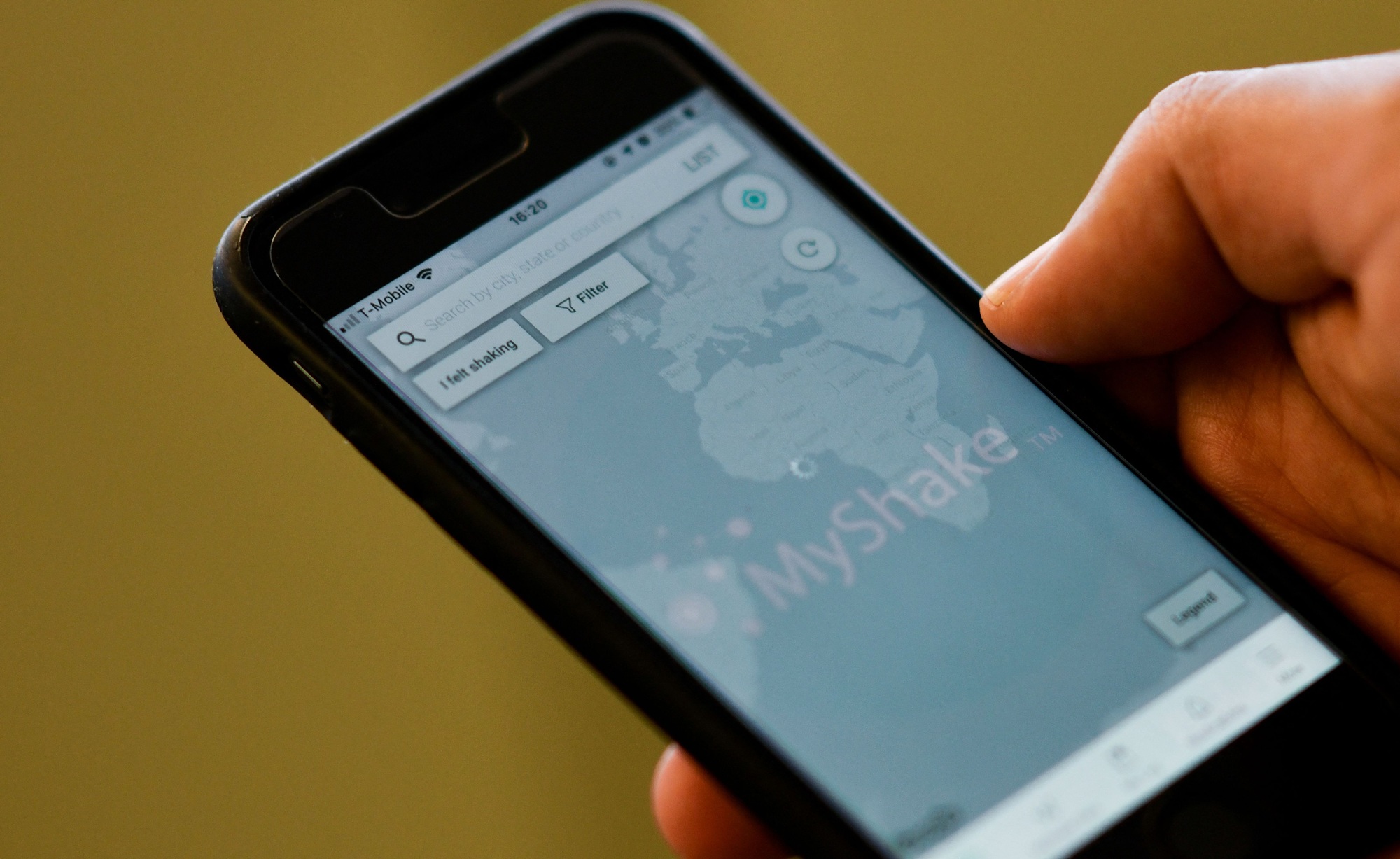
Your phone might get a loud earthquake test alert on Thursday morning.
At least, it will if you’re one of over 4.5 million Californians who have the MyShake earthquake warning app downloaded on your phone.
The MyShake test alert for app users will be part of the Annual Great ShakeOut quake preparedness drill that takes place across the globe. And the purpose of this particular test alert is to bring home the importance of a warning even a few seconds before an earthquake strikes.
MyShake was developed in the Bay Area at UC Berkeley’s Seismology Lab and is funded by the California Governor’s Office of Emergency Services (Cal OES). It’s powered by the U.S. Geological Services (USGS) ShakeAlert system, which uses a network of seismic sensors to detect earthquakes in real time.
Once an event is detected, and if the quake is estimated to be magnitude 4.5 or greater, MyShake will send an alert to phones in the affected area, giving them anywhere from a few seconds to half a minute to react and instructing users to take life-saving actions — “drop, cover and hold on” — before the ground starts moving.
Here’s what you need to know about this latest test alert on Thursday and what you should actually do in the event of an earthquake warning — plus more ways to get these earthquake warnings for real.
When will the MyShake earthquake test alert happen?
On Thursday morning, this phone alert will only be received by people with the MyShake app who live in California, Oregon and Washington.
The MyShake app will send the test alert to Bay Area users at 10:14 a.m. Thursday.
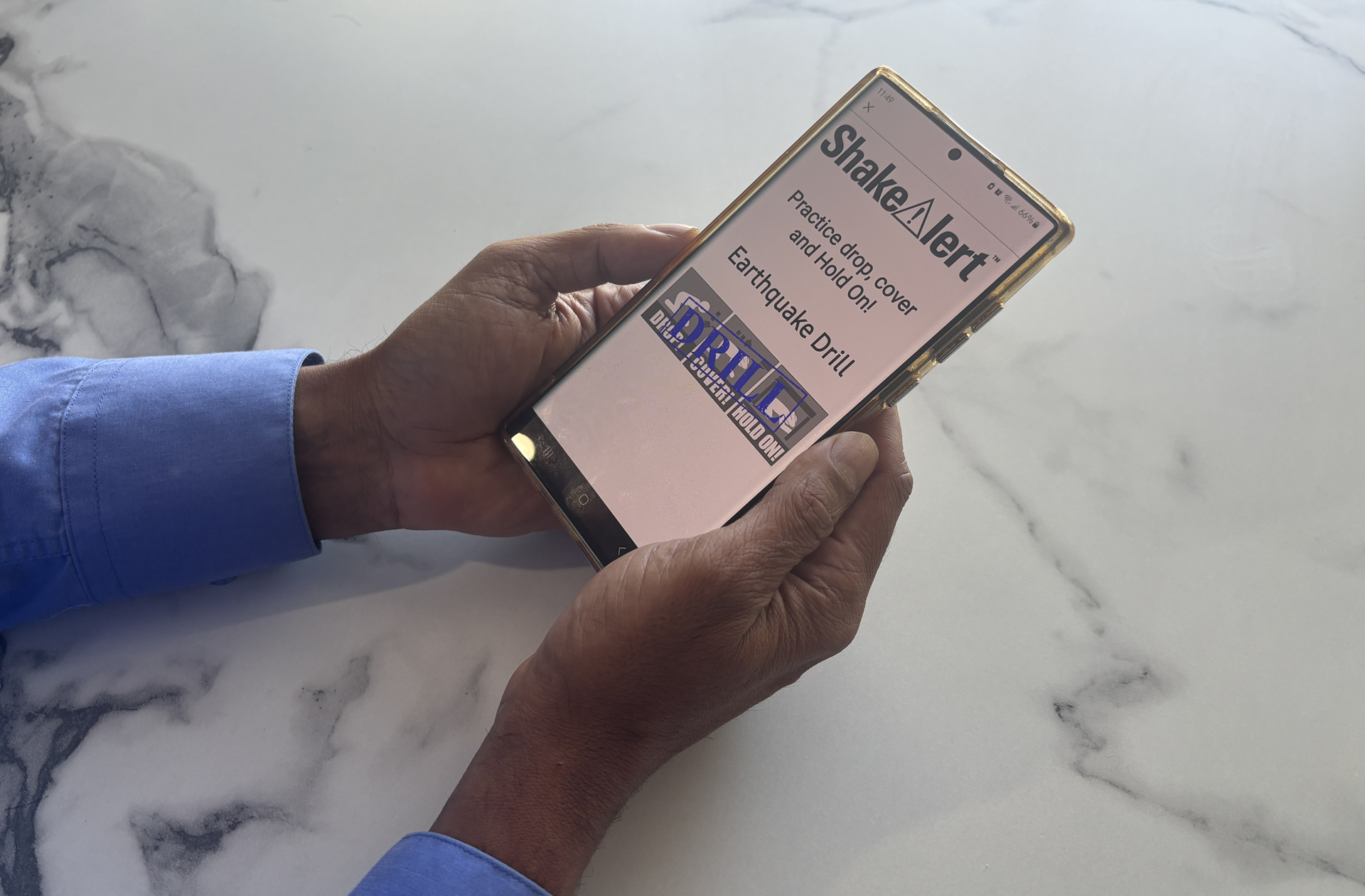
People in the greater Los Angeles area who have MyShake downloaded to their phone will get their alert at 10:15 a.m. The rest of the state — plus Washington and Oregon — will receive the alert at 10:16 a.m.
What will the MyShake alert sound like?
The MyShake test alert audio will say “Earthquake drill. Earthquake drill. When you hear this message, practice: Drop, cover and hold on. Practice: Drop, cover and hold on.” It’ll be accompanied by a visual alert signifying that this is a test drill.
You can preview how the alert will sound on the MyShake website.
What does ‘Drop, cover and hold on’ really mean in practice?
First, you “drop” to the ground, on the spot — because it’s unlikely you’ll even be able to stay standing during the shaking from a real earthquake, said Jose Lara, branch chief for seismic hazards with the California governor’s office of emergency services.
This kind of shaking and rolling “truly does rock people’s world, and not in a good way,” he said. “Some of the larger earthquakes could go on for minutes, depending on the magnitude. And so after a while, you’re going to find yourself on the ground one way or another.”

Many injuries during an earthquake happen due to people falling, said Lara — so resist the urge to run, said Lara: “You cannot run through this. You don’t want to. Not in California.”
Then, you “cover” your head — because many other injuries happen when objects fall onto you, he said. As you do that, “hold on” to anything sturdy: for example, a table. “We know from years of research that this is the safest thing that you can do during strong shaking,” said Lara.
What about guidance you may have heard in the past to stand in a door frame? That advice is actually outdated now, explained Lara, because it “has a lot to do with some of the former building codes and other material that was used to build houses and buildings.”
“But we know now, with all the research, that the most important thing that you can do during strong shaking is to drop, cover and hold on on the spot,” said Lara. “Building codes in California are really much more advanced, and we know that buildings and homes will survive an earthquake — and so you will be able to walk out of there.”
I want this MyShake alert — how can I make sure I get it?
If you have an iPhone, you can download the MyShake app from the Apple app store.
If you have an Android phone, you can download MyShake from the Google Play store — but Android phones will also get these alerts automatically through the Android operating system (more on this below.)
I have the app, but what if I don’t get the test alert?
If you have the MyShake app and you still don’t get the alert on your phone on Thursday, don’t worry: It might be due to a few reasons.
Your alerts and notifications might be disabled for the MyShake app, or MyShake may not have permission to run in your phone’s background. Since the alert will be sent to phones in California, Oregon and Washington, the app will rely on your location data in order to send you the test alert.
This means that if you have your location services turned off, you might not be able to receive the alert. You can contact MyShake support if you think you’ve encountered a problem with the app.
(If you did install MyShake in the past on your iPhone but you still don’t receive the alert, check that you don’t have the “Offload Unused Apps” feature turned on. This feature could have automatically uninstalled MyShake to save storage space if you haven’t used it in a while.)
If my phone is off or on airplane mode, will I receive the alert?
Just like a normal alert, MyShake is unable to send test alerts to phones that are off or in airplane mode.
For people who have the MyShake app and prefer not to receive the alerts on Thursday morning, MyShake advises people to turn off notifications on their phones from 10:00 a.m. to 11:00 a.m. on that day.
- For iOS, go to Phone Settings then Notifications, find “MyShake” and turn off “Allow Notifications and Critical Alerts”.
- For Android, go to Phone Settings then Notifications, find “MyShake” under “App notifications,” then turn MyShake off.
Don’t forget to turn your MyShake notifications back on after the drill.
Find more frequently asked questions about MyShake here.
What are other ways than MyShake to get an alert if a real earthquake hits?
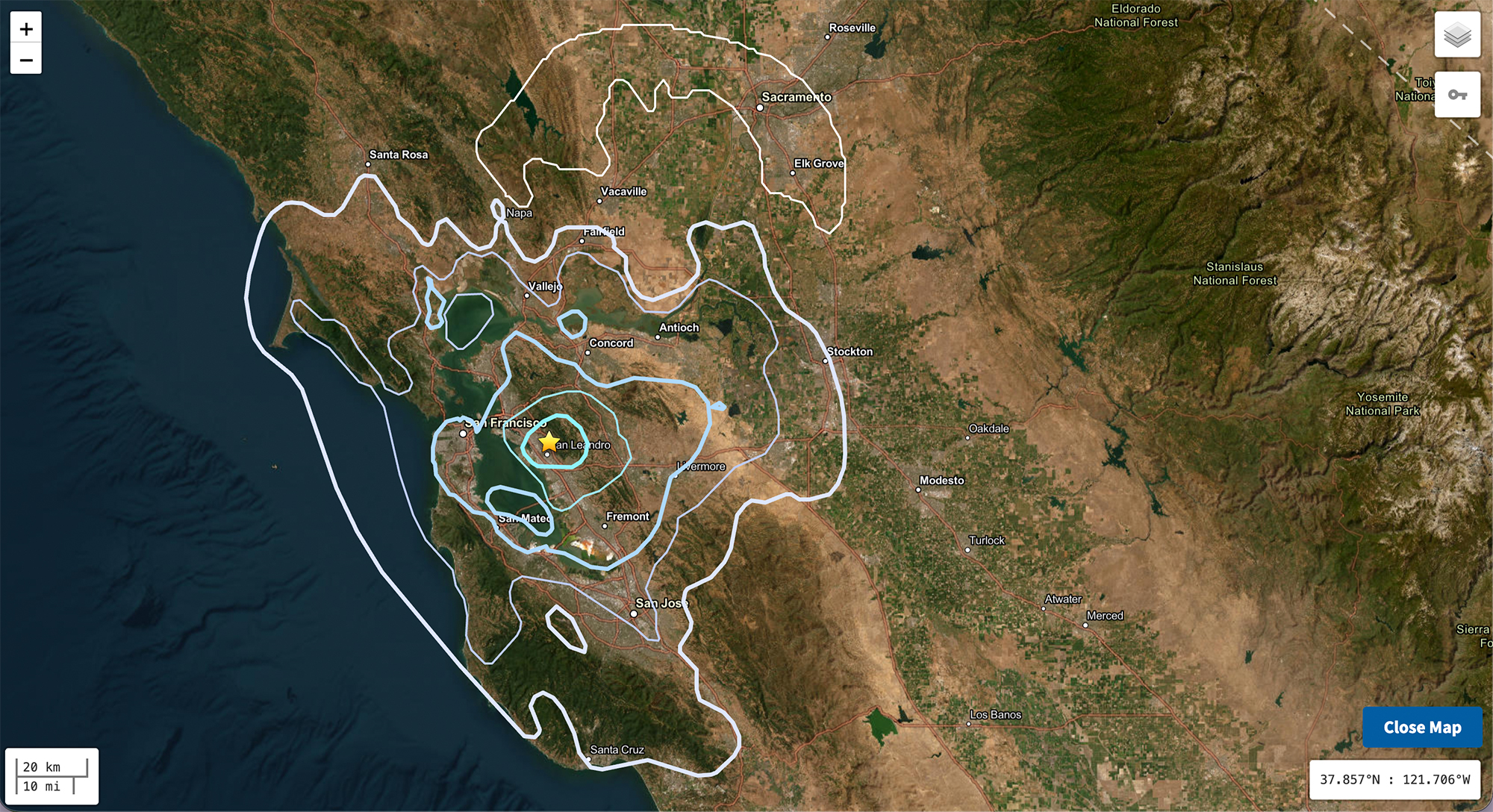
The ShakeAlert Earthquake Early Warning System (EEW) from USGS and the Federal Emergency Management Agency send earthquake alerts to people’s phones in multiple ways.
The most widespread way is through Wireless Emergency Alerts (WEA), which sends loud alerts to all cellphones. If an earthquake is expected to be magnitude 5 or greater, USGS and FEMA will send a WEA to all capable devices.
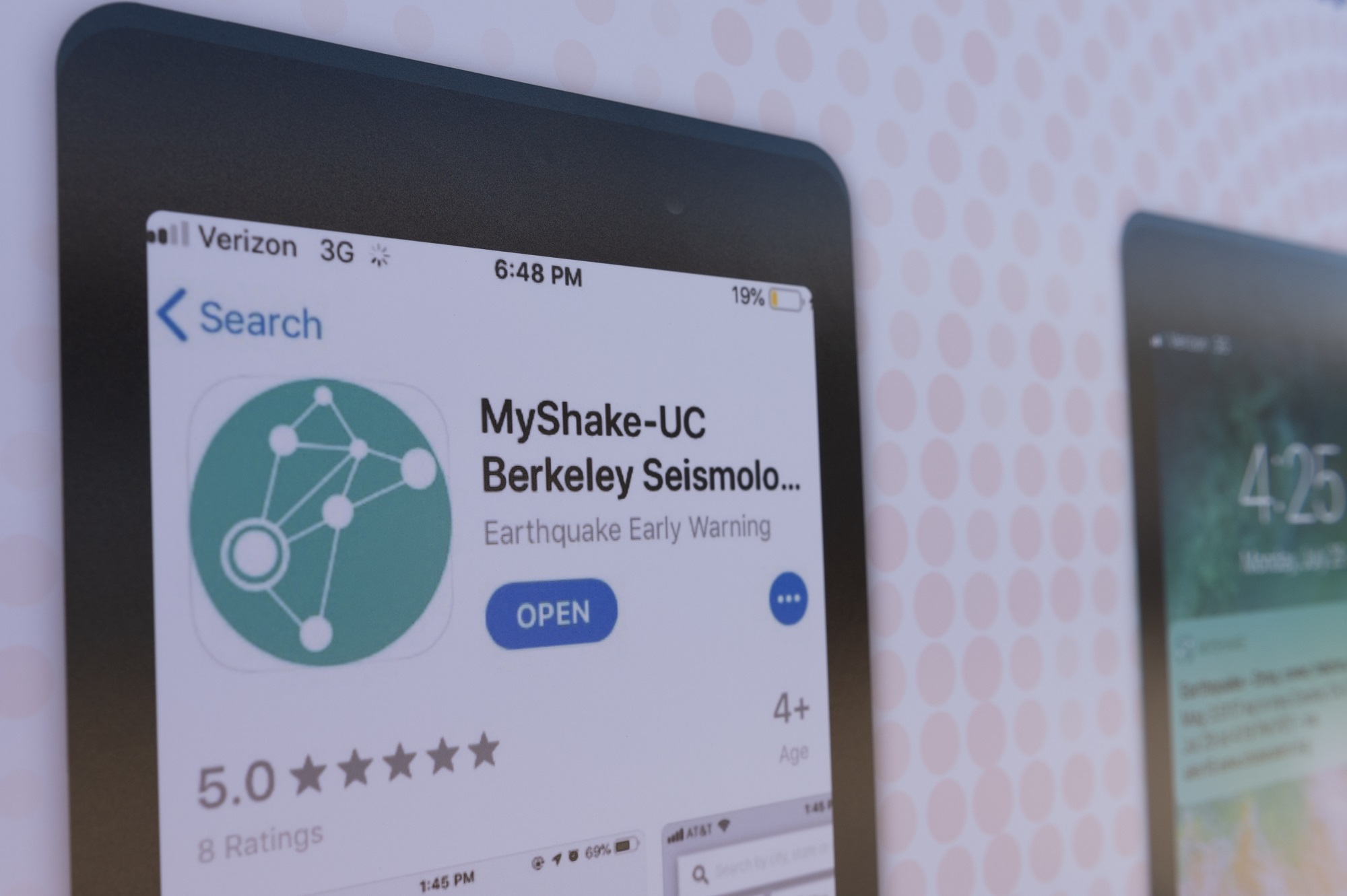
ShakeAlert also powers other systems like MyShake alerts and the ShakeReadySD app for San Diego residents.
Since 2020, Android phones have also been capable of receiving earthquake early warning alerts through Google’s Android operating system — though users should still check their settings to make sure that earthquake alerts are enabled.
MyShake differs from other alert delivery tools in that it collects user experience reports for earthquakes greater than magnitude 3.5 and uses motion data captured by phones for research purposes.
KQED’s Danielle Venton contributed to this report.