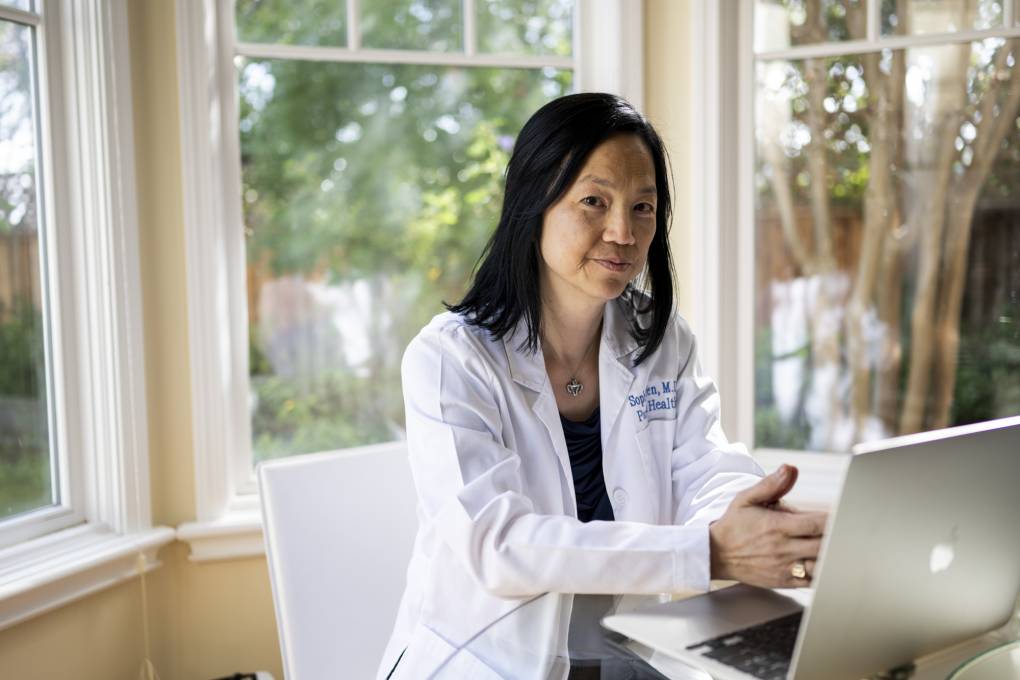
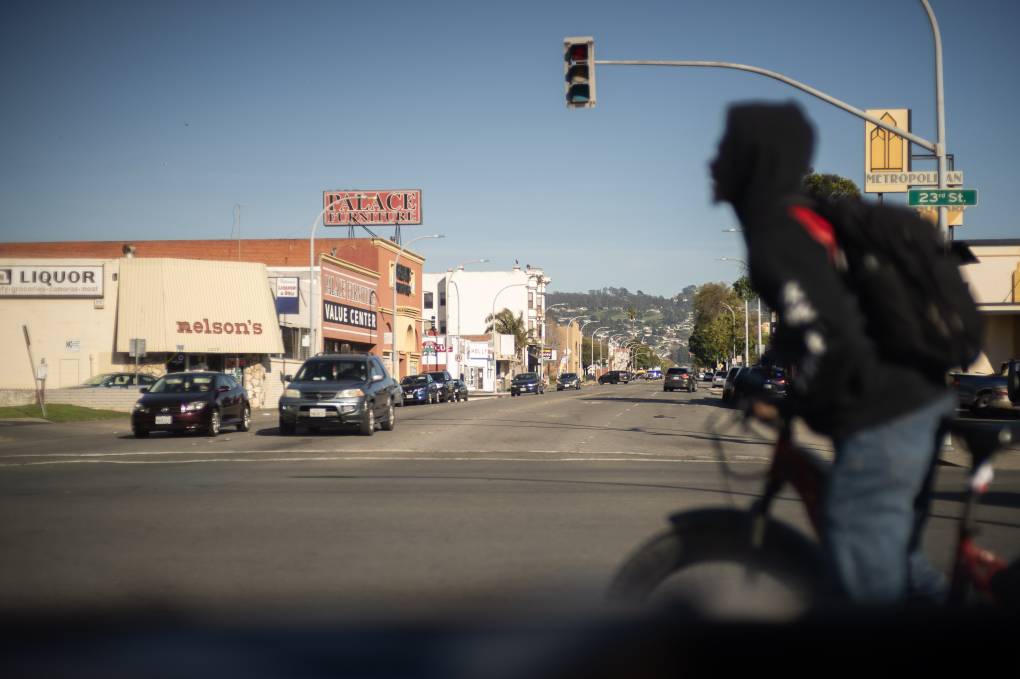
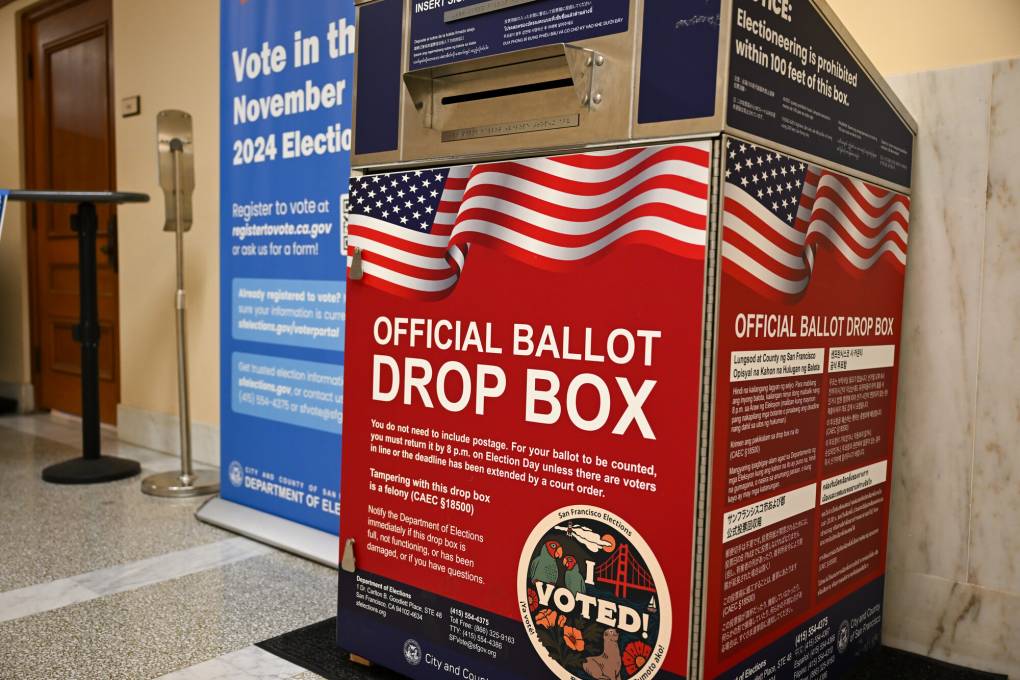
window.__IS_SSR__=true
window.__INITIAL_STATE__={
"attachmentsReducer": {
"audio_0": {
"type": "attachments",
"id": "audio_0",
"imgSizes": {
"kqedFullSize": {
"file": "https://ww2.kqed.org/news/wp-content/themes/KQED-unified/img/audio_bgs/background0.jpg"
}
}
},
"audio_1": {
"type": "attachments",
"id": "audio_1",
"imgSizes": {
"kqedFullSize": {
"file": "https://ww2.kqed.org/news/wp-content/themes/KQED-unified/img/audio_bgs/background1.jpg"
}
}
},
"audio_2": {
"type": "attachments",
"id": "audio_2",
"imgSizes": {
"kqedFullSize": {
"file": "https://ww2.kqed.org/news/wp-content/themes/KQED-unified/img/audio_bgs/background2.jpg"
}
}
},
"audio_3": {
"type": "attachments",
"id": "audio_3",
"imgSizes": {
"kqedFullSize": {
"file": "https://ww2.kqed.org/news/wp-content/themes/KQED-unified/img/audio_bgs/background3.jpg"
}
}
},
"audio_4": {
"type": "attachments",
"id": "audio_4",
"imgSizes": {
"kqedFullSize": {
"file": "https://ww2.kqed.org/news/wp-content/themes/KQED-unified/img/audio_bgs/background4.jpg"
}
}
},
"placeholder": {
"type": "attachments",
"id": "placeholder",
"imgSizes": {
"thumbnail": {
"file": "https://cdn.kqed.org/wp-content/uploads/2024/12/KQED-Default-Image-816638274-2000x1333-1-160x107.jpg",
"width": 160,
"height": 107,
"mimeType": "image/jpeg"
},
"medium": {
"file": "https://cdn.kqed.org/wp-content/uploads/2024/12/KQED-Default-Image-816638274-2000x1333-1-800x533.jpg",
"width": 800,
"height": 533,
"mimeType": "image/jpeg"
},
"medium_large": {
"file": "https://cdn.kqed.org/wp-content/uploads/2024/12/KQED-Default-Image-816638274-2000x1333-1-768x512.jpg",
"width": 768,
"height": 512,
"mimeType": "image/jpeg"
},
"large": {
"file": "https://cdn.kqed.org/wp-content/uploads/2024/12/KQED-Default-Image-816638274-2000x1333-1-1020x680.jpg",
"width": 1020,
"height": 680,
"mimeType": "image/jpeg"
},
"1536x1536": {
"file": "https://cdn.kqed.org/wp-content/uploads/2024/12/KQED-Default-Image-816638274-2000x1333-1-1536x1024.jpg",
"width": 1536,
"height": 1024,
"mimeType": "image/jpeg"
},
"fd-lrg": {
"file": "https://cdn.kqed.org/wp-content/uploads/2024/12/KQED-Default-Image-816638274-2000x1333-1-1536x1024.jpg",
"width": 1536,
"height": 1024,
"mimeType": "image/jpeg"
},
"fd-med": {
"file": "https://cdn.kqed.org/wp-content/uploads/2024/12/KQED-Default-Image-816638274-2000x1333-1-1020x680.jpg",
"width": 1020,
"height": 680,
"mimeType": "image/jpeg"
},
"fd-sm": {
"file": "https://cdn.kqed.org/wp-content/uploads/2024/12/KQED-Default-Image-816638274-2000x1333-1-800x533.jpg",
"width": 800,
"height": 533,
"mimeType": "image/jpeg"
},
"post-thumbnail": {
"file": "https://cdn.kqed.org/wp-content/uploads/2024/12/KQED-Default-Image-816638274-2000x1333-1-672x372.jpg",
"width": 672,
"height": 372,
"mimeType": "image/jpeg"
},
"twentyfourteen-full-width": {
"file": "https://cdn.kqed.org/wp-content/uploads/2024/12/KQED-Default-Image-816638274-2000x1333-1-1038x576.jpg",
"width": 1038,
"height": 576,
"mimeType": "image/jpeg"
},
"xxsmall": {
"file": "https://cdn.kqed.org/wp-content/uploads/2024/12/KQED-Default-Image-816638274-2000x1333-1-160x107.jpg",
"width": 160,
"height": 107,
"mimeType": "image/jpeg"
},
"xsmall": {
"file": "https://cdn.kqed.org/wp-content/uploads/2024/12/KQED-Default-Image-816638274-2000x1333-1-672x372.jpg",
"width": 672,
"height": 372,
"mimeType": "image/jpeg"
},
"small": {
"file": "https://cdn.kqed.org/wp-content/uploads/2024/12/KQED-Default-Image-816638274-2000x1333-1-672x372.jpg",
"width": 672,
"height": 372,
"mimeType": "image/jpeg"
},
"xlarge": {
"file": "https://cdn.kqed.org/wp-content/uploads/2024/12/KQED-Default-Image-816638274-2000x1333-1-1020x680.jpg",
"width": 1020,
"height": 680,
"mimeType": "image/jpeg"
},
"full-width": {
"file": "https://cdn.kqed.org/wp-content/uploads/2024/12/KQED-Default-Image-816638274-2000x1333-1-1920x1280.jpg",
"width": 1920,
"height": 1280,
"mimeType": "image/jpeg"
},
"guest-author-32": {
"file": "https://cdn.kqed.org/wp-content/uploads/2025/01/KQED-Default-Image-816638274-1333x1333-1-160x160.jpg",
"width": 32,
"height": 32,
"mimeType": "image/jpeg"
},
"guest-author-50": {
"file": "https://cdn.kqed.org/wp-content/uploads/2025/01/KQED-Default-Image-816638274-1333x1333-1-160x160.jpg",
"width": 50,
"height": 50,
"mimeType": "image/jpeg"
},
"guest-author-64": {
"file": "https://cdn.kqed.org/wp-content/uploads/2025/01/KQED-Default-Image-816638274-1333x1333-1-160x160.jpg",
"width": 64,
"height": 64,
"mimeType": "image/jpeg"
},
"guest-author-96": {
"file": "https://cdn.kqed.org/wp-content/uploads/2025/01/KQED-Default-Image-816638274-1333x1333-1-160x160.jpg",
"width": 96,
"height": 96,
"mimeType": "image/jpeg"
},
"guest-author-128": {
"file": "https://cdn.kqed.org/wp-content/uploads/2025/01/KQED-Default-Image-816638274-1333x1333-1-160x160.jpg",
"width": 128,
"height": 128,
"mimeType": "image/jpeg"
},
"detail": {
"file": "https://cdn.kqed.org/wp-content/uploads/2025/01/KQED-Default-Image-816638274-1333x1333-1-160x160.jpg",
"width": 160,
"height": 160,
"mimeType": "image/jpeg"
},
"kqedFullSize": {
"file": "https://cdn.kqed.org/wp-content/uploads/2024/12/KQED-Default-Image-816638274-2000x1333-1.jpg",
"width": 2000,
"height": 1333
}
}
},
"news_12012286": {
"type": "attachments",
"id": "news_12012286",
"meta": {
"index": "attachments_1716263798",
"site": "news",
"id": "12012286",
"found": true
},
"title": "241101-REPROHEALTHCAREPROF-01-BL-KQED",
"publishDate": 1730505363,
"status": "inherit",
"parent": 0,
"modified": 1730743418,
"caption": "Dr. Sophia Yen, an advocate of women's health rights, works from her home in Los Altos on Nov. 1, 2024.",
"credit": "Beth LaBerge/KQED",
"altTag": null,
"description": null,
"imgSizes": {
"medium": {
"file": "https://cdn.kqed.org/wp-content/uploads/sites/10/2024/11/241101-REPROHEALTHCAREPROF-01-BL-KQED-800x533.jpg",
"width": 800,
"height": 533,
"mimeType": "image/jpeg"
},
"large": {
"file": "https://cdn.kqed.org/wp-content/uploads/sites/10/2024/11/241101-REPROHEALTHCAREPROF-01-BL-KQED-1020x680.jpg",
"width": 1020,
"height": 680,
"mimeType": "image/jpeg"
},
"thumbnail": {
"file": "https://cdn.kqed.org/wp-content/uploads/sites/10/2024/11/241101-REPROHEALTHCAREPROF-01-BL-KQED-160x107.jpg",
"width": 160,
"height": 107,
"mimeType": "image/jpeg"
},
"1536x1536": {
"file": "https://cdn.kqed.org/wp-content/uploads/sites/10/2024/11/241101-REPROHEALTHCAREPROF-01-BL-KQED-1536x1024.jpg",
"width": 1536,
"height": 1024,
"mimeType": "image/jpeg"
},
"post-thumbnail": {
"file": "https://cdn.kqed.org/wp-content/uploads/sites/10/2024/11/241101-REPROHEALTHCAREPROF-01-BL-KQED-672x372.jpg",
"width": 672,
"height": 372,
"mimeType": "image/jpeg"
},
"twentyfourteen-full-width": {
"file": "https://cdn.kqed.org/wp-content/uploads/sites/10/2024/11/241101-REPROHEALTHCAREPROF-01-BL-KQED-1038x576.jpg",
"width": 1038,
"height": 576,
"mimeType": "image/jpeg"
},
"full-width": {
"file": "https://cdn.kqed.org/wp-content/uploads/sites/10/2024/11/241101-REPROHEALTHCAREPROF-01-BL-KQED-1920x1280.jpg",
"width": 1920,
"height": 1280,
"mimeType": "image/jpeg"
},
"kqedFullSize": {
"file": "https://cdn.kqed.org/wp-content/uploads/sites/10/2024/11/241101-REPROHEALTHCAREPROF-01-BL-KQED.jpg",
"width": 2000,
"height": 1333
}
},
"isLoading": false,
"fetchFailed": false
},
"news_11981098": {
"type": "attachments",
"id": "news_11981098",
"meta": {
"index": "attachments_1716263798",
"site": "news",
"id": "11981098",
"found": true
},
"title": "The Richmond Standard is a local news site funded by Chevron, which runs the large refinery in town.",
"publishDate": 1711644554,
"status": "inherit",
"parent": 11981095,
"modified": 1730745276,
"caption": "Richmond, renowned for its success in reducing gun deaths, is California’s first city to join an effort to tailor violence prevention efforts to neighborhood-level needs.",
"credit": "Brian L. Frank/NPR",
"altTag": "A person rides a bike through an intersection with cars waiting at a stoplight.",
"description": "The Richmond Standard, which is a local news site funded by Chevron, who runs the large refinery in town. Disinformation and lack of coverage on Chevron are affecting Richmond, which doesn’t have many local news options.\n\nDowntown Richmond, CA",
"imgSizes": {
"medium": {
"file": "https://cdn.kqed.org/wp-content/uploads/sites/10/2024/03/z62_5591_custom-714680c19940b1fb0af95746d3b95944f8dcc85b-800x532.jpg",
"width": 800,
"height": 532,
"mimeType": "image/jpeg"
},
"large": {
"file": "https://cdn.kqed.org/wp-content/uploads/sites/10/2024/03/z62_5591_custom-714680c19940b1fb0af95746d3b95944f8dcc85b-1020x679.jpg",
"width": 1020,
"height": 679,
"mimeType": "image/jpeg"
},
"thumbnail": {
"file": "https://cdn.kqed.org/wp-content/uploads/sites/10/2024/03/z62_5591_custom-714680c19940b1fb0af95746d3b95944f8dcc85b-160x106.jpg",
"width": 160,
"height": 106,
"mimeType": "image/jpeg"
},
"1536x1536": {
"file": "https://cdn.kqed.org/wp-content/uploads/sites/10/2024/03/z62_5591_custom-714680c19940b1fb0af95746d3b95944f8dcc85b-1536x1022.jpg",
"width": 1536,
"height": 1022,
"mimeType": "image/jpeg"
},
"2048x2048": {
"file": "https://cdn.kqed.org/wp-content/uploads/sites/10/2024/03/z62_5591_custom-714680c19940b1fb0af95746d3b95944f8dcc85b-2048x1362.jpg",
"width": 2048,
"height": 1362,
"mimeType": "image/jpeg"
},
"post-thumbnail": {
"file": "https://cdn.kqed.org/wp-content/uploads/sites/10/2024/03/z62_5591_custom-714680c19940b1fb0af95746d3b95944f8dcc85b-672x372.jpg",
"width": 672,
"height": 372,
"mimeType": "image/jpeg"
},
"twentyfourteen-full-width": {
"file": "https://cdn.kqed.org/wp-content/uploads/sites/10/2024/03/z62_5591_custom-714680c19940b1fb0af95746d3b95944f8dcc85b-1038x576.jpg",
"width": 1038,
"height": 576,
"mimeType": "image/jpeg"
},
"full-width": {
"file": "https://cdn.kqed.org/wp-content/uploads/sites/10/2024/03/z62_5591_custom-714680c19940b1fb0af95746d3b95944f8dcc85b-1920x1277.jpg",
"width": 1920,
"height": 1277,
"mimeType": "image/jpeg"
},
"kqedFullSize": {
"file": "https://cdn.kqed.org/wp-content/uploads/sites/10/2024/03/z62_5591_custom-714680c19940b1fb0af95746d3b95944f8dcc85b-scaled.jpg",
"width": 2560,
"height": 1703
}
},
"isLoading": false,
"fetchFailed": false
},
"news_12011901": {
"type": "attachments",
"id": "news_12011901",
"meta": {
"index": "attachments_1716263798",
"site": "news",
"id": "12011901",
"found": true
},
"title": "Early voting process ahead of presidential election in San Francisco",
"publishDate": 1730399191,
"status": "inherit",
"parent": 12011898,
"modified": 1730490547,
"caption": "A view of an official ballot drop box next to the Department of Elections at City Hall in San Francisco on Oct. 24, 2024. ",
"credit": "Tayfun Coskun/Anadolu via Getty Images",
"altTag": null,
"description": null,
"imgSizes": {
"medium": {
"file": "https://cdn.kqed.org/wp-content/uploads/sites/10/2025/10/GettyImages-2180061713_qed-800x533.jpg",
"width": 800,
"height": 533,
"mimeType": "image/jpeg"
},
"large": {
"file": "https://cdn.kqed.org/wp-content/uploads/sites/10/2025/10/GettyImages-2180061713_qed-1020x680.jpg",
"width": 1020,
"height": 680,
"mimeType": "image/jpeg"
},
"thumbnail": {
"file": "https://cdn.kqed.org/wp-content/uploads/sites/10/2025/10/GettyImages-2180061713_qed-160x107.jpg",
"width": 160,
"height": 107,
"mimeType": "image/jpeg"
},
"1536x1536": {
"file": "https://cdn.kqed.org/wp-content/uploads/sites/10/2025/10/GettyImages-2180061713_qed-1536x1024.jpg",
"width": 1536,
"height": 1024,
"mimeType": "image/jpeg"
},
"post-thumbnail": {
"file": "https://cdn.kqed.org/wp-content/uploads/sites/10/2025/10/GettyImages-2180061713_qed-672x372.jpg",
"width": 672,
"height": 372,
"mimeType": "image/jpeg"
},
"twentyfourteen-full-width": {
"file": "https://cdn.kqed.org/wp-content/uploads/sites/10/2025/10/GettyImages-2180061713_qed-1038x576.jpg",
"width": 1038,
"height": 576,
"mimeType": "image/jpeg"
},
"full-width": {
"file": "https://cdn.kqed.org/wp-content/uploads/sites/10/2025/10/GettyImages-2180061713_qed-1920x1280.jpg",
"width": 1920,
"height": 1280,
"mimeType": "image/jpeg"
},
"kqedFullSize": {
"file": "https://cdn.kqed.org/wp-content/uploads/sites/10/2025/10/GettyImages-2180061713_qed.jpg",
"width": 2000,
"height": 1333
}
},
"isLoading": false,
"fetchFailed": false
},
"news_12011991": {
"type": "attachments",
"id": "news_12011991",
"meta": {
"index": "attachments_1716263798",
"site": "news",
"id": "12011991",
"found": true
},
"title": "241031-Recycling Campaign Flyers-JCL-02-KQED",
"publishDate": 1730409414,
"status": "inherit",
"parent": 0,
"modified": 1730483288,
"caption": "Campaigns and political groups are sending out tons of these mailers. Where do they end up?",
"credit": "Juan Carlos Lara/KQED",
"altTag": null,
"description": null,
"imgSizes": {
"medium": {
"file": "https://cdn.kqed.org/wp-content/uploads/sites/10/2024/10/241031-Recycling-Campaign-Flyers-JCL-02-KQED-1-800x533.jpg",
"width": 800,
"height": 533,
"mimeType": "image/jpeg"
},
"large": {
"file": "https://cdn.kqed.org/wp-content/uploads/sites/10/2024/10/241031-Recycling-Campaign-Flyers-JCL-02-KQED-1-1020x680.jpg",
"width": 1020,
"height": 680,
"mimeType": "image/jpeg"
},
"thumbnail": {
"file": "https://cdn.kqed.org/wp-content/uploads/sites/10/2024/10/241031-Recycling-Campaign-Flyers-JCL-02-KQED-1-160x107.jpg",
"width": 160,
"height": 107,
"mimeType": "image/jpeg"
},
"1536x1536": {
"file": "https://cdn.kqed.org/wp-content/uploads/sites/10/2024/10/241031-Recycling-Campaign-Flyers-JCL-02-KQED-1-1536x1024.jpg",
"width": 1536,
"height": 1024,
"mimeType": "image/jpeg"
},
"post-thumbnail": {
"file": "https://cdn.kqed.org/wp-content/uploads/sites/10/2024/10/241031-Recycling-Campaign-Flyers-JCL-02-KQED-1-672x372.jpg",
"width": 672,
"height": 372,
"mimeType": "image/jpeg"
},
"twentyfourteen-full-width": {
"file": "https://cdn.kqed.org/wp-content/uploads/sites/10/2024/10/241031-Recycling-Campaign-Flyers-JCL-02-KQED-1-1038x576.jpg",
"width": 1038,
"height": 576,
"mimeType": "image/jpeg"
},
"full-width": {
"file": "https://cdn.kqed.org/wp-content/uploads/sites/10/2024/10/241031-Recycling-Campaign-Flyers-JCL-02-KQED-1-1920x1280.jpg",
"width": 1920,
"height": 1280,
"mimeType": "image/jpeg"
},
"kqedFullSize": {
"file": "https://cdn.kqed.org/wp-content/uploads/sites/10/2024/10/241031-Recycling-Campaign-Flyers-JCL-02-KQED-1.jpg",
"width": 2000,
"height": 1333
}
},
"isLoading": false,
"fetchFailed": false
},
"news_12011588": {
"type": "attachments",
"id": "news_12011588",
"meta": {
"index": "attachments_1716263798",
"site": "news",
"id": "12011588",
"found": true
},
"title": "241029-OAKLANDSCHOLARSHIPSTUDENTS-17-BL-KQED",
"publishDate": 1730242132,
"status": "inherit",
"parent": 0,
"modified": 1730242192,
"caption": "Student Angela Vergara sits on the Northeastern University campus in Oakland on Oct. 29, 2024. Vergara received an Oakland Opportunity Scholarship to attend the university through Upward Bound, a federally funded program that helps first-generation college students from underrepresented communities.",
"credit": "Beth LaBerge/KQED",
"altTag": null,
"description": null,
"imgSizes": {
"medium": {
"file": "https://cdn.kqed.org/wp-content/uploads/sites/10/2024/10/241029-OAKLANDSCHOLARSHIPSTUDENTS-17-BL-KQED-800x533.jpg",
"width": 800,
"height": 533,
"mimeType": "image/jpeg"
},
"large": {
"file": "https://cdn.kqed.org/wp-content/uploads/sites/10/2024/10/241029-OAKLANDSCHOLARSHIPSTUDENTS-17-BL-KQED-1020x680.jpg",
"width": 1020,
"height": 680,
"mimeType": "image/jpeg"
},
"thumbnail": {
"file": "https://cdn.kqed.org/wp-content/uploads/sites/10/2024/10/241029-OAKLANDSCHOLARSHIPSTUDENTS-17-BL-KQED-160x107.jpg",
"width": 160,
"height": 107,
"mimeType": "image/jpeg"
},
"1536x1536": {
"file": "https://cdn.kqed.org/wp-content/uploads/sites/10/2024/10/241029-OAKLANDSCHOLARSHIPSTUDENTS-17-BL-KQED-1536x1024.jpg",
"width": 1536,
"height": 1024,
"mimeType": "image/jpeg"
},
"post-thumbnail": {
"file": "https://cdn.kqed.org/wp-content/uploads/sites/10/2024/10/241029-OAKLANDSCHOLARSHIPSTUDENTS-17-BL-KQED-672x372.jpg",
"width": 672,
"height": 372,
"mimeType": "image/jpeg"
},
"twentyfourteen-full-width": {
"file": "https://cdn.kqed.org/wp-content/uploads/sites/10/2024/10/241029-OAKLANDSCHOLARSHIPSTUDENTS-17-BL-KQED-1038x576.jpg",
"width": 1038,
"height": 576,
"mimeType": "image/jpeg"
},
"full-width": {
"file": "https://cdn.kqed.org/wp-content/uploads/sites/10/2024/10/241029-OAKLANDSCHOLARSHIPSTUDENTS-17-BL-KQED-1920x1280.jpg",
"width": 1920,
"height": 1280,
"mimeType": "image/jpeg"
},
"kqedFullSize": {
"file": "https://cdn.kqed.org/wp-content/uploads/sites/10/2024/10/241029-OAKLANDSCHOLARSHIPSTUDENTS-17-BL-KQED.jpg",
"width": 2000,
"height": 1333
}
},
"isLoading": false,
"fetchFailed": false
},
"news_12007898": {
"type": "attachments",
"id": "news_12007898",
"meta": {
"index": "attachments_1716263798",
"site": "news",
"id": "12007898",
"found": true
},
"title": "A UPTE-CWA union meeting at UCSF on Oct. 3, 2024.",
"publishDate": 1728010573,
"status": "inherit",
"parent": 0,
"modified": 1730398919,
"caption": "The audience applauds the speakers at a UPTE-CWA union meeting at UCSF on Oct. 3, 2024.",
"credit": "Martin do Nascimento/KQED",
"altTag": null,
"description": null,
"imgSizes": {
"medium": {
"file": "https://cdn.kqed.org/wp-content/uploads/sites/10/2024/10/241003-UCSF-CLINICAL-SOCIAL-WORKERS-MD-06-KQED-800x533.jpg",
"width": 800,
"height": 533,
"mimeType": "image/jpeg"
},
"large": {
"file": "https://cdn.kqed.org/wp-content/uploads/sites/10/2024/10/241003-UCSF-CLINICAL-SOCIAL-WORKERS-MD-06-KQED-1020x680.jpg",
"width": 1020,
"height": 680,
"mimeType": "image/jpeg"
},
"thumbnail": {
"file": "https://cdn.kqed.org/wp-content/uploads/sites/10/2024/10/241003-UCSF-CLINICAL-SOCIAL-WORKERS-MD-06-KQED-160x107.jpg",
"width": 160,
"height": 107,
"mimeType": "image/jpeg"
},
"1536x1536": {
"file": "https://cdn.kqed.org/wp-content/uploads/sites/10/2024/10/241003-UCSF-CLINICAL-SOCIAL-WORKERS-MD-06-KQED-1536x1024.jpg",
"width": 1536,
"height": 1024,
"mimeType": "image/jpeg"
},
"post-thumbnail": {
"file": "https://cdn.kqed.org/wp-content/uploads/sites/10/2024/10/241003-UCSF-CLINICAL-SOCIAL-WORKERS-MD-06-KQED-672x372.jpg",
"width": 672,
"height": 372,
"mimeType": "image/jpeg"
},
"twentyfourteen-full-width": {
"file": "https://cdn.kqed.org/wp-content/uploads/sites/10/2024/10/241003-UCSF-CLINICAL-SOCIAL-WORKERS-MD-06-KQED-1038x576.jpg",
"width": 1038,
"height": 576,
"mimeType": "image/jpeg"
},
"full-width": {
"file": "https://cdn.kqed.org/wp-content/uploads/sites/10/2024/10/241003-UCSF-CLINICAL-SOCIAL-WORKERS-MD-06-KQED-1920x1280.jpg",
"width": 1920,
"height": 1280,
"mimeType": "image/jpeg"
},
"kqedFullSize": {
"file": "https://cdn.kqed.org/wp-content/uploads/sites/10/2024/10/241003-UCSF-CLINICAL-SOCIAL-WORKERS-MD-06-KQED.jpg",
"width": 2000,
"height": 1333
}
},
"isLoading": false,
"fetchFailed": false
},
"news_12008946": {
"type": "attachments",
"id": "news_12008946",
"meta": {
"index": "attachments_1716263798",
"site": "news",
"id": "12008946",
"found": true
},
"title": "PamelaPriceAntiRecall1",
"publishDate": 1728595078,
"status": "inherit",
"parent": 12008868,
"modified": 1730346315,
"caption": "Alameda County District Attorney Pamela Price speaks at a press conference on Oct. 10, 2024, at Everett & Jones Barbeque in Oakland's Jack London Square. The event, hosted by Protect the Win, was part of Price's anti-recall campaign.",
"credit": "Annelise Finney/KQED",
"altTag": null,
"description": null,
"imgSizes": {
"medium": {
"file": "https://cdn.kqed.org/wp-content/uploads/sites/10/2024/10/PamelaPriceAntiRecall1-800x600.jpg",
"width": 800,
"height": 600,
"mimeType": "image/jpeg"
},
"large": {
"file": "https://cdn.kqed.org/wp-content/uploads/sites/10/2024/10/PamelaPriceAntiRecall1-1020x765.jpg",
"width": 1020,
"height": 765,
"mimeType": "image/jpeg"
},
"thumbnail": {
"file": "https://cdn.kqed.org/wp-content/uploads/sites/10/2024/10/PamelaPriceAntiRecall1-160x120.jpg",
"width": 160,
"height": 120,
"mimeType": "image/jpeg"
},
"1536x1536": {
"file": "https://cdn.kqed.org/wp-content/uploads/sites/10/2024/10/PamelaPriceAntiRecall1-1536x1152.jpg",
"width": 1536,
"height": 1152,
"mimeType": "image/jpeg"
},
"post-thumbnail": {
"file": "https://cdn.kqed.org/wp-content/uploads/sites/10/2024/10/PamelaPriceAntiRecall1-672x372.jpg",
"width": 672,
"height": 372,
"mimeType": "image/jpeg"
},
"twentyfourteen-full-width": {
"file": "https://cdn.kqed.org/wp-content/uploads/sites/10/2024/10/PamelaPriceAntiRecall1-1038x576.jpg",
"width": 1038,
"height": 576,
"mimeType": "image/jpeg"
},
"full-width": {
"file": "https://cdn.kqed.org/wp-content/uploads/sites/10/2024/10/PamelaPriceAntiRecall1-1920x1440.jpg",
"width": 1920,
"height": 1440,
"mimeType": "image/jpeg"
},
"kqedFullSize": {
"file": "https://cdn.kqed.org/wp-content/uploads/sites/10/2024/10/PamelaPriceAntiRecall1.jpg",
"width": 2000,
"height": 1500
}
},
"isLoading": false,
"fetchFailed": false
},
"news_11948331": {
"type": "attachments",
"id": "news_11948331",
"meta": {
"index": "attachments_1716263798",
"site": "news",
"id": "11948331",
"found": true
},
"title": "RS55916_058_KQED_OaklandTeacherStrike_04292022-qut",
"publishDate": 1683062568,
"status": "inherit",
"parent": 11948320,
"modified": 1772216225,
"caption": "Oakland teachers and students listen to speakers during a rally as part of a one-day walkout on April 29, 2022, to protest the Oakland Unified School District's planned closures. Teachers represented by the Oakland Education Association may go on strike once again on Thursday.",
"credit": "Beth LaBerge/KQED",
"altTag": "An older Black man stands outside at a rally, with a sign hanging from his neck that says: 'Fund Public Schools.'",
"description": null,
"imgSizes": {
"medium": {
"file": "https://cdn.kqed.org/wp-content/uploads/sites/10/2023/05/RS55916_058_KQED_OaklandTeacherStrike_04292022-qut-800x533.jpg",
"width": 800,
"height": 533,
"mimeType": "image/jpeg"
},
"large": {
"file": "https://cdn.kqed.org/wp-content/uploads/sites/10/2023/05/RS55916_058_KQED_OaklandTeacherStrike_04292022-qut-1020x680.jpg",
"width": 1020,
"height": 680,
"mimeType": "image/jpeg"
},
"thumbnail": {
"file": "https://cdn.kqed.org/wp-content/uploads/sites/10/2023/05/RS55916_058_KQED_OaklandTeacherStrike_04292022-qut-160x107.jpg",
"width": 160,
"height": 107,
"mimeType": "image/jpeg"
},
"1536x1536": {
"file": "https://cdn.kqed.org/wp-content/uploads/sites/10/2023/05/RS55916_058_KQED_OaklandTeacherStrike_04292022-qut-1536x1024.jpg",
"width": 1536,
"height": 1024,
"mimeType": "image/jpeg"
},
"post-thumbnail": {
"file": "https://cdn.kqed.org/wp-content/uploads/sites/10/2023/05/RS55916_058_KQED_OaklandTeacherStrike_04292022-qut-672x372.jpg",
"width": 672,
"height": 372,
"mimeType": "image/jpeg"
},
"twentyfourteen-full-width": {
"file": "https://cdn.kqed.org/wp-content/uploads/sites/10/2023/05/RS55916_058_KQED_OaklandTeacherStrike_04292022-qut-1038x576.jpg",
"width": 1038,
"height": 576,
"mimeType": "image/jpeg"
},
"kqedFullSize": {
"file": "https://cdn.kqed.org/wp-content/uploads/sites/10/2023/05/RS55916_058_KQED_OaklandTeacherStrike_04292022-qut.jpg",
"width": 1920,
"height": 1280
}
},
"isLoading": false,
"fetchFailed": false
},
"news_12008445": {
"type": "attachments",
"id": "news_12008445",
"meta": {
"index": "attachments_1716263798",
"site": "news",
"id": "12008445",
"found": true
},
"title": "20240930_CEQACHILDCARE_GC-45-KQED",
"publishDate": 1728408278,
"status": "inherit",
"parent": 0,
"modified": 1728408351,
"caption": "Milli Pintacsi, Founder of Le Petit Elephant Nursery and Preschool, smiles as she says goodbye to students getting picked up, on September 30, 2024.",
"credit": "Gina Castro/KQED",
"altTag": null,
"description": null,
"imgSizes": {
"medium": {
"file": "https://cdn.kqed.org/wp-content/uploads/sites/10/2024/10/20240930_CEQACHILDCARE_GC-45-KQED-800x526.jpg",
"width": 800,
"height": 526,
"mimeType": "image/jpeg"
},
"large": {
"file": "https://cdn.kqed.org/wp-content/uploads/sites/10/2024/10/20240930_CEQACHILDCARE_GC-45-KQED-1020x670.jpg",
"width": 1020,
"height": 670,
"mimeType": "image/jpeg"
},
"thumbnail": {
"file": "https://cdn.kqed.org/wp-content/uploads/sites/10/2024/10/20240930_CEQACHILDCARE_GC-45-KQED-160x105.jpg",
"width": 160,
"height": 105,
"mimeType": "image/jpeg"
},
"1536x1536": {
"file": "https://cdn.kqed.org/wp-content/uploads/sites/10/2024/10/20240930_CEQACHILDCARE_GC-45-KQED-1536x1009.jpg",
"width": 1536,
"height": 1009,
"mimeType": "image/jpeg"
},
"post-thumbnail": {
"file": "https://cdn.kqed.org/wp-content/uploads/sites/10/2024/10/20240930_CEQACHILDCARE_GC-45-KQED-672x372.jpg",
"width": 672,
"height": 372,
"mimeType": "image/jpeg"
},
"twentyfourteen-full-width": {
"file": "https://cdn.kqed.org/wp-content/uploads/sites/10/2024/10/20240930_CEQACHILDCARE_GC-45-KQED-1038x576.jpg",
"width": 1038,
"height": 576,
"mimeType": "image/jpeg"
},
"full-width": {
"file": "https://cdn.kqed.org/wp-content/uploads/sites/10/2024/10/20240930_CEQACHILDCARE_GC-45-KQED-1920x1261.jpg",
"width": 1920,
"height": 1261,
"mimeType": "image/jpeg"
},
"kqedFullSize": {
"file": "https://cdn.kqed.org/wp-content/uploads/sites/10/2024/10/20240930_CEQACHILDCARE_GC-45-KQED.jpg",
"width": 2000,
"height": 1314
}
},
"isLoading": false,
"fetchFailed": false
},
"news_11966840": {
"type": "attachments",
"id": "news_11966840",
"meta": {
"index": "attachments_1716263798",
"site": "news",
"id": "11966840",
"found": true
},
"parent": 0,
"imgSizes": {
"twentyfourteen-full-width": {
"file": "https://ww2.kqed.org/app/uploads/sites/10/2023/11/231108-DEPAPE-PELOSI-BODY-CAMERA-KQED-1038x576.jpg",
"width": 1038,
"mimeType": "image/jpeg",
"height": 576
},
"thumbnail": {
"file": "https://ww2.kqed.org/app/uploads/sites/10/2023/11/231108-DEPAPE-PELOSI-BODY-CAMERA-KQED-160x107.jpg",
"width": 160,
"mimeType": "image/jpeg",
"height": 107
},
"post-thumbnail": {
"file": "https://ww2.kqed.org/app/uploads/sites/10/2023/11/231108-DEPAPE-PELOSI-BODY-CAMERA-KQED-672x372.jpg",
"width": 672,
"mimeType": "image/jpeg",
"height": 372
},
"kqedFullSize": {
"file": "https://ww2.kqed.org/app/uploads/sites/10/2023/11/231108-DEPAPE-PELOSI-BODY-CAMERA-KQED.jpg",
"width": 2000,
"height": 1334
},
"large": {
"file": "https://ww2.kqed.org/app/uploads/sites/10/2023/11/231108-DEPAPE-PELOSI-BODY-CAMERA-KQED-1020x680.jpg",
"width": 1020,
"mimeType": "image/jpeg",
"height": 680
},
"1536x1536": {
"file": "https://ww2.kqed.org/app/uploads/sites/10/2023/11/231108-DEPAPE-PELOSI-BODY-CAMERA-KQED-1536x1025.jpg",
"width": 1536,
"mimeType": "image/jpeg",
"height": 1025
},
"full-width": {
"file": "https://ww2.kqed.org/app/uploads/sites/10/2023/11/231108-DEPAPE-PELOSI-BODY-CAMERA-KQED-1920x1281.jpg",
"width": 1920,
"mimeType": "image/jpeg",
"height": 1281
},
"medium": {
"file": "https://ww2.kqed.org/app/uploads/sites/10/2023/11/231108-DEPAPE-PELOSI-BODY-CAMERA-KQED-800x534.jpg",
"width": 800,
"mimeType": "image/jpeg",
"height": 534
}
},
"publishDate": 1699489012,
"modified": 1699490331,
"caption": "A screen capture from SFPD Body Camera Footage of the attack on Paul Pelosi on Oct. 28, 2022.",
"description": null,
"title": "231108-DEPAPE PELOSI BODY CAMERA-KQED",
"credit": "Courtesy of SFPD",
"status": "inherit",
"altTag": "Two people stand beside each other inside the entryway of a home.",
"isLoading": false,
"fetchFailed": false
},
"news_11991871": {
"type": "attachments",
"id": "news_11991871",
"meta": {
"index": "attachments_1716263798",
"site": "news",
"id": "11991871",
"found": true
},
"title": "005_KQED_SanFrancisco_SafeSleepingVillage_05142020",
"publishDate": 1719343564,
"status": "inherit",
"parent": 11991834,
"modified": 1719343645,
"caption": "The Bay Area needs an additional $9.5 billion to reduce street homelessness by 75% over the next five years, according to a report released Tuesday by the research nonprofit All Home. ",
"credit": "Beth LaBerge/KQED",
"altTag": null,
"description": null,
"imgSizes": {
"medium": {
"file": "https://cdn.kqed.org/wp-content/uploads/sites/10/2024/06/005_KQED_SanFrancisco_SafeSleepingVillage_05142020-800x533.jpg",
"width": 800,
"height": 533,
"mimeType": "image/jpeg"
},
"large": {
"file": "https://cdn.kqed.org/wp-content/uploads/sites/10/2024/06/005_KQED_SanFrancisco_SafeSleepingVillage_05142020-1020x680.jpg",
"width": 1020,
"height": 680,
"mimeType": "image/jpeg"
},
"thumbnail": {
"file": "https://cdn.kqed.org/wp-content/uploads/sites/10/2024/06/005_KQED_SanFrancisco_SafeSleepingVillage_05142020-160x107.jpg",
"width": 160,
"height": 107,
"mimeType": "image/jpeg"
},
"1536x1536": {
"file": "https://cdn.kqed.org/wp-content/uploads/sites/10/2024/06/005_KQED_SanFrancisco_SafeSleepingVillage_05142020-1536x1024.jpg",
"width": 1536,
"height": 1024,
"mimeType": "image/jpeg"
},
"post-thumbnail": {
"file": "https://cdn.kqed.org/wp-content/uploads/sites/10/2024/06/005_KQED_SanFrancisco_SafeSleepingVillage_05142020-672x372.jpg",
"width": 672,
"height": 372,
"mimeType": "image/jpeg"
},
"twentyfourteen-full-width": {
"file": "https://cdn.kqed.org/wp-content/uploads/sites/10/2024/06/005_KQED_SanFrancisco_SafeSleepingVillage_05142020-1038x576.jpg",
"width": 1038,
"height": 576,
"mimeType": "image/jpeg"
},
"kqedFullSize": {
"file": "https://cdn.kqed.org/wp-content/uploads/sites/10/2024/06/005_KQED_SanFrancisco_SafeSleepingVillage_05142020.jpg",
"width": 1920,
"height": 1280
}
},
"isLoading": false,
"fetchFailed": false
},
"news_12010829": {
"type": "attachments",
"id": "news_12010829",
"meta": {
"index": "attachments_1716263798",
"site": "news",
"id": "12010829",
"found": true
},
"title": "241023-SFUSDSUPERINTENDENT-12-BL-KQED",
"publishDate": 1729719379,
"status": "inherit",
"parent": 0,
"modified": 1730234813,
"caption": "Katie Dorset teaches a class at Yick Wo Alternative Elementary School in San Francisco on Oct. 23, 2024, when new Superintendent Maria Su visited the campus.",
"credit": "Beth LaBerge/KQED",
"altTag": null,
"description": null,
"imgSizes": {
"medium": {
"file": "https://cdn.kqed.org/wp-content/uploads/sites/10/2024/10/241023-SFUSDSUPERINTENDENT-12-BL-KQED-800x533.jpg",
"width": 800,
"height": 533,
"mimeType": "image/jpeg"
},
"large": {
"file": "https://cdn.kqed.org/wp-content/uploads/sites/10/2024/10/241023-SFUSDSUPERINTENDENT-12-BL-KQED-1020x680.jpg",
"width": 1020,
"height": 680,
"mimeType": "image/jpeg"
},
"thumbnail": {
"file": "https://cdn.kqed.org/wp-content/uploads/sites/10/2024/10/241023-SFUSDSUPERINTENDENT-12-BL-KQED-160x107.jpg",
"width": 160,
"height": 107,
"mimeType": "image/jpeg"
},
"1536x1536": {
"file": "https://cdn.kqed.org/wp-content/uploads/sites/10/2024/10/241023-SFUSDSUPERINTENDENT-12-BL-KQED-1536x1024.jpg",
"width": 1536,
"height": 1024,
"mimeType": "image/jpeg"
},
"post-thumbnail": {
"file": "https://cdn.kqed.org/wp-content/uploads/sites/10/2024/10/241023-SFUSDSUPERINTENDENT-12-BL-KQED-672x372.jpg",
"width": 672,
"height": 372,
"mimeType": "image/jpeg"
},
"twentyfourteen-full-width": {
"file": "https://cdn.kqed.org/wp-content/uploads/sites/10/2024/10/241023-SFUSDSUPERINTENDENT-12-BL-KQED-1038x576.jpg",
"width": 1038,
"height": 576,
"mimeType": "image/jpeg"
},
"full-width": {
"file": "https://cdn.kqed.org/wp-content/uploads/sites/10/2024/10/241023-SFUSDSUPERINTENDENT-12-BL-KQED-1920x1280.jpg",
"width": 1920,
"height": 1280,
"mimeType": "image/jpeg"
},
"kqedFullSize": {
"file": "https://cdn.kqed.org/wp-content/uploads/sites/10/2024/10/241023-SFUSDSUPERINTENDENT-12-BL-KQED.jpg",
"width": 2000,
"height": 1333
}
},
"isLoading": false,
"fetchFailed": false
}
},
"audioPlayerReducer": {
"postId": "stream_live",
"isPaused": true,
"isPlaying": false,
"pfsActive": false,
"pledgeModalIsOpen": true,
"playerDrawerIsOpen": false,
"liveAudioPlayStartedAt": 0,
"liveAudioPlayContext": ""
},
"authorsReducer": {
"shossaini": {
"type": "authors",
"id": "3214",
"meta": {
"index": "authors_1716337520",
"id": "3214",
"found": true
},
"name": "Sara Hossaini",
"firstName": "Sara",
"lastName": "Hossaini",
"slug": "shossaini",
"email": "shossaini@kqed.org",
"display_author_email": true,
"staff_mastheads": [
"news"
],
"title": "KQED Reporter",
"bio": "Sara Hossaini came to general assignment reporting at KQED in 2013 after two winters reporting at Wyoming Public Radio. She holds a bachelor's degree in broadcast journalism from the University of Nebraska-Lincoln. Her radio romance began after a bitter breakup with documentary film (Ok, maybe it's still complicated). Her first simultaneous jobs in San Francisco were as Associate Producer on a PBS film series through the Center for Asian American Media and as a butler. She likes to trot, plot and make things with her hands.",
"avatar": "https://secure.gravatar.com/avatar/060e9f56b9554e17942e89f413242774?s=600&d=blank&r=g",
"twitter": "mshossaini",
"facebook": null,
"instagram": null,
"linkedin": null,
"sites": [
{
"site": "news",
"roles": [
"author"
]
},
{
"site": "stateofhealth",
"roles": [
"author"
]
}
],
"headData": {
"title": "Sara Hossaini | KQED",
"description": "KQED Reporter",
"ogImgSrc": "https://secure.gravatar.com/avatar/060e9f56b9554e17942e89f413242774?s=600&d=blank&r=g",
"twImgSrc": "https://secure.gravatar.com/avatar/060e9f56b9554e17942e89f413242774?s=600&d=blank&r=g"
},
"isLoading": false,
"link": "/author/shossaini"
},
"fjhabvala": {
"type": "authors",
"id": "8659",
"meta": {
"index": "authors_1716337520",
"id": "8659",
"found": true
},
"name": "Farida Jhabvala Romero",
"firstName": "Farida",
"lastName": "Jhabvala Romero",
"slug": "fjhabvala",
"email": "fjhabvala@kqed.org",
"display_author_email": true,
"staff_mastheads": [
"news"
],
"title": "KQED Contributor",
"bio": "Farida Jhabvala Romero is a Labor Correspondent for KQED. She previously covered immigration. Farida was \u003ca href=\"https://www.ccnma.org/2022-most-influential-latina-journalists\">named\u003c/a> one of the 10 Most Influential Latina Journalists in California in 2022 by the California Chicano News Media Association. Her work has won awards from the Society of Professional Journalists (Northern California), as well as a national and regional Edward M. Murrow Award for the collaborative reporting projects “Dangerous Air” and “Graying California.” Before joining KQED, Farida worked as a producer at Radio Bilingüe, a national public radio network. Farida earned her master’s degree in journalism from Stanford University.",
"avatar": "https://secure.gravatar.com/avatar/f9f022d4e2609741874222a1e9d41f48fea74011aa7c615eef91d9a50c944ebe?s=600&d=blank&r=g",
"twitter": "FaridaJhabvala",
"bluesky": null,
"facebook": null,
"instagram": null,
"linkedin": "https://www.linkedin.com/in/faridajhabvala/",
"sites": [
{
"site": "news",
"roles": [
"editor"
]
},
{
"site": "stateofhealth",
"roles": [
"author"
]
},
{
"site": "liveblog",
"roles": [
"author"
]
}
],
"headData": {
"title": "Farida Jhabvala Romero | KQED",
"description": "KQED Contributor",
"ogImgSrc": "https://secure.gravatar.com/avatar/f9f022d4e2609741874222a1e9d41f48fea74011aa7c615eef91d9a50c944ebe?s=600&d=blank&r=g",
"twImgSrc": "https://secure.gravatar.com/avatar/f9f022d4e2609741874222a1e9d41f48fea74011aa7c615eef91d9a50c944ebe?s=600&d=blank&r=g"
},
"isLoading": false,
"link": "/author/fjhabvala"
},
"vrancano": {
"type": "authors",
"id": "11276",
"meta": {
"index": "authors_1716337520",
"id": "11276",
"found": true
},
"name": "Vanessa Rancaño",
"firstName": "Vanessa",
"lastName": "Rancaño",
"slug": "vrancano",
"email": "vrancano@kqed.org",
"display_author_email": false,
"staff_mastheads": [
"news"
],
"title": "Reporter",
"bio": "Vanessa Rancaño is a features reporter for KQED. She’s also covered homelessness and education for the station and reported from the Central Valley. Her work has aired across public radio, from flagship national news shows to longform narrative podcasts. Before taking up a mic, she worked as a freelance print journalist. She’s been recognized with a number of national and regional awards. Vanessa grew up in California's Central Valley. She's a former NPR Kroc Fellow, and a graduate of the UC Berkeley Graduate School of Journalism.",
"avatar": "https://secure.gravatar.com/avatar/b3a383dfb0e7ee1c17568f2cf067904ab654d6e3de9743fc661f3c788ade1bed?s=600&d=blank&r=g",
"twitter": "vanessarancano",
"bluesky": null,
"facebook": null,
"instagram": null,
"linkedin": null,
"sites": [
{
"site": "arts",
"roles": [
"editor"
]
},
{
"site": "news",
"roles": [
"editor"
]
},
{
"site": "liveblog",
"roles": [
"contributor"
]
}
],
"headData": {
"title": "Vanessa Rancaño | KQED",
"description": "Reporter",
"ogImgSrc": "https://secure.gravatar.com/avatar/b3a383dfb0e7ee1c17568f2cf067904ab654d6e3de9743fc661f3c788ade1bed?s=600&d=blank&r=g",
"twImgSrc": "https://secure.gravatar.com/avatar/b3a383dfb0e7ee1c17568f2cf067904ab654d6e3de9743fc661f3c788ade1bed?s=600&d=blank&r=g"
},
"isLoading": false,
"link": "/author/vrancano"
},
"jlara": {
"type": "authors",
"id": "11761",
"meta": {
"index": "authors_1716337520",
"id": "11761",
"found": true
},
"name": "Juan Carlos Lara",
"firstName": "Juan Carlos",
"lastName": "Lara",
"slug": "jlara",
"email": "jlara@kqed.org",
"display_author_email": false,
"staff_mastheads": [],
"title": "KQED Contributor",
"bio": null,
"avatar": "https://secure.gravatar.com/avatar/19e2052b9b05657c5ff2af2121846e9c?s=600&d=blank&r=g",
"twitter": null,
"facebook": null,
"instagram": null,
"linkedin": null,
"sites": [
{
"site": "arts",
"roles": [
"editor"
]
},
{
"site": "news",
"roles": [
"editor"
]
},
{
"site": "forum",
"roles": [
"editor"
]
},
{
"site": "liveblog",
"roles": [
"contributor"
]
}
],
"headData": {
"title": "Juan Carlos Lara | KQED",
"description": "KQED Contributor",
"ogImgSrc": "https://secure.gravatar.com/avatar/19e2052b9b05657c5ff2af2121846e9c?s=600&d=blank&r=g",
"twImgSrc": "https://secure.gravatar.com/avatar/19e2052b9b05657c5ff2af2121846e9c?s=600&d=blank&r=g"
},
"isLoading": false,
"link": "/author/jlara"
},
"afinney": {
"type": "authors",
"id": "11772",
"meta": {
"index": "authors_1716337520",
"id": "11772",
"found": true
},
"name": "Annelise Finney",
"firstName": "Annelise",
"lastName": "Finney",
"slug": "afinney",
"email": "afinney@kqed.org",
"display_author_email": false,
"staff_mastheads": [],
"title": "Reporter",
"bio": "Annelise is a freelance reporter. She worked on staff at KQED from 2021-2024 covering East Bay politics and Reparations in California. She co-produced the Sunday Music Drop, a limited-term radio series featuring Bay Area musicians that aired between Sept 2022 and Oct 2024. Annelise was born and raised in the East Bay and is an alumna of KALW’s Audio Academy.",
"avatar": "https://secure.gravatar.com/avatar/b439010ea6540bec1060ee74b3c94314480991106a4a84e774fe5a0fd6605878?s=600&d=blank&r=g",
"twitter": null,
"bluesky": null,
"facebook": null,
"instagram": null,
"linkedin": null,
"sites": [
{
"site": "news",
"roles": [
"author"
]
},
{
"site": "liveblog",
"roles": [
"subscriber"
]
}
],
"headData": {
"title": "Annelise Finney | KQED",
"description": "Reporter",
"ogImgSrc": "https://secure.gravatar.com/avatar/b439010ea6540bec1060ee74b3c94314480991106a4a84e774fe5a0fd6605878?s=600&d=blank&r=g",
"twImgSrc": "https://secure.gravatar.com/avatar/b439010ea6540bec1060ee74b3c94314480991106a4a84e774fe5a0fd6605878?s=600&d=blank&r=g"
},
"isLoading": false,
"link": "/author/afinney"
},
"daisynguyen": {
"type": "authors",
"id": "11829",
"meta": {
"index": "authors_1716337520",
"id": "11829",
"found": true
},
"name": "Daisy Nguyen",
"firstName": "Daisy",
"lastName": "Nguyen",
"slug": "daisynguyen",
"email": "daisynguyen@kqed.org",
"display_author_email": true,
"staff_mastheads": [
"news"
],
"title": "KQED Contributor",
"bio": "I have covered early childhood education and child care for KQED since 2022. I focus on policies aimed at increasing access to early care and education and how they shape individual lives. I've been a journalist for more than two decades, with most of that time devoted to covering breaking news throughout California for The Associated Press. I grew up in San Francisco and studied at UC Davis and Columbia University's Graduate School of Journalism. I live in Oakland with my husband and two kids.",
"avatar": "https://secure.gravatar.com/avatar/2da2127c27f7143b53ebd419800fd55f?s=600&d=blank&r=g",
"twitter": null,
"facebook": null,
"instagram": null,
"linkedin": "https://www.linkedin.com/in/daisynguyen/",
"sites": [
{
"site": "news",
"roles": [
"author"
]
},
{
"site": "liveblog",
"roles": [
"author"
]
}
],
"headData": {
"title": "Daisy Nguyen | KQED",
"description": "KQED Contributor",
"ogImgSrc": "https://secure.gravatar.com/avatar/2da2127c27f7143b53ebd419800fd55f?s=600&d=blank&r=g",
"twImgSrc": "https://secure.gravatar.com/avatar/2da2127c27f7143b53ebd419800fd55f?s=600&d=blank&r=g"
},
"isLoading": false,
"link": "/author/daisynguyen"
},
"nkhan": {
"type": "authors",
"id": "11867",
"meta": {
"index": "authors_1716337520",
"id": "11867",
"found": true
},
"name": "Nisa Khan",
"firstName": "Nisa",
"lastName": "Khan",
"slug": "nkhan",
"email": "nkhan@kqed.org",
"display_author_email": false,
"staff_mastheads": [],
"title": "KQED Contributor",
"bio": "Nisa Khan is a reporter for KQED's Audience News Desk. She was formerly a data reporter at Michigan Radio. She earned a Bachelor of Science in Information from the University of Michigan and a Master of Arts in Communication from Stanford University.",
"avatar": "https://secure.gravatar.com/avatar/8720459eef081ff64582b3506b124d58523e80e120704a0cbd9892533c914991?s=600&d=blank&r=g",
"twitter": "mnisakhan",
"bluesky": null,
"facebook": null,
"instagram": null,
"linkedin": null,
"sites": [
{
"site": "arts",
"roles": [
"editor"
]
},
{
"site": "news",
"roles": [
"editor"
]
},
{
"site": "science",
"roles": [
"editor",
"author"
]
},
{
"site": "forum",
"roles": [
"editor"
]
},
{
"site": "liveblog",
"roles": [
"contributor"
]
}
],
"headData": {
"title": "Nisa Khan | KQED",
"description": "KQED Contributor",
"ogImgSrc": "https://secure.gravatar.com/avatar/8720459eef081ff64582b3506b124d58523e80e120704a0cbd9892533c914991?s=600&d=blank&r=g",
"twImgSrc": "https://secure.gravatar.com/avatar/8720459eef081ff64582b3506b124d58523e80e120704a0cbd9892533c914991?s=600&d=blank&r=g"
},
"isLoading": false,
"link": "/author/nkhan"
},
"kdebenedetti": {
"type": "authors",
"id": "11913",
"meta": {
"index": "authors_1716337520",
"id": "11913",
"found": true
},
"name": "Katie DeBenedetti",
"firstName": "Katie",
"lastName": "DeBenedetti",
"slug": "kdebenedetti",
"email": "kdebenedetti@kqed.org",
"display_author_email": false,
"staff_mastheads": [
"news",
"science"
],
"title": "KQED Contributor",
"bio": "Katie DeBenedetti is a digital reporter covering daily news for the Express Desk. Prior to joining KQED as a culture reporting intern in January 2024, she covered education and city government for the Napa Valley Register.",
"avatar": "https://secure.gravatar.com/avatar/6e31073cb8f7e4214ab03f42771d0f45?s=600&d=blank&r=g",
"twitter": null,
"facebook": null,
"instagram": null,
"linkedin": null,
"sites": [
{
"site": "news",
"roles": [
"author"
]
},
{
"site": "science",
"roles": [
"author"
]
},
{
"site": "liveblog",
"roles": [
"author"
]
}
],
"headData": {
"title": "Katie DeBenedetti | KQED",
"description": "KQED Contributor",
"ogImgSrc": "https://secure.gravatar.com/avatar/6e31073cb8f7e4214ab03f42771d0f45?s=600&d=blank&r=g",
"twImgSrc": "https://secure.gravatar.com/avatar/6e31073cb8f7e4214ab03f42771d0f45?s=600&d=blank&r=g"
},
"isLoading": false,
"link": "/author/kdebenedetti"
},
"bkrans": {
"type": "authors",
"id": "11923",
"meta": {
"index": "authors_1716337520",
"id": "11923",
"found": true
},
"name": "Brian Krans",
"firstName": "Brian",
"lastName": "Krans",
"slug": "bkrans",
"email": "bkrans@kqed.org",
"display_author_email": false,
"staff_mastheads": [
"news"
],
"title": "KQED Contributing Reporter",
"bio": "Brian Krans is an award-winning local news and investigative reporter who has been proudly working as a general assignment reporter for KQED since August 2023. He lives in Richmond, where he also reports on air pollution for Richmondside. He is also a founding member of the Vallejo Sun.",
"avatar": "https://secure.gravatar.com/avatar/71fa91f931774612559f7640390b53d9c2840ff72b20f195a25239aab2d9fbb9?s=600&d=blank&r=g",
"twitter": "citizenkrans",
"bluesky": null,
"facebook": null,
"instagram": null,
"linkedin": null,
"sites": [
{
"site": "news",
"roles": [
"editor"
]
}
],
"headData": {
"title": "Brian Krans | KQED",
"description": "KQED Contributing Reporter",
"ogImgSrc": "https://secure.gravatar.com/avatar/71fa91f931774612559f7640390b53d9c2840ff72b20f195a25239aab2d9fbb9?s=600&d=blank&r=g",
"twImgSrc": "https://secure.gravatar.com/avatar/71fa91f931774612559f7640390b53d9c2840ff72b20f195a25239aab2d9fbb9?s=600&d=blank&r=g"
},
"isLoading": false,
"link": "/author/bkrans"
}
},
"pagesReducer": {
"news_category_local": {
"type": "terms",
"id": "news_28250",
"meta": {
"index": "terms_1716263798",
"site": "news",
"id": "28250",
"score": 12.795616
},
"featImg": null,
"name": "Local",
"description": null,
"taxonomy": "category",
"headData": {
"twImgId": null,
"twTitle": null,
"ogTitle": null,
"ogImgId": null,
"twDescription": null,
"description": null,
"title": "Local Archives | KQED News",
"ogDescription": null
},
"ttid": 28267,
"slug": "local",
"isLoading": false,
"title": "Local",
"pageMeta": {
"site": "news",
"WpPageTemplate": "page-topic-editorial",
"currentPage": 157
},
"blocks": [
{
"blockName": "kqed/post-list",
"attrs": {
"layout": "cardArticle2",
"query": "posts/news?category=local",
"seeMore": false,
"paginated": true,
"page": 157
}
},
{
"blockName": "kqed/ad"
}
]
}
},
"pfsSessionReducer": {},
"postsReducer": {
"stream_live": {
"type": "live",
"id": "stream_live",
"audioUrl": "https://hls.kqed.org/hls/kqed_app/playlist.m3u8",
"title": "Live Stream",
"excerpt": "Live Stream information currently unavailable.",
"link": "/radio",
"featImg": "",
"label": {
"name": "KQED Live",
"link": "/"
}
},
"stream_kqedNewscast": {
"type": "posts",
"id": "stream_kqedNewscast",
"audioUrl": "https://www.kqed.org/.stream/anon/radio/RDnews/newscast.mp3?_=1",
"title": "KQED Newscast",
"featImg": "",
"label": {
"name": "88.5 FM",
"link": "/"
}
},
"news_12012326": {
"type": "posts",
"id": "news_12012326",
"meta": {
"index": "posts_1716263798",
"site": "news",
"id": "12012326",
"score": null,
"sort": [
1730734239000
]
},
"guestAuthors": [],
"slug": "californian-votes-really-matter-what-the-election-could-mean-for-reproductive-health",
"title": "‘Californian Votes Really Matter’: What the Election Could Mean for Reproductive Health",
"publishDate": 1730734239,
"format": "standard",
"headTitle": "‘Californian Votes Really Matter’: What the Election Could Mean for Reproductive Health | KQED",
"labelTerm": {
"site": "news"
},
"content": "\u003cp>Dr. Sophia Yen finds it difficult to talk about the future her daughters could face under a second Trump presidency without tearing up.\u003c/p>\n\u003cp>Yen, co-founder of an organization specializing in reproductive care, fears their access to such vital care could be further limited if former President Donald Trump wins the election. And she’s not alone.\u003c/p>\n\u003cp>“How do I get two girls through college?” Yen asked, pointing to the fact that \u003ca href=\"https://www.aau.edu/sites/default/files/AAU-Files/Key-Issues/Campus-Safety/Revised%20Aggregate%20report%20%20and%20appendices%201-7_(01-16-2020_FINAL).pdf\">1 in 4 undergraduate women\u003c/a> have reported being sexually assaulted.\u003c/p>\n\u003cp>Nationwide, she said, reproductive rights have “already gone back. And we need to fix it.”\u003c/p>\n\u003cp>After the Supreme Court \u003ca href=\"https://www.kqed.org/news/11917776/supreme-court-overturns-roe-v-wade\">overturned \u003cem>Roe v. Wade\u003c/em>\u003c/a> in 2022, spurring some states to limit \u003ca href=\"https://www.kqed.org/news/tag/abortion\">access to abortion\u003c/a>, \u003ca href=\"https://jamanetwork.com/journals/jamapediatrics/fullarticle/2825201?guestAccessKey=e7e9550e-5563-4801-bc4f-b743bed9ccff&utm_source=for_the_media&utm_medium=referral&utm_campaign=ftm_links&utm_content=tfl&utm_term=102124\">infant mortality rates increased\u003c/a> — in Texas, by \u003ca href=\"https://jamanetwork.com/journals/jamapediatrics/article-abstract/2819785\">as much as 13%\u003c/a>. Pinning down the \u003ca href=\"https://www.propublica.org/article/tracking-maternal-deaths-under-abortion-bans\">maternal mortality rate\u003c/a> is harder. According to \u003ca href=\"https://www.commonwealthfund.org/publications/scorecard/2024/jul/2024-state-scorecard-womens-health-and-reproductive-care\">a recent study\u003c/a> from the Commonwealth Fund, \u003ca href=\"https://www.bloomberg.com/news/articles/2024-07-18/maternal-deaths-were-highest-in-states-that-restrict-abortion\">women were more at risk\u003c/a> of dying at or around childbirth in \u003ca href=\"https://www.bloomberg.com/news/articles/2024-07-18/maternal-deaths-were-highest-in-states-that-restrict-abortion\">states with stricter abortion laws\u003c/a>. In Texas, the \u003ca href=\"https://www.nbcnews.com/health/womens-health/texas-abortion-ban-deaths-pregnant-women-sb8-analysis-rcna171631\">maternal mortality rate rose 56%\u003c/a> from 2019 to 2022, while nationally, it ticked up 11%, according to the research nonprofit Gender Equity Policy Institute.\u003c/p>\n\u003cp>According to a \u003ca href=\"https://news.gallup.com/poll/645836/record-share-electorate-pro-choice-voting.aspx\">Gallup Poll\u003c/a> released this summer, 54% of Americans identify as pro-choice, maintaining “historically high levels” of support for abortion rights since the overturning of \u003cem>Roe v. Wade\u003c/em>. And 32% of registered voters said they would only vote for a candidate that shared the same views as them on abortion, up 8 points since 2020.\u003c/p>\n\u003cp>In an election featuring two candidates with wildly differing views on abortion who are \u003ca href=\"https://www.reuters.com/world/us/harris-lead-over-trump-dwindles-single-point-44-43-reutersipsos-poll-finds-2024-10-29/\">polling extremely closely\u003c/a>, Bay Area residents and experts are left to wait and see what the future of healthcare holds.\u003c/p>\n\u003cp>Even though \u003ca href=\"https://abortion.ca.gov/your-rights/your-legal-right-to-an-abortion/index.html\">state laws\u003c/a> protect the right to an abortion in California, Yen — who is also a professor at Stanford Medical School — said the stakes are still high for abortion-rights voters in the Bay Area.\u003c/p>\n\u003cp>“For Californians, we think we’re protected,” she said. “But we’re not.”\u003c/p>\n\u003cp>[ad fullwidth]\u003c/p>\n\u003ch2>What could reproductive health care look like under a second Trump term?\u003c/h2>\n\u003cp>Though the Dobbs decision, which overturned \u003cem>Roe v. Wade\u003c/em>, left it to \u003ca href=\"https://www.hrw.org/news/2023/04/18/human-rights-crisis-abortion-united-states-after-dobbs\">states to regulate abortion\u003c/a>, Nancy Cohen of \u003ca href=\"https://thegepi.org/about/\">the Gender Equity Policy Institute\u003c/a> said, “A national abortion ban is absolutely coming” if Trump is elected a second time.\u003c/p>\n\u003cp>Project 2025 — \u003ca href=\"https://www.kqed.org/news/11998288/what-is-project-2025-donald-trump-heritage-foundation-director-steps-down\">a detailed, 900-page policy agenda for the next Republican presidency\u003c/a> authored and supported by Trump allies, former and current Trump staffers and his running mate JD Vance — has called for \u003ca href=\"https://calmatters.org/politics/2024/09/project2025-trump-california-abortion-surveillance/\">a national database\u003c/a> where states would report abortions. Cohen described this proposal as “basically Big Brother.”[aside postID=news_11998288 hero='https://cdn.kqed.org/wp-content/uploads/sites/10/2024/07/GettyImages-2162596915-scaled.jpg']\u003c/p>\n\u003cp>Project 2025 also aims to revive parts of the \u003ca href=\"https://www.americanprogress.org/article/project-2025s-distortion-of-a-reconstruction-era-law-could-enact-a-national-abortion-ban/\">Comstock Act\u003c/a>, a law from the late 1800s that bans the mailing of \u003ca href=\"https://www.kff.org/womens-health-policy/issue-brief/the-comstock-act-implications-for-abortion-care-nationwide/\">“obscene” items\u003c/a> such as \u003ca href=\"https://www.pbs.org/wgbh/americanexperience/features/pill-anthony-comstocks-chastity-laws/\">contraceptives\u003c/a>. (The act faced intense criticism at the time and was restricted in 1930, but it was \u003ca href=\"https://time.com/7014473/comstock-act-project-2025/\">never fully repealed\u003c/a>. \u003cem>Roe v. Wade\u003c/em> overruled it, and when \u003cem>Roe v. Wade\u003c/em> was overturned, the Biden administration said it would \u003ca href=\"https://www.justice.gov/olc/opinion/application-comstock-act-mailing-prescription-drugs-can-be-used-abortions\">not apply\u003c/a> the Comstock Act.)\u003c/p>\n\u003cp>“States like California and New York that have constitutional protections for abortion rights and reproductive health care in general … those become meaningless,” Cohen said. “Federal law will trump state protection.”\u003c/p>\n\u003cp>Another Trump term would mean he could \u003ca href=\"https://nysba.org/6-to-3-the-impact-of-the-supreme-courts-conservative-super-majority/\">appoint more conservative-leaning\u003c/a> Supreme Court justices and federal judges. \u003ca href=\"https://www.npr.org/2024/03/14/1238102768/fetal-personhood-alabama-ivf\">In states like Alabama\u003c/a>, Cohen noted, right-leaning judges have increasingly wielded arguments that personhood begins at conception.\u003c/p>\n\u003cp>“Something like that would outlaw the IUD,” she said.\u003c/p>\n\u003cp>“A lot of the anti-abortion movement believes that they should also \u003ca href=\"https://www.vox.com/24087411/anti-abortion-roe-dobbs-birth-control-contraception-ivf\">outlaw birth control\u003c/a>,” Cohen said. “So we are looking at really terrifying scenarios under a Trump presidency.”\u003c/p>\n\u003ch2>How the Supreme Court still has the final say\u003c/h2>\n\u003cp>Experts predict the \u003ca href=\"https://www.npr.org/2024/10/30/nx-s1-5161578/supreme-court-harris-trump\">future of the judicial branch\u003c/a> will also be a political battle, depending on who wins the presidency and the Senate.\u003c/p>\n\u003cp>For example, if Kamala Harris is elected president but Republicans take control of the Senate, her administration is likely to struggle to get appointments to lower courts confirmed, \u003ca href=\"https://www.npr.org/2024/10/30/nx-s1-5161578/supreme-court-harris-trump\">similar to Barack Obama’s term\u003c/a>.\u003c/p>\n\u003cp>Yen hopes that if there is \u003ca href=\"https://www.kqed.org/news/12001799/kamala-harris-put-abortion-at-the-center-of-the-election-what-her-california-record-shows\">a Harris presidency\u003c/a>, Democrats would “become bold enough to balance the court” — \u003ca href=\"https://demandjustice.org/priorities/supreme-court-reform/\">a common call\u003c/a> from left-leaning advocates critical of lifetime appointments to the Supreme Court.\u003c/p>\n\u003cp>This summer, President Joe Biden \u003ca href=\"https://www.wsj.com/podcasts/opinion-potomac-watch/kamala-harris-wants-to-reform-the-supreme-court/af03b7fe-5e17-44de-ac6d-cd4d0c0e0a63\">endorsed the idea of term limits\u003c/a> for justices in the country’s highest court. While Harris disavowed “\u003ca href=\"https://www.rutgers.edu/news/what-court-packing\">court-packing\u003c/a>,” she has called for \u003ca href=\"https://www.wsj.com/podcasts/opinion-potomac-watch/kamala-harris-wants-to-reform-the-supreme-court/af03b7fe-5e17-44de-ac6d-cd4d0c0e0a63\">reforms in the Supreme Court\u003c/a>, citing a growing lack of trust in the judicial branch.\u003c/p>\n\u003cp>“The current people on the Supreme Court are not neutral on reproductive rights, are not neutral on abortion, not neutral on reproductive freedom, and seem to tend towards a theocracy,” Yen said.\u003c/p>\n\u003cfigure id=\"attachment_12012287\" class=\"wp-caption alignnone\" style=\"max-width: 2000px\">\u003cimg loading=\"lazy\" decoding=\"async\" class=\"size-full wp-image-12012287\" src=\"https://cdn.kqed.org/wp-content/uploads/sites/10/2024/11/241101-REPROHEALTHCAREPROF-05-BL-KQED.jpg\" alt=\"\" width=\"2000\" height=\"1333\" srcset=\"https://cdn.kqed.org/wp-content/uploads/sites/10/2024/11/241101-REPROHEALTHCAREPROF-05-BL-KQED.jpg 2000w, https://cdn.kqed.org/wp-content/uploads/sites/10/2024/11/241101-REPROHEALTHCAREPROF-05-BL-KQED-800x533.jpg 800w, https://cdn.kqed.org/wp-content/uploads/sites/10/2024/11/241101-REPROHEALTHCAREPROF-05-BL-KQED-1020x680.jpg 1020w, https://cdn.kqed.org/wp-content/uploads/sites/10/2024/11/241101-REPROHEALTHCAREPROF-05-BL-KQED-160x107.jpg 160w, https://cdn.kqed.org/wp-content/uploads/sites/10/2024/11/241101-REPROHEALTHCAREPROF-05-BL-KQED-1536x1024.jpg 1536w, https://cdn.kqed.org/wp-content/uploads/sites/10/2024/11/241101-REPROHEALTHCAREPROF-05-BL-KQED-1920x1280.jpg 1920w\" sizes=\"(max-width: 2000px) 100vw, 2000px\">\u003cfigcaption class=\"wp-caption-text\">Dr. Sophia Yen, an advocate of women’s health rights, wears a uterus necklace at her home in Los Altos on Nov. 1, 2024. \u003ccite>(Beth LaBerge/KQED)\u003c/cite>\u003c/figcaption>\u003c/figure>\n\u003ch2>How reproductive rights show up in California’s local races\u003c/h2>\n\u003cp>Advocates stress that the stakes of reproductive health in the U.S. do not just lie with the executive office and the Supreme Court. Democrats need just \u003ca href=\"https://www.pbs.org/newshour/politics/how-democrats-could-take-the-house\">five seats to win control of the House\u003c/a>, and whether this happens “really depends on elections in California and New York,” Cohen said.\u003c/p>\n\u003cp>This summer, when Senate Republicans blocked \u003ca href=\"https://www.washingtonpost.com/politics/interactive/2024/06/05/senate-vote-right-to-contraception-act-birth-control-access/\">the Right to Contraception Act\u003c/a>, San Francisco Rep. Nancy Pelosi wrote in a statement that GOP resistance “should come as no surprise,” citing the 195 Republicans who voted against the House’s version of the act in 2022. Though eight House Republicans voted in favor of the act, \u003ca href=\"https://www.businessinsider.com/the-8-republicans-vote-to-protect-federal-right-to-contraception-2022-7\">none of them\u003c/a> were from California.\u003c/p>\n\u003cp>The California Republicans who voted against the 2022 act are up for reelection. They include \u003ca href=\"https://justfacts.votesmart.org/bill/33019/87001/26777/right-to-contraception-act#87001\">Rep. Ken Calvert\u003c/a>, who is facing a challenge from Democrat Will Rollins in Southern California’s Riverside County. (Calvert said he supported competing Republican-backed bills that \u003ca href=\"https://calvert.house.gov/media/press-releases/rep-calvert-votes-expand-access-contraceptives\">expanded contraceptive use\u003c/a> but kept protections for religious health care providers.)\u003c/p>\n\u003cp>In the Central Valley, Rep. David Valadao, who co-sponsored the \u003ca href=\"https://www.congress.gov/bill/117th-congress/house-bill/1011\">Life at Conception Act in 2022\u003c/a>, is running against Democrat Rudy Salas. The anti-abortion incumbent \u003ca href=\"https://www.sacbee.com/news/politics-government/capitol-alert/article294294674.html\">did not co-sponsor\u003c/a> the legislation again in 2023.\u003c/p>\n\u003cp>For Yen, these Democratic challengers “could help us gain control in the House for those that support reproductive rights, voting rights and \u003ca href=\"https://tennesseelookout.com/2022/08/26/jewish-congregations-mount-legal-challenges-to-state-abortion-bans/\">freedom of religion\u003c/a>.”\u003c/p>\n\u003cp>“For Californians who care about abortion rights and live in \u003ca href=\"https://calmatters.org/politics/elections/2024/10/california-abortion-election-congress/\">one of these districts\u003c/a>, it’s very important to look at their record and see a lot of them are obfuscating and outright lying about where they are on this issue,” Cohen said.\u003c/p>\n\u003cp>And at the local level, anti-abortion candidates for \u003ca href=\"https://www.kqed.org/news/11959451/culture-wars-escalate-as-state-takes-on-school-boards-over-lgbtq-rights\">school boards\u003c/a> and city councils could potentially also seek to enact “really extreme measures that are out of sync with Californians’ inclusive and pro-rights values,” Cohen said.\u003c/p>\n\u003cp>“Californian votes really matter.”\u003c/p>\n\u003cfigure id=\"attachment_11926872\" class=\"wp-caption aligncenter\" style=\"max-width: 1920px\">\u003cimg loading=\"lazy\" decoding=\"async\" class=\"size-full wp-image-11926872\" src=\"https://cdn.kqed.org/wp-content/uploads/sites/10/2022/09/Prop1_KQED_AbortionRallySF.jpg\" alt='A crowd of people gather holding signs with messages like, \"My body, my choice\" written on them in colorful marker.' width=\"1920\" height=\"1278\" srcset=\"https://cdn.kqed.org/wp-content/uploads/sites/10/2022/09/Prop1_KQED_AbortionRallySF.jpg 1920w, https://cdn.kqed.org/wp-content/uploads/sites/10/2022/09/Prop1_KQED_AbortionRallySF-800x533.jpg 800w, https://cdn.kqed.org/wp-content/uploads/sites/10/2022/09/Prop1_KQED_AbortionRallySF-1020x679.jpg 1020w, https://cdn.kqed.org/wp-content/uploads/sites/10/2022/09/Prop1_KQED_AbortionRallySF-160x107.jpg 160w, https://cdn.kqed.org/wp-content/uploads/sites/10/2022/09/Prop1_KQED_AbortionRallySF-1536x1022.jpg 1536w\" sizes=\"(max-width: 1920px) 100vw, 1920px\">\u003cfigcaption class=\"wp-caption-text\">Hundreds of people gather during a rally for abortion rights outside the Phillip Burton Federal Building in San Francisco on May 3, 2022, as part of a nationwide response against the leaked draft of the Supreme Court’s decision that ultimately overturned Roe v. Wade. Recent polling shows 71% of Californians say they’ll vote yes on Proposition 1, which would enshrine abortion and contraception access into the state constitution. \u003ccite>(Beth LaBerge/KQED)\u003c/cite>\u003c/figcaption>\u003c/figure>\n\u003ch2>California abortion — for residents and visitors\u003c/h2>\n\u003cp>California has stronger protections for reproductive rights than much of the country, especially after voters added the right to an abortion to the state constitution in 2022.\u003c/p>\n\u003cp>However, reports have shown that people in the state’s rural areas have a hard time accessing care due to the lack of facilities nearby that \u003ca href=\"https://www.kqed.org/news/11934819/for-rural-californians-abortion-is-legal-but-its-not-always-accessible\">can perform abortions\u003c/a>. Last month, \u003ca href=\"https://www.kqed.org/news/12007119/california-sues-a-catholic-hospital-for-denying-patient-an-emergency-abortion\">the state sued a Catholic hospital\u003c/a> for refusing to perform an emergency abortion. The patient in question, Dr. Anna Nusslock, was rushed to another hospital for a life-saving surgery.\u003c/p>\n\u003cp>Just last week, the attorney general’s office found that Beverly Hills officials had \u003ca href=\"https://www.oag.ca.gov/news/press-releases/attorney-general-bonta-holds-beverly-hills-accountable-preventing-reproductive\">pressured a landlord\u003c/a> to prevent an abortion clinic from opening.[aside postID=news_12001799 hero='https://cdn.kqed.org/wp-content/uploads/sites/10/2024/08/031424_Kamala-Reproductive-Health_AP_CM_01-copy.jpg']\u003c/p>\n\u003cp>“It is troubling that, even here in California where access to reproductive healthcare is a constitutional right, Beverly Hills officials have taken actions reminiscent of those in extremist red states by illegally interfering with, and ultimately preventing a new reproductive healthcare clinic from opening,” Attorney General Rob Bonta said in a statement.\u003c/p>\n\u003cp>There is also the influx of \u003ca href=\"https://www.plannedparenthood.org/planned-parenthood-orange-san-bernardino/about-us/news/demand-has-quadrupled-at-some-california-abortion-clinics-since-roe-fell\">out-of-state patients\u003c/a> traveling to California for abortion care when access is restricted in their own states, leading to increased wait times and crowded clinics.\u003c/p>\n\u003cp>The Bay Area “provides care for the millions of women of reproductive age in the region” and out of state, Cohen said.\u003c/p>\n\u003cp>“But the system is a little stressed,” she said, \u003ca href=\"https://thegepi.org/gepi-sfdosw-report-bay-area-abortion-rights/\">citing the need\u003c/a> for “better coordination” and increased resources across the state.\u003c/p>\n\u003cp>Dr. Katherine Brown, medical director of the \u003ca href=\"https://obgyn.ucsf.edu/gynecology/katherine-brown-md-mas\">Black Wellness Clinic at UCSF\u003c/a>, said she and her colleagues have seen “people from all over the country more than we did before. We have patients coming from places like Texas, Oklahoma, Tennessee.”\u003c/p>\n\u003cp>“My patients already went through a lot prior to the Dobbs decision. But now, they have to go through a lot more hoops to even get the care that they need,” she said, noting the high costs of such cross-country travel.\u003c/p>\n\u003cp>“I always wonder about the people that don’t make it,” she added.\u003c/p>\n\u003cfigure id=\"attachment_11974146\" class=\"wp-caption aligncenter\" style=\"max-width: 2000px\">\u003cimg loading=\"lazy\" decoding=\"async\" class=\"size-full wp-image-11974146\" src=\"https://cdn.kqed.org/wp-content/uploads/sites/10/2024/01/240129-KAMALA-HARRIS-SAN-JOSE-MD-05-KQED.jpg\" alt=\"Vice President Kamala Harris is pictured sitting in a yellow seat on a stage.\" width=\"2000\" height=\"1333\" srcset=\"https://cdn.kqed.org/wp-content/uploads/sites/10/2024/01/240129-KAMALA-HARRIS-SAN-JOSE-MD-05-KQED.jpg 2000w, https://cdn.kqed.org/wp-content/uploads/sites/10/2024/01/240129-KAMALA-HARRIS-SAN-JOSE-MD-05-KQED-800x533.jpg 800w, https://cdn.kqed.org/wp-content/uploads/sites/10/2024/01/240129-KAMALA-HARRIS-SAN-JOSE-MD-05-KQED-1020x680.jpg 1020w, https://cdn.kqed.org/wp-content/uploads/sites/10/2024/01/240129-KAMALA-HARRIS-SAN-JOSE-MD-05-KQED-160x107.jpg 160w, https://cdn.kqed.org/wp-content/uploads/sites/10/2024/01/240129-KAMALA-HARRIS-SAN-JOSE-MD-05-KQED-1536x1024.jpg 1536w, https://cdn.kqed.org/wp-content/uploads/sites/10/2024/01/240129-KAMALA-HARRIS-SAN-JOSE-MD-05-KQED-1920x1280.jpg 1920w\" sizes=\"(max-width: 2000px) 100vw, 2000px\">\u003cfigcaption class=\"wp-caption-text\">Vice President Kamala Harris speaks during the ‘Fight for Reproductive Freedoms’ tour at Mexican Heritage Plaza in San José on Jan. 29, 2024. \u003ccite>(Martin do Nascimento/KQED)\u003c/cite>\u003c/figcaption>\u003c/figure>\n\u003ch2>What could a Harris presidency look like when it comes to reproductive rights?\u003c/h2>\n\u003cp>As a California prosecutor, Harris had a strong record of \u003ca href=\"https://www.kqed.org/news/12001799/kamala-harris-put-abortion-at-the-center-of-the-election-what-her-california-record-shows\">protecting abortion rights\u003c/a>. She has said that if she were to win the presidency, she would \u003ca href=\"https://time.com/7096543/kamala-harris-abortion-plan-2024/\">sign a bill\u003c/a> reinstating \u003cem>Roe’s\u003c/em> protections into law if Congress passes it. Harris could also use her authority to \u003ca href=\"https://www.npr.org/2024/10/31/g-s1-31186/up-first-newsletter-voter-fraud-conspiracy-theories-kamala-harris-donald-trump-abortion-policies\">strengthen privacy laws\u003c/a>, which could protect people with uteruses from being prosecuted.\u003c/p>\n\u003cp>Brown said there are opportunities with this election to amend the inequities that have faced some Americans. For example, she said \u003cem>Roe v. Wade\u003c/em> was “imperfect” — noting that \u003ca href=\"https://www.kff.org/womens-health-policy/issue-brief/the-hyde-amendment-and-coverage-for-abortion-services-under-medicaid-in-the-post-roe-era/#:~:text=Starting%20in%201977%2C%20the%20Hyde,result%20from%20rape%20or%20incest.\">due to federal law\u003c/a>, many people on Medicaid could not have the costs of their abortion covered. (California’s version of the program, Medi-Cal, \u003ca href=\"https://mcweb.apps.prd.cammis.medi-cal.ca.gov/assets/26092CC9-AAAF-432E-A672-85D649215F8A/abort.pdf?access_token=6UyVkRRfByXTZEWIh8j8QaYylPyP5ULO\">does cover abortion\u003c/a>, however.)\u003c/p>\n\u003cp>“Access to abortion needs to be a protected right no matter where you are,” she said. “Insurance needs to be able to cover it, no matter what type of insurance you have.”\u003c/p>\n\u003cp>While she is anxious for Election Day, she said she is also “guardedly hopeful.”\u003c/p>\n\u003cp>“We have the opportunity to move beyond \u003cem>Roe\u003c/em> and find something that’s better,” she said. “That really honors reproductive freedom, reproductive autonomy.”\u003c/p>\n\u003cp>“So that’s where I find my hope.”\u003c/p>\n\u003cp>[ad floatright]\u003c/p>\n",
"blocks": [],
"excerpt": "Even though California protects abortion rights, experts say the stakes for reproductive health care are high under a potential second Trump presidency. ",
"status": "publish",
"parent": 0,
"modified": 1730753416,
"stats": {
"hasAudio": false,
"hasVideo": false,
"hasChartOrMap": false,
"iframeSrcs": [],
"hasGoogleForm": false,
"hasGallery": false,
"hasHearkenModule": false,
"hasPolis": false,
"paragraphCount": 47,
"wordCount": 1911
},
"headData": {
"title": "‘Californian Votes Really Matter’: What the Election Could Mean for Reproductive Health | KQED",
"description": "Even though California protects abortion rights, experts say the stakes for reproductive health care are high under a potential second Trump presidency. ",
"ogTitle": "",
"ogDescription": "",
"ogImgId": "",
"twTitle": "",
"twDescription": "",
"twImgId": "",
"schema": {
"@context": "https://schema.org",
"@type": "NewsArticle",
"headline": "‘Californian Votes Really Matter’: What the Election Could Mean for Reproductive Health",
"datePublished": "2024-11-04T07:30:39-08:00",
"dateModified": "2024-11-04T12:50:16-08:00",
"image": "https://cdn.kqed.org/wp-content/uploads/2020/02/KQED-OG-Image@1x.png",
"isAccessibleForFree": "True",
"publisher": {
"@type": "NewsMediaOrganization",
"@id": "https://www.kqed.org/#organization",
"name": "KQED",
"logo": "https://cdn.kqed.org/wp-content/uploads/2020/02/KQED-OG-Image@1x.png",
"url": "https://www.kqed.org",
"sameAs": [
"https://www.facebook.com/KQED",
"https://twitter.com/KQED",
"https://www.instagram.com/kqed/",
"https://www.tiktok.com/@kqedofficial",
"https://www.linkedin.com/company/kqed",
"https://www.youtube.com/channel/UCeC0IOo7i1P_61zVUWbJ4nw"
]
}
}
},
"sticky": false,
"nprStoryId": "kqed-12012326",
"excludeFromSiteSearch": "Include",
"articleAge": "0",
"path": "/news/12012326/californian-votes-really-matter-what-the-election-could-mean-for-reproductive-health",
"audioTrackLength": null,
"parsedContent": [
{
"type": "contentString",
"content": "\u003cdiv class=\"post-body\">\u003cp>\u003cp>Dr. Sophia Yen finds it difficult to talk about the future her daughters could face under a second Trump presidency without tearing up.\u003c/p>\n\u003cp>Yen, co-founder of an organization specializing in reproductive care, fears their access to such vital care could be further limited if former President Donald Trump wins the election. And she’s not alone.\u003c/p>\n\u003cp>“How do I get two girls through college?” Yen asked, pointing to the fact that \u003ca href=\"https://www.aau.edu/sites/default/files/AAU-Files/Key-Issues/Campus-Safety/Revised%20Aggregate%20report%20%20and%20appendices%201-7_(01-16-2020_FINAL).pdf\">1 in 4 undergraduate women\u003c/a> have reported being sexually assaulted.\u003c/p>\n\u003cp>Nationwide, she said, reproductive rights have “already gone back. And we need to fix it.”\u003c/p>\n\u003cp>After the Supreme Court \u003ca href=\"https://www.kqed.org/news/11917776/supreme-court-overturns-roe-v-wade\">overturned \u003cem>Roe v. Wade\u003c/em>\u003c/a> in 2022, spurring some states to limit \u003ca href=\"https://www.kqed.org/news/tag/abortion\">access to abortion\u003c/a>, \u003ca href=\"https://jamanetwork.com/journals/jamapediatrics/fullarticle/2825201?guestAccessKey=e7e9550e-5563-4801-bc4f-b743bed9ccff&utm_source=for_the_media&utm_medium=referral&utm_campaign=ftm_links&utm_content=tfl&utm_term=102124\">infant mortality rates increased\u003c/a> — in Texas, by \u003ca href=\"https://jamanetwork.com/journals/jamapediatrics/article-abstract/2819785\">as much as 13%\u003c/a>. Pinning down the \u003ca href=\"https://www.propublica.org/article/tracking-maternal-deaths-under-abortion-bans\">maternal mortality rate\u003c/a> is harder. According to \u003ca href=\"https://www.commonwealthfund.org/publications/scorecard/2024/jul/2024-state-scorecard-womens-health-and-reproductive-care\">a recent study\u003c/a> from the Commonwealth Fund, \u003ca href=\"https://www.bloomberg.com/news/articles/2024-07-18/maternal-deaths-were-highest-in-states-that-restrict-abortion\">women were more at risk\u003c/a> of dying at or around childbirth in \u003ca href=\"https://www.bloomberg.com/news/articles/2024-07-18/maternal-deaths-were-highest-in-states-that-restrict-abortion\">states with stricter abortion laws\u003c/a>. In Texas, the \u003ca href=\"https://www.nbcnews.com/health/womens-health/texas-abortion-ban-deaths-pregnant-women-sb8-analysis-rcna171631\">maternal mortality rate rose 56%\u003c/a> from 2019 to 2022, while nationally, it ticked up 11%, according to the research nonprofit Gender Equity Policy Institute.\u003c/p>\n\u003cp>According to a \u003ca href=\"https://news.gallup.com/poll/645836/record-share-electorate-pro-choice-voting.aspx\">Gallup Poll\u003c/a> released this summer, 54% of Americans identify as pro-choice, maintaining “historically high levels” of support for abortion rights since the overturning of \u003cem>Roe v. Wade\u003c/em>. And 32% of registered voters said they would only vote for a candidate that shared the same views as them on abortion, up 8 points since 2020.\u003c/p>\n\u003cp>In an election featuring two candidates with wildly differing views on abortion who are \u003ca href=\"https://www.reuters.com/world/us/harris-lead-over-trump-dwindles-single-point-44-43-reutersipsos-poll-finds-2024-10-29/\">polling extremely closely\u003c/a>, Bay Area residents and experts are left to wait and see what the future of healthcare holds.\u003c/p>\n\u003cp>Even though \u003ca href=\"https://abortion.ca.gov/your-rights/your-legal-right-to-an-abortion/index.html\">state laws\u003c/a> protect the right to an abortion in California, Yen — who is also a professor at Stanford Medical School — said the stakes are still high for abortion-rights voters in the Bay Area.\u003c/p>\n\u003cp>“For Californians, we think we’re protected,” she said. “But we’re not.”\u003c/p>\n\u003cp>\u003c/p>\u003c/div>",
"attributes": {
"named": {},
"numeric": []
}
},
{
"type": "component",
"content": "",
"name": "ad",
"attributes": {
"named": {
"label": "fullwidth"
},
"numeric": [
"fullwidth"
]
}
},
{
"type": "contentString",
"content": "\u003cdiv class=\"post-body\">\u003cp>\u003c/p>\n\u003ch2>What could reproductive health care look like under a second Trump term?\u003c/h2>\n\u003cp>Though the Dobbs decision, which overturned \u003cem>Roe v. Wade\u003c/em>, left it to \u003ca href=\"https://www.hrw.org/news/2023/04/18/human-rights-crisis-abortion-united-states-after-dobbs\">states to regulate abortion\u003c/a>, Nancy Cohen of \u003ca href=\"https://thegepi.org/about/\">the Gender Equity Policy Institute\u003c/a> said, “A national abortion ban is absolutely coming” if Trump is elected a second time.\u003c/p>\n\u003cp>Project 2025 — \u003ca href=\"https://www.kqed.org/news/11998288/what-is-project-2025-donald-trump-heritage-foundation-director-steps-down\">a detailed, 900-page policy agenda for the next Republican presidency\u003c/a> authored and supported by Trump allies, former and current Trump staffers and his running mate JD Vance — has called for \u003ca href=\"https://calmatters.org/politics/2024/09/project2025-trump-california-abortion-surveillance/\">a national database\u003c/a> where states would report abortions. Cohen described this proposal as “basically Big Brother.”\u003c/p>\u003c/div>",
"attributes": {
"named": {},
"numeric": []
}
},
{
"type": "component",
"content": "",
"name": "aside",
"attributes": {
"named": {
"postid": "news_11998288",
"hero": "https://cdn.kqed.org/wp-content/uploads/sites/10/2024/07/GettyImages-2162596915-scaled.jpg",
"label": ""
},
"numeric": []
}
},
{
"type": "contentString",
"content": "\u003cdiv class=\"post-body\">\u003cp>\u003c/p>\n\u003cp>Project 2025 also aims to revive parts of the \u003ca href=\"https://www.americanprogress.org/article/project-2025s-distortion-of-a-reconstruction-era-law-could-enact-a-national-abortion-ban/\">Comstock Act\u003c/a>, a law from the late 1800s that bans the mailing of \u003ca href=\"https://www.kff.org/womens-health-policy/issue-brief/the-comstock-act-implications-for-abortion-care-nationwide/\">“obscene” items\u003c/a> such as \u003ca href=\"https://www.pbs.org/wgbh/americanexperience/features/pill-anthony-comstocks-chastity-laws/\">contraceptives\u003c/a>. (The act faced intense criticism at the time and was restricted in 1930, but it was \u003ca href=\"https://time.com/7014473/comstock-act-project-2025/\">never fully repealed\u003c/a>. \u003cem>Roe v. Wade\u003c/em> overruled it, and when \u003cem>Roe v. Wade\u003c/em> was overturned, the Biden administration said it would \u003ca href=\"https://www.justice.gov/olc/opinion/application-comstock-act-mailing-prescription-drugs-can-be-used-abortions\">not apply\u003c/a> the Comstock Act.)\u003c/p>\n\u003cp>“States like California and New York that have constitutional protections for abortion rights and reproductive health care in general … those become meaningless,” Cohen said. “Federal law will trump state protection.”\u003c/p>\n\u003cp>Another Trump term would mean he could \u003ca href=\"https://nysba.org/6-to-3-the-impact-of-the-supreme-courts-conservative-super-majority/\">appoint more conservative-leaning\u003c/a> Supreme Court justices and federal judges. \u003ca href=\"https://www.npr.org/2024/03/14/1238102768/fetal-personhood-alabama-ivf\">In states like Alabama\u003c/a>, Cohen noted, right-leaning judges have increasingly wielded arguments that personhood begins at conception.\u003c/p>\n\u003cp>“Something like that would outlaw the IUD,” she said.\u003c/p>\n\u003cp>“A lot of the anti-abortion movement believes that they should also \u003ca href=\"https://www.vox.com/24087411/anti-abortion-roe-dobbs-birth-control-contraception-ivf\">outlaw birth control\u003c/a>,” Cohen said. “So we are looking at really terrifying scenarios under a Trump presidency.”\u003c/p>\n\u003ch2>How the Supreme Court still has the final say\u003c/h2>\n\u003cp>Experts predict the \u003ca href=\"https://www.npr.org/2024/10/30/nx-s1-5161578/supreme-court-harris-trump\">future of the judicial branch\u003c/a> will also be a political battle, depending on who wins the presidency and the Senate.\u003c/p>\n\u003cp>For example, if Kamala Harris is elected president but Republicans take control of the Senate, her administration is likely to struggle to get appointments to lower courts confirmed, \u003ca href=\"https://www.npr.org/2024/10/30/nx-s1-5161578/supreme-court-harris-trump\">similar to Barack Obama’s term\u003c/a>.\u003c/p>\n\u003cp>Yen hopes that if there is \u003ca href=\"https://www.kqed.org/news/12001799/kamala-harris-put-abortion-at-the-center-of-the-election-what-her-california-record-shows\">a Harris presidency\u003c/a>, Democrats would “become bold enough to balance the court” — \u003ca href=\"https://demandjustice.org/priorities/supreme-court-reform/\">a common call\u003c/a> from left-leaning advocates critical of lifetime appointments to the Supreme Court.\u003c/p>\n\u003cp>This summer, President Joe Biden \u003ca href=\"https://www.wsj.com/podcasts/opinion-potomac-watch/kamala-harris-wants-to-reform-the-supreme-court/af03b7fe-5e17-44de-ac6d-cd4d0c0e0a63\">endorsed the idea of term limits\u003c/a> for justices in the country’s highest court. While Harris disavowed “\u003ca href=\"https://www.rutgers.edu/news/what-court-packing\">court-packing\u003c/a>,” she has called for \u003ca href=\"https://www.wsj.com/podcasts/opinion-potomac-watch/kamala-harris-wants-to-reform-the-supreme-court/af03b7fe-5e17-44de-ac6d-cd4d0c0e0a63\">reforms in the Supreme Court\u003c/a>, citing a growing lack of trust in the judicial branch.\u003c/p>\n\u003cp>“The current people on the Supreme Court are not neutral on reproductive rights, are not neutral on abortion, not neutral on reproductive freedom, and seem to tend towards a theocracy,” Yen said.\u003c/p>\n\u003cfigure id=\"attachment_12012287\" class=\"wp-caption alignnone\" style=\"max-width: 2000px\">\u003cimg loading=\"lazy\" decoding=\"async\" class=\"size-full wp-image-12012287\" src=\"https://cdn.kqed.org/wp-content/uploads/sites/10/2024/11/241101-REPROHEALTHCAREPROF-05-BL-KQED.jpg\" alt=\"\" width=\"2000\" height=\"1333\" srcset=\"https://cdn.kqed.org/wp-content/uploads/sites/10/2024/11/241101-REPROHEALTHCAREPROF-05-BL-KQED.jpg 2000w, https://cdn.kqed.org/wp-content/uploads/sites/10/2024/11/241101-REPROHEALTHCAREPROF-05-BL-KQED-800x533.jpg 800w, https://cdn.kqed.org/wp-content/uploads/sites/10/2024/11/241101-REPROHEALTHCAREPROF-05-BL-KQED-1020x680.jpg 1020w, https://cdn.kqed.org/wp-content/uploads/sites/10/2024/11/241101-REPROHEALTHCAREPROF-05-BL-KQED-160x107.jpg 160w, https://cdn.kqed.org/wp-content/uploads/sites/10/2024/11/241101-REPROHEALTHCAREPROF-05-BL-KQED-1536x1024.jpg 1536w, https://cdn.kqed.org/wp-content/uploads/sites/10/2024/11/241101-REPROHEALTHCAREPROF-05-BL-KQED-1920x1280.jpg 1920w\" sizes=\"(max-width: 2000px) 100vw, 2000px\">\u003cfigcaption class=\"wp-caption-text\">Dr. Sophia Yen, an advocate of women’s health rights, wears a uterus necklace at her home in Los Altos on Nov. 1, 2024. \u003ccite>(Beth LaBerge/KQED)\u003c/cite>\u003c/figcaption>\u003c/figure>\n\u003ch2>How reproductive rights show up in California’s local races\u003c/h2>\n\u003cp>Advocates stress that the stakes of reproductive health in the U.S. do not just lie with the executive office and the Supreme Court. Democrats need just \u003ca href=\"https://www.pbs.org/newshour/politics/how-democrats-could-take-the-house\">five seats to win control of the House\u003c/a>, and whether this happens “really depends on elections in California and New York,” Cohen said.\u003c/p>\n\u003cp>This summer, when Senate Republicans blocked \u003ca href=\"https://www.washingtonpost.com/politics/interactive/2024/06/05/senate-vote-right-to-contraception-act-birth-control-access/\">the Right to Contraception Act\u003c/a>, San Francisco Rep. Nancy Pelosi wrote in a statement that GOP resistance “should come as no surprise,” citing the 195 Republicans who voted against the House’s version of the act in 2022. Though eight House Republicans voted in favor of the act, \u003ca href=\"https://www.businessinsider.com/the-8-republicans-vote-to-protect-federal-right-to-contraception-2022-7\">none of them\u003c/a> were from California.\u003c/p>\n\u003cp>The California Republicans who voted against the 2022 act are up for reelection. They include \u003ca href=\"https://justfacts.votesmart.org/bill/33019/87001/26777/right-to-contraception-act#87001\">Rep. Ken Calvert\u003c/a>, who is facing a challenge from Democrat Will Rollins in Southern California’s Riverside County. (Calvert said he supported competing Republican-backed bills that \u003ca href=\"https://calvert.house.gov/media/press-releases/rep-calvert-votes-expand-access-contraceptives\">expanded contraceptive use\u003c/a> but kept protections for religious health care providers.)\u003c/p>\n\u003cp>In the Central Valley, Rep. David Valadao, who co-sponsored the \u003ca href=\"https://www.congress.gov/bill/117th-congress/house-bill/1011\">Life at Conception Act in 2022\u003c/a>, is running against Democrat Rudy Salas. The anti-abortion incumbent \u003ca href=\"https://www.sacbee.com/news/politics-government/capitol-alert/article294294674.html\">did not co-sponsor\u003c/a> the legislation again in 2023.\u003c/p>\n\u003cp>For Yen, these Democratic challengers “could help us gain control in the House for those that support reproductive rights, voting rights and \u003ca href=\"https://tennesseelookout.com/2022/08/26/jewish-congregations-mount-legal-challenges-to-state-abortion-bans/\">freedom of religion\u003c/a>.”\u003c/p>\n\u003cp>“For Californians who care about abortion rights and live in \u003ca href=\"https://calmatters.org/politics/elections/2024/10/california-abortion-election-congress/\">one of these districts\u003c/a>, it’s very important to look at their record and see a lot of them are obfuscating and outright lying about where they are on this issue,” Cohen said.\u003c/p>\n\u003cp>And at the local level, anti-abortion candidates for \u003ca href=\"https://www.kqed.org/news/11959451/culture-wars-escalate-as-state-takes-on-school-boards-over-lgbtq-rights\">school boards\u003c/a> and city councils could potentially also seek to enact “really extreme measures that are out of sync with Californians’ inclusive and pro-rights values,” Cohen said.\u003c/p>\n\u003cp>“Californian votes really matter.”\u003c/p>\n\u003cfigure id=\"attachment_11926872\" class=\"wp-caption aligncenter\" style=\"max-width: 1920px\">\u003cimg loading=\"lazy\" decoding=\"async\" class=\"size-full wp-image-11926872\" src=\"https://cdn.kqed.org/wp-content/uploads/sites/10/2022/09/Prop1_KQED_AbortionRallySF.jpg\" alt='A crowd of people gather holding signs with messages like, \"My body, my choice\" written on them in colorful marker.' width=\"1920\" height=\"1278\" srcset=\"https://cdn.kqed.org/wp-content/uploads/sites/10/2022/09/Prop1_KQED_AbortionRallySF.jpg 1920w, https://cdn.kqed.org/wp-content/uploads/sites/10/2022/09/Prop1_KQED_AbortionRallySF-800x533.jpg 800w, https://cdn.kqed.org/wp-content/uploads/sites/10/2022/09/Prop1_KQED_AbortionRallySF-1020x679.jpg 1020w, https://cdn.kqed.org/wp-content/uploads/sites/10/2022/09/Prop1_KQED_AbortionRallySF-160x107.jpg 160w, https://cdn.kqed.org/wp-content/uploads/sites/10/2022/09/Prop1_KQED_AbortionRallySF-1536x1022.jpg 1536w\" sizes=\"(max-width: 1920px) 100vw, 1920px\">\u003cfigcaption class=\"wp-caption-text\">Hundreds of people gather during a rally for abortion rights outside the Phillip Burton Federal Building in San Francisco on May 3, 2022, as part of a nationwide response against the leaked draft of the Supreme Court’s decision that ultimately overturned Roe v. Wade. Recent polling shows 71% of Californians say they’ll vote yes on Proposition 1, which would enshrine abortion and contraception access into the state constitution. \u003ccite>(Beth LaBerge/KQED)\u003c/cite>\u003c/figcaption>\u003c/figure>\n\u003ch2>California abortion — for residents and visitors\u003c/h2>\n\u003cp>California has stronger protections for reproductive rights than much of the country, especially after voters added the right to an abortion to the state constitution in 2022.\u003c/p>\n\u003cp>However, reports have shown that people in the state’s rural areas have a hard time accessing care due to the lack of facilities nearby that \u003ca href=\"https://www.kqed.org/news/11934819/for-rural-californians-abortion-is-legal-but-its-not-always-accessible\">can perform abortions\u003c/a>. Last month, \u003ca href=\"https://www.kqed.org/news/12007119/california-sues-a-catholic-hospital-for-denying-patient-an-emergency-abortion\">the state sued a Catholic hospital\u003c/a> for refusing to perform an emergency abortion. The patient in question, Dr. Anna Nusslock, was rushed to another hospital for a life-saving surgery.\u003c/p>\n\u003cp>Just last week, the attorney general’s office found that Beverly Hills officials had \u003ca href=\"https://www.oag.ca.gov/news/press-releases/attorney-general-bonta-holds-beverly-hills-accountable-preventing-reproductive\">pressured a landlord\u003c/a> to prevent an abortion clinic from opening.\u003c/p>\u003c/div>",
"attributes": {
"named": {},
"numeric": []
}
},
{
"type": "component",
"content": "",
"name": "aside",
"attributes": {
"named": {
"postid": "news_12001799",
"hero": "https://cdn.kqed.org/wp-content/uploads/sites/10/2024/08/031424_Kamala-Reproductive-Health_AP_CM_01-copy.jpg",
"label": ""
},
"numeric": []
}
},
{
"type": "contentString",
"content": "\u003cdiv class=\"post-body\">\u003cp>\u003c/p>\n\u003cp>“It is troubling that, even here in California where access to reproductive healthcare is a constitutional right, Beverly Hills officials have taken actions reminiscent of those in extremist red states by illegally interfering with, and ultimately preventing a new reproductive healthcare clinic from opening,” Attorney General Rob Bonta said in a statement.\u003c/p>\n\u003cp>There is also the influx of \u003ca href=\"https://www.plannedparenthood.org/planned-parenthood-orange-san-bernardino/about-us/news/demand-has-quadrupled-at-some-california-abortion-clinics-since-roe-fell\">out-of-state patients\u003c/a> traveling to California for abortion care when access is restricted in their own states, leading to increased wait times and crowded clinics.\u003c/p>\n\u003cp>The Bay Area “provides care for the millions of women of reproductive age in the region” and out of state, Cohen said.\u003c/p>\n\u003cp>“But the system is a little stressed,” she said, \u003ca href=\"https://thegepi.org/gepi-sfdosw-report-bay-area-abortion-rights/\">citing the need\u003c/a> for “better coordination” and increased resources across the state.\u003c/p>\n\u003cp>Dr. Katherine Brown, medical director of the \u003ca href=\"https://obgyn.ucsf.edu/gynecology/katherine-brown-md-mas\">Black Wellness Clinic at UCSF\u003c/a>, said she and her colleagues have seen “people from all over the country more than we did before. We have patients coming from places like Texas, Oklahoma, Tennessee.”\u003c/p>\n\u003cp>“My patients already went through a lot prior to the Dobbs decision. But now, they have to go through a lot more hoops to even get the care that they need,” she said, noting the high costs of such cross-country travel.\u003c/p>\n\u003cp>“I always wonder about the people that don’t make it,” she added.\u003c/p>\n\u003cfigure id=\"attachment_11974146\" class=\"wp-caption aligncenter\" style=\"max-width: 2000px\">\u003cimg loading=\"lazy\" decoding=\"async\" class=\"size-full wp-image-11974146\" src=\"https://cdn.kqed.org/wp-content/uploads/sites/10/2024/01/240129-KAMALA-HARRIS-SAN-JOSE-MD-05-KQED.jpg\" alt=\"Vice President Kamala Harris is pictured sitting in a yellow seat on a stage.\" width=\"2000\" height=\"1333\" srcset=\"https://cdn.kqed.org/wp-content/uploads/sites/10/2024/01/240129-KAMALA-HARRIS-SAN-JOSE-MD-05-KQED.jpg 2000w, https://cdn.kqed.org/wp-content/uploads/sites/10/2024/01/240129-KAMALA-HARRIS-SAN-JOSE-MD-05-KQED-800x533.jpg 800w, https://cdn.kqed.org/wp-content/uploads/sites/10/2024/01/240129-KAMALA-HARRIS-SAN-JOSE-MD-05-KQED-1020x680.jpg 1020w, https://cdn.kqed.org/wp-content/uploads/sites/10/2024/01/240129-KAMALA-HARRIS-SAN-JOSE-MD-05-KQED-160x107.jpg 160w, https://cdn.kqed.org/wp-content/uploads/sites/10/2024/01/240129-KAMALA-HARRIS-SAN-JOSE-MD-05-KQED-1536x1024.jpg 1536w, https://cdn.kqed.org/wp-content/uploads/sites/10/2024/01/240129-KAMALA-HARRIS-SAN-JOSE-MD-05-KQED-1920x1280.jpg 1920w\" sizes=\"(max-width: 2000px) 100vw, 2000px\">\u003cfigcaption class=\"wp-caption-text\">Vice President Kamala Harris speaks during the ‘Fight for Reproductive Freedoms’ tour at Mexican Heritage Plaza in San José on Jan. 29, 2024. \u003ccite>(Martin do Nascimento/KQED)\u003c/cite>\u003c/figcaption>\u003c/figure>\n\u003ch2>What could a Harris presidency look like when it comes to reproductive rights?\u003c/h2>\n\u003cp>As a California prosecutor, Harris had a strong record of \u003ca href=\"https://www.kqed.org/news/12001799/kamala-harris-put-abortion-at-the-center-of-the-election-what-her-california-record-shows\">protecting abortion rights\u003c/a>. She has said that if she were to win the presidency, she would \u003ca href=\"https://time.com/7096543/kamala-harris-abortion-plan-2024/\">sign a bill\u003c/a> reinstating \u003cem>Roe’s\u003c/em> protections into law if Congress passes it. Harris could also use her authority to \u003ca href=\"https://www.npr.org/2024/10/31/g-s1-31186/up-first-newsletter-voter-fraud-conspiracy-theories-kamala-harris-donald-trump-abortion-policies\">strengthen privacy laws\u003c/a>, which could protect people with uteruses from being prosecuted.\u003c/p>\n\u003cp>Brown said there are opportunities with this election to amend the inequities that have faced some Americans. For example, she said \u003cem>Roe v. Wade\u003c/em> was “imperfect” — noting that \u003ca href=\"https://www.kff.org/womens-health-policy/issue-brief/the-hyde-amendment-and-coverage-for-abortion-services-under-medicaid-in-the-post-roe-era/#:~:text=Starting%20in%201977%2C%20the%20Hyde,result%20from%20rape%20or%20incest.\">due to federal law\u003c/a>, many people on Medicaid could not have the costs of their abortion covered. (California’s version of the program, Medi-Cal, \u003ca href=\"https://mcweb.apps.prd.cammis.medi-cal.ca.gov/assets/26092CC9-AAAF-432E-A672-85D649215F8A/abort.pdf?access_token=6UyVkRRfByXTZEWIh8j8QaYylPyP5ULO\">does cover abortion\u003c/a>, however.)\u003c/p>\n\u003cp>“Access to abortion needs to be a protected right no matter where you are,” she said. “Insurance needs to be able to cover it, no matter what type of insurance you have.”\u003c/p>\n\u003cp>While she is anxious for Election Day, she said she is also “guardedly hopeful.”\u003c/p>\n\u003cp>“We have the opportunity to move beyond \u003cem>Roe\u003c/em> and find something that’s better,” she said. “That really honors reproductive freedom, reproductive autonomy.”\u003c/p>\n\u003cp>“So that’s where I find my hope.”\u003c/p>\n\u003cp>\u003c/p>\u003c/div>",
"attributes": {
"named": {},
"numeric": []
}
},
{
"type": "component",
"content": "",
"name": "ad",
"attributes": {
"named": {
"label": "floatright"
},
"numeric": [
"floatright"
]
}
},
{
"type": "contentString",
"content": "\u003cdiv class=\"post-body\">\u003cp>\u003c/p>\n\u003c/div>\u003c/p>",
"attributes": {
"named": {},
"numeric": []
}
}
],
"link": "/news/12012326/californian-votes-really-matter-what-the-election-could-mean-for-reproductive-health",
"authors": [
"11867"
],
"categories": [
"news_31795",
"news_457",
"news_28250",
"news_8",
"news_13"
],
"tags": [
"news_866",
"news_32839",
"news_27626",
"news_18543",
"news_17968",
"news_29111"
],
"featImg": "news_12012286",
"label": "news"
},
"news_12011533": {
"type": "posts",
"id": "news_12011533",
"meta": {
"index": "posts_1716263798",
"site": "news",
"id": "12011533",
"score": null,
"sort": [
1730647855000
]
},
"guestAuthors": [],
"slug": "this-bay-area-city-takes-the-lead-on-gun-violence-prevention-it-starts-with-neighbors",
"title": "This Bay Area City Takes the Lead on Gun Violence Prevention. It Starts With Neighbors",
"publishDate": 1730647855,
"format": "standard",
"headTitle": "This Bay Area City Takes the Lead on Gun Violence Prevention. It Starts With Neighbors | KQED",
"labelTerm": {
"site": "news"
},
"content": "\u003cp>Despite a shoestring budget and a small staff, Kira Lee has faith that within six months, her organization’s unique approach to gun violence prevention will make the streets even safer in \u003ca href=\"https://www.kqed.org/news/tag/richmond\">Richmond\u003c/a>, a progressive city \u003ca href=\"https://www.sfchronicle.com/bayarea/justinphillips/article/richmond-crime-homicides-progressive-reform-18626585.php\">renowned\u003c/a> for its success in reducing gun deaths.\u003c/p>\n\u003cp>Richmond is California’s first city to \u003ca href=\"https://www.silencetheviolencenow.org/\">partner with Silence the Violence\u003c/a>, a nonprofit that seeks to create safer and more equitable communities. The national effort invites residents to tailor violence prevention efforts to the needs of the blocks, streets, and roads in their neighborhoods. The local collaboration is known as the Richmond Safety Stakeholder Association.\u003c/p>\n\u003cp>“Think HOA with a safety component,” Lee, the executive director of Silence the Violence, told KQED.\u003c/p>\n\u003cp>[ad fullwidth]\u003c/p>\n\u003cp>According to Lee, the program is designed to help make safety accessible to all neighborhoods, regardless of affluence, by tapping community members intent on improving the lives of their neighbors.\u003c/p>\n\u003cp>She said Silence the Violence has had no trouble finding people in Richmond to participate because those closest to a problem are usually the most motivated to find solutions. According to Lee, 41 organizations have signed up, as well as hundreds of residents.\u003c/p>\n\u003cp>“Violence changes people, and it drives them in a way that they will work for free. It changes the way you speak up for yourself. It will drive you in a way that a job or a career can’t,” she said. “When you need a change, when you need to know that when you wake up in the morning, something will be different by the time you go to bed, it’s different.”\u003c/p>\n\u003cp>Silence the Violence was given $50,000 by the city. The organization asks residents, referred to as safety stakeholders, to describe their skills — and their troubles. This could be a sister experiencing abuse or a parent worried a child is being recruited by gangs that commit violence, in addition to stressors such as struggles with mental health and the lack of employment options.\u003c/p>\n\u003cp>The next step is making the right resources accessible, such as an emergency mobile safety directory, funds for youth activities or crossing guards, and social programs like the Nosy Neighbor, where retired residents sit outside for safety and visibility.\u003c/p>\n\u003cp>Every Wednesday at 6 p.m., there’s a training session for safety stakeholders. From May 30 to June 1, 2025, the first Silence the Violence summit in Richmond will be held. It will focus, Lee said, on teaching residents the “full life cycle of safety at household, neighborhood and city levels.” Attendees will also discuss gun violence, domestic violence, poverty and education gaps.\u003c/p>\n\u003cp>“Essentially, what we do is connect the dots,” Lee said.\u003c/p>\n\u003cfigure id=\"attachment_12012279\" class=\"wp-caption aligncenter\" style=\"max-width: 2000px\">\u003cimg loading=\"lazy\" decoding=\"async\" class=\"size-full wp-image-12012279\" src=\"https://cdn.kqed.org/wp-content/uploads/sites/10/2025/11/GettyImages-1302525833_qed.jpg\" alt=\"\" width=\"2000\" height=\"1332\" srcset=\"https://cdn.kqed.org/wp-content/uploads/sites/10/2025/11/GettyImages-1302525833_qed.jpg 2000w, https://cdn.kqed.org/wp-content/uploads/sites/10/2025/11/GettyImages-1302525833_qed-800x533.jpg 800w, https://cdn.kqed.org/wp-content/uploads/sites/10/2025/11/GettyImages-1302525833_qed-1020x679.jpg 1020w, https://cdn.kqed.org/wp-content/uploads/sites/10/2025/11/GettyImages-1302525833_qed-160x107.jpg 160w, https://cdn.kqed.org/wp-content/uploads/sites/10/2025/11/GettyImages-1302525833_qed-1536x1023.jpg 1536w, https://cdn.kqed.org/wp-content/uploads/sites/10/2025/11/GettyImages-1302525833_qed-1920x1279.jpg 1920w\" sizes=\"(max-width: 2000px) 100vw, 2000px\">\u003cfigcaption class=\"wp-caption-text\">A drone view of Point Richmond is seen in Richmond. (Jane Tyska/Digital First Media/East Bay Times via Getty Images)\u003c/figcaption>\u003c/figure>\n\u003cp>Richmond is no stranger to innovation when it comes to gun violence. In the early 2000s, a group of incarcerated men at San Quentin Rehabilitation Center began what \u003ca href=\"https://www.kqed.org/news/10889015/other-cities-emulate-richmonds-innovative-approach-to-ending-gun-violence\">evolved into the city’s Office of Neighborhood Safety\u003c/a>.\u003c/p>\n\u003cp>Sam Vaughn was one of those men.\u003c/p>\n\u003cp>“We had elected officials come in. We had the pastors and church members and organization leaders. And we were just giving them the best we had — best advice, the best direction,” he said.\u003c/p>\n\u003cp>Vaughn now helps run the office, which has provided job training, substance abuse treatment, mentorship and up to $1,000 a month for those who put down firearms. The process has become so successful at reducing homicides, UC Berkeley created a \u003ca href=\"https://publichealth.berkeley.edu/news-media/school-news/professor-sheds-light-on-gun-violence\">class\u003c/a> to study its model. But Vaughn said there’s still more to do.\u003c/p>\n\u003cp>“We look at it like we’re a trauma center. We’re trying to just stop the death,” he said. “But where’s the aftercare? Where’s the family practitioners? Where’s the health centers to keep you from getting diabetes in the first place? So everybody has a role to play.”[aside postID=news_12011454 hero='https://cdn.kqed.org/wp-content/uploads/sites/10/2024/10/IMG_9984.JPG_qed.jpg']\u003c/p>\n\u003cp>That includes longtime community organizers like Elana Bolds. She’s \u003ca href=\"https://www.sfchronicle.com/bayarea/otisrtaylorjr/article/The-Funeral-Singer-15834463.php\">organized Put Down the Guns block parties\u003c/a> for 16 years and said her doors are always open for neighborhood kids.\u003c/p>\n\u003cp>“They know that Miss Elana is always getting ready for the next event that will benefit them and spotlight them like they’re little stars because that’s how I treat them,” Bolds said. “I don’t want them to feel like they’re throwaways and they don’t matter.”\u003c/p>\n\u003cp>She remembers the peak of gun violence in Richmond when there were many more funerals. She sang at many of them. Last year, there were eight homicides \u003ca href=\"https://www.ci.richmond.ca.us/4010/Crime-Stat-Reports\">recorded\u003c/a> in Richmond, an 83% drop since there were 47 in \u003ca href=\"https://www.ci.richmond.ca.us/ArchiveCenter/ViewFile/Item/1457\">2007\u003c/a> when gun violence in Richmond spiked. This year, there have been 10 homicides.\u003c/p>\n\u003cp>“My overall wish is that it’s more,” Bolds said, referring to gun violence prevention in Richmond. “If I got me and them, and you and you and those over there — more help, more love, more solutions, more hands, more volunteers, more to where the community benefits. The kids can be kids again. That’s it. It’s all worth it.”\u003c/p>\n\u003cp>\u003c/p>\n",
"blocks": [],
"excerpt": "Richmond, renowned for its success in reducing gun deaths, is California’s first city to join an effort to tailor violence prevention efforts to neighborhood-level needs.",
"status": "publish",
"parent": 0,
"modified": 1730745345,
"stats": {
"hasAudio": false,
"hasVideo": false,
"hasChartOrMap": false,
"iframeSrcs": [],
"hasGoogleForm": false,
"hasGallery": false,
"hasHearkenModule": false,
"hasPolis": false,
"paragraphCount": 21,
"wordCount": 906
},
"headData": {
"title": "This Bay Area City Takes the Lead on Gun Violence Prevention. It Starts With Neighbors | KQED",
"description": "Richmond, renowned for its success in reducing gun deaths, is California’s first city to join an effort to tailor violence prevention efforts to neighborhood-level needs.",
"ogTitle": "",
"ogDescription": "",
"ogImgId": "",
"twTitle": "",
"twDescription": "",
"twImgId": "",
"schema": {
"@context": "https://schema.org",
"@type": "NewsArticle",
"headline": "This Bay Area City Takes the Lead on Gun Violence Prevention. It Starts With Neighbors",
"datePublished": "2024-11-03T07:30:55-08:00",
"dateModified": "2024-11-04T10:35:45-08:00",
"image": "https://cdn.kqed.org/wp-content/uploads/2020/02/KQED-OG-Image@1x.png",
"isAccessibleForFree": "True",
"publisher": {
"@type": "NewsMediaOrganization",
"@id": "https://www.kqed.org/#organization",
"name": "KQED",
"logo": "https://cdn.kqed.org/wp-content/uploads/2020/02/KQED-OG-Image@1x.png",
"url": "https://www.kqed.org",
"sameAs": [
"https://www.facebook.com/KQED",
"https://twitter.com/KQED",
"https://www.instagram.com/kqed/",
"https://www.tiktok.com/@kqedofficial",
"https://www.linkedin.com/company/kqed",
"https://www.youtube.com/channel/UCeC0IOo7i1P_61zVUWbJ4nw"
]
}
}
},
"audioUrl": "https://traffic.omny.fm/d/clips/0af137ef-751e-4b19-a055-aaef00d2d578/ffca7e9f-6831-41c5-bcaf-aaef00f5a073/cb9ff9c6-a8d8-451e-99c8-b219010b6f0f/audio.mp3",
"sticky": false,
"nprStoryId": "kqed-12011533",
"excludeFromSiteSearch": "Include",
"articleAge": "0",
"path": "/news/12011533/this-bay-area-city-takes-the-lead-on-gun-violence-prevention-it-starts-with-neighbors",
"audioTrackLength": null,
"parsedContent": [
{
"type": "contentString",
"content": "\u003cdiv class=\"post-body\">\u003cp>\u003cp>Despite a shoestring budget and a small staff, Kira Lee has faith that within six months, her organization’s unique approach to gun violence prevention will make the streets even safer in \u003ca href=\"https://www.kqed.org/news/tag/richmond\">Richmond\u003c/a>, a progressive city \u003ca href=\"https://www.sfchronicle.com/bayarea/justinphillips/article/richmond-crime-homicides-progressive-reform-18626585.php\">renowned\u003c/a> for its success in reducing gun deaths.\u003c/p>\n\u003cp>Richmond is California’s first city to \u003ca href=\"https://www.silencetheviolencenow.org/\">partner with Silence the Violence\u003c/a>, a nonprofit that seeks to create safer and more equitable communities. The national effort invites residents to tailor violence prevention efforts to the needs of the blocks, streets, and roads in their neighborhoods. The local collaboration is known as the Richmond Safety Stakeholder Association.\u003c/p>\n\u003cp>“Think HOA with a safety component,” Lee, the executive director of Silence the Violence, told KQED.\u003c/p>\n\u003cp>\u003c/p>\u003c/div>",
"attributes": {
"named": {},
"numeric": []
}
},
{
"type": "component",
"content": "",
"name": "ad",
"attributes": {
"named": {
"label": "fullwidth"
},
"numeric": [
"fullwidth"
]
}
},
{
"type": "contentString",
"content": "\u003cdiv class=\"post-body\">\u003cp>\u003c/p>\n\u003cp>According to Lee, the program is designed to help make safety accessible to all neighborhoods, regardless of affluence, by tapping community members intent on improving the lives of their neighbors.\u003c/p>\n\u003cp>She said Silence the Violence has had no trouble finding people in Richmond to participate because those closest to a problem are usually the most motivated to find solutions. According to Lee, 41 organizations have signed up, as well as hundreds of residents.\u003c/p>\n\u003cp>“Violence changes people, and it drives them in a way that they will work for free. It changes the way you speak up for yourself. It will drive you in a way that a job or a career can’t,” she said. “When you need a change, when you need to know that when you wake up in the morning, something will be different by the time you go to bed, it’s different.”\u003c/p>\n\u003cp>Silence the Violence was given $50,000 by the city. The organization asks residents, referred to as safety stakeholders, to describe their skills — and their troubles. This could be a sister experiencing abuse or a parent worried a child is being recruited by gangs that commit violence, in addition to stressors such as struggles with mental health and the lack of employment options.\u003c/p>\n\u003cp>The next step is making the right resources accessible, such as an emergency mobile safety directory, funds for youth activities or crossing guards, and social programs like the Nosy Neighbor, where retired residents sit outside for safety and visibility.\u003c/p>\n\u003cp>Every Wednesday at 6 p.m., there’s a training session for safety stakeholders. From May 30 to June 1, 2025, the first Silence the Violence summit in Richmond will be held. It will focus, Lee said, on teaching residents the “full life cycle of safety at household, neighborhood and city levels.” Attendees will also discuss gun violence, domestic violence, poverty and education gaps.\u003c/p>\n\u003cp>“Essentially, what we do is connect the dots,” Lee said.\u003c/p>\n\u003cfigure id=\"attachment_12012279\" class=\"wp-caption aligncenter\" style=\"max-width: 2000px\">\u003cimg loading=\"lazy\" decoding=\"async\" class=\"size-full wp-image-12012279\" src=\"https://cdn.kqed.org/wp-content/uploads/sites/10/2025/11/GettyImages-1302525833_qed.jpg\" alt=\"\" width=\"2000\" height=\"1332\" srcset=\"https://cdn.kqed.org/wp-content/uploads/sites/10/2025/11/GettyImages-1302525833_qed.jpg 2000w, https://cdn.kqed.org/wp-content/uploads/sites/10/2025/11/GettyImages-1302525833_qed-800x533.jpg 800w, https://cdn.kqed.org/wp-content/uploads/sites/10/2025/11/GettyImages-1302525833_qed-1020x679.jpg 1020w, https://cdn.kqed.org/wp-content/uploads/sites/10/2025/11/GettyImages-1302525833_qed-160x107.jpg 160w, https://cdn.kqed.org/wp-content/uploads/sites/10/2025/11/GettyImages-1302525833_qed-1536x1023.jpg 1536w, https://cdn.kqed.org/wp-content/uploads/sites/10/2025/11/GettyImages-1302525833_qed-1920x1279.jpg 1920w\" sizes=\"(max-width: 2000px) 100vw, 2000px\">\u003cfigcaption class=\"wp-caption-text\">A drone view of Point Richmond is seen in Richmond. (Jane Tyska/Digital First Media/East Bay Times via Getty Images)\u003c/figcaption>\u003c/figure>\n\u003cp>Richmond is no stranger to innovation when it comes to gun violence. In the early 2000s, a group of incarcerated men at San Quentin Rehabilitation Center began what \u003ca href=\"https://www.kqed.org/news/10889015/other-cities-emulate-richmonds-innovative-approach-to-ending-gun-violence\">evolved into the city’s Office of Neighborhood Safety\u003c/a>.\u003c/p>\n\u003cp>Sam Vaughn was one of those men.\u003c/p>\n\u003cp>“We had elected officials come in. We had the pastors and church members and organization leaders. And we were just giving them the best we had — best advice, the best direction,” he said.\u003c/p>\n\u003cp>Vaughn now helps run the office, which has provided job training, substance abuse treatment, mentorship and up to $1,000 a month for those who put down firearms. The process has become so successful at reducing homicides, UC Berkeley created a \u003ca href=\"https://publichealth.berkeley.edu/news-media/school-news/professor-sheds-light-on-gun-violence\">class\u003c/a> to study its model. But Vaughn said there’s still more to do.\u003c/p>\n\u003cp>“We look at it like we’re a trauma center. We’re trying to just stop the death,” he said. “But where’s the aftercare? Where’s the family practitioners? Where’s the health centers to keep you from getting diabetes in the first place? So everybody has a role to play.”\u003c/p>\u003c/div>",
"attributes": {
"named": {},
"numeric": []
}
},
{
"type": "component",
"content": "",
"name": "aside",
"attributes": {
"named": {
"postid": "news_12011454",
"hero": "https://cdn.kqed.org/wp-content/uploads/sites/10/2024/10/IMG_9984.JPG_qed.jpg",
"label": ""
},
"numeric": []
}
},
{
"type": "contentString",
"content": "\u003cdiv class=\"post-body\">\u003cp>\u003c/p>\n\u003cp>That includes longtime community organizers like Elana Bolds. She’s \u003ca href=\"https://www.sfchronicle.com/bayarea/otisrtaylorjr/article/The-Funeral-Singer-15834463.php\">organized Put Down the Guns block parties\u003c/a> for 16 years and said her doors are always open for neighborhood kids.\u003c/p>\n\u003cp>“They know that Miss Elana is always getting ready for the next event that will benefit them and spotlight them like they’re little stars because that’s how I treat them,” Bolds said. “I don’t want them to feel like they’re throwaways and they don’t matter.”\u003c/p>\n\u003cp>She remembers the peak of gun violence in Richmond when there were many more funerals. She sang at many of them. Last year, there were eight homicides \u003ca href=\"https://www.ci.richmond.ca.us/4010/Crime-Stat-Reports\">recorded\u003c/a> in Richmond, an 83% drop since there were 47 in \u003ca href=\"https://www.ci.richmond.ca.us/ArchiveCenter/ViewFile/Item/1457\">2007\u003c/a> when gun violence in Richmond spiked. This year, there have been 10 homicides.\u003c/p>\n\u003cp>“My overall wish is that it’s more,” Bolds said, referring to gun violence prevention in Richmond. “If I got me and them, and you and you and those over there — more help, more love, more solutions, more hands, more volunteers, more to where the community benefits. The kids can be kids again. That’s it. It’s all worth it.”\u003c/p>\n\u003cp>\u003c/p>\n\u003c/div>\u003c/p>",
"attributes": {
"named": {},
"numeric": []
}
}
],
"link": "/news/12011533/this-bay-area-city-takes-the-lead-on-gun-violence-prevention-it-starts-with-neighbors",
"authors": [
"3214"
],
"categories": [
"news_34167",
"news_457",
"news_28250",
"news_8"
],
"tags": [
"news_18352",
"news_27626",
"news_2795",
"news_24228",
"news_579"
],
"featImg": "news_11981098",
"label": "news"
},
"news_12011898": {
"type": "posts",
"id": "news_12011898",
"meta": {
"index": "posts_1716263798",
"site": "news",
"id": "12011898",
"score": null,
"sort": [
1730487914000
]
},
"guestAuthors": [],
"slug": "after-ballot-box-fires-elsewhere-bay-area-elections-officials-urge-trust-in-the-vote",
"title": "After Ballot Box Fires Elsewhere, Bay Area Elections Officials Urge Trust in the Vote",
"publishDate": 1730487914,
"format": "standard",
"headTitle": "After Ballot Box Fires Elsewhere, Bay Area Elections Officials Urge Trust in the Vote | KQED",
"labelTerm": {
"site": "news"
},
"content": "\u003cp>After three \u003ca href=\"https://www.npr.org/2024/10/28/nx-s1-5168404/oregon-washington-arizona-ballots-drop-boxes-fires\">ballot boxes were set on fire\u003c/a> in the Pacific Northwest in recent weeks, raising concerns about voting safety, local elections officials are seeking to reassure voters that they can trust the protections in place.\u003c/p>\n\u003cp>In the Bay Area, registrars have enhanced security measures to ensure that, even in this tense time, voters and poll workers can participate in a safe and fair election cycle.\u003c/p>\n\u003cp>Several officials said they anticipated increased risks ahead of \u003ca href=\"https://www.kqed.org/voterguide\">this election\u003c/a>, which could be the result of the last four years of stoked fears around voting — including \u003ca href=\"https://www.kqed.org/news/tag/donald-trump\">former President Donald Trump\u003c/a> and running mate JD Vance’s refusal to accept the outcome of the 2020 election, and the 2021 insurrection on the day Congress certified its result.\u003c/p>\n\u003cp>“We’ve become increasingly aware of the security risks to the voting process,” said Matt Moreles, Santa Clara County’s acting registrar of voters. “We’ve been taking steps going into this year and into this election to try to strengthen the security so that we can provide all of our voters with a safe and secure election process that’s free from any interference and intimidation.”\u003c/p>\n\u003cp>[ad fullwidth]\u003c/p>\n\u003cp>In Santa Clara, that included adding security to high-turnout polling places and increasing collaboration with local law enforcement to develop escalation and incident response plans.\u003c/p>\n\u003cp>“If anything happens, we have direct lines out to all of our partners,” he said. “We’ve got plans for how to respond so that we can ensure continuity.”\u003c/p>\n\u003cp>Ballot drop boxes are a particular area of concern for voters after the recent fires. On Oct. 8, the first was lit in Vancouver, Washington. On Monday, another fire was set at one of the city’s ballot drop-off locations, as well as at another in Portland, Oregon.[aside postID=news_12011743 hero='https://cdn.kqed.org/wp-content/uploads/sites/10/2024/10/GETTYIMAGES-1244661030-KQED.jpg']\u003c/p>\n\u003cp>Authorities believe the incidents are related. The \u003cem>\u003ca href=\"https://www.nytimes.com/2024/10/29/us/ballot-box-fires-oregon-washington-gaza.html\">New York Times\u003c/a>\u003c/em> has reported that at all three sites, devices placed outside the drop boxes had “Free Gaza” written on them, though investigators are trying to determine whether the suspect was a pro-Palestinian activist or using the phrase to sow division.\u003c/p>\n\u003cp>According to a September bulletin from the Department of Homeland Security, \u003ca href=\"https://propertyofthepeople.org/document-detail/?doc-id=25255596\">obtained by the watchdog group Property of the People\u003c/a>, plans to destroy ballot drop boxes had been swirling on social media for about six months.\u003c/p>\n\u003cp>“Some social media users are discussing and encouraging various methods of sabotaging ballot drop boxes and avoiding detection, likely heightening the potential for targeting of this election infrastructure through the 2024 election cycle,” it reads.\u003c/p>\n\u003cp>The bulletin specifically said that people on forums frequented by “domestic violence extremists” discussed methods to destroy the boxes with petroleum fuel, road flares and fireworks.\u003c/p>\n\u003cp>“We knew going into this election that drop boxes were going to be an area of concern for security,” Moreles said.\u003c/p>\n\u003cp>California requires local elections officials to pick up ballots from boxes every other day in the 10 days before the election, but Santa Clara County has increased the frequency of pickups at its 109 drop-off locations to every day, and as Nov. 5 gets closer, Moreles said they will be picking up three to four times a day.\u003c/p>\n\u003cp>Elections workers have been instructed to inspect the boxes on pickup runs to make sure nothing has been tampered with and that all of their seals are in place, and local law enforcement agencies have been asked to increase patrols near the boxes when possible.\u003c/p>\n\u003cp>Lynda Roberts, Marin County’s chief election officer, said that the county is installing fire suppression equipment to its 26 drop box locations. It is also increasing patrols in the areas, and is closing ballot boxes at polling places overnight, though they have traditionally been accessible 24 hours a day.\u003c/p>\n\u003cp>The 14 drop boxes that are still open at all times are all in the vicinity of government and law enforcement agencies’ buildings.\u003c/p>\n\u003cp>Many Bay Area counties plan to activate their emergency operation centers to centralize communication with voting locations and law enforcement officials, Roberts said.\u003c/p>\n\u003cp>While Kristin Connelly, Contra Costa County’s registrar of voters, said she couldn’t comment on specifics, she said that the elections office had been in communication with local law enforcement and was doing “everything we can to keep a safe and secure election.”\u003c/p>\n\u003cp>Many registrars are telling voters to sign up for \u003ca href=\"https://www.sos.ca.gov/elections/ballot-status/wheres-my-ballot\">ballot tracking\u003c/a> so that they can see when their ballot has been received.[aside postID=news_12011896 hero='https://cdn.kqed.org/wp-content/uploads/sites/10/2024/10/241031-Recycling-Campaign-Flyers-JCL-02-KQED-1.jpg']\u003c/p>\n\u003cp>“The best thing that voters can do is to sign up for ballot tracks,” Roberts said. “It’s a free ballot tracking service through the Secretary of State that will tell the voter when we’ve received their ballot… Then they can have that assurance.”\u003c/p>\n\u003cp>Most counties in the Bay Area have details about their work to ensure a safe election, along with information on deadlines for mail-in ballots and the link to ballot tracking on their websites.\u003c/p>\n\u003cp>Moreles said that one of the best ways to ensure your ballot arrives safely is to vote early and track its progress. Santa Clara County, which has a little over a million registered voters, has already received 275,000 ballots. If your ballot hasn’t arrived after two to three days, he said it might be time to reach out to your elections office to see about a replacement or go to an in-person vote center.\u003c/p>\n\u003cp>According to all three of the officials, their counties are in good positions to have safe and secure elections next week.\u003c/p>\n\u003cp>“We’ve been working tirelessly with all of our local, state and even federal partners to make sure that we have good plans in place to ensure a secure election,” Moreles said.\u003c/p>\n\u003cp>\u003c/p>\n",
"blocks": [],
"excerpt": "In the Bay Area, registrars said they anticipated increased risks around this election and have enhanced security measures to ensure a safe and fair voting process.",
"status": "publish",
"parent": 0,
"modified": 1730491229,
"stats": {
"hasAudio": false,
"hasVideo": false,
"hasChartOrMap": false,
"iframeSrcs": [],
"hasGoogleForm": false,
"hasGallery": false,
"hasHearkenModule": false,
"hasPolis": false,
"paragraphCount": 26,
"wordCount": 1023
},
"headData": {
"title": "After Ballot Box Fires Elsewhere, Bay Area Elections Officials Urge Trust in the Vote | KQED",
"description": "In the Bay Area, registrars said they anticipated increased risks around this election and have enhanced security measures to ensure a safe and fair voting process.",
"ogTitle": "",
"ogDescription": "",
"ogImgId": "",
"twTitle": "",
"twDescription": "",
"twImgId": "",
"schema": {
"@context": "https://schema.org",
"@type": "NewsArticle",
"headline": "After Ballot Box Fires Elsewhere, Bay Area Elections Officials Urge Trust in the Vote",
"datePublished": "2024-11-01T12:05:14-07:00",
"dateModified": "2024-11-01T13:00:29-07:00",
"image": "https://cdn.kqed.org/wp-content/uploads/2020/02/KQED-OG-Image@1x.png",
"isAccessibleForFree": "True",
"publisher": {
"@type": "NewsMediaOrganization",
"@id": "https://www.kqed.org/#organization",
"name": "KQED",
"logo": "https://cdn.kqed.org/wp-content/uploads/2020/02/KQED-OG-Image@1x.png",
"url": "https://www.kqed.org",
"sameAs": [
"https://www.facebook.com/KQED",
"https://twitter.com/KQED",
"https://www.instagram.com/kqed/",
"https://www.tiktok.com/@kqedofficial",
"https://www.linkedin.com/company/kqed",
"https://www.youtube.com/channel/UCeC0IOo7i1P_61zVUWbJ4nw"
]
}
}
},
"sticky": false,
"nprStoryId": "kqed-12011898",
"excludeFromSiteSearch": "Include",
"articleAge": "0",
"path": "/news/12011898/after-ballot-box-fires-elsewhere-bay-area-elections-officials-urge-trust-in-the-vote",
"audioTrackLength": null,
"parsedContent": [
{
"type": "contentString",
"content": "\u003cdiv class=\"post-body\">\u003cp>\u003cp>After three \u003ca href=\"https://www.npr.org/2024/10/28/nx-s1-5168404/oregon-washington-arizona-ballots-drop-boxes-fires\">ballot boxes were set on fire\u003c/a> in the Pacific Northwest in recent weeks, raising concerns about voting safety, local elections officials are seeking to reassure voters that they can trust the protections in place.\u003c/p>\n\u003cp>In the Bay Area, registrars have enhanced security measures to ensure that, even in this tense time, voters and poll workers can participate in a safe and fair election cycle.\u003c/p>\n\u003cp>Several officials said they anticipated increased risks ahead of \u003ca href=\"https://www.kqed.org/voterguide\">this election\u003c/a>, which could be the result of the last four years of stoked fears around voting — including \u003ca href=\"https://www.kqed.org/news/tag/donald-trump\">former President Donald Trump\u003c/a> and running mate JD Vance’s refusal to accept the outcome of the 2020 election, and the 2021 insurrection on the day Congress certified its result.\u003c/p>\n\u003cp>“We’ve become increasingly aware of the security risks to the voting process,” said Matt Moreles, Santa Clara County’s acting registrar of voters. “We’ve been taking steps going into this year and into this election to try to strengthen the security so that we can provide all of our voters with a safe and secure election process that’s free from any interference and intimidation.”\u003c/p>\n\u003cp>\u003c/p>\u003c/div>",
"attributes": {
"named": {},
"numeric": []
}
},
{
"type": "component",
"content": "",
"name": "ad",
"attributes": {
"named": {
"label": "fullwidth"
},
"numeric": [
"fullwidth"
]
}
},
{
"type": "contentString",
"content": "\u003cdiv class=\"post-body\">\u003cp>\u003c/p>\n\u003cp>In Santa Clara, that included adding security to high-turnout polling places and increasing collaboration with local law enforcement to develop escalation and incident response plans.\u003c/p>\n\u003cp>“If anything happens, we have direct lines out to all of our partners,” he said. “We’ve got plans for how to respond so that we can ensure continuity.”\u003c/p>\n\u003cp>Ballot drop boxes are a particular area of concern for voters after the recent fires. On Oct. 8, the first was lit in Vancouver, Washington. On Monday, another fire was set at one of the city’s ballot drop-off locations, as well as at another in Portland, Oregon.\u003c/p>\u003c/div>",
"attributes": {
"named": {},
"numeric": []
}
},
{
"type": "component",
"content": "",
"name": "aside",
"attributes": {
"named": {
"postid": "news_12011743",
"hero": "https://cdn.kqed.org/wp-content/uploads/sites/10/2024/10/GETTYIMAGES-1244661030-KQED.jpg",
"label": ""
},
"numeric": []
}
},
{
"type": "contentString",
"content": "\u003cdiv class=\"post-body\">\u003cp>\u003c/p>\n\u003cp>Authorities believe the incidents are related. The \u003cem>\u003ca href=\"https://www.nytimes.com/2024/10/29/us/ballot-box-fires-oregon-washington-gaza.html\">New York Times\u003c/a>\u003c/em> has reported that at all three sites, devices placed outside the drop boxes had “Free Gaza” written on them, though investigators are trying to determine whether the suspect was a pro-Palestinian activist or using the phrase to sow division.\u003c/p>\n\u003cp>According to a September bulletin from the Department of Homeland Security, \u003ca href=\"https://propertyofthepeople.org/document-detail/?doc-id=25255596\">obtained by the watchdog group Property of the People\u003c/a>, plans to destroy ballot drop boxes had been swirling on social media for about six months.\u003c/p>\n\u003cp>“Some social media users are discussing and encouraging various methods of sabotaging ballot drop boxes and avoiding detection, likely heightening the potential for targeting of this election infrastructure through the 2024 election cycle,” it reads.\u003c/p>\n\u003cp>The bulletin specifically said that people on forums frequented by “domestic violence extremists” discussed methods to destroy the boxes with petroleum fuel, road flares and fireworks.\u003c/p>\n\u003cp>“We knew going into this election that drop boxes were going to be an area of concern for security,” Moreles said.\u003c/p>\n\u003cp>California requires local elections officials to pick up ballots from boxes every other day in the 10 days before the election, but Santa Clara County has increased the frequency of pickups at its 109 drop-off locations to every day, and as Nov. 5 gets closer, Moreles said they will be picking up three to four times a day.\u003c/p>\n\u003cp>Elections workers have been instructed to inspect the boxes on pickup runs to make sure nothing has been tampered with and that all of their seals are in place, and local law enforcement agencies have been asked to increase patrols near the boxes when possible.\u003c/p>\n\u003cp>Lynda Roberts, Marin County’s chief election officer, said that the county is installing fire suppression equipment to its 26 drop box locations. It is also increasing patrols in the areas, and is closing ballot boxes at polling places overnight, though they have traditionally been accessible 24 hours a day.\u003c/p>\n\u003cp>The 14 drop boxes that are still open at all times are all in the vicinity of government and law enforcement agencies’ buildings.\u003c/p>\n\u003cp>Many Bay Area counties plan to activate their emergency operation centers to centralize communication with voting locations and law enforcement officials, Roberts said.\u003c/p>\n\u003cp>While Kristin Connelly, Contra Costa County’s registrar of voters, said she couldn’t comment on specifics, she said that the elections office had been in communication with local law enforcement and was doing “everything we can to keep a safe and secure election.”\u003c/p>\n\u003cp>Many registrars are telling voters to sign up for \u003ca href=\"https://www.sos.ca.gov/elections/ballot-status/wheres-my-ballot\">ballot tracking\u003c/a> so that they can see when their ballot has been received.\u003c/p>\u003c/div>",
"attributes": {
"named": {},
"numeric": []
}
},
{
"type": "component",
"content": "",
"name": "aside",
"attributes": {
"named": {
"postid": "news_12011896",
"hero": "https://cdn.kqed.org/wp-content/uploads/sites/10/2024/10/241031-Recycling-Campaign-Flyers-JCL-02-KQED-1.jpg",
"label": ""
},
"numeric": []
}
},
{
"type": "contentString",
"content": "\u003cdiv class=\"post-body\">\u003cp>\u003c/p>\n\u003cp>“The best thing that voters can do is to sign up for ballot tracks,” Roberts said. “It’s a free ballot tracking service through the Secretary of State that will tell the voter when we’ve received their ballot… Then they can have that assurance.”\u003c/p>\n\u003cp>Most counties in the Bay Area have details about their work to ensure a safe election, along with information on deadlines for mail-in ballots and the link to ballot tracking on their websites.\u003c/p>\n\u003cp>Moreles said that one of the best ways to ensure your ballot arrives safely is to vote early and track its progress. Santa Clara County, which has a little over a million registered voters, has already received 275,000 ballots. If your ballot hasn’t arrived after two to three days, he said it might be time to reach out to your elections office to see about a replacement or go to an in-person vote center.\u003c/p>\n\u003cp>According to all three of the officials, their counties are in good positions to have safe and secure elections next week.\u003c/p>\n\u003cp>“We’ve been working tirelessly with all of our local, state and even federal partners to make sure that we have good plans in place to ensure a secure election,” Moreles said.\u003c/p>\n\u003cp>\u003c/p>\n\u003c/div>\u003c/p>",
"attributes": {
"named": {},
"numeric": []
}
}
],
"link": "/news/12011898/after-ballot-box-fires-elsewhere-bay-area-elections-officials-urge-trust-in-the-vote",
"authors": [
"11913"
],
"categories": [
"news_31795",
"news_28250",
"news_8",
"news_13"
],
"tags": [
"news_18538",
"news_23394",
"news_17968",
"news_2027"
],
"featImg": "news_12011901",
"label": "news"
},
"news_12011896": {
"type": "posts",
"id": "news_12011896",
"meta": {
"index": "posts_1716263798",
"site": "news",
"id": "12011896",
"score": null,
"sort": [
1730484155000
]
},
"guestAuthors": [],
"slug": "san-francisco-is-buried-in-campaign-mailers-heres-where-they-end-up",
"title": "San Francisco Is Buried in Campaign Mailers. Here’s Where They End Up",
"publishDate": 1730484155,
"format": "standard",
"headTitle": "San Francisco Is Buried in Campaign Mailers. Here’s Where They End Up | KQED",
"labelTerm": {},
"content": "\u003cp>The end of the \u003ca href=\"https://www.kqed.org/voterguide\">2024 election season\u003c/a> is just days away, bringing — for better or worse — a conclusion to the uncertainty over who will hold the offices of power come next year.\u003c/p>\n\u003cp>Another ray of light awaits us just beyond the horizon: the unceasing avalanche of campaign flyers will finally stop. But in the meantime, where do they all end up?\u003c/p>\n\u003cp>When I check my mail lately, I’m confronted by a mass of colorful ads praising one candidate or measure or condemning another. And although I already know who I’m voting for, the flyers keep coming. They clog my mailbox and litter the streets.\u003c/p>\n\u003cp>And I know I’m not alone in this. Campaigns and political groups are sending out tons of these mailers, especially in San Francisco, where a contentious \u003ca href=\"https://www.kqed.org/news/tag/san-francisco-mayor-election\">mayoral race\u003c/a> has become the \u003ca href=\"https://www.kqed.org/news/12010904/whos-pouring-millions-into-san-franciscos-expensive-mayors-race\">city’s most expensive in recent history\u003c/a>.\u003c/p>\n\u003cp>In the last two weeks of October alone, Supervisor \u003ca href=\"https://www.kqed.org/news/12012016/aaron-peskin-sees-boost-in-final-stretch-for-sf-mayor-can-he-keep-momentum-up\">Aaron Peskin’s mayoral campaign\u003c/a> sent out over 225,000 mailers, according to public filings with the San Francisco Ethics Commission. They cost his campaign roughly $175,000.\u003c/p>\n\u003cp>[ad fullwidth]\u003c/p>\n\u003cp>“Aaron Peskin gets things done,” reads the mailer, showing the Board of Supervisors president shaking hands and smiling. The flip side includes quotes from notable supporters singing his praises.\u003c/p>\n\u003cp>For those who live with roommates, as I do, it’s common to see duplicates of the same flyer addressed to each voting-age member of the household.\u003c/p>\n\u003cp>Needless to say, all of the mailers I receive end up in the recycling bin, off to parts unknown.\u003c/p>\n\u003cp>Enter Robert Reed, spokesperson for Recology, San Francisco’s recycling company.\u003c/p>\n\u003cp>“This is the biggest season for campaign mailers … so, yes, we’re seeing more of them here,” Reed said during a recent tour of Recycle Central, a processing facility on Pier 96.\u003c/p>\n\u003cfigure id=\"attachment_12011992\" class=\"wp-caption aligncenter\" style=\"max-width: 2000px\">\u003cimg loading=\"lazy\" decoding=\"async\" class=\"size-full wp-image-12011992\" src=\"https://cdn.kqed.org/wp-content/uploads/sites/10/2024/10/241031-Recycling-Campaign-Flyers-JCL-03-KQED.jpg\" alt=\"\" width=\"2000\" height=\"1500\" srcset=\"https://cdn.kqed.org/wp-content/uploads/sites/10/2024/10/241031-Recycling-Campaign-Flyers-JCL-03-KQED.jpg 2000w, https://cdn.kqed.org/wp-content/uploads/sites/10/2024/10/241031-Recycling-Campaign-Flyers-JCL-03-KQED-800x600.jpg 800w, https://cdn.kqed.org/wp-content/uploads/sites/10/2024/10/241031-Recycling-Campaign-Flyers-JCL-03-KQED-1020x765.jpg 1020w, https://cdn.kqed.org/wp-content/uploads/sites/10/2024/10/241031-Recycling-Campaign-Flyers-JCL-03-KQED-160x120.jpg 160w, https://cdn.kqed.org/wp-content/uploads/sites/10/2024/10/241031-Recycling-Campaign-Flyers-JCL-03-KQED-1536x1152.jpg 1536w, https://cdn.kqed.org/wp-content/uploads/sites/10/2024/10/241031-Recycling-Campaign-Flyers-JCL-03-KQED-1920x1440.jpg 1920w\" sizes=\"(max-width: 2000px) 100vw, 2000px\">\u003cfigcaption class=\"wp-caption-text\">At Recology, hundreds of tons of recycling is loaded daily onto conveyor belts where the materials are sorted. \u003ccite>(Juan Carlos Lara/KQED)\u003c/cite>\u003c/figcaption>\u003c/figure>\n\u003cp>Every day, Recology trucks bring roughly 450 tons of recycling to the site. Those materials are then loaded onto conveyor belts, where nonrecyclable materials are pulled out, and the rest are separated into categories through a mix of by-hand and machine sorting.\u003c/p>\n\u003cp>On the conveyor belt, the boldly colored mailers stood out, dotting the blur of moving waste.\u003c/p>\n\u003cp>Reed explained that, as far as paper goes, recyclers are happy to get campaign mailers because they’re printed on high-grade stuff.\u003c/p>\n\u003cp>“These oversized postcards are printed on a paper called cardstock, and it has a long fiber, and it’s a heavy paper,” Reed said. “You can feel the quality of it. It is high-quality paper, and we want to make sure that it gets recycled.”[aside label=\"From the 2024 Voter Guide\" link1='https://www.kqed.org/voterguide/sanfrancisco,San Francisco: Your Voter Guide to Navigate the Candidates and Issues on Your Ballot' hero=https://cdn.kqed.org/wp-content/uploads/sites/80/2024/02/Aside-Voter-Guide-Local-Elections-San-Francisco-1200x1200-1.png]\u003c/p>\n\u003cp>Reed reached into the bunch and quickly plucked out a few.\u003c/p>\n\u003cp>They included one supporting \u003ca href=\"https://www.kqed.org/news/12001601/city-hall-outsider-daniel-lurie-wants-to-clean-up-local-government\">Daniel Lurie’s campaign for mayor\u003c/a>, another denouncing Lurie as the “trust fund guy” — referencing the fact that he is heir to the Levi Strauss fortune — and another in support of Supervisor Catherine Stefani’s run for the California Assembly.\u003c/p>\n\u003cp>After the paper products are isolated, they’re compressed into large bales and moved by forklift onto shipping containers.\u003c/p>\n\u003cp>“We sort and bale over 100 bales of mixed paper here at Recycle Central every day. On a good day, it’s 130 bales,” Reed said. “They then go to a paper mill where they’re made into new paper products like cereal boxes. And that’s good. That saves trees.”\u003c/p>\n\u003cp>\u003c/p>\n\u003cp>And who knows, maybe after a few cycles of paper reincarnation, that discarded paper will come back as a new mailer for the next election.\u003c/p>\n\n",
"blocks": [],
"excerpt": "As Election Day nears, hundreds of thousands of political ads have stuffed San Franciscans’ mailboxes. It makes for a busy time for the city’s recycling company.",
"status": "publish",
"parent": 0,
"modified": 1730493365,
"stats": {
"hasAudio": false,
"hasVideo": false,
"hasChartOrMap": false,
"iframeSrcs": [],
"hasGoogleForm": false,
"hasGallery": false,
"hasHearkenModule": false,
"hasPolis": false,
"paragraphCount": 21,
"wordCount": 688
},
"headData": {
"title": "San Francisco Is Buried in Campaign Mailers. Here’s Where They End Up | KQED",
"description": "As Election Day nears, hundreds of thousands of political ads have stuffed San Franciscans’ mailboxes. It makes for a busy time for the city’s recycling company.",
"ogTitle": "",
"ogDescription": "",
"ogImgId": "",
"twTitle": "",
"twDescription": "",
"twImgId": "",
"schema": {
"@context": "https://schema.org",
"@type": "NewsArticle",
"headline": "San Francisco Is Buried in Campaign Mailers. Here’s Where They End Up",
"datePublished": "2024-11-01T11:02:35-07:00",
"dateModified": "2024-11-01T13:36:05-07:00",
"image": "https://cdn.kqed.org/wp-content/uploads/2020/02/KQED-OG-Image@1x.png",
"isAccessibleForFree": "True",
"publisher": {
"@type": "NewsMediaOrganization",
"@id": "https://www.kqed.org/#organization",
"name": "KQED",
"logo": "https://cdn.kqed.org/wp-content/uploads/2020/02/KQED-OG-Image@1x.png",
"url": "https://www.kqed.org",
"sameAs": [
"https://www.facebook.com/KQED",
"https://twitter.com/KQED",
"https://www.instagram.com/kqed/",
"https://www.tiktok.com/@kqedofficial",
"https://www.linkedin.com/company/kqed",
"https://www.youtube.com/channel/UCeC0IOo7i1P_61zVUWbJ4nw"
]
}
}
},
"source": "Commentary",
"audioUrl": "https://traffic.omny.fm/d/clips/0af137ef-751e-4b19-a055-aaef00d2d578/ffca7e9f-6831-41c5-bcaf-aaef00f5a073/ef5ff8c8-d6c9-45a9-8b2b-b21a013b2428/audio.mp3",
"sticky": false,
"nprStoryId": "kqed-12011896",
"excludeFromSiteSearch": "Include",
"articleAge": "0",
"path": "/news/12011896/san-francisco-is-buried-in-campaign-mailers-heres-where-they-end-up",
"audioTrackLength": null,
"parsedContent": [
{
"type": "contentString",
"content": "\u003cdiv class=\"post-body\">\u003cp>\u003cp>The end of the \u003ca href=\"https://www.kqed.org/voterguide\">2024 election season\u003c/a> is just days away, bringing — for better or worse — a conclusion to the uncertainty over who will hold the offices of power come next year.\u003c/p>\n\u003cp>Another ray of light awaits us just beyond the horizon: the unceasing avalanche of campaign flyers will finally stop. But in the meantime, where do they all end up?\u003c/p>\n\u003cp>When I check my mail lately, I’m confronted by a mass of colorful ads praising one candidate or measure or condemning another. And although I already know who I’m voting for, the flyers keep coming. They clog my mailbox and litter the streets.\u003c/p>\n\u003cp>And I know I’m not alone in this. Campaigns and political groups are sending out tons of these mailers, especially in San Francisco, where a contentious \u003ca href=\"https://www.kqed.org/news/tag/san-francisco-mayor-election\">mayoral race\u003c/a> has become the \u003ca href=\"https://www.kqed.org/news/12010904/whos-pouring-millions-into-san-franciscos-expensive-mayors-race\">city’s most expensive in recent history\u003c/a>.\u003c/p>\n\u003cp>In the last two weeks of October alone, Supervisor \u003ca href=\"https://www.kqed.org/news/12012016/aaron-peskin-sees-boost-in-final-stretch-for-sf-mayor-can-he-keep-momentum-up\">Aaron Peskin’s mayoral campaign\u003c/a> sent out over 225,000 mailers, according to public filings with the San Francisco Ethics Commission. They cost his campaign roughly $175,000.\u003c/p>\n\u003cp>\u003c/p>\u003c/div>",
"attributes": {
"named": {},
"numeric": []
}
},
{
"type": "component",
"content": "",
"name": "ad",
"attributes": {
"named": {
"label": "fullwidth"
},
"numeric": [
"fullwidth"
]
}
},
{
"type": "contentString",
"content": "\u003cdiv class=\"post-body\">\u003cp>\u003c/p>\n\u003cp>“Aaron Peskin gets things done,” reads the mailer, showing the Board of Supervisors president shaking hands and smiling. The flip side includes quotes from notable supporters singing his praises.\u003c/p>\n\u003cp>For those who live with roommates, as I do, it’s common to see duplicates of the same flyer addressed to each voting-age member of the household.\u003c/p>\n\u003cp>Needless to say, all of the mailers I receive end up in the recycling bin, off to parts unknown.\u003c/p>\n\u003cp>Enter Robert Reed, spokesperson for Recology, San Francisco’s recycling company.\u003c/p>\n\u003cp>“This is the biggest season for campaign mailers … so, yes, we’re seeing more of them here,” Reed said during a recent tour of Recycle Central, a processing facility on Pier 96.\u003c/p>\n\u003cfigure id=\"attachment_12011992\" class=\"wp-caption aligncenter\" style=\"max-width: 2000px\">\u003cimg loading=\"lazy\" decoding=\"async\" class=\"size-full wp-image-12011992\" src=\"https://cdn.kqed.org/wp-content/uploads/sites/10/2024/10/241031-Recycling-Campaign-Flyers-JCL-03-KQED.jpg\" alt=\"\" width=\"2000\" height=\"1500\" srcset=\"https://cdn.kqed.org/wp-content/uploads/sites/10/2024/10/241031-Recycling-Campaign-Flyers-JCL-03-KQED.jpg 2000w, https://cdn.kqed.org/wp-content/uploads/sites/10/2024/10/241031-Recycling-Campaign-Flyers-JCL-03-KQED-800x600.jpg 800w, https://cdn.kqed.org/wp-content/uploads/sites/10/2024/10/241031-Recycling-Campaign-Flyers-JCL-03-KQED-1020x765.jpg 1020w, https://cdn.kqed.org/wp-content/uploads/sites/10/2024/10/241031-Recycling-Campaign-Flyers-JCL-03-KQED-160x120.jpg 160w, https://cdn.kqed.org/wp-content/uploads/sites/10/2024/10/241031-Recycling-Campaign-Flyers-JCL-03-KQED-1536x1152.jpg 1536w, https://cdn.kqed.org/wp-content/uploads/sites/10/2024/10/241031-Recycling-Campaign-Flyers-JCL-03-KQED-1920x1440.jpg 1920w\" sizes=\"(max-width: 2000px) 100vw, 2000px\">\u003cfigcaption class=\"wp-caption-text\">At Recology, hundreds of tons of recycling is loaded daily onto conveyor belts where the materials are sorted. \u003ccite>(Juan Carlos Lara/KQED)\u003c/cite>\u003c/figcaption>\u003c/figure>\n\u003cp>Every day, Recology trucks bring roughly 450 tons of recycling to the site. Those materials are then loaded onto conveyor belts, where nonrecyclable materials are pulled out, and the rest are separated into categories through a mix of by-hand and machine sorting.\u003c/p>\n\u003cp>On the conveyor belt, the boldly colored mailers stood out, dotting the blur of moving waste.\u003c/p>\n\u003cp>Reed explained that, as far as paper goes, recyclers are happy to get campaign mailers because they’re printed on high-grade stuff.\u003c/p>\n\u003cp>“These oversized postcards are printed on a paper called cardstock, and it has a long fiber, and it’s a heavy paper,” Reed said. “You can feel the quality of it. It is high-quality paper, and we want to make sure that it gets recycled.”\u003c/p>\u003c/div>",
"attributes": {
"named": {},
"numeric": []
}
},
{
"type": "component",
"content": "",
"name": "aside",
"attributes": {
"named": {
"label": "From the 2024 Voter Guide ",
"link1": "https://www.kqed.org/voterguide/sanfrancisco,San Francisco: Your Voter Guide to Navigate the Candidates and Issues on Your Ballot",
"hero": "https://cdn.kqed.org/wp-content/uploads/sites/80/2024/02/Aside-Voter-Guide-Local-Elections-San-Francisco-1200x1200-1.png"
},
"numeric": []
}
},
{
"type": "contentString",
"content": "\u003cdiv class=\"post-body\">\u003cp>\u003c/p>\n\u003cp>Reed reached into the bunch and quickly plucked out a few.\u003c/p>\n\u003cp>They included one supporting \u003ca href=\"https://www.kqed.org/news/12001601/city-hall-outsider-daniel-lurie-wants-to-clean-up-local-government\">Daniel Lurie’s campaign for mayor\u003c/a>, another denouncing Lurie as the “trust fund guy” — referencing the fact that he is heir to the Levi Strauss fortune — and another in support of Supervisor Catherine Stefani’s run for the California Assembly.\u003c/p>\n\u003cp>After the paper products are isolated, they’re compressed into large bales and moved by forklift onto shipping containers.\u003c/p>\n\u003cp>“We sort and bale over 100 bales of mixed paper here at Recycle Central every day. On a good day, it’s 130 bales,” Reed said. “They then go to a paper mill where they’re made into new paper products like cereal boxes. And that’s good. That saves trees.”\u003c/p>\n\u003cp>\u003c/p>\n\u003cp>And who knows, maybe after a few cycles of paper reincarnation, that discarded paper will come back as a new mailer for the next election.\u003c/p>\n\n\u003c/div>\u003c/p>",
"attributes": {
"named": {},
"numeric": []
}
}
],
"link": "/news/12011896/san-francisco-is-buried-in-campaign-mailers-heres-where-they-end-up",
"authors": [
"11761"
],
"categories": [
"news_31795",
"news_28250",
"news_8",
"news_13"
],
"tags": [
"news_34647",
"news_31116",
"news_23394",
"news_34377",
"news_17968",
"news_903",
"news_382"
],
"featImg": "news_12011991",
"label": "source_news_12011896"
},
"news_12011539": {
"type": "posts",
"id": "news_12011539",
"meta": {
"index": "posts_1716263798",
"site": "news",
"id": "12011539",
"score": null,
"sort": [
1730471451000
]
},
"guestAuthors": [],
"slug": "many-oakland-students-dont-go-to-college-this-new-scholarship-gives-some-a-chance",
"title": "Many Oakland Students Don’t Go to College. This New Scholarship Gives Some a Chance",
"publishDate": 1730471451,
"format": "standard",
"headTitle": "Many Oakland Students Don’t Go to College. This New Scholarship Gives Some a Chance | KQED",
"labelTerm": {
"site": "news"
},
"content": "\u003cp>It’s been about a year since Angela Vergara anxiously opened an email in her Oakland Tech guidance counselor’s office that would change her life.\u003c/p>\n\u003cp>She was venting to her counselor about the stress of waiting for college decisions when the message from Northeastern University Oakland arrived in her inbox — she had gotten into a new partner program between the university and \u003ca href=\"https://www.kqed.org/news/tag/oakland-unified-school-district\">Oakland Unified School District\u003c/a> offering admission and funding for four years of college.\u003c/p>\n\u003cp>“I cried when I saw it. I had to take a lap around the school; I could not believe it,” Vergara said this week, walking past her dorm room and the grassy, secluded campus’ mental health center. “I called my mom right away, like, ‘Mom, you won’t believe it,’ and she also cried — we all cried. It was just a really, really amazing opportunity.”\u003c/p>\n\u003cp>[ad fullwidth]\u003c/p>\n\u003cp>Vergara, who moved to Oakland from the Philippines in middle school, is one of seven OUSD students who started at Northeastern’s Bay Area campus this fall through the Oakland Opportunity Scholarship Program. They are the first class to enroll in the scholarship program since Northeastern University opened on the former site of Mills College in 2022 after the two merged.\u003c/p>\n\u003cp>Vergara applied to many schools, but she was considering going to a community college for two years to lessen the financial burden on her parents, who are already putting her two sisters — all of them first-generation college students — through school.\u003c/p>\n\u003cp>Through the Oakland Opportunity Scholarship Program, she will be able to graduate without debt or straining her parents’ finances. Students — who must qualify for a Pell Grant, which is awarded to students with \u003ca href=\"https://studentaid.gov/understand-aid/types/grants/pell\">great financial need\u003c/a> — receive free tuition, room and board for four years of education, which comes out to more than $340,000 each, according to OUSD spokesperson John Sasaki.\u003c/p>\n\u003cfigure id=\"attachment_12011589\" class=\"wp-caption aligncenter\" style=\"max-width: 2000px\">\u003cimg loading=\"lazy\" decoding=\"async\" class=\"size-full wp-image-12011589\" src=\"https://cdn.kqed.org/wp-content/uploads/sites/10/2024/10/241029-OAKLANDSCHOLARSHIPSTUDENTS-26-BL-KQED.jpg\" alt=\"\" width=\"2000\" height=\"1333\" srcset=\"https://cdn.kqed.org/wp-content/uploads/sites/10/2024/10/241029-OAKLANDSCHOLARSHIPSTUDENTS-26-BL-KQED.jpg 2000w, https://cdn.kqed.org/wp-content/uploads/sites/10/2024/10/241029-OAKLANDSCHOLARSHIPSTUDENTS-26-BL-KQED-800x533.jpg 800w, https://cdn.kqed.org/wp-content/uploads/sites/10/2024/10/241029-OAKLANDSCHOLARSHIPSTUDENTS-26-BL-KQED-1020x680.jpg 1020w, https://cdn.kqed.org/wp-content/uploads/sites/10/2024/10/241029-OAKLANDSCHOLARSHIPSTUDENTS-26-BL-KQED-160x107.jpg 160w, https://cdn.kqed.org/wp-content/uploads/sites/10/2024/10/241029-OAKLANDSCHOLARSHIPSTUDENTS-26-BL-KQED-1536x1024.jpg 1536w, https://cdn.kqed.org/wp-content/uploads/sites/10/2024/10/241029-OAKLANDSCHOLARSHIPSTUDENTS-26-BL-KQED-1920x1280.jpg 1920w\" sizes=\"(max-width: 2000px) 100vw, 2000px\">\u003cfigcaption class=\"wp-caption-text\">The campus of Northeastern University, formerly Mills College, on Oct. 29, 2024. \u003ccite>(Beth LaBerge/KQED)\u003c/cite>\u003c/figcaption>\u003c/figure>\n\u003cp>The program is an extension of a similar one on Northeastern University’s Boston campus. Officials hope to expand the Oakland program from seven to 10 students in future years.\u003c/p>\n\u003cp>“It seemed natural when we came to Oakland to bring that kind of program here, where we’re equally invested in growing and supporting the greater Oakland community,” Northeastern Oakland Dean Daniel Sachs told KQED. “One of those ways, of course, is by supporting the youth and the students in the public school system.”\u003c/p>\n\u003cp>Oakland public schools have had more than their share of problems. Amid steadily declining enrollment, the district faces a huge budget deficit that could lead to a proposal to \u003ca href=\"https://www.kqed.org/news/12011731/oakland-school-closures-are-back-on-the-table-less-than-2-years-after-plan-was-axed\">shutter some campuses\u003c/a>, and a persistent lead contamination issue plaguing many of its schools is likely to \u003ca href=\"https://www.kqed.org/news/12007326/lead-problems-in-oakland-schools-drinking-water-could-cost-over-50-million-to-fix\">cost tens of millions of dollars to fix\u003c/a>.\u003c/p>\n\u003cp>Many students who come up through the embattled Oakland school district don’t end up in college.\u003c/p>\n\u003cp>In 2020, only about 44% of OUSD graduates enrolled in a four-year university or community college. That’s far below the 72% of Bay Area graduates who went to college that year, according to the Public Policy Institute of California.\u003c/p>\n\u003cp>[aside postID=news_12011731 hero='https://cdn.kqed.org/wp-content/uploads/sites/10/2022/04/GettyImages-1382772776.jpg']\u003c/p>\n\u003cp>Last year’s figures showed improvement, with about 35% of OUSD’s graduating seniors enrolling in four-year universities and 20% more in two-year programs, but Oakland is still behind the curve.\u003c/p>\n\u003cp>A scholarship model like the Oakland Opportunity program, though, helps students not only get into college but earn a degree, said Tolani Britton, a professor at UC Berkeley’s School of Education.\u003c/p>\n\u003cp>“Part of what the research tells us is that it’s not simply that students need more information to get to and through college. They need wraparound services,” she said. “Students are actually guaranteed housing, food, tuition and fees so that they can put their energies in many ways towards succeeding in that environment as opposed to trying to figure out how they stay there.”\u003c/p>\n\u003cp>The scholarship students applied through the general Northeastern application and selected the Oakland campus as their top choice for their first year. Most were nominated by a counselor or another staff member at their high school.\u003c/p>\n\u003cp>After the OUSD students complete their first year in Oakland, they can choose to stay in the Bay Area or transfer to any of Northeastern’s 13 campuses in three countries.\u003c/p>\n\u003cp>If more local students attend college close to home and potentially join the workforce there after they graduate, it benefits the whole community economically, Britton said. But whether they stay in the area or not, it can also affect future generations of students.\u003c/p>\n\u003cp>“In addition to the resources you’re bringing after you graduate to your family, there’s also, I absolutely believe, a role model factor, particularly if you’re still local,” Britton said. “You may have that younger cousin who didn’t necessarily see four-year college as a possibility. That younger cousin then sees you graduate and the opportunity that you had. It means something about what is possible.”\u003c/p>\n\u003cfigure id=\"attachment_12011587\" class=\"wp-caption aligncenter\" style=\"max-width: 2000px\">\u003cimg loading=\"lazy\" decoding=\"async\" class=\"size-full wp-image-12011587\" src=\"https://cdn.kqed.org/wp-content/uploads/sites/10/2024/10/241029-OAKLANDSCHOLARSHIPSTUDENTS-12-BL-KQED.jpg\" alt=\"\" width=\"2000\" height=\"1333\" srcset=\"https://cdn.kqed.org/wp-content/uploads/sites/10/2024/10/241029-OAKLANDSCHOLARSHIPSTUDENTS-12-BL-KQED.jpg 2000w, https://cdn.kqed.org/wp-content/uploads/sites/10/2024/10/241029-OAKLANDSCHOLARSHIPSTUDENTS-12-BL-KQED-800x533.jpg 800w, https://cdn.kqed.org/wp-content/uploads/sites/10/2024/10/241029-OAKLANDSCHOLARSHIPSTUDENTS-12-BL-KQED-1020x680.jpg 1020w, https://cdn.kqed.org/wp-content/uploads/sites/10/2024/10/241029-OAKLANDSCHOLARSHIPSTUDENTS-12-BL-KQED-160x107.jpg 160w, https://cdn.kqed.org/wp-content/uploads/sites/10/2024/10/241029-OAKLANDSCHOLARSHIPSTUDENTS-12-BL-KQED-1536x1024.jpg 1536w, https://cdn.kqed.org/wp-content/uploads/sites/10/2024/10/241029-OAKLANDSCHOLARSHIPSTUDENTS-12-BL-KQED-1920x1280.jpg 1920w\" sizes=\"(max-width: 2000px) 100vw, 2000px\">\u003cfigcaption class=\"wp-caption-text\">Angela Vergara is one of seven OUSD students who started at Northeastern’s Bay Area campus this fall through the Oakland Opportunity Scholarship Program. \u003ccite>(Beth LaBerge/KQED)\u003c/cite>\u003c/figcaption>\u003c/figure>\n\u003cp>Vergara, who is studying politics, philosophy and economics, plans to transfer to Boston next fall.\u003c/p>\n\u003cp>“I’m definitely making the most out of my opportunity,” she said. “My plan is [that] after this year, I’m going to transition to Boston and then hopefully London and as many campuses as I can.”\u003c/p>\n\u003cp>She’s most excited about the opportunity to do one of Northeastern’s cooperative education programs, which connect students with semester-long, full-time work experiences. Vergara isn’t 100% sure what she wants to pursue after graduation, but she said she hopes to explore law during her co-op semester.\u003c/p>\n\u003cp>“The campus is in the heart of Boston, which opens you up to so many opportunities,” she said. “There’s lots of law firms there that [Northeastern] has connections with.”\u003c/p>\n\u003cp>While she’s in Oakland, though, she’s already taking full advantage of the school’s resources. She’s a part of the campus’ Trailblazer Program, which connects first-generation students before they begin their first year and provides them with additional advising and monthly meetings to learn about campus resources.[aside postID=news_12007326 hero='https://cdn.kqed.org/wp-content/uploads/sites/10/2024/08/240827-OUSD-LEAD-FOLO-MD-03-KQED.jpg']\u003c/p>\n\u003cp>Vergara took a school-sponsored trip to Lake Tahoe this fall and has joined clubs on campus, like the Women’s Interdisciplinary Society of Entrepreneurship, whose tech networking event she was headed to with her roommate Tuesday afternoon. Then, she was rushing over to economics office hours and studying for midterms later in the week.\u003c/p>\n\u003cp>She said navigating the first few weeks of freshman year has been challenging but exciting.\u003c/p>\n\u003cp>“At first, it was overwhelming because I’m new to campus; I didn’t know anything,” she said. “But I just remember we’re all in the same boat.”\u003c/p>\n\u003cp>[ad floatright]\u003c/p>\n",
"blocks": [],
"excerpt": "A partnership between the Oakland Unified School District and Northeastern University Oakland has its first class of students attending college tuition-free this fall.",
"status": "publish",
"parent": 0,
"modified": 1730501617,
"stats": {
"hasAudio": false,
"hasVideo": false,
"hasChartOrMap": false,
"iframeSrcs": [],
"hasGoogleForm": false,
"hasGallery": false,
"hasHearkenModule": false,
"hasPolis": false,
"paragraphCount": 29,
"wordCount": 1251
},
"headData": {
"title": "Many Oakland Students Don’t Go to College. This New Scholarship Gives Some a Chance | KQED",
"description": "A partnership between the Oakland Unified School District and Northeastern University Oakland has its first class of students attending college tuition-free this fall.",
"ogTitle": "",
"ogDescription": "",
"ogImgId": "",
"twTitle": "",
"twDescription": "",
"twImgId": "",
"schema": {
"@context": "https://schema.org",
"@type": "NewsArticle",
"headline": "Many Oakland Students Don’t Go to College. This New Scholarship Gives Some a Chance",
"datePublished": "2024-11-01T07:30:51-07:00",
"dateModified": "2024-11-01T15:53:37-07:00",
"image": "https://cdn.kqed.org/wp-content/uploads/2020/02/KQED-OG-Image@1x.png",
"isAccessibleForFree": "True",
"publisher": {
"@type": "NewsMediaOrganization",
"@id": "https://www.kqed.org/#organization",
"name": "KQED",
"logo": "https://cdn.kqed.org/wp-content/uploads/2020/02/KQED-OG-Image@1x.png",
"url": "https://www.kqed.org",
"sameAs": [
"https://www.facebook.com/KQED",
"https://twitter.com/KQED",
"https://www.instagram.com/kqed/",
"https://www.tiktok.com/@kqedofficial",
"https://www.linkedin.com/company/kqed",
"https://www.youtube.com/channel/UCeC0IOo7i1P_61zVUWbJ4nw"
]
}
}
},
"sticky": false,
"nprStoryId": "kqed-12011539",
"excludeFromSiteSearch": "Include",
"articleAge": "0",
"path": "/news/12011539/many-oakland-students-dont-go-to-college-this-new-scholarship-gives-some-a-chance",
"audioTrackLength": null,
"parsedContent": [
{
"type": "contentString",
"content": "\u003cdiv class=\"post-body\">\u003cp>\u003cp>It’s been about a year since Angela Vergara anxiously opened an email in her Oakland Tech guidance counselor’s office that would change her life.\u003c/p>\n\u003cp>She was venting to her counselor about the stress of waiting for college decisions when the message from Northeastern University Oakland arrived in her inbox — she had gotten into a new partner program between the university and \u003ca href=\"https://www.kqed.org/news/tag/oakland-unified-school-district\">Oakland Unified School District\u003c/a> offering admission and funding for four years of college.\u003c/p>\n\u003cp>“I cried when I saw it. I had to take a lap around the school; I could not believe it,” Vergara said this week, walking past her dorm room and the grassy, secluded campus’ mental health center. “I called my mom right away, like, ‘Mom, you won’t believe it,’ and she also cried — we all cried. It was just a really, really amazing opportunity.”\u003c/p>\n\u003cp>\u003c/p>\u003c/div>",
"attributes": {
"named": {},
"numeric": []
}
},
{
"type": "component",
"content": "",
"name": "ad",
"attributes": {
"named": {
"label": "fullwidth"
},
"numeric": [
"fullwidth"
]
}
},
{
"type": "contentString",
"content": "\u003cdiv class=\"post-body\">\u003cp>\u003c/p>\n\u003cp>Vergara, who moved to Oakland from the Philippines in middle school, is one of seven OUSD students who started at Northeastern’s Bay Area campus this fall through the Oakland Opportunity Scholarship Program. They are the first class to enroll in the scholarship program since Northeastern University opened on the former site of Mills College in 2022 after the two merged.\u003c/p>\n\u003cp>Vergara applied to many schools, but she was considering going to a community college for two years to lessen the financial burden on her parents, who are already putting her two sisters — all of them first-generation college students — through school.\u003c/p>\n\u003cp>Through the Oakland Opportunity Scholarship Program, she will be able to graduate without debt or straining her parents’ finances. Students — who must qualify for a Pell Grant, which is awarded to students with \u003ca href=\"https://studentaid.gov/understand-aid/types/grants/pell\">great financial need\u003c/a> — receive free tuition, room and board for four years of education, which comes out to more than $340,000 each, according to OUSD spokesperson John Sasaki.\u003c/p>\n\u003cfigure id=\"attachment_12011589\" class=\"wp-caption aligncenter\" style=\"max-width: 2000px\">\u003cimg loading=\"lazy\" decoding=\"async\" class=\"size-full wp-image-12011589\" src=\"https://cdn.kqed.org/wp-content/uploads/sites/10/2024/10/241029-OAKLANDSCHOLARSHIPSTUDENTS-26-BL-KQED.jpg\" alt=\"\" width=\"2000\" height=\"1333\" srcset=\"https://cdn.kqed.org/wp-content/uploads/sites/10/2024/10/241029-OAKLANDSCHOLARSHIPSTUDENTS-26-BL-KQED.jpg 2000w, https://cdn.kqed.org/wp-content/uploads/sites/10/2024/10/241029-OAKLANDSCHOLARSHIPSTUDENTS-26-BL-KQED-800x533.jpg 800w, https://cdn.kqed.org/wp-content/uploads/sites/10/2024/10/241029-OAKLANDSCHOLARSHIPSTUDENTS-26-BL-KQED-1020x680.jpg 1020w, https://cdn.kqed.org/wp-content/uploads/sites/10/2024/10/241029-OAKLANDSCHOLARSHIPSTUDENTS-26-BL-KQED-160x107.jpg 160w, https://cdn.kqed.org/wp-content/uploads/sites/10/2024/10/241029-OAKLANDSCHOLARSHIPSTUDENTS-26-BL-KQED-1536x1024.jpg 1536w, https://cdn.kqed.org/wp-content/uploads/sites/10/2024/10/241029-OAKLANDSCHOLARSHIPSTUDENTS-26-BL-KQED-1920x1280.jpg 1920w\" sizes=\"(max-width: 2000px) 100vw, 2000px\">\u003cfigcaption class=\"wp-caption-text\">The campus of Northeastern University, formerly Mills College, on Oct. 29, 2024. \u003ccite>(Beth LaBerge/KQED)\u003c/cite>\u003c/figcaption>\u003c/figure>\n\u003cp>The program is an extension of a similar one on Northeastern University’s Boston campus. Officials hope to expand the Oakland program from seven to 10 students in future years.\u003c/p>\n\u003cp>“It seemed natural when we came to Oakland to bring that kind of program here, where we’re equally invested in growing and supporting the greater Oakland community,” Northeastern Oakland Dean Daniel Sachs told KQED. “One of those ways, of course, is by supporting the youth and the students in the public school system.”\u003c/p>\n\u003cp>Oakland public schools have had more than their share of problems. Amid steadily declining enrollment, the district faces a huge budget deficit that could lead to a proposal to \u003ca href=\"https://www.kqed.org/news/12011731/oakland-school-closures-are-back-on-the-table-less-than-2-years-after-plan-was-axed\">shutter some campuses\u003c/a>, and a persistent lead contamination issue plaguing many of its schools is likely to \u003ca href=\"https://www.kqed.org/news/12007326/lead-problems-in-oakland-schools-drinking-water-could-cost-over-50-million-to-fix\">cost tens of millions of dollars to fix\u003c/a>.\u003c/p>\n\u003cp>Many students who come up through the embattled Oakland school district don’t end up in college.\u003c/p>\n\u003cp>In 2020, only about 44% of OUSD graduates enrolled in a four-year university or community college. That’s far below the 72% of Bay Area graduates who went to college that year, according to the Public Policy Institute of California.\u003c/p>\n\u003cp>\u003c/p>\u003c/div>",
"attributes": {
"named": {},
"numeric": []
}
},
{
"type": "component",
"content": "",
"name": "aside",
"attributes": {
"named": {
"postid": "news_12011731",
"hero": "https://cdn.kqed.org/wp-content/uploads/sites/10/2022/04/GettyImages-1382772776.jpg",
"label": ""
},
"numeric": []
}
},
{
"type": "contentString",
"content": "\u003cdiv class=\"post-body\">\u003cp>\u003c/p>\n\u003cp>Last year’s figures showed improvement, with about 35% of OUSD’s graduating seniors enrolling in four-year universities and 20% more in two-year programs, but Oakland is still behind the curve.\u003c/p>\n\u003cp>A scholarship model like the Oakland Opportunity program, though, helps students not only get into college but earn a degree, said Tolani Britton, a professor at UC Berkeley’s School of Education.\u003c/p>\n\u003cp>“Part of what the research tells us is that it’s not simply that students need more information to get to and through college. They need wraparound services,” she said. “Students are actually guaranteed housing, food, tuition and fees so that they can put their energies in many ways towards succeeding in that environment as opposed to trying to figure out how they stay there.”\u003c/p>\n\u003cp>The scholarship students applied through the general Northeastern application and selected the Oakland campus as their top choice for their first year. Most were nominated by a counselor or another staff member at their high school.\u003c/p>\n\u003cp>After the OUSD students complete their first year in Oakland, they can choose to stay in the Bay Area or transfer to any of Northeastern’s 13 campuses in three countries.\u003c/p>\n\u003cp>If more local students attend college close to home and potentially join the workforce there after they graduate, it benefits the whole community economically, Britton said. But whether they stay in the area or not, it can also affect future generations of students.\u003c/p>\n\u003cp>“In addition to the resources you’re bringing after you graduate to your family, there’s also, I absolutely believe, a role model factor, particularly if you’re still local,” Britton said. “You may have that younger cousin who didn’t necessarily see four-year college as a possibility. That younger cousin then sees you graduate and the opportunity that you had. It means something about what is possible.”\u003c/p>\n\u003cfigure id=\"attachment_12011587\" class=\"wp-caption aligncenter\" style=\"max-width: 2000px\">\u003cimg loading=\"lazy\" decoding=\"async\" class=\"size-full wp-image-12011587\" src=\"https://cdn.kqed.org/wp-content/uploads/sites/10/2024/10/241029-OAKLANDSCHOLARSHIPSTUDENTS-12-BL-KQED.jpg\" alt=\"\" width=\"2000\" height=\"1333\" srcset=\"https://cdn.kqed.org/wp-content/uploads/sites/10/2024/10/241029-OAKLANDSCHOLARSHIPSTUDENTS-12-BL-KQED.jpg 2000w, https://cdn.kqed.org/wp-content/uploads/sites/10/2024/10/241029-OAKLANDSCHOLARSHIPSTUDENTS-12-BL-KQED-800x533.jpg 800w, https://cdn.kqed.org/wp-content/uploads/sites/10/2024/10/241029-OAKLANDSCHOLARSHIPSTUDENTS-12-BL-KQED-1020x680.jpg 1020w, https://cdn.kqed.org/wp-content/uploads/sites/10/2024/10/241029-OAKLANDSCHOLARSHIPSTUDENTS-12-BL-KQED-160x107.jpg 160w, https://cdn.kqed.org/wp-content/uploads/sites/10/2024/10/241029-OAKLANDSCHOLARSHIPSTUDENTS-12-BL-KQED-1536x1024.jpg 1536w, https://cdn.kqed.org/wp-content/uploads/sites/10/2024/10/241029-OAKLANDSCHOLARSHIPSTUDENTS-12-BL-KQED-1920x1280.jpg 1920w\" sizes=\"(max-width: 2000px) 100vw, 2000px\">\u003cfigcaption class=\"wp-caption-text\">Angela Vergara is one of seven OUSD students who started at Northeastern’s Bay Area campus this fall through the Oakland Opportunity Scholarship Program. \u003ccite>(Beth LaBerge/KQED)\u003c/cite>\u003c/figcaption>\u003c/figure>\n\u003cp>Vergara, who is studying politics, philosophy and economics, plans to transfer to Boston next fall.\u003c/p>\n\u003cp>“I’m definitely making the most out of my opportunity,” she said. “My plan is [that] after this year, I’m going to transition to Boston and then hopefully London and as many campuses as I can.”\u003c/p>\n\u003cp>She’s most excited about the opportunity to do one of Northeastern’s cooperative education programs, which connect students with semester-long, full-time work experiences. Vergara isn’t 100% sure what she wants to pursue after graduation, but she said she hopes to explore law during her co-op semester.\u003c/p>\n\u003cp>“The campus is in the heart of Boston, which opens you up to so many opportunities,” she said. “There’s lots of law firms there that [Northeastern] has connections with.”\u003c/p>\n\u003cp>While she’s in Oakland, though, she’s already taking full advantage of the school’s resources. She’s a part of the campus’ Trailblazer Program, which connects first-generation students before they begin their first year and provides them with additional advising and monthly meetings to learn about campus resources.\u003c/p>\u003c/div>",
"attributes": {
"named": {},
"numeric": []
}
},
{
"type": "component",
"content": "",
"name": "aside",
"attributes": {
"named": {
"postid": "news_12007326",
"hero": "https://cdn.kqed.org/wp-content/uploads/sites/10/2024/08/240827-OUSD-LEAD-FOLO-MD-03-KQED.jpg",
"label": ""
},
"numeric": []
}
},
{
"type": "contentString",
"content": "\u003cdiv class=\"post-body\">\u003cp>\u003c/p>\n\u003cp>Vergara took a school-sponsored trip to Lake Tahoe this fall and has joined clubs on campus, like the Women’s Interdisciplinary Society of Entrepreneurship, whose tech networking event she was headed to with her roommate Tuesday afternoon. Then, she was rushing over to economics office hours and studying for midterms later in the week.\u003c/p>\n\u003cp>She said navigating the first few weeks of freshman year has been challenging but exciting.\u003c/p>\n\u003cp>“At first, it was overwhelming because I’m new to campus; I didn’t know anything,” she said. “But I just remember we’re all in the same boat.”\u003c/p>\n\u003cp>\u003c/p>\u003c/div>",
"attributes": {
"named": {},
"numeric": []
}
},
{
"type": "component",
"content": "",
"name": "ad",
"attributes": {
"named": {
"label": "floatright"
},
"numeric": [
"floatright"
]
}
},
{
"type": "contentString",
"content": "\u003cdiv class=\"post-body\">\u003cp>\u003c/p>\n\u003c/div>\u003c/p>",
"attributes": {
"named": {},
"numeric": []
}
}
],
"link": "/news/12011539/many-oakland-students-dont-go-to-college-this-new-scholarship-gives-some-a-chance",
"authors": [
"11913"
],
"categories": [
"news_31795",
"news_18540",
"news_19906",
"news_28250",
"news_8"
],
"tags": [
"news_20013",
"news_27626",
"news_34054",
"news_1826",
"news_3366"
],
"featImg": "news_12011588",
"label": "news"
},
"news_12011878": {
"type": "posts",
"id": "news_12011878",
"meta": {
"index": "posts_1716263798",
"site": "news",
"id": "12011878",
"score": null,
"sort": [
1730398295000
]
},
"guestAuthors": [],
"slug": "thousands-of-uc-san-francisco-workers-are-preparing-to-strike",
"title": "Thousands of UC San Francisco Workers Are Preparing to Strike",
"publishDate": 1730398295,
"format": "standard",
"headTitle": "Thousands of UC San Francisco Workers Are Preparing to Strike | KQED",
"labelTerm": {
"site": "news"
},
"content": "\u003cp>Shawn Singh said he feels angry that the \u003ca href=\"https://www.kqed.org/news/tag/san-francisco\">San Francisco\u003c/a> hospital emergency room where he works is so understaffed that patients often wait too long to get a bed.\u003c/p>\n\u003cp>The UC San Francisco nurse case manager said he often assesses adults facing heart problems, kidney failure, septic shock and other life-threatening conditions as they lie on gurneys or sit in crowded hallways, denied the dignity of a private space.\u003c/p>\n\u003cp>“They’re in their most vulnerable moments with people walking by them in a hallway — in a public hall receiving care while they wait for a bed upstairs — because there is just not enough staff to be able to plan discharges for patients and make rooms available,” Singh, a 34-year-old San Jose native, said.\u003c/p>\n\u003cp>[ad fullwidth]\u003c/p>\n\u003cp>In the five years Singh has worked at UCSF, he said hiring and retention problems have worsened, squeezing overworked employees and delaying patient care. The university has largely ignored pleas to improve working conditions, including during current labor contract negotiations that started in June, Singh added.\u003c/p>\n\u003cp>He’s ready to strike as a last resort.\u003c/p>\n\u003cp>“I’m there to fight for my patients,” he said. “The university is not bargaining with us in good faith. They’re not going to the table with the sense of urgency that we want them to have to be able to hire more staff, retain staff.”\u003c/p>\n\u003cp>More than 4,000 health care, research and technical workers at UCSF authorized their union to call a strike over what they say is the university’s failure to bargain in good faith about short staffing and other top concerns. The members’ vote, which concluded Wednesday, passed with 98% support, according to the University Professional and Technical Employees Local 9119, which represents more than 19,000 physician assistants, optometrists, clinical lab scientists and other UC employees statewide.\u003c/p>\n\u003cp>The threat of a walkout at UCSF comes as 37,000 UC service and patient care workers with a separate union, the American Federation of State, County and Municipal Employees Local 3299, are also preparing for a potential statewide walkout. That strike authorization vote passed with 99% support, AFSCME said Thursday.\u003c/p>\n\u003cp>Both unions filed unfair labor practice charges with the California Public Employment Relations Board this month, alleging that the university has refused to provide essential job vacancy and financial data needed to assess the extent of staffing crisis and develop solutions in ongoing contract negotiations.\u003c/p>\n\u003cp>The charges maintain that the state’s \u003ca href=\"https://ucnet.universityofcalifornia.edu/employee-news/more-wins-for-uc-employees-in-2024/\">third-largest employer\u003c/a> has also acted illegally by announcing it intends to significantly increase employee health care costs, as outlined in an email to staffers, without negotiating over the changes. Health care workers said the move will exacerbate recruitment and retention issues.\u003c/p>\n\u003cfigure id=\"attachment_12011885\" class=\"wp-caption aligncenter\" style=\"max-width: 2000px\">\u003cimg loading=\"lazy\" decoding=\"async\" class=\"size-full wp-image-12011885\" src=\"https://cdn.kqed.org/wp-content/uploads/sites/10/2024/10/3050240908_520abecbfb_o_qed.jpg\" alt=\"\" width=\"2000\" height=\"1156\" srcset=\"https://cdn.kqed.org/wp-content/uploads/sites/10/2024/10/3050240908_520abecbfb_o_qed.jpg 2000w, https://cdn.kqed.org/wp-content/uploads/sites/10/2024/10/3050240908_520abecbfb_o_qed-800x462.jpg 800w, https://cdn.kqed.org/wp-content/uploads/sites/10/2024/10/3050240908_520abecbfb_o_qed-1020x590.jpg 1020w, https://cdn.kqed.org/wp-content/uploads/sites/10/2024/10/3050240908_520abecbfb_o_qed-160x92.jpg 160w, https://cdn.kqed.org/wp-content/uploads/sites/10/2024/10/3050240908_520abecbfb_o_qed-1536x888.jpg 1536w, https://cdn.kqed.org/wp-content/uploads/sites/10/2024/10/3050240908_520abecbfb_o_qed-1920x1110.jpg 1920w\" sizes=\"(max-width: 2000px) 100vw, 2000px\">\u003cfigcaption class=\"wp-caption-text\">The threat of a walkout at UCSF grew this week as two unions voted to authorize strikes.\u003c/figcaption>\u003c/figure>\n\u003cp>About 36% of UCSF employees said they felt burned out always or very often on the job, higher than the national health care average of 29%, according to a university staff survey last year. Patients spend an hour longer on average at the UCSF Medical Center emergency department where Singh works, compared to wait times at other large hospitals in the state and nationwide, according to \u003ca href=\"https://www.medicare.gov/care-compare/details/hospital/050454/view-all?city=San%20Francisco&state=CA&zipcode=\">Medicare.gov figures\u003c/a>.\u003c/p>\n\u003cp>Heather Hansen, a spokesperson for UC’s Office of the President, said the strike authorization votes by UPTE and AFSCME were disheartening but not surprising.\u003c/p>\n\u003cp>“It seems that no matter what we presented at the table, UPTE’s move towards a strike was a foregone conclusion,” Hansen said in a statement. “We are disappointed and hope UPTE can reconsider its position and continue earnestly bargaining towards a mutually beneficial agreement.”\u003c/p>\n\u003cp>She added that the university’s teams will keep bargaining across the system on proposals that include \u003ca href=\"https://ucnet.universityofcalifornia.edu/resources/employment-policies-contracts/negotiation-updates/upte-news/\">salary raises\u003c/a> for UPTE members of 5% in 2025, 3% in 2026 and 3% in 2027. UC has also offered to increase pay for AFSCME workers by 26% over a five-year contract, according to Hansen.\u003c/p>\n\u003cp>She said the university is working to produce information on vacancy rate and other data “on a rolling basis.” Hansen added that health insurance contribution rates for UPTE-represented employees are under negotiation, with UC \u003ca href=\"https://ucnet.universityofcalifornia.edu/labor-news/upte-oct-3-4/\">offering credits\u003c/a> to help offset these costs, though the union considers them insufficient.\u003c/p>\n\u003cp>“Bad faith has a clear and legal definition under the Higher Education Employer-Employee Relations Act, and we look forward to the Public Employment Relations Board reviewing and determining the merits of the charge,” Hansen said.\u003c/p>\n\u003cp>UC’s response to those charges is due Nov. 27, after the university requested and received an extension, according to Felix De La Torre, general counsel with the California Public Employment Relations Board. If an agency attorney finds enough evidence of an unfair practice by UC, the agency would issue a \u003ca href=\"https://perb.ca.gov/how-to-file-an-unfair-practice-charge/\">complaint\u003c/a> and move the case to a settlement conference.\u003c/p>\n\u003cp>[aside postID=news_12007779 hero='https://cdn.kqed.org/wp-content/uploads/sites/10/2024/10/241003-UCSF-CLINICAL-SOCIAL-WORKERS-MD-04-KQED.jpg']\u003c/p>\n\u003cp>Nationwide, short staffing is a common concern for hospital employees due to burnout and turnover, as many employers are generally opposed to investing more in their workforce because of the costs, according to Rebecca Givan, an associate professor of labor studies at Rutgers University.\u003c/p>\n\u003cp>“If they can get away with lower staffing levels, they can increase their revenue,” Givans, who has followed the health care industry for 25 years, said. “And so they would prefer to do that.”\u003c/p>\n\u003cp>The health care industry is very competitive and employers — even those in public and nonprofit institutions — are focused on revenue and minimizing costs. Employers tend to make investments they believe will help them compete for patients, Givans said.\u003c/p>\n\u003cp>“They have to be in that sort of arms race to have flashier buildings and more amenities and better branding and advertising campaigns — and all of those things which aren’t really directly related to patient care,” Givans said. “But that’s the health care economy that we’re in.”\u003c/p>\n\u003cp>Liz Perlman, executive director at AFSCME Local 3299, said UC is prioritizing raises for top executives and \u003ca href=\"https://www.latimes.com/california/story/2024-09-20/uc-chancellors-get-big-raises#:~:text=University%20of%20California%20chancellors%20will,did%20not%20receive%20salary%20adjustments.\">chancellors\u003c/a> and the construction of new hospitals in San Francisco, Oakland, Sacramento, and elsewhere while keeping facilities dangerously understaffed and paying too little to many frontline staffers.\u003c/p>\n\u003cp>“Ultimately, we want more care. We want to provide more services,” Perlman said. “But the problem is, if you build buildings but you don’t take care of the people who work inside them, frankly, the buildings are worthless.”\u003c/p>\n\u003cp>[ad floatright]\u003c/p>\n",
"blocks": [],
"excerpt": "More than 4,000 UCSF health care, research and technical employees voted to authorize a strike over short staffing, health care costs and delayed patient care.\r\n",
"status": "publish",
"parent": 0,
"modified": 1730414541,
"stats": {
"hasAudio": false,
"hasVideo": false,
"hasChartOrMap": false,
"iframeSrcs": [],
"hasGoogleForm": false,
"hasGallery": false,
"hasHearkenModule": false,
"hasPolis": false,
"paragraphCount": 26,
"wordCount": 1126
},
"headData": {
"title": "Thousands of UC San Francisco Workers Are Preparing to Strike | KQED",
"description": "More than 4,000 UCSF health care, research and technical employees voted to authorize a strike over short staffing, health care costs and delayed patient care.\r\n",
"ogTitle": "",
"ogDescription": "",
"ogImgId": "",
"twTitle": "",
"twDescription": "",
"twImgId": "",
"schema": {
"@context": "https://schema.org",
"@type": "NewsArticle",
"headline": "Thousands of UC San Francisco Workers Are Preparing to Strike",
"datePublished": "2024-10-31T11:11:35-07:00",
"dateModified": "2024-10-31T15:42:21-07:00",
"image": "https://cdn.kqed.org/wp-content/uploads/2020/02/KQED-OG-Image@1x.png",
"isAccessibleForFree": "True",
"publisher": {
"@type": "NewsMediaOrganization",
"@id": "https://www.kqed.org/#organization",
"name": "KQED",
"logo": "https://cdn.kqed.org/wp-content/uploads/2020/02/KQED-OG-Image@1x.png",
"url": "https://www.kqed.org",
"sameAs": [
"https://www.facebook.com/KQED",
"https://twitter.com/KQED",
"https://www.instagram.com/kqed/",
"https://www.tiktok.com/@kqedofficial",
"https://www.linkedin.com/company/kqed",
"https://www.youtube.com/channel/UCeC0IOo7i1P_61zVUWbJ4nw"
]
}
}
},
"audioUrl": "https://traffic.omny.fm/d/clips/0af137ef-751e-4b19-a055-aaef00d2d578/ffca7e9f-6831-4[…]f-aaef00f5a073/b656dd3d-c3fd-4dd0-bcec-b21a0155f37a/audio.mp3",
"sticky": false,
"nprStoryId": "kqed-12011878",
"excludeFromSiteSearch": "Include",
"articleAge": "0",
"path": "/news/12011878/thousands-of-uc-san-francisco-workers-are-preparing-to-strike",
"audioTrackLength": null,
"parsedContent": [
{
"type": "contentString",
"content": "\u003cdiv class=\"post-body\">\u003cp>\u003cp>Shawn Singh said he feels angry that the \u003ca href=\"https://www.kqed.org/news/tag/san-francisco\">San Francisco\u003c/a> hospital emergency room where he works is so understaffed that patients often wait too long to get a bed.\u003c/p>\n\u003cp>The UC San Francisco nurse case manager said he often assesses adults facing heart problems, kidney failure, septic shock and other life-threatening conditions as they lie on gurneys or sit in crowded hallways, denied the dignity of a private space.\u003c/p>\n\u003cp>“They’re in their most vulnerable moments with people walking by them in a hallway — in a public hall receiving care while they wait for a bed upstairs — because there is just not enough staff to be able to plan discharges for patients and make rooms available,” Singh, a 34-year-old San Jose native, said.\u003c/p>\n\u003cp>\u003c/p>\u003c/div>",
"attributes": {
"named": {},
"numeric": []
}
},
{
"type": "component",
"content": "",
"name": "ad",
"attributes": {
"named": {
"label": "fullwidth"
},
"numeric": [
"fullwidth"
]
}
},
{
"type": "contentString",
"content": "\u003cdiv class=\"post-body\">\u003cp>\u003c/p>\n\u003cp>In the five years Singh has worked at UCSF, he said hiring and retention problems have worsened, squeezing overworked employees and delaying patient care. The university has largely ignored pleas to improve working conditions, including during current labor contract negotiations that started in June, Singh added.\u003c/p>\n\u003cp>He’s ready to strike as a last resort.\u003c/p>\n\u003cp>“I’m there to fight for my patients,” he said. “The university is not bargaining with us in good faith. They’re not going to the table with the sense of urgency that we want them to have to be able to hire more staff, retain staff.”\u003c/p>\n\u003cp>More than 4,000 health care, research and technical workers at UCSF authorized their union to call a strike over what they say is the university’s failure to bargain in good faith about short staffing and other top concerns. The members’ vote, which concluded Wednesday, passed with 98% support, according to the University Professional and Technical Employees Local 9119, which represents more than 19,000 physician assistants, optometrists, clinical lab scientists and other UC employees statewide.\u003c/p>\n\u003cp>The threat of a walkout at UCSF comes as 37,000 UC service and patient care workers with a separate union, the American Federation of State, County and Municipal Employees Local 3299, are also preparing for a potential statewide walkout. That strike authorization vote passed with 99% support, AFSCME said Thursday.\u003c/p>\n\u003cp>Both unions filed unfair labor practice charges with the California Public Employment Relations Board this month, alleging that the university has refused to provide essential job vacancy and financial data needed to assess the extent of staffing crisis and develop solutions in ongoing contract negotiations.\u003c/p>\n\u003cp>The charges maintain that the state’s \u003ca href=\"https://ucnet.universityofcalifornia.edu/employee-news/more-wins-for-uc-employees-in-2024/\">third-largest employer\u003c/a> has also acted illegally by announcing it intends to significantly increase employee health care costs, as outlined in an email to staffers, without negotiating over the changes. Health care workers said the move will exacerbate recruitment and retention issues.\u003c/p>\n\u003cfigure id=\"attachment_12011885\" class=\"wp-caption aligncenter\" style=\"max-width: 2000px\">\u003cimg loading=\"lazy\" decoding=\"async\" class=\"size-full wp-image-12011885\" src=\"https://cdn.kqed.org/wp-content/uploads/sites/10/2024/10/3050240908_520abecbfb_o_qed.jpg\" alt=\"\" width=\"2000\" height=\"1156\" srcset=\"https://cdn.kqed.org/wp-content/uploads/sites/10/2024/10/3050240908_520abecbfb_o_qed.jpg 2000w, https://cdn.kqed.org/wp-content/uploads/sites/10/2024/10/3050240908_520abecbfb_o_qed-800x462.jpg 800w, https://cdn.kqed.org/wp-content/uploads/sites/10/2024/10/3050240908_520abecbfb_o_qed-1020x590.jpg 1020w, https://cdn.kqed.org/wp-content/uploads/sites/10/2024/10/3050240908_520abecbfb_o_qed-160x92.jpg 160w, https://cdn.kqed.org/wp-content/uploads/sites/10/2024/10/3050240908_520abecbfb_o_qed-1536x888.jpg 1536w, https://cdn.kqed.org/wp-content/uploads/sites/10/2024/10/3050240908_520abecbfb_o_qed-1920x1110.jpg 1920w\" sizes=\"(max-width: 2000px) 100vw, 2000px\">\u003cfigcaption class=\"wp-caption-text\">The threat of a walkout at UCSF grew this week as two unions voted to authorize strikes.\u003c/figcaption>\u003c/figure>\n\u003cp>About 36% of UCSF employees said they felt burned out always or very often on the job, higher than the national health care average of 29%, according to a university staff survey last year. Patients spend an hour longer on average at the UCSF Medical Center emergency department where Singh works, compared to wait times at other large hospitals in the state and nationwide, according to \u003ca href=\"https://www.medicare.gov/care-compare/details/hospital/050454/view-all?city=San%20Francisco&state=CA&zipcode=\">Medicare.gov figures\u003c/a>.\u003c/p>\n\u003cp>Heather Hansen, a spokesperson for UC’s Office of the President, said the strike authorization votes by UPTE and AFSCME were disheartening but not surprising.\u003c/p>\n\u003cp>“It seems that no matter what we presented at the table, UPTE’s move towards a strike was a foregone conclusion,” Hansen said in a statement. “We are disappointed and hope UPTE can reconsider its position and continue earnestly bargaining towards a mutually beneficial agreement.”\u003c/p>\n\u003cp>She added that the university’s teams will keep bargaining across the system on proposals that include \u003ca href=\"https://ucnet.universityofcalifornia.edu/resources/employment-policies-contracts/negotiation-updates/upte-news/\">salary raises\u003c/a> for UPTE members of 5% in 2025, 3% in 2026 and 3% in 2027. UC has also offered to increase pay for AFSCME workers by 26% over a five-year contract, according to Hansen.\u003c/p>\n\u003cp>She said the university is working to produce information on vacancy rate and other data “on a rolling basis.” Hansen added that health insurance contribution rates for UPTE-represented employees are under negotiation, with UC \u003ca href=\"https://ucnet.universityofcalifornia.edu/labor-news/upte-oct-3-4/\">offering credits\u003c/a> to help offset these costs, though the union considers them insufficient.\u003c/p>\n\u003cp>“Bad faith has a clear and legal definition under the Higher Education Employer-Employee Relations Act, and we look forward to the Public Employment Relations Board reviewing and determining the merits of the charge,” Hansen said.\u003c/p>\n\u003cp>UC’s response to those charges is due Nov. 27, after the university requested and received an extension, according to Felix De La Torre, general counsel with the California Public Employment Relations Board. If an agency attorney finds enough evidence of an unfair practice by UC, the agency would issue a \u003ca href=\"https://perb.ca.gov/how-to-file-an-unfair-practice-charge/\">complaint\u003c/a> and move the case to a settlement conference.\u003c/p>\n\u003cp>\u003c/p>\u003c/div>",
"attributes": {
"named": {},
"numeric": []
}
},
{
"type": "component",
"content": "",
"name": "aside",
"attributes": {
"named": {
"postid": "news_12007779",
"hero": "https://cdn.kqed.org/wp-content/uploads/sites/10/2024/10/241003-UCSF-CLINICAL-SOCIAL-WORKERS-MD-04-KQED.jpg",
"label": ""
},
"numeric": []
}
},
{
"type": "contentString",
"content": "\u003cdiv class=\"post-body\">\u003cp>\u003c/p>\n\u003cp>Nationwide, short staffing is a common concern for hospital employees due to burnout and turnover, as many employers are generally opposed to investing more in their workforce because of the costs, according to Rebecca Givan, an associate professor of labor studies at Rutgers University.\u003c/p>\n\u003cp>“If they can get away with lower staffing levels, they can increase their revenue,” Givans, who has followed the health care industry for 25 years, said. “And so they would prefer to do that.”\u003c/p>\n\u003cp>The health care industry is very competitive and employers — even those in public and nonprofit institutions — are focused on revenue and minimizing costs. Employers tend to make investments they believe will help them compete for patients, Givans said.\u003c/p>\n\u003cp>“They have to be in that sort of arms race to have flashier buildings and more amenities and better branding and advertising campaigns — and all of those things which aren’t really directly related to patient care,” Givans said. “But that’s the health care economy that we’re in.”\u003c/p>\n\u003cp>Liz Perlman, executive director at AFSCME Local 3299, said UC is prioritizing raises for top executives and \u003ca href=\"https://www.latimes.com/california/story/2024-09-20/uc-chancellors-get-big-raises#:~:text=University%20of%20California%20chancellors%20will,did%20not%20receive%20salary%20adjustments.\">chancellors\u003c/a> and the construction of new hospitals in San Francisco, Oakland, Sacramento, and elsewhere while keeping facilities dangerously understaffed and paying too little to many frontline staffers.\u003c/p>\n\u003cp>“Ultimately, we want more care. We want to provide more services,” Perlman said. “But the problem is, if you build buildings but you don’t take care of the people who work inside them, frankly, the buildings are worthless.”\u003c/p>\n\u003cp>\u003c/p>\u003c/div>",
"attributes": {
"named": {},
"numeric": []
}
},
{
"type": "component",
"content": "",
"name": "ad",
"attributes": {
"named": {
"label": "floatright"
},
"numeric": [
"floatright"
]
}
},
{
"type": "contentString",
"content": "\u003cdiv class=\"post-body\">\u003cp>\u003c/p>\n\u003c/div>\u003c/p>",
"attributes": {
"named": {},
"numeric": []
}
}
],
"link": "/news/12011878/thousands-of-uc-san-francisco-workers-are-preparing-to-strike",
"authors": [
"8659"
],
"categories": [
"news_457",
"news_34551",
"news_28250",
"news_8"
],
"tags": [
"news_27626",
"news_18543",
"news_24939",
"news_24590",
"news_38",
"news_922"
],
"featImg": "news_12007898",
"label": "news"
},
"news_12011550": {
"type": "posts",
"id": "news_12011550",
"meta": {
"index": "posts_1716263798",
"site": "news",
"id": "12011550",
"score": null,
"sort": [
1730372724000
]
},
"guestAuthors": [],
"slug": "as-recall-vote-nears-alameda-county-da-says-shes-faced-resistance-her-entire-term",
"title": "As Recall Vote Nears, Alameda County DA Says She’s Faced Resistance Her Entire Term",
"publishDate": 1730372724,
"format": "standard",
"headTitle": "As Recall Vote Nears, Alameda County DA Says She’s Faced Resistance Her Entire Term | KQED",
"labelTerm": {
"site": "news"
},
"content": "\u003cp>It’s been a tough few weeks for Alameda County District Attorney Price, who \u003ca href=\"https://www.kqed.org/voterguide/alameda/races#district-attorney-recall\">faces a recall election\u003c/a> Tuesday.\u003c/p>\n\u003cp>The recall has been endorsed by her longtime political opponent, former Alameda County District Attorney \u003ca href=\"https://www.kqed.org/news/12010683/former-alameda-county-da-nancy-omalley-endorses-recall-pamela-price\">Nancy O’Malley\u003c/a>, the \u003ca href=\"https://www.sfchronicle.com/opinion/editorials/article/endorsement-pamela-price-recall-alameda-da-19831707.php\">\u003cem>San Francisco Chronicle\u003c/em>\u003c/a> and the \u003ca href=\"https://www.mercurynews.com/2024/10/25/alameda-county-district-attorney-recall-pamela-price-editorial/\">\u003cem>East Bay Times\u003c/em>\u003c/a>. Rep. Eric Swalwell (D-Dublin), who represents southeastern Alameda County, \u003ca href=\"https://www.kqed.org/news/12007542/recall-targeting-alameda-county-da-is-endorsed-by-east-bay-congressman\">supports the recall\u003c/a> and is \u003ca href=\"https://www.dropbox.com/scl/fi/g5dfnv45ya1mpn74zxf8l/SWALWELL-Price-Ltr-FINAL.pdf?rlkey=ytiyanej1fmu9o486crarpuww&e=1&st=mcxu8m10&dl=0\">threatening to sue\u003c/a> Price for defamation after her anti-recall campaign suggested in a \u003ca href=\"https://www.facebook.com/photo/?fbid=845953397720684&set=a.159982962984401\">Facebook post\u003c/a> that Swalwell engaged in misconduct during his time as a deputy district attorney under O’Malley.\u003c/p>\n\u003cp>According to a poll released last week by the Oakland Chamber of Commerce, 56% of Oakland voters support the recall. Oakland is the county’s largest city and was home to much of her \u003ca href=\"https://www.berkeleyside.org/2022/12/23/berkeley-vote-california-alameda-county-election-2022-maps\">base\u003c/a> in 2022.\u003c/p>\n\u003cp>So far, about 16% of Alameda County voters have returned their ballots, according to Political Data, Inc. That could mean the vast majority of voters are still making up their minds.\u003c/p>\n\u003cp>Before Price’s inauguration in January 2023, KQED spoke to her about her \u003ca href=\"https://www.kqed.org/news/11935709/change-is-hard-alameda-da-elect-pamela-price-talks-about-the-road-ahead\">vision for the office\u003c/a>. In an Oct. 24 conversation with KQED, Price described the challenges of leading the office through a transition, responded to criticism and outlined what she will do if she defeats the recall.\u003c/p>\n\u003cp>\u003cem>The interview has been edited for brevity and clarity\u003c/em>.\u003c/p>\n\u003cp>[ad fullwidth]\u003c/p>\n\u003cp>\u003cstrong>Making big transitions in any office is hard, especially when some of the people who are in office don’t want that change. What have you prioritized?\u003c/strong>\u003c/p>\n\u003cp>My first priority was to stabilize the workforce. We had to calm everybody down and make sure that we were addressing what people’s fears were, what their needs were and that they had a decent place to work. There’s a lot of trauma in the office, and it may be that it’s secondary trauma from the work that we do. So, we amplified the mental health resources. We did a lot of improvements to the physical plant and started majorly working on the technology because the office was, as my IT person says, literally in the Stone Age in terms of how they use the technology. A lot of training needed to happen and still needs to happen to get people to use the technology, and then also to be able to work more efficiently.\u003c/p>\n\u003cp>[aside postID=news_12009700 hero='https://cdn.kqed.org/wp-content/uploads/sites/10/2024/10/20240608_PriceRecallKickoff_GC-11_qed.jpg']\u003c/p>\n\u003cp>\u003cstrong>What are some things that you had to let go of?\u003c/strong>\u003c/p>\n\u003cp>There are practices in this office that I think I know are not serving this community, but it’s how we’ve always done it. This issue around arrest warrants in this county — we mail out notifications to people that they have a court date. And if they don’t come to a court date, a bench warrant may be issued, but we don’t communicate that very well. Bail is another problem in this community. We had to say, “OK, what is the long-term impact of changing money bail, and how does that interact with our other partners in the criminal justice system?” It’s been a longer discussion around how we fix money bail out in Alameda County. It’s also been a longer discussion about how we address some of the in-custody deaths at Santa Rosa County Jail. Very serious issues, but we just kind of scratched the surface. My sense is that we’ve done amazing things, but we would have been able to move faster if we did not have so much resistance both within and without.\u003c/p>\n\u003cp>\u003cstrong>How do you think the last two years would have been different if you hadn’t had to focus on responding to a recall effort?\u003c/strong>\u003c/p>\n\u003cp>I think the anxiety that people in office are feeling now would not have ever risen to this level, and it would have allowed them to be more open about the challenges that they were facing. I think that once the people who no longer wanted to be here found an opportunity and got support for having a recall, it undermined the stability of the people who were here. That they were under pressure. We have 422 employees. These folks come to work every day committed to do their job the best that they can do. And on the outside, all that they are hearing over and over again — that they’re doing a terrible job. That the DA is creating a hostile work environment. It demoralizes my team. I think that we would have been able to heal and reduce some of the anxiety that people felt about change and the transition if we had not had a lot of fomenting from the outside and people trying to destabilize the office. There’s a lot to do, and we’ve stayed focused, and we have done a lot. I don’t know that we would have done more, but I think it just would have been a lot easier for us.\u003c/p>\n\u003cfigure id=\"attachment_11955803\" class=\"wp-caption aligncenter\" style=\"max-width: 2000px\">\u003cimg loading=\"lazy\" decoding=\"async\" class=\"size-full wp-image-11955803\" src=\"https://cdn.kqed.org/wp-content/uploads/sites/10/2023/07/230715-PAMELA-PRICE-JY-016-KQED.jpg\" alt=\"A Black woman wearing a dark, sleeveless floral-printed dress, stands with her hands together in an office filled with books.\" width=\"2000\" height=\"1333\" srcset=\"https://cdn.kqed.org/wp-content/uploads/sites/10/2023/07/230715-PAMELA-PRICE-JY-016-KQED.jpg 2000w, https://cdn.kqed.org/wp-content/uploads/sites/10/2023/07/230715-PAMELA-PRICE-JY-016-KQED-800x533.jpg 800w, https://cdn.kqed.org/wp-content/uploads/sites/10/2023/07/230715-PAMELA-PRICE-JY-016-KQED-1020x680.jpg 1020w, https://cdn.kqed.org/wp-content/uploads/sites/10/2023/07/230715-PAMELA-PRICE-JY-016-KQED-160x107.jpg 160w, https://cdn.kqed.org/wp-content/uploads/sites/10/2023/07/230715-PAMELA-PRICE-JY-016-KQED-1536x1024.jpg 1536w, https://cdn.kqed.org/wp-content/uploads/sites/10/2023/07/230715-PAMELA-PRICE-JY-016-KQED-1920x1280.jpg 1920w\" sizes=\"(max-width: 2000px) 100vw, 2000px\">\u003cfigcaption class=\"wp-caption-text\">Alameda County District Attorney Pamela Price at her office in Oakland on July 16, 2023. \u003ccite>(Juliana Yamada/KQED)\u003c/cite>\u003c/figcaption>\u003c/figure>\n\u003cp>\u003cstrong>Your administration has had some caustic exchanges, sometimes on social media, with the county sheriff’s office, the governor, the California Highway Patrol, and the former district attorney you replaced, Nancy O’Malley. Why do you think there have been so many disagreements between high-level officials and your administration?\u003c/strong>\u003c/p>\n\u003cp>Law enforcement has for decades controlled the decision-making and the conversation about what justice looks like in district attorney’s offices. In November of 2022, the voters said we want to have a different conversation. It was driven by our efforts in 2018 to show people that the district attorney’s office is an elected office, and that it belongs to this community, and that we should have a voice in determining what kind of justice we’re going to be receiving from our district attorney’s office. The conversation became more intense nationally in the George Floyd period. For the most part, law enforcement and police unions weren’t really part of that conversation. Not in Alameda County. So it was only after we won that suddenly they woke up and said, “Wait a minute, somebody else who we don’t control is now leading that conversation.” I think that that’s part of the backlash and what people have to anticipate when you have a change as dramatic as the one that we’ve had in Alameda County.\u003c/p>\n\u003cp>\u003cem>[\u003cstrong>Editor’s note:\u003c/strong> Price unsuccessfully ran against O’Malley in 2018.]\u003c/em>\u003c/p>\n\u003cp>[aside postID=news_12001150 hero='https://cdn.kqed.org/wp-content/uploads/sites/10/2024/08/240821-ANTIRECALL-AF-05-KQED.jpg']\u003c/p>\n\u003cp>\u003cstrong>Critics have accused you of nepotism, in part because of the hiring of Antwon Cloird, with whom you have a personal relationship. They’ve also accused you of hiring unqualified employees. In response, you’ve pointed out that O’Malley hired her sister and said you are being held to a double standard. Do you think it’s unfair for the public to want those practices to stop?\u003c/strong>\u003c/p>\n\u003cp>I don’t know that the public is requesting that it not happen anymore. I think that the critics are political operatives and have made this a political issue. My predecessor hired far more family members than just her sister. Her predecessor hired the family members of judges in this county. That was a way of creating the kind of familial relationships between this office and the Alameda County bench that continue to exist. I have 11 employees whose parents were either judges or they worked in this office. This was a legacy office for many, many decades. The branch head of our East County Hall of Justice is Jim Meehan. His father hired him 38 years ago. So it’s not something that just recently happened. The county has never had an anti-nepotism policy. So, I think that to the extent that some people have expressed concerns about my hiring practices, I just find it interesting that no one was concerned about the hiring practices until the Black woman became the district attorney.\u003c/p>\n\u003cp>\u003cem>[\u003cstrong>Editor’s note:\u003c/strong> John J. Meehan, the father of Jim Meehan, served as Alameda County District Attorney between 1981-1994. KQED could not confirm that an additional 10 employees in the office are related to judges or have family members who are current or former employees.]\u003c/em>\u003c/p>\n\u003cfigure id=\"attachment_11989848\" class=\"wp-caption aligncenter\" style=\"max-width: 1920px\">\u003cimg loading=\"lazy\" decoding=\"async\" class=\"size-full wp-image-11989848\" src=\"https://cdn.kqed.org/wp-content/uploads/sites/10/2024/06/20240608_PriceRecallKickoff_GC-35_qut.jpg\" alt=\"\" width=\"1920\" height=\"1280\" srcset=\"https://cdn.kqed.org/wp-content/uploads/sites/10/2024/06/20240608_PriceRecallKickoff_GC-35_qut.jpg 1920w, https://cdn.kqed.org/wp-content/uploads/sites/10/2024/06/20240608_PriceRecallKickoff_GC-35_qut-800x533.jpg 800w, https://cdn.kqed.org/wp-content/uploads/sites/10/2024/06/20240608_PriceRecallKickoff_GC-35_qut-1020x680.jpg 1020w, https://cdn.kqed.org/wp-content/uploads/sites/10/2024/06/20240608_PriceRecallKickoff_GC-35_qut-160x107.jpg 160w, https://cdn.kqed.org/wp-content/uploads/sites/10/2024/06/20240608_PriceRecallKickoff_GC-35_qut-1536x1024.jpg 1536w\" sizes=\"(max-width: 1920px) 100vw, 1920px\">\u003cfigcaption class=\"wp-caption-text\">Brenda Grisham and Carl Chan, leaders of the campaign to recall Alameda County District Attorney Pamela Price, join demonstrators as they yell chants during a kickoff rally outside the René C. Davidson Courthouse in Oakland on June 8, 2024. \u003ccite>(Gina Castro/KQED)\u003c/cite>\u003c/figcaption>\u003c/figure>\n\u003cp>\u003cstrong>The San Francisco Chronicle reported that more than 1,000 misdemeanor crimes will go unevaluated and uncharged after your office allows the statute of limitations on them to expire. You’ve acknowledged there is a backlog and an unknown number of police reports have now passed the statute of limitations. Why should Alameda County residents who may become the victims of crime trust your office will evaluate their case?\u003c/strong>\u003c/p>\n\u003cp>Because that is what we do every day. We receive over 12,000 police reports from 22 different police agencies. The problem that was identified and highlighted at the Wiley W. Manuel Courthouse apparently has existed for decades, and it was only revealed to us when we began asking questions about certain cases. We started digging into it, and what I found is that a backlog of unreviewed reports had become normalized because of the workload. It was normalized for people to be overwhelmed in the work that they were doing. And they didn’t have the kind of systems in place to support them in their work. What the public should know is that now we understand what the problem is, and we’ve done a deep dive. The team that I said I would put on to this problem on Monday, Oct. 21, actually has started. We now have four and five lawyers who are going to address the backlog. My IT team successfully modified the computer system Wednesday, Oct. 23. We’ve determined it’s not a thousand cases [that passed the statute of limitations], but it appears to be under 600. We will clean this up by Dec. 31, if not sooner. We fix the problem as we find problems, as we have been doing for the past two years.\u003c/p>\n\u003cp>\u003cem>[\u003cstrong>Editor’s note:\u003c/strong> In August, the California Highway Patrol said in a statement to KQED that 72% of cases referred to the Alameda County DA since February 2024 hadn’t been acted on. Price told KQED that the CHP complaint is what tipped her off to the problem in her office’s law enforcement report review process at Wiley W. Manuel. At a press conference on Oct. 16, Price told reporters she was expanding the number of attorneys working to address the backlog and updating the office’s case management software to better track how long attorneys have to charge a case before the statute of limitations kicks in.]\u003c/em>\u003c/p>\n\u003cp>[aside label=\"From the 2024 Voter Guide\" link1='https://www.kqed.org/voterguide/alameda,Alameda County: Your Voter Guide to Navigate the Candidates and Issues on Your Ballot' hero=https://cdn.kqed.org/wp-content/uploads/sites/80/2024/02/Aside-Voter-Guide-Local-Elections-Alameda-County-1200x1200-1.png]\u003c/p>\n\u003cp>\u003cstrong>Looking forward, what do you think a well-functioning criminal justice system in Alameda County would look like?\u003c/strong>\u003c/p>\n\u003cp>A well-running criminal justice system in Alameda County, number one, would respect the people who we impact, both victims and defendants. Victims are not well treated in this system. My office will do more to make sure we bring an online text messaging system so that people don’t show up at court and there’s no court, or they show up at court and the court date gets continued. We want to expand the number of victim-witness advocates. My goal is to have 50. We only have 33 who are hands-on, trauma-informed right now. The other 11 are claims people. So, for me, a fully functional, well-running criminal justice system would have at least 100 advocates, right?\u003c/p>\n\u003cp>It would have a full, robust, collaborative court program that has a full menu of options for young people ages 18 to 26. Right now, we have two, maybe 1 1/2 courts that actually address the needs or really respond to criminal activity by transitional-aged youth. We need far more than that.\u003c/p>\n\u003cp>The other thing that I think will reflect a fully functioning, appropriate criminal justice system for this community will be a fully functioning restorative justice process that is embedded in the DA’s office. A restorative justice process is about healing for victims. It’s not about the defendant. The defendant ultimately is going to be held accountable, whatever that looks like. But it really is an opportunity for the victims to not just be tools and witnesses and people who come to court and see something — then they have got to go out and fix their own lives. They actually get to participate in the process. And at some point, if the process is successful, they get to ask the person, “Why did you kill my loved one?” And it’s starting to happen. We’ve got one case I can’t really talk about, but it’s happening. In five years, we hope we will have a fully functioning restorative justice practice inside the DA’s office. And 10 years from now, people will look back and say, “How come they didn’t have restorative justice back then?” It will be normalized.\u003c/p>\n\u003cp>[ad floatright]\u003c/p>\n",
"blocks": [],
"excerpt": "An Oakland Chamber of Commerce poll found that more than half of Oakland voters support recalling Alameda County District Attorney Pamela Price.",
"status": "publish",
"parent": 0,
"modified": 1730397880,
"stats": {
"hasAudio": false,
"hasVideo": false,
"hasChartOrMap": false,
"iframeSrcs": [],
"hasGoogleForm": false,
"hasGallery": false,
"hasHearkenModule": false,
"hasPolis": false,
"paragraphCount": 30,
"wordCount": 2363
},
"headData": {
"title": "As Recall Vote Nears, Alameda County DA Says She’s Faced Resistance Her Entire Term | KQED",
"description": "An Oakland Chamber of Commerce poll found that more than half of Oakland voters support recalling Alameda County District Attorney Pamela Price.",
"ogTitle": "",
"ogDescription": "",
"ogImgId": "",
"twTitle": "",
"twDescription": "",
"twImgId": "",
"schema": {
"@context": "https://schema.org",
"@type": "NewsArticle",
"headline": "As Recall Vote Nears, Alameda County DA Says She’s Faced Resistance Her Entire Term",
"datePublished": "2024-10-31T04:05:24-07:00",
"dateModified": "2024-10-31T11:04:40-07:00",
"image": "https://cdn.kqed.org/wp-content/uploads/2020/02/KQED-OG-Image@1x.png",
"isAccessibleForFree": "True",
"publisher": {
"@type": "NewsMediaOrganization",
"@id": "https://www.kqed.org/#organization",
"name": "KQED",
"logo": "https://cdn.kqed.org/wp-content/uploads/2020/02/KQED-OG-Image@1x.png",
"url": "https://www.kqed.org",
"sameAs": [
"https://www.facebook.com/KQED",
"https://twitter.com/KQED",
"https://www.instagram.com/kqed/",
"https://www.tiktok.com/@kqedofficial",
"https://www.linkedin.com/company/kqed",
"https://www.youtube.com/channel/UCeC0IOo7i1P_61zVUWbJ4nw"
]
}
}
},
"sticky": false,
"nprStoryId": "kqed-12011550",
"excludeFromSiteSearch": "Include",
"articleAge": "0",
"path": "/news/12011550/as-recall-vote-nears-alameda-county-da-says-shes-faced-resistance-her-entire-term",
"audioTrackLength": null,
"parsedContent": [
{
"type": "contentString",
"content": "\u003cdiv class=\"post-body\">\u003cp>\u003cp>It’s been a tough few weeks for Alameda County District Attorney Price, who \u003ca href=\"https://www.kqed.org/voterguide/alameda/races#district-attorney-recall\">faces a recall election\u003c/a> Tuesday.\u003c/p>\n\u003cp>The recall has been endorsed by her longtime political opponent, former Alameda County District Attorney \u003ca href=\"https://www.kqed.org/news/12010683/former-alameda-county-da-nancy-omalley-endorses-recall-pamela-price\">Nancy O’Malley\u003c/a>, the \u003ca href=\"https://www.sfchronicle.com/opinion/editorials/article/endorsement-pamela-price-recall-alameda-da-19831707.php\">\u003cem>San Francisco Chronicle\u003c/em>\u003c/a> and the \u003ca href=\"https://www.mercurynews.com/2024/10/25/alameda-county-district-attorney-recall-pamela-price-editorial/\">\u003cem>East Bay Times\u003c/em>\u003c/a>. Rep. Eric Swalwell (D-Dublin), who represents southeastern Alameda County, \u003ca href=\"https://www.kqed.org/news/12007542/recall-targeting-alameda-county-da-is-endorsed-by-east-bay-congressman\">supports the recall\u003c/a> and is \u003ca href=\"https://www.dropbox.com/scl/fi/g5dfnv45ya1mpn74zxf8l/SWALWELL-Price-Ltr-FINAL.pdf?rlkey=ytiyanej1fmu9o486crarpuww&e=1&st=mcxu8m10&dl=0\">threatening to sue\u003c/a> Price for defamation after her anti-recall campaign suggested in a \u003ca href=\"https://www.facebook.com/photo/?fbid=845953397720684&set=a.159982962984401\">Facebook post\u003c/a> that Swalwell engaged in misconduct during his time as a deputy district attorney under O’Malley.\u003c/p>\n\u003cp>According to a poll released last week by the Oakland Chamber of Commerce, 56% of Oakland voters support the recall. Oakland is the county’s largest city and was home to much of her \u003ca href=\"https://www.berkeleyside.org/2022/12/23/berkeley-vote-california-alameda-county-election-2022-maps\">base\u003c/a> in 2022.\u003c/p>\n\u003cp>So far, about 16% of Alameda County voters have returned their ballots, according to Political Data, Inc. That could mean the vast majority of voters are still making up their minds.\u003c/p>\n\u003cp>Before Price’s inauguration in January 2023, KQED spoke to her about her \u003ca href=\"https://www.kqed.org/news/11935709/change-is-hard-alameda-da-elect-pamela-price-talks-about-the-road-ahead\">vision for the office\u003c/a>. In an Oct. 24 conversation with KQED, Price described the challenges of leading the office through a transition, responded to criticism and outlined what she will do if she defeats the recall.\u003c/p>\n\u003cp>\u003cem>The interview has been edited for brevity and clarity\u003c/em>.\u003c/p>\n\u003cp>\u003c/p>\u003c/div>",
"attributes": {
"named": {},
"numeric": []
}
},
{
"type": "component",
"content": "",
"name": "ad",
"attributes": {
"named": {
"label": "fullwidth"
},
"numeric": [
"fullwidth"
]
}
},
{
"type": "contentString",
"content": "\u003cdiv class=\"post-body\">\u003cp>\u003c/p>\n\u003cp>\u003cstrong>Making big transitions in any office is hard, especially when some of the people who are in office don’t want that change. What have you prioritized?\u003c/strong>\u003c/p>\n\u003cp>My first priority was to stabilize the workforce. We had to calm everybody down and make sure that we were addressing what people’s fears were, what their needs were and that they had a decent place to work. There’s a lot of trauma in the office, and it may be that it’s secondary trauma from the work that we do. So, we amplified the mental health resources. We did a lot of improvements to the physical plant and started majorly working on the technology because the office was, as my IT person says, literally in the Stone Age in terms of how they use the technology. A lot of training needed to happen and still needs to happen to get people to use the technology, and then also to be able to work more efficiently.\u003c/p>\n\u003cp>\u003c/p>\u003c/div>",
"attributes": {
"named": {},
"numeric": []
}
},
{
"type": "component",
"content": "",
"name": "aside",
"attributes": {
"named": {
"postid": "news_12009700",
"hero": "https://cdn.kqed.org/wp-content/uploads/sites/10/2024/10/20240608_PriceRecallKickoff_GC-11_qed.jpg",
"label": ""
},
"numeric": []
}
},
{
"type": "contentString",
"content": "\u003cdiv class=\"post-body\">\u003cp>\u003c/p>\n\u003cp>\u003cstrong>What are some things that you had to let go of?\u003c/strong>\u003c/p>\n\u003cp>There are practices in this office that I think I know are not serving this community, but it’s how we’ve always done it. This issue around arrest warrants in this county — we mail out notifications to people that they have a court date. And if they don’t come to a court date, a bench warrant may be issued, but we don’t communicate that very well. Bail is another problem in this community. We had to say, “OK, what is the long-term impact of changing money bail, and how does that interact with our other partners in the criminal justice system?” It’s been a longer discussion around how we fix money bail out in Alameda County. It’s also been a longer discussion about how we address some of the in-custody deaths at Santa Rosa County Jail. Very serious issues, but we just kind of scratched the surface. My sense is that we’ve done amazing things, but we would have been able to move faster if we did not have so much resistance both within and without.\u003c/p>\n\u003cp>\u003cstrong>How do you think the last two years would have been different if you hadn’t had to focus on responding to a recall effort?\u003c/strong>\u003c/p>\n\u003cp>I think the anxiety that people in office are feeling now would not have ever risen to this level, and it would have allowed them to be more open about the challenges that they were facing. I think that once the people who no longer wanted to be here found an opportunity and got support for having a recall, it undermined the stability of the people who were here. That they were under pressure. We have 422 employees. These folks come to work every day committed to do their job the best that they can do. And on the outside, all that they are hearing over and over again — that they’re doing a terrible job. That the DA is creating a hostile work environment. It demoralizes my team. I think that we would have been able to heal and reduce some of the anxiety that people felt about change and the transition if we had not had a lot of fomenting from the outside and people trying to destabilize the office. There’s a lot to do, and we’ve stayed focused, and we have done a lot. I don’t know that we would have done more, but I think it just would have been a lot easier for us.\u003c/p>\n\u003cfigure id=\"attachment_11955803\" class=\"wp-caption aligncenter\" style=\"max-width: 2000px\">\u003cimg loading=\"lazy\" decoding=\"async\" class=\"size-full wp-image-11955803\" src=\"https://cdn.kqed.org/wp-content/uploads/sites/10/2023/07/230715-PAMELA-PRICE-JY-016-KQED.jpg\" alt=\"A Black woman wearing a dark, sleeveless floral-printed dress, stands with her hands together in an office filled with books.\" width=\"2000\" height=\"1333\" srcset=\"https://cdn.kqed.org/wp-content/uploads/sites/10/2023/07/230715-PAMELA-PRICE-JY-016-KQED.jpg 2000w, https://cdn.kqed.org/wp-content/uploads/sites/10/2023/07/230715-PAMELA-PRICE-JY-016-KQED-800x533.jpg 800w, https://cdn.kqed.org/wp-content/uploads/sites/10/2023/07/230715-PAMELA-PRICE-JY-016-KQED-1020x680.jpg 1020w, https://cdn.kqed.org/wp-content/uploads/sites/10/2023/07/230715-PAMELA-PRICE-JY-016-KQED-160x107.jpg 160w, https://cdn.kqed.org/wp-content/uploads/sites/10/2023/07/230715-PAMELA-PRICE-JY-016-KQED-1536x1024.jpg 1536w, https://cdn.kqed.org/wp-content/uploads/sites/10/2023/07/230715-PAMELA-PRICE-JY-016-KQED-1920x1280.jpg 1920w\" sizes=\"(max-width: 2000px) 100vw, 2000px\">\u003cfigcaption class=\"wp-caption-text\">Alameda County District Attorney Pamela Price at her office in Oakland on July 16, 2023. \u003ccite>(Juliana Yamada/KQED)\u003c/cite>\u003c/figcaption>\u003c/figure>\n\u003cp>\u003cstrong>Your administration has had some caustic exchanges, sometimes on social media, with the county sheriff’s office, the governor, the California Highway Patrol, and the former district attorney you replaced, Nancy O’Malley. Why do you think there have been so many disagreements between high-level officials and your administration?\u003c/strong>\u003c/p>\n\u003cp>Law enforcement has for decades controlled the decision-making and the conversation about what justice looks like in district attorney’s offices. In November of 2022, the voters said we want to have a different conversation. It was driven by our efforts in 2018 to show people that the district attorney’s office is an elected office, and that it belongs to this community, and that we should have a voice in determining what kind of justice we’re going to be receiving from our district attorney’s office. The conversation became more intense nationally in the George Floyd period. For the most part, law enforcement and police unions weren’t really part of that conversation. Not in Alameda County. So it was only after we won that suddenly they woke up and said, “Wait a minute, somebody else who we don’t control is now leading that conversation.” I think that that’s part of the backlash and what people have to anticipate when you have a change as dramatic as the one that we’ve had in Alameda County.\u003c/p>\n\u003cp>\u003cem>[\u003cstrong>Editor’s note:\u003c/strong> Price unsuccessfully ran against O’Malley in 2018.]\u003c/em>\u003c/p>\n\u003cp>\u003c/p>\u003c/div>",
"attributes": {
"named": {},
"numeric": []
}
},
{
"type": "component",
"content": "",
"name": "aside",
"attributes": {
"named": {
"postid": "news_12001150",
"hero": "https://cdn.kqed.org/wp-content/uploads/sites/10/2024/08/240821-ANTIRECALL-AF-05-KQED.jpg",
"label": ""
},
"numeric": []
}
},
{
"type": "contentString",
"content": "\u003cdiv class=\"post-body\">\u003cp>\u003c/p>\n\u003cp>\u003cstrong>Critics have accused you of nepotism, in part because of the hiring of Antwon Cloird, with whom you have a personal relationship. They’ve also accused you of hiring unqualified employees. In response, you’ve pointed out that O’Malley hired her sister and said you are being held to a double standard. Do you think it’s unfair for the public to want those practices to stop?\u003c/strong>\u003c/p>\n\u003cp>I don’t know that the public is requesting that it not happen anymore. I think that the critics are political operatives and have made this a political issue. My predecessor hired far more family members than just her sister. Her predecessor hired the family members of judges in this county. That was a way of creating the kind of familial relationships between this office and the Alameda County bench that continue to exist. I have 11 employees whose parents were either judges or they worked in this office. This was a legacy office for many, many decades. The branch head of our East County Hall of Justice is Jim Meehan. His father hired him 38 years ago. So it’s not something that just recently happened. The county has never had an anti-nepotism policy. So, I think that to the extent that some people have expressed concerns about my hiring practices, I just find it interesting that no one was concerned about the hiring practices until the Black woman became the district attorney.\u003c/p>\n\u003cp>\u003cem>[\u003cstrong>Editor’s note:\u003c/strong> John J. Meehan, the father of Jim Meehan, served as Alameda County District Attorney between 1981-1994. KQED could not confirm that an additional 10 employees in the office are related to judges or have family members who are current or former employees.]\u003c/em>\u003c/p>\n\u003cfigure id=\"attachment_11989848\" class=\"wp-caption aligncenter\" style=\"max-width: 1920px\">\u003cimg loading=\"lazy\" decoding=\"async\" class=\"size-full wp-image-11989848\" src=\"https://cdn.kqed.org/wp-content/uploads/sites/10/2024/06/20240608_PriceRecallKickoff_GC-35_qut.jpg\" alt=\"\" width=\"1920\" height=\"1280\" srcset=\"https://cdn.kqed.org/wp-content/uploads/sites/10/2024/06/20240608_PriceRecallKickoff_GC-35_qut.jpg 1920w, https://cdn.kqed.org/wp-content/uploads/sites/10/2024/06/20240608_PriceRecallKickoff_GC-35_qut-800x533.jpg 800w, https://cdn.kqed.org/wp-content/uploads/sites/10/2024/06/20240608_PriceRecallKickoff_GC-35_qut-1020x680.jpg 1020w, https://cdn.kqed.org/wp-content/uploads/sites/10/2024/06/20240608_PriceRecallKickoff_GC-35_qut-160x107.jpg 160w, https://cdn.kqed.org/wp-content/uploads/sites/10/2024/06/20240608_PriceRecallKickoff_GC-35_qut-1536x1024.jpg 1536w\" sizes=\"(max-width: 1920px) 100vw, 1920px\">\u003cfigcaption class=\"wp-caption-text\">Brenda Grisham and Carl Chan, leaders of the campaign to recall Alameda County District Attorney Pamela Price, join demonstrators as they yell chants during a kickoff rally outside the René C. Davidson Courthouse in Oakland on June 8, 2024. \u003ccite>(Gina Castro/KQED)\u003c/cite>\u003c/figcaption>\u003c/figure>\n\u003cp>\u003cstrong>The San Francisco Chronicle reported that more than 1,000 misdemeanor crimes will go unevaluated and uncharged after your office allows the statute of limitations on them to expire. You’ve acknowledged there is a backlog and an unknown number of police reports have now passed the statute of limitations. Why should Alameda County residents who may become the victims of crime trust your office will evaluate their case?\u003c/strong>\u003c/p>\n\u003cp>Because that is what we do every day. We receive over 12,000 police reports from 22 different police agencies. The problem that was identified and highlighted at the Wiley W. Manuel Courthouse apparently has existed for decades, and it was only revealed to us when we began asking questions about certain cases. We started digging into it, and what I found is that a backlog of unreviewed reports had become normalized because of the workload. It was normalized for people to be overwhelmed in the work that they were doing. And they didn’t have the kind of systems in place to support them in their work. What the public should know is that now we understand what the problem is, and we’ve done a deep dive. The team that I said I would put on to this problem on Monday, Oct. 21, actually has started. We now have four and five lawyers who are going to address the backlog. My IT team successfully modified the computer system Wednesday, Oct. 23. We’ve determined it’s not a thousand cases [that passed the statute of limitations], but it appears to be under 600. We will clean this up by Dec. 31, if not sooner. We fix the problem as we find problems, as we have been doing for the past two years.\u003c/p>\n\u003cp>\u003cem>[\u003cstrong>Editor’s note:\u003c/strong> In August, the California Highway Patrol said in a statement to KQED that 72% of cases referred to the Alameda County DA since February 2024 hadn’t been acted on. Price told KQED that the CHP complaint is what tipped her off to the problem in her office’s law enforcement report review process at Wiley W. Manuel. At a press conference on Oct. 16, Price told reporters she was expanding the number of attorneys working to address the backlog and updating the office’s case management software to better track how long attorneys have to charge a case before the statute of limitations kicks in.]\u003c/em>\u003c/p>\n\u003cp>\u003c/p>\u003c/div>",
"attributes": {
"named": {},
"numeric": []
}
},
{
"type": "component",
"content": "",
"name": "aside",
"attributes": {
"named": {
"label": "From the 2024 Voter Guide ",
"link1": "https://www.kqed.org/voterguide/alameda,Alameda County: Your Voter Guide to Navigate the Candidates and Issues on Your Ballot",
"hero": "https://cdn.kqed.org/wp-content/uploads/sites/80/2024/02/Aside-Voter-Guide-Local-Elections-Alameda-County-1200x1200-1.png"
},
"numeric": []
}
},
{
"type": "contentString",
"content": "\u003cdiv class=\"post-body\">\u003cp>\u003c/p>\n\u003cp>\u003cstrong>Looking forward, what do you think a well-functioning criminal justice system in Alameda County would look like?\u003c/strong>\u003c/p>\n\u003cp>A well-running criminal justice system in Alameda County, number one, would respect the people who we impact, both victims and defendants. Victims are not well treated in this system. My office will do more to make sure we bring an online text messaging system so that people don’t show up at court and there’s no court, or they show up at court and the court date gets continued. We want to expand the number of victim-witness advocates. My goal is to have 50. We only have 33 who are hands-on, trauma-informed right now. The other 11 are claims people. So, for me, a fully functional, well-running criminal justice system would have at least 100 advocates, right?\u003c/p>\n\u003cp>It would have a full, robust, collaborative court program that has a full menu of options for young people ages 18 to 26. Right now, we have two, maybe 1 1/2 courts that actually address the needs or really respond to criminal activity by transitional-aged youth. We need far more than that.\u003c/p>\n\u003cp>The other thing that I think will reflect a fully functioning, appropriate criminal justice system for this community will be a fully functioning restorative justice process that is embedded in the DA’s office. A restorative justice process is about healing for victims. It’s not about the defendant. The defendant ultimately is going to be held accountable, whatever that looks like. But it really is an opportunity for the victims to not just be tools and witnesses and people who come to court and see something — then they have got to go out and fix their own lives. They actually get to participate in the process. And at some point, if the process is successful, they get to ask the person, “Why did you kill my loved one?” And it’s starting to happen. We’ve got one case I can’t really talk about, but it’s happening. In five years, we hope we will have a fully functioning restorative justice practice inside the DA’s office. And 10 years from now, people will look back and say, “How come they didn’t have restorative justice back then?” It will be normalized.\u003c/p>\n\u003cp>\u003c/p>\u003c/div>",
"attributes": {
"named": {},
"numeric": []
}
},
{
"type": "component",
"content": "",
"name": "ad",
"attributes": {
"named": {
"label": "floatright"
},
"numeric": [
"floatright"
]
}
},
{
"type": "contentString",
"content": "\u003cdiv class=\"post-body\">\u003cp>\u003c/p>\n\u003c/div>\u003c/p>",
"attributes": {
"named": {},
"numeric": []
}
}
],
"link": "/news/12011550/as-recall-vote-nears-alameda-county-da-says-shes-faced-resistance-her-entire-term",
"authors": [
"11772"
],
"categories": [
"news_31795",
"news_34167",
"news_28250",
"news_8",
"news_13"
],
"tags": [
"news_23318",
"news_32839",
"news_27626",
"news_34377",
"news_24461",
"news_17968",
"news_21509"
],
"featImg": "news_12008946",
"label": "news"
},
"news_12011731": {
"type": "posts",
"id": "news_12011731",
"meta": {
"index": "posts_1716263798",
"site": "news",
"id": "12011731",
"score": null,
"sort": [
1730323265000
]
},
"guestAuthors": [],
"slug": "oakland-school-closures-are-back-on-the-table-less-than-2-years-after-plan-was-axed",
"title": "Oakland School Closures Are Back on the Table, Less Than 2 Years After Plan Was Axed",
"publishDate": 1730323265,
"format": "standard",
"headTitle": "Oakland School Closures Are Back on the Table, Less Than 2 Years After Plan Was Axed | KQED",
"labelTerm": {
"site": "news"
},
"content": "\u003cp>\u003cem>Updated 11 a.m. Thursday\u003c/em>\u003c/p>\n\u003cp>The \u003ca href=\"https://www.kqed.org/news/tag/oakland-unified-school-district\">Oakland Unified School District\u003c/a> could soon consider a list of schools to close or merge, less than two years after a controversial plan to do so was \u003ca href=\"https://www.kqed.org/news/11937906/oakland-school-board-halts-controversial-closure-plan-sparing-5-elementary-schools\">overturned by the school board\u003c/a>.\u003c/p>\n\u003cp>School board president Sam Davis said he expects board members to be briefed next week on the superintendent’s proposal to close the district’s $174 million budget deficit, which could include plans to close or merge school sites.\u003c/p>\n\u003cp>Like in San Francisco, where a similar plan to shutter schools \u003ca href=\"https://www.kqed.org/news/12011347/sf-schools-wont-close-yet-but-the-city-still-has-questions-about-huge-budget-cuts\">was recently paused\u003c/a>, Oakland has grappled with declining public school enrollment, leading to less funds for the district.\u003c/p>\n\u003cp>“Our only option is to cut costs, and so this is part of a very big package and the goal is not to strip every school of all the resources and shutter a whole bunch,” Davis said. “It’s about having better-resourced campuses, but in order to have better-resourced campuses and not be spread too thin, we have to have fewer of them.”\u003c/p>\n\u003cp>[ad fullwidth]\u003c/p>\n\u003cp>A first reading of “recommended school changes” is expected on Nov. 13, and a vote on the list could come as soon as Dec. 11, Davis said in last week’s Board of Education meeting.\u003c/p>\n\u003cp>Not all of the district directors believe a closure list will make it to the board. Director Mike Hutchinson said he was confident that Superintendent Kyla Johnson-Trammell would not bring forward a plan this year that includes school consolidations, apart from the possible mergers of five pairs of schools that already share campuses.\u003c/p>\n\u003cp>“Anything beyond that should not be coming forward,” he told KQED. “We have not done the work as a district yet to produce any plans further than that.”\u003c/p>\n\u003cp>OUSD spokesperson John Sasaki said district staffers plan to bring several cost reduction options to the board in November, which will likely include plans to decrease the number of school sites. The specifics are still being decided, he said. \u003c/p>\n\u003cp>“Almost 85% of our funds go to pay teachers, school staff, and all support staff across the district,” Sasaki said via email. “Because so much of the budget is dedicated to people, there are limited other options for closing the gap, which is one reason this situation is so challenging.”\u003c/p>\n\u003cp>The possibility of closing schools isn’t new for Oakland Unified. In 2021, a plan to close 11 campuses \u003ca href=\"https://www.kqed.org/news/11905982/how-dare-you-oakland-school-closure-decision-inspires-new-opposition-efforts\">spurred a hunger strike\u003c/a> and led to outrage from many parents and educators, who believed it would have disproportionately affected low-income and \u003ca href=\"https://www.kqed.org/news/11942006/reversal-of-oakland-school-closures-renews-hope-of-reparations-for-black-students\">underrepresented student\u003c/a>s. The plan was approved in February 2022 but overturned by a newly elected school board — led by then-President Hutchinson — in January 2023. Davis and Board Director Clifford Thompson voted against rescinding the closures.\u003c/p>\n\u003cp>The district ended up closing two schools, merging one and eliminating middle-school grades at another.\u003c/p>\n\u003cp>OUSD’s budget challenges are also ongoing. The district was taken over by the state in 2003, though it is expected to regain full local control in two years.\u003c/p>\n\u003cp>District officials have said it needs to “reduce its footprint” because it has far fewer students than it used to.\u003c/p>\n\u003cp>Enrollment has been declining in Oakland schools since 2002 when the district had more than 50,000 students. It now has just over 34,000, and earlier this month, the district projected it could lose 20% of its students between 2022 and 2032.\u003c/p>\n\u003cp>[aside postID=news_12007326 hero='https://cdn.kqed.org/wp-content/uploads/sites/10/2024/08/240827-OUSD-LEAD-FOLO-MD-03-KQED.jpg']\u003c/p>\n\u003cp>In February, the board approved a budget-balancing resolution, which called for the development of possible cuts as well as “restructuring schools” in alignment with a new state law that requires districts facing financial challenges to perform an equity impact analysis before proposing any possible closures.\u003c/p>\n\u003cp>Davis said this analysis was requested by the board in June and is still underway.\u003c/p>\n\u003cp>“The very first time it was on our agenda was actually my first meeting as president [at the start of the year],” he told KQED. “It’s been something we’ve been talking about all year long.”\u003c/p>\n\u003cp>The district currently has 77 school sites. Though an analysis geared only toward efficiency suggested the district should only operate 46, Davis said the true number that OUSD should maintain, considering equity and other factors, likely falls somewhere in the middle.\u003c/p>\n\u003cp>Addressing the budget this year and reducing the number of schools OUSD operates could allow the board to focus more on curriculum and other educational advancements, Davis said.\u003c/p>\n\u003cp>“As a board member, I feel like our board meetings are budget, budget, budget, austerity, austerity, austerity,” he said. “At some point, that’s not what any of us got elected to [and] want to do. We want to be able to talk about the future and planning for the future and student outcomes and instructional strategies. Until we get past this, we’re not going to be able to do that.”\u003c/p>\n\u003cp>\u003c/p>\n\u003cp>\u003cem>KQED’s \u003ca href=\"https://www.kqed.org/author/shossaini\">Sara Hossaini\u003c/a> contributed to this report\u003c/em>.\u003c/p>\n\n",
"blocks": [],
"excerpt": "The Oakland Unified School District is facing a $174 million budget deficit, and the plan to address it could include closing or merging school sites.",
"status": "publish",
"parent": 0,
"modified": 1730399441,
"stats": {
"hasAudio": false,
"hasVideo": false,
"hasChartOrMap": false,
"iframeSrcs": [],
"hasGoogleForm": false,
"hasGallery": false,
"hasHearkenModule": false,
"hasPolis": false,
"paragraphCount": 25,
"wordCount": 874
},
"headData": {
"title": "Oakland School Closures Are Back on the Table, Less Than 2 Years After Plan Was Axed | KQED",
"description": "The Oakland Unified School District is facing a $174 million budget deficit, and the plan to address it could include closing or merging school sites.",
"ogTitle": "",
"ogDescription": "",
"ogImgId": "",
"twTitle": "",
"twDescription": "",
"twImgId": "",
"schema": {
"@context": "https://schema.org",
"@type": "NewsArticle",
"headline": "Oakland School Closures Are Back on the Table, Less Than 2 Years After Plan Was Axed",
"datePublished": "2024-10-30T14:21:05-07:00",
"dateModified": "2024-10-31T11:30:41-07:00",
"image": "https://cdn.kqed.org/wp-content/uploads/2020/02/KQED-OG-Image@1x.png",
"isAccessibleForFree": "True",
"publisher": {
"@type": "NewsMediaOrganization",
"@id": "https://www.kqed.org/#organization",
"name": "KQED",
"logo": "https://cdn.kqed.org/wp-content/uploads/2020/02/KQED-OG-Image@1x.png",
"url": "https://www.kqed.org",
"sameAs": [
"https://www.facebook.com/KQED",
"https://twitter.com/KQED",
"https://www.instagram.com/kqed/",
"https://www.tiktok.com/@kqedofficial",
"https://www.linkedin.com/company/kqed",
"https://www.youtube.com/channel/UCeC0IOo7i1P_61zVUWbJ4nw"
]
}
}
},
"sticky": false,
"nprStoryId": "kqed-12011731",
"excludeFromSiteSearch": "Include",
"articleAge": "0",
"path": "/news/12011731/oakland-school-closures-are-back-on-the-table-less-than-2-years-after-plan-was-axed",
"audioTrackLength": null,
"parsedContent": [
{
"type": "contentString",
"content": "\u003cdiv class=\"post-body\">\u003cp>\u003cp>\u003cem>Updated 11 a.m. Thursday\u003c/em>\u003c/p>\n\u003cp>The \u003ca href=\"https://www.kqed.org/news/tag/oakland-unified-school-district\">Oakland Unified School District\u003c/a> could soon consider a list of schools to close or merge, less than two years after a controversial plan to do so was \u003ca href=\"https://www.kqed.org/news/11937906/oakland-school-board-halts-controversial-closure-plan-sparing-5-elementary-schools\">overturned by the school board\u003c/a>.\u003c/p>\n\u003cp>School board president Sam Davis said he expects board members to be briefed next week on the superintendent’s proposal to close the district’s $174 million budget deficit, which could include plans to close or merge school sites.\u003c/p>\n\u003cp>Like in San Francisco, where a similar plan to shutter schools \u003ca href=\"https://www.kqed.org/news/12011347/sf-schools-wont-close-yet-but-the-city-still-has-questions-about-huge-budget-cuts\">was recently paused\u003c/a>, Oakland has grappled with declining public school enrollment, leading to less funds for the district.\u003c/p>\n\u003cp>“Our only option is to cut costs, and so this is part of a very big package and the goal is not to strip every school of all the resources and shutter a whole bunch,” Davis said. “It’s about having better-resourced campuses, but in order to have better-resourced campuses and not be spread too thin, we have to have fewer of them.”\u003c/p>\n\u003cp>\u003c/p>\u003c/div>",
"attributes": {
"named": {},
"numeric": []
}
},
{
"type": "component",
"content": "",
"name": "ad",
"attributes": {
"named": {
"label": "fullwidth"
},
"numeric": [
"fullwidth"
]
}
},
{
"type": "contentString",
"content": "\u003cdiv class=\"post-body\">\u003cp>\u003c/p>\n\u003cp>A first reading of “recommended school changes” is expected on Nov. 13, and a vote on the list could come as soon as Dec. 11, Davis said in last week’s Board of Education meeting.\u003c/p>\n\u003cp>Not all of the district directors believe a closure list will make it to the board. Director Mike Hutchinson said he was confident that Superintendent Kyla Johnson-Trammell would not bring forward a plan this year that includes school consolidations, apart from the possible mergers of five pairs of schools that already share campuses.\u003c/p>\n\u003cp>“Anything beyond that should not be coming forward,” he told KQED. “We have not done the work as a district yet to produce any plans further than that.”\u003c/p>\n\u003cp>OUSD spokesperson John Sasaki said district staffers plan to bring several cost reduction options to the board in November, which will likely include plans to decrease the number of school sites. The specifics are still being decided, he said. \u003c/p>\n\u003cp>“Almost 85% of our funds go to pay teachers, school staff, and all support staff across the district,” Sasaki said via email. “Because so much of the budget is dedicated to people, there are limited other options for closing the gap, which is one reason this situation is so challenging.”\u003c/p>\n\u003cp>The possibility of closing schools isn’t new for Oakland Unified. In 2021, a plan to close 11 campuses \u003ca href=\"https://www.kqed.org/news/11905982/how-dare-you-oakland-school-closure-decision-inspires-new-opposition-efforts\">spurred a hunger strike\u003c/a> and led to outrage from many parents and educators, who believed it would have disproportionately affected low-income and \u003ca href=\"https://www.kqed.org/news/11942006/reversal-of-oakland-school-closures-renews-hope-of-reparations-for-black-students\">underrepresented student\u003c/a>s. The plan was approved in February 2022 but overturned by a newly elected school board — led by then-President Hutchinson — in January 2023. Davis and Board Director Clifford Thompson voted against rescinding the closures.\u003c/p>\n\u003cp>The district ended up closing two schools, merging one and eliminating middle-school grades at another.\u003c/p>\n\u003cp>OUSD’s budget challenges are also ongoing. The district was taken over by the state in 2003, though it is expected to regain full local control in two years.\u003c/p>\n\u003cp>District officials have said it needs to “reduce its footprint” because it has far fewer students than it used to.\u003c/p>\n\u003cp>Enrollment has been declining in Oakland schools since 2002 when the district had more than 50,000 students. It now has just over 34,000, and earlier this month, the district projected it could lose 20% of its students between 2022 and 2032.\u003c/p>\n\u003cp>\u003c/p>\u003c/div>",
"attributes": {
"named": {},
"numeric": []
}
},
{
"type": "component",
"content": "",
"name": "aside",
"attributes": {
"named": {
"postid": "news_12007326",
"hero": "https://cdn.kqed.org/wp-content/uploads/sites/10/2024/08/240827-OUSD-LEAD-FOLO-MD-03-KQED.jpg",
"label": ""
},
"numeric": []
}
},
{
"type": "contentString",
"content": "\u003cdiv class=\"post-body\">\u003cp>\u003c/p>\n\u003cp>In February, the board approved a budget-balancing resolution, which called for the development of possible cuts as well as “restructuring schools” in alignment with a new state law that requires districts facing financial challenges to perform an equity impact analysis before proposing any possible closures.\u003c/p>\n\u003cp>Davis said this analysis was requested by the board in June and is still underway.\u003c/p>\n\u003cp>“The very first time it was on our agenda was actually my first meeting as president [at the start of the year],” he told KQED. “It’s been something we’ve been talking about all year long.”\u003c/p>\n\u003cp>The district currently has 77 school sites. Though an analysis geared only toward efficiency suggested the district should only operate 46, Davis said the true number that OUSD should maintain, considering equity and other factors, likely falls somewhere in the middle.\u003c/p>\n\u003cp>Addressing the budget this year and reducing the number of schools OUSD operates could allow the board to focus more on curriculum and other educational advancements, Davis said.\u003c/p>\n\u003cp>“As a board member, I feel like our board meetings are budget, budget, budget, austerity, austerity, austerity,” he said. “At some point, that’s not what any of us got elected to [and] want to do. We want to be able to talk about the future and planning for the future and student outcomes and instructional strategies. Until we get past this, we’re not going to be able to do that.”\u003c/p>\n\u003cp>\u003c/p>\n\u003cp>\u003cem>KQED’s \u003ca href=\"https://www.kqed.org/author/shossaini\">Sara Hossaini\u003c/a> contributed to this report\u003c/em>.\u003c/p>\n\n\u003c/div>\u003c/p>",
"attributes": {
"named": {},
"numeric": []
}
}
],
"link": "/news/12011731/oakland-school-closures-are-back-on-the-table-less-than-2-years-after-plan-was-axed",
"authors": [
"11913"
],
"categories": [
"news_31795",
"news_18540",
"news_28250",
"news_8"
],
"tags": [
"news_20013",
"news_27626",
"news_1826",
"news_3366",
"news_24524"
],
"featImg": "news_11948331",
"label": "news"
},
"news_12011579": {
"type": "posts",
"id": "news_12011579",
"meta": {
"index": "posts_1716263798",
"site": "news",
"id": "12011579",
"score": null,
"sort": [
1730286100000
]
},
"guestAuthors": [],
"slug": "lawsuit-from-napa-neighbors-could-block-much-needed-child-care-expansion",
"title": "Lawsuit From Napa Neighbors Could Block Much-Needed Child Care Expansion",
"publishDate": 1730286100,
"format": "standard",
"headTitle": "Lawsuit From Napa Neighbors Could Block Much-Needed Child Care Expansion | KQED",
"labelTerm": {
"site": "news"
},
"content": "\u003cp>[dropcap]F[/dropcap]or every 10 babies in Napa County, there’s \u003ca href=\"https://crcnapa.org/child-care-expansion-report/\">just one licensed infant care slot\u003c/a>. The demand for day care is so high that parents get on waitlists as soon as they’re pregnant.\u003c/p>\n\u003cp>Brenae Royal found that out the hard way when she went back to work as a vineyard operations manager two months after giving birth to her son, King. She needed to oversee an event, and her partner couldn’t afford to take time off his job as chef of a hotel restaurant. So she brought her baby to work.\u003c/p>\n\u003cp>“We were warned that finding child care could be challenging, but I just didn’t give it the weight it deserved,” Royal said. “I had no idea it was to that degree.”\u003c/p>\n\u003cp>During the harvest season, Royal paid a nanny $30 an hour to care for King while she worked long hours to oversee the grape picking. However, the nanny eventually left for a higher-paying job as a night nurse, leaving the couple to juggle work and caregiving until they found an opening at Le Petit Elephant, the largest nursery and preschool in Napa County.\u003c/p>\n\u003cp>Le Petit Elephant’s owner, Milli Pintacsi, has a plan to move into a bigger facility and double her capacity, allowing her to serve more families like Royal’s, but a lawsuit from neighbors is threatening the expansion. The story playing out in this small Napa neighborhood highlights just how difficult it is to tackle the child care shortage that is putting the squeeze on families across the country.\u003c/p>\n\u003cp>[ad fullwidth]\u003c/p>\n\u003cp>Le Petit Elephant cares for 128 children out of a former Christian school in a densely packed neighborhood of apartment buildings, businesses and homes. The lease for this property will end in December 2025. Last year, Pintacsi was awarded $2.8 million in federal and state grants, meant to help the child care industry recover from the pandemic, to move into a bigger, more permanent space.\u003c/p>\n\u003cp>Pintacsi found a vacant church in Alta Heights, a hillside neighborhood of single-family homes, and outbid a few developers to buy it.\u003c/p>\n\u003cp>“It’s a property that is perfect for this,” she said.\u003c/p>\n\u003cp>The 20,000-square-foot church has a large parking lot, a lawn that could become a play yard and 18 rooms that could be converted into infant- and toddler-care rooms.\u003c/p>\n\u003cfigure id=\"attachment_12008438\" class=\"wp-caption alignnone\" style=\"max-width: 800px\">\u003cimg loading=\"lazy\" decoding=\"async\" class=\"size-medium wp-image-12008438\" src=\"https://cdn.kqed.org/wp-content/uploads/sites/10/2024/10/20240930_CEQACHILDCARE_GC-10-KQED-800x533.jpg\" alt=\"\" width=\"800\" height=\"533\" srcset=\"https://cdn.kqed.org/wp-content/uploads/sites/10/2024/10/20240930_CEQACHILDCARE_GC-10-KQED-800x533.jpg 800w, https://cdn.kqed.org/wp-content/uploads/sites/10/2024/10/20240930_CEQACHILDCARE_GC-10-KQED-1020x680.jpg 1020w, https://cdn.kqed.org/wp-content/uploads/sites/10/2024/10/20240930_CEQACHILDCARE_GC-10-KQED-160x107.jpg 160w, https://cdn.kqed.org/wp-content/uploads/sites/10/2024/10/20240930_CEQACHILDCARE_GC-10-KQED-1536x1024.jpg 1536w, https://cdn.kqed.org/wp-content/uploads/sites/10/2024/10/20240930_CEQACHILDCARE_GC-10-KQED-1920x1280.jpg 1920w, https://cdn.kqed.org/wp-content/uploads/sites/10/2024/10/20240930_CEQACHILDCARE_GC-10-KQED.jpg 2000w\" sizes=\"(max-width: 800px) 100vw, 800px\">\u003cfigcaption class=\"wp-caption-text\">15 Chapel Hill Dr., the site of a city-approved proposal to convert a Mormon church to the town’s largest childcare center in Napa on September 30, 2024. \u003ccite>(Gina Castro/KQED)\u003c/cite>\u003c/figcaption>\u003c/figure>\n\u003cp>The church also has a multipurpose room, complete with a basketball court, stage and kitchen. Pintacsi wants to rent it out for after-school care, day camps, birthday parties, puppet shows and other kid-oriented activities. The revenue would help cover child care costs for some families who receive financial aid and provide a livable wage for their teachers.\u003c/p>\n\u003cp>“We would be able to have things for families to do in Napa, and we’d be able to raise money for more scholarships and teachers to be paid better so they can afford to live in Napa,” she said.\u003c/p>\n\u003cp>However, longtime residents of Alta Heights oppose the project, saying that having such a big day care with multiple uses would increase noise and traffic, which may affect evacuations during a wildfire. They packed a planning commission meeting to voice their concerns, and after the panel approved the project, they appealed the decision to the city council.\u003c/p>\n\u003cp>At the council meeting, they waved signs that said, “Safety First Alta Heights.”\u003c/p>\n\u003cp>Supporters of the preschool waved their own signs that declared: “Babies Over NIMBYS.”\u003c/p>\n\u003cp>The council rejected their appeal in May after finding that it wouldn’t significantly impact traffic and placing a limit on the types and size of events that would be allowed in the multipurpose room.\u003c/p>\n\u003cfigure id=\"attachment_12008440\" class=\"wp-caption alignnone\" style=\"max-width: 800px\">\u003cimg loading=\"lazy\" decoding=\"async\" class=\"size-medium wp-image-12008440\" src=\"https://cdn.kqed.org/wp-content/uploads/sites/10/2024/10/20240930_CEQACHILDCARE_GC-26-KQED-800x533.jpg\" alt=\"\" width=\"800\" height=\"533\" srcset=\"https://cdn.kqed.org/wp-content/uploads/sites/10/2024/10/20240930_CEQACHILDCARE_GC-26-KQED-800x533.jpg 800w, https://cdn.kqed.org/wp-content/uploads/sites/10/2024/10/20240930_CEQACHILDCARE_GC-26-KQED-1020x680.jpg 1020w, https://cdn.kqed.org/wp-content/uploads/sites/10/2024/10/20240930_CEQACHILDCARE_GC-26-KQED-160x107.jpg 160w, https://cdn.kqed.org/wp-content/uploads/sites/10/2024/10/20240930_CEQACHILDCARE_GC-26-KQED-1536x1024.jpg 1536w, https://cdn.kqed.org/wp-content/uploads/sites/10/2024/10/20240930_CEQACHILDCARE_GC-26-KQED-1920x1280.jpg 1920w, https://cdn.kqed.org/wp-content/uploads/sites/10/2024/10/20240930_CEQACHILDCARE_GC-26-KQED.jpg 2000w\" sizes=\"(max-width: 800px) 100vw, 800px\">\u003cfigcaption class=\"wp-caption-text\">Milli Pintacsi, Founder of Le Petit Elephant Nursery and Preschool, shows KQED reporter Daisy Nguyen a blueprint for 15 Chapel Hill Dr. in Napa on September 30, 2024. \u003ccite>(Gina Castro/KQED)\u003c/cite>\u003c/figcaption>\u003c/figure>\n\u003cp>However, the project has been held up since three neighbors filed a lawsuit under the California Environmental Quality Act, or CEQA, demanding the city rescind approval of the project until a more thorough environmental impact review is conducted.\u003c/p>\n\u003cp>The plaintiffs declined to be interviewed, citing ongoing settlement talks and being the target of disparaging remarks. They were singled out in a website created by a group of parents who are supporters of both Le Petit Elephant and It Takes A Village, a nonprofit group raising funds for the preschool.\u003c/p>\n\u003cp>Lawmakers established CEQA in 1970 to better protect the environment from development. But in recent years, the statute has drawn criticism as it’s been used as a tool to block housing and infrastructure projects. Developers are often compelled to do costly environmental impact studies, scale back their projects or face long delays, said Chris Elmendorf, a land use and housing expert at UC Davis School of Law.\u003c/p>\n\u003cp>“If you’ve got the ability to force a delay of a couple of years at an expense of a couple hundred thousand dollars onto a project, you have a lot of leverage to negotiate for any kind of side arrangement that you’d like,” Elmendorf said.\u003c/p>\n\u003cp>[aside label='Related Coverage' tag='early-childhood-education-and-care']\u003c/p>\n\u003cp>He cited a lawsuit that delayed the construction of a much-needed \u003ca href=\"https://www.kqed.org/news/11989237/uc-berkeley-can-start-building-on-peoples-park-california-supreme-court-rules\">student housing project at UC Berkeley\u003c/a> for three years and ignited a fierce debate over CEQA. Two neighborhood groups sought to argue under the environmental law that noise generated by future student residents would be a form of pollution and demanded that the university study the impacts on neighbors.\u003c/p>\n\u003cp>Pintacsi hopes to reach a deal so she can begin renovating the classrooms. Already, the legal fees have drained her financial aid fund, and she’s running out of time to renovate the classrooms or find another facility before her lease ends.\u003c/p>\n\u003cp>She said the church is the best option she found in her yearslong search for a suitable and affordable site for her preschool.\u003c/p>\n\u003cp>“There are no buildings that I can just jump to if this neighborhood doesn’t accept us,” she said.\u003c/p>\n\u003cp>It’s not easy to find a facility in a high-rent and well-developed city like Napa that meets zoning and licensing requirements for child care, said Daniel Sanchez, who’s in charge of Napa County’s distribution of federal pandemic aid to child care providers.\u003c/p>\n\u003cp>“There’s not a huge amount of buildings turning over or going for sale, much less a huge amount of appropriate buildings that could be used for child care,” Sanchez said.\u003c/p>\n\u003cp>Nick Burton, a small business consultant who helped Pintacsi look for another site for Le Petit Elephant, said the only other viable location was near two cannabis businesses.\u003c/p>\n\u003cp>Infant care is sorely lacking in the county because it’s not financially viable: providers have to meet tougher requirements than they do for toddler care, including a ratio of one adult for every four babies and a limit of four infants per home-based day care.\u003c/p>\n\u003cfigure id=\"attachment_12008443\" class=\"wp-caption alignnone\" style=\"max-width: 800px\">\u003cimg loading=\"lazy\" decoding=\"async\" class=\"size-medium wp-image-12008443\" src=\"https://cdn.kqed.org/wp-content/uploads/sites/10/2024/10/20240930_CEQACHILDCARE_GC-41-KQED-800x533.jpg\" alt=\"\" width=\"800\" height=\"533\" srcset=\"https://cdn.kqed.org/wp-content/uploads/sites/10/2024/10/20240930_CEQACHILDCARE_GC-41-KQED-800x533.jpg 800w, https://cdn.kqed.org/wp-content/uploads/sites/10/2024/10/20240930_CEQACHILDCARE_GC-41-KQED-1020x680.jpg 1020w, https://cdn.kqed.org/wp-content/uploads/sites/10/2024/10/20240930_CEQACHILDCARE_GC-41-KQED-160x107.jpg 160w, https://cdn.kqed.org/wp-content/uploads/sites/10/2024/10/20240930_CEQACHILDCARE_GC-41-KQED-1536x1024.jpg 1536w, https://cdn.kqed.org/wp-content/uploads/sites/10/2024/10/20240930_CEQACHILDCARE_GC-41-KQED-1920x1280.jpg 1920w, https://cdn.kqed.org/wp-content/uploads/sites/10/2024/10/20240930_CEQACHILDCARE_GC-41-KQED.jpg 2000w\" sizes=\"(max-width: 800px) 100vw, 800px\">\u003cfigcaption class=\"wp-caption-text\">Milli Pintacsi, Founder of Le Petit Elephant Nursery and Preschool, wipes an infant’s nose at the school in Napa on September 30, 2024. \u003ccite>(Gina Castro/KQED)\u003c/cite>\u003c/figcaption>\u003c/figure>\n\u003cp>Sanchez cited a 2022 study of the region’s child care market, which found that providers also had a hard time hiring and retaining workers. Their median salaries of $20 to $25 per hour weren’t enough to cover Napa’s high cost of living.\u003c/p>\n\u003cp>“Those are some of the reasons why larger [child care] chains won’t come here,” Sanchez said.\u003c/p>\n\u003cp>The study also found that after-hours child care was also badly needed for hospitality and restaurant employees who work night or weekend shifts.\u003c/p>\n\u003cp>Royal said the full-time child care her son receives from Le Petit Elephant amounts to 25% of her salary, but she couldn’t do without it because she doesn’t have relatives close by to help her. If the preschool closes, she said she may have to move out of the region and leave behind her career in the wine industry.\u003c/p>\n\u003cp>“Napa would not be Napa without the labor and the livelihoods of people who need child care,” she said. “We are raising the next generation of citizens that are going to be growing up in Napa, and Milli’s school is providing this amazing foundation [for children] who are going to contribute positively when they become young adults. And you need that to sustain a community.”\u003c/p>\n\u003cp>[ad floatright]\u003c/p>\n\u003cp>\u003cem>Correction: A previous version of this story incorrectly stated the total amount of the government grants awarded to Pintacsi, and the group behind the website that singled out plaintiffs in the lawsuit. The story has been updated.\u003c/em>\u003c/p>\n\n",
"blocks": [],
"excerpt": "Napa County has just one day care spot for every ten babies who need it. The shortage is putting pressure on working parents who help drive the local economy. ",
"status": "publish",
"parent": 0,
"modified": 1730335120,
"stats": {
"hasAudio": false,
"hasVideo": false,
"hasChartOrMap": false,
"iframeSrcs": [],
"hasGoogleForm": false,
"hasGallery": false,
"hasHearkenModule": false,
"hasPolis": false,
"paragraphCount": 36,
"wordCount": 1520
},
"headData": {
"title": "Lawsuit From Napa Neighbors Could Block Much-Needed Child Care Expansion | KQED",
"description": "Napa County has just one day care spot for every ten babies who need it. The shortage is putting pressure on working parents who help drive the local economy. ",
"ogTitle": "",
"ogDescription": "",
"ogImgId": "",
"twTitle": "",
"twDescription": "",
"twImgId": "",
"schema": {
"@context": "https://schema.org",
"@type": "NewsArticle",
"headline": "Lawsuit From Napa Neighbors Could Block Much-Needed Child Care Expansion",
"datePublished": "2024-10-30T04:01:40-07:00",
"dateModified": "2024-10-30T17:38:40-07:00",
"image": "https://cdn.kqed.org/wp-content/uploads/2020/02/KQED-OG-Image@1x.png",
"isAccessibleForFree": "True",
"publisher": {
"@type": "NewsMediaOrganization",
"@id": "https://www.kqed.org/#organization",
"name": "KQED",
"logo": "https://cdn.kqed.org/wp-content/uploads/2020/02/KQED-OG-Image@1x.png",
"url": "https://www.kqed.org",
"sameAs": [
"https://www.facebook.com/KQED",
"https://twitter.com/KQED",
"https://www.instagram.com/kqed/",
"https://www.tiktok.com/@kqedofficial",
"https://www.linkedin.com/company/kqed",
"https://www.youtube.com/channel/UCeC0IOo7i1P_61zVUWbJ4nw"
]
}
}
},
"audioUrl": "https://traffic.omny.fm/d/clips/0af137ef-751e-4b19-a055-aaef00d2d578/ffca7e9f-6831-41c5-bcaf-aaef00f5a073/a2aa52f3-5498-47d1-95df-b219010b6f0f/audio.mp3",
"sticky": false,
"nprStoryId": "kqed-12011579",
"excludeFromSiteSearch": "Include",
"articleAge": "0",
"path": "/news/12011579/lawsuit-from-napa-neighbors-could-block-much-needed-child-care-expansion",
"audioTrackLength": null,
"parsedContent": [
{
"type": "contentString",
"content": "\u003cdiv class=\"post-body\">\u003cp>\u003cp>\u003c/p>\u003cp>\u003cspan class=\"utils-parseShortcode-shortcodes-__dropcapShortcode__dropcap\">F\u003c/span>\u003c/p>\u003cp>or every 10 babies in Napa County, there’s \u003ca href=\"https://crcnapa.org/child-care-expansion-report/\">just one licensed infant care slot\u003c/a>. The demand for day care is so high that parents get on waitlists as soon as they’re pregnant.\u003c/p>\n\u003cp>Brenae Royal found that out the hard way when she went back to work as a vineyard operations manager two months after giving birth to her son, King. She needed to oversee an event, and her partner couldn’t afford to take time off his job as chef of a hotel restaurant. So she brought her baby to work.\u003c/p>\n\u003cp>“We were warned that finding child care could be challenging, but I just didn’t give it the weight it deserved,” Royal said. “I had no idea it was to that degree.”\u003c/p>\n\u003cp>During the harvest season, Royal paid a nanny $30 an hour to care for King while she worked long hours to oversee the grape picking. However, the nanny eventually left for a higher-paying job as a night nurse, leaving the couple to juggle work and caregiving until they found an opening at Le Petit Elephant, the largest nursery and preschool in Napa County.\u003c/p>\n\u003cp>Le Petit Elephant’s owner, Milli Pintacsi, has a plan to move into a bigger facility and double her capacity, allowing her to serve more families like Royal’s, but a lawsuit from neighbors is threatening the expansion. The story playing out in this small Napa neighborhood highlights just how difficult it is to tackle the child care shortage that is putting the squeeze on families across the country.\u003c/p>\n\u003cp>\u003c/p>\u003c/div>",
"attributes": {
"named": {},
"numeric": []
}
},
{
"type": "component",
"content": "",
"name": "ad",
"attributes": {
"named": {
"label": "fullwidth"
},
"numeric": [
"fullwidth"
]
}
},
{
"type": "contentString",
"content": "\u003cdiv class=\"post-body\">\u003cp>\u003c/p>\n\u003cp>Le Petit Elephant cares for 128 children out of a former Christian school in a densely packed neighborhood of apartment buildings, businesses and homes. The lease for this property will end in December 2025. Last year, Pintacsi was awarded $2.8 million in federal and state grants, meant to help the child care industry recover from the pandemic, to move into a bigger, more permanent space.\u003c/p>\n\u003cp>Pintacsi found a vacant church in Alta Heights, a hillside neighborhood of single-family homes, and outbid a few developers to buy it.\u003c/p>\n\u003cp>“It’s a property that is perfect for this,” she said.\u003c/p>\n\u003cp>The 20,000-square-foot church has a large parking lot, a lawn that could become a play yard and 18 rooms that could be converted into infant- and toddler-care rooms.\u003c/p>\n\u003cfigure id=\"attachment_12008438\" class=\"wp-caption alignnone\" style=\"max-width: 800px\">\u003cimg loading=\"lazy\" decoding=\"async\" class=\"size-medium wp-image-12008438\" src=\"https://cdn.kqed.org/wp-content/uploads/sites/10/2024/10/20240930_CEQACHILDCARE_GC-10-KQED-800x533.jpg\" alt=\"\" width=\"800\" height=\"533\" srcset=\"https://cdn.kqed.org/wp-content/uploads/sites/10/2024/10/20240930_CEQACHILDCARE_GC-10-KQED-800x533.jpg 800w, https://cdn.kqed.org/wp-content/uploads/sites/10/2024/10/20240930_CEQACHILDCARE_GC-10-KQED-1020x680.jpg 1020w, https://cdn.kqed.org/wp-content/uploads/sites/10/2024/10/20240930_CEQACHILDCARE_GC-10-KQED-160x107.jpg 160w, https://cdn.kqed.org/wp-content/uploads/sites/10/2024/10/20240930_CEQACHILDCARE_GC-10-KQED-1536x1024.jpg 1536w, https://cdn.kqed.org/wp-content/uploads/sites/10/2024/10/20240930_CEQACHILDCARE_GC-10-KQED-1920x1280.jpg 1920w, https://cdn.kqed.org/wp-content/uploads/sites/10/2024/10/20240930_CEQACHILDCARE_GC-10-KQED.jpg 2000w\" sizes=\"(max-width: 800px) 100vw, 800px\">\u003cfigcaption class=\"wp-caption-text\">15 Chapel Hill Dr., the site of a city-approved proposal to convert a Mormon church to the town’s largest childcare center in Napa on September 30, 2024. \u003ccite>(Gina Castro/KQED)\u003c/cite>\u003c/figcaption>\u003c/figure>\n\u003cp>The church also has a multipurpose room, complete with a basketball court, stage and kitchen. Pintacsi wants to rent it out for after-school care, day camps, birthday parties, puppet shows and other kid-oriented activities. The revenue would help cover child care costs for some families who receive financial aid and provide a livable wage for their teachers.\u003c/p>\n\u003cp>“We would be able to have things for families to do in Napa, and we’d be able to raise money for more scholarships and teachers to be paid better so they can afford to live in Napa,” she said.\u003c/p>\n\u003cp>However, longtime residents of Alta Heights oppose the project, saying that having such a big day care with multiple uses would increase noise and traffic, which may affect evacuations during a wildfire. They packed a planning commission meeting to voice their concerns, and after the panel approved the project, they appealed the decision to the city council.\u003c/p>\n\u003cp>At the council meeting, they waved signs that said, “Safety First Alta Heights.”\u003c/p>\n\u003cp>Supporters of the preschool waved their own signs that declared: “Babies Over NIMBYS.”\u003c/p>\n\u003cp>The council rejected their appeal in May after finding that it wouldn’t significantly impact traffic and placing a limit on the types and size of events that would be allowed in the multipurpose room.\u003c/p>\n\u003cfigure id=\"attachment_12008440\" class=\"wp-caption alignnone\" style=\"max-width: 800px\">\u003cimg loading=\"lazy\" decoding=\"async\" class=\"size-medium wp-image-12008440\" src=\"https://cdn.kqed.org/wp-content/uploads/sites/10/2024/10/20240930_CEQACHILDCARE_GC-26-KQED-800x533.jpg\" alt=\"\" width=\"800\" height=\"533\" srcset=\"https://cdn.kqed.org/wp-content/uploads/sites/10/2024/10/20240930_CEQACHILDCARE_GC-26-KQED-800x533.jpg 800w, https://cdn.kqed.org/wp-content/uploads/sites/10/2024/10/20240930_CEQACHILDCARE_GC-26-KQED-1020x680.jpg 1020w, https://cdn.kqed.org/wp-content/uploads/sites/10/2024/10/20240930_CEQACHILDCARE_GC-26-KQED-160x107.jpg 160w, https://cdn.kqed.org/wp-content/uploads/sites/10/2024/10/20240930_CEQACHILDCARE_GC-26-KQED-1536x1024.jpg 1536w, https://cdn.kqed.org/wp-content/uploads/sites/10/2024/10/20240930_CEQACHILDCARE_GC-26-KQED-1920x1280.jpg 1920w, https://cdn.kqed.org/wp-content/uploads/sites/10/2024/10/20240930_CEQACHILDCARE_GC-26-KQED.jpg 2000w\" sizes=\"(max-width: 800px) 100vw, 800px\">\u003cfigcaption class=\"wp-caption-text\">Milli Pintacsi, Founder of Le Petit Elephant Nursery and Preschool, shows KQED reporter Daisy Nguyen a blueprint for 15 Chapel Hill Dr. in Napa on September 30, 2024. \u003ccite>(Gina Castro/KQED)\u003c/cite>\u003c/figcaption>\u003c/figure>\n\u003cp>However, the project has been held up since three neighbors filed a lawsuit under the California Environmental Quality Act, or CEQA, demanding the city rescind approval of the project until a more thorough environmental impact review is conducted.\u003c/p>\n\u003cp>The plaintiffs declined to be interviewed, citing ongoing settlement talks and being the target of disparaging remarks. They were singled out in a website created by a group of parents who are supporters of both Le Petit Elephant and It Takes A Village, a nonprofit group raising funds for the preschool.\u003c/p>\n\u003cp>Lawmakers established CEQA in 1970 to better protect the environment from development. But in recent years, the statute has drawn criticism as it’s been used as a tool to block housing and infrastructure projects. Developers are often compelled to do costly environmental impact studies, scale back their projects or face long delays, said Chris Elmendorf, a land use and housing expert at UC Davis School of Law.\u003c/p>\n\u003cp>“If you’ve got the ability to force a delay of a couple of years at an expense of a couple hundred thousand dollars onto a project, you have a lot of leverage to negotiate for any kind of side arrangement that you’d like,” Elmendorf said.\u003c/p>\n\u003cp>\u003c/p>\u003c/div>",
"attributes": {
"named": {},
"numeric": []
}
},
{
"type": "component",
"content": "",
"name": "aside",
"attributes": {
"named": {
"label": "Related Coverage ",
"tag": "early-childhood-education-and-care"
},
"numeric": []
}
},
{
"type": "contentString",
"content": "\u003cdiv class=\"post-body\">\u003cp>\u003c/p>\n\u003cp>He cited a lawsuit that delayed the construction of a much-needed \u003ca href=\"https://www.kqed.org/news/11989237/uc-berkeley-can-start-building-on-peoples-park-california-supreme-court-rules\">student housing project at UC Berkeley\u003c/a> for three years and ignited a fierce debate over CEQA. Two neighborhood groups sought to argue under the environmental law that noise generated by future student residents would be a form of pollution and demanded that the university study the impacts on neighbors.\u003c/p>\n\u003cp>Pintacsi hopes to reach a deal so she can begin renovating the classrooms. Already, the legal fees have drained her financial aid fund, and she’s running out of time to renovate the classrooms or find another facility before her lease ends.\u003c/p>\n\u003cp>She said the church is the best option she found in her yearslong search for a suitable and affordable site for her preschool.\u003c/p>\n\u003cp>“There are no buildings that I can just jump to if this neighborhood doesn’t accept us,” she said.\u003c/p>\n\u003cp>It’s not easy to find a facility in a high-rent and well-developed city like Napa that meets zoning and licensing requirements for child care, said Daniel Sanchez, who’s in charge of Napa County’s distribution of federal pandemic aid to child care providers.\u003c/p>\n\u003cp>“There’s not a huge amount of buildings turning over or going for sale, much less a huge amount of appropriate buildings that could be used for child care,” Sanchez said.\u003c/p>\n\u003cp>Nick Burton, a small business consultant who helped Pintacsi look for another site for Le Petit Elephant, said the only other viable location was near two cannabis businesses.\u003c/p>\n\u003cp>Infant care is sorely lacking in the county because it’s not financially viable: providers have to meet tougher requirements than they do for toddler care, including a ratio of one adult for every four babies and a limit of four infants per home-based day care.\u003c/p>\n\u003cfigure id=\"attachment_12008443\" class=\"wp-caption alignnone\" style=\"max-width: 800px\">\u003cimg loading=\"lazy\" decoding=\"async\" class=\"size-medium wp-image-12008443\" src=\"https://cdn.kqed.org/wp-content/uploads/sites/10/2024/10/20240930_CEQACHILDCARE_GC-41-KQED-800x533.jpg\" alt=\"\" width=\"800\" height=\"533\" srcset=\"https://cdn.kqed.org/wp-content/uploads/sites/10/2024/10/20240930_CEQACHILDCARE_GC-41-KQED-800x533.jpg 800w, https://cdn.kqed.org/wp-content/uploads/sites/10/2024/10/20240930_CEQACHILDCARE_GC-41-KQED-1020x680.jpg 1020w, https://cdn.kqed.org/wp-content/uploads/sites/10/2024/10/20240930_CEQACHILDCARE_GC-41-KQED-160x107.jpg 160w, https://cdn.kqed.org/wp-content/uploads/sites/10/2024/10/20240930_CEQACHILDCARE_GC-41-KQED-1536x1024.jpg 1536w, https://cdn.kqed.org/wp-content/uploads/sites/10/2024/10/20240930_CEQACHILDCARE_GC-41-KQED-1920x1280.jpg 1920w, https://cdn.kqed.org/wp-content/uploads/sites/10/2024/10/20240930_CEQACHILDCARE_GC-41-KQED.jpg 2000w\" sizes=\"(max-width: 800px) 100vw, 800px\">\u003cfigcaption class=\"wp-caption-text\">Milli Pintacsi, Founder of Le Petit Elephant Nursery and Preschool, wipes an infant’s nose at the school in Napa on September 30, 2024. \u003ccite>(Gina Castro/KQED)\u003c/cite>\u003c/figcaption>\u003c/figure>\n\u003cp>Sanchez cited a 2022 study of the region’s child care market, which found that providers also had a hard time hiring and retaining workers. Their median salaries of $20 to $25 per hour weren’t enough to cover Napa’s high cost of living.\u003c/p>\n\u003cp>“Those are some of the reasons why larger [child care] chains won’t come here,” Sanchez said.\u003c/p>\n\u003cp>The study also found that after-hours child care was also badly needed for hospitality and restaurant employees who work night or weekend shifts.\u003c/p>\n\u003cp>Royal said the full-time child care her son receives from Le Petit Elephant amounts to 25% of her salary, but she couldn’t do without it because she doesn’t have relatives close by to help her. If the preschool closes, she said she may have to move out of the region and leave behind her career in the wine industry.\u003c/p>\n\u003cp>“Napa would not be Napa without the labor and the livelihoods of people who need child care,” she said. “We are raising the next generation of citizens that are going to be growing up in Napa, and Milli’s school is providing this amazing foundation [for children] who are going to contribute positively when they become young adults. And you need that to sustain a community.”\u003c/p>\n\u003cp>\u003c/p>\u003c/div>",
"attributes": {
"named": {},
"numeric": []
}
},
{
"type": "component",
"content": "",
"name": "ad",
"attributes": {
"named": {
"label": "floatright"
},
"numeric": [
"floatright"
]
}
},
{
"type": "contentString",
"content": "\u003cdiv class=\"post-body\">\u003cp>\u003c/p>\n\u003cp>\u003cem>Correction: A previous version of this story incorrectly stated the total amount of the government grants awarded to Pintacsi, and the group behind the website that singled out plaintiffs in the lawsuit. The story has been updated.\u003c/em>\u003c/p>\n\n\u003c/div>\u003c/p>",
"attributes": {
"named": {},
"numeric": []
}
}
],
"link": "/news/12011579/lawsuit-from-napa-neighbors-could-block-much-needed-child-care-expansion",
"authors": [
"11829"
],
"categories": [
"news_31795",
"news_18540",
"news_6266",
"news_28250",
"news_8"
],
"tags": [
"news_4248",
"news_32102",
"news_27626"
],
"featImg": "news_12008445",
"label": "news"
},
"news_12011527": {
"type": "posts",
"id": "news_12011527",
"meta": {
"index": "posts_1716263798",
"site": "news",
"id": "12011527",
"score": null,
"sort": [
1730242719000
]
},
"guestAuthors": [],
"slug": "pelosi-attacker-sentenced-to-life-in-prison-spouts-conspiracy-theories-in-court",
"title": "Pelosi Attacker Sentenced to Life in Prison, Spouts Conspiracy Theories in Court",
"publishDate": 1730242719,
"format": "standard",
"headTitle": "Pelosi Attacker Sentenced to Life in Prison, Spouts Conspiracy Theories in Court | KQED",
"labelTerm": {
"site": "news"
},
"content": "\u003cp>A San Francisco judge sentenced \u003ca href=\"https://www.kqed.org/news/tag/david-depape\">David Wayne DePape\u003c/a> to life in prison without the possibility of parole Tuesday morning for kidnapping and other felony charges related to the attack on then-House Speaker Nancy Pelosi’s San Francisco home two years ago.\u003c/p>\n\u003cp>\u003ca href=\"https://www.kqed.org/news/12002363/callousness-of-paul-pelosi-attack-justifies-potential-life-sentence-judge-says\">Judge Harry Dorfman\u003c/a> ordered that DePape, 44, serve his sentence concurrently with the 30-year sentence a federal judge \u003ca href=\"https://www.kqed.org/news/11987892/paul-pelosis-attacker-apologizes-at-resentencing-but-prison-term-is-unchanged\">handed him in May\u003c/a>.\u003c/p>\n\u003cp>“He went in to attack a leader of our federal government. I can’t ignore that fact,” Dorfman said.\u003c/p>\n\u003cp>In court, Christine Pelosi read a statement from her father, Paul, whom DePape attacked with a hammer. She read that Oct. 28, 2022, was the last peaceful night sleep he had before being awoken in the early morning to DePape standing over him, yelling, “Where’s Nancy?” a phrase he said still echoes in his head.\u003c/p>\n\u003cp>DePape, who has embraced conspiracy theories about “Russiagate” and others, told Paul Pelosi he was on “a political mission” because of the House speaker’s treatment of Donald Trump. He wanted to film a video of her confessing to crimes, but she wasn’t home. Instead, he hit Paul in the head with a hammer as Capitol police responded to the home.\u003c/p>\n\u003cp>“I can’t remove the stain in the front entryway where I bled,” Paul Pelosi wrote.\u003c/p>\n\u003cp>[ad fullwidth]\u003c/p>\n\u003cp>He described still dealing with dizziness, vertigo and a sense of fear shared with spouses of other elected officials since the unprecedented attack. The Pelosis don’t answer their door or phone, and Nancy Pelosi remains under 24-hour security.\u003c/p>\n\u003cp>The whole Pelosi family wanted the fullest punishment possible, Christine Pelosi said.\u003c/p>\n\u003cp>At his \u003ca href=\"https://www.kqed.org/news/11987892/paul-pelosis-attacker-apologizes-at-resentencing-but-prison-term-is-unchanged\">federal sentencing\u003c/a>, DePape apologized to Paul Pelosi, who wasn’t in the courtroom then or at Tuesday’s hearing in state court.\u003c/p>\n\u003cp>DePape took a much more conspiratorial route on Tuesday, starting with a single sentence: “9/11 was an inside job.”\u003c/p>\n\u003cp>Over the next hour, DePape meandered through conspiracy theories involving 9/11, COVID-19 and the 2020 election, even calling those convicted and charged with crimes following Jan. 6 “political prisoners.” He claimed to have psychic abilities and said his ex-wife — fellow “9/11 truther” \u003ca href=\"https://www.kqed.org/news/11990966/state-case-against-man-who-attacked-nancy-pelosis-husband-is-in-jurys-hands\">Gypsy Taub\u003c/a> — had been replaced by a body double.\u003c/p>\n\u003cp>Dorfman repeatedly asked DePape if he wanted to address issues related to his charges, trial or sentence, but DePape kept returning to unsubstantiated conspiracy theories.\u003c/p>\n\u003cp>“I did not hear any expression of remorse,” Dorfman said when DePape finished his statement. “If you tried to persuade me in your remarks, Mr. DePape, you did not persuade me.”\u003c/p>\n\u003cp>[aside postID=news_11996329 hero='https://cdn.kqed.org/wp-content/uploads/sites/10/2030/05/GettyImages-685195553.jpg']\u003c/p>\n\u003cp>Deputy Public Defender Adam Lipson said DePape suffered from schizotypal personality disorder, which affects his ability to maintain personal relationships and makes him distrustful of others. He received that diagnosis after the attack on the Pelosi home.\u003c/p>\n\u003cp>“This is a man who lived a very solitary life and got involved in a lot of online conspiracy theory and engagement farming, and given his mental health condition, it led him to sort of these intractable beliefs which he’s expressed and fully believes in,” Lipson told reporters after the hearing. “His condition, combined with the sort of just kind of the terrible stuff that’s out there, just seeking engagement with people, led him down this horrible path, and this is where we wound up.”\u003c/p>\n\u003cp>Prior to the sentencing, Lipson again argued for a new trial, saying the ransom enhancement of the kidnapping charge that carried the mandatory life sentence was brought as part of a “vindictive prosecution” after he asked a judge to dismiss three charges, including attempted murder, which carried a mandatory sentence of life with the possibility of parole.\u003c/p>\n\u003cp>The defense successfully argued that DePape was \u003ca href=\"https://www.kqed.org/news/11987752/depape-faces-new-state-charges-defense-argues-double-jeopardy\">facing double jeopardy\u003c/a> — or being tried twice for the same crimes — in state court after being convicted in federal court of similar crimes.\u003c/p>\n\u003cp>Lipson argued that the timing of the kidnapping charge after the trial had already begun showed prosecutors’ vindictiveness. The defense filed its motion to have three charges dismissed on a Friday, and prosecutors filed the kidnapping charge with the harsher mandatory sentence the following Monday.\u003c/p>\n\u003cp>But Dorfman ruled against that argument, saying California law was “liberal” on when prosecutors can file additional charges, which includes up to when a jury begins deliberations.\u003c/p>\n\u003cfigure id=\"attachment_11966768\" class=\"wp-caption aligncenter\" style=\"max-width: 2000px\">\u003cimg loading=\"lazy\" decoding=\"async\" class=\"size-full wp-image-11966768\" src=\"https://cdn.kqed.org/wp-content/uploads/sites/10/2023/11/231108-DEPAPE-TRIAL-PELOSI-ATTACK-GETTY-JS-KQED.jpg\" alt=\"A brick house on a hill is seen from behind police caution tape.\" width=\"2000\" height=\"1333\" srcset=\"https://cdn.kqed.org/wp-content/uploads/sites/10/2023/11/231108-DEPAPE-TRIAL-PELOSI-ATTACK-GETTY-JS-KQED.jpg 2000w, https://cdn.kqed.org/wp-content/uploads/sites/10/2023/11/231108-DEPAPE-TRIAL-PELOSI-ATTACK-GETTY-JS-KQED-800x533.jpg 800w, https://cdn.kqed.org/wp-content/uploads/sites/10/2023/11/231108-DEPAPE-TRIAL-PELOSI-ATTACK-GETTY-JS-KQED-1020x680.jpg 1020w, https://cdn.kqed.org/wp-content/uploads/sites/10/2023/11/231108-DEPAPE-TRIAL-PELOSI-ATTACK-GETTY-JS-KQED-160x107.jpg 160w, https://cdn.kqed.org/wp-content/uploads/sites/10/2023/11/231108-DEPAPE-TRIAL-PELOSI-ATTACK-GETTY-JS-KQED-1536x1024.jpg 1536w, https://cdn.kqed.org/wp-content/uploads/sites/10/2023/11/231108-DEPAPE-TRIAL-PELOSI-ATTACK-GETTY-JS-KQED-1920x1280.jpg 1920w\" sizes=\"(max-width: 2000px) 100vw, 2000px\">\u003cfigcaption class=\"wp-caption-text\">Police tape is seen in front of the home of Rep. Nancy Pelosi on Oct. 28, 2022, in San Francisco. Her husband, Paul Pelosi, was violently beaten by an intruder. Pelosi was not at home at the time of the attack. \u003ccite>(Justin Sullivan/Getty Images)\u003c/cite>\u003c/figcaption>\u003c/figure>\n\u003cp>DePape’s defense in both the federal and local prosecution hinged on why he targeted Nancy Pelosi. His attorneys argued unsuccessfully that he was motivated not by her position as a public official but by her activities as a politician. Judges and juries in both cases rejected that distinction.\u003c/p>\n\u003cp>The defense also argued against the ransom-related enhancement in the kidnapping charge. Lipson argued what DePape ultimately wanted — a video of the House speaker confessing to alleged crimes — had no value, while prosecutors said it did.\u003c/p>\n\u003cp>“People would pay good money to see a video of a prominent political figure confessing to crimes,” Assistant District Attorney Phoebe Maffei said.\u003c/p>\n\u003cp>Dorfman denied the defense’s request for a new trial.\u003c/p>\n\u003cp>“This was a kidnapping conviction in an unprecedented fashion, as he was convicted of essentially a ransom kidnapping charge where there were no ransom demands or anything of the sort,” Lipson told reporters. “So, it’s used in a very different way. It was brought at the last minute in retaliation for his asserting his federal due process rights.”\u003c/p>\n\u003cp>Lipson said those and other issues with the case will be brought up on appeal.\u003c/p>\n\u003cp>Should those appeals be successful, Dorfman said he wants the appellate court to have DePape resentenced in his courtroom.\u003c/p>\n\u003cp>At the end of the hearing, Dorfman said he had no control over DePape’s federal sentence, which he will complete before serving his life sentence on state charges, and no control over what a future president might do, implying a second Trump administration could involve a pardon for DePape.\u003c/p>\n\u003cp>“I have no authority over what the president of the country can do,” Dorfman said. “I can’t predict the future.”\u003c/p>\n\u003cp>[ad floatright]\u003c/p>\n",
"blocks": [],
"excerpt": "A San Francisco judge sentenced David DePape to life in prison without parole for kidnapping and other felonies related to the 2022 attack on then-House Speaker Nancy Pelosi’s home.",
"status": "publish",
"parent": 0,
"modified": 1730244579,
"stats": {
"hasAudio": false,
"hasVideo": false,
"hasChartOrMap": false,
"iframeSrcs": [],
"hasGoogleForm": false,
"hasGallery": false,
"hasHearkenModule": false,
"hasPolis": false,
"paragraphCount": 31,
"wordCount": 1119
},
"headData": {
"title": "Pelosi Attacker Sentenced to Life in Prison, Spouts Conspiracy Theories in Court | KQED",
"description": "A San Francisco judge sentenced David DePape to life in prison without parole for kidnapping and other felonies related to the 2022 attack on then-House Speaker Nancy Pelosi’s home.",
"ogTitle": "",
"ogDescription": "",
"ogImgId": "",
"twTitle": "",
"twDescription": "",
"twImgId": "",
"schema": {
"@context": "https://schema.org",
"@type": "NewsArticle",
"headline": "Pelosi Attacker Sentenced to Life in Prison, Spouts Conspiracy Theories in Court",
"datePublished": "2024-10-29T15:58:39-07:00",
"dateModified": "2024-10-29T16:29:39-07:00",
"image": "https://cdn.kqed.org/wp-content/uploads/2020/02/KQED-OG-Image@1x.png",
"isAccessibleForFree": "True",
"publisher": {
"@type": "NewsMediaOrganization",
"@id": "https://www.kqed.org/#organization",
"name": "KQED",
"logo": "https://cdn.kqed.org/wp-content/uploads/2020/02/KQED-OG-Image@1x.png",
"url": "https://www.kqed.org",
"sameAs": [
"https://www.facebook.com/KQED",
"https://twitter.com/KQED",
"https://www.instagram.com/kqed/",
"https://www.tiktok.com/@kqedofficial",
"https://www.linkedin.com/company/kqed",
"https://www.youtube.com/channel/UCeC0IOo7i1P_61zVUWbJ4nw"
]
}
}
},
"sticky": false,
"nprStoryId": "kqed-12011527",
"excludeFromSiteSearch": "Include",
"articleAge": "0",
"path": "/news/12011527/pelosi-attacker-sentenced-to-life-in-prison-spouts-conspiracy-theories-in-court",
"audioTrackLength": null,
"parsedContent": [
{
"type": "contentString",
"content": "\u003cdiv class=\"post-body\">\u003cp>\u003cp>A San Francisco judge sentenced \u003ca href=\"https://www.kqed.org/news/tag/david-depape\">David Wayne DePape\u003c/a> to life in prison without the possibility of parole Tuesday morning for kidnapping and other felony charges related to the attack on then-House Speaker Nancy Pelosi’s San Francisco home two years ago.\u003c/p>\n\u003cp>\u003ca href=\"https://www.kqed.org/news/12002363/callousness-of-paul-pelosi-attack-justifies-potential-life-sentence-judge-says\">Judge Harry Dorfman\u003c/a> ordered that DePape, 44, serve his sentence concurrently with the 30-year sentence a federal judge \u003ca href=\"https://www.kqed.org/news/11987892/paul-pelosis-attacker-apologizes-at-resentencing-but-prison-term-is-unchanged\">handed him in May\u003c/a>.\u003c/p>\n\u003cp>“He went in to attack a leader of our federal government. I can’t ignore that fact,” Dorfman said.\u003c/p>\n\u003cp>In court, Christine Pelosi read a statement from her father, Paul, whom DePape attacked with a hammer. She read that Oct. 28, 2022, was the last peaceful night sleep he had before being awoken in the early morning to DePape standing over him, yelling, “Where’s Nancy?” a phrase he said still echoes in his head.\u003c/p>\n\u003cp>DePape, who has embraced conspiracy theories about “Russiagate” and others, told Paul Pelosi he was on “a political mission” because of the House speaker’s treatment of Donald Trump. He wanted to film a video of her confessing to crimes, but she wasn’t home. Instead, he hit Paul in the head with a hammer as Capitol police responded to the home.\u003c/p>\n\u003cp>“I can’t remove the stain in the front entryway where I bled,” Paul Pelosi wrote.\u003c/p>\n\u003cp>\u003c/p>\u003c/div>",
"attributes": {
"named": {},
"numeric": []
}
},
{
"type": "component",
"content": "",
"name": "ad",
"attributes": {
"named": {
"label": "fullwidth"
},
"numeric": [
"fullwidth"
]
}
},
{
"type": "contentString",
"content": "\u003cdiv class=\"post-body\">\u003cp>\u003c/p>\n\u003cp>He described still dealing with dizziness, vertigo and a sense of fear shared with spouses of other elected officials since the unprecedented attack. The Pelosis don’t answer their door or phone, and Nancy Pelosi remains under 24-hour security.\u003c/p>\n\u003cp>The whole Pelosi family wanted the fullest punishment possible, Christine Pelosi said.\u003c/p>\n\u003cp>At his \u003ca href=\"https://www.kqed.org/news/11987892/paul-pelosis-attacker-apologizes-at-resentencing-but-prison-term-is-unchanged\">federal sentencing\u003c/a>, DePape apologized to Paul Pelosi, who wasn’t in the courtroom then or at Tuesday’s hearing in state court.\u003c/p>\n\u003cp>DePape took a much more conspiratorial route on Tuesday, starting with a single sentence: “9/11 was an inside job.”\u003c/p>\n\u003cp>Over the next hour, DePape meandered through conspiracy theories involving 9/11, COVID-19 and the 2020 election, even calling those convicted and charged with crimes following Jan. 6 “political prisoners.” He claimed to have psychic abilities and said his ex-wife — fellow “9/11 truther” \u003ca href=\"https://www.kqed.org/news/11990966/state-case-against-man-who-attacked-nancy-pelosis-husband-is-in-jurys-hands\">Gypsy Taub\u003c/a> — had been replaced by a body double.\u003c/p>\n\u003cp>Dorfman repeatedly asked DePape if he wanted to address issues related to his charges, trial or sentence, but DePape kept returning to unsubstantiated conspiracy theories.\u003c/p>\n\u003cp>“I did not hear any expression of remorse,” Dorfman said when DePape finished his statement. “If you tried to persuade me in your remarks, Mr. DePape, you did not persuade me.”\u003c/p>\n\u003cp>\u003c/p>\u003c/div>",
"attributes": {
"named": {},
"numeric": []
}
},
{
"type": "component",
"content": "",
"name": "aside",
"attributes": {
"named": {
"postid": "news_11996329",
"hero": "https://cdn.kqed.org/wp-content/uploads/sites/10/2030/05/GettyImages-685195553.jpg",
"label": ""
},
"numeric": []
}
},
{
"type": "contentString",
"content": "\u003cdiv class=\"post-body\">\u003cp>\u003c/p>\n\u003cp>Deputy Public Defender Adam Lipson said DePape suffered from schizotypal personality disorder, which affects his ability to maintain personal relationships and makes him distrustful of others. He received that diagnosis after the attack on the Pelosi home.\u003c/p>\n\u003cp>“This is a man who lived a very solitary life and got involved in a lot of online conspiracy theory and engagement farming, and given his mental health condition, it led him to sort of these intractable beliefs which he’s expressed and fully believes in,” Lipson told reporters after the hearing. “His condition, combined with the sort of just kind of the terrible stuff that’s out there, just seeking engagement with people, led him down this horrible path, and this is where we wound up.”\u003c/p>\n\u003cp>Prior to the sentencing, Lipson again argued for a new trial, saying the ransom enhancement of the kidnapping charge that carried the mandatory life sentence was brought as part of a “vindictive prosecution” after he asked a judge to dismiss three charges, including attempted murder, which carried a mandatory sentence of life with the possibility of parole.\u003c/p>\n\u003cp>The defense successfully argued that DePape was \u003ca href=\"https://www.kqed.org/news/11987752/depape-faces-new-state-charges-defense-argues-double-jeopardy\">facing double jeopardy\u003c/a> — or being tried twice for the same crimes — in state court after being convicted in federal court of similar crimes.\u003c/p>\n\u003cp>Lipson argued that the timing of the kidnapping charge after the trial had already begun showed prosecutors’ vindictiveness. The defense filed its motion to have three charges dismissed on a Friday, and prosecutors filed the kidnapping charge with the harsher mandatory sentence the following Monday.\u003c/p>\n\u003cp>But Dorfman ruled against that argument, saying California law was “liberal” on when prosecutors can file additional charges, which includes up to when a jury begins deliberations.\u003c/p>\n\u003cfigure id=\"attachment_11966768\" class=\"wp-caption aligncenter\" style=\"max-width: 2000px\">\u003cimg loading=\"lazy\" decoding=\"async\" class=\"size-full wp-image-11966768\" src=\"https://cdn.kqed.org/wp-content/uploads/sites/10/2023/11/231108-DEPAPE-TRIAL-PELOSI-ATTACK-GETTY-JS-KQED.jpg\" alt=\"A brick house on a hill is seen from behind police caution tape.\" width=\"2000\" height=\"1333\" srcset=\"https://cdn.kqed.org/wp-content/uploads/sites/10/2023/11/231108-DEPAPE-TRIAL-PELOSI-ATTACK-GETTY-JS-KQED.jpg 2000w, https://cdn.kqed.org/wp-content/uploads/sites/10/2023/11/231108-DEPAPE-TRIAL-PELOSI-ATTACK-GETTY-JS-KQED-800x533.jpg 800w, https://cdn.kqed.org/wp-content/uploads/sites/10/2023/11/231108-DEPAPE-TRIAL-PELOSI-ATTACK-GETTY-JS-KQED-1020x680.jpg 1020w, https://cdn.kqed.org/wp-content/uploads/sites/10/2023/11/231108-DEPAPE-TRIAL-PELOSI-ATTACK-GETTY-JS-KQED-160x107.jpg 160w, https://cdn.kqed.org/wp-content/uploads/sites/10/2023/11/231108-DEPAPE-TRIAL-PELOSI-ATTACK-GETTY-JS-KQED-1536x1024.jpg 1536w, https://cdn.kqed.org/wp-content/uploads/sites/10/2023/11/231108-DEPAPE-TRIAL-PELOSI-ATTACK-GETTY-JS-KQED-1920x1280.jpg 1920w\" sizes=\"(max-width: 2000px) 100vw, 2000px\">\u003cfigcaption class=\"wp-caption-text\">Police tape is seen in front of the home of Rep. Nancy Pelosi on Oct. 28, 2022, in San Francisco. Her husband, Paul Pelosi, was violently beaten by an intruder. Pelosi was not at home at the time of the attack. \u003ccite>(Justin Sullivan/Getty Images)\u003c/cite>\u003c/figcaption>\u003c/figure>\n\u003cp>DePape’s defense in both the federal and local prosecution hinged on why he targeted Nancy Pelosi. His attorneys argued unsuccessfully that he was motivated not by her position as a public official but by her activities as a politician. Judges and juries in both cases rejected that distinction.\u003c/p>\n\u003cp>The defense also argued against the ransom-related enhancement in the kidnapping charge. Lipson argued what DePape ultimately wanted — a video of the House speaker confessing to alleged crimes — had no value, while prosecutors said it did.\u003c/p>\n\u003cp>“People would pay good money to see a video of a prominent political figure confessing to crimes,” Assistant District Attorney Phoebe Maffei said.\u003c/p>\n\u003cp>Dorfman denied the defense’s request for a new trial.\u003c/p>\n\u003cp>“This was a kidnapping conviction in an unprecedented fashion, as he was convicted of essentially a ransom kidnapping charge where there were no ransom demands or anything of the sort,” Lipson told reporters. “So, it’s used in a very different way. It was brought at the last minute in retaliation for his asserting his federal due process rights.”\u003c/p>\n\u003cp>Lipson said those and other issues with the case will be brought up on appeal.\u003c/p>\n\u003cp>Should those appeals be successful, Dorfman said he wants the appellate court to have DePape resentenced in his courtroom.\u003c/p>\n\u003cp>At the end of the hearing, Dorfman said he had no control over DePape’s federal sentence, which he will complete before serving his life sentence on state charges, and no control over what a future president might do, implying a second Trump administration could involve a pardon for DePape.\u003c/p>\n\u003cp>“I have no authority over what the president of the country can do,” Dorfman said. “I can’t predict the future.”\u003c/p>\n\u003cp>\u003c/p>\u003c/div>",
"attributes": {
"named": {},
"numeric": []
}
},
{
"type": "component",
"content": "",
"name": "ad",
"attributes": {
"named": {
"label": "floatright"
},
"numeric": [
"floatright"
]
}
},
{
"type": "contentString",
"content": "\u003cdiv class=\"post-body\">\u003cp>\u003c/p>\n\u003c/div>\u003c/p>",
"attributes": {
"named": {},
"numeric": []
}
}
],
"link": "/news/12011527/pelosi-attacker-sentenced-to-life-in-prison-spouts-conspiracy-theories-in-court",
"authors": [
"11923"
],
"categories": [
"news_31795",
"news_34167",
"news_6188",
"news_28250",
"news_8",
"news_13"
],
"tags": [
"news_31923",
"news_27626",
"news_34377",
"news_177",
"news_31916",
"news_38"
],
"featImg": "news_11966840",
"label": "news"
},
"news_12011525": {
"type": "posts",
"id": "news_12011525",
"meta": {
"index": "posts_1716263798",
"site": "news",
"id": "12011525",
"score": null,
"sort": [
1730240076000
]
},
"guestAuthors": [],
"slug": "newsom-announces-830-million-in-homelessness-spending-with-strings",
"title": "Newsom Announces $830 Million in Homelessness Spending — With Strings",
"publishDate": 1730240076,
"format": "standard",
"headTitle": "Newsom Announces $830 Million in Homelessness Spending — With Strings | KQED",
"labelTerm": {
"site": "news"
},
"content": "\u003cp>Nearly $830 million in state funding for shelter and services to address homelessness will come with new accountability and reporting requirements, Gov. Gavin Newsom announced Tuesday.\u003c/p>\n\u003cp>The announcement comes nearly three months after the governor \u003ca href=\"https://www.kqed.org/news/11997352/newsom-orders-state-agencies-to-dismantle-homeless-encampments-across-california\">issued an executive order\u003c/a> urging local governments to crack down on homeless encampments, which in turn followed a \u003ca href=\"https://www.kqed.org/news/11991340/supreme-court-says-laws-criminalizing-homeless-camping-do-not-violate-constitution\">June Supreme Court ruling\u003c/a> that expanded cities’ ability to fine and jail people camping outside, even when no shelter is available.\u003c/p>\n\u003cp>The Bay Area is set to receive a significant tranche of the new funds, which were awarded regionally. The Alameda and Santa Clara regions were awarded $56 million each, while San Francisco got $43 million. The San Mateo, Marin, Napa and Solano regions also received smaller grants.\u003c/p>\n\u003cp>California allocated nearly $24 billion to housing and services between 2019 and 2023, but earlier this year, \u003ca href=\"https://www.kqed.org/news/11982237/california-audit-questions-state-homelessness-spending-san-jose\">a state audit\u003c/a> found it has little data on how well its homelessness spending is working.\u003c/p>\n\u003cp>“No one is naive about the public’s perception of our progress on this issue. No one is denying how angry people are, how frustrated they are, and how heartbroken they are,” Newsom said.\u003c/p>\n\u003cp>[ad fullwidth]\u003c/p>\n\u003cp>The funding is the latest installment of the Homeless Housing Assistance and Prevention (HHAP) grant program, which can be used to build new shelters and housing and provide services to people experiencing homelessness.\u003c/p>\n\u003cp>[aside postID=news_12011454 hero='https://cdn.kqed.org/wp-content/uploads/sites/10/2024/10/IMG_9984.JPG_qed.jpg']\u003c/p>\n\u003cp>To get the money, recipients had to sign on to new transparency and compliance requirements aimed at better tracking outcomes. They’re expected to make regular reports on spending, which will be publicly available, and quarterly reports on the success of their programs. Cities, counties and coordinating agencies also had to commit to working together to lay out a plan for tackling homelessness regionally.\u003c/p>\n\u003cp>Newsom on Tuesday also announced new \u003ca href=\"https://bcsh.ca.gov/calich/\">guidance to cities\u003c/a> from the California Interagency Council on Homelessness on how to carry out homeless encampment sweeps. The recommendations include giving camp residents at least 48 hours notice, establishing clear policies for handling people’s belongings, keeping tabs on immediately available shelter options and making “every effort” to offer shelter to residents before clearing an encampment.\u003c/p>\n\u003cp>If no shelter is available, the guidance instructs local governments to make sure “reasonably accessible” locations are available where people can sleep without breaking the law.\u003c/p>\n\u003cp>Speaking at the press conference on Tuesday, Los Angeles Mayor Karen Bass lauded the new approach, saying that “bickering and finger-pointing” between cities, counties and the state had historically bogged down the homelessness response.\u003c/p>\n\u003cp>“This is the type of collaboration, the type of financial support, and the type of regulatory change that we need to finally solve homelessness,” she said.\u003c/p>\n\u003cp>Other conditions include prioritizing permanent housing over temporary shelter, working to address racial inequities in homelessness and using the expertise of people with lived experience to help design programs.\u003c/p>\n\u003cp>\u003c/p>\n\u003cp>Newsom said the sixth round of HHAP funding — an additional $1 billion, for which applications are expected to open next year — will come with even more stringent accountability requirements.\u003c/p>\n\n",
"blocks": [],
"excerpt": "The money from a California grant program can be used to build housing and shelter and to provide services to people experiencing homelessness. The Bay Area has a hefty sum coming its way.",
"status": "publish",
"parent": 0,
"modified": 1740521031,
"stats": {
"hasAudio": false,
"hasVideo": false,
"hasChartOrMap": false,
"iframeSrcs": [],
"hasGoogleForm": false,
"hasGallery": false,
"hasHearkenModule": false,
"hasPolis": false,
"paragraphCount": 16,
"wordCount": 529
},
"headData": {
"title": "Newsom Announces $830 Million in Homelessness Spending — With Strings | KQED",
"description": "The money from a California grant program can be used to build housing and shelter and to provide services to people experiencing homelessness. The Bay Area has a hefty sum coming its way.",
"ogTitle": "",
"ogDescription": "",
"ogImgId": "",
"twTitle": "",
"twDescription": "",
"twImgId": "",
"schema": {
"@context": "https://schema.org",
"@type": "NewsArticle",
"headline": "Newsom Announces $830 Million in Homelessness Spending — With Strings",
"datePublished": "2024-10-29T15:14:36-07:00",
"dateModified": "2025-02-25T14:03:51-08:00",
"image": "https://cdn.kqed.org/wp-content/uploads/2020/02/KQED-OG-Image@1x.png",
"isAccessibleForFree": "True",
"publisher": {
"@type": "NewsMediaOrganization",
"@id": "https://www.kqed.org/#organization",
"name": "KQED",
"logo": "https://cdn.kqed.org/wp-content/uploads/2020/02/KQED-OG-Image@1x.png",
"url": "https://www.kqed.org",
"sameAs": [
"https://www.facebook.com/KQED",
"https://twitter.com/KQED",
"https://www.instagram.com/kqed/",
"https://www.tiktok.com/@kqedofficial",
"https://www.linkedin.com/company/kqed",
"https://www.youtube.com/channel/UCeC0IOo7i1P_61zVUWbJ4nw"
]
}
}
},
"sticky": false,
"nprStoryId": "kqed-12011525",
"excludeFromSiteSearch": "Include",
"articleAge": "0",
"path": "/news/12011525/newsom-announces-830-million-in-homelessness-spending-with-strings",
"audioTrackLength": null,
"parsedContent": [
{
"type": "contentString",
"content": "\u003cdiv class=\"post-body\">\u003cp>\u003cp>Nearly $830 million in state funding for shelter and services to address homelessness will come with new accountability and reporting requirements, Gov. Gavin Newsom announced Tuesday.\u003c/p>\n\u003cp>The announcement comes nearly three months after the governor \u003ca href=\"https://www.kqed.org/news/11997352/newsom-orders-state-agencies-to-dismantle-homeless-encampments-across-california\">issued an executive order\u003c/a> urging local governments to crack down on homeless encampments, which in turn followed a \u003ca href=\"https://www.kqed.org/news/11991340/supreme-court-says-laws-criminalizing-homeless-camping-do-not-violate-constitution\">June Supreme Court ruling\u003c/a> that expanded cities’ ability to fine and jail people camping outside, even when no shelter is available.\u003c/p>\n\u003cp>The Bay Area is set to receive a significant tranche of the new funds, which were awarded regionally. The Alameda and Santa Clara regions were awarded $56 million each, while San Francisco got $43 million. The San Mateo, Marin, Napa and Solano regions also received smaller grants.\u003c/p>\n\u003cp>California allocated nearly $24 billion to housing and services between 2019 and 2023, but earlier this year, \u003ca href=\"https://www.kqed.org/news/11982237/california-audit-questions-state-homelessness-spending-san-jose\">a state audit\u003c/a> found it has little data on how well its homelessness spending is working.\u003c/p>\n\u003cp>“No one is naive about the public’s perception of our progress on this issue. No one is denying how angry people are, how frustrated they are, and how heartbroken they are,” Newsom said.\u003c/p>\n\u003cp>\u003c/p>\u003c/div>",
"attributes": {
"named": {},
"numeric": []
}
},
{
"type": "component",
"content": "",
"name": "ad",
"attributes": {
"named": {
"label": "fullwidth"
},
"numeric": [
"fullwidth"
]
}
},
{
"type": "contentString",
"content": "\u003cdiv class=\"post-body\">\u003cp>\u003c/p>\n\u003cp>The funding is the latest installment of the Homeless Housing Assistance and Prevention (HHAP) grant program, which can be used to build new shelters and housing and provide services to people experiencing homelessness.\u003c/p>\n\u003cp>\u003c/p>\u003c/div>",
"attributes": {
"named": {},
"numeric": []
}
},
{
"type": "component",
"content": "",
"name": "aside",
"attributes": {
"named": {
"postid": "news_12011454",
"hero": "https://cdn.kqed.org/wp-content/uploads/sites/10/2024/10/IMG_9984.JPG_qed.jpg",
"label": ""
},
"numeric": []
}
},
{
"type": "contentString",
"content": "\u003cdiv class=\"post-body\">\u003cp>\u003c/p>\n\u003cp>To get the money, recipients had to sign on to new transparency and compliance requirements aimed at better tracking outcomes. They’re expected to make regular reports on spending, which will be publicly available, and quarterly reports on the success of their programs. Cities, counties and coordinating agencies also had to commit to working together to lay out a plan for tackling homelessness regionally.\u003c/p>\n\u003cp>Newsom on Tuesday also announced new \u003ca href=\"https://bcsh.ca.gov/calich/\">guidance to cities\u003c/a> from the California Interagency Council on Homelessness on how to carry out homeless encampment sweeps. The recommendations include giving camp residents at least 48 hours notice, establishing clear policies for handling people’s belongings, keeping tabs on immediately available shelter options and making “every effort” to offer shelter to residents before clearing an encampment.\u003c/p>\n\u003cp>If no shelter is available, the guidance instructs local governments to make sure “reasonably accessible” locations are available where people can sleep without breaking the law.\u003c/p>\n\u003cp>Speaking at the press conference on Tuesday, Los Angeles Mayor Karen Bass lauded the new approach, saying that “bickering and finger-pointing” between cities, counties and the state had historically bogged down the homelessness response.\u003c/p>\n\u003cp>“This is the type of collaboration, the type of financial support, and the type of regulatory change that we need to finally solve homelessness,” she said.\u003c/p>\n\u003cp>Other conditions include prioritizing permanent housing over temporary shelter, working to address racial inequities in homelessness and using the expertise of people with lived experience to help design programs.\u003c/p>\n\u003cp>\u003c/p>\n\u003cp>Newsom said the sixth round of HHAP funding — an additional $1 billion, for which applications are expected to open next year — will come with even more stringent accountability requirements.\u003c/p>\n\n\u003c/div>\u003c/p>",
"attributes": {
"named": {},
"numeric": []
}
}
],
"link": "/news/12011525/newsom-announces-830-million-in-homelessness-spending-with-strings",
"authors": [
"11276"
],
"categories": [
"news_31795",
"news_6266",
"news_28250",
"news_8"
],
"tags": [
"news_24805",
"news_18538",
"news_27626",
"news_16",
"news_21214",
"news_4020",
"news_1775",
"news_38"
],
"featImg": "news_11991871",
"label": "news"
},
"news_12011347": {
"type": "posts",
"id": "news_12011347",
"meta": {
"index": "posts_1716263798",
"site": "news",
"id": "12011347",
"score": null,
"sort": [
1730234840000
]
},
"guestAuthors": [],
"slug": "sf-schools-wont-close-yet-but-the-city-still-has-questions-about-huge-budget-cuts",
"title": "SF Schools Won’t Close Yet, But the City Still Has Questions About Huge Budget Cuts",
"publishDate": 1730234840,
"format": "standard",
"headTitle": "SF Schools Won’t Close Yet, But the City Still Has Questions About Huge Budget Cuts | KQED",
"labelTerm": {
"site": "news"
},
"content": "\u003cp>\u003cem>Updated 10:35 a.m. Wednesday\u003c/em>\u003c/p>\n\u003cp>San Francisco’s \u003ca href=\"https://www.kqed.org/news/12010687/sfs-new-school-superintendent-is-on-the-job-little-about-it-is-business-as-usual\">new superintendent of schools\u003c/a> appeared before the Board of Supervisors for the first time in her new role Tuesday evening at a hearing on the district’s paused school closure plan.\u003c/p>\n\u003cp>Superintendent Maria Su was appointed by the school board last week, promising to end months of chaos in the \u003ca href=\"https://www.kqed.org/news/tag/san-francisco-unified-school-district\">San Francisco Unified School District\u003c/a> that led to the resignation of her predecessor, Matt Wayne, \u003ca href=\"https://www.kqed.org/news/12010008/sf-schools-crisis-is-spiraling-with-top-official-to-resign-heres-all-thats-happened\">and an indefinite pause\u003c/a> on the district’s school closure plans. The supervisors, who have become increasingly involved with the district’s functions this fall, requested the hearing to learn how staff could still be affected by the closures.\u003c/p>\n\u003cp>Cassondra Curiel, president of United Educators San Francisco, said educators were left out of the loop on the closure plan, and called on Su to include them in future discussions about possible consolidations — and significant budget cuts expected in December.\u003c/p>\n\u003cp>“We need our families to know this information from the source,” Curiel said at the hearing. “We’re often the first point of contact around any information, and when we did not have it [about school closures], we couldn’t answer for what was going to happen.”\u003c/p>\n\u003cp>[ad fullwidth]\u003c/p>\n\u003cp>Since taking the helm, Su has said that her first priority will be \u003ca href=\"https://www.kqed.org/news/12006395/sf-school-district-should-focus-on-budget-before-deciding-on-campus-closures-breed-says\">closing a $113 million deficit\u003c/a> by the end of the year to avoid a state takeover.\u003c/p>\n\u003cp>Curiel said that the shelved closure plan revealed that the district is likely planning to do that partially through staffing cuts.\u003c/p>\n\u003cp>“There is no indication from us that the plan to make deep cuts is paused,” Curiel said. “We know that the district’s plans for making cuts to balance its budget have been in the works for months, and we finally got a glimpse into that when they published their [school closure] proposal. And while the proposal wasn’t determined or voted on, how else are they going to make those cuts?”\u003c/p>\n\u003cp>State-appointed fiscal advisors from the California Department of Education have had veto power over the district’s budget decisions since May after SFUSD’s interim budget received a negative certification in March.\u003c/p>\n\u003cp>Meredith Dodson, the president of the San Francisco Parent Coalition, said in September that the state has already indicated that there aren’t any “easy cuts left” for the district to make and that any money-saving efforts they carry out will have a considerable impact on schools.\u003c/p>\n\u003cp>The district’s \u003ca href=\"https://go.boarddocs.com/ca/sfusd/Board.nsf/files/D6KSLH732809/%24file/Exhibit%20A_Modified_Fiscal%20Stabilization%20Plan%2C%2025-26_26-27%20summary_20240625.pdf\">fiscal stabilization plan\u003c/a>, which was released under Wayne’s leadership in June, projected cuts of more than 600 full-time equivalent teacher and staff positions in the next two school years.\u003c/p>\n\u003cp>Before the school closures were called off, Wayne had been saying in meetings with affected campus communities that the budget cuts the district planned to make would leave the school sites under-resourced if they were not reduced.\u003c/p>\n\u003cp>Multiple schools might have to share a librarian, or a counselor might have to service multiple campuses and not be onsite every day of the week. It’s unclear if all of the teachers at the school sites that could have merged were going to move with their students to the new school.\u003c/p>\n\u003cp>Curiel said that the district was vague when asked about how it planned to move entire school communities onto the site of another school and how many classrooms or classes per grade level the merged schools would have.\u003c/p>\n\u003cp>She said the proposal clarified that the district “was proposing to move schools not to set up an either-or situation. They were proposing to merge schools while in the context of further cuts.”\u003c/p>\n\u003cp>[aside postID=news_12010687 hero='https://cdn.kqed.org/wp-content/uploads/sites/10/2024/10/241023-SFUSDSUPERINTENDENT-49-BL-KQED-1020x680.jpg']\u003c/p>\n\u003cp>“We have done extensive research into how much resources [SFUSD] invests into positions that are far from schools, far from students,” Curiel said. “We would like to see the proof that they’ve made as much cuts as they can as far from students as they can without hindering the district’s ability to function.”\u003c/p>\n\u003cp>Board of Education Commissioner Alida Fisher apologized for the chaos of the past few months, saying that the district was focused on rebuilding community trust and addressing operational issues.\u003c/p>\n\u003cp>“The way that this process was rolled out without community engagement, without our labor partners…. I do feel the need to apologize for the harm that is done,” she said.\u003c/p>\n\u003cp>The teachers union has called for reductions to come from central office staff positions and expenses before educators. There are currently more than 50 vacant student-facing positions throughout the district, according to Curiel.\u003c/p>\n\u003cp>She hopes that the hearing on Tuesday helps to reveal a “cycle” of reacting instead of planning on the part of the district and to get answers to some of the questions about the resource alignment initiative that she said the district has not been clear about.\u003c/p>\n\u003cp>At the end of last year, the district “said they were going to make cuts to our workforce, and then they found they needed them, and so they brought them back,” Curiel said. “This cycle of wishy-washy-ness provides an environment that is difficult for people to want to remain in…. That’s all, to us, pointing back to a lack of planning and a cycle of reactive behaviors that serve only to harm itself and harm our students.”\u003c/p>\n\u003cp>\u003c/p>\n",
"blocks": [],
"excerpt": "San Francisco’s new superintendent of schools is expected to speak to the Board of Supervisors about the district’s paused school closure plan and how staff could be affected.",
"status": "publish",
"parent": 0,
"modified": 1730309903,
"stats": {
"hasAudio": false,
"hasVideo": false,
"hasChartOrMap": false,
"iframeSrcs": [],
"hasGoogleForm": false,
"hasGallery": false,
"hasHearkenModule": false,
"hasPolis": false,
"paragraphCount": 24,
"wordCount": 944
},
"headData": {
"title": "SF Schools Won’t Close Yet, But the City Still Has Questions About Huge Budget Cuts | KQED",
"description": "San Francisco’s new superintendent of schools is expected to speak to the Board of Supervisors about the district’s paused school closure plan and how staff could be affected.",
"ogTitle": "",
"ogDescription": "",
"ogImgId": "",
"twTitle": "",
"twDescription": "",
"twImgId": "",
"schema": {
"@context": "https://schema.org",
"@type": "NewsArticle",
"headline": "SF Schools Won’t Close Yet, But the City Still Has Questions About Huge Budget Cuts",
"datePublished": "2024-10-29T13:47:20-07:00",
"dateModified": "2024-10-30T10:38:23-07:00",
"image": "https://cdn.kqed.org/wp-content/uploads/2020/02/KQED-OG-Image@1x.png",
"isAccessibleForFree": "True",
"publisher": {
"@type": "NewsMediaOrganization",
"@id": "https://www.kqed.org/#organization",
"name": "KQED",
"logo": "https://cdn.kqed.org/wp-content/uploads/2020/02/KQED-OG-Image@1x.png",
"url": "https://www.kqed.org",
"sameAs": [
"https://www.facebook.com/KQED",
"https://twitter.com/KQED",
"https://www.instagram.com/kqed/",
"https://www.tiktok.com/@kqedofficial",
"https://www.linkedin.com/company/kqed",
"https://www.youtube.com/channel/UCeC0IOo7i1P_61zVUWbJ4nw"
]
}
}
},
"sticky": false,
"nprStoryId": "kqed-12011347",
"excludeFromSiteSearch": "Include",
"articleAge": "0",
"path": "/news/12011347/sf-schools-wont-close-yet-but-the-city-still-has-questions-about-huge-budget-cuts",
"audioTrackLength": null,
"parsedContent": [
{
"type": "contentString",
"content": "\u003cdiv class=\"post-body\">\u003cp>\u003cp>\u003cem>Updated 10:35 a.m. Wednesday\u003c/em>\u003c/p>\n\u003cp>San Francisco’s \u003ca href=\"https://www.kqed.org/news/12010687/sfs-new-school-superintendent-is-on-the-job-little-about-it-is-business-as-usual\">new superintendent of schools\u003c/a> appeared before the Board of Supervisors for the first time in her new role Tuesday evening at a hearing on the district’s paused school closure plan.\u003c/p>\n\u003cp>Superintendent Maria Su was appointed by the school board last week, promising to end months of chaos in the \u003ca href=\"https://www.kqed.org/news/tag/san-francisco-unified-school-district\">San Francisco Unified School District\u003c/a> that led to the resignation of her predecessor, Matt Wayne, \u003ca href=\"https://www.kqed.org/news/12010008/sf-schools-crisis-is-spiraling-with-top-official-to-resign-heres-all-thats-happened\">and an indefinite pause\u003c/a> on the district’s school closure plans. The supervisors, who have become increasingly involved with the district’s functions this fall, requested the hearing to learn how staff could still be affected by the closures.\u003c/p>\n\u003cp>Cassondra Curiel, president of United Educators San Francisco, said educators were left out of the loop on the closure plan, and called on Su to include them in future discussions about possible consolidations — and significant budget cuts expected in December.\u003c/p>\n\u003cp>“We need our families to know this information from the source,” Curiel said at the hearing. “We’re often the first point of contact around any information, and when we did not have it [about school closures], we couldn’t answer for what was going to happen.”\u003c/p>\n\u003cp>\u003c/p>\u003c/div>",
"attributes": {
"named": {},
"numeric": []
}
},
{
"type": "component",
"content": "",
"name": "ad",
"attributes": {
"named": {
"label": "fullwidth"
},
"numeric": [
"fullwidth"
]
}
},
{
"type": "contentString",
"content": "\u003cdiv class=\"post-body\">\u003cp>\u003c/p>\n\u003cp>Since taking the helm, Su has said that her first priority will be \u003ca href=\"https://www.kqed.org/news/12006395/sf-school-district-should-focus-on-budget-before-deciding-on-campus-closures-breed-says\">closing a $113 million deficit\u003c/a> by the end of the year to avoid a state takeover.\u003c/p>\n\u003cp>Curiel said that the shelved closure plan revealed that the district is likely planning to do that partially through staffing cuts.\u003c/p>\n\u003cp>“There is no indication from us that the plan to make deep cuts is paused,” Curiel said. “We know that the district’s plans for making cuts to balance its budget have been in the works for months, and we finally got a glimpse into that when they published their [school closure] proposal. And while the proposal wasn’t determined or voted on, how else are they going to make those cuts?”\u003c/p>\n\u003cp>State-appointed fiscal advisors from the California Department of Education have had veto power over the district’s budget decisions since May after SFUSD’s interim budget received a negative certification in March.\u003c/p>\n\u003cp>Meredith Dodson, the president of the San Francisco Parent Coalition, said in September that the state has already indicated that there aren’t any “easy cuts left” for the district to make and that any money-saving efforts they carry out will have a considerable impact on schools.\u003c/p>\n\u003cp>The district’s \u003ca href=\"https://go.boarddocs.com/ca/sfusd/Board.nsf/files/D6KSLH732809/%24file/Exhibit%20A_Modified_Fiscal%20Stabilization%20Plan%2C%2025-26_26-27%20summary_20240625.pdf\">fiscal stabilization plan\u003c/a>, which was released under Wayne’s leadership in June, projected cuts of more than 600 full-time equivalent teacher and staff positions in the next two school years.\u003c/p>\n\u003cp>Before the school closures were called off, Wayne had been saying in meetings with affected campus communities that the budget cuts the district planned to make would leave the school sites under-resourced if they were not reduced.\u003c/p>\n\u003cp>Multiple schools might have to share a librarian, or a counselor might have to service multiple campuses and not be onsite every day of the week. It’s unclear if all of the teachers at the school sites that could have merged were going to move with their students to the new school.\u003c/p>\n\u003cp>Curiel said that the district was vague when asked about how it planned to move entire school communities onto the site of another school and how many classrooms or classes per grade level the merged schools would have.\u003c/p>\n\u003cp>She said the proposal clarified that the district “was proposing to move schools not to set up an either-or situation. They were proposing to merge schools while in the context of further cuts.”\u003c/p>\n\u003cp>\u003c/p>\u003c/div>",
"attributes": {
"named": {},
"numeric": []
}
},
{
"type": "component",
"content": "",
"name": "aside",
"attributes": {
"named": {
"postid": "news_12010687",
"hero": "https://cdn.kqed.org/wp-content/uploads/sites/10/2024/10/241023-SFUSDSUPERINTENDENT-49-BL-KQED-1020x680.jpg",
"label": ""
},
"numeric": []
}
},
{
"type": "contentString",
"content": "\u003cdiv class=\"post-body\">\u003cp>\u003c/p>\n\u003cp>“We have done extensive research into how much resources [SFUSD] invests into positions that are far from schools, far from students,” Curiel said. “We would like to see the proof that they’ve made as much cuts as they can as far from students as they can without hindering the district’s ability to function.”\u003c/p>\n\u003cp>Board of Education Commissioner Alida Fisher apologized for the chaos of the past few months, saying that the district was focused on rebuilding community trust and addressing operational issues.\u003c/p>\n\u003cp>“The way that this process was rolled out without community engagement, without our labor partners…. I do feel the need to apologize for the harm that is done,” she said.\u003c/p>\n\u003cp>The teachers union has called for reductions to come from central office staff positions and expenses before educators. There are currently more than 50 vacant student-facing positions throughout the district, according to Curiel.\u003c/p>\n\u003cp>She hopes that the hearing on Tuesday helps to reveal a “cycle” of reacting instead of planning on the part of the district and to get answers to some of the questions about the resource alignment initiative that she said the district has not been clear about.\u003c/p>\n\u003cp>At the end of last year, the district “said they were going to make cuts to our workforce, and then they found they needed them, and so they brought them back,” Curiel said. “This cycle of wishy-washy-ness provides an environment that is difficult for people to want to remain in…. That’s all, to us, pointing back to a lack of planning and a cycle of reactive behaviors that serve only to harm itself and harm our students.”\u003c/p>\n\u003cp>\u003c/p>\n\u003c/div>\u003c/p>",
"attributes": {
"named": {},
"numeric": []
}
}
],
"link": "/news/12011347/sf-schools-wont-close-yet-but-the-city-still-has-questions-about-huge-budget-cuts",
"authors": [
"11913"
],
"categories": [
"news_18540",
"news_28250",
"news_8"
],
"tags": [
"news_20013",
"news_27626",
"news_6931",
"news_38",
"news_3946",
"news_2998",
"news_1290"
],
"featImg": "news_12010829",
"label": "news"
}
},
"podcastsReducer": {
"isFetching": false,
"fetchFailed": false,
"hasFetched": false,
"podcasts": {}
},
"radioProgramsReducer": {
"isFetching": false,
"fetchFailed": false,
"hasFetched": false,
"radioPrograms": {}
},
"radioSearchSegmentsReducer": {},
"programsReducer": {
"all-things-considered": {
"id": "all-things-considered",
"title": "All Things Considered",
"info": "Every weekday, \u003cem>All Things Considered\u003c/em> hosts Robert Siegel, Audie Cornish, Ari Shapiro, and Kelly McEvers present the program's trademark mix of news, interviews, commentaries, reviews, and offbeat features. Michel Martin hosts on the weekends.",
"airtime": "MON-FRI 1pm-2pm, 4:30pm-6:30pm\u003cbr />SAT-SUN 5pm-6pm",
"imageSrc": "https://cdn.kqed.org/wp-content/uploads/2024/04/All-Things-Considered-Podcast-Tile-360x360-1.jpg",
"officialWebsiteLink": "https://www.npr.org/programs/all-things-considered/",
"meta": {
"site": "news",
"source": "npr"
},
"link": "/radio/program/all-things-considered"
},
"american-suburb-podcast": {
"id": "american-suburb-podcast",
"title": "American Suburb: The Podcast",
"tagline": "The flip side of gentrification, told through one town",
"info": "Gentrification is changing cities across America, forcing people from neighborhoods they have long called home. Call them the displaced. Now those priced out of the Bay Area are looking for a better life in an unlikely place. American Suburb follows this migration to one California town along the Delta, 45 miles from San Francisco. But is this once sleepy suburb ready for them?",
"imageSrc": "https://cdn.kqed.org/wp-content/uploads/2024/04/American-Suburb-Podcast-Tile-703x703-1.jpg",
"officialWebsiteLink": "/news/series/american-suburb-podcast",
"meta": {
"site": "news",
"source": "kqed",
"order": 19
},
"link": "/news/series/american-suburb-podcast/",
"subscribe": {
"npr": "https://rpb3r.app.goo.gl/RBrW",
"apple": "https://itunes.apple.com/WebObjects/MZStore.woa/wa/viewPodcast?mt=2&id=1287748328",
"tuneIn": "https://tunein.com/radio/American-Suburb-p1086805/",
"rss": "https://ww2.kqed.org/news/series/american-suburb-podcast/feed/podcast",
"google": "https://podcasts.google.com/feed/aHR0cHM6Ly9mZWVkcy5tZWdhcGhvbmUuZm0vS1FJTkMzMDExODgxNjA5"
}
},
"baycurious": {
"id": "baycurious",
"title": "Bay Curious",
"tagline": "Exploring the Bay Area, one question at a time",
"info": "KQED’s new podcast, Bay Curious, gets to the bottom of the mysteries — both profound and peculiar — that give the Bay Area its unique identity. And we’ll do it with your help! You ask the questions. You decide what Bay Curious investigates. And you join us on the journey to find the answers.",
"imageSrc": "https://cdn.kqed.org/wp-content/uploads/2024/04/Bay-Curious-Podcast-Tile-703x703-1.jpg",
"imageAlt": "KQED Bay Curious",
"officialWebsiteLink": "/news/series/baycurious",
"meta": {
"site": "news",
"source": "kqed",
"order": 3
},
"link": "/podcasts/baycurious",
"subscribe": {
"apple": "https://podcasts.apple.com/us/podcast/bay-curious/id1172473406",
"npr": "https://www.npr.org/podcasts/500557090/bay-curious",
"rss": "https://ww2.kqed.org/news/category/bay-curious-podcast/feed/podcast",
"amazon": "https://music.amazon.com/podcasts/9a90d476-aa04-455d-9a4c-0871ed6216d4/bay-curious",
"stitcher": "https://www.stitcher.com/podcast/kqed/bay-curious",
"spotify": "https://open.spotify.com/show/6O76IdmhixfijmhTZLIJ8k"
}
},
"bbc-world-service": {
"id": "bbc-world-service",
"title": "BBC World Service",
"info": "The day's top stories from BBC News compiled twice daily in the week, once at weekends.",
"airtime": "MON-FRI 9pm-10pm, TUE-FRI 1am-2am",
"imageSrc": "https://cdn.kqed.org/wp-content/uploads/2024/04/BBC-World-Service-Podcast-Tile-360x360-1.jpg",
"officialWebsiteLink": "https://www.bbc.co.uk/sounds/play/live:bbc_world_service",
"meta": {
"site": "news",
"source": "BBC World Service"
},
"link": "/radio/program/bbc-world-service",
"subscribe": {
"apple": "https://itunes.apple.com/us/podcast/global-news-podcast/id135067274?mt=2",
"tuneIn": "https://tunein.com/radio/BBC-World-Service-p455581/",
"rss": "https://podcasts.files.bbci.co.uk/p02nq0gn.rss"
}
},
"californiareport": {
"id": "californiareport",
"title": "The California Report",
"tagline": "California, day by day",
"info": "KQED’s statewide radio news program providing daily coverage of issues, trends and public policy decisions.",
"imageSrc": "https://cdn.kqed.org/wp-content/uploads/2024/04/The-California-Report-Podcast-Tile-703x703-1.jpg",
"imageAlt": "KQED The California Report",
"officialWebsiteLink": "/californiareport",
"meta": {
"site": "news",
"source": "kqed",
"order": 8
},
"link": "/californiareport",
"subscribe": {
"apple": "https://podcasts.apple.com/us/podcast/kqeds-the-california-report/id79681292",
"amazon": "https://music.amazon.com/podcasts/26099305-72af-4542-9dde-ac1807fe36d5/kqed-s-the-california-report",
"npr": "https://www.npr.org/podcasts/432285393/the-california-report",
"stitcher": "https://www.stitcher.com/podcast/kqedfm-kqeds-the-california-report-podcast-8838",
"rss": "https://ww2.kqed.org/news/tag/tcram/feed/podcast"
}
},
"californiareportmagazine": {
"id": "californiareportmagazine",
"title": "The California Report Magazine",
"tagline": "Your state, your stories",
"info": "Every week, The California Report Magazine takes you on a road trip for the ears: to visit the places and meet the people who make California unique. The in-depth storytelling podcast from the California Report.",
"airtime": "FRI 4:30pm-5pm, 6:30pm-7pm, 11pm-11:30pm",
"imageSrc": "https://cdn.kqed.org/wp-content/uploads/2024/04/The-California-Report-Magazine-Podcast-Tile-703x703-1.jpg",
"imageAlt": "KQED The California Report Magazine",
"officialWebsiteLink": "/californiareportmagazine",
"meta": {
"site": "news",
"source": "kqed",
"order": 10
},
"link": "/californiareportmagazine",
"subscribe": {
"apple": "https://podcasts.apple.com/us/podcast/the-california-report-magazine/id1314750545",
"google": "https://podcasts.google.com/feed/aHR0cHM6Ly9mZWVkcy5tZWdhcGhvbmUuZm0vS1FJTkM3NjkwNjk1OTAz",
"npr": "https://www.npr.org/podcasts/564733126/the-california-report-magazine",
"stitcher": "https://www.stitcher.com/podcast/kqed/the-california-report-magazine",
"rss": "https://ww2.kqed.org/news/tag/tcrmag/feed/podcast"
}
},
"city-arts": {
"id": "city-arts",
"title": "City Arts & Lectures",
"info": "A one-hour radio program to hear celebrated writers, artists and thinkers address contemporary ideas and values, often discussing the creative process. Please note: tapes or transcripts are not available",
"imageSrc": "https://ww2.kqed.org/radio/wp-content/uploads/sites/50/2018/05/cityartsandlecture-300x300.jpg",
"officialWebsiteLink": "https://www.cityarts.net/",
"airtime": "SUN 1pm-2pm, TUE 10pm, WED 1am",
"meta": {
"site": "news",
"source": "City Arts & Lectures"
},
"link": "https://www.cityarts.net",
"subscribe": {
"tuneIn": "https://tunein.com/radio/City-Arts-and-Lectures-p692/",
"rss": "https://www.cityarts.net/feed/"
}
},
"closealltabs": {
"id": "closealltabs",
"title": "Close All Tabs",
"tagline": "Your irreverent guide to the trends redefining our world",
"info": "Close All Tabs breaks down how digital culture shapes our world through thoughtful insights and irreverent humor.",
"imageSrc": "https://cdn.kqed.org/wp-content/uploads/2025/02/CAT_2_Tile-scaled.jpg",
"imageAlt": "KQED Close All Tabs",
"officialWebsiteLink": "/podcasts/closealltabs",
"meta": {
"site": "news",
"source": "kqed",
"order": 1
},
"link": "/podcasts/closealltabs",
"subscribe": {
"apple": "https://podcasts.apple.com/us/podcast/close-all-tabs/id214663465",
"rss": "https://feeds.megaphone.fm/KQINC6993880386",
"amazon": "https://music.amazon.com/podcasts/92d9d4ac-67a3-4eed-b10a-fb45d45b1ef2/close-all-tabs",
"spotify": "https://open.spotify.com/show/6LAJFHnGK1pYXYzv6SIol6?si=deb0cae19813417c"
}
},
"code-switch-life-kit": {
"id": "code-switch-life-kit",
"title": "Code Switch / Life Kit",
"info": "\u003cem>Code Switch\u003c/em>, which listeners will hear in the first part of the hour, has fearless and much-needed conversations about race. Hosted by journalists of color, the show tackles the subject of race head-on, exploring how it impacts every part of society — from politics and pop culture to history, sports and more.\u003cbr />\u003cbr />\u003cem>Life Kit\u003c/em>, which will be in the second part of the hour, guides you through spaces and feelings no one prepares you for — from finances to mental health, from workplace microaggressions to imposter syndrome, from relationships to parenting. The show features experts with real world experience and shares their knowledge. Because everyone needs a little help being human.\u003cbr />\u003cbr />\u003ca href=\"https://www.npr.org/podcasts/510312/codeswitch\">\u003cem>Code Switch\u003c/em> offical site and podcast\u003c/a>\u003cbr />\u003ca href=\"https://www.npr.org/lifekit\">\u003cem>Life Kit\u003c/em> offical site and podcast\u003c/a>\u003cbr />",
"airtime": "SUN 9pm-10pm",
"imageSrc": "https://cdn.kqed.org/wp-content/uploads/2024/04/Code-Switch-Life-Kit-Podcast-Tile-360x360-1.jpg",
"meta": {
"site": "radio",
"source": "npr"
},
"link": "/radio/program/code-switch-life-kit",
"subscribe": {
"apple": "https://podcasts.apple.com/podcast/1112190608?mt=2&at=11l79Y&ct=nprdirectory",
"google": "https://podcasts.google.com/feed/aHR0cHM6Ly93d3cubnByLm9yZy9yc3MvcG9kY2FzdC5waHA_aWQ9NTEwMzEy",
"spotify": "https://open.spotify.com/show/3bExJ9JQpkwNhoHvaIIuyV",
"rss": "https://feeds.npr.org/510312/podcast.xml"
}
},
"commonwealth-club": {
"id": "commonwealth-club",
"title": "Commonwealth Club of California Podcast",
"info": "The Commonwealth Club of California is the nation's oldest and largest public affairs forum. As a non-partisan forum, The Club brings to the public airwaves diverse viewpoints on important topics. The Club's weekly radio broadcast - the oldest in the U.S., dating back to 1924 - is carried across the nation on public radio stations and is now podcasting. Our website archive features audio of our recent programs, as well as selected speeches from our long and distinguished history. This podcast feed is usually updated twice a week and is always un-edited.",
"airtime": "THU 10pm, FRI 1am",
"imageSrc": "https://cdn.kqed.org/wp-content/uploads/2024/04/Commonwealth-Club-Podcast-Tile-360x360-1.jpg",
"officialWebsiteLink": "https://www.commonwealthclub.org/podcasts",
"meta": {
"site": "news",
"source": "Commonwealth Club of California"
},
"link": "/radio/program/commonwealth-club",
"subscribe": {
"apple": "https://itunes.apple.com/us/podcast/commonwealth-club-of-california-podcast/id976334034?mt=2",
"google": "https://podcasts.google.com/feed/aHR0cDovL3d3dy5jb21tb253ZWFsdGhjbHViLm9yZy9hdWRpby9wb2RjYXN0L3dlZWtseS54bWw",
"tuneIn": "https://tunein.com/radio/Commonwealth-Club-of-California-p1060/"
}
},
"forum": {
"id": "forum",
"title": "Forum",
"tagline": "The conversation starts here",
"info": "KQED’s live call-in program discussing local, state, national and international issues, as well as in-depth interviews.",
"airtime": "MON-FRI 9am-11am, 10pm-11pm",
"imageSrc": "https://cdn.kqed.org/wp-content/uploads/2024/04/Forum-Podcast-Tile-703x703-1.jpg",
"imageAlt": "KQED Forum with Mina Kim and Alexis Madrigal",
"officialWebsiteLink": "/forum",
"meta": {
"site": "news",
"source": "kqed",
"order": 9
},
"link": "/forum",
"subscribe": {
"apple": "https://podcasts.apple.com/us/podcast/kqeds-forum/id73329719",
"google": "https://podcasts.google.com/feed/aHR0cHM6Ly9mZWVkcy5tZWdhcGhvbmUuZm0vS1FJTkM5NTU3MzgxNjMz",
"npr": "https://www.npr.org/podcasts/432307980/forum",
"stitcher": "https://www.stitcher.com/podcast/kqedfm-kqeds-forum-podcast",
"rss": "https://feeds.megaphone.fm/KQINC9557381633"
}
},
"freakonomics-radio": {
"id": "freakonomics-radio",
"title": "Freakonomics Radio",
"info": "Freakonomics Radio is a one-hour award-winning podcast and public-radio project hosted by Stephen Dubner, with co-author Steve Levitt as a regular guest. It is produced in partnership with WNYC.",
"imageSrc": "https://ww2.kqed.org/news/wp-content/uploads/sites/10/2018/05/freakonomicsRadio.png",
"officialWebsiteLink": "http://freakonomics.com/",
"airtime": "SUN 1am-2am, SAT 3pm-4pm",
"meta": {
"site": "radio",
"source": "WNYC"
},
"link": "/radio/program/freakonomics-radio",
"subscribe": {
"npr": "https://rpb3r.app.goo.gl/4s8b",
"apple": "https://itunes.apple.com/us/podcast/freakonomics-radio/id354668519",
"tuneIn": "https://tunein.com/podcasts/WNYC-Podcasts/Freakonomics-Radio-p272293/",
"rss": "https://feeds.feedburner.com/freakonomicsradio"
}
},
"fresh-air": {
"id": "fresh-air",
"title": "Fresh Air",
"info": "Hosted by Terry Gross, \u003cem>Fresh Air from WHYY\u003c/em> is the Peabody Award-winning weekday magazine of contemporary arts and issues. One of public radio's most popular programs, Fresh Air features intimate conversations with today's biggest luminaries.",
"airtime": "MON-FRI 7pm-8pm",
"imageSrc": "https://cdn.kqed.org/wp-content/uploads/2024/04/Fresh-Air-Podcast-Tile-360x360-1.jpg",
"officialWebsiteLink": "https://www.npr.org/programs/fresh-air/",
"meta": {
"site": "radio",
"source": "npr"
},
"link": "/radio/program/fresh-air",
"subscribe": {
"npr": "https://rpb3r.app.goo.gl/4s8b",
"apple": "https://itunes.apple.com/WebObjects/MZStore.woa/wa/viewPodcast?s=143441&mt=2&id=214089682&at=11l79Y&ct=nprdirectory",
"tuneIn": "https://tunein.com/radio/Fresh-Air-p17/",
"rss": "https://feeds.npr.org/381444908/podcast.xml"
}
},
"here-and-now": {
"id": "here-and-now",
"title": "Here & Now",
"info": "A live production of NPR and WBUR Boston, in collaboration with stations across the country, Here & Now reflects the fluid world of news as it's happening in the middle of the day, with timely, in-depth news, interviews and conversation. Hosted by Robin Young, Jeremy Hobson and Tonya Mosley.",
"airtime": "MON-THU 11am-12pm",
"imageSrc": "https://cdn.kqed.org/wp-content/uploads/2024/04/Here-And-Now-Podcast-Tile-360x360-1.jpg",
"officialWebsiteLink": "http://www.wbur.org/hereandnow",
"meta": {
"site": "news",
"source": "npr"
},
"link": "/radio/program/here-and-now",
"subsdcribe": {
"apple": "https://itunes.apple.com/WebObjects/MZStore.woa/wa/viewPodcast?mt=2&id=426698661",
"tuneIn": "https://tunein.com/radio/Here--Now-p211/",
"rss": "https://feeds.npr.org/510051/podcast.xml"
}
},
"hidden-brain": {
"id": "hidden-brain",
"title": "Hidden Brain",
"info": "Shankar Vedantam uses science and storytelling to reveal the unconscious patterns that drive human behavior, shape our choices and direct our relationships.",
"imageSrc": "https://ww2.kqed.org/radio/wp-content/uploads/sites/50/2018/05/hiddenbrain.jpg",
"officialWebsiteLink": "https://www.npr.org/series/423302056/hidden-brain",
"airtime": "SUN 7pm-8pm",
"meta": {
"site": "news",
"source": "NPR"
},
"link": "/radio/program/hidden-brain",
"subscribe": {
"apple": "https://itunes.apple.com/us/podcast/hidden-brain/id1028908750?mt=2",
"tuneIn": "https://tunein.com/podcasts/Science-Podcasts/Hidden-Brain-p787503/",
"rss": "https://feeds.npr.org/510308/podcast.xml"
}
},
"how-i-built-this": {
"id": "how-i-built-this",
"title": "How I Built This with Guy Raz",
"info": "Guy Raz dives into the stories behind some of the world's best known companies. How I Built This weaves a narrative journey about innovators, entrepreneurs and idealists—and the movements they built.",
"imageSrc": "https://ww2.kqed.org/news/wp-content/uploads/sites/10/2018/05/howIBuiltThis.png",
"officialWebsiteLink": "https://www.npr.org/podcasts/510313/how-i-built-this",
"airtime": "SUN 7:30pm-8pm",
"meta": {
"site": "news",
"source": "npr"
},
"link": "/radio/program/how-i-built-this",
"subscribe": {
"npr": "https://rpb3r.app.goo.gl/3zxy",
"apple": "https://itunes.apple.com/us/podcast/how-i-built-this-with-guy-raz/id1150510297?mt=2",
"tuneIn": "https://tunein.com/podcasts/Arts--Culture-Podcasts/How-I-Built-This-p910896/",
"rss": "https://feeds.npr.org/510313/podcast.xml"
}
},
"hyphenacion": {
"id": "hyphenacion",
"title": "Hyphenación",
"tagline": "Where conversation and cultura meet",
"info": "What kind of no sabo word is Hyphenación? For us, it’s about living within a hyphenation. Like being a third-gen Mexican-American from the Texas border now living that Bay Area Chicano life. Like Xorje! Each week we bring together a couple of hyphenated Latinos to talk all about personal life choices: family, careers, relationships, belonging … everything is on the table. ",
"imageSrc": "https://cdn.kqed.org/wp-content/uploads/2025/03/Hyphenacion_FinalAssets_PodcastTile.png",
"imageAlt": "KQED Hyphenación",
"officialWebsiteLink": "/podcasts/hyphenacion",
"meta": {
"site": "news",
"source": "kqed",
"order": 15
},
"link": "/podcasts/hyphenacion",
"subscribe": {
"apple": "https://podcasts.apple.com/us/podcast/hyphenaci%C3%B3n/id1191591838",
"spotify": "https://open.spotify.com/show/2p3Fifq96nw9BPcmFdIq0o?si=39209f7b25774f38",
"youtube": "https://www.youtube.com/c/kqedarts",
"amazon": "https://music.amazon.com/podcasts/6c3dd23c-93fb-4aab-97ba-1725fa6315f1/hyphenaci%C3%B3n",
"rss": "https://feeds.megaphone.fm/KQINC2275451163"
}
},
"jerrybrown": {
"id": "jerrybrown",
"title": "The Political Mind of Jerry Brown",
"tagline": "Lessons from a lifetime in politics",
"info": "The Political Mind of Jerry Brown brings listeners the wisdom of the former Governor, Mayor, and presidential candidate. Scott Shafer interviewed Brown for more than 40 hours, covering the former governor's life and half-century in the political game – and Brown has some lessons he'd like to share. ",
"imageSrc": "https://cdn.kqed.org/wp-content/uploads/2024/04/The-Political-Mind-of-Jerry-Brown-Podcast-Tile-703x703-1.jpg",
"imageAlt": "KQED The Political Mind of Jerry Brown",
"officialWebsiteLink": "/podcasts/jerrybrown",
"meta": {
"site": "news",
"source": "kqed",
"order": 18
},
"link": "/podcasts/jerrybrown",
"subscribe": {
"npr": "https://www.npr.org/podcasts/790253322/the-political-mind-of-jerry-brown",
"apple": "https://itunes.apple.com/us/podcast/id1492194549",
"rss": "https://ww2.kqed.org/news/series/jerrybrown/feed/podcast/",
"tuneIn": "http://tun.in/pjGcK",
"stitcher": "https://www.stitcher.com/podcast/kqed/the-political-mind-of-jerry-brown",
"spotify": "https://open.spotify.com/show/54C1dmuyFyKMFttY6X2j6r?si=K8SgRCoISNK6ZbjpXrX5-w",
"amazon": "https://music.amazon.com/podcasts/44420f75-3b0e-4301-ab3b-16da6b09e543/the-political-mind-of-jerry-brown"
}
},
"latino-usa": {
"id": "latino-usa",
"title": "Latino USA",
"airtime": "MON 1am-2am, SUN 6pm-7pm",
"info": "Latino USA, the radio journal of news and culture, is the only national, English-language radio program produced from a Latino perspective.",
"imageSrc": "https://ww2.kqed.org/radio/wp-content/uploads/sites/50/2018/04/latinoUsa.jpg",
"officialWebsiteLink": "http://latinousa.org/",
"meta": {
"site": "news",
"source": "npr"
},
"link": "/radio/program/latino-usa",
"subscribe": {
"npr": "https://rpb3r.app.goo.gl/xtTd",
"apple": "https://itunes.apple.com/WebObjects/MZStore.woa/wa/viewPodcast?s=143441&mt=2&id=79681317&at=11l79Y&ct=nprdirectory",
"tuneIn": "https://tunein.com/radio/Latino-USA-p621/",
"rss": "https://feeds.npr.org/510016/podcast.xml"
}
},
"marketplace": {
"id": "marketplace",
"title": "Marketplace",
"info": "Our flagship program, helmed by Kai Ryssdal, examines what the day in money delivered, through stories, conversations, newsworthy numbers and more. Updated Monday through Friday at about 3:30 p.m. PT.",
"airtime": "MON-FRI 4pm-4:30pm, MON-WED 6:30pm-7pm",
"imageSrc": "https://cdn.kqed.org/wp-content/uploads/2024/04/Marketplace-Podcast-Tile-360x360-1.jpg",
"officialWebsiteLink": "https://www.marketplace.org/",
"meta": {
"site": "news",
"source": "American Public Media"
},
"link": "/radio/program/marketplace",
"subscribe": {
"apple": "https://itunes.apple.com/WebObjects/MZStore.woa/wa/viewPodcast?s=143441&mt=2&id=201853034&at=11l79Y&ct=nprdirectory",
"tuneIn": "https://tunein.com/radio/APM-Marketplace-p88/",
"rss": "https://feeds.publicradio.org/public_feeds/marketplace-pm/rss/rss"
}
},
"masters-of-scale": {
"id": "masters-of-scale",
"title": "Masters of Scale",
"info": "Masters of Scale is an original podcast in which LinkedIn co-founder and Greylock Partner Reid Hoffman sets out to describe and prove theories that explain how great entrepreneurs take their companies from zero to a gazillion in ingenious fashion.",
"airtime": "Every other Wednesday June 12 through October 16 at 8pm (repeats Thursdays at 2am)",
"imageSrc": "https://cdn.kqed.org/wp-content/uploads/2024/04/Masters-of-Scale-Podcast-Tile-360x360-1.jpg",
"officialWebsiteLink": "https://mastersofscale.com/",
"meta": {
"site": "radio",
"source": "WaitWhat"
},
"link": "/radio/program/masters-of-scale",
"subscribe": {
"apple": "http://mastersofscale.app.link/",
"rss": "https://rss.art19.com/masters-of-scale"
}
},
"mindshift": {
"id": "mindshift",
"title": "MindShift",
"tagline": "A podcast about the future of learning and how we raise our kids",
"info": "The MindShift podcast explores the innovations in education that are shaping how kids learn. Hosts Ki Sung and Katrina Schwartz introduce listeners to educators, researchers, parents and students who are developing effective ways to improve how kids learn. We cover topics like how fed-up administrators are developing surprising tactics to deal with classroom disruptions; how listening to podcasts are helping kids develop reading skills; the consequences of overparenting; and why interdisciplinary learning can engage students on all ends of the traditional achievement spectrum. This podcast is part of the MindShift education site, a division of KQED News. KQED is an NPR/PBS member station based in San Francisco. You can also visit the MindShift website for episodes and supplemental blog posts or tweet us \u003ca href=\"https://twitter.com/MindShiftKQED\">@MindShiftKQED\u003c/a> or visit us at \u003ca href=\"/mindshift\">MindShift.KQED.org\u003c/a>",
"imageSrc": "https://cdn.kqed.org/wp-content/uploads/2024/04/Mindshift-Podcast-Tile-703x703-1.jpg",
"imageAlt": "KQED MindShift: How We Will Learn",
"officialWebsiteLink": "/mindshift/",
"meta": {
"site": "news",
"source": "kqed",
"order": 12
},
"link": "/podcasts/mindshift",
"subscribe": {
"apple": "https://podcasts.apple.com/us/podcast/mindshift-podcast/id1078765985",
"google": "https://podcasts.google.com/feed/aHR0cHM6Ly9mZWVkcy5tZWdhcGhvbmUuZm0vS1FJTkM1NzY0NjAwNDI5",
"npr": "https://www.npr.org/podcasts/464615685/mind-shift-podcast",
"stitcher": "https://www.stitcher.com/podcast/kqed/stories-teachers-share",
"spotify": "https://open.spotify.com/show/0MxSpNYZKNprFLCl7eEtyx"
}
},
"morning-edition": {
"id": "morning-edition",
"title": "Morning Edition",
"info": "\u003cem>Morning Edition\u003c/em> takes listeners around the country and the world with multi-faceted stories and commentaries every weekday. Hosts Steve Inskeep, David Greene and Rachel Martin bring you the latest breaking news and features to prepare you for the day.",
"airtime": "MON-FRI 3am-9am",
"imageSrc": "https://cdn.kqed.org/wp-content/uploads/2024/04/Morning-Edition-Podcast-Tile-360x360-1.jpg",
"officialWebsiteLink": "https://www.npr.org/programs/morning-edition/",
"meta": {
"site": "news",
"source": "npr"
},
"link": "/radio/program/morning-edition"
},
"onourwatch": {
"id": "onourwatch",
"title": "On Our Watch",
"tagline": "Deeply-reported investigative journalism",
"info": "For decades, the process for how police police themselves has been inconsistent – if not opaque. In some states, like California, these proceedings were completely hidden. After a new police transparency law unsealed scores of internal affairs files, our reporters set out to examine these cases and the shadow world of police discipline. On Our Watch brings listeners into the rooms where officers are questioned and witnesses are interrogated to find out who this system is really protecting. Is it the officers, or the public they've sworn to serve?",
"imageSrc": "https://cdn.kqed.org/wp-content/uploads/2024/04/On-Our-Watch-Podcast-Tile-703x703-1.jpg",
"imageAlt": "On Our Watch from NPR and KQED",
"officialWebsiteLink": "/podcasts/onourwatch",
"meta": {
"site": "news",
"source": "kqed",
"order": 11
},
"link": "/podcasts/onourwatch",
"subscribe": {
"apple": "https://podcasts.apple.com/podcast/id1567098962",
"google": "https://podcasts.google.com/feed/aHR0cHM6Ly9mZWVkcy5ucHIub3JnLzUxMDM2MC9wb2RjYXN0LnhtbD9zYz1nb29nbGVwb2RjYXN0cw",
"npr": "https://rpb3r.app.goo.gl/onourwatch",
"spotify": "https://open.spotify.com/show/0OLWoyizopu6tY1XiuX70x",
"tuneIn": "https://tunein.com/radio/On-Our-Watch-p1436229/",
"stitcher": "https://www.stitcher.com/show/on-our-watch",
"rss": "https://feeds.npr.org/510360/podcast.xml"
}
},
"on-the-media": {
"id": "on-the-media",
"title": "On The Media",
"info": "Our weekly podcast explores how the media 'sausage' is made, casts an incisive eye on fluctuations in the marketplace of ideas, and examines threats to the freedom of information and expression in America and abroad. For one hour a week, the show tries to lift the veil from the process of \"making media,\" especially news media, because it's through that lens that we see the world and the world sees us",
"airtime": "SUN 2pm-3pm, MON 12am-1am",
"imageSrc": "https://ww2.kqed.org/radio/wp-content/uploads/sites/50/2018/04/onTheMedia.png",
"officialWebsiteLink": "https://www.wnycstudios.org/shows/otm",
"meta": {
"site": "news",
"source": "wnyc"
},
"link": "/radio/program/on-the-media",
"subscribe": {
"apple": "https://itunes.apple.com/us/podcast/on-the-media/id73330715?mt=2",
"tuneIn": "https://tunein.com/radio/On-the-Media-p69/",
"rss": "http://feeds.wnyc.org/onthemedia"
}
},
"pbs-newshour": {
"id": "pbs-newshour",
"title": "PBS NewsHour",
"info": "Analysis, background reports and updates from the PBS NewsHour putting today's news in context.",
"airtime": "MON-FRI 3pm-4pm",
"imageSrc": "https://cdn.kqed.org/wp-content/uploads/2024/04/PBS-News-Hour-Podcast-Tile-360x360-1.jpg",
"officialWebsiteLink": "https://www.pbs.org/newshour/",
"meta": {
"site": "news",
"source": "pbs"
},
"link": "/radio/program/pbs-newshour",
"subscribe": {
"apple": "https://itunes.apple.com/us/podcast/pbs-newshour-full-show/id394432287?mt=2",
"tuneIn": "https://tunein.com/radio/PBS-NewsHour---Full-Show-p425698/",
"rss": "https://www.pbs.org/newshour/feeds/rss/podcasts/show"
}
},
"perspectives": {
"id": "perspectives",
"title": "Perspectives",
"tagline": "KQED's series of daily listener commentaries since 1991",
"info": "KQED's series of daily listener commentaries since 1991.",
"imageSrc": "https://cdn.kqed.org/wp-content/uploads/2025/01/Perspectives_Tile_Final.jpg",
"imageAlt": "KQED Perspectives",
"officialWebsiteLink": "/perspectives/",
"meta": {
"site": "radio",
"source": "kqed",
"order": 14
},
"link": "/perspectives",
"subscribe": {
"apple": "https://podcasts.apple.com/us/podcast/id73801135",
"npr": "https://www.npr.org/podcasts/432309616/perspectives",
"rss": "https://ww2.kqed.org/perspectives/category/perspectives/feed/",
"google": "https://podcasts.google.com/feed/aHR0cHM6Ly93dzIua3FlZC5vcmcvcGVyc3BlY3RpdmVzL2NhdGVnb3J5L3BlcnNwZWN0aXZlcy9mZWVkLw"
}
},
"planet-money": {
"id": "planet-money",
"title": "Planet Money",
"info": "The economy explained. Imagine you could call up a friend and say, Meet me at the bar and tell me what's going on with the economy. Now imagine that's actually a fun evening.",
"airtime": "SUN 3pm-4pm",
"imageSrc": "https://ww2.kqed.org/radio/wp-content/uploads/sites/50/2018/04/planetmoney.jpg",
"officialWebsiteLink": "https://www.npr.org/sections/money/",
"meta": {
"site": "news",
"source": "npr"
},
"link": "/radio/program/planet-money",
"subscribe": {
"npr": "https://rpb3r.app.goo.gl/M4f5",
"apple": "https://itunes.apple.com/us/podcast/planet-money/id290783428?mt=2",
"tuneIn": "https://tunein.com/podcasts/Business--Economics-Podcasts/Planet-Money-p164680/",
"rss": "https://feeds.npr.org/510289/podcast.xml"
}
},
"politicalbreakdown": {
"id": "politicalbreakdown",
"title": "Political Breakdown",
"tagline": "Politics from a personal perspective",
"info": "Political Breakdown is a new series that explores the political intersection of California and the nation. Each week hosts Scott Shafer and Marisa Lagos are joined with a new special guest to unpack politics -- with personality — and offer an insider’s glimpse at how politics happens.",
"airtime": "THU 6:30pm-7pm",
"imageSrc": "https://cdn.kqed.org/wp-content/uploads/2024/04/Political-Breakdown-2024-Podcast-Tile-703x703-1.jpg",
"imageAlt": "KQED Political Breakdown",
"officialWebsiteLink": "/podcasts/politicalbreakdown",
"meta": {
"site": "radio",
"source": "kqed",
"order": 5
},
"link": "/podcasts/politicalbreakdown",
"subscribe": {
"apple": "https://podcasts.apple.com/us/podcast/political-breakdown/id1327641087",
"amazon": "https://music.amazon.com/podcasts/e0c2d153-ad36-4c8d-901d-f1da6a724824/political-breakdown",
"npr": "https://www.npr.org/podcasts/572155894/political-breakdown",
"stitcher": "https://www.stitcher.com/podcast/kqed/political-breakdown",
"spotify": "https://open.spotify.com/show/07RVyIjIdk2WDuVehvBMoN",
"rss": "https://ww2.kqed.org/news/tag/political-breakdown/feed/podcast"
}
},
"possible": {
"id": "possible",
"title": "Possible",
"info": "Possible is hosted by entrepreneur Reid Hoffman and writer Aria Finger. Together in Possible, Hoffman and Finger lead enlightening discussions about building a brighter collective future. The show features interviews with visionary guests like Trevor Noah, Sam Altman and Janette Sadik-Khan. Possible paints an optimistic portrait of the world we can create through science, policy, business, art and our shared humanity. It asks: What if everything goes right for once? How can we get there? Each episode also includes a short fiction story generated by advanced AI GPT-4, serving as a thought-provoking springboard to speculate how humanity could leverage technology for good.",
"airtime": "SUN 2pm",
"imageSrc": "https://cdn.kqed.org/wp-content/uploads/2024/04/Possible-Podcast-Tile-360x360-1.jpg",
"officialWebsiteLink": "https://www.possible.fm/",
"meta": {
"site": "news",
"source": "Possible"
},
"link": "/radio/program/possible",
"subscribe": {
"apple": "https://podcasts.apple.com/us/podcast/possible/id1677184070",
"spotify": "https://open.spotify.com/show/730YpdUSNlMyPQwNnyjp4k"
}
},
"pri-the-world": {
"id": "pri-the-world",
"title": "PRI's The World: Latest Edition",
"info": "Each weekday, host Marco Werman and his team of producers bring you the world's most interesting stories in an hour of radio that reminds us just how small our planet really is.",
"airtime": "MON-FRI 2pm-3pm",
"imageSrc": "https://cdn.kqed.org/wp-content/uploads/2024/04/The-World-Podcast-Tile-360x360-1.jpg",
"officialWebsiteLink": "https://www.pri.org/programs/the-world",
"meta": {
"site": "news",
"source": "PRI"
},
"link": "/radio/program/pri-the-world",
"subscribe": {
"apple": "https://itunes.apple.com/us/podcast/pris-the-world-latest-edition/id278196007?mt=2",
"tuneIn": "https://tunein.com/podcasts/News--Politics-Podcasts/PRIs-The-World-p24/",
"rss": "http://feeds.feedburner.com/pri/theworld"
}
},
"radiolab": {
"id": "radiolab",
"title": "Radiolab",
"info": "A two-time Peabody Award-winner, Radiolab is an investigation told through sounds and stories, and centered around one big idea. In the Radiolab world, information sounds like music and science and culture collide. Hosted by Jad Abumrad and Robert Krulwich, the show is designed for listeners who demand skepticism, but appreciate wonder. WNYC Studios is the producer of other leading podcasts including Freakonomics Radio, Death, Sex & Money, On the Media and many more.",
"airtime": "SUN 12am-1am, SAT 2pm-3pm",
"imageSrc": "https://ww2.kqed.org/radio/wp-content/uploads/sites/50/2018/04/radiolab1400.png",
"officialWebsiteLink": "https://www.wnycstudios.org/shows/radiolab/",
"meta": {
"site": "science",
"source": "WNYC"
},
"link": "/radio/program/radiolab",
"subscribe": {
"apple": "https://itunes.apple.com/us/podcast/radiolab/id152249110?mt=2",
"tuneIn": "https://tunein.com/radio/RadioLab-p68032/",
"rss": "https://feeds.wnyc.org/radiolab"
}
},
"reveal": {
"id": "reveal",
"title": "Reveal",
"info": "Created by The Center for Investigative Reporting and PRX, Reveal is public radios first one-hour weekly radio show and podcast dedicated to investigative reporting. Credible, fact based and without a partisan agenda, Reveal combines the power and artistry of driveway moment storytelling with data-rich reporting on critically important issues. The result is stories that inform and inspire, arming our listeners with information to right injustices, hold the powerful accountable and improve lives.Reveal is hosted by Al Letson and showcases the award-winning work of CIR and newsrooms large and small across the nation. In a radio and podcast market crowded with choices, Reveal focuses on important and often surprising stories that illuminate the world for our listeners.",
"airtime": "SAT 4pm-5pm",
"imageSrc": "https://ww2.kqed.org/radio/wp-content/uploads/sites/50/2018/04/reveal300px.png",
"officialWebsiteLink": "https://www.revealnews.org/episodes/",
"meta": {
"site": "news",
"source": "npr"
},
"link": "/radio/program/reveal",
"subscribe": {
"apple": "https://itunes.apple.com/us/podcast/reveal/id886009669",
"tuneIn": "https://tunein.com/radio/Reveal-p679597/",
"rss": "http://feeds.revealradio.org/revealpodcast"
}
},
"rightnowish": {
"id": "rightnowish",
"title": "Rightnowish",
"tagline": "Art is where you find it",
"info": "Rightnowish digs into life in the Bay Area right now… ish. Journalist Pendarvis Harshaw takes us to galleries painted on the sides of liquor stores in West Oakland. We'll dance in warehouses in the Bayview, make smoothies with kids in South Berkeley, and listen to classical music in a 1984 Cutlass Supreme in Richmond. Every week, Pen talks to movers and shakers about how the Bay Area shapes what they create, and how they shape the place we call home.",
"imageSrc": "https://cdn.kqed.org/wp-content/uploads/2024/04/Rightnowish-Podcast-Tile-500x500-1.jpg",
"imageAlt": "KQED Rightnowish with Pendarvis Harshaw",
"officialWebsiteLink": "/podcasts/rightnowish",
"meta": {
"site": "arts",
"source": "kqed",
"order": 16
},
"link": "/podcasts/rightnowish",
"subscribe": {
"npr": "https://www.npr.org/podcasts/721590300/rightnowish",
"rss": "https://ww2.kqed.org/arts/programs/rightnowish/feed/podcast",
"apple": "https://podcasts.apple.com/us/podcast/rightnowish/id1482187648",
"stitcher": "https://www.stitcher.com/podcast/kqed/rightnowish",
"google": "https://podcasts.google.com/feed/aHR0cHM6Ly9mZWVkcy5tZWdhcGhvbmUuZm0vS1FJTkMxMjU5MTY3NDc4",
"spotify": "https://open.spotify.com/show/7kEJuafTzTVan7B78ttz1I"
}
},
"science-friday": {
"id": "science-friday",
"title": "Science Friday",
"info": "Science Friday is a weekly science talk show, broadcast live over public radio stations nationwide. Each week, the show focuses on science topics that are in the news and tries to bring an educated, balanced discussion to bear on the scientific issues at hand. Panels of expert guests join host Ira Flatow, a veteran science journalist, to discuss science and to take questions from listeners during the call-in portion of the program.",
"airtime": "FRI 11am-1pm",
"imageSrc": "https://cdn.kqed.org/wp-content/uploads/2024/04/Science-Friday-Podcast-Tile-360x360-1.jpg",
"officialWebsiteLink": "https://www.wnycstudios.org/shows/science-friday",
"meta": {
"site": "news",
"source": "npr"
},
"link": "/radio/program/science-friday",
"subscribe": {
"apple": "https://itunes.apple.com/WebObjects/MZStore.woa/wa/viewPodcast?s=143441&mt=2&id=73329284&at=11l79Y&ct=nprdirectory",
"tuneIn": "https://tunein.com/radio/Science-Friday-p394/",
"rss": "http://feeds.wnyc.org/science-friday"
}
},
"snap-judgment": {
"id": "snap-judgment",
"title": "Snap Judgment",
"tagline": "Real stories with killer beats",
"info": "The Snap Judgment radio show and podcast mixes real stories with killer beats to produce cinematic, dramatic radio. Snap's musical brand of storytelling dares listeners to see the world through the eyes of another. This is storytelling... with a BEAT!! Snap first aired on public radio stations nationwide in July 2010. Today, Snap Judgment airs on over 450 public radio stations and is brought to the airwaves by KQED & PRX.",
"airtime": "SAT 1pm-2pm, 9pm-10pm",
"imageSrc": "https://cdn.kqed.org/wp-content/uploads/2024/05/Snap-Judgment-Podcast-Tile-703x703-1.jpg",
"imageAlt": "KQED Snap Judgment",
"officialWebsiteLink": "https://snapjudgment.org",
"meta": {
"site": "arts",
"source": "kqed",
"order": 4
},
"link": "https://snapjudgment.org",
"subscribe": {
"apple": "https://podcasts.apple.com/us/podcast/snap-judgment/id283657561",
"npr": "https://www.npr.org/podcasts/449018144/snap-judgment",
"stitcher": "https://www.pandora.com/podcast/snap-judgment/PC:241?source=stitcher-sunset",
"spotify": "https://open.spotify.com/show/3Cct7ZWmxHNAtLgBTqjC5v",
"rss": "https://snap.feed.snapjudgment.org/"
}
},
"soldout": {
"id": "soldout",
"title": "SOLD OUT: Rethinking Housing in America",
"tagline": "A new future for housing",
"info": "Sold Out: Rethinking Housing in America",
"imageSrc": "https://cdn.kqed.org/wp-content/uploads/2024/04/Sold-Out-Podcast-Tile-703x703-1.jpg",
"imageAlt": "KQED Sold Out: Rethinking Housing in America",
"officialWebsiteLink": "/podcasts/soldout",
"meta": {
"site": "news",
"source": "kqed",
"order": 13
},
"link": "/podcasts/soldout",
"subscribe": {
"npr": "https://www.npr.org/podcasts/911586047/s-o-l-d-o-u-t-a-new-future-for-housing",
"apple": "https://podcasts.apple.com/us/podcast/introducing-sold-out-rethinking-housing-in-america/id1531354937",
"rss": "https://feeds.megaphone.fm/soldout",
"spotify": "https://open.spotify.com/show/38dTBSk2ISFoPiyYNoKn1X",
"stitcher": "https://www.stitcher.com/podcast/kqed/sold-out-rethinking-housing-in-america",
"tunein": "https://tunein.com/radio/SOLD-OUT-Rethinking-Housing-in-America-p1365871/"
}
},
"spooked": {
"id": "spooked",
"title": "Spooked",
"tagline": "True-life supernatural stories",
"info": "",
"imageSrc": "https://cdn.kqed.org/wp-content/uploads/2024/10/Spooked-Podcast-Tile-703x703-1.jpg",
"imageAlt": "KQED Spooked",
"officialWebsiteLink": "https://spookedpodcast.org/",
"meta": {
"site": "news",
"source": "kqed",
"order": 7
},
"link": "https://spookedpodcast.org/",
"subscribe": {
"apple": "https://podcasts.apple.com/us/podcast/spooked/id1279361017",
"npr": "https://www.npr.org/podcasts/549547848/snap-judgment-presents-spooked",
"spotify": "https://open.spotify.com/show/76571Rfl3m7PLJQZKQIGCT",
"rss": "https://feeds.simplecast.com/TBotaapn"
}
},
"tech-nation": {
"id": "tech-nation",
"title": "Tech Nation Radio Podcast",
"info": "Tech Nation is a weekly public radio program, hosted by Dr. Moira Gunn. Founded in 1993, it has grown from a simple interview show to a multi-faceted production, featuring conversations with noted technology and science leaders, and a weekly science and technology-related commentary.",
"airtime": "FRI 10pm",
"imageSrc": "https://cdn.kqed.org/wp-content/uploads/2024/04/Tech-Nation-Radio-Podcast-Tile-360x360-1.jpg",
"officialWebsiteLink": "http://technation.podomatic.com/",
"meta": {
"site": "science",
"source": "Tech Nation Media"
},
"link": "/radio/program/tech-nation",
"subscribe": {
"rss": "https://technation.podomatic.com/rss2.xml"
}
},
"ted-radio-hour": {
"id": "ted-radio-hour",
"title": "TED Radio Hour",
"info": "The TED Radio Hour is a journey through fascinating ideas, astonishing inventions, fresh approaches to old problems, and new ways to think and create.",
"airtime": "SUN 3pm-4pm, SAT 10pm-11pm",
"imageSrc": "https://ww2.kqed.org/radio/wp-content/uploads/sites/50/2018/04/tedRadioHour.jpg",
"officialWebsiteLink": "https://www.npr.org/programs/ted-radio-hour/?showDate=2018-06-22",
"meta": {
"site": "news",
"source": "npr"
},
"link": "/radio/program/ted-radio-hour",
"subscribe": {
"npr": "https://rpb3r.app.goo.gl/8vsS",
"apple": "https://itunes.apple.com/WebObjects/MZStore.woa/wa/viewPodcast?s=143441&mt=2&id=523121474&at=11l79Y&ct=nprdirectory",
"tuneIn": "https://tunein.com/radio/TED-Radio-Hour-p418021/",
"rss": "https://feeds.npr.org/510298/podcast.xml"
}
},
"thebay": {
"id": "thebay",
"title": "The Bay",
"tagline": "Local news to keep you rooted",
"info": "Host Devin Katayama walks you through the biggest story of the day with reporters and newsmakers.",
"imageSrc": "https://cdn.kqed.org/wp-content/uploads/2024/04/The-Bay-Podcast-Tile-703x703-1.jpg",
"imageAlt": "KQED The Bay",
"officialWebsiteLink": "/podcasts/thebay",
"meta": {
"site": "radio",
"source": "kqed",
"order": 2
},
"link": "/podcasts/thebay",
"subscribe": {
"apple": "https://podcasts.apple.com/us/podcast/the-bay/id1350043452",
"amazon": "https://music.amazon.com/podcasts/d800ea4c-7a2c-42f2-b861-edaf78a5db0b/the-bay",
"npr": "https://www.npr.org/podcasts/586725995/the-bay",
"stitcher": "https://www.stitcher.com/podcast/kqed/the-bay",
"spotify": "https://open.spotify.com/show/4BIKBKIujizLHlIlBNaAqQ",
"rss": "https://feeds.megaphone.fm/KQINC8259786327"
}
},
"thelatest": {
"id": "thelatest",
"title": "The Latest",
"tagline": "Trusted local news in real time",
"info": "",
"imageSrc": "https://cdn.kqed.org/wp-content/uploads/2025/05/The-Latest-2025-Podcast-Tile-703x703-1.jpg",
"imageAlt": "KQED The Latest",
"officialWebsiteLink": "/thelatest",
"meta": {
"site": "news",
"source": "kqed",
"order": 6
},
"link": "/thelatest",
"subscribe": {
"apple": "https://podcasts.apple.com/us/podcast/the-latest-from-kqed/id1197721799",
"npr": "https://www.npr.org/podcasts/1257949365/the-latest-from-k-q-e-d",
"spotify": "https://open.spotify.com/show/5KIIXMgM9GTi5AepwOYvIZ?si=bd3053fec7244dba",
"rss": "https://feeds.megaphone.fm/KQINC9137121918"
}
},
"theleap": {
"id": "theleap",
"title": "The Leap",
"tagline": "What if you closed your eyes, and jumped?",
"info": "Stories about people making dramatic, risky changes, told by award-winning public radio reporter Judy Campbell.",
"imageSrc": "https://cdn.kqed.org/wp-content/uploads/2024/04/The-Leap-Podcast-Tile-703x703-1.jpg",
"imageAlt": "KQED The Leap",
"officialWebsiteLink": "/podcasts/theleap",
"meta": {
"site": "news",
"source": "kqed",
"order": 17
},
"link": "/podcasts/theleap",
"subscribe": {
"apple": "https://podcasts.apple.com/us/podcast/the-leap/id1046668171",
"npr": "https://www.npr.org/podcasts/447248267/the-leap",
"stitcher": "https://www.stitcher.com/podcast/kqed/the-leap",
"spotify": "https://open.spotify.com/show/3sSlVHHzU0ytLwuGs1SD1U",
"rss": "https://ww2.kqed.org/news/programs/the-leap/feed/podcast"
}
},
"the-moth-radio-hour": {
"id": "the-moth-radio-hour",
"title": "The Moth Radio Hour",
"info": "Since its launch in 1997, The Moth has presented thousands of true stories, told live and without notes, to standing-room-only crowds worldwide. Moth storytellers stand alone, under a spotlight, with only a microphone and a roomful of strangers. The storyteller and the audience embark on a high-wire act of shared experience which is both terrifying and exhilarating. Since 2008, The Moth podcast has featured many of our favorite stories told live on Moth stages around the country. For information on all of our programs and live events, visit themoth.org.",
"airtime": "SAT 8pm-9pm and SUN 11am-12pm",
"imageSrc": "https://ww2.kqed.org/radio/wp-content/uploads/sites/50/2018/04/theMoth.jpg",
"officialWebsiteLink": "https://themoth.org/",
"meta": {
"site": "arts",
"source": "prx"
},
"link": "/radio/program/the-moth-radio-hour",
"subscribe": {
"apple": "https://itunes.apple.com/us/podcast/the-moth-podcast/id275699983?mt=2",
"tuneIn": "https://tunein.com/radio/The-Moth-p273888/",
"rss": "http://feeds.themoth.org/themothpodcast"
}
},
"the-new-yorker-radio-hour": {
"id": "the-new-yorker-radio-hour",
"title": "The New Yorker Radio Hour",
"info": "The New Yorker Radio Hour is a weekly program presented by the magazine's editor, David Remnick, and produced by WNYC Studios and The New Yorker. Each episode features a diverse mix of interviews, profiles, storytelling, and an occasional burst of humor inspired by the magazine, and shaped by its writers, artists, and editors. This isn't a radio version of a magazine, but something all its own, reflecting the rich possibilities of audio storytelling and conversation. Theme music for the show was composed and performed by Merrill Garbus of tUnE-YArDs.",
"airtime": "SAT 10am-11am",
"imageSrc": "https://cdn.kqed.org/wp-content/uploads/2024/04/The-New-Yorker-Podcast-Tile-360x360-1.jpg",
"officialWebsiteLink": "https://www.wnycstudios.org/shows/tnyradiohour",
"meta": {
"site": "arts",
"source": "WNYC"
},
"link": "/radio/program/the-new-yorker-radio-hour",
"subscribe": {
"apple": "https://itunes.apple.com/us/podcast/id1050430296",
"tuneIn": "https://tunein.com/podcasts/WNYC-Podcasts/New-Yorker-Radio-Hour-p803804/",
"rss": "https://feeds.feedburner.com/newyorkerradiohour"
}
},
"the-sam-sanders-show": {
"id": "the-sam-sanders-show",
"title": "The Sam Sanders Show",
"info": "One of public radio's most dynamic voices, Sam Sanders helped launch The NPR Politics Podcast and hosted NPR's hit show It's Been A Minute. Now, the award-winning host returns with something brand new, The Sam Sanders Show. Every week, Sam Sanders and friends dig into the culture that shapes our lives: what's driving the biggest trends, how artists really think, and even the memes you can't stop scrolling past. Sam is beloved for his way of unpacking the world and bringing you up close to fresh currents and engaging conversations. The Sam Sanders Show is smart, funny and always a good time.",
"airtime": "FRI 12-1pm AND SAT 11am-12pm",
"imageSrc": "https://cdn.kqed.org/wp-content/uploads/2025/11/The-Sam-Sanders-Show-Podcast-Tile-400x400-1.jpg",
"officialWebsiteLink": "https://www.kcrw.com/shows/the-sam-sanders-show/latest",
"meta": {
"site": "arts",
"source": "KCRW"
},
"link": "https://www.kcrw.com/shows/the-sam-sanders-show/latest",
"subscribe": {
"rss": "https://feed.cdnstream1.com/zjb/feed/download/ac/28/59/ac28594c-e1d0-4231-8728-61865cdc80e8.xml"
}
},
"the-splendid-table": {
"id": "the-splendid-table",
"title": "The Splendid Table",
"info": "\u003cem>The Splendid Table\u003c/em> hosts our nation's conversations about cooking, sustainability and food culture.",
"imageSrc": "https://cdn.kqed.org/wp-content/uploads/2024/04/The-Splendid-Table-Podcast-Tile-360x360-1.jpg",
"officialWebsiteLink": "https://www.splendidtable.org/",
"airtime": "SUN 10-11 pm",
"meta": {
"site": "radio",
"source": "npr"
},
"link": "/radio/program/the-splendid-table"
},
"this-american-life": {
"id": "this-american-life",
"title": "This American Life",
"info": "This American Life is a weekly public radio show, heard by 2.2 million people on more than 500 stations. Another 2.5 million people download the weekly podcast. It is hosted by Ira Glass, produced in collaboration with Chicago Public Media, delivered to stations by PRX The Public Radio Exchange, and has won all of the major broadcasting awards.",
"airtime": "SAT 12pm-1pm, 7pm-8pm",
"imageSrc": "https://ww2.kqed.org/radio/wp-content/uploads/sites/50/2018/04/thisAmericanLife.png",
"officialWebsiteLink": "https://www.thisamericanlife.org/",
"meta": {
"site": "news",
"source": "wbez"
},
"link": "/radio/program/this-american-life",
"subscribe": {
"apple": "https://itunes.apple.com/WebObjects/MZStore.woa/wa/viewPodcast?s=143441&mt=2&id=201671138&at=11l79Y&ct=nprdirectory",
"rss": "https://www.thisamericanlife.org/podcast/rss.xml"
}
},
"tinydeskradio": {
"id": "tinydeskradio",
"title": "Tiny Desk Radio",
"info": "We're bringing the best of Tiny Desk to the airwaves, only on public radio.",
"airtime": "SUN 8pm and SAT 9pm",
"imageSrc": "https://cdn.kqed.org/wp-content/uploads/2025/04/300x300-For-Member-Station-Logo-Tiny-Desk-Radio-@2x.png",
"officialWebsiteLink": "https://www.npr.org/series/g-s1-52030/tiny-desk-radio",
"meta": {
"site": "news",
"source": "npr"
},
"link": "/radio/program/tinydeskradio",
"subscribe": {
"rss": "https://feeds.npr.org/g-s1-52030/rss.xml"
}
},
"wait-wait-dont-tell-me": {
"id": "wait-wait-dont-tell-me",
"title": "Wait Wait... Don't Tell Me!",
"info": "Peter Sagal and Bill Kurtis host the weekly NPR News quiz show alongside some of the best and brightest news and entertainment personalities.",
"airtime": "SUN 10am-11am, SAT 11am-12pm, SAT 6pm-7pm",
"imageSrc": "https://cdn.kqed.org/wp-content/uploads/2024/04/Wait-Wait-Podcast-Tile-300x300-1.jpg",
"officialWebsiteLink": "https://www.npr.org/programs/wait-wait-dont-tell-me/",
"meta": {
"site": "news",
"source": "npr"
},
"link": "/radio/program/wait-wait-dont-tell-me",
"subscribe": {
"npr": "https://rpb3r.app.goo.gl/Xogv",
"apple": "https://itunes.apple.com/WebObjects/MZStore.woa/wa/viewPodcast?s=143441&mt=2&id=121493804&at=11l79Y&ct=nprdirectory",
"tuneIn": "https://tunein.com/radio/Wait-Wait-Dont-Tell-Me-p46/",
"rss": "https://feeds.npr.org/344098539/podcast.xml"
}
},
"weekend-edition-saturday": {
"id": "weekend-edition-saturday",
"title": "Weekend Edition Saturday",
"info": "Weekend Edition Saturday wraps up the week's news and offers a mix of analysis and features on a wide range of topics, including arts, sports, entertainment, and human interest stories. The two-hour program is hosted by NPR's Peabody Award-winning Scott Simon.",
"airtime": "SAT 5am-10am",
"imageSrc": "https://cdn.kqed.org/wp-content/uploads/2024/04/Weekend-Edition-Podcast-Tile-360x360-1.jpg",
"officialWebsiteLink": "https://www.npr.org/programs/weekend-edition-saturday/",
"meta": {
"site": "news",
"source": "npr"
},
"link": "/radio/program/weekend-edition-saturday"
},
"weekend-edition-sunday": {
"id": "weekend-edition-sunday",
"title": "Weekend Edition Sunday",
"info": "Weekend Edition Sunday features interviews with newsmakers, artists, scientists, politicians, musicians, writers, theologians and historians. The program has covered news events from Nelson Mandela's 1990 release from a South African prison to the capture of Saddam Hussein.",
"airtime": "SUN 5am-10am",
"imageSrc": "https://cdn.kqed.org/wp-content/uploads/2024/04/Weekend-Edition-Podcast-Tile-360x360-1.jpg",
"officialWebsiteLink": "https://www.npr.org/programs/weekend-edition-sunday/",
"meta": {
"site": "news",
"source": "npr"
},
"link": "/radio/program/weekend-edition-sunday"
}
},
"racesReducer": {},
"racesGenElectionReducer": {},
"racesGenElection2026Reducer": {},
"racesGeneralEl2026Reducer": {},
"radioSchedulesReducer": {},
"listsReducer": {
"posts/news?category=local": {
"isFetching": false,
"latestQuery": {
"from": 1872,
"size": 12
},
"vitalsOnly": false,
"totalRequested": 12,
"isLoading": false,
"isLoadingMore": true,
"total": {
"value": 2253,
"relation": "eq"
},
"items": [
"news_12012326",
"news_12011533",
"news_12011898",
"news_12011896",
"news_12011539",
"news_12011878",
"news_12011550",
"news_12011731",
"news_12011579",
"news_12011527",
"news_12011525",
"news_12011347"
],
"complete": true
}
},
"recallGuideReducer": {
"intros": {},
"policy": {},
"candidates": {}
},
"savedArticleReducer": {
"articles": [],
"status": {}
},
"newslettersReducer": {
"isFetching": false,
"fetchFailed": false,
"hasFetched": false,
"newsletters": {},
"isSubscribing": false,
"isUnsubscribing": false,
"subscribedNewsletters": {}
},
"termsReducer": {
"about": {
"name": "About",
"type": "terms",
"id": "about",
"slug": "about",
"link": "/about",
"taxonomy": "site"
},
"arts": {
"name": "Arts & Culture",
"grouping": [
"arts",
"pop",
"trulyca"
],
"description": "KQED Arts provides daily in-depth coverage of the Bay Area's music, art, film, performing arts, literature and arts news, as well as cultural commentary and criticism.",
"type": "terms",
"id": "arts",
"slug": "arts",
"link": "/arts",
"taxonomy": "site"
},
"artschool": {
"name": "Art School",
"parent": "arts",
"type": "terms",
"id": "artschool",
"slug": "artschool",
"link": "/artschool",
"taxonomy": "site"
},
"bayareabites": {
"name": "KQED food",
"grouping": [
"food",
"bayareabites",
"checkplease"
],
"parent": "food",
"type": "terms",
"id": "bayareabites",
"slug": "bayareabites",
"link": "/food",
"taxonomy": "site"
},
"bayareahiphop": {
"name": "Bay Area Hiphop",
"type": "terms",
"id": "bayareahiphop",
"slug": "bayareahiphop",
"link": "/bayareahiphop",
"taxonomy": "site"
},
"campaign21": {
"name": "Campaign 21",
"type": "terms",
"id": "campaign21",
"slug": "campaign21",
"link": "/campaign21",
"taxonomy": "site"
},
"careers": {
"name": "Careers",
"type": "terms",
"id": "careers",
"slug": "careers",
"link": "/careers",
"taxonomy": "site"
},
"checkplease": {
"name": "KQED food",
"grouping": [
"food",
"bayareabites",
"checkplease"
],
"parent": "food",
"type": "terms",
"id": "checkplease",
"slug": "checkplease",
"link": "/food",
"taxonomy": "site"
},
"education": {
"name": "Education",
"grouping": [
"education"
],
"type": "terms",
"id": "education",
"slug": "education",
"link": "/education",
"taxonomy": "site"
},
"elections": {
"name": "Elections",
"type": "terms",
"id": "elections",
"slug": "elections",
"link": "/elections",
"taxonomy": "site"
},
"events": {
"name": "Events",
"type": "terms",
"id": "events",
"slug": "events",
"link": "/events",
"taxonomy": "site"
},
"event": {
"name": "Event",
"alias": "events",
"type": "terms",
"id": "event",
"slug": "event",
"link": "/event",
"taxonomy": "site"
},
"filmschoolshorts": {
"name": "Film School Shorts",
"type": "terms",
"id": "filmschoolshorts",
"slug": "filmschoolshorts",
"link": "/filmschoolshorts",
"taxonomy": "site"
},
"food": {
"name": "KQED food",
"grouping": [
"food",
"bayareabites",
"checkplease"
],
"type": "terms",
"id": "food",
"slug": "food",
"link": "/food",
"taxonomy": "site"
},
"forum": {
"name": "Forum",
"relatedContentQuery": "posts/forum?",
"parent": "news",
"type": "terms",
"id": "forum",
"slug": "forum",
"link": "/forum",
"taxonomy": "site"
},
"futureofyou": {
"name": "Future of You",
"grouping": [
"science",
"futureofyou"
],
"parent": "science",
"type": "terms",
"id": "futureofyou",
"slug": "futureofyou",
"link": "/futureofyou",
"taxonomy": "site"
},
"jpepinheart": {
"name": "KQED food",
"relatedContentQuery": "posts/food,bayareabites,checkplease",
"parent": "food",
"type": "terms",
"id": "jpepinheart",
"slug": "jpepinheart",
"link": "/food",
"taxonomy": "site"
},
"liveblog": {
"name": "Live Blog",
"type": "terms",
"id": "liveblog",
"slug": "liveblog",
"link": "/liveblog",
"taxonomy": "site"
},
"livetv": {
"name": "Live TV",
"parent": "tv",
"type": "terms",
"id": "livetv",
"slug": "livetv",
"link": "/livetv",
"taxonomy": "site"
},
"lowdown": {
"name": "The Lowdown",
"relatedContentQuery": "posts/lowdown?",
"parent": "news",
"type": "terms",
"id": "lowdown",
"slug": "lowdown",
"link": "/lowdown",
"taxonomy": "site"
},
"mindshift": {
"name": "Mindshift",
"parent": "news",
"description": "MindShift explores the future of education by highlighting the innovative – and sometimes counterintuitive – ways educators and parents are helping all children succeed.",
"type": "terms",
"id": "mindshift",
"slug": "mindshift",
"link": "/mindshift",
"taxonomy": "site"
},
"news": {
"name": "News",
"grouping": [
"news",
"forum"
],
"type": "terms",
"id": "news",
"slug": "news",
"link": "/news",
"taxonomy": "site"
},
"newsletters": {
"name": "newsletters",
"type": "terms",
"id": "newsletters",
"slug": "newsletters",
"link": "/newsletters",
"taxonomy": "site"
},
"perspectives": {
"name": "Perspectives",
"parent": "radio",
"type": "terms",
"id": "perspectives",
"slug": "perspectives",
"link": "/perspectives",
"taxonomy": "site"
},
"podcasts": {
"name": "Podcasts",
"type": "terms",
"id": "podcasts",
"slug": "podcasts",
"link": "/podcasts",
"taxonomy": "site"
},
"pop": {
"name": "Pop",
"parent": "arts",
"type": "terms",
"id": "pop",
"slug": "pop",
"link": "/pop",
"taxonomy": "site"
},
"pressroom": {
"name": "Pressroom",
"type": "terms",
"id": "pressroom",
"slug": "pressroom",
"link": "/pressroom",
"taxonomy": "site"
},
"quest": {
"name": "Quest",
"parent": "science",
"type": "terms",
"id": "quest",
"slug": "quest",
"link": "/quest",
"taxonomy": "site"
},
"radio": {
"name": "Radio",
"grouping": [
"forum",
"perspectives"
],
"description": "Listen to KQED Public Radio – home of Forum and The California Report – on 88.5 FM in San Francisco, 89.3 FM in Sacramento, 88.3 FM in Santa Rosa and 88.1 FM in Martinez.",
"type": "terms",
"id": "radio",
"slug": "radio",
"link": "/radio",
"taxonomy": "site"
},
"root": {
"name": "KQED",
"image": "https://ww2.kqed.org/app/uploads/2020/02/KQED-OG-Image@1x.png",
"imageWidth": 1200,
"imageHeight": 630,
"headData": {
"title": "KQED | News, Radio, Podcasts, TV | Public Media for Northern California",
"description": "KQED provides public radio, television, and independent reporting on issues that matter to the Bay Area. We’re the NPR and PBS member station for Northern California."
},
"type": "terms",
"id": "root",
"slug": "root",
"link": "/root",
"taxonomy": "site"
},
"science": {
"name": "Science",
"grouping": [
"science",
"futureofyou"
],
"description": "KQED Science brings you award-winning science and environment coverage from the Bay Area and beyond.",
"type": "terms",
"id": "science",
"slug": "science",
"link": "/science",
"taxonomy": "site"
},
"stateofhealth": {
"name": "State of Health",
"parent": "science",
"type": "terms",
"id": "stateofhealth",
"slug": "stateofhealth",
"link": "/stateofhealth",
"taxonomy": "site"
},
"support": {
"name": "Support",
"type": "terms",
"id": "support",
"slug": "support",
"link": "/support",
"taxonomy": "site"
},
"thedolist": {
"name": "The Do List",
"parent": "arts",
"type": "terms",
"id": "thedolist",
"slug": "thedolist",
"link": "/thedolist",
"taxonomy": "site"
},
"trulyca": {
"name": "Truly CA",
"grouping": [
"arts",
"pop",
"trulyca"
],
"parent": "arts",
"type": "terms",
"id": "trulyca",
"slug": "trulyca",
"link": "/trulyca",
"taxonomy": "site"
},
"tv": {
"name": "TV",
"type": "terms",
"id": "tv",
"slug": "tv",
"link": "/tv",
"taxonomy": "site"
},
"voterguide": {
"name": "Voter Guide",
"parent": "elections",
"alias": "elections",
"type": "terms",
"id": "voterguide",
"slug": "voterguide",
"link": "/voterguide",
"taxonomy": "site"
},
"guiaelectoral": {
"name": "Guia Electoral",
"parent": "elections",
"alias": "elections",
"type": "terms",
"id": "guiaelectoral",
"slug": "guiaelectoral",
"link": "/guiaelectoral",
"taxonomy": "site"
},
"news_category_local": {
"isLoading": true
},
"news_28250": {
"type": "terms",
"id": "news_28250",
"meta": {
"index": "terms_1716263798",
"site": "news",
"id": "28250",
"found": true
},
"relationships": {},
"featImg": null,
"name": "Local",
"description": null,
"taxonomy": "category",
"headData": {
"twImgId": null,
"twTitle": null,
"ogTitle": null,
"ogImgId": null,
"twDescription": null,
"description": null,
"title": "Local Archives | KQED News",
"ogDescription": null
},
"ttid": 28267,
"slug": "local",
"isLoading": false,
"link": "/news/category/local"
},
"source_news_12011896": {
"type": "terms",
"id": "source_news_12011896",
"meta": {
"override": true
},
"name": "Commentary",
"isLoading": false
},
"news_31795": {
"type": "terms",
"id": "news_31795",
"meta": {
"index": "terms_1716263798",
"site": "news",
"id": "31795",
"found": true
},
"relationships": {},
"featImg": null,
"name": "California",
"description": null,
"taxonomy": "category",
"headData": {
"twImgId": null,
"twTitle": null,
"ogTitle": null,
"ogImgId": null,
"twDescription": null,
"description": null,
"title": "California Archives | KQED News",
"ogDescription": null
},
"ttid": 31812,
"slug": "california",
"isLoading": false,
"link": "/news/category/california"
},
"news_457": {
"type": "terms",
"id": "news_457",
"meta": {
"index": "terms_1716263798",
"site": "news",
"id": "457",
"found": true
},
"relationships": {},
"featImg": null,
"name": "Health",
"description": null,
"taxonomy": "category",
"headData": {
"twImgId": null,
"twTitle": null,
"ogTitle": null,
"ogImgId": null,
"twDescription": null,
"description": null,
"title": "Health Archives | KQED News",
"ogDescription": null
},
"ttid": 16998,
"slug": "health",
"isLoading": false,
"link": "/news/category/health"
},
"news_8": {
"type": "terms",
"id": "news_8",
"meta": {
"index": "terms_1716263798",
"site": "news",
"id": "8",
"found": true
},
"relationships": {},
"featImg": null,
"name": "News",
"description": null,
"taxonomy": "category",
"headData": {
"twImgId": null,
"twTitle": null,
"ogTitle": null,
"ogImgId": null,
"twDescription": null,
"description": null,
"title": "News Archives | KQED News",
"ogDescription": null
},
"ttid": 8,
"slug": "news",
"isLoading": false,
"link": "/news/category/news"
},
"news_13": {
"type": "terms",
"id": "news_13",
"meta": {
"index": "terms_1716263798",
"site": "news",
"id": "13",
"found": true
},
"relationships": {},
"name": "Politics",
"slug": "politics",
"taxonomy": "category",
"description": null,
"featImg": null,
"headData": {
"title": "Politics | KQED News",
"description": null,
"ogTitle": null,
"ogDescription": null,
"ogImgId": null,
"twTitle": null,
"twDescription": null,
"twImgId": null
},
"ttid": 13,
"isLoading": false,
"link": "/news/category/politics"
},
"news_866": {
"type": "terms",
"id": "news_866",
"meta": {
"index": "terms_1716263798",
"site": "news",
"id": "866",
"found": true
},
"relationships": {},
"featImg": null,
"name": "abortion",
"description": null,
"taxonomy": "tag",
"headData": {
"twImgId": null,
"twTitle": null,
"ogTitle": null,
"ogImgId": null,
"twDescription": null,
"description": null,
"title": "abortion Archives | KQED News",
"ogDescription": null
},
"ttid": 876,
"slug": "abortion",
"isLoading": false,
"link": "/news/tag/abortion"
},
"news_32839": {
"type": "terms",
"id": "news_32839",
"meta": {
"index": "terms_1716263798",
"site": "news",
"id": "32839",
"found": true
},
"relationships": {},
"featImg": null,
"name": "Election 2024",
"description": null,
"taxonomy": "tag",
"headData": {
"twImgId": null,
"twTitle": null,
"ogTitle": null,
"ogImgId": null,
"twDescription": null,
"description": null,
"title": "Election 2024 Archives | KQED News",
"ogDescription": null
},
"ttid": 32856,
"slug": "election-2024",
"isLoading": false,
"link": "/news/tag/election-2024"
},
"news_27626": {
"type": "terms",
"id": "news_27626",
"meta": {
"index": "terms_1716263798",
"site": "news",
"id": "27626",
"found": true
},
"relationships": {},
"featImg": null,
"name": "featured-news",
"description": null,
"taxonomy": "tag",
"headData": {
"twImgId": null,
"twTitle": null,
"ogTitle": null,
"ogImgId": null,
"twDescription": null,
"description": null,
"title": "featured-news Archives | KQED News",
"ogDescription": null
},
"ttid": 27643,
"slug": "featured-news",
"isLoading": false,
"link": "/news/tag/featured-news"
},
"news_18543": {
"type": "terms",
"id": "news_18543",
"meta": {
"index": "terms_1716263798",
"site": "news",
"id": "18543",
"found": true
},
"relationships": {},
"featImg": null,
"name": "Health",
"description": null,
"taxonomy": "tag",
"headData": {
"twImgId": null,
"twTitle": null,
"ogTitle": null,
"ogImgId": null,
"twDescription": null,
"description": null,
"title": "Health Archives | KQED News",
"ogDescription": null
},
"ttid": 466,
"slug": "health",
"isLoading": false,
"link": "/news/tag/health"
},
"news_17968": {
"type": "terms",
"id": "news_17968",
"meta": {
"index": "terms_1716263798",
"site": "news",
"id": "17968",
"found": true
},
"relationships": {},
"name": "Politics",
"slug": "politics",
"taxonomy": "tag",
"description": null,
"featImg": null,
"headData": {
"title": "Politics | KQED News",
"description": null,
"ogTitle": null,
"ogDescription": null,
"ogImgId": null,
"twTitle": null,
"twDescription": null,
"twImgId": null
},
"ttid": 18002,
"isLoading": false,
"link": "/news/tag/politics"
},
"news_29111": {
"type": "terms",
"id": "news_29111",
"meta": {
"index": "terms_1716263798",
"site": "news",
"id": "29111",
"found": true
},
"relationships": {},
"name": "Presidential Election",
"slug": "presidential-election",
"taxonomy": "tag",
"description": null,
"featImg": null,
"headData": {
"title": "Presidential Election Archives | KQED News",
"description": null,
"ogTitle": null,
"ogDescription": null,
"ogImgId": null,
"twTitle": null,
"twDescription": null,
"twImgId": null
},
"ttid": 29128,
"isLoading": false,
"link": "/news/tag/presidential-election"
},
"news_33738": {
"type": "terms",
"id": "news_33738",
"meta": {
"index": "terms_1716263798",
"site": "news",
"id": "33738",
"found": true
},
"relationships": {},
"featImg": null,
"name": "California",
"description": null,
"taxonomy": "interest",
"headData": {
"twImgId": null,
"twTitle": null,
"ogTitle": null,
"ogImgId": null,
"twDescription": null,
"description": null,
"title": "California Archives | KQED News",
"ogDescription": null
},
"ttid": 33755,
"slug": "california",
"isLoading": false,
"link": "/news/interest/california"
},
"news_33747": {
"type": "terms",
"id": "news_33747",
"meta": {
"index": "terms_1716263798",
"site": "news",
"id": "33747",
"found": true
},
"relationships": {},
"featImg": null,
"name": "Health",
"description": null,
"taxonomy": "interest",
"headData": {
"twImgId": null,
"twTitle": null,
"ogTitle": null,
"ogImgId": null,
"twDescription": null,
"description": null,
"title": "Health Archives | KQED News",
"ogDescription": null
},
"ttid": 33764,
"slug": "health",
"isLoading": false,
"link": "/news/interest/health"
},
"news_33734": {
"type": "terms",
"id": "news_33734",
"meta": {
"index": "terms_1716263798",
"site": "news",
"id": "33734",
"found": true
},
"relationships": {},
"featImg": null,
"name": "Local Politics",
"description": null,
"taxonomy": "interest",
"headData": {
"twImgId": null,
"twTitle": null,
"ogTitle": null,
"ogImgId": null,
"twDescription": null,
"description": null,
"title": "Local Politics Archives | KQED News",
"ogDescription": null
},
"ttid": 33751,
"slug": "local-politics",
"isLoading": false,
"link": "/news/interest/local-politics"
},
"news_33733": {
"type": "terms",
"id": "news_33733",
"meta": {
"index": "terms_1716263798",
"site": "news",
"id": "33733",
"found": true
},
"relationships": {},
"featImg": null,
"name": "News",
"description": null,
"taxonomy": "interest",
"headData": {
"twImgId": null,
"twTitle": null,
"ogTitle": null,
"ogImgId": null,
"twDescription": null,
"description": null,
"title": "News Archives | KQED News",
"ogDescription": null
},
"ttid": 33750,
"slug": "news",
"isLoading": false,
"link": "/news/interest/news"
},
"news_33743": {
"type": "terms",
"id": "news_33743",
"meta": {
"index": "terms_1716263798",
"site": "news",
"id": "33743",
"found": true
},
"relationships": {},
"featImg": null,
"name": "North Bay",
"description": null,
"taxonomy": "interest",
"headData": {
"twImgId": null,
"twTitle": null,
"ogTitle": null,
"ogImgId": null,
"twDescription": null,
"description": null,
"title": "North Bay Archives | KQED News",
"ogDescription": null
},
"ttid": 33760,
"slug": "north-bay",
"isLoading": false,
"link": "/news/interest/north-bay"
},
"news_33730": {
"type": "terms",
"id": "news_33730",
"meta": {
"index": "terms_1716263798",
"site": "news",
"id": "33730",
"found": true
},
"relationships": {},
"featImg": null,
"name": "Oakland",
"description": null,
"taxonomy": "interest",
"headData": {
"twImgId": null,
"twTitle": null,
"ogTitle": null,
"ogImgId": null,
"twDescription": null,
"description": null,
"title": "Oakland Archives | KQED News",
"ogDescription": null
},
"ttid": 33747,
"slug": "oakland",
"isLoading": false,
"link": "/news/interest/oakland"
},
"news_33729": {
"type": "terms",
"id": "news_33729",
"meta": {
"index": "terms_1716263798",
"site": "news",
"id": "33729",
"found": true
},
"relationships": {},
"featImg": null,
"name": "San Francisco",
"description": null,
"taxonomy": "interest",
"headData": {
"twImgId": null,
"twTitle": null,
"ogTitle": null,
"ogImgId": null,
"twDescription": null,
"description": null,
"title": "San Francisco Archives | KQED News",
"ogDescription": null
},
"ttid": 33746,
"slug": "san-francisco",
"isLoading": false,
"link": "/news/interest/san-francisco"
},
"news_33731": {
"type": "terms",
"id": "news_33731",
"meta": {
"index": "terms_1716263798",
"site": "news",
"id": "33731",
"found": true
},
"relationships": {},
"featImg": null,
"name": "South Bay",
"description": null,
"taxonomy": "interest",
"headData": {
"twImgId": null,
"twTitle": null,
"ogTitle": null,
"ogImgId": null,
"twDescription": null,
"description": null,
"title": "South Bay Archives | KQED News",
"ogDescription": null
},
"ttid": 33748,
"slug": "south-bay",
"isLoading": false,
"link": "/news/interest/south-bay"
},
"news_34167": {
"type": "terms",
"id": "news_34167",
"meta": {
"index": "terms_1716263798",
"site": "news",
"id": "34167",
"found": true
},
"relationships": {},
"name": "Criminal Justice",
"slug": "criminal-justice",
"taxonomy": "category",
"description": null,
"featImg": null,
"headData": {
"title": "Criminal Justice Archives | KQED News",
"description": null,
"ogTitle": null,
"ogDescription": null,
"ogImgId": null,
"twTitle": null,
"twDescription": null,
"twImgId": null
},
"ttid": 34184,
"isLoading": false,
"link": "/news/category/criminal-justice"
},
"news_18352": {
"type": "terms",
"id": "news_18352",
"meta": {
"index": "terms_1716263798",
"site": "news",
"id": "18352",
"found": true
},
"relationships": {},
"featImg": null,
"name": "East Bay",
"description": null,
"taxonomy": "tag",
"headData": {
"twImgId": null,
"twTitle": null,
"ogTitle": null,
"ogImgId": null,
"twDescription": null,
"description": null,
"title": "East Bay Archives | KQED News",
"ogDescription": null
},
"ttid": 18386,
"slug": "east-bay",
"isLoading": false,
"link": "/news/tag/east-bay"
},
"news_2795": {
"type": "terms",
"id": "news_2795",
"meta": {
"index": "terms_1716263798",
"site": "news",
"id": "2795",
"found": true
},
"relationships": {},
"featImg": null,
"name": "gun control",
"description": null,
"taxonomy": "tag",
"headData": {
"twImgId": null,
"twTitle": null,
"ogTitle": null,
"ogImgId": null,
"twDescription": null,
"description": null,
"title": "gun control Archives | KQED News",
"ogDescription": null
},
"ttid": 2813,
"slug": "gun-control",
"isLoading": false,
"link": "/news/tag/gun-control"
},
"news_24228": {
"type": "terms",
"id": "news_24228",
"meta": {
"index": "terms_1716263798",
"site": "news",
"id": "24228",
"found": true
},
"relationships": {},
"featImg": null,
"name": "Gun Safety",
"description": null,
"taxonomy": "tag",
"headData": {
"twImgId": null,
"twTitle": null,
"ogTitle": null,
"ogImgId": null,
"twDescription": null,
"description": null,
"title": "Gun Safety Archives | KQED News",
"ogDescription": null
},
"ttid": 24245,
"slug": "gun-safety",
"isLoading": false,
"link": "/news/tag/gun-safety"
},
"news_579": {
"type": "terms",
"id": "news_579",
"meta": {
"index": "terms_1716263798",
"site": "news",
"id": "579",
"found": true
},
"relationships": {},
"featImg": null,
"name": "Richmond",
"description": null,
"taxonomy": "tag",
"headData": {
"twImgId": null,
"twTitle": null,
"ogTitle": null,
"ogImgId": null,
"twDescription": null,
"description": null,
"title": "Richmond Archives | KQED News",
"ogDescription": null
},
"ttid": 2717,
"slug": "richmond",
"isLoading": false,
"link": "/news/tag/richmond"
},
"news_33745": {
"type": "terms",
"id": "news_33745",
"meta": {
"index": "terms_1716263798",
"site": "news",
"id": "33745",
"found": true
},
"relationships": {},
"featImg": null,
"name": "Criminal Justice",
"description": null,
"taxonomy": "interest",
"headData": {
"twImgId": null,
"twTitle": null,
"ogTitle": null,
"ogImgId": null,
"twDescription": null,
"description": null,
"title": "Criminal Justice Archives | KQED News",
"ogDescription": null
},
"ttid": 33762,
"slug": "criminal-justice",
"isLoading": false,
"link": "/news/interest/criminal-justice"
},
"news_33741": {
"type": "terms",
"id": "news_33741",
"meta": {
"index": "terms_1716263798",
"site": "news",
"id": "33741",
"found": true
},
"relationships": {},
"featImg": null,
"name": "East Bay",
"description": null,
"taxonomy": "interest",
"headData": {
"twImgId": null,
"twTitle": null,
"ogTitle": null,
"ogImgId": null,
"twDescription": null,
"description": null,
"title": "East Bay Archives | KQED News",
"ogDescription": null
},
"ttid": 33758,
"slug": "east-bay",
"isLoading": false,
"link": "/news/interest/east-bay"
},
"news_18538": {
"type": "terms",
"id": "news_18538",
"meta": {
"index": "terms_1716263798",
"site": "news",
"id": "18538",
"found": true
},
"relationships": {},
"featImg": null,
"name": "California",
"description": null,
"taxonomy": "tag",
"headData": {
"twImgId": null,
"twTitle": null,
"ogTitle": null,
"ogImgId": null,
"twDescription": null,
"description": null,
"title": "California Archives | KQED News",
"ogDescription": null
},
"ttid": 31,
"slug": "california",
"isLoading": false,
"link": "/news/tag/california"
},
"news_23394": {
"type": "terms",
"id": "news_23394",
"meta": {
"index": "terms_1716263798",
"site": "news",
"id": "23394",
"found": true
},
"relationships": {},
"featImg": null,
"name": "elections",
"description": null,
"taxonomy": "tag",
"headData": {
"twImgId": null,
"twTitle": null,
"ogTitle": null,
"ogImgId": null,
"twDescription": null,
"description": null,
"title": "elections Archives | KQED News",
"ogDescription": null
},
"ttid": 23411,
"slug": "elections",
"isLoading": false,
"link": "/news/tag/elections"
},
"news_2027": {
"type": "terms",
"id": "news_2027",
"meta": {
"index": "terms_1716263798",
"site": "news",
"id": "2027",
"found": true
},
"relationships": {},
"featImg": null,
"name": "voting",
"description": null,
"taxonomy": "tag",
"headData": {
"twImgId": null,
"twTitle": null,
"ogTitle": null,
"ogImgId": null,
"twDescription": null,
"description": null,
"title": "voting Archives | KQED News",
"ogDescription": null
},
"ttid": 2042,
"slug": "voting",
"isLoading": false,
"link": "/news/tag/voting"
},
"news_33744": {
"type": "terms",
"id": "news_33744",
"meta": {
"index": "terms_1716263798",
"site": "news",
"id": "33744",
"found": true
},
"relationships": {},
"featImg": null,
"name": "Peninsula",
"description": null,
"taxonomy": "interest",
"headData": {
"twImgId": null,
"twTitle": null,
"ogTitle": null,
"ogImgId": null,
"twDescription": null,
"description": null,
"title": "Peninsula Archives | KQED News",
"ogDescription": null
},
"ttid": 33761,
"slug": "peninsula",
"isLoading": false,
"link": "/news/interest/peninsula"
},
"news_34647": {
"type": "terms",
"id": "news_34647",
"meta": {
"index": "terms_1716263798",
"site": "news",
"id": "34647",
"found": true
},
"relationships": {},
"name": "campaign",
"slug": "campaign",
"taxonomy": "tag",
"description": null,
"featImg": null,
"headData": {
"title": "campaign | KQED News",
"description": null,
"ogTitle": null,
"ogDescription": null,
"ogImgId": null,
"twTitle": null,
"twDescription": null,
"twImgId": null,
"metaRobotsNoIndex": "noindex"
},
"ttid": 34664,
"isLoading": false,
"link": "/news/tag/campaign"
},
"news_31116": {
"type": "terms",
"id": "news_31116",
"meta": {
"index": "terms_1716263798",
"site": "news",
"id": "31116",
"found": true
},
"relationships": {},
"featImg": null,
"name": "commentary",
"description": null,
"taxonomy": "tag",
"headData": {
"twImgId": null,
"twTitle": null,
"ogTitle": null,
"ogImgId": null,
"twDescription": null,
"description": null,
"title": "commentary Archives | KQED News",
"ogDescription": null
},
"ttid": 31133,
"slug": "commentary",
"isLoading": false,
"link": "/news/tag/commentary"
},
"news_34377": {
"type": "terms",
"id": "news_34377",
"meta": {
"index": "terms_1716263798",
"site": "news",
"id": "34377",
"found": true
},
"relationships": {},
"name": "featured-politics",
"slug": "featured-politics",
"taxonomy": "tag",
"description": null,
"featImg": null,
"headData": {
"title": "featured-politics Archives | KQED News",
"description": null,
"ogTitle": null,
"ogDescription": null,
"ogImgId": null,
"twTitle": null,
"twDescription": null,
"twImgId": null
},
"ttid": 34394,
"isLoading": false,
"link": "/news/tag/featured-politics"
},
"news_903": {
"type": "terms",
"id": "news_903",
"meta": {
"index": "terms_1716263798",
"site": "news",
"id": "903",
"found": true
},
"relationships": {},
"featImg": null,
"name": "Recology",
"description": null,
"taxonomy": "tag",
"headData": {
"twImgId": null,
"twTitle": null,
"ogTitle": null,
"ogImgId": null,
"twDescription": null,
"description": null,
"title": "Recology Archives | KQED News",
"ogDescription": null
},
"ttid": 913,
"slug": "recology",
"isLoading": false,
"link": "/news/tag/recology"
},
"news_382": {
"type": "terms",
"id": "news_382",
"meta": {
"index": "terms_1716263798",
"site": "news",
"id": "382",
"found": true
},
"relationships": {},
"featImg": null,
"name": "recycling",
"description": null,
"taxonomy": "tag",
"headData": {
"twImgId": null,
"twTitle": null,
"ogTitle": null,
"ogImgId": null,
"twDescription": null,
"description": null,
"title": "recycling Archives | KQED News",
"ogDescription": null
},
"ttid": 390,
"slug": "recycling",
"isLoading": false,
"link": "/news/tag/recycling"
},
"news_18540": {
"type": "terms",
"id": "news_18540",
"meta": {
"index": "terms_1716263798",
"site": "news",
"id": "18540",
"found": true
},
"relationships": {},
"featImg": null,
"name": "Education",
"description": null,
"taxonomy": "category",
"headData": {
"twImgId": null,
"twTitle": null,
"ogTitle": null,
"ogImgId": null,
"twDescription": null,
"description": null,
"title": "Education Archives | KQED News",
"ogDescription": null
},
"ttid": 2595,
"slug": "education",
"isLoading": false,
"link": "/news/category/education"
},
"news_19906": {
"type": "terms",
"id": "news_19906",
"meta": {
"index": "terms_1716263798",
"site": "news",
"id": "19906",
"found": true
},
"relationships": {},
"featImg": null,
"name": "Environment",
"description": null,
"taxonomy": "category",
"headData": {
"twImgId": null,
"twTitle": null,
"ogTitle": null,
"ogImgId": null,
"twDescription": null,
"description": null,
"title": "Environment Archives | KQED News",
"ogDescription": null
},
"ttid": 19923,
"slug": "environment",
"isLoading": false,
"link": "/news/category/environment"
},
"news_20013": {
"type": "terms",
"id": "news_20013",
"meta": {
"index": "terms_1716263798",
"site": "news",
"id": "20013",
"found": true
},
"relationships": {},
"featImg": null,
"name": "education",
"description": null,
"taxonomy": "tag",
"headData": {
"twImgId": null,
"twTitle": null,
"ogTitle": null,
"ogImgId": null,
"twDescription": null,
"description": null,
"title": "education Archives | KQED News",
"ogDescription": null
},
"ttid": 20030,
"slug": "education",
"isLoading": false,
"link": "/news/tag/education"
},
"news_34054": {
"type": "terms",
"id": "news_34054",
"meta": {
"index": "terms_1716263798",
"site": "news",
"id": "34054",
"found": true
},
"relationships": {},
"featImg": null,
"name": "oakland",
"description": null,
"taxonomy": "tag",
"headData": {
"twImgId": null,
"twTitle": null,
"ogTitle": null,
"ogImgId": null,
"twDescription": null,
"description": null,
"title": "oakland Archives | KQED News",
"ogDescription": null
},
"ttid": 34071,
"slug": "oakland",
"isLoading": false,
"link": "/news/tag/oakland"
},
"news_1826": {
"type": "terms",
"id": "news_1826",
"meta": {
"index": "terms_1716263798",
"site": "news",
"id": "1826",
"found": true
},
"relationships": {},
"featImg": null,
"name": "Oakland Unified School District",
"description": null,
"taxonomy": "tag",
"headData": {
"twImgId": null,
"twTitle": null,
"ogTitle": null,
"ogImgId": null,
"twDescription": null,
"description": null,
"title": "Oakland Unified School District Archives | KQED News",
"ogDescription": null
},
"ttid": 1841,
"slug": "oakland-unified-school-district",
"isLoading": false,
"link": "/news/tag/oakland-unified-school-district"
},
"news_3366": {
"type": "terms",
"id": "news_3366",
"meta": {
"index": "terms_1716263798",
"site": "news",
"id": "3366",
"found": true
},
"relationships": {},
"featImg": null,
"name": "OUSD",
"description": null,
"taxonomy": "tag",
"headData": {
"twImgId": null,
"twTitle": null,
"ogTitle": null,
"ogImgId": null,
"twDescription": null,
"description": null,
"title": "OUSD Archives | KQED News",
"ogDescription": null
},
"ttid": 3384,
"slug": "ousd",
"isLoading": false,
"link": "/news/tag/ousd"
},
"news_33746": {
"type": "terms",
"id": "news_33746",
"meta": {
"index": "terms_1716263798",
"site": "news",
"id": "33746",
"found": true
},
"relationships": {},
"featImg": null,
"name": "Education",
"description": null,
"taxonomy": "interest",
"headData": {
"twImgId": null,
"twTitle": null,
"ogTitle": null,
"ogImgId": null,
"twDescription": null,
"description": null,
"title": "Education Archives | KQED News",
"ogDescription": null
},
"ttid": 33763,
"slug": "education",
"isLoading": false,
"link": "/news/interest/education"
},
"news_34551": {
"type": "terms",
"id": "news_34551",
"meta": {
"index": "terms_1716263798",
"site": "news",
"id": "34551",
"found": true
},
"relationships": {},
"name": "Labor",
"slug": "labor",
"taxonomy": "category",
"description": "We examine worker safety, workplace regulation, employment trends and union organizing.",
"featImg": null,
"headData": {
"title": "Labor | KQED News",
"description": "We examine worker safety, workplace regulation, employment trends and union organizing.",
"ogTitle": null,
"ogDescription": null,
"ogImgId": null,
"twTitle": null,
"twDescription": null,
"twImgId": null
},
"ttid": 34568,
"isLoading": false,
"link": "/news/category/labor"
},
"news_24939": {
"type": "terms",
"id": "news_24939",
"meta": {
"index": "terms_1716263798",
"site": "news",
"id": "24939",
"found": true
},
"relationships": {},
"featImg": null,
"name": "health care workers",
"description": null,
"taxonomy": "tag",
"headData": {
"twImgId": null,
"twTitle": null,
"ogTitle": null,
"ogImgId": null,
"twDescription": null,
"description": null,
"title": "health care workers Archives | KQED News",
"ogDescription": null
},
"ttid": 24956,
"slug": "health-care-workers",
"isLoading": false,
"link": "/news/tag/health-care-workers"
},
"news_24590": {
"type": "terms",
"id": "news_24590",
"meta": {
"index": "terms_1716263798",
"site": "news",
"id": "24590",
"found": true
},
"relationships": {},
"featImg": null,
"name": "labor strikes",
"description": null,
"taxonomy": "tag",
"headData": {
"twImgId": null,
"twTitle": null,
"ogTitle": null,
"ogImgId": null,
"twDescription": null,
"description": null,
"title": "labor strikes Archives | KQED News",
"ogDescription": null
},
"ttid": 24607,
"slug": "labor-strikes",
"isLoading": false,
"link": "/news/tag/labor-strikes"
},
"news_38": {
"type": "terms",
"id": "news_38",
"meta": {
"index": "terms_1716263798",
"site": "news",
"id": "38",
"found": true
},
"relationships": {},
"featImg": null,
"name": "San Francisco",
"description": null,
"taxonomy": "tag",
"headData": {
"twImgId": null,
"twTitle": null,
"ogTitle": null,
"ogImgId": null,
"twDescription": null,
"description": null,
"title": "San Francisco Archives | KQED News",
"ogDescription": null
},
"ttid": 58,
"slug": "san-francisco",
"isLoading": false,
"link": "/news/tag/san-francisco"
},
"news_922": {
"type": "terms",
"id": "news_922",
"meta": {
"index": "terms_1716263798",
"site": "news",
"id": "922",
"found": true
},
"relationships": {},
"featImg": null,
"name": "ucsf",
"description": null,
"taxonomy": "tag",
"headData": {
"twImgId": null,
"twTitle": null,
"ogTitle": null,
"ogImgId": null,
"twDescription": null,
"description": null,
"title": "ucsf Archives | KQED News",
"ogDescription": null
},
"ttid": 932,
"slug": "ucsf",
"isLoading": false,
"link": "/news/tag/ucsf"
},
"news_23318": {
"type": "terms",
"id": "news_23318",
"meta": {
"index": "terms_1716263798",
"site": "news",
"id": "23318",
"found": true
},
"relationships": {},
"featImg": null,
"name": "Alameda County District Attorney's Office",
"description": null,
"taxonomy": "tag",
"headData": {
"twImgId": null,
"twTitle": null,
"ogTitle": null,
"ogImgId": null,
"twDescription": null,
"description": null,
"title": "Alameda County District Attorney's Office Archives | KQED News",
"ogDescription": null
},
"ttid": 23335,
"slug": "alameda-county-district-attorneys-office",
"isLoading": false,
"link": "/news/tag/alameda-county-district-attorneys-office"
},
"news_24461": {
"type": "terms",
"id": "news_24461",
"meta": {
"index": "terms_1716263798",
"site": "news",
"id": "24461",
"found": true
},
"relationships": {},
"name": "Pamela Price",
"slug": "pamela-price",
"taxonomy": "tag",
"description": null,
"featImg": null,
"headData": {
"title": "Pamela Price | KQED News",
"description": null,
"ogTitle": null,
"ogDescription": null,
"ogImgId": null,
"twTitle": null,
"twDescription": null,
"twImgId": null
},
"ttid": 24478,
"isLoading": false,
"link": "/news/tag/pamela-price"
},
"news_21509": {
"type": "terms",
"id": "news_21509",
"meta": {
"index": "terms_1716263798",
"site": "news",
"id": "21509",
"found": true
},
"relationships": {},
"featImg": null,
"name": "recall",
"description": null,
"taxonomy": "tag",
"headData": {
"twImgId": null,
"twTitle": null,
"ogTitle": null,
"ogImgId": null,
"twDescription": null,
"description": null,
"title": "recall Archives | KQED News",
"ogDescription": null
},
"ttid": 21526,
"slug": "recall",
"isLoading": false,
"link": "/news/tag/recall"
},
"news_24524": {
"type": "terms",
"id": "news_24524",
"meta": {
"index": "terms_1716263798",
"site": "news",
"id": "24524",
"found": true
},
"relationships": {},
"featImg": null,
"name": "school closures",
"description": null,
"taxonomy": "tag",
"headData": {
"twImgId": null,
"twTitle": null,
"ogTitle": null,
"ogImgId": null,
"twDescription": null,
"description": null,
"title": "school closures Archives | KQED News",
"ogDescription": null
},
"ttid": 24541,
"slug": "school-closures",
"isLoading": false,
"link": "/news/tag/school-closures"
},
"news_6266": {
"type": "terms",
"id": "news_6266",
"meta": {
"index": "terms_1716263798",
"site": "news",
"id": "6266",
"found": true
},
"relationships": {},
"featImg": null,
"name": "Housing",
"description": null,
"taxonomy": "category",
"headData": {
"twImgId": null,
"twTitle": null,
"ogTitle": null,
"ogImgId": null,
"twDescription": null,
"description": null,
"title": "Housing Archives | KQED News",
"ogDescription": null
},
"ttid": 6290,
"slug": "housing",
"isLoading": false,
"link": "/news/category/housing"
},
"news_4248": {
"type": "terms",
"id": "news_4248",
"meta": {
"index": "terms_1716263798",
"site": "news",
"id": "4248",
"found": true
},
"relationships": {},
"featImg": null,
"name": "ceqa",
"description": null,
"taxonomy": "tag",
"headData": {
"twImgId": null,
"twTitle": null,
"ogTitle": null,
"ogImgId": null,
"twDescription": null,
"description": null,
"title": "ceqa Archives | KQED News",
"ogDescription": null
},
"ttid": 4267,
"slug": "ceqa",
"isLoading": false,
"link": "/news/tag/ceqa"
},
"news_32102": {
"type": "terms",
"id": "news_32102",
"meta": {
"index": "terms_1716263798",
"site": "news",
"id": "32102",
"found": true
},
"relationships": {},
"featImg": null,
"name": "early childhood education and care",
"description": null,
"taxonomy": "tag",
"headData": {
"twImgId": null,
"twTitle": null,
"ogTitle": null,
"ogImgId": null,
"twDescription": null,
"description": null,
"title": "early childhood education and care Archives | KQED News",
"ogDescription": null
},
"ttid": 32119,
"slug": "early-childhood-education-and-care",
"isLoading": false,
"link": "/news/tag/early-childhood-education-and-care"
},
"news_33739": {
"type": "terms",
"id": "news_33739",
"meta": {
"index": "terms_1716263798",
"site": "news",
"id": "33739",
"found": true
},
"relationships": {},
"featImg": null,
"name": "Housing",
"description": null,
"taxonomy": "interest",
"headData": {
"twImgId": null,
"twTitle": null,
"ogTitle": null,
"ogImgId": null,
"twDescription": null,
"description": null,
"title": "Housing Archives | KQED News",
"ogDescription": null
},
"ttid": 33756,
"slug": "housing",
"isLoading": false,
"link": "/news/interest/housing"
},
"news_6188": {
"type": "terms",
"id": "news_6188",
"meta": {
"index": "terms_1716263798",
"site": "news",
"id": "6188",
"found": true
},
"relationships": {},
"featImg": null,
"name": "Law and Justice",
"description": null,
"taxonomy": "category",
"headData": {
"twImgId": null,
"twTitle": null,
"ogTitle": null,
"ogImgId": null,
"twDescription": null,
"description": null,
"title": "Law and Justice Archives | KQED News",
"ogDescription": null
},
"ttid": 6212,
"slug": "law-and-justice",
"isLoading": false,
"link": "/news/category/law-and-justice"
},
"news_31923": {
"type": "terms",
"id": "news_31923",
"meta": {
"index": "terms_1716263798",
"site": "news",
"id": "31923",
"found": true
},
"relationships": {},
"featImg": null,
"name": "David DePape",
"description": null,
"taxonomy": "tag",
"headData": {
"twImgId": null,
"twTitle": null,
"ogTitle": null,
"ogImgId": null,
"twDescription": null,
"description": null,
"title": "David DePape Archives | KQED News",
"ogDescription": null
},
"ttid": 31940,
"slug": "david-depape",
"isLoading": false,
"link": "/news/tag/david-depape"
},
"news_177": {
"type": "terms",
"id": "news_177",
"meta": {
"index": "terms_1716263798",
"site": "news",
"id": "177",
"found": true
},
"relationships": {},
"featImg": null,
"name": "Nancy Pelosi",
"description": null,
"taxonomy": "tag",
"headData": {
"twImgId": null,
"twTitle": null,
"ogTitle": null,
"ogImgId": null,
"twDescription": null,
"description": null,
"title": "Nancy Pelosi Archives | KQED News",
"ogDescription": null
},
"ttid": 184,
"slug": "nancy-pelosi",
"isLoading": false,
"link": "/news/tag/nancy-pelosi"
},
"news_31916": {
"type": "terms",
"id": "news_31916",
"meta": {
"index": "terms_1716263798",
"site": "news",
"id": "31916",
"found": true
},
"relationships": {},
"featImg": null,
"name": "paul pelosi",
"description": null,
"taxonomy": "tag",
"headData": {
"twImgId": null,
"twTitle": null,
"ogTitle": null,
"ogImgId": null,
"twDescription": null,
"description": null,
"title": "paul pelosi Archives | KQED News",
"ogDescription": null
},
"ttid": 31933,
"slug": "paul-pelosi",
"isLoading": false,
"link": "/news/tag/paul-pelosi"
},
"news_24805": {
"type": "terms",
"id": "news_24805",
"meta": {
"index": "terms_1716263798",
"site": "news",
"id": "24805",
"found": true
},
"relationships": {},
"featImg": null,
"name": "affordable housing crisis",
"description": null,
"taxonomy": "tag",
"headData": {
"twImgId": null,
"twTitle": null,
"ogTitle": null,
"ogImgId": null,
"twDescription": null,
"description": null,
"title": "affordable housing crisis Archives | KQED News",
"ogDescription": null
},
"ttid": 24822,
"slug": "affordable-housing-crisis",
"isLoading": false,
"link": "/news/tag/affordable-housing-crisis"
},
"news_16": {
"type": "terms",
"id": "news_16",
"meta": {
"index": "terms_1716263798",
"site": "news",
"id": "16",
"found": true
},
"relationships": {},
"featImg": null,
"name": "Gavin Newsom",
"description": null,
"taxonomy": "tag",
"headData": {
"twImgId": null,
"twTitle": null,
"ogTitle": null,
"ogImgId": null,
"twDescription": null,
"description": null,
"title": "Gavin Newsom Archives | KQED News",
"ogDescription": null
},
"ttid": 16,
"slug": "gavin-newsom",
"isLoading": false,
"link": "/news/tag/gavin-newsom"
},
"news_21214": {
"type": "terms",
"id": "news_21214",
"meta": {
"index": "terms_1716263798",
"site": "news",
"id": "21214",
"found": true
},
"relationships": {},
"featImg": null,
"name": "homeless encampments",
"description": null,
"taxonomy": "tag",
"headData": {
"twImgId": null,
"twTitle": null,
"ogTitle": null,
"ogImgId": null,
"twDescription": null,
"description": null,
"title": "homeless encampments Archives | KQED News",
"ogDescription": null
},
"ttid": 21231,
"slug": "homeless-encampments",
"isLoading": false,
"link": "/news/tag/homeless-encampments"
},
"news_4020": {
"type": "terms",
"id": "news_4020",
"meta": {
"index": "terms_1716263798",
"site": "news",
"id": "4020",
"found": true
},
"relationships": {},
"name": "Homelessness",
"slug": "homelessness",
"taxonomy": "tag",
"description": null,
"featImg": null,
"headData": {
"title": "Homelessness | KQED News",
"description": null,
"ogTitle": null,
"ogDescription": null,
"ogImgId": null,
"twTitle": null,
"twDescription": null,
"twImgId": null,
"metaRobotsNoIndex": "index"
},
"ttid": 4039,
"isLoading": false,
"link": "/news/tag/homelessness"
},
"news_1775": {
"type": "terms",
"id": "news_1775",
"meta": {
"index": "terms_1716263798",
"site": "news",
"id": "1775",
"found": true
},
"relationships": {},
"featImg": null,
"name": "housing",
"description": null,
"taxonomy": "tag",
"headData": {
"twImgId": null,
"twTitle": null,
"ogTitle": null,
"ogImgId": null,
"twDescription": null,
"description": null,
"title": "housing Archives | KQED News",
"ogDescription": null
},
"ttid": 1790,
"slug": "housing",
"isLoading": false,
"link": "/news/tag/housing"
},
"news_6931": {
"type": "terms",
"id": "news_6931",
"meta": {
"index": "terms_1716263798",
"site": "news",
"id": "6931",
"found": true
},
"relationships": {},
"featImg": null,
"name": "London Breed",
"description": null,
"taxonomy": "tag",
"headData": {
"twImgId": null,
"twTitle": null,
"ogTitle": null,
"ogImgId": null,
"twDescription": null,
"description": null,
"title": "London Breed Archives | KQED News",
"ogDescription": null
},
"ttid": 6955,
"slug": "london-breed",
"isLoading": false,
"link": "/news/tag/london-breed"
},
"news_3946": {
"type": "terms",
"id": "news_3946",
"meta": {
"index": "terms_1716263798",
"site": "news",
"id": "3946",
"found": true
},
"relationships": {},
"featImg": null,
"name": "San Francisco Unified School District",
"description": null,
"taxonomy": "tag",
"headData": {
"twImgId": null,
"twTitle": null,
"ogTitle": null,
"ogImgId": null,
"twDescription": null,
"description": null,
"title": "San Francisco Unified School District Archives | KQED News",
"ogDescription": null
},
"ttid": 3965,
"slug": "san-francisco-unified-school-district",
"isLoading": false,
"link": "/news/tag/san-francisco-unified-school-district"
},
"news_2998": {
"type": "terms",
"id": "news_2998",
"meta": {
"index": "terms_1716263798",
"site": "news",
"id": "2998",
"found": true
},
"relationships": {},
"featImg": null,
"name": "schools",
"description": null,
"taxonomy": "tag",
"headData": {
"twImgId": null,
"twTitle": null,
"ogTitle": null,
"ogImgId": null,
"twDescription": null,
"description": null,
"title": "schools Archives | KQED News",
"ogDescription": null
},
"ttid": 3016,
"slug": "schools",
"isLoading": false,
"link": "/news/tag/schools"
},
"news_1290": {
"type": "terms",
"id": "news_1290",
"meta": {
"index": "terms_1716263798",
"site": "news",
"id": "1290",
"found": true
},
"relationships": {},
"featImg": null,
"name": "SFUSD",
"description": null,
"taxonomy": "tag",
"headData": {
"twImgId": null,
"twTitle": null,
"ogTitle": null,
"ogImgId": null,
"twDescription": null,
"description": null,
"title": "SFUSD Archives | KQED News",
"ogDescription": null
},
"ttid": 1302,
"slug": "sfusd",
"isLoading": false,
"link": "/news/tag/sfusd"
}
},
"userPermissionsReducer": {
"wpLoggedIn": false
},
"eventsReducer": {},
"fssReducer": {},
"tvDailyScheduleReducer": {},
"tvWeeklyScheduleReducer": {},
"tvPrimetimeScheduleReducer": {},
"tvMonthlyScheduleReducer": {},
"userAccountReducer": {
"user": {
"email": null,
"emailStatus": "EMAIL_UNVALIDATED",
"loggedStatus": "LOGGED_OUT",
"loggingChecked": false,
"articles": [],
"firstName": null,
"lastName": null,
"phoneNumber": null,
"fetchingMembership": false,
"membershipError": false,
"memberships": [
{
"id": null,
"startDate": null,
"firstName": null,
"lastName": null,
"familyNumber": null,
"memberNumber": null,
"memberSince": null,
"expirationDate": null,
"pfsEligible": false,
"isSustaining": false,
"membershipLevel": "Prospect",
"membershipStatus": "Non Member",
"lastGiftDate": null,
"renewalDate": null,
"lastDonationAmount": null
}
]
},
"authModal": {
"isOpen": false,
"view": "LANDING_VIEW"
},
"error": null
},
"youthMediaReducer": {},
"checkPleaseReducer": {
"filterData": {
"region": {
"key": "Restaurant Region",
"filters": [
"Any Region"
]
},
"cuisine": {
"key": "Restaurant Cuisine",
"filters": [
"Any Cuisine"
]
}
},
"restaurantDataById": {},
"restaurantIdsSorted": [],
"error": null
},
"userAgentReducer": {
"userAgent": "Mozilla/5.0 AppleWebKit/537.36 (KHTML, like Gecko; compatible; ClaudeBot/1.0; +claudebot@anthropic.com)",
"isBot": true
},
"requestOutcomesReducer": {
"notFound": []
},
"navPromosReducer": {
"isFetching": false,
"fetchFailed": false,
"hasFetched": true,
"promos": {
"news": {},
"podcasts-radio": {},
"video-tv": {},
"events": {},
"support": {
"name": "Shop exclusive Bay Area offers",
"link": "https://shop.kqed.org/",
"imageURL": "https://cdn.kqed.org/wp-content/uploads/2026/11/Nav-Support-KQED-Marketplace@2x-e29b8111.png",
"description": "100% of net proceeds go to support KQED’s mission."
}
}
}
}