window.__IS_SSR__=true
window.__INITIAL_STATE__={
"attachmentsReducer": {
"audio_0": {
"type": "attachments",
"id": "audio_0",
"imgSizes": {
"kqedFullSize": {
"file": "https://ww2.kqed.org/news/wp-content/themes/KQED-unified/img/audio_bgs/background0.jpg"
}
}
},
"audio_1": {
"type": "attachments",
"id": "audio_1",
"imgSizes": {
"kqedFullSize": {
"file": "https://ww2.kqed.org/news/wp-content/themes/KQED-unified/img/audio_bgs/background1.jpg"
}
}
},
"audio_2": {
"type": "attachments",
"id": "audio_2",
"imgSizes": {
"kqedFullSize": {
"file": "https://ww2.kqed.org/news/wp-content/themes/KQED-unified/img/audio_bgs/background2.jpg"
}
}
},
"audio_3": {
"type": "attachments",
"id": "audio_3",
"imgSizes": {
"kqedFullSize": {
"file": "https://ww2.kqed.org/news/wp-content/themes/KQED-unified/img/audio_bgs/background3.jpg"
}
}
},
"audio_4": {
"type": "attachments",
"id": "audio_4",
"imgSizes": {
"kqedFullSize": {
"file": "https://ww2.kqed.org/news/wp-content/themes/KQED-unified/img/audio_bgs/background4.jpg"
}
}
},
"placeholder": {
"type": "attachments",
"id": "placeholder",
"imgSizes": {
"thumbnail": {
"file": "https://cdn.kqed.org/wp-content/uploads/2024/12/KQED-Default-Image-816638274-2000x1333-1-160x107.jpg",
"width": 160,
"height": 107,
"mimeType": "image/jpeg"
},
"medium": {
"file": "https://cdn.kqed.org/wp-content/uploads/2024/12/KQED-Default-Image-816638274-2000x1333-1-800x533.jpg",
"width": 800,
"height": 533,
"mimeType": "image/jpeg"
},
"medium_large": {
"file": "https://cdn.kqed.org/wp-content/uploads/2024/12/KQED-Default-Image-816638274-2000x1333-1-768x512.jpg",
"width": 768,
"height": 512,
"mimeType": "image/jpeg"
},
"large": {
"file": "https://cdn.kqed.org/wp-content/uploads/2024/12/KQED-Default-Image-816638274-2000x1333-1-1020x680.jpg",
"width": 1020,
"height": 680,
"mimeType": "image/jpeg"
},
"1536x1536": {
"file": "https://cdn.kqed.org/wp-content/uploads/2024/12/KQED-Default-Image-816638274-2000x1333-1-1536x1024.jpg",
"width": 1536,
"height": 1024,
"mimeType": "image/jpeg"
},
"fd-lrg": {
"file": "https://cdn.kqed.org/wp-content/uploads/2024/12/KQED-Default-Image-816638274-2000x1333-1-1536x1024.jpg",
"width": 1536,
"height": 1024,
"mimeType": "image/jpeg"
},
"fd-med": {
"file": "https://cdn.kqed.org/wp-content/uploads/2024/12/KQED-Default-Image-816638274-2000x1333-1-1020x680.jpg",
"width": 1020,
"height": 680,
"mimeType": "image/jpeg"
},
"fd-sm": {
"file": "https://cdn.kqed.org/wp-content/uploads/2024/12/KQED-Default-Image-816638274-2000x1333-1-800x533.jpg",
"width": 800,
"height": 533,
"mimeType": "image/jpeg"
},
"post-thumbnail": {
"file": "https://cdn.kqed.org/wp-content/uploads/2024/12/KQED-Default-Image-816638274-2000x1333-1-672x372.jpg",
"width": 672,
"height": 372,
"mimeType": "image/jpeg"
},
"twentyfourteen-full-width": {
"file": "https://cdn.kqed.org/wp-content/uploads/2024/12/KQED-Default-Image-816638274-2000x1333-1-1038x576.jpg",
"width": 1038,
"height": 576,
"mimeType": "image/jpeg"
},
"xxsmall": {
"file": "https://cdn.kqed.org/wp-content/uploads/2024/12/KQED-Default-Image-816638274-2000x1333-1-160x107.jpg",
"width": 160,
"height": 107,
"mimeType": "image/jpeg"
},
"xsmall": {
"file": "https://cdn.kqed.org/wp-content/uploads/2024/12/KQED-Default-Image-816638274-2000x1333-1-672x372.jpg",
"width": 672,
"height": 372,
"mimeType": "image/jpeg"
},
"small": {
"file": "https://cdn.kqed.org/wp-content/uploads/2024/12/KQED-Default-Image-816638274-2000x1333-1-672x372.jpg",
"width": 672,
"height": 372,
"mimeType": "image/jpeg"
},
"xlarge": {
"file": "https://cdn.kqed.org/wp-content/uploads/2024/12/KQED-Default-Image-816638274-2000x1333-1-1020x680.jpg",
"width": 1020,
"height": 680,
"mimeType": "image/jpeg"
},
"full-width": {
"file": "https://cdn.kqed.org/wp-content/uploads/2024/12/KQED-Default-Image-816638274-2000x1333-1-1920x1280.jpg",
"width": 1920,
"height": 1280,
"mimeType": "image/jpeg"
},
"guest-author-32": {
"file": "https://cdn.kqed.org/wp-content/uploads/2025/01/KQED-Default-Image-816638274-1333x1333-1-160x160.jpg",
"width": 32,
"height": 32,
"mimeType": "image/jpeg"
},
"guest-author-50": {
"file": "https://cdn.kqed.org/wp-content/uploads/2025/01/KQED-Default-Image-816638274-1333x1333-1-160x160.jpg",
"width": 50,
"height": 50,
"mimeType": "image/jpeg"
},
"guest-author-64": {
"file": "https://cdn.kqed.org/wp-content/uploads/2025/01/KQED-Default-Image-816638274-1333x1333-1-160x160.jpg",
"width": 64,
"height": 64,
"mimeType": "image/jpeg"
},
"guest-author-96": {
"file": "https://cdn.kqed.org/wp-content/uploads/2025/01/KQED-Default-Image-816638274-1333x1333-1-160x160.jpg",
"width": 96,
"height": 96,
"mimeType": "image/jpeg"
},
"guest-author-128": {
"file": "https://cdn.kqed.org/wp-content/uploads/2025/01/KQED-Default-Image-816638274-1333x1333-1-160x160.jpg",
"width": 128,
"height": 128,
"mimeType": "image/jpeg"
},
"detail": {
"file": "https://cdn.kqed.org/wp-content/uploads/2025/01/KQED-Default-Image-816638274-1333x1333-1-160x160.jpg",
"width": 160,
"height": 160,
"mimeType": "image/jpeg"
},
"kqedFullSize": {
"file": "https://cdn.kqed.org/wp-content/uploads/2024/12/KQED-Default-Image-816638274-2000x1333-1.jpg",
"width": 2000,
"height": 1333
}
}
},
"news_12014973": {
"type": "attachments",
"id": "news_12014973",
"meta": {
"index": "attachments_1716263798",
"site": "news",
"id": "12014973",
"found": true
},
"title": "Monkeypox Vaccination Site Opens In West Hollywood, CA",
"publishDate": 1732042551,
"status": "inherit",
"parent": 12014961,
"modified": 1732043436,
"caption": "Health workers sit at a check-in table at a pop-up monkeypox vaccination clinic which opened today by the Los Angeles County Department of Public Health at the West Hollywood Library on August 3, 2022 in West Hollywood, California.",
"credit": "Mario Tama/Getty Images",
"altTag": "A sign saying monkeypox vaccinations appointment only with two people with masks in the background.",
"description": null,
"imgSizes": {
"medium": {
"file": "https://cdn.kqed.org/wp-content/uploads/sites/10/2024/11/GettyImages-1412757326_qed-800x557.jpg",
"width": 800,
"height": 557,
"mimeType": "image/jpeg"
},
"large": {
"file": "https://cdn.kqed.org/wp-content/uploads/sites/10/2024/11/GettyImages-1412757326_qed-1020x710.jpg",
"width": 1020,
"height": 710,
"mimeType": "image/jpeg"
},
"thumbnail": {
"file": "https://cdn.kqed.org/wp-content/uploads/sites/10/2024/11/GettyImages-1412757326_qed-160x111.jpg",
"width": 160,
"height": 111,
"mimeType": "image/jpeg"
},
"1536x1536": {
"file": "https://cdn.kqed.org/wp-content/uploads/sites/10/2024/11/GettyImages-1412757326_qed-1536x1069.jpg",
"width": 1536,
"height": 1069,
"mimeType": "image/jpeg"
},
"post-thumbnail": {
"file": "https://cdn.kqed.org/wp-content/uploads/sites/10/2024/11/GettyImages-1412757326_qed-672x372.jpg",
"width": 672,
"height": 372,
"mimeType": "image/jpeg"
},
"twentyfourteen-full-width": {
"file": "https://cdn.kqed.org/wp-content/uploads/sites/10/2024/11/GettyImages-1412757326_qed-1038x576.jpg",
"width": 1038,
"height": 576,
"mimeType": "image/jpeg"
},
"kqedFullSize": {
"file": "https://cdn.kqed.org/wp-content/uploads/sites/10/2024/11/GettyImages-1412757326_qed.jpg",
"width": 1915,
"height": 1333
}
},
"isLoading": false,
"fetchFailed": false
},
"news_12007816": {
"type": "attachments",
"id": "news_12007816",
"meta": {
"index": "attachments_1716263798",
"site": "news",
"id": "12007816",
"found": true
},
"title": "016_KQED_16thStreetStationOakland_02162022_qed",
"publishDate": 1727988673,
"status": "inherit",
"parent": 12007789,
"modified": 1727988761,
"caption": "Light shines through windows in the Main Hall of the now abandoned 16th Street Station in West Oakland on Feb. 16, 2022.",
"credit": "Beth LaBerge/KQED",
"altTag": "The interior hall of an abandoned building.",
"description": null,
"imgSizes": {
"medium": {
"file": "https://cdn.kqed.org/wp-content/uploads/sites/10/2024/10/016_KQED_16thStreetStationOakland_02162022_qed-800x533.jpg",
"width": 800,
"height": 533,
"mimeType": "image/jpeg"
},
"large": {
"file": "https://cdn.kqed.org/wp-content/uploads/sites/10/2024/10/016_KQED_16thStreetStationOakland_02162022_qed-1020x680.jpg",
"width": 1020,
"height": 680,
"mimeType": "image/jpeg"
},
"thumbnail": {
"file": "https://cdn.kqed.org/wp-content/uploads/sites/10/2024/10/016_KQED_16thStreetStationOakland_02162022_qed-160x107.jpg",
"width": 160,
"height": 107,
"mimeType": "image/jpeg"
},
"1536x1536": {
"file": "https://cdn.kqed.org/wp-content/uploads/sites/10/2024/10/016_KQED_16thStreetStationOakland_02162022_qed-1536x1024.jpg",
"width": 1536,
"height": 1024,
"mimeType": "image/jpeg"
},
"post-thumbnail": {
"file": "https://cdn.kqed.org/wp-content/uploads/sites/10/2024/10/016_KQED_16thStreetStationOakland_02162022_qed-672x372.jpg",
"width": 672,
"height": 372,
"mimeType": "image/jpeg"
},
"twentyfourteen-full-width": {
"file": "https://cdn.kqed.org/wp-content/uploads/sites/10/2024/10/016_KQED_16thStreetStationOakland_02162022_qed-1038x576.jpg",
"width": 1038,
"height": 576,
"mimeType": "image/jpeg"
},
"full-width": {
"file": "https://cdn.kqed.org/wp-content/uploads/sites/10/2024/10/016_KQED_16thStreetStationOakland_02162022_qed-1920x1280.jpg",
"width": 1920,
"height": 1280,
"mimeType": "image/jpeg"
},
"kqedFullSize": {
"file": "https://cdn.kqed.org/wp-content/uploads/sites/10/2024/10/016_KQED_16thStreetStationOakland_02162022_qed.jpg",
"width": 1999,
"height": 1333
}
},
"isLoading": false,
"fetchFailed": false
},
"news_12003092": {
"type": "attachments",
"id": "news_12003092",
"meta": {
"index": "attachments_1716263798",
"site": "news",
"id": "12003092",
"found": true
},
"title": "20240830-AAPIVOTERS-JY-004-KQED",
"publishDate": 1725483595,
"status": "inherit",
"parent": 12056059,
"modified": 1758136169,
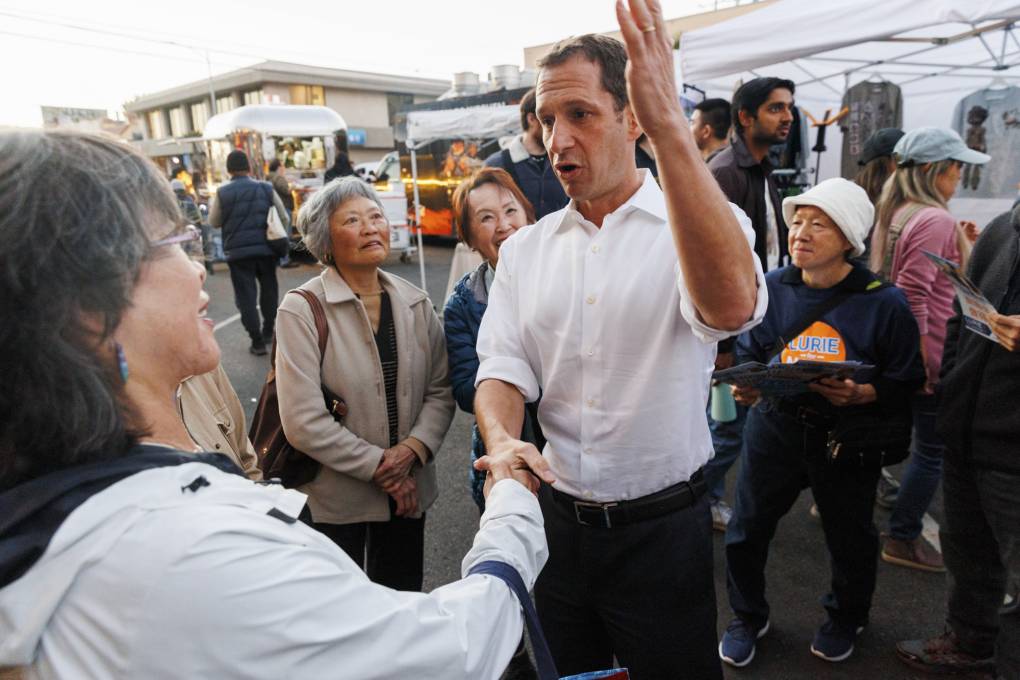
"caption": "Then-mayoral candidate Daniel Lurie shakes voter Diane Lee’s hand as he campaigns at the Sunset Night Market in San Francisco on Aug. 30, 2024.",
"credit": "Juliana Yamada for KQED",
"altTag": null,
"description": null,
"imgSizes": {
"medium": {
"file": "https://cdn.kqed.org/wp-content/uploads/sites/10/2024/09/20240830-AAPIVOTERS-JY-004-KQED-800x533.jpg",
"width": 800,
"height": 533,
"mimeType": "image/jpeg"
},
"large": {
"file": "https://cdn.kqed.org/wp-content/uploads/sites/10/2024/09/20240830-AAPIVOTERS-JY-004-KQED-1020x680.jpg",
"width": 1020,
"height": 680,
"mimeType": "image/jpeg"
},
"thumbnail": {
"file": "https://cdn.kqed.org/wp-content/uploads/sites/10/2024/09/20240830-AAPIVOTERS-JY-004-KQED-160x107.jpg",
"width": 160,
"height": 107,
"mimeType": "image/jpeg"
},
"1536x1536": {
"file": "https://cdn.kqed.org/wp-content/uploads/sites/10/2024/09/20240830-AAPIVOTERS-JY-004-KQED-1536x1024.jpg",
"width": 1536,
"height": 1024,
"mimeType": "image/jpeg"
},
"post-thumbnail": {
"file": "https://cdn.kqed.org/wp-content/uploads/sites/10/2024/09/20240830-AAPIVOTERS-JY-004-KQED-672x372.jpg",
"width": 672,
"height": 372,
"mimeType": "image/jpeg"
},
"twentyfourteen-full-width": {
"file": "https://cdn.kqed.org/wp-content/uploads/sites/10/2024/09/20240830-AAPIVOTERS-JY-004-KQED-1038x576.jpg",
"width": 1038,
"height": 576,
"mimeType": "image/jpeg"
},
"full-width": {
"file": "https://cdn.kqed.org/wp-content/uploads/sites/10/2024/09/20240830-AAPIVOTERS-JY-004-KQED-1920x1280.jpg",
"width": 1920,
"height": 1280,
"mimeType": "image/jpeg"
},
"kqedFullSize": {
"file": "https://cdn.kqed.org/wp-content/uploads/sites/10/2024/09/20240830-AAPIVOTERS-JY-004-KQED.jpg",
"width": 2000,
"height": 1333
}
},
"isLoading": false,
"fetchFailed": false
},
"news_10524572": {
"type": "attachments",
"id": "news_10524572",
"meta": {
"index": "attachments_1716263798",
"site": "news",
"id": "10524572",
"found": true
},
"title": "San Luis Reservoir",
"publishDate": 1431548522,
"status": "inherit",
"parent": 10524510,
"modified": 1786138463,
"caption": "San Luis Reservoir, just west of the San Joaquin Valley town of Los Banos, is California's sixth-largest reservoir and stores water pumped south from the Delta by the federal Central Valley Project and State Water Project. ",
"credit": "Dan Brekke/KQED",
"altTag": null,
"description": null,
"imgSizes": {
"thumbnail": {
"file": "https://cdn.kqed.org/wp-content/uploads/sites/10/2015/05/16469741542_36b2d4c6f4_o-400x225.jpg",
"width": 400,
"height": 225,
"mimeType": "image/jpeg"
},
"medium": {
"file": "https://cdn.kqed.org/wp-content/uploads/sites/10/2015/05/16469741542_36b2d4c6f4_o-800x450.jpg",
"width": 800,
"height": 450,
"mimeType": "image/jpeg"
},
"large": {
"file": "https://cdn.kqed.org/wp-content/uploads/sites/10/2015/05/16469741542_36b2d4c6f4_o-1440x809.jpg",
"width": 1440,
"height": 809,
"mimeType": "image/jpeg"
},
"fd-med": {
"file": "https://cdn.kqed.org/wp-content/uploads/sites/10/2015/05/16469741542_36b2d4c6f4_o-1180x663.jpg",
"width": 1180,
"height": 663,
"mimeType": "image/jpeg"
},
"fd-sm": {
"file": "https://cdn.kqed.org/wp-content/uploads/sites/10/2015/05/16469741542_36b2d4c6f4_o-960x539.jpg",
"width": 960,
"height": 539,
"mimeType": "image/jpeg"
},
"post-thumbnail": {
"file": "https://cdn.kqed.org/wp-content/uploads/sites/10/2015/05/16469741542_36b2d4c6f4_o-672x372.jpg",
"width": 672,
"height": 372,
"mimeType": "image/jpeg"
},
"twentyfourteen-full-width": {
"file": "https://cdn.kqed.org/wp-content/uploads/sites/10/2015/05/16469741542_36b2d4c6f4_o-1038x576.jpg",
"width": 1038,
"height": 576,
"mimeType": "image/jpeg"
},
"guest-author-32": {
"file": "https://cdn.kqed.org/wp-content/uploads/sites/10/2015/05/16469741542_36b2d4c6f4_o-32x32.jpg",
"width": 32,
"height": 32,
"mimeType": "image/jpeg"
},
"guest-author-64": {
"file": "https://cdn.kqed.org/wp-content/uploads/sites/10/2015/05/16469741542_36b2d4c6f4_o-64x64.jpg",
"width": 64,
"height": 64,
"mimeType": "image/jpeg"
},
"guest-author-96": {
"file": "https://cdn.kqed.org/wp-content/uploads/sites/10/2015/05/16469741542_36b2d4c6f4_o-96x96.jpg",
"width": 96,
"height": 96,
"mimeType": "image/jpeg"
},
"guest-author-128": {
"file": "https://cdn.kqed.org/wp-content/uploads/sites/10/2015/05/16469741542_36b2d4c6f4_o-128x128.jpg",
"width": 128,
"height": 128,
"mimeType": "image/jpeg"
},
"detail": {
"file": "https://cdn.kqed.org/wp-content/uploads/sites/10/2015/05/16469741542_36b2d4c6f4_o-75x75.jpg",
"width": 75,
"height": 75,
"mimeType": "image/jpeg"
},
"kqedFullSize": {
"file": "https://cdn.kqed.org/wp-content/uploads/sites/10/2015/05/16469741542_36b2d4c6f4_o-e1431555015254.jpg",
"width": 1920,
"height": 1079
}
},
"isLoading": false,
"fetchFailed": false
},
"news_12014065": {
"type": "attachments",
"id": "news_12014065",
"meta": {
"index": "attachments_1716263798",
"site": "news",
"id": "12014065",
"found": true
},
"title": "alisonyin.com",
"publishDate": 1731433935,
"status": "inherit",
"parent": 12014064,
"modified": 1731437663,
"caption": "Recess at Redwood Heights Elementary School in Oakland on Wednesday, May 17, 2017.\nPhotos by Alison Yin for EdSource",
"credit": null,
"altTag": null,
"description": null,
"imgSizes": {
"medium": {
"file": "https://cdn.kqed.org/wp-content/uploads/sites/10/2024/11/241112Redwood_Elem_082-1536x1024-1-800x533.jpg",
"width": 800,
"height": 533,
"mimeType": "image/jpeg"
},
"large": {
"file": "https://cdn.kqed.org/wp-content/uploads/sites/10/2024/11/241112Redwood_Elem_082-1536x1024-1-1020x680.jpg",
"width": 1020,
"height": 680,
"mimeType": "image/jpeg"
},
"thumbnail": {
"file": "https://cdn.kqed.org/wp-content/uploads/sites/10/2024/11/241112Redwood_Elem_082-1536x1024-1-160x107.jpg",
"width": 160,
"height": 107,
"mimeType": "image/jpeg"
},
"post-thumbnail": {
"file": "https://cdn.kqed.org/wp-content/uploads/sites/10/2024/11/241112Redwood_Elem_082-1536x1024-1-672x372.jpg",
"width": 672,
"height": 372,
"mimeType": "image/jpeg"
},
"twentyfourteen-full-width": {
"file": "https://cdn.kqed.org/wp-content/uploads/sites/10/2024/11/241112Redwood_Elem_082-1536x1024-1-1038x576.jpg",
"width": 1038,
"height": 576,
"mimeType": "image/jpeg"
},
"kqedFullSize": {
"file": "https://cdn.kqed.org/wp-content/uploads/sites/10/2024/11/241112Redwood_Elem_082-1536x1024-1.jpg",
"width": 1536,
"height": 1024
}
},
"isLoading": false,
"fetchFailed": false
},
"news_12013785": {
"type": "attachments",
"id": "news_12013785",
"meta": {
"index": "attachments_1716263798",
"site": "news",
"id": "12013785",
"found": true
},
"title": "030_KQEDScience_IntCommunitySchoolOakland_10202022_qed",
"publishDate": 1731110987,
"status": "inherit",
"parent": 12013739,
"modified": 1731111020,
"caption": "Students go in from recess at International Community School in Oakland on Oct. 20, 2022.",
"credit": "Beth LaBerge/KQED",
"altTag": null,
"description": null,
"imgSizes": {
"medium": {
"file": "https://cdn.kqed.org/wp-content/uploads/sites/10/2024/11/030_KQEDScience_IntCommunitySchoolOakland_10202022_qed-800x533.jpg",
"width": 800,
"height": 533,
"mimeType": "image/jpeg"
},
"large": {
"file": "https://cdn.kqed.org/wp-content/uploads/sites/10/2024/11/030_KQEDScience_IntCommunitySchoolOakland_10202022_qed-1020x680.jpg",
"width": 1020,
"height": 680,
"mimeType": "image/jpeg"
},
"thumbnail": {
"file": "https://cdn.kqed.org/wp-content/uploads/sites/10/2024/11/030_KQEDScience_IntCommunitySchoolOakland_10202022_qed-160x107.jpg",
"width": 160,
"height": 107,
"mimeType": "image/jpeg"
},
"1536x1536": {
"file": "https://cdn.kqed.org/wp-content/uploads/sites/10/2024/11/030_KQEDScience_IntCommunitySchoolOakland_10202022_qed-1536x1024.jpg",
"width": 1536,
"height": 1024,
"mimeType": "image/jpeg"
},
"post-thumbnail": {
"file": "https://cdn.kqed.org/wp-content/uploads/sites/10/2024/11/030_KQEDScience_IntCommunitySchoolOakland_10202022_qed-672x372.jpg",
"width": 672,
"height": 372,
"mimeType": "image/jpeg"
},
"twentyfourteen-full-width": {
"file": "https://cdn.kqed.org/wp-content/uploads/sites/10/2024/11/030_KQEDScience_IntCommunitySchoolOakland_10202022_qed-1038x576.jpg",
"width": 1038,
"height": 576,
"mimeType": "image/jpeg"
},
"full-width": {
"file": "https://cdn.kqed.org/wp-content/uploads/sites/10/2024/11/030_KQEDScience_IntCommunitySchoolOakland_10202022_qed-1920x1280.jpg",
"width": 1920,
"height": 1280,
"mimeType": "image/jpeg"
},
"kqedFullSize": {
"file": "https://cdn.kqed.org/wp-content/uploads/sites/10/2024/11/030_KQEDScience_IntCommunitySchoolOakland_10202022_qed.jpg",
"width": 2000,
"height": 1333
}
},
"isLoading": false,
"fetchFailed": false
},
"news_12009681": {
"type": "attachments",
"id": "news_12009681",
"meta": {
"index": "attachments_1716263798",
"site": "news",
"id": "12009681",
"found": true
},
"title": "Omar Torres",
"publishDate": 1729111784,
"status": "inherit",
"parent": 12009671,
"modified": 1730920482,
"caption": "First-term San José Councilmember Omar Torres is facing pressure to resign after allegations of sexual misconduct with a minor. ",
"credit": "Courtesy of LinkedIn",
"altTag": "A young bearded, smiling Latino man with glasses stands behind a podium that says 'San Jose — Capital of Silicon Valley.'",
"description": null,
"imgSizes": {
"thumbnail": {
"file": "https://cdn.kqed.org/wp-content/uploads/sites/10/2024/10/Omar-Torres-160x160.jpeg",
"width": 160,
"height": 160,
"mimeType": "image/jpeg"
},
"post-thumbnail": {
"file": "https://cdn.kqed.org/wp-content/uploads/sites/10/2024/10/Omar-Torres-672x372.jpeg",
"width": 672,
"height": 372,
"mimeType": "image/jpeg"
},
"twentyfourteen-full-width": {
"file": "https://cdn.kqed.org/wp-content/uploads/sites/10/2024/10/Omar-Torres-800x576.jpeg",
"width": 800,
"height": 576,
"mimeType": "image/jpeg"
},
"kqedFullSize": {
"file": "https://cdn.kqed.org/wp-content/uploads/sites/10/2024/10/Omar-Torres.jpeg",
"width": 800,
"height": 800
}
},
"isLoading": false,
"fetchFailed": false
},
"news_12012932": {
"type": "attachments",
"id": "news_12012932",
"meta": {
"index": "attachments_1716263798",
"site": "news",
"id": "12012932",
"found": true
},
"title": "241105-ELECTION-NIGHT-LURIE WATCH PARTY-AC-01-KQED",
"publishDate": 1730871827,
"status": "inherit",
"parent": 0,
"modified": 1730879009,
"caption": "The crowd waits for Daniel Lurie to speak at his campaign's election night party at The Chapel in San Francisco on Nov. 5, 2024.",
"credit": "Aryk Copley for KQED",
"altTag": null,
"description": null,
"imgSizes": {
"medium": {
"file": "https://cdn.kqed.org/wp-content/uploads/sites/10/2024/11/241105-ELECTION-NIGHT-LURIE-WATCH-PARTY-AC-01-KQED-800x535.jpg",
"width": 800,
"height": 535,
"mimeType": "image/jpeg"
},
"large": {
"file": "https://cdn.kqed.org/wp-content/uploads/sites/10/2024/11/241105-ELECTION-NIGHT-LURIE-WATCH-PARTY-AC-01-KQED-1020x682.jpg",
"width": 1020,
"height": 682,
"mimeType": "image/jpeg"
},
"thumbnail": {
"file": "https://cdn.kqed.org/wp-content/uploads/sites/10/2024/11/241105-ELECTION-NIGHT-LURIE-WATCH-PARTY-AC-01-KQED-160x107.jpg",
"width": 160,
"height": 107,
"mimeType": "image/jpeg"
},
"1536x1536": {
"file": "https://cdn.kqed.org/wp-content/uploads/sites/10/2024/11/241105-ELECTION-NIGHT-LURIE-WATCH-PARTY-AC-01-KQED-1536x1027.jpg",
"width": 1536,
"height": 1027,
"mimeType": "image/jpeg"
},
"post-thumbnail": {
"file": "https://cdn.kqed.org/wp-content/uploads/sites/10/2024/11/241105-ELECTION-NIGHT-LURIE-WATCH-PARTY-AC-01-KQED-672x372.jpg",
"width": 672,
"height": 372,
"mimeType": "image/jpeg"
},
"twentyfourteen-full-width": {
"file": "https://cdn.kqed.org/wp-content/uploads/sites/10/2024/11/241105-ELECTION-NIGHT-LURIE-WATCH-PARTY-AC-01-KQED-1038x576.jpg",
"width": 1038,
"height": 576,
"mimeType": "image/jpeg"
},
"full-width": {
"file": "https://cdn.kqed.org/wp-content/uploads/sites/10/2024/11/241105-ELECTION-NIGHT-LURIE-WATCH-PARTY-AC-01-KQED-1920x1284.jpg",
"width": 1920,
"height": 1284,
"mimeType": "image/jpeg"
},
"kqedFullSize": {
"file": "https://cdn.kqed.org/wp-content/uploads/sites/10/2024/11/241105-ELECTION-NIGHT-LURIE-WATCH-PARTY-AC-01-KQED.jpg",
"width": 2000,
"height": 1337
}
},
"isLoading": false,
"fetchFailed": false
},
"news_12011910": {
"type": "attachments",
"id": "news_12011910",
"meta": {
"index": "attachments_1716263798",
"site": "news",
"id": "12011910",
"found": true
},
"title": "Cars drive along the Great Highway in San Francisco on Oct. 30, 2024.",
"publishDate": 1730399925,
"status": "inherit",
"parent": 0,
"modified": 1730399938,
"caption": "Cars drive along the Great Highway in San Francisco on Oct. 30, 2024.",
"credit": "Beth LaBerge/KQED",
"altTag": null,
"description": null,
"imgSizes": {
"medium": {
"file": "https://cdn.kqed.org/wp-content/uploads/sites/10/2024/10/241030-PropK-26-BL_qed-800x533.jpg",
"width": 800,
"height": 533,
"mimeType": "image/jpeg"
},
"large": {
"file": "https://cdn.kqed.org/wp-content/uploads/sites/10/2024/10/241030-PropK-26-BL_qed-1020x680.jpg",
"width": 1020,
"height": 680,
"mimeType": "image/jpeg"
},
"thumbnail": {
"file": "https://cdn.kqed.org/wp-content/uploads/sites/10/2024/10/241030-PropK-26-BL_qed-160x107.jpg",
"width": 160,
"height": 107,
"mimeType": "image/jpeg"
},
"1536x1536": {
"file": "https://cdn.kqed.org/wp-content/uploads/sites/10/2024/10/241030-PropK-26-BL_qed-1536x1024.jpg",
"width": 1536,
"height": 1024,
"mimeType": "image/jpeg"
},
"post-thumbnail": {
"file": "https://cdn.kqed.org/wp-content/uploads/sites/10/2024/10/241030-PropK-26-BL_qed-672x372.jpg",
"width": 672,
"height": 372,
"mimeType": "image/jpeg"
},
"twentyfourteen-full-width": {
"file": "https://cdn.kqed.org/wp-content/uploads/sites/10/2024/10/241030-PropK-26-BL_qed-1038x576.jpg",
"width": 1038,
"height": 576,
"mimeType": "image/jpeg"
},
"full-width": {
"file": "https://cdn.kqed.org/wp-content/uploads/sites/10/2024/10/241030-PropK-26-BL_qed-1920x1280.jpg",
"width": 1920,
"height": 1280,
"mimeType": "image/jpeg"
},
"kqedFullSize": {
"file": "https://cdn.kqed.org/wp-content/uploads/sites/10/2024/10/241030-PropK-26-BL_qed.jpg",
"width": 2000,
"height": 1333
}
},
"isLoading": false,
"fetchFailed": false
},
"news_12011914": {
"type": "attachments",
"id": "news_12011914",
"meta": {
"index": "attachments_1716263798",
"site": "news",
"id": "12011914",
"found": true
},
"title": "Kamala Harris Speaks On The Ellipse In Washington, D.C. One Week Ahead Of Presidential Election",
"publishDate": 1730400579,
"status": "inherit",
"parent": 0,
"modified": 1730875521,
"caption": "Democratic presidential nominee US Vice President Kamala Harris speaks during a campaign rally on the Ellipse on Oct. 29, 2024, in Washington, DC. ",
"credit": "Tasos Katopodis/Getty Images",
"altTag": null,
"description": null,
"imgSizes": {
"medium": {
"file": "https://cdn.kqed.org/wp-content/uploads/sites/10/2024/10/GETTYIMAGES-2181827064-KQED-800x524.jpg",
"width": 800,
"height": 524,
"mimeType": "image/jpeg"
},
"large": {
"file": "https://cdn.kqed.org/wp-content/uploads/sites/10/2024/10/GETTYIMAGES-2181827064-KQED-1020x668.jpg",
"width": 1020,
"height": 668,
"mimeType": "image/jpeg"
},
"thumbnail": {
"file": "https://cdn.kqed.org/wp-content/uploads/sites/10/2024/10/GETTYIMAGES-2181827064-KQED-160x105.jpg",
"width": 160,
"height": 105,
"mimeType": "image/jpeg"
},
"1536x1536": {
"file": "https://cdn.kqed.org/wp-content/uploads/sites/10/2024/10/GETTYIMAGES-2181827064-KQED-1536x1006.jpg",
"width": 1536,
"height": 1006,
"mimeType": "image/jpeg"
},
"post-thumbnail": {
"file": "https://cdn.kqed.org/wp-content/uploads/sites/10/2024/10/GETTYIMAGES-2181827064-KQED-672x372.jpg",
"width": 672,
"height": 372,
"mimeType": "image/jpeg"
},
"twentyfourteen-full-width": {
"file": "https://cdn.kqed.org/wp-content/uploads/sites/10/2024/10/GETTYIMAGES-2181827064-KQED-1038x576.jpg",
"width": 1038,
"height": 576,
"mimeType": "image/jpeg"
},
"full-width": {
"file": "https://cdn.kqed.org/wp-content/uploads/sites/10/2024/10/GETTYIMAGES-2181827064-KQED-1920x1258.jpg",
"width": 1920,
"height": 1258,
"mimeType": "image/jpeg"
},
"kqedFullSize": {
"file": "https://cdn.kqed.org/wp-content/uploads/sites/10/2024/10/GETTYIMAGES-2181827064-KQED.jpg",
"width": 2000,
"height": 1310
}
},
"isLoading": false,
"fetchFailed": false
},
"news_12012681": {
"type": "attachments",
"id": "news_12012681",
"meta": {
"index": "attachments_1716263798",
"site": "news",
"id": "12012681",
"found": true
},
"title": "Bay FC v Houston Dash",
"publishDate": 1730828892,
"status": "inherit",
"parent": 12012676,
"modified": 1730841625,
"caption": "Dorian Bailey, #19 of Bay FC, and Sophie Schmidt, #13 of the Houston Dash, go for the ball during the first half at Shell Energy Stadium on Nov. 2, 2024, in Houston.",
"credit": "Alex Slitz/Getty Images",
"altTag": null,
"description": null,
"imgSizes": {
"medium": {
"file": "https://cdn.kqed.org/wp-content/uploads/sites/10/2024/11/BayFCPlayoffsGetty1-800x533.jpg",
"width": 800,
"height": 533,
"mimeType": "image/jpeg"
},
"large": {
"file": "https://cdn.kqed.org/wp-content/uploads/sites/10/2024/11/BayFCPlayoffsGetty1-1020x680.jpg",
"width": 1020,
"height": 680,
"mimeType": "image/jpeg"
},
"thumbnail": {
"file": "https://cdn.kqed.org/wp-content/uploads/sites/10/2024/11/BayFCPlayoffsGetty1-160x107.jpg",
"width": 160,
"height": 107,
"mimeType": "image/jpeg"
},
"1536x1536": {
"file": "https://cdn.kqed.org/wp-content/uploads/sites/10/2024/11/BayFCPlayoffsGetty1-1536x1024.jpg",
"width": 1536,
"height": 1024,
"mimeType": "image/jpeg"
},
"post-thumbnail": {
"file": "https://cdn.kqed.org/wp-content/uploads/sites/10/2024/11/BayFCPlayoffsGetty1-672x372.jpg",
"width": 672,
"height": 372,
"mimeType": "image/jpeg"
},
"twentyfourteen-full-width": {
"file": "https://cdn.kqed.org/wp-content/uploads/sites/10/2024/11/BayFCPlayoffsGetty1-1038x576.jpg",
"width": 1038,
"height": 576,
"mimeType": "image/jpeg"
},
"full-width": {
"file": "https://cdn.kqed.org/wp-content/uploads/sites/10/2024/11/BayFCPlayoffsGetty1-1920x1280.jpg",
"width": 1920,
"height": 1280,
"mimeType": "image/jpeg"
},
"kqedFullSize": {
"file": "https://cdn.kqed.org/wp-content/uploads/sites/10/2024/11/BayFCPlayoffsGetty1.jpg",
"width": 2000,
"height": 1333
}
},
"isLoading": false,
"fetchFailed": false
},
"news_11836992": {
"type": "attachments",
"id": "news_11836992",
"meta": {
"index": "attachments_1716263798",
"site": "news",
"id": "11836992",
"found": true
},
"title": "California Utility PG&E Cuts Power To Over 450,000 Residents Amid Wildfire Threat",
"publishDate": 1599578098,
"status": "inherit",
"parent": 11836990,
"modified": 1729104185,
"caption": "Critical fire weather conditions can prompt utilities like PG&E to enact planned power outages in an effort to keep damaged power lines from sparking fires.",
"credit": "Justin Sullivan/Getty Images",
"altTag": "PG&E power lines",
"description": null,
"imgSizes": {
"medium": {
"file": "https://cdn.kqed.org/wp-content/uploads/sites/10/2020/09/RS43113_GettyImages-1188966941-qut-800x533.jpg",
"width": 800,
"height": 533,
"mimeType": "image/jpeg"
},
"large": {
"file": "https://cdn.kqed.org/wp-content/uploads/sites/10/2020/09/RS43113_GettyImages-1188966941-qut-1020x680.jpg",
"width": 1020,
"height": 680,
"mimeType": "image/jpeg"
},
"thumbnail": {
"file": "https://cdn.kqed.org/wp-content/uploads/sites/10/2020/09/RS43113_GettyImages-1188966941-qut-160x107.jpg",
"width": 160,
"height": 107,
"mimeType": "image/jpeg"
},
"1536x1536": {
"file": "https://cdn.kqed.org/wp-content/uploads/sites/10/2020/09/RS43113_GettyImages-1188966941-qut-1536x1024.jpg",
"width": 1536,
"height": 1024,
"mimeType": "image/jpeg"
},
"post-thumbnail": {
"file": "https://cdn.kqed.org/wp-content/uploads/sites/10/2020/09/RS43113_GettyImages-1188966941-qut-672x372.jpg",
"width": 672,
"height": 372,
"mimeType": "image/jpeg"
},
"twentyfourteen-full-width": {
"file": "https://cdn.kqed.org/wp-content/uploads/sites/10/2020/09/RS43113_GettyImages-1188966941-qut-1038x576.jpg",
"width": 1038,
"height": 576,
"mimeType": "image/jpeg"
},
"apple_news_ca_landscape_12_9": {
"file": "https://cdn.kqed.org/wp-content/uploads/sites/10/2020/09/RS43113_GettyImages-1188966941-qut-1832x1280.jpg",
"width": 1832,
"height": 1280,
"mimeType": "image/jpeg"
},
"apple_news_ca_landscape_9_7": {
"file": "https://cdn.kqed.org/wp-content/uploads/sites/10/2020/09/RS43113_GettyImages-1188966941-qut-1376x1032.jpg",
"width": 1376,
"height": 1032,
"mimeType": "image/jpeg"
},
"apple_news_ca_landscape_5_5": {
"file": "https://cdn.kqed.org/wp-content/uploads/sites/10/2020/09/RS43113_GettyImages-1188966941-qut-1044x783.jpg",
"width": 1044,
"height": 783,
"mimeType": "image/jpeg"
},
"apple_news_ca_landscape_4_7": {
"file": "https://cdn.kqed.org/wp-content/uploads/sites/10/2020/09/RS43113_GettyImages-1188966941-qut-632x474.jpg",
"width": 632,
"height": 474,
"mimeType": "image/jpeg"
},
"apple_news_ca_landscape_4_0": {
"file": "https://cdn.kqed.org/wp-content/uploads/sites/10/2020/09/RS43113_GettyImages-1188966941-qut-536x402.jpg",
"width": 536,
"height": 402,
"mimeType": "image/jpeg"
},
"apple_news_ca_portrait_12_9": {
"file": "https://cdn.kqed.org/wp-content/uploads/sites/10/2020/09/RS43113_GettyImages-1188966941-qut-1122x1280.jpg",
"width": 1122,
"height": 1280,
"mimeType": "image/jpeg"
},
"apple_news_ca_portrait_9_7": {
"file": "https://cdn.kqed.org/wp-content/uploads/sites/10/2020/09/RS43113_GettyImages-1188966941-qut-840x1120.jpg",
"width": 840,
"height": 1120,
"mimeType": "image/jpeg"
},
"apple_news_ca_portrait_5_5": {
"file": "https://cdn.kqed.org/wp-content/uploads/sites/10/2020/09/RS43113_GettyImages-1188966941-qut-687x916.jpg",
"width": 687,
"height": 916,
"mimeType": "image/jpeg"
},
"apple_news_ca_portrait_4_7": {
"file": "https://cdn.kqed.org/wp-content/uploads/sites/10/2020/09/RS43113_GettyImages-1188966941-qut-414x552.jpg",
"width": 414,
"height": 552,
"mimeType": "image/jpeg"
},
"apple_news_ca_portrait_4_0": {
"file": "https://cdn.kqed.org/wp-content/uploads/sites/10/2020/09/RS43113_GettyImages-1188966941-qut-354x472.jpg",
"width": 354,
"height": 472,
"mimeType": "image/jpeg"
},
"apple_news_ca_square_12_9": {
"file": "https://cdn.kqed.org/wp-content/uploads/sites/10/2020/09/RS43113_GettyImages-1188966941-qut-1472x1280.jpg",
"width": 1472,
"height": 1280,
"mimeType": "image/jpeg"
},
"apple_news_ca_square_9_7": {
"file": "https://cdn.kqed.org/wp-content/uploads/sites/10/2020/09/RS43113_GettyImages-1188966941-qut-1104x1104.jpg",
"width": 1104,
"height": 1104,
"mimeType": "image/jpeg"
},
"apple_news_ca_square_5_5": {
"file": "https://cdn.kqed.org/wp-content/uploads/sites/10/2020/09/RS43113_GettyImages-1188966941-qut-912x912.jpg",
"width": 912,
"height": 912,
"mimeType": "image/jpeg"
},
"apple_news_ca_square_4_7": {
"file": "https://cdn.kqed.org/wp-content/uploads/sites/10/2020/09/RS43113_GettyImages-1188966941-qut-550x550.jpg",
"width": 550,
"height": 550,
"mimeType": "image/jpeg"
},
"apple_news_ca_square_4_0": {
"file": "https://cdn.kqed.org/wp-content/uploads/sites/10/2020/09/RS43113_GettyImages-1188966941-qut-470x470.jpg",
"width": 470,
"height": 470,
"mimeType": "image/jpeg"
},
"kqedFullSize": {
"file": "https://cdn.kqed.org/wp-content/uploads/sites/10/2020/09/RS43113_GettyImages-1188966941-qut.jpg",
"width": 1920,
"height": 1280
}
},
"isLoading": false,
"fetchFailed": false
}
},
"audioPlayerReducer": {
"postId": "stream_live",
"isPaused": true,
"isPlaying": false,
"pfsActive": false,
"pledgeModalIsOpen": true,
"playerDrawerIsOpen": false,
"liveAudioPlayStartedAt": 0,
"liveAudioPlayContext": ""
},
"authorsReducer": {
"byline_news_12014064": {
"type": "authors",
"id": "byline_news_12014064",
"meta": {
"override": true
},
"slug": "byline_news_12014064",
"name": "Emma Gallegos",
"isLoading": false
},
"dmarks": {
"type": "authors",
"id": "182",
"meta": {
"index": "authors_1716337520",
"id": "182",
"found": true
},
"name": "David Marks",
"firstName": "David",
"lastName": "Marks",
"slug": "dmarks",
"email": "dmarks@kqed.org",
"display_author_email": false,
"staff_mastheads": [],
"title": "KQED Editor",
"bio": "David Marks is a senior digital editor for KQED News. \u003c/a>Reach him at dmarks@kqed.org.",
"avatar": "https://secure.gravatar.com/avatar/b88bd6227ce6cb96ae33fefaf42b2a29?s=600&d=mm&r=g",
"twitter": "divadskram",
"facebook": null,
"instagram": null,
"linkedin": null,
"sites": [
{
"site": "news",
"roles": []
},
{
"site": "science",
"roles": []
},
{
"site": "perspectives",
"roles": []
},
{
"site": "liveblog",
"roles": []
}
],
"headData": {
"title": "David Marks | KQED",
"description": "KQED Editor",
"ogImgSrc": "https://secure.gravatar.com/avatar/b88bd6227ce6cb96ae33fefaf42b2a29?s=600&d=mm&r=g",
"twImgSrc": "https://secure.gravatar.com/avatar/b88bd6227ce6cb96ae33fefaf42b2a29?s=600&d=mm&r=g"
},
"isLoading": false,
"link": "/author/dmarks"
},
"lisapickoffwhite-2": {
"type": "authors",
"id": "199",
"meta": {
"index": "authors_1716337520",
"id": "199",
"found": true
},
"name": "Lisa Pickoff-White",
"firstName": "Lisa",
"lastName": "Pickoff-White",
"slug": "lisapickoffwhite-2",
"email": "lpickoffwhite@kqed.org",
"display_author_email": false,
"staff_mastheads": [
"news"
],
"title": "Data Journalist, Senior Producer",
"bio": "Lisa Pickoff-White is KQED's data reporter. Lisa specializes in simplifying complex topics and bringing them to life through compelling visuals, including photography and data visualizations. She previously has worked at the Center for Investigative Reporting and other national outlets. Her work has been honored with awards from the Online News Association, Investigative Reporters and Editors, the Society of Professional Journalists and SXSW Interactive. \u003cstrong> \u003c/strong>",
"avatar": "https://secure.gravatar.com/avatar/5513c5f3967df792aa65bee2501e84d6?s=600&d=blank&r=g",
"twitter": "pickoffwhite",
"facebook": null,
"instagram": null,
"linkedin": null,
"sites": [
{
"site": "",
"roles": [
"editor"
]
},
{
"site": "arts",
"roles": []
},
{
"site": "news",
"roles": [
"administrator"
]
},
{
"site": "about",
"roles": [
"editor"
]
},
{
"site": "stateofhealth",
"roles": [
"administrator"
]
},
{
"site": "science",
"roles": [
"editor"
]
},
{
"site": "quest",
"roles": [
"editor"
]
},
{
"site": "forum",
"roles": [
"editor"
]
}
],
"headData": {
"title": "Lisa Pickoff-White | KQED",
"description": "Data Journalist, Senior Producer",
"ogImgSrc": "https://secure.gravatar.com/avatar/5513c5f3967df792aa65bee2501e84d6?s=600&d=blank&r=g",
"twImgSrc": "https://secure.gravatar.com/avatar/5513c5f3967df792aa65bee2501e84d6?s=600&d=blank&r=g"
},
"isLoading": false,
"link": "/author/lisapickoffwhite-2"
},
"gmarzorati": {
"type": "authors",
"id": "227",
"meta": {
"index": "authors_1716337520",
"id": "227",
"found": true
},
"name": "Guy Marzorati",
"firstName": "Guy",
"lastName": "Marzorati",
"slug": "gmarzorati",
"email": "gmarzorati@KQED.org",
"display_author_email": true,
"staff_mastheads": [
"news"
],
"title": "Correspondent",
"bio": "Guy Marzorati is a correspondent on KQED's California Politics and Government Desk, based in San Jose. A graduate of Santa Clara University, Guy joined KQED in 2013. He reports on state and local politics and produces KQED's digital voter guide.",
"avatar": "https://secure.gravatar.com/avatar/771cddf45ce3a8ed533d82dcc214e9ef925d76d2af5794a33da1ce439eb54a32?s=600&d=blank&r=g",
"twitter": "guymarzorati",
"bluesky": null,
"facebook": null,
"instagram": null,
"linkedin": null,
"sites": [
{
"site": "",
"roles": [
"editor"
]
},
{
"site": "news",
"roles": [
"editor"
]
},
{
"site": "science",
"roles": [
"editor"
]
},
{
"site": "forum",
"roles": [
"editor"
]
},
{
"site": "elections",
"roles": [
"editor"
]
},
{
"site": "liveblog",
"roles": [
"editor"
]
}
],
"headData": {
"title": "Guy Marzorati | KQED",
"description": "Correspondent",
"ogImgSrc": "https://secure.gravatar.com/avatar/771cddf45ce3a8ed533d82dcc214e9ef925d76d2af5794a33da1ce439eb54a32?s=600&d=blank&r=g",
"twImgSrc": "https://secure.gravatar.com/avatar/771cddf45ce3a8ed533d82dcc214e9ef925d76d2af5794a33da1ce439eb54a32?s=600&d=blank&r=g"
},
"isLoading": false,
"link": "/author/gmarzorati"
},
"kqed": {
"type": "authors",
"id": "236",
"meta": {
"index": "authors_1716337520",
"id": "236",
"found": true
},
"name": "KQED News Staff",
"firstName": "KQED News Staff",
"lastName": null,
"slug": "kqed",
"email": "faq@kqed.org",
"display_author_email": false,
"staff_mastheads": [],
"title": null,
"bio": null,
"avatar": "https://secure.gravatar.com/avatar/ef0e801a68c4c54afa9180db14084167?s=600&d=blank&r=g",
"twitter": null,
"facebook": null,
"instagram": null,
"linkedin": null,
"sites": [
{
"site": "arts",
"roles": [
"contributor"
]
},
{
"site": "news",
"roles": [
"editor"
]
},
{
"site": "futureofyou",
"roles": [
"author"
]
}
],
"headData": {
"title": "KQED News Staff | KQED",
"description": null,
"ogImgSrc": "https://secure.gravatar.com/avatar/ef0e801a68c4c54afa9180db14084167?s=600&d=blank&r=g",
"twImgSrc": "https://secure.gravatar.com/avatar/ef0e801a68c4c54afa9180db14084167?s=600&d=blank&r=g"
},
"isLoading": false,
"link": "/author/kqed"
},
"mlagos": {
"type": "authors",
"id": "3239",
"meta": {
"index": "authors_1716337520",
"id": "3239",
"found": true
},
"name": "Marisa Lagos",
"firstName": "Marisa",
"lastName": "Lagos",
"slug": "mlagos",
"email": "mlagos@kqed.org",
"display_author_email": false,
"staff_mastheads": [
"news"
],
"title": "KQED Contributor",
"bio": "Marisa Lagos is a correspondent for KQED’s California Politics and Government Desk and co-hosts the award-winning show and podcast, Political Breakdown. At KQED, Lagos also conducts reporting, analysis and investigations into state, local and national politics for radio, TV, online and onstage. In 2022, she and co-host, Scott Shafer, moderated the only gubernatorial debate in California. In 2020, the \u003ci>Washington Post\u003c/i> named her one of the top political journalists in California; she was nominated for a Peabody and won several other awards for her work investigating the 2017 California wildfires. She has worked at the \u003ci>San Francisco Chronicle\u003c/i>, \u003ci>San Francisco Examiner\u003c/i> and \u003ci>Los Angeles Times\u003c/i>. A UC Santa Barbara graduate, she lives in San Francisco with her two sons and husband.",
"avatar": "https://secure.gravatar.com/avatar/a261a0d3696fc066871ef96b85b5e7d2?s=600&d=blank&r=g",
"twitter": "@mlagos",
"facebook": null,
"instagram": null,
"linkedin": null,
"sites": [
{
"site": "arts",
"roles": [
"author"
]
},
{
"site": "news",
"roles": [
"editor"
]
},
{
"site": "science",
"roles": [
"editor"
]
},
{
"site": "forum",
"roles": [
"author"
]
},
{
"site": "liveblog",
"roles": [
"author"
]
}
],
"headData": {
"title": "Marisa Lagos | KQED",
"description": "KQED Contributor",
"ogImgSrc": "https://secure.gravatar.com/avatar/a261a0d3696fc066871ef96b85b5e7d2?s=600&d=blank&r=g",
"twImgSrc": "https://secure.gravatar.com/avatar/a261a0d3696fc066871ef96b85b5e7d2?s=600&d=blank&r=g"
},
"isLoading": false,
"link": "/author/mlagos"
},
"carlysevern": {
"type": "authors",
"id": "3243",
"meta": {
"index": "authors_1716337520",
"id": "3243",
"found": true
},
"name": "Carly Severn",
"firstName": "Carly",
"lastName": "Severn",
"slug": "carlysevern",
"email": "csevern@kqed.org",
"display_author_email": false,
"staff_mastheads": [
"news"
],
"title": "Senior Editor, Audience News ",
"bio": "Carly is KQED's Senior Editor of Audience News on the Digital News team, and has reported for the California Report Magazine, Bay Curious and KQED Arts. She's formerly the host of \u003ca href=\"http://ww2.kqed.org/pop/category/the-cooler/\" rel=\"noopener noreferrer\">The Cooler\u003c/a> podcast.",
"avatar": "https://secure.gravatar.com/avatar/54037bf5c128fe678f0ef26cec97a93f2e7f220a22d7285703328f12c42c1b1d?s=600&d=blank&r=g",
"twitter": "teacupinthebay",
"bluesky": null,
"facebook": null,
"instagram": null,
"linkedin": null,
"sites": [
{
"site": "",
"roles": [
"editor"
]
},
{
"site": "arts",
"roles": [
"editor"
]
},
{
"site": "news",
"roles": [
"administrator"
]
},
{
"site": "pop",
"roles": [
"editor"
]
},
{
"site": "futureofyou",
"roles": [
"editor"
]
},
{
"site": "about",
"roles": [
"administrator"
]
},
{
"site": "mindshift",
"roles": [
"editor"
]
},
{
"site": "bayareabites",
"roles": [
"editor"
]
},
{
"site": "stateofhealth",
"roles": [
"editor"
]
},
{
"site": "science",
"roles": [
"editor"
]
},
{
"site": "food",
"roles": [
"contributor"
]
},
{
"site": "forum",
"roles": [
"editor"
]
},
{
"site": "perspectives",
"roles": [
"administrator"
]
},
{
"site": "liveblog",
"roles": [
"editor"
]
}
],
"headData": {
"title": "Carly Severn | KQED",
"description": "Senior Editor, Audience News ",
"ogImgSrc": "https://secure.gravatar.com/avatar/54037bf5c128fe678f0ef26cec97a93f2e7f220a22d7285703328f12c42c1b1d?s=600&d=blank&r=g",
"twImgSrc": "https://secure.gravatar.com/avatar/54037bf5c128fe678f0ef26cec97a93f2e7f220a22d7285703328f12c42c1b1d?s=600&d=blank&r=g"
},
"isLoading": false,
"link": "/author/carlysevern"
},
"lsarah": {
"type": "authors",
"id": "11626",
"meta": {
"index": "authors_1716337520",
"id": "11626",
"found": true
},
"name": "Lakshmi Sarah",
"firstName": "Lakshmi",
"lastName": "Sarah",
"slug": "lsarah",
"email": "lsarah@kqed.org",
"display_author_email": false,
"staff_mastheads": [],
"title": "Digital Producer",
"bio": "Lakshmi Sarah is an educator, author and journalist with a focus on innovative storytelling. She has worked with newspapers, radio and magazines from Ahmedabad, India to Los Angeles, California. She has written and produced for Die Zeit, Global Voices, AJ+, KQED, Fusion Media Group and the New York Times.",
"avatar": "https://secure.gravatar.com/avatar/652dcaecd8b28826fc17a8b2d6bb4e93?s=600&d=blank&r=g",
"twitter": "lakitalki",
"facebook": null,
"instagram": "https://www.instagram.com/laki.talki/",
"linkedin": "https://www.linkedin.com/in/lakisarah/",
"sites": [
{
"site": "arts",
"roles": []
},
{
"site": "news",
"roles": []
},
{
"site": "bayareabites",
"roles": []
},
{
"site": "science",
"roles": []
}
],
"headData": {
"title": "Lakshmi Sarah | KQED",
"description": "Digital Producer",
"ogImgSrc": "https://secure.gravatar.com/avatar/652dcaecd8b28826fc17a8b2d6bb4e93?s=600&d=blank&r=g",
"twImgSrc": "https://secure.gravatar.com/avatar/652dcaecd8b28826fc17a8b2d6bb4e93?s=600&d=blank&r=g"
},
"isLoading": false,
"link": "/author/lsarah"
},
"eromero": {
"type": "authors",
"id": "11746",
"meta": {
"index": "authors_1716337520",
"id": "11746",
"found": true
},
"name": "Ezra David Romero",
"firstName": "Ezra David",
"lastName": "Romero",
"slug": "eromero",
"email": "eromero@kqed.org",
"display_author_email": true,
"staff_mastheads": [
"news",
"science"
],
"title": "Climate Reporter",
"bio": "Ezra David Romero is a climate reporter for KQED News. He covers the absence and excess of water in the Bay Area — think sea level rise, flooding and drought. For nearly a decade he’s covered how warming temperatures are altering the lives of Californians. He’s reported on farmers worried their pistachio trees aren’t getting enough sleep, families desperate for water, scientists studying dying giant sequoias, and alongside firefighters containing wildfires. His work has appeared on local stations across California and nationally on public radio shows like Morning Edition, Here and Now, All Things Considered and Science Friday. ",
"avatar": "https://secure.gravatar.com/avatar/c76404d287c10ed40224227551ac36e24352c7306f106632caf6fead76f8801f?s=600&d=blank&r=g",
"twitter": "ezraromero",
"bluesky": null,
"facebook": null,
"instagram": null,
"linkedin": null,
"sites": [
{
"site": "arts",
"roles": [
"editor"
]
},
{
"site": "news",
"roles": [
"editor"
]
},
{
"site": "science",
"roles": [
"editor"
]
},
{
"site": "liveblog",
"roles": [
"author"
]
}
],
"headData": {
"title": "Ezra David Romero | KQED",
"description": "Climate Reporter",
"ogImgSrc": "https://secure.gravatar.com/avatar/c76404d287c10ed40224227551ac36e24352c7306f106632caf6fead76f8801f?s=600&d=blank&r=g",
"twImgSrc": "https://secure.gravatar.com/avatar/c76404d287c10ed40224227551ac36e24352c7306f106632caf6fead76f8801f?s=600&d=blank&r=g"
},
"isLoading": false,
"link": "/author/eromero"
},
"nnavarro": {
"type": "authors",
"id": "11756",
"meta": {
"index": "authors_1716337520",
"id": "11756",
"found": true
},
"name": "Natalia Navarro",
"firstName": "Natalia",
"lastName": "Navarro",
"slug": "nnavarro",
"email": "nnavarro@kqed.org",
"display_author_email": true,
"staff_mastheads": [
"news"
],
"title": "Afternoon News Anchor",
"bio": "Natalia Navarro is KQED's afternoon radio news anchor. She covers daily breaking news, and specializes in covering LGBTQ+ communities and women's sports. Natalia came to KQED in 2021 from Colorado Public Radio, where she was a reporter and host, and worked on a health team to cover the COVID-19 pandemic. She has received several awards for her work from organizations including the San Francisco Press Club, Society of Professional Journalists and the Colorado Broadcasters Association. Natalia is originally from Tucson, Arizona, where she got her start in journalism writing for the Arizona Daily Star, Arizona Public Media and the Tucson Weekly. Natalia earned her bachelor's degree in journalism and economics, and her master's degree in journalism from the University of Arizona.",
"avatar": "https://secure.gravatar.com/avatar/a2bdb19fd9520bdea295a2d5f9b2ad65ec51cf0bf559fb1cc041d3a0a04d62ad?s=600&d=blank&r=g",
"twitter": null,
"bluesky": null,
"facebook": null,
"instagram": "https://www.instagram.com/radionavarro/",
"linkedin": null,
"sites": [
{
"site": "news",
"roles": [
"editor"
]
}
],
"headData": {
"title": "Natalia Navarro | KQED",
"description": "Afternoon News Anchor",
"ogImgSrc": "https://secure.gravatar.com/avatar/a2bdb19fd9520bdea295a2d5f9b2ad65ec51cf0bf559fb1cc041d3a0a04d62ad?s=600&d=blank&r=g",
"twImgSrc": "https://secure.gravatar.com/avatar/a2bdb19fd9520bdea295a2d5f9b2ad65ec51cf0bf559fb1cc041d3a0a04d62ad?s=600&d=blank&r=g"
},
"isLoading": false,
"link": "/author/nnavarro"
},
"adahlstromeckman": {
"type": "authors",
"id": "11785",
"meta": {
"index": "authors_1716337520",
"id": "11785",
"found": true
},
"name": "Azul Dahlstrom-Eckman",
"firstName": "Azul",
"lastName": "Dahlstrom-Eckman",
"slug": "adahlstromeckman",
"email": "adahlstrom-eckman@kqed.org",
"display_author_email": true,
"staff_mastheads": [],
"title": "Reporter",
"bio": "Azul is a reporter for KQED focusing on transportation and features. He joined KQED in 2021 as an alumnus of KALW's Audio Academy radio journalism training program.",
"avatar": "https://secure.gravatar.com/avatar/9cb750298435add7815a777f55bf1f46845c1386bb8452555c60a7b820b5aba3?s=600&d=blank&r=g",
"twitter": "@zuliemann",
"bluesky": "@azul415.bsky.social",
"facebook": null,
"instagram": null,
"linkedin": null,
"sites": [
{
"site": "arts",
"roles": [
"editor"
]
},
{
"site": "news",
"roles": [
"editor"
]
},
{
"site": "science",
"roles": [
"editor"
]
},
{
"site": "liveblog",
"roles": [
"author"
]
}
],
"headData": {
"title": "Azul Dahlstrom-Eckman | KQED",
"description": "Reporter",
"ogImgSrc": "https://secure.gravatar.com/avatar/9cb750298435add7815a777f55bf1f46845c1386bb8452555c60a7b820b5aba3?s=600&d=blank&r=g",
"twImgSrc": "https://secure.gravatar.com/avatar/9cb750298435add7815a777f55bf1f46845c1386bb8452555c60a7b820b5aba3?s=600&d=blank&r=g"
},
"isLoading": false,
"link": "/author/adahlstromeckman"
},
"jgeha": {
"type": "authors",
"id": "11906",
"meta": {
"index": "authors_1716337520",
"id": "11906",
"found": true
},
"name": "Joseph Geha",
"firstName": "Joseph",
"lastName": "Geha",
"slug": "jgeha",
"email": "jgeha@kqed.org",
"display_author_email": false,
"staff_mastheads": [
"news",
"science"
],
"title": "KQED Contributor",
"bio": null,
"avatar": "https://secure.gravatar.com/avatar/ea84d2b6dd93d6369d453edf19dd583f117cd1759d2d9c9c92f9de77017354fe?s=600&d=blank&r=g",
"twitter": null,
"bluesky": null,
"facebook": null,
"instagram": null,
"linkedin": null,
"sites": [
{
"site": "news",
"roles": [
"editor"
]
},
{
"site": "liveblog",
"roles": [
"author"
]
}
],
"headData": {
"title": "Joseph Geha | KQED",
"description": "KQED Contributor",
"ogImgSrc": "https://secure.gravatar.com/avatar/ea84d2b6dd93d6369d453edf19dd583f117cd1759d2d9c9c92f9de77017354fe?s=600&d=blank&r=g",
"twImgSrc": "https://secure.gravatar.com/avatar/ea84d2b6dd93d6369d453edf19dd583f117cd1759d2d9c9c92f9de77017354fe?s=600&d=blank&r=g"
},
"isLoading": false,
"link": "/author/jgeha"
},
"kdebenedetti": {
"type": "authors",
"id": "11913",
"meta": {
"index": "authors_1716337520",
"id": "11913",
"found": true
},
"name": "Katie DeBenedetti",
"firstName": "Katie",
"lastName": "DeBenedetti",
"slug": "kdebenedetti",
"email": "kdebenedetti@kqed.org",
"display_author_email": false,
"staff_mastheads": [
"news",
"science"
],
"title": "KQED Contributor",
"bio": "Katie DeBenedetti is a digital reporter covering daily news for the Express Desk. Prior to joining KQED as a culture reporting intern in January 2024, she covered education and city government for the Napa Valley Register.",
"avatar": "https://secure.gravatar.com/avatar/6e31073cb8f7e4214ab03f42771d0f45?s=600&d=blank&r=g",
"twitter": null,
"facebook": null,
"instagram": null,
"linkedin": null,
"sites": [
{
"site": "news",
"roles": [
"author"
]
},
{
"site": "science",
"roles": [
"author"
]
},
{
"site": "liveblog",
"roles": [
"author"
]
}
],
"headData": {
"title": "Katie DeBenedetti | KQED",
"description": "KQED Contributor",
"ogImgSrc": "https://secure.gravatar.com/avatar/6e31073cb8f7e4214ab03f42771d0f45?s=600&d=blank&r=g",
"twImgSrc": "https://secure.gravatar.com/avatar/6e31073cb8f7e4214ab03f42771d0f45?s=600&d=blank&r=g"
},
"isLoading": false,
"link": "/author/kdebenedetti"
}
},
"pagesReducer": {
"news_category_local": {
"type": "terms",
"id": "news_28250",
"meta": {
"index": "terms_1716263798",
"site": "news",
"id": "28250",
"score": 12.795616
},
"featImg": null,
"name": "Local",
"description": null,
"taxonomy": "category",
"headData": {
"twImgId": null,
"twTitle": null,
"ogTitle": null,
"ogImgId": null,
"twDescription": null,
"description": null,
"title": "Local Archives | KQED News",
"ogDescription": null
},
"ttid": 28267,
"slug": "local",
"isLoading": false,
"title": "Local",
"pageMeta": {
"site": "news",
"WpPageTemplate": "page-topic-editorial",
"currentPage": 156
},
"blocks": [
{
"blockName": "kqed/post-list",
"attrs": {
"layout": "cardArticle2",
"query": "posts/news?category=local",
"seeMore": false,
"paginated": true,
"page": 156
}
},
{
"blockName": "kqed/ad"
}
]
}
},
"pfsSessionReducer": {},
"postsReducer": {
"stream_live": {
"type": "live",
"id": "stream_live",
"audioUrl": "https://hls.kqed.org/hls/kqed_app/playlist.m3u8",
"title": "Live Stream",
"excerpt": "Live Stream information currently unavailable.",
"link": "/radio",
"featImg": "",
"label": {
"name": "KQED Live",
"link": "/"
}
},
"stream_kqedNewscast": {
"type": "posts",
"id": "stream_kqedNewscast",
"audioUrl": "https://www.kqed.org/.stream/anon/radio/RDnews/newscast.mp3?_=1",
"title": "KQED Newscast",
"featImg": "",
"label": {
"name": "88.5 FM",
"link": "/"
}
},
"news_12014961": {
"type": "posts",
"id": "news_12014961",
"meta": {
"index": "posts_1716263798",
"site": "news",
"id": "12014961",
"score": null,
"sort": [
1732046407000
]
},
"guestAuthors": [],
"slug": "the-first-us-clade-i-mpox-case-has-been-found-in-the-bay-area-heres-what-to-know",
"title": "The 1st US Clade I Mpox Case Has Been Found in the Bay Area. Here’s What to Know",
"publishDate": 1732046407,
"format": "standard",
"headTitle": "The 1st US Clade I Mpox Case Has Been Found in the Bay Area. Here’s What to Know | KQED",
"labelTerm": {
"site": "news"
},
"content": "\u003cp>Health officials confirmed this weekend that \u003ca href=\"https://www.kqed.org/news/12014826/san-mateo-county-reports-first-known-u-s-case-of-emerging-mpox-strain\">the first U.S. case of a new mpox strain had been detected in the Bay Area\u003c/a>.\u003c/p>\n\u003cp>This variant of mpox — formerly called monkeypox — is known as clade I and has been \u003ca href=\"https://www.kqed.org/news/12000319/mpox-is-declared-a-global-emergency-again-heres-what-to-know\">circulating in eastern and central Africa over the last year\u003c/a>, where it’s caused sickness among children and adults and even deaths. The disease usually spreads through close skin-to-skin contact, including sex.\u003c/p>\n\u003cp>The Centers for Disease Control and Prevention (CDC) announced Saturday that \u003ca href=\"https://www.cdc.gov/media/releases/s1116-california-first-clade.html\">the U.S.’s first known clade I case had recently returned from travel\u003c/a> to the African continent and was treated for mpox symptoms at a medical facility in San Mateo County.\u003c/p>\n\u003cp>Clade I is a more severe strain of mpox compared to the \u003ca href=\"https://www.kqed.org/news/11919070/monkeypox-in-the-bay-area-from-symptoms-to-how-to-find-a-vaccine-heres-what-we-know\">clade II strain that caused an outbreak in the Bay Area in 2022\u003c/a> and that is still circulating at low levels. But the CDC has said that the risk of clade I mpox to the general public within the U.S. “remains low.” \u003ca href=\"https://www.cdc.gov/mpox/vaccines/index.html\">A two-dose vaccine for mpox\u003c/a>, which offers protection against both clade I and clade II, remains available for eligible people at higher risk of infection.\u003c/p>\n\u003cp>\u003cstrong>Jump straight to: \u003c/strong>\u003c/p>\n\u003cul>\n\u003cli>\u003cstrong>\u003ca href=\"#find-mpox-vaccine-near-me\">Who’s eligible for an mpox vaccine in the Bay Area?\u003c/a>\u003c/strong>\u003c/li>\n\u003cli>\u003cstrong>\u003ca href=\"#who-risk-mpox\">Who is most at risk from mpox?\u003c/a>\u003c/strong>\u003c/li>\n\u003c/ul>\n\u003cp>Keep reading for what we know about this new U.S. case of clade I mpox, how mpox spreads, what symptoms to be aware of and who should get an \u003ca href=\"#find-mpox-vaccine-near-me\">mpox vaccine\u003c/a>.\u003cbr>\n[ad fullwidth]\u003c/p>\n\u003ch2>What do we know about this first clade I mpox case in the U.S.?\u003c/h2>\n\u003cp>Not a great deal — because health officials don’t want to release details that could identify this person.\u003c/p>\n\u003cp>We know that \u003ca href=\"https://www.cdph.ca.gov/Programs/OPA/Pages/NR24-036.aspx\">the patient received medical care at a facility in San Mateo County\u003c/a> and had recently returned from travel to Eastern Africa. The patient is now isolating at home, the CDC said — although their home county hasn’t been disclosed — and their symptoms are improving. “It has not been a severe illness” for this patient, San Mateo County health officer Dr. Kismet Baldwin-Santana said.\u003c/p>\n\u003cp>“People who had close contact with this individual are being contacted by public health workers, but there is no concern or evidence that mpox clade I is currently spreading between individuals in California or the United States,” the California Department of Public Health (CDPH) said in a statement.\u003c/p>\n\u003cp>Baldwin-Santana said that officials were also “actively working” with San Mateo health care staff “that have been exposed.”\u003c/p>\n\u003cp>Dr. Peter Chin-Hong, an infectious disease expert at UCSF, said that the first U.S. case of clade I was “expected,” owing to the scale not just of the outbreak in eastern and central Africa but of international travel. “It was only a matter of time before we saw cases in the U.S. from people who traveled there,” he said.\u003c/p>\n\u003cfigure id=\"attachment_11949273\" class=\"wp-caption alignnone\" style=\"max-width: 1920px\">\u003cimg loading=\"lazy\" decoding=\"async\" class=\"size-full wp-image-11949273\" src=\"https://cdn.kqed.org/wp-content/uploads/sites/10/2023/05/RS65506_GettyImages-1428290091-1-qut.jpg\" alt=\"Small circular patterns float in a dense, thick brown substance.\" width=\"1920\" height=\"1523\" srcset=\"https://cdn.kqed.org/wp-content/uploads/sites/10/2023/05/RS65506_GettyImages-1428290091-1-qut.jpg 1920w, https://cdn.kqed.org/wp-content/uploads/sites/10/2023/05/RS65506_GettyImages-1428290091-1-qut-800x635.jpg 800w, https://cdn.kqed.org/wp-content/uploads/sites/10/2023/05/RS65506_GettyImages-1428290091-1-qut-1020x809.jpg 1020w, https://cdn.kqed.org/wp-content/uploads/sites/10/2023/05/RS65506_GettyImages-1428290091-1-qut-160x127.jpg 160w, https://cdn.kqed.org/wp-content/uploads/sites/10/2023/05/RS65506_GettyImages-1428290091-1-qut-1536x1218.jpg 1536w\" sizes=\"(max-width: 1920px) 100vw, 1920px\">\u003cfigcaption class=\"wp-caption-text\">Colorized transmission electron micrograph of mpox virus particles (orange) found within an infected cell (brown) cultured in a laboratory. \u003ccite>(NIH-NIAID/Image Point FR/BSIP/Universal Images Group via Getty Images)\u003c/cite>\u003c/figcaption>\u003c/figure>\n\u003ch2>What is clade I mpox, and where is it spreading?\u003c/h2>\n\u003cp>The mpox virus spreads through close contact with someone who is infected and causes mpox disease. As the name might suggest, the virus is related to the smallpox virus, but it’s generally less severe and much less contagious than smallpox, according to CDPH. In addition to fever, chills, headache and muscle pain, mpox can cause a painful rash — also known as lesions — that appear on many parts of the body.\u003c/p>\n\u003cp>In August, the World Health Organization (WHO) declared a \u003ca href=\"https://www.kqed.org/news/11988079/2024-mpox-vaccine-formerly-monkeypox-symptoms-rash\">clade I mpox outbreak\u003c/a> in eastern and central Africa a \u003ca href=\"https://www.kqed.org/news/12000319/mpox-is-declared-a-global-emergency-again-heres-what-to-know\">global emergency\u003c/a>. Historically, this strain has caused more severe illness and higher fatality rates than the other type of mpox, clade II.\u003c/p>\n\u003cp>The Democratic Republic of the Congo (DRC), which has been the \u003ca href=\"https://www.cdc.gov/mpox/outbreaks/2023/index.html\">epicenter of the outbreak\u003c/a>, has reported more than 9,000 confirmed clade I mpox cases and more than 40 deaths since Jan. 1. \u003ca href=\"https://wwwnc.cdc.gov/travel/notices/level2/clade-1-mpox-central-eastern-africa\">Clade I mpox has also spread\u003c/a> to Burundi, Central African Republic, Republic of the Congo, Rwanda and Uganda. Very few doses of the \u003ca href=\"#find-mpox-vaccine-near-me\">mpox vaccine\u003c/a> were originally available on the African continent, but \u003ca href=\"https://www.unicef.org/press-releases/democratic-republic-congo-starts-mpox-vaccination-high-priority-provinces\">in October, 265,000 doses arrived in the DRC\u003c/a> for distribution among vulnerable groups.\u003c/p>\n\u003cp>In August, \u003ca href=\"https://apnews.com/article/mpox-sweden-congo-9923d0ee8deb362b2af5416bb273d629\">the first clade I mpox case outside the African continent was detected in Sweden\u003c/a>. Subsequent cases of people who had recently traveled to affected regions in Africa have also been detected in Germany, India, Kenya, Thailand, the United Kingdom, Zambia and Zimbabwe — and now the U.S.\u003c/p>\n\u003ch2>How is clade I different from the type of mpox that hit the Bay Area in 2022?\u003c/h2>\n\u003cp>\u003ca href=\"https://www.kqed.org/news/11919070/monkeypox-in-the-bay-area-from-symptoms-to-how-to-find-a-vaccine-heres-what-we-know\">The 2022 mpox outbreak in the United States\u003c/a> — which particularly affected gay and bisexual men, as well as trans and nonbinary people who have sex with men — was caused by clade II mpox, the less severe strain. \u003ca href=\"https://www.kqed.org/news/12000319/mpox-is-declared-a-global-emergency-again-heres-what-to-know#mpox-wastewater\">Read more about the 2022 outbreak\u003c/a>.\u003c/p>\n\u003cp>2024’s clade I mpox is also different because it’s “not really in a \u003ca href=\"https://prevention.ucsf.edu/research-project/sexual-networks\">sexual network\u003c/a> per se,” UCSF’s Chin-Hong said — that is, groups of people who are connected to one another sexually. In 2022, clade II “was engineered, almost, to be very efficiently spread within a sexual network, and it was amplified by \u003ca href=\"https://www.kqed.org/news/11988079/2024-mpox-vaccine-formerly-monkeypox-symptoms-rash\">a lot of things happening at the same time, like Pride events\u003c/a>.”\u003c/p>\n\u003cp>The clade I strain that’s been spreading in eastern and central Africa “primarily affects heterosexual people and children within households,” Chin-Hong said — but with the caveat that this exposure within a home has to be “intensive.”\u003c/p>\n\u003cp>\u003cspan style=\"margin: 0px; padding: 0px;\">\u003ca href=\"https://data.wastewaterscan.org/tracker/?charts=CjEQASABSABSBmU5ZTg3ZVIGMzc0MzBhWgpNUFhWX0cyUl9HeIkBigEGOTY3NzIwwAEB&selectedChartId=967720\" target=\"_blank\" rel=\"noopener\">Data from Stanford University’s WastewaterSCAN project\u003c/a>, which monitors the presence of viruses, including mpox, in human sewage across the U.S., shows that more than two years after the initial 2022 outbreak, clade II of mpox is still occasionally detected in the Bay Area’s wastewater.\u003c/span>\u003c/p>\n\u003cp>Dr. Julia Janssen, deputy director of the HIV/STI Prevention and Control Branch at the San Francisco Department of Public Health, stressed that the city had seen 31 confirmed cases this year — and that \u003ca href=\"https://www.cdc.gov/mpox/hcp/clinical-overview/index.html\">Bay Area residents at higher risk of infection \u003c/a>should still stay vigilant for clade II mpox by \u003ca href=\"#find-mpox-vaccine-near-me\">getting their mpox vaccine.\u003c/a>\u003c/p>\n\u003cfigure id=\"attachment_11988132\" class=\"wp-caption alignnone\" style=\"max-width: 1920px\">\u003cimg loading=\"lazy\" decoding=\"async\" class=\"size-full wp-image-11988132\" src=\"https://cdn.kqed.org/wp-content/uploads/sites/10/2024/05/GettyImages-1412778743.jpg\" alt=\"\" width=\"1920\" height=\"1315\" srcset=\"https://cdn.kqed.org/wp-content/uploads/sites/10/2024/05/GettyImages-1412778743.jpg 1920w, https://cdn.kqed.org/wp-content/uploads/sites/10/2024/05/GettyImages-1412778743-800x548.jpg 800w, https://cdn.kqed.org/wp-content/uploads/sites/10/2024/05/GettyImages-1412778743-1020x699.jpg 1020w, https://cdn.kqed.org/wp-content/uploads/sites/10/2024/05/GettyImages-1412778743-160x110.jpg 160w, https://cdn.kqed.org/wp-content/uploads/sites/10/2024/05/GettyImages-1412778743-1536x1052.jpg 1536w\" sizes=\"(max-width: 1920px) 100vw, 1920px\">\u003cfigcaption class=\"wp-caption-text\">A pharmacist prepares a dose of the Jynneos mpox vaccine at a pop-up vaccination clinic opened by the Los Angeles County Department of Public Health at the West Hollywood Library on Aug. 3, 2022, in West Hollywood, California. \u003ccite>(Mario Tama/Getty Images)\u003c/cite>\u003c/figcaption>\u003c/figure>\n\u003ch2>\u003ca id=\"who-risk-mpox\">\u003c/a>Who is at higher risk of getting clade I mpox?\u003c/h2>\n\u003cp>“Nothing has led us to believe up till now that there is a heightened risk to the general public” from clade I mpox, San Mateo County’s Baldwin-Santana said, echoing the CDC and CDPH. “Most people in the public really should not be too concerned at this point in time.”\u003c/p>\n\u003cp>The CDC said that the large number of children getting clade I in eastern and central Africa likely shows that it’s spreading within households and between family members. “Based on what we know right now, \u003ca href=\"https://www.cdc.gov/mpox/situation-summary/index.html\">we don’t expect to see the same sort of risk if mpox were introduced in the United States for several reasons\u003c/a>, including different household makeup and size, access to disinfecting products and improved access to medical care,” the agency said.\u003c/p>\n\u003cp>Based on its own models, the CDC also said that close-contact transmission within and between households “is \u003ca href=\"https://www.cdc.gov/forecast-outbreak-analytics/about/modeling-forecasting/mpox-transmission.html\">unlikely to result in a large number of mpox clade I cases\u003c/a>” nationally.\u003c/p>\n\u003cp>Clade I is “nothing to worry about for the general population” in the Bay Area, UCSF’s Chin-Hong said. “It’s still very hard to get mpox, even from somebody with active lesions. It requires close skin-to-skin contact or intensive household contact — so you can’t get it from Muni or from yoga or from going to Trader Joe’s.”\u003c/p>\n\u003cp>Clade II mpox remains a much more real threat in the Bay Area right now than this one clade I case, Chin-Hong said, since that strain is still circulating at low levels in the region. It’s “a great reminder for people to continue to pay attention to that — that is, people in the LGBTQ community — to really make sure they’re up to date on\u003ca href=\"#find-mpox-vaccine-near-me\"> vaccines\u003c/a>,” he said, reminding folks that gay and bisexual men and other men who have sex with men, as well as transgender, nonbinary and gender-diverse people, are at greater risk for a clade II infection. Jump to \u003ca href=\"#find-mpox-vaccine-near-me\">where to find an mpox vaccine. \u003c/a>\u003c/p>\n\u003ch3>What are the symptoms of mpox, and how does it spread?\u003c/h3>\n\u003cp>The mpox virus spreads through close — usually skin-to-skin — contact with someone who is infected. This could be direct contact with the infectious rashes or scabs someone with mpox develops, scabs, having intimate physical contact with someone who has mpox, such as kissing, cuddling or sex. Coming into contact with infected bodily fluids or items that have been touched by rashes or fluids from an infected person can also expose you to the virus.\u003c/p>\n\u003cp>The symptoms of clade I and clade II mpox are similar, SFDPH’s Janssen said, and they can often start as flu-like conditions — which is worth bearing in mind as the Bay Area enters respiratory virus season.\u003c/p>\n\u003cp>The mpox virus also appears as a rash or sores or spots that can resemble pimples or blisters on the skin anywhere on the body, including the face, inside the mouth, hands, feet, chest, genitals and anus. These spots often start as red, flat spots that then become bumps before the bumps become filled with pus and turn into scabs when they break. These symptoms can be extremely painful. \u003ca href=\"https://www.cdc.gov/poxvirus/mpox/symptoms/index.html\">If you’re unsure about recognizing an mpox rash, the CDC has a photo guide\u003c/a>.\u003c/p>\n\u003cp>\u003ca href=\"https://www.cdc.gov/poxvirus/mpox/symptoms/index.html\">Mpox can have a long incubation period\u003c/a> — that is, the time between when you’re exposed to mpox and when you start to develop symptoms — that can range from three to 17 days, according to the CDC.\u003c/p>\n\u003cp>If you suspect you might have mpox symptoms — even if they’re subtle — see your health care provider right away or \u003ca href=\"https://www.sf.gov/get-mpox-vaccines-testing-and-medicine\">consult one of SFPDH’s clinics for mpox testing\u003c/a>. See more on \u003ca href=\"https://sf.gov/information/mpox\">what to do if you suspect you have mpox\u003c/a>.\u003c/p>\n\u003cfigure id=\"attachment_12000320\" class=\"wp-caption alignnone\" style=\"max-width: 1024px\">\u003cimg loading=\"lazy\" decoding=\"async\" class=\"size-full wp-image-12000320\" src=\"https://cdn.kqed.org/wp-content/uploads/sites/10/2024/08/GettyImages-1414098149.jpg\" alt=\"A woman wearing glasses, a face mask and a visor with blue surgical gloves holds a syringe and a small bottle.\" width=\"1024\" height=\"646\" srcset=\"https://cdn.kqed.org/wp-content/uploads/sites/10/2024/08/GettyImages-1414098149.jpg 1024w, https://cdn.kqed.org/wp-content/uploads/sites/10/2024/08/GettyImages-1414098149-800x505.jpg 800w, https://cdn.kqed.org/wp-content/uploads/sites/10/2024/08/GettyImages-1414098149-1020x643.jpg 1020w, https://cdn.kqed.org/wp-content/uploads/sites/10/2024/08/GettyImages-1414098149-160x101.jpg 160w\" sizes=\"(max-width: 1024px) 100vw, 1024px\">\u003cfigcaption class=\"wp-caption-text\">Licensed Vocational Nurse (LVN) Gabriela Solis prepares a dose of the Jynneos mpox vaccine at an L.A. County vaccination site in East Los Angeles on Aug. 10, 2022. \u003ccite>(Mario Tama/Getty Images)\u003c/cite>\u003c/figcaption>\u003c/figure>\n\u003ch3>\u003ca id=\"find-mpox-vaccine-near-me\">\u003c/a>Who’s eligible for an mpox vaccine in the Bay Area?\u003c/h3>\n\u003cp>The vaccine currently available in the U.S. (brand name: Jynneos) is a two-dose series, with roughly a month between doses. Maximal immunity will build two weeks after your second dose. If you only got one dose previously, go ahead and seek out your second dose ASAP.[aside tag=\"mpox, health\" label=\"More Related Stories\"]\u003c/p>\n\u003cp>The U.S. Department of Health and Human Services said in a statement that people who have received both doses of the mpox vaccine — along with people who have already had clade II mpox — “are \u003ca href=\"https://www.hhs.gov/about/news/2024/08/14/united-states-governments-response-clade-i-mpox-outbreak-democratic-republic-congo-other-countries-region.html\">expected to be protected against severe illness from clade I mpox\u003c/a>” as well.\u003c/p>\n\u003cp>The CDC recommends the two-dose mpox vaccine to gay and bisexual men and other men who have sex with men, as well as transgender, nonbinary or gender-diverse people who in the past 6 months, have had:\u003c/p>\n\u003cul>\n\u003cli>More than one sexual partner and/or\u003c/li>\n\u003cli>A new diagnosis of one or more sexually transmitted infections.\u003c/li>\n\u003c/ul>\n\u003cp>The CDC’s vaccine recommendations also include anyone who has had sex at a commercial sex venue like a sex club or bathhouse. \u003ca href=\"https://www.cdc.gov/mpox/vaccines/index.html\">See the full mpox vaccine eligibility recommendations from the CDC\u003c/a>.\u003c/p>\n\u003cp>\u003ca href=\"https://www.sf.gov/get-mpox-vaccines-testing-and-treatment\">San Francisco additionally recommends vaccination\u003c/a> for anyone living with HIV, anyone taking PrEP or who’s eligible to take it and sex workers.\u003c/p>\n\u003cp>The CDC has recently updated its vaccination recommendations to extend to people traveling to countries with clade I outbreaks, which as of Nov. 16 include Burundi, Central African Republic, Democratic Republic of the Congo, Republic of the Congo, Rwanda and Uganda. The agency recommends getting both doses of the vaccine “if you anticipate experiencing any of the following” while traveling to these countries:\u003c/p>\n\u003cul>\n\u003cli>Sex with a new partner\u003c/li>\n\u003cli>Sex at a commercial sex venue, such as a sex club or bathhouse\u003c/li>\n\u003cli>Sex in exchange for money, goods, drugs or other trade\u003c/li>\n\u003cli>Sex in association with a large public event, such as a rave, party or festival.\u003c/li>\n\u003c/ul>\n\u003cp>The mpox vaccine was also originally only available for people aged 18 and older, but in 2022 the Food and Drug Administration (FDA) issued an emergency-use authorization that allows providers to also give the vaccine to young people under 18 who are “determined to be at high risk” of infection.\u003c/p>\n\u003ch3>Where can I find an mpox vaccine?\u003c/h3>\n\u003cp>If you have a regular health care provider, SFDPH recommends you ask them first about getting the mpox vaccine. Your vaccine will be free, but you may be charged a regular copay for seeing your provider.\u003c/p>\n\u003cp>If you’re eligible for the vaccine, your health insurance should cover the costs \u003ca href=\"https://www.cdc.gov/mpox/vaccines/index.htmla\">thanks to the CDC’s recommendations\u003c/a>. If you don’t have a regular health care provider or insurance, you can find the mpox vaccine free at clinics around the Bay Area. You can opt to schedule an appointment or choose a walk-in clinic, depending on what works best for you.\u003c/p>\n\u003cp>(As with the COVID-19 vaccine, receiving an mpox vaccine won’t make you \u003ca href=\"https://documentedny.com/2021/04/04/public-charge-rule-explained/\">a public charge\u003c/a> or affect any future immigration processes you may enter into, and you won’t be asked about your immigration status to receive the mpox vaccine.)\u003c/p>\n\u003cp>\u003cstrong>If you live in or near San Francisco:\u003c/strong>\u003c/p>\n\u003cp>See \u003ca href=\"https://sf.gov/information/mpox-vaccine\">a full list of mpox vaccine sites near you in San Francisco\u003c/a>. SFDPH confirms that you don’t have to be a city resident in San Francisco to get vaccinated for mpox.\u003c/p>\n\u003cp>\u003cstrong>Mpox vaccination sites elsewhere in the Bay Area and California:\u003c/strong>\u003c/p>\n\u003cul>\n\u003cli>Find an mpox vaccine clinic near you using \u003ca href=\"https://npin.cdc.gov/DynWidgets/index.html?chost=www.cdc.gov&cpath=/lgbthealth/summer/index.html&csearch=&chash=&ctitle=Get%20Healthy%20and%20Ready%20for%20Summer%20%7C%20LGBT%20Health%20%7C%20CDC&wn=DynWidgets&wf=/DynWidgets/&wid=DynWidgets1&mMode=widget&mPage=&mChannel=&componentName=MpoxLocator#/\">the CDC’s Vaccine Locator\u003c/a>\u003c/li>\n\u003cli>Find an mpox vaccine clinic near you using \u003ca href=\"https://myturn.ca.gov/\">the state’s myturn.ca.gov site\u003c/a>\u003c/li>\n\u003c/ul>\n\u003cp>\u003cstrong>Getting an mpox vaccine at a pharmacy\u003c/strong>\u003c/p>\n\u003cp>Some pharmacies offer mpox vaccination appointments online, along with other vaccines like COVID-19 and flu. But if you choose this route, you’ll be asked for insurance details — and it’s important to verify with your insurer ahead of time that they’ll cover the cost of an mpox vaccine at a pharmacy like CVS or Walgreens, as the out-of-pocket costs you’ll be quoted may be steep. If you find your insurance doesn’t fully cover the cost, \u003ca href=\"https://www.sf.gov/get-mpox-vaccines-testing-and-treatment\">SFDPH said you can seek your vaccine at one of their clinics while supplies last\u003c/a>.\u003c/p>\n\u003cp>If you get your health care through a health system like Kaiser Permanente, it’s unlikely you’ll be able to get your mpox vaccine covered by insurance at a pharmacy like CVS or Walgreens — the way you can’t get your COVID-19 or flu shot covered by Kaiser at a pharmacy either — and may have to seek it directly from a Kaiser provider.\u003c/p>\n\u003cp>If you’re able to make an appointment online at a pharmacy for your mpox vaccine, you should consider calling that location ahead of time to verify that they do indeed have supply in stock.\u003c/p>\n\u003cp>\u003cem>This story includes reporting from KQED’s Billy Cruz, Carlos Cabrera-Lomelí and Nisa Khan.\u003c/em>\u003c/p>\n\u003cp>[ad floatright]\u003c/p>\n",
"blocks": [],
"excerpt": "What to know about the new U.S. case of clade I mpox, how mpox spreads, what symptoms to be aware of and who should get an mpox vaccine.",
"status": "publish",
"parent": 0,
"modified": 1732054315,
"stats": {
"hasAudio": false,
"hasVideo": false,
"hasChartOrMap": false,
"iframeSrcs": [],
"hasGoogleForm": false,
"hasGallery": false,
"hasHearkenModule": false,
"hasPolis": false,
"paragraphCount": 49,
"wordCount": 2691
},
"headData": {
"title": "The 1st US Clade I Mpox Case Has Been Found in the Bay Area. Here’s What to Know | KQED",
"description": "What to know about the new U.S. case of clade I mpox, how mpox spreads, what symptoms to be aware of and who should get an mpox vaccine.",
"ogTitle": "",
"ogDescription": "",
"ogImgId": "",
"twTitle": "",
"twDescription": "",
"twImgId": "",
"schema": {
"@context": "https://schema.org",
"@type": "NewsArticle",
"headline": "The 1st US Clade I Mpox Case Has Been Found in the Bay Area. Here’s What to Know",
"datePublished": "2024-11-19T12:00:07-08:00",
"dateModified": "2024-11-19T14:11:55-08:00",
"image": "https://cdn.kqed.org/wp-content/uploads/2020/02/KQED-OG-Image@1x.png",
"isAccessibleForFree": "True",
"publisher": {
"@type": "NewsMediaOrganization",
"@id": "https://www.kqed.org/#organization",
"name": "KQED",
"logo": "https://cdn.kqed.org/wp-content/uploads/2020/02/KQED-OG-Image@1x.png",
"url": "https://www.kqed.org",
"sameAs": [
"https://www.facebook.com/KQED",
"https://twitter.com/KQED",
"https://www.instagram.com/kqed/",
"https://www.tiktok.com/@kqedofficial",
"https://www.linkedin.com/company/kqed",
"https://www.youtube.com/channel/UCeC0IOo7i1P_61zVUWbJ4nw"
]
}
}
},
"sticky": false,
"nprStoryId": "kqed-12014961",
"excludeFromSiteSearch": "Include",
"articleAge": "0",
"path": "/news/12014961/the-first-us-clade-i-mpox-case-has-been-found-in-the-bay-area-heres-what-to-know",
"audioTrackLength": null,
"parsedContent": [
{
"type": "contentString",
"content": "\u003cdiv class=\"post-body\">\u003cp>\u003cp>Health officials confirmed this weekend that \u003ca href=\"https://www.kqed.org/news/12014826/san-mateo-county-reports-first-known-u-s-case-of-emerging-mpox-strain\">the first U.S. case of a new mpox strain had been detected in the Bay Area\u003c/a>.\u003c/p>\n\u003cp>This variant of mpox — formerly called monkeypox — is known as clade I and has been \u003ca href=\"https://www.kqed.org/news/12000319/mpox-is-declared-a-global-emergency-again-heres-what-to-know\">circulating in eastern and central Africa over the last year\u003c/a>, where it’s caused sickness among children and adults and even deaths. The disease usually spreads through close skin-to-skin contact, including sex.\u003c/p>\n\u003cp>The Centers for Disease Control and Prevention (CDC) announced Saturday that \u003ca href=\"https://www.cdc.gov/media/releases/s1116-california-first-clade.html\">the U.S.’s first known clade I case had recently returned from travel\u003c/a> to the African continent and was treated for mpox symptoms at a medical facility in San Mateo County.\u003c/p>\n\u003cp>Clade I is a more severe strain of mpox compared to the \u003ca href=\"https://www.kqed.org/news/11919070/monkeypox-in-the-bay-area-from-symptoms-to-how-to-find-a-vaccine-heres-what-we-know\">clade II strain that caused an outbreak in the Bay Area in 2022\u003c/a> and that is still circulating at low levels. But the CDC has said that the risk of clade I mpox to the general public within the U.S. “remains low.” \u003ca href=\"https://www.cdc.gov/mpox/vaccines/index.html\">A two-dose vaccine for mpox\u003c/a>, which offers protection against both clade I and clade II, remains available for eligible people at higher risk of infection.\u003c/p>\n\u003cp>\u003cstrong>Jump straight to: \u003c/strong>\u003c/p>\n\u003cul>\n\u003cli>\u003cstrong>\u003ca href=\"#find-mpox-vaccine-near-me\">Who’s eligible for an mpox vaccine in the Bay Area?\u003c/a>\u003c/strong>\u003c/li>\n\u003cli>\u003cstrong>\u003ca href=\"#who-risk-mpox\">Who is most at risk from mpox?\u003c/a>\u003c/strong>\u003c/li>\n\u003c/ul>\n\u003cp>Keep reading for what we know about this new U.S. case of clade I mpox, how mpox spreads, what symptoms to be aware of and who should get an \u003ca href=\"#find-mpox-vaccine-near-me\">mpox vaccine\u003c/a>.\u003cbr>\n\u003c/p>\u003c/div>",
"attributes": {
"named": {},
"numeric": []
}
},
{
"type": "component",
"content": "",
"name": "ad",
"attributes": {
"named": {
"label": "fullwidth"
},
"numeric": [
"fullwidth"
]
}
},
{
"type": "contentString",
"content": "\u003cdiv class=\"post-body\">\u003cp>\u003c/p>\n\u003ch2>What do we know about this first clade I mpox case in the U.S.?\u003c/h2>\n\u003cp>Not a great deal — because health officials don’t want to release details that could identify this person.\u003c/p>\n\u003cp>We know that \u003ca href=\"https://www.cdph.ca.gov/Programs/OPA/Pages/NR24-036.aspx\">the patient received medical care at a facility in San Mateo County\u003c/a> and had recently returned from travel to Eastern Africa. The patient is now isolating at home, the CDC said — although their home county hasn’t been disclosed — and their symptoms are improving. “It has not been a severe illness” for this patient, San Mateo County health officer Dr. Kismet Baldwin-Santana said.\u003c/p>\n\u003cp>“People who had close contact with this individual are being contacted by public health workers, but there is no concern or evidence that mpox clade I is currently spreading between individuals in California or the United States,” the California Department of Public Health (CDPH) said in a statement.\u003c/p>\n\u003cp>Baldwin-Santana said that officials were also “actively working” with San Mateo health care staff “that have been exposed.”\u003c/p>\n\u003cp>Dr. Peter Chin-Hong, an infectious disease expert at UCSF, said that the first U.S. case of clade I was “expected,” owing to the scale not just of the outbreak in eastern and central Africa but of international travel. “It was only a matter of time before we saw cases in the U.S. from people who traveled there,” he said.\u003c/p>\n\u003cfigure id=\"attachment_11949273\" class=\"wp-caption alignnone\" style=\"max-width: 1920px\">\u003cimg loading=\"lazy\" decoding=\"async\" class=\"size-full wp-image-11949273\" src=\"https://cdn.kqed.org/wp-content/uploads/sites/10/2023/05/RS65506_GettyImages-1428290091-1-qut.jpg\" alt=\"Small circular patterns float in a dense, thick brown substance.\" width=\"1920\" height=\"1523\" srcset=\"https://cdn.kqed.org/wp-content/uploads/sites/10/2023/05/RS65506_GettyImages-1428290091-1-qut.jpg 1920w, https://cdn.kqed.org/wp-content/uploads/sites/10/2023/05/RS65506_GettyImages-1428290091-1-qut-800x635.jpg 800w, https://cdn.kqed.org/wp-content/uploads/sites/10/2023/05/RS65506_GettyImages-1428290091-1-qut-1020x809.jpg 1020w, https://cdn.kqed.org/wp-content/uploads/sites/10/2023/05/RS65506_GettyImages-1428290091-1-qut-160x127.jpg 160w, https://cdn.kqed.org/wp-content/uploads/sites/10/2023/05/RS65506_GettyImages-1428290091-1-qut-1536x1218.jpg 1536w\" sizes=\"(max-width: 1920px) 100vw, 1920px\">\u003cfigcaption class=\"wp-caption-text\">Colorized transmission electron micrograph of mpox virus particles (orange) found within an infected cell (brown) cultured in a laboratory. \u003ccite>(NIH-NIAID/Image Point FR/BSIP/Universal Images Group via Getty Images)\u003c/cite>\u003c/figcaption>\u003c/figure>\n\u003ch2>What is clade I mpox, and where is it spreading?\u003c/h2>\n\u003cp>The mpox virus spreads through close contact with someone who is infected and causes mpox disease. As the name might suggest, the virus is related to the smallpox virus, but it’s generally less severe and much less contagious than smallpox, according to CDPH. In addition to fever, chills, headache and muscle pain, mpox can cause a painful rash — also known as lesions — that appear on many parts of the body.\u003c/p>\n\u003cp>In August, the World Health Organization (WHO) declared a \u003ca href=\"https://www.kqed.org/news/11988079/2024-mpox-vaccine-formerly-monkeypox-symptoms-rash\">clade I mpox outbreak\u003c/a> in eastern and central Africa a \u003ca href=\"https://www.kqed.org/news/12000319/mpox-is-declared-a-global-emergency-again-heres-what-to-know\">global emergency\u003c/a>. Historically, this strain has caused more severe illness and higher fatality rates than the other type of mpox, clade II.\u003c/p>\n\u003cp>The Democratic Republic of the Congo (DRC), which has been the \u003ca href=\"https://www.cdc.gov/mpox/outbreaks/2023/index.html\">epicenter of the outbreak\u003c/a>, has reported more than 9,000 confirmed clade I mpox cases and more than 40 deaths since Jan. 1. \u003ca href=\"https://wwwnc.cdc.gov/travel/notices/level2/clade-1-mpox-central-eastern-africa\">Clade I mpox has also spread\u003c/a> to Burundi, Central African Republic, Republic of the Congo, Rwanda and Uganda. Very few doses of the \u003ca href=\"#find-mpox-vaccine-near-me\">mpox vaccine\u003c/a> were originally available on the African continent, but \u003ca href=\"https://www.unicef.org/press-releases/democratic-republic-congo-starts-mpox-vaccination-high-priority-provinces\">in October, 265,000 doses arrived in the DRC\u003c/a> for distribution among vulnerable groups.\u003c/p>\n\u003cp>In August, \u003ca href=\"https://apnews.com/article/mpox-sweden-congo-9923d0ee8deb362b2af5416bb273d629\">the first clade I mpox case outside the African continent was detected in Sweden\u003c/a>. Subsequent cases of people who had recently traveled to affected regions in Africa have also been detected in Germany, India, Kenya, Thailand, the United Kingdom, Zambia and Zimbabwe — and now the U.S.\u003c/p>\n\u003ch2>How is clade I different from the type of mpox that hit the Bay Area in 2022?\u003c/h2>\n\u003cp>\u003ca href=\"https://www.kqed.org/news/11919070/monkeypox-in-the-bay-area-from-symptoms-to-how-to-find-a-vaccine-heres-what-we-know\">The 2022 mpox outbreak in the United States\u003c/a> — which particularly affected gay and bisexual men, as well as trans and nonbinary people who have sex with men — was caused by clade II mpox, the less severe strain. \u003ca href=\"https://www.kqed.org/news/12000319/mpox-is-declared-a-global-emergency-again-heres-what-to-know#mpox-wastewater\">Read more about the 2022 outbreak\u003c/a>.\u003c/p>\n\u003cp>2024’s clade I mpox is also different because it’s “not really in a \u003ca href=\"https://prevention.ucsf.edu/research-project/sexual-networks\">sexual network\u003c/a> per se,” UCSF’s Chin-Hong said — that is, groups of people who are connected to one another sexually. In 2022, clade II “was engineered, almost, to be very efficiently spread within a sexual network, and it was amplified by \u003ca href=\"https://www.kqed.org/news/11988079/2024-mpox-vaccine-formerly-monkeypox-symptoms-rash\">a lot of things happening at the same time, like Pride events\u003c/a>.”\u003c/p>\n\u003cp>The clade I strain that’s been spreading in eastern and central Africa “primarily affects heterosexual people and children within households,” Chin-Hong said — but with the caveat that this exposure within a home has to be “intensive.”\u003c/p>\n\u003cp>\u003cspan style=\"margin: 0px; padding: 0px;\">\u003ca href=\"https://data.wastewaterscan.org/tracker/?charts=CjEQASABSABSBmU5ZTg3ZVIGMzc0MzBhWgpNUFhWX0cyUl9HeIkBigEGOTY3NzIwwAEB&selectedChartId=967720\" target=\"_blank\" rel=\"noopener\">Data from Stanford University’s WastewaterSCAN project\u003c/a>, which monitors the presence of viruses, including mpox, in human sewage across the U.S., shows that more than two years after the initial 2022 outbreak, clade II of mpox is still occasionally detected in the Bay Area’s wastewater.\u003c/span>\u003c/p>\n\u003cp>Dr. Julia Janssen, deputy director of the HIV/STI Prevention and Control Branch at the San Francisco Department of Public Health, stressed that the city had seen 31 confirmed cases this year — and that \u003ca href=\"https://www.cdc.gov/mpox/hcp/clinical-overview/index.html\">Bay Area residents at higher risk of infection \u003c/a>should still stay vigilant for clade II mpox by \u003ca href=\"#find-mpox-vaccine-near-me\">getting their mpox vaccine.\u003c/a>\u003c/p>\n\u003cfigure id=\"attachment_11988132\" class=\"wp-caption alignnone\" style=\"max-width: 1920px\">\u003cimg loading=\"lazy\" decoding=\"async\" class=\"size-full wp-image-11988132\" src=\"https://cdn.kqed.org/wp-content/uploads/sites/10/2024/05/GettyImages-1412778743.jpg\" alt=\"\" width=\"1920\" height=\"1315\" srcset=\"https://cdn.kqed.org/wp-content/uploads/sites/10/2024/05/GettyImages-1412778743.jpg 1920w, https://cdn.kqed.org/wp-content/uploads/sites/10/2024/05/GettyImages-1412778743-800x548.jpg 800w, https://cdn.kqed.org/wp-content/uploads/sites/10/2024/05/GettyImages-1412778743-1020x699.jpg 1020w, https://cdn.kqed.org/wp-content/uploads/sites/10/2024/05/GettyImages-1412778743-160x110.jpg 160w, https://cdn.kqed.org/wp-content/uploads/sites/10/2024/05/GettyImages-1412778743-1536x1052.jpg 1536w\" sizes=\"(max-width: 1920px) 100vw, 1920px\">\u003cfigcaption class=\"wp-caption-text\">A pharmacist prepares a dose of the Jynneos mpox vaccine at a pop-up vaccination clinic opened by the Los Angeles County Department of Public Health at the West Hollywood Library on Aug. 3, 2022, in West Hollywood, California. \u003ccite>(Mario Tama/Getty Images)\u003c/cite>\u003c/figcaption>\u003c/figure>\n\u003ch2>\u003ca id=\"who-risk-mpox\">\u003c/a>Who is at higher risk of getting clade I mpox?\u003c/h2>\n\u003cp>“Nothing has led us to believe up till now that there is a heightened risk to the general public” from clade I mpox, San Mateo County’s Baldwin-Santana said, echoing the CDC and CDPH. “Most people in the public really should not be too concerned at this point in time.”\u003c/p>\n\u003cp>The CDC said that the large number of children getting clade I in eastern and central Africa likely shows that it’s spreading within households and between family members. “Based on what we know right now, \u003ca href=\"https://www.cdc.gov/mpox/situation-summary/index.html\">we don’t expect to see the same sort of risk if mpox were introduced in the United States for several reasons\u003c/a>, including different household makeup and size, access to disinfecting products and improved access to medical care,” the agency said.\u003c/p>\n\u003cp>Based on its own models, the CDC also said that close-contact transmission within and between households “is \u003ca href=\"https://www.cdc.gov/forecast-outbreak-analytics/about/modeling-forecasting/mpox-transmission.html\">unlikely to result in a large number of mpox clade I cases\u003c/a>” nationally.\u003c/p>\n\u003cp>Clade I is “nothing to worry about for the general population” in the Bay Area, UCSF’s Chin-Hong said. “It’s still very hard to get mpox, even from somebody with active lesions. It requires close skin-to-skin contact or intensive household contact — so you can’t get it from Muni or from yoga or from going to Trader Joe’s.”\u003c/p>\n\u003cp>Clade II mpox remains a much more real threat in the Bay Area right now than this one clade I case, Chin-Hong said, since that strain is still circulating at low levels in the region. It’s “a great reminder for people to continue to pay attention to that — that is, people in the LGBTQ community — to really make sure they’re up to date on\u003ca href=\"#find-mpox-vaccine-near-me\"> vaccines\u003c/a>,” he said, reminding folks that gay and bisexual men and other men who have sex with men, as well as transgender, nonbinary and gender-diverse people, are at greater risk for a clade II infection. Jump to \u003ca href=\"#find-mpox-vaccine-near-me\">where to find an mpox vaccine. \u003c/a>\u003c/p>\n\u003ch3>What are the symptoms of mpox, and how does it spread?\u003c/h3>\n\u003cp>The mpox virus spreads through close — usually skin-to-skin — contact with someone who is infected. This could be direct contact with the infectious rashes or scabs someone with mpox develops, scabs, having intimate physical contact with someone who has mpox, such as kissing, cuddling or sex. Coming into contact with infected bodily fluids or items that have been touched by rashes or fluids from an infected person can also expose you to the virus.\u003c/p>\n\u003cp>The symptoms of clade I and clade II mpox are similar, SFDPH’s Janssen said, and they can often start as flu-like conditions — which is worth bearing in mind as the Bay Area enters respiratory virus season.\u003c/p>\n\u003cp>The mpox virus also appears as a rash or sores or spots that can resemble pimples or blisters on the skin anywhere on the body, including the face, inside the mouth, hands, feet, chest, genitals and anus. These spots often start as red, flat spots that then become bumps before the bumps become filled with pus and turn into scabs when they break. These symptoms can be extremely painful. \u003ca href=\"https://www.cdc.gov/poxvirus/mpox/symptoms/index.html\">If you’re unsure about recognizing an mpox rash, the CDC has a photo guide\u003c/a>.\u003c/p>\n\u003cp>\u003ca href=\"https://www.cdc.gov/poxvirus/mpox/symptoms/index.html\">Mpox can have a long incubation period\u003c/a> — that is, the time between when you’re exposed to mpox and when you start to develop symptoms — that can range from three to 17 days, according to the CDC.\u003c/p>\n\u003cp>If you suspect you might have mpox symptoms — even if they’re subtle — see your health care provider right away or \u003ca href=\"https://www.sf.gov/get-mpox-vaccines-testing-and-medicine\">consult one of SFPDH’s clinics for mpox testing\u003c/a>. See more on \u003ca href=\"https://sf.gov/information/mpox\">what to do if you suspect you have mpox\u003c/a>.\u003c/p>\n\u003cfigure id=\"attachment_12000320\" class=\"wp-caption alignnone\" style=\"max-width: 1024px\">\u003cimg loading=\"lazy\" decoding=\"async\" class=\"size-full wp-image-12000320\" src=\"https://cdn.kqed.org/wp-content/uploads/sites/10/2024/08/GettyImages-1414098149.jpg\" alt=\"A woman wearing glasses, a face mask and a visor with blue surgical gloves holds a syringe and a small bottle.\" width=\"1024\" height=\"646\" srcset=\"https://cdn.kqed.org/wp-content/uploads/sites/10/2024/08/GettyImages-1414098149.jpg 1024w, https://cdn.kqed.org/wp-content/uploads/sites/10/2024/08/GettyImages-1414098149-800x505.jpg 800w, https://cdn.kqed.org/wp-content/uploads/sites/10/2024/08/GettyImages-1414098149-1020x643.jpg 1020w, https://cdn.kqed.org/wp-content/uploads/sites/10/2024/08/GettyImages-1414098149-160x101.jpg 160w\" sizes=\"(max-width: 1024px) 100vw, 1024px\">\u003cfigcaption class=\"wp-caption-text\">Licensed Vocational Nurse (LVN) Gabriela Solis prepares a dose of the Jynneos mpox vaccine at an L.A. County vaccination site in East Los Angeles on Aug. 10, 2022. \u003ccite>(Mario Tama/Getty Images)\u003c/cite>\u003c/figcaption>\u003c/figure>\n\u003ch3>\u003ca id=\"find-mpox-vaccine-near-me\">\u003c/a>Who’s eligible for an mpox vaccine in the Bay Area?\u003c/h3>\n\u003cp>The vaccine currently available in the U.S. (brand name: Jynneos) is a two-dose series, with roughly a month between doses. Maximal immunity will build two weeks after your second dose. If you only got one dose previously, go ahead and seek out your second dose ASAP.\u003c/p>\u003c/div>",
"attributes": {
"named": {},
"numeric": []
}
},
{
"type": "component",
"content": "",
"name": "aside",
"attributes": {
"named": {
"tag": "mpox, health",
"label": "More Related Stories "
},
"numeric": []
}
},
{
"type": "contentString",
"content": "\u003cdiv class=\"post-body\">\u003cp>\u003c/p>\n\u003cp>The U.S. Department of Health and Human Services said in a statement that people who have received both doses of the mpox vaccine — along with people who have already had clade II mpox — “are \u003ca href=\"https://www.hhs.gov/about/news/2024/08/14/united-states-governments-response-clade-i-mpox-outbreak-democratic-republic-congo-other-countries-region.html\">expected to be protected against severe illness from clade I mpox\u003c/a>” as well.\u003c/p>\n\u003cp>The CDC recommends the two-dose mpox vaccine to gay and bisexual men and other men who have sex with men, as well as transgender, nonbinary or gender-diverse people who in the past 6 months, have had:\u003c/p>\n\u003cul>\n\u003cli>More than one sexual partner and/or\u003c/li>\n\u003cli>A new diagnosis of one or more sexually transmitted infections.\u003c/li>\n\u003c/ul>\n\u003cp>The CDC’s vaccine recommendations also include anyone who has had sex at a commercial sex venue like a sex club or bathhouse. \u003ca href=\"https://www.cdc.gov/mpox/vaccines/index.html\">See the full mpox vaccine eligibility recommendations from the CDC\u003c/a>.\u003c/p>\n\u003cp>\u003ca href=\"https://www.sf.gov/get-mpox-vaccines-testing-and-treatment\">San Francisco additionally recommends vaccination\u003c/a> for anyone living with HIV, anyone taking PrEP or who’s eligible to take it and sex workers.\u003c/p>\n\u003cp>The CDC has recently updated its vaccination recommendations to extend to people traveling to countries with clade I outbreaks, which as of Nov. 16 include Burundi, Central African Republic, Democratic Republic of the Congo, Republic of the Congo, Rwanda and Uganda. The agency recommends getting both doses of the vaccine “if you anticipate experiencing any of the following” while traveling to these countries:\u003c/p>\n\u003cul>\n\u003cli>Sex with a new partner\u003c/li>\n\u003cli>Sex at a commercial sex venue, such as a sex club or bathhouse\u003c/li>\n\u003cli>Sex in exchange for money, goods, drugs or other trade\u003c/li>\n\u003cli>Sex in association with a large public event, such as a rave, party or festival.\u003c/li>\n\u003c/ul>\n\u003cp>The mpox vaccine was also originally only available for people aged 18 and older, but in 2022 the Food and Drug Administration (FDA) issued an emergency-use authorization that allows providers to also give the vaccine to young people under 18 who are “determined to be at high risk” of infection.\u003c/p>\n\u003ch3>Where can I find an mpox vaccine?\u003c/h3>\n\u003cp>If you have a regular health care provider, SFDPH recommends you ask them first about getting the mpox vaccine. Your vaccine will be free, but you may be charged a regular copay for seeing your provider.\u003c/p>\n\u003cp>If you’re eligible for the vaccine, your health insurance should cover the costs \u003ca href=\"https://www.cdc.gov/mpox/vaccines/index.htmla\">thanks to the CDC’s recommendations\u003c/a>. If you don’t have a regular health care provider or insurance, you can find the mpox vaccine free at clinics around the Bay Area. You can opt to schedule an appointment or choose a walk-in clinic, depending on what works best for you.\u003c/p>\n\u003cp>(As with the COVID-19 vaccine, receiving an mpox vaccine won’t make you \u003ca href=\"https://documentedny.com/2021/04/04/public-charge-rule-explained/\">a public charge\u003c/a> or affect any future immigration processes you may enter into, and you won’t be asked about your immigration status to receive the mpox vaccine.)\u003c/p>\n\u003cp>\u003cstrong>If you live in or near San Francisco:\u003c/strong>\u003c/p>\n\u003cp>See \u003ca href=\"https://sf.gov/information/mpox-vaccine\">a full list of mpox vaccine sites near you in San Francisco\u003c/a>. SFDPH confirms that you don’t have to be a city resident in San Francisco to get vaccinated for mpox.\u003c/p>\n\u003cp>\u003cstrong>Mpox vaccination sites elsewhere in the Bay Area and California:\u003c/strong>\u003c/p>\n\u003cul>\n\u003cli>Find an mpox vaccine clinic near you using \u003ca href=\"https://npin.cdc.gov/DynWidgets/index.html?chost=www.cdc.gov&cpath=/lgbthealth/summer/index.html&csearch=&chash=&ctitle=Get%20Healthy%20and%20Ready%20for%20Summer%20%7C%20LGBT%20Health%20%7C%20CDC&wn=DynWidgets&wf=/DynWidgets/&wid=DynWidgets1&mMode=widget&mPage=&mChannel=&componentName=MpoxLocator#/\">the CDC’s Vaccine Locator\u003c/a>\u003c/li>\n\u003cli>Find an mpox vaccine clinic near you using \u003ca href=\"https://myturn.ca.gov/\">the state’s myturn.ca.gov site\u003c/a>\u003c/li>\n\u003c/ul>\n\u003cp>\u003cstrong>Getting an mpox vaccine at a pharmacy\u003c/strong>\u003c/p>\n\u003cp>Some pharmacies offer mpox vaccination appointments online, along with other vaccines like COVID-19 and flu. But if you choose this route, you’ll be asked for insurance details — and it’s important to verify with your insurer ahead of time that they’ll cover the cost of an mpox vaccine at a pharmacy like CVS or Walgreens, as the out-of-pocket costs you’ll be quoted may be steep. If you find your insurance doesn’t fully cover the cost, \u003ca href=\"https://www.sf.gov/get-mpox-vaccines-testing-and-treatment\">SFDPH said you can seek your vaccine at one of their clinics while supplies last\u003c/a>.\u003c/p>\n\u003cp>If you get your health care through a health system like Kaiser Permanente, it’s unlikely you’ll be able to get your mpox vaccine covered by insurance at a pharmacy like CVS or Walgreens — the way you can’t get your COVID-19 or flu shot covered by Kaiser at a pharmacy either — and may have to seek it directly from a Kaiser provider.\u003c/p>\n\u003cp>If you’re able to make an appointment online at a pharmacy for your mpox vaccine, you should consider calling that location ahead of time to verify that they do indeed have supply in stock.\u003c/p>\n\u003cp>\u003cem>This story includes reporting from KQED’s Billy Cruz, Carlos Cabrera-Lomelí and Nisa Khan.\u003c/em>\u003c/p>\n\u003cp>\u003c/p>\u003c/div>",
"attributes": {
"named": {},
"numeric": []
}
},
{
"type": "component",
"content": "",
"name": "ad",
"attributes": {
"named": {
"label": "floatright"
},
"numeric": [
"floatright"
]
}
},
{
"type": "contentString",
"content": "\u003cdiv class=\"post-body\">\u003cp>\u003c/p>\n\u003c/div>\u003c/p>",
"attributes": {
"named": {},
"numeric": []
}
}
],
"link": "/news/12014961/the-first-us-clade-i-mpox-case-has-been-found-in-the-bay-area-heres-what-to-know",
"authors": [
"3243"
],
"categories": [
"news_31795",
"news_34168",
"news_457",
"news_28250",
"news_8",
"news_356"
],
"tags": [
"news_32707",
"news_18543",
"news_32353"
],
"featImg": "news_12014973",
"label": "news"
},
"news_12014677": {
"type": "posts",
"id": "news_12014677",
"meta": {
"index": "posts_1716263798",
"site": "news",
"id": "12014677",
"score": null,
"sort": [
1731771034000
]
},
"guestAuthors": [],
"slug": "advocates-historic-oakland-train-station-fallen-disrepair-eye-lifeline",
"title": "Advocates for Historic Oakland Train Station, Fallen Into Disrepair, Eye a Lifeline",
"publishDate": 1731771034,
"format": "standard",
"headTitle": "Advocates for Historic Oakland Train Station, Fallen Into Disrepair, Eye a Lifeline | KQED",
"labelTerm": {
"site": "news"
},
"content": "\u003cp>People who have been advocating for decades to restore \u003ca href=\"https://www.kqed.org/news/tag/west-oakland\">West Oakland\u003c/a>’s once-bustling 16th Street train station see a potential light at the end of their tunnel in the form of federal historic recognition.\u003c/p>\n\u003cp>By early January, the National Park Service will decide whether to list the station — which played a critical role in the development of West Oakland as a thriving Black neighborhood — on the National Register of Historic Places. That would open it up to a 20% tax credit that could be used to help with badly needed repairs and rehabilitation work, estimated to cost $50 million.\u003c/p>\n\u003cp>“It’s about time. I’m hoping this will get folks to say, ‘Well, what can we really do with this asset?’” said Feleciai Favroth, the treasurer of the Oakland Heritage Alliance, a nonprofit organization that submitted the station’s application to the California State Historical Resources Commission.\u003c/p>\n\u003cp>The commission voted unanimously last week to nominate the station and its signal tower for consideration to the national register, citing its cultural, architectural and transportation-related significance.\u003c/p>\n\u003cp>[ad fullwidth]\u003c/p>\n\u003cp>In addition to the tax credit, the Oakland Heritage Alliance hopes designation as a historic place will attract grants and additional attention that could give the station a second life.\u003c/p>\n\u003cp>Opened in 1912, the station was once a sort of Grand Central Station of the West, welcoming generations of newly arrived Oaklanders from all parts of the country on their way to the city’s once-plentiful jobs working for the railroad, Navy and other industries.\u003c/p>\n\u003cfigure id=\"attachment_12007815\" class=\"wp-caption aligncenter\" style=\"max-width: 2000px\">\u003cimg loading=\"lazy\" decoding=\"async\" class=\"size-full wp-image-12007815\" src=\"https://cdn.kqed.org/wp-content/uploads/sites/10/2024/10/007_KQED_16thStreetStationOakland_02162022_qed.jpg\" alt=\"The front exterior of an abandoned building with fencing around it.\" width=\"2000\" height=\"1333\" srcset=\"https://cdn.kqed.org/wp-content/uploads/sites/10/2024/10/007_KQED_16thStreetStationOakland_02162022_qed.jpg 2000w, https://cdn.kqed.org/wp-content/uploads/sites/10/2024/10/007_KQED_16thStreetStationOakland_02162022_qed-800x533.jpg 800w, https://cdn.kqed.org/wp-content/uploads/sites/10/2024/10/007_KQED_16thStreetStationOakland_02162022_qed-1020x680.jpg 1020w, https://cdn.kqed.org/wp-content/uploads/sites/10/2024/10/007_KQED_16thStreetStationOakland_02162022_qed-160x107.jpg 160w, https://cdn.kqed.org/wp-content/uploads/sites/10/2024/10/007_KQED_16thStreetStationOakland_02162022_qed-1536x1024.jpg 1536w, https://cdn.kqed.org/wp-content/uploads/sites/10/2024/10/007_KQED_16thStreetStationOakland_02162022_qed-1920x1280.jpg 1920w\" sizes=\"(max-width: 2000px) 100vw, 2000px\">\u003cfigcaption class=\"wp-caption-text\">The front exterior of the now abandoned 16th Street Station in West Oakland on Feb. 16, 2022. \u003ccite>(Beth LaBerge/KQED)\u003c/cite>\u003c/figcaption>\u003c/figure>\n\u003cp>“Soaring arched windows evoke Roman baths and flood the grand main hall with natural light, providing the visitor with a majestic portal into Oakland,” reads the Oakland Heritage Alliance’s application for the station.\u003c/p>\n\u003cp>Porters who worked out of the station’s baggage wing established the West Coast headquarters for the Brotherhood of Sleeping Car Porters — the first Black union in the United States.\u003c/p>\n\u003cp>However, after the slow decline of rail travel and the deindustrialization of Oakland, the station fell out of use and into disrepair. After being damaged in the 1989 Loma Prieta earthquake, it saw its last train in 1994 and has sat vacant and in neglect for the past 30 years.\u003c/p>\n\u003cp>If the station is repaired, Favroth said she would hope to see it used in a way that benefits the West Oakland community now and honors its past. She suggested the space could be used as a hybrid events space and business incubator.\u003c/p>\n\u003cfigure id=\"attachment_11910897\" class=\"wp-caption aligncenter\" style=\"max-width: 1920px\">\u003cimg loading=\"lazy\" decoding=\"async\" class=\"size-full wp-image-11910897\" src=\"https://cdn.kqed.org/wp-content/uploads/sites/10/2022/04/Disrepair_16thStreetStationOakland_02162022-qut.jpg\" alt=\"\" width=\"1920\" height=\"1280\" srcset=\"https://cdn.kqed.org/wp-content/uploads/sites/10/2022/04/Disrepair_16thStreetStationOakland_02162022-qut.jpg 1920w, https://cdn.kqed.org/wp-content/uploads/sites/10/2022/04/Disrepair_16thStreetStationOakland_02162022-qut-800x533.jpg 800w, https://cdn.kqed.org/wp-content/uploads/sites/10/2022/04/Disrepair_16thStreetStationOakland_02162022-qut-1020x680.jpg 1020w, https://cdn.kqed.org/wp-content/uploads/sites/10/2022/04/Disrepair_16thStreetStationOakland_02162022-qut-160x107.jpg 160w, https://cdn.kqed.org/wp-content/uploads/sites/10/2022/04/Disrepair_16thStreetStationOakland_02162022-qut-1536x1024.jpg 1536w\" sizes=\"(max-width: 1920px) 100vw, 1920px\">\u003cfigcaption class=\"wp-caption-text\">Plaster has crumbled to reveal brick in the Main Hall of 16th Street Station in West Oakland on Feb. 16, 2022. \u003ccite>(Beth LaBerge/KQED)\u003c/cite>\u003c/figcaption>\u003c/figure>\n\u003cp>“African American places are rarely saved, rarely counted, rarely documented. This is an opportunity to say to West Oakland in particular, we hear you, your stories are important, and we are willing to help you save a physical asset that hopefully will reinvigorate the community and be able to be a physical representation of your story,” Favroth said.\u003c/p>\n\u003cp>The current owner, housing developer City Ventures, has an application pending with the city of Oakland to build a 77-unit townhome-style development — dubbed “Signal House” — in the areas around the station.\u003c/p>\n\u003cp>[aside postID=news_11910890 hero='https://cdn.kqed.org/wp-content/uploads/sites/10/2022/04/16thStreetStationOakland_02162022-qut-1038x576.jpg']\u003c/p>\n\u003cp>The proposal has been under review since May 2023 and does not include rehabilitation of the station. City Ventures has hired the OE Consulting firm to explore fundraising for the repair of the station.\u003c/p>\n\u003cp>“We and our client are delighted with the nomination and grateful to the Oakland Heritage Alliance for their efforts,” said Arthur Combs, the principal of OE Consulting. “The prospect of tax credits helps with our funder conversations. In order to be successful, this restoration campaign will have to make use of every possible avenue for resources; it’s always a complex mix of private and public support, and this will be no different.”\u003c/p>\n\u003cp>Members of the Oakland Heritage Alliance are hopeful that if the station is added to the national register, it will spur a drive to repair it before it falls.\u003c/p>\n\u003cp>“We really look forward to finding a way to get this station rejuvenated as an activity hub for West Oakland, and celebrating its role in Oakland’s rail, and multimodal transportation history,” said Naomi Schiff, secretary of the Oakland Heritage Alliance.\u003c/p>\n\u003cp>Favroth said a place on the national register would cement the station’s significance not just as an architectural gem but also as a place of significance for the community.\u003c/p>\n\u003cp>“We need the world to know that it’s more than just this physical structure that trains went through. We need to talk about the people,” Favroth said.\u003c/p>\n\u003cp>The State Historical Resources Commission passed the nomination on to the National Park Service on Nov. 7. The park service has 60 days to respond.\u003c/p>\n\u003cp>\u003c/p>\n",
"blocks": [],
"excerpt": "West Oakland’s long-vacant 16th Street station is up for a spot on the National Register of Historic Places, which could spur much needed rehabilitation work. ",
"status": "publish",
"parent": 0,
"modified": 1731722195,
"stats": {
"hasAudio": false,
"hasVideo": false,
"hasChartOrMap": false,
"iframeSrcs": [],
"hasGoogleForm": false,
"hasGallery": false,
"hasHearkenModule": false,
"hasPolis": false,
"paragraphCount": 22,
"wordCount": 859
},
"headData": {
"title": "Advocates for Historic Oakland Train Station, Fallen Into Disrepair, Eye a Lifeline | KQED",
"description": "West Oakland’s long-vacant 16th Street station is up for a spot on the National Register of Historic Places, which could spur much needed rehabilitation work. ",
"ogTitle": "",
"ogDescription": "",
"ogImgId": "",
"twTitle": "",
"twDescription": "",
"twImgId": "",
"schema": {
"@context": "https://schema.org",
"@type": "NewsArticle",
"headline": "Advocates for Historic Oakland Train Station, Fallen Into Disrepair, Eye a Lifeline",
"datePublished": "2024-11-16T07:30:34-08:00",
"dateModified": "2024-11-15T17:56:35-08:00",
"image": "https://cdn.kqed.org/wp-content/uploads/2020/02/KQED-OG-Image@1x.png",
"isAccessibleForFree": "True",
"publisher": {
"@type": "NewsMediaOrganization",
"@id": "https://www.kqed.org/#organization",
"name": "KQED",
"logo": "https://cdn.kqed.org/wp-content/uploads/2020/02/KQED-OG-Image@1x.png",
"url": "https://www.kqed.org",
"sameAs": [
"https://www.facebook.com/KQED",
"https://twitter.com/KQED",
"https://www.instagram.com/kqed/",
"https://www.tiktok.com/@kqedofficial",
"https://www.linkedin.com/company/kqed",
"https://www.youtube.com/channel/UCeC0IOo7i1P_61zVUWbJ4nw"
]
}
}
},
"sticky": false,
"excludeFromSiteSearch": "Include",
"articleAge": "0",
"path": "/news/12014677/advocates-historic-oakland-train-station-fallen-disrepair-eye-lifeline",
"audioTrackLength": null,
"parsedContent": [
{
"type": "contentString",
"content": "\u003cdiv class=\"post-body\">\u003cp>\u003cp>People who have been advocating for decades to restore \u003ca href=\"https://www.kqed.org/news/tag/west-oakland\">West Oakland\u003c/a>’s once-bustling 16th Street train station see a potential light at the end of their tunnel in the form of federal historic recognition.\u003c/p>\n\u003cp>By early January, the National Park Service will decide whether to list the station — which played a critical role in the development of West Oakland as a thriving Black neighborhood — on the National Register of Historic Places. That would open it up to a 20% tax credit that could be used to help with badly needed repairs and rehabilitation work, estimated to cost $50 million.\u003c/p>\n\u003cp>“It’s about time. I’m hoping this will get folks to say, ‘Well, what can we really do with this asset?’” said Feleciai Favroth, the treasurer of the Oakland Heritage Alliance, a nonprofit organization that submitted the station’s application to the California State Historical Resources Commission.\u003c/p>\n\u003cp>The commission voted unanimously last week to nominate the station and its signal tower for consideration to the national register, citing its cultural, architectural and transportation-related significance.\u003c/p>\n\u003cp>\u003c/p>\u003c/div>",
"attributes": {
"named": {},
"numeric": []
}
},
{
"type": "component",
"content": "",
"name": "ad",
"attributes": {
"named": {
"label": "fullwidth"
},
"numeric": [
"fullwidth"
]
}
},
{
"type": "contentString",
"content": "\u003cdiv class=\"post-body\">\u003cp>\u003c/p>\n\u003cp>In addition to the tax credit, the Oakland Heritage Alliance hopes designation as a historic place will attract grants and additional attention that could give the station a second life.\u003c/p>\n\u003cp>Opened in 1912, the station was once a sort of Grand Central Station of the West, welcoming generations of newly arrived Oaklanders from all parts of the country on their way to the city’s once-plentiful jobs working for the railroad, Navy and other industries.\u003c/p>\n\u003cfigure id=\"attachment_12007815\" class=\"wp-caption aligncenter\" style=\"max-width: 2000px\">\u003cimg loading=\"lazy\" decoding=\"async\" class=\"size-full wp-image-12007815\" src=\"https://cdn.kqed.org/wp-content/uploads/sites/10/2024/10/007_KQED_16thStreetStationOakland_02162022_qed.jpg\" alt=\"The front exterior of an abandoned building with fencing around it.\" width=\"2000\" height=\"1333\" srcset=\"https://cdn.kqed.org/wp-content/uploads/sites/10/2024/10/007_KQED_16thStreetStationOakland_02162022_qed.jpg 2000w, https://cdn.kqed.org/wp-content/uploads/sites/10/2024/10/007_KQED_16thStreetStationOakland_02162022_qed-800x533.jpg 800w, https://cdn.kqed.org/wp-content/uploads/sites/10/2024/10/007_KQED_16thStreetStationOakland_02162022_qed-1020x680.jpg 1020w, https://cdn.kqed.org/wp-content/uploads/sites/10/2024/10/007_KQED_16thStreetStationOakland_02162022_qed-160x107.jpg 160w, https://cdn.kqed.org/wp-content/uploads/sites/10/2024/10/007_KQED_16thStreetStationOakland_02162022_qed-1536x1024.jpg 1536w, https://cdn.kqed.org/wp-content/uploads/sites/10/2024/10/007_KQED_16thStreetStationOakland_02162022_qed-1920x1280.jpg 1920w\" sizes=\"(max-width: 2000px) 100vw, 2000px\">\u003cfigcaption class=\"wp-caption-text\">The front exterior of the now abandoned 16th Street Station in West Oakland on Feb. 16, 2022. \u003ccite>(Beth LaBerge/KQED)\u003c/cite>\u003c/figcaption>\u003c/figure>\n\u003cp>“Soaring arched windows evoke Roman baths and flood the grand main hall with natural light, providing the visitor with a majestic portal into Oakland,” reads the Oakland Heritage Alliance’s application for the station.\u003c/p>\n\u003cp>Porters who worked out of the station’s baggage wing established the West Coast headquarters for the Brotherhood of Sleeping Car Porters — the first Black union in the United States.\u003c/p>\n\u003cp>However, after the slow decline of rail travel and the deindustrialization of Oakland, the station fell out of use and into disrepair. After being damaged in the 1989 Loma Prieta earthquake, it saw its last train in 1994 and has sat vacant and in neglect for the past 30 years.\u003c/p>\n\u003cp>If the station is repaired, Favroth said she would hope to see it used in a way that benefits the West Oakland community now and honors its past. She suggested the space could be used as a hybrid events space and business incubator.\u003c/p>\n\u003cfigure id=\"attachment_11910897\" class=\"wp-caption aligncenter\" style=\"max-width: 1920px\">\u003cimg loading=\"lazy\" decoding=\"async\" class=\"size-full wp-image-11910897\" src=\"https://cdn.kqed.org/wp-content/uploads/sites/10/2022/04/Disrepair_16thStreetStationOakland_02162022-qut.jpg\" alt=\"\" width=\"1920\" height=\"1280\" srcset=\"https://cdn.kqed.org/wp-content/uploads/sites/10/2022/04/Disrepair_16thStreetStationOakland_02162022-qut.jpg 1920w, https://cdn.kqed.org/wp-content/uploads/sites/10/2022/04/Disrepair_16thStreetStationOakland_02162022-qut-800x533.jpg 800w, https://cdn.kqed.org/wp-content/uploads/sites/10/2022/04/Disrepair_16thStreetStationOakland_02162022-qut-1020x680.jpg 1020w, https://cdn.kqed.org/wp-content/uploads/sites/10/2022/04/Disrepair_16thStreetStationOakland_02162022-qut-160x107.jpg 160w, https://cdn.kqed.org/wp-content/uploads/sites/10/2022/04/Disrepair_16thStreetStationOakland_02162022-qut-1536x1024.jpg 1536w\" sizes=\"(max-width: 1920px) 100vw, 1920px\">\u003cfigcaption class=\"wp-caption-text\">Plaster has crumbled to reveal brick in the Main Hall of 16th Street Station in West Oakland on Feb. 16, 2022. \u003ccite>(Beth LaBerge/KQED)\u003c/cite>\u003c/figcaption>\u003c/figure>\n\u003cp>“African American places are rarely saved, rarely counted, rarely documented. This is an opportunity to say to West Oakland in particular, we hear you, your stories are important, and we are willing to help you save a physical asset that hopefully will reinvigorate the community and be able to be a physical representation of your story,” Favroth said.\u003c/p>\n\u003cp>The current owner, housing developer City Ventures, has an application pending with the city of Oakland to build a 77-unit townhome-style development — dubbed “Signal House” — in the areas around the station.\u003c/p>\n\u003cp>\u003c/p>\u003c/div>",
"attributes": {
"named": {},
"numeric": []
}
},
{
"type": "component",
"content": "",
"name": "aside",
"attributes": {
"named": {
"postid": "news_11910890",
"hero": "https://cdn.kqed.org/wp-content/uploads/sites/10/2022/04/16thStreetStationOakland_02162022-qut-1038x576.jpg",
"label": ""
},
"numeric": []
}
},
{
"type": "contentString",
"content": "\u003cdiv class=\"post-body\">\u003cp>\u003c/p>\n\u003cp>The proposal has been under review since May 2023 and does not include rehabilitation of the station. City Ventures has hired the OE Consulting firm to explore fundraising for the repair of the station.\u003c/p>\n\u003cp>“We and our client are delighted with the nomination and grateful to the Oakland Heritage Alliance for their efforts,” said Arthur Combs, the principal of OE Consulting. “The prospect of tax credits helps with our funder conversations. In order to be successful, this restoration campaign will have to make use of every possible avenue for resources; it’s always a complex mix of private and public support, and this will be no different.”\u003c/p>\n\u003cp>Members of the Oakland Heritage Alliance are hopeful that if the station is added to the national register, it will spur a drive to repair it before it falls.\u003c/p>\n\u003cp>“We really look forward to finding a way to get this station rejuvenated as an activity hub for West Oakland, and celebrating its role in Oakland’s rail, and multimodal transportation history,” said Naomi Schiff, secretary of the Oakland Heritage Alliance.\u003c/p>\n\u003cp>Favroth said a place on the national register would cement the station’s significance not just as an architectural gem but also as a place of significance for the community.\u003c/p>\n\u003cp>“We need the world to know that it’s more than just this physical structure that trains went through. We need to talk about the people,” Favroth said.\u003c/p>\n\u003cp>The State Historical Resources Commission passed the nomination on to the National Park Service on Nov. 7. The park service has 60 days to respond.\u003c/p>\n\u003cp>\u003c/p>\n\u003c/div>\u003c/p>",
"attributes": {
"named": {},
"numeric": []
}
}
],
"link": "/news/12014677/advocates-historic-oakland-train-station-fallen-disrepair-eye-lifeline",
"authors": [
"11785"
],
"categories": [
"news_28250",
"news_8",
"news_1397"
],
"tags": [
"news_269",
"news_5540",
"news_34054",
"news_1764",
"news_1533",
"news_2318"
],
"featImg": "news_12007816",
"label": "news"
},
"news_12014282": {
"type": "posts",
"id": "news_12014282",
"meta": {
"index": "posts_1716263798",
"site": "news",
"id": "12014282",
"score": null,
"sort": [
1731598214000
]
},
"guestAuthors": [],
"slug": "bay-area-voters-embrace-political-outsiders-in-historic-mayoral-shake-ups",
"title": "Bay Area Voters Embrace Political Outsiders in Historic Mayoral Shake-ups",
"publishDate": 1731598214,
"format": "standard",
"headTitle": "Bay Area Voters Embrace Political Outsiders in Historic Mayoral Shake-ups | KQED",
"labelTerm": {
"site": "news"
},
"content": "\u003cp>Amid continued frustration over the cost of living, public safety and homelessness, voters in the Bay Area’s largest cities are \u003ca href=\"https://www.kqed.org/news/12013761/this-was-not-a-good-election-to-be-an-incumbent\">embracing mayoral candidates and campaigns that promise a shake-up at city hall\u003c/a> — putting aside concerns about experience and stability and embracing political outsiders in this year’s elections.\u003c/p>\n\u003cp>In San Francisco, nonprofit founder and philanthropist Daniel Lurie \u003ca href=\"https://www.kqed.org/news/12013464/daniel-lurie-clinches-victory-become-sfs-next-mayor-unseating-london-breed\">toppled incumbent mayor London Breed and bested a field of candidates\u003c/a> with decades of combined city hall experience. In San Jose, Mayor Matt Mahan \u003ca href=\"https://www.kqed.org/liveblog/election-2024#matt-mahan-sails-to-second-term-as-mayor-of-san-jose\">cruised to an early re-election in March\u003c/a>, riding the momentum of his own insurgent victory less than two years ago. And in Oakland, Mayor Sheng Thao \u003ca href=\"https://www.kqed.org/news/12012357/sheng-thao-accepts-defeat-in-contentious-oakland-mayoral-recall\">was removed from office after an unprecedented\u003c/a> recall election.\u003c/p>\n\u003cp>Candidates have long rode promises of change to victory, but in Mahan and Lurie, voters in the region’s two largest cities have chosen leaders with a historic lack of government experience who touted their outsider status as evidence of a fresh and independent perspective.\u003c/p>\n\u003cp>“Matt Mahan felt like an outsider, and I think Daniel Lurie does, too,” said Jim Wunderman, president and CEO of the business advocacy group the Bay Area Council and a former mayoral chief of staff in San Francisco. “I think their campaigns were sort of saying, ‘Things aren’t being run the way they could be, and I could do a better job, and I won’t be afraid to make the changes.’”\u003c/p>\n\u003cp>After his surprising victory in 2022, Mahan \u003ca href=\"https://www.kqed.org/news/11967395/san-jose-labor-groups-dont-like-mayor-matt-mahan-so-why-does-his-re-election-seem-assured\">faced no organized opposition in the mayoral contest held in March\u003c/a> after the city moved its mayoral elections to presidential years. \u003ca href=\"https://www.kqed.org/news/12013667/daniel-lurie-san-franciscos-next-mayor-what-will-that-look-like\">Lurie prevailed in a ranked-choice election, winning the most first-choice votes\u003c/a> and also drawing second-choice support from voters across San Francisco’s political spectrum.\u003c/p>\n\u003cp>[ad fullwidth]\u003c/p>\n\u003cp>This wave of political change in Bay Area cities could have profound impacts on city management, government transparency and local labor unions — especially those representing city workers. Some progressives worry that a new preference for upstart campaigns could challenge the traditional pipelines of power that allow candidates without access to large financial resources to build support while slowly moving up the ranks of local government.\u003c/p>\n\u003cp>Lurie, an heir to the Levi Strauss fortune, \u003ca href=\"https://www.kqed.org/news/12010904/whos-pouring-millions-into-san-franciscos-expensive-mayors-race\">benefited from record spending, much of it self-financed\u003c/a>, to become the city’s first mayor elected without any government experience since Jim Rolph in 1911. When Mahan won the mayorship in 2022, he did so after just two years on the city council — the least government experience of any mayor since San Jose voters began directly electing the position in 1966.\u003c/p>\n\u003cfigure id=\"attachment_11984099\" class=\"wp-caption aligncenter\" style=\"max-width: 2000px\">\u003cimg loading=\"lazy\" decoding=\"async\" class=\"size-full wp-image-11984099\" src=\"https://cdn.kqed.org/wp-content/uploads/sites/10/2024/04/San-Jose-License-Plate-Readers-08.jpg\" alt=\"A white middle aged man speaks into microphones wearing a blue suit and a white collared shirt with no tie.\" width=\"2000\" height=\"1333\" srcset=\"https://cdn.kqed.org/wp-content/uploads/sites/10/2024/04/San-Jose-License-Plate-Readers-08.jpg 2000w, https://cdn.kqed.org/wp-content/uploads/sites/10/2024/04/San-Jose-License-Plate-Readers-08-800x533.jpg 800w, https://cdn.kqed.org/wp-content/uploads/sites/10/2024/04/San-Jose-License-Plate-Readers-08-1020x680.jpg 1020w, https://cdn.kqed.org/wp-content/uploads/sites/10/2024/04/San-Jose-License-Plate-Readers-08-160x107.jpg 160w, https://cdn.kqed.org/wp-content/uploads/sites/10/2024/04/San-Jose-License-Plate-Readers-08-1536x1024.jpg 1536w, https://cdn.kqed.org/wp-content/uploads/sites/10/2024/04/San-Jose-License-Plate-Readers-08-1920x1280.jpg 1920w\" sizes=\"(max-width: 2000px) 100vw, 2000px\">\u003cfigcaption class=\"wp-caption-text\">San José Mayor Matt Mahan at the press conference on April 25, 2024. \u003ccite>(Joseph Geha/KQED)\u003c/cite>\u003c/figcaption>\u003c/figure>\n\u003cp>Both Mahan and Lurie were able to seize on voter discontent over widespread and highly visible homelessness, a rise in shoplifting and commercial burglaries and ongoing disruptions from the pandemic by blaming city hall “insiders.” They argued that their years of experience outside of government — Mahan as CEO of the civic engagement tech platform Brigade, Lurie as founder of the anti-poverty nonprofit Tipping Point Community — would allow them to engineer a culture shift within the municipal bureaucracy.\u003c/p>\n\u003cp>\u003ca href=\"https://www.kqed.org/news/12013667/daniel-lurie-san-franciscos-next-mayor-what-will-that-look-like\">At his victory press conference on Friday\u003c/a>, Lurie promised “a government centered on accountability, service and change” that would move past years of corruption scandals. It was a message with echoes of Mahan’s 2022 campaign call for “common sense, accountability and transparency.”\u003c/p>\n\u003cp>Neither candidate emerged completely independent of their cities’ existing power structures. Lurie grew up amid San Francisco’s financial elite, and his work with Tipping Point brought him close contact with city leaders trying to reduce homelessness. Mahan was backed by the incumbent mayor, Sam Liccardo, and the city’s powerful business community.\u003c/p>\n\u003cp>But Wunderman said voters viewed these political outsiders as better equipped to take a data-driven approach to reducing homelessness, crime and blight — and more likely to ask tough questions of city department heads.\u003c/p>\n\u003cp>“Like ‘Why do we have so many employees in the city? What are we getting from the work of these departments and the individuals in them?” Wunderman said. “‘What kind of management do we have in place?’’\u003c/p>\n\u003cp>Many of those questions could portend conflict with existing city employees and the unions that represent them.\u003c/p>\n\u003cp>Mahan has sparred with municipal worker unions since taking office, and he \u003ca href=\"https://www.kqed.org/news/11958290/san-jose-city-council-approves-agreements-with-unions-to-avoid-strike\">voted against a deal that raised wages and benefits for city employees\u003c/a> last year. Lurie’s relationship with labor is less defined. While he received the support of a few unions, most labor groups backed other candidates in the mayoral race.\u003c/p>\n\u003cp>IFPTE Local 21, which represents municipal workers across the Bay Area’s largest cities, has opposed Mahan and strongly supported Sheng Thao in Oakland. In San Francisco, they recommended only that voters leave former interim mayor Mark Farrell off of their ranked-choice ballots for mayor.\u003c/p>\n\u003cp>“It’s our fervent hope that Daniel Lurie’s administration is going to make it a priority to support the workers that actually make this city run,” said Bianca Polovina, president of IFPTE Local 21.\u003c/p>\n\u003cp>Polovina said the mayoral election results should not be read as a rebuke to organized labor — pointing to the success of a majority of IFPTE-endorsed candidates for supervisor and city council across the three cities.\u003c/p>\n\u003cp>[aside tag='politics' label='More Politics Coverage.']\u003c/p>\n\u003cp>“Working people across the San Francisco Bay Area are demanding bold leadership that prioritizes high-quality public services,” Polovina added. “Voters are pretty adamant that they want core essential services, they want clean streets, effective public transportation, and comprehensive public safety.”\u003c/p>\n\u003cp>Not only did Mahan and Lurie win without major backing from labor, incumbent elected officials across the political spectrum also opposed them. All of Mahan’s fellow city council members endorsed his 2022 opponent, Santa Clara County Supervisor Cindy Chavez, and not a single sitting San Francisco supervisor picked Lurie as their first choice for mayor.\u003c/p>\n\u003cp>Facing entrenched interests and the daunting task of introducing themselves to voters, Lurie’s personal wealth and Mahan’s Silicon Valley connections provided them with access to capital, argued Kimi Lee, executive director of Bay Rising, a coalition of progressive groups working to build political power among working-class voters of color.\u003c/p>\n\u003cp>“What we see is that there’s definitely an influence of corporations and billionaires and outside money and venture capitalists,” said Lee, who also noted the \u003ca href=\"https://www.kqed.org/news/11998651/a-hedge-fund-manager-is-funding-bid-to-oust-oaklands-mayor-and-its-not-his-first-recall\">outsized role of a single hedge-fund manager\u003c/a> in funding the Thao recall.\u003c/p>\n\u003cp>On the losing end of last week’s electoral upheaval were two incumbents, Thao and Breed, who had spent years working their way up the ranks of city government before breaking barriers as their city’s first Hmong-American and Black female mayors, respectively.\u003c/p>\n\u003cp>“I think there is still something there, where people overly criticize women, women of color,” said Lee. “They expect higher things from them — just more critical, saying they’re soft on crime…or saying that they’re not someone who can handle this job.”\u003c/p>\n\u003cp>Lurie’s lack of experience will be tested quickly, as he will face the immediate challenges of building an administration, establishing relationships within city hall and closing an ongoing budget deficit. After a rocky first year in office in which he was often on the losing end of high-profile votes, Mahan found his footing in 2024 — winning \u003ca href=\"https://www.kqed.org/news/11989926/san-jose-council-approves-budget-with-historic-shift-in-unhoused-spending\">unanimous support for his homeless housing plan\u003c/a>, emerging as a leading supporter of the \u003ca href=\"https://www.kqed.org/news/12012656/proposition-36-californias-newest-tough-on-crime-measure-appears-headed-for-victory\">new criminal sentencing law approved by California voters\u003c/a>, Proposition 36, and garnering 87% of the vote in his run for re-election.\u003c/p>\n\u003cp>[ad floatright]\u003c/p>\n\u003cp>The next test for insurgent campaigns will be in Oakland, where voters will likely pick a new mayor in a special election next spring. Any outsider running there will face a familiar historical obstacle: since the city returned to directly electing the position in the 1950s, every Oakland mayor has come into office with prior government experience.\u003c/p>\n\n",
"blocks": [],
"excerpt": "Insurgent campaigns for mayor such as Daniel Lurie in San Francisco and Matt Mahan in San Jose, along with a recall in Oakland, succeed with promises to upend city hall. ",
"status": "publish",
"parent": 0,
"modified": 1731609036,
"stats": {
"hasAudio": false,
"hasVideo": false,
"hasChartOrMap": false,
"iframeSrcs": [],
"hasGoogleForm": false,
"hasGallery": false,
"hasHearkenModule": false,
"hasPolis": false,
"paragraphCount": 28,
"wordCount": 1380
},
"headData": {
"title": "Bay Area Voters Embrace Political Outsiders in Historic Mayoral Shake-ups | KQED",
"description": "Insurgent campaigns for mayor such as Daniel Lurie in San Francisco and Matt Mahan in San Jose, along with a recall in Oakland, succeed with promises to upend city hall. ",
"ogTitle": "",
"ogDescription": "",
"ogImgId": "",
"twTitle": "",
"twDescription": "",
"twImgId": "",
"schema": {
"@context": "https://schema.org",
"@type": "NewsArticle",
"headline": "Bay Area Voters Embrace Political Outsiders in Historic Mayoral Shake-ups",
"datePublished": "2024-11-14T07:30:14-08:00",
"dateModified": "2024-11-14T10:30:36-08:00",
"image": "https://cdn.kqed.org/wp-content/uploads/2020/02/KQED-OG-Image@1x.png",
"isAccessibleForFree": "True",
"publisher": {
"@type": "NewsMediaOrganization",
"@id": "https://www.kqed.org/#organization",
"name": "KQED",
"logo": "https://cdn.kqed.org/wp-content/uploads/2020/02/KQED-OG-Image@1x.png",
"url": "https://www.kqed.org",
"sameAs": [
"https://www.facebook.com/KQED",
"https://twitter.com/KQED",
"https://www.instagram.com/kqed/",
"https://www.tiktok.com/@kqedofficial",
"https://www.linkedin.com/company/kqed",
"https://www.youtube.com/channel/UCeC0IOo7i1P_61zVUWbJ4nw"
]
}
}
},
"audioUrl": "https://traffic.omny.fm/d/clips/0af137ef-751e-4b19-a055-aaef00d2d578/ffca7e9f-6831-41c5-bcaf-aaef00f5a073/32956360-3a03-4d2a-bdb8-b22801148c60/audio.mp3?accessToken=eyJhbGciOiJIUzI1NiIsImtpZCI6IjlzYTZ6N20wdUVtT0VhcnZBUGdxVHciLCJ0eXAiOiJKV1QifQ.eyJjbGlwIjoiMzI5NTYzNjAtM2EwMy00ZDJhLWJkYjgtYjIyODAxMTQ4YzYwIiwiYWRzIjowfQ.7YcG_TsMGHHpILdJrbyWi4q5WwlB_7BrXYdHrsinIJI",
"sticky": false,
"nprStoryId": "kqed-12014282",
"excludeFromSiteSearch": "Include",
"articleAge": "0",
"path": "/news/12014282/bay-area-voters-embrace-political-outsiders-in-historic-mayoral-shake-ups",
"audioTrackLength": null,
"parsedContent": [
{
"type": "contentString",
"content": "\u003cdiv class=\"post-body\">\u003cp>\u003cp>Amid continued frustration over the cost of living, public safety and homelessness, voters in the Bay Area’s largest cities are \u003ca href=\"https://www.kqed.org/news/12013761/this-was-not-a-good-election-to-be-an-incumbent\">embracing mayoral candidates and campaigns that promise a shake-up at city hall\u003c/a> — putting aside concerns about experience and stability and embracing political outsiders in this year’s elections.\u003c/p>\n\u003cp>In San Francisco, nonprofit founder and philanthropist Daniel Lurie \u003ca href=\"https://www.kqed.org/news/12013464/daniel-lurie-clinches-victory-become-sfs-next-mayor-unseating-london-breed\">toppled incumbent mayor London Breed and bested a field of candidates\u003c/a> with decades of combined city hall experience. In San Jose, Mayor Matt Mahan \u003ca href=\"https://www.kqed.org/liveblog/election-2024#matt-mahan-sails-to-second-term-as-mayor-of-san-jose\">cruised to an early re-election in March\u003c/a>, riding the momentum of his own insurgent victory less than two years ago. And in Oakland, Mayor Sheng Thao \u003ca href=\"https://www.kqed.org/news/12012357/sheng-thao-accepts-defeat-in-contentious-oakland-mayoral-recall\">was removed from office after an unprecedented\u003c/a> recall election.\u003c/p>\n\u003cp>Candidates have long rode promises of change to victory, but in Mahan and Lurie, voters in the region’s two largest cities have chosen leaders with a historic lack of government experience who touted their outsider status as evidence of a fresh and independent perspective.\u003c/p>\n\u003cp>“Matt Mahan felt like an outsider, and I think Daniel Lurie does, too,” said Jim Wunderman, president and CEO of the business advocacy group the Bay Area Council and a former mayoral chief of staff in San Francisco. “I think their campaigns were sort of saying, ‘Things aren’t being run the way they could be, and I could do a better job, and I won’t be afraid to make the changes.’”\u003c/p>\n\u003cp>After his surprising victory in 2022, Mahan \u003ca href=\"https://www.kqed.org/news/11967395/san-jose-labor-groups-dont-like-mayor-matt-mahan-so-why-does-his-re-election-seem-assured\">faced no organized opposition in the mayoral contest held in March\u003c/a> after the city moved its mayoral elections to presidential years. \u003ca href=\"https://www.kqed.org/news/12013667/daniel-lurie-san-franciscos-next-mayor-what-will-that-look-like\">Lurie prevailed in a ranked-choice election, winning the most first-choice votes\u003c/a> and also drawing second-choice support from voters across San Francisco’s political spectrum.\u003c/p>\n\u003cp>\u003c/p>\u003c/div>",
"attributes": {
"named": {},
"numeric": []
}
},
{
"type": "component",
"content": "",
"name": "ad",
"attributes": {
"named": {
"label": "fullwidth"
},
"numeric": [
"fullwidth"
]
}
},
{
"type": "contentString",
"content": "\u003cdiv class=\"post-body\">\u003cp>\u003c/p>\n\u003cp>This wave of political change in Bay Area cities could have profound impacts on city management, government transparency and local labor unions — especially those representing city workers. Some progressives worry that a new preference for upstart campaigns could challenge the traditional pipelines of power that allow candidates without access to large financial resources to build support while slowly moving up the ranks of local government.\u003c/p>\n\u003cp>Lurie, an heir to the Levi Strauss fortune, \u003ca href=\"https://www.kqed.org/news/12010904/whos-pouring-millions-into-san-franciscos-expensive-mayors-race\">benefited from record spending, much of it self-financed\u003c/a>, to become the city’s first mayor elected without any government experience since Jim Rolph in 1911. When Mahan won the mayorship in 2022, he did so after just two years on the city council — the least government experience of any mayor since San Jose voters began directly electing the position in 1966.\u003c/p>\n\u003cfigure id=\"attachment_11984099\" class=\"wp-caption aligncenter\" style=\"max-width: 2000px\">\u003cimg loading=\"lazy\" decoding=\"async\" class=\"size-full wp-image-11984099\" src=\"https://cdn.kqed.org/wp-content/uploads/sites/10/2024/04/San-Jose-License-Plate-Readers-08.jpg\" alt=\"A white middle aged man speaks into microphones wearing a blue suit and a white collared shirt with no tie.\" width=\"2000\" height=\"1333\" srcset=\"https://cdn.kqed.org/wp-content/uploads/sites/10/2024/04/San-Jose-License-Plate-Readers-08.jpg 2000w, https://cdn.kqed.org/wp-content/uploads/sites/10/2024/04/San-Jose-License-Plate-Readers-08-800x533.jpg 800w, https://cdn.kqed.org/wp-content/uploads/sites/10/2024/04/San-Jose-License-Plate-Readers-08-1020x680.jpg 1020w, https://cdn.kqed.org/wp-content/uploads/sites/10/2024/04/San-Jose-License-Plate-Readers-08-160x107.jpg 160w, https://cdn.kqed.org/wp-content/uploads/sites/10/2024/04/San-Jose-License-Plate-Readers-08-1536x1024.jpg 1536w, https://cdn.kqed.org/wp-content/uploads/sites/10/2024/04/San-Jose-License-Plate-Readers-08-1920x1280.jpg 1920w\" sizes=\"(max-width: 2000px) 100vw, 2000px\">\u003cfigcaption class=\"wp-caption-text\">San José Mayor Matt Mahan at the press conference on April 25, 2024. \u003ccite>(Joseph Geha/KQED)\u003c/cite>\u003c/figcaption>\u003c/figure>\n\u003cp>Both Mahan and Lurie were able to seize on voter discontent over widespread and highly visible homelessness, a rise in shoplifting and commercial burglaries and ongoing disruptions from the pandemic by blaming city hall “insiders.” They argued that their years of experience outside of government — Mahan as CEO of the civic engagement tech platform Brigade, Lurie as founder of the anti-poverty nonprofit Tipping Point Community — would allow them to engineer a culture shift within the municipal bureaucracy.\u003c/p>\n\u003cp>\u003ca href=\"https://www.kqed.org/news/12013667/daniel-lurie-san-franciscos-next-mayor-what-will-that-look-like\">At his victory press conference on Friday\u003c/a>, Lurie promised “a government centered on accountability, service and change” that would move past years of corruption scandals. It was a message with echoes of Mahan’s 2022 campaign call for “common sense, accountability and transparency.”\u003c/p>\n\u003cp>Neither candidate emerged completely independent of their cities’ existing power structures. Lurie grew up amid San Francisco’s financial elite, and his work with Tipping Point brought him close contact with city leaders trying to reduce homelessness. Mahan was backed by the incumbent mayor, Sam Liccardo, and the city’s powerful business community.\u003c/p>\n\u003cp>But Wunderman said voters viewed these political outsiders as better equipped to take a data-driven approach to reducing homelessness, crime and blight — and more likely to ask tough questions of city department heads.\u003c/p>\n\u003cp>“Like ‘Why do we have so many employees in the city? What are we getting from the work of these departments and the individuals in them?” Wunderman said. “‘What kind of management do we have in place?’’\u003c/p>\n\u003cp>Many of those questions could portend conflict with existing city employees and the unions that represent them.\u003c/p>\n\u003cp>Mahan has sparred with municipal worker unions since taking office, and he \u003ca href=\"https://www.kqed.org/news/11958290/san-jose-city-council-approves-agreements-with-unions-to-avoid-strike\">voted against a deal that raised wages and benefits for city employees\u003c/a> last year. Lurie’s relationship with labor is less defined. While he received the support of a few unions, most labor groups backed other candidates in the mayoral race.\u003c/p>\n\u003cp>IFPTE Local 21, which represents municipal workers across the Bay Area’s largest cities, has opposed Mahan and strongly supported Sheng Thao in Oakland. In San Francisco, they recommended only that voters leave former interim mayor Mark Farrell off of their ranked-choice ballots for mayor.\u003c/p>\n\u003cp>“It’s our fervent hope that Daniel Lurie’s administration is going to make it a priority to support the workers that actually make this city run,” said Bianca Polovina, president of IFPTE Local 21.\u003c/p>\n\u003cp>Polovina said the mayoral election results should not be read as a rebuke to organized labor — pointing to the success of a majority of IFPTE-endorsed candidates for supervisor and city council across the three cities.\u003c/p>\n\u003cp>\u003c/p>\u003c/div>",
"attributes": {
"named": {},
"numeric": []
}
},
{
"type": "component",
"content": "",
"name": "aside",
"attributes": {
"named": {
"tag": "politics",
"label": "More Politics Coverage. "
},
"numeric": []
}
},
{
"type": "contentString",
"content": "\u003cdiv class=\"post-body\">\u003cp>\u003c/p>\n\u003cp>“Working people across the San Francisco Bay Area are demanding bold leadership that prioritizes high-quality public services,” Polovina added. “Voters are pretty adamant that they want core essential services, they want clean streets, effective public transportation, and comprehensive public safety.”\u003c/p>\n\u003cp>Not only did Mahan and Lurie win without major backing from labor, incumbent elected officials across the political spectrum also opposed them. All of Mahan’s fellow city council members endorsed his 2022 opponent, Santa Clara County Supervisor Cindy Chavez, and not a single sitting San Francisco supervisor picked Lurie as their first choice for mayor.\u003c/p>\n\u003cp>Facing entrenched interests and the daunting task of introducing themselves to voters, Lurie’s personal wealth and Mahan’s Silicon Valley connections provided them with access to capital, argued Kimi Lee, executive director of Bay Rising, a coalition of progressive groups working to build political power among working-class voters of color.\u003c/p>\n\u003cp>“What we see is that there’s definitely an influence of corporations and billionaires and outside money and venture capitalists,” said Lee, who also noted the \u003ca href=\"https://www.kqed.org/news/11998651/a-hedge-fund-manager-is-funding-bid-to-oust-oaklands-mayor-and-its-not-his-first-recall\">outsized role of a single hedge-fund manager\u003c/a> in funding the Thao recall.\u003c/p>\n\u003cp>On the losing end of last week’s electoral upheaval were two incumbents, Thao and Breed, who had spent years working their way up the ranks of city government before breaking barriers as their city’s first Hmong-American and Black female mayors, respectively.\u003c/p>\n\u003cp>“I think there is still something there, where people overly criticize women, women of color,” said Lee. “They expect higher things from them — just more critical, saying they’re soft on crime…or saying that they’re not someone who can handle this job.”\u003c/p>\n\u003cp>Lurie’s lack of experience will be tested quickly, as he will face the immediate challenges of building an administration, establishing relationships within city hall and closing an ongoing budget deficit. After a rocky first year in office in which he was often on the losing end of high-profile votes, Mahan found his footing in 2024 — winning \u003ca href=\"https://www.kqed.org/news/11989926/san-jose-council-approves-budget-with-historic-shift-in-unhoused-spending\">unanimous support for his homeless housing plan\u003c/a>, emerging as a leading supporter of the \u003ca href=\"https://www.kqed.org/news/12012656/proposition-36-californias-newest-tough-on-crime-measure-appears-headed-for-victory\">new criminal sentencing law approved by California voters\u003c/a>, Proposition 36, and garnering 87% of the vote in his run for re-election.\u003c/p>\n\u003cp>\u003c/p>\u003c/div>",
"attributes": {
"named": {},
"numeric": []
}
},
{
"type": "component",
"content": "",
"name": "ad",
"attributes": {
"named": {
"label": "floatright"
},
"numeric": [
"floatright"
]
}
},
{
"type": "contentString",
"content": "\u003cdiv class=\"post-body\">\u003cp>\u003c/p>\n\u003cp>The next test for insurgent campaigns will be in Oakland, where voters will likely pick a new mayor in a special election next spring. Any outsider running there will face a familiar historical obstacle: since the city returned to directly electing the position in the 1950s, every Oakland mayor has come into office with prior government experience.\u003c/p>\n\n\u003c/div>\u003c/p>",
"attributes": {
"named": {},
"numeric": []
}
}
],
"link": "/news/12014282/bay-area-voters-embrace-political-outsiders-in-historic-mayoral-shake-ups",
"authors": [
"227"
],
"categories": [
"news_28250",
"news_8",
"news_13"
],
"tags": [
"news_34055",
"news_32839",
"news_27626",
"news_4020",
"news_31197",
"news_34054",
"news_17968",
"news_22456",
"news_38",
"news_34371",
"news_18541",
"news_31962"
],
"featImg": "news_12003092",
"label": "news"
},
"news_12014115": {
"type": "posts",
"id": "news_12014115",
"meta": {
"index": "posts_1716263798",
"site": "news",
"id": "12014115",
"score": null,
"sort": [
1731511852000
]
},
"guestAuthors": [],
"slug": "bay-area-san-luis-reservoir-expansion-boost-water-supply-amid-climate-change",
"title": "Bay Area’s San Luis Reservoir Expansion to Boost Water Supply Amid Climate Change",
"publishDate": 1731511852,
"format": "standard",
"headTitle": "Bay Area’s San Luis Reservoir Expansion to Boost Water Supply Amid Climate Change | KQED",
"labelTerm": {
"site": "news"
},
"content": "\u003cp>One of the \u003ca href=\"https://www.kqed.org/news/tag/bay-area\">Bay Area’s\u003c/a> largest reservoirs is about to get bigger, thanks to a partnership between local water agencies and the federal government.\u003c/p>\n\u003cp>The San Luis Reservoir Dam, between Los Banos and Gilroy, will be raised 10 feet to collect an additional 130,000 acre-feet of water per year. The addition will be enough to serve roughly 650,000 people annually, helping California better prepare for more extreme weather patterns due to climate change.\u003c/p>\n\u003cp>“California is seeing more severe droughts,” Paul Rogers, an environmental reporter with \u003cem>The Mercury News,\u003c/em> told KQED.\u003c/p>\n\u003cp>But the state is also having wetter years when storms do hit.\u003c/p>\n\u003cp>[ad fullwidth]\u003c/p>\n\u003cp>“Experts say California needs to build more reservoirs to store water in those rare wet years to reduce shortages during the inevitable droughts,” Rogers said. “This is about increasing California’s ability to store more water. In other words, put more in the bank for those dry years.”\u003c/p>\n\u003cp>The U.S. Bureau of Reclamation and water agencies in the East Bay, South Bay and San Joaquin Valley agreed to the nearly $1 billion project that will add 130,000 acre-feet to Northern California’s water reserve.\u003c/p>\n\u003cfigure id=\"attachment_12014118\" class=\"wp-caption aligncenter\" style=\"max-width: 2000px\">\u003cimg loading=\"lazy\" decoding=\"async\" class=\"size-full wp-image-12014118\" src=\"https://cdn.kqed.org/wp-content/uploads/sites/10/2024/11/Drought_JoshC-4523_qed.jpg\" alt=\"\" width=\"2000\" height=\"1125\" srcset=\"https://cdn.kqed.org/wp-content/uploads/sites/10/2024/11/Drought_JoshC-4523_qed.jpg 2000w, https://cdn.kqed.org/wp-content/uploads/sites/10/2024/11/Drought_JoshC-4523_qed-800x450.jpg 800w, https://cdn.kqed.org/wp-content/uploads/sites/10/2024/11/Drought_JoshC-4523_qed-1020x574.jpg 1020w, https://cdn.kqed.org/wp-content/uploads/sites/10/2024/11/Drought_JoshC-4523_qed-160x90.jpg 160w, https://cdn.kqed.org/wp-content/uploads/sites/10/2024/11/Drought_JoshC-4523_qed-1536x864.jpg 1536w, https://cdn.kqed.org/wp-content/uploads/sites/10/2024/11/Drought_JoshC-4523_qed-1920x1080.jpg 1920w\" sizes=\"(max-width: 2000px) 100vw, 2000px\">\u003cfigcaption class=\"wp-caption-text\">Low water levels at San Luis Reservoir on Feb. 13, 2014. \u003ccite>(Josh Cassidy/KQED)\u003c/cite>\u003c/figcaption>\u003c/figure>\n\u003cp>Under the current agreement, the federal government will contribute 30% of the funding to raise the San Luis Dam and will receive that same percentage of the water. Santa Clara County will absorb about half the cost — $435 million — and add 60,000 acre-feet of water, while seven other Northern California water agencies will add smaller amounts.\u003c/p>\n\u003cp>For Santa Clara, this would reduce the water shortage in a six-year drought period by about 66%, according to the county’s water district. It said the project could also enhance others the county is pursuing, like banking groundwater and a proposed delta conveyance project that would bring water from the Sacramento River to the country underground.\u003c/p>\n\u003cp>It comes as the region, which depends on a large agriculture industry, is facing increased risks associated with drought. Since 1985, California has gotten drier, \u003ca href=\"https://oehha.ca.gov/climate-change/epic-2022/changes-climate/drought\">according to\u003c/a> its Office of Environmental Health Hazard Assessment. Between 2012 and 2016, it experienced its most severe drought to date. Since then, there have been only a few rainy seasons.\u003c/p>\n\u003cp>[aside postID=science_1995140 hero='https://cdn.kqed.org/wp-content/uploads/sites/35/2024/11/TrumpLeeZeldinAP-1020x680.jpg']\u003c/p>\n\u003cp>The U.S. Bureau of Reclamation built the San Luis Reservoir, already the fifth largest in California, in the 1960s. It serves as an irrigation source for farms across the Central Valley and drinking water in San José and other areas of the South Bay.\u003c/p>\n\u003cp>Construction will be concurrent with a $1.1 billion federal project to retrofit the dam and add another 10 feet in height to reduce risks during seismic events. The projects will require rerouting about a mile of Route 152, which connects Highway 1 along the coast and Highway 99 to the east. Construction is set to begin in 2028.\u003c/p>\n\u003cp>But before then, a lot could change. Santa Clara’s Board of Supervisors will have to approve funding, the project will need to get proper permits, and all eight districts will need to agree to form a legal authority.\u003c/p>\n\u003cp>The Department of the Interior will hold a ceremony on Wednesday to mark the agreement, and then the eight water districts will parse through the fine print.\u003c/p>\n\u003cp>“They have to do the design, the planning, they have to work on the financing. But these principles basically show which agencies are in, how much they would pay and how much water they would get,” Rogers said. “Now, they’ll work on those details for the next couple of years.”\u003c/p>\n\u003cp>\u003cem>KQED’s \u003ca href=\"https://www.kqed.org/author/nnavarro\">Natalia Navarro\u003c/a> contributed to this report.\u003c/em>\u003c/p>\n\u003cp>\u003c/p>\n",
"blocks": [],
"excerpt": "Raising the dam will help California better prepare for extreme weather patterns due to climate change.",
"status": "publish",
"parent": 0,
"modified": 1731528686,
"stats": {
"hasAudio": false,
"hasVideo": false,
"hasChartOrMap": false,
"iframeSrcs": [],
"hasGoogleForm": false,
"hasGallery": false,
"hasHearkenModule": false,
"hasPolis": false,
"paragraphCount": 18,
"wordCount": 648
},
"headData": {
"title": "Bay Area’s San Luis Reservoir Expansion to Boost Water Supply Amid Climate Change | KQED",
"description": "Raising the dam will help California better prepare for extreme weather patterns due to climate change.",
"ogTitle": "",
"ogDescription": "",
"ogImgId": "",
"twTitle": "",
"twDescription": "",
"twImgId": "",
"schema": {
"@context": "https://schema.org",
"@type": "NewsArticle",
"headline": "Bay Area’s San Luis Reservoir Expansion to Boost Water Supply Amid Climate Change",
"datePublished": "2024-11-13T07:30:52-08:00",
"dateModified": "2024-11-13T12:11:26-08:00",
"image": "https://cdn.kqed.org/wp-content/uploads/2020/02/KQED-OG-Image@1x.png",
"isAccessibleForFree": "True",
"publisher": {
"@type": "NewsMediaOrganization",
"@id": "https://www.kqed.org/#organization",
"name": "KQED",
"logo": "https://cdn.kqed.org/wp-content/uploads/2020/02/KQED-OG-Image@1x.png",
"url": "https://www.kqed.org",
"sameAs": [
"https://www.facebook.com/KQED",
"https://twitter.com/KQED",
"https://www.instagram.com/kqed/",
"https://www.tiktok.com/@kqedofficial",
"https://www.linkedin.com/company/kqed",
"https://www.youtube.com/channel/UCeC0IOo7i1P_61zVUWbJ4nw"
]
}
}
},
"sticky": false,
"nprStoryId": "kqed-12014115",
"excludeFromSiteSearch": "Include",
"articleAge": "0",
"path": "/news/12014115/bay-area-san-luis-reservoir-expansion-boost-water-supply-amid-climate-change",
"audioTrackLength": null,
"parsedContent": [
{
"type": "contentString",
"content": "\u003cdiv class=\"post-body\">\u003cp>\u003cp>One of the \u003ca href=\"https://www.kqed.org/news/tag/bay-area\">Bay Area’s\u003c/a> largest reservoirs is about to get bigger, thanks to a partnership between local water agencies and the federal government.\u003c/p>\n\u003cp>The San Luis Reservoir Dam, between Los Banos and Gilroy, will be raised 10 feet to collect an additional 130,000 acre-feet of water per year. The addition will be enough to serve roughly 650,000 people annually, helping California better prepare for more extreme weather patterns due to climate change.\u003c/p>\n\u003cp>“California is seeing more severe droughts,” Paul Rogers, an environmental reporter with \u003cem>The Mercury News,\u003c/em> told KQED.\u003c/p>\n\u003cp>But the state is also having wetter years when storms do hit.\u003c/p>\n\u003cp>\u003c/p>\u003c/div>",
"attributes": {
"named": {},
"numeric": []
}
},
{
"type": "component",
"content": "",
"name": "ad",
"attributes": {
"named": {
"label": "fullwidth"
},
"numeric": [
"fullwidth"
]
}
},
{
"type": "contentString",
"content": "\u003cdiv class=\"post-body\">\u003cp>\u003c/p>\n\u003cp>“Experts say California needs to build more reservoirs to store water in those rare wet years to reduce shortages during the inevitable droughts,” Rogers said. “This is about increasing California’s ability to store more water. In other words, put more in the bank for those dry years.”\u003c/p>\n\u003cp>The U.S. Bureau of Reclamation and water agencies in the East Bay, South Bay and San Joaquin Valley agreed to the nearly $1 billion project that will add 130,000 acre-feet to Northern California’s water reserve.\u003c/p>\n\u003cfigure id=\"attachment_12014118\" class=\"wp-caption aligncenter\" style=\"max-width: 2000px\">\u003cimg loading=\"lazy\" decoding=\"async\" class=\"size-full wp-image-12014118\" src=\"https://cdn.kqed.org/wp-content/uploads/sites/10/2024/11/Drought_JoshC-4523_qed.jpg\" alt=\"\" width=\"2000\" height=\"1125\" srcset=\"https://cdn.kqed.org/wp-content/uploads/sites/10/2024/11/Drought_JoshC-4523_qed.jpg 2000w, https://cdn.kqed.org/wp-content/uploads/sites/10/2024/11/Drought_JoshC-4523_qed-800x450.jpg 800w, https://cdn.kqed.org/wp-content/uploads/sites/10/2024/11/Drought_JoshC-4523_qed-1020x574.jpg 1020w, https://cdn.kqed.org/wp-content/uploads/sites/10/2024/11/Drought_JoshC-4523_qed-160x90.jpg 160w, https://cdn.kqed.org/wp-content/uploads/sites/10/2024/11/Drought_JoshC-4523_qed-1536x864.jpg 1536w, https://cdn.kqed.org/wp-content/uploads/sites/10/2024/11/Drought_JoshC-4523_qed-1920x1080.jpg 1920w\" sizes=\"(max-width: 2000px) 100vw, 2000px\">\u003cfigcaption class=\"wp-caption-text\">Low water levels at San Luis Reservoir on Feb. 13, 2014. \u003ccite>(Josh Cassidy/KQED)\u003c/cite>\u003c/figcaption>\u003c/figure>\n\u003cp>Under the current agreement, the federal government will contribute 30% of the funding to raise the San Luis Dam and will receive that same percentage of the water. Santa Clara County will absorb about half the cost — $435 million — and add 60,000 acre-feet of water, while seven other Northern California water agencies will add smaller amounts.\u003c/p>\n\u003cp>For Santa Clara, this would reduce the water shortage in a six-year drought period by about 66%, according to the county’s water district. It said the project could also enhance others the county is pursuing, like banking groundwater and a proposed delta conveyance project that would bring water from the Sacramento River to the country underground.\u003c/p>\n\u003cp>It comes as the region, which depends on a large agriculture industry, is facing increased risks associated with drought. Since 1985, California has gotten drier, \u003ca href=\"https://oehha.ca.gov/climate-change/epic-2022/changes-climate/drought\">according to\u003c/a> its Office of Environmental Health Hazard Assessment. Between 2012 and 2016, it experienced its most severe drought to date. Since then, there have been only a few rainy seasons.\u003c/p>\n\u003cp>\u003c/p>\u003c/div>",
"attributes": {
"named": {},
"numeric": []
}
},
{
"type": "component",
"content": "",
"name": "aside",
"attributes": {
"named": {
"postid": "science_1995140",
"hero": "https://cdn.kqed.org/wp-content/uploads/sites/35/2024/11/TrumpLeeZeldinAP-1020x680.jpg",
"label": ""
},
"numeric": []
}
},
{
"type": "contentString",
"content": "\u003cdiv class=\"post-body\">\u003cp>\u003c/p>\n\u003cp>The U.S. Bureau of Reclamation built the San Luis Reservoir, already the fifth largest in California, in the 1960s. It serves as an irrigation source for farms across the Central Valley and drinking water in San José and other areas of the South Bay.\u003c/p>\n\u003cp>Construction will be concurrent with a $1.1 billion federal project to retrofit the dam and add another 10 feet in height to reduce risks during seismic events. The projects will require rerouting about a mile of Route 152, which connects Highway 1 along the coast and Highway 99 to the east. Construction is set to begin in 2028.\u003c/p>\n\u003cp>But before then, a lot could change. Santa Clara’s Board of Supervisors will have to approve funding, the project will need to get proper permits, and all eight districts will need to agree to form a legal authority.\u003c/p>\n\u003cp>The Department of the Interior will hold a ceremony on Wednesday to mark the agreement, and then the eight water districts will parse through the fine print.\u003c/p>\n\u003cp>“They have to do the design, the planning, they have to work on the financing. But these principles basically show which agencies are in, how much they would pay and how much water they would get,” Rogers said. “Now, they’ll work on those details for the next couple of years.”\u003c/p>\n\u003cp>\u003cem>KQED’s \u003ca href=\"https://www.kqed.org/author/nnavarro\">Natalia Navarro\u003c/a> contributed to this report.\u003c/em>\u003c/p>\n\u003cp>\u003c/p>\n\u003c/div>\u003c/p>",
"attributes": {
"named": {},
"numeric": []
}
}
],
"link": "/news/12014115/bay-area-san-luis-reservoir-expansion-boost-water-supply-amid-climate-change",
"authors": [
"11913"
],
"categories": [
"news_19906",
"news_28250",
"news_8"
],
"tags": [
"news_31711",
"news_18538",
"news_20023",
"news_5892"
],
"featImg": "news_10524572",
"label": "news"
},
"news_12014064": {
"type": "posts",
"id": "news_12014064",
"meta": {
"index": "posts_1716263798",
"site": "news",
"id": "12014064",
"score": null,
"sort": [
1731441628000
]
},
"guestAuthors": [],
"slug": "bay-area-district-settles-suit-alleging-inequitable-education-practices",
"title": "Bay Area District Settles Suit Alleging Inequitable Education Practices",
"publishDate": 1731441628,
"format": "standard",
"headTitle": "Bay Area District Settles Suit Alleging Inequitable Education Practices | KQED",
"labelTerm": {},
"content": "\u003cp>A Bay Area school district has settled \u003ca href=\"https://edsource.org/2021/aclu-sues-bay-area-school-district-over-separate-unequal-and-illegal-special-education-program/661126\">a lawsuit\u003c/a> claiming that Black students and English learners were denied a proper education and were disproportionately suspended, expelled or funneled into special education classrooms offering poor instruction.\u003c/p>\n\u003cp>Pittsburg Unified School District in Contra Costa County reached the settlement on Oct. 23 in a suit filed in 2021 by the American Civil Liberties Union (ACLU) of Northern California and the Disability Rights Education and Defense Fund.\u003c/p>\n\u003cp>As part of the agreement, the district agreed to hire two independent consultants to help address the issues raised in the case — the district’s disciplinary practices, special education placement and literacy education for students with disabilities, especially English learners.\u003c/p>\n\u003cp>“This is an excellent settlement that is an important step in the right direction for Pittsburg Unified,” said Linnea Nelson, senior staff attorney at the ACLU of Northern California. “It seeks to dismantle past practices that have marginalized students, particularly Black students, English learners and disabled students.”\u003c/p>\n\u003cp>\u003cspan style=\"font-weight: 400\">[ad fullwidth]\u003c/span>\u003c/p>\n\u003ch2>The case\u003c/h2>\n\u003cp>The lawsuit claimed that the district illegally denied meaningful instruction to Black students, students with disabilities and English learners; that special education teachers were not trained to teach disabled students grade-level standards, and that general education teachers were not trained to differentiate their instruction for disabled students.\u003c/p>\n\u003cp>According to the complaint, one plaintiff, special education teacher Michell Redfoot, claimed that the district dissuaded teachers from holding special education students to the same standards as general education students. Another plaintiff, Mark S., an English learner with autism, spent his school days doing arts and crafts and watching Disney movies instead of learning to read and write.\u003c/p>\n\u003cp>Pittsburg Unified meted out discipline, including suspensions and expulsions, to disabled students and Black students at disproportionate rates, the complaint stated. The district had one of the largest disparities between Black and white students in the state for days of instruction missed due to disruption or defiance, according to the suit. It also claimed that Black students were transported to psychiatric wards at three times the rate of other students.\u003c/p>\n\u003cp>Jessica Black said her daughter, who has since graduated from high school, is still traumatized from an incident when she was in the sixth grade, and the school called police, strapped her to a gurney and transported her to a psychiatric ward.\u003c/p>\n\u003cp>“The fact that the state sanctions this level of violence — that we pay for with tax dollars — is egregious,” Black said.\u003c/p>\n\u003cp>After the approval of the settlement at a meeting on Oct. 23, Pittsburg Unified board President Heliodoro Moreno read a statement on behalf of the board, stating that district practices affecting Black students, English learners and disabled students were not consistent with a district that views itself as a champion of equity and inclusivity.\u003c/p>\n\u003cp>“For instance, Black/African American students have and continue to have suspensions at a disproportionate rate than their peers,” according to the statement. “Our system requires consistent courage, honest dialogue, and continuous growth to interrupt practices that lead to disproportionate outcomes for our scholars, especially for some of our African American scholars and scholars receiving special education services.”\u003c/p>\n\u003ch2>The settlement\u003c/h2>\n\u003cp>Superintendent Janet Schulze said the district had been working to address issues even before the suit was filed and that the settlement process will ultimately improve the district in the long run.\u003c/p>\n\u003cp>“The settlement agreement is focused on areas where we still have work to do, and I see it as a positive outcome of a hard process,” Schulze said in a statement to EdSource.\u003c/p>\n\u003cp>The district agreed to hire two independent experts to create a plan to address the issues.\u003c/p>\n\u003cp>One expert, Mildred Browne, will address how the district disciplines students and places students into special education, while the other, Linda Cavazos, will address the district’s early literacy program for special education students with an emphasis on English learners.\u003c/p>\n\u003cp>The district had previously been working with Browne and recognized the importance of retaining her.\u003c/p>\n\u003cp>“It will allow us to continue and deepen the work we have been doing and were already doing when we were served with the lawsuit,” Schulze stated in an email to EdSource.\u003c/p>\n\u003cp>Under the agreement, working with the district, Browne and Cavazos will create a plan by next May and then, through 2028–29, monitor the district’s progress in implementing their recommendations. They will submit reports twice a year that will be publicly presented to the board.\u003c/p>\n\u003cp>The district had previously come under scrutiny for its special education practices. The 2021 suit alleges that the district failed to implement \u003ca href=\"https://pittsburgusd.net/documents/Departments/Educational-Services/Special-Education/All-of-Our-Students-Succeeding-Task-Force/Program-Evaluation-2015-Stetson-Review.pdf\">recommendations to improve special education evaluations\u003c/a> made in 2016 by Frances Stetson, another consultant.\u003c/p>\n\u003cp>According to Stetson’s report, “the positives to report are few and the concerns are many.” It noted that the district fell below the state requirement that disabled students spend at least 80% of their day in a general education classroom — a concern echoed in the 2021 suit.\u003c/p>\n\u003cp>Nelson, the ACLU attorney, is hopeful that the district will address the issues this time because the settlement agreement is legally binding with accountability measures.\u003c/p>\n\u003cp>She added that the district has already taken important steps demonstrating good faith, such as eliminating “willful defiance” as a reason for suspension, ahead of a statewide requirement.\u003c/p>\n\u003cp>Pittsburg Unified was flagged by the California Department of Education for having significant “\u003ca href=\"https://www.cde.ca.gov/sp/se/qa/disproportionality.asp\">disproportionality\u003c/a>,” which happens when students of a certain race or ethnicity in a district are three times more likely to be identified as having a disability, receiving discipline or being placed in special education for three years in a row.\u003c/p>\n\u003cp>Black students at Pittsburg Unified were more likely to be identified as having an emotional disability or other health impairment. But Schulze said the district is no longer flagged for significant disproportionality.\u003c/p>\n\u003cp>[aside tag='education' label='More Education News.']\u003c/p>\n\u003cp>Malhar Shah, an ACLU attorney who previously worked on the case as an attorney for the Disability Rights Education and Defense Fund, said the settlement could create a program that is a model for other districts.\u003c/p>\n\u003cp>Literacy is a hot-button topic in education right now, but Shah said that literacy instruction in California doesn’t always address the individual needs of a student. For instance, plaintiff Mark S. has unique needs as both an English learner and a student with autism. Teachers in California need training on how to best support all students with evidence-based literacy instruction, Shah said.\u003c/p>\n\u003cp>However, Black, one of the parent plaintiffs in the suit, is not optimistic that the settlement will result in the serious change that students like her daughter would have needed. Her daughter’s time at Pittsburg Unified was marked by fighting to get her daughter the social-emotional support and tutoring she needed, Black said. But even under the threat of litigation, her daughter’s education didn’t improve. She said she lost faith in the district and the state of California.\u003c/p>\n\u003cp>Ultimately, Black pulled her daughter out of Pittsburg Unified and sent her to St. Paul, Minnesota, to live with family members. She thrived in the school system there, graduating from high school early. A teacher at Pittsburg Unified told her daughter that welding or manual labor was her only career options. Black is proud that her daughter is currently studying to be a registered nurse.\u003c/p>\n\u003cp>She said educators in Minnesota “stopped, paused and listened” to her daughter and “considered what she needed.”\u003c/p>\n\u003cp>The case against Pittsburg Unified also named the state of California as a defendant, claiming that, by not intervening, the state failed to protect students’ fundamental right to an education. The state \u003ca href=\"https://www.kqed.org/news/11992394/state-and-aclu-agree-on-more-hands-on-approach-to-tracking-discrimination-in-schools\">settled its part of the case\u003c/a> separately this summer.\u003c/p>\n\u003cp>Shah said the state previously took a “hands-off approach,” relying on school districts to monitor themselves when data showed that school practices disproportionately harmed certain racial or ethnic groups.\u003c/p>\n\u003cp>The state agreed \u003ca href=\"https://www.aclunc.org/sites/default/files/Mark%20S%20Settlement%20Agreement%20with%20CDE_0.pdf\">in a settlement\u003c/a> to monitor districts much more closely by reviewing individual student files, observing classrooms and conducting interviews.\u003c/p>\n\u003cp>Malhar said this is important because there are plenty of problems in school districts that don’t “pop up on paper.”\u003c/p>\n\u003cp>[ad floatright]\u003c/p>\n",
"blocks": [],
"excerpt": "Pittsburg Unified has settled a lawsuit claiming that Black students and English learners were denied a proper education and were disproportionately suspended, expelled or funneled into special education classrooms offering poor instruction.",
"status": "publish",
"parent": 0,
"modified": 1731438197,
"stats": {
"hasAudio": false,
"hasVideo": false,
"hasChartOrMap": false,
"iframeSrcs": [],
"hasGoogleForm": false,
"hasGallery": false,
"hasHearkenModule": false,
"hasPolis": false,
"paragraphCount": 36,
"wordCount": 1384
},
"headData": {
"title": "Bay Area District Settles Suit Alleging Inequitable Education Practices | KQED",
"description": "Pittsburg Unified has settled a lawsuit claiming that Black students and English learners were denied a proper education and were disproportionately suspended, expelled or funneled into special education classrooms offering poor instruction.",
"ogTitle": "",
"ogDescription": "",
"ogImgId": "",
"twTitle": "",
"twDescription": "",
"twImgId": "",
"schema": {
"@context": "https://schema.org",
"@type": "NewsArticle",
"headline": "Bay Area District Settles Suit Alleging Inequitable Education Practices",
"datePublished": "2024-11-12T12:00:28-08:00",
"dateModified": "2024-11-12T11:03:17-08:00",
"image": "https://cdn.kqed.org/wp-content/uploads/2020/02/KQED-OG-Image@1x.png",
"isAccessibleForFree": "True",
"publisher": {
"@type": "NewsMediaOrganization",
"@id": "https://www.kqed.org/#organization",
"name": "KQED",
"logo": "https://cdn.kqed.org/wp-content/uploads/2020/02/KQED-OG-Image@1x.png",
"url": "https://www.kqed.org",
"sameAs": [
"https://www.facebook.com/KQED",
"https://twitter.com/KQED",
"https://www.instagram.com/kqed/",
"https://www.tiktok.com/@kqedofficial",
"https://www.linkedin.com/company/kqed",
"https://www.youtube.com/channel/UCeC0IOo7i1P_61zVUWbJ4nw"
]
}
}
},
"source": "EdSource",
"sourceUrl": "https://edsource.org/",
"sticky": false,
"nprByline": "Emma Gallegos",
"excludeFromSiteSearch": "Include",
"showOnAuthorArchivePages": "No",
"articleAge": "0",
"path": "/news/12014064/bay-area-district-settles-suit-alleging-inequitable-education-practices",
"audioTrackLength": null,
"parsedContent": [
{
"type": "contentString",
"content": "\u003cdiv class=\"post-body\">\u003cp>\u003cp>A Bay Area school district has settled \u003ca href=\"https://edsource.org/2021/aclu-sues-bay-area-school-district-over-separate-unequal-and-illegal-special-education-program/661126\">a lawsuit\u003c/a> claiming that Black students and English learners were denied a proper education and were disproportionately suspended, expelled or funneled into special education classrooms offering poor instruction.\u003c/p>\n\u003cp>Pittsburg Unified School District in Contra Costa County reached the settlement on Oct. 23 in a suit filed in 2021 by the American Civil Liberties Union (ACLU) of Northern California and the Disability Rights Education and Defense Fund.\u003c/p>\n\u003cp>As part of the agreement, the district agreed to hire two independent consultants to help address the issues raised in the case — the district’s disciplinary practices, special education placement and literacy education for students with disabilities, especially English learners.\u003c/p>\n\u003cp>“This is an excellent settlement that is an important step in the right direction for Pittsburg Unified,” said Linnea Nelson, senior staff attorney at the ACLU of Northern California. “It seeks to dismantle past practices that have marginalized students, particularly Black students, English learners and disabled students.”\u003c/p>\n\u003cp>\u003cspan style=\"font-weight: 400\">\u003c/p>\u003c/div>",
"attributes": {
"named": {},
"numeric": []
}
},
{
"type": "component",
"content": "",
"name": "ad",
"attributes": {
"named": {
"label": "fullwidth"
},
"numeric": [
"fullwidth"
]
}
},
{
"type": "contentString",
"content": "\u003cdiv class=\"post-body\">\u003cp>\u003c/span>\u003c/p>\n\u003ch2>The case\u003c/h2>\n\u003cp>The lawsuit claimed that the district illegally denied meaningful instruction to Black students, students with disabilities and English learners; that special education teachers were not trained to teach disabled students grade-level standards, and that general education teachers were not trained to differentiate their instruction for disabled students.\u003c/p>\n\u003cp>According to the complaint, one plaintiff, special education teacher Michell Redfoot, claimed that the district dissuaded teachers from holding special education students to the same standards as general education students. Another plaintiff, Mark S., an English learner with autism, spent his school days doing arts and crafts and watching Disney movies instead of learning to read and write.\u003c/p>\n\u003cp>Pittsburg Unified meted out discipline, including suspensions and expulsions, to disabled students and Black students at disproportionate rates, the complaint stated. The district had one of the largest disparities between Black and white students in the state for days of instruction missed due to disruption or defiance, according to the suit. It also claimed that Black students were transported to psychiatric wards at three times the rate of other students.\u003c/p>\n\u003cp>Jessica Black said her daughter, who has since graduated from high school, is still traumatized from an incident when she was in the sixth grade, and the school called police, strapped her to a gurney and transported her to a psychiatric ward.\u003c/p>\n\u003cp>“The fact that the state sanctions this level of violence — that we pay for with tax dollars — is egregious,” Black said.\u003c/p>\n\u003cp>After the approval of the settlement at a meeting on Oct. 23, Pittsburg Unified board President Heliodoro Moreno read a statement on behalf of the board, stating that district practices affecting Black students, English learners and disabled students were not consistent with a district that views itself as a champion of equity and inclusivity.\u003c/p>\n\u003cp>“For instance, Black/African American students have and continue to have suspensions at a disproportionate rate than their peers,” according to the statement. “Our system requires consistent courage, honest dialogue, and continuous growth to interrupt practices that lead to disproportionate outcomes for our scholars, especially for some of our African American scholars and scholars receiving special education services.”\u003c/p>\n\u003ch2>The settlement\u003c/h2>\n\u003cp>Superintendent Janet Schulze said the district had been working to address issues even before the suit was filed and that the settlement process will ultimately improve the district in the long run.\u003c/p>\n\u003cp>“The settlement agreement is focused on areas where we still have work to do, and I see it as a positive outcome of a hard process,” Schulze said in a statement to EdSource.\u003c/p>\n\u003cp>The district agreed to hire two independent experts to create a plan to address the issues.\u003c/p>\n\u003cp>One expert, Mildred Browne, will address how the district disciplines students and places students into special education, while the other, Linda Cavazos, will address the district’s early literacy program for special education students with an emphasis on English learners.\u003c/p>\n\u003cp>The district had previously been working with Browne and recognized the importance of retaining her.\u003c/p>\n\u003cp>“It will allow us to continue and deepen the work we have been doing and were already doing when we were served with the lawsuit,” Schulze stated in an email to EdSource.\u003c/p>\n\u003cp>Under the agreement, working with the district, Browne and Cavazos will create a plan by next May and then, through 2028–29, monitor the district’s progress in implementing their recommendations. They will submit reports twice a year that will be publicly presented to the board.\u003c/p>\n\u003cp>The district had previously come under scrutiny for its special education practices. The 2021 suit alleges that the district failed to implement \u003ca href=\"https://pittsburgusd.net/documents/Departments/Educational-Services/Special-Education/All-of-Our-Students-Succeeding-Task-Force/Program-Evaluation-2015-Stetson-Review.pdf\">recommendations to improve special education evaluations\u003c/a> made in 2016 by Frances Stetson, another consultant.\u003c/p>\n\u003cp>According to Stetson’s report, “the positives to report are few and the concerns are many.” It noted that the district fell below the state requirement that disabled students spend at least 80% of their day in a general education classroom — a concern echoed in the 2021 suit.\u003c/p>\n\u003cp>Nelson, the ACLU attorney, is hopeful that the district will address the issues this time because the settlement agreement is legally binding with accountability measures.\u003c/p>\n\u003cp>She added that the district has already taken important steps demonstrating good faith, such as eliminating “willful defiance” as a reason for suspension, ahead of a statewide requirement.\u003c/p>\n\u003cp>Pittsburg Unified was flagged by the California Department of Education for having significant “\u003ca href=\"https://www.cde.ca.gov/sp/se/qa/disproportionality.asp\">disproportionality\u003c/a>,” which happens when students of a certain race or ethnicity in a district are three times more likely to be identified as having a disability, receiving discipline or being placed in special education for three years in a row.\u003c/p>\n\u003cp>Black students at Pittsburg Unified were more likely to be identified as having an emotional disability or other health impairment. But Schulze said the district is no longer flagged for significant disproportionality.\u003c/p>\n\u003cp>\u003c/p>\u003c/div>",
"attributes": {
"named": {},
"numeric": []
}
},
{
"type": "component",
"content": "",
"name": "aside",
"attributes": {
"named": {
"tag": "education",
"label": "More Education News. "
},
"numeric": []
}
},
{
"type": "contentString",
"content": "\u003cdiv class=\"post-body\">\u003cp>\u003c/p>\n\u003cp>Malhar Shah, an ACLU attorney who previously worked on the case as an attorney for the Disability Rights Education and Defense Fund, said the settlement could create a program that is a model for other districts.\u003c/p>\n\u003cp>Literacy is a hot-button topic in education right now, but Shah said that literacy instruction in California doesn’t always address the individual needs of a student. For instance, plaintiff Mark S. has unique needs as both an English learner and a student with autism. Teachers in California need training on how to best support all students with evidence-based literacy instruction, Shah said.\u003c/p>\n\u003cp>However, Black, one of the parent plaintiffs in the suit, is not optimistic that the settlement will result in the serious change that students like her daughter would have needed. Her daughter’s time at Pittsburg Unified was marked by fighting to get her daughter the social-emotional support and tutoring she needed, Black said. But even under the threat of litigation, her daughter’s education didn’t improve. She said she lost faith in the district and the state of California.\u003c/p>\n\u003cp>Ultimately, Black pulled her daughter out of Pittsburg Unified and sent her to St. Paul, Minnesota, to live with family members. She thrived in the school system there, graduating from high school early. A teacher at Pittsburg Unified told her daughter that welding or manual labor was her only career options. Black is proud that her daughter is currently studying to be a registered nurse.\u003c/p>\n\u003cp>She said educators in Minnesota “stopped, paused and listened” to her daughter and “considered what she needed.”\u003c/p>\n\u003cp>The case against Pittsburg Unified also named the state of California as a defendant, claiming that, by not intervening, the state failed to protect students’ fundamental right to an education. The state \u003ca href=\"https://www.kqed.org/news/11992394/state-and-aclu-agree-on-more-hands-on-approach-to-tracking-discrimination-in-schools\">settled its part of the case\u003c/a> separately this summer.\u003c/p>\n\u003cp>Shah said the state previously took a “hands-off approach,” relying on school districts to monitor themselves when data showed that school practices disproportionately harmed certain racial or ethnic groups.\u003c/p>\n\u003cp>The state agreed \u003ca href=\"https://www.aclunc.org/sites/default/files/Mark%20S%20Settlement%20Agreement%20with%20CDE_0.pdf\">in a settlement\u003c/a> to monitor districts much more closely by reviewing individual student files, observing classrooms and conducting interviews.\u003c/p>\n\u003cp>Malhar said this is important because there are plenty of problems in school districts that don’t “pop up on paper.”\u003c/p>\n\u003cp>\u003c/p>\u003c/div>",
"attributes": {
"named": {},
"numeric": []
}
},
{
"type": "component",
"content": "",
"name": "ad",
"attributes": {
"named": {
"label": "floatright"
},
"numeric": [
"floatright"
]
}
},
{
"type": "contentString",
"content": "\u003cdiv class=\"post-body\">\u003cp>\u003c/p>\n\u003c/div>\u003c/p>",
"attributes": {
"named": {},
"numeric": []
}
}
],
"link": "/news/12014064/bay-area-district-settles-suit-alleging-inequitable-education-practices",
"authors": [
"byline_news_12014064"
],
"categories": [
"news_18540",
"news_28250",
"news_8"
],
"tags": [
"news_1467",
"news_29912",
"news_20013",
"news_20199",
"news_23449"
],
"affiliates": [
"news_33681"
],
"featImg": "news_12014065",
"label": "source_news_12014064"
},
"news_12013739": {
"type": "posts",
"id": "news_12013739",
"meta": {
"index": "posts_1716263798",
"site": "news",
"id": "12013739",
"score": null,
"sort": [
1731114980000
]
},
"guestAuthors": [],
"slug": "oakland-school-board-spurns-campus-closures-plans-merge-some-schools-instead",
"title": "Oakland School Board Spurns Campus Closures, Plans to Merge Some Schools Instead",
"publishDate": 1731114980,
"format": "standard",
"headTitle": "Oakland School Board Spurns Campus Closures, Plans to Merge Some Schools Instead | KQED",
"labelTerm": {
"site": "news"
},
"content": "\u003cp>Facing a major budget crisis, the \u003ca href=\"https://www.kqed.org/news/tag/oakland-unified-school-district\">Oakland Unified School District\u003c/a> plans to merge 10 co-located public schools next August rather than close any campuses, district leaders said Friday.\u003c/p>\n\u003cp>While OUSD’s staff initially created a \u003ca href=\"https://www.kqed.org/news/12011731/oakland-school-closures-are-back-on-the-table-less-than-2-years-after-plan-was-axed\">larger list of schools to consolidate\u003c/a> in addition to the co-located campuses, a majority of the school board did not support the plan, according to outgoing president Sam Davis.\u003c/p>\n\u003cp>The mergers are one part of the district’s plan to reduce costs to close a $174 million budget deficit. OUSD is on the brink of regaining total local control after a state takeover in 2003, but fiscal uncertainty threatens to thwart that.\u003c/p>\n\u003cp>[ad fullwidth]\u003c/p>\n\u003cp>The schools the district plans to merge are:\u003c/p>\n\u003cul>\n\u003cli>International Community School and Think College Now Elementary School\u003c/li>\n\u003cli>Manzanita Community School and Manzanita SEED Elementary School\u003c/li>\n\u003cli>United for Success Academy and Life Academy\u003c/li>\n\u003cli>Acorn Woodland Elementary and EnCompass Academy\u003c/li>\n\u003cli>Fred T. Korematsu Discovery Academy and Esperanza Elementary School\u003c/li>\n\u003c/ul>\n\u003cp>Superintendent Dr. Kyla Johnson-Trammell said in an email to families that the mergers would create schools that better serve students.\u003c/p>\n\u003cp>“These changes will allow us to combine resources and staff to create stronger educational programs where our students are now,” the message reads.\u003c/p>\n\u003cp>Davis, a first-term board member who did not run for reelection, said he’s worried that without more closures now, the district could end up under the control of Alameda County — and those closures could come anyway.\u003c/p>\n\u003cp>“It’s very clear what we need to do to become more sustainable,” he told KQED. “And it’s not clear right now what our board’s plan is to get there.”\u003c/p>\n\u003cfigure id=\"attachment_12013790\" class=\"wp-caption aligncenter\" style=\"max-width: 2000px\">\u003cimg loading=\"lazy\" decoding=\"async\" class=\"size-full wp-image-12013790\" src=\"https://cdn.kqed.org/wp-content/uploads/sites/10/2024/11/019_KQEDScience_IntCommunitySchoolOakland_10202022_qed.jpg\" alt=\"\" width=\"2000\" height=\"1333\" srcset=\"https://cdn.kqed.org/wp-content/uploads/sites/10/2024/11/019_KQEDScience_IntCommunitySchoolOakland_10202022_qed.jpg 2000w, https://cdn.kqed.org/wp-content/uploads/sites/10/2024/11/019_KQEDScience_IntCommunitySchoolOakland_10202022_qed-800x533.jpg 800w, https://cdn.kqed.org/wp-content/uploads/sites/10/2024/11/019_KQEDScience_IntCommunitySchoolOakland_10202022_qed-1020x680.jpg 1020w, https://cdn.kqed.org/wp-content/uploads/sites/10/2024/11/019_KQEDScience_IntCommunitySchoolOakland_10202022_qed-160x107.jpg 160w, https://cdn.kqed.org/wp-content/uploads/sites/10/2024/11/019_KQEDScience_IntCommunitySchoolOakland_10202022_qed-1536x1024.jpg 1536w, https://cdn.kqed.org/wp-content/uploads/sites/10/2024/11/019_KQEDScience_IntCommunitySchoolOakland_10202022_qed-1920x1280.jpg 1920w\" sizes=\"(max-width: 2000px) 100vw, 2000px\">\u003cfigcaption class=\"wp-caption-text\">Flowers grow in a garden in the schoolyard at International Community School in Oakland on Oct. 20, 2022. \u003ccite>(Beth LaBerge/KQED)\u003c/cite>\u003c/figcaption>\u003c/figure>\n\u003cp>These mergers are part of the district’s fiscal stabilization plan. A list of additional campus consolidations, which didn’t have enough board support in smaller meetings held in recent weeks, was dropped and will not be proposed, Davis said.\u003c/p>\n\u003cp>Other aspects include considering centralizing contracts with some service manufacturers, like those that provide copiers, at school sites, which are currently done on a school-by-school basis.\u003c/p>\n\u003cp>How individual schools contract with community agencies could also be centralized, which Davis said has received pushback.\u003c/p>\n\u003cp>“That’s the one which is more controversial because don’t you want schools to have autonomy to decide which community agencies to contract with rather than it all be centralized?” Davis said. “But, you know, there’s trade-offs either way, and so I think in terms of efficiency, that’s what this is.”\u003c/p>\n\u003cp>[aside postID=news_12013684 hero='https://cdn.kqed.org/wp-content/uploads/sites/10/2024/11/ShengThaoPamelaPrice-1020x680.jpg']\u003c/p>\n\u003cp>Schools’ discretionary funding from the district could also be impacted.\u003c/p>\n\u003cp>What will happen once a new board takes office in January, though, is unknown. In January 2023, then-president Mike Hutchinson, who is still on the board, reversed a \u003ca href=\"https://www.kqed.org/news/11937906/oakland-school-board-halts-controversial-closure-plan-sparing-5-elementary-schools\">controversial plan to close 11 schools\u003c/a>. The district ended up only closing two, merging one and eliminating middle-school grades at another.\u003c/p>\n\u003cp>Davis and Board Director Clifford Thompson were the only members who voted against the reversal. Thompson, who was up for reelection this year, is looking likely to hang on to his seat \u003ca href=\"https://www.kqed.org/elections/results/alameda/school#oakland-school-director-district-7\">in initial ballot returns\u003c/a>.\u003c/p>\n\u003cp>Three new board members will begin terms in January, though. Davis said he feels confident that the new board members seem invested in the city and district, but he knows that Rachel Latta, who will fill his seat, is skeptical.\u003c/p>\n\u003cp>Davis worries the plan Johnson-Trammell will propose to the board on Wednesday won’t do enough.\u003c/p>\n\u003cp>He said that in a letter to the board on Thursday, Alameda County Superintendent Alysse Castro warned that while the district’s current budget was approved, the district was headed for a “fiscal cliff.”\u003c/p>\n\u003cp>“When we look forward, it is almost inevitable that the District will face a ‘lack of going concern’ or ‘negative certification’ without major and prompt action,” the letter reads. “These designations would lead to [the Alameda County Office of Education] reluctantly implementing additional fiscal interventions.”\u003c/p>\n\u003cp>\u003cem>KQED’s Sara Hossaini contributed to this report.\u003c/em>\u003c/p>\n\u003cp>\u003c/p>\n",
"blocks": [],
"excerpt": "The five pairs of Oakland public schools that would merge are all already co-located on the same campuses. The move comes as the district faces a major budget crisis.",
"status": "publish",
"parent": 0,
"modified": 1731178752,
"stats": {
"hasAudio": false,
"hasVideo": false,
"hasChartOrMap": false,
"iframeSrcs": [],
"hasGoogleForm": false,
"hasGallery": false,
"hasHearkenModule": false,
"hasPolis": false,
"paragraphCount": 23,
"wordCount": 729
},
"headData": {
"title": "Oakland School Board Spurns Campus Closures, Plans to Merge Some Schools Instead | KQED",
"description": "The five pairs of Oakland public schools that would merge are all already co-located on the same campuses. The move comes as the district faces a major budget crisis.",
"ogTitle": "",
"ogDescription": "",
"ogImgId": "",
"twTitle": "",
"twDescription": "",
"twImgId": "",
"schema": {
"@context": "https://schema.org",
"@type": "NewsArticle",
"headline": "Oakland School Board Spurns Campus Closures, Plans to Merge Some Schools Instead",
"datePublished": "2024-11-08T17:16:20-08:00",
"dateModified": "2024-11-09T10:59:12-08:00",
"image": "https://cdn.kqed.org/wp-content/uploads/2020/02/KQED-OG-Image@1x.png",
"isAccessibleForFree": "True",
"publisher": {
"@type": "NewsMediaOrganization",
"@id": "https://www.kqed.org/#organization",
"name": "KQED",
"logo": "https://cdn.kqed.org/wp-content/uploads/2020/02/KQED-OG-Image@1x.png",
"url": "https://www.kqed.org",
"sameAs": [
"https://www.facebook.com/KQED",
"https://twitter.com/KQED",
"https://www.instagram.com/kqed/",
"https://www.tiktok.com/@kqedofficial",
"https://www.linkedin.com/company/kqed",
"https://www.youtube.com/channel/UCeC0IOo7i1P_61zVUWbJ4nw"
]
}
}
},
"sticky": false,
"nprStoryId": "kqed-12013739",
"excludeFromSiteSearch": "Include",
"articleAge": "0",
"path": "/news/12013739/oakland-school-board-spurns-campus-closures-plans-merge-some-schools-instead",
"audioTrackLength": null,
"parsedContent": [
{
"type": "contentString",
"content": "\u003cdiv class=\"post-body\">\u003cp>\u003cp>Facing a major budget crisis, the \u003ca href=\"https://www.kqed.org/news/tag/oakland-unified-school-district\">Oakland Unified School District\u003c/a> plans to merge 10 co-located public schools next August rather than close any campuses, district leaders said Friday.\u003c/p>\n\u003cp>While OUSD’s staff initially created a \u003ca href=\"https://www.kqed.org/news/12011731/oakland-school-closures-are-back-on-the-table-less-than-2-years-after-plan-was-axed\">larger list of schools to consolidate\u003c/a> in addition to the co-located campuses, a majority of the school board did not support the plan, according to outgoing president Sam Davis.\u003c/p>\n\u003cp>The mergers are one part of the district’s plan to reduce costs to close a $174 million budget deficit. OUSD is on the brink of regaining total local control after a state takeover in 2003, but fiscal uncertainty threatens to thwart that.\u003c/p>\n\u003cp>\u003c/p>\u003c/div>",
"attributes": {
"named": {},
"numeric": []
}
},
{
"type": "component",
"content": "",
"name": "ad",
"attributes": {
"named": {
"label": "fullwidth"
},
"numeric": [
"fullwidth"
]
}
},
{
"type": "contentString",
"content": "\u003cdiv class=\"post-body\">\u003cp>\u003c/p>\n\u003cp>The schools the district plans to merge are:\u003c/p>\n\u003cul>\n\u003cli>International Community School and Think College Now Elementary School\u003c/li>\n\u003cli>Manzanita Community School and Manzanita SEED Elementary School\u003c/li>\n\u003cli>United for Success Academy and Life Academy\u003c/li>\n\u003cli>Acorn Woodland Elementary and EnCompass Academy\u003c/li>\n\u003cli>Fred T. Korematsu Discovery Academy and Esperanza Elementary School\u003c/li>\n\u003c/ul>\n\u003cp>Superintendent Dr. Kyla Johnson-Trammell said in an email to families that the mergers would create schools that better serve students.\u003c/p>\n\u003cp>“These changes will allow us to combine resources and staff to create stronger educational programs where our students are now,” the message reads.\u003c/p>\n\u003cp>Davis, a first-term board member who did not run for reelection, said he’s worried that without more closures now, the district could end up under the control of Alameda County — and those closures could come anyway.\u003c/p>\n\u003cp>“It’s very clear what we need to do to become more sustainable,” he told KQED. “And it’s not clear right now what our board’s plan is to get there.”\u003c/p>\n\u003cfigure id=\"attachment_12013790\" class=\"wp-caption aligncenter\" style=\"max-width: 2000px\">\u003cimg loading=\"lazy\" decoding=\"async\" class=\"size-full wp-image-12013790\" src=\"https://cdn.kqed.org/wp-content/uploads/sites/10/2024/11/019_KQEDScience_IntCommunitySchoolOakland_10202022_qed.jpg\" alt=\"\" width=\"2000\" height=\"1333\" srcset=\"https://cdn.kqed.org/wp-content/uploads/sites/10/2024/11/019_KQEDScience_IntCommunitySchoolOakland_10202022_qed.jpg 2000w, https://cdn.kqed.org/wp-content/uploads/sites/10/2024/11/019_KQEDScience_IntCommunitySchoolOakland_10202022_qed-800x533.jpg 800w, https://cdn.kqed.org/wp-content/uploads/sites/10/2024/11/019_KQEDScience_IntCommunitySchoolOakland_10202022_qed-1020x680.jpg 1020w, https://cdn.kqed.org/wp-content/uploads/sites/10/2024/11/019_KQEDScience_IntCommunitySchoolOakland_10202022_qed-160x107.jpg 160w, https://cdn.kqed.org/wp-content/uploads/sites/10/2024/11/019_KQEDScience_IntCommunitySchoolOakland_10202022_qed-1536x1024.jpg 1536w, https://cdn.kqed.org/wp-content/uploads/sites/10/2024/11/019_KQEDScience_IntCommunitySchoolOakland_10202022_qed-1920x1280.jpg 1920w\" sizes=\"(max-width: 2000px) 100vw, 2000px\">\u003cfigcaption class=\"wp-caption-text\">Flowers grow in a garden in the schoolyard at International Community School in Oakland on Oct. 20, 2022. \u003ccite>(Beth LaBerge/KQED)\u003c/cite>\u003c/figcaption>\u003c/figure>\n\u003cp>These mergers are part of the district’s fiscal stabilization plan. A list of additional campus consolidations, which didn’t have enough board support in smaller meetings held in recent weeks, was dropped and will not be proposed, Davis said.\u003c/p>\n\u003cp>Other aspects include considering centralizing contracts with some service manufacturers, like those that provide copiers, at school sites, which are currently done on a school-by-school basis.\u003c/p>\n\u003cp>How individual schools contract with community agencies could also be centralized, which Davis said has received pushback.\u003c/p>\n\u003cp>“That’s the one which is more controversial because don’t you want schools to have autonomy to decide which community agencies to contract with rather than it all be centralized?” Davis said. “But, you know, there’s trade-offs either way, and so I think in terms of efficiency, that’s what this is.”\u003c/p>\n\u003cp>\u003c/p>\u003c/div>",
"attributes": {
"named": {},
"numeric": []
}
},
{
"type": "component",
"content": "",
"name": "aside",
"attributes": {
"named": {
"postid": "news_12013684",
"hero": "https://cdn.kqed.org/wp-content/uploads/sites/10/2024/11/ShengThaoPamelaPrice-1020x680.jpg",
"label": ""
},
"numeric": []
}
},
{
"type": "contentString",
"content": "\u003cdiv class=\"post-body\">\u003cp>\u003c/p>\n\u003cp>Schools’ discretionary funding from the district could also be impacted.\u003c/p>\n\u003cp>What will happen once a new board takes office in January, though, is unknown. In January 2023, then-president Mike Hutchinson, who is still on the board, reversed a \u003ca href=\"https://www.kqed.org/news/11937906/oakland-school-board-halts-controversial-closure-plan-sparing-5-elementary-schools\">controversial plan to close 11 schools\u003c/a>. The district ended up only closing two, merging one and eliminating middle-school grades at another.\u003c/p>\n\u003cp>Davis and Board Director Clifford Thompson were the only members who voted against the reversal. Thompson, who was up for reelection this year, is looking likely to hang on to his seat \u003ca href=\"https://www.kqed.org/elections/results/alameda/school#oakland-school-director-district-7\">in initial ballot returns\u003c/a>.\u003c/p>\n\u003cp>Three new board members will begin terms in January, though. Davis said he feels confident that the new board members seem invested in the city and district, but he knows that Rachel Latta, who will fill his seat, is skeptical.\u003c/p>\n\u003cp>Davis worries the plan Johnson-Trammell will propose to the board on Wednesday won’t do enough.\u003c/p>\n\u003cp>He said that in a letter to the board on Thursday, Alameda County Superintendent Alysse Castro warned that while the district’s current budget was approved, the district was headed for a “fiscal cliff.”\u003c/p>\n\u003cp>“When we look forward, it is almost inevitable that the District will face a ‘lack of going concern’ or ‘negative certification’ without major and prompt action,” the letter reads. “These designations would lead to [the Alameda County Office of Education] reluctantly implementing additional fiscal interventions.”\u003c/p>\n\u003cp>\u003cem>KQED’s Sara Hossaini contributed to this report.\u003c/em>\u003c/p>\n\u003cp>\u003c/p>\n\u003c/div>\u003c/p>",
"attributes": {
"named": {},
"numeric": []
}
}
],
"link": "/news/12013739/oakland-school-board-spurns-campus-closures-plans-merge-some-schools-instead",
"authors": [
"11913"
],
"categories": [
"news_18540",
"news_28250",
"news_8"
],
"tags": [
"news_20013",
"news_34054",
"news_4281",
"news_3202",
"news_1826",
"news_3366",
"news_24524"
],
"featImg": "news_12013785",
"label": "news"
},
"news_12013122": {
"type": "posts",
"id": "news_12013122",
"meta": {
"index": "posts_1716263798",
"site": "news",
"id": "12013122",
"score": null,
"sort": [
1730937605000
]
},
"guestAuthors": [],
"slug": "san-jose-councilmember-omar-torres-resigns-arrested",
"title": "Omar Torres Faces 3 Felonies, Including Child Molestation",
"publishDate": 1730937605,
"format": "standard",
"headTitle": "Omar Torres Faces 3 Felonies, Including Child Molestation | KQED",
"labelTerm": {
"site": "news"
},
"content": "\u003cp>\u003cem>Updated 4 p.m. Wednesday\u003c/em>\u003c/p>\n\u003cp>\u003cem>Note: This story has been updated to include Wednesday’s arraignment and details from the charging documents.\u003c/em>\u003c/p>\n\u003cp>Former San José Councilmember Omar Torres, who resigned Tuesday under multiple active police investigations, is facing three charges of child molestation stemming from when he was a young man, authorities said Wednesday.\u003c/p>\n\u003cp>Torres is accused of sexually assaulting a teenage relative over a period of weeks in 1999 when Torres was 18.\u003c/p>\n\u003cp>Torres, 43, is facing charges of sodomy, oral copulation, and lewd and lascivious acts on a minor under the age of 14, according to charging documents the Santa Clara County District Attorney’s Office filed in court.\u003c/p>\n\u003cp>[ad fullwidth]\u003c/p>\n\u003cp>In a shocking police report, investigators say Torres admitted to the crimes during a phone call with the victim earlier this week that police recorded.\u003c/p>\n\u003cp>“From the bottom of my heart, I’m so sorry that I hurt you,” Torres said to his alleged victim during the call, according to the police report. “I’m in intense therapy right now to, you know, to work on myself, and I haven’t stopped thinking about the harm that I caused you.”\u003c/p>\n\u003cp>Torres was arraigned in court in San José Wednesday afternoon, staying mostly out of view of the courtroom in a hallway where people in custody wait to appear in court. He is being held without bail, and his next court hearing is scheduled for Nov. 14.\u003c/p>\n\u003cp>The case brought by prosecutors only surfaced this week, when Torres’ alleged victim came forward to police to share their account of the abuse from Torres that they allegedly endured when they were both minors, which continued when Torres aged into adulthood.\u003c/p>\n\u003cp>The victim alleged that Torres’ abuse began when they were only four years old and continued for nearly another decade.\u003c/p>\n\u003cp>It is a separate case from the ongoing and parallel police investigation into Torres for different allegations of sexual misconduct with a minor, which has been active since late August, authorities said Wednesday.\u003c/p>\n\u003cp>“Please know that this department will always support survivors of sexual violence and abuse and need to know that it’s never too late to come forward,” San José Police Chief Paul Joseph said during a news conference on Wednesday about the arrest. “Doing so takes courage, but know that you will be supported.”\u003c/p>\n\u003cfigure id=\"attachment_12013307\" class=\"wp-caption alignnone\" style=\"max-width: 2000px\">\u003cimg loading=\"lazy\" decoding=\"async\" class=\"size-full wp-image-12013307\" src=\"https://cdn.kqed.org/wp-content/uploads/sites/10/2024/11/241106-Election-Mom-Folo-01-KQED.jpg\" alt=\"\" width=\"2000\" height=\"1333\" srcset=\"https://cdn.kqed.org/wp-content/uploads/sites/10/2024/11/241106-Election-Mom-Folo-01-KQED.jpg 2000w, https://cdn.kqed.org/wp-content/uploads/sites/10/2024/11/241106-Election-Mom-Folo-01-KQED-800x533.jpg 800w, https://cdn.kqed.org/wp-content/uploads/sites/10/2024/11/241106-Election-Mom-Folo-01-KQED-1020x680.jpg 1020w, https://cdn.kqed.org/wp-content/uploads/sites/10/2024/11/241106-Election-Mom-Folo-01-KQED-160x107.jpg 160w, https://cdn.kqed.org/wp-content/uploads/sites/10/2024/11/241106-Election-Mom-Folo-01-KQED-1536x1024.jpg 1536w, https://cdn.kqed.org/wp-content/uploads/sites/10/2024/11/241106-Election-Mom-Folo-01-KQED-1920x1280.jpg 1920w\" sizes=\"(max-width: 2000px) 100vw, 2000px\">\u003cfigcaption class=\"wp-caption-text\">Santa Clara County Chief Assistant District Attorney Jay Boyarsky speaks to the press about the child molestation case against former San José Councilmember Omar Torres on Nov. 6, 2024. \u003ccite>(Joseph Geha/KQED)\u003c/cite>\u003c/figcaption>\u003c/figure>\n\u003cp>Chief Assistant District Attorney Jay Boyarsky expressed gratitude to the person who reported the alleged assault.\u003c/p>\n\u003cp>“Sometimes people look askance at survivors who come forward years after they were victimized and wonder what took them so long to come forward. As a sex crime prosecutor, I’ve spoken with many of these survivors. They are heroic,” Boyarsky said.\u003c/p>\n\u003cp>“Many have lived with the pain and suffering inflicted upon them for decades, often wondering, ‘Is there anyone they can talk to? Is there anyone that will listen to them? Will anyone understand?’ We understand, and we care. We understand perfectly why they keep the violent crimes against them secret. We understand the incredible courage, the strength that it takes to finally come forward,” Boyarsky added.\u003c/p>\n\u003cp>Mayor Matt Mahan said he and the entire city council are “absolutely horrified” at the allegations against Torres.\u003c/p>\n\u003cp>“These allegations are every parent’s worst nightmare. But you don’t have to be a parent to be sickened by the charges against Omar Torres, which are some of the most serious charges imaginable,” Mahan said.\u003c/p>\n\u003cp>He credited the police department for its investigation of the prior allegations against Torres and said he believes the alleged victim in the current case felt comfortable to come forward because of the diligent work by investigators.\u003c/p>\n\u003cp>“I have full faith in our police department and the district attorney’s office to get to the bottom of this case and ensure that Omar Torres is held accountable if proven guilty,” Mahan said.\u003c/p>\n\u003cp>Torres — who had been under mounting pressure to resign while being investigated on the prior allegations of sexual misconduct with a minor — submitted a letter of resignation to the city late Tuesday afternoon, and police arrested him the same day.\u003c/p>\n\u003cp>[aside label='More South Bay News' tag='south-bay']\u003c/p>\n\u003cp>It’s unclear if Torres knew he would be arrested Tuesday. His resignation letter, addressed to his council colleagues and constituents, was received by the city clerk’s office around 5:30 p.m. Tuesday, according to a copy obtained by this news organization.\u003c/p>\n\u003cp>“After careful consideration, I have made the difficult decision to resign from my position as Councilmember, effective Nov. 27, 2024. This choice comes with a heavy heart, but I believe it is in the best interest of my constituents and my community,” Torres wrote in the letter.\u003c/p>\n\u003cp>“Serving the people of San José has been one of the greatest honors of my life. Together, we have shared victories, tackled challenges, and strived for a more resilient community. I am humbled by the trust you placed in me and forever inspired by the passion and resilience of our district,” Torres wrote.\u003c/p>\n\u003cp>Torres’ attorney, Nelson McElmurry, and Torres’ chief of staff, Kiara Arreola, both did not immediately respond to requests for comment on Wednesday.\u003c/p>\n\u003cp>Mahan, in an interview on Tuesday night, said it was “past time” for Torres to resign.\u003c/p>\n\u003cp>“I’m glad that his final decision as a councilmember was the right one, which was to resign for the sake of the community,” Mahan said. “And it’s time for us to move forward and ensure that the residents of District 3 have representation that they can trust, that they have faith in, and that is going to be able to come to work every day and focus on their needs.”\u003c/p>\n\u003cp>District 7 Councilmember Bien Doan shared a similar sentiment on Tuesday night.\u003c/p>\n\u003cp>“It’s about time,” Doan said of Torres’ resignation. “It’s about time that he allows the community to heal. It’s about time he allows trust and integrity to go back to city hall. It’s about time in his life to do the right thing.”\u003c/p>\n\u003cp>Mahan said he hoped to see a special election held to fill the District 3 seat so that candidates can face scrutiny from the public and the press.\u003c/p>\n\u003cp>Before his arrest and resignation on Tuesday, Torres had not been formally charged with a crime and denied any wrongdoing consistently, as allegations surfaced in early October and later that month as more details were revealed in a police affidavit supporting a search warrant.\u003c/p>\n\u003cp>In that affidavit, police said they were \u003ca href=\"https://www.kqed.org/news/12009671/san-jose-mayor-and-council-call-on-councilmember-omar-torres-to-resign-amid-sexual-misconduct-allegations\">investigating Torres\u003c/a> on suspicion of oral copulation of a minor and abnormal interest in children, a felony and a misdemeanor, respectively.\u003c/p>\n\u003cp>Police first started looking into claims from Torres that he was being extorted by a 21-year-old man from Chicago, Terry Beeks, with whom Torres had an online sexual relationship.\u003c/p>\n\u003cp>However, the investigation seemed to turn to focus on Torres after police found texts from Torres to Beeks in 2022 describing the genitalia of an 11-year-old boy and writing that he had performed oral sex on a 17-year-old boy while working at a college.\u003c/p>\n\u003cp>In another text exchange with Beeks about having a sexual encounter, according to the affidavit, Torres asked, “U got any homies under 18.”\u003c/p>\n\u003cp>McElmurry, Torres’ attorney, did not deny the authenticity of the texts but previously characterized the conversations as “outrageous fantasy and role play.”\u003c/p>\n\u003cp>It’s unclear if the charges Torres was arrested for on Tuesday are directly connected to the details revealed in the affidavit.\u003c/p>\n\u003cp>Torres has been absent from public view since the investigation into him was first revealed. He missed meetings of the city council, committees and other regional boards and commissions he serves on.\u003c/p>\n\u003cp>All of his council colleagues, including Mahan, have called for him to resign and later voted to strip Torres of his \u003ca href=\"https://www.kqed.org/news/12010529/san-jose-council-could-limit-omar-torres-power-amid-sexual-misconduct-investigation\">committee and commission assignments\u003c/a>.\u003c/p>\n\u003cp>A group of residents and business owners in Torres’ district, including Mahan’s deputy chief of staff Matthew Quevedo, pledged on Oct. 25 to begin a \u003ca href=\"https://www.kqed.org/news/12011120/embattled-san-jose-council-member-faces-recall-push-amid-sex-crimes-investigation\">recall campaign\u003c/a> against Torres if he didn’t resign.\u003c/p>\n\u003cp>[ad floatright]\u003c/p>\n\u003cp>\u003cem>KQED’s Juan Carlos Lara contributed to this report.\u003c/em>\u003c/p>\n\n",
"blocks": [],
"excerpt": "The former San Jose City councilmember resigned Tuesday, just before he was arrested related to alleged lewd acts with a child dating back to the 1990s. ",
"status": "publish",
"parent": 0,
"modified": 1730941145,
"stats": {
"hasAudio": false,
"hasVideo": false,
"hasChartOrMap": false,
"iframeSrcs": [],
"hasGoogleForm": false,
"hasGallery": false,
"hasHearkenModule": false,
"hasPolis": false,
"paragraphCount": 43,
"wordCount": 1456
},
"headData": {
"title": "Omar Torres Faces 3 Felonies, Including Child Molestation | KQED",
"description": "The former San Jose City councilmember resigned Tuesday, just before he was arrested related to alleged lewd acts with a child dating back to the 1990s. ",
"ogTitle": "",
"ogDescription": "",
"ogImgId": "",
"twTitle": "",
"twDescription": "",
"twImgId": "",
"schema": {
"@context": "https://schema.org",
"@type": "NewsArticle",
"headline": "Omar Torres Faces 3 Felonies, Including Child Molestation",
"datePublished": "2024-11-06T16:00:05-08:00",
"dateModified": "2024-11-06T16:59:05-08:00",
"image": "https://cdn.kqed.org/wp-content/uploads/2020/02/KQED-OG-Image@1x.png",
"isAccessibleForFree": "True",
"publisher": {
"@type": "NewsMediaOrganization",
"@id": "https://www.kqed.org/#organization",
"name": "KQED",
"logo": "https://cdn.kqed.org/wp-content/uploads/2020/02/KQED-OG-Image@1x.png",
"url": "https://www.kqed.org",
"sameAs": [
"https://www.facebook.com/KQED",
"https://twitter.com/KQED",
"https://www.instagram.com/kqed/",
"https://www.tiktok.com/@kqedofficial",
"https://www.linkedin.com/company/kqed",
"https://www.youtube.com/channel/UCeC0IOo7i1P_61zVUWbJ4nw"
]
}
}
},
"sticky": false,
"nprStoryId": "kqed-12013122",
"excludeFromSiteSearch": "Include",
"articleAge": "0",
"path": "/news/12013122/san-jose-councilmember-omar-torres-resigns-arrested",
"audioTrackLength": null,
"parsedContent": [
{
"type": "contentString",
"content": "\u003cdiv class=\"post-body\">\u003cp>\u003cp>\u003cem>Updated 4 p.m. Wednesday\u003c/em>\u003c/p>\n\u003cp>\u003cem>Note: This story has been updated to include Wednesday’s arraignment and details from the charging documents.\u003c/em>\u003c/p>\n\u003cp>Former San José Councilmember Omar Torres, who resigned Tuesday under multiple active police investigations, is facing three charges of child molestation stemming from when he was a young man, authorities said Wednesday.\u003c/p>\n\u003cp>Torres is accused of sexually assaulting a teenage relative over a period of weeks in 1999 when Torres was 18.\u003c/p>\n\u003cp>Torres, 43, is facing charges of sodomy, oral copulation, and lewd and lascivious acts on a minor under the age of 14, according to charging documents the Santa Clara County District Attorney’s Office filed in court.\u003c/p>\n\u003cp>\u003c/p>\u003c/div>",
"attributes": {
"named": {},
"numeric": []
}
},
{
"type": "component",
"content": "",
"name": "ad",
"attributes": {
"named": {
"label": "fullwidth"
},
"numeric": [
"fullwidth"
]
}
},
{
"type": "contentString",
"content": "\u003cdiv class=\"post-body\">\u003cp>\u003c/p>\n\u003cp>In a shocking police report, investigators say Torres admitted to the crimes during a phone call with the victim earlier this week that police recorded.\u003c/p>\n\u003cp>“From the bottom of my heart, I’m so sorry that I hurt you,” Torres said to his alleged victim during the call, according to the police report. “I’m in intense therapy right now to, you know, to work on myself, and I haven’t stopped thinking about the harm that I caused you.”\u003c/p>\n\u003cp>Torres was arraigned in court in San José Wednesday afternoon, staying mostly out of view of the courtroom in a hallway where people in custody wait to appear in court. He is being held without bail, and his next court hearing is scheduled for Nov. 14.\u003c/p>\n\u003cp>The case brought by prosecutors only surfaced this week, when Torres’ alleged victim came forward to police to share their account of the abuse from Torres that they allegedly endured when they were both minors, which continued when Torres aged into adulthood.\u003c/p>\n\u003cp>The victim alleged that Torres’ abuse began when they were only four years old and continued for nearly another decade.\u003c/p>\n\u003cp>It is a separate case from the ongoing and parallel police investigation into Torres for different allegations of sexual misconduct with a minor, which has been active since late August, authorities said Wednesday.\u003c/p>\n\u003cp>“Please know that this department will always support survivors of sexual violence and abuse and need to know that it’s never too late to come forward,” San José Police Chief Paul Joseph said during a news conference on Wednesday about the arrest. “Doing so takes courage, but know that you will be supported.”\u003c/p>\n\u003cfigure id=\"attachment_12013307\" class=\"wp-caption alignnone\" style=\"max-width: 2000px\">\u003cimg loading=\"lazy\" decoding=\"async\" class=\"size-full wp-image-12013307\" src=\"https://cdn.kqed.org/wp-content/uploads/sites/10/2024/11/241106-Election-Mom-Folo-01-KQED.jpg\" alt=\"\" width=\"2000\" height=\"1333\" srcset=\"https://cdn.kqed.org/wp-content/uploads/sites/10/2024/11/241106-Election-Mom-Folo-01-KQED.jpg 2000w, https://cdn.kqed.org/wp-content/uploads/sites/10/2024/11/241106-Election-Mom-Folo-01-KQED-800x533.jpg 800w, https://cdn.kqed.org/wp-content/uploads/sites/10/2024/11/241106-Election-Mom-Folo-01-KQED-1020x680.jpg 1020w, https://cdn.kqed.org/wp-content/uploads/sites/10/2024/11/241106-Election-Mom-Folo-01-KQED-160x107.jpg 160w, https://cdn.kqed.org/wp-content/uploads/sites/10/2024/11/241106-Election-Mom-Folo-01-KQED-1536x1024.jpg 1536w, https://cdn.kqed.org/wp-content/uploads/sites/10/2024/11/241106-Election-Mom-Folo-01-KQED-1920x1280.jpg 1920w\" sizes=\"(max-width: 2000px) 100vw, 2000px\">\u003cfigcaption class=\"wp-caption-text\">Santa Clara County Chief Assistant District Attorney Jay Boyarsky speaks to the press about the child molestation case against former San José Councilmember Omar Torres on Nov. 6, 2024. \u003ccite>(Joseph Geha/KQED)\u003c/cite>\u003c/figcaption>\u003c/figure>\n\u003cp>Chief Assistant District Attorney Jay Boyarsky expressed gratitude to the person who reported the alleged assault.\u003c/p>\n\u003cp>“Sometimes people look askance at survivors who come forward years after they were victimized and wonder what took them so long to come forward. As a sex crime prosecutor, I’ve spoken with many of these survivors. They are heroic,” Boyarsky said.\u003c/p>\n\u003cp>“Many have lived with the pain and suffering inflicted upon them for decades, often wondering, ‘Is there anyone they can talk to? Is there anyone that will listen to them? Will anyone understand?’ We understand, and we care. We understand perfectly why they keep the violent crimes against them secret. We understand the incredible courage, the strength that it takes to finally come forward,” Boyarsky added.\u003c/p>\n\u003cp>Mayor Matt Mahan said he and the entire city council are “absolutely horrified” at the allegations against Torres.\u003c/p>\n\u003cp>“These allegations are every parent’s worst nightmare. But you don’t have to be a parent to be sickened by the charges against Omar Torres, which are some of the most serious charges imaginable,” Mahan said.\u003c/p>\n\u003cp>He credited the police department for its investigation of the prior allegations against Torres and said he believes the alleged victim in the current case felt comfortable to come forward because of the diligent work by investigators.\u003c/p>\n\u003cp>“I have full faith in our police department and the district attorney’s office to get to the bottom of this case and ensure that Omar Torres is held accountable if proven guilty,” Mahan said.\u003c/p>\n\u003cp>Torres — who had been under mounting pressure to resign while being investigated on the prior allegations of sexual misconduct with a minor — submitted a letter of resignation to the city late Tuesday afternoon, and police arrested him the same day.\u003c/p>\n\u003cp>\u003c/p>\u003c/div>",
"attributes": {
"named": {},
"numeric": []
}
},
{
"type": "component",
"content": "",
"name": "aside",
"attributes": {
"named": {
"label": "More South Bay News ",
"tag": "south-bay"
},
"numeric": []
}
},
{
"type": "contentString",
"content": "\u003cdiv class=\"post-body\">\u003cp>\u003c/p>\n\u003cp>It’s unclear if Torres knew he would be arrested Tuesday. His resignation letter, addressed to his council colleagues and constituents, was received by the city clerk’s office around 5:30 p.m. Tuesday, according to a copy obtained by this news organization.\u003c/p>\n\u003cp>“After careful consideration, I have made the difficult decision to resign from my position as Councilmember, effective Nov. 27, 2024. This choice comes with a heavy heart, but I believe it is in the best interest of my constituents and my community,” Torres wrote in the letter.\u003c/p>\n\u003cp>“Serving the people of San José has been one of the greatest honors of my life. Together, we have shared victories, tackled challenges, and strived for a more resilient community. I am humbled by the trust you placed in me and forever inspired by the passion and resilience of our district,” Torres wrote.\u003c/p>\n\u003cp>Torres’ attorney, Nelson McElmurry, and Torres’ chief of staff, Kiara Arreola, both did not immediately respond to requests for comment on Wednesday.\u003c/p>\n\u003cp>Mahan, in an interview on Tuesday night, said it was “past time” for Torres to resign.\u003c/p>\n\u003cp>“I’m glad that his final decision as a councilmember was the right one, which was to resign for the sake of the community,” Mahan said. “And it’s time for us to move forward and ensure that the residents of District 3 have representation that they can trust, that they have faith in, and that is going to be able to come to work every day and focus on their needs.”\u003c/p>\n\u003cp>District 7 Councilmember Bien Doan shared a similar sentiment on Tuesday night.\u003c/p>\n\u003cp>“It’s about time,” Doan said of Torres’ resignation. “It’s about time that he allows the community to heal. It’s about time he allows trust and integrity to go back to city hall. It’s about time in his life to do the right thing.”\u003c/p>\n\u003cp>Mahan said he hoped to see a special election held to fill the District 3 seat so that candidates can face scrutiny from the public and the press.\u003c/p>\n\u003cp>Before his arrest and resignation on Tuesday, Torres had not been formally charged with a crime and denied any wrongdoing consistently, as allegations surfaced in early October and later that month as more details were revealed in a police affidavit supporting a search warrant.\u003c/p>\n\u003cp>In that affidavit, police said they were \u003ca href=\"https://www.kqed.org/news/12009671/san-jose-mayor-and-council-call-on-councilmember-omar-torres-to-resign-amid-sexual-misconduct-allegations\">investigating Torres\u003c/a> on suspicion of oral copulation of a minor and abnormal interest in children, a felony and a misdemeanor, respectively.\u003c/p>\n\u003cp>Police first started looking into claims from Torres that he was being extorted by a 21-year-old man from Chicago, Terry Beeks, with whom Torres had an online sexual relationship.\u003c/p>\n\u003cp>However, the investigation seemed to turn to focus on Torres after police found texts from Torres to Beeks in 2022 describing the genitalia of an 11-year-old boy and writing that he had performed oral sex on a 17-year-old boy while working at a college.\u003c/p>\n\u003cp>In another text exchange with Beeks about having a sexual encounter, according to the affidavit, Torres asked, “U got any homies under 18.”\u003c/p>\n\u003cp>McElmurry, Torres’ attorney, did not deny the authenticity of the texts but previously characterized the conversations as “outrageous fantasy and role play.”\u003c/p>\n\u003cp>It’s unclear if the charges Torres was arrested for on Tuesday are directly connected to the details revealed in the affidavit.\u003c/p>\n\u003cp>Torres has been absent from public view since the investigation into him was first revealed. He missed meetings of the city council, committees and other regional boards and commissions he serves on.\u003c/p>\n\u003cp>All of his council colleagues, including Mahan, have called for him to resign and later voted to strip Torres of his \u003ca href=\"https://www.kqed.org/news/12010529/san-jose-council-could-limit-omar-torres-power-amid-sexual-misconduct-investigation\">committee and commission assignments\u003c/a>.\u003c/p>\n\u003cp>A group of residents and business owners in Torres’ district, including Mahan’s deputy chief of staff Matthew Quevedo, pledged on Oct. 25 to begin a \u003ca href=\"https://www.kqed.org/news/12011120/embattled-san-jose-council-member-faces-recall-push-amid-sex-crimes-investigation\">recall campaign\u003c/a> against Torres if he didn’t resign.\u003c/p>\n\u003cp>\u003c/p>\u003c/div>",
"attributes": {
"named": {},
"numeric": []
}
},
{
"type": "component",
"content": "",
"name": "ad",
"attributes": {
"named": {
"label": "floatright"
},
"numeric": [
"floatright"
]
}
},
{
"type": "contentString",
"content": "\u003cdiv class=\"post-body\">\u003cp>\u003c/p>\n\u003cp>\u003cem>KQED’s Juan Carlos Lara contributed to this report.\u003c/em>\u003c/p>\n\n\u003c/div>\u003c/p>",
"attributes": {
"named": {},
"numeric": []
}
}
],
"link": "/news/12013122/san-jose-councilmember-omar-torres-resigns-arrested",
"authors": [
"11906"
],
"categories": [
"news_34167",
"news_6188",
"news_28250",
"news_8",
"news_13"
],
"tags": [
"news_17626",
"news_17725",
"news_17968",
"news_18541",
"news_21285"
],
"featImg": "news_12009681",
"label": "news"
},
"news_12013021": {
"type": "posts",
"id": "news_12013021",
"meta": {
"index": "posts_1716263798",
"site": "news",
"id": "12013021",
"score": null,
"sort": [
1730883024000
]
},
"guestAuthors": [],
"slug": "photos-election-night-2024-bay-area",
"title": "Photos: Election Night Around the Bay Area",
"publishDate": 1730883024,
"format": "standard",
"headTitle": "Photos: Election Night Around the Bay Area | KQED",
"labelTerm": {
"site": "news"
},
"content": "\u003cp>As the U.S. presidential race unfolded on the national stage, with \u003ca href=\"https://www.npr.org/live-updates/trump-harris-2024-election-results\">former president Donald Trump claiming victory against Vice President Kamala Harris\u003c/a> despite lacking an official call in the race from the Associated Press, the Bay Area nonetheless hummed with watch parties and campaign events for a wide range of often-contentious local races.\u003c/p>\n\u003cp>From the San Francisco mayor’s race to the East Bay’s two recall campaigns and hotly-contested congressional races, KQED’s photographers were there. Scroll down for scenes from the night, and \u003ca href=\"https://www.kqed.org/elections/results\">follow our live results for every California and Bay Area race\u003c/a>.\u003c/p>\n\u003cp>\u003cem>Photos below by Aryk Copley, Beth LaBerge, Camille Cohen, Gina Castro, Joseph Geha and Nisa Khan.\u003c/em>\u003c/p>\n\u003ch2>The San Francisco mayoral race\u003c/h2>\n\u003cp>As of around 10:30 p.m., \u003ca href=\"https://www.kqed.org/liveblog/election-2024#breed-defiant-lurie-optimistic-as-early-results-show-him-leading-sf-mayors-race\">early returns showed former Tipping Point CEO and Levi’s heir Daniel Lurie leading\u003c/a> a crowded roster of candidates vying for San Francisco mayor, including incumbent Mayor London Breed and Board of Supervisors President Aaron Peskin. \u003ca href=\"https://www.kqed.org/elections/results/sanfrancisco/races#mayor\">See live results for the San Francisco mayor’s race\u003c/a>.\u003c/p>\n\u003cfigure id=\"attachment_12012987\" class=\"wp-caption alignnone\" style=\"max-width: 2000px\">\u003cimg loading=\"lazy\" decoding=\"async\" class=\"size-full wp-image-12012987\" src=\"https://cdn.kqed.org/wp-content/uploads/sites/10/2024/11/241105-ELECTION-NIGHT-LURIE-WATCH-PARTY-AC-01-KQED-1.jpg\" alt=\"\" width=\"2000\" height=\"1337\" srcset=\"https://cdn.kqed.org/wp-content/uploads/sites/10/2024/11/241105-ELECTION-NIGHT-LURIE-WATCH-PARTY-AC-01-KQED-1.jpg 2000w, https://cdn.kqed.org/wp-content/uploads/sites/10/2024/11/241105-ELECTION-NIGHT-LURIE-WATCH-PARTY-AC-01-KQED-1-800x535.jpg 800w, https://cdn.kqed.org/wp-content/uploads/sites/10/2024/11/241105-ELECTION-NIGHT-LURIE-WATCH-PARTY-AC-01-KQED-1-1020x682.jpg 1020w, https://cdn.kqed.org/wp-content/uploads/sites/10/2024/11/241105-ELECTION-NIGHT-LURIE-WATCH-PARTY-AC-01-KQED-1-160x107.jpg 160w, https://cdn.kqed.org/wp-content/uploads/sites/10/2024/11/241105-ELECTION-NIGHT-LURIE-WATCH-PARTY-AC-01-KQED-1-1536x1027.jpg 1536w, https://cdn.kqed.org/wp-content/uploads/sites/10/2024/11/241105-ELECTION-NIGHT-LURIE-WATCH-PARTY-AC-01-KQED-1-1920x1284.jpg 1920w\" sizes=\"(max-width: 2000px) 100vw, 2000px\">\u003cfigcaption class=\"wp-caption-text\">Mayoral candidate Daniel Lurie addresses supporters at his election night party at the Chapel in San Francisco on Nov. 5, 2024. \u003ccite>(Aryk Copley for KQED)\u003c/cite>\u003c/figcaption>\u003c/figure>\n\u003cfigure id=\"attachment_12012998\" class=\"wp-caption alignnone\" style=\"max-width: 2000px\">\u003cimg loading=\"lazy\" decoding=\"async\" class=\"size-full wp-image-12012998\" src=\"https://cdn.kqed.org/wp-content/uploads/sites/10/2024/11/241105-ELECTIONNIGHT-18-BL-KQED.jpg\" alt=\"\" width=\"2000\" height=\"1333\" srcset=\"https://cdn.kqed.org/wp-content/uploads/sites/10/2024/11/241105-ELECTIONNIGHT-18-BL-KQED.jpg 2000w, https://cdn.kqed.org/wp-content/uploads/sites/10/2024/11/241105-ELECTIONNIGHT-18-BL-KQED-800x533.jpg 800w, https://cdn.kqed.org/wp-content/uploads/sites/10/2024/11/241105-ELECTIONNIGHT-18-BL-KQED-1020x680.jpg 1020w, https://cdn.kqed.org/wp-content/uploads/sites/10/2024/11/241105-ELECTIONNIGHT-18-BL-KQED-160x107.jpg 160w, https://cdn.kqed.org/wp-content/uploads/sites/10/2024/11/241105-ELECTIONNIGHT-18-BL-KQED-1536x1024.jpg 1536w, https://cdn.kqed.org/wp-content/uploads/sites/10/2024/11/241105-ELECTIONNIGHT-18-BL-KQED-1920x1280.jpg 1920w\" sizes=\"(max-width: 2000px) 100vw, 2000px\">\u003cfigcaption class=\"wp-caption-text\">Mayor London Breed speaks at an election night party at Little Skillet in San Francisco on Nov. 5, 2024. \u003ccite>(Beth LaBerge/KQED)\u003c/cite>\u003c/figcaption>\u003c/figure>\n\u003cfigure id=\"attachment_12012999\" class=\"wp-caption alignnone\" style=\"max-width: 2000px\">\u003cimg loading=\"lazy\" decoding=\"async\" class=\"size-full wp-image-12012999\" src=\"https://cdn.kqed.org/wp-content/uploads/sites/10/2024/11/241105-ELECTIONNIGHT-21-BL-KQED.jpg\" alt=\"\" width=\"2000\" height=\"1333\" srcset=\"https://cdn.kqed.org/wp-content/uploads/sites/10/2024/11/241105-ELECTIONNIGHT-21-BL-KQED.jpg 2000w, https://cdn.kqed.org/wp-content/uploads/sites/10/2024/11/241105-ELECTIONNIGHT-21-BL-KQED-800x533.jpg 800w, https://cdn.kqed.org/wp-content/uploads/sites/10/2024/11/241105-ELECTIONNIGHT-21-BL-KQED-1020x680.jpg 1020w, https://cdn.kqed.org/wp-content/uploads/sites/10/2024/11/241105-ELECTIONNIGHT-21-BL-KQED-160x107.jpg 160w, https://cdn.kqed.org/wp-content/uploads/sites/10/2024/11/241105-ELECTIONNIGHT-21-BL-KQED-1536x1024.jpg 1536w, https://cdn.kqed.org/wp-content/uploads/sites/10/2024/11/241105-ELECTIONNIGHT-21-BL-KQED-1920x1280.jpg 1920w\" sizes=\"(max-width: 2000px) 100vw, 2000px\">\u003cfigcaption class=\"wp-caption-text\">Supporters listen to Mayor London Breed speak at an election night party at Little Skillet in San Francisco on Nov. 5, 2024. \u003ccite>(Beth LaBerge/KQED)\u003c/cite>\u003c/figcaption>\u003c/figure>\n\u003cfigure id=\"attachment_12013002\" class=\"wp-caption alignnone\" style=\"max-width: 2000px\">\u003cimg loading=\"lazy\" decoding=\"async\" class=\"size-full wp-image-12013002\" src=\"https://cdn.kqed.org/wp-content/uploads/sites/10/2024/11/241105-ELECTIONNIGHT-29-BL-KQED.jpg\" alt=\"\" width=\"2000\" height=\"1333\" srcset=\"https://cdn.kqed.org/wp-content/uploads/sites/10/2024/11/241105-ELECTIONNIGHT-29-BL-KQED.jpg 2000w, https://cdn.kqed.org/wp-content/uploads/sites/10/2024/11/241105-ELECTIONNIGHT-29-BL-KQED-800x533.jpg 800w, https://cdn.kqed.org/wp-content/uploads/sites/10/2024/11/241105-ELECTIONNIGHT-29-BL-KQED-1020x680.jpg 1020w, https://cdn.kqed.org/wp-content/uploads/sites/10/2024/11/241105-ELECTIONNIGHT-29-BL-KQED-160x107.jpg 160w, https://cdn.kqed.org/wp-content/uploads/sites/10/2024/11/241105-ELECTIONNIGHT-29-BL-KQED-1536x1024.jpg 1536w, https://cdn.kqed.org/wp-content/uploads/sites/10/2024/11/241105-ELECTIONNIGHT-29-BL-KQED-1920x1280.jpg 1920w\" sizes=\"(max-width: 2000px) 100vw, 2000px\">\u003cfigcaption class=\"wp-caption-text\">Supervisor Aaron Peskin speaks during an election night party at Bimbo’s in San Francisco on Nov. 5, 2024. \u003ccite>(Beth LaBerge/KQED)\u003c/cite>\u003c/figcaption>\u003c/figure>\n\u003cfigure id=\"attachment_12013003\" class=\"wp-caption alignnone\" style=\"max-width: 2000px\">\u003cimg loading=\"lazy\" decoding=\"async\" class=\"size-full wp-image-12013003\" src=\"https://cdn.kqed.org/wp-content/uploads/sites/10/2024/11/241105-ELECTIONNIGHT-30-BL-KQED.jpg\" alt=\"\" width=\"2000\" height=\"1333\" srcset=\"https://cdn.kqed.org/wp-content/uploads/sites/10/2024/11/241105-ELECTIONNIGHT-30-BL-KQED.jpg 2000w, https://cdn.kqed.org/wp-content/uploads/sites/10/2024/11/241105-ELECTIONNIGHT-30-BL-KQED-800x533.jpg 800w, https://cdn.kqed.org/wp-content/uploads/sites/10/2024/11/241105-ELECTIONNIGHT-30-BL-KQED-1020x680.jpg 1020w, https://cdn.kqed.org/wp-content/uploads/sites/10/2024/11/241105-ELECTIONNIGHT-30-BL-KQED-160x107.jpg 160w, https://cdn.kqed.org/wp-content/uploads/sites/10/2024/11/241105-ELECTIONNIGHT-30-BL-KQED-1536x1024.jpg 1536w, https://cdn.kqed.org/wp-content/uploads/sites/10/2024/11/241105-ELECTIONNIGHT-30-BL-KQED-1920x1280.jpg 1920w\" sizes=\"(max-width: 2000px) 100vw, 2000px\">\u003cfigcaption class=\"wp-caption-text\">Vivian Redmond (center) cheers while Supervisor Aaron Peskin speaks at an election night party at Bimbo’s in San Francisco on Nov. 5, 2024. \u003ccite>(Beth LaBerge/KQED)\u003c/cite>\u003c/figcaption>\u003c/figure>\n\u003cfigure id=\"attachment_12012997\" class=\"wp-caption alignnone\" style=\"max-width: 2000px\">\u003cimg loading=\"lazy\" decoding=\"async\" class=\"size-full wp-image-12012997\" src=\"https://cdn.kqed.org/wp-content/uploads/sites/10/2024/11/241105-ELECTION-NIGHT-FARREL-CCL-01-KQED.jpg\" alt=\"\" width=\"2000\" height=\"1334\" srcset=\"https://cdn.kqed.org/wp-content/uploads/sites/10/2024/11/241105-ELECTION-NIGHT-FARREL-CCL-01-KQED.jpg 2000w, https://cdn.kqed.org/wp-content/uploads/sites/10/2024/11/241105-ELECTION-NIGHT-FARREL-CCL-01-KQED-800x534.jpg 800w, https://cdn.kqed.org/wp-content/uploads/sites/10/2024/11/241105-ELECTION-NIGHT-FARREL-CCL-01-KQED-1020x680.jpg 1020w, https://cdn.kqed.org/wp-content/uploads/sites/10/2024/11/241105-ELECTION-NIGHT-FARREL-CCL-01-KQED-160x107.jpg 160w, https://cdn.kqed.org/wp-content/uploads/sites/10/2024/11/241105-ELECTION-NIGHT-FARREL-CCL-01-KQED-1536x1025.jpg 1536w, https://cdn.kqed.org/wp-content/uploads/sites/10/2024/11/241105-ELECTION-NIGHT-FARREL-CCL-01-KQED-1920x1281.jpg 1920w\" sizes=\"(max-width: 2000px) 100vw, 2000px\">\u003cfigcaption class=\"wp-caption-text\">Mayoral candidate Mark Farrell speaks to reporters after conceding the San Francisco mayor’s race on Nov. 5, 2024. \u003ccite>(Carlos Cabrera-Lomeli/KQED)\u003c/cite>\u003c/figcaption>\u003c/figure>\n\u003ch2>Two recall elections in the East Bay\u003c/h2>\n\u003cp>\u003ca href=\"https://www.kqed.org/news/12012651/alameda-county-district-attorney-pamela-price\">The effort to recall Alameda County District Attorney Pamela Price\u003c/a> showed strong support in early returns, in an apparent backlash against progressive criminal justice policies. \u003ca href=\"https://www.kqed.org/elections/results/alameda/races#district-attorney-recall\">See live results for the district attorney recall.\u003c/a>\u003c/p>\n\u003cp>[ad fullwidth]\u003c/p>\n\u003cp>Meanwhile, Oakland Mayor Sheng Thao was defiant even as early voting results showed support for her own recall leading by roughly 64.5% Tuesday evening. Asked by a reporter for her reaction to the returns, she replied tersely: “Next question.” \u003ca href=\"https://www.kqed.org/liveblog/election-2024#oakland-mayor-sheng-thao-remains-defiant-despite-early-returns-supporting-recall\">See live results for the Oakland Mayor Recall.\u003c/a>\u003c/p>\n\u003cfigure id=\"attachment_12012944\" class=\"wp-caption alignnone\" style=\"max-width: 2000px\">\u003cimg loading=\"lazy\" decoding=\"async\" class=\"size-full wp-image-12012944\" src=\"https://cdn.kqed.org/wp-content/uploads/sites/10/2024/11/241105-ELECTION-NIGHT-THAO-PARTY-CC-01-KQED.jpg\" alt=\"\" width=\"2000\" height=\"1334\" srcset=\"https://cdn.kqed.org/wp-content/uploads/sites/10/2024/11/241105-ELECTION-NIGHT-THAO-PARTY-CC-01-KQED.jpg 2000w, https://cdn.kqed.org/wp-content/uploads/sites/10/2024/11/241105-ELECTION-NIGHT-THAO-PARTY-CC-01-KQED-800x534.jpg 800w, https://cdn.kqed.org/wp-content/uploads/sites/10/2024/11/241105-ELECTION-NIGHT-THAO-PARTY-CC-01-KQED-1020x680.jpg 1020w, https://cdn.kqed.org/wp-content/uploads/sites/10/2024/11/241105-ELECTION-NIGHT-THAO-PARTY-CC-01-KQED-160x107.jpg 160w, https://cdn.kqed.org/wp-content/uploads/sites/10/2024/11/241105-ELECTION-NIGHT-THAO-PARTY-CC-01-KQED-1536x1025.jpg 1536w, https://cdn.kqed.org/wp-content/uploads/sites/10/2024/11/241105-ELECTION-NIGHT-THAO-PARTY-CC-01-KQED-1920x1281.jpg 1920w\" sizes=\"(max-width: 2000px) 100vw, 2000px\">\u003cfigcaption class=\"wp-caption-text\">Mayor Sheng Thao fields questions from press at the election watch and recall party at Fluid510 in Oakland on election night, November 5, 2024. \u003ccite>(Camille Cohen for KQED)\u003c/cite>\u003c/figcaption>\u003c/figure>\n\u003cfigure id=\"attachment_12012946\" class=\"wp-caption alignnone\" style=\"max-width: 2000px\">\u003cimg loading=\"lazy\" decoding=\"async\" class=\"size-full wp-image-12012946\" src=\"https://cdn.kqed.org/wp-content/uploads/sites/10/2024/11/241105-ELECTION-NIGHT-THAO-PARTY-CC-03-KQED.jpg\" alt=\"\" width=\"2000\" height=\"1334\" srcset=\"https://cdn.kqed.org/wp-content/uploads/sites/10/2024/11/241105-ELECTION-NIGHT-THAO-PARTY-CC-03-KQED.jpg 2000w, https://cdn.kqed.org/wp-content/uploads/sites/10/2024/11/241105-ELECTION-NIGHT-THAO-PARTY-CC-03-KQED-800x534.jpg 800w, https://cdn.kqed.org/wp-content/uploads/sites/10/2024/11/241105-ELECTION-NIGHT-THAO-PARTY-CC-03-KQED-1020x680.jpg 1020w, https://cdn.kqed.org/wp-content/uploads/sites/10/2024/11/241105-ELECTION-NIGHT-THAO-PARTY-CC-03-KQED-160x107.jpg 160w, https://cdn.kqed.org/wp-content/uploads/sites/10/2024/11/241105-ELECTION-NIGHT-THAO-PARTY-CC-03-KQED-1536x1025.jpg 1536w, https://cdn.kqed.org/wp-content/uploads/sites/10/2024/11/241105-ELECTION-NIGHT-THAO-PARTY-CC-03-KQED-1920x1281.jpg 1920w\" sizes=\"(max-width: 2000px) 100vw, 2000px\">\u003cfigcaption class=\"wp-caption-text\">Community members gather with local democrats as results from the national election roll in, while at Mayor Thao’s election watch and recall party at Fluid510 in Oakland on election night, November 5, 2024. \u003ccite>(Camille Cohen for KQED)\u003c/cite>\u003c/figcaption>\u003c/figure>\n\u003cfigure id=\"attachment_12012884\" class=\"wp-caption alignnone\" style=\"max-width: 2000px\">\u003cimg loading=\"lazy\" decoding=\"async\" class=\"size-full wp-image-12012884\" src=\"https://cdn.kqed.org/wp-content/uploads/sites/10/2024/11/241105-ELECTION-NIGHT-PRICE-RECALL-GC-01-KQED_1.jpg\" alt=\"\" width=\"2000\" height=\"1333\" srcset=\"https://cdn.kqed.org/wp-content/uploads/sites/10/2024/11/241105-ELECTION-NIGHT-PRICE-RECALL-GC-01-KQED_1.jpg 2000w, https://cdn.kqed.org/wp-content/uploads/sites/10/2024/11/241105-ELECTION-NIGHT-PRICE-RECALL-GC-01-KQED_1-800x533.jpg 800w, https://cdn.kqed.org/wp-content/uploads/sites/10/2024/11/241105-ELECTION-NIGHT-PRICE-RECALL-GC-01-KQED_1-1020x680.jpg 1020w, https://cdn.kqed.org/wp-content/uploads/sites/10/2024/11/241105-ELECTION-NIGHT-PRICE-RECALL-GC-01-KQED_1-160x107.jpg 160w, https://cdn.kqed.org/wp-content/uploads/sites/10/2024/11/241105-ELECTION-NIGHT-PRICE-RECALL-GC-01-KQED_1-1536x1024.jpg 1536w, https://cdn.kqed.org/wp-content/uploads/sites/10/2024/11/241105-ELECTION-NIGHT-PRICE-RECALL-GC-01-KQED_1-1920x1280.jpg 1920w\" sizes=\"(max-width: 2000px) 100vw, 2000px\">\u003cfigcaption class=\"wp-caption-text\">Brenda Grisham and Carl Chan, leaders of the campaign to recall Alameda County DA Pamela Price, celebrate after hearing early election results suggesting that Price may be recalled at a watch party on Nov. 5, 2024 \u003ccite>(Gina Castro/KQED)\u003c/cite>\u003c/figcaption>\u003c/figure>\n\u003cfigure id=\"attachment_12012885\" class=\"wp-caption alignnone\" style=\"max-width: 2000px\">\u003cimg loading=\"lazy\" decoding=\"async\" class=\"size-full wp-image-12012885\" src=\"https://cdn.kqed.org/wp-content/uploads/sites/10/2024/11/241105-ELECTION-NIGHT-PRICE-RECALL-GC-01-KQED_2.jpg\" alt=\"\" width=\"2000\" height=\"1333\" srcset=\"https://cdn.kqed.org/wp-content/uploads/sites/10/2024/11/241105-ELECTION-NIGHT-PRICE-RECALL-GC-01-KQED_2.jpg 2000w, https://cdn.kqed.org/wp-content/uploads/sites/10/2024/11/241105-ELECTION-NIGHT-PRICE-RECALL-GC-01-KQED_2-800x533.jpg 800w, https://cdn.kqed.org/wp-content/uploads/sites/10/2024/11/241105-ELECTION-NIGHT-PRICE-RECALL-GC-01-KQED_2-1020x680.jpg 1020w, https://cdn.kqed.org/wp-content/uploads/sites/10/2024/11/241105-ELECTION-NIGHT-PRICE-RECALL-GC-01-KQED_2-160x107.jpg 160w, https://cdn.kqed.org/wp-content/uploads/sites/10/2024/11/241105-ELECTION-NIGHT-PRICE-RECALL-GC-01-KQED_2-1536x1024.jpg 1536w, https://cdn.kqed.org/wp-content/uploads/sites/10/2024/11/241105-ELECTION-NIGHT-PRICE-RECALL-GC-01-KQED_2-1920x1280.jpg 1920w\" sizes=\"(max-width: 2000px) 100vw, 2000px\">\u003cfigcaption class=\"wp-caption-text\">Families of gun violence victims pose for a photo at Buffet Fortuna during a Price Recall watch party in San Leandro on Nov. 5, 2024 \u003ccite>(Gina Castro/KQED)\u003c/cite>\u003c/figcaption>\u003c/figure>\n\u003cfigure id=\"attachment_12012892\" class=\"wp-caption alignnone\" style=\"max-width: 2000px\">\u003cimg loading=\"lazy\" decoding=\"async\" class=\"size-full wp-image-12012892\" src=\"https://cdn.kqed.org/wp-content/uploads/sites/10/2024/11/241105-ELECTION-NIGHT-PRICE-RECALL-GC-01-KQED-3.jpg\" alt=\"\" width=\"2000\" height=\"1333\" srcset=\"https://cdn.kqed.org/wp-content/uploads/sites/10/2024/11/241105-ELECTION-NIGHT-PRICE-RECALL-GC-01-KQED-3.jpg 2000w, https://cdn.kqed.org/wp-content/uploads/sites/10/2024/11/241105-ELECTION-NIGHT-PRICE-RECALL-GC-01-KQED-3-800x533.jpg 800w, https://cdn.kqed.org/wp-content/uploads/sites/10/2024/11/241105-ELECTION-NIGHT-PRICE-RECALL-GC-01-KQED-3-1020x680.jpg 1020w, https://cdn.kqed.org/wp-content/uploads/sites/10/2024/11/241105-ELECTION-NIGHT-PRICE-RECALL-GC-01-KQED-3-160x107.jpg 160w, https://cdn.kqed.org/wp-content/uploads/sites/10/2024/11/241105-ELECTION-NIGHT-PRICE-RECALL-GC-01-KQED-3-1536x1024.jpg 1536w, https://cdn.kqed.org/wp-content/uploads/sites/10/2024/11/241105-ELECTION-NIGHT-PRICE-RECALL-GC-01-KQED-3-1920x1280.jpg 1920w\" sizes=\"(max-width: 2000px) 100vw, 2000px\">\u003cfigcaption class=\"wp-caption-text\">Families of gun violence victims celebrate after hearing early election results suggesting that Alameda County DA Pamela Price may be recalled at a watch party in San Leandro on Nov. 5, 2024. \u003ccite>(Gina Castro/KQED)\u003c/cite>\u003c/figcaption>\u003c/figure>\n\u003ch2>Congressional races around the Bay\u003c/h2>\n\u003cp>Despite \u003ca href=\"https://www.kqed.org/liveblog/election-2024#evan-low-holding-on-to-hope-in-silicon-valley-congressional-race-despite-early-returns-showing-defeat\">Sam Liccardo’s substantial lead\u003c/a> in the race to replace retiring Silicon Valley Congresswoman Anna Eshoo, Evan Low was nowhere near conceding as his election night party wound down Tuesday night. \u003ca href=\"https://www.kqed.org/elections/results/california/congress-12th-district\">See live results for the U.S. House of Representatives, District 12 race.\u003c/a>\u003c/p>\n\u003cp>Former BART board director Lateefah Simon declared victory Tuesday in her race against professor Jennifer Tran for the 12th US Congressional District. \u003ca href=\"https://www.kqed.org/elections/results/california/congress-16th-district\">See live results for the U.S. House of Representatives, District 16 race.\u003c/a>\u003c/p>\n\u003cfigure id=\"attachment_12012977\" class=\"wp-caption alignnone\" style=\"max-width: 2000px\">\u003cimg loading=\"lazy\" decoding=\"async\" class=\"size-full wp-image-12012977\" src=\"https://cdn.kqed.org/wp-content/uploads/sites/10/2024/11/241105-LICCARDO-JG-1-KQED.jpg\" alt=\"\" width=\"2000\" height=\"1333\" srcset=\"https://cdn.kqed.org/wp-content/uploads/sites/10/2024/11/241105-LICCARDO-JG-1-KQED.jpg 2000w, https://cdn.kqed.org/wp-content/uploads/sites/10/2024/11/241105-LICCARDO-JG-1-KQED-800x533.jpg 800w, https://cdn.kqed.org/wp-content/uploads/sites/10/2024/11/241105-LICCARDO-JG-1-KQED-1020x680.jpg 1020w, https://cdn.kqed.org/wp-content/uploads/sites/10/2024/11/241105-LICCARDO-JG-1-KQED-160x107.jpg 160w, https://cdn.kqed.org/wp-content/uploads/sites/10/2024/11/241105-LICCARDO-JG-1-KQED-1536x1024.jpg 1536w, https://cdn.kqed.org/wp-content/uploads/sites/10/2024/11/241105-LICCARDO-JG-1-KQED-1920x1280.jpg 1920w\" sizes=\"(max-width: 2000px) 100vw, 2000px\">\u003cfigcaption class=\"wp-caption-text\">Sam Liccardo, San José’s former mayor and a candidate for Congress, hugs his former intern, Don Ho, during an election night party at Suspiro restaurant at Santana Row in San José on Nov. 5, 2024. \u003ccite>(Joseph Geha/KQED)\u003c/cite>\u003c/figcaption>\u003c/figure>\n\u003cfigure id=\"attachment_12012978\" class=\"wp-caption alignnone\" style=\"max-width: 2000px\">\u003cimg loading=\"lazy\" decoding=\"async\" class=\"size-full wp-image-12012978\" src=\"https://cdn.kqed.org/wp-content/uploads/sites/10/2024/11/241105-LICCARDO-JG-5-KQED.jpg\" alt=\"\" width=\"2000\" height=\"1333\" srcset=\"https://cdn.kqed.org/wp-content/uploads/sites/10/2024/11/241105-LICCARDO-JG-5-KQED.jpg 2000w, https://cdn.kqed.org/wp-content/uploads/sites/10/2024/11/241105-LICCARDO-JG-5-KQED-800x533.jpg 800w, https://cdn.kqed.org/wp-content/uploads/sites/10/2024/11/241105-LICCARDO-JG-5-KQED-1020x680.jpg 1020w, https://cdn.kqed.org/wp-content/uploads/sites/10/2024/11/241105-LICCARDO-JG-5-KQED-160x107.jpg 160w, https://cdn.kqed.org/wp-content/uploads/sites/10/2024/11/241105-LICCARDO-JG-5-KQED-1536x1024.jpg 1536w, https://cdn.kqed.org/wp-content/uploads/sites/10/2024/11/241105-LICCARDO-JG-5-KQED-1920x1280.jpg 1920w\" sizes=\"(max-width: 2000px) 100vw, 2000px\">\u003cfigcaption class=\"wp-caption-text\">Sam Liccardo speaks to the crowd at his election night party in San José at Suspiro restaurant at Santana Row on Nov. 5, 2024. \u003ccite>(Joseph Geha/KQED)\u003c/cite>\u003c/figcaption>\u003c/figure>\n\u003cfigure id=\"attachment_12012952\" class=\"wp-caption alignnone\" style=\"max-width: 2000px\">\u003cimg loading=\"lazy\" decoding=\"async\" class=\"size-full wp-image-12012952\" src=\"https://cdn.kqed.org/wp-content/uploads/sites/10/2024/11/241105-ELECTION-NIGHT-SIMON-PARTY-NK-02-KQED.jpg\" alt=\"\" width=\"2000\" height=\"1333\" srcset=\"https://cdn.kqed.org/wp-content/uploads/sites/10/2024/11/241105-ELECTION-NIGHT-SIMON-PARTY-NK-02-KQED.jpg 2000w, https://cdn.kqed.org/wp-content/uploads/sites/10/2024/11/241105-ELECTION-NIGHT-SIMON-PARTY-NK-02-KQED-800x533.jpg 800w, https://cdn.kqed.org/wp-content/uploads/sites/10/2024/11/241105-ELECTION-NIGHT-SIMON-PARTY-NK-02-KQED-1020x680.jpg 1020w, https://cdn.kqed.org/wp-content/uploads/sites/10/2024/11/241105-ELECTION-NIGHT-SIMON-PARTY-NK-02-KQED-160x107.jpg 160w, https://cdn.kqed.org/wp-content/uploads/sites/10/2024/11/241105-ELECTION-NIGHT-SIMON-PARTY-NK-02-KQED-1536x1024.jpg 1536w, https://cdn.kqed.org/wp-content/uploads/sites/10/2024/11/241105-ELECTION-NIGHT-SIMON-PARTY-NK-02-KQED-1920x1280.jpg 1920w\" sizes=\"(max-width: 2000px) 100vw, 2000px\">\u003cfigcaption class=\"wp-caption-text\">Lateefah Simon takes a selfie with a supporter at an election watch party at Town Fare in Oakland on Nov. 5, 2024. \u003ccite>(Nisa Khan/KQED)\u003c/cite>\u003c/figcaption>\u003c/figure>\n\u003cp>\u003c/p>\n\u003cp>\u003cem>Correction: an earlier version of this story identified Daniel Lurie as CEO of Tipping Point. He is the group’s former CEO.\u003c/em>\u003c/p>\n\n",
"blocks": [],
"excerpt": "From the San Francisco mayor's race to the East Bay's two recall campaigns and hotly-contested congressional races, KQED photographers were there.",
"status": "publish",
"parent": 0,
"modified": 1730929178,
"stats": {
"hasAudio": false,
"hasVideo": false,
"hasChartOrMap": false,
"iframeSrcs": [],
"hasGoogleForm": false,
"hasGallery": false,
"hasHearkenModule": false,
"hasPolis": false,
"paragraphCount": 11,
"wordCount": 791
},
"headData": {
"title": "Photos: Election Night Around the Bay Area | KQED",
"description": "From the San Francisco mayor's race to the East Bay's two recall campaigns and hotly-contested congressional races, KQED photographers were there.",
"ogTitle": "",
"ogDescription": "",
"ogImgId": "",
"twTitle": "",
"twDescription": "",
"twImgId": "",
"schema": {
"@context": "https://schema.org",
"@type": "NewsArticle",
"headline": "Photos: Election Night Around the Bay Area",
"datePublished": "2024-11-06T00:50:24-08:00",
"dateModified": "2024-11-06T13:39:38-08:00",
"image": "https://cdn.kqed.org/wp-content/uploads/2020/02/KQED-OG-Image@1x.png",
"isAccessibleForFree": "True",
"publisher": {
"@type": "NewsMediaOrganization",
"@id": "https://www.kqed.org/#organization",
"name": "KQED",
"logo": "https://cdn.kqed.org/wp-content/uploads/2020/02/KQED-OG-Image@1x.png",
"url": "https://www.kqed.org",
"sameAs": [
"https://www.facebook.com/KQED",
"https://twitter.com/KQED",
"https://www.instagram.com/kqed/",
"https://www.tiktok.com/@kqedofficial",
"https://www.linkedin.com/company/kqed",
"https://www.youtube.com/channel/UCeC0IOo7i1P_61zVUWbJ4nw"
]
}
}
},
"sticky": false,
"nprStoryId": "kqed-12013021",
"excludeFromSiteSearch": "Include",
"articleAge": "0",
"path": "/news/12013021/photos-election-night-2024-bay-area",
"audioTrackLength": null,
"parsedContent": [
{
"type": "contentString",
"content": "\u003cdiv class=\"post-body\">\u003cp>\u003cp>As the U.S. presidential race unfolded on the national stage, with \u003ca href=\"https://www.npr.org/live-updates/trump-harris-2024-election-results\">former president Donald Trump claiming victory against Vice President Kamala Harris\u003c/a> despite lacking an official call in the race from the Associated Press, the Bay Area nonetheless hummed with watch parties and campaign events for a wide range of often-contentious local races.\u003c/p>\n\u003cp>From the San Francisco mayor’s race to the East Bay’s two recall campaigns and hotly-contested congressional races, KQED’s photographers were there. Scroll down for scenes from the night, and \u003ca href=\"https://www.kqed.org/elections/results\">follow our live results for every California and Bay Area race\u003c/a>.\u003c/p>\n\u003cp>\u003cem>Photos below by Aryk Copley, Beth LaBerge, Camille Cohen, Gina Castro, Joseph Geha and Nisa Khan.\u003c/em>\u003c/p>\n\u003ch2>The San Francisco mayoral race\u003c/h2>\n\u003cp>As of around 10:30 p.m., \u003ca href=\"https://www.kqed.org/liveblog/election-2024#breed-defiant-lurie-optimistic-as-early-results-show-him-leading-sf-mayors-race\">early returns showed former Tipping Point CEO and Levi’s heir Daniel Lurie leading\u003c/a> a crowded roster of candidates vying for San Francisco mayor, including incumbent Mayor London Breed and Board of Supervisors President Aaron Peskin. \u003ca href=\"https://www.kqed.org/elections/results/sanfrancisco/races#mayor\">See live results for the San Francisco mayor’s race\u003c/a>.\u003c/p>\n\u003cfigure id=\"attachment_12012987\" class=\"wp-caption alignnone\" style=\"max-width: 2000px\">\u003cimg loading=\"lazy\" decoding=\"async\" class=\"size-full wp-image-12012987\" src=\"https://cdn.kqed.org/wp-content/uploads/sites/10/2024/11/241105-ELECTION-NIGHT-LURIE-WATCH-PARTY-AC-01-KQED-1.jpg\" alt=\"\" width=\"2000\" height=\"1337\" srcset=\"https://cdn.kqed.org/wp-content/uploads/sites/10/2024/11/241105-ELECTION-NIGHT-LURIE-WATCH-PARTY-AC-01-KQED-1.jpg 2000w, https://cdn.kqed.org/wp-content/uploads/sites/10/2024/11/241105-ELECTION-NIGHT-LURIE-WATCH-PARTY-AC-01-KQED-1-800x535.jpg 800w, https://cdn.kqed.org/wp-content/uploads/sites/10/2024/11/241105-ELECTION-NIGHT-LURIE-WATCH-PARTY-AC-01-KQED-1-1020x682.jpg 1020w, https://cdn.kqed.org/wp-content/uploads/sites/10/2024/11/241105-ELECTION-NIGHT-LURIE-WATCH-PARTY-AC-01-KQED-1-160x107.jpg 160w, https://cdn.kqed.org/wp-content/uploads/sites/10/2024/11/241105-ELECTION-NIGHT-LURIE-WATCH-PARTY-AC-01-KQED-1-1536x1027.jpg 1536w, https://cdn.kqed.org/wp-content/uploads/sites/10/2024/11/241105-ELECTION-NIGHT-LURIE-WATCH-PARTY-AC-01-KQED-1-1920x1284.jpg 1920w\" sizes=\"(max-width: 2000px) 100vw, 2000px\">\u003cfigcaption class=\"wp-caption-text\">Mayoral candidate Daniel Lurie addresses supporters at his election night party at the Chapel in San Francisco on Nov. 5, 2024. \u003ccite>(Aryk Copley for KQED)\u003c/cite>\u003c/figcaption>\u003c/figure>\n\u003cfigure id=\"attachment_12012998\" class=\"wp-caption alignnone\" style=\"max-width: 2000px\">\u003cimg loading=\"lazy\" decoding=\"async\" class=\"size-full wp-image-12012998\" src=\"https://cdn.kqed.org/wp-content/uploads/sites/10/2024/11/241105-ELECTIONNIGHT-18-BL-KQED.jpg\" alt=\"\" width=\"2000\" height=\"1333\" srcset=\"https://cdn.kqed.org/wp-content/uploads/sites/10/2024/11/241105-ELECTIONNIGHT-18-BL-KQED.jpg 2000w, https://cdn.kqed.org/wp-content/uploads/sites/10/2024/11/241105-ELECTIONNIGHT-18-BL-KQED-800x533.jpg 800w, https://cdn.kqed.org/wp-content/uploads/sites/10/2024/11/241105-ELECTIONNIGHT-18-BL-KQED-1020x680.jpg 1020w, https://cdn.kqed.org/wp-content/uploads/sites/10/2024/11/241105-ELECTIONNIGHT-18-BL-KQED-160x107.jpg 160w, https://cdn.kqed.org/wp-content/uploads/sites/10/2024/11/241105-ELECTIONNIGHT-18-BL-KQED-1536x1024.jpg 1536w, https://cdn.kqed.org/wp-content/uploads/sites/10/2024/11/241105-ELECTIONNIGHT-18-BL-KQED-1920x1280.jpg 1920w\" sizes=\"(max-width: 2000px) 100vw, 2000px\">\u003cfigcaption class=\"wp-caption-text\">Mayor London Breed speaks at an election night party at Little Skillet in San Francisco on Nov. 5, 2024. \u003ccite>(Beth LaBerge/KQED)\u003c/cite>\u003c/figcaption>\u003c/figure>\n\u003cfigure id=\"attachment_12012999\" class=\"wp-caption alignnone\" style=\"max-width: 2000px\">\u003cimg loading=\"lazy\" decoding=\"async\" class=\"size-full wp-image-12012999\" src=\"https://cdn.kqed.org/wp-content/uploads/sites/10/2024/11/241105-ELECTIONNIGHT-21-BL-KQED.jpg\" alt=\"\" width=\"2000\" height=\"1333\" srcset=\"https://cdn.kqed.org/wp-content/uploads/sites/10/2024/11/241105-ELECTIONNIGHT-21-BL-KQED.jpg 2000w, https://cdn.kqed.org/wp-content/uploads/sites/10/2024/11/241105-ELECTIONNIGHT-21-BL-KQED-800x533.jpg 800w, https://cdn.kqed.org/wp-content/uploads/sites/10/2024/11/241105-ELECTIONNIGHT-21-BL-KQED-1020x680.jpg 1020w, https://cdn.kqed.org/wp-content/uploads/sites/10/2024/11/241105-ELECTIONNIGHT-21-BL-KQED-160x107.jpg 160w, https://cdn.kqed.org/wp-content/uploads/sites/10/2024/11/241105-ELECTIONNIGHT-21-BL-KQED-1536x1024.jpg 1536w, https://cdn.kqed.org/wp-content/uploads/sites/10/2024/11/241105-ELECTIONNIGHT-21-BL-KQED-1920x1280.jpg 1920w\" sizes=\"(max-width: 2000px) 100vw, 2000px\">\u003cfigcaption class=\"wp-caption-text\">Supporters listen to Mayor London Breed speak at an election night party at Little Skillet in San Francisco on Nov. 5, 2024. \u003ccite>(Beth LaBerge/KQED)\u003c/cite>\u003c/figcaption>\u003c/figure>\n\u003cfigure id=\"attachment_12013002\" class=\"wp-caption alignnone\" style=\"max-width: 2000px\">\u003cimg loading=\"lazy\" decoding=\"async\" class=\"size-full wp-image-12013002\" src=\"https://cdn.kqed.org/wp-content/uploads/sites/10/2024/11/241105-ELECTIONNIGHT-29-BL-KQED.jpg\" alt=\"\" width=\"2000\" height=\"1333\" srcset=\"https://cdn.kqed.org/wp-content/uploads/sites/10/2024/11/241105-ELECTIONNIGHT-29-BL-KQED.jpg 2000w, https://cdn.kqed.org/wp-content/uploads/sites/10/2024/11/241105-ELECTIONNIGHT-29-BL-KQED-800x533.jpg 800w, https://cdn.kqed.org/wp-content/uploads/sites/10/2024/11/241105-ELECTIONNIGHT-29-BL-KQED-1020x680.jpg 1020w, https://cdn.kqed.org/wp-content/uploads/sites/10/2024/11/241105-ELECTIONNIGHT-29-BL-KQED-160x107.jpg 160w, https://cdn.kqed.org/wp-content/uploads/sites/10/2024/11/241105-ELECTIONNIGHT-29-BL-KQED-1536x1024.jpg 1536w, https://cdn.kqed.org/wp-content/uploads/sites/10/2024/11/241105-ELECTIONNIGHT-29-BL-KQED-1920x1280.jpg 1920w\" sizes=\"(max-width: 2000px) 100vw, 2000px\">\u003cfigcaption class=\"wp-caption-text\">Supervisor Aaron Peskin speaks during an election night party at Bimbo’s in San Francisco on Nov. 5, 2024. \u003ccite>(Beth LaBerge/KQED)\u003c/cite>\u003c/figcaption>\u003c/figure>\n\u003cfigure id=\"attachment_12013003\" class=\"wp-caption alignnone\" style=\"max-width: 2000px\">\u003cimg loading=\"lazy\" decoding=\"async\" class=\"size-full wp-image-12013003\" src=\"https://cdn.kqed.org/wp-content/uploads/sites/10/2024/11/241105-ELECTIONNIGHT-30-BL-KQED.jpg\" alt=\"\" width=\"2000\" height=\"1333\" srcset=\"https://cdn.kqed.org/wp-content/uploads/sites/10/2024/11/241105-ELECTIONNIGHT-30-BL-KQED.jpg 2000w, https://cdn.kqed.org/wp-content/uploads/sites/10/2024/11/241105-ELECTIONNIGHT-30-BL-KQED-800x533.jpg 800w, https://cdn.kqed.org/wp-content/uploads/sites/10/2024/11/241105-ELECTIONNIGHT-30-BL-KQED-1020x680.jpg 1020w, https://cdn.kqed.org/wp-content/uploads/sites/10/2024/11/241105-ELECTIONNIGHT-30-BL-KQED-160x107.jpg 160w, https://cdn.kqed.org/wp-content/uploads/sites/10/2024/11/241105-ELECTIONNIGHT-30-BL-KQED-1536x1024.jpg 1536w, https://cdn.kqed.org/wp-content/uploads/sites/10/2024/11/241105-ELECTIONNIGHT-30-BL-KQED-1920x1280.jpg 1920w\" sizes=\"(max-width: 2000px) 100vw, 2000px\">\u003cfigcaption class=\"wp-caption-text\">Vivian Redmond (center) cheers while Supervisor Aaron Peskin speaks at an election night party at Bimbo’s in San Francisco on Nov. 5, 2024. \u003ccite>(Beth LaBerge/KQED)\u003c/cite>\u003c/figcaption>\u003c/figure>\n\u003cfigure id=\"attachment_12012997\" class=\"wp-caption alignnone\" style=\"max-width: 2000px\">\u003cimg loading=\"lazy\" decoding=\"async\" class=\"size-full wp-image-12012997\" src=\"https://cdn.kqed.org/wp-content/uploads/sites/10/2024/11/241105-ELECTION-NIGHT-FARREL-CCL-01-KQED.jpg\" alt=\"\" width=\"2000\" height=\"1334\" srcset=\"https://cdn.kqed.org/wp-content/uploads/sites/10/2024/11/241105-ELECTION-NIGHT-FARREL-CCL-01-KQED.jpg 2000w, https://cdn.kqed.org/wp-content/uploads/sites/10/2024/11/241105-ELECTION-NIGHT-FARREL-CCL-01-KQED-800x534.jpg 800w, https://cdn.kqed.org/wp-content/uploads/sites/10/2024/11/241105-ELECTION-NIGHT-FARREL-CCL-01-KQED-1020x680.jpg 1020w, https://cdn.kqed.org/wp-content/uploads/sites/10/2024/11/241105-ELECTION-NIGHT-FARREL-CCL-01-KQED-160x107.jpg 160w, https://cdn.kqed.org/wp-content/uploads/sites/10/2024/11/241105-ELECTION-NIGHT-FARREL-CCL-01-KQED-1536x1025.jpg 1536w, https://cdn.kqed.org/wp-content/uploads/sites/10/2024/11/241105-ELECTION-NIGHT-FARREL-CCL-01-KQED-1920x1281.jpg 1920w\" sizes=\"(max-width: 2000px) 100vw, 2000px\">\u003cfigcaption class=\"wp-caption-text\">Mayoral candidate Mark Farrell speaks to reporters after conceding the San Francisco mayor’s race on Nov. 5, 2024. \u003ccite>(Carlos Cabrera-Lomeli/KQED)\u003c/cite>\u003c/figcaption>\u003c/figure>\n\u003ch2>Two recall elections in the East Bay\u003c/h2>\n\u003cp>\u003ca href=\"https://www.kqed.org/news/12012651/alameda-county-district-attorney-pamela-price\">The effort to recall Alameda County District Attorney Pamela Price\u003c/a> showed strong support in early returns, in an apparent backlash against progressive criminal justice policies. \u003ca href=\"https://www.kqed.org/elections/results/alameda/races#district-attorney-recall\">See live results for the district attorney recall.\u003c/a>\u003c/p>\n\u003cp>\u003c/p>\u003c/div>",
"attributes": {
"named": {},
"numeric": []
}
},
{
"type": "component",
"content": "",
"name": "ad",
"attributes": {
"named": {
"label": "fullwidth"
},
"numeric": [
"fullwidth"
]
}
},
{
"type": "contentString",
"content": "\u003cdiv class=\"post-body\">\u003cp>\u003c/p>\n\u003cp>Meanwhile, Oakland Mayor Sheng Thao was defiant even as early voting results showed support for her own recall leading by roughly 64.5% Tuesday evening. Asked by a reporter for her reaction to the returns, she replied tersely: “Next question.” \u003ca href=\"https://www.kqed.org/liveblog/election-2024#oakland-mayor-sheng-thao-remains-defiant-despite-early-returns-supporting-recall\">See live results for the Oakland Mayor Recall.\u003c/a>\u003c/p>\n\u003cfigure id=\"attachment_12012944\" class=\"wp-caption alignnone\" style=\"max-width: 2000px\">\u003cimg loading=\"lazy\" decoding=\"async\" class=\"size-full wp-image-12012944\" src=\"https://cdn.kqed.org/wp-content/uploads/sites/10/2024/11/241105-ELECTION-NIGHT-THAO-PARTY-CC-01-KQED.jpg\" alt=\"\" width=\"2000\" height=\"1334\" srcset=\"https://cdn.kqed.org/wp-content/uploads/sites/10/2024/11/241105-ELECTION-NIGHT-THAO-PARTY-CC-01-KQED.jpg 2000w, https://cdn.kqed.org/wp-content/uploads/sites/10/2024/11/241105-ELECTION-NIGHT-THAO-PARTY-CC-01-KQED-800x534.jpg 800w, https://cdn.kqed.org/wp-content/uploads/sites/10/2024/11/241105-ELECTION-NIGHT-THAO-PARTY-CC-01-KQED-1020x680.jpg 1020w, https://cdn.kqed.org/wp-content/uploads/sites/10/2024/11/241105-ELECTION-NIGHT-THAO-PARTY-CC-01-KQED-160x107.jpg 160w, https://cdn.kqed.org/wp-content/uploads/sites/10/2024/11/241105-ELECTION-NIGHT-THAO-PARTY-CC-01-KQED-1536x1025.jpg 1536w, https://cdn.kqed.org/wp-content/uploads/sites/10/2024/11/241105-ELECTION-NIGHT-THAO-PARTY-CC-01-KQED-1920x1281.jpg 1920w\" sizes=\"(max-width: 2000px) 100vw, 2000px\">\u003cfigcaption class=\"wp-caption-text\">Mayor Sheng Thao fields questions from press at the election watch and recall party at Fluid510 in Oakland on election night, November 5, 2024. \u003ccite>(Camille Cohen for KQED)\u003c/cite>\u003c/figcaption>\u003c/figure>\n\u003cfigure id=\"attachment_12012946\" class=\"wp-caption alignnone\" style=\"max-width: 2000px\">\u003cimg loading=\"lazy\" decoding=\"async\" class=\"size-full wp-image-12012946\" src=\"https://cdn.kqed.org/wp-content/uploads/sites/10/2024/11/241105-ELECTION-NIGHT-THAO-PARTY-CC-03-KQED.jpg\" alt=\"\" width=\"2000\" height=\"1334\" srcset=\"https://cdn.kqed.org/wp-content/uploads/sites/10/2024/11/241105-ELECTION-NIGHT-THAO-PARTY-CC-03-KQED.jpg 2000w, https://cdn.kqed.org/wp-content/uploads/sites/10/2024/11/241105-ELECTION-NIGHT-THAO-PARTY-CC-03-KQED-800x534.jpg 800w, https://cdn.kqed.org/wp-content/uploads/sites/10/2024/11/241105-ELECTION-NIGHT-THAO-PARTY-CC-03-KQED-1020x680.jpg 1020w, https://cdn.kqed.org/wp-content/uploads/sites/10/2024/11/241105-ELECTION-NIGHT-THAO-PARTY-CC-03-KQED-160x107.jpg 160w, https://cdn.kqed.org/wp-content/uploads/sites/10/2024/11/241105-ELECTION-NIGHT-THAO-PARTY-CC-03-KQED-1536x1025.jpg 1536w, https://cdn.kqed.org/wp-content/uploads/sites/10/2024/11/241105-ELECTION-NIGHT-THAO-PARTY-CC-03-KQED-1920x1281.jpg 1920w\" sizes=\"(max-width: 2000px) 100vw, 2000px\">\u003cfigcaption class=\"wp-caption-text\">Community members gather with local democrats as results from the national election roll in, while at Mayor Thao’s election watch and recall party at Fluid510 in Oakland on election night, November 5, 2024. \u003ccite>(Camille Cohen for KQED)\u003c/cite>\u003c/figcaption>\u003c/figure>\n\u003cfigure id=\"attachment_12012884\" class=\"wp-caption alignnone\" style=\"max-width: 2000px\">\u003cimg loading=\"lazy\" decoding=\"async\" class=\"size-full wp-image-12012884\" src=\"https://cdn.kqed.org/wp-content/uploads/sites/10/2024/11/241105-ELECTION-NIGHT-PRICE-RECALL-GC-01-KQED_1.jpg\" alt=\"\" width=\"2000\" height=\"1333\" srcset=\"https://cdn.kqed.org/wp-content/uploads/sites/10/2024/11/241105-ELECTION-NIGHT-PRICE-RECALL-GC-01-KQED_1.jpg 2000w, https://cdn.kqed.org/wp-content/uploads/sites/10/2024/11/241105-ELECTION-NIGHT-PRICE-RECALL-GC-01-KQED_1-800x533.jpg 800w, https://cdn.kqed.org/wp-content/uploads/sites/10/2024/11/241105-ELECTION-NIGHT-PRICE-RECALL-GC-01-KQED_1-1020x680.jpg 1020w, https://cdn.kqed.org/wp-content/uploads/sites/10/2024/11/241105-ELECTION-NIGHT-PRICE-RECALL-GC-01-KQED_1-160x107.jpg 160w, https://cdn.kqed.org/wp-content/uploads/sites/10/2024/11/241105-ELECTION-NIGHT-PRICE-RECALL-GC-01-KQED_1-1536x1024.jpg 1536w, https://cdn.kqed.org/wp-content/uploads/sites/10/2024/11/241105-ELECTION-NIGHT-PRICE-RECALL-GC-01-KQED_1-1920x1280.jpg 1920w\" sizes=\"(max-width: 2000px) 100vw, 2000px\">\u003cfigcaption class=\"wp-caption-text\">Brenda Grisham and Carl Chan, leaders of the campaign to recall Alameda County DA Pamela Price, celebrate after hearing early election results suggesting that Price may be recalled at a watch party on Nov. 5, 2024 \u003ccite>(Gina Castro/KQED)\u003c/cite>\u003c/figcaption>\u003c/figure>\n\u003cfigure id=\"attachment_12012885\" class=\"wp-caption alignnone\" style=\"max-width: 2000px\">\u003cimg loading=\"lazy\" decoding=\"async\" class=\"size-full wp-image-12012885\" src=\"https://cdn.kqed.org/wp-content/uploads/sites/10/2024/11/241105-ELECTION-NIGHT-PRICE-RECALL-GC-01-KQED_2.jpg\" alt=\"\" width=\"2000\" height=\"1333\" srcset=\"https://cdn.kqed.org/wp-content/uploads/sites/10/2024/11/241105-ELECTION-NIGHT-PRICE-RECALL-GC-01-KQED_2.jpg 2000w, https://cdn.kqed.org/wp-content/uploads/sites/10/2024/11/241105-ELECTION-NIGHT-PRICE-RECALL-GC-01-KQED_2-800x533.jpg 800w, https://cdn.kqed.org/wp-content/uploads/sites/10/2024/11/241105-ELECTION-NIGHT-PRICE-RECALL-GC-01-KQED_2-1020x680.jpg 1020w, https://cdn.kqed.org/wp-content/uploads/sites/10/2024/11/241105-ELECTION-NIGHT-PRICE-RECALL-GC-01-KQED_2-160x107.jpg 160w, https://cdn.kqed.org/wp-content/uploads/sites/10/2024/11/241105-ELECTION-NIGHT-PRICE-RECALL-GC-01-KQED_2-1536x1024.jpg 1536w, https://cdn.kqed.org/wp-content/uploads/sites/10/2024/11/241105-ELECTION-NIGHT-PRICE-RECALL-GC-01-KQED_2-1920x1280.jpg 1920w\" sizes=\"(max-width: 2000px) 100vw, 2000px\">\u003cfigcaption class=\"wp-caption-text\">Families of gun violence victims pose for a photo at Buffet Fortuna during a Price Recall watch party in San Leandro on Nov. 5, 2024 \u003ccite>(Gina Castro/KQED)\u003c/cite>\u003c/figcaption>\u003c/figure>\n\u003cfigure id=\"attachment_12012892\" class=\"wp-caption alignnone\" style=\"max-width: 2000px\">\u003cimg loading=\"lazy\" decoding=\"async\" class=\"size-full wp-image-12012892\" src=\"https://cdn.kqed.org/wp-content/uploads/sites/10/2024/11/241105-ELECTION-NIGHT-PRICE-RECALL-GC-01-KQED-3.jpg\" alt=\"\" width=\"2000\" height=\"1333\" srcset=\"https://cdn.kqed.org/wp-content/uploads/sites/10/2024/11/241105-ELECTION-NIGHT-PRICE-RECALL-GC-01-KQED-3.jpg 2000w, https://cdn.kqed.org/wp-content/uploads/sites/10/2024/11/241105-ELECTION-NIGHT-PRICE-RECALL-GC-01-KQED-3-800x533.jpg 800w, https://cdn.kqed.org/wp-content/uploads/sites/10/2024/11/241105-ELECTION-NIGHT-PRICE-RECALL-GC-01-KQED-3-1020x680.jpg 1020w, https://cdn.kqed.org/wp-content/uploads/sites/10/2024/11/241105-ELECTION-NIGHT-PRICE-RECALL-GC-01-KQED-3-160x107.jpg 160w, https://cdn.kqed.org/wp-content/uploads/sites/10/2024/11/241105-ELECTION-NIGHT-PRICE-RECALL-GC-01-KQED-3-1536x1024.jpg 1536w, https://cdn.kqed.org/wp-content/uploads/sites/10/2024/11/241105-ELECTION-NIGHT-PRICE-RECALL-GC-01-KQED-3-1920x1280.jpg 1920w\" sizes=\"(max-width: 2000px) 100vw, 2000px\">\u003cfigcaption class=\"wp-caption-text\">Families of gun violence victims celebrate after hearing early election results suggesting that Alameda County DA Pamela Price may be recalled at a watch party in San Leandro on Nov. 5, 2024. \u003ccite>(Gina Castro/KQED)\u003c/cite>\u003c/figcaption>\u003c/figure>\n\u003ch2>Congressional races around the Bay\u003c/h2>\n\u003cp>Despite \u003ca href=\"https://www.kqed.org/liveblog/election-2024#evan-low-holding-on-to-hope-in-silicon-valley-congressional-race-despite-early-returns-showing-defeat\">Sam Liccardo’s substantial lead\u003c/a> in the race to replace retiring Silicon Valley Congresswoman Anna Eshoo, Evan Low was nowhere near conceding as his election night party wound down Tuesday night. \u003ca href=\"https://www.kqed.org/elections/results/california/congress-12th-district\">See live results for the U.S. House of Representatives, District 12 race.\u003c/a>\u003c/p>\n\u003cp>Former BART board director Lateefah Simon declared victory Tuesday in her race against professor Jennifer Tran for the 12th US Congressional District. \u003ca href=\"https://www.kqed.org/elections/results/california/congress-16th-district\">See live results for the U.S. House of Representatives, District 16 race.\u003c/a>\u003c/p>\n\u003cfigure id=\"attachment_12012977\" class=\"wp-caption alignnone\" style=\"max-width: 2000px\">\u003cimg loading=\"lazy\" decoding=\"async\" class=\"size-full wp-image-12012977\" src=\"https://cdn.kqed.org/wp-content/uploads/sites/10/2024/11/241105-LICCARDO-JG-1-KQED.jpg\" alt=\"\" width=\"2000\" height=\"1333\" srcset=\"https://cdn.kqed.org/wp-content/uploads/sites/10/2024/11/241105-LICCARDO-JG-1-KQED.jpg 2000w, https://cdn.kqed.org/wp-content/uploads/sites/10/2024/11/241105-LICCARDO-JG-1-KQED-800x533.jpg 800w, https://cdn.kqed.org/wp-content/uploads/sites/10/2024/11/241105-LICCARDO-JG-1-KQED-1020x680.jpg 1020w, https://cdn.kqed.org/wp-content/uploads/sites/10/2024/11/241105-LICCARDO-JG-1-KQED-160x107.jpg 160w, https://cdn.kqed.org/wp-content/uploads/sites/10/2024/11/241105-LICCARDO-JG-1-KQED-1536x1024.jpg 1536w, https://cdn.kqed.org/wp-content/uploads/sites/10/2024/11/241105-LICCARDO-JG-1-KQED-1920x1280.jpg 1920w\" sizes=\"(max-width: 2000px) 100vw, 2000px\">\u003cfigcaption class=\"wp-caption-text\">Sam Liccardo, San José’s former mayor and a candidate for Congress, hugs his former intern, Don Ho, during an election night party at Suspiro restaurant at Santana Row in San José on Nov. 5, 2024. \u003ccite>(Joseph Geha/KQED)\u003c/cite>\u003c/figcaption>\u003c/figure>\n\u003cfigure id=\"attachment_12012978\" class=\"wp-caption alignnone\" style=\"max-width: 2000px\">\u003cimg loading=\"lazy\" decoding=\"async\" class=\"size-full wp-image-12012978\" src=\"https://cdn.kqed.org/wp-content/uploads/sites/10/2024/11/241105-LICCARDO-JG-5-KQED.jpg\" alt=\"\" width=\"2000\" height=\"1333\" srcset=\"https://cdn.kqed.org/wp-content/uploads/sites/10/2024/11/241105-LICCARDO-JG-5-KQED.jpg 2000w, https://cdn.kqed.org/wp-content/uploads/sites/10/2024/11/241105-LICCARDO-JG-5-KQED-800x533.jpg 800w, https://cdn.kqed.org/wp-content/uploads/sites/10/2024/11/241105-LICCARDO-JG-5-KQED-1020x680.jpg 1020w, https://cdn.kqed.org/wp-content/uploads/sites/10/2024/11/241105-LICCARDO-JG-5-KQED-160x107.jpg 160w, https://cdn.kqed.org/wp-content/uploads/sites/10/2024/11/241105-LICCARDO-JG-5-KQED-1536x1024.jpg 1536w, https://cdn.kqed.org/wp-content/uploads/sites/10/2024/11/241105-LICCARDO-JG-5-KQED-1920x1280.jpg 1920w\" sizes=\"(max-width: 2000px) 100vw, 2000px\">\u003cfigcaption class=\"wp-caption-text\">Sam Liccardo speaks to the crowd at his election night party in San José at Suspiro restaurant at Santana Row on Nov. 5, 2024. \u003ccite>(Joseph Geha/KQED)\u003c/cite>\u003c/figcaption>\u003c/figure>\n\u003cfigure id=\"attachment_12012952\" class=\"wp-caption alignnone\" style=\"max-width: 2000px\">\u003cimg loading=\"lazy\" decoding=\"async\" class=\"size-full wp-image-12012952\" src=\"https://cdn.kqed.org/wp-content/uploads/sites/10/2024/11/241105-ELECTION-NIGHT-SIMON-PARTY-NK-02-KQED.jpg\" alt=\"\" width=\"2000\" height=\"1333\" srcset=\"https://cdn.kqed.org/wp-content/uploads/sites/10/2024/11/241105-ELECTION-NIGHT-SIMON-PARTY-NK-02-KQED.jpg 2000w, https://cdn.kqed.org/wp-content/uploads/sites/10/2024/11/241105-ELECTION-NIGHT-SIMON-PARTY-NK-02-KQED-800x533.jpg 800w, https://cdn.kqed.org/wp-content/uploads/sites/10/2024/11/241105-ELECTION-NIGHT-SIMON-PARTY-NK-02-KQED-1020x680.jpg 1020w, https://cdn.kqed.org/wp-content/uploads/sites/10/2024/11/241105-ELECTION-NIGHT-SIMON-PARTY-NK-02-KQED-160x107.jpg 160w, https://cdn.kqed.org/wp-content/uploads/sites/10/2024/11/241105-ELECTION-NIGHT-SIMON-PARTY-NK-02-KQED-1536x1024.jpg 1536w, https://cdn.kqed.org/wp-content/uploads/sites/10/2024/11/241105-ELECTION-NIGHT-SIMON-PARTY-NK-02-KQED-1920x1280.jpg 1920w\" sizes=\"(max-width: 2000px) 100vw, 2000px\">\u003cfigcaption class=\"wp-caption-text\">Lateefah Simon takes a selfie with a supporter at an election watch party at Town Fare in Oakland on Nov. 5, 2024. \u003ccite>(Nisa Khan/KQED)\u003c/cite>\u003c/figcaption>\u003c/figure>\n\u003cp>\u003c/p>\n\u003cp>\u003cem>Correction: an earlier version of this story identified Daniel Lurie as CEO of Tipping Point. He is the group’s former CEO.\u003c/em>\u003c/p>\n\n\u003c/div>\u003c/p>",
"attributes": {
"named": {},
"numeric": []
}
}
],
"link": "/news/12013021/photos-election-night-2024-bay-area",
"authors": [
"236"
],
"categories": [
"news_28250",
"news_8",
"news_13"
],
"tags": [
"news_32839",
"news_2672",
"news_17968"
],
"featImg": "news_12012932",
"label": "news"
},
"news_12012231": {
"type": "posts",
"id": "news_12012231",
"meta": {
"index": "posts_1716263798",
"site": "news",
"id": "12012231",
"score": null,
"sort": [
1730878704000
]
},
"guestAuthors": [],
"slug": "s-f-ready-to-transform-great-highway-into-a-park-prop-k-jumps-out-ahead",
"title": "SF Ready to Transform Great Highway Into a Park? Proposition K Jumps Out Ahead",
"publishDate": 1730878704,
"format": "standard",
"headTitle": "SF Ready to Transform Great Highway Into a Park? Proposition K Jumps Out Ahead | KQED",
"labelTerm": {
"site": "news"
},
"content": "\u003cp>\u003cspan style=\"font-weight: 400\">With most precincts reported so far, the plan to permanently turn part of the Great Highway in San Francisco into a park is inching toward becoming a reality. Proposition K led Tuesday night with 53% of votes in favor and 47% against. \u003c/span>\u003c/p>\n\u003cp>\u003cspan style=\"font-weight: 400\">“We’re cautiously optimistic,” said Lucas Lux, campaign manager for the Yes on K campaign. “If K passes, it would be a win for the whole city to enjoy the coast in new ways, and it’s reclaiming a space for people to enjoy.”\u003c/span>\u003c/p>\n\u003cp>[aside label=\"Live 2024 Election Results\" link1='https://www.kqed.org/elections/results/sanfrancisco,San Francisco: Stay informed with the latest results for elected leaders and measures passed' hero=https://cdn.kqed.org/wp-content/uploads/sites/80/2024/10/Aside-Results-Local-Elections-San-Francisco-1200x1200-1.png]\u003c/p>\n\u003cp>One of the most contentious election fights in San Francisco during this election cycle — besides the mayor’s race — has been over Prop. K, which would ban all car traffic on the Upper Great Highway between Lincoln Way and Sloat Boulevard.\u003c/p>\n\u003cp>Another section of the highway further south is slated to close in early 2025 because of erosion.\u003c/p>\n\u003cp>“We will never be able to use the Great Highway again for a direct connection to Daly City and the 280,” said Supervisor Joel Engardio in a campaign video, who introduced the bill. “We need to focus on how to make lemonade out of this lemon.”\u003c/p>\n\u003cp>Engardio cosponsored Prop. K and said the city could address potential issues the highway closure may cause with road improvements, such as replacing stop signs with traffic lights.\u003c/p>\n\u003cp>San Francisco closed the Upper Great Highway to car traffic during a COVID-19 pandemic-era pilot program, allowing people to bicycle, skate, walk and listen to live music performances along the historic road.\u003c/p>\n\u003cp>If passed, Prop. K would be a big step in turning the road into a public recreation space. Emergency vehicles will still have access to the road. It requires a majority Yes to pass. Currently, the roadway is open to car traffic on weekdays and closed on the weekends.\u003c/p>\n\u003cp>[ad fullwidth]\u003c/p>\n\u003cp>San Francisco-based politicians support the proposition, including Mayor London Breed, state Sen. Scott Wiener and Speaker Emerita Nancy Pelosi. It’s opposed by three of the candidates who are challenging Mayor London Breed for her seat: Daniel Lurie, Aaron Peskin and Mark Farrell. District 1 Supervisor Connie Chan, representing the Richmond District, also opposes the ballot measure.[aside label='More Election Coverage' tag='election-2024']The San Francisco Estuary Institute published an October \u003ca href=\"https://www.kqed.org/news/12009607/turning-sfs-great-highway-park-major-ecological-benefits-report-says\">report\u003c/a> detailing three future scenarios for the highway: banning cars, maintaining the status quo or returning cars altogether.\u003c/p>\n\u003cp>“While all planning scenarios for the Great Highway present some opportunities to enhance or protect ecosystem health, closing the roadway to cars entirely has the greatest and most immediate ecological benefits,” the report said.\u003c/p>\n\u003cp>Sea-level rise and coastal erosion threaten the highway and closing it would benefit the area by rehabilitating dunes as a buffer against sea level rise. However, opponents claim that permanently closing it will increase traffic and congestion in nearby neighborhoods.\u003c/p>\n\u003cp>“Closing this road would permanently push vehicles onto adjacent neighborhood streets, bringing noise, traffic snarls and potential accidents,” said Richie Greenberg, who authored the \u003ca href=\"https://richiegreenberg.org/ugh.html\">opposition argument against Prop. K\u003c/a>.\u003c/p>\n\u003cp>\u003c/p>\n",
"blocks": [],
"excerpt": "Prop. K has been one of the most contentious election fights in San Francisco during this election cycle, besides the mayor’s race.",
"status": "publish",
"parent": 0,
"modified": 1730879394,
"stats": {
"hasAudio": false,
"hasVideo": false,
"hasChartOrMap": false,
"iframeSrcs": [],
"hasGoogleForm": false,
"hasGallery": false,
"hasHearkenModule": false,
"hasPolis": false,
"paragraphCount": 15,
"wordCount": 567
},
"headData": {
"title": "SF Ready to Transform Great Highway Into a Park? Proposition K Jumps Out Ahead | KQED",
"description": "Prop. K has been one of the most contentious election fights in San Francisco during this election cycle, besides the mayor’s race.",
"ogTitle": "",
"ogDescription": "",
"ogImgId": "",
"twTitle": "",
"twDescription": "",
"twImgId": "",
"schema": {
"@context": "https://schema.org",
"@type": "NewsArticle",
"headline": "SF Ready to Transform Great Highway Into a Park? Proposition K Jumps Out Ahead",
"datePublished": "2024-11-05T23:38:24-08:00",
"dateModified": "2024-11-05T23:49:54-08:00",
"image": "https://cdn.kqed.org/wp-content/uploads/2020/02/KQED-OG-Image@1x.png",
"isAccessibleForFree": "True",
"publisher": {
"@type": "NewsMediaOrganization",
"@id": "https://www.kqed.org/#organization",
"name": "KQED",
"logo": "https://cdn.kqed.org/wp-content/uploads/2020/02/KQED-OG-Image@1x.png",
"url": "https://www.kqed.org",
"sameAs": [
"https://www.facebook.com/KQED",
"https://twitter.com/KQED",
"https://www.instagram.com/kqed/",
"https://www.tiktok.com/@kqedofficial",
"https://www.linkedin.com/company/kqed",
"https://www.youtube.com/channel/UCeC0IOo7i1P_61zVUWbJ4nw"
]
}
}
},
"sticky": false,
"nprStoryId": "kqed-12012231",
"excludeFromSiteSearch": "Include",
"articleAge": "0",
"path": "/news/12012231/s-f-ready-to-transform-great-highway-into-a-park-prop-k-jumps-out-ahead",
"audioTrackLength": null,
"parsedContent": [
{
"type": "contentString",
"content": "\u003cdiv class=\"post-body\">\u003cp>\u003cp>\u003cspan style=\"font-weight: 400\">With most precincts reported so far, the plan to permanently turn part of the Great Highway in San Francisco into a park is inching toward becoming a reality. Proposition K led Tuesday night with 53% of votes in favor and 47% against. \u003c/span>\u003c/p>\n\u003cp>\u003cspan style=\"font-weight: 400\">“We’re cautiously optimistic,” said Lucas Lux, campaign manager for the Yes on K campaign. “If K passes, it would be a win for the whole city to enjoy the coast in new ways, and it’s reclaiming a space for people to enjoy.”\u003c/span>\u003c/p>\n\u003cp>\u003c/p>\u003c/div>",
"attributes": {
"named": {},
"numeric": []
}
},
{
"type": "component",
"content": "",
"name": "aside",
"attributes": {
"named": {
"label": "Live 2024 Election Results ",
"link1": "https://www.kqed.org/elections/results/sanfrancisco,San Francisco: Stay informed with the latest results for elected leaders and measures passed",
"hero": "https://cdn.kqed.org/wp-content/uploads/sites/80/2024/10/Aside-Results-Local-Elections-San-Francisco-1200x1200-1.png"
},
"numeric": []
}
},
{
"type": "contentString",
"content": "\u003cdiv class=\"post-body\">\u003cp>\u003c/p>\n\u003cp>One of the most contentious election fights in San Francisco during this election cycle — besides the mayor’s race — has been over Prop. K, which would ban all car traffic on the Upper Great Highway between Lincoln Way and Sloat Boulevard.\u003c/p>\n\u003cp>Another section of the highway further south is slated to close in early 2025 because of erosion.\u003c/p>\n\u003cp>“We will never be able to use the Great Highway again for a direct connection to Daly City and the 280,” said Supervisor Joel Engardio in a campaign video, who introduced the bill. “We need to focus on how to make lemonade out of this lemon.”\u003c/p>\n\u003cp>Engardio cosponsored Prop. K and said the city could address potential issues the highway closure may cause with road improvements, such as replacing stop signs with traffic lights.\u003c/p>\n\u003cp>San Francisco closed the Upper Great Highway to car traffic during a COVID-19 pandemic-era pilot program, allowing people to bicycle, skate, walk and listen to live music performances along the historic road.\u003c/p>\n\u003cp>If passed, Prop. K would be a big step in turning the road into a public recreation space. Emergency vehicles will still have access to the road. It requires a majority Yes to pass. Currently, the roadway is open to car traffic on weekdays and closed on the weekends.\u003c/p>\n\u003cp>\u003c/p>\u003c/div>",
"attributes": {
"named": {},
"numeric": []
}
},
{
"type": "component",
"content": "",
"name": "ad",
"attributes": {
"named": {
"label": "fullwidth"
},
"numeric": [
"fullwidth"
]
}
},
{
"type": "contentString",
"content": "\u003cdiv class=\"post-body\">\u003cp>\u003c/p>\n\u003cp>San Francisco-based politicians support the proposition, including Mayor London Breed, state Sen. Scott Wiener and Speaker Emerita Nancy Pelosi. It’s opposed by three of the candidates who are challenging Mayor London Breed for her seat: Daniel Lurie, Aaron Peskin and Mark Farrell. District 1 Supervisor Connie Chan, representing the Richmond District, also opposes the ballot measure.\u003c/p>\u003c/div>",
"attributes": {
"named": {},
"numeric": []
}
},
{
"type": "component",
"content": "",
"name": "aside",
"attributes": {
"named": {
"label": "More Election Coverage ",
"tag": "election-2024"
},
"numeric": []
}
},
{
"type": "contentString",
"content": "\u003cdiv class=\"post-body\">\u003cp>The San Francisco Estuary Institute published an October \u003ca href=\"https://www.kqed.org/news/12009607/turning-sfs-great-highway-park-major-ecological-benefits-report-says\">report\u003c/a> detailing three future scenarios for the highway: banning cars, maintaining the status quo or returning cars altogether.\u003c/p>\n\u003cp>“While all planning scenarios for the Great Highway present some opportunities to enhance or protect ecosystem health, closing the roadway to cars entirely has the greatest and most immediate ecological benefits,” the report said.\u003c/p>\n\u003cp>Sea-level rise and coastal erosion threaten the highway and closing it would benefit the area by rehabilitating dunes as a buffer against sea level rise. However, opponents claim that permanently closing it will increase traffic and congestion in nearby neighborhoods.\u003c/p>\n\u003cp>“Closing this road would permanently push vehicles onto adjacent neighborhood streets, bringing noise, traffic snarls and potential accidents,” said Richie Greenberg, who authored the \u003ca href=\"https://richiegreenberg.org/ugh.html\">opposition argument against Prop. K\u003c/a>.\u003c/p>\n\u003cp>\u003c/p>\n\u003c/div>\u003c/p>",
"attributes": {
"named": {},
"numeric": []
}
}
],
"link": "/news/12012231/s-f-ready-to-transform-great-highway-into-a-park-prop-k-jumps-out-ahead",
"authors": [
"11746"
],
"categories": [
"news_19906",
"news_28250",
"news_8",
"news_13",
"news_1397"
],
"tags": [
"news_32839",
"news_3841",
"news_17968",
"news_38"
],
"featImg": "news_12011910",
"label": "news"
},
"news_12012349": {
"type": "posts",
"id": "news_12012349",
"meta": {
"index": "posts_1716263798",
"site": "news",
"id": "12012349",
"score": null,
"sort": [
1730874486000
]
},
"guestAuthors": [],
"slug": "harris-camp-deflated-by-trump-lead-with-3-swing-states-still-up-for-grabs",
"title": "Harris Camp Deflated by Trump Lead With 3 Swing States Still Up for Grabs",
"publishDate": 1730874486,
"format": "standard",
"headTitle": "Harris Camp Deflated by Trump Lead With 3 Swing States Still Up for Grabs | KQED",
"labelTerm": {
"site": "news"
},
"content": "\u003cp>Washington, D.C. — Supporters of \u003ca href=\"https://www.kqed.org/news/tag/kamala-harris\">Vice President Kamala Harris\u003c/a> were deflated Tuesday night, but they were not giving up hope as they streamed out of her Election Night party around midnight.\u003c/p>\n\u003cp>Former President Trump held a lead in the presidential race, but results in three key swing states — Pennsylvania, Michigan and Wisconsin — remained up in the air.\u003c/p>\n\u003cp>Harris decided not to speak as her path to the presidency shrank.\u003c/p>\n\u003cp>Thousands of people packed into The Yard at Howard University, Harris’ alma mater, for what they hoped would be a victory party. Before polls had closed across the country, it was clearly a different kind of political event. Music by hip-hop artists, including Kendrick Lamar, Megan Thee Stallion and Cardi B, blared from the speakers, and members of the Divine Nine, a group of historically Black fraternities and sororities, danced and put on musical performances.\u003c/p>\n\u003cp>Brandon McCaskill was one of those dancers. He and two friends wore matching maroon blazers with the insignia of their fraternity, the Xi Chapter of Kappa Alpha Psi. He said having a candidate who attended Howard was energizing.\u003c/p>\n\u003cp>“I think it’s extremely encouraging and exciting for all students to see somebody that looks like us, has been in our shoes, has walked in our yard, sat in our classrooms about to be, hopefully, the president of the United States,” he said. “It’s a beautiful thing to see.”\u003c/p>\n\u003cp>[ad fullwidth]\u003c/p>\n\u003cp>Candace Drummond, another Howard alumnus, was at the event with her friend Christina Jackson. The two met more than 20 years ago at the school, and Drummond flew from Atlanta to be at the party, saying she could not have imagined as a young Black woman seeing someone like Harris running for president. Not just a woman of color, but “a Black woman that went to [an] HBCU, raised by a single mom, and who has a similar upbringing to a lot of people who attend Howard.”\u003c/p>\n\u003cp>“It’s emotional, unreal — it just feels so much like home,” Drummond said of being at Howard. “I feel really represented in this moment. I’m so grateful to be here.”\u003c/p>\n\u003cp>Jackson said she and Drummond both have daughters and were excited to exercise their right to vote this year.\u003c/p>\n\u003cp>“It’s a gift to live in a country where you have the right to disagree with leadership,” she said. “And I think that that gets lost sometimes. We take those freedoms for granted.”\u003c/p>\n\u003cp>As the night wore on and more states were called for Trump, the crowd’s energy waned. Still, loud cheers erupted when a state was called for Harris.[aside label=\"Live 2024 Election Results\" link1='https://www.kqed.org/elections/results/president,Follow the results of the U.S. Presidential Election' hero=https://cdn.kqed.org/wp-content/uploads/sites/80/2024/10/Aside-Results-Presidential-2024-General-Election-1200x1200-1.png]\u003c/p>\n\u003cp>California Sen. Laphonza Butler, who helped run Kamala Harris’s unsuccessful 2019 campaign for the Democratic nomination, was at the party with her daughter, wanting to share the night with her. Butler said the tight race was no surprise.\u003c/p>\n\u003cp>“The vice president has been clear that she was running this campaign as an underdog. She knew that,” Butler said. “We knew that when you only have 107 days to make your case to the American people — that against someone who’s been running for nine years — you have a lot of ground to make up.\u003c/p>\n\u003cp>“We feel solid about the case that we’ve made for the vice president. The contrast that is clear between her and former President Trump and now is in the hands of the American people. And I trust the American people to make decisions that they feel like they’re in the best interest of the country.”\u003c/p>\n\u003cp>Kelly Dais, a Harris supporter from Los Angeles, was still feeling good about Harris’s chances after midnight.\u003c/p>\n\u003cp>“It’s not over yet,” she said. “I believe we’re going to get some strong returns later. But for now, we’re going to just rest up because we got a lot of work to do in this country.”\u003c/p>\n\u003cp>Howard alumnus Yvette Watson of Maryland was with her friends, decked out in green and pink Alpha Kappa Alpha gear, the sorority Harris is part of. She said her spirits were still high.\u003c/p>\n\u003cp>“I think we’re prayerful, because we still have a lot of votes to count tonight. So we are not throwing in the towel until all of the votes have been counted,” she said.[aside label='More Election Coverage' tag='election-2024']The polls have been neck-in-neck since Harris’ unexpected July entry into the presidential race. \u003ca href=\"https://www.kqed.org/news/11996616/biden-ends-reelection-campaign-leaving-democrats-next-steps-unclear\">President Joe Biden’s decision to step aside\u003c/a> put the Democratic ticket in play in Sunbelt states like Arizona and Nevada, broadening their potential path to victory. But the race appeared stubbornly close in the final weeks of the campaign.\u003c/p>\n\u003cp>Harris would become \u003ca href=\"https://www.kqed.org/news/12001412/kamala-harris-and-the-biggest-speech-of-her-life-5-takeaways-from-the-dnc\">the first woman president\u003c/a> if she \u003ca href=\"https://www.kqed.org/news/11999871/if-harris-wins\">wins\u003c/a>. She’d also be the first president of Black and South Asian descent. But she’s talked very little about her gender or racial identity on the campaign trail, instead focusing on issues like the economy, reproductive rights and what she framed as Trump’s fascistic tendencies and the \u003ca href=\"https://www.kqed.org/news/12006200/capitol-hill-hearing-exposes-project-2025-as-an-extreme-republican-agenda\">threat he poses to democracy\u003c/a>.\u003c/p>\n\u003cp>Harris, who was born in Berkeley and spent much of her young life in the East Bay, started her career as an Alameda County prosecutor. She was \u003ca href=\"https://www.kqed.org/news/12009311/sf-shaped-pelosi-feinstein-newsom-harris-global-political-leaders\">elected San Francisco district attorney in 2004\u003c/a>, then California attorney general in 2010. She was elected to the U.S. Senate in 2016 after the retirement of longtime Sen. Barbara Boxer.\u003c/p>\n\u003cp>Harris ran briefly for president in 2019, but her campaign, which launched in front of Oakland City Hall, didn’t gain traction. Biden named her as his running mate in August 2020.\u003c/p>\n\u003cp>She’s the first Californian nominated on a major party ticket since Ronald Reagan in 1984. She \u003ca href=\"https://www.kqed.org/news/11996483/if-joe-biden-drops-out-kamala-harris-gavin-newsom-democratic-convention\">jumped into the race\u003c/a> about a month after Biden’s disastrous debate performance against Trump prompted widespread calls for him not to seek reelection.\u003c/p>\n\u003cp>\u003c/p>\n",
"blocks": [],
"excerpt": "Vice President Kamala Harris Harris decided not to speak at her Election Night party as former President Donald Trump jumped out to a commanding lead.",
"status": "publish",
"parent": 0,
"modified": 1730877251,
"stats": {
"hasAudio": false,
"hasVideo": false,
"hasChartOrMap": false,
"iframeSrcs": [],
"hasGoogleForm": false,
"hasGallery": false,
"hasHearkenModule": false,
"hasPolis": false,
"paragraphCount": 24,
"wordCount": 1070
},
"headData": {
"title": "Harris Camp Deflated by Trump Lead With 3 Swing States Still Up for Grabs | KQED",
"description": "Vice President Kamala Harris Harris decided not to speak at her Election Night party as former President Donald Trump jumped out to a commanding lead.",
"ogTitle": "",
"ogDescription": "",
"ogImgId": "",
"twTitle": "",
"twDescription": "",
"twImgId": "",
"schema": {
"@context": "https://schema.org",
"@type": "NewsArticle",
"headline": "Harris Camp Deflated by Trump Lead With 3 Swing States Still Up for Grabs",
"datePublished": "2024-11-05T22:28:06-08:00",
"dateModified": "2024-11-05T23:14:11-08:00",
"image": "https://cdn.kqed.org/wp-content/uploads/2020/02/KQED-OG-Image@1x.png",
"isAccessibleForFree": "True",
"publisher": {
"@type": "NewsMediaOrganization",
"@id": "https://www.kqed.org/#organization",
"name": "KQED",
"logo": "https://cdn.kqed.org/wp-content/uploads/2020/02/KQED-OG-Image@1x.png",
"url": "https://www.kqed.org",
"sameAs": [
"https://www.facebook.com/KQED",
"https://twitter.com/KQED",
"https://www.instagram.com/kqed/",
"https://www.tiktok.com/@kqedofficial",
"https://www.linkedin.com/company/kqed",
"https://www.youtube.com/channel/UCeC0IOo7i1P_61zVUWbJ4nw"
]
}
}
},
"sticky": false,
"nprStoryId": "kqed-12012349",
"excludeFromSiteSearch": "Include",
"articleAge": "0",
"path": "/news/12012349/harris-camp-deflated-by-trump-lead-with-3-swing-states-still-up-for-grabs",
"audioTrackLength": null,
"parsedContent": [
{
"type": "contentString",
"content": "\u003cdiv class=\"post-body\">\u003cp>\u003cp>Washington, D.C. — Supporters of \u003ca href=\"https://www.kqed.org/news/tag/kamala-harris\">Vice President Kamala Harris\u003c/a> were deflated Tuesday night, but they were not giving up hope as they streamed out of her Election Night party around midnight.\u003c/p>\n\u003cp>Former President Trump held a lead in the presidential race, but results in three key swing states — Pennsylvania, Michigan and Wisconsin — remained up in the air.\u003c/p>\n\u003cp>Harris decided not to speak as her path to the presidency shrank.\u003c/p>\n\u003cp>Thousands of people packed into The Yard at Howard University, Harris’ alma mater, for what they hoped would be a victory party. Before polls had closed across the country, it was clearly a different kind of political event. Music by hip-hop artists, including Kendrick Lamar, Megan Thee Stallion and Cardi B, blared from the speakers, and members of the Divine Nine, a group of historically Black fraternities and sororities, danced and put on musical performances.\u003c/p>\n\u003cp>Brandon McCaskill was one of those dancers. He and two friends wore matching maroon blazers with the insignia of their fraternity, the Xi Chapter of Kappa Alpha Psi. He said having a candidate who attended Howard was energizing.\u003c/p>\n\u003cp>“I think it’s extremely encouraging and exciting for all students to see somebody that looks like us, has been in our shoes, has walked in our yard, sat in our classrooms about to be, hopefully, the president of the United States,” he said. “It’s a beautiful thing to see.”\u003c/p>\n\u003cp>\u003c/p>\u003c/div>",
"attributes": {
"named": {},
"numeric": []
}
},
{
"type": "component",
"content": "",
"name": "ad",
"attributes": {
"named": {
"label": "fullwidth"
},
"numeric": [
"fullwidth"
]
}
},
{
"type": "contentString",
"content": "\u003cdiv class=\"post-body\">\u003cp>\u003c/p>\n\u003cp>Candace Drummond, another Howard alumnus, was at the event with her friend Christina Jackson. The two met more than 20 years ago at the school, and Drummond flew from Atlanta to be at the party, saying she could not have imagined as a young Black woman seeing someone like Harris running for president. Not just a woman of color, but “a Black woman that went to [an] HBCU, raised by a single mom, and who has a similar upbringing to a lot of people who attend Howard.”\u003c/p>\n\u003cp>“It’s emotional, unreal — it just feels so much like home,” Drummond said of being at Howard. “I feel really represented in this moment. I’m so grateful to be here.”\u003c/p>\n\u003cp>Jackson said she and Drummond both have daughters and were excited to exercise their right to vote this year.\u003c/p>\n\u003cp>“It’s a gift to live in a country where you have the right to disagree with leadership,” she said. “And I think that that gets lost sometimes. We take those freedoms for granted.”\u003c/p>\n\u003cp>As the night wore on and more states were called for Trump, the crowd’s energy waned. Still, loud cheers erupted when a state was called for Harris.\u003c/p>\u003c/div>",
"attributes": {
"named": {},
"numeric": []
}
},
{
"type": "component",
"content": "",
"name": "aside",
"attributes": {
"named": {
"label": "Live 2024 Election Results ",
"link1": "https://www.kqed.org/elections/results/president,Follow the results of the U.S. Presidential Election",
"hero": "https://cdn.kqed.org/wp-content/uploads/sites/80/2024/10/Aside-Results-Presidential-2024-General-Election-1200x1200-1.png"
},
"numeric": []
}
},
{
"type": "contentString",
"content": "\u003cdiv class=\"post-body\">\u003cp>\u003c/p>\n\u003cp>California Sen. Laphonza Butler, who helped run Kamala Harris’s unsuccessful 2019 campaign for the Democratic nomination, was at the party with her daughter, wanting to share the night with her. Butler said the tight race was no surprise.\u003c/p>\n\u003cp>“The vice president has been clear that she was running this campaign as an underdog. She knew that,” Butler said. “We knew that when you only have 107 days to make your case to the American people — that against someone who’s been running for nine years — you have a lot of ground to make up.\u003c/p>\n\u003cp>“We feel solid about the case that we’ve made for the vice president. The contrast that is clear between her and former President Trump and now is in the hands of the American people. And I trust the American people to make decisions that they feel like they’re in the best interest of the country.”\u003c/p>\n\u003cp>Kelly Dais, a Harris supporter from Los Angeles, was still feeling good about Harris’s chances after midnight.\u003c/p>\n\u003cp>“It’s not over yet,” she said. “I believe we’re going to get some strong returns later. But for now, we’re going to just rest up because we got a lot of work to do in this country.”\u003c/p>\n\u003cp>Howard alumnus Yvette Watson of Maryland was with her friends, decked out in green and pink Alpha Kappa Alpha gear, the sorority Harris is part of. She said her spirits were still high.\u003c/p>\n\u003cp>“I think we’re prayerful, because we still have a lot of votes to count tonight. So we are not throwing in the towel until all of the votes have been counted,” she said.\u003c/p>\u003c/div>",
"attributes": {
"named": {},
"numeric": []
}
},
{
"type": "component",
"content": "",
"name": "aside",
"attributes": {
"named": {
"label": "More Election Coverage ",
"tag": "election-2024"
},
"numeric": []
}
},
{
"type": "contentString",
"content": "\u003cdiv class=\"post-body\">\u003cp>The polls have been neck-in-neck since Harris’ unexpected July entry into the presidential race. \u003ca href=\"https://www.kqed.org/news/11996616/biden-ends-reelection-campaign-leaving-democrats-next-steps-unclear\">President Joe Biden’s decision to step aside\u003c/a> put the Democratic ticket in play in Sunbelt states like Arizona and Nevada, broadening their potential path to victory. But the race appeared stubbornly close in the final weeks of the campaign.\u003c/p>\n\u003cp>Harris would become \u003ca href=\"https://www.kqed.org/news/12001412/kamala-harris-and-the-biggest-speech-of-her-life-5-takeaways-from-the-dnc\">the first woman president\u003c/a> if she \u003ca href=\"https://www.kqed.org/news/11999871/if-harris-wins\">wins\u003c/a>. She’d also be the first president of Black and South Asian descent. But she’s talked very little about her gender or racial identity on the campaign trail, instead focusing on issues like the economy, reproductive rights and what she framed as Trump’s fascistic tendencies and the \u003ca href=\"https://www.kqed.org/news/12006200/capitol-hill-hearing-exposes-project-2025-as-an-extreme-republican-agenda\">threat he poses to democracy\u003c/a>.\u003c/p>\n\u003cp>Harris, who was born in Berkeley and spent much of her young life in the East Bay, started her career as an Alameda County prosecutor. She was \u003ca href=\"https://www.kqed.org/news/12009311/sf-shaped-pelosi-feinstein-newsom-harris-global-political-leaders\">elected San Francisco district attorney in 2004\u003c/a>, then California attorney general in 2010. She was elected to the U.S. Senate in 2016 after the retirement of longtime Sen. Barbara Boxer.\u003c/p>\n\u003cp>Harris ran briefly for president in 2019, but her campaign, which launched in front of Oakland City Hall, didn’t gain traction. Biden named her as his running mate in August 2020.\u003c/p>\n\u003cp>She’s the first Californian nominated on a major party ticket since Ronald Reagan in 1984. She \u003ca href=\"https://www.kqed.org/news/11996483/if-joe-biden-drops-out-kamala-harris-gavin-newsom-democratic-convention\">jumped into the race\u003c/a> about a month after Biden’s disastrous debate performance against Trump prompted widespread calls for him not to seek reelection.\u003c/p>\n\u003cp>\u003c/p>\n\u003c/div>\u003c/p>",
"attributes": {
"named": {},
"numeric": []
}
}
],
"link": "/news/12012349/harris-camp-deflated-by-trump-lead-with-3-swing-states-still-up-for-grabs",
"authors": [
"3239"
],
"categories": [
"news_31795",
"news_28250",
"news_8",
"news_13"
],
"tags": [
"news_27626",
"news_17968"
],
"featImg": "news_12011914",
"label": "news"
},
"news_12012676": {
"type": "posts",
"id": "news_12012676",
"meta": {
"index": "posts_1716263798",
"site": "news",
"id": "12012676",
"score": null,
"sort": [
1730841261000
]
},
"guestAuthors": [],
"slug": "election-distraction-bay-fc-playoff-bound",
"title": "Here’s an Election Distraction: Bay FC Is Playoff-Bound",
"publishDate": 1730841261,
"format": "standard",
"headTitle": "Here’s an Election Distraction: Bay FC Is Playoff-Bound | KQED",
"labelTerm": {
"site": "news"
},
"content": "\u003cp>The Bay Area’s professional women’s soccer team, \u003ca href=\"https://www.kqed.org/news/11980330/a-new-pro-womens-soccer-team-kicks-off-in-the-bay\">Bay FC\u003c/a>, is preparing this week for their first playoff game after an exciting win to clinch their spot in the postseason.\u003c/p>\n\u003cp>Bay FC is only the second expansion team of the National Women’s Soccer League to make the playoffs in their first season.\u003c/p>\n\u003cp>It typically takes new teams about a year to perfect the alchemy on the pitch and off, but head coach Albertin Montoya said the club took about half that time to get “in sync.”\u003c/p>\n\u003cp>“When you have all these players believing and playing for the cause, it’s going to change things around. And the fact that we’ve been able to do this six months into it has been very impressive,” Montoya said.\u003c/p>\n\u003cp>[ad fullwidth]\u003c/p>\n\u003cp>After clinching their postseason berth in their final game Saturday — a 3–2 win in Houston — Bay FC is clicking at the right time.\u003c/p>\n\u003cp>“It’s not easy starting up a new team, like, it was so difficult for us just to win a game,” striker Racheal Kundananji said at the post-game press conference. “As time goes on, we started knowing one another, knowing our strength and supporting one another, trying to lift one another. I think that’s why we had a powerful ending.”\u003c/p>\n\u003cfigure id=\"attachment_11956860\" class=\"wp-caption aligncenter\" style=\"max-width: 1920px\">\u003cimg loading=\"lazy\" decoding=\"async\" class=\"size-full wp-image-11956860\" src=\"https://cdn.kqed.org/wp-content/uploads/sites/10/2023/07/RS66033_06032023_bayfc-405-qut.jpg\" alt=\"A row of people smile at the camera, they are all wearing items of clothing with the logo for a women's soccer team called "Bay FC."\" width=\"1920\" height=\"1277\" srcset=\"https://cdn.kqed.org/wp-content/uploads/sites/10/2023/07/RS66033_06032023_bayfc-405-qut.jpg 1920w, https://cdn.kqed.org/wp-content/uploads/sites/10/2023/07/RS66033_06032023_bayfc-405-qut-800x532.jpg 800w, https://cdn.kqed.org/wp-content/uploads/sites/10/2023/07/RS66033_06032023_bayfc-405-qut-1020x678.jpg 1020w, https://cdn.kqed.org/wp-content/uploads/sites/10/2023/07/RS66033_06032023_bayfc-405-qut-160x106.jpg 160w, https://cdn.kqed.org/wp-content/uploads/sites/10/2023/07/RS66033_06032023_bayfc-405-qut-1536x1022.jpg 1536w\" sizes=\"(max-width: 1920px) 100vw, 1920px\">\u003cfigcaption class=\"wp-caption-text\">Sheryl Sandberg, Danielle Slaton, Brandi Chastain, Leslie Osborne and Aly Wagner pose for a photo with other attendees at a kickoff event for Bay FC, the Bay Area’s first team in the National Women’s Soccer League, at the Presidio in San Francisco, on June 3, 2023. \u003ccite>(Kori Suzuki/KQED)\u003c/cite>\u003c/figcaption>\u003c/figure>\n\u003cp>Kundananji scored twice, including the goal that won the game in the second half for Bay FC (11-14-1).\u003c/p>\n\u003cp>The team also benefited from an uncharacteristic own goal from Houston Dash defender Paige Nielsen.\u003c/p>\n\u003cp>The win set the team up for another record among NWSL expansion teams, with the most wins for any team in their inaugural season.\u003c/p>\n\u003cp>And Kansas City’s victory against Chicago this weekend finalized standings going into playoffs, meaning Bay FC, seventh in the league, will play number two seed Washington Spirit.\u003c/p>\n\u003cp>[aside postID=arts_13963597 hero='https://cdn.kqed.org/wp-content/uploads/sites/2/2024/09/FairOaksPark_SoccerSession-4-1020x680.jpg']\u003c/p>\n\u003cp>“We’ve got a very good opponent that we’re playing against,” Montoya said. “We lost both games of the season with them, but we played both of those games the first half of the season. I think we’re a very different team in the second half of the season than we were in the first half.”\u003c/p>\n\u003cp>Part of that change is due to the acquisition of national team veteran Abby Dahlkemper. Raised in Menlo Park, Dahlkemper came to the Bay from San Diego Wave FC in August.\u003c/p>\n\u003cp>“The addition of Abby Dahlkemper — someone that has so much experience. National team experience, she’s won championships,” Montoya said. “She brings this kind of sense of belief and a winning mentality has really helped us. It’s like a perfect storm in our favor.”\u003c/p>\n\u003cp>According to forward Rachel Hill, the team’s success in the second half of the season is also due to Montoya’s unique approach to coaching a fresh group.\u003c/p>\n\u003cp>“I think a lot of teams would come in and say we’re going to focus on our defensive shape and how we’re going to defend, and he really came in from day one and said, ‘We’re going to possess the ball,’” Hill said at the press conference. “At the end of the day, we all just have to buy in, and we have to believe in that.”\u003c/p>\n\u003cp>In the days before the quarterfinals, there will be no big celebrations, just business as usual, Montoya said — analyzing last week’s game, improving what needs improving and focusing on the fresh start the playoffs bring.\u003c/p>\n\u003cp>“Even when we’re away, we talk about our fans and how we want to play for them and just the support that they’ve had for us,” Montoya said. “It means the world to our players and our staff. It’s only going to get better.”\u003c/p>\n\u003cp>Bay FC plays the Washington Spirit at Audi Field in Washington, D.C., on Sunday at 9:30 a.m.\u003c/p>\n\u003cp>\u003c/p>\n",
"blocks": [],
"excerpt": "The Bay Area’s professional women’s soccer team, Bay FC, is clicking at the right time as they prepare for their first playoff game in their inaugural season of play.",
"status": "publish",
"parent": 0,
"modified": 1730859139,
"stats": {
"hasAudio": false,
"hasVideo": false,
"hasChartOrMap": false,
"iframeSrcs": [],
"hasGoogleForm": false,
"hasGallery": false,
"hasHearkenModule": false,
"hasPolis": false,
"paragraphCount": 21,
"wordCount": 764
},
"headData": {
"title": "Here’s an Election Distraction: Bay FC Is Playoff-Bound | KQED",
"description": "The Bay Area’s professional women’s soccer team, Bay FC, is clicking at the right time as they prepare for their first playoff game in their inaugural season of play.",
"ogTitle": "",
"ogDescription": "",
"ogImgId": "",
"twTitle": "",
"twDescription": "",
"twImgId": "",
"schema": {
"@context": "https://schema.org",
"@type": "NewsArticle",
"headline": "Here’s an Election Distraction: Bay FC Is Playoff-Bound",
"datePublished": "2024-11-05T13:14:21-08:00",
"dateModified": "2024-11-05T18:12:19-08:00",
"image": "https://cdn.kqed.org/wp-content/uploads/2020/02/KQED-OG-Image@1x.png",
"isAccessibleForFree": "True",
"publisher": {
"@type": "NewsMediaOrganization",
"@id": "https://www.kqed.org/#organization",
"name": "KQED",
"logo": "https://cdn.kqed.org/wp-content/uploads/2020/02/KQED-OG-Image@1x.png",
"url": "https://www.kqed.org",
"sameAs": [
"https://www.facebook.com/KQED",
"https://twitter.com/KQED",
"https://www.instagram.com/kqed/",
"https://www.tiktok.com/@kqedofficial",
"https://www.linkedin.com/company/kqed",
"https://www.youtube.com/channel/UCeC0IOo7i1P_61zVUWbJ4nw"
]
}
}
},
"sticky": false,
"nprStoryId": "kqed-12012676",
"excludeFromSiteSearch": "Include",
"articleAge": "0",
"path": "/news/12012676/election-distraction-bay-fc-playoff-bound",
"audioTrackLength": null,
"parsedContent": [
{
"type": "contentString",
"content": "\u003cdiv class=\"post-body\">\u003cp>\u003cp>The Bay Area’s professional women’s soccer team, \u003ca href=\"https://www.kqed.org/news/11980330/a-new-pro-womens-soccer-team-kicks-off-in-the-bay\">Bay FC\u003c/a>, is preparing this week for their first playoff game after an exciting win to clinch their spot in the postseason.\u003c/p>\n\u003cp>Bay FC is only the second expansion team of the National Women’s Soccer League to make the playoffs in their first season.\u003c/p>\n\u003cp>It typically takes new teams about a year to perfect the alchemy on the pitch and off, but head coach Albertin Montoya said the club took about half that time to get “in sync.”\u003c/p>\n\u003cp>“When you have all these players believing and playing for the cause, it’s going to change things around. And the fact that we’ve been able to do this six months into it has been very impressive,” Montoya said.\u003c/p>\n\u003cp>\u003c/p>\u003c/div>",
"attributes": {
"named": {},
"numeric": []
}
},
{
"type": "component",
"content": "",
"name": "ad",
"attributes": {
"named": {
"label": "fullwidth"
},
"numeric": [
"fullwidth"
]
}
},
{
"type": "contentString",
"content": "\u003cdiv class=\"post-body\">\u003cp>\u003c/p>\n\u003cp>After clinching their postseason berth in their final game Saturday — a 3–2 win in Houston — Bay FC is clicking at the right time.\u003c/p>\n\u003cp>“It’s not easy starting up a new team, like, it was so difficult for us just to win a game,” striker Racheal Kundananji said at the post-game press conference. “As time goes on, we started knowing one another, knowing our strength and supporting one another, trying to lift one another. I think that’s why we had a powerful ending.”\u003c/p>\n\u003cfigure id=\"attachment_11956860\" class=\"wp-caption aligncenter\" style=\"max-width: 1920px\">\u003cimg loading=\"lazy\" decoding=\"async\" class=\"size-full wp-image-11956860\" src=\"https://cdn.kqed.org/wp-content/uploads/sites/10/2023/07/RS66033_06032023_bayfc-405-qut.jpg\" alt=\"A row of people smile at the camera, they are all wearing items of clothing with the logo for a women's soccer team called "Bay FC."\" width=\"1920\" height=\"1277\" srcset=\"https://cdn.kqed.org/wp-content/uploads/sites/10/2023/07/RS66033_06032023_bayfc-405-qut.jpg 1920w, https://cdn.kqed.org/wp-content/uploads/sites/10/2023/07/RS66033_06032023_bayfc-405-qut-800x532.jpg 800w, https://cdn.kqed.org/wp-content/uploads/sites/10/2023/07/RS66033_06032023_bayfc-405-qut-1020x678.jpg 1020w, https://cdn.kqed.org/wp-content/uploads/sites/10/2023/07/RS66033_06032023_bayfc-405-qut-160x106.jpg 160w, https://cdn.kqed.org/wp-content/uploads/sites/10/2023/07/RS66033_06032023_bayfc-405-qut-1536x1022.jpg 1536w\" sizes=\"(max-width: 1920px) 100vw, 1920px\">\u003cfigcaption class=\"wp-caption-text\">Sheryl Sandberg, Danielle Slaton, Brandi Chastain, Leslie Osborne and Aly Wagner pose for a photo with other attendees at a kickoff event for Bay FC, the Bay Area’s first team in the National Women’s Soccer League, at the Presidio in San Francisco, on June 3, 2023. \u003ccite>(Kori Suzuki/KQED)\u003c/cite>\u003c/figcaption>\u003c/figure>\n\u003cp>Kundananji scored twice, including the goal that won the game in the second half for Bay FC (11-14-1).\u003c/p>\n\u003cp>The team also benefited from an uncharacteristic own goal from Houston Dash defender Paige Nielsen.\u003c/p>\n\u003cp>The win set the team up for another record among NWSL expansion teams, with the most wins for any team in their inaugural season.\u003c/p>\n\u003cp>And Kansas City’s victory against Chicago this weekend finalized standings going into playoffs, meaning Bay FC, seventh in the league, will play number two seed Washington Spirit.\u003c/p>\n\u003cp>\u003c/p>\u003c/div>",
"attributes": {
"named": {},
"numeric": []
}
},
{
"type": "component",
"content": "",
"name": "aside",
"attributes": {
"named": {
"postid": "arts_13963597",
"hero": "https://cdn.kqed.org/wp-content/uploads/sites/2/2024/09/FairOaksPark_SoccerSession-4-1020x680.jpg",
"label": ""
},
"numeric": []
}
},
{
"type": "contentString",
"content": "\u003cdiv class=\"post-body\">\u003cp>\u003c/p>\n\u003cp>“We’ve got a very good opponent that we’re playing against,” Montoya said. “We lost both games of the season with them, but we played both of those games the first half of the season. I think we’re a very different team in the second half of the season than we were in the first half.”\u003c/p>\n\u003cp>Part of that change is due to the acquisition of national team veteran Abby Dahlkemper. Raised in Menlo Park, Dahlkemper came to the Bay from San Diego Wave FC in August.\u003c/p>\n\u003cp>“The addition of Abby Dahlkemper — someone that has so much experience. National team experience, she’s won championships,” Montoya said. “She brings this kind of sense of belief and a winning mentality has really helped us. It’s like a perfect storm in our favor.”\u003c/p>\n\u003cp>According to forward Rachel Hill, the team’s success in the second half of the season is also due to Montoya’s unique approach to coaching a fresh group.\u003c/p>\n\u003cp>“I think a lot of teams would come in and say we’re going to focus on our defensive shape and how we’re going to defend, and he really came in from day one and said, ‘We’re going to possess the ball,’” Hill said at the press conference. “At the end of the day, we all just have to buy in, and we have to believe in that.”\u003c/p>\n\u003cp>In the days before the quarterfinals, there will be no big celebrations, just business as usual, Montoya said — analyzing last week’s game, improving what needs improving and focusing on the fresh start the playoffs bring.\u003c/p>\n\u003cp>“Even when we’re away, we talk about our fans and how we want to play for them and just the support that they’ve had for us,” Montoya said. “It means the world to our players and our staff. It’s only going to get better.”\u003c/p>\n\u003cp>Bay FC plays the Washington Spirit at Audi Field in Washington, D.C., on Sunday at 9:30 a.m.\u003c/p>\n\u003cp>\u003c/p>\n\u003c/div>\u003c/p>",
"attributes": {
"named": {},
"numeric": []
}
}
],
"link": "/news/12012676/election-distraction-bay-fc-playoff-bound",
"authors": [
"11756"
],
"categories": [
"news_28250",
"news_8",
"news_10"
],
"tags": [
"news_32793",
"news_33130",
"news_32791",
"news_18538",
"news_105",
"news_1489",
"news_34078",
"news_28623",
"news_25293"
],
"featImg": "news_12012681",
"label": "news"
},
"news_11836990": {
"type": "posts",
"id": "news_11836990",
"meta": {
"index": "posts_1716263798",
"site": "news",
"id": "11836990",
"score": null,
"sort": [
1730747735000
]
},
"guestAuthors": [],
"slug": "pge-shutoffs-are-here-again-what-to-know-about-power-outages-today",
"title": "PG&E Power Shutoffs: Everything You Need to Know About Today's Outages",
"publishDate": 1730747735,
"format": "standard",
"headTitle": "PG&E Power Shutoffs: Everything You Need to Know About Today’s Outages | KQED",
"labelTerm": {},
"content": "\u003cp>\u003cstrong>\u003cem>\u003ca href=\"https://www.kqed.org/news/11837014/regresan-los-apagones-de-pge-aqui-lo-que-tiene-que-saber-sobre-los-cortes-de-energia\">Leer en español\u003c/a>\u003c/em>\u003c/strong>\u003c/p>\n\u003cp>With a Red Flag Warning warning set to go into effect from midday Tuesday through Thursday morning for most of the Bay Area and the higher elevations of the Central Coast, \u003ca href=\"https://www.kqed.org/science/1995060/california-fire-danger-could-cause-pge-power-outages-election-night\">PG&E says approximately 15,000 customers across 17 counties are likely to temporarily lose power\u003c/a> due to planned shutoffs starting at 7 p.m. on Election Day as high winds and low humidity create critical fire weather conditions.\u003c/p>\n\u003cp>In the Bay Area, PG&E says high-elevation areas in Alameda, Contra Costa, Napa, Santa Clara, Solano and Sonoma counties are at risk of power outages. The Santa Cruz Mountains and other high wildfire-risk areas through Butte County could also see shut-offs.\u003c/p>\n\u003cp>\u003cb>Jump straight to:\u003c/b>\u003c/p>\n\u003cul>\n\u003cli>\u003cstrong>\u003ca href=\"#prepare\">How do I prepare my home for a power shutoff?\u003c/a>\u003c/strong>\u003c/li>\n\u003cli>\u003cstrong>\u003ca href=\"https://www.kqed.org/science/1950931/map-potential-pge-power-outage-wednesday\">Real-time PG&E power outage map (opens new page)\u003c/a>\u003c/strong>\u003c/li>\n\u003c/ul>\n\u003cp>During wildfire season, there are a few reasons your power might go out.\u003c/p>\n\u003cp>Unplanned outages are often caused by high winds affecting power lines — the kind of weather which contributes to the outbreak and spread of wildfires, especially when paired with very dry conditions, a combination which typically prompts the National Weather Service to \u003ca href=\"https://www.weather.gov/wrh/CAFW\">issue a Red Flag Warning\u003c/a>.\u003c/p>\n\u003cp>Red Flag Warnings, especially when issued over large areas, can prompt utilities to enact planned power outages in an effort to keep damaged power lines from sparking fires. Such planned power outages will be determined by your utility company or power grid operator. Keep reading for how to find out the latest on any PG&E plans to shut off your power, and how you can prepare for life without electricity for several hours — or days.\u003c/p>\n\u003cp>[aside postID=science_1950931]\u003c/p>\n\u003ch2>How will I know about a planned power outage in my area?\u003c/h2>\n\u003cp>Utilities are supposed to notify emergency responders of a potential power shutoff 48 to 72 hours in advance, and to notify regular customers who have signed up for alerts somewhere between 24 and 48 hours beforehand.\u003c/p>\n\u003cp>\u003cstrong>Sign up to get notifications direct from PG&E\u003c/strong>\u003c/p>\n\u003cp>To be notified of a planned shutoff in your area — what PG&E calls a “public safety power shutoff,” or PSPS — you can:\u003c/p>\n\u003cul>\n\u003cli>\u003ca href=\"https://www.pge.com/en_US/residential/your-account/account-management/manage-your-account/alerts-and-notifications/update-your-contact-information.page\" target=\"_blank\" rel=\"noopener noreferrer\">Update your contact information online\u003c/a> with PG&E, or call (866) 743-6589 to update your information by phone and request to receive notifications\u003c/li>\n\u003cli>Visit \u003ca href=\"https://pge.com/myalerts\">pge.com/myalerts\u003c/a>, where you can also create an online PG&E account, or calll (800) 743-5000 or the California Relay Service at 711\u003c/li>\n\u003c/ul>\n\u003cp>PG&E says you can choose to receive alerts in one of 16 languages, including English, Spanish, Mandarin, Cantonese, Tagalog, Punjabi and Farsi. General notification messaging in American Sign Language is also available.\u003c/p>\n\u003cp>In addition to the initial alert(s), PG&E should also send you follow-up messages a few hours before a shutoff begins, and again during the shutoff.\u003c/p>\n\u003cp>\u003cstrong>Check for PG&E power shutoff information online\u003c/strong>\u003c/p>\n\u003cp>If you don’t want to receive notifications, you can also proactively \u003ca href=\"https://www.pge.com/en_US/safety/emergency-preparedness/natural-disaster/wildfires/public-safety-event.page\" target=\"_blank\" rel=\"noopener noreferrer\">check PG&E’s online shutoff information on their website,\u003c/a> to see the most recent updates about any planned outages near you.\u003c/p>\n\u003cp>[ad fullwidth]\u003c/p>\n\u003ch2>\u003ca id=\"prepare\">\u003c/a>How can I prepare for a power shutoff?\u003c/h2>\n\u003cp>After an alert about a potential power shutoff, PG&E says that the utility’s “goal is to \u003ca href=\"https://www.pge.com/assets/pge/docs/outages-and-safety/outage-preparedness-and-support/your-guide-to-public-safety-power-shutoffs.pdf\">restore power within 24 hours after dry, windy conditions have passed.\u003c/a>” But if a power shutoff affects a large number of customers, it can take multiple days for the utility to do safety checks and get the power turned back on.\u003c/p>\n\u003cp>[aside postID=\"news_11833686\"]In some cases, if possible, you might consider staying with family or friends during the outage to pool resources. If you have medical needs that rely on power, consider planning which family members or friends you can stay with during a lengthy power outage. You might also talk to your doctor in advance about how to prepare with medications or mobility needs.\u003c/p>\n\u003cp>Preparing for an emergency takes time and money — something many of us have in short supply. If it’s something you feel you have the time and the budget for, you could consider buying two sets of the items listed below and coordinating with a neighbor in need.\u003c/p>\n\u003cp>\u003cstrong>Things to have close at hand before a potential power outage:\u003c/strong>\u003c/p>\n\u003cul>\n\u003cli>Battery-powered flashlights, ideally one for every household member\u003c/li>\n\u003cli>A supply of fresh batteries, including extras for any medical devices that require electricity\u003c/li>\n\u003cli>Portable chargers or battery packs to keep your mobile phone charged\u003c/li>\n\u003cli>LED candles, instead of wax candles, are recommended by PG&E\u003c/li>\n\u003cli>A battery-powered radio to hear updates on fire conditions and outages\u003c/li>\n\u003cli>Nonperishable food (think canned goods) and water: The state recommends having enough food and water for every member of your household for three days (\u003ca href=\"https://www.kqed.org/news/11833686/what-to-pack-in-your-emergency-bag-with-covid-19-in-mind\" target=\"_blank\" rel=\"noopener noreferrer\">Here’s what we suggest goes in an emergency bag\u003c/a> in case you have to evacuate your home because of wildfire)\u003c/li>\n\u003cli>A thermometer to make sure your food is safe to eat (more on that below)\u003c/li>\n\u003cli>A list of emergency contacts prepared\u003c/li>\n\u003c/ul>\n\u003cp>Make sure you know exactly where these crucial items are, so you’re not scrambling to find them in the dark.\u003c/p>\n\u003cp>\u003cstrong>Other things to do ahead of an outage, if you have time:\u003c/strong>\u003c/p>\n\u003cul>\n\u003cli>Fully charge your cellphone and any portable chargers\u003c/li>\n\u003cli>Get cash, as ATMs may not work during a power outage\u003c/li>\n\u003cli>Top your vehicle up with a full tank of gas (similarly, gas stations may not be operational during an outage)\u003c/li>\n\u003cli>Fill up plastic containers with water and store them in your freezer, which you can use later as ice substitutes to keep food fresh\u003c/li>\n\u003c/ul>\n\u003cp>\u003cstrong>Additionally, make sure you and your household all know:\u003c/strong>\u003c/p>\n\u003cul>\n\u003cli>How to manually open any door in your home or building that requires electricity (think garage doors, apartment complex doors that require key cards)\u003c/li>\n\u003cli>How you’ll communicate in an emergency situation, and not depend on a phone that needs electricity\u003c/li>\n\u003cli>How you’ll operate a generator, if you have one — check ahead of time that the one you have works, and make sure you know \u003ca href=\"https://www.pge.com/en_US/safety/electrical-safety/electric-generator-safety/electric-generator-safety.page\">how to use it safely and eliminate the risk of carbon-monoxide poisoning\u003c/a>\u003c/li>\n\u003cli>Which of your neighbors might need extra assistance during a power shutoff, or even just appreciate you checking in\u003c/li>\n\u003c/ul>\n\u003ch2>Where can I find additional support during a power shutoff?\u003c/h2>\n\u003cp>During planned shutoffs, PG&E opens daytime, drop-in \u003ca href=\"https://pgealerts.alerts.pge.com/updates/psps-events/\" target=\"_blank\" rel=\"noopener noreferrer\">Community Resource Centers\u003c/a>, or CRCs, offering ADA-accessible restrooms and hand-washing stations, medical equipment and device charging, Wi-Fi, bottled water, snacks, air-conditioning or heating, seating and ice. \u003ca href=\"https://pgealerts.alerts.pge.com/updates/psps-events/\" target=\"_blank\" rel=\"noopener noreferrer\">Search for a PG&E Community Resource Center in your county here\u003c/a>.\u003c/p>\n\u003cp>Disabled and older people can \u003ca href=\"https://www.pge.com/en_US/safety/emergency-preparedness/natural-disaster/wildfires/independent-living-centers.page\" target=\"_blank\" rel=\"noopener noreferrer\">call 211\u003c/a> or text “PSPS” to 211211 to access local health and social services including medical support, shelter and food. Support is available in multiple languages.\u003c/p>\n\u003cp>PG&E’s \u003ca href=\"https://www.pge.com/en/account/billing-and-assistance/financial-assistance/portable-battery-program.html\" target=\"_blank\" rel=\"noopener noreferrer\">Portable Battery Program\u003c/a> provides free backup portable batteries for those with life-assisting electric medical equipment who also are enrolled in their \u003ca href=\"https://www.pge.com/en_US/residential/save-energy-money/help-paying-your-bill/longer-term-assistance/medical-condition-related/medical-baseline-allowance/medical-baseline-allowance.page\" target=\"_blank\" rel=\"noopener noreferrer\">Medical Baseline Program\u003c/a> and \u003ca href=\"https://www.pge.com/en_US/residential/save-energy-money/help-paying-your-bill/longer-term-assistance/care/care.page\" target=\"_blank\" rel=\"noopener noreferrer\">California Alternate Rates for Energy\u003c/a> or \u003ca href=\"https://www.pge.com/en_US/residential/save-energy-money/help-paying-your-bill/longer-term-assistance/care/care.page\" target=\"_blank\" rel=\"noopener noreferrer\">Family Electric Rate Assistance\u003c/a> programs, and who live in \u003ca href=\"https://ia.cpuc.ca.gov/firemap/\" target=\"_blank\" rel=\"noopener noreferrer\">high fire-threat districts\u003c/a>.\u003c/p>\n\u003cp>Folks who rely on power to live independently can access portable backup batteries, hotel accommodations, accessible transportation and food vouchers through the California Foundation for Independent Living Centers’ \u003ca href=\"https://disabilitydisasteraccess.org/get-services/\" target=\"_blank\" rel=\"noopener noreferrer\">Disability Disaster Access and Resources program\u003c/a>.\u003c/p>\n\u003ch2>What should I do during a power shutoff?\u003c/h2>\n\u003cp>Once the power is off, keep in mind that emergency responders may be dealing with their own backup power needs and any emergency medical situations that come up. Do not call 911 unless it’s an emergency.\u003c/p>\n\u003cp>Additionally, infrastructure such as traffic lights may be affected — so proceed with caution. In the past, San José has asked residents to avoid driving if the power is shut off and to stop at dark signals.\u003c/p>\n\u003cp>\u003cstrong>Turn off (almost) all your appliances\u003c/strong>\u003c/p>\n\u003cp>If your power goes out, be sure to unplug or turn off any appliances and equipment to prevent damage from surges when the power is restored.\u003c/p>\n\u003cp>PG&E recommends keeping one lamp turned to the on position, to alert you when power has returned. You can then turn each appliance back on one by one.\u003c/p>\n\u003cp>\u003cstrong>Keep your food safe and edible during an outage\u003c/strong>\u003c/p>\n\u003cp>Once your power is out, be especially purposeful about when you open your freezer or your refrigerator.\u003c/p>\n\u003cp>A refrigerator that loses power can keep food cold for about four hours, and a freezer for about 48 hours, \u003cem>if\u003c/em> they’re kept closed. Plan to rely on coolers with ice or any water-filled plastic containers you’ve frozen ahead of time (and remember: Ice is available free at your county’s \u003ca href=\"https://pgealerts.alerts.pge.com/updates/psps-events/\" target=\"_blank\" rel=\"noopener noreferrer\">Community Resource Center\u003c/a>).\u003c/p>\n\u003cp>The state recommends that during an outage, you monitor food temperatures with a thermometer — and throw out any food that has a temperature of 40 degrees or higher.\u003c/p>\n\u003cp>If you’re opting to use a camp stove or a grill in the absence of your oven or microwave, you should only use these appliances outdoors.\u003c/p>\n\u003cp>If you’re without power for more than 48 hours, you may qualify for compensation from PG&E. \u003ca href=\"https://www.pge.com/en_US/residential/outages/current-outages/report-view-an-electric-outage/additional-resources/extended-outage-compensation/extended-outage-compensation.page\">Read more about the PG&E Safety Net program\u003c/a>, which offers these payments due to “severe events, like storms”, and \u003ca href=\"https://www.kqed.org/news/11944877/power-outages-claim-lost-food\">get more information about claiming back the costs of spoiled food after an outage\u003c/a>.\u003c/p>\n\u003cp>Power will be restored after the dangerous conditions have passed and once safety checks have been done for all the lines in that area. If there are a large number of people who have had their power shut off, then it may take multiple days before PG&E gets the power turned back on for everyone.\u003c/p>\n\u003cp>If you experience a loss due to extended power outages — such as the food in your fridge going bad — you can \u003ca href=\"https://www.pge.com/en_US/residential/outages/current-outages/report-view-an-electric-outage/additional-resources/extended-outage-compensation/extended-outage-compensation.page\" target=\"_blank\" rel=\"noopener noreferrer\">file a claim\u003c/a> with the utility.\u003c/p>\n\u003ch2>\u003ca id=\"why\">\u003c/a>Why are these PG&E public safety power shutoffs happening?\u003c/h2>\n\u003cp>The deadliest wildfire in state history — the 2018 Camp Fire — swept through the community of Paradise and killed 85 people. That fire was ignited by PG&E power lines amid strong winds and tinder-dry conditions. To guard against similarly devastating new wildfires and new liability, in 2019 PG&E began preemptive power shutoffs when conditions are exceptionally dangerous.\u003c/p>\n\u003cp>Also in 2019, the California Public Utilities Commission \u003ca href=\"https://docs.cpuc.ca.gov/PublishedDocs/Published/G000/M339/K524/339524880.PDF\" target=\"_blank\" rel=\"noopener noreferrer\">approved rules for how the state’s major utilities should preemptively shut off the power\u003c/a> during times of high fire danger. However, some utilities, such as San Diego Gas and Electric, had been shutting off the power to help prevent fires for years earlier.\u003c/p>\n\u003ch2>How are shutoffs different from rolling blackouts?\u003c/h2>\n\u003cp>Sometimes Californians also lose power because of strains on the system. The \u003ca href=\"http://www.caiso.com/Pages/default.aspx\" target=\"_blank\" rel=\"noopener noreferrer\">California Independent System Operator\u003c/a> (ISO) manages the delicate balance of power supply and demand on the state’s electrical grid and can order utilities to cut power to customers.\u003c/p>\n\u003cp>“It’s one big interconnected system,” said John Phipps, an operations director with California ISO. “Energy being generated at one plant can feed homes completely on the other end of the state.”\u003c/p>\n\u003cp>For example, Phipps said, “if Diablo Canyon had problems in Northern California, that could impact San Diego.”\u003c/p>\n\u003cp>\u003cem>An earlier version of this story published on Sept. 8, 2020.\u003c/em>\u003c/p>\n\u003cp>[ad floatright]\u003c/p>\n",
"blocks": [],
"excerpt": "During fire season, you might experience a prolonged power outage. Here's how to make sure PG&E alerts you to any planned shutoffs, and how to prepare to be without power.",
"status": "publish",
"parent": 0,
"modified": 1746462419,
"stats": {
"hasAudio": false,
"hasVideo": false,
"hasChartOrMap": false,
"iframeSrcs": [],
"hasGoogleForm": false,
"hasGallery": false,
"hasHearkenModule": false,
"hasPolis": false,
"paragraphCount": 47,
"wordCount": 1926
},
"headData": {
"title": "PG&E Power Outages: Bay Area Updates & Information | KQED",
"description": "Stay informed on PG&E power shutoffs in the Bay Area. Sign up for our daily newsletter for updates and essential tips on managing outages effectively.",
"ogTitle": "",
"ogDescription": "",
"ogImgId": "",
"twTitle": "",
"twDescription": "",
"twImgId": "",
"socialTitle": "PG&E Power Outages: Bay Area Updates & Information | KQED",
"socialDescription": "Stay informed on PG&E power shutoffs in the Bay Area. Sign up for our daily newsletter for updates and essential tips on managing outages effectively.",
"schema": {
"@context": "https://schema.org",
"@type": "NewsArticle",
"headline": "PG&E Power Shutoffs: Everything You Need to Know About Today's Outages",
"datePublished": "2024-11-04T11:15:35-08:00",
"dateModified": "2025-05-05T09:26:59-07:00",
"image": "https://cdn.kqed.org/wp-content/uploads/2020/02/KQED-OG-Image@1x.png",
"isAccessibleForFree": "True",
"publisher": {
"@type": "NewsMediaOrganization",
"@id": "https://www.kqed.org/#organization",
"name": "KQED",
"logo": "https://cdn.kqed.org/wp-content/uploads/2020/02/KQED-OG-Image@1x.png",
"url": "https://www.kqed.org",
"sameAs": [
"https://www.facebook.com/KQED",
"https://twitter.com/KQED",
"https://www.instagram.com/kqed/",
"https://www.tiktok.com/@kqedofficial",
"https://www.linkedin.com/company/kqed",
"https://www.youtube.com/channel/UCeC0IOo7i1P_61zVUWbJ4nw"
]
}
}
},
"source": "News",
"sourceUrl": "http://kqed.org/",
"sticky": false,
"templateType": "standard",
"featuredImageType": "standard",
"excludeFromSiteSearch": "Include",
"articleAge": "0",
"path": "/news/11836990/pge-shutoffs-are-here-again-what-to-know-about-power-outages-today",
"audioTrackLength": null,
"parsedContent": [
{
"type": "contentString",
"content": "\u003cdiv class=\"post-body\">\u003cp>\u003cp>\u003cstrong>\u003cem>\u003ca href=\"https://www.kqed.org/news/11837014/regresan-los-apagones-de-pge-aqui-lo-que-tiene-que-saber-sobre-los-cortes-de-energia\">Leer en español\u003c/a>\u003c/em>\u003c/strong>\u003c/p>\n\u003cp>With a Red Flag Warning warning set to go into effect from midday Tuesday through Thursday morning for most of the Bay Area and the higher elevations of the Central Coast, \u003ca href=\"https://www.kqed.org/science/1995060/california-fire-danger-could-cause-pge-power-outages-election-night\">PG&E says approximately 15,000 customers across 17 counties are likely to temporarily lose power\u003c/a> due to planned shutoffs starting at 7 p.m. on Election Day as high winds and low humidity create critical fire weather conditions.\u003c/p>\n\u003cp>In the Bay Area, PG&E says high-elevation areas in Alameda, Contra Costa, Napa, Santa Clara, Solano and Sonoma counties are at risk of power outages. The Santa Cruz Mountains and other high wildfire-risk areas through Butte County could also see shut-offs.\u003c/p>\n\u003cp>\u003cb>Jump straight to:\u003c/b>\u003c/p>\n\u003cul>\n\u003cli>\u003cstrong>\u003ca href=\"#prepare\">How do I prepare my home for a power shutoff?\u003c/a>\u003c/strong>\u003c/li>\n\u003cli>\u003cstrong>\u003ca href=\"https://www.kqed.org/science/1950931/map-potential-pge-power-outage-wednesday\">Real-time PG&E power outage map (opens new page)\u003c/a>\u003c/strong>\u003c/li>\n\u003c/ul>\n\u003cp>During wildfire season, there are a few reasons your power might go out.\u003c/p>\n\u003cp>Unplanned outages are often caused by high winds affecting power lines — the kind of weather which contributes to the outbreak and spread of wildfires, especially when paired with very dry conditions, a combination which typically prompts the National Weather Service to \u003ca href=\"https://www.weather.gov/wrh/CAFW\">issue a Red Flag Warning\u003c/a>.\u003c/p>\n\u003cp>Red Flag Warnings, especially when issued over large areas, can prompt utilities to enact planned power outages in an effort to keep damaged power lines from sparking fires. Such planned power outages will be determined by your utility company or power grid operator. Keep reading for how to find out the latest on any PG&E plans to shut off your power, and how you can prepare for life without electricity for several hours — or days.\u003c/p>\n\u003cp>\u003c/p>\u003c/div>",
"attributes": {
"named": {},
"numeric": []
}
},
{
"type": "component",
"content": "",
"name": "aside",
"attributes": {
"named": {
"postid": "science_1950931",
"label": ""
},
"numeric": []
}
},
{
"type": "contentString",
"content": "\u003cdiv class=\"post-body\">\u003cp>\u003c/p>\n\u003ch2>How will I know about a planned power outage in my area?\u003c/h2>\n\u003cp>Utilities are supposed to notify emergency responders of a potential power shutoff 48 to 72 hours in advance, and to notify regular customers who have signed up for alerts somewhere between 24 and 48 hours beforehand.\u003c/p>\n\u003cp>\u003cstrong>Sign up to get notifications direct from PG&E\u003c/strong>\u003c/p>\n\u003cp>To be notified of a planned shutoff in your area — what PG&E calls a “public safety power shutoff,” or PSPS — you can:\u003c/p>\n\u003cul>\n\u003cli>\u003ca href=\"https://www.pge.com/en_US/residential/your-account/account-management/manage-your-account/alerts-and-notifications/update-your-contact-information.page\" target=\"_blank\" rel=\"noopener noreferrer\">Update your contact information online\u003c/a> with PG&E, or call (866) 743-6589 to update your information by phone and request to receive notifications\u003c/li>\n\u003cli>Visit \u003ca href=\"https://pge.com/myalerts\">pge.com/myalerts\u003c/a>, where you can also create an online PG&E account, or calll (800) 743-5000 or the California Relay Service at 711\u003c/li>\n\u003c/ul>\n\u003cp>PG&E says you can choose to receive alerts in one of 16 languages, including English, Spanish, Mandarin, Cantonese, Tagalog, Punjabi and Farsi. General notification messaging in American Sign Language is also available.\u003c/p>\n\u003cp>In addition to the initial alert(s), PG&E should also send you follow-up messages a few hours before a shutoff begins, and again during the shutoff.\u003c/p>\n\u003cp>\u003cstrong>Check for PG&E power shutoff information online\u003c/strong>\u003c/p>\n\u003cp>If you don’t want to receive notifications, you can also proactively \u003ca href=\"https://www.pge.com/en_US/safety/emergency-preparedness/natural-disaster/wildfires/public-safety-event.page\" target=\"_blank\" rel=\"noopener noreferrer\">check PG&E’s online shutoff information on their website,\u003c/a> to see the most recent updates about any planned outages near you.\u003c/p>\n\u003cp>\u003c/p>\u003c/div>",
"attributes": {
"named": {},
"numeric": []
}
},
{
"type": "component",
"content": "",
"name": "ad",
"attributes": {
"named": {
"label": "fullwidth"
},
"numeric": [
"fullwidth"
]
}
},
{
"type": "contentString",
"content": "\u003cdiv class=\"post-body\">\u003cp>\u003c/p>\n\u003ch2>\u003ca id=\"prepare\">\u003c/a>How can I prepare for a power shutoff?\u003c/h2>\n\u003cp>After an alert about a potential power shutoff, PG&E says that the utility’s “goal is to \u003ca href=\"https://www.pge.com/assets/pge/docs/outages-and-safety/outage-preparedness-and-support/your-guide-to-public-safety-power-shutoffs.pdf\">restore power within 24 hours after dry, windy conditions have passed.\u003c/a>” But if a power shutoff affects a large number of customers, it can take multiple days for the utility to do safety checks and get the power turned back on.\u003c/p>\n\u003cp>\u003c/p>\u003c/div>",
"attributes": {
"named": {},
"numeric": []
}
},
{
"type": "component",
"content": "",
"name": "aside",
"attributes": {
"named": {
"postid": "news_11833686",
"label": ""
},
"numeric": []
}
},
{
"type": "contentString",
"content": "\u003cdiv class=\"post-body\">\u003cp>In some cases, if possible, you might consider staying with family or friends during the outage to pool resources. If you have medical needs that rely on power, consider planning which family members or friends you can stay with during a lengthy power outage. You might also talk to your doctor in advance about how to prepare with medications or mobility needs.\u003c/p>\n\u003cp>Preparing for an emergency takes time and money — something many of us have in short supply. If it’s something you feel you have the time and the budget for, you could consider buying two sets of the items listed below and coordinating with a neighbor in need.\u003c/p>\n\u003cp>\u003cstrong>Things to have close at hand before a potential power outage:\u003c/strong>\u003c/p>\n\u003cul>\n\u003cli>Battery-powered flashlights, ideally one for every household member\u003c/li>\n\u003cli>A supply of fresh batteries, including extras for any medical devices that require electricity\u003c/li>\n\u003cli>Portable chargers or battery packs to keep your mobile phone charged\u003c/li>\n\u003cli>LED candles, instead of wax candles, are recommended by PG&E\u003c/li>\n\u003cli>A battery-powered radio to hear updates on fire conditions and outages\u003c/li>\n\u003cli>Nonperishable food (think canned goods) and water: The state recommends having enough food and water for every member of your household for three days (\u003ca href=\"https://www.kqed.org/news/11833686/what-to-pack-in-your-emergency-bag-with-covid-19-in-mind\" target=\"_blank\" rel=\"noopener noreferrer\">Here’s what we suggest goes in an emergency bag\u003c/a> in case you have to evacuate your home because of wildfire)\u003c/li>\n\u003cli>A thermometer to make sure your food is safe to eat (more on that below)\u003c/li>\n\u003cli>A list of emergency contacts prepared\u003c/li>\n\u003c/ul>\n\u003cp>Make sure you know exactly where these crucial items are, so you’re not scrambling to find them in the dark.\u003c/p>\n\u003cp>\u003cstrong>Other things to do ahead of an outage, if you have time:\u003c/strong>\u003c/p>\n\u003cul>\n\u003cli>Fully charge your cellphone and any portable chargers\u003c/li>\n\u003cli>Get cash, as ATMs may not work during a power outage\u003c/li>\n\u003cli>Top your vehicle up with a full tank of gas (similarly, gas stations may not be operational during an outage)\u003c/li>\n\u003cli>Fill up plastic containers with water and store them in your freezer, which you can use later as ice substitutes to keep food fresh\u003c/li>\n\u003c/ul>\n\u003cp>\u003cstrong>Additionally, make sure you and your household all know:\u003c/strong>\u003c/p>\n\u003cul>\n\u003cli>How to manually open any door in your home or building that requires electricity (think garage doors, apartment complex doors that require key cards)\u003c/li>\n\u003cli>How you’ll communicate in an emergency situation, and not depend on a phone that needs electricity\u003c/li>\n\u003cli>How you’ll operate a generator, if you have one — check ahead of time that the one you have works, and make sure you know \u003ca href=\"https://www.pge.com/en_US/safety/electrical-safety/electric-generator-safety/electric-generator-safety.page\">how to use it safely and eliminate the risk of carbon-monoxide poisoning\u003c/a>\u003c/li>\n\u003cli>Which of your neighbors might need extra assistance during a power shutoff, or even just appreciate you checking in\u003c/li>\n\u003c/ul>\n\u003ch2>Where can I find additional support during a power shutoff?\u003c/h2>\n\u003cp>During planned shutoffs, PG&E opens daytime, drop-in \u003ca href=\"https://pgealerts.alerts.pge.com/updates/psps-events/\" target=\"_blank\" rel=\"noopener noreferrer\">Community Resource Centers\u003c/a>, or CRCs, offering ADA-accessible restrooms and hand-washing stations, medical equipment and device charging, Wi-Fi, bottled water, snacks, air-conditioning or heating, seating and ice. \u003ca href=\"https://pgealerts.alerts.pge.com/updates/psps-events/\" target=\"_blank\" rel=\"noopener noreferrer\">Search for a PG&E Community Resource Center in your county here\u003c/a>.\u003c/p>\n\u003cp>Disabled and older people can \u003ca href=\"https://www.pge.com/en_US/safety/emergency-preparedness/natural-disaster/wildfires/independent-living-centers.page\" target=\"_blank\" rel=\"noopener noreferrer\">call 211\u003c/a> or text “PSPS” to 211211 to access local health and social services including medical support, shelter and food. Support is available in multiple languages.\u003c/p>\n\u003cp>PG&E’s \u003ca href=\"https://www.pge.com/en/account/billing-and-assistance/financial-assistance/portable-battery-program.html\" target=\"_blank\" rel=\"noopener noreferrer\">Portable Battery Program\u003c/a> provides free backup portable batteries for those with life-assisting electric medical equipment who also are enrolled in their \u003ca href=\"https://www.pge.com/en_US/residential/save-energy-money/help-paying-your-bill/longer-term-assistance/medical-condition-related/medical-baseline-allowance/medical-baseline-allowance.page\" target=\"_blank\" rel=\"noopener noreferrer\">Medical Baseline Program\u003c/a> and \u003ca href=\"https://www.pge.com/en_US/residential/save-energy-money/help-paying-your-bill/longer-term-assistance/care/care.page\" target=\"_blank\" rel=\"noopener noreferrer\">California Alternate Rates for Energy\u003c/a> or \u003ca href=\"https://www.pge.com/en_US/residential/save-energy-money/help-paying-your-bill/longer-term-assistance/care/care.page\" target=\"_blank\" rel=\"noopener noreferrer\">Family Electric Rate Assistance\u003c/a> programs, and who live in \u003ca href=\"https://ia.cpuc.ca.gov/firemap/\" target=\"_blank\" rel=\"noopener noreferrer\">high fire-threat districts\u003c/a>.\u003c/p>\n\u003cp>Folks who rely on power to live independently can access portable backup batteries, hotel accommodations, accessible transportation and food vouchers through the California Foundation for Independent Living Centers’ \u003ca href=\"https://disabilitydisasteraccess.org/get-services/\" target=\"_blank\" rel=\"noopener noreferrer\">Disability Disaster Access and Resources program\u003c/a>.\u003c/p>\n\u003ch2>What should I do during a power shutoff?\u003c/h2>\n\u003cp>Once the power is off, keep in mind that emergency responders may be dealing with their own backup power needs and any emergency medical situations that come up. Do not call 911 unless it’s an emergency.\u003c/p>\n\u003cp>Additionally, infrastructure such as traffic lights may be affected — so proceed with caution. In the past, San José has asked residents to avoid driving if the power is shut off and to stop at dark signals.\u003c/p>\n\u003cp>\u003cstrong>Turn off (almost) all your appliances\u003c/strong>\u003c/p>\n\u003cp>If your power goes out, be sure to unplug or turn off any appliances and equipment to prevent damage from surges when the power is restored.\u003c/p>\n\u003cp>PG&E recommends keeping one lamp turned to the on position, to alert you when power has returned. You can then turn each appliance back on one by one.\u003c/p>\n\u003cp>\u003cstrong>Keep your food safe and edible during an outage\u003c/strong>\u003c/p>\n\u003cp>Once your power is out, be especially purposeful about when you open your freezer or your refrigerator.\u003c/p>\n\u003cp>A refrigerator that loses power can keep food cold for about four hours, and a freezer for about 48 hours, \u003cem>if\u003c/em> they’re kept closed. Plan to rely on coolers with ice or any water-filled plastic containers you’ve frozen ahead of time (and remember: Ice is available free at your county’s \u003ca href=\"https://pgealerts.alerts.pge.com/updates/psps-events/\" target=\"_blank\" rel=\"noopener noreferrer\">Community Resource Center\u003c/a>).\u003c/p>\n\u003cp>The state recommends that during an outage, you monitor food temperatures with a thermometer — and throw out any food that has a temperature of 40 degrees or higher.\u003c/p>\n\u003cp>If you’re opting to use a camp stove or a grill in the absence of your oven or microwave, you should only use these appliances outdoors.\u003c/p>\n\u003cp>If you’re without power for more than 48 hours, you may qualify for compensation from PG&E. \u003ca href=\"https://www.pge.com/en_US/residential/outages/current-outages/report-view-an-electric-outage/additional-resources/extended-outage-compensation/extended-outage-compensation.page\">Read more about the PG&E Safety Net program\u003c/a>, which offers these payments due to “severe events, like storms”, and \u003ca href=\"https://www.kqed.org/news/11944877/power-outages-claim-lost-food\">get more information about claiming back the costs of spoiled food after an outage\u003c/a>.\u003c/p>\n\u003cp>Power will be restored after the dangerous conditions have passed and once safety checks have been done for all the lines in that area. If there are a large number of people who have had their power shut off, then it may take multiple days before PG&E gets the power turned back on for everyone.\u003c/p>\n\u003cp>If you experience a loss due to extended power outages — such as the food in your fridge going bad — you can \u003ca href=\"https://www.pge.com/en_US/residential/outages/current-outages/report-view-an-electric-outage/additional-resources/extended-outage-compensation/extended-outage-compensation.page\" target=\"_blank\" rel=\"noopener noreferrer\">file a claim\u003c/a> with the utility.\u003c/p>\n\u003ch2>\u003ca id=\"why\">\u003c/a>Why are these PG&E public safety power shutoffs happening?\u003c/h2>\n\u003cp>The deadliest wildfire in state history — the 2018 Camp Fire — swept through the community of Paradise and killed 85 people. That fire was ignited by PG&E power lines amid strong winds and tinder-dry conditions. To guard against similarly devastating new wildfires and new liability, in 2019 PG&E began preemptive power shutoffs when conditions are exceptionally dangerous.\u003c/p>\n\u003cp>Also in 2019, the California Public Utilities Commission \u003ca href=\"https://docs.cpuc.ca.gov/PublishedDocs/Published/G000/M339/K524/339524880.PDF\" target=\"_blank\" rel=\"noopener noreferrer\">approved rules for how the state’s major utilities should preemptively shut off the power\u003c/a> during times of high fire danger. However, some utilities, such as San Diego Gas and Electric, had been shutting off the power to help prevent fires for years earlier.\u003c/p>\n\u003ch2>How are shutoffs different from rolling blackouts?\u003c/h2>\n\u003cp>Sometimes Californians also lose power because of strains on the system. The \u003ca href=\"http://www.caiso.com/Pages/default.aspx\" target=\"_blank\" rel=\"noopener noreferrer\">California Independent System Operator\u003c/a> (ISO) manages the delicate balance of power supply and demand on the state’s electrical grid and can order utilities to cut power to customers.\u003c/p>\n\u003cp>“It’s one big interconnected system,” said John Phipps, an operations director with California ISO. “Energy being generated at one plant can feed homes completely on the other end of the state.”\u003c/p>\n\u003cp>For example, Phipps said, “if Diablo Canyon had problems in Northern California, that could impact San Diego.”\u003c/p>\n\u003cp>\u003cem>An earlier version of this story published on Sept. 8, 2020.\u003c/em>\u003c/p>\n\u003cp>\u003c/p>\u003c/div>",
"attributes": {
"named": {},
"numeric": []
}
},
{
"type": "component",
"content": "",
"name": "ad",
"attributes": {
"named": {
"label": "floatright"
},
"numeric": [
"floatright"
]
}
},
{
"type": "contentString",
"content": "\u003cdiv class=\"post-body\">\u003cp>\u003c/p>\n\u003c/div>\u003c/p>",
"attributes": {
"named": {},
"numeric": []
}
}
],
"link": "/news/11836990/pge-shutoffs-are-here-again-what-to-know-about-power-outages-today",
"authors": [
"3243",
"199",
"182",
"11626"
],
"categories": [
"news_34165",
"news_19906",
"news_28250",
"news_8"
],
"tags": [
"news_32707",
"news_140",
"news_26787",
"news_26802",
"news_25816",
"news_29697",
"news_4463"
],
"featImg": "news_11836992",
"label": "source_news_11836990"
}
},
"podcastsReducer": {
"isFetching": false,
"fetchFailed": false,
"hasFetched": false,
"podcasts": {}
},
"radioProgramsReducer": {
"isFetching": false,
"fetchFailed": false,
"hasFetched": false,
"radioPrograms": {}
},
"radioSearchSegmentsReducer": {},
"programsReducer": {
"all-things-considered": {
"id": "all-things-considered",
"title": "All Things Considered",
"info": "Every weekday, \u003cem>All Things Considered\u003c/em> hosts Robert Siegel, Audie Cornish, Ari Shapiro, and Kelly McEvers present the program's trademark mix of news, interviews, commentaries, reviews, and offbeat features. Michel Martin hosts on the weekends.",
"airtime": "MON-FRI 1pm-2pm, 4:30pm-6:30pm\u003cbr />SAT-SUN 5pm-6pm",
"imageSrc": "https://cdn.kqed.org/wp-content/uploads/2024/04/All-Things-Considered-Podcast-Tile-360x360-1.jpg",
"officialWebsiteLink": "https://www.npr.org/programs/all-things-considered/",
"meta": {
"site": "news",
"source": "npr"
},
"link": "/radio/program/all-things-considered"
},
"american-suburb-podcast": {
"id": "american-suburb-podcast",
"title": "American Suburb: The Podcast",
"tagline": "The flip side of gentrification, told through one town",
"info": "Gentrification is changing cities across America, forcing people from neighborhoods they have long called home. Call them the displaced. Now those priced out of the Bay Area are looking for a better life in an unlikely place. American Suburb follows this migration to one California town along the Delta, 45 miles from San Francisco. But is this once sleepy suburb ready for them?",
"imageSrc": "https://cdn.kqed.org/wp-content/uploads/2024/04/American-Suburb-Podcast-Tile-703x703-1.jpg",
"officialWebsiteLink": "/news/series/american-suburb-podcast",
"meta": {
"site": "news",
"source": "kqed",
"order": 19
},
"link": "/news/series/american-suburb-podcast/",
"subscribe": {
"npr": "https://rpb3r.app.goo.gl/RBrW",
"apple": "https://itunes.apple.com/WebObjects/MZStore.woa/wa/viewPodcast?mt=2&id=1287748328",
"tuneIn": "https://tunein.com/radio/American-Suburb-p1086805/",
"rss": "https://ww2.kqed.org/news/series/american-suburb-podcast/feed/podcast",
"google": "https://podcasts.google.com/feed/aHR0cHM6Ly9mZWVkcy5tZWdhcGhvbmUuZm0vS1FJTkMzMDExODgxNjA5"
}
},
"baycurious": {
"id": "baycurious",
"title": "Bay Curious",
"tagline": "Exploring the Bay Area, one question at a time",
"info": "KQED’s new podcast, Bay Curious, gets to the bottom of the mysteries — both profound and peculiar — that give the Bay Area its unique identity. And we’ll do it with your help! You ask the questions. You decide what Bay Curious investigates. And you join us on the journey to find the answers.",
"imageSrc": "https://cdn.kqed.org/wp-content/uploads/2024/04/Bay-Curious-Podcast-Tile-703x703-1.jpg",
"imageAlt": "KQED Bay Curious",
"officialWebsiteLink": "/news/series/baycurious",
"meta": {
"site": "news",
"source": "kqed",
"order": 3
},
"link": "/podcasts/baycurious",
"subscribe": {
"apple": "https://podcasts.apple.com/us/podcast/bay-curious/id1172473406",
"npr": "https://www.npr.org/podcasts/500557090/bay-curious",
"rss": "https://ww2.kqed.org/news/category/bay-curious-podcast/feed/podcast",
"amazon": "https://music.amazon.com/podcasts/9a90d476-aa04-455d-9a4c-0871ed6216d4/bay-curious",
"stitcher": "https://www.stitcher.com/podcast/kqed/bay-curious",
"spotify": "https://open.spotify.com/show/6O76IdmhixfijmhTZLIJ8k"
}
},
"bbc-world-service": {
"id": "bbc-world-service",
"title": "BBC World Service",
"info": "The day's top stories from BBC News compiled twice daily in the week, once at weekends.",
"airtime": "MON-FRI 9pm-10pm, TUE-FRI 1am-2am",
"imageSrc": "https://cdn.kqed.org/wp-content/uploads/2024/04/BBC-World-Service-Podcast-Tile-360x360-1.jpg",
"officialWebsiteLink": "https://www.bbc.co.uk/sounds/play/live:bbc_world_service",
"meta": {
"site": "news",
"source": "BBC World Service"
},
"link": "/radio/program/bbc-world-service",
"subscribe": {
"apple": "https://itunes.apple.com/us/podcast/global-news-podcast/id135067274?mt=2",
"tuneIn": "https://tunein.com/radio/BBC-World-Service-p455581/",
"rss": "https://podcasts.files.bbci.co.uk/p02nq0gn.rss"
}
},
"californiareport": {
"id": "californiareport",
"title": "The California Report",
"tagline": "California, day by day",
"info": "KQED’s statewide radio news program providing daily coverage of issues, trends and public policy decisions.",
"imageSrc": "https://cdn.kqed.org/wp-content/uploads/2024/04/The-California-Report-Podcast-Tile-703x703-1.jpg",
"imageAlt": "KQED The California Report",
"officialWebsiteLink": "/californiareport",
"meta": {
"site": "news",
"source": "kqed",
"order": 8
},
"link": "/californiareport",
"subscribe": {
"apple": "https://podcasts.apple.com/us/podcast/kqeds-the-california-report/id79681292",
"amazon": "https://music.amazon.com/podcasts/26099305-72af-4542-9dde-ac1807fe36d5/kqed-s-the-california-report",
"npr": "https://www.npr.org/podcasts/432285393/the-california-report",
"stitcher": "https://www.stitcher.com/podcast/kqedfm-kqeds-the-california-report-podcast-8838",
"rss": "https://ww2.kqed.org/news/tag/tcram/feed/podcast"
}
},
"californiareportmagazine": {
"id": "californiareportmagazine",
"title": "The California Report Magazine",
"tagline": "Your state, your stories",
"info": "Every week, The California Report Magazine takes you on a road trip for the ears: to visit the places and meet the people who make California unique. The in-depth storytelling podcast from the California Report.",
"airtime": "FRI 4:30pm-5pm, 6:30pm-7pm, 11pm-11:30pm",
"imageSrc": "https://cdn.kqed.org/wp-content/uploads/2024/04/The-California-Report-Magazine-Podcast-Tile-703x703-1.jpg",
"imageAlt": "KQED The California Report Magazine",
"officialWebsiteLink": "/californiareportmagazine",
"meta": {
"site": "news",
"source": "kqed",
"order": 10
},
"link": "/californiareportmagazine",
"subscribe": {
"apple": "https://podcasts.apple.com/us/podcast/the-california-report-magazine/id1314750545",
"google": "https://podcasts.google.com/feed/aHR0cHM6Ly9mZWVkcy5tZWdhcGhvbmUuZm0vS1FJTkM3NjkwNjk1OTAz",
"npr": "https://www.npr.org/podcasts/564733126/the-california-report-magazine",
"stitcher": "https://www.stitcher.com/podcast/kqed/the-california-report-magazine",
"rss": "https://ww2.kqed.org/news/tag/tcrmag/feed/podcast"
}
},
"city-arts": {
"id": "city-arts",
"title": "City Arts & Lectures",
"info": "A one-hour radio program to hear celebrated writers, artists and thinkers address contemporary ideas and values, often discussing the creative process. Please note: tapes or transcripts are not available",
"imageSrc": "https://ww2.kqed.org/radio/wp-content/uploads/sites/50/2018/05/cityartsandlecture-300x300.jpg",
"officialWebsiteLink": "https://www.cityarts.net/",
"airtime": "SUN 1pm-2pm, TUE 10pm, WED 1am",
"meta": {
"site": "news",
"source": "City Arts & Lectures"
},
"link": "https://www.cityarts.net",
"subscribe": {
"tuneIn": "https://tunein.com/radio/City-Arts-and-Lectures-p692/",
"rss": "https://www.cityarts.net/feed/"
}
},
"closealltabs": {
"id": "closealltabs",
"title": "Close All Tabs",
"tagline": "Your irreverent guide to the trends redefining our world",
"info": "Close All Tabs breaks down how digital culture shapes our world through thoughtful insights and irreverent humor.",
"imageSrc": "https://cdn.kqed.org/wp-content/uploads/2025/02/CAT_2_Tile-scaled.jpg",
"imageAlt": "KQED Close All Tabs",
"officialWebsiteLink": "/podcasts/closealltabs",
"meta": {
"site": "news",
"source": "kqed",
"order": 1
},
"link": "/podcasts/closealltabs",
"subscribe": {
"apple": "https://podcasts.apple.com/us/podcast/close-all-tabs/id214663465",
"rss": "https://feeds.megaphone.fm/KQINC6993880386",
"amazon": "https://music.amazon.com/podcasts/92d9d4ac-67a3-4eed-b10a-fb45d45b1ef2/close-all-tabs",
"spotify": "https://open.spotify.com/show/6LAJFHnGK1pYXYzv6SIol6?si=deb0cae19813417c"
}
},
"code-switch-life-kit": {
"id": "code-switch-life-kit",
"title": "Code Switch / Life Kit",
"info": "\u003cem>Code Switch\u003c/em>, which listeners will hear in the first part of the hour, has fearless and much-needed conversations about race. Hosted by journalists of color, the show tackles the subject of race head-on, exploring how it impacts every part of society — from politics and pop culture to history, sports and more.\u003cbr />\u003cbr />\u003cem>Life Kit\u003c/em>, which will be in the second part of the hour, guides you through spaces and feelings no one prepares you for — from finances to mental health, from workplace microaggressions to imposter syndrome, from relationships to parenting. The show features experts with real world experience and shares their knowledge. Because everyone needs a little help being human.\u003cbr />\u003cbr />\u003ca href=\"https://www.npr.org/podcasts/510312/codeswitch\">\u003cem>Code Switch\u003c/em> offical site and podcast\u003c/a>\u003cbr />\u003ca href=\"https://www.npr.org/lifekit\">\u003cem>Life Kit\u003c/em> offical site and podcast\u003c/a>\u003cbr />",
"airtime": "SUN 9pm-10pm",
"imageSrc": "https://cdn.kqed.org/wp-content/uploads/2024/04/Code-Switch-Life-Kit-Podcast-Tile-360x360-1.jpg",
"meta": {
"site": "radio",
"source": "npr"
},
"link": "/radio/program/code-switch-life-kit",
"subscribe": {
"apple": "https://podcasts.apple.com/podcast/1112190608?mt=2&at=11l79Y&ct=nprdirectory",
"google": "https://podcasts.google.com/feed/aHR0cHM6Ly93d3cubnByLm9yZy9yc3MvcG9kY2FzdC5waHA_aWQ9NTEwMzEy",
"spotify": "https://open.spotify.com/show/3bExJ9JQpkwNhoHvaIIuyV",
"rss": "https://feeds.npr.org/510312/podcast.xml"
}
},
"commonwealth-club": {
"id": "commonwealth-club",
"title": "Commonwealth Club of California Podcast",
"info": "The Commonwealth Club of California is the nation's oldest and largest public affairs forum. As a non-partisan forum, The Club brings to the public airwaves diverse viewpoints on important topics. The Club's weekly radio broadcast - the oldest in the U.S., dating back to 1924 - is carried across the nation on public radio stations and is now podcasting. Our website archive features audio of our recent programs, as well as selected speeches from our long and distinguished history. This podcast feed is usually updated twice a week and is always un-edited.",
"airtime": "THU 10pm, FRI 1am",
"imageSrc": "https://cdn.kqed.org/wp-content/uploads/2024/04/Commonwealth-Club-Podcast-Tile-360x360-1.jpg",
"officialWebsiteLink": "https://www.commonwealthclub.org/podcasts",
"meta": {
"site": "news",
"source": "Commonwealth Club of California"
},
"link": "/radio/program/commonwealth-club",
"subscribe": {
"apple": "https://itunes.apple.com/us/podcast/commonwealth-club-of-california-podcast/id976334034?mt=2",
"google": "https://podcasts.google.com/feed/aHR0cDovL3d3dy5jb21tb253ZWFsdGhjbHViLm9yZy9hdWRpby9wb2RjYXN0L3dlZWtseS54bWw",
"tuneIn": "https://tunein.com/radio/Commonwealth-Club-of-California-p1060/"
}
},
"forum": {
"id": "forum",
"title": "Forum",
"tagline": "The conversation starts here",
"info": "KQED’s live call-in program discussing local, state, national and international issues, as well as in-depth interviews.",
"airtime": "MON-FRI 9am-11am, 10pm-11pm",
"imageSrc": "https://cdn.kqed.org/wp-content/uploads/2024/04/Forum-Podcast-Tile-703x703-1.jpg",
"imageAlt": "KQED Forum with Mina Kim and Alexis Madrigal",
"officialWebsiteLink": "/forum",
"meta": {
"site": "news",
"source": "kqed",
"order": 9
},
"link": "/forum",
"subscribe": {
"apple": "https://podcasts.apple.com/us/podcast/kqeds-forum/id73329719",
"google": "https://podcasts.google.com/feed/aHR0cHM6Ly9mZWVkcy5tZWdhcGhvbmUuZm0vS1FJTkM5NTU3MzgxNjMz",
"npr": "https://www.npr.org/podcasts/432307980/forum",
"stitcher": "https://www.stitcher.com/podcast/kqedfm-kqeds-forum-podcast",
"rss": "https://feeds.megaphone.fm/KQINC9557381633"
}
},
"freakonomics-radio": {
"id": "freakonomics-radio",
"title": "Freakonomics Radio",
"info": "Freakonomics Radio is a one-hour award-winning podcast and public-radio project hosted by Stephen Dubner, with co-author Steve Levitt as a regular guest. It is produced in partnership with WNYC.",
"imageSrc": "https://ww2.kqed.org/news/wp-content/uploads/sites/10/2018/05/freakonomicsRadio.png",
"officialWebsiteLink": "http://freakonomics.com/",
"airtime": "SUN 1am-2am, SAT 3pm-4pm",
"meta": {
"site": "radio",
"source": "WNYC"
},
"link": "/radio/program/freakonomics-radio",
"subscribe": {
"npr": "https://rpb3r.app.goo.gl/4s8b",
"apple": "https://itunes.apple.com/us/podcast/freakonomics-radio/id354668519",
"tuneIn": "https://tunein.com/podcasts/WNYC-Podcasts/Freakonomics-Radio-p272293/",
"rss": "https://feeds.feedburner.com/freakonomicsradio"
}
},
"fresh-air": {
"id": "fresh-air",
"title": "Fresh Air",
"info": "Hosted by Terry Gross, \u003cem>Fresh Air from WHYY\u003c/em> is the Peabody Award-winning weekday magazine of contemporary arts and issues. One of public radio's most popular programs, Fresh Air features intimate conversations with today's biggest luminaries.",
"airtime": "MON-FRI 7pm-8pm",
"imageSrc": "https://cdn.kqed.org/wp-content/uploads/2024/04/Fresh-Air-Podcast-Tile-360x360-1.jpg",
"officialWebsiteLink": "https://www.npr.org/programs/fresh-air/",
"meta": {
"site": "radio",
"source": "npr"
},
"link": "/radio/program/fresh-air",
"subscribe": {
"npr": "https://rpb3r.app.goo.gl/4s8b",
"apple": "https://itunes.apple.com/WebObjects/MZStore.woa/wa/viewPodcast?s=143441&mt=2&id=214089682&at=11l79Y&ct=nprdirectory",
"tuneIn": "https://tunein.com/radio/Fresh-Air-p17/",
"rss": "https://feeds.npr.org/381444908/podcast.xml"
}
},
"here-and-now": {
"id": "here-and-now",
"title": "Here & Now",
"info": "A live production of NPR and WBUR Boston, in collaboration with stations across the country, Here & Now reflects the fluid world of news as it's happening in the middle of the day, with timely, in-depth news, interviews and conversation. Hosted by Robin Young, Jeremy Hobson and Tonya Mosley.",
"airtime": "MON-THU 11am-12pm",
"imageSrc": "https://cdn.kqed.org/wp-content/uploads/2024/04/Here-And-Now-Podcast-Tile-360x360-1.jpg",
"officialWebsiteLink": "http://www.wbur.org/hereandnow",
"meta": {
"site": "news",
"source": "npr"
},
"link": "/radio/program/here-and-now",
"subsdcribe": {
"apple": "https://itunes.apple.com/WebObjects/MZStore.woa/wa/viewPodcast?mt=2&id=426698661",
"tuneIn": "https://tunein.com/radio/Here--Now-p211/",
"rss": "https://feeds.npr.org/510051/podcast.xml"
}
},
"hidden-brain": {
"id": "hidden-brain",
"title": "Hidden Brain",
"info": "Shankar Vedantam uses science and storytelling to reveal the unconscious patterns that drive human behavior, shape our choices and direct our relationships.",
"imageSrc": "https://ww2.kqed.org/radio/wp-content/uploads/sites/50/2018/05/hiddenbrain.jpg",
"officialWebsiteLink": "https://www.npr.org/series/423302056/hidden-brain",
"airtime": "SUN 7pm-8pm",
"meta": {
"site": "news",
"source": "NPR"
},
"link": "/radio/program/hidden-brain",
"subscribe": {
"apple": "https://itunes.apple.com/us/podcast/hidden-brain/id1028908750?mt=2",
"tuneIn": "https://tunein.com/podcasts/Science-Podcasts/Hidden-Brain-p787503/",
"rss": "https://feeds.npr.org/510308/podcast.xml"
}
},
"how-i-built-this": {
"id": "how-i-built-this",
"title": "How I Built This with Guy Raz",
"info": "Guy Raz dives into the stories behind some of the world's best known companies. How I Built This weaves a narrative journey about innovators, entrepreneurs and idealists—and the movements they built.",
"imageSrc": "https://ww2.kqed.org/news/wp-content/uploads/sites/10/2018/05/howIBuiltThis.png",
"officialWebsiteLink": "https://www.npr.org/podcasts/510313/how-i-built-this",
"airtime": "SUN 7:30pm-8pm",
"meta": {
"site": "news",
"source": "npr"
},
"link": "/radio/program/how-i-built-this",
"subscribe": {
"npr": "https://rpb3r.app.goo.gl/3zxy",
"apple": "https://itunes.apple.com/us/podcast/how-i-built-this-with-guy-raz/id1150510297?mt=2",
"tuneIn": "https://tunein.com/podcasts/Arts--Culture-Podcasts/How-I-Built-This-p910896/",
"rss": "https://feeds.npr.org/510313/podcast.xml"
}
},
"hyphenacion": {
"id": "hyphenacion",
"title": "Hyphenación",
"tagline": "Where conversation and cultura meet",
"info": "What kind of no sabo word is Hyphenación? For us, it’s about living within a hyphenation. Like being a third-gen Mexican-American from the Texas border now living that Bay Area Chicano life. Like Xorje! Each week we bring together a couple of hyphenated Latinos to talk all about personal life choices: family, careers, relationships, belonging … everything is on the table. ",
"imageSrc": "https://cdn.kqed.org/wp-content/uploads/2025/03/Hyphenacion_FinalAssets_PodcastTile.png",
"imageAlt": "KQED Hyphenación",
"officialWebsiteLink": "/podcasts/hyphenacion",
"meta": {
"site": "news",
"source": "kqed",
"order": 15
},
"link": "/podcasts/hyphenacion",
"subscribe": {
"apple": "https://podcasts.apple.com/us/podcast/hyphenaci%C3%B3n/id1191591838",
"spotify": "https://open.spotify.com/show/2p3Fifq96nw9BPcmFdIq0o?si=39209f7b25774f38",
"youtube": "https://www.youtube.com/c/kqedarts",
"amazon": "https://music.amazon.com/podcasts/6c3dd23c-93fb-4aab-97ba-1725fa6315f1/hyphenaci%C3%B3n",
"rss": "https://feeds.megaphone.fm/KQINC2275451163"
}
},
"jerrybrown": {
"id": "jerrybrown",
"title": "The Political Mind of Jerry Brown",
"tagline": "Lessons from a lifetime in politics",
"info": "The Political Mind of Jerry Brown brings listeners the wisdom of the former Governor, Mayor, and presidential candidate. Scott Shafer interviewed Brown for more than 40 hours, covering the former governor's life and half-century in the political game – and Brown has some lessons he'd like to share. ",
"imageSrc": "https://cdn.kqed.org/wp-content/uploads/2024/04/The-Political-Mind-of-Jerry-Brown-Podcast-Tile-703x703-1.jpg",
"imageAlt": "KQED The Political Mind of Jerry Brown",
"officialWebsiteLink": "/podcasts/jerrybrown",
"meta": {
"site": "news",
"source": "kqed",
"order": 18
},
"link": "/podcasts/jerrybrown",
"subscribe": {
"npr": "https://www.npr.org/podcasts/790253322/the-political-mind-of-jerry-brown",
"apple": "https://itunes.apple.com/us/podcast/id1492194549",
"rss": "https://ww2.kqed.org/news/series/jerrybrown/feed/podcast/",
"tuneIn": "http://tun.in/pjGcK",
"stitcher": "https://www.stitcher.com/podcast/kqed/the-political-mind-of-jerry-brown",
"spotify": "https://open.spotify.com/show/54C1dmuyFyKMFttY6X2j6r?si=K8SgRCoISNK6ZbjpXrX5-w",
"amazon": "https://music.amazon.com/podcasts/44420f75-3b0e-4301-ab3b-16da6b09e543/the-political-mind-of-jerry-brown"
}
},
"latino-usa": {
"id": "latino-usa",
"title": "Latino USA",
"airtime": "MON 1am-2am, SUN 6pm-7pm",
"info": "Latino USA, the radio journal of news and culture, is the only national, English-language radio program produced from a Latino perspective.",
"imageSrc": "https://ww2.kqed.org/radio/wp-content/uploads/sites/50/2018/04/latinoUsa.jpg",
"officialWebsiteLink": "http://latinousa.org/",
"meta": {
"site": "news",
"source": "npr"
},
"link": "/radio/program/latino-usa",
"subscribe": {
"npr": "https://rpb3r.app.goo.gl/xtTd",
"apple": "https://itunes.apple.com/WebObjects/MZStore.woa/wa/viewPodcast?s=143441&mt=2&id=79681317&at=11l79Y&ct=nprdirectory",
"tuneIn": "https://tunein.com/radio/Latino-USA-p621/",
"rss": "https://feeds.npr.org/510016/podcast.xml"
}
},
"marketplace": {
"id": "marketplace",
"title": "Marketplace",
"info": "Our flagship program, helmed by Kai Ryssdal, examines what the day in money delivered, through stories, conversations, newsworthy numbers and more. Updated Monday through Friday at about 3:30 p.m. PT.",
"airtime": "MON-FRI 4pm-4:30pm, MON-WED 6:30pm-7pm",
"imageSrc": "https://cdn.kqed.org/wp-content/uploads/2024/04/Marketplace-Podcast-Tile-360x360-1.jpg",
"officialWebsiteLink": "https://www.marketplace.org/",
"meta": {
"site": "news",
"source": "American Public Media"
},
"link": "/radio/program/marketplace",
"subscribe": {
"apple": "https://itunes.apple.com/WebObjects/MZStore.woa/wa/viewPodcast?s=143441&mt=2&id=201853034&at=11l79Y&ct=nprdirectory",
"tuneIn": "https://tunein.com/radio/APM-Marketplace-p88/",
"rss": "https://feeds.publicradio.org/public_feeds/marketplace-pm/rss/rss"
}
},
"masters-of-scale": {
"id": "masters-of-scale",
"title": "Masters of Scale",
"info": "Masters of Scale is an original podcast in which LinkedIn co-founder and Greylock Partner Reid Hoffman sets out to describe and prove theories that explain how great entrepreneurs take their companies from zero to a gazillion in ingenious fashion.",
"airtime": "Every other Wednesday June 12 through October 16 at 8pm (repeats Thursdays at 2am)",
"imageSrc": "https://cdn.kqed.org/wp-content/uploads/2024/04/Masters-of-Scale-Podcast-Tile-360x360-1.jpg",
"officialWebsiteLink": "https://mastersofscale.com/",
"meta": {
"site": "radio",
"source": "WaitWhat"
},
"link": "/radio/program/masters-of-scale",
"subscribe": {
"apple": "http://mastersofscale.app.link/",
"rss": "https://rss.art19.com/masters-of-scale"
}
},
"mindshift": {
"id": "mindshift",
"title": "MindShift",
"tagline": "A podcast about the future of learning and how we raise our kids",
"info": "The MindShift podcast explores the innovations in education that are shaping how kids learn. Hosts Ki Sung and Katrina Schwartz introduce listeners to educators, researchers, parents and students who are developing effective ways to improve how kids learn. We cover topics like how fed-up administrators are developing surprising tactics to deal with classroom disruptions; how listening to podcasts are helping kids develop reading skills; the consequences of overparenting; and why interdisciplinary learning can engage students on all ends of the traditional achievement spectrum. This podcast is part of the MindShift education site, a division of KQED News. KQED is an NPR/PBS member station based in San Francisco. You can also visit the MindShift website for episodes and supplemental blog posts or tweet us \u003ca href=\"https://twitter.com/MindShiftKQED\">@MindShiftKQED\u003c/a> or visit us at \u003ca href=\"/mindshift\">MindShift.KQED.org\u003c/a>",
"imageSrc": "https://cdn.kqed.org/wp-content/uploads/2024/04/Mindshift-Podcast-Tile-703x703-1.jpg",
"imageAlt": "KQED MindShift: How We Will Learn",
"officialWebsiteLink": "/mindshift/",
"meta": {
"site": "news",
"source": "kqed",
"order": 12
},
"link": "/podcasts/mindshift",
"subscribe": {
"apple": "https://podcasts.apple.com/us/podcast/mindshift-podcast/id1078765985",
"google": "https://podcasts.google.com/feed/aHR0cHM6Ly9mZWVkcy5tZWdhcGhvbmUuZm0vS1FJTkM1NzY0NjAwNDI5",
"npr": "https://www.npr.org/podcasts/464615685/mind-shift-podcast",
"stitcher": "https://www.stitcher.com/podcast/kqed/stories-teachers-share",
"spotify": "https://open.spotify.com/show/0MxSpNYZKNprFLCl7eEtyx"
}
},
"morning-edition": {
"id": "morning-edition",
"title": "Morning Edition",
"info": "\u003cem>Morning Edition\u003c/em> takes listeners around the country and the world with multi-faceted stories and commentaries every weekday. Hosts Steve Inskeep, David Greene and Rachel Martin bring you the latest breaking news and features to prepare you for the day.",
"airtime": "MON-FRI 3am-9am",
"imageSrc": "https://cdn.kqed.org/wp-content/uploads/2024/04/Morning-Edition-Podcast-Tile-360x360-1.jpg",
"officialWebsiteLink": "https://www.npr.org/programs/morning-edition/",
"meta": {
"site": "news",
"source": "npr"
},
"link": "/radio/program/morning-edition"
},
"onourwatch": {
"id": "onourwatch",
"title": "On Our Watch",
"tagline": "Deeply-reported investigative journalism",
"info": "For decades, the process for how police police themselves has been inconsistent – if not opaque. In some states, like California, these proceedings were completely hidden. After a new police transparency law unsealed scores of internal affairs files, our reporters set out to examine these cases and the shadow world of police discipline. On Our Watch brings listeners into the rooms where officers are questioned and witnesses are interrogated to find out who this system is really protecting. Is it the officers, or the public they've sworn to serve?",
"imageSrc": "https://cdn.kqed.org/wp-content/uploads/2024/04/On-Our-Watch-Podcast-Tile-703x703-1.jpg",
"imageAlt": "On Our Watch from NPR and KQED",
"officialWebsiteLink": "/podcasts/onourwatch",
"meta": {
"site": "news",
"source": "kqed",
"order": 11
},
"link": "/podcasts/onourwatch",
"subscribe": {
"apple": "https://podcasts.apple.com/podcast/id1567098962",
"google": "https://podcasts.google.com/feed/aHR0cHM6Ly9mZWVkcy5ucHIub3JnLzUxMDM2MC9wb2RjYXN0LnhtbD9zYz1nb29nbGVwb2RjYXN0cw",
"npr": "https://rpb3r.app.goo.gl/onourwatch",
"spotify": "https://open.spotify.com/show/0OLWoyizopu6tY1XiuX70x",
"tuneIn": "https://tunein.com/radio/On-Our-Watch-p1436229/",
"stitcher": "https://www.stitcher.com/show/on-our-watch",
"rss": "https://feeds.npr.org/510360/podcast.xml"
}
},
"on-the-media": {
"id": "on-the-media",
"title": "On The Media",
"info": "Our weekly podcast explores how the media 'sausage' is made, casts an incisive eye on fluctuations in the marketplace of ideas, and examines threats to the freedom of information and expression in America and abroad. For one hour a week, the show tries to lift the veil from the process of \"making media,\" especially news media, because it's through that lens that we see the world and the world sees us",
"airtime": "SUN 2pm-3pm, MON 12am-1am",
"imageSrc": "https://ww2.kqed.org/radio/wp-content/uploads/sites/50/2018/04/onTheMedia.png",
"officialWebsiteLink": "https://www.wnycstudios.org/shows/otm",
"meta": {
"site": "news",
"source": "wnyc"
},
"link": "/radio/program/on-the-media",
"subscribe": {
"apple": "https://itunes.apple.com/us/podcast/on-the-media/id73330715?mt=2",
"tuneIn": "https://tunein.com/radio/On-the-Media-p69/",
"rss": "http://feeds.wnyc.org/onthemedia"
}
},
"pbs-newshour": {
"id": "pbs-newshour",
"title": "PBS NewsHour",
"info": "Analysis, background reports and updates from the PBS NewsHour putting today's news in context.",
"airtime": "MON-FRI 3pm-4pm",
"imageSrc": "https://cdn.kqed.org/wp-content/uploads/2024/04/PBS-News-Hour-Podcast-Tile-360x360-1.jpg",
"officialWebsiteLink": "https://www.pbs.org/newshour/",
"meta": {
"site": "news",
"source": "pbs"
},
"link": "/radio/program/pbs-newshour",
"subscribe": {
"apple": "https://itunes.apple.com/us/podcast/pbs-newshour-full-show/id394432287?mt=2",
"tuneIn": "https://tunein.com/radio/PBS-NewsHour---Full-Show-p425698/",
"rss": "https://www.pbs.org/newshour/feeds/rss/podcasts/show"
}
},
"perspectives": {
"id": "perspectives",
"title": "Perspectives",
"tagline": "KQED's series of daily listener commentaries since 1991",
"info": "KQED's series of daily listener commentaries since 1991.",
"imageSrc": "https://cdn.kqed.org/wp-content/uploads/2025/01/Perspectives_Tile_Final.jpg",
"imageAlt": "KQED Perspectives",
"officialWebsiteLink": "/perspectives/",
"meta": {
"site": "radio",
"source": "kqed",
"order": 14
},
"link": "/perspectives",
"subscribe": {
"apple": "https://podcasts.apple.com/us/podcast/id73801135",
"npr": "https://www.npr.org/podcasts/432309616/perspectives",
"rss": "https://ww2.kqed.org/perspectives/category/perspectives/feed/",
"google": "https://podcasts.google.com/feed/aHR0cHM6Ly93dzIua3FlZC5vcmcvcGVyc3BlY3RpdmVzL2NhdGVnb3J5L3BlcnNwZWN0aXZlcy9mZWVkLw"
}
},
"planet-money": {
"id": "planet-money",
"title": "Planet Money",
"info": "The economy explained. Imagine you could call up a friend and say, Meet me at the bar and tell me what's going on with the economy. Now imagine that's actually a fun evening.",
"airtime": "SUN 3pm-4pm",
"imageSrc": "https://ww2.kqed.org/radio/wp-content/uploads/sites/50/2018/04/planetmoney.jpg",
"officialWebsiteLink": "https://www.npr.org/sections/money/",
"meta": {
"site": "news",
"source": "npr"
},
"link": "/radio/program/planet-money",
"subscribe": {
"npr": "https://rpb3r.app.goo.gl/M4f5",
"apple": "https://itunes.apple.com/us/podcast/planet-money/id290783428?mt=2",
"tuneIn": "https://tunein.com/podcasts/Business--Economics-Podcasts/Planet-Money-p164680/",
"rss": "https://feeds.npr.org/510289/podcast.xml"
}
},
"politicalbreakdown": {
"id": "politicalbreakdown",
"title": "Political Breakdown",
"tagline": "Politics from a personal perspective",
"info": "Political Breakdown is a new series that explores the political intersection of California and the nation. Each week hosts Scott Shafer and Marisa Lagos are joined with a new special guest to unpack politics -- with personality — and offer an insider’s glimpse at how politics happens.",
"airtime": "THU 6:30pm-7pm",
"imageSrc": "https://cdn.kqed.org/wp-content/uploads/2024/04/Political-Breakdown-2024-Podcast-Tile-703x703-1.jpg",
"imageAlt": "KQED Political Breakdown",
"officialWebsiteLink": "/podcasts/politicalbreakdown",
"meta": {
"site": "radio",
"source": "kqed",
"order": 5
},
"link": "/podcasts/politicalbreakdown",
"subscribe": {
"apple": "https://podcasts.apple.com/us/podcast/political-breakdown/id1327641087",
"amazon": "https://music.amazon.com/podcasts/e0c2d153-ad36-4c8d-901d-f1da6a724824/political-breakdown",
"npr": "https://www.npr.org/podcasts/572155894/political-breakdown",
"stitcher": "https://www.stitcher.com/podcast/kqed/political-breakdown",
"spotify": "https://open.spotify.com/show/07RVyIjIdk2WDuVehvBMoN",
"rss": "https://ww2.kqed.org/news/tag/political-breakdown/feed/podcast"
}
},
"possible": {
"id": "possible",
"title": "Possible",
"info": "Possible is hosted by entrepreneur Reid Hoffman and writer Aria Finger. Together in Possible, Hoffman and Finger lead enlightening discussions about building a brighter collective future. The show features interviews with visionary guests like Trevor Noah, Sam Altman and Janette Sadik-Khan. Possible paints an optimistic portrait of the world we can create through science, policy, business, art and our shared humanity. It asks: What if everything goes right for once? How can we get there? Each episode also includes a short fiction story generated by advanced AI GPT-4, serving as a thought-provoking springboard to speculate how humanity could leverage technology for good.",
"airtime": "SUN 2pm",
"imageSrc": "https://cdn.kqed.org/wp-content/uploads/2024/04/Possible-Podcast-Tile-360x360-1.jpg",
"officialWebsiteLink": "https://www.possible.fm/",
"meta": {
"site": "news",
"source": "Possible"
},
"link": "/radio/program/possible",
"subscribe": {
"apple": "https://podcasts.apple.com/us/podcast/possible/id1677184070",
"spotify": "https://open.spotify.com/show/730YpdUSNlMyPQwNnyjp4k"
}
},
"pri-the-world": {
"id": "pri-the-world",
"title": "PRI's The World: Latest Edition",
"info": "Each weekday, host Marco Werman and his team of producers bring you the world's most interesting stories in an hour of radio that reminds us just how small our planet really is.",
"airtime": "MON-FRI 2pm-3pm",
"imageSrc": "https://cdn.kqed.org/wp-content/uploads/2024/04/The-World-Podcast-Tile-360x360-1.jpg",
"officialWebsiteLink": "https://www.pri.org/programs/the-world",
"meta": {
"site": "news",
"source": "PRI"
},
"link": "/radio/program/pri-the-world",
"subscribe": {
"apple": "https://itunes.apple.com/us/podcast/pris-the-world-latest-edition/id278196007?mt=2",
"tuneIn": "https://tunein.com/podcasts/News--Politics-Podcasts/PRIs-The-World-p24/",
"rss": "http://feeds.feedburner.com/pri/theworld"
}
},
"radiolab": {
"id": "radiolab",
"title": "Radiolab",
"info": "A two-time Peabody Award-winner, Radiolab is an investigation told through sounds and stories, and centered around one big idea. In the Radiolab world, information sounds like music and science and culture collide. Hosted by Jad Abumrad and Robert Krulwich, the show is designed for listeners who demand skepticism, but appreciate wonder. WNYC Studios is the producer of other leading podcasts including Freakonomics Radio, Death, Sex & Money, On the Media and many more.",
"airtime": "SUN 12am-1am, SAT 2pm-3pm",
"imageSrc": "https://ww2.kqed.org/radio/wp-content/uploads/sites/50/2018/04/radiolab1400.png",
"officialWebsiteLink": "https://www.wnycstudios.org/shows/radiolab/",
"meta": {
"site": "science",
"source": "WNYC"
},
"link": "/radio/program/radiolab",
"subscribe": {
"apple": "https://itunes.apple.com/us/podcast/radiolab/id152249110?mt=2",
"tuneIn": "https://tunein.com/radio/RadioLab-p68032/",
"rss": "https://feeds.wnyc.org/radiolab"
}
},
"reveal": {
"id": "reveal",
"title": "Reveal",
"info": "Created by The Center for Investigative Reporting and PRX, Reveal is public radios first one-hour weekly radio show and podcast dedicated to investigative reporting. Credible, fact based and without a partisan agenda, Reveal combines the power and artistry of driveway moment storytelling with data-rich reporting on critically important issues. The result is stories that inform and inspire, arming our listeners with information to right injustices, hold the powerful accountable and improve lives.Reveal is hosted by Al Letson and showcases the award-winning work of CIR and newsrooms large and small across the nation. In a radio and podcast market crowded with choices, Reveal focuses on important and often surprising stories that illuminate the world for our listeners.",
"airtime": "SAT 4pm-5pm",
"imageSrc": "https://ww2.kqed.org/radio/wp-content/uploads/sites/50/2018/04/reveal300px.png",
"officialWebsiteLink": "https://www.revealnews.org/episodes/",
"meta": {
"site": "news",
"source": "npr"
},
"link": "/radio/program/reveal",
"subscribe": {
"apple": "https://itunes.apple.com/us/podcast/reveal/id886009669",
"tuneIn": "https://tunein.com/radio/Reveal-p679597/",
"rss": "http://feeds.revealradio.org/revealpodcast"
}
},
"rightnowish": {
"id": "rightnowish",
"title": "Rightnowish",
"tagline": "Art is where you find it",
"info": "Rightnowish digs into life in the Bay Area right now… ish. Journalist Pendarvis Harshaw takes us to galleries painted on the sides of liquor stores in West Oakland. We'll dance in warehouses in the Bayview, make smoothies with kids in South Berkeley, and listen to classical music in a 1984 Cutlass Supreme in Richmond. Every week, Pen talks to movers and shakers about how the Bay Area shapes what they create, and how they shape the place we call home.",
"imageSrc": "https://cdn.kqed.org/wp-content/uploads/2024/04/Rightnowish-Podcast-Tile-500x500-1.jpg",
"imageAlt": "KQED Rightnowish with Pendarvis Harshaw",
"officialWebsiteLink": "/podcasts/rightnowish",
"meta": {
"site": "arts",
"source": "kqed",
"order": 16
},
"link": "/podcasts/rightnowish",
"subscribe": {
"npr": "https://www.npr.org/podcasts/721590300/rightnowish",
"rss": "https://ww2.kqed.org/arts/programs/rightnowish/feed/podcast",
"apple": "https://podcasts.apple.com/us/podcast/rightnowish/id1482187648",
"stitcher": "https://www.stitcher.com/podcast/kqed/rightnowish",
"google": "https://podcasts.google.com/feed/aHR0cHM6Ly9mZWVkcy5tZWdhcGhvbmUuZm0vS1FJTkMxMjU5MTY3NDc4",
"spotify": "https://open.spotify.com/show/7kEJuafTzTVan7B78ttz1I"
}
},
"science-friday": {
"id": "science-friday",
"title": "Science Friday",
"info": "Science Friday is a weekly science talk show, broadcast live over public radio stations nationwide. Each week, the show focuses on science topics that are in the news and tries to bring an educated, balanced discussion to bear on the scientific issues at hand. Panels of expert guests join host Ira Flatow, a veteran science journalist, to discuss science and to take questions from listeners during the call-in portion of the program.",
"airtime": "FRI 11am-1pm",
"imageSrc": "https://cdn.kqed.org/wp-content/uploads/2024/04/Science-Friday-Podcast-Tile-360x360-1.jpg",
"officialWebsiteLink": "https://www.wnycstudios.org/shows/science-friday",
"meta": {
"site": "news",
"source": "npr"
},
"link": "/radio/program/science-friday",
"subscribe": {
"apple": "https://itunes.apple.com/WebObjects/MZStore.woa/wa/viewPodcast?s=143441&mt=2&id=73329284&at=11l79Y&ct=nprdirectory",
"tuneIn": "https://tunein.com/radio/Science-Friday-p394/",
"rss": "http://feeds.wnyc.org/science-friday"
}
},
"snap-judgment": {
"id": "snap-judgment",
"title": "Snap Judgment",
"tagline": "Real stories with killer beats",
"info": "The Snap Judgment radio show and podcast mixes real stories with killer beats to produce cinematic, dramatic radio. Snap's musical brand of storytelling dares listeners to see the world through the eyes of another. This is storytelling... with a BEAT!! Snap first aired on public radio stations nationwide in July 2010. Today, Snap Judgment airs on over 450 public radio stations and is brought to the airwaves by KQED & PRX.",
"airtime": "SAT 1pm-2pm, 9pm-10pm",
"imageSrc": "https://cdn.kqed.org/wp-content/uploads/2024/05/Snap-Judgment-Podcast-Tile-703x703-1.jpg",
"imageAlt": "KQED Snap Judgment",
"officialWebsiteLink": "https://snapjudgment.org",
"meta": {
"site": "arts",
"source": "kqed",
"order": 4
},
"link": "https://snapjudgment.org",
"subscribe": {
"apple": "https://podcasts.apple.com/us/podcast/snap-judgment/id283657561",
"npr": "https://www.npr.org/podcasts/449018144/snap-judgment",
"stitcher": "https://www.pandora.com/podcast/snap-judgment/PC:241?source=stitcher-sunset",
"spotify": "https://open.spotify.com/show/3Cct7ZWmxHNAtLgBTqjC5v",
"rss": "https://snap.feed.snapjudgment.org/"
}
},
"soldout": {
"id": "soldout",
"title": "SOLD OUT: Rethinking Housing in America",
"tagline": "A new future for housing",
"info": "Sold Out: Rethinking Housing in America",
"imageSrc": "https://cdn.kqed.org/wp-content/uploads/2024/04/Sold-Out-Podcast-Tile-703x703-1.jpg",
"imageAlt": "KQED Sold Out: Rethinking Housing in America",
"officialWebsiteLink": "/podcasts/soldout",
"meta": {
"site": "news",
"source": "kqed",
"order": 13
},
"link": "/podcasts/soldout",
"subscribe": {
"npr": "https://www.npr.org/podcasts/911586047/s-o-l-d-o-u-t-a-new-future-for-housing",
"apple": "https://podcasts.apple.com/us/podcast/introducing-sold-out-rethinking-housing-in-america/id1531354937",
"rss": "https://feeds.megaphone.fm/soldout",
"spotify": "https://open.spotify.com/show/38dTBSk2ISFoPiyYNoKn1X",
"stitcher": "https://www.stitcher.com/podcast/kqed/sold-out-rethinking-housing-in-america",
"tunein": "https://tunein.com/radio/SOLD-OUT-Rethinking-Housing-in-America-p1365871/"
}
},
"spooked": {
"id": "spooked",
"title": "Spooked",
"tagline": "True-life supernatural stories",
"info": "",
"imageSrc": "https://cdn.kqed.org/wp-content/uploads/2024/10/Spooked-Podcast-Tile-703x703-1.jpg",
"imageAlt": "KQED Spooked",
"officialWebsiteLink": "https://spookedpodcast.org/",
"meta": {
"site": "news",
"source": "kqed",
"order": 7
},
"link": "https://spookedpodcast.org/",
"subscribe": {
"apple": "https://podcasts.apple.com/us/podcast/spooked/id1279361017",
"npr": "https://www.npr.org/podcasts/549547848/snap-judgment-presents-spooked",
"spotify": "https://open.spotify.com/show/76571Rfl3m7PLJQZKQIGCT",
"rss": "https://feeds.simplecast.com/TBotaapn"
}
},
"tech-nation": {
"id": "tech-nation",
"title": "Tech Nation Radio Podcast",
"info": "Tech Nation is a weekly public radio program, hosted by Dr. Moira Gunn. Founded in 1993, it has grown from a simple interview show to a multi-faceted production, featuring conversations with noted technology and science leaders, and a weekly science and technology-related commentary.",
"airtime": "FRI 10pm",
"imageSrc": "https://cdn.kqed.org/wp-content/uploads/2024/04/Tech-Nation-Radio-Podcast-Tile-360x360-1.jpg",
"officialWebsiteLink": "http://technation.podomatic.com/",
"meta": {
"site": "science",
"source": "Tech Nation Media"
},
"link": "/radio/program/tech-nation",
"subscribe": {
"rss": "https://technation.podomatic.com/rss2.xml"
}
},
"ted-radio-hour": {
"id": "ted-radio-hour",
"title": "TED Radio Hour",
"info": "The TED Radio Hour is a journey through fascinating ideas, astonishing inventions, fresh approaches to old problems, and new ways to think and create.",
"airtime": "SUN 3pm-4pm, SAT 10pm-11pm",
"imageSrc": "https://ww2.kqed.org/radio/wp-content/uploads/sites/50/2018/04/tedRadioHour.jpg",
"officialWebsiteLink": "https://www.npr.org/programs/ted-radio-hour/?showDate=2018-06-22",
"meta": {
"site": "news",
"source": "npr"
},
"link": "/radio/program/ted-radio-hour",
"subscribe": {
"npr": "https://rpb3r.app.goo.gl/8vsS",
"apple": "https://itunes.apple.com/WebObjects/MZStore.woa/wa/viewPodcast?s=143441&mt=2&id=523121474&at=11l79Y&ct=nprdirectory",
"tuneIn": "https://tunein.com/radio/TED-Radio-Hour-p418021/",
"rss": "https://feeds.npr.org/510298/podcast.xml"
}
},
"thebay": {
"id": "thebay",
"title": "The Bay",
"tagline": "Local news to keep you rooted",
"info": "Host Devin Katayama walks you through the biggest story of the day with reporters and newsmakers.",
"imageSrc": "https://cdn.kqed.org/wp-content/uploads/2024/04/The-Bay-Podcast-Tile-703x703-1.jpg",
"imageAlt": "KQED The Bay",
"officialWebsiteLink": "/podcasts/thebay",
"meta": {
"site": "radio",
"source": "kqed",
"order": 2
},
"link": "/podcasts/thebay",
"subscribe": {
"apple": "https://podcasts.apple.com/us/podcast/the-bay/id1350043452",
"amazon": "https://music.amazon.com/podcasts/d800ea4c-7a2c-42f2-b861-edaf78a5db0b/the-bay",
"npr": "https://www.npr.org/podcasts/586725995/the-bay",
"stitcher": "https://www.stitcher.com/podcast/kqed/the-bay",
"spotify": "https://open.spotify.com/show/4BIKBKIujizLHlIlBNaAqQ",
"rss": "https://feeds.megaphone.fm/KQINC8259786327"
}
},
"thelatest": {
"id": "thelatest",
"title": "The Latest",
"tagline": "Trusted local news in real time",
"info": "",
"imageSrc": "https://cdn.kqed.org/wp-content/uploads/2025/05/The-Latest-2025-Podcast-Tile-703x703-1.jpg",
"imageAlt": "KQED The Latest",
"officialWebsiteLink": "/thelatest",
"meta": {
"site": "news",
"source": "kqed",
"order": 6
},
"link": "/thelatest",
"subscribe": {
"apple": "https://podcasts.apple.com/us/podcast/the-latest-from-kqed/id1197721799",
"npr": "https://www.npr.org/podcasts/1257949365/the-latest-from-k-q-e-d",
"spotify": "https://open.spotify.com/show/5KIIXMgM9GTi5AepwOYvIZ?si=bd3053fec7244dba",
"rss": "https://feeds.megaphone.fm/KQINC9137121918"
}
},
"theleap": {
"id": "theleap",
"title": "The Leap",
"tagline": "What if you closed your eyes, and jumped?",
"info": "Stories about people making dramatic, risky changes, told by award-winning public radio reporter Judy Campbell.",
"imageSrc": "https://cdn.kqed.org/wp-content/uploads/2024/04/The-Leap-Podcast-Tile-703x703-1.jpg",
"imageAlt": "KQED The Leap",
"officialWebsiteLink": "/podcasts/theleap",
"meta": {
"site": "news",
"source": "kqed",
"order": 17
},
"link": "/podcasts/theleap",
"subscribe": {
"apple": "https://podcasts.apple.com/us/podcast/the-leap/id1046668171",
"npr": "https://www.npr.org/podcasts/447248267/the-leap",
"stitcher": "https://www.stitcher.com/podcast/kqed/the-leap",
"spotify": "https://open.spotify.com/show/3sSlVHHzU0ytLwuGs1SD1U",
"rss": "https://ww2.kqed.org/news/programs/the-leap/feed/podcast"
}
},
"the-moth-radio-hour": {
"id": "the-moth-radio-hour",
"title": "The Moth Radio Hour",
"info": "Since its launch in 1997, The Moth has presented thousands of true stories, told live and without notes, to standing-room-only crowds worldwide. Moth storytellers stand alone, under a spotlight, with only a microphone and a roomful of strangers. The storyteller and the audience embark on a high-wire act of shared experience which is both terrifying and exhilarating. Since 2008, The Moth podcast has featured many of our favorite stories told live on Moth stages around the country. For information on all of our programs and live events, visit themoth.org.",
"airtime": "SAT 8pm-9pm and SUN 11am-12pm",
"imageSrc": "https://ww2.kqed.org/radio/wp-content/uploads/sites/50/2018/04/theMoth.jpg",
"officialWebsiteLink": "https://themoth.org/",
"meta": {
"site": "arts",
"source": "prx"
},
"link": "/radio/program/the-moth-radio-hour",
"subscribe": {
"apple": "https://itunes.apple.com/us/podcast/the-moth-podcast/id275699983?mt=2",
"tuneIn": "https://tunein.com/radio/The-Moth-p273888/",
"rss": "http://feeds.themoth.org/themothpodcast"
}
},
"the-new-yorker-radio-hour": {
"id": "the-new-yorker-radio-hour",
"title": "The New Yorker Radio Hour",
"info": "The New Yorker Radio Hour is a weekly program presented by the magazine's editor, David Remnick, and produced by WNYC Studios and The New Yorker. Each episode features a diverse mix of interviews, profiles, storytelling, and an occasional burst of humor inspired by the magazine, and shaped by its writers, artists, and editors. This isn't a radio version of a magazine, but something all its own, reflecting the rich possibilities of audio storytelling and conversation. Theme music for the show was composed and performed by Merrill Garbus of tUnE-YArDs.",
"airtime": "SAT 10am-11am",
"imageSrc": "https://cdn.kqed.org/wp-content/uploads/2024/04/The-New-Yorker-Podcast-Tile-360x360-1.jpg",
"officialWebsiteLink": "https://www.wnycstudios.org/shows/tnyradiohour",
"meta": {
"site": "arts",
"source": "WNYC"
},
"link": "/radio/program/the-new-yorker-radio-hour",
"subscribe": {
"apple": "https://itunes.apple.com/us/podcast/id1050430296",
"tuneIn": "https://tunein.com/podcasts/WNYC-Podcasts/New-Yorker-Radio-Hour-p803804/",
"rss": "https://feeds.feedburner.com/newyorkerradiohour"
}
},
"the-sam-sanders-show": {
"id": "the-sam-sanders-show",
"title": "The Sam Sanders Show",
"info": "One of public radio's most dynamic voices, Sam Sanders helped launch The NPR Politics Podcast and hosted NPR's hit show It's Been A Minute. Now, the award-winning host returns with something brand new, The Sam Sanders Show. Every week, Sam Sanders and friends dig into the culture that shapes our lives: what's driving the biggest trends, how artists really think, and even the memes you can't stop scrolling past. Sam is beloved for his way of unpacking the world and bringing you up close to fresh currents and engaging conversations. The Sam Sanders Show is smart, funny and always a good time.",
"airtime": "FRI 12-1pm AND SAT 11am-12pm",
"imageSrc": "https://cdn.kqed.org/wp-content/uploads/2025/11/The-Sam-Sanders-Show-Podcast-Tile-400x400-1.jpg",
"officialWebsiteLink": "https://www.kcrw.com/shows/the-sam-sanders-show/latest",
"meta": {
"site": "arts",
"source": "KCRW"
},
"link": "https://www.kcrw.com/shows/the-sam-sanders-show/latest",
"subscribe": {
"rss": "https://feed.cdnstream1.com/zjb/feed/download/ac/28/59/ac28594c-e1d0-4231-8728-61865cdc80e8.xml"
}
},
"the-splendid-table": {
"id": "the-splendid-table",
"title": "The Splendid Table",
"info": "\u003cem>The Splendid Table\u003c/em> hosts our nation's conversations about cooking, sustainability and food culture.",
"imageSrc": "https://cdn.kqed.org/wp-content/uploads/2024/04/The-Splendid-Table-Podcast-Tile-360x360-1.jpg",
"officialWebsiteLink": "https://www.splendidtable.org/",
"airtime": "SUN 10-11 pm",
"meta": {
"site": "radio",
"source": "npr"
},
"link": "/radio/program/the-splendid-table"
},
"this-american-life": {
"id": "this-american-life",
"title": "This American Life",
"info": "This American Life is a weekly public radio show, heard by 2.2 million people on more than 500 stations. Another 2.5 million people download the weekly podcast. It is hosted by Ira Glass, produced in collaboration with Chicago Public Media, delivered to stations by PRX The Public Radio Exchange, and has won all of the major broadcasting awards.",
"airtime": "SAT 12pm-1pm, 7pm-8pm",
"imageSrc": "https://ww2.kqed.org/radio/wp-content/uploads/sites/50/2018/04/thisAmericanLife.png",
"officialWebsiteLink": "https://www.thisamericanlife.org/",
"meta": {
"site": "news",
"source": "wbez"
},
"link": "/radio/program/this-american-life",
"subscribe": {
"apple": "https://itunes.apple.com/WebObjects/MZStore.woa/wa/viewPodcast?s=143441&mt=2&id=201671138&at=11l79Y&ct=nprdirectory",
"rss": "https://www.thisamericanlife.org/podcast/rss.xml"
}
},
"tinydeskradio": {
"id": "tinydeskradio",
"title": "Tiny Desk Radio",
"info": "We're bringing the best of Tiny Desk to the airwaves, only on public radio.",
"airtime": "SUN 8pm and SAT 9pm",
"imageSrc": "https://cdn.kqed.org/wp-content/uploads/2025/04/300x300-For-Member-Station-Logo-Tiny-Desk-Radio-@2x.png",
"officialWebsiteLink": "https://www.npr.org/series/g-s1-52030/tiny-desk-radio",
"meta": {
"site": "news",
"source": "npr"
},
"link": "/radio/program/tinydeskradio",
"subscribe": {
"rss": "https://feeds.npr.org/g-s1-52030/rss.xml"
}
},
"wait-wait-dont-tell-me": {
"id": "wait-wait-dont-tell-me",
"title": "Wait Wait... Don't Tell Me!",
"info": "Peter Sagal and Bill Kurtis host the weekly NPR News quiz show alongside some of the best and brightest news and entertainment personalities.",
"airtime": "SUN 10am-11am, SAT 11am-12pm, SAT 6pm-7pm",
"imageSrc": "https://cdn.kqed.org/wp-content/uploads/2024/04/Wait-Wait-Podcast-Tile-300x300-1.jpg",
"officialWebsiteLink": "https://www.npr.org/programs/wait-wait-dont-tell-me/",
"meta": {
"site": "news",
"source": "npr"
},
"link": "/radio/program/wait-wait-dont-tell-me",
"subscribe": {
"npr": "https://rpb3r.app.goo.gl/Xogv",
"apple": "https://itunes.apple.com/WebObjects/MZStore.woa/wa/viewPodcast?s=143441&mt=2&id=121493804&at=11l79Y&ct=nprdirectory",
"tuneIn": "https://tunein.com/radio/Wait-Wait-Dont-Tell-Me-p46/",
"rss": "https://feeds.npr.org/344098539/podcast.xml"
}
},
"weekend-edition-saturday": {
"id": "weekend-edition-saturday",
"title": "Weekend Edition Saturday",
"info": "Weekend Edition Saturday wraps up the week's news and offers a mix of analysis and features on a wide range of topics, including arts, sports, entertainment, and human interest stories. The two-hour program is hosted by NPR's Peabody Award-winning Scott Simon.",
"airtime": "SAT 5am-10am",
"imageSrc": "https://cdn.kqed.org/wp-content/uploads/2024/04/Weekend-Edition-Podcast-Tile-360x360-1.jpg",
"officialWebsiteLink": "https://www.npr.org/programs/weekend-edition-saturday/",
"meta": {
"site": "news",
"source": "npr"
},
"link": "/radio/program/weekend-edition-saturday"
},
"weekend-edition-sunday": {
"id": "weekend-edition-sunday",
"title": "Weekend Edition Sunday",
"info": "Weekend Edition Sunday features interviews with newsmakers, artists, scientists, politicians, musicians, writers, theologians and historians. The program has covered news events from Nelson Mandela's 1990 release from a South African prison to the capture of Saddam Hussein.",
"airtime": "SUN 5am-10am",
"imageSrc": "https://cdn.kqed.org/wp-content/uploads/2024/04/Weekend-Edition-Podcast-Tile-360x360-1.jpg",
"officialWebsiteLink": "https://www.npr.org/programs/weekend-edition-sunday/",
"meta": {
"site": "news",
"source": "npr"
},
"link": "/radio/program/weekend-edition-sunday"
}
},
"racesReducer": {},
"racesGenElectionReducer": {},
"racesGenElection2026Reducer": {},
"racesGeneralEl2026Reducer": {},
"radioSchedulesReducer": {},
"listsReducer": {
"posts/news?category=local": {
"isFetching": false,
"latestQuery": {
"from": 1860,
"size": 12
},
"vitalsOnly": false,
"totalRequested": 12,
"isLoading": false,
"isLoadingMore": true,
"total": {
"value": 2253,
"relation": "eq"
},
"items": [
"news_12014961",
"news_12014677",
"news_12014282",
"news_12014115",
"news_12014064",
"news_12013739",
"news_12013122",
"news_12013021",
"news_12012231",
"news_12012349",
"news_12012676",
"news_11836990"
],
"complete": true
}
},
"recallGuideReducer": {
"intros": {},
"policy": {},
"candidates": {}
},
"savedArticleReducer": {
"articles": [],
"status": {}
},
"newslettersReducer": {
"isFetching": false,
"fetchFailed": false,
"hasFetched": false,
"newsletters": {},
"isSubscribing": false,
"isUnsubscribing": false,
"subscribedNewsletters": {}
},
"termsReducer": {
"about": {
"name": "About",
"type": "terms",
"id": "about",
"slug": "about",
"link": "/about",
"taxonomy": "site"
},
"arts": {
"name": "Arts & Culture",
"grouping": [
"arts",
"pop",
"trulyca"
],
"description": "KQED Arts provides daily in-depth coverage of the Bay Area's music, art, film, performing arts, literature and arts news, as well as cultural commentary and criticism.",
"type": "terms",
"id": "arts",
"slug": "arts",
"link": "/arts",
"taxonomy": "site"
},
"artschool": {
"name": "Art School",
"parent": "arts",
"type": "terms",
"id": "artschool",
"slug": "artschool",
"link": "/artschool",
"taxonomy": "site"
},
"bayareabites": {
"name": "KQED food",
"grouping": [
"food",
"bayareabites",
"checkplease"
],
"parent": "food",
"type": "terms",
"id": "bayareabites",
"slug": "bayareabites",
"link": "/food",
"taxonomy": "site"
},
"bayareahiphop": {
"name": "Bay Area Hiphop",
"type": "terms",
"id": "bayareahiphop",
"slug": "bayareahiphop",
"link": "/bayareahiphop",
"taxonomy": "site"
},
"campaign21": {
"name": "Campaign 21",
"type": "terms",
"id": "campaign21",
"slug": "campaign21",
"link": "/campaign21",
"taxonomy": "site"
},
"careers": {
"name": "Careers",
"type": "terms",
"id": "careers",
"slug": "careers",
"link": "/careers",
"taxonomy": "site"
},
"checkplease": {
"name": "KQED food",
"grouping": [
"food",
"bayareabites",
"checkplease"
],
"parent": "food",
"type": "terms",
"id": "checkplease",
"slug": "checkplease",
"link": "/food",
"taxonomy": "site"
},
"education": {
"name": "Education",
"grouping": [
"education"
],
"type": "terms",
"id": "education",
"slug": "education",
"link": "/education",
"taxonomy": "site"
},
"elections": {
"name": "Elections",
"type": "terms",
"id": "elections",
"slug": "elections",
"link": "/elections",
"taxonomy": "site"
},
"events": {
"name": "Events",
"type": "terms",
"id": "events",
"slug": "events",
"link": "/events",
"taxonomy": "site"
},
"event": {
"name": "Event",
"alias": "events",
"type": "terms",
"id": "event",
"slug": "event",
"link": "/event",
"taxonomy": "site"
},
"filmschoolshorts": {
"name": "Film School Shorts",
"type": "terms",
"id": "filmschoolshorts",
"slug": "filmschoolshorts",
"link": "/filmschoolshorts",
"taxonomy": "site"
},
"food": {
"name": "KQED food",
"grouping": [
"food",
"bayareabites",
"checkplease"
],
"type": "terms",
"id": "food",
"slug": "food",
"link": "/food",
"taxonomy": "site"
},
"forum": {
"name": "Forum",
"relatedContentQuery": "posts/forum?",
"parent": "news",
"type": "terms",
"id": "forum",
"slug": "forum",
"link": "/forum",
"taxonomy": "site"
},
"futureofyou": {
"name": "Future of You",
"grouping": [
"science",
"futureofyou"
],
"parent": "science",
"type": "terms",
"id": "futureofyou",
"slug": "futureofyou",
"link": "/futureofyou",
"taxonomy": "site"
},
"jpepinheart": {
"name": "KQED food",
"relatedContentQuery": "posts/food,bayareabites,checkplease",
"parent": "food",
"type": "terms",
"id": "jpepinheart",
"slug": "jpepinheart",
"link": "/food",
"taxonomy": "site"
},
"liveblog": {
"name": "Live Blog",
"type": "terms",
"id": "liveblog",
"slug": "liveblog",
"link": "/liveblog",
"taxonomy": "site"
},
"livetv": {
"name": "Live TV",
"parent": "tv",
"type": "terms",
"id": "livetv",
"slug": "livetv",
"link": "/livetv",
"taxonomy": "site"
},
"lowdown": {
"name": "The Lowdown",
"relatedContentQuery": "posts/lowdown?",
"parent": "news",
"type": "terms",
"id": "lowdown",
"slug": "lowdown",
"link": "/lowdown",
"taxonomy": "site"
},
"mindshift": {
"name": "Mindshift",
"parent": "news",
"description": "MindShift explores the future of education by highlighting the innovative – and sometimes counterintuitive – ways educators and parents are helping all children succeed.",
"type": "terms",
"id": "mindshift",
"slug": "mindshift",
"link": "/mindshift",
"taxonomy": "site"
},
"news": {
"name": "News",
"grouping": [
"news",
"forum"
],
"type": "terms",
"id": "news",
"slug": "news",
"link": "/news",
"taxonomy": "site"
},
"newsletters": {
"name": "newsletters",
"type": "terms",
"id": "newsletters",
"slug": "newsletters",
"link": "/newsletters",
"taxonomy": "site"
},
"perspectives": {
"name": "Perspectives",
"parent": "radio",
"type": "terms",
"id": "perspectives",
"slug": "perspectives",
"link": "/perspectives",
"taxonomy": "site"
},
"podcasts": {
"name": "Podcasts",
"type": "terms",
"id": "podcasts",
"slug": "podcasts",
"link": "/podcasts",
"taxonomy": "site"
},
"pop": {
"name": "Pop",
"parent": "arts",
"type": "terms",
"id": "pop",
"slug": "pop",
"link": "/pop",
"taxonomy": "site"
},
"pressroom": {
"name": "Pressroom",
"type": "terms",
"id": "pressroom",
"slug": "pressroom",
"link": "/pressroom",
"taxonomy": "site"
},
"quest": {
"name": "Quest",
"parent": "science",
"type": "terms",
"id": "quest",
"slug": "quest",
"link": "/quest",
"taxonomy": "site"
},
"radio": {
"name": "Radio",
"grouping": [
"forum",
"perspectives"
],
"description": "Listen to KQED Public Radio – home of Forum and The California Report – on 88.5 FM in San Francisco, 89.3 FM in Sacramento, 88.3 FM in Santa Rosa and 88.1 FM in Martinez.",
"type": "terms",
"id": "radio",
"slug": "radio",
"link": "/radio",
"taxonomy": "site"
},
"root": {
"name": "KQED",
"image": "https://ww2.kqed.org/app/uploads/2020/02/KQED-OG-Image@1x.png",
"imageWidth": 1200,
"imageHeight": 630,
"headData": {
"title": "KQED | News, Radio, Podcasts, TV | Public Media for Northern California",
"description": "KQED provides public radio, television, and independent reporting on issues that matter to the Bay Area. We’re the NPR and PBS member station for Northern California."
},
"type": "terms",
"id": "root",
"slug": "root",
"link": "/root",
"taxonomy": "site"
},
"science": {
"name": "Science",
"grouping": [
"science",
"futureofyou"
],
"description": "KQED Science brings you award-winning science and environment coverage from the Bay Area and beyond.",
"type": "terms",
"id": "science",
"slug": "science",
"link": "/science",
"taxonomy": "site"
},
"stateofhealth": {
"name": "State of Health",
"parent": "science",
"type": "terms",
"id": "stateofhealth",
"slug": "stateofhealth",
"link": "/stateofhealth",
"taxonomy": "site"
},
"support": {
"name": "Support",
"type": "terms",
"id": "support",
"slug": "support",
"link": "/support",
"taxonomy": "site"
},
"thedolist": {
"name": "The Do List",
"parent": "arts",
"type": "terms",
"id": "thedolist",
"slug": "thedolist",
"link": "/thedolist",
"taxonomy": "site"
},
"trulyca": {
"name": "Truly CA",
"grouping": [
"arts",
"pop",
"trulyca"
],
"parent": "arts",
"type": "terms",
"id": "trulyca",
"slug": "trulyca",
"link": "/trulyca",
"taxonomy": "site"
},
"tv": {
"name": "TV",
"type": "terms",
"id": "tv",
"slug": "tv",
"link": "/tv",
"taxonomy": "site"
},
"voterguide": {
"name": "Voter Guide",
"parent": "elections",
"alias": "elections",
"type": "terms",
"id": "voterguide",
"slug": "voterguide",
"link": "/voterguide",
"taxonomy": "site"
},
"guiaelectoral": {
"name": "Guia Electoral",
"parent": "elections",
"alias": "elections",
"type": "terms",
"id": "guiaelectoral",
"slug": "guiaelectoral",
"link": "/guiaelectoral",
"taxonomy": "site"
},
"news_category_local": {
"isLoading": true
},
"news_28250": {
"type": "terms",
"id": "news_28250",
"meta": {
"index": "terms_1716263798",
"site": "news",
"id": "28250",
"found": true
},
"relationships": {},
"featImg": null,
"name": "Local",
"description": null,
"taxonomy": "category",
"headData": {
"twImgId": null,
"twTitle": null,
"ogTitle": null,
"ogImgId": null,
"twDescription": null,
"description": null,
"title": "Local Archives | KQED News",
"ogDescription": null
},
"ttid": 28267,
"slug": "local",
"isLoading": false,
"link": "/news/category/local"
},
"source_news_12014064": {
"type": "terms",
"id": "source_news_12014064",
"meta": {
"override": true
},
"name": "EdSource",
"link": "https://edsource.org/",
"isLoading": false
},
"source_news_11836990": {
"type": "terms",
"id": "source_news_11836990",
"meta": {
"override": true
},
"name": "News",
"link": "http://kqed.org/",
"isLoading": false
},
"news_31795": {
"type": "terms",
"id": "news_31795",
"meta": {
"index": "terms_1716263798",
"site": "news",
"id": "31795",
"found": true
},
"relationships": {},
"featImg": null,
"name": "California",
"description": null,
"taxonomy": "category",
"headData": {
"twImgId": null,
"twTitle": null,
"ogTitle": null,
"ogImgId": null,
"twDescription": null,
"description": null,
"title": "California Archives | KQED News",
"ogDescription": null
},
"ttid": 31812,
"slug": "california",
"isLoading": false,
"link": "/news/category/california"
},
"news_34168": {
"type": "terms",
"id": "news_34168",
"meta": {
"index": "terms_1716263798",
"site": "news",
"id": "34168",
"found": true
},
"relationships": {},
"name": "Guides",
"slug": "guides",
"taxonomy": "category",
"description": null,
"featImg": null,
"headData": {
"title": "Guides | KQED News",
"description": null,
"ogTitle": null,
"ogDescription": null,
"ogImgId": null,
"twTitle": null,
"twDescription": null,
"twImgId": null
},
"ttid": 34185,
"isLoading": false,
"link": "/news/category/guides"
},
"news_457": {
"type": "terms",
"id": "news_457",
"meta": {
"index": "terms_1716263798",
"site": "news",
"id": "457",
"found": true
},
"relationships": {},
"featImg": null,
"name": "Health",
"description": null,
"taxonomy": "category",
"headData": {
"twImgId": null,
"twTitle": null,
"ogTitle": null,
"ogImgId": null,
"twDescription": null,
"description": null,
"title": "Health Archives | KQED News",
"ogDescription": null
},
"ttid": 16998,
"slug": "health",
"isLoading": false,
"link": "/news/category/health"
},
"news_8": {
"type": "terms",
"id": "news_8",
"meta": {
"index": "terms_1716263798",
"site": "news",
"id": "8",
"found": true
},
"relationships": {},
"featImg": null,
"name": "News",
"description": null,
"taxonomy": "category",
"headData": {
"twImgId": null,
"twTitle": null,
"ogTitle": null,
"ogImgId": null,
"twDescription": null,
"description": null,
"title": "News Archives | KQED News",
"ogDescription": null
},
"ttid": 8,
"slug": "news",
"isLoading": false,
"link": "/news/category/news"
},
"news_356": {
"type": "terms",
"id": "news_356",
"meta": {
"index": "terms_1716263798",
"site": "news",
"id": "356",
"found": true
},
"relationships": {},
"featImg": null,
"name": "Science",
"description": null,
"taxonomy": "category",
"headData": {
"twImgId": null,
"twTitle": null,
"ogTitle": null,
"ogImgId": null,
"twDescription": null,
"description": null,
"title": "Science Archives | KQED News",
"ogDescription": null
},
"ttid": 364,
"slug": "science",
"isLoading": false,
"link": "/news/category/science"
},
"news_32707": {
"type": "terms",
"id": "news_32707",
"meta": {
"index": "terms_1716263798",
"site": "news",
"id": "32707",
"found": true
},
"relationships": {},
"featImg": null,
"name": "audience-news",
"description": null,
"taxonomy": "tag",
"headData": {
"twImgId": null,
"twTitle": null,
"ogTitle": null,
"ogImgId": null,
"twDescription": null,
"description": null,
"title": "audience-news Archives | KQED News",
"ogDescription": null
},
"ttid": 32724,
"slug": "audience-news",
"isLoading": false,
"link": "/news/tag/audience-news"
},
"news_18543": {
"type": "terms",
"id": "news_18543",
"meta": {
"index": "terms_1716263798",
"site": "news",
"id": "18543",
"found": true
},
"relationships": {},
"featImg": null,
"name": "Health",
"description": null,
"taxonomy": "tag",
"headData": {
"twImgId": null,
"twTitle": null,
"ogTitle": null,
"ogImgId": null,
"twDescription": null,
"description": null,
"title": "Health Archives | KQED News",
"ogDescription": null
},
"ttid": 466,
"slug": "health",
"isLoading": false,
"link": "/news/tag/health"
},
"news_32353": {
"type": "terms",
"id": "news_32353",
"meta": {
"index": "terms_1716263798",
"site": "news",
"id": "32353",
"found": true
},
"relationships": {},
"featImg": null,
"name": "mpox",
"description": null,
"taxonomy": "tag",
"headData": {
"twImgId": null,
"twTitle": null,
"ogTitle": null,
"ogImgId": null,
"twDescription": null,
"description": null,
"title": "mpox Archives | KQED News",
"ogDescription": null
},
"ttid": 32370,
"slug": "mpox",
"isLoading": false,
"link": "/news/tag/mpox"
},
"news_33738": {
"type": "terms",
"id": "news_33738",
"meta": {
"index": "terms_1716263798",
"site": "news",
"id": "33738",
"found": true
},
"relationships": {},
"featImg": null,
"name": "California",
"description": null,
"taxonomy": "interest",
"headData": {
"twImgId": null,
"twTitle": null,
"ogTitle": null,
"ogImgId": null,
"twDescription": null,
"description": null,
"title": "California Archives | KQED News",
"ogDescription": null
},
"ttid": 33755,
"slug": "california",
"isLoading": false,
"link": "/news/interest/california"
},
"news_33747": {
"type": "terms",
"id": "news_33747",
"meta": {
"index": "terms_1716263798",
"site": "news",
"id": "33747",
"found": true
},
"relationships": {},
"featImg": null,
"name": "Health",
"description": null,
"taxonomy": "interest",
"headData": {
"twImgId": null,
"twTitle": null,
"ogTitle": null,
"ogImgId": null,
"twDescription": null,
"description": null,
"title": "Health Archives | KQED News",
"ogDescription": null
},
"ttid": 33764,
"slug": "health",
"isLoading": false,
"link": "/news/interest/health"
},
"news_33733": {
"type": "terms",
"id": "news_33733",
"meta": {
"index": "terms_1716263798",
"site": "news",
"id": "33733",
"found": true
},
"relationships": {},
"featImg": null,
"name": "News",
"description": null,
"taxonomy": "interest",
"headData": {
"twImgId": null,
"twTitle": null,
"ogTitle": null,
"ogImgId": null,
"twDescription": null,
"description": null,
"title": "News Archives | KQED News",
"ogDescription": null
},
"ttid": 33750,
"slug": "news",
"isLoading": false,
"link": "/news/interest/news"
},
"news_33737": {
"type": "terms",
"id": "news_33737",
"meta": {
"index": "terms_1716263798",
"site": "news",
"id": "33737",
"found": true
},
"relationships": {},
"featImg": null,
"name": "Science",
"description": null,
"taxonomy": "interest",
"headData": {
"twImgId": null,
"twTitle": null,
"ogTitle": null,
"ogImgId": null,
"twDescription": null,
"description": null,
"title": "Science Archives | KQED News",
"ogDescription": null
},
"ttid": 33754,
"slug": "science",
"isLoading": false,
"link": "/news/interest/science"
},
"news_1397": {
"type": "terms",
"id": "news_1397",
"meta": {
"index": "terms_1716263798",
"site": "news",
"id": "1397",
"found": true
},
"relationships": {},
"featImg": null,
"name": "Transportation",
"description": null,
"taxonomy": "category",
"headData": {
"twImgId": null,
"twTitle": null,
"ogTitle": null,
"ogImgId": null,
"twDescription": null,
"description": null,
"title": "Transportation Archives | KQED News",
"ogDescription": null
},
"ttid": 1409,
"slug": "transportation",
"isLoading": false,
"link": "/news/category/transportation"
},
"news_269": {
"type": "terms",
"id": "news_269",
"meta": {
"index": "terms_1716263798",
"site": "news",
"id": "269",
"found": true
},
"relationships": {},
"featImg": null,
"name": "BART",
"description": null,
"taxonomy": "tag",
"headData": {
"twImgId": null,
"twTitle": null,
"ogTitle": null,
"ogImgId": null,
"twDescription": null,
"description": null,
"title": "BART Archives | KQED News",
"ogDescription": null
},
"ttid": 277,
"slug": "bart",
"isLoading": false,
"link": "/news/tag/bart"
},
"news_5540": {
"type": "terms",
"id": "news_5540",
"meta": {
"index": "terms_1716263798",
"site": "news",
"id": "5540",
"found": true
},
"relationships": {},
"featImg": null,
"name": "landmarks",
"description": null,
"taxonomy": "tag",
"headData": {
"twImgId": null,
"twTitle": null,
"ogTitle": null,
"ogImgId": null,
"twDescription": null,
"description": null,
"title": "landmarks Archives | KQED News",
"ogDescription": null
},
"ttid": 5563,
"slug": "landmarks",
"isLoading": false,
"link": "/news/tag/landmarks"
},
"news_34054": {
"type": "terms",
"id": "news_34054",
"meta": {
"index": "terms_1716263798",
"site": "news",
"id": "34054",
"found": true
},
"relationships": {},
"featImg": null,
"name": "oakland",
"description": null,
"taxonomy": "tag",
"headData": {
"twImgId": null,
"twTitle": null,
"ogTitle": null,
"ogImgId": null,
"twDescription": null,
"description": null,
"title": "oakland Archives | KQED News",
"ogDescription": null
},
"ttid": 34071,
"slug": "oakland",
"isLoading": false,
"link": "/news/tag/oakland"
},
"news_1764": {
"type": "terms",
"id": "news_1764",
"meta": {
"index": "terms_1716263798",
"site": "news",
"id": "1764",
"found": true
},
"relationships": {},
"featImg": null,
"name": "public transit",
"description": null,
"taxonomy": "tag",
"headData": {
"twImgId": null,
"twTitle": null,
"ogTitle": null,
"ogImgId": null,
"twDescription": null,
"description": null,
"title": "public transit Archives | KQED News",
"ogDescription": null
},
"ttid": 1777,
"slug": "public-transit",
"isLoading": false,
"link": "/news/tag/public-transit"
},
"news_1533": {
"type": "terms",
"id": "news_1533",
"meta": {
"index": "terms_1716263798",
"site": "news",
"id": "1533",
"found": true
},
"relationships": {},
"featImg": null,
"name": "public transportation",
"description": null,
"taxonomy": "tag",
"headData": {
"twImgId": null,
"twTitle": null,
"ogTitle": null,
"ogImgId": null,
"twDescription": null,
"description": null,
"title": "public transportation Archives | KQED News",
"ogDescription": null
},
"ttid": 1545,
"slug": "public-transportation",
"isLoading": false,
"link": "/news/tag/public-transportation"
},
"news_2318": {
"type": "terms",
"id": "news_2318",
"meta": {
"index": "terms_1716263798",
"site": "news",
"id": "2318",
"found": true
},
"relationships": {},
"featImg": null,
"name": "West Oakland",
"description": null,
"taxonomy": "tag",
"headData": {
"twImgId": null,
"twTitle": null,
"ogTitle": null,
"ogImgId": null,
"twDescription": null,
"description": null,
"title": "West Oakland Archives | KQED News",
"ogDescription": null
},
"ttid": 2333,
"slug": "west-oakland",
"isLoading": false,
"link": "/news/tag/west-oakland"
},
"news_33741": {
"type": "terms",
"id": "news_33741",
"meta": {
"index": "terms_1716263798",
"site": "news",
"id": "33741",
"found": true
},
"relationships": {},
"featImg": null,
"name": "East Bay",
"description": null,
"taxonomy": "interest",
"headData": {
"twImgId": null,
"twTitle": null,
"ogTitle": null,
"ogImgId": null,
"twDescription": null,
"description": null,
"title": "East Bay Archives | KQED News",
"ogDescription": null
},
"ttid": 33758,
"slug": "east-bay",
"isLoading": false,
"link": "/news/interest/east-bay"
},
"news_33730": {
"type": "terms",
"id": "news_33730",
"meta": {
"index": "terms_1716263798",
"site": "news",
"id": "33730",
"found": true
},
"relationships": {},
"featImg": null,
"name": "Oakland",
"description": null,
"taxonomy": "interest",
"headData": {
"twImgId": null,
"twTitle": null,
"ogTitle": null,
"ogImgId": null,
"twDescription": null,
"description": null,
"title": "Oakland Archives | KQED News",
"ogDescription": null
},
"ttid": 33747,
"slug": "oakland",
"isLoading": false,
"link": "/news/interest/oakland"
},
"news_13": {
"type": "terms",
"id": "news_13",
"meta": {
"index": "terms_1716263798",
"site": "news",
"id": "13",
"found": true
},
"relationships": {},
"name": "Politics",
"slug": "politics",
"taxonomy": "category",
"description": null,
"featImg": null,
"headData": {
"title": "Politics | KQED News",
"description": null,
"ogTitle": null,
"ogDescription": null,
"ogImgId": null,
"twTitle": null,
"twDescription": null,
"twImgId": null
},
"ttid": 13,
"isLoading": false,
"link": "/news/category/politics"
},
"news_34055": {
"type": "terms",
"id": "news_34055",
"meta": {
"index": "terms_1716263798",
"site": "news",
"id": "34055",
"found": true
},
"relationships": {},
"name": "Daniel Lurie",
"slug": "daniel-lurie",
"taxonomy": "tag",
"description": null,
"featImg": null,
"headData": {
"title": "Daniel Lurie | KQED News",
"description": null,
"ogTitle": null,
"ogDescription": null,
"ogImgId": null,
"twTitle": null,
"twDescription": null,
"twImgId": null
},
"ttid": 34072,
"isLoading": false,
"link": "/news/tag/daniel-lurie"
},
"news_32839": {
"type": "terms",
"id": "news_32839",
"meta": {
"index": "terms_1716263798",
"site": "news",
"id": "32839",
"found": true
},
"relationships": {},
"featImg": null,
"name": "Election 2024",
"description": null,
"taxonomy": "tag",
"headData": {
"twImgId": null,
"twTitle": null,
"ogTitle": null,
"ogImgId": null,
"twDescription": null,
"description": null,
"title": "Election 2024 Archives | KQED News",
"ogDescription": null
},
"ttid": 32856,
"slug": "election-2024",
"isLoading": false,
"link": "/news/tag/election-2024"
},
"news_27626": {
"type": "terms",
"id": "news_27626",
"meta": {
"index": "terms_1716263798",
"site": "news",
"id": "27626",
"found": true
},
"relationships": {},
"featImg": null,
"name": "featured-news",
"description": null,
"taxonomy": "tag",
"headData": {
"twImgId": null,
"twTitle": null,
"ogTitle": null,
"ogImgId": null,
"twDescription": null,
"description": null,
"title": "featured-news Archives | KQED News",
"ogDescription": null
},
"ttid": 27643,
"slug": "featured-news",
"isLoading": false,
"link": "/news/tag/featured-news"
},
"news_4020": {
"type": "terms",
"id": "news_4020",
"meta": {
"index": "terms_1716263798",
"site": "news",
"id": "4020",
"found": true
},
"relationships": {},
"name": "Homelessness",
"slug": "homelessness",
"taxonomy": "tag",
"description": null,
"featImg": null,
"headData": {
"title": "Homelessness | KQED News",
"description": null,
"ogTitle": null,
"ogDescription": null,
"ogImgId": null,
"twTitle": null,
"twDescription": null,
"twImgId": null,
"metaRobotsNoIndex": "index"
},
"ttid": 4039,
"isLoading": false,
"link": "/news/tag/homelessness"
},
"news_31197": {
"type": "terms",
"id": "news_31197",
"meta": {
"index": "terms_1716263798",
"site": "news",
"id": "31197",
"found": true
},
"relationships": {},
"name": "Matt Mahan",
"slug": "matt-mahan",
"taxonomy": "tag",
"description": null,
"featImg": null,
"headData": {
"title": "Matt Mahan | KQED News",
"description": null,
"ogTitle": null,
"ogDescription": null,
"ogImgId": null,
"twTitle": null,
"twDescription": null,
"twImgId": null
},
"ttid": 31214,
"isLoading": false,
"link": "/news/tag/matt-mahan"
},
"news_17968": {
"type": "terms",
"id": "news_17968",
"meta": {
"index": "terms_1716263798",
"site": "news",
"id": "17968",
"found": true
},
"relationships": {},
"name": "Politics",
"slug": "politics",
"taxonomy": "tag",
"description": null,
"featImg": null,
"headData": {
"title": "Politics | KQED News",
"description": null,
"ogTitle": null,
"ogDescription": null,
"ogImgId": null,
"twTitle": null,
"twDescription": null,
"twImgId": null
},
"ttid": 18002,
"isLoading": false,
"link": "/news/tag/politics"
},
"news_22456": {
"type": "terms",
"id": "news_22456",
"meta": {
"index": "terms_1716263798",
"site": "news",
"id": "22456",
"found": true
},
"relationships": {},
"featImg": null,
"name": "public safety",
"description": null,
"taxonomy": "tag",
"headData": {
"twImgId": null,
"twTitle": null,
"ogTitle": null,
"ogImgId": null,
"twDescription": null,
"description": null,
"title": "public safety Archives | KQED News",
"ogDescription": null
},
"ttid": 22473,
"slug": "public-safety",
"isLoading": false,
"link": "/news/tag/public-safety"
},
"news_38": {
"type": "terms",
"id": "news_38",
"meta": {
"index": "terms_1716263798",
"site": "news",
"id": "38",
"found": true
},
"relationships": {},
"featImg": null,
"name": "San Francisco",
"description": null,
"taxonomy": "tag",
"headData": {
"twImgId": null,
"twTitle": null,
"ogTitle": null,
"ogImgId": null,
"twDescription": null,
"description": null,
"title": "San Francisco Archives | KQED News",
"ogDescription": null
},
"ttid": 58,
"slug": "san-francisco",
"isLoading": false,
"link": "/news/tag/san-francisco"
},
"news_34371": {
"type": "terms",
"id": "news_34371",
"meta": {
"index": "terms_1716263798",
"site": "news",
"id": "34371",
"found": true
},
"relationships": {},
"name": "San Francisco Mayor Election",
"slug": "san-francisco-mayor-election",
"taxonomy": "tag",
"description": null,
"featImg": null,
"headData": {
"title": "San Francisco Mayor Election Archives | KQED News",
"description": null,
"ogTitle": null,
"ogDescription": null,
"ogImgId": null,
"twTitle": null,
"twDescription": null,
"twImgId": null
},
"ttid": 34388,
"isLoading": false,
"link": "/news/tag/san-francisco-mayor-election"
},
"news_18541": {
"type": "terms",
"id": "news_18541",
"meta": {
"index": "terms_1716263798",
"site": "news",
"id": "18541",
"found": true
},
"relationships": {},
"featImg": null,
"name": "San Jose",
"description": null,
"taxonomy": "tag",
"headData": {
"twImgId": null,
"twTitle": null,
"ogTitle": null,
"ogImgId": null,
"twDescription": null,
"description": null,
"title": "San Jose Archives | KQED News",
"ogDescription": null
},
"ttid": 91,
"slug": "san-jose",
"isLoading": false,
"link": "/news/tag/san-jose"
},
"news_31962": {
"type": "terms",
"id": "news_31962",
"meta": {
"index": "terms_1716263798",
"site": "news",
"id": "31962",
"found": true
},
"relationships": {},
"name": "Sheng Thao",
"slug": "sheng-thao",
"taxonomy": "tag",
"description": null,
"featImg": null,
"headData": {
"title": "Sheng Thao Archives | KQED News",
"description": null,
"ogTitle": null,
"ogDescription": null,
"ogImgId": null,
"twTitle": null,
"twDescription": null,
"twImgId": null
},
"ttid": 31979,
"isLoading": false,
"link": "/news/tag/sheng-thao"
},
"news_33734": {
"type": "terms",
"id": "news_33734",
"meta": {
"index": "terms_1716263798",
"site": "news",
"id": "33734",
"found": true
},
"relationships": {},
"featImg": null,
"name": "Local Politics",
"description": null,
"taxonomy": "interest",
"headData": {
"twImgId": null,
"twTitle": null,
"ogTitle": null,
"ogImgId": null,
"twDescription": null,
"description": null,
"title": "Local Politics Archives | KQED News",
"ogDescription": null
},
"ttid": 33751,
"slug": "local-politics",
"isLoading": false,
"link": "/news/interest/local-politics"
},
"news_33729": {
"type": "terms",
"id": "news_33729",
"meta": {
"index": "terms_1716263798",
"site": "news",
"id": "33729",
"found": true
},
"relationships": {},
"featImg": null,
"name": "San Francisco",
"description": null,
"taxonomy": "interest",
"headData": {
"twImgId": null,
"twTitle": null,
"ogTitle": null,
"ogImgId": null,
"twDescription": null,
"description": null,
"title": "San Francisco Archives | KQED News",
"ogDescription": null
},
"ttid": 33746,
"slug": "san-francisco",
"isLoading": false,
"link": "/news/interest/san-francisco"
},
"news_33731": {
"type": "terms",
"id": "news_33731",
"meta": {
"index": "terms_1716263798",
"site": "news",
"id": "33731",
"found": true
},
"relationships": {},
"featImg": null,
"name": "South Bay",
"description": null,
"taxonomy": "interest",
"headData": {
"twImgId": null,
"twTitle": null,
"ogTitle": null,
"ogImgId": null,
"twDescription": null,
"description": null,
"title": "South Bay Archives | KQED News",
"ogDescription": null
},
"ttid": 33748,
"slug": "south-bay",
"isLoading": false,
"link": "/news/interest/south-bay"
},
"news_19906": {
"type": "terms",
"id": "news_19906",
"meta": {
"index": "terms_1716263798",
"site": "news",
"id": "19906",
"found": true
},
"relationships": {},
"featImg": null,
"name": "Environment",
"description": null,
"taxonomy": "category",
"headData": {
"twImgId": null,
"twTitle": null,
"ogTitle": null,
"ogImgId": null,
"twDescription": null,
"description": null,
"title": "Environment Archives | KQED News",
"ogDescription": null
},
"ttid": 19923,
"slug": "environment",
"isLoading": false,
"link": "/news/category/environment"
},
"news_31711": {
"type": "terms",
"id": "news_31711",
"meta": {
"index": "terms_1716263798",
"site": "news",
"id": "31711",
"found": true
},
"relationships": {},
"name": "#water",
"slug": "water",
"taxonomy": "tag",
"description": null,
"featImg": null,
"headData": {
"title": "#water | KQED News",
"description": null,
"ogTitle": null,
"ogDescription": null,
"ogImgId": null,
"twTitle": null,
"twDescription": null,
"twImgId": null
},
"ttid": 31728,
"isLoading": false,
"link": "/news/tag/water"
},
"news_18538": {
"type": "terms",
"id": "news_18538",
"meta": {
"index": "terms_1716263798",
"site": "news",
"id": "18538",
"found": true
},
"relationships": {},
"featImg": null,
"name": "California",
"description": null,
"taxonomy": "tag",
"headData": {
"twImgId": null,
"twTitle": null,
"ogTitle": null,
"ogImgId": null,
"twDescription": null,
"description": null,
"title": "California Archives | KQED News",
"ogDescription": null
},
"ttid": 31,
"slug": "california",
"isLoading": false,
"link": "/news/tag/california"
},
"news_20023": {
"type": "terms",
"id": "news_20023",
"meta": {
"index": "terms_1716263798",
"site": "news",
"id": "20023",
"found": true
},
"relationships": {},
"featImg": null,
"name": "environment",
"description": null,
"taxonomy": "tag",
"headData": {
"twImgId": null,
"twTitle": null,
"ogTitle": null,
"ogImgId": null,
"twDescription": null,
"description": null,
"title": "environment Archives | KQED News",
"ogDescription": null
},
"ttid": 20040,
"slug": "environment",
"isLoading": false,
"link": "/news/tag/environment"
},
"news_5892": {
"type": "terms",
"id": "news_5892",
"meta": {
"index": "terms_1716263798",
"site": "news",
"id": "5892",
"found": true
},
"relationships": {},
"featImg": null,
"name": "groundwater",
"description": null,
"taxonomy": "tag",
"headData": {
"twImgId": null,
"twTitle": null,
"ogTitle": null,
"ogImgId": null,
"twDescription": null,
"description": null,
"title": "groundwater Archives | KQED News",
"ogDescription": null
},
"ttid": 5916,
"slug": "groundwater",
"isLoading": false,
"link": "/news/tag/groundwater"
},
"news_33750": {
"type": "terms",
"id": "news_33750",
"meta": {
"index": "terms_1716263798",
"site": "news",
"id": "33750",
"found": true
},
"relationships": {},
"featImg": null,
"name": "Climate",
"description": null,
"taxonomy": "interest",
"headData": {
"twImgId": null,
"twTitle": null,
"ogTitle": null,
"ogImgId": null,
"twDescription": null,
"description": null,
"title": "Climate Archives | KQED News",
"ogDescription": null
},
"ttid": 33767,
"slug": "climate",
"isLoading": false,
"link": "/news/interest/climate"
},
"news_18540": {
"type": "terms",
"id": "news_18540",
"meta": {
"index": "terms_1716263798",
"site": "news",
"id": "18540",
"found": true
},
"relationships": {},
"featImg": null,
"name": "Education",
"description": null,
"taxonomy": "category",
"headData": {
"twImgId": null,
"twTitle": null,
"ogTitle": null,
"ogImgId": null,
"twDescription": null,
"description": null,
"title": "Education Archives | KQED News",
"ogDescription": null
},
"ttid": 2595,
"slug": "education",
"isLoading": false,
"link": "/news/category/education"
},
"news_1467": {
"type": "terms",
"id": "news_1467",
"meta": {
"index": "terms_1716263798",
"site": "news",
"id": "1467",
"found": true
},
"relationships": {},
"featImg": null,
"name": "Contra Costa County",
"description": null,
"taxonomy": "tag",
"headData": {
"twImgId": null,
"twTitle": null,
"ogTitle": null,
"ogImgId": null,
"twDescription": null,
"description": null,
"title": "Contra Costa County Archives | KQED News",
"ogDescription": null
},
"ttid": 1479,
"slug": "contra-costa-county",
"isLoading": false,
"link": "/news/tag/contra-costa-county"
},
"news_29912": {
"type": "terms",
"id": "news_29912",
"meta": {
"index": "terms_1716263798",
"site": "news",
"id": "29912",
"found": true
},
"relationships": {},
"featImg": null,
"name": "EdSource",
"description": null,
"taxonomy": "tag",
"headData": {
"twImgId": null,
"twTitle": null,
"ogTitle": null,
"ogImgId": null,
"twDescription": null,
"description": null,
"title": "EdSource Archives | KQED News",
"ogDescription": null
},
"ttid": 29929,
"slug": "edsource",
"isLoading": false,
"link": "/news/tag/edsource"
},
"news_20013": {
"type": "terms",
"id": "news_20013",
"meta": {
"index": "terms_1716263798",
"site": "news",
"id": "20013",
"found": true
},
"relationships": {},
"featImg": null,
"name": "education",
"description": null,
"taxonomy": "tag",
"headData": {
"twImgId": null,
"twTitle": null,
"ogTitle": null,
"ogImgId": null,
"twDescription": null,
"description": null,
"title": "education Archives | KQED News",
"ogDescription": null
},
"ttid": 20030,
"slug": "education",
"isLoading": false,
"link": "/news/tag/education"
},
"news_20199": {
"type": "terms",
"id": "news_20199",
"meta": {
"index": "terms_1716263798",
"site": "news",
"id": "20199",
"found": true
},
"relationships": {},
"featImg": null,
"name": "lawsuit",
"description": null,
"taxonomy": "tag",
"headData": {
"twImgId": null,
"twTitle": null,
"ogTitle": null,
"ogImgId": null,
"twDescription": null,
"description": null,
"title": "lawsuit Archives | KQED News",
"ogDescription": null
},
"ttid": 20216,
"slug": "lawsuit",
"isLoading": false,
"link": "/news/tag/lawsuit"
},
"news_23449": {
"type": "terms",
"id": "news_23449",
"meta": {
"index": "terms_1716263798",
"site": "news",
"id": "23449",
"found": true
},
"relationships": {},
"featImg": null,
"name": "Pittsburg",
"description": null,
"taxonomy": "tag",
"headData": {
"twImgId": null,
"twTitle": null,
"ogTitle": null,
"ogImgId": null,
"twDescription": null,
"description": null,
"title": "Pittsburg Archives | KQED News",
"ogDescription": null
},
"ttid": 23466,
"slug": "pittsburg",
"isLoading": false,
"link": "/news/tag/pittsburg"
},
"news_33681": {
"type": "terms",
"id": "news_33681",
"meta": {
"index": "terms_1716263798",
"site": "news",
"id": "33681",
"found": true
},
"relationships": {},
"featImg": null,
"name": "EdSource",
"description": null,
"taxonomy": "affiliate",
"headData": {
"twImgId": null,
"twTitle": null,
"ogTitle": null,
"ogImgId": null,
"twDescription": null,
"description": null,
"title": "EdSource Archives | KQED News",
"ogDescription": null
},
"ttid": 33698,
"slug": "edsource",
"isLoading": false,
"link": "/news/affiliate/edsource"
},
"news_33746": {
"type": "terms",
"id": "news_33746",
"meta": {
"index": "terms_1716263798",
"site": "news",
"id": "33746",
"found": true
},
"relationships": {},
"featImg": null,
"name": "Education",
"description": null,
"taxonomy": "interest",
"headData": {
"twImgId": null,
"twTitle": null,
"ogTitle": null,
"ogImgId": null,
"twDescription": null,
"description": null,
"title": "Education Archives | KQED News",
"ogDescription": null
},
"ttid": 33763,
"slug": "education",
"isLoading": false,
"link": "/news/interest/education"
},
"news_4281": {
"type": "terms",
"id": "news_4281",
"meta": {
"index": "terms_1716263798",
"site": "news",
"id": "4281",
"found": true
},
"relationships": {},
"featImg": null,
"name": "Oakland School Board",
"description": null,
"taxonomy": "tag",
"headData": {
"twImgId": null,
"twTitle": null,
"ogTitle": null,
"ogImgId": null,
"twDescription": null,
"description": null,
"title": "Oakland School Board Archives | KQED News",
"ogDescription": null
},
"ttid": 4300,
"slug": "oakland-school-board",
"isLoading": false,
"link": "/news/tag/oakland-school-board"
},
"news_3202": {
"type": "terms",
"id": "news_3202",
"meta": {
"index": "terms_1716263798",
"site": "news",
"id": "3202",
"found": true
},
"relationships": {},
"featImg": null,
"name": "Oakland schools",
"description": null,
"taxonomy": "tag",
"headData": {
"twImgId": null,
"twTitle": null,
"ogTitle": null,
"ogImgId": null,
"twDescription": null,
"description": null,
"title": "Oakland schools Archives | KQED News",
"ogDescription": null
},
"ttid": 3220,
"slug": "oakland-schools",
"isLoading": false,
"link": "/news/tag/oakland-schools"
},
"news_1826": {
"type": "terms",
"id": "news_1826",
"meta": {
"index": "terms_1716263798",
"site": "news",
"id": "1826",
"found": true
},
"relationships": {},
"featImg": null,
"name": "Oakland Unified School District",
"description": null,
"taxonomy": "tag",
"headData": {
"twImgId": null,
"twTitle": null,
"ogTitle": null,
"ogImgId": null,
"twDescription": null,
"description": null,
"title": "Oakland Unified School District Archives | KQED News",
"ogDescription": null
},
"ttid": 1841,
"slug": "oakland-unified-school-district",
"isLoading": false,
"link": "/news/tag/oakland-unified-school-district"
},
"news_3366": {
"type": "terms",
"id": "news_3366",
"meta": {
"index": "terms_1716263798",
"site": "news",
"id": "3366",
"found": true
},
"relationships": {},
"featImg": null,
"name": "OUSD",
"description": null,
"taxonomy": "tag",
"headData": {
"twImgId": null,
"twTitle": null,
"ogTitle": null,
"ogImgId": null,
"twDescription": null,
"description": null,
"title": "OUSD Archives | KQED News",
"ogDescription": null
},
"ttid": 3384,
"slug": "ousd",
"isLoading": false,
"link": "/news/tag/ousd"
},
"news_24524": {
"type": "terms",
"id": "news_24524",
"meta": {
"index": "terms_1716263798",
"site": "news",
"id": "24524",
"found": true
},
"relationships": {},
"featImg": null,
"name": "school closures",
"description": null,
"taxonomy": "tag",
"headData": {
"twImgId": null,
"twTitle": null,
"ogTitle": null,
"ogImgId": null,
"twDescription": null,
"description": null,
"title": "school closures Archives | KQED News",
"ogDescription": null
},
"ttid": 24541,
"slug": "school-closures",
"isLoading": false,
"link": "/news/tag/school-closures"
},
"news_34167": {
"type": "terms",
"id": "news_34167",
"meta": {
"index": "terms_1716263798",
"site": "news",
"id": "34167",
"found": true
},
"relationships": {},
"name": "Criminal Justice",
"slug": "criminal-justice",
"taxonomy": "category",
"description": null,
"featImg": null,
"headData": {
"title": "Criminal Justice Archives | KQED News",
"description": null,
"ogTitle": null,
"ogDescription": null,
"ogImgId": null,
"twTitle": null,
"twDescription": null,
"twImgId": null
},
"ttid": 34184,
"isLoading": false,
"link": "/news/category/criminal-justice"
},
"news_6188": {
"type": "terms",
"id": "news_6188",
"meta": {
"index": "terms_1716263798",
"site": "news",
"id": "6188",
"found": true
},
"relationships": {},
"featImg": null,
"name": "Law and Justice",
"description": null,
"taxonomy": "category",
"headData": {
"twImgId": null,
"twTitle": null,
"ogTitle": null,
"ogImgId": null,
"twDescription": null,
"description": null,
"title": "Law and Justice Archives | KQED News",
"ogDescription": null
},
"ttid": 6212,
"slug": "law-and-justice",
"isLoading": false,
"link": "/news/category/law-and-justice"
},
"news_17626": {
"type": "terms",
"id": "news_17626",
"meta": {
"index": "terms_1716263798",
"site": "news",
"id": "17626",
"found": true
},
"relationships": {},
"featImg": null,
"name": "crime",
"description": null,
"taxonomy": "tag",
"headData": {
"twImgId": null,
"twTitle": null,
"ogTitle": null,
"ogImgId": null,
"twDescription": null,
"description": null,
"title": "crime Archives | KQED News",
"ogDescription": null
},
"ttid": 17660,
"slug": "crime",
"isLoading": false,
"link": "/news/tag/crime"
},
"news_17725": {
"type": "terms",
"id": "news_17725",
"meta": {
"index": "terms_1716263798",
"site": "news",
"id": "17725",
"found": true
},
"relationships": {},
"featImg": null,
"name": "criminal justice",
"description": null,
"taxonomy": "tag",
"headData": {
"twImgId": null,
"twTitle": null,
"ogTitle": null,
"ogImgId": null,
"twDescription": null,
"description": null,
"title": "criminal justice Archives | KQED News",
"ogDescription": null
},
"ttid": 17759,
"slug": "criminal-justice",
"isLoading": false,
"link": "/news/tag/criminal-justice"
},
"news_21285": {
"type": "terms",
"id": "news_21285",
"meta": {
"index": "terms_1716263798",
"site": "news",
"id": "21285",
"found": true
},
"relationships": {},
"featImg": null,
"name": "South Bay",
"description": null,
"taxonomy": "tag",
"headData": {
"twImgId": null,
"twTitle": null,
"ogTitle": null,
"ogImgId": null,
"twDescription": null,
"description": null,
"title": "South Bay Archives | KQED News",
"ogDescription": null
},
"ttid": 21302,
"slug": "south-bay",
"isLoading": false,
"link": "/news/tag/south-bay"
},
"news_33745": {
"type": "terms",
"id": "news_33745",
"meta": {
"index": "terms_1716263798",
"site": "news",
"id": "33745",
"found": true
},
"relationships": {},
"featImg": null,
"name": "Criminal Justice",
"description": null,
"taxonomy": "interest",
"headData": {
"twImgId": null,
"twTitle": null,
"ogTitle": null,
"ogImgId": null,
"twDescription": null,
"description": null,
"title": "Criminal Justice Archives | KQED News",
"ogDescription": null
},
"ttid": 33762,
"slug": "criminal-justice",
"isLoading": false,
"link": "/news/interest/criminal-justice"
},
"news_2672": {
"type": "terms",
"id": "news_2672",
"meta": {
"index": "terms_1716263798",
"site": "news",
"id": "2672",
"found": true
},
"relationships": {},
"featImg": null,
"name": "Photography",
"description": "Witness the Bay Area through captivating images and compelling narratives. Explore the latest visually-driven storytelling by KQED and immerse yourself in the heart of our community.",
"taxonomy": "tag",
"headData": {
"twImgId": null,
"twTitle": null,
"ogTitle": null,
"ogImgId": null,
"twDescription": null,
"description": "Witness the Bay Area through captivating images and compelling narratives. Explore the latest visually-driven storytelling by KQED and immerse yourself in the heart of our community.",
"title": "Photography Archives | KQED News",
"ogDescription": null
},
"ttid": 2689,
"slug": "photography",
"isLoading": false,
"link": "/news/tag/photography"
},
"news_3841": {
"type": "terms",
"id": "news_3841",
"meta": {
"index": "terms_1716263798",
"site": "news",
"id": "3841",
"found": true
},
"relationships": {},
"featImg": null,
"name": "Great Highway",
"description": null,
"taxonomy": "tag",
"headData": {
"twImgId": null,
"twTitle": null,
"ogTitle": null,
"ogImgId": null,
"twDescription": null,
"description": null,
"title": "Great Highway Archives | KQED News",
"ogDescription": null
},
"ttid": 3860,
"slug": "great-highway",
"isLoading": false,
"link": "/news/tag/great-highway"
},
"news_33744": {
"type": "terms",
"id": "news_33744",
"meta": {
"index": "terms_1716263798",
"site": "news",
"id": "33744",
"found": true
},
"relationships": {},
"featImg": null,
"name": "Peninsula",
"description": null,
"taxonomy": "interest",
"headData": {
"twImgId": null,
"twTitle": null,
"ogTitle": null,
"ogImgId": null,
"twDescription": null,
"description": null,
"title": "Peninsula Archives | KQED News",
"ogDescription": null
},
"ttid": 33761,
"slug": "peninsula",
"isLoading": false,
"link": "/news/interest/peninsula"
},
"news_10": {
"type": "terms",
"id": "news_10",
"meta": {
"index": "terms_1716263798",
"site": "news",
"id": "10",
"found": true
},
"relationships": {},
"featImg": null,
"name": "Sports",
"description": null,
"taxonomy": "category",
"headData": {
"twImgId": null,
"twTitle": null,
"ogTitle": null,
"ogImgId": null,
"twDescription": null,
"description": null,
"title": "Sports Archives | KQED News",
"ogDescription": null
},
"ttid": 10,
"slug": "sports",
"isLoading": false,
"link": "/news/category/sports"
},
"news_32793": {
"type": "terms",
"id": "news_32793",
"meta": {
"index": "terms_1716263798",
"site": "news",
"id": "32793",
"found": true
},
"relationships": {},
"featImg": null,
"name": "Bay Area soccer",
"description": null,
"taxonomy": "tag",
"headData": {
"twImgId": null,
"twTitle": null,
"ogTitle": null,
"ogImgId": null,
"twDescription": null,
"description": null,
"title": "Bay Area soccer Archives | KQED News",
"ogDescription": null
},
"ttid": 32810,
"slug": "bay-area-soccer",
"isLoading": false,
"link": "/news/tag/bay-area-soccer"
},
"news_33130": {
"type": "terms",
"id": "news_33130",
"meta": {
"index": "terms_1716263798",
"site": "news",
"id": "33130",
"found": true
},
"relationships": {},
"featImg": null,
"name": "Bay Area sports",
"description": null,
"taxonomy": "tag",
"headData": {
"twImgId": null,
"twTitle": null,
"ogTitle": null,
"ogImgId": null,
"twDescription": null,
"description": null,
"title": "Bay Area sports Archives | KQED News",
"ogDescription": null
},
"ttid": 33147,
"slug": "bay-area-sports",
"isLoading": false,
"link": "/news/tag/bay-area-sports"
},
"news_32791": {
"type": "terms",
"id": "news_32791",
"meta": {
"index": "terms_1716263798",
"site": "news",
"id": "32791",
"found": true
},
"relationships": {},
"name": "Bay FC",
"slug": "bay-fc",
"taxonomy": "tag",
"description": null,
"featImg": null,
"headData": {
"title": "Bay FC | KQED News",
"description": null,
"ogTitle": null,
"ogDescription": null,
"ogImgId": null,
"twTitle": null,
"twDescription": null,
"twImgId": null,
"metaRobotsNoIndex": "noindex"
},
"ttid": 32808,
"isLoading": false,
"link": "/news/tag/bay-fc"
},
"news_105": {
"type": "terms",
"id": "news_105",
"meta": {
"index": "terms_1716263798",
"site": "news",
"id": "105",
"found": true
},
"relationships": {},
"featImg": null,
"name": "playoffs",
"description": null,
"taxonomy": "tag",
"headData": {
"twImgId": null,
"twTitle": null,
"ogTitle": null,
"ogImgId": null,
"twDescription": null,
"description": null,
"title": "playoffs Archives | KQED News",
"ogDescription": null
},
"ttid": 109,
"slug": "playoffs",
"isLoading": false,
"link": "/news/tag/playoffs"
},
"news_1489": {
"type": "terms",
"id": "news_1489",
"meta": {
"index": "terms_1716263798",
"site": "news",
"id": "1489",
"found": true
},
"relationships": {},
"featImg": null,
"name": "soccer",
"description": null,
"taxonomy": "tag",
"headData": {
"twImgId": null,
"twTitle": null,
"ogTitle": null,
"ogImgId": null,
"twDescription": null,
"description": null,
"title": "soccer Archives | KQED News",
"ogDescription": null
},
"ttid": 1501,
"slug": "soccer",
"isLoading": false,
"link": "/news/tag/soccer"
},
"news_34078": {
"type": "terms",
"id": "news_34078",
"meta": {
"index": "terms_1716263798",
"site": "news",
"id": "34078",
"found": true
},
"relationships": {},
"featImg": null,
"name": "sports",
"description": null,
"taxonomy": "tag",
"headData": {
"twImgId": null,
"twTitle": null,
"ogTitle": null,
"ogImgId": null,
"twDescription": null,
"description": null,
"title": "sports Archives | KQED News",
"ogDescription": null
},
"ttid": 34095,
"slug": "sports",
"isLoading": false,
"link": "/news/tag/sports"
},
"news_28623": {
"type": "terms",
"id": "news_28623",
"meta": {
"index": "terms_1716263798",
"site": "news",
"id": "28623",
"found": true
},
"relationships": {},
"featImg": null,
"name": "women's soccer",
"description": null,
"taxonomy": "tag",
"headData": {
"twImgId": null,
"twTitle": null,
"ogTitle": null,
"ogImgId": null,
"twDescription": null,
"description": null,
"title": "women's soccer Archives | KQED News",
"ogDescription": null
},
"ttid": 28640,
"slug": "womens-soccer",
"isLoading": false,
"link": "/news/tag/womens-soccer"
},
"news_25293": {
"type": "terms",
"id": "news_25293",
"meta": {
"index": "terms_1716263798",
"site": "news",
"id": "25293",
"found": true
},
"relationships": {},
"featImg": null,
"name": "women's sports",
"description": null,
"taxonomy": "tag",
"headData": {
"twImgId": null,
"twTitle": null,
"ogTitle": null,
"ogImgId": null,
"twDescription": null,
"description": null,
"title": "women's sports Archives | KQED News",
"ogDescription": null
},
"ttid": 25310,
"slug": "womens-sports",
"isLoading": false,
"link": "/news/tag/womens-sports"
},
"news_33749": {
"type": "terms",
"id": "news_33749",
"meta": {
"index": "terms_1716263798",
"site": "news",
"id": "33749",
"found": true
},
"relationships": {},
"featImg": null,
"name": "Entertainment",
"description": null,
"taxonomy": "interest",
"headData": {
"twImgId": null,
"twTitle": null,
"ogTitle": null,
"ogImgId": null,
"twDescription": null,
"description": null,
"title": "Entertainment Archives | KQED News",
"ogDescription": null
},
"ttid": 33766,
"slug": "entertainment",
"isLoading": false,
"link": "/news/interest/entertainment"
},
"news_34165": {
"type": "terms",
"id": "news_34165",
"meta": {
"index": "terms_1716263798",
"site": "news",
"id": "34165",
"found": true
},
"relationships": {},
"name": "Climate",
"slug": "climate",
"taxonomy": "category",
"description": null,
"featImg": null,
"headData": {
"title": "Climate Archives | KQED News",
"description": null,
"ogTitle": null,
"ogDescription": null,
"ogImgId": null,
"twTitle": null,
"twDescription": null,
"twImgId": null
},
"ttid": 34182,
"isLoading": false,
"link": "/news/category/climate"
},
"news_140": {
"type": "terms",
"id": "news_140",
"meta": {
"index": "terms_1716263798",
"site": "news",
"id": "140",
"found": true
},
"relationships": {},
"featImg": null,
"name": "PG&E",
"description": null,
"taxonomy": "tag",
"headData": {
"twImgId": null,
"twTitle": null,
"ogTitle": null,
"ogImgId": null,
"twDescription": null,
"description": null,
"title": "PG&E Archives | KQED News",
"ogDescription": null
},
"ttid": 144,
"slug": "pge",
"isLoading": false,
"link": "/news/tag/pge"
},
"news_26787": {
"type": "terms",
"id": "news_26787",
"meta": {
"index": "terms_1716263798",
"site": "news",
"id": "26787",
"found": true
},
"relationships": {},
"featImg": null,
"name": "power shutoff",
"description": null,
"taxonomy": "tag",
"headData": {
"twImgId": null,
"twTitle": null,
"ogTitle": null,
"ogImgId": null,
"twDescription": null,
"description": null,
"title": "power shutoff Archives | KQED News",
"ogDescription": null
},
"ttid": 26804,
"slug": "power-shutoff",
"isLoading": false,
"link": "/news/tag/power-shutoff"
},
"news_26802": {
"type": "terms",
"id": "news_26802",
"meta": {
"index": "terms_1716263798",
"site": "news",
"id": "26802",
"found": true
},
"relationships": {},
"featImg": null,
"name": "power shutoffs",
"description": null,
"taxonomy": "tag",
"headData": {
"twImgId": null,
"twTitle": null,
"ogTitle": null,
"ogImgId": null,
"twDescription": null,
"description": null,
"title": "power shutoffs Archives | KQED News",
"ogDescription": null
},
"ttid": 26819,
"slug": "power-shutoffs",
"isLoading": false,
"link": "/news/tag/power-shutoffs"
},
"news_25816": {
"type": "terms",
"id": "news_25816",
"meta": {
"index": "terms_1716263798",
"site": "news",
"id": "25816",
"found": true
},
"relationships": {},
"featImg": null,
"name": "public safety power shutoffs",
"description": null,
"taxonomy": "tag",
"headData": {
"twImgId": null,
"twTitle": null,
"ogTitle": null,
"ogImgId": null,
"twDescription": null,
"description": null,
"title": "public safety power shutoffs Archives | KQED News",
"ogDescription": null
},
"ttid": 25833,
"slug": "public-safety-power-shutoffs",
"isLoading": false,
"link": "/news/tag/public-safety-power-shutoffs"
},
"news_29697": {
"type": "terms",
"id": "news_29697",
"meta": {
"index": "terms_1716263798",
"site": "news",
"id": "29697",
"found": true
},
"relationships": {},
"name": "wildfire resources",
"slug": "wildfire-resources",
"taxonomy": "tag",
"description": null,
"featImg": null,
"headData": {
"title": "wildfire resources | KQED News",
"description": null,
"ogTitle": null,
"ogDescription": null,
"ogImgId": null,
"twTitle": null,
"twDescription": null,
"twImgId": null,
"metaRobotsNoIndex": "noindex"
},
"ttid": 29714,
"isLoading": false,
"link": "/news/tag/wildfire-resources"
},
"news_4463": {
"type": "terms",
"id": "news_4463",
"meta": {
"index": "terms_1716263798",
"site": "news",
"id": "4463",
"found": true
},
"relationships": {},
"featImg": null,
"name": "wildfires",
"description": null,
"taxonomy": "tag",
"headData": {
"twImgId": null,
"twTitle": null,
"ogTitle": null,
"ogImgId": null,
"twDescription": null,
"description": null,
"title": "wildfires Archives | KQED News",
"ogDescription": null
},
"ttid": 4482,
"slug": "wildfires",
"isLoading": false,
"link": "/news/tag/wildfires"
}
},
"userPermissionsReducer": {
"wpLoggedIn": false
},
"eventsReducer": {},
"fssReducer": {},
"tvDailyScheduleReducer": {},
"tvWeeklyScheduleReducer": {},
"tvPrimetimeScheduleReducer": {},
"tvMonthlyScheduleReducer": {},
"userAccountReducer": {
"user": {
"email": null,
"emailStatus": "EMAIL_UNVALIDATED",
"loggedStatus": "LOGGED_OUT",
"loggingChecked": false,
"articles": [],
"firstName": null,
"lastName": null,
"phoneNumber": null,
"fetchingMembership": false,
"membershipError": false,
"memberships": [
{
"id": null,
"startDate": null,
"firstName": null,
"lastName": null,
"familyNumber": null,
"memberNumber": null,
"memberSince": null,
"expirationDate": null,
"pfsEligible": false,
"isSustaining": false,
"membershipLevel": "Prospect",
"membershipStatus": "Non Member",
"lastGiftDate": null,
"renewalDate": null,
"lastDonationAmount": null
}
]
},
"authModal": {
"isOpen": false,
"view": "LANDING_VIEW"
},
"error": null
},
"youthMediaReducer": {},
"checkPleaseReducer": {
"filterData": {
"region": {
"key": "Restaurant Region",
"filters": [
"Any Region"
]
},
"cuisine": {
"key": "Restaurant Cuisine",
"filters": [
"Any Cuisine"
]
}
},
"restaurantDataById": {},
"restaurantIdsSorted": [],
"error": null
},
"userAgentReducer": {
"userAgent": "Mozilla/5.0 AppleWebKit/537.36 (KHTML, like Gecko; compatible; ClaudeBot/1.0; +claudebot@anthropic.com)",
"isBot": true
},
"requestOutcomesReducer": {
"notFound": []
},
"navPromosReducer": {
"isFetching": false,
"fetchFailed": false,
"hasFetched": true,
"promos": {
"news": {},
"podcasts-radio": {},
"video-tv": {},
"events": {},
"support": {
"name": "Shop exclusive Bay Area offers",
"link": "https://shop.kqed.org/",
"imageURL": "https://cdn.kqed.org/wp-content/uploads/2026/11/Nav-Support-KQED-Marketplace@2x-e29b8111.png",
"description": "100% of net proceeds go to support KQED’s mission."
}
}
}
}