window.__IS_SSR__=true
window.__INITIAL_STATE__={
"attachmentsReducer": {
"audio_0": {
"type": "attachments",
"id": "audio_0",
"imgSizes": {
"kqedFullSize": {
"file": "https://ww2.kqed.org/news/wp-content/themes/KQED-unified/img/audio_bgs/background0.jpg"
}
}
},
"audio_1": {
"type": "attachments",
"id": "audio_1",
"imgSizes": {
"kqedFullSize": {
"file": "https://ww2.kqed.org/news/wp-content/themes/KQED-unified/img/audio_bgs/background1.jpg"
}
}
},
"audio_2": {
"type": "attachments",
"id": "audio_2",
"imgSizes": {
"kqedFullSize": {
"file": "https://ww2.kqed.org/news/wp-content/themes/KQED-unified/img/audio_bgs/background2.jpg"
}
}
},
"audio_3": {
"type": "attachments",
"id": "audio_3",
"imgSizes": {
"kqedFullSize": {
"file": "https://ww2.kqed.org/news/wp-content/themes/KQED-unified/img/audio_bgs/background3.jpg"
}
}
},
"audio_4": {
"type": "attachments",
"id": "audio_4",
"imgSizes": {
"kqedFullSize": {
"file": "https://ww2.kqed.org/news/wp-content/themes/KQED-unified/img/audio_bgs/background4.jpg"
}
}
},
"placeholder": {
"type": "attachments",
"id": "placeholder",
"imgSizes": {
"thumbnail": {
"file": "https://cdn.kqed.org/wp-content/uploads/2024/12/KQED-Default-Image-816638274-2000x1333-1-160x107.jpg",
"width": 160,
"height": 107,
"mimeType": "image/jpeg"
},
"medium": {
"file": "https://cdn.kqed.org/wp-content/uploads/2024/12/KQED-Default-Image-816638274-2000x1333-1-800x533.jpg",
"width": 800,
"height": 533,
"mimeType": "image/jpeg"
},
"medium_large": {
"file": "https://cdn.kqed.org/wp-content/uploads/2024/12/KQED-Default-Image-816638274-2000x1333-1-768x512.jpg",
"width": 768,
"height": 512,
"mimeType": "image/jpeg"
},
"large": {
"file": "https://cdn.kqed.org/wp-content/uploads/2024/12/KQED-Default-Image-816638274-2000x1333-1-1020x680.jpg",
"width": 1020,
"height": 680,
"mimeType": "image/jpeg"
},
"1536x1536": {
"file": "https://cdn.kqed.org/wp-content/uploads/2024/12/KQED-Default-Image-816638274-2000x1333-1-1536x1024.jpg",
"width": 1536,
"height": 1024,
"mimeType": "image/jpeg"
},
"fd-lrg": {
"file": "https://cdn.kqed.org/wp-content/uploads/2024/12/KQED-Default-Image-816638274-2000x1333-1-1536x1024.jpg",
"width": 1536,
"height": 1024,
"mimeType": "image/jpeg"
},
"fd-med": {
"file": "https://cdn.kqed.org/wp-content/uploads/2024/12/KQED-Default-Image-816638274-2000x1333-1-1020x680.jpg",
"width": 1020,
"height": 680,
"mimeType": "image/jpeg"
},
"fd-sm": {
"file": "https://cdn.kqed.org/wp-content/uploads/2024/12/KQED-Default-Image-816638274-2000x1333-1-800x533.jpg",
"width": 800,
"height": 533,
"mimeType": "image/jpeg"
},
"post-thumbnail": {
"file": "https://cdn.kqed.org/wp-content/uploads/2024/12/KQED-Default-Image-816638274-2000x1333-1-672x372.jpg",
"width": 672,
"height": 372,
"mimeType": "image/jpeg"
},
"twentyfourteen-full-width": {
"file": "https://cdn.kqed.org/wp-content/uploads/2024/12/KQED-Default-Image-816638274-2000x1333-1-1038x576.jpg",
"width": 1038,
"height": 576,
"mimeType": "image/jpeg"
},
"xxsmall": {
"file": "https://cdn.kqed.org/wp-content/uploads/2024/12/KQED-Default-Image-816638274-2000x1333-1-160x107.jpg",
"width": 160,
"height": 107,
"mimeType": "image/jpeg"
},
"xsmall": {
"file": "https://cdn.kqed.org/wp-content/uploads/2024/12/KQED-Default-Image-816638274-2000x1333-1-672x372.jpg",
"width": 672,
"height": 372,
"mimeType": "image/jpeg"
},
"small": {
"file": "https://cdn.kqed.org/wp-content/uploads/2024/12/KQED-Default-Image-816638274-2000x1333-1-672x372.jpg",
"width": 672,
"height": 372,
"mimeType": "image/jpeg"
},
"xlarge": {
"file": "https://cdn.kqed.org/wp-content/uploads/2024/12/KQED-Default-Image-816638274-2000x1333-1-1020x680.jpg",
"width": 1020,
"height": 680,
"mimeType": "image/jpeg"
},
"full-width": {
"file": "https://cdn.kqed.org/wp-content/uploads/2024/12/KQED-Default-Image-816638274-2000x1333-1-1920x1280.jpg",
"width": 1920,
"height": 1280,
"mimeType": "image/jpeg"
},
"guest-author-32": {
"file": "https://cdn.kqed.org/wp-content/uploads/2025/01/KQED-Default-Image-816638274-1333x1333-1-160x160.jpg",
"width": 32,
"height": 32,
"mimeType": "image/jpeg"
},
"guest-author-50": {
"file": "https://cdn.kqed.org/wp-content/uploads/2025/01/KQED-Default-Image-816638274-1333x1333-1-160x160.jpg",
"width": 50,
"height": 50,
"mimeType": "image/jpeg"
},
"guest-author-64": {
"file": "https://cdn.kqed.org/wp-content/uploads/2025/01/KQED-Default-Image-816638274-1333x1333-1-160x160.jpg",
"width": 64,
"height": 64,
"mimeType": "image/jpeg"
},
"guest-author-96": {
"file": "https://cdn.kqed.org/wp-content/uploads/2025/01/KQED-Default-Image-816638274-1333x1333-1-160x160.jpg",
"width": 96,
"height": 96,
"mimeType": "image/jpeg"
},
"guest-author-128": {
"file": "https://cdn.kqed.org/wp-content/uploads/2025/01/KQED-Default-Image-816638274-1333x1333-1-160x160.jpg",
"width": 128,
"height": 128,
"mimeType": "image/jpeg"
},
"detail": {
"file": "https://cdn.kqed.org/wp-content/uploads/2025/01/KQED-Default-Image-816638274-1333x1333-1-160x160.jpg",
"width": 160,
"height": 160,
"mimeType": "image/jpeg"
},
"kqedFullSize": {
"file": "https://cdn.kqed.org/wp-content/uploads/2024/12/KQED-Default-Image-816638274-2000x1333-1.jpg",
"width": 2000,
"height": 1333
}
}
},
"news_12016156": {
"type": "attachments",
"id": "news_12016156",
"meta": {
"index": "attachments_1716263798",
"site": "news",
"id": "12016156",
"found": true
},
"title": "240111-TransitFile-02-BL_qed",
"publishDate": 1732743251,
"status": "inherit",
"parent": 12016154,
"modified": 1732743274,
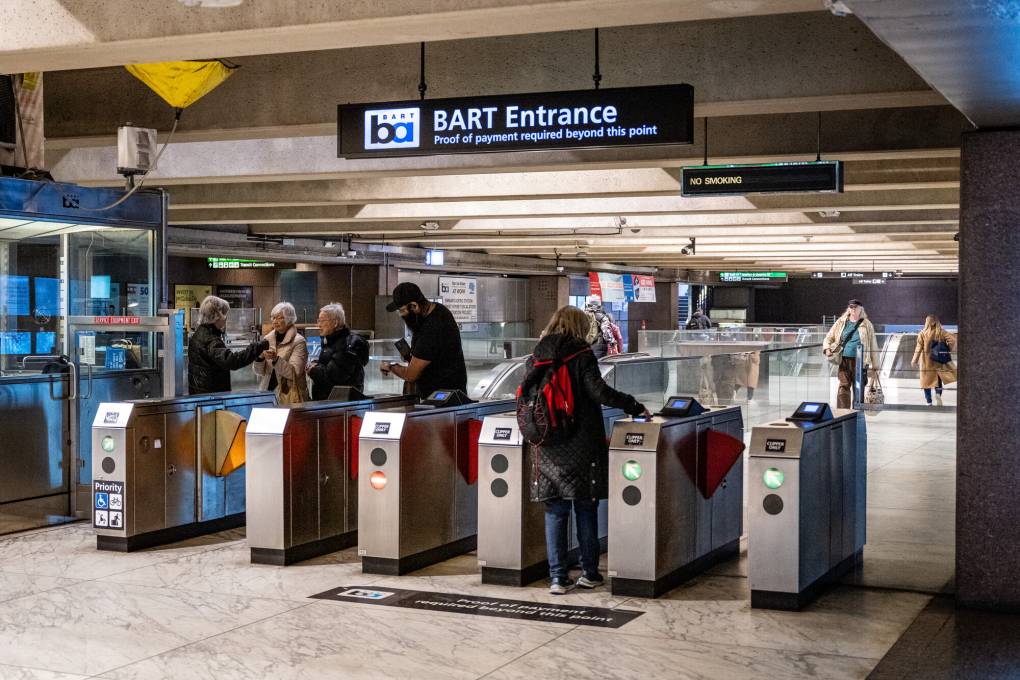
"caption": "People enter and exit the BART fare gate at the Embarcadero Station in San Francisco on Jan. 11, 2024.",
"credit": "Beth LaBerge/KQED",
"altTag": null,
"description": null,
"imgSizes": {
"medium": {
"file": "https://cdn.kqed.org/wp-content/uploads/sites/10/2024/11/240111-TransitFile-02-BL_qed-800x533.jpg",
"width": 800,
"height": 533,
"mimeType": "image/jpeg"
},
"large": {
"file": "https://cdn.kqed.org/wp-content/uploads/sites/10/2024/11/240111-TransitFile-02-BL_qed-1020x680.jpg",
"width": 1020,
"height": 680,
"mimeType": "image/jpeg"
},
"thumbnail": {
"file": "https://cdn.kqed.org/wp-content/uploads/sites/10/2024/11/240111-TransitFile-02-BL_qed-160x107.jpg",
"width": 160,
"height": 107,
"mimeType": "image/jpeg"
},
"1536x1536": {
"file": "https://cdn.kqed.org/wp-content/uploads/sites/10/2024/11/240111-TransitFile-02-BL_qed-1536x1024.jpg",
"width": 1536,
"height": 1024,
"mimeType": "image/jpeg"
},
"post-thumbnail": {
"file": "https://cdn.kqed.org/wp-content/uploads/sites/10/2024/11/240111-TransitFile-02-BL_qed-672x372.jpg",
"width": 672,
"height": 372,
"mimeType": "image/jpeg"
},
"twentyfourteen-full-width": {
"file": "https://cdn.kqed.org/wp-content/uploads/sites/10/2024/11/240111-TransitFile-02-BL_qed-1038x576.jpg",
"width": 1038,
"height": 576,
"mimeType": "image/jpeg"
},
"full-width": {
"file": "https://cdn.kqed.org/wp-content/uploads/sites/10/2024/11/240111-TransitFile-02-BL_qed-1920x1280.jpg",
"width": 1920,
"height": 1280,
"mimeType": "image/jpeg"
},
"kqedFullSize": {
"file": "https://cdn.kqed.org/wp-content/uploads/sites/10/2024/11/240111-TransitFile-02-BL_qed.jpg",
"width": 2000,
"height": 1333
}
},
"isLoading": false,
"fetchFailed": false
},
"news_12016119": {
"type": "attachments",
"id": "news_12016119",
"meta": {
"index": "attachments_1716263798",
"site": "news",
"id": "12016119",
"found": true
},
"title": "Smoke from the wildfire rises up from the mountains in",
"publishDate": 1732736105,
"status": "inherit",
"parent": 0,
"modified": 1732739810,
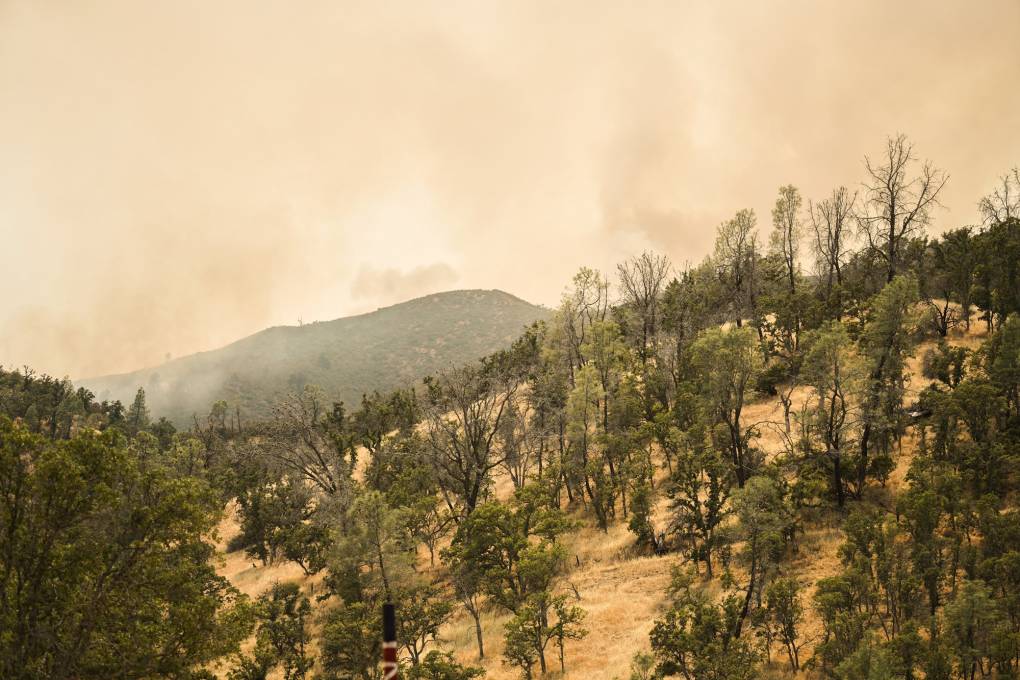
"caption": "Smoke from the Sites Fire rises up from the mountains in Colusa County on June 19, 2024. ",
"credit": "Michael Ho Wai Lee/SOPA Images/LightRocket via Getty Images",
"altTag": null,
"description": null,
"imgSizes": {
"medium": {
"file": "https://cdn.kqed.org/wp-content/uploads/sites/10/2024/11/GettyImages-2158001497-800x533.jpg",
"width": 800,
"height": 533,
"mimeType": "image/jpeg"
},
"large": {
"file": "https://cdn.kqed.org/wp-content/uploads/sites/10/2024/11/GettyImages-2158001497-1020x680.jpg",
"width": 1020,
"height": 680,
"mimeType": "image/jpeg"
},
"thumbnail": {
"file": "https://cdn.kqed.org/wp-content/uploads/sites/10/2024/11/GettyImages-2158001497-160x107.jpg",
"width": 160,
"height": 107,
"mimeType": "image/jpeg"
},
"1536x1536": {
"file": "https://cdn.kqed.org/wp-content/uploads/sites/10/2024/11/GettyImages-2158001497-1536x1024.jpg",
"width": 1536,
"height": 1024,
"mimeType": "image/jpeg"
},
"post-thumbnail": {
"file": "https://cdn.kqed.org/wp-content/uploads/sites/10/2024/11/GettyImages-2158001497-672x372.jpg",
"width": 672,
"height": 372,
"mimeType": "image/jpeg"
},
"twentyfourteen-full-width": {
"file": "https://cdn.kqed.org/wp-content/uploads/sites/10/2024/11/GettyImages-2158001497-1038x576.jpg",
"width": 1038,
"height": 576,
"mimeType": "image/jpeg"
},
"full-width": {
"file": "https://cdn.kqed.org/wp-content/uploads/sites/10/2024/11/GettyImages-2158001497-1920x1280.jpg",
"width": 1920,
"height": 1280,
"mimeType": "image/jpeg"
},
"kqedFullSize": {
"file": "https://cdn.kqed.org/wp-content/uploads/sites/10/2024/11/GettyImages-2158001497.jpg",
"width": 2000,
"height": 1333
}
},
"isLoading": false,
"fetchFailed": false
},
"news_12016082": {
"type": "attachments",
"id": "news_12016082",
"meta": {
"index": "attachments_1716263798",
"site": "news",
"id": "12016082",
"found": true
},
"title": "Police tape and crime scene",
"publishDate": 1732727273,
"status": "inherit",
"parent": 12016081,
"modified": 1732727319,
"caption": "Police tape stretching across a road in front of a crime scene.",
"credit": "Ajax9/Getty Images",
"altTag": null,
"description": null,
"imgSizes": {
"medium": {
"file": "https://cdn.kqed.org/wp-content/uploads/sites/10/2024/11/GettyImages-1889004792-800x533.jpg",
"width": 800,
"height": 533,
"mimeType": "image/jpeg"
},
"large": {
"file": "https://cdn.kqed.org/wp-content/uploads/sites/10/2024/11/GettyImages-1889004792-1020x680.jpg",
"width": 1020,
"height": 680,
"mimeType": "image/jpeg"
},
"thumbnail": {
"file": "https://cdn.kqed.org/wp-content/uploads/sites/10/2024/11/GettyImages-1889004792-160x107.jpg",
"width": 160,
"height": 107,
"mimeType": "image/jpeg"
},
"1536x1536": {
"file": "https://cdn.kqed.org/wp-content/uploads/sites/10/2024/11/GettyImages-1889004792-1536x1024.jpg",
"width": 1536,
"height": 1024,
"mimeType": "image/jpeg"
},
"post-thumbnail": {
"file": "https://cdn.kqed.org/wp-content/uploads/sites/10/2024/11/GettyImages-1889004792-672x372.jpg",
"width": 672,
"height": 372,
"mimeType": "image/jpeg"
},
"twentyfourteen-full-width": {
"file": "https://cdn.kqed.org/wp-content/uploads/sites/10/2024/11/GettyImages-1889004792-1038x576.jpg",
"width": 1038,
"height": 576,
"mimeType": "image/jpeg"
},
"full-width": {
"file": "https://cdn.kqed.org/wp-content/uploads/sites/10/2024/11/GettyImages-1889004792-1920x1280.jpg",
"width": 1920,
"height": 1280,
"mimeType": "image/jpeg"
},
"kqedFullSize": {
"file": "https://cdn.kqed.org/wp-content/uploads/sites/10/2024/11/GettyImages-1889004792.jpg",
"width": 2000,
"height": 1333
}
},
"isLoading": false,
"fetchFailed": false
},
"news_12015923": {
"type": "attachments",
"id": "news_12015923",
"meta": {
"index": "attachments_1716263798",
"site": "news",
"id": "12015923",
"found": true
},
"title": "111918_AW_SoupKitchen_09_qed",
"publishDate": 1732645045,
"status": "inherit",
"parent": 12015914,
"modified": 1732646682,
"caption": "Volunteer Maya Sankaran scoops pumpkin from a can into a container at Saint Anthony's Dining Room on Nov. 19, 2018, in preparation for Thanksgiving.",
"credit": "Anne Wernikoff/KQED",
"altTag": null,
"description": null,
"imgSizes": {
"medium": {
"file": "https://cdn.kqed.org/wp-content/uploads/sites/10/2024/11/111918_AW_SoupKitchen_09_qed-800x603.jpg",
"width": 800,
"height": 603,
"mimeType": "image/jpeg"
},
"large": {
"file": "https://cdn.kqed.org/wp-content/uploads/sites/10/2024/11/111918_AW_SoupKitchen_09_qed-1020x769.jpg",
"width": 1020,
"height": 769,
"mimeType": "image/jpeg"
},
"thumbnail": {
"file": "https://cdn.kqed.org/wp-content/uploads/sites/10/2024/11/111918_AW_SoupKitchen_09_qed-160x121.jpg",
"width": 160,
"height": 121,
"mimeType": "image/jpeg"
},
"1536x1536": {
"file": "https://cdn.kqed.org/wp-content/uploads/sites/10/2024/11/111918_AW_SoupKitchen_09_qed-1536x1157.jpg",
"width": 1536,
"height": 1157,
"mimeType": "image/jpeg"
},
"post-thumbnail": {
"file": "https://cdn.kqed.org/wp-content/uploads/sites/10/2024/11/111918_AW_SoupKitchen_09_qed-672x372.jpg",
"width": 672,
"height": 372,
"mimeType": "image/jpeg"
},
"twentyfourteen-full-width": {
"file": "https://cdn.kqed.org/wp-content/uploads/sites/10/2024/11/111918_AW_SoupKitchen_09_qed-1038x576.jpg",
"width": 1038,
"height": 576,
"mimeType": "image/jpeg"
},
"kqedFullSize": {
"file": "https://cdn.kqed.org/wp-content/uploads/sites/10/2024/11/111918_AW_SoupKitchen_09_qed.jpg",
"width": 1769,
"height": 1333
}
},
"isLoading": false,
"fetchFailed": false
},
"news_12011174": {
"type": "attachments",
"id": "news_12011174",
"meta": {
"index": "attachments_1716263798",
"site": "news",
"id": "12011174",
"found": true
},
"title": "US-PALESTINIANS-ISRAEL-CONFLICT",
"publishDate": 1729884424,
"status": "inherit",
"parent": 12011165,
"modified": 1729884475,
"caption": "Pro-Palestinian demonstrators blocked San Francisco's Golden Gate Bridge on April 15, 2024, completely halting traffic for hours as part of a coordinated day of action against Israel's war in Gaza.",
"credit": "Paul Kuroda / AFP via Getty Images",
"altTag": null,
"description": null,
"imgSizes": {
"medium": {
"file": "https://cdn.kqed.org/wp-content/uploads/sites/10/2024/10/GGBridgeProtestAprilGetty2-800x533.jpg",
"width": 800,
"height": 533,
"mimeType": "image/jpeg"
},
"large": {
"file": "https://cdn.kqed.org/wp-content/uploads/sites/10/2024/10/GGBridgeProtestAprilGetty2-1020x680.jpg",
"width": 1020,
"height": 680,
"mimeType": "image/jpeg"
},
"thumbnail": {
"file": "https://cdn.kqed.org/wp-content/uploads/sites/10/2024/10/GGBridgeProtestAprilGetty2-160x107.jpg",
"width": 160,
"height": 107,
"mimeType": "image/jpeg"
},
"1536x1536": {
"file": "https://cdn.kqed.org/wp-content/uploads/sites/10/2024/10/GGBridgeProtestAprilGetty2-1536x1024.jpg",
"width": 1536,
"height": 1024,
"mimeType": "image/jpeg"
},
"post-thumbnail": {
"file": "https://cdn.kqed.org/wp-content/uploads/sites/10/2024/10/GGBridgeProtestAprilGetty2-672x372.jpg",
"width": 672,
"height": 372,
"mimeType": "image/jpeg"
},
"twentyfourteen-full-width": {
"file": "https://cdn.kqed.org/wp-content/uploads/sites/10/2024/10/GGBridgeProtestAprilGetty2-1038x576.jpg",
"width": 1038,
"height": 576,
"mimeType": "image/jpeg"
},
"full-width": {
"file": "https://cdn.kqed.org/wp-content/uploads/sites/10/2024/10/GGBridgeProtestAprilGetty2-1920x1280.jpg",
"width": 1920,
"height": 1280,
"mimeType": "image/jpeg"
},
"kqedFullSize": {
"file": "https://cdn.kqed.org/wp-content/uploads/sites/10/2024/10/GGBridgeProtestAprilGetty2.jpg",
"width": 2000,
"height": 1333
}
},
"isLoading": false,
"fetchFailed": false
},
"news_11896367": {
"type": "attachments",
"id": "news_11896367",
"meta": {
"index": "attachments_1716263798",
"site": "news",
"id": "11896367",
"found": true
},
"title": "crabs-sized",
"publishDate": 1637092483,
"status": "inherit",
"parent": 11896338,
"modified": 1732309507,
"caption": "Blair Wilmer, a crew member on Dick Ogg's boat, shows off a few of their Dungeness crab on Nov. 16, 2021.",
"credit": "Amy Mayer/KQED",
"altTag": "A man in an orange raincoat holds up two crabs.",
"description": null,
"imgSizes": {
"medium": {
"file": "https://cdn.kqed.org/wp-content/uploads/sites/10/2021/11/crabs-sized-800x533.jpg",
"width": 800,
"height": 533,
"mimeType": "image/jpeg"
},
"large": {
"file": "https://cdn.kqed.org/wp-content/uploads/sites/10/2021/11/crabs-sized-1020x680.jpg",
"width": 1020,
"height": 680,
"mimeType": "image/jpeg"
},
"thumbnail": {
"file": "https://cdn.kqed.org/wp-content/uploads/sites/10/2021/11/crabs-sized-160x107.jpg",
"width": 160,
"height": 107,
"mimeType": "image/jpeg"
},
"1536x1536": {
"file": "https://cdn.kqed.org/wp-content/uploads/sites/10/2021/11/crabs-sized-1536x1024.jpg",
"width": 1536,
"height": 1024,
"mimeType": "image/jpeg"
},
"post-thumbnail": {
"file": "https://cdn.kqed.org/wp-content/uploads/sites/10/2021/11/crabs-sized-672x372.jpg",
"width": 672,
"height": 372,
"mimeType": "image/jpeg"
},
"twentyfourteen-full-width": {
"file": "https://cdn.kqed.org/wp-content/uploads/sites/10/2021/11/crabs-sized-1038x576.jpg",
"width": 1038,
"height": 576,
"mimeType": "image/jpeg"
},
"kqedFullSize": {
"file": "https://cdn.kqed.org/wp-content/uploads/sites/10/2021/11/crabs-sized.jpg",
"width": 1920,
"height": 1280
}
},
"isLoading": false,
"fetchFailed": false
},
"news_12015030": {
"type": "attachments",
"id": "news_12015030",
"meta": {
"index": "attachments_1716263798",
"site": "news",
"id": "12015030",
"found": true
},
"title": "241119-ParadiseFireSurvivor-01-Porter_CarsonCity",
"publishDate": 1732060708,
"status": "inherit",
"parent": 0,
"modified": 1732214442,
"caption": "Jennifer Porter at her property in Carson City, Nevada, where she plans to move by the end of the year.",
"credit": "Pauline Bartolone/KQED",
"altTag": null,
"description": null,
"imgSizes": {
"medium": {
"file": "https://cdn.kqed.org/wp-content/uploads/sites/10/2024/11/241119-ParadiseFireSurvivor-01-Porter_CarsonCity-800x533.jpg",
"width": 800,
"height": 533,
"mimeType": "image/jpeg"
},
"large": {
"file": "https://cdn.kqed.org/wp-content/uploads/sites/10/2024/11/241119-ParadiseFireSurvivor-01-Porter_CarsonCity-1020x680.jpg",
"width": 1020,
"height": 680,
"mimeType": "image/jpeg"
},
"thumbnail": {
"file": "https://cdn.kqed.org/wp-content/uploads/sites/10/2024/11/241119-ParadiseFireSurvivor-01-Porter_CarsonCity-160x107.jpg",
"width": 160,
"height": 107,
"mimeType": "image/jpeg"
},
"1536x1536": {
"file": "https://cdn.kqed.org/wp-content/uploads/sites/10/2024/11/241119-ParadiseFireSurvivor-01-Porter_CarsonCity-1536x1024.jpg",
"width": 1536,
"height": 1024,
"mimeType": "image/jpeg"
},
"post-thumbnail": {
"file": "https://cdn.kqed.org/wp-content/uploads/sites/10/2024/11/241119-ParadiseFireSurvivor-01-Porter_CarsonCity-672x372.jpg",
"width": 672,
"height": 372,
"mimeType": "image/jpeg"
},
"twentyfourteen-full-width": {
"file": "https://cdn.kqed.org/wp-content/uploads/sites/10/2024/11/241119-ParadiseFireSurvivor-01-Porter_CarsonCity-1038x576.jpg",
"width": 1038,
"height": 576,
"mimeType": "image/jpeg"
},
"full-width": {
"file": "https://cdn.kqed.org/wp-content/uploads/sites/10/2024/11/241119-ParadiseFireSurvivor-01-Porter_CarsonCity-1920x1280.jpg",
"width": 1920,
"height": 1280,
"mimeType": "image/jpeg"
},
"kqedFullSize": {
"file": "https://cdn.kqed.org/wp-content/uploads/sites/10/2024/11/241119-ParadiseFireSurvivor-01-Porter_CarsonCity.jpg",
"width": 2000,
"height": 1333
}
},
"isLoading": false,
"fetchFailed": false
},
"news_12015445": {
"type": "attachments",
"id": "news_12015445",
"meta": {
"index": "attachments_1716263798",
"site": "news",
"id": "12015445",
"found": true
},
"title": "US-CALIFORNIA-CRIME-SHOOTING",
"publishDate": 1732233616,
"status": "inherit",
"parent": 12015360,
"modified": 1739063399,
"caption": "Sheriff Christina Corpus (center) speaks about a shooting at the Half Moon Bay IDES Society in Half Moon Bay, San Mateo County, on Jan. 24, 2023. ",
"credit": "Samantha Laurey/AFP via Getty Images",
"altTag": null,
"description": null,
"imgSizes": {
"medium": {
"file": "https://cdn.kqed.org/wp-content/uploads/sites/10/2024/11/ChristinaCorpusGetty-800x532.jpg",
"width": 800,
"height": 532,
"mimeType": "image/jpeg"
},
"large": {
"file": "https://cdn.kqed.org/wp-content/uploads/sites/10/2024/11/ChristinaCorpusGetty-1020x678.jpg",
"width": 1020,
"height": 678,
"mimeType": "image/jpeg"
},
"thumbnail": {
"file": "https://cdn.kqed.org/wp-content/uploads/sites/10/2024/11/ChristinaCorpusGetty-160x106.jpg",
"width": 160,
"height": 106,
"mimeType": "image/jpeg"
},
"1536x1536": {
"file": "https://cdn.kqed.org/wp-content/uploads/sites/10/2024/11/ChristinaCorpusGetty-1536x1021.jpg",
"width": 1536,
"height": 1021,
"mimeType": "image/jpeg"
},
"post-thumbnail": {
"file": "https://cdn.kqed.org/wp-content/uploads/sites/10/2024/11/ChristinaCorpusGetty-672x372.jpg",
"width": 672,
"height": 372,
"mimeType": "image/jpeg"
},
"twentyfourteen-full-width": {
"file": "https://cdn.kqed.org/wp-content/uploads/sites/10/2024/11/ChristinaCorpusGetty-1038x576.jpg",
"width": 1038,
"height": 576,
"mimeType": "image/jpeg"
},
"full-width": {
"file": "https://cdn.kqed.org/wp-content/uploads/sites/10/2024/11/ChristinaCorpusGetty-1920x1277.jpg",
"width": 1920,
"height": 1277,
"mimeType": "image/jpeg"
},
"kqedFullSize": {
"file": "https://cdn.kqed.org/wp-content/uploads/sites/10/2024/11/ChristinaCorpusGetty.jpg",
"width": 2000,
"height": 1330
}
},
"isLoading": false,
"fetchFailed": false
},
"news_12015239": {
"type": "attachments",
"id": "news_12015239",
"meta": {
"index": "attachments_1716263798",
"site": "news",
"id": "12015239",
"found": true
},
"title": "241120-TransgenderRemembrance-04-BL",
"publishDate": 1732158879,
"status": "inherit",
"parent": 0,
"modified": 1732207012,
"caption": "Over 100 people gather for a somber rally on Transgender Day of Remembrance in front of City Hall in San Francisco on Nov. 20, 2024, an annual event honoring lives lost to violence against transgender people.",
"credit": "Beth LaBerge/KQED",
"altTag": null,
"description": null,
"imgSizes": {
"medium": {
"file": "https://cdn.kqed.org/wp-content/uploads/sites/10/2024/11/241120-TransgenderRemembrance-04-BL-800x533.jpg",
"width": 800,
"height": 533,
"mimeType": "image/jpeg"
},
"large": {
"file": "https://cdn.kqed.org/wp-content/uploads/sites/10/2024/11/241120-TransgenderRemembrance-04-BL-1020x680.jpg",
"width": 1020,
"height": 680,
"mimeType": "image/jpeg"
},
"thumbnail": {
"file": "https://cdn.kqed.org/wp-content/uploads/sites/10/2024/11/241120-TransgenderRemembrance-04-BL-160x107.jpg",
"width": 160,
"height": 107,
"mimeType": "image/jpeg"
},
"1536x1536": {
"file": "https://cdn.kqed.org/wp-content/uploads/sites/10/2024/11/241120-TransgenderRemembrance-04-BL-1536x1024.jpg",
"width": 1536,
"height": 1024,
"mimeType": "image/jpeg"
},
"post-thumbnail": {
"file": "https://cdn.kqed.org/wp-content/uploads/sites/10/2024/11/241120-TransgenderRemembrance-04-BL-672x372.jpg",
"width": 672,
"height": 372,
"mimeType": "image/jpeg"
},
"twentyfourteen-full-width": {
"file": "https://cdn.kqed.org/wp-content/uploads/sites/10/2024/11/241120-TransgenderRemembrance-04-BL-1038x576.jpg",
"width": 1038,
"height": 576,
"mimeType": "image/jpeg"
},
"full-width": {
"file": "https://cdn.kqed.org/wp-content/uploads/sites/10/2024/11/241120-TransgenderRemembrance-04-BL-1920x1280.jpg",
"width": 1920,
"height": 1280,
"mimeType": "image/jpeg"
},
"kqedFullSize": {
"file": "https://cdn.kqed.org/wp-content/uploads/sites/10/2024/11/241120-TransgenderRemembrance-04-BL.jpg",
"width": 2000,
"height": 1333
}
},
"isLoading": false,
"fetchFailed": false
},
"news_12014151": {
"type": "attachments",
"id": "news_12014151",
"meta": {
"index": "attachments_1716263798",
"site": "news",
"id": "12014151",
"found": true
},
"title": "20241112_WAVEORGAN_GC-3-KQED",
"publishDate": 1731457514,
"status": "inherit",
"parent": 0,
"modified": 1731457596,
"caption": "The Wave Organ jetty, made of recycled materials including from a demolished cemetery and old street curbs, in San Francisco on Nov. 12, 2024.",
"credit": "Gina Castro/KQED",
"altTag": null,
"description": null,
"imgSizes": {
"medium": {
"file": "https://cdn.kqed.org/wp-content/uploads/sites/10/2024/11/20241112_WAVEORGAN_GC-3-KQED-800x533.jpg",
"width": 800,
"height": 533,
"mimeType": "image/jpeg"
},
"large": {
"file": "https://cdn.kqed.org/wp-content/uploads/sites/10/2024/11/20241112_WAVEORGAN_GC-3-KQED-1020x680.jpg",
"width": 1020,
"height": 680,
"mimeType": "image/jpeg"
},
"thumbnail": {
"file": "https://cdn.kqed.org/wp-content/uploads/sites/10/2024/11/20241112_WAVEORGAN_GC-3-KQED-160x107.jpg",
"width": 160,
"height": 107,
"mimeType": "image/jpeg"
},
"1536x1536": {
"file": "https://cdn.kqed.org/wp-content/uploads/sites/10/2024/11/20241112_WAVEORGAN_GC-3-KQED-1536x1024.jpg",
"width": 1536,
"height": 1024,
"mimeType": "image/jpeg"
},
"post-thumbnail": {
"file": "https://cdn.kqed.org/wp-content/uploads/sites/10/2024/11/20241112_WAVEORGAN_GC-3-KQED-672x372.jpg",
"width": 672,
"height": 372,
"mimeType": "image/jpeg"
},
"twentyfourteen-full-width": {
"file": "https://cdn.kqed.org/wp-content/uploads/sites/10/2024/11/20241112_WAVEORGAN_GC-3-KQED-1038x576.jpg",
"width": 1038,
"height": 576,
"mimeType": "image/jpeg"
},
"full-width": {
"file": "https://cdn.kqed.org/wp-content/uploads/sites/10/2024/11/20241112_WAVEORGAN_GC-3-KQED-1920x1280.jpg",
"width": 1920,
"height": 1280,
"mimeType": "image/jpeg"
},
"kqedFullSize": {
"file": "https://cdn.kqed.org/wp-content/uploads/sites/10/2024/11/20241112_WAVEORGAN_GC-3-KQED.jpg",
"width": 2000,
"height": 1333
}
},
"isLoading": false,
"fetchFailed": false
},
"news_12015226": {
"type": "attachments",
"id": "news_12015226",
"meta": {
"index": "attachments_1716263798",
"site": "news",
"id": "12015226",
"found": true
},
"title": "240812-HCAVIGIL-JG-1",
"publishDate": 1732147936,
"status": "inherit",
"parent": 12015224,
"modified": 1732149871,
"caption": "The Good Samaritan Hospital in San José. The city council voted to expand the hospital on the city's west side.",
"credit": "Joseph Geha, KQED",
"altTag": null,
"description": null,
"imgSizes": {
"medium": {
"file": "https://cdn.kqed.org/wp-content/uploads/sites/10/2024/11/240812-HCAVIGIL-JG-1-800x533.jpg",
"width": 800,
"height": 533,
"mimeType": "image/jpeg"
},
"large": {
"file": "https://cdn.kqed.org/wp-content/uploads/sites/10/2024/11/240812-HCAVIGIL-JG-1-1020x680.jpg",
"width": 1020,
"height": 680,
"mimeType": "image/jpeg"
},
"thumbnail": {
"file": "https://cdn.kqed.org/wp-content/uploads/sites/10/2024/11/240812-HCAVIGIL-JG-1-160x107.jpg",
"width": 160,
"height": 107,
"mimeType": "image/jpeg"
},
"1536x1536": {
"file": "https://cdn.kqed.org/wp-content/uploads/sites/10/2024/11/240812-HCAVIGIL-JG-1-1536x1024.jpg",
"width": 1536,
"height": 1024,
"mimeType": "image/jpeg"
},
"post-thumbnail": {
"file": "https://cdn.kqed.org/wp-content/uploads/sites/10/2024/11/240812-HCAVIGIL-JG-1-672x372.jpg",
"width": 672,
"height": 372,
"mimeType": "image/jpeg"
},
"twentyfourteen-full-width": {
"file": "https://cdn.kqed.org/wp-content/uploads/sites/10/2024/11/240812-HCAVIGIL-JG-1-1038x576.jpg",
"width": 1038,
"height": 576,
"mimeType": "image/jpeg"
},
"full-width": {
"file": "https://cdn.kqed.org/wp-content/uploads/sites/10/2024/11/240812-HCAVIGIL-JG-1-1920x1280.jpg",
"width": 1920,
"height": 1280,
"mimeType": "image/jpeg"
},
"kqedFullSize": {
"file": "https://cdn.kqed.org/wp-content/uploads/sites/10/2024/11/240812-HCAVIGIL-JG-1.jpg",
"width": 2000,
"height": 1333
}
},
"isLoading": false,
"fetchFailed": false
},
"news_12014768": {
"type": "attachments",
"id": "news_12014768",
"meta": {
"index": "attachments_1716263798",
"site": "news",
"id": "12014768",
"found": true
},
"title": "230922-ValenciaBikeway-003-BL_qed",
"publishDate": 1731717499,
"status": "inherit",
"parent": 12014765,
"modified": 1731717511,
"caption": "A bicyclist rides on the Valencia Street bike lane in San Francisco's Mission District on Sept. 22, 2023.",
"credit": "Beth LaBerge/KQED",
"altTag": null,
"description": null,
"imgSizes": {
"medium": {
"file": "https://cdn.kqed.org/wp-content/uploads/sites/10/2024/11/230922-ValenciaBikeway-003-BL_qed-800x533.jpg",
"width": 800,
"height": 533,
"mimeType": "image/jpeg"
},
"large": {
"file": "https://cdn.kqed.org/wp-content/uploads/sites/10/2024/11/230922-ValenciaBikeway-003-BL_qed-1020x680.jpg",
"width": 1020,
"height": 680,
"mimeType": "image/jpeg"
},
"thumbnail": {
"file": "https://cdn.kqed.org/wp-content/uploads/sites/10/2024/11/230922-ValenciaBikeway-003-BL_qed-160x107.jpg",
"width": 160,
"height": 107,
"mimeType": "image/jpeg"
},
"1536x1536": {
"file": "https://cdn.kqed.org/wp-content/uploads/sites/10/2024/11/230922-ValenciaBikeway-003-BL_qed-1536x1024.jpg",
"width": 1536,
"height": 1024,
"mimeType": "image/jpeg"
},
"post-thumbnail": {
"file": "https://cdn.kqed.org/wp-content/uploads/sites/10/2024/11/230922-ValenciaBikeway-003-BL_qed-672x372.jpg",
"width": 672,
"height": 372,
"mimeType": "image/jpeg"
},
"twentyfourteen-full-width": {
"file": "https://cdn.kqed.org/wp-content/uploads/sites/10/2024/11/230922-ValenciaBikeway-003-BL_qed-1038x576.jpg",
"width": 1038,
"height": 576,
"mimeType": "image/jpeg"
},
"full-width": {
"file": "https://cdn.kqed.org/wp-content/uploads/sites/10/2024/11/230922-ValenciaBikeway-003-BL_qed-1920x1280.jpg",
"width": 1920,
"height": 1280,
"mimeType": "image/jpeg"
},
"kqedFullSize": {
"file": "https://cdn.kqed.org/wp-content/uploads/sites/10/2024/11/230922-ValenciaBikeway-003-BL_qed.jpg",
"width": 2000,
"height": 1333
}
},
"isLoading": false,
"fetchFailed": false
}
},
"audioPlayerReducer": {
"postId": "stream_live",
"isPaused": true,
"isPlaying": false,
"pfsActive": false,
"pledgeModalIsOpen": true,
"playerDrawerIsOpen": false,
"liveAudioPlayStartedAt": 0,
"liveAudioPlayContext": ""
},
"authorsReducer": {
"byline_news_12015182": {
"type": "authors",
"id": "byline_news_12015182",
"meta": {
"override": true
},
"slug": "byline_news_12015182",
"name": "Ana De Almeida Amaral",
"isLoading": false
},
"tgoldberg": {
"type": "authors",
"id": "258",
"meta": {
"index": "authors_1716337520",
"id": "258",
"found": true
},
"name": "Ted Goldberg",
"firstName": "Ted",
"lastName": "Goldberg",
"slug": "tgoldberg",
"email": "tgoldberg@kqed.org",
"display_author_email": true,
"staff_mastheads": [
"news"
],
"title": "KQED Managing Editor, News and Newscasts",
"bio": "Ted Goldberg is Managing Editor of News and Newscasts at KQED. His main reporting beat is the Bay Area's oil refining industry.\r\n\r\nPrior to joining KQED in 2014, Ted worked at CBS News and WCBS AM in New York and Bay City News and KCBS Radio in San Francisco. He graduated from Oberlin College in Ohio in 1998.",
"avatar": "https://secure.gravatar.com/avatar/30ce2e4fe89135e104f89be2394d16225b9d36c121b5b3cb7651ce642978b96f?s=600&d=blank&r=g",
"twitter": "TedrickG",
"bluesky": null,
"facebook": null,
"instagram": null,
"linkedin": null,
"sites": [
{
"site": "news",
"roles": [
"editor"
]
},
{
"site": "science",
"roles": [
"editor"
]
}
],
"headData": {
"title": "Ted Goldberg | KQED",
"description": "KQED Managing Editor, News and Newscasts",
"ogImgSrc": "https://secure.gravatar.com/avatar/30ce2e4fe89135e104f89be2394d16225b9d36c121b5b3cb7651ce642978b96f?s=600&d=blank&r=g",
"twImgSrc": "https://secure.gravatar.com/avatar/30ce2e4fe89135e104f89be2394d16225b9d36c121b5b3cb7651ce642978b96f?s=600&d=blank&r=g"
},
"isLoading": false,
"link": "/author/tgoldberg"
},
"ccabreralomeli": {
"type": "authors",
"id": "11708",
"meta": {
"index": "authors_1716337520",
"id": "11708",
"found": true
},
"name": "Carlos Cabrera-Lomelí",
"firstName": "Carlos",
"lastName": "Cabrera-Lomelí",
"slug": "ccabreralomeli",
"email": "ccabreralomeli@KQED.org",
"display_author_email": true,
"staff_mastheads": [
"news"
],
"title": "Community Reporter",
"bio": "Carlos Cabrera-Lomelí is a community reporter with KQED's digital engagement team. He also reports and co-produces for KQED's bilingual news hub KQED en Español. He grew up in San Francisco's Mission District and has previously worked with Univision, 48 Hills and REFORMA in Mexico City.",
"avatar": "https://secure.gravatar.com/avatar/c309be9665e484f887b818c89e273ecc673004f426f36b24d00a4d813a2e0518?s=600&d=blank&r=g",
"twitter": "@LomeliCabrera",
"bluesky": null,
"facebook": null,
"instagram": null,
"linkedin": null,
"sites": [
{
"site": "arts",
"roles": [
"editor"
]
},
{
"site": "news",
"roles": [
"editor"
]
},
{
"site": "about",
"roles": [
"editor"
]
},
{
"site": "science",
"roles": [
"editor"
]
},
{
"site": "perspectives",
"roles": [
"editor"
]
},
{
"site": "elections",
"roles": [
"editor"
]
},
{
"site": "liveblog",
"roles": [
"contributor"
]
}
],
"headData": {
"title": "Carlos Cabrera-Lomelí | KQED",
"description": "Community Reporter",
"ogImgSrc": "https://secure.gravatar.com/avatar/c309be9665e484f887b818c89e273ecc673004f426f36b24d00a4d813a2e0518?s=600&d=blank&r=g",
"twImgSrc": "https://secure.gravatar.com/avatar/c309be9665e484f887b818c89e273ecc673004f426f36b24d00a4d813a2e0518?s=600&d=blank&r=g"
},
"isLoading": false,
"link": "/author/ccabreralomeli"
},
"adahlstromeckman": {
"type": "authors",
"id": "11785",
"meta": {
"index": "authors_1716337520",
"id": "11785",
"found": true
},
"name": "Azul Dahlstrom-Eckman",
"firstName": "Azul",
"lastName": "Dahlstrom-Eckman",
"slug": "adahlstromeckman",
"email": "adahlstrom-eckman@kqed.org",
"display_author_email": true,
"staff_mastheads": [],
"title": "Reporter",
"bio": "Azul is a reporter for KQED focusing on transportation and features. He joined KQED in 2021 as an alumnus of KALW's Audio Academy radio journalism training program.",
"avatar": "https://secure.gravatar.com/avatar/9cb750298435add7815a777f55bf1f46845c1386bb8452555c60a7b820b5aba3?s=600&d=blank&r=g",
"twitter": "@zuliemann",
"bluesky": "@azul415.bsky.social",
"facebook": null,
"instagram": null,
"linkedin": null,
"sites": [
{
"site": "arts",
"roles": [
"editor"
]
},
{
"site": "news",
"roles": [
"editor"
]
},
{
"site": "science",
"roles": [
"editor"
]
},
{
"site": "liveblog",
"roles": [
"author"
]
}
],
"headData": {
"title": "Azul Dahlstrom-Eckman | KQED",
"description": "Reporter",
"ogImgSrc": "https://secure.gravatar.com/avatar/9cb750298435add7815a777f55bf1f46845c1386bb8452555c60a7b820b5aba3?s=600&d=blank&r=g",
"twImgSrc": "https://secure.gravatar.com/avatar/9cb750298435add7815a777f55bf1f46845c1386bb8452555c60a7b820b5aba3?s=600&d=blank&r=g"
},
"isLoading": false,
"link": "/author/adahlstromeckman"
},
"pbartolone": {
"type": "authors",
"id": "11879",
"meta": {
"index": "authors_1716337520",
"id": "11879",
"found": true
},
"name": "Pauline Bartolone",
"firstName": "Pauline",
"lastName": "Bartolone",
"slug": "pbartolone",
"email": "pbartolone@kqed.org",
"display_author_email": false,
"staff_mastheads": [],
"title": "KQED Contributor",
"bio": "Pauline Bartolone has been a journalist for two decades, specializing in longform audio storytelling. Before editing and producing for podcasts like Bay Curious, she was a health care journalist for public radio and print outlets such as CalMatters and Kaiser Health News. Her reporting has won several regional Edward R. Murrow awards, national recognition from the Society of Professional Journalists and a first-place prize from the Association of Health Care Journalists.\r\n\r\nPauline’s work has aired frequently on National Public Radio, and bylines have appeared in The Los Angeles Times, CNN.com, Washingtonpost.com, USA Today and Scientific American.\r\n\r\nPauline has lived in Northern California for 20 years. Her other passions are crafts (now done in collaboration with her daughter) and the Brazilian martial art of capoeira.",
"avatar": "https://secure.gravatar.com/avatar/95001c30374b0d3878007af9cf1e120a?s=600&d=blank&r=g",
"twitter": "pbartolone",
"facebook": null,
"instagram": null,
"linkedin": null,
"sites": [
{
"site": "news",
"roles": [
"editor"
]
},
{
"site": "podcasts",
"roles": [
"subscriber"
]
}
],
"headData": {
"title": "Pauline Bartolone | KQED",
"description": "KQED Contributor",
"ogImgSrc": "https://secure.gravatar.com/avatar/95001c30374b0d3878007af9cf1e120a?s=600&d=blank&r=g",
"twImgSrc": "https://secure.gravatar.com/avatar/95001c30374b0d3878007af9cf1e120a?s=600&d=blank&r=g"
},
"isLoading": false,
"link": "/author/pbartolone"
},
"jgeha": {
"type": "authors",
"id": "11906",
"meta": {
"index": "authors_1716337520",
"id": "11906",
"found": true
},
"name": "Joseph Geha",
"firstName": "Joseph",
"lastName": "Geha",
"slug": "jgeha",
"email": "jgeha@kqed.org",
"display_author_email": false,
"staff_mastheads": [
"news",
"science"
],
"title": "KQED Contributor",
"bio": null,
"avatar": "https://secure.gravatar.com/avatar/ea84d2b6dd93d6369d453edf19dd583f117cd1759d2d9c9c92f9de77017354fe?s=600&d=blank&r=g",
"twitter": null,
"bluesky": null,
"facebook": null,
"instagram": null,
"linkedin": null,
"sites": [
{
"site": "news",
"roles": [
"editor"
]
},
{
"site": "liveblog",
"roles": [
"author"
]
}
],
"headData": {
"title": "Joseph Geha | KQED",
"description": "KQED Contributor",
"ogImgSrc": "https://secure.gravatar.com/avatar/ea84d2b6dd93d6369d453edf19dd583f117cd1759d2d9c9c92f9de77017354fe?s=600&d=blank&r=g",
"twImgSrc": "https://secure.gravatar.com/avatar/ea84d2b6dd93d6369d453edf19dd583f117cd1759d2d9c9c92f9de77017354fe?s=600&d=blank&r=g"
},
"isLoading": false,
"link": "/author/jgeha"
},
"kdebenedetti": {
"type": "authors",
"id": "11913",
"meta": {
"index": "authors_1716337520",
"id": "11913",
"found": true
},
"name": "Katie DeBenedetti",
"firstName": "Katie",
"lastName": "DeBenedetti",
"slug": "kdebenedetti",
"email": "kdebenedetti@kqed.org",
"display_author_email": false,
"staff_mastheads": [
"news",
"science"
],
"title": "KQED Contributor",
"bio": "Katie DeBenedetti is a digital reporter covering daily news for the Express Desk. Prior to joining KQED as a culture reporting intern in January 2024, she covered education and city government for the Napa Valley Register.",
"avatar": "https://secure.gravatar.com/avatar/6e31073cb8f7e4214ab03f42771d0f45?s=600&d=blank&r=g",
"twitter": null,
"facebook": null,
"instagram": null,
"linkedin": null,
"sites": [
{
"site": "news",
"roles": [
"author"
]
},
{
"site": "science",
"roles": [
"author"
]
},
{
"site": "liveblog",
"roles": [
"author"
]
}
],
"headData": {
"title": "Katie DeBenedetti | KQED",
"description": "KQED Contributor",
"ogImgSrc": "https://secure.gravatar.com/avatar/6e31073cb8f7e4214ab03f42771d0f45?s=600&d=blank&r=g",
"twImgSrc": "https://secure.gravatar.com/avatar/6e31073cb8f7e4214ab03f42771d0f45?s=600&d=blank&r=g"
},
"isLoading": false,
"link": "/author/kdebenedetti"
}
},
"pagesReducer": {
"news_category_local": {
"type": "terms",
"id": "news_28250",
"meta": {
"index": "terms_1716263798",
"site": "news",
"id": "28250",
"score": 12.795616
},
"featImg": null,
"name": "Local",
"description": null,
"taxonomy": "category",
"headData": {
"twImgId": null,
"twTitle": null,
"ogTitle": null,
"ogImgId": null,
"twDescription": null,
"description": null,
"title": "Local Archives | KQED News",
"ogDescription": null
},
"ttid": 28267,
"slug": "local",
"isLoading": false,
"title": "Local",
"pageMeta": {
"site": "news",
"WpPageTemplate": "page-topic-editorial",
"currentPage": 155
},
"blocks": [
{
"blockName": "kqed/post-list",
"attrs": {
"layout": "cardArticle2",
"query": "posts/news?category=local",
"seeMore": false,
"paginated": true,
"page": 155
}
},
{
"blockName": "kqed/ad"
}
]
}
},
"pfsSessionReducer": {},
"postsReducer": {
"stream_live": {
"type": "live",
"id": "stream_live",
"audioUrl": "https://hls.kqed.org/hls/kqed_app/playlist.m3u8",
"title": "Live Stream",
"excerpt": "Live Stream information currently unavailable.",
"link": "/radio",
"featImg": "",
"label": {
"name": "KQED Live",
"link": "/"
}
},
"stream_kqedNewscast": {
"type": "posts",
"id": "stream_kqedNewscast",
"audioUrl": "https://www.kqed.org/.stream/anon/radio/RDnews/newscast.mp3?_=1",
"title": "KQED Newscast",
"featImg": "",
"label": {
"name": "88.5 FM",
"link": "/"
}
},
"news_12016154": {
"type": "posts",
"id": "news_12016154",
"meta": {
"index": "posts_1716263798",
"site": "news",
"id": "12016154",
"score": null,
"sort": [
1732743618000
]
},
"guestAuthors": [],
"slug": "bart-fare-increase-january-second-year-in-a-row",
"title": "BART Fares Will Go Up in January for the 2nd Year in a Row",
"publishDate": 1732743618,
"format": "standard",
"headTitle": "BART Fares Will Go Up in January for the 2nd Year in a Row | KQED",
"labelTerm": {
"site": "news"
},
"content": "\u003cp>\u003ca href=\"https://www.kqed.org/news/tag/bart\">BART\u003c/a> riders’ commutes are about to get more expensive.\u003c/p>\n\u003cp>Fares will increase 5.5% in the new year to keep up with the cost of inflation, the agency announced Wednesday. It said that the price bump is necessary to continue to pay for operations and restore financial stability after multiple years of low ridership.\u003c/p>\n\u003cp>“BART fares remain a vital source of funds even with ridership lower than they were before the pandemic,” board vice president Mark Foley said in a statement.\u003c/p>\n\u003cp>[ad fullwidth]\u003c/p>\n\u003cp>The price change is the second half of an increase passed by BART’s board in June 2023, totaling an 11% bump. The first fare increase took effect in January of this year.\u003c/p>\n\u003cp>The agency said its goal is to help bridge a massive budget deficit looming on the horizon. BART is expected to come up $35 million short in the 2026 fiscal year, a gap that is projected to balloon to nearly $400 million in 2027.\u003c/p>\n\u003cp>Like other transit agencies in the Bay Area, BART is growing desperate for new sources of funding, especially after an ambitious proposal for a new regional tax\u003ca href=\"https://www.kqed.org/news/11988365/a-bill-to-save-bay-area-transit-from-fiscal-disaster-is-dead-at-least-for-now\"> died in the state Legislature\u003c/a> this year amid growing opposition. It says that its reliance on passenger fares is outdated and “no longer feasible because of remote work.”\u003c/p>\n\u003cp>“The agency must modernize its funding sources to better match other transit systems throughout the country that receive larger amounts of public funding,” BART said in a press release.\u003c/p>\n\u003cp>[aside postID=news_12014573 hero='https://cdn.kqed.org/wp-content/uploads/sites/10/2024/11/MUNISF-1020x709.jpg']\u003c/p>\n\u003cp>Next year’s fare increase will raise the cost of an average ride by 25 cents, from $4.47 to $4.72. It’s expected to generate about $14 million annually and about $30 million when combined with the last increase.\u003c/p>\n\u003cp>The agency said it would use the increased revenue to pay for train services, enhance cleaning and add \u003ca href=\"https://www.kqed.org/news/12014817/bay-area-leaders-want-newsom-to-make-bart-safer-but-no-one-agrees-on-how\">additional safety officers\u003c/a> at stops. The money will also help support the implementation of its \u003ca href=\"https://www.kqed.org/news/11997857/barts-new-evasion-resistant-gates-arrive-in-san-francisco-for-the-first-time\">new fare gates\u003c/a>, which make it more difficult for people to evade paying for the train.\u003c/p>\n\u003cp>To offset the burden of higher costs on low-income riders, the BART board also voted last year to increase its \u003ca href=\"https://www.clipperstartcard.com/s/\">Clipper START\u003c/a> means-based discount from 20% to 50%. That program provides reduced fares on several Bay Area transit services.\u003c/p>\n\u003cp>\u003c/p>\n",
"blocks": [],
"excerpt": "The 5.5% fare hike will make the average trip 25 cents more expensive, BART said, as Bay Area transit agencies struggle with budget deficits and low ridership.",
"status": "publish",
"parent": 0,
"modified": 1732745136,
"stats": {
"hasAudio": false,
"hasVideo": false,
"hasChartOrMap": false,
"iframeSrcs": [],
"hasGoogleForm": false,
"hasGallery": false,
"hasHearkenModule": false,
"hasPolis": false,
"paragraphCount": 13,
"wordCount": 403
},
"headData": {
"title": "BART Fares Will Go Up in January for the 2nd Year in a Row | KQED",
"description": "The 5.5% fare hike will make the average trip 25 cents more expensive, BART said, as Bay Area transit agencies struggle with budget deficits and low ridership.",
"ogTitle": "",
"ogDescription": "",
"ogImgId": "",
"twTitle": "",
"twDescription": "",
"twImgId": "",
"schema": {
"@context": "https://schema.org",
"@type": "NewsArticle",
"headline": "BART Fares Will Go Up in January for the 2nd Year in a Row",
"datePublished": "2024-11-27T13:40:18-08:00",
"dateModified": "2024-11-27T14:05:36-08:00",
"image": "https://cdn.kqed.org/wp-content/uploads/2020/02/KQED-OG-Image@1x.png",
"isAccessibleForFree": "True",
"publisher": {
"@type": "NewsMediaOrganization",
"@id": "https://www.kqed.org/#organization",
"name": "KQED",
"logo": "https://cdn.kqed.org/wp-content/uploads/2020/02/KQED-OG-Image@1x.png",
"url": "https://www.kqed.org",
"sameAs": [
"https://www.facebook.com/KQED",
"https://twitter.com/KQED",
"https://www.instagram.com/kqed/",
"https://www.tiktok.com/@kqedofficial",
"https://www.linkedin.com/company/kqed",
"https://www.youtube.com/channel/UCeC0IOo7i1P_61zVUWbJ4nw"
]
}
}
},
"sticky": false,
"nprStoryId": "kqed-12016154",
"excludeFromSiteSearch": "Include",
"articleAge": "0",
"path": "/news/12016154/bart-fare-increase-january-second-year-in-a-row",
"audioTrackLength": null,
"parsedContent": [
{
"type": "contentString",
"content": "\u003cdiv class=\"post-body\">\u003cp>\u003cp>\u003ca href=\"https://www.kqed.org/news/tag/bart\">BART\u003c/a> riders’ commutes are about to get more expensive.\u003c/p>\n\u003cp>Fares will increase 5.5% in the new year to keep up with the cost of inflation, the agency announced Wednesday. It said that the price bump is necessary to continue to pay for operations and restore financial stability after multiple years of low ridership.\u003c/p>\n\u003cp>“BART fares remain a vital source of funds even with ridership lower than they were before the pandemic,” board vice president Mark Foley said in a statement.\u003c/p>\n\u003cp>\u003c/p>\u003c/div>",
"attributes": {
"named": {},
"numeric": []
}
},
{
"type": "component",
"content": "",
"name": "ad",
"attributes": {
"named": {
"label": "fullwidth"
},
"numeric": [
"fullwidth"
]
}
},
{
"type": "contentString",
"content": "\u003cdiv class=\"post-body\">\u003cp>\u003c/p>\n\u003cp>The price change is the second half of an increase passed by BART’s board in June 2023, totaling an 11% bump. The first fare increase took effect in January of this year.\u003c/p>\n\u003cp>The agency said its goal is to help bridge a massive budget deficit looming on the horizon. BART is expected to come up $35 million short in the 2026 fiscal year, a gap that is projected to balloon to nearly $400 million in 2027.\u003c/p>\n\u003cp>Like other transit agencies in the Bay Area, BART is growing desperate for new sources of funding, especially after an ambitious proposal for a new regional tax\u003ca href=\"https://www.kqed.org/news/11988365/a-bill-to-save-bay-area-transit-from-fiscal-disaster-is-dead-at-least-for-now\"> died in the state Legislature\u003c/a> this year amid growing opposition. It says that its reliance on passenger fares is outdated and “no longer feasible because of remote work.”\u003c/p>\n\u003cp>“The agency must modernize its funding sources to better match other transit systems throughout the country that receive larger amounts of public funding,” BART said in a press release.\u003c/p>\n\u003cp>\u003c/p>\u003c/div>",
"attributes": {
"named": {},
"numeric": []
}
},
{
"type": "component",
"content": "",
"name": "aside",
"attributes": {
"named": {
"postid": "news_12014573",
"hero": "https://cdn.kqed.org/wp-content/uploads/sites/10/2024/11/MUNISF-1020x709.jpg",
"label": ""
},
"numeric": []
}
},
{
"type": "contentString",
"content": "\u003cdiv class=\"post-body\">\u003cp>\u003c/p>\n\u003cp>Next year’s fare increase will raise the cost of an average ride by 25 cents, from $4.47 to $4.72. It’s expected to generate about $14 million annually and about $30 million when combined with the last increase.\u003c/p>\n\u003cp>The agency said it would use the increased revenue to pay for train services, enhance cleaning and add \u003ca href=\"https://www.kqed.org/news/12014817/bay-area-leaders-want-newsom-to-make-bart-safer-but-no-one-agrees-on-how\">additional safety officers\u003c/a> at stops. The money will also help support the implementation of its \u003ca href=\"https://www.kqed.org/news/11997857/barts-new-evasion-resistant-gates-arrive-in-san-francisco-for-the-first-time\">new fare gates\u003c/a>, which make it more difficult for people to evade paying for the train.\u003c/p>\n\u003cp>To offset the burden of higher costs on low-income riders, the BART board also voted last year to increase its \u003ca href=\"https://www.clipperstartcard.com/s/\">Clipper START\u003c/a> means-based discount from 20% to 50%. That program provides reduced fares on several Bay Area transit services.\u003c/p>\n\u003cp>\u003c/p>\n\u003c/div>\u003c/p>",
"attributes": {
"named": {},
"numeric": []
}
}
],
"link": "/news/12016154/bart-fare-increase-january-second-year-in-a-row",
"authors": [
"11913"
],
"categories": [
"news_31795",
"news_28250",
"news_8",
"news_1397"
],
"tags": [
"news_269",
"news_31530",
"news_23281",
"news_1764",
"news_1533",
"news_20517"
],
"featImg": "news_12016156",
"label": "news"
},
"news_12016139": {
"type": "posts",
"id": "news_12016139",
"meta": {
"index": "posts_1716263798",
"site": "news",
"id": "12016139",
"score": null,
"sort": [
1732740096000
]
},
"guestAuthors": [],
"slug": "pge-says-it-may-have-started-yet-another-major-northern-california-wildfire",
"title": "PG&E Says It May Have Started Yet Another Major Northern California Wildfire in June",
"publishDate": 1732740096,
"format": "standard",
"headTitle": "PG&E Says It May Have Started Yet Another Major Northern California Wildfire in June | KQED",
"labelTerm": {
"site": "news"
},
"content": "\u003cp>\u003ca href=\"https://www.kqed.org/pge\">PG&E\u003c/a> equipment may have ignited a large wildfire in Colusa County that burned more than 19,000 acres at the start of the summer, the utility told state regulators.\u003c/p>\n\u003cp>In a new \u003ca href=\"https://s1.q4cdn.com/880135780/files/doc_downloads/wildfire_updates/2024/11/2024-11-25-EIR.pdf\">filing \u003c/a>with the California Public Utilities Commission, PG&E said its system experienced an outage around 1:26 p.m. on June 17 near where the \u003ca href=\"https://www.fire.ca.gov/incidents/2024/6/17/sites-fire\">Sites Fire\u003c/a> started. Cal Fire said the blaze began around 19 minutes later.\u003c/p>\n\u003cp>A worker sent to the scene of the electricity disruption on a distribution circuit near the community of Stonyford found part of a tree had fallen on what was then a de-energized power line, according to PG&E’s filing.\u003c/p>\n\u003cp>[ad fullwidth]\u003c/p>\n\u003cp>The Sites Fire would burn for more than a week before it was fully contained, turning into California’s ninth-largest wildfire this year and the largest for the Cal Fire Sonoma-Lake-Napa unit, according to state fire officials.\u003c/p>\n\u003cp>At its peak, close to 2,250 firefighters worked the blaze. It led to a series of evacuation orders and warnings, and it sent \u003ca href=\"https://www.baaqmd.gov/~/media/files/communications-and-outreach/publications/news-releases/2024/aqadvisory_240618_2024_025-pdf.pdf?rev=993001201a5a4f338426dccacfaace50&sc_lang=en\">smoke \u003c/a>into parts of Sonoma, Napa and Solano counties.\u003c/p>\n\u003cp>Although the fire burned a large amount of land, it did not injure anyone and did not destroy homes.\u003c/p>\n\u003cp>PG&E said it released a preliminary report on the incident this week because it received a claim that the fire had caused more than $50,000 in damage to fencing in the area.\u003c/p>\n\u003cp>Cal Fire would not say whether it’s investigating PG&E’s equipment as the cause of the blaze.\u003c/p>\n\u003cp>“Our investigation into the cause of the Sites Fire remains open, so we cannot comment on that report or the determination of the fire’s cause until our investigation has concluded,” Cal Fire spokesperson Jason Clay said in an email on Wednesday.\u003c/p>\n\u003cp>PG&E has come under scrutiny for starting several large wildfires in California over the last decade.\u003c/p>\n\u003cp>Those incidents include \u003ca href=\"https://www.kqed.org/news/11747485/cal-fires-official-finding-pge-equipment-touched-off-camp-fire\">Butte County’s 2018 Camp Fire\u003c/a>, the deadliest in state history, as well as \u003ca href=\"https://www.kqed.org/news/11881837/why-it-took-pge-9-5-hours-to-get-to-the-scene-where-dixie-fire-started\">the Dixie Fire\u003c/a> in the northern Sierra Nevada, California’s largest single wildland blaze ever. Both led to criminal prosecutions against PG&E.\u003c/p>\n\u003cp>[aside postID=news_12015942 hero='https://cdn.kqed.org/wp-content/uploads/sites/10/2019/01/PowerPGEMissionDist-1020x666.jpg']\u003c/p>\n\u003cp>PG&E \u003ca href=\"https://www.kqed.org/news/11824596/pge-pleads-guilty-to-84-deaths-in-wildfire-that-destroyed-paradise\">pleaded guilty\u003c/a> to 84 counts of involuntary manslaughter in connection with the Camp Fire, and it \u003ca href=\"https://www.kqed.org/news/11910835/pge-reaches-55-million-deal-to-avoid-criminal-prosecution-in-counties-ravaged-by-recent-wildfires\">agreed to a civil settlement\u003c/a> of charges in the Dixie Fire.\u003c/p>\n\u003cp>A representative for the Colusa County district attorney’s office did not respond to a request for comment.\u003c/p>\n\u003cp>A CPUC spokesperson said the agency’s role in this kind of incident is not to determine a fire’s cause.\u003c/p>\n\u003cp>“When a utility reports an electric incident potentially associated with a wildfire, CPUC staff perform site visits and collect data to assess if the utility violated any CPUC or state rules and regulations,” the commission’s Terrie Prosper said in an email.\u003c/p>\n\u003cp>A PG&E representative reached for comment on the Sites Fire acknowledged the outage but gave no further details about the incident, other than to outline steps the utility has taken to reduce wildfire risk.\u003c/p>\n\u003cp>Company spokesperson Matt Nauman noted that the utility is working to place hundreds of miles of power lines underground and continues to turn off power during windy and dry weather.\u003c/p>\n\u003cp>“Although we have made real and significant progress in driving down wildfire risk, wildfires remain a serious threat to the safety of our state and our customers. We remain focused on working every day to end catastrophic wildfires,” Nauman said.\u003c/p>\n\u003cp>\u003c/p>\n",
"blocks": [],
"excerpt": "In a new filing with California regulators, PG&E noted an outage near where the Sites Fire started in June. A worker found part of a tree had fallen on a power line.",
"status": "publish",
"parent": 0,
"modified": 1732741209,
"stats": {
"hasAudio": false,
"hasVideo": false,
"hasChartOrMap": false,
"iframeSrcs": [],
"hasGoogleForm": false,
"hasGallery": false,
"hasHearkenModule": false,
"hasPolis": false,
"paragraphCount": 21,
"wordCount": 618
},
"headData": {
"title": "PG&E Says It May Have Started Yet Another Major Northern California Wildfire in June | KQED",
"description": "In a new filing with California regulators, PG&E noted an outage near where the Sites Fire started in June. A worker found part of a tree had fallen on a power line.",
"ogTitle": "",
"ogDescription": "",
"ogImgId": "",
"twTitle": "",
"twDescription": "",
"twImgId": "",
"schema": {
"@context": "https://schema.org",
"@type": "NewsArticle",
"headline": "PG&E Says It May Have Started Yet Another Major Northern California Wildfire in June",
"datePublished": "2024-11-27T12:41:36-08:00",
"dateModified": "2024-11-27T13:00:09-08:00",
"image": "https://cdn.kqed.org/wp-content/uploads/2020/02/KQED-OG-Image@1x.png",
"isAccessibleForFree": "True",
"publisher": {
"@type": "NewsMediaOrganization",
"@id": "https://www.kqed.org/#organization",
"name": "KQED",
"logo": "https://cdn.kqed.org/wp-content/uploads/2020/02/KQED-OG-Image@1x.png",
"url": "https://www.kqed.org",
"sameAs": [
"https://www.facebook.com/KQED",
"https://twitter.com/KQED",
"https://www.instagram.com/kqed/",
"https://www.tiktok.com/@kqedofficial",
"https://www.linkedin.com/company/kqed",
"https://www.youtube.com/channel/UCeC0IOo7i1P_61zVUWbJ4nw"
]
}
}
},
"sticky": false,
"nprStoryId": "kqed-12016139",
"excludeFromSiteSearch": "Include",
"articleAge": "0",
"path": "/news/12016139/pge-says-it-may-have-started-yet-another-major-northern-california-wildfire",
"audioTrackLength": null,
"parsedContent": [
{
"type": "contentString",
"content": "\u003cdiv class=\"post-body\">\u003cp>\u003cp>\u003ca href=\"https://www.kqed.org/pge\">PG&E\u003c/a> equipment may have ignited a large wildfire in Colusa County that burned more than 19,000 acres at the start of the summer, the utility told state regulators.\u003c/p>\n\u003cp>In a new \u003ca href=\"https://s1.q4cdn.com/880135780/files/doc_downloads/wildfire_updates/2024/11/2024-11-25-EIR.pdf\">filing \u003c/a>with the California Public Utilities Commission, PG&E said its system experienced an outage around 1:26 p.m. on June 17 near where the \u003ca href=\"https://www.fire.ca.gov/incidents/2024/6/17/sites-fire\">Sites Fire\u003c/a> started. Cal Fire said the blaze began around 19 minutes later.\u003c/p>\n\u003cp>A worker sent to the scene of the electricity disruption on a distribution circuit near the community of Stonyford found part of a tree had fallen on what was then a de-energized power line, according to PG&E’s filing.\u003c/p>\n\u003cp>\u003c/p>\u003c/div>",
"attributes": {
"named": {},
"numeric": []
}
},
{
"type": "component",
"content": "",
"name": "ad",
"attributes": {
"named": {
"label": "fullwidth"
},
"numeric": [
"fullwidth"
]
}
},
{
"type": "contentString",
"content": "\u003cdiv class=\"post-body\">\u003cp>\u003c/p>\n\u003cp>The Sites Fire would burn for more than a week before it was fully contained, turning into California’s ninth-largest wildfire this year and the largest for the Cal Fire Sonoma-Lake-Napa unit, according to state fire officials.\u003c/p>\n\u003cp>At its peak, close to 2,250 firefighters worked the blaze. It led to a series of evacuation orders and warnings, and it sent \u003ca href=\"https://www.baaqmd.gov/~/media/files/communications-and-outreach/publications/news-releases/2024/aqadvisory_240618_2024_025-pdf.pdf?rev=993001201a5a4f338426dccacfaace50&sc_lang=en\">smoke \u003c/a>into parts of Sonoma, Napa and Solano counties.\u003c/p>\n\u003cp>Although the fire burned a large amount of land, it did not injure anyone and did not destroy homes.\u003c/p>\n\u003cp>PG&E said it released a preliminary report on the incident this week because it received a claim that the fire had caused more than $50,000 in damage to fencing in the area.\u003c/p>\n\u003cp>Cal Fire would not say whether it’s investigating PG&E’s equipment as the cause of the blaze.\u003c/p>\n\u003cp>“Our investigation into the cause of the Sites Fire remains open, so we cannot comment on that report or the determination of the fire’s cause until our investigation has concluded,” Cal Fire spokesperson Jason Clay said in an email on Wednesday.\u003c/p>\n\u003cp>PG&E has come under scrutiny for starting several large wildfires in California over the last decade.\u003c/p>\n\u003cp>Those incidents include \u003ca href=\"https://www.kqed.org/news/11747485/cal-fires-official-finding-pge-equipment-touched-off-camp-fire\">Butte County’s 2018 Camp Fire\u003c/a>, the deadliest in state history, as well as \u003ca href=\"https://www.kqed.org/news/11881837/why-it-took-pge-9-5-hours-to-get-to-the-scene-where-dixie-fire-started\">the Dixie Fire\u003c/a> in the northern Sierra Nevada, California’s largest single wildland blaze ever. Both led to criminal prosecutions against PG&E.\u003c/p>\n\u003cp>\u003c/p>\u003c/div>",
"attributes": {
"named": {},
"numeric": []
}
},
{
"type": "component",
"content": "",
"name": "aside",
"attributes": {
"named": {
"postid": "news_12015942",
"hero": "https://cdn.kqed.org/wp-content/uploads/sites/10/2019/01/PowerPGEMissionDist-1020x666.jpg",
"label": ""
},
"numeric": []
}
},
{
"type": "contentString",
"content": "\u003cdiv class=\"post-body\">\u003cp>\u003c/p>\n\u003cp>PG&E \u003ca href=\"https://www.kqed.org/news/11824596/pge-pleads-guilty-to-84-deaths-in-wildfire-that-destroyed-paradise\">pleaded guilty\u003c/a> to 84 counts of involuntary manslaughter in connection with the Camp Fire, and it \u003ca href=\"https://www.kqed.org/news/11910835/pge-reaches-55-million-deal-to-avoid-criminal-prosecution-in-counties-ravaged-by-recent-wildfires\">agreed to a civil settlement\u003c/a> of charges in the Dixie Fire.\u003c/p>\n\u003cp>A representative for the Colusa County district attorney’s office did not respond to a request for comment.\u003c/p>\n\u003cp>A CPUC spokesperson said the agency’s role in this kind of incident is not to determine a fire’s cause.\u003c/p>\n\u003cp>“When a utility reports an electric incident potentially associated with a wildfire, CPUC staff perform site visits and collect data to assess if the utility violated any CPUC or state rules and regulations,” the commission’s Terrie Prosper said in an email.\u003c/p>\n\u003cp>A PG&E representative reached for comment on the Sites Fire acknowledged the outage but gave no further details about the incident, other than to outline steps the utility has taken to reduce wildfire risk.\u003c/p>\n\u003cp>Company spokesperson Matt Nauman noted that the utility is working to place hundreds of miles of power lines underground and continues to turn off power during windy and dry weather.\u003c/p>\n\u003cp>“Although we have made real and significant progress in driving down wildfire risk, wildfires remain a serious threat to the safety of our state and our customers. We remain focused on working every day to end catastrophic wildfires,” Nauman said.\u003c/p>\n\u003cp>\u003c/p>\n\u003c/div>\u003c/p>",
"attributes": {
"named": {},
"numeric": []
}
}
],
"link": "/news/12016139/pge-says-it-may-have-started-yet-another-major-northern-california-wildfire",
"authors": [
"258"
],
"categories": [
"news_31795",
"news_34165",
"news_19906",
"news_28250",
"news_8"
],
"tags": [
"news_6383",
"news_27626",
"news_140",
"news_20592",
"news_34684",
"news_4463"
],
"featImg": "news_12016119",
"label": "news"
},
"news_12016081": {
"type": "posts",
"id": "news_12016081",
"meta": {
"index": "posts_1716263798",
"site": "news",
"id": "12016081",
"score": null,
"sort": [
1732727699000
]
},
"guestAuthors": [],
"slug": "fiery-cybertruck-crash-kills-3-injures-1-in-east-bay",
"title": "Fiery Cybertruck Crash Kills 3, Injures 1 in East Bay",
"publishDate": 1732727699,
"format": "standard",
"headTitle": "Fiery Cybertruck Crash Kills 3, Injures 1 in East Bay | KQED",
"labelTerm": {
"site": "news"
},
"content": "\u003cp>Three people were killed and one injured when a \u003ca href=\"https://www.kqed.org/news/tag/tesla\">Tesla\u003c/a> Cybertruck crashed and caught fire in \u003ca href=\"https://www.kqed.org/news/tag/piedmont\">Piedmont\u003c/a> early Wednesday, according to police.\u003c/p>\n\u003cp>Shortly after 3 a.m., the vehicle jumped a curb and collided into a retaining wall on Hampton Road at King Avenue.\u003c/p>\n\u003cp>The truck wedged between the wall and a tree and caught fire, according to Piedmont Police Captain Chris Monahan. The vehicle called 911 and alerted police of the incident, along with a neighbor who heard the crash and informed police that the vehicle was on fire.\u003c/p>\n\u003cp>[ad fullwidth]\u003c/p>\n\u003cp>Monahan said that when police and fire units arrived, they found the car engulfed in flames.\u003c/p>\n\u003cp>The three victims inside the vehicle died at the scene. A fourth person was pulled out of the car by another driver, who arrived shortly after the crash occurred and taken to a nearby hospital. That person is in stable condition.\u003c/p>\n\u003cp>The cause of the crash was not immediately clear.\u003c/p>\n\u003cp>The identities of the victims are unknown, and the California Highway Patrol will be taking the lead in investigating the incident.\u003c/p>\n\u003cp>Monahan expected the residential road to remain closed past 9 a.m.\u003c/p>\n\u003cp>\u003c/p>\n",
"blocks": [],
"excerpt": "Shortly after 3 a.m. Wednesday, the Tesla Cybertruck jumped a curb and crashed into a retaining wall in Piedmont, then caught fire, police said.",
"status": "publish",
"parent": 0,
"modified": 1732731169,
"stats": {
"hasAudio": false,
"hasVideo": false,
"hasChartOrMap": false,
"iframeSrcs": [],
"hasGoogleForm": false,
"hasGallery": false,
"hasHearkenModule": false,
"hasPolis": false,
"paragraphCount": 10,
"wordCount": 191
},
"headData": {
"title": "Fiery Cybertruck Crash Kills 3, Injures 1 in East Bay | KQED",
"description": "Shortly after 3 a.m. Wednesday, the Tesla Cybertruck jumped a curb and crashed into a retaining wall in Piedmont, then caught fire, police said.",
"ogTitle": "",
"ogDescription": "",
"ogImgId": "",
"twTitle": "",
"twDescription": "",
"twImgId": "",
"schema": {
"@context": "https://schema.org",
"@type": "NewsArticle",
"headline": "Fiery Cybertruck Crash Kills 3, Injures 1 in East Bay",
"datePublished": "2024-11-27T09:14:59-08:00",
"dateModified": "2024-11-27T10:12:49-08:00",
"image": "https://cdn.kqed.org/wp-content/uploads/2020/02/KQED-OG-Image@1x.png",
"isAccessibleForFree": "True",
"publisher": {
"@type": "NewsMediaOrganization",
"@id": "https://www.kqed.org/#organization",
"name": "KQED",
"logo": "https://cdn.kqed.org/wp-content/uploads/2020/02/KQED-OG-Image@1x.png",
"url": "https://www.kqed.org",
"sameAs": [
"https://www.facebook.com/KQED",
"https://twitter.com/KQED",
"https://www.instagram.com/kqed/",
"https://www.tiktok.com/@kqedofficial",
"https://www.linkedin.com/company/kqed",
"https://www.youtube.com/channel/UCeC0IOo7i1P_61zVUWbJ4nw"
]
}
}
},
"sticky": false,
"nprStoryId": "kqed-12016081",
"excludeFromSiteSearch": "Include",
"articleAge": "0",
"path": "/news/12016081/fiery-cybertruck-crash-kills-3-injures-1-in-east-bay",
"audioTrackLength": null,
"parsedContent": [
{
"type": "contentString",
"content": "\u003cdiv class=\"post-body\">\u003cp>\u003cp>Three people were killed and one injured when a \u003ca href=\"https://www.kqed.org/news/tag/tesla\">Tesla\u003c/a> Cybertruck crashed and caught fire in \u003ca href=\"https://www.kqed.org/news/tag/piedmont\">Piedmont\u003c/a> early Wednesday, according to police.\u003c/p>\n\u003cp>Shortly after 3 a.m., the vehicle jumped a curb and collided into a retaining wall on Hampton Road at King Avenue.\u003c/p>\n\u003cp>The truck wedged between the wall and a tree and caught fire, according to Piedmont Police Captain Chris Monahan. The vehicle called 911 and alerted police of the incident, along with a neighbor who heard the crash and informed police that the vehicle was on fire.\u003c/p>\n\u003cp>\u003c/p>\u003c/div>",
"attributes": {
"named": {},
"numeric": []
}
},
{
"type": "component",
"content": "",
"name": "ad",
"attributes": {
"named": {
"label": "fullwidth"
},
"numeric": [
"fullwidth"
]
}
},
{
"type": "contentString",
"content": "\u003cdiv class=\"post-body\">\u003cp>\u003c/p>\n\u003cp>Monahan said that when police and fire units arrived, they found the car engulfed in flames.\u003c/p>\n\u003cp>The three victims inside the vehicle died at the scene. A fourth person was pulled out of the car by another driver, who arrived shortly after the crash occurred and taken to a nearby hospital. That person is in stable condition.\u003c/p>\n\u003cp>The cause of the crash was not immediately clear.\u003c/p>\n\u003cp>The identities of the victims are unknown, and the California Highway Patrol will be taking the lead in investigating the incident.\u003c/p>\n\u003cp>Monahan expected the residential road to remain closed past 9 a.m.\u003c/p>\n\u003cp>\u003c/p>\n\u003c/div>\u003c/p>",
"attributes": {
"named": {},
"numeric": []
}
}
],
"link": "/news/12016081/fiery-cybertruck-crash-kills-3-injures-1-in-east-bay",
"authors": [
"11913"
],
"categories": [
"news_31795",
"news_28250",
"news_8",
"news_1397"
],
"tags": [
"news_4090",
"news_1573",
"news_57"
],
"featImg": "news_12016082",
"label": "news"
},
"news_12015914": {
"type": "posts",
"id": "news_12015914",
"meta": {
"index": "posts_1716263798",
"site": "news",
"id": "12015914",
"score": null,
"sort": [
1732645586000
]
},
"guestAuthors": [],
"slug": "where-to-find-free-thanksgiving-meals-in-the-bay-area",
"title": "Where to Find Free Thanksgiving Meals in the Bay Area",
"publishDate": 1732645586,
"format": "standard",
"headTitle": "Where to Find Free Thanksgiving Meals in the Bay Area | KQED",
"labelTerm": {},
"content": "\u003cp>As Bay Area families make last-minute \u003ca href=\"https://www.kqed.org/arts/13968602/easy-thanksgiving-recipes-to-prepare-in-advance-turkey-confit-gravy-dan-souza\">preparations for their Thanksgiving celebrations\u003c/a>, organizations all over the region are also getting ready to provide warm meals to those who are facing difficult moments during the holiday.\u003c/p>\n\u003cp>“Everyone is welcome to come — it doesn’t matter what zip code you live in or what your situation is,” said Demone Carter, director of community engagement at one of those organizations: Sacred Heart Community Services, a San José-based nonprofit that organizes a food box distribution each Thanksgiving. This year, the group plans to give away food boxes to thousands of families — and has already given away more than 1,300 on Monday alone. All you need to do is show up at the Sacred Heart offices on either Tuesday or Wednesday at the designated time (more below) to claim their box.\u003c/p>\n\u003cp>\u003cstrong>Jump straight to where to find Thanksgiving meals in: \u003c/strong>\u003c/p>\n\u003cul>\n\u003cli>\u003cstrong>\u003ca href=\"#sanfrancisco\">San Francisco\u003c/a>\u003c/strong>\u003c/li>\n\u003cli>\u003cstrong>\u003ca href=\"#eastbay\">East Bay\u003c/a>\u003c/strong>\u003c/li>\n\u003cli>\u003cstrong>\u003ca href=\"#southbay\">South Bay\u003c/a>\u003c/strong>\u003c/li>\n\u003c/ul>\n\u003cp>Keep reading for a list of more places that are offering either hot meals or food boxes to folks in need this Thanksgiving week.\u003c/p>\n\u003cp>Keep in mind that not all groups listed below will serve their Thanksgiving meals on Thursday, but rather a day or two before. We’ll continue to update the list as we find more information.\u003c/p>\n\u003ch3>\u003ca id=\"sanfrancisco\">\u003c/a>Thanksgiving meals in San Francisco\u003c/h3>\n\u003cp>\u003cstrong>Martin de Porres House of Hospitality\u003c/strong>, 225 Potrero Ave.\u003c/p>\n\u003cul>\n\u003cli>A late morning meal will be served on Thanksgiving Day between noon and 2 p.m. Volunteers are also welcome: complete a\u003ca href=\"https://martindeporres.org/thanksgiving/\"> sign-up form.\u003c/a>\u003c/li>\n\u003c/ul>\n\u003cp>\u003cstrong>St. Anthony’s Dining Room\u003c/strong>, 121 Golden Gate Ave.\u003c/p>\n\u003cul>\n\u003cli>Turkey, trimmings and fruit crumble will be served on Thanksgiving Day between 10 a.m. and 1:30 p.m. “To go” meals will then be available after 2 p.m.\u003c/li>\n\u003c/ul>\n\u003cp>\u003cstrong>GLIDE\u003c/strong>, 330 Ellis St.\u003c/p>\n\u003cul>\n\u003cli>Both breakfast and lunch will be served on Thanksgiving Day: breakfast from 7:30 a.m. to 9 a.m., followed by an optional church celebration at 10 a.m. and lunch from 11 a.m. to 1 p.m.\u003c/li>\n\u003c/ul>\n\u003cp>\u003cstrong>CityTeam\u003c/strong>, : 164 6th St.\u003c/p>\n\u003cul>\n\u003cli>Warm meals will be available for pick-up on Thanksgiving Day from 8 a.m. to 2 p.m.\u003c/li>\n\u003c/ul>\n\u003ch3>\u003ca id=\"eastbay\">\u003c/a>Thanksgiving meals in the East Bay\u003c/h3>\n\u003cp>\u003cstrong>East Oakland Collective\u003c/strong>, 7800 MacArthur Blvd., Oakland\u003c/p>\n\u003cul>\n\u003cli>Family meal kits will be distributed to 50 families on Wednesday, Nov. 27, from 10 a.m. to 12 p.m. while supplies last. Advanced reservation is required: Call 510-990-0775 to reserve your meal kit.\u003c/li>\n\u003c/ul>\n\u003cp>\u003cstrong>CityTeam\u003c/strong>, 722 Washington St., Oakland\u003c/p>\n\u003cul>\n\u003cli>Warm meals will be served on Thanksgiving Day from 11 a.m. to 4 p.m. A comfortable space to watch football and socialize will also be available, along with free haircuts.\u003c/li>\n\u003c/ul>\n\u003cp>\u003cstrong>Lake Merritt United Methodist Church\u003c/strong>, enter either at 1330 Lakeshore Ave. or 1255 First Ave., Oakland\u003c/p>\n\u003cul>\n\u003cli>Warm meals, which include turkey, will be served on Thanksgiving Day between noon and 1:30 p.m. Volunteers are also welcome: \u003ca href=\"https://www.signupgenius.com/go/20F0F45A5A72AA3F49-50712895-lmumc#/\">complete a sign-up form\u003c/a>.\u003c/li>\n\u003c/ul>\n\u003ch3>\u003ca id=\"southbay\">\u003c/a>Thanksgiving meals in the South Bay\u003c/h3>\n\u003cp>\u003cstrong>Sacred Heart Community Service\u003c/strong>, 1381 S. First St., San José\u003c/p>\n\u003cul>\n\u003cli>Food boxes will be distributed on Tuesday, Nov. 26, from 9 a.m. to 6 p.m. and Wednesday, Nov. 27, from 9 a.m. to 12 p.m. Boxes will include one of three kinds of protein: turkey, ham, or chicken. No pre-registration is required.\u003c/li>\n\u003c/ul>\n\u003cp>\u003cstrong>Salvation Army\u003c/strong>, 359 N. Fourth St., San José\u003c/p>\n\u003cul>\n\u003cli>A warm meal will be served on Wednesday, Nov. 26, for seniors starting at 11:30 a.m. and for everyone else at noon.\u003c/li>\n\u003c/ul>\n\u003cp>\u003cstrong>CityTeam\u003c/strong>, 580 Charles St., San José\u003c/p>\n\u003cul>\n\u003cli>Warm meals will be served on Thanksgiving Day from 11 a.m. to 5 p.m.\u003c/li>\n\u003c/ul>\n\u003cp>[ad fullwidth]\u003c/p>\u003cp>\u003c/p>\n",
"blocks": [],
"excerpt": "Organizations from the East to the South Bay will provide free, warm meals to those in need on Thanksgiving and the days leading up to the holiday.",
"status": "publish",
"parent": 0,
"modified": 1732748530,
"stats": {
"hasAudio": false,
"hasVideo": false,
"hasChartOrMap": false,
"iframeSrcs": [],
"hasGoogleForm": false,
"hasGallery": false,
"hasHearkenModule": false,
"hasPolis": false,
"paragraphCount": 17,
"wordCount": 621
},
"headData": {
"title": "Where to Find Free Thanksgiving Meals in the Bay Area | KQED",
"description": "Organizations from the East to the South Bay will provide free, warm meals to those in need on Thanksgiving and the days leading up to the holiday.",
"ogTitle": "",
"ogDescription": "",
"ogImgId": "",
"twTitle": "",
"twDescription": "",
"twImgId": "",
"schema": {
"@context": "https://schema.org",
"@type": "NewsArticle",
"headline": "Where to Find Free Thanksgiving Meals in the Bay Area",
"datePublished": "2024-11-26T10:26:26-08:00",
"dateModified": "2024-11-27T15:02:10-08:00",
"image": "https://cdn.kqed.org/wp-content/uploads/2020/02/KQED-OG-Image@1x.png",
"isAccessibleForFree": "True",
"publisher": {
"@type": "NewsMediaOrganization",
"@id": "https://www.kqed.org/#organization",
"name": "KQED",
"logo": "https://cdn.kqed.org/wp-content/uploads/2020/02/KQED-OG-Image@1x.png",
"url": "https://www.kqed.org",
"sameAs": [
"https://www.facebook.com/KQED",
"https://twitter.com/KQED",
"https://www.instagram.com/kqed/",
"https://www.tiktok.com/@kqedofficial",
"https://www.linkedin.com/company/kqed",
"https://www.youtube.com/channel/UCeC0IOo7i1P_61zVUWbJ4nw"
]
}
}
},
"source": "Food",
"sourceUrl": "https://www.kqed.org/food",
"sticky": false,
"nprStoryId": "kqed-12015914",
"excludeFromSiteSearch": "Include",
"articleAge": "0",
"path": "/news/12015914/where-to-find-free-thanksgiving-meals-in-the-bay-area",
"audioTrackLength": null,
"parsedContent": [
{
"type": "contentString",
"content": "\u003cdiv class=\"post-body\">\u003cp>\u003cp>As Bay Area families make last-minute \u003ca href=\"https://www.kqed.org/arts/13968602/easy-thanksgiving-recipes-to-prepare-in-advance-turkey-confit-gravy-dan-souza\">preparations for their Thanksgiving celebrations\u003c/a>, organizations all over the region are also getting ready to provide warm meals to those who are facing difficult moments during the holiday.\u003c/p>\n\u003cp>“Everyone is welcome to come — it doesn’t matter what zip code you live in or what your situation is,” said Demone Carter, director of community engagement at one of those organizations: Sacred Heart Community Services, a San José-based nonprofit that organizes a food box distribution each Thanksgiving. This year, the group plans to give away food boxes to thousands of families — and has already given away more than 1,300 on Monday alone. All you need to do is show up at the Sacred Heart offices on either Tuesday or Wednesday at the designated time (more below) to claim their box.\u003c/p>\n\u003cp>\u003cstrong>Jump straight to where to find Thanksgiving meals in: \u003c/strong>\u003c/p>\n\u003cul>\n\u003cli>\u003cstrong>\u003ca href=\"#sanfrancisco\">San Francisco\u003c/a>\u003c/strong>\u003c/li>\n\u003cli>\u003cstrong>\u003ca href=\"#eastbay\">East Bay\u003c/a>\u003c/strong>\u003c/li>\n\u003cli>\u003cstrong>\u003ca href=\"#southbay\">South Bay\u003c/a>\u003c/strong>\u003c/li>\n\u003c/ul>\n\u003cp>Keep reading for a list of more places that are offering either hot meals or food boxes to folks in need this Thanksgiving week.\u003c/p>\n\u003cp>Keep in mind that not all groups listed below will serve their Thanksgiving meals on Thursday, but rather a day or two before. We’ll continue to update the list as we find more information.\u003c/p>\n\u003ch3>\u003ca id=\"sanfrancisco\">\u003c/a>Thanksgiving meals in San Francisco\u003c/h3>\n\u003cp>\u003cstrong>Martin de Porres House of Hospitality\u003c/strong>, 225 Potrero Ave.\u003c/p>\n\u003cul>\n\u003cli>A late morning meal will be served on Thanksgiving Day between noon and 2 p.m. Volunteers are also welcome: complete a\u003ca href=\"https://martindeporres.org/thanksgiving/\"> sign-up form.\u003c/a>\u003c/li>\n\u003c/ul>\n\u003cp>\u003cstrong>St. Anthony’s Dining Room\u003c/strong>, 121 Golden Gate Ave.\u003c/p>\n\u003cul>\n\u003cli>Turkey, trimmings and fruit crumble will be served on Thanksgiving Day between 10 a.m. and 1:30 p.m. “To go” meals will then be available after 2 p.m.\u003c/li>\n\u003c/ul>\n\u003cp>\u003cstrong>GLIDE\u003c/strong>, 330 Ellis St.\u003c/p>\n\u003cul>\n\u003cli>Both breakfast and lunch will be served on Thanksgiving Day: breakfast from 7:30 a.m. to 9 a.m., followed by an optional church celebration at 10 a.m. and lunch from 11 a.m. to 1 p.m.\u003c/li>\n\u003c/ul>\n\u003cp>\u003cstrong>CityTeam\u003c/strong>, : 164 6th St.\u003c/p>\n\u003cul>\n\u003cli>Warm meals will be available for pick-up on Thanksgiving Day from 8 a.m. to 2 p.m.\u003c/li>\n\u003c/ul>\n\u003ch3>\u003ca id=\"eastbay\">\u003c/a>Thanksgiving meals in the East Bay\u003c/h3>\n\u003cp>\u003cstrong>East Oakland Collective\u003c/strong>, 7800 MacArthur Blvd., Oakland\u003c/p>\n\u003cul>\n\u003cli>Family meal kits will be distributed to 50 families on Wednesday, Nov. 27, from 10 a.m. to 12 p.m. while supplies last. Advanced reservation is required: Call 510-990-0775 to reserve your meal kit.\u003c/li>\n\u003c/ul>\n\u003cp>\u003cstrong>CityTeam\u003c/strong>, 722 Washington St., Oakland\u003c/p>\n\u003cul>\n\u003cli>Warm meals will be served on Thanksgiving Day from 11 a.m. to 4 p.m. A comfortable space to watch football and socialize will also be available, along with free haircuts.\u003c/li>\n\u003c/ul>\n\u003cp>\u003cstrong>Lake Merritt United Methodist Church\u003c/strong>, enter either at 1330 Lakeshore Ave. or 1255 First Ave., Oakland\u003c/p>\n\u003cul>\n\u003cli>Warm meals, which include turkey, will be served on Thanksgiving Day between noon and 1:30 p.m. Volunteers are also welcome: \u003ca href=\"https://www.signupgenius.com/go/20F0F45A5A72AA3F49-50712895-lmumc#/\">complete a sign-up form\u003c/a>.\u003c/li>\n\u003c/ul>\n\u003ch3>\u003ca id=\"southbay\">\u003c/a>Thanksgiving meals in the South Bay\u003c/h3>\n\u003cp>\u003cstrong>Sacred Heart Community Service\u003c/strong>, 1381 S. First St., San José\u003c/p>\n\u003cul>\n\u003cli>Food boxes will be distributed on Tuesday, Nov. 26, from 9 a.m. to 6 p.m. and Wednesday, Nov. 27, from 9 a.m. to 12 p.m. Boxes will include one of three kinds of protein: turkey, ham, or chicken. No pre-registration is required.\u003c/li>\n\u003c/ul>\n\u003cp>\u003cstrong>Salvation Army\u003c/strong>, 359 N. Fourth St., San José\u003c/p>\n\u003cul>\n\u003cli>A warm meal will be served on Wednesday, Nov. 26, for seniors starting at 11:30 a.m. and for everyone else at noon.\u003c/li>\n\u003c/ul>\n\u003cp>\u003cstrong>CityTeam\u003c/strong>, 580 Charles St., San José\u003c/p>\n\u003cul>\n\u003cli>Warm meals will be served on Thanksgiving Day from 11 a.m. to 5 p.m.\u003c/li>\n\u003c/ul>\n\u003cp>\u003c/p>\u003c/div>",
"attributes": {
"named": {},
"numeric": []
}
},
{
"type": "component",
"content": "",
"name": "ad",
"attributes": {
"named": {
"label": "fullwidth"
},
"numeric": [
"fullwidth"
]
}
},
{
"type": "contentString",
"content": "\u003cdiv class=\"post-body\">\u003cp>\u003c/p>\u003cp>\u003c/p>\n\u003c/div>\u003c/p>",
"attributes": {
"named": {},
"numeric": []
}
}
],
"link": "/news/12015914/where-to-find-free-thanksgiving-meals-in-the-bay-area",
"authors": [
"11708"
],
"categories": [
"news_24114",
"news_34168",
"news_28250",
"news_8"
],
"tags": [
"news_32707",
"news_27626",
"news_26702",
"news_293"
],
"featImg": "news_12015923",
"label": "source_news_12015914"
},
"news_12011165": {
"type": "posts",
"id": "news_12011165",
"meta": {
"index": "posts_1716263798",
"site": "news",
"id": "12011165",
"score": null,
"sort": [
1732318977000
]
},
"guestAuthors": [],
"slug": "felony-charges-against-golden-gate-bridge-protesters-can-go-to-trial-judge-rules",
"title": "Felony Charges Against Golden Gate Bridge Protesters Can Go to Trial, Judge Rules",
"publishDate": 1732318977,
"format": "standard",
"headTitle": "Felony Charges Against Golden Gate Bridge Protesters Can Go to Trial, Judge Rules | KQED",
"labelTerm": {
"site": "news"
},
"content": "\u003cp>A San Francisco judge ruled Friday that felony charges against seven activists involved in a pro-Palestinian protest that shut down the Golden Gate Bridge in April can go to trial, but over half of the charges were dropped.\u003c/p>\n\u003cp>More than a month after \u003ca href=\"https://www.kqed.org/news/12010363/golden-gate-bridge-protesters-await-judicial-ruling-on-felony-charges\">the protesters’ preliminary hearing\u003c/a> began, Judge Brendan P. Conroy threw out more than 25 counts against seven of the eight defendants — and charges against one of the defendants entirely — due to lack of evidence.\u003c/p>\n\u003cp>But he declined defense attorneys’ motion to downgrade the felony conspiracy charges, saying there had not been enough discussion about how the Golden Gate Bridge Authority and potential other alleged victims in the case would be compensated for their losses due to the protest.\u003c/p>\n\u003cp>“The elephant in the room here is that there is a request for at least $160,000 in restitution,” Conroy said, referring to the Golden Gate Bridge Authority’s estimate of lost revenue from toll payments.\u003c/p>\n\u003cp>[ad fullwidth]\u003c/p>\n\u003cp>The eight activists face the most serious charges — including felony conspiracy — \u003ca href=\"https://www.kqed.org/news/11999854/golden-gate-bridge-protesters-surrender-to-face-controversial-false-imprisonment-charges\">out of the 26 who were arrested\u003c/a> in connection with the protest that \u003ca href=\"https://www.kqed.org/news/11982940/protesters-shut-down-880-freeway-in-oakland-as-part-of-economic-blockade-for-gaza\">shut down traffic on the Golden Gate Bridge\u003c/a>. Their actions were part of a multi-city effort to disrupt local and global economies and put pressure on the U.S. government to halt support for Israel’s war in Gaza, which it launched after Hamas’ attack on Israel on Oct. 7.\u003c/p>\n\u003cp>Around 7:30 a.m. on April 15, the protesters chained themselves to stopped vehicles and each other across the southbound lanes of the bridge, according to a statement from the California Highway Patrol. The demonstration shut down traffic in both directions for about four hours.\u003c/p>\n\u003cfigure id=\"attachment_12010374\" class=\"wp-caption aligncenter\" style=\"max-width: 2000px\">\u003cimg loading=\"lazy\" decoding=\"async\" class=\"size-full wp-image-12010374\" src=\"https://cdn.kqed.org/wp-content/uploads/sites/10/2024/10/GGBridgeProtestAprilGetty.jpg\" alt=\"\" width=\"2000\" height=\"1372\" srcset=\"https://cdn.kqed.org/wp-content/uploads/sites/10/2024/10/GGBridgeProtestAprilGetty.jpg 2000w, https://cdn.kqed.org/wp-content/uploads/sites/10/2024/10/GGBridgeProtestAprilGetty-800x549.jpg 800w, https://cdn.kqed.org/wp-content/uploads/sites/10/2024/10/GGBridgeProtestAprilGetty-1020x700.jpg 1020w, https://cdn.kqed.org/wp-content/uploads/sites/10/2024/10/GGBridgeProtestAprilGetty-160x110.jpg 160w, https://cdn.kqed.org/wp-content/uploads/sites/10/2024/10/GGBridgeProtestAprilGetty-1536x1054.jpg 1536w, https://cdn.kqed.org/wp-content/uploads/sites/10/2024/10/GGBridgeProtestAprilGetty-1920x1317.jpg 1920w\" sizes=\"(max-width: 2000px) 100vw, 2000px\">\u003cfigcaption class=\"wp-caption-text\">Pro-Palestinian demonstrators blocked San Francisco’s Golden Gate Bridge on April 15, 2024, completely halting traffic for hours as part of a coordinated day of action against the Israel-Hamas war in Gaza. \u003ccite>(Paul Kuroda/AFP via Getty Images)\u003c/cite>\u003c/figcaption>\u003c/figure>\n\u003cp>“Their actions affected the community in real and tangible ways,” Assistant District Attorney Angela Roze argued during the hearing.\u003c/p>\n\u003cp>She said that multiple people whose routes were blocked by the protest missed medical appointments, and one missed a day of teaching children.\u003c/p>\n\u003cp>Conroy said that he would have given greater consideration to the request to downgrade the felony conspiracy charges since the defendants’ actions were “well-intended” and didn’t appear to stem from malice, but the “considerable amount of restitution” stopped him.\u003c/p>\n\u003cp>[aside postID=news_11821950 hero='https://ww2.kqed.org/app/uploads/sites/10/2023/04/RS64575_022_KQED_AntiochPoliceRacistTextProtest_04182023-qut-1020x680.jpg']\u003c/p>\n\u003cp>Jeff Wozniak, the lead attorney for the protesters, said the hearing was still a significant win.\u003c/p>\n\u003cp>“For three-quarters of the charges, there was not enough evidence — even at this stage of a preliminary hearing, where the standard of evidence is very low — for the judge to hold those clients to those charges,” Wozniak said. “This case was overcharged, and it’s been a humongous waste of resources. They have likely spent more than the bridge authority is asking for just to prosecute this case.”\u003c/p>\n\u003cp>The San Francisco public defender’s office agreed.\u003c/p>\n\u003cp>“The court’s, and the DA’s, dismissal of the vast majority of the charges against Golden Gate Bridge protesters today is a huge vindication of our position that the DA drastically overcharged these cases,” Deputy Public Defender Nuha Abusamra, one of the attorneys defending the protesters, said in a statement.\u003c/p>\n\u003cp>The district attorney’s office dropped 12 of its false imprisonment counts earlier in the hearing without providing evidence. An additional 11 were dismissed by Conroy, who said that the evidence provided lacked necessary information related to the time and place of the alleged imprisonment.\u003c/p>\n\u003cp>He also dropped a misdemeanor charge against all but one of the defendants who alleged they failed to comply with a peace officer, saying there was no evidence provided through law enforcement officers’ testimony that seven of the defendants were told directly to disperse.\u003c/p>\n\u003cp>It’s still possible that the felony charges could be downgraded as the case plays out.\u003c/p>\n\u003cp>The defendants have been ordered to appear for an arraignment on Dec. 6, where the defense said it plans to ask the judge for a restitution hearing to get a true estimation of the money requested by any victims. The district attorney’s office could not give an exact amount for the bridge authority’s losses, which defense attorneys called speculative. The figure also does not factor in whether individuals who were allegedly falsely imprisoned will seek monetary relief.\u003c/p>\n\u003cp>After requesting the restitution hearing, defense attorneys plan to reintroduce their motion to recategorize the felony conspiracy charges to misdemeanors.\u003c/p>\n\u003cp>“We are not interested in continuing to utilize these court resources, city and county resources. Folks want to get back on the street and demand a ceasefire, demand an end to genocide,” Wozniak said. “The district attorney wanted a holding order today, and that’s what happened, but we’re going to continue fighting this case. We’re going to show that there is not much restitution that needs to be paid and get this case dismissed.”\u003c/p>\n\u003cp>\u003c/p>\n",
"blocks": [],
"excerpt": "A San Francisco judge upheld felony conspiracy charges against seven pro-Palestinian activists, but several other charges were dropped due to lack of evidence.",
"status": "publish",
"parent": 0,
"modified": 1732321622,
"stats": {
"hasAudio": false,
"hasVideo": false,
"hasChartOrMap": false,
"iframeSrcs": [],
"hasGoogleForm": false,
"hasGallery": false,
"hasHearkenModule": false,
"hasPolis": false,
"paragraphCount": 22,
"wordCount": 891
},
"headData": {
"title": "Felony Charges Against Golden Gate Bridge Protesters Can Go to Trial, Judge Rules | KQED",
"description": "A San Francisco judge upheld felony conspiracy charges against seven pro-Palestinian activists, but several other charges were dropped due to lack of evidence.",
"ogTitle": "",
"ogDescription": "",
"ogImgId": "",
"twTitle": "",
"twDescription": "",
"twImgId": "",
"schema": {
"@context": "https://schema.org",
"@type": "NewsArticle",
"headline": "Felony Charges Against Golden Gate Bridge Protesters Can Go to Trial, Judge Rules",
"datePublished": "2024-11-22T15:42:57-08:00",
"dateModified": "2024-11-22T16:27:02-08:00",
"image": "https://cdn.kqed.org/wp-content/uploads/2020/02/KQED-OG-Image@1x.png",
"isAccessibleForFree": "True",
"publisher": {
"@type": "NewsMediaOrganization",
"@id": "https://www.kqed.org/#organization",
"name": "KQED",
"logo": "https://cdn.kqed.org/wp-content/uploads/2020/02/KQED-OG-Image@1x.png",
"url": "https://www.kqed.org",
"sameAs": [
"https://www.facebook.com/KQED",
"https://twitter.com/KQED",
"https://www.instagram.com/kqed/",
"https://www.tiktok.com/@kqedofficial",
"https://www.linkedin.com/company/kqed",
"https://www.youtube.com/channel/UCeC0IOo7i1P_61zVUWbJ4nw"
]
}
}
},
"sticky": false,
"nprStoryId": "kqed-12011165",
"excludeFromSiteSearch": "Include",
"articleAge": "0",
"path": "/news/12011165/felony-charges-against-golden-gate-bridge-protesters-can-go-to-trial-judge-rules",
"audioTrackLength": null,
"parsedContent": [
{
"type": "contentString",
"content": "\u003cdiv class=\"post-body\">\u003cp>\u003cp>A San Francisco judge ruled Friday that felony charges against seven activists involved in a pro-Palestinian protest that shut down the Golden Gate Bridge in April can go to trial, but over half of the charges were dropped.\u003c/p>\n\u003cp>More than a month after \u003ca href=\"https://www.kqed.org/news/12010363/golden-gate-bridge-protesters-await-judicial-ruling-on-felony-charges\">the protesters’ preliminary hearing\u003c/a> began, Judge Brendan P. Conroy threw out more than 25 counts against seven of the eight defendants — and charges against one of the defendants entirely — due to lack of evidence.\u003c/p>\n\u003cp>But he declined defense attorneys’ motion to downgrade the felony conspiracy charges, saying there had not been enough discussion about how the Golden Gate Bridge Authority and potential other alleged victims in the case would be compensated for their losses due to the protest.\u003c/p>\n\u003cp>“The elephant in the room here is that there is a request for at least $160,000 in restitution,” Conroy said, referring to the Golden Gate Bridge Authority’s estimate of lost revenue from toll payments.\u003c/p>\n\u003cp>\u003c/p>\u003c/div>",
"attributes": {
"named": {},
"numeric": []
}
},
{
"type": "component",
"content": "",
"name": "ad",
"attributes": {
"named": {
"label": "fullwidth"
},
"numeric": [
"fullwidth"
]
}
},
{
"type": "contentString",
"content": "\u003cdiv class=\"post-body\">\u003cp>\u003c/p>\n\u003cp>The eight activists face the most serious charges — including felony conspiracy — \u003ca href=\"https://www.kqed.org/news/11999854/golden-gate-bridge-protesters-surrender-to-face-controversial-false-imprisonment-charges\">out of the 26 who were arrested\u003c/a> in connection with the protest that \u003ca href=\"https://www.kqed.org/news/11982940/protesters-shut-down-880-freeway-in-oakland-as-part-of-economic-blockade-for-gaza\">shut down traffic on the Golden Gate Bridge\u003c/a>. Their actions were part of a multi-city effort to disrupt local and global economies and put pressure on the U.S. government to halt support for Israel’s war in Gaza, which it launched after Hamas’ attack on Israel on Oct. 7.\u003c/p>\n\u003cp>Around 7:30 a.m. on April 15, the protesters chained themselves to stopped vehicles and each other across the southbound lanes of the bridge, according to a statement from the California Highway Patrol. The demonstration shut down traffic in both directions for about four hours.\u003c/p>\n\u003cfigure id=\"attachment_12010374\" class=\"wp-caption aligncenter\" style=\"max-width: 2000px\">\u003cimg loading=\"lazy\" decoding=\"async\" class=\"size-full wp-image-12010374\" src=\"https://cdn.kqed.org/wp-content/uploads/sites/10/2024/10/GGBridgeProtestAprilGetty.jpg\" alt=\"\" width=\"2000\" height=\"1372\" srcset=\"https://cdn.kqed.org/wp-content/uploads/sites/10/2024/10/GGBridgeProtestAprilGetty.jpg 2000w, https://cdn.kqed.org/wp-content/uploads/sites/10/2024/10/GGBridgeProtestAprilGetty-800x549.jpg 800w, https://cdn.kqed.org/wp-content/uploads/sites/10/2024/10/GGBridgeProtestAprilGetty-1020x700.jpg 1020w, https://cdn.kqed.org/wp-content/uploads/sites/10/2024/10/GGBridgeProtestAprilGetty-160x110.jpg 160w, https://cdn.kqed.org/wp-content/uploads/sites/10/2024/10/GGBridgeProtestAprilGetty-1536x1054.jpg 1536w, https://cdn.kqed.org/wp-content/uploads/sites/10/2024/10/GGBridgeProtestAprilGetty-1920x1317.jpg 1920w\" sizes=\"(max-width: 2000px) 100vw, 2000px\">\u003cfigcaption class=\"wp-caption-text\">Pro-Palestinian demonstrators blocked San Francisco’s Golden Gate Bridge on April 15, 2024, completely halting traffic for hours as part of a coordinated day of action against the Israel-Hamas war in Gaza. \u003ccite>(Paul Kuroda/AFP via Getty Images)\u003c/cite>\u003c/figcaption>\u003c/figure>\n\u003cp>“Their actions affected the community in real and tangible ways,” Assistant District Attorney Angela Roze argued during the hearing.\u003c/p>\n\u003cp>She said that multiple people whose routes were blocked by the protest missed medical appointments, and one missed a day of teaching children.\u003c/p>\n\u003cp>Conroy said that he would have given greater consideration to the request to downgrade the felony conspiracy charges since the defendants’ actions were “well-intended” and didn’t appear to stem from malice, but the “considerable amount of restitution” stopped him.\u003c/p>\n\u003cp>\u003c/p>\u003c/div>",
"attributes": {
"named": {},
"numeric": []
}
},
{
"type": "component",
"content": "",
"name": "aside",
"attributes": {
"named": {
"postid": "news_11821950",
"hero": "https://ww2.kqed.org/app/uploads/sites/10/2023/04/RS64575_022_KQED_AntiochPoliceRacistTextProtest_04182023-qut-1020x680.jpg",
"label": ""
},
"numeric": []
}
},
{
"type": "contentString",
"content": "\u003cdiv class=\"post-body\">\u003cp>\u003c/p>\n\u003cp>Jeff Wozniak, the lead attorney for the protesters, said the hearing was still a significant win.\u003c/p>\n\u003cp>“For three-quarters of the charges, there was not enough evidence — even at this stage of a preliminary hearing, where the standard of evidence is very low — for the judge to hold those clients to those charges,” Wozniak said. “This case was overcharged, and it’s been a humongous waste of resources. They have likely spent more than the bridge authority is asking for just to prosecute this case.”\u003c/p>\n\u003cp>The San Francisco public defender’s office agreed.\u003c/p>\n\u003cp>“The court’s, and the DA’s, dismissal of the vast majority of the charges against Golden Gate Bridge protesters today is a huge vindication of our position that the DA drastically overcharged these cases,” Deputy Public Defender Nuha Abusamra, one of the attorneys defending the protesters, said in a statement.\u003c/p>\n\u003cp>The district attorney’s office dropped 12 of its false imprisonment counts earlier in the hearing without providing evidence. An additional 11 were dismissed by Conroy, who said that the evidence provided lacked necessary information related to the time and place of the alleged imprisonment.\u003c/p>\n\u003cp>He also dropped a misdemeanor charge against all but one of the defendants who alleged they failed to comply with a peace officer, saying there was no evidence provided through law enforcement officers’ testimony that seven of the defendants were told directly to disperse.\u003c/p>\n\u003cp>It’s still possible that the felony charges could be downgraded as the case plays out.\u003c/p>\n\u003cp>The defendants have been ordered to appear for an arraignment on Dec. 6, where the defense said it plans to ask the judge for a restitution hearing to get a true estimation of the money requested by any victims. The district attorney’s office could not give an exact amount for the bridge authority’s losses, which defense attorneys called speculative. The figure also does not factor in whether individuals who were allegedly falsely imprisoned will seek monetary relief.\u003c/p>\n\u003cp>After requesting the restitution hearing, defense attorneys plan to reintroduce their motion to recategorize the felony conspiracy charges to misdemeanors.\u003c/p>\n\u003cp>“We are not interested in continuing to utilize these court resources, city and county resources. Folks want to get back on the street and demand a ceasefire, demand an end to genocide,” Wozniak said. “The district attorney wanted a holding order today, and that’s what happened, but we’re going to continue fighting this case. We’re going to show that there is not much restitution that needs to be paid and get this case dismissed.”\u003c/p>\n\u003cp>\u003c/p>\n\u003c/div>\u003c/p>",
"attributes": {
"named": {},
"numeric": []
}
}
],
"link": "/news/12011165/felony-charges-against-golden-gate-bridge-protesters-can-go-to-trial-judge-rules",
"authors": [
"11913"
],
"categories": [
"news_28250",
"news_8",
"news_13"
],
"tags": [
"news_6631",
"news_1276",
"news_33333",
"news_17968",
"news_33647",
"news_38"
],
"featImg": "news_12011174",
"label": "news"
},
"news_12015527": {
"type": "posts",
"id": "news_12015527",
"meta": {
"index": "posts_1716263798",
"site": "news",
"id": "12015527",
"score": null,
"sort": [
1732309288000
]
},
"guestAuthors": [],
"slug": "californias-dungeness-crab-season-delayed-again-could-open-holidays",
"title": "California’s Dungeness Crab Season Delayed Again, But Could Open in Time for Holidays",
"publishDate": 1732309288,
"format": "standard",
"headTitle": "California’s Dungeness Crab Season Delayed Again, But Could Open in Time for Holidays | KQED",
"labelTerm": {
"site": "news"
},
"content": "\u003cp>California Department of Fish and Wildlife officials have delayed the commercial \u003ca href=\"https://www.kqed.org/arts/13924803/dungeness-crab-season-bay-area-kqed-forum-rocky-rivera\">Dungeness crab\u003c/a> season statewide for the second time this year and extended a ban on recreational use of certain traps.\u003c/p>\n\u003cp>There’s still a chance the commercial season for Bay Area crabbers could open earlier than the past few years, though, just in time for holiday dinners. Officials said they plan to reevaluate the region’s waters, which had been scheduled to open on Dec. 1, early next month.\u003c/p>\n\u003cp>The restrictions are due to increased whale populations and their entanglement in crabbing gear. If the whales have finished passing through on their way south to winter breeding grounds, the Department of Fish and Wildlife said it could open the commercial season — and lift the recreational restrictions — statewide on Dec. 15.\u003c/p>\n\u003cp>[ad fullwidth]\u003c/p>\n\u003cp>The Dungeness crab season has been delayed six years in a row as humpback and blue whale populations \u003ca href=\"https://www.kqed.org/news/12002077/whale-sightings-surge-around-the-bay-area-stirring-up-a-frenzy-on-facebook\">have increased\u003c/a> across the state. These whales can get trapped in crabbing gear, causing injuries and even death. In 2020, California implemented rules aimed at protecting these populations, which have led to repeated delays and early closures of the crabbing season.\u003c/p>\n\u003cp>The Department of Fish and Wildlife said that this year, there had been a high number of entanglements, including four that involved the commercial fishery.\u003c/p>\n\u003cp>[aside postID=science_1995228 hero='https://cdn.kqed.org/wp-content/uploads/sites/35/2024/11/ap23031858418007-1020x680.jpeg']\u003c/p>\n\u003cp>“These delays are saving humpback whales’ lives and protecting their wellbeing,” said Ben Grundy, an oceans campaigner at the Center for Biological Diversity. “Trying to swim, feed and raise young while dragging gear is absolutely brutal for these endangered whales, and we can’t keep letting entanglements happen.”\u003c/p>\n\u003cp>The two northernmost fishing regions in California had been scheduled to open earlier, on Nov. 15, but were delayed because of the abundance of whales as well as high levels of domoic acid, which can be dangerous to ingest in some crabs there.\u003c/p>\n\u003cp>The rest of the state’s season had been set to open on Dec. 1, but it will remain closed until at least mid-December.\u003c/p>\n\u003cp>Wildlife officials also announced an extension to a preexisting restriction on crab traps used for recreational fishing. The recreational season opened on Nov. 2, with the caveat that traditional traps couldn’t be used along the Central Coast.\u003c/p>\n\u003cp>“Recreational take of Dungeness crab by other methods, including hoop nets and crab snares, is not affected by the temporary trap restriction in these areas,” the statement said.\u003c/p>\n\u003cp>\u003c/p>\n",
"blocks": [],
"excerpt": "The delays are meant to protect migrating whale populations. California Department of Fish and Wildlife officials will reevaluate the region’s waters early next month.",
"status": "publish",
"parent": 0,
"modified": 1732310499,
"stats": {
"hasAudio": false,
"hasVideo": false,
"hasChartOrMap": false,
"iframeSrcs": [],
"hasGoogleForm": false,
"hasGallery": false,
"hasHearkenModule": false,
"hasPolis": false,
"paragraphCount": 13,
"wordCount": 431
},
"headData": {
"title": "California’s Dungeness Crab Season Delayed Again, But Could Open in Time for Holidays | KQED",
"description": "The delays are meant to protect migrating whale populations. California Department of Fish and Wildlife officials will reevaluate the region’s waters early next month.",
"ogTitle": "",
"ogDescription": "",
"ogImgId": "",
"twTitle": "",
"twDescription": "",
"twImgId": "",
"schema": {
"@context": "https://schema.org",
"@type": "NewsArticle",
"headline": "California’s Dungeness Crab Season Delayed Again, But Could Open in Time for Holidays",
"datePublished": "2024-11-22T13:01:28-08:00",
"dateModified": "2024-11-22T13:21:39-08:00",
"image": "https://cdn.kqed.org/wp-content/uploads/2020/02/KQED-OG-Image@1x.png",
"isAccessibleForFree": "True",
"publisher": {
"@type": "NewsMediaOrganization",
"@id": "https://www.kqed.org/#organization",
"name": "KQED",
"logo": "https://cdn.kqed.org/wp-content/uploads/2020/02/KQED-OG-Image@1x.png",
"url": "https://www.kqed.org",
"sameAs": [
"https://www.facebook.com/KQED",
"https://twitter.com/KQED",
"https://www.instagram.com/kqed/",
"https://www.tiktok.com/@kqedofficial",
"https://www.linkedin.com/company/kqed",
"https://www.youtube.com/channel/UCeC0IOo7i1P_61zVUWbJ4nw"
]
}
}
},
"sticky": false,
"nprStoryId": "kqed-12015527",
"excludeFromSiteSearch": "Include",
"articleAge": "0",
"path": "/news/12015527/californias-dungeness-crab-season-delayed-again-could-open-holidays",
"audioTrackLength": null,
"parsedContent": [
{
"type": "contentString",
"content": "\u003cdiv class=\"post-body\">\u003cp>\u003cp>California Department of Fish and Wildlife officials have delayed the commercial \u003ca href=\"https://www.kqed.org/arts/13924803/dungeness-crab-season-bay-area-kqed-forum-rocky-rivera\">Dungeness crab\u003c/a> season statewide for the second time this year and extended a ban on recreational use of certain traps.\u003c/p>\n\u003cp>There’s still a chance the commercial season for Bay Area crabbers could open earlier than the past few years, though, just in time for holiday dinners. Officials said they plan to reevaluate the region’s waters, which had been scheduled to open on Dec. 1, early next month.\u003c/p>\n\u003cp>The restrictions are due to increased whale populations and their entanglement in crabbing gear. If the whales have finished passing through on their way south to winter breeding grounds, the Department of Fish and Wildlife said it could open the commercial season — and lift the recreational restrictions — statewide on Dec. 15.\u003c/p>\n\u003cp>\u003c/p>\u003c/div>",
"attributes": {
"named": {},
"numeric": []
}
},
{
"type": "component",
"content": "",
"name": "ad",
"attributes": {
"named": {
"label": "fullwidth"
},
"numeric": [
"fullwidth"
]
}
},
{
"type": "contentString",
"content": "\u003cdiv class=\"post-body\">\u003cp>\u003c/p>\n\u003cp>The Dungeness crab season has been delayed six years in a row as humpback and blue whale populations \u003ca href=\"https://www.kqed.org/news/12002077/whale-sightings-surge-around-the-bay-area-stirring-up-a-frenzy-on-facebook\">have increased\u003c/a> across the state. These whales can get trapped in crabbing gear, causing injuries and even death. In 2020, California implemented rules aimed at protecting these populations, which have led to repeated delays and early closures of the crabbing season.\u003c/p>\n\u003cp>The Department of Fish and Wildlife said that this year, there had been a high number of entanglements, including four that involved the commercial fishery.\u003c/p>\n\u003cp>\u003c/p>\u003c/div>",
"attributes": {
"named": {},
"numeric": []
}
},
{
"type": "component",
"content": "",
"name": "aside",
"attributes": {
"named": {
"postid": "science_1995228",
"hero": "https://cdn.kqed.org/wp-content/uploads/sites/35/2024/11/ap23031858418007-1020x680.jpeg",
"label": ""
},
"numeric": []
}
},
{
"type": "contentString",
"content": "\u003cdiv class=\"post-body\">\u003cp>\u003c/p>\n\u003cp>“These delays are saving humpback whales’ lives and protecting their wellbeing,” said Ben Grundy, an oceans campaigner at the Center for Biological Diversity. “Trying to swim, feed and raise young while dragging gear is absolutely brutal for these endangered whales, and we can’t keep letting entanglements happen.”\u003c/p>\n\u003cp>The two northernmost fishing regions in California had been scheduled to open earlier, on Nov. 15, but were delayed because of the abundance of whales as well as high levels of domoic acid, which can be dangerous to ingest in some crabs there.\u003c/p>\n\u003cp>The rest of the state’s season had been set to open on Dec. 1, but it will remain closed until at least mid-December.\u003c/p>\n\u003cp>Wildlife officials also announced an extension to a preexisting restriction on crab traps used for recreational fishing. The recreational season opened on Nov. 2, with the caveat that traditional traps couldn’t be used along the Central Coast.\u003c/p>\n\u003cp>“Recreational take of Dungeness crab by other methods, including hoop nets and crab snares, is not affected by the temporary trap restriction in these areas,” the statement said.\u003c/p>\n\u003cp>\u003c/p>\n\u003c/div>\u003c/p>",
"attributes": {
"named": {},
"numeric": []
}
}
],
"link": "/news/12015527/californias-dungeness-crab-season-delayed-again-could-open-holidays",
"authors": [
"11913"
],
"categories": [
"news_34165",
"news_28250",
"news_8"
],
"tags": [
"news_19204",
"news_255",
"news_19172",
"news_28199",
"news_20138",
"news_38"
],
"featImg": "news_11896367",
"label": "news"
},
"news_12015150": {
"type": "posts",
"id": "news_12015150",
"meta": {
"index": "posts_1716263798",
"site": "news",
"id": "12015150",
"score": null,
"sort": [
1732276808000
]
},
"guestAuthors": [],
"slug": "life-after-paradise-one-camp-fire-survivors-long-road-to-a-new-home",
"title": "Life After Paradise: One Camp Fire Survivor’s Long Road to a New Home",
"publishDate": 1732276808,
"format": "standard",
"headTitle": "Life After Paradise: One Camp Fire Survivor’s Long Road to a New Home | KQED",
"labelTerm": {
"term": 26731,
"site": "news"
},
"content": "\u003cp>[dropcap]A[/dropcap] deadly wildfire, flooding and a seemingly endless malaise. Jennifer Porter has found her way through it all.\u003c/p>\n\u003cp>Six years ago this month, Porter survived the deadly Camp Fire in Paradise, California, but her home, and thousands of others, were turned to ashes.\u003c/p>\n\u003cp>While Porter was lucky enough to drive through the flames that day, she was immediately set on a new, harrowing path: creating a new life, finding a new job and building a new community, all while recovering from trauma.\u003c/p>\n\u003cp>We checked in with Porter in various stages of her journey to rebuild her life to hear about all the bumps in the road and how she navigated them.\u003c/p>\n\u003ch3>Life before the fire\u003c/h3>\n\u003cp>Just before the Paradise fire started on Nov. 8, 2018, Porter’s life had hit a sweet spot. She was an emergency department nurse at the local hospital and was living in her “dream home.” Her bedroom was “huge,” and her parents and best friend would often visit to enjoy her pool and hot tub.\u003c/p>\n\u003cp>[ad fullwidth]\u003c/p>\n\u003cp>“We had really good times there,” Porter remembers.\u003c/p>\n\u003cp>She had strong ties in Paradise. When she first got there in 2006, she was a core member at a local Seventh-Day Adventist Church, where she helped coordinate worship services. That’s where she met her ex-husband.\u003c/p>\n\u003cp>“I would sing, and he played violin,” she said.\u003c/p>\n\u003cp>But Porter said she struggled with a group-think mentality at the church. She felt forced into getting married and having a perfect wedding. That marriage didn’t last, and by the time the fire broke out in 2018, she was divorced. The house she lived in was part of a new life she carved out for herself.\u003c/p>\n\u003ch3>Driving through the flames\u003c/h3>\n\u003cp>That November day, Porter had just come home from working an overnight shift at the hospital. She decided to sleep on the couch and charge her phone because there were warnings of high winds and a possible power outage.\u003c/p>\n\u003cp>“My mom called me,” Porter remembers. “She was like, ‘Jenny, you need to pack up your cats, grab… important stuff and get the hell out, now.’”\u003c/p>\n\u003cp>Porter didn’t realize how bad it was until she got in her car. Fire crews had stopped traffic on her road to let residents closer to the fire out first. Ash started to fall on them. Then, the wildfire jumped a major thoroughfare and ignited a house on their street. The house exploded — possibly from a propane tank — and sent embers over their cars.\u003c/p>\n\u003cp>“That’s when it headed for my house,” Porter remembers. “I watched it go straight for my house, and I was like, ‘Oh my God, there goes my home.’”\u003c/p>\n\u003cp>But at this point, the roads were still blocked. Porter and other people in their cars started screaming to let them go. When Porter finally was able to start driving, she looked in her rearview mirror and saw that the people behind her were burning up in their car.\u003c/p>\n\u003cp>“At the time, I couldn’t process it or something,” Porter said about seeing the horrific tragedy.\u003c/p>\n\u003cp>She kept driving and called her mom to say goodbye.\u003c/p>\n\u003cp>“I was screaming: ‘I love you guys. I’m so sorry. I tried. I tried really hard…but I’m not going to make it.’”\u003c/p>\n\u003cp>But her mom told her she had to get out, and Porter kept driving through smoke and flames. It was pitch black outside the car, so she had to drive with her bumper right up against the car in front of her to guide her way out. People were jumping out of their vehicles with their children and pets in their arms. Finally, Porter reached a parking lot 20 miles away where her family was waiting for her.\u003c/p>\n\u003cp>“My little brother saw me, and he came running and gave me a big hug,” Porter remembers. “It was probably one of the best moments of my life.”\u003c/p>\n\u003cfigure id=\"attachment_12015024\" class=\"wp-caption alignnone\" style=\"max-width: 800px\">\u003cimg loading=\"lazy\" decoding=\"async\" class=\"size-medium wp-image-12015024\" src=\"https://cdn.kqed.org/wp-content/uploads/sites/10/2024/11/241119-ParadiseFireSurvivor-Diptych-800x533.jpg\" alt=\"\" width=\"800\" height=\"533\" srcset=\"https://cdn.kqed.org/wp-content/uploads/sites/10/2024/11/241119-ParadiseFireSurvivor-Diptych-800x533.jpg 800w, https://cdn.kqed.org/wp-content/uploads/sites/10/2024/11/241119-ParadiseFireSurvivor-Diptych-1020x680.jpg 1020w, https://cdn.kqed.org/wp-content/uploads/sites/10/2024/11/241119-ParadiseFireSurvivor-Diptych-160x107.jpg 160w, https://cdn.kqed.org/wp-content/uploads/sites/10/2024/11/241119-ParadiseFireSurvivor-Diptych-1536x1024.jpg 1536w, https://cdn.kqed.org/wp-content/uploads/sites/10/2024/11/241119-ParadiseFireSurvivor-Diptych.jpg 1920w\" sizes=\"(max-width: 800px) 100vw, 800px\">\u003cfigcaption class=\"wp-caption-text\">Left: Jennifer Porter’s home in Paradise before the Camp Fire. Right: Porter’s home after the Camp Fire in 2018. \u003ccite>(Courtesy of Jennifer Porter)\u003c/cite>\u003c/figcaption>\u003c/figure>\n\u003ch3>Just after the fire\u003c/h3>\n\u003cp>Porter and her parents were close before the fire, but after, they were inseparable. Her parents and her little brother had also lost their homes in the fire, and she was determined to stay with them.\u003c/p>\n\u003cp>Just a few weeks after the fire in 2018, the town of Oroville — about 30 minutes south of Paradise — turned a local community center into a makeshift free grocery store. There, evacuees — still sleeping on couches or in their neighbors’ garages — could fill shopping carts with food.\u003c/p>\n\u003cp>That’s where I first met Porter. She had been washing up in store bathrooms and wearing donated clothes since the fire.\u003c/p>\n\u003cp>“It’s been really hard for us to find a place,” she explained to me about trying to find a temporary home for her adult family members and all their pets.\u003c/p>\n\u003cp>Porter had slept wherever she could since the fire. First, it was in her car, with five cats, in a Kmart parking lot. Then her aunt loaned her a trailer, where Porter — 35 years old at the time — slept in the same bed as her parents, packed in with the nine cats and a dog they shared.\u003c/p>\n\u003cp>Then, an animal shelter in Grass Valley put the whole family — and their animals — up. That’s where she was sleeping when I met her. It wasn’t a huge improvement, but she was grateful for it.\u003c/p>\n\u003cp>“It’s not ideal because there’s so many of us,” she said. “We don’t have a kitchen or anything. We just have a room and a bathroom.”\u003c/p>\n\u003cp>Porter was surprisingly calm and clear-headed for someone in the thick of a disaster. But at the same time, strong emotions would sometimes erupt out of her. Dead bodies were still being identified among the ashes, and she knew some of them from her church. She had intense survivor’s guilt.\u003c/p>\n\u003cp>“God, I just wish so bad we had time [to save them],” she said as she fought back tears. “We just didn’t, and if I didn’t leave a minute earlier, I would have burned too.”\u003c/p>\n\u003ch3>Six months later\u003c/h3>\n\u003cp>To this day, the Camp Fire in Paradise is still the most deadly in our state’s recent history. It also destroyed more buildings than any other California wildfire. And at least 30,000 people in and around Paradise lost their homes overnight.\u003c/p>\n\u003cp>Six months later, in the spring of 2019, Porter had learned through conversations with her homeowner’s insurance company and mortgage lender that she was “grossly underinsured” on her home in Paradise. She was told that she would have had to pay to keep her property, so she let the mortgage company auction off her plot of land.\u003c/p>\n\u003cp>She had received some insurance money for lost belongings and had bought a used trailer. Her parents had a trailer, too, so they had all moved to an RV community right on the Sacramento River in Los Molinos, a half-hour north of Chico.\u003c/p>\n\u003cp>Without knowing where she would be permanently, she said, it was hard to look for a job. In the meantime, living in an RV park on a riverbed presented a new problem: flooding. After one rain storm that spring, water had risen to the third step of her trailer.\u003c/p>\n\u003cfigure id=\"attachment_12015035\" class=\"wp-caption alignnone\" style=\"max-width: 800px\">\u003cimg loading=\"lazy\" decoding=\"async\" class=\"size-medium wp-image-12015035\" src=\"https://cdn.kqed.org/wp-content/uploads/sites/10/2024/11/241119-ParadiseFireSurvivor-Diptych3-800x533.jpg\" alt=\"\" width=\"800\" height=\"533\" srcset=\"https://cdn.kqed.org/wp-content/uploads/sites/10/2024/11/241119-ParadiseFireSurvivor-Diptych3-800x533.jpg 800w, https://cdn.kqed.org/wp-content/uploads/sites/10/2024/11/241119-ParadiseFireSurvivor-Diptych3-1020x680.jpg 1020w, https://cdn.kqed.org/wp-content/uploads/sites/10/2024/11/241119-ParadiseFireSurvivor-Diptych3-160x107.jpg 160w, https://cdn.kqed.org/wp-content/uploads/sites/10/2024/11/241119-ParadiseFireSurvivor-Diptych3-1536x1024.jpg 1536w, https://cdn.kqed.org/wp-content/uploads/sites/10/2024/11/241119-ParadiseFireSurvivor-Diptych3.jpg 1920w\" sizes=\"(max-width: 800px) 100vw, 800px\">\u003cfigcaption class=\"wp-caption-text\">Left: Porter’s cats look out the door at flooding in the RV park in Los Molinos where she lived after the Camp Fire in Paradise in 2018. Right: Flooding at the RV park in Los Molinos. \u003ccite>(Courtesy of Jennifer Porter)\u003c/cite>\u003c/figcaption>\u003c/figure>\n\u003cp>“When my mom and I wanted to get to each other’s trailers, we would be walking through a lake. It was insane,” Porter laughed about it later. “It was just like, ‘What’s next, God? What else do you have for me?’”\u003c/p>\n\u003cp>Amidst the catastrophes, Porter’s family formed even tighter bonds during this time. Her two aunts were there too, and when I visited them one hot spring evening, they were all barbecuing. Her mom, Linda, sat at a picnic bench, scrolling through real estate listings on her phone, looking for places where they could all live together.\u003c/p>\n\u003cfigure id=\"attachment_12015028\" class=\"wp-caption alignnone\" style=\"max-width: 800px\">\u003cimg loading=\"lazy\" decoding=\"async\" class=\"size-medium wp-image-12015028\" src=\"https://cdn.kqed.org/wp-content/uploads/sites/10/2024/11/241119-ParadiseFireSurvivor-03-Porter_LosMolinos-800x533.jpg\" alt=\"\" width=\"800\" height=\"533\" srcset=\"https://cdn.kqed.org/wp-content/uploads/sites/10/2024/11/241119-ParadiseFireSurvivor-03-Porter_LosMolinos-800x533.jpg 800w, https://cdn.kqed.org/wp-content/uploads/sites/10/2024/11/241119-ParadiseFireSurvivor-03-Porter_LosMolinos-1020x680.jpg 1020w, https://cdn.kqed.org/wp-content/uploads/sites/10/2024/11/241119-ParadiseFireSurvivor-03-Porter_LosMolinos-160x107.jpg 160w, https://cdn.kqed.org/wp-content/uploads/sites/10/2024/11/241119-ParadiseFireSurvivor-03-Porter_LosMolinos-1536x1024.jpg 1536w, https://cdn.kqed.org/wp-content/uploads/sites/10/2024/11/241119-ParadiseFireSurvivor-03-Porter_LosMolinos-1920x1280.jpg 1920w, https://cdn.kqed.org/wp-content/uploads/sites/10/2024/11/241119-ParadiseFireSurvivor-03-Porter_LosMolinos.jpg 2000w\" sizes=\"(max-width: 800px) 100vw, 800px\">\u003cfigcaption class=\"wp-caption-text\">Jennifer Porter (center) stands with her mother, Linda Porter (right), and a family friend in the RV where she lives in Los Molinos in 2019 after her home burned in the Camp Fire in Paradise in 2018. \u003ccite>(Pauline Bartolone/KQED)\u003c/cite>\u003c/figcaption>\u003c/figure>\n\u003cfigure id=\"attachment_12015029\" class=\"wp-caption alignnone\" style=\"max-width: 800px\">\u003cimg loading=\"lazy\" decoding=\"async\" class=\"size-medium wp-image-12015029\" src=\"https://cdn.kqed.org/wp-content/uploads/sites/10/2024/11/241119-ParadiseFireSurvivor-04-Porter_LosMolinos_grilling-800x533.jpg\" alt=\"\" width=\"800\" height=\"533\" srcset=\"https://cdn.kqed.org/wp-content/uploads/sites/10/2024/11/241119-ParadiseFireSurvivor-04-Porter_LosMolinos_grilling-800x533.jpg 800w, https://cdn.kqed.org/wp-content/uploads/sites/10/2024/11/241119-ParadiseFireSurvivor-04-Porter_LosMolinos_grilling-1020x680.jpg 1020w, https://cdn.kqed.org/wp-content/uploads/sites/10/2024/11/241119-ParadiseFireSurvivor-04-Porter_LosMolinos_grilling-160x107.jpg 160w, https://cdn.kqed.org/wp-content/uploads/sites/10/2024/11/241119-ParadiseFireSurvivor-04-Porter_LosMolinos_grilling-1536x1024.jpg 1536w, https://cdn.kqed.org/wp-content/uploads/sites/10/2024/11/241119-ParadiseFireSurvivor-04-Porter_LosMolinos_grilling-1920x1280.jpg 1920w, https://cdn.kqed.org/wp-content/uploads/sites/10/2024/11/241119-ParadiseFireSurvivor-04-Porter_LosMolinos_grilling.jpg 2000w\" sizes=\"(max-width: 800px) 100vw, 800px\">\u003cfigcaption class=\"wp-caption-text\">Jennifer Porter (left) and her mother, Linda Porter (center), eat dinner outside Linda’s RV in Los Molinos in Spring 2019. \u003ccite>(Pauline Bartolone/KQED)\u003c/cite>\u003c/figcaption>\u003c/figure>\n\u003cp>Porter was laser-focused on finding a new home with her family and getting her career back on track.\u003c/p>\n\u003cp>“It’s like starting over a whole new life,” she said, and “figuring out who I am now. Because who I was is gone.”\u003c/p>\n\u003ch3>Family strife\u003c/h3>\n\u003cp>Later that summer of 2019, Porter and her parents found a house in Red Bluff, farther up the Sacramento River. She got a job as an ER nurse again — this time, at a hospital in Redding.\u003c/p>\n\u003cp>But Porter found that kind of nursing harder than before. She was helping people in the worst moments of their lives while she herself was struggling with PTSD and survivor’s guilt.\u003c/p>\n\u003cp>“If you’re an ER nurse, you have to put that away because you have to be present for the person that you’re dealing with,” she said. “I just was unable to do that.”\u003c/p>\n\u003cp>Porter was getting help from a psychiatrist. But she said the medications she got during that time actually started her on a new bad road. At one point, she was on five different anxiety and depression meds, and she started experimenting with them.\u003c/p>\n\u003cp>“If you say an antidepressant… or an anti-anxiety med, I’ve probably been on it,” she said.\u003c/p>\n\u003cp>She said she started mixing medications and taking too much of them.\u003c/p>\n\u003cp>“My parents were trying to intervene with me and tell me that I needed to back off the medications,” she said.\u003c/p>\n\u003cp>She and her parents were fighting constantly. Porter was having trouble getting out of bed, and her parents were doing all her household duties, including taking care of their large menagerie of pets. After only a year of living together, Porter and her parents decided they couldn’t do it anymore. Porter moved out, stopped nursing and was back in limbo, picking up waitressing shifts.\u003c/p>\n\u003cp>“I knew I needed something light. And my whole life before I was a nurse was being a waitress.”\u003c/p>\n\u003cp>For a few years after the fire, Porter was still finding herself.\u003c/p>\n\u003ch3>Wildfires in 2024\u003c/h3>\n\u003cp>When wildfires started raging this past summer, I wondered about Porter. People in Butte County were being evacuated again because of the Park Fire, which burned more than 400,000 acres.\u003c/p>\n\u003cp>I connected with Porter over Zoom and found she was still the look-on-the-bright side person I first met six years ago.\u003c/p>\n\u003cp>She had moved to Portola, a town north of Lake Tahoe, near the Nevada border. She still had four of the five cats she escaped Paradise with. She had finally received a victim compensation check from PG&E. And she was almost completely off the medications she started taking after the fire. She was back to nursing, but this time, taking care of the elderly.\u003c/p>\n\u003cp>“It’s a huge change,” she said. “I needed something a little more lightweight, and geriatrics was a good way to get back into it easily.”\u003c/p>\n\u003cp>Porter was living alone now, and she had reconciled with her parents, who had moved nearby to be with her. The Park Fire wasn’t threatening them, but other smaller fires in the mountains were. Porter got a warning that she might have to evacuate, and her parents actually did —they came and stayed with her for a couple of weeks.\u003c/p>\n\u003cp>She was pretty calm about it all when I talked to her. But when the orange glow came back in the sky, she said she did lose it for a minute.\u003c/p>\n\u003cp>“My mom says all the time, ‘I don’t know why we moved back into the trees,’” Porter said. “Because it’s always in the back of your mind, is there a fire risk?”\u003c/p>\n\u003ch3>Moving to Nevada\u003c/h3>\n\u003cp>For some time now, Porter’s been cooking up a plan to get out of California fire country for good. She used some of her insurance money to buy land in Carson City, Nevada. There’s a trailer home on it now, but it’s in bad shape. So, using some money she got from PG&E, she’s tearing it down and putting a new manufactured home on the land.\u003c/p>\n\u003cp>When I met her in Carson City in October 2024, I also saw a new development in her life: her future husband, Johnny.\u003c/p>\n\u003cp>As they’re building their home, he’s living among the plywood and moving boxes, and Porter visits on weekends.\u003c/p>\n\u003cp>“We love four-wheeling, being up in the mountains… We take my Jeep up and go camping,” she said about spending time with her fiancé.\u003c/p>\n\u003cfigure id=\"attachment_12015027\" class=\"wp-caption alignnone\" style=\"max-width: 800px\">\u003cimg loading=\"lazy\" decoding=\"async\" class=\"size-medium wp-image-12015027\" src=\"https://cdn.kqed.org/wp-content/uploads/sites/10/2024/11/241119-ParadiseFireSurvivor-02-Porter_Johnny_CarsonCity2-800x533.jpg\" alt=\"\" width=\"800\" height=\"533\" srcset=\"https://cdn.kqed.org/wp-content/uploads/sites/10/2024/11/241119-ParadiseFireSurvivor-02-Porter_Johnny_CarsonCity2-800x533.jpg 800w, https://cdn.kqed.org/wp-content/uploads/sites/10/2024/11/241119-ParadiseFireSurvivor-02-Porter_Johnny_CarsonCity2-1020x680.jpg 1020w, https://cdn.kqed.org/wp-content/uploads/sites/10/2024/11/241119-ParadiseFireSurvivor-02-Porter_Johnny_CarsonCity2-160x107.jpg 160w, https://cdn.kqed.org/wp-content/uploads/sites/10/2024/11/241119-ParadiseFireSurvivor-02-Porter_Johnny_CarsonCity2-1536x1024.jpg 1536w, https://cdn.kqed.org/wp-content/uploads/sites/10/2024/11/241119-ParadiseFireSurvivor-02-Porter_Johnny_CarsonCity2-1920x1280.jpg 1920w, https://cdn.kqed.org/wp-content/uploads/sites/10/2024/11/241119-ParadiseFireSurvivor-02-Porter_Johnny_CarsonCity2.jpg 2000w\" sizes=\"(max-width: 800px) 100vw, 800px\">\u003cfigcaption class=\"wp-caption-text\">Jennifer Porter and her fiancé stand in front of their home in Carson City, Nevada, on Oct. 13, 2024. \u003ccite>(Pauline Bartolone/KQED)\u003c/cite>\u003c/figcaption>\u003c/figure>\n\u003cp>Her new neighborhood in Nevada’s capital suburbs isn’t much like Paradise. There aren’t many trees near her house, and it’s so flat you can see the horizon over miles of farmland. She couldn’t be more excited to move into a new permanent home.\u003c/p>\n\u003cp>“To be able to set myself back up in a position where I can be a homeowner again and start over has been everything to me,” Porter said.\u003c/p>\n\u003cp>She’s happier now without the medications. She’s studying for another nursing degree, and, at least for a while, she plans to commute to her nursing job in California, where the wages are much higher.\u003c/p>\n\u003cp>She said she doesn’t think she’ll miss California or Paradise — too many triggers.\u003c/p>\n\u003cp>The trauma never really goes away, she said, and it took her many years to come to terms with that. But she said prayer — for herself and others — has helped her heal.\u003c/p>\n\u003cp>“You have to decide that you’re not going to let that traumatic event control who you’re going to become anymore,” she said.\u003c/p>\n\u003cp>Realizing that she survived and finding a purpose in that survival, she said, has helped her move to a better place.\u003c/p>\n\u003cp>[ad floatright]\u003c/p>\n\u003cp>\u003cem>Special thanks to Paul Conley and to Capital Public Radio in Sacramento, where Pauline first covered the aftermath of the Paradise fire.\u003c/em>\u003c/p>\n\n",
"blocks": [],
"excerpt": "Six years ago, Jennifer Porter lost her home in the Camp Fire. We followed her throughout her journey to rebuild her life.",
"status": "publish",
"parent": 0,
"modified": 1732228696,
"stats": {
"hasAudio": false,
"hasVideo": false,
"hasChartOrMap": false,
"iframeSrcs": [],
"hasGoogleForm": false,
"hasGallery": false,
"hasHearkenModule": false,
"hasPolis": false,
"paragraphCount": 67,
"wordCount": 2598
},
"headData": {
"title": "Life After Paradise: One Camp Fire Survivor’s Long Road to a New Home | KQED",
"description": "Six years ago, Jennifer Porter lost her home in the Camp Fire. We followed her throughout her journey to rebuild her life.",
"ogTitle": "",
"ogDescription": "",
"ogImgId": "",
"twTitle": "",
"twDescription": "",
"twImgId": "",
"schema": {
"@context": "https://schema.org",
"@type": "NewsArticle",
"headline": "Life After Paradise: One Camp Fire Survivor’s Long Road to a New Home",
"datePublished": "2024-11-22T04:00:08-08:00",
"dateModified": "2024-11-21T14:38:16-08:00",
"image": "https://cdn.kqed.org/wp-content/uploads/2020/02/KQED-OG-Image@1x.png",
"isAccessibleForFree": "True",
"publisher": {
"@type": "NewsMediaOrganization",
"@id": "https://www.kqed.org/#organization",
"name": "KQED",
"logo": "https://cdn.kqed.org/wp-content/uploads/2020/02/KQED-OG-Image@1x.png",
"url": "https://www.kqed.org",
"sameAs": [
"https://www.facebook.com/KQED",
"https://twitter.com/KQED",
"https://www.instagram.com/kqed/",
"https://www.tiktok.com/@kqedofficial",
"https://www.linkedin.com/company/kqed",
"https://www.youtube.com/channel/UCeC0IOo7i1P_61zVUWbJ4nw"
]
}
}
},
"audioUrl": "https://traffic.omny.fm/d/clips/0af137ef-751e-4b19-a055-aaef00d2d578/ffca7e9f-6831-4[…]f-aaef00f5a073/371c751a-8f27-48f3-aafe-b22f015b1012/audio.mp3",
"sticky": false,
"excludeFromSiteSearch": "Include",
"articleAge": "0",
"path": "/news/12015150/life-after-paradise-one-camp-fire-survivors-long-road-to-a-new-home",
"audioTrackLength": null,
"parsedContent": [
{
"type": "contentString",
"content": "\u003cdiv class=\"post-body\">\u003cp>\u003cp>\u003c/p>\u003cp>\u003cspan class=\"utils-parseShortcode-shortcodes-__dropcapShortcode__dropcap\">A\u003c/span>\u003c/p>\u003cp> deadly wildfire, flooding and a seemingly endless malaise. Jennifer Porter has found her way through it all.\u003c/p>\n\u003cp>Six years ago this month, Porter survived the deadly Camp Fire in Paradise, California, but her home, and thousands of others, were turned to ashes.\u003c/p>\n\u003cp>While Porter was lucky enough to drive through the flames that day, she was immediately set on a new, harrowing path: creating a new life, finding a new job and building a new community, all while recovering from trauma.\u003c/p>\n\u003cp>We checked in with Porter in various stages of her journey to rebuild her life to hear about all the bumps in the road and how she navigated them.\u003c/p>\n\u003ch3>Life before the fire\u003c/h3>\n\u003cp>Just before the Paradise fire started on Nov. 8, 2018, Porter’s life had hit a sweet spot. She was an emergency department nurse at the local hospital and was living in her “dream home.” Her bedroom was “huge,” and her parents and best friend would often visit to enjoy her pool and hot tub.\u003c/p>\n\u003cp>\u003c/p>\u003c/div>",
"attributes": {
"named": {},
"numeric": []
}
},
{
"type": "component",
"content": "",
"name": "ad",
"attributes": {
"named": {
"label": "fullwidth"
},
"numeric": [
"fullwidth"
]
}
},
{
"type": "contentString",
"content": "\u003cdiv class=\"post-body\">\u003cp>\u003c/p>\n\u003cp>“We had really good times there,” Porter remembers.\u003c/p>\n\u003cp>She had strong ties in Paradise. When she first got there in 2006, she was a core member at a local Seventh-Day Adventist Church, where she helped coordinate worship services. That’s where she met her ex-husband.\u003c/p>\n\u003cp>“I would sing, and he played violin,” she said.\u003c/p>\n\u003cp>But Porter said she struggled with a group-think mentality at the church. She felt forced into getting married and having a perfect wedding. That marriage didn’t last, and by the time the fire broke out in 2018, she was divorced. The house she lived in was part of a new life she carved out for herself.\u003c/p>\n\u003ch3>Driving through the flames\u003c/h3>\n\u003cp>That November day, Porter had just come home from working an overnight shift at the hospital. She decided to sleep on the couch and charge her phone because there were warnings of high winds and a possible power outage.\u003c/p>\n\u003cp>“My mom called me,” Porter remembers. “She was like, ‘Jenny, you need to pack up your cats, grab… important stuff and get the hell out, now.’”\u003c/p>\n\u003cp>Porter didn’t realize how bad it was until she got in her car. Fire crews had stopped traffic on her road to let residents closer to the fire out first. Ash started to fall on them. Then, the wildfire jumped a major thoroughfare and ignited a house on their street. The house exploded — possibly from a propane tank — and sent embers over their cars.\u003c/p>\n\u003cp>“That’s when it headed for my house,” Porter remembers. “I watched it go straight for my house, and I was like, ‘Oh my God, there goes my home.’”\u003c/p>\n\u003cp>But at this point, the roads were still blocked. Porter and other people in their cars started screaming to let them go. When Porter finally was able to start driving, she looked in her rearview mirror and saw that the people behind her were burning up in their car.\u003c/p>\n\u003cp>“At the time, I couldn’t process it or something,” Porter said about seeing the horrific tragedy.\u003c/p>\n\u003cp>She kept driving and called her mom to say goodbye.\u003c/p>\n\u003cp>“I was screaming: ‘I love you guys. I’m so sorry. I tried. I tried really hard…but I’m not going to make it.’”\u003c/p>\n\u003cp>But her mom told her she had to get out, and Porter kept driving through smoke and flames. It was pitch black outside the car, so she had to drive with her bumper right up against the car in front of her to guide her way out. People were jumping out of their vehicles with their children and pets in their arms. Finally, Porter reached a parking lot 20 miles away where her family was waiting for her.\u003c/p>\n\u003cp>“My little brother saw me, and he came running and gave me a big hug,” Porter remembers. “It was probably one of the best moments of my life.”\u003c/p>\n\u003cfigure id=\"attachment_12015024\" class=\"wp-caption alignnone\" style=\"max-width: 800px\">\u003cimg loading=\"lazy\" decoding=\"async\" class=\"size-medium wp-image-12015024\" src=\"https://cdn.kqed.org/wp-content/uploads/sites/10/2024/11/241119-ParadiseFireSurvivor-Diptych-800x533.jpg\" alt=\"\" width=\"800\" height=\"533\" srcset=\"https://cdn.kqed.org/wp-content/uploads/sites/10/2024/11/241119-ParadiseFireSurvivor-Diptych-800x533.jpg 800w, https://cdn.kqed.org/wp-content/uploads/sites/10/2024/11/241119-ParadiseFireSurvivor-Diptych-1020x680.jpg 1020w, https://cdn.kqed.org/wp-content/uploads/sites/10/2024/11/241119-ParadiseFireSurvivor-Diptych-160x107.jpg 160w, https://cdn.kqed.org/wp-content/uploads/sites/10/2024/11/241119-ParadiseFireSurvivor-Diptych-1536x1024.jpg 1536w, https://cdn.kqed.org/wp-content/uploads/sites/10/2024/11/241119-ParadiseFireSurvivor-Diptych.jpg 1920w\" sizes=\"(max-width: 800px) 100vw, 800px\">\u003cfigcaption class=\"wp-caption-text\">Left: Jennifer Porter’s home in Paradise before the Camp Fire. Right: Porter’s home after the Camp Fire in 2018. \u003ccite>(Courtesy of Jennifer Porter)\u003c/cite>\u003c/figcaption>\u003c/figure>\n\u003ch3>Just after the fire\u003c/h3>\n\u003cp>Porter and her parents were close before the fire, but after, they were inseparable. Her parents and her little brother had also lost their homes in the fire, and she was determined to stay with them.\u003c/p>\n\u003cp>Just a few weeks after the fire in 2018, the town of Oroville — about 30 minutes south of Paradise — turned a local community center into a makeshift free grocery store. There, evacuees — still sleeping on couches or in their neighbors’ garages — could fill shopping carts with food.\u003c/p>\n\u003cp>That’s where I first met Porter. She had been washing up in store bathrooms and wearing donated clothes since the fire.\u003c/p>\n\u003cp>“It’s been really hard for us to find a place,” she explained to me about trying to find a temporary home for her adult family members and all their pets.\u003c/p>\n\u003cp>Porter had slept wherever she could since the fire. First, it was in her car, with five cats, in a Kmart parking lot. Then her aunt loaned her a trailer, where Porter — 35 years old at the time — slept in the same bed as her parents, packed in with the nine cats and a dog they shared.\u003c/p>\n\u003cp>Then, an animal shelter in Grass Valley put the whole family — and their animals — up. That’s where she was sleeping when I met her. It wasn’t a huge improvement, but she was grateful for it.\u003c/p>\n\u003cp>“It’s not ideal because there’s so many of us,” she said. “We don’t have a kitchen or anything. We just have a room and a bathroom.”\u003c/p>\n\u003cp>Porter was surprisingly calm and clear-headed for someone in the thick of a disaster. But at the same time, strong emotions would sometimes erupt out of her. Dead bodies were still being identified among the ashes, and she knew some of them from her church. She had intense survivor’s guilt.\u003c/p>\n\u003cp>“God, I just wish so bad we had time [to save them],” she said as she fought back tears. “We just didn’t, and if I didn’t leave a minute earlier, I would have burned too.”\u003c/p>\n\u003ch3>Six months later\u003c/h3>\n\u003cp>To this day, the Camp Fire in Paradise is still the most deadly in our state’s recent history. It also destroyed more buildings than any other California wildfire. And at least 30,000 people in and around Paradise lost their homes overnight.\u003c/p>\n\u003cp>Six months later, in the spring of 2019, Porter had learned through conversations with her homeowner’s insurance company and mortgage lender that she was “grossly underinsured” on her home in Paradise. She was told that she would have had to pay to keep her property, so she let the mortgage company auction off her plot of land.\u003c/p>\n\u003cp>She had received some insurance money for lost belongings and had bought a used trailer. Her parents had a trailer, too, so they had all moved to an RV community right on the Sacramento River in Los Molinos, a half-hour north of Chico.\u003c/p>\n\u003cp>Without knowing where she would be permanently, she said, it was hard to look for a job. In the meantime, living in an RV park on a riverbed presented a new problem: flooding. After one rain storm that spring, water had risen to the third step of her trailer.\u003c/p>\n\u003cfigure id=\"attachment_12015035\" class=\"wp-caption alignnone\" style=\"max-width: 800px\">\u003cimg loading=\"lazy\" decoding=\"async\" class=\"size-medium wp-image-12015035\" src=\"https://cdn.kqed.org/wp-content/uploads/sites/10/2024/11/241119-ParadiseFireSurvivor-Diptych3-800x533.jpg\" alt=\"\" width=\"800\" height=\"533\" srcset=\"https://cdn.kqed.org/wp-content/uploads/sites/10/2024/11/241119-ParadiseFireSurvivor-Diptych3-800x533.jpg 800w, https://cdn.kqed.org/wp-content/uploads/sites/10/2024/11/241119-ParadiseFireSurvivor-Diptych3-1020x680.jpg 1020w, https://cdn.kqed.org/wp-content/uploads/sites/10/2024/11/241119-ParadiseFireSurvivor-Diptych3-160x107.jpg 160w, https://cdn.kqed.org/wp-content/uploads/sites/10/2024/11/241119-ParadiseFireSurvivor-Diptych3-1536x1024.jpg 1536w, https://cdn.kqed.org/wp-content/uploads/sites/10/2024/11/241119-ParadiseFireSurvivor-Diptych3.jpg 1920w\" sizes=\"(max-width: 800px) 100vw, 800px\">\u003cfigcaption class=\"wp-caption-text\">Left: Porter’s cats look out the door at flooding in the RV park in Los Molinos where she lived after the Camp Fire in Paradise in 2018. Right: Flooding at the RV park in Los Molinos. \u003ccite>(Courtesy of Jennifer Porter)\u003c/cite>\u003c/figcaption>\u003c/figure>\n\u003cp>“When my mom and I wanted to get to each other’s trailers, we would be walking through a lake. It was insane,” Porter laughed about it later. “It was just like, ‘What’s next, God? What else do you have for me?’”\u003c/p>\n\u003cp>Amidst the catastrophes, Porter’s family formed even tighter bonds during this time. Her two aunts were there too, and when I visited them one hot spring evening, they were all barbecuing. Her mom, Linda, sat at a picnic bench, scrolling through real estate listings on her phone, looking for places where they could all live together.\u003c/p>\n\u003cfigure id=\"attachment_12015028\" class=\"wp-caption alignnone\" style=\"max-width: 800px\">\u003cimg loading=\"lazy\" decoding=\"async\" class=\"size-medium wp-image-12015028\" src=\"https://cdn.kqed.org/wp-content/uploads/sites/10/2024/11/241119-ParadiseFireSurvivor-03-Porter_LosMolinos-800x533.jpg\" alt=\"\" width=\"800\" height=\"533\" srcset=\"https://cdn.kqed.org/wp-content/uploads/sites/10/2024/11/241119-ParadiseFireSurvivor-03-Porter_LosMolinos-800x533.jpg 800w, https://cdn.kqed.org/wp-content/uploads/sites/10/2024/11/241119-ParadiseFireSurvivor-03-Porter_LosMolinos-1020x680.jpg 1020w, https://cdn.kqed.org/wp-content/uploads/sites/10/2024/11/241119-ParadiseFireSurvivor-03-Porter_LosMolinos-160x107.jpg 160w, https://cdn.kqed.org/wp-content/uploads/sites/10/2024/11/241119-ParadiseFireSurvivor-03-Porter_LosMolinos-1536x1024.jpg 1536w, https://cdn.kqed.org/wp-content/uploads/sites/10/2024/11/241119-ParadiseFireSurvivor-03-Porter_LosMolinos-1920x1280.jpg 1920w, https://cdn.kqed.org/wp-content/uploads/sites/10/2024/11/241119-ParadiseFireSurvivor-03-Porter_LosMolinos.jpg 2000w\" sizes=\"(max-width: 800px) 100vw, 800px\">\u003cfigcaption class=\"wp-caption-text\">Jennifer Porter (center) stands with her mother, Linda Porter (right), and a family friend in the RV where she lives in Los Molinos in 2019 after her home burned in the Camp Fire in Paradise in 2018. \u003ccite>(Pauline Bartolone/KQED)\u003c/cite>\u003c/figcaption>\u003c/figure>\n\u003cfigure id=\"attachment_12015029\" class=\"wp-caption alignnone\" style=\"max-width: 800px\">\u003cimg loading=\"lazy\" decoding=\"async\" class=\"size-medium wp-image-12015029\" src=\"https://cdn.kqed.org/wp-content/uploads/sites/10/2024/11/241119-ParadiseFireSurvivor-04-Porter_LosMolinos_grilling-800x533.jpg\" alt=\"\" width=\"800\" height=\"533\" srcset=\"https://cdn.kqed.org/wp-content/uploads/sites/10/2024/11/241119-ParadiseFireSurvivor-04-Porter_LosMolinos_grilling-800x533.jpg 800w, https://cdn.kqed.org/wp-content/uploads/sites/10/2024/11/241119-ParadiseFireSurvivor-04-Porter_LosMolinos_grilling-1020x680.jpg 1020w, https://cdn.kqed.org/wp-content/uploads/sites/10/2024/11/241119-ParadiseFireSurvivor-04-Porter_LosMolinos_grilling-160x107.jpg 160w, https://cdn.kqed.org/wp-content/uploads/sites/10/2024/11/241119-ParadiseFireSurvivor-04-Porter_LosMolinos_grilling-1536x1024.jpg 1536w, https://cdn.kqed.org/wp-content/uploads/sites/10/2024/11/241119-ParadiseFireSurvivor-04-Porter_LosMolinos_grilling-1920x1280.jpg 1920w, https://cdn.kqed.org/wp-content/uploads/sites/10/2024/11/241119-ParadiseFireSurvivor-04-Porter_LosMolinos_grilling.jpg 2000w\" sizes=\"(max-width: 800px) 100vw, 800px\">\u003cfigcaption class=\"wp-caption-text\">Jennifer Porter (left) and her mother, Linda Porter (center), eat dinner outside Linda’s RV in Los Molinos in Spring 2019. \u003ccite>(Pauline Bartolone/KQED)\u003c/cite>\u003c/figcaption>\u003c/figure>\n\u003cp>Porter was laser-focused on finding a new home with her family and getting her career back on track.\u003c/p>\n\u003cp>“It’s like starting over a whole new life,” she said, and “figuring out who I am now. Because who I was is gone.”\u003c/p>\n\u003ch3>Family strife\u003c/h3>\n\u003cp>Later that summer of 2019, Porter and her parents found a house in Red Bluff, farther up the Sacramento River. She got a job as an ER nurse again — this time, at a hospital in Redding.\u003c/p>\n\u003cp>But Porter found that kind of nursing harder than before. She was helping people in the worst moments of their lives while she herself was struggling with PTSD and survivor’s guilt.\u003c/p>\n\u003cp>“If you’re an ER nurse, you have to put that away because you have to be present for the person that you’re dealing with,” she said. “I just was unable to do that.”\u003c/p>\n\u003cp>Porter was getting help from a psychiatrist. But she said the medications she got during that time actually started her on a new bad road. At one point, she was on five different anxiety and depression meds, and she started experimenting with them.\u003c/p>\n\u003cp>“If you say an antidepressant… or an anti-anxiety med, I’ve probably been on it,” she said.\u003c/p>\n\u003cp>She said she started mixing medications and taking too much of them.\u003c/p>\n\u003cp>“My parents were trying to intervene with me and tell me that I needed to back off the medications,” she said.\u003c/p>\n\u003cp>She and her parents were fighting constantly. Porter was having trouble getting out of bed, and her parents were doing all her household duties, including taking care of their large menagerie of pets. After only a year of living together, Porter and her parents decided they couldn’t do it anymore. Porter moved out, stopped nursing and was back in limbo, picking up waitressing shifts.\u003c/p>\n\u003cp>“I knew I needed something light. And my whole life before I was a nurse was being a waitress.”\u003c/p>\n\u003cp>For a few years after the fire, Porter was still finding herself.\u003c/p>\n\u003ch3>Wildfires in 2024\u003c/h3>\n\u003cp>When wildfires started raging this past summer, I wondered about Porter. People in Butte County were being evacuated again because of the Park Fire, which burned more than 400,000 acres.\u003c/p>\n\u003cp>I connected with Porter over Zoom and found she was still the look-on-the-bright side person I first met six years ago.\u003c/p>\n\u003cp>She had moved to Portola, a town north of Lake Tahoe, near the Nevada border. She still had four of the five cats she escaped Paradise with. She had finally received a victim compensation check from PG&E. And she was almost completely off the medications she started taking after the fire. She was back to nursing, but this time, taking care of the elderly.\u003c/p>\n\u003cp>“It’s a huge change,” she said. “I needed something a little more lightweight, and geriatrics was a good way to get back into it easily.”\u003c/p>\n\u003cp>Porter was living alone now, and she had reconciled with her parents, who had moved nearby to be with her. The Park Fire wasn’t threatening them, but other smaller fires in the mountains were. Porter got a warning that she might have to evacuate, and her parents actually did —they came and stayed with her for a couple of weeks.\u003c/p>\n\u003cp>She was pretty calm about it all when I talked to her. But when the orange glow came back in the sky, she said she did lose it for a minute.\u003c/p>\n\u003cp>“My mom says all the time, ‘I don’t know why we moved back into the trees,’” Porter said. “Because it’s always in the back of your mind, is there a fire risk?”\u003c/p>\n\u003ch3>Moving to Nevada\u003c/h3>\n\u003cp>For some time now, Porter’s been cooking up a plan to get out of California fire country for good. She used some of her insurance money to buy land in Carson City, Nevada. There’s a trailer home on it now, but it’s in bad shape. So, using some money she got from PG&E, she’s tearing it down and putting a new manufactured home on the land.\u003c/p>\n\u003cp>When I met her in Carson City in October 2024, I also saw a new development in her life: her future husband, Johnny.\u003c/p>\n\u003cp>As they’re building their home, he’s living among the plywood and moving boxes, and Porter visits on weekends.\u003c/p>\n\u003cp>“We love four-wheeling, being up in the mountains… We take my Jeep up and go camping,” she said about spending time with her fiancé.\u003c/p>\n\u003cfigure id=\"attachment_12015027\" class=\"wp-caption alignnone\" style=\"max-width: 800px\">\u003cimg loading=\"lazy\" decoding=\"async\" class=\"size-medium wp-image-12015027\" src=\"https://cdn.kqed.org/wp-content/uploads/sites/10/2024/11/241119-ParadiseFireSurvivor-02-Porter_Johnny_CarsonCity2-800x533.jpg\" alt=\"\" width=\"800\" height=\"533\" srcset=\"https://cdn.kqed.org/wp-content/uploads/sites/10/2024/11/241119-ParadiseFireSurvivor-02-Porter_Johnny_CarsonCity2-800x533.jpg 800w, https://cdn.kqed.org/wp-content/uploads/sites/10/2024/11/241119-ParadiseFireSurvivor-02-Porter_Johnny_CarsonCity2-1020x680.jpg 1020w, https://cdn.kqed.org/wp-content/uploads/sites/10/2024/11/241119-ParadiseFireSurvivor-02-Porter_Johnny_CarsonCity2-160x107.jpg 160w, https://cdn.kqed.org/wp-content/uploads/sites/10/2024/11/241119-ParadiseFireSurvivor-02-Porter_Johnny_CarsonCity2-1536x1024.jpg 1536w, https://cdn.kqed.org/wp-content/uploads/sites/10/2024/11/241119-ParadiseFireSurvivor-02-Porter_Johnny_CarsonCity2-1920x1280.jpg 1920w, https://cdn.kqed.org/wp-content/uploads/sites/10/2024/11/241119-ParadiseFireSurvivor-02-Porter_Johnny_CarsonCity2.jpg 2000w\" sizes=\"(max-width: 800px) 100vw, 800px\">\u003cfigcaption class=\"wp-caption-text\">Jennifer Porter and her fiancé stand in front of their home in Carson City, Nevada, on Oct. 13, 2024. \u003ccite>(Pauline Bartolone/KQED)\u003c/cite>\u003c/figcaption>\u003c/figure>\n\u003cp>Her new neighborhood in Nevada’s capital suburbs isn’t much like Paradise. There aren’t many trees near her house, and it’s so flat you can see the horizon over miles of farmland. She couldn’t be more excited to move into a new permanent home.\u003c/p>\n\u003cp>“To be able to set myself back up in a position where I can be a homeowner again and start over has been everything to me,” Porter said.\u003c/p>\n\u003cp>She’s happier now without the medications. She’s studying for another nursing degree, and, at least for a while, she plans to commute to her nursing job in California, where the wages are much higher.\u003c/p>\n\u003cp>She said she doesn’t think she’ll miss California or Paradise — too many triggers.\u003c/p>\n\u003cp>The trauma never really goes away, she said, and it took her many years to come to terms with that. But she said prayer — for herself and others — has helped her heal.\u003c/p>\n\u003cp>“You have to decide that you’re not going to let that traumatic event control who you’re going to become anymore,” she said.\u003c/p>\n\u003cp>Realizing that she survived and finding a purpose in that survival, she said, has helped her move to a better place.\u003c/p>\n\u003cp>\u003c/p>\u003c/div>",
"attributes": {
"named": {},
"numeric": []
}
},
{
"type": "component",
"content": "",
"name": "ad",
"attributes": {
"named": {
"label": "floatright"
},
"numeric": [
"floatright"
]
}
},
{
"type": "contentString",
"content": "\u003cdiv class=\"post-body\">\u003cp>\u003c/p>\n\u003cp>\u003cem>Special thanks to Paul Conley and to Capital Public Radio in Sacramento, where Pauline first covered the aftermath of the Paradise fire.\u003c/em>\u003c/p>\n\n\u003c/div>\u003c/p>",
"attributes": {
"named": {},
"numeric": []
}
}
],
"link": "/news/12015150/life-after-paradise-one-camp-fire-survivors-long-road-to-a-new-home",
"authors": [
"11879"
],
"programs": [
"news_72",
"news_26731"
],
"categories": [
"news_31795",
"news_34165",
"news_6266",
"news_28250",
"news_8"
],
"tags": [
"news_22753"
],
"featImg": "news_12015030",
"label": "news_26731"
},
"news_12015360": {
"type": "posts",
"id": "news_12015360",
"meta": {
"index": "posts_1716263798",
"site": "news",
"id": "12015360",
"score": null,
"sort": [
1732234316000
]
},
"guestAuthors": [],
"slug": "embattled-san-mateo-county-sheriff-faces-mounting-calls-resign",
"title": "Embattled San Mateo County Sheriff Faces Mounting Calls to Resign",
"publishDate": 1732234316,
"format": "standard",
"headTitle": "Embattled San Mateo County Sheriff Faces Mounting Calls to Resign | KQED",
"labelTerm": {
"site": "news"
},
"content": "\u003cp>San Mateo County supervisors are renewing their calls for \u003ca href=\"https://www.kqed.org/news/12014310/san-mateo-county-supervisors-to-hold-vote-of-no-confidence-in-sheriff-christina-corpus\">embattled Sheriff Christina Corpus\u003c/a> to resign in the wake of an investigation that found abuses of power, intimidation, retaliation and favoritism have become commonplace during her short time in office.\u003c/p>\n\u003cp>Supervisors Ray Mueller and Noelia Corzo said Thursday that Corpus, who was sworn in last year, and her only remaining undersheriff, Daniel Perea, must resign to allow trust to be restored to the department.\u003c/p>\n\u003cp>“We are in an operational crisis in the San Mateo County Sheriff’s Office that is without precedent,” Mueller said during a news conference.\u003c/p>\n\u003cp>[ad fullwidth]\u003c/p>\n\u003cp>Corzo said this is the most pressing matter in the county. “She is not a sheriff we can trust, and she needs to resign immediately,” Corzo said.\u003c/p>\n\u003cp>Days earlier, all five captains in the Sheriff’s Office sent Corpus a letter notifying her they had passed a vote of no confidence in her and Perea over the weekend and asked them both to resign. The leaders of the two unions representing sheriff’s deputies and sergeants in the county also previously called on Corpus to resign.\u003c/p>\n\u003cp>Three assistant sheriffs or undersheriffs have left the office since complaints about Corpus began to surface, including one who officials said was fired in retaliation for speaking to an investigator looking into allegations against Corpus.\u003c/p>\n\u003cfigure id=\"attachment_12012086\" class=\"wp-caption aligncenter\" style=\"max-width: 2000px\">\u003cimg loading=\"lazy\" decoding=\"async\" class=\"size-full wp-image-12012086\" src=\"https://cdn.kqed.org/wp-content/uploads/sites/10/2024/11/20231211-San-Mateo-Sheriff-009-JY_qed.jpg\" alt=\"\" width=\"2000\" height=\"1333\" srcset=\"https://cdn.kqed.org/wp-content/uploads/sites/10/2024/11/20231211-San-Mateo-Sheriff-009-JY_qed.jpg 2000w, https://cdn.kqed.org/wp-content/uploads/sites/10/2024/11/20231211-San-Mateo-Sheriff-009-JY_qed-800x533.jpg 800w, https://cdn.kqed.org/wp-content/uploads/sites/10/2024/11/20231211-San-Mateo-Sheriff-009-JY_qed-1020x680.jpg 1020w, https://cdn.kqed.org/wp-content/uploads/sites/10/2024/11/20231211-San-Mateo-Sheriff-009-JY_qed-160x107.jpg 160w, https://cdn.kqed.org/wp-content/uploads/sites/10/2024/11/20231211-San-Mateo-Sheriff-009-JY_qed-1536x1024.jpg 1536w, https://cdn.kqed.org/wp-content/uploads/sites/10/2024/11/20231211-San-Mateo-Sheriff-009-JY_qed-1920x1280.jpg 1920w\" sizes=\"(max-width: 2000px) 100vw, 2000px\">\u003cfigcaption class=\"wp-caption-text\">The San Mateo County Hall of Justice in Redwood City on Monday, Dec. 11, 2023. \u003ccite>(Beth LaBerge/KQED)\u003c/cite>\u003c/figcaption>\u003c/figure>\n\u003cp>“Collectively, the leadership for all of the professional sworn law enforcement in the county, and the captains in the county, have called for Sheriff Corpus’ resignation, and Undersheriff Perea’s resignation,” Mueller said during the news conference. “The two are literally left standing alone in the Sheriff’s Department. The sheriff has lost the faith and trust of her team.”\u003c/p>\n\u003cp>Thursday’s announcement builds on actions already taken by the county leaders.\u003c/p>\n\u003cp>On Tuesday, the full Board of Supervisors advanced a plan to put a measure on the March ballot that would give it the power to fire an elected sheriff for cause.\u003c/p>\n\u003cp>The board is expected to finalize its decision at a Dec. 3 meeting. If the measure is placed on the ballot and approved by voters, the new charter rules would set a four-vote threshold for the five-member Board of Supervisors to remove a sheriff.\u003c/p>\n\u003cp>Last week, the board \u003ca href=\"https://www.kqed.org/news/12014310/san-mateo-county-supervisors-to-hold-vote-of-no-confidence-in-sheriff-christina-corpus\">passed a vote of no confidence\u003c/a> in Corpus and demanded she resign. That came after the publication of a 408-page investigative report into Corpus that the county retained retired Superior Court Judge LaDoris H. Cordell to conduct.\u003c/p>\n\u003cp>“Lies, secrecy, intimidation, retaliation, conflicts of interest, and abuse of authority are hallmarks of the Corpus administration,” Cordell wrote in an executive summary of her report. “Sheriff Corpus should resign, and Victor Aenlle’s employment with the Sheriff’s Office should be terminated immediately. Only new leadership can save this organization, which is mired in chaos and demoralization.”\u003c/p>\n\u003cp>[aside postID=news_11969550 hero='https://cdn.kqed.org/wp-content/uploads/sites/10/2023/12/20231211-SAN-MATEO-SHERIFF-020-JY-KQED-1020x680.jpg']\u003c/p>\n\u003cp>Following Cordell’s recommendation, the board also unanimously last week voted to eliminate the position of executive director in the sheriff’s office, which was held by Aenlle.\u003c/p>\n\u003cp>Cordell wrote in her report that Aenlle has “a personal relationship beyond mere friendship” with Corpus. “Evidence suggests they have had an intimate relationship.”\u003c/p>\n\u003cp>A group of state and federal lawmakers representing the peninsula and the South Bay — Reps. Anna Eshoo and Kevin Mullin, State Sen. Josh Becker, and Assemblymembers Marc Berman and Diane Papan — also joined the wave of officials calling for Corpus to resign in a joint statement on Monday.\u003c/p>\n\u003cp>Corpus, in a previous statement, denounced Cordell’s report as “a hatchet job” and said it was “filled with lies.” She did not respond to a request for comment Thursday afternoon.\u003c/p>\n\u003cp>Corpus has also been criticized for the arrest of Carlos Tapia, the president of the San Mateo County Deputy Sheriff’s Association, who has been a vocal critic of her.\u003c/p>\n\u003cp>Tapia turned himself in and was arrested on multiple charges, including felony grand theft, just hours before the Cordell report was released. The charges are apparently connected to concerns about alleged irregularities with his time card.\u003c/p>\n\u003cp>San Mateo County District Attorney Stephen M. Wagstaffe said in a statement that the Tapia case is under review by his office “to determine whether criminal charges for time card fraud are warranted,” but added that no decision has been made.\u003c/p>\n\u003cp>“We have requested additional investigation by the Sheriff’s Office. Our goal is to have the decision on charging made in advance of his arraignment date on Dec. 9,” Wagstaffe said.\u003c/p>\n\u003cp>Mueller said on Thursday that he confirmed that a former captain under Corpus, Brian Philip, was ordered to arrest Tapia but chose to resign instead. “Litigation has commenced,” Mueller said, noting that Philip has brought a claim against the county.\u003c/p>\n\u003cp>“San Mateo County taxpayers simply cannot afford the financial liability of a sheriff we cannot trust,” Mueller said.\u003c/p>\n\u003cp>“We are calling on Sheriff Corpus again today to resign and to save the taxpayers of this county the cost it will take to remove her,” Mueller said. “Which, if she does not do, we will do.”\u003c/p>\n\u003cp>\u003cem>KQED’s \u003ca href=\"https://www.kqed.org/author/bkrans\">Brian Krans\u003c/a> contributed to this report. \u003c/em>\u003c/p>\n\u003cp>\u003c/p>\n",
"blocks": [],
"excerpt": "San Mateo County Supervisor Ray Mueller said the actions of Sheriff Christina Corpus have thrust her office into an 'operational crisis.'",
"status": "publish",
"parent": 0,
"modified": 1732239836,
"stats": {
"hasAudio": false,
"hasVideo": false,
"hasChartOrMap": false,
"iframeSrcs": [],
"hasGoogleForm": false,
"hasGallery": false,
"hasHearkenModule": false,
"hasPolis": false,
"paragraphCount": 27,
"wordCount": 933
},
"headData": {
"title": "Embattled San Mateo County Sheriff Faces Mounting Calls to Resign | KQED",
"description": "San Mateo County Supervisor Ray Mueller said the actions of Sheriff Christina Corpus have thrust her office into an 'operational crisis.'",
"ogTitle": "",
"ogDescription": "",
"ogImgId": "",
"twTitle": "",
"twDescription": "",
"twImgId": "",
"schema": {
"@context": "https://schema.org",
"@type": "NewsArticle",
"headline": "Embattled San Mateo County Sheriff Faces Mounting Calls to Resign",
"datePublished": "2024-11-21T16:11:56-08:00",
"dateModified": "2024-11-21T17:43:56-08:00",
"image": "https://cdn.kqed.org/wp-content/uploads/2020/02/KQED-OG-Image@1x.png",
"isAccessibleForFree": "True",
"publisher": {
"@type": "NewsMediaOrganization",
"@id": "https://www.kqed.org/#organization",
"name": "KQED",
"logo": "https://cdn.kqed.org/wp-content/uploads/2020/02/KQED-OG-Image@1x.png",
"url": "https://www.kqed.org",
"sameAs": [
"https://www.facebook.com/KQED",
"https://twitter.com/KQED",
"https://www.instagram.com/kqed/",
"https://www.tiktok.com/@kqedofficial",
"https://www.linkedin.com/company/kqed",
"https://www.youtube.com/channel/UCeC0IOo7i1P_61zVUWbJ4nw"
]
}
}
},
"sticky": false,
"nprStoryId": "kqed-12015360",
"excludeFromSiteSearch": "Include",
"articleAge": "0",
"path": "/news/12015360/embattled-san-mateo-county-sheriff-faces-mounting-calls-resign",
"audioTrackLength": null,
"parsedContent": [
{
"type": "contentString",
"content": "\u003cdiv class=\"post-body\">\u003cp>\u003cp>San Mateo County supervisors are renewing their calls for \u003ca href=\"https://www.kqed.org/news/12014310/san-mateo-county-supervisors-to-hold-vote-of-no-confidence-in-sheriff-christina-corpus\">embattled Sheriff Christina Corpus\u003c/a> to resign in the wake of an investigation that found abuses of power, intimidation, retaliation and favoritism have become commonplace during her short time in office.\u003c/p>\n\u003cp>Supervisors Ray Mueller and Noelia Corzo said Thursday that Corpus, who was sworn in last year, and her only remaining undersheriff, Daniel Perea, must resign to allow trust to be restored to the department.\u003c/p>\n\u003cp>“We are in an operational crisis in the San Mateo County Sheriff’s Office that is without precedent,” Mueller said during a news conference.\u003c/p>\n\u003cp>\u003c/p>\u003c/div>",
"attributes": {
"named": {},
"numeric": []
}
},
{
"type": "component",
"content": "",
"name": "ad",
"attributes": {
"named": {
"label": "fullwidth"
},
"numeric": [
"fullwidth"
]
}
},
{
"type": "contentString",
"content": "\u003cdiv class=\"post-body\">\u003cp>\u003c/p>\n\u003cp>Corzo said this is the most pressing matter in the county. “She is not a sheriff we can trust, and she needs to resign immediately,” Corzo said.\u003c/p>\n\u003cp>Days earlier, all five captains in the Sheriff’s Office sent Corpus a letter notifying her they had passed a vote of no confidence in her and Perea over the weekend and asked them both to resign. The leaders of the two unions representing sheriff’s deputies and sergeants in the county also previously called on Corpus to resign.\u003c/p>\n\u003cp>Three assistant sheriffs or undersheriffs have left the office since complaints about Corpus began to surface, including one who officials said was fired in retaliation for speaking to an investigator looking into allegations against Corpus.\u003c/p>\n\u003cfigure id=\"attachment_12012086\" class=\"wp-caption aligncenter\" style=\"max-width: 2000px\">\u003cimg loading=\"lazy\" decoding=\"async\" class=\"size-full wp-image-12012086\" src=\"https://cdn.kqed.org/wp-content/uploads/sites/10/2024/11/20231211-San-Mateo-Sheriff-009-JY_qed.jpg\" alt=\"\" width=\"2000\" height=\"1333\" srcset=\"https://cdn.kqed.org/wp-content/uploads/sites/10/2024/11/20231211-San-Mateo-Sheriff-009-JY_qed.jpg 2000w, https://cdn.kqed.org/wp-content/uploads/sites/10/2024/11/20231211-San-Mateo-Sheriff-009-JY_qed-800x533.jpg 800w, https://cdn.kqed.org/wp-content/uploads/sites/10/2024/11/20231211-San-Mateo-Sheriff-009-JY_qed-1020x680.jpg 1020w, https://cdn.kqed.org/wp-content/uploads/sites/10/2024/11/20231211-San-Mateo-Sheriff-009-JY_qed-160x107.jpg 160w, https://cdn.kqed.org/wp-content/uploads/sites/10/2024/11/20231211-San-Mateo-Sheriff-009-JY_qed-1536x1024.jpg 1536w, https://cdn.kqed.org/wp-content/uploads/sites/10/2024/11/20231211-San-Mateo-Sheriff-009-JY_qed-1920x1280.jpg 1920w\" sizes=\"(max-width: 2000px) 100vw, 2000px\">\u003cfigcaption class=\"wp-caption-text\">The San Mateo County Hall of Justice in Redwood City on Monday, Dec. 11, 2023. \u003ccite>(Beth LaBerge/KQED)\u003c/cite>\u003c/figcaption>\u003c/figure>\n\u003cp>“Collectively, the leadership for all of the professional sworn law enforcement in the county, and the captains in the county, have called for Sheriff Corpus’ resignation, and Undersheriff Perea’s resignation,” Mueller said during the news conference. “The two are literally left standing alone in the Sheriff’s Department. The sheriff has lost the faith and trust of her team.”\u003c/p>\n\u003cp>Thursday’s announcement builds on actions already taken by the county leaders.\u003c/p>\n\u003cp>On Tuesday, the full Board of Supervisors advanced a plan to put a measure on the March ballot that would give it the power to fire an elected sheriff for cause.\u003c/p>\n\u003cp>The board is expected to finalize its decision at a Dec. 3 meeting. If the measure is placed on the ballot and approved by voters, the new charter rules would set a four-vote threshold for the five-member Board of Supervisors to remove a sheriff.\u003c/p>\n\u003cp>Last week, the board \u003ca href=\"https://www.kqed.org/news/12014310/san-mateo-county-supervisors-to-hold-vote-of-no-confidence-in-sheriff-christina-corpus\">passed a vote of no confidence\u003c/a> in Corpus and demanded she resign. That came after the publication of a 408-page investigative report into Corpus that the county retained retired Superior Court Judge LaDoris H. Cordell to conduct.\u003c/p>\n\u003cp>“Lies, secrecy, intimidation, retaliation, conflicts of interest, and abuse of authority are hallmarks of the Corpus administration,” Cordell wrote in an executive summary of her report. “Sheriff Corpus should resign, and Victor Aenlle’s employment with the Sheriff’s Office should be terminated immediately. Only new leadership can save this organization, which is mired in chaos and demoralization.”\u003c/p>\n\u003cp>\u003c/p>\u003c/div>",
"attributes": {
"named": {},
"numeric": []
}
},
{
"type": "component",
"content": "",
"name": "aside",
"attributes": {
"named": {
"postid": "news_11969550",
"hero": "https://cdn.kqed.org/wp-content/uploads/sites/10/2023/12/20231211-SAN-MATEO-SHERIFF-020-JY-KQED-1020x680.jpg",
"label": ""
},
"numeric": []
}
},
{
"type": "contentString",
"content": "\u003cdiv class=\"post-body\">\u003cp>\u003c/p>\n\u003cp>Following Cordell’s recommendation, the board also unanimously last week voted to eliminate the position of executive director in the sheriff’s office, which was held by Aenlle.\u003c/p>\n\u003cp>Cordell wrote in her report that Aenlle has “a personal relationship beyond mere friendship” with Corpus. “Evidence suggests they have had an intimate relationship.”\u003c/p>\n\u003cp>A group of state and federal lawmakers representing the peninsula and the South Bay — Reps. Anna Eshoo and Kevin Mullin, State Sen. Josh Becker, and Assemblymembers Marc Berman and Diane Papan — also joined the wave of officials calling for Corpus to resign in a joint statement on Monday.\u003c/p>\n\u003cp>Corpus, in a previous statement, denounced Cordell’s report as “a hatchet job” and said it was “filled with lies.” She did not respond to a request for comment Thursday afternoon.\u003c/p>\n\u003cp>Corpus has also been criticized for the arrest of Carlos Tapia, the president of the San Mateo County Deputy Sheriff’s Association, who has been a vocal critic of her.\u003c/p>\n\u003cp>Tapia turned himself in and was arrested on multiple charges, including felony grand theft, just hours before the Cordell report was released. The charges are apparently connected to concerns about alleged irregularities with his time card.\u003c/p>\n\u003cp>San Mateo County District Attorney Stephen M. Wagstaffe said in a statement that the Tapia case is under review by his office “to determine whether criminal charges for time card fraud are warranted,” but added that no decision has been made.\u003c/p>\n\u003cp>“We have requested additional investigation by the Sheriff’s Office. Our goal is to have the decision on charging made in advance of his arraignment date on Dec. 9,” Wagstaffe said.\u003c/p>\n\u003cp>Mueller said on Thursday that he confirmed that a former captain under Corpus, Brian Philip, was ordered to arrest Tapia but chose to resign instead. “Litigation has commenced,” Mueller said, noting that Philip has brought a claim against the county.\u003c/p>\n\u003cp>“San Mateo County taxpayers simply cannot afford the financial liability of a sheriff we cannot trust,” Mueller said.\u003c/p>\n\u003cp>“We are calling on Sheriff Corpus again today to resign and to save the taxpayers of this county the cost it will take to remove her,” Mueller said. “Which, if she does not do, we will do.”\u003c/p>\n\u003cp>\u003cem>KQED’s \u003ca href=\"https://www.kqed.org/author/bkrans\">Brian Krans\u003c/a> contributed to this report. \u003c/em>\u003c/p>\n\u003cp>\u003c/p>\n\u003c/div>\u003c/p>",
"attributes": {
"named": {},
"numeric": []
}
}
],
"link": "/news/12015360/embattled-san-mateo-county-sheriff-faces-mounting-calls-resign",
"authors": [
"11906"
],
"categories": [
"news_34167",
"news_28250",
"news_8"
],
"tags": [
"news_1386",
"news_18538",
"news_32354",
"news_27626",
"news_19192",
"news_551",
"news_20846",
"news_21285"
],
"featImg": "news_12015445",
"label": "news"
},
"news_12015112": {
"type": "posts",
"id": "news_12015112",
"meta": {
"index": "posts_1716263798",
"site": "news",
"id": "12015112",
"score": null,
"sort": [
1732208097000
]
},
"guestAuthors": [],
"slug": "san-franciscos-transgender-community-steels-itself-to-weather-a-storm",
"title": "San Francisco’s Transgender Community Steels Itself to Weather a Storm",
"publishDate": 1732208097,
"format": "standard",
"headTitle": "San Francisco’s Transgender Community Steels Itself to Weather a Storm | KQED",
"labelTerm": {
"site": "news"
},
"content": "\u003cp>For those gathered under umbrellas on the steps of San Francisco City Hall to remember the lives of transgender people lost to violence over the past year, the somber event felt not only like a vigil but like a preparation for struggles to come.\u003c/p>\n\u003cp>More than 150 people came together for the city’s \u003ca href=\"https://www.kqed.org/arts/11097157/for-transgender-day-of-remembrance-watch-video-of-2-undergoing-transitions\">Transgender Day of Remembrance\u003c/a> event, holding pink, blue and white trans pride flags, electric candles, and signs bearing the names and images of victims.\u003c/p>\n\u003cp>“The bad news is, this weather is very appropriate: we have a storm to weather,” trans activist KaiKai Bee Michaels said to attendees. “I think that we have some hard times ahead of us. That kind of sucks. It builds strength. We have a lot of work to do. And I think we’re going to do that work.”\u003c/p>\n\u003cp>[ad fullwidth]\u003c/p>\n\u003cp>Transgender Day of Remembrance comes at a frightening time for the community as it \u003ca href=\"https://www.kqed.org/news/12014337/what-can-trans-folks-do-to-prepare-for-another-trump-administration\">braces for a second Donald Trump presidency\u003c/a>. Throughout the 2024 campaign, trans people were a target of Trump and the Republican Party’s culture war rhetoric — stoking fears about trans women in sports, promising to pull federal funding from hospitals that perform gender-affirming care, and accusing schools of sexualizing children by speaking with them about gender identity and sexuality.\u003c/p>\n\u003cp>On Wednesday, House Speaker Mike Johnson (R–La.) \u003ca href=\"https://mikejohnson.house.gov/news/documentsingle.aspx?DocumentID=1484\">announced\u003c/a> that Capitol Hill restrooms and changing rooms would be restricted by “biological sex,” essentially barring trans people from using facilities that match their gender identity — just two weeks after Sarah McBride (D–R.I.) was elected as the first trans member of Congress.\u003c/p>\n\u003cp>As California prepares to \u003ca href=\"https://www.kqed.org/news/12013395/newsom-calls-special-session-prepare-california-legal-fight-against-trump\">lead the fight\u003c/a> against many of Trump’s political promises, San Francisco will also likely be at the forefront.\u003c/p>\n\u003cp>The \u003ca href=\"https://www.kqed.org/news/11989910/san-francisco-declares-itself-a-transgender-sanctuary-city\">city’s sanctuary status\u003c/a> makes it a place many trans folks come to when they don’t feel safe in their hometowns, according to Honey Mahogany, director of San Francisco’s Office of Transgender Initiatives.\u003c/p>\n\u003cfigure id=\"attachment_12015241\" class=\"wp-caption aligncenter\" style=\"max-width: 2000px\">\u003cimg loading=\"lazy\" decoding=\"async\" class=\"size-full wp-image-12015241\" src=\"https://cdn.kqed.org/wp-content/uploads/sites/10/2024/11/241120-TransgenderRemembrance-08-BL.jpg\" alt=\"\" width=\"2000\" height=\"1333\" srcset=\"https://cdn.kqed.org/wp-content/uploads/sites/10/2024/11/241120-TransgenderRemembrance-08-BL.jpg 2000w, https://cdn.kqed.org/wp-content/uploads/sites/10/2024/11/241120-TransgenderRemembrance-08-BL-800x533.jpg 800w, https://cdn.kqed.org/wp-content/uploads/sites/10/2024/11/241120-TransgenderRemembrance-08-BL-1020x680.jpg 1020w, https://cdn.kqed.org/wp-content/uploads/sites/10/2024/11/241120-TransgenderRemembrance-08-BL-160x107.jpg 160w, https://cdn.kqed.org/wp-content/uploads/sites/10/2024/11/241120-TransgenderRemembrance-08-BL-1536x1024.jpg 1536w, https://cdn.kqed.org/wp-content/uploads/sites/10/2024/11/241120-TransgenderRemembrance-08-BL-1920x1280.jpg 1920w\" sizes=\"auto, (max-width: 2000px) 100vw, 2000px\">\u003cfigcaption class=\"wp-caption-text\">Marcela Ruiz listens to speakers during a rally on Transgender Day of Remembrance in front of City Hall in San Francisco on Nov. 20, 2024, an annual event honoring lives lost to violence against transgender people. \u003ccite>(Beth LaBerge/KQED)\u003c/cite>\u003c/figcaption>\u003c/figure>\n\u003cp>“Because they are not able to access the health care that they need, families have trans kids who live in states where their state legislatures are enforcing bans on health care, bans on sports, or even the ability for them to transition socially in schools,” she told KQED. “They’re making plans to move to places like San Francisco.”\u003c/p>\n\u003cp>The event held Wednesday honored trans people who have died due to violence and oppression. Its organizers said it was a space to “remember, grieve, and heal — while also imagining a future of safety and liberation for trans communities,” according to a post on \u003ca href=\"https://www.instagram.com/p/DCCnVbRSlVq/?hl=en\">social media\u003c/a>.\u003c/p>\n\u003cp>It was the first Trans Day of Remembrance that Susan Spencer, 77, has attended. She said that recent events had made it important for her to show up in support of trans members of her church, St. Aidan’s Episcopal.\u003c/p>\n\u003cp>“These are the laws that have been passed. It is the deaths that have occurred. It is the abuse on the streets of people,” Spencer told KQED. “So many things that aren’t allowing people to be free and to be who they are.”\u003c/p>\n\u003cfigure id=\"attachment_12015243\" class=\"wp-caption aligncenter\" style=\"max-width: 2000px\">\u003cimg loading=\"lazy\" decoding=\"async\" class=\"size-full wp-image-12015243\" src=\"https://cdn.kqed.org/wp-content/uploads/sites/10/2024/11/241120-TransgenderRemembrance-16-BL.jpg\" alt=\"\" width=\"2000\" height=\"1333\" srcset=\"https://cdn.kqed.org/wp-content/uploads/sites/10/2024/11/241120-TransgenderRemembrance-16-BL.jpg 2000w, https://cdn.kqed.org/wp-content/uploads/sites/10/2024/11/241120-TransgenderRemembrance-16-BL-800x533.jpg 800w, https://cdn.kqed.org/wp-content/uploads/sites/10/2024/11/241120-TransgenderRemembrance-16-BL-1020x680.jpg 1020w, https://cdn.kqed.org/wp-content/uploads/sites/10/2024/11/241120-TransgenderRemembrance-16-BL-160x107.jpg 160w, https://cdn.kqed.org/wp-content/uploads/sites/10/2024/11/241120-TransgenderRemembrance-16-BL-1536x1024.jpg 1536w, https://cdn.kqed.org/wp-content/uploads/sites/10/2024/11/241120-TransgenderRemembrance-16-BL-1920x1280.jpg 1920w\" sizes=\"auto, (max-width: 2000px) 100vw, 2000px\">\u003cfigcaption class=\"wp-caption-text\">People gathered for a rally on Transgender Day of Remembrance hold candles in the air in front of City Hall in San Francisco on Nov. 20, 2024, an annual event honoring lives lost to violence against transgender people. \u003ccite>(Beth LaBerge/KQED)\u003c/cite>\u003c/figcaption>\u003c/figure>\n\u003cp>Across the country, 36 trans and gender-expansive people have been killed in acts of violence in the past year, and a similar number died in 2023, according to the \u003ca href=\"https://www.hrc.org/press-releases/hrcs-2024-epidemic-of-violence-report-fatal-violence-against-transgender-and-gender-non-conforming-people-continues-with-black-trans-women-comprising-nearly-half-of-the-deaths\">Human Rights Campaign\u003c/a>.\u003c/p>\n\u003cp>This includes Michelle Henry, who was 25 years old when she was found dead in a downtown San Francisco residence in May, according to an SFPD news release. The death was ruled a homicide, and the medical examiner found that Henry had suffered \u003ca href=\"https://www.ebar.com/story.php?ch=news&sc=crime&id=333324\">multiple stab wounds and was strangled\u003c/a>, according to the \u003cem>Bay Area Reporter\u003c/em>, which reported that police did not have evidence the killing was motivated by hate\u003cem>.\u003c/em>\u003c/p>\n\u003cp>Mahogany said Henry grew up in San Francisco and became well-known within the local trans community.\u003c/p>\n\u003cp>“She was formerly homeless, was able to engage in services, was housed, was a participant in the S.F. LGBT Center’s youth program,” she told KQED. “I think people were really excited for the progress that she had made in her life and for the life that waited for her ahead. For her life to be cut short at 25, in a very violent way, was really disturbing for a lot of people here in San Francisco, in our community.”\u003c/p>\n\u003cfigure id=\"attachment_12015242\" class=\"wp-caption aligncenter\" style=\"max-width: 2000px\">\u003cimg loading=\"lazy\" decoding=\"async\" class=\"size-full wp-image-12015242\" src=\"https://cdn.kqed.org/wp-content/uploads/sites/10/2024/11/241120-TransgenderRemembrance-13-BL.jpg\" alt=\"\" width=\"2000\" height=\"1333\" srcset=\"https://cdn.kqed.org/wp-content/uploads/sites/10/2024/11/241120-TransgenderRemembrance-13-BL.jpg 2000w, https://cdn.kqed.org/wp-content/uploads/sites/10/2024/11/241120-TransgenderRemembrance-13-BL-800x533.jpg 800w, https://cdn.kqed.org/wp-content/uploads/sites/10/2024/11/241120-TransgenderRemembrance-13-BL-1020x680.jpg 1020w, https://cdn.kqed.org/wp-content/uploads/sites/10/2024/11/241120-TransgenderRemembrance-13-BL-160x107.jpg 160w, https://cdn.kqed.org/wp-content/uploads/sites/10/2024/11/241120-TransgenderRemembrance-13-BL-1536x1024.jpg 1536w, https://cdn.kqed.org/wp-content/uploads/sites/10/2024/11/241120-TransgenderRemembrance-13-BL-1920x1280.jpg 1920w\" sizes=\"auto, (max-width: 2000px) 100vw, 2000px\">\u003cfigcaption class=\"wp-caption-text\">People gather for a rally on Transgender Day of Remembrance in front of City Hall in San Francisco on Nov. 20, 2024, an annual event honoring lives lost to violence against transgender people. \u003ccite>(Beth LaBerge/KQED)\u003c/cite>\u003c/figcaption>\u003c/figure>\n\u003cp>In 2023, \u003ca href=\"https://www.kqed.org/news/11990260/a-conversation-with-banko-browns-chosen-family\">Banko Brown\u003c/a>, a Black trans man, was shot and killed by a security guard at a Walgreens store in San Francisco.\u003c/p>\n\u003cp>“I know that for many of us today, Trans Day of Remembrance, is a really tough time,” Mahogany said during the rally. “Many of us know people who have passed, many of us know people who have passed due to violence.”\u003c/p>\n\u003cp>[aside postID=news_12014337 hero='https://cdn.kqed.org/wp-content/uploads/sites/10/2024/11/GettyImages-1258626528.jpg']\u003c/p>\n\u003cp>She said that these deaths are a reminder of the dangers that anti-trans rhetoric carries.\u003c/p>\n\u003cp>Her hope is for the city to rally around the trans community and defy the fear-mongering and divisive language coming from prominent Republican representatives and right-wing interest groups.\u003c/p>\n\u003cp>‘We continue to fight back against anti-trans rhetoric or any kind of rhetoric that seeks to divide us,” she told KQED. “Divide and conquer has proven a very effective strategy. It is the way that fascism comes to the front, but it’s also a way in which those who are powerful, those with a lot of money, those with interests in keeping the working class and the middle-class populace down — that’s the way that they maintain their power.”\u003c/p>\n\u003cp>\u003cem>KQED’s \u003c/em>\u003ca href=\"https://www.kqed.org/author/bwatt\">\u003cem>Brian Watt\u003c/em>\u003c/a>\u003cem> contributed to this report.\u003c/em>\u003c/p>\n\u003cp>[ad floatright]\u003c/p>\n",
"blocks": [],
"excerpt": "SF's rainy Transgender Day of Remembrance event comes as the community braces for a second Donald Trump presidency and the effects of anti-trans rhetoric.",
"status": "publish",
"parent": 0,
"modified": 1738777423,
"stats": {
"hasAudio": false,
"hasVideo": false,
"hasChartOrMap": false,
"iframeSrcs": [],
"hasGoogleForm": false,
"hasGallery": false,
"hasHearkenModule": false,
"hasPolis": false,
"paragraphCount": 24,
"wordCount": 1098
},
"headData": {
"title": "San Francisco’s Transgender Community Steels Itself to Weather a Storm | KQED",
"description": "SF's rainy Transgender Day of Remembrance event comes as the community braces for a second Donald Trump presidency and the effects of anti-trans rhetoric.",
"ogTitle": "",
"ogDescription": "",
"ogImgId": "",
"twTitle": "",
"twDescription": "",
"twImgId": "",
"schema": {
"@context": "https://schema.org",
"@type": "NewsArticle",
"headline": "San Francisco’s Transgender Community Steels Itself to Weather a Storm",
"datePublished": "2024-11-21T08:54:57-08:00",
"dateModified": "2025-02-05T09:43:43-08:00",
"image": "https://cdn.kqed.org/wp-content/uploads/2020/02/KQED-OG-Image@1x.png",
"isAccessibleForFree": "True",
"publisher": {
"@type": "NewsMediaOrganization",
"@id": "https://www.kqed.org/#organization",
"name": "KQED",
"logo": "https://cdn.kqed.org/wp-content/uploads/2020/02/KQED-OG-Image@1x.png",
"url": "https://www.kqed.org",
"sameAs": [
"https://www.facebook.com/KQED",
"https://twitter.com/KQED",
"https://www.instagram.com/kqed/",
"https://www.tiktok.com/@kqedofficial",
"https://www.linkedin.com/company/kqed",
"https://www.youtube.com/channel/UCeC0IOo7i1P_61zVUWbJ4nw"
]
}
}
},
"audioUrl": "https://traffic.omny.fm/d/clips/0af137ef-751e-4b19-a055-aaef00d2d578/ffca7e9f-6831-41c5-bcaf-aaef00f5a073/199e1d68-eb29-478e-a9cc-b22e0117d255/audio.mp3?accessToken=eyJhbGciOiJIUzI1NiIsImtpZCI6IjlzYTZ6N20wdUVtT0VhcnZBUGdxVHciLCJ0eXAiOiJKV1QifQ.eyJjbGlwIjoiMTk5ZTFkNjgtZWIyOS00NzhlLWE5Y2MtYjIyZTAxMTdkMjU1IiwiYWRzIjowfQ.TOHOj3kUyeT2di_J1GlIFJegUkuEgZrISzyRQh5sG04",
"sticky": false,
"nprStoryId": "kqed-12015112",
"excludeFromSiteSearch": "Include",
"articleAge": "0",
"path": "/news/12015112/san-franciscos-transgender-community-steels-itself-to-weather-a-storm",
"audioTrackLength": null,
"parsedContent": [
{
"type": "contentString",
"content": "\u003cdiv class=\"post-body\">\u003cp>\u003cp>For those gathered under umbrellas on the steps of San Francisco City Hall to remember the lives of transgender people lost to violence over the past year, the somber event felt not only like a vigil but like a preparation for struggles to come.\u003c/p>\n\u003cp>More than 150 people came together for the city’s \u003ca href=\"https://www.kqed.org/arts/11097157/for-transgender-day-of-remembrance-watch-video-of-2-undergoing-transitions\">Transgender Day of Remembrance\u003c/a> event, holding pink, blue and white trans pride flags, electric candles, and signs bearing the names and images of victims.\u003c/p>\n\u003cp>“The bad news is, this weather is very appropriate: we have a storm to weather,” trans activist KaiKai Bee Michaels said to attendees. “I think that we have some hard times ahead of us. That kind of sucks. It builds strength. We have a lot of work to do. And I think we’re going to do that work.”\u003c/p>\n\u003cp>\u003c/p>\u003c/div>",
"attributes": {
"named": {},
"numeric": []
}
},
{
"type": "component",
"content": "",
"name": "ad",
"attributes": {
"named": {
"label": "fullwidth"
},
"numeric": [
"fullwidth"
]
}
},
{
"type": "contentString",
"content": "\u003cdiv class=\"post-body\">\u003cp>\u003c/p>\n\u003cp>Transgender Day of Remembrance comes at a frightening time for the community as it \u003ca href=\"https://www.kqed.org/news/12014337/what-can-trans-folks-do-to-prepare-for-another-trump-administration\">braces for a second Donald Trump presidency\u003c/a>. Throughout the 2024 campaign, trans people were a target of Trump and the Republican Party’s culture war rhetoric — stoking fears about trans women in sports, promising to pull federal funding from hospitals that perform gender-affirming care, and accusing schools of sexualizing children by speaking with them about gender identity and sexuality.\u003c/p>\n\u003cp>On Wednesday, House Speaker Mike Johnson (R–La.) \u003ca href=\"https://mikejohnson.house.gov/news/documentsingle.aspx?DocumentID=1484\">announced\u003c/a> that Capitol Hill restrooms and changing rooms would be restricted by “biological sex,” essentially barring trans people from using facilities that match their gender identity — just two weeks after Sarah McBride (D–R.I.) was elected as the first trans member of Congress.\u003c/p>\n\u003cp>As California prepares to \u003ca href=\"https://www.kqed.org/news/12013395/newsom-calls-special-session-prepare-california-legal-fight-against-trump\">lead the fight\u003c/a> against many of Trump’s political promises, San Francisco will also likely be at the forefront.\u003c/p>\n\u003cp>The \u003ca href=\"https://www.kqed.org/news/11989910/san-francisco-declares-itself-a-transgender-sanctuary-city\">city’s sanctuary status\u003c/a> makes it a place many trans folks come to when they don’t feel safe in their hometowns, according to Honey Mahogany, director of San Francisco’s Office of Transgender Initiatives.\u003c/p>\n\u003cfigure id=\"attachment_12015241\" class=\"wp-caption aligncenter\" style=\"max-width: 2000px\">\u003cimg loading=\"lazy\" decoding=\"async\" class=\"size-full wp-image-12015241\" src=\"https://cdn.kqed.org/wp-content/uploads/sites/10/2024/11/241120-TransgenderRemembrance-08-BL.jpg\" alt=\"\" width=\"2000\" height=\"1333\" srcset=\"https://cdn.kqed.org/wp-content/uploads/sites/10/2024/11/241120-TransgenderRemembrance-08-BL.jpg 2000w, https://cdn.kqed.org/wp-content/uploads/sites/10/2024/11/241120-TransgenderRemembrance-08-BL-800x533.jpg 800w, https://cdn.kqed.org/wp-content/uploads/sites/10/2024/11/241120-TransgenderRemembrance-08-BL-1020x680.jpg 1020w, https://cdn.kqed.org/wp-content/uploads/sites/10/2024/11/241120-TransgenderRemembrance-08-BL-160x107.jpg 160w, https://cdn.kqed.org/wp-content/uploads/sites/10/2024/11/241120-TransgenderRemembrance-08-BL-1536x1024.jpg 1536w, https://cdn.kqed.org/wp-content/uploads/sites/10/2024/11/241120-TransgenderRemembrance-08-BL-1920x1280.jpg 1920w\" sizes=\"auto, (max-width: 2000px) 100vw, 2000px\">\u003cfigcaption class=\"wp-caption-text\">Marcela Ruiz listens to speakers during a rally on Transgender Day of Remembrance in front of City Hall in San Francisco on Nov. 20, 2024, an annual event honoring lives lost to violence against transgender people. \u003ccite>(Beth LaBerge/KQED)\u003c/cite>\u003c/figcaption>\u003c/figure>\n\u003cp>“Because they are not able to access the health care that they need, families have trans kids who live in states where their state legislatures are enforcing bans on health care, bans on sports, or even the ability for them to transition socially in schools,” she told KQED. “They’re making plans to move to places like San Francisco.”\u003c/p>\n\u003cp>The event held Wednesday honored trans people who have died due to violence and oppression. Its organizers said it was a space to “remember, grieve, and heal — while also imagining a future of safety and liberation for trans communities,” according to a post on \u003ca href=\"https://www.instagram.com/p/DCCnVbRSlVq/?hl=en\">social media\u003c/a>.\u003c/p>\n\u003cp>It was the first Trans Day of Remembrance that Susan Spencer, 77, has attended. She said that recent events had made it important for her to show up in support of trans members of her church, St. Aidan’s Episcopal.\u003c/p>\n\u003cp>“These are the laws that have been passed. It is the deaths that have occurred. It is the abuse on the streets of people,” Spencer told KQED. “So many things that aren’t allowing people to be free and to be who they are.”\u003c/p>\n\u003cfigure id=\"attachment_12015243\" class=\"wp-caption aligncenter\" style=\"max-width: 2000px\">\u003cimg loading=\"lazy\" decoding=\"async\" class=\"size-full wp-image-12015243\" src=\"https://cdn.kqed.org/wp-content/uploads/sites/10/2024/11/241120-TransgenderRemembrance-16-BL.jpg\" alt=\"\" width=\"2000\" height=\"1333\" srcset=\"https://cdn.kqed.org/wp-content/uploads/sites/10/2024/11/241120-TransgenderRemembrance-16-BL.jpg 2000w, https://cdn.kqed.org/wp-content/uploads/sites/10/2024/11/241120-TransgenderRemembrance-16-BL-800x533.jpg 800w, https://cdn.kqed.org/wp-content/uploads/sites/10/2024/11/241120-TransgenderRemembrance-16-BL-1020x680.jpg 1020w, https://cdn.kqed.org/wp-content/uploads/sites/10/2024/11/241120-TransgenderRemembrance-16-BL-160x107.jpg 160w, https://cdn.kqed.org/wp-content/uploads/sites/10/2024/11/241120-TransgenderRemembrance-16-BL-1536x1024.jpg 1536w, https://cdn.kqed.org/wp-content/uploads/sites/10/2024/11/241120-TransgenderRemembrance-16-BL-1920x1280.jpg 1920w\" sizes=\"auto, (max-width: 2000px) 100vw, 2000px\">\u003cfigcaption class=\"wp-caption-text\">People gathered for a rally on Transgender Day of Remembrance hold candles in the air in front of City Hall in San Francisco on Nov. 20, 2024, an annual event honoring lives lost to violence against transgender people. \u003ccite>(Beth LaBerge/KQED)\u003c/cite>\u003c/figcaption>\u003c/figure>\n\u003cp>Across the country, 36 trans and gender-expansive people have been killed in acts of violence in the past year, and a similar number died in 2023, according to the \u003ca href=\"https://www.hrc.org/press-releases/hrcs-2024-epidemic-of-violence-report-fatal-violence-against-transgender-and-gender-non-conforming-people-continues-with-black-trans-women-comprising-nearly-half-of-the-deaths\">Human Rights Campaign\u003c/a>.\u003c/p>\n\u003cp>This includes Michelle Henry, who was 25 years old when she was found dead in a downtown San Francisco residence in May, according to an SFPD news release. The death was ruled a homicide, and the medical examiner found that Henry had suffered \u003ca href=\"https://www.ebar.com/story.php?ch=news&sc=crime&id=333324\">multiple stab wounds and was strangled\u003c/a>, according to the \u003cem>Bay Area Reporter\u003c/em>, which reported that police did not have evidence the killing was motivated by hate\u003cem>.\u003c/em>\u003c/p>\n\u003cp>Mahogany said Henry grew up in San Francisco and became well-known within the local trans community.\u003c/p>\n\u003cp>“She was formerly homeless, was able to engage in services, was housed, was a participant in the S.F. LGBT Center’s youth program,” she told KQED. “I think people were really excited for the progress that she had made in her life and for the life that waited for her ahead. For her life to be cut short at 25, in a very violent way, was really disturbing for a lot of people here in San Francisco, in our community.”\u003c/p>\n\u003cfigure id=\"attachment_12015242\" class=\"wp-caption aligncenter\" style=\"max-width: 2000px\">\u003cimg loading=\"lazy\" decoding=\"async\" class=\"size-full wp-image-12015242\" src=\"https://cdn.kqed.org/wp-content/uploads/sites/10/2024/11/241120-TransgenderRemembrance-13-BL.jpg\" alt=\"\" width=\"2000\" height=\"1333\" srcset=\"https://cdn.kqed.org/wp-content/uploads/sites/10/2024/11/241120-TransgenderRemembrance-13-BL.jpg 2000w, https://cdn.kqed.org/wp-content/uploads/sites/10/2024/11/241120-TransgenderRemembrance-13-BL-800x533.jpg 800w, https://cdn.kqed.org/wp-content/uploads/sites/10/2024/11/241120-TransgenderRemembrance-13-BL-1020x680.jpg 1020w, https://cdn.kqed.org/wp-content/uploads/sites/10/2024/11/241120-TransgenderRemembrance-13-BL-160x107.jpg 160w, https://cdn.kqed.org/wp-content/uploads/sites/10/2024/11/241120-TransgenderRemembrance-13-BL-1536x1024.jpg 1536w, https://cdn.kqed.org/wp-content/uploads/sites/10/2024/11/241120-TransgenderRemembrance-13-BL-1920x1280.jpg 1920w\" sizes=\"auto, (max-width: 2000px) 100vw, 2000px\">\u003cfigcaption class=\"wp-caption-text\">People gather for a rally on Transgender Day of Remembrance in front of City Hall in San Francisco on Nov. 20, 2024, an annual event honoring lives lost to violence against transgender people. \u003ccite>(Beth LaBerge/KQED)\u003c/cite>\u003c/figcaption>\u003c/figure>\n\u003cp>In 2023, \u003ca href=\"https://www.kqed.org/news/11990260/a-conversation-with-banko-browns-chosen-family\">Banko Brown\u003c/a>, a Black trans man, was shot and killed by a security guard at a Walgreens store in San Francisco.\u003c/p>\n\u003cp>“I know that for many of us today, Trans Day of Remembrance, is a really tough time,” Mahogany said during the rally. “Many of us know people who have passed, many of us know people who have passed due to violence.”\u003c/p>\n\u003cp>\u003c/p>\u003c/div>",
"attributes": {
"named": {},
"numeric": []
}
},
{
"type": "component",
"content": "",
"name": "aside",
"attributes": {
"named": {
"postid": "news_12014337",
"hero": "https://cdn.kqed.org/wp-content/uploads/sites/10/2024/11/GettyImages-1258626528.jpg",
"label": ""
},
"numeric": []
}
},
{
"type": "contentString",
"content": "\u003cdiv class=\"post-body\">\u003cp>\u003c/p>\n\u003cp>She said that these deaths are a reminder of the dangers that anti-trans rhetoric carries.\u003c/p>\n\u003cp>Her hope is for the city to rally around the trans community and defy the fear-mongering and divisive language coming from prominent Republican representatives and right-wing interest groups.\u003c/p>\n\u003cp>‘We continue to fight back against anti-trans rhetoric or any kind of rhetoric that seeks to divide us,” she told KQED. “Divide and conquer has proven a very effective strategy. It is the way that fascism comes to the front, but it’s also a way in which those who are powerful, those with a lot of money, those with interests in keeping the working class and the middle-class populace down — that’s the way that they maintain their power.”\u003c/p>\n\u003cp>\u003cem>KQED’s \u003c/em>\u003ca href=\"https://www.kqed.org/author/bwatt\">\u003cem>Brian Watt\u003c/em>\u003c/a>\u003cem> contributed to this report.\u003c/em>\u003c/p>\n\u003cp>\u003c/p>\u003c/div>",
"attributes": {
"named": {},
"numeric": []
}
},
{
"type": "component",
"content": "",
"name": "ad",
"attributes": {
"named": {
"label": "floatright"
},
"numeric": [
"floatright"
]
}
},
{
"type": "contentString",
"content": "\u003cdiv class=\"post-body\">\u003cp>\u003c/p>\n\u003c/div>\u003c/p>",
"attributes": {
"named": {},
"numeric": []
}
}
],
"link": "/news/12015112/san-franciscos-transgender-community-steels-itself-to-weather-a-storm",
"authors": [
"11913"
],
"categories": [
"news_31795",
"news_28250",
"news_8"
],
"tags": [
"news_1323",
"news_27626",
"news_20004",
"news_20003",
"news_38",
"news_2486"
],
"featImg": "news_12015239",
"label": "news"
},
"news_12015182": {
"type": "posts",
"id": "news_12015182",
"meta": {
"index": "posts_1716263798",
"site": "news",
"id": "12015182",
"score": null,
"sort": [
1732186813000
]
},
"guestAuthors": [],
"slug": "san-franciscos-wave-organ-brings-sounds-of-the-bay-to-life",
"title": "San Francisco’s Wave Organ Brings Sounds of the Bay to Life",
"publishDate": 1732186813,
"format": "standard",
"headTitle": "San Francisco’s Wave Organ Brings Sounds of the Bay to Life | KQED",
"labelTerm": {
"term": 33523,
"site": "news"
},
"content": "\u003cp>\u003ca href=\"#episode-transcript\">View the full episode transcript\u003c/a>\u003c/p>\n\u003cp>Ever wondered what the San Francisco Bay sounds like beneath the water’s surface? The Wave Organ, a sound sculpture maintained by San Francisco’s Exploratorium, has 25 pipes that shoot down into the bay, creating a unique sonic experience for visitors above. You can find the sculpture, made of recycled granite, at the end of the man-made jetty across the street from the Palace of Fine Arts. There, you can put your ear to a pipe made of PVC and concrete to hear the “music” of the bay.\u003c/p>\n\u003cp>[baycuriouspodcastinfo]\u003c/p>\n\u003cp>The Wave Organ is nothing like the trumpeting organs in a church. The art installation stretches about 60 feet across and is made of rock slabs with different seating levels that visitors can climb on. The artists behind the sculpture chose to use recycled debris from the 1906 earthquake, and remnants of headstones leftover from century-old cemetery relocations.\u003c/p>\n\u003cp>As far as the sound the organ makes — you probably wouldn’t call it musical. This art piece features an orchestra of gurgles, splashes, and booms.\u003c/p>\n\u003cfigure id=\"attachment_12014153\" class=\"wp-caption alignnone\" style=\"max-width: 800px\">\u003cimg loading=\"lazy\" decoding=\"async\" class=\"size-medium wp-image-12014153\" src=\"https://cdn.kqed.org/wp-content/uploads/sites/10/2024/11/20241112_WAVEORGAN_GC-9-KQED-800x533.jpg\" alt=\"\" width=\"800\" height=\"533\" srcset=\"https://cdn.kqed.org/wp-content/uploads/sites/10/2024/11/20241112_WAVEORGAN_GC-9-KQED-800x533.jpg 800w, https://cdn.kqed.org/wp-content/uploads/sites/10/2024/11/20241112_WAVEORGAN_GC-9-KQED-1020x680.jpg 1020w, https://cdn.kqed.org/wp-content/uploads/sites/10/2024/11/20241112_WAVEORGAN_GC-9-KQED-160x107.jpg 160w, https://cdn.kqed.org/wp-content/uploads/sites/10/2024/11/20241112_WAVEORGAN_GC-9-KQED-1536x1024.jpg 1536w, https://cdn.kqed.org/wp-content/uploads/sites/10/2024/11/20241112_WAVEORGAN_GC-9-KQED-1920x1280.jpg 1920w, https://cdn.kqed.org/wp-content/uploads/sites/10/2024/11/20241112_WAVEORGAN_GC-9-KQED.jpg 2000w\" sizes=\"auto, (max-width: 800px) 100vw, 800px\">\u003cfigcaption class=\"wp-caption-text\">A plaque for the Wave Organ in San Francisco on Nov. 12, 2024. \u003ccite>(Gina Castro/KQED)\u003c/cite>\u003c/figcaption>\u003c/figure>\n\u003ch3>The Wave Organ’s origins\u003c/h3>\n\u003cp>Understanding the Wave Organ’s origins requires a little lesson in San Francisco art history.\u003c/p>\n\u003cp>[ad fullwidth]\u003c/p>\n\u003cp>This environmental sculpture was created in 1986 by artist Peter Richards in collaboration with master stonemason George Gonzalez.\u003c/p>\n\u003cp>Richards was inspired to create the Wave Organ after moving to San Francisco in 1970. He was fascinated by how the tides in the bay showed an intimate connection between the sea and the moon.\u003c/p>\n\u003cfigure id=\"attachment_12014150\" class=\"wp-caption alignnone\" style=\"max-width: 800px\">\u003cimg loading=\"lazy\" decoding=\"async\" class=\"size-medium wp-image-12014150\" src=\"https://cdn.kqed.org/wp-content/uploads/sites/10/2024/11/20241112_WAVEORGAN_GC-2-KQED-800x522.jpg\" alt=\"\" width=\"800\" height=\"522\" srcset=\"https://cdn.kqed.org/wp-content/uploads/sites/10/2024/11/20241112_WAVEORGAN_GC-2-KQED-800x522.jpg 800w, https://cdn.kqed.org/wp-content/uploads/sites/10/2024/11/20241112_WAVEORGAN_GC-2-KQED-1020x666.jpg 1020w, https://cdn.kqed.org/wp-content/uploads/sites/10/2024/11/20241112_WAVEORGAN_GC-2-KQED-160x104.jpg 160w, https://cdn.kqed.org/wp-content/uploads/sites/10/2024/11/20241112_WAVEORGAN_GC-2-KQED-1536x1002.jpg 1536w, https://cdn.kqed.org/wp-content/uploads/sites/10/2024/11/20241112_WAVEORGAN_GC-2-KQED-1920x1253.jpg 1920w, https://cdn.kqed.org/wp-content/uploads/sites/10/2024/11/20241112_WAVEORGAN_GC-2-KQED.jpg 2000w\" sizes=\"auto, (max-width: 800px) 100vw, 800px\">\u003cfigcaption class=\"wp-caption-text\">Water flows out of a pipe at the Wave Organ in San Francisco on Nov. 12, 2024. \u003ccite>(Gina Castro/KQED)\u003c/cite>\u003c/figcaption>\u003c/figure>\n\u003cp>“It was the first time I was near a place that had tides,” said Richards, a senior artist emeritus at the Exploratorium in San Francisco, about moving to the West Coast. “I was inherently curious about [tides] and how they worked.”\u003c/p>\n\u003cp>Richards was also inspired by artist Bill Fontana, who had recorded the sounds of pipes in a concrete dock in Sydney, Australia, in 1976. Fontana’s sonic art piece amplified and distorted bubbling and splashing sounds from the water. Richards was intrigued by the connection between physics and art to create the acoustic rhythm.\u003c/p>\n\u003cp>Richards wanted to see if he could do the same using San Francisco’s waters. So he took PVC pipes to the jetty in the city’s Marina district and began testing the sounds of different pipe configurations.\u003c/p>\n\u003cfigure id=\"attachment_12015192\" class=\"wp-caption alignnone\" style=\"max-width: 800px\">\u003cimg loading=\"lazy\" decoding=\"async\" class=\"wp-image-12015192 size-medium\" src=\"https://cdn.kqed.org/wp-content/uploads/sites/10/2024/11/conceptual-1-1-resize-800x547.jpg\" alt=\"\" width=\"800\" height=\"547\" srcset=\"https://cdn.kqed.org/wp-content/uploads/sites/10/2024/11/conceptual-1-1-resize-800x547.jpg 800w, https://cdn.kqed.org/wp-content/uploads/sites/10/2024/11/conceptual-1-1-resize-1020x697.jpg 1020w, https://cdn.kqed.org/wp-content/uploads/sites/10/2024/11/conceptual-1-1-resize-160x109.jpg 160w, https://cdn.kqed.org/wp-content/uploads/sites/10/2024/11/conceptual-1-1-resize-1536x1050.jpg 1536w, https://cdn.kqed.org/wp-content/uploads/sites/10/2024/11/conceptual-1-1-resize.jpg 2000w\" sizes=\"auto, (max-width: 800px) 100vw, 800px\">\u003cfigcaption class=\"wp-caption-text\">A conceptual design of the Wave Organ originally shared at the New Music ’81 Festival. (Courtesy of the Exploratorium)\u003c/figcaption>\u003c/figure>\n\u003cp>What he found was that the sound from the organ pipes changed depending on the water level within the pipe.\u003c/p>\n\u003ch3>How does it work?\u003c/h3>\n\u003cp>In the Wave Organ, each pipe creates a vibrating column of air that amplifies sounds produced by moving water. Certain sound frequencies created by the waves are amplified, depending on the length of the pipe and water level within it.\u003c/p>\n\u003cp>“At high tides, the air columns are shorter, so the sounds are higher,” Richards explains. “The low tides produce lower frequencies.”\u003c/p>\n\u003cfigure id=\"attachment_12014154\" class=\"wp-caption alignnone\" style=\"max-width: 800px\">\u003cimg loading=\"lazy\" decoding=\"async\" class=\"size-medium wp-image-12014154\" src=\"https://cdn.kqed.org/wp-content/uploads/sites/10/2024/11/20241112_WAVEORGAN_GC-12-KQED-800x533.jpg\" alt=\"\" width=\"800\" height=\"533\" srcset=\"https://cdn.kqed.org/wp-content/uploads/sites/10/2024/11/20241112_WAVEORGAN_GC-12-KQED-800x533.jpg 800w, https://cdn.kqed.org/wp-content/uploads/sites/10/2024/11/20241112_WAVEORGAN_GC-12-KQED-1020x680.jpg 1020w, https://cdn.kqed.org/wp-content/uploads/sites/10/2024/11/20241112_WAVEORGAN_GC-12-KQED-160x107.jpg 160w, https://cdn.kqed.org/wp-content/uploads/sites/10/2024/11/20241112_WAVEORGAN_GC-12-KQED-1536x1024.jpg 1536w, https://cdn.kqed.org/wp-content/uploads/sites/10/2024/11/20241112_WAVEORGAN_GC-12-KQED-1920x1280.jpg 1920w, https://cdn.kqed.org/wp-content/uploads/sites/10/2024/11/20241112_WAVEORGAN_GC-12-KQED.jpg 2000w\" sizes=\"auto, (max-width: 800px) 100vw, 800px\">\u003cfigcaption class=\"wp-caption-text\">Pipes made of PVC and concrete at the Wave Organ in San Francisco on Nov. 12, 2024. The installation has 25 organ pipes, which sound best during high tide. \u003ccite>(Gina Castro/KQED)\u003c/cite>\u003c/figcaption>\u003c/figure>\n\u003cp>Richards prototyped his design for the Wave Organ and presented a rudimentary version of the sculpture for the New Music ’81 Festival in San Francisco, a festival for experimental music and instruments.\u003c/p>\n\u003cp>After securing funding to create a permanent installation, Richards met fellow Bay Area-based stonemason George Gonzalez and invited him to be a collaborator on the project. Richard says that before he met Gonzalez, he had made models and drawings of what he imagined the final installation to look like, but Gonzalez brought an innovative vision and elevated the overall project.\u003c/p>\n\u003cp>“When we started working on it, the first thing we did was throw the drawings away and… just allow the stonework to determine what was needed. George [had an] amazing ability to look at this beautiful stonework and be able to put it together in a very clever and functional way,” said Richards.\u003c/p>\n\u003cp>In 1986, the Wave Organ opened to the public. Decades later, it is still a favorite spot for San Franciscans who stop by on their morning walks. It’s also a destination for tourists who want to get off the beaten path and a place for fishermen to cast their lines.\u003c/p>\n\u003cp>Craig Easley, a San Franciscan who visits the Wave Organ twice a week to fish, says, “Fish or no fish, this is heaven. It’s a little bit of paradise with a 360-degree view of the bay and the city that I love.”\u003c/p>\n\u003cp>The Wave Organ is free to visit. It’s one of the few Exploratorium exhibits that is located outside the walls of the museum.\u003c/p>\n\u003cp>[baycuriousquestion]\u003c/p>\n\u003ch2 id=\"episode-transcript\">Episode Transcript\u003c/h2>\n\u003cp>\u003cstrong>Olivia Allen-Price:\u003c/strong> During the early days of the COVID-19 pandemic, we all had our little escapes. Places away from the confines of our quarantined homes to get some fresh air … and remind us that despite the distance, the rest of the world still exists. After moving to San Francisco in 2020, Robbie Rock discovered his special spot: a public art installation called the Wave Organ. It’s at the very end of a jetty sitting out in the bay, across the way from The Palace of Fine Arts.\u003c/p>\n\u003cp>\u003cstrong>Robbie Rock:\u003c/strong> It’s just a really cool place to sit, watch the waves, and also to, like, hear the organ.\u003c/p>\n\u003cp>\u003cstrong>Olivia Allen-Price:\u003c/strong> The Wave organ is not like the massive trumpeting organs that you’ll find in a church. Its appearance and sounds are a bit less opulent, but the organ still produces a pretty grand orchestra of gurgles, hisses, and booms.\u003c/p>\n\u003cp>\u003cem>[distorted gurgling from the Wave Organ]\u003c/em>\u003c/p>\n\u003cp>\u003cstrong>Olivia Allen-Price:\u003c/strong> But after all of his visits, Robbie still never really knew what, exactly, he was listening to.\u003c/p>\n\u003cp>\u003cstrong>Robbie Rock:\u003c/strong> I just had so many questions about it. Why is it there, and how does it even work?\u003c/p>\n\u003cp>\u003cstrong>Olivia Allen-Price:\u003c/strong> And of course…\u003c/p>\n\u003cp>\u003cstrong>Robbie Rock:\u003c/strong> When is the best time to hear it?\u003c/p>\n\u003cp>\u003cstrong>Olivia Allen-Price:\u003c/strong> I’m Olivia Allen-Price. This is Bay Curious — the podcast that answers your questions about the San Francisco Bay Area. This week, we’re turning an ear to the waters of the bay.\u003c/p>\n\u003cp>Now, this episode is probably going to sound best with headphones, but if you’re listening on speakers, you might just want to crank it up. Stay with us.\u003c/p>\n\u003cp>\u003cem>[SPONSOR MESSAGE]\u003c/em>\u003c/p>\n\u003cp>\u003cstrong>Olivia Allen-Price:\u003c/strong> To learn more about this instrument that’s being played by the bay itself, we sent out Bay Curious intern, Ana De Almeida Amaral.\u003c/p>\n\u003cp>\u003cstrong>Ana De Almeida Amaral:\u003c/strong> Out in the Marina district of San Francisco, just off Marina Boulevard, a jetty stretches out into the bay — It’s a man-made stretch of land protecting the docks of St Francis Yacht Club. I went there on a windy morning to visit the Wave Organ. The Wave Organ is an art installation that is partially underwater at the edge of the jetty. It’s an environmental sculpture that interacts with the natural sounds of the waves to create a unique auditory experience.\u003c/p>\n\u003cp>\u003cem>[Ambient sound of the Wave Organ]\u003c/em>\u003c/p>\n\u003cp>\u003cstrong>Ana De Almeida Amaral:\u003c/strong> I called up Ken Finn, an educator at the Exploratorium, which is the interactive science and arts museum in San Francisco. The organ is one of the few exploratorium exhibits that is outside the walls of the museum, and it’s free! I asked Ken to show me around the Wave Organ for the first time.\u003c/p>\n\u003cp>\u003cstrong>Ken Finn:\u003c/strong> A personal favorite time to come out here…[laughs] when a storm is brewing.\u003c/p>\n\u003cp>\u003cstrong>Ana De Almeida Amaral:\u003c/strong> The Wave Organ is a really unique installation. It looks kind of like a Roman ruin — with various slabs of granite creating different viewing levels and stone stairs leading down to the water’s edge. The organ itself is all around the installation. There are 25 organ pipes that peek out like periscopes. And visitors can place their ear next to each pipe in order to hear what is going on underwater. As I climbed around the installation with Ken, we approached an organ pipe.\u003c/p>\n\u003cp>\u003cstrong>Ken Finn:\u003c/strong> Here’s one of the first pipes. And you can see now that the tide is low. You can almost trace it in its winding path down into the bay. I’m going to give it a listen here… Oh, nice.\u003c/p>\n\u003cp>\u003cstrong>Ana De Almeida Amaral:\u003c/strong> Then, it was my turn to listen….\u003c/p>\n\u003cp>\u003cem>[Distorted swishing sounds from the Wave Organ]\u003c/em>\u003c/p>\n\u003cp>\u003cstrong>Ana De Almeida Amaral:\u003c/strong> That’s beautiful!\u003c/p>\n\u003cp>\u003cstrong>Ana De Almeida Amaral:\u003c/strong> With the tide out, the lower water level exposes the length of the pipes. Some only reach out 3 or 4 feet into the bay, while others extend out deep into the water. Then, Ken points at a stone slab on the staircase.\u003c/p>\n\u003cp>\u003cstrong>Ken Finn:\u003c/strong> I like to call out that on some of these, you can see the leftover red paint, so you can tell there’s a red zone. So, some of these were old curb stones from parts of San Francisco.\u003c/p>\n\u003cp>\u003cstrong>Ana De Almeida Amaral:\u003c/strong> That’s because most of the stone slabs used to make the sculpture are recycled pieces of granite. The jetty was originally built using stone slabs from fallen buildings after the 1906 earthquake and headstone remnants from the cemetery relocations of the early 1900s. Many still had beautiful carvings and designs, and they were given a new life with the creation of the Wave Organ.\u003c/p>\n\u003cp>The Wave Organ was created by artist Peter Richards in collaboration with master stonemason, George Gonzalez. Peter Richards is now a senior artist emeritus at the Exploratorium, but back in 1970 he was a recent MFA graduate and new to San Francisco.\u003c/p>\n\u003cp>\u003cstrong>Peter Richards:\u003c/strong> It was the first time I was near a place that had tides. So, I was inherently curious about them and how they worked.\u003c/p>\n\u003cp>\u003cstrong>Ana De Almeida Amaral:\u003c/strong> He was enamored by the changing tides and the way they revealed an intimate connection between us — and the sun and the moon. He was also inspired by a recording he had heard from artist Bill Fontana — who had recorded the sounds of cylindrical pipes he found in a concrete dock in Sydney, Australia. Peter was drawn in by the rhythmic, distorted, and almost mesmerizing qualities of this audio portrait.\u003c/p>\n\u003cp>Here’s a little excerpt of that.\u003c/p>\n\u003cp>\u003cem>[Splashing sounds]\u003c/em>\u003c/p>\n\u003cp>\u003cstrong>Ana De Almeida Amaral:\u003c/strong> Peter wanted to see if he could intentionally create this phenomenon. So he took PVC pipes out onto the jetty just across from the Exploratorium, which at the time was housed at the Palace of Fine Arts. And he began testing the sounds of different pipe lengths and configurations. What he found was that the sound from the pipes changed depending on the water level within the pipe…\u003c/p>\n\u003cp>\u003cstrong>Peter Richards:\u003c/strong> So at High tides, the air columns are shorter, so the sounds are higher. And if you go to the low tide, it produces lower frequencies.\u003c/p>\n\u003cp>\u003cstrong>Ana De Almeida Amaral:\u003c/strong> The pipes function like a pan flute. In the Wave Organ, each pipe is a vibrating column of air that amplifies the sounds produced by the moving water. Certain sound frequencies created by the waves are amplified depending on the length of the pipe. And this is what creates a distorted orchestra of underwater sounds.\u003c/p>\n\u003cp>Once he made this discovery, Peter built a prototype of the Wave Organ for an experimental music festival in 1981. He constructed a rudimentary version at the same spot on the jetty.\u003c/p>\n\u003cp>\u003cstrong>Peter Richards:\u003c/strong> At that point, it was done very crudely. But we did mic it and run a telephone wire back to the Exploratorium.\u003c/p>\n\u003cp>\u003cstrong>Ana De Almeida Amaral:\u003c/strong> The telephone wire ran across Marina Boulevard and all the way to the Palace of Fine Arts.\u003c/p>\n\u003cp>\u003cstrong>Peter Richards:\u003c/strong> So we had the sounds from the Wave Organ sort of echoing through the museum.\u003c/p>\n\u003cp>\u003cem>[Sounds from the Wave Organ]\u003c/em>\u003c/p>\n\u003cp>\u003cstrong>Ana De Almeida Amaral:\u003c/strong> And visitors loved it!\u003c/p>\n\u003cp>\u003cstrong>Peter Richards:\u003c/strong> At that point the Director Frank Oppenheimer said, “Well, we’ve got to do something with this.” So that’s when I started working seriously on it.\u003c/p>\n\u003cp>\u003cstrong>Ana De Almeida Amaral:\u003c/strong> After working to secure funding, the Exploratorium was ready to break ground on a permanent installation. That is when Peter met George Gonzalez and invited him to be the stonemason on the project.\u003c/p>\n\u003cp>\u003cstrong>Peter Richards:\u003c/strong> During the conceptual development of the project, I had built some models, and I made a drawing of what I envisioned happening. And when we started working on it, the first thing we did is to throw the drawings away and put the model away and just allow the stonework to determine what was needed there. And there was George’s amazing ability to look at this beautiful stonework and be able to put it together in a very clever and functional way.\u003c/p>\n\u003cp>\u003cstrong>Ana De Almeida Amaral:\u003c/strong> With an attention to the beautifully carved granite slabs and to the tides… the Wave Organ rose from the rocks on the jetty in 1986. The Wave Organ is a magical integration of the natural and constructed world. It’s an art piece that sits at the center of many intersections — between the sea and moon and between science and art. And here, you get to be an audience to all of it. But before I left the Wave Organ, I had to ask Ken, the educator from the Exploratorium, the question we are all waiting for: When is the best time to hear the Wave Organ?\u003c/p>\n\u003cp>\u003cstrong>Ken Finn:\u003c/strong> Definitely check the tides. And I think that visiting the Wave Organ at high tide is the best time. And it’s definitely a lot more enjoyable to be there when the tide is high, and it’s making some tones that are much more easy for us to hear.\u003c/p>\n\u003cp>\u003cstrong>Ana De Almeida Amaral:\u003c/strong> But, in case you are not able to make it out to the Wave Organ at high tide — we’ll bring it to you. Here’s 30 seconds of oceanic art.\u003c/p>\n\u003cp>\u003cem>[Sounds from the Wave Organ]\u003c/em>\u003c/p>\n\u003cp>\u003cstrong>Olivia Allen-Price:\u003c/strong> That was KQED’s Ana De Almeida Amaral.\u003c/p>\n\u003cp>Thanks to Robbie Rock for asking the question and to Bill Fontana for letting us share a piece of his sonic art.\u003c/p>\n\u003cp>The Bay Curious team is taking a little breather next week, so we won’t have a new episode.\u003cbr>\nBut, we did create a kid-friendly Spotify playlist with some of our greatest hits from over the years. If you’ve got travel plans and need to fill some time — check it out! We’ll drop a link in our show notes. We’ll be back in your feeds on Dec. 5.\u003c/p>\n\u003cp>Gift-buying season is on the way, and I know, at least for some of you, it’s been here since Halloween, so I’d love to humbly suggest you consider giving the Bay Curious book this year. It’s chock full of history, culture, fun facts and more all about the San Francisco Bay Area. You can find it at most local bookstores and all the big online retailers. If audiobooks are more your jam, we’ve got one of those too. Learn more at \u003ca href=\"https://www.kqed.org/podcasts/baycurious\">KQED.org/BayCuriousBook\u003c/a>.\u003c/p>\n\u003cp>Bay Curious is made in San Francisco by Ana De Almeida Amaral, Amanda Font, Christopher Beale and me, Olivia Allen-Price.\u003c/p>\n\u003cp>With additional support from Jen Chien, Katie Sprenger, Maha Sanad, Chris Hambrick, Holly Kernan, Chris Egusa and the whole KQED family.\u003c/p>\n\u003cp>[ad floatright]\u003c/p>\n\u003cp>I’m Olivia Allen-Price. Have a wonderful week!\u003c/p>\n\n",
"blocks": [],
"excerpt": null,
"status": "publish",
"parent": 0,
"modified": 1758150988,
"stats": {
"hasAudio": false,
"hasVideo": false,
"hasChartOrMap": false,
"iframeSrcs": [],
"hasGoogleForm": false,
"hasGallery": false,
"hasHearkenModule": true,
"hasPolis": false,
"paragraphCount": 75,
"wordCount": 2724
},
"headData": {
"title": "San Francisco’s Wave Organ Brings Sounds of the Bay to Life | KQED",
"description": "View the full episode transcript Ever wondered what the San Francisco Bay sounds like beneath the water’s surface? The Wave Organ, a sound sculpture maintained by San Francisco’s Exploratorium, has 25 pipes that shoot down into the bay, creating a unique sonic experience for visitors above. You can find the sculpture, made of recycled granite, at the end of the man-made jetty across the street from the Palace of Fine Arts. There, you can put your ear to a pipe made of PVC and concrete to hear the “music” of the bay. The Wave Organ is nothing like the trumpeting",
"ogTitle": "",
"ogDescription": "",
"ogImgId": "",
"twTitle": "",
"twDescription": "",
"twImgId": "",
"schema": {
"@context": "https://schema.org",
"@type": "NewsArticle",
"headline": "San Francisco’s Wave Organ Brings Sounds of the Bay to Life",
"datePublished": "2024-11-21T03:00:13-08:00",
"dateModified": "2025-09-17T16:16:28-07:00",
"image": "https://cdn.kqed.org/wp-content/uploads/2020/02/KQED-OG-Image@1x.png",
"isAccessibleForFree": "True",
"publisher": {
"@type": "NewsMediaOrganization",
"@id": "https://www.kqed.org/#organization",
"name": "KQED",
"logo": "https://cdn.kqed.org/wp-content/uploads/2020/02/KQED-OG-Image@1x.png",
"url": "https://www.kqed.org",
"sameAs": [
"https://www.facebook.com/KQED",
"https://twitter.com/KQED",
"https://www.instagram.com/kqed/",
"https://www.tiktok.com/@kqedofficial",
"https://www.linkedin.com/company/kqed",
"https://www.youtube.com/channel/UCeC0IOo7i1P_61zVUWbJ4nw"
]
}
}
},
"primaryCategory": {
"termId": 29992,
"slug": "arts",
"name": "Arts"
},
"audioUrl": "https://www.podtrac.com/pts/redirect.mp3/pdst.fm/e/chrt.fm/track/G6C7C3/traffic.megaphone.fm/KQINC6570185477.mp3?updated=1732146698",
"sticky": false,
"nprByline": "Ana De Almeida Amaral",
"nprStoryId": "kqed-12015182",
"templateType": "standard",
"featuredImageType": "standard",
"excludeFromSiteSearch": "Include",
"showOnAuthorArchivePages": "No",
"articleAge": "0",
"path": "/news/12015182/san-franciscos-wave-organ-brings-sounds-of-the-bay-to-life",
"audioTrackLength": null,
"parsedContent": [
{
"type": "contentString",
"content": "\u003cdiv class=\"post-body\">\u003cp>\u003cp>\u003ca href=\"#episode-transcript\">View the full episode transcript\u003c/a>\u003c/p>\n\u003cp>Ever wondered what the San Francisco Bay sounds like beneath the water’s surface? The Wave Organ, a sound sculpture maintained by San Francisco’s Exploratorium, has 25 pipes that shoot down into the bay, creating a unique sonic experience for visitors above. You can find the sculpture, made of recycled granite, at the end of the man-made jetty across the street from the Palace of Fine Arts. There, you can put your ear to a pipe made of PVC and concrete to hear the “music” of the bay.\u003c/p>\n\u003cp>\u003c/p>\u003cp>\u003caside class=\"alignleft utils-parseShortcode-shortcodes-__bayCuriousPodcastShortcode__bayCurious\">\u003cimg src=https://cdn.kqed.org/wp-content/uploads/2023/02/bayCuriousLogo.png alt=\"Bay Curious Podcast\" loading=\"lazy\" />\n \u003ca href=\"/news/series/baycurious\">Bay Curious\u003c/a> is a podcast that answers your questions about the Bay Area.\n Subscribe on \u003ca href=\"https://itunes.apple.com/us/podcast/bay-curious/id1172473406\" target=\"_blank\" rel=\"noopener noreferrer\">Apple Podcasts\u003c/a>,\n \u003ca href=\"http://www.npr.org/podcasts/500557090/bay-curious\" target=\"_blank\" rel=\"noopener noreferrer\">NPR One\u003c/a> or your favorite podcast platform.\u003c/aside>\u003c/p>\u003cp>\u003c/p>\n\u003cp>The Wave Organ is nothing like the trumpeting organs in a church. The art installation stretches about 60 feet across and is made of rock slabs with different seating levels that visitors can climb on. The artists behind the sculpture chose to use recycled debris from the 1906 earthquake, and remnants of headstones leftover from century-old cemetery relocations.\u003c/p>\n\u003cp>As far as the sound the organ makes — you probably wouldn’t call it musical. This art piece features an orchestra of gurgles, splashes, and booms.\u003c/p>\n\u003cfigure id=\"attachment_12014153\" class=\"wp-caption alignnone\" style=\"max-width: 800px\">\u003cimg loading=\"lazy\" decoding=\"async\" class=\"size-medium wp-image-12014153\" src=\"https://cdn.kqed.org/wp-content/uploads/sites/10/2024/11/20241112_WAVEORGAN_GC-9-KQED-800x533.jpg\" alt=\"\" width=\"800\" height=\"533\" srcset=\"https://cdn.kqed.org/wp-content/uploads/sites/10/2024/11/20241112_WAVEORGAN_GC-9-KQED-800x533.jpg 800w, https://cdn.kqed.org/wp-content/uploads/sites/10/2024/11/20241112_WAVEORGAN_GC-9-KQED-1020x680.jpg 1020w, https://cdn.kqed.org/wp-content/uploads/sites/10/2024/11/20241112_WAVEORGAN_GC-9-KQED-160x107.jpg 160w, https://cdn.kqed.org/wp-content/uploads/sites/10/2024/11/20241112_WAVEORGAN_GC-9-KQED-1536x1024.jpg 1536w, https://cdn.kqed.org/wp-content/uploads/sites/10/2024/11/20241112_WAVEORGAN_GC-9-KQED-1920x1280.jpg 1920w, https://cdn.kqed.org/wp-content/uploads/sites/10/2024/11/20241112_WAVEORGAN_GC-9-KQED.jpg 2000w\" sizes=\"auto, (max-width: 800px) 100vw, 800px\">\u003cfigcaption class=\"wp-caption-text\">A plaque for the Wave Organ in San Francisco on Nov. 12, 2024. \u003ccite>(Gina Castro/KQED)\u003c/cite>\u003c/figcaption>\u003c/figure>\n\u003ch3>The Wave Organ’s origins\u003c/h3>\n\u003cp>Understanding the Wave Organ’s origins requires a little lesson in San Francisco art history.\u003c/p>\n\u003cp>\u003c/p>\u003c/div>",
"attributes": {
"named": {},
"numeric": []
}
},
{
"type": "component",
"content": "",
"name": "ad",
"attributes": {
"named": {
"label": "fullwidth"
},
"numeric": [
"fullwidth"
]
}
},
{
"type": "contentString",
"content": "\u003cdiv class=\"post-body\">\u003cp>\u003c/p>\n\u003cp>This environmental sculpture was created in 1986 by artist Peter Richards in collaboration with master stonemason George Gonzalez.\u003c/p>\n\u003cp>Richards was inspired to create the Wave Organ after moving to San Francisco in 1970. He was fascinated by how the tides in the bay showed an intimate connection between the sea and the moon.\u003c/p>\n\u003cfigure id=\"attachment_12014150\" class=\"wp-caption alignnone\" style=\"max-width: 800px\">\u003cimg loading=\"lazy\" decoding=\"async\" class=\"size-medium wp-image-12014150\" src=\"https://cdn.kqed.org/wp-content/uploads/sites/10/2024/11/20241112_WAVEORGAN_GC-2-KQED-800x522.jpg\" alt=\"\" width=\"800\" height=\"522\" srcset=\"https://cdn.kqed.org/wp-content/uploads/sites/10/2024/11/20241112_WAVEORGAN_GC-2-KQED-800x522.jpg 800w, https://cdn.kqed.org/wp-content/uploads/sites/10/2024/11/20241112_WAVEORGAN_GC-2-KQED-1020x666.jpg 1020w, https://cdn.kqed.org/wp-content/uploads/sites/10/2024/11/20241112_WAVEORGAN_GC-2-KQED-160x104.jpg 160w, https://cdn.kqed.org/wp-content/uploads/sites/10/2024/11/20241112_WAVEORGAN_GC-2-KQED-1536x1002.jpg 1536w, https://cdn.kqed.org/wp-content/uploads/sites/10/2024/11/20241112_WAVEORGAN_GC-2-KQED-1920x1253.jpg 1920w, https://cdn.kqed.org/wp-content/uploads/sites/10/2024/11/20241112_WAVEORGAN_GC-2-KQED.jpg 2000w\" sizes=\"auto, (max-width: 800px) 100vw, 800px\">\u003cfigcaption class=\"wp-caption-text\">Water flows out of a pipe at the Wave Organ in San Francisco on Nov. 12, 2024. \u003ccite>(Gina Castro/KQED)\u003c/cite>\u003c/figcaption>\u003c/figure>\n\u003cp>“It was the first time I was near a place that had tides,” said Richards, a senior artist emeritus at the Exploratorium in San Francisco, about moving to the West Coast. “I was inherently curious about [tides] and how they worked.”\u003c/p>\n\u003cp>Richards was also inspired by artist Bill Fontana, who had recorded the sounds of pipes in a concrete dock in Sydney, Australia, in 1976. Fontana’s sonic art piece amplified and distorted bubbling and splashing sounds from the water. Richards was intrigued by the connection between physics and art to create the acoustic rhythm.\u003c/p>\n\u003cp>Richards wanted to see if he could do the same using San Francisco’s waters. So he took PVC pipes to the jetty in the city’s Marina district and began testing the sounds of different pipe configurations.\u003c/p>\n\u003cfigure id=\"attachment_12015192\" class=\"wp-caption alignnone\" style=\"max-width: 800px\">\u003cimg loading=\"lazy\" decoding=\"async\" class=\"wp-image-12015192 size-medium\" src=\"https://cdn.kqed.org/wp-content/uploads/sites/10/2024/11/conceptual-1-1-resize-800x547.jpg\" alt=\"\" width=\"800\" height=\"547\" srcset=\"https://cdn.kqed.org/wp-content/uploads/sites/10/2024/11/conceptual-1-1-resize-800x547.jpg 800w, https://cdn.kqed.org/wp-content/uploads/sites/10/2024/11/conceptual-1-1-resize-1020x697.jpg 1020w, https://cdn.kqed.org/wp-content/uploads/sites/10/2024/11/conceptual-1-1-resize-160x109.jpg 160w, https://cdn.kqed.org/wp-content/uploads/sites/10/2024/11/conceptual-1-1-resize-1536x1050.jpg 1536w, https://cdn.kqed.org/wp-content/uploads/sites/10/2024/11/conceptual-1-1-resize.jpg 2000w\" sizes=\"auto, (max-width: 800px) 100vw, 800px\">\u003cfigcaption class=\"wp-caption-text\">A conceptual design of the Wave Organ originally shared at the New Music ’81 Festival. (Courtesy of the Exploratorium)\u003c/figcaption>\u003c/figure>\n\u003cp>What he found was that the sound from the organ pipes changed depending on the water level within the pipe.\u003c/p>\n\u003ch3>How does it work?\u003c/h3>\n\u003cp>In the Wave Organ, each pipe creates a vibrating column of air that amplifies sounds produced by moving water. Certain sound frequencies created by the waves are amplified, depending on the length of the pipe and water level within it.\u003c/p>\n\u003cp>“At high tides, the air columns are shorter, so the sounds are higher,” Richards explains. “The low tides produce lower frequencies.”\u003c/p>\n\u003cfigure id=\"attachment_12014154\" class=\"wp-caption alignnone\" style=\"max-width: 800px\">\u003cimg loading=\"lazy\" decoding=\"async\" class=\"size-medium wp-image-12014154\" src=\"https://cdn.kqed.org/wp-content/uploads/sites/10/2024/11/20241112_WAVEORGAN_GC-12-KQED-800x533.jpg\" alt=\"\" width=\"800\" height=\"533\" srcset=\"https://cdn.kqed.org/wp-content/uploads/sites/10/2024/11/20241112_WAVEORGAN_GC-12-KQED-800x533.jpg 800w, https://cdn.kqed.org/wp-content/uploads/sites/10/2024/11/20241112_WAVEORGAN_GC-12-KQED-1020x680.jpg 1020w, https://cdn.kqed.org/wp-content/uploads/sites/10/2024/11/20241112_WAVEORGAN_GC-12-KQED-160x107.jpg 160w, https://cdn.kqed.org/wp-content/uploads/sites/10/2024/11/20241112_WAVEORGAN_GC-12-KQED-1536x1024.jpg 1536w, https://cdn.kqed.org/wp-content/uploads/sites/10/2024/11/20241112_WAVEORGAN_GC-12-KQED-1920x1280.jpg 1920w, https://cdn.kqed.org/wp-content/uploads/sites/10/2024/11/20241112_WAVEORGAN_GC-12-KQED.jpg 2000w\" sizes=\"auto, (max-width: 800px) 100vw, 800px\">\u003cfigcaption class=\"wp-caption-text\">Pipes made of PVC and concrete at the Wave Organ in San Francisco on Nov. 12, 2024. The installation has 25 organ pipes, which sound best during high tide. \u003ccite>(Gina Castro/KQED)\u003c/cite>\u003c/figcaption>\u003c/figure>\n\u003cp>Richards prototyped his design for the Wave Organ and presented a rudimentary version of the sculpture for the New Music ’81 Festival in San Francisco, a festival for experimental music and instruments.\u003c/p>\n\u003cp>After securing funding to create a permanent installation, Richards met fellow Bay Area-based stonemason George Gonzalez and invited him to be a collaborator on the project. Richard says that before he met Gonzalez, he had made models and drawings of what he imagined the final installation to look like, but Gonzalez brought an innovative vision and elevated the overall project.\u003c/p>\n\u003cp>“When we started working on it, the first thing we did was throw the drawings away and… just allow the stonework to determine what was needed. George [had an] amazing ability to look at this beautiful stonework and be able to put it together in a very clever and functional way,” said Richards.\u003c/p>\n\u003cp>In 1986, the Wave Organ opened to the public. Decades later, it is still a favorite spot for San Franciscans who stop by on their morning walks. It’s also a destination for tourists who want to get off the beaten path and a place for fishermen to cast their lines.\u003c/p>\n\u003cp>Craig Easley, a San Franciscan who visits the Wave Organ twice a week to fish, says, “Fish or no fish, this is heaven. It’s a little bit of paradise with a 360-degree view of the bay and the city that I love.”\u003c/p>\n\u003cp>The Wave Organ is free to visit. It’s one of the few Exploratorium exhibits that is located outside the walls of the museum.\u003c/p>\n\u003cp>\u003c/p>\u003c/div>",
"attributes": {
"named": {},
"numeric": []
}
},
{
"type": "component",
"content": "",
"name": "baycuriousquestion",
"attributes": {
"named": {
"label": ""
},
"numeric": []
}
},
{
"type": "contentString",
"content": "\u003cdiv class=\"post-body\">\u003c/div>",
"attributes": {
"named": {},
"numeric": []
}
},
{
"type": "contentString",
"content": "\u003cdiv class=\"post-content post-body\">\u003ch2 id=\"episode-transcript\">Episode Transcript\u003c/h2>\n\u003cp>\u003cstrong>Olivia Allen-Price:\u003c/strong> During the early days of the COVID-19 pandemic, we all had our little escapes. Places away from the confines of our quarantined homes to get some fresh air … and remind us that despite the distance, the rest of the world still exists. After moving to San Francisco in 2020, Robbie Rock discovered his special spot: a public art installation called the Wave Organ. It’s at the very end of a jetty sitting out in the bay, across the way from The Palace of Fine Arts.\u003c/p>\n\u003cp>\u003cstrong>Robbie Rock:\u003c/strong> It’s just a really cool place to sit, watch the waves, and also to, like, hear the organ.\u003c/p>\n\u003cp>\u003cstrong>Olivia Allen-Price:\u003c/strong> The Wave organ is not like the massive trumpeting organs that you’ll find in a church. Its appearance and sounds are a bit less opulent, but the organ still produces a pretty grand orchestra of gurgles, hisses, and booms.\u003c/p>\n\u003cp>\u003cem>[distorted gurgling from the Wave Organ]\u003c/em>\u003c/p>\n\u003cp>\u003cstrong>Olivia Allen-Price:\u003c/strong> But after all of his visits, Robbie still never really knew what, exactly, he was listening to.\u003c/p>\n\u003cp>\u003cstrong>Robbie Rock:\u003c/strong> I just had so many questions about it. Why is it there, and how does it even work?\u003c/p>\n\u003cp>\u003cstrong>Olivia Allen-Price:\u003c/strong> And of course…\u003c/p>\n\u003cp>\u003cstrong>Robbie Rock:\u003c/strong> When is the best time to hear it?\u003c/p>\n\u003cp>\u003cstrong>Olivia Allen-Price:\u003c/strong> I’m Olivia Allen-Price. This is Bay Curious — the podcast that answers your questions about the San Francisco Bay Area. This week, we’re turning an ear to the waters of the bay.\u003c/p>\n\u003cp>Now, this episode is probably going to sound best with headphones, but if you’re listening on speakers, you might just want to crank it up. Stay with us.\u003c/p>\n\u003cp>\u003cem>[SPONSOR MESSAGE]\u003c/em>\u003c/p>\n\u003cp>\u003cstrong>Olivia Allen-Price:\u003c/strong> To learn more about this instrument that’s being played by the bay itself, we sent out Bay Curious intern, Ana De Almeida Amaral.\u003c/p>\n\u003cp>\u003cstrong>Ana De Almeida Amaral:\u003c/strong> Out in the Marina district of San Francisco, just off Marina Boulevard, a jetty stretches out into the bay — It’s a man-made stretch of land protecting the docks of St Francis Yacht Club. I went there on a windy morning to visit the Wave Organ. The Wave Organ is an art installation that is partially underwater at the edge of the jetty. It’s an environmental sculpture that interacts with the natural sounds of the waves to create a unique auditory experience.\u003c/p>\n\u003cp>\u003cem>[Ambient sound of the Wave Organ]\u003c/em>\u003c/p>\n\u003cp>\u003cstrong>Ana De Almeida Amaral:\u003c/strong> I called up Ken Finn, an educator at the Exploratorium, which is the interactive science and arts museum in San Francisco. The organ is one of the few exploratorium exhibits that is outside the walls of the museum, and it’s free! I asked Ken to show me around the Wave Organ for the first time.\u003c/p>\n\u003cp>\u003cstrong>Ken Finn:\u003c/strong> A personal favorite time to come out here…[laughs] when a storm is brewing.\u003c/p>\n\u003cp>\u003cstrong>Ana De Almeida Amaral:\u003c/strong> The Wave Organ is a really unique installation. It looks kind of like a Roman ruin — with various slabs of granite creating different viewing levels and stone stairs leading down to the water’s edge. The organ itself is all around the installation. There are 25 organ pipes that peek out like periscopes. And visitors can place their ear next to each pipe in order to hear what is going on underwater. As I climbed around the installation with Ken, we approached an organ pipe.\u003c/p>\n\u003cp>\u003cstrong>Ken Finn:\u003c/strong> Here’s one of the first pipes. And you can see now that the tide is low. You can almost trace it in its winding path down into the bay. I’m going to give it a listen here… Oh, nice.\u003c/p>\n\u003cp>\u003cstrong>Ana De Almeida Amaral:\u003c/strong> Then, it was my turn to listen….\u003c/p>\n\u003cp>\u003cem>[Distorted swishing sounds from the Wave Organ]\u003c/em>\u003c/p>\n\u003cp>\u003cstrong>Ana De Almeida Amaral:\u003c/strong> That’s beautiful!\u003c/p>\n\u003cp>\u003cstrong>Ana De Almeida Amaral:\u003c/strong> With the tide out, the lower water level exposes the length of the pipes. Some only reach out 3 or 4 feet into the bay, while others extend out deep into the water. Then, Ken points at a stone slab on the staircase.\u003c/p>\n\u003cp>\u003cstrong>Ken Finn:\u003c/strong> I like to call out that on some of these, you can see the leftover red paint, so you can tell there’s a red zone. So, some of these were old curb stones from parts of San Francisco.\u003c/p>\n\u003cp>\u003cstrong>Ana De Almeida Amaral:\u003c/strong> That’s because most of the stone slabs used to make the sculpture are recycled pieces of granite. The jetty was originally built using stone slabs from fallen buildings after the 1906 earthquake and headstone remnants from the cemetery relocations of the early 1900s. Many still had beautiful carvings and designs, and they were given a new life with the creation of the Wave Organ.\u003c/p>\n\u003cp>The Wave Organ was created by artist Peter Richards in collaboration with master stonemason, George Gonzalez. Peter Richards is now a senior artist emeritus at the Exploratorium, but back in 1970 he was a recent MFA graduate and new to San Francisco.\u003c/p>\n\u003cp>\u003cstrong>Peter Richards:\u003c/strong> It was the first time I was near a place that had tides. So, I was inherently curious about them and how they worked.\u003c/p>\n\u003cp>\u003cstrong>Ana De Almeida Amaral:\u003c/strong> He was enamored by the changing tides and the way they revealed an intimate connection between us — and the sun and the moon. He was also inspired by a recording he had heard from artist Bill Fontana — who had recorded the sounds of cylindrical pipes he found in a concrete dock in Sydney, Australia. Peter was drawn in by the rhythmic, distorted, and almost mesmerizing qualities of this audio portrait.\u003c/p>\n\u003cp>Here’s a little excerpt of that.\u003c/p>\n\u003cp>\u003cem>[Splashing sounds]\u003c/em>\u003c/p>\n\u003cp>\u003cstrong>Ana De Almeida Amaral:\u003c/strong> Peter wanted to see if he could intentionally create this phenomenon. So he took PVC pipes out onto the jetty just across from the Exploratorium, which at the time was housed at the Palace of Fine Arts. And he began testing the sounds of different pipe lengths and configurations. What he found was that the sound from the pipes changed depending on the water level within the pipe…\u003c/p>\n\u003cp>\u003cstrong>Peter Richards:\u003c/strong> So at High tides, the air columns are shorter, so the sounds are higher. And if you go to the low tide, it produces lower frequencies.\u003c/p>\n\u003cp>\u003cstrong>Ana De Almeida Amaral:\u003c/strong> The pipes function like a pan flute. In the Wave Organ, each pipe is a vibrating column of air that amplifies the sounds produced by the moving water. Certain sound frequencies created by the waves are amplified depending on the length of the pipe. And this is what creates a distorted orchestra of underwater sounds.\u003c/p>\n\u003cp>Once he made this discovery, Peter built a prototype of the Wave Organ for an experimental music festival in 1981. He constructed a rudimentary version at the same spot on the jetty.\u003c/p>\n\u003cp>\u003cstrong>Peter Richards:\u003c/strong> At that point, it was done very crudely. But we did mic it and run a telephone wire back to the Exploratorium.\u003c/p>\n\u003cp>\u003cstrong>Ana De Almeida Amaral:\u003c/strong> The telephone wire ran across Marina Boulevard and all the way to the Palace of Fine Arts.\u003c/p>\n\u003cp>\u003cstrong>Peter Richards:\u003c/strong> So we had the sounds from the Wave Organ sort of echoing through the museum.\u003c/p>\n\u003cp>\u003cem>[Sounds from the Wave Organ]\u003c/em>\u003c/p>\n\u003cp>\u003cstrong>Ana De Almeida Amaral:\u003c/strong> And visitors loved it!\u003c/p>\n\u003cp>\u003cstrong>Peter Richards:\u003c/strong> At that point the Director Frank Oppenheimer said, “Well, we’ve got to do something with this.” So that’s when I started working seriously on it.\u003c/p>\n\u003cp>\u003cstrong>Ana De Almeida Amaral:\u003c/strong> After working to secure funding, the Exploratorium was ready to break ground on a permanent installation. That is when Peter met George Gonzalez and invited him to be the stonemason on the project.\u003c/p>\n\u003cp>\u003cstrong>Peter Richards:\u003c/strong> During the conceptual development of the project, I had built some models, and I made a drawing of what I envisioned happening. And when we started working on it, the first thing we did is to throw the drawings away and put the model away and just allow the stonework to determine what was needed there. And there was George’s amazing ability to look at this beautiful stonework and be able to put it together in a very clever and functional way.\u003c/p>\n\u003cp>\u003cstrong>Ana De Almeida Amaral:\u003c/strong> With an attention to the beautifully carved granite slabs and to the tides… the Wave Organ rose from the rocks on the jetty in 1986. The Wave Organ is a magical integration of the natural and constructed world. It’s an art piece that sits at the center of many intersections — between the sea and moon and between science and art. And here, you get to be an audience to all of it. But before I left the Wave Organ, I had to ask Ken, the educator from the Exploratorium, the question we are all waiting for: When is the best time to hear the Wave Organ?\u003c/p>\n\u003cp>\u003cstrong>Ken Finn:\u003c/strong> Definitely check the tides. And I think that visiting the Wave Organ at high tide is the best time. And it’s definitely a lot more enjoyable to be there when the tide is high, and it’s making some tones that are much more easy for us to hear.\u003c/p>\n\u003cp>\u003cstrong>Ana De Almeida Amaral:\u003c/strong> But, in case you are not able to make it out to the Wave Organ at high tide — we’ll bring it to you. Here’s 30 seconds of oceanic art.\u003c/p>\n\u003cp>\u003cem>[Sounds from the Wave Organ]\u003c/em>\u003c/p>\n\u003cp>\u003cstrong>Olivia Allen-Price:\u003c/strong> That was KQED’s Ana De Almeida Amaral.\u003c/p>\n\u003cp>Thanks to Robbie Rock for asking the question and to Bill Fontana for letting us share a piece of his sonic art.\u003c/p>\n\u003cp>The Bay Curious team is taking a little breather next week, so we won’t have a new episode.\u003cbr>\nBut, we did create a kid-friendly Spotify playlist with some of our greatest hits from over the years. If you’ve got travel plans and need to fill some time — check it out! We’ll drop a link in our show notes. We’ll be back in your feeds on Dec. 5.\u003c/p>\n\u003cp>Gift-buying season is on the way, and I know, at least for some of you, it’s been here since Halloween, so I’d love to humbly suggest you consider giving the Bay Curious book this year. It’s chock full of history, culture, fun facts and more all about the San Francisco Bay Area. You can find it at most local bookstores and all the big online retailers. If audiobooks are more your jam, we’ve got one of those too. Learn more at \u003ca href=\"https://www.kqed.org/podcasts/baycurious\">KQED.org/BayCuriousBook\u003c/a>.\u003c/p>\n\u003cp>Bay Curious is made in San Francisco by Ana De Almeida Amaral, Amanda Font, Christopher Beale and me, Olivia Allen-Price.\u003c/p>\n\u003cp>With additional support from Jen Chien, Katie Sprenger, Maha Sanad, Chris Hambrick, Holly Kernan, Chris Egusa and the whole KQED family.\u003c/p>\n\u003cp>\u003c/p>\n\u003cp>I’m Olivia Allen-Price. Have a wonderful week!\u003c/p>\n\n\u003c/div>"
}
],
"link": "/news/12015182/san-franciscos-wave-organ-brings-sounds-of-the-bay-to-life",
"authors": [
"byline_news_12015182"
],
"programs": [
"news_33523"
],
"series": [
"news_17986"
],
"categories": [
"news_29992",
"news_223",
"news_31795",
"news_19906",
"news_28250",
"news_8",
"news_33520"
],
"tags": [
"news_18426",
"news_27626",
"news_1425",
"news_38",
"news_1861"
],
"featImg": "news_12014151",
"label": "news_33523"
},
"news_12015224": {
"type": "posts",
"id": "news_12015224",
"meta": {
"index": "posts_1716263798",
"site": "news",
"id": "12015224",
"score": null,
"sort": [
1732149903000
]
},
"guestAuthors": [],
"slug": "san-jose-leaders-approve-new-good-samaritan-hospital-despite-community-concerns",
"title": "San José Leaders Approve $1.2 Billion Overhaul of Good Samaritan Hospital Despite Concerns",
"publishDate": 1732149903,
"format": "standard",
"headTitle": "San José Leaders Approve $1.2 Billion Overhaul of Good Samaritan Hospital Despite Concerns | KQED",
"labelTerm": {
"site": "news"
},
"content": "\u003cp>San José leaders on Tuesday night unanimously approved a $1.2 billion proposal from a private firm to build two new wings at Good Samaritan Hospital on the city’s west side, despite concerns about the for-profit hospital owner’s controversial record of cutting services or shuttering facilities at its properties when profits drop.\u003c/p>\n\u003cp>While HCA Healthcare — the largest private hospital operator in the country — said the new facilities at the hospital are needed to comply with heightened state earthquake safety standards, some council members, residents and patient advocates were apprehensive about approving a massive project for a company that has reduced critical health care options across the city in recent years.\u003c/p>\n\u003cp>The move comes after HCA last year \u003ca href=\"https://www.kqed.org/news/11987665/advocates-urge-state-to-intervene-in-closure-of-san-jose-trauma-center\">announced plans\u003c/a> to close its trauma center at Regional Medical Center hospital in East San José while also cutting its severe heart attack and stroke services — a decision it walked back slightly after prolonged protests.\u003c/p>\n\u003cp>Councilmember Peter Ortiz, who represents the community that hospital is located in, was among those pushing to defer Tuesday’s vote by a month to allow more time for discussion about a community benefits agreement that would “safeguard the health of residents” and ensure HCA would be a good partner going forward.\u003c/p>\n\u003cp>“We’re at this juncture because HCA, a Fortune 500 company, has consistently cut services in the name of profit,” Ortiz said during the meeting.\u003c/p>\n\u003cp>[ad fullwidth]\u003c/p>\n\u003cp>Ortiz ultimately voted to support the environmental review and rezoning to allow the new Good Samaritan buildings because he said he needed to do what’s right for health care in the whole community.\u003c/p>\n\u003cp>But he accused HCA of creating a two-tiered health care system: one for residents in wealthier parts of the city, the other for those in poorer areas, by cutting critical services in East San José while expanding and investing heavily in West San José. He also said the company was “fear-mongering” by suggesting that delaying the decision could result in Good Samaritan having to close down entirely because it wouldn’t meet state earthquake safety deadlines.\u003c/p>\n\u003cp>“I’m troubled by the rhetoric implying that failing to pass this rezoning, especially when we were just going to postpone it a month, would result in Good Samaritan to close,” Ortiz said. “In my opinion, that’s fear-mongering of the worst kind, and you guys should be ashamed of yourselves.”\u003c/p>\n\u003cp>However, Councilmember Pam Foley, who represents the area where Good Samaritan is located, said the choice was clear for her.\u003c/p>\n\u003cp>“If Good Sam closes because it cannot meet the timeline, we lose access to critical health care resources. “How can I say to my constituents and the community at large, ‘Well, that’s HCA’s fault.’ How can any of us say that?” she said. “Let’s be perfectly clear. A vote against rezoning today is a vote in favor of closing Good Samaritan.”\u003c/p>\n\u003cp>HCA’s proposal entails a three-phase project to build 750,000 square feet of new hospital space across two buildings and a new 200,000-square-foot medical office while demolishing the hospital’s main building, which does not meet the state’s new seismic safety standards that go into effect between now and 2030.\u003c/p>\n\u003cp>The project also includes a 24,000-square-foot central utility plant and two large parking garages totaling nearly 700,000 square feet. In all, the project is set to take about six years to complete, with shovels set to hit the ground in 2025.[aside label=\"more South Bay news\" tag=\"santa-clara-county\"]\u003c/p>\n\u003cp>In a deal hammered out ahead of Tuesday’s meeting, outlined in a memo from five councilmembers, HCA agreed to kick in $3 million as a sweetener to support affordable housing citywide and emergency interim housing in the area around the hospital.\u003c/p>\n\u003cp>“Your decision today is about protecting the patients that rely on Good Sam, a vital community resource, and enabling us to meet the state-mandated 2030 earthquake compliance deadline,” Jackie Van Blaricum, the head of HCA’s Far West division, told the council.\u003c/p>\n\u003cp>“While we may not see eye to eye on everything, surely we can agree that losing an entire hospital’s services is not in the community’s best interest,” she said.\u003c/p>\n\u003cp>Labor representatives and construction workers, along with former Good Samaritan patients, doctors and other hospital staff, all spoke in support of the project on Tuesday night.\u003c/p>\n\u003cp>Gopi Ayer, the chief of staff at the hospital, said while concerns from the community are “legitimate,” they should be saved for another time.\u003c/p>\n\u003cp>“This is what we need to do today,” Ayer told the council. “If we don’t go ahead with this, it will be like cutting off our nose to spite our face, and that is not a good bargain.”\u003c/p>\n\u003cp>In the memo, council members said the major benefits to the city from such a project should not be overlooked, including increased property tax revenue and about 1,000 construction jobs, in addition to the ongoing jobs at the hospital.\u003c/p>\n\u003cp>HCA’s announcement in early 2023 that it would \u003ca href=\"https://www.kqed.org/news/11987665/advocates-urge-state-to-intervene-in-closure-of-san-jose-trauma-center\">close the trauma center\u003c/a> at Regional Medical Center sparked an outcry among residents and health care workers, who said shuttering the only such trauma center on the East Side of the county would have life-threatening consequences.\u003c/p>\n\u003cp>After months of protests, the hospital \u003ca href=\"https://www.kqed.org/news/11996422/hospital-operator-backs-off-closure-of-east-san-jose-trauma-center-after-public-outcry\">slightly reduced\u003c/a> its planned cuts and Santa Clara County officials later announced the county would move to \u003ca href=\"https://www.kqed.org/news/12001214/santa-clara-county-plans-to-buy-east-san-jose-hospital-to-reverse-cuts-to-care\">purchase the hospital\u003c/a> and fold it into the public health care system, with plans to eventually restore cut services.\u003c/p>\n\u003cp>Some residents also recalled how the company cut labor and delivery services at the Regional Medical Center in 2020. And in 2004, it closed San José Medical Center shortly after buying it.\u003c/p>\n\u003cp>Other residents and mental health advocates also noted that HCA last year, citing a lack of staff, cut a 21-bed inpatient psychiatric services program at Mission Oaks Hospital in Los Gatos, which served Good Samaritan patients who needed acute mental health treatment. At the same time, it also closed Good Samaritan’s pediatric intensive care unit.\u003c/p>\n\u003cp>“I’m not against the development. I am against allowing HCA, the company, a blank check to worsen our quality of life and create health inequity where it otherwise wouldn’t exist in this city,” Darcie Green, the head of local health nonprofit Latinas Contra Cancer, told the council.\u003c/p>\n\u003cp>[ad floatright]\u003c/p>\n\u003cp>Green said the council should have required the company to work with residents and advocates to come up with a plan to restore services and “create a patient protection fund, which is a very reasonable and fair ask given the harm that’s been caused.”\u003c/p>\n\n",
"blocks": [],
"excerpt": "The San José City Council unanimously approved plans for new medical and office buildings at Good Samaritan Hospital, even though some residents and council members are concerned about previous service cuts the hospital’s owner has made.",
"status": "publish",
"parent": 0,
"modified": 1732153576,
"stats": {
"hasAudio": false,
"hasVideo": false,
"hasChartOrMap": false,
"iframeSrcs": [],
"hasGoogleForm": false,
"hasGallery": false,
"hasHearkenModule": false,
"hasPolis": false,
"paragraphCount": 27,
"wordCount": 1174
},
"headData": {
"title": "San José Leaders Approve $1.2 Billion Overhaul of Good Samaritan Hospital Despite Concerns | KQED",
"description": "The San José City Council unanimously approved plans for new medical and office buildings at Good Samaritan Hospital, even though some residents and council members are concerned about previous service cuts the hospital’s owner has made.",
"ogTitle": "",
"ogDescription": "",
"ogImgId": "",
"twTitle": "",
"twDescription": "",
"twImgId": "",
"schema": {
"@context": "https://schema.org",
"@type": "NewsArticle",
"headline": "San José Leaders Approve $1.2 Billion Overhaul of Good Samaritan Hospital Despite Concerns",
"datePublished": "2024-11-20T16:45:03-08:00",
"dateModified": "2024-11-20T17:46:16-08:00",
"image": "https://cdn.kqed.org/wp-content/uploads/2020/02/KQED-OG-Image@1x.png",
"isAccessibleForFree": "True",
"publisher": {
"@type": "NewsMediaOrganization",
"@id": "https://www.kqed.org/#organization",
"name": "KQED",
"logo": "https://cdn.kqed.org/wp-content/uploads/2020/02/KQED-OG-Image@1x.png",
"url": "https://www.kqed.org",
"sameAs": [
"https://www.facebook.com/KQED",
"https://twitter.com/KQED",
"https://www.instagram.com/kqed/",
"https://www.tiktok.com/@kqedofficial",
"https://www.linkedin.com/company/kqed",
"https://www.youtube.com/channel/UCeC0IOo7i1P_61zVUWbJ4nw"
]
}
}
},
"sticky": false,
"nprStoryId": "kqed-12015224",
"excludeFromSiteSearch": "Include",
"articleAge": "0",
"path": "/news/12015224/san-jose-leaders-approve-new-good-samaritan-hospital-despite-community-concerns",
"audioTrackLength": null,
"parsedContent": [
{
"type": "contentString",
"content": "\u003cdiv class=\"post-body\">\u003cp>\u003cp>San José leaders on Tuesday night unanimously approved a $1.2 billion proposal from a private firm to build two new wings at Good Samaritan Hospital on the city’s west side, despite concerns about the for-profit hospital owner’s controversial record of cutting services or shuttering facilities at its properties when profits drop.\u003c/p>\n\u003cp>While HCA Healthcare — the largest private hospital operator in the country — said the new facilities at the hospital are needed to comply with heightened state earthquake safety standards, some council members, residents and patient advocates were apprehensive about approving a massive project for a company that has reduced critical health care options across the city in recent years.\u003c/p>\n\u003cp>The move comes after HCA last year \u003ca href=\"https://www.kqed.org/news/11987665/advocates-urge-state-to-intervene-in-closure-of-san-jose-trauma-center\">announced plans\u003c/a> to close its trauma center at Regional Medical Center hospital in East San José while also cutting its severe heart attack and stroke services — a decision it walked back slightly after prolonged protests.\u003c/p>\n\u003cp>Councilmember Peter Ortiz, who represents the community that hospital is located in, was among those pushing to defer Tuesday’s vote by a month to allow more time for discussion about a community benefits agreement that would “safeguard the health of residents” and ensure HCA would be a good partner going forward.\u003c/p>\n\u003cp>“We’re at this juncture because HCA, a Fortune 500 company, has consistently cut services in the name of profit,” Ortiz said during the meeting.\u003c/p>\n\u003cp>\u003c/p>\u003c/div>",
"attributes": {
"named": {},
"numeric": []
}
},
{
"type": "component",
"content": "",
"name": "ad",
"attributes": {
"named": {
"label": "fullwidth"
},
"numeric": [
"fullwidth"
]
}
},
{
"type": "contentString",
"content": "\u003cdiv class=\"post-body\">\u003cp>\u003c/p>\n\u003cp>Ortiz ultimately voted to support the environmental review and rezoning to allow the new Good Samaritan buildings because he said he needed to do what’s right for health care in the whole community.\u003c/p>\n\u003cp>But he accused HCA of creating a two-tiered health care system: one for residents in wealthier parts of the city, the other for those in poorer areas, by cutting critical services in East San José while expanding and investing heavily in West San José. He also said the company was “fear-mongering” by suggesting that delaying the decision could result in Good Samaritan having to close down entirely because it wouldn’t meet state earthquake safety deadlines.\u003c/p>\n\u003cp>“I’m troubled by the rhetoric implying that failing to pass this rezoning, especially when we were just going to postpone it a month, would result in Good Samaritan to close,” Ortiz said. “In my opinion, that’s fear-mongering of the worst kind, and you guys should be ashamed of yourselves.”\u003c/p>\n\u003cp>However, Councilmember Pam Foley, who represents the area where Good Samaritan is located, said the choice was clear for her.\u003c/p>\n\u003cp>“If Good Sam closes because it cannot meet the timeline, we lose access to critical health care resources. “How can I say to my constituents and the community at large, ‘Well, that’s HCA’s fault.’ How can any of us say that?” she said. “Let’s be perfectly clear. A vote against rezoning today is a vote in favor of closing Good Samaritan.”\u003c/p>\n\u003cp>HCA’s proposal entails a three-phase project to build 750,000 square feet of new hospital space across two buildings and a new 200,000-square-foot medical office while demolishing the hospital’s main building, which does not meet the state’s new seismic safety standards that go into effect between now and 2030.\u003c/p>\n\u003cp>The project also includes a 24,000-square-foot central utility plant and two large parking garages totaling nearly 700,000 square feet. In all, the project is set to take about six years to complete, with shovels set to hit the ground in 2025.\u003c/p>\u003c/div>",
"attributes": {
"named": {},
"numeric": []
}
},
{
"type": "component",
"content": "",
"name": "aside",
"attributes": {
"named": {
"label": "more South Bay news ",
"tag": "santa-clara-county"
},
"numeric": []
}
},
{
"type": "contentString",
"content": "\u003cdiv class=\"post-body\">\u003cp>\u003c/p>\n\u003cp>In a deal hammered out ahead of Tuesday’s meeting, outlined in a memo from five councilmembers, HCA agreed to kick in $3 million as a sweetener to support affordable housing citywide and emergency interim housing in the area around the hospital.\u003c/p>\n\u003cp>“Your decision today is about protecting the patients that rely on Good Sam, a vital community resource, and enabling us to meet the state-mandated 2030 earthquake compliance deadline,” Jackie Van Blaricum, the head of HCA’s Far West division, told the council.\u003c/p>\n\u003cp>“While we may not see eye to eye on everything, surely we can agree that losing an entire hospital’s services is not in the community’s best interest,” she said.\u003c/p>\n\u003cp>Labor representatives and construction workers, along with former Good Samaritan patients, doctors and other hospital staff, all spoke in support of the project on Tuesday night.\u003c/p>\n\u003cp>Gopi Ayer, the chief of staff at the hospital, said while concerns from the community are “legitimate,” they should be saved for another time.\u003c/p>\n\u003cp>“This is what we need to do today,” Ayer told the council. “If we don’t go ahead with this, it will be like cutting off our nose to spite our face, and that is not a good bargain.”\u003c/p>\n\u003cp>In the memo, council members said the major benefits to the city from such a project should not be overlooked, including increased property tax revenue and about 1,000 construction jobs, in addition to the ongoing jobs at the hospital.\u003c/p>\n\u003cp>HCA’s announcement in early 2023 that it would \u003ca href=\"https://www.kqed.org/news/11987665/advocates-urge-state-to-intervene-in-closure-of-san-jose-trauma-center\">close the trauma center\u003c/a> at Regional Medical Center sparked an outcry among residents and health care workers, who said shuttering the only such trauma center on the East Side of the county would have life-threatening consequences.\u003c/p>\n\u003cp>After months of protests, the hospital \u003ca href=\"https://www.kqed.org/news/11996422/hospital-operator-backs-off-closure-of-east-san-jose-trauma-center-after-public-outcry\">slightly reduced\u003c/a> its planned cuts and Santa Clara County officials later announced the county would move to \u003ca href=\"https://www.kqed.org/news/12001214/santa-clara-county-plans-to-buy-east-san-jose-hospital-to-reverse-cuts-to-care\">purchase the hospital\u003c/a> and fold it into the public health care system, with plans to eventually restore cut services.\u003c/p>\n\u003cp>Some residents also recalled how the company cut labor and delivery services at the Regional Medical Center in 2020. And in 2004, it closed San José Medical Center shortly after buying it.\u003c/p>\n\u003cp>Other residents and mental health advocates also noted that HCA last year, citing a lack of staff, cut a 21-bed inpatient psychiatric services program at Mission Oaks Hospital in Los Gatos, which served Good Samaritan patients who needed acute mental health treatment. At the same time, it also closed Good Samaritan’s pediatric intensive care unit.\u003c/p>\n\u003cp>“I’m not against the development. I am against allowing HCA, the company, a blank check to worsen our quality of life and create health inequity where it otherwise wouldn’t exist in this city,” Darcie Green, the head of local health nonprofit Latinas Contra Cancer, told the council.\u003c/p>\n\u003cp>\u003c/p>\u003c/div>",
"attributes": {
"named": {},
"numeric": []
}
},
{
"type": "component",
"content": "",
"name": "ad",
"attributes": {
"named": {
"label": "floatright"
},
"numeric": [
"floatright"
]
}
},
{
"type": "contentString",
"content": "\u003cdiv class=\"post-body\">\u003cp>\u003c/p>\n\u003cp>Green said the council should have required the company to work with residents and advocates to come up with a plan to restore services and “create a patient protection fund, which is a very reasonable and fair ask given the harm that’s been caused.”\u003c/p>\n\n\u003c/div>\u003c/p>",
"attributes": {
"named": {},
"numeric": []
}
}
],
"link": "/news/12015224/san-jose-leaders-approve-new-good-samaritan-hospital-despite-community-concerns",
"authors": [
"11906"
],
"categories": [
"news_31795",
"news_457",
"news_28250",
"news_8"
],
"tags": [
"news_21770",
"news_18541",
"news_18188",
"news_21285"
],
"featImg": "news_12015226",
"label": "news"
},
"news_12014765": {
"type": "posts",
"id": "news_12014765",
"meta": {
"index": "posts_1716263798",
"site": "news",
"id": "12014765",
"score": null,
"sort": [
1732104058000
]
},
"guestAuthors": [],
"slug": "sfs-controversial-valencia-street-center-bike-lane-poised-for-redesign",
"title": "SF’s Controversial Valencia Street Center Bike Lane Will Be Removed",
"publishDate": 1732104058,
"format": "standard",
"headTitle": "SF’s Controversial Valencia Street Center Bike Lane Will Be Removed | KQED",
"labelTerm": {
"site": "news"
},
"content": "\u003cp>\u003cem>Updated at 4 a.m. Nov. 20\u003c/em>\u003c/p>\n\u003cp>The center-running bike lane pilot on San Francisco’s \u003ca href=\"https://www.kqed.org/news/tag/valencia-street\">Valencia Street\u003c/a> reached the end of the road, as the city’s Municipal Transportation Agency board voted unanimously to replace it with a side-running protected bike lane.\u003c/p>\n\u003cp>The Tuesday evening vote sets in motion \u003ca href=\"https://www.kqed.org/news/12005173/the-future-of-san-franciscos-valencia-street-and-what-oaklands-telegraph-ave-tells-us-about-it\">another round of dramatic changes\u003c/a> for one of San Francisco’s most popular corridors — a major bicycle route and a hub for nightlife dense with independent restaurants and businesses.\u003c/p>\n\u003cp>While the center bike lane, which rolled out last year, drew criticism from merchants as well as some cyclists, many of the dozens of San Franciscans who showed up for public comment at Tuesday’s meeting tried to persuade the board to keep it.\u003c/p>\n\u003cp>“I noticed that the moment I turned onto the Valencia Street center bike lane, the intensity of biking through city traffic subsided and I was able to ride with peace and safety, even calmly bringing my friends and loved ones along without worry,” Dylan Harris said.\u003c/p>\n\u003cp>[ad fullwidth]\u003c/p>\n\u003cp>Others commenters implored the SFMTA Board to make the change.\u003c/p>\n\u003cp>“The center lane brings cyclists through the neighborhood past small businesses, whereas protected side lanes mean it’s easy to see a small business and stop,” said Zach Lipton, a volunteer with the neighborhood group Friends of Valencia.\u003c/p>\n\u003cp>The side-running design calls for a bike lane that mostly runs alongside the sidewalk, with parking spots for cars placed farther out towards the street. This is what’s known as a “protected” bike lane, because parked cars separate people moving down the bike lane from traffic.\u003c/p>\n\u003cp>When the bike lane encounters one of the 21 curbside parklets located on the 8-block section between 15th and 23rd streets, it will \u003ca href=\"https://www.kqed.org/news/12003826/sfs-new-valencia-street-bike-lane-will-have-to-go-around-and-between-parklets\">curve around those parklets\u003c/a>, something SFMTA staff describe as “slaloming.” Three additional parklets will be “floated” away from the sidewalk, allowing the bike lane to continue in a straight line, but forcing people entering and exiting those parklets to cross the bike lane.\u003c/p>\n\u003cp>Left turns will continue to be banned on the section of Valencia under this plan, which also proposes a new prohibition on making a right turn at a red light, and adding posts and speed bumps around the edges of intersections to help protect pedestrians.\u003c/p>\n\u003cp>Despite the decision to scrap it, SFMTA maintains that the \u003ca href=\"https://westernite.org/western-district-awards/transportation-project-of-the-year/\">award-winning pilot\u003c/a> achieved its goals. A newly released 12-month evaluation of the pilot shows a reduction in vehicles double parking in the bike lane and a downward trend in traffic collisions, although the agency said collisions “are not drastically lower than pre-implementation conditions.” However, daily vehicle volume is down 14% from before the pilot, and pedestrian volume is down 8%.\u003c/p>\n\u003cfigure id=\"attachment_12001833\" class=\"wp-caption aligncenter\" style=\"max-width: 2000px\">\u003cimg loading=\"lazy\" decoding=\"async\" class=\"size-full wp-image-12001833\" src=\"https://cdn.kqed.org/wp-content/uploads/sites/10/2024/08/240823-VALENCIATELEGRAPHBIKELANES-11-BL-KQED.jpg\" alt=\"\" width=\"2000\" height=\"1333\" srcset=\"https://cdn.kqed.org/wp-content/uploads/sites/10/2024/08/240823-VALENCIATELEGRAPHBIKELANES-11-BL-KQED.jpg 2000w, https://cdn.kqed.org/wp-content/uploads/sites/10/2024/08/240823-VALENCIATELEGRAPHBIKELANES-11-BL-KQED-800x533.jpg 800w, https://cdn.kqed.org/wp-content/uploads/sites/10/2024/08/240823-VALENCIATELEGRAPHBIKELANES-11-BL-KQED-1020x680.jpg 1020w, https://cdn.kqed.org/wp-content/uploads/sites/10/2024/08/240823-VALENCIATELEGRAPHBIKELANES-11-BL-KQED-160x107.jpg 160w, https://cdn.kqed.org/wp-content/uploads/sites/10/2024/08/240823-VALENCIATELEGRAPHBIKELANES-11-BL-KQED-1536x1024.jpg 1536w, https://cdn.kqed.org/wp-content/uploads/sites/10/2024/08/240823-VALENCIATELEGRAPHBIKELANES-11-BL-KQED-1920x1280.jpg 1920w\" sizes=\"(max-width: 2000px) 100vw, 2000px\">\u003cfigcaption class=\"wp-caption-text\">Bicyclists ride on the Valencia Street center bike lane in San Francisco’s Mission District on Aug. 23, 2024. \u003ccite>(Beth LaBerge/KQED)\u003c/cite>\u003c/figcaption>\u003c/figure>\n\u003cp>Steve Heminger, an SFMTA board member, asked SFMTA’s Paul Stanis why staff was recommending the change when data indicated that the project was achieving its goals.\u003c/p>\n\u003cp>“Data tells one side of the story. There’s this whole non-data component, and that’s how people experience the street,” said Stanis, who gave examples of how the current design can cause backups when cars double park, or be startling to cyclists when cars illegally enter the center-running lane. “That doesn’t necessarily show up in any of our evaluation data.”\u003c/p>\n\u003cp>Last week, the Valencia Corridor Merchants Association said in a press release that it believes that the side-running bike lane could be an improvement, but the group found the new design equally problematic and said it could not endorse it.\u003c/p>\n\u003cp>“Our concerns are that all left-hand turns are still eliminated, nearly half of parking/loading spaces will be lost making it difficult and frustrating for customers to park, and pedestrians, deliveries, and cyclists will collide with each other in the lane,” reads the press release. “Inconsistency in how the SFMTA has treated Parklets and Shared Spaces not only reduces customer parking, but makes the experience unpredictable and confusing.”\u003c/p>\n\u003cp>SFMTA says the side-running design will remove 37% of the parking spaces in the current road design. That’s on top of 71 metered parking spots that were lost when \u003ca href=\"https://www.kqed.org/news/11962992/cyclists-and-businesses-reflect-on-2-months-with-the-valencia-street-bikeway\">the center-running design was installed\u003c/a>.\u003c/p>\n\u003cp>The San Francisco Bicycle Coalition supported the SFMTA’s move to begin designing a side-running protected bike lane in June, but wrote in a \u003ca href=\"https://sfbike.org/news/new-design-on-valencia-forces-compromise-for-everyone/?j=4723956&sfmc_sub=164117404&l=502_HTML&u=147234977&mid=7208971&jb=8004\">blog post\u003c/a> last week that it has “serious concerns” about SFMTA’s plans to have three floating parklets in the new design.\u003c/p>\n\u003cp>“Floating parklets introduce potentially dangerous conflicts between people biking and staff and customers who use the parklets. The mix of curbside and floating parklets is unpredictable and confusing, making the design less safe for everyone,” said SF Bicycle Coalition advocacy director Claire Amable at the meeting.\u003c/p>\n\u003cp>Floating parklets exist on a section of Telegraph Avenue in Oakland’s Temescal neighborhood, something SFMTA staff say they have \u003ca href=\"https://www.kqed.org/news/12003826/sfs-new-valencia-street-bike-lane-will-have-to-go-around-and-between-parklets\">studied\u003c/a> and point to as an example of success with floating parklets.[aside postID=news_12005173 hero='https://cdn.kqed.org/wp-content/uploads/sites/10/2024/08/240823-VALENCIATELEGRAPHBIKELANES-14-BL-KQED.jpg']\u003c/p>\n\u003cp>In August 2023, SFMTA began the Mid-Valencia pilot, which moved the traditional bike lane that ran alongside parked cars on either side of the street and placed it in the center of the road. The pilot also prohibited vehicles from making left and U-turns.\u003c/p>\n\u003cp>At the time, SFMTA leaders said the changes were meant to improve traffic safety on the corridor, improve access for businesses and promote the free movement of people and goods.\u003c/p>\n\u003cp>The bike lane split both the road and the community in two. Almost immediately, merchant groups on the street blamed the lane for a drop in sales, and some cyclists said the design was unsafe and unintuitive.\u003c/p>\n\u003cp>Unlike the center-running bike lane pilot, the side-running lane will be a permanent installation, with estimated costs of just over $1.2 million for design and construction. That doesn’t include an additional $900,000 that a staff report says is necessary to fund repaving of the center of the roadway, planters, landscaping and parklet reimbursement assistance for merchants, for which funding has not been identified.\u003c/p>\n\u003cp>Construction could begin as soon as January.\u003c/p>\n\u003cp>SFMTA Board Vice Chair Stephanie Cajina framed the center-running bike lane as an “experiment” and “learning moment” for the agency.\u003c/p>\n\u003cp>“We have to be very careful about experimenting in commercial corridors, specifically, and that requires a certain level of care that perhaps we did not perceive when we initially approved this particular item,” Cajina said.\u003c/p>\n\u003cp>Citing positive SFMTA data about the impacts of the project, and the positive public comment at the meeting, Cajina told SFMTA staff she hoped they would feel a “sense of agency” to implement another center-running bike lane on another corridor in the city in the future.\u003c/p>\n\u003cp>[ad floatright]\u003c/p>\n",
"blocks": [],
"excerpt": "The San Francisco pilot program will be removed after transit officials voted to replace it with a side-running bike lane. Construction could begin as soon as January.",
"status": "publish",
"parent": 0,
"modified": 1732076969,
"stats": {
"hasAudio": false,
"hasVideo": false,
"hasChartOrMap": false,
"iframeSrcs": [],
"hasGoogleForm": false,
"hasGallery": false,
"hasHearkenModule": false,
"hasPolis": false,
"paragraphCount": 29,
"wordCount": 1202
},
"headData": {
"title": "SF’s Controversial Valencia Street Center Bike Lane Will Be Removed | KQED",
"description": "The San Francisco pilot program will be removed after transit officials voted to replace it with a side-running bike lane. Construction could begin as soon as January.",
"ogTitle": "",
"ogDescription": "",
"ogImgId": "",
"twTitle": "",
"twDescription": "",
"twImgId": "",
"schema": {
"@context": "https://schema.org",
"@type": "NewsArticle",
"headline": "SF’s Controversial Valencia Street Center Bike Lane Will Be Removed",
"datePublished": "2024-11-20T04:00:58-08:00",
"dateModified": "2024-11-19T20:29:29-08:00",
"image": "https://cdn.kqed.org/wp-content/uploads/2020/02/KQED-OG-Image@1x.png",
"isAccessibleForFree": "True",
"publisher": {
"@type": "NewsMediaOrganization",
"@id": "https://www.kqed.org/#organization",
"name": "KQED",
"logo": "https://cdn.kqed.org/wp-content/uploads/2020/02/KQED-OG-Image@1x.png",
"url": "https://www.kqed.org",
"sameAs": [
"https://www.facebook.com/KQED",
"https://twitter.com/KQED",
"https://www.instagram.com/kqed/",
"https://www.tiktok.com/@kqedofficial",
"https://www.linkedin.com/company/kqed",
"https://www.youtube.com/channel/UCeC0IOo7i1P_61zVUWbJ4nw"
]
}
}
},
"sticky": false,
"nprStoryId": "kqed-12014765",
"excludeFromSiteSearch": "Include",
"articleAge": "0",
"path": "/news/12014765/sfs-controversial-valencia-street-center-bike-lane-poised-for-redesign",
"audioTrackLength": null,
"parsedContent": [
{
"type": "contentString",
"content": "\u003cdiv class=\"post-body\">\u003cp>\u003cp>\u003cem>Updated at 4 a.m. Nov. 20\u003c/em>\u003c/p>\n\u003cp>The center-running bike lane pilot on San Francisco’s \u003ca href=\"https://www.kqed.org/news/tag/valencia-street\">Valencia Street\u003c/a> reached the end of the road, as the city’s Municipal Transportation Agency board voted unanimously to replace it with a side-running protected bike lane.\u003c/p>\n\u003cp>The Tuesday evening vote sets in motion \u003ca href=\"https://www.kqed.org/news/12005173/the-future-of-san-franciscos-valencia-street-and-what-oaklands-telegraph-ave-tells-us-about-it\">another round of dramatic changes\u003c/a> for one of San Francisco’s most popular corridors — a major bicycle route and a hub for nightlife dense with independent restaurants and businesses.\u003c/p>\n\u003cp>While the center bike lane, which rolled out last year, drew criticism from merchants as well as some cyclists, many of the dozens of San Franciscans who showed up for public comment at Tuesday’s meeting tried to persuade the board to keep it.\u003c/p>\n\u003cp>“I noticed that the moment I turned onto the Valencia Street center bike lane, the intensity of biking through city traffic subsided and I was able to ride with peace and safety, even calmly bringing my friends and loved ones along without worry,” Dylan Harris said.\u003c/p>\n\u003cp>\u003c/p>\u003c/div>",
"attributes": {
"named": {},
"numeric": []
}
},
{
"type": "component",
"content": "",
"name": "ad",
"attributes": {
"named": {
"label": "fullwidth"
},
"numeric": [
"fullwidth"
]
}
},
{
"type": "contentString",
"content": "\u003cdiv class=\"post-body\">\u003cp>\u003c/p>\n\u003cp>Others commenters implored the SFMTA Board to make the change.\u003c/p>\n\u003cp>“The center lane brings cyclists through the neighborhood past small businesses, whereas protected side lanes mean it’s easy to see a small business and stop,” said Zach Lipton, a volunteer with the neighborhood group Friends of Valencia.\u003c/p>\n\u003cp>The side-running design calls for a bike lane that mostly runs alongside the sidewalk, with parking spots for cars placed farther out towards the street. This is what’s known as a “protected” bike lane, because parked cars separate people moving down the bike lane from traffic.\u003c/p>\n\u003cp>When the bike lane encounters one of the 21 curbside parklets located on the 8-block section between 15th and 23rd streets, it will \u003ca href=\"https://www.kqed.org/news/12003826/sfs-new-valencia-street-bike-lane-will-have-to-go-around-and-between-parklets\">curve around those parklets\u003c/a>, something SFMTA staff describe as “slaloming.” Three additional parklets will be “floated” away from the sidewalk, allowing the bike lane to continue in a straight line, but forcing people entering and exiting those parklets to cross the bike lane.\u003c/p>\n\u003cp>Left turns will continue to be banned on the section of Valencia under this plan, which also proposes a new prohibition on making a right turn at a red light, and adding posts and speed bumps around the edges of intersections to help protect pedestrians.\u003c/p>\n\u003cp>Despite the decision to scrap it, SFMTA maintains that the \u003ca href=\"https://westernite.org/western-district-awards/transportation-project-of-the-year/\">award-winning pilot\u003c/a> achieved its goals. A newly released 12-month evaluation of the pilot shows a reduction in vehicles double parking in the bike lane and a downward trend in traffic collisions, although the agency said collisions “are not drastically lower than pre-implementation conditions.” However, daily vehicle volume is down 14% from before the pilot, and pedestrian volume is down 8%.\u003c/p>\n\u003cfigure id=\"attachment_12001833\" class=\"wp-caption aligncenter\" style=\"max-width: 2000px\">\u003cimg loading=\"lazy\" decoding=\"async\" class=\"size-full wp-image-12001833\" src=\"https://cdn.kqed.org/wp-content/uploads/sites/10/2024/08/240823-VALENCIATELEGRAPHBIKELANES-11-BL-KQED.jpg\" alt=\"\" width=\"2000\" height=\"1333\" srcset=\"https://cdn.kqed.org/wp-content/uploads/sites/10/2024/08/240823-VALENCIATELEGRAPHBIKELANES-11-BL-KQED.jpg 2000w, https://cdn.kqed.org/wp-content/uploads/sites/10/2024/08/240823-VALENCIATELEGRAPHBIKELANES-11-BL-KQED-800x533.jpg 800w, https://cdn.kqed.org/wp-content/uploads/sites/10/2024/08/240823-VALENCIATELEGRAPHBIKELANES-11-BL-KQED-1020x680.jpg 1020w, https://cdn.kqed.org/wp-content/uploads/sites/10/2024/08/240823-VALENCIATELEGRAPHBIKELANES-11-BL-KQED-160x107.jpg 160w, https://cdn.kqed.org/wp-content/uploads/sites/10/2024/08/240823-VALENCIATELEGRAPHBIKELANES-11-BL-KQED-1536x1024.jpg 1536w, https://cdn.kqed.org/wp-content/uploads/sites/10/2024/08/240823-VALENCIATELEGRAPHBIKELANES-11-BL-KQED-1920x1280.jpg 1920w\" sizes=\"(max-width: 2000px) 100vw, 2000px\">\u003cfigcaption class=\"wp-caption-text\">Bicyclists ride on the Valencia Street center bike lane in San Francisco’s Mission District on Aug. 23, 2024. \u003ccite>(Beth LaBerge/KQED)\u003c/cite>\u003c/figcaption>\u003c/figure>\n\u003cp>Steve Heminger, an SFMTA board member, asked SFMTA’s Paul Stanis why staff was recommending the change when data indicated that the project was achieving its goals.\u003c/p>\n\u003cp>“Data tells one side of the story. There’s this whole non-data component, and that’s how people experience the street,” said Stanis, who gave examples of how the current design can cause backups when cars double park, or be startling to cyclists when cars illegally enter the center-running lane. “That doesn’t necessarily show up in any of our evaluation data.”\u003c/p>\n\u003cp>Last week, the Valencia Corridor Merchants Association said in a press release that it believes that the side-running bike lane could be an improvement, but the group found the new design equally problematic and said it could not endorse it.\u003c/p>\n\u003cp>“Our concerns are that all left-hand turns are still eliminated, nearly half of parking/loading spaces will be lost making it difficult and frustrating for customers to park, and pedestrians, deliveries, and cyclists will collide with each other in the lane,” reads the press release. “Inconsistency in how the SFMTA has treated Parklets and Shared Spaces not only reduces customer parking, but makes the experience unpredictable and confusing.”\u003c/p>\n\u003cp>SFMTA says the side-running design will remove 37% of the parking spaces in the current road design. That’s on top of 71 metered parking spots that were lost when \u003ca href=\"https://www.kqed.org/news/11962992/cyclists-and-businesses-reflect-on-2-months-with-the-valencia-street-bikeway\">the center-running design was installed\u003c/a>.\u003c/p>\n\u003cp>The San Francisco Bicycle Coalition supported the SFMTA’s move to begin designing a side-running protected bike lane in June, but wrote in a \u003ca href=\"https://sfbike.org/news/new-design-on-valencia-forces-compromise-for-everyone/?j=4723956&sfmc_sub=164117404&l=502_HTML&u=147234977&mid=7208971&jb=8004\">blog post\u003c/a> last week that it has “serious concerns” about SFMTA’s plans to have three floating parklets in the new design.\u003c/p>\n\u003cp>“Floating parklets introduce potentially dangerous conflicts between people biking and staff and customers who use the parklets. The mix of curbside and floating parklets is unpredictable and confusing, making the design less safe for everyone,” said SF Bicycle Coalition advocacy director Claire Amable at the meeting.\u003c/p>\n\u003cp>Floating parklets exist on a section of Telegraph Avenue in Oakland’s Temescal neighborhood, something SFMTA staff say they have \u003ca href=\"https://www.kqed.org/news/12003826/sfs-new-valencia-street-bike-lane-will-have-to-go-around-and-between-parklets\">studied\u003c/a> and point to as an example of success with floating parklets.\u003c/p>\u003c/div>",
"attributes": {
"named": {},
"numeric": []
}
},
{
"type": "component",
"content": "",
"name": "aside",
"attributes": {
"named": {
"postid": "news_12005173",
"hero": "https://cdn.kqed.org/wp-content/uploads/sites/10/2024/08/240823-VALENCIATELEGRAPHBIKELANES-14-BL-KQED.jpg",
"label": ""
},
"numeric": []
}
},
{
"type": "contentString",
"content": "\u003cdiv class=\"post-body\">\u003cp>\u003c/p>\n\u003cp>In August 2023, SFMTA began the Mid-Valencia pilot, which moved the traditional bike lane that ran alongside parked cars on either side of the street and placed it in the center of the road. The pilot also prohibited vehicles from making left and U-turns.\u003c/p>\n\u003cp>At the time, SFMTA leaders said the changes were meant to improve traffic safety on the corridor, improve access for businesses and promote the free movement of people and goods.\u003c/p>\n\u003cp>The bike lane split both the road and the community in two. Almost immediately, merchant groups on the street blamed the lane for a drop in sales, and some cyclists said the design was unsafe and unintuitive.\u003c/p>\n\u003cp>Unlike the center-running bike lane pilot, the side-running lane will be a permanent installation, with estimated costs of just over $1.2 million for design and construction. That doesn’t include an additional $900,000 that a staff report says is necessary to fund repaving of the center of the roadway, planters, landscaping and parklet reimbursement assistance for merchants, for which funding has not been identified.\u003c/p>\n\u003cp>Construction could begin as soon as January.\u003c/p>\n\u003cp>SFMTA Board Vice Chair Stephanie Cajina framed the center-running bike lane as an “experiment” and “learning moment” for the agency.\u003c/p>\n\u003cp>“We have to be very careful about experimenting in commercial corridors, specifically, and that requires a certain level of care that perhaps we did not perceive when we initially approved this particular item,” Cajina said.\u003c/p>\n\u003cp>Citing positive SFMTA data about the impacts of the project, and the positive public comment at the meeting, Cajina told SFMTA staff she hoped they would feel a “sense of agency” to implement another center-running bike lane on another corridor in the city in the future.\u003c/p>\n\u003cp>\u003c/p>\u003c/div>",
"attributes": {
"named": {},
"numeric": []
}
},
{
"type": "component",
"content": "",
"name": "ad",
"attributes": {
"named": {
"label": "floatright"
},
"numeric": [
"floatright"
]
}
},
{
"type": "contentString",
"content": "\u003cdiv class=\"post-body\">\u003cp>\u003c/p>\n\u003c/div>\u003c/p>",
"attributes": {
"named": {},
"numeric": []
}
}
],
"link": "/news/12014765/sfs-controversial-valencia-street-center-bike-lane-poised-for-redesign",
"authors": [
"11785"
],
"categories": [
"news_28250",
"news_8",
"news_1397"
],
"tags": [
"news_578",
"news_33270",
"news_18956",
"news_27626",
"news_22456",
"news_38",
"news_4096",
"news_1334",
"news_20517",
"news_33269"
],
"featImg": "news_12014768",
"label": "news"
}
},
"podcastsReducer": {
"isFetching": false,
"fetchFailed": false,
"hasFetched": false,
"podcasts": {}
},
"radioProgramsReducer": {
"isFetching": false,
"fetchFailed": false,
"hasFetched": false,
"radioPrograms": {}
},
"radioSearchSegmentsReducer": {},
"programsReducer": {
"all-things-considered": {
"id": "all-things-considered",
"title": "All Things Considered",
"info": "Every weekday, \u003cem>All Things Considered\u003c/em> hosts Robert Siegel, Audie Cornish, Ari Shapiro, and Kelly McEvers present the program's trademark mix of news, interviews, commentaries, reviews, and offbeat features. Michel Martin hosts on the weekends.",
"airtime": "MON-FRI 1pm-2pm, 4:30pm-6:30pm\u003cbr />SAT-SUN 5pm-6pm",
"imageSrc": "https://cdn.kqed.org/wp-content/uploads/2024/04/All-Things-Considered-Podcast-Tile-360x360-1.jpg",
"officialWebsiteLink": "https://www.npr.org/programs/all-things-considered/",
"meta": {
"site": "news",
"source": "npr"
},
"link": "/radio/program/all-things-considered"
},
"american-suburb-podcast": {
"id": "american-suburb-podcast",
"title": "American Suburb: The Podcast",
"tagline": "The flip side of gentrification, told through one town",
"info": "Gentrification is changing cities across America, forcing people from neighborhoods they have long called home. Call them the displaced. Now those priced out of the Bay Area are looking for a better life in an unlikely place. American Suburb follows this migration to one California town along the Delta, 45 miles from San Francisco. But is this once sleepy suburb ready for them?",
"imageSrc": "https://cdn.kqed.org/wp-content/uploads/2024/04/American-Suburb-Podcast-Tile-703x703-1.jpg",
"officialWebsiteLink": "/news/series/american-suburb-podcast",
"meta": {
"site": "news",
"source": "kqed",
"order": 19
},
"link": "/news/series/american-suburb-podcast/",
"subscribe": {
"npr": "https://rpb3r.app.goo.gl/RBrW",
"apple": "https://itunes.apple.com/WebObjects/MZStore.woa/wa/viewPodcast?mt=2&id=1287748328",
"tuneIn": "https://tunein.com/radio/American-Suburb-p1086805/",
"rss": "https://ww2.kqed.org/news/series/american-suburb-podcast/feed/podcast",
"google": "https://podcasts.google.com/feed/aHR0cHM6Ly9mZWVkcy5tZWdhcGhvbmUuZm0vS1FJTkMzMDExODgxNjA5"
}
},
"baycurious": {
"id": "baycurious",
"title": "Bay Curious",
"tagline": "Exploring the Bay Area, one question at a time",
"info": "KQED’s new podcast, Bay Curious, gets to the bottom of the mysteries — both profound and peculiar — that give the Bay Area its unique identity. And we’ll do it with your help! You ask the questions. You decide what Bay Curious investigates. And you join us on the journey to find the answers.",
"imageSrc": "https://cdn.kqed.org/wp-content/uploads/2024/04/Bay-Curious-Podcast-Tile-703x703-1.jpg",
"imageAlt": "KQED Bay Curious",
"officialWebsiteLink": "/news/series/baycurious",
"meta": {
"site": "news",
"source": "kqed",
"order": 3
},
"link": "/podcasts/baycurious",
"subscribe": {
"apple": "https://podcasts.apple.com/us/podcast/bay-curious/id1172473406",
"npr": "https://www.npr.org/podcasts/500557090/bay-curious",
"rss": "https://ww2.kqed.org/news/category/bay-curious-podcast/feed/podcast",
"amazon": "https://music.amazon.com/podcasts/9a90d476-aa04-455d-9a4c-0871ed6216d4/bay-curious",
"stitcher": "https://www.stitcher.com/podcast/kqed/bay-curious",
"spotify": "https://open.spotify.com/show/6O76IdmhixfijmhTZLIJ8k"
}
},
"bbc-world-service": {
"id": "bbc-world-service",
"title": "BBC World Service",
"info": "The day's top stories from BBC News compiled twice daily in the week, once at weekends.",
"airtime": "MON-FRI 9pm-10pm, TUE-FRI 1am-2am",
"imageSrc": "https://cdn.kqed.org/wp-content/uploads/2024/04/BBC-World-Service-Podcast-Tile-360x360-1.jpg",
"officialWebsiteLink": "https://www.bbc.co.uk/sounds/play/live:bbc_world_service",
"meta": {
"site": "news",
"source": "BBC World Service"
},
"link": "/radio/program/bbc-world-service",
"subscribe": {
"apple": "https://itunes.apple.com/us/podcast/global-news-podcast/id135067274?mt=2",
"tuneIn": "https://tunein.com/radio/BBC-World-Service-p455581/",
"rss": "https://podcasts.files.bbci.co.uk/p02nq0gn.rss"
}
},
"californiareport": {
"id": "californiareport",
"title": "The California Report",
"tagline": "California, day by day",
"info": "KQED’s statewide radio news program providing daily coverage of issues, trends and public policy decisions.",
"imageSrc": "https://cdn.kqed.org/wp-content/uploads/2024/04/The-California-Report-Podcast-Tile-703x703-1.jpg",
"imageAlt": "KQED The California Report",
"officialWebsiteLink": "/californiareport",
"meta": {
"site": "news",
"source": "kqed",
"order": 8
},
"link": "/californiareport",
"subscribe": {
"apple": "https://podcasts.apple.com/us/podcast/kqeds-the-california-report/id79681292",
"amazon": "https://music.amazon.com/podcasts/26099305-72af-4542-9dde-ac1807fe36d5/kqed-s-the-california-report",
"npr": "https://www.npr.org/podcasts/432285393/the-california-report",
"stitcher": "https://www.stitcher.com/podcast/kqedfm-kqeds-the-california-report-podcast-8838",
"rss": "https://ww2.kqed.org/news/tag/tcram/feed/podcast"
}
},
"californiareportmagazine": {
"id": "californiareportmagazine",
"title": "The California Report Magazine",
"tagline": "Your state, your stories",
"info": "Every week, The California Report Magazine takes you on a road trip for the ears: to visit the places and meet the people who make California unique. The in-depth storytelling podcast from the California Report.",
"airtime": "FRI 4:30pm-5pm, 6:30pm-7pm, 11pm-11:30pm",
"imageSrc": "https://cdn.kqed.org/wp-content/uploads/2024/04/The-California-Report-Magazine-Podcast-Tile-703x703-1.jpg",
"imageAlt": "KQED The California Report Magazine",
"officialWebsiteLink": "/californiareportmagazine",
"meta": {
"site": "news",
"source": "kqed",
"order": 10
},
"link": "/californiareportmagazine",
"subscribe": {
"apple": "https://podcasts.apple.com/us/podcast/the-california-report-magazine/id1314750545",
"google": "https://podcasts.google.com/feed/aHR0cHM6Ly9mZWVkcy5tZWdhcGhvbmUuZm0vS1FJTkM3NjkwNjk1OTAz",
"npr": "https://www.npr.org/podcasts/564733126/the-california-report-magazine",
"stitcher": "https://www.stitcher.com/podcast/kqed/the-california-report-magazine",
"rss": "https://ww2.kqed.org/news/tag/tcrmag/feed/podcast"
}
},
"city-arts": {
"id": "city-arts",
"title": "City Arts & Lectures",
"info": "A one-hour radio program to hear celebrated writers, artists and thinkers address contemporary ideas and values, often discussing the creative process. Please note: tapes or transcripts are not available",
"imageSrc": "https://ww2.kqed.org/radio/wp-content/uploads/sites/50/2018/05/cityartsandlecture-300x300.jpg",
"officialWebsiteLink": "https://www.cityarts.net/",
"airtime": "SUN 1pm-2pm, TUE 10pm, WED 1am",
"meta": {
"site": "news",
"source": "City Arts & Lectures"
},
"link": "https://www.cityarts.net",
"subscribe": {
"tuneIn": "https://tunein.com/radio/City-Arts-and-Lectures-p692/",
"rss": "https://www.cityarts.net/feed/"
}
},
"closealltabs": {
"id": "closealltabs",
"title": "Close All Tabs",
"tagline": "Your irreverent guide to the trends redefining our world",
"info": "Close All Tabs breaks down how digital culture shapes our world through thoughtful insights and irreverent humor.",
"imageSrc": "https://cdn.kqed.org/wp-content/uploads/2025/02/CAT_2_Tile-scaled.jpg",
"imageAlt": "KQED Close All Tabs",
"officialWebsiteLink": "/podcasts/closealltabs",
"meta": {
"site": "news",
"source": "kqed",
"order": 1
},
"link": "/podcasts/closealltabs",
"subscribe": {
"apple": "https://podcasts.apple.com/us/podcast/close-all-tabs/id214663465",
"rss": "https://feeds.megaphone.fm/KQINC6993880386",
"amazon": "https://music.amazon.com/podcasts/92d9d4ac-67a3-4eed-b10a-fb45d45b1ef2/close-all-tabs",
"spotify": "https://open.spotify.com/show/6LAJFHnGK1pYXYzv6SIol6?si=deb0cae19813417c"
}
},
"code-switch-life-kit": {
"id": "code-switch-life-kit",
"title": "Code Switch / Life Kit",
"info": "\u003cem>Code Switch\u003c/em>, which listeners will hear in the first part of the hour, has fearless and much-needed conversations about race. Hosted by journalists of color, the show tackles the subject of race head-on, exploring how it impacts every part of society — from politics and pop culture to history, sports and more.\u003cbr />\u003cbr />\u003cem>Life Kit\u003c/em>, which will be in the second part of the hour, guides you through spaces and feelings no one prepares you for — from finances to mental health, from workplace microaggressions to imposter syndrome, from relationships to parenting. The show features experts with real world experience and shares their knowledge. Because everyone needs a little help being human.\u003cbr />\u003cbr />\u003ca href=\"https://www.npr.org/podcasts/510312/codeswitch\">\u003cem>Code Switch\u003c/em> offical site and podcast\u003c/a>\u003cbr />\u003ca href=\"https://www.npr.org/lifekit\">\u003cem>Life Kit\u003c/em> offical site and podcast\u003c/a>\u003cbr />",
"airtime": "SUN 9pm-10pm",
"imageSrc": "https://cdn.kqed.org/wp-content/uploads/2024/04/Code-Switch-Life-Kit-Podcast-Tile-360x360-1.jpg",
"meta": {
"site": "radio",
"source": "npr"
},
"link": "/radio/program/code-switch-life-kit",
"subscribe": {
"apple": "https://podcasts.apple.com/podcast/1112190608?mt=2&at=11l79Y&ct=nprdirectory",
"google": "https://podcasts.google.com/feed/aHR0cHM6Ly93d3cubnByLm9yZy9yc3MvcG9kY2FzdC5waHA_aWQ9NTEwMzEy",
"spotify": "https://open.spotify.com/show/3bExJ9JQpkwNhoHvaIIuyV",
"rss": "https://feeds.npr.org/510312/podcast.xml"
}
},
"commonwealth-club": {
"id": "commonwealth-club",
"title": "Commonwealth Club of California Podcast",
"info": "The Commonwealth Club of California is the nation's oldest and largest public affairs forum. As a non-partisan forum, The Club brings to the public airwaves diverse viewpoints on important topics. The Club's weekly radio broadcast - the oldest in the U.S., dating back to 1924 - is carried across the nation on public radio stations and is now podcasting. Our website archive features audio of our recent programs, as well as selected speeches from our long and distinguished history. This podcast feed is usually updated twice a week and is always un-edited.",
"airtime": "THU 10pm, FRI 1am",
"imageSrc": "https://cdn.kqed.org/wp-content/uploads/2024/04/Commonwealth-Club-Podcast-Tile-360x360-1.jpg",
"officialWebsiteLink": "https://www.commonwealthclub.org/podcasts",
"meta": {
"site": "news",
"source": "Commonwealth Club of California"
},
"link": "/radio/program/commonwealth-club",
"subscribe": {
"apple": "https://itunes.apple.com/us/podcast/commonwealth-club-of-california-podcast/id976334034?mt=2",
"google": "https://podcasts.google.com/feed/aHR0cDovL3d3dy5jb21tb253ZWFsdGhjbHViLm9yZy9hdWRpby9wb2RjYXN0L3dlZWtseS54bWw",
"tuneIn": "https://tunein.com/radio/Commonwealth-Club-of-California-p1060/"
}
},
"forum": {
"id": "forum",
"title": "Forum",
"tagline": "The conversation starts here",
"info": "KQED’s live call-in program discussing local, state, national and international issues, as well as in-depth interviews.",
"airtime": "MON-FRI 9am-11am, 10pm-11pm",
"imageSrc": "https://cdn.kqed.org/wp-content/uploads/2024/04/Forum-Podcast-Tile-703x703-1.jpg",
"imageAlt": "KQED Forum with Mina Kim and Alexis Madrigal",
"officialWebsiteLink": "/forum",
"meta": {
"site": "news",
"source": "kqed",
"order": 9
},
"link": "/forum",
"subscribe": {
"apple": "https://podcasts.apple.com/us/podcast/kqeds-forum/id73329719",
"google": "https://podcasts.google.com/feed/aHR0cHM6Ly9mZWVkcy5tZWdhcGhvbmUuZm0vS1FJTkM5NTU3MzgxNjMz",
"npr": "https://www.npr.org/podcasts/432307980/forum",
"stitcher": "https://www.stitcher.com/podcast/kqedfm-kqeds-forum-podcast",
"rss": "https://feeds.megaphone.fm/KQINC9557381633"
}
},
"freakonomics-radio": {
"id": "freakonomics-radio",
"title": "Freakonomics Radio",
"info": "Freakonomics Radio is a one-hour award-winning podcast and public-radio project hosted by Stephen Dubner, with co-author Steve Levitt as a regular guest. It is produced in partnership with WNYC.",
"imageSrc": "https://ww2.kqed.org/news/wp-content/uploads/sites/10/2018/05/freakonomicsRadio.png",
"officialWebsiteLink": "http://freakonomics.com/",
"airtime": "SUN 1am-2am, SAT 3pm-4pm",
"meta": {
"site": "radio",
"source": "WNYC"
},
"link": "/radio/program/freakonomics-radio",
"subscribe": {
"npr": "https://rpb3r.app.goo.gl/4s8b",
"apple": "https://itunes.apple.com/us/podcast/freakonomics-radio/id354668519",
"tuneIn": "https://tunein.com/podcasts/WNYC-Podcasts/Freakonomics-Radio-p272293/",
"rss": "https://feeds.feedburner.com/freakonomicsradio"
}
},
"fresh-air": {
"id": "fresh-air",
"title": "Fresh Air",
"info": "Hosted by Terry Gross, \u003cem>Fresh Air from WHYY\u003c/em> is the Peabody Award-winning weekday magazine of contemporary arts and issues. One of public radio's most popular programs, Fresh Air features intimate conversations with today's biggest luminaries.",
"airtime": "MON-FRI 7pm-8pm",
"imageSrc": "https://cdn.kqed.org/wp-content/uploads/2024/04/Fresh-Air-Podcast-Tile-360x360-1.jpg",
"officialWebsiteLink": "https://www.npr.org/programs/fresh-air/",
"meta": {
"site": "radio",
"source": "npr"
},
"link": "/radio/program/fresh-air",
"subscribe": {
"npr": "https://rpb3r.app.goo.gl/4s8b",
"apple": "https://itunes.apple.com/WebObjects/MZStore.woa/wa/viewPodcast?s=143441&mt=2&id=214089682&at=11l79Y&ct=nprdirectory",
"tuneIn": "https://tunein.com/radio/Fresh-Air-p17/",
"rss": "https://feeds.npr.org/381444908/podcast.xml"
}
},
"here-and-now": {
"id": "here-and-now",
"title": "Here & Now",
"info": "A live production of NPR and WBUR Boston, in collaboration with stations across the country, Here & Now reflects the fluid world of news as it's happening in the middle of the day, with timely, in-depth news, interviews and conversation. Hosted by Robin Young, Jeremy Hobson and Tonya Mosley.",
"airtime": "MON-THU 11am-12pm",
"imageSrc": "https://cdn.kqed.org/wp-content/uploads/2024/04/Here-And-Now-Podcast-Tile-360x360-1.jpg",
"officialWebsiteLink": "http://www.wbur.org/hereandnow",
"meta": {
"site": "news",
"source": "npr"
},
"link": "/radio/program/here-and-now",
"subsdcribe": {
"apple": "https://itunes.apple.com/WebObjects/MZStore.woa/wa/viewPodcast?mt=2&id=426698661",
"tuneIn": "https://tunein.com/radio/Here--Now-p211/",
"rss": "https://feeds.npr.org/510051/podcast.xml"
}
},
"hidden-brain": {
"id": "hidden-brain",
"title": "Hidden Brain",
"info": "Shankar Vedantam uses science and storytelling to reveal the unconscious patterns that drive human behavior, shape our choices and direct our relationships.",
"imageSrc": "https://ww2.kqed.org/radio/wp-content/uploads/sites/50/2018/05/hiddenbrain.jpg",
"officialWebsiteLink": "https://www.npr.org/series/423302056/hidden-brain",
"airtime": "SUN 7pm-8pm",
"meta": {
"site": "news",
"source": "NPR"
},
"link": "/radio/program/hidden-brain",
"subscribe": {
"apple": "https://itunes.apple.com/us/podcast/hidden-brain/id1028908750?mt=2",
"tuneIn": "https://tunein.com/podcasts/Science-Podcasts/Hidden-Brain-p787503/",
"rss": "https://feeds.npr.org/510308/podcast.xml"
}
},
"how-i-built-this": {
"id": "how-i-built-this",
"title": "How I Built This with Guy Raz",
"info": "Guy Raz dives into the stories behind some of the world's best known companies. How I Built This weaves a narrative journey about innovators, entrepreneurs and idealists—and the movements they built.",
"imageSrc": "https://ww2.kqed.org/news/wp-content/uploads/sites/10/2018/05/howIBuiltThis.png",
"officialWebsiteLink": "https://www.npr.org/podcasts/510313/how-i-built-this",
"airtime": "SUN 7:30pm-8pm",
"meta": {
"site": "news",
"source": "npr"
},
"link": "/radio/program/how-i-built-this",
"subscribe": {
"npr": "https://rpb3r.app.goo.gl/3zxy",
"apple": "https://itunes.apple.com/us/podcast/how-i-built-this-with-guy-raz/id1150510297?mt=2",
"tuneIn": "https://tunein.com/podcasts/Arts--Culture-Podcasts/How-I-Built-This-p910896/",
"rss": "https://feeds.npr.org/510313/podcast.xml"
}
},
"hyphenacion": {
"id": "hyphenacion",
"title": "Hyphenación",
"tagline": "Where conversation and cultura meet",
"info": "What kind of no sabo word is Hyphenación? For us, it’s about living within a hyphenation. Like being a third-gen Mexican-American from the Texas border now living that Bay Area Chicano life. Like Xorje! Each week we bring together a couple of hyphenated Latinos to talk all about personal life choices: family, careers, relationships, belonging … everything is on the table. ",
"imageSrc": "https://cdn.kqed.org/wp-content/uploads/2025/03/Hyphenacion_FinalAssets_PodcastTile.png",
"imageAlt": "KQED Hyphenación",
"officialWebsiteLink": "/podcasts/hyphenacion",
"meta": {
"site": "news",
"source": "kqed",
"order": 15
},
"link": "/podcasts/hyphenacion",
"subscribe": {
"apple": "https://podcasts.apple.com/us/podcast/hyphenaci%C3%B3n/id1191591838",
"spotify": "https://open.spotify.com/show/2p3Fifq96nw9BPcmFdIq0o?si=39209f7b25774f38",
"youtube": "https://www.youtube.com/c/kqedarts",
"amazon": "https://music.amazon.com/podcasts/6c3dd23c-93fb-4aab-97ba-1725fa6315f1/hyphenaci%C3%B3n",
"rss": "https://feeds.megaphone.fm/KQINC2275451163"
}
},
"jerrybrown": {
"id": "jerrybrown",
"title": "The Political Mind of Jerry Brown",
"tagline": "Lessons from a lifetime in politics",
"info": "The Political Mind of Jerry Brown brings listeners the wisdom of the former Governor, Mayor, and presidential candidate. Scott Shafer interviewed Brown for more than 40 hours, covering the former governor's life and half-century in the political game – and Brown has some lessons he'd like to share. ",
"imageSrc": "https://cdn.kqed.org/wp-content/uploads/2024/04/The-Political-Mind-of-Jerry-Brown-Podcast-Tile-703x703-1.jpg",
"imageAlt": "KQED The Political Mind of Jerry Brown",
"officialWebsiteLink": "/podcasts/jerrybrown",
"meta": {
"site": "news",
"source": "kqed",
"order": 18
},
"link": "/podcasts/jerrybrown",
"subscribe": {
"npr": "https://www.npr.org/podcasts/790253322/the-political-mind-of-jerry-brown",
"apple": "https://itunes.apple.com/us/podcast/id1492194549",
"rss": "https://ww2.kqed.org/news/series/jerrybrown/feed/podcast/",
"tuneIn": "http://tun.in/pjGcK",
"stitcher": "https://www.stitcher.com/podcast/kqed/the-political-mind-of-jerry-brown",
"spotify": "https://open.spotify.com/show/54C1dmuyFyKMFttY6X2j6r?si=K8SgRCoISNK6ZbjpXrX5-w",
"amazon": "https://music.amazon.com/podcasts/44420f75-3b0e-4301-ab3b-16da6b09e543/the-political-mind-of-jerry-brown"
}
},
"latino-usa": {
"id": "latino-usa",
"title": "Latino USA",
"airtime": "MON 1am-2am, SUN 6pm-7pm",
"info": "Latino USA, the radio journal of news and culture, is the only national, English-language radio program produced from a Latino perspective.",
"imageSrc": "https://ww2.kqed.org/radio/wp-content/uploads/sites/50/2018/04/latinoUsa.jpg",
"officialWebsiteLink": "http://latinousa.org/",
"meta": {
"site": "news",
"source": "npr"
},
"link": "/radio/program/latino-usa",
"subscribe": {
"npr": "https://rpb3r.app.goo.gl/xtTd",
"apple": "https://itunes.apple.com/WebObjects/MZStore.woa/wa/viewPodcast?s=143441&mt=2&id=79681317&at=11l79Y&ct=nprdirectory",
"tuneIn": "https://tunein.com/radio/Latino-USA-p621/",
"rss": "https://feeds.npr.org/510016/podcast.xml"
}
},
"marketplace": {
"id": "marketplace",
"title": "Marketplace",
"info": "Our flagship program, helmed by Kai Ryssdal, examines what the day in money delivered, through stories, conversations, newsworthy numbers and more. Updated Monday through Friday at about 3:30 p.m. PT.",
"airtime": "MON-FRI 4pm-4:30pm, MON-WED 6:30pm-7pm",
"imageSrc": "https://cdn.kqed.org/wp-content/uploads/2024/04/Marketplace-Podcast-Tile-360x360-1.jpg",
"officialWebsiteLink": "https://www.marketplace.org/",
"meta": {
"site": "news",
"source": "American Public Media"
},
"link": "/radio/program/marketplace",
"subscribe": {
"apple": "https://itunes.apple.com/WebObjects/MZStore.woa/wa/viewPodcast?s=143441&mt=2&id=201853034&at=11l79Y&ct=nprdirectory",
"tuneIn": "https://tunein.com/radio/APM-Marketplace-p88/",
"rss": "https://feeds.publicradio.org/public_feeds/marketplace-pm/rss/rss"
}
},
"masters-of-scale": {
"id": "masters-of-scale",
"title": "Masters of Scale",
"info": "Masters of Scale is an original podcast in which LinkedIn co-founder and Greylock Partner Reid Hoffman sets out to describe and prove theories that explain how great entrepreneurs take their companies from zero to a gazillion in ingenious fashion.",
"airtime": "Every other Wednesday June 12 through October 16 at 8pm (repeats Thursdays at 2am)",
"imageSrc": "https://cdn.kqed.org/wp-content/uploads/2024/04/Masters-of-Scale-Podcast-Tile-360x360-1.jpg",
"officialWebsiteLink": "https://mastersofscale.com/",
"meta": {
"site": "radio",
"source": "WaitWhat"
},
"link": "/radio/program/masters-of-scale",
"subscribe": {
"apple": "http://mastersofscale.app.link/",
"rss": "https://rss.art19.com/masters-of-scale"
}
},
"mindshift": {
"id": "mindshift",
"title": "MindShift",
"tagline": "A podcast about the future of learning and how we raise our kids",
"info": "The MindShift podcast explores the innovations in education that are shaping how kids learn. Hosts Ki Sung and Katrina Schwartz introduce listeners to educators, researchers, parents and students who are developing effective ways to improve how kids learn. We cover topics like how fed-up administrators are developing surprising tactics to deal with classroom disruptions; how listening to podcasts are helping kids develop reading skills; the consequences of overparenting; and why interdisciplinary learning can engage students on all ends of the traditional achievement spectrum. This podcast is part of the MindShift education site, a division of KQED News. KQED is an NPR/PBS member station based in San Francisco. You can also visit the MindShift website for episodes and supplemental blog posts or tweet us \u003ca href=\"https://twitter.com/MindShiftKQED\">@MindShiftKQED\u003c/a> or visit us at \u003ca href=\"/mindshift\">MindShift.KQED.org\u003c/a>",
"imageSrc": "https://cdn.kqed.org/wp-content/uploads/2024/04/Mindshift-Podcast-Tile-703x703-1.jpg",
"imageAlt": "KQED MindShift: How We Will Learn",
"officialWebsiteLink": "/mindshift/",
"meta": {
"site": "news",
"source": "kqed",
"order": 12
},
"link": "/podcasts/mindshift",
"subscribe": {
"apple": "https://podcasts.apple.com/us/podcast/mindshift-podcast/id1078765985",
"google": "https://podcasts.google.com/feed/aHR0cHM6Ly9mZWVkcy5tZWdhcGhvbmUuZm0vS1FJTkM1NzY0NjAwNDI5",
"npr": "https://www.npr.org/podcasts/464615685/mind-shift-podcast",
"stitcher": "https://www.stitcher.com/podcast/kqed/stories-teachers-share",
"spotify": "https://open.spotify.com/show/0MxSpNYZKNprFLCl7eEtyx"
}
},
"morning-edition": {
"id": "morning-edition",
"title": "Morning Edition",
"info": "\u003cem>Morning Edition\u003c/em> takes listeners around the country and the world with multi-faceted stories and commentaries every weekday. Hosts Steve Inskeep, David Greene and Rachel Martin bring you the latest breaking news and features to prepare you for the day.",
"airtime": "MON-FRI 3am-9am",
"imageSrc": "https://cdn.kqed.org/wp-content/uploads/2024/04/Morning-Edition-Podcast-Tile-360x360-1.jpg",
"officialWebsiteLink": "https://www.npr.org/programs/morning-edition/",
"meta": {
"site": "news",
"source": "npr"
},
"link": "/radio/program/morning-edition"
},
"onourwatch": {
"id": "onourwatch",
"title": "On Our Watch",
"tagline": "Deeply-reported investigative journalism",
"info": "For decades, the process for how police police themselves has been inconsistent – if not opaque. In some states, like California, these proceedings were completely hidden. After a new police transparency law unsealed scores of internal affairs files, our reporters set out to examine these cases and the shadow world of police discipline. On Our Watch brings listeners into the rooms where officers are questioned and witnesses are interrogated to find out who this system is really protecting. Is it the officers, or the public they've sworn to serve?",
"imageSrc": "https://cdn.kqed.org/wp-content/uploads/2024/04/On-Our-Watch-Podcast-Tile-703x703-1.jpg",
"imageAlt": "On Our Watch from NPR and KQED",
"officialWebsiteLink": "/podcasts/onourwatch",
"meta": {
"site": "news",
"source": "kqed",
"order": 11
},
"link": "/podcasts/onourwatch",
"subscribe": {
"apple": "https://podcasts.apple.com/podcast/id1567098962",
"google": "https://podcasts.google.com/feed/aHR0cHM6Ly9mZWVkcy5ucHIub3JnLzUxMDM2MC9wb2RjYXN0LnhtbD9zYz1nb29nbGVwb2RjYXN0cw",
"npr": "https://rpb3r.app.goo.gl/onourwatch",
"spotify": "https://open.spotify.com/show/0OLWoyizopu6tY1XiuX70x",
"tuneIn": "https://tunein.com/radio/On-Our-Watch-p1436229/",
"stitcher": "https://www.stitcher.com/show/on-our-watch",
"rss": "https://feeds.npr.org/510360/podcast.xml"
}
},
"on-the-media": {
"id": "on-the-media",
"title": "On The Media",
"info": "Our weekly podcast explores how the media 'sausage' is made, casts an incisive eye on fluctuations in the marketplace of ideas, and examines threats to the freedom of information and expression in America and abroad. For one hour a week, the show tries to lift the veil from the process of \"making media,\" especially news media, because it's through that lens that we see the world and the world sees us",
"airtime": "SUN 2pm-3pm, MON 12am-1am",
"imageSrc": "https://ww2.kqed.org/radio/wp-content/uploads/sites/50/2018/04/onTheMedia.png",
"officialWebsiteLink": "https://www.wnycstudios.org/shows/otm",
"meta": {
"site": "news",
"source": "wnyc"
},
"link": "/radio/program/on-the-media",
"subscribe": {
"apple": "https://itunes.apple.com/us/podcast/on-the-media/id73330715?mt=2",
"tuneIn": "https://tunein.com/radio/On-the-Media-p69/",
"rss": "http://feeds.wnyc.org/onthemedia"
}
},
"pbs-newshour": {
"id": "pbs-newshour",
"title": "PBS NewsHour",
"info": "Analysis, background reports and updates from the PBS NewsHour putting today's news in context.",
"airtime": "MON-FRI 3pm-4pm",
"imageSrc": "https://cdn.kqed.org/wp-content/uploads/2024/04/PBS-News-Hour-Podcast-Tile-360x360-1.jpg",
"officialWebsiteLink": "https://www.pbs.org/newshour/",
"meta": {
"site": "news",
"source": "pbs"
},
"link": "/radio/program/pbs-newshour",
"subscribe": {
"apple": "https://itunes.apple.com/us/podcast/pbs-newshour-full-show/id394432287?mt=2",
"tuneIn": "https://tunein.com/radio/PBS-NewsHour---Full-Show-p425698/",
"rss": "https://www.pbs.org/newshour/feeds/rss/podcasts/show"
}
},
"perspectives": {
"id": "perspectives",
"title": "Perspectives",
"tagline": "KQED's series of daily listener commentaries since 1991",
"info": "KQED's series of daily listener commentaries since 1991.",
"imageSrc": "https://cdn.kqed.org/wp-content/uploads/2025/01/Perspectives_Tile_Final.jpg",
"imageAlt": "KQED Perspectives",
"officialWebsiteLink": "/perspectives/",
"meta": {
"site": "radio",
"source": "kqed",
"order": 14
},
"link": "/perspectives",
"subscribe": {
"apple": "https://podcasts.apple.com/us/podcast/id73801135",
"npr": "https://www.npr.org/podcasts/432309616/perspectives",
"rss": "https://ww2.kqed.org/perspectives/category/perspectives/feed/",
"google": "https://podcasts.google.com/feed/aHR0cHM6Ly93dzIua3FlZC5vcmcvcGVyc3BlY3RpdmVzL2NhdGVnb3J5L3BlcnNwZWN0aXZlcy9mZWVkLw"
}
},
"planet-money": {
"id": "planet-money",
"title": "Planet Money",
"info": "The economy explained. Imagine you could call up a friend and say, Meet me at the bar and tell me what's going on with the economy. Now imagine that's actually a fun evening.",
"airtime": "SUN 3pm-4pm",
"imageSrc": "https://ww2.kqed.org/radio/wp-content/uploads/sites/50/2018/04/planetmoney.jpg",
"officialWebsiteLink": "https://www.npr.org/sections/money/",
"meta": {
"site": "news",
"source": "npr"
},
"link": "/radio/program/planet-money",
"subscribe": {
"npr": "https://rpb3r.app.goo.gl/M4f5",
"apple": "https://itunes.apple.com/us/podcast/planet-money/id290783428?mt=2",
"tuneIn": "https://tunein.com/podcasts/Business--Economics-Podcasts/Planet-Money-p164680/",
"rss": "https://feeds.npr.org/510289/podcast.xml"
}
},
"politicalbreakdown": {
"id": "politicalbreakdown",
"title": "Political Breakdown",
"tagline": "Politics from a personal perspective",
"info": "Political Breakdown is a new series that explores the political intersection of California and the nation. Each week hosts Scott Shafer and Marisa Lagos are joined with a new special guest to unpack politics -- with personality — and offer an insider’s glimpse at how politics happens.",
"airtime": "THU 6:30pm-7pm",
"imageSrc": "https://cdn.kqed.org/wp-content/uploads/2024/04/Political-Breakdown-2024-Podcast-Tile-703x703-1.jpg",
"imageAlt": "KQED Political Breakdown",
"officialWebsiteLink": "/podcasts/politicalbreakdown",
"meta": {
"site": "radio",
"source": "kqed",
"order": 5
},
"link": "/podcasts/politicalbreakdown",
"subscribe": {
"apple": "https://podcasts.apple.com/us/podcast/political-breakdown/id1327641087",
"amazon": "https://music.amazon.com/podcasts/e0c2d153-ad36-4c8d-901d-f1da6a724824/political-breakdown",
"npr": "https://www.npr.org/podcasts/572155894/political-breakdown",
"stitcher": "https://www.stitcher.com/podcast/kqed/political-breakdown",
"spotify": "https://open.spotify.com/show/07RVyIjIdk2WDuVehvBMoN",
"rss": "https://ww2.kqed.org/news/tag/political-breakdown/feed/podcast"
}
},
"possible": {
"id": "possible",
"title": "Possible",
"info": "Possible is hosted by entrepreneur Reid Hoffman and writer Aria Finger. Together in Possible, Hoffman and Finger lead enlightening discussions about building a brighter collective future. The show features interviews with visionary guests like Trevor Noah, Sam Altman and Janette Sadik-Khan. Possible paints an optimistic portrait of the world we can create through science, policy, business, art and our shared humanity. It asks: What if everything goes right for once? How can we get there? Each episode also includes a short fiction story generated by advanced AI GPT-4, serving as a thought-provoking springboard to speculate how humanity could leverage technology for good.",
"airtime": "SUN 2pm",
"imageSrc": "https://cdn.kqed.org/wp-content/uploads/2024/04/Possible-Podcast-Tile-360x360-1.jpg",
"officialWebsiteLink": "https://www.possible.fm/",
"meta": {
"site": "news",
"source": "Possible"
},
"link": "/radio/program/possible",
"subscribe": {
"apple": "https://podcasts.apple.com/us/podcast/possible/id1677184070",
"spotify": "https://open.spotify.com/show/730YpdUSNlMyPQwNnyjp4k"
}
},
"pri-the-world": {
"id": "pri-the-world",
"title": "PRI's The World: Latest Edition",
"info": "Each weekday, host Marco Werman and his team of producers bring you the world's most interesting stories in an hour of radio that reminds us just how small our planet really is.",
"airtime": "MON-FRI 2pm-3pm",
"imageSrc": "https://cdn.kqed.org/wp-content/uploads/2024/04/The-World-Podcast-Tile-360x360-1.jpg",
"officialWebsiteLink": "https://www.pri.org/programs/the-world",
"meta": {
"site": "news",
"source": "PRI"
},
"link": "/radio/program/pri-the-world",
"subscribe": {
"apple": "https://itunes.apple.com/us/podcast/pris-the-world-latest-edition/id278196007?mt=2",
"tuneIn": "https://tunein.com/podcasts/News--Politics-Podcasts/PRIs-The-World-p24/",
"rss": "http://feeds.feedburner.com/pri/theworld"
}
},
"radiolab": {
"id": "radiolab",
"title": "Radiolab",
"info": "A two-time Peabody Award-winner, Radiolab is an investigation told through sounds and stories, and centered around one big idea. In the Radiolab world, information sounds like music and science and culture collide. Hosted by Jad Abumrad and Robert Krulwich, the show is designed for listeners who demand skepticism, but appreciate wonder. WNYC Studios is the producer of other leading podcasts including Freakonomics Radio, Death, Sex & Money, On the Media and many more.",
"airtime": "SUN 12am-1am, SAT 2pm-3pm",
"imageSrc": "https://ww2.kqed.org/radio/wp-content/uploads/sites/50/2018/04/radiolab1400.png",
"officialWebsiteLink": "https://www.wnycstudios.org/shows/radiolab/",
"meta": {
"site": "science",
"source": "WNYC"
},
"link": "/radio/program/radiolab",
"subscribe": {
"apple": "https://itunes.apple.com/us/podcast/radiolab/id152249110?mt=2",
"tuneIn": "https://tunein.com/radio/RadioLab-p68032/",
"rss": "https://feeds.wnyc.org/radiolab"
}
},
"reveal": {
"id": "reveal",
"title": "Reveal",
"info": "Created by The Center for Investigative Reporting and PRX, Reveal is public radios first one-hour weekly radio show and podcast dedicated to investigative reporting. Credible, fact based and without a partisan agenda, Reveal combines the power and artistry of driveway moment storytelling with data-rich reporting on critically important issues. The result is stories that inform and inspire, arming our listeners with information to right injustices, hold the powerful accountable and improve lives.Reveal is hosted by Al Letson and showcases the award-winning work of CIR and newsrooms large and small across the nation. In a radio and podcast market crowded with choices, Reveal focuses on important and often surprising stories that illuminate the world for our listeners.",
"airtime": "SAT 4pm-5pm",
"imageSrc": "https://ww2.kqed.org/radio/wp-content/uploads/sites/50/2018/04/reveal300px.png",
"officialWebsiteLink": "https://www.revealnews.org/episodes/",
"meta": {
"site": "news",
"source": "npr"
},
"link": "/radio/program/reveal",
"subscribe": {
"apple": "https://itunes.apple.com/us/podcast/reveal/id886009669",
"tuneIn": "https://tunein.com/radio/Reveal-p679597/",
"rss": "http://feeds.revealradio.org/revealpodcast"
}
},
"rightnowish": {
"id": "rightnowish",
"title": "Rightnowish",
"tagline": "Art is where you find it",
"info": "Rightnowish digs into life in the Bay Area right now… ish. Journalist Pendarvis Harshaw takes us to galleries painted on the sides of liquor stores in West Oakland. We'll dance in warehouses in the Bayview, make smoothies with kids in South Berkeley, and listen to classical music in a 1984 Cutlass Supreme in Richmond. Every week, Pen talks to movers and shakers about how the Bay Area shapes what they create, and how they shape the place we call home.",
"imageSrc": "https://cdn.kqed.org/wp-content/uploads/2024/04/Rightnowish-Podcast-Tile-500x500-1.jpg",
"imageAlt": "KQED Rightnowish with Pendarvis Harshaw",
"officialWebsiteLink": "/podcasts/rightnowish",
"meta": {
"site": "arts",
"source": "kqed",
"order": 16
},
"link": "/podcasts/rightnowish",
"subscribe": {
"npr": "https://www.npr.org/podcasts/721590300/rightnowish",
"rss": "https://ww2.kqed.org/arts/programs/rightnowish/feed/podcast",
"apple": "https://podcasts.apple.com/us/podcast/rightnowish/id1482187648",
"stitcher": "https://www.stitcher.com/podcast/kqed/rightnowish",
"google": "https://podcasts.google.com/feed/aHR0cHM6Ly9mZWVkcy5tZWdhcGhvbmUuZm0vS1FJTkMxMjU5MTY3NDc4",
"spotify": "https://open.spotify.com/show/7kEJuafTzTVan7B78ttz1I"
}
},
"science-friday": {
"id": "science-friday",
"title": "Science Friday",
"info": "Science Friday is a weekly science talk show, broadcast live over public radio stations nationwide. Each week, the show focuses on science topics that are in the news and tries to bring an educated, balanced discussion to bear on the scientific issues at hand. Panels of expert guests join host Ira Flatow, a veteran science journalist, to discuss science and to take questions from listeners during the call-in portion of the program.",
"airtime": "FRI 11am-1pm",
"imageSrc": "https://cdn.kqed.org/wp-content/uploads/2024/04/Science-Friday-Podcast-Tile-360x360-1.jpg",
"officialWebsiteLink": "https://www.wnycstudios.org/shows/science-friday",
"meta": {
"site": "news",
"source": "npr"
},
"link": "/radio/program/science-friday",
"subscribe": {
"apple": "https://itunes.apple.com/WebObjects/MZStore.woa/wa/viewPodcast?s=143441&mt=2&id=73329284&at=11l79Y&ct=nprdirectory",
"tuneIn": "https://tunein.com/radio/Science-Friday-p394/",
"rss": "http://feeds.wnyc.org/science-friday"
}
},
"snap-judgment": {
"id": "snap-judgment",
"title": "Snap Judgment",
"tagline": "Real stories with killer beats",
"info": "The Snap Judgment radio show and podcast mixes real stories with killer beats to produce cinematic, dramatic radio. Snap's musical brand of storytelling dares listeners to see the world through the eyes of another. This is storytelling... with a BEAT!! Snap first aired on public radio stations nationwide in July 2010. Today, Snap Judgment airs on over 450 public radio stations and is brought to the airwaves by KQED & PRX.",
"airtime": "SAT 1pm-2pm, 9pm-10pm",
"imageSrc": "https://cdn.kqed.org/wp-content/uploads/2024/05/Snap-Judgment-Podcast-Tile-703x703-1.jpg",
"imageAlt": "KQED Snap Judgment",
"officialWebsiteLink": "https://snapjudgment.org",
"meta": {
"site": "arts",
"source": "kqed",
"order": 4
},
"link": "https://snapjudgment.org",
"subscribe": {
"apple": "https://podcasts.apple.com/us/podcast/snap-judgment/id283657561",
"npr": "https://www.npr.org/podcasts/449018144/snap-judgment",
"stitcher": "https://www.pandora.com/podcast/snap-judgment/PC:241?source=stitcher-sunset",
"spotify": "https://open.spotify.com/show/3Cct7ZWmxHNAtLgBTqjC5v",
"rss": "https://snap.feed.snapjudgment.org/"
}
},
"soldout": {
"id": "soldout",
"title": "SOLD OUT: Rethinking Housing in America",
"tagline": "A new future for housing",
"info": "Sold Out: Rethinking Housing in America",
"imageSrc": "https://cdn.kqed.org/wp-content/uploads/2024/04/Sold-Out-Podcast-Tile-703x703-1.jpg",
"imageAlt": "KQED Sold Out: Rethinking Housing in America",
"officialWebsiteLink": "/podcasts/soldout",
"meta": {
"site": "news",
"source": "kqed",
"order": 13
},
"link": "/podcasts/soldout",
"subscribe": {
"npr": "https://www.npr.org/podcasts/911586047/s-o-l-d-o-u-t-a-new-future-for-housing",
"apple": "https://podcasts.apple.com/us/podcast/introducing-sold-out-rethinking-housing-in-america/id1531354937",
"rss": "https://feeds.megaphone.fm/soldout",
"spotify": "https://open.spotify.com/show/38dTBSk2ISFoPiyYNoKn1X",
"stitcher": "https://www.stitcher.com/podcast/kqed/sold-out-rethinking-housing-in-america",
"tunein": "https://tunein.com/radio/SOLD-OUT-Rethinking-Housing-in-America-p1365871/"
}
},
"spooked": {
"id": "spooked",
"title": "Spooked",
"tagline": "True-life supernatural stories",
"info": "",
"imageSrc": "https://cdn.kqed.org/wp-content/uploads/2024/10/Spooked-Podcast-Tile-703x703-1.jpg",
"imageAlt": "KQED Spooked",
"officialWebsiteLink": "https://spookedpodcast.org/",
"meta": {
"site": "news",
"source": "kqed",
"order": 7
},
"link": "https://spookedpodcast.org/",
"subscribe": {
"apple": "https://podcasts.apple.com/us/podcast/spooked/id1279361017",
"npr": "https://www.npr.org/podcasts/549547848/snap-judgment-presents-spooked",
"spotify": "https://open.spotify.com/show/76571Rfl3m7PLJQZKQIGCT",
"rss": "https://feeds.simplecast.com/TBotaapn"
}
},
"tech-nation": {
"id": "tech-nation",
"title": "Tech Nation Radio Podcast",
"info": "Tech Nation is a weekly public radio program, hosted by Dr. Moira Gunn. Founded in 1993, it has grown from a simple interview show to a multi-faceted production, featuring conversations with noted technology and science leaders, and a weekly science and technology-related commentary.",
"airtime": "FRI 10pm",
"imageSrc": "https://cdn.kqed.org/wp-content/uploads/2024/04/Tech-Nation-Radio-Podcast-Tile-360x360-1.jpg",
"officialWebsiteLink": "http://technation.podomatic.com/",
"meta": {
"site": "science",
"source": "Tech Nation Media"
},
"link": "/radio/program/tech-nation",
"subscribe": {
"rss": "https://technation.podomatic.com/rss2.xml"
}
},
"ted-radio-hour": {
"id": "ted-radio-hour",
"title": "TED Radio Hour",
"info": "The TED Radio Hour is a journey through fascinating ideas, astonishing inventions, fresh approaches to old problems, and new ways to think and create.",
"airtime": "SUN 3pm-4pm, SAT 10pm-11pm",
"imageSrc": "https://ww2.kqed.org/radio/wp-content/uploads/sites/50/2018/04/tedRadioHour.jpg",
"officialWebsiteLink": "https://www.npr.org/programs/ted-radio-hour/?showDate=2018-06-22",
"meta": {
"site": "news",
"source": "npr"
},
"link": "/radio/program/ted-radio-hour",
"subscribe": {
"npr": "https://rpb3r.app.goo.gl/8vsS",
"apple": "https://itunes.apple.com/WebObjects/MZStore.woa/wa/viewPodcast?s=143441&mt=2&id=523121474&at=11l79Y&ct=nprdirectory",
"tuneIn": "https://tunein.com/radio/TED-Radio-Hour-p418021/",
"rss": "https://feeds.npr.org/510298/podcast.xml"
}
},
"thebay": {
"id": "thebay",
"title": "The Bay",
"tagline": "Local news to keep you rooted",
"info": "Host Devin Katayama walks you through the biggest story of the day with reporters and newsmakers.",
"imageSrc": "https://cdn.kqed.org/wp-content/uploads/2024/04/The-Bay-Podcast-Tile-703x703-1.jpg",
"imageAlt": "KQED The Bay",
"officialWebsiteLink": "/podcasts/thebay",
"meta": {
"site": "radio",
"source": "kqed",
"order": 2
},
"link": "/podcasts/thebay",
"subscribe": {
"apple": "https://podcasts.apple.com/us/podcast/the-bay/id1350043452",
"amazon": "https://music.amazon.com/podcasts/d800ea4c-7a2c-42f2-b861-edaf78a5db0b/the-bay",
"npr": "https://www.npr.org/podcasts/586725995/the-bay",
"stitcher": "https://www.stitcher.com/podcast/kqed/the-bay",
"spotify": "https://open.spotify.com/show/4BIKBKIujizLHlIlBNaAqQ",
"rss": "https://feeds.megaphone.fm/KQINC8259786327"
}
},
"thelatest": {
"id": "thelatest",
"title": "The Latest",
"tagline": "Trusted local news in real time",
"info": "",
"imageSrc": "https://cdn.kqed.org/wp-content/uploads/2025/05/The-Latest-2025-Podcast-Tile-703x703-1.jpg",
"imageAlt": "KQED The Latest",
"officialWebsiteLink": "/thelatest",
"meta": {
"site": "news",
"source": "kqed",
"order": 6
},
"link": "/thelatest",
"subscribe": {
"apple": "https://podcasts.apple.com/us/podcast/the-latest-from-kqed/id1197721799",
"npr": "https://www.npr.org/podcasts/1257949365/the-latest-from-k-q-e-d",
"spotify": "https://open.spotify.com/show/5KIIXMgM9GTi5AepwOYvIZ?si=bd3053fec7244dba",
"rss": "https://feeds.megaphone.fm/KQINC9137121918"
}
},
"theleap": {
"id": "theleap",
"title": "The Leap",
"tagline": "What if you closed your eyes, and jumped?",
"info": "Stories about people making dramatic, risky changes, told by award-winning public radio reporter Judy Campbell.",
"imageSrc": "https://cdn.kqed.org/wp-content/uploads/2024/04/The-Leap-Podcast-Tile-703x703-1.jpg",
"imageAlt": "KQED The Leap",
"officialWebsiteLink": "/podcasts/theleap",
"meta": {
"site": "news",
"source": "kqed",
"order": 17
},
"link": "/podcasts/theleap",
"subscribe": {
"apple": "https://podcasts.apple.com/us/podcast/the-leap/id1046668171",
"npr": "https://www.npr.org/podcasts/447248267/the-leap",
"stitcher": "https://www.stitcher.com/podcast/kqed/the-leap",
"spotify": "https://open.spotify.com/show/3sSlVHHzU0ytLwuGs1SD1U",
"rss": "https://ww2.kqed.org/news/programs/the-leap/feed/podcast"
}
},
"the-moth-radio-hour": {
"id": "the-moth-radio-hour",
"title": "The Moth Radio Hour",
"info": "Since its launch in 1997, The Moth has presented thousands of true stories, told live and without notes, to standing-room-only crowds worldwide. Moth storytellers stand alone, under a spotlight, with only a microphone and a roomful of strangers. The storyteller and the audience embark on a high-wire act of shared experience which is both terrifying and exhilarating. Since 2008, The Moth podcast has featured many of our favorite stories told live on Moth stages around the country. For information on all of our programs and live events, visit themoth.org.",
"airtime": "SAT 8pm-9pm and SUN 11am-12pm",
"imageSrc": "https://ww2.kqed.org/radio/wp-content/uploads/sites/50/2018/04/theMoth.jpg",
"officialWebsiteLink": "https://themoth.org/",
"meta": {
"site": "arts",
"source": "prx"
},
"link": "/radio/program/the-moth-radio-hour",
"subscribe": {
"apple": "https://itunes.apple.com/us/podcast/the-moth-podcast/id275699983?mt=2",
"tuneIn": "https://tunein.com/radio/The-Moth-p273888/",
"rss": "http://feeds.themoth.org/themothpodcast"
}
},
"the-new-yorker-radio-hour": {
"id": "the-new-yorker-radio-hour",
"title": "The New Yorker Radio Hour",
"info": "The New Yorker Radio Hour is a weekly program presented by the magazine's editor, David Remnick, and produced by WNYC Studios and The New Yorker. Each episode features a diverse mix of interviews, profiles, storytelling, and an occasional burst of humor inspired by the magazine, and shaped by its writers, artists, and editors. This isn't a radio version of a magazine, but something all its own, reflecting the rich possibilities of audio storytelling and conversation. Theme music for the show was composed and performed by Merrill Garbus of tUnE-YArDs.",
"airtime": "SAT 10am-11am",
"imageSrc": "https://cdn.kqed.org/wp-content/uploads/2024/04/The-New-Yorker-Podcast-Tile-360x360-1.jpg",
"officialWebsiteLink": "https://www.wnycstudios.org/shows/tnyradiohour",
"meta": {
"site": "arts",
"source": "WNYC"
},
"link": "/radio/program/the-new-yorker-radio-hour",
"subscribe": {
"apple": "https://itunes.apple.com/us/podcast/id1050430296",
"tuneIn": "https://tunein.com/podcasts/WNYC-Podcasts/New-Yorker-Radio-Hour-p803804/",
"rss": "https://feeds.feedburner.com/newyorkerradiohour"
}
},
"the-sam-sanders-show": {
"id": "the-sam-sanders-show",
"title": "The Sam Sanders Show",
"info": "One of public radio's most dynamic voices, Sam Sanders helped launch The NPR Politics Podcast and hosted NPR's hit show It's Been A Minute. Now, the award-winning host returns with something brand new, The Sam Sanders Show. Every week, Sam Sanders and friends dig into the culture that shapes our lives: what's driving the biggest trends, how artists really think, and even the memes you can't stop scrolling past. Sam is beloved for his way of unpacking the world and bringing you up close to fresh currents and engaging conversations. The Sam Sanders Show is smart, funny and always a good time.",
"airtime": "FRI 12-1pm AND SAT 11am-12pm",
"imageSrc": "https://cdn.kqed.org/wp-content/uploads/2025/11/The-Sam-Sanders-Show-Podcast-Tile-400x400-1.jpg",
"officialWebsiteLink": "https://www.kcrw.com/shows/the-sam-sanders-show/latest",
"meta": {
"site": "arts",
"source": "KCRW"
},
"link": "https://www.kcrw.com/shows/the-sam-sanders-show/latest",
"subscribe": {
"rss": "https://feed.cdnstream1.com/zjb/feed/download/ac/28/59/ac28594c-e1d0-4231-8728-61865cdc80e8.xml"
}
},
"the-splendid-table": {
"id": "the-splendid-table",
"title": "The Splendid Table",
"info": "\u003cem>The Splendid Table\u003c/em> hosts our nation's conversations about cooking, sustainability and food culture.",
"imageSrc": "https://cdn.kqed.org/wp-content/uploads/2024/04/The-Splendid-Table-Podcast-Tile-360x360-1.jpg",
"officialWebsiteLink": "https://www.splendidtable.org/",
"airtime": "SUN 10-11 pm",
"meta": {
"site": "radio",
"source": "npr"
},
"link": "/radio/program/the-splendid-table"
},
"this-american-life": {
"id": "this-american-life",
"title": "This American Life",
"info": "This American Life is a weekly public radio show, heard by 2.2 million people on more than 500 stations. Another 2.5 million people download the weekly podcast. It is hosted by Ira Glass, produced in collaboration with Chicago Public Media, delivered to stations by PRX The Public Radio Exchange, and has won all of the major broadcasting awards.",
"airtime": "SAT 12pm-1pm, 7pm-8pm",
"imageSrc": "https://ww2.kqed.org/radio/wp-content/uploads/sites/50/2018/04/thisAmericanLife.png",
"officialWebsiteLink": "https://www.thisamericanlife.org/",
"meta": {
"site": "news",
"source": "wbez"
},
"link": "/radio/program/this-american-life",
"subscribe": {
"apple": "https://itunes.apple.com/WebObjects/MZStore.woa/wa/viewPodcast?s=143441&mt=2&id=201671138&at=11l79Y&ct=nprdirectory",
"rss": "https://www.thisamericanlife.org/podcast/rss.xml"
}
},
"tinydeskradio": {
"id": "tinydeskradio",
"title": "Tiny Desk Radio",
"info": "We're bringing the best of Tiny Desk to the airwaves, only on public radio.",
"airtime": "SUN 8pm and SAT 9pm",
"imageSrc": "https://cdn.kqed.org/wp-content/uploads/2025/04/300x300-For-Member-Station-Logo-Tiny-Desk-Radio-@2x.png",
"officialWebsiteLink": "https://www.npr.org/series/g-s1-52030/tiny-desk-radio",
"meta": {
"site": "news",
"source": "npr"
},
"link": "/radio/program/tinydeskradio",
"subscribe": {
"rss": "https://feeds.npr.org/g-s1-52030/rss.xml"
}
},
"wait-wait-dont-tell-me": {
"id": "wait-wait-dont-tell-me",
"title": "Wait Wait... Don't Tell Me!",
"info": "Peter Sagal and Bill Kurtis host the weekly NPR News quiz show alongside some of the best and brightest news and entertainment personalities.",
"airtime": "SUN 10am-11am, SAT 11am-12pm, SAT 6pm-7pm",
"imageSrc": "https://cdn.kqed.org/wp-content/uploads/2024/04/Wait-Wait-Podcast-Tile-300x300-1.jpg",
"officialWebsiteLink": "https://www.npr.org/programs/wait-wait-dont-tell-me/",
"meta": {
"site": "news",
"source": "npr"
},
"link": "/radio/program/wait-wait-dont-tell-me",
"subscribe": {
"npr": "https://rpb3r.app.goo.gl/Xogv",
"apple": "https://itunes.apple.com/WebObjects/MZStore.woa/wa/viewPodcast?s=143441&mt=2&id=121493804&at=11l79Y&ct=nprdirectory",
"tuneIn": "https://tunein.com/radio/Wait-Wait-Dont-Tell-Me-p46/",
"rss": "https://feeds.npr.org/344098539/podcast.xml"
}
},
"weekend-edition-saturday": {
"id": "weekend-edition-saturday",
"title": "Weekend Edition Saturday",
"info": "Weekend Edition Saturday wraps up the week's news and offers a mix of analysis and features on a wide range of topics, including arts, sports, entertainment, and human interest stories. The two-hour program is hosted by NPR's Peabody Award-winning Scott Simon.",
"airtime": "SAT 5am-10am",
"imageSrc": "https://cdn.kqed.org/wp-content/uploads/2024/04/Weekend-Edition-Podcast-Tile-360x360-1.jpg",
"officialWebsiteLink": "https://www.npr.org/programs/weekend-edition-saturday/",
"meta": {
"site": "news",
"source": "npr"
},
"link": "/radio/program/weekend-edition-saturday"
},
"weekend-edition-sunday": {
"id": "weekend-edition-sunday",
"title": "Weekend Edition Sunday",
"info": "Weekend Edition Sunday features interviews with newsmakers, artists, scientists, politicians, musicians, writers, theologians and historians. The program has covered news events from Nelson Mandela's 1990 release from a South African prison to the capture of Saddam Hussein.",
"airtime": "SUN 5am-10am",
"imageSrc": "https://cdn.kqed.org/wp-content/uploads/2024/04/Weekend-Edition-Podcast-Tile-360x360-1.jpg",
"officialWebsiteLink": "https://www.npr.org/programs/weekend-edition-sunday/",
"meta": {
"site": "news",
"source": "npr"
},
"link": "/radio/program/weekend-edition-sunday"
}
},
"racesReducer": {},
"racesGenElectionReducer": {},
"racesGenElection2026Reducer": {},
"racesGeneralEl2026Reducer": {},
"radioSchedulesReducer": {},
"listsReducer": {
"posts/news?category=local": {
"isFetching": false,
"latestQuery": {
"from": 1848,
"size": 12
},
"vitalsOnly": false,
"totalRequested": 12,
"isLoading": false,
"isLoadingMore": true,
"total": {
"value": 2253,
"relation": "eq"
},
"items": [
"news_12016154",
"news_12016139",
"news_12016081",
"news_12015914",
"news_12011165",
"news_12015527",
"news_12015150",
"news_12015360",
"news_12015112",
"news_12015182",
"news_12015224",
"news_12014765"
],
"complete": true
}
},
"recallGuideReducer": {
"intros": {},
"policy": {},
"candidates": {}
},
"savedArticleReducer": {
"articles": [],
"status": {}
},
"newslettersReducer": {
"isFetching": false,
"fetchFailed": false,
"hasFetched": false,
"newsletters": {},
"isSubscribing": false,
"isUnsubscribing": false,
"subscribedNewsletters": {}
},
"termsReducer": {
"about": {
"name": "About",
"type": "terms",
"id": "about",
"slug": "about",
"link": "/about",
"taxonomy": "site"
},
"arts": {
"name": "Arts & Culture",
"grouping": [
"arts",
"pop",
"trulyca"
],
"description": "KQED Arts provides daily in-depth coverage of the Bay Area's music, art, film, performing arts, literature and arts news, as well as cultural commentary and criticism.",
"type": "terms",
"id": "arts",
"slug": "arts",
"link": "/arts",
"taxonomy": "site"
},
"artschool": {
"name": "Art School",
"parent": "arts",
"type": "terms",
"id": "artschool",
"slug": "artschool",
"link": "/artschool",
"taxonomy": "site"
},
"bayareabites": {
"name": "KQED food",
"grouping": [
"food",
"bayareabites",
"checkplease"
],
"parent": "food",
"type": "terms",
"id": "bayareabites",
"slug": "bayareabites",
"link": "/food",
"taxonomy": "site"
},
"bayareahiphop": {
"name": "Bay Area Hiphop",
"type": "terms",
"id": "bayareahiphop",
"slug": "bayareahiphop",
"link": "/bayareahiphop",
"taxonomy": "site"
},
"campaign21": {
"name": "Campaign 21",
"type": "terms",
"id": "campaign21",
"slug": "campaign21",
"link": "/campaign21",
"taxonomy": "site"
},
"careers": {
"name": "Careers",
"type": "terms",
"id": "careers",
"slug": "careers",
"link": "/careers",
"taxonomy": "site"
},
"checkplease": {
"name": "KQED food",
"grouping": [
"food",
"bayareabites",
"checkplease"
],
"parent": "food",
"type": "terms",
"id": "checkplease",
"slug": "checkplease",
"link": "/food",
"taxonomy": "site"
},
"education": {
"name": "Education",
"grouping": [
"education"
],
"type": "terms",
"id": "education",
"slug": "education",
"link": "/education",
"taxonomy": "site"
},
"elections": {
"name": "Elections",
"type": "terms",
"id": "elections",
"slug": "elections",
"link": "/elections",
"taxonomy": "site"
},
"events": {
"name": "Events",
"type": "terms",
"id": "events",
"slug": "events",
"link": "/events",
"taxonomy": "site"
},
"event": {
"name": "Event",
"alias": "events",
"type": "terms",
"id": "event",
"slug": "event",
"link": "/event",
"taxonomy": "site"
},
"filmschoolshorts": {
"name": "Film School Shorts",
"type": "terms",
"id": "filmschoolshorts",
"slug": "filmschoolshorts",
"link": "/filmschoolshorts",
"taxonomy": "site"
},
"food": {
"name": "KQED food",
"grouping": [
"food",
"bayareabites",
"checkplease"
],
"type": "terms",
"id": "food",
"slug": "food",
"link": "/food",
"taxonomy": "site"
},
"forum": {
"name": "Forum",
"relatedContentQuery": "posts/forum?",
"parent": "news",
"type": "terms",
"id": "forum",
"slug": "forum",
"link": "/forum",
"taxonomy": "site"
},
"futureofyou": {
"name": "Future of You",
"grouping": [
"science",
"futureofyou"
],
"parent": "science",
"type": "terms",
"id": "futureofyou",
"slug": "futureofyou",
"link": "/futureofyou",
"taxonomy": "site"
},
"jpepinheart": {
"name": "KQED food",
"relatedContentQuery": "posts/food,bayareabites,checkplease",
"parent": "food",
"type": "terms",
"id": "jpepinheart",
"slug": "jpepinheart",
"link": "/food",
"taxonomy": "site"
},
"liveblog": {
"name": "Live Blog",
"type": "terms",
"id": "liveblog",
"slug": "liveblog",
"link": "/liveblog",
"taxonomy": "site"
},
"livetv": {
"name": "Live TV",
"parent": "tv",
"type": "terms",
"id": "livetv",
"slug": "livetv",
"link": "/livetv",
"taxonomy": "site"
},
"lowdown": {
"name": "The Lowdown",
"relatedContentQuery": "posts/lowdown?",
"parent": "news",
"type": "terms",
"id": "lowdown",
"slug": "lowdown",
"link": "/lowdown",
"taxonomy": "site"
},
"mindshift": {
"name": "Mindshift",
"parent": "news",
"description": "MindShift explores the future of education by highlighting the innovative – and sometimes counterintuitive – ways educators and parents are helping all children succeed.",
"type": "terms",
"id": "mindshift",
"slug": "mindshift",
"link": "/mindshift",
"taxonomy": "site"
},
"news": {
"name": "News",
"grouping": [
"news",
"forum"
],
"type": "terms",
"id": "news",
"slug": "news",
"link": "/news",
"taxonomy": "site"
},
"newsletters": {
"name": "newsletters",
"type": "terms",
"id": "newsletters",
"slug": "newsletters",
"link": "/newsletters",
"taxonomy": "site"
},
"perspectives": {
"name": "Perspectives",
"parent": "radio",
"type": "terms",
"id": "perspectives",
"slug": "perspectives",
"link": "/perspectives",
"taxonomy": "site"
},
"podcasts": {
"name": "Podcasts",
"type": "terms",
"id": "podcasts",
"slug": "podcasts",
"link": "/podcasts",
"taxonomy": "site"
},
"pop": {
"name": "Pop",
"parent": "arts",
"type": "terms",
"id": "pop",
"slug": "pop",
"link": "/pop",
"taxonomy": "site"
},
"pressroom": {
"name": "Pressroom",
"type": "terms",
"id": "pressroom",
"slug": "pressroom",
"link": "/pressroom",
"taxonomy": "site"
},
"quest": {
"name": "Quest",
"parent": "science",
"type": "terms",
"id": "quest",
"slug": "quest",
"link": "/quest",
"taxonomy": "site"
},
"radio": {
"name": "Radio",
"grouping": [
"forum",
"perspectives"
],
"description": "Listen to KQED Public Radio – home of Forum and The California Report – on 88.5 FM in San Francisco, 89.3 FM in Sacramento, 88.3 FM in Santa Rosa and 88.1 FM in Martinez.",
"type": "terms",
"id": "radio",
"slug": "radio",
"link": "/radio",
"taxonomy": "site"
},
"root": {
"name": "KQED",
"image": "https://ww2.kqed.org/app/uploads/2020/02/KQED-OG-Image@1x.png",
"imageWidth": 1200,
"imageHeight": 630,
"headData": {
"title": "KQED | News, Radio, Podcasts, TV | Public Media for Northern California",
"description": "KQED provides public radio, television, and independent reporting on issues that matter to the Bay Area. We’re the NPR and PBS member station for Northern California."
},
"type": "terms",
"id": "root",
"slug": "root",
"link": "/root",
"taxonomy": "site"
},
"science": {
"name": "Science",
"grouping": [
"science",
"futureofyou"
],
"description": "KQED Science brings you award-winning science and environment coverage from the Bay Area and beyond.",
"type": "terms",
"id": "science",
"slug": "science",
"link": "/science",
"taxonomy": "site"
},
"stateofhealth": {
"name": "State of Health",
"parent": "science",
"type": "terms",
"id": "stateofhealth",
"slug": "stateofhealth",
"link": "/stateofhealth",
"taxonomy": "site"
},
"support": {
"name": "Support",
"type": "terms",
"id": "support",
"slug": "support",
"link": "/support",
"taxonomy": "site"
},
"thedolist": {
"name": "The Do List",
"parent": "arts",
"type": "terms",
"id": "thedolist",
"slug": "thedolist",
"link": "/thedolist",
"taxonomy": "site"
},
"trulyca": {
"name": "Truly CA",
"grouping": [
"arts",
"pop",
"trulyca"
],
"parent": "arts",
"type": "terms",
"id": "trulyca",
"slug": "trulyca",
"link": "/trulyca",
"taxonomy": "site"
},
"tv": {
"name": "TV",
"type": "terms",
"id": "tv",
"slug": "tv",
"link": "/tv",
"taxonomy": "site"
},
"voterguide": {
"name": "Voter Guide",
"parent": "elections",
"alias": "elections",
"type": "terms",
"id": "voterguide",
"slug": "voterguide",
"link": "/voterguide",
"taxonomy": "site"
},
"guiaelectoral": {
"name": "Guia Electoral",
"parent": "elections",
"alias": "elections",
"type": "terms",
"id": "guiaelectoral",
"slug": "guiaelectoral",
"link": "/guiaelectoral",
"taxonomy": "site"
},
"news_category_local": {
"isLoading": true
},
"news_28250": {
"type": "terms",
"id": "news_28250",
"meta": {
"index": "terms_1716263798",
"site": "news",
"id": "28250",
"found": true
},
"relationships": {},
"featImg": null,
"name": "Local",
"description": null,
"taxonomy": "category",
"headData": {
"twImgId": null,
"twTitle": null,
"ogTitle": null,
"ogImgId": null,
"twDescription": null,
"description": null,
"title": "Local Archives | KQED News",
"ogDescription": null
},
"ttid": 28267,
"slug": "local",
"isLoading": false,
"link": "/news/category/local"
},
"source_news_12015914": {
"type": "terms",
"id": "source_news_12015914",
"meta": {
"override": true
},
"name": "Food",
"link": "https://www.kqed.org/food",
"isLoading": false
},
"news_31795": {
"type": "terms",
"id": "news_31795",
"meta": {
"index": "terms_1716263798",
"site": "news",
"id": "31795",
"found": true
},
"relationships": {},
"featImg": null,
"name": "California",
"description": null,
"taxonomy": "category",
"headData": {
"twImgId": null,
"twTitle": null,
"ogTitle": null,
"ogImgId": null,
"twDescription": null,
"description": null,
"title": "California Archives | KQED News",
"ogDescription": null
},
"ttid": 31812,
"slug": "california",
"isLoading": false,
"link": "/news/category/california"
},
"news_8": {
"type": "terms",
"id": "news_8",
"meta": {
"index": "terms_1716263798",
"site": "news",
"id": "8",
"found": true
},
"relationships": {},
"featImg": null,
"name": "News",
"description": null,
"taxonomy": "category",
"headData": {
"twImgId": null,
"twTitle": null,
"ogTitle": null,
"ogImgId": null,
"twDescription": null,
"description": null,
"title": "News Archives | KQED News",
"ogDescription": null
},
"ttid": 8,
"slug": "news",
"isLoading": false,
"link": "/news/category/news"
},
"news_1397": {
"type": "terms",
"id": "news_1397",
"meta": {
"index": "terms_1716263798",
"site": "news",
"id": "1397",
"found": true
},
"relationships": {},
"featImg": null,
"name": "Transportation",
"description": null,
"taxonomy": "category",
"headData": {
"twImgId": null,
"twTitle": null,
"ogTitle": null,
"ogImgId": null,
"twDescription": null,
"description": null,
"title": "Transportation Archives | KQED News",
"ogDescription": null
},
"ttid": 1409,
"slug": "transportation",
"isLoading": false,
"link": "/news/category/transportation"
},
"news_269": {
"type": "terms",
"id": "news_269",
"meta": {
"index": "terms_1716263798",
"site": "news",
"id": "269",
"found": true
},
"relationships": {},
"featImg": null,
"name": "BART",
"description": null,
"taxonomy": "tag",
"headData": {
"twImgId": null,
"twTitle": null,
"ogTitle": null,
"ogImgId": null,
"twDescription": null,
"description": null,
"title": "BART Archives | KQED News",
"ogDescription": null
},
"ttid": 277,
"slug": "bart",
"isLoading": false,
"link": "/news/tag/bart"
},
"news_31530": {
"type": "terms",
"id": "news_31530",
"meta": {
"index": "terms_1716263798",
"site": "news",
"id": "31530",
"found": true
},
"relationships": {},
"featImg": null,
"name": "BART fares",
"description": null,
"taxonomy": "tag",
"headData": {
"twImgId": null,
"twTitle": null,
"ogTitle": null,
"ogImgId": null,
"twDescription": null,
"description": null,
"title": "BART fares Archives | KQED News",
"ogDescription": null
},
"ttid": 31547,
"slug": "bart-fares",
"isLoading": false,
"link": "/news/tag/bart-fares"
},
"news_23281": {
"type": "terms",
"id": "news_23281",
"meta": {
"index": "terms_1716263798",
"site": "news",
"id": "23281",
"found": true
},
"relationships": {},
"featImg": null,
"name": "mass transit",
"description": null,
"taxonomy": "tag",
"headData": {
"twImgId": null,
"twTitle": null,
"ogTitle": null,
"ogImgId": null,
"twDescription": null,
"description": null,
"title": "mass transit Archives | KQED News",
"ogDescription": null
},
"ttid": 23298,
"slug": "mass-transit",
"isLoading": false,
"link": "/news/tag/mass-transit"
},
"news_1764": {
"type": "terms",
"id": "news_1764",
"meta": {
"index": "terms_1716263798",
"site": "news",
"id": "1764",
"found": true
},
"relationships": {},
"featImg": null,
"name": "public transit",
"description": null,
"taxonomy": "tag",
"headData": {
"twImgId": null,
"twTitle": null,
"ogTitle": null,
"ogImgId": null,
"twDescription": null,
"description": null,
"title": "public transit Archives | KQED News",
"ogDescription": null
},
"ttid": 1777,
"slug": "public-transit",
"isLoading": false,
"link": "/news/tag/public-transit"
},
"news_1533": {
"type": "terms",
"id": "news_1533",
"meta": {
"index": "terms_1716263798",
"site": "news",
"id": "1533",
"found": true
},
"relationships": {},
"featImg": null,
"name": "public transportation",
"description": null,
"taxonomy": "tag",
"headData": {
"twImgId": null,
"twTitle": null,
"ogTitle": null,
"ogImgId": null,
"twDescription": null,
"description": null,
"title": "public transportation Archives | KQED News",
"ogDescription": null
},
"ttid": 1545,
"slug": "public-transportation",
"isLoading": false,
"link": "/news/tag/public-transportation"
},
"news_20517": {
"type": "terms",
"id": "news_20517",
"meta": {
"index": "terms_1716263798",
"site": "news",
"id": "20517",
"found": true
},
"relationships": {},
"featImg": null,
"name": "transportation",
"description": null,
"taxonomy": "tag",
"headData": {
"twImgId": null,
"twTitle": null,
"ogTitle": null,
"ogImgId": null,
"twDescription": null,
"description": null,
"title": "transportation Archives | KQED News",
"ogDescription": null
},
"ttid": 20534,
"slug": "transportation",
"isLoading": false,
"link": "/news/tag/transportation"
},
"news_33738": {
"type": "terms",
"id": "news_33738",
"meta": {
"index": "terms_1716263798",
"site": "news",
"id": "33738",
"found": true
},
"relationships": {},
"featImg": null,
"name": "California",
"description": null,
"taxonomy": "interest",
"headData": {
"twImgId": null,
"twTitle": null,
"ogTitle": null,
"ogImgId": null,
"twDescription": null,
"description": null,
"title": "California Archives | KQED News",
"ogDescription": null
},
"ttid": 33755,
"slug": "california",
"isLoading": false,
"link": "/news/interest/california"
},
"news_33733": {
"type": "terms",
"id": "news_33733",
"meta": {
"index": "terms_1716263798",
"site": "news",
"id": "33733",
"found": true
},
"relationships": {},
"featImg": null,
"name": "News",
"description": null,
"taxonomy": "interest",
"headData": {
"twImgId": null,
"twTitle": null,
"ogTitle": null,
"ogImgId": null,
"twDescription": null,
"description": null,
"title": "News Archives | KQED News",
"ogDescription": null
},
"ttid": 33750,
"slug": "news",
"isLoading": false,
"link": "/news/interest/news"
},
"news_34165": {
"type": "terms",
"id": "news_34165",
"meta": {
"index": "terms_1716263798",
"site": "news",
"id": "34165",
"found": true
},
"relationships": {},
"name": "Climate",
"slug": "climate",
"taxonomy": "category",
"description": null,
"featImg": null,
"headData": {
"title": "Climate Archives | KQED News",
"description": null,
"ogTitle": null,
"ogDescription": null,
"ogImgId": null,
"twTitle": null,
"twDescription": null,
"twImgId": null
},
"ttid": 34182,
"isLoading": false,
"link": "/news/category/climate"
},
"news_19906": {
"type": "terms",
"id": "news_19906",
"meta": {
"index": "terms_1716263798",
"site": "news",
"id": "19906",
"found": true
},
"relationships": {},
"featImg": null,
"name": "Environment",
"description": null,
"taxonomy": "category",
"headData": {
"twImgId": null,
"twTitle": null,
"ogTitle": null,
"ogImgId": null,
"twDescription": null,
"description": null,
"title": "Environment Archives | KQED News",
"ogDescription": null
},
"ttid": 19923,
"slug": "environment",
"isLoading": false,
"link": "/news/category/environment"
},
"news_6383": {
"type": "terms",
"id": "news_6383",
"meta": {
"index": "terms_1716263798",
"site": "news",
"id": "6383",
"found": true
},
"relationships": {},
"featImg": null,
"name": "Cal Fire",
"description": null,
"taxonomy": "tag",
"headData": {
"twImgId": null,
"twTitle": null,
"ogTitle": null,
"ogImgId": null,
"twDescription": null,
"description": null,
"title": "Cal Fire Archives | KQED News",
"ogDescription": null
},
"ttid": 6407,
"slug": "cal-fire",
"isLoading": false,
"link": "/news/tag/cal-fire"
},
"news_27626": {
"type": "terms",
"id": "news_27626",
"meta": {
"index": "terms_1716263798",
"site": "news",
"id": "27626",
"found": true
},
"relationships": {},
"featImg": null,
"name": "featured-news",
"description": null,
"taxonomy": "tag",
"headData": {
"twImgId": null,
"twTitle": null,
"ogTitle": null,
"ogImgId": null,
"twDescription": null,
"description": null,
"title": "featured-news Archives | KQED News",
"ogDescription": null
},
"ttid": 27643,
"slug": "featured-news",
"isLoading": false,
"link": "/news/tag/featured-news"
},
"news_140": {
"type": "terms",
"id": "news_140",
"meta": {
"index": "terms_1716263798",
"site": "news",
"id": "140",
"found": true
},
"relationships": {},
"featImg": null,
"name": "PG&E",
"description": null,
"taxonomy": "tag",
"headData": {
"twImgId": null,
"twTitle": null,
"ogTitle": null,
"ogImgId": null,
"twDescription": null,
"description": null,
"title": "PG&E Archives | KQED News",
"ogDescription": null
},
"ttid": 144,
"slug": "pge",
"isLoading": false,
"link": "/news/tag/pge"
},
"news_20592": {
"type": "terms",
"id": "news_20592",
"meta": {
"index": "terms_1716263798",
"site": "news",
"id": "20592",
"found": true
},
"relationships": {},
"featImg": null,
"name": "power",
"description": null,
"taxonomy": "tag",
"headData": {
"twImgId": null,
"twTitle": null,
"ogTitle": null,
"ogImgId": null,
"twDescription": null,
"description": null,
"title": "power Archives | KQED News",
"ogDescription": null
},
"ttid": 20609,
"slug": "power",
"isLoading": false,
"link": "/news/tag/power"
},
"news_34684": {
"type": "terms",
"id": "news_34684",
"meta": {
"index": "terms_1716263798",
"site": "news",
"id": "34684",
"found": true
},
"relationships": {},
"name": "wildfire",
"slug": "wildfire",
"taxonomy": "tag",
"description": null,
"featImg": null,
"headData": {
"title": "wildfire | KQED News",
"description": null,
"ogTitle": null,
"ogDescription": null,
"ogImgId": null,
"twTitle": null,
"twDescription": null,
"twImgId": null
},
"ttid": 34701,
"isLoading": false,
"link": "/news/tag/wildfire"
},
"news_4463": {
"type": "terms",
"id": "news_4463",
"meta": {
"index": "terms_1716263798",
"site": "news",
"id": "4463",
"found": true
},
"relationships": {},
"featImg": null,
"name": "wildfires",
"description": null,
"taxonomy": "tag",
"headData": {
"twImgId": null,
"twTitle": null,
"ogTitle": null,
"ogImgId": null,
"twDescription": null,
"description": null,
"title": "wildfires Archives | KQED News",
"ogDescription": null
},
"ttid": 4482,
"slug": "wildfires",
"isLoading": false,
"link": "/news/tag/wildfires"
},
"news_33750": {
"type": "terms",
"id": "news_33750",
"meta": {
"index": "terms_1716263798",
"site": "news",
"id": "33750",
"found": true
},
"relationships": {},
"featImg": null,
"name": "Climate",
"description": null,
"taxonomy": "interest",
"headData": {
"twImgId": null,
"twTitle": null,
"ogTitle": null,
"ogImgId": null,
"twDescription": null,
"description": null,
"title": "Climate Archives | KQED News",
"ogDescription": null
},
"ttid": 33767,
"slug": "climate",
"isLoading": false,
"link": "/news/interest/climate"
},
"news_4090": {
"type": "terms",
"id": "news_4090",
"meta": {
"index": "terms_1716263798",
"site": "news",
"id": "4090",
"found": true
},
"relationships": {},
"featImg": null,
"name": "Bay Area Traffic",
"description": null,
"taxonomy": "tag",
"headData": {
"twImgId": null,
"twTitle": null,
"ogTitle": null,
"ogImgId": null,
"twDescription": null,
"description": "KQED's Bay Area Traffic is your go-to source for the latest updates on traffic conditions. We share real-time traffic reports to help commuters stay informed.",
"title": "Bay Area Traffic Archives | KQED News",
"ogDescription": null
},
"ttid": 4109,
"slug": "bay-area-traffic",
"isLoading": false,
"link": "/news/tag/bay-area-traffic"
},
"news_1573": {
"type": "terms",
"id": "news_1573",
"meta": {
"index": "terms_1716263798",
"site": "news",
"id": "1573",
"found": true
},
"relationships": {},
"name": "Piedmont",
"slug": "piedmont",
"taxonomy": "tag",
"description": null,
"featImg": null,
"headData": {
"title": "Piedmont | KQED News",
"description": null,
"ogTitle": null,
"ogDescription": null,
"ogImgId": null,
"twTitle": null,
"twDescription": null,
"twImgId": null,
"metaRobotsNoIndex": "noindex"
},
"ttid": 1585,
"isLoading": false,
"link": "/news/tag/piedmont"
},
"news_57": {
"type": "terms",
"id": "news_57",
"meta": {
"index": "terms_1716263798",
"site": "news",
"id": "57",
"found": true
},
"relationships": {},
"featImg": null,
"name": "Tesla",
"description": null,
"taxonomy": "tag",
"headData": {
"twImgId": null,
"twTitle": null,
"ogTitle": null,
"ogImgId": null,
"twDescription": null,
"description": null,
"title": "Tesla Archives | KQED News",
"ogDescription": null
},
"ttid": 57,
"slug": "tesla",
"isLoading": false,
"link": "/news/tag/tesla"
},
"news_33741": {
"type": "terms",
"id": "news_33741",
"meta": {
"index": "terms_1716263798",
"site": "news",
"id": "33741",
"found": true
},
"relationships": {},
"featImg": null,
"name": "East Bay",
"description": null,
"taxonomy": "interest",
"headData": {
"twImgId": null,
"twTitle": null,
"ogTitle": null,
"ogImgId": null,
"twDescription": null,
"description": null,
"title": "East Bay Archives | KQED News",
"ogDescription": null
},
"ttid": 33758,
"slug": "east-bay",
"isLoading": false,
"link": "/news/interest/east-bay"
},
"news_24114": {
"type": "terms",
"id": "news_24114",
"meta": {
"index": "terms_1716263798",
"site": "news",
"id": "24114",
"found": true
},
"relationships": {},
"featImg": null,
"name": "Food",
"description": null,
"taxonomy": "category",
"headData": {
"twImgId": null,
"twTitle": null,
"ogTitle": null,
"ogImgId": null,
"twDescription": null,
"description": null,
"title": "Food Archives | KQED News",
"ogDescription": null
},
"ttid": 24131,
"slug": "food",
"isLoading": false,
"link": "/news/category/food"
},
"news_34168": {
"type": "terms",
"id": "news_34168",
"meta": {
"index": "terms_1716263798",
"site": "news",
"id": "34168",
"found": true
},
"relationships": {},
"name": "Guides",
"slug": "guides",
"taxonomy": "category",
"description": null,
"featImg": null,
"headData": {
"title": "Guides | KQED News",
"description": null,
"ogTitle": null,
"ogDescription": null,
"ogImgId": null,
"twTitle": null,
"twDescription": null,
"twImgId": null
},
"ttid": 34185,
"isLoading": false,
"link": "/news/category/guides"
},
"news_32707": {
"type": "terms",
"id": "news_32707",
"meta": {
"index": "terms_1716263798",
"site": "news",
"id": "32707",
"found": true
},
"relationships": {},
"featImg": null,
"name": "audience-news",
"description": null,
"taxonomy": "tag",
"headData": {
"twImgId": null,
"twTitle": null,
"ogTitle": null,
"ogImgId": null,
"twDescription": null,
"description": null,
"title": "audience-news Archives | KQED News",
"ogDescription": null
},
"ttid": 32724,
"slug": "audience-news",
"isLoading": false,
"link": "/news/tag/audience-news"
},
"news_26702": {
"type": "terms",
"id": "news_26702",
"meta": {
"index": "terms_1716263798",
"site": "news",
"id": "26702",
"found": true
},
"relationships": {},
"featImg": null,
"name": "KQED guides",
"description": null,
"taxonomy": "tag",
"headData": {
"twImgId": null,
"twTitle": null,
"ogTitle": null,
"ogImgId": null,
"twDescription": null,
"description": null,
"title": "KQED guides Archives | KQED News",
"ogDescription": null
},
"ttid": 26719,
"slug": "kqed-guides",
"isLoading": false,
"link": "/news/tag/kqed-guides"
},
"news_293": {
"type": "terms",
"id": "news_293",
"meta": {
"index": "terms_1716263798",
"site": "news",
"id": "293",
"found": true
},
"relationships": {},
"featImg": null,
"name": "Thanksgiving",
"description": null,
"taxonomy": "tag",
"headData": {
"twImgId": null,
"twTitle": null,
"ogTitle": null,
"ogImgId": null,
"twDescription": null,
"description": null,
"title": "Thanksgiving Archives | KQED News",
"ogDescription": null
},
"ttid": 301,
"slug": "thanksgiving",
"isLoading": false,
"link": "/news/tag/thanksgiving"
},
"news_33735": {
"type": "terms",
"id": "news_33735",
"meta": {
"index": "terms_1716263798",
"site": "news",
"id": "33735",
"found": true
},
"relationships": {},
"featImg": null,
"name": "Food and Drink",
"description": null,
"taxonomy": "interest",
"headData": {
"twImgId": null,
"twTitle": null,
"ogTitle": null,
"ogImgId": null,
"twDescription": null,
"description": null,
"title": "Food and Drink Archives | KQED News",
"ogDescription": null
},
"ttid": 33752,
"slug": "food-and-drink",
"isLoading": false,
"link": "/news/interest/food-and-drink"
},
"news_33730": {
"type": "terms",
"id": "news_33730",
"meta": {
"index": "terms_1716263798",
"site": "news",
"id": "33730",
"found": true
},
"relationships": {},
"featImg": null,
"name": "Oakland",
"description": null,
"taxonomy": "interest",
"headData": {
"twImgId": null,
"twTitle": null,
"ogTitle": null,
"ogImgId": null,
"twDescription": null,
"description": null,
"title": "Oakland Archives | KQED News",
"ogDescription": null
},
"ttid": 33747,
"slug": "oakland",
"isLoading": false,
"link": "/news/interest/oakland"
},
"news_33729": {
"type": "terms",
"id": "news_33729",
"meta": {
"index": "terms_1716263798",
"site": "news",
"id": "33729",
"found": true
},
"relationships": {},
"featImg": null,
"name": "San Francisco",
"description": null,
"taxonomy": "interest",
"headData": {
"twImgId": null,
"twTitle": null,
"ogTitle": null,
"ogImgId": null,
"twDescription": null,
"description": null,
"title": "San Francisco Archives | KQED News",
"ogDescription": null
},
"ttid": 33746,
"slug": "san-francisco",
"isLoading": false,
"link": "/news/interest/san-francisco"
},
"news_33731": {
"type": "terms",
"id": "news_33731",
"meta": {
"index": "terms_1716263798",
"site": "news",
"id": "33731",
"found": true
},
"relationships": {},
"featImg": null,
"name": "South Bay",
"description": null,
"taxonomy": "interest",
"headData": {
"twImgId": null,
"twTitle": null,
"ogTitle": null,
"ogImgId": null,
"twDescription": null,
"description": null,
"title": "South Bay Archives | KQED News",
"ogDescription": null
},
"ttid": 33748,
"slug": "south-bay",
"isLoading": false,
"link": "/news/interest/south-bay"
},
"news_13": {
"type": "terms",
"id": "news_13",
"meta": {
"index": "terms_1716263798",
"site": "news",
"id": "13",
"found": true
},
"relationships": {},
"name": "Politics",
"slug": "politics",
"taxonomy": "category",
"description": null,
"featImg": null,
"headData": {
"title": "Politics | KQED News",
"description": null,
"ogTitle": null,
"ogDescription": null,
"ogImgId": null,
"twTitle": null,
"twDescription": null,
"twImgId": null
},
"ttid": 13,
"isLoading": false,
"link": "/news/category/politics"
},
"news_6631": {
"type": "terms",
"id": "news_6631",
"meta": {
"index": "terms_1716263798",
"site": "news",
"id": "6631",
"found": true
},
"relationships": {},
"featImg": null,
"name": "Gaza",
"description": null,
"taxonomy": "tag",
"headData": {
"twImgId": null,
"twTitle": null,
"ogTitle": null,
"ogImgId": null,
"twDescription": null,
"description": null,
"title": "Gaza Archives | KQED News",
"ogDescription": null
},
"ttid": 6655,
"slug": "gaza",
"isLoading": false,
"link": "/news/tag/gaza"
},
"news_1276": {
"type": "terms",
"id": "news_1276",
"meta": {
"index": "terms_1716263798",
"site": "news",
"id": "1276",
"found": true
},
"relationships": {},
"featImg": null,
"name": "Golden Gate Bridge",
"description": null,
"taxonomy": "tag",
"headData": {
"twImgId": null,
"twTitle": null,
"ogTitle": null,
"ogImgId": null,
"twDescription": null,
"description": null,
"title": "Golden Gate Bridge Archives | KQED News",
"ogDescription": null
},
"ttid": 1288,
"slug": "golden-gate-bridge",
"isLoading": false,
"link": "/news/tag/golden-gate-bridge"
},
"news_33333": {
"type": "terms",
"id": "news_33333",
"meta": {
"index": "terms_1716263798",
"site": "news",
"id": "33333",
"found": true
},
"relationships": {},
"featImg": null,
"name": "Israel-Hamas War",
"description": null,
"taxonomy": "tag",
"headData": {
"twImgId": null,
"twTitle": null,
"ogTitle": null,
"ogImgId": null,
"twDescription": null,
"description": null,
"title": "Israel-Hamas War Archives | KQED News",
"ogDescription": null
},
"ttid": 33350,
"slug": "israel-hamas-war",
"isLoading": false,
"link": "/news/tag/israel-hamas-war"
},
"news_17968": {
"type": "terms",
"id": "news_17968",
"meta": {
"index": "terms_1716263798",
"site": "news",
"id": "17968",
"found": true
},
"relationships": {},
"name": "Politics",
"slug": "politics",
"taxonomy": "tag",
"description": null,
"featImg": null,
"headData": {
"title": "Politics | KQED News",
"description": null,
"ogTitle": null,
"ogDescription": null,
"ogImgId": null,
"twTitle": null,
"twDescription": null,
"twImgId": null
},
"ttid": 18002,
"isLoading": false,
"link": "/news/tag/politics"
},
"news_33647": {
"type": "terms",
"id": "news_33647",
"meta": {
"index": "terms_1716263798",
"site": "news",
"id": "33647",
"found": true
},
"relationships": {},
"featImg": null,
"name": "pro-palestinian protest",
"description": null,
"taxonomy": "tag",
"headData": {
"twImgId": null,
"twTitle": null,
"ogTitle": null,
"ogImgId": null,
"twDescription": null,
"description": null,
"title": "pro-palestinian protest Archives | KQED News",
"ogDescription": null
},
"ttid": 33664,
"slug": "pro-palestinian-protest",
"isLoading": false,
"link": "/news/tag/pro-palestinian-protest"
},
"news_38": {
"type": "terms",
"id": "news_38",
"meta": {
"index": "terms_1716263798",
"site": "news",
"id": "38",
"found": true
},
"relationships": {},
"featImg": null,
"name": "San Francisco",
"description": null,
"taxonomy": "tag",
"headData": {
"twImgId": null,
"twTitle": null,
"ogTitle": null,
"ogImgId": null,
"twDescription": null,
"description": null,
"title": "San Francisco Archives | KQED News",
"ogDescription": null
},
"ttid": 58,
"slug": "san-francisco",
"isLoading": false,
"link": "/news/tag/san-francisco"
},
"news_33734": {
"type": "terms",
"id": "news_33734",
"meta": {
"index": "terms_1716263798",
"site": "news",
"id": "33734",
"found": true
},
"relationships": {},
"featImg": null,
"name": "Local Politics",
"description": null,
"taxonomy": "interest",
"headData": {
"twImgId": null,
"twTitle": null,
"ogTitle": null,
"ogImgId": null,
"twDescription": null,
"description": null,
"title": "Local Politics Archives | KQED News",
"ogDescription": null
},
"ttid": 33751,
"slug": "local-politics",
"isLoading": false,
"link": "/news/interest/local-politics"
},
"news_19204": {
"type": "terms",
"id": "news_19204",
"meta": {
"index": "terms_1716263798",
"site": "news",
"id": "19204",
"found": true
},
"relationships": {},
"featImg": null,
"name": "climate",
"description": null,
"taxonomy": "tag",
"headData": {
"twImgId": null,
"twTitle": null,
"ogTitle": null,
"ogImgId": null,
"twDescription": null,
"description": null,
"title": "climate Archives | KQED News",
"ogDescription": null
},
"ttid": 19221,
"slug": "climate",
"isLoading": false,
"link": "/news/tag/climate"
},
"news_255": {
"type": "terms",
"id": "news_255",
"meta": {
"index": "terms_1716263798",
"site": "news",
"id": "255",
"found": true
},
"relationships": {},
"featImg": null,
"name": "climate change",
"description": null,
"taxonomy": "tag",
"headData": {
"twImgId": null,
"twTitle": null,
"ogTitle": null,
"ogImgId": null,
"twDescription": null,
"description": null,
"title": "climate change Archives | KQED News",
"ogDescription": null
},
"ttid": 263,
"slug": "climate-change",
"isLoading": false,
"link": "/news/tag/climate-change"
},
"news_19172": {
"type": "terms",
"id": "news_19172",
"meta": {
"index": "terms_1716263798",
"site": "news",
"id": "19172",
"found": true
},
"relationships": {},
"featImg": null,
"name": "Dungeness crab",
"description": null,
"taxonomy": "tag",
"headData": {
"twImgId": null,
"twTitle": null,
"ogTitle": null,
"ogImgId": null,
"twDescription": null,
"description": null,
"title": "Dungeness crab Archives | KQED News",
"ogDescription": null
},
"ttid": 19189,
"slug": "dungeness-crab",
"isLoading": false,
"link": "/news/tag/dungeness-crab"
},
"news_28199": {
"type": "terms",
"id": "news_28199",
"meta": {
"index": "terms_1716263798",
"site": "news",
"id": "28199",
"found": true
},
"relationships": {},
"featImg": null,
"name": "featured-science",
"description": null,
"taxonomy": "tag",
"headData": {
"twImgId": null,
"twTitle": null,
"ogTitle": null,
"ogImgId": null,
"twDescription": null,
"description": null,
"title": "featured-science Archives | KQED News",
"ogDescription": null
},
"ttid": 28216,
"slug": "featured-science",
"isLoading": false,
"link": "/news/tag/featured-science"
},
"news_20138": {
"type": "terms",
"id": "news_20138",
"meta": {
"index": "terms_1716263798",
"site": "news",
"id": "20138",
"found": true
},
"relationships": {},
"featImg": null,
"name": "holidays",
"description": null,
"taxonomy": "tag",
"headData": {
"twImgId": null,
"twTitle": null,
"ogTitle": null,
"ogImgId": null,
"twDescription": null,
"description": null,
"title": "holidays Archives | KQED News",
"ogDescription": null
},
"ttid": 20155,
"slug": "holidays",
"isLoading": false,
"link": "/news/tag/holidays"
},
"news_72": {
"type": "terms",
"id": "news_72",
"meta": {
"index": "terms_1716263798",
"site": "news",
"id": "72",
"found": true
},
"relationships": {},
"featImg": "https://ww2.kqed.org/app/uploads/sites/10/2014/10/TCR-2-Logo-Web-Banners-03.png",
"name": "The California Report",
"description": null,
"taxonomy": "program",
"headData": {
"twImgId": null,
"twTitle": null,
"ogTitle": null,
"ogImgId": null,
"twDescription": null,
"description": null,
"title": "The California Report Archives | KQED News",
"ogDescription": null
},
"ttid": 6969,
"slug": "the-california-report",
"isLoading": false,
"link": "/news/program/the-california-report"
},
"news_26731": {
"type": "terms",
"id": "news_26731",
"meta": {
"index": "terms_1716263798",
"site": "news",
"id": "26731",
"found": true
},
"relationships": {},
"featImg": null,
"name": "The California Report Magazine",
"description": null,
"taxonomy": "program",
"headData": {
"twImgId": null,
"twTitle": null,
"ogTitle": null,
"ogImgId": null,
"twDescription": null,
"description": null,
"title": "The California Report Magazine Archives | KQED News",
"ogDescription": null
},
"ttid": 26748,
"slug": "the-california-report-magazine",
"isLoading": false,
"link": "/news/program/the-california-report-magazine"
},
"news_6266": {
"type": "terms",
"id": "news_6266",
"meta": {
"index": "terms_1716263798",
"site": "news",
"id": "6266",
"found": true
},
"relationships": {},
"featImg": null,
"name": "Housing",
"description": null,
"taxonomy": "category",
"headData": {
"twImgId": null,
"twTitle": null,
"ogTitle": null,
"ogImgId": null,
"twDescription": null,
"description": null,
"title": "Housing Archives | KQED News",
"ogDescription": null
},
"ttid": 6290,
"slug": "housing",
"isLoading": false,
"link": "/news/category/housing"
},
"news_22753": {
"type": "terms",
"id": "news_22753",
"meta": {
"index": "terms_1716263798",
"site": "news",
"id": "22753",
"found": true
},
"relationships": {},
"featImg": null,
"name": "Paradise",
"description": null,
"taxonomy": "tag",
"headData": {
"twImgId": null,
"twTitle": null,
"ogTitle": null,
"ogImgId": null,
"twDescription": null,
"description": null,
"title": "Paradise Archives | KQED News",
"ogDescription": null
},
"ttid": 22770,
"slug": "paradise",
"isLoading": false,
"link": "/news/tag/paradise"
},
"news_33739": {
"type": "terms",
"id": "news_33739",
"meta": {
"index": "terms_1716263798",
"site": "news",
"id": "33739",
"found": true
},
"relationships": {},
"featImg": null,
"name": "Housing",
"description": null,
"taxonomy": "interest",
"headData": {
"twImgId": null,
"twTitle": null,
"ogTitle": null,
"ogImgId": null,
"twDescription": null,
"description": null,
"title": "Housing Archives | KQED News",
"ogDescription": null
},
"ttid": 33756,
"slug": "housing",
"isLoading": false,
"link": "/news/interest/housing"
},
"news_34167": {
"type": "terms",
"id": "news_34167",
"meta": {
"index": "terms_1716263798",
"site": "news",
"id": "34167",
"found": true
},
"relationships": {},
"name": "Criminal Justice",
"slug": "criminal-justice",
"taxonomy": "category",
"description": null,
"featImg": null,
"headData": {
"title": "Criminal Justice Archives | KQED News",
"description": null,
"ogTitle": null,
"ogDescription": null,
"ogImgId": null,
"twTitle": null,
"twDescription": null,
"twImgId": null
},
"ttid": 34184,
"isLoading": false,
"link": "/news/category/criminal-justice"
},
"news_1386": {
"type": "terms",
"id": "news_1386",
"meta": {
"index": "terms_1716263798",
"site": "news",
"id": "1386",
"found": true
},
"relationships": {},
"featImg": null,
"name": "Bay Area",
"description": null,
"taxonomy": "tag",
"headData": {
"twImgId": null,
"twTitle": null,
"ogTitle": null,
"ogImgId": null,
"twDescription": null,
"description": null,
"title": "Bay Area Archives | KQED News",
"ogDescription": null
},
"ttid": 1398,
"slug": "bay-area",
"isLoading": false,
"link": "/news/tag/bay-area"
},
"news_18538": {
"type": "terms",
"id": "news_18538",
"meta": {
"index": "terms_1716263798",
"site": "news",
"id": "18538",
"found": true
},
"relationships": {},
"featImg": null,
"name": "California",
"description": null,
"taxonomy": "tag",
"headData": {
"twImgId": null,
"twTitle": null,
"ogTitle": null,
"ogImgId": null,
"twDescription": null,
"description": null,
"title": "California Archives | KQED News",
"ogDescription": null
},
"ttid": 31,
"slug": "california",
"isLoading": false,
"link": "/news/tag/california"
},
"news_32354": {
"type": "terms",
"id": "news_32354",
"meta": {
"index": "terms_1716263798",
"site": "news",
"id": "32354",
"found": true
},
"relationships": {},
"featImg": null,
"name": "christina corpus",
"description": null,
"taxonomy": "tag",
"headData": {
"twImgId": null,
"twTitle": null,
"ogTitle": null,
"ogImgId": null,
"twDescription": null,
"description": null,
"title": "christina corpus Archives | KQED News",
"ogDescription": null
},
"ttid": 32371,
"slug": "christina-corpus",
"isLoading": false,
"link": "/news/tag/christina-corpus"
},
"news_19192": {
"type": "terms",
"id": "news_19192",
"meta": {
"index": "terms_1716263798",
"site": "news",
"id": "19192",
"found": true
},
"relationships": {},
"featImg": null,
"name": "San Mateo",
"description": null,
"taxonomy": "tag",
"headData": {
"twImgId": null,
"twTitle": null,
"ogTitle": null,
"ogImgId": null,
"twDescription": null,
"description": null,
"title": "San Mateo Archives | KQED News",
"ogDescription": null
},
"ttid": 19209,
"slug": "san-mateo",
"isLoading": false,
"link": "/news/tag/san-mateo"
},
"news_551": {
"type": "terms",
"id": "news_551",
"meta": {
"index": "terms_1716263798",
"site": "news",
"id": "551",
"found": true
},
"relationships": {},
"featImg": null,
"name": "San Mateo County",
"description": null,
"taxonomy": "tag",
"headData": {
"twImgId": null,
"twTitle": null,
"ogTitle": null,
"ogImgId": null,
"twDescription": null,
"description": null,
"title": "San Mateo County Archives | KQED News",
"ogDescription": null
},
"ttid": 560,
"slug": "san-mateo-county",
"isLoading": false,
"link": "/news/tag/san-mateo-county"
},
"news_20846": {
"type": "terms",
"id": "news_20846",
"meta": {
"index": "terms_1716263798",
"site": "news",
"id": "20846",
"found": true
},
"relationships": {},
"featImg": null,
"name": "San Mateo County Sheriff's Office",
"description": null,
"taxonomy": "tag",
"headData": {
"twImgId": null,
"twTitle": null,
"ogTitle": null,
"ogImgId": null,
"twDescription": null,
"description": null,
"title": "San Mateo County Sheriff's Office Archives | KQED News",
"ogDescription": null
},
"ttid": 20863,
"slug": "san-mateo-county-sheriffs-office",
"isLoading": false,
"link": "/news/tag/san-mateo-county-sheriffs-office"
},
"news_21285": {
"type": "terms",
"id": "news_21285",
"meta": {
"index": "terms_1716263798",
"site": "news",
"id": "21285",
"found": true
},
"relationships": {},
"featImg": null,
"name": "South Bay",
"description": null,
"taxonomy": "tag",
"headData": {
"twImgId": null,
"twTitle": null,
"ogTitle": null,
"ogImgId": null,
"twDescription": null,
"description": null,
"title": "South Bay Archives | KQED News",
"ogDescription": null
},
"ttid": 21302,
"slug": "south-bay",
"isLoading": false,
"link": "/news/tag/south-bay"
},
"news_33745": {
"type": "terms",
"id": "news_33745",
"meta": {
"index": "terms_1716263798",
"site": "news",
"id": "33745",
"found": true
},
"relationships": {},
"featImg": null,
"name": "Criminal Justice",
"description": null,
"taxonomy": "interest",
"headData": {
"twImgId": null,
"twTitle": null,
"ogTitle": null,
"ogImgId": null,
"twDescription": null,
"description": null,
"title": "Criminal Justice Archives | KQED News",
"ogDescription": null
},
"ttid": 33762,
"slug": "criminal-justice",
"isLoading": false,
"link": "/news/interest/criminal-justice"
},
"news_1323": {
"type": "terms",
"id": "news_1323",
"meta": {
"index": "terms_1716263798",
"site": "news",
"id": "1323",
"found": true
},
"relationships": {},
"featImg": null,
"name": "Donald Trump",
"description": null,
"taxonomy": "tag",
"headData": {
"twImgId": null,
"twTitle": null,
"ogTitle": null,
"ogImgId": null,
"twDescription": null,
"description": null,
"title": "Donald Trump Archives | KQED News",
"ogDescription": null
},
"ttid": 1335,
"slug": "donald-trump",
"isLoading": false,
"link": "/news/tag/donald-trump"
},
"news_20004": {
"type": "terms",
"id": "news_20004",
"meta": {
"index": "terms_1716263798",
"site": "news",
"id": "20004",
"found": true
},
"relationships": {},
"featImg": null,
"name": "LGBTQ",
"description": null,
"taxonomy": "tag",
"headData": {
"twImgId": null,
"twTitle": null,
"ogTitle": null,
"ogImgId": null,
"twDescription": null,
"description": null,
"title": "LGBTQ Archives | KQED News",
"ogDescription": null
},
"ttid": 20021,
"slug": "lgbtq",
"isLoading": false,
"link": "/news/tag/lgbtq"
},
"news_20003": {
"type": "terms",
"id": "news_20003",
"meta": {
"index": "terms_1716263798",
"site": "news",
"id": "20003",
"found": true
},
"relationships": {},
"featImg": null,
"name": "LGBTQ community",
"description": null,
"taxonomy": "tag",
"headData": {
"twImgId": null,
"twTitle": null,
"ogTitle": null,
"ogImgId": null,
"twDescription": null,
"description": null,
"title": "LGBTQ community Archives | KQED News",
"ogDescription": null
},
"ttid": 20020,
"slug": "lgbtq-community",
"isLoading": false,
"link": "/news/tag/lgbtq-community"
},
"news_2486": {
"type": "terms",
"id": "news_2486",
"meta": {
"index": "terms_1716263798",
"site": "news",
"id": "2486",
"found": true
},
"relationships": {},
"featImg": null,
"name": "transgender",
"description": null,
"taxonomy": "tag",
"headData": {
"twImgId": null,
"twTitle": null,
"ogTitle": null,
"ogImgId": null,
"twDescription": null,
"description": null,
"title": "transgender Archives | KQED News",
"ogDescription": null
},
"ttid": 2501,
"slug": "transgender",
"isLoading": false,
"link": "/news/tag/transgender"
},
"news_33523": {
"type": "terms",
"id": "news_33523",
"meta": {
"index": "terms_1716263798",
"site": "news",
"id": "33523",
"found": true
},
"relationships": {},
"featImg": null,
"name": "Bay Curious",
"description": null,
"taxonomy": "program",
"headData": {
"twImgId": null,
"twTitle": null,
"ogTitle": null,
"ogImgId": null,
"twDescription": null,
"description": null,
"title": "Bay Curious Archives | KQED News",
"ogDescription": null
},
"ttid": 33540,
"slug": "bay-curious",
"isLoading": false,
"link": "/news/program/bay-curious"
},
"news_17986": {
"type": "terms",
"id": "news_17986",
"meta": {
"index": "terms_1716263798",
"site": "news",
"id": "17986",
"found": true
},
"relationships": {},
"featImg": "https://ww2.kqed.org/app/uploads/sites/10/2016/11/BayCuriousLogoFinal01-e1493662037229.png",
"name": "Bay Curious",
"description": "\u003ch2>A podcast exploring the Bay Area one question at a time\u003c/h2>\r\n\r\n\u003caside>\r\n\u003cdiv style=\"width: 100%; padding-right: 20px;\">\r\n\r\nKQED’s \u003cstrong>Bay Curious\u003c/strong> gets to the bottom of the mysteries — both profound and peculiar — that give the Bay Area its unique identity. And we’ll do it with your help! You ask the questions. You decide what Bay Curious investigates. And you join us on the journey to find the answers.\r\n\u003cbr />\r\n\u003cspan class=\"alignleft\">\u003ca href=\"https://itunes.apple.com/us/podcast/id1172473406\">\u003cimg width=\"75px\" src=\"https://ww2.kqed.org/news/wp-content/uploads/sites/10/2016/11/DownloadOniTunes_100x100.png\">\u003c/a> \u003ca href=\"https://goo.gl/app/playmusic?ibi=com.google.PlayMusic&isi=691797987&ius=googleplaymusic&link=https://play.google.com/music/m/Ipi2mc5aqfen4nr2daayiziiyuy?t%3DBay_Curious\">\u003cimg width=\"75px\" src=\"https://ww2.kqed.org/news/wp-content/uploads/sites/10/2016/11/Google_Play_100x100.png\">\u003c/a>\u003c/span>\u003c/div>\r\n\u003c/aside> \r\n\u003ch2>What's your question?\u003c/h2>\r\n\u003cdiv id=\"huxq6\" class=\"curiosity-module\" data-pym-src=\"//modules.wearehearken.com/kqed/curiosity_modules/133\">\u003c/div>\r\n\u003cscript src=\"//assets.wearehearken.com/production/thirdparty/p.m.js\">\u003c/script>\r\n\u003ch2>Bay Curious monthly newsletter\u003c/h2>\r\nWe're launching it soon! \u003ca href=\"https://docs.google.com/forms/d/e/1FAIpQLSdEtzbyNbSQkRHCCAkKhoGiAl3Bd0zWxhk0ZseJ1KH_o_ZDjQ/viewform\" target=\"_blank\">Sign up\u003c/a> so you don't miss it when it drops.\r\n",
"taxonomy": "series",
"headData": {
"twImgId": null,
"twTitle": null,
"ogTitle": null,
"ogImgId": null,
"twDescription": null,
"description": "A podcast exploring the Bay Area one question at a time KQED’s Bay Curious gets to the bottom of the mysteries — both profound and peculiar — that give the Bay Area its unique identity. And we’ll do it with your help! You ask the questions. You decide what Bay Curious investigates. And you join us on the journey to find the answers. What's your question? Bay Curious monthly newsletter We're launching it soon! Sign up so you don't miss it when it drops.",
"title": "Bay Curious Archives | KQED News",
"ogDescription": null
},
"ttid": 18020,
"slug": "baycurious",
"isLoading": false,
"link": "/news/series/baycurious"
},
"news_29992": {
"type": "terms",
"id": "news_29992",
"meta": {
"index": "terms_1716263798",
"site": "news",
"id": "29992",
"found": true
},
"relationships": {},
"featImg": null,
"name": "Arts",
"description": null,
"taxonomy": "category",
"headData": {
"twImgId": null,
"twTitle": null,
"ogTitle": null,
"ogImgId": null,
"twDescription": null,
"description": null,
"title": "Arts Archives | KQED News",
"ogDescription": null
},
"ttid": 30009,
"slug": "arts",
"isLoading": false,
"link": "/news/category/arts"
},
"news_223": {
"type": "terms",
"id": "news_223",
"meta": {
"index": "terms_1716263798",
"site": "news",
"id": "223",
"found": true
},
"relationships": {},
"featImg": null,
"name": "Arts and Culture",
"description": null,
"taxonomy": "category",
"headData": {
"twImgId": null,
"twTitle": null,
"ogTitle": null,
"ogImgId": null,
"twDescription": null,
"description": null,
"title": "Arts and Culture Archives | KQED News",
"ogDescription": null
},
"ttid": 231,
"slug": "arts-and-culture",
"isLoading": false,
"link": "/news/category/arts-and-culture"
},
"news_33520": {
"type": "terms",
"id": "news_33520",
"meta": {
"index": "terms_1716263798",
"site": "news",
"id": "33520",
"found": true
},
"relationships": {},
"featImg": null,
"name": "Podcast",
"description": null,
"taxonomy": "category",
"headData": {
"twImgId": null,
"twTitle": null,
"ogTitle": null,
"ogImgId": null,
"twDescription": null,
"description": null,
"title": "Podcast Archives | KQED News",
"ogDescription": null
},
"ttid": 33537,
"slug": "podcast",
"isLoading": false,
"link": "/news/category/podcast"
},
"news_18426": {
"type": "terms",
"id": "news_18426",
"meta": {
"index": "terms_1716263798",
"site": "news",
"id": "18426",
"found": true
},
"relationships": {},
"featImg": null,
"name": "Bay Curious",
"description": null,
"taxonomy": "tag",
"headData": {
"twImgId": null,
"twTitle": null,
"ogTitle": null,
"ogImgId": null,
"twDescription": null,
"description": null,
"title": "Bay Curious Archives | KQED News",
"ogDescription": null
},
"ttid": 18460,
"slug": "bay-curious",
"isLoading": false,
"link": "/news/tag/bay-curious"
},
"news_1425": {
"type": "terms",
"id": "news_1425",
"meta": {
"index": "terms_1716263798",
"site": "news",
"id": "1425",
"found": true
},
"relationships": {},
"featImg": null,
"name": "music",
"description": null,
"taxonomy": "tag",
"headData": {
"twImgId": null,
"twTitle": null,
"ogTitle": null,
"ogImgId": null,
"twDescription": null,
"description": null,
"title": "music Archives | KQED News",
"ogDescription": null
},
"ttid": 1437,
"slug": "music",
"isLoading": false,
"link": "/news/tag/music"
},
"news_1861": {
"type": "terms",
"id": "news_1861",
"meta": {
"index": "terms_1716263798",
"site": "news",
"id": "1861",
"found": true
},
"relationships": {},
"featImg": null,
"name": "San Francisco Bay",
"description": null,
"taxonomy": "tag",
"headData": {
"twImgId": null,
"twTitle": null,
"ogTitle": null,
"ogImgId": null,
"twDescription": null,
"description": null,
"title": "San Francisco Bay Archives | KQED News",
"ogDescription": null
},
"ttid": 1876,
"slug": "san-francisco-bay",
"isLoading": false,
"link": "/news/tag/san-francisco-bay"
},
"news_33736": {
"type": "terms",
"id": "news_33736",
"meta": {
"index": "terms_1716263798",
"site": "news",
"id": "33736",
"found": true
},
"relationships": {},
"featImg": null,
"name": "Arts and Culture",
"description": null,
"taxonomy": "interest",
"headData": {
"twImgId": null,
"twTitle": null,
"ogTitle": null,
"ogImgId": null,
"twDescription": null,
"description": null,
"title": "Arts and Culture Archives | KQED News",
"ogDescription": null
},
"ttid": 33753,
"slug": "arts-and-culture",
"isLoading": false,
"link": "/news/interest/arts-and-culture"
},
"news_457": {
"type": "terms",
"id": "news_457",
"meta": {
"index": "terms_1716263798",
"site": "news",
"id": "457",
"found": true
},
"relationships": {},
"featImg": null,
"name": "Health",
"description": null,
"taxonomy": "category",
"headData": {
"twImgId": null,
"twTitle": null,
"ogTitle": null,
"ogImgId": null,
"twDescription": null,
"description": null,
"title": "Health Archives | KQED News",
"ogDescription": null
},
"ttid": 16998,
"slug": "health",
"isLoading": false,
"link": "/news/category/health"
},
"news_21770": {
"type": "terms",
"id": "news_21770",
"meta": {
"index": "terms_1716263798",
"site": "news",
"id": "21770",
"found": true
},
"relationships": {},
"featImg": null,
"name": "hospital",
"description": null,
"taxonomy": "tag",
"headData": {
"twImgId": null,
"twTitle": null,
"ogTitle": null,
"ogImgId": null,
"twDescription": null,
"description": null,
"title": "hospital Archives | KQED News",
"ogDescription": null
},
"ttid": 21787,
"slug": "hospital",
"isLoading": false,
"link": "/news/tag/hospital"
},
"news_18541": {
"type": "terms",
"id": "news_18541",
"meta": {
"index": "terms_1716263798",
"site": "news",
"id": "18541",
"found": true
},
"relationships": {},
"featImg": null,
"name": "San Jose",
"description": null,
"taxonomy": "tag",
"headData": {
"twImgId": null,
"twTitle": null,
"ogTitle": null,
"ogImgId": null,
"twDescription": null,
"description": null,
"title": "San Jose Archives | KQED News",
"ogDescription": null
},
"ttid": 91,
"slug": "san-jose",
"isLoading": false,
"link": "/news/tag/san-jose"
},
"news_18188": {
"type": "terms",
"id": "news_18188",
"meta": {
"index": "terms_1716263798",
"site": "news",
"id": "18188",
"found": true
},
"relationships": {},
"featImg": null,
"name": "Santa Clara County",
"description": null,
"taxonomy": "tag",
"headData": {
"twImgId": null,
"twTitle": null,
"ogTitle": null,
"ogImgId": null,
"twDescription": null,
"description": null,
"title": "Santa Clara County Archives | KQED News",
"ogDescription": null
},
"ttid": 18222,
"slug": "santa-clara-county",
"isLoading": false,
"link": "/news/tag/santa-clara-county"
},
"news_33747": {
"type": "terms",
"id": "news_33747",
"meta": {
"index": "terms_1716263798",
"site": "news",
"id": "33747",
"found": true
},
"relationships": {},
"featImg": null,
"name": "Health",
"description": null,
"taxonomy": "interest",
"headData": {
"twImgId": null,
"twTitle": null,
"ogTitle": null,
"ogImgId": null,
"twDescription": null,
"description": null,
"title": "Health Archives | KQED News",
"ogDescription": null
},
"ttid": 33764,
"slug": "health",
"isLoading": false,
"link": "/news/interest/health"
},
"news_578": {
"type": "terms",
"id": "news_578",
"meta": {
"index": "terms_1716263798",
"site": "news",
"id": "578",
"found": true
},
"relationships": {},
"featImg": null,
"name": "bicycles",
"description": null,
"taxonomy": "tag",
"headData": {
"twImgId": null,
"twTitle": null,
"ogTitle": null,
"ogImgId": null,
"twDescription": null,
"description": null,
"title": "bicycles Archives | KQED News",
"ogDescription": null
},
"ttid": 587,
"slug": "bicycles",
"isLoading": false,
"link": "/news/tag/bicycles"
},
"news_33270": {
"type": "terms",
"id": "news_33270",
"meta": {
"index": "terms_1716263798",
"site": "news",
"id": "33270",
"found": true
},
"relationships": {},
"featImg": null,
"name": "bike lanes",
"description": null,
"taxonomy": "tag",
"headData": {
"twImgId": null,
"twTitle": null,
"ogTitle": null,
"ogImgId": null,
"twDescription": null,
"description": null,
"title": "bike lanes Archives | KQED News",
"ogDescription": null
},
"ttid": 33287,
"slug": "bike-lanes",
"isLoading": false,
"link": "/news/tag/bike-lanes"
},
"news_18956": {
"type": "terms",
"id": "news_18956",
"meta": {
"index": "terms_1716263798",
"site": "news",
"id": "18956",
"found": true
},
"relationships": {},
"featImg": null,
"name": "bike safety",
"description": null,
"taxonomy": "tag",
"headData": {
"twImgId": null,
"twTitle": null,
"ogTitle": null,
"ogImgId": null,
"twDescription": null,
"description": null,
"title": "bike safety Archives | KQED News",
"ogDescription": null
},
"ttid": 18973,
"slug": "bike-safety",
"isLoading": false,
"link": "/news/tag/bike-safety"
},
"news_22456": {
"type": "terms",
"id": "news_22456",
"meta": {
"index": "terms_1716263798",
"site": "news",
"id": "22456",
"found": true
},
"relationships": {},
"featImg": null,
"name": "public safety",
"description": null,
"taxonomy": "tag",
"headData": {
"twImgId": null,
"twTitle": null,
"ogTitle": null,
"ogImgId": null,
"twDescription": null,
"description": null,
"title": "public safety Archives | KQED News",
"ogDescription": null
},
"ttid": 22473,
"slug": "public-safety",
"isLoading": false,
"link": "/news/tag/public-safety"
},
"news_4096": {
"type": "terms",
"id": "news_4096",
"meta": {
"index": "terms_1716263798",
"site": "news",
"id": "4096",
"found": true
},
"relationships": {},
"featImg": null,
"name": "San Francisco Municipal Transportation Agency",
"description": null,
"taxonomy": "tag",
"headData": {
"twImgId": null,
"twTitle": null,
"ogTitle": null,
"ogImgId": null,
"twDescription": null,
"description": null,
"title": "San Francisco Municipal Transportation Agency Archives | KQED News",
"ogDescription": null
},
"ttid": 4115,
"slug": "san-francisco-municipal-transportation-agency",
"isLoading": false,
"link": "/news/tag/san-francisco-municipal-transportation-agency"
},
"news_1334": {
"type": "terms",
"id": "news_1334",
"meta": {
"index": "terms_1716263798",
"site": "news",
"id": "1334",
"found": true
},
"relationships": {},
"featImg": null,
"name": "SFMTA",
"description": null,
"taxonomy": "tag",
"headData": {
"twImgId": null,
"twTitle": null,
"ogTitle": null,
"ogImgId": null,
"twDescription": null,
"description": null,
"title": "SFMTA Archives | KQED News",
"ogDescription": null
},
"ttid": 1346,
"slug": "sfmta",
"isLoading": false,
"link": "/news/tag/sfmta"
},
"news_33269": {
"type": "terms",
"id": "news_33269",
"meta": {
"index": "terms_1716263798",
"site": "news",
"id": "33269",
"found": true
},
"relationships": {},
"featImg": null,
"name": "Valencia Street",
"description": null,
"taxonomy": "tag",
"headData": {
"twImgId": null,
"twTitle": null,
"ogTitle": null,
"ogImgId": null,
"twDescription": null,
"description": null,
"title": "Valencia Street Archives | KQED News",
"ogDescription": null
},
"ttid": 33286,
"slug": "valencia-street",
"isLoading": false,
"link": "/news/tag/valencia-street"
}
},
"userPermissionsReducer": {
"wpLoggedIn": false
},
"eventsReducer": {},
"fssReducer": {},
"tvDailyScheduleReducer": {},
"tvWeeklyScheduleReducer": {},
"tvPrimetimeScheduleReducer": {},
"tvMonthlyScheduleReducer": {},
"userAccountReducer": {
"user": {
"email": null,
"emailStatus": "EMAIL_UNVALIDATED",
"loggedStatus": "LOGGED_OUT",
"loggingChecked": false,
"articles": [],
"firstName": null,
"lastName": null,
"phoneNumber": null,
"fetchingMembership": false,
"membershipError": false,
"memberships": [
{
"id": null,
"startDate": null,
"firstName": null,
"lastName": null,
"familyNumber": null,
"memberNumber": null,
"memberSince": null,
"expirationDate": null,
"pfsEligible": false,
"isSustaining": false,
"membershipLevel": "Prospect",
"membershipStatus": "Non Member",
"lastGiftDate": null,
"renewalDate": null,
"lastDonationAmount": null
}
]
},
"authModal": {
"isOpen": false,
"view": "LANDING_VIEW"
},
"error": null
},
"youthMediaReducer": {},
"checkPleaseReducer": {
"filterData": {
"region": {
"key": "Restaurant Region",
"filters": [
"Any Region"
]
},
"cuisine": {
"key": "Restaurant Cuisine",
"filters": [
"Any Cuisine"
]
}
},
"restaurantDataById": {},
"restaurantIdsSorted": [],
"error": null
},
"userAgentReducer": {
"userAgent": "Mozilla/5.0 AppleWebKit/537.36 (KHTML, like Gecko; compatible; ClaudeBot/1.0; +claudebot@anthropic.com)",
"isBot": true
},
"requestOutcomesReducer": {
"notFound": []
},
"navPromosReducer": {
"isFetching": false,
"fetchFailed": false,
"hasFetched": true,
"promos": {
"news": {},
"podcasts-radio": {},
"video-tv": {},
"events": {},
"support": {
"name": "Shop exclusive Bay Area offers",
"link": "https://shop.kqed.org/",
"imageURL": "https://cdn.kqed.org/wp-content/uploads/2026/11/Nav-Support-KQED-Marketplace@2x-e29b8111.png",
"description": "100% of net proceeds go to support KQED’s mission."
}
}
}
}