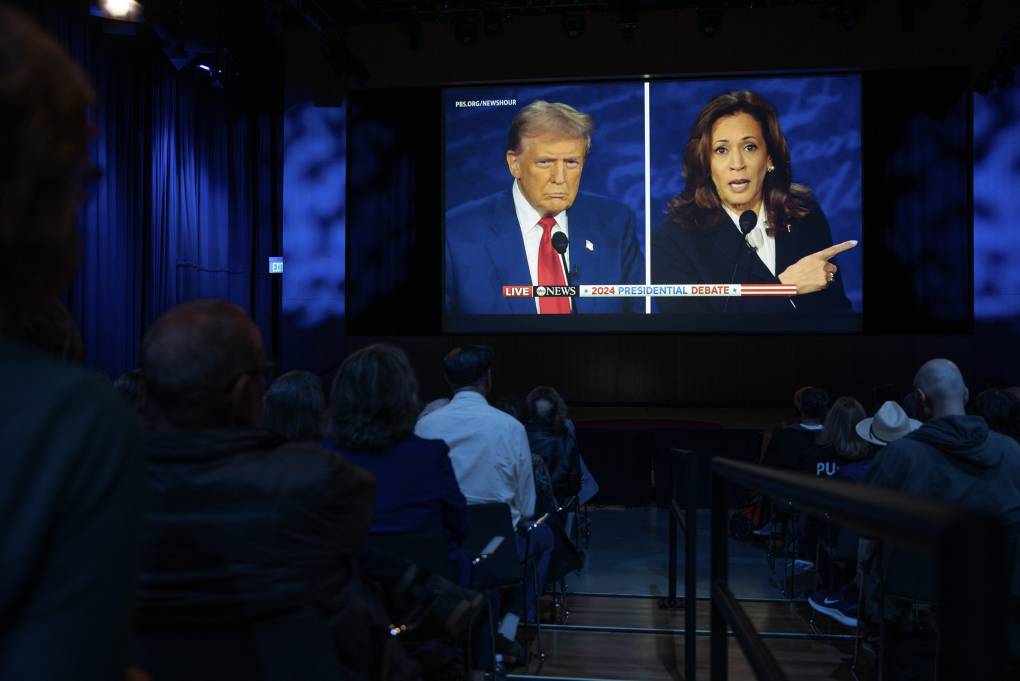
window.__IS_SSR__=true
window.__INITIAL_STATE__={
"attachmentsReducer": {
"audio_0": {
"type": "attachments",
"id": "audio_0",
"imgSizes": {
"kqedFullSize": {
"file": "https://ww2.kqed.org/news/wp-content/themes/KQED-unified/img/audio_bgs/background0.jpg"
}
}
},
"audio_1": {
"type": "attachments",
"id": "audio_1",
"imgSizes": {
"kqedFullSize": {
"file": "https://ww2.kqed.org/news/wp-content/themes/KQED-unified/img/audio_bgs/background1.jpg"
}
}
},
"audio_2": {
"type": "attachments",
"id": "audio_2",
"imgSizes": {
"kqedFullSize": {
"file": "https://ww2.kqed.org/news/wp-content/themes/KQED-unified/img/audio_bgs/background2.jpg"
}
}
},
"audio_3": {
"type": "attachments",
"id": "audio_3",
"imgSizes": {
"kqedFullSize": {
"file": "https://ww2.kqed.org/news/wp-content/themes/KQED-unified/img/audio_bgs/background3.jpg"
}
}
},
"audio_4": {
"type": "attachments",
"id": "audio_4",
"imgSizes": {
"kqedFullSize": {
"file": "https://ww2.kqed.org/news/wp-content/themes/KQED-unified/img/audio_bgs/background4.jpg"
}
}
},
"placeholder": {
"type": "attachments",
"id": "placeholder",
"imgSizes": {
"thumbnail": {
"file": "https://cdn.kqed.org/wp-content/uploads/2024/12/KQED-Default-Image-816638274-2000x1333-1-160x107.jpg",
"width": 160,
"height": 107,
"mimeType": "image/jpeg"
},
"medium": {
"file": "https://cdn.kqed.org/wp-content/uploads/2024/12/KQED-Default-Image-816638274-2000x1333-1-800x533.jpg",
"width": 800,
"height": 533,
"mimeType": "image/jpeg"
},
"medium_large": {
"file": "https://cdn.kqed.org/wp-content/uploads/2024/12/KQED-Default-Image-816638274-2000x1333-1-768x512.jpg",
"width": 768,
"height": 512,
"mimeType": "image/jpeg"
},
"large": {
"file": "https://cdn.kqed.org/wp-content/uploads/2024/12/KQED-Default-Image-816638274-2000x1333-1-1020x680.jpg",
"width": 1020,
"height": 680,
"mimeType": "image/jpeg"
},
"1536x1536": {
"file": "https://cdn.kqed.org/wp-content/uploads/2024/12/KQED-Default-Image-816638274-2000x1333-1-1536x1024.jpg",
"width": 1536,
"height": 1024,
"mimeType": "image/jpeg"
},
"fd-lrg": {
"file": "https://cdn.kqed.org/wp-content/uploads/2024/12/KQED-Default-Image-816638274-2000x1333-1-1536x1024.jpg",
"width": 1536,
"height": 1024,
"mimeType": "image/jpeg"
},
"fd-med": {
"file": "https://cdn.kqed.org/wp-content/uploads/2024/12/KQED-Default-Image-816638274-2000x1333-1-1020x680.jpg",
"width": 1020,
"height": 680,
"mimeType": "image/jpeg"
},
"fd-sm": {
"file": "https://cdn.kqed.org/wp-content/uploads/2024/12/KQED-Default-Image-816638274-2000x1333-1-800x533.jpg",
"width": 800,
"height": 533,
"mimeType": "image/jpeg"
},
"post-thumbnail": {
"file": "https://cdn.kqed.org/wp-content/uploads/2024/12/KQED-Default-Image-816638274-2000x1333-1-672x372.jpg",
"width": 672,
"height": 372,
"mimeType": "image/jpeg"
},
"twentyfourteen-full-width": {
"file": "https://cdn.kqed.org/wp-content/uploads/2024/12/KQED-Default-Image-816638274-2000x1333-1-1038x576.jpg",
"width": 1038,
"height": 576,
"mimeType": "image/jpeg"
},
"xxsmall": {
"file": "https://cdn.kqed.org/wp-content/uploads/2024/12/KQED-Default-Image-816638274-2000x1333-1-160x107.jpg",
"width": 160,
"height": 107,
"mimeType": "image/jpeg"
},
"xsmall": {
"file": "https://cdn.kqed.org/wp-content/uploads/2024/12/KQED-Default-Image-816638274-2000x1333-1-672x372.jpg",
"width": 672,
"height": 372,
"mimeType": "image/jpeg"
},
"small": {
"file": "https://cdn.kqed.org/wp-content/uploads/2024/12/KQED-Default-Image-816638274-2000x1333-1-672x372.jpg",
"width": 672,
"height": 372,
"mimeType": "image/jpeg"
},
"xlarge": {
"file": "https://cdn.kqed.org/wp-content/uploads/2024/12/KQED-Default-Image-816638274-2000x1333-1-1020x680.jpg",
"width": 1020,
"height": 680,
"mimeType": "image/jpeg"
},
"full-width": {
"file": "https://cdn.kqed.org/wp-content/uploads/2024/12/KQED-Default-Image-816638274-2000x1333-1-1920x1280.jpg",
"width": 1920,
"height": 1280,
"mimeType": "image/jpeg"
},
"guest-author-32": {
"file": "https://cdn.kqed.org/wp-content/uploads/2025/01/KQED-Default-Image-816638274-1333x1333-1-160x160.jpg",
"width": 32,
"height": 32,
"mimeType": "image/jpeg"
},
"guest-author-50": {
"file": "https://cdn.kqed.org/wp-content/uploads/2025/01/KQED-Default-Image-816638274-1333x1333-1-160x160.jpg",
"width": 50,
"height": 50,
"mimeType": "image/jpeg"
},
"guest-author-64": {
"file": "https://cdn.kqed.org/wp-content/uploads/2025/01/KQED-Default-Image-816638274-1333x1333-1-160x160.jpg",
"width": 64,
"height": 64,
"mimeType": "image/jpeg"
},
"guest-author-96": {
"file": "https://cdn.kqed.org/wp-content/uploads/2025/01/KQED-Default-Image-816638274-1333x1333-1-160x160.jpg",
"width": 96,
"height": 96,
"mimeType": "image/jpeg"
},
"guest-author-128": {
"file": "https://cdn.kqed.org/wp-content/uploads/2025/01/KQED-Default-Image-816638274-1333x1333-1-160x160.jpg",
"width": 128,
"height": 128,
"mimeType": "image/jpeg"
},
"detail": {
"file": "https://cdn.kqed.org/wp-content/uploads/2025/01/KQED-Default-Image-816638274-1333x1333-1-160x160.jpg",
"width": 160,
"height": 160,
"mimeType": "image/jpeg"
},
"kqedFullSize": {
"file": "https://cdn.kqed.org/wp-content/uploads/2024/12/KQED-Default-Image-816638274-2000x1333-1.jpg",
"width": 2000,
"height": 1333
}
}
},
"news_12004813": {
"type": "attachments",
"id": "news_12004813",
"meta": {
"index": "attachments_1716263798",
"site": "news",
"id": "12004813",
"found": true
},
"title": "091024_PresidentialDebate_FM_CM-04-scaled",
"publishDate": 1726437006,
"status": "inherit",
"parent": 12004810,
"modified": 1730221601,
"caption": "People watch the presidential debate between former President Donald Trump and Vice President Kamala Harris at KQED headquarters in San Francisco on Sept. 10, 2024.",
"credit": "Florence Middleton/CalMatters",
"altTag": "Several people are sitting facing a split screen showing a man and a woman.",
"description": null,
"imgSizes": {
"medium": {
"file": "https://cdn.kqed.org/wp-content/uploads/sites/10/2024/09/091024_PresidentialDebate_FM_CM-04-scaled-1-800x534.jpg",
"width": 800,
"height": 534,
"mimeType": "image/jpeg"
},
"large": {
"file": "https://cdn.kqed.org/wp-content/uploads/sites/10/2024/09/091024_PresidentialDebate_FM_CM-04-scaled-1-1020x681.jpg",
"width": 1020,
"height": 681,
"mimeType": "image/jpeg"
},
"thumbnail": {
"file": "https://cdn.kqed.org/wp-content/uploads/sites/10/2024/09/091024_PresidentialDebate_FM_CM-04-scaled-1-160x107.jpg",
"width": 160,
"height": 107,
"mimeType": "image/jpeg"
},
"1536x1536": {
"file": "https://cdn.kqed.org/wp-content/uploads/sites/10/2024/09/091024_PresidentialDebate_FM_CM-04-scaled-1-1536x1025.jpg",
"width": 1536,
"height": 1025,
"mimeType": "image/jpeg"
},
"2048x2048": {
"file": "https://cdn.kqed.org/wp-content/uploads/sites/10/2024/09/091024_PresidentialDebate_FM_CM-04-scaled-1-2048x1366.jpg",
"width": 2048,
"height": 1366,
"mimeType": "image/jpeg"
},
"post-thumbnail": {
"file": "https://cdn.kqed.org/wp-content/uploads/sites/10/2024/09/091024_PresidentialDebate_FM_CM-04-scaled-1-672x372.jpg",
"width": 672,
"height": 372,
"mimeType": "image/jpeg"
},
"twentyfourteen-full-width": {
"file": "https://cdn.kqed.org/wp-content/uploads/sites/10/2024/09/091024_PresidentialDebate_FM_CM-04-scaled-1-1038x576.jpg",
"width": 1038,
"height": 576,
"mimeType": "image/jpeg"
},
"full-width": {
"file": "https://cdn.kqed.org/wp-content/uploads/sites/10/2024/09/091024_PresidentialDebate_FM_CM-04-scaled-1-1920x1281.jpg",
"width": 1920,
"height": 1281,
"mimeType": "image/jpeg"
},
"kqedFullSize": {
"file": "https://cdn.kqed.org/wp-content/uploads/sites/10/2024/09/091024_PresidentialDebate_FM_CM-04-scaled-1.jpg",
"width": 2560,
"height": 1708
}
},
"isLoading": false,
"fetchFailed": false
},
"news_12011323": {
"type": "attachments",
"id": "news_12011323",
"meta": {
"index": "attachments_1716263798",
"site": "news",
"id": "12011323",
"found": true
},
"title": "20241025_YOUNGVOTERSGAZA_GC-10-KQED",
"publishDate": 1730134363,
"status": "inherit",
"parent": 0,
"modified": 1730157091,
"caption": "'By voting for Harris, I feel like there’s a shot of getting a cease-fire,' said Halimah Houston, 20. Houston previously told KQED she wouldn't vote for Joe Biden.",
"credit": "Gina Castro/KQED",
"altTag": null,
"description": null,
"imgSizes": {
"medium": {
"file": "https://cdn.kqed.org/wp-content/uploads/sites/10/2024/10/20241025_YOUNGVOTERSGAZA_GC-10-KQED-800x533.jpg",
"width": 800,
"height": 533,
"mimeType": "image/jpeg"
},
"large": {
"file": "https://cdn.kqed.org/wp-content/uploads/sites/10/2024/10/20241025_YOUNGVOTERSGAZA_GC-10-KQED-1020x680.jpg",
"width": 1020,
"height": 680,
"mimeType": "image/jpeg"
},
"thumbnail": {
"file": "https://cdn.kqed.org/wp-content/uploads/sites/10/2024/10/20241025_YOUNGVOTERSGAZA_GC-10-KQED-160x107.jpg",
"width": 160,
"height": 107,
"mimeType": "image/jpeg"
},
"1536x1536": {
"file": "https://cdn.kqed.org/wp-content/uploads/sites/10/2024/10/20241025_YOUNGVOTERSGAZA_GC-10-KQED-1536x1024.jpg",
"width": 1536,
"height": 1024,
"mimeType": "image/jpeg"
},
"post-thumbnail": {
"file": "https://cdn.kqed.org/wp-content/uploads/sites/10/2024/10/20241025_YOUNGVOTERSGAZA_GC-10-KQED-672x372.jpg",
"width": 672,
"height": 372,
"mimeType": "image/jpeg"
},
"twentyfourteen-full-width": {
"file": "https://cdn.kqed.org/wp-content/uploads/sites/10/2024/10/20241025_YOUNGVOTERSGAZA_GC-10-KQED-1038x576.jpg",
"width": 1038,
"height": 576,
"mimeType": "image/jpeg"
},
"full-width": {
"file": "https://cdn.kqed.org/wp-content/uploads/sites/10/2024/10/20241025_YOUNGVOTERSGAZA_GC-10-KQED-1920x1280.jpg",
"width": 1920,
"height": 1280,
"mimeType": "image/jpeg"
},
"kqedFullSize": {
"file": "https://cdn.kqed.org/wp-content/uploads/sites/10/2024/10/20241025_YOUNGVOTERSGAZA_GC-10-KQED.jpg",
"width": 2000,
"height": 1333
}
},
"isLoading": false,
"fetchFailed": false
},
"news_12010730": {
"type": "attachments",
"id": "news_12010730",
"meta": {
"index": "attachments_1716263798",
"site": "news",
"id": "12010730",
"found": true
},
"title": "20241022_SCHOOLDISTRICTHOUSING_GC-10-KQED",
"publishDate": 1729710279,
"status": "inherit",
"parent": 0,
"modified": 1729882204,
"caption": "Renata Sanchez, president of the San José Teachers Association, poses for a photo at an employee parking lot, the proposed site for educator housing, in San José on Oct. 22.",
"credit": "Gina Castro/KQED",
"altTag": null,
"description": null,
"imgSizes": {
"medium": {
"file": "https://cdn.kqed.org/wp-content/uploads/sites/10/2024/10/20241022_SCHOOLDISTRICTHOUSING_GC-10-KQED-800x533.jpg",
"width": 800,
"height": 533,
"mimeType": "image/jpeg"
},
"large": {
"file": "https://cdn.kqed.org/wp-content/uploads/sites/10/2024/10/20241022_SCHOOLDISTRICTHOUSING_GC-10-KQED-1020x680.jpg",
"width": 1020,
"height": 680,
"mimeType": "image/jpeg"
},
"thumbnail": {
"file": "https://cdn.kqed.org/wp-content/uploads/sites/10/2024/10/20241022_SCHOOLDISTRICTHOUSING_GC-10-KQED-160x107.jpg",
"width": 160,
"height": 107,
"mimeType": "image/jpeg"
},
"1536x1536": {
"file": "https://cdn.kqed.org/wp-content/uploads/sites/10/2024/10/20241022_SCHOOLDISTRICTHOUSING_GC-10-KQED-1536x1024.jpg",
"width": 1536,
"height": 1024,
"mimeType": "image/jpeg"
},
"post-thumbnail": {
"file": "https://cdn.kqed.org/wp-content/uploads/sites/10/2024/10/20241022_SCHOOLDISTRICTHOUSING_GC-10-KQED-672x372.jpg",
"width": 672,
"height": 372,
"mimeType": "image/jpeg"
},
"twentyfourteen-full-width": {
"file": "https://cdn.kqed.org/wp-content/uploads/sites/10/2024/10/20241022_SCHOOLDISTRICTHOUSING_GC-10-KQED-1038x576.jpg",
"width": 1038,
"height": 576,
"mimeType": "image/jpeg"
},
"full-width": {
"file": "https://cdn.kqed.org/wp-content/uploads/sites/10/2024/10/20241022_SCHOOLDISTRICTHOUSING_GC-10-KQED-1920x1280.jpg",
"width": 1920,
"height": 1280,
"mimeType": "image/jpeg"
},
"kqedFullSize": {
"file": "https://cdn.kqed.org/wp-content/uploads/sites/10/2024/10/20241022_SCHOOLDISTRICTHOUSING_GC-10-KQED.jpg",
"width": 2000,
"height": 1333
}
},
"isLoading": false,
"fetchFailed": false
},
"news_12011138": {
"type": "attachments",
"id": "news_12011138",
"meta": {
"index": "attachments_1716263798",
"site": "news",
"id": "12011138",
"found": true
},
"title": "241025-FATAL UCSF DUMP TRUCK CRASH-MD-02-KQED",
"publishDate": 1729882394,
"status": "inherit",
"parent": 0,
"modified": 1729953336,
"caption": "A memorial at the intersection of Stanyan Street and Parnassus Avenue, where a pedestrian was recently hit and killed by a dump truck, on Oct. 25, 2024.",
"credit": "Martin do Nascimento/KQED",
"altTag": null,
"description": null,
"imgSizes": {
"medium": {
"file": "https://cdn.kqed.org/wp-content/uploads/sites/10/2024/10/241025-FATAL-UCSF-DUMP-TRUCK-CRASH-MD-02-KQED-800x533.jpg",
"width": 800,
"height": 533,
"mimeType": "image/jpeg"
},
"large": {
"file": "https://cdn.kqed.org/wp-content/uploads/sites/10/2024/10/241025-FATAL-UCSF-DUMP-TRUCK-CRASH-MD-02-KQED-1020x680.jpg",
"width": 1020,
"height": 680,
"mimeType": "image/jpeg"
},
"thumbnail": {
"file": "https://cdn.kqed.org/wp-content/uploads/sites/10/2024/10/241025-FATAL-UCSF-DUMP-TRUCK-CRASH-MD-02-KQED-160x107.jpg",
"width": 160,
"height": 107,
"mimeType": "image/jpeg"
},
"1536x1536": {
"file": "https://cdn.kqed.org/wp-content/uploads/sites/10/2024/10/241025-FATAL-UCSF-DUMP-TRUCK-CRASH-MD-02-KQED-1536x1024.jpg",
"width": 1536,
"height": 1024,
"mimeType": "image/jpeg"
},
"post-thumbnail": {
"file": "https://cdn.kqed.org/wp-content/uploads/sites/10/2024/10/241025-FATAL-UCSF-DUMP-TRUCK-CRASH-MD-02-KQED-672x372.jpg",
"width": 672,
"height": 372,
"mimeType": "image/jpeg"
},
"twentyfourteen-full-width": {
"file": "https://cdn.kqed.org/wp-content/uploads/sites/10/2024/10/241025-FATAL-UCSF-DUMP-TRUCK-CRASH-MD-02-KQED-1038x576.jpg",
"width": 1038,
"height": 576,
"mimeType": "image/jpeg"
},
"full-width": {
"file": "https://cdn.kqed.org/wp-content/uploads/sites/10/2024/10/241025-FATAL-UCSF-DUMP-TRUCK-CRASH-MD-02-KQED-1920x1280.jpg",
"width": 1920,
"height": 1280,
"mimeType": "image/jpeg"
},
"kqedFullSize": {
"file": "https://cdn.kqed.org/wp-content/uploads/sites/10/2024/10/241025-FATAL-UCSF-DUMP-TRUCK-CRASH-MD-02-KQED.jpg",
"width": 2000,
"height": 1333
}
},
"isLoading": false,
"fetchFailed": false
},
"news_12008025": {
"type": "attachments",
"id": "news_12008025",
"meta": {
"index": "attachments_1716263798",
"site": "news",
"id": "12008025",
"found": true
},
"title": "Annie's Annuals 3",
"publishDate": 1728073680,
"status": "inherit",
"parent": 12007947,
"modified": 1728086819,
"caption": "Sarah Hundley took over ownership of Annie’s Annuals and Perennials in 2021 after founder Annie Hayes' 30-year tenure.",
"credit": "Courtesy Kaylan Segev",
"altTag": null,
"description": null,
"imgSizes": {
"medium": {
"file": "https://cdn.kqed.org/wp-content/uploads/sites/10/2024/10/Annies-Annuals-3-800x600.jpg",
"width": 800,
"height": 600,
"mimeType": "image/jpeg"
},
"large": {
"file": "https://cdn.kqed.org/wp-content/uploads/sites/10/2024/10/Annies-Annuals-3-1020x765.jpg",
"width": 1020,
"height": 765,
"mimeType": "image/jpeg"
},
"thumbnail": {
"file": "https://cdn.kqed.org/wp-content/uploads/sites/10/2024/10/Annies-Annuals-3-160x120.jpg",
"width": 160,
"height": 120,
"mimeType": "image/jpeg"
},
"1536x1536": {
"file": "https://cdn.kqed.org/wp-content/uploads/sites/10/2024/10/Annies-Annuals-3-1536x1152.jpg",
"width": 1536,
"height": 1152,
"mimeType": "image/jpeg"
},
"post-thumbnail": {
"file": "https://cdn.kqed.org/wp-content/uploads/sites/10/2024/10/Annies-Annuals-3-672x372.jpg",
"width": 672,
"height": 372,
"mimeType": "image/jpeg"
},
"twentyfourteen-full-width": {
"file": "https://cdn.kqed.org/wp-content/uploads/sites/10/2024/10/Annies-Annuals-3-1038x576.jpg",
"width": 1038,
"height": 576,
"mimeType": "image/jpeg"
},
"full-width": {
"file": "https://cdn.kqed.org/wp-content/uploads/sites/10/2024/10/Annies-Annuals-3-1920x1440.jpg",
"width": 1920,
"height": 1440,
"mimeType": "image/jpeg"
},
"kqedFullSize": {
"file": "https://cdn.kqed.org/wp-content/uploads/sites/10/2024/10/Annies-Annuals-3.jpg",
"width": 2000,
"height": 1500
}
},
"isLoading": false,
"fetchFailed": false
},
"news_12010891": {
"type": "attachments",
"id": "news_12010891",
"meta": {
"index": "attachments_1716263798",
"site": "news",
"id": "12010891",
"found": true
},
"title": "OMalleyPrice",
"publishDate": 1729788912,
"status": "inherit",
"parent": 12010885,
"modified": 1729802537,
"caption": "Hours after former District Attorney Nancy O'Malley endorsed her recall, Alameda County DA Pamela Price held a press conference about the office's practice of excluding Black and Jewish jurors in death penalty cases under prior administrations. Price suggested the endorsement was timed to deflect from new evidence as their rivalry escalates ahead of the recall vote.",
"credit": "Jonathan Gibby/Getty Images, Beth LaBerge/KQED",
"altTag": null,
"description": null,
"imgSizes": {
"medium": {
"file": "https://cdn.kqed.org/wp-content/uploads/sites/10/2024/10/OMalleyPrice-e1729797032897-800x534.jpg",
"width": 800,
"height": 534,
"mimeType": "image/jpeg"
},
"large": {
"file": "https://cdn.kqed.org/wp-content/uploads/sites/10/2024/10/OMalleyPrice-e1729797032897-1020x681.jpg",
"width": 1020,
"height": 681,
"mimeType": "image/jpeg"
},
"thumbnail": {
"file": "https://cdn.kqed.org/wp-content/uploads/sites/10/2024/10/OMalleyPrice-e1729797032897-160x107.jpg",
"width": 160,
"height": 107,
"mimeType": "image/jpeg"
},
"1536x1536": {
"file": "https://cdn.kqed.org/wp-content/uploads/sites/10/2024/10/OMalleyPrice-e1729797032897-1536x1026.jpg",
"width": 1536,
"height": 1026,
"mimeType": "image/jpeg"
},
"post-thumbnail": {
"file": "https://cdn.kqed.org/wp-content/uploads/sites/10/2024/10/OMalleyPrice-e1729797032897-672x372.jpg",
"width": 672,
"height": 372,
"mimeType": "image/jpeg"
},
"twentyfourteen-full-width": {
"file": "https://cdn.kqed.org/wp-content/uploads/sites/10/2024/10/OMalleyPrice-e1729797032897-1038x576.jpg",
"width": 1038,
"height": 576,
"mimeType": "image/jpeg"
},
"full-width": {
"file": "https://cdn.kqed.org/wp-content/uploads/sites/10/2024/10/OMalleyPrice-e1729797032897-1920x1282.jpg",
"width": 1920,
"height": 1282,
"mimeType": "image/jpeg"
},
"kqedFullSize": {
"file": "https://cdn.kqed.org/wp-content/uploads/sites/10/2024/10/OMalleyPrice-e1729797032897.jpg",
"width": 1996,
"height": 1333
}
},
"isLoading": false,
"fetchFailed": false
},
"news_12009735": {
"type": "attachments",
"id": "news_12009735",
"meta": {
"index": "attachments_1716263798",
"site": "news",
"id": "12009735",
"found": true
},
"title": "241016-OMAR TORRES-GH-1-KQED",
"publishDate": 1729121458,
"status": "inherit",
"parent": 12009671,
"modified": 1729121486,
"caption": "First-term San José Councilmember Omar Torres is facing increasing pressure to resign following a police investigation into text messages he sent referencing sexually explicit acts with a minor.",
"credit": "Joseph Geha/KQED",
"altTag": null,
"description": null,
"imgSizes": {
"medium": {
"file": "https://cdn.kqed.org/wp-content/uploads/sites/10/2024/10/241016-OMAR-TORRES-GH-1-KQED-800x533.jpg",
"width": 800,
"height": 533,
"mimeType": "image/jpeg"
},
"large": {
"file": "https://cdn.kqed.org/wp-content/uploads/sites/10/2024/10/241016-OMAR-TORRES-GH-1-KQED-1020x680.jpg",
"width": 1020,
"height": 680,
"mimeType": "image/jpeg"
},
"thumbnail": {
"file": "https://cdn.kqed.org/wp-content/uploads/sites/10/2024/10/241016-OMAR-TORRES-GH-1-KQED-160x107.jpg",
"width": 160,
"height": 107,
"mimeType": "image/jpeg"
},
"1536x1536": {
"file": "https://cdn.kqed.org/wp-content/uploads/sites/10/2024/10/241016-OMAR-TORRES-GH-1-KQED-1536x1024.jpg",
"width": 1536,
"height": 1024,
"mimeType": "image/jpeg"
},
"post-thumbnail": {
"file": "https://cdn.kqed.org/wp-content/uploads/sites/10/2024/10/241016-OMAR-TORRES-GH-1-KQED-672x372.jpg",
"width": 672,
"height": 372,
"mimeType": "image/jpeg"
},
"twentyfourteen-full-width": {
"file": "https://cdn.kqed.org/wp-content/uploads/sites/10/2024/10/241016-OMAR-TORRES-GH-1-KQED-1038x576.jpg",
"width": 1038,
"height": 576,
"mimeType": "image/jpeg"
},
"full-width": {
"file": "https://cdn.kqed.org/wp-content/uploads/sites/10/2024/10/241016-OMAR-TORRES-GH-1-KQED-1920x1280.jpg",
"width": 1920,
"height": 1280,
"mimeType": "image/jpeg"
},
"kqedFullSize": {
"file": "https://cdn.kqed.org/wp-content/uploads/sites/10/2024/10/241016-OMAR-TORRES-GH-1-KQED.jpg",
"width": 2000,
"height": 1333
}
},
"isLoading": false,
"fetchFailed": false
},
"news_11987071": {
"type": "attachments",
"id": "news_11987071",
"meta": {
"index": "attachments_1716263798",
"site": "news",
"id": "11987071",
"found": true
},
"title": "240520-SJPD SHOOTING-JG-05_qut",
"publishDate": 1716251943,
"status": "inherit",
"parent": 11986891,
"modified": 1729631063,
"caption": "San José acting Police Chief Paul Joseph speaks during a May 20, 2024, press conference about a police shooting in the city's East Side.",
"credit": "Joseph Geha/KQED",
"altTag": "A police officer stands in front of a podium.",
"description": null,
"imgSizes": {
"medium": {
"file": "https://cdn.kqed.org/wp-content/uploads/sites/10/2024/05/240520-SJPD-SHOOTING-JG-05_qut-800x533.jpg",
"width": 800,
"height": 533,
"mimeType": "image/jpeg"
},
"large": {
"file": "https://cdn.kqed.org/wp-content/uploads/sites/10/2024/05/240520-SJPD-SHOOTING-JG-05_qut-1020x680.jpg",
"width": 1020,
"height": 680,
"mimeType": "image/jpeg"
},
"thumbnail": {
"file": "https://cdn.kqed.org/wp-content/uploads/sites/10/2024/05/240520-SJPD-SHOOTING-JG-05_qut-160x107.jpg",
"width": 160,
"height": 107,
"mimeType": "image/jpeg"
},
"1536x1536": {
"file": "https://cdn.kqed.org/wp-content/uploads/sites/10/2024/05/240520-SJPD-SHOOTING-JG-05_qut-1536x1024.jpg",
"width": 1536,
"height": 1024,
"mimeType": "image/jpeg"
},
"post-thumbnail": {
"file": "https://cdn.kqed.org/wp-content/uploads/sites/10/2024/05/240520-SJPD-SHOOTING-JG-05_qut-672x372.jpg",
"width": 672,
"height": 372,
"mimeType": "image/jpeg"
},
"twentyfourteen-full-width": {
"file": "https://cdn.kqed.org/wp-content/uploads/sites/10/2024/05/240520-SJPD-SHOOTING-JG-05_qut-1038x576.jpg",
"width": 1038,
"height": 576,
"mimeType": "image/jpeg"
},
"kqedFullSize": {
"file": "https://cdn.kqed.org/wp-content/uploads/sites/10/2024/05/240520-SJPD-SHOOTING-JG-05_qut.jpg",
"width": 1920,
"height": 1280
}
},
"isLoading": false,
"fetchFailed": false
},
"news_12010461": {
"type": "attachments",
"id": "news_12010461",
"meta": {
"index": "attachments_1716263798",
"site": "news",
"id": "12010461",
"found": true
},
"title": "241021-OaklandPDDrunkDriving-33-BL_qed",
"publishDate": 1729543557,
"status": "inherit",
"parent": 0,
"modified": 1729718422,
"caption": "Alameda County District Attorney Pamela Price speaks at a press conference in Oakland on Oct. 21, 2024.",
"credit": "Beth LaBerge/KQED",
"altTag": null,
"description": null,
"imgSizes": {
"medium": {
"file": "https://cdn.kqed.org/wp-content/uploads/sites/10/2024/10/241021-OaklandPDDrunkDriving-33-BL_qed-800x533.jpg",
"width": 800,
"height": 533,
"mimeType": "image/jpeg"
},
"large": {
"file": "https://cdn.kqed.org/wp-content/uploads/sites/10/2024/10/241021-OaklandPDDrunkDriving-33-BL_qed-1020x680.jpg",
"width": 1020,
"height": 680,
"mimeType": "image/jpeg"
},
"thumbnail": {
"file": "https://cdn.kqed.org/wp-content/uploads/sites/10/2024/10/241021-OaklandPDDrunkDriving-33-BL_qed-160x107.jpg",
"width": 160,
"height": 107,
"mimeType": "image/jpeg"
},
"1536x1536": {
"file": "https://cdn.kqed.org/wp-content/uploads/sites/10/2024/10/241021-OaklandPDDrunkDriving-33-BL_qed-1536x1024.jpg",
"width": 1536,
"height": 1024,
"mimeType": "image/jpeg"
},
"post-thumbnail": {
"file": "https://cdn.kqed.org/wp-content/uploads/sites/10/2024/10/241021-OaklandPDDrunkDriving-33-BL_qed-672x372.jpg",
"width": 672,
"height": 372,
"mimeType": "image/jpeg"
},
"twentyfourteen-full-width": {
"file": "https://cdn.kqed.org/wp-content/uploads/sites/10/2024/10/241021-OaklandPDDrunkDriving-33-BL_qed-1038x576.jpg",
"width": 1038,
"height": 576,
"mimeType": "image/jpeg"
},
"full-width": {
"file": "https://cdn.kqed.org/wp-content/uploads/sites/10/2024/10/241021-OaklandPDDrunkDriving-33-BL_qed-1920x1280.jpg",
"width": 1920,
"height": 1280,
"mimeType": "image/jpeg"
},
"kqedFullSize": {
"file": "https://cdn.kqed.org/wp-content/uploads/sites/10/2024/10/241021-OaklandPDDrunkDriving-33-BL_qed.jpg",
"width": 2000,
"height": 1333
}
},
"isLoading": false,
"fetchFailed": false
},
"news_11927933": {
"type": "attachments",
"id": "news_11927933",
"meta": {
"index": "attachments_1716263798",
"site": "news",
"id": "11927933",
"found": true
},
"parent": 11927744,
"imgSizes": {
"twentyfourteen-full-width": {
"file": "https://ww2.kqed.org/app/uploads/sites/10/2022/10/RS45235_027_KQED_SanFrancisco_VotingCenter_10052020-qut-1038x576.jpg",
"width": 1038,
"mimeType": "image/jpeg",
"height": 576
},
"thumbnail": {
"file": "https://ww2.kqed.org/app/uploads/sites/10/2022/10/RS45235_027_KQED_SanFrancisco_VotingCenter_10052020-qut-160x107.jpg",
"width": 160,
"mimeType": "image/jpeg",
"height": 107
},
"post-thumbnail": {
"file": "https://ww2.kqed.org/app/uploads/sites/10/2022/10/RS45235_027_KQED_SanFrancisco_VotingCenter_10052020-qut-672x372.jpg",
"width": 672,
"mimeType": "image/jpeg",
"height": 372
},
"kqedFullSize": {
"file": "https://ww2.kqed.org/app/uploads/sites/10/2022/10/RS45235_027_KQED_SanFrancisco_VotingCenter_10052020-qut.jpg",
"width": 1920,
"height": 1280
},
"large": {
"file": "https://ww2.kqed.org/app/uploads/sites/10/2022/10/RS45235_027_KQED_SanFrancisco_VotingCenter_10052020-qut-1020x680.jpg",
"width": 1020,
"mimeType": "image/jpeg",
"height": 680
},
"1536x1536": {
"file": "https://ww2.kqed.org/app/uploads/sites/10/2022/10/RS45235_027_KQED_SanFrancisco_VotingCenter_10052020-qut-1536x1024.jpg",
"width": 1536,
"mimeType": "image/jpeg",
"height": 1024
},
"medium": {
"file": "https://ww2.kqed.org/app/uploads/sites/10/2022/10/RS45235_027_KQED_SanFrancisco_VotingCenter_10052020-qut-800x533.jpg",
"width": 800,
"mimeType": "image/jpeg",
"height": 533
}
},
"publishDate": 1665087663,
"modified": 1666600425,
"caption": "Un votante deja una papeleta en un nuevo centro de votación al aire libre cerca de Civic Center Plaza en San Francisco el 5 de octubre de 2020, el primer día de votación anticipada.",
"description": null,
"title": null,
"credit": "Beth LaBerge/KQED",
"status": "inherit",
"altTag": null,
"isLoading": false,
"fetchFailed": false
},
"news_11929932": {
"type": "attachments",
"id": "news_11929932",
"meta": {
"index": "attachments_1716263798",
"site": "news",
"id": "11929932",
"found": true
},
"parent": 11929931,
"imgSizes": {
"twentyfourteen-full-width": {
"file": "https://ww2.kqed.org/app/uploads/sites/10/2022/10/couple-with-mail-in-ballots-1020x576.jpg",
"width": 1020,
"mimeType": "image/jpeg",
"height": 576
},
"thumbnail": {
"file": "https://ww2.kqed.org/app/uploads/sites/10/2022/10/couple-with-mail-in-ballots-160x107.jpg",
"width": 160,
"mimeType": "image/jpeg",
"height": 107
},
"post-thumbnail": {
"file": "https://ww2.kqed.org/app/uploads/sites/10/2022/10/couple-with-mail-in-ballots-672x372.jpg",
"width": 672,
"mimeType": "image/jpeg",
"height": 372
},
"kqedFullSize": {
"file": "https://ww2.kqed.org/app/uploads/sites/10/2022/10/couple-with-mail-in-ballots.jpg",
"width": 1020,
"height": 680
},
"medium": {
"file": "https://ww2.kqed.org/app/uploads/sites/10/2022/10/couple-with-mail-in-ballots-800x533.jpg",
"width": 800,
"mimeType": "image/jpeg",
"height": 533
}
},
"publishDate": 1666591688,
"modified": 1666591780,
"caption": "Ophelia Williams y su hermano Leopold Parker revisan por última vez sus papeletas por correo antes de entregarlas en el centro de votación cerca del Ayuntamiento de San Francisco el 30 de octubre de 2020.",
"description": null,
"title": "couple with mail in ballots",
"credit": "Beth LaBerge/KQED",
"status": "inherit",
"altTag": null,
"isLoading": false,
"fetchFailed": false
},
"news_12009985": {
"type": "attachments",
"id": "news_12009985",
"meta": {
"index": "attachments_1716263798",
"site": "news",
"id": "12009985",
"found": true
},
"title": "241017-GLIDE COMMUNITY AMBASSADORS-MD-09-KQED",
"publishDate": 1729211778,
"status": "inherit",
"parent": 0,
"modified": 1729294985,
"caption": "GLIDE Community Ambassador Russel Roberts speaks with an unhoused person in the Tenderloin neighborhood of San Francisco on Oct. 17, 2024.",
"credit": "Martin do Nascimento/KQED",
"altTag": null,
"description": null,
"imgSizes": {
"medium": {
"file": "https://cdn.kqed.org/wp-content/uploads/sites/10/2024/10/241017-GLIDE-COMMUNITY-AMBASSADORS-MD-09-KQED-800x533.jpg",
"width": 800,
"height": 533,
"mimeType": "image/jpeg"
},
"large": {
"file": "https://cdn.kqed.org/wp-content/uploads/sites/10/2024/10/241017-GLIDE-COMMUNITY-AMBASSADORS-MD-09-KQED-1020x680.jpg",
"width": 1020,
"height": 680,
"mimeType": "image/jpeg"
},
"thumbnail": {
"file": "https://cdn.kqed.org/wp-content/uploads/sites/10/2024/10/241017-GLIDE-COMMUNITY-AMBASSADORS-MD-09-KQED-160x107.jpg",
"width": 160,
"height": 107,
"mimeType": "image/jpeg"
},
"1536x1536": {
"file": "https://cdn.kqed.org/wp-content/uploads/sites/10/2024/10/241017-GLIDE-COMMUNITY-AMBASSADORS-MD-09-KQED-1536x1024.jpg",
"width": 1536,
"height": 1024,
"mimeType": "image/jpeg"
},
"post-thumbnail": {
"file": "https://cdn.kqed.org/wp-content/uploads/sites/10/2024/10/241017-GLIDE-COMMUNITY-AMBASSADORS-MD-09-KQED-672x372.jpg",
"width": 672,
"height": 372,
"mimeType": "image/jpeg"
},
"twentyfourteen-full-width": {
"file": "https://cdn.kqed.org/wp-content/uploads/sites/10/2024/10/241017-GLIDE-COMMUNITY-AMBASSADORS-MD-09-KQED-1038x576.jpg",
"width": 1038,
"height": 576,
"mimeType": "image/jpeg"
},
"full-width": {
"file": "https://cdn.kqed.org/wp-content/uploads/sites/10/2024/10/241017-GLIDE-COMMUNITY-AMBASSADORS-MD-09-KQED-1920x1280.jpg",
"width": 1920,
"height": 1280,
"mimeType": "image/jpeg"
},
"kqedFullSize": {
"file": "https://cdn.kqed.org/wp-content/uploads/sites/10/2024/10/241017-GLIDE-COMMUNITY-AMBASSADORS-MD-09-KQED.jpg",
"width": 2000,
"height": 1333
}
},
"isLoading": false,
"fetchFailed": false
}
},
"audioPlayerReducer": {
"postId": "stream_live",
"isPaused": true,
"isPlaying": false,
"pfsActive": false,
"pledgeModalIsOpen": true,
"playerDrawerIsOpen": false,
"liveAudioPlayStartedAt": 0,
"liveAudioPlayContext": ""
},
"authorsReducer": {
"gmarzorati": {
"type": "authors",
"id": "227",
"meta": {
"index": "authors_1716337520",
"id": "227",
"found": true
},
"name": "Guy Marzorati",
"firstName": "Guy",
"lastName": "Marzorati",
"slug": "gmarzorati",
"email": "gmarzorati@KQED.org",
"display_author_email": true,
"staff_mastheads": [
"news"
],
"title": "Correspondent",
"bio": "Guy Marzorati is a correspondent on KQED's California Politics and Government Desk, based in San Jose. A graduate of Santa Clara University, Guy joined KQED in 2013. He reports on state and local politics and produces KQED's digital voter guide.",
"avatar": "https://secure.gravatar.com/avatar/771cddf45ce3a8ed533d82dcc214e9ef925d76d2af5794a33da1ce439eb54a32?s=600&d=blank&r=g",
"twitter": "guymarzorati",
"bluesky": null,
"facebook": null,
"instagram": null,
"linkedin": null,
"sites": [
{
"site": "",
"roles": [
"editor"
]
},
{
"site": "news",
"roles": [
"editor"
]
},
{
"site": "science",
"roles": [
"editor"
]
},
{
"site": "forum",
"roles": [
"editor"
]
},
{
"site": "elections",
"roles": [
"editor"
]
},
{
"site": "liveblog",
"roles": [
"editor"
]
}
],
"headData": {
"title": "Guy Marzorati | KQED",
"description": "Correspondent",
"ogImgSrc": "https://secure.gravatar.com/avatar/771cddf45ce3a8ed533d82dcc214e9ef925d76d2af5794a33da1ce439eb54a32?s=600&d=blank&r=g",
"twImgSrc": "https://secure.gravatar.com/avatar/771cddf45ce3a8ed533d82dcc214e9ef925d76d2af5794a33da1ce439eb54a32?s=600&d=blank&r=g"
},
"isLoading": false,
"link": "/author/gmarzorati"
},
"shossaini": {
"type": "authors",
"id": "3214",
"meta": {
"index": "authors_1716337520",
"id": "3214",
"found": true
},
"name": "Sara Hossaini",
"firstName": "Sara",
"lastName": "Hossaini",
"slug": "shossaini",
"email": "shossaini@kqed.org",
"display_author_email": true,
"staff_mastheads": [
"news"
],
"title": "KQED Reporter",
"bio": "Sara Hossaini came to general assignment reporting at KQED in 2013 after two winters reporting at Wyoming Public Radio. She holds a bachelor's degree in broadcast journalism from the University of Nebraska-Lincoln. Her radio romance began after a bitter breakup with documentary film (Ok, maybe it's still complicated). Her first simultaneous jobs in San Francisco were as Associate Producer on a PBS film series through the Center for Asian American Media and as a butler. She likes to trot, plot and make things with her hands.",
"avatar": "https://secure.gravatar.com/avatar/060e9f56b9554e17942e89f413242774?s=600&d=blank&r=g",
"twitter": "mshossaini",
"facebook": null,
"instagram": null,
"linkedin": null,
"sites": [
{
"site": "news",
"roles": [
"author"
]
},
{
"site": "stateofhealth",
"roles": [
"author"
]
}
],
"headData": {
"title": "Sara Hossaini | KQED",
"description": "KQED Reporter",
"ogImgSrc": "https://secure.gravatar.com/avatar/060e9f56b9554e17942e89f413242774?s=600&d=blank&r=g",
"twImgSrc": "https://secure.gravatar.com/avatar/060e9f56b9554e17942e89f413242774?s=600&d=blank&r=g"
},
"isLoading": false,
"link": "/author/shossaini"
},
"carlysevern": {
"type": "authors",
"id": "3243",
"meta": {
"index": "authors_1716337520",
"id": "3243",
"found": true
},
"name": "Carly Severn",
"firstName": "Carly",
"lastName": "Severn",
"slug": "carlysevern",
"email": "csevern@kqed.org",
"display_author_email": false,
"staff_mastheads": [
"news"
],
"title": "Senior Editor, Audience News ",
"bio": "Carly is KQED's Senior Editor of Audience News on the Digital News team, and has reported for the California Report Magazine, Bay Curious and KQED Arts. She's formerly the host of \u003ca href=\"http://ww2.kqed.org/pop/category/the-cooler/\" rel=\"noopener noreferrer\">The Cooler\u003c/a> podcast.",
"avatar": "https://secure.gravatar.com/avatar/54037bf5c128fe678f0ef26cec97a93f2e7f220a22d7285703328f12c42c1b1d?s=600&d=blank&r=g",
"twitter": "teacupinthebay",
"bluesky": null,
"facebook": null,
"instagram": null,
"linkedin": null,
"sites": [
{
"site": "",
"roles": [
"editor"
]
},
{
"site": "arts",
"roles": [
"editor"
]
},
{
"site": "news",
"roles": [
"administrator"
]
},
{
"site": "pop",
"roles": [
"editor"
]
},
{
"site": "futureofyou",
"roles": [
"editor"
]
},
{
"site": "about",
"roles": [
"administrator"
]
},
{
"site": "mindshift",
"roles": [
"editor"
]
},
{
"site": "bayareabites",
"roles": [
"editor"
]
},
{
"site": "stateofhealth",
"roles": [
"editor"
]
},
{
"site": "science",
"roles": [
"editor"
]
},
{
"site": "food",
"roles": [
"contributor"
]
},
{
"site": "forum",
"roles": [
"editor"
]
},
{
"site": "perspectives",
"roles": [
"administrator"
]
},
{
"site": "liveblog",
"roles": [
"editor"
]
}
],
"headData": {
"title": "Carly Severn | KQED",
"description": "Senior Editor, Audience News ",
"ogImgSrc": "https://secure.gravatar.com/avatar/54037bf5c128fe678f0ef26cec97a93f2e7f220a22d7285703328f12c42c1b1d?s=600&d=blank&r=g",
"twImgSrc": "https://secure.gravatar.com/avatar/54037bf5c128fe678f0ef26cec97a93f2e7f220a22d7285703328f12c42c1b1d?s=600&d=blank&r=g"
},
"isLoading": false,
"link": "/author/carlysevern"
},
"abandlamudi": {
"type": "authors",
"id": "11672",
"meta": {
"index": "authors_1716337520",
"id": "11672",
"found": true
},
"name": "Adhiti Bandlamudi",
"firstName": "Adhiti",
"lastName": "Bandlamudi",
"slug": "abandlamudi",
"email": "abandlamudi@kqed.org",
"display_author_email": false,
"staff_mastheads": [
"news"
],
"title": "KQED Housing Reporter",
"bio": "Adhiti Bandlamudi reports for KQED's Housing desk. She focuses on how housing gets built across the Bay Area. Before joining KQED in 2020, she reported for WUNC in Durham, North Carolina, WABE in Atlanta, Georgia and Capital Public Radio in Sacramento. In 2017, she was awarded a Kroc Fellowship at NPR where she reported on everything from sprinkles to the Golden State Killer's arrest. When she's not reporting, she's baking new recipes in her kitchen or watching movies with friends and family. She's originally from Georgia and has strong opinions about Great British Bake Off.",
"avatar": "https://secure.gravatar.com/avatar/868129c8b257bb99a3500e2c86a65400?s=600&d=mm&r=g",
"twitter": "oddity_adhiti",
"facebook": null,
"instagram": null,
"linkedin": null,
"sites": [
{
"site": "arts",
"roles": [
"author"
]
},
{
"site": "news",
"roles": [
"editor"
]
},
{
"site": "liveblog",
"roles": [
"author"
]
}
],
"headData": {
"title": "Adhiti Bandlamudi | KQED",
"description": "KQED Housing Reporter",
"ogImgSrc": "https://secure.gravatar.com/avatar/868129c8b257bb99a3500e2c86a65400?s=600&d=mm&r=g",
"twImgSrc": "https://secure.gravatar.com/avatar/868129c8b257bb99a3500e2c86a65400?s=600&d=mm&r=g"
},
"isLoading": false,
"link": "/author/abandlamudi"
},
"eromero": {
"type": "authors",
"id": "11746",
"meta": {
"index": "authors_1716337520",
"id": "11746",
"found": true
},
"name": "Ezra David Romero",
"firstName": "Ezra David",
"lastName": "Romero",
"slug": "eromero",
"email": "eromero@kqed.org",
"display_author_email": true,
"staff_mastheads": [
"news",
"science"
],
"title": "Climate Reporter",
"bio": "Ezra David Romero is a climate reporter for KQED News. He covers the absence and excess of water in the Bay Area — think sea level rise, flooding and drought. For nearly a decade he’s covered how warming temperatures are altering the lives of Californians. He’s reported on farmers worried their pistachio trees aren’t getting enough sleep, families desperate for water, scientists studying dying giant sequoias, and alongside firefighters containing wildfires. His work has appeared on local stations across California and nationally on public radio shows like Morning Edition, Here and Now, All Things Considered and Science Friday. ",
"avatar": "https://secure.gravatar.com/avatar/c76404d287c10ed40224227551ac36e24352c7306f106632caf6fead76f8801f?s=600&d=blank&r=g",
"twitter": "ezraromero",
"bluesky": null,
"facebook": null,
"instagram": null,
"linkedin": null,
"sites": [
{
"site": "arts",
"roles": [
"editor"
]
},
{
"site": "news",
"roles": [
"editor"
]
},
{
"site": "science",
"roles": [
"editor"
]
},
{
"site": "liveblog",
"roles": [
"author"
]
}
],
"headData": {
"title": "Ezra David Romero | KQED",
"description": "Climate Reporter",
"ogImgSrc": "https://secure.gravatar.com/avatar/c76404d287c10ed40224227551ac36e24352c7306f106632caf6fead76f8801f?s=600&d=blank&r=g",
"twImgSrc": "https://secure.gravatar.com/avatar/c76404d287c10ed40224227551ac36e24352c7306f106632caf6fead76f8801f?s=600&d=blank&r=g"
},
"isLoading": false,
"link": "/author/eromero"
},
"jlara": {
"type": "authors",
"id": "11761",
"meta": {
"index": "authors_1716337520",
"id": "11761",
"found": true
},
"name": "Juan Carlos Lara",
"firstName": "Juan Carlos",
"lastName": "Lara",
"slug": "jlara",
"email": "jlara@kqed.org",
"display_author_email": false,
"staff_mastheads": [],
"title": "KQED Contributor",
"bio": null,
"avatar": "https://secure.gravatar.com/avatar/19e2052b9b05657c5ff2af2121846e9c?s=600&d=blank&r=g",
"twitter": null,
"facebook": null,
"instagram": null,
"linkedin": null,
"sites": [
{
"site": "arts",
"roles": [
"editor"
]
},
{
"site": "news",
"roles": [
"editor"
]
},
{
"site": "forum",
"roles": [
"editor"
]
},
{
"site": "liveblog",
"roles": [
"contributor"
]
}
],
"headData": {
"title": "Juan Carlos Lara | KQED",
"description": "KQED Contributor",
"ogImgSrc": "https://secure.gravatar.com/avatar/19e2052b9b05657c5ff2af2121846e9c?s=600&d=blank&r=g",
"twImgSrc": "https://secure.gravatar.com/avatar/19e2052b9b05657c5ff2af2121846e9c?s=600&d=blank&r=g"
},
"isLoading": false,
"link": "/author/jlara"
},
"jgeha": {
"type": "authors",
"id": "11906",
"meta": {
"index": "authors_1716337520",
"id": "11906",
"found": true
},
"name": "Joseph Geha",
"firstName": "Joseph",
"lastName": "Geha",
"slug": "jgeha",
"email": "jgeha@kqed.org",
"display_author_email": false,
"staff_mastheads": [
"news",
"science"
],
"title": "KQED Contributor",
"bio": null,
"avatar": "https://secure.gravatar.com/avatar/ea84d2b6dd93d6369d453edf19dd583f117cd1759d2d9c9c92f9de77017354fe?s=600&d=blank&r=g",
"twitter": null,
"bluesky": null,
"facebook": null,
"instagram": null,
"linkedin": null,
"sites": [
{
"site": "news",
"roles": [
"editor"
]
},
{
"site": "liveblog",
"roles": [
"author"
]
}
],
"headData": {
"title": "Joseph Geha | KQED",
"description": "KQED Contributor",
"ogImgSrc": "https://secure.gravatar.com/avatar/ea84d2b6dd93d6369d453edf19dd583f117cd1759d2d9c9c92f9de77017354fe?s=600&d=blank&r=g",
"twImgSrc": "https://secure.gravatar.com/avatar/ea84d2b6dd93d6369d453edf19dd583f117cd1759d2d9c9c92f9de77017354fe?s=600&d=blank&r=g"
},
"isLoading": false,
"link": "/author/jgeha"
},
"kdebenedetti": {
"type": "authors",
"id": "11913",
"meta": {
"index": "authors_1716337520",
"id": "11913",
"found": true
},
"name": "Katie DeBenedetti",
"firstName": "Katie",
"lastName": "DeBenedetti",
"slug": "kdebenedetti",
"email": "kdebenedetti@kqed.org",
"display_author_email": false,
"staff_mastheads": [
"news",
"science"
],
"title": "KQED Contributor",
"bio": "Katie DeBenedetti is a digital reporter covering daily news for the Express Desk. Prior to joining KQED as a culture reporting intern in January 2024, she covered education and city government for the Napa Valley Register.",
"avatar": "https://secure.gravatar.com/avatar/6e31073cb8f7e4214ab03f42771d0f45?s=600&d=blank&r=g",
"twitter": null,
"facebook": null,
"instagram": null,
"linkedin": null,
"sites": [
{
"site": "news",
"roles": [
"author"
]
},
{
"site": "science",
"roles": [
"author"
]
},
{
"site": "liveblog",
"roles": [
"author"
]
}
],
"headData": {
"title": "Katie DeBenedetti | KQED",
"description": "KQED Contributor",
"ogImgSrc": "https://secure.gravatar.com/avatar/6e31073cb8f7e4214ab03f42771d0f45?s=600&d=blank&r=g",
"twImgSrc": "https://secure.gravatar.com/avatar/6e31073cb8f7e4214ab03f42771d0f45?s=600&d=blank&r=g"
},
"isLoading": false,
"link": "/author/kdebenedetti"
},
"bkrans": {
"type": "authors",
"id": "11923",
"meta": {
"index": "authors_1716337520",
"id": "11923",
"found": true
},
"name": "Brian Krans",
"firstName": "Brian",
"lastName": "Krans",
"slug": "bkrans",
"email": "bkrans@kqed.org",
"display_author_email": false,
"staff_mastheads": [
"news"
],
"title": "KQED Contributing Reporter",
"bio": "Brian Krans is an award-winning local news and investigative reporter who has been proudly working as a general assignment reporter for KQED since August 2023. He lives in Richmond, where he also reports on air pollution for Richmondside. He is also a founding member of the Vallejo Sun.",
"avatar": "https://secure.gravatar.com/avatar/71fa91f931774612559f7640390b53d9c2840ff72b20f195a25239aab2d9fbb9?s=600&d=blank&r=g",
"twitter": "citizenkrans",
"bluesky": null,
"facebook": null,
"instagram": null,
"linkedin": null,
"sites": [
{
"site": "news",
"roles": [
"editor"
]
}
],
"headData": {
"title": "Brian Krans | KQED",
"description": "KQED Contributing Reporter",
"ogImgSrc": "https://secure.gravatar.com/avatar/71fa91f931774612559f7640390b53d9c2840ff72b20f195a25239aab2d9fbb9?s=600&d=blank&r=g",
"twImgSrc": "https://secure.gravatar.com/avatar/71fa91f931774612559f7640390b53d9c2840ff72b20f195a25239aab2d9fbb9?s=600&d=blank&r=g"
},
"isLoading": false,
"link": "/author/bkrans"
},
"emanoukian": {
"type": "authors",
"id": "11925",
"meta": {
"index": "authors_1716337520",
"id": "11925",
"found": true
},
"name": "Elize Manoukian",
"firstName": "Elize",
"lastName": "Manoukian",
"slug": "emanoukian",
"email": "emanoukian@KQED.org",
"display_author_email": false,
"staff_mastheads": [
"news"
],
"title": "Digital News Editor",
"bio": "Elize Manoukian is an award-winning audio producer and editor on the Express Desk, KQED's digital news platform. Her work has appeared on KPFA, Interlochen Public Radio, Oregon Public Broadcast, the New York Daily News, LA Times and the San Diego Union-Tribune. You can reach her at emanoukian@kqed.org.",
"avatar": "https://secure.gravatar.com/avatar/4525f1a8e46ccb30933b32653d9772064cfefe3fa655eb45b3b3a80341f6bdad?s=600&d=blank&r=g",
"twitter": null,
"bluesky": null,
"facebook": null,
"instagram": null,
"linkedin": null,
"sites": [
{
"site": "arts",
"roles": [
"editor"
]
},
{
"site": "news",
"roles": [
"editor"
]
},
{
"site": "science",
"roles": [
"editor"
]
}
],
"headData": {
"title": "Elize Manoukian | KQED",
"description": "Digital News Editor",
"ogImgSrc": "https://secure.gravatar.com/avatar/4525f1a8e46ccb30933b32653d9772064cfefe3fa655eb45b3b3a80341f6bdad?s=600&d=blank&r=g",
"twImgSrc": "https://secure.gravatar.com/avatar/4525f1a8e46ccb30933b32653d9772064cfefe3fa655eb45b3b3a80341f6bdad?s=600&d=blank&r=g"
},
"isLoading": false,
"link": "/author/emanoukian"
}
},
"pagesReducer": {
"news_category_local": {
"type": "terms",
"id": "news_28250",
"meta": {
"index": "terms_1716263798",
"site": "news",
"id": "28250",
"score": 12.795576
},
"featImg": null,
"name": "Local",
"description": null,
"taxonomy": "category",
"headData": {
"twImgId": null,
"twTitle": null,
"ogTitle": null,
"ogImgId": null,
"twDescription": null,
"description": null,
"title": "Local Archives | KQED News",
"ogDescription": null
},
"ttid": 28267,
"slug": "local",
"isLoading": false,
"title": "Local",
"pageMeta": {
"site": "news",
"WpPageTemplate": "page-topic-editorial",
"currentPage": 158
},
"blocks": [
{
"blockName": "kqed/post-list",
"attrs": {
"layout": "cardArticle2",
"query": "posts/news?category=local",
"seeMore": false,
"paginated": true,
"page": 158
}
},
{
"blockName": "kqed/ad"
}
]
}
},
"pfsSessionReducer": {},
"postsReducer": {
"stream_live": {
"type": "live",
"id": "stream_live",
"audioUrl": "https://hls.kqed.org/hls/kqed_app/playlist.m3u8",
"title": "Live Stream",
"excerpt": "Live Stream information currently unavailable.",
"link": "/radio",
"featImg": "",
"label": {
"name": "KQED Live",
"link": "/"
}
},
"stream_kqedNewscast": {
"type": "posts",
"id": "stream_kqedNewscast",
"audioUrl": "https://www.kqed.org/.stream/anon/radio/RDnews/newscast.mp3?_=1",
"title": "KQED Newscast",
"featImg": "",
"label": {
"name": "88.5 FM",
"link": "/"
}
},
"news_12011349": {
"type": "posts",
"id": "news_12011349",
"meta": {
"index": "posts_1716263798",
"site": "news",
"id": "12011349",
"score": null,
"sort": [
1730199657000
]
},
"guestAuthors": [],
"slug": "billionaire-owners-block-harris-endorsements-and-trust-in-media-further-erodes",
"title": "Billionaire Owners Block Harris Endorsements, and Trust in Media Further Erodes",
"publishDate": 1730199657,
"format": "standard",
"headTitle": "Billionaire Owners Block Harris Endorsements, and Trust in Media Further Erodes | KQED",
"labelTerm": {
"site": "news"
},
"content": "\u003cp>The news that the \u003cem>Washington Post\u003c/em> and \u003cem>Los Angeles Times\u003c/em> \u003ca href=\"https://www.kqed.org/news/12011029/did-the-la-times-and-other-news-outlets-pull-punches-to-appease-trump\">will not endorse a candidate for president\u003c/a> is reverberating among Bay Area news outlets and highlighting issues of media ownership.\u003c/p>\n\u003cp>Both newspapers’ editorial boards, which operate independently of the newsrooms, had reportedly drafted endorsements of Vice President Kamala Harris. However, the decision not to endorse ahead of a neck-and-neck \u003ca href=\"https://www.kqed.org/voterguide/president\">race between Harris and former President Donald Trump\u003c/a> was \u003ca href=\"https://www.theguardian.com/us-news/2024/oct/26/anticipatory-obedience-newspapers-endorsement-refusal\">influenced by the outlets’ billionaire owners\u003c/a>, whose other businesses have lucrative contracts with the government.\u003c/p>\n\u003cp>Media experts are opining that \u003cem>Post\u003c/em> owner Jeff Bezos and \u003cem>Times\u003c/em> owner Patrick Soon-Shiong engaged in preemptive self-censoring before a potential second Trump presidency. Society of Professional Journalists ethics leaders condemned the owners’ actions on Monday, \u003ca href=\"https://www.spj.org/news.asp?ref=3041\">saying in a statement\u003c/a> that they worry it “marks the beginning, and not the end, of such interference.”\u003c/p>\n\u003cp>Jesse Garnier, chair of the \u003ca href=\"https://journalism.sfsu.edu/\">journalism department at San Francisco State University\u003c/a>, said that kind of influence over a newspaper’s publishing further erodes the public’s trust.\u003c/p>\n\u003cp>“Newspapers have lost a lot of their value and their trust within their communities, and standing on the sidelines and not speaking up to endorse a presidential candidate is just another example of that,” he said.\u003c/p>\n\u003cp>[ad fullwidth]\u003c/p>\n\u003cp>Garnier said that when newspapers stop endorsing candidates, they also stop doing the legwork for their communities by considering their values and needs and viewing a candidate and their potential impact on them. It takes the “we” out of a community newspaper, he said.\u003c/p>\n\u003cp>“That has been part of the problem with the news industry for decades, and the separation and the lack of trust and the erosion of the financial underpinnings of journalism are all centered around the same concept,” Garnier said.\u003c/p>\n\u003cp>Jim Sweeney, editorial director of the \u003ca href=\"https://www.pressdemocrat.com/\">Santa Rosa \u003cem>Press Democrat\u003c/em>\u003c/a>, said the \u003cem>L.A. Times\u003c/em> didn’t endorse candidates for president from 1976 to 2008, but the \u003cem>Post’s\u003c/em> and \u003cem>Times’\u003c/em> decisions not to endorse a candidate for president just days from Election Day in a tight race is odd.\u003c/p>\n\u003cp>[aside postID=news_12005501 hero='https://cdn.kqed.org/wp-content/uploads/sites/10/2024/08/KamalaWalzAP.jpg']\u003c/p>\n\u003cp>“It adds to the surprise, the appearance, the uproar,” Sweeney said. “I would have certainly been much more comfortable if that was going to be my directive had it come a few months earlier, a year earlier.”\u003c/p>\n\u003cp>In the \u003ca href=\"https://www.pressdemocrat.com/article/opinion/santa-rosa-election-endorsement-kamala-harris/\">\u003cem>Press Democrat’s\u003c/em> endorsement of Harris\u003c/a>, Sweeney wrote the arguments for electing her “are just as persuasive as the arguments for defeating Donald Trump.” The top comment on that piece thanks the paper for not being at “the whims of an owner” like the \u003cem>Times\u003c/em> or the \u003cem>Post\u003c/em>.\u003c/p>\n\u003cp>However, under previous owners, the \u003cem>Press Democrat\u003c/em> editorial page was barred from endorsing a candidate, specifically in the 2012 election between then-President Barack Obama and Republican challenger Mitt Romney. Sweeney said that immediately changed under the newspaper’s current owner, Sonoma Media Investments, who doesn’t tell him what goes on the editorial page.\u003c/p>\n\u003cp>An important part of the endorsement process is vetting, Sweeney said.\u003c/p>\n\u003cp>“People come in and talk to us. Candidates will sit with us for a couple of hours and answer all our questions, and it’s our opportunity to kind of give our best judgment,” he said. “Oftentimes, we’ll use the word ‘recommendation’ rather than ‘endorsement.’ It’s not telling anybody how to vote, but we feel like we’ve got some insight and some information, and people can take it and weigh it with all of the other things that they may be considering.”\u003c/p>\n\u003cp>The \u003ca href=\"https://www.sfchronicle.com/projects/2024/california-sf-election-endorsements/\">\u003cem>San Francisco Chronicle’s\u003c/em> endorsement page\u003c/a> lists its pick for president as “coming soon,” and the Bay Area News Group, which publishes the Mercury News and East Bay Times, is currently working on its endorsements.\u003c/p>\n\u003cp>Then there are news outlets that have a firm policy to never endorse.\u003c/p>\n\u003cp>[aside postID=news_12010472 hero='https://cdn.kqed.org/wp-content/uploads/sites/10/2024/07/072024_Vance-Trump_REUTERS_CM_01-copy.jpg']\u003c/p>\n\u003cp>\u003ca href=\"https://citysidejournalism.org/\">Cityside\u003c/a> — which operates local newsrooms in Berkeley, Oakland and Richmond — can’t endorse candidates because its outlets are nonprofits, and \u003ca href=\"https://inn.org/about/membership-standards/\">IRS rules\u003c/a> prohibit them from favoring any candidate for public office. (Note: This reporter is currently working on contract with Cityside’s Richmondside newsroom.)\u003c/p>\n\u003cp>Lance Knobel, Cityside’s CEO, said that even if they had a for-profit or other funding structure, they wouldn’t automatically do endorsements because they run the “pretty dominant” news source in three East Bay cities.\u003c/p>\n\u003cp>“I’m wary of using that position to advocate for one politician or another,” Knobel said. “I think if we were in a situation like the national one, I probably wouldn’t hesitate if we weren’t a nonprofit because when there’s a choice between good and evil, that’s not too difficult a thing to do.”\u003c/p>\n\u003cp>Monday, Knobel sent emails to Cityside subscribers, assuring them that Berkeleyside, Oaklandside and Richmondside don’t have billionaire owners, which Knobel said was an opportunity to re-emphasize why it’s important to support independent nonprofit local news.\u003c/p>\n\u003cp>In the email, Knobel wrote that the \u003cem>Post\u003c/em> and \u003cem>Times\u003c/em> took the path of “anticipatory obedience,” a term used to describe one of the steps a society takes before it falls to tyranny.\u003c/p>\n\u003cp>Knobel said the \u003cem>Times’\u003c/em> and \u003cem>Post’s\u003c/em> owners’ decision to not state a preference for the next president is rooted in fear and economics.\u003c/p>\n\u003cp>“The most basic kind of game theory for somebody who’s running a business is, I will do this public act of obeisance as a way to hopefully not get on an enemies list because, on the other side, it’s of absolutely no consequence whatsoever,” he said. “Nobody’s going to come after me for this if Kamala Harris is the next president of the United States, so I just need to cover my bases. It may be as simple as that.”\u003c/p>\n\u003cp>[ad floatright]\u003c/p>\n\u003cp>\u003ca href=\"https://www.npr.org/2024/10/28/nx-s1-5168416/washington-post-bezos-endorsement-president-cancellations-resignations\">NPR reports\u003c/a> more than 200,000 people had canceled their digital subscriptions to the \u003cem>Washington Post\u003c/em> by midday Monday, representing about 8% of the outlet’s paid subscriber base. Resignations in protest have followed as well, both there and at the Times.\u003c/p>\n\n",
"blocks": [],
"excerpt": "Media experts and others raised concerns after Washington Post owner Jeff Bezos and Los Angeles Times owner Patrick Soon-Shiong decided their papers would not endorse a presidential candidate.\r\n",
"status": "publish",
"parent": 0,
"modified": 1730222394,
"stats": {
"hasAudio": false,
"hasVideo": false,
"hasChartOrMap": false,
"iframeSrcs": [],
"hasGoogleForm": false,
"hasGallery": false,
"hasHearkenModule": false,
"hasPolis": false,
"paragraphCount": 27,
"wordCount": 1098
},
"headData": {
"title": "Billionaire Owners Block Harris Endorsements, and Trust in Media Further Erodes | KQED",
"description": "Media experts and others raised concerns after Washington Post owner Jeff Bezos and Los Angeles Times owner Patrick Soon-Shiong decided their papers would not endorse a presidential candidate.\r\n",
"ogTitle": "",
"ogDescription": "",
"ogImgId": "",
"twTitle": "",
"twDescription": "",
"twImgId": "",
"schema": {
"@context": "https://schema.org",
"@type": "NewsArticle",
"headline": "Billionaire Owners Block Harris Endorsements, and Trust in Media Further Erodes",
"datePublished": "2024-10-29T04:00:57-07:00",
"dateModified": "2024-10-29T10:19:54-07:00",
"image": "https://cdn.kqed.org/wp-content/uploads/2020/02/KQED-OG-Image@1x.png",
"isAccessibleForFree": "True",
"publisher": {
"@type": "NewsMediaOrganization",
"@id": "https://www.kqed.org/#organization",
"name": "KQED",
"logo": "https://cdn.kqed.org/wp-content/uploads/2020/02/KQED-OG-Image@1x.png",
"url": "https://www.kqed.org",
"sameAs": [
"https://www.facebook.com/KQED",
"https://twitter.com/KQED",
"https://www.instagram.com/kqed/",
"https://www.tiktok.com/@kqedofficial",
"https://www.linkedin.com/company/kqed",
"https://www.youtube.com/channel/UCeC0IOo7i1P_61zVUWbJ4nw"
]
}
}
},
"sticky": false,
"nprStoryId": "kqed-12011349",
"excludeFromSiteSearch": "Include",
"articleAge": "0",
"path": "/news/12011349/billionaire-owners-block-harris-endorsements-and-trust-in-media-further-erodes",
"audioTrackLength": null,
"parsedContent": [
{
"type": "contentString",
"content": "\u003cdiv class=\"post-body\">\u003cp>\u003cp>The news that the \u003cem>Washington Post\u003c/em> and \u003cem>Los Angeles Times\u003c/em> \u003ca href=\"https://www.kqed.org/news/12011029/did-the-la-times-and-other-news-outlets-pull-punches-to-appease-trump\">will not endorse a candidate for president\u003c/a> is reverberating among Bay Area news outlets and highlighting issues of media ownership.\u003c/p>\n\u003cp>Both newspapers’ editorial boards, which operate independently of the newsrooms, had reportedly drafted endorsements of Vice President Kamala Harris. However, the decision not to endorse ahead of a neck-and-neck \u003ca href=\"https://www.kqed.org/voterguide/president\">race between Harris and former President Donald Trump\u003c/a> was \u003ca href=\"https://www.theguardian.com/us-news/2024/oct/26/anticipatory-obedience-newspapers-endorsement-refusal\">influenced by the outlets’ billionaire owners\u003c/a>, whose other businesses have lucrative contracts with the government.\u003c/p>\n\u003cp>Media experts are opining that \u003cem>Post\u003c/em> owner Jeff Bezos and \u003cem>Times\u003c/em> owner Patrick Soon-Shiong engaged in preemptive self-censoring before a potential second Trump presidency. Society of Professional Journalists ethics leaders condemned the owners’ actions on Monday, \u003ca href=\"https://www.spj.org/news.asp?ref=3041\">saying in a statement\u003c/a> that they worry it “marks the beginning, and not the end, of such interference.”\u003c/p>\n\u003cp>Jesse Garnier, chair of the \u003ca href=\"https://journalism.sfsu.edu/\">journalism department at San Francisco State University\u003c/a>, said that kind of influence over a newspaper’s publishing further erodes the public’s trust.\u003c/p>\n\u003cp>“Newspapers have lost a lot of their value and their trust within their communities, and standing on the sidelines and not speaking up to endorse a presidential candidate is just another example of that,” he said.\u003c/p>\n\u003cp>\u003c/p>\u003c/div>",
"attributes": {
"named": {},
"numeric": []
}
},
{
"type": "component",
"content": "",
"name": "ad",
"attributes": {
"named": {
"label": "fullwidth"
},
"numeric": [
"fullwidth"
]
}
},
{
"type": "contentString",
"content": "\u003cdiv class=\"post-body\">\u003cp>\u003c/p>\n\u003cp>Garnier said that when newspapers stop endorsing candidates, they also stop doing the legwork for their communities by considering their values and needs and viewing a candidate and their potential impact on them. It takes the “we” out of a community newspaper, he said.\u003c/p>\n\u003cp>“That has been part of the problem with the news industry for decades, and the separation and the lack of trust and the erosion of the financial underpinnings of journalism are all centered around the same concept,” Garnier said.\u003c/p>\n\u003cp>Jim Sweeney, editorial director of the \u003ca href=\"https://www.pressdemocrat.com/\">Santa Rosa \u003cem>Press Democrat\u003c/em>\u003c/a>, said the \u003cem>L.A. Times\u003c/em> didn’t endorse candidates for president from 1976 to 2008, but the \u003cem>Post’s\u003c/em> and \u003cem>Times’\u003c/em> decisions not to endorse a candidate for president just days from Election Day in a tight race is odd.\u003c/p>\n\u003cp>\u003c/p>\u003c/div>",
"attributes": {
"named": {},
"numeric": []
}
},
{
"type": "component",
"content": "",
"name": "aside",
"attributes": {
"named": {
"postid": "news_12005501",
"hero": "https://cdn.kqed.org/wp-content/uploads/sites/10/2024/08/KamalaWalzAP.jpg",
"label": ""
},
"numeric": []
}
},
{
"type": "contentString",
"content": "\u003cdiv class=\"post-body\">\u003cp>\u003c/p>\n\u003cp>“It adds to the surprise, the appearance, the uproar,” Sweeney said. “I would have certainly been much more comfortable if that was going to be my directive had it come a few months earlier, a year earlier.”\u003c/p>\n\u003cp>In the \u003ca href=\"https://www.pressdemocrat.com/article/opinion/santa-rosa-election-endorsement-kamala-harris/\">\u003cem>Press Democrat’s\u003c/em> endorsement of Harris\u003c/a>, Sweeney wrote the arguments for electing her “are just as persuasive as the arguments for defeating Donald Trump.” The top comment on that piece thanks the paper for not being at “the whims of an owner” like the \u003cem>Times\u003c/em> or the \u003cem>Post\u003c/em>.\u003c/p>\n\u003cp>However, under previous owners, the \u003cem>Press Democrat\u003c/em> editorial page was barred from endorsing a candidate, specifically in the 2012 election between then-President Barack Obama and Republican challenger Mitt Romney. Sweeney said that immediately changed under the newspaper’s current owner, Sonoma Media Investments, who doesn’t tell him what goes on the editorial page.\u003c/p>\n\u003cp>An important part of the endorsement process is vetting, Sweeney said.\u003c/p>\n\u003cp>“People come in and talk to us. Candidates will sit with us for a couple of hours and answer all our questions, and it’s our opportunity to kind of give our best judgment,” he said. “Oftentimes, we’ll use the word ‘recommendation’ rather than ‘endorsement.’ It’s not telling anybody how to vote, but we feel like we’ve got some insight and some information, and people can take it and weigh it with all of the other things that they may be considering.”\u003c/p>\n\u003cp>The \u003ca href=\"https://www.sfchronicle.com/projects/2024/california-sf-election-endorsements/\">\u003cem>San Francisco Chronicle’s\u003c/em> endorsement page\u003c/a> lists its pick for president as “coming soon,” and the Bay Area News Group, which publishes the Mercury News and East Bay Times, is currently working on its endorsements.\u003c/p>\n\u003cp>Then there are news outlets that have a firm policy to never endorse.\u003c/p>\n\u003cp>\u003c/p>\u003c/div>",
"attributes": {
"named": {},
"numeric": []
}
},
{
"type": "component",
"content": "",
"name": "aside",
"attributes": {
"named": {
"postid": "news_12010472",
"hero": "https://cdn.kqed.org/wp-content/uploads/sites/10/2024/07/072024_Vance-Trump_REUTERS_CM_01-copy.jpg",
"label": ""
},
"numeric": []
}
},
{
"type": "contentString",
"content": "\u003cdiv class=\"post-body\">\u003cp>\u003c/p>\n\u003cp>\u003ca href=\"https://citysidejournalism.org/\">Cityside\u003c/a> — which operates local newsrooms in Berkeley, Oakland and Richmond — can’t endorse candidates because its outlets are nonprofits, and \u003ca href=\"https://inn.org/about/membership-standards/\">IRS rules\u003c/a> prohibit them from favoring any candidate for public office. (Note: This reporter is currently working on contract with Cityside’s Richmondside newsroom.)\u003c/p>\n\u003cp>Lance Knobel, Cityside’s CEO, said that even if they had a for-profit or other funding structure, they wouldn’t automatically do endorsements because they run the “pretty dominant” news source in three East Bay cities.\u003c/p>\n\u003cp>“I’m wary of using that position to advocate for one politician or another,” Knobel said. “I think if we were in a situation like the national one, I probably wouldn’t hesitate if we weren’t a nonprofit because when there’s a choice between good and evil, that’s not too difficult a thing to do.”\u003c/p>\n\u003cp>Monday, Knobel sent emails to Cityside subscribers, assuring them that Berkeleyside, Oaklandside and Richmondside don’t have billionaire owners, which Knobel said was an opportunity to re-emphasize why it’s important to support independent nonprofit local news.\u003c/p>\n\u003cp>In the email, Knobel wrote that the \u003cem>Post\u003c/em> and \u003cem>Times\u003c/em> took the path of “anticipatory obedience,” a term used to describe one of the steps a society takes before it falls to tyranny.\u003c/p>\n\u003cp>Knobel said the \u003cem>Times’\u003c/em> and \u003cem>Post’s\u003c/em> owners’ decision to not state a preference for the next president is rooted in fear and economics.\u003c/p>\n\u003cp>“The most basic kind of game theory for somebody who’s running a business is, I will do this public act of obeisance as a way to hopefully not get on an enemies list because, on the other side, it’s of absolutely no consequence whatsoever,” he said. “Nobody’s going to come after me for this if Kamala Harris is the next president of the United States, so I just need to cover my bases. It may be as simple as that.”\u003c/p>\n\u003cp>\u003c/p>\u003c/div>",
"attributes": {
"named": {},
"numeric": []
}
},
{
"type": "component",
"content": "",
"name": "ad",
"attributes": {
"named": {
"label": "floatright"
},
"numeric": [
"floatright"
]
}
},
{
"type": "contentString",
"content": "\u003cdiv class=\"post-body\">\u003cp>\u003c/p>\n\u003cp>\u003ca href=\"https://www.npr.org/2024/10/28/nx-s1-5168416/washington-post-bezos-endorsement-president-cancellations-resignations\">NPR reports\u003c/a> more than 200,000 people had canceled their digital subscriptions to the \u003cem>Washington Post\u003c/em> by midday Monday, representing about 8% of the outlet’s paid subscriber base. Resignations in protest have followed as well, both there and at the Times.\u003c/p>\n\n\u003c/div>\u003c/p>",
"attributes": {
"named": {},
"numeric": []
}
}
],
"link": "/news/12011349/billionaire-owners-block-harris-endorsements-and-trust-in-media-further-erodes",
"authors": [
"11923"
],
"categories": [
"news_28250",
"news_8"
],
"tags": [
"news_1323",
"news_32839",
"news_34377",
"news_61",
"news_29111"
],
"featImg": "news_12004813",
"label": "news"
},
"news_12011429": {
"type": "posts",
"id": "news_12011429",
"meta": {
"index": "posts_1716263798",
"site": "news",
"id": "12011429",
"score": null,
"sort": [
1730199640000
]
},
"guestAuthors": [],
"slug": "these-gen-z-voters-are-choosing-kamala-harris-but-gaza-is-still-a-sticking-point",
"title": "These Gen Z Voters Are Choosing Kamala Harris. But Gaza Is Still a Sticking Point",
"publishDate": 1730199640,
"format": "standard",
"headTitle": "These Gen Z Voters Are Choosing Kamala Harris. But Gaza Is Still a Sticking Point | KQED",
"labelTerm": {
"site": "news"
},
"content": "\u003cp>[dropcap]S[/dropcap]ix months ago, young people began camping out on college campuses across the country, demanding that President Joe Biden stop military aid to Israel and force an immediate cease-fire. Weeks later, high schoolers joined in.\u003c/p>\n\u003cp>At the time, 18-year-old Anaya Sayal was finishing her senior year in San Ramon. Halimah Houston, 20, was in her first year of community college in Richmond. Both were so upset by Biden’s support of Israel that \u003ca href=\"https://www.kqed.org/news/11996920/young-voters-seek-more-from-harris-on-climate-action-and-a-cease-fire-in-israel\">they told KQED they wouldn’t vote for him\u003c/a>.\u003c/p>\n\u003cp>“Everyone’s seeing him as ‘Genocide Joe,’” Houston said about President Joe Biden this spring. “It’s just like disappointment after disappointment; that’s what was going through my head.”\u003c/p>\n\u003cp>Houston and Sayal believed he wouldn’t take an outright stance against the war because he was too “scared” of losing voters. “So much of the older generations support Israel, but it’s a lot of the younger generations that are supporting Palestine,” Sayal said.\u003c/p>\n\u003cp>The two first-time voters watched through gritted teeth the ups and downs of the election cycle — from Biden as the Democratic nominee and two assassination attempts on Trump to the presidential debate and Biden’s decision to step down.\u003c/p>\n\u003cp>[ad fullwidth]\u003c/p>\n\u003cp>“Unfortunately, the only other option is Trump,” said Sayal, who is now in her first semester at UCLA. “You just got to pick the better of the two because there are no great options.”\u003c/p>\n\u003cp>Both Sayal and Houston breathed sighs of relief when Vice President Kamala Harris became the Democratic nominee in August. The hope of change made it somewhat easy for the two to envision Harris as the next president.\u003c/p>\n\u003cp>“I’m a lot more excited now because before, it was just choosing between the better of the two evils,” Sayal said. “Overall, she would do a better job in office than Biden. But I think she’ll probably come under more scrutiny because she’s a woman of color.”\u003c/p>\n\u003cfigure id=\"attachment_12011322\" class=\"wp-caption aligncenter\" style=\"max-width: 2000px\">\u003cimg loading=\"lazy\" decoding=\"async\" class=\"size-full wp-image-12011322\" src=\"https://cdn.kqed.org/wp-content/uploads/sites/10/2024/10/20241025_YOUNGVOTERSGAZA_01-KQED.jpg\" alt=\"\" width=\"2000\" height=\"1333\" srcset=\"https://cdn.kqed.org/wp-content/uploads/sites/10/2024/10/20241025_YOUNGVOTERSGAZA_01-KQED.jpg 2000w, https://cdn.kqed.org/wp-content/uploads/sites/10/2024/10/20241025_YOUNGVOTERSGAZA_01-KQED-800x533.jpg 800w, https://cdn.kqed.org/wp-content/uploads/sites/10/2024/10/20241025_YOUNGVOTERSGAZA_01-KQED-1020x680.jpg 1020w, https://cdn.kqed.org/wp-content/uploads/sites/10/2024/10/20241025_YOUNGVOTERSGAZA_01-KQED-160x107.jpg 160w, https://cdn.kqed.org/wp-content/uploads/sites/10/2024/10/20241025_YOUNGVOTERSGAZA_01-KQED-1536x1024.jpg 1536w, https://cdn.kqed.org/wp-content/uploads/sites/10/2024/10/20241025_YOUNGVOTERSGAZA_01-KQED-1920x1280.jpg 1920w\" sizes=\"(max-width: 2000px) 100vw, 2000px\">\u003cfigcaption class=\"wp-caption-text\">First-time voter Anaya Sayal poses for a photo on the UCLA campus. \u003ccite>(Courtesy of Anaya Sayal)\u003c/cite>\u003c/figcaption>\u003c/figure>\n\u003cp>Political science experts don’t think the two young women’s last-minute switch is an anomaly. They believe that if enough young people turn out on Nov. 5, they could help sway the election because 18- to 24-year-olds are more numerous than older Americans who vote more frequently. However, \u003ca href=\"https://www.kqed.org/fandomvote\">not all young people have changed their minds\u003c/a> like Houston and Sayal.\u003c/p>\n\u003cp>For some, the war in Gaza remains a top concern. \u003ca href=\"https://www.kqed.org/news/12007970/1-year-later-the-impact-of-oct-7-siege-of-gaza-on-life-in-the-bay-area\">More than one year has passed\u003c/a> since the Hamas-led attack on Oct. 7 that killed 1,200 people in Israel. Since then, Israel has continued its unrelenting military assault on Gaza, which has killed more than 42,000 Palestinians, according to Gaza health officials.\u003c/p>\n\u003cp>When \u003ca href=\"https://www.npr.org/2024/08/23/g-s1-19232/kamala-harris-israel-gaza-dnc\">Harris said she was pushing for a cease-fire at an August rally in Arizona\u003c/a>, Houston and Sayal felt slightly better about her as the presidential nominee. But she’s also supported Israel’s right to defend itself and hasn’t said the U.S. should halt aid to Israel.\u003c/p>\n\u003cp>“We need to see the action, and I hope it comes to fruition soon,” Houston said. “By voting for Harris, I feel like there’s a shot of getting a cease-fire.”\u003c/p>\n\u003cp>However, \u003ca href=\"https://www.kqed.org/news/12000903/some-california-democrats-want-an-arms-embargo-on-israel-how-far-will-they-push-kamala-harris\">not all progressive first-time voters support Harris\u003c/a> due to frustrations over the U.S.’s support for Israel. Aniya Butler, a 19-year-old from Oakland, said she won’t vote for president this election and, instead, will focus on local priorities as a climate organizer.\u003c/p>\n\u003cp>As a young Black woman, Butler sees a vote for Harris as a betrayal to her ancestors because of the candidate’s lack of action on a cease-fire. Butler identifies with the struggles of Palestinians because her own family experienced slavery. She also said that not voting for president won’t impact California much because the state is deeply blue, and Harris is all but guaranteed to win its electoral votes.\u003c/p>\n\u003cfigure id=\"attachment_12011321\" class=\"wp-caption aligncenter\" style=\"max-width: 2000px\">\u003cimg loading=\"lazy\" decoding=\"async\" class=\"size-full wp-image-12011321\" src=\"https://cdn.kqed.org/wp-content/uploads/sites/10/2024/10/20241022_YOUNGVOTERSGAZA_GC-10-KQED.jpg\" alt=\"\" width=\"2000\" height=\"1333\" srcset=\"https://cdn.kqed.org/wp-content/uploads/sites/10/2024/10/20241022_YOUNGVOTERSGAZA_GC-10-KQED.jpg 2000w, https://cdn.kqed.org/wp-content/uploads/sites/10/2024/10/20241022_YOUNGVOTERSGAZA_GC-10-KQED-800x533.jpg 800w, https://cdn.kqed.org/wp-content/uploads/sites/10/2024/10/20241022_YOUNGVOTERSGAZA_GC-10-KQED-1020x680.jpg 1020w, https://cdn.kqed.org/wp-content/uploads/sites/10/2024/10/20241022_YOUNGVOTERSGAZA_GC-10-KQED-160x107.jpg 160w, https://cdn.kqed.org/wp-content/uploads/sites/10/2024/10/20241022_YOUNGVOTERSGAZA_GC-10-KQED-1536x1024.jpg 1536w, https://cdn.kqed.org/wp-content/uploads/sites/10/2024/10/20241022_YOUNGVOTERSGAZA_GC-10-KQED-1920x1280.jpg 1920w\" sizes=\"(max-width: 2000px) 100vw, 2000px\">\u003cfigcaption class=\"wp-caption-text\">Aniya Butler poses for a portrait at Dimond Park in Oakland on Oct. 22. \u003ccite>(Gina Castro/KQED)\u003c/cite>\u003c/figcaption>\u003c/figure>\n\u003cp>“With these atrocities now to be on camera for all of us to see — Kamala, as a Black woman, has the responsibility to somehow ease and end that pain as someone who is literally the vice president of the United States,” said Butler, currently taking a gap year before starting at Wesleyan University in Connecticut.\u003c/p>\n\u003cp>“She has not handled it well at all. It’s absolutely disgusting,” Butler added.\u003c/p>\n\u003ch2>Social media’s influence on young voters\u003c/h2>\n\u003cp>Polling experts like Mark Baldassare with the Public Policy Institute of California aren’t surprised that young voters like Houston and Sayal would shift their positions on voting for Harris.\u003c/p>\n\u003cp>“An election that was in the abstract after the March primary has now become very real, and the choices people have to make are real,” he said.\u003c/p>\n\u003cp>Baldassare said the candidate’s use of social media to sway young voters — from \u003ca href=\"https://www.kqed.org/arts/13967133/charli-xcx-fans-election-2024-harris-trump\">the brat-ification of Harris’ campaign\u003c/a> to a fake AI-generated Taylor Swift endorsement of Trump — is shaping how young people vote.\u003c/p>\n\u003cp>“The more they see on social media, the more likely they are to go from being an infrequent voter to a voter this time because they want their voices to be heard,” he said.\u003c/p>\n\u003cp>[aside postID=arts_13967133]\u003c/p>\n\u003cp>However, he said that Harris and Trump’s use of social media over the last six months has shown mixed results. For some young voters like Sayal, Harris’ \u003ca href=\"https://www.kqed.org/news/11997449/why-kamala-harris-is-having-a-brat-summer\">use of brat-green on social media\u003c/a> and her appearances on podcasts like “Call Her Daddy” helped convince them to support her.\u003c/p>\n\u003cp>“It felt like, for the first time, a political candidate was trying to do something towards getting the attention of Gen Z,” Sayal said.\u003c/p>\n\u003cp>But for Butler, the attention the election has gained on social media, combined with images of war and human suffering, reinforced her view that Harris isn’t taking a cease-fire seriously.\u003c/p>\n\u003cp>“I think it serves as a reminder that times are oppressed for me, but they’re not [as] rough compared to what other people are experiencing right now,” she said.\u003c/p>\n\u003cp>Cathy Cohen, a University of Chicago political science professor and author of \u003ca href=\"https://genforwardsurvey.com/all-genforward-data/?fm=10&fy=2024\">a national poll of young voters by GenForward\u003c/a> and the university’s Institute of Politics, said her recent polling mirrors some young voters’ feelings, showing social media has garnered “excitement” for some voters but notes a “significant portion” would prefer a choice apart from Harris or Trump.\u003c/p>\n\u003cp>“Many of the issues animating their disgust and unhappiness prior to Harris joining the field still animate their concerns,” she said. “They’ve been told the importance of this election. They feel better about the choices, but they’re still not satisfied with them.”\u003c/p>\n\u003ch2>‘A larger share of the pie’\u003c/h2>\n\u003cp>Cohen’s October poll found that 52% of young voters aged 18 to 26 said they would definitely vote. When asked which issue is the country’s most important problem, Gaza ranked behind economic growth, inflation, income equality, immigration and threats to American democracy. Only 4% of the 18- to 26-year-olds she polled cited Gaza as their top concern. Another recent poll from Harvard \u003ca href=\"https://iop.harvard.edu/sites/default/files/2024-09/240922_Harvard%20IOP_Fall%202024%20Topline.pdf\">shows that just 1%\u003c/a> of young Americans surveyed ranked Gaza as the most concerning issue during this election cycle.\u003c/p>\n\u003cp>“It does surprise me,” she said. “We found that significant numbers of young people say that they don’t have an opinion on Gaza.”\u003c/p>\n\u003cfigure id=\"attachment_12011477\" class=\"wp-caption aligncenter\" style=\"max-width: 2000px\">\u003cimg loading=\"lazy\" decoding=\"async\" class=\"size-full wp-image-12011477\" src=\"https://cdn.kqed.org/wp-content/uploads/sites/10/2024/10/240423-BERKELEY-GAZA-ENCAMPMENT-MD-05_qed.jpg\" alt=\"\" width=\"2000\" height=\"1333\" srcset=\"https://cdn.kqed.org/wp-content/uploads/sites/10/2024/10/240423-BERKELEY-GAZA-ENCAMPMENT-MD-05_qed.jpg 2000w, https://cdn.kqed.org/wp-content/uploads/sites/10/2024/10/240423-BERKELEY-GAZA-ENCAMPMENT-MD-05_qed-800x533.jpg 800w, https://cdn.kqed.org/wp-content/uploads/sites/10/2024/10/240423-BERKELEY-GAZA-ENCAMPMENT-MD-05_qed-1020x680.jpg 1020w, https://cdn.kqed.org/wp-content/uploads/sites/10/2024/10/240423-BERKELEY-GAZA-ENCAMPMENT-MD-05_qed-160x107.jpg 160w, https://cdn.kqed.org/wp-content/uploads/sites/10/2024/10/240423-BERKELEY-GAZA-ENCAMPMENT-MD-05_qed-1536x1024.jpg 1536w, https://cdn.kqed.org/wp-content/uploads/sites/10/2024/10/240423-BERKELEY-GAZA-ENCAMPMENT-MD-05_qed-1920x1280.jpg 1920w\" sizes=\"(max-width: 2000px) 100vw, 2000px\">\u003cfigcaption class=\"wp-caption-text\">UC Berkeley students at a Gaza Solidarity Encampment in front of Sproul Hall on Apr. 23. \u003ccite>(Martin do Nascimento/KQED)\u003c/cite>\u003c/figcaption>\u003c/figure>\n\u003cp>Her team also asked which candidate would best handle the war in Gaza and secure a cease-fire — 37% said Trump, and 22% of 18- to 26-year-olds said Harris. Cohen said her polling showcases a pervasive idea that Trump is a “strong leader,” and his promises to end the war in Ukraine may mean he would help end the war in Gaza.\u003c/p>\n\u003cp>The data shows that Black and AAPI young people felt Harris would handle the war in Gaza better than Trump.\u003c/p>\n\u003cp>Other political experts like Baldassare predict a turnout similar to 2020 when around 50% of eligible voters aged 18 to 24 participated.\u003c/p>\n\u003cp>“I think things are in place at this point for having a high turnout, perhaps exceeding what we saw in 2020,” he said.\u003c/p>\n\u003cp>In April, Baldassare’s polling found that 26% of young voters — which he defines as 18 to 44 — in California were satisfied with the candidate choices this election. By September, that number had doubled to 50%, with “most of the change occurring among people who say they’re voting for Harris and Walz.”\u003c/p>\n\u003cp>“That’s a significant increase among the younger voters in California between April and September,” he said. “At this point in California, targeting young voters is working.”\u003c/p>\n\u003cp>[aside label=\"2024 California Voter Guide\" link1='https://www.kqed.org/voterguide,Learn everything you need to cast an informed ballot for the 2024 general election' hero=https://cdn.kqed.org/wp-content/uploads/sites/80/2024/09/Aside-California-Voter-Guide-2024-General-Election-1200x1200-1.png]\u003c/p>\n\u003cp>The possibility that half of all young voters in California could turn out in this election is significant. Mindy Romero, director of the USC Center for Inclusive Democracy, notes that not all young voters agree on who should be president or how the next president should handle the war in Gaza.\u003c/p>\n\u003cp>“Young people care very much about the world around them, and they want to take action, but because of the disconnection they feel from the political process, and how it doesn’t bring them in, some will feel like voting is not an actionable stamp on the issues they care about,” she said.\u003c/p>\n\u003cp>Romero is unsure if young voters will turn out in force in November even though it’s “an enormously consequential election.” But she said if young people exercised their voting power at the polls, they could make a difference. She said voters between 18 and 24 outnumber those aged 65 to 74, who typically turn out in large numbers.\u003c/p>\n\u003cp>“If they voted at the same rate as older voters, they would have a larger share of the pie of voters who broke up the power of voters in November,” she said. “If that happened every election, my God, things would change.”\u003c/p>\n\u003cp>Sayal, now surrounded by young people at UCLA, longs for the day the presidential race isn’t defined by a two-party system. She’s excited that Harris could become the first woman of color to be president. Sayal knows the race is close but has hope that more Gen Z young adults will be eligible to vote in this election than four years ago.\u003c/p>\n\u003cp>[ad floatright]\u003c/p>\n\u003cp>“There’s definitely a lot more. And I think younger Gen Z voters are more likely to vote for Harris,” she said. “I think we could break the election.”\u003c/p>\n\n",
"blocks": [],
"excerpt": "As Election Day nears, young Bay Area voters are grappling with whether to support Kamala Harris despite their frustration over U.S. policy in Gaza. Political experts say younger voters could impact the outcome if they turn out in force.",
"status": "publish",
"parent": 0,
"modified": 1730163284,
"stats": {
"hasAudio": false,
"hasVideo": false,
"hasChartOrMap": false,
"iframeSrcs": [],
"hasGoogleForm": false,
"hasGallery": false,
"hasHearkenModule": false,
"hasPolis": false,
"paragraphCount": 44,
"wordCount": 1944
},
"headData": {
"title": "These Gen Z Voters Are Choosing Kamala Harris. But Gaza Is Still a Sticking Point | KQED",
"description": "As Election Day nears, young Bay Area voters are grappling with whether to support Kamala Harris despite their frustration over U.S. policy in Gaza. Political experts say younger voters could impact the outcome if they turn out in force.",
"ogTitle": "",
"ogDescription": "",
"ogImgId": "",
"twTitle": "",
"twDescription": "",
"twImgId": "",
"schema": {
"@context": "https://schema.org",
"@type": "NewsArticle",
"headline": "These Gen Z Voters Are Choosing Kamala Harris. But Gaza Is Still a Sticking Point",
"datePublished": "2024-10-29T04:00:40-07:00",
"dateModified": "2024-10-28T17:54:44-07:00",
"image": "https://cdn.kqed.org/wp-content/uploads/2020/02/KQED-OG-Image@1x.png",
"isAccessibleForFree": "True",
"publisher": {
"@type": "NewsMediaOrganization",
"@id": "https://www.kqed.org/#organization",
"name": "KQED",
"logo": "https://cdn.kqed.org/wp-content/uploads/2020/02/KQED-OG-Image@1x.png",
"url": "https://www.kqed.org",
"sameAs": [
"https://www.facebook.com/KQED",
"https://twitter.com/KQED",
"https://www.instagram.com/kqed/",
"https://www.tiktok.com/@kqedofficial",
"https://www.linkedin.com/company/kqed",
"https://www.youtube.com/channel/UCeC0IOo7i1P_61zVUWbJ4nw"
]
}
}
},
"sticky": false,
"excludeFromSiteSearch": "Include",
"articleAge": "0",
"path": "/news/12011429/these-gen-z-voters-are-choosing-kamala-harris-but-gaza-is-still-a-sticking-point",
"audioTrackLength": null,
"parsedContent": [
{
"type": "contentString",
"content": "\u003cdiv class=\"post-body\">\u003cp>\u003cp>\u003c/p>\u003cp>\u003cspan class=\"utils-parseShortcode-shortcodes-__dropcapShortcode__dropcap\">S\u003c/span>\u003c/p>\u003cp>ix months ago, young people began camping out on college campuses across the country, demanding that President Joe Biden stop military aid to Israel and force an immediate cease-fire. Weeks later, high schoolers joined in.\u003c/p>\n\u003cp>At the time, 18-year-old Anaya Sayal was finishing her senior year in San Ramon. Halimah Houston, 20, was in her first year of community college in Richmond. Both were so upset by Biden’s support of Israel that \u003ca href=\"https://www.kqed.org/news/11996920/young-voters-seek-more-from-harris-on-climate-action-and-a-cease-fire-in-israel\">they told KQED they wouldn’t vote for him\u003c/a>.\u003c/p>\n\u003cp>“Everyone’s seeing him as ‘Genocide Joe,’” Houston said about President Joe Biden this spring. “It’s just like disappointment after disappointment; that’s what was going through my head.”\u003c/p>\n\u003cp>Houston and Sayal believed he wouldn’t take an outright stance against the war because he was too “scared” of losing voters. “So much of the older generations support Israel, but it’s a lot of the younger generations that are supporting Palestine,” Sayal said.\u003c/p>\n\u003cp>The two first-time voters watched through gritted teeth the ups and downs of the election cycle — from Biden as the Democratic nominee and two assassination attempts on Trump to the presidential debate and Biden’s decision to step down.\u003c/p>\n\u003cp>\u003c/p>\u003c/div>",
"attributes": {
"named": {},
"numeric": []
}
},
{
"type": "component",
"content": "",
"name": "ad",
"attributes": {
"named": {
"label": "fullwidth"
},
"numeric": [
"fullwidth"
]
}
},
{
"type": "contentString",
"content": "\u003cdiv class=\"post-body\">\u003cp>\u003c/p>\n\u003cp>“Unfortunately, the only other option is Trump,” said Sayal, who is now in her first semester at UCLA. “You just got to pick the better of the two because there are no great options.”\u003c/p>\n\u003cp>Both Sayal and Houston breathed sighs of relief when Vice President Kamala Harris became the Democratic nominee in August. The hope of change made it somewhat easy for the two to envision Harris as the next president.\u003c/p>\n\u003cp>“I’m a lot more excited now because before, it was just choosing between the better of the two evils,” Sayal said. “Overall, she would do a better job in office than Biden. But I think she’ll probably come under more scrutiny because she’s a woman of color.”\u003c/p>\n\u003cfigure id=\"attachment_12011322\" class=\"wp-caption aligncenter\" style=\"max-width: 2000px\">\u003cimg loading=\"lazy\" decoding=\"async\" class=\"size-full wp-image-12011322\" src=\"https://cdn.kqed.org/wp-content/uploads/sites/10/2024/10/20241025_YOUNGVOTERSGAZA_01-KQED.jpg\" alt=\"\" width=\"2000\" height=\"1333\" srcset=\"https://cdn.kqed.org/wp-content/uploads/sites/10/2024/10/20241025_YOUNGVOTERSGAZA_01-KQED.jpg 2000w, https://cdn.kqed.org/wp-content/uploads/sites/10/2024/10/20241025_YOUNGVOTERSGAZA_01-KQED-800x533.jpg 800w, https://cdn.kqed.org/wp-content/uploads/sites/10/2024/10/20241025_YOUNGVOTERSGAZA_01-KQED-1020x680.jpg 1020w, https://cdn.kqed.org/wp-content/uploads/sites/10/2024/10/20241025_YOUNGVOTERSGAZA_01-KQED-160x107.jpg 160w, https://cdn.kqed.org/wp-content/uploads/sites/10/2024/10/20241025_YOUNGVOTERSGAZA_01-KQED-1536x1024.jpg 1536w, https://cdn.kqed.org/wp-content/uploads/sites/10/2024/10/20241025_YOUNGVOTERSGAZA_01-KQED-1920x1280.jpg 1920w\" sizes=\"(max-width: 2000px) 100vw, 2000px\">\u003cfigcaption class=\"wp-caption-text\">First-time voter Anaya Sayal poses for a photo on the UCLA campus. \u003ccite>(Courtesy of Anaya Sayal)\u003c/cite>\u003c/figcaption>\u003c/figure>\n\u003cp>Political science experts don’t think the two young women’s last-minute switch is an anomaly. They believe that if enough young people turn out on Nov. 5, they could help sway the election because 18- to 24-year-olds are more numerous than older Americans who vote more frequently. However, \u003ca href=\"https://www.kqed.org/fandomvote\">not all young people have changed their minds\u003c/a> like Houston and Sayal.\u003c/p>\n\u003cp>For some, the war in Gaza remains a top concern. \u003ca href=\"https://www.kqed.org/news/12007970/1-year-later-the-impact-of-oct-7-siege-of-gaza-on-life-in-the-bay-area\">More than one year has passed\u003c/a> since the Hamas-led attack on Oct. 7 that killed 1,200 people in Israel. Since then, Israel has continued its unrelenting military assault on Gaza, which has killed more than 42,000 Palestinians, according to Gaza health officials.\u003c/p>\n\u003cp>When \u003ca href=\"https://www.npr.org/2024/08/23/g-s1-19232/kamala-harris-israel-gaza-dnc\">Harris said she was pushing for a cease-fire at an August rally in Arizona\u003c/a>, Houston and Sayal felt slightly better about her as the presidential nominee. But she’s also supported Israel’s right to defend itself and hasn’t said the U.S. should halt aid to Israel.\u003c/p>\n\u003cp>“We need to see the action, and I hope it comes to fruition soon,” Houston said. “By voting for Harris, I feel like there’s a shot of getting a cease-fire.”\u003c/p>\n\u003cp>However, \u003ca href=\"https://www.kqed.org/news/12000903/some-california-democrats-want-an-arms-embargo-on-israel-how-far-will-they-push-kamala-harris\">not all progressive first-time voters support Harris\u003c/a> due to frustrations over the U.S.’s support for Israel. Aniya Butler, a 19-year-old from Oakland, said she won’t vote for president this election and, instead, will focus on local priorities as a climate organizer.\u003c/p>\n\u003cp>As a young Black woman, Butler sees a vote for Harris as a betrayal to her ancestors because of the candidate’s lack of action on a cease-fire. Butler identifies with the struggles of Palestinians because her own family experienced slavery. She also said that not voting for president won’t impact California much because the state is deeply blue, and Harris is all but guaranteed to win its electoral votes.\u003c/p>\n\u003cfigure id=\"attachment_12011321\" class=\"wp-caption aligncenter\" style=\"max-width: 2000px\">\u003cimg loading=\"lazy\" decoding=\"async\" class=\"size-full wp-image-12011321\" src=\"https://cdn.kqed.org/wp-content/uploads/sites/10/2024/10/20241022_YOUNGVOTERSGAZA_GC-10-KQED.jpg\" alt=\"\" width=\"2000\" height=\"1333\" srcset=\"https://cdn.kqed.org/wp-content/uploads/sites/10/2024/10/20241022_YOUNGVOTERSGAZA_GC-10-KQED.jpg 2000w, https://cdn.kqed.org/wp-content/uploads/sites/10/2024/10/20241022_YOUNGVOTERSGAZA_GC-10-KQED-800x533.jpg 800w, https://cdn.kqed.org/wp-content/uploads/sites/10/2024/10/20241022_YOUNGVOTERSGAZA_GC-10-KQED-1020x680.jpg 1020w, https://cdn.kqed.org/wp-content/uploads/sites/10/2024/10/20241022_YOUNGVOTERSGAZA_GC-10-KQED-160x107.jpg 160w, https://cdn.kqed.org/wp-content/uploads/sites/10/2024/10/20241022_YOUNGVOTERSGAZA_GC-10-KQED-1536x1024.jpg 1536w, https://cdn.kqed.org/wp-content/uploads/sites/10/2024/10/20241022_YOUNGVOTERSGAZA_GC-10-KQED-1920x1280.jpg 1920w\" sizes=\"(max-width: 2000px) 100vw, 2000px\">\u003cfigcaption class=\"wp-caption-text\">Aniya Butler poses for a portrait at Dimond Park in Oakland on Oct. 22. \u003ccite>(Gina Castro/KQED)\u003c/cite>\u003c/figcaption>\u003c/figure>\n\u003cp>“With these atrocities now to be on camera for all of us to see — Kamala, as a Black woman, has the responsibility to somehow ease and end that pain as someone who is literally the vice president of the United States,” said Butler, currently taking a gap year before starting at Wesleyan University in Connecticut.\u003c/p>\n\u003cp>“She has not handled it well at all. It’s absolutely disgusting,” Butler added.\u003c/p>\n\u003ch2>Social media’s influence on young voters\u003c/h2>\n\u003cp>Polling experts like Mark Baldassare with the Public Policy Institute of California aren’t surprised that young voters like Houston and Sayal would shift their positions on voting for Harris.\u003c/p>\n\u003cp>“An election that was in the abstract after the March primary has now become very real, and the choices people have to make are real,” he said.\u003c/p>\n\u003cp>Baldassare said the candidate’s use of social media to sway young voters — from \u003ca href=\"https://www.kqed.org/arts/13967133/charli-xcx-fans-election-2024-harris-trump\">the brat-ification of Harris’ campaign\u003c/a> to a fake AI-generated Taylor Swift endorsement of Trump — is shaping how young people vote.\u003c/p>\n\u003cp>“The more they see on social media, the more likely they are to go from being an infrequent voter to a voter this time because they want their voices to be heard,” he said.\u003c/p>\n\u003cp>\u003c/p>\u003c/div>",
"attributes": {
"named": {},
"numeric": []
}
},
{
"type": "component",
"content": "",
"name": "aside",
"attributes": {
"named": {
"postid": "arts_13967133",
"label": ""
},
"numeric": []
}
},
{
"type": "contentString",
"content": "\u003cdiv class=\"post-body\">\u003cp>\u003c/p>\n\u003cp>However, he said that Harris and Trump’s use of social media over the last six months has shown mixed results. For some young voters like Sayal, Harris’ \u003ca href=\"https://www.kqed.org/news/11997449/why-kamala-harris-is-having-a-brat-summer\">use of brat-green on social media\u003c/a> and her appearances on podcasts like “Call Her Daddy” helped convince them to support her.\u003c/p>\n\u003cp>“It felt like, for the first time, a political candidate was trying to do something towards getting the attention of Gen Z,” Sayal said.\u003c/p>\n\u003cp>But for Butler, the attention the election has gained on social media, combined with images of war and human suffering, reinforced her view that Harris isn’t taking a cease-fire seriously.\u003c/p>\n\u003cp>“I think it serves as a reminder that times are oppressed for me, but they’re not [as] rough compared to what other people are experiencing right now,” she said.\u003c/p>\n\u003cp>Cathy Cohen, a University of Chicago political science professor and author of \u003ca href=\"https://genforwardsurvey.com/all-genforward-data/?fm=10&fy=2024\">a national poll of young voters by GenForward\u003c/a> and the university’s Institute of Politics, said her recent polling mirrors some young voters’ feelings, showing social media has garnered “excitement” for some voters but notes a “significant portion” would prefer a choice apart from Harris or Trump.\u003c/p>\n\u003cp>“Many of the issues animating their disgust and unhappiness prior to Harris joining the field still animate their concerns,” she said. “They’ve been told the importance of this election. They feel better about the choices, but they’re still not satisfied with them.”\u003c/p>\n\u003ch2>‘A larger share of the pie’\u003c/h2>\n\u003cp>Cohen’s October poll found that 52% of young voters aged 18 to 26 said they would definitely vote. When asked which issue is the country’s most important problem, Gaza ranked behind economic growth, inflation, income equality, immigration and threats to American democracy. Only 4% of the 18- to 26-year-olds she polled cited Gaza as their top concern. Another recent poll from Harvard \u003ca href=\"https://iop.harvard.edu/sites/default/files/2024-09/240922_Harvard%20IOP_Fall%202024%20Topline.pdf\">shows that just 1%\u003c/a> of young Americans surveyed ranked Gaza as the most concerning issue during this election cycle.\u003c/p>\n\u003cp>“It does surprise me,” she said. “We found that significant numbers of young people say that they don’t have an opinion on Gaza.”\u003c/p>\n\u003cfigure id=\"attachment_12011477\" class=\"wp-caption aligncenter\" style=\"max-width: 2000px\">\u003cimg loading=\"lazy\" decoding=\"async\" class=\"size-full wp-image-12011477\" src=\"https://cdn.kqed.org/wp-content/uploads/sites/10/2024/10/240423-BERKELEY-GAZA-ENCAMPMENT-MD-05_qed.jpg\" alt=\"\" width=\"2000\" height=\"1333\" srcset=\"https://cdn.kqed.org/wp-content/uploads/sites/10/2024/10/240423-BERKELEY-GAZA-ENCAMPMENT-MD-05_qed.jpg 2000w, https://cdn.kqed.org/wp-content/uploads/sites/10/2024/10/240423-BERKELEY-GAZA-ENCAMPMENT-MD-05_qed-800x533.jpg 800w, https://cdn.kqed.org/wp-content/uploads/sites/10/2024/10/240423-BERKELEY-GAZA-ENCAMPMENT-MD-05_qed-1020x680.jpg 1020w, https://cdn.kqed.org/wp-content/uploads/sites/10/2024/10/240423-BERKELEY-GAZA-ENCAMPMENT-MD-05_qed-160x107.jpg 160w, https://cdn.kqed.org/wp-content/uploads/sites/10/2024/10/240423-BERKELEY-GAZA-ENCAMPMENT-MD-05_qed-1536x1024.jpg 1536w, https://cdn.kqed.org/wp-content/uploads/sites/10/2024/10/240423-BERKELEY-GAZA-ENCAMPMENT-MD-05_qed-1920x1280.jpg 1920w\" sizes=\"(max-width: 2000px) 100vw, 2000px\">\u003cfigcaption class=\"wp-caption-text\">UC Berkeley students at a Gaza Solidarity Encampment in front of Sproul Hall on Apr. 23. \u003ccite>(Martin do Nascimento/KQED)\u003c/cite>\u003c/figcaption>\u003c/figure>\n\u003cp>Her team also asked which candidate would best handle the war in Gaza and secure a cease-fire — 37% said Trump, and 22% of 18- to 26-year-olds said Harris. Cohen said her polling showcases a pervasive idea that Trump is a “strong leader,” and his promises to end the war in Ukraine may mean he would help end the war in Gaza.\u003c/p>\n\u003cp>The data shows that Black and AAPI young people felt Harris would handle the war in Gaza better than Trump.\u003c/p>\n\u003cp>Other political experts like Baldassare predict a turnout similar to 2020 when around 50% of eligible voters aged 18 to 24 participated.\u003c/p>\n\u003cp>“I think things are in place at this point for having a high turnout, perhaps exceeding what we saw in 2020,” he said.\u003c/p>\n\u003cp>In April, Baldassare’s polling found that 26% of young voters — which he defines as 18 to 44 — in California were satisfied with the candidate choices this election. By September, that number had doubled to 50%, with “most of the change occurring among people who say they’re voting for Harris and Walz.”\u003c/p>\n\u003cp>“That’s a significant increase among the younger voters in California between April and September,” he said. “At this point in California, targeting young voters is working.”\u003c/p>\n\u003cp>\u003c/p>\u003c/div>",
"attributes": {
"named": {},
"numeric": []
}
},
{
"type": "component",
"content": "",
"name": "aside",
"attributes": {
"named": {
"label": "2024 California Voter Guide ",
"link1": "https://www.kqed.org/voterguide,Learn everything you need to cast an informed ballot for the 2024 general election",
"hero": "https://cdn.kqed.org/wp-content/uploads/sites/80/2024/09/Aside-California-Voter-Guide-2024-General-Election-1200x1200-1.png"
},
"numeric": []
}
},
{
"type": "contentString",
"content": "\u003cdiv class=\"post-body\">\u003cp>\u003c/p>\n\u003cp>The possibility that half of all young voters in California could turn out in this election is significant. Mindy Romero, director of the USC Center for Inclusive Democracy, notes that not all young voters agree on who should be president or how the next president should handle the war in Gaza.\u003c/p>\n\u003cp>“Young people care very much about the world around them, and they want to take action, but because of the disconnection they feel from the political process, and how it doesn’t bring them in, some will feel like voting is not an actionable stamp on the issues they care about,” she said.\u003c/p>\n\u003cp>Romero is unsure if young voters will turn out in force in November even though it’s “an enormously consequential election.” But she said if young people exercised their voting power at the polls, they could make a difference. She said voters between 18 and 24 outnumber those aged 65 to 74, who typically turn out in large numbers.\u003c/p>\n\u003cp>“If they voted at the same rate as older voters, they would have a larger share of the pie of voters who broke up the power of voters in November,” she said. “If that happened every election, my God, things would change.”\u003c/p>\n\u003cp>Sayal, now surrounded by young people at UCLA, longs for the day the presidential race isn’t defined by a two-party system. She’s excited that Harris could become the first woman of color to be president. Sayal knows the race is close but has hope that more Gen Z young adults will be eligible to vote in this election than four years ago.\u003c/p>\n\u003cp>\u003c/p>\u003c/div>",
"attributes": {
"named": {},
"numeric": []
}
},
{
"type": "component",
"content": "",
"name": "ad",
"attributes": {
"named": {
"label": "floatright"
},
"numeric": [
"floatright"
]
}
},
{
"type": "contentString",
"content": "\u003cdiv class=\"post-body\">\u003cp>\u003c/p>\n\u003cp>“There’s definitely a lot more. And I think younger Gen Z voters are more likely to vote for Harris,” she said. “I think we could break the election.”\u003c/p>\n\n\u003c/div>\u003c/p>",
"attributes": {
"named": {},
"numeric": []
}
}
],
"link": "/news/12011429/these-gen-z-voters-are-choosing-kamala-harris-but-gaza-is-still-a-sticking-point",
"authors": [
"11746"
],
"categories": [
"news_28250",
"news_8",
"news_13"
],
"tags": [
"news_32839",
"news_27626",
"news_6631",
"news_61",
"news_17968",
"news_29111"
],
"featImg": "news_12011323",
"label": "news"
},
"news_12011125": {
"type": "posts",
"id": "news_12011125",
"meta": {
"index": "posts_1716263798",
"site": "news",
"id": "12011125",
"score": null,
"sort": [
1730113328000
]
},
"guestAuthors": [],
"slug": "these-2-bay-area-school-bonds-could-help-build-teacher-housing",
"title": "These 2 Bay Area School Bonds Could Help Build Teacher Housing",
"publishDate": 1730113328,
"format": "standard",
"headTitle": "These 2 Bay Area School Bonds Could Help Build Teacher Housing | KQED",
"labelTerm": {
"site": "news"
},
"content": "\u003cp>For \u003ca href=\"https://www.npr.org/sections/ed/2016/03/24/470710747/more-teachers-cant-afford-to-live-where-they-teach\">years\u003c/a>, Bay Area teachers have said one of their biggest concerns is finding affordable housing close to where they work. For some teachers, the fact that their salaries \u003ca href=\"https://www.edweek.org/teaching-learning/better-pay-would-keep-teachers-from-quitting-but-theres-more-to-it/2022/07\">can’t keep up with the increased cost of living\u003c/a> has some considering leaving the profession altogether.\u003c/p>\n\u003cp>Now, more school districts across California are taking matters into their own hands by getting into the business of building housing for their teachers and staff on empty parking lots, unused office buildings and other excess land. And, in the Bay Area, two districts are turning to bond measures to help pay for it.\u003c/p>\n\u003cp>Those two bonds — \u003ca href=\"https://www.kqed.org/voterguide/santaclara/measures#measure-r\">Measure R in Santa Clara County\u003c/a> and \u003ca href=\"https://www.kqed.org/voterguide/sanmateo/measures#measure-k\">Measure K in San Mateo County\u003c/a> — would raise $1.15 billion and $153 million, respectively, to pay for upgrades to school district facilities. Both measures include building affordable housing for teachers and staff in their descriptions for what the bond could fund.\u003c/p>\n\u003cp>[ad fullwidth]\u003c/p>\n\u003cp>The measures come as state leaders ask voters to consider a \u003ca href=\"https://www.kqed.org/voterguide/california/proposition-2\">$10 billion bond measure\u003c/a> to upgrade school facilities across California. And, as state leaders are faced with a lofty goal to plan for 2.5 million new homes statewide by 2030, \u003ca href=\"https://www.kqed.org/news/11997949/california-schools-keep-losing-teachers-the-state-wants-to-help-build-homes-for-them\">they are encouraging school districts to be more proactive\u003c/a> about building housing for their staff.\u003c/p>\n\u003cp>In San Mateo County, a group of parents and teachers at the Cabrillo Unified School District saw other school districts develop housing for their employees and were inspired to campaign to get Measure K on the ballot. If approved by voters, most of the $153 million will be used to fix classrooms, according to members of the board. Some of the money can also be used to construct educator housing.\u003c/p>\n\u003cp>San José Unified School District’s Measure R anticipates dedicating approximately $283 million of the total $1.15 billion bond to build housing for staff.\u003c/p>\n\u003cfigure id=\"attachment_12010731\" class=\"wp-caption aligncenter\" style=\"max-width: 2000px\">\u003cimg loading=\"lazy\" decoding=\"async\" class=\"size-full wp-image-12010731\" src=\"https://cdn.kqed.org/wp-content/uploads/sites/10/2024/10/20241022_SCHOOLDISTRICTHOUSING_GC-12-KQED.jpg\" alt=\"\" width=\"2000\" height=\"1333\" srcset=\"https://cdn.kqed.org/wp-content/uploads/sites/10/2024/10/20241022_SCHOOLDISTRICTHOUSING_GC-12-KQED.jpg 2000w, https://cdn.kqed.org/wp-content/uploads/sites/10/2024/10/20241022_SCHOOLDISTRICTHOUSING_GC-12-KQED-800x533.jpg 800w, https://cdn.kqed.org/wp-content/uploads/sites/10/2024/10/20241022_SCHOOLDISTRICTHOUSING_GC-12-KQED-1020x680.jpg 1020w, https://cdn.kqed.org/wp-content/uploads/sites/10/2024/10/20241022_SCHOOLDISTRICTHOUSING_GC-12-KQED-160x107.jpg 160w, https://cdn.kqed.org/wp-content/uploads/sites/10/2024/10/20241022_SCHOOLDISTRICTHOUSING_GC-12-KQED-1536x1024.jpg 1536w, https://cdn.kqed.org/wp-content/uploads/sites/10/2024/10/20241022_SCHOOLDISTRICTHOUSING_GC-12-KQED-1920x1280.jpg 1920w\" sizes=\"(max-width: 2000px) 100vw, 2000px\">\u003cfigcaption class=\"wp-caption-text\">A brochure supporting Measure R In San José. \u003ccite>(Gina Castro/KQED)\u003c/cite>\u003c/figcaption>\u003c/figure>\n\u003cp>Renata Sanchez, president of the San José Teachers Union, said the district has seen employee vacancy rates rise, especially among instructional associates, the staff who support special education teachers, and who are often paid less than teachers. She said the bond could help keep those associates from leaving the district.\u003c/p>\n\u003cp>“Nobody here wants to be in the business of developing land for housing,” Sanchez said. “We just feel that we’re cornered into it. We have to do something because nobody else is.”\u003c/p>\n\u003cp>However, opponents of local bond measures say school districts should focus on educating their students, and that bond measures are often proposed too lightly, without thought to how they will impact future residents who have to pay back the debt.\u003c/p>\n\u003cp>“Anybody who owns a home is going to pay more for that home every year,” said Mark Hinkle, president of the Silicon Valley Taxpayers Association, which is opposed to both measures R and K. “And even if you’re a renter, guess where the landlord gets the money to pay these taxes?”\u003c/p>\n\u003cp>[aside label=\"2024 Bay Area Voter Guide\" link1='https://www.kqed.org/voterguide/bayarea,Learn about every single race and measure across the nine Bay Area counties' hero=https://cdn.kqed.org/wp-content/uploads/sites/80/2024/02/Aside-Bay-Area-Voter-Guide-2024-Primary-Election-1200x1200-1.png]\u003c/p>\n\u003cp>So far, only a handful of school districts across the state have successfully completed construction on new workforce housing. Santa Clara Unified School District was the first district to build housing for its staff, according to the California School Board Association. The apartment complex, \u003ca href=\"https://www.santaclarausd.org/about-us/departments/facility-development-and-planning/teacher-housing-foundation\">named Casa Del Maestro\u003c/a>, opened in 2002 and has 70 one- and two-bedroom apartments.\u003c/p>\n\u003cp>This summer, the \u003ca href=\"https://www.kqed.org/news/11997949/california-schools-keep-losing-teachers-the-state-wants-to-help-build-homes-for-them\">Department of Education announced an initiative\u003c/a> to help schools navigate the muddy waters of housing development.\u003c/p>\n\u003cp>In August, the California School Board Association hosted a summit with school district staff, affordable housing advocates and researchers to look into how schools can more effectively build housing. According to Scott Roark, a spokesperson for the Department of Education, more than 150 districts across the state are now in “some stage of developing housing on district property.”\u003c/p>\n\u003cp>Troy Flint, a spokesperson for the California School Board Association, said districts are well-positioned to develop housing because they already own the land. And he argued such projects tend to have a shorter timeline than traditional affordable housing projects.\u003c/p>\n\u003cp>“The land or the buildings that the school districts own — that is under their control, and they have a lot of autonomy,” he said. “You can get from concept to people moving into housing in as little as five years.”\u003c/p>\n\u003cp>Sanchez and others in the San José Unified School District have concrete plans for where they would build the new housing if their bond passes.\u003c/p>\n\u003cp>One project would turn an empty parking lot into 75 studio and one-bedroom apartments with parking underground. Another would move a magnet school to a larger campus and use the existing land to build approximately 120 apartments and townhomes. Their third site would build educator housing on what is currently a special education school.\u003c/p>\n\u003cfigure id=\"attachment_12010729\" class=\"wp-caption aligncenter\" style=\"max-width: 2000px\">\u003cimg loading=\"lazy\" decoding=\"async\" class=\"size-full wp-image-12010729\" src=\"https://cdn.kqed.org/wp-content/uploads/sites/10/2024/10/20241022_SCHOOLDISTRICTHOUSING_GC-4-KQED.jpg\" alt=\"\" width=\"2000\" height=\"1333\" srcset=\"https://cdn.kqed.org/wp-content/uploads/sites/10/2024/10/20241022_SCHOOLDISTRICTHOUSING_GC-4-KQED.jpg 2000w, https://cdn.kqed.org/wp-content/uploads/sites/10/2024/10/20241022_SCHOOLDISTRICTHOUSING_GC-4-KQED-800x533.jpg 800w, https://cdn.kqed.org/wp-content/uploads/sites/10/2024/10/20241022_SCHOOLDISTRICTHOUSING_GC-4-KQED-1020x680.jpg 1020w, https://cdn.kqed.org/wp-content/uploads/sites/10/2024/10/20241022_SCHOOLDISTRICTHOUSING_GC-4-KQED-160x107.jpg 160w, https://cdn.kqed.org/wp-content/uploads/sites/10/2024/10/20241022_SCHOOLDISTRICTHOUSING_GC-4-KQED-1536x1024.jpg 1536w, https://cdn.kqed.org/wp-content/uploads/sites/10/2024/10/20241022_SCHOOLDISTRICTHOUSING_GC-4-KQED-1920x1280.jpg 1920w\" sizes=\"(max-width: 2000px) 100vw, 2000px\">\u003cfigcaption class=\"wp-caption-text\">The proposed site for educator housing on Lenzen Avenue, currently used as an employee parking lot for the San José Unified School District in San José. If approved, the project would create 75 studio and one-bedroom units. \u003ccite>(Gina Castro/KQED)\u003c/cite>\u003c/figcaption>\u003c/figure>\n\u003cp>The biggest project would transform an open field on a technical education campus into an estimated 300 two-bedroom apartments and townhomes. Sanchez said funds from Measure R could fund two of the smaller projects or the one with 300 units.\u003c/p>\n\u003cp>But even if the bond measures are approved, the projects will have to go through each city’s complicated and often costly permitting process.\u003c/p>\n\u003cp>And, in Half Moon Bay, the proposed housing has already caused consternation amongst neighbors who worry the new development could be “out of character” with the existing homes. Mike Alifano, a Half Moon Bay resident and member of previous school bond oversight committees, said this is the district’s first bond measure to mention teacher housing.\u003c/p>\n\u003cp>“We’re a community that doesn’t like a lot of change, and it’s because we want to keep this look and feel of the way things are right now,” he said. “There were other areas [the district] was looking at in different communities, and we had a bit of pushback in those communities.”\u003c/p>\n\u003cp>Sanchez said there have been plans to develop teacher housing in San José since 2020, but once the pandemic hit, the district had to put the projects on hold. But she said she didn’t want to wait any longer.\u003c/p>\n\u003cp>“We are losing teachers across the state, but in this area, at an alarming rate,” she said. “Our kids will suffer if we don’t do something soon.”\u003c/p>\n\u003cp>\u003cem>What housing questions do you have for KQED? \u003ca href=\"https://docs.google.com/forms/d/e/1FAIpQLSfZ-ZKtuSHdeWqxooQwfEcr-oiOpdpJcf2RLZInU7aqjjQlRQ/viewform?embedded=true\">Let us know\u003c/a>:\u003c/em>\u003cbr>\nhttps://docs.google.com/forms/d/e/1FAIpQLSfZ-ZKtuSHdeWqxooQwfEcr-oiOpdpJcf2RLZInU7aqjjQlRQ/viewform?embedded=true\u003c/p>\n\u003cp>[ad floatright]\u003c/p>\n",
"blocks": [],
"excerpt": "Two Bay Area school districts are proposing bond measures that would fund teacher housing. However, developing housing is tough work, especially for schools that are fighting for funding.",
"status": "publish",
"parent": 0,
"modified": 1730307277,
"stats": {
"hasAudio": false,
"hasVideo": false,
"hasChartOrMap": false,
"iframeSrcs": [],
"hasGoogleForm": false,
"hasGallery": false,
"hasHearkenModule": false,
"hasPolis": false,
"paragraphCount": 27,
"wordCount": 1194
},
"headData": {
"title": "These 2 Bay Area School Bonds Could Help Build Teacher Housing | KQED",
"description": "Two Bay Area school districts are proposing bond measures that would fund teacher housing. However, developing housing is tough work, especially for schools that are fighting for funding.",
"ogTitle": "",
"ogDescription": "",
"ogImgId": "",
"twTitle": "",
"twDescription": "",
"twImgId": "",
"schema": {
"@context": "https://schema.org",
"@type": "NewsArticle",
"headline": "These 2 Bay Area School Bonds Could Help Build Teacher Housing",
"datePublished": "2024-10-28T04:02:08-07:00",
"dateModified": "2024-10-30T09:54:37-07:00",
"image": "https://cdn.kqed.org/wp-content/uploads/2020/02/KQED-OG-Image@1x.png",
"isAccessibleForFree": "True",
"publisher": {
"@type": "NewsMediaOrganization",
"@id": "https://www.kqed.org/#organization",
"name": "KQED",
"logo": "https://cdn.kqed.org/wp-content/uploads/2020/02/KQED-OG-Image@1x.png",
"url": "https://www.kqed.org",
"sameAs": [
"https://www.facebook.com/KQED",
"https://twitter.com/KQED",
"https://www.instagram.com/kqed/",
"https://www.tiktok.com/@kqedofficial",
"https://www.linkedin.com/company/kqed",
"https://www.youtube.com/channel/UCeC0IOo7i1P_61zVUWbJ4nw"
]
}
}
},
"audioUrl": "https://traffic.omny.fm/d/clips/0af137ef-751e-4b19-a055-aaef00d2d578/ffca7e9f-6831-41c5-bcaf-aaef00f5a073/afb813d5-d0b7-4286-b82d-b218010ebe7e/audio.mp3",
"sticky": false,
"nprStoryId": "kqed-12011125",
"excludeFromSiteSearch": "Include",
"articleAge": "0",
"path": "/news/12011125/these-2-bay-area-school-bonds-could-help-build-teacher-housing",
"audioTrackLength": null,
"parsedContent": [
{
"type": "contentString",
"content": "\u003cdiv class=\"post-body\">\u003cp>\u003cp>For \u003ca href=\"https://www.npr.org/sections/ed/2016/03/24/470710747/more-teachers-cant-afford-to-live-where-they-teach\">years\u003c/a>, Bay Area teachers have said one of their biggest concerns is finding affordable housing close to where they work. For some teachers, the fact that their salaries \u003ca href=\"https://www.edweek.org/teaching-learning/better-pay-would-keep-teachers-from-quitting-but-theres-more-to-it/2022/07\">can’t keep up with the increased cost of living\u003c/a> has some considering leaving the profession altogether.\u003c/p>\n\u003cp>Now, more school districts across California are taking matters into their own hands by getting into the business of building housing for their teachers and staff on empty parking lots, unused office buildings and other excess land. And, in the Bay Area, two districts are turning to bond measures to help pay for it.\u003c/p>\n\u003cp>Those two bonds — \u003ca href=\"https://www.kqed.org/voterguide/santaclara/measures#measure-r\">Measure R in Santa Clara County\u003c/a> and \u003ca href=\"https://www.kqed.org/voterguide/sanmateo/measures#measure-k\">Measure K in San Mateo County\u003c/a> — would raise $1.15 billion and $153 million, respectively, to pay for upgrades to school district facilities. Both measures include building affordable housing for teachers and staff in their descriptions for what the bond could fund.\u003c/p>\n\u003cp>\u003c/p>\u003c/div>",
"attributes": {
"named": {},
"numeric": []
}
},
{
"type": "component",
"content": "",
"name": "ad",
"attributes": {
"named": {
"label": "fullwidth"
},
"numeric": [
"fullwidth"
]
}
},
{
"type": "contentString",
"content": "\u003cdiv class=\"post-body\">\u003cp>\u003c/p>\n\u003cp>The measures come as state leaders ask voters to consider a \u003ca href=\"https://www.kqed.org/voterguide/california/proposition-2\">$10 billion bond measure\u003c/a> to upgrade school facilities across California. And, as state leaders are faced with a lofty goal to plan for 2.5 million new homes statewide by 2030, \u003ca href=\"https://www.kqed.org/news/11997949/california-schools-keep-losing-teachers-the-state-wants-to-help-build-homes-for-them\">they are encouraging school districts to be more proactive\u003c/a> about building housing for their staff.\u003c/p>\n\u003cp>In San Mateo County, a group of parents and teachers at the Cabrillo Unified School District saw other school districts develop housing for their employees and were inspired to campaign to get Measure K on the ballot. If approved by voters, most of the $153 million will be used to fix classrooms, according to members of the board. Some of the money can also be used to construct educator housing.\u003c/p>\n\u003cp>San José Unified School District’s Measure R anticipates dedicating approximately $283 million of the total $1.15 billion bond to build housing for staff.\u003c/p>\n\u003cfigure id=\"attachment_12010731\" class=\"wp-caption aligncenter\" style=\"max-width: 2000px\">\u003cimg loading=\"lazy\" decoding=\"async\" class=\"size-full wp-image-12010731\" src=\"https://cdn.kqed.org/wp-content/uploads/sites/10/2024/10/20241022_SCHOOLDISTRICTHOUSING_GC-12-KQED.jpg\" alt=\"\" width=\"2000\" height=\"1333\" srcset=\"https://cdn.kqed.org/wp-content/uploads/sites/10/2024/10/20241022_SCHOOLDISTRICTHOUSING_GC-12-KQED.jpg 2000w, https://cdn.kqed.org/wp-content/uploads/sites/10/2024/10/20241022_SCHOOLDISTRICTHOUSING_GC-12-KQED-800x533.jpg 800w, https://cdn.kqed.org/wp-content/uploads/sites/10/2024/10/20241022_SCHOOLDISTRICTHOUSING_GC-12-KQED-1020x680.jpg 1020w, https://cdn.kqed.org/wp-content/uploads/sites/10/2024/10/20241022_SCHOOLDISTRICTHOUSING_GC-12-KQED-160x107.jpg 160w, https://cdn.kqed.org/wp-content/uploads/sites/10/2024/10/20241022_SCHOOLDISTRICTHOUSING_GC-12-KQED-1536x1024.jpg 1536w, https://cdn.kqed.org/wp-content/uploads/sites/10/2024/10/20241022_SCHOOLDISTRICTHOUSING_GC-12-KQED-1920x1280.jpg 1920w\" sizes=\"(max-width: 2000px) 100vw, 2000px\">\u003cfigcaption class=\"wp-caption-text\">A brochure supporting Measure R In San José. \u003ccite>(Gina Castro/KQED)\u003c/cite>\u003c/figcaption>\u003c/figure>\n\u003cp>Renata Sanchez, president of the San José Teachers Union, said the district has seen employee vacancy rates rise, especially among instructional associates, the staff who support special education teachers, and who are often paid less than teachers. She said the bond could help keep those associates from leaving the district.\u003c/p>\n\u003cp>“Nobody here wants to be in the business of developing land for housing,” Sanchez said. “We just feel that we’re cornered into it. We have to do something because nobody else is.”\u003c/p>\n\u003cp>However, opponents of local bond measures say school districts should focus on educating their students, and that bond measures are often proposed too lightly, without thought to how they will impact future residents who have to pay back the debt.\u003c/p>\n\u003cp>“Anybody who owns a home is going to pay more for that home every year,” said Mark Hinkle, president of the Silicon Valley Taxpayers Association, which is opposed to both measures R and K. “And even if you’re a renter, guess where the landlord gets the money to pay these taxes?”\u003c/p>\n\u003cp>\u003c/p>\u003c/div>",
"attributes": {
"named": {},
"numeric": []
}
},
{
"type": "component",
"content": "",
"name": "aside",
"attributes": {
"named": {
"label": "2024 Bay Area Voter Guide ",
"link1": "https://www.kqed.org/voterguide/bayarea,Learn about every single race and measure across the nine Bay Area counties",
"hero": "https://cdn.kqed.org/wp-content/uploads/sites/80/2024/02/Aside-Bay-Area-Voter-Guide-2024-Primary-Election-1200x1200-1.png"
},
"numeric": []
}
},
{
"type": "contentString",
"content": "\u003cdiv class=\"post-body\">\u003cp>\u003c/p>\n\u003cp>So far, only a handful of school districts across the state have successfully completed construction on new workforce housing. Santa Clara Unified School District was the first district to build housing for its staff, according to the California School Board Association. The apartment complex, \u003ca href=\"https://www.santaclarausd.org/about-us/departments/facility-development-and-planning/teacher-housing-foundation\">named Casa Del Maestro\u003c/a>, opened in 2002 and has 70 one- and two-bedroom apartments.\u003c/p>\n\u003cp>This summer, the \u003ca href=\"https://www.kqed.org/news/11997949/california-schools-keep-losing-teachers-the-state-wants-to-help-build-homes-for-them\">Department of Education announced an initiative\u003c/a> to help schools navigate the muddy waters of housing development.\u003c/p>\n\u003cp>In August, the California School Board Association hosted a summit with school district staff, affordable housing advocates and researchers to look into how schools can more effectively build housing. According to Scott Roark, a spokesperson for the Department of Education, more than 150 districts across the state are now in “some stage of developing housing on district property.”\u003c/p>\n\u003cp>Troy Flint, a spokesperson for the California School Board Association, said districts are well-positioned to develop housing because they already own the land. And he argued such projects tend to have a shorter timeline than traditional affordable housing projects.\u003c/p>\n\u003cp>“The land or the buildings that the school districts own — that is under their control, and they have a lot of autonomy,” he said. “You can get from concept to people moving into housing in as little as five years.”\u003c/p>\n\u003cp>Sanchez and others in the San José Unified School District have concrete plans for where they would build the new housing if their bond passes.\u003c/p>\n\u003cp>One project would turn an empty parking lot into 75 studio and one-bedroom apartments with parking underground. Another would move a magnet school to a larger campus and use the existing land to build approximately 120 apartments and townhomes. Their third site would build educator housing on what is currently a special education school.\u003c/p>\n\u003cfigure id=\"attachment_12010729\" class=\"wp-caption aligncenter\" style=\"max-width: 2000px\">\u003cimg loading=\"lazy\" decoding=\"async\" class=\"size-full wp-image-12010729\" src=\"https://cdn.kqed.org/wp-content/uploads/sites/10/2024/10/20241022_SCHOOLDISTRICTHOUSING_GC-4-KQED.jpg\" alt=\"\" width=\"2000\" height=\"1333\" srcset=\"https://cdn.kqed.org/wp-content/uploads/sites/10/2024/10/20241022_SCHOOLDISTRICTHOUSING_GC-4-KQED.jpg 2000w, https://cdn.kqed.org/wp-content/uploads/sites/10/2024/10/20241022_SCHOOLDISTRICTHOUSING_GC-4-KQED-800x533.jpg 800w, https://cdn.kqed.org/wp-content/uploads/sites/10/2024/10/20241022_SCHOOLDISTRICTHOUSING_GC-4-KQED-1020x680.jpg 1020w, https://cdn.kqed.org/wp-content/uploads/sites/10/2024/10/20241022_SCHOOLDISTRICTHOUSING_GC-4-KQED-160x107.jpg 160w, https://cdn.kqed.org/wp-content/uploads/sites/10/2024/10/20241022_SCHOOLDISTRICTHOUSING_GC-4-KQED-1536x1024.jpg 1536w, https://cdn.kqed.org/wp-content/uploads/sites/10/2024/10/20241022_SCHOOLDISTRICTHOUSING_GC-4-KQED-1920x1280.jpg 1920w\" sizes=\"(max-width: 2000px) 100vw, 2000px\">\u003cfigcaption class=\"wp-caption-text\">The proposed site for educator housing on Lenzen Avenue, currently used as an employee parking lot for the San José Unified School District in San José. If approved, the project would create 75 studio and one-bedroom units. \u003ccite>(Gina Castro/KQED)\u003c/cite>\u003c/figcaption>\u003c/figure>\n\u003cp>The biggest project would transform an open field on a technical education campus into an estimated 300 two-bedroom apartments and townhomes. Sanchez said funds from Measure R could fund two of the smaller projects or the one with 300 units.\u003c/p>\n\u003cp>But even if the bond measures are approved, the projects will have to go through each city’s complicated and often costly permitting process.\u003c/p>\n\u003cp>And, in Half Moon Bay, the proposed housing has already caused consternation amongst neighbors who worry the new development could be “out of character” with the existing homes. Mike Alifano, a Half Moon Bay resident and member of previous school bond oversight committees, said this is the district’s first bond measure to mention teacher housing.\u003c/p>\n\u003cp>“We’re a community that doesn’t like a lot of change, and it’s because we want to keep this look and feel of the way things are right now,” he said. “There were other areas [the district] was looking at in different communities, and we had a bit of pushback in those communities.”\u003c/p>\n\u003cp>Sanchez said there have been plans to develop teacher housing in San José since 2020, but once the pandemic hit, the district had to put the projects on hold. But she said she didn’t want to wait any longer.\u003c/p>\n\u003cp>“We are losing teachers across the state, but in this area, at an alarming rate,” she said. “Our kids will suffer if we don’t do something soon.”\u003c/p>\n\u003cp>\u003cem>What housing questions do you have for KQED? \u003ca href=\"https://docs.google.com/forms/d/e/1FAIpQLSfZ-ZKtuSHdeWqxooQwfEcr-oiOpdpJcf2RLZInU7aqjjQlRQ/viewform?embedded=true\">Let us know\u003c/a>:\u003c/em>\u003cbr>\u003c/p>\u003cp>\u003cdiv class='utils-parseShortcode-shortcodes-__shortcodes__shortcodeWrapper'>\n \u003ciframe\n src='https://docs.google.com/forms/d/e/1FAIpQLSfZ-ZKtuSHdeWqxooQwfEcr-oiOpdpJcf2RLZInU7aqjjQlRQ/viewform?embedded=true?embedded=true'\n title='https://docs.google.com/forms/d/e/1FAIpQLSfZ-ZKtuSHdeWqxooQwfEcr-oiOpdpJcf2RLZInU7aqjjQlRQ/viewform?embedded=true'\n width='760' height='500'\n frameborder='0'\n marginheight='0' marginwidth='0'>\u003c/iframe>\u003c/div>\u003c/p>\u003cp>\u003cp>\u003c/p>\u003c/div>",
"attributes": {
"named": {},
"numeric": []
}
},
{
"type": "component",
"content": "",
"name": "ad",
"attributes": {
"named": {
"label": "floatright"
},
"numeric": [
"floatright"
]
}
},
{
"type": "contentString",
"content": "\u003cdiv class=\"post-body\">\u003cp>\u003c/p>\n\u003c/div>\u003c/p>",
"attributes": {
"named": {},
"numeric": []
}
}
],
"link": "/news/12011125/these-2-bay-area-school-bonds-could-help-build-teacher-housing",
"authors": [
"11672"
],
"categories": [
"news_18540",
"news_6266",
"news_28250",
"news_8",
"news_13"
],
"tags": [
"news_3921",
"news_20013",
"news_32839",
"news_27626",
"news_1775",
"news_18541",
"news_551",
"news_18188",
"news_21285"
],
"featImg": "news_12010730",
"label": "news"
},
"news_12010882": {
"type": "posts",
"id": "news_12010882",
"meta": {
"index": "posts_1716263798",
"site": "news",
"id": "12010882",
"score": null,
"sort": [
1729953009000
]
},
"guestAuthors": [],
"slug": "tragic-sf-pedestrian-death-raises-question-vision-zero-failure",
"title": "Another Tragic SF Pedestrian Death Raises the Question: Is Vision Zero a Failure?",
"publishDate": 1729953009,
"format": "standard",
"headTitle": "Another Tragic SF Pedestrian Death Raises the Question: Is Vision Zero a Failure? | KQED",
"labelTerm": {
"site": "news"
},
"content": "\u003cp>\u003cem>Updated 1:30 p.m. Monday, Oct. 28\u003c/em>\u003c/p>\n\u003cp>Fairuz Qari still feels the shock of what she heard on Tuesday morning.\u003c/p>\n\u003cp>“Screaming people,” said Qari, the owner of Tabroun, a Palestinian restaurant on the picturesque corner where \u003ca href=\"https://www.kqed.org/news/tag/san-francisco\">San Francisco\u003c/a>’s Cole Valley meets Parnassus Heights.\u003c/p>\n\u003cp>Qari followed the sounds outside to a gruesome scene. Across the street, a dump truck making a right turn from Stanyan Street had struck a 70-year-old man crossing Parnassus Avenue. First responders pronounced the man dead and covered his body with a tarp.\u003c/p>\n\u003cp>“I wish I could unsee this,” she told KQED the day after the collision. “Because until now, my body is very sad.”\u003c/p>\n\u003cp>[ad fullwidth]\u003c/p>\n\u003cp>The crash marked the city’s 20th \u003ca href=\"https://www.kqed.org/news/11981195/in-wake-of-deadly-west-portal-collision-breed-announces-initiatives-to-improve-traffic-safety\">pedestrian fatality\u003c/a> this year and was followed days later by the 21st, when a man was killed Friday morning \toutside a hospital on Geary Boulevard near Divisadero Street. They come at the end of a decade-long initiative to eliminate traffic deaths by 2024, a grim reminder that San Francisco is about as far as it’s ever been from its \u003ca href=\"https://www.kqed.org/news/11958918/advocates-rally-at-fatal-crash-site-in-soma-demand-safety-changes\">Vision Zero goal\u003c/a>.\u003c/p>\n\u003cp>“Twenty is too many,” said Jodie Medeiros, executive director of advocacy group Walk SF. “We always say that we can’t imagine what San Francisco would be like if we didn’t adopt Vision Zero. But things just haven’t gone far enough.”\u003c/p>\n\u003cfigure id=\"attachment_12011142\" class=\"wp-caption aligncenter\" style=\"max-width: 2000px\">\u003cimg loading=\"lazy\" decoding=\"async\" class=\"wp-image-12011142 size-full\" src=\"https://cdn.kqed.org/wp-content/uploads/sites/10/2024/10/241025-FATAL-UCSF-DUMP-TRUCK-CRASH-MD-06-KQED.jpg\" alt=\"\" width=\"2000\" height=\"1333\" srcset=\"https://cdn.kqed.org/wp-content/uploads/sites/10/2024/10/241025-FATAL-UCSF-DUMP-TRUCK-CRASH-MD-06-KQED.jpg 2000w, https://cdn.kqed.org/wp-content/uploads/sites/10/2024/10/241025-FATAL-UCSF-DUMP-TRUCK-CRASH-MD-06-KQED-800x533.jpg 800w, https://cdn.kqed.org/wp-content/uploads/sites/10/2024/10/241025-FATAL-UCSF-DUMP-TRUCK-CRASH-MD-06-KQED-1020x680.jpg 1020w, https://cdn.kqed.org/wp-content/uploads/sites/10/2024/10/241025-FATAL-UCSF-DUMP-TRUCK-CRASH-MD-06-KQED-160x107.jpg 160w, https://cdn.kqed.org/wp-content/uploads/sites/10/2024/10/241025-FATAL-UCSF-DUMP-TRUCK-CRASH-MD-06-KQED-1536x1024.jpg 1536w, https://cdn.kqed.org/wp-content/uploads/sites/10/2024/10/241025-FATAL-UCSF-DUMP-TRUCK-CRASH-MD-06-KQED-1920x1280.jpg 1920w\" sizes=\"(max-width: 2000px) 100vw, 2000px\">\u003cfigcaption class=\"wp-caption-text\">A dump truck is filled at the construction site at UCSF on Oct. 25, 2024. \u003ccite>(Martin do Nascimento/KQED)\u003c/cite>\u003c/figcaption>\u003c/figure>\n\u003cp>Pedestrians now make up 70% of the city’s traffic fatalities this year — up 5 percentage points from the average. According to city data, 2024 is the deadliest year for pedestrians since 2014, when 21 were killed. And since the pandemic, small streets — like the intersection of Stanyan and Parnassus — are becoming more dangerous.\u003c/p>\n\u003cp>“We have seen such a shift in where crashes are happening,” said Marta Lindsay, a spokesperson for Walk SF. “And to me, it’s really scary because now every street is becoming high risk. It’s because of this deadly combination of aggressive driving, speeding, larger, heavier vehicles and more traffic. It’s turned little streets into ones where someone could die tomorrow.”\u003c/p>\n\u003cp>Those problems are especially concerning in the area of this week’s deadly crash on Parnassus, where neighbors said large trucks often drive through the hilly, residential streets on their way to and from a construction site at UC San Francisco.\u003c/p>\n\u003cp>A construction worker who asked not to be named confirmed that the dump truck involved in the crash was contracted to remove dirt from the ongoing hospital project site at Parnassus and Hill Point Avenue. The truck was identified by \u003ca href=\"https://www.ktvu.com/news/pedestrian-dies-san-francisco-near-ucsf\">KTVU \u003c/a>footage as operated by Lally Trucking Inc., which is based in Modesto. While the phone line at Lally appeared to be disconnected, safety reports published on the company’s website show zero involvement in past reportable crashes.\u003c/p>\n\u003cfigure id=\"attachment_12011139\" class=\"wp-caption aligncenter\" style=\"max-width: 2000px\">\u003cimg loading=\"lazy\" decoding=\"async\" class=\"size-full wp-image-12011139\" src=\"https://cdn.kqed.org/wp-content/uploads/sites/10/2024/10/241025-FATAL-UCSF-DUMP-TRUCK-CRASH-MD-03-KQED.jpg\" alt=\"\" width=\"2000\" height=\"1333\" srcset=\"https://cdn.kqed.org/wp-content/uploads/sites/10/2024/10/241025-FATAL-UCSF-DUMP-TRUCK-CRASH-MD-03-KQED.jpg 2000w, https://cdn.kqed.org/wp-content/uploads/sites/10/2024/10/241025-FATAL-UCSF-DUMP-TRUCK-CRASH-MD-03-KQED-800x533.jpg 800w, https://cdn.kqed.org/wp-content/uploads/sites/10/2024/10/241025-FATAL-UCSF-DUMP-TRUCK-CRASH-MD-03-KQED-1020x680.jpg 1020w, https://cdn.kqed.org/wp-content/uploads/sites/10/2024/10/241025-FATAL-UCSF-DUMP-TRUCK-CRASH-MD-03-KQED-160x107.jpg 160w, https://cdn.kqed.org/wp-content/uploads/sites/10/2024/10/241025-FATAL-UCSF-DUMP-TRUCK-CRASH-MD-03-KQED-1536x1024.jpg 1536w, https://cdn.kqed.org/wp-content/uploads/sites/10/2024/10/241025-FATAL-UCSF-DUMP-TRUCK-CRASH-MD-03-KQED-1920x1280.jpg 1920w\" sizes=\"(max-width: 2000px) 100vw, 2000px\">\u003cfigcaption class=\"wp-caption-text\">Ilya Kaltman looks at the memorial at the intersection of Stanyan Street and Parnassus Avenue. “I’m 71 years old, and it could have been me,” Kaltman said. \u003ccite>(Martin do Nascimento/KQED)\u003c/cite>\u003c/figcaption>\u003c/figure>\n\u003cp>The truck’s driver remained on the scene and did not appear to be under the influence, police said in a statement. The medical examiner’s office identified the victim as Jose Chow, 70, of San Francisco.\u003c/p>\n\u003cp>On Wednesday morning, Lydia Byers and her husband, Neil, paused at a memorial on the street corner where Chow was killed. Walk SF and community members held a vigil the night of the crash and left yellow paper hearts, marigolds and a handwritten sign that read: “A driver killed our neighbor here, Oct. 22, 2024.”\u003c/p>\n\u003cp>Across the street, at Sunny Country market, bright sunflower bouquets bloomed out of barrels, with more flowers displayed in rows in front of the store’s tall windows. Bunches of woven baskets hung for sale under the market’s burgundy awning. As trucks and other large construction vehicles rumbled by, the couple looked both ways at the crosswalk and tried to understand how the crash could have happened.\u003c/p>\n\u003cp>“This is our neighborhood,” said Byers, who said she has lived in the area much of her life. “This is my intersection that I frequent. It’s really scary that your life could be gone in a flash due to someone making a turn and not paying attention.”\u003c/p>\n\u003cfigure id=\"attachment_12011141\" class=\"wp-caption aligncenter\" style=\"max-width: 2000px\">\u003cimg loading=\"lazy\" decoding=\"async\" class=\"size-full wp-image-12011141\" src=\"https://cdn.kqed.org/wp-content/uploads/sites/10/2024/10/241025-FATAL-UCSF-DUMP-TRUCK-CRASH-MD-05-KQED.jpg\" alt=\"\" width=\"2000\" height=\"1333\" srcset=\"https://cdn.kqed.org/wp-content/uploads/sites/10/2024/10/241025-FATAL-UCSF-DUMP-TRUCK-CRASH-MD-05-KQED.jpg 2000w, https://cdn.kqed.org/wp-content/uploads/sites/10/2024/10/241025-FATAL-UCSF-DUMP-TRUCK-CRASH-MD-05-KQED-800x533.jpg 800w, https://cdn.kqed.org/wp-content/uploads/sites/10/2024/10/241025-FATAL-UCSF-DUMP-TRUCK-CRASH-MD-05-KQED-1020x680.jpg 1020w, https://cdn.kqed.org/wp-content/uploads/sites/10/2024/10/241025-FATAL-UCSF-DUMP-TRUCK-CRASH-MD-05-KQED-160x107.jpg 160w, https://cdn.kqed.org/wp-content/uploads/sites/10/2024/10/241025-FATAL-UCSF-DUMP-TRUCK-CRASH-MD-05-KQED-1536x1024.jpg 1536w, https://cdn.kqed.org/wp-content/uploads/sites/10/2024/10/241025-FATAL-UCSF-DUMP-TRUCK-CRASH-MD-05-KQED-1920x1280.jpg 1920w\" sizes=\"(max-width: 2000px) 100vw, 2000px\">\u003cfigcaption class=\"wp-caption-text\">Pedestrians cross the street in front of construction at UCSF on Oct. 25, 2024. \u003ccite>(Martin do Nascimento/KQED)\u003c/cite>\u003c/figcaption>\u003c/figure>\n\u003cp>“Just cut out right turns,” her husband added. “What’s a couple of seconds?”\u003c/p>\n\u003cp>Erica Kato, a spokesperson for the San Francisco Municipal Transportation Agency, said in an email that the intersection has “painted daylighting” in the direction the truck was driving. Daylighting uses markers or red paint to prevent cars from parking near crosswalks to make sure drivers’ views of pedestrians are not obstructed.\u003c/p>\n\u003cp>However, on Wednesday, a red SUV was parked at the top of the steep hill approaching Parnassus, next to the red curb.\u003c/p>\n\u003cp>Although the intersection has not had a pedestrian collision in the last 10 years, Medeiros said neighbors described plenty of close calls, as well as a lack of pedestrian signals at the crosswalk. Both the driver and the victim had a green light.\u003c/p>\n\u003cp>“We need something,” Qari said. “In the morning, this is a very busy area. We have two schools [nearby — Haight Ashbury Cooperative and Grattan Elementary —] and a lot of kids. Traffic drives very fast, and you see a lot of trucks at the corner. We have to do something and put an extra light up to slow down the traffic.”\u003c/p>\n\u003cp>Kato said the MTA is conducting a “rapid response review” of the deadly crash to evaluate the existing site and make recommendations for improvements. The location is on a list for future pedestrian signal upgrades.\u003c/p>\n\u003cp>[aside postID=news_12008419 hero='https://cdn.kqed.org/wp-content/uploads/sites/10/2024/10/GettyImages-1280030498-1020x680.jpg']\u003c/p>\n\u003cp>Supervisor Rafael Mandelman, who represents Cole Valley, visited the vigil and promised improvements to the city’s roads.\u003c/p>\n\u003cp>“My office has been in touch with SFPD, the MTA, UCSF and concerned neighbors since yesterday morning,” Mandelman \u003ca href=\"https://x.com/RafaelMandelman/status/1849240420926329144\">posted\u003c/a> Wednesday on social media platform X, “and we will continue working with stakeholders both to understand what could have been done to avoid this particular tragedy and to prevent future crashes and deaths at this intersection and elsewhere.”\u003c/p>\n\u003cp>Still, improvements at the intersection would add it to a long list of streets where it took a tragedy to spur change. Transportation advocates have long argued for a more proactive approach to making streets safer for all.\u003c/p>\n\u003cp>Since San Francisco \u003ca href=\"https://www.kqed.org/news/10413631/san-francisco-fire-department-signs-on-to-vision-zero-pedestrian-safety-plan\">committed to Vision Zero\u003c/a> in 2014, advocates say the city has made considerable improvements to public safety, especially in the city’s “high-injury network,” or the 12% of streets where more than two-thirds of its traffic collisions occur.\u003c/p>\n\u003cp>But in that time, 326 people have been killed by traffic violence on San Francisco streets, according to the Department of Public Health. That equates to a traffic-related fatality, which includes cyclists and motorcyclists, every 12.11 days.\u003c/p>\n\u003cfigure id=\"attachment_12011296\" class=\"wp-caption aligncenter\" style=\"max-width: 2000px\">\u003cimg loading=\"lazy\" decoding=\"async\" class=\"size-full wp-image-12011296\" src=\"https://cdn.kqed.org/wp-content/uploads/sites/10/2024/10/241025-FATAL-UCSF-DUMP-TRUCK-CRASH-MD-01-KQED.jpg\" alt=\"\" width=\"2000\" height=\"1333\" srcset=\"https://cdn.kqed.org/wp-content/uploads/sites/10/2024/10/241025-FATAL-UCSF-DUMP-TRUCK-CRASH-MD-01-KQED.jpg 2000w, https://cdn.kqed.org/wp-content/uploads/sites/10/2024/10/241025-FATAL-UCSF-DUMP-TRUCK-CRASH-MD-01-KQED-800x533.jpg 800w, https://cdn.kqed.org/wp-content/uploads/sites/10/2024/10/241025-FATAL-UCSF-DUMP-TRUCK-CRASH-MD-01-KQED-1020x680.jpg 1020w, https://cdn.kqed.org/wp-content/uploads/sites/10/2024/10/241025-FATAL-UCSF-DUMP-TRUCK-CRASH-MD-01-KQED-160x107.jpg 160w, https://cdn.kqed.org/wp-content/uploads/sites/10/2024/10/241025-FATAL-UCSF-DUMP-TRUCK-CRASH-MD-01-KQED-1536x1024.jpg 1536w, https://cdn.kqed.org/wp-content/uploads/sites/10/2024/10/241025-FATAL-UCSF-DUMP-TRUCK-CRASH-MD-01-KQED-1920x1280.jpg 1920w\" sizes=\"(max-width: 2000px) 100vw, 2000px\">\u003cfigcaption class=\"wp-caption-text\">Pedestrians wait to cross the intersection at Stanyan Street and Parnassus Avenue on Oct. 25, 2024. \u003ccite>(Martin do Nascimento/KQED)\u003c/cite>\u003c/figcaption>\u003c/figure>\n\u003cp>In San Francisco, where speeding drivers are one of the leading causes of pedestrian deaths, city officials are working to \u003ca href=\"https://www.kqed.org/news/11976252/as-traffic-fatalities-rise-more-cities-and-states-consider-automated-speed-cameras\">install speed cameras\u003c/a> in areas with the highest crash rates as part of a statewide pilot program \u003ca href=\"https://www.kqed.org/news/11956244/controversial-speeding-ticket-cameras-could-come-to-3-bay-area-cities-under-proposed-california-bill\">funded by Assembly Bill 645\u003c/a>. Starting next year, drivers will be ticketed for going 11 mph or more over the speed limit in 25 mph zones, according to the MTA.\u003c/p>\n\u003cp>Proponents have said cities like New York have already embraced speed safety cameras with dramatic success. They say detection systems shift behavior and can reduce the number of severe and fatal crashes by as much as 58%.\u003c/p>\n\u003cp>However, advocates say it will take more funding and urgency from city officials to truly end traffic fatalities.\u003c/p>\n\u003cp>“We’re in an election year right now,” Medeiros said. “Our decision-makers need to talk about it as the crisis it is.”\u003c/p>\n\u003cp>\u003cem>KQED’s \u003c/em>\u003ca href=\"https://www.kqed.org/author/gzada\">\u003cem>Gilare Zada\u003c/em>\u003c/a>\u003cem> contributed to this report.\u003c/em>\u003c/p>\n\u003cp>[ad floatright]\u003c/p>\n",
"blocks": [],
"excerpt": "Ten years ago, San Francisco committed to eliminating traffic deaths by 2024. After the year's 20th and 21st pedestrian deaths came this week, advocates demand safer streets.",
"status": "publish",
"parent": 0,
"modified": 1730148829,
"stats": {
"hasAudio": false,
"hasVideo": false,
"hasChartOrMap": false,
"iframeSrcs": [],
"hasGoogleForm": false,
"hasGallery": false,
"hasHearkenModule": false,
"hasPolis": false,
"paragraphCount": 34,
"wordCount": 1428
},
"headData": {
"title": "Another Tragic SF Pedestrian Death Raises the Question: Is Vision Zero a Failure? | KQED",
"description": "Ten years ago, San Francisco committed to eliminating traffic deaths by 2024. After the year's 20th and 21st pedestrian deaths came this week, advocates demand safer streets.",
"ogTitle": "",
"ogDescription": "",
"ogImgId": "",
"twTitle": "",
"twDescription": "",
"twImgId": "",
"schema": {
"@context": "https://schema.org",
"@type": "NewsArticle",
"headline": "Another Tragic SF Pedestrian Death Raises the Question: Is Vision Zero a Failure?",
"datePublished": "2024-10-26T07:30:09-07:00",
"dateModified": "2024-10-28T13:53:49-07:00",
"image": "https://cdn.kqed.org/wp-content/uploads/2020/02/KQED-OG-Image@1x.png",
"isAccessibleForFree": "True",
"publisher": {
"@type": "NewsMediaOrganization",
"@id": "https://www.kqed.org/#organization",
"name": "KQED",
"logo": "https://cdn.kqed.org/wp-content/uploads/2020/02/KQED-OG-Image@1x.png",
"url": "https://www.kqed.org",
"sameAs": [
"https://www.facebook.com/KQED",
"https://twitter.com/KQED",
"https://www.instagram.com/kqed/",
"https://www.tiktok.com/@kqedofficial",
"https://www.linkedin.com/company/kqed",
"https://www.youtube.com/channel/UCeC0IOo7i1P_61zVUWbJ4nw"
]
}
}
},
"sticky": false,
"nprStoryId": "kqed-12010882",
"excludeFromSiteSearch": "Include",
"articleAge": "0",
"path": "/news/12010882/tragic-sf-pedestrian-death-raises-question-vision-zero-failure",
"audioTrackLength": null,
"parsedContent": [
{
"type": "contentString",
"content": "\u003cdiv class=\"post-body\">\u003cp>\u003cp>\u003cem>Updated 1:30 p.m. Monday, Oct. 28\u003c/em>\u003c/p>\n\u003cp>Fairuz Qari still feels the shock of what she heard on Tuesday morning.\u003c/p>\n\u003cp>“Screaming people,” said Qari, the owner of Tabroun, a Palestinian restaurant on the picturesque corner where \u003ca href=\"https://www.kqed.org/news/tag/san-francisco\">San Francisco\u003c/a>’s Cole Valley meets Parnassus Heights.\u003c/p>\n\u003cp>Qari followed the sounds outside to a gruesome scene. Across the street, a dump truck making a right turn from Stanyan Street had struck a 70-year-old man crossing Parnassus Avenue. First responders pronounced the man dead and covered his body with a tarp.\u003c/p>\n\u003cp>“I wish I could unsee this,” she told KQED the day after the collision. “Because until now, my body is very sad.”\u003c/p>\n\u003cp>\u003c/p>\u003c/div>",
"attributes": {
"named": {},
"numeric": []
}
},
{
"type": "component",
"content": "",
"name": "ad",
"attributes": {
"named": {
"label": "fullwidth"
},
"numeric": [
"fullwidth"
]
}
},
{
"type": "contentString",
"content": "\u003cdiv class=\"post-body\">\u003cp>\u003c/p>\n\u003cp>The crash marked the city’s 20th \u003ca href=\"https://www.kqed.org/news/11981195/in-wake-of-deadly-west-portal-collision-breed-announces-initiatives-to-improve-traffic-safety\">pedestrian fatality\u003c/a> this year and was followed days later by the 21st, when a man was killed Friday morning \toutside a hospital on Geary Boulevard near Divisadero Street. They come at the end of a decade-long initiative to eliminate traffic deaths by 2024, a grim reminder that San Francisco is about as far as it’s ever been from its \u003ca href=\"https://www.kqed.org/news/11958918/advocates-rally-at-fatal-crash-site-in-soma-demand-safety-changes\">Vision Zero goal\u003c/a>.\u003c/p>\n\u003cp>“Twenty is too many,” said Jodie Medeiros, executive director of advocacy group Walk SF. “We always say that we can’t imagine what San Francisco would be like if we didn’t adopt Vision Zero. But things just haven’t gone far enough.”\u003c/p>\n\u003cfigure id=\"attachment_12011142\" class=\"wp-caption aligncenter\" style=\"max-width: 2000px\">\u003cimg loading=\"lazy\" decoding=\"async\" class=\"wp-image-12011142 size-full\" src=\"https://cdn.kqed.org/wp-content/uploads/sites/10/2024/10/241025-FATAL-UCSF-DUMP-TRUCK-CRASH-MD-06-KQED.jpg\" alt=\"\" width=\"2000\" height=\"1333\" srcset=\"https://cdn.kqed.org/wp-content/uploads/sites/10/2024/10/241025-FATAL-UCSF-DUMP-TRUCK-CRASH-MD-06-KQED.jpg 2000w, https://cdn.kqed.org/wp-content/uploads/sites/10/2024/10/241025-FATAL-UCSF-DUMP-TRUCK-CRASH-MD-06-KQED-800x533.jpg 800w, https://cdn.kqed.org/wp-content/uploads/sites/10/2024/10/241025-FATAL-UCSF-DUMP-TRUCK-CRASH-MD-06-KQED-1020x680.jpg 1020w, https://cdn.kqed.org/wp-content/uploads/sites/10/2024/10/241025-FATAL-UCSF-DUMP-TRUCK-CRASH-MD-06-KQED-160x107.jpg 160w, https://cdn.kqed.org/wp-content/uploads/sites/10/2024/10/241025-FATAL-UCSF-DUMP-TRUCK-CRASH-MD-06-KQED-1536x1024.jpg 1536w, https://cdn.kqed.org/wp-content/uploads/sites/10/2024/10/241025-FATAL-UCSF-DUMP-TRUCK-CRASH-MD-06-KQED-1920x1280.jpg 1920w\" sizes=\"(max-width: 2000px) 100vw, 2000px\">\u003cfigcaption class=\"wp-caption-text\">A dump truck is filled at the construction site at UCSF on Oct. 25, 2024. \u003ccite>(Martin do Nascimento/KQED)\u003c/cite>\u003c/figcaption>\u003c/figure>\n\u003cp>Pedestrians now make up 70% of the city’s traffic fatalities this year — up 5 percentage points from the average. According to city data, 2024 is the deadliest year for pedestrians since 2014, when 21 were killed. And since the pandemic, small streets — like the intersection of Stanyan and Parnassus — are becoming more dangerous.\u003c/p>\n\u003cp>“We have seen such a shift in where crashes are happening,” said Marta Lindsay, a spokesperson for Walk SF. “And to me, it’s really scary because now every street is becoming high risk. It’s because of this deadly combination of aggressive driving, speeding, larger, heavier vehicles and more traffic. It’s turned little streets into ones where someone could die tomorrow.”\u003c/p>\n\u003cp>Those problems are especially concerning in the area of this week’s deadly crash on Parnassus, where neighbors said large trucks often drive through the hilly, residential streets on their way to and from a construction site at UC San Francisco.\u003c/p>\n\u003cp>A construction worker who asked not to be named confirmed that the dump truck involved in the crash was contracted to remove dirt from the ongoing hospital project site at Parnassus and Hill Point Avenue. The truck was identified by \u003ca href=\"https://www.ktvu.com/news/pedestrian-dies-san-francisco-near-ucsf\">KTVU \u003c/a>footage as operated by Lally Trucking Inc., which is based in Modesto. While the phone line at Lally appeared to be disconnected, safety reports published on the company’s website show zero involvement in past reportable crashes.\u003c/p>\n\u003cfigure id=\"attachment_12011139\" class=\"wp-caption aligncenter\" style=\"max-width: 2000px\">\u003cimg loading=\"lazy\" decoding=\"async\" class=\"size-full wp-image-12011139\" src=\"https://cdn.kqed.org/wp-content/uploads/sites/10/2024/10/241025-FATAL-UCSF-DUMP-TRUCK-CRASH-MD-03-KQED.jpg\" alt=\"\" width=\"2000\" height=\"1333\" srcset=\"https://cdn.kqed.org/wp-content/uploads/sites/10/2024/10/241025-FATAL-UCSF-DUMP-TRUCK-CRASH-MD-03-KQED.jpg 2000w, https://cdn.kqed.org/wp-content/uploads/sites/10/2024/10/241025-FATAL-UCSF-DUMP-TRUCK-CRASH-MD-03-KQED-800x533.jpg 800w, https://cdn.kqed.org/wp-content/uploads/sites/10/2024/10/241025-FATAL-UCSF-DUMP-TRUCK-CRASH-MD-03-KQED-1020x680.jpg 1020w, https://cdn.kqed.org/wp-content/uploads/sites/10/2024/10/241025-FATAL-UCSF-DUMP-TRUCK-CRASH-MD-03-KQED-160x107.jpg 160w, https://cdn.kqed.org/wp-content/uploads/sites/10/2024/10/241025-FATAL-UCSF-DUMP-TRUCK-CRASH-MD-03-KQED-1536x1024.jpg 1536w, https://cdn.kqed.org/wp-content/uploads/sites/10/2024/10/241025-FATAL-UCSF-DUMP-TRUCK-CRASH-MD-03-KQED-1920x1280.jpg 1920w\" sizes=\"(max-width: 2000px) 100vw, 2000px\">\u003cfigcaption class=\"wp-caption-text\">Ilya Kaltman looks at the memorial at the intersection of Stanyan Street and Parnassus Avenue. “I’m 71 years old, and it could have been me,” Kaltman said. \u003ccite>(Martin do Nascimento/KQED)\u003c/cite>\u003c/figcaption>\u003c/figure>\n\u003cp>The truck’s driver remained on the scene and did not appear to be under the influence, police said in a statement. The medical examiner’s office identified the victim as Jose Chow, 70, of San Francisco.\u003c/p>\n\u003cp>On Wednesday morning, Lydia Byers and her husband, Neil, paused at a memorial on the street corner where Chow was killed. Walk SF and community members held a vigil the night of the crash and left yellow paper hearts, marigolds and a handwritten sign that read: “A driver killed our neighbor here, Oct. 22, 2024.”\u003c/p>\n\u003cp>Across the street, at Sunny Country market, bright sunflower bouquets bloomed out of barrels, with more flowers displayed in rows in front of the store’s tall windows. Bunches of woven baskets hung for sale under the market’s burgundy awning. As trucks and other large construction vehicles rumbled by, the couple looked both ways at the crosswalk and tried to understand how the crash could have happened.\u003c/p>\n\u003cp>“This is our neighborhood,” said Byers, who said she has lived in the area much of her life. “This is my intersection that I frequent. It’s really scary that your life could be gone in a flash due to someone making a turn and not paying attention.”\u003c/p>\n\u003cfigure id=\"attachment_12011141\" class=\"wp-caption aligncenter\" style=\"max-width: 2000px\">\u003cimg loading=\"lazy\" decoding=\"async\" class=\"size-full wp-image-12011141\" src=\"https://cdn.kqed.org/wp-content/uploads/sites/10/2024/10/241025-FATAL-UCSF-DUMP-TRUCK-CRASH-MD-05-KQED.jpg\" alt=\"\" width=\"2000\" height=\"1333\" srcset=\"https://cdn.kqed.org/wp-content/uploads/sites/10/2024/10/241025-FATAL-UCSF-DUMP-TRUCK-CRASH-MD-05-KQED.jpg 2000w, https://cdn.kqed.org/wp-content/uploads/sites/10/2024/10/241025-FATAL-UCSF-DUMP-TRUCK-CRASH-MD-05-KQED-800x533.jpg 800w, https://cdn.kqed.org/wp-content/uploads/sites/10/2024/10/241025-FATAL-UCSF-DUMP-TRUCK-CRASH-MD-05-KQED-1020x680.jpg 1020w, https://cdn.kqed.org/wp-content/uploads/sites/10/2024/10/241025-FATAL-UCSF-DUMP-TRUCK-CRASH-MD-05-KQED-160x107.jpg 160w, https://cdn.kqed.org/wp-content/uploads/sites/10/2024/10/241025-FATAL-UCSF-DUMP-TRUCK-CRASH-MD-05-KQED-1536x1024.jpg 1536w, https://cdn.kqed.org/wp-content/uploads/sites/10/2024/10/241025-FATAL-UCSF-DUMP-TRUCK-CRASH-MD-05-KQED-1920x1280.jpg 1920w\" sizes=\"(max-width: 2000px) 100vw, 2000px\">\u003cfigcaption class=\"wp-caption-text\">Pedestrians cross the street in front of construction at UCSF on Oct. 25, 2024. \u003ccite>(Martin do Nascimento/KQED)\u003c/cite>\u003c/figcaption>\u003c/figure>\n\u003cp>“Just cut out right turns,” her husband added. “What’s a couple of seconds?”\u003c/p>\n\u003cp>Erica Kato, a spokesperson for the San Francisco Municipal Transportation Agency, said in an email that the intersection has “painted daylighting” in the direction the truck was driving. Daylighting uses markers or red paint to prevent cars from parking near crosswalks to make sure drivers’ views of pedestrians are not obstructed.\u003c/p>\n\u003cp>However, on Wednesday, a red SUV was parked at the top of the steep hill approaching Parnassus, next to the red curb.\u003c/p>\n\u003cp>Although the intersection has not had a pedestrian collision in the last 10 years, Medeiros said neighbors described plenty of close calls, as well as a lack of pedestrian signals at the crosswalk. Both the driver and the victim had a green light.\u003c/p>\n\u003cp>“We need something,” Qari said. “In the morning, this is a very busy area. We have two schools [nearby — Haight Ashbury Cooperative and Grattan Elementary —] and a lot of kids. Traffic drives very fast, and you see a lot of trucks at the corner. We have to do something and put an extra light up to slow down the traffic.”\u003c/p>\n\u003cp>Kato said the MTA is conducting a “rapid response review” of the deadly crash to evaluate the existing site and make recommendations for improvements. The location is on a list for future pedestrian signal upgrades.\u003c/p>\n\u003cp>\u003c/p>\u003c/div>",
"attributes": {
"named": {},
"numeric": []
}
},
{
"type": "component",
"content": "",
"name": "aside",
"attributes": {
"named": {
"postid": "news_12008419",
"hero": "https://cdn.kqed.org/wp-content/uploads/sites/10/2024/10/GettyImages-1280030498-1020x680.jpg",
"label": ""
},
"numeric": []
}
},
{
"type": "contentString",
"content": "\u003cdiv class=\"post-body\">\u003cp>\u003c/p>\n\u003cp>Supervisor Rafael Mandelman, who represents Cole Valley, visited the vigil and promised improvements to the city’s roads.\u003c/p>\n\u003cp>“My office has been in touch with SFPD, the MTA, UCSF and concerned neighbors since yesterday morning,” Mandelman \u003ca href=\"https://x.com/RafaelMandelman/status/1849240420926329144\">posted\u003c/a> Wednesday on social media platform X, “and we will continue working with stakeholders both to understand what could have been done to avoid this particular tragedy and to prevent future crashes and deaths at this intersection and elsewhere.”\u003c/p>\n\u003cp>Still, improvements at the intersection would add it to a long list of streets where it took a tragedy to spur change. Transportation advocates have long argued for a more proactive approach to making streets safer for all.\u003c/p>\n\u003cp>Since San Francisco \u003ca href=\"https://www.kqed.org/news/10413631/san-francisco-fire-department-signs-on-to-vision-zero-pedestrian-safety-plan\">committed to Vision Zero\u003c/a> in 2014, advocates say the city has made considerable improvements to public safety, especially in the city’s “high-injury network,” or the 12% of streets where more than two-thirds of its traffic collisions occur.\u003c/p>\n\u003cp>But in that time, 326 people have been killed by traffic violence on San Francisco streets, according to the Department of Public Health. That equates to a traffic-related fatality, which includes cyclists and motorcyclists, every 12.11 days.\u003c/p>\n\u003cfigure id=\"attachment_12011296\" class=\"wp-caption aligncenter\" style=\"max-width: 2000px\">\u003cimg loading=\"lazy\" decoding=\"async\" class=\"size-full wp-image-12011296\" src=\"https://cdn.kqed.org/wp-content/uploads/sites/10/2024/10/241025-FATAL-UCSF-DUMP-TRUCK-CRASH-MD-01-KQED.jpg\" alt=\"\" width=\"2000\" height=\"1333\" srcset=\"https://cdn.kqed.org/wp-content/uploads/sites/10/2024/10/241025-FATAL-UCSF-DUMP-TRUCK-CRASH-MD-01-KQED.jpg 2000w, https://cdn.kqed.org/wp-content/uploads/sites/10/2024/10/241025-FATAL-UCSF-DUMP-TRUCK-CRASH-MD-01-KQED-800x533.jpg 800w, https://cdn.kqed.org/wp-content/uploads/sites/10/2024/10/241025-FATAL-UCSF-DUMP-TRUCK-CRASH-MD-01-KQED-1020x680.jpg 1020w, https://cdn.kqed.org/wp-content/uploads/sites/10/2024/10/241025-FATAL-UCSF-DUMP-TRUCK-CRASH-MD-01-KQED-160x107.jpg 160w, https://cdn.kqed.org/wp-content/uploads/sites/10/2024/10/241025-FATAL-UCSF-DUMP-TRUCK-CRASH-MD-01-KQED-1536x1024.jpg 1536w, https://cdn.kqed.org/wp-content/uploads/sites/10/2024/10/241025-FATAL-UCSF-DUMP-TRUCK-CRASH-MD-01-KQED-1920x1280.jpg 1920w\" sizes=\"(max-width: 2000px) 100vw, 2000px\">\u003cfigcaption class=\"wp-caption-text\">Pedestrians wait to cross the intersection at Stanyan Street and Parnassus Avenue on Oct. 25, 2024. \u003ccite>(Martin do Nascimento/KQED)\u003c/cite>\u003c/figcaption>\u003c/figure>\n\u003cp>In San Francisco, where speeding drivers are one of the leading causes of pedestrian deaths, city officials are working to \u003ca href=\"https://www.kqed.org/news/11976252/as-traffic-fatalities-rise-more-cities-and-states-consider-automated-speed-cameras\">install speed cameras\u003c/a> in areas with the highest crash rates as part of a statewide pilot program \u003ca href=\"https://www.kqed.org/news/11956244/controversial-speeding-ticket-cameras-could-come-to-3-bay-area-cities-under-proposed-california-bill\">funded by Assembly Bill 645\u003c/a>. Starting next year, drivers will be ticketed for going 11 mph or more over the speed limit in 25 mph zones, according to the MTA.\u003c/p>\n\u003cp>Proponents have said cities like New York have already embraced speed safety cameras with dramatic success. They say detection systems shift behavior and can reduce the number of severe and fatal crashes by as much as 58%.\u003c/p>\n\u003cp>However, advocates say it will take more funding and urgency from city officials to truly end traffic fatalities.\u003c/p>\n\u003cp>“We’re in an election year right now,” Medeiros said. “Our decision-makers need to talk about it as the crisis it is.”\u003c/p>\n\u003cp>\u003cem>KQED’s \u003c/em>\u003ca href=\"https://www.kqed.org/author/gzada\">\u003cem>Gilare Zada\u003c/em>\u003c/a>\u003cem> contributed to this report.\u003c/em>\u003c/p>\n\u003cp>\u003c/p>\u003c/div>",
"attributes": {
"named": {},
"numeric": []
}
},
{
"type": "component",
"content": "",
"name": "ad",
"attributes": {
"named": {
"label": "floatright"
},
"numeric": [
"floatright"
]
}
},
{
"type": "contentString",
"content": "\u003cdiv class=\"post-body\">\u003cp>\u003c/p>\n\u003c/div>\u003c/p>",
"attributes": {
"named": {},
"numeric": []
}
}
],
"link": "/news/12010882/tragic-sf-pedestrian-death-raises-question-vision-zero-failure",
"authors": [
"11925"
],
"categories": [
"news_28250",
"news_8",
"news_1397"
],
"tags": [
"news_22434",
"news_27626",
"news_34377",
"news_17968",
"news_1334",
"news_92",
"news_20517",
"news_922"
],
"featImg": "news_12011138",
"label": "news"
},
"news_12011111": {
"type": "posts",
"id": "news_12011111",
"meta": {
"index": "posts_1716263798",
"site": "news",
"id": "12011111",
"score": null,
"sort": [
1729886529000
]
},
"guestAuthors": [],
"slug": "beloved-richmond-nursery-to-reopen-under-employee-ownership-after-abrupt-closure",
"title": "Annie’s Annuals in Richmond to Reopen as Employee-Owned Nursery After Abrupt Closure",
"publishDate": 1729886529,
"format": "standard",
"headTitle": "Annie’s Annuals in Richmond to Reopen as Employee-Owned Nursery After Abrupt Closure | KQED",
"labelTerm": {
"site": "news"
},
"content": "\u003cp>\u003cem>Updated 2:05 p.m. Friday\u003c/em>\u003c/p>\n\u003cp>A popular Richmond nursery that \u003ca href=\"https://www.kqed.org/news/12007947/richmond-nursery-employees-allege-owners-bullying-abrupt-closure\">shut down abruptly last month\u003c/a> amid employees’ concerns about its management will reopen under a new name — but plans to get back to its roots, according to its new owner.\u003c/p>\n\u003cp>Colleen Wheeler, who was the head of research and development at Annie’s Annuals and Perennials when it shut down, has purchased the Richmond nursery and its stock of plants, she said. While other owners bought the name and online services, Wheeler said she and a team of about 15 former Annie’s employees plan to continue the legacy started by Annie Hayes three decades ago.\u003c/p>\n\u003cp>“It’s such a lovely expression of the joy that [Hayes] imparted on everybody who walked through these gates, and all we can hope to do is do right by that legacy, continue it on inside of this space, and provide further inspiration to people,” Wheeler said. “And continue to fill Bay Area gardens with the plants that have really defined gardening and horticulture in the broader Bay Area.”\u003c/p>\n\u003cp>Wheeler was one of a few employees held over after former owner Sarah Hundley announced earlier this month that she would close Annie’s due to medical issues. Multiple former employees, however, \u003ca href=\"https://www.kqed.org/news/12007947/richmond-nursery-employees-allege-owners-bullying-abrupt-closure\">told KQED\u003c/a> that since Hundley took over the nursery from Hayes in 2021, she had berated and bullied managers as business went downhill.\u003c/p>\n\u003cp>[ad fullwidth]\u003c/p>\n\u003cp>Hundley has denied the allegations.\u003c/p>\n\u003cp>After the closure, Wheeler was tasked with keeping the plants alive while Hundley worked out a sale of the space and stock. She and the other staff members still employed realized that by combining their assets — with the help of Wheeler’s mother, Penny Orland — they could purchase the space.\u003c/p>\n\u003cp>“Everything that we needed was here, and it was within our reach,” Wheeler said. She and her mother are co-owners of the new nursery, which will be called Curious Flora Nursery.\u003c/p>\n\u003cfigure id=\"attachment_12008026\" class=\"wp-caption alignleft\" style=\"max-width: 800px\">\u003cimg loading=\"lazy\" decoding=\"async\" class=\"size-medium wp-image-12008026\" src=\"https://cdn.kqed.org/wp-content/uploads/sites/10/2024/10/Annies-Annuals-4-800x1066.jpg\" alt=\"\" width=\"800\" height=\"1066\" srcset=\"https://cdn.kqed.org/wp-content/uploads/sites/10/2024/10/Annies-Annuals-4-800x1066.jpg 800w, https://cdn.kqed.org/wp-content/uploads/sites/10/2024/10/Annies-Annuals-4-1020x1360.jpg 1020w, https://cdn.kqed.org/wp-content/uploads/sites/10/2024/10/Annies-Annuals-4-160x213.jpg 160w, https://cdn.kqed.org/wp-content/uploads/sites/10/2024/10/Annies-Annuals-4-1152x1536.jpg 1152w, https://cdn.kqed.org/wp-content/uploads/sites/10/2024/10/Annies-Annuals-4-1536x2048.jpg 1536w, https://cdn.kqed.org/wp-content/uploads/sites/10/2024/10/Annies-Annuals-4-scaled.jpg 1920w\" sizes=\"(max-width: 800px) 100vw, 800px\">\u003cfigcaption class=\"wp-caption-text\">Annie’s Annuals, known for rare and beautiful plants, is certified as a wildlife habitat by the National Wildlife Federation. \u003ccite>(Courtesy Kaylan Segev)\u003c/cite>\u003c/figcaption>\u003c/figure>\n\u003cp>“It’s just been a roller coaster of three weeks, putting everything in place to do that,” Wheeler continued.\u003c/p>\n\u003cp>Along with Wheeler, Curious Flora will be led by Memo Galarza and Carlos Castillo, two of Hayes’ earliest employees. Together, they hope to get back to the Annie’s that Wheeler said she began making “pilgrimages up to” when she was first studying horticulture in Southern California.\u003c/p>\n\u003cp>“I heard about this wild and crazy nursery where they had to have these huge parties, and they would play these amazing games and people would dance,” Wheeler said. “There was like a ‘Supermarket Sweep’ where somebody would have 15 minutes with a little red wagon to fill up with as many plants as they could.”\u003c/p>\n\u003cp>Wheeler said people can expect more parties with gogo dancers, community events and rare plants in the future.\u003c/p>\n\u003cp>Curious Flora plans to open Nov. 2, less than a month after Hundley announced Annie’s would close immediately — shocking and saddening longtime fans, some of whom had traveled from as far as Colorado to peruse the curated selection of rare and native plants over the years.\u003c/p>\n\u003cp>Others questioned whether Hundley was closing the beloved business fairly.\u003c/p>\n\u003cp>Gift cards were voided, and returns weren’t allowed upon the store’s closing — the same day it was announced. Employees said they only found out the day before, many through managers or other co-workers.\u003c/p>\n\u003cp>About 10, including Melanie Williams, who started working at Annie’s in 2013, accused Hundley of bullying. Many said she did not run the business efficiently.\u003c/p>\n\u003cp>[aside postID=news_12007947 hero='https://cdn.kqed.org/wp-content/uploads/sites/10/2024/10/Annies-Annuals-1-1020x765.jpg']\u003c/p>\n\u003cp>At the time, Hundley told KQED in an email that she “closed the business in a way that I could best take care of them one last time by providing them with severance.”\u003c/p>\n\u003cp>She said Thursday that she was thrilled the business would now be owned by people who have loved Annie’s for years.\u003c/p>\n\u003cp>“Having a group of employees who love the nursery continue its legacy is very special, and I am excited to see Annie’s live on for them and the community,” Hundley said via email.\u003c/p>\n\u003cp>Williams said she was “elated” for the future of the business under Wheeler and the others.\u003c/p>\n\u003cp>Curious Flora will not be able to bring back all employees let go by Hundley, Wheeler said, since the business is not going to be doing mail orders just yet.\u003c/p>\n\u003cp>“We’re going to have to be a little lean and just wait for the public to find their way back to us,” Wheeler said. “But we have every intention of offering all of the great elements that have defined this space.”\u003c/p>\n\u003cp>The Hageman family, who owns one of the largest independent organic farm and garden suppliers, has acquired Annie’s name, logos, website and online ordering, Wheeler said. According to an Instagram post, its collections will be available online for shipping again next spring.\u003c/p>\n\u003cp>According to a post on their site, people with outstanding gift cards, pending purchases or returns can file a claim with \u003ca href=\"https://sites.google.com/view/faqs-regarding-apisregina-inc\">ApisRegina\u003c/a>, which is doing business for Annie’s Annuals and Perennials.\u003c/p>\n\u003cp>Wheeler said building up Curious Flora isn’t going to be easy, but it will be guided by wisdom from Hayes.\u003c/p>\n\u003cp>“Through all of the years when they had struggles, and they didn’t know how they were going to make it work, she would just remind everybody that the nursery wants to live and that the nursery has always wanted to live,” Wheeler said. “Knowing that [Galarza] and [Castillo] are here to guide the nursery going forward … us doing this would allow the nursery to continue to live.”\u003c/p>\n\u003cp>\u003c/p>\n",
"blocks": [],
"excerpt": "When Annie’s Annuals shut down, multiple workers accused its owner of the last three years of bullying. She has now sold the nursery, which will reopen as Curious Flora Nursery.",
"status": "publish",
"parent": 0,
"modified": 1729890454,
"stats": {
"hasAudio": false,
"hasVideo": false,
"hasChartOrMap": false,
"iframeSrcs": [],
"hasGoogleForm": false,
"hasGallery": false,
"hasHearkenModule": false,
"hasPolis": false,
"paragraphCount": 29,
"wordCount": 1020
},
"headData": {
"title": "Annie’s Annuals in Richmond to Reopen as Employee-Owned Nursery After Abrupt Closure | KQED",
"description": "When Annie’s Annuals shut down, multiple workers accused its owner of the last three years of bullying. She has now sold the nursery, which will reopen as Curious Flora Nursery.",
"ogTitle": "",
"ogDescription": "",
"ogImgId": "",
"twTitle": "",
"twDescription": "",
"twImgId": "",
"schema": {
"@context": "https://schema.org",
"@type": "NewsArticle",
"headline": "Annie’s Annuals in Richmond to Reopen as Employee-Owned Nursery After Abrupt Closure",
"datePublished": "2024-10-25T13:02:09-07:00",
"dateModified": "2024-10-25T14:07:34-07:00",
"image": "https://cdn.kqed.org/wp-content/uploads/2020/02/KQED-OG-Image@1x.png",
"isAccessibleForFree": "True",
"publisher": {
"@type": "NewsMediaOrganization",
"@id": "https://www.kqed.org/#organization",
"name": "KQED",
"logo": "https://cdn.kqed.org/wp-content/uploads/2020/02/KQED-OG-Image@1x.png",
"url": "https://www.kqed.org",
"sameAs": [
"https://www.facebook.com/KQED",
"https://twitter.com/KQED",
"https://www.instagram.com/kqed/",
"https://www.tiktok.com/@kqedofficial",
"https://www.linkedin.com/company/kqed",
"https://www.youtube.com/channel/UCeC0IOo7i1P_61zVUWbJ4nw"
]
}
}
},
"sticky": false,
"nprStoryId": "kqed-12011111",
"excludeFromSiteSearch": "Include",
"articleAge": "0",
"path": "/news/12011111/beloved-richmond-nursery-to-reopen-under-employee-ownership-after-abrupt-closure",
"audioTrackLength": null,
"parsedContent": [
{
"type": "contentString",
"content": "\u003cdiv class=\"post-body\">\u003cp>\u003cp>\u003cem>Updated 2:05 p.m. Friday\u003c/em>\u003c/p>\n\u003cp>A popular Richmond nursery that \u003ca href=\"https://www.kqed.org/news/12007947/richmond-nursery-employees-allege-owners-bullying-abrupt-closure\">shut down abruptly last month\u003c/a> amid employees’ concerns about its management will reopen under a new name — but plans to get back to its roots, according to its new owner.\u003c/p>\n\u003cp>Colleen Wheeler, who was the head of research and development at Annie’s Annuals and Perennials when it shut down, has purchased the Richmond nursery and its stock of plants, she said. While other owners bought the name and online services, Wheeler said she and a team of about 15 former Annie’s employees plan to continue the legacy started by Annie Hayes three decades ago.\u003c/p>\n\u003cp>“It’s such a lovely expression of the joy that [Hayes] imparted on everybody who walked through these gates, and all we can hope to do is do right by that legacy, continue it on inside of this space, and provide further inspiration to people,” Wheeler said. “And continue to fill Bay Area gardens with the plants that have really defined gardening and horticulture in the broader Bay Area.”\u003c/p>\n\u003cp>Wheeler was one of a few employees held over after former owner Sarah Hundley announced earlier this month that she would close Annie’s due to medical issues. Multiple former employees, however, \u003ca href=\"https://www.kqed.org/news/12007947/richmond-nursery-employees-allege-owners-bullying-abrupt-closure\">told KQED\u003c/a> that since Hundley took over the nursery from Hayes in 2021, she had berated and bullied managers as business went downhill.\u003c/p>\n\u003cp>\u003c/p>\u003c/div>",
"attributes": {
"named": {},
"numeric": []
}
},
{
"type": "component",
"content": "",
"name": "ad",
"attributes": {
"named": {
"label": "fullwidth"
},
"numeric": [
"fullwidth"
]
}
},
{
"type": "contentString",
"content": "\u003cdiv class=\"post-body\">\u003cp>\u003c/p>\n\u003cp>Hundley has denied the allegations.\u003c/p>\n\u003cp>After the closure, Wheeler was tasked with keeping the plants alive while Hundley worked out a sale of the space and stock. She and the other staff members still employed realized that by combining their assets — with the help of Wheeler’s mother, Penny Orland — they could purchase the space.\u003c/p>\n\u003cp>“Everything that we needed was here, and it was within our reach,” Wheeler said. She and her mother are co-owners of the new nursery, which will be called Curious Flora Nursery.\u003c/p>\n\u003cfigure id=\"attachment_12008026\" class=\"wp-caption alignleft\" style=\"max-width: 800px\">\u003cimg loading=\"lazy\" decoding=\"async\" class=\"size-medium wp-image-12008026\" src=\"https://cdn.kqed.org/wp-content/uploads/sites/10/2024/10/Annies-Annuals-4-800x1066.jpg\" alt=\"\" width=\"800\" height=\"1066\" srcset=\"https://cdn.kqed.org/wp-content/uploads/sites/10/2024/10/Annies-Annuals-4-800x1066.jpg 800w, https://cdn.kqed.org/wp-content/uploads/sites/10/2024/10/Annies-Annuals-4-1020x1360.jpg 1020w, https://cdn.kqed.org/wp-content/uploads/sites/10/2024/10/Annies-Annuals-4-160x213.jpg 160w, https://cdn.kqed.org/wp-content/uploads/sites/10/2024/10/Annies-Annuals-4-1152x1536.jpg 1152w, https://cdn.kqed.org/wp-content/uploads/sites/10/2024/10/Annies-Annuals-4-1536x2048.jpg 1536w, https://cdn.kqed.org/wp-content/uploads/sites/10/2024/10/Annies-Annuals-4-scaled.jpg 1920w\" sizes=\"(max-width: 800px) 100vw, 800px\">\u003cfigcaption class=\"wp-caption-text\">Annie’s Annuals, known for rare and beautiful plants, is certified as a wildlife habitat by the National Wildlife Federation. \u003ccite>(Courtesy Kaylan Segev)\u003c/cite>\u003c/figcaption>\u003c/figure>\n\u003cp>“It’s just been a roller coaster of three weeks, putting everything in place to do that,” Wheeler continued.\u003c/p>\n\u003cp>Along with Wheeler, Curious Flora will be led by Memo Galarza and Carlos Castillo, two of Hayes’ earliest employees. Together, they hope to get back to the Annie’s that Wheeler said she began making “pilgrimages up to” when she was first studying horticulture in Southern California.\u003c/p>\n\u003cp>“I heard about this wild and crazy nursery where they had to have these huge parties, and they would play these amazing games and people would dance,” Wheeler said. “There was like a ‘Supermarket Sweep’ where somebody would have 15 minutes with a little red wagon to fill up with as many plants as they could.”\u003c/p>\n\u003cp>Wheeler said people can expect more parties with gogo dancers, community events and rare plants in the future.\u003c/p>\n\u003cp>Curious Flora plans to open Nov. 2, less than a month after Hundley announced Annie’s would close immediately — shocking and saddening longtime fans, some of whom had traveled from as far as Colorado to peruse the curated selection of rare and native plants over the years.\u003c/p>\n\u003cp>Others questioned whether Hundley was closing the beloved business fairly.\u003c/p>\n\u003cp>Gift cards were voided, and returns weren’t allowed upon the store’s closing — the same day it was announced. Employees said they only found out the day before, many through managers or other co-workers.\u003c/p>\n\u003cp>About 10, including Melanie Williams, who started working at Annie’s in 2013, accused Hundley of bullying. Many said she did not run the business efficiently.\u003c/p>\n\u003cp>\u003c/p>\u003c/div>",
"attributes": {
"named": {},
"numeric": []
}
},
{
"type": "component",
"content": "",
"name": "aside",
"attributes": {
"named": {
"postid": "news_12007947",
"hero": "https://cdn.kqed.org/wp-content/uploads/sites/10/2024/10/Annies-Annuals-1-1020x765.jpg",
"label": ""
},
"numeric": []
}
},
{
"type": "contentString",
"content": "\u003cdiv class=\"post-body\">\u003cp>\u003c/p>\n\u003cp>At the time, Hundley told KQED in an email that she “closed the business in a way that I could best take care of them one last time by providing them with severance.”\u003c/p>\n\u003cp>She said Thursday that she was thrilled the business would now be owned by people who have loved Annie’s for years.\u003c/p>\n\u003cp>“Having a group of employees who love the nursery continue its legacy is very special, and I am excited to see Annie’s live on for them and the community,” Hundley said via email.\u003c/p>\n\u003cp>Williams said she was “elated” for the future of the business under Wheeler and the others.\u003c/p>\n\u003cp>Curious Flora will not be able to bring back all employees let go by Hundley, Wheeler said, since the business is not going to be doing mail orders just yet.\u003c/p>\n\u003cp>“We’re going to have to be a little lean and just wait for the public to find their way back to us,” Wheeler said. “But we have every intention of offering all of the great elements that have defined this space.”\u003c/p>\n\u003cp>The Hageman family, who owns one of the largest independent organic farm and garden suppliers, has acquired Annie’s name, logos, website and online ordering, Wheeler said. According to an Instagram post, its collections will be available online for shipping again next spring.\u003c/p>\n\u003cp>According to a post on their site, people with outstanding gift cards, pending purchases or returns can file a claim with \u003ca href=\"https://sites.google.com/view/faqs-regarding-apisregina-inc\">ApisRegina\u003c/a>, which is doing business for Annie’s Annuals and Perennials.\u003c/p>\n\u003cp>Wheeler said building up Curious Flora isn’t going to be easy, but it will be guided by wisdom from Hayes.\u003c/p>\n\u003cp>“Through all of the years when they had struggles, and they didn’t know how they were going to make it work, she would just remind everybody that the nursery wants to live and that the nursery has always wanted to live,” Wheeler said. “Knowing that [Galarza] and [Castillo] are here to guide the nursery going forward … us doing this would allow the nursery to continue to live.”\u003c/p>\n\u003cp>\u003c/p>\n\u003c/div>\u003c/p>",
"attributes": {
"named": {},
"numeric": []
}
}
],
"link": "/news/12011111/beloved-richmond-nursery-to-reopen-under-employee-ownership-after-abrupt-closure",
"authors": [
"11913"
],
"categories": [
"news_31795",
"news_28250",
"news_8"
],
"tags": [
"news_1386",
"news_18538",
"news_18352",
"news_27626",
"news_23518",
"news_579",
"news_27734"
],
"featImg": "news_12008025",
"label": "news"
},
"news_12010885": {
"type": "posts",
"id": "news_12010885",
"meta": {
"index": "posts_1716263798",
"site": "news",
"id": "12010885",
"score": null,
"sort": [
1729798175000
]
},
"guestAuthors": [],
"slug": "bad-blood-between-alameda-county-das-boils-over-ahead-of-recall-vote",
"title": "Bad Blood Between Alameda County DAs Boils Over Ahead of Recall Vote",
"publishDate": 1729798175,
"format": "standard",
"headTitle": "Bad Blood Between Alameda County DAs Boils Over Ahead of Recall Vote | KQED",
"labelTerm": {
"site": "news"
},
"content": "\u003cp>Alameda County \u003ca href=\"https://www.kqed.org/news/tag/pamela-price\">District Attorney Pamela Price\u003c/a> and her predecessor, Nancy O’Malley, have years’ worth of bad blood between them. Now, with Price’s tight \u003ca href=\"https://www.kqed.org/news/12009700/whos-paying-for-the-recall-of-alameda-county-da-pamela-price-these-charts-break-it-down\">recall election\u003c/a> less than two weeks away, their jabs at each other are escalating.\u003c/p>\n\u003cp>After O’Malley announced Wednesday that she was \u003ca href=\"https://www.kqed.org/news/12010683/former-alameda-county-da-nancy-omalley-endorses-recall-pamela-price\">backing Price’s recall\u003c/a>, Price questioned the timing — suggesting in her own press conference hours later that the endorsement was motivated by her plans to reveal the district attorney’s office’s history of prosecutorial misconduct. Price said she had evidence that, under past administrations, the office covered up its practice of excluding Black and Jewish jurors from death penalty cases.\u003c/p>\n\u003cp>“What the public should know is that this is a sign apparently that we must be getting close to uncovering the role that Ms. O’Malley played as the former leader of this office when the prosecutorial misconduct actually was taking place,” Price said.\u003c/p>\n\u003cp>Price revealed a 2004 note from a former district attorney’s office employee, which she said shows that Morris Jacobson — then a senior prosecutor in the office and now an Alameda County Superior Court judge — covered up the misconduct, going “to great lengths to distract the courts.”\u003c/p>\n\u003cp>A spokesperson for O’Malley, who served as district attorney from 2009 to January 2023, said in a statement that she was not the district attorney when the alleged misconduct occurred.\u003c/p>\n\u003cp>[ad fullwidth]\u003c/p>\n\u003cp>“These false or misleading allegations by [Pamela] Price demonstrate my point that Price is unqualified to hold public office,” O’Malley told KQED via email. “Price is dishonest. She manufacturers cocktails of misinformation that deliberately mix falsehoods with a dash of data with the intent to deceive. [Price] will pay a price for her deceptions on election day.”\u003c/p>\n\u003cp>Price was ordered by a federal judge to review Alameda County \u003ca href=\"https://www.kqed.org/news/11983705/allegations-of-prosecutorial-bias-spark-review-of-death-penalty-convictions-in-alameda-county\">death penalty cases\u003c/a> in April after evidence was found indicating that the district attorney’s office may have systematically excluded Black and Jewish jurors in the case of Ernest Dykes, who is still on death row for the 1993 killing of a 9-year-old boy.\u003c/p>\n\u003cp>Amid the investigation, Price said she found a note suggesting Jacobson and other office employees attempted to distract from allegations made by whistleblower Jack Quatman, a former capital trial prosecutor. He signed a declaration saying he and others routinely struck Black women and Jewish people from juries in death penalty cases.\u003c/p>\n\u003cp>The note reads: “[Jacobson] saying he would give us direction. Wants to find dirt on Quatman.”\u003c/p>\n\u003cp>[aside label='Related Coverage' tag='pamela-price']\u003c/p>\n\u003cp>It was written in a meeting led by Jacobson preparing for an evidentiary hearing in 2004 over the case of Fred Freeman, in which Quatman was a prosecutor. Freeman was convicted of murder in 1987 and died of natural causes in 2009 while on death row.\u003c/p>\n\u003cp>“Prosecutors have special duties as ministers of justice, not simply to secure a conviction, but to uphold the Constitution, which guarantees the right to a fair trial and to be judged by a jury of one’s peers, regardless of race, religion or any other considerations such as sexual orientation,” Price said during the press conference.\u003c/p>\n\u003cp>Price and O’Malley have sparred for years. Price ran an unsuccessful campaign to unseat O’Malley in 2018 and beat out her deputy, Terry Wiley, with 53% of the vote in 2022.\u003c/p>\n\u003cp>She’s accused O’Malley of creating a “culture of fear,” not pursuing prosecutorial misconduct and leaving the office in “disarray.”\u003c/p>\n\u003cp>O’Malley said Wednesday that Price had used the office improperly.\u003c/p>\n\u003cp>“She uses it to intimidate,” O’Malley said, announcing her endorsement of the recall. “Of course, she takes any chance to criticize me erroneously for things that I didn’t do.”\u003c/p>\n\u003cp>\u003c/p>\n\u003cp>Whether or not Price will remain in office and continue to lead this investigation will be up to voters on Nov. 5.\u003c/p>\n\n",
"blocks": [],
"excerpt": "District Attorney Pamela Price and her predecessor, Nancy O’Malley, escalated their jabs at each other over allegations of past prosecutorial misconduct in the DA’s office.\r\n",
"status": "publish",
"parent": 0,
"modified": 1729802730,
"stats": {
"hasAudio": false,
"hasVideo": false,
"hasChartOrMap": false,
"iframeSrcs": [],
"hasGoogleForm": false,
"hasGallery": false,
"hasHearkenModule": false,
"hasPolis": false,
"paragraphCount": 19,
"wordCount": 684
},
"headData": {
"title": "Bad Blood Between Alameda County DAs Boils Over Ahead of Recall Vote | KQED",
"description": "District Attorney Pamela Price and her predecessor, Nancy O’Malley, escalated their jabs at each other over allegations of past prosecutorial misconduct in the DA’s office.\r\n",
"ogTitle": "",
"ogDescription": "",
"ogImgId": "",
"twTitle": "",
"twDescription": "",
"twImgId": "",
"schema": {
"@context": "https://schema.org",
"@type": "NewsArticle",
"headline": "Bad Blood Between Alameda County DAs Boils Over Ahead of Recall Vote",
"datePublished": "2024-10-24T12:29:35-07:00",
"dateModified": "2024-10-24T13:45:30-07:00",
"image": "https://cdn.kqed.org/wp-content/uploads/2020/02/KQED-OG-Image@1x.png",
"isAccessibleForFree": "True",
"publisher": {
"@type": "NewsMediaOrganization",
"@id": "https://www.kqed.org/#organization",
"name": "KQED",
"logo": "https://cdn.kqed.org/wp-content/uploads/2020/02/KQED-OG-Image@1x.png",
"url": "https://www.kqed.org",
"sameAs": [
"https://www.facebook.com/KQED",
"https://twitter.com/KQED",
"https://www.instagram.com/kqed/",
"https://www.tiktok.com/@kqedofficial",
"https://www.linkedin.com/company/kqed",
"https://www.youtube.com/channel/UCeC0IOo7i1P_61zVUWbJ4nw"
]
}
}
},
"sticky": false,
"nprStoryId": "kqed-12010885",
"excludeFromSiteSearch": "Include",
"articleAge": "0",
"path": "/news/12010885/bad-blood-between-alameda-county-das-boils-over-ahead-of-recall-vote",
"audioTrackLength": null,
"parsedContent": [
{
"type": "contentString",
"content": "\u003cdiv class=\"post-body\">\u003cp>\u003cp>Alameda County \u003ca href=\"https://www.kqed.org/news/tag/pamela-price\">District Attorney Pamela Price\u003c/a> and her predecessor, Nancy O’Malley, have years’ worth of bad blood between them. Now, with Price’s tight \u003ca href=\"https://www.kqed.org/news/12009700/whos-paying-for-the-recall-of-alameda-county-da-pamela-price-these-charts-break-it-down\">recall election\u003c/a> less than two weeks away, their jabs at each other are escalating.\u003c/p>\n\u003cp>After O’Malley announced Wednesday that she was \u003ca href=\"https://www.kqed.org/news/12010683/former-alameda-county-da-nancy-omalley-endorses-recall-pamela-price\">backing Price’s recall\u003c/a>, Price questioned the timing — suggesting in her own press conference hours later that the endorsement was motivated by her plans to reveal the district attorney’s office’s history of prosecutorial misconduct. Price said she had evidence that, under past administrations, the office covered up its practice of excluding Black and Jewish jurors from death penalty cases.\u003c/p>\n\u003cp>“What the public should know is that this is a sign apparently that we must be getting close to uncovering the role that Ms. O’Malley played as the former leader of this office when the prosecutorial misconduct actually was taking place,” Price said.\u003c/p>\n\u003cp>Price revealed a 2004 note from a former district attorney’s office employee, which she said shows that Morris Jacobson — then a senior prosecutor in the office and now an Alameda County Superior Court judge — covered up the misconduct, going “to great lengths to distract the courts.”\u003c/p>\n\u003cp>A spokesperson for O’Malley, who served as district attorney from 2009 to January 2023, said in a statement that she was not the district attorney when the alleged misconduct occurred.\u003c/p>\n\u003cp>\u003c/p>\u003c/div>",
"attributes": {
"named": {},
"numeric": []
}
},
{
"type": "component",
"content": "",
"name": "ad",
"attributes": {
"named": {
"label": "fullwidth"
},
"numeric": [
"fullwidth"
]
}
},
{
"type": "contentString",
"content": "\u003cdiv class=\"post-body\">\u003cp>\u003c/p>\n\u003cp>“These false or misleading allegations by [Pamela] Price demonstrate my point that Price is unqualified to hold public office,” O’Malley told KQED via email. “Price is dishonest. She manufacturers cocktails of misinformation that deliberately mix falsehoods with a dash of data with the intent to deceive. [Price] will pay a price for her deceptions on election day.”\u003c/p>\n\u003cp>Price was ordered by a federal judge to review Alameda County \u003ca href=\"https://www.kqed.org/news/11983705/allegations-of-prosecutorial-bias-spark-review-of-death-penalty-convictions-in-alameda-county\">death penalty cases\u003c/a> in April after evidence was found indicating that the district attorney’s office may have systematically excluded Black and Jewish jurors in the case of Ernest Dykes, who is still on death row for the 1993 killing of a 9-year-old boy.\u003c/p>\n\u003cp>Amid the investigation, Price said she found a note suggesting Jacobson and other office employees attempted to distract from allegations made by whistleblower Jack Quatman, a former capital trial prosecutor. He signed a declaration saying he and others routinely struck Black women and Jewish people from juries in death penalty cases.\u003c/p>\n\u003cp>The note reads: “[Jacobson] saying he would give us direction. Wants to find dirt on Quatman.”\u003c/p>\n\u003cp>\u003c/p>\u003c/div>",
"attributes": {
"named": {},
"numeric": []
}
},
{
"type": "component",
"content": "",
"name": "aside",
"attributes": {
"named": {
"label": "Related Coverage ",
"tag": "pamela-price"
},
"numeric": []
}
},
{
"type": "contentString",
"content": "\u003cdiv class=\"post-body\">\u003cp>\u003c/p>\n\u003cp>It was written in a meeting led by Jacobson preparing for an evidentiary hearing in 2004 over the case of Fred Freeman, in which Quatman was a prosecutor. Freeman was convicted of murder in 1987 and died of natural causes in 2009 while on death row.\u003c/p>\n\u003cp>“Prosecutors have special duties as ministers of justice, not simply to secure a conviction, but to uphold the Constitution, which guarantees the right to a fair trial and to be judged by a jury of one’s peers, regardless of race, religion or any other considerations such as sexual orientation,” Price said during the press conference.\u003c/p>\n\u003cp>Price and O’Malley have sparred for years. Price ran an unsuccessful campaign to unseat O’Malley in 2018 and beat out her deputy, Terry Wiley, with 53% of the vote in 2022.\u003c/p>\n\u003cp>She’s accused O’Malley of creating a “culture of fear,” not pursuing prosecutorial misconduct and leaving the office in “disarray.”\u003c/p>\n\u003cp>O’Malley said Wednesday that Price had used the office improperly.\u003c/p>\n\u003cp>“She uses it to intimidate,” O’Malley said, announcing her endorsement of the recall. “Of course, she takes any chance to criticize me erroneously for things that I didn’t do.”\u003c/p>\n\u003cp>\u003c/p>\n\u003cp>Whether or not Price will remain in office and continue to lead this investigation will be up to voters on Nov. 5.\u003c/p>\n\n\u003c/div>\u003c/p>",
"attributes": {
"named": {},
"numeric": []
}
}
],
"link": "/news/12010885/bad-blood-between-alameda-county-das-boils-over-ahead-of-recall-vote",
"authors": [
"11913"
],
"categories": [
"news_28250",
"news_8",
"news_13"
],
"tags": [
"news_34377",
"news_34054",
"news_24461",
"news_17968",
"news_21509"
],
"featImg": "news_12010891",
"label": "news"
},
"news_12010529": {
"type": "posts",
"id": "news_12010529",
"meta": {
"index": "posts_1716263798",
"site": "news",
"id": "12010529",
"score": null,
"sort": [
1729638844000
]
},
"guestAuthors": [],
"slug": "san-jose-council-could-limit-omar-torres-power-amid-sexual-misconduct-investigation",
"title": "San José Council Limits Omar Torres’ Power Amid Sexual Misconduct Investigation",
"publishDate": 1729638844,
"format": "standard",
"headTitle": "San José Council Limits Omar Torres’ Power Amid Sexual Misconduct Investigation | KQED",
"labelTerm": {
"site": "news"
},
"content": "\u003cp>\u003cem>Updated 4:15 p.m. Tuesday\u003c/em>\u003c/p>\n\u003cp>San José’s City Council voted unanimously Tuesday to remove Councilmember Omar Torres from all of his committee assignments amid a police investigation into \u003ca href=\"https://www.kqed.org/news/12009671/san-jose-mayor-and-council-call-on-councilmember-omar-torres-to-resign-amid-sexual-misconduct-allegations\">allegations of sexual misconduct\u003c/a> involving a minor.\u003c/p>\n\u003cp>“Councilmember Torres has recently been absent from all committee, commission and board meetings that I am aware of over the last two weeks,” said Mayor Matt Mahan, who recommended the move. “I think that the public deserves to have other council colleagues fill in in those roles.”\u003c/p>\n\u003cp>Those positions — three committee assignments and nearly a dozen positions on other boards or commissions, including the Santa Clara Valley Transportation Authority Board and the San José Youth Empowerment Alliance — \u003ca href=\"https://sanjose.legistar.com/View.ashx?M=F&ID=13387333&GUID=3A6EC2BC-7F0F-4D70-AE6D-1D37A618AE7C\">will now be distributed\u003c/a> among most of the remaining council members and will remain in effect until early next year, when the mayor makes his annual recommendations for committee assignments.\u003c/p>\n\u003cp>Mahan and the rest of the council are also calling for Torres’ resignation after a recently publicized police affidavit revealed Torres is being investigated on suspicion of “oral copulation of a minor.”\u003c/p>\n\u003cp>[ad fullwidth]\u003c/p>\n\u003cp>Torres began retreating from public view after police \u003ca href=\"https://www.kqed.org/news/12007943/san-jose-councilmember-is-reportedly-target-of-child-sexual-misconduct-investigation\">served him with a search warrant\u003c/a> earlier this month. Details of the criminal investigation into him and his reported sexual interest in minors quickly followed. No criminal charges have been filed, and Torres has denied any wrongdoing.\u003c/p>\n\u003cp>Torres has missed several public meetings in recent weeks, including a City Council meeting on Oct. 8, which he said was due to illness.\u003c/p>\n\u003cp>The council on Tuesday approved Torres’ request to be excused for that absence, though nobody seemed eager to be the one to initiate that action. After a prolonged moment of silence, Mahan eventually spoke up.\u003c/p>\n\u003cfigure id=\"attachment_11984099\" class=\"wp-caption aligncenter\" style=\"max-width: 2000px\">\u003cimg loading=\"lazy\" decoding=\"async\" class=\"size-full wp-image-11984099\" src=\"https://cdn.kqed.org/wp-content/uploads/sites/10/2024/04/San-Jose-License-Plate-Readers-08.jpg\" alt=\"A white middle aged man speaks into microphones wearing a blue suit and a white collared shirt with no tie.\" width=\"2000\" height=\"1333\" srcset=\"https://cdn.kqed.org/wp-content/uploads/sites/10/2024/04/San-Jose-License-Plate-Readers-08.jpg 2000w, https://cdn.kqed.org/wp-content/uploads/sites/10/2024/04/San-Jose-License-Plate-Readers-08-800x533.jpg 800w, https://cdn.kqed.org/wp-content/uploads/sites/10/2024/04/San-Jose-License-Plate-Readers-08-1020x680.jpg 1020w, https://cdn.kqed.org/wp-content/uploads/sites/10/2024/04/San-Jose-License-Plate-Readers-08-160x107.jpg 160w, https://cdn.kqed.org/wp-content/uploads/sites/10/2024/04/San-Jose-License-Plate-Readers-08-1536x1024.jpg 1536w, https://cdn.kqed.org/wp-content/uploads/sites/10/2024/04/San-Jose-License-Plate-Readers-08-1920x1280.jpg 1920w\" sizes=\"(max-width: 2000px) 100vw, 2000px\">\u003cfigcaption class=\"wp-caption-text\">San José Mayor Matt Mahan at the press conference on April 25, 2024. \u003ccite>(Joseph Geha/KQED)\u003c/cite>\u003c/figcaption>\u003c/figure>\n\u003cp>“I believe Councilmember Torres is holding his seat hostage and denying representation to the 100,000 residents of District 3. We’ve all called on him to resign. He should resign,” Mahan said.\u003c/p>\n\u003cp>“At the same time, after getting some insight from the city attorney, I personally am not interested in litigating whether or not he was sick two weeks ago. So, I will be supporting the motion. And moving forward, should he continue to request excused absences, I personally will want to hear a better explanation for what the illness is.”\u003c/p>\n\u003cp>Only District 7 Councilmember Bien Doan voted against excusing the absence.\u003c/p>\n\u003cp>[aside postID=news_12009590 hero='https://cdn.kqed.org/wp-content/uploads/sites/10/2024/10/SchoolLockers-1020x638.jpg']\u003c/p>\n\u003cp>San José’s city charter states that a council member can be removed after five consecutive unexcused absences.\u003c/p>\n\u003cp>Torres was not present for Tuesday’s meeting. His attorney, Nelson McElmurry, said in a text to KQED that Torres would not comment publicly until the investigation into him is complete.\u003c/p>\n\u003cp>The investigation began when Torres reported to police that he was being blackmailed by a Chicago man with whom he’d had a sexual relationship and shared illicit pictures. Torres reportedly told police that he had already sent the man $22,000.\u003c/p>\n\u003cp>The recently released affidavit included texts from 2022 between Torres and the man in which Torres sent a picture of a boy he identified as his autistic 11-year-old son and shared inappropriate details about the boy’s genitalia, though the council member is not known to have any children.\u003c/p>\n\u003cp>In the texts, Torres also reportedly talked about having oral sex with a 17-year-old while working at a college and, while talking about a future sexual encounter, asked if the man had “any homies under 18.”\u003c/p>\n\u003cp>In previous statements to the media, McElmurry has called the text messages “outrageous fantasy and roleplay.”\u003c/p>\n\u003cp>\u003c/p>\n",
"blocks": [],
"excerpt": "San José Councilmember Omar Torres will be stripped of his committee assignments amid a police investigation into alleged sexual misconduct involving a minor.",
"status": "publish",
"parent": 0,
"modified": 1729884106,
"stats": {
"hasAudio": false,
"hasVideo": false,
"hasChartOrMap": false,
"iframeSrcs": [],
"hasGoogleForm": false,
"hasGallery": false,
"hasHearkenModule": false,
"hasPolis": false,
"paragraphCount": 20,
"wordCount": 643
},
"headData": {
"title": "San José Council Limits Omar Torres’ Power Amid Sexual Misconduct Investigation | KQED",
"description": "San José Councilmember Omar Torres will be stripped of his committee assignments amid a police investigation into alleged sexual misconduct involving a minor.",
"ogTitle": "",
"ogDescription": "",
"ogImgId": "",
"twTitle": "",
"twDescription": "",
"twImgId": "",
"schema": {
"@context": "https://schema.org",
"@type": "NewsArticle",
"headline": "San José Council Limits Omar Torres’ Power Amid Sexual Misconduct Investigation",
"datePublished": "2024-10-22T16:14:04-07:00",
"dateModified": "2024-10-25T12:21:46-07:00",
"image": "https://cdn.kqed.org/wp-content/uploads/2020/02/KQED-OG-Image@1x.png",
"isAccessibleForFree": "True",
"publisher": {
"@type": "NewsMediaOrganization",
"@id": "https://www.kqed.org/#organization",
"name": "KQED",
"logo": "https://cdn.kqed.org/wp-content/uploads/2020/02/KQED-OG-Image@1x.png",
"url": "https://www.kqed.org",
"sameAs": [
"https://www.facebook.com/KQED",
"https://twitter.com/KQED",
"https://www.instagram.com/kqed/",
"https://www.tiktok.com/@kqedofficial",
"https://www.linkedin.com/company/kqed",
"https://www.youtube.com/channel/UCeC0IOo7i1P_61zVUWbJ4nw"
]
}
}
},
"sticky": false,
"nprStoryId": "kqed-12010529",
"excludeFromSiteSearch": "Include",
"articleAge": "0",
"path": "/news/12010529/san-jose-council-could-limit-omar-torres-power-amid-sexual-misconduct-investigation",
"audioTrackLength": null,
"parsedContent": [
{
"type": "contentString",
"content": "\u003cdiv class=\"post-body\">\u003cp>\u003cp>\u003cem>Updated 4:15 p.m. Tuesday\u003c/em>\u003c/p>\n\u003cp>San José’s City Council voted unanimously Tuesday to remove Councilmember Omar Torres from all of his committee assignments amid a police investigation into \u003ca href=\"https://www.kqed.org/news/12009671/san-jose-mayor-and-council-call-on-councilmember-omar-torres-to-resign-amid-sexual-misconduct-allegations\">allegations of sexual misconduct\u003c/a> involving a minor.\u003c/p>\n\u003cp>“Councilmember Torres has recently been absent from all committee, commission and board meetings that I am aware of over the last two weeks,” said Mayor Matt Mahan, who recommended the move. “I think that the public deserves to have other council colleagues fill in in those roles.”\u003c/p>\n\u003cp>Those positions — three committee assignments and nearly a dozen positions on other boards or commissions, including the Santa Clara Valley Transportation Authority Board and the San José Youth Empowerment Alliance — \u003ca href=\"https://sanjose.legistar.com/View.ashx?M=F&ID=13387333&GUID=3A6EC2BC-7F0F-4D70-AE6D-1D37A618AE7C\">will now be distributed\u003c/a> among most of the remaining council members and will remain in effect until early next year, when the mayor makes his annual recommendations for committee assignments.\u003c/p>\n\u003cp>Mahan and the rest of the council are also calling for Torres’ resignation after a recently publicized police affidavit revealed Torres is being investigated on suspicion of “oral copulation of a minor.”\u003c/p>\n\u003cp>\u003c/p>\u003c/div>",
"attributes": {
"named": {},
"numeric": []
}
},
{
"type": "component",
"content": "",
"name": "ad",
"attributes": {
"named": {
"label": "fullwidth"
},
"numeric": [
"fullwidth"
]
}
},
{
"type": "contentString",
"content": "\u003cdiv class=\"post-body\">\u003cp>\u003c/p>\n\u003cp>Torres began retreating from public view after police \u003ca href=\"https://www.kqed.org/news/12007943/san-jose-councilmember-is-reportedly-target-of-child-sexual-misconduct-investigation\">served him with a search warrant\u003c/a> earlier this month. Details of the criminal investigation into him and his reported sexual interest in minors quickly followed. No criminal charges have been filed, and Torres has denied any wrongdoing.\u003c/p>\n\u003cp>Torres has missed several public meetings in recent weeks, including a City Council meeting on Oct. 8, which he said was due to illness.\u003c/p>\n\u003cp>The council on Tuesday approved Torres’ request to be excused for that absence, though nobody seemed eager to be the one to initiate that action. After a prolonged moment of silence, Mahan eventually spoke up.\u003c/p>\n\u003cfigure id=\"attachment_11984099\" class=\"wp-caption aligncenter\" style=\"max-width: 2000px\">\u003cimg loading=\"lazy\" decoding=\"async\" class=\"size-full wp-image-11984099\" src=\"https://cdn.kqed.org/wp-content/uploads/sites/10/2024/04/San-Jose-License-Plate-Readers-08.jpg\" alt=\"A white middle aged man speaks into microphones wearing a blue suit and a white collared shirt with no tie.\" width=\"2000\" height=\"1333\" srcset=\"https://cdn.kqed.org/wp-content/uploads/sites/10/2024/04/San-Jose-License-Plate-Readers-08.jpg 2000w, https://cdn.kqed.org/wp-content/uploads/sites/10/2024/04/San-Jose-License-Plate-Readers-08-800x533.jpg 800w, https://cdn.kqed.org/wp-content/uploads/sites/10/2024/04/San-Jose-License-Plate-Readers-08-1020x680.jpg 1020w, https://cdn.kqed.org/wp-content/uploads/sites/10/2024/04/San-Jose-License-Plate-Readers-08-160x107.jpg 160w, https://cdn.kqed.org/wp-content/uploads/sites/10/2024/04/San-Jose-License-Plate-Readers-08-1536x1024.jpg 1536w, https://cdn.kqed.org/wp-content/uploads/sites/10/2024/04/San-Jose-License-Plate-Readers-08-1920x1280.jpg 1920w\" sizes=\"(max-width: 2000px) 100vw, 2000px\">\u003cfigcaption class=\"wp-caption-text\">San José Mayor Matt Mahan at the press conference on April 25, 2024. \u003ccite>(Joseph Geha/KQED)\u003c/cite>\u003c/figcaption>\u003c/figure>\n\u003cp>“I believe Councilmember Torres is holding his seat hostage and denying representation to the 100,000 residents of District 3. We’ve all called on him to resign. He should resign,” Mahan said.\u003c/p>\n\u003cp>“At the same time, after getting some insight from the city attorney, I personally am not interested in litigating whether or not he was sick two weeks ago. So, I will be supporting the motion. And moving forward, should he continue to request excused absences, I personally will want to hear a better explanation for what the illness is.”\u003c/p>\n\u003cp>Only District 7 Councilmember Bien Doan voted against excusing the absence.\u003c/p>\n\u003cp>\u003c/p>\u003c/div>",
"attributes": {
"named": {},
"numeric": []
}
},
{
"type": "component",
"content": "",
"name": "aside",
"attributes": {
"named": {
"postid": "news_12009590",
"hero": "https://cdn.kqed.org/wp-content/uploads/sites/10/2024/10/SchoolLockers-1020x638.jpg",
"label": ""
},
"numeric": []
}
},
{
"type": "contentString",
"content": "\u003cdiv class=\"post-body\">\u003cp>\u003c/p>\n\u003cp>San José’s city charter states that a council member can be removed after five consecutive unexcused absences.\u003c/p>\n\u003cp>Torres was not present for Tuesday’s meeting. His attorney, Nelson McElmurry, said in a text to KQED that Torres would not comment publicly until the investigation into him is complete.\u003c/p>\n\u003cp>The investigation began when Torres reported to police that he was being blackmailed by a Chicago man with whom he’d had a sexual relationship and shared illicit pictures. Torres reportedly told police that he had already sent the man $22,000.\u003c/p>\n\u003cp>The recently released affidavit included texts from 2022 between Torres and the man in which Torres sent a picture of a boy he identified as his autistic 11-year-old son and shared inappropriate details about the boy’s genitalia, though the council member is not known to have any children.\u003c/p>\n\u003cp>In the texts, Torres also reportedly talked about having oral sex with a 17-year-old while working at a college and, while talking about a future sexual encounter, asked if the man had “any homies under 18.”\u003c/p>\n\u003cp>In previous statements to the media, McElmurry has called the text messages “outrageous fantasy and roleplay.”\u003c/p>\n\u003cp>\u003c/p>\n\u003c/div>\u003c/p>",
"attributes": {
"named": {},
"numeric": []
}
}
],
"link": "/news/12010529/san-jose-council-could-limit-omar-torres-power-amid-sexual-misconduct-investigation",
"authors": [
"11761"
],
"categories": [
"news_34167",
"news_28250",
"news_8",
"news_13"
],
"tags": [
"news_17626",
"news_17725",
"news_34377",
"news_17968",
"news_18541",
"news_20618",
"news_21285"
],
"featImg": "news_12009735",
"label": "news"
},
"news_12010518": {
"type": "posts",
"id": "news_12010518",
"meta": {
"index": "posts_1716263798",
"site": "news",
"id": "12010518",
"score": null,
"sort": [
1729627181000
]
},
"guestAuthors": [],
"slug": "san-jose-leaders-select-acting-police-chief-permanent-role",
"title": "San José Leaders Select Acting Police Chief for Permanent Role, Touting His Experience",
"publishDate": 1729627181,
"format": "standard",
"headTitle": "San José Leaders Select Acting Police Chief for Permanent Role, Touting His Experience | KQED",
"labelTerm": {
"site": "news"
},
"content": "\u003cp>\u003cem>Updated 1:55 p.m. Tuesday\u003c/em>\u003c/p>\n\u003cp>Paul Joseph, a 30-year veteran of the \u003ca href=\"https://www.kqed.org/news/tag/san-jose-police\">San José Police Department\u003c/a> and its current acting chief, will become the city’s permanent police chief beginning Monday.\u003c/p>\n\u003cp>City officials announced the selection of Joseph on Tuesday after a vote by the City Council in closed session. Joseph has served as the acting chief since March 31, following the retirement of former Chief Anthony Mata from the position.\u003c/p>\n\u003cp>Mata went on to take over the investigations bureau at the Santa Clara County District Attorney’s Office.\u003c/p>\n\u003cp>“I am excited to take this next step in my career. It is an honor and a privilege to lead the amazing men and women of the San José Police Department,” Joseph said in a statement released by the city.\u003c/p>\n\u003cp>[ad fullwidth]\u003c/p>\n\u003cp>City Manager Jennifer Maguire said Joseph is an experienced law enforcement professional.\u003c/p>\n\u003cp>“A courageous and collaborative leader who is unafraid to try new policing techniques, engage in dialogue with our community and build deep and lasting relationships. He is transparent, direct and candid,” Maguire said.\u003c/p>\n\u003cp>“Paul also has the leadership and experience to do this job on day one. He knows and loves serving this city and our community and will continue to build strong relations with San José’s diverse community while providing quality public safety services,” Maguire said.\u003c/p>\n\u003cp>The appointment of Joseph comes after a competitive recruitment and selection process that started in January after Mata announced his intention to retire, city officials said.\u003c/p>\n\u003cp>[aside postID=news_12010529 hero='https://cdn.kqed.org/wp-content/uploads/sites/10/2024/10/241016-OMAR-TORRES-GH-1-KQED-1020x680.jpg']\u003c/p>\n\u003cp>Joseph, who grew up in Los Angeles, started as an officer at SJPD in 1994 after two years as an officer in San Mateo and has served in a variety of leadership roles, according to the city.\u003c/p>\n\u003cp>“I have seen Paul Joseph stand by injured officers during their worst moments, stand firm when our community is threatened and stand up to take responsibility for our department — in good times and bad,” San José Mayor Matt Mahan said. “He is exactly the person we need to help rebuild our ranks, test innovative new approaches and ensure the people of San José are safe and protected.”\u003c/p>\n\u003cp>The union representing San José police officers praised Joseph’s appointment as a “wise decision.”\u003c/p>\n\u003cp>“Chief Joseph brings a wealth of experience, innovative ideas, and a collaborative nature to a department he knows inside and out,” the San José Police Officers’ Association said in a statement. “Chief Joseph will need all of those traits as we get to work keeping the residents of San Jose safe by increasing staffing, improving morale, and strengthening community policing.”\u003c/p>\n\u003cp>In San José, Joseph served as an officer on patrol, a detective in the robbery unit, as well as on the narcotics enforcement team and the mobile emergency response group and equipment, known as the MERGE Unit.\u003c/p>\n\u003cp>He was promoted to sergeant in August 2006, where he worked in patrol and the field training program. He was promoted to lieutenant in January 2016, first in patrol and then later serving as the commander of the robbery unit and homicide unit.\u003c/p>\n\u003cp>He served as a captain over the western division beginning in February 2020 and was elevated to assistant chief by Mata in 2021.\u003c/p>\n\u003cp>Joseph holds a law degree from UC Hastings College of Law and a bachelor’s degree in political science from California State University Northridge, according to the city.\u003c/p>\n\u003cp>The recruitment and selection process included a $59,000 contract with Public Sector Search & Consulting Inc. to help the city advertise the position and find candidates.\u003c/p>\n\u003cp>Sixteen candidates applied for the job, including four finalists who were interviewed by panels made up of city officials, government agency partners and community leaders, city spokesperson Carolina Camarena said in an email.\u003c/p>\n\u003cp>To help inform which candidates advanced, the administration conducted outreach through a citywide online anonymous survey, six community meetings, key stakeholder focus groups and one-on-one sessions and an anonymous online survey of police department employees. It also met with Mahan and council members.\u003c/p>\n\u003cp>“Partnership with the community is the most essential element to policing,” Joseph said. “I look forward to collaborating with our diverse community to create safer neighborhoods for everyone in San José.”\u003c/p>\n\u003cp>\u003c/p>\n",
"blocks": [],
"excerpt": "San José’s acting Chief of Police, Paul Joseph, has been appointed the city’s permanent chief by the City Council following a six-month search for candidates.",
"status": "publish",
"parent": 0,
"modified": 1729884111,
"stats": {
"hasAudio": false,
"hasVideo": false,
"hasChartOrMap": false,
"iframeSrcs": [],
"hasGoogleForm": false,
"hasGallery": false,
"hasHearkenModule": false,
"hasPolis": false,
"paragraphCount": 24,
"wordCount": 754
},
"headData": {
"title": "San José Leaders Select Acting Police Chief for Permanent Role, Touting His Experience | KQED",
"description": "San José’s acting Chief of Police, Paul Joseph, has been appointed the city’s permanent chief by the City Council following a six-month search for candidates.",
"ogTitle": "",
"ogDescription": "",
"ogImgId": "",
"twTitle": "",
"twDescription": "",
"twImgId": "",
"schema": {
"@context": "https://schema.org",
"@type": "NewsArticle",
"headline": "San José Leaders Select Acting Police Chief for Permanent Role, Touting His Experience",
"datePublished": "2024-10-22T12:59:41-07:00",
"dateModified": "2024-10-25T12:21:51-07:00",
"image": "https://cdn.kqed.org/wp-content/uploads/2020/02/KQED-OG-Image@1x.png",
"isAccessibleForFree": "True",
"publisher": {
"@type": "NewsMediaOrganization",
"@id": "https://www.kqed.org/#organization",
"name": "KQED",
"logo": "https://cdn.kqed.org/wp-content/uploads/2020/02/KQED-OG-Image@1x.png",
"url": "https://www.kqed.org",
"sameAs": [
"https://www.facebook.com/KQED",
"https://twitter.com/KQED",
"https://www.instagram.com/kqed/",
"https://www.tiktok.com/@kqedofficial",
"https://www.linkedin.com/company/kqed",
"https://www.youtube.com/channel/UCeC0IOo7i1P_61zVUWbJ4nw"
]
}
}
},
"sticky": false,
"nprStoryId": "kqed-12010518",
"excludeFromSiteSearch": "Include",
"articleAge": "0",
"path": "/news/12010518/san-jose-leaders-select-acting-police-chief-permanent-role",
"audioTrackLength": null,
"parsedContent": [
{
"type": "contentString",
"content": "\u003cdiv class=\"post-body\">\u003cp>\u003cp>\u003cem>Updated 1:55 p.m. Tuesday\u003c/em>\u003c/p>\n\u003cp>Paul Joseph, a 30-year veteran of the \u003ca href=\"https://www.kqed.org/news/tag/san-jose-police\">San José Police Department\u003c/a> and its current acting chief, will become the city’s permanent police chief beginning Monday.\u003c/p>\n\u003cp>City officials announced the selection of Joseph on Tuesday after a vote by the City Council in closed session. Joseph has served as the acting chief since March 31, following the retirement of former Chief Anthony Mata from the position.\u003c/p>\n\u003cp>Mata went on to take over the investigations bureau at the Santa Clara County District Attorney’s Office.\u003c/p>\n\u003cp>“I am excited to take this next step in my career. It is an honor and a privilege to lead the amazing men and women of the San José Police Department,” Joseph said in a statement released by the city.\u003c/p>\n\u003cp>\u003c/p>\u003c/div>",
"attributes": {
"named": {},
"numeric": []
}
},
{
"type": "component",
"content": "",
"name": "ad",
"attributes": {
"named": {
"label": "fullwidth"
},
"numeric": [
"fullwidth"
]
}
},
{
"type": "contentString",
"content": "\u003cdiv class=\"post-body\">\u003cp>\u003c/p>\n\u003cp>City Manager Jennifer Maguire said Joseph is an experienced law enforcement professional.\u003c/p>\n\u003cp>“A courageous and collaborative leader who is unafraid to try new policing techniques, engage in dialogue with our community and build deep and lasting relationships. He is transparent, direct and candid,” Maguire said.\u003c/p>\n\u003cp>“Paul also has the leadership and experience to do this job on day one. He knows and loves serving this city and our community and will continue to build strong relations with San José’s diverse community while providing quality public safety services,” Maguire said.\u003c/p>\n\u003cp>The appointment of Joseph comes after a competitive recruitment and selection process that started in January after Mata announced his intention to retire, city officials said.\u003c/p>\n\u003cp>\u003c/p>\u003c/div>",
"attributes": {
"named": {},
"numeric": []
}
},
{
"type": "component",
"content": "",
"name": "aside",
"attributes": {
"named": {
"postid": "news_12010529",
"hero": "https://cdn.kqed.org/wp-content/uploads/sites/10/2024/10/241016-OMAR-TORRES-GH-1-KQED-1020x680.jpg",
"label": ""
},
"numeric": []
}
},
{
"type": "contentString",
"content": "\u003cdiv class=\"post-body\">\u003cp>\u003c/p>\n\u003cp>Joseph, who grew up in Los Angeles, started as an officer at SJPD in 1994 after two years as an officer in San Mateo and has served in a variety of leadership roles, according to the city.\u003c/p>\n\u003cp>“I have seen Paul Joseph stand by injured officers during their worst moments, stand firm when our community is threatened and stand up to take responsibility for our department — in good times and bad,” San José Mayor Matt Mahan said. “He is exactly the person we need to help rebuild our ranks, test innovative new approaches and ensure the people of San José are safe and protected.”\u003c/p>\n\u003cp>The union representing San José police officers praised Joseph’s appointment as a “wise decision.”\u003c/p>\n\u003cp>“Chief Joseph brings a wealth of experience, innovative ideas, and a collaborative nature to a department he knows inside and out,” the San José Police Officers’ Association said in a statement. “Chief Joseph will need all of those traits as we get to work keeping the residents of San Jose safe by increasing staffing, improving morale, and strengthening community policing.”\u003c/p>\n\u003cp>In San José, Joseph served as an officer on patrol, a detective in the robbery unit, as well as on the narcotics enforcement team and the mobile emergency response group and equipment, known as the MERGE Unit.\u003c/p>\n\u003cp>He was promoted to sergeant in August 2006, where he worked in patrol and the field training program. He was promoted to lieutenant in January 2016, first in patrol and then later serving as the commander of the robbery unit and homicide unit.\u003c/p>\n\u003cp>He served as a captain over the western division beginning in February 2020 and was elevated to assistant chief by Mata in 2021.\u003c/p>\n\u003cp>Joseph holds a law degree from UC Hastings College of Law and a bachelor’s degree in political science from California State University Northridge, according to the city.\u003c/p>\n\u003cp>The recruitment and selection process included a $59,000 contract with Public Sector Search & Consulting Inc. to help the city advertise the position and find candidates.\u003c/p>\n\u003cp>Sixteen candidates applied for the job, including four finalists who were interviewed by panels made up of city officials, government agency partners and community leaders, city spokesperson Carolina Camarena said in an email.\u003c/p>\n\u003cp>To help inform which candidates advanced, the administration conducted outreach through a citywide online anonymous survey, six community meetings, key stakeholder focus groups and one-on-one sessions and an anonymous online survey of police department employees. It also met with Mahan and council members.\u003c/p>\n\u003cp>“Partnership with the community is the most essential element to policing,” Joseph said. “I look forward to collaborating with our diverse community to create safer neighborhoods for everyone in San José.”\u003c/p>\n\u003cp>\u003c/p>\n\u003c/div>\u003c/p>",
"attributes": {
"named": {},
"numeric": []
}
}
],
"link": "/news/12010518/san-jose-leaders-select-acting-police-chief-permanent-role",
"authors": [
"11906"
],
"categories": [
"news_31795",
"news_28250",
"news_8"
],
"tags": [
"news_1386",
"news_18541",
"news_667",
"news_21285"
],
"featImg": "news_11987071",
"label": "news"
},
"news_12010377": {
"type": "posts",
"id": "news_12010377",
"meta": {
"index": "posts_1716263798",
"site": "news",
"id": "12010377",
"score": null,
"sort": [
1729548878000
]
},
"guestAuthors": [],
"slug": "2-oakland-police-officers-face-on-duty-dui-charges-drawing-concerns-from-da",
"title": "2 Oakland Police Officers Face On-Duty DUI Charges, Drawing Concerns From DA",
"publishDate": 1729548878,
"format": "standard",
"headTitle": "2 Oakland Police Officers Face On-Duty DUI Charges, Drawing Concerns From DA | KQED",
"labelTerm": {
"site": "news"
},
"content": "\u003cp>\u003cem>Updated 4:40 p.m. Monday\u003c/em>\u003c/p>\n\u003cp>After filing DUI charges against two Oakland police officers, \u003ca href=\"https://www.kqed.org/news/tag/pamela-price\">Alameda County District Attorney Pamela Price\u003c/a> is asking the city’s new police chief to step up to address what she describes as a spike in officers driving drunk on the job.\u003c/p>\n\u003cp>At a press conference on Monday, Price confirmed the charges against the officers, whose cases are pending, and read from a new letter in which she urged department leaders to address officer behavior, saying the on-duty arrests are a “substantial and sudden increase and represent an alarming trend within the Oakland Police Department.” Her focus on police misconduct is intensifying alongside \u003ca href=\"https://www.kqed.org/news/12008868/east-bay-politicians-speak-out-against-recall-of-alameda-county-da-pamela-price\">discord\u003c/a> with the county’s police unions, all 14 of which have come out in support of her recall this November.\u003c/p>\n\u003cp>Price spoke generally and declined to share specifics about the incidents, which came to light in news \u003ca href=\"https://oaklandside.org/2024/10/18/2-oakland-police-officers-were-arrested-for-on-duty-duis-last-year/\">reports\u003c/a> last week describing the arrests of Officers Nathaniel Walker and Trevor Harley.\u003c/p>\n\u003cp>In the most recent complaint, filed Sept. 19, the district attorney’s office accuses Harley of driving with an open container and a blood-alcohol level of 0.08% or more in October 2023.\u003c/p>\n\u003cp>[ad fullwidth]\u003c/p>\n\u003cp>Prosecutors accuse Walker of two incidents; the first in March 2023, in which California Highway Patrol officers allegedly stopped him after observing him driving more than 95 mph without tail lights on. Walker allegedly told them he was an OPD officer driving home after getting off from work. During field sobriety tests, law enforcement observed “red and watery eyes, slow and slurred speech, and a noticeable odor of alcohol emanating from his breath and person,” according to court documents. His blood alcohol was recorded at 0.28%.\u003c/p>\n\u003cp>The following month, he was stopped again — this time while driving a patrol vehicle — and again failed field and blood-alcohol level tests, according to Price’s office.\u003c/p>\n\u003cp>[aside label='Related Coverage' tag='pamela-price']\u003c/p>\n\u003cp>In her letter to Chief Floyd Mitchell, who was \u003ca href=\"https://www.kqed.org/news/11980455/oakland-mayor-sheng-thao-appoints-floyd-mitchell-as-new-police-chief\">hired\u003c/a> in the spring after more than a yearlong search, and Acting Chief James Beere, who is temporarily leading the department while Mitchell completes state-mandated training, Price said she wants them to develop and implement clear policies related to on- and off-duty intoxication, citing OPD’s “documented history of mishandling disciplinary matters.”\u003c/p>\n\u003cp>“As you know, my office cannot act to hold officers appropriately accountable if the responsible agency does not conduct a prompt and thorough investigation of the officers’ behavior,” Price said. “Having police officers intoxicated while on or off-duty represents a clear and present danger to the officer and the public.”\u003c/p>\n\u003cp>Last month, in the latest chapter of OPD’s more than 20-year struggle to emerge from federal oversight following a police misconduct settlement in the \u003ca href=\"https://www.kqed.org/news/11910447/from-scandal-to-scrutiny-how-vigilant-citizen-oversight-helped-reshape-oaklands-police-force\">Riders case\u003c/a>, a court ordered the chief of police to personally oversee the department’s investigations into OPD officers. In the order, U.S. District Judge William Orrick said he could “no longer tolerate the lack of integrity, consistency, and transparency with which Internal Affairs has operated.”\u003c/p>\n\u003cp>The police chief is now required to discuss how the department is policing itself with city leaders every two weeks, alongside regular updates to the court. OPD still has yet to complete the last two of 55 court-ordered reforms related to the internal affairs investigations of officers suspected of on-the-job misconduct and ensuring that officers are disciplined consistently regardless of their race.\u003c/p>\n\u003cp>Price has said tension with the county’s police unions stems from her bringing \u003ca href=\"https://www.kqed.org/news/12009076/mario-gonzalez-supporters-call-das-error-a-shame-as-2-officers-avoid-charges\">criminal charges against law enforcement officers\u003c/a> who killed civilians in the line of duty, something Price’s predecessor Nancy O’Malley did once during her nearly 14 years in office. Police unions have accused her of failing to hold criminals accountable for their actions.\u003c/p>\n\u003cp>In a statement, an OPD spokesperson said neither Chief Mitchell nor Assistant Chief Beere had received the letter from the Alameda County District Attorney’s Office. The department said it’s aware of the allegations made against its members and is cooperating with our outside law enforcement agencies on each case.\u003c/p>\n\u003cp>“The employees in question were placed on administrative leave in June of 2023 and October of 2023, and the matters are under investigation,” the statement read.\u003c/p>\n\u003cp>The Oakland Police Officers Association did not immediately respond to a request for comment.\u003c/p>\n\u003cp>\u003c/p>\n\u003cp>Court records show Harley is due in court on Oct. 31 for arraignment. Walker next appears on Nov. 8 for a pretrial hearing related to his two DUIs, which have been consolidated into one case.\u003c/p>\n\n",
"blocks": [],
"excerpt": "Alameda County District Attorney Pamela Price urged Oakland police leaders to address officer behavior, saying the arrests “represent an alarming trend” within the department. ",
"status": "publish",
"parent": 0,
"modified": 1729555249,
"stats": {
"hasAudio": false,
"hasVideo": false,
"hasChartOrMap": false,
"iframeSrcs": [],
"hasGoogleForm": false,
"hasGallery": false,
"hasHearkenModule": false,
"hasPolis": false,
"paragraphCount": 19,
"wordCount": 781
},
"headData": {
"title": "2 Oakland Police Officers Face On-Duty DUI Charges, Drawing Concerns From DA | KQED",
"description": "Alameda County District Attorney Pamela Price urged Oakland police leaders to address officer behavior, saying the arrests “represent an alarming trend” within the department. ",
"ogTitle": "",
"ogDescription": "",
"ogImgId": "",
"twTitle": "",
"twDescription": "",
"twImgId": "",
"schema": {
"@context": "https://schema.org",
"@type": "NewsArticle",
"headline": "2 Oakland Police Officers Face On-Duty DUI Charges, Drawing Concerns From DA",
"datePublished": "2024-10-21T15:14:38-07:00",
"dateModified": "2024-10-21T17:00:49-07:00",
"image": "https://cdn.kqed.org/wp-content/uploads/2020/02/KQED-OG-Image@1x.png",
"isAccessibleForFree": "True",
"publisher": {
"@type": "NewsMediaOrganization",
"@id": "https://www.kqed.org/#organization",
"name": "KQED",
"logo": "https://cdn.kqed.org/wp-content/uploads/2020/02/KQED-OG-Image@1x.png",
"url": "https://www.kqed.org",
"sameAs": [
"https://www.facebook.com/KQED",
"https://twitter.com/KQED",
"https://www.instagram.com/kqed/",
"https://www.tiktok.com/@kqedofficial",
"https://www.linkedin.com/company/kqed",
"https://www.youtube.com/channel/UCeC0IOo7i1P_61zVUWbJ4nw"
]
}
}
},
"sticky": false,
"nprStoryId": "kqed-12010377",
"excludeFromSiteSearch": "Include",
"articleAge": "0",
"path": "/news/12010377/2-oakland-police-officers-face-on-duty-dui-charges-drawing-concerns-from-da",
"audioTrackLength": null,
"parsedContent": [
{
"type": "contentString",
"content": "\u003cdiv class=\"post-body\">\u003cp>\u003cp>\u003cem>Updated 4:40 p.m. Monday\u003c/em>\u003c/p>\n\u003cp>After filing DUI charges against two Oakland police officers, \u003ca href=\"https://www.kqed.org/news/tag/pamela-price\">Alameda County District Attorney Pamela Price\u003c/a> is asking the city’s new police chief to step up to address what she describes as a spike in officers driving drunk on the job.\u003c/p>\n\u003cp>At a press conference on Monday, Price confirmed the charges against the officers, whose cases are pending, and read from a new letter in which she urged department leaders to address officer behavior, saying the on-duty arrests are a “substantial and sudden increase and represent an alarming trend within the Oakland Police Department.” Her focus on police misconduct is intensifying alongside \u003ca href=\"https://www.kqed.org/news/12008868/east-bay-politicians-speak-out-against-recall-of-alameda-county-da-pamela-price\">discord\u003c/a> with the county’s police unions, all 14 of which have come out in support of her recall this November.\u003c/p>\n\u003cp>Price spoke generally and declined to share specifics about the incidents, which came to light in news \u003ca href=\"https://oaklandside.org/2024/10/18/2-oakland-police-officers-were-arrested-for-on-duty-duis-last-year/\">reports\u003c/a> last week describing the arrests of Officers Nathaniel Walker and Trevor Harley.\u003c/p>\n\u003cp>In the most recent complaint, filed Sept. 19, the district attorney’s office accuses Harley of driving with an open container and a blood-alcohol level of 0.08% or more in October 2023.\u003c/p>\n\u003cp>\u003c/p>\u003c/div>",
"attributes": {
"named": {},
"numeric": []
}
},
{
"type": "component",
"content": "",
"name": "ad",
"attributes": {
"named": {
"label": "fullwidth"
},
"numeric": [
"fullwidth"
]
}
},
{
"type": "contentString",
"content": "\u003cdiv class=\"post-body\">\u003cp>\u003c/p>\n\u003cp>Prosecutors accuse Walker of two incidents; the first in March 2023, in which California Highway Patrol officers allegedly stopped him after observing him driving more than 95 mph without tail lights on. Walker allegedly told them he was an OPD officer driving home after getting off from work. During field sobriety tests, law enforcement observed “red and watery eyes, slow and slurred speech, and a noticeable odor of alcohol emanating from his breath and person,” according to court documents. His blood alcohol was recorded at 0.28%.\u003c/p>\n\u003cp>The following month, he was stopped again — this time while driving a patrol vehicle — and again failed field and blood-alcohol level tests, according to Price’s office.\u003c/p>\n\u003cp>\u003c/p>\u003c/div>",
"attributes": {
"named": {},
"numeric": []
}
},
{
"type": "component",
"content": "",
"name": "aside",
"attributes": {
"named": {
"label": "Related Coverage ",
"tag": "pamela-price"
},
"numeric": []
}
},
{
"type": "contentString",
"content": "\u003cdiv class=\"post-body\">\u003cp>\u003c/p>\n\u003cp>In her letter to Chief Floyd Mitchell, who was \u003ca href=\"https://www.kqed.org/news/11980455/oakland-mayor-sheng-thao-appoints-floyd-mitchell-as-new-police-chief\">hired\u003c/a> in the spring after more than a yearlong search, and Acting Chief James Beere, who is temporarily leading the department while Mitchell completes state-mandated training, Price said she wants them to develop and implement clear policies related to on- and off-duty intoxication, citing OPD’s “documented history of mishandling disciplinary matters.”\u003c/p>\n\u003cp>“As you know, my office cannot act to hold officers appropriately accountable if the responsible agency does not conduct a prompt and thorough investigation of the officers’ behavior,” Price said. “Having police officers intoxicated while on or off-duty represents a clear and present danger to the officer and the public.”\u003c/p>\n\u003cp>Last month, in the latest chapter of OPD’s more than 20-year struggle to emerge from federal oversight following a police misconduct settlement in the \u003ca href=\"https://www.kqed.org/news/11910447/from-scandal-to-scrutiny-how-vigilant-citizen-oversight-helped-reshape-oaklands-police-force\">Riders case\u003c/a>, a court ordered the chief of police to personally oversee the department’s investigations into OPD officers. In the order, U.S. District Judge William Orrick said he could “no longer tolerate the lack of integrity, consistency, and transparency with which Internal Affairs has operated.”\u003c/p>\n\u003cp>The police chief is now required to discuss how the department is policing itself with city leaders every two weeks, alongside regular updates to the court. OPD still has yet to complete the last two of 55 court-ordered reforms related to the internal affairs investigations of officers suspected of on-the-job misconduct and ensuring that officers are disciplined consistently regardless of their race.\u003c/p>\n\u003cp>Price has said tension with the county’s police unions stems from her bringing \u003ca href=\"https://www.kqed.org/news/12009076/mario-gonzalez-supporters-call-das-error-a-shame-as-2-officers-avoid-charges\">criminal charges against law enforcement officers\u003c/a> who killed civilians in the line of duty, something Price’s predecessor Nancy O’Malley did once during her nearly 14 years in office. Police unions have accused her of failing to hold criminals accountable for their actions.\u003c/p>\n\u003cp>In a statement, an OPD spokesperson said neither Chief Mitchell nor Assistant Chief Beere had received the letter from the Alameda County District Attorney’s Office. The department said it’s aware of the allegations made against its members and is cooperating with our outside law enforcement agencies on each case.\u003c/p>\n\u003cp>“The employees in question were placed on administrative leave in June of 2023 and October of 2023, and the matters are under investigation,” the statement read.\u003c/p>\n\u003cp>The Oakland Police Officers Association did not immediately respond to a request for comment.\u003c/p>\n\u003cp>\u003c/p>\n\u003cp>Court records show Harley is due in court on Oct. 31 for arraignment. Walker next appears on Nov. 8 for a pretrial hearing related to his two DUIs, which have been consolidated into one case.\u003c/p>\n\n\u003c/div>\u003c/p>",
"attributes": {
"named": {},
"numeric": []
}
}
],
"link": "/news/12010377/2-oakland-police-officers-face-on-duty-dui-charges-drawing-concerns-from-da",
"authors": [
"3214"
],
"categories": [
"news_34167",
"news_28250",
"news_8"
],
"tags": [
"news_1386",
"news_18538",
"news_17626",
"news_27626",
"news_34054",
"news_412",
"news_416"
],
"featImg": "news_12010461",
"label": "news"
},
"news_12010256": {
"type": "posts",
"id": "news_12010256",
"meta": {
"index": "posts_1716263798",
"site": "news",
"id": "12010256",
"score": null,
"sort": [
1729539053000
]
},
"guestAuthors": [],
"slug": "elecciones-2024-cometio-un-error-al-llenar-su-boleta-electoral",
"title": "Elecciones 2024: ¿Cometió un error al llenar su boleta electoral? Le explicamos cómo corregirlo",
"publishDate": 1729539053,
"format": "standard",
"headTitle": "Elecciones 2024: ¿Cometió un error al llenar su boleta electoral? Le explicamos cómo corregirlo | KQED",
"labelTerm": {},
"content": "\u003cp>\u003cem>\u003ca href=\"https://www.kqed.org/news/12003469/election-2024-how-to-correct-a-mistake-on-your-ballot-correction\">Read in English\u003c/a>\u003c/em>\u003c/p>\n\u003cp>Faltan pocos días para las elecciones de Estados Unidos: el último día para presentar su voto si está registrado para votar en California es el 5 de noviembre.\u003c/p>\n\u003cp>En California, hay varias opciones para presentar su voto a tiempo: una de ellas es completar antes del 5 de noviembre la boleta (también conocido como una papeleta) que recibió por correo postal y enviarla a la oficina electoral de su condado a través del correo o entregándola en persona en un centro de votación o buzón electoral.\u003c/p>\n\u003cp>Si usted ha decidido completar su boleta antes del 5 de noviembre, pero cometió un error, ¿qué puede hacer para corregirlo? Y si tiene otras dudas de cómo completar su boleta, siga leyendo.\u003cbr>\n[ad fullwidth]\u003cbr>\nSi busca detalles sobre las contiendas que aparecen en su boleta, también le recomendamos que \u003ca href=\"https://www.kqed.org/guiaelectoral\">revise la Guía Electoral de KQED\u003c/a>, la cual está repleta de detalles sobre cada contienda clave en el Área de la Bahía y compara los candidatos y sus propuestas.\u003c/p>\n\u003cfigure id=\"attachment_12010260\" class=\"wp-caption aligncenter\" style=\"max-width: 1920px\">\u003cimg loading=\"lazy\" decoding=\"async\" class=\"size-full wp-image-12010260\" src=\"https://cdn.kqed.org/wp-content/uploads/sites/10/2024/10/RS45270_008_KQED_ElectionStockPhotos_TikaHall_10062020-qut.jpg\" alt=\"Una mujer abre un buzún del Servicio Postal en el cual coloca una boleta electoral. La boleta está dentro de un sobre y no se ve el rostro de la mujer.\" width=\"1920\" height=\"1280\" srcset=\"https://cdn.kqed.org/wp-content/uploads/sites/10/2024/10/RS45270_008_KQED_ElectionStockPhotos_TikaHall_10062020-qut.jpg 1920w, https://cdn.kqed.org/wp-content/uploads/sites/10/2024/10/RS45270_008_KQED_ElectionStockPhotos_TikaHall_10062020-qut-800x533.jpg 800w, https://cdn.kqed.org/wp-content/uploads/sites/10/2024/10/RS45270_008_KQED_ElectionStockPhotos_TikaHall_10062020-qut-1020x680.jpg 1020w, https://cdn.kqed.org/wp-content/uploads/sites/10/2024/10/RS45270_008_KQED_ElectionStockPhotos_TikaHall_10062020-qut-160x107.jpg 160w, https://cdn.kqed.org/wp-content/uploads/sites/10/2024/10/RS45270_008_KQED_ElectionStockPhotos_TikaHall_10062020-qut-1536x1024.jpg 1536w\" sizes=\"(max-width: 1920px) 100vw, 1920px\">\u003cfigcaption class=\"wp-caption-text\">Una residente de San Francisco deposita su boleta electoral en un buzón del Servicio Postal el 6 de octubre del 2020. \u003ccite>(Beth LaBerge/KQED)\u003c/cite>\u003c/figcaption>\u003c/figure>\n\u003ch2>\u003ca id=\"corregir\">\u003c/a>¿Cómo puedo corregir un error en mi papeleta?\u003c/h2>\n\u003cp>Primero, no entre en pánico.\u003c/p>\n\u003cp>Recuerde que cada condado del Área de la Bahía tiene un proeso diferente para que un votante corrija un error en la boleta. Estas reglas se encuentran escritas en la propia papeleta. KQED también contactó a las oficinas electorales de cada condado para confirmar esta información. Siga leyendo para saber qué nos dijo su condado.\u003c/p>\n\u003cp>\u003cstrong>Condado de Alameda\u003c/strong>\u003c/p>\n\u003cp>El condado de Alameda no respondió a las varias solicitudes por parte de KQED sobre qué instrucciones ofrecen a los votantes que cometen un error en su boleta, pero en la boleta misma, el condado explica que los votantes deben solicitar una nueva boleta si cometen un error, en lugar de intentar corregirlo.\u003c/p>\n\u003cp>\u003ca href=\"#nueva\">Pase directamente a nuestra sección de cómo puede pedir una nueva boleta.\u003c/a> También puede llamar al Registro de electores del condado de Alameda al (510) 267-8683 o al 800-345-VOTE (8683) si tiene preguntas sobre su boleta individual.\u003c/p>\n\u003cp>\u003cstrong>Condado de Contra Costa\u003c/strong>\u003c/p>\n\u003cp>Si comete un error, la funcionara electoral del condado de Contra Costa, Kristin Connelly, dijo: “Basta con marcar con una X el óvalo de la opción que escogió por error y luego rellene el óvalo de la opción correcta”.\u003c/p>\n\u003cp>“Con tan solo que podamos determinar cuál es la intención del votante, podemos contar su voto correctamente”, dijo Connelly. Pero si aún le preocupa su voto, \u003ca href=\"#nueva\">siempre puede solicitar una nueva boleta\u003c/a>, ya sea para enviarla por correo o para votar en persona. “Todo esto depende totalmente del votante y de lo que lo haga sentir cómodo y seguro”, agregó la funcionaria.\u003c/p>\n\u003cp>\u003cstrong>Condado de Santa Clara\u003c/strong>\u003c/p>\n\u003cp>Steve Goltiao, oficial de comunicaciones del Registro de electores del condado de Santa Clara, dijo que un votante puede “corregir su error tachando la opción incorrecta y completando el óvalo correcto como se muestra en la imagen” a continuación. No debe firmar ni poner sus iniciales a lado de la opción correcta, dijo Goltiao.\u003c/p>\n\u003cfigure id=\"attachment_12010264\" class=\"wp-caption aligncenter\" style=\"max-width: 500px\">\u003cimg loading=\"lazy\" decoding=\"async\" class=\"size-full wp-image-12010264\" src=\"https://cdn.kqed.org/wp-content/uploads/sites/10/2024/10/Ballot-mistake-EDIT.png\" alt=\"Un dibujo que muestra una pregunta de opción multiple en una boleta. Una mano sostiene un bolígrafo, el cual ha tachado por completo una opción y ha rellenado el óvalo de otra opción.\" width=\"500\" height=\"100\" srcset=\"https://cdn.kqed.org/wp-content/uploads/sites/10/2024/10/Ballot-mistake-EDIT.png 500w, https://cdn.kqed.org/wp-content/uploads/sites/10/2024/10/Ballot-mistake-EDIT-160x32.png 160w\" sizes=\"(max-width: 500px) 100vw, 500px\">\u003cfigcaption class=\"wp-caption-text\">Cómo el condado de Santa Clara recomienda a los votantes que corrijan un error en sus boletas. \u003ccite>(Condado de Santa Clara)\u003c/cite>\u003c/figcaption>\u003c/figure>\n\u003cp>También puede solicitar una nueva boleta llamando al (408) 299-VOTE [8683] o al 866-430-VOTE [8683]. “Los votantes también pueden usar el Sistema para votar por correo de manera remota (RAVBM, por sus siglas en inglés) para descargar una copia de la boleta la cual puede imprimir y devolver por correo”, dijo Goltiao. \u003ca href=\"https://files.santaclaracounty.gov/2023-11/spa-opticalscanballotinstructions.pdf?VersionId=HQf_8TE6zyvjJt_GX_xmuozml3e.uhWM\">Lea más información para los votantes de Santa Clara sobre cómo marcar y devolver las boletas.\u003c/a>\u003c/p>\n\u003cp>\u003cstrong>San Francisco\u003c/strong>\u003c/p>\n\u003cp>“Los votantes pueden pedir una nueva boleta si se equivocan al marcar sus selecciones”, dijo a KQED el director del Departamento de elecciones de San Francisco, John Arntz. Puede solicitar esa nueva boleta en persona en su centro de votación, yendo a la Oficina de elecciones de San Francisco en el Ayuntamiento, o contactando al Departamento de elecciones por correo o llamada telefónica (\u003ca href=\"#contactar\">encontrará la información de contacto de esta dependencia hasta el final de esta guía\u003c/a>). También puede acceder a su portal del elector \u003ca href=\"https://sfelections.org/tools/portal/index_s.php\">en la página web de la Ciudad de San Francisco para solicitar una nueva boleta\u003c/a>.\u003c/p>\n\u003cp>Pero si un votante no quiere (o no puede) solicitar una nueva boleta, dijo Arntz, “les decimos que también pueden tachar la selección incorrecta, llenar el óvalo correcto y anotar en la tarjeta que cometieron un error”. Cuando un votante hace esto, dijo Artnz, las máquinas que procesan los votos reconocerá estas marcas. Luego, la boleta se “traslada a revisión o adjudicación manual”, y los funcionarios electorales mirarán personalmente la boleta para averiguar cuál fue la decisión final de ese votante.\u003c/p>\n\u003cp>“Cuando los votantes indican que han cometido un error, nuestro personal corregirá la situación para que la elección correcta de los votantes sea contada”, dijo Artnz.\u003c/p>\n\u003cp>\u003cstrong>Condado de San Mateo\u003c/strong>\u003c/p>\n\u003cfigure id=\"attachment_12010266\" class=\"wp-caption aligncenter\" style=\"max-width: 1920px\">\u003cimg loading=\"lazy\" decoding=\"async\" class=\"size-full wp-image-12010266\" src=\"https://cdn.kqed.org/wp-content/uploads/sites/10/2024/10/San-Mateo-voting.png\" alt=\"Una sección de la boleta del condado de San Mateo donde se explica las varias opciones que tiene un votante si cometió un error al completar la boleta.\" width=\"1920\" height=\"431\" srcset=\"https://cdn.kqed.org/wp-content/uploads/sites/10/2024/10/San-Mateo-voting.png 1920w, https://cdn.kqed.org/wp-content/uploads/sites/10/2024/10/San-Mateo-voting-800x180.png 800w, https://cdn.kqed.org/wp-content/uploads/sites/10/2024/10/San-Mateo-voting-1020x229.png 1020w, https://cdn.kqed.org/wp-content/uploads/sites/10/2024/10/San-Mateo-voting-160x36.png 160w, https://cdn.kqed.org/wp-content/uploads/sites/10/2024/10/San-Mateo-voting-1536x345.png 1536w\" sizes=\"(max-width: 1920px) 100vw, 1920px\">\u003cfigcaption class=\"wp-caption-text\">Cómo es que el condado de San Mateo recomienda que un votante corrija un error en la boleta. \u003ccite>(Condado de San Mateo)\u003c/cite>\u003c/figcaption>\u003c/figure>\n\u003cp>Mark Church, funcionario electoral del condado de San Mateo, dijo a KQED que “cualquier marca adicional que haga un votante en su boleta, como una ‘X’”, resultará que esta boleta sea impugnada. Luego, la boleta será enviada a una de las estaciones de adjudicación del condado, donde un funcionara revisará su boleta cuidadosamente para identificar cuál es la elección correcta del votante.\u003c/p>\n\u003cp>“Por lo tanto, es preferible que un votante solicite una nueva boleta si comete un error al completar su boleta”, dijo Church. Esto lo puede hacer en persona visitando uno de \u003ca href=\"https://caearlyvoting.sos.ca.gov/ES\">los 49 centros de votación del condado\u003c/a> o llamando a la Oficina de elecciones al (650) 312-5222.\u003c/p>\n\u003cp>\u003cstrong>Condado de Marín\u003c/strong>\u003c/p>\n\u003cp>Los votantes del condado de Marín “pueden tachar el error y marcar su elección correcta”, dijo Lynda Roberts, funcionaria del registro de electores del condado, a KQED. “Siempre que podamos distinguir cuál era su intención, podemos contar el voto”.\u003c/p>\n\u003cp>Sin embargo, los votantes de Marin “no deben poner sus iniciales ni escribir su nombre junto a las correciones que hacen, ya que las boletas deben permanecer anónimas”, agregó Roberts.\u003c/p>\n\u003cp>\u003cstrong>Condado de Napa\u003c/strong>\u003c/p>\n\u003cp>John Tuteur, quien dirige el Registro de electores del condado de Napa, dijo que si alguien comete un error en su boleta, “debe marcar con un círculo la opción correcta y dibujar una flecha que apunte hacia ella”. Las máquinas del condado que procesan las boletas identificarán las marcas adicionales y luego la enviarán automáticamente al personal capacitado del condado para que se pueda determinar cuál es la elección correcta del votante.\u003c/p>\n\u003cp>Todo este proceso está documentado, agregó Tuteur, por lo que los funcionarios electorales siempre saben quién revisó cuál boleta y qué fue la decisión final.\u003c/p>\n\u003cp>\u003cstrong>Condado de Solano\u003c/strong>\u003c/p>\n\u003cp>“Como es el caso con muchas otras cosas, las circunstancias individuales y cuánto falta para el día de elecciones son factores clave”, dijo John Gardner, funcionario del Registro de electores del condado de Solano. Pero, como regla general, recomienda a los votantes de Solano a \u003ca href=\"https://www.solanocounty.com/depts/rov/contact_us.asp\">“llamar a nuestra oficina y hablar con el personal para que podamos analizar las opciones”\u003c/a> o enviarles un correo electrónico.\u003c/p>\n\u003cp>Cuando llame al condado, un funcionario electoral le dirá qué opciones tiene, una de ellas siendo escribir notas en su boleta para dejar clara su intención. “O sea, dibuje flechas que apunten hacia la opción correcta y escriba ‘Quiero esta’ al lado”, dijo Gardner, para que el funcionario que revise su boleta pueda entender lo qué pasó. Otra opción es pedir que le manden una nueva boleta.\u003c/p>\n\u003cp>“Tenemos muchas opciones para los votantes, pero lo mejor es que se pongan en contacto con nosotros para que les expliquemos qué opciones aplican a su situación y necesidades”, dijo Gardner.\u003c/p>\n\u003cp>\u003cstrong>Condado de Sonoma\u003c/strong>\u003c/p>\n\u003cp>“Los votantes deben marcar una X sobre la opción incorrecta y marcar la correcta”, dijo Deva Proto, funcionaria del Registro de electores del condado de Sonoma.\u003c/p>\n\u003cp>“Los votantes también pueden solicitar una nueva boleta, si es que lo prefieren, ir en persona a cualquier centro de votación o conseguir una nueva boleta”, explicó Proto.\u003c/p>\n\u003cfigure id=\"attachment_11930159\" class=\"wp-caption aligncenter\" style=\"max-width: 800px\">\u003cimg loading=\"lazy\" decoding=\"async\" class=\"size-medium wp-image-11930159\" src=\"https://ww2.kqed.org/app/uploads/sites/10/2022/10/female-in-yellow-top-with-I-Voted-sticker-800x533.jpg\" alt=\"\" width=\"800\" height=\"533\" srcset=\"https://cdn.kqed.org/wp-content/uploads/sites/10/2022/10/female-in-yellow-top-with-I-Voted-sticker-800x533.jpg 800w, https://cdn.kqed.org/wp-content/uploads/sites/10/2022/10/female-in-yellow-top-with-I-Voted-sticker-1020x680.jpg 1020w, https://cdn.kqed.org/wp-content/uploads/sites/10/2022/10/female-in-yellow-top-with-I-Voted-sticker-160x107.jpg 160w, https://cdn.kqed.org/wp-content/uploads/sites/10/2022/10/female-in-yellow-top-with-I-Voted-sticker-1536x1024.jpg 1536w, https://cdn.kqed.org/wp-content/uploads/sites/10/2022/10/female-in-yellow-top-with-I-Voted-sticker.jpg 1920w\" sizes=\"(max-width: 800px) 100vw, 800px\">\u003cfigcaption class=\"wp-caption-text\">Un residente de San Francisco se pone una pegatina de “¡He votado!” después de completar su voto por correo el 9 de octubre de 2020. \u003ccite>(Beth LaBerge/KQED)\u003c/cite>\u003c/figcaption>\u003c/figure>\n\u003ch2>\u003ca id=\"nueva\">\u003c/a>¿Qué pasa si sólo quiero una nueva papeleta?\u003c/h2>\n\u003cp>Si ha cometido un error demasiado grande en su papeleta para arreglarlo, su mejor plan de acción puede ser enfocarse en conseguir una nueva, y eso está muy bien. Lo puede hacer así:\u003c/p>\n\u003cul>\n\u003cli>Llamar a la oficina electoral de su condado para pedir que cancelen esa papeleta y le emitan una nueva.\u003c/li>\n\u003cli>Ir a la oficina electoral de su condado con su papeleta estropeada en horario de oficina y votar allí mismo en el mostrador.\u003c/li>\n\u003cli>Aproveche las opciones de votación anticipada disponibles en muchos condados.\u003c/li>\n\u003cli>Acuda a un centro de votación el día de las elecciones, el 5 de noviembre, entregue allí su papeleta estropeada y obtenga una nueva papeleta.\u003c/li>\n\u003c/ul>\n\u003cp>También puede hacer esto si ha dañado accidentalmente su papeleta de alguna manera (los derrames de café también suceden).\u003c/p>\n\u003ch2>¿Qué hago si me equivoqué a la hora de firmar la boleta?\u003c/h2>\n\u003cp>Cuando termine de llenar su papeleta, debe firmar el sobre, pero su boleta no será procesada si el sobre no está firmado o si la firma no coincide con la firma en su archivo de votante.\u003c/p>\n\u003cp>¿Por qué no podría coincidir su firma con la que está archivada? Si se registró para votar a una edad temprana, tal vez su firma haya cambiado con el tiempo. O tal vez se registró para votar en el Departamento de Vehículos Motorizados (DMV, por sus siglas en inglés), y proporcionó su firma en una pantalla con un lápiz óptico, lo que no replica del todo cómo haría su firma con un bolígrafo en papel.\u003c/p>\n\u003cp>Si se registró de esta manera, vea la firma que aparece en su licencia de conducir, o en su documento de identidad estatal, porque esa es la que quiere que coincida con la firma de su papeleta.\u003c/p>\n\u003cp>Incluso si no se ha registrado en el DMV, es muy probable que la firma que aparece en su licencia o identificación estatal más reciente sea la que debe emular. Esto se debe a que cuando se registre para votar en línea, la oficina electoral de su condado solicitará electrónicamente una copia de la firma que el DMV tiene actualmente de usted, y esta información se actualiza regularmente.\u003c/p>\n\u003cp>Para tranquilizarse aún más, debe saber que California no es un estado de “coincidencia exacta” y no exige que las firmas de los votantes repliquen al 100% la firma que está archivada.\u003c/p>\n\u003ch2>¿Y si no sé cuál es la firma “correcta” con la que debo firmar el sobre?\u003c/h2>\n\u003cp>Si realmente le preocupa que la firma de su sobre no coincida con la firma con la que está registrado para votar, existen dos soluciones.\u003c/p>\n\u003cp>Primero, si es el 21 de octubre o antes, \u003ca href=\"https://registertovote.ca.gov/es-mx\">puede volver a registrarse para votar con su firma actual\u003c/a>, para asegurarse de que el estado tiene la firma más reciente en sus archivos. Si se vuelve a registrar después del 21 de octubre, tendrá que completar el proceso de \u003ca href=\"https://www.sos.ca.gov/elections/voter-registration/same-day-reg\">registro de electores en el mismo día\u003c/a> (también conocido como “voto condicional”) y solicitar su papeleta en persona en la oficina electoral de su condado o en el centro de votación.\u003c/p>\n\u003cp>En 2021, Kim Alexander, presidenta de la fundación no partidista \u003ca href=\"https://www.calvoter.org/\">California Voter Foundation\u003c/a>, nos dijo que hay otra solución si le preocupa su firma: Si puede, vaya a votar en persona.\u003c/p>\n\u003cp>Eso es porque la firma va sólo en el sobre de su boleta, y si usted está votando en persona, no hay sobre, porque esa boleta luego va directamente a la urna sin necesidad de ese sobre en absoluto.\u003c/p>\n\u003ch2>Yo ya envié mi boleta, pero ahora me siento nervioso de cómo escribí mi firma. ¿Qué hago?\u003c/h2>\n\u003cp>No se preocupe: Existe todo un sistema para ayudarle a corregir su error.\u003c/p>\n\u003cp>Si la oficina electoral de su condado detecta un error de firma en su papeleta, se pondrán en contacto con usted por correo para verificarlo y trabajar con usted para corregirlo, de modo que su papeleta pueda ser contada después de todo. Es lo que se llama “curar” una boleta.\u003c/p>\n\u003cp>Este sistema también se aplica cuando parece que un miembro de la familia de un votante puede haber firmado su papeleta, en lugar del votante. Esto ocurre con frecuencia, cuando en un hogar hay varios votantes que reciben todos una papeleta por correo.\u003c/p>\n\u003cp>Una manera de estar tranquilo es \u003ca href=\"https://california.ballottrax.net/voter/\">registrarse para hacer un seguimiento de su papeleta\u003c/a>, así se enterará rápidamente de cualquier problema con su papeleta o su firma.\u003c/p>\n\u003cfigure id=\"attachment_11930158\" class=\"wp-caption aligncenter\" style=\"max-width: 800px\">\u003cimg loading=\"lazy\" decoding=\"async\" class=\"size-medium wp-image-11930158\" src=\"https://ww2.kqed.org/app/uploads/sites/10/2022/10/ballot-given-to-postal-worker-800x533.jpg\" alt=\"\" width=\"800\" height=\"533\" srcset=\"https://cdn.kqed.org/wp-content/uploads/sites/10/2022/10/ballot-given-to-postal-worker-800x533.jpg 800w, https://cdn.kqed.org/wp-content/uploads/sites/10/2022/10/ballot-given-to-postal-worker-1020x680.jpg 1020w, https://cdn.kqed.org/wp-content/uploads/sites/10/2022/10/ballot-given-to-postal-worker-160x107.jpg 160w, https://cdn.kqed.org/wp-content/uploads/sites/10/2022/10/ballot-given-to-postal-worker-1536x1024.jpg 1536w, https://cdn.kqed.org/wp-content/uploads/sites/10/2022/10/ballot-given-to-postal-worker.jpg 1920w\" sizes=\"(max-width: 800px) 100vw, 800px\">\u003cfigcaption class=\"wp-caption-text\">Un residente de San Francisco entrega su papeleta de voto por correo a Elmer Padilla, empleado del Servicio Postal de Estados Unidos, el 9 de octubre de 2020. \u003ccite>(Beth LaBerge/KQED)\u003c/cite>\u003c/figcaption>\u003c/figure>\n\u003ch2>Creo que escribí la fecha equivocada en el sobre\u003c/h2>\n\u003cp>En primer lugar, esa fecha debe ser la fecha en la que firmó su sobre, no su fecha de nacimiento. (Muchos tuvieron esta duda durante las elecciones de 2020).\u003c/p>\n\u003cp>Pero si se siente preocupado porque se confundió de fecha, no se preocupe. Los funcionarios electorales dicen que la fecha que realmente están buscando es la fecha del matasellos de la boleta, para asegurarse de que se presentó a tiempo.\u003c/p>\n\u003cp>Los funcionarios electorales sólo examinarán realmente la fecha que ha escrito si reciben tu papeleta después del día de las elecciones.\u003c/p>\n\u003cp>“Como por ejemplo, si la envió por correo el lunes antes del día de las elecciones”, nos dijo John Gardner, registrador asistente de votantes del condado de Solano en 2020. “Es entonces cuando tenemos que empezar a revisar los matasellos de la papeleta, o la fecha en que el votante firmó el sobre, para determinar si podemos contar la papeleta o no”.\u003c/p>\n\u003cp>Y si aún no ha enviado su sobre por correo, se puede corregir, sólo basta con tachar claramente la fecha incorrecta en el sobre y escribir encima la correcta.\u003c/p>\n\u003ch2>¿Qué pasa si utilizo tecnología de asistencia para llenar los formularios?\u003c/h2>\n\u003cp>Se permite recibir ayuda física de alguien de confianza para llenar su boleta, tanto si vota en casa, como en un centro de votación. Sólo tiene que asegurarse de que su firma sea la suya y coincida con la que está registrado para votar.\u003c/p>\n\u003cp>Los votantes discapacitados también pueden optar por utilizar el sistema de \u003ca href=\"https://www.sos.ca.gov/elections/voting-resources/remote-accessible-vote-mail\">voto por correo accesible a distancia\u003c/a> para votar de forma privada e independiente en casa, utilizando su dispositivo de asistencia habitual en su computadora para llenar la papeleta en su pantalla y luego imprimirla y enviarla por correo.\u003c/p>\n\u003cp>Todos los centros de votación de California también están equipados con una unidad de votación accesible. Ahí, los votantes invidentes o visión reducida, o que tengan una discapacidad que limite su destreza, podrán utilizar el dispositivo de ayuda de su preferencia que les permita votar de forma privada e independiente.\u003c/p>\n\u003ch2>¿Cómo puedo asegurarme de que mi voto por correo llegue a tiempo?\u003c/h2>\n\u003cp>Recuerde que una de las principales razones por las que se descalifican las papeletas en las elecciones es porque los votantes las envían por correo demasiado tarde, demasiado tarde el mismo día de las elecciones (después de que el Servicio Postal ya haya recolectado lo que está en los buzones), o después del día de las elecciones.\u003c/p>\n\u003cp>Para que su papeleta sea contabilizada en estas elecciones, debe llevar el sello postal del día de las elecciones, el 5 de noviembre. Su papeleta tiene siete días para llegar a la oficina electoral de su condado.\u003c/p>\n\u003cp>Por lo tanto, es tan importante como siempre asegurarse de tener un plan para emitir su voto a tiempo, y si no va a votar en persona, eso significa asegurarse de llevar su papeleta a un buzón del Servicio Postal, a un buzón de votación seguro, en un centro de votación, o en la oficina electoral de su condado antes de que cierren las urnas el 5 de noviembre.\u003c/p>\n\u003ch2>Otros errores comunes que debe tener en cuenta sobre su boleta …\u003c/h2>\n\u003cp>\u003cstrong>Asegúrese de llenar y firmar la papeleta y el sobre con su nombre.\u003c/strong> Es común ver a parejas o compañeros de piso confundir accidentalmente sus papeletas.\u003c/p>\n\u003cp>\u003cstrong>Asegúrese de utilizar un bolígrafo negro o azul.\u003c/strong> Se lee mejor y no retrasa a los trabajadores cuando tienen que comprobar la intención del votante. (No utilices un rotulador o un Sharpie que traspasa el papel y marca otras páginas de su papeleta).\u003c/p>\n\u003cp>\u003cstrong>No envíe un sobre vacío.\u003c/strong> Esto ocurre. Mantener el sobre y la papeleta juntos en su casa puede ser una forma de evitar este problema. Y, por supuesto, cuando esté listo para enviar su papeleta, asegúrese de que está realmente dentro del sobre antes de sellarlo.\u003c/p>\n\u003cp>\u003cstrong>No ponga un sello postal.\u003c/strong> El sobre de la papeleta está franqueado, no lo necesita.\u003c/p>\n\u003cfigure id=\"attachment_11930160\" class=\"wp-caption aligncenter\" style=\"max-width: 800px\">\u003cimg loading=\"lazy\" decoding=\"async\" class=\"size-medium wp-image-11930160\" src=\"https://ww2.kqed.org/app/uploads/sites/10/2022/10/asian-female-holding-I-Voted-sticker-in-hand-800x533.jpg\" alt=\"\" width=\"800\" height=\"533\" srcset=\"https://cdn.kqed.org/wp-content/uploads/sites/10/2022/10/asian-female-holding-I-Voted-sticker-in-hand-800x533.jpg 800w, https://cdn.kqed.org/wp-content/uploads/sites/10/2022/10/asian-female-holding-I-Voted-sticker-in-hand-1020x680.jpg 1020w, https://cdn.kqed.org/wp-content/uploads/sites/10/2022/10/asian-female-holding-I-Voted-sticker-in-hand-160x107.jpg 160w, https://cdn.kqed.org/wp-content/uploads/sites/10/2022/10/asian-female-holding-I-Voted-sticker-in-hand-1536x1024.jpg 1536w, https://cdn.kqed.org/wp-content/uploads/sites/10/2022/10/asian-female-holding-I-Voted-sticker-in-hand.jpg 1920w\" sizes=\"(max-width: 800px) 100vw, 800px\">\u003cfigcaption class=\"wp-caption-text\">Bei Kao sostiene su calcomonía ‘I Voted’ después de votar en Oakland el 27 de octubre de 2020. \u003ccite>(Beth LaBerge/KQED)\u003c/cite>\u003c/figcaption>\u003c/figure>\n\u003ch2>Y recuerde, no es necesario que vote por correo postal\u003c/h2>\n\u003cp>Desde 2020, cada votante que está registrado en California recibe una boleta por el correo postal de manera automatica, sin tener que pedirla. Pero esta es tan sólo una opción de muchas.\u003c/p>\n\u003cp>Todavía puede votar en persona, sea en un centro de votación (en el día de elecciones o antes). Si vive en Alameda, Marín, Napa, San Mateo, Santa Clara o Sonoma, los centros de votación comienzan a recibir votantes a partir del 26 de octubre. En San Francisco, Contra Costa y Solano, los centros de votación se habilitarán unos días después, pero una opción que actualmente tiene disponible: ya puede presentar su boleta o votar en persona en la oficina electoral de su condado.\u003c/p>\n\u003cp>\u003ca href=\"https://caearlyvoting.sos.ca.gov/ES\">Vea las opciones que están disponible en su condado para votar de manera adelantada.\u003c/a>\u003c/p>\n\u003ch2>\u003ca id=\"contactar\">\u003c/a>Póngase directamente en contacto con su condado\u003c/h2>\n\u003cp>En toda el Área de la Bahía, los funcionarios electorales están animando a los votantes a que se pongan en contacto, temprano, con cualquier pregunta o preocupación. Aquí está la información de contacto de su condado:\u003c/p>\n\u003cul>\n\u003cli>\u003ca href=\"https://www.acvote.org/index\">Alameda:\u003c/a> Para información sobre el voto por correo, registro y centros de votación, llame al (510) 267-8683.\u003c/li>\n\u003cli>\u003ca href=\"https://www.contracostavote.gov/\">Contra Costa:\u003c/a> Llame al (925) 335-7800 o envíe un correo electrónico a voter.services@vote.cccounty.us.\u003c/li>\n\u003cli>\u003ca href=\"https://www.marincounty.org/depts/rv\">Marin:\u003c/a> Llame al (415) 473-6456 o vaya a la página electoral del condado de Marín en línea para \u003ca href=\"https://www.marincounty.org/depts/rv/contact-us\">enviar un formulario por correo electrónico\u003c/a>.\u003c/li>\n\u003cli>\u003ca href=\"https://www.countyofnapa.org/396/Elections\">Napa:\u003c/a> Llame al (707) 253-4321 o envíe un correo electrónico a la oficina de elecciones en elections@countyofnapa.org.\u003c/li>\n\u003cli>\u003ca href=\"https://sfelections.sfgov.org/home-sp\">San Francisco:\u003c/a> Llame al (415) 554-4375 o envíe un correo electrónico a sfvote@sfgov.org.\u003c/li>\n\u003cli>\u003ca href=\"https://www.smcacre.org/elections#\">San Mateo:\u003c/a> Llame al (888) 762-8683 o envíe un correo electrónico a registrar@smcacre.org.\u003c/li>\n\u003cli>\u003ca href=\"https://sccvote.sccgov.org/espanol\">Santa Clara:\u003c/a> Llame gratis al (866) 430-VOTE (8683) o envíe un correo electrónico a registrar@rov.sccgov.org.\u003c/li>\n\u003cli>\u003ca href=\"https://www.solanocounty.com/depts/rov/default.asp\">Solano:\u003c/a> Llame al (707) 784-6675 o al (888) 933-VOTE (8683). También puede enviar un correo electrónico a elections@solanocounty.com.\u003c/li>\n\u003cli>\u003ca href=\"https://sonomacounty.ca.gov/administrative-support-and-fiscal-services/clerk-recorder-assessor-registrar-of-voters/registrar-of-voters\">Sonoma:\u003c/a> Llame al (707) 565-6800 o al número gratuito (800) 750-8683.\u003c/li>\n\u003c/ul>\n\u003cp>\u003cem>Este artículo fue traducido por la periodista \u003ca href=\"https://www.kqed.org/author/mpena/\">María Peña\u003c/a> y esa traducción fue editada por el periodista \u003ca href=\"https://www.kqed.org/author/ccabreralomeli\">Carlos Cabrera-Lomelí\u003c/a>.\u003c/em>\u003c/p>\n\u003cp>[ad floatright]\u003c/p>\n",
"blocks": [],
"excerpt": "Para los votantes de California en las elecciones de 2024: Infórmese que debe de hacer si comete un error al completar su boleta, además de otros consejos útiles para votar.",
"status": "publish",
"parent": 0,
"modified": 1729734673,
"stats": {
"hasAudio": false,
"hasVideo": false,
"hasChartOrMap": false,
"iframeSrcs": [],
"hasGoogleForm": false,
"hasGallery": false,
"hasHearkenModule": false,
"hasPolis": false,
"paragraphCount": 71,
"wordCount": 3768
},
"headData": {
"title": "Elecciones 2024: ¿Cometió un error al llenar su boleta electoral? Le explicamos cómo corregirlo | KQED",
"description": "Para los votantes de California en las elecciones de 2024: Infórmese que debe de hacer si comete un error al completar su boleta, además de otros consejos útiles para votar.",
"ogTitle": "",
"ogDescription": "",
"ogImgId": "",
"twTitle": "",
"twDescription": "",
"twImgId": "",
"schema": {
"@context": "https://schema.org",
"@type": "NewsArticle",
"headline": "Elecciones 2024: ¿Cometió un error al llenar su boleta electoral? Le explicamos cómo corregirlo",
"datePublished": "2024-10-21T12:30:53-07:00",
"dateModified": "2024-10-23T18:51:13-07:00",
"image": "https://cdn.kqed.org/wp-content/uploads/2020/02/KQED-OG-Image@1x.png",
"isAccessibleForFree": "True",
"publisher": {
"@type": "NewsMediaOrganization",
"@id": "https://www.kqed.org/#organization",
"name": "KQED",
"logo": "https://cdn.kqed.org/wp-content/uploads/2020/02/KQED-OG-Image@1x.png",
"url": "https://www.kqed.org",
"sameAs": [
"https://www.facebook.com/KQED",
"https://twitter.com/KQED",
"https://www.instagram.com/kqed/",
"https://www.tiktok.com/@kqedofficial",
"https://www.linkedin.com/company/kqed",
"https://www.youtube.com/channel/UCeC0IOo7i1P_61zVUWbJ4nw"
]
}
}
},
"source": "KQED En Español",
"sourceUrl": "https://www.kqed.org/kqedenespanol/",
"sticky": false,
"excludeFromSiteSearch": "Include",
"articleAge": "0",
"path": "/news/12010256/elecciones-2024-cometio-un-error-al-llenar-su-boleta-electoral",
"audioTrackLength": null,
"parsedContent": [
{
"type": "contentString",
"content": "\u003cdiv class=\"post-body\">\u003cp>\u003cp>\u003cem>\u003ca href=\"https://www.kqed.org/news/12003469/election-2024-how-to-correct-a-mistake-on-your-ballot-correction\">Read in English\u003c/a>\u003c/em>\u003c/p>\n\u003cp>Faltan pocos días para las elecciones de Estados Unidos: el último día para presentar su voto si está registrado para votar en California es el 5 de noviembre.\u003c/p>\n\u003cp>En California, hay varias opciones para presentar su voto a tiempo: una de ellas es completar antes del 5 de noviembre la boleta (también conocido como una papeleta) que recibió por correo postal y enviarla a la oficina electoral de su condado a través del correo o entregándola en persona en un centro de votación o buzón electoral.\u003c/p>\n\u003cp>Si usted ha decidido completar su boleta antes del 5 de noviembre, pero cometió un error, ¿qué puede hacer para corregirlo? Y si tiene otras dudas de cómo completar su boleta, siga leyendo.\u003cbr>\n\u003c/p>\u003c/div>",
"attributes": {
"named": {},
"numeric": []
}
},
{
"type": "component",
"content": "",
"name": "ad",
"attributes": {
"named": {
"label": "fullwidth"
},
"numeric": [
"fullwidth"
]
}
},
{
"type": "contentString",
"content": "\u003cdiv class=\"post-body\">\u003cp>\u003cbr>\nSi busca detalles sobre las contiendas que aparecen en su boleta, también le recomendamos que \u003ca href=\"https://www.kqed.org/guiaelectoral\">revise la Guía Electoral de KQED\u003c/a>, la cual está repleta de detalles sobre cada contienda clave en el Área de la Bahía y compara los candidatos y sus propuestas.\u003c/p>\n\u003cfigure id=\"attachment_12010260\" class=\"wp-caption aligncenter\" style=\"max-width: 1920px\">\u003cimg loading=\"lazy\" decoding=\"async\" class=\"size-full wp-image-12010260\" src=\"https://cdn.kqed.org/wp-content/uploads/sites/10/2024/10/RS45270_008_KQED_ElectionStockPhotos_TikaHall_10062020-qut.jpg\" alt=\"Una mujer abre un buzún del Servicio Postal en el cual coloca una boleta electoral. La boleta está dentro de un sobre y no se ve el rostro de la mujer.\" width=\"1920\" height=\"1280\" srcset=\"https://cdn.kqed.org/wp-content/uploads/sites/10/2024/10/RS45270_008_KQED_ElectionStockPhotos_TikaHall_10062020-qut.jpg 1920w, https://cdn.kqed.org/wp-content/uploads/sites/10/2024/10/RS45270_008_KQED_ElectionStockPhotos_TikaHall_10062020-qut-800x533.jpg 800w, https://cdn.kqed.org/wp-content/uploads/sites/10/2024/10/RS45270_008_KQED_ElectionStockPhotos_TikaHall_10062020-qut-1020x680.jpg 1020w, https://cdn.kqed.org/wp-content/uploads/sites/10/2024/10/RS45270_008_KQED_ElectionStockPhotos_TikaHall_10062020-qut-160x107.jpg 160w, https://cdn.kqed.org/wp-content/uploads/sites/10/2024/10/RS45270_008_KQED_ElectionStockPhotos_TikaHall_10062020-qut-1536x1024.jpg 1536w\" sizes=\"(max-width: 1920px) 100vw, 1920px\">\u003cfigcaption class=\"wp-caption-text\">Una residente de San Francisco deposita su boleta electoral en un buzón del Servicio Postal el 6 de octubre del 2020. \u003ccite>(Beth LaBerge/KQED)\u003c/cite>\u003c/figcaption>\u003c/figure>\n\u003ch2>\u003ca id=\"corregir\">\u003c/a>¿Cómo puedo corregir un error en mi papeleta?\u003c/h2>\n\u003cp>Primero, no entre en pánico.\u003c/p>\n\u003cp>Recuerde que cada condado del Área de la Bahía tiene un proeso diferente para que un votante corrija un error en la boleta. Estas reglas se encuentran escritas en la propia papeleta. KQED también contactó a las oficinas electorales de cada condado para confirmar esta información. Siga leyendo para saber qué nos dijo su condado.\u003c/p>\n\u003cp>\u003cstrong>Condado de Alameda\u003c/strong>\u003c/p>\n\u003cp>El condado de Alameda no respondió a las varias solicitudes por parte de KQED sobre qué instrucciones ofrecen a los votantes que cometen un error en su boleta, pero en la boleta misma, el condado explica que los votantes deben solicitar una nueva boleta si cometen un error, en lugar de intentar corregirlo.\u003c/p>\n\u003cp>\u003ca href=\"#nueva\">Pase directamente a nuestra sección de cómo puede pedir una nueva boleta.\u003c/a> También puede llamar al Registro de electores del condado de Alameda al (510) 267-8683 o al 800-345-VOTE (8683) si tiene preguntas sobre su boleta individual.\u003c/p>\n\u003cp>\u003cstrong>Condado de Contra Costa\u003c/strong>\u003c/p>\n\u003cp>Si comete un error, la funcionara electoral del condado de Contra Costa, Kristin Connelly, dijo: “Basta con marcar con una X el óvalo de la opción que escogió por error y luego rellene el óvalo de la opción correcta”.\u003c/p>\n\u003cp>“Con tan solo que podamos determinar cuál es la intención del votante, podemos contar su voto correctamente”, dijo Connelly. Pero si aún le preocupa su voto, \u003ca href=\"#nueva\">siempre puede solicitar una nueva boleta\u003c/a>, ya sea para enviarla por correo o para votar en persona. “Todo esto depende totalmente del votante y de lo que lo haga sentir cómodo y seguro”, agregó la funcionaria.\u003c/p>\n\u003cp>\u003cstrong>Condado de Santa Clara\u003c/strong>\u003c/p>\n\u003cp>Steve Goltiao, oficial de comunicaciones del Registro de electores del condado de Santa Clara, dijo que un votante puede “corregir su error tachando la opción incorrecta y completando el óvalo correcto como se muestra en la imagen” a continuación. No debe firmar ni poner sus iniciales a lado de la opción correcta, dijo Goltiao.\u003c/p>\n\u003cfigure id=\"attachment_12010264\" class=\"wp-caption aligncenter\" style=\"max-width: 500px\">\u003cimg loading=\"lazy\" decoding=\"async\" class=\"size-full wp-image-12010264\" src=\"https://cdn.kqed.org/wp-content/uploads/sites/10/2024/10/Ballot-mistake-EDIT.png\" alt=\"Un dibujo que muestra una pregunta de opción multiple en una boleta. Una mano sostiene un bolígrafo, el cual ha tachado por completo una opción y ha rellenado el óvalo de otra opción.\" width=\"500\" height=\"100\" srcset=\"https://cdn.kqed.org/wp-content/uploads/sites/10/2024/10/Ballot-mistake-EDIT.png 500w, https://cdn.kqed.org/wp-content/uploads/sites/10/2024/10/Ballot-mistake-EDIT-160x32.png 160w\" sizes=\"(max-width: 500px) 100vw, 500px\">\u003cfigcaption class=\"wp-caption-text\">Cómo el condado de Santa Clara recomienda a los votantes que corrijan un error en sus boletas. \u003ccite>(Condado de Santa Clara)\u003c/cite>\u003c/figcaption>\u003c/figure>\n\u003cp>También puede solicitar una nueva boleta llamando al (408) 299-VOTE [8683] o al 866-430-VOTE [8683]. “Los votantes también pueden usar el Sistema para votar por correo de manera remota (RAVBM, por sus siglas en inglés) para descargar una copia de la boleta la cual puede imprimir y devolver por correo”, dijo Goltiao. \u003ca href=\"https://files.santaclaracounty.gov/2023-11/spa-opticalscanballotinstructions.pdf?VersionId=HQf_8TE6zyvjJt_GX_xmuozml3e.uhWM\">Lea más información para los votantes de Santa Clara sobre cómo marcar y devolver las boletas.\u003c/a>\u003c/p>\n\u003cp>\u003cstrong>San Francisco\u003c/strong>\u003c/p>\n\u003cp>“Los votantes pueden pedir una nueva boleta si se equivocan al marcar sus selecciones”, dijo a KQED el director del Departamento de elecciones de San Francisco, John Arntz. Puede solicitar esa nueva boleta en persona en su centro de votación, yendo a la Oficina de elecciones de San Francisco en el Ayuntamiento, o contactando al Departamento de elecciones por correo o llamada telefónica (\u003ca href=\"#contactar\">encontrará la información de contacto de esta dependencia hasta el final de esta guía\u003c/a>). También puede acceder a su portal del elector \u003ca href=\"https://sfelections.org/tools/portal/index_s.php\">en la página web de la Ciudad de San Francisco para solicitar una nueva boleta\u003c/a>.\u003c/p>\n\u003cp>Pero si un votante no quiere (o no puede) solicitar una nueva boleta, dijo Arntz, “les decimos que también pueden tachar la selección incorrecta, llenar el óvalo correcto y anotar en la tarjeta que cometieron un error”. Cuando un votante hace esto, dijo Artnz, las máquinas que procesan los votos reconocerá estas marcas. Luego, la boleta se “traslada a revisión o adjudicación manual”, y los funcionarios electorales mirarán personalmente la boleta para averiguar cuál fue la decisión final de ese votante.\u003c/p>\n\u003cp>“Cuando los votantes indican que han cometido un error, nuestro personal corregirá la situación para que la elección correcta de los votantes sea contada”, dijo Artnz.\u003c/p>\n\u003cp>\u003cstrong>Condado de San Mateo\u003c/strong>\u003c/p>\n\u003cfigure id=\"attachment_12010266\" class=\"wp-caption aligncenter\" style=\"max-width: 1920px\">\u003cimg loading=\"lazy\" decoding=\"async\" class=\"size-full wp-image-12010266\" src=\"https://cdn.kqed.org/wp-content/uploads/sites/10/2024/10/San-Mateo-voting.png\" alt=\"Una sección de la boleta del condado de San Mateo donde se explica las varias opciones que tiene un votante si cometió un error al completar la boleta.\" width=\"1920\" height=\"431\" srcset=\"https://cdn.kqed.org/wp-content/uploads/sites/10/2024/10/San-Mateo-voting.png 1920w, https://cdn.kqed.org/wp-content/uploads/sites/10/2024/10/San-Mateo-voting-800x180.png 800w, https://cdn.kqed.org/wp-content/uploads/sites/10/2024/10/San-Mateo-voting-1020x229.png 1020w, https://cdn.kqed.org/wp-content/uploads/sites/10/2024/10/San-Mateo-voting-160x36.png 160w, https://cdn.kqed.org/wp-content/uploads/sites/10/2024/10/San-Mateo-voting-1536x345.png 1536w\" sizes=\"(max-width: 1920px) 100vw, 1920px\">\u003cfigcaption class=\"wp-caption-text\">Cómo es que el condado de San Mateo recomienda que un votante corrija un error en la boleta. \u003ccite>(Condado de San Mateo)\u003c/cite>\u003c/figcaption>\u003c/figure>\n\u003cp>Mark Church, funcionario electoral del condado de San Mateo, dijo a KQED que “cualquier marca adicional que haga un votante en su boleta, como una ‘X’”, resultará que esta boleta sea impugnada. Luego, la boleta será enviada a una de las estaciones de adjudicación del condado, donde un funcionara revisará su boleta cuidadosamente para identificar cuál es la elección correcta del votante.\u003c/p>\n\u003cp>“Por lo tanto, es preferible que un votante solicite una nueva boleta si comete un error al completar su boleta”, dijo Church. Esto lo puede hacer en persona visitando uno de \u003ca href=\"https://caearlyvoting.sos.ca.gov/ES\">los 49 centros de votación del condado\u003c/a> o llamando a la Oficina de elecciones al (650) 312-5222.\u003c/p>\n\u003cp>\u003cstrong>Condado de Marín\u003c/strong>\u003c/p>\n\u003cp>Los votantes del condado de Marín “pueden tachar el error y marcar su elección correcta”, dijo Lynda Roberts, funcionaria del registro de electores del condado, a KQED. “Siempre que podamos distinguir cuál era su intención, podemos contar el voto”.\u003c/p>\n\u003cp>Sin embargo, los votantes de Marin “no deben poner sus iniciales ni escribir su nombre junto a las correciones que hacen, ya que las boletas deben permanecer anónimas”, agregó Roberts.\u003c/p>\n\u003cp>\u003cstrong>Condado de Napa\u003c/strong>\u003c/p>\n\u003cp>John Tuteur, quien dirige el Registro de electores del condado de Napa, dijo que si alguien comete un error en su boleta, “debe marcar con un círculo la opción correcta y dibujar una flecha que apunte hacia ella”. Las máquinas del condado que procesan las boletas identificarán las marcas adicionales y luego la enviarán automáticamente al personal capacitado del condado para que se pueda determinar cuál es la elección correcta del votante.\u003c/p>\n\u003cp>Todo este proceso está documentado, agregó Tuteur, por lo que los funcionarios electorales siempre saben quién revisó cuál boleta y qué fue la decisión final.\u003c/p>\n\u003cp>\u003cstrong>Condado de Solano\u003c/strong>\u003c/p>\n\u003cp>“Como es el caso con muchas otras cosas, las circunstancias individuales y cuánto falta para el día de elecciones son factores clave”, dijo John Gardner, funcionario del Registro de electores del condado de Solano. Pero, como regla general, recomienda a los votantes de Solano a \u003ca href=\"https://www.solanocounty.com/depts/rov/contact_us.asp\">“llamar a nuestra oficina y hablar con el personal para que podamos analizar las opciones”\u003c/a> o enviarles un correo electrónico.\u003c/p>\n\u003cp>Cuando llame al condado, un funcionario electoral le dirá qué opciones tiene, una de ellas siendo escribir notas en su boleta para dejar clara su intención. “O sea, dibuje flechas que apunten hacia la opción correcta y escriba ‘Quiero esta’ al lado”, dijo Gardner, para que el funcionario que revise su boleta pueda entender lo qué pasó. Otra opción es pedir que le manden una nueva boleta.\u003c/p>\n\u003cp>“Tenemos muchas opciones para los votantes, pero lo mejor es que se pongan en contacto con nosotros para que les expliquemos qué opciones aplican a su situación y necesidades”, dijo Gardner.\u003c/p>\n\u003cp>\u003cstrong>Condado de Sonoma\u003c/strong>\u003c/p>\n\u003cp>“Los votantes deben marcar una X sobre la opción incorrecta y marcar la correcta”, dijo Deva Proto, funcionaria del Registro de electores del condado de Sonoma.\u003c/p>\n\u003cp>“Los votantes también pueden solicitar una nueva boleta, si es que lo prefieren, ir en persona a cualquier centro de votación o conseguir una nueva boleta”, explicó Proto.\u003c/p>\n\u003cfigure id=\"attachment_11930159\" class=\"wp-caption aligncenter\" style=\"max-width: 800px\">\u003cimg loading=\"lazy\" decoding=\"async\" class=\"size-medium wp-image-11930159\" src=\"https://ww2.kqed.org/app/uploads/sites/10/2022/10/female-in-yellow-top-with-I-Voted-sticker-800x533.jpg\" alt=\"\" width=\"800\" height=\"533\" srcset=\"https://cdn.kqed.org/wp-content/uploads/sites/10/2022/10/female-in-yellow-top-with-I-Voted-sticker-800x533.jpg 800w, https://cdn.kqed.org/wp-content/uploads/sites/10/2022/10/female-in-yellow-top-with-I-Voted-sticker-1020x680.jpg 1020w, https://cdn.kqed.org/wp-content/uploads/sites/10/2022/10/female-in-yellow-top-with-I-Voted-sticker-160x107.jpg 160w, https://cdn.kqed.org/wp-content/uploads/sites/10/2022/10/female-in-yellow-top-with-I-Voted-sticker-1536x1024.jpg 1536w, https://cdn.kqed.org/wp-content/uploads/sites/10/2022/10/female-in-yellow-top-with-I-Voted-sticker.jpg 1920w\" sizes=\"(max-width: 800px) 100vw, 800px\">\u003cfigcaption class=\"wp-caption-text\">Un residente de San Francisco se pone una pegatina de “¡He votado!” después de completar su voto por correo el 9 de octubre de 2020. \u003ccite>(Beth LaBerge/KQED)\u003c/cite>\u003c/figcaption>\u003c/figure>\n\u003ch2>\u003ca id=\"nueva\">\u003c/a>¿Qué pasa si sólo quiero una nueva papeleta?\u003c/h2>\n\u003cp>Si ha cometido un error demasiado grande en su papeleta para arreglarlo, su mejor plan de acción puede ser enfocarse en conseguir una nueva, y eso está muy bien. Lo puede hacer así:\u003c/p>\n\u003cul>\n\u003cli>Llamar a la oficina electoral de su condado para pedir que cancelen esa papeleta y le emitan una nueva.\u003c/li>\n\u003cli>Ir a la oficina electoral de su condado con su papeleta estropeada en horario de oficina y votar allí mismo en el mostrador.\u003c/li>\n\u003cli>Aproveche las opciones de votación anticipada disponibles en muchos condados.\u003c/li>\n\u003cli>Acuda a un centro de votación el día de las elecciones, el 5 de noviembre, entregue allí su papeleta estropeada y obtenga una nueva papeleta.\u003c/li>\n\u003c/ul>\n\u003cp>También puede hacer esto si ha dañado accidentalmente su papeleta de alguna manera (los derrames de café también suceden).\u003c/p>\n\u003ch2>¿Qué hago si me equivoqué a la hora de firmar la boleta?\u003c/h2>\n\u003cp>Cuando termine de llenar su papeleta, debe firmar el sobre, pero su boleta no será procesada si el sobre no está firmado o si la firma no coincide con la firma en su archivo de votante.\u003c/p>\n\u003cp>¿Por qué no podría coincidir su firma con la que está archivada? Si se registró para votar a una edad temprana, tal vez su firma haya cambiado con el tiempo. O tal vez se registró para votar en el Departamento de Vehículos Motorizados (DMV, por sus siglas en inglés), y proporcionó su firma en una pantalla con un lápiz óptico, lo que no replica del todo cómo haría su firma con un bolígrafo en papel.\u003c/p>\n\u003cp>Si se registró de esta manera, vea la firma que aparece en su licencia de conducir, o en su documento de identidad estatal, porque esa es la que quiere que coincida con la firma de su papeleta.\u003c/p>\n\u003cp>Incluso si no se ha registrado en el DMV, es muy probable que la firma que aparece en su licencia o identificación estatal más reciente sea la que debe emular. Esto se debe a que cuando se registre para votar en línea, la oficina electoral de su condado solicitará electrónicamente una copia de la firma que el DMV tiene actualmente de usted, y esta información se actualiza regularmente.\u003c/p>\n\u003cp>Para tranquilizarse aún más, debe saber que California no es un estado de “coincidencia exacta” y no exige que las firmas de los votantes repliquen al 100% la firma que está archivada.\u003c/p>\n\u003ch2>¿Y si no sé cuál es la firma “correcta” con la que debo firmar el sobre?\u003c/h2>\n\u003cp>Si realmente le preocupa que la firma de su sobre no coincida con la firma con la que está registrado para votar, existen dos soluciones.\u003c/p>\n\u003cp>Primero, si es el 21 de octubre o antes, \u003ca href=\"https://registertovote.ca.gov/es-mx\">puede volver a registrarse para votar con su firma actual\u003c/a>, para asegurarse de que el estado tiene la firma más reciente en sus archivos. Si se vuelve a registrar después del 21 de octubre, tendrá que completar el proceso de \u003ca href=\"https://www.sos.ca.gov/elections/voter-registration/same-day-reg\">registro de electores en el mismo día\u003c/a> (también conocido como “voto condicional”) y solicitar su papeleta en persona en la oficina electoral de su condado o en el centro de votación.\u003c/p>\n\u003cp>En 2021, Kim Alexander, presidenta de la fundación no partidista \u003ca href=\"https://www.calvoter.org/\">California Voter Foundation\u003c/a>, nos dijo que hay otra solución si le preocupa su firma: Si puede, vaya a votar en persona.\u003c/p>\n\u003cp>Eso es porque la firma va sólo en el sobre de su boleta, y si usted está votando en persona, no hay sobre, porque esa boleta luego va directamente a la urna sin necesidad de ese sobre en absoluto.\u003c/p>\n\u003ch2>Yo ya envié mi boleta, pero ahora me siento nervioso de cómo escribí mi firma. ¿Qué hago?\u003c/h2>\n\u003cp>No se preocupe: Existe todo un sistema para ayudarle a corregir su error.\u003c/p>\n\u003cp>Si la oficina electoral de su condado detecta un error de firma en su papeleta, se pondrán en contacto con usted por correo para verificarlo y trabajar con usted para corregirlo, de modo que su papeleta pueda ser contada después de todo. Es lo que se llama “curar” una boleta.\u003c/p>\n\u003cp>Este sistema también se aplica cuando parece que un miembro de la familia de un votante puede haber firmado su papeleta, en lugar del votante. Esto ocurre con frecuencia, cuando en un hogar hay varios votantes que reciben todos una papeleta por correo.\u003c/p>\n\u003cp>Una manera de estar tranquilo es \u003ca href=\"https://california.ballottrax.net/voter/\">registrarse para hacer un seguimiento de su papeleta\u003c/a>, así se enterará rápidamente de cualquier problema con su papeleta o su firma.\u003c/p>\n\u003cfigure id=\"attachment_11930158\" class=\"wp-caption aligncenter\" style=\"max-width: 800px\">\u003cimg loading=\"lazy\" decoding=\"async\" class=\"size-medium wp-image-11930158\" src=\"https://ww2.kqed.org/app/uploads/sites/10/2022/10/ballot-given-to-postal-worker-800x533.jpg\" alt=\"\" width=\"800\" height=\"533\" srcset=\"https://cdn.kqed.org/wp-content/uploads/sites/10/2022/10/ballot-given-to-postal-worker-800x533.jpg 800w, https://cdn.kqed.org/wp-content/uploads/sites/10/2022/10/ballot-given-to-postal-worker-1020x680.jpg 1020w, https://cdn.kqed.org/wp-content/uploads/sites/10/2022/10/ballot-given-to-postal-worker-160x107.jpg 160w, https://cdn.kqed.org/wp-content/uploads/sites/10/2022/10/ballot-given-to-postal-worker-1536x1024.jpg 1536w, https://cdn.kqed.org/wp-content/uploads/sites/10/2022/10/ballot-given-to-postal-worker.jpg 1920w\" sizes=\"(max-width: 800px) 100vw, 800px\">\u003cfigcaption class=\"wp-caption-text\">Un residente de San Francisco entrega su papeleta de voto por correo a Elmer Padilla, empleado del Servicio Postal de Estados Unidos, el 9 de octubre de 2020. \u003ccite>(Beth LaBerge/KQED)\u003c/cite>\u003c/figcaption>\u003c/figure>\n\u003ch2>Creo que escribí la fecha equivocada en el sobre\u003c/h2>\n\u003cp>En primer lugar, esa fecha debe ser la fecha en la que firmó su sobre, no su fecha de nacimiento. (Muchos tuvieron esta duda durante las elecciones de 2020).\u003c/p>\n\u003cp>Pero si se siente preocupado porque se confundió de fecha, no se preocupe. Los funcionarios electorales dicen que la fecha que realmente están buscando es la fecha del matasellos de la boleta, para asegurarse de que se presentó a tiempo.\u003c/p>\n\u003cp>Los funcionarios electorales sólo examinarán realmente la fecha que ha escrito si reciben tu papeleta después del día de las elecciones.\u003c/p>\n\u003cp>“Como por ejemplo, si la envió por correo el lunes antes del día de las elecciones”, nos dijo John Gardner, registrador asistente de votantes del condado de Solano en 2020. “Es entonces cuando tenemos que empezar a revisar los matasellos de la papeleta, o la fecha en que el votante firmó el sobre, para determinar si podemos contar la papeleta o no”.\u003c/p>\n\u003cp>Y si aún no ha enviado su sobre por correo, se puede corregir, sólo basta con tachar claramente la fecha incorrecta en el sobre y escribir encima la correcta.\u003c/p>\n\u003ch2>¿Qué pasa si utilizo tecnología de asistencia para llenar los formularios?\u003c/h2>\n\u003cp>Se permite recibir ayuda física de alguien de confianza para llenar su boleta, tanto si vota en casa, como en un centro de votación. Sólo tiene que asegurarse de que su firma sea la suya y coincida con la que está registrado para votar.\u003c/p>\n\u003cp>Los votantes discapacitados también pueden optar por utilizar el sistema de \u003ca href=\"https://www.sos.ca.gov/elections/voting-resources/remote-accessible-vote-mail\">voto por correo accesible a distancia\u003c/a> para votar de forma privada e independiente en casa, utilizando su dispositivo de asistencia habitual en su computadora para llenar la papeleta en su pantalla y luego imprimirla y enviarla por correo.\u003c/p>\n\u003cp>Todos los centros de votación de California también están equipados con una unidad de votación accesible. Ahí, los votantes invidentes o visión reducida, o que tengan una discapacidad que limite su destreza, podrán utilizar el dispositivo de ayuda de su preferencia que les permita votar de forma privada e independiente.\u003c/p>\n\u003ch2>¿Cómo puedo asegurarme de que mi voto por correo llegue a tiempo?\u003c/h2>\n\u003cp>Recuerde que una de las principales razones por las que se descalifican las papeletas en las elecciones es porque los votantes las envían por correo demasiado tarde, demasiado tarde el mismo día de las elecciones (después de que el Servicio Postal ya haya recolectado lo que está en los buzones), o después del día de las elecciones.\u003c/p>\n\u003cp>Para que su papeleta sea contabilizada en estas elecciones, debe llevar el sello postal del día de las elecciones, el 5 de noviembre. Su papeleta tiene siete días para llegar a la oficina electoral de su condado.\u003c/p>\n\u003cp>Por lo tanto, es tan importante como siempre asegurarse de tener un plan para emitir su voto a tiempo, y si no va a votar en persona, eso significa asegurarse de llevar su papeleta a un buzón del Servicio Postal, a un buzón de votación seguro, en un centro de votación, o en la oficina electoral de su condado antes de que cierren las urnas el 5 de noviembre.\u003c/p>\n\u003ch2>Otros errores comunes que debe tener en cuenta sobre su boleta …\u003c/h2>\n\u003cp>\u003cstrong>Asegúrese de llenar y firmar la papeleta y el sobre con su nombre.\u003c/strong> Es común ver a parejas o compañeros de piso confundir accidentalmente sus papeletas.\u003c/p>\n\u003cp>\u003cstrong>Asegúrese de utilizar un bolígrafo negro o azul.\u003c/strong> Se lee mejor y no retrasa a los trabajadores cuando tienen que comprobar la intención del votante. (No utilices un rotulador o un Sharpie que traspasa el papel y marca otras páginas de su papeleta).\u003c/p>\n\u003cp>\u003cstrong>No envíe un sobre vacío.\u003c/strong> Esto ocurre. Mantener el sobre y la papeleta juntos en su casa puede ser una forma de evitar este problema. Y, por supuesto, cuando esté listo para enviar su papeleta, asegúrese de que está realmente dentro del sobre antes de sellarlo.\u003c/p>\n\u003cp>\u003cstrong>No ponga un sello postal.\u003c/strong> El sobre de la papeleta está franqueado, no lo necesita.\u003c/p>\n\u003cfigure id=\"attachment_11930160\" class=\"wp-caption aligncenter\" style=\"max-width: 800px\">\u003cimg loading=\"lazy\" decoding=\"async\" class=\"size-medium wp-image-11930160\" src=\"https://ww2.kqed.org/app/uploads/sites/10/2022/10/asian-female-holding-I-Voted-sticker-in-hand-800x533.jpg\" alt=\"\" width=\"800\" height=\"533\" srcset=\"https://cdn.kqed.org/wp-content/uploads/sites/10/2022/10/asian-female-holding-I-Voted-sticker-in-hand-800x533.jpg 800w, https://cdn.kqed.org/wp-content/uploads/sites/10/2022/10/asian-female-holding-I-Voted-sticker-in-hand-1020x680.jpg 1020w, https://cdn.kqed.org/wp-content/uploads/sites/10/2022/10/asian-female-holding-I-Voted-sticker-in-hand-160x107.jpg 160w, https://cdn.kqed.org/wp-content/uploads/sites/10/2022/10/asian-female-holding-I-Voted-sticker-in-hand-1536x1024.jpg 1536w, https://cdn.kqed.org/wp-content/uploads/sites/10/2022/10/asian-female-holding-I-Voted-sticker-in-hand.jpg 1920w\" sizes=\"(max-width: 800px) 100vw, 800px\">\u003cfigcaption class=\"wp-caption-text\">Bei Kao sostiene su calcomonía ‘I Voted’ después de votar en Oakland el 27 de octubre de 2020. \u003ccite>(Beth LaBerge/KQED)\u003c/cite>\u003c/figcaption>\u003c/figure>\n\u003ch2>Y recuerde, no es necesario que vote por correo postal\u003c/h2>\n\u003cp>Desde 2020, cada votante que está registrado en California recibe una boleta por el correo postal de manera automatica, sin tener que pedirla. Pero esta es tan sólo una opción de muchas.\u003c/p>\n\u003cp>Todavía puede votar en persona, sea en un centro de votación (en el día de elecciones o antes). Si vive en Alameda, Marín, Napa, San Mateo, Santa Clara o Sonoma, los centros de votación comienzan a recibir votantes a partir del 26 de octubre. En San Francisco, Contra Costa y Solano, los centros de votación se habilitarán unos días después, pero una opción que actualmente tiene disponible: ya puede presentar su boleta o votar en persona en la oficina electoral de su condado.\u003c/p>\n\u003cp>\u003ca href=\"https://caearlyvoting.sos.ca.gov/ES\">Vea las opciones que están disponible en su condado para votar de manera adelantada.\u003c/a>\u003c/p>\n\u003ch2>\u003ca id=\"contactar\">\u003c/a>Póngase directamente en contacto con su condado\u003c/h2>\n\u003cp>En toda el Área de la Bahía, los funcionarios electorales están animando a los votantes a que se pongan en contacto, temprano, con cualquier pregunta o preocupación. Aquí está la información de contacto de su condado:\u003c/p>\n\u003cul>\n\u003cli>\u003ca href=\"https://www.acvote.org/index\">Alameda:\u003c/a> Para información sobre el voto por correo, registro y centros de votación, llame al (510) 267-8683.\u003c/li>\n\u003cli>\u003ca href=\"https://www.contracostavote.gov/\">Contra Costa:\u003c/a> Llame al (925) 335-7800 o envíe un correo electrónico a voter.services@vote.cccounty.us.\u003c/li>\n\u003cli>\u003ca href=\"https://www.marincounty.org/depts/rv\">Marin:\u003c/a> Llame al (415) 473-6456 o vaya a la página electoral del condado de Marín en línea para \u003ca href=\"https://www.marincounty.org/depts/rv/contact-us\">enviar un formulario por correo electrónico\u003c/a>.\u003c/li>\n\u003cli>\u003ca href=\"https://www.countyofnapa.org/396/Elections\">Napa:\u003c/a> Llame al (707) 253-4321 o envíe un correo electrónico a la oficina de elecciones en elections@countyofnapa.org.\u003c/li>\n\u003cli>\u003ca href=\"https://sfelections.sfgov.org/home-sp\">San Francisco:\u003c/a> Llame al (415) 554-4375 o envíe un correo electrónico a sfvote@sfgov.org.\u003c/li>\n\u003cli>\u003ca href=\"https://www.smcacre.org/elections#\">San Mateo:\u003c/a> Llame al (888) 762-8683 o envíe un correo electrónico a registrar@smcacre.org.\u003c/li>\n\u003cli>\u003ca href=\"https://sccvote.sccgov.org/espanol\">Santa Clara:\u003c/a> Llame gratis al (866) 430-VOTE (8683) o envíe un correo electrónico a registrar@rov.sccgov.org.\u003c/li>\n\u003cli>\u003ca href=\"https://www.solanocounty.com/depts/rov/default.asp\">Solano:\u003c/a> Llame al (707) 784-6675 o al (888) 933-VOTE (8683). También puede enviar un correo electrónico a elections@solanocounty.com.\u003c/li>\n\u003cli>\u003ca href=\"https://sonomacounty.ca.gov/administrative-support-and-fiscal-services/clerk-recorder-assessor-registrar-of-voters/registrar-of-voters\">Sonoma:\u003c/a> Llame al (707) 565-6800 o al número gratuito (800) 750-8683.\u003c/li>\n\u003c/ul>\n\u003cp>\u003cem>Este artículo fue traducido por la periodista \u003ca href=\"https://www.kqed.org/author/mpena/\">María Peña\u003c/a> y esa traducción fue editada por el periodista \u003ca href=\"https://www.kqed.org/author/ccabreralomeli\">Carlos Cabrera-Lomelí\u003c/a>.\u003c/em>\u003c/p>\n\u003cp>\u003c/p>\u003c/div>",
"attributes": {
"named": {},
"numeric": []
}
},
{
"type": "component",
"content": "",
"name": "ad",
"attributes": {
"named": {
"label": "floatright"
},
"numeric": [
"floatright"
]
}
},
{
"type": "contentString",
"content": "\u003cdiv class=\"post-body\">\u003cp>\u003c/p>\n\u003c/div>\u003c/p>",
"attributes": {
"named": {},
"numeric": []
}
}
],
"link": "/news/12010256/elecciones-2024-cometio-un-error-al-llenar-su-boleta-electoral",
"authors": [
"3243",
"227"
],
"series": [
"news_28487"
],
"categories": [
"news_31795",
"news_28523",
"news_28250",
"news_13"
],
"tags": [
"news_32707",
"news_28422",
"news_32839",
"news_28586",
"news_29517",
"news_30152",
"news_27775",
"news_28444"
],
"featImg": "news_11927933",
"label": "source_news_12010256"
},
"news_12010236": {
"type": "posts",
"id": "news_12010236",
"meta": {
"index": "posts_1716263798",
"site": "news",
"id": "12010236",
"score": null,
"sort": [
1729537259000
]
},
"guestAuthors": [],
"slug": "elecciones-2024-sepa-donde-votar-o-entregar-su-boleta-en-california",
"title": "Elecciones 2024: Sepa dónde votar o entregar su boleta en California",
"publishDate": 1729537259,
"format": "standard",
"headTitle": "Elecciones 2024: Sepa dónde votar o entregar su boleta en California | KQED",
"labelTerm": {},
"content": "\u003cp>\u003cem>\u003ca href=\"https://www.kqed.org/news/12008419/ballot-drop-off-location-near-me-early-voting-site-election-2024\">Read in English\u003c/a>\u003c/em>\u003c/p>\n\u003cp>Falta poco para las elecciones de Estados Unidos de 2024. En estas elecciones, los votantes elegirán no sólo el siguiente presidente sino además tomarán una decisión en cientos de otras contiendas, entre ellos uno de los escaños de California en el Senado federal, la alcaldía de San Francisco y la posible destitución de la alcaldesa de Oakland. Aunque el día de las elecciones este año es el 5 de noviembre, existen varias opciones para emitir su voto antes de esa fecha.\u003c/p>\n\u003cp>Si usted ya se registró para votar y vive en uno de los nueve condados que conforman el Área de la Bahía, ya debe de haber recibido su boleta (o papeleta) electoral por el correo posta correo. Si aún no la recibe, \u003ca href=\"https://california.ballottrax.net/voter/\">puede revisar el estatus de este documento en la página web de la Oficina de la Secretaria de estado de California\u003c/a>.\u003c/p>\n\u003ch5>Escoga una sección para leer más:\u003c/h5>\n\u003cul>\n\u003cli>\u003ca href=\"#sitio\">\u003cstrong>¿Puedo votar en persona antes del 5 de noviembre?\u003c/strong>\u003c/a>\u003c/li>\n\u003cli>\u003ca href=\"#elecciones\">\u003cstrong>Voy a votar el 5 de noviembre, ¿dónde está mi centro de votación?\u003c/strong>\u003c/a>\u003c/li>\n\u003c/ul>\n\u003ch3>Ya completé mi boleta electoral que recibí por correo postal. ¿Puedo también enviarla de regreso a través del correo para que sea contada?\u003c/h3>\n\u003cp>Sí, puede enviar su boleta completada a través del Servicio Postal de EE.UU. en cualquier buzón de correo. El sobre incluye franqueo pagado, por lo que no requiere sello, y se contará siempre y cuando esté procesado por el Servicio Postal antes del día de las elecciones (5 de noviembre).\u003c/p>\n\u003cp>También puede enviar su boleta por correo el día de las elecciones pero asegúrese de no pasar por alto la última hora de colección de ese buzón específico (que en muchos lugares es a las 5 p.m. o antes). Tampoco deje su boleta el día de las elecciones en una oficina de correos que ya se encuentre cerrada. Si lo hace, su boleta no tendrá matasellos el día de las elecciones y no se contará cuando llegue a la oficina electoral de su condado.\u003c/p>\n\u003ch3>Completé la boleta electoral que recibí por correo antes del 5 de noviembre. ¿Puedo entregarla en un centro de votación o buzón electoral?\u003c/h3>\n\u003cp>Una vez que haya completado su boleta, otra opción que tiene es depositarla en un centro de votación oficial o buzón electoral, en lugar de enviarla por correo a través de un buzón del Servicio Postal de EE.UU. \u003ca href=\"#sitio\">\u003cstrong>Encuentre su buzón o sitio de votación más cercano.\u003c/strong>\u003c/a>\u003c/p>\n\u003cp>Algunas razones por las que puede preferir entregar en persona su boleta completada:\u003c/p>\n\u003cul>\n\u003cli>\u003cstrong>Tranquilidad:\u003c/strong> La satisfacción de saber que su boleta llegará directamente a la oficina electoral de su condado, en lugar de enviarla por medio del servicio postal y todos los pasos que se requieren para que llegue a su destino.\u003c/li>\n\u003cli>\u003cstrong>Tiempo:\u003c/strong> Dejar su boleta en un lugar de votación o un buzón es la mejor manera de estar seguro de que llegará a la oficina electoral de su condado a tiempo para ser contada.\u003c/li>\n\u003cli>\u003cstrong>Ayuda:\u003c/strong> Si deposita su boleta en un lugar de votación durante horas de servicio, y tiene preguntas sobre su boleta o el proceso, es muy probable que encuentre a alguien que le ayude a responderlas.\u003c/li>\n\u003c/ul>\n\u003cp>Independientemente de cómo la entregue, puede \u003ca href=\"https://california.ballottrax.net/voter/\">inscribirse para seguir el progreso de su boleta con la herramienta electrónica del estado “¿Dónde está mi papeleta?”\u003c/a>, para asegurarse de que está en camino de ser contada. Y si todavía está esperando recibir su papeleta, usted puede utilizar esa misma herramienta para verificar que ha sido enviado. \u003ca href=\"https://www.kqed.org/news/11927744/election-2022-fill-out-your-ballot-correct-a-mistake#missingballot\">Obtenga más consejos sobre qué hacer si no ha recibido su papeleta\u003c/a>.\u003c/p>\n\u003cfigure id=\"attachment_11929933\" class=\"wp-caption aligncenter\" style=\"max-width: 800px\">\u003cimg loading=\"lazy\" decoding=\"async\" class=\"size-medium wp-image-11929933\" src=\"https://ww2.kqed.org/app/uploads/sites/10/2022/10/male-hand-in-green-sweater-interesting-ballot-in-ballot-box-800x533.jpg\" alt=\"\" width=\"800\" height=\"533\" srcset=\"https://cdn.kqed.org/wp-content/uploads/sites/10/2022/10/male-hand-in-green-sweater-interesting-ballot-in-ballot-box-800x533.jpg 800w, https://cdn.kqed.org/wp-content/uploads/sites/10/2022/10/male-hand-in-green-sweater-interesting-ballot-in-ballot-box-160x107.jpg 160w, https://cdn.kqed.org/wp-content/uploads/sites/10/2022/10/male-hand-in-green-sweater-interesting-ballot-in-ballot-box.jpg 1020w\" sizes=\"(max-width: 800px) 100vw, 800px\">\u003cfigcaption class=\"wp-caption-text\">Un residente de San Francisco emite su voto por correo en un centro de votación cerca del Ayuntamiento el 6 de octubre de 2020. \u003ccite>(Beth LaBerge/KQED)\u003c/cite>\u003c/figcaption>\u003c/figure>\n\u003ch3>¿Puedo completar mi boleta en persona en un centro de votación antes del 5 de noviembre?\u003c/h3>\n\u003cp>A partir del 5 de octubre la votación en persona está disponible en todas las oficinas electorales de los condados del Área de la Bahía. \u003ca href=\"https://www.sos.ca.gov/elections/voting-resources/county-elections-offices\">Encuentre la oficina electoral de su condado y los horarios de apertura\u003c/a>.\u003c/p>\n\u003cp>En las próximas semanas se abrirán más lugares de votación anticipada en el Área de la Bahía. \u003ca href=\"https://caearlyvoting.sos.ca.gov/ES\">Encuentre dónde votar temprano en su condado y cuándo abren esos lugares.\u003c/a>\u003c/p>\n\u003cp>Recuerde: Si quiere votar en persona, lleve la boleta que le enviaron por correo en blanco, ya que algunos condados pueden pedirle requisitos adicionales si no la lleva.\u003c/p>\n\u003cp>La fecha límite para \u003ca href=\"https://registertovote.ca.gov/RegisterToVote/es-mx\">registrarse en línea para votar en las elecciones intermedias\u003c/a> es el 21 de octubre. Pero si se le pasa ese plazo, no se preocupe, todavía puede registrarse después en uno de estos lugares de votación anticipada mediante lo que se llama \u003ca href=\"https://www.sos.ca.gov/elections/voter-registration/same-day-reg\">registro de votantes en el mismo día\u003c/a> (también conocido como registro de votantes condicional), que le permite rellenar y presentar su papeleta en ese momento.\u003c/p>\n\u003cp>Además del registro de votantes, muchos centros de votación también ofrecen papeletas de repuesto, máquinas de votación accesibles y asistencia lingüística.\u003c/p>\n\u003ch3>\u003ca id=\"sitio\">\u003c/a>¿Cómo puedo encontrar mi centro de votación anticipada o de entrega de papeletas?\u003c/h3>\n\u003cp>Visite la \u003ca href=\"https://caearlyvoting.sos.ca.gov/\">herramienta del estado de California\u003c/a> para encontrar su centro de votación anticipada, y luego:\u003c/p>\n\u003cul>\n\u003cli>Escriba el nombre de su condado (si añade su ciudad o código postal obtendrá resultados más específicos, pero eso es opcional)\u003c/li>\n\u003cli>Marque las casillas “Voto anticipado” y/o “Lugar de entrega”\u003c/li>\n\u003cli>Oprima “Buscar” para ver todos los lugares de votación anticipada y de depósito en esa zona.\u003c/li>\n\u003c/ul>\n\u003cp>Si decide votar de manera anticipada en su condado, recuerde que los horarios de votación pueden variar según el lugar, y que algunos lugares pueden no estar abiertos todos los días.\u003c/p>\n\u003ch3>\u003ca id=\"elecciones\">\u003c/a>¿Dónde puedo votar en persona el 5 de noviembre?\u003c/h3>\n\u003cp>Si vive en los condados de San Francisco, Contra Costa o Solano, a usted se le asignará un lugar de votación específico, mientras que en el condado de Contra Costa los funcionarios electorales dicen que pueden procesar su papeleta sin importar dónde se presente a votar.\u003c/p>\n\u003cp>Si vive en los condados de Alameda, Marín, Napa, San Mateo, Santa Clara o Sonoma, usted puede votar en cualquier lugar de votación, incluida la oficina de registro de su condado.\u003c/p>\n\u003cp>Usted puede \u003ca href=\"https://www.sos.ca.gov/elections/polling-place\">encontrar su lugar de votación a través de la herramienta de búsqueda del estado\u003c/a>, aunque tenga en cuenta que esta información sólo estará disponible cuando se acerque el día de las elecciones.\u003c/p>\n\u003cp>Si espera votar en persona, asegúrese de comprobar su papeleta de voto por correo mucho antes del día de las elecciones para ver dónde puede votar y si se le ha asignado un lugar de votación específico. Y de nuevo, recuerde, si vive en un condado que le asigna un lugar de votación particular, todavía puede votar en la \u003ca href=\"https://www.sos.ca.gov/elections/voting-resources/county-elections-offices\">oficina de registro de su condado.\u003c/a>\u003c/p>\n\u003ch3>¿Cómo puedo ponerme en contacto directamente con mi condado sobre la votación?\u003c/h3>\n\u003cp>En toda el Área de la Bahía, los funcionarios electorales están animando a los votantes a que se pongan en contacto, temprano, con cualquier pregunta o preocupación. Aquí está la información de contacto de su condado:\u003c/p>\n\u003cul>\n\u003cli style=\"list-style-type: none\">\n\u003cul>\n\u003cli>\u003cstrong>\u003ca href=\"https://www.acvote.org/index\">Alameda\u003c/a>:\u003c/strong> Para información sobre el voto por correo, registro y centros de votación, llame al (510) 267-8683.\u003c/li>\n\u003cli>\u003cstrong>\u003ca href=\"https://www.contracostavote.gov/\">Contra Costa\u003c/a>:\u003c/strong> Llame al (925) 335-7800 o envíe un correo electrónico a voter.services@vote.cccounty.us.\u003c/li>\n\u003cli>\u003cstrong>\u003ca href=\"https://www.marincounty.org/depts/rv\">Marin\u003c/a>:\u003c/strong> Llame al (415) 473-6456 o vaya a la página electoral del condado de Marín en línea para \u003ca href=\"https://www.marincounty.org/depts/rv/contact-us\">enviar un formulario por correo electrónico\u003c/a>.\u003c/li>\n\u003cli>\u003cstrong>\u003ca href=\"https://www.countyofnapa.org/396/Elections\">Napa\u003c/a>:\u003c/strong> Llame al (707) 253-4321 o envíe un correo electrónico a la oficina de elecciones en elections@countyofnapa.org.\u003c/li>\n\u003cli>\u003cstrong>\u003ca href=\"https://sfelections.sfgov.org/home-sp\">San Francisco\u003c/a>:\u003c/strong> Llame al (415) 554-4375 o envíe un correo electrónico a sfvote@sfgov.org.\u003c/li>\n\u003cli>\u003cstrong>\u003ca href=\"https://www.smcacre.org/elections#\">San Mateo\u003c/a>:\u003c/strong> Llame al (888) 762-8683 o envíe un correo electrónico a registrar@smcacre.org.\u003c/li>\n\u003cli>\u003cstrong>\u003ca href=\"https://sccvote.sccgov.org/espanol\">Santa Clara\u003c/a>:\u003c/strong> Llame gratis al (866) 430-VOTE (8683) o envíe un correo electrónico a registrar@rov.sccgov.org.\u003c/li>\n\u003cli>\u003cstrong>\u003ca href=\"https://www.solanocounty.com/depts/rov/default.asp\">Solano\u003c/a>:\u003c/strong> Llame al (707) 784-6675 o al (888) 933-VOTE (8683). También puede enviar un correo electrónico a elections@solanocounty.com.\u003c/li>\n\u003cli>\u003cstrong>\u003ca href=\"https://sonomacounty.ca.gov/administrative-support-and-fiscal-services/clerk-recorder-assessor-registrar-of-voters/registrar-of-voters\">Sonoma\u003c/a>:\u003c/strong> Llame al (707) 565-6800 o al número gratuito (800) 750-8683.\u003c/li>\n\u003c/ul>\n\u003c/li>\n\u003c/ul>\n\u003cp>\u003cem>Este artículo fue traducido por la periodista \u003ca href=\"https://www.kqed.org/author/mpena/\">María Peña\u003c/a> y esa traducción fue editada por el periodista \u003ca href=\"https://www.kqed.org/author/ccabreralomeli\">Carlos Cabrera-Lomelí\u003c/a>.\u003c/em>\u003c/p>\n\u003cp>[ad fullwidth]\u003c/p>\n\u003cp>[ad floatright]\u003c/p>\n",
"blocks": [],
"excerpt": "El día de las elecciones de 2024 en Estados Unidos es el 8 de noviembre. En California, existen varias opciones para emitir su voto antes de esa fecha.",
"status": "publish",
"parent": 0,
"modified": 1729534487,
"stats": {
"hasAudio": false,
"hasVideo": false,
"hasChartOrMap": false,
"iframeSrcs": [],
"hasGoogleForm": false,
"hasGallery": false,
"hasHearkenModule": false,
"hasPolis": false,
"paragraphCount": 23,
"wordCount": 1666
},
"headData": {
"title": "Elecciones 2024: Sepa dónde votar o entregar su boleta en California | KQED",
"description": "El día de las elecciones de 2024 en Estados Unidos es el 8 de noviembre. En California, existen varias opciones para emitir su voto antes de esa fecha.",
"ogTitle": "",
"ogDescription": "",
"ogImgId": "",
"twTitle": "",
"twDescription": "",
"twImgId": "",
"schema": {
"@context": "https://schema.org",
"@type": "NewsArticle",
"headline": "Elecciones 2024: Sepa dónde votar o entregar su boleta en California",
"datePublished": "2024-10-21T12:00:59-07:00",
"dateModified": "2024-10-21T11:14:47-07:00",
"image": "https://cdn.kqed.org/wp-content/uploads/2020/02/KQED-OG-Image@1x.png",
"isAccessibleForFree": "True",
"publisher": {
"@type": "NewsMediaOrganization",
"@id": "https://www.kqed.org/#organization",
"name": "KQED",
"logo": "https://cdn.kqed.org/wp-content/uploads/2020/02/KQED-OG-Image@1x.png",
"url": "https://www.kqed.org",
"sameAs": [
"https://www.facebook.com/KQED",
"https://twitter.com/KQED",
"https://www.instagram.com/kqed/",
"https://www.tiktok.com/@kqedofficial",
"https://www.linkedin.com/company/kqed",
"https://www.youtube.com/channel/UCeC0IOo7i1P_61zVUWbJ4nw"
]
}
}
},
"source": "KQED En Español",
"sourceUrl": "https://www.kqed.org/kqedenespanol/",
"sticky": false,
"excludeFromSiteSearch": "Include",
"articleAge": "0",
"path": "/news/12010236/elecciones-2024-sepa-donde-votar-o-entregar-su-boleta-en-california",
"audioTrackLength": null,
"parsedContent": [
{
"type": "contentString",
"content": "\u003cdiv class=\"post-body\">\u003cp>\u003cp>\u003cem>\u003ca href=\"https://www.kqed.org/news/12008419/ballot-drop-off-location-near-me-early-voting-site-election-2024\">Read in English\u003c/a>\u003c/em>\u003c/p>\n\u003cp>Falta poco para las elecciones de Estados Unidos de 2024. En estas elecciones, los votantes elegirán no sólo el siguiente presidente sino además tomarán una decisión en cientos de otras contiendas, entre ellos uno de los escaños de California en el Senado federal, la alcaldía de San Francisco y la posible destitución de la alcaldesa de Oakland. Aunque el día de las elecciones este año es el 5 de noviembre, existen varias opciones para emitir su voto antes de esa fecha.\u003c/p>\n\u003cp>Si usted ya se registró para votar y vive en uno de los nueve condados que conforman el Área de la Bahía, ya debe de haber recibido su boleta (o papeleta) electoral por el correo posta correo. Si aún no la recibe, \u003ca href=\"https://california.ballottrax.net/voter/\">puede revisar el estatus de este documento en la página web de la Oficina de la Secretaria de estado de California\u003c/a>.\u003c/p>\n\u003ch5>Escoga una sección para leer más:\u003c/h5>\n\u003cul>\n\u003cli>\u003ca href=\"#sitio\">\u003cstrong>¿Puedo votar en persona antes del 5 de noviembre?\u003c/strong>\u003c/a>\u003c/li>\n\u003cli>\u003ca href=\"#elecciones\">\u003cstrong>Voy a votar el 5 de noviembre, ¿dónde está mi centro de votación?\u003c/strong>\u003c/a>\u003c/li>\n\u003c/ul>\n\u003ch3>Ya completé mi boleta electoral que recibí por correo postal. ¿Puedo también enviarla de regreso a través del correo para que sea contada?\u003c/h3>\n\u003cp>Sí, puede enviar su boleta completada a través del Servicio Postal de EE.UU. en cualquier buzón de correo. El sobre incluye franqueo pagado, por lo que no requiere sello, y se contará siempre y cuando esté procesado por el Servicio Postal antes del día de las elecciones (5 de noviembre).\u003c/p>\n\u003cp>También puede enviar su boleta por correo el día de las elecciones pero asegúrese de no pasar por alto la última hora de colección de ese buzón específico (que en muchos lugares es a las 5 p.m. o antes). Tampoco deje su boleta el día de las elecciones en una oficina de correos que ya se encuentre cerrada. Si lo hace, su boleta no tendrá matasellos el día de las elecciones y no se contará cuando llegue a la oficina electoral de su condado.\u003c/p>\n\u003ch3>Completé la boleta electoral que recibí por correo antes del 5 de noviembre. ¿Puedo entregarla en un centro de votación o buzón electoral?\u003c/h3>\n\u003cp>Una vez que haya completado su boleta, otra opción que tiene es depositarla en un centro de votación oficial o buzón electoral, en lugar de enviarla por correo a través de un buzón del Servicio Postal de EE.UU. \u003ca href=\"#sitio\">\u003cstrong>Encuentre su buzón o sitio de votación más cercano.\u003c/strong>\u003c/a>\u003c/p>\n\u003cp>Algunas razones por las que puede preferir entregar en persona su boleta completada:\u003c/p>\n\u003cul>\n\u003cli>\u003cstrong>Tranquilidad:\u003c/strong> La satisfacción de saber que su boleta llegará directamente a la oficina electoral de su condado, en lugar de enviarla por medio del servicio postal y todos los pasos que se requieren para que llegue a su destino.\u003c/li>\n\u003cli>\u003cstrong>Tiempo:\u003c/strong> Dejar su boleta en un lugar de votación o un buzón es la mejor manera de estar seguro de que llegará a la oficina electoral de su condado a tiempo para ser contada.\u003c/li>\n\u003cli>\u003cstrong>Ayuda:\u003c/strong> Si deposita su boleta en un lugar de votación durante horas de servicio, y tiene preguntas sobre su boleta o el proceso, es muy probable que encuentre a alguien que le ayude a responderlas.\u003c/li>\n\u003c/ul>\n\u003cp>Independientemente de cómo la entregue, puede \u003ca href=\"https://california.ballottrax.net/voter/\">inscribirse para seguir el progreso de su boleta con la herramienta electrónica del estado “¿Dónde está mi papeleta?”\u003c/a>, para asegurarse de que está en camino de ser contada. Y si todavía está esperando recibir su papeleta, usted puede utilizar esa misma herramienta para verificar que ha sido enviado. \u003ca href=\"https://www.kqed.org/news/11927744/election-2022-fill-out-your-ballot-correct-a-mistake#missingballot\">Obtenga más consejos sobre qué hacer si no ha recibido su papeleta\u003c/a>.\u003c/p>\n\u003cfigure id=\"attachment_11929933\" class=\"wp-caption aligncenter\" style=\"max-width: 800px\">\u003cimg loading=\"lazy\" decoding=\"async\" class=\"size-medium wp-image-11929933\" src=\"https://ww2.kqed.org/app/uploads/sites/10/2022/10/male-hand-in-green-sweater-interesting-ballot-in-ballot-box-800x533.jpg\" alt=\"\" width=\"800\" height=\"533\" srcset=\"https://cdn.kqed.org/wp-content/uploads/sites/10/2022/10/male-hand-in-green-sweater-interesting-ballot-in-ballot-box-800x533.jpg 800w, https://cdn.kqed.org/wp-content/uploads/sites/10/2022/10/male-hand-in-green-sweater-interesting-ballot-in-ballot-box-160x107.jpg 160w, https://cdn.kqed.org/wp-content/uploads/sites/10/2022/10/male-hand-in-green-sweater-interesting-ballot-in-ballot-box.jpg 1020w\" sizes=\"(max-width: 800px) 100vw, 800px\">\u003cfigcaption class=\"wp-caption-text\">Un residente de San Francisco emite su voto por correo en un centro de votación cerca del Ayuntamiento el 6 de octubre de 2020. \u003ccite>(Beth LaBerge/KQED)\u003c/cite>\u003c/figcaption>\u003c/figure>\n\u003ch3>¿Puedo completar mi boleta en persona en un centro de votación antes del 5 de noviembre?\u003c/h3>\n\u003cp>A partir del 5 de octubre la votación en persona está disponible en todas las oficinas electorales de los condados del Área de la Bahía. \u003ca href=\"https://www.sos.ca.gov/elections/voting-resources/county-elections-offices\">Encuentre la oficina electoral de su condado y los horarios de apertura\u003c/a>.\u003c/p>\n\u003cp>En las próximas semanas se abrirán más lugares de votación anticipada en el Área de la Bahía. \u003ca href=\"https://caearlyvoting.sos.ca.gov/ES\">Encuentre dónde votar temprano en su condado y cuándo abren esos lugares.\u003c/a>\u003c/p>\n\u003cp>Recuerde: Si quiere votar en persona, lleve la boleta que le enviaron por correo en blanco, ya que algunos condados pueden pedirle requisitos adicionales si no la lleva.\u003c/p>\n\u003cp>La fecha límite para \u003ca href=\"https://registertovote.ca.gov/RegisterToVote/es-mx\">registrarse en línea para votar en las elecciones intermedias\u003c/a> es el 21 de octubre. Pero si se le pasa ese plazo, no se preocupe, todavía puede registrarse después en uno de estos lugares de votación anticipada mediante lo que se llama \u003ca href=\"https://www.sos.ca.gov/elections/voter-registration/same-day-reg\">registro de votantes en el mismo día\u003c/a> (también conocido como registro de votantes condicional), que le permite rellenar y presentar su papeleta en ese momento.\u003c/p>\n\u003cp>Además del registro de votantes, muchos centros de votación también ofrecen papeletas de repuesto, máquinas de votación accesibles y asistencia lingüística.\u003c/p>\n\u003ch3>\u003ca id=\"sitio\">\u003c/a>¿Cómo puedo encontrar mi centro de votación anticipada o de entrega de papeletas?\u003c/h3>\n\u003cp>Visite la \u003ca href=\"https://caearlyvoting.sos.ca.gov/\">herramienta del estado de California\u003c/a> para encontrar su centro de votación anticipada, y luego:\u003c/p>\n\u003cul>\n\u003cli>Escriba el nombre de su condado (si añade su ciudad o código postal obtendrá resultados más específicos, pero eso es opcional)\u003c/li>\n\u003cli>Marque las casillas “Voto anticipado” y/o “Lugar de entrega”\u003c/li>\n\u003cli>Oprima “Buscar” para ver todos los lugares de votación anticipada y de depósito en esa zona.\u003c/li>\n\u003c/ul>\n\u003cp>Si decide votar de manera anticipada en su condado, recuerde que los horarios de votación pueden variar según el lugar, y que algunos lugares pueden no estar abiertos todos los días.\u003c/p>\n\u003ch3>\u003ca id=\"elecciones\">\u003c/a>¿Dónde puedo votar en persona el 5 de noviembre?\u003c/h3>\n\u003cp>Si vive en los condados de San Francisco, Contra Costa o Solano, a usted se le asignará un lugar de votación específico, mientras que en el condado de Contra Costa los funcionarios electorales dicen que pueden procesar su papeleta sin importar dónde se presente a votar.\u003c/p>\n\u003cp>Si vive en los condados de Alameda, Marín, Napa, San Mateo, Santa Clara o Sonoma, usted puede votar en cualquier lugar de votación, incluida la oficina de registro de su condado.\u003c/p>\n\u003cp>Usted puede \u003ca href=\"https://www.sos.ca.gov/elections/polling-place\">encontrar su lugar de votación a través de la herramienta de búsqueda del estado\u003c/a>, aunque tenga en cuenta que esta información sólo estará disponible cuando se acerque el día de las elecciones.\u003c/p>\n\u003cp>Si espera votar en persona, asegúrese de comprobar su papeleta de voto por correo mucho antes del día de las elecciones para ver dónde puede votar y si se le ha asignado un lugar de votación específico. Y de nuevo, recuerde, si vive en un condado que le asigna un lugar de votación particular, todavía puede votar en la \u003ca href=\"https://www.sos.ca.gov/elections/voting-resources/county-elections-offices\">oficina de registro de su condado.\u003c/a>\u003c/p>\n\u003ch3>¿Cómo puedo ponerme en contacto directamente con mi condado sobre la votación?\u003c/h3>\n\u003cp>En toda el Área de la Bahía, los funcionarios electorales están animando a los votantes a que se pongan en contacto, temprano, con cualquier pregunta o preocupación. Aquí está la información de contacto de su condado:\u003c/p>\n\u003cul>\n\u003cli style=\"list-style-type: none\">\n\u003cul>\n\u003cli>\u003cstrong>\u003ca href=\"https://www.acvote.org/index\">Alameda\u003c/a>:\u003c/strong> Para información sobre el voto por correo, registro y centros de votación, llame al (510) 267-8683.\u003c/li>\n\u003cli>\u003cstrong>\u003ca href=\"https://www.contracostavote.gov/\">Contra Costa\u003c/a>:\u003c/strong> Llame al (925) 335-7800 o envíe un correo electrónico a voter.services@vote.cccounty.us.\u003c/li>\n\u003cli>\u003cstrong>\u003ca href=\"https://www.marincounty.org/depts/rv\">Marin\u003c/a>:\u003c/strong> Llame al (415) 473-6456 o vaya a la página electoral del condado de Marín en línea para \u003ca href=\"https://www.marincounty.org/depts/rv/contact-us\">enviar un formulario por correo electrónico\u003c/a>.\u003c/li>\n\u003cli>\u003cstrong>\u003ca href=\"https://www.countyofnapa.org/396/Elections\">Napa\u003c/a>:\u003c/strong> Llame al (707) 253-4321 o envíe un correo electrónico a la oficina de elecciones en elections@countyofnapa.org.\u003c/li>\n\u003cli>\u003cstrong>\u003ca href=\"https://sfelections.sfgov.org/home-sp\">San Francisco\u003c/a>:\u003c/strong> Llame al (415) 554-4375 o envíe un correo electrónico a sfvote@sfgov.org.\u003c/li>\n\u003cli>\u003cstrong>\u003ca href=\"https://www.smcacre.org/elections#\">San Mateo\u003c/a>:\u003c/strong> Llame al (888) 762-8683 o envíe un correo electrónico a registrar@smcacre.org.\u003c/li>\n\u003cli>\u003cstrong>\u003ca href=\"https://sccvote.sccgov.org/espanol\">Santa Clara\u003c/a>:\u003c/strong> Llame gratis al (866) 430-VOTE (8683) o envíe un correo electrónico a registrar@rov.sccgov.org.\u003c/li>\n\u003cli>\u003cstrong>\u003ca href=\"https://www.solanocounty.com/depts/rov/default.asp\">Solano\u003c/a>:\u003c/strong> Llame al (707) 784-6675 o al (888) 933-VOTE (8683). También puede enviar un correo electrónico a elections@solanocounty.com.\u003c/li>\n\u003cli>\u003cstrong>\u003ca href=\"https://sonomacounty.ca.gov/administrative-support-and-fiscal-services/clerk-recorder-assessor-registrar-of-voters/registrar-of-voters\">Sonoma\u003c/a>:\u003c/strong> Llame al (707) 565-6800 o al número gratuito (800) 750-8683.\u003c/li>\n\u003c/ul>\n\u003c/li>\n\u003c/ul>\n\u003cp>\u003cem>Este artículo fue traducido por la periodista \u003ca href=\"https://www.kqed.org/author/mpena/\">María Peña\u003c/a> y esa traducción fue editada por el periodista \u003ca href=\"https://www.kqed.org/author/ccabreralomeli\">Carlos Cabrera-Lomelí\u003c/a>.\u003c/em>\u003c/p>\n\u003cp>\u003c/p>\u003c/div>",
"attributes": {
"named": {},
"numeric": []
}
},
{
"type": "component",
"content": "",
"name": "ad",
"attributes": {
"named": {
"label": "fullwidth"
},
"numeric": [
"fullwidth"
]
}
},
{
"type": "contentString",
"content": "\u003cdiv class=\"post-body\">\u003cp>\u003c/p>\n\u003cp>\u003c/p>\u003c/div>",
"attributes": {
"named": {},
"numeric": []
}
},
{
"type": "component",
"content": "",
"name": "ad",
"attributes": {
"named": {
"label": "floatright"
},
"numeric": [
"floatright"
]
}
},
{
"type": "contentString",
"content": "\u003cdiv class=\"post-body\">\u003cp>\u003c/p>\n\u003c/div>\u003c/p>",
"attributes": {
"named": {},
"numeric": []
}
}
],
"link": "/news/12010236/elecciones-2024-sepa-donde-votar-o-entregar-su-boleta-en-california",
"authors": [
"3243",
"227"
],
"series": [
"news_28487"
],
"categories": [
"news_31795",
"news_28523",
"news_28250",
"news_13"
],
"tags": [
"news_28422",
"news_28586",
"news_29517",
"news_30152",
"news_27775",
"news_28444"
],
"featImg": "news_11929932",
"label": "source_news_12010236"
},
"news_12009858": {
"type": "posts",
"id": "news_12009858",
"meta": {
"index": "posts_1716263798",
"site": "news",
"id": "12009858",
"score": null,
"sort": [
1729348263000
]
},
"guestAuthors": [],
"slug": "sf-has-ramped-up-homeless-sweeps-this-nonprofit-sees-another-way",
"title": "SF Has Ramped Up Homeless Sweeps. This Nonprofit Sees Another Way",
"publishDate": 1729348263,
"format": "standard",
"headTitle": "SF Has Ramped Up Homeless Sweeps. This Nonprofit Sees Another Way | KQED",
"labelTerm": {
"site": "news"
},
"content": "\u003cp>As he walks down Jones Street in the \u003ca href=\"https://www.kqed.org/news/tag/tenderloin\">Tenderloin\u003c/a>, Russell Roberts pauses to strike up conversation with a couple leaning against a corner apartment building and hands them some fruit snacks.\u003c/p>\n\u003cp>“Do you all have housing?” he asks after a few minutes.\u003c/p>\n\u003cp>Trisha and Jay tell Roberts, who is making his rounds as a community ambassador with the San Francisco anti-poverty nonprofit GLIDE, that they signed up a couple of weeks ago and were waiting for an update. They had been on a city program that provides cash assistance to low-income residents, they say, but Jay missed his most recent check-in, so he lost his eligibility.\u003c/p>\n\u003cp>Roberts invites the couple to walk with him the two blocks back to GLIDE, where there’s hot fried chicken being served — and options to sign up for a place to stay.\u003c/p>\n\u003cp>“We can help get you guys assessed, get you a number to give you an idea of how long it’s going to be [to get housed]. In the meantime, I can get you guys into shelters,” Roberts tells Trisha and Jay, who are already packing the blanket they’re sitting on into a rolling cart carrying the rest of their belongings.\u003c/p>\n\u003cp>“If you want, even today, I can get you guys a place to stay. It’s up to you guys, if you come with us,” he says.\u003c/p>\n\u003cp>They quickly agree, and Roberts is back on the move to tell them about their possible next steps.\u003c/p>\n\u003cp>[ad fullwidth]\u003c/p>\n\u003cp>The community ambassador program that has Roberts and others walking the streets of the Tenderloin was launched in July in honor of \u003ca href=\"https://www.kqed.org/news/11983768/cecil-williams-legendary-pastor-of-glide-church-dies-at-94\">the late Cecil Williams\u003c/a> — GLIDE’s longtime pastor and a civil rights leader — and funded by Mayor London Breed’s \u003ca href=\"https://www.kqed.org/news/11978610/breed-unveils-san-franciscos-downtown-revival-plan-in-annual-city-address\">30X30 downtown revitalization plan\u003c/a>. Its goals are to make the Tenderloin safer and cleaner, build community in the neighborhood and ease peoples’ transition from the streets to housing and other services.\u003c/p>\n\u003cp>The launch came at a tough time for the Tenderloin, as Breed promised aggressive encampment sweeps after a Supreme Court decision made it easier for cities to \u003ca href=\"https://www.kqed.org/news/11991340/supreme-court-says-laws-criminalizing-homeless-camping-do-not-violate-constitution\">cite or arrest people for sleeping on the streets\u003c/a>. In a \u003ca href=\"https://www.kqed.org/news/11998871/the-rhetoric-is-amplified-sf-homeless-sweeps-a-focal-point-of-mayors-race\">tight re-election year\u003c/a> for Breed, all eyes have been on how the mayor handles the neighborhood’s notorious problems, and how her challengers say they would if elected next month.\u003c/p>\n\u003cfigure id=\"attachment_12009983\" class=\"wp-caption aligncenter\" style=\"max-width: 2000px\">\u003cimg loading=\"lazy\" decoding=\"async\" class=\"size-full wp-image-12009983\" src=\"https://cdn.kqed.org/wp-content/uploads/sites/10/2024/10/241017-GLIDE-COMMUNITY-AMBASSADORS-MD-07-KQED.jpg\" alt=\"\" width=\"2000\" height=\"1333\" srcset=\"https://cdn.kqed.org/wp-content/uploads/sites/10/2024/10/241017-GLIDE-COMMUNITY-AMBASSADORS-MD-07-KQED.jpg 2000w, https://cdn.kqed.org/wp-content/uploads/sites/10/2024/10/241017-GLIDE-COMMUNITY-AMBASSADORS-MD-07-KQED-800x533.jpg 800w, https://cdn.kqed.org/wp-content/uploads/sites/10/2024/10/241017-GLIDE-COMMUNITY-AMBASSADORS-MD-07-KQED-1020x680.jpg 1020w, https://cdn.kqed.org/wp-content/uploads/sites/10/2024/10/241017-GLIDE-COMMUNITY-AMBASSADORS-MD-07-KQED-160x107.jpg 160w, https://cdn.kqed.org/wp-content/uploads/sites/10/2024/10/241017-GLIDE-COMMUNITY-AMBASSADORS-MD-07-KQED-1536x1024.jpg 1536w, https://cdn.kqed.org/wp-content/uploads/sites/10/2024/10/241017-GLIDE-COMMUNITY-AMBASSADORS-MD-07-KQED-1920x1280.jpg 1920w\" sizes=\"auto, (max-width: 2000px) 100vw, 2000px\">\u003cfigcaption class=\"wp-caption-text\">GLIDE Community Ambassador Kenneth Holloway checks to see if an unhoused person is in need of medical care in the Tenderloin on Oct. 17, 2024. \u003ccite>(Martin do Nascimento/KQED)\u003c/cite>\u003c/figcaption>\u003c/figure>\n\u003cp>Crackdowns and sweeps have certainly had an effect on \u003ca href=\"https://www.kqed.org/news/12006541/sfs-homeless-sweeps-have-cleared-over-1200-tents-where-are-people-going\">the number of tents and visible encampments\u003c/a> on the area’s sidewalks since August, but GLIDE’s strategy is emblematic of another approach to people experiencing homelessness. The nonprofit’s chief operating and information officer Donna LaSala said its work has a “special sauce” that helps people not just move around more but get off the streets for good, and also serves to revitalize the neighborhood, which has become increasingly fraught in recent years.\u003c/p>\n\u003cp>“Cecil said all the time, ‘We got to be for the people, feet in the street,’” LaSala told KQED. “And so what we did was we launched an ambassador program to bring those feet in the street and bring our walk-in center out into the community.\u003c/p>\n\u003cp>“Yes, we’re out there cleaning the neighborhood — almost as an excuse to be there and to build the trust and to engage with folks,” she continued. “Our ultimate goal is to create a relationship so we can get them to trust us so that we can bring them into services.”\u003c/p>\n\u003cp>GLIDE’s seven community ambassadors have lived experiences that make it easier for them to connect with potential clients, and understand which resources to offer and how.\u003c/p>\n\u003cp>“We are these people,” said Roberts, who grew up in Reno, Nevada, where he said he experienced a lot of problems similar to \u003ca href=\"https://www.kqed.org/news/11997174/sfs-top-district-5-candidates-outline-bold-plans-to-tackle-drug-crisis-in-tenderloin\">those the Tenderloin is facing\u003c/a>. He moved to San Francisco after being released from incarceration, looking for a fresh start.\u003c/p>\n\u003cp>“The only difference between them and me is that I have a roof over my head at the moment. But, you know, that’s subject to change. If I miss a paycheck or two, guess what? I’m in the same position that they are.”\u003c/p>\n\u003cfigure id=\"attachment_12009986\" class=\"wp-caption aligncenter\" style=\"max-width: 2000px\">\u003cimg loading=\"lazy\" decoding=\"async\" class=\"size-full wp-image-12009986\" src=\"https://cdn.kqed.org/wp-content/uploads/sites/10/2024/10/241017-GLIDE-COMMUNITY-AMBASSADORS-MD-10-KQED.jpg\" alt=\"\" width=\"2000\" height=\"1333\" srcset=\"https://cdn.kqed.org/wp-content/uploads/sites/10/2024/10/241017-GLIDE-COMMUNITY-AMBASSADORS-MD-10-KQED.jpg 2000w, https://cdn.kqed.org/wp-content/uploads/sites/10/2024/10/241017-GLIDE-COMMUNITY-AMBASSADORS-MD-10-KQED-800x533.jpg 800w, https://cdn.kqed.org/wp-content/uploads/sites/10/2024/10/241017-GLIDE-COMMUNITY-AMBASSADORS-MD-10-KQED-1020x680.jpg 1020w, https://cdn.kqed.org/wp-content/uploads/sites/10/2024/10/241017-GLIDE-COMMUNITY-AMBASSADORS-MD-10-KQED-160x107.jpg 160w, https://cdn.kqed.org/wp-content/uploads/sites/10/2024/10/241017-GLIDE-COMMUNITY-AMBASSADORS-MD-10-KQED-1536x1024.jpg 1536w, https://cdn.kqed.org/wp-content/uploads/sites/10/2024/10/241017-GLIDE-COMMUNITY-AMBASSADORS-MD-10-KQED-1920x1280.jpg 1920w\" sizes=\"auto, (max-width: 2000px) 100vw, 2000px\">\u003cfigcaption class=\"wp-caption-text\">GLIDE Community Ambassadors Jamika Love and Ezellia Johnson speak with unhoused people in the Tenderloin on Oct. 17, 2024. \u003ccite>(Martin do Nascimento/KQED)\u003c/cite>\u003c/figcaption>\u003c/figure>\n\u003cp>Roberts leads one of the four ambassador teams at GLIDE. They all start with a 7:30 a.m. meeting before heading out to their designated zones in pairs for morning rounds.\u003c/p>\n\u003cp>“We clean up everything from last night’s parties or encampments that were started,” Roberts says as he picks up littered receipts and dumps them into the quickly filling trash can he’s pushing. “We want to get the streets as clean for the community as possible.”\u003c/p>\n\u003cp>The ambassadors are acutely aware that the Tenderloin is also home to a community of small businesses — and one of the largest child populations in the city.\u003c/p>\n\u003cp>“They need to be able to walk and access services too,” Gina Fromer, GLIDE’s president and CEO, said at a morning meeting full of song, prayer and friendly greetings Thursday.\u003c/p>\n\u003cp>Rene Colorado, the executive director of the Tenderloin Merchants and Property Owners Association, said he’s seen the ambassadors out and about, doing a lot of cleaning that helps the neighborhood.\u003c/p>\n\u003cp>“There’s no one above picking up some garbage; there’s no one below engaging with ‘Good morning,’ ‘How are you doing today?’” said Sam Dodge, the director of street response coordination for the San Francisco Department of Emergency Management.\u003c/p>\n\u003cp>He has worked closely with GLIDE to get the ambassador program up and running, and said it has made real gains in the community, despite a long road ahead.\u003c/p>\n\u003cp>“It’s not easy. It’s a marathon. It’s coming back and back,” he says to the ambassadors. “Our friend here said it’s giving people three or four chances — no, we’re in the double digits at least. That’s unconditional love.”\u003c/p>\n\u003cfigure id=\"attachment_12009981\" class=\"wp-caption aligncenter\" style=\"max-width: 2000px\">\u003cimg loading=\"lazy\" decoding=\"async\" class=\"size-full wp-image-12009981\" src=\"https://cdn.kqed.org/wp-content/uploads/sites/10/2024/10/241017-GLIDE-COMMUNITY-AMBASSADORS-MD-05-KQED.jpg\" alt=\"\" width=\"2000\" height=\"1333\" srcset=\"https://cdn.kqed.org/wp-content/uploads/sites/10/2024/10/241017-GLIDE-COMMUNITY-AMBASSADORS-MD-05-KQED.jpg 2000w, https://cdn.kqed.org/wp-content/uploads/sites/10/2024/10/241017-GLIDE-COMMUNITY-AMBASSADORS-MD-05-KQED-800x533.jpg 800w, https://cdn.kqed.org/wp-content/uploads/sites/10/2024/10/241017-GLIDE-COMMUNITY-AMBASSADORS-MD-05-KQED-1020x680.jpg 1020w, https://cdn.kqed.org/wp-content/uploads/sites/10/2024/10/241017-GLIDE-COMMUNITY-AMBASSADORS-MD-05-KQED-160x107.jpg 160w, https://cdn.kqed.org/wp-content/uploads/sites/10/2024/10/241017-GLIDE-COMMUNITY-AMBASSADORS-MD-05-KQED-1536x1024.jpg 1536w, https://cdn.kqed.org/wp-content/uploads/sites/10/2024/10/241017-GLIDE-COMMUNITY-AMBASSADORS-MD-05-KQED-1920x1280.jpg 1920w\" sizes=\"auto, (max-width: 2000px) 100vw, 2000px\">\u003cfigcaption class=\"wp-caption-text\">GLIDE Community Ambassadors Kenneth Holloway (left) and Chaz Cobb pick up trash on the sidewalk in the Tenderloin on Oct. 17, 2024. \u003ccite>(Martin do Nascimento/KQED)\u003c/cite>\u003c/figcaption>\u003c/figure>\n\u003cp>As they walk along picking up trash, the ambassadors also check in with anyone sitting or lying on the sidewalks.\u003c/p>\n\u003cp>“People are idle,” says Kenneth Holloway, another ambassador. “By going up and engaging, saying ‘Hi,’ letting them know GLIDE has lunch, it kind of re-enlivens them. Telling them to just go around the corner and get something to eat, something to drink. And now look — do you see anybody still sitting there?”\u003c/p>\n\u003cp>After heading out of GLIDE’s headquarters on Ellis Street and up Taylor, Holloway engages with familiar faces like a man known as Smooth, whom the ambassadors see just about every day.\u003c/p>\n\u003cp>“Sometimes, he’s having a good day; sometimes he comes down to GLIDE and gets food. Sometimes, it’s like, he’s not,” Holloway says. “But either way, we’re here; we say, ‘I still got you,’ every day.”\u003c/p>\n\u003cp>Holloway has been in San Francisco for a long time, though he was in prison for about 30 years of his life.\u003c/p>\n\u003cp>“I was on the front page of the \u003cem>San Francisco Chronicle\u003c/em> one time. I robbed a bank and I shot some people many years ago,” he says as he walks back to GLIDE for lunch alongside clients and regulars in need of a warm meal. “I’m almost 60 now, but I didn’t want to be acting like I’m some Puritan person.”\u003c/p>\n\u003cp>The ambassadors, who travel in pairs, are all considered low-threshold case managers, meaning they’re trained in “starting the process of bringing people out of marginalization back into community,” LaSala said.\u003c/p>\n\u003cp>That’s their focus in the afternoon, though they all have a different area of expertise. Some work on street beautification, while others, like Holloway, offer people on the streets snacks and socks, grab water from corner stores, and encourage them to come to GLIDE for meals, harm reduction tools and other resources.\u003c/p>\n\u003cp>Roberts looks for ways to connect his clients with housing. Sometimes it can take many tries to get people into a housing option that works for them. But when it happens, he says, “it’s a success story for me.”\u003c/p>\n\u003cp>“There’s a couple with a dog that I’ve been working with since we started in July,” he tells KQED. “I finally got them housing on Monday for both of them in the same spot with their animals. You know, it’s very gratifying because we went through like three different shelters to get to where we are.”\u003c/p>\n\u003cp>While it’s often said that people on the streets \u003ca href=\"https://www.kqed.org/news/11962388/san-francisco-will-enforce-sit-lie-laws-when-people-refuse-shelter\">refuse shelter\u003c/a>, LaSala said that the truth is more complicated than that.\u003c/p>\n\u003cp>“People don’t accept housing that feels dangerous to them,” she told KQED. “So, yes, we have folks who are afraid to go into the shelter system here.\u003c/p>\n\u003cp>“I’ve never experienced any one of our clients refusing long-term housing, but what I have experienced is people afraid to go into the shelters.”\u003c/p>\n\u003cp>[aside postID=news_12006541 hero='https://cdn.kqed.org/wp-content/uploads/sites/10/2024/09/240405-District5BOSRedistricting-001-BL_qed.jpg']\u003c/p>\n\u003cp>This week, Roberts has gotten eight people into shelters and 13 into the Journey Home program, a relocation assistance service that Breed required to be the \u003ca href=\"https://www.kqed.org/news/11998474/breed-orders-sf-homeless-outreach-workers-to-offer-relocation-out-of-city-before-shelter\">first offer\u003c/a> for unhoused residents starting in August.\u003c/p>\n\u003cp>Roberts also regularly checks in on his many clients who are still on the streets.\u003c/p>\n\u003cp>“I know these people, I know them by face,” he says.\u003c/p>\n\u003cp>There have been times when he’s out on a shift and comes across one of his clients in a tense situation with police.\u003c/p>\n\u003cp>“Instead of talking to them like … somebody that’s committing crime, I come up and I talk to them like a person, and I make them remember who they are,” Roberts says. “I ask, ‘Hey, it’s me, man. What can I do for you?’”\u003c/p>\n\u003cp>One ambassador says he’s helped reverse seven overdoses in his first two and a half months on the job. More than two dozen people have been referred to recovery support groups, and four have been placed in sober living environments, according to GLIDE’s early data.\u003c/p>\n\u003cp>GLIDE “allowed my lived experience to be a viable, marketable, usable tool to help them,” Holloway said.\u003c/p>\n\u003cp>“They gave me the opportunity to really help me too — I’m employed. When I stand up and get to see you on the street, I get to stand up with a straight face and almost be on equal footing with everybody.”\u003c/p>\n\u003cp>[ad floatright]\u003c/p>\n",
"blocks": [],
"excerpt": "Community ambassadors with San Francisco’s GLIDE make their rounds in the Tenderloin, connecting with people on the streets to build trust and help them toward services.",
"status": "publish",
"parent": 0,
"modified": 1740527415,
"stats": {
"hasAudio": false,
"hasVideo": false,
"hasChartOrMap": false,
"iframeSrcs": [],
"hasGoogleForm": false,
"hasGallery": false,
"hasHearkenModule": false,
"hasPolis": false,
"paragraphCount": 47,
"wordCount": 1931
},
"headData": {
"title": "SF Has Ramped Up Homeless Sweeps. This Nonprofit Sees Another Way | KQED",
"description": "Community ambassadors with San Francisco’s GLIDE make their rounds in the Tenderloin, connecting with people on the streets to build trust and help them toward services.",
"ogTitle": "",
"ogDescription": "",
"ogImgId": "",
"twTitle": "",
"twDescription": "",
"twImgId": "",
"schema": {
"@context": "https://schema.org",
"@type": "NewsArticle",
"headline": "SF Has Ramped Up Homeless Sweeps. This Nonprofit Sees Another Way",
"datePublished": "2024-10-19T07:31:03-07:00",
"dateModified": "2025-02-25T15:50:15-08:00",
"image": "https://cdn.kqed.org/wp-content/uploads/2020/02/KQED-OG-Image@1x.png",
"isAccessibleForFree": "True",
"publisher": {
"@type": "NewsMediaOrganization",
"@id": "https://www.kqed.org/#organization",
"name": "KQED",
"logo": "https://cdn.kqed.org/wp-content/uploads/2020/02/KQED-OG-Image@1x.png",
"url": "https://www.kqed.org",
"sameAs": [
"https://www.facebook.com/KQED",
"https://twitter.com/KQED",
"https://www.instagram.com/kqed/",
"https://www.tiktok.com/@kqedofficial",
"https://www.linkedin.com/company/kqed",
"https://www.youtube.com/channel/UCeC0IOo7i1P_61zVUWbJ4nw"
]
}
}
},
"audioUrl": "https://traffic.omny.fm/d/clips/0af137ef-751e-4b19-a055-aaef00d2d578/ffca7e9f-6831-41c5-bcaf-aaef00f5a073/8c1f2046-85d1-48fa-87c8-b21701001737/audio.mp3",
"sticky": false,
"nprStoryId": "kqed-12009858",
"excludeFromSiteSearch": "Include",
"articleAge": "0",
"path": "/news/12009858/sf-has-ramped-up-homeless-sweeps-this-nonprofit-sees-another-way",
"audioTrackLength": null,
"parsedContent": [
{
"type": "contentString",
"content": "\u003cdiv class=\"post-body\">\u003cp>\u003cp>As he walks down Jones Street in the \u003ca href=\"https://www.kqed.org/news/tag/tenderloin\">Tenderloin\u003c/a>, Russell Roberts pauses to strike up conversation with a couple leaning against a corner apartment building and hands them some fruit snacks.\u003c/p>\n\u003cp>“Do you all have housing?” he asks after a few minutes.\u003c/p>\n\u003cp>Trisha and Jay tell Roberts, who is making his rounds as a community ambassador with the San Francisco anti-poverty nonprofit GLIDE, that they signed up a couple of weeks ago and were waiting for an update. They had been on a city program that provides cash assistance to low-income residents, they say, but Jay missed his most recent check-in, so he lost his eligibility.\u003c/p>\n\u003cp>Roberts invites the couple to walk with him the two blocks back to GLIDE, where there’s hot fried chicken being served — and options to sign up for a place to stay.\u003c/p>\n\u003cp>“We can help get you guys assessed, get you a number to give you an idea of how long it’s going to be [to get housed]. In the meantime, I can get you guys into shelters,” Roberts tells Trisha and Jay, who are already packing the blanket they’re sitting on into a rolling cart carrying the rest of their belongings.\u003c/p>\n\u003cp>“If you want, even today, I can get you guys a place to stay. It’s up to you guys, if you come with us,” he says.\u003c/p>\n\u003cp>They quickly agree, and Roberts is back on the move to tell them about their possible next steps.\u003c/p>\n\u003cp>\u003c/p>\u003c/div>",
"attributes": {
"named": {},
"numeric": []
}
},
{
"type": "component",
"content": "",
"name": "ad",
"attributes": {
"named": {
"label": "fullwidth"
},
"numeric": [
"fullwidth"
]
}
},
{
"type": "contentString",
"content": "\u003cdiv class=\"post-body\">\u003cp>\u003c/p>\n\u003cp>The community ambassador program that has Roberts and others walking the streets of the Tenderloin was launched in July in honor of \u003ca href=\"https://www.kqed.org/news/11983768/cecil-williams-legendary-pastor-of-glide-church-dies-at-94\">the late Cecil Williams\u003c/a> — GLIDE’s longtime pastor and a civil rights leader — and funded by Mayor London Breed’s \u003ca href=\"https://www.kqed.org/news/11978610/breed-unveils-san-franciscos-downtown-revival-plan-in-annual-city-address\">30X30 downtown revitalization plan\u003c/a>. Its goals are to make the Tenderloin safer and cleaner, build community in the neighborhood and ease peoples’ transition from the streets to housing and other services.\u003c/p>\n\u003cp>The launch came at a tough time for the Tenderloin, as Breed promised aggressive encampment sweeps after a Supreme Court decision made it easier for cities to \u003ca href=\"https://www.kqed.org/news/11991340/supreme-court-says-laws-criminalizing-homeless-camping-do-not-violate-constitution\">cite or arrest people for sleeping on the streets\u003c/a>. In a \u003ca href=\"https://www.kqed.org/news/11998871/the-rhetoric-is-amplified-sf-homeless-sweeps-a-focal-point-of-mayors-race\">tight re-election year\u003c/a> for Breed, all eyes have been on how the mayor handles the neighborhood’s notorious problems, and how her challengers say they would if elected next month.\u003c/p>\n\u003cfigure id=\"attachment_12009983\" class=\"wp-caption aligncenter\" style=\"max-width: 2000px\">\u003cimg loading=\"lazy\" decoding=\"async\" class=\"size-full wp-image-12009983\" src=\"https://cdn.kqed.org/wp-content/uploads/sites/10/2024/10/241017-GLIDE-COMMUNITY-AMBASSADORS-MD-07-KQED.jpg\" alt=\"\" width=\"2000\" height=\"1333\" srcset=\"https://cdn.kqed.org/wp-content/uploads/sites/10/2024/10/241017-GLIDE-COMMUNITY-AMBASSADORS-MD-07-KQED.jpg 2000w, https://cdn.kqed.org/wp-content/uploads/sites/10/2024/10/241017-GLIDE-COMMUNITY-AMBASSADORS-MD-07-KQED-800x533.jpg 800w, https://cdn.kqed.org/wp-content/uploads/sites/10/2024/10/241017-GLIDE-COMMUNITY-AMBASSADORS-MD-07-KQED-1020x680.jpg 1020w, https://cdn.kqed.org/wp-content/uploads/sites/10/2024/10/241017-GLIDE-COMMUNITY-AMBASSADORS-MD-07-KQED-160x107.jpg 160w, https://cdn.kqed.org/wp-content/uploads/sites/10/2024/10/241017-GLIDE-COMMUNITY-AMBASSADORS-MD-07-KQED-1536x1024.jpg 1536w, https://cdn.kqed.org/wp-content/uploads/sites/10/2024/10/241017-GLIDE-COMMUNITY-AMBASSADORS-MD-07-KQED-1920x1280.jpg 1920w\" sizes=\"auto, (max-width: 2000px) 100vw, 2000px\">\u003cfigcaption class=\"wp-caption-text\">GLIDE Community Ambassador Kenneth Holloway checks to see if an unhoused person is in need of medical care in the Tenderloin on Oct. 17, 2024. \u003ccite>(Martin do Nascimento/KQED)\u003c/cite>\u003c/figcaption>\u003c/figure>\n\u003cp>Crackdowns and sweeps have certainly had an effect on \u003ca href=\"https://www.kqed.org/news/12006541/sfs-homeless-sweeps-have-cleared-over-1200-tents-where-are-people-going\">the number of tents and visible encampments\u003c/a> on the area’s sidewalks since August, but GLIDE’s strategy is emblematic of another approach to people experiencing homelessness. The nonprofit’s chief operating and information officer Donna LaSala said its work has a “special sauce” that helps people not just move around more but get off the streets for good, and also serves to revitalize the neighborhood, which has become increasingly fraught in recent years.\u003c/p>\n\u003cp>“Cecil said all the time, ‘We got to be for the people, feet in the street,’” LaSala told KQED. “And so what we did was we launched an ambassador program to bring those feet in the street and bring our walk-in center out into the community.\u003c/p>\n\u003cp>“Yes, we’re out there cleaning the neighborhood — almost as an excuse to be there and to build the trust and to engage with folks,” she continued. “Our ultimate goal is to create a relationship so we can get them to trust us so that we can bring them into services.”\u003c/p>\n\u003cp>GLIDE’s seven community ambassadors have lived experiences that make it easier for them to connect with potential clients, and understand which resources to offer and how.\u003c/p>\n\u003cp>“We are these people,” said Roberts, who grew up in Reno, Nevada, where he said he experienced a lot of problems similar to \u003ca href=\"https://www.kqed.org/news/11997174/sfs-top-district-5-candidates-outline-bold-plans-to-tackle-drug-crisis-in-tenderloin\">those the Tenderloin is facing\u003c/a>. He moved to San Francisco after being released from incarceration, looking for a fresh start.\u003c/p>\n\u003cp>“The only difference between them and me is that I have a roof over my head at the moment. But, you know, that’s subject to change. If I miss a paycheck or two, guess what? I’m in the same position that they are.”\u003c/p>\n\u003cfigure id=\"attachment_12009986\" class=\"wp-caption aligncenter\" style=\"max-width: 2000px\">\u003cimg loading=\"lazy\" decoding=\"async\" class=\"size-full wp-image-12009986\" src=\"https://cdn.kqed.org/wp-content/uploads/sites/10/2024/10/241017-GLIDE-COMMUNITY-AMBASSADORS-MD-10-KQED.jpg\" alt=\"\" width=\"2000\" height=\"1333\" srcset=\"https://cdn.kqed.org/wp-content/uploads/sites/10/2024/10/241017-GLIDE-COMMUNITY-AMBASSADORS-MD-10-KQED.jpg 2000w, https://cdn.kqed.org/wp-content/uploads/sites/10/2024/10/241017-GLIDE-COMMUNITY-AMBASSADORS-MD-10-KQED-800x533.jpg 800w, https://cdn.kqed.org/wp-content/uploads/sites/10/2024/10/241017-GLIDE-COMMUNITY-AMBASSADORS-MD-10-KQED-1020x680.jpg 1020w, https://cdn.kqed.org/wp-content/uploads/sites/10/2024/10/241017-GLIDE-COMMUNITY-AMBASSADORS-MD-10-KQED-160x107.jpg 160w, https://cdn.kqed.org/wp-content/uploads/sites/10/2024/10/241017-GLIDE-COMMUNITY-AMBASSADORS-MD-10-KQED-1536x1024.jpg 1536w, https://cdn.kqed.org/wp-content/uploads/sites/10/2024/10/241017-GLIDE-COMMUNITY-AMBASSADORS-MD-10-KQED-1920x1280.jpg 1920w\" sizes=\"auto, (max-width: 2000px) 100vw, 2000px\">\u003cfigcaption class=\"wp-caption-text\">GLIDE Community Ambassadors Jamika Love and Ezellia Johnson speak with unhoused people in the Tenderloin on Oct. 17, 2024. \u003ccite>(Martin do Nascimento/KQED)\u003c/cite>\u003c/figcaption>\u003c/figure>\n\u003cp>Roberts leads one of the four ambassador teams at GLIDE. They all start with a 7:30 a.m. meeting before heading out to their designated zones in pairs for morning rounds.\u003c/p>\n\u003cp>“We clean up everything from last night’s parties or encampments that were started,” Roberts says as he picks up littered receipts and dumps them into the quickly filling trash can he’s pushing. “We want to get the streets as clean for the community as possible.”\u003c/p>\n\u003cp>The ambassadors are acutely aware that the Tenderloin is also home to a community of small businesses — and one of the largest child populations in the city.\u003c/p>\n\u003cp>“They need to be able to walk and access services too,” Gina Fromer, GLIDE’s president and CEO, said at a morning meeting full of song, prayer and friendly greetings Thursday.\u003c/p>\n\u003cp>Rene Colorado, the executive director of the Tenderloin Merchants and Property Owners Association, said he’s seen the ambassadors out and about, doing a lot of cleaning that helps the neighborhood.\u003c/p>\n\u003cp>“There’s no one above picking up some garbage; there’s no one below engaging with ‘Good morning,’ ‘How are you doing today?’” said Sam Dodge, the director of street response coordination for the San Francisco Department of Emergency Management.\u003c/p>\n\u003cp>He has worked closely with GLIDE to get the ambassador program up and running, and said it has made real gains in the community, despite a long road ahead.\u003c/p>\n\u003cp>“It’s not easy. It’s a marathon. It’s coming back and back,” he says to the ambassadors. “Our friend here said it’s giving people three or four chances — no, we’re in the double digits at least. That’s unconditional love.”\u003c/p>\n\u003cfigure id=\"attachment_12009981\" class=\"wp-caption aligncenter\" style=\"max-width: 2000px\">\u003cimg loading=\"lazy\" decoding=\"async\" class=\"size-full wp-image-12009981\" src=\"https://cdn.kqed.org/wp-content/uploads/sites/10/2024/10/241017-GLIDE-COMMUNITY-AMBASSADORS-MD-05-KQED.jpg\" alt=\"\" width=\"2000\" height=\"1333\" srcset=\"https://cdn.kqed.org/wp-content/uploads/sites/10/2024/10/241017-GLIDE-COMMUNITY-AMBASSADORS-MD-05-KQED.jpg 2000w, https://cdn.kqed.org/wp-content/uploads/sites/10/2024/10/241017-GLIDE-COMMUNITY-AMBASSADORS-MD-05-KQED-800x533.jpg 800w, https://cdn.kqed.org/wp-content/uploads/sites/10/2024/10/241017-GLIDE-COMMUNITY-AMBASSADORS-MD-05-KQED-1020x680.jpg 1020w, https://cdn.kqed.org/wp-content/uploads/sites/10/2024/10/241017-GLIDE-COMMUNITY-AMBASSADORS-MD-05-KQED-160x107.jpg 160w, https://cdn.kqed.org/wp-content/uploads/sites/10/2024/10/241017-GLIDE-COMMUNITY-AMBASSADORS-MD-05-KQED-1536x1024.jpg 1536w, https://cdn.kqed.org/wp-content/uploads/sites/10/2024/10/241017-GLIDE-COMMUNITY-AMBASSADORS-MD-05-KQED-1920x1280.jpg 1920w\" sizes=\"auto, (max-width: 2000px) 100vw, 2000px\">\u003cfigcaption class=\"wp-caption-text\">GLIDE Community Ambassadors Kenneth Holloway (left) and Chaz Cobb pick up trash on the sidewalk in the Tenderloin on Oct. 17, 2024. \u003ccite>(Martin do Nascimento/KQED)\u003c/cite>\u003c/figcaption>\u003c/figure>\n\u003cp>As they walk along picking up trash, the ambassadors also check in with anyone sitting or lying on the sidewalks.\u003c/p>\n\u003cp>“People are idle,” says Kenneth Holloway, another ambassador. “By going up and engaging, saying ‘Hi,’ letting them know GLIDE has lunch, it kind of re-enlivens them. Telling them to just go around the corner and get something to eat, something to drink. And now look — do you see anybody still sitting there?”\u003c/p>\n\u003cp>After heading out of GLIDE’s headquarters on Ellis Street and up Taylor, Holloway engages with familiar faces like a man known as Smooth, whom the ambassadors see just about every day.\u003c/p>\n\u003cp>“Sometimes, he’s having a good day; sometimes he comes down to GLIDE and gets food. Sometimes, it’s like, he’s not,” Holloway says. “But either way, we’re here; we say, ‘I still got you,’ every day.”\u003c/p>\n\u003cp>Holloway has been in San Francisco for a long time, though he was in prison for about 30 years of his life.\u003c/p>\n\u003cp>“I was on the front page of the \u003cem>San Francisco Chronicle\u003c/em> one time. I robbed a bank and I shot some people many years ago,” he says as he walks back to GLIDE for lunch alongside clients and regulars in need of a warm meal. “I’m almost 60 now, but I didn’t want to be acting like I’m some Puritan person.”\u003c/p>\n\u003cp>The ambassadors, who travel in pairs, are all considered low-threshold case managers, meaning they’re trained in “starting the process of bringing people out of marginalization back into community,” LaSala said.\u003c/p>\n\u003cp>That’s their focus in the afternoon, though they all have a different area of expertise. Some work on street beautification, while others, like Holloway, offer people on the streets snacks and socks, grab water from corner stores, and encourage them to come to GLIDE for meals, harm reduction tools and other resources.\u003c/p>\n\u003cp>Roberts looks for ways to connect his clients with housing. Sometimes it can take many tries to get people into a housing option that works for them. But when it happens, he says, “it’s a success story for me.”\u003c/p>\n\u003cp>“There’s a couple with a dog that I’ve been working with since we started in July,” he tells KQED. “I finally got them housing on Monday for both of them in the same spot with their animals. You know, it’s very gratifying because we went through like three different shelters to get to where we are.”\u003c/p>\n\u003cp>While it’s often said that people on the streets \u003ca href=\"https://www.kqed.org/news/11962388/san-francisco-will-enforce-sit-lie-laws-when-people-refuse-shelter\">refuse shelter\u003c/a>, LaSala said that the truth is more complicated than that.\u003c/p>\n\u003cp>“People don’t accept housing that feels dangerous to them,” she told KQED. “So, yes, we have folks who are afraid to go into the shelter system here.\u003c/p>\n\u003cp>“I’ve never experienced any one of our clients refusing long-term housing, but what I have experienced is people afraid to go into the shelters.”\u003c/p>\n\u003cp>\u003c/p>\u003c/div>",
"attributes": {
"named": {},
"numeric": []
}
},
{
"type": "component",
"content": "",
"name": "aside",
"attributes": {
"named": {
"postid": "news_12006541",
"hero": "https://cdn.kqed.org/wp-content/uploads/sites/10/2024/09/240405-District5BOSRedistricting-001-BL_qed.jpg",
"label": ""
},
"numeric": []
}
},
{
"type": "contentString",
"content": "\u003cdiv class=\"post-body\">\u003cp>\u003c/p>\n\u003cp>This week, Roberts has gotten eight people into shelters and 13 into the Journey Home program, a relocation assistance service that Breed required to be the \u003ca href=\"https://www.kqed.org/news/11998474/breed-orders-sf-homeless-outreach-workers-to-offer-relocation-out-of-city-before-shelter\">first offer\u003c/a> for unhoused residents starting in August.\u003c/p>\n\u003cp>Roberts also regularly checks in on his many clients who are still on the streets.\u003c/p>\n\u003cp>“I know these people, I know them by face,” he says.\u003c/p>\n\u003cp>There have been times when he’s out on a shift and comes across one of his clients in a tense situation with police.\u003c/p>\n\u003cp>“Instead of talking to them like … somebody that’s committing crime, I come up and I talk to them like a person, and I make them remember who they are,” Roberts says. “I ask, ‘Hey, it’s me, man. What can I do for you?’”\u003c/p>\n\u003cp>One ambassador says he’s helped reverse seven overdoses in his first two and a half months on the job. More than two dozen people have been referred to recovery support groups, and four have been placed in sober living environments, according to GLIDE’s early data.\u003c/p>\n\u003cp>GLIDE “allowed my lived experience to be a viable, marketable, usable tool to help them,” Holloway said.\u003c/p>\n\u003cp>“They gave me the opportunity to really help me too — I’m employed. When I stand up and get to see you on the street, I get to stand up with a straight face and almost be on equal footing with everybody.”\u003c/p>\n\u003cp>\u003c/p>\u003c/div>",
"attributes": {
"named": {},
"numeric": []
}
},
{
"type": "component",
"content": "",
"name": "ad",
"attributes": {
"named": {
"label": "floatright"
},
"numeric": [
"floatright"
]
}
},
{
"type": "contentString",
"content": "\u003cdiv class=\"post-body\">\u003cp>\u003c/p>\n\u003c/div>\u003c/p>",
"attributes": {
"named": {},
"numeric": []
}
}
],
"link": "/news/12009858/sf-has-ramped-up-homeless-sweeps-this-nonprofit-sees-another-way",
"authors": [
"11913"
],
"categories": [
"news_6266",
"news_28250",
"news_8"
],
"tags": [
"news_27045",
"news_25968",
"news_27626",
"news_3121",
"news_33981",
"news_21214",
"news_1775",
"news_29051",
"news_38",
"news_29607"
],
"featImg": "news_12009985",
"label": "news"
}
},
"podcastsReducer": {
"isFetching": false,
"fetchFailed": false,
"hasFetched": false,
"podcasts": {}
},
"radioProgramsReducer": {
"isFetching": false,
"fetchFailed": false,
"hasFetched": false,
"radioPrograms": {}
},
"radioSearchSegmentsReducer": {},
"programsReducer": {
"all-things-considered": {
"id": "all-things-considered",
"title": "All Things Considered",
"info": "Every weekday, \u003cem>All Things Considered\u003c/em> hosts Robert Siegel, Audie Cornish, Ari Shapiro, and Kelly McEvers present the program's trademark mix of news, interviews, commentaries, reviews, and offbeat features. Michel Martin hosts on the weekends.",
"airtime": "MON-FRI 1pm-2pm, 4:30pm-6:30pm\u003cbr />SAT-SUN 5pm-6pm",
"imageSrc": "https://cdn.kqed.org/wp-content/uploads/2024/04/All-Things-Considered-Podcast-Tile-360x360-1.jpg",
"officialWebsiteLink": "https://www.npr.org/programs/all-things-considered/",
"meta": {
"site": "news",
"source": "npr"
},
"link": "/radio/program/all-things-considered"
},
"american-suburb-podcast": {
"id": "american-suburb-podcast",
"title": "American Suburb: The Podcast",
"tagline": "The flip side of gentrification, told through one town",
"info": "Gentrification is changing cities across America, forcing people from neighborhoods they have long called home. Call them the displaced. Now those priced out of the Bay Area are looking for a better life in an unlikely place. American Suburb follows this migration to one California town along the Delta, 45 miles from San Francisco. But is this once sleepy suburb ready for them?",
"imageSrc": "https://cdn.kqed.org/wp-content/uploads/2024/04/American-Suburb-Podcast-Tile-703x703-1.jpg",
"officialWebsiteLink": "/news/series/american-suburb-podcast",
"meta": {
"site": "news",
"source": "kqed",
"order": 19
},
"link": "/news/series/american-suburb-podcast/",
"subscribe": {
"npr": "https://rpb3r.app.goo.gl/RBrW",
"apple": "https://itunes.apple.com/WebObjects/MZStore.woa/wa/viewPodcast?mt=2&id=1287748328",
"tuneIn": "https://tunein.com/radio/American-Suburb-p1086805/",
"rss": "https://ww2.kqed.org/news/series/american-suburb-podcast/feed/podcast",
"google": "https://podcasts.google.com/feed/aHR0cHM6Ly9mZWVkcy5tZWdhcGhvbmUuZm0vS1FJTkMzMDExODgxNjA5"
}
},
"baycurious": {
"id": "baycurious",
"title": "Bay Curious",
"tagline": "Exploring the Bay Area, one question at a time",
"info": "KQED’s new podcast, Bay Curious, gets to the bottom of the mysteries — both profound and peculiar — that give the Bay Area its unique identity. And we’ll do it with your help! You ask the questions. You decide what Bay Curious investigates. And you join us on the journey to find the answers.",
"imageSrc": "https://cdn.kqed.org/wp-content/uploads/2024/04/Bay-Curious-Podcast-Tile-703x703-1.jpg",
"imageAlt": "KQED Bay Curious",
"officialWebsiteLink": "/news/series/baycurious",
"meta": {
"site": "news",
"source": "kqed",
"order": 3
},
"link": "/podcasts/baycurious",
"subscribe": {
"apple": "https://podcasts.apple.com/us/podcast/bay-curious/id1172473406",
"npr": "https://www.npr.org/podcasts/500557090/bay-curious",
"rss": "https://ww2.kqed.org/news/category/bay-curious-podcast/feed/podcast",
"amazon": "https://music.amazon.com/podcasts/9a90d476-aa04-455d-9a4c-0871ed6216d4/bay-curious",
"stitcher": "https://www.stitcher.com/podcast/kqed/bay-curious",
"spotify": "https://open.spotify.com/show/6O76IdmhixfijmhTZLIJ8k"
}
},
"bbc-world-service": {
"id": "bbc-world-service",
"title": "BBC World Service",
"info": "The day's top stories from BBC News compiled twice daily in the week, once at weekends.",
"airtime": "MON-FRI 9pm-10pm, TUE-FRI 1am-2am",
"imageSrc": "https://cdn.kqed.org/wp-content/uploads/2024/04/BBC-World-Service-Podcast-Tile-360x360-1.jpg",
"officialWebsiteLink": "https://www.bbc.co.uk/sounds/play/live:bbc_world_service",
"meta": {
"site": "news",
"source": "BBC World Service"
},
"link": "/radio/program/bbc-world-service",
"subscribe": {
"apple": "https://itunes.apple.com/us/podcast/global-news-podcast/id135067274?mt=2",
"tuneIn": "https://tunein.com/radio/BBC-World-Service-p455581/",
"rss": "https://podcasts.files.bbci.co.uk/p02nq0gn.rss"
}
},
"californiareport": {
"id": "californiareport",
"title": "The California Report",
"tagline": "California, day by day",
"info": "KQED’s statewide radio news program providing daily coverage of issues, trends and public policy decisions.",
"imageSrc": "https://cdn.kqed.org/wp-content/uploads/2024/04/The-California-Report-Podcast-Tile-703x703-1.jpg",
"imageAlt": "KQED The California Report",
"officialWebsiteLink": "/californiareport",
"meta": {
"site": "news",
"source": "kqed",
"order": 8
},
"link": "/californiareport",
"subscribe": {
"apple": "https://podcasts.apple.com/us/podcast/kqeds-the-california-report/id79681292",
"amazon": "https://music.amazon.com/podcasts/26099305-72af-4542-9dde-ac1807fe36d5/kqed-s-the-california-report",
"npr": "https://www.npr.org/podcasts/432285393/the-california-report",
"stitcher": "https://www.stitcher.com/podcast/kqedfm-kqeds-the-california-report-podcast-8838",
"rss": "https://ww2.kqed.org/news/tag/tcram/feed/podcast"
}
},
"californiareportmagazine": {
"id": "californiareportmagazine",
"title": "The California Report Magazine",
"tagline": "Your state, your stories",
"info": "Every week, The California Report Magazine takes you on a road trip for the ears: to visit the places and meet the people who make California unique. The in-depth storytelling podcast from the California Report.",
"airtime": "FRI 4:30pm-5pm, 6:30pm-7pm, 11pm-11:30pm",
"imageSrc": "https://cdn.kqed.org/wp-content/uploads/2024/04/The-California-Report-Magazine-Podcast-Tile-703x703-1.jpg",
"imageAlt": "KQED The California Report Magazine",
"officialWebsiteLink": "/californiareportmagazine",
"meta": {
"site": "news",
"source": "kqed",
"order": 10
},
"link": "/californiareportmagazine",
"subscribe": {
"apple": "https://podcasts.apple.com/us/podcast/the-california-report-magazine/id1314750545",
"google": "https://podcasts.google.com/feed/aHR0cHM6Ly9mZWVkcy5tZWdhcGhvbmUuZm0vS1FJTkM3NjkwNjk1OTAz",
"npr": "https://www.npr.org/podcasts/564733126/the-california-report-magazine",
"stitcher": "https://www.stitcher.com/podcast/kqed/the-california-report-magazine",
"rss": "https://ww2.kqed.org/news/tag/tcrmag/feed/podcast"
}
},
"city-arts": {
"id": "city-arts",
"title": "City Arts & Lectures",
"info": "A one-hour radio program to hear celebrated writers, artists and thinkers address contemporary ideas and values, often discussing the creative process. Please note: tapes or transcripts are not available",
"imageSrc": "https://ww2.kqed.org/radio/wp-content/uploads/sites/50/2018/05/cityartsandlecture-300x300.jpg",
"officialWebsiteLink": "https://www.cityarts.net/",
"airtime": "SUN 1pm-2pm, TUE 10pm, WED 1am",
"meta": {
"site": "news",
"source": "City Arts & Lectures"
},
"link": "https://www.cityarts.net",
"subscribe": {
"tuneIn": "https://tunein.com/radio/City-Arts-and-Lectures-p692/",
"rss": "https://www.cityarts.net/feed/"
}
},
"closealltabs": {
"id": "closealltabs",
"title": "Close All Tabs",
"tagline": "Your irreverent guide to the trends redefining our world",
"info": "Close All Tabs breaks down how digital culture shapes our world through thoughtful insights and irreverent humor.",
"imageSrc": "https://cdn.kqed.org/wp-content/uploads/2025/02/CAT_2_Tile-scaled.jpg",
"imageAlt": "KQED Close All Tabs",
"officialWebsiteLink": "/podcasts/closealltabs",
"meta": {
"site": "news",
"source": "kqed",
"order": 1
},
"link": "/podcasts/closealltabs",
"subscribe": {
"apple": "https://podcasts.apple.com/us/podcast/close-all-tabs/id214663465",
"rss": "https://feeds.megaphone.fm/KQINC6993880386",
"amazon": "https://music.amazon.com/podcasts/92d9d4ac-67a3-4eed-b10a-fb45d45b1ef2/close-all-tabs",
"spotify": "https://open.spotify.com/show/6LAJFHnGK1pYXYzv6SIol6?si=deb0cae19813417c"
}
},
"code-switch-life-kit": {
"id": "code-switch-life-kit",
"title": "Code Switch / Life Kit",
"info": "\u003cem>Code Switch\u003c/em>, which listeners will hear in the first part of the hour, has fearless and much-needed conversations about race. Hosted by journalists of color, the show tackles the subject of race head-on, exploring how it impacts every part of society — from politics and pop culture to history, sports and more.\u003cbr />\u003cbr />\u003cem>Life Kit\u003c/em>, which will be in the second part of the hour, guides you through spaces and feelings no one prepares you for — from finances to mental health, from workplace microaggressions to imposter syndrome, from relationships to parenting. The show features experts with real world experience and shares their knowledge. Because everyone needs a little help being human.\u003cbr />\u003cbr />\u003ca href=\"https://www.npr.org/podcasts/510312/codeswitch\">\u003cem>Code Switch\u003c/em> offical site and podcast\u003c/a>\u003cbr />\u003ca href=\"https://www.npr.org/lifekit\">\u003cem>Life Kit\u003c/em> offical site and podcast\u003c/a>\u003cbr />",
"airtime": "SUN 9pm-10pm",
"imageSrc": "https://cdn.kqed.org/wp-content/uploads/2024/04/Code-Switch-Life-Kit-Podcast-Tile-360x360-1.jpg",
"meta": {
"site": "radio",
"source": "npr"
},
"link": "/radio/program/code-switch-life-kit",
"subscribe": {
"apple": "https://podcasts.apple.com/podcast/1112190608?mt=2&at=11l79Y&ct=nprdirectory",
"google": "https://podcasts.google.com/feed/aHR0cHM6Ly93d3cubnByLm9yZy9yc3MvcG9kY2FzdC5waHA_aWQ9NTEwMzEy",
"spotify": "https://open.spotify.com/show/3bExJ9JQpkwNhoHvaIIuyV",
"rss": "https://feeds.npr.org/510312/podcast.xml"
}
},
"commonwealth-club": {
"id": "commonwealth-club",
"title": "Commonwealth Club of California Podcast",
"info": "The Commonwealth Club of California is the nation's oldest and largest public affairs forum. As a non-partisan forum, The Club brings to the public airwaves diverse viewpoints on important topics. The Club's weekly radio broadcast - the oldest in the U.S., dating back to 1924 - is carried across the nation on public radio stations and is now podcasting. Our website archive features audio of our recent programs, as well as selected speeches from our long and distinguished history. This podcast feed is usually updated twice a week and is always un-edited.",
"airtime": "THU 10pm, FRI 1am",
"imageSrc": "https://cdn.kqed.org/wp-content/uploads/2024/04/Commonwealth-Club-Podcast-Tile-360x360-1.jpg",
"officialWebsiteLink": "https://www.commonwealthclub.org/podcasts",
"meta": {
"site": "news",
"source": "Commonwealth Club of California"
},
"link": "/radio/program/commonwealth-club",
"subscribe": {
"apple": "https://itunes.apple.com/us/podcast/commonwealth-club-of-california-podcast/id976334034?mt=2",
"google": "https://podcasts.google.com/feed/aHR0cDovL3d3dy5jb21tb253ZWFsdGhjbHViLm9yZy9hdWRpby9wb2RjYXN0L3dlZWtseS54bWw",
"tuneIn": "https://tunein.com/radio/Commonwealth-Club-of-California-p1060/"
}
},
"forum": {
"id": "forum",
"title": "Forum",
"tagline": "The conversation starts here",
"info": "KQED’s live call-in program discussing local, state, national and international issues, as well as in-depth interviews.",
"airtime": "MON-FRI 9am-11am, 10pm-11pm",
"imageSrc": "https://cdn.kqed.org/wp-content/uploads/2024/04/Forum-Podcast-Tile-703x703-1.jpg",
"imageAlt": "KQED Forum with Mina Kim and Alexis Madrigal",
"officialWebsiteLink": "/forum",
"meta": {
"site": "news",
"source": "kqed",
"order": 9
},
"link": "/forum",
"subscribe": {
"apple": "https://podcasts.apple.com/us/podcast/kqeds-forum/id73329719",
"google": "https://podcasts.google.com/feed/aHR0cHM6Ly9mZWVkcy5tZWdhcGhvbmUuZm0vS1FJTkM5NTU3MzgxNjMz",
"npr": "https://www.npr.org/podcasts/432307980/forum",
"stitcher": "https://www.stitcher.com/podcast/kqedfm-kqeds-forum-podcast",
"rss": "https://feeds.megaphone.fm/KQINC9557381633"
}
},
"freakonomics-radio": {
"id": "freakonomics-radio",
"title": "Freakonomics Radio",
"info": "Freakonomics Radio is a one-hour award-winning podcast and public-radio project hosted by Stephen Dubner, with co-author Steve Levitt as a regular guest. It is produced in partnership with WNYC.",
"imageSrc": "https://ww2.kqed.org/news/wp-content/uploads/sites/10/2018/05/freakonomicsRadio.png",
"officialWebsiteLink": "http://freakonomics.com/",
"airtime": "SUN 1am-2am, SAT 3pm-4pm",
"meta": {
"site": "radio",
"source": "WNYC"
},
"link": "/radio/program/freakonomics-radio",
"subscribe": {
"npr": "https://rpb3r.app.goo.gl/4s8b",
"apple": "https://itunes.apple.com/us/podcast/freakonomics-radio/id354668519",
"tuneIn": "https://tunein.com/podcasts/WNYC-Podcasts/Freakonomics-Radio-p272293/",
"rss": "https://feeds.feedburner.com/freakonomicsradio"
}
},
"fresh-air": {
"id": "fresh-air",
"title": "Fresh Air",
"info": "Hosted by Terry Gross, \u003cem>Fresh Air from WHYY\u003c/em> is the Peabody Award-winning weekday magazine of contemporary arts and issues. One of public radio's most popular programs, Fresh Air features intimate conversations with today's biggest luminaries.",
"airtime": "MON-FRI 7pm-8pm",
"imageSrc": "https://cdn.kqed.org/wp-content/uploads/2024/04/Fresh-Air-Podcast-Tile-360x360-1.jpg",
"officialWebsiteLink": "https://www.npr.org/programs/fresh-air/",
"meta": {
"site": "radio",
"source": "npr"
},
"link": "/radio/program/fresh-air",
"subscribe": {
"npr": "https://rpb3r.app.goo.gl/4s8b",
"apple": "https://itunes.apple.com/WebObjects/MZStore.woa/wa/viewPodcast?s=143441&mt=2&id=214089682&at=11l79Y&ct=nprdirectory",
"tuneIn": "https://tunein.com/radio/Fresh-Air-p17/",
"rss": "https://feeds.npr.org/381444908/podcast.xml"
}
},
"here-and-now": {
"id": "here-and-now",
"title": "Here & Now",
"info": "A live production of NPR and WBUR Boston, in collaboration with stations across the country, Here & Now reflects the fluid world of news as it's happening in the middle of the day, with timely, in-depth news, interviews and conversation. Hosted by Robin Young, Jeremy Hobson and Tonya Mosley.",
"airtime": "MON-THU 11am-12pm",
"imageSrc": "https://cdn.kqed.org/wp-content/uploads/2024/04/Here-And-Now-Podcast-Tile-360x360-1.jpg",
"officialWebsiteLink": "http://www.wbur.org/hereandnow",
"meta": {
"site": "news",
"source": "npr"
},
"link": "/radio/program/here-and-now",
"subsdcribe": {
"apple": "https://itunes.apple.com/WebObjects/MZStore.woa/wa/viewPodcast?mt=2&id=426698661",
"tuneIn": "https://tunein.com/radio/Here--Now-p211/",
"rss": "https://feeds.npr.org/510051/podcast.xml"
}
},
"hidden-brain": {
"id": "hidden-brain",
"title": "Hidden Brain",
"info": "Shankar Vedantam uses science and storytelling to reveal the unconscious patterns that drive human behavior, shape our choices and direct our relationships.",
"imageSrc": "https://ww2.kqed.org/radio/wp-content/uploads/sites/50/2018/05/hiddenbrain.jpg",
"officialWebsiteLink": "https://www.npr.org/series/423302056/hidden-brain",
"airtime": "SUN 7pm-8pm",
"meta": {
"site": "news",
"source": "NPR"
},
"link": "/radio/program/hidden-brain",
"subscribe": {
"apple": "https://itunes.apple.com/us/podcast/hidden-brain/id1028908750?mt=2",
"tuneIn": "https://tunein.com/podcasts/Science-Podcasts/Hidden-Brain-p787503/",
"rss": "https://feeds.npr.org/510308/podcast.xml"
}
},
"how-i-built-this": {
"id": "how-i-built-this",
"title": "How I Built This with Guy Raz",
"info": "Guy Raz dives into the stories behind some of the world's best known companies. How I Built This weaves a narrative journey about innovators, entrepreneurs and idealists—and the movements they built.",
"imageSrc": "https://ww2.kqed.org/news/wp-content/uploads/sites/10/2018/05/howIBuiltThis.png",
"officialWebsiteLink": "https://www.npr.org/podcasts/510313/how-i-built-this",
"airtime": "SUN 7:30pm-8pm",
"meta": {
"site": "news",
"source": "npr"
},
"link": "/radio/program/how-i-built-this",
"subscribe": {
"npr": "https://rpb3r.app.goo.gl/3zxy",
"apple": "https://itunes.apple.com/us/podcast/how-i-built-this-with-guy-raz/id1150510297?mt=2",
"tuneIn": "https://tunein.com/podcasts/Arts--Culture-Podcasts/How-I-Built-This-p910896/",
"rss": "https://feeds.npr.org/510313/podcast.xml"
}
},
"hyphenacion": {
"id": "hyphenacion",
"title": "Hyphenación",
"tagline": "Where conversation and cultura meet",
"info": "What kind of no sabo word is Hyphenación? For us, it’s about living within a hyphenation. Like being a third-gen Mexican-American from the Texas border now living that Bay Area Chicano life. Like Xorje! Each week we bring together a couple of hyphenated Latinos to talk all about personal life choices: family, careers, relationships, belonging … everything is on the table. ",
"imageSrc": "https://cdn.kqed.org/wp-content/uploads/2025/03/Hyphenacion_FinalAssets_PodcastTile.png",
"imageAlt": "KQED Hyphenación",
"officialWebsiteLink": "/podcasts/hyphenacion",
"meta": {
"site": "news",
"source": "kqed",
"order": 15
},
"link": "/podcasts/hyphenacion",
"subscribe": {
"apple": "https://podcasts.apple.com/us/podcast/hyphenaci%C3%B3n/id1191591838",
"spotify": "https://open.spotify.com/show/2p3Fifq96nw9BPcmFdIq0o?si=39209f7b25774f38",
"youtube": "https://www.youtube.com/c/kqedarts",
"amazon": "https://music.amazon.com/podcasts/6c3dd23c-93fb-4aab-97ba-1725fa6315f1/hyphenaci%C3%B3n",
"rss": "https://feeds.megaphone.fm/KQINC2275451163"
}
},
"jerrybrown": {
"id": "jerrybrown",
"title": "The Political Mind of Jerry Brown",
"tagline": "Lessons from a lifetime in politics",
"info": "The Political Mind of Jerry Brown brings listeners the wisdom of the former Governor, Mayor, and presidential candidate. Scott Shafer interviewed Brown for more than 40 hours, covering the former governor's life and half-century in the political game – and Brown has some lessons he'd like to share. ",
"imageSrc": "https://cdn.kqed.org/wp-content/uploads/2024/04/The-Political-Mind-of-Jerry-Brown-Podcast-Tile-703x703-1.jpg",
"imageAlt": "KQED The Political Mind of Jerry Brown",
"officialWebsiteLink": "/podcasts/jerrybrown",
"meta": {
"site": "news",
"source": "kqed",
"order": 18
},
"link": "/podcasts/jerrybrown",
"subscribe": {
"npr": "https://www.npr.org/podcasts/790253322/the-political-mind-of-jerry-brown",
"apple": "https://itunes.apple.com/us/podcast/id1492194549",
"rss": "https://ww2.kqed.org/news/series/jerrybrown/feed/podcast/",
"tuneIn": "http://tun.in/pjGcK",
"stitcher": "https://www.stitcher.com/podcast/kqed/the-political-mind-of-jerry-brown",
"spotify": "https://open.spotify.com/show/54C1dmuyFyKMFttY6X2j6r?si=K8SgRCoISNK6ZbjpXrX5-w",
"amazon": "https://music.amazon.com/podcasts/44420f75-3b0e-4301-ab3b-16da6b09e543/the-political-mind-of-jerry-brown"
}
},
"latino-usa": {
"id": "latino-usa",
"title": "Latino USA",
"airtime": "MON 1am-2am, SUN 6pm-7pm",
"info": "Latino USA, the radio journal of news and culture, is the only national, English-language radio program produced from a Latino perspective.",
"imageSrc": "https://ww2.kqed.org/radio/wp-content/uploads/sites/50/2018/04/latinoUsa.jpg",
"officialWebsiteLink": "http://latinousa.org/",
"meta": {
"site": "news",
"source": "npr"
},
"link": "/radio/program/latino-usa",
"subscribe": {
"npr": "https://rpb3r.app.goo.gl/xtTd",
"apple": "https://itunes.apple.com/WebObjects/MZStore.woa/wa/viewPodcast?s=143441&mt=2&id=79681317&at=11l79Y&ct=nprdirectory",
"tuneIn": "https://tunein.com/radio/Latino-USA-p621/",
"rss": "https://feeds.npr.org/510016/podcast.xml"
}
},
"marketplace": {
"id": "marketplace",
"title": "Marketplace",
"info": "Our flagship program, helmed by Kai Ryssdal, examines what the day in money delivered, through stories, conversations, newsworthy numbers and more. Updated Monday through Friday at about 3:30 p.m. PT.",
"airtime": "MON-FRI 4pm-4:30pm, MON-WED 6:30pm-7pm",
"imageSrc": "https://cdn.kqed.org/wp-content/uploads/2024/04/Marketplace-Podcast-Tile-360x360-1.jpg",
"officialWebsiteLink": "https://www.marketplace.org/",
"meta": {
"site": "news",
"source": "American Public Media"
},
"link": "/radio/program/marketplace",
"subscribe": {
"apple": "https://itunes.apple.com/WebObjects/MZStore.woa/wa/viewPodcast?s=143441&mt=2&id=201853034&at=11l79Y&ct=nprdirectory",
"tuneIn": "https://tunein.com/radio/APM-Marketplace-p88/",
"rss": "https://feeds.publicradio.org/public_feeds/marketplace-pm/rss/rss"
}
},
"masters-of-scale": {
"id": "masters-of-scale",
"title": "Masters of Scale",
"info": "Masters of Scale is an original podcast in which LinkedIn co-founder and Greylock Partner Reid Hoffman sets out to describe and prove theories that explain how great entrepreneurs take their companies from zero to a gazillion in ingenious fashion.",
"airtime": "Every other Wednesday June 12 through October 16 at 8pm (repeats Thursdays at 2am)",
"imageSrc": "https://cdn.kqed.org/wp-content/uploads/2024/04/Masters-of-Scale-Podcast-Tile-360x360-1.jpg",
"officialWebsiteLink": "https://mastersofscale.com/",
"meta": {
"site": "radio",
"source": "WaitWhat"
},
"link": "/radio/program/masters-of-scale",
"subscribe": {
"apple": "http://mastersofscale.app.link/",
"rss": "https://rss.art19.com/masters-of-scale"
}
},
"mindshift": {
"id": "mindshift",
"title": "MindShift",
"tagline": "A podcast about the future of learning and how we raise our kids",
"info": "The MindShift podcast explores the innovations in education that are shaping how kids learn. Hosts Ki Sung and Katrina Schwartz introduce listeners to educators, researchers, parents and students who are developing effective ways to improve how kids learn. We cover topics like how fed-up administrators are developing surprising tactics to deal with classroom disruptions; how listening to podcasts are helping kids develop reading skills; the consequences of overparenting; and why interdisciplinary learning can engage students on all ends of the traditional achievement spectrum. This podcast is part of the MindShift education site, a division of KQED News. KQED is an NPR/PBS member station based in San Francisco. You can also visit the MindShift website for episodes and supplemental blog posts or tweet us \u003ca href=\"https://twitter.com/MindShiftKQED\">@MindShiftKQED\u003c/a> or visit us at \u003ca href=\"/mindshift\">MindShift.KQED.org\u003c/a>",
"imageSrc": "https://cdn.kqed.org/wp-content/uploads/2024/04/Mindshift-Podcast-Tile-703x703-1.jpg",
"imageAlt": "KQED MindShift: How We Will Learn",
"officialWebsiteLink": "/mindshift/",
"meta": {
"site": "news",
"source": "kqed",
"order": 12
},
"link": "/podcasts/mindshift",
"subscribe": {
"apple": "https://podcasts.apple.com/us/podcast/mindshift-podcast/id1078765985",
"google": "https://podcasts.google.com/feed/aHR0cHM6Ly9mZWVkcy5tZWdhcGhvbmUuZm0vS1FJTkM1NzY0NjAwNDI5",
"npr": "https://www.npr.org/podcasts/464615685/mind-shift-podcast",
"stitcher": "https://www.stitcher.com/podcast/kqed/stories-teachers-share",
"spotify": "https://open.spotify.com/show/0MxSpNYZKNprFLCl7eEtyx"
}
},
"morning-edition": {
"id": "morning-edition",
"title": "Morning Edition",
"info": "\u003cem>Morning Edition\u003c/em> takes listeners around the country and the world with multi-faceted stories and commentaries every weekday. Hosts Steve Inskeep, David Greene and Rachel Martin bring you the latest breaking news and features to prepare you for the day.",
"airtime": "MON-FRI 3am-9am",
"imageSrc": "https://cdn.kqed.org/wp-content/uploads/2024/04/Morning-Edition-Podcast-Tile-360x360-1.jpg",
"officialWebsiteLink": "https://www.npr.org/programs/morning-edition/",
"meta": {
"site": "news",
"source": "npr"
},
"link": "/radio/program/morning-edition"
},
"onourwatch": {
"id": "onourwatch",
"title": "On Our Watch",
"tagline": "Deeply-reported investigative journalism",
"info": "For decades, the process for how police police themselves has been inconsistent – if not opaque. In some states, like California, these proceedings were completely hidden. After a new police transparency law unsealed scores of internal affairs files, our reporters set out to examine these cases and the shadow world of police discipline. On Our Watch brings listeners into the rooms where officers are questioned and witnesses are interrogated to find out who this system is really protecting. Is it the officers, or the public they've sworn to serve?",
"imageSrc": "https://cdn.kqed.org/wp-content/uploads/2024/04/On-Our-Watch-Podcast-Tile-703x703-1.jpg",
"imageAlt": "On Our Watch from NPR and KQED",
"officialWebsiteLink": "/podcasts/onourwatch",
"meta": {
"site": "news",
"source": "kqed",
"order": 11
},
"link": "/podcasts/onourwatch",
"subscribe": {
"apple": "https://podcasts.apple.com/podcast/id1567098962",
"google": "https://podcasts.google.com/feed/aHR0cHM6Ly9mZWVkcy5ucHIub3JnLzUxMDM2MC9wb2RjYXN0LnhtbD9zYz1nb29nbGVwb2RjYXN0cw",
"npr": "https://rpb3r.app.goo.gl/onourwatch",
"spotify": "https://open.spotify.com/show/0OLWoyizopu6tY1XiuX70x",
"tuneIn": "https://tunein.com/radio/On-Our-Watch-p1436229/",
"stitcher": "https://www.stitcher.com/show/on-our-watch",
"rss": "https://feeds.npr.org/510360/podcast.xml"
}
},
"on-the-media": {
"id": "on-the-media",
"title": "On The Media",
"info": "Our weekly podcast explores how the media 'sausage' is made, casts an incisive eye on fluctuations in the marketplace of ideas, and examines threats to the freedom of information and expression in America and abroad. For one hour a week, the show tries to lift the veil from the process of \"making media,\" especially news media, because it's through that lens that we see the world and the world sees us",
"airtime": "SUN 2pm-3pm, MON 12am-1am",
"imageSrc": "https://ww2.kqed.org/radio/wp-content/uploads/sites/50/2018/04/onTheMedia.png",
"officialWebsiteLink": "https://www.wnycstudios.org/shows/otm",
"meta": {
"site": "news",
"source": "wnyc"
},
"link": "/radio/program/on-the-media",
"subscribe": {
"apple": "https://itunes.apple.com/us/podcast/on-the-media/id73330715?mt=2",
"tuneIn": "https://tunein.com/radio/On-the-Media-p69/",
"rss": "http://feeds.wnyc.org/onthemedia"
}
},
"pbs-newshour": {
"id": "pbs-newshour",
"title": "PBS NewsHour",
"info": "Analysis, background reports and updates from the PBS NewsHour putting today's news in context.",
"airtime": "MON-FRI 3pm-4pm",
"imageSrc": "https://cdn.kqed.org/wp-content/uploads/2024/04/PBS-News-Hour-Podcast-Tile-360x360-1.jpg",
"officialWebsiteLink": "https://www.pbs.org/newshour/",
"meta": {
"site": "news",
"source": "pbs"
},
"link": "/radio/program/pbs-newshour",
"subscribe": {
"apple": "https://itunes.apple.com/us/podcast/pbs-newshour-full-show/id394432287?mt=2",
"tuneIn": "https://tunein.com/radio/PBS-NewsHour---Full-Show-p425698/",
"rss": "https://www.pbs.org/newshour/feeds/rss/podcasts/show"
}
},
"perspectives": {
"id": "perspectives",
"title": "Perspectives",
"tagline": "KQED's series of daily listener commentaries since 1991",
"info": "KQED's series of daily listener commentaries since 1991.",
"imageSrc": "https://cdn.kqed.org/wp-content/uploads/2025/01/Perspectives_Tile_Final.jpg",
"imageAlt": "KQED Perspectives",
"officialWebsiteLink": "/perspectives/",
"meta": {
"site": "radio",
"source": "kqed",
"order": 14
},
"link": "/perspectives",
"subscribe": {
"apple": "https://podcasts.apple.com/us/podcast/id73801135",
"npr": "https://www.npr.org/podcasts/432309616/perspectives",
"rss": "https://ww2.kqed.org/perspectives/category/perspectives/feed/",
"google": "https://podcasts.google.com/feed/aHR0cHM6Ly93dzIua3FlZC5vcmcvcGVyc3BlY3RpdmVzL2NhdGVnb3J5L3BlcnNwZWN0aXZlcy9mZWVkLw"
}
},
"planet-money": {
"id": "planet-money",
"title": "Planet Money",
"info": "The economy explained. Imagine you could call up a friend and say, Meet me at the bar and tell me what's going on with the economy. Now imagine that's actually a fun evening.",
"airtime": "SUN 3pm-4pm",
"imageSrc": "https://ww2.kqed.org/radio/wp-content/uploads/sites/50/2018/04/planetmoney.jpg",
"officialWebsiteLink": "https://www.npr.org/sections/money/",
"meta": {
"site": "news",
"source": "npr"
},
"link": "/radio/program/planet-money",
"subscribe": {
"npr": "https://rpb3r.app.goo.gl/M4f5",
"apple": "https://itunes.apple.com/us/podcast/planet-money/id290783428?mt=2",
"tuneIn": "https://tunein.com/podcasts/Business--Economics-Podcasts/Planet-Money-p164680/",
"rss": "https://feeds.npr.org/510289/podcast.xml"
}
},
"politicalbreakdown": {
"id": "politicalbreakdown",
"title": "Political Breakdown",
"tagline": "Politics from a personal perspective",
"info": "Political Breakdown is a new series that explores the political intersection of California and the nation. Each week hosts Scott Shafer and Marisa Lagos are joined with a new special guest to unpack politics -- with personality — and offer an insider’s glimpse at how politics happens.",
"airtime": "THU 6:30pm-7pm",
"imageSrc": "https://cdn.kqed.org/wp-content/uploads/2024/04/Political-Breakdown-2024-Podcast-Tile-703x703-1.jpg",
"imageAlt": "KQED Political Breakdown",
"officialWebsiteLink": "/podcasts/politicalbreakdown",
"meta": {
"site": "radio",
"source": "kqed",
"order": 5
},
"link": "/podcasts/politicalbreakdown",
"subscribe": {
"apple": "https://podcasts.apple.com/us/podcast/political-breakdown/id1327641087",
"amazon": "https://music.amazon.com/podcasts/e0c2d153-ad36-4c8d-901d-f1da6a724824/political-breakdown",
"npr": "https://www.npr.org/podcasts/572155894/political-breakdown",
"stitcher": "https://www.stitcher.com/podcast/kqed/political-breakdown",
"spotify": "https://open.spotify.com/show/07RVyIjIdk2WDuVehvBMoN",
"rss": "https://ww2.kqed.org/news/tag/political-breakdown/feed/podcast"
}
},
"possible": {
"id": "possible",
"title": "Possible",
"info": "Possible is hosted by entrepreneur Reid Hoffman and writer Aria Finger. Together in Possible, Hoffman and Finger lead enlightening discussions about building a brighter collective future. The show features interviews with visionary guests like Trevor Noah, Sam Altman and Janette Sadik-Khan. Possible paints an optimistic portrait of the world we can create through science, policy, business, art and our shared humanity. It asks: What if everything goes right for once? How can we get there? Each episode also includes a short fiction story generated by advanced AI GPT-4, serving as a thought-provoking springboard to speculate how humanity could leverage technology for good.",
"airtime": "SUN 2pm",
"imageSrc": "https://cdn.kqed.org/wp-content/uploads/2024/04/Possible-Podcast-Tile-360x360-1.jpg",
"officialWebsiteLink": "https://www.possible.fm/",
"meta": {
"site": "news",
"source": "Possible"
},
"link": "/radio/program/possible",
"subscribe": {
"apple": "https://podcasts.apple.com/us/podcast/possible/id1677184070",
"spotify": "https://open.spotify.com/show/730YpdUSNlMyPQwNnyjp4k"
}
},
"pri-the-world": {
"id": "pri-the-world",
"title": "PRI's The World: Latest Edition",
"info": "Each weekday, host Marco Werman and his team of producers bring you the world's most interesting stories in an hour of radio that reminds us just how small our planet really is.",
"airtime": "MON-FRI 2pm-3pm",
"imageSrc": "https://cdn.kqed.org/wp-content/uploads/2024/04/The-World-Podcast-Tile-360x360-1.jpg",
"officialWebsiteLink": "https://www.pri.org/programs/the-world",
"meta": {
"site": "news",
"source": "PRI"
},
"link": "/radio/program/pri-the-world",
"subscribe": {
"apple": "https://itunes.apple.com/us/podcast/pris-the-world-latest-edition/id278196007?mt=2",
"tuneIn": "https://tunein.com/podcasts/News--Politics-Podcasts/PRIs-The-World-p24/",
"rss": "http://feeds.feedburner.com/pri/theworld"
}
},
"radiolab": {
"id": "radiolab",
"title": "Radiolab",
"info": "A two-time Peabody Award-winner, Radiolab is an investigation told through sounds and stories, and centered around one big idea. In the Radiolab world, information sounds like music and science and culture collide. Hosted by Jad Abumrad and Robert Krulwich, the show is designed for listeners who demand skepticism, but appreciate wonder. WNYC Studios is the producer of other leading podcasts including Freakonomics Radio, Death, Sex & Money, On the Media and many more.",
"airtime": "SUN 12am-1am, SAT 2pm-3pm",
"imageSrc": "https://ww2.kqed.org/radio/wp-content/uploads/sites/50/2018/04/radiolab1400.png",
"officialWebsiteLink": "https://www.wnycstudios.org/shows/radiolab/",
"meta": {
"site": "science",
"source": "WNYC"
},
"link": "/radio/program/radiolab",
"subscribe": {
"apple": "https://itunes.apple.com/us/podcast/radiolab/id152249110?mt=2",
"tuneIn": "https://tunein.com/radio/RadioLab-p68032/",
"rss": "https://feeds.wnyc.org/radiolab"
}
},
"reveal": {
"id": "reveal",
"title": "Reveal",
"info": "Created by The Center for Investigative Reporting and PRX, Reveal is public radios first one-hour weekly radio show and podcast dedicated to investigative reporting. Credible, fact based and without a partisan agenda, Reveal combines the power and artistry of driveway moment storytelling with data-rich reporting on critically important issues. The result is stories that inform and inspire, arming our listeners with information to right injustices, hold the powerful accountable and improve lives.Reveal is hosted by Al Letson and showcases the award-winning work of CIR and newsrooms large and small across the nation. In a radio and podcast market crowded with choices, Reveal focuses on important and often surprising stories that illuminate the world for our listeners.",
"airtime": "SAT 4pm-5pm",
"imageSrc": "https://ww2.kqed.org/radio/wp-content/uploads/sites/50/2018/04/reveal300px.png",
"officialWebsiteLink": "https://www.revealnews.org/episodes/",
"meta": {
"site": "news",
"source": "npr"
},
"link": "/radio/program/reveal",
"subscribe": {
"apple": "https://itunes.apple.com/us/podcast/reveal/id886009669",
"tuneIn": "https://tunein.com/radio/Reveal-p679597/",
"rss": "http://feeds.revealradio.org/revealpodcast"
}
},
"rightnowish": {
"id": "rightnowish",
"title": "Rightnowish",
"tagline": "Art is where you find it",
"info": "Rightnowish digs into life in the Bay Area right now… ish. Journalist Pendarvis Harshaw takes us to galleries painted on the sides of liquor stores in West Oakland. We'll dance in warehouses in the Bayview, make smoothies with kids in South Berkeley, and listen to classical music in a 1984 Cutlass Supreme in Richmond. Every week, Pen talks to movers and shakers about how the Bay Area shapes what they create, and how they shape the place we call home.",
"imageSrc": "https://cdn.kqed.org/wp-content/uploads/2024/04/Rightnowish-Podcast-Tile-500x500-1.jpg",
"imageAlt": "KQED Rightnowish with Pendarvis Harshaw",
"officialWebsiteLink": "/podcasts/rightnowish",
"meta": {
"site": "arts",
"source": "kqed",
"order": 16
},
"link": "/podcasts/rightnowish",
"subscribe": {
"npr": "https://www.npr.org/podcasts/721590300/rightnowish",
"rss": "https://ww2.kqed.org/arts/programs/rightnowish/feed/podcast",
"apple": "https://podcasts.apple.com/us/podcast/rightnowish/id1482187648",
"stitcher": "https://www.stitcher.com/podcast/kqed/rightnowish",
"google": "https://podcasts.google.com/feed/aHR0cHM6Ly9mZWVkcy5tZWdhcGhvbmUuZm0vS1FJTkMxMjU5MTY3NDc4",
"spotify": "https://open.spotify.com/show/7kEJuafTzTVan7B78ttz1I"
}
},
"science-friday": {
"id": "science-friday",
"title": "Science Friday",
"info": "Science Friday is a weekly science talk show, broadcast live over public radio stations nationwide. Each week, the show focuses on science topics that are in the news and tries to bring an educated, balanced discussion to bear on the scientific issues at hand. Panels of expert guests join host Ira Flatow, a veteran science journalist, to discuss science and to take questions from listeners during the call-in portion of the program.",
"airtime": "FRI 11am-1pm",
"imageSrc": "https://cdn.kqed.org/wp-content/uploads/2024/04/Science-Friday-Podcast-Tile-360x360-1.jpg",
"officialWebsiteLink": "https://www.wnycstudios.org/shows/science-friday",
"meta": {
"site": "news",
"source": "npr"
},
"link": "/radio/program/science-friday",
"subscribe": {
"apple": "https://itunes.apple.com/WebObjects/MZStore.woa/wa/viewPodcast?s=143441&mt=2&id=73329284&at=11l79Y&ct=nprdirectory",
"tuneIn": "https://tunein.com/radio/Science-Friday-p394/",
"rss": "http://feeds.wnyc.org/science-friday"
}
},
"snap-judgment": {
"id": "snap-judgment",
"title": "Snap Judgment",
"tagline": "Real stories with killer beats",
"info": "The Snap Judgment radio show and podcast mixes real stories with killer beats to produce cinematic, dramatic radio. Snap's musical brand of storytelling dares listeners to see the world through the eyes of another. This is storytelling... with a BEAT!! Snap first aired on public radio stations nationwide in July 2010. Today, Snap Judgment airs on over 450 public radio stations and is brought to the airwaves by KQED & PRX.",
"airtime": "SAT 1pm-2pm, 9pm-10pm",
"imageSrc": "https://cdn.kqed.org/wp-content/uploads/2024/05/Snap-Judgment-Podcast-Tile-703x703-1.jpg",
"imageAlt": "KQED Snap Judgment",
"officialWebsiteLink": "https://snapjudgment.org",
"meta": {
"site": "arts",
"source": "kqed",
"order": 4
},
"link": "https://snapjudgment.org",
"subscribe": {
"apple": "https://podcasts.apple.com/us/podcast/snap-judgment/id283657561",
"npr": "https://www.npr.org/podcasts/449018144/snap-judgment",
"stitcher": "https://www.pandora.com/podcast/snap-judgment/PC:241?source=stitcher-sunset",
"spotify": "https://open.spotify.com/show/3Cct7ZWmxHNAtLgBTqjC5v",
"rss": "https://snap.feed.snapjudgment.org/"
}
},
"soldout": {
"id": "soldout",
"title": "SOLD OUT: Rethinking Housing in America",
"tagline": "A new future for housing",
"info": "Sold Out: Rethinking Housing in America",
"imageSrc": "https://cdn.kqed.org/wp-content/uploads/2024/04/Sold-Out-Podcast-Tile-703x703-1.jpg",
"imageAlt": "KQED Sold Out: Rethinking Housing in America",
"officialWebsiteLink": "/podcasts/soldout",
"meta": {
"site": "news",
"source": "kqed",
"order": 13
},
"link": "/podcasts/soldout",
"subscribe": {
"npr": "https://www.npr.org/podcasts/911586047/s-o-l-d-o-u-t-a-new-future-for-housing",
"apple": "https://podcasts.apple.com/us/podcast/introducing-sold-out-rethinking-housing-in-america/id1531354937",
"rss": "https://feeds.megaphone.fm/soldout",
"spotify": "https://open.spotify.com/show/38dTBSk2ISFoPiyYNoKn1X",
"stitcher": "https://www.stitcher.com/podcast/kqed/sold-out-rethinking-housing-in-america",
"tunein": "https://tunein.com/radio/SOLD-OUT-Rethinking-Housing-in-America-p1365871/"
}
},
"spooked": {
"id": "spooked",
"title": "Spooked",
"tagline": "True-life supernatural stories",
"info": "",
"imageSrc": "https://cdn.kqed.org/wp-content/uploads/2024/10/Spooked-Podcast-Tile-703x703-1.jpg",
"imageAlt": "KQED Spooked",
"officialWebsiteLink": "https://spookedpodcast.org/",
"meta": {
"site": "news",
"source": "kqed",
"order": 7
},
"link": "https://spookedpodcast.org/",
"subscribe": {
"apple": "https://podcasts.apple.com/us/podcast/spooked/id1279361017",
"npr": "https://www.npr.org/podcasts/549547848/snap-judgment-presents-spooked",
"spotify": "https://open.spotify.com/show/76571Rfl3m7PLJQZKQIGCT",
"rss": "https://feeds.simplecast.com/TBotaapn"
}
},
"tech-nation": {
"id": "tech-nation",
"title": "Tech Nation Radio Podcast",
"info": "Tech Nation is a weekly public radio program, hosted by Dr. Moira Gunn. Founded in 1993, it has grown from a simple interview show to a multi-faceted production, featuring conversations with noted technology and science leaders, and a weekly science and technology-related commentary.",
"airtime": "FRI 10pm",
"imageSrc": "https://cdn.kqed.org/wp-content/uploads/2024/04/Tech-Nation-Radio-Podcast-Tile-360x360-1.jpg",
"officialWebsiteLink": "http://technation.podomatic.com/",
"meta": {
"site": "science",
"source": "Tech Nation Media"
},
"link": "/radio/program/tech-nation",
"subscribe": {
"rss": "https://technation.podomatic.com/rss2.xml"
}
},
"ted-radio-hour": {
"id": "ted-radio-hour",
"title": "TED Radio Hour",
"info": "The TED Radio Hour is a journey through fascinating ideas, astonishing inventions, fresh approaches to old problems, and new ways to think and create.",
"airtime": "SUN 3pm-4pm, SAT 10pm-11pm",
"imageSrc": "https://ww2.kqed.org/radio/wp-content/uploads/sites/50/2018/04/tedRadioHour.jpg",
"officialWebsiteLink": "https://www.npr.org/programs/ted-radio-hour/?showDate=2018-06-22",
"meta": {
"site": "news",
"source": "npr"
},
"link": "/radio/program/ted-radio-hour",
"subscribe": {
"npr": "https://rpb3r.app.goo.gl/8vsS",
"apple": "https://itunes.apple.com/WebObjects/MZStore.woa/wa/viewPodcast?s=143441&mt=2&id=523121474&at=11l79Y&ct=nprdirectory",
"tuneIn": "https://tunein.com/radio/TED-Radio-Hour-p418021/",
"rss": "https://feeds.npr.org/510298/podcast.xml"
}
},
"thebay": {
"id": "thebay",
"title": "The Bay",
"tagline": "Local news to keep you rooted",
"info": "Host Devin Katayama walks you through the biggest story of the day with reporters and newsmakers.",
"imageSrc": "https://cdn.kqed.org/wp-content/uploads/2024/04/The-Bay-Podcast-Tile-703x703-1.jpg",
"imageAlt": "KQED The Bay",
"officialWebsiteLink": "/podcasts/thebay",
"meta": {
"site": "radio",
"source": "kqed",
"order": 2
},
"link": "/podcasts/thebay",
"subscribe": {
"apple": "https://podcasts.apple.com/us/podcast/the-bay/id1350043452",
"amazon": "https://music.amazon.com/podcasts/d800ea4c-7a2c-42f2-b861-edaf78a5db0b/the-bay",
"npr": "https://www.npr.org/podcasts/586725995/the-bay",
"stitcher": "https://www.stitcher.com/podcast/kqed/the-bay",
"spotify": "https://open.spotify.com/show/4BIKBKIujizLHlIlBNaAqQ",
"rss": "https://feeds.megaphone.fm/KQINC8259786327"
}
},
"thelatest": {
"id": "thelatest",
"title": "The Latest",
"tagline": "Trusted local news in real time",
"info": "",
"imageSrc": "https://cdn.kqed.org/wp-content/uploads/2025/05/The-Latest-2025-Podcast-Tile-703x703-1.jpg",
"imageAlt": "KQED The Latest",
"officialWebsiteLink": "/thelatest",
"meta": {
"site": "news",
"source": "kqed",
"order": 6
},
"link": "/thelatest",
"subscribe": {
"apple": "https://podcasts.apple.com/us/podcast/the-latest-from-kqed/id1197721799",
"npr": "https://www.npr.org/podcasts/1257949365/the-latest-from-k-q-e-d",
"spotify": "https://open.spotify.com/show/5KIIXMgM9GTi5AepwOYvIZ?si=bd3053fec7244dba",
"rss": "https://feeds.megaphone.fm/KQINC9137121918"
}
},
"theleap": {
"id": "theleap",
"title": "The Leap",
"tagline": "What if you closed your eyes, and jumped?",
"info": "Stories about people making dramatic, risky changes, told by award-winning public radio reporter Judy Campbell.",
"imageSrc": "https://cdn.kqed.org/wp-content/uploads/2024/04/The-Leap-Podcast-Tile-703x703-1.jpg",
"imageAlt": "KQED The Leap",
"officialWebsiteLink": "/podcasts/theleap",
"meta": {
"site": "news",
"source": "kqed",
"order": 17
},
"link": "/podcasts/theleap",
"subscribe": {
"apple": "https://podcasts.apple.com/us/podcast/the-leap/id1046668171",
"npr": "https://www.npr.org/podcasts/447248267/the-leap",
"stitcher": "https://www.stitcher.com/podcast/kqed/the-leap",
"spotify": "https://open.spotify.com/show/3sSlVHHzU0ytLwuGs1SD1U",
"rss": "https://ww2.kqed.org/news/programs/the-leap/feed/podcast"
}
},
"the-moth-radio-hour": {
"id": "the-moth-radio-hour",
"title": "The Moth Radio Hour",
"info": "Since its launch in 1997, The Moth has presented thousands of true stories, told live and without notes, to standing-room-only crowds worldwide. Moth storytellers stand alone, under a spotlight, with only a microphone and a roomful of strangers. The storyteller and the audience embark on a high-wire act of shared experience which is both terrifying and exhilarating. Since 2008, The Moth podcast has featured many of our favorite stories told live on Moth stages around the country. For information on all of our programs and live events, visit themoth.org.",
"airtime": "SAT 8pm-9pm and SUN 11am-12pm",
"imageSrc": "https://ww2.kqed.org/radio/wp-content/uploads/sites/50/2018/04/theMoth.jpg",
"officialWebsiteLink": "https://themoth.org/",
"meta": {
"site": "arts",
"source": "prx"
},
"link": "/radio/program/the-moth-radio-hour",
"subscribe": {
"apple": "https://itunes.apple.com/us/podcast/the-moth-podcast/id275699983?mt=2",
"tuneIn": "https://tunein.com/radio/The-Moth-p273888/",
"rss": "http://feeds.themoth.org/themothpodcast"
}
},
"the-new-yorker-radio-hour": {
"id": "the-new-yorker-radio-hour",
"title": "The New Yorker Radio Hour",
"info": "The New Yorker Radio Hour is a weekly program presented by the magazine's editor, David Remnick, and produced by WNYC Studios and The New Yorker. Each episode features a diverse mix of interviews, profiles, storytelling, and an occasional burst of humor inspired by the magazine, and shaped by its writers, artists, and editors. This isn't a radio version of a magazine, but something all its own, reflecting the rich possibilities of audio storytelling and conversation. Theme music for the show was composed and performed by Merrill Garbus of tUnE-YArDs.",
"airtime": "SAT 10am-11am",
"imageSrc": "https://cdn.kqed.org/wp-content/uploads/2024/04/The-New-Yorker-Podcast-Tile-360x360-1.jpg",
"officialWebsiteLink": "https://www.wnycstudios.org/shows/tnyradiohour",
"meta": {
"site": "arts",
"source": "WNYC"
},
"link": "/radio/program/the-new-yorker-radio-hour",
"subscribe": {
"apple": "https://itunes.apple.com/us/podcast/id1050430296",
"tuneIn": "https://tunein.com/podcasts/WNYC-Podcasts/New-Yorker-Radio-Hour-p803804/",
"rss": "https://feeds.feedburner.com/newyorkerradiohour"
}
},
"the-sam-sanders-show": {
"id": "the-sam-sanders-show",
"title": "The Sam Sanders Show",
"info": "One of public radio's most dynamic voices, Sam Sanders helped launch The NPR Politics Podcast and hosted NPR's hit show It's Been A Minute. Now, the award-winning host returns with something brand new, The Sam Sanders Show. Every week, Sam Sanders and friends dig into the culture that shapes our lives: what's driving the biggest trends, how artists really think, and even the memes you can't stop scrolling past. Sam is beloved for his way of unpacking the world and bringing you up close to fresh currents and engaging conversations. The Sam Sanders Show is smart, funny and always a good time.",
"airtime": "FRI 12-1pm AND SAT 11am-12pm",
"imageSrc": "https://cdn.kqed.org/wp-content/uploads/2025/11/The-Sam-Sanders-Show-Podcast-Tile-400x400-1.jpg",
"officialWebsiteLink": "https://www.kcrw.com/shows/the-sam-sanders-show/latest",
"meta": {
"site": "arts",
"source": "KCRW"
},
"link": "https://www.kcrw.com/shows/the-sam-sanders-show/latest",
"subscribe": {
"rss": "https://feed.cdnstream1.com/zjb/feed/download/ac/28/59/ac28594c-e1d0-4231-8728-61865cdc80e8.xml"
}
},
"the-splendid-table": {
"id": "the-splendid-table",
"title": "The Splendid Table",
"info": "\u003cem>The Splendid Table\u003c/em> hosts our nation's conversations about cooking, sustainability and food culture.",
"imageSrc": "https://cdn.kqed.org/wp-content/uploads/2024/04/The-Splendid-Table-Podcast-Tile-360x360-1.jpg",
"officialWebsiteLink": "https://www.splendidtable.org/",
"airtime": "SUN 10-11 pm",
"meta": {
"site": "radio",
"source": "npr"
},
"link": "/radio/program/the-splendid-table"
},
"this-american-life": {
"id": "this-american-life",
"title": "This American Life",
"info": "This American Life is a weekly public radio show, heard by 2.2 million people on more than 500 stations. Another 2.5 million people download the weekly podcast. It is hosted by Ira Glass, produced in collaboration with Chicago Public Media, delivered to stations by PRX The Public Radio Exchange, and has won all of the major broadcasting awards.",
"airtime": "SAT 12pm-1pm, 7pm-8pm",
"imageSrc": "https://ww2.kqed.org/radio/wp-content/uploads/sites/50/2018/04/thisAmericanLife.png",
"officialWebsiteLink": "https://www.thisamericanlife.org/",
"meta": {
"site": "news",
"source": "wbez"
},
"link": "/radio/program/this-american-life",
"subscribe": {
"apple": "https://itunes.apple.com/WebObjects/MZStore.woa/wa/viewPodcast?s=143441&mt=2&id=201671138&at=11l79Y&ct=nprdirectory",
"rss": "https://www.thisamericanlife.org/podcast/rss.xml"
}
},
"tinydeskradio": {
"id": "tinydeskradio",
"title": "Tiny Desk Radio",
"info": "We're bringing the best of Tiny Desk to the airwaves, only on public radio.",
"airtime": "SUN 8pm and SAT 9pm",
"imageSrc": "https://cdn.kqed.org/wp-content/uploads/2025/04/300x300-For-Member-Station-Logo-Tiny-Desk-Radio-@2x.png",
"officialWebsiteLink": "https://www.npr.org/series/g-s1-52030/tiny-desk-radio",
"meta": {
"site": "news",
"source": "npr"
},
"link": "/radio/program/tinydeskradio",
"subscribe": {
"rss": "https://feeds.npr.org/g-s1-52030/rss.xml"
}
},
"wait-wait-dont-tell-me": {
"id": "wait-wait-dont-tell-me",
"title": "Wait Wait... Don't Tell Me!",
"info": "Peter Sagal and Bill Kurtis host the weekly NPR News quiz show alongside some of the best and brightest news and entertainment personalities.",
"airtime": "SUN 10am-11am, SAT 11am-12pm, SAT 6pm-7pm",
"imageSrc": "https://cdn.kqed.org/wp-content/uploads/2024/04/Wait-Wait-Podcast-Tile-300x300-1.jpg",
"officialWebsiteLink": "https://www.npr.org/programs/wait-wait-dont-tell-me/",
"meta": {
"site": "news",
"source": "npr"
},
"link": "/radio/program/wait-wait-dont-tell-me",
"subscribe": {
"npr": "https://rpb3r.app.goo.gl/Xogv",
"apple": "https://itunes.apple.com/WebObjects/MZStore.woa/wa/viewPodcast?s=143441&mt=2&id=121493804&at=11l79Y&ct=nprdirectory",
"tuneIn": "https://tunein.com/radio/Wait-Wait-Dont-Tell-Me-p46/",
"rss": "https://feeds.npr.org/344098539/podcast.xml"
}
},
"weekend-edition-saturday": {
"id": "weekend-edition-saturday",
"title": "Weekend Edition Saturday",
"info": "Weekend Edition Saturday wraps up the week's news and offers a mix of analysis and features on a wide range of topics, including arts, sports, entertainment, and human interest stories. The two-hour program is hosted by NPR's Peabody Award-winning Scott Simon.",
"airtime": "SAT 5am-10am",
"imageSrc": "https://cdn.kqed.org/wp-content/uploads/2024/04/Weekend-Edition-Podcast-Tile-360x360-1.jpg",
"officialWebsiteLink": "https://www.npr.org/programs/weekend-edition-saturday/",
"meta": {
"site": "news",
"source": "npr"
},
"link": "/radio/program/weekend-edition-saturday"
},
"weekend-edition-sunday": {
"id": "weekend-edition-sunday",
"title": "Weekend Edition Sunday",
"info": "Weekend Edition Sunday features interviews with newsmakers, artists, scientists, politicians, musicians, writers, theologians and historians. The program has covered news events from Nelson Mandela's 1990 release from a South African prison to the capture of Saddam Hussein.",
"airtime": "SUN 5am-10am",
"imageSrc": "https://cdn.kqed.org/wp-content/uploads/2024/04/Weekend-Edition-Podcast-Tile-360x360-1.jpg",
"officialWebsiteLink": "https://www.npr.org/programs/weekend-edition-sunday/",
"meta": {
"site": "news",
"source": "npr"
},
"link": "/radio/program/weekend-edition-sunday"
}
},
"racesReducer": {},
"racesGenElectionReducer": {},
"racesGenElection2026Reducer": {},
"racesGeneralEl2026Reducer": {},
"radioSchedulesReducer": {},
"listsReducer": {
"posts/news?category=local": {
"isFetching": false,
"latestQuery": {
"from": 1884,
"size": 12
},
"vitalsOnly": false,
"totalRequested": 12,
"isLoading": false,
"isLoadingMore": true,
"total": {
"value": 2253,
"relation": "eq"
},
"items": [
"news_12011349",
"news_12011429",
"news_12011125",
"news_12010882",
"news_12011111",
"news_12010885",
"news_12010529",
"news_12010518",
"news_12010377",
"news_12010256",
"news_12010236",
"news_12009858"
],
"complete": true
}
},
"recallGuideReducer": {
"intros": {},
"policy": {},
"candidates": {}
},
"savedArticleReducer": {
"articles": [],
"status": {}
},
"newslettersReducer": {
"isFetching": false,
"fetchFailed": false,
"hasFetched": false,
"newsletters": {},
"isSubscribing": false,
"isUnsubscribing": false,
"subscribedNewsletters": {}
},
"termsReducer": {
"about": {
"name": "About",
"type": "terms",
"id": "about",
"slug": "about",
"link": "/about",
"taxonomy": "site"
},
"arts": {
"name": "Arts & Culture",
"grouping": [
"arts",
"pop",
"trulyca"
],
"description": "KQED Arts provides daily in-depth coverage of the Bay Area's music, art, film, performing arts, literature and arts news, as well as cultural commentary and criticism.",
"type": "terms",
"id": "arts",
"slug": "arts",
"link": "/arts",
"taxonomy": "site"
},
"artschool": {
"name": "Art School",
"parent": "arts",
"type": "terms",
"id": "artschool",
"slug": "artschool",
"link": "/artschool",
"taxonomy": "site"
},
"bayareabites": {
"name": "KQED food",
"grouping": [
"food",
"bayareabites",
"checkplease"
],
"parent": "food",
"type": "terms",
"id": "bayareabites",
"slug": "bayareabites",
"link": "/food",
"taxonomy": "site"
},
"bayareahiphop": {
"name": "Bay Area Hiphop",
"type": "terms",
"id": "bayareahiphop",
"slug": "bayareahiphop",
"link": "/bayareahiphop",
"taxonomy": "site"
},
"campaign21": {
"name": "Campaign 21",
"type": "terms",
"id": "campaign21",
"slug": "campaign21",
"link": "/campaign21",
"taxonomy": "site"
},
"careers": {
"name": "Careers",
"type": "terms",
"id": "careers",
"slug": "careers",
"link": "/careers",
"taxonomy": "site"
},
"checkplease": {
"name": "KQED food",
"grouping": [
"food",
"bayareabites",
"checkplease"
],
"parent": "food",
"type": "terms",
"id": "checkplease",
"slug": "checkplease",
"link": "/food",
"taxonomy": "site"
},
"education": {
"name": "Education",
"grouping": [
"education"
],
"type": "terms",
"id": "education",
"slug": "education",
"link": "/education",
"taxonomy": "site"
},
"elections": {
"name": "Elections",
"type": "terms",
"id": "elections",
"slug": "elections",
"link": "/elections",
"taxonomy": "site"
},
"events": {
"name": "Events",
"type": "terms",
"id": "events",
"slug": "events",
"link": "/events",
"taxonomy": "site"
},
"event": {
"name": "Event",
"alias": "events",
"type": "terms",
"id": "event",
"slug": "event",
"link": "/event",
"taxonomy": "site"
},
"filmschoolshorts": {
"name": "Film School Shorts",
"type": "terms",
"id": "filmschoolshorts",
"slug": "filmschoolshorts",
"link": "/filmschoolshorts",
"taxonomy": "site"
},
"food": {
"name": "KQED food",
"grouping": [
"food",
"bayareabites",
"checkplease"
],
"type": "terms",
"id": "food",
"slug": "food",
"link": "/food",
"taxonomy": "site"
},
"forum": {
"name": "Forum",
"relatedContentQuery": "posts/forum?",
"parent": "news",
"type": "terms",
"id": "forum",
"slug": "forum",
"link": "/forum",
"taxonomy": "site"
},
"futureofyou": {
"name": "Future of You",
"grouping": [
"science",
"futureofyou"
],
"parent": "science",
"type": "terms",
"id": "futureofyou",
"slug": "futureofyou",
"link": "/futureofyou",
"taxonomy": "site"
},
"jpepinheart": {
"name": "KQED food",
"relatedContentQuery": "posts/food,bayareabites,checkplease",
"parent": "food",
"type": "terms",
"id": "jpepinheart",
"slug": "jpepinheart",
"link": "/food",
"taxonomy": "site"
},
"liveblog": {
"name": "Live Blog",
"type": "terms",
"id": "liveblog",
"slug": "liveblog",
"link": "/liveblog",
"taxonomy": "site"
},
"livetv": {
"name": "Live TV",
"parent": "tv",
"type": "terms",
"id": "livetv",
"slug": "livetv",
"link": "/livetv",
"taxonomy": "site"
},
"lowdown": {
"name": "The Lowdown",
"relatedContentQuery": "posts/lowdown?",
"parent": "news",
"type": "terms",
"id": "lowdown",
"slug": "lowdown",
"link": "/lowdown",
"taxonomy": "site"
},
"mindshift": {
"name": "Mindshift",
"parent": "news",
"description": "MindShift explores the future of education by highlighting the innovative – and sometimes counterintuitive – ways educators and parents are helping all children succeed.",
"type": "terms",
"id": "mindshift",
"slug": "mindshift",
"link": "/mindshift",
"taxonomy": "site"
},
"news": {
"name": "News",
"grouping": [
"news",
"forum"
],
"type": "terms",
"id": "news",
"slug": "news",
"link": "/news",
"taxonomy": "site"
},
"newsletters": {
"name": "newsletters",
"type": "terms",
"id": "newsletters",
"slug": "newsletters",
"link": "/newsletters",
"taxonomy": "site"
},
"perspectives": {
"name": "Perspectives",
"parent": "radio",
"type": "terms",
"id": "perspectives",
"slug": "perspectives",
"link": "/perspectives",
"taxonomy": "site"
},
"podcasts": {
"name": "Podcasts",
"type": "terms",
"id": "podcasts",
"slug": "podcasts",
"link": "/podcasts",
"taxonomy": "site"
},
"pop": {
"name": "Pop",
"parent": "arts",
"type": "terms",
"id": "pop",
"slug": "pop",
"link": "/pop",
"taxonomy": "site"
},
"pressroom": {
"name": "Pressroom",
"type": "terms",
"id": "pressroom",
"slug": "pressroom",
"link": "/pressroom",
"taxonomy": "site"
},
"quest": {
"name": "Quest",
"parent": "science",
"type": "terms",
"id": "quest",
"slug": "quest",
"link": "/quest",
"taxonomy": "site"
},
"radio": {
"name": "Radio",
"grouping": [
"forum",
"perspectives"
],
"description": "Listen to KQED Public Radio – home of Forum and The California Report – on 88.5 FM in San Francisco, 89.3 FM in Sacramento, 88.3 FM in Santa Rosa and 88.1 FM in Martinez.",
"type": "terms",
"id": "radio",
"slug": "radio",
"link": "/radio",
"taxonomy": "site"
},
"root": {
"name": "KQED",
"image": "https://ww2.kqed.org/app/uploads/2020/02/KQED-OG-Image@1x.png",
"imageWidth": 1200,
"imageHeight": 630,
"headData": {
"title": "KQED | News, Radio, Podcasts, TV | Public Media for Northern California",
"description": "KQED provides public radio, television, and independent reporting on issues that matter to the Bay Area. We’re the NPR and PBS member station for Northern California."
},
"type": "terms",
"id": "root",
"slug": "root",
"link": "/root",
"taxonomy": "site"
},
"science": {
"name": "Science",
"grouping": [
"science",
"futureofyou"
],
"description": "KQED Science brings you award-winning science and environment coverage from the Bay Area and beyond.",
"type": "terms",
"id": "science",
"slug": "science",
"link": "/science",
"taxonomy": "site"
},
"stateofhealth": {
"name": "State of Health",
"parent": "science",
"type": "terms",
"id": "stateofhealth",
"slug": "stateofhealth",
"link": "/stateofhealth",
"taxonomy": "site"
},
"support": {
"name": "Support",
"type": "terms",
"id": "support",
"slug": "support",
"link": "/support",
"taxonomy": "site"
},
"thedolist": {
"name": "The Do List",
"parent": "arts",
"type": "terms",
"id": "thedolist",
"slug": "thedolist",
"link": "/thedolist",
"taxonomy": "site"
},
"trulyca": {
"name": "Truly CA",
"grouping": [
"arts",
"pop",
"trulyca"
],
"parent": "arts",
"type": "terms",
"id": "trulyca",
"slug": "trulyca",
"link": "/trulyca",
"taxonomy": "site"
},
"tv": {
"name": "TV",
"type": "terms",
"id": "tv",
"slug": "tv",
"link": "/tv",
"taxonomy": "site"
},
"voterguide": {
"name": "Voter Guide",
"parent": "elections",
"alias": "elections",
"type": "terms",
"id": "voterguide",
"slug": "voterguide",
"link": "/voterguide",
"taxonomy": "site"
},
"guiaelectoral": {
"name": "Guia Electoral",
"parent": "elections",
"alias": "elections",
"type": "terms",
"id": "guiaelectoral",
"slug": "guiaelectoral",
"link": "/guiaelectoral",
"taxonomy": "site"
},
"news_category_local": {
"isLoading": true
},
"news_28250": {
"type": "terms",
"id": "news_28250",
"meta": {
"index": "terms_1716263798",
"site": "news",
"id": "28250",
"found": true
},
"relationships": {},
"featImg": null,
"name": "Local",
"description": null,
"taxonomy": "category",
"headData": {
"twImgId": null,
"twTitle": null,
"ogTitle": null,
"ogImgId": null,
"twDescription": null,
"description": null,
"title": "Local Archives | KQED News",
"ogDescription": null
},
"ttid": 28267,
"slug": "local",
"isLoading": false,
"link": "/news/category/local"
},
"source_news_12010256": {
"type": "terms",
"id": "source_news_12010256",
"meta": {
"override": true
},
"name": "KQED En Español",
"link": "https://www.kqed.org/kqedenespanol/",
"isLoading": false
},
"source_news_12010236": {
"type": "terms",
"id": "source_news_12010236",
"meta": {
"override": true
},
"name": "KQED En Español",
"link": "https://www.kqed.org/kqedenespanol/",
"isLoading": false
},
"news_8": {
"type": "terms",
"id": "news_8",
"meta": {
"index": "terms_1716263798",
"site": "news",
"id": "8",
"found": true
},
"relationships": {},
"featImg": null,
"name": "News",
"description": null,
"taxonomy": "category",
"headData": {
"twImgId": null,
"twTitle": null,
"ogTitle": null,
"ogImgId": null,
"twDescription": null,
"description": null,
"title": "News Archives | KQED News",
"ogDescription": null
},
"ttid": 8,
"slug": "news",
"isLoading": false,
"link": "/news/category/news"
},
"news_1323": {
"type": "terms",
"id": "news_1323",
"meta": {
"index": "terms_1716263798",
"site": "news",
"id": "1323",
"found": true
},
"relationships": {},
"featImg": null,
"name": "Donald Trump",
"description": null,
"taxonomy": "tag",
"headData": {
"twImgId": null,
"twTitle": null,
"ogTitle": null,
"ogImgId": null,
"twDescription": null,
"description": null,
"title": "Donald Trump Archives | KQED News",
"ogDescription": null
},
"ttid": 1335,
"slug": "donald-trump",
"isLoading": false,
"link": "/news/tag/donald-trump"
},
"news_32839": {
"type": "terms",
"id": "news_32839",
"meta": {
"index": "terms_1716263798",
"site": "news",
"id": "32839",
"found": true
},
"relationships": {},
"featImg": null,
"name": "Election 2024",
"description": null,
"taxonomy": "tag",
"headData": {
"twImgId": null,
"twTitle": null,
"ogTitle": null,
"ogImgId": null,
"twDescription": null,
"description": null,
"title": "Election 2024 Archives | KQED News",
"ogDescription": null
},
"ttid": 32856,
"slug": "election-2024",
"isLoading": false,
"link": "/news/tag/election-2024"
},
"news_34377": {
"type": "terms",
"id": "news_34377",
"meta": {
"index": "terms_1716263798",
"site": "news",
"id": "34377",
"found": true
},
"relationships": {},
"name": "featured-politics",
"slug": "featured-politics",
"taxonomy": "tag",
"description": null,
"featImg": null,
"headData": {
"title": "featured-politics Archives | KQED News",
"description": null,
"ogTitle": null,
"ogDescription": null,
"ogImgId": null,
"twTitle": null,
"twDescription": null,
"twImgId": null
},
"ttid": 34394,
"isLoading": false,
"link": "/news/tag/featured-politics"
},
"news_61": {
"type": "terms",
"id": "news_61",
"meta": {
"index": "terms_1716263798",
"site": "news",
"id": "61",
"found": true
},
"relationships": {},
"name": "Kamala Harris",
"slug": "kamala-harris",
"taxonomy": "tag",
"description": "Browse all our stories on Vice President Kamala Harris, including archive coverage of her accomplishments — and controversies — during her time in Bay Area and California politics before 2020.\r\n\r\nThe Oakland-born, Berkeley-raised Harris was San Francisco district attorney from 2004–10, California attorney general from 2011–17 and United States senator for California from 2017–21. In 2020, she became the first woman, the first Black woman and the first South Asian woman to be elected to vice president.",
"featImg": null,
"headData": {
"title": "Kamala Harris Archives | KQED News",
"description": "Browse all our stories on Vice President Kamala Harris, including archive coverage of her accomplishments — and controversies — during her time in Bay Area and California politics before 2020. The Oakland-born, Berkeley-raised Harris was San Francisco district attorney from 2004–10, California attorney general from 2011–17 and United States senator for California from 2017–21. In 2020, she became the first woman, the first Black woman and the first South Asian woman to be elected to vice president.",
"ogTitle": null,
"ogDescription": null,
"ogImgId": null,
"twTitle": null,
"twDescription": null,
"twImgId": null
},
"ttid": 62,
"isLoading": false,
"link": "/news/tag/kamala-harris"
},
"news_29111": {
"type": "terms",
"id": "news_29111",
"meta": {
"index": "terms_1716263798",
"site": "news",
"id": "29111",
"found": true
},
"relationships": {},
"name": "Presidential Election",
"slug": "presidential-election",
"taxonomy": "tag",
"description": null,
"featImg": null,
"headData": {
"title": "Presidential Election Archives | KQED News",
"description": null,
"ogTitle": null,
"ogDescription": null,
"ogImgId": null,
"twTitle": null,
"twDescription": null,
"twImgId": null
},
"ttid": 29128,
"isLoading": false,
"link": "/news/tag/presidential-election"
},
"news_33738": {
"type": "terms",
"id": "news_33738",
"meta": {
"index": "terms_1716263798",
"site": "news",
"id": "33738",
"found": true
},
"relationships": {},
"featImg": null,
"name": "California",
"description": null,
"taxonomy": "interest",
"headData": {
"twImgId": null,
"twTitle": null,
"ogTitle": null,
"ogImgId": null,
"twDescription": null,
"description": null,
"title": "California Archives | KQED News",
"ogDescription": null
},
"ttid": 33755,
"slug": "california",
"isLoading": false,
"link": "/news/interest/california"
},
"news_33741": {
"type": "terms",
"id": "news_33741",
"meta": {
"index": "terms_1716263798",
"site": "news",
"id": "33741",
"found": true
},
"relationships": {},
"featImg": null,
"name": "East Bay",
"description": null,
"taxonomy": "interest",
"headData": {
"twImgId": null,
"twTitle": null,
"ogTitle": null,
"ogImgId": null,
"twDescription": null,
"description": null,
"title": "East Bay Archives | KQED News",
"ogDescription": null
},
"ttid": 33758,
"slug": "east-bay",
"isLoading": false,
"link": "/news/interest/east-bay"
},
"news_33734": {
"type": "terms",
"id": "news_33734",
"meta": {
"index": "terms_1716263798",
"site": "news",
"id": "33734",
"found": true
},
"relationships": {},
"featImg": null,
"name": "Local Politics",
"description": null,
"taxonomy": "interest",
"headData": {
"twImgId": null,
"twTitle": null,
"ogTitle": null,
"ogImgId": null,
"twDescription": null,
"description": null,
"title": "Local Politics Archives | KQED News",
"ogDescription": null
},
"ttid": 33751,
"slug": "local-politics",
"isLoading": false,
"link": "/news/interest/local-politics"
},
"news_33733": {
"type": "terms",
"id": "news_33733",
"meta": {
"index": "terms_1716263798",
"site": "news",
"id": "33733",
"found": true
},
"relationships": {},
"featImg": null,
"name": "News",
"description": null,
"taxonomy": "interest",
"headData": {
"twImgId": null,
"twTitle": null,
"ogTitle": null,
"ogImgId": null,
"twDescription": null,
"description": null,
"title": "News Archives | KQED News",
"ogDescription": null
},
"ttid": 33750,
"slug": "news",
"isLoading": false,
"link": "/news/interest/news"
},
"news_33743": {
"type": "terms",
"id": "news_33743",
"meta": {
"index": "terms_1716263798",
"site": "news",
"id": "33743",
"found": true
},
"relationships": {},
"featImg": null,
"name": "North Bay",
"description": null,
"taxonomy": "interest",
"headData": {
"twImgId": null,
"twTitle": null,
"ogTitle": null,
"ogImgId": null,
"twDescription": null,
"description": null,
"title": "North Bay Archives | KQED News",
"ogDescription": null
},
"ttid": 33760,
"slug": "north-bay",
"isLoading": false,
"link": "/news/interest/north-bay"
},
"news_33729": {
"type": "terms",
"id": "news_33729",
"meta": {
"index": "terms_1716263798",
"site": "news",
"id": "33729",
"found": true
},
"relationships": {},
"featImg": null,
"name": "San Francisco",
"description": null,
"taxonomy": "interest",
"headData": {
"twImgId": null,
"twTitle": null,
"ogTitle": null,
"ogImgId": null,
"twDescription": null,
"description": null,
"title": "San Francisco Archives | KQED News",
"ogDescription": null
},
"ttid": 33746,
"slug": "san-francisco",
"isLoading": false,
"link": "/news/interest/san-francisco"
},
"news_33731": {
"type": "terms",
"id": "news_33731",
"meta": {
"index": "terms_1716263798",
"site": "news",
"id": "33731",
"found": true
},
"relationships": {},
"featImg": null,
"name": "South Bay",
"description": null,
"taxonomy": "interest",
"headData": {
"twImgId": null,
"twTitle": null,
"ogTitle": null,
"ogImgId": null,
"twDescription": null,
"description": null,
"title": "South Bay Archives | KQED News",
"ogDescription": null
},
"ttid": 33748,
"slug": "south-bay",
"isLoading": false,
"link": "/news/interest/south-bay"
},
"news_13": {
"type": "terms",
"id": "news_13",
"meta": {
"index": "terms_1716263798",
"site": "news",
"id": "13",
"found": true
},
"relationships": {},
"name": "Politics",
"slug": "politics",
"taxonomy": "category",
"description": null,
"featImg": null,
"headData": {
"title": "Politics | KQED News",
"description": null,
"ogTitle": null,
"ogDescription": null,
"ogImgId": null,
"twTitle": null,
"twDescription": null,
"twImgId": null
},
"ttid": 13,
"isLoading": false,
"link": "/news/category/politics"
},
"news_27626": {
"type": "terms",
"id": "news_27626",
"meta": {
"index": "terms_1716263798",
"site": "news",
"id": "27626",
"found": true
},
"relationships": {},
"featImg": null,
"name": "featured-news",
"description": null,
"taxonomy": "tag",
"headData": {
"twImgId": null,
"twTitle": null,
"ogTitle": null,
"ogImgId": null,
"twDescription": null,
"description": null,
"title": "featured-news Archives | KQED News",
"ogDescription": null
},
"ttid": 27643,
"slug": "featured-news",
"isLoading": false,
"link": "/news/tag/featured-news"
},
"news_6631": {
"type": "terms",
"id": "news_6631",
"meta": {
"index": "terms_1716263798",
"site": "news",
"id": "6631",
"found": true
},
"relationships": {},
"featImg": null,
"name": "Gaza",
"description": null,
"taxonomy": "tag",
"headData": {
"twImgId": null,
"twTitle": null,
"ogTitle": null,
"ogImgId": null,
"twDescription": null,
"description": null,
"title": "Gaza Archives | KQED News",
"ogDescription": null
},
"ttid": 6655,
"slug": "gaza",
"isLoading": false,
"link": "/news/tag/gaza"
},
"news_17968": {
"type": "terms",
"id": "news_17968",
"meta": {
"index": "terms_1716263798",
"site": "news",
"id": "17968",
"found": true
},
"relationships": {},
"name": "Politics",
"slug": "politics",
"taxonomy": "tag",
"description": null,
"featImg": null,
"headData": {
"title": "Politics | KQED News",
"description": null,
"ogTitle": null,
"ogDescription": null,
"ogImgId": null,
"twTitle": null,
"twDescription": null,
"twImgId": null
},
"ttid": 18002,
"isLoading": false,
"link": "/news/tag/politics"
},
"news_18540": {
"type": "terms",
"id": "news_18540",
"meta": {
"index": "terms_1716263798",
"site": "news",
"id": "18540",
"found": true
},
"relationships": {},
"featImg": null,
"name": "Education",
"description": null,
"taxonomy": "category",
"headData": {
"twImgId": null,
"twTitle": null,
"ogTitle": null,
"ogImgId": null,
"twDescription": null,
"description": null,
"title": "Education Archives | KQED News",
"ogDescription": null
},
"ttid": 2595,
"slug": "education",
"isLoading": false,
"link": "/news/category/education"
},
"news_6266": {
"type": "terms",
"id": "news_6266",
"meta": {
"index": "terms_1716263798",
"site": "news",
"id": "6266",
"found": true
},
"relationships": {},
"featImg": null,
"name": "Housing",
"description": null,
"taxonomy": "category",
"headData": {
"twImgId": null,
"twTitle": null,
"ogTitle": null,
"ogImgId": null,
"twDescription": null,
"description": null,
"title": "Housing Archives | KQED News",
"ogDescription": null
},
"ttid": 6290,
"slug": "housing",
"isLoading": false,
"link": "/news/category/housing"
},
"news_3921": {
"type": "terms",
"id": "news_3921",
"meta": {
"index": "terms_1716263798",
"site": "news",
"id": "3921",
"found": true
},
"relationships": {},
"featImg": null,
"name": "affordable housing",
"description": null,
"taxonomy": "tag",
"headData": {
"twImgId": null,
"twTitle": null,
"ogTitle": null,
"ogImgId": null,
"twDescription": null,
"description": null,
"title": "affordable housing Archives | KQED News",
"ogDescription": null
},
"ttid": 3940,
"slug": "affordable-housing",
"isLoading": false,
"link": "/news/tag/affordable-housing"
},
"news_20013": {
"type": "terms",
"id": "news_20013",
"meta": {
"index": "terms_1716263798",
"site": "news",
"id": "20013",
"found": true
},
"relationships": {},
"featImg": null,
"name": "education",
"description": null,
"taxonomy": "tag",
"headData": {
"twImgId": null,
"twTitle": null,
"ogTitle": null,
"ogImgId": null,
"twDescription": null,
"description": null,
"title": "education Archives | KQED News",
"ogDescription": null
},
"ttid": 20030,
"slug": "education",
"isLoading": false,
"link": "/news/tag/education"
},
"news_1775": {
"type": "terms",
"id": "news_1775",
"meta": {
"index": "terms_1716263798",
"site": "news",
"id": "1775",
"found": true
},
"relationships": {},
"featImg": null,
"name": "housing",
"description": null,
"taxonomy": "tag",
"headData": {
"twImgId": null,
"twTitle": null,
"ogTitle": null,
"ogImgId": null,
"twDescription": null,
"description": null,
"title": "housing Archives | KQED News",
"ogDescription": null
},
"ttid": 1790,
"slug": "housing",
"isLoading": false,
"link": "/news/tag/housing"
},
"news_18541": {
"type": "terms",
"id": "news_18541",
"meta": {
"index": "terms_1716263798",
"site": "news",
"id": "18541",
"found": true
},
"relationships": {},
"featImg": null,
"name": "San Jose",
"description": null,
"taxonomy": "tag",
"headData": {
"twImgId": null,
"twTitle": null,
"ogTitle": null,
"ogImgId": null,
"twDescription": null,
"description": null,
"title": "San Jose Archives | KQED News",
"ogDescription": null
},
"ttid": 91,
"slug": "san-jose",
"isLoading": false,
"link": "/news/tag/san-jose"
},
"news_551": {
"type": "terms",
"id": "news_551",
"meta": {
"index": "terms_1716263798",
"site": "news",
"id": "551",
"found": true
},
"relationships": {},
"featImg": null,
"name": "San Mateo County",
"description": null,
"taxonomy": "tag",
"headData": {
"twImgId": null,
"twTitle": null,
"ogTitle": null,
"ogImgId": null,
"twDescription": null,
"description": null,
"title": "San Mateo County Archives | KQED News",
"ogDescription": null
},
"ttid": 560,
"slug": "san-mateo-county",
"isLoading": false,
"link": "/news/tag/san-mateo-county"
},
"news_18188": {
"type": "terms",
"id": "news_18188",
"meta": {
"index": "terms_1716263798",
"site": "news",
"id": "18188",
"found": true
},
"relationships": {},
"featImg": null,
"name": "Santa Clara County",
"description": null,
"taxonomy": "tag",
"headData": {
"twImgId": null,
"twTitle": null,
"ogTitle": null,
"ogImgId": null,
"twDescription": null,
"description": null,
"title": "Santa Clara County Archives | KQED News",
"ogDescription": null
},
"ttid": 18222,
"slug": "santa-clara-county",
"isLoading": false,
"link": "/news/tag/santa-clara-county"
},
"news_21285": {
"type": "terms",
"id": "news_21285",
"meta": {
"index": "terms_1716263798",
"site": "news",
"id": "21285",
"found": true
},
"relationships": {},
"featImg": null,
"name": "South Bay",
"description": null,
"taxonomy": "tag",
"headData": {
"twImgId": null,
"twTitle": null,
"ogTitle": null,
"ogImgId": null,
"twDescription": null,
"description": null,
"title": "South Bay Archives | KQED News",
"ogDescription": null
},
"ttid": 21302,
"slug": "south-bay",
"isLoading": false,
"link": "/news/tag/south-bay"
},
"news_1397": {
"type": "terms",
"id": "news_1397",
"meta": {
"index": "terms_1716263798",
"site": "news",
"id": "1397",
"found": true
},
"relationships": {},
"featImg": null,
"name": "Transportation",
"description": null,
"taxonomy": "category",
"headData": {
"twImgId": null,
"twTitle": null,
"ogTitle": null,
"ogImgId": null,
"twDescription": null,
"description": null,
"title": "Transportation Archives | KQED News",
"ogDescription": null
},
"ttid": 1409,
"slug": "transportation",
"isLoading": false,
"link": "/news/category/transportation"
},
"news_22434": {
"type": "terms",
"id": "news_22434",
"meta": {
"index": "terms_1716263798",
"site": "news",
"id": "22434",
"found": true
},
"relationships": {},
"featImg": null,
"name": "death",
"description": null,
"taxonomy": "tag",
"headData": {
"twImgId": null,
"twTitle": null,
"ogTitle": null,
"ogImgId": null,
"twDescription": null,
"description": null,
"title": "death Archives | KQED News",
"ogDescription": null
},
"ttid": 22451,
"slug": "death",
"isLoading": false,
"link": "/news/tag/death"
},
"news_1334": {
"type": "terms",
"id": "news_1334",
"meta": {
"index": "terms_1716263798",
"site": "news",
"id": "1334",
"found": true
},
"relationships": {},
"featImg": null,
"name": "SFMTA",
"description": null,
"taxonomy": "tag",
"headData": {
"twImgId": null,
"twTitle": null,
"ogTitle": null,
"ogImgId": null,
"twDescription": null,
"description": null,
"title": "SFMTA Archives | KQED News",
"ogDescription": null
},
"ttid": 1346,
"slug": "sfmta",
"isLoading": false,
"link": "/news/tag/sfmta"
},
"news_92": {
"type": "terms",
"id": "news_92",
"meta": {
"index": "terms_1716263798",
"site": "news",
"id": "92",
"found": true
},
"relationships": {},
"featImg": null,
"name": "traffic",
"description": null,
"taxonomy": "tag",
"headData": {
"twImgId": null,
"twTitle": null,
"ogTitle": null,
"ogImgId": null,
"twDescription": null,
"description": null,
"title": "traffic Archives | KQED News",
"ogDescription": null
},
"ttid": 95,
"slug": "traffic",
"isLoading": false,
"link": "/news/tag/traffic"
},
"news_20517": {
"type": "terms",
"id": "news_20517",
"meta": {
"index": "terms_1716263798",
"site": "news",
"id": "20517",
"found": true
},
"relationships": {},
"featImg": null,
"name": "transportation",
"description": null,
"taxonomy": "tag",
"headData": {
"twImgId": null,
"twTitle": null,
"ogTitle": null,
"ogImgId": null,
"twDescription": null,
"description": null,
"title": "transportation Archives | KQED News",
"ogDescription": null
},
"ttid": 20534,
"slug": "transportation",
"isLoading": false,
"link": "/news/tag/transportation"
},
"news_922": {
"type": "terms",
"id": "news_922",
"meta": {
"index": "terms_1716263798",
"site": "news",
"id": "922",
"found": true
},
"relationships": {},
"featImg": null,
"name": "ucsf",
"description": null,
"taxonomy": "tag",
"headData": {
"twImgId": null,
"twTitle": null,
"ogTitle": null,
"ogImgId": null,
"twDescription": null,
"description": null,
"title": "ucsf Archives | KQED News",
"ogDescription": null
},
"ttid": 932,
"slug": "ucsf",
"isLoading": false,
"link": "/news/tag/ucsf"
},
"news_31795": {
"type": "terms",
"id": "news_31795",
"meta": {
"index": "terms_1716263798",
"site": "news",
"id": "31795",
"found": true
},
"relationships": {},
"featImg": null,
"name": "California",
"description": null,
"taxonomy": "category",
"headData": {
"twImgId": null,
"twTitle": null,
"ogTitle": null,
"ogImgId": null,
"twDescription": null,
"description": null,
"title": "California Archives | KQED News",
"ogDescription": null
},
"ttid": 31812,
"slug": "california",
"isLoading": false,
"link": "/news/category/california"
},
"news_1386": {
"type": "terms",
"id": "news_1386",
"meta": {
"index": "terms_1716263798",
"site": "news",
"id": "1386",
"found": true
},
"relationships": {},
"featImg": null,
"name": "Bay Area",
"description": null,
"taxonomy": "tag",
"headData": {
"twImgId": null,
"twTitle": null,
"ogTitle": null,
"ogImgId": null,
"twDescription": null,
"description": null,
"title": "Bay Area Archives | KQED News",
"ogDescription": null
},
"ttid": 1398,
"slug": "bay-area",
"isLoading": false,
"link": "/news/tag/bay-area"
},
"news_18538": {
"type": "terms",
"id": "news_18538",
"meta": {
"index": "terms_1716263798",
"site": "news",
"id": "18538",
"found": true
},
"relationships": {},
"featImg": null,
"name": "California",
"description": null,
"taxonomy": "tag",
"headData": {
"twImgId": null,
"twTitle": null,
"ogTitle": null,
"ogImgId": null,
"twDescription": null,
"description": null,
"title": "California Archives | KQED News",
"ogDescription": null
},
"ttid": 31,
"slug": "california",
"isLoading": false,
"link": "/news/tag/california"
},
"news_18352": {
"type": "terms",
"id": "news_18352",
"meta": {
"index": "terms_1716263798",
"site": "news",
"id": "18352",
"found": true
},
"relationships": {},
"featImg": null,
"name": "East Bay",
"description": null,
"taxonomy": "tag",
"headData": {
"twImgId": null,
"twTitle": null,
"ogTitle": null,
"ogImgId": null,
"twDescription": null,
"description": null,
"title": "East Bay Archives | KQED News",
"ogDescription": null
},
"ttid": 18386,
"slug": "east-bay",
"isLoading": false,
"link": "/news/tag/east-bay"
},
"news_23518": {
"type": "terms",
"id": "news_23518",
"meta": {
"index": "terms_1716263798",
"site": "news",
"id": "23518",
"found": true
},
"relationships": {},
"featImg": null,
"name": "plants",
"description": null,
"taxonomy": "tag",
"headData": {
"twImgId": null,
"twTitle": null,
"ogTitle": null,
"ogImgId": null,
"twDescription": null,
"description": null,
"title": "plants Archives | KQED News",
"ogDescription": null
},
"ttid": 23535,
"slug": "plants",
"isLoading": false,
"link": "/news/tag/plants"
},
"news_579": {
"type": "terms",
"id": "news_579",
"meta": {
"index": "terms_1716263798",
"site": "news",
"id": "579",
"found": true
},
"relationships": {},
"featImg": null,
"name": "Richmond",
"description": null,
"taxonomy": "tag",
"headData": {
"twImgId": null,
"twTitle": null,
"ogTitle": null,
"ogImgId": null,
"twDescription": null,
"description": null,
"title": "Richmond Archives | KQED News",
"ogDescription": null
},
"ttid": 2717,
"slug": "richmond",
"isLoading": false,
"link": "/news/tag/richmond"
},
"news_27734": {
"type": "terms",
"id": "news_27734",
"meta": {
"index": "terms_1716263798",
"site": "news",
"id": "27734",
"found": true
},
"relationships": {},
"featImg": null,
"name": "small businesses",
"description": null,
"taxonomy": "tag",
"headData": {
"twImgId": null,
"twTitle": null,
"ogTitle": null,
"ogImgId": null,
"twDescription": null,
"description": null,
"title": "small businesses Archives | KQED News",
"ogDescription": null
},
"ttid": 27751,
"slug": "small-businesses",
"isLoading": false,
"link": "/news/tag/small-businesses"
},
"news_34054": {
"type": "terms",
"id": "news_34054",
"meta": {
"index": "terms_1716263798",
"site": "news",
"id": "34054",
"found": true
},
"relationships": {},
"featImg": null,
"name": "oakland",
"description": null,
"taxonomy": "tag",
"headData": {
"twImgId": null,
"twTitle": null,
"ogTitle": null,
"ogImgId": null,
"twDescription": null,
"description": null,
"title": "oakland Archives | KQED News",
"ogDescription": null
},
"ttid": 34071,
"slug": "oakland",
"isLoading": false,
"link": "/news/tag/oakland"
},
"news_24461": {
"type": "terms",
"id": "news_24461",
"meta": {
"index": "terms_1716263798",
"site": "news",
"id": "24461",
"found": true
},
"relationships": {},
"name": "Pamela Price",
"slug": "pamela-price",
"taxonomy": "tag",
"description": null,
"featImg": null,
"headData": {
"title": "Pamela Price | KQED News",
"description": null,
"ogTitle": null,
"ogDescription": null,
"ogImgId": null,
"twTitle": null,
"twDescription": null,
"twImgId": null
},
"ttid": 24478,
"isLoading": false,
"link": "/news/tag/pamela-price"
},
"news_21509": {
"type": "terms",
"id": "news_21509",
"meta": {
"index": "terms_1716263798",
"site": "news",
"id": "21509",
"found": true
},
"relationships": {},
"featImg": null,
"name": "recall",
"description": null,
"taxonomy": "tag",
"headData": {
"twImgId": null,
"twTitle": null,
"ogTitle": null,
"ogImgId": null,
"twDescription": null,
"description": null,
"title": "recall Archives | KQED News",
"ogDescription": null
},
"ttid": 21526,
"slug": "recall",
"isLoading": false,
"link": "/news/tag/recall"
},
"news_34167": {
"type": "terms",
"id": "news_34167",
"meta": {
"index": "terms_1716263798",
"site": "news",
"id": "34167",
"found": true
},
"relationships": {},
"name": "Criminal Justice",
"slug": "criminal-justice",
"taxonomy": "category",
"description": null,
"featImg": null,
"headData": {
"title": "Criminal Justice Archives | KQED News",
"description": null,
"ogTitle": null,
"ogDescription": null,
"ogImgId": null,
"twTitle": null,
"twDescription": null,
"twImgId": null
},
"ttid": 34184,
"isLoading": false,
"link": "/news/category/criminal-justice"
},
"news_17626": {
"type": "terms",
"id": "news_17626",
"meta": {
"index": "terms_1716263798",
"site": "news",
"id": "17626",
"found": true
},
"relationships": {},
"featImg": null,
"name": "crime",
"description": null,
"taxonomy": "tag",
"headData": {
"twImgId": null,
"twTitle": null,
"ogTitle": null,
"ogImgId": null,
"twDescription": null,
"description": null,
"title": "crime Archives | KQED News",
"ogDescription": null
},
"ttid": 17660,
"slug": "crime",
"isLoading": false,
"link": "/news/tag/crime"
},
"news_17725": {
"type": "terms",
"id": "news_17725",
"meta": {
"index": "terms_1716263798",
"site": "news",
"id": "17725",
"found": true
},
"relationships": {},
"featImg": null,
"name": "criminal justice",
"description": null,
"taxonomy": "tag",
"headData": {
"twImgId": null,
"twTitle": null,
"ogTitle": null,
"ogImgId": null,
"twDescription": null,
"description": null,
"title": "criminal justice Archives | KQED News",
"ogDescription": null
},
"ttid": 17759,
"slug": "criminal-justice",
"isLoading": false,
"link": "/news/tag/criminal-justice"
},
"news_20618": {
"type": "terms",
"id": "news_20618",
"meta": {
"index": "terms_1716263798",
"site": "news",
"id": "20618",
"found": true
},
"relationships": {},
"featImg": null,
"name": "sexual misconduct",
"description": null,
"taxonomy": "tag",
"headData": {
"twImgId": null,
"twTitle": null,
"ogTitle": null,
"ogImgId": null,
"twDescription": null,
"description": null,
"title": "sexual misconduct Archives | KQED News",
"ogDescription": null
},
"ttid": 20635,
"slug": "sexual-misconduct",
"isLoading": false,
"link": "/news/tag/sexual-misconduct"
},
"news_667": {
"type": "terms",
"id": "news_667",
"meta": {
"index": "terms_1716263798",
"site": "news",
"id": "667",
"found": true
},
"relationships": {},
"featImg": null,
"name": "San Jose police",
"description": null,
"taxonomy": "tag",
"headData": {
"twImgId": null,
"twTitle": null,
"ogTitle": null,
"ogImgId": null,
"twDescription": null,
"description": null,
"title": "San Jose police Archives | KQED News",
"ogDescription": null
},
"ttid": 676,
"slug": "san-jose-police",
"isLoading": false,
"link": "/news/tag/san-jose-police"
},
"news_412": {
"type": "terms",
"id": "news_412",
"meta": {
"index": "terms_1716263798",
"site": "news",
"id": "412",
"found": true
},
"relationships": {},
"featImg": null,
"name": "Oakland police",
"description": null,
"taxonomy": "tag",
"headData": {
"twImgId": null,
"twTitle": null,
"ogTitle": null,
"ogImgId": null,
"twDescription": null,
"description": null,
"title": "Oakland police Archives | KQED News",
"ogDescription": null
},
"ttid": 421,
"slug": "oakland-police",
"isLoading": false,
"link": "/news/tag/oakland-police"
},
"news_416": {
"type": "terms",
"id": "news_416",
"meta": {
"index": "terms_1716263798",
"site": "news",
"id": "416",
"found": true
},
"relationships": {},
"featImg": null,
"name": "Oakland Police Department",
"description": null,
"taxonomy": "tag",
"headData": {
"twImgId": null,
"twTitle": null,
"ogTitle": null,
"ogImgId": null,
"twDescription": null,
"description": null,
"title": "Oakland Police Department Archives | KQED News",
"ogDescription": null
},
"ttid": 425,
"slug": "oakland-police-department",
"isLoading": false,
"link": "/news/tag/oakland-police-department"
},
"news_33745": {
"type": "terms",
"id": "news_33745",
"meta": {
"index": "terms_1716263798",
"site": "news",
"id": "33745",
"found": true
},
"relationships": {},
"featImg": null,
"name": "Criminal Justice",
"description": null,
"taxonomy": "interest",
"headData": {
"twImgId": null,
"twTitle": null,
"ogTitle": null,
"ogImgId": null,
"twDescription": null,
"description": null,
"title": "Criminal Justice Archives | KQED News",
"ogDescription": null
},
"ttid": 33762,
"slug": "criminal-justice",
"isLoading": false,
"link": "/news/interest/criminal-justice"
},
"news_33730": {
"type": "terms",
"id": "news_33730",
"meta": {
"index": "terms_1716263798",
"site": "news",
"id": "33730",
"found": true
},
"relationships": {},
"featImg": null,
"name": "Oakland",
"description": null,
"taxonomy": "interest",
"headData": {
"twImgId": null,
"twTitle": null,
"ogTitle": null,
"ogImgId": null,
"twDescription": null,
"description": null,
"title": "Oakland Archives | KQED News",
"ogDescription": null
},
"ttid": 33747,
"slug": "oakland",
"isLoading": false,
"link": "/news/interest/oakland"
},
"news_28487": {
"type": "terms",
"id": "news_28487",
"meta": {
"index": "terms_1716263798",
"site": "news",
"id": "28487",
"found": true
},
"relationships": {},
"featImg": null,
"name": "KQED en Espanol",
"description": null,
"taxonomy": "series",
"headData": {
"twImgId": null,
"twTitle": null,
"ogTitle": null,
"ogImgId": null,
"twDescription": null,
"description": null,
"title": "KQED en Espanol Archives | KQED News",
"ogDescription": null
},
"ttid": 28504,
"slug": "kqed-en-espanol",
"isLoading": false,
"link": "/news/series/kqed-en-espanol"
},
"news_28523": {
"type": "terms",
"id": "news_28523",
"meta": {
"index": "terms_1716263798",
"site": "news",
"id": "28523",
"found": true
},
"relationships": {},
"featImg": null,
"name": "KQED en Español",
"description": null,
"taxonomy": "category",
"headData": {
"twImgId": null,
"twTitle": null,
"ogTitle": null,
"ogImgId": null,
"twDescription": null,
"description": null,
"title": "KQED en Español Archives | KQED News",
"ogDescription": null
},
"ttid": 28540,
"slug": "kqed-en-espanol",
"isLoading": false,
"link": "/news/category/kqed-en-espanol"
},
"news_32707": {
"type": "terms",
"id": "news_32707",
"meta": {
"index": "terms_1716263798",
"site": "news",
"id": "32707",
"found": true
},
"relationships": {},
"featImg": null,
"name": "audience-news",
"description": null,
"taxonomy": "tag",
"headData": {
"twImgId": null,
"twTitle": null,
"ogTitle": null,
"ogImgId": null,
"twDescription": null,
"description": null,
"title": "audience-news Archives | KQED News",
"ogDescription": null
},
"ttid": 32724,
"slug": "audience-news",
"isLoading": false,
"link": "/news/tag/audience-news"
},
"news_28422": {
"type": "terms",
"id": "news_28422",
"meta": {
"index": "terms_1716263798",
"site": "news",
"id": "28422",
"found": true
},
"relationships": {},
"featImg": null,
"name": "elecciones",
"description": null,
"taxonomy": "tag",
"headData": {
"twImgId": null,
"twTitle": null,
"ogTitle": null,
"ogImgId": null,
"twDescription": null,
"description": null,
"title": "elecciones Archives | KQED News",
"ogDescription": null
},
"ttid": 28439,
"slug": "elecciones",
"isLoading": false,
"link": "/news/tag/elecciones"
},
"news_28586": {
"type": "terms",
"id": "news_28586",
"meta": {
"index": "terms_1716263798",
"site": "news",
"id": "28586",
"found": true
},
"relationships": {},
"featImg": null,
"name": "en español",
"description": null,
"taxonomy": "tag",
"headData": {
"twImgId": null,
"twTitle": null,
"ogTitle": null,
"ogImgId": null,
"twDescription": null,
"description": null,
"title": "en español Archives | KQED News",
"ogDescription": null
},
"ttid": 28603,
"slug": "en-espanol",
"isLoading": false,
"link": "/news/tag/en-espanol"
},
"news_29517": {
"type": "terms",
"id": "news_29517",
"meta": {
"index": "terms_1716263798",
"site": "news",
"id": "29517",
"found": true
},
"relationships": {},
"featImg": null,
"name": "guías",
"description": null,
"taxonomy": "tag",
"headData": {
"twImgId": null,
"twTitle": null,
"ogTitle": null,
"ogImgId": null,
"twDescription": null,
"description": null,
"title": "guías Archives | KQED News",
"ogDescription": null
},
"ttid": 29534,
"slug": "guias",
"isLoading": false,
"link": "/news/tag/guias"
},
"news_30152": {
"type": "terms",
"id": "news_30152",
"meta": {
"index": "terms_1716263798",
"site": "news",
"id": "30152",
"found": true
},
"relationships": {},
"featImg": null,
"name": "guías de KQED",
"description": null,
"taxonomy": "tag",
"headData": {
"twImgId": null,
"twTitle": null,
"ogTitle": null,
"ogImgId": null,
"twDescription": null,
"description": null,
"title": "guías de KQED Archives | KQED News",
"ogDescription": null
},
"ttid": 30169,
"slug": "guias-de-kqed",
"isLoading": false,
"link": "/news/tag/guias-de-kqed"
},
"news_27775": {
"type": "terms",
"id": "news_27775",
"meta": {
"index": "terms_1716263798",
"site": "news",
"id": "27775",
"found": true
},
"relationships": {},
"featImg": null,
"name": "kqed en español",
"description": null,
"taxonomy": "tag",
"headData": {
"twImgId": null,
"twTitle": null,
"ogTitle": null,
"ogImgId": null,
"twDescription": null,
"description": null,
"title": "kqed en español Archives | KQED News",
"ogDescription": null
},
"ttid": 27792,
"slug": "kqed-en-espanol",
"isLoading": false,
"link": "/news/tag/kqed-en-espanol"
},
"news_28444": {
"type": "terms",
"id": "news_28444",
"meta": {
"index": "terms_1716263798",
"site": "news",
"id": "28444",
"found": true
},
"relationships": {},
"featImg": null,
"name": "kqedenespanol",
"description": null,
"taxonomy": "tag",
"headData": {
"twImgId": null,
"twTitle": null,
"ogTitle": null,
"ogImgId": null,
"twDescription": null,
"description": null,
"title": "kqedenespanol Archives | KQED News",
"ogDescription": null
},
"ttid": 28461,
"slug": "kqedenespanol",
"isLoading": false,
"link": "/news/tag/kqedenespanol"
},
"news_27045": {
"type": "terms",
"id": "news_27045",
"meta": {
"index": "terms_1716263798",
"site": "news",
"id": "27045",
"found": true
},
"relationships": {},
"featImg": null,
"name": "Dean Preston",
"description": null,
"taxonomy": "tag",
"headData": {
"twImgId": null,
"twTitle": null,
"ogTitle": null,
"ogImgId": null,
"twDescription": null,
"description": null,
"title": "Dean Preston Archives | KQED News",
"ogDescription": null
},
"ttid": 27062,
"slug": "dean-preston",
"isLoading": false,
"link": "/news/tag/dean-preston"
},
"news_25968": {
"type": "terms",
"id": "news_25968",
"meta": {
"index": "terms_1716263798",
"site": "news",
"id": "25968",
"found": true
},
"relationships": {},
"featImg": null,
"name": "drug addiction",
"description": null,
"taxonomy": "tag",
"headData": {
"twImgId": null,
"twTitle": null,
"ogTitle": null,
"ogImgId": null,
"twDescription": null,
"description": null,
"title": "drug addiction Archives | KQED News",
"ogDescription": null
},
"ttid": 25985,
"slug": "drug-addiction",
"isLoading": false,
"link": "/news/tag/drug-addiction"
},
"news_3121": {
"type": "terms",
"id": "news_3121",
"meta": {
"index": "terms_1716263798",
"site": "news",
"id": "3121",
"found": true
},
"relationships": {},
"name": "Glide Memorial",
"slug": "glide-memorial",
"taxonomy": "tag",
"description": null,
"featImg": null,
"headData": {
"title": "Glide Memorial | KQED News",
"description": null,
"ogTitle": null,
"ogDescription": null,
"ogImgId": null,
"twTitle": null,
"twDescription": null,
"twImgId": null,
"metaRobotsNoIndex": "noindex"
},
"ttid": 3139,
"isLoading": false,
"link": "/news/tag/glide-memorial"
},
"news_33981": {
"type": "terms",
"id": "news_33981",
"meta": {
"index": "terms_1716263798",
"site": "news",
"id": "33981",
"found": true
},
"relationships": {},
"name": "glide memorial church",
"slug": "glide-memorial-church",
"taxonomy": "tag",
"description": null,
"featImg": null,
"headData": {
"title": "glide memorial church | KQED News",
"description": null,
"ogTitle": null,
"ogDescription": null,
"ogImgId": null,
"twTitle": null,
"twDescription": null,
"twImgId": null,
"metaRobotsNoIndex": "noindex"
},
"ttid": 33998,
"isLoading": false,
"link": "/news/tag/glide-memorial-church"
},
"news_21214": {
"type": "terms",
"id": "news_21214",
"meta": {
"index": "terms_1716263798",
"site": "news",
"id": "21214",
"found": true
},
"relationships": {},
"featImg": null,
"name": "homeless encampments",
"description": null,
"taxonomy": "tag",
"headData": {
"twImgId": null,
"twTitle": null,
"ogTitle": null,
"ogImgId": null,
"twDescription": null,
"description": null,
"title": "homeless encampments Archives | KQED News",
"ogDescription": null
},
"ttid": 21231,
"slug": "homeless-encampments",
"isLoading": false,
"link": "/news/tag/homeless-encampments"
},
"news_29051": {
"type": "terms",
"id": "news_29051",
"meta": {
"index": "terms_1716263798",
"site": "news",
"id": "29051",
"found": true
},
"relationships": {},
"featImg": null,
"name": "recovery",
"description": null,
"taxonomy": "tag",
"headData": {
"twImgId": null,
"twTitle": null,
"ogTitle": null,
"ogImgId": null,
"twDescription": null,
"description": null,
"title": "recovery Archives | KQED News",
"ogDescription": null
},
"ttid": 29068,
"slug": "recovery",
"isLoading": false,
"link": "/news/tag/recovery"
},
"news_38": {
"type": "terms",
"id": "news_38",
"meta": {
"index": "terms_1716263798",
"site": "news",
"id": "38",
"found": true
},
"relationships": {},
"featImg": null,
"name": "San Francisco",
"description": null,
"taxonomy": "tag",
"headData": {
"twImgId": null,
"twTitle": null,
"ogTitle": null,
"ogImgId": null,
"twDescription": null,
"description": null,
"title": "San Francisco Archives | KQED News",
"ogDescription": null
},
"ttid": 58,
"slug": "san-francisco",
"isLoading": false,
"link": "/news/tag/san-francisco"
},
"news_29607": {
"type": "terms",
"id": "news_29607",
"meta": {
"index": "terms_1716263798",
"site": "news",
"id": "29607",
"found": true
},
"relationships": {},
"featImg": null,
"name": "unhoused",
"description": null,
"taxonomy": "tag",
"headData": {
"twImgId": null,
"twTitle": null,
"ogTitle": null,
"ogImgId": null,
"twDescription": null,
"description": null,
"title": "unhoused Archives | KQED News",
"ogDescription": null
},
"ttid": 29624,
"slug": "unhoused",
"isLoading": false,
"link": "/news/tag/unhoused"
},
"news_33739": {
"type": "terms",
"id": "news_33739",
"meta": {
"index": "terms_1716263798",
"site": "news",
"id": "33739",
"found": true
},
"relationships": {},
"featImg": null,
"name": "Housing",
"description": null,
"taxonomy": "interest",
"headData": {
"twImgId": null,
"twTitle": null,
"ogTitle": null,
"ogImgId": null,
"twDescription": null,
"description": null,
"title": "Housing Archives | KQED News",
"ogDescription": null
},
"ttid": 33756,
"slug": "housing",
"isLoading": false,
"link": "/news/interest/housing"
}
},
"userPermissionsReducer": {
"wpLoggedIn": false
},
"eventsReducer": {},
"fssReducer": {},
"tvDailyScheduleReducer": {},
"tvWeeklyScheduleReducer": {},
"tvPrimetimeScheduleReducer": {},
"tvMonthlyScheduleReducer": {},
"userAccountReducer": {
"user": {
"email": null,
"emailStatus": "EMAIL_UNVALIDATED",
"loggedStatus": "LOGGED_OUT",
"loggingChecked": false,
"articles": [],
"firstName": null,
"lastName": null,
"phoneNumber": null,
"fetchingMembership": false,
"membershipError": false,
"memberships": [
{
"id": null,
"startDate": null,
"firstName": null,
"lastName": null,
"familyNumber": null,
"memberNumber": null,
"memberSince": null,
"expirationDate": null,
"pfsEligible": false,
"isSustaining": false,
"membershipLevel": "Prospect",
"membershipStatus": "Non Member",
"lastGiftDate": null,
"renewalDate": null,
"lastDonationAmount": null
}
]
},
"authModal": {
"isOpen": false,
"view": "LANDING_VIEW"
},
"error": null
},
"youthMediaReducer": {},
"checkPleaseReducer": {
"filterData": {
"region": {
"key": "Restaurant Region",
"filters": [
"Any Region"
]
},
"cuisine": {
"key": "Restaurant Cuisine",
"filters": [
"Any Cuisine"
]
}
},
"restaurantDataById": {},
"restaurantIdsSorted": [],
"error": null
},
"userAgentReducer": {
"userAgent": "Mozilla/5.0 AppleWebKit/537.36 (KHTML, like Gecko; compatible; ClaudeBot/1.0; +claudebot@anthropic.com)",
"isBot": true
},
"requestOutcomesReducer": {
"notFound": []
},
"navPromosReducer": {
"isFetching": false,
"fetchFailed": false,
"hasFetched": true,
"promos": {
"news": {},
"podcasts-radio": {},
"video-tv": {},
"events": {},
"support": {
"name": "Shop exclusive Bay Area offers",
"link": "https://shop.kqed.org/",
"imageURL": "https://cdn.kqed.org/wp-content/uploads/2026/11/Nav-Support-KQED-Marketplace@2x-e29b8111.png",
"description": "100% of net proceeds go to support KQED’s mission."
}
}
}
}