window.__IS_SSR__=true
window.__INITIAL_STATE__={
"attachmentsReducer": {
"audio_0": {
"type": "attachments",
"id": "audio_0",
"imgSizes": {
"kqedFullSize": {
"file": "https://ww2.kqed.org/news/wp-content/themes/KQED-unified/img/audio_bgs/background0.jpg"
}
}
},
"audio_1": {
"type": "attachments",
"id": "audio_1",
"imgSizes": {
"kqedFullSize": {
"file": "https://ww2.kqed.org/news/wp-content/themes/KQED-unified/img/audio_bgs/background1.jpg"
}
}
},
"audio_2": {
"type": "attachments",
"id": "audio_2",
"imgSizes": {
"kqedFullSize": {
"file": "https://ww2.kqed.org/news/wp-content/themes/KQED-unified/img/audio_bgs/background2.jpg"
}
}
},
"audio_3": {
"type": "attachments",
"id": "audio_3",
"imgSizes": {
"kqedFullSize": {
"file": "https://ww2.kqed.org/news/wp-content/themes/KQED-unified/img/audio_bgs/background3.jpg"
}
}
},
"audio_4": {
"type": "attachments",
"id": "audio_4",
"imgSizes": {
"kqedFullSize": {
"file": "https://ww2.kqed.org/news/wp-content/themes/KQED-unified/img/audio_bgs/background4.jpg"
}
}
},
"placeholder": {
"type": "attachments",
"id": "placeholder",
"imgSizes": {
"thumbnail": {
"file": "https://cdn.kqed.org/wp-content/uploads/2024/12/KQED-Default-Image-816638274-2000x1333-1-160x107.jpg",
"width": 160,
"height": 107,
"mimeType": "image/jpeg"
},
"medium": {
"file": "https://cdn.kqed.org/wp-content/uploads/2024/12/KQED-Default-Image-816638274-2000x1333-1-800x533.jpg",
"width": 800,
"height": 533,
"mimeType": "image/jpeg"
},
"medium_large": {
"file": "https://cdn.kqed.org/wp-content/uploads/2024/12/KQED-Default-Image-816638274-2000x1333-1-768x512.jpg",
"width": 768,
"height": 512,
"mimeType": "image/jpeg"
},
"large": {
"file": "https://cdn.kqed.org/wp-content/uploads/2024/12/KQED-Default-Image-816638274-2000x1333-1-1020x680.jpg",
"width": 1020,
"height": 680,
"mimeType": "image/jpeg"
},
"1536x1536": {
"file": "https://cdn.kqed.org/wp-content/uploads/2024/12/KQED-Default-Image-816638274-2000x1333-1-1536x1024.jpg",
"width": 1536,
"height": 1024,
"mimeType": "image/jpeg"
},
"fd-lrg": {
"file": "https://cdn.kqed.org/wp-content/uploads/2024/12/KQED-Default-Image-816638274-2000x1333-1-1536x1024.jpg",
"width": 1536,
"height": 1024,
"mimeType": "image/jpeg"
},
"fd-med": {
"file": "https://cdn.kqed.org/wp-content/uploads/2024/12/KQED-Default-Image-816638274-2000x1333-1-1020x680.jpg",
"width": 1020,
"height": 680,
"mimeType": "image/jpeg"
},
"fd-sm": {
"file": "https://cdn.kqed.org/wp-content/uploads/2024/12/KQED-Default-Image-816638274-2000x1333-1-800x533.jpg",
"width": 800,
"height": 533,
"mimeType": "image/jpeg"
},
"post-thumbnail": {
"file": "https://cdn.kqed.org/wp-content/uploads/2024/12/KQED-Default-Image-816638274-2000x1333-1-672x372.jpg",
"width": 672,
"height": 372,
"mimeType": "image/jpeg"
},
"twentyfourteen-full-width": {
"file": "https://cdn.kqed.org/wp-content/uploads/2024/12/KQED-Default-Image-816638274-2000x1333-1-1038x576.jpg",
"width": 1038,
"height": 576,
"mimeType": "image/jpeg"
},
"xxsmall": {
"file": "https://cdn.kqed.org/wp-content/uploads/2024/12/KQED-Default-Image-816638274-2000x1333-1-160x107.jpg",
"width": 160,
"height": 107,
"mimeType": "image/jpeg"
},
"xsmall": {
"file": "https://cdn.kqed.org/wp-content/uploads/2024/12/KQED-Default-Image-816638274-2000x1333-1-672x372.jpg",
"width": 672,
"height": 372,
"mimeType": "image/jpeg"
},
"small": {
"file": "https://cdn.kqed.org/wp-content/uploads/2024/12/KQED-Default-Image-816638274-2000x1333-1-672x372.jpg",
"width": 672,
"height": 372,
"mimeType": "image/jpeg"
},
"xlarge": {
"file": "https://cdn.kqed.org/wp-content/uploads/2024/12/KQED-Default-Image-816638274-2000x1333-1-1020x680.jpg",
"width": 1020,
"height": 680,
"mimeType": "image/jpeg"
},
"full-width": {
"file": "https://cdn.kqed.org/wp-content/uploads/2024/12/KQED-Default-Image-816638274-2000x1333-1-1920x1280.jpg",
"width": 1920,
"height": 1280,
"mimeType": "image/jpeg"
},
"guest-author-32": {
"file": "https://cdn.kqed.org/wp-content/uploads/2025/01/KQED-Default-Image-816638274-1333x1333-1-160x160.jpg",
"width": 32,
"height": 32,
"mimeType": "image/jpeg"
},
"guest-author-50": {
"file": "https://cdn.kqed.org/wp-content/uploads/2025/01/KQED-Default-Image-816638274-1333x1333-1-160x160.jpg",
"width": 50,
"height": 50,
"mimeType": "image/jpeg"
},
"guest-author-64": {
"file": "https://cdn.kqed.org/wp-content/uploads/2025/01/KQED-Default-Image-816638274-1333x1333-1-160x160.jpg",
"width": 64,
"height": 64,
"mimeType": "image/jpeg"
},
"guest-author-96": {
"file": "https://cdn.kqed.org/wp-content/uploads/2025/01/KQED-Default-Image-816638274-1333x1333-1-160x160.jpg",
"width": 96,
"height": 96,
"mimeType": "image/jpeg"
},
"guest-author-128": {
"file": "https://cdn.kqed.org/wp-content/uploads/2025/01/KQED-Default-Image-816638274-1333x1333-1-160x160.jpg",
"width": 128,
"height": 128,
"mimeType": "image/jpeg"
},
"detail": {
"file": "https://cdn.kqed.org/wp-content/uploads/2025/01/KQED-Default-Image-816638274-1333x1333-1-160x160.jpg",
"width": 160,
"height": 160,
"mimeType": "image/jpeg"
},
"kqedFullSize": {
"file": "https://cdn.kqed.org/wp-content/uploads/2024/12/KQED-Default-Image-816638274-2000x1333-1.jpg",
"width": 2000,
"height": 1333
}
}
},
"news_11973283": {
"type": "attachments",
"id": "news_11973283",
"meta": {
"index": "attachments_1716263798",
"site": "news",
"id": "11973283",
"found": true
},
"parent": 11973279,
"imgSizes": {
"twentyfourteen-full-width": {
"file": "https://cdn.kqed.org/wp-content/uploads/sites/10/2024/01/GettyImages-1319648423-1038x576.jpg",
"width": 1038,
"mimeType": "image/jpeg",
"height": 576
},
"thumbnail": {
"file": "https://cdn.kqed.org/wp-content/uploads/sites/10/2024/01/GettyImages-1319648423-160x106.jpg",
"width": 160,
"mimeType": "image/jpeg",
"height": 106
},
"post-thumbnail": {
"file": "https://cdn.kqed.org/wp-content/uploads/sites/10/2024/01/GettyImages-1319648423-672x372.jpg",
"width": 672,
"mimeType": "image/jpeg",
"height": 372
},
"kqedFullSize": {
"file": "https://cdn.kqed.org/wp-content/uploads/sites/10/2024/01/GettyImages-1319648423-scaled.jpg",
"width": 2560,
"height": 1699
},
"2048x2048": {
"file": "https://cdn.kqed.org/wp-content/uploads/sites/10/2024/01/GettyImages-1319648423-2048x1359.jpg",
"width": 2048,
"mimeType": "image/jpeg",
"height": 1359
},
"large": {
"file": "https://cdn.kqed.org/wp-content/uploads/sites/10/2024/01/GettyImages-1319648423-1020x677.jpg",
"width": 1020,
"mimeType": "image/jpeg",
"height": 677
},
"1536x1536": {
"file": "https://cdn.kqed.org/wp-content/uploads/sites/10/2024/01/GettyImages-1319648423-1536x1019.jpg",
"width": 1536,
"mimeType": "image/jpeg",
"height": 1019
},
"full-width": {
"file": "https://cdn.kqed.org/wp-content/uploads/sites/10/2024/01/GettyImages-1319648423-1920x1274.jpg",
"width": 1920,
"mimeType": "image/jpeg",
"height": 1274
},
"medium": {
"file": "https://cdn.kqed.org/wp-content/uploads/sites/10/2024/01/GettyImages-1319648423-800x531.jpg",
"width": 800,
"mimeType": "image/jpeg",
"height": 531
}
},
"publishDate": 1705963274,
"modified": 1706030668,
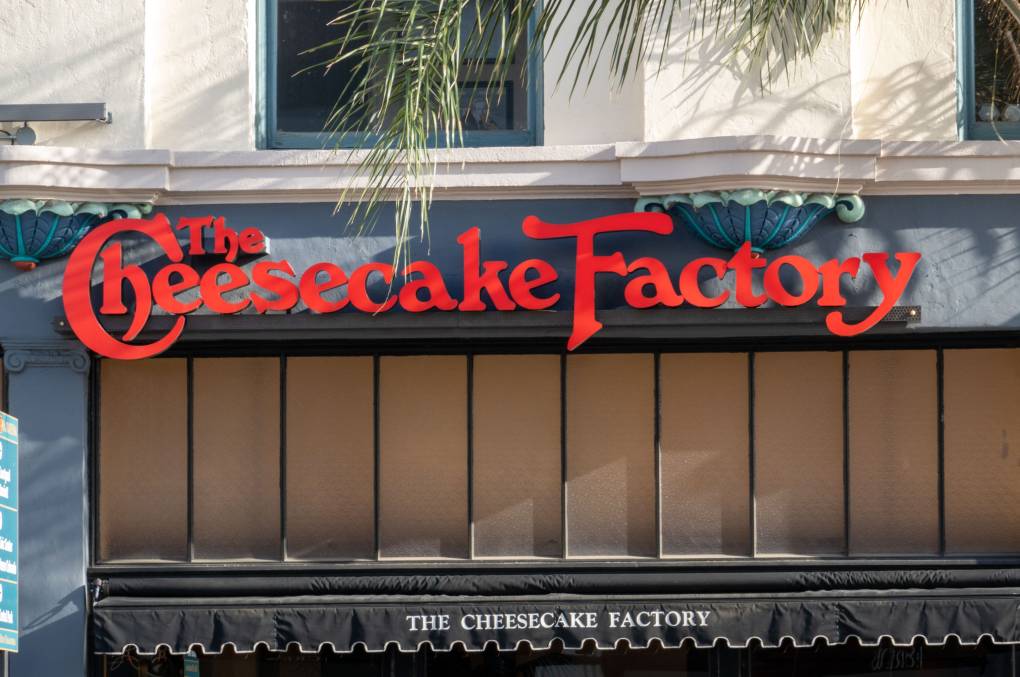
"caption": "Exterior view of Cheesecake Factory signage is seen on May 22, 2021 in Pasadena, Los Angeles County.",
"description": null,
"title": "Los Angeles Exteriors And Landmarks - 2021",
"credit": "RBL/Bauer-Griffin/GC Images",
"status": "inherit",
"altTag": "An exterior shot of a red Cheesecake Factory sign.",
"isLoading": false,
"fetchFailed": false
},
"news_11973200": {
"type": "attachments",
"id": "news_11973200",
"meta": {
"index": "attachments_1716263798",
"site": "news",
"id": "11973200",
"found": true
},
"parent": 11973199,
"imgSizes": {
"twentyfourteen-full-width": {
"file": "https://cdn.kqed.org/wp-content/uploads/sites/10/2024/01/231205-SFSUFacultyStrike-02-BL-qut-1038x576.jpg",
"width": 1038,
"mimeType": "image/jpeg",
"height": 576
},
"thumbnail": {
"file": "https://cdn.kqed.org/wp-content/uploads/sites/10/2024/01/231205-SFSUFacultyStrike-02-BL-qut-160x107.jpg",
"width": 160,
"mimeType": "image/jpeg",
"height": 107
},
"post-thumbnail": {
"file": "https://cdn.kqed.org/wp-content/uploads/sites/10/2024/01/231205-SFSUFacultyStrike-02-BL-qut-672x372.jpg",
"width": 672,
"mimeType": "image/jpeg",
"height": 372
},
"kqedFullSize": {
"file": "https://cdn.kqed.org/wp-content/uploads/sites/10/2024/01/231205-SFSUFacultyStrike-02-BL-qut.jpg",
"width": 1920,
"height": 1280
},
"large": {
"file": "https://cdn.kqed.org/wp-content/uploads/sites/10/2024/01/231205-SFSUFacultyStrike-02-BL-qut-1020x680.jpg",
"width": 1020,
"mimeType": "image/jpeg",
"height": 680
},
"1536x1536": {
"file": "https://cdn.kqed.org/wp-content/uploads/sites/10/2024/01/231205-SFSUFacultyStrike-02-BL-qut-1536x1024.jpg",
"width": 1536,
"mimeType": "image/jpeg",
"height": 1024
},
"medium": {
"file": "https://cdn.kqed.org/wp-content/uploads/sites/10/2024/01/231205-SFSUFacultyStrike-02-BL-qut-800x533.jpg",
"width": 800,
"mimeType": "image/jpeg",
"height": 533
}
},
"publishDate": 1705767308,
"modified": 1705950163,
"caption": "Faculty members of San Francisco State University, along with students and union supporters, participated in a strike over salary demands at the San Francisco State University campus in San Francisco on Dec. 5, 2023. Additional CSU strikes are expected on Monday.",
"description": null,
"title": "231205-SFSUFacultyStrike-02-BL-qut",
"credit": "Beth LaBerge/KQED",
"status": "inherit",
"altTag": "A woman with a sign stands in front of other people with protest signs.",
"isLoading": false,
"fetchFailed": false
},
"news_11972854": {
"type": "attachments",
"id": "news_11972854",
"meta": {
"index": "attachments_1716263798",
"site": "news",
"id": "11972854",
"found": true
},
"parent": 0,
"imgSizes": {
"twentyfourteen-full-width": {
"file": "https://cdn.kqed.org/wp-content/uploads/sites/10/2024/01/240116-FORT-SCOTT-GETTY-GAJ-KQED-1038x576.jpg",
"width": 1038,
"mimeType": "image/jpeg",
"height": 576
},
"thumbnail": {
"file": "https://cdn.kqed.org/wp-content/uploads/sites/10/2024/01/240116-FORT-SCOTT-GETTY-GAJ-KQED-160x107.jpg",
"width": 160,
"mimeType": "image/jpeg",
"height": 107
},
"post-thumbnail": {
"file": "https://cdn.kqed.org/wp-content/uploads/sites/10/2024/01/240116-FORT-SCOTT-GETTY-GAJ-KQED-672x372.jpg",
"width": 672,
"mimeType": "image/jpeg",
"height": 372
},
"kqedFullSize": {
"file": "https://cdn.kqed.org/wp-content/uploads/sites/10/2024/01/240116-FORT-SCOTT-GETTY-GAJ-KQED.jpg",
"width": 2000,
"height": 1333
},
"large": {
"file": "https://cdn.kqed.org/wp-content/uploads/sites/10/2024/01/240116-FORT-SCOTT-GETTY-GAJ-KQED-1020x680.jpg",
"width": 1020,
"mimeType": "image/jpeg",
"height": 680
},
"1536x1536": {
"file": "https://cdn.kqed.org/wp-content/uploads/sites/10/2024/01/240116-FORT-SCOTT-GETTY-GAJ-KQED-1536x1024.jpg",
"width": 1536,
"mimeType": "image/jpeg",
"height": 1024
},
"full-width": {
"file": "https://cdn.kqed.org/wp-content/uploads/sites/10/2024/01/240116-FORT-SCOTT-GETTY-GAJ-KQED-1920x1280.jpg",
"width": 1920,
"mimeType": "image/jpeg",
"height": 1280
},
"medium": {
"file": "https://cdn.kqed.org/wp-content/uploads/sites/10/2024/01/240116-FORT-SCOTT-GETTY-GAJ-KQED-800x533.jpg",
"width": 800,
"mimeType": "image/jpeg",
"height": 533
}
},
"publishDate": 1705517992,
"modified": 1705518161,
"caption": "Fort Scott and the Golden Gate Bridge in San Francisco on Oct. 7, 2016. ",
"description": null,
"title": "The Golden Gate Bridge is seen near Fort Winfield Scott at Langdon Court building in the Presidio on Friday, Oct. 7, 2016 in San Francisco, Calif.",
"credit": "Gabriella Angotti-Jones/San Francisco Chronicle via Getty Images",
"status": "inherit",
"altTag": "A outdoor space with several old-looking buildings and trees in it.",
"isLoading": false,
"fetchFailed": false
},
"news_11972764": {
"type": "attachments",
"id": "news_11972764",
"meta": {
"index": "attachments_1716263798",
"site": "news",
"id": "11972764",
"found": true
},
"parent": 0,
"imgSizes": {
"twentyfourteen-full-width": {
"file": "https://cdn.kqed.org/wp-content/uploads/sites/10/2024/01/240116-CA-FOREVER-GETTY-JE-KQED-1038x576.jpg",
"width": 1038,
"mimeType": "image/jpeg",
"height": 576
},
"thumbnail": {
"file": "https://cdn.kqed.org/wp-content/uploads/sites/10/2024/01/240116-CA-FOREVER-GETTY-JE-KQED-160x107.jpg",
"width": 160,
"mimeType": "image/jpeg",
"height": 107
},
"post-thumbnail": {
"file": "https://cdn.kqed.org/wp-content/uploads/sites/10/2024/01/240116-CA-FOREVER-GETTY-JE-KQED-672x372.jpg",
"width": 672,
"mimeType": "image/jpeg",
"height": 372
},
"kqedFullSize": {
"file": "https://cdn.kqed.org/wp-content/uploads/sites/10/2024/01/240116-CA-FOREVER-GETTY-JE-KQED.jpg",
"width": 2000,
"height": 1333
},
"large": {
"file": "https://cdn.kqed.org/wp-content/uploads/sites/10/2024/01/240116-CA-FOREVER-GETTY-JE-KQED-1020x680.jpg",
"width": 1020,
"mimeType": "image/jpeg",
"height": 680
},
"1536x1536": {
"file": "https://cdn.kqed.org/wp-content/uploads/sites/10/2024/01/240116-CA-FOREVER-GETTY-JE-KQED-1536x1024.jpg",
"width": 1536,
"mimeType": "image/jpeg",
"height": 1024
},
"full-width": {
"file": "https://cdn.kqed.org/wp-content/uploads/sites/10/2024/01/240116-CA-FOREVER-GETTY-JE-KQED-1920x1280.jpg",
"width": 1920,
"mimeType": "image/jpeg",
"height": 1280
},
"medium": {
"file": "https://cdn.kqed.org/wp-content/uploads/sites/10/2024/01/240116-CA-FOREVER-GETTY-JE-KQED-800x533.jpg",
"width": 800,
"mimeType": "image/jpeg",
"height": 533
}
},
"publishDate": 1705448265,
"modified": 1705448403,
"caption": "A parcel of land recently purchased by Flannery Associates near Rio Vista on Sept. 15, 2023.",
"description": null,
"title": "US-TECH-LAND",
"credit": "Josh Edelson/AFP via Getty Images",
"status": "inherit",
"altTag": "Windmills atop golden hillsides with a large mountain in the distance.",
"isLoading": false,
"fetchFailed": false
},
"news_11972164": {
"type": "attachments",
"id": "news_11972164",
"meta": {
"index": "attachments_1716263798",
"site": "news",
"id": "11972164",
"found": true
},
"parent": 11972095,
"imgSizes": {
"twentyfourteen-full-width": {
"file": "https://cdn.kqed.org/wp-content/uploads/sites/10/2024/01/Pulgas-water-temple-redwood-city-1038x576.jpg",
"width": 1038,
"mimeType": "image/jpeg",
"height": 576
},
"thumbnail": {
"file": "https://cdn.kqed.org/wp-content/uploads/sites/10/2024/01/Pulgas-water-temple-redwood-city-160x90.jpg",
"width": 160,
"mimeType": "image/jpeg",
"height": 90
},
"post-thumbnail": {
"file": "https://cdn.kqed.org/wp-content/uploads/sites/10/2024/01/Pulgas-water-temple-redwood-city-672x372.jpg",
"width": 672,
"mimeType": "image/jpeg",
"height": 372
},
"kqedFullSize": {
"file": "https://cdn.kqed.org/wp-content/uploads/sites/10/2024/01/Pulgas-water-temple-redwood-city.jpg",
"width": 1920,
"height": 1080
},
"large": {
"file": "https://cdn.kqed.org/wp-content/uploads/sites/10/2024/01/Pulgas-water-temple-redwood-city-1020x574.jpg",
"width": 1020,
"mimeType": "image/jpeg",
"height": 574
},
"1536x1536": {
"file": "https://cdn.kqed.org/wp-content/uploads/sites/10/2024/01/Pulgas-water-temple-redwood-city-1536x864.jpg",
"width": 1536,
"mimeType": "image/jpeg",
"height": 864
},
"medium": {
"file": "https://cdn.kqed.org/wp-content/uploads/sites/10/2024/01/Pulgas-water-temple-redwood-city-800x450.jpg",
"width": 800,
"mimeType": "image/jpeg",
"height": 450
}
},
"publishDate": 1704908137,
"modified": 1704924987,
"caption": "For years, the Pulgas Water Temple in Redwood City has amazed visitors with its classical columns.",
"description": null,
"title": "Pulgas-water-temple-redwood-city",
"credit": "Navaneeth KN/\u003ca href=\"https://www.flickr.com/photos/navaneethkn/46779638882/in/photolist-2egKSRY-d5RJf-d5RKd-nq9AXi-nq9B4v-2cPuhph-2563Z3a-omRWK7-kAE9M-d5REq-QadY5F-hPo9iW-any7GD-any6XB-3a5eV9-anAUV3-5tq3yC-5PnAM6-5PnAta-5PnAVn-5tkEAz-5tkCHP-5tq2ZQ-5tkDeZ-any6FB-5tq3U1-5tq3EJ-5tq44C-5tkDwH-7Xmih8-4M6gPP-anAWpQ-anAUZh-5PnAji-5PnBaT-any6z8-anAWxU-any7Tk-anAUyq-anAWbW-Qae5bi-anAX1u-any8dp-5PrSXo-anAWA7-any8ic-any7UR-anAWTG-any8or-aAD3W\">Flickr\u003c/a>",
"status": "inherit",
"altTag": "A row of poplars line an aquamarine pool. At the end is a round, classical-looking building with columns.",
"isLoading": false,
"fetchFailed": false
},
"news_11967365": {
"type": "attachments",
"id": "news_11967365",
"meta": {
"index": "attachments_1716263798",
"site": "news",
"id": "11967365",
"found": true
},
"parent": 0,
"imgSizes": {
"twentyfourteen-full-width": {
"file": "https://cdn.kqed.org/wp-content/uploads/sites/10/2023/11/231114-APECProtest-05-JY-1038x576.jpg",
"width": 1038,
"mimeType": "image/jpeg",
"height": 576
},
"thumbnail": {
"file": "https://cdn.kqed.org/wp-content/uploads/sites/10/2023/11/231114-APECProtest-05-JY-160x107.jpg",
"width": 160,
"mimeType": "image/jpeg",
"height": 107
},
"post-thumbnail": {
"file": "https://cdn.kqed.org/wp-content/uploads/sites/10/2023/11/231114-APECProtest-05-JY-672x372.jpg",
"width": 672,
"mimeType": "image/jpeg",
"height": 372
},
"kqedFullSize": {
"file": "https://cdn.kqed.org/wp-content/uploads/sites/10/2023/11/231114-APECProtest-05-JY.jpg",
"width": 1920,
"height": 1280
},
"large": {
"file": "https://cdn.kqed.org/wp-content/uploads/sites/10/2023/11/231114-APECProtest-05-JY-1020x680.jpg",
"width": 1020,
"mimeType": "image/jpeg",
"height": 680
},
"1536x1536": {
"file": "https://cdn.kqed.org/wp-content/uploads/sites/10/2023/11/231114-APECProtest-05-JY-1536x1024.jpg",
"width": 1536,
"mimeType": "image/jpeg",
"height": 1024
},
"medium": {
"file": "https://cdn.kqed.org/wp-content/uploads/sites/10/2023/11/231114-APECProtest-05-JY-800x533.jpg",
"width": 800,
"mimeType": "image/jpeg",
"height": 533
}
},
"publishDate": 1700015940,
"modified": 1704843251,
"caption": "Demonstrators gather outside San Francisco's Powell Street BART station during a protest calling for a cease-fire in Gaza on Nov. 14, 2023.",
"description": null,
"title": "231114-APECProtest-05-JY",
"credit": "Juliana Yamada/KQED",
"status": "inherit",
"altTag": "People in a crowd hold protest signs.",
"isLoading": false,
"fetchFailed": false
},
"news_11971982": {
"type": "attachments",
"id": "news_11971982",
"meta": {
"index": "attachments_1716263798",
"site": "news",
"id": "11971982",
"found": true
},
"parent": 0,
"imgSizes": {
"twentyfourteen-full-width": {
"file": "https://cdn.kqed.org/wp-content/uploads/sites/10/2024/01/240108-LEV-MARCUS-MD-01-KQED-1038x576.jpg",
"width": 1038,
"mimeType": "image/jpeg",
"height": 576
},
"thumbnail": {
"file": "https://cdn.kqed.org/wp-content/uploads/sites/10/2024/01/240108-LEV-MARCUS-MD-01-KQED-160x107.jpg",
"width": 160,
"mimeType": "image/jpeg",
"height": 107
},
"post-thumbnail": {
"file": "https://cdn.kqed.org/wp-content/uploads/sites/10/2024/01/240108-LEV-MARCUS-MD-01-KQED-672x372.jpg",
"width": 672,
"mimeType": "image/jpeg",
"height": 372
},
"kqedFullSize": {
"file": "https://cdn.kqed.org/wp-content/uploads/sites/10/2024/01/240108-LEV-MARCUS-MD-01-KQED.jpg",
"width": 2000,
"height": 1333
},
"large": {
"file": "https://cdn.kqed.org/wp-content/uploads/sites/10/2024/01/240108-LEV-MARCUS-MD-01-KQED-1020x680.jpg",
"width": 1020,
"mimeType": "image/jpeg",
"height": 680
},
"1536x1536": {
"file": "https://cdn.kqed.org/wp-content/uploads/sites/10/2024/01/240108-LEV-MARCUS-MD-01-KQED-1536x1024.jpg",
"width": 1536,
"mimeType": "image/jpeg",
"height": 1024
},
"full-width": {
"file": "https://cdn.kqed.org/wp-content/uploads/sites/10/2024/01/240108-LEV-MARCUS-MD-01-KQED-1920x1280.jpg",
"width": 1920,
"mimeType": "image/jpeg",
"height": 1280
},
"medium": {
"file": "https://cdn.kqed.org/wp-content/uploads/sites/10/2024/01/240108-LEV-MARCUS-MD-01-KQED-800x533.jpg",
"width": 800,
"mimeType": "image/jpeg",
"height": 533
}
},
"publishDate": 1704759863,
"modified": 1704770420,
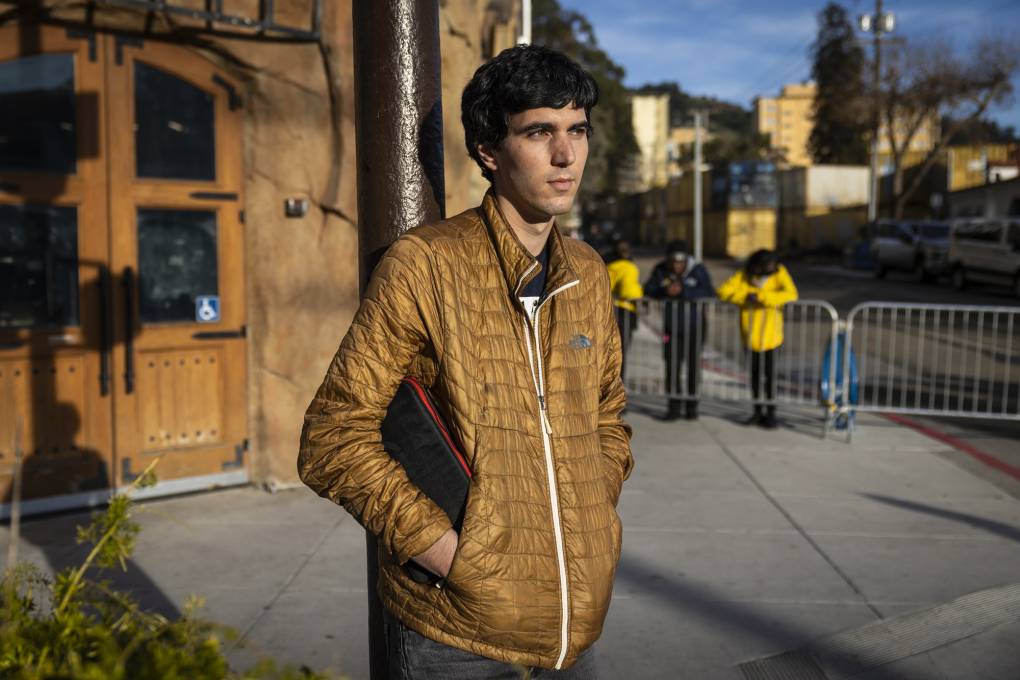
"caption": "Lev Marcus stands on the corner of Telegraph and Haste in Berkeley on Jan. 8, 2024.",
"description": null,
"title": "240108-LEV MARCUS-MD-01-KQED",
"credit": "Martin do Nascimento/KQED",
"status": "inherit",
"altTag": "A person in a light brown jacket stands on a street corner.",
"isLoading": false,
"fetchFailed": false
},
"news_11970747": {
"type": "attachments",
"id": "news_11970747",
"meta": {
"index": "attachments_1716263798",
"site": "news",
"id": "11970747",
"found": true
},
"parent": 11970731,
"imgSizes": {
"twentyfourteen-full-width": {
"file": "https://cdn.kqed.org/wp-content/uploads/sites/10/2023/12/NQD-2023-1038x576.jpg",
"width": 1038,
"mimeType": "image/jpeg",
"height": 576
},
"thumbnail": {
"file": "https://cdn.kqed.org/wp-content/uploads/sites/10/2023/12/NQD-2023-160x90.jpg",
"width": 160,
"mimeType": "image/jpeg",
"height": 90
},
"post-thumbnail": {
"file": "https://cdn.kqed.org/wp-content/uploads/sites/10/2023/12/NQD-2023-672x372.jpg",
"width": 672,
"mimeType": "image/jpeg",
"height": 372
},
"kqedFullSize": {
"file": "https://cdn.kqed.org/wp-content/uploads/sites/10/2023/12/NQD-2023.jpg",
"width": 1536,
"height": 864
},
"large": {
"file": "https://cdn.kqed.org/wp-content/uploads/sites/10/2023/12/NQD-2023-1020x574.jpg",
"width": 1020,
"mimeType": "image/jpeg",
"height": 574
},
"medium": {
"file": "https://cdn.kqed.org/wp-content/uploads/sites/10/2023/12/NQD-2023-800x450.jpg",
"width": 800,
"mimeType": "image/jpeg",
"height": 450
}
},
"publishDate": 1703275054,
"modified": 1703275270,
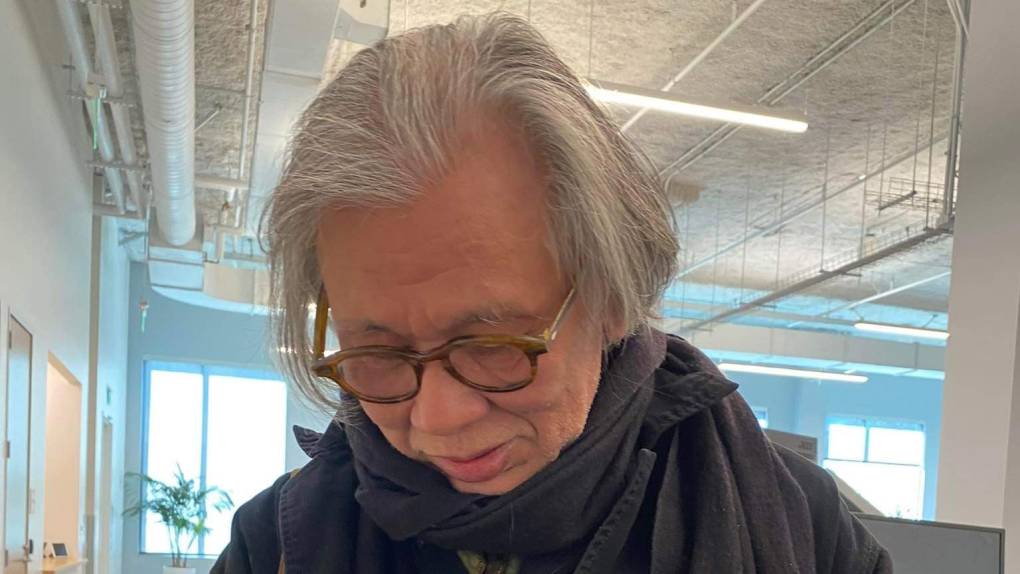
"caption": "Nguyễn Quí Đức looks down at a pack of Post-Its (not pictured) in April 2023. The Post-Its featured a 'Pacific Time' logo on them that he designed. It was his first visit to KQED in more than a decade.",
"description": null,
"title": "NQD 2023",
"credit": "Nina Thorsten/KQED",
"status": "inherit",
"altTag": "A grey-haired person with glasses looks down.",
"isLoading": false,
"fetchFailed": false
},
"news_11963623": {
"type": "attachments",
"id": "news_11963623",
"meta": {
"index": "attachments_1716263798",
"site": "news",
"id": "11963623",
"found": true
},
"parent": 11963537,
"imgSizes": {
"twentyfourteen-full-width": {
"file": "https://ww2.kqed.org/app/uploads/sites/10/2023/10/GettyImages-625215550-qut-1038x576.jpg",
"width": 1038,
"mimeType": "image/jpeg",
"height": 576
},
"thumbnail": {
"file": "https://ww2.kqed.org/app/uploads/sites/10/2023/10/GettyImages-625215550-qut-160x106.jpg",
"width": 160,
"mimeType": "image/jpeg",
"height": 106
},
"post-thumbnail": {
"file": "https://ww2.kqed.org/app/uploads/sites/10/2023/10/GettyImages-625215550-qut-672x372.jpg",
"width": 672,
"mimeType": "image/jpeg",
"height": 372
},
"kqedFullSize": {
"file": "https://ww2.kqed.org/app/uploads/sites/10/2023/10/GettyImages-625215550-qut.jpg",
"width": 1920,
"height": 1275
},
"large": {
"file": "https://ww2.kqed.org/app/uploads/sites/10/2023/10/GettyImages-625215550-qut-1020x677.jpg",
"width": 1020,
"mimeType": "image/jpeg",
"height": 677
},
"1536x1536": {
"file": "https://ww2.kqed.org/app/uploads/sites/10/2023/10/GettyImages-625215550-qut-1536x1020.jpg",
"width": 1536,
"mimeType": "image/jpeg",
"height": 1020
},
"medium": {
"file": "https://ww2.kqed.org/app/uploads/sites/10/2023/10/GettyImages-625215550-qut-800x531.jpg",
"width": 800,
"mimeType": "image/jpeg",
"height": 531
}
},
"publishDate": 1696546538,
"modified": 1696546689,
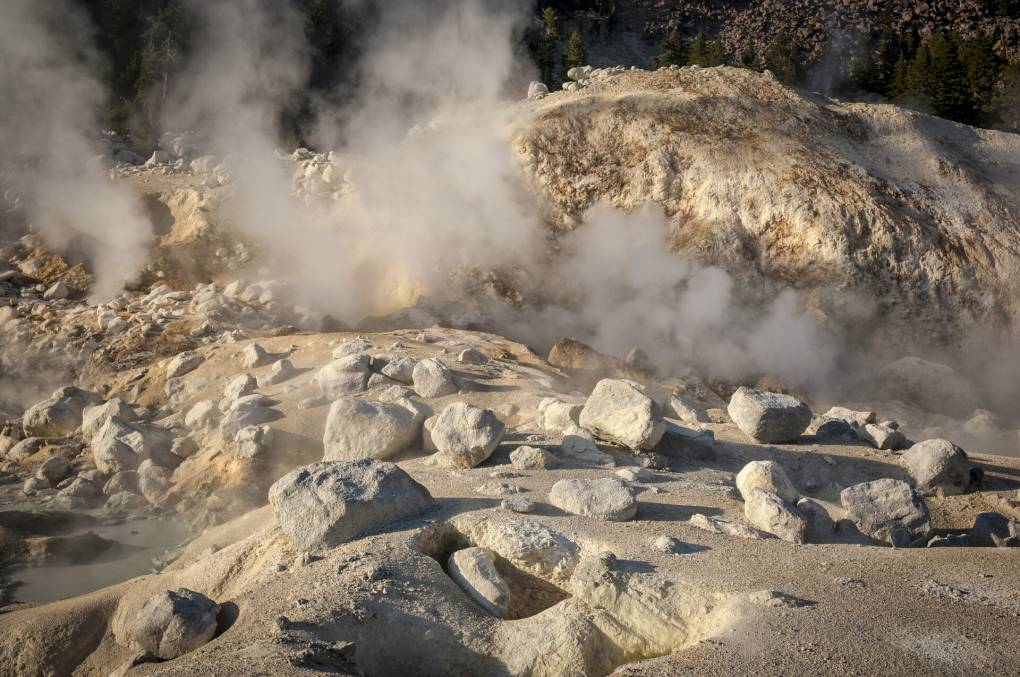
"caption": "Steam from Bumpass Hell trail at Lassen Volcanic National Park.",
"description": null,
"title": "World locations",
"credit": "Prisma Bildagentur/Universal Images Group via Getty Images",
"status": "inherit",
"altTag": "Steam coming off of rocks",
"isLoading": false,
"fetchFailed": false
},
"news_11958689": {
"type": "attachments",
"id": "news_11958689",
"meta": {
"index": "attachments_1716263798",
"site": "news",
"id": "11958689",
"found": true
},
"parent": 11963721,
"imgSizes": {
"twentyfourteen-full-width": {
"file": "https://ww2.kqed.org/app/uploads/sites/10/2023/08/RS68057_230817-RizeUpBakery-10-BL-KQED-1038x576.jpg",
"width": 1038,
"mimeType": "image/jpeg",
"height": 576
},
"thumbnail": {
"file": "https://ww2.kqed.org/app/uploads/sites/10/2023/08/RS68057_230817-RizeUpBakery-10-BL-KQED-160x107.jpg",
"width": 160,
"mimeType": "image/jpeg",
"height": 107
},
"post-thumbnail": {
"file": "https://ww2.kqed.org/app/uploads/sites/10/2023/08/RS68057_230817-RizeUpBakery-10-BL-KQED-672x372.jpg",
"width": 672,
"mimeType": "image/jpeg",
"height": 372
},
"kqedFullSize": {
"file": "https://ww2.kqed.org/app/uploads/sites/10/2023/08/RS68057_230817-RizeUpBakery-10-BL-KQED.jpg",
"width": 2000,
"height": 1333
},
"large": {
"file": "https://ww2.kqed.org/app/uploads/sites/10/2023/08/RS68057_230817-RizeUpBakery-10-BL-KQED-1020x680.jpg",
"width": 1020,
"mimeType": "image/jpeg",
"height": 680
},
"1536x1536": {
"file": "https://ww2.kqed.org/app/uploads/sites/10/2023/08/RS68057_230817-RizeUpBakery-10-BL-KQED-1536x1024.jpg",
"width": 1536,
"mimeType": "image/jpeg",
"height": 1024
},
"full-width": {
"file": "https://ww2.kqed.org/app/uploads/sites/10/2023/08/RS68057_230817-RizeUpBakery-10-BL-KQED-1920x1280.jpg",
"width": 1920,
"mimeType": "image/jpeg",
"height": 1280
},
"medium": {
"file": "https://ww2.kqed.org/app/uploads/sites/10/2023/08/RS68057_230817-RizeUpBakery-10-BL-KQED-800x533.jpg",
"width": 800,
"mimeType": "image/jpeg",
"height": 533
}
},
"publishDate": 1692635497,
"modified": 1696624737,
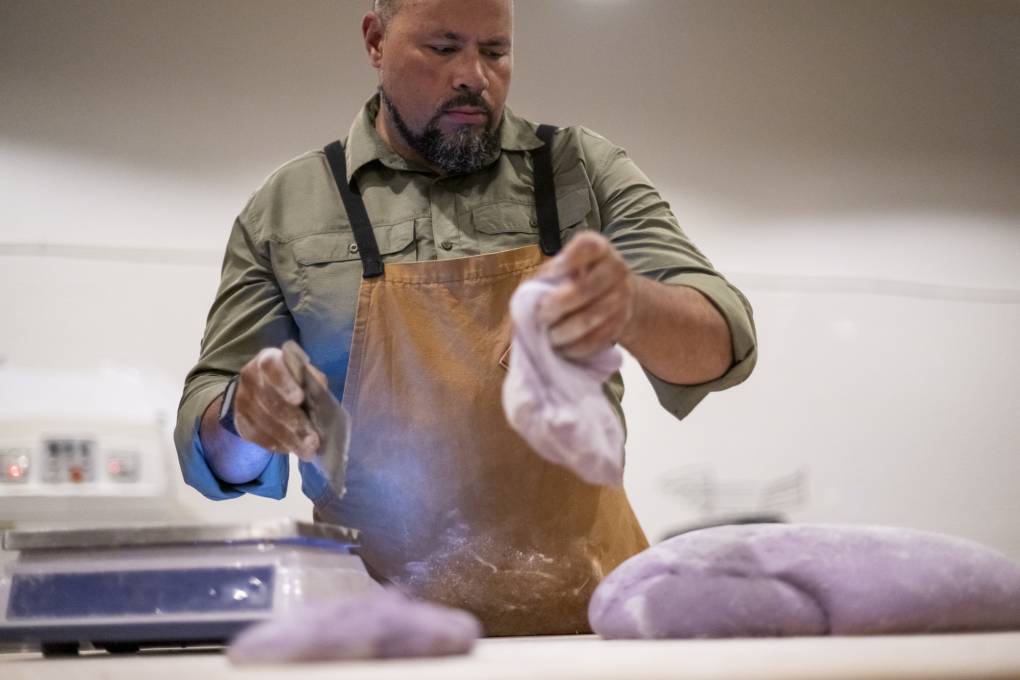
"caption": "Founder Azikiwee Anderson prepares dough for their Ube Loaf at Rize Up Bakery in San Francisco on Aug. 17, 2023.",
"description": null,
"title": "RS68057_230817-RizeUpBakery-10-BL-KQED",
"credit": "Beth LaBerge/KQED",
"status": "inherit",
"altTag": "A person with a goatee and wearing an apron works with purple dough.",
"isLoading": false,
"fetchFailed": false
},
"news_11958695": {
"type": "attachments",
"id": "news_11958695",
"meta": {
"index": "attachments_1716263798",
"site": "news",
"id": "11958695",
"found": true
},
"parent": 0,
"imgSizes": {
"twentyfourteen-full-width": {
"file": "https://ww2.kqed.org/app/uploads/sites/10/2023/08/RS68080_230818-HetSayRestaurant-23-BL-KQED-1038x576.jpg",
"width": 1038,
"mimeType": "image/jpeg",
"height": 576
},
"thumbnail": {
"file": "https://ww2.kqed.org/app/uploads/sites/10/2023/08/RS68080_230818-HetSayRestaurant-23-BL-KQED-160x107.jpg",
"width": 160,
"mimeType": "image/jpeg",
"height": 107
},
"post-thumbnail": {
"file": "https://ww2.kqed.org/app/uploads/sites/10/2023/08/RS68080_230818-HetSayRestaurant-23-BL-KQED-672x372.jpg",
"width": 672,
"mimeType": "image/jpeg",
"height": 372
},
"kqedFullSize": {
"file": "https://ww2.kqed.org/app/uploads/sites/10/2023/08/RS68080_230818-HetSayRestaurant-23-BL-KQED.jpg",
"width": 2000,
"height": 1333
},
"large": {
"file": "https://ww2.kqed.org/app/uploads/sites/10/2023/08/RS68080_230818-HetSayRestaurant-23-BL-KQED-1020x680.jpg",
"width": 1020,
"mimeType": "image/jpeg",
"height": 680
},
"1536x1536": {
"file": "https://ww2.kqed.org/app/uploads/sites/10/2023/08/RS68080_230818-HetSayRestaurant-23-BL-KQED-1536x1024.jpg",
"width": 1536,
"mimeType": "image/jpeg",
"height": 1024
},
"full-width": {
"file": "https://ww2.kqed.org/app/uploads/sites/10/2023/08/RS68080_230818-HetSayRestaurant-23-BL-KQED-1920x1280.jpg",
"width": 1920,
"mimeType": "image/jpeg",
"height": 1280
},
"medium": {
"file": "https://ww2.kqed.org/app/uploads/sites/10/2023/08/RS68080_230818-HetSayRestaurant-23-BL-KQED-800x533.jpg",
"width": 800,
"mimeType": "image/jpeg",
"height": 533
}
},
"publishDate": 1692636392,
"modified": 1696552081,
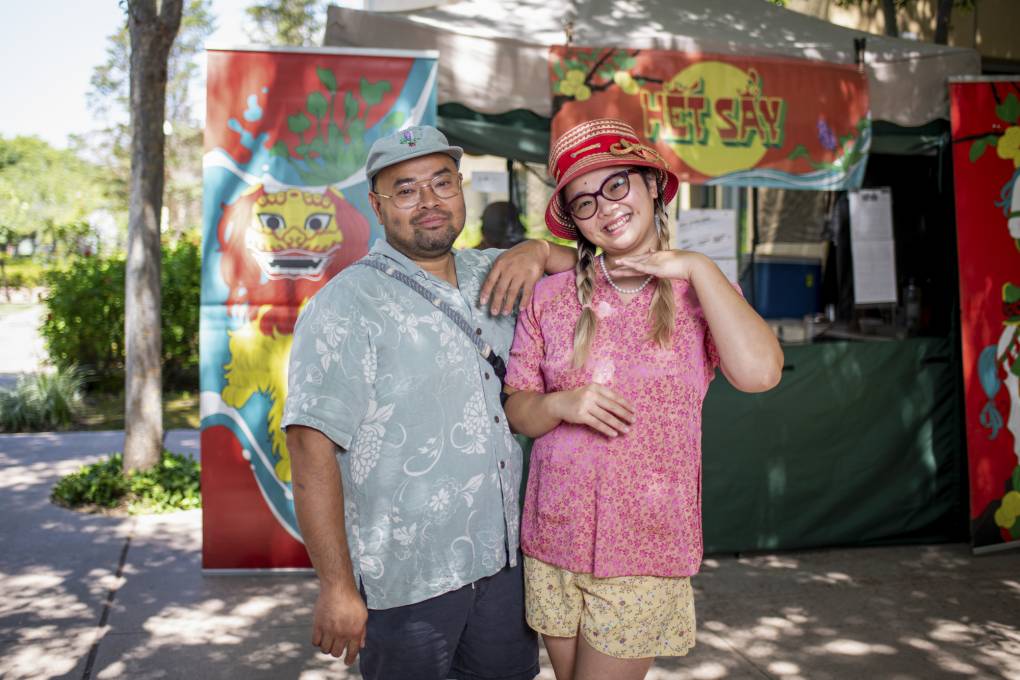
"caption": "(From left) Hieu Le and DuyAn pose for a portrait at their pop-up restaurant Hết Sẩy at the Kaiser Farmers' Market in Santa Clara on Aug. 18, 2023. Hết Sẩy, which means 'awesome,' launched in 2020 and specializes in dishes from Southern Vietnam’s Mekong River Delta.",
"description": null,
"title": "RS68080_230818-HetSayRestaurant-23-BL-KQED",
"credit": "Beth LaBerge/KQED",
"status": "inherit",
"altTag": "Two people smile and looks at the camera in front of a colorful tent with the words \"Hết Sẩy\" written on it.",
"isLoading": false,
"fetchFailed": false
},
"news_11963437": {
"type": "attachments",
"id": "news_11963437",
"meta": {
"index": "attachments_1716263798",
"site": "news",
"id": "11963437",
"found": true
},
"title": "231004-KAISER STRIKE OAKLAND-MD-13-KQED",
"publishDate": 1696454621,
"status": "inherit",
"parent": 12070263,
"modified": 1768608997,
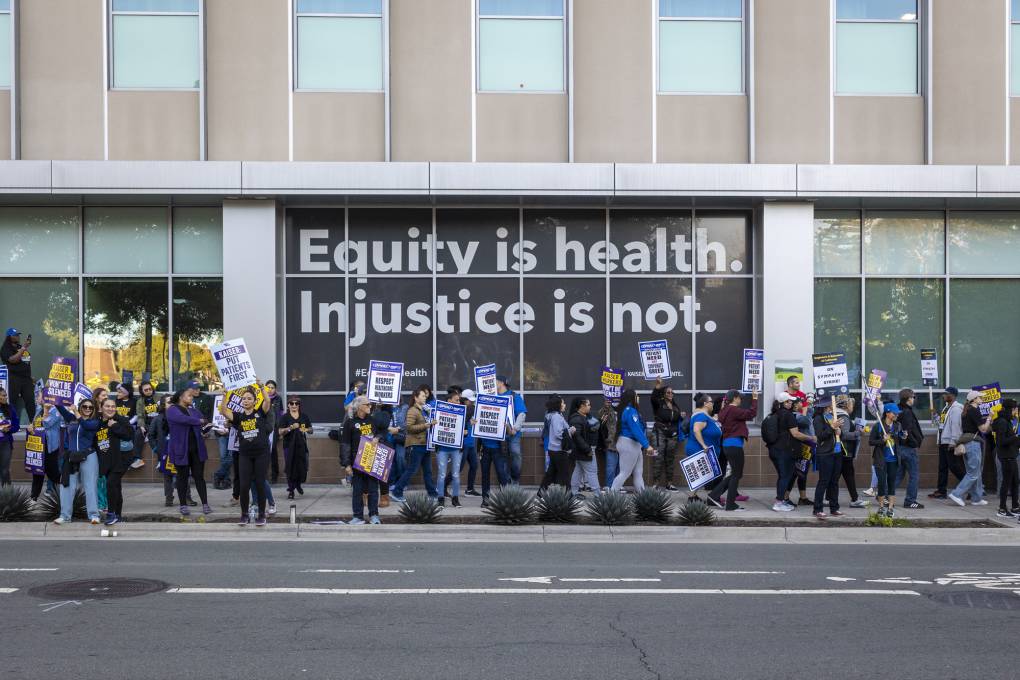
"caption": "Kaiser workers strike in front of a sign at the Kaiser Permanente Oakland Medical Center in Oakland on Oct. 2, 2023",
"credit": "Martin do Nascimento/KQED",
"altTag": "A large group of people line the sidewalk in front of a large building.",
"description": null,
"imgSizes": {
"medium": {
"file": "https://cdn.kqed.org/wp-content/uploads/sites/10/2023/10/231004-KAISER-STRIKE-OAKLAND-MD-13-KQED-800x533.jpg",
"width": 800,
"height": 533,
"mimeType": "image/jpeg"
},
"large": {
"file": "https://cdn.kqed.org/wp-content/uploads/sites/10/2023/10/231004-KAISER-STRIKE-OAKLAND-MD-13-KQED-1020x680.jpg",
"width": 1020,
"height": 680,
"mimeType": "image/jpeg"
},
"thumbnail": {
"file": "https://cdn.kqed.org/wp-content/uploads/sites/10/2023/10/231004-KAISER-STRIKE-OAKLAND-MD-13-KQED-160x107.jpg",
"width": 160,
"height": 107,
"mimeType": "image/jpeg"
},
"1536x1536": {
"file": "https://cdn.kqed.org/wp-content/uploads/sites/10/2023/10/231004-KAISER-STRIKE-OAKLAND-MD-13-KQED-1536x1024.jpg",
"width": 1536,
"height": 1024,
"mimeType": "image/jpeg"
},
"post-thumbnail": {
"file": "https://cdn.kqed.org/wp-content/uploads/sites/10/2023/10/231004-KAISER-STRIKE-OAKLAND-MD-13-KQED-672x372.jpg",
"width": 672,
"height": 372,
"mimeType": "image/jpeg"
},
"twentyfourteen-full-width": {
"file": "https://cdn.kqed.org/wp-content/uploads/sites/10/2023/10/231004-KAISER-STRIKE-OAKLAND-MD-13-KQED-1038x576.jpg",
"width": 1038,
"height": 576,
"mimeType": "image/jpeg"
},
"full-width": {
"file": "https://cdn.kqed.org/wp-content/uploads/sites/10/2023/10/231004-KAISER-STRIKE-OAKLAND-MD-13-KQED-1920x1280.jpg",
"width": 1920,
"height": 1280,
"mimeType": "image/jpeg"
},
"kqedFullSize": {
"file": "https://cdn.kqed.org/wp-content/uploads/sites/10/2023/10/231004-KAISER-STRIKE-OAKLAND-MD-13-KQED.jpg?ver=1696454847",
"width": 2000,
"height": 1333
}
},
"isLoading": false,
"fetchFailed": false
}
},
"audioPlayerReducer": {
"postId": "stream_live",
"isPaused": true,
"isPlaying": false,
"pfsActive": false,
"pledgeModalIsOpen": true,
"playerDrawerIsOpen": false,
"liveAudioPlayStartedAt": 0,
"liveAudioPlayContext": ""
},
"authorsReducer": {
"kqed": {
"type": "authors",
"id": "236",
"meta": {
"index": "authors_1716337520",
"id": "236",
"found": true
},
"name": "KQED News Staff",
"firstName": "KQED News Staff",
"lastName": null,
"slug": "kqed",
"email": "faq@kqed.org",
"display_author_email": false,
"staff_mastheads": [],
"title": null,
"bio": null,
"avatar": "https://secure.gravatar.com/avatar/ef0e801a68c4c54afa9180db14084167?s=600&d=blank&r=g",
"twitter": null,
"facebook": null,
"instagram": null,
"linkedin": null,
"sites": [
{
"site": "arts",
"roles": [
"contributor"
]
},
{
"site": "news",
"roles": [
"editor"
]
},
{
"site": "futureofyou",
"roles": [
"author"
]
}
],
"headData": {
"title": "KQED News Staff | KQED",
"description": null,
"ogImgSrc": "https://secure.gravatar.com/avatar/ef0e801a68c4c54afa9180db14084167?s=600&d=blank&r=g",
"twImgSrc": "https://secure.gravatar.com/avatar/ef0e801a68c4c54afa9180db14084167?s=600&d=blank&r=g"
},
"isLoading": false,
"link": "/author/kqed"
},
"ninathorsen": {
"type": "authors",
"id": "246",
"meta": {
"index": "authors_1716337520",
"id": "246",
"found": true
},
"name": "Nina Thorsen",
"firstName": "Nina",
"lastName": "Thorsen",
"slug": "ninathorsen",
"email": "nthorsen@kqed.org",
"display_author_email": false,
"staff_mastheads": [
"news"
],
"title": "Producer, Radio",
"bio": "\u003cspan style=\"color: #000000;\">Nina Thorsen is a KQED radio producer, and frequently reports on sports and culture. \u003c/span>\u003cspan style=\"color: #000000;\">She co-created and produced KQED's \u003cem>Pacific Time, \u003c/em> a weekly radio program on Asian and Asian American issues that aired from 2000 to 2007. Before coming to KQED, Thorsen was the deputy foreign editor for \u003cem>Marketplace, \u003c/em>and in her home state of Minnesota, worked for \u003cem>A Prairie Home Companion\u003c/em> and for Public Radio International. \u003c/span>",
"avatar": "https://secure.gravatar.com/avatar/e13dc7282cec33c15d973ebb56d57ead?s=600&d=blank&r=g",
"twitter": "NinaKQED",
"facebook": null,
"instagram": null,
"linkedin": null,
"sites": [
{
"site": "news",
"roles": [
"editor"
]
},
{
"site": "podcasts",
"roles": [
"editor"
]
}
],
"headData": {
"title": "Nina Thorsen | KQED",
"description": "Producer, Radio",
"ogImgSrc": "https://secure.gravatar.com/avatar/e13dc7282cec33c15d973ebb56d57ead?s=600&d=blank&r=g",
"twImgSrc": "https://secure.gravatar.com/avatar/e13dc7282cec33c15d973ebb56d57ead?s=600&d=blank&r=g"
},
"isLoading": false,
"link": "/author/ninathorsen"
},
"rachael-myrow": {
"type": "authors",
"id": "251",
"meta": {
"index": "authors_1716337520",
"id": "251",
"found": true
},
"name": "Rachael Myrow",
"firstName": "Rachael",
"lastName": "Myrow",
"slug": "rachael-myrow",
"email": "rmyrow@kqed.org",
"display_author_email": true,
"staff_mastheads": [
"news"
],
"title": "Senior Editor of KQED's Silicon Valley News Desk",
"bio": "• I write and edit stories about how Silicon Valley power and policies shape everyday life in California. I’m also passionate about making Bay Area history and culture more accessible to a broad public. • I’ve been a journalist for most of my life, starting in high school with The Franklin Press in Los Angeles, where I grew up. While earning my first degree in English at UC Berkeley, I got my start in public radio at KALX-FM. After completing a second degree in journalism at Cal, I landed my first professional job at Marketplace, then moved on to KPCC (now LAist), and then KQED, where I hosted The California Report for more than seven years. • My reporting has appeared on NPR, The World, WBUR’s \u003ci>Here & Now\u003c/i>, and the BBC. I also guest host for KQED’s \u003ci>Forum\u003c/i>, as well as the Commonwealth Club in San Francisco. • I speak periodically on media, democracy and technology issues, and do voiceover work for documentaries and educational video projects. • Outside of the studio, you'll find me hiking Bay Area trails and whipping up Insta-ready meals in my kitchen. • I do not accept gifts, money, or favors from anyone connected to my reporting, I don't pay people for information, and I do not support or donate to political causes. • I strive to treat the people I report on with fairness, honesty, and respect. I also recognize there are often multiple sides to a story and work to verify information through multiple sources and documentation. If I get something wrong, I correct it.",
"avatar": "https://secure.gravatar.com/avatar/3ed8a3c5f26025e4a805ba634cda8cd764906b97438a6d9ce216b044e340da4e?s=600&d=blank&r=g",
"twitter": "rachaelmyrow",
"bluesky": null,
"facebook": null,
"instagram": null,
"linkedin": "https://www.linkedin.com/in/rachaelmyrow/",
"sites": [
{
"site": "arts",
"roles": [
"administrator"
]
},
{
"site": "news",
"roles": [
"edit_others_posts",
"editor"
]
},
{
"site": "futureofyou",
"roles": [
"editor"
]
},
{
"site": "bayareabites",
"roles": [
"editor"
]
},
{
"site": "stateofhealth",
"roles": [
"editor"
]
},
{
"site": "science",
"roles": [
"editor"
]
},
{
"site": "food",
"roles": [
"editor"
]
},
{
"site": "forum",
"roles": [
"editor"
]
},
{
"site": "liveblog",
"roles": [
"author"
]
}
],
"headData": {
"title": "Rachael Myrow | KQED",
"description": "Senior Editor of KQED's Silicon Valley News Desk",
"ogImgSrc": "https://secure.gravatar.com/avatar/3ed8a3c5f26025e4a805ba634cda8cd764906b97438a6d9ce216b044e340da4e?s=600&d=blank&r=g",
"twImgSrc": "https://secure.gravatar.com/avatar/3ed8a3c5f26025e4a805ba634cda8cd764906b97438a6d9ce216b044e340da4e?s=600&d=blank&r=g"
},
"isLoading": false,
"link": "/author/rachael-myrow"
},
"fjhabvala": {
"type": "authors",
"id": "8659",
"meta": {
"index": "authors_1716337520",
"id": "8659",
"found": true
},
"name": "Farida Jhabvala Romero",
"firstName": "Farida",
"lastName": "Jhabvala Romero",
"slug": "fjhabvala",
"email": "fjhabvala@kqed.org",
"display_author_email": true,
"staff_mastheads": [
"news"
],
"title": "KQED Contributor",
"bio": "Farida Jhabvala Romero is a Labor Correspondent for KQED. She previously covered immigration. Farida was \u003ca href=\"https://www.ccnma.org/2022-most-influential-latina-journalists\">named\u003c/a> one of the 10 Most Influential Latina Journalists in California in 2022 by the California Chicano News Media Association. Her work has won awards from the Society of Professional Journalists (Northern California), as well as a national and regional Edward M. Murrow Award for the collaborative reporting projects “Dangerous Air” and “Graying California.” Before joining KQED, Farida worked as a producer at Radio Bilingüe, a national public radio network. Farida earned her master’s degree in journalism from Stanford University.",
"avatar": "https://secure.gravatar.com/avatar/f9f022d4e2609741874222a1e9d41f48fea74011aa7c615eef91d9a50c944ebe?s=600&d=blank&r=g",
"twitter": "FaridaJhabvala",
"bluesky": null,
"facebook": null,
"instagram": null,
"linkedin": "https://www.linkedin.com/in/faridajhabvala/",
"sites": [
{
"site": "news",
"roles": [
"editor"
]
},
{
"site": "stateofhealth",
"roles": [
"author"
]
},
{
"site": "liveblog",
"roles": [
"author"
]
}
],
"headData": {
"title": "Farida Jhabvala Romero | KQED",
"description": "KQED Contributor",
"ogImgSrc": "https://secure.gravatar.com/avatar/f9f022d4e2609741874222a1e9d41f48fea74011aa7c615eef91d9a50c944ebe?s=600&d=blank&r=g",
"twImgSrc": "https://secure.gravatar.com/avatar/f9f022d4e2609741874222a1e9d41f48fea74011aa7c615eef91d9a50c944ebe?s=600&d=blank&r=g"
},
"isLoading": false,
"link": "/author/fjhabvala"
},
"vrancano": {
"type": "authors",
"id": "11276",
"meta": {
"index": "authors_1716337520",
"id": "11276",
"found": true
},
"name": "Vanessa Rancaño",
"firstName": "Vanessa",
"lastName": "Rancaño",
"slug": "vrancano",
"email": "vrancano@kqed.org",
"display_author_email": false,
"staff_mastheads": [
"news"
],
"title": "Reporter",
"bio": "Vanessa Rancaño is a features reporter for KQED. She’s also covered homelessness and education for the station and reported from the Central Valley. Her work has aired across public radio, from flagship national news shows to longform narrative podcasts. Before taking up a mic, she worked as a freelance print journalist. She’s been recognized with a number of national and regional awards. Vanessa grew up in California's Central Valley. She's a former NPR Kroc Fellow, and a graduate of the UC Berkeley Graduate School of Journalism.",
"avatar": "https://secure.gravatar.com/avatar/b3a383dfb0e7ee1c17568f2cf067904ab654d6e3de9743fc661f3c788ade1bed?s=600&d=blank&r=g",
"twitter": "vanessarancano",
"bluesky": null,
"facebook": null,
"instagram": null,
"linkedin": null,
"sites": [
{
"site": "arts",
"roles": [
"editor"
]
},
{
"site": "news",
"roles": [
"editor"
]
},
{
"site": "liveblog",
"roles": [
"contributor"
]
}
],
"headData": {
"title": "Vanessa Rancaño | KQED",
"description": "Reporter",
"ogImgSrc": "https://secure.gravatar.com/avatar/b3a383dfb0e7ee1c17568f2cf067904ab654d6e3de9743fc661f3c788ade1bed?s=600&d=blank&r=g",
"twImgSrc": "https://secure.gravatar.com/avatar/b3a383dfb0e7ee1c17568f2cf067904ab654d6e3de9743fc661f3c788ade1bed?s=600&d=blank&r=g"
},
"isLoading": false,
"link": "/author/vrancano"
},
"btaylor": {
"type": "authors",
"id": "11365",
"meta": {
"index": "authors_1716337520",
"id": "11365",
"found": true
},
"name": "Bianca Taylor",
"firstName": "Bianca",
"lastName": "Taylor",
"slug": "btaylor",
"email": "btaylor@KQED.org",
"display_author_email": false,
"staff_mastheads": [
"news"
],
"title": "Host and Producer ",
"bio": "Bianca Taylor is a news producer and host of KQED's The Latest podcast.\r\n\r\nHer work with KQED has been honored by the Society of Professional Journalists NorCal, the Webby's, the Regional Murrow Awards, and ONA. She has also worked with NPR, the BBC World Service, and the Washington Post Creative Group.\r\n\r\nBianca is represented by SAG-AFTRA.",
"avatar": "https://secure.gravatar.com/avatar/6b9d3f6552dd10470c5d1c2e58cfe717?s=600&d=blank&r=g",
"twitter": "SoundsLkeBianca",
"facebook": null,
"instagram": null,
"linkedin": null,
"sites": [
{
"site": "arts",
"roles": [
"editor"
]
},
{
"site": "news",
"roles": [
"edit_others_posts",
"editor"
]
},
{
"site": "pop",
"roles": [
"editor"
]
},
{
"site": "bayareabites",
"roles": [
"author"
]
},
{
"site": "science",
"roles": [
"editor"
]
},
{
"site": "forum",
"roles": [
"editor"
]
},
{
"site": "radio",
"roles": [
"editor"
]
},
{
"site": "podcasts",
"roles": [
"editor"
]
}
],
"headData": {
"title": "Bianca Taylor | KQED",
"description": "Host and Producer ",
"ogImgSrc": "https://secure.gravatar.com/avatar/6b9d3f6552dd10470c5d1c2e58cfe717?s=600&d=blank&r=g",
"twImgSrc": "https://secure.gravatar.com/avatar/6b9d3f6552dd10470c5d1c2e58cfe717?s=600&d=blank&r=g"
},
"isLoading": false,
"link": "/author/btaylor"
},
"ebaldassari": {
"type": "authors",
"id": "11652",
"meta": {
"index": "authors_1716337520",
"id": "11652",
"found": true
},
"name": "Erin Baldassari",
"firstName": "Erin",
"lastName": "Baldassari",
"slug": "ebaldassari",
"email": "ebaldassari@KQED.org",
"display_author_email": true,
"staff_mastheads": [
"news"
],
"title": "Staff Writer",
"bio": "Erin Baldassari covers housing for KQED. She's a former print journalist and most recently worked as the transportation reporter for the \u003cem>Mercury News\u003c/em> and \u003cem>East Bay Times. \u003c/em>There, she focused on how the Bay Area’s housing shortage has changed the way people move around the region. She also served on the \u003cem>East Bay Times\u003c/em>’ 2017 Pulitzer Prize-winning team for coverage of the Ghost Ship Fire in Oakland. Prior to that, Erin worked as a breaking news and general assignment reporter for a variety of outlets in the Bay Area and the greater Boston area. A Tufts University alumna, Erin grew up in the foothills of the Sierra Nevada mountains and in Sonoma County. She is a life-long KQED listener.",
"avatar": "https://secure.gravatar.com/avatar/5e95cad64a8ca08288082212e199d2b0cbeb4fd8e8ef5339395f361032bbe005?s=600&d=blank&r=g",
"twitter": "e_baldi",
"bluesky": null,
"facebook": null,
"instagram": null,
"linkedin": null,
"sites": [
{
"site": "news",
"roles": [
"edit_others_posts",
"editor"
]
},
{
"site": "science",
"roles": [
"editor"
]
},
{
"site": "liveblog",
"roles": [
"editor"
]
}
],
"headData": {
"title": "Erin Baldassari | KQED",
"description": "Staff Writer",
"ogImgSrc": "https://secure.gravatar.com/avatar/5e95cad64a8ca08288082212e199d2b0cbeb4fd8e8ef5339395f361032bbe005?s=600&d=blank&r=g",
"twImgSrc": "https://secure.gravatar.com/avatar/5e95cad64a8ca08288082212e199d2b0cbeb4fd8e8ef5339395f361032bbe005?s=600&d=blank&r=g"
},
"isLoading": false,
"link": "/author/ebaldassari"
},
"abandlamudi": {
"type": "authors",
"id": "11672",
"meta": {
"index": "authors_1716337520",
"id": "11672",
"found": true
},
"name": "Adhiti Bandlamudi",
"firstName": "Adhiti",
"lastName": "Bandlamudi",
"slug": "abandlamudi",
"email": "abandlamudi@kqed.org",
"display_author_email": false,
"staff_mastheads": [
"news"
],
"title": "KQED Housing Reporter",
"bio": "Adhiti Bandlamudi reports for KQED's Housing desk. She focuses on how housing gets built across the Bay Area. Before joining KQED in 2020, she reported for WUNC in Durham, North Carolina, WABE in Atlanta, Georgia and Capital Public Radio in Sacramento. In 2017, she was awarded a Kroc Fellowship at NPR where she reported on everything from sprinkles to the Golden State Killer's arrest. When she's not reporting, she's baking new recipes in her kitchen or watching movies with friends and family. She's originally from Georgia and has strong opinions about Great British Bake Off.",
"avatar": "https://secure.gravatar.com/avatar/868129c8b257bb99a3500e2c86a65400?s=600&d=mm&r=g",
"twitter": "oddity_adhiti",
"facebook": null,
"instagram": null,
"linkedin": null,
"sites": [
{
"site": "arts",
"roles": [
"author"
]
},
{
"site": "news",
"roles": [
"editor"
]
},
{
"site": "liveblog",
"roles": [
"author"
]
}
],
"headData": {
"title": "Adhiti Bandlamudi | KQED",
"description": "KQED Housing Reporter",
"ogImgSrc": "https://secure.gravatar.com/avatar/868129c8b257bb99a3500e2c86a65400?s=600&d=mm&r=g",
"twImgSrc": "https://secure.gravatar.com/avatar/868129c8b257bb99a3500e2c86a65400?s=600&d=mm&r=g"
},
"isLoading": false,
"link": "/author/abandlamudi"
},
"sjohnson": {
"type": "authors",
"id": "11840",
"meta": {
"index": "authors_1716337520",
"id": "11840",
"found": true
},
"name": "Sydney Johnson",
"firstName": "Sydney",
"lastName": "Johnson",
"slug": "sjohnson",
"email": "sjohnson@kqed.org",
"display_author_email": false,
"staff_mastheads": [
"news"
],
"title": "KQED Reporter",
"bio": "Sydney Johnson is a general assignment reporter at KQED. She previously reported on public health and city government at the San Francisco Examiner, and before that, she covered statewide education policy for EdSource. Her reporting has won multiple local, state and national awards. Sydney is a graduate of the University of California, Berkeley and lives in San Francisco.",
"avatar": "https://secure.gravatar.com/avatar/97855f2719b72ad6190b7c535fe642c8?s=600&d=blank&r=g",
"twitter": "sydneyfjohnson",
"facebook": null,
"instagram": null,
"linkedin": null,
"sites": [
{
"site": "news",
"roles": [
"editor"
]
}
],
"headData": {
"title": "Sydney Johnson | KQED",
"description": "KQED Reporter",
"ogImgSrc": "https://secure.gravatar.com/avatar/97855f2719b72ad6190b7c535fe642c8?s=600&d=blank&r=g",
"twImgSrc": "https://secure.gravatar.com/avatar/97855f2719b72ad6190b7c535fe642c8?s=600&d=blank&r=g"
},
"isLoading": false,
"link": "/author/sjohnson"
},
"kmonahan": {
"type": "authors",
"id": "11842",
"meta": {
"index": "authors_1716337520",
"id": "11842",
"found": true
},
"name": "Katherine Monahan",
"firstName": "Katherine",
"lastName": "Monahan",
"slug": "kmonahan",
"email": "kmonahan@kqed.org",
"display_author_email": true,
"staff_mastheads": [],
"title": "Reporter / Sound Engineer",
"bio": "I cover state and local news. I’m also a sound engineer at the station, mixing stories and running live broadcasts. I link to source materials so that readers can draw their own conclusions, and seek comment from a range of perspectives, including from people directly affected by events. Awards received include from the Society of Professional Journalists, Northern California chapter and the Alaska Press Club. I speak multiple languages and have reported and engineered in the Bay Area, Alaska, West Africa and Latin America.",
"avatar": "https://secure.gravatar.com/avatar/ff257b3a5da88893781a3d3266904b2d2f91c7f0e1bbf728f61f5fb81b74a669?s=600&d=blank&r=g",
"twitter": null,
"bluesky": null,
"facebook": null,
"instagram": null,
"linkedin": null,
"sites": [
{
"site": "news",
"roles": [
"editor"
]
},
{
"site": "science",
"roles": [
"contributor"
]
}
],
"headData": {
"title": "Katherine Monahan | KQED",
"description": "Reporter / Sound Engineer",
"ogImgSrc": "https://secure.gravatar.com/avatar/ff257b3a5da88893781a3d3266904b2d2f91c7f0e1bbf728f61f5fb81b74a669?s=600&d=blank&r=g",
"twImgSrc": "https://secure.gravatar.com/avatar/ff257b3a5da88893781a3d3266904b2d2f91c7f0e1bbf728f61f5fb81b74a669?s=600&d=blank&r=g"
},
"isLoading": false,
"link": "/author/kmonahan"
},
"nkhan": {
"type": "authors",
"id": "11867",
"meta": {
"index": "authors_1716337520",
"id": "11867",
"found": true
},
"name": "Nisa Khan",
"firstName": "Nisa",
"lastName": "Khan",
"slug": "nkhan",
"email": "nkhan@kqed.org",
"display_author_email": false,
"staff_mastheads": [],
"title": "KQED Contributor",
"bio": "Nisa Khan is a reporter for KQED's Audience News Desk. She was formerly a data reporter at Michigan Radio. She earned a Bachelor of Science in Information from the University of Michigan and a Master of Arts in Communication from Stanford University.",
"avatar": "https://secure.gravatar.com/avatar/8720459eef081ff64582b3506b124d58523e80e120704a0cbd9892533c914991?s=600&d=blank&r=g",
"twitter": "mnisakhan",
"bluesky": null,
"facebook": null,
"instagram": null,
"linkedin": null,
"sites": [
{
"site": "arts",
"roles": [
"editor"
]
},
{
"site": "news",
"roles": [
"editor"
]
},
{
"site": "science",
"roles": [
"editor",
"author"
]
},
{
"site": "forum",
"roles": [
"editor"
]
},
{
"site": "liveblog",
"roles": [
"contributor"
]
}
],
"headData": {
"title": "Nisa Khan | KQED",
"description": "KQED Contributor",
"ogImgSrc": "https://secure.gravatar.com/avatar/8720459eef081ff64582b3506b124d58523e80e120704a0cbd9892533c914991?s=600&d=blank&r=g",
"twImgSrc": "https://secure.gravatar.com/avatar/8720459eef081ff64582b3506b124d58523e80e120704a0cbd9892533c914991?s=600&d=blank&r=g"
},
"isLoading": false,
"link": "/author/nkhan"
}
},
"pagesReducer": {
"news_category_local": {
"type": "terms",
"id": "news_28250",
"meta": {
"index": "terms_1716263798",
"site": "news",
"id": "28250",
"score": 12.940872
},
"featImg": null,
"name": "Local",
"description": null,
"taxonomy": "category",
"headData": {
"twImgId": null,
"twTitle": null,
"ogTitle": null,
"ogImgId": null,
"twDescription": null,
"description": null,
"title": "Local Archives | KQED News",
"ogDescription": null
},
"ttid": 28267,
"slug": "local",
"isLoading": false,
"title": "Local",
"pageMeta": {
"site": "news",
"WpPageTemplate": "page-topic-editorial",
"currentPage": 143
},
"blocks": [
{
"blockName": "kqed/post-list",
"attrs": {
"layout": "cardArticle2",
"query": "posts/news?category=local",
"seeMore": false,
"paginated": true,
"page": 143
}
},
{
"blockName": "kqed/ad"
}
]
}
},
"pfsSessionReducer": {},
"postsReducer": {
"stream_live": {
"type": "live",
"id": "stream_live",
"audioUrl": "https://streams.kqed.org/kqedradio",
"title": "Live Stream",
"excerpt": "Live Stream information currently unavailable.",
"link": "/radio",
"featImg": "",
"label": {
"name": "KQED Live",
"link": "/"
}
},
"stream_kqedNewscast": {
"type": "posts",
"id": "stream_kqedNewscast",
"audioUrl": "https://www.kqed.org/.stream/anon/radio/RDnews/newscast.mp3?_=1",
"title": "KQED Newscast",
"featImg": "",
"label": {
"name": "88.5 FM",
"link": "/"
}
},
"news_11973279": {
"type": "posts",
"id": "news_11973279",
"meta": {
"index": "posts_1716263798",
"site": "news",
"id": "11973279",
"score": null,
"sort": [
1705969213000
]
},
"parent": 0,
"labelTerm": {
"site": "news"
},
"blocks": [],
"publishDate": 1705969213,
"format": "standard",
"title": "The Cheesecake Factory Pays $750,000 in Connection to Wage Theft Case",
"headTitle": "The Cheesecake Factory Pays $750,000 in Connection to Wage Theft Case | KQED",
"content": "\u003cp>The Cheesecake Factory and two janitorial contractors have paid $1 million in connection to a state wage theft investigation involving hundreds of workers who cleaned the company’s restaurants in San Diego and Orange counties, KQED has learned.\u003c/p>\n\u003cp>California’s Labor Commissioner Lilia García-Brower is expected to announce the settlement, deemed groundbreaking in the janitorial industry, Tuesday morning in San Diego.[pullquote size=\"medium\" align=\"right\" citation=\"Rafael Ventura, field director with the nonprofit Maintenance Cooperation Trust Fund\"]‘This sends a message to companies that they must ensure their contractors are operating legally and pay their workers properly. Otherwise, they are also going to be responsible for those violations.’[/pullquote]\u003c/p>\n\u003cp>The agency \u003ca href=\"https://www.dir.ca.gov/DIRNews/2018/2018-40.pdf\">cited (PDF)\u003c/a> the popular restaurant chain, as well as Magic Touch Commercial Cleaning and Americlean Janitorial Services, for more than $4.5 million in 2018. State investigators uncovered minimum wage, overtime and other employment violations involving more than 550 janitors during a period from 2014 to 2017.\u003c/p>\n\u003cp>“There was so much wage theft,” said Rafael Ventura, field director with the nonprofit Maintenance Cooperation Trust Fund, which worked with dozens of victims to assist state regulators in pursuing the case. “This ensures that workers can recover the wages owed.”\u003c/p>\n\u003cp>Most businesses with a workforce of 25 or more must share with their labor contractors civil liability for the payment of wages under a \u003ca href=\"https://leginfo.legislature.ca.gov/faces/billNavClient.xhtml?bill_id=201320140AB1897\">California law\u003c/a> that went into effect in 2015. The Cheesecake Factory case marks the first time a company pays money in connection to violations by a janitorial contractor in an industry where contracting and subcontracting are common, Ventura said.\u003c/p>\n\u003cp>“This sends a message to companies that they must ensure their contractors are operating legally and pay their workers properly,” he said. “Otherwise, they are also going to be responsible for those violations.”\u003c/p>\n\u003cp>The Labor Commissioner’s Office found janitors were told to stay at restaurants after their eight-hour night shift until Cheesecake Factory kitchen managers reviewed their work, which generally added more tasks and accrued unpaid overtime hours.\u003c/p>\n\u003cp>Under the settlement, The Cheesecake Factory’s share of the total amount was $750,000. Contractor Americlean, which subcontracted work to Magic Touch, agreed to pay $200,000. Magic Touch managed the janitors directly and settled for $50,000, according to a copy of the deal obtained by KQED.\u003c/p>\n\u003cp>Naxhili Perez, who worked polishing floors at a location in San Diego’s Seaport District, said she was paid $70 a day but often worked longer than 10 hours. To make ends meet, the 41-year-old mom of four worked a second job cleaning homes.\u003c/p>\n\u003cp>Perez, a Mexican immigrant, admitted she didn’t initially realize her employer, Zulma Villegas of Magic Touch, was shorting her paychecks.\u003c/p>\n\u003cp>More than five years after the wage theft citation, Perez said she wished more money had been recovered, given the large number of affected janitors. But she said she also understood the companies fought the charges, and regulators agreed to reduce the amount owed to finally resolve the case.\u003c/p>\n\u003cp>“That’s what they [regulators] were able to achieve because this was going to drag on,” said Perez in Spanish as she picked up her youngest child from school. “I am thankful to all the people that have helped us. If the Labor Commissioner hadn’t gotten involved, we’d all be in the same situation.”\u003c/p>\n\u003cp>The Cheesecake Factory did not return requests for comment.\u003c/p>\n\u003cp>None of the three defendants admitted they had engaged in any unlawful conduct in the settlement agreement. However, the two contractors apologized to the affected janitors through handwritten notes.\u003c/p>\n\u003cp>“Your rights as employees were violated when you worked for my company while cleaning the Cheesecake Factory Restaurants,” read the note from Villegas. “I am sorry that I did not fulfill all of my obligations under the law as an employer, some of which were out of my control and for any negative impact to your lives and families.”\u003c/p>\n\u003cp>Americlean, a company with headquarters in Minneapolis doing business as Allied National Services, said it “could have overseen Magic Touch better.”\u003c/p>\n\u003cp>“In the future, we will take the necessary steps to comply with California law,” read the company’s statement.\u003c/p>\n\u003cp>The settlement includes additional obligations for Cheesecake, such as training restaurant managers and corporate officers in California to oversee janitorial contracts and requiring future and renewed janitorial contractors to be subject to audits by the company on wage issues.\u003c/p>\n\u003cp>Bill Gould, a professor at Stanford Law School described the settlement as a “modest one,” in part because it failed to include an independent monitor or another mechanism to ensure the company followed through on its promises.[aside tag=\"wage-theft\" label=\"More Related Stories\"]\u003c/p>\n\u003cp>This omission was concerning, he said, because the Labor Commissioner’s Office is severely understaffed and has limited enforcement capacity.\u003c/p>\n\u003cp>“The most important part of the law is enforcement, following up,” said Gould, a former chairman of the National Labor Relations Board. “You’ve got to actually go to the facilities and talk to the workers to see whether the statements made by the company jive with what is happening to the workers in the workplace.”\u003c/p>\n\u003cp>The defendants agreed to send checks to the Labor Commissioner’s Office within five days of the execution of the settlement, which was signed by company representatives last fall. The agency plans to distribute the funds to the affected janitors. But it will be difficult to locate many of the victims since seven to 10 years have elapsed since the date of the wage violations, said workers’ rights advocates.\u003c/p>\n\u003cp>[ad fullwidth]\u003c/p>\n\u003cp>\u003c/p>\n",
"stats": {
"hasVideo": false,
"hasChartOrMap": false,
"hasAudio": false,
"hasPolis": false,
"wordCount": 967,
"hasGoogleForm": false,
"hasGallery": false,
"hasHearkenModule": false,
"iframeSrcs": [],
"paragraphCount": 24
},
"modified": 1706030783,
"excerpt": "The Cheesecake Factory and 2 janitorial contractors have paid $1 million in connection to a state wage theft investigation involving hundreds of workers who cleaned the company’s restaurants in San Diego and Orange counties. ",
"headData": {
"twImgId": "",
"twTitle": "",
"ogTitle": "",
"ogImgId": "",
"twDescription": "",
"description": "The Cheesecake Factory and 2 janitorial contractors have paid $1 million in connection to a state wage theft investigation involving hundreds of workers who cleaned the company’s restaurants in San Diego and Orange counties. ",
"title": "The Cheesecake Factory Pays $750,000 in Connection to Wage Theft Case | KQED",
"ogDescription": "",
"schema": {
"@context": "https://schema.org",
"@type": "NewsArticle",
"headline": "The Cheesecake Factory Pays $750,000 in Connection to Wage Theft Case",
"datePublished": "2024-01-22T16:20:13-08:00",
"dateModified": "2024-01-23T09:26:23-08:00",
"image": "https://cdn.kqed.org/wp-content/uploads/2020/02/KQED-OG-Image@1x.png",
"isAccessibleForFree": "True",
"publisher": {
"@type": "NewsMediaOrganization",
"@id": "https://www.kqed.org/#organization",
"name": "KQED",
"logo": "https://cdn.kqed.org/wp-content/uploads/2020/02/KQED-OG-Image@1x.png",
"url": "https://www.kqed.org",
"sameAs": [
"https://www.facebook.com/KQED",
"https://twitter.com/KQED",
"https://www.instagram.com/kqed/",
"https://www.tiktok.com/@kqedofficial",
"https://www.linkedin.com/company/kqed",
"https://www.youtube.com/channel/UCeC0IOo7i1P_61zVUWbJ4nw"
]
}
}
},
"guestAuthors": [],
"slug": "the-cheesecake-factory-pays-750000-in-connection-to-wage-theft-case",
"status": "publish",
"excludeFromSiteSearch": "Include",
"sticky": false,
"articleAge": "0",
"path": "/news/11973279/the-cheesecake-factory-pays-750000-in-connection-to-wage-theft-case",
"audioTrackLength": null,
"parsedContent": [
{
"type": "contentString",
"content": "\u003cdiv class=\"post-body\">\u003cp>\u003cp>The Cheesecake Factory and two janitorial contractors have paid $1 million in connection to a state wage theft investigation involving hundreds of workers who cleaned the company’s restaurants in San Diego and Orange counties, KQED has learned.\u003c/p>\n\u003cp>California’s Labor Commissioner Lilia García-Brower is expected to announce the settlement, deemed groundbreaking in the janitorial industry, Tuesday morning in San Diego.\u003c/p>\u003c/div>",
"attributes": {
"named": {},
"numeric": []
}
},
{
"type": "component",
"content": "‘This sends a message to companies that they must ensure their contractors are operating legally and pay their workers properly. Otherwise, they are also going to be responsible for those violations.’",
"name": "pullquote",
"attributes": {
"named": {
"size": "medium",
"align": "right",
"citation": "Rafael Ventura, field director with the nonprofit Maintenance Cooperation Trust Fund",
"label": ""
},
"numeric": []
}
},
{
"type": "contentString",
"content": "\u003cdiv class=\"post-body\">\u003cp>\u003c/p>\n\u003cp>The agency \u003ca href=\"https://www.dir.ca.gov/DIRNews/2018/2018-40.pdf\">cited (PDF)\u003c/a> the popular restaurant chain, as well as Magic Touch Commercial Cleaning and Americlean Janitorial Services, for more than $4.5 million in 2018. State investigators uncovered minimum wage, overtime and other employment violations involving more than 550 janitors during a period from 2014 to 2017.\u003c/p>\n\u003cp>“There was so much wage theft,” said Rafael Ventura, field director with the nonprofit Maintenance Cooperation Trust Fund, which worked with dozens of victims to assist state regulators in pursuing the case. “This ensures that workers can recover the wages owed.”\u003c/p>\n\u003cp>Most businesses with a workforce of 25 or more must share with their labor contractors civil liability for the payment of wages under a \u003ca href=\"https://leginfo.legislature.ca.gov/faces/billNavClient.xhtml?bill_id=201320140AB1897\">California law\u003c/a> that went into effect in 2015. The Cheesecake Factory case marks the first time a company pays money in connection to violations by a janitorial contractor in an industry where contracting and subcontracting are common, Ventura said.\u003c/p>\n\u003cp>“This sends a message to companies that they must ensure their contractors are operating legally and pay their workers properly,” he said. “Otherwise, they are also going to be responsible for those violations.”\u003c/p>\n\u003cp>The Labor Commissioner’s Office found janitors were told to stay at restaurants after their eight-hour night shift until Cheesecake Factory kitchen managers reviewed their work, which generally added more tasks and accrued unpaid overtime hours.\u003c/p>\n\u003cp>Under the settlement, The Cheesecake Factory’s share of the total amount was $750,000. Contractor Americlean, which subcontracted work to Magic Touch, agreed to pay $200,000. Magic Touch managed the janitors directly and settled for $50,000, according to a copy of the deal obtained by KQED.\u003c/p>\n\u003cp>Naxhili Perez, who worked polishing floors at a location in San Diego’s Seaport District, said she was paid $70 a day but often worked longer than 10 hours. To make ends meet, the 41-year-old mom of four worked a second job cleaning homes.\u003c/p>\n\u003cp>Perez, a Mexican immigrant, admitted she didn’t initially realize her employer, Zulma Villegas of Magic Touch, was shorting her paychecks.\u003c/p>\n\u003cp>More than five years after the wage theft citation, Perez said she wished more money had been recovered, given the large number of affected janitors. But she said she also understood the companies fought the charges, and regulators agreed to reduce the amount owed to finally resolve the case.\u003c/p>\n\u003cp>“That’s what they [regulators] were able to achieve because this was going to drag on,” said Perez in Spanish as she picked up her youngest child from school. “I am thankful to all the people that have helped us. If the Labor Commissioner hadn’t gotten involved, we’d all be in the same situation.”\u003c/p>\n\u003cp>The Cheesecake Factory did not return requests for comment.\u003c/p>\n\u003cp>None of the three defendants admitted they had engaged in any unlawful conduct in the settlement agreement. However, the two contractors apologized to the affected janitors through handwritten notes.\u003c/p>\n\u003cp>“Your rights as employees were violated when you worked for my company while cleaning the Cheesecake Factory Restaurants,” read the note from Villegas. “I am sorry that I did not fulfill all of my obligations under the law as an employer, some of which were out of my control and for any negative impact to your lives and families.”\u003c/p>\n\u003cp>Americlean, a company with headquarters in Minneapolis doing business as Allied National Services, said it “could have overseen Magic Touch better.”\u003c/p>\n\u003cp>“In the future, we will take the necessary steps to comply with California law,” read the company’s statement.\u003c/p>\n\u003cp>The settlement includes additional obligations for Cheesecake, such as training restaurant managers and corporate officers in California to oversee janitorial contracts and requiring future and renewed janitorial contractors to be subject to audits by the company on wage issues.\u003c/p>\n\u003cp>Bill Gould, a professor at Stanford Law School described the settlement as a “modest one,” in part because it failed to include an independent monitor or another mechanism to ensure the company followed through on its promises.\u003c/p>\u003c/div>",
"attributes": {
"named": {},
"numeric": []
}
},
{
"type": "component",
"content": "",
"name": "aside",
"attributes": {
"named": {
"tag": "wage-theft",
"label": "More Related Stories "
},
"numeric": []
}
},
{
"type": "contentString",
"content": "\u003cdiv class=\"post-body\">\u003cp>\u003c/p>\n\u003cp>This omission was concerning, he said, because the Labor Commissioner’s Office is severely understaffed and has limited enforcement capacity.\u003c/p>\n\u003cp>“The most important part of the law is enforcement, following up,” said Gould, a former chairman of the National Labor Relations Board. “You’ve got to actually go to the facilities and talk to the workers to see whether the statements made by the company jive with what is happening to the workers in the workplace.”\u003c/p>\n\u003cp>The defendants agreed to send checks to the Labor Commissioner’s Office within five days of the execution of the settlement, which was signed by company representatives last fall. The agency plans to distribute the funds to the affected janitors. But it will be difficult to locate many of the victims since seven to 10 years have elapsed since the date of the wage violations, said workers’ rights advocates.\u003c/p>\n\u003cp>\u003c/p>\u003c/div>",
"attributes": {
"named": {},
"numeric": []
}
},
{
"type": "component",
"content": "",
"name": "ad",
"attributes": {
"named": {
"label": "fullwidth"
},
"numeric": [
"fullwidth"
]
}
},
{
"type": "contentString",
"content": "\u003cdiv class=\"post-body\">\u003cp>\u003c/p>\n\u003cp>\u003c/p>\n\u003c/div>\u003c/p>",
"attributes": {
"named": {},
"numeric": []
}
}
],
"link": "/news/11973279/the-cheesecake-factory-pays-750000-in-connection-to-wage-theft-case",
"authors": [
"8659"
],
"categories": [
"news_31795",
"news_6188",
"news_28250",
"news_8"
],
"tags": [
"news_33755",
"news_27626",
"news_18208"
],
"featImg": "news_11973283",
"label": "news"
},
"news_11973199": {
"type": "posts",
"id": "news_11973199",
"meta": {
"index": "posts_1716263798",
"site": "news",
"id": "11973199",
"score": null,
"sort": [
1705768900000
]
},
"parent": 0,
"labelTerm": {
"site": "news"
},
"blocks": [],
"publishDate": 1705768900,
"format": "standard",
"title": "Teamsters Reach Tentative Deal With CSU to Avert Strike, Picket Lines Still Planned for Cal State Faculty Monday",
"headTitle": "Teamsters Reach Tentative Deal With CSU to Avert Strike, Picket Lines Still Planned for Cal State Faculty Monday | KQED",
"content": "\u003cp>\u003cem>Updated 6 p.m. Saturday\u003c/em>\u003c/p>\n\u003cp>The California State University system has reached a\u003ca href=\"https://teamsters2010.org/2024/01/19/teamsters-win-historic-tentative-agreement-with-return-of-steps-significant-guaranteed-raises-and-protection-of-rights/\"> tentative contract deal\u003c/a> with the union representing skilled trades workers on its campuses. That means those workers will no longer be on the picket lines alongside CSU faculty members who will begin their strike on Monday.\u003c/p>\n\u003cp>[pullquote align=\"right\" size=\"medium\" citation=\"Jason Rabinowitz, secretary-treasurer, Teamsters Local 2010\"]‘We achieved this historic agreement by standing together as Teamsters — and in solidarity with our sister Unions at CSU — to take powerful action like CSU has never seen before.’[/pullquote]“We achieved this historic agreement by standing together as Teamsters — and in solidarity with our sister Unions at CSU — to take powerful action like CSU has never seen before,” said Jason Rabinowitz, secretary-treasurer of Teamsters Local 2010, in a \u003ca href=\"https://teamsters2010.org/2024/01/19/teamsters-win-historic-tentative-agreement-with-return-of-steps-significant-guaranteed-raises-and-protection-of-rights/\">statement\u003c/a> on their website.\u003c/p>\n\u003cp>\u003ca href=\"https://teamsters2010.org/\">Teamsters Local 2010\u003c/a>, which represents 1,100 CSU workers, including plumbers, electricians and carpenters, announced they had reached a “historic” tentative agreement with CSU late Friday, some of the details of which were \u003ca href=\"https://teamsters2010.org/2024/01/19/teamsters-win-historic-tentative-agreement-with-return-of-steps-significant-guaranteed-raises-and-protection-of-rights/\">posted on their website\u003c/a> on Saturday. The three-year deal includes an immediate 5% general salary increase retroactive to July 1, 2023, and a new salary advancement system, as well as protections for members’ pensions and more.\u003c/p>\n\u003cp>The agreement must still be voted on by union members and brought to the CSU Board of Trustees for final approval in March.\u003c/p>\n\u003cp>In a statement late Friday, CSU Chancellor Mildred García praised the collective bargaining process.\u003c/p>\n\u003cp>[aside label=\"Related Stories\" postID=\"news_11972172,news_11968703,news_11969289\"]“The work of our Teamsters-represented employees is invaluable, providing our students with an environment that supports their success, and I am thankful and appreciative that we have been able to arrive at a fiscally sustainable agreement that fairly compensates them for their skilled and dedicated work,” García said in the statement.\u003c/p>\n\u003cp>The California Faculty Association — which had \u003ca href=\"https://www.calfac.org/cfa-members-historic-systemwide-strike-begins-monday/\">announced on Jan. 18\u003c/a> that it was “proud and excited to be joined by Teamsters Local 2010 members” — \u003ca href=\"https://twitter.com/CFA_United/status/1748840852573839392\">congratulated Teamsters in a tweet\u003c/a> late Saturday while announcing that CFA members would still begin their weeklong strike “bright and early Monday, rain or shine.”\u003c/p>\n\u003cp>The CFA has been negotiating for a \u003ca href=\"https://www.calstate.edu/csu-system/faculty-staff/labor-and-employee-relations/Documents/unit3-cfa/Communique-CFA-Factfinder-Report-A-12-1-23.pdf#page=2\">12% general pay increase (PDF), along with \u003c/a>\u003ca href=\"https://www.cfabargaining.org/proposals\">other benefits,\u003c/a> since May of last year. But with talks at an impasse, the CSU on Jan. 9 announced it was “concluding contract negotiations” and would be providing a general salary increase of 5% to all instructional faculty, librarians, counselors and coaches effective Jan. 31, adding that the 5% raise is “consistent with \u003ca href=\"https://www.calstate.edu/csu-system/faculty-staff/labor-and-employee-relations/Pages/collective-bargaining-agreements.aspx\">agreements the CSU has already reached\u003c/a> with five of its labor unions.”\u003c/p>\n\u003cp>\u003cem>KQED’s Lakshmi Sarah, Juan Carlos Lara, Attila Pelit and Dana Cronin contributed to this story.\u003c/em>\u003c/p>\n\u003cp>[ad fullwidth]\u003c/p>\n\u003cp>\u003c/p>\n",
"stats": {
"hasVideo": false,
"hasChartOrMap": false,
"hasAudio": false,
"hasPolis": false,
"wordCount": 477,
"hasGoogleForm": false,
"hasGallery": false,
"hasHearkenModule": false,
"iframeSrcs": [],
"paragraphCount": 12
},
"modified": 1705950281,
"excerpt": "The deal means Teamsters will not be joining their colleagues in the California Faculty Association in a planned weeklong strike beginning Monday. Picket lines for 30,000 faculty members are still planned.\r\n",
"headData": {
"twImgId": "",
"twTitle": "",
"ogTitle": "",
"ogImgId": "",
"twDescription": "",
"description": "The deal means Teamsters will not be joining their colleagues in the California Faculty Association in a planned weeklong strike beginning Monday. Picket lines for 30,000 faculty members are still planned.\r\n",
"title": "Teamsters Reach Tentative Deal With CSU to Avert Strike, Picket Lines Still Planned for Cal State Faculty Monday | KQED",
"ogDescription": "",
"schema": {
"@context": "https://schema.org",
"@type": "NewsArticle",
"headline": "Teamsters Reach Tentative Deal With CSU to Avert Strike, Picket Lines Still Planned for Cal State Faculty Monday",
"datePublished": "2024-01-20T08:41:40-08:00",
"dateModified": "2024-01-22T11:04:41-08:00",
"image": "https://cdn.kqed.org/wp-content/uploads/2020/02/KQED-OG-Image@1x.png",
"isAccessibleForFree": "True",
"publisher": {
"@type": "NewsMediaOrganization",
"@id": "https://www.kqed.org/#organization",
"name": "KQED",
"logo": "https://cdn.kqed.org/wp-content/uploads/2020/02/KQED-OG-Image@1x.png",
"url": "https://www.kqed.org",
"sameAs": [
"https://www.facebook.com/KQED",
"https://twitter.com/KQED",
"https://www.instagram.com/kqed/",
"https://www.tiktok.com/@kqedofficial",
"https://www.linkedin.com/company/kqed",
"https://www.youtube.com/channel/UCeC0IOo7i1P_61zVUWbJ4nw"
]
}
}
},
"guestAuthors": [],
"slug": "teamsters-reach-tentative-deal-with-csu-to-avert-strike-picket-lines-still-planned-for-cal-state-faculty-monday",
"status": "publish",
"excludeFromSiteSearch": "Include",
"sticky": false,
"articleAge": "0",
"path": "/news/11973199/teamsters-reach-tentative-deal-with-csu-to-avert-strike-picket-lines-still-planned-for-cal-state-faculty-monday",
"audioTrackLength": null,
"parsedContent": [
{
"type": "contentString",
"content": "\u003cdiv class=\"post-body\">\u003cp>\u003cp>\u003cem>Updated 6 p.m. Saturday\u003c/em>\u003c/p>\n\u003cp>The California State University system has reached a\u003ca href=\"https://teamsters2010.org/2024/01/19/teamsters-win-historic-tentative-agreement-with-return-of-steps-significant-guaranteed-raises-and-protection-of-rights/\"> tentative contract deal\u003c/a> with the union representing skilled trades workers on its campuses. That means those workers will no longer be on the picket lines alongside CSU faculty members who will begin their strike on Monday.\u003c/p>\n\u003cp>\u003c/p>\u003c/div>",
"attributes": {
"named": {},
"numeric": []
}
},
{
"type": "component",
"content": "‘We achieved this historic agreement by standing together as Teamsters — and in solidarity with our sister Unions at CSU — to take powerful action like CSU has never seen before.’",
"name": "pullquote",
"attributes": {
"named": {
"align": "right",
"size": "medium",
"citation": "Jason Rabinowitz, secretary-treasurer, Teamsters Local 2010",
"label": ""
},
"numeric": []
}
},
{
"type": "contentString",
"content": "\u003cdiv class=\"post-body\">\u003cp>“We achieved this historic agreement by standing together as Teamsters — and in solidarity with our sister Unions at CSU — to take powerful action like CSU has never seen before,” said Jason Rabinowitz, secretary-treasurer of Teamsters Local 2010, in a \u003ca href=\"https://teamsters2010.org/2024/01/19/teamsters-win-historic-tentative-agreement-with-return-of-steps-significant-guaranteed-raises-and-protection-of-rights/\">statement\u003c/a> on their website.\u003c/p>\n\u003cp>\u003ca href=\"https://teamsters2010.org/\">Teamsters Local 2010\u003c/a>, which represents 1,100 CSU workers, including plumbers, electricians and carpenters, announced they had reached a “historic” tentative agreement with CSU late Friday, some of the details of which were \u003ca href=\"https://teamsters2010.org/2024/01/19/teamsters-win-historic-tentative-agreement-with-return-of-steps-significant-guaranteed-raises-and-protection-of-rights/\">posted on their website\u003c/a> on Saturday. The three-year deal includes an immediate 5% general salary increase retroactive to July 1, 2023, and a new salary advancement system, as well as protections for members’ pensions and more.\u003c/p>\n\u003cp>The agreement must still be voted on by union members and brought to the CSU Board of Trustees for final approval in March.\u003c/p>\n\u003cp>In a statement late Friday, CSU Chancellor Mildred García praised the collective bargaining process.\u003c/p>\n\u003cp>\u003c/p>\u003c/div>",
"attributes": {
"named": {},
"numeric": []
}
},
{
"type": "component",
"content": "",
"name": "aside",
"attributes": {
"named": {
"label": "Related Stories ",
"postid": "news_11972172,news_11968703,news_11969289"
},
"numeric": []
}
},
{
"type": "contentString",
"content": "\u003cdiv class=\"post-body\">\u003cp>“The work of our Teamsters-represented employees is invaluable, providing our students with an environment that supports their success, and I am thankful and appreciative that we have been able to arrive at a fiscally sustainable agreement that fairly compensates them for their skilled and dedicated work,” García said in the statement.\u003c/p>\n\u003cp>The California Faculty Association — which had \u003ca href=\"https://www.calfac.org/cfa-members-historic-systemwide-strike-begins-monday/\">announced on Jan. 18\u003c/a> that it was “proud and excited to be joined by Teamsters Local 2010 members” — \u003ca href=\"https://twitter.com/CFA_United/status/1748840852573839392\">congratulated Teamsters in a tweet\u003c/a> late Saturday while announcing that CFA members would still begin their weeklong strike “bright and early Monday, rain or shine.”\u003c/p>\n\u003cp>The CFA has been negotiating for a \u003ca href=\"https://www.calstate.edu/csu-system/faculty-staff/labor-and-employee-relations/Documents/unit3-cfa/Communique-CFA-Factfinder-Report-A-12-1-23.pdf#page=2\">12% general pay increase (PDF), along with \u003c/a>\u003ca href=\"https://www.cfabargaining.org/proposals\">other benefits,\u003c/a> since May of last year. But with talks at an impasse, the CSU on Jan. 9 announced it was “concluding contract negotiations” and would be providing a general salary increase of 5% to all instructional faculty, librarians, counselors and coaches effective Jan. 31, adding that the 5% raise is “consistent with \u003ca href=\"https://www.calstate.edu/csu-system/faculty-staff/labor-and-employee-relations/Pages/collective-bargaining-agreements.aspx\">agreements the CSU has already reached\u003c/a> with five of its labor unions.”\u003c/p>\n\u003cp>\u003cem>KQED’s Lakshmi Sarah, Juan Carlos Lara, Attila Pelit and Dana Cronin contributed to this story.\u003c/em>\u003c/p>\n\u003cp>\u003c/p>\u003c/div>",
"attributes": {
"named": {},
"numeric": []
}
},
{
"type": "component",
"content": "",
"name": "ad",
"attributes": {
"named": {
"label": "fullwidth"
},
"numeric": [
"fullwidth"
]
}
},
{
"type": "contentString",
"content": "\u003cdiv class=\"post-body\">\u003cp>\u003c/p>\n\u003cp>\u003c/p>\n\u003c/div>\u003c/p>",
"attributes": {
"named": {},
"numeric": []
}
}
],
"link": "/news/11973199/teamsters-reach-tentative-deal-with-csu-to-avert-strike-picket-lines-still-planned-for-cal-state-faculty-monday",
"authors": [
"236"
],
"categories": [
"news_31795",
"news_18540",
"news_28250",
"news_8"
],
"tags": [
"news_18738",
"news_27626",
"news_2759",
"news_29290"
],
"featImg": "news_11973200",
"label": "news"
},
"news_11972756": {
"type": "posts",
"id": "news_11972756",
"meta": {
"index": "posts_1716263798",
"site": "news",
"id": "11972756",
"score": null,
"sort": [
1705575656000
]
},
"guestAuthors": [],
"slug": "the-hidden-history-of-fort-scott-in-san-franciscos-presidio",
"title": "The Hidden History of Fort Scott in San Francisco's Presidio",
"publishDate": 1705575656,
"format": "standard",
"headTitle": "The Hidden History of Fort Scott in San Francisco’s Presidio | KQED",
"labelTerm": {},
"content": "\u003cp>\u003ca href=\"#episode-transcript\">\u003ci>View the full episode transcript.\u003c/i>\u003c/a>\u003c/p>\n\u003cp>Wander onto the parade ground of Fort Scott, and one of the first questions that comes to mind is: “What is this place?” A large grassy field is bordered by tall beige buildings with red roofs. The place feels deserted, the windows boarded up but still preserved. It’s eerie to be in such a big open space with so few people around — just a few dog walkers and a cyclist or two.\u003c/p>\n\u003cp>It’s particularly odd because Fort Scott is just steps away from epic views over the Golden Gate Bridge, a well-traveled cycling path, and one of the biggest thoroughfares running through the park. But none of that bustle seems to reach this collection of empty buildings.\u003c/p>\n\u003cp>[baycuriouspodcastinfo]\u003c/p>\n\u003cp>Over the years, our listeners have wondered what Fort Scott was used for, what life was like there, and why it remains closed up when so much of the Presidio has been put to modern use. To answer these questions, we took a trip to the edge of the city and back in time.\u003c/p>\n\u003ch2>Defending the Pacific \u003c/h2>\n\u003cfigure id=\"attachment_11972765\" class=\"wp-caption aligncenter\" style=\"max-width: 600px\">\u003cimg loading=\"lazy\" decoding=\"async\" class=\"size-full wp-image-11972765\" src=\"https://cdn.kqed.org/wp-content/uploads/sites/10/2024/01/Coastal-defense-gun-at-Fort-Winfield-Scott-in-the-Presidio-1939-SAN-FRANCISCO-HISTORY-CENTER-SAN-FRANCISCO-PUBLIC-LIBRARY.jpg\" alt=\"Outline of a man in old fashioned military uniform stands next to a cannon pointed a soupy mass of clouds.\" width=\"600\" height=\"480\" srcset=\"https://cdn.kqed.org/wp-content/uploads/sites/10/2024/01/Coastal-defense-gun-at-Fort-Winfield-Scott-in-the-Presidio-1939-SAN-FRANCISCO-HISTORY-CENTER-SAN-FRANCISCO-PUBLIC-LIBRARY.jpg 600w, https://cdn.kqed.org/wp-content/uploads/sites/10/2024/01/Coastal-defense-gun-at-Fort-Winfield-Scott-in-the-Presidio-1939-SAN-FRANCISCO-HISTORY-CENTER-SAN-FRANCISCO-PUBLIC-LIBRARY-160x128.jpg 160w\" sizes=\"(max-width: 600px) 100vw, 600px\">\u003cfigcaption class=\"wp-caption-text\">Coastal defense gun at Fort Winfield Scott in the Presidio, 1939. \u003ccite>(Courtesy \u003ca href=\"https://digitalsf.org/islandora/object/islandora:131391\">San Francisco History Center\u003c/a>/San Francisco Public Library)\u003c/cite>\u003c/figcaption>\u003c/figure>\n\u003cp>San Francisco’s Presidio has a long military history, of which Fort Scott is just one part. In 1776, Spanish colonizers landed on Ohlone land and decided this northwest spit of land overlooking the narrow entrance to the Bay would be a strategic location for protecting the Pacific coast from attacking ships. Once the territory became part of the U.S. in 1848, the military continued fortifying the site.\u003c/p>\n\u003cp>[ad fullwidth]\u003c/p>\n\u003cp>Fort Scott — whose official name is actually Fort \u003ci>Winfield \u003c/i>Scott, \u003ca href=\"https://en.wikipedia.org/wiki/Winfield_Scott\">after one of the most prominent U.S. officers of the 19th century\u003c/a> — was built in 1912 to be the Army’s new Coast Artillery Headquarters. The soldiers stationed here defended the Pacific Coast from offshore attacks.\u003c/p>\n\u003cp>\u003c!-- iframe plugin v.4.3 wordpress.org/plugins/iframe/ -->\u003cbr>\n\u003ciframe loading=\"lazy\" frameborder=\"0\" height=\"200\" scrolling=\"no\" src=\"https://playlist.megaphone.fm/?e=KQINC4303079219&light=true\" width=\"100%\" class=\"iframe-class\">\u003c/iframe>\u003c/p>\n\u003cp>“Everything that the army needed to operate a post of about 1,000 to 1,200 people was here,” said Rob Thomson, federal preservation officer for the \u003ca href=\"https://presidio.gov/\">Presidio Trust\u003c/a>, an independent federal agency that manages the majority of the buildings in the Presidio.\u003c/p>\n\u003cp>The center of the fort is a horseshoe-shaped lawn known as the parade ground. Ten barracks buildings surround the parade ground, each housing 105 soldiers. This is where soldiers would practice their drills, perform flag ceremonies and assemble for inspections.\u003c/p>\n\u003cfigure id=\"attachment_11972766\" class=\"wp-caption aligncenter\" style=\"max-width: 1000px\">\u003cimg loading=\"lazy\" decoding=\"async\" class=\"wp-image-11972766 size-full\" src=\"https://cdn.kqed.org/wp-content/uploads/sites/10/2024/01/circa-1912-barracks-at-Fort-Winfield-Scott.jpg\" alt=\"Sepia colored photo shows a large barracks building with three straight rows of soldiers lined up in front. In the distance is water and hills.\" width=\"1000\" height=\"712\" srcset=\"https://cdn.kqed.org/wp-content/uploads/sites/10/2024/01/circa-1912-barracks-at-Fort-Winfield-Scott.jpg 1000w, https://cdn.kqed.org/wp-content/uploads/sites/10/2024/01/circa-1912-barracks-at-Fort-Winfield-Scott-800x570.jpg 800w, https://cdn.kqed.org/wp-content/uploads/sites/10/2024/01/circa-1912-barracks-at-Fort-Winfield-Scott-160x114.jpg 160w\" sizes=\"(max-width: 1000px) 100vw, 1000px\">\u003cfigcaption class=\"wp-caption-text\">Coastal Artillery soldiers lined up in front of a barracks at Fort Winfield Scott, circa 1912. \u003ccite>(\u003ca href=\"https://opensfhistory.org/Display/wnp27.4791.jpg\">OpenSFHistory / wnp27.4791\u003c/a>)\u003c/cite>\u003c/figcaption>\u003c/figure>\n\u003cp>“There’s also a spectacular view of the Golden Gate Bridge, which nobody knew was going to be there when all of these buildings were built,” Thomson said. \u003ca href=\"https://www.kqed.org/news/11749629/the-golden-gate-bridge-your-questions-answered?utm_medium=Email&utm_source=ExactTarget&utm_campaign=Bay%20Curious%20Newsletter&mc_key=00Q1Y00001pDwBAUA0\">The Golden Gate Bridge wasn’t finished until 1937.\u003c/a>\u003c/p>\n\u003cp>Soldiers stationed at Fort Scott early in the 20th century had one main duty: man the 17 artillery batteries lining the coast. Remnants of these giant cannons that stuck out of the cliffside are still visible on coastal hikes through the Presidio. When they were first built in the 1890s, they were considered state-of-the-art defensive installations and nicknamed “Uncle Sam’s guardians.” But keeping the batteries in working order was a harsh job.\u003c/p>\n\u003cfigure id=\"attachment_11972767\" class=\"wp-caption aligncenter\" style=\"max-width: 1000px\">\u003cimg loading=\"lazy\" decoding=\"async\" class=\"size-full wp-image-11972767\" src=\"https://cdn.kqed.org/wp-content/uploads/sites/10/2024/01/Fort-Scott-Presidio-opensfhistory_wnp71.20033.jpg\" alt=\"Black and white photo of a large cannon placed on top of a hill and pointed out over a wall.\" width=\"1000\" height=\"679\" srcset=\"https://cdn.kqed.org/wp-content/uploads/sites/10/2024/01/Fort-Scott-Presidio-opensfhistory_wnp71.20033.jpg 1000w, https://cdn.kqed.org/wp-content/uploads/sites/10/2024/01/Fort-Scott-Presidio-opensfhistory_wnp71.20033-800x543.jpg 800w, https://cdn.kqed.org/wp-content/uploads/sites/10/2024/01/Fort-Scott-Presidio-opensfhistory_wnp71.20033-160x109.jpg 160w\" sizes=\"(max-width: 1000px) 100vw, 1000px\">\u003cfigcaption class=\"wp-caption-text\">Gun #3 at Battery Godfrey in Fort Winfield Scott. Gun #2 is visible at right. \u003ccite>(\u003ca href=\"https://opensfhistory.org/Display/wnp71.20033.jpg\">OpenSFHistory / wnp71.20033\u003c/a>)\u003c/cite>\u003c/figcaption>\u003c/figure>\n\u003cp>“The soldiers who had to be out there all the time didn’t have a great day-to-day life,” Thomson said.\u003c/p>\n\u003cp>Soldiers camped out on the windy, cold coastline in long, unpleasant shifts. The largest of the batteries needed 14 men to aim and load the guns, and the ammunition weighed up to 1,000 pounds. Test explosions were so loud they would damage the windows and doors of nearby residents.\u003c/p>\n\u003cfigure id=\"attachment_11972771\" class=\"wp-caption aligncenter\" style=\"max-width: 600px\">\u003cimg loading=\"lazy\" decoding=\"async\" class=\"size-full wp-image-11972771\" src=\"https://cdn.kqed.org/wp-content/uploads/sites/10/2024/01/1942-Hidden-anti-aircraft-gun-at-Fort-Winfield-Scott-Presidio-SAN-FRANCISCO-HISTORY-CENTER-SAN-FRANCISCO-PUBLIC-LIBRARY.jpg\" alt=\"Sepia photo of three soldiers lifting a wooden hatch in a hill to reveal an anti-aircraft gun.\" width=\"600\" height=\"442\" srcset=\"https://cdn.kqed.org/wp-content/uploads/sites/10/2024/01/1942-Hidden-anti-aircraft-gun-at-Fort-Winfield-Scott-Presidio-SAN-FRANCISCO-HISTORY-CENTER-SAN-FRANCISCO-PUBLIC-LIBRARY.jpg 600w, https://cdn.kqed.org/wp-content/uploads/sites/10/2024/01/1942-Hidden-anti-aircraft-gun-at-Fort-Winfield-Scott-Presidio-SAN-FRANCISCO-HISTORY-CENTER-SAN-FRANCISCO-PUBLIC-LIBRARY-160x118.jpg 160w\" sizes=\"(max-width: 600px) 100vw, 600px\">\u003cfigcaption class=\"wp-caption-text\">Hidden anti-aircraft gun at Fort Winfield Scott in San Francisco’s Presidio, circa 1942. \u003ccite>(Courtesy \u003ca href=\"https://digitalsf.org/islandora/object/islandora:131329\">San Francisco History Center\u003c/a>/San Francisco Public Library)\u003c/cite>\u003c/figcaption>\u003c/figure>\n\u003cp>It didn’t take many years for advancements in warfare to render the coastal batteries at Fort Scott obsolete. The advent of air power meant that by the time World War II started, the real threat to San Francisco was from airplanes, not ships. In 1950, the Army terminated its Coast Artillery Division, and soldiers at Fort Scott were reassigned to mapmaking, surveying, and anti-aircraft defenses, most notably Nike missiles. It’s still possible to visit the \u003ca href=\"https://www.google.com/maps/place/Nike+Missile+Site+SF-89L/@37.7920473,-122.4842431,15z/data=!4m6!3m5!1s0x8085871e6dfcf64f:0x83cb162384d3023f!8m2!3d37.7919456!4d-122.4740722!16s%2Fg%2F1tjdx3qq?entry=ttu\">Nike missile site\u003c/a> south of Fort Scott and the one in the \u003ca href=\"https://www.google.com/maps/place/Nike+Missile+Site+SF-88L/@37.8192661,-122.543176,13.92z/data=!4m6!3m5!1s0x808585f1bb04a0f5:0x692d3b80397e8bd9!8m2!3d37.8271142!4d-122.5274177!16zL20vMDU3bF96?entry=ttu\">Marin Headlands\u003c/a>.\u003c/p>\n\u003ch2>Inside the buildings of Fort Scott\u003c/h2>\n\u003cp>Casual walkers through the Fort Scott complex often wonder why the buildings are sealed off. A primary reason is to preserve the remnants of life at the fort. Although not open to the public, the attic of Building 1216 is a perfect snapshot of daily life at Fort Scott during World War II. Murals wrap around the long white walls of this converted classroom, depicting everything from soldiers playing baseball on the parade field to gas mask training.\u003c/p>\n\u003cp>“The story goes that a couple of the soldiers who had been drafted during the 1950s weren’t so happy about having wound up in Army life,” Thomson said. “But they did have a background in fine arts, and so their commanding officer invited them to spruce up the classroom with the murals that you now see around us.”\u003c/p>\n\u003cfigure id=\"attachment_11972774\" class=\"wp-caption aligncenter\" style=\"max-width: 1920px\">\u003cimg loading=\"lazy\" decoding=\"async\" class=\"size-full wp-image-11972774\" src=\"https://cdn.kqed.org/wp-content/uploads/sites/10/2024/01/Baseball-mural-by-Perrin-Gerber-in-Building-1216-Bianca-Taylor_KQED.jpg\" alt=\"A slightly chipped mural depicting a batter, catcher and umpire at home plate. Behind them loom two towers of the Golden Gate Bridge.\" width=\"1920\" height=\"1440\" srcset=\"https://cdn.kqed.org/wp-content/uploads/sites/10/2024/01/Baseball-mural-by-Perrin-Gerber-in-Building-1216-Bianca-Taylor_KQED.jpg 1920w, https://cdn.kqed.org/wp-content/uploads/sites/10/2024/01/Baseball-mural-by-Perrin-Gerber-in-Building-1216-Bianca-Taylor_KQED-800x600.jpg 800w, https://cdn.kqed.org/wp-content/uploads/sites/10/2024/01/Baseball-mural-by-Perrin-Gerber-in-Building-1216-Bianca-Taylor_KQED-1020x765.jpg 1020w, https://cdn.kqed.org/wp-content/uploads/sites/10/2024/01/Baseball-mural-by-Perrin-Gerber-in-Building-1216-Bianca-Taylor_KQED-160x120.jpg 160w, https://cdn.kqed.org/wp-content/uploads/sites/10/2024/01/Baseball-mural-by-Perrin-Gerber-in-Building-1216-Bianca-Taylor_KQED-1536x1152.jpg 1536w\" sizes=\"(max-width: 1920px) 100vw, 1920px\">\u003cfigcaption class=\"wp-caption-text\">Carefully preserved inside one of the Fort Scott buildings are murals of life at the base painted by Perrin Gerber, a soldier stationed there in the 1950s. \u003ccite>(Bianca Taylor/KQED)\u003c/cite>\u003c/figcaption>\u003c/figure>\n\u003cp>The main artist was a soldier named Perrin Gerber, who painted the murals between 1956 and 1957.\u003c/p>\n\u003cp>Gerber’s family visited Fort Scott to see the murals and identified the artist’s personal touches. For example, the image painted on the inside of a gym locker in one of the scenes shares a likeness with Gerber’s girlfriend and future wife.\u003c/p>\n\u003cfigure id=\"attachment_11972775\" class=\"wp-caption aligncenter\" style=\"max-width: 1020px\">\u003cimg loading=\"lazy\" decoding=\"async\" class=\"size-full wp-image-11972775\" src=\"https://cdn.kqed.org/wp-content/uploads/sites/10/2024/01/GF-mural-Perrin-Gerbers-supposed-girlfriend-on-locker-Bianca-Taylor_KQED.jpg\" alt=\"Stylized painting of five soldiers hanging out in a locker room joking around.\" width=\"1020\" height=\"1360\" srcset=\"https://cdn.kqed.org/wp-content/uploads/sites/10/2024/01/GF-mural-Perrin-Gerbers-supposed-girlfriend-on-locker-Bianca-Taylor_KQED.jpg 1020w, https://cdn.kqed.org/wp-content/uploads/sites/10/2024/01/GF-mural-Perrin-Gerbers-supposed-girlfriend-on-locker-Bianca-Taylor_KQED-800x1067.jpg 800w, https://cdn.kqed.org/wp-content/uploads/sites/10/2024/01/GF-mural-Perrin-Gerbers-supposed-girlfriend-on-locker-Bianca-Taylor_KQED-160x213.jpg 160w\" sizes=\"(max-width: 1020px) 100vw, 1020px\">\u003cfigcaption class=\"wp-caption-text\">In this casual scene, Perrin Gerber’s family said they recognized the image of his then-girlfriend on the inside of the locker. \u003ccite>(Bianca Taylor/KQED)\u003c/cite>\u003c/figcaption>\u003c/figure>\n\u003ch2>The Presidio Mutiny\u003c/h2>\n\u003cp>A short walk away from Building 1216 is the Fort Scott Stockade, basically a military jail. This was the site of the infamous Presidio Mutiny of 1968.\u003c/p>\n\u003cp>Fort Scott didn’t escape the cultural upheaval of the 1960s and the national conversation about whether the U.S. should be fighting the Vietnam War. Soldiers who voiced anti-war sentiments were sent to the Fort Scott stockade, which soon became overcrowded. As conditions inside the jail got worse, tensions between guards and soldiers escalated.\u003c/p>\n\u003cp>The situation came to a head on Oct. 11, 1968, when a guard at Fort Scott shot and killed a 19-year-old soldier named Richard Bunch. Military authorities claimed that Bunch was disobeying orders, but Bunch’s fellow inmates saw his death as unjust and symbolic of the young lives being lost overseas. A few days after the shooting, 27 prisoners refused to report to work duty and staged a sit-in protest on the lawn outside the Stockade. They linked arms and sang “We Shall Overcome” while their commanding officers threatened them with mutiny, a charge punishable by death.\u003c/p>\n\u003cfigure id=\"attachment_11972777\" class=\"wp-caption aligncenter\" style=\"max-width: 1500px\">\u003cimg loading=\"lazy\" decoding=\"async\" class=\"size-full wp-image-11972777\" src=\"https://cdn.kqed.org/wp-content/uploads/sites/10/2024/01/Presidio_27_Sit-Down_14Oct1968-Wikimedia-Commons_U.S.-Army-Photos.jpg\" alt=\"\" width=\"1500\" height=\"1201\" srcset=\"https://cdn.kqed.org/wp-content/uploads/sites/10/2024/01/Presidio_27_Sit-Down_14Oct1968-Wikimedia-Commons_U.S.-Army-Photos.jpg 1500w, https://cdn.kqed.org/wp-content/uploads/sites/10/2024/01/Presidio_27_Sit-Down_14Oct1968-Wikimedia-Commons_U.S.-Army-Photos-800x641.jpg 800w, https://cdn.kqed.org/wp-content/uploads/sites/10/2024/01/Presidio_27_Sit-Down_14Oct1968-Wikimedia-Commons_U.S.-Army-Photos-1020x817.jpg 1020w, https://cdn.kqed.org/wp-content/uploads/sites/10/2024/01/Presidio_27_Sit-Down_14Oct1968-Wikimedia-Commons_U.S.-Army-Photos-160x128.jpg 160w\" sizes=\"(max-width: 1500px) 100vw, 1500px\">\u003cfigcaption class=\"wp-caption-text\">On Oct. 14, 1968, 27 soldiers staged a sit-in outside the stockade to protest the shooting of their comrade, Richard Bunch. \u003ccite>(\u003ca href=\"https://commons.wikimedia.org/wiki/File:Presidio_27_Sit-Down_14Oct1968_-_Image_1.jpg\">Wikimedia Commons/U.S. Army Photos\u003c/a>)\u003c/cite>\u003c/figcaption>\u003c/figure>\n\u003cp>The Presidio Mutiny sparked a larger protest movement within the U.S. military against the Vietnam War, as director David Zeiger chronicles in \u003ca href=\"https://www.displacedfilms.com/films/sir-no-sir/\">his documentary, “Sir! No Sir!”\u003c/a> \u003ca href=\"https://www.netflix.com/title/70043764\">(now streaming on Netflix).\u003c/a>\u003c/p>\n\u003cp>“It was a really important moment in that chapter of our history,” Thomson said.\u003c/p>\n\u003cp>Inside the stockade — also closed to the public — the walls still hold the history of this moment. Above a cot in one of the solitary confinement cells, there’s a faintly scratched line of graffiti that reads, “Bunch was murdered.”\u003c/p>\n\u003ch2>Fort Scott today\u003c/h2>\n\u003cp>In its nearly century of operation, Fort Scott had a perfect record of keeping San Francisco safe from attacks from the sky and the sea — because there were none.\u003c/p>\n\u003cp>“A lot of people will debate, was there no attack because it was so well-defended or were they never needed because we were never attacked? That’s up for historians to debate,” Thomson said.\u003c/p>\n\u003cp>In 1988, Congress voted to end military operations at the Presidio. Six years later, \u003ca href=\"https://www.nps.gov/prsf/index.htm\">the Presidio became a part of the National Park Service\u003c/a>, which, along with the Presidio Trust, still manages the site today. In fact, many prominent open spaces, including Estuary Park in Alameda and parts of the Marin Headlands, were once military sites.\u003c/p>\n\u003cp>“The military, and the way that it organized and sequestered lands around the Bay Area, really is directly responsible for the public lands we now have available to us,” Thomson said. “When Army bases closed in the Bay Area, [they’ve] traditionally been handed over to public open space agencies.”\u003c/p>\n\u003cp>The Presidio Trust hopes to reopen the buildings at Fort Scott someday, but the right plan hasn’t come along. In 2018, it \u003ca href=\"https://www.kqed.org/news/11663954/for-200m-you-can-change-the-world-at-the-presidios-fort-scott\">held a competition, inviting organizations to submit ideas\u003c/a> to revitalize Fort Scott. WeWork and OpenAI submitted a joint proposal, but the Trust rejected it, saying the companies didn’t share their humanitarian vision for the abandoned 30 acres. Ultimately, the competition didn’t go anywhere.\u003c/p>\n\u003cp>For now, the Trust is keeping the roofs secure and the windows airtight so that the empty buildings don’t deteriorate too much.\u003c/p>\n\u003cp>“We’re still taking good care of it,” Thomson said, “making sure it’s in good working order so that when we do have the resources, we can come back here and rehab these buildings.”\u003c/p>\n\u003cp>Housing advocates would like to see some of the Fort Scott barracks converted into places for people to live, as has already been done with 1,500 units of former officer housing. Thomson says the idea is on the table, but the Trust hasn’t “gotten to that part in the planning yet.”\u003c/p>\n\u003cp>So, for now, Fort Scott remains a windswept place to admire the views while walking through a military past that helped shape San Francisco.\u003c/p>\n\u003cp>[baycuriousquestion]\u003c/p>\n\u003ch2 id=\"episode-transcript\">Episode Transcript\u003c/h2>\n\u003cp>\u003ci>This is a computer-generated transcript. While our team has reviewed it, there may be errors.\u003c/i>\u003c/p>\n\u003cp>\u003ci>[Outside sounds of wind]\u003c/i>\u003c/p>\n\u003cp>\u003cb>Olivia Allen-Price (at scene):\u003c/b> Hey everyone, Olivia Allen-Price here. It’s a cold, but sunny Thursday afternoon, and Bay Curious producer Katrina Schwartz…\u003c/p>\n\u003cp>\u003cb>Katrina Schwartz (at scene):\u003c/b> Hello, that’s me!\u003c/p>\n\u003cp>\u003cb>Olivia Allen-Price (at scene):\u003c/b> …And I are knocking around The Presidio.\u003c/p>\n\u003cp>\u003cb>Katrina Schwartz (at scene):\u003c/b> That’s the roughly 2 square mile park at the northwest tip of San Francisco.\u003c/p>\n\u003cp>\u003cb>Olivia Allen-Price (at scene):\u003c/b> So far we’ve seen the little yoda statue surrounded by the fountain.\u003c/p>\n\u003cp>\u003ci>[Kid yelling “Yoda!”]\u003c/i>\u003c/p>\n\u003cp>\u003cb>Olivia Allen-Price (at scene):\u003c/b> What do you think of yoda?\u003c/p>\n\u003cp>\u003cb>Katrina Schwartz (at scene):\u003c/b> It looks a lot like yoda. I wish I could rub his belly, but he’s too high up there.\u003c/p>\n\u003cp>\u003cb>Olivia Allen-Price (at scene):\u003c/b> The dramatic cliff side vistas overlooking the Golden Gate Bridge.\u003c/p>\n\u003cp>\u003cb>Katrina Schwartz (at scene):\u003c/b> Wow!\u003c/p>\n\u003cp>\u003cb>Olivia Allen-Price (at scene):\u003c/b> We’ve got it all! We’ve got the Golden Gate Bridge. We have the Marin headlands. We have Point Bonita Lighthouse.\u003c/p>\n\u003cp>\u003cb>Katrina Schwartz (at scene):\u003c/b> Beautiful.\u003c/p>\n\u003cp>\u003cb>Olivia Allen-Price (at scene): \u003c/b>Now we’re a short walk from the bluffs, just over Lincoln Ave. And there are dozens of old military buildings. Beige exteriors, pretty large buildings, red roofs and we’re standing in the middle of a big field.\u003c/p>\n\u003cp>\u003cb>Katrina Schwartz (at scene): \u003c/b>And what’s odd is there are very few people around. It’s a little bit eerie.\u003c/p>\n\u003cp>\u003cb>Olivia Allen-Price (at scene): \u003c/b>Compared to where we were earlier, where all the buildings had been kind of fixed up, they were being used as businesses, these are empty.\u003c/p>\n\u003cp>\u003cb>Katrina Schwartz (at scene): \u003c/b>This is the heart of Fort Scott, what once was part of the largest army post on the Pacific coast.\u003c/p>\n\u003cp>\u003cb>Olivia Allen-Price (at scene): \u003c/b>Over the years listeners have sent in a handful of questions about this place, and today we’re answering a few of them…\u003c/p>\n\u003cp>\u003cb>Katrina Schwartz (at scene): \u003c/b>Like what exactly is Fort Scott?\u003c/p>\n\u003cp>\u003cb>Olivia Allen-Price (at scene):\u003c/b> What was life like here for soldiers?\u003c/p>\n\u003cp>\u003cb>Katrina Schwartz (at scene): \u003c/b>And why do these buildings remain closed up, when so many others in the Presidio have been put to modern use?\u003c/p>\n\u003cp>\u003cb>Olivia Allen-Price (at scene):\u003c/b> That’s all just ahead on Bay Curious. Stay with us.\u003c/p>\n\u003cp>\u003cb>Olivia Allen-Price:\u003c/b> Fort Scott parade grounds is an often overlooked piece of the Presidio, despite being steps away from Golden Gate Bridge. KQED’s Bianca Taylor takes us there to answer some of your questions.\u003c/p>\n\u003cp>\u003cb>Bianca Taylor:\u003c/b> One of the first things to know about Fort Scott is that its \u003ci>official\u003c/i> name is Fort \u003ci>Winfield\u003c/i> Scott.\u003c/p>\n\u003cp>\u003cb>Rob Thomson:\u003c/b> Winfield Scott was one of the most prominent U.S. Army officers of the 19th century. And he was the person that the Army named many, many things after all over the country, including this place.\u003c/p>\n\u003cp>\u003cb>Bianca Taylor: \u003c/b>That’s Rob Thomson.\u003c/p>\n\u003cp>\u003cb>Rob Thomson: \u003c/b>I’m the Federal Preservation Officer for the Presidio Trust.\u003c/p>\n\u003cp>\u003cb>Bianca Taylor: \u003c/b>The Presidio Trust is an independent federal agency which manages the majority of the buildings in the Presidio, including Fort Scott. Rob is giving me a tour, starting with the large grassy lawn that’s shaped like a horseshoe — called the parade ground.\u003c/p>\n\u003cp>\u003cb>Rob Thomson: \u003c/b>We’re surrounded by ten enlisted men’s barracks buildings, most of which are vacant right now. There’s also a spectacular view of the Golden Gate Bridge, which nobody knew was going to be there when all of these buildings were built.\u003c/p>\n\u003cp>\u003cb>Bianca Taylor: \u003c/b>There are about 100 buildings that make up Fort Scott, including a gym, officers’ clubs, and even a notorious jail — but we’ll get to that in a little bit.\u003c/p>\n\u003cp>Today the site is mostly vacant — its buildings boarded up against the elements. But more than a century ago, Fort Scott was busy as the headquarters for the Army’s coastal defenses in the Bay Area.\u003c/p>\n\u003cp>\u003ci>[Music begins]\u003c/i>\u003c/p>\n\u003cp>The military history of the Presidio dates back to the Spanish colonization of Ohlone land in the 1700s. With its isolated cliffs and expansive views of the Bay, this part of San Francisco was a strategic location for protecting California against attackers from the West. After the U.S. gained control of it in 1848, the Presidio became the largest Army post on the Pacific Coast.\u003c/p>\n\u003cp>Fort Scott was built several decades later in 1912. As many as 1200 enlisted men lived and worked here. Their main duty was operating the 17 artillery batteries that lined the coast, basically giant cannons that shot bombs into the sea to protect the Pacific coast from attacking ships. You may have even seen the remnants of these batteries on a hike.\u003c/p>\n\u003cp>\u003cb>Rob Thomson: \u003c/b>They’re these mysterious concrete structures that are out on the coastline that pepper our beaches and the surrounding bay. Those were state of the art defensive installations that were constructed beginning in the 1890s.\u003c/p>\n\u003cp>\u003cb>Bianca Taylor: \u003c/b>Manning these batteries was a tough job. They had to be looked after around the clock, which meant men were marching three miles round trip to camp out on some of the coldest, windiest, and most exposed parts of the coast.\u003c/p>\n\u003cp>\u003ci>[Sound effects: “Sandby… fire”]\u003c/i>\u003c/p>\n\u003cp>\u003cb>Rob Thomson: \u003c/b>The soldiers who had to be out there all the time and this is pretty well documented, didn’t have a great day to day life.\u003c/p>\n\u003cp>\u003cb>Bianca Taylor: \u003c/b>Practice fire was conducted a few times a year, weather depending. Anyone who’s tried to plan a beach day on the Coast can relate to this article in the San Francisco Examiner from September 30, 1915:\u003c/p>\n\u003cp>\u003ci>[Sounds of wind and a foghorn]\u003c/i>\u003c/p>\n\u003cp>\u003cb>Voice over actor:\u003c/b> Foggy weather yesterday once more interfered with the artillery target practice at Fort Winfield Scott, and the mortar and 5-inch gun practice was put over until 10 o’clock this morning.\u003c/p>\n\u003cp>\u003cb>Bianca Taylor: \u003c/b>It didn’t take many years though for advancements in warfare to render the coastal batteries at Fort Scott obsolete.\u003c/p>\n\u003cp>\u003ci>[ Sound of a plane flying overhead]\u003c/i>\u003c/p>\n\u003cp>By World War Two, the advent of air power meant the real threat to San Francisco was coming from airplanes, not ships. In 1950, the Army terminated its Coast Artillery Division and the attention of Fort Scott turned to mapmaking, surveying, and anti-aircraft defenses.\u003c/p>\n\u003cp>\u003cb>Rob Thomson: \u003c/b>There is a Nike missile site here in the Presidio, along with perhaps a better known one over in the Marin headlands. And that was really the focus of defensive activity here, rather than coast artillery batteries any longer.\u003c/p>\n\u003cp>\u003cb>Bianca Taylor: \u003c/b>Nike missiles, which look like high tech cousins of the coastal artillery batteries, were designed to shoot planes out of the sky. And they dominated the military landscape during the Cold War.\u003c/p>\n\u003cp>If you want to get a snapshot of what daily life looked like at Fort Scott, you don’t need to look any further than the attic of building 1216.\u003c/p>\n\u003cp>\u003ci>[Sound of climbing stairs. “Oh my goodness!”]\u003c/i>\u003c/p>\n\u003cp>\u003cb>Rob Thomson: \u003c/b>This is an area that we currently keep off limits even to the staff who work in this building, because we’re trying to preserve the murals that are painted on the walls here.\u003c/p>\n\u003cp>\u003ci>[Wow]\u003c/i>\u003c/p>\n\u003cp>\u003cb>Bianca Taylor: \u003c/b>In this attic-turned-classroom space, the long white walls are covered in painted murals that wrap around the room. The paintings depict everything from soldiers playing baseball on the parade field, to a gas mask training for chemical warfare.\u003c/p>\n\u003cp>\u003cb>Rob Thomson: \u003c/b>The story goes that a couple of the soldiers who had been drafted during the 1950s weren’t so happy about having wound up in Army life. But they did have a background in fine arts, and so their commanding officer invited them to spruce up the classroom with the murals that you now see around us.\u003cb> \u003c/b>\u003c/p>\n\u003cp>\u003cb>Bianca Taylor: \u003c/b>The main artist was a man named Perrin Gerber, who was a specialist third class at Fort Scott. He painted the murals in 1956 and 57. Rob says Gerber’s family has come to see the murals for themselves and pointed out personal touches.\u003c/p>\n\u003cp>\u003cb>Rob Thomson: \u003c/b>This image that’s painted on the inside of a locker on one of the murals is supposedly his girlfriend and future wife.\u003c/p>\n\u003cp>\u003cb>Bianca Taylor: \u003c/b>But building 1216 isn’t the only structure at Fort Scott with a story to tell.\u003c/p>\n\u003cp>\u003cb>Bianca Taylor (in scene): \u003c/b>Is this the jail? Stockade?\u003c/p>\n\u003cp>\u003cb>Rob Thomson: \u003c/b>This is the Fort Scott Stockade also known as a jail, building 1213 It was built in 1912. This was the site of the famous Presidio Mutiny.\u003c/p>\n\u003cp>\u003cb>Bianca Taylor: \u003c/b>In 1968, the United States was locked in the midst of the Vietnam War. Protests were happening all over the country.\u003c/p>\n\u003cp>\u003cb>Archival tape: \u003c/b>Because I am sick of the racist war in Vietnam when we don’t have justice in the United States.\u003c/p>\n\u003cp>\u003cb>Bianca Taylor: \u003c/b>American soldiers were also protesting, including in the Presidio. The Fort Scott stockade was overcrowded with military personnel who had voiced anti-war sentiments and as conditions inside the jail got worse, tensions between guards and soldiers escalated. \u003cb> \u003c/b>\u003c/p>\n\u003cp>The situation came to an explosive head on October 11, 1968 when military police at Fort Scott killed a 19-year old prisoner named Richard Bunch.\u003c/p>\n\u003cp>In the 2005 documentary, “Sir, No Sir” director David Zeiger interviewed some of the men who were there that day.\u003c/p>\n\u003cp>“\u003cb>Sir, No Sir” Footage: \u003c/b>The guard shot him and killed him, you know, point blank. And his only crime is, not wanted to be there and, um, going AWOL. So we reacted, uh, viscerally and with anger and disgust and outrage. We tore that jail apart. Uh, we ripped the wires out of the walls, ripped the squawk box off the wall. \u003cb>\u003cbr>\n\u003c/b>\u003cb>\u003cbr>\n\u003c/b>\u003cb>Bianca Taylor: \u003c/b>After their initial anger, the soldiers got organized and decided to take a stand.\u003c/p>\n\u003cp>“\u003cb>Sir, No Sir” Footage: \u003c/b>We came to a decision that the best thing we could do was to have some kind of a demonstration. And it was at the roll call formation. We had a signal, and that was when we were supposed to break ranks. And we did. And then we walked over here and sat down.\u003cbr>\n\u003cb>\u003cbr>\n\u003c/b>\u003cb>Bianca Taylor: \u003c/b>27 prisoners staged a sit-in protest at the stockade. They sang “We Shall Overcome” and read a list of demands.\u003c/p>\n\u003cp>“\u003cb>Sir, No Sir” Footage: \u003c/b>At a certain point, the commandant came out and read us, uh, the Mutiny Act, and we just kept singing louder and kind of linked arms and sing and sing.\u003c/p>\n\u003cp>\u003cb>Bianca Taylor: \u003c/b>The 27 protestors were all charged with mutiny, a crime punishable by death.\u003c/p>\n\u003cp>“\u003cb>Sir, No Sir” Footage: \u003c/b>And we were scared, man. I’ll tell you, we were really scared.\u003c/p>\n\u003cp>\u003cb>Bianca Taylor: \u003c/b>Their actions drew support from around the nation, and the mutiny charges were eventually dropped.\u003c/p>\n\u003cp>“\u003cb>Sir, No Sir” Footage: \u003c/b>They were finally listening to us, man. That’s the first time I can ever remember anybody listening to us while I was in the military.\u003c/p>\n\u003cp>\u003cb>Bianca Taylor: \u003c/b>The impact of their protest went beyond the gates of Fort Scott.\u003c/p>\n\u003cp>\u003cb>Rob Thomson: \u003c/b>And it sparked a movement of protest within the U.S. military against the Vietnam War, which was a really important moment in that chapter of our history.\u003c/p>\n\u003cp>\u003cb>Bianca Taylor: \u003c/b>You can still see ghosts of the Presidio Mutiny today. If you look hard at the wall of one of the solitary confinement cells, you can read the words “Bunch was murdered” etched into the wall.\u003c/p>\n\u003cp>Congress voted to end military operations at Fort Scott, and the entire Presidio, in 1988. Six years later, the region became a part of the National Park Service, which along with the Presidio Trust, still manages the site today.\u003c/p>\n\u003cp>For nearly a century, Fort Scott had a perfect record of keeping San Francisco safe from attacks from the sky and the sea because there were none.\u003c/p>\n\u003cp>\u003cb>Rob Thomson: \u003c/b>And so a lot of people will debate, well, was there no attack because it was so well-defended or were they never needed because we were never attacked? And that’s up for, you know, historians to debate.\u003c/p>\n\u003cp>\u003cb>Bianca Taylor: \u003c/b>Standing on the Fort Scott Parade grounds now it’s so peaceful, with chirping birds and the Golden Gate bridge peeking out between the rooftops, that its tumultuous military past feels like a very long time ago. But as Rob points out, the military is largely responsible for a lot of what the Bay Area looks like now:\u003c/p>\n\u003cp>\u003cb>Rob Thomson: \u003c/b>When Army bases closed, they’ve in the Bay Area traditionally been handed over to public open space agencies. So if it weren’t for the military, we wouldn’t really have the same outdoor access and traditions that we have in the Bay Area.\u003c/p>\n\u003cp>\u003cb>Bianca Taylor: \u003c/b>Other state parks that used to belong to the military include Estuary Park in Alameda and Fort Ord Dunes State Park in Monterey.\u003c/p>\n\u003cp>As for plans to restore Fort Scott’s buildings for public use, that’s a long way off. Right now the empty buildings have been what Rob describes as “mothballed.”\u003c/p>\n\u003cp>\u003cb>Rob Thomson: \u003c/b>So we’ve invested a certain amount of money to make sure that the roofs are secure, that we’ve painted them, that the windows are watertight, and that they’re sitting here in a state that is somewhat arrested deterioration.\u003c/p>\n\u003cp>\u003cb>Bianca Taylor: \u003c/b>The Presidio Trust held a competition in 2018, inviting organizations to submit their ideas of how they would revitalize Fort Scott. WeWork and OpenAI submitted a joint proposal, but the Trust rejected it. They said the companies didn’t share their humanitarian vision for the abandoned 30 acres and the competition didn’t go anywhere. Rob says even though the Trust has been focusing on other priorities in the 1500 acre Presidio…\u003c/p>\n\u003cp>\u003cb>Rob Thomson: \u003c/b>We haven’t turned our backs on Fort Scott by any means. We’re still taking good care of it, making sure it’s in good working order so that when we do have the resources and we have taken care of some other priorities, namely our infrastructure, we can come back here and rehab these buildings.\u003c/p>\n\u003cp>\u003cb>Bianca Taylor: \u003c/b>There are two residential neighborhoods in Fort Scott where people are currently living. These 1500 residential units are former apartments and homes of Army officers that were stationed here. This opens up the question of converting some of the \u003ci>other\u003c/i> buildings into housing in the future.\u003c/p>\n\u003cp>\u003cb>Rob Thomson: \u003c/b>You know, it’s possible that some of these barracks buildings could be converted into residential, but we haven’t gotten to that part in the planning yet.\u003c/p>\n\u003cp>\u003cb>Bianca Taylor: \u003c/b>It may be some time before you can wander around the inside of Fort Scott, but it’s still a lovely place to visit, maybe have a picnic, or just walk through a little piece of Bay Area history.\u003c/p>\n\u003cp>\u003ci>[Outro music]\u003c/i>\u003ci>\u003cbr>\n\u003c/i>\u003cbr>\n\u003cb>Olivia Allen-Price:\u003c/b> That was KQED’s Bianca Taylor.\u003c/p>\n\u003cp>If you love Bay Curious one small step you can take is subscribe or follow the show in your podcast listening app. It’s free, and is the best way to make sure you don’t miss an episode. Thanks!\u003c/p>\n\u003cp>Bay Curious is made in San Francisco at member-supported KQED. Our show is produced by Katrina Schwartz, Christopher Beale and me, Olivia Allen-Price. Additional support from Jen Chien, Katie Sprenger, Cesar Saldana, Maha Sanad, Holly Kernan and the whole KQED Family.\u003c/p>\n\u003cp>[ad floatright]\u003c/p>\n\u003cp>I hope you have a great week!\u003c/p>\n\n",
"blocks": [],
"excerpt": "An active military site for nearly a century, the secrets of Fort Scott are now hidden behind boarded-up buildings on the edge of the Presidio of San Francisco.",
"status": "publish",
"parent": 0,
"modified": 1721106289,
"stats": {
"hasAudio": true,
"hasVideo": false,
"hasChartOrMap": false,
"iframeSrcs": [],
"hasGoogleForm": false,
"hasGallery": false,
"hasHearkenModule": true,
"hasPolis": false,
"paragraphCount": 127,
"wordCount": 4443
},
"headData": {
"title": "The Hidden History of Fort Scott in San Francisco's Presidio | KQED",
"description": "An active military site for nearly a century, the secrets of Fort Scott are now hidden behind boarded-up buildings on the edge of the Presidio of San Francisco.",
"ogTitle": "",
"ogDescription": "",
"ogImgId": "",
"twTitle": "",
"twDescription": "",
"twImgId": "",
"schema": {
"@context": "https://schema.org",
"@type": "NewsArticle",
"headline": "The Hidden History of Fort Scott in San Francisco's Presidio",
"datePublished": "2024-01-18T03:00:56-08:00",
"dateModified": "2024-07-15T22:04:49-07:00",
"image": "https://cdn.kqed.org/wp-content/uploads/2020/02/KQED-OG-Image@1x.png",
"isAccessibleForFree": "True",
"publisher": {
"@type": "NewsMediaOrganization",
"@id": "https://www.kqed.org/#organization",
"name": "KQED",
"logo": "https://cdn.kqed.org/wp-content/uploads/2020/02/KQED-OG-Image@1x.png",
"url": "https://www.kqed.org",
"sameAs": [
"https://www.facebook.com/KQED",
"https://twitter.com/KQED",
"https://www.instagram.com/kqed/",
"https://www.tiktok.com/@kqedofficial",
"https://www.linkedin.com/company/kqed",
"https://www.youtube.com/channel/UCeC0IOo7i1P_61zVUWbJ4nw"
]
}
}
},
"source": "Bay Curious",
"sourceUrl": "https://www.kqed.org/podcasts/baycurious/",
"audioUrl": "https://www.podtrac.com/pts/redirect.mp3/pdst.fm/e/chrt.fm/track/G6C7C3/traffic.megaphone.fm/KQINC4303079219.mp3?updated=1705534346",
"sticky": false,
"excludeFromSiteSearch": "Include",
"articleAge": "0",
"path": "/news/11972756/the-hidden-history-of-fort-scott-in-san-franciscos-presidio",
"audioTrackLength": null,
"parsedContent": [
{
"type": "contentString",
"content": "\u003cdiv class=\"post-body\">\u003cp>\u003cp>\u003ca href=\"#episode-transcript\">\u003ci>View the full episode transcript.\u003c/i>\u003c/a>\u003c/p>\n\u003cp>Wander onto the parade ground of Fort Scott, and one of the first questions that comes to mind is: “What is this place?” A large grassy field is bordered by tall beige buildings with red roofs. The place feels deserted, the windows boarded up but still preserved. It’s eerie to be in such a big open space with so few people around — just a few dog walkers and a cyclist or two.\u003c/p>\n\u003cp>It’s particularly odd because Fort Scott is just steps away from epic views over the Golden Gate Bridge, a well-traveled cycling path, and one of the biggest thoroughfares running through the park. But none of that bustle seems to reach this collection of empty buildings.\u003c/p>\n\u003cp>\u003c/p>\u003cp>\u003caside class=\"alignleft utils-parseShortcode-shortcodes-__bayCuriousPodcastShortcode__bayCurious\">\u003cimg src=https://cdn.kqed.org/wp-content/uploads/2023/02/bayCuriousLogo.png alt=\"Bay Curious Podcast\" loading=\"lazy\" />\n \u003ca href=\"/news/series/baycurious\">Bay Curious\u003c/a> is a podcast that answers your questions about the Bay Area.\n Subscribe on \u003ca href=\"https://itunes.apple.com/us/podcast/bay-curious/id1172473406\" target=\"_blank\" rel=\"noopener noreferrer\">Apple Podcasts\u003c/a>,\n \u003ca href=\"http://www.npr.org/podcasts/500557090/bay-curious\" target=\"_blank\" rel=\"noopener noreferrer\">NPR One\u003c/a> or your favorite podcast platform.\u003c/aside>\u003c/p>\u003cp>\u003c/p>\n\u003cp>Over the years, our listeners have wondered what Fort Scott was used for, what life was like there, and why it remains closed up when so much of the Presidio has been put to modern use. To answer these questions, we took a trip to the edge of the city and back in time.\u003c/p>\n\u003ch2>Defending the Pacific \u003c/h2>\n\u003cfigure id=\"attachment_11972765\" class=\"wp-caption aligncenter\" style=\"max-width: 600px\">\u003cimg loading=\"lazy\" decoding=\"async\" class=\"size-full wp-image-11972765\" src=\"https://cdn.kqed.org/wp-content/uploads/sites/10/2024/01/Coastal-defense-gun-at-Fort-Winfield-Scott-in-the-Presidio-1939-SAN-FRANCISCO-HISTORY-CENTER-SAN-FRANCISCO-PUBLIC-LIBRARY.jpg\" alt=\"Outline of a man in old fashioned military uniform stands next to a cannon pointed a soupy mass of clouds.\" width=\"600\" height=\"480\" srcset=\"https://cdn.kqed.org/wp-content/uploads/sites/10/2024/01/Coastal-defense-gun-at-Fort-Winfield-Scott-in-the-Presidio-1939-SAN-FRANCISCO-HISTORY-CENTER-SAN-FRANCISCO-PUBLIC-LIBRARY.jpg 600w, https://cdn.kqed.org/wp-content/uploads/sites/10/2024/01/Coastal-defense-gun-at-Fort-Winfield-Scott-in-the-Presidio-1939-SAN-FRANCISCO-HISTORY-CENTER-SAN-FRANCISCO-PUBLIC-LIBRARY-160x128.jpg 160w\" sizes=\"(max-width: 600px) 100vw, 600px\">\u003cfigcaption class=\"wp-caption-text\">Coastal defense gun at Fort Winfield Scott in the Presidio, 1939. \u003ccite>(Courtesy \u003ca href=\"https://digitalsf.org/islandora/object/islandora:131391\">San Francisco History Center\u003c/a>/San Francisco Public Library)\u003c/cite>\u003c/figcaption>\u003c/figure>\n\u003cp>San Francisco’s Presidio has a long military history, of which Fort Scott is just one part. In 1776, Spanish colonizers landed on Ohlone land and decided this northwest spit of land overlooking the narrow entrance to the Bay would be a strategic location for protecting the Pacific coast from attacking ships. Once the territory became part of the U.S. in 1848, the military continued fortifying the site.\u003c/p>\n\u003cp>\u003c/p>\u003c/div>",
"attributes": {
"named": {},
"numeric": []
}
},
{
"type": "component",
"content": "",
"name": "ad",
"attributes": {
"named": {
"label": "fullwidth"
},
"numeric": [
"fullwidth"
]
}
},
{
"type": "contentString",
"content": "\u003cdiv class=\"post-body\">\u003cp>\u003c/p>\n\u003cp>Fort Scott — whose official name is actually Fort \u003ci>Winfield \u003c/i>Scott, \u003ca href=\"https://en.wikipedia.org/wiki/Winfield_Scott\">after one of the most prominent U.S. officers of the 19th century\u003c/a> — was built in 1912 to be the Army’s new Coast Artillery Headquarters. The soldiers stationed here defended the Pacific Coast from offshore attacks.\u003c/p>\n\u003cp>\u003c!-- iframe plugin v.4.3 wordpress.org/plugins/iframe/ -->\u003cbr>\n\u003ciframe loading=\"lazy\" frameborder=\"0\" height=\"200\" scrolling=\"no\" src=\"https://playlist.megaphone.fm/?e=KQINC4303079219&light=true\" width=\"100%\" class=\"iframe-class\">\u003c/iframe>\u003c/p>\n\u003cp>“Everything that the army needed to operate a post of about 1,000 to 1,200 people was here,” said Rob Thomson, federal preservation officer for the \u003ca href=\"https://presidio.gov/\">Presidio Trust\u003c/a>, an independent federal agency that manages the majority of the buildings in the Presidio.\u003c/p>\n\u003cp>The center of the fort is a horseshoe-shaped lawn known as the parade ground. Ten barracks buildings surround the parade ground, each housing 105 soldiers. This is where soldiers would practice their drills, perform flag ceremonies and assemble for inspections.\u003c/p>\n\u003cfigure id=\"attachment_11972766\" class=\"wp-caption aligncenter\" style=\"max-width: 1000px\">\u003cimg loading=\"lazy\" decoding=\"async\" class=\"wp-image-11972766 size-full\" src=\"https://cdn.kqed.org/wp-content/uploads/sites/10/2024/01/circa-1912-barracks-at-Fort-Winfield-Scott.jpg\" alt=\"Sepia colored photo shows a large barracks building with three straight rows of soldiers lined up in front. In the distance is water and hills.\" width=\"1000\" height=\"712\" srcset=\"https://cdn.kqed.org/wp-content/uploads/sites/10/2024/01/circa-1912-barracks-at-Fort-Winfield-Scott.jpg 1000w, https://cdn.kqed.org/wp-content/uploads/sites/10/2024/01/circa-1912-barracks-at-Fort-Winfield-Scott-800x570.jpg 800w, https://cdn.kqed.org/wp-content/uploads/sites/10/2024/01/circa-1912-barracks-at-Fort-Winfield-Scott-160x114.jpg 160w\" sizes=\"(max-width: 1000px) 100vw, 1000px\">\u003cfigcaption class=\"wp-caption-text\">Coastal Artillery soldiers lined up in front of a barracks at Fort Winfield Scott, circa 1912. \u003ccite>(\u003ca href=\"https://opensfhistory.org/Display/wnp27.4791.jpg\">OpenSFHistory / wnp27.4791\u003c/a>)\u003c/cite>\u003c/figcaption>\u003c/figure>\n\u003cp>“There’s also a spectacular view of the Golden Gate Bridge, which nobody knew was going to be there when all of these buildings were built,” Thomson said. \u003ca href=\"https://www.kqed.org/news/11749629/the-golden-gate-bridge-your-questions-answered?utm_medium=Email&utm_source=ExactTarget&utm_campaign=Bay%20Curious%20Newsletter&mc_key=00Q1Y00001pDwBAUA0\">The Golden Gate Bridge wasn’t finished until 1937.\u003c/a>\u003c/p>\n\u003cp>Soldiers stationed at Fort Scott early in the 20th century had one main duty: man the 17 artillery batteries lining the coast. Remnants of these giant cannons that stuck out of the cliffside are still visible on coastal hikes through the Presidio. When they were first built in the 1890s, they were considered state-of-the-art defensive installations and nicknamed “Uncle Sam’s guardians.” But keeping the batteries in working order was a harsh job.\u003c/p>\n\u003cfigure id=\"attachment_11972767\" class=\"wp-caption aligncenter\" style=\"max-width: 1000px\">\u003cimg loading=\"lazy\" decoding=\"async\" class=\"size-full wp-image-11972767\" src=\"https://cdn.kqed.org/wp-content/uploads/sites/10/2024/01/Fort-Scott-Presidio-opensfhistory_wnp71.20033.jpg\" alt=\"Black and white photo of a large cannon placed on top of a hill and pointed out over a wall.\" width=\"1000\" height=\"679\" srcset=\"https://cdn.kqed.org/wp-content/uploads/sites/10/2024/01/Fort-Scott-Presidio-opensfhistory_wnp71.20033.jpg 1000w, https://cdn.kqed.org/wp-content/uploads/sites/10/2024/01/Fort-Scott-Presidio-opensfhistory_wnp71.20033-800x543.jpg 800w, https://cdn.kqed.org/wp-content/uploads/sites/10/2024/01/Fort-Scott-Presidio-opensfhistory_wnp71.20033-160x109.jpg 160w\" sizes=\"(max-width: 1000px) 100vw, 1000px\">\u003cfigcaption class=\"wp-caption-text\">Gun #3 at Battery Godfrey in Fort Winfield Scott. Gun #2 is visible at right. \u003ccite>(\u003ca href=\"https://opensfhistory.org/Display/wnp71.20033.jpg\">OpenSFHistory / wnp71.20033\u003c/a>)\u003c/cite>\u003c/figcaption>\u003c/figure>\n\u003cp>“The soldiers who had to be out there all the time didn’t have a great day-to-day life,” Thomson said.\u003c/p>\n\u003cp>Soldiers camped out on the windy, cold coastline in long, unpleasant shifts. The largest of the batteries needed 14 men to aim and load the guns, and the ammunition weighed up to 1,000 pounds. Test explosions were so loud they would damage the windows and doors of nearby residents.\u003c/p>\n\u003cfigure id=\"attachment_11972771\" class=\"wp-caption aligncenter\" style=\"max-width: 600px\">\u003cimg loading=\"lazy\" decoding=\"async\" class=\"size-full wp-image-11972771\" src=\"https://cdn.kqed.org/wp-content/uploads/sites/10/2024/01/1942-Hidden-anti-aircraft-gun-at-Fort-Winfield-Scott-Presidio-SAN-FRANCISCO-HISTORY-CENTER-SAN-FRANCISCO-PUBLIC-LIBRARY.jpg\" alt=\"Sepia photo of three soldiers lifting a wooden hatch in a hill to reveal an anti-aircraft gun.\" width=\"600\" height=\"442\" srcset=\"https://cdn.kqed.org/wp-content/uploads/sites/10/2024/01/1942-Hidden-anti-aircraft-gun-at-Fort-Winfield-Scott-Presidio-SAN-FRANCISCO-HISTORY-CENTER-SAN-FRANCISCO-PUBLIC-LIBRARY.jpg 600w, https://cdn.kqed.org/wp-content/uploads/sites/10/2024/01/1942-Hidden-anti-aircraft-gun-at-Fort-Winfield-Scott-Presidio-SAN-FRANCISCO-HISTORY-CENTER-SAN-FRANCISCO-PUBLIC-LIBRARY-160x118.jpg 160w\" sizes=\"(max-width: 600px) 100vw, 600px\">\u003cfigcaption class=\"wp-caption-text\">Hidden anti-aircraft gun at Fort Winfield Scott in San Francisco’s Presidio, circa 1942. \u003ccite>(Courtesy \u003ca href=\"https://digitalsf.org/islandora/object/islandora:131329\">San Francisco History Center\u003c/a>/San Francisco Public Library)\u003c/cite>\u003c/figcaption>\u003c/figure>\n\u003cp>It didn’t take many years for advancements in warfare to render the coastal batteries at Fort Scott obsolete. The advent of air power meant that by the time World War II started, the real threat to San Francisco was from airplanes, not ships. In 1950, the Army terminated its Coast Artillery Division, and soldiers at Fort Scott were reassigned to mapmaking, surveying, and anti-aircraft defenses, most notably Nike missiles. It’s still possible to visit the \u003ca href=\"https://www.google.com/maps/place/Nike+Missile+Site+SF-89L/@37.7920473,-122.4842431,15z/data=!4m6!3m5!1s0x8085871e6dfcf64f:0x83cb162384d3023f!8m2!3d37.7919456!4d-122.4740722!16s%2Fg%2F1tjdx3qq?entry=ttu\">Nike missile site\u003c/a> south of Fort Scott and the one in the \u003ca href=\"https://www.google.com/maps/place/Nike+Missile+Site+SF-88L/@37.8192661,-122.543176,13.92z/data=!4m6!3m5!1s0x808585f1bb04a0f5:0x692d3b80397e8bd9!8m2!3d37.8271142!4d-122.5274177!16zL20vMDU3bF96?entry=ttu\">Marin Headlands\u003c/a>.\u003c/p>\n\u003ch2>Inside the buildings of Fort Scott\u003c/h2>\n\u003cp>Casual walkers through the Fort Scott complex often wonder why the buildings are sealed off. A primary reason is to preserve the remnants of life at the fort. Although not open to the public, the attic of Building 1216 is a perfect snapshot of daily life at Fort Scott during World War II. Murals wrap around the long white walls of this converted classroom, depicting everything from soldiers playing baseball on the parade field to gas mask training.\u003c/p>\n\u003cp>“The story goes that a couple of the soldiers who had been drafted during the 1950s weren’t so happy about having wound up in Army life,” Thomson said. “But they did have a background in fine arts, and so their commanding officer invited them to spruce up the classroom with the murals that you now see around us.”\u003c/p>\n\u003cfigure id=\"attachment_11972774\" class=\"wp-caption aligncenter\" style=\"max-width: 1920px\">\u003cimg loading=\"lazy\" decoding=\"async\" class=\"size-full wp-image-11972774\" src=\"https://cdn.kqed.org/wp-content/uploads/sites/10/2024/01/Baseball-mural-by-Perrin-Gerber-in-Building-1216-Bianca-Taylor_KQED.jpg\" alt=\"A slightly chipped mural depicting a batter, catcher and umpire at home plate. Behind them loom two towers of the Golden Gate Bridge.\" width=\"1920\" height=\"1440\" srcset=\"https://cdn.kqed.org/wp-content/uploads/sites/10/2024/01/Baseball-mural-by-Perrin-Gerber-in-Building-1216-Bianca-Taylor_KQED.jpg 1920w, https://cdn.kqed.org/wp-content/uploads/sites/10/2024/01/Baseball-mural-by-Perrin-Gerber-in-Building-1216-Bianca-Taylor_KQED-800x600.jpg 800w, https://cdn.kqed.org/wp-content/uploads/sites/10/2024/01/Baseball-mural-by-Perrin-Gerber-in-Building-1216-Bianca-Taylor_KQED-1020x765.jpg 1020w, https://cdn.kqed.org/wp-content/uploads/sites/10/2024/01/Baseball-mural-by-Perrin-Gerber-in-Building-1216-Bianca-Taylor_KQED-160x120.jpg 160w, https://cdn.kqed.org/wp-content/uploads/sites/10/2024/01/Baseball-mural-by-Perrin-Gerber-in-Building-1216-Bianca-Taylor_KQED-1536x1152.jpg 1536w\" sizes=\"(max-width: 1920px) 100vw, 1920px\">\u003cfigcaption class=\"wp-caption-text\">Carefully preserved inside one of the Fort Scott buildings are murals of life at the base painted by Perrin Gerber, a soldier stationed there in the 1950s. \u003ccite>(Bianca Taylor/KQED)\u003c/cite>\u003c/figcaption>\u003c/figure>\n\u003cp>The main artist was a soldier named Perrin Gerber, who painted the murals between 1956 and 1957.\u003c/p>\n\u003cp>Gerber’s family visited Fort Scott to see the murals and identified the artist’s personal touches. For example, the image painted on the inside of a gym locker in one of the scenes shares a likeness with Gerber’s girlfriend and future wife.\u003c/p>\n\u003cfigure id=\"attachment_11972775\" class=\"wp-caption aligncenter\" style=\"max-width: 1020px\">\u003cimg loading=\"lazy\" decoding=\"async\" class=\"size-full wp-image-11972775\" src=\"https://cdn.kqed.org/wp-content/uploads/sites/10/2024/01/GF-mural-Perrin-Gerbers-supposed-girlfriend-on-locker-Bianca-Taylor_KQED.jpg\" alt=\"Stylized painting of five soldiers hanging out in a locker room joking around.\" width=\"1020\" height=\"1360\" srcset=\"https://cdn.kqed.org/wp-content/uploads/sites/10/2024/01/GF-mural-Perrin-Gerbers-supposed-girlfriend-on-locker-Bianca-Taylor_KQED.jpg 1020w, https://cdn.kqed.org/wp-content/uploads/sites/10/2024/01/GF-mural-Perrin-Gerbers-supposed-girlfriend-on-locker-Bianca-Taylor_KQED-800x1067.jpg 800w, https://cdn.kqed.org/wp-content/uploads/sites/10/2024/01/GF-mural-Perrin-Gerbers-supposed-girlfriend-on-locker-Bianca-Taylor_KQED-160x213.jpg 160w\" sizes=\"(max-width: 1020px) 100vw, 1020px\">\u003cfigcaption class=\"wp-caption-text\">In this casual scene, Perrin Gerber’s family said they recognized the image of his then-girlfriend on the inside of the locker. \u003ccite>(Bianca Taylor/KQED)\u003c/cite>\u003c/figcaption>\u003c/figure>\n\u003ch2>The Presidio Mutiny\u003c/h2>\n\u003cp>A short walk away from Building 1216 is the Fort Scott Stockade, basically a military jail. This was the site of the infamous Presidio Mutiny of 1968.\u003c/p>\n\u003cp>Fort Scott didn’t escape the cultural upheaval of the 1960s and the national conversation about whether the U.S. should be fighting the Vietnam War. Soldiers who voiced anti-war sentiments were sent to the Fort Scott stockade, which soon became overcrowded. As conditions inside the jail got worse, tensions between guards and soldiers escalated.\u003c/p>\n\u003cp>The situation came to a head on Oct. 11, 1968, when a guard at Fort Scott shot and killed a 19-year-old soldier named Richard Bunch. Military authorities claimed that Bunch was disobeying orders, but Bunch’s fellow inmates saw his death as unjust and symbolic of the young lives being lost overseas. A few days after the shooting, 27 prisoners refused to report to work duty and staged a sit-in protest on the lawn outside the Stockade. They linked arms and sang “We Shall Overcome” while their commanding officers threatened them with mutiny, a charge punishable by death.\u003c/p>\n\u003cfigure id=\"attachment_11972777\" class=\"wp-caption aligncenter\" style=\"max-width: 1500px\">\u003cimg loading=\"lazy\" decoding=\"async\" class=\"size-full wp-image-11972777\" src=\"https://cdn.kqed.org/wp-content/uploads/sites/10/2024/01/Presidio_27_Sit-Down_14Oct1968-Wikimedia-Commons_U.S.-Army-Photos.jpg\" alt=\"\" width=\"1500\" height=\"1201\" srcset=\"https://cdn.kqed.org/wp-content/uploads/sites/10/2024/01/Presidio_27_Sit-Down_14Oct1968-Wikimedia-Commons_U.S.-Army-Photos.jpg 1500w, https://cdn.kqed.org/wp-content/uploads/sites/10/2024/01/Presidio_27_Sit-Down_14Oct1968-Wikimedia-Commons_U.S.-Army-Photos-800x641.jpg 800w, https://cdn.kqed.org/wp-content/uploads/sites/10/2024/01/Presidio_27_Sit-Down_14Oct1968-Wikimedia-Commons_U.S.-Army-Photos-1020x817.jpg 1020w, https://cdn.kqed.org/wp-content/uploads/sites/10/2024/01/Presidio_27_Sit-Down_14Oct1968-Wikimedia-Commons_U.S.-Army-Photos-160x128.jpg 160w\" sizes=\"(max-width: 1500px) 100vw, 1500px\">\u003cfigcaption class=\"wp-caption-text\">On Oct. 14, 1968, 27 soldiers staged a sit-in outside the stockade to protest the shooting of their comrade, Richard Bunch. \u003ccite>(\u003ca href=\"https://commons.wikimedia.org/wiki/File:Presidio_27_Sit-Down_14Oct1968_-_Image_1.jpg\">Wikimedia Commons/U.S. Army Photos\u003c/a>)\u003c/cite>\u003c/figcaption>\u003c/figure>\n\u003cp>The Presidio Mutiny sparked a larger protest movement within the U.S. military against the Vietnam War, as director David Zeiger chronicles in \u003ca href=\"https://www.displacedfilms.com/films/sir-no-sir/\">his documentary, “Sir! No Sir!”\u003c/a> \u003ca href=\"https://www.netflix.com/title/70043764\">(now streaming on Netflix).\u003c/a>\u003c/p>\n\u003cp>“It was a really important moment in that chapter of our history,” Thomson said.\u003c/p>\n\u003cp>Inside the stockade — also closed to the public — the walls still hold the history of this moment. Above a cot in one of the solitary confinement cells, there’s a faintly scratched line of graffiti that reads, “Bunch was murdered.”\u003c/p>\n\u003ch2>Fort Scott today\u003c/h2>\n\u003cp>In its nearly century of operation, Fort Scott had a perfect record of keeping San Francisco safe from attacks from the sky and the sea — because there were none.\u003c/p>\n\u003cp>“A lot of people will debate, was there no attack because it was so well-defended or were they never needed because we were never attacked? That’s up for historians to debate,” Thomson said.\u003c/p>\n\u003cp>In 1988, Congress voted to end military operations at the Presidio. Six years later, \u003ca href=\"https://www.nps.gov/prsf/index.htm\">the Presidio became a part of the National Park Service\u003c/a>, which, along with the Presidio Trust, still manages the site today. In fact, many prominent open spaces, including Estuary Park in Alameda and parts of the Marin Headlands, were once military sites.\u003c/p>\n\u003cp>“The military, and the way that it organized and sequestered lands around the Bay Area, really is directly responsible for the public lands we now have available to us,” Thomson said. “When Army bases closed in the Bay Area, [they’ve] traditionally been handed over to public open space agencies.”\u003c/p>\n\u003cp>The Presidio Trust hopes to reopen the buildings at Fort Scott someday, but the right plan hasn’t come along. In 2018, it \u003ca href=\"https://www.kqed.org/news/11663954/for-200m-you-can-change-the-world-at-the-presidios-fort-scott\">held a competition, inviting organizations to submit ideas\u003c/a> to revitalize Fort Scott. WeWork and OpenAI submitted a joint proposal, but the Trust rejected it, saying the companies didn’t share their humanitarian vision for the abandoned 30 acres. Ultimately, the competition didn’t go anywhere.\u003c/p>\n\u003cp>For now, the Trust is keeping the roofs secure and the windows airtight so that the empty buildings don’t deteriorate too much.\u003c/p>\n\u003cp>“We’re still taking good care of it,” Thomson said, “making sure it’s in good working order so that when we do have the resources, we can come back here and rehab these buildings.”\u003c/p>\n\u003cp>Housing advocates would like to see some of the Fort Scott barracks converted into places for people to live, as has already been done with 1,500 units of former officer housing. Thomson says the idea is on the table, but the Trust hasn’t “gotten to that part in the planning yet.”\u003c/p>\n\u003cp>So, for now, Fort Scott remains a windswept place to admire the views while walking through a military past that helped shape San Francisco.\u003c/p>\n\u003cp>\u003c/p>\u003c/div>",
"attributes": {
"named": {},
"numeric": []
}
},
{
"type": "component",
"content": "",
"name": "baycuriousquestion",
"attributes": {
"named": {
"label": ""
},
"numeric": []
}
},
{
"type": "contentString",
"content": "\u003cdiv class=\"post-body\">\u003c/div>",
"attributes": {
"named": {},
"numeric": []
}
},
{
"type": "contentString",
"content": "\u003cdiv class=\"post-content post-body\">\u003ch2 id=\"episode-transcript\">Episode Transcript\u003c/h2>\n\u003cp>\u003ci>This is a computer-generated transcript. While our team has reviewed it, there may be errors.\u003c/i>\u003c/p>\n\u003cp>\u003ci>[Outside sounds of wind]\u003c/i>\u003c/p>\n\u003cp>\u003cb>Olivia Allen-Price (at scene):\u003c/b> Hey everyone, Olivia Allen-Price here. It’s a cold, but sunny Thursday afternoon, and Bay Curious producer Katrina Schwartz…\u003c/p>\n\u003cp>\u003cb>Katrina Schwartz (at scene):\u003c/b> Hello, that’s me!\u003c/p>\n\u003cp>\u003cb>Olivia Allen-Price (at scene):\u003c/b> …And I are knocking around The Presidio.\u003c/p>\n\u003cp>\u003cb>Katrina Schwartz (at scene):\u003c/b> That’s the roughly 2 square mile park at the northwest tip of San Francisco.\u003c/p>\n\u003cp>\u003cb>Olivia Allen-Price (at scene):\u003c/b> So far we’ve seen the little yoda statue surrounded by the fountain.\u003c/p>\n\u003cp>\u003ci>[Kid yelling “Yoda!”]\u003c/i>\u003c/p>\n\u003cp>\u003cb>Olivia Allen-Price (at scene):\u003c/b> What do you think of yoda?\u003c/p>\n\u003cp>\u003cb>Katrina Schwartz (at scene):\u003c/b> It looks a lot like yoda. I wish I could rub his belly, but he’s too high up there.\u003c/p>\n\u003cp>\u003cb>Olivia Allen-Price (at scene):\u003c/b> The dramatic cliff side vistas overlooking the Golden Gate Bridge.\u003c/p>\n\u003cp>\u003cb>Katrina Schwartz (at scene):\u003c/b> Wow!\u003c/p>\n\u003cp>\u003cb>Olivia Allen-Price (at scene):\u003c/b> We’ve got it all! We’ve got the Golden Gate Bridge. We have the Marin headlands. We have Point Bonita Lighthouse.\u003c/p>\n\u003cp>\u003cb>Katrina Schwartz (at scene):\u003c/b> Beautiful.\u003c/p>\n\u003cp>\u003cb>Olivia Allen-Price (at scene): \u003c/b>Now we’re a short walk from the bluffs, just over Lincoln Ave. And there are dozens of old military buildings. Beige exteriors, pretty large buildings, red roofs and we’re standing in the middle of a big field.\u003c/p>\n\u003cp>\u003cb>Katrina Schwartz (at scene): \u003c/b>And what’s odd is there are very few people around. It’s a little bit eerie.\u003c/p>\n\u003cp>\u003cb>Olivia Allen-Price (at scene): \u003c/b>Compared to where we were earlier, where all the buildings had been kind of fixed up, they were being used as businesses, these are empty.\u003c/p>\n\u003cp>\u003cb>Katrina Schwartz (at scene): \u003c/b>This is the heart of Fort Scott, what once was part of the largest army post on the Pacific coast.\u003c/p>\n\u003cp>\u003cb>Olivia Allen-Price (at scene): \u003c/b>Over the years listeners have sent in a handful of questions about this place, and today we’re answering a few of them…\u003c/p>\n\u003cp>\u003cb>Katrina Schwartz (at scene): \u003c/b>Like what exactly is Fort Scott?\u003c/p>\n\u003cp>\u003cb>Olivia Allen-Price (at scene):\u003c/b> What was life like here for soldiers?\u003c/p>\n\u003cp>\u003cb>Katrina Schwartz (at scene): \u003c/b>And why do these buildings remain closed up, when so many others in the Presidio have been put to modern use?\u003c/p>\n\u003cp>\u003cb>Olivia Allen-Price (at scene):\u003c/b> That’s all just ahead on Bay Curious. Stay with us.\u003c/p>\n\u003cp>\u003cb>Olivia Allen-Price:\u003c/b> Fort Scott parade grounds is an often overlooked piece of the Presidio, despite being steps away from Golden Gate Bridge. KQED’s Bianca Taylor takes us there to answer some of your questions.\u003c/p>\n\u003cp>\u003cb>Bianca Taylor:\u003c/b> One of the first things to know about Fort Scott is that its \u003ci>official\u003c/i> name is Fort \u003ci>Winfield\u003c/i> Scott.\u003c/p>\n\u003cp>\u003cb>Rob Thomson:\u003c/b> Winfield Scott was one of the most prominent U.S. Army officers of the 19th century. And he was the person that the Army named many, many things after all over the country, including this place.\u003c/p>\n\u003cp>\u003cb>Bianca Taylor: \u003c/b>That’s Rob Thomson.\u003c/p>\n\u003cp>\u003cb>Rob Thomson: \u003c/b>I’m the Federal Preservation Officer for the Presidio Trust.\u003c/p>\n\u003cp>\u003cb>Bianca Taylor: \u003c/b>The Presidio Trust is an independent federal agency which manages the majority of the buildings in the Presidio, including Fort Scott. Rob is giving me a tour, starting with the large grassy lawn that’s shaped like a horseshoe — called the parade ground.\u003c/p>\n\u003cp>\u003cb>Rob Thomson: \u003c/b>We’re surrounded by ten enlisted men’s barracks buildings, most of which are vacant right now. There’s also a spectacular view of the Golden Gate Bridge, which nobody knew was going to be there when all of these buildings were built.\u003c/p>\n\u003cp>\u003cb>Bianca Taylor: \u003c/b>There are about 100 buildings that make up Fort Scott, including a gym, officers’ clubs, and even a notorious jail — but we’ll get to that in a little bit.\u003c/p>\n\u003cp>Today the site is mostly vacant — its buildings boarded up against the elements. But more than a century ago, Fort Scott was busy as the headquarters for the Army’s coastal defenses in the Bay Area.\u003c/p>\n\u003cp>\u003ci>[Music begins]\u003c/i>\u003c/p>\n\u003cp>The military history of the Presidio dates back to the Spanish colonization of Ohlone land in the 1700s. With its isolated cliffs and expansive views of the Bay, this part of San Francisco was a strategic location for protecting California against attackers from the West. After the U.S. gained control of it in 1848, the Presidio became the largest Army post on the Pacific Coast.\u003c/p>\n\u003cp>Fort Scott was built several decades later in 1912. As many as 1200 enlisted men lived and worked here. Their main duty was operating the 17 artillery batteries that lined the coast, basically giant cannons that shot bombs into the sea to protect the Pacific coast from attacking ships. You may have even seen the remnants of these batteries on a hike.\u003c/p>\n\u003cp>\u003cb>Rob Thomson: \u003c/b>They’re these mysterious concrete structures that are out on the coastline that pepper our beaches and the surrounding bay. Those were state of the art defensive installations that were constructed beginning in the 1890s.\u003c/p>\n\u003cp>\u003cb>Bianca Taylor: \u003c/b>Manning these batteries was a tough job. They had to be looked after around the clock, which meant men were marching three miles round trip to camp out on some of the coldest, windiest, and most exposed parts of the coast.\u003c/p>\n\u003cp>\u003ci>[Sound effects: “Sandby… fire”]\u003c/i>\u003c/p>\n\u003cp>\u003cb>Rob Thomson: \u003c/b>The soldiers who had to be out there all the time and this is pretty well documented, didn’t have a great day to day life.\u003c/p>\n\u003cp>\u003cb>Bianca Taylor: \u003c/b>Practice fire was conducted a few times a year, weather depending. Anyone who’s tried to plan a beach day on the Coast can relate to this article in the San Francisco Examiner from September 30, 1915:\u003c/p>\n\u003cp>\u003ci>[Sounds of wind and a foghorn]\u003c/i>\u003c/p>\n\u003cp>\u003cb>Voice over actor:\u003c/b> Foggy weather yesterday once more interfered with the artillery target practice at Fort Winfield Scott, and the mortar and 5-inch gun practice was put over until 10 o’clock this morning.\u003c/p>\n\u003cp>\u003cb>Bianca Taylor: \u003c/b>It didn’t take many years though for advancements in warfare to render the coastal batteries at Fort Scott obsolete.\u003c/p>\n\u003cp>\u003ci>[ Sound of a plane flying overhead]\u003c/i>\u003c/p>\n\u003cp>By World War Two, the advent of air power meant the real threat to San Francisco was coming from airplanes, not ships. In 1950, the Army terminated its Coast Artillery Division and the attention of Fort Scott turned to mapmaking, surveying, and anti-aircraft defenses.\u003c/p>\n\u003cp>\u003cb>Rob Thomson: \u003c/b>There is a Nike missile site here in the Presidio, along with perhaps a better known one over in the Marin headlands. And that was really the focus of defensive activity here, rather than coast artillery batteries any longer.\u003c/p>\n\u003cp>\u003cb>Bianca Taylor: \u003c/b>Nike missiles, which look like high tech cousins of the coastal artillery batteries, were designed to shoot planes out of the sky. And they dominated the military landscape during the Cold War.\u003c/p>\n\u003cp>If you want to get a snapshot of what daily life looked like at Fort Scott, you don’t need to look any further than the attic of building 1216.\u003c/p>\n\u003cp>\u003ci>[Sound of climbing stairs. “Oh my goodness!”]\u003c/i>\u003c/p>\n\u003cp>\u003cb>Rob Thomson: \u003c/b>This is an area that we currently keep off limits even to the staff who work in this building, because we’re trying to preserve the murals that are painted on the walls here.\u003c/p>\n\u003cp>\u003ci>[Wow]\u003c/i>\u003c/p>\n\u003cp>\u003cb>Bianca Taylor: \u003c/b>In this attic-turned-classroom space, the long white walls are covered in painted murals that wrap around the room. The paintings depict everything from soldiers playing baseball on the parade field, to a gas mask training for chemical warfare.\u003c/p>\n\u003cp>\u003cb>Rob Thomson: \u003c/b>The story goes that a couple of the soldiers who had been drafted during the 1950s weren’t so happy about having wound up in Army life. But they did have a background in fine arts, and so their commanding officer invited them to spruce up the classroom with the murals that you now see around us.\u003cb> \u003c/b>\u003c/p>\n\u003cp>\u003cb>Bianca Taylor: \u003c/b>The main artist was a man named Perrin Gerber, who was a specialist third class at Fort Scott. He painted the murals in 1956 and 57. Rob says Gerber’s family has come to see the murals for themselves and pointed out personal touches.\u003c/p>\n\u003cp>\u003cb>Rob Thomson: \u003c/b>This image that’s painted on the inside of a locker on one of the murals is supposedly his girlfriend and future wife.\u003c/p>\n\u003cp>\u003cb>Bianca Taylor: \u003c/b>But building 1216 isn’t the only structure at Fort Scott with a story to tell.\u003c/p>\n\u003cp>\u003cb>Bianca Taylor (in scene): \u003c/b>Is this the jail? Stockade?\u003c/p>\n\u003cp>\u003cb>Rob Thomson: \u003c/b>This is the Fort Scott Stockade also known as a jail, building 1213 It was built in 1912. This was the site of the famous Presidio Mutiny.\u003c/p>\n\u003cp>\u003cb>Bianca Taylor: \u003c/b>In 1968, the United States was locked in the midst of the Vietnam War. Protests were happening all over the country.\u003c/p>\n\u003cp>\u003cb>Archival tape: \u003c/b>Because I am sick of the racist war in Vietnam when we don’t have justice in the United States.\u003c/p>\n\u003cp>\u003cb>Bianca Taylor: \u003c/b>American soldiers were also protesting, including in the Presidio. The Fort Scott stockade was overcrowded with military personnel who had voiced anti-war sentiments and as conditions inside the jail got worse, tensions between guards and soldiers escalated. \u003cb> \u003c/b>\u003c/p>\n\u003cp>The situation came to an explosive head on October 11, 1968 when military police at Fort Scott killed a 19-year old prisoner named Richard Bunch.\u003c/p>\n\u003cp>In the 2005 documentary, “Sir, No Sir” director David Zeiger interviewed some of the men who were there that day.\u003c/p>\n\u003cp>“\u003cb>Sir, No Sir” Footage: \u003c/b>The guard shot him and killed him, you know, point blank. And his only crime is, not wanted to be there and, um, going AWOL. So we reacted, uh, viscerally and with anger and disgust and outrage. We tore that jail apart. Uh, we ripped the wires out of the walls, ripped the squawk box off the wall. \u003cb>\u003cbr>\n\u003c/b>\u003cb>\u003cbr>\n\u003c/b>\u003cb>Bianca Taylor: \u003c/b>After their initial anger, the soldiers got organized and decided to take a stand.\u003c/p>\n\u003cp>“\u003cb>Sir, No Sir” Footage: \u003c/b>We came to a decision that the best thing we could do was to have some kind of a demonstration. And it was at the roll call formation. We had a signal, and that was when we were supposed to break ranks. And we did. And then we walked over here and sat down.\u003cbr>\n\u003cb>\u003cbr>\n\u003c/b>\u003cb>Bianca Taylor: \u003c/b>27 prisoners staged a sit-in protest at the stockade. They sang “We Shall Overcome” and read a list of demands.\u003c/p>\n\u003cp>“\u003cb>Sir, No Sir” Footage: \u003c/b>At a certain point, the commandant came out and read us, uh, the Mutiny Act, and we just kept singing louder and kind of linked arms and sing and sing.\u003c/p>\n\u003cp>\u003cb>Bianca Taylor: \u003c/b>The 27 protestors were all charged with mutiny, a crime punishable by death.\u003c/p>\n\u003cp>“\u003cb>Sir, No Sir” Footage: \u003c/b>And we were scared, man. I’ll tell you, we were really scared.\u003c/p>\n\u003cp>\u003cb>Bianca Taylor: \u003c/b>Their actions drew support from around the nation, and the mutiny charges were eventually dropped.\u003c/p>\n\u003cp>“\u003cb>Sir, No Sir” Footage: \u003c/b>They were finally listening to us, man. That’s the first time I can ever remember anybody listening to us while I was in the military.\u003c/p>\n\u003cp>\u003cb>Bianca Taylor: \u003c/b>The impact of their protest went beyond the gates of Fort Scott.\u003c/p>\n\u003cp>\u003cb>Rob Thomson: \u003c/b>And it sparked a movement of protest within the U.S. military against the Vietnam War, which was a really important moment in that chapter of our history.\u003c/p>\n\u003cp>\u003cb>Bianca Taylor: \u003c/b>You can still see ghosts of the Presidio Mutiny today. If you look hard at the wall of one of the solitary confinement cells, you can read the words “Bunch was murdered” etched into the wall.\u003c/p>\n\u003cp>Congress voted to end military operations at Fort Scott, and the entire Presidio, in 1988. Six years later, the region became a part of the National Park Service, which along with the Presidio Trust, still manages the site today.\u003c/p>\n\u003cp>For nearly a century, Fort Scott had a perfect record of keeping San Francisco safe from attacks from the sky and the sea because there were none.\u003c/p>\n\u003cp>\u003cb>Rob Thomson: \u003c/b>And so a lot of people will debate, well, was there no attack because it was so well-defended or were they never needed because we were never attacked? And that’s up for, you know, historians to debate.\u003c/p>\n\u003cp>\u003cb>Bianca Taylor: \u003c/b>Standing on the Fort Scott Parade grounds now it’s so peaceful, with chirping birds and the Golden Gate bridge peeking out between the rooftops, that its tumultuous military past feels like a very long time ago. But as Rob points out, the military is largely responsible for a lot of what the Bay Area looks like now:\u003c/p>\n\u003cp>\u003cb>Rob Thomson: \u003c/b>When Army bases closed, they’ve in the Bay Area traditionally been handed over to public open space agencies. So if it weren’t for the military, we wouldn’t really have the same outdoor access and traditions that we have in the Bay Area.\u003c/p>\n\u003cp>\u003cb>Bianca Taylor: \u003c/b>Other state parks that used to belong to the military include Estuary Park in Alameda and Fort Ord Dunes State Park in Monterey.\u003c/p>\n\u003cp>As for plans to restore Fort Scott’s buildings for public use, that’s a long way off. Right now the empty buildings have been what Rob describes as “mothballed.”\u003c/p>\n\u003cp>\u003cb>Rob Thomson: \u003c/b>So we’ve invested a certain amount of money to make sure that the roofs are secure, that we’ve painted them, that the windows are watertight, and that they’re sitting here in a state that is somewhat arrested deterioration.\u003c/p>\n\u003cp>\u003cb>Bianca Taylor: \u003c/b>The Presidio Trust held a competition in 2018, inviting organizations to submit their ideas of how they would revitalize Fort Scott. WeWork and OpenAI submitted a joint proposal, but the Trust rejected it. They said the companies didn’t share their humanitarian vision for the abandoned 30 acres and the competition didn’t go anywhere. Rob says even though the Trust has been focusing on other priorities in the 1500 acre Presidio…\u003c/p>\n\u003cp>\u003cb>Rob Thomson: \u003c/b>We haven’t turned our backs on Fort Scott by any means. We’re still taking good care of it, making sure it’s in good working order so that when we do have the resources and we have taken care of some other priorities, namely our infrastructure, we can come back here and rehab these buildings.\u003c/p>\n\u003cp>\u003cb>Bianca Taylor: \u003c/b>There are two residential neighborhoods in Fort Scott where people are currently living. These 1500 residential units are former apartments and homes of Army officers that were stationed here. This opens up the question of converting some of the \u003ci>other\u003c/i> buildings into housing in the future.\u003c/p>\n\u003cp>\u003cb>Rob Thomson: \u003c/b>You know, it’s possible that some of these barracks buildings could be converted into residential, but we haven’t gotten to that part in the planning yet.\u003c/p>\n\u003cp>\u003cb>Bianca Taylor: \u003c/b>It may be some time before you can wander around the inside of Fort Scott, but it’s still a lovely place to visit, maybe have a picnic, or just walk through a little piece of Bay Area history.\u003c/p>\n\u003cp>\u003ci>[Outro music]\u003c/i>\u003ci>\u003cbr>\n\u003c/i>\u003cbr>\n\u003cb>Olivia Allen-Price:\u003c/b> That was KQED’s Bianca Taylor.\u003c/p>\n\u003cp>If you love Bay Curious one small step you can take is subscribe or follow the show in your podcast listening app. It’s free, and is the best way to make sure you don’t miss an episode. Thanks!\u003c/p>\n\u003cp>Bay Curious is made in San Francisco at member-supported KQED. Our show is produced by Katrina Schwartz, Christopher Beale and me, Olivia Allen-Price. Additional support from Jen Chien, Katie Sprenger, Cesar Saldana, Maha Sanad, Holly Kernan and the whole KQED Family.\u003c/p>\n\u003cp>\u003c/p>\n\u003cp>I hope you have a great week!\u003c/p>\n\n\u003c/div>"
}
],
"link": "/news/11972756/the-hidden-history-of-fort-scott-in-san-franciscos-presidio",
"authors": [
"11365"
],
"series": [
"news_17986"
],
"categories": [
"news_28250"
],
"tags": [
"news_3631",
"news_5663",
"news_4170"
],
"featImg": "news_11972854",
"label": "source_news_11972756"
},
"news_11972769": {
"type": "posts",
"id": "news_11972769",
"meta": {
"index": "posts_1716263798",
"site": "news",
"id": "11972769",
"score": null,
"sort": [
1705478514000
]
},
"parent": 0,
"labelTerm": {
"site": "news"
},
"blocks": [],
"publishDate": 1705478514,
"format": "standard",
"title": "'Not Just a Crazy Idea': California Forever Releases Ballot Details for New Bay Area City",
"headTitle": "‘Not Just a Crazy Idea’: California Forever Releases Ballot Details for New Bay Area City | KQED",
"content": "\u003cp>Inside the modestly decorated Veterans Memorial Building in Solano County’s Rio Vista on Wednesday, representatives for a company aiming to build a new Bay Area city described their bold aspirations and promises they hope will win voter support for the project.\u003c/p>\n\u003cp>The \u003ca href=\"https://downloads.ctfassets.net/ivxuf0dn6dhw/7HRDCpGCxsRHFXTv0ZxDVZ/ed92f55f60f182530fab988d382da028/East_Solano_Homes_Jobs_and_Clean_Energy_Initiative_-_Submitted_to_Solano_ROV.pdf\">83-page initiative\u003c/a>, which could be on the ballot in November, lays out a series of commitments to existing Solano County residents, as well as plans to construct row houses, apartments, shops, parks and industrial spaces.\u003c/p>\n\u003cp>[pullquote size=\"medium\" align=\"right\" citation=\"Anyé Spivey, director of development planning, California Forever\"]‘Everything we need has to be paid for by the residents and employers in the new community and not by anyone who resides outside it.’[/pullquote]California Forever CEO Jan Sramek said the grandeur of his company’s ambitions reflects the state of the region’s housing affordability crisis.\u003c/p>\n\u003cp>“We have a big problem to solve,” Sramek said. “In California, we have dug ourselves into such a deficit in terms of housing.”\u003c/p>\n\u003cp>The project – which aims to transform more than 60,000 acres of wheat, safflower, canola and other crop lands into a moderately-dense urban city, with as many as 400,000 new residents moving in over the next half century – would help solve that problem by taking advantage of economies of scale, Sramek said.\u003c/p>\n\u003cp>[ad fullwidth]\u003c/p>\n\u003cp>“We can deliver a big solution to the problem,” he said.\u003c/p>\n\u003cp>\u003ca href=\"https://cdn.kqed.org/wp-content/uploads/sites/10/2024/01/09_A-zoning-map-of-the-new-community-and-relationships-to-Travis-Air-Force-Base-and-Rio-Vista_IMAGE-CREDIT_-SITELAB-urban-studio_CMG.jpg\">\u003cimg loading=\"lazy\" decoding=\"async\" class=\"aligncenter size-full wp-image-11972894\" src=\"https://cdn.kqed.org/wp-content/uploads/sites/10/2024/01/09_A-zoning-map-of-the-new-community-and-relationships-to-Travis-Air-Force-Base-and-Rio-Vista_IMAGE-CREDIT_-SITELAB-urban-studio_CMG.jpg\" alt=\"\" width=\"1650\" height=\"1050\" srcset=\"https://cdn.kqed.org/wp-content/uploads/sites/10/2024/01/09_A-zoning-map-of-the-new-community-and-relationships-to-Travis-Air-Force-Base-and-Rio-Vista_IMAGE-CREDIT_-SITELAB-urban-studio_CMG.jpg 1650w, https://cdn.kqed.org/wp-content/uploads/sites/10/2024/01/09_A-zoning-map-of-the-new-community-and-relationships-to-Travis-Air-Force-Base-and-Rio-Vista_IMAGE-CREDIT_-SITELAB-urban-studio_CMG-800x509.jpg 800w, https://cdn.kqed.org/wp-content/uploads/sites/10/2024/01/09_A-zoning-map-of-the-new-community-and-relationships-to-Travis-Air-Force-Base-and-Rio-Vista_IMAGE-CREDIT_-SITELAB-urban-studio_CMG-1020x649.jpg 1020w, https://cdn.kqed.org/wp-content/uploads/sites/10/2024/01/09_A-zoning-map-of-the-new-community-and-relationships-to-Travis-Air-Force-Base-and-Rio-Vista_IMAGE-CREDIT_-SITELAB-urban-studio_CMG-160x102.jpg 160w, https://cdn.kqed.org/wp-content/uploads/sites/10/2024/01/09_A-zoning-map-of-the-new-community-and-relationships-to-Travis-Air-Force-Base-and-Rio-Vista_IMAGE-CREDIT_-SITELAB-urban-studio_CMG-1536x977.jpg 1536w\" sizes=\"(max-width: 1650px) 100vw, 1650px\">\u003c/a>The new community would include downtown centers, a rapid bus network, manufacturing and makerspaces that Sramek said would add jobs to the region, helping solve a twin problem of people commuting long distances into San Francisco, Oakland and other Bay Area cities for work.\u003c/p>\n\u003cp>Neighborhoods would be a mix of row houses, apartment buildings and retail. Stretching from west to east between Travis Air Force Base and Rio Vista, it would double the security zone, or open space, abutting the base, and include a park separating it from Rio Vista.\u003c/p>\n\u003cp>[aside postID=\"news_11970694\" label=\"Related Story\"]But before development can begin, the company must first secure voter approval. Solano County’s \u003ca href=\"https://www.solanocounty.com/civicax/filebank/blobdload.aspx?BlobID=6506\">Orderly Growth Initiative\u003c/a> requires urban development to be concentrated in cities where housing already exists. The proposed ballot measure California Forever released Wednesday is the first step to reclassifying its Solano County landholdings as eligible for this new development.\u003c/p>\n\u003cp> \u003c/p>\n\u003cp>At a press conference announcing the initiative, Srameck told reporters he was confident the measure would pass and committed to spending “as much [money] as we need to win.”\u003c/p>\n\u003cp>\u003ca href=\"https://cdn.kqed.org/wp-content/uploads/sites/10/2024/01/10_An-illustrative-example-of-a-neighborhood-map-emphasizing-walkable-complete-and-connected-neighborhoods_IMAGE-CREDIT_-SITELAB-urban-studio_CMG-scaled.jpg\">\u003cimg loading=\"lazy\" decoding=\"async\" class=\"aligncenter size-full wp-image-11972895\" src=\"https://cdn.kqed.org/wp-content/uploads/sites/10/2024/01/10_An-illustrative-example-of-a-neighborhood-map-emphasizing-walkable-complete-and-connected-neighborhoods_IMAGE-CREDIT_-SITELAB-urban-studio_CMG-scaled.jpg\" alt=\"\" width=\"1862\" height=\"2560\" srcset=\"https://cdn.kqed.org/wp-content/uploads/sites/10/2024/01/10_An-illustrative-example-of-a-neighborhood-map-emphasizing-walkable-complete-and-connected-neighborhoods_IMAGE-CREDIT_-SITELAB-urban-studio_CMG-scaled.jpg 1862w, https://cdn.kqed.org/wp-content/uploads/sites/10/2024/01/10_An-illustrative-example-of-a-neighborhood-map-emphasizing-walkable-complete-and-connected-neighborhoods_IMAGE-CREDIT_-SITELAB-urban-studio_CMG-800x1100.jpg 800w, https://cdn.kqed.org/wp-content/uploads/sites/10/2024/01/10_An-illustrative-example-of-a-neighborhood-map-emphasizing-walkable-complete-and-connected-neighborhoods_IMAGE-CREDIT_-SITELAB-urban-studio_CMG-1020x1402.jpg 1020w, https://cdn.kqed.org/wp-content/uploads/sites/10/2024/01/10_An-illustrative-example-of-a-neighborhood-map-emphasizing-walkable-complete-and-connected-neighborhoods_IMAGE-CREDIT_-SITELAB-urban-studio_CMG-160x220.jpg 160w, https://cdn.kqed.org/wp-content/uploads/sites/10/2024/01/10_An-illustrative-example-of-a-neighborhood-map-emphasizing-walkable-complete-and-connected-neighborhoods_IMAGE-CREDIT_-SITELAB-urban-studio_CMG-1117x1536.jpg 1117w, https://cdn.kqed.org/wp-content/uploads/sites/10/2024/01/10_An-illustrative-example-of-a-neighborhood-map-emphasizing-walkable-complete-and-connected-neighborhoods_IMAGE-CREDIT_-SITELAB-urban-studio_CMG-1490x2048.jpg 1490w, https://cdn.kqed.org/wp-content/uploads/sites/10/2024/01/10_An-illustrative-example-of-a-neighborhood-map-emphasizing-walkable-complete-and-connected-neighborhoods_IMAGE-CREDIT_-SITELAB-urban-studio_CMG-1920x2640.jpg 1920w\" sizes=\"(max-width: 1862px) 100vw, 1862px\">\u003c/a>But outside the Veterans Memorial Building, curious residents expressed anger that they hadn’t been allowed inside the meeting, which was closed to the public.\u003c/p>\n\u003cp>“They barred me from coming in,” said Rio Vista resident Bill Mortimore, adding he had hoped it would be an opportunity to learn more. “How can I make a decision? I can’t.”\u003c/p>\n\u003cp>The project had been \u003ca href=\"https://www.timesheraldonline.com/2019/07/05/large-rural-land-purchase-near-suisun-city-draws-questions/\">shrouded in secrecy for years\u003c/a> as Flannery Associates, a subsidiary of California Forever, discretely spent upward of \u003ca href=\"https://www.nytimes.com/2023/08/25/business/land-purchases-solano-county.html\">$800 million\u003c/a> to purchase some 140 properties between Rio Vista and the Travis Air Force Base, \u003ca href=\"https://www.sfchronicle.com/bayarea/article/mystery-company-buying-bay-area-land-new-city-18321807.php\">inviting\u003c/a> \u003ca href=\"https://www.wsj.com/articles/investors-bought-nearly-1-billion-in-land-near-a-cali%5B%E2%80%A6%5Dforce-base-officials-want-to-know-who-exactly-they-are-fd868e38\">speculation\u003c/a> about the investors’ intentions.\u003c/p>\n\u003cp>Brian Brokaw, a spokesperson for California Forever, acknowledged the air of secrecy was one obstacle the company would have to overcome.\u003c/p>\n\u003cp>\u003cspan style=\"font-weight: 400\">“People have a right to be skeptical,” Brokaw said. “Hopefully now, when people actually can see what we are putting forward, they just give it a fresh look, and see that this is not just a crazy idea on a website. This is something that’s real.”\u003c/span>\u003c/p>\n\u003cfigure id=\"attachment_11969280\" class=\"wp-caption aligncenter\" style=\"max-width: 2000px\">\u003ca href=\"https://cdn.kqed.org/wp-content/uploads/sites/10/2023/12/231205-SolanoCountyFarmers-61-BL-KQED.jpg\">\u003cimg loading=\"lazy\" decoding=\"async\" class=\"size-full wp-image-11969280\" src=\"https://cdn.kqed.org/wp-content/uploads/sites/10/2023/12/231205-SolanoCountyFarmers-61-BL-KQED.jpg\" alt=\"\" width=\"2000\" height=\"1333\" srcset=\"https://cdn.kqed.org/wp-content/uploads/sites/10/2023/12/231205-SolanoCountyFarmers-61-BL-KQED.jpg 2000w, https://cdn.kqed.org/wp-content/uploads/sites/10/2023/12/231205-SolanoCountyFarmers-61-BL-KQED-800x533.jpg 800w, https://cdn.kqed.org/wp-content/uploads/sites/10/2023/12/231205-SolanoCountyFarmers-61-BL-KQED-1020x680.jpg 1020w, https://cdn.kqed.org/wp-content/uploads/sites/10/2023/12/231205-SolanoCountyFarmers-61-BL-KQED-160x107.jpg 160w, https://cdn.kqed.org/wp-content/uploads/sites/10/2023/12/231205-SolanoCountyFarmers-61-BL-KQED-1536x1024.jpg 1536w, https://cdn.kqed.org/wp-content/uploads/sites/10/2023/12/231205-SolanoCountyFarmers-61-BL-KQED-1920x1280.jpg 1920w\" sizes=\"(max-width: 2000px) 100vw, 2000px\">\u003c/a>\u003cfigcaption class=\"wp-caption-text\">Jan Sramek, CEO of California Forever, speaks during a town hall meeting in Rio Vista on Dec. 5, 2023, for the proposed California city backed by Silicon Valley investors on farmland in eastern Solano County. \u003ccite>(Beth LaBerge/KQED)\u003c/cite>\u003c/figcaption>\u003c/figure>\n\u003cp>As part of the ballot measure, the company is making a number of commitments to the community, said Anyé Spivey, director of development planning for California Forever.\u003c/p>\n\u003cp>Chief among them, Spivey said, is a promise to limit growth to 50,000 residents if the new city does not produce at least 15,000 jobs that pay 125% of the county’s average weekly salary.\u003c/p>\n\u003cp>“This guarantee values the dignity of hard work and the concern that so many working families share: getting and keeping good paying jobs,” he said.\u003c/p>\n\u003cp>Spivey said California Forever would also pay the county $500 million for every 50,000 residents the new city adds – a community benefits package that includes $400 million in down payment assistance and affordable housing funds; $70 million in grants for college or vocational training, or to start new businesses; and $30 million for parks and ecological habitats.\u003c/p>\n\u003cp>A second fund, called Solano Downtowns, would contribute $200 million in for-profit investments for every 50,000 new residents to support infill development within the county’s existing cities, Spivey said.\u003c/p>\n\u003cp>Sarah Donnelly, a Rio Vista city councilmember, declined to voice support for or against the project but said she was skeptical of California Forever’s promised investments.\u003c/p>\n\u003cp>“I’m skeptical about them guaranteeing anything when they’re doing what you already heard of – \u003ca href=\"https://www.kqed.org/news/11970694/california-forever-lawsuit-looms-as-solano-county-farmers-fight-back\">suing our friends and neighbors\u003c/a> – so they can get their way,” Donnelly said after the meeting.\u003c/p>\n\u003cp>Rio Vista will bear the brunt of the new developments impact on traffic, home prices, and water, Donnelly said.\u003c/p>\n\u003cp>“This is where the most impact will happen, right up against us,” she said.\u003c/p>\n\u003cfigure id=\"attachment_11969281\" class=\"wp-caption aligncenter\" style=\"max-width: 2000px\">\u003ca href=\"https://cdn.kqed.org/wp-content/uploads/sites/10/2023/12/231205-SolanoCountyFarmers-75-BL-KQED.jpg\">\u003cimg loading=\"lazy\" decoding=\"async\" class=\"size-full wp-image-11969281\" src=\"https://cdn.kqed.org/wp-content/uploads/sites/10/2023/12/231205-SolanoCountyFarmers-75-BL-KQED.jpg\" alt=\"\" width=\"2000\" height=\"1333\" srcset=\"https://cdn.kqed.org/wp-content/uploads/sites/10/2023/12/231205-SolanoCountyFarmers-75-BL-KQED.jpg 2000w, https://cdn.kqed.org/wp-content/uploads/sites/10/2023/12/231205-SolanoCountyFarmers-75-BL-KQED-800x533.jpg 800w, https://cdn.kqed.org/wp-content/uploads/sites/10/2023/12/231205-SolanoCountyFarmers-75-BL-KQED-1020x680.jpg 1020w, https://cdn.kqed.org/wp-content/uploads/sites/10/2023/12/231205-SolanoCountyFarmers-75-BL-KQED-160x107.jpg 160w, https://cdn.kqed.org/wp-content/uploads/sites/10/2023/12/231205-SolanoCountyFarmers-75-BL-KQED-1536x1024.jpg 1536w, https://cdn.kqed.org/wp-content/uploads/sites/10/2023/12/231205-SolanoCountyFarmers-75-BL-KQED-1920x1280.jpg 1920w\" sizes=\"(max-width: 2000px) 100vw, 2000px\">\u003c/a>\u003cfigcaption class=\"wp-caption-text\">Roxanne Stiles-Donnelly speaks during a town hall meeting in Rio Vista on Dec. 5, 2023, for California Forever, a proposed California city backed by Silicon Valley investors on farmland in eastern Solano County. \u003ccite>(Beth LaBerge/KQED)\u003c/cite>\u003c/figcaption>\u003c/figure>\n\u003cp>To mitigate some of those impacts, Spivey said California Forever would be on the hook to supply the right-of-way and part of the financing to widen highways 12 and 113. The plan also includes a bypass along the portion of HWY 12 adjacent to the new city, as a means of redirecting local traffic.\u003c/p>\n\u003cp>Finally, Spivey said California Forever would also pay to construct its own schools, which would be incorporated into local school districts, as well as its own utility infrastructure and municipal services.\u003c/p>\n\u003cp>“Our taxpayer guarantee says that the new community has to pay its own way for both infrastructure and services,” he said. “Everything we need has to be paid for by the residents and employers in the new community and not by anyone who resides outside it.”\u003c/p>\n\u003cp>Envisioned as a moderately-dense urban area, the proposed city conflicts with anti-sprawl efforts the county first enacted more than four decades ago. Another attempt to override those restrictions failed.\u003c/p>\n\u003cfigure id=\"attachment_11972787\" class=\"wp-caption aligncenter\" style=\"max-width: 1920px\">\u003ca href=\"https://cdn.kqed.org/wp-content/uploads/sites/10/2024/01/231205-SolanoCountyFarmers-68-BL-qut-1.jpg\">\u003cimg loading=\"lazy\" decoding=\"async\" class=\"size-full wp-image-11972787\" src=\"https://cdn.kqed.org/wp-content/uploads/sites/10/2024/01/231205-SolanoCountyFarmers-68-BL-qut-1.jpg\" alt=\"\" width=\"1920\" height=\"1280\" srcset=\"https://cdn.kqed.org/wp-content/uploads/sites/10/2024/01/231205-SolanoCountyFarmers-68-BL-qut-1.jpg 1920w, https://cdn.kqed.org/wp-content/uploads/sites/10/2024/01/231205-SolanoCountyFarmers-68-BL-qut-1-800x533.jpg 800w, https://cdn.kqed.org/wp-content/uploads/sites/10/2024/01/231205-SolanoCountyFarmers-68-BL-qut-1-1020x680.jpg 1020w, https://cdn.kqed.org/wp-content/uploads/sites/10/2024/01/231205-SolanoCountyFarmers-68-BL-qut-1-160x107.jpg 160w, https://cdn.kqed.org/wp-content/uploads/sites/10/2024/01/231205-SolanoCountyFarmers-68-BL-qut-1-1536x1024.jpg 1536w\" sizes=\"(max-width: 1920px) 100vw, 1920px\">\u003c/a>\u003cfigcaption class=\"wp-caption-text\">Local residents fill a town hall meeting in Rio Vista on Dec. 5, 2023, for California Forever, a proposed California city backed by Silicon Valley investors on farmland in eastern Solano County. \u003ccite>(Beth LaBerge/KQED)\u003c/cite>\u003c/figcaption>\u003c/figure>\n\u003cp>\u003ca href=\"https://www.newspapers.com/article/the-san-francisco-examiner/131194680/\">In 1984, San Francisco developer Hiram Woo\u003c/a> proposed turning 886 acres of pasture land into a residential town called Manzanita, which promised to house almost 6,000 residents with 2,000 homes powered by solar energy with a matrix of bike paths and sidewalks connecting people’s homes with their jobs, restaurants and shops. The vision was not far off from what California Forever is proposing today.\u003c/p>\n\u003cp>The plan was struck down by voters, many who believed farmland should be protected from encroaching developers. But today, amidst California’s increasingly dire housing shortage, some Solano County residents are open to a new development that could provide them with affordable housing and nearby jobs.\u003c/p>\n\u003cp>Still, the company is trying to win the trust of residents who wonder whether this new town will have a place for them, much less be built. Late last year, the company announced it was \u003ca href=\"https://californiaforever.com/news/grants/\">distributing $500,000\u003c/a> to local nonprofits, including a homeless shelter in Vacaville and two groups supporting people affected by domestic violence.\u003c/p>\n\u003cp>The company also announced it opened offices in Fairfield, Vallejo and Vacaville, where people can ask questions and share concerns with staff members in person.\u003c/p>\n\u003cp>[ad floatright]\u003c/p>\n\u003cp>Sramek has promised to host another series of town hall meetings in February, similar to those held late last year, to answer questions from residents about the ballot text and next steps on the road to election day.\u003c/p>\n\n",
"stats": {
"hasVideo": false,
"hasChartOrMap": false,
"hasAudio": false,
"hasPolis": false,
"wordCount": 1410,
"hasGoogleForm": false,
"hasGallery": false,
"hasHearkenModule": false,
"iframeSrcs": [],
"paragraphCount": 35
},
"modified": 1705537889,
"excerpt": "The company behind the controversial plan to turn more than 60,000 acres of Solano County farmland into a dense urban city released the ballot language for its plan, which voters must approve. \r\n",
"headData": {
"twImgId": "",
"twTitle": "",
"ogTitle": "",
"ogImgId": "",
"twDescription": "",
"description": "The company behind the controversial plan to turn more than 60,000 acres of Solano County farmland into a dense urban city released the ballot language for its plan, which voters must approve. \r\n",
"title": "'Not Just a Crazy Idea': California Forever Releases Ballot Details for New Bay Area City | KQED",
"ogDescription": "",
"schema": {
"@context": "https://schema.org",
"@type": "NewsArticle",
"headline": "'Not Just a Crazy Idea': California Forever Releases Ballot Details for New Bay Area City",
"datePublished": "2024-01-17T00:01:54-08:00",
"dateModified": "2024-01-17T16:31:29-08:00",
"image": "https://cdn.kqed.org/wp-content/uploads/2020/02/KQED-OG-Image@1x.png",
"isAccessibleForFree": "True",
"publisher": {
"@type": "NewsMediaOrganization",
"@id": "https://www.kqed.org/#organization",
"name": "KQED",
"logo": "https://cdn.kqed.org/wp-content/uploads/2020/02/KQED-OG-Image@1x.png",
"url": "https://www.kqed.org",
"sameAs": [
"https://www.facebook.com/KQED",
"https://twitter.com/KQED",
"https://www.instagram.com/kqed/",
"https://www.tiktok.com/@kqedofficial",
"https://www.linkedin.com/company/kqed",
"https://www.youtube.com/channel/UCeC0IOo7i1P_61zVUWbJ4nw"
]
}
}
},
"guestAuthors": [],
"slug": "not-just-a-crazy-idea-california-forever-releases-ballot-details-for-new-bay-area-city",
"status": "publish",
"excludeFromSiteSearch": "Include",
"sticky": false,
"articleAge": "0",
"path": "/news/11972769/not-just-a-crazy-idea-california-forever-releases-ballot-details-for-new-bay-area-city",
"audioTrackLength": null,
"parsedContent": [
{
"type": "contentString",
"content": "\u003cdiv class=\"post-body\">\u003cp>\u003cp>Inside the modestly decorated Veterans Memorial Building in Solano County’s Rio Vista on Wednesday, representatives for a company aiming to build a new Bay Area city described their bold aspirations and promises they hope will win voter support for the project.\u003c/p>\n\u003cp>The \u003ca href=\"https://downloads.ctfassets.net/ivxuf0dn6dhw/7HRDCpGCxsRHFXTv0ZxDVZ/ed92f55f60f182530fab988d382da028/East_Solano_Homes_Jobs_and_Clean_Energy_Initiative_-_Submitted_to_Solano_ROV.pdf\">83-page initiative\u003c/a>, which could be on the ballot in November, lays out a series of commitments to existing Solano County residents, as well as plans to construct row houses, apartments, shops, parks and industrial spaces.\u003c/p>\n\u003cp>\u003c/p>\u003c/div>",
"attributes": {
"named": {},
"numeric": []
}
},
{
"type": "component",
"content": "‘Everything we need has to be paid for by the residents and employers in the new community and not by anyone who resides outside it.’",
"name": "pullquote",
"attributes": {
"named": {
"size": "medium",
"align": "right",
"citation": "Anyé Spivey, director of development planning, California Forever",
"label": ""
},
"numeric": []
}
},
{
"type": "contentString",
"content": "\u003cdiv class=\"post-body\">\u003cp>California Forever CEO Jan Sramek said the grandeur of his company’s ambitions reflects the state of the region’s housing affordability crisis.\u003c/p>\n\u003cp>“We have a big problem to solve,” Sramek said. “In California, we have dug ourselves into such a deficit in terms of housing.”\u003c/p>\n\u003cp>The project – which aims to transform more than 60,000 acres of wheat, safflower, canola and other crop lands into a moderately-dense urban city, with as many as 400,000 new residents moving in over the next half century – would help solve that problem by taking advantage of economies of scale, Sramek said.\u003c/p>\n\u003cp>\u003c/p>\u003c/div>",
"attributes": {
"named": {},
"numeric": []
}
},
{
"type": "component",
"content": "",
"name": "ad",
"attributes": {
"named": {
"label": "fullwidth"
},
"numeric": [
"fullwidth"
]
}
},
{
"type": "contentString",
"content": "\u003cdiv class=\"post-body\">\u003cp>\u003c/p>\n\u003cp>“We can deliver a big solution to the problem,” he said.\u003c/p>\n\u003cp>\u003ca href=\"https://cdn.kqed.org/wp-content/uploads/sites/10/2024/01/09_A-zoning-map-of-the-new-community-and-relationships-to-Travis-Air-Force-Base-and-Rio-Vista_IMAGE-CREDIT_-SITELAB-urban-studio_CMG.jpg\">\u003cimg loading=\"lazy\" decoding=\"async\" class=\"aligncenter size-full wp-image-11972894\" src=\"https://cdn.kqed.org/wp-content/uploads/sites/10/2024/01/09_A-zoning-map-of-the-new-community-and-relationships-to-Travis-Air-Force-Base-and-Rio-Vista_IMAGE-CREDIT_-SITELAB-urban-studio_CMG.jpg\" alt=\"\" width=\"1650\" height=\"1050\" srcset=\"https://cdn.kqed.org/wp-content/uploads/sites/10/2024/01/09_A-zoning-map-of-the-new-community-and-relationships-to-Travis-Air-Force-Base-and-Rio-Vista_IMAGE-CREDIT_-SITELAB-urban-studio_CMG.jpg 1650w, https://cdn.kqed.org/wp-content/uploads/sites/10/2024/01/09_A-zoning-map-of-the-new-community-and-relationships-to-Travis-Air-Force-Base-and-Rio-Vista_IMAGE-CREDIT_-SITELAB-urban-studio_CMG-800x509.jpg 800w, https://cdn.kqed.org/wp-content/uploads/sites/10/2024/01/09_A-zoning-map-of-the-new-community-and-relationships-to-Travis-Air-Force-Base-and-Rio-Vista_IMAGE-CREDIT_-SITELAB-urban-studio_CMG-1020x649.jpg 1020w, https://cdn.kqed.org/wp-content/uploads/sites/10/2024/01/09_A-zoning-map-of-the-new-community-and-relationships-to-Travis-Air-Force-Base-and-Rio-Vista_IMAGE-CREDIT_-SITELAB-urban-studio_CMG-160x102.jpg 160w, https://cdn.kqed.org/wp-content/uploads/sites/10/2024/01/09_A-zoning-map-of-the-new-community-and-relationships-to-Travis-Air-Force-Base-and-Rio-Vista_IMAGE-CREDIT_-SITELAB-urban-studio_CMG-1536x977.jpg 1536w\" sizes=\"(max-width: 1650px) 100vw, 1650px\">\u003c/a>The new community would include downtown centers, a rapid bus network, manufacturing and makerspaces that Sramek said would add jobs to the region, helping solve a twin problem of people commuting long distances into San Francisco, Oakland and other Bay Area cities for work.\u003c/p>\n\u003cp>Neighborhoods would be a mix of row houses, apartment buildings and retail. Stretching from west to east between Travis Air Force Base and Rio Vista, it would double the security zone, or open space, abutting the base, and include a park separating it from Rio Vista.\u003c/p>\n\u003cp>\u003c/p>\u003c/div>",
"attributes": {
"named": {},
"numeric": []
}
},
{
"type": "component",
"content": "",
"name": "aside",
"attributes": {
"named": {
"postid": "news_11970694",
"label": "Related Story "
},
"numeric": []
}
},
{
"type": "contentString",
"content": "\u003cdiv class=\"post-body\">\u003cp>But before development can begin, the company must first secure voter approval. Solano County’s \u003ca href=\"https://www.solanocounty.com/civicax/filebank/blobdload.aspx?BlobID=6506\">Orderly Growth Initiative\u003c/a> requires urban development to be concentrated in cities where housing already exists. The proposed ballot measure California Forever released Wednesday is the first step to reclassifying its Solano County landholdings as eligible for this new development.\u003c/p>\n\u003cp> \u003c/p>\n\u003cp>At a press conference announcing the initiative, Srameck told reporters he was confident the measure would pass and committed to spending “as much [money] as we need to win.”\u003c/p>\n\u003cp>\u003ca href=\"https://cdn.kqed.org/wp-content/uploads/sites/10/2024/01/10_An-illustrative-example-of-a-neighborhood-map-emphasizing-walkable-complete-and-connected-neighborhoods_IMAGE-CREDIT_-SITELAB-urban-studio_CMG-scaled.jpg\">\u003cimg loading=\"lazy\" decoding=\"async\" class=\"aligncenter size-full wp-image-11972895\" src=\"https://cdn.kqed.org/wp-content/uploads/sites/10/2024/01/10_An-illustrative-example-of-a-neighborhood-map-emphasizing-walkable-complete-and-connected-neighborhoods_IMAGE-CREDIT_-SITELAB-urban-studio_CMG-scaled.jpg\" alt=\"\" width=\"1862\" height=\"2560\" srcset=\"https://cdn.kqed.org/wp-content/uploads/sites/10/2024/01/10_An-illustrative-example-of-a-neighborhood-map-emphasizing-walkable-complete-and-connected-neighborhoods_IMAGE-CREDIT_-SITELAB-urban-studio_CMG-scaled.jpg 1862w, https://cdn.kqed.org/wp-content/uploads/sites/10/2024/01/10_An-illustrative-example-of-a-neighborhood-map-emphasizing-walkable-complete-and-connected-neighborhoods_IMAGE-CREDIT_-SITELAB-urban-studio_CMG-800x1100.jpg 800w, https://cdn.kqed.org/wp-content/uploads/sites/10/2024/01/10_An-illustrative-example-of-a-neighborhood-map-emphasizing-walkable-complete-and-connected-neighborhoods_IMAGE-CREDIT_-SITELAB-urban-studio_CMG-1020x1402.jpg 1020w, https://cdn.kqed.org/wp-content/uploads/sites/10/2024/01/10_An-illustrative-example-of-a-neighborhood-map-emphasizing-walkable-complete-and-connected-neighborhoods_IMAGE-CREDIT_-SITELAB-urban-studio_CMG-160x220.jpg 160w, https://cdn.kqed.org/wp-content/uploads/sites/10/2024/01/10_An-illustrative-example-of-a-neighborhood-map-emphasizing-walkable-complete-and-connected-neighborhoods_IMAGE-CREDIT_-SITELAB-urban-studio_CMG-1117x1536.jpg 1117w, https://cdn.kqed.org/wp-content/uploads/sites/10/2024/01/10_An-illustrative-example-of-a-neighborhood-map-emphasizing-walkable-complete-and-connected-neighborhoods_IMAGE-CREDIT_-SITELAB-urban-studio_CMG-1490x2048.jpg 1490w, https://cdn.kqed.org/wp-content/uploads/sites/10/2024/01/10_An-illustrative-example-of-a-neighborhood-map-emphasizing-walkable-complete-and-connected-neighborhoods_IMAGE-CREDIT_-SITELAB-urban-studio_CMG-1920x2640.jpg 1920w\" sizes=\"(max-width: 1862px) 100vw, 1862px\">\u003c/a>But outside the Veterans Memorial Building, curious residents expressed anger that they hadn’t been allowed inside the meeting, which was closed to the public.\u003c/p>\n\u003cp>“They barred me from coming in,” said Rio Vista resident Bill Mortimore, adding he had hoped it would be an opportunity to learn more. “How can I make a decision? I can’t.”\u003c/p>\n\u003cp>The project had been \u003ca href=\"https://www.timesheraldonline.com/2019/07/05/large-rural-land-purchase-near-suisun-city-draws-questions/\">shrouded in secrecy for years\u003c/a> as Flannery Associates, a subsidiary of California Forever, discretely spent upward of \u003ca href=\"https://www.nytimes.com/2023/08/25/business/land-purchases-solano-county.html\">$800 million\u003c/a> to purchase some 140 properties between Rio Vista and the Travis Air Force Base, \u003ca href=\"https://www.sfchronicle.com/bayarea/article/mystery-company-buying-bay-area-land-new-city-18321807.php\">inviting\u003c/a> \u003ca href=\"https://www.wsj.com/articles/investors-bought-nearly-1-billion-in-land-near-a-cali%5B%E2%80%A6%5Dforce-base-officials-want-to-know-who-exactly-they-are-fd868e38\">speculation\u003c/a> about the investors’ intentions.\u003c/p>\n\u003cp>Brian Brokaw, a spokesperson for California Forever, acknowledged the air of secrecy was one obstacle the company would have to overcome.\u003c/p>\n\u003cp>\u003cspan style=\"font-weight: 400\">“People have a right to be skeptical,” Brokaw said. “Hopefully now, when people actually can see what we are putting forward, they just give it a fresh look, and see that this is not just a crazy idea on a website. This is something that’s real.”\u003c/span>\u003c/p>\n\u003cfigure id=\"attachment_11969280\" class=\"wp-caption aligncenter\" style=\"max-width: 2000px\">\u003ca href=\"https://cdn.kqed.org/wp-content/uploads/sites/10/2023/12/231205-SolanoCountyFarmers-61-BL-KQED.jpg\">\u003cimg loading=\"lazy\" decoding=\"async\" class=\"size-full wp-image-11969280\" src=\"https://cdn.kqed.org/wp-content/uploads/sites/10/2023/12/231205-SolanoCountyFarmers-61-BL-KQED.jpg\" alt=\"\" width=\"2000\" height=\"1333\" srcset=\"https://cdn.kqed.org/wp-content/uploads/sites/10/2023/12/231205-SolanoCountyFarmers-61-BL-KQED.jpg 2000w, https://cdn.kqed.org/wp-content/uploads/sites/10/2023/12/231205-SolanoCountyFarmers-61-BL-KQED-800x533.jpg 800w, https://cdn.kqed.org/wp-content/uploads/sites/10/2023/12/231205-SolanoCountyFarmers-61-BL-KQED-1020x680.jpg 1020w, https://cdn.kqed.org/wp-content/uploads/sites/10/2023/12/231205-SolanoCountyFarmers-61-BL-KQED-160x107.jpg 160w, https://cdn.kqed.org/wp-content/uploads/sites/10/2023/12/231205-SolanoCountyFarmers-61-BL-KQED-1536x1024.jpg 1536w, https://cdn.kqed.org/wp-content/uploads/sites/10/2023/12/231205-SolanoCountyFarmers-61-BL-KQED-1920x1280.jpg 1920w\" sizes=\"(max-width: 2000px) 100vw, 2000px\">\u003c/a>\u003cfigcaption class=\"wp-caption-text\">Jan Sramek, CEO of California Forever, speaks during a town hall meeting in Rio Vista on Dec. 5, 2023, for the proposed California city backed by Silicon Valley investors on farmland in eastern Solano County. \u003ccite>(Beth LaBerge/KQED)\u003c/cite>\u003c/figcaption>\u003c/figure>\n\u003cp>As part of the ballot measure, the company is making a number of commitments to the community, said Anyé Spivey, director of development planning for California Forever.\u003c/p>\n\u003cp>Chief among them, Spivey said, is a promise to limit growth to 50,000 residents if the new city does not produce at least 15,000 jobs that pay 125% of the county’s average weekly salary.\u003c/p>\n\u003cp>“This guarantee values the dignity of hard work and the concern that so many working families share: getting and keeping good paying jobs,” he said.\u003c/p>\n\u003cp>Spivey said California Forever would also pay the county $500 million for every 50,000 residents the new city adds – a community benefits package that includes $400 million in down payment assistance and affordable housing funds; $70 million in grants for college or vocational training, or to start new businesses; and $30 million for parks and ecological habitats.\u003c/p>\n\u003cp>A second fund, called Solano Downtowns, would contribute $200 million in for-profit investments for every 50,000 new residents to support infill development within the county’s existing cities, Spivey said.\u003c/p>\n\u003cp>Sarah Donnelly, a Rio Vista city councilmember, declined to voice support for or against the project but said she was skeptical of California Forever’s promised investments.\u003c/p>\n\u003cp>“I’m skeptical about them guaranteeing anything when they’re doing what you already heard of – \u003ca href=\"https://www.kqed.org/news/11970694/california-forever-lawsuit-looms-as-solano-county-farmers-fight-back\">suing our friends and neighbors\u003c/a> – so they can get their way,” Donnelly said after the meeting.\u003c/p>\n\u003cp>Rio Vista will bear the brunt of the new developments impact on traffic, home prices, and water, Donnelly said.\u003c/p>\n\u003cp>“This is where the most impact will happen, right up against us,” she said.\u003c/p>\n\u003cfigure id=\"attachment_11969281\" class=\"wp-caption aligncenter\" style=\"max-width: 2000px\">\u003ca href=\"https://cdn.kqed.org/wp-content/uploads/sites/10/2023/12/231205-SolanoCountyFarmers-75-BL-KQED.jpg\">\u003cimg loading=\"lazy\" decoding=\"async\" class=\"size-full wp-image-11969281\" src=\"https://cdn.kqed.org/wp-content/uploads/sites/10/2023/12/231205-SolanoCountyFarmers-75-BL-KQED.jpg\" alt=\"\" width=\"2000\" height=\"1333\" srcset=\"https://cdn.kqed.org/wp-content/uploads/sites/10/2023/12/231205-SolanoCountyFarmers-75-BL-KQED.jpg 2000w, https://cdn.kqed.org/wp-content/uploads/sites/10/2023/12/231205-SolanoCountyFarmers-75-BL-KQED-800x533.jpg 800w, https://cdn.kqed.org/wp-content/uploads/sites/10/2023/12/231205-SolanoCountyFarmers-75-BL-KQED-1020x680.jpg 1020w, https://cdn.kqed.org/wp-content/uploads/sites/10/2023/12/231205-SolanoCountyFarmers-75-BL-KQED-160x107.jpg 160w, https://cdn.kqed.org/wp-content/uploads/sites/10/2023/12/231205-SolanoCountyFarmers-75-BL-KQED-1536x1024.jpg 1536w, https://cdn.kqed.org/wp-content/uploads/sites/10/2023/12/231205-SolanoCountyFarmers-75-BL-KQED-1920x1280.jpg 1920w\" sizes=\"(max-width: 2000px) 100vw, 2000px\">\u003c/a>\u003cfigcaption class=\"wp-caption-text\">Roxanne Stiles-Donnelly speaks during a town hall meeting in Rio Vista on Dec. 5, 2023, for California Forever, a proposed California city backed by Silicon Valley investors on farmland in eastern Solano County. \u003ccite>(Beth LaBerge/KQED)\u003c/cite>\u003c/figcaption>\u003c/figure>\n\u003cp>To mitigate some of those impacts, Spivey said California Forever would be on the hook to supply the right-of-way and part of the financing to widen highways 12 and 113. The plan also includes a bypass along the portion of HWY 12 adjacent to the new city, as a means of redirecting local traffic.\u003c/p>\n\u003cp>Finally, Spivey said California Forever would also pay to construct its own schools, which would be incorporated into local school districts, as well as its own utility infrastructure and municipal services.\u003c/p>\n\u003cp>“Our taxpayer guarantee says that the new community has to pay its own way for both infrastructure and services,” he said. “Everything we need has to be paid for by the residents and employers in the new community and not by anyone who resides outside it.”\u003c/p>\n\u003cp>Envisioned as a moderately-dense urban area, the proposed city conflicts with anti-sprawl efforts the county first enacted more than four decades ago. Another attempt to override those restrictions failed.\u003c/p>\n\u003cfigure id=\"attachment_11972787\" class=\"wp-caption aligncenter\" style=\"max-width: 1920px\">\u003ca href=\"https://cdn.kqed.org/wp-content/uploads/sites/10/2024/01/231205-SolanoCountyFarmers-68-BL-qut-1.jpg\">\u003cimg loading=\"lazy\" decoding=\"async\" class=\"size-full wp-image-11972787\" src=\"https://cdn.kqed.org/wp-content/uploads/sites/10/2024/01/231205-SolanoCountyFarmers-68-BL-qut-1.jpg\" alt=\"\" width=\"1920\" height=\"1280\" srcset=\"https://cdn.kqed.org/wp-content/uploads/sites/10/2024/01/231205-SolanoCountyFarmers-68-BL-qut-1.jpg 1920w, https://cdn.kqed.org/wp-content/uploads/sites/10/2024/01/231205-SolanoCountyFarmers-68-BL-qut-1-800x533.jpg 800w, https://cdn.kqed.org/wp-content/uploads/sites/10/2024/01/231205-SolanoCountyFarmers-68-BL-qut-1-1020x680.jpg 1020w, https://cdn.kqed.org/wp-content/uploads/sites/10/2024/01/231205-SolanoCountyFarmers-68-BL-qut-1-160x107.jpg 160w, https://cdn.kqed.org/wp-content/uploads/sites/10/2024/01/231205-SolanoCountyFarmers-68-BL-qut-1-1536x1024.jpg 1536w\" sizes=\"(max-width: 1920px) 100vw, 1920px\">\u003c/a>\u003cfigcaption class=\"wp-caption-text\">Local residents fill a town hall meeting in Rio Vista on Dec. 5, 2023, for California Forever, a proposed California city backed by Silicon Valley investors on farmland in eastern Solano County. \u003ccite>(Beth LaBerge/KQED)\u003c/cite>\u003c/figcaption>\u003c/figure>\n\u003cp>\u003ca href=\"https://www.newspapers.com/article/the-san-francisco-examiner/131194680/\">In 1984, San Francisco developer Hiram Woo\u003c/a> proposed turning 886 acres of pasture land into a residential town called Manzanita, which promised to house almost 6,000 residents with 2,000 homes powered by solar energy with a matrix of bike paths and sidewalks connecting people’s homes with their jobs, restaurants and shops. The vision was not far off from what California Forever is proposing today.\u003c/p>\n\u003cp>The plan was struck down by voters, many who believed farmland should be protected from encroaching developers. But today, amidst California’s increasingly dire housing shortage, some Solano County residents are open to a new development that could provide them with affordable housing and nearby jobs.\u003c/p>\n\u003cp>Still, the company is trying to win the trust of residents who wonder whether this new town will have a place for them, much less be built. Late last year, the company announced it was \u003ca href=\"https://californiaforever.com/news/grants/\">distributing $500,000\u003c/a> to local nonprofits, including a homeless shelter in Vacaville and two groups supporting people affected by domestic violence.\u003c/p>\n\u003cp>The company also announced it opened offices in Fairfield, Vallejo and Vacaville, where people can ask questions and share concerns with staff members in person.\u003c/p>\n\u003cp>\u003c/p>\u003c/div>",
"attributes": {
"named": {},
"numeric": []
}
},
{
"type": "component",
"content": "",
"name": "ad",
"attributes": {
"named": {
"label": "floatright"
},
"numeric": [
"floatright"
]
}
},
{
"type": "contentString",
"content": "\u003cdiv class=\"post-body\">\u003cp>\u003c/p>\n\u003cp>Sramek has promised to host another series of town hall meetings in February, similar to those held late last year, to answer questions from residents about the ballot text and next steps on the road to election day.\u003c/p>\n\n\u003c/div>\u003c/p>",
"attributes": {
"named": {},
"numeric": []
}
}
],
"link": "/news/11972769/not-just-a-crazy-idea-california-forever-releases-ballot-details-for-new-bay-area-city",
"authors": [
"11672",
"11652"
],
"categories": [
"news_31795",
"news_6266",
"news_28250",
"news_8"
],
"tags": [
"news_33689",
"news_27626",
"news_23938"
],
"featImg": "news_11972764",
"label": "news"
},
"news_11972095": {
"type": "posts",
"id": "news_11972095",
"meta": {
"index": "posts_1716263798",
"site": "news",
"id": "11972095",
"score": null,
"sort": [
1704970854000
]
},
"guestAuthors": [],
"slug": "sunol-pulgas-redwood-city-why-bay-area-water-temples",
"title": "Triumph or Insult? The Complicated Legacy of the Bay Area's Water Temples",
"publishDate": 1704970854,
"format": "standard",
"headTitle": "Triumph or Insult? The Complicated Legacy of the Bay Area’s Water Temples | KQED",
"labelTerm": {},
"content": "\u003cp>\u003ca href=\"#episode-transcript\">\u003cem>View the full episode transcript\u003c/em>\u003c/a>\u003c/p>\n\u003cp>In Redwood City, there’s a round, open-air rotunda that looks like it was plucked right out of ancient Rome. It has stone columns, an ornate dome and even a reflecting pool. It’s called the Pulgas Water Temple, and there’s another one just like it in Sunol, about 40 miles away.\u003c/p>\n\u003cp>Bay Curious listener Will Hoffknecht enjoys photographing unique places around the Bay Area. These classically styled temples make for some great shots, so he’s visited a few times.\u003c/p>\n\u003cp>[baycuriousbug]\u003c/p>\n\u003cp>“I’m just trying to better understand the history of those,” Hoffknecht said. “It seems like an odd thing that there’s these multiple temples around.”\u003c/p>\n\u003cp>[ad fullwidth]\u003c/p>\n\u003cp>The story of these temples begins back in the 1770s.\u003c/p>\n\u003cp>When the Spaniards chose the location for what’s now San Francisco, it was for strategic reasons. It was the perfect point from which to control the entrance to the bay.\u003c/p>\n\u003cp>\u003c!-- iframe plugin v.4.3 wordpress.org/plugins/iframe/ -->\u003cbr>\n\u003ciframe loading=\"lazy\" frameborder=\"0\" height=\"200\" scrolling=\"no\" src=\"https://playlist.megaphone.fm/?e=KQINC5551699998&light=true\" width=\"100%\" class=\"iframe-class\">\u003c/iframe>\u003c/p>\n\u003cp>“But for every other reason, it was a terrible place to establish a mission,” said Mitch Postel, the president of the San Mateo County Historical Society. “The worst problem — and they realized this from the beginning — was water.”\u003c/p>\n\u003cp>There wasn’t much of it, especially once the Gold Rush started and the population of San Francisco ballooned. Drinking water had to be barged in from Marin County. Barrels of it were sold in the streets for as much as one gold dollar per bucket. That was more than most residents’ entire day’s pay.\u003c/p>\n\u003cfigure id=\"attachment_11972165\" class=\"wp-caption aligncenter\" style=\"max-width: 1920px\">\u003cimg loading=\"lazy\" decoding=\"async\" class=\"size-full wp-image-11972165\" src=\"https://cdn.kqed.org/wp-content/uploads/sites/10/2024/01/Sunol-water-temple.jpg\" alt=\"A round classical-looking structure with columns and a red roof take up the entire frame\" width=\"1920\" height=\"1455\" srcset=\"https://cdn.kqed.org/wp-content/uploads/sites/10/2024/01/Sunol-water-temple.jpg 1920w, https://cdn.kqed.org/wp-content/uploads/sites/10/2024/01/Sunol-water-temple-800x606.jpg 800w, https://cdn.kqed.org/wp-content/uploads/sites/10/2024/01/Sunol-water-temple-1020x773.jpg 1020w, https://cdn.kqed.org/wp-content/uploads/sites/10/2024/01/Sunol-water-temple-160x121.jpg 160w, https://cdn.kqed.org/wp-content/uploads/sites/10/2024/01/Sunol-water-temple-1536x1164.jpg 1536w\" sizes=\"(max-width: 1920px) 100vw, 1920px\">\u003cfigcaption class=\"wp-caption-text\">The Sunol water temple was built to mark the spot where 3 sources of water come together in Alameda County. \u003ccite>((Lindsey Moore/KQED))\u003c/cite>\u003c/figcaption>\u003c/figure>\n\u003cp>As the population grew, San Francisco became increasingly dependent on a private company called \u003ca href=\"https://www.opensfhistory.org/osfhcrucible/2020/02/\">Spring Valley Water\u003c/a>, which had bought up the freshwater sources to the south of the city.\u003c/p>\n\u003cp>Recognizing their precarious position, city leaders started searching for freshwater elsewhere, even asking the federal government for permission to dam the Tuolumne River at the start of the 20th century. But the Secretary of the Interior wouldn’t allow it because the dam would be inside Yosemite National Park.\u003c/p>\n\u003cp>But public opinion shifted after the San Francisco \u003ca href=\"https://www.kqed.org/news/133039/dramatic-photos-of-1906-san-francisco-earthquake-aftermath\">earthquake of 1906 caused fires that destroyed much of the city\u003c/a>, partly because there wasn’t enough water to put them out. Congress responded to the pressure, and despite passionate objections from environmentalists, San Francisco built the O’Shaughnessy Dam in the Hetch Hetchy Valley. It’s the only time Congress has allowed a dam in an already-established national park.\u003c/p>\n\u003cfigure id=\"attachment_11972166\" class=\"wp-caption aligncenter\" style=\"max-width: 1920px\">\u003cimg loading=\"lazy\" decoding=\"async\" class=\"size-full wp-image-11972166\" src=\"https://cdn.kqed.org/wp-content/uploads/sites/10/2024/01/HetchHetchyCentennial_05022023-qut.jpg\" alt=\"A long wall stretches across the right side holding back a huge lake with mountains rising behind.\" width=\"1920\" height=\"1280\" srcset=\"https://cdn.kqed.org/wp-content/uploads/sites/10/2024/01/HetchHetchyCentennial_05022023-qut.jpg 1920w, https://cdn.kqed.org/wp-content/uploads/sites/10/2024/01/HetchHetchyCentennial_05022023-qut-800x533.jpg 800w, https://cdn.kqed.org/wp-content/uploads/sites/10/2024/01/HetchHetchyCentennial_05022023-qut-1020x680.jpg 1020w, https://cdn.kqed.org/wp-content/uploads/sites/10/2024/01/HetchHetchyCentennial_05022023-qut-160x107.jpg 160w, https://cdn.kqed.org/wp-content/uploads/sites/10/2024/01/HetchHetchyCentennial_05022023-qut-1536x1024.jpg 1536w\" sizes=\"(max-width: 1920px) 100vw, 1920px\">\u003cfigcaption class=\"wp-caption-text\">The Hetch Hetchy Reservoir in Yosemite National Park on May 2, 2023. This reservoir provides water to much of the Bay Area. \u003ccite>(Beth LaBerge/KQED)\u003c/cite>\u003c/figcaption>\u003c/figure>\n\u003cp>The city then bought Spring Valley Water and all its infrastructure. This included not just reservoirs but also a \u003ca href=\"https://muse.jhu.edu/article/815694/pdf\">giant water temple (PDF)\u003c/a> in Sunol. It’s a replica of the ancient \u003ca href=\"https://en.wikipedia.org/wiki/Temple_of_Vesta\">Temple of Vesta\u003c/a> in Tivoli, Italy, near where several aqueducts came together on their way to Rome. One of the Spring Valley owners was a fan of the classics, and he had it built in 1910 to mark where three water sources converged on their way to San Francisco.\u003c/p>\n\u003cp>When the Hetch Hetchy aqueduct was completed in 1934, San Francisco built a second temple at the end of it — the Pulgas Water Temple. Some 20,000 people \u003ca href=\"https://waterpowersewer.wordpress.com/2019/10/28/a-marriage-of-the-waters/\">came out to watch\u003c/a> mountain water flow through the circular Roman temple onto the peninsula for the first time.\u003c/p>\n\u003cp>Today, when you turn on your tap in San Francisco — and much of the South or East Bay — 85% of the water that comes out is from the Hetch Hetchy water system.\u003c/p>\n\u003cp>“This is the lifeblood of 2.7 million people,” said Steven Ritchie, assistant general manager at the San Francisco Public Utilities Commission. The water temples celebrate this engineering feat.\u003c/p>\n\u003cp>But Aanthony Lerma, stewardship coordinator for the Southern Sierra Miwuk Nation, has a different perspective: “That’s blood water that a lot of those people in the Bay are drinking,” he said.\u003c/p>\n\u003cp>If you follow the water system upstream into the Sierra Nevada, you come to its beginning — the Hetch Hetchy Valley. It was home to Native Americans for thousands of years before Europeans arrived in California. Now it’s underwater, flooded by the O’Shaughnessy Dam.\u003c/p>\n\u003cp>Miners that flooded into California looking for gold made their way into the Sierra Nevada, displacing or killing the Native Americans living there. The remote and enclosed Yosemite Valley became a stronghold for native Californians until a \u003ca href=\"https://www.militarymuseum.org/Mariposa1.html\">state-sponsored militia\u003c/a> burned their villages to make way for what would become the national park and, eventually, the dam.\u003c/p>\n\u003cp>Lerma was surprised to learn about the giant water temples on the other side of the state celebrating this history. “It seems very removed from what the real story and relationship is with the water system,” he said.\u003c/p>\n\u003cp>He suggested adding a monument that’s more representative of indigenous Californians.\u003c/p>\n\u003cp>“I think these are times and opportunities to heal,” he said.\u003c/p>\n\u003cp>[baycuriousquestion]\u003c/p>\n\u003ch2 id=\"episode-transcript\">Episode Transcript\u003c/h2>\n\u003cp>\u003ci>This is a computer-generated transcript. While our team has reviewed it, there may be errors.\u003c/i>\u003c/p>\n\u003cp>\u003cb>Olivia Allen-Price:\u003c/b> Eight years ago, I’m out on my bicycle on Canada Road in San Mateo.\u003ci> [Music in]\u003c/i> It’s a hot summer day, and I’m totally out of water, feeling thirsty, and starting to panic.\u003c/p>\n\u003cp>That’s when I see a sign for “Pulgas Water Temple” next to an open gate.\u003c/p>\n\u003cp>“Water temple?” I think. I’ve never heard of such a thing. Is it religious? Some kind of public space? But most importantly – \u003ci>is there a water fountain there?\u003c/i>\u003c/p>\n\u003cp>Once inside the gate I do find some water, but also something utterly strange and surprising: A stately rotunda that looks like it was plucked right out of ancient Rome. Tall stone columns. Ornate carvings. Even an aquamarine reflecting pool.\u003c/p>\n\u003cp>“What \u003ci>is\u003c/i> this place?” I wonder.\u003c/p>\n\u003cp>Turns out Pulgas Water Temple is something of a roadside attraction off nearby Interstate 280.\u003c/p>\n\u003cp>\u003cb>Will Hoffknecht: \u003c/b>It was just one of the things you’d see from the highway and I would go take pictures of it.\u003c/p>\n\u003cp>\u003cb>Olivia Allen-Price: \u003c/b>Bay Curious listener Will Hoffknecht of Patterson, California enjoys photography and has been drawn to take pictures of this architectural oddity over the years. He was curious enough about it initially, but then he found \u003ci>another\u003c/i> one.\u003c/p>\n\u003cp>\u003cb>Will Hoffknecht: \u003c/b>Then there’s Sunol … which is the one in Sunol off the 680.\u003c/p>\n\u003cp>\u003cb>Olivia Allen-Price: \u003c/b>Will wrote to Bay Curious asking about our region’s two Water Temples … and his question won a public voting round at BayCurious.org.\u003c/p>\n\u003cp>\u003cb>Will Hoffknecht: \u003c/b>I’m just trying to better understand the history of those … It seems like an odd thing that there’s these multiple temples around … (laughter) and just why that was a choice in the first place?\u003c/p>\n\u003cp>\u003cb>Olivia Allen-Price: \u003c/b>What exactly are these water temples? Who built them? And … why? Today on the show we’ll explore their grand, celebratory origins, but also how they represent something much darker. Loss, death and destruction in other parts of our state.\u003c/p>\n\u003cp>We’ll get into it all right after this. I’m Olivia Allen-Price.\u003c/p>\n\u003cp>\u003cb>Olivia Allen-Price:\u003c/b> To understand these water temples — why they’re here and what they’re for — KQED’s Katherine Monahan took a trip to the Pulgas Water Temple. We find her standing inside the room-sized structure surrounded by tall stone columns.\u003c/p>\n\u003cp>\u003cb>Katherine Monahan:\u003c/b> In the center of the temple you can look down through a hot-tub sized opening and see a stream of water running underneath. It’s just seconds away from spilling into the Crystal Springs Reservoir.\u003c/p>\n\u003cp>\u003cb>Mitch Postel: \u003c/b>This now has a grate on top. To keep kids from diving in.\u003c/p>\n\u003cp>\u003cb>Katherine Monahan: \u003c/b>Mitch Postel used to come here as a teenager in the 60’s. Now he’s the president of the San Mateo County Historical Society.\u003c/p>\n\u003cp>\u003cb>Katherine Monahan (in scene): \u003c/b>Did people jump in and go down the slide?\u003c/p>\n\u003cp>\u003cb>Mitch Postel: \u003c/b>Yeah. So they would they would jump in here\u003cbr>\n\u003cb>Katherine Monahan (in scene): \u003c/b>Did you?\u003cbr>\n\u003cb>Mitch Postel: \u003c/b>I’m not gonna say.\u003c/p>\n\u003cp>\u003cb>Katherine Monahan: \u003c/b>Carvings of lions’ heads and curling foliage decorate the top of the temple. And around its crown is an inscription in giant letters that hints at this structure’s history.\u003c/p>\n\u003cp>\u003cb>Mitch Postel: \u003c/b>It says, “I will give water in the wilderness and rivers in the desert to give drink to my people.” And so that is in the Bible.\u003c/p>\n\u003cp>\u003cb>Katherine Monahan (in scene): \u003c/b>Kind of grandiose, no?\u003cbr>\n\u003cb>Mitch Postel: \u003c/b>Oh, yeah.\u003c/p>\n\u003cp>\u003cb>Katherine Monahan:\u003c/b> The story of this place starts back in the 1770s, when the Spanish first settled in what is now San Francisco. The location they chose was perfect for controlling the entrance to the Bay — and from there, the interior of California.\u003c/p>\n\u003cp>\u003cb>Mitch Postel: \u003c/b>But for every other reason, it was a terrible place to establish a mission. I mean, the sun never seemed to shine, sorry San Franciscans. The soil was very sandy. But the worst problem was and they realized this from the beginning was water.\u003c/p>\n\u003cp>\u003cb>Katherine Monahan: \u003c/b>There just wasn’t much of it. There was Mountain Lake in the Presidio, and Mission Creek. And that was enough for the few hundred people living there until . . . the Gold Rush, when the population ballooned.\u003c/p>\n\u003cp>\u003cb>Mitch Postel: \u003c/b>Drinking water had to be barged in from Marin County in barrels, the barrels were strapped to the sides of donkeys and mules and sold in the streets of San Francisco.\u003c/p>\n\u003cp>\u003cb>Katherine Monahan (in scene): \u003c/b>For how much?\u003cbr>\n\u003cb>Mitch Postel: \u003c/b>As much as a gold dollar a bucket.\u003cbr>\n\u003cb>Katherine Monahan (in scene): \u003c/b>$1 a gallon-ish. Yeah. That doesn’t sound all bad.\u003cbr>\n\u003cb>Mitch Postel: \u003c/b>Whoah. Think about, you know, 1850 when, you know, the average American worker was making about 75 cents a day.\u003c/p>\n\u003cp>\u003cb>Katherine Monahan: \u003c/b>All right, let’s do a little math. These days, the average American uses upwards of 100 gallons of water per day — most of it for flushing the toilet and bathing. But back then, those niceties would have cost more than 100 times your income.\u003c/p>\n\u003cp>\u003cb>Katherine Monahan (in scene): \u003c/b>Any thoughts about how that impacted like general hygiene?\u003cbr>\n\u003cb>Mitch Postel: \u003c/b>Well, you know, I’m sure it didn’t help.\u003c/p>\n\u003cp>\u003cb>Katherine Monahan: \u003c/b>As the population grew, San Francisco became more and more dependent on a private company called \u003ca href=\"https://www.opensfhistory.org/osfhcrucible/2020/02/\">Spring Valley Water\u003c/a>, which had bought up the fresh water sources to the south of the city.\u003c/p>\n\u003cp>Their prices were extreme, but San Francisco was at the tip of a peninsula, what else could they do?\u003c/p>\n\u003cp>\u003cb>Mitch Postel: \u003c/b>It was a monopoly. And I believe by 1880, something like 20% of the city’s entire public budget was going into Spring Valley Water Company.\u003c/p>\n\u003cp>\u003cb>Katherine Monahan: \u003c/b>So the city started searching for fresh water elsewhere. They asked the Federal Government for rights to the Tuolumne River, up in Yosemite National Park. But the Secretary of the Interior said no, you can’t build a dam in a national park. And that was that. Until . . .\u003c/p>\n\u003cp>\u003ci>Sounds of shaking\u003c/i>\u003c/p>\n\u003cp>1906 . . . when a massive earthquake struck San Francisco, causing fires that the city couldn’t put out, in part because there wasn’t enough water. Much of the city was destroyed.\u003c/p>\n\u003cp>\u003cb>Mitch Postel: \u003c/b>And so that became a big rallying cry for San Franciscans that hey, we really need to be a city that owns its own water supply.\u003c/p>\n\u003cp>\u003cb>Katherine Monahan: \u003c/b>The federal government responded to the pressure. And over the passionate objections of environmentalists, the city built a dam over 150 miles away, in the Hetch Hetchy Valley and began work on a giant aqueduct to bring the water all the way here. It’s the only time Congress has ever allowed a dam in an already-established national park.\u003c/p>\n\u003cp>The Spring Valley Water Company realized its monopoly was coming to an end, so it offered to sell out to San Francisco.\u003c/p>\n\u003cp>\u003cb>Katherine Monahan (in scene): \u003c/b>Once they got the Hetch Hetchy, did they even really need Spring Valley?\u003cbr>\n\u003cb>Mitch Postel:\u003c/b> Well, yeah, they had to have a place to put the water.\u003cbr>\n\u003cb>Katherine Monahan (in scene):\u003c/b> I see. So Hetch Hetchy gives a source.\u003cbr>\n\u003cb>Mitch Postel:\u003c/b> Yes.\u003cbr>\n\u003cb>Katherine Monahan (in scene):\u003c/b> they build the aqueduct. But then they need storage.\u003cbr>\n\u003cb>Mitch Postel:\u003c/b> Yes.\u003cbr>\n\u003cb>Katherine Monahan (in scene):\u003c/b> And those are these reservoirs here in the peninsula.\u003cbr>\n\u003cb>Mitch Postel:\u003c/b> That’s correct.\u003c/p>\n\u003cp>\u003cb>Katherine Monahan: \u003c/b>San Francisco bought out Spring Valley Water and all the infrastructure it owned. Which included not just reservoirs, but a \u003ca href=\"https://muse.jhu.edu/article/815694/pdf\">giant water temple (PDF)\u003c/a> in Sunol, near Fremont.\u003c/p>\n\u003cp>It’s a replica of the ancient Temple of Vesta in Tivoli, Italy, which is near where several aqueducts came together on their way to Rome. One of the Spring Valley owners was a fan of the classics and he had it built in 1910, to mark where three water sources came together on their way to San Francisco.\u003c/p>\n\u003cp>When the Hetch Hetchy aqueduct was completed in 1934, the city held a grand event to celebrate. It built a second temple at the end of the aqueduct. And some \u003ca href=\"https://waterpowersewer.wordpress.com/2019/10/28/a-marriage-of-the-waters/\">20,000 people\u003c/a> came out to watch mountain water flow through the circular Roman temple, onto the peninsula for the first time.\u003c/p>\n\u003cp>\u003cb>Steven Ritchie: \u003c/b>Except it was just a temporary temple, it was wood and plaster.\u003c/p>\n\u003cp>\u003cb>Katherine Monahan:\u003c/b> Steven Ritchie is with the San Francisco Public Utilities Commission.\u003c/p>\n\u003cp>\u003cb>Steven Ritchie: \u003c/b>And they celebrated it and it was a great event. And then after the event was over, they tore it down and the permanent temple was built here, which is about a quarter mile away from the edge of the reservoir.\u003c/p>\n\u003cp>\u003cb>Katherine Monahan: \u003c/b>For years, all the water from the Hetch Hetchy system passed through this temple.\u003c/p>\n\u003cp>\u003cb>Katherine Monahan (in scene):\u003c/b> So at the time that it was built, this really was like, the end of the hose.\u003cbr>\n\u003cb>Steven Ritchie:\u003c/b> Yes, absolutely.\u003cbr>\n\u003cb>Katherine Monahan (in scene):\u003c/b> Okay,\u003cbr>\n\u003cb>Steven Ritchie:\u003c/b> A really big hose.\u003cbr>\n\u003cb>Katherine Monahan: \u003c/b>The Hetch Hetchy system transformed San Francisco. From desperately needing water, it gained such abundance that it now supplies it to much of the south and east bay.\u003c/p>\n\u003cp>The mountain water is exceptionally clear and clean.\u003c/p>\n\u003cp>\u003cb>Steven Ritchie: \u003c/b>It’s so pure coming off the granite in the snow melts in the Sierra, we don’t have to filter it.\u003c/p>\n\u003cp>\u003cb>Katherine Monahan: \u003c/b>Ritchie takes me out to walk on the dam of the Crystal Springs Reservoir – the one the temple flows into. It holds about 20 billion gallons of water when it’s full.\u003c/p>\n\u003cp>\u003cb>Steven Ritchie: \u003c/b>So it’s come all the way across the width of California to get to this point. It flows by gravity, all the way here.\u003c/p>\n\u003cp>\u003cb>Katherine Monahan: \u003c/b>The reservoir is vast and glittering. And the aqueduct that feeds it is over 150 miles long. Its builders brought supplies high into the mountains with no roads or power and tunneled through granite.\u003c/p>\n\u003cp>\u003cb>Steven Ritchie: \u003c/b>This was a grand endeavor, and is a tremendous engineering feat. This is the lifeblood of 2.7 million people here.\u003c/p>\n\u003cp>\u003cb>Katherine Monahan: \u003c/b>When you turn on your sink in San Francisco, 85% of the water that comes out is from Hetch Hetchy. And it’s delicious.\u003c/p>\n\u003cp>So, San Francisco solved its water problems, but the consequences to our east were dire for both people and wildlife.\u003c/p>\n\u003cp>Let’s head upstream now. Peter Drekmeier is with the Tuolumne River Trust.\u003c/p>\n\u003cp>\u003cb>Peter Drekmeier: \u003c/b>Of all the rivers in California’s Central Valley, the salmon population is worst off in the Tuolumne River, and it happens to be San Francisco’s water source.\u003c/p>\n\u003cp>\u003cb>Katherine Monahan: \u003c/b>Drekmeier says \u003ca href=\"https://wildlife.ca.gov/Conservation/Fishes/Chinook-Salmon/Anadromous-Assessment\">salmon numbers\u003c/a> in the river are down to about 1% of historical levels. By diverting the Tuolumne’s water through the temple, into reservoirs like Crystal Springs — and from there into our sinks and toilets — we are reducing the river’s flow.\u003c/p>\n\u003cp>\u003cb>Peter Drekmeier: \u003c/b>And with less flow, the water gets a lot warmer, and it actually favors non native fish like bass, which are now out competing the native fish.\u003c/p>\n\u003cp>\u003cb>Katherine Monahan: \u003c/b>To try to restore the ecosystem in the Tuolumne and the delta it flows into, the California State Water Board adopted the Bay Delta Plan. It would increase flows in the river, which means the Bay Area would need to take less water from it.\u003c/p>\n\u003cp>\u003cb>Peter Drekmeier:\u003c/b> And \u003ca href=\"https://www.sfcityattorney.org/2021/05/28/why-i-sued-the-california-water-board/\">San Francisco immediately sued\u003c/a>. So we modeled what would happen if the Bay Delta Plan were implemented. And we found that San Francisco could easily manage it without running out of water.\u003c/p>\n\u003cp>\u003cb>Katherine Monahan: \u003c/b>The city disagrees, and is still fighting the plan in court.\u003c/p>\n\u003cp>If you follow the water system farther upstream into the Sierra Nevada, you come to its beginning — the Hetch Hetchy Valley. It was home to Native Americans for thousands of years. Now it’s underwater, flooded by the O’Shaughnessy Dam.\u003c/p>\n\u003cp>Aanthony Lerma is stewardship coordinator with the Southern Sierra Miwuk Nation.\u003c/p>\n\u003cp>\u003cb>Aanthony Lerma:\u003c/b> Those rivers have ran red so many times throughout this history. Like, that’s blood water that a lot of those people in the Bay are drinking.\u003c/p>\n\u003cp>\u003cb>Katherine Monahan: \u003c/b>When the Gold Rush started San Francisco looking for new water sources, it also sent miners into the Sierra Nevada, displacing or killing the locals. Yosemite became a stronghold for native Californians, since it was remote and enclosed. Until a \u003ca href=\"https://www.militarymuseum.org/Mariposa1.html\">state-sponsored militia\u003c/a> came and burned their villages, making way for what would become a national park, and eventually a dam.\u003c/p>\n\u003cp>\u003cb>Aanthony Lerma:\u003c/b> The government came up here and forcefully took a lot of this land. You know a state-funded militia took most of this land and killed a lot of the people up here.\u003c/p>\n\u003cp>\u003cb>Katherine Monahan: \u003c/b>Lerma is surprised to learn about the giant water temples over on the other side of the state.\u003c/p>\n\u003cp>\u003cb>Aanthony Lerma: \u003c/b>It seems very removed from what’s what the real story and relationship is with the water system, and how it’s getting there and where it’s really coming from.\u003c/p>\n\u003cp>He says we should think about alternatives.\u003c/p>\n\u003cp>\u003cb>Aanthony Lerma: \u003c/b>At least some type of representation even down there? They built a big ol’ like nice, Roman, Greek, whatever aqueduct thing? How about you build something that’s more representative of the California history, our indigenous history as Californians?\u003c/p>\n\u003cp>\u003ci>Sound of water rushing\u003c/i>\u003c/p>\n\u003cp>\u003cb>Katherine Monahan: \u003c/b>Back at the Pulgas Water Temple, I lean over the opening in the center, the one kids used to jump into, the one 20,000 people came out to see … and listen to the water that we are taking from the river. The water that is both the lifeblood of a city and blood water.\u003c/p>\n\u003cp>\u003ci>Water rushing sound transitions into music \u003c/i>\u003c/p>\n\u003cp>\u003cb>Olivia Allen-Price:\u003c/b> That was KQED’s Katherine Monahan.\u003c/p>\n\u003cp>There is much, much more to learn about Hetch Hetchy and drinking water in the Bay Area. Check out our show notes for some resources on where you can learn more.\u003c/p>\n\u003cp>This episode of Bay Curious was made by Katrina Schwartz, Bianca Taylor, Christopher Beale, and me, Olivia-Allen Price. Additional support from Jen Chien, Katie Sprenger, Cesar Saldana, Maha Sanad, Holly Kernan and the entire KQED Family.\u003c/p>\n\u003cp>[ad floatright]\u003c/p>\n\u003cp>I’m Olivia Allen-Price. Thank you for listening.\u003c/p>\n\n",
"blocks": [],
"excerpt": "Sunol and Redwood City each boast a classical-looking water temple marking where water flows come together. But upriver, the story is less rosy.\r\n",
"status": "publish",
"parent": 0,
"modified": 1718733607,
"stats": {
"hasAudio": true,
"hasVideo": false,
"hasChartOrMap": false,
"iframeSrcs": [],
"hasGoogleForm": false,
"hasGallery": false,
"hasHearkenModule": true,
"hasPolis": false,
"paragraphCount": 105,
"wordCount": 3331
},
"headData": {
"title": "Triumph or Insult? The Complicated Legacy of the Bay Area's Water Temples | KQED",
"description": "Sunol and Redwood City each boast a classical-looking water temple marking where water flows come together. But upriver, the story is less rosy.\r\n",
"ogTitle": "",
"ogDescription": "",
"ogImgId": "",
"twTitle": "",
"twDescription": "",
"twImgId": "",
"schema": {
"@context": "https://schema.org",
"@type": "NewsArticle",
"headline": "Triumph or Insult? The Complicated Legacy of the Bay Area's Water Temples",
"datePublished": "2024-01-11T03:00:54-08:00",
"dateModified": "2024-06-18T11:00:07-07:00",
"image": "https://cdn.kqed.org/wp-content/uploads/2020/02/KQED-OG-Image@1x.png",
"isAccessibleForFree": "True",
"publisher": {
"@type": "NewsMediaOrganization",
"@id": "https://www.kqed.org/#organization",
"name": "KQED",
"logo": "https://cdn.kqed.org/wp-content/uploads/2020/02/KQED-OG-Image@1x.png",
"url": "https://www.kqed.org",
"sameAs": [
"https://www.facebook.com/KQED",
"https://twitter.com/KQED",
"https://www.instagram.com/kqed/",
"https://www.tiktok.com/@kqedofficial",
"https://www.linkedin.com/company/kqed",
"https://www.youtube.com/channel/UCeC0IOo7i1P_61zVUWbJ4nw"
]
}
}
},
"source": "Bay Curious",
"sourceUrl": "https://www.kqed.org/podcasts/baycurious/",
"audioUrl": "https://www.podtrac.com/pts/redirect.mp3/pdst.fm/e/chrt.fm/track/G6C7C3/traffic.megaphone.fm/KQINC5551699998.mp3?updated=1704928726",
"sticky": false,
"excludeFromSiteSearch": "Include",
"showOnAuthorArchivePages": "No",
"articleAge": "0",
"path": "/news/11972095/sunol-pulgas-redwood-city-why-bay-area-water-temples",
"audioTrackLength": null,
"parsedContent": [
{
"type": "contentString",
"content": "\u003cdiv class=\"post-body\">\u003cp>\u003cp>\u003ca href=\"#episode-transcript\">\u003cem>View the full episode transcript\u003c/em>\u003c/a>\u003c/p>\n\u003cp>In Redwood City, there’s a round, open-air rotunda that looks like it was plucked right out of ancient Rome. It has stone columns, an ornate dome and even a reflecting pool. It’s called the Pulgas Water Temple, and there’s another one just like it in Sunol, about 40 miles away.\u003c/p>\n\u003cp>Bay Curious listener Will Hoffknecht enjoys photographing unique places around the Bay Area. These classically styled temples make for some great shots, so he’s visited a few times.\u003c/p>\n\u003cp>\u003c/p>\u003cp>\u003caside class=\"alignleft utils-parseShortcode-shortcodes-__bayCuriousPodcastShortcode__bayCurious\">\u003cimg src=https://cdn.kqed.org/wp-content/uploads/2023/02/bayCuriousLogo.png alt=\"Bay Curious Podcast\" loading=\"lazy\" />\n What do you wonder about the Bay Area, its culture or people that you want KQED to investigate?\n \u003ca href=\"/news/series/baycurious\">Ask Bay Curious.\u003c/a>\u003c/aside>\u003c/p>\u003cp>\u003c/p>\n\u003cp>“I’m just trying to better understand the history of those,” Hoffknecht said. “It seems like an odd thing that there’s these multiple temples around.”\u003c/p>\n\u003cp>\u003c/p>\u003c/div>",
"attributes": {
"named": {},
"numeric": []
}
},
{
"type": "component",
"content": "",
"name": "ad",
"attributes": {
"named": {
"label": "fullwidth"
},
"numeric": [
"fullwidth"
]
}
},
{
"type": "contentString",
"content": "\u003cdiv class=\"post-body\">\u003cp>\u003c/p>\n\u003cp>The story of these temples begins back in the 1770s.\u003c/p>\n\u003cp>When the Spaniards chose the location for what’s now San Francisco, it was for strategic reasons. It was the perfect point from which to control the entrance to the bay.\u003c/p>\n\u003cp>\u003c!-- iframe plugin v.4.3 wordpress.org/plugins/iframe/ -->\u003cbr>\n\u003ciframe loading=\"lazy\" frameborder=\"0\" height=\"200\" scrolling=\"no\" src=\"https://playlist.megaphone.fm/?e=KQINC5551699998&light=true\" width=\"100%\" class=\"iframe-class\">\u003c/iframe>\u003c/p>\n\u003cp>“But for every other reason, it was a terrible place to establish a mission,” said Mitch Postel, the president of the San Mateo County Historical Society. “The worst problem — and they realized this from the beginning — was water.”\u003c/p>\n\u003cp>There wasn’t much of it, especially once the Gold Rush started and the population of San Francisco ballooned. Drinking water had to be barged in from Marin County. Barrels of it were sold in the streets for as much as one gold dollar per bucket. That was more than most residents’ entire day’s pay.\u003c/p>\n\u003cfigure id=\"attachment_11972165\" class=\"wp-caption aligncenter\" style=\"max-width: 1920px\">\u003cimg loading=\"lazy\" decoding=\"async\" class=\"size-full wp-image-11972165\" src=\"https://cdn.kqed.org/wp-content/uploads/sites/10/2024/01/Sunol-water-temple.jpg\" alt=\"A round classical-looking structure with columns and a red roof take up the entire frame\" width=\"1920\" height=\"1455\" srcset=\"https://cdn.kqed.org/wp-content/uploads/sites/10/2024/01/Sunol-water-temple.jpg 1920w, https://cdn.kqed.org/wp-content/uploads/sites/10/2024/01/Sunol-water-temple-800x606.jpg 800w, https://cdn.kqed.org/wp-content/uploads/sites/10/2024/01/Sunol-water-temple-1020x773.jpg 1020w, https://cdn.kqed.org/wp-content/uploads/sites/10/2024/01/Sunol-water-temple-160x121.jpg 160w, https://cdn.kqed.org/wp-content/uploads/sites/10/2024/01/Sunol-water-temple-1536x1164.jpg 1536w\" sizes=\"(max-width: 1920px) 100vw, 1920px\">\u003cfigcaption class=\"wp-caption-text\">The Sunol water temple was built to mark the spot where 3 sources of water come together in Alameda County. \u003ccite>((Lindsey Moore/KQED))\u003c/cite>\u003c/figcaption>\u003c/figure>\n\u003cp>As the population grew, San Francisco became increasingly dependent on a private company called \u003ca href=\"https://www.opensfhistory.org/osfhcrucible/2020/02/\">Spring Valley Water\u003c/a>, which had bought up the freshwater sources to the south of the city.\u003c/p>\n\u003cp>Recognizing their precarious position, city leaders started searching for freshwater elsewhere, even asking the federal government for permission to dam the Tuolumne River at the start of the 20th century. But the Secretary of the Interior wouldn’t allow it because the dam would be inside Yosemite National Park.\u003c/p>\n\u003cp>But public opinion shifted after the San Francisco \u003ca href=\"https://www.kqed.org/news/133039/dramatic-photos-of-1906-san-francisco-earthquake-aftermath\">earthquake of 1906 caused fires that destroyed much of the city\u003c/a>, partly because there wasn’t enough water to put them out. Congress responded to the pressure, and despite passionate objections from environmentalists, San Francisco built the O’Shaughnessy Dam in the Hetch Hetchy Valley. It’s the only time Congress has allowed a dam in an already-established national park.\u003c/p>\n\u003cfigure id=\"attachment_11972166\" class=\"wp-caption aligncenter\" style=\"max-width: 1920px\">\u003cimg loading=\"lazy\" decoding=\"async\" class=\"size-full wp-image-11972166\" src=\"https://cdn.kqed.org/wp-content/uploads/sites/10/2024/01/HetchHetchyCentennial_05022023-qut.jpg\" alt=\"A long wall stretches across the right side holding back a huge lake with mountains rising behind.\" width=\"1920\" height=\"1280\" srcset=\"https://cdn.kqed.org/wp-content/uploads/sites/10/2024/01/HetchHetchyCentennial_05022023-qut.jpg 1920w, https://cdn.kqed.org/wp-content/uploads/sites/10/2024/01/HetchHetchyCentennial_05022023-qut-800x533.jpg 800w, https://cdn.kqed.org/wp-content/uploads/sites/10/2024/01/HetchHetchyCentennial_05022023-qut-1020x680.jpg 1020w, https://cdn.kqed.org/wp-content/uploads/sites/10/2024/01/HetchHetchyCentennial_05022023-qut-160x107.jpg 160w, https://cdn.kqed.org/wp-content/uploads/sites/10/2024/01/HetchHetchyCentennial_05022023-qut-1536x1024.jpg 1536w\" sizes=\"(max-width: 1920px) 100vw, 1920px\">\u003cfigcaption class=\"wp-caption-text\">The Hetch Hetchy Reservoir in Yosemite National Park on May 2, 2023. This reservoir provides water to much of the Bay Area. \u003ccite>(Beth LaBerge/KQED)\u003c/cite>\u003c/figcaption>\u003c/figure>\n\u003cp>The city then bought Spring Valley Water and all its infrastructure. This included not just reservoirs but also a \u003ca href=\"https://muse.jhu.edu/article/815694/pdf\">giant water temple (PDF)\u003c/a> in Sunol. It’s a replica of the ancient \u003ca href=\"https://en.wikipedia.org/wiki/Temple_of_Vesta\">Temple of Vesta\u003c/a> in Tivoli, Italy, near where several aqueducts came together on their way to Rome. One of the Spring Valley owners was a fan of the classics, and he had it built in 1910 to mark where three water sources converged on their way to San Francisco.\u003c/p>\n\u003cp>When the Hetch Hetchy aqueduct was completed in 1934, San Francisco built a second temple at the end of it — the Pulgas Water Temple. Some 20,000 people \u003ca href=\"https://waterpowersewer.wordpress.com/2019/10/28/a-marriage-of-the-waters/\">came out to watch\u003c/a> mountain water flow through the circular Roman temple onto the peninsula for the first time.\u003c/p>\n\u003cp>Today, when you turn on your tap in San Francisco — and much of the South or East Bay — 85% of the water that comes out is from the Hetch Hetchy water system.\u003c/p>\n\u003cp>“This is the lifeblood of 2.7 million people,” said Steven Ritchie, assistant general manager at the San Francisco Public Utilities Commission. The water temples celebrate this engineering feat.\u003c/p>\n\u003cp>But Aanthony Lerma, stewardship coordinator for the Southern Sierra Miwuk Nation, has a different perspective: “That’s blood water that a lot of those people in the Bay are drinking,” he said.\u003c/p>\n\u003cp>If you follow the water system upstream into the Sierra Nevada, you come to its beginning — the Hetch Hetchy Valley. It was home to Native Americans for thousands of years before Europeans arrived in California. Now it’s underwater, flooded by the O’Shaughnessy Dam.\u003c/p>\n\u003cp>Miners that flooded into California looking for gold made their way into the Sierra Nevada, displacing or killing the Native Americans living there. The remote and enclosed Yosemite Valley became a stronghold for native Californians until a \u003ca href=\"https://www.militarymuseum.org/Mariposa1.html\">state-sponsored militia\u003c/a> burned their villages to make way for what would become the national park and, eventually, the dam.\u003c/p>\n\u003cp>Lerma was surprised to learn about the giant water temples on the other side of the state celebrating this history. “It seems very removed from what the real story and relationship is with the water system,” he said.\u003c/p>\n\u003cp>He suggested adding a monument that’s more representative of indigenous Californians.\u003c/p>\n\u003cp>“I think these are times and opportunities to heal,” he said.\u003c/p>\n\u003cp>\u003c/p>\u003c/div>",
"attributes": {
"named": {},
"numeric": []
}
},
{
"type": "component",
"content": "",
"name": "baycuriousquestion",
"attributes": {
"named": {
"label": ""
},
"numeric": []
}
},
{
"type": "contentString",
"content": "\u003cdiv class=\"post-body\">\u003c/div>",
"attributes": {
"named": {},
"numeric": []
}
},
{
"type": "contentString",
"content": "\u003cdiv class=\"post-content post-body\">\u003ch2 id=\"episode-transcript\">Episode Transcript\u003c/h2>\n\u003cp>\u003ci>This is a computer-generated transcript. While our team has reviewed it, there may be errors.\u003c/i>\u003c/p>\n\u003cp>\u003cb>Olivia Allen-Price:\u003c/b> Eight years ago, I’m out on my bicycle on Canada Road in San Mateo.\u003ci> [Music in]\u003c/i> It’s a hot summer day, and I’m totally out of water, feeling thirsty, and starting to panic.\u003c/p>\n\u003cp>That’s when I see a sign for “Pulgas Water Temple” next to an open gate.\u003c/p>\n\u003cp>“Water temple?” I think. I’ve never heard of such a thing. Is it religious? Some kind of public space? But most importantly – \u003ci>is there a water fountain there?\u003c/i>\u003c/p>\n\u003cp>Once inside the gate I do find some water, but also something utterly strange and surprising: A stately rotunda that looks like it was plucked right out of ancient Rome. Tall stone columns. Ornate carvings. Even an aquamarine reflecting pool.\u003c/p>\n\u003cp>“What \u003ci>is\u003c/i> this place?” I wonder.\u003c/p>\n\u003cp>Turns out Pulgas Water Temple is something of a roadside attraction off nearby Interstate 280.\u003c/p>\n\u003cp>\u003cb>Will Hoffknecht: \u003c/b>It was just one of the things you’d see from the highway and I would go take pictures of it.\u003c/p>\n\u003cp>\u003cb>Olivia Allen-Price: \u003c/b>Bay Curious listener Will Hoffknecht of Patterson, California enjoys photography and has been drawn to take pictures of this architectural oddity over the years. He was curious enough about it initially, but then he found \u003ci>another\u003c/i> one.\u003c/p>\n\u003cp>\u003cb>Will Hoffknecht: \u003c/b>Then there’s Sunol … which is the one in Sunol off the 680.\u003c/p>\n\u003cp>\u003cb>Olivia Allen-Price: \u003c/b>Will wrote to Bay Curious asking about our region’s two Water Temples … and his question won a public voting round at BayCurious.org.\u003c/p>\n\u003cp>\u003cb>Will Hoffknecht: \u003c/b>I’m just trying to better understand the history of those … It seems like an odd thing that there’s these multiple temples around … (laughter) and just why that was a choice in the first place?\u003c/p>\n\u003cp>\u003cb>Olivia Allen-Price: \u003c/b>What exactly are these water temples? Who built them? And … why? Today on the show we’ll explore their grand, celebratory origins, but also how they represent something much darker. Loss, death and destruction in other parts of our state.\u003c/p>\n\u003cp>We’ll get into it all right after this. I’m Olivia Allen-Price.\u003c/p>\n\u003cp>\u003cb>Olivia Allen-Price:\u003c/b> To understand these water temples — why they’re here and what they’re for — KQED’s Katherine Monahan took a trip to the Pulgas Water Temple. We find her standing inside the room-sized structure surrounded by tall stone columns.\u003c/p>\n\u003cp>\u003cb>Katherine Monahan:\u003c/b> In the center of the temple you can look down through a hot-tub sized opening and see a stream of water running underneath. It’s just seconds away from spilling into the Crystal Springs Reservoir.\u003c/p>\n\u003cp>\u003cb>Mitch Postel: \u003c/b>This now has a grate on top. To keep kids from diving in.\u003c/p>\n\u003cp>\u003cb>Katherine Monahan: \u003c/b>Mitch Postel used to come here as a teenager in the 60’s. Now he’s the president of the San Mateo County Historical Society.\u003c/p>\n\u003cp>\u003cb>Katherine Monahan (in scene): \u003c/b>Did people jump in and go down the slide?\u003c/p>\n\u003cp>\u003cb>Mitch Postel: \u003c/b>Yeah. So they would they would jump in here\u003cbr>\n\u003cb>Katherine Monahan (in scene): \u003c/b>Did you?\u003cbr>\n\u003cb>Mitch Postel: \u003c/b>I’m not gonna say.\u003c/p>\n\u003cp>\u003cb>Katherine Monahan: \u003c/b>Carvings of lions’ heads and curling foliage decorate the top of the temple. And around its crown is an inscription in giant letters that hints at this structure’s history.\u003c/p>\n\u003cp>\u003cb>Mitch Postel: \u003c/b>It says, “I will give water in the wilderness and rivers in the desert to give drink to my people.” And so that is in the Bible.\u003c/p>\n\u003cp>\u003cb>Katherine Monahan (in scene): \u003c/b>Kind of grandiose, no?\u003cbr>\n\u003cb>Mitch Postel: \u003c/b>Oh, yeah.\u003c/p>\n\u003cp>\u003cb>Katherine Monahan:\u003c/b> The story of this place starts back in the 1770s, when the Spanish first settled in what is now San Francisco. The location they chose was perfect for controlling the entrance to the Bay — and from there, the interior of California.\u003c/p>\n\u003cp>\u003cb>Mitch Postel: \u003c/b>But for every other reason, it was a terrible place to establish a mission. I mean, the sun never seemed to shine, sorry San Franciscans. The soil was very sandy. But the worst problem was and they realized this from the beginning was water.\u003c/p>\n\u003cp>\u003cb>Katherine Monahan: \u003c/b>There just wasn’t much of it. There was Mountain Lake in the Presidio, and Mission Creek. And that was enough for the few hundred people living there until . . . the Gold Rush, when the population ballooned.\u003c/p>\n\u003cp>\u003cb>Mitch Postel: \u003c/b>Drinking water had to be barged in from Marin County in barrels, the barrels were strapped to the sides of donkeys and mules and sold in the streets of San Francisco.\u003c/p>\n\u003cp>\u003cb>Katherine Monahan (in scene): \u003c/b>For how much?\u003cbr>\n\u003cb>Mitch Postel: \u003c/b>As much as a gold dollar a bucket.\u003cbr>\n\u003cb>Katherine Monahan (in scene): \u003c/b>$1 a gallon-ish. Yeah. That doesn’t sound all bad.\u003cbr>\n\u003cb>Mitch Postel: \u003c/b>Whoah. Think about, you know, 1850 when, you know, the average American worker was making about 75 cents a day.\u003c/p>\n\u003cp>\u003cb>Katherine Monahan: \u003c/b>All right, let’s do a little math. These days, the average American uses upwards of 100 gallons of water per day — most of it for flushing the toilet and bathing. But back then, those niceties would have cost more than 100 times your income.\u003c/p>\n\u003cp>\u003cb>Katherine Monahan (in scene): \u003c/b>Any thoughts about how that impacted like general hygiene?\u003cbr>\n\u003cb>Mitch Postel: \u003c/b>Well, you know, I’m sure it didn’t help.\u003c/p>\n\u003cp>\u003cb>Katherine Monahan: \u003c/b>As the population grew, San Francisco became more and more dependent on a private company called \u003ca href=\"https://www.opensfhistory.org/osfhcrucible/2020/02/\">Spring Valley Water\u003c/a>, which had bought up the fresh water sources to the south of the city.\u003c/p>\n\u003cp>Their prices were extreme, but San Francisco was at the tip of a peninsula, what else could they do?\u003c/p>\n\u003cp>\u003cb>Mitch Postel: \u003c/b>It was a monopoly. And I believe by 1880, something like 20% of the city’s entire public budget was going into Spring Valley Water Company.\u003c/p>\n\u003cp>\u003cb>Katherine Monahan: \u003c/b>So the city started searching for fresh water elsewhere. They asked the Federal Government for rights to the Tuolumne River, up in Yosemite National Park. But the Secretary of the Interior said no, you can’t build a dam in a national park. And that was that. Until . . .\u003c/p>\n\u003cp>\u003ci>Sounds of shaking\u003c/i>\u003c/p>\n\u003cp>1906 . . . when a massive earthquake struck San Francisco, causing fires that the city couldn’t put out, in part because there wasn’t enough water. Much of the city was destroyed.\u003c/p>\n\u003cp>\u003cb>Mitch Postel: \u003c/b>And so that became a big rallying cry for San Franciscans that hey, we really need to be a city that owns its own water supply.\u003c/p>\n\u003cp>\u003cb>Katherine Monahan: \u003c/b>The federal government responded to the pressure. And over the passionate objections of environmentalists, the city built a dam over 150 miles away, in the Hetch Hetchy Valley and began work on a giant aqueduct to bring the water all the way here. It’s the only time Congress has ever allowed a dam in an already-established national park.\u003c/p>\n\u003cp>The Spring Valley Water Company realized its monopoly was coming to an end, so it offered to sell out to San Francisco.\u003c/p>\n\u003cp>\u003cb>Katherine Monahan (in scene): \u003c/b>Once they got the Hetch Hetchy, did they even really need Spring Valley?\u003cbr>\n\u003cb>Mitch Postel:\u003c/b> Well, yeah, they had to have a place to put the water.\u003cbr>\n\u003cb>Katherine Monahan (in scene):\u003c/b> I see. So Hetch Hetchy gives a source.\u003cbr>\n\u003cb>Mitch Postel:\u003c/b> Yes.\u003cbr>\n\u003cb>Katherine Monahan (in scene):\u003c/b> they build the aqueduct. But then they need storage.\u003cbr>\n\u003cb>Mitch Postel:\u003c/b> Yes.\u003cbr>\n\u003cb>Katherine Monahan (in scene):\u003c/b> And those are these reservoirs here in the peninsula.\u003cbr>\n\u003cb>Mitch Postel:\u003c/b> That’s correct.\u003c/p>\n\u003cp>\u003cb>Katherine Monahan: \u003c/b>San Francisco bought out Spring Valley Water and all the infrastructure it owned. Which included not just reservoirs, but a \u003ca href=\"https://muse.jhu.edu/article/815694/pdf\">giant water temple (PDF)\u003c/a> in Sunol, near Fremont.\u003c/p>\n\u003cp>It’s a replica of the ancient Temple of Vesta in Tivoli, Italy, which is near where several aqueducts came together on their way to Rome. One of the Spring Valley owners was a fan of the classics and he had it built in 1910, to mark where three water sources came together on their way to San Francisco.\u003c/p>\n\u003cp>When the Hetch Hetchy aqueduct was completed in 1934, the city held a grand event to celebrate. It built a second temple at the end of the aqueduct. And some \u003ca href=\"https://waterpowersewer.wordpress.com/2019/10/28/a-marriage-of-the-waters/\">20,000 people\u003c/a> came out to watch mountain water flow through the circular Roman temple, onto the peninsula for the first time.\u003c/p>\n\u003cp>\u003cb>Steven Ritchie: \u003c/b>Except it was just a temporary temple, it was wood and plaster.\u003c/p>\n\u003cp>\u003cb>Katherine Monahan:\u003c/b> Steven Ritchie is with the San Francisco Public Utilities Commission.\u003c/p>\n\u003cp>\u003cb>Steven Ritchie: \u003c/b>And they celebrated it and it was a great event. And then after the event was over, they tore it down and the permanent temple was built here, which is about a quarter mile away from the edge of the reservoir.\u003c/p>\n\u003cp>\u003cb>Katherine Monahan: \u003c/b>For years, all the water from the Hetch Hetchy system passed through this temple.\u003c/p>\n\u003cp>\u003cb>Katherine Monahan (in scene):\u003c/b> So at the time that it was built, this really was like, the end of the hose.\u003cbr>\n\u003cb>Steven Ritchie:\u003c/b> Yes, absolutely.\u003cbr>\n\u003cb>Katherine Monahan (in scene):\u003c/b> Okay,\u003cbr>\n\u003cb>Steven Ritchie:\u003c/b> A really big hose.\u003cbr>\n\u003cb>Katherine Monahan: \u003c/b>The Hetch Hetchy system transformed San Francisco. From desperately needing water, it gained such abundance that it now supplies it to much of the south and east bay.\u003c/p>\n\u003cp>The mountain water is exceptionally clear and clean.\u003c/p>\n\u003cp>\u003cb>Steven Ritchie: \u003c/b>It’s so pure coming off the granite in the snow melts in the Sierra, we don’t have to filter it.\u003c/p>\n\u003cp>\u003cb>Katherine Monahan: \u003c/b>Ritchie takes me out to walk on the dam of the Crystal Springs Reservoir – the one the temple flows into. It holds about 20 billion gallons of water when it’s full.\u003c/p>\n\u003cp>\u003cb>Steven Ritchie: \u003c/b>So it’s come all the way across the width of California to get to this point. It flows by gravity, all the way here.\u003c/p>\n\u003cp>\u003cb>Katherine Monahan: \u003c/b>The reservoir is vast and glittering. And the aqueduct that feeds it is over 150 miles long. Its builders brought supplies high into the mountains with no roads or power and tunneled through granite.\u003c/p>\n\u003cp>\u003cb>Steven Ritchie: \u003c/b>This was a grand endeavor, and is a tremendous engineering feat. This is the lifeblood of 2.7 million people here.\u003c/p>\n\u003cp>\u003cb>Katherine Monahan: \u003c/b>When you turn on your sink in San Francisco, 85% of the water that comes out is from Hetch Hetchy. And it’s delicious.\u003c/p>\n\u003cp>So, San Francisco solved its water problems, but the consequences to our east were dire for both people and wildlife.\u003c/p>\n\u003cp>Let’s head upstream now. Peter Drekmeier is with the Tuolumne River Trust.\u003c/p>\n\u003cp>\u003cb>Peter Drekmeier: \u003c/b>Of all the rivers in California’s Central Valley, the salmon population is worst off in the Tuolumne River, and it happens to be San Francisco’s water source.\u003c/p>\n\u003cp>\u003cb>Katherine Monahan: \u003c/b>Drekmeier says \u003ca href=\"https://wildlife.ca.gov/Conservation/Fishes/Chinook-Salmon/Anadromous-Assessment\">salmon numbers\u003c/a> in the river are down to about 1% of historical levels. By diverting the Tuolumne’s water through the temple, into reservoirs like Crystal Springs — and from there into our sinks and toilets — we are reducing the river’s flow.\u003c/p>\n\u003cp>\u003cb>Peter Drekmeier: \u003c/b>And with less flow, the water gets a lot warmer, and it actually favors non native fish like bass, which are now out competing the native fish.\u003c/p>\n\u003cp>\u003cb>Katherine Monahan: \u003c/b>To try to restore the ecosystem in the Tuolumne and the delta it flows into, the California State Water Board adopted the Bay Delta Plan. It would increase flows in the river, which means the Bay Area would need to take less water from it.\u003c/p>\n\u003cp>\u003cb>Peter Drekmeier:\u003c/b> And \u003ca href=\"https://www.sfcityattorney.org/2021/05/28/why-i-sued-the-california-water-board/\">San Francisco immediately sued\u003c/a>. So we modeled what would happen if the Bay Delta Plan were implemented. And we found that San Francisco could easily manage it without running out of water.\u003c/p>\n\u003cp>\u003cb>Katherine Monahan: \u003c/b>The city disagrees, and is still fighting the plan in court.\u003c/p>\n\u003cp>If you follow the water system farther upstream into the Sierra Nevada, you come to its beginning — the Hetch Hetchy Valley. It was home to Native Americans for thousands of years. Now it’s underwater, flooded by the O’Shaughnessy Dam.\u003c/p>\n\u003cp>Aanthony Lerma is stewardship coordinator with the Southern Sierra Miwuk Nation.\u003c/p>\n\u003cp>\u003cb>Aanthony Lerma:\u003c/b> Those rivers have ran red so many times throughout this history. Like, that’s blood water that a lot of those people in the Bay are drinking.\u003c/p>\n\u003cp>\u003cb>Katherine Monahan: \u003c/b>When the Gold Rush started San Francisco looking for new water sources, it also sent miners into the Sierra Nevada, displacing or killing the locals. Yosemite became a stronghold for native Californians, since it was remote and enclosed. Until a \u003ca href=\"https://www.militarymuseum.org/Mariposa1.html\">state-sponsored militia\u003c/a> came and burned their villages, making way for what would become a national park, and eventually a dam.\u003c/p>\n\u003cp>\u003cb>Aanthony Lerma:\u003c/b> The government came up here and forcefully took a lot of this land. You know a state-funded militia took most of this land and killed a lot of the people up here.\u003c/p>\n\u003cp>\u003cb>Katherine Monahan: \u003c/b>Lerma is surprised to learn about the giant water temples over on the other side of the state.\u003c/p>\n\u003cp>\u003cb>Aanthony Lerma: \u003c/b>It seems very removed from what’s what the real story and relationship is with the water system, and how it’s getting there and where it’s really coming from.\u003c/p>\n\u003cp>He says we should think about alternatives.\u003c/p>\n\u003cp>\u003cb>Aanthony Lerma: \u003c/b>At least some type of representation even down there? They built a big ol’ like nice, Roman, Greek, whatever aqueduct thing? How about you build something that’s more representative of the California history, our indigenous history as Californians?\u003c/p>\n\u003cp>\u003ci>Sound of water rushing\u003c/i>\u003c/p>\n\u003cp>\u003cb>Katherine Monahan: \u003c/b>Back at the Pulgas Water Temple, I lean over the opening in the center, the one kids used to jump into, the one 20,000 people came out to see … and listen to the water that we are taking from the river. The water that is both the lifeblood of a city and blood water.\u003c/p>\n\u003cp>\u003ci>Water rushing sound transitions into music \u003c/i>\u003c/p>\n\u003cp>\u003cb>Olivia Allen-Price:\u003c/b> That was KQED’s Katherine Monahan.\u003c/p>\n\u003cp>There is much, much more to learn about Hetch Hetchy and drinking water in the Bay Area. Check out our show notes for some resources on where you can learn more.\u003c/p>\n\u003cp>This episode of Bay Curious was made by Katrina Schwartz, Bianca Taylor, Christopher Beale, and me, Olivia-Allen Price. Additional support from Jen Chien, Katie Sprenger, Cesar Saldana, Maha Sanad, Holly Kernan and the entire KQED Family.\u003c/p>\n\u003cp>\u003c/p>\n\u003cp>I’m Olivia Allen-Price. Thank you for listening.\u003c/p>\n\n\u003c/div>"
}
],
"link": "/news/11972095/sunol-pulgas-redwood-city-why-bay-area-water-temples",
"authors": [
"11842"
],
"programs": [
"news_33523"
],
"series": [
"news_17986"
],
"categories": [
"news_28250"
],
"tags": [
"news_20447",
"news_3776",
"news_17867"
],
"featImg": "news_11972164",
"label": "source_news_11972095"
},
"news_11971971": {
"type": "posts",
"id": "news_11971971",
"meta": {
"index": "posts_1716263798",
"site": "news",
"id": "11971971",
"score": null,
"sort": [
1704814233000
]
},
"guestAuthors": [],
"slug": "san-francisco-is-considering-a-gaza-cease-fire-resolution-what-is-a-resolution",
"title": "Understanding San Francisco's Gaza Cease-Fire Resolution",
"publishDate": 1704814233,
"format": "standard",
"headTitle": "Understanding San Francisco’s Gaza Cease-Fire Resolution | KQED",
"labelTerm": {
"site": "news"
},
"content": "\u003cp>\u003cstrong>Update, 4:10 p.m. Tuesday:\u003c/strong> San Francisco supervisors have now officially called for an immediate cease-fire in Gaza, making the city the largest in the United States to pass such a resolution. The resolution, which was approved on Tuesday afternoon by a vote of 8–3, also demands the release of all Israeli hostages and an increase in humanitarian aid to Gaza and condemns antisemitic, anti-Palestinian and Islamophobic rhetoric and attacks. \u003ca href=\"https://www.kqed.org/news/11972100/san-francisco-supervisors-approve-gaza-cease-fire-resolution\">Read more about the now-approved city resolution.\u003c/a>\u003c/p>\n\u003cp>\u003cstrong>Original story:\u003c/strong> On Tuesday, \u003ca href=\"https://www.kqed.org/news/11969094/sf-supervisor-preston-calls-for-city-to-adopt-resolution-demanding-gaza-cease-fire\">San Francisco’s Board of Supervisors will\u003c/a> vote on whether the city should pass \u003ca href=\"https://www.kqed.org/news/11971980/san-francisco-supervisors-advance-gaza-cease-fire-resolution\">a resolution calling for a cease-fire in Gaza\u003c/a>.\u003c/p>\n\u003cp>Gaza \u003ca href=\"https://www.kqed.org/news/tag/gaza/\">has been bombarded by Israeli forces for almost three months now\u003c/a>, resulting in a Palestinian death toll topping 23,000 and 58,000 wounded, according to \u003ca href=\"https://www.npr.org/2024/01/08/1223446855/israel-hezbollah-commander-killed-lebanon-gaza-hamas\">Gazan health officials, with nearly 85% of the population displaced\u003c/a>. The attacks on Gaza have prompted tens of thousands of Bay Area residents to \u003ca href=\"https://www.kqed.org/news/11970376/demonstrators-pack-the-court-to-support-activists-arrested-for-blocking-bay-bridge-last-month\">protest on streets, bridges, and campuses in support of a cease-fire\u003c/a>.[aside postID=news_11971980 hero='https://cdn.kqed.org/wp-content/uploads/sites/10/2024/01/KSM_PalestineRally_018-qut-1-1020x680.jpg']\u003c/p>\n\u003cp>San Francisco is not the first city in the Bay Area to consider a resolution concerning a cease-fire in Gaza. \u003ca href=\"https://www.kqed.org/news/11965698/the-bays-october-news-roundup-richmond-stands-with-palestine-cruise-suspended-in-sf-a-win-for-child-care-workers\">Richmond was the first in the United States\u003c/a> to pass a solidarity resolution back in October, and the city of Oakland \u003ca href=\"https://www.kqed.org/news/11968400/oakland-city-council-set-to-vote-on-gaza-cease-fire-resolution\">unanimously voted on a cease-fire resolution in late November\u003c/a>. Alameda City Council \u003ca href=\"https://www.youtube.com/watch?v=i0IWu6AYJJs\">spent the first days of 2024\u003c/a> deliberating on its own cease-fire resolution, which ultimately \u003ca href=\"https://www.cbsnews.com/sanfrancisco/news/alameda-city-council-debate-over-gaza-ceasefire-resolution-ends-in-stalemate/\">failed to pass\u003c/a>.\u003c/p>\n\u003cp>The San Francisco cease-fire resolution was introduced by District 5 Supervisor Dean Preston and is co-sponsored by District 9 Supervisor Hillary Ronen — both of whom are Jewish. Similar to \u003ca href=\"https://oakland.legistar.com/LegislationDetail.aspx?ID=6426870&GUID=0B829E4E-DACD-4245-B5FA-3365F4E66CEB&Options=&Search=\">Oakland’s statement\u003c/a>, the city’s resolution for a sustained cease-fire in Gaza includes: \u003ca href=\"https://s3.documentcloud.org/documents/24190172/preston-ceasefire-resolution-draft-12-4.pdf\">“humanitarian aid, release of hostages, and condemning antisemitic, anti-Palestinian, and Islamophobic rhetoric and attacks” (PDF)\u003c/a>, adding that over 1,200 Israelis have been killed, tens of thousands of Palestinians killed, and over a million Palestinians have been displaced from Gaza since Oct. 7. The resolution also notes \u003ca href=\"https://www.npr.org/2023/12/30/1222278024/gaza-airstrikes-us-weapons-sales-israel\">the United States’ “substantial” aid to Israel’s military\u003c/a>, as well as the United Nations’ adopted resolution that has called for a cease-fire. \u003ca href=\"https://s3.documentcloud.org/documents/24190172/preston-ceasefire-resolution-draft-12-4.pdf\">Read the full text of the resolution as a PDF.\u003c/a>[pullquote size=\"medium\" align=\"right\" citation=\"Jess Ghannam, professor of psychiatry at the University of California San Francisco\"]‘The concept of a cease-fire really has to do with saving and protecting a vulnerable civilian population [in Gaza], which has no ability to protect itself, no ability to flee and no ability to secure any kind of safety.’[/pullquote]\u003c/p>\n\u003cp>Cities across the country are seeing passionate, charged debate among residents — both in support of and against a cease-fire resolution passing in their local government. Places like \u003ca href=\"https://www.nbclosangeles.com/news/local/long-beach-city-council-passes-proclamation-supporting-ceasefire-in-gaza/3294979/\">Long Beach\u003c/a>, \u003ca href=\"https://www.seattletimes.com/seattle-news/politics/on-second-attempt-seattle-city-council-calls-for-cease-fire-in-gaza/\">Seattle (in a second attempt\u003c/a>) and \u003ca href=\"https://www.freep.com/story/news/local/michigan/detroit/2023/11/21/detroit-city-council-calls-for-cease-fire-in-gaza-israel/71579439007/\">Detroit\u003c/a> have passed a cease-fire resolution — whereas municipalities like \u003ca href=\"https://www.cbsnews.com/baltimore/news/baltimore-leaders-fail-to-pass-resolutions-condemning-hamas-antisemitism-islamophobia-as-tensions-flare/\">Baltimore\u003c/a> and \u003ca href=\"https://vtdigger.org/2023/12/12/burlington-city-council-rejects-israel-hamas-war-ceasefire-resolution/\">Burlington\u003c/a> voted against their resolutions. (You can \u003ca href=\"https://www.google.com/maps/d/viewer?mid=1uS25W_9SHby-cGlnnCuZpuCNxz5ucpE&ll=41.18594380949727%2C-106.0053548985378&z=5\">see a map tracking such resolutions\u003c/a> around the country, created by the pro-cease-fire activist group Solidarity Is.)\u003c/p>\n\u003cp>But how does a city resolution like this get passed — or not? And what does such a resolution actually do?\u003c/p>\n\u003ch2>What \u003cem>is\u003c/em> a cease-fire resolution?\u003c/h2>\n\u003cp>Resolutions differ from ordinances — or laws — passed by a city government. They’re an \u003ca href=\"https://www.escribemeetings.com/blog/city-ordinance-vs-city-resolution/\">opportunity for a city to state a position\u003c/a>, expressing \u003ca href=\"https://sfbos.org/legislation-passed\">approval or disapproval\u003c/a>. Resolutions usually take effect \u003ca href=\"https://www.dublin.ca.gov/DocumentCenter/View/4588/City-Council-Brochure#:~:text=An%20ordinance%20is%20the%20most,certain%20types%20of%20administrative%20actions.\">immediately upon adoption\u003c/a> and are often symbolic.\u003c/p>\n\u003cp>In San Francisco, \u003ca href=\"https://sfciti.org/sf-politics-101/the-sf-legislative-process/#:~:text=In%20most%20cases%20in%20order,head%20to%20the%20Mayor's%20desk.\">resolutions are often written by the sponsoring supervisor’s staff\u003c/a> or by the supervisor and then looked over by the city attorney. In some cases, it can be submitted by the public to a supervisor, who then meets with the group to review the resolution.\u003c/p>\n\u003cp>When a resolution is introduced in San Francisco, it must go before a board committee to be voted on before it passes to the full board of supervisors. In the case of the Gaza cease-fire resolution, it went before the rules committee on Monday.\u003c/p>\n\u003cp>\u003ca href=\"https://www.ca-ilg.org/sites/main/files/file-attachments/resources__LEAGUE_OF_CA_CITIES__VOTING_REQUIRMENTS__ABSENCES_VACANCIES_ABSTENTIONS_AND_DISQUALIFICATIONS-1.pdf?1395441985\">Requirements to pass resolutions\u003c/a> are mostly the same — they require a majority of the city council to vote yes. In San Francisco, six out of the eleven supervisors would need to vote yes to pass a resolution. The resolution is then handed to Mayor London Breed, who has \u003ca href=\"https://sfbos.org/legislation-passed\">ten days to sign it, return it unsigned, or veto it\u003c/a>.\u003c/p>\n\u003ch2>What’s the impact of passing a resolution like this?\u003c/h2>\n\u003cp>Passing a resolution is a way for the city to make an “unambiguous, moral stand,” said Jess Ghannam, professor of psychiatry at the University of California San Francisco and a proponent of the resolution. Ghannam has worked in Gaza for over two decades, specifically focusing on the \u003ca href=\"http://america.aljazeera.com/articles/2014/8/1/health-gaza-children.html\">traumatic effects of war and displacement on women and children\u003c/a>.\u003c/p>\n\u003cp>“The concept of a cease-fire really has to do with saving and protecting a vulnerable civilian population [in Gaza], which has no ability to protect itself, no ability to flee and no ability to secure any kind of safety,” Ghannam said.\u003c/p>\n\u003cp>In light of the \u003ca href=\"https://www.cnn.com/2023/12/29/politics/biden-congress-israel-military-aid/index.html\">Biden administration bypassing Congress to continue providing financial support to the Israeli military\u003c/a>, Ghannam said passing the resolution is a form of civic engagement — one that can go beyond local impact and contribute to national consensus.\u003c/p>\n\u003cp>“When we pass these resolutions … we say no to this country promoting genocide, and promoting the death of innocent civilians in this case,” Ghannam said.\u003c/p>\n\u003cp>Ghannam is part of a \u003ca href=\"https://www.donoharmcoalition.org/free-palestine.html\">group of health care workers\u003c/a> who have been leading the call for a cease-fire resolution in San Francisco, and he said they have been particularly incensed by the \u003ca href=\"https://apnews.com/article/israel-hamas-war-gaza-hospitals-be55b16dd18e55be1b8ad395163ca19b\">targeting of hospitals in Gaza by Israel\u003c/a> and by the Palestinian people deprived of medical attention.\u003c/p>\n\u003cp>A San Francisco city resolution would, Ghannam said, also support the city’s Palestinian American community, of which he is a part.\u003c/p>\n\u003cp>“If you believe that the board of supervisors and city government should represent all of its community members, there’s been a direct impact on local San Francisco communities of the war in Palestine, in Gaza. It’s affecting families here,” he said. “It’s causing them emotional distress.”\u003c/p>\n\u003cp>The war is also bringing those families “significant distress in terms of the Islamophobic and anti-Arab, anti-Palestinian rhetoric that’s going on,” he said.\u003c/p>\n\u003cp>Ghannam said that residents also have a particular stake in such resolutions because some tech companies in the Bay Area are involved with the Israeli Defense Force. For example, \u003ca href=\"https://www.kqed.org/news/11971467/protesting-project-nimbus-what-rights-do-silicon-valley-employees-have\">Project Nimbus\u003c/a> — a contract between Google, Amazon, and the Israeli government and military — has already garnered pushback from the company’s employees.\u003c/p>\n\u003cp>“I think residents in San Francisco, in the Bay Area, would want to know that they are supporting tech companies — maybe even investing in tech companies — that are actively engaged in killing civilians,” Ghannam said. “That just needs to be called out and needs to be challenged and needs to be known.”\u003c/p>\n\u003cp>[ad fullwidth]\u003c/p>\n\u003ch2>Why is there debate around passing cease-fire resolutions?\u003c/h2>\n\u003cp>\u003ca href=\"https://www.kqed.org/news/11969094/sf-supervisor-preston-calls-for-city-to-adopt-resolution-demanding-gaza-cease-fire\">Supervisor Preston — who is the son of Holocaust survivors\u003c/a> — said in December that he received “thousands” of calls from people who wanted their city government to weigh in on Gaza.\u003c/p>\n\u003cp>He also noted that “there’re some folks that don’t want to see a resolution and don’t want to see the board take action.”[pullquote size=\"medium\" align=\"right\" citation=\"Dean Preston, District 5 supervisor \"]‘The things we’re calling for in this resolution are directly related to what people are experiencing here, in terms of rising antisemitism, rising Islamophobia. So I do think that local legislators have an increased interest and duty to act.’[/pullquote]For example, \u003ca href=\"https://jweekly.com/2023/11/29/berkeley-mayor-rejects-calls-for-pro-palestinian-resolution-for-now/\">Berkeley’s mayor would not introduce a resolution in late November\u003c/a>\u003c/p>\n\u003cp>“It is impossible to ignore the suffering that is occurring, just as it is impossible to ignore the disturbing rise in antisemitism and [I]slamophobia spreading throughout the world,” \u003ca href=\"https://twitter.com/berkeleyside/status/1729683036663341196\">Mayor Jesse Arreguín said in a November statement\u003c/a>. “As Mayor, it is my job to keep this community safe, and I remain committed to working with everyone impacted by this conflict to ensure Berkeley remains a safe haven for all. These resolutions will not end the violence abroad, but they do fan the flames of hatred here at home. That’s a threat I cannot ignore.”\u003c/p>\n\u003cp>In San Francisco, the Jewish Community Relations Council, a pro-Israel organization, also opposed the idea of a city resolution.\u003c/p>\n\u003cp>In \u003ca href=\"https://www.kqed.org/news/11969094/sf-supervisor-preston-calls-for-city-to-adopt-resolution-demanding-gaza-cease-fire\">a statement released in December, JCRC Bay Area wrote\u003c/a> that the group had “many concerns about the pending resolution,” which it said, “fails to condemn or hold Hamas responsible for the pogrom of Oct. 7 nor does it recognize that Hamas is an impediment to any sustained and peaceful cease-fire.” The proposed resolution, wrote the JCRC, also “does not recognize that Hamas has failed to adhere to the temporary cease-fire in effect since Oct. 24.”\u003c/p>\n\u003cp>\u003ca href=\"https://s3.documentcloud.org/documents/24190172/preston-ceasefire-resolution-draft-12-4.pdf\">The text of the San Francisco resolution\u003c/a> does mention Hamas’ attack on Oct. 7, noting that “[f]ollowing the brutal attack by Hamas militants on Israelis on Oct. 7, 2023, San Francisco Israelis, Jews and others have experienced, and continue to experience shock, trauma, grief, and fear, compounded by rising antisemitism in our nation and our city.”\u003c/p>\n\u003cp>\u003ca href=\"https://www.kqed.org/news/11969094/sf-supervisor-preston-calls-for-city-to-adopt-resolution-demanding-gaza-cease-fire\">Preston said last month that he wanted to focus on the current \u003c/a>situation and “bringing folks together and toward a goal of saving lives and not trying to assign relative blame, not trying to advance sort of different visions of long-term solutions for the region.”\u003c/p>\n\u003cp>“The things we’re calling for in this resolution are directly related to what people are experiencing here, in terms of rising antisemitism, rising Islamophobia,” Preston said. “So I do think that local legislators have an increased interest and duty to act.”[aside postID=forum_2010101895300 label=\"Read More\"] \u003ca href=\"https://www.npr.org/2023/10/27/1209184834/some-jewish-american-peace-activists-pay-a-personal-price-for-backing-ceasefire\">The Jewish American community is not a monolith\u003c/a> concerning the cease-fire — with Jewish Voice for Peace being \u003ca href=\"https://www.jewishvoiceforpeace.org/2023/11/09/ceasefire-now-media-roundup/\">one of the largest organizers for the cease-fire resolution\u003c/a>. District 9 Supervisor Ronen told the \u003cem>San Francisco Chronicle\u003c/em> that she wants a cease-fire because of \u003ca href=\"https://www.sfchronicle.com/sf/article/sf-supervisors-ceasefire-18535295.php\">the lessons she learned from family members who fled or were affected by the Holocaust\u003c/a>.\u003c/p>\n\u003cp>“By supporting the resolution before us and calling for an end to the killing of hostages, bombing, starving and dehumanization of people in Palestine and Israel, I am not antisemitic,” Ronen said on Dec. 5. “I am not one-sided. I am not overstepping the bounds of my job.”\u003c/p>\n\u003cp>“I am engaging very thoughtfully in a conflict fueled by my and my constituents’ tax dollars. And this conflict is deeply rooted in my personal life and my identity,” she said.\u003c/p>\n\u003cp>A recent national poll in December shows that most\u003ca href=\"https://pro.morningconsult.com/instant-intel/gaza-cease-fire-poll-december-2023\"> American voters support a cease-fire\u003c/a>.\u003c/p>\n\u003ch2>Where do Bay Area representatives stand on this issue?\u003c/h2>\n\u003cp>Rep. Barbara Lee (CA-12) is the \u003ca href=\"https://www.congress.gov/bill/118th-congress/house-resolution/786/cosponsors\">only Californian co-sponsor of the cease-fire statement at the federal level\u003c/a>.[aside postID=news_11971518 label=\"Read More\"]According to the Working Families Party, as of early January, at least \u003ca href=\"https://workingfamilies.org/ceasefire-tracker/\">64 members of Congress have called for a de-escalation or a cease-fire\u003c/a>. In California, that includes:\u003c/p>\n\u003cul>\n\u003cli>Rep. Maxine Waters (CA-43)\u003c/li>\n\u003cli>Rep. Ro Khanna (CA-17)\u003c/li>\n\u003cli>Rep. Mark DeSaulnier (CA-10)\u003c/li>\n\u003cli>Rep. John Garamendi (CA-08)\u003c/li>\n\u003cli>Rep. Robert Garcia (CA-42)\u003c/li>\n\u003cli>Rep. Sara Jacobs (CA-51)\u003c/li>\n\u003cli>Rep. Jared Huffman (CA-02)\u003c/li>\n\u003cli>Rep. Judy Chu (CA-28)\u003c/li>\n\u003cli>Rep. Tony Cárdenas (CA-29)\u003c/li>\n\u003cli>Rep. Mark Takano (CA-39)\u003c/li>\n\u003c/ul>\n\u003cp>It does not include either of California’s senators, Alex Padilla and Laphonza Butler. \u003ca href=\"https://www.kqed.org/news/11967633/heres-where-bay-area-electeds-stand-on-israels-siege-of-gaza\">Most Bay Area congresspeople opposed a cease-fire in mid-November\u003c/a>, with Nancy Pelosi calling a cease-fire a “gift to Hamas.”[aside postID=news_11967439 label=\"Read More\"]\u003c/p>\n\u003ch2>Have there been similar resolutions in the past?\u003c/h2>\n\u003cp>Resolutions are a common practice in city councils. For example, in 2017, following the election of Donald Trump, \u003ca href=\"https://ca.cair.com/sfba/updates/bay-area-sanctuary-city-resolutions/\">several Bay Area cities passed resolutions showing solidarity with diverse communities\u003c/a> — with some explicitly emphasizing groups Trump spoke disparagingly of, such as undocumented people and Muslims.\u003c/p>\n\u003cp>[aside postID=news_11967633 label=\"Read More\"]At that time,\u003ca href=\"https://www.mercurynews.com/2016/12/13/santa-clara-county-resolution-opposing-trump-plans-draws-heat/\"> Santa Clara County passed a resolution\u003c/a> calling “on President-Elect Trump to serve and protect all Americans, without prejudice on the basis of race, religion, sex, gender, sexual orientation, or disability; to serve as President without regard for ego or personal gain.”\u003c/p>\n\u003cp>According to \u003ca href=\"https://oaklandside.org/2023/12/05/oakland-city-council-resolution-war-gaza-israel-history-foreign-policy-human-rights/\">\u003cem>The Oaklandside\u003c/em>\u003c/a>, Oakland has previously passed resolutions calling for the end of the Vietnam War, opposing apartheid in South Africa, against human rights abuses in Nigeria, and \u003ca href=\"https://oakland.legistar.com/LegislationDetail.aspx?ID=739150&GUID=3BC2F7FF-BA58-4B13-AFD6-4BC189D4999A&Options=ID%7CText%7C&Search=iraq\">opposing the invasion of Iraq in 2003\u003c/a>.\u003c/p>\n\u003cp>In 2022, San Francisco passed a resolution \u003ca href=\"https://sfstandard.com/2022/11/30/sfs-symbolic-stand-with-iranian-protests-means-more-than-you-think/\">commending protests by the Iranian people against their government\u003c/a> and condemning Iran’s leadership for human rights abuses.\u003c/p>\n\u003cp>“We’ve heard over and over again that the [Iranian] protesters are looking for beacons of light … that they’re not dying in vain, they’re not protesting in vain,” SF Supervisor Ahsha Safaí told The Standard in 2022. The resolution, Safai said, was “our attempt to show some solidarity and encouragement in any way we can that this is happening, and the world is watching.”\u003c/p>\n\u003cp>[aside tag=\"israel, gaza\" label=\"More Related Stories\"]For UCSF’s Jess Ghannam, the cease-fire resolution would be a natural part of San Francisco’s long history of activism and commitment to human rights — from anti-Vietnam war demonstrations, LGBTQ+ rights, immigration, and free speech.\u003c/p>\n\u003cp>“That’s what San Francisco symbolizes. Everybody knows that,” Ghannam said. “We get attacked for it in various media sectors all the time.”\u003c/p>\n\u003cp>“The idea that somehow San Francisco would shy away from such an important moment historically … it’s really outrageous that someone would say, ‘San Francisco shouldn’t do this,’” Ghannam said.\u003c/p>\n\u003cp>\u003cem>KQED’s Marisa Lagos and Sydney Johnson contributed reporting to this story.\u003c/em>\u003c/p>\n\u003cp>[ad floatright]\u003c/p>\n",
"blocks": [],
"excerpt": "San Francisco's Board of Supervisors will vote Tuesday on whether the city should pass a resolution calling for a cease-fire in Gaza.",
"status": "publish",
"parent": 0,
"modified": 1747759344,
"stats": {
"hasAudio": false,
"hasVideo": false,
"hasChartOrMap": false,
"iframeSrcs": [],
"hasGoogleForm": false,
"hasGallery": false,
"hasHearkenModule": false,
"hasPolis": false,
"paragraphCount": 45,
"wordCount": 2428
},
"headData": {
"title": "What San Francisco’s Gaza Cease-Fire Resolution Means | KQED",
"description": "San Francisco's Board of Supervisors considers a resolution calling for a Gaza cease-fire. Learn what a city resolution entails and its potential impact.",
"ogTitle": "",
"ogDescription": "",
"ogImgId": "",
"twTitle": "",
"twDescription": "",
"twImgId": "",
"socialTitle": "What San Francisco’s Gaza Cease-Fire Resolution Means | KQED",
"socialDescription": "San Francisco's Board of Supervisors considers a resolution calling for a Gaza cease-fire. Learn what a city resolution entails and its potential impact.",
"schema": {
"@context": "https://schema.org",
"@type": "NewsArticle",
"headline": "Understanding San Francisco's Gaza Cease-Fire Resolution",
"datePublished": "2024-01-09T07:30:33-08:00",
"dateModified": "2025-05-20T09:42:24-07:00",
"image": "https://cdn.kqed.org/wp-content/uploads/2020/02/KQED-OG-Image@1x.png",
"isAccessibleForFree": "True",
"publisher": {
"@type": "NewsMediaOrganization",
"@id": "https://www.kqed.org/#organization",
"name": "KQED",
"logo": "https://cdn.kqed.org/wp-content/uploads/2020/02/KQED-OG-Image@1x.png",
"url": "https://www.kqed.org",
"sameAs": [
"https://www.facebook.com/KQED",
"https://twitter.com/KQED",
"https://www.instagram.com/kqed/",
"https://www.tiktok.com/@kqedofficial",
"https://www.linkedin.com/company/kqed",
"https://www.youtube.com/channel/UCeC0IOo7i1P_61zVUWbJ4nw"
]
}
}
},
"sticky": false,
"templateType": "standard",
"featuredImageType": "standard",
"excludeFromSiteSearch": "Include",
"articleAge": "0",
"path": "/news/11971971/san-francisco-is-considering-a-gaza-cease-fire-resolution-what-is-a-resolution",
"audioTrackLength": null,
"parsedContent": [
{
"type": "contentString",
"content": "\u003cdiv class=\"post-body\">\u003cp>\u003cp>\u003cstrong>Update, 4:10 p.m. Tuesday:\u003c/strong> San Francisco supervisors have now officially called for an immediate cease-fire in Gaza, making the city the largest in the United States to pass such a resolution. The resolution, which was approved on Tuesday afternoon by a vote of 8–3, also demands the release of all Israeli hostages and an increase in humanitarian aid to Gaza and condemns antisemitic, anti-Palestinian and Islamophobic rhetoric and attacks. \u003ca href=\"https://www.kqed.org/news/11972100/san-francisco-supervisors-approve-gaza-cease-fire-resolution\">Read more about the now-approved city resolution.\u003c/a>\u003c/p>\n\u003cp>\u003cstrong>Original story:\u003c/strong> On Tuesday, \u003ca href=\"https://www.kqed.org/news/11969094/sf-supervisor-preston-calls-for-city-to-adopt-resolution-demanding-gaza-cease-fire\">San Francisco’s Board of Supervisors will\u003c/a> vote on whether the city should pass \u003ca href=\"https://www.kqed.org/news/11971980/san-francisco-supervisors-advance-gaza-cease-fire-resolution\">a resolution calling for a cease-fire in Gaza\u003c/a>.\u003c/p>\n\u003cp>Gaza \u003ca href=\"https://www.kqed.org/news/tag/gaza/\">has been bombarded by Israeli forces for almost three months now\u003c/a>, resulting in a Palestinian death toll topping 23,000 and 58,000 wounded, according to \u003ca href=\"https://www.npr.org/2024/01/08/1223446855/israel-hezbollah-commander-killed-lebanon-gaza-hamas\">Gazan health officials, with nearly 85% of the population displaced\u003c/a>. The attacks on Gaza have prompted tens of thousands of Bay Area residents to \u003ca href=\"https://www.kqed.org/news/11970376/demonstrators-pack-the-court-to-support-activists-arrested-for-blocking-bay-bridge-last-month\">protest on streets, bridges, and campuses in support of a cease-fire\u003c/a>.\u003c/p>\u003c/div>",
"attributes": {
"named": {},
"numeric": []
}
},
{
"type": "component",
"content": "",
"name": "aside",
"attributes": {
"named": {
"postid": "news_11971980",
"hero": "https://cdn.kqed.org/wp-content/uploads/sites/10/2024/01/KSM_PalestineRally_018-qut-1-1020x680.jpg",
"label": ""
},
"numeric": []
}
},
{
"type": "contentString",
"content": "\u003cdiv class=\"post-body\">\u003cp>\u003c/p>\n\u003cp>San Francisco is not the first city in the Bay Area to consider a resolution concerning a cease-fire in Gaza. \u003ca href=\"https://www.kqed.org/news/11965698/the-bays-october-news-roundup-richmond-stands-with-palestine-cruise-suspended-in-sf-a-win-for-child-care-workers\">Richmond was the first in the United States\u003c/a> to pass a solidarity resolution back in October, and the city of Oakland \u003ca href=\"https://www.kqed.org/news/11968400/oakland-city-council-set-to-vote-on-gaza-cease-fire-resolution\">unanimously voted on a cease-fire resolution in late November\u003c/a>. Alameda City Council \u003ca href=\"https://www.youtube.com/watch?v=i0IWu6AYJJs\">spent the first days of 2024\u003c/a> deliberating on its own cease-fire resolution, which ultimately \u003ca href=\"https://www.cbsnews.com/sanfrancisco/news/alameda-city-council-debate-over-gaza-ceasefire-resolution-ends-in-stalemate/\">failed to pass\u003c/a>.\u003c/p>\n\u003cp>The San Francisco cease-fire resolution was introduced by District 5 Supervisor Dean Preston and is co-sponsored by District 9 Supervisor Hillary Ronen — both of whom are Jewish. Similar to \u003ca href=\"https://oakland.legistar.com/LegislationDetail.aspx?ID=6426870&GUID=0B829E4E-DACD-4245-B5FA-3365F4E66CEB&Options=&Search=\">Oakland’s statement\u003c/a>, the city’s resolution for a sustained cease-fire in Gaza includes: \u003ca href=\"https://s3.documentcloud.org/documents/24190172/preston-ceasefire-resolution-draft-12-4.pdf\">“humanitarian aid, release of hostages, and condemning antisemitic, anti-Palestinian, and Islamophobic rhetoric and attacks” (PDF)\u003c/a>, adding that over 1,200 Israelis have been killed, tens of thousands of Palestinians killed, and over a million Palestinians have been displaced from Gaza since Oct. 7. The resolution also notes \u003ca href=\"https://www.npr.org/2023/12/30/1222278024/gaza-airstrikes-us-weapons-sales-israel\">the United States’ “substantial” aid to Israel’s military\u003c/a>, as well as the United Nations’ adopted resolution that has called for a cease-fire. \u003ca href=\"https://s3.documentcloud.org/documents/24190172/preston-ceasefire-resolution-draft-12-4.pdf\">Read the full text of the resolution as a PDF.\u003c/a>\u003c/p>\u003c/div>",
"attributes": {
"named": {},
"numeric": []
}
},
{
"type": "component",
"content": "‘The concept of a cease-fire really has to do with saving and protecting a vulnerable civilian population [in Gaza], which has no ability to protect itself, no ability to flee and no ability to secure any kind of safety.’",
"name": "pullquote",
"attributes": {
"named": {
"size": "medium",
"align": "right",
"citation": "Jess Ghannam, professor of psychiatry at the University of California San Francisco",
"label": ""
},
"numeric": []
}
},
{
"type": "contentString",
"content": "\u003cdiv class=\"post-body\">\u003cp>\u003c/p>\n\u003cp>Cities across the country are seeing passionate, charged debate among residents — both in support of and against a cease-fire resolution passing in their local government. Places like \u003ca href=\"https://www.nbclosangeles.com/news/local/long-beach-city-council-passes-proclamation-supporting-ceasefire-in-gaza/3294979/\">Long Beach\u003c/a>, \u003ca href=\"https://www.seattletimes.com/seattle-news/politics/on-second-attempt-seattle-city-council-calls-for-cease-fire-in-gaza/\">Seattle (in a second attempt\u003c/a>) and \u003ca href=\"https://www.freep.com/story/news/local/michigan/detroit/2023/11/21/detroit-city-council-calls-for-cease-fire-in-gaza-israel/71579439007/\">Detroit\u003c/a> have passed a cease-fire resolution — whereas municipalities like \u003ca href=\"https://www.cbsnews.com/baltimore/news/baltimore-leaders-fail-to-pass-resolutions-condemning-hamas-antisemitism-islamophobia-as-tensions-flare/\">Baltimore\u003c/a> and \u003ca href=\"https://vtdigger.org/2023/12/12/burlington-city-council-rejects-israel-hamas-war-ceasefire-resolution/\">Burlington\u003c/a> voted against their resolutions. (You can \u003ca href=\"https://www.google.com/maps/d/viewer?mid=1uS25W_9SHby-cGlnnCuZpuCNxz5ucpE&ll=41.18594380949727%2C-106.0053548985378&z=5\">see a map tracking such resolutions\u003c/a> around the country, created by the pro-cease-fire activist group Solidarity Is.)\u003c/p>\n\u003cp>But how does a city resolution like this get passed — or not? And what does such a resolution actually do?\u003c/p>\n\u003ch2>What \u003cem>is\u003c/em> a cease-fire resolution?\u003c/h2>\n\u003cp>Resolutions differ from ordinances — or laws — passed by a city government. They’re an \u003ca href=\"https://www.escribemeetings.com/blog/city-ordinance-vs-city-resolution/\">opportunity for a city to state a position\u003c/a>, expressing \u003ca href=\"https://sfbos.org/legislation-passed\">approval or disapproval\u003c/a>. Resolutions usually take effect \u003ca href=\"https://www.dublin.ca.gov/DocumentCenter/View/4588/City-Council-Brochure#:~:text=An%20ordinance%20is%20the%20most,certain%20types%20of%20administrative%20actions.\">immediately upon adoption\u003c/a> and are often symbolic.\u003c/p>\n\u003cp>In San Francisco, \u003ca href=\"https://sfciti.org/sf-politics-101/the-sf-legislative-process/#:~:text=In%20most%20cases%20in%20order,head%20to%20the%20Mayor's%20desk.\">resolutions are often written by the sponsoring supervisor’s staff\u003c/a> or by the supervisor and then looked over by the city attorney. In some cases, it can be submitted by the public to a supervisor, who then meets with the group to review the resolution.\u003c/p>\n\u003cp>When a resolution is introduced in San Francisco, it must go before a board committee to be voted on before it passes to the full board of supervisors. In the case of the Gaza cease-fire resolution, it went before the rules committee on Monday.\u003c/p>\n\u003cp>\u003ca href=\"https://www.ca-ilg.org/sites/main/files/file-attachments/resources__LEAGUE_OF_CA_CITIES__VOTING_REQUIRMENTS__ABSENCES_VACANCIES_ABSTENTIONS_AND_DISQUALIFICATIONS-1.pdf?1395441985\">Requirements to pass resolutions\u003c/a> are mostly the same — they require a majority of the city council to vote yes. In San Francisco, six out of the eleven supervisors would need to vote yes to pass a resolution. The resolution is then handed to Mayor London Breed, who has \u003ca href=\"https://sfbos.org/legislation-passed\">ten days to sign it, return it unsigned, or veto it\u003c/a>.\u003c/p>\n\u003ch2>What’s the impact of passing a resolution like this?\u003c/h2>\n\u003cp>Passing a resolution is a way for the city to make an “unambiguous, moral stand,” said Jess Ghannam, professor of psychiatry at the University of California San Francisco and a proponent of the resolution. Ghannam has worked in Gaza for over two decades, specifically focusing on the \u003ca href=\"http://america.aljazeera.com/articles/2014/8/1/health-gaza-children.html\">traumatic effects of war and displacement on women and children\u003c/a>.\u003c/p>\n\u003cp>“The concept of a cease-fire really has to do with saving and protecting a vulnerable civilian population [in Gaza], which has no ability to protect itself, no ability to flee and no ability to secure any kind of safety,” Ghannam said.\u003c/p>\n\u003cp>In light of the \u003ca href=\"https://www.cnn.com/2023/12/29/politics/biden-congress-israel-military-aid/index.html\">Biden administration bypassing Congress to continue providing financial support to the Israeli military\u003c/a>, Ghannam said passing the resolution is a form of civic engagement — one that can go beyond local impact and contribute to national consensus.\u003c/p>\n\u003cp>“When we pass these resolutions … we say no to this country promoting genocide, and promoting the death of innocent civilians in this case,” Ghannam said.\u003c/p>\n\u003cp>Ghannam is part of a \u003ca href=\"https://www.donoharmcoalition.org/free-palestine.html\">group of health care workers\u003c/a> who have been leading the call for a cease-fire resolution in San Francisco, and he said they have been particularly incensed by the \u003ca href=\"https://apnews.com/article/israel-hamas-war-gaza-hospitals-be55b16dd18e55be1b8ad395163ca19b\">targeting of hospitals in Gaza by Israel\u003c/a> and by the Palestinian people deprived of medical attention.\u003c/p>\n\u003cp>A San Francisco city resolution would, Ghannam said, also support the city’s Palestinian American community, of which he is a part.\u003c/p>\n\u003cp>“If you believe that the board of supervisors and city government should represent all of its community members, there’s been a direct impact on local San Francisco communities of the war in Palestine, in Gaza. It’s affecting families here,” he said. “It’s causing them emotional distress.”\u003c/p>\n\u003cp>The war is also bringing those families “significant distress in terms of the Islamophobic and anti-Arab, anti-Palestinian rhetoric that’s going on,” he said.\u003c/p>\n\u003cp>Ghannam said that residents also have a particular stake in such resolutions because some tech companies in the Bay Area are involved with the Israeli Defense Force. For example, \u003ca href=\"https://www.kqed.org/news/11971467/protesting-project-nimbus-what-rights-do-silicon-valley-employees-have\">Project Nimbus\u003c/a> — a contract between Google, Amazon, and the Israeli government and military — has already garnered pushback from the company’s employees.\u003c/p>\n\u003cp>“I think residents in San Francisco, in the Bay Area, would want to know that they are supporting tech companies — maybe even investing in tech companies — that are actively engaged in killing civilians,” Ghannam said. “That just needs to be called out and needs to be challenged and needs to be known.”\u003c/p>\n\u003cp>\u003c/p>\u003c/div>",
"attributes": {
"named": {},
"numeric": []
}
},
{
"type": "component",
"content": "",
"name": "ad",
"attributes": {
"named": {
"label": "fullwidth"
},
"numeric": [
"fullwidth"
]
}
},
{
"type": "contentString",
"content": "\u003cdiv class=\"post-body\">\u003cp>\u003c/p>\n\u003ch2>Why is there debate around passing cease-fire resolutions?\u003c/h2>\n\u003cp>\u003ca href=\"https://www.kqed.org/news/11969094/sf-supervisor-preston-calls-for-city-to-adopt-resolution-demanding-gaza-cease-fire\">Supervisor Preston — who is the son of Holocaust survivors\u003c/a> — said in December that he received “thousands” of calls from people who wanted their city government to weigh in on Gaza.\u003c/p>\n\u003cp>He also noted that “there’re some folks that don’t want to see a resolution and don’t want to see the board take action.”\u003c/p>\u003c/div>",
"attributes": {
"named": {},
"numeric": []
}
},
{
"type": "component",
"content": "‘The things we’re calling for in this resolution are directly related to what people are experiencing here, in terms of rising antisemitism, rising Islamophobia. So I do think that local legislators have an increased interest and duty to act.’",
"name": "pullquote",
"attributes": {
"named": {
"size": "medium",
"align": "right",
"citation": "Dean Preston, District 5 supervisor ",
"label": ""
},
"numeric": []
}
},
{
"type": "contentString",
"content": "\u003cdiv class=\"post-body\">\u003cp>For example, \u003ca href=\"https://jweekly.com/2023/11/29/berkeley-mayor-rejects-calls-for-pro-palestinian-resolution-for-now/\">Berkeley’s mayor would not introduce a resolution in late November\u003c/a>\u003c/p>\n\u003cp>“It is impossible to ignore the suffering that is occurring, just as it is impossible to ignore the disturbing rise in antisemitism and [I]slamophobia spreading throughout the world,” \u003ca href=\"https://twitter.com/berkeleyside/status/1729683036663341196\">Mayor Jesse Arreguín said in a November statement\u003c/a>. “As Mayor, it is my job to keep this community safe, and I remain committed to working with everyone impacted by this conflict to ensure Berkeley remains a safe haven for all. These resolutions will not end the violence abroad, but they do fan the flames of hatred here at home. That’s a threat I cannot ignore.”\u003c/p>\n\u003cp>In San Francisco, the Jewish Community Relations Council, a pro-Israel organization, also opposed the idea of a city resolution.\u003c/p>\n\u003cp>In \u003ca href=\"https://www.kqed.org/news/11969094/sf-supervisor-preston-calls-for-city-to-adopt-resolution-demanding-gaza-cease-fire\">a statement released in December, JCRC Bay Area wrote\u003c/a> that the group had “many concerns about the pending resolution,” which it said, “fails to condemn or hold Hamas responsible for the pogrom of Oct. 7 nor does it recognize that Hamas is an impediment to any sustained and peaceful cease-fire.” The proposed resolution, wrote the JCRC, also “does not recognize that Hamas has failed to adhere to the temporary cease-fire in effect since Oct. 24.”\u003c/p>\n\u003cp>\u003ca href=\"https://s3.documentcloud.org/documents/24190172/preston-ceasefire-resolution-draft-12-4.pdf\">The text of the San Francisco resolution\u003c/a> does mention Hamas’ attack on Oct. 7, noting that “[f]ollowing the brutal attack by Hamas militants on Israelis on Oct. 7, 2023, San Francisco Israelis, Jews and others have experienced, and continue to experience shock, trauma, grief, and fear, compounded by rising antisemitism in our nation and our city.”\u003c/p>\n\u003cp>\u003ca href=\"https://www.kqed.org/news/11969094/sf-supervisor-preston-calls-for-city-to-adopt-resolution-demanding-gaza-cease-fire\">Preston said last month that he wanted to focus on the current \u003c/a>situation and “bringing folks together and toward a goal of saving lives and not trying to assign relative blame, not trying to advance sort of different visions of long-term solutions for the region.”\u003c/p>\n\u003cp>“The things we’re calling for in this resolution are directly related to what people are experiencing here, in terms of rising antisemitism, rising Islamophobia,” Preston said. “So I do think that local legislators have an increased interest and duty to act.”\u003c/p>\u003c/div>",
"attributes": {
"named": {},
"numeric": []
}
},
{
"type": "component",
"content": "",
"name": "aside",
"attributes": {
"named": {
"postid": "forum_2010101895300",
"label": "Read More "
},
"numeric": []
}
},
{
"type": "contentString",
"content": "\u003cdiv class=\"post-body\">\u003cp> \u003ca href=\"https://www.npr.org/2023/10/27/1209184834/some-jewish-american-peace-activists-pay-a-personal-price-for-backing-ceasefire\">The Jewish American community is not a monolith\u003c/a> concerning the cease-fire — with Jewish Voice for Peace being \u003ca href=\"https://www.jewishvoiceforpeace.org/2023/11/09/ceasefire-now-media-roundup/\">one of the largest organizers for the cease-fire resolution\u003c/a>. District 9 Supervisor Ronen told the \u003cem>San Francisco Chronicle\u003c/em> that she wants a cease-fire because of \u003ca href=\"https://www.sfchronicle.com/sf/article/sf-supervisors-ceasefire-18535295.php\">the lessons she learned from family members who fled or were affected by the Holocaust\u003c/a>.\u003c/p>\n\u003cp>“By supporting the resolution before us and calling for an end to the killing of hostages, bombing, starving and dehumanization of people in Palestine and Israel, I am not antisemitic,” Ronen said on Dec. 5. “I am not one-sided. I am not overstepping the bounds of my job.”\u003c/p>\n\u003cp>“I am engaging very thoughtfully in a conflict fueled by my and my constituents’ tax dollars. And this conflict is deeply rooted in my personal life and my identity,” she said.\u003c/p>\n\u003cp>A recent national poll in December shows that most\u003ca href=\"https://pro.morningconsult.com/instant-intel/gaza-cease-fire-poll-december-2023\"> American voters support a cease-fire\u003c/a>.\u003c/p>\n\u003ch2>Where do Bay Area representatives stand on this issue?\u003c/h2>\n\u003cp>Rep. Barbara Lee (CA-12) is the \u003ca href=\"https://www.congress.gov/bill/118th-congress/house-resolution/786/cosponsors\">only Californian co-sponsor of the cease-fire statement at the federal level\u003c/a>.\u003c/p>\u003c/div>",
"attributes": {
"named": {},
"numeric": []
}
},
{
"type": "component",
"content": "",
"name": "aside",
"attributes": {
"named": {
"postid": "news_11971518",
"label": "Read More "
},
"numeric": []
}
},
{
"type": "contentString",
"content": "\u003cdiv class=\"post-body\">\u003cp>According to the Working Families Party, as of early January, at least \u003ca href=\"https://workingfamilies.org/ceasefire-tracker/\">64 members of Congress have called for a de-escalation or a cease-fire\u003c/a>. In California, that includes:\u003c/p>\n\u003cul>\n\u003cli>Rep. Maxine Waters (CA-43)\u003c/li>\n\u003cli>Rep. Ro Khanna (CA-17)\u003c/li>\n\u003cli>Rep. Mark DeSaulnier (CA-10)\u003c/li>\n\u003cli>Rep. John Garamendi (CA-08)\u003c/li>\n\u003cli>Rep. Robert Garcia (CA-42)\u003c/li>\n\u003cli>Rep. Sara Jacobs (CA-51)\u003c/li>\n\u003cli>Rep. Jared Huffman (CA-02)\u003c/li>\n\u003cli>Rep. Judy Chu (CA-28)\u003c/li>\n\u003cli>Rep. Tony Cárdenas (CA-29)\u003c/li>\n\u003cli>Rep. Mark Takano (CA-39)\u003c/li>\n\u003c/ul>\n\u003cp>It does not include either of California’s senators, Alex Padilla and Laphonza Butler. \u003ca href=\"https://www.kqed.org/news/11967633/heres-where-bay-area-electeds-stand-on-israels-siege-of-gaza\">Most Bay Area congresspeople opposed a cease-fire in mid-November\u003c/a>, with Nancy Pelosi calling a cease-fire a “gift to Hamas.”\u003c/p>\u003c/div>",
"attributes": {
"named": {},
"numeric": []
}
},
{
"type": "component",
"content": "",
"name": "aside",
"attributes": {
"named": {
"postid": "news_11967439",
"label": "Read More "
},
"numeric": []
}
},
{
"type": "contentString",
"content": "\u003cdiv class=\"post-body\">\u003cp>\u003c/p>\n\u003ch2>Have there been similar resolutions in the past?\u003c/h2>\n\u003cp>Resolutions are a common practice in city councils. For example, in 2017, following the election of Donald Trump, \u003ca href=\"https://ca.cair.com/sfba/updates/bay-area-sanctuary-city-resolutions/\">several Bay Area cities passed resolutions showing solidarity with diverse communities\u003c/a> — with some explicitly emphasizing groups Trump spoke disparagingly of, such as undocumented people and Muslims.\u003c/p>\n\u003cp>\u003c/p>\u003c/div>",
"attributes": {
"named": {},
"numeric": []
}
},
{
"type": "component",
"content": "",
"name": "aside",
"attributes": {
"named": {
"postid": "news_11967633",
"label": "Read More "
},
"numeric": []
}
},
{
"type": "contentString",
"content": "\u003cdiv class=\"post-body\">\u003cp>At that time,\u003ca href=\"https://www.mercurynews.com/2016/12/13/santa-clara-county-resolution-opposing-trump-plans-draws-heat/\"> Santa Clara County passed a resolution\u003c/a> calling “on President-Elect Trump to serve and protect all Americans, without prejudice on the basis of race, religion, sex, gender, sexual orientation, or disability; to serve as President without regard for ego or personal gain.”\u003c/p>\n\u003cp>According to \u003ca href=\"https://oaklandside.org/2023/12/05/oakland-city-council-resolution-war-gaza-israel-history-foreign-policy-human-rights/\">\u003cem>The Oaklandside\u003c/em>\u003c/a>, Oakland has previously passed resolutions calling for the end of the Vietnam War, opposing apartheid in South Africa, against human rights abuses in Nigeria, and \u003ca href=\"https://oakland.legistar.com/LegislationDetail.aspx?ID=739150&GUID=3BC2F7FF-BA58-4B13-AFD6-4BC189D4999A&Options=ID%7CText%7C&Search=iraq\">opposing the invasion of Iraq in 2003\u003c/a>.\u003c/p>\n\u003cp>In 2022, San Francisco passed a resolution \u003ca href=\"https://sfstandard.com/2022/11/30/sfs-symbolic-stand-with-iranian-protests-means-more-than-you-think/\">commending protests by the Iranian people against their government\u003c/a> and condemning Iran’s leadership for human rights abuses.\u003c/p>\n\u003cp>“We’ve heard over and over again that the [Iranian] protesters are looking for beacons of light … that they’re not dying in vain, they’re not protesting in vain,” SF Supervisor Ahsha Safaí told The Standard in 2022. The resolution, Safai said, was “our attempt to show some solidarity and encouragement in any way we can that this is happening, and the world is watching.”\u003c/p>\n\u003cp>\u003c/p>\u003c/div>",
"attributes": {
"named": {},
"numeric": []
}
},
{
"type": "component",
"content": "",
"name": "aside",
"attributes": {
"named": {
"tag": "israel, gaza",
"label": "More Related Stories "
},
"numeric": []
}
},
{
"type": "contentString",
"content": "\u003cdiv class=\"post-body\">\u003cp>For UCSF’s Jess Ghannam, the cease-fire resolution would be a natural part of San Francisco’s long history of activism and commitment to human rights — from anti-Vietnam war demonstrations, LGBTQ+ rights, immigration, and free speech.\u003c/p>\n\u003cp>“That’s what San Francisco symbolizes. Everybody knows that,” Ghannam said. “We get attacked for it in various media sectors all the time.”\u003c/p>\n\u003cp>“The idea that somehow San Francisco would shy away from such an important moment historically … it’s really outrageous that someone would say, ‘San Francisco shouldn’t do this,’” Ghannam said.\u003c/p>\n\u003cp>\u003cem>KQED’s Marisa Lagos and Sydney Johnson contributed reporting to this story.\u003c/em>\u003c/p>\n\u003cp>\u003c/p>\u003c/div>",
"attributes": {
"named": {},
"numeric": []
}
},
{
"type": "component",
"content": "",
"name": "ad",
"attributes": {
"named": {
"label": "floatright"
},
"numeric": [
"floatright"
]
}
},
{
"type": "contentString",
"content": "\u003cdiv class=\"post-body\">\u003cp>\u003c/p>\n\u003c/div>\u003c/p>",
"attributes": {
"named": {},
"numeric": []
}
}
],
"link": "/news/11971971/san-francisco-is-considering-a-gaza-cease-fire-resolution-what-is-a-resolution",
"authors": [
"11867"
],
"categories": [
"news_31795",
"news_28250",
"news_8",
"news_13"
],
"tags": [
"news_32707",
"news_33448",
"news_33641",
"news_38"
],
"featImg": "news_11967365",
"label": "news"
},
"news_11971915": {
"type": "posts",
"id": "news_11971915",
"meta": {
"index": "posts_1716263798",
"site": "news",
"id": "11971915",
"score": null,
"sort": [
1704801622000
]
},
"parent": 0,
"labelTerm": {
"site": "news"
},
"blocks": [],
"publishDate": 1704801622,
"format": "standard",
"title": "People's Park Fight Pits Housing Against History",
"headTitle": "People’s Park Fight Pits Housing Against History | KQED",
"content": "\u003cp>When protesters gathered last week at People’s Park, facing law enforcement officials in riot gear, Lev Marcus’s voice was one of the loudest in the crowd.\u003c/p>\n\u003cp>As a Berkeley kid, Marcus grew up with People’s Park as part of his cultural identity. “People’s Park is definitely a special place,” the 28-year-old said.\u003cbr>\n[pullquote size=\"medium\" align=\"right\" citation=\"Nick Grosh, UC Berkeley student and chair of the student government’s Housing Commission\"] ‘I think that there is a future where there could be housing on People’s Park if it’s done right. But the way the university is going about it is, I think it’s the wrong way to do it.’[/pullquote]\u003c/p>\n\u003cp>Nearly a dozen activists protesting a yearslong effort to build new student housing there were arrested last week as law enforcement cleared the site and crews walled it off with a barricade of shipping containers.\u003c/p>\n\u003cp>It’s only the latest flashpoint for a historic park that has been the \u003ca href=\"https://www.kqed.org/arts/13917145/a-brief-history-battle-peoples-park-berkeley-protests\">site of controversy for over 50 years\u003c/a>.\u003c/p>\n\u003cp>The University of California \u003ca href=\"https://guides.lib.berkeley.edu/peoplespark/home\">bought the lot\u003c/a> where the park now sits in the late ’60s, knocked down a few buildings, then ran out of money for development. The land became a dump, full of trash and abandoned cars.\u003c/p>\n\u003cfigure id=\"attachment_11972289\" class=\"wp-caption alignnone\" style=\"max-width: 2000px\">\u003cimg loading=\"lazy\" decoding=\"async\" class=\"wp-image-11972289 size-full\" src=\"https://cdn.kqed.org/wp-content/uploads/sites/10/2024/01/240110-PEOPLES-PARK-ARCHIVAL-01-KQED.jpg\" alt=\"People's Park in Berkeley on July 28, 1972.\" width=\"2000\" height=\"1303\" srcset=\"https://cdn.kqed.org/wp-content/uploads/sites/10/2024/01/240110-PEOPLES-PARK-ARCHIVAL-01-KQED.jpg 2000w, https://cdn.kqed.org/wp-content/uploads/sites/10/2024/01/240110-PEOPLES-PARK-ARCHIVAL-01-KQED-800x521.jpg 800w, https://cdn.kqed.org/wp-content/uploads/sites/10/2024/01/240110-PEOPLES-PARK-ARCHIVAL-01-KQED-1020x665.jpg 1020w, https://cdn.kqed.org/wp-content/uploads/sites/10/2024/01/240110-PEOPLES-PARK-ARCHIVAL-01-KQED-160x104.jpg 160w, https://cdn.kqed.org/wp-content/uploads/sites/10/2024/01/240110-PEOPLES-PARK-ARCHIVAL-01-KQED-1536x1001.jpg 1536w, https://cdn.kqed.org/wp-content/uploads/sites/10/2024/01/240110-PEOPLES-PARK-ARCHIVAL-01-KQED-1920x1251.jpg 1920w\" sizes=\"(max-width: 2000px) 100vw, 2000px\">\u003cfigcaption class=\"wp-caption-text\">People’s Park in Berkeley on July 28, 1972. \u003ccite>(Jim Edelen/Bay Area News Group/Bay Area News via Getty Images)\u003c/cite>\u003c/figcaption>\u003c/figure>\n\u003cp>In 1969, residents turned it into a park. They planted trees, made artwork and held anti-war protests. Marcus’s parents were among them.\u003c/p>\n\u003cp>“It was a place I heard about growing up. It was where my parents’ generation did a lot of their protesting,” he said.[aside postID=arts_13917145]When the University fought to reclaim the land, a confrontation between protestors and law enforcement broke out that came to be known as Bloody Thursday.\u003c/p>\n\u003cp>Sheriff’s deputies killed one man, another was blinded. Then-Gov. Ronald Reagan declared a state of emergency in Berkeley and sent in 2,000 National Guard troops, who stayed more than two weeks. A curfew was imposed and tear gas filled the streets.\u003c/p>\n\u003cfigure id=\"attachment_11971937\" class=\"wp-caption alignnone\" style=\"max-width: 800px\">\u003cimg loading=\"lazy\" decoding=\"async\" class=\"size-full wp-image-11971937\" src=\"https://cdn.kqed.org/wp-content/uploads/sites/10/2024/01/GettyImages-514677964-800x538-1.jpg\" alt=\"Black and white photo of several people running on a street with smoke behind them.\" width=\"800\" height=\"538\" srcset=\"https://cdn.kqed.org/wp-content/uploads/sites/10/2024/01/GettyImages-514677964-800x538-1.jpg 800w, https://cdn.kqed.org/wp-content/uploads/sites/10/2024/01/GettyImages-514677964-800x538-1-160x108.jpg 160w\" sizes=\"(max-width: 800px) 100vw, 800px\">\u003cfigcaption class=\"wp-caption-text\">1969: Demonstrators running from tear gas deployed by police during a protest over People’s Park. \u003ccite>(Bettmann/Getty Images Contributor)\u003c/cite>\u003c/figcaption>\u003c/figure>\n\u003cp>In the decades since tensions over control of the park have continued. The park has recently been home to a community garden and kitchen. Unhoused people have long camped in the park, and it’s been a hub for homeless services. University officials say there’s been an \u003ca href=\"https://peoplesparkhousing.berkeley.edu/safety#:~:text=Criminal%20activity%20at%20the%20park,been%20charged%20with%20attempted%20murder.\">increase in criminal activity\u003c/a>. Still, it’s remained an important gathering place for Berkeleyites like Lev Marcus.\u003c/p>\n\u003cp>“It’s a place where I’ve met a lot of really cool, interesting people that I wouldn’t have been able to otherwise,” he said. It’s where he started playing chess during the pandemic, a hobby he keeps up. “The park has always been a place for outsiders,” he said.\u003c/p>\n\u003cp>https://www.instagram.com/reel/C1vWqNPrRyl/\u003c/p>\n\u003cp>People’s Park is now \u003ca href=\"https://www.nps.gov/subjects/nationalregister/database-research.htm\">on the National Register of Historic Places\u003c/a>. But California has a dire housing shortage, and students aren’t immune.\u003c/p>\n\u003cp>A \u003ca href=\"https://www.csac.ca.gov/food-and-housing-survey\">recent survey\u003c/a> from the California Student Aid Commission found over half of college students who applied for financial aid don’t have secure housing.\u003c/p>\n\u003cp>UC Berkeley’s response to the crisis calls for adding more than 9,000 new beds for students, said Kyle Gibson, director of communications for the university.\u003c/p>\n\u003cp>As part of that effort, the university has been trying to build a student housing complex on People’s Park \u003ca href=\"https://guides.lib.berkeley.edu/peoplespark/history_aftermath\">since 2018\u003c/a>.\u003c/p>\n\u003cp>“We’re looking at taking more than just 1,100 students with this project alone out of the private Berkeley rental market,” Gibson said. “So that not only helps our students but helps free up over a thousand units of housing for the broader Berkeley community.”\u003c/p>\n\u003cp>There will also be permanent supportive housing for about \u003ca href=\"https://peoplesparkhousing.berkeley.edu/\">100 unhoused people\u003c/a>.\u003c/p>\n\u003cp>UC Berkeley third-year Nick Grosh thinks a lot about his classmates’ housing needs as chair of the student government’s \u003ca href=\"https://housingcomm.berkeley.edu/about/\">Housing Commission\u003c/a>. But he has reservations about this project.[aside tag=\"berkeley, housing\" label=\"More Related Stories\"]“Just because I’m in support of student housing…it doesn’t mean that all student housing, no matter the context, is good,” he said.\u003c/p>\n\u003cp>Grosh says he would have liked to see the university do more to include community input in the process. And he’s concerned that the new student housing might not wind up being affordable.\u003c/p>\n\u003cp>“I think that there is a future where there could be housing on People’s Park if it’s done right,” he said. “But the way the university is going about it is, I think it’s the wrong way to do it.”\u003c/p>\n\u003cp>The university’s Gibson counters that extensive community outreach informed the final shape of the housing project and said all school housing is below market rate.\u003c/p>\n\u003cp>They plan to keep two-thirds of the site as a public park. But objectors say it won’t be the same.\u003c/p>\n\u003cp>While the university prepares the lot for development, it’s blocked from beginning construction by an ongoing lawsuit in the state Supreme Court.\u003c/p>\n\u003cp>[ad fullwidth]\u003c/p>\n\u003cp>\u003c/p>\n",
"stats": {
"hasVideo": false,
"hasChartOrMap": false,
"hasAudio": false,
"hasPolis": false,
"wordCount": 927,
"hasGoogleForm": false,
"hasGallery": false,
"hasHearkenModule": false,
"iframeSrcs": [],
"paragraphCount": 24
},
"modified": 1705107831,
"excerpt": "While the university is preparing the lot for development, it’s blocked from beginning construction by an ongoing lawsuit in the state Supreme Court.",
"headData": {
"twImgId": "",
"twTitle": "",
"ogTitle": "",
"ogImgId": "",
"twDescription": "",
"description": "While the university is preparing the lot for development, it’s blocked from beginning construction by an ongoing lawsuit in the state Supreme Court.",
"title": "People's Park Fight Pits Housing Against History | KQED",
"ogDescription": "",
"schema": {
"@context": "https://schema.org",
"@type": "NewsArticle",
"headline": "People's Park Fight Pits Housing Against History",
"datePublished": "2024-01-09T04:00:22-08:00",
"dateModified": "2024-01-12T17:03:51-08:00",
"image": "https://cdn.kqed.org/wp-content/uploads/2020/02/KQED-OG-Image@1x.png",
"isAccessibleForFree": "True",
"publisher": {
"@type": "NewsMediaOrganization",
"@id": "https://www.kqed.org/#organization",
"name": "KQED",
"logo": "https://cdn.kqed.org/wp-content/uploads/2020/02/KQED-OG-Image@1x.png",
"url": "https://www.kqed.org",
"sameAs": [
"https://www.facebook.com/KQED",
"https://twitter.com/KQED",
"https://www.instagram.com/kqed/",
"https://www.tiktok.com/@kqedofficial",
"https://www.linkedin.com/company/kqed",
"https://www.youtube.com/channel/UCeC0IOo7i1P_61zVUWbJ4nw"
]
}
}
},
"guestAuthors": [],
"slug": "peoples-park-fight-pits-housing-against-history",
"status": "publish",
"audioUrl": "https://traffic.omny.fm/d/clips/0af137ef-751e-4b19-a055-aaef00d2d578/ffca7e9f-6831-4[…]f-aaef00f5a073/2708721c-cf1c-45ad-8fa9-b0f20150f893/audio.mp3",
"excludeFromSiteSearch": "Include",
"sticky": false,
"articleAge": "0",
"path": "/news/11971915/peoples-park-fight-pits-housing-against-history",
"audioTrackLength": null,
"parsedContent": [
{
"type": "contentString",
"content": "\u003cdiv class=\"post-body\">\u003cp>\u003cp>When protesters gathered last week at People’s Park, facing law enforcement officials in riot gear, Lev Marcus’s voice was one of the loudest in the crowd.\u003c/p>\n\u003cp>As a Berkeley kid, Marcus grew up with People’s Park as part of his cultural identity. “People’s Park is definitely a special place,” the 28-year-old said.\u003cbr>\n\u003c/p>\u003c/div>",
"attributes": {
"named": {},
"numeric": []
}
},
{
"type": "component",
"content": " ‘I think that there is a future where there could be housing on People’s Park if it’s done right. But the way the university is going about it is, I think it’s the wrong way to do it.’",
"name": "pullquote",
"attributes": {
"named": {
"size": "medium",
"align": "right",
"citation": "Nick Grosh, UC Berkeley student and chair of the student government’s Housing Commission",
"label": ""
},
"numeric": []
}
},
{
"type": "contentString",
"content": "\u003cdiv class=\"post-body\">\u003cp>\u003c/p>\n\u003cp>Nearly a dozen activists protesting a yearslong effort to build new student housing there were arrested last week as law enforcement cleared the site and crews walled it off with a barricade of shipping containers.\u003c/p>\n\u003cp>It’s only the latest flashpoint for a historic park that has been the \u003ca href=\"https://www.kqed.org/arts/13917145/a-brief-history-battle-peoples-park-berkeley-protests\">site of controversy for over 50 years\u003c/a>.\u003c/p>\n\u003cp>The University of California \u003ca href=\"https://guides.lib.berkeley.edu/peoplespark/home\">bought the lot\u003c/a> where the park now sits in the late ’60s, knocked down a few buildings, then ran out of money for development. The land became a dump, full of trash and abandoned cars.\u003c/p>\n\u003cfigure id=\"attachment_11972289\" class=\"wp-caption alignnone\" style=\"max-width: 2000px\">\u003cimg loading=\"lazy\" decoding=\"async\" class=\"wp-image-11972289 size-full\" src=\"https://cdn.kqed.org/wp-content/uploads/sites/10/2024/01/240110-PEOPLES-PARK-ARCHIVAL-01-KQED.jpg\" alt=\"People's Park in Berkeley on July 28, 1972.\" width=\"2000\" height=\"1303\" srcset=\"https://cdn.kqed.org/wp-content/uploads/sites/10/2024/01/240110-PEOPLES-PARK-ARCHIVAL-01-KQED.jpg 2000w, https://cdn.kqed.org/wp-content/uploads/sites/10/2024/01/240110-PEOPLES-PARK-ARCHIVAL-01-KQED-800x521.jpg 800w, https://cdn.kqed.org/wp-content/uploads/sites/10/2024/01/240110-PEOPLES-PARK-ARCHIVAL-01-KQED-1020x665.jpg 1020w, https://cdn.kqed.org/wp-content/uploads/sites/10/2024/01/240110-PEOPLES-PARK-ARCHIVAL-01-KQED-160x104.jpg 160w, https://cdn.kqed.org/wp-content/uploads/sites/10/2024/01/240110-PEOPLES-PARK-ARCHIVAL-01-KQED-1536x1001.jpg 1536w, https://cdn.kqed.org/wp-content/uploads/sites/10/2024/01/240110-PEOPLES-PARK-ARCHIVAL-01-KQED-1920x1251.jpg 1920w\" sizes=\"(max-width: 2000px) 100vw, 2000px\">\u003cfigcaption class=\"wp-caption-text\">People’s Park in Berkeley on July 28, 1972. \u003ccite>(Jim Edelen/Bay Area News Group/Bay Area News via Getty Images)\u003c/cite>\u003c/figcaption>\u003c/figure>\n\u003cp>In 1969, residents turned it into a park. They planted trees, made artwork and held anti-war protests. Marcus’s parents were among them.\u003c/p>\n\u003cp>“It was a place I heard about growing up. It was where my parents’ generation did a lot of their protesting,” he said.\u003c/p>\u003c/div>",
"attributes": {
"named": {},
"numeric": []
}
},
{
"type": "component",
"content": "",
"name": "aside",
"attributes": {
"named": {
"postid": "arts_13917145",
"label": ""
},
"numeric": []
}
},
{
"type": "contentString",
"content": "\u003cdiv class=\"post-body\">\u003cp>When the University fought to reclaim the land, a confrontation between protestors and law enforcement broke out that came to be known as Bloody Thursday.\u003c/p>\n\u003cp>Sheriff’s deputies killed one man, another was blinded. Then-Gov. Ronald Reagan declared a state of emergency in Berkeley and sent in 2,000 National Guard troops, who stayed more than two weeks. A curfew was imposed and tear gas filled the streets.\u003c/p>\n\u003cfigure id=\"attachment_11971937\" class=\"wp-caption alignnone\" style=\"max-width: 800px\">\u003cimg loading=\"lazy\" decoding=\"async\" class=\"size-full wp-image-11971937\" src=\"https://cdn.kqed.org/wp-content/uploads/sites/10/2024/01/GettyImages-514677964-800x538-1.jpg\" alt=\"Black and white photo of several people running on a street with smoke behind them.\" width=\"800\" height=\"538\" srcset=\"https://cdn.kqed.org/wp-content/uploads/sites/10/2024/01/GettyImages-514677964-800x538-1.jpg 800w, https://cdn.kqed.org/wp-content/uploads/sites/10/2024/01/GettyImages-514677964-800x538-1-160x108.jpg 160w\" sizes=\"(max-width: 800px) 100vw, 800px\">\u003cfigcaption class=\"wp-caption-text\">1969: Demonstrators running from tear gas deployed by police during a protest over People’s Park. \u003ccite>(Bettmann/Getty Images Contributor)\u003c/cite>\u003c/figcaption>\u003c/figure>\n\u003cp>In the decades since tensions over control of the park have continued. The park has recently been home to a community garden and kitchen. Unhoused people have long camped in the park, and it’s been a hub for homeless services. University officials say there’s been an \u003ca href=\"https://peoplesparkhousing.berkeley.edu/safety#:~:text=Criminal%20activity%20at%20the%20park,been%20charged%20with%20attempted%20murder.\">increase in criminal activity\u003c/a>. Still, it’s remained an important gathering place for Berkeleyites like Lev Marcus.\u003c/p>\n\u003cp>“It’s a place where I’ve met a lot of really cool, interesting people that I wouldn’t have been able to otherwise,” he said. It’s where he started playing chess during the pandemic, a hobby he keeps up. “The park has always been a place for outsiders,” he said.\u003c/p>\u003c/p>\u003c/div>",
"attributes": {
"named": {},
"numeric": []
}
},
{
"type": "component",
"content": "",
"name": "instagramLink",
"attributes": {
"named": {
"instagramUrl": "https://www.instagram.com/reel/C1vWqNPrRyl/"
},
"numeric": []
}
},
{
"type": "contentString",
"content": "\u003cdiv class=\"post-body\">\u003cp>\u003cp>People’s Park is now \u003ca href=\"https://www.nps.gov/subjects/nationalregister/database-research.htm\">on the National Register of Historic Places\u003c/a>. But California has a dire housing shortage, and students aren’t immune.\u003c/p>\n\u003cp>A \u003ca href=\"https://www.csac.ca.gov/food-and-housing-survey\">recent survey\u003c/a> from the California Student Aid Commission found over half of college students who applied for financial aid don’t have secure housing.\u003c/p>\n\u003cp>UC Berkeley’s response to the crisis calls for adding more than 9,000 new beds for students, said Kyle Gibson, director of communications for the university.\u003c/p>\n\u003cp>As part of that effort, the university has been trying to build a student housing complex on People’s Park \u003ca href=\"https://guides.lib.berkeley.edu/peoplespark/history_aftermath\">since 2018\u003c/a>.\u003c/p>\n\u003cp>“We’re looking at taking more than just 1,100 students with this project alone out of the private Berkeley rental market,” Gibson said. “So that not only helps our students but helps free up over a thousand units of housing for the broader Berkeley community.”\u003c/p>\n\u003cp>There will also be permanent supportive housing for about \u003ca href=\"https://peoplesparkhousing.berkeley.edu/\">100 unhoused people\u003c/a>.\u003c/p>\n\u003cp>UC Berkeley third-year Nick Grosh thinks a lot about his classmates’ housing needs as chair of the student government’s \u003ca href=\"https://housingcomm.berkeley.edu/about/\">Housing Commission\u003c/a>. But he has reservations about this project.\u003c/p>\u003c/div>",
"attributes": {
"named": {},
"numeric": []
}
},
{
"type": "component",
"content": "",
"name": "aside",
"attributes": {
"named": {
"tag": "berkeley, housing",
"label": "More Related Stories "
},
"numeric": []
}
},
{
"type": "contentString",
"content": "\u003cdiv class=\"post-body\">\u003cp>“Just because I’m in support of student housing…it doesn’t mean that all student housing, no matter the context, is good,” he said.\u003c/p>\n\u003cp>Grosh says he would have liked to see the university do more to include community input in the process. And he’s concerned that the new student housing might not wind up being affordable.\u003c/p>\n\u003cp>“I think that there is a future where there could be housing on People’s Park if it’s done right,” he said. “But the way the university is going about it is, I think it’s the wrong way to do it.”\u003c/p>\n\u003cp>The university’s Gibson counters that extensive community outreach informed the final shape of the housing project and said all school housing is below market rate.\u003c/p>\n\u003cp>They plan to keep two-thirds of the site as a public park. But objectors say it won’t be the same.\u003c/p>\n\u003cp>While the university prepares the lot for development, it’s blocked from beginning construction by an ongoing lawsuit in the state Supreme Court.\u003c/p>\n\u003cp>\u003c/p>\u003c/div>",
"attributes": {
"named": {},
"numeric": []
}
},
{
"type": "component",
"content": "",
"name": "ad",
"attributes": {
"named": {
"label": "fullwidth"
},
"numeric": [
"fullwidth"
]
}
},
{
"type": "contentString",
"content": "\u003cdiv class=\"post-body\">\u003cp>\u003c/p>\n\u003cp>\u003c/p>\n\u003c/div>\u003c/p>",
"attributes": {
"named": {},
"numeric": []
}
}
],
"link": "/news/11971915/peoples-park-fight-pits-housing-against-history",
"authors": [
"11276"
],
"categories": [
"news_6266",
"news_28250",
"news_8"
],
"tags": [
"news_3921",
"news_129",
"news_27626",
"news_1775",
"news_29198",
"news_17597"
],
"featImg": "news_11971982",
"label": "news"
},
"news_11970731": {
"type": "posts",
"id": "news_11970731",
"meta": {
"index": "posts_1716263798",
"site": "news",
"id": "11970731",
"score": null,
"sort": [
1703289633000
]
},
"parent": 0,
"labelTerm": {
"site": "news"
},
"blocks": [],
"publishDate": 1703289633,
"format": "standard",
"title": "Remembering Asian American Advocate and Journalist Nguyễn Quí Đức",
"headTitle": "Remembering Asian American Advocate and Journalist Nguyễn Quí Đức | KQED",
"content": "\u003cp>Nguyễn Quí Đức, who hosted KQED’s weekly radio program \u003cem>Pacific Time\u003c/em> from 2000 to 2006, died in late November. He was 65 years old, and had been living in Hanoi, Vietnam since leaving the Bay Area in late 2006.\u003c/p>\n\u003cp>Nguyễn was born in South Vietnam. His memoir, \u003cem>Where The Ashes Are\u003c/em>, describes growing up during the American war, coming to the U.S. as a teenage refugee without his parents and their eventual reunion in San Francisco after his father was released from a prison camp.\u003c/p>\n\u003cp>Nguyễn graduated from San Francisco State University’s journalism program and worked as a host and program director at KALW. He was a frequent commentator and NPR contributor. He received an award from the Overseas Press Club for stories he filed for the network when he first revisited Vietnam in 1989. In addition to journalism, Nguyễn wrote and translated poetry, plays, short stories and essays; created visual art, photography and sculpture; and worked as a community organizer and in advertising.\u003c/p>\n\u003cp>His longtime friend Tom Lockard wrote, “He was a committed social servant to the Vietnamese community, arriving in San Francisco in the early 1980s. Rather than affiliate with a religious organization doing resettlement, he and his entrepreneurial Vietnamese partners built a self-help network that persists to this day.”\u003c/p>\n\u003cp>Nguyễn came to KQED in the summer of 2000 to co-create \u003cem>Pacific Time\u003c/em>, a half-hour weekly radio program that was distributed nationally by Public Radio International. It sought to bridge the Pacific — connecting news, current affairs and arts in East Asia with that of Asian-Americans. KQED listeners will remember Nguyễn’s elegant, compelling presence and voice, which \u003cem>San Francisco Chronicle\u003c/em> reporter Heidi Benson described as “an urbane baritone with inflections of French, Vietnamese, British English.”\u003c/p>\n\u003cp>At KQED and throughout his life in the U.S., Nguyễn advocated for Asian-American communities and mentored young journalists and creatives. Among those who worked or interned with \u003cem>Pacific Time \u003c/em> are KQED Forum host Mina Kim, novelist and former \u003cem>San Francisco Chronicle\u003c/em> reporter Vanessa Hua and managing editor of Berkeley Journalism’s Investigative Reporting Program Bernice Yeung. \u003c/p>\n\u003cp>In 2006, Nguyễn decided to move back to Vietnam to provide better care for his widowed mother, who was suffering from dementia and could no longer communicate with English-speaking caregivers. He opened a restaurant, bar and gallery space in Hanoi called Tadioto, which became wildly popular among Vietnamese artists and writers as well as expats. \u003cem>The New York Times\u003c/em> described it as “a mellow version of Rick’s Café Americain in the movie \u003cem>Casablanca\u003c/em>, without its hard edge of hustle and intrigue.”\u003c/p>\n\u003cp>Nguyễn Quí Đức died in a Hanoi hospital on Nov. 22, 2023 from complications of an aggressive cancer discovered just a few months before. Bay Area friends are organizing a gathering of remembrance at KQED in January, which will be recorded for later broadcast.\u003c/p>\n\u003cp>[ad fullwidth]\u003c/p>\n\u003cp>\u003c/p>\n",
"stats": {
"hasVideo": false,
"hasChartOrMap": false,
"hasAudio": false,
"hasPolis": false,
"wordCount": 518,
"hasGoogleForm": false,
"hasGallery": false,
"hasHearkenModule": false,
"iframeSrcs": [],
"paragraphCount": 10
},
"modified": 1703289633,
"excerpt": "The host of KQED’s weekly radio program ‘Pacific Time’ from 2000 to 2006 died in late November. ",
"headData": {
"twImgId": "",
"twTitle": "",
"ogTitle": "",
"ogImgId": "",
"twDescription": "",
"description": "The host of KQED’s weekly radio program ‘Pacific Time’ from 2000 to 2006 died in late November. ",
"title": "Remembering Asian American Advocate and Journalist Nguyễn Quí Đức | KQED",
"ogDescription": "",
"schema": {
"@context": "https://schema.org",
"@type": "NewsArticle",
"headline": "Remembering Asian American Advocate and Journalist Nguyễn Quí Đức",
"datePublished": "2023-12-22T16:00:33-08:00",
"dateModified": "2023-12-22T16:00:33-08:00",
"image": "https://cdn.kqed.org/wp-content/uploads/2020/02/KQED-OG-Image@1x.png",
"isAccessibleForFree": "True",
"publisher": {
"@type": "NewsMediaOrganization",
"@id": "https://www.kqed.org/#organization",
"name": "KQED",
"logo": "https://cdn.kqed.org/wp-content/uploads/2020/02/KQED-OG-Image@1x.png",
"url": "https://www.kqed.org",
"sameAs": [
"https://www.facebook.com/KQED",
"https://twitter.com/KQED",
"https://www.instagram.com/kqed/",
"https://www.tiktok.com/@kqedofficial",
"https://www.linkedin.com/company/kqed",
"https://www.youtube.com/channel/UCeC0IOo7i1P_61zVUWbJ4nw"
]
}
}
},
"guestAuthors": [],
"slug": "remembering-asian-american-advocate-and-journalist-nguyen-qui-duc",
"status": "publish",
"excludeFromSiteSearch": "Include",
"sticky": false,
"articleAge": "0",
"path": "/news/11970731/remembering-asian-american-advocate-and-journalist-nguyen-qui-duc",
"audioTrackLength": null,
"parsedContent": [
{
"type": "contentString",
"content": "\u003cdiv class=\"post-body\">\u003cp>\u003cp>Nguyễn Quí Đức, who hosted KQED’s weekly radio program \u003cem>Pacific Time\u003c/em> from 2000 to 2006, died in late November. He was 65 years old, and had been living in Hanoi, Vietnam since leaving the Bay Area in late 2006.\u003c/p>\n\u003cp>Nguyễn was born in South Vietnam. His memoir, \u003cem>Where The Ashes Are\u003c/em>, describes growing up during the American war, coming to the U.S. as a teenage refugee without his parents and their eventual reunion in San Francisco after his father was released from a prison camp.\u003c/p>\n\u003cp>Nguyễn graduated from San Francisco State University’s journalism program and worked as a host and program director at KALW. He was a frequent commentator and NPR contributor. He received an award from the Overseas Press Club for stories he filed for the network when he first revisited Vietnam in 1989. In addition to journalism, Nguyễn wrote and translated poetry, plays, short stories and essays; created visual art, photography and sculpture; and worked as a community organizer and in advertising.\u003c/p>\n\u003cp>His longtime friend Tom Lockard wrote, “He was a committed social servant to the Vietnamese community, arriving in San Francisco in the early 1980s. Rather than affiliate with a religious organization doing resettlement, he and his entrepreneurial Vietnamese partners built a self-help network that persists to this day.”\u003c/p>\n\u003cp>Nguyễn came to KQED in the summer of 2000 to co-create \u003cem>Pacific Time\u003c/em>, a half-hour weekly radio program that was distributed nationally by Public Radio International. It sought to bridge the Pacific — connecting news, current affairs and arts in East Asia with that of Asian-Americans. KQED listeners will remember Nguyễn’s elegant, compelling presence and voice, which \u003cem>San Francisco Chronicle\u003c/em> reporter Heidi Benson described as “an urbane baritone with inflections of French, Vietnamese, British English.”\u003c/p>\n\u003cp>At KQED and throughout his life in the U.S., Nguyễn advocated for Asian-American communities and mentored young journalists and creatives. Among those who worked or interned with \u003cem>Pacific Time \u003c/em> are KQED Forum host Mina Kim, novelist and former \u003cem>San Francisco Chronicle\u003c/em> reporter Vanessa Hua and managing editor of Berkeley Journalism’s Investigative Reporting Program Bernice Yeung. \u003c/p>\n\u003cp>In 2006, Nguyễn decided to move back to Vietnam to provide better care for his widowed mother, who was suffering from dementia and could no longer communicate with English-speaking caregivers. He opened a restaurant, bar and gallery space in Hanoi called Tadioto, which became wildly popular among Vietnamese artists and writers as well as expats. \u003cem>The New York Times\u003c/em> described it as “a mellow version of Rick’s Café Americain in the movie \u003cem>Casablanca\u003c/em>, without its hard edge of hustle and intrigue.”\u003c/p>\n\u003cp>Nguyễn Quí Đức died in a Hanoi hospital on Nov. 22, 2023 from complications of an aggressive cancer discovered just a few months before. Bay Area friends are organizing a gathering of remembrance at KQED in January, which will be recorded for later broadcast.\u003c/p>\n\u003cp>\u003c/p>\u003c/div>",
"attributes": {
"named": {},
"numeric": []
}
},
{
"type": "component",
"content": "",
"name": "ad",
"attributes": {
"named": {
"label": "fullwidth"
},
"numeric": [
"fullwidth"
]
}
},
{
"type": "contentString",
"content": "\u003cdiv class=\"post-body\">\u003cp>\u003c/p>\n\u003cp>\u003c/p>\n\u003c/div>\u003c/p>",
"attributes": {
"named": {},
"numeric": []
}
}
],
"link": "/news/11970731/remembering-asian-american-advocate-and-journalist-nguyen-qui-duc",
"authors": [
"246"
],
"categories": [
"news_28250",
"news_8"
],
"tags": [
"news_9",
"news_33690",
"news_235"
],
"featImg": "news_11970747",
"label": "news"
},
"news_11963537": {
"type": "posts",
"id": "news_11963537",
"meta": {
"index": "posts_1716263798",
"site": "news",
"id": "11963537",
"score": null,
"sort": [
1696689029000
]
},
"guestAuthors": [],
"slug": "hidden-gems-lassen-volcanic-national-parks-stinky-pools-of-bumpass-hell",
"title": "Welcome to Bumpass Hell, a Bubbling, Stinky Sliver of 'California's Yellowstone'",
"publishDate": 1696689029,
"format": "standard",
"headTitle": "Welcome to Bumpass Hell, a Bubbling, Stinky Sliver of ‘California’s Yellowstone’ | KQED",
"labelTerm": {
"term": 26731,
"site": "news"
},
"content": "\u003cp>Lassen Volcanic National Park, sometimes called “California’s Yellowstone” for its geothermal activity, is a gorgeous landscape of volcanic peaks about a four hour drive from San Francisco. [pullquote size=\"medium\" align=\"right\" citation=\"Cody Harwood, a visitor from San Diego\"]‘It’s very surreal, honestly. It’s just like this barren hellscape and it smells like eggs.”[/pullquote] The park is snow-covered in winter and filled with meadows of colorful wildflowers in the summer. While the \u003ca href=\"https://www.nps.gov/lavo/learn/nature/dixie-fire.htm\">Dixie Fire\u003c/a> charred much of the landscape in 2021, parts of the park are still green and fresh, home to hemlock and whitebark pine trees, birds and yellow-winged grasshoppers.\u003c/p>\n\u003cfigure id=\"attachment_11963645\" class=\"wp-caption alignleft\" style=\"max-width: 540px\">\u003cimg loading=\"lazy\" decoding=\"async\" class=\"size-full wp-image-11963645\" src=\"https://ww2.kqed.org/app/uploads/sites/10/2023/10/pools-range-in-color-from-greyish-brown-to-aqua.jpg\" alt=\"A view of different pools of water from the overlook. Trees in a landscape with blue sky in the background. \" width=\"540\" height=\"720\" srcset=\"https://cdn.kqed.org/wp-content/uploads/sites/10/2023/10/pools-range-in-color-from-greyish-brown-to-aqua.jpg 540w, https://cdn.kqed.org/wp-content/uploads/sites/10/2023/10/pools-range-in-color-from-greyish-brown-to-aqua-160x213.jpg 160w\" sizes=\"(max-width: 540px) 100vw, 540px\">\u003cfigcaption class=\"wp-caption-text\">Pools range in color from greyish-brown to aqua along the Bumpass trail. \u003ccite>(Katherine Monahan/KQED)\u003c/cite>\u003c/figcaption>\u003c/figure>\n\u003cp>And other parts look more like Mars, or … maybe, hell. The most famous, known for its \u003ca href=\"https://pubs.usgs.gov/fs/2002/fs101-02/\">bubbling mud pots and steaming vents\u003c/a>, is called Bumpass Hell.\u003c/p>\n\u003cp>But it’s not pronounced “Bump Ass,” more like “Bump Us.” It’s named after mountaineer \u003ca href=\"https://www.hmdb.org/m.asp?m=146201\">Kendall Vanhook Bumpass\u003c/a>, who held a mineral claim here in the 1860s.\u003c/p>\n\u003cfigure id=\"attachment_11963624\" class=\"wp-caption alignright\" style=\"max-width: 160px\">\u003cimg loading=\"lazy\" decoding=\"async\" class=\"wp-image-11963624 size-thumbnail\" src=\"https://ww2.kqed.org/app/uploads/sites/10/2023/10/Bumpass-qut-160x238.jpg\" alt=\"Old black and white photo of a man with a beard.\" width=\"160\" height=\"238\" srcset=\"https://cdn.kqed.org/wp-content/uploads/sites/10/2023/10/Bumpass-qut-160x238.jpg 160w, https://cdn.kqed.org/wp-content/uploads/sites/10/2023/10/Bumpass-qut-800x1189.jpg 800w, https://cdn.kqed.org/wp-content/uploads/sites/10/2023/10/Bumpass-qut.jpg 847w\" sizes=\"(max-width: 160px) 100vw, 160px\">\u003cfigcaption class=\"wp-caption-text\">Mountaineer Kendall Vanhook Bumpass held a mineral claim for the area in the 1860s. \u003ccite>(Courtesy of Karen Haner)\u003c/cite>\u003c/figcaption>\u003c/figure>\n\u003cp>In 1865, Bumpass brought a group of visitors out to see the surreal landscape. And while showing them around, he stepped through the crust … into a nearly 240°F, highly acidic mud pot.\u003c/p>\n\u003cp>According to park ranger Shanda Ochs, his companions pulled him out and dragged him to a nearby patch of snow, which they packed around his boiled leg. Still, it ended up having to be amputated. So the region became known as his “hell.”\u003c/p>\n\u003cp>“Not a good day for Mr. Kendall Bumpass,” said Ochs, who has spent years greeting modern-day tourists and encouraging them to stay on the boardwalk built above the bubbling pools.\u003c/p>\n\u003cp>She explains that the rain and snow that falls in the winter seeps down toward a \u003ca href=\"https://pubs.usgs.gov/sir/2017/5022/k2/sir20175022k2.pdf\">magma chamber (PDF)\u003c/a> about 5 miles underground. The water then heats up and rises back to the surface — escaping as boiling pools and hissing steam vents.\u003c/p>\n\u003cp>The trail to Bumpass Hell starts near a sapphire lake at the base of Lassen Peak. For the first mile or so of the hike, the mountain air can be fresh and bracing, spiced with pine. Jagged peaks ring the horizon. Chipmunks scamper across the trail.\u003c/p>\n\u003cp>Then comes the smell of sulfur and, from an overlook, you see the first view of a white, barren, steaming landscape, perforated with murky pools.\u003c/p>\n\u003cp>“It’s like another world,” said visitor Marilyn Steinberg, sitting on a bench, marveling at the thick, sulfuric mist.\u003c/p>\n\u003cfigure id=\"attachment_11963619\" class=\"wp-caption alignleft\" style=\"max-width: 720px\">\u003cimg loading=\"lazy\" decoding=\"async\" class=\"size-full wp-image-11963619\" src=\"https://ww2.kqed.org/app/uploads/sites/10/2023/10/sulphuric-acid-decomposes-the-rock-to-form-white-clay.jpg\" alt=\"A Mars-like landscape in the foreground with blue sky, green trees and steam.\" width=\"720\" height=\"540\" srcset=\"https://cdn.kqed.org/wp-content/uploads/sites/10/2023/10/sulphuric-acid-decomposes-the-rock-to-form-white-clay.jpg 720w, https://cdn.kqed.org/wp-content/uploads/sites/10/2023/10/sulphuric-acid-decomposes-the-rock-to-form-white-clay-160x120.jpg 160w\" sizes=\"(max-width: 720px) 100vw, 720px\">\u003cfigcaption class=\"wp-caption-text\">Lassen Volcanic National Park is sometimes called ‘California’s Yellowstone.’ \u003ccite>(Katherine Monahan/KQED)\u003c/cite>\u003c/figcaption>\u003c/figure>\n\u003cp>Up close, the smelly, muddy pools churn and simmer. Signs featuring gruesome photos of blistery burns, or stick figures plummeting into chasms of lava, warn visitors to stay on the boardwalk. Clearly the pools are no place for humans.\u003c/p>\n\u003cp>But microscopic single-celled organisms called extremophiles love it here. They use sulfur for energy, and convert it into sulfuric acid, which is basically battery acid. That eats through the rocks, and bubbles out into a stinky white creek running next to us. It’s carrying sheets of ghostly white algae, another lifeform that actually likes this heat and acid.\u003c/p>\n\u003cp>“It’s very surreal, honestly,” said Cody Harwood, visiting from San Diego. “It’s just like this barren hellscape and it smells like eggs.”[aside tag=\"hiking, hidden-gems\" label=\"More Related Stories\"]As the sulfuric acid reacts with the rocks in the ground, new brightly colored minerals form. Iron pyrite makes a shiny patch of froth, floating on an aqua pool.\u003c/p>\n\u003cp>When one of the simmering pools bubbles away, it leaves behind a steam vent. The biggest one, called Big Boiler, can heat up to more than 300 degrees.\u003c/p>\n\u003cp>Scientists expect that this volatile region will erupt again, but nobody knows when. Meanwhile, if you visit Lassen Volcanic National Park, you can get right up close and hear the bubbling sounds of geology at work.\u003c/p>\n\u003cp>[ad fullwidth]\u003c/p>\n\u003cp>\u003c/p>\n",
"blocks": [],
"excerpt": "The bubbling steam pots of 'Bumpass Hell' transport visitors to a Mars-like landscape. ",
"status": "publish",
"parent": 0,
"modified": 1718730840,
"stats": {
"hasAudio": false,
"hasVideo": false,
"hasChartOrMap": false,
"iframeSrcs": [],
"hasGoogleForm": false,
"hasGallery": false,
"hasHearkenModule": false,
"hasPolis": false,
"paragraphCount": 17,
"wordCount": 709
},
"headData": {
"title": "Welcome to Bumpass Hell, a Bubbling, Stinky Sliver of 'California's Yellowstone' | KQED",
"description": "The bubbling steam pots of 'Bumpass Hell' transport visitors to a Mars-like landscape. ",
"ogTitle": "",
"ogDescription": "",
"ogImgId": "",
"twTitle": "",
"twDescription": "",
"twImgId": "",
"schema": {
"@context": "https://schema.org",
"@type": "NewsArticle",
"headline": "Welcome to Bumpass Hell, a Bubbling, Stinky Sliver of 'California's Yellowstone'",
"datePublished": "2023-10-07T07:30:29-07:00",
"dateModified": "2024-06-18T10:14:00-07:00",
"image": "https://cdn.kqed.org/wp-content/uploads/2020/02/KQED-OG-Image@1x.png",
"isAccessibleForFree": "True",
"publisher": {
"@type": "NewsMediaOrganization",
"@id": "https://www.kqed.org/#organization",
"name": "KQED",
"logo": "https://cdn.kqed.org/wp-content/uploads/2020/02/KQED-OG-Image@1x.png",
"url": "https://www.kqed.org",
"sameAs": [
"https://www.facebook.com/KQED",
"https://twitter.com/KQED",
"https://www.instagram.com/kqed/",
"https://www.tiktok.com/@kqedofficial",
"https://www.linkedin.com/company/kqed",
"https://www.youtube.com/channel/UCeC0IOo7i1P_61zVUWbJ4nw"
]
}
}
},
"audioUrl": "https://traffic.omny.fm/d/clips/0af137ef-751e-4b19-a055-aaef00d2d578/ffca7e9f-6831-41c5-bcaf-aaef00f5a073/f8f1ab7a-6506-42e1-9ad0-b09300fba388/audio.mp3",
"sticky": false,
"excludeFromSiteSearch": "Include",
"showOnAuthorArchivePages": "No",
"articleAge": "0",
"path": "/news/11963537/hidden-gems-lassen-volcanic-national-parks-stinky-pools-of-bumpass-hell",
"audioTrackLength": null,
"parsedContent": [
{
"type": "contentString",
"content": "\u003cdiv class=\"post-body\">\u003cp>\u003cp>Lassen Volcanic National Park, sometimes called “California’s Yellowstone” for its geothermal activity, is a gorgeous landscape of volcanic peaks about a four hour drive from San Francisco. \u003c/p>\u003c/div>",
"attributes": {
"named": {},
"numeric": []
}
},
{
"type": "component",
"content": "‘It’s very surreal, honestly. It’s just like this barren hellscape and it smells like eggs.”",
"name": "pullquote",
"attributes": {
"named": {
"size": "medium",
"align": "right",
"citation": "Cody Harwood, a visitor from San Diego",
"label": ""
},
"numeric": []
}
},
{
"type": "contentString",
"content": "\u003cdiv class=\"post-body\">\u003cp> The park is snow-covered in winter and filled with meadows of colorful wildflowers in the summer. While the \u003ca href=\"https://www.nps.gov/lavo/learn/nature/dixie-fire.htm\">Dixie Fire\u003c/a> charred much of the landscape in 2021, parts of the park are still green and fresh, home to hemlock and whitebark pine trees, birds and yellow-winged grasshoppers.\u003c/p>\n\u003cfigure id=\"attachment_11963645\" class=\"wp-caption alignleft\" style=\"max-width: 540px\">\u003cimg loading=\"lazy\" decoding=\"async\" class=\"size-full wp-image-11963645\" src=\"https://ww2.kqed.org/app/uploads/sites/10/2023/10/pools-range-in-color-from-greyish-brown-to-aqua.jpg\" alt=\"A view of different pools of water from the overlook. Trees in a landscape with blue sky in the background. \" width=\"540\" height=\"720\" srcset=\"https://cdn.kqed.org/wp-content/uploads/sites/10/2023/10/pools-range-in-color-from-greyish-brown-to-aqua.jpg 540w, https://cdn.kqed.org/wp-content/uploads/sites/10/2023/10/pools-range-in-color-from-greyish-brown-to-aqua-160x213.jpg 160w\" sizes=\"(max-width: 540px) 100vw, 540px\">\u003cfigcaption class=\"wp-caption-text\">Pools range in color from greyish-brown to aqua along the Bumpass trail. \u003ccite>(Katherine Monahan/KQED)\u003c/cite>\u003c/figcaption>\u003c/figure>\n\u003cp>And other parts look more like Mars, or … maybe, hell. The most famous, known for its \u003ca href=\"https://pubs.usgs.gov/fs/2002/fs101-02/\">bubbling mud pots and steaming vents\u003c/a>, is called Bumpass Hell.\u003c/p>\n\u003cp>But it’s not pronounced “Bump Ass,” more like “Bump Us.” It’s named after mountaineer \u003ca href=\"https://www.hmdb.org/m.asp?m=146201\">Kendall Vanhook Bumpass\u003c/a>, who held a mineral claim here in the 1860s.\u003c/p>\n\u003cfigure id=\"attachment_11963624\" class=\"wp-caption alignright\" style=\"max-width: 160px\">\u003cimg loading=\"lazy\" decoding=\"async\" class=\"wp-image-11963624 size-thumbnail\" src=\"https://ww2.kqed.org/app/uploads/sites/10/2023/10/Bumpass-qut-160x238.jpg\" alt=\"Old black and white photo of a man with a beard.\" width=\"160\" height=\"238\" srcset=\"https://cdn.kqed.org/wp-content/uploads/sites/10/2023/10/Bumpass-qut-160x238.jpg 160w, https://cdn.kqed.org/wp-content/uploads/sites/10/2023/10/Bumpass-qut-800x1189.jpg 800w, https://cdn.kqed.org/wp-content/uploads/sites/10/2023/10/Bumpass-qut.jpg 847w\" sizes=\"(max-width: 160px) 100vw, 160px\">\u003cfigcaption class=\"wp-caption-text\">Mountaineer Kendall Vanhook Bumpass held a mineral claim for the area in the 1860s. \u003ccite>(Courtesy of Karen Haner)\u003c/cite>\u003c/figcaption>\u003c/figure>\n\u003cp>In 1865, Bumpass brought a group of visitors out to see the surreal landscape. And while showing them around, he stepped through the crust … into a nearly 240°F, highly acidic mud pot.\u003c/p>\n\u003cp>According to park ranger Shanda Ochs, his companions pulled him out and dragged him to a nearby patch of snow, which they packed around his boiled leg. Still, it ended up having to be amputated. So the region became known as his “hell.”\u003c/p>\n\u003cp>“Not a good day for Mr. Kendall Bumpass,” said Ochs, who has spent years greeting modern-day tourists and encouraging them to stay on the boardwalk built above the bubbling pools.\u003c/p>\n\u003cp>She explains that the rain and snow that falls in the winter seeps down toward a \u003ca href=\"https://pubs.usgs.gov/sir/2017/5022/k2/sir20175022k2.pdf\">magma chamber (PDF)\u003c/a> about 5 miles underground. The water then heats up and rises back to the surface — escaping as boiling pools and hissing steam vents.\u003c/p>\n\u003cp>The trail to Bumpass Hell starts near a sapphire lake at the base of Lassen Peak. For the first mile or so of the hike, the mountain air can be fresh and bracing, spiced with pine. Jagged peaks ring the horizon. Chipmunks scamper across the trail.\u003c/p>\n\u003cp>Then comes the smell of sulfur and, from an overlook, you see the first view of a white, barren, steaming landscape, perforated with murky pools.\u003c/p>\n\u003cp>“It’s like another world,” said visitor Marilyn Steinberg, sitting on a bench, marveling at the thick, sulfuric mist.\u003c/p>\n\u003cfigure id=\"attachment_11963619\" class=\"wp-caption alignleft\" style=\"max-width: 720px\">\u003cimg loading=\"lazy\" decoding=\"async\" class=\"size-full wp-image-11963619\" src=\"https://ww2.kqed.org/app/uploads/sites/10/2023/10/sulphuric-acid-decomposes-the-rock-to-form-white-clay.jpg\" alt=\"A Mars-like landscape in the foreground with blue sky, green trees and steam.\" width=\"720\" height=\"540\" srcset=\"https://cdn.kqed.org/wp-content/uploads/sites/10/2023/10/sulphuric-acid-decomposes-the-rock-to-form-white-clay.jpg 720w, https://cdn.kqed.org/wp-content/uploads/sites/10/2023/10/sulphuric-acid-decomposes-the-rock-to-form-white-clay-160x120.jpg 160w\" sizes=\"(max-width: 720px) 100vw, 720px\">\u003cfigcaption class=\"wp-caption-text\">Lassen Volcanic National Park is sometimes called ‘California’s Yellowstone.’ \u003ccite>(Katherine Monahan/KQED)\u003c/cite>\u003c/figcaption>\u003c/figure>\n\u003cp>Up close, the smelly, muddy pools churn and simmer. Signs featuring gruesome photos of blistery burns, or stick figures plummeting into chasms of lava, warn visitors to stay on the boardwalk. Clearly the pools are no place for humans.\u003c/p>\n\u003cp>But microscopic single-celled organisms called extremophiles love it here. They use sulfur for energy, and convert it into sulfuric acid, which is basically battery acid. That eats through the rocks, and bubbles out into a stinky white creek running next to us. It’s carrying sheets of ghostly white algae, another lifeform that actually likes this heat and acid.\u003c/p>\n\u003cp>“It’s very surreal, honestly,” said Cody Harwood, visiting from San Diego. “It’s just like this barren hellscape and it smells like eggs.”\u003c/p>\u003c/div>",
"attributes": {
"named": {},
"numeric": []
}
},
{
"type": "component",
"content": "",
"name": "aside",
"attributes": {
"named": {
"tag": "hiking, hidden-gems",
"label": "More Related Stories "
},
"numeric": []
}
},
{
"type": "contentString",
"content": "\u003cdiv class=\"post-body\">\u003cp>As the sulfuric acid reacts with the rocks in the ground, new brightly colored minerals form. Iron pyrite makes a shiny patch of froth, floating on an aqua pool.\u003c/p>\n\u003cp>When one of the simmering pools bubbles away, it leaves behind a steam vent. The biggest one, called Big Boiler, can heat up to more than 300 degrees.\u003c/p>\n\u003cp>Scientists expect that this volatile region will erupt again, but nobody knows when. Meanwhile, if you visit Lassen Volcanic National Park, you can get right up close and hear the bubbling sounds of geology at work.\u003c/p>\n\u003cp>\u003c/p>\u003c/div>",
"attributes": {
"named": {},
"numeric": []
}
},
{
"type": "component",
"content": "",
"name": "ad",
"attributes": {
"named": {
"label": "fullwidth"
},
"numeric": [
"fullwidth"
]
}
},
{
"type": "contentString",
"content": "\u003cdiv class=\"post-body\">\u003cp>\u003c/p>\n\u003cp>\u003c/p>\n\u003c/div>\u003c/p>",
"attributes": {
"named": {},
"numeric": []
}
}
],
"link": "/news/11963537/hidden-gems-lassen-volcanic-national-parks-stinky-pools-of-bumpass-hell",
"authors": [
"11842"
],
"programs": [
"news_72",
"news_26731"
],
"categories": [
"news_31795",
"news_19906",
"news_28250",
"news_8",
"news_356"
],
"tags": [
"news_19623",
"news_3187",
"news_17286",
"news_30162"
],
"featImg": "news_11963623",
"label": "news_26731"
},
"news_11963721": {
"type": "posts",
"id": "news_11963721",
"meta": {
"index": "posts_1716263798",
"site": "news",
"id": "11963721",
"score": null,
"sort": [
1696676447000
]
},
"guestAuthors": [],
"slug": "how-sfs-rize-up-sourdough-puts-black-bakers-on-the-map",
"title": "How SF's Rize Up Sourdough Puts Black Bakers on the Map",
"publishDate": 1696676447,
"format": "standard",
"headTitle": "How SF’s Rize Up Sourdough Puts Black Bakers on the Map | KQED",
"labelTerm": {
"term": 26731,
"site": "news"
},
"content": "\u003cp>Sourdough from Azikiwee Anderson’s Rize Up Bakery in San Francisco has become one of the most sought-after loaves in the Bay Area. Anderson plays with flavors treasured by immigrant diasporas that call California home. Ingredients like gochujang, ube, curry leaves and sesame are woven into the dough, packing a punch.\u003c/p>\n\u003cp>“I’m trying my best to take that source material, turn it on its ear and say this is beautiful as well,” he said. “I just am inspired by this flavor profile and I’m giving you a new offering. If you like these things, you might like this too.”\u003c/p>\n\u003cfigure id=\"attachment_11963737\" class=\"wp-caption alignnone\" style=\"max-width: 800px\">\u003cimg loading=\"lazy\" decoding=\"async\" class=\"wp-image-11963737 size-medium\" src=\"https://ww2.kqed.org/app/uploads/sites/10/2023/10/230727-AbacaFilipinoRestaurant-07-BL-qut-800x533.jpg\" alt=\"\" width=\"800\" height=\"533\" srcset=\"https://cdn.kqed.org/wp-content/uploads/sites/10/2023/10/230727-AbacaFilipinoRestaurant-07-BL-qut-800x533.jpg 800w, https://cdn.kqed.org/wp-content/uploads/sites/10/2023/10/230727-AbacaFilipinoRestaurant-07-BL-qut-1020x680.jpg 1020w, https://cdn.kqed.org/wp-content/uploads/sites/10/2023/10/230727-AbacaFilipinoRestaurant-07-BL-qut-160x107.jpg 160w, https://cdn.kqed.org/wp-content/uploads/sites/10/2023/10/230727-AbacaFilipinoRestaurant-07-BL-qut-1536x1024.jpg 1536w, https://cdn.kqed.org/wp-content/uploads/sites/10/2023/10/230727-AbacaFilipinoRestaurant-07-BL-qut.jpg 1920w\" sizes=\"(max-width: 800px) 100vw, 800px\">\u003cfigcaption class=\"wp-caption-text\">Avocado toast made with ube bread baked by Rize Up Bakery sits on a table at Abacá restaurant in San Francisco on July 27, 2023, a Filipino-Californian restaurant near Fisherman’s Wharf. Rize Up’s sourdough is known for its inclusive flavors, taking inspiration from the many cultural diasporas found in California. The ube sourdough, made from a sweet purple yam traditionally found in many Filipino desserts, is particularly popular for its taste and purple color. \u003ccite>(Beth LaBerge/KQED)\u003c/cite>\u003c/figcaption>\u003c/figure>\n\u003cp>Anderson, 49, always loved bread. He was that person at a restaurant constantly asking for a refill of the bread basket. His favorite spot: Outerlands in San Francisco’s Outer Sunset neighborhood.\u003c/p>\n\u003cp>“When I first started [making sourdough], that was like my Holy Grail,” he said. “Like, if I can make bread that’s like that, I would have broken the code.”\u003c/p>\n\u003cp>[pullquote size=\"medium\" align=\"right\" citation=\"Azikiwee Anderson, founder, Rize Up Bakery\"]‘The act of actually making sourdough made me happy and so I just did it more and more. And when it made me happy, it made other people happy. I could spend my whole life doing this.’[/pullquote]During shelter-in-place, when it seemed everyone started baking sourdough, Anderson got to work trying to recreate that loaf. The finicky process of fermenting the sourdough starter to produce the right amount of rise and baking the loaves at the perfect temperature became meditative for Anderson. He found baking helped him process the emotional trauma of the pandemic and incidents of police violence that sparked protests in 2020.\u003c/p>\n\u003cp>“I didn’t even know I was going to love to do it, until the act of doing it calmed my mind and kinda healed part of my heart,” he said. “The act of actually making sourdough made me happy and so I just did it more and more. And when it made me happy, it made other people happy. I could spend my whole life doing this.”\u003c/p>\n\u003cfigure id=\"attachment_11958690\" class=\"wp-caption alignnone\" style=\"max-width: 800px\">\u003cimg loading=\"lazy\" decoding=\"async\" class=\"wp-image-11958690 size-medium\" src=\"https://ww2.kqed.org/app/uploads/sites/10/2023/08/RS68058_230817-RizeUpBakery-15-BL-KQED-800x533.jpg\" alt=\"A person with a goatee and wearing an apron.\" width=\"800\" height=\"533\" srcset=\"https://cdn.kqed.org/wp-content/uploads/sites/10/2023/08/RS68058_230817-RizeUpBakery-15-BL-KQED-800x533.jpg 800w, https://cdn.kqed.org/wp-content/uploads/sites/10/2023/08/RS68058_230817-RizeUpBakery-15-BL-KQED-1020x680.jpg 1020w, https://cdn.kqed.org/wp-content/uploads/sites/10/2023/08/RS68058_230817-RizeUpBakery-15-BL-KQED-160x107.jpg 160w, https://cdn.kqed.org/wp-content/uploads/sites/10/2023/08/RS68058_230817-RizeUpBakery-15-BL-KQED-1536x1024.jpg 1536w, https://cdn.kqed.org/wp-content/uploads/sites/10/2023/08/RS68058_230817-RizeUpBakery-15-BL-KQED-1920x1280.jpg 1920w, https://cdn.kqed.org/wp-content/uploads/sites/10/2023/08/RS68058_230817-RizeUpBakery-15-BL-KQED.jpg 2000w\" sizes=\"(max-width: 800px) 100vw, 800px\">\u003cfigcaption class=\"wp-caption-text\">Founder Azikiwee Anderson, 49, poses for a portrait outside of Rize Up Bakery in San Francisco on Aug. 17, 2023. Anderson started Rize Up Bakery in his backyard during the pandemic. Now his sourdough loaves have become so popular, he moved to a commercial kitchen to keep up with demand. \u003ccite>(Beth LaBerge/KQED)\u003c/cite>\u003c/figcaption>\u003c/figure>\n\u003cp>Months after he started baking sourdough, he started selling loaves out of his backyard in San Francisco’s Richmond neighborhood. Soon, people lined up for the coveted bread, and Rize Up Bakery was born.\u003c/p>\n\u003cp>Today, Anderson’s loaves are sold at San Francisco grocery stores including Rainbow Grocery and Gus’s Community Market, and is found on menus at buzzy restaurants including Flour + Water, ABACÁ and The Morris. To match the demand, Anderson moved to a commercial kitchen last fall, hiring a slew of new bakers to build his company.\u003c/p>\n\u003ch2>A racial divide in the baking world\u003c/h2>\n\u003cp>Before the pandemic, Anderson worked in professional kitchens and in private catering. At some of his restaurant jobs, he noticed a racial divide among staff.\u003c/p>\n\u003cp>“I’m a 6-foot-3 Black guy. You walk into a kitchen and I stand out like a sore thumb,” he said. “There was this weird color line where it’s like all the brown people come in and get everything ready and then all the white folks with tattoos show up and they make twice as much and they’re the ones you see.”\u003c/p>\n\u003cp>When it came to hiring for his bakery, he wanted to do things a different way. Most of his bakers have no professional experience in kitchens. Many joined after following Anderson on Instagram.\u003c/p>\n\u003cfigure id=\"attachment_11963739\" class=\"wp-caption alignnone\" style=\"max-width: 800px\">\u003cimg loading=\"lazy\" decoding=\"async\" class=\"wp-image-11963739 size-medium\" src=\"https://ww2.kqed.org/app/uploads/sites/10/2023/10/230817-RizeUpBakery-11-BL-qut-800x533.jpg\" alt=\"A man with a goatee holds his hands above a purple loaf of bread with a woman's back in the foreground.\" width=\"800\" height=\"533\" srcset=\"https://cdn.kqed.org/wp-content/uploads/sites/10/2023/10/230817-RizeUpBakery-11-BL-qut-800x533.jpg 800w, https://cdn.kqed.org/wp-content/uploads/sites/10/2023/10/230817-RizeUpBakery-11-BL-qut-1020x680.jpg 1020w, https://cdn.kqed.org/wp-content/uploads/sites/10/2023/10/230817-RizeUpBakery-11-BL-qut-160x107.jpg 160w, https://cdn.kqed.org/wp-content/uploads/sites/10/2023/10/230817-RizeUpBakery-11-BL-qut-1536x1024.jpg 1536w, https://cdn.kqed.org/wp-content/uploads/sites/10/2023/10/230817-RizeUpBakery-11-BL-qut.jpg 1920w\" sizes=\"(max-width: 800px) 100vw, 800px\">\u003cfigcaption class=\"wp-caption-text\">Founder Azikiwee Anderson prepares dough for their Ube Loaf at Rize Up Bakery in San Francisco on Aug. 17, 2023. When hiring more bakers for his kitchen, Azikiwee Anderson looked for enthusiasm, not just prior experience in a kitchen. Most of his bakers have little to no experience in a professional kitchen and joined his team after seeing his bakery grow through Instagram. \u003ccite>(Beth LaBerge/KQED)\u003c/cite>\u003c/figcaption>\u003c/figure>\n\u003cp>“It’s expensive, because most of the people that I hired didn’t have very much experience, so we’re teaching them from the ground up,” he said. “The people here chose to be here. They weren’t headhunted, they weren’t offered a lot of money. They said ‘I want to do this with you.’”\u003c/p>\n\u003cp>Susie Breuer worked in the fashion industry for more than 30 years, but right before the pandemic, she decided she wanted a career change.\u003c/p>\n\u003cp>“I wanted to make something which was compostable and didn’t just land in landfill,” Breuer said. “I’d always enjoyed cooking. I want to work towards a product that nourishes people, that is also better for the planet than a pile of clothes that we don’t need.”\u003c/p>\n\u003cp>She now handles Rize Up’s recipe development and prepares all the inclusions that go into Anderson’s creative loaves. She chops the scallions and shops for the gochujang that go into the K-Pop loaf. She also sources the curry leaves that go into the Masala loaf.\u003c/p>\n\u003cp>[ad fullwidth]\u003c/p>\n\u003cp>Rize Up’s ube sourdough loaf is one of their most popular flavors. When Anderson was creating the flavor, it took several iterations to get right. To make sure the flavors were right, he consulted Filipino chefs, like pastry chef Joana Bautista of \u003ca href=\"https://www.restaurantabaca.com/\">ABACÁ\u003c/a>.\u003c/p>\n\u003cp>“I had bought one from him and it was still in the testing phase. He asked me how it was and I was like ‘I don’t really get the ube yet. You need more ube,’” Bautista recalled.\u003c/p>\n\u003cp>Ube has taken off as a popular ingredient found everywhere from expensive bakeries to the Trader Joe’s freezer aisle. But Bautista says ube’s nuanced, earthy flavor often gets flattened by sugar and ends up just tasting sweet.\u003c/p>\n\u003cp>“I feel like they didn’t do the ingredient justice,” she said. “They jump on the bandwagon but then there’s not really any thought process into how to make it taste authentic or like how a Filipino person would eat it.”\u003c/p>\n\u003cfigure id=\"attachment_11963740\" class=\"wp-caption alignnone\" style=\"max-width: 800px\">\u003cimg loading=\"lazy\" decoding=\"async\" class=\"wp-image-11963740 size-medium\" src=\"https://ww2.kqed.org/app/uploads/sites/10/2023/10/230727-AbacaFilipinoRestaurant-22-BL-qut-800x533.jpg\" alt=\"\" width=\"800\" height=\"533\" srcset=\"https://cdn.kqed.org/wp-content/uploads/sites/10/2023/10/230727-AbacaFilipinoRestaurant-22-BL-qut-800x533.jpg 800w, https://cdn.kqed.org/wp-content/uploads/sites/10/2023/10/230727-AbacaFilipinoRestaurant-22-BL-qut-1020x680.jpg 1020w, https://cdn.kqed.org/wp-content/uploads/sites/10/2023/10/230727-AbacaFilipinoRestaurant-22-BL-qut-160x107.jpg 160w, https://cdn.kqed.org/wp-content/uploads/sites/10/2023/10/230727-AbacaFilipinoRestaurant-22-BL-qut-1536x1024.jpg 1536w, https://cdn.kqed.org/wp-content/uploads/sites/10/2023/10/230727-AbacaFilipinoRestaurant-22-BL-qut.jpg 1920w\" sizes=\"(max-width: 800px) 100vw, 800px\">\u003cfigcaption class=\"wp-caption-text\">Avocado toast made with ube bread baked by Rize Up Bakery sits on a table in San Francisco on July 27, 2023. ABACÁ, a popular Filipino restaurant close to San Francisco’s Fisherman’s Wharf, uses Rize Up’s ube sourdough as a base for their avocado toast. \u003ccite>(Beth LaBerge/KQED)\u003c/cite>\u003c/figcaption>\u003c/figure>\n\u003cp>When Bautista tried Rize Up’s ube loaf while it was still being developed, she knew the loaf needed ube halaya, a milk jam made from the tuber that gives ube desserts their iconic flavor. Now, Anderson and his team make ube halaya from scratch, giving the bread a beautiful purple color and a subtle earthy, sweet flavor.\u003c/p>\n\u003cp>“At the beginning, it [cost] over $20 a loaf to make, because of all the stuff that goes into it and all the times I made it and it didn’t turn out because of all the extra stuff I’m putting into it,” he said.\u003c/p>\n\u003cp>“If you take a bite out of ube halaya and you take a bite of the ube sourdough, they’re not the same thing. But they’re both beautiful and they show that they come from the Filipino background,” he said. “The key is to not pretend like you made something new but to embrace where it came from.”\u003c/p>\n\u003cfigure id=\"attachment_11958688\" class=\"wp-caption alignnone\" style=\"max-width: 800px\">\u003cimg loading=\"lazy\" decoding=\"async\" class=\"wp-image-11958688 size-medium\" src=\"https://ww2.kqed.org/app/uploads/sites/10/2023/08/RS68052_230817-RizeUpBakery-06-BL-KQED-800x533.jpg\" alt=\"The hands of someone wearing an apron works with purple dough.\" width=\"800\" height=\"533\" srcset=\"https://cdn.kqed.org/wp-content/uploads/sites/10/2023/08/RS68052_230817-RizeUpBakery-06-BL-KQED-800x533.jpg 800w, https://cdn.kqed.org/wp-content/uploads/sites/10/2023/08/RS68052_230817-RizeUpBakery-06-BL-KQED-1020x680.jpg 1020w, https://cdn.kqed.org/wp-content/uploads/sites/10/2023/08/RS68052_230817-RizeUpBakery-06-BL-KQED-160x107.jpg 160w, https://cdn.kqed.org/wp-content/uploads/sites/10/2023/08/RS68052_230817-RizeUpBakery-06-BL-KQED-1536x1024.jpg 1536w, https://cdn.kqed.org/wp-content/uploads/sites/10/2023/08/RS68052_230817-RizeUpBakery-06-BL-KQED-1920x1280.jpg 1920w, https://cdn.kqed.org/wp-content/uploads/sites/10/2023/08/RS68052_230817-RizeUpBakery-06-BL-KQED.jpg 2000w\" sizes=\"(max-width: 800px) 100vw, 800px\">\u003cfigcaption class=\"wp-caption-text\">Founder Azikiwee Anderson prepares dough for their Ube Loaf at Rize Up Bakery in San Francisco on Aug. 17, 2023. His team makes ube halaya, a milk jam made from the root vegetable, that gives the bread a purple color and subtle ube flavor. \u003ccite>(Beth LaBerge/KQED)\u003c/cite>\u003c/figcaption>\u003c/figure>\n\u003cp>Recently, Rize Up’s offerings have expanded outside of bread. Anderson is playing with sourdough to create the best croutons, cookies, biscuits and more by building off the flavors and techniques he’s already working with.\u003c/p>\n\u003cp>[aside tag=\"food, flavor profiles\" label=\"More Related Stories\"]“At the beginning, it was just me, so something else [other than sourdough loaves] wasn’t going to happen,” he said. “And then we got to a certain level where there’s opportunity.”\u003c/p>\n\u003cp>As someone who has experienced housing insecurity himself, Anderson knew exactly how he wanted to give back to the San Francisco residents who can’t afford his $15 loaves. Last December, Rize Up started offering a “pay-it-forward” loaf, where customers receive a discount if they buy a loaf for themselves and one to donate to a San Francisco food bank.\u003c/p>\n\u003cp>“I know that we make beautiful bread with really high-end ingredients. And I just thought, instead of people getting junk that’s full of preservatives, I wanted to inspire other people to try to make a difference,” he said.\u003c/p>\n\u003cp>[ad floatright]\u003c/p>\n",
"blocks": [],
"excerpt": "In this flavor profile, we learn about sourdough from Azikiwee Anderson's Rize Up Bakery in San Francisco and why it has become one of the most sought-after loaves in the Bay Area. ",
"status": "publish",
"parent": 0,
"modified": 1721158208,
"stats": {
"hasAudio": false,
"hasVideo": false,
"hasChartOrMap": false,
"iframeSrcs": [],
"hasGoogleForm": false,
"hasGallery": false,
"hasHearkenModule": false,
"hasPolis": false,
"paragraphCount": 28,
"wordCount": 1654
},
"headData": {
"title": "How SF's Rize Up Sourdough Puts Black Bakers on the Map | KQED",
"description": "In this flavor profile, we learn about sourdough from Azikiwee Anderson's Rize Up Bakery in San Francisco and why it has become one of the most sought-after loaves in the Bay Area. ",
"ogTitle": "",
"ogDescription": "",
"ogImgId": "",
"twTitle": "",
"twDescription": "",
"twImgId": "",
"schema": {
"@context": "https://schema.org",
"@type": "NewsArticle",
"headline": "How SF's Rize Up Sourdough Puts Black Bakers on the Map",
"datePublished": "2023-10-07T04:00:47-07:00",
"dateModified": "2024-07-16T12:30:08-07:00",
"image": "https://cdn.kqed.org/wp-content/uploads/2020/02/KQED-OG-Image@1x.png",
"isAccessibleForFree": "True",
"publisher": {
"@type": "NewsMediaOrganization",
"@id": "https://www.kqed.org/#organization",
"name": "KQED",
"logo": "https://cdn.kqed.org/wp-content/uploads/2020/02/KQED-OG-Image@1x.png",
"url": "https://www.kqed.org",
"sameAs": [
"https://www.facebook.com/KQED",
"https://twitter.com/KQED",
"https://www.instagram.com/kqed/",
"https://www.tiktok.com/@kqedofficial",
"https://www.linkedin.com/company/kqed",
"https://www.youtube.com/channel/UCeC0IOo7i1P_61zVUWbJ4nw"
]
}
}
},
"audioUrl": "https://traffic.omny.fm/d/clips/0af137ef-751e-4b19-a055-aaef00d2d578/ffca7e9f-6831-41c5-bcaf-aaef00f5a073/1efb8dbb-22fa-45c6-aa46-b08b013aa2d2/audio.mp3",
"sticky": false,
"excludeFromSiteSearch": "Include",
"articleAge": "0",
"path": "/news/11963721/how-sfs-rize-up-sourdough-puts-black-bakers-on-the-map",
"audioTrackLength": null,
"parsedContent": [
{
"type": "contentString",
"content": "\u003cdiv class=\"post-body\">\u003cp>\u003cp>Sourdough from Azikiwee Anderson’s Rize Up Bakery in San Francisco has become one of the most sought-after loaves in the Bay Area. Anderson plays with flavors treasured by immigrant diasporas that call California home. Ingredients like gochujang, ube, curry leaves and sesame are woven into the dough, packing a punch.\u003c/p>\n\u003cp>“I’m trying my best to take that source material, turn it on its ear and say this is beautiful as well,” he said. “I just am inspired by this flavor profile and I’m giving you a new offering. If you like these things, you might like this too.”\u003c/p>\n\u003cfigure id=\"attachment_11963737\" class=\"wp-caption alignnone\" style=\"max-width: 800px\">\u003cimg loading=\"lazy\" decoding=\"async\" class=\"wp-image-11963737 size-medium\" src=\"https://ww2.kqed.org/app/uploads/sites/10/2023/10/230727-AbacaFilipinoRestaurant-07-BL-qut-800x533.jpg\" alt=\"\" width=\"800\" height=\"533\" srcset=\"https://cdn.kqed.org/wp-content/uploads/sites/10/2023/10/230727-AbacaFilipinoRestaurant-07-BL-qut-800x533.jpg 800w, https://cdn.kqed.org/wp-content/uploads/sites/10/2023/10/230727-AbacaFilipinoRestaurant-07-BL-qut-1020x680.jpg 1020w, https://cdn.kqed.org/wp-content/uploads/sites/10/2023/10/230727-AbacaFilipinoRestaurant-07-BL-qut-160x107.jpg 160w, https://cdn.kqed.org/wp-content/uploads/sites/10/2023/10/230727-AbacaFilipinoRestaurant-07-BL-qut-1536x1024.jpg 1536w, https://cdn.kqed.org/wp-content/uploads/sites/10/2023/10/230727-AbacaFilipinoRestaurant-07-BL-qut.jpg 1920w\" sizes=\"(max-width: 800px) 100vw, 800px\">\u003cfigcaption class=\"wp-caption-text\">Avocado toast made with ube bread baked by Rize Up Bakery sits on a table at Abacá restaurant in San Francisco on July 27, 2023, a Filipino-Californian restaurant near Fisherman’s Wharf. Rize Up’s sourdough is known for its inclusive flavors, taking inspiration from the many cultural diasporas found in California. The ube sourdough, made from a sweet purple yam traditionally found in many Filipino desserts, is particularly popular for its taste and purple color. \u003ccite>(Beth LaBerge/KQED)\u003c/cite>\u003c/figcaption>\u003c/figure>\n\u003cp>Anderson, 49, always loved bread. He was that person at a restaurant constantly asking for a refill of the bread basket. His favorite spot: Outerlands in San Francisco’s Outer Sunset neighborhood.\u003c/p>\n\u003cp>“When I first started [making sourdough], that was like my Holy Grail,” he said. “Like, if I can make bread that’s like that, I would have broken the code.”\u003c/p>\n\u003cp>\u003c/p>\u003c/div>",
"attributes": {
"named": {},
"numeric": []
}
},
{
"type": "component",
"content": "‘The act of actually making sourdough made me happy and so I just did it more and more. And when it made me happy, it made other people happy. I could spend my whole life doing this.’",
"name": "pullquote",
"attributes": {
"named": {
"size": "medium",
"align": "right",
"citation": "Azikiwee Anderson, founder, Rize Up Bakery",
"label": ""
},
"numeric": []
}
},
{
"type": "contentString",
"content": "\u003cdiv class=\"post-body\">\u003cp>During shelter-in-place, when it seemed everyone started baking sourdough, Anderson got to work trying to recreate that loaf. The finicky process of fermenting the sourdough starter to produce the right amount of rise and baking the loaves at the perfect temperature became meditative for Anderson. He found baking helped him process the emotional trauma of the pandemic and incidents of police violence that sparked protests in 2020.\u003c/p>\n\u003cp>“I didn’t even know I was going to love to do it, until the act of doing it calmed my mind and kinda healed part of my heart,” he said. “The act of actually making sourdough made me happy and so I just did it more and more. And when it made me happy, it made other people happy. I could spend my whole life doing this.”\u003c/p>\n\u003cfigure id=\"attachment_11958690\" class=\"wp-caption alignnone\" style=\"max-width: 800px\">\u003cimg loading=\"lazy\" decoding=\"async\" class=\"wp-image-11958690 size-medium\" src=\"https://ww2.kqed.org/app/uploads/sites/10/2023/08/RS68058_230817-RizeUpBakery-15-BL-KQED-800x533.jpg\" alt=\"A person with a goatee and wearing an apron.\" width=\"800\" height=\"533\" srcset=\"https://cdn.kqed.org/wp-content/uploads/sites/10/2023/08/RS68058_230817-RizeUpBakery-15-BL-KQED-800x533.jpg 800w, https://cdn.kqed.org/wp-content/uploads/sites/10/2023/08/RS68058_230817-RizeUpBakery-15-BL-KQED-1020x680.jpg 1020w, https://cdn.kqed.org/wp-content/uploads/sites/10/2023/08/RS68058_230817-RizeUpBakery-15-BL-KQED-160x107.jpg 160w, https://cdn.kqed.org/wp-content/uploads/sites/10/2023/08/RS68058_230817-RizeUpBakery-15-BL-KQED-1536x1024.jpg 1536w, https://cdn.kqed.org/wp-content/uploads/sites/10/2023/08/RS68058_230817-RizeUpBakery-15-BL-KQED-1920x1280.jpg 1920w, https://cdn.kqed.org/wp-content/uploads/sites/10/2023/08/RS68058_230817-RizeUpBakery-15-BL-KQED.jpg 2000w\" sizes=\"(max-width: 800px) 100vw, 800px\">\u003cfigcaption class=\"wp-caption-text\">Founder Azikiwee Anderson, 49, poses for a portrait outside of Rize Up Bakery in San Francisco on Aug. 17, 2023. Anderson started Rize Up Bakery in his backyard during the pandemic. Now his sourdough loaves have become so popular, he moved to a commercial kitchen to keep up with demand. \u003ccite>(Beth LaBerge/KQED)\u003c/cite>\u003c/figcaption>\u003c/figure>\n\u003cp>Months after he started baking sourdough, he started selling loaves out of his backyard in San Francisco’s Richmond neighborhood. Soon, people lined up for the coveted bread, and Rize Up Bakery was born.\u003c/p>\n\u003cp>Today, Anderson’s loaves are sold at San Francisco grocery stores including Rainbow Grocery and Gus’s Community Market, and is found on menus at buzzy restaurants including Flour + Water, ABACÁ and The Morris. To match the demand, Anderson moved to a commercial kitchen last fall, hiring a slew of new bakers to build his company.\u003c/p>\n\u003ch2>A racial divide in the baking world\u003c/h2>\n\u003cp>Before the pandemic, Anderson worked in professional kitchens and in private catering. At some of his restaurant jobs, he noticed a racial divide among staff.\u003c/p>\n\u003cp>“I’m a 6-foot-3 Black guy. You walk into a kitchen and I stand out like a sore thumb,” he said. “There was this weird color line where it’s like all the brown people come in and get everything ready and then all the white folks with tattoos show up and they make twice as much and they’re the ones you see.”\u003c/p>\n\u003cp>When it came to hiring for his bakery, he wanted to do things a different way. Most of his bakers have no professional experience in kitchens. Many joined after following Anderson on Instagram.\u003c/p>\n\u003cfigure id=\"attachment_11963739\" class=\"wp-caption alignnone\" style=\"max-width: 800px\">\u003cimg loading=\"lazy\" decoding=\"async\" class=\"wp-image-11963739 size-medium\" src=\"https://ww2.kqed.org/app/uploads/sites/10/2023/10/230817-RizeUpBakery-11-BL-qut-800x533.jpg\" alt=\"A man with a goatee holds his hands above a purple loaf of bread with a woman's back in the foreground.\" width=\"800\" height=\"533\" srcset=\"https://cdn.kqed.org/wp-content/uploads/sites/10/2023/10/230817-RizeUpBakery-11-BL-qut-800x533.jpg 800w, https://cdn.kqed.org/wp-content/uploads/sites/10/2023/10/230817-RizeUpBakery-11-BL-qut-1020x680.jpg 1020w, https://cdn.kqed.org/wp-content/uploads/sites/10/2023/10/230817-RizeUpBakery-11-BL-qut-160x107.jpg 160w, https://cdn.kqed.org/wp-content/uploads/sites/10/2023/10/230817-RizeUpBakery-11-BL-qut-1536x1024.jpg 1536w, https://cdn.kqed.org/wp-content/uploads/sites/10/2023/10/230817-RizeUpBakery-11-BL-qut.jpg 1920w\" sizes=\"(max-width: 800px) 100vw, 800px\">\u003cfigcaption class=\"wp-caption-text\">Founder Azikiwee Anderson prepares dough for their Ube Loaf at Rize Up Bakery in San Francisco on Aug. 17, 2023. When hiring more bakers for his kitchen, Azikiwee Anderson looked for enthusiasm, not just prior experience in a kitchen. Most of his bakers have little to no experience in a professional kitchen and joined his team after seeing his bakery grow through Instagram. \u003ccite>(Beth LaBerge/KQED)\u003c/cite>\u003c/figcaption>\u003c/figure>\n\u003cp>“It’s expensive, because most of the people that I hired didn’t have very much experience, so we’re teaching them from the ground up,” he said. “The people here chose to be here. They weren’t headhunted, they weren’t offered a lot of money. They said ‘I want to do this with you.’”\u003c/p>\n\u003cp>Susie Breuer worked in the fashion industry for more than 30 years, but right before the pandemic, she decided she wanted a career change.\u003c/p>\n\u003cp>“I wanted to make something which was compostable and didn’t just land in landfill,” Breuer said. “I’d always enjoyed cooking. I want to work towards a product that nourishes people, that is also better for the planet than a pile of clothes that we don’t need.”\u003c/p>\n\u003cp>She now handles Rize Up’s recipe development and prepares all the inclusions that go into Anderson’s creative loaves. She chops the scallions and shops for the gochujang that go into the K-Pop loaf. She also sources the curry leaves that go into the Masala loaf.\u003c/p>\n\u003cp>\u003c/p>\u003c/div>",
"attributes": {
"named": {},
"numeric": []
}
},
{
"type": "component",
"content": "",
"name": "ad",
"attributes": {
"named": {
"label": "fullwidth"
},
"numeric": [
"fullwidth"
]
}
},
{
"type": "contentString",
"content": "\u003cdiv class=\"post-body\">\u003cp>\u003c/p>\n\u003cp>Rize Up’s ube sourdough loaf is one of their most popular flavors. When Anderson was creating the flavor, it took several iterations to get right. To make sure the flavors were right, he consulted Filipino chefs, like pastry chef Joana Bautista of \u003ca href=\"https://www.restaurantabaca.com/\">ABACÁ\u003c/a>.\u003c/p>\n\u003cp>“I had bought one from him and it was still in the testing phase. He asked me how it was and I was like ‘I don’t really get the ube yet. You need more ube,’” Bautista recalled.\u003c/p>\n\u003cp>Ube has taken off as a popular ingredient found everywhere from expensive bakeries to the Trader Joe’s freezer aisle. But Bautista says ube’s nuanced, earthy flavor often gets flattened by sugar and ends up just tasting sweet.\u003c/p>\n\u003cp>“I feel like they didn’t do the ingredient justice,” she said. “They jump on the bandwagon but then there’s not really any thought process into how to make it taste authentic or like how a Filipino person would eat it.”\u003c/p>\n\u003cfigure id=\"attachment_11963740\" class=\"wp-caption alignnone\" style=\"max-width: 800px\">\u003cimg loading=\"lazy\" decoding=\"async\" class=\"wp-image-11963740 size-medium\" src=\"https://ww2.kqed.org/app/uploads/sites/10/2023/10/230727-AbacaFilipinoRestaurant-22-BL-qut-800x533.jpg\" alt=\"\" width=\"800\" height=\"533\" srcset=\"https://cdn.kqed.org/wp-content/uploads/sites/10/2023/10/230727-AbacaFilipinoRestaurant-22-BL-qut-800x533.jpg 800w, https://cdn.kqed.org/wp-content/uploads/sites/10/2023/10/230727-AbacaFilipinoRestaurant-22-BL-qut-1020x680.jpg 1020w, https://cdn.kqed.org/wp-content/uploads/sites/10/2023/10/230727-AbacaFilipinoRestaurant-22-BL-qut-160x107.jpg 160w, https://cdn.kqed.org/wp-content/uploads/sites/10/2023/10/230727-AbacaFilipinoRestaurant-22-BL-qut-1536x1024.jpg 1536w, https://cdn.kqed.org/wp-content/uploads/sites/10/2023/10/230727-AbacaFilipinoRestaurant-22-BL-qut.jpg 1920w\" sizes=\"(max-width: 800px) 100vw, 800px\">\u003cfigcaption class=\"wp-caption-text\">Avocado toast made with ube bread baked by Rize Up Bakery sits on a table in San Francisco on July 27, 2023. ABACÁ, a popular Filipino restaurant close to San Francisco’s Fisherman’s Wharf, uses Rize Up’s ube sourdough as a base for their avocado toast. \u003ccite>(Beth LaBerge/KQED)\u003c/cite>\u003c/figcaption>\u003c/figure>\n\u003cp>When Bautista tried Rize Up’s ube loaf while it was still being developed, she knew the loaf needed ube halaya, a milk jam made from the tuber that gives ube desserts their iconic flavor. Now, Anderson and his team make ube halaya from scratch, giving the bread a beautiful purple color and a subtle earthy, sweet flavor.\u003c/p>\n\u003cp>“At the beginning, it [cost] over $20 a loaf to make, because of all the stuff that goes into it and all the times I made it and it didn’t turn out because of all the extra stuff I’m putting into it,” he said.\u003c/p>\n\u003cp>“If you take a bite out of ube halaya and you take a bite of the ube sourdough, they’re not the same thing. But they’re both beautiful and they show that they come from the Filipino background,” he said. “The key is to not pretend like you made something new but to embrace where it came from.”\u003c/p>\n\u003cfigure id=\"attachment_11958688\" class=\"wp-caption alignnone\" style=\"max-width: 800px\">\u003cimg loading=\"lazy\" decoding=\"async\" class=\"wp-image-11958688 size-medium\" src=\"https://ww2.kqed.org/app/uploads/sites/10/2023/08/RS68052_230817-RizeUpBakery-06-BL-KQED-800x533.jpg\" alt=\"The hands of someone wearing an apron works with purple dough.\" width=\"800\" height=\"533\" srcset=\"https://cdn.kqed.org/wp-content/uploads/sites/10/2023/08/RS68052_230817-RizeUpBakery-06-BL-KQED-800x533.jpg 800w, https://cdn.kqed.org/wp-content/uploads/sites/10/2023/08/RS68052_230817-RizeUpBakery-06-BL-KQED-1020x680.jpg 1020w, https://cdn.kqed.org/wp-content/uploads/sites/10/2023/08/RS68052_230817-RizeUpBakery-06-BL-KQED-160x107.jpg 160w, https://cdn.kqed.org/wp-content/uploads/sites/10/2023/08/RS68052_230817-RizeUpBakery-06-BL-KQED-1536x1024.jpg 1536w, https://cdn.kqed.org/wp-content/uploads/sites/10/2023/08/RS68052_230817-RizeUpBakery-06-BL-KQED-1920x1280.jpg 1920w, https://cdn.kqed.org/wp-content/uploads/sites/10/2023/08/RS68052_230817-RizeUpBakery-06-BL-KQED.jpg 2000w\" sizes=\"(max-width: 800px) 100vw, 800px\">\u003cfigcaption class=\"wp-caption-text\">Founder Azikiwee Anderson prepares dough for their Ube Loaf at Rize Up Bakery in San Francisco on Aug. 17, 2023. His team makes ube halaya, a milk jam made from the root vegetable, that gives the bread a purple color and subtle ube flavor. \u003ccite>(Beth LaBerge/KQED)\u003c/cite>\u003c/figcaption>\u003c/figure>\n\u003cp>Recently, Rize Up’s offerings have expanded outside of bread. Anderson is playing with sourdough to create the best croutons, cookies, biscuits and more by building off the flavors and techniques he’s already working with.\u003c/p>\n\u003cp>\u003c/p>\u003c/div>",
"attributes": {
"named": {},
"numeric": []
}
},
{
"type": "component",
"content": "",
"name": "aside",
"attributes": {
"named": {
"tag": "food, flavor profiles",
"label": "More Related Stories "
},
"numeric": []
}
},
{
"type": "contentString",
"content": "\u003cdiv class=\"post-body\">\u003cp>“At the beginning, it was just me, so something else [other than sourdough loaves] wasn’t going to happen,” he said. “And then we got to a certain level where there’s opportunity.”\u003c/p>\n\u003cp>As someone who has experienced housing insecurity himself, Anderson knew exactly how he wanted to give back to the San Francisco residents who can’t afford his $15 loaves. Last December, Rize Up started offering a “pay-it-forward” loaf, where customers receive a discount if they buy a loaf for themselves and one to donate to a San Francisco food bank.\u003c/p>\n\u003cp>“I know that we make beautiful bread with really high-end ingredients. And I just thought, instead of people getting junk that’s full of preservatives, I wanted to inspire other people to try to make a difference,” he said.\u003c/p>\n\u003cp>\u003c/p>\u003c/div>",
"attributes": {
"named": {},
"numeric": []
}
},
{
"type": "component",
"content": "",
"name": "ad",
"attributes": {
"named": {
"label": "floatright"
},
"numeric": [
"floatright"
]
}
},
{
"type": "contentString",
"content": "\u003cdiv class=\"post-body\">\u003cp>\u003c/p>\n\u003c/div>\u003c/p>",
"attributes": {
"named": {},
"numeric": []
}
}
],
"link": "/news/11963721/how-sfs-rize-up-sourdough-puts-black-bakers-on-the-map",
"authors": [
"11672"
],
"programs": [
"news_72",
"news_26731"
],
"categories": [
"news_31795",
"news_28250",
"news_8"
],
"tags": [
"news_27626",
"news_32866",
"news_333"
],
"featImg": "news_11958689",
"label": "news_26731"
},
"news_11963136": {
"type": "posts",
"id": "news_11963136",
"meta": {
"index": "posts_1716263798",
"site": "news",
"id": "11963136",
"score": null,
"sort": [
1696590024000
]
},
"guestAuthors": [],
"slug": "flavor-profile-beyond-banh-mi-san-jose-pop-up-plays-with-classics-of-vietnamese-cuisine",
"title": "Beyond Bánh Mì: This San José Pop-Up Plays With Classics of Vietnamese Cuisine",
"publishDate": 1696590024,
"format": "standard",
"headTitle": "Beyond Bánh Mì: This San José Pop-Up Plays With Classics of Vietnamese Cuisine | KQED",
"labelTerm": {},
"content": "\u003cp>\u003cem>Our Flavor Profile series looks at how people, some with little or no experience, started successful food businesses during the COVID-19 pandemic.\u003c/em>\u003c/p>\n\u003cp>DuyAn Le and Hieu Le have a habit of diving in feetfirst together. They knew within three days of meeting each other they would marry. “We like to jump in without any plans and figure it out,” said Hieu. “That’s like the theme of us, for sure.”\u003c/p>\n\u003cp>How could they possibly know so soon? It’s not just that they both shared the same cultural heritage from the same part of southern Vietnam. It’s also that when they spend time in the kitchen together, they get excited about food in the same way.\u003c/p>\n\u003cp>The couple started \u003ca href=\"https://www.hetsaycali.com\">Hết Sẩy\u003c/a> three-and-a-half years ago during the pandemic, jumping in feetfirst into the food business. Hieu spent three years as a line cook back in college. DuyAn was working retail at Costco. But they decided to make a pivot.\u003c/p>\n\u003cp>Today, Hết Sẩy pops up at least three times a week, mainly at farmers markets like the \u003ca href=\"https://www.hotplate.com/hetsay/ad6d8bb1-e42a-4ae0-a122-0889f396343f\">one on Fridays in front of Kaiser Permanente in Santa Clara\u003c/a>. Part of their mission? To shine a light on the flavors of the Mekong Delta, famous for its fish and fresh produce.\u003c/p>\n\u003cfigure id=\"attachment_11958692\" class=\"wp-caption alignnone\" style=\"max-width: 800px\">\u003cimg loading=\"lazy\" decoding=\"async\" class=\"size-medium wp-image-11958692\" src=\"https://ww2.kqed.org/app/uploads/sites/10/2023/08/RS68074_230818-HetSayRestaurant-18-BL-KQED-800x533.jpg\" alt='A line of people wait in front of a colorful tent with the words \"Hết Sẩy\" written on it.' width=\"800\" height=\"533\" srcset=\"https://cdn.kqed.org/wp-content/uploads/sites/10/2023/08/RS68074_230818-HetSayRestaurant-18-BL-KQED-800x533.jpg 800w, https://cdn.kqed.org/wp-content/uploads/sites/10/2023/08/RS68074_230818-HetSayRestaurant-18-BL-KQED-1020x680.jpg 1020w, https://cdn.kqed.org/wp-content/uploads/sites/10/2023/08/RS68074_230818-HetSayRestaurant-18-BL-KQED-160x107.jpg 160w, https://cdn.kqed.org/wp-content/uploads/sites/10/2023/08/RS68074_230818-HetSayRestaurant-18-BL-KQED-1536x1024.jpg 1536w, https://cdn.kqed.org/wp-content/uploads/sites/10/2023/08/RS68074_230818-HetSayRestaurant-18-BL-KQED-1920x1280.jpg 1920w, https://cdn.kqed.org/wp-content/uploads/sites/10/2023/08/RS68074_230818-HetSayRestaurant-18-BL-KQED.jpg 2000w\" sizes=\"(max-width: 800px) 100vw, 800px\">\u003cfigcaption class=\"wp-caption-text\">People wait in line at the Hết Sẩy pop-up restaurant at the Kaiser Farmers’ Market in Santa Clara on Aug. 18, 2023. \u003ccite>(Beth LaBerge/KQED)\u003c/cite>\u003c/figcaption>\u003c/figure>\n\u003cp>“I want to showcase my regional food, the culture as well,” said DuyAn. “We are the rice basket of Vietnam, as well as all the produce, a lot of fish,” said DuyAn, whose family is Miền Tây, or from the Mekong Delta region.\u003c/p>\n\u003cp>“The way that I think a lot of the Miền Tây people approach food is that there’s a lot of abundance, in terms of flavor.” said Hieu. “There’s a lot of creativity, playing around with sour, savory, sweet, bitter even.”[aside tag=\"vietnamese, food\" label=\"More Related Stories\"]\u003c/p>\n\u003cp>They’re also looking to deconstruct and reconstruct familiar dishes, to pull in the flavors they’ve encountered in California, and apply those to the Mekong sensibility. They deliver a mash-up that delights the taste buds even if you are not particularly sophisticated about Vietnamese cuisine.\u003c/p>\n\u003cp>“We also like using the fresh produce here, like strawberry and fennel. They are going well together,” said DuyAn.\u003c/p>\n\u003cp>It’s been a \u003ca href=\"https://www.kqed.org/bayareabites/93275/40-years-of-vietnamese-food-in-california-a-conversation-with-andrew-lam\">couple of generations now\u003c/a> since a wave of Vietnamese migration washed over California, and bánh mì and phở joined the pantheon of beloved dishes in the state. The Les like to play with the dishes they grew up with in a way they acknowledge their elders might not appreciate or understand. Hieu’s family in particular.\u003c/p>\n\u003cp>Hieu said most of his family said: “No one will get it.” They’re worried that non-Vietnamese customers won’t appreciate the food, or that the flavors won’t work.\u003c/p>\n\u003cfigure id=\"attachment_11958693\" class=\"wp-caption alignnone\" style=\"max-width: 800px\">\u003cimg loading=\"lazy\" decoding=\"async\" class=\"size-medium wp-image-11958693\" src=\"https://ww2.kqed.org/app/uploads/sites/10/2023/08/RS68075_230818-HetSayRestaurant-17-BL-KQED-800x533.jpg\" alt=\"A bowl of rice and shredded meat is arranges on a countertop.\" width=\"800\" height=\"533\" srcset=\"https://cdn.kqed.org/wp-content/uploads/sites/10/2023/08/RS68075_230818-HetSayRestaurant-17-BL-KQED-800x533.jpg 800w, https://cdn.kqed.org/wp-content/uploads/sites/10/2023/08/RS68075_230818-HetSayRestaurant-17-BL-KQED-1020x680.jpg 1020w, https://cdn.kqed.org/wp-content/uploads/sites/10/2023/08/RS68075_230818-HetSayRestaurant-17-BL-KQED-160x107.jpg 160w, https://cdn.kqed.org/wp-content/uploads/sites/10/2023/08/RS68075_230818-HetSayRestaurant-17-BL-KQED-1536x1024.jpg 1536w, https://cdn.kqed.org/wp-content/uploads/sites/10/2023/08/RS68075_230818-HetSayRestaurant-17-BL-KQED-1920x1280.jpg 1920w, https://cdn.kqed.org/wp-content/uploads/sites/10/2023/08/RS68075_230818-HetSayRestaurant-17-BL-KQED.jpg 2000w\" sizes=\"(max-width: 800px) 100vw, 800px\">\u003cfigcaption class=\"wp-caption-text\">Jason Choate prepares a savory sticky rice dish at the Hết Sẩy pop-up restaurant at Kaiser Farmers’ Market in Santa Clara on Aug. 18, 2023. \u003ccite>(Beth LaBerge/KQED)\u003c/cite>\u003c/figcaption>\u003c/figure>\n\u003cp>But DuyAn’s family got on board early, including her mother who is coming to live with them from Vietnam. “My family encouraged us, “ she said. But they also offered some advice. “‘If you’re going to do something, focus [on it],’” they told her.\u003c/p>\n\u003cp>The results are a little different from what you’re likely familiar with if you’re a fan of Saigon-centric Vietnamese cuisine. Take a dish like xôi mặn. It’s a rice dish, a classic comfort food in Vietnamese households. Which means, of course, that every household plays with the concept. It’s not just that the lạp xưởng, or Chinese-style smoked sausage is made from scratch. DuyAn and Hieu also center local ingredients. The sticky rice cooked in banana leaves with coconut water comes from \u003ca href=\"https://www.kodafarms.com\">Koda Farms\u003c/a> in the Central Valley. The strawberries and fennel come, when they’re in season, from the local farmers markets.\u003c/p>\n\u003cp>“We’re evolving it to what we think is the best version of what this dish is meant to do,” Hieu said. “By incorporating things like a coconut chili sambal, which is an inspiration from South India, a flavor we’re really into, and incorporating something uniquely us and uniquely Bay Area.”\u003c/p>\n\u003cp>[ad fullwidth]\u003c/p>\n\u003cp>Then there’s the bánh mì Hết Sẩy style, served up by Quynh-Mai Nguyen in the Hết Sẩy tent. She first discovered the Les as a happy customer, and then started working for them.\u003c/p>\n\u003cp>“Bánh mì basically means bread in Vietnamese,” Nguyen explained, as she put together the dish. “There’s different types of bánh mì with different toppings and ingredients. This bánh mì is made with braised pork and egg that’s cooked in coconut water, and it’s put inside the bánh mì with pickled mustard, as well as some bird’s eye chili and garlic. And then it’s topped off with the braised juices from the meat and egg.”\u003c/p>\n\u003cp>Alex Shoor, a candidate for San José City Council, has become a regular at the Rose Garden Farmer’s Market pop up in San José.\u003c/p>\n\u003cp>“My girlfriend and I got three of the bánh mì sandwiches,” said Shoor, grinning. “We got a chicken one, a broccoli, goat cheese and apple one, and the braised pork. So we did a sampling.” His favorite? The braised pork.\u003c/p>\n\u003cp>Shoor says he always appreciates how creative Hết Sẩy is with their ingredients. “They’ve got unusual combinations, and they’ve definitely exposed me to new stuff over the years.”\u003c/p>\n\u003cfigure id=\"attachment_11958691\" class=\"wp-caption alignnone\" style=\"max-width: 800px\">\u003cimg loading=\"lazy\" decoding=\"async\" class=\"size-medium wp-image-11958691\" src=\"https://ww2.kqed.org/app/uploads/sites/10/2023/08/RS68064_230818-HetSayRestaurant-06-BL-KQED-800x533.jpg\" alt=\"A person wearing an apron and plastic gloves works with food in a large metal steamer.\" width=\"800\" height=\"533\" srcset=\"https://cdn.kqed.org/wp-content/uploads/sites/10/2023/08/RS68064_230818-HetSayRestaurant-06-BL-KQED-800x533.jpg 800w, https://cdn.kqed.org/wp-content/uploads/sites/10/2023/08/RS68064_230818-HetSayRestaurant-06-BL-KQED-1020x680.jpg 1020w, https://cdn.kqed.org/wp-content/uploads/sites/10/2023/08/RS68064_230818-HetSayRestaurant-06-BL-KQED-160x107.jpg 160w, https://cdn.kqed.org/wp-content/uploads/sites/10/2023/08/RS68064_230818-HetSayRestaurant-06-BL-KQED-1536x1024.jpg 1536w, https://cdn.kqed.org/wp-content/uploads/sites/10/2023/08/RS68064_230818-HetSayRestaurant-06-BL-KQED-1920x1280.jpg 1920w, https://cdn.kqed.org/wp-content/uploads/sites/10/2023/08/RS68064_230818-HetSayRestaurant-06-BL-KQED.jpg 2000w\" sizes=\"(max-width: 800px) 100vw, 800px\">\u003cfigcaption class=\"wp-caption-text\">Simon Le prepares dishes at the Hết Sẩy pop-up restaurant at the Kaiser Farmers’ Market in Santa Clara on Aug. 18, 2023. \u003ccite>(Beth LaBerge/KQED)\u003c/cite>\u003c/figcaption>\u003c/figure>\n\u003cp>Like many couples in the food business, the Les are trying to figure out the financial calculus of making a pop up work. In their case, one partner still works a day job in tech. But Hết Sẩy is running, in large part, thanks to online crowd funding and the couple’s dynamic \u003ca href=\"https://www.instagram.com/hetsay.cali/\">Instagram feed\u003c/a>. It’s taking some time for the money to roll in, but Hieu’s optimistic.\u003c/p>\n\u003cp>“I think we’re creating something that’s uniquely us and new. there’s a lot of things that we’re excited for,” he said. “And as long as we are able to keep creating and people are interested in what we’re doing, that’s the fulfillment that we’re looking for.”\u003c/p>\n\u003cfigure id=\"attachment_11958694\" class=\"wp-caption alignnone\" style=\"max-width: 800px\">\u003cimg loading=\"lazy\" decoding=\"async\" class=\"size-medium wp-image-11958694\" src=\"https://ww2.kqed.org/app/uploads/sites/10/2023/08/RS68077_230818-HetSayRestaurant-20-BL-KQED-800x533.jpg\" alt=\"A person in a large red hat pours drinks into plastic cups.\" width=\"800\" height=\"533\" srcset=\"https://cdn.kqed.org/wp-content/uploads/sites/10/2023/08/RS68077_230818-HetSayRestaurant-20-BL-KQED-800x533.jpg 800w, https://cdn.kqed.org/wp-content/uploads/sites/10/2023/08/RS68077_230818-HetSayRestaurant-20-BL-KQED-1020x680.jpg 1020w, https://cdn.kqed.org/wp-content/uploads/sites/10/2023/08/RS68077_230818-HetSayRestaurant-20-BL-KQED-160x107.jpg 160w, https://cdn.kqed.org/wp-content/uploads/sites/10/2023/08/RS68077_230818-HetSayRestaurant-20-BL-KQED-1536x1024.jpg 1536w, https://cdn.kqed.org/wp-content/uploads/sites/10/2023/08/RS68077_230818-HetSayRestaurant-20-BL-KQED-1920x1280.jpg 1920w, https://cdn.kqed.org/wp-content/uploads/sites/10/2023/08/RS68077_230818-HetSayRestaurant-20-BL-KQED.jpg 2000w\" sizes=\"(max-width: 800px) 100vw, 800px\">\u003cfigcaption class=\"wp-caption-text\">Hết Sẩy co-owner DuyAn prepares a coffee drink at the pop-up restaurant at the Kaiser Farmers’ Market in Santa Clara on Aug. 18, 2023. \u003ccite>(Beth LaBerge/KQED)\u003c/cite>\u003c/figcaption>\u003c/figure>\n\u003cp> \u003c/p>\n\u003cp>[ad floatright]\u003c/p>\n",
"blocks": [],
"excerpt": "Hết Sẩy, a pop-up restaurant based in San Jose, is open mainly at farmers markets in the South Bay. Their mission: to shine a light on the flavors of the Mekong Delta, famous for its fish and fresh produce. We visit as part of our Flavor Profile series.",
"status": "publish",
"parent": 0,
"modified": 1721158212,
"stats": {
"hasAudio": false,
"hasVideo": false,
"hasChartOrMap": false,
"iframeSrcs": [],
"hasGoogleForm": false,
"hasGallery": false,
"hasHearkenModule": false,
"hasPolis": false,
"paragraphCount": 23,
"wordCount": 1281
},
"headData": {
"title": "Beyond Bánh Mì: This San José Pop-Up Plays With Classics of Vietnamese Cuisine | KQED",
"description": "Hết Sẩy, a pop-up restaurant based in San Jose, is open mainly at farmers markets in the South Bay. Their mission: to shine a light on the flavors of the Mekong Delta, famous for its fish and fresh produce. We visit as part of our Flavor Profile series.",
"ogTitle": "",
"ogDescription": "",
"ogImgId": "",
"twTitle": "",
"twDescription": "",
"twImgId": "",
"schema": {
"@context": "https://schema.org",
"@type": "NewsArticle",
"headline": "Beyond Bánh Mì: This San José Pop-Up Plays With Classics of Vietnamese Cuisine",
"datePublished": "2023-10-06T04:00:24-07:00",
"dateModified": "2024-07-16T12:30:12-07:00",
"image": "https://cdn.kqed.org/wp-content/uploads/2020/02/KQED-OG-Image@1x.png",
"isAccessibleForFree": "True",
"publisher": {
"@type": "NewsMediaOrganization",
"@id": "https://www.kqed.org/#organization",
"name": "KQED",
"logo": "https://cdn.kqed.org/wp-content/uploads/2020/02/KQED-OG-Image@1x.png",
"url": "https://www.kqed.org",
"sameAs": [
"https://www.facebook.com/KQED",
"https://twitter.com/KQED",
"https://www.instagram.com/kqed/",
"https://www.tiktok.com/@kqedofficial",
"https://www.linkedin.com/company/kqed",
"https://www.youtube.com/channel/UCeC0IOo7i1P_61zVUWbJ4nw"
]
}
}
},
"source": "Food",
"sourceUrl": "https://ww2.kqed.org/news/2023/10/06/flavor-profile-b…etnamese-cuisine/",
"audioUrl": "https://traffic.omny.fm/d/clips/0af137ef-751e-4b19-a055-aaef00d2d578/ffca7e9f-6831-41c5-bcaf-aaef00f5a073/9f27e7ac-8360-4c01-8c85-b09300fba38b/audio.mp3",
"sticky": false,
"nprStoryId": "kqed-11963136",
"excludeFromSiteSearch": "Include",
"articleAge": "0",
"path": "/news/11963136/flavor-profile-beyond-banh-mi-san-jose-pop-up-plays-with-classics-of-vietnamese-cuisine",
"audioTrackLength": null,
"parsedContent": [
{
"type": "contentString",
"content": "\u003cdiv class=\"post-body\">\u003cp>\u003cp>\u003cem>Our Flavor Profile series looks at how people, some with little or no experience, started successful food businesses during the COVID-19 pandemic.\u003c/em>\u003c/p>\n\u003cp>DuyAn Le and Hieu Le have a habit of diving in feetfirst together. They knew within three days of meeting each other they would marry. “We like to jump in without any plans and figure it out,” said Hieu. “That’s like the theme of us, for sure.”\u003c/p>\n\u003cp>How could they possibly know so soon? It’s not just that they both shared the same cultural heritage from the same part of southern Vietnam. It’s also that when they spend time in the kitchen together, they get excited about food in the same way.\u003c/p>\n\u003cp>The couple started \u003ca href=\"https://www.hetsaycali.com\">Hết Sẩy\u003c/a> three-and-a-half years ago during the pandemic, jumping in feetfirst into the food business. Hieu spent three years as a line cook back in college. DuyAn was working retail at Costco. But they decided to make a pivot.\u003c/p>\n\u003cp>Today, Hết Sẩy pops up at least three times a week, mainly at farmers markets like the \u003ca href=\"https://www.hotplate.com/hetsay/ad6d8bb1-e42a-4ae0-a122-0889f396343f\">one on Fridays in front of Kaiser Permanente in Santa Clara\u003c/a>. Part of their mission? To shine a light on the flavors of the Mekong Delta, famous for its fish and fresh produce.\u003c/p>\n\u003cfigure id=\"attachment_11958692\" class=\"wp-caption alignnone\" style=\"max-width: 800px\">\u003cimg loading=\"lazy\" decoding=\"async\" class=\"size-medium wp-image-11958692\" src=\"https://ww2.kqed.org/app/uploads/sites/10/2023/08/RS68074_230818-HetSayRestaurant-18-BL-KQED-800x533.jpg\" alt='A line of people wait in front of a colorful tent with the words \"Hết Sẩy\" written on it.' width=\"800\" height=\"533\" srcset=\"https://cdn.kqed.org/wp-content/uploads/sites/10/2023/08/RS68074_230818-HetSayRestaurant-18-BL-KQED-800x533.jpg 800w, https://cdn.kqed.org/wp-content/uploads/sites/10/2023/08/RS68074_230818-HetSayRestaurant-18-BL-KQED-1020x680.jpg 1020w, https://cdn.kqed.org/wp-content/uploads/sites/10/2023/08/RS68074_230818-HetSayRestaurant-18-BL-KQED-160x107.jpg 160w, https://cdn.kqed.org/wp-content/uploads/sites/10/2023/08/RS68074_230818-HetSayRestaurant-18-BL-KQED-1536x1024.jpg 1536w, https://cdn.kqed.org/wp-content/uploads/sites/10/2023/08/RS68074_230818-HetSayRestaurant-18-BL-KQED-1920x1280.jpg 1920w, https://cdn.kqed.org/wp-content/uploads/sites/10/2023/08/RS68074_230818-HetSayRestaurant-18-BL-KQED.jpg 2000w\" sizes=\"(max-width: 800px) 100vw, 800px\">\u003cfigcaption class=\"wp-caption-text\">People wait in line at the Hết Sẩy pop-up restaurant at the Kaiser Farmers’ Market in Santa Clara on Aug. 18, 2023. \u003ccite>(Beth LaBerge/KQED)\u003c/cite>\u003c/figcaption>\u003c/figure>\n\u003cp>“I want to showcase my regional food, the culture as well,” said DuyAn. “We are the rice basket of Vietnam, as well as all the produce, a lot of fish,” said DuyAn, whose family is Miền Tây, or from the Mekong Delta region.\u003c/p>\n\u003cp>“The way that I think a lot of the Miền Tây people approach food is that there’s a lot of abundance, in terms of flavor.” said Hieu. “There’s a lot of creativity, playing around with sour, savory, sweet, bitter even.”\u003c/p>\u003c/div>",
"attributes": {
"named": {},
"numeric": []
}
},
{
"type": "component",
"content": "",
"name": "aside",
"attributes": {
"named": {
"tag": "vietnamese, food",
"label": "More Related Stories "
},
"numeric": []
}
},
{
"type": "contentString",
"content": "\u003cdiv class=\"post-body\">\u003cp>\u003c/p>\n\u003cp>They’re also looking to deconstruct and reconstruct familiar dishes, to pull in the flavors they’ve encountered in California, and apply those to the Mekong sensibility. They deliver a mash-up that delights the taste buds even if you are not particularly sophisticated about Vietnamese cuisine.\u003c/p>\n\u003cp>“We also like using the fresh produce here, like strawberry and fennel. They are going well together,” said DuyAn.\u003c/p>\n\u003cp>It’s been a \u003ca href=\"https://www.kqed.org/bayareabites/93275/40-years-of-vietnamese-food-in-california-a-conversation-with-andrew-lam\">couple of generations now\u003c/a> since a wave of Vietnamese migration washed over California, and bánh mì and phở joined the pantheon of beloved dishes in the state. The Les like to play with the dishes they grew up with in a way they acknowledge their elders might not appreciate or understand. Hieu’s family in particular.\u003c/p>\n\u003cp>Hieu said most of his family said: “No one will get it.” They’re worried that non-Vietnamese customers won’t appreciate the food, or that the flavors won’t work.\u003c/p>\n\u003cfigure id=\"attachment_11958693\" class=\"wp-caption alignnone\" style=\"max-width: 800px\">\u003cimg loading=\"lazy\" decoding=\"async\" class=\"size-medium wp-image-11958693\" src=\"https://ww2.kqed.org/app/uploads/sites/10/2023/08/RS68075_230818-HetSayRestaurant-17-BL-KQED-800x533.jpg\" alt=\"A bowl of rice and shredded meat is arranges on a countertop.\" width=\"800\" height=\"533\" srcset=\"https://cdn.kqed.org/wp-content/uploads/sites/10/2023/08/RS68075_230818-HetSayRestaurant-17-BL-KQED-800x533.jpg 800w, https://cdn.kqed.org/wp-content/uploads/sites/10/2023/08/RS68075_230818-HetSayRestaurant-17-BL-KQED-1020x680.jpg 1020w, https://cdn.kqed.org/wp-content/uploads/sites/10/2023/08/RS68075_230818-HetSayRestaurant-17-BL-KQED-160x107.jpg 160w, https://cdn.kqed.org/wp-content/uploads/sites/10/2023/08/RS68075_230818-HetSayRestaurant-17-BL-KQED-1536x1024.jpg 1536w, https://cdn.kqed.org/wp-content/uploads/sites/10/2023/08/RS68075_230818-HetSayRestaurant-17-BL-KQED-1920x1280.jpg 1920w, https://cdn.kqed.org/wp-content/uploads/sites/10/2023/08/RS68075_230818-HetSayRestaurant-17-BL-KQED.jpg 2000w\" sizes=\"(max-width: 800px) 100vw, 800px\">\u003cfigcaption class=\"wp-caption-text\">Jason Choate prepares a savory sticky rice dish at the Hết Sẩy pop-up restaurant at Kaiser Farmers’ Market in Santa Clara on Aug. 18, 2023. \u003ccite>(Beth LaBerge/KQED)\u003c/cite>\u003c/figcaption>\u003c/figure>\n\u003cp>But DuyAn’s family got on board early, including her mother who is coming to live with them from Vietnam. “My family encouraged us, “ she said. But they also offered some advice. “‘If you’re going to do something, focus [on it],’” they told her.\u003c/p>\n\u003cp>The results are a little different from what you’re likely familiar with if you’re a fan of Saigon-centric Vietnamese cuisine. Take a dish like xôi mặn. It’s a rice dish, a classic comfort food in Vietnamese households. Which means, of course, that every household plays with the concept. It’s not just that the lạp xưởng, or Chinese-style smoked sausage is made from scratch. DuyAn and Hieu also center local ingredients. The sticky rice cooked in banana leaves with coconut water comes from \u003ca href=\"https://www.kodafarms.com\">Koda Farms\u003c/a> in the Central Valley. The strawberries and fennel come, when they’re in season, from the local farmers markets.\u003c/p>\n\u003cp>“We’re evolving it to what we think is the best version of what this dish is meant to do,” Hieu said. “By incorporating things like a coconut chili sambal, which is an inspiration from South India, a flavor we’re really into, and incorporating something uniquely us and uniquely Bay Area.”\u003c/p>\n\u003cp>\u003c/p>\u003c/div>",
"attributes": {
"named": {},
"numeric": []
}
},
{
"type": "component",
"content": "",
"name": "ad",
"attributes": {
"named": {
"label": "fullwidth"
},
"numeric": [
"fullwidth"
]
}
},
{
"type": "contentString",
"content": "\u003cdiv class=\"post-body\">\u003cp>\u003c/p>\n\u003cp>Then there’s the bánh mì Hết Sẩy style, served up by Quynh-Mai Nguyen in the Hết Sẩy tent. She first discovered the Les as a happy customer, and then started working for them.\u003c/p>\n\u003cp>“Bánh mì basically means bread in Vietnamese,” Nguyen explained, as she put together the dish. “There’s different types of bánh mì with different toppings and ingredients. This bánh mì is made with braised pork and egg that’s cooked in coconut water, and it’s put inside the bánh mì with pickled mustard, as well as some bird’s eye chili and garlic. And then it’s topped off with the braised juices from the meat and egg.”\u003c/p>\n\u003cp>Alex Shoor, a candidate for San José City Council, has become a regular at the Rose Garden Farmer’s Market pop up in San José.\u003c/p>\n\u003cp>“My girlfriend and I got three of the bánh mì sandwiches,” said Shoor, grinning. “We got a chicken one, a broccoli, goat cheese and apple one, and the braised pork. So we did a sampling.” His favorite? The braised pork.\u003c/p>\n\u003cp>Shoor says he always appreciates how creative Hết Sẩy is with their ingredients. “They’ve got unusual combinations, and they’ve definitely exposed me to new stuff over the years.”\u003c/p>\n\u003cfigure id=\"attachment_11958691\" class=\"wp-caption alignnone\" style=\"max-width: 800px\">\u003cimg loading=\"lazy\" decoding=\"async\" class=\"size-medium wp-image-11958691\" src=\"https://ww2.kqed.org/app/uploads/sites/10/2023/08/RS68064_230818-HetSayRestaurant-06-BL-KQED-800x533.jpg\" alt=\"A person wearing an apron and plastic gloves works with food in a large metal steamer.\" width=\"800\" height=\"533\" srcset=\"https://cdn.kqed.org/wp-content/uploads/sites/10/2023/08/RS68064_230818-HetSayRestaurant-06-BL-KQED-800x533.jpg 800w, https://cdn.kqed.org/wp-content/uploads/sites/10/2023/08/RS68064_230818-HetSayRestaurant-06-BL-KQED-1020x680.jpg 1020w, https://cdn.kqed.org/wp-content/uploads/sites/10/2023/08/RS68064_230818-HetSayRestaurant-06-BL-KQED-160x107.jpg 160w, https://cdn.kqed.org/wp-content/uploads/sites/10/2023/08/RS68064_230818-HetSayRestaurant-06-BL-KQED-1536x1024.jpg 1536w, https://cdn.kqed.org/wp-content/uploads/sites/10/2023/08/RS68064_230818-HetSayRestaurant-06-BL-KQED-1920x1280.jpg 1920w, https://cdn.kqed.org/wp-content/uploads/sites/10/2023/08/RS68064_230818-HetSayRestaurant-06-BL-KQED.jpg 2000w\" sizes=\"(max-width: 800px) 100vw, 800px\">\u003cfigcaption class=\"wp-caption-text\">Simon Le prepares dishes at the Hết Sẩy pop-up restaurant at the Kaiser Farmers’ Market in Santa Clara on Aug. 18, 2023. \u003ccite>(Beth LaBerge/KQED)\u003c/cite>\u003c/figcaption>\u003c/figure>\n\u003cp>Like many couples in the food business, the Les are trying to figure out the financial calculus of making a pop up work. In their case, one partner still works a day job in tech. But Hết Sẩy is running, in large part, thanks to online crowd funding and the couple’s dynamic \u003ca href=\"https://www.instagram.com/hetsay.cali/\">Instagram feed\u003c/a>. It’s taking some time for the money to roll in, but Hieu’s optimistic.\u003c/p>\n\u003cp>“I think we’re creating something that’s uniquely us and new. there’s a lot of things that we’re excited for,” he said. “And as long as we are able to keep creating and people are interested in what we’re doing, that’s the fulfillment that we’re looking for.”\u003c/p>\n\u003cfigure id=\"attachment_11958694\" class=\"wp-caption alignnone\" style=\"max-width: 800px\">\u003cimg loading=\"lazy\" decoding=\"async\" class=\"size-medium wp-image-11958694\" src=\"https://ww2.kqed.org/app/uploads/sites/10/2023/08/RS68077_230818-HetSayRestaurant-20-BL-KQED-800x533.jpg\" alt=\"A person in a large red hat pours drinks into plastic cups.\" width=\"800\" height=\"533\" srcset=\"https://cdn.kqed.org/wp-content/uploads/sites/10/2023/08/RS68077_230818-HetSayRestaurant-20-BL-KQED-800x533.jpg 800w, https://cdn.kqed.org/wp-content/uploads/sites/10/2023/08/RS68077_230818-HetSayRestaurant-20-BL-KQED-1020x680.jpg 1020w, https://cdn.kqed.org/wp-content/uploads/sites/10/2023/08/RS68077_230818-HetSayRestaurant-20-BL-KQED-160x107.jpg 160w, https://cdn.kqed.org/wp-content/uploads/sites/10/2023/08/RS68077_230818-HetSayRestaurant-20-BL-KQED-1536x1024.jpg 1536w, https://cdn.kqed.org/wp-content/uploads/sites/10/2023/08/RS68077_230818-HetSayRestaurant-20-BL-KQED-1920x1280.jpg 1920w, https://cdn.kqed.org/wp-content/uploads/sites/10/2023/08/RS68077_230818-HetSayRestaurant-20-BL-KQED.jpg 2000w\" sizes=\"(max-width: 800px) 100vw, 800px\">\u003cfigcaption class=\"wp-caption-text\">Hết Sẩy co-owner DuyAn prepares a coffee drink at the pop-up restaurant at the Kaiser Farmers’ Market in Santa Clara on Aug. 18, 2023. \u003ccite>(Beth LaBerge/KQED)\u003c/cite>\u003c/figcaption>\u003c/figure>\n\u003cp> \u003c/p>\n\u003cp>\u003c/p>\u003c/div>",
"attributes": {
"named": {},
"numeric": []
}
},
{
"type": "component",
"content": "",
"name": "ad",
"attributes": {
"named": {
"label": "floatright"
},
"numeric": [
"floatright"
]
}
},
{
"type": "contentString",
"content": "\u003cdiv class=\"post-body\">\u003cp>\u003c/p>\n\u003c/div>\u003c/p>",
"attributes": {
"named": {},
"numeric": []
}
}
],
"link": "/news/11963136/flavor-profile-beyond-banh-mi-san-jose-pop-up-plays-with-classics-of-vietnamese-cuisine",
"authors": [
"251"
],
"programs": [
"news_72",
"news_26731"
],
"categories": [
"news_31795",
"news_24114",
"news_28250",
"news_8"
],
"tags": [
"news_32866",
"news_333",
"news_17286",
"news_20851",
"news_30162"
],
"featImg": "news_11958695",
"label": "source_news_11963136"
},
"news_11963568": {
"type": "posts",
"id": "news_11963568",
"meta": {
"index": "posts_1716263798",
"site": "news",
"id": "11963568",
"score": null,
"sort": [
1696540104000
]
},
"guestAuthors": [],
"slug": "kaiser-strike-to-end-saturday-but-negotiations-will-continue",
"title": "Kaiser Strike to End Saturday, but Negotiations Will Continue",
"publishDate": 1696540104,
"format": "standard",
"headTitle": "Kaiser Strike to End Saturday, but Negotiations Will Continue | KQED",
"labelTerm": {
"site": "news"
},
"content": "\u003cp>Day two of the \u003ca href=\"https://www.kqed.org/news/11963306/kaiser-strike-furthers-delays-in-covid-19-vaccines-some-surgeries-in-the-bay-area\">largest health care worker strike in U.S. history\u003c/a> is underway across the country and in the Bay Area, as tens of thousands of Kaiser workers are seeking higher wages and increased staffing.\u003c/p>\n\u003cp>“Frontline health care workers are awaiting a meaningful response from Kaiser executives regarding some of our key priorities including safe staffing, outsourcing protections for incumbent health care workers, and fair wages to reduce turnover,” said Caroline Lucas, a spokesperson for the Coalition of Kaiser Permanente Unions.\u003c/p>\n\u003cp>Kaiser Permanente leaders and union representatives met Monday and Tuesday for bargaining, but did not come to an agreement before \u003ca href=\"https://www.kqed.org/news/11963306/kaiser-strike-furthers-delays-in-covid-19-vaccines-some-surgeries-in-the-bay-area\">workers began striking on Wednesday morning\u003c/a>. As of Wednesday evening, there were no new negotiation sessions scheduled, Lucas said.\u003c/p>\n\u003cp>[pullquote size=\"medium\" align=\"right\" citation=\"Drenda Sims, receptionist, Kaiser’s OB-GYN department in Oakland\"]‘We have employees sleeping in their cars because they can’t afford the cost of living. We need a raise. It’s bad.’[/pullquote]The strike is slated to end at 6 a.m. on Saturday morning, according to statements from both Kaiser Permanente and the coalition representing Kaiser workers unions.\u003c/p>\n\u003cp>“We will coordinate with Coalition leaders to reconvene bargaining as soon as possible,” a spokesperson for Kaiser told KQED on Thursday. “We will work hard to reach an agreement so that together, we can all return to delivering on the mission of Kaiser Permanente for the benefit of our members, patients, employees, physicians, customers, and communities.”\u003c/p>\n\u003cp>In a press statement days before the strike began, Kaiser said it hired 29,000 people in 2022, and 22,000 so far in 2023. Of the new hires this year, the company said more than 9,800 are in jobs represented by the Coalition of Kaiser Permanente Unions.\u003c/p>\n\u003cp>In earlier bargaining talks this year, Kaiser said it agreed to accelerate bringing on new staff and set a goal of adding 10,000 new employees represented by the Coalition by the end of 2023.\u003c/p>\n\u003cfigure id=\"attachment_11963407\" class=\"wp-caption alignnone\" style=\"max-width: 800px\">\u003cimg loading=\"lazy\" decoding=\"async\" class=\"size-medium wp-image-11963407\" src=\"https://ww2.kqed.org/app/uploads/sites/10/2023/10/231004-KAISER-STRIKE-MD-06-KQED-800x533.jpg\" alt=\"A large group of people hold signs in an outdoor setting.\" width=\"800\" height=\"533\" srcset=\"https://cdn.kqed.org/wp-content/uploads/sites/10/2023/10/231004-KAISER-STRIKE-MD-06-KQED-800x533.jpg 800w, https://cdn.kqed.org/wp-content/uploads/sites/10/2023/10/231004-KAISER-STRIKE-MD-06-KQED-1020x680.jpg 1020w, https://cdn.kqed.org/wp-content/uploads/sites/10/2023/10/231004-KAISER-STRIKE-MD-06-KQED-160x107.jpg 160w, https://cdn.kqed.org/wp-content/uploads/sites/10/2023/10/231004-KAISER-STRIKE-MD-06-KQED-1536x1024.jpg 1536w, https://cdn.kqed.org/wp-content/uploads/sites/10/2023/10/231004-KAISER-STRIKE-MD-06-KQED-1920x1280.jpg 1920w, https://cdn.kqed.org/wp-content/uploads/sites/10/2023/10/231004-KAISER-STRIKE-MD-06-KQED.jpg 2000w\" sizes=\"auto, (max-width: 800px) 100vw, 800px\">\u003cfigcaption class=\"wp-caption-text\">Kaiser workers strike in front of the Kaiser Permanente Oakland Medical Center in Oakland on Oct. 2, 2023 \u003ccite>(Martin do Nascimento/KQED)\u003c/cite>\u003c/figcaption>\u003c/figure>\n\u003cp>“Kaiser Permanente’s efforts are paying off: We expect to reach the 10,000 new hire goal by the end of October, if not sooner, and we won’t stop there,” the \u003ca href=\"https://about.kaiserpermanente.org/who-we-are/labor-relations/we-remain-committed-to-reaching-an-agreement-with-the-coalition\">press statement reads\u003c/a>. “We are committed to addressing every area of staffing that is still challenging. We’ve also taken actions to streamline the screening, hiring, and onboarding process.”\u003c/p>\n\u003cp>Roles impacted by the strike this week include respiratory therapists, optometrists, behavioral health workers, medical assistants and many others.\u003c/p>\n\u003cp>In an email, a Kaiser spokesperson said they will hire “contingent workers” to fill in for workers on strike this week. Some elective surgeries have been rescheduled, and wait times for COVID-19 and flu vaccines are also impacted. (\u003ca href=\"https://www.kqed.org/news/11963308/kaiser-strike-if-youre-a-patient-what-medical-services-would-be-affected\">Read KQED’s guide for Kaiser patients during the strike and what you need to know\u003c/a>.)\u003c/p>\n\u003cp>Workers on the picket lines this week told KQED they feel overworked and underpaid, and that low staffing after the pandemic has come at the expense of the quality of patient care.\u003c/p>\n\u003cp>[ad fullwidth]\u003c/p>\n\u003cp>“We have seen patients in the hallways, we have seen patients not attended to immediately when they go to the emergency rooms,” said Edward Lopez-Matus, a union leader and medical assistant with Kaiser Permanente who started picketing around 5:30 a.m. on Wednesday outside of the San Francisco Kaiser facility. “When we are covering for doctors at the clinic levels, this is where mistakes can happen and this is not right for our patients. We need to have the right staffing so we can have the right care for our patients.”\u003c/p>\n\u003cp>Close to 75,000 Kaiser workers in California — as well as in Oregon, Washington, Colorado, Virginia and Washington, D.C. — are seeking a significant increase in staffing and are pushing for a 6.5% wage increase in the first two years of this next contract, and a 5.75% increase the following two years.[aside tag=\"kaiser, health\" label=\"More Related Stories\"]\u003c/p>\n\u003cp>Employees are also seeking to raise the minimum wage across the board to $26 by 2026.\u003c/p>\n\u003cp>In a recent proposal, Kaiser offered California workers across-the-board wage increases of 4% for the next two years, and 3% for the following two years, as well as a minimum performance bonus aimed to prevent any employees from receiving no payout.\u003c/p>\n\u003cp>Kaiser also recently offered a $23-per-hour minimum wage for its employees in California starting in 2024.\u003c/p>\n\u003cp>Workers on strike this week are pushing for more.\u003c/p>\n\u003cp>“We have employees sleeping in their cars because they can’t afford the cost of living,” said Drenda Sims, a receptionist at Kaiser’s OB-GYN department in Oakland. “We need a raise. It’s bad.”\u003c/p>\n\u003cp>\u003cem>KQED’s Farida Jhabvala Romero and Billy Cruz contributed to this report. \u003c/em>\u003c/p>\n\u003cp>\u003c/p>\n",
"blocks": [],
"excerpt": "The strike is expected to end on Saturday at 6 a.m., according to statements from both Kaiser Permanente and the coalition representing Kaiser workers unions.",
"status": "publish",
"parent": 0,
"modified": 1740699833,
"stats": {
"hasAudio": false,
"hasVideo": false,
"hasChartOrMap": false,
"iframeSrcs": [],
"hasGoogleForm": false,
"hasGallery": false,
"hasHearkenModule": false,
"hasPolis": false,
"paragraphCount": 21,
"wordCount": 844
},
"headData": {
"title": "Kaiser Strike to End Saturday, but Negotiations Will Continue | KQED",
"description": "The strike is expected to end on Saturday at 6 a.m., according to statements from both Kaiser Permanente and the coalition representing Kaiser workers unions.",
"ogTitle": "",
"ogDescription": "",
"ogImgId": "",
"twTitle": "",
"twDescription": "",
"twImgId": "",
"schema": {
"@context": "https://schema.org",
"@type": "NewsArticle",
"headline": "Kaiser Strike to End Saturday, but Negotiations Will Continue",
"datePublished": "2023-10-05T14:08:24-07:00",
"dateModified": "2025-02-27T15:43:53-08:00",
"image": "https://cdn.kqed.org/wp-content/uploads/2020/02/KQED-OG-Image@1x.png",
"isAccessibleForFree": "True",
"publisher": {
"@type": "NewsMediaOrganization",
"@id": "https://www.kqed.org/#organization",
"name": "KQED",
"logo": "https://cdn.kqed.org/wp-content/uploads/2020/02/KQED-OG-Image@1x.png",
"url": "https://www.kqed.org",
"sameAs": [
"https://www.facebook.com/KQED",
"https://twitter.com/KQED",
"https://www.instagram.com/kqed/",
"https://www.tiktok.com/@kqedofficial",
"https://www.linkedin.com/company/kqed",
"https://www.youtube.com/channel/UCeC0IOo7i1P_61zVUWbJ4nw"
]
}
}
},
"sticky": false,
"excludeFromSiteSearch": "Include",
"articleAge": "0",
"path": "/news/11963568/kaiser-strike-to-end-saturday-but-negotiations-will-continue",
"audioTrackLength": null,
"parsedContent": [
{
"type": "contentString",
"content": "\u003cdiv class=\"post-body\">\u003cp>\u003cp>Day two of the \u003ca href=\"https://www.kqed.org/news/11963306/kaiser-strike-furthers-delays-in-covid-19-vaccines-some-surgeries-in-the-bay-area\">largest health care worker strike in U.S. history\u003c/a> is underway across the country and in the Bay Area, as tens of thousands of Kaiser workers are seeking higher wages and increased staffing.\u003c/p>\n\u003cp>“Frontline health care workers are awaiting a meaningful response from Kaiser executives regarding some of our key priorities including safe staffing, outsourcing protections for incumbent health care workers, and fair wages to reduce turnover,” said Caroline Lucas, a spokesperson for the Coalition of Kaiser Permanente Unions.\u003c/p>\n\u003cp>Kaiser Permanente leaders and union representatives met Monday and Tuesday for bargaining, but did not come to an agreement before \u003ca href=\"https://www.kqed.org/news/11963306/kaiser-strike-furthers-delays-in-covid-19-vaccines-some-surgeries-in-the-bay-area\">workers began striking on Wednesday morning\u003c/a>. As of Wednesday evening, there were no new negotiation sessions scheduled, Lucas said.\u003c/p>\n\u003cp>\u003c/p>\u003c/div>",
"attributes": {
"named": {},
"numeric": []
}
},
{
"type": "component",
"content": "‘We have employees sleeping in their cars because they can’t afford the cost of living. We need a raise. It’s bad.’",
"name": "pullquote",
"attributes": {
"named": {
"size": "medium",
"align": "right",
"citation": "Drenda Sims, receptionist, Kaiser’s OB-GYN department in Oakland",
"label": ""
},
"numeric": []
}
},
{
"type": "contentString",
"content": "\u003cdiv class=\"post-body\">\u003cp>The strike is slated to end at 6 a.m. on Saturday morning, according to statements from both Kaiser Permanente and the coalition representing Kaiser workers unions.\u003c/p>\n\u003cp>“We will coordinate with Coalition leaders to reconvene bargaining as soon as possible,” a spokesperson for Kaiser told KQED on Thursday. “We will work hard to reach an agreement so that together, we can all return to delivering on the mission of Kaiser Permanente for the benefit of our members, patients, employees, physicians, customers, and communities.”\u003c/p>\n\u003cp>In a press statement days before the strike began, Kaiser said it hired 29,000 people in 2022, and 22,000 so far in 2023. Of the new hires this year, the company said more than 9,800 are in jobs represented by the Coalition of Kaiser Permanente Unions.\u003c/p>\n\u003cp>In earlier bargaining talks this year, Kaiser said it agreed to accelerate bringing on new staff and set a goal of adding 10,000 new employees represented by the Coalition by the end of 2023.\u003c/p>\n\u003cfigure id=\"attachment_11963407\" class=\"wp-caption alignnone\" style=\"max-width: 800px\">\u003cimg loading=\"lazy\" decoding=\"async\" class=\"size-medium wp-image-11963407\" src=\"https://ww2.kqed.org/app/uploads/sites/10/2023/10/231004-KAISER-STRIKE-MD-06-KQED-800x533.jpg\" alt=\"A large group of people hold signs in an outdoor setting.\" width=\"800\" height=\"533\" srcset=\"https://cdn.kqed.org/wp-content/uploads/sites/10/2023/10/231004-KAISER-STRIKE-MD-06-KQED-800x533.jpg 800w, https://cdn.kqed.org/wp-content/uploads/sites/10/2023/10/231004-KAISER-STRIKE-MD-06-KQED-1020x680.jpg 1020w, https://cdn.kqed.org/wp-content/uploads/sites/10/2023/10/231004-KAISER-STRIKE-MD-06-KQED-160x107.jpg 160w, https://cdn.kqed.org/wp-content/uploads/sites/10/2023/10/231004-KAISER-STRIKE-MD-06-KQED-1536x1024.jpg 1536w, https://cdn.kqed.org/wp-content/uploads/sites/10/2023/10/231004-KAISER-STRIKE-MD-06-KQED-1920x1280.jpg 1920w, https://cdn.kqed.org/wp-content/uploads/sites/10/2023/10/231004-KAISER-STRIKE-MD-06-KQED.jpg 2000w\" sizes=\"auto, (max-width: 800px) 100vw, 800px\">\u003cfigcaption class=\"wp-caption-text\">Kaiser workers strike in front of the Kaiser Permanente Oakland Medical Center in Oakland on Oct. 2, 2023 \u003ccite>(Martin do Nascimento/KQED)\u003c/cite>\u003c/figcaption>\u003c/figure>\n\u003cp>“Kaiser Permanente’s efforts are paying off: We expect to reach the 10,000 new hire goal by the end of October, if not sooner, and we won’t stop there,” the \u003ca href=\"https://about.kaiserpermanente.org/who-we-are/labor-relations/we-remain-committed-to-reaching-an-agreement-with-the-coalition\">press statement reads\u003c/a>. “We are committed to addressing every area of staffing that is still challenging. We’ve also taken actions to streamline the screening, hiring, and onboarding process.”\u003c/p>\n\u003cp>Roles impacted by the strike this week include respiratory therapists, optometrists, behavioral health workers, medical assistants and many others.\u003c/p>\n\u003cp>In an email, a Kaiser spokesperson said they will hire “contingent workers” to fill in for workers on strike this week. Some elective surgeries have been rescheduled, and wait times for COVID-19 and flu vaccines are also impacted. (\u003ca href=\"https://www.kqed.org/news/11963308/kaiser-strike-if-youre-a-patient-what-medical-services-would-be-affected\">Read KQED’s guide for Kaiser patients during the strike and what you need to know\u003c/a>.)\u003c/p>\n\u003cp>Workers on the picket lines this week told KQED they feel overworked and underpaid, and that low staffing after the pandemic has come at the expense of the quality of patient care.\u003c/p>\n\u003cp>\u003c/p>\u003c/div>",
"attributes": {
"named": {},
"numeric": []
}
},
{
"type": "component",
"content": "",
"name": "ad",
"attributes": {
"named": {
"label": "fullwidth"
},
"numeric": [
"fullwidth"
]
}
},
{
"type": "contentString",
"content": "\u003cdiv class=\"post-body\">\u003cp>\u003c/p>\n\u003cp>“We have seen patients in the hallways, we have seen patients not attended to immediately when they go to the emergency rooms,” said Edward Lopez-Matus, a union leader and medical assistant with Kaiser Permanente who started picketing around 5:30 a.m. on Wednesday outside of the San Francisco Kaiser facility. “When we are covering for doctors at the clinic levels, this is where mistakes can happen and this is not right for our patients. We need to have the right staffing so we can have the right care for our patients.”\u003c/p>\n\u003cp>Close to 75,000 Kaiser workers in California — as well as in Oregon, Washington, Colorado, Virginia and Washington, D.C. — are seeking a significant increase in staffing and are pushing for a 6.5% wage increase in the first two years of this next contract, and a 5.75% increase the following two years.\u003c/p>\u003c/div>",
"attributes": {
"named": {},
"numeric": []
}
},
{
"type": "component",
"content": "",
"name": "aside",
"attributes": {
"named": {
"tag": "kaiser, health",
"label": "More Related Stories "
},
"numeric": []
}
},
{
"type": "contentString",
"content": "\u003cdiv class=\"post-body\">\u003cp>\u003c/p>\n\u003cp>Employees are also seeking to raise the minimum wage across the board to $26 by 2026.\u003c/p>\n\u003cp>In a recent proposal, Kaiser offered California workers across-the-board wage increases of 4% for the next two years, and 3% for the following two years, as well as a minimum performance bonus aimed to prevent any employees from receiving no payout.\u003c/p>\n\u003cp>Kaiser also recently offered a $23-per-hour minimum wage for its employees in California starting in 2024.\u003c/p>\n\u003cp>Workers on strike this week are pushing for more.\u003c/p>\n\u003cp>“We have employees sleeping in their cars because they can’t afford the cost of living,” said Drenda Sims, a receptionist at Kaiser’s OB-GYN department in Oakland. “We need a raise. It’s bad.”\u003c/p>\n\u003cp>\u003cem>KQED’s Farida Jhabvala Romero and Billy Cruz contributed to this report. \u003c/em>\u003c/p>\n\u003cp>\u003c/p>\n\u003c/div>\u003c/p>",
"attributes": {
"named": {},
"numeric": []
}
}
],
"link": "/news/11963568/kaiser-strike-to-end-saturday-but-negotiations-will-continue",
"authors": [
"11840"
],
"categories": [
"news_31795",
"news_1758",
"news_457",
"news_34551",
"news_28250",
"news_8"
],
"tags": [
"news_18543",
"news_21790",
"news_19904",
"news_794"
],
"featImg": "news_11963437",
"label": "news"
}
},
"podcastsReducer": {
"isFetching": false,
"fetchFailed": false,
"hasFetched": false,
"podcasts": {}
},
"radioProgramsReducer": {
"isFetching": false,
"fetchFailed": false,
"hasFetched": false,
"radioPrograms": {}
},
"radioSearchSegmentsReducer": {},
"programsReducer": {
"all-things-considered": {
"id": "all-things-considered",
"title": "All Things Considered",
"info": "Every weekday, \u003cem>All Things Considered\u003c/em> hosts Robert Siegel, Audie Cornish, Ari Shapiro, and Kelly McEvers present the program's trademark mix of news, interviews, commentaries, reviews, and offbeat features. Michel Martin hosts on the weekends.",
"airtime": "MON-FRI 1pm-2pm, 4:30pm-6:30pm\u003cbr />SAT-SUN 5pm-6pm",
"imageSrc": "https://cdn.kqed.org/wp-content/uploads/2024/04/All-Things-Considered-Podcast-Tile-360x360-1.jpg",
"officialWebsiteLink": "https://www.npr.org/programs/all-things-considered/",
"meta": {
"site": "news",
"source": "npr"
},
"link": "/radio/program/all-things-considered"
},
"american-suburb-podcast": {
"id": "american-suburb-podcast",
"title": "American Suburb: The Podcast",
"tagline": "The flip side of gentrification, told through one town",
"info": "Gentrification is changing cities across America, forcing people from neighborhoods they have long called home. Call them the displaced. Now those priced out of the Bay Area are looking for a better life in an unlikely place. American Suburb follows this migration to one California town along the Delta, 45 miles from San Francisco. But is this once sleepy suburb ready for them?",
"imageSrc": "https://cdn.kqed.org/wp-content/uploads/2024/04/American-Suburb-Podcast-Tile-703x703-1.jpg",
"officialWebsiteLink": "/news/series/american-suburb-podcast",
"meta": {
"site": "news",
"source": "kqed",
"order": 19
},
"link": "/news/series/american-suburb-podcast/",
"subscribe": {
"npr": "https://rpb3r.app.goo.gl/RBrW",
"apple": "https://itunes.apple.com/WebObjects/MZStore.woa/wa/viewPodcast?mt=2&id=1287748328",
"tuneIn": "https://tunein.com/radio/American-Suburb-p1086805/",
"rss": "https://ww2.kqed.org/news/series/american-suburb-podcast/feed/podcast",
"google": "https://podcasts.google.com/feed/aHR0cHM6Ly9mZWVkcy5tZWdhcGhvbmUuZm0vS1FJTkMzMDExODgxNjA5"
}
},
"baycurious": {
"id": "baycurious",
"title": "Bay Curious",
"tagline": "Exploring the Bay Area, one question at a time",
"info": "KQED’s new podcast, Bay Curious, gets to the bottom of the mysteries — both profound and peculiar — that give the Bay Area its unique identity. And we’ll do it with your help! You ask the questions. You decide what Bay Curious investigates. And you join us on the journey to find the answers.",
"imageSrc": "https://cdn.kqed.org/wp-content/uploads/2024/04/Bay-Curious-Podcast-Tile-703x703-1.jpg",
"imageAlt": "KQED Bay Curious",
"officialWebsiteLink": "/news/series/baycurious",
"meta": {
"site": "news",
"source": "kqed",
"order": 3
},
"link": "/podcasts/baycurious",
"subscribe": {
"apple": "https://podcasts.apple.com/us/podcast/bay-curious/id1172473406",
"npr": "https://www.npr.org/podcasts/500557090/bay-curious",
"rss": "https://ww2.kqed.org/news/category/bay-curious-podcast/feed/podcast",
"amazon": "https://music.amazon.com/podcasts/9a90d476-aa04-455d-9a4c-0871ed6216d4/bay-curious",
"stitcher": "https://www.stitcher.com/podcast/kqed/bay-curious",
"spotify": "https://open.spotify.com/show/6O76IdmhixfijmhTZLIJ8k"
}
},
"bbc-world-service": {
"id": "bbc-world-service",
"title": "BBC World Service",
"info": "The day's top stories from BBC News compiled twice daily in the week, once at weekends.",
"airtime": "MON-FRI 9pm-10pm, TUE-FRI 1am-2am",
"imageSrc": "https://cdn.kqed.org/wp-content/uploads/2024/04/BBC-World-Service-Podcast-Tile-360x360-1.jpg",
"officialWebsiteLink": "https://www.bbc.co.uk/sounds/play/live:bbc_world_service",
"meta": {
"site": "news",
"source": "BBC World Service"
},
"link": "/radio/program/bbc-world-service",
"subscribe": {
"apple": "https://itunes.apple.com/us/podcast/global-news-podcast/id135067274?mt=2",
"tuneIn": "https://tunein.com/radio/BBC-World-Service-p455581/",
"rss": "https://podcasts.files.bbci.co.uk/p02nq0gn.rss"
}
},
"californiareport": {
"id": "californiareport",
"title": "The California Report",
"tagline": "California, day by day",
"info": "KQED’s statewide radio news program providing daily coverage of issues, trends and public policy decisions.",
"imageSrc": "https://cdn.kqed.org/wp-content/uploads/2024/04/The-California-Report-Podcast-Tile-703x703-1.jpg",
"imageAlt": "KQED The California Report",
"officialWebsiteLink": "/californiareport",
"meta": {
"site": "news",
"source": "kqed",
"order": 8
},
"link": "/californiareport",
"subscribe": {
"apple": "https://podcasts.apple.com/us/podcast/kqeds-the-california-report/id79681292",
"amazon": "https://music.amazon.com/podcasts/26099305-72af-4542-9dde-ac1807fe36d5/kqed-s-the-california-report",
"npr": "https://www.npr.org/podcasts/432285393/the-california-report",
"stitcher": "https://www.stitcher.com/podcast/kqedfm-kqeds-the-california-report-podcast-8838",
"rss": "https://ww2.kqed.org/news/tag/tcram/feed/podcast"
}
},
"californiareportmagazine": {
"id": "californiareportmagazine",
"title": "The California Report Magazine",
"tagline": "Your state, your stories",
"info": "Every week, The California Report Magazine takes you on a road trip for the ears: to visit the places and meet the people who make California unique. The in-depth storytelling podcast from the California Report.",
"airtime": "FRI 4:30pm-5pm, 6:30pm-7pm, 11pm-11:30pm",
"imageSrc": "https://cdn.kqed.org/wp-content/uploads/2024/04/The-California-Report-Magazine-Podcast-Tile-703x703-1.jpg",
"imageAlt": "KQED The California Report Magazine",
"officialWebsiteLink": "/californiareportmagazine",
"meta": {
"site": "news",
"source": "kqed",
"order": 10
},
"link": "/californiareportmagazine",
"subscribe": {
"apple": "https://podcasts.apple.com/us/podcast/the-california-report-magazine/id1314750545",
"google": "https://podcasts.google.com/feed/aHR0cHM6Ly9mZWVkcy5tZWdhcGhvbmUuZm0vS1FJTkM3NjkwNjk1OTAz",
"npr": "https://www.npr.org/podcasts/564733126/the-california-report-magazine",
"stitcher": "https://www.stitcher.com/podcast/kqed/the-california-report-magazine",
"rss": "https://ww2.kqed.org/news/tag/tcrmag/feed/podcast"
}
},
"city-arts": {
"id": "city-arts",
"title": "City Arts & Lectures",
"info": "A one-hour radio program to hear celebrated writers, artists and thinkers address contemporary ideas and values, often discussing the creative process. Please note: tapes or transcripts are not available",
"imageSrc": "https://ww2.kqed.org/radio/wp-content/uploads/sites/50/2018/05/cityartsandlecture-300x300.jpg",
"officialWebsiteLink": "https://www.cityarts.net/",
"airtime": "SUN 1pm-2pm, TUE 10pm, WED 1am",
"meta": {
"site": "news",
"source": "City Arts & Lectures"
},
"link": "https://www.cityarts.net",
"subscribe": {
"tuneIn": "https://tunein.com/radio/City-Arts-and-Lectures-p692/",
"rss": "https://www.cityarts.net/feed/"
}
},
"closealltabs": {
"id": "closealltabs",
"title": "Close All Tabs",
"tagline": "Your irreverent guide to the trends redefining our world",
"info": "Close All Tabs breaks down how digital culture shapes our world through thoughtful insights and irreverent humor.",
"imageSrc": "https://cdn.kqed.org/wp-content/uploads/2025/02/CAT_2_Tile-scaled.jpg",
"imageAlt": "KQED Close All Tabs",
"officialWebsiteLink": "/podcasts/closealltabs",
"meta": {
"site": "news",
"source": "kqed",
"order": 1
},
"link": "/podcasts/closealltabs",
"subscribe": {
"apple": "https://podcasts.apple.com/us/podcast/close-all-tabs/id214663465",
"rss": "https://feeds.megaphone.fm/KQINC6993880386",
"amazon": "https://music.amazon.com/podcasts/92d9d4ac-67a3-4eed-b10a-fb45d45b1ef2/close-all-tabs",
"spotify": "https://open.spotify.com/show/6LAJFHnGK1pYXYzv6SIol6?si=deb0cae19813417c"
}
},
"code-switch-life-kit": {
"id": "code-switch-life-kit",
"title": "Code Switch / Life Kit",
"info": "\u003cem>Code Switch\u003c/em>, which listeners will hear in the first part of the hour, has fearless and much-needed conversations about race. Hosted by journalists of color, the show tackles the subject of race head-on, exploring how it impacts every part of society — from politics and pop culture to history, sports and more.\u003cbr />\u003cbr />\u003cem>Life Kit\u003c/em>, which will be in the second part of the hour, guides you through spaces and feelings no one prepares you for — from finances to mental health, from workplace microaggressions to imposter syndrome, from relationships to parenting. The show features experts with real world experience and shares their knowledge. Because everyone needs a little help being human.\u003cbr />\u003cbr />\u003ca href=\"https://www.npr.org/podcasts/510312/codeswitch\">\u003cem>Code Switch\u003c/em> offical site and podcast\u003c/a>\u003cbr />\u003ca href=\"https://www.npr.org/lifekit\">\u003cem>Life Kit\u003c/em> offical site and podcast\u003c/a>\u003cbr />",
"airtime": "SUN 9pm-10pm",
"imageSrc": "https://cdn.kqed.org/wp-content/uploads/2024/04/Code-Switch-Life-Kit-Podcast-Tile-360x360-1.jpg",
"meta": {
"site": "radio",
"source": "npr"
},
"link": "/radio/program/code-switch-life-kit",
"subscribe": {
"apple": "https://podcasts.apple.com/podcast/1112190608?mt=2&at=11l79Y&ct=nprdirectory",
"google": "https://podcasts.google.com/feed/aHR0cHM6Ly93d3cubnByLm9yZy9yc3MvcG9kY2FzdC5waHA_aWQ9NTEwMzEy",
"spotify": "https://open.spotify.com/show/3bExJ9JQpkwNhoHvaIIuyV",
"rss": "https://feeds.npr.org/510312/podcast.xml"
}
},
"commonwealth-club": {
"id": "commonwealth-club",
"title": "Commonwealth Club of California Podcast",
"info": "The Commonwealth Club of California is the nation's oldest and largest public affairs forum. As a non-partisan forum, The Club brings to the public airwaves diverse viewpoints on important topics. The Club's weekly radio broadcast - the oldest in the U.S., dating back to 1924 - is carried across the nation on public radio stations and is now podcasting. Our website archive features audio of our recent programs, as well as selected speeches from our long and distinguished history. This podcast feed is usually updated twice a week and is always un-edited.",
"airtime": "THU 10pm, FRI 1am",
"imageSrc": "https://cdn.kqed.org/wp-content/uploads/2024/04/Commonwealth-Club-Podcast-Tile-360x360-1.jpg",
"officialWebsiteLink": "https://www.commonwealthclub.org/podcasts",
"meta": {
"site": "news",
"source": "Commonwealth Club of California"
},
"link": "/radio/program/commonwealth-club",
"subscribe": {
"apple": "https://itunes.apple.com/us/podcast/commonwealth-club-of-california-podcast/id976334034?mt=2",
"google": "https://podcasts.google.com/feed/aHR0cDovL3d3dy5jb21tb253ZWFsdGhjbHViLm9yZy9hdWRpby9wb2RjYXN0L3dlZWtseS54bWw",
"tuneIn": "https://tunein.com/radio/Commonwealth-Club-of-California-p1060/"
}
},
"forum": {
"id": "forum",
"title": "Forum",
"tagline": "The conversation starts here",
"info": "KQED’s live call-in program discussing local, state, national and international issues, as well as in-depth interviews.",
"airtime": "MON-FRI 9am-11am, 10pm-11pm",
"imageSrc": "https://cdn.kqed.org/wp-content/uploads/2024/04/Forum-Podcast-Tile-703x703-1.jpg",
"imageAlt": "KQED Forum with Mina Kim and Alexis Madrigal",
"officialWebsiteLink": "/forum",
"meta": {
"site": "news",
"source": "kqed",
"order": 9
},
"link": "/forum",
"subscribe": {
"apple": "https://podcasts.apple.com/us/podcast/kqeds-forum/id73329719",
"google": "https://podcasts.google.com/feed/aHR0cHM6Ly9mZWVkcy5tZWdhcGhvbmUuZm0vS1FJTkM5NTU3MzgxNjMz",
"npr": "https://www.npr.org/podcasts/432307980/forum",
"stitcher": "https://www.stitcher.com/podcast/kqedfm-kqeds-forum-podcast",
"rss": "https://feeds.megaphone.fm/KQINC9557381633"
}
},
"freakonomics-radio": {
"id": "freakonomics-radio",
"title": "Freakonomics Radio",
"info": "Freakonomics Radio is a one-hour award-winning podcast and public-radio project hosted by Stephen Dubner, with co-author Steve Levitt as a regular guest. It is produced in partnership with WNYC.",
"imageSrc": "https://ww2.kqed.org/news/wp-content/uploads/sites/10/2018/05/freakonomicsRadio.png",
"officialWebsiteLink": "http://freakonomics.com/",
"airtime": "SUN 1am-2am, SAT 3pm-4pm",
"meta": {
"site": "radio",
"source": "WNYC"
},
"link": "/radio/program/freakonomics-radio",
"subscribe": {
"npr": "https://rpb3r.app.goo.gl/4s8b",
"apple": "https://itunes.apple.com/us/podcast/freakonomics-radio/id354668519",
"tuneIn": "https://tunein.com/podcasts/WNYC-Podcasts/Freakonomics-Radio-p272293/",
"rss": "https://feeds.feedburner.com/freakonomicsradio"
}
},
"fresh-air": {
"id": "fresh-air",
"title": "Fresh Air",
"info": "Hosted by Terry Gross, \u003cem>Fresh Air from WHYY\u003c/em> is the Peabody Award-winning weekday magazine of contemporary arts and issues. One of public radio's most popular programs, Fresh Air features intimate conversations with today's biggest luminaries.",
"airtime": "MON-FRI 7pm-8pm",
"imageSrc": "https://cdn.kqed.org/wp-content/uploads/2024/04/Fresh-Air-Podcast-Tile-360x360-1.jpg",
"officialWebsiteLink": "https://www.npr.org/programs/fresh-air/",
"meta": {
"site": "radio",
"source": "npr"
},
"link": "/radio/program/fresh-air",
"subscribe": {
"npr": "https://rpb3r.app.goo.gl/4s8b",
"apple": "https://itunes.apple.com/WebObjects/MZStore.woa/wa/viewPodcast?s=143441&mt=2&id=214089682&at=11l79Y&ct=nprdirectory",
"tuneIn": "https://tunein.com/radio/Fresh-Air-p17/",
"rss": "https://feeds.npr.org/381444908/podcast.xml"
}
},
"here-and-now": {
"id": "here-and-now",
"title": "Here & Now",
"info": "A live production of NPR and WBUR Boston, in collaboration with stations across the country, Here & Now reflects the fluid world of news as it's happening in the middle of the day, with timely, in-depth news, interviews and conversation. Hosted by Robin Young, Jeremy Hobson and Tonya Mosley.",
"airtime": "MON-THU 11am-12pm",
"imageSrc": "https://cdn.kqed.org/wp-content/uploads/2024/04/Here-And-Now-Podcast-Tile-360x360-1.jpg",
"officialWebsiteLink": "http://www.wbur.org/hereandnow",
"meta": {
"site": "news",
"source": "npr"
},
"link": "/radio/program/here-and-now",
"subsdcribe": {
"apple": "https://itunes.apple.com/WebObjects/MZStore.woa/wa/viewPodcast?mt=2&id=426698661",
"tuneIn": "https://tunein.com/radio/Here--Now-p211/",
"rss": "https://feeds.npr.org/510051/podcast.xml"
}
},
"hidden-brain": {
"id": "hidden-brain",
"title": "Hidden Brain",
"info": "Shankar Vedantam uses science and storytelling to reveal the unconscious patterns that drive human behavior, shape our choices and direct our relationships.",
"imageSrc": "https://ww2.kqed.org/radio/wp-content/uploads/sites/50/2018/05/hiddenbrain.jpg",
"officialWebsiteLink": "https://www.npr.org/series/423302056/hidden-brain",
"airtime": "SUN 7pm-8pm",
"meta": {
"site": "news",
"source": "NPR"
},
"link": "/radio/program/hidden-brain",
"subscribe": {
"apple": "https://itunes.apple.com/us/podcast/hidden-brain/id1028908750?mt=2",
"tuneIn": "https://tunein.com/podcasts/Science-Podcasts/Hidden-Brain-p787503/",
"rss": "https://feeds.npr.org/510308/podcast.xml"
}
},
"how-i-built-this": {
"id": "how-i-built-this",
"title": "How I Built This with Guy Raz",
"info": "Guy Raz dives into the stories behind some of the world's best known companies. How I Built This weaves a narrative journey about innovators, entrepreneurs and idealists—and the movements they built.",
"imageSrc": "https://ww2.kqed.org/news/wp-content/uploads/sites/10/2018/05/howIBuiltThis.png",
"officialWebsiteLink": "https://www.npr.org/podcasts/510313/how-i-built-this",
"airtime": "SUN 7:30pm-8pm",
"meta": {
"site": "news",
"source": "npr"
},
"link": "/radio/program/how-i-built-this",
"subscribe": {
"npr": "https://rpb3r.app.goo.gl/3zxy",
"apple": "https://itunes.apple.com/us/podcast/how-i-built-this-with-guy-raz/id1150510297?mt=2",
"tuneIn": "https://tunein.com/podcasts/Arts--Culture-Podcasts/How-I-Built-This-p910896/",
"rss": "https://feeds.npr.org/510313/podcast.xml"
}
},
"hyphenacion": {
"id": "hyphenacion",
"title": "Hyphenación",
"tagline": "Where conversation and cultura meet",
"info": "What kind of no sabo word is Hyphenación? For us, it’s about living within a hyphenation. Like being a third-gen Mexican-American from the Texas border now living that Bay Area Chicano life. Like Xorje! Each week we bring together a couple of hyphenated Latinos to talk all about personal life choices: family, careers, relationships, belonging … everything is on the table. ",
"imageSrc": "https://cdn.kqed.org/wp-content/uploads/2025/03/Hyphenacion_FinalAssets_PodcastTile.png",
"imageAlt": "KQED Hyphenación",
"officialWebsiteLink": "/podcasts/hyphenacion",
"meta": {
"site": "news",
"source": "kqed",
"order": 15
},
"link": "/podcasts/hyphenacion",
"subscribe": {
"apple": "https://podcasts.apple.com/us/podcast/hyphenaci%C3%B3n/id1191591838",
"spotify": "https://open.spotify.com/show/2p3Fifq96nw9BPcmFdIq0o?si=39209f7b25774f38",
"youtube": "https://www.youtube.com/c/kqedarts",
"amazon": "https://music.amazon.com/podcasts/6c3dd23c-93fb-4aab-97ba-1725fa6315f1/hyphenaci%C3%B3n",
"rss": "https://feeds.megaphone.fm/KQINC2275451163"
}
},
"jerrybrown": {
"id": "jerrybrown",
"title": "The Political Mind of Jerry Brown",
"tagline": "Lessons from a lifetime in politics",
"info": "The Political Mind of Jerry Brown brings listeners the wisdom of the former Governor, Mayor, and presidential candidate. Scott Shafer interviewed Brown for more than 40 hours, covering the former governor's life and half-century in the political game – and Brown has some lessons he'd like to share. ",
"imageSrc": "https://cdn.kqed.org/wp-content/uploads/2024/04/The-Political-Mind-of-Jerry-Brown-Podcast-Tile-703x703-1.jpg",
"imageAlt": "KQED The Political Mind of Jerry Brown",
"officialWebsiteLink": "/podcasts/jerrybrown",
"meta": {
"site": "news",
"source": "kqed",
"order": 18
},
"link": "/podcasts/jerrybrown",
"subscribe": {
"npr": "https://www.npr.org/podcasts/790253322/the-political-mind-of-jerry-brown",
"apple": "https://itunes.apple.com/us/podcast/id1492194549",
"rss": "https://ww2.kqed.org/news/series/jerrybrown/feed/podcast/",
"tuneIn": "http://tun.in/pjGcK",
"stitcher": "https://www.stitcher.com/podcast/kqed/the-political-mind-of-jerry-brown",
"spotify": "https://open.spotify.com/show/54C1dmuyFyKMFttY6X2j6r?si=K8SgRCoISNK6ZbjpXrX5-w",
"amazon": "https://music.amazon.com/podcasts/44420f75-3b0e-4301-ab3b-16da6b09e543/the-political-mind-of-jerry-brown"
}
},
"latino-usa": {
"id": "latino-usa",
"title": "Latino USA",
"airtime": "MON 1am-2am, SUN 6pm-7pm",
"info": "Latino USA, the radio journal of news and culture, is the only national, English-language radio program produced from a Latino perspective.",
"imageSrc": "https://ww2.kqed.org/radio/wp-content/uploads/sites/50/2018/04/latinoUsa.jpg",
"officialWebsiteLink": "http://latinousa.org/",
"meta": {
"site": "news",
"source": "npr"
},
"link": "/radio/program/latino-usa",
"subscribe": {
"npr": "https://rpb3r.app.goo.gl/xtTd",
"apple": "https://itunes.apple.com/WebObjects/MZStore.woa/wa/viewPodcast?s=143441&mt=2&id=79681317&at=11l79Y&ct=nprdirectory",
"tuneIn": "https://tunein.com/radio/Latino-USA-p621/",
"rss": "https://feeds.npr.org/510016/podcast.xml"
}
},
"marketplace": {
"id": "marketplace",
"title": "Marketplace",
"info": "Our flagship program, helmed by Kai Ryssdal, examines what the day in money delivered, through stories, conversations, newsworthy numbers and more. Updated Monday through Friday at about 3:30 p.m. PT.",
"airtime": "MON-FRI 4pm-4:30pm, MON-WED 6:30pm-7pm",
"imageSrc": "https://cdn.kqed.org/wp-content/uploads/2024/04/Marketplace-Podcast-Tile-360x360-1.jpg",
"officialWebsiteLink": "https://www.marketplace.org/",
"meta": {
"site": "news",
"source": "American Public Media"
},
"link": "/radio/program/marketplace",
"subscribe": {
"apple": "https://itunes.apple.com/WebObjects/MZStore.woa/wa/viewPodcast?s=143441&mt=2&id=201853034&at=11l79Y&ct=nprdirectory",
"tuneIn": "https://tunein.com/radio/APM-Marketplace-p88/",
"rss": "https://feeds.publicradio.org/public_feeds/marketplace-pm/rss/rss"
}
},
"masters-of-scale": {
"id": "masters-of-scale",
"title": "Masters of Scale",
"info": "Masters of Scale is an original podcast in which LinkedIn co-founder and Greylock Partner Reid Hoffman sets out to describe and prove theories that explain how great entrepreneurs take their companies from zero to a gazillion in ingenious fashion.",
"airtime": "Every other Wednesday June 12 through October 16 at 8pm (repeats Thursdays at 2am)",
"imageSrc": "https://cdn.kqed.org/wp-content/uploads/2024/04/Masters-of-Scale-Podcast-Tile-360x360-1.jpg",
"officialWebsiteLink": "https://mastersofscale.com/",
"meta": {
"site": "radio",
"source": "WaitWhat"
},
"link": "/radio/program/masters-of-scale",
"subscribe": {
"apple": "http://mastersofscale.app.link/",
"rss": "https://rss.art19.com/masters-of-scale"
}
},
"mindshift": {
"id": "mindshift",
"title": "MindShift",
"tagline": "A podcast about the future of learning and how we raise our kids",
"info": "The MindShift podcast explores the innovations in education that are shaping how kids learn. Hosts Ki Sung and Katrina Schwartz introduce listeners to educators, researchers, parents and students who are developing effective ways to improve how kids learn. We cover topics like how fed-up administrators are developing surprising tactics to deal with classroom disruptions; how listening to podcasts are helping kids develop reading skills; the consequences of overparenting; and why interdisciplinary learning can engage students on all ends of the traditional achievement spectrum. This podcast is part of the MindShift education site, a division of KQED News. KQED is an NPR/PBS member station based in San Francisco. You can also visit the MindShift website for episodes and supplemental blog posts or tweet us \u003ca href=\"https://twitter.com/MindShiftKQED\">@MindShiftKQED\u003c/a> or visit us at \u003ca href=\"/mindshift\">MindShift.KQED.org\u003c/a>",
"imageSrc": "https://cdn.kqed.org/wp-content/uploads/2024/04/Mindshift-Podcast-Tile-703x703-1.jpg",
"imageAlt": "KQED MindShift: How We Will Learn",
"officialWebsiteLink": "/mindshift/",
"meta": {
"site": "news",
"source": "kqed",
"order": 12
},
"link": "/podcasts/mindshift",
"subscribe": {
"apple": "https://podcasts.apple.com/us/podcast/mindshift-podcast/id1078765985",
"google": "https://podcasts.google.com/feed/aHR0cHM6Ly9mZWVkcy5tZWdhcGhvbmUuZm0vS1FJTkM1NzY0NjAwNDI5",
"npr": "https://www.npr.org/podcasts/464615685/mind-shift-podcast",
"stitcher": "https://www.stitcher.com/podcast/kqed/stories-teachers-share",
"spotify": "https://open.spotify.com/show/0MxSpNYZKNprFLCl7eEtyx"
}
},
"morning-edition": {
"id": "morning-edition",
"title": "Morning Edition",
"info": "\u003cem>Morning Edition\u003c/em> takes listeners around the country and the world with multi-faceted stories and commentaries every weekday. Hosts Steve Inskeep, David Greene and Rachel Martin bring you the latest breaking news and features to prepare you for the day.",
"airtime": "MON-FRI 3am-9am",
"imageSrc": "https://cdn.kqed.org/wp-content/uploads/2024/04/Morning-Edition-Podcast-Tile-360x360-1.jpg",
"officialWebsiteLink": "https://www.npr.org/programs/morning-edition/",
"meta": {
"site": "news",
"source": "npr"
},
"link": "/radio/program/morning-edition"
},
"onourwatch": {
"id": "onourwatch",
"title": "On Our Watch",
"tagline": "Deeply-reported investigative journalism",
"info": "For decades, the process for how police police themselves has been inconsistent – if not opaque. In some states, like California, these proceedings were completely hidden. After a new police transparency law unsealed scores of internal affairs files, our reporters set out to examine these cases and the shadow world of police discipline. On Our Watch brings listeners into the rooms where officers are questioned and witnesses are interrogated to find out who this system is really protecting. Is it the officers, or the public they've sworn to serve?",
"imageSrc": "https://cdn.kqed.org/wp-content/uploads/2024/04/On-Our-Watch-Podcast-Tile-703x703-1.jpg",
"imageAlt": "On Our Watch from NPR and KQED",
"officialWebsiteLink": "/podcasts/onourwatch",
"meta": {
"site": "news",
"source": "kqed",
"order": 11
},
"link": "/podcasts/onourwatch",
"subscribe": {
"apple": "https://podcasts.apple.com/podcast/id1567098962",
"google": "https://podcasts.google.com/feed/aHR0cHM6Ly9mZWVkcy5ucHIub3JnLzUxMDM2MC9wb2RjYXN0LnhtbD9zYz1nb29nbGVwb2RjYXN0cw",
"npr": "https://rpb3r.app.goo.gl/onourwatch",
"spotify": "https://open.spotify.com/show/0OLWoyizopu6tY1XiuX70x",
"tuneIn": "https://tunein.com/radio/On-Our-Watch-p1436229/",
"stitcher": "https://www.stitcher.com/show/on-our-watch",
"rss": "https://feeds.npr.org/510360/podcast.xml"
}
},
"on-the-media": {
"id": "on-the-media",
"title": "On The Media",
"info": "Our weekly podcast explores how the media 'sausage' is made, casts an incisive eye on fluctuations in the marketplace of ideas, and examines threats to the freedom of information and expression in America and abroad. For one hour a week, the show tries to lift the veil from the process of \"making media,\" especially news media, because it's through that lens that we see the world and the world sees us",
"airtime": "SUN 2pm-3pm, MON 12am-1am",
"imageSrc": "https://ww2.kqed.org/radio/wp-content/uploads/sites/50/2018/04/onTheMedia.png",
"officialWebsiteLink": "https://www.wnycstudios.org/shows/otm",
"meta": {
"site": "news",
"source": "wnyc"
},
"link": "/radio/program/on-the-media",
"subscribe": {
"apple": "https://itunes.apple.com/us/podcast/on-the-media/id73330715?mt=2",
"tuneIn": "https://tunein.com/radio/On-the-Media-p69/",
"rss": "http://feeds.wnyc.org/onthemedia"
}
},
"pbs-newshour": {
"id": "pbs-newshour",
"title": "PBS NewsHour",
"info": "Analysis, background reports and updates from the PBS NewsHour putting today's news in context.",
"airtime": "MON-FRI 3pm-4pm",
"imageSrc": "https://cdn.kqed.org/wp-content/uploads/2024/04/PBS-News-Hour-Podcast-Tile-360x360-1.jpg",
"officialWebsiteLink": "https://www.pbs.org/newshour/",
"meta": {
"site": "news",
"source": "pbs"
},
"link": "/radio/program/pbs-newshour",
"subscribe": {
"apple": "https://itunes.apple.com/us/podcast/pbs-newshour-full-show/id394432287?mt=2",
"tuneIn": "https://tunein.com/radio/PBS-NewsHour---Full-Show-p425698/",
"rss": "https://www.pbs.org/newshour/feeds/rss/podcasts/show"
}
},
"perspectives": {
"id": "perspectives",
"title": "Perspectives",
"tagline": "KQED's series of daily listener commentaries since 1991",
"info": "KQED's series of daily listener commentaries since 1991.",
"imageSrc": "https://cdn.kqed.org/wp-content/uploads/2025/01/Perspectives_Tile_Final.jpg",
"imageAlt": "KQED Perspectives",
"officialWebsiteLink": "/perspectives/",
"meta": {
"site": "radio",
"source": "kqed",
"order": 14
},
"link": "/perspectives",
"subscribe": {
"apple": "https://podcasts.apple.com/us/podcast/id73801135",
"npr": "https://www.npr.org/podcasts/432309616/perspectives",
"rss": "https://ww2.kqed.org/perspectives/category/perspectives/feed/",
"google": "https://podcasts.google.com/feed/aHR0cHM6Ly93dzIua3FlZC5vcmcvcGVyc3BlY3RpdmVzL2NhdGVnb3J5L3BlcnNwZWN0aXZlcy9mZWVkLw"
}
},
"planet-money": {
"id": "planet-money",
"title": "Planet Money",
"info": "The economy explained. Imagine you could call up a friend and say, Meet me at the bar and tell me what's going on with the economy. Now imagine that's actually a fun evening.",
"airtime": "SUN 3pm-4pm",
"imageSrc": "https://ww2.kqed.org/radio/wp-content/uploads/sites/50/2018/04/planetmoney.jpg",
"officialWebsiteLink": "https://www.npr.org/sections/money/",
"meta": {
"site": "news",
"source": "npr"
},
"link": "/radio/program/planet-money",
"subscribe": {
"npr": "https://rpb3r.app.goo.gl/M4f5",
"apple": "https://itunes.apple.com/us/podcast/planet-money/id290783428?mt=2",
"tuneIn": "https://tunein.com/podcasts/Business--Economics-Podcasts/Planet-Money-p164680/",
"rss": "https://feeds.npr.org/510289/podcast.xml"
}
},
"politicalbreakdown": {
"id": "politicalbreakdown",
"title": "Political Breakdown",
"tagline": "Politics from a personal perspective",
"info": "Political Breakdown is a new series that explores the political intersection of California and the nation. Each week hosts Scott Shafer and Marisa Lagos are joined with a new special guest to unpack politics -- with personality — and offer an insider’s glimpse at how politics happens.",
"airtime": "THU 6:30pm-7pm",
"imageSrc": "https://cdn.kqed.org/wp-content/uploads/2024/04/Political-Breakdown-2024-Podcast-Tile-703x703-1.jpg",
"imageAlt": "KQED Political Breakdown",
"officialWebsiteLink": "/podcasts/politicalbreakdown",
"meta": {
"site": "radio",
"source": "kqed",
"order": 5
},
"link": "/podcasts/politicalbreakdown",
"subscribe": {
"apple": "https://podcasts.apple.com/us/podcast/political-breakdown/id1327641087",
"amazon": "https://music.amazon.com/podcasts/e0c2d153-ad36-4c8d-901d-f1da6a724824/political-breakdown",
"npr": "https://www.npr.org/podcasts/572155894/political-breakdown",
"stitcher": "https://www.stitcher.com/podcast/kqed/political-breakdown",
"spotify": "https://open.spotify.com/show/07RVyIjIdk2WDuVehvBMoN",
"rss": "https://ww2.kqed.org/news/tag/political-breakdown/feed/podcast"
}
},
"possible": {
"id": "possible",
"title": "Possible",
"info": "Possible is hosted by entrepreneur Reid Hoffman and writer Aria Finger. Together in Possible, Hoffman and Finger lead enlightening discussions about building a brighter collective future. The show features interviews with visionary guests like Trevor Noah, Sam Altman and Janette Sadik-Khan. Possible paints an optimistic portrait of the world we can create through science, policy, business, art and our shared humanity. It asks: What if everything goes right for once? How can we get there? Each episode also includes a short fiction story generated by advanced AI GPT-4, serving as a thought-provoking springboard to speculate how humanity could leverage technology for good.",
"airtime": "SUN 2pm",
"imageSrc": "https://cdn.kqed.org/wp-content/uploads/2024/04/Possible-Podcast-Tile-360x360-1.jpg",
"officialWebsiteLink": "https://www.possible.fm/",
"meta": {
"site": "news",
"source": "Possible"
},
"link": "/radio/program/possible",
"subscribe": {
"apple": "https://podcasts.apple.com/us/podcast/possible/id1677184070",
"spotify": "https://open.spotify.com/show/730YpdUSNlMyPQwNnyjp4k"
}
},
"pri-the-world": {
"id": "pri-the-world",
"title": "PRI's The World: Latest Edition",
"info": "Each weekday, host Marco Werman and his team of producers bring you the world's most interesting stories in an hour of radio that reminds us just how small our planet really is.",
"airtime": "MON-FRI 2pm-3pm",
"imageSrc": "https://cdn.kqed.org/wp-content/uploads/2024/04/The-World-Podcast-Tile-360x360-1.jpg",
"officialWebsiteLink": "https://www.pri.org/programs/the-world",
"meta": {
"site": "news",
"source": "PRI"
},
"link": "/radio/program/pri-the-world",
"subscribe": {
"apple": "https://itunes.apple.com/us/podcast/pris-the-world-latest-edition/id278196007?mt=2",
"tuneIn": "https://tunein.com/podcasts/News--Politics-Podcasts/PRIs-The-World-p24/",
"rss": "http://feeds.feedburner.com/pri/theworld"
}
},
"radiolab": {
"id": "radiolab",
"title": "Radiolab",
"info": "A two-time Peabody Award-winner, Radiolab is an investigation told through sounds and stories, and centered around one big idea. In the Radiolab world, information sounds like music and science and culture collide. Hosted by Jad Abumrad and Robert Krulwich, the show is designed for listeners who demand skepticism, but appreciate wonder. WNYC Studios is the producer of other leading podcasts including Freakonomics Radio, Death, Sex & Money, On the Media and many more.",
"airtime": "SUN 12am-1am, SAT 2pm-3pm",
"imageSrc": "https://ww2.kqed.org/radio/wp-content/uploads/sites/50/2018/04/radiolab1400.png",
"officialWebsiteLink": "https://www.wnycstudios.org/shows/radiolab/",
"meta": {
"site": "science",
"source": "WNYC"
},
"link": "/radio/program/radiolab",
"subscribe": {
"apple": "https://itunes.apple.com/us/podcast/radiolab/id152249110?mt=2",
"tuneIn": "https://tunein.com/radio/RadioLab-p68032/",
"rss": "https://feeds.wnyc.org/radiolab"
}
},
"reveal": {
"id": "reveal",
"title": "Reveal",
"info": "Created by The Center for Investigative Reporting and PRX, Reveal is public radios first one-hour weekly radio show and podcast dedicated to investigative reporting. Credible, fact based and without a partisan agenda, Reveal combines the power and artistry of driveway moment storytelling with data-rich reporting on critically important issues. The result is stories that inform and inspire, arming our listeners with information to right injustices, hold the powerful accountable and improve lives.Reveal is hosted by Al Letson and showcases the award-winning work of CIR and newsrooms large and small across the nation. In a radio and podcast market crowded with choices, Reveal focuses on important and often surprising stories that illuminate the world for our listeners.",
"airtime": "SAT 4pm-5pm",
"imageSrc": "https://ww2.kqed.org/radio/wp-content/uploads/sites/50/2018/04/reveal300px.png",
"officialWebsiteLink": "https://www.revealnews.org/episodes/",
"meta": {
"site": "news",
"source": "npr"
},
"link": "/radio/program/reveal",
"subscribe": {
"apple": "https://itunes.apple.com/us/podcast/reveal/id886009669",
"tuneIn": "https://tunein.com/radio/Reveal-p679597/",
"rss": "http://feeds.revealradio.org/revealpodcast"
}
},
"rightnowish": {
"id": "rightnowish",
"title": "Rightnowish",
"tagline": "Art is where you find it",
"info": "Rightnowish digs into life in the Bay Area right now… ish. Journalist Pendarvis Harshaw takes us to galleries painted on the sides of liquor stores in West Oakland. We'll dance in warehouses in the Bayview, make smoothies with kids in South Berkeley, and listen to classical music in a 1984 Cutlass Supreme in Richmond. Every week, Pen talks to movers and shakers about how the Bay Area shapes what they create, and how they shape the place we call home.",
"imageSrc": "https://cdn.kqed.org/wp-content/uploads/2024/04/Rightnowish-Podcast-Tile-500x500-1.jpg",
"imageAlt": "KQED Rightnowish with Pendarvis Harshaw",
"officialWebsiteLink": "/podcasts/rightnowish",
"meta": {
"site": "arts",
"source": "kqed",
"order": 16
},
"link": "/podcasts/rightnowish",
"subscribe": {
"npr": "https://www.npr.org/podcasts/721590300/rightnowish",
"rss": "https://ww2.kqed.org/arts/programs/rightnowish/feed/podcast",
"apple": "https://podcasts.apple.com/us/podcast/rightnowish/id1482187648",
"stitcher": "https://www.stitcher.com/podcast/kqed/rightnowish",
"google": "https://podcasts.google.com/feed/aHR0cHM6Ly9mZWVkcy5tZWdhcGhvbmUuZm0vS1FJTkMxMjU5MTY3NDc4",
"spotify": "https://open.spotify.com/show/7kEJuafTzTVan7B78ttz1I"
}
},
"science-friday": {
"id": "science-friday",
"title": "Science Friday",
"info": "Science Friday is a weekly science talk show, broadcast live over public radio stations nationwide. Each week, the show focuses on science topics that are in the news and tries to bring an educated, balanced discussion to bear on the scientific issues at hand. Panels of expert guests join host Ira Flatow, a veteran science journalist, to discuss science and to take questions from listeners during the call-in portion of the program.",
"airtime": "FRI 11am-1pm",
"imageSrc": "https://cdn.kqed.org/wp-content/uploads/2024/04/Science-Friday-Podcast-Tile-360x360-1.jpg",
"officialWebsiteLink": "https://www.wnycstudios.org/shows/science-friday",
"meta": {
"site": "news",
"source": "npr"
},
"link": "/radio/program/science-friday",
"subscribe": {
"apple": "https://itunes.apple.com/WebObjects/MZStore.woa/wa/viewPodcast?s=143441&mt=2&id=73329284&at=11l79Y&ct=nprdirectory",
"tuneIn": "https://tunein.com/radio/Science-Friday-p394/",
"rss": "http://feeds.wnyc.org/science-friday"
}
},
"snap-judgment": {
"id": "snap-judgment",
"title": "Snap Judgment",
"tagline": "Real stories with killer beats",
"info": "The Snap Judgment radio show and podcast mixes real stories with killer beats to produce cinematic, dramatic radio. Snap's musical brand of storytelling dares listeners to see the world through the eyes of another. This is storytelling... with a BEAT!! Snap first aired on public radio stations nationwide in July 2010. Today, Snap Judgment airs on over 450 public radio stations and is brought to the airwaves by KQED & PRX.",
"airtime": "SAT 1pm-2pm, 9pm-10pm",
"imageSrc": "https://cdn.kqed.org/wp-content/uploads/2024/05/Snap-Judgment-Podcast-Tile-703x703-1.jpg",
"imageAlt": "KQED Snap Judgment",
"officialWebsiteLink": "https://snapjudgment.org",
"meta": {
"site": "arts",
"source": "kqed",
"order": 4
},
"link": "https://snapjudgment.org",
"subscribe": {
"apple": "https://podcasts.apple.com/us/podcast/snap-judgment/id283657561",
"npr": "https://www.npr.org/podcasts/449018144/snap-judgment",
"stitcher": "https://www.pandora.com/podcast/snap-judgment/PC:241?source=stitcher-sunset",
"spotify": "https://open.spotify.com/show/3Cct7ZWmxHNAtLgBTqjC5v",
"rss": "https://snap.feed.snapjudgment.org/"
}
},
"soldout": {
"id": "soldout",
"title": "SOLD OUT: Rethinking Housing in America",
"tagline": "A new future for housing",
"info": "Sold Out: Rethinking Housing in America",
"imageSrc": "https://cdn.kqed.org/wp-content/uploads/2024/04/Sold-Out-Podcast-Tile-703x703-1.jpg",
"imageAlt": "KQED Sold Out: Rethinking Housing in America",
"officialWebsiteLink": "/podcasts/soldout",
"meta": {
"site": "news",
"source": "kqed",
"order": 13
},
"link": "/podcasts/soldout",
"subscribe": {
"npr": "https://www.npr.org/podcasts/911586047/s-o-l-d-o-u-t-a-new-future-for-housing",
"apple": "https://podcasts.apple.com/us/podcast/introducing-sold-out-rethinking-housing-in-america/id1531354937",
"rss": "https://feeds.megaphone.fm/soldout",
"spotify": "https://open.spotify.com/show/38dTBSk2ISFoPiyYNoKn1X",
"stitcher": "https://www.stitcher.com/podcast/kqed/sold-out-rethinking-housing-in-america",
"tunein": "https://tunein.com/radio/SOLD-OUT-Rethinking-Housing-in-America-p1365871/"
}
},
"spooked": {
"id": "spooked",
"title": "Spooked",
"tagline": "True-life supernatural stories",
"info": "",
"imageSrc": "https://cdn.kqed.org/wp-content/uploads/2024/10/Spooked-Podcast-Tile-703x703-1.jpg",
"imageAlt": "KQED Spooked",
"officialWebsiteLink": "https://spookedpodcast.org/",
"meta": {
"site": "news",
"source": "kqed",
"order": 7
},
"link": "https://spookedpodcast.org/",
"subscribe": {
"apple": "https://podcasts.apple.com/us/podcast/spooked/id1279361017",
"npr": "https://www.npr.org/podcasts/549547848/snap-judgment-presents-spooked",
"spotify": "https://open.spotify.com/show/76571Rfl3m7PLJQZKQIGCT",
"rss": "https://feeds.simplecast.com/TBotaapn"
}
},
"tech-nation": {
"id": "tech-nation",
"title": "Tech Nation Radio Podcast",
"info": "Tech Nation is a weekly public radio program, hosted by Dr. Moira Gunn. Founded in 1993, it has grown from a simple interview show to a multi-faceted production, featuring conversations with noted technology and science leaders, and a weekly science and technology-related commentary.",
"airtime": "FRI 10pm",
"imageSrc": "https://cdn.kqed.org/wp-content/uploads/2024/04/Tech-Nation-Radio-Podcast-Tile-360x360-1.jpg",
"officialWebsiteLink": "http://technation.podomatic.com/",
"meta": {
"site": "science",
"source": "Tech Nation Media"
},
"link": "/radio/program/tech-nation",
"subscribe": {
"rss": "https://technation.podomatic.com/rss2.xml"
}
},
"ted-radio-hour": {
"id": "ted-radio-hour",
"title": "TED Radio Hour",
"info": "The TED Radio Hour is a journey through fascinating ideas, astonishing inventions, fresh approaches to old problems, and new ways to think and create.",
"airtime": "SUN 3pm-4pm, SAT 10pm-11pm",
"imageSrc": "https://ww2.kqed.org/radio/wp-content/uploads/sites/50/2018/04/tedRadioHour.jpg",
"officialWebsiteLink": "https://www.npr.org/programs/ted-radio-hour/?showDate=2018-06-22",
"meta": {
"site": "news",
"source": "npr"
},
"link": "/radio/program/ted-radio-hour",
"subscribe": {
"npr": "https://rpb3r.app.goo.gl/8vsS",
"apple": "https://itunes.apple.com/WebObjects/MZStore.woa/wa/viewPodcast?s=143441&mt=2&id=523121474&at=11l79Y&ct=nprdirectory",
"tuneIn": "https://tunein.com/radio/TED-Radio-Hour-p418021/",
"rss": "https://feeds.npr.org/510298/podcast.xml"
}
},
"thebay": {
"id": "thebay",
"title": "The Bay",
"tagline": "Local news to keep you rooted",
"info": "Host Devin Katayama walks you through the biggest story of the day with reporters and newsmakers.",
"imageSrc": "https://cdn.kqed.org/wp-content/uploads/2024/04/The-Bay-Podcast-Tile-703x703-1.jpg",
"imageAlt": "KQED The Bay",
"officialWebsiteLink": "/podcasts/thebay",
"meta": {
"site": "radio",
"source": "kqed",
"order": 2
},
"link": "/podcasts/thebay",
"subscribe": {
"apple": "https://podcasts.apple.com/us/podcast/the-bay/id1350043452",
"amazon": "https://music.amazon.com/podcasts/d800ea4c-7a2c-42f2-b861-edaf78a5db0b/the-bay",
"npr": "https://www.npr.org/podcasts/586725995/the-bay",
"stitcher": "https://www.stitcher.com/podcast/kqed/the-bay",
"spotify": "https://open.spotify.com/show/4BIKBKIujizLHlIlBNaAqQ",
"rss": "https://feeds.megaphone.fm/KQINC8259786327"
}
},
"thelatest": {
"id": "thelatest",
"title": "The Latest",
"tagline": "Trusted local news in real time",
"info": "",
"imageSrc": "https://cdn.kqed.org/wp-content/uploads/2025/05/The-Latest-2025-Podcast-Tile-703x703-1.jpg",
"imageAlt": "KQED The Latest",
"officialWebsiteLink": "/thelatest",
"meta": {
"site": "news",
"source": "kqed",
"order": 6
},
"link": "/thelatest",
"subscribe": {
"apple": "https://podcasts.apple.com/us/podcast/the-latest-from-kqed/id1197721799",
"npr": "https://www.npr.org/podcasts/1257949365/the-latest-from-k-q-e-d",
"spotify": "https://open.spotify.com/show/5KIIXMgM9GTi5AepwOYvIZ?si=bd3053fec7244dba",
"rss": "https://feeds.megaphone.fm/KQINC9137121918"
}
},
"theleap": {
"id": "theleap",
"title": "The Leap",
"tagline": "What if you closed your eyes, and jumped?",
"info": "Stories about people making dramatic, risky changes, told by award-winning public radio reporter Judy Campbell.",
"imageSrc": "https://cdn.kqed.org/wp-content/uploads/2024/04/The-Leap-Podcast-Tile-703x703-1.jpg",
"imageAlt": "KQED The Leap",
"officialWebsiteLink": "/podcasts/theleap",
"meta": {
"site": "news",
"source": "kqed",
"order": 17
},
"link": "/podcasts/theleap",
"subscribe": {
"apple": "https://podcasts.apple.com/us/podcast/the-leap/id1046668171",
"npr": "https://www.npr.org/podcasts/447248267/the-leap",
"stitcher": "https://www.stitcher.com/podcast/kqed/the-leap",
"spotify": "https://open.spotify.com/show/3sSlVHHzU0ytLwuGs1SD1U",
"rss": "https://ww2.kqed.org/news/programs/the-leap/feed/podcast"
}
},
"the-moth-radio-hour": {
"id": "the-moth-radio-hour",
"title": "The Moth Radio Hour",
"info": "Since its launch in 1997, The Moth has presented thousands of true stories, told live and without notes, to standing-room-only crowds worldwide. Moth storytellers stand alone, under a spotlight, with only a microphone and a roomful of strangers. The storyteller and the audience embark on a high-wire act of shared experience which is both terrifying and exhilarating. Since 2008, The Moth podcast has featured many of our favorite stories told live on Moth stages around the country. For information on all of our programs and live events, visit themoth.org.",
"airtime": "SAT 8pm-9pm and SUN 11am-12pm",
"imageSrc": "https://ww2.kqed.org/radio/wp-content/uploads/sites/50/2018/04/theMoth.jpg",
"officialWebsiteLink": "https://themoth.org/",
"meta": {
"site": "arts",
"source": "prx"
},
"link": "/radio/program/the-moth-radio-hour",
"subscribe": {
"apple": "https://itunes.apple.com/us/podcast/the-moth-podcast/id275699983?mt=2",
"tuneIn": "https://tunein.com/radio/The-Moth-p273888/",
"rss": "http://feeds.themoth.org/themothpodcast"
}
},
"the-new-yorker-radio-hour": {
"id": "the-new-yorker-radio-hour",
"title": "The New Yorker Radio Hour",
"info": "The New Yorker Radio Hour is a weekly program presented by the magazine's editor, David Remnick, and produced by WNYC Studios and The New Yorker. Each episode features a diverse mix of interviews, profiles, storytelling, and an occasional burst of humor inspired by the magazine, and shaped by its writers, artists, and editors. This isn't a radio version of a magazine, but something all its own, reflecting the rich possibilities of audio storytelling and conversation. Theme music for the show was composed and performed by Merrill Garbus of tUnE-YArDs.",
"airtime": "SAT 10am-11am",
"imageSrc": "https://cdn.kqed.org/wp-content/uploads/2024/04/The-New-Yorker-Podcast-Tile-360x360-1.jpg",
"officialWebsiteLink": "https://www.wnycstudios.org/shows/tnyradiohour",
"meta": {
"site": "arts",
"source": "WNYC"
},
"link": "/radio/program/the-new-yorker-radio-hour",
"subscribe": {
"apple": "https://itunes.apple.com/us/podcast/id1050430296",
"tuneIn": "https://tunein.com/podcasts/WNYC-Podcasts/New-Yorker-Radio-Hour-p803804/",
"rss": "https://feeds.feedburner.com/newyorkerradiohour"
}
},
"the-sam-sanders-show": {
"id": "the-sam-sanders-show",
"title": "The Sam Sanders Show",
"info": "One of public radio's most dynamic voices, Sam Sanders helped launch The NPR Politics Podcast and hosted NPR's hit show It's Been A Minute. Now, the award-winning host returns with something brand new, The Sam Sanders Show. Every week, Sam Sanders and friends dig into the culture that shapes our lives: what's driving the biggest trends, how artists really think, and even the memes you can't stop scrolling past. Sam is beloved for his way of unpacking the world and bringing you up close to fresh currents and engaging conversations. The Sam Sanders Show is smart, funny and always a good time.",
"airtime": "FRI 12-1pm AND SAT 11am-12pm",
"imageSrc": "https://cdn.kqed.org/wp-content/uploads/2025/11/The-Sam-Sanders-Show-Podcast-Tile-400x400-1.jpg",
"officialWebsiteLink": "https://www.kcrw.com/shows/the-sam-sanders-show/latest",
"meta": {
"site": "arts",
"source": "KCRW"
},
"link": "https://www.kcrw.com/shows/the-sam-sanders-show/latest",
"subscribe": {
"rss": "https://feed.cdnstream1.com/zjb/feed/download/ac/28/59/ac28594c-e1d0-4231-8728-61865cdc80e8.xml"
}
},
"the-splendid-table": {
"id": "the-splendid-table",
"title": "The Splendid Table",
"info": "\u003cem>The Splendid Table\u003c/em> hosts our nation's conversations about cooking, sustainability and food culture.",
"imageSrc": "https://cdn.kqed.org/wp-content/uploads/2024/04/The-Splendid-Table-Podcast-Tile-360x360-1.jpg",
"officialWebsiteLink": "https://www.splendidtable.org/",
"airtime": "SUN 10-11 pm",
"meta": {
"site": "radio",
"source": "npr"
},
"link": "/radio/program/the-splendid-table"
},
"this-american-life": {
"id": "this-american-life",
"title": "This American Life",
"info": "This American Life is a weekly public radio show, heard by 2.2 million people on more than 500 stations. Another 2.5 million people download the weekly podcast. It is hosted by Ira Glass, produced in collaboration with Chicago Public Media, delivered to stations by PRX The Public Radio Exchange, and has won all of the major broadcasting awards.",
"airtime": "SAT 12pm-1pm, 7pm-8pm",
"imageSrc": "https://ww2.kqed.org/radio/wp-content/uploads/sites/50/2018/04/thisAmericanLife.png",
"officialWebsiteLink": "https://www.thisamericanlife.org/",
"meta": {
"site": "news",
"source": "wbez"
},
"link": "/radio/program/this-american-life",
"subscribe": {
"apple": "https://itunes.apple.com/WebObjects/MZStore.woa/wa/viewPodcast?s=143441&mt=2&id=201671138&at=11l79Y&ct=nprdirectory",
"rss": "https://www.thisamericanlife.org/podcast/rss.xml"
}
},
"tinydeskradio": {
"id": "tinydeskradio",
"title": "Tiny Desk Radio",
"info": "We're bringing the best of Tiny Desk to the airwaves, only on public radio.",
"airtime": "SUN 8pm and SAT 9pm",
"imageSrc": "https://cdn.kqed.org/wp-content/uploads/2025/04/300x300-For-Member-Station-Logo-Tiny-Desk-Radio-@2x.png",
"officialWebsiteLink": "https://www.npr.org/series/g-s1-52030/tiny-desk-radio",
"meta": {
"site": "news",
"source": "npr"
},
"link": "/radio/program/tinydeskradio",
"subscribe": {
"rss": "https://feeds.npr.org/g-s1-52030/rss.xml"
}
},
"wait-wait-dont-tell-me": {
"id": "wait-wait-dont-tell-me",
"title": "Wait Wait... Don't Tell Me!",
"info": "Peter Sagal and Bill Kurtis host the weekly NPR News quiz show alongside some of the best and brightest news and entertainment personalities.",
"airtime": "SUN 10am-11am, SAT 11am-12pm, SAT 6pm-7pm",
"imageSrc": "https://cdn.kqed.org/wp-content/uploads/2024/04/Wait-Wait-Podcast-Tile-300x300-1.jpg",
"officialWebsiteLink": "https://www.npr.org/programs/wait-wait-dont-tell-me/",
"meta": {
"site": "news",
"source": "npr"
},
"link": "/radio/program/wait-wait-dont-tell-me",
"subscribe": {
"npr": "https://rpb3r.app.goo.gl/Xogv",
"apple": "https://itunes.apple.com/WebObjects/MZStore.woa/wa/viewPodcast?s=143441&mt=2&id=121493804&at=11l79Y&ct=nprdirectory",
"tuneIn": "https://tunein.com/radio/Wait-Wait-Dont-Tell-Me-p46/",
"rss": "https://feeds.npr.org/344098539/podcast.xml"
}
},
"weekend-edition-saturday": {
"id": "weekend-edition-saturday",
"title": "Weekend Edition Saturday",
"info": "Weekend Edition Saturday wraps up the week's news and offers a mix of analysis and features on a wide range of topics, including arts, sports, entertainment, and human interest stories. The two-hour program is hosted by NPR's Peabody Award-winning Scott Simon.",
"airtime": "SAT 5am-10am",
"imageSrc": "https://cdn.kqed.org/wp-content/uploads/2024/04/Weekend-Edition-Podcast-Tile-360x360-1.jpg",
"officialWebsiteLink": "https://www.npr.org/programs/weekend-edition-saturday/",
"meta": {
"site": "news",
"source": "npr"
},
"link": "/radio/program/weekend-edition-saturday"
},
"weekend-edition-sunday": {
"id": "weekend-edition-sunday",
"title": "Weekend Edition Sunday",
"info": "Weekend Edition Sunday features interviews with newsmakers, artists, scientists, politicians, musicians, writers, theologians and historians. The program has covered news events from Nelson Mandela's 1990 release from a South African prison to the capture of Saddam Hussein.",
"airtime": "SUN 5am-10am",
"imageSrc": "https://cdn.kqed.org/wp-content/uploads/2024/04/Weekend-Edition-Podcast-Tile-360x360-1.jpg",
"officialWebsiteLink": "https://www.npr.org/programs/weekend-edition-sunday/",
"meta": {
"site": "news",
"source": "npr"
},
"link": "/radio/program/weekend-edition-sunday"
}
},
"racesReducer": {},
"racesGenElectionReducer": {},
"racesGenElection2026Reducer": {},
"racesGenElection2026PresidentialReducer": {},
"radioSchedulesReducer": {},
"listsReducer": {
"posts/news?category=local": {
"isFetching": false,
"latestQuery": {
"from": 1704,
"size": 12
},
"vitalsOnly": false,
"totalRequested": 12,
"isLoading": false,
"isLoadingMore": true,
"total": {
"value": 1998,
"relation": "eq"
},
"items": [
"news_11973279",
"news_11973199",
"news_11972756",
"news_11972769",
"news_11972095",
"news_11971971",
"news_11971915",
"news_11970731",
"news_11963537",
"news_11963721",
"news_11963136",
"news_11963568"
],
"complete": true
}
},
"recallGuideReducer": {
"intros": {},
"policy": {},
"candidates": {}
},
"savedArticleReducer": {
"articles": [],
"status": {}
},
"newslettersReducer": {
"isFetching": false,
"fetchFailed": false,
"hasFetched": false,
"newsletters": {},
"isSubscribing": false,
"isUnsubscribing": false,
"subscribedNewsletters": {}
},
"termsReducer": {
"about": {
"name": "About",
"type": "terms",
"id": "about",
"slug": "about",
"link": "/about",
"taxonomy": "site"
},
"arts": {
"name": "Arts & Culture",
"grouping": [
"arts",
"pop",
"trulyca"
],
"description": "KQED Arts provides daily in-depth coverage of the Bay Area's music, art, film, performing arts, literature and arts news, as well as cultural commentary and criticism.",
"type": "terms",
"id": "arts",
"slug": "arts",
"link": "/arts",
"taxonomy": "site"
},
"artschool": {
"name": "Art School",
"parent": "arts",
"type": "terms",
"id": "artschool",
"slug": "artschool",
"link": "/artschool",
"taxonomy": "site"
},
"bayareabites": {
"name": "KQED food",
"grouping": [
"food",
"bayareabites",
"checkplease"
],
"parent": "food",
"type": "terms",
"id": "bayareabites",
"slug": "bayareabites",
"link": "/food",
"taxonomy": "site"
},
"bayareahiphop": {
"name": "Bay Area Hiphop",
"type": "terms",
"id": "bayareahiphop",
"slug": "bayareahiphop",
"link": "/bayareahiphop",
"taxonomy": "site"
},
"campaign21": {
"name": "Campaign 21",
"type": "terms",
"id": "campaign21",
"slug": "campaign21",
"link": "/campaign21",
"taxonomy": "site"
},
"careers": {
"name": "Careers",
"type": "terms",
"id": "careers",
"slug": "careers",
"link": "/careers",
"taxonomy": "site"
},
"checkplease": {
"name": "KQED food",
"grouping": [
"food",
"bayareabites",
"checkplease"
],
"parent": "food",
"type": "terms",
"id": "checkplease",
"slug": "checkplease",
"link": "/food",
"taxonomy": "site"
},
"education": {
"name": "Education",
"grouping": [
"education"
],
"type": "terms",
"id": "education",
"slug": "education",
"link": "/education",
"taxonomy": "site"
},
"elections": {
"name": "Elections",
"type": "terms",
"id": "elections",
"slug": "elections",
"link": "/elections",
"taxonomy": "site"
},
"events": {
"name": "Events",
"type": "terms",
"id": "events",
"slug": "events",
"link": "/events",
"taxonomy": "site"
},
"event": {
"name": "Event",
"alias": "events",
"type": "terms",
"id": "event",
"slug": "event",
"link": "/event",
"taxonomy": "site"
},
"filmschoolshorts": {
"name": "Film School Shorts",
"type": "terms",
"id": "filmschoolshorts",
"slug": "filmschoolshorts",
"link": "/filmschoolshorts",
"taxonomy": "site"
},
"food": {
"name": "KQED food",
"grouping": [
"food",
"bayareabites",
"checkplease"
],
"type": "terms",
"id": "food",
"slug": "food",
"link": "/food",
"taxonomy": "site"
},
"forum": {
"name": "Forum",
"relatedContentQuery": "posts/forum?",
"parent": "news",
"type": "terms",
"id": "forum",
"slug": "forum",
"link": "/forum",
"taxonomy": "site"
},
"futureofyou": {
"name": "Future of You",
"grouping": [
"science",
"futureofyou"
],
"parent": "science",
"type": "terms",
"id": "futureofyou",
"slug": "futureofyou",
"link": "/futureofyou",
"taxonomy": "site"
},
"jpepinheart": {
"name": "KQED food",
"relatedContentQuery": "posts/food,bayareabites,checkplease",
"parent": "food",
"type": "terms",
"id": "jpepinheart",
"slug": "jpepinheart",
"link": "/food",
"taxonomy": "site"
},
"liveblog": {
"name": "Live Blog",
"type": "terms",
"id": "liveblog",
"slug": "liveblog",
"link": "/liveblog",
"taxonomy": "site"
},
"livetv": {
"name": "Live TV",
"parent": "tv",
"type": "terms",
"id": "livetv",
"slug": "livetv",
"link": "/livetv",
"taxonomy": "site"
},
"lowdown": {
"name": "The Lowdown",
"relatedContentQuery": "posts/lowdown?",
"parent": "news",
"type": "terms",
"id": "lowdown",
"slug": "lowdown",
"link": "/lowdown",
"taxonomy": "site"
},
"mindshift": {
"name": "Mindshift",
"parent": "news",
"description": "MindShift explores the future of education by highlighting the innovative – and sometimes counterintuitive – ways educators and parents are helping all children succeed.",
"type": "terms",
"id": "mindshift",
"slug": "mindshift",
"link": "/mindshift",
"taxonomy": "site"
},
"news": {
"name": "News",
"grouping": [
"news",
"forum"
],
"type": "terms",
"id": "news",
"slug": "news",
"link": "/news",
"taxonomy": "site"
},
"newsletters": {
"name": "newsletters",
"type": "terms",
"id": "newsletters",
"slug": "newsletters",
"link": "/newsletters",
"taxonomy": "site"
},
"perspectives": {
"name": "Perspectives",
"parent": "radio",
"type": "terms",
"id": "perspectives",
"slug": "perspectives",
"link": "/perspectives",
"taxonomy": "site"
},
"podcasts": {
"name": "Podcasts",
"type": "terms",
"id": "podcasts",
"slug": "podcasts",
"link": "/podcasts",
"taxonomy": "site"
},
"pop": {
"name": "Pop",
"parent": "arts",
"type": "terms",
"id": "pop",
"slug": "pop",
"link": "/pop",
"taxonomy": "site"
},
"pressroom": {
"name": "Pressroom",
"type": "terms",
"id": "pressroom",
"slug": "pressroom",
"link": "/pressroom",
"taxonomy": "site"
},
"quest": {
"name": "Quest",
"parent": "science",
"type": "terms",
"id": "quest",
"slug": "quest",
"link": "/quest",
"taxonomy": "site"
},
"radio": {
"name": "Radio",
"grouping": [
"forum",
"perspectives"
],
"description": "Listen to KQED Public Radio – home of Forum and The California Report – on 88.5 FM in San Francisco, 89.3 FM in Sacramento, 88.3 FM in Santa Rosa and 88.1 FM in Martinez.",
"type": "terms",
"id": "radio",
"slug": "radio",
"link": "/radio",
"taxonomy": "site"
},
"root": {
"name": "KQED",
"image": "https://ww2.kqed.org/app/uploads/2020/02/KQED-OG-Image@1x.png",
"imageWidth": 1200,
"imageHeight": 630,
"headData": {
"title": "KQED | News, Radio, Podcasts, TV | Public Media for Northern California",
"description": "KQED provides public radio, television, and independent reporting on issues that matter to the Bay Area. We’re the NPR and PBS member station for Northern California."
},
"type": "terms",
"id": "root",
"slug": "root",
"link": "/root",
"taxonomy": "site"
},
"science": {
"name": "Science",
"grouping": [
"science",
"futureofyou"
],
"description": "KQED Science brings you award-winning science and environment coverage from the Bay Area and beyond.",
"type": "terms",
"id": "science",
"slug": "science",
"link": "/science",
"taxonomy": "site"
},
"stateofhealth": {
"name": "State of Health",
"parent": "science",
"type": "terms",
"id": "stateofhealth",
"slug": "stateofhealth",
"link": "/stateofhealth",
"taxonomy": "site"
},
"support": {
"name": "Support",
"type": "terms",
"id": "support",
"slug": "support",
"link": "/support",
"taxonomy": "site"
},
"thedolist": {
"name": "The Do List",
"parent": "arts",
"type": "terms",
"id": "thedolist",
"slug": "thedolist",
"link": "/thedolist",
"taxonomy": "site"
},
"trulyca": {
"name": "Truly CA",
"grouping": [
"arts",
"pop",
"trulyca"
],
"parent": "arts",
"type": "terms",
"id": "trulyca",
"slug": "trulyca",
"link": "/trulyca",
"taxonomy": "site"
},
"tv": {
"name": "TV",
"type": "terms",
"id": "tv",
"slug": "tv",
"link": "/tv",
"taxonomy": "site"
},
"voterguide": {
"name": "Voter Guide",
"parent": "elections",
"alias": "elections",
"type": "terms",
"id": "voterguide",
"slug": "voterguide",
"link": "/voterguide",
"taxonomy": "site"
},
"guiaelectoral": {
"name": "Guia Electoral",
"parent": "elections",
"alias": "elections",
"type": "terms",
"id": "guiaelectoral",
"slug": "guiaelectoral",
"link": "/guiaelectoral",
"taxonomy": "site"
},
"news_category_local": {
"isLoading": true
},
"news_28250": {
"type": "terms",
"id": "news_28250",
"meta": {
"index": "terms_1716263798",
"site": "news",
"id": "28250",
"found": true
},
"relationships": {},
"featImg": null,
"name": "Local",
"description": null,
"taxonomy": "category",
"headData": {
"twImgId": null,
"twTitle": null,
"ogTitle": null,
"ogImgId": null,
"twDescription": null,
"description": null,
"title": "Local Archives | KQED News",
"ogDescription": null
},
"ttid": 28267,
"slug": "local",
"isLoading": false,
"link": "/news/category/local"
},
"source_news_11972756": {
"type": "terms",
"id": "source_news_11972756",
"meta": {
"override": true
},
"name": "Bay Curious",
"link": "https://www.kqed.org/podcasts/baycurious/",
"isLoading": false
},
"source_news_11972095": {
"type": "terms",
"id": "source_news_11972095",
"meta": {
"override": true
},
"name": "Bay Curious",
"link": "https://www.kqed.org/podcasts/baycurious/",
"isLoading": false
},
"source_news_11963136": {
"type": "terms",
"id": "source_news_11963136",
"meta": {
"override": true
},
"name": "Food",
"link": "https://ww2.kqed.org/news/2023/10/06/flavor-profile-b…etnamese-cuisine/",
"isLoading": false
},
"news_31795": {
"type": "terms",
"id": "news_31795",
"meta": {
"index": "terms_1716263798",
"site": "news",
"id": "31795",
"found": true
},
"relationships": {},
"featImg": null,
"name": "California",
"description": null,
"taxonomy": "category",
"headData": {
"twImgId": null,
"twTitle": null,
"ogTitle": null,
"ogImgId": null,
"twDescription": null,
"description": null,
"title": "California Archives | KQED News",
"ogDescription": null
},
"ttid": 31812,
"slug": "california",
"isLoading": false,
"link": "/news/category/california"
},
"news_6188": {
"type": "terms",
"id": "news_6188",
"meta": {
"index": "terms_1716263798",
"site": "news",
"id": "6188",
"found": true
},
"relationships": {},
"featImg": null,
"name": "Law and Justice",
"description": null,
"taxonomy": "category",
"headData": {
"twImgId": null,
"twTitle": null,
"ogTitle": null,
"ogImgId": null,
"twDescription": null,
"description": null,
"title": "Law and Justice Archives | KQED News",
"ogDescription": null
},
"ttid": 6212,
"slug": "law-and-justice",
"isLoading": false,
"link": "/news/category/law-and-justice"
},
"news_8": {
"type": "terms",
"id": "news_8",
"meta": {
"index": "terms_1716263798",
"site": "news",
"id": "8",
"found": true
},
"relationships": {},
"featImg": null,
"name": "News",
"description": null,
"taxonomy": "category",
"headData": {
"twImgId": null,
"twTitle": null,
"ogTitle": null,
"ogImgId": null,
"twDescription": null,
"description": null,
"title": "News Archives | KQED News",
"ogDescription": null
},
"ttid": 8,
"slug": "news",
"isLoading": false,
"link": "/news/category/news"
},
"news_27626": {
"type": "terms",
"id": "news_27626",
"meta": {
"index": "terms_1716263798",
"site": "news",
"id": "27626",
"found": true
},
"relationships": {},
"featImg": null,
"name": "featured-news",
"description": null,
"taxonomy": "tag",
"headData": {
"twImgId": null,
"twTitle": null,
"ogTitle": null,
"ogImgId": null,
"twDescription": null,
"description": null,
"title": "featured-news Archives | KQED News",
"ogDescription": null
},
"ttid": 27643,
"slug": "featured-news",
"isLoading": false,
"link": "/news/tag/featured-news"
},
"news_18208": {
"type": "terms",
"id": "news_18208",
"meta": {
"index": "terms_1716263798",
"site": "news",
"id": "18208",
"found": true
},
"relationships": {},
"featImg": null,
"name": "wage theft",
"description": null,
"taxonomy": "tag",
"headData": {
"twImgId": null,
"twTitle": null,
"ogTitle": null,
"ogImgId": null,
"twDescription": null,
"description": null,
"title": "wage theft Archives | KQED News",
"ogDescription": null
},
"ttid": 18242,
"slug": "wage-theft",
"isLoading": false,
"link": "/news/tag/wage-theft"
},
"news_18540": {
"type": "terms",
"id": "news_18540",
"meta": {
"index": "terms_1716263798",
"site": "news",
"id": "18540",
"found": true
},
"relationships": {},
"featImg": null,
"name": "Education",
"description": null,
"taxonomy": "category",
"headData": {
"twImgId": null,
"twTitle": null,
"ogTitle": null,
"ogImgId": null,
"twDescription": null,
"description": null,
"title": "Education Archives | KQED News",
"ogDescription": null
},
"ttid": 2595,
"slug": "education",
"isLoading": false,
"link": "/news/category/education"
},
"news_18738": {
"type": "terms",
"id": "news_18738",
"meta": {
"index": "terms_1716263798",
"site": "news",
"id": "18738",
"found": true
},
"relationships": {},
"featImg": null,
"name": "CSU",
"description": null,
"taxonomy": "tag",
"headData": {
"twImgId": null,
"twTitle": null,
"ogTitle": null,
"ogImgId": null,
"twDescription": null,
"description": null,
"title": "CSU Archives | KQED News",
"ogDescription": null
},
"ttid": 18755,
"slug": "csu",
"isLoading": false,
"link": "/news/tag/csu"
},
"news_2759": {
"type": "terms",
"id": "news_2759",
"meta": {
"index": "terms_1716263798",
"site": "news",
"id": "2759",
"found": true
},
"relationships": {},
"featImg": null,
"name": "Strike",
"description": null,
"taxonomy": "tag",
"headData": {
"twImgId": null,
"twTitle": null,
"ogTitle": null,
"ogImgId": null,
"twDescription": null,
"description": null,
"title": "Strike Archives | KQED News",
"ogDescription": null
},
"ttid": 2777,
"slug": "strike",
"isLoading": false,
"link": "/news/tag/strike"
},
"news_29290": {
"type": "terms",
"id": "news_29290",
"meta": {
"index": "terms_1716263798",
"site": "news",
"id": "29290",
"found": true
},
"relationships": {},
"featImg": null,
"name": "teamsters",
"description": null,
"taxonomy": "tag",
"headData": {
"twImgId": null,
"twTitle": null,
"ogTitle": null,
"ogImgId": null,
"twDescription": null,
"description": null,
"title": "teamsters Archives | KQED News",
"ogDescription": null
},
"ttid": 29307,
"slug": "teamsters",
"isLoading": false,
"link": "/news/tag/teamsters"
},
"news_17986": {
"type": "terms",
"id": "news_17986",
"meta": {
"index": "terms_1716263798",
"site": "news",
"id": "17986",
"found": true
},
"relationships": {},
"featImg": "https://ww2.kqed.org/app/uploads/sites/10/2016/11/BayCuriousLogoFinal01-e1493662037229.png",
"name": "Bay Curious",
"description": "\u003ch2>A podcast exploring the Bay Area one question at a time\u003c/h2>\r\n\r\n\u003caside>\r\n\u003cdiv style=\"width: 100%; padding-right: 20px;\">\r\n\r\nKQED’s \u003cstrong>Bay Curious\u003c/strong> gets to the bottom of the mysteries — both profound and peculiar — that give the Bay Area its unique identity. And we’ll do it with your help! You ask the questions. You decide what Bay Curious investigates. And you join us on the journey to find the answers.\r\n\u003cbr />\r\n\u003cspan class=\"alignleft\">\u003ca href=\"https://itunes.apple.com/us/podcast/id1172473406\">\u003cimg width=\"75px\" src=\"https://ww2.kqed.org/news/wp-content/uploads/sites/10/2016/11/DownloadOniTunes_100x100.png\">\u003c/a> \u003ca href=\"https://goo.gl/app/playmusic?ibi=com.google.PlayMusic&isi=691797987&ius=googleplaymusic&link=https://play.google.com/music/m/Ipi2mc5aqfen4nr2daayiziiyuy?t%3DBay_Curious\">\u003cimg width=\"75px\" src=\"https://ww2.kqed.org/news/wp-content/uploads/sites/10/2016/11/Google_Play_100x100.png\">\u003c/a>\u003c/span>\u003c/div>\r\n\u003c/aside> \r\n\u003ch2>What's your question?\u003c/h2>\r\n\u003cdiv id=\"huxq6\" class=\"curiosity-module\" data-pym-src=\"//modules.wearehearken.com/kqed/curiosity_modules/133\">\u003c/div>\r\n\u003cscript src=\"//assets.wearehearken.com/production/thirdparty/p.m.js\">\u003c/script>\r\n\u003ch2>Bay Curious monthly newsletter\u003c/h2>\r\nWe're launching it soon! \u003ca href=\"https://docs.google.com/forms/d/e/1FAIpQLSdEtzbyNbSQkRHCCAkKhoGiAl3Bd0zWxhk0ZseJ1KH_o_ZDjQ/viewform\" target=\"_blank\">Sign up\u003c/a> so you don't miss it when it drops.\r\n",
"taxonomy": "series",
"headData": {
"twImgId": null,
"twTitle": null,
"ogTitle": null,
"ogImgId": null,
"twDescription": null,
"description": "A podcast exploring the Bay Area one question at a time KQED’s Bay Curious gets to the bottom of the mysteries — both profound and peculiar — that give the Bay Area its unique identity. And we’ll do it with your help! You ask the questions. You decide what Bay Curious investigates. And you join us on the journey to find the answers. What's your question? Bay Curious monthly newsletter We're launching it soon! Sign up so you don't miss it when it drops.",
"title": "Bay Curious Archives | KQED News",
"ogDescription": null
},
"ttid": 18020,
"slug": "baycurious",
"isLoading": false,
"link": "/news/series/baycurious"
},
"news_3631": {
"type": "terms",
"id": "news_3631",
"meta": {
"index": "terms_1716263798",
"site": "news",
"id": "3631",
"found": true
},
"relationships": {},
"featImg": null,
"name": "Bay Area History",
"description": null,
"taxonomy": "tag",
"headData": {
"twImgId": null,
"twTitle": null,
"ogTitle": null,
"ogImgId": null,
"twDescription": null,
"description": null,
"title": "Bay Area History Archives | KQED News",
"ogDescription": null
},
"ttid": 3649,
"slug": "bay-area-history",
"isLoading": false,
"link": "/news/tag/bay-area-history"
},
"news_5663": {
"type": "terms",
"id": "news_5663",
"meta": {
"index": "terms_1716263798",
"site": "news",
"id": "5663",
"found": true
},
"relationships": {},
"featImg": null,
"name": "Presidio",
"description": null,
"taxonomy": "tag",
"headData": {
"twImgId": null,
"twTitle": null,
"ogTitle": null,
"ogImgId": null,
"twDescription": null,
"description": null,
"title": "Presidio Archives | KQED News",
"ogDescription": null
},
"ttid": 5687,
"slug": "presidio",
"isLoading": false,
"link": "/news/tag/presidio"
},
"news_4170": {
"type": "terms",
"id": "news_4170",
"meta": {
"index": "terms_1716263798",
"site": "news",
"id": "4170",
"found": true
},
"relationships": {},
"featImg": null,
"name": "the Presidio",
"description": null,
"taxonomy": "tag",
"headData": {
"twImgId": null,
"twTitle": null,
"ogTitle": null,
"ogImgId": null,
"twDescription": null,
"description": null,
"title": "the Presidio Archives | KQED News",
"ogDescription": null
},
"ttid": 4189,
"slug": "the-presidio",
"isLoading": false,
"link": "/news/tag/the-presidio"
},
"news_6266": {
"type": "terms",
"id": "news_6266",
"meta": {
"index": "terms_1716263798",
"site": "news",
"id": "6266",
"found": true
},
"relationships": {},
"featImg": null,
"name": "Housing",
"description": null,
"taxonomy": "category",
"headData": {
"twImgId": null,
"twTitle": null,
"ogTitle": null,
"ogImgId": null,
"twDescription": null,
"description": null,
"title": "Housing Archives | KQED News",
"ogDescription": null
},
"ttid": 6290,
"slug": "housing",
"isLoading": false,
"link": "/news/category/housing"
},
"news_33689": {
"type": "terms",
"id": "news_33689",
"meta": {
"index": "terms_1716263798",
"site": "news",
"id": "33689",
"found": true
},
"relationships": {},
"featImg": null,
"name": "california forever",
"description": null,
"taxonomy": "tag",
"headData": {
"twImgId": null,
"twTitle": null,
"ogTitle": null,
"ogImgId": null,
"twDescription": null,
"description": null,
"title": "california forever Archives | KQED News",
"ogDescription": null
},
"ttid": 33706,
"slug": "california-forever",
"isLoading": false,
"link": "/news/tag/california-forever"
},
"news_23938": {
"type": "terms",
"id": "news_23938",
"meta": {
"index": "terms_1716263798",
"site": "news",
"id": "23938",
"found": true
},
"relationships": {},
"featImg": null,
"name": "Solano County",
"description": null,
"taxonomy": "tag",
"headData": {
"twImgId": null,
"twTitle": null,
"ogTitle": null,
"ogImgId": null,
"twDescription": null,
"description": null,
"title": "Solano County Archives | KQED News",
"ogDescription": null
},
"ttid": 23955,
"slug": "solano-county",
"isLoading": false,
"link": "/news/tag/solano-county"
},
"news_33523": {
"type": "terms",
"id": "news_33523",
"meta": {
"index": "terms_1716263798",
"site": "news",
"id": "33523",
"found": true
},
"relationships": {},
"featImg": null,
"name": "Bay Curious",
"description": null,
"taxonomy": "program",
"headData": {
"twImgId": null,
"twTitle": null,
"ogTitle": null,
"ogImgId": null,
"twDescription": null,
"description": null,
"title": "Bay Curious Archives | KQED News",
"ogDescription": null
},
"ttid": 33540,
"slug": "bay-curious",
"isLoading": false,
"link": "/news/program/bay-curious"
},
"news_20447": {
"type": "terms",
"id": "news_20447",
"meta": {
"index": "terms_1716263798",
"site": "news",
"id": "20447",
"found": true
},
"relationships": {},
"featImg": null,
"name": "California water",
"description": null,
"taxonomy": "tag",
"headData": {
"twImgId": null,
"twTitle": null,
"ogTitle": null,
"ogImgId": null,
"twDescription": null,
"description": null,
"title": "California water Archives | KQED News",
"ogDescription": null
},
"ttid": 20464,
"slug": "california-water",
"isLoading": false,
"link": "/news/tag/california-water"
},
"news_3776": {
"type": "terms",
"id": "news_3776",
"meta": {
"index": "terms_1716263798",
"site": "news",
"id": "3776",
"found": true
},
"relationships": {},
"featImg": null,
"name": "Hetch Hetchy",
"description": null,
"taxonomy": "tag",
"headData": {
"twImgId": null,
"twTitle": null,
"ogTitle": null,
"ogImgId": null,
"twDescription": null,
"description": null,
"title": "Hetch Hetchy Archives | KQED News",
"ogDescription": null
},
"ttid": 3794,
"slug": "hetch-hetchy",
"isLoading": false,
"link": "/news/tag/hetch-hetchy"
},
"news_17867": {
"type": "terms",
"id": "news_17867",
"meta": {
"index": "terms_1716263798",
"site": "news",
"id": "17867",
"found": true
},
"relationships": {},
"featImg": null,
"name": "Redwood City",
"description": null,
"taxonomy": "tag",
"headData": {
"twImgId": null,
"twTitle": null,
"ogTitle": null,
"ogImgId": null,
"twDescription": null,
"description": null,
"title": "Redwood City Archives | KQED News",
"ogDescription": null
},
"ttid": 17901,
"slug": "redwood-city",
"isLoading": false,
"link": "/news/tag/redwood-city"
},
"news_13": {
"type": "terms",
"id": "news_13",
"meta": {
"index": "terms_1716263798",
"site": "news",
"id": "13",
"found": true
},
"relationships": {},
"name": "Politics",
"slug": "politics",
"taxonomy": "category",
"description": null,
"featImg": null,
"headData": {
"title": "Politics | KQED News",
"description": null,
"ogTitle": null,
"ogDescription": null,
"ogImgId": null,
"twTitle": null,
"twDescription": null,
"twImgId": null
},
"ttid": 13,
"isLoading": false,
"link": "/news/category/politics"
},
"news_32707": {
"type": "terms",
"id": "news_32707",
"meta": {
"index": "terms_1716263798",
"site": "news",
"id": "32707",
"found": true
},
"relationships": {},
"featImg": null,
"name": "audience-news",
"description": null,
"taxonomy": "tag",
"headData": {
"twImgId": null,
"twTitle": null,
"ogTitle": null,
"ogImgId": null,
"twDescription": null,
"description": null,
"title": "audience-news Archives | KQED News",
"ogDescription": null
},
"ttid": 32724,
"slug": "audience-news",
"isLoading": false,
"link": "/news/tag/audience-news"
},
"news_33448": {
"type": "terms",
"id": "news_33448",
"meta": {
"index": "terms_1716263798",
"site": "news",
"id": "33448",
"found": true
},
"relationships": {},
"featImg": null,
"name": "cease-fire",
"description": null,
"taxonomy": "tag",
"headData": {
"twImgId": null,
"twTitle": null,
"ogTitle": null,
"ogImgId": null,
"twDescription": null,
"description": null,
"title": "cease-fire Archives | KQED News",
"ogDescription": null
},
"ttid": 33465,
"slug": "cease-fire",
"isLoading": false,
"link": "/news/tag/cease-fire"
},
"news_33641": {
"type": "terms",
"id": "news_33641",
"meta": {
"index": "terms_1716263798",
"site": "news",
"id": "33641",
"found": true
},
"relationships": {},
"featImg": null,
"name": "Israel-gaza",
"description": null,
"taxonomy": "tag",
"headData": {
"twImgId": null,
"twTitle": null,
"ogTitle": null,
"ogImgId": null,
"twDescription": null,
"description": null,
"title": "Israel-gaza Archives | KQED News",
"ogDescription": null
},
"ttid": 33658,
"slug": "israel-gaza",
"isLoading": false,
"link": "/news/tag/israel-gaza"
},
"news_38": {
"type": "terms",
"id": "news_38",
"meta": {
"index": "terms_1716263798",
"site": "news",
"id": "38",
"found": true
},
"relationships": {},
"featImg": null,
"name": "San Francisco",
"description": null,
"taxonomy": "tag",
"headData": {
"twImgId": null,
"twTitle": null,
"ogTitle": null,
"ogImgId": null,
"twDescription": null,
"description": null,
"title": "San Francisco Archives | KQED News",
"ogDescription": null
},
"ttid": 58,
"slug": "san-francisco",
"isLoading": false,
"link": "/news/tag/san-francisco"
},
"news_3921": {
"type": "terms",
"id": "news_3921",
"meta": {
"index": "terms_1716263798",
"site": "news",
"id": "3921",
"found": true
},
"relationships": {},
"featImg": null,
"name": "affordable housing",
"description": null,
"taxonomy": "tag",
"headData": {
"twImgId": null,
"twTitle": null,
"ogTitle": null,
"ogImgId": null,
"twDescription": null,
"description": null,
"title": "affordable housing Archives | KQED News",
"ogDescription": null
},
"ttid": 3940,
"slug": "affordable-housing",
"isLoading": false,
"link": "/news/tag/affordable-housing"
},
"news_129": {
"type": "terms",
"id": "news_129",
"meta": {
"index": "terms_1716263798",
"site": "news",
"id": "129",
"found": true
},
"relationships": {},
"featImg": null,
"name": "Berkeley",
"description": null,
"taxonomy": "tag",
"headData": {
"twImgId": null,
"twTitle": null,
"ogTitle": null,
"ogImgId": null,
"twDescription": null,
"description": null,
"title": "Berkeley Archives | KQED News",
"ogDescription": null
},
"ttid": 133,
"slug": "berkeley",
"isLoading": false,
"link": "/news/tag/berkeley"
},
"news_1775": {
"type": "terms",
"id": "news_1775",
"meta": {
"index": "terms_1716263798",
"site": "news",
"id": "1775",
"found": true
},
"relationships": {},
"featImg": null,
"name": "housing",
"description": null,
"taxonomy": "tag",
"headData": {
"twImgId": null,
"twTitle": null,
"ogTitle": null,
"ogImgId": null,
"twDescription": null,
"description": null,
"title": "housing Archives | KQED News",
"ogDescription": null
},
"ttid": 1790,
"slug": "housing",
"isLoading": false,
"link": "/news/tag/housing"
},
"news_29198": {
"type": "terms",
"id": "news_29198",
"meta": {
"index": "terms_1716263798",
"site": "news",
"id": "29198",
"found": true
},
"relationships": {},
"featImg": null,
"name": "people's park",
"description": null,
"taxonomy": "tag",
"headData": {
"twImgId": null,
"twTitle": null,
"ogTitle": null,
"ogImgId": null,
"twDescription": null,
"description": null,
"title": "people's park Archives | KQED News",
"ogDescription": null
},
"ttid": 29215,
"slug": "peoples-park",
"isLoading": false,
"link": "/news/tag/peoples-park"
},
"news_17597": {
"type": "terms",
"id": "news_17597",
"meta": {
"index": "terms_1716263798",
"site": "news",
"id": "17597",
"found": true
},
"relationships": {},
"featImg": null,
"name": "UC Berkeley",
"description": null,
"taxonomy": "tag",
"headData": {
"twImgId": null,
"twTitle": null,
"ogTitle": null,
"ogImgId": null,
"twDescription": null,
"description": null,
"title": "UC Berkeley Archives | KQED News",
"ogDescription": null
},
"ttid": 17631,
"slug": "uc-berkeley",
"isLoading": false,
"link": "/news/tag/uc-berkeley"
},
"news_9": {
"type": "terms",
"id": "news_9",
"meta": {
"index": "terms_1716263798",
"site": "news",
"id": "9",
"found": true
},
"relationships": {},
"featImg": null,
"name": "KQED",
"description": null,
"taxonomy": "tag",
"headData": {
"twImgId": null,
"twTitle": null,
"ogTitle": null,
"ogImgId": null,
"twDescription": null,
"description": null,
"title": "KQED Archives | KQED News",
"ogDescription": null
},
"ttid": 150,
"slug": "kqed",
"isLoading": false,
"link": "/news/tag/kqed"
},
"news_235": {
"type": "terms",
"id": "news_235",
"meta": {
"index": "terms_1716263798",
"site": "news",
"id": "235",
"found": true
},
"relationships": {},
"featImg": null,
"name": "Vietnam",
"description": null,
"taxonomy": "tag",
"headData": {
"twImgId": null,
"twTitle": null,
"ogTitle": null,
"ogImgId": null,
"twDescription": null,
"description": null,
"title": "Vietnam Archives | KQED News",
"ogDescription": null
},
"ttid": 243,
"slug": "vietnam",
"isLoading": false,
"link": "/news/tag/vietnam"
},
"news_72": {
"type": "terms",
"id": "news_72",
"meta": {
"index": "terms_1716263798",
"site": "news",
"id": "72",
"found": true
},
"relationships": {},
"featImg": "https://ww2.kqed.org/app/uploads/sites/10/2014/10/TCR-2-Logo-Web-Banners-03.png",
"name": "The California Report",
"description": null,
"taxonomy": "program",
"headData": {
"twImgId": null,
"twTitle": null,
"ogTitle": null,
"ogImgId": null,
"twDescription": null,
"description": null,
"title": "The California Report Archives | KQED News",
"ogDescription": null
},
"ttid": 6969,
"slug": "the-california-report",
"isLoading": false,
"link": "/news/program/the-california-report"
},
"news_26731": {
"type": "terms",
"id": "news_26731",
"meta": {
"index": "terms_1716263798",
"site": "news",
"id": "26731",
"found": true
},
"relationships": {},
"featImg": null,
"name": "The California Report Magazine",
"description": null,
"taxonomy": "program",
"headData": {
"twImgId": null,
"twTitle": null,
"ogTitle": null,
"ogImgId": null,
"twDescription": null,
"description": null,
"title": "The California Report Magazine Archives | KQED News",
"ogDescription": null
},
"ttid": 26748,
"slug": "the-california-report-magazine",
"isLoading": false,
"link": "/news/program/the-california-report-magazine"
},
"news_19906": {
"type": "terms",
"id": "news_19906",
"meta": {
"index": "terms_1716263798",
"site": "news",
"id": "19906",
"found": true
},
"relationships": {},
"featImg": null,
"name": "Environment",
"description": null,
"taxonomy": "category",
"headData": {
"twImgId": null,
"twTitle": null,
"ogTitle": null,
"ogImgId": null,
"twDescription": null,
"description": null,
"title": "Environment Archives | KQED News",
"ogDescription": null
},
"ttid": 19923,
"slug": "environment",
"isLoading": false,
"link": "/news/category/environment"
},
"news_356": {
"type": "terms",
"id": "news_356",
"meta": {
"index": "terms_1716263798",
"site": "news",
"id": "356",
"found": true
},
"relationships": {},
"featImg": null,
"name": "Science",
"description": null,
"taxonomy": "category",
"headData": {
"twImgId": null,
"twTitle": null,
"ogTitle": null,
"ogImgId": null,
"twDescription": null,
"description": null,
"title": "Science Archives | KQED News",
"ogDescription": null
},
"ttid": 364,
"slug": "science",
"isLoading": false,
"link": "/news/category/science"
},
"news_19623": {
"type": "terms",
"id": "news_19623",
"meta": {
"index": "terms_1716263798",
"site": "news",
"id": "19623",
"found": true
},
"relationships": {},
"featImg": "https://ww2.kqed.org/app/uploads/sites/10/2016/07/Ten-Commandments.jpg",
"name": "Hidden Gems",
"description": "A roller skating rink in a church, a Prohibition-era bowling alley, and a movie set tucked into dunes along the Central Coast. We’ve put together a list of hidden gems in California. ",
"taxonomy": "tag",
"headData": {
"twImgId": null,
"twTitle": null,
"ogTitle": null,
"ogImgId": null,
"twDescription": null,
"description": "A roller skating rink in a church, a Prohibition-era bowling alley, and a movie set tucked into dunes along the Central Coast. We’ve put together a list of hidden gems in California.",
"title": "Hidden Gems Archives | KQED News",
"ogDescription": null
},
"ttid": 19640,
"slug": "hidden-gems",
"isLoading": false,
"link": "/news/tag/hidden-gems"
},
"news_3187": {
"type": "terms",
"id": "news_3187",
"meta": {
"index": "terms_1716263798",
"site": "news",
"id": "3187",
"found": true
},
"relationships": {},
"featImg": null,
"name": "science",
"description": null,
"taxonomy": "tag",
"headData": {
"twImgId": null,
"twTitle": null,
"ogTitle": null,
"ogImgId": null,
"twDescription": null,
"description": null,
"title": "science Archives | KQED News",
"ogDescription": null
},
"ttid": 3205,
"slug": "science-2",
"isLoading": false,
"link": "/news/tag/science-2"
},
"news_17286": {
"type": "terms",
"id": "news_17286",
"meta": {
"index": "terms_1716263798",
"site": "news",
"id": "17286",
"found": true
},
"relationships": {},
"featImg": null,
"name": "tcr",
"description": null,
"taxonomy": "tag",
"headData": {
"twImgId": null,
"twTitle": null,
"ogTitle": null,
"ogImgId": null,
"twDescription": null,
"description": null,
"title": "tcr Archives | KQED News",
"ogDescription": null
},
"ttid": 17318,
"slug": "tcr",
"isLoading": false,
"link": "/news/tag/tcr"
},
"news_30162": {
"type": "terms",
"id": "news_30162",
"meta": {
"index": "terms_1716263798",
"site": "news",
"id": "30162",
"found": true
},
"relationships": {},
"featImg": null,
"name": "The California Report Magazine",
"description": null,
"taxonomy": "tag",
"headData": {
"twImgId": null,
"twTitle": null,
"ogTitle": null,
"ogImgId": null,
"twDescription": null,
"description": null,
"title": "The California Report Magazine Archives | KQED News",
"ogDescription": null
},
"ttid": 30179,
"slug": "the-california-report-magazine",
"isLoading": false,
"link": "/news/tag/the-california-report-magazine"
},
"news_32866": {
"type": "terms",
"id": "news_32866",
"meta": {
"index": "terms_1716263798",
"site": "news",
"id": "32866",
"found": true
},
"relationships": {},
"featImg": null,
"name": "Flavor Profile",
"description": null,
"taxonomy": "tag",
"headData": {
"twImgId": null,
"twTitle": null,
"ogTitle": null,
"ogImgId": null,
"twDescription": null,
"description": null,
"title": "Flavor Profile Archives | KQED News",
"ogDescription": null
},
"ttid": 32883,
"slug": "flavor-profile",
"isLoading": false,
"link": "/news/tag/flavor-profile"
},
"news_333": {
"type": "terms",
"id": "news_333",
"meta": {
"index": "terms_1716263798",
"site": "news",
"id": "333",
"found": true
},
"relationships": {},
"featImg": null,
"name": "Food",
"description": null,
"taxonomy": "tag",
"headData": {
"twImgId": null,
"twTitle": null,
"ogTitle": null,
"ogImgId": null,
"twDescription": null,
"description": null,
"title": "Food Archives | KQED News",
"ogDescription": null
},
"ttid": 341,
"slug": "food",
"isLoading": false,
"link": "/news/tag/food"
},
"news_24114": {
"type": "terms",
"id": "news_24114",
"meta": {
"index": "terms_1716263798",
"site": "news",
"id": "24114",
"found": true
},
"relationships": {},
"featImg": null,
"name": "Food",
"description": null,
"taxonomy": "category",
"headData": {
"twImgId": null,
"twTitle": null,
"ogTitle": null,
"ogImgId": null,
"twDescription": null,
"description": null,
"title": "Food Archives | KQED News",
"ogDescription": null
},
"ttid": 24131,
"slug": "food",
"isLoading": false,
"link": "/news/category/food"
},
"news_20851": {
"type": "terms",
"id": "news_20851",
"meta": {
"index": "terms_1716263798",
"site": "news",
"id": "20851",
"found": true
},
"relationships": {},
"featImg": null,
"name": "The California Report",
"description": null,
"taxonomy": "tag",
"headData": {
"twImgId": null,
"twTitle": null,
"ogTitle": null,
"ogImgId": null,
"twDescription": null,
"description": null,
"title": "The California Report Archives | KQED News",
"ogDescription": null
},
"ttid": 20868,
"slug": "the-california-report",
"isLoading": false,
"link": "/news/tag/the-california-report"
},
"news_1758": {
"type": "terms",
"id": "news_1758",
"meta": {
"index": "terms_1716263798",
"site": "news",
"id": "1758",
"found": true
},
"relationships": {},
"featImg": null,
"name": "Economy",
"description": null,
"taxonomy": "category",
"headData": {
"twImgId": null,
"twTitle": null,
"ogTitle": null,
"ogImgId": null,
"twDescription": null,
"description": "Full coverage of the economy",
"title": "Economy Archives | KQED News",
"ogDescription": null
},
"ttid": 2648,
"slug": "economy",
"isLoading": false,
"link": "/news/category/economy"
},
"news_457": {
"type": "terms",
"id": "news_457",
"meta": {
"index": "terms_1716263798",
"site": "news",
"id": "457",
"found": true
},
"relationships": {},
"featImg": null,
"name": "Health",
"description": null,
"taxonomy": "category",
"headData": {
"twImgId": null,
"twTitle": null,
"ogTitle": null,
"ogImgId": null,
"twDescription": null,
"description": null,
"title": "Health Archives | KQED News",
"ogDescription": null
},
"ttid": 16998,
"slug": "health",
"isLoading": false,
"link": "/news/category/health"
},
"news_34551": {
"type": "terms",
"id": "news_34551",
"meta": {
"index": "terms_1716263798",
"site": "news",
"id": "34551",
"found": true
},
"relationships": {},
"name": "Labor",
"slug": "labor",
"taxonomy": "category",
"description": "We examine worker safety, workplace regulation, employment trends and union organizing.",
"featImg": null,
"headData": {
"title": "Labor | KQED News",
"description": "We examine worker safety, workplace regulation, employment trends and union organizing.",
"ogTitle": null,
"ogDescription": null,
"ogImgId": null,
"twTitle": null,
"twDescription": null,
"twImgId": null
},
"ttid": 34568,
"isLoading": false,
"link": "/news/category/labor"
},
"news_18543": {
"type": "terms",
"id": "news_18543",
"meta": {
"index": "terms_1716263798",
"site": "news",
"id": "18543",
"found": true
},
"relationships": {},
"featImg": null,
"name": "Health",
"description": null,
"taxonomy": "tag",
"headData": {
"twImgId": null,
"twTitle": null,
"ogTitle": null,
"ogImgId": null,
"twDescription": null,
"description": null,
"title": "Health Archives | KQED News",
"ogDescription": null
},
"ttid": 466,
"slug": "health",
"isLoading": false,
"link": "/news/tag/health"
},
"news_21790": {
"type": "terms",
"id": "news_21790",
"meta": {
"index": "terms_1716263798",
"site": "news",
"id": "21790",
"found": true
},
"relationships": {},
"featImg": null,
"name": "Kaiser",
"description": null,
"taxonomy": "tag",
"headData": {
"twImgId": null,
"twTitle": null,
"ogTitle": null,
"ogImgId": null,
"twDescription": null,
"description": null,
"title": "Kaiser Archives | KQED News",
"ogDescription": null
},
"ttid": 21807,
"slug": "kaiser",
"isLoading": false,
"link": "/news/tag/kaiser"
},
"news_19904": {
"type": "terms",
"id": "news_19904",
"meta": {
"index": "terms_1716263798",
"site": "news",
"id": "19904",
"found": true
},
"relationships": {},
"name": "Labor",
"slug": "labor",
"taxonomy": "tag",
"description": null,
"featImg": null,
"headData": {
"title": "Labor | KQED News",
"description": null,
"ogTitle": null,
"ogDescription": null,
"ogImgId": null,
"twTitle": null,
"twDescription": null,
"twImgId": null
},
"ttid": 19921,
"isLoading": false,
"link": "/news/tag/labor"
},
"news_794": {
"type": "terms",
"id": "news_794",
"meta": {
"index": "terms_1716263798",
"site": "news",
"id": "794",
"found": true
},
"relationships": {},
"name": "Unions",
"slug": "unions",
"taxonomy": "tag",
"description": null,
"featImg": null,
"headData": {
"title": "Unions | KQED News",
"description": null,
"ogTitle": null,
"ogDescription": null,
"ogImgId": null,
"twTitle": null,
"twDescription": null,
"twImgId": null
},
"ttid": 804,
"isLoading": false,
"link": "/news/tag/unions"
}
},
"userPermissionsReducer": {
"wpLoggedIn": false
},
"eventsReducer": {},
"fssReducer": {},
"tvDailyScheduleReducer": {},
"tvWeeklyScheduleReducer": {},
"tvPrimetimeScheduleReducer": {},
"tvMonthlyScheduleReducer": {},
"userAccountReducer": {
"user": {
"email": null,
"emailStatus": "EMAIL_UNVALIDATED",
"loggedStatus": "LOGGED_OUT",
"loggingChecked": false,
"articles": [],
"firstName": null,
"lastName": null,
"phoneNumber": null,
"fetchingMembership": false,
"membershipError": false,
"memberships": [
{
"id": null,
"startDate": null,
"firstName": null,
"lastName": null,
"familyNumber": null,
"memberNumber": null,
"memberSince": null,
"expirationDate": null,
"pfsEligible": false,
"isSustaining": false,
"membershipLevel": "Prospect",
"membershipStatus": "Non Member",
"lastGiftDate": null,
"renewalDate": null,
"lastDonationAmount": null
}
]
},
"authModal": {
"isOpen": false,
"view": "LANDING_VIEW"
},
"error": null
},
"youthMediaReducer": {},
"checkPleaseReducer": {
"filterData": {
"region": {
"key": "Restaurant Region",
"filters": [
"Any Region"
]
},
"cuisine": {
"key": "Restaurant Cuisine",
"filters": [
"Any Cuisine"
]
}
},
"restaurantDataById": {},
"restaurantIdsSorted": [],
"error": null
},
"userAgentReducer": {
"userAgent": "Mozilla/5.0 AppleWebKit/537.36 (KHTML, like Gecko; compatible; ClaudeBot/1.0; +claudebot@anthropic.com)",
"isBot": true
},
"requestOutcomesReducer": {
"notFound": []
}
}